window.__IS_SSR__=true
window.__INITIAL_STATE__={
"attachmentsReducer": {
"audio_0": {
"type": "attachments",
"id": "audio_0",
"imgSizes": {
"kqedFullSize": {
"file": "https://ww2.kqed.org/news/wp-content/themes/KQED-unified/img/audio_bgs/background0.jpg"
}
}
},
"audio_1": {
"type": "attachments",
"id": "audio_1",
"imgSizes": {
"kqedFullSize": {
"file": "https://ww2.kqed.org/news/wp-content/themes/KQED-unified/img/audio_bgs/background1.jpg"
}
}
},
"audio_2": {
"type": "attachments",
"id": "audio_2",
"imgSizes": {
"kqedFullSize": {
"file": "https://ww2.kqed.org/news/wp-content/themes/KQED-unified/img/audio_bgs/background2.jpg"
}
}
},
"audio_3": {
"type": "attachments",
"id": "audio_3",
"imgSizes": {
"kqedFullSize": {
"file": "https://ww2.kqed.org/news/wp-content/themes/KQED-unified/img/audio_bgs/background3.jpg"
}
}
},
"audio_4": {
"type": "attachments",
"id": "audio_4",
"imgSizes": {
"kqedFullSize": {
"file": "https://ww2.kqed.org/news/wp-content/themes/KQED-unified/img/audio_bgs/background4.jpg"
}
}
},
"placeholder": {
"type": "attachments",
"id": "placeholder",
"imgSizes": {
"thumbnail": {
"file": "https://cdn.kqed.org/wp-content/uploads/2024/12/KQED-Default-Image-816638274-2000x1333-1-160x107.jpg",
"width": 160,
"height": 107,
"mimeType": "image/jpeg"
},
"medium": {
"file": "https://cdn.kqed.org/wp-content/uploads/2024/12/KQED-Default-Image-816638274-2000x1333-1-800x533.jpg",
"width": 800,
"height": 533,
"mimeType": "image/jpeg"
},
"medium_large": {
"file": "https://cdn.kqed.org/wp-content/uploads/2024/12/KQED-Default-Image-816638274-2000x1333-1-768x512.jpg",
"width": 768,
"height": 512,
"mimeType": "image/jpeg"
},
"large": {
"file": "https://cdn.kqed.org/wp-content/uploads/2024/12/KQED-Default-Image-816638274-2000x1333-1-1020x680.jpg",
"width": 1020,
"height": 680,
"mimeType": "image/jpeg"
},
"1536x1536": {
"file": "https://cdn.kqed.org/wp-content/uploads/2024/12/KQED-Default-Image-816638274-2000x1333-1-1536x1024.jpg",
"width": 1536,
"height": 1024,
"mimeType": "image/jpeg"
},
"fd-lrg": {
"file": "https://cdn.kqed.org/wp-content/uploads/2024/12/KQED-Default-Image-816638274-2000x1333-1-1536x1024.jpg",
"width": 1536,
"height": 1024,
"mimeType": "image/jpeg"
},
"fd-med": {
"file": "https://cdn.kqed.org/wp-content/uploads/2024/12/KQED-Default-Image-816638274-2000x1333-1-1020x680.jpg",
"width": 1020,
"height": 680,
"mimeType": "image/jpeg"
},
"fd-sm": {
"file": "https://cdn.kqed.org/wp-content/uploads/2024/12/KQED-Default-Image-816638274-2000x1333-1-800x533.jpg",
"width": 800,
"height": 533,
"mimeType": "image/jpeg"
},
"post-thumbnail": {
"file": "https://cdn.kqed.org/wp-content/uploads/2024/12/KQED-Default-Image-816638274-2000x1333-1-672x372.jpg",
"width": 672,
"height": 372,
"mimeType": "image/jpeg"
},
"twentyfourteen-full-width": {
"file": "https://cdn.kqed.org/wp-content/uploads/2024/12/KQED-Default-Image-816638274-2000x1333-1-1038x576.jpg",
"width": 1038,
"height": 576,
"mimeType": "image/jpeg"
},
"xxsmall": {
"file": "https://cdn.kqed.org/wp-content/uploads/2024/12/KQED-Default-Image-816638274-2000x1333-1-160x107.jpg",
"width": 160,
"height": 107,
"mimeType": "image/jpeg"
},
"xsmall": {
"file": "https://cdn.kqed.org/wp-content/uploads/2024/12/KQED-Default-Image-816638274-2000x1333-1-672x372.jpg",
"width": 672,
"height": 372,
"mimeType": "image/jpeg"
},
"small": {
"file": "https://cdn.kqed.org/wp-content/uploads/2024/12/KQED-Default-Image-816638274-2000x1333-1-672x372.jpg",
"width": 672,
"height": 372,
"mimeType": "image/jpeg"
},
"xlarge": {
"file": "https://cdn.kqed.org/wp-content/uploads/2024/12/KQED-Default-Image-816638274-2000x1333-1-1020x680.jpg",
"width": 1020,
"height": 680,
"mimeType": "image/jpeg"
},
"full-width": {
"file": "https://cdn.kqed.org/wp-content/uploads/2024/12/KQED-Default-Image-816638274-2000x1333-1-1920x1280.jpg",
"width": 1920,
"height": 1280,
"mimeType": "image/jpeg"
},
"guest-author-32": {
"file": "https://cdn.kqed.org/wp-content/uploads/2025/01/KQED-Default-Image-816638274-1333x1333-1-160x160.jpg",
"width": 32,
"height": 32,
"mimeType": "image/jpeg"
},
"guest-author-50": {
"file": "https://cdn.kqed.org/wp-content/uploads/2025/01/KQED-Default-Image-816638274-1333x1333-1-160x160.jpg",
"width": 50,
"height": 50,
"mimeType": "image/jpeg"
},
"guest-author-64": {
"file": "https://cdn.kqed.org/wp-content/uploads/2025/01/KQED-Default-Image-816638274-1333x1333-1-160x160.jpg",
"width": 64,
"height": 64,
"mimeType": "image/jpeg"
},
"guest-author-96": {
"file": "https://cdn.kqed.org/wp-content/uploads/2025/01/KQED-Default-Image-816638274-1333x1333-1-160x160.jpg",
"width": 96,
"height": 96,
"mimeType": "image/jpeg"
},
"guest-author-128": {
"file": "https://cdn.kqed.org/wp-content/uploads/2025/01/KQED-Default-Image-816638274-1333x1333-1-160x160.jpg",
"width": 128,
"height": 128,
"mimeType": "image/jpeg"
},
"detail": {
"file": "https://cdn.kqed.org/wp-content/uploads/2025/01/KQED-Default-Image-816638274-1333x1333-1-160x160.jpg",
"width": 160,
"height": 160,
"mimeType": "image/jpeg"
},
"kqedFullSize": {
"file": "https://cdn.kqed.org/wp-content/uploads/2024/12/KQED-Default-Image-816638274-2000x1333-1.jpg",
"width": 2000,
"height": 1333
}
}
},
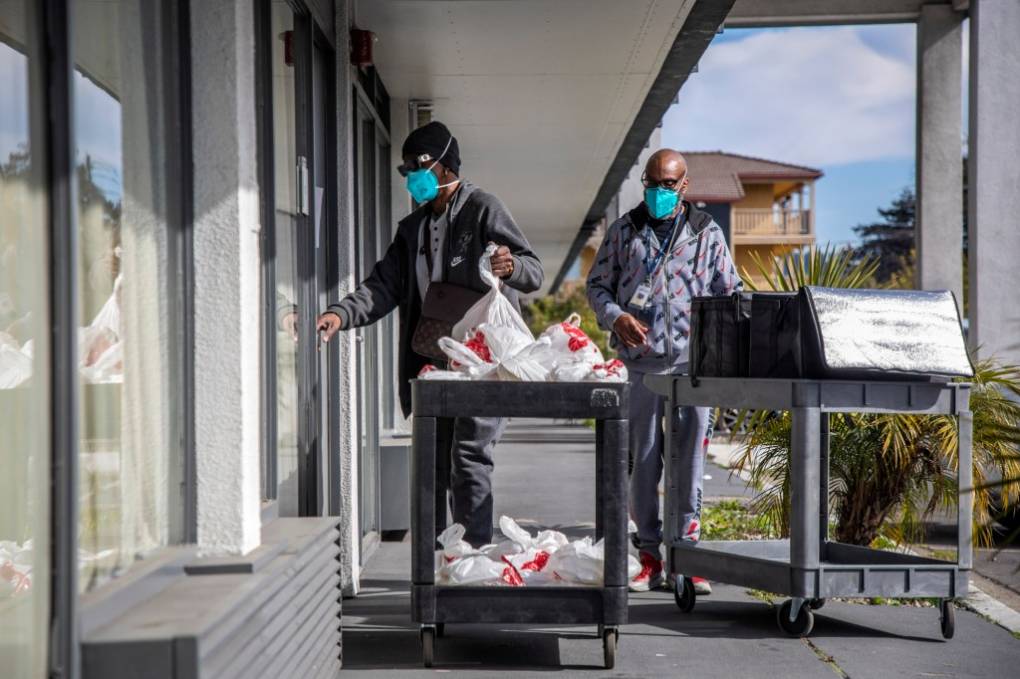
"news_11909889": {
"type": "attachments",
"id": "news_11909889",
"meta": {
"index": "attachments_1716263798",
"site": "news",
"id": "11909889",
"found": true
},
"parent": 11909888,
"imgSizes": {
"twentyfourteen-full-width": {
"file": "https://ww2.kqed.org/app/uploads/sites/10/2022/03/gettyimages-1239245283-17cffb6eec48649d7f7d32a186d471e0213b6ffa-1038x576.jpg",
"width": 1038,
"mimeType": "image/jpeg",
"height": 576
},
"thumbnail": {
"file": "https://ww2.kqed.org/app/uploads/sites/10/2022/03/gettyimages-1239245283-17cffb6eec48649d7f7d32a186d471e0213b6ffa-160x120.jpg",
"width": 160,
"mimeType": "image/jpeg",
"height": 120
},
"post-thumbnail": {
"file": "https://ww2.kqed.org/app/uploads/sites/10/2022/03/gettyimages-1239245283-17cffb6eec48649d7f7d32a186d471e0213b6ffa-672x372.jpg",
"width": 672,
"mimeType": "image/jpeg",
"height": 372
},
"kqedFullSize": {
"file": "https://ww2.kqed.org/app/uploads/sites/10/2022/03/gettyimages-1239245283-17cffb6eec48649d7f7d32a186d471e0213b6ffa-scaled.jpg",
"width": 2560,
"height": 1920
},
"2048x2048": {
"file": "https://ww2.kqed.org/app/uploads/sites/10/2022/03/gettyimages-1239245283-17cffb6eec48649d7f7d32a186d471e0213b6ffa-2048x1536.jpg",
"width": 2048,
"mimeType": "image/jpeg",
"height": 1536
},
"large": {
"file": "https://ww2.kqed.org/app/uploads/sites/10/2022/03/gettyimages-1239245283-17cffb6eec48649d7f7d32a186d471e0213b6ffa-1020x765.jpg",
"width": 1020,
"mimeType": "image/jpeg",
"height": 765
},
"1536x1536": {
"file": "https://ww2.kqed.org/app/uploads/sites/10/2022/03/gettyimages-1239245283-17cffb6eec48649d7f7d32a186d471e0213b6ffa-1536x1152.jpg",
"width": 1536,
"mimeType": "image/jpeg",
"height": 1152
},
"full-width": {
"file": "https://ww2.kqed.org/app/uploads/sites/10/2022/03/gettyimages-1239245283-17cffb6eec48649d7f7d32a186d471e0213b6ffa-1920x1440.jpg",
"width": 1920,
"mimeType": "image/jpeg",
"height": 1440
},
"medium": {
"file": "https://ww2.kqed.org/app/uploads/sites/10/2022/03/gettyimages-1239245283-17cffb6eec48649d7f7d32a186d471e0213b6ffa-800x600.jpg",
"width": 800,
"mimeType": "image/jpeg",
"height": 600
}
},
"publishDate": 1648749314,
"modified": 1648751628,
"caption": "A person walks past a COVID-19 testing location in Arlington, Va., on March 16. A new website launched by the Biden administration will provide a locater for test-and-treat facilities, among other services.",
"description": "A person walks past a Covid-19 testing location in Arlington, Virginia, on March 16, 2022. - The House removed $15 billion of Covid funding from a government spending bill last week, and the White House now claims the US will run out of money to fight the pandemic without a standalone bill for Covid funding. (Photo by Stefani Reynolds / AFP) (Photo by STEFANI REYNOLDS/AFP via Getty Images)",
"title": "covid testing",
"credit": "Stefani Reynolds/AFP via Getty Images",
"status": "inherit",
"altTag": "A woman with black hair and dark brown skin, wearing a black skirt and bright pink sweater walks across a stone plaza in the background. In the foreground is a blue sign saying \"No Cost To You\" COVID-19 Testing. A pink swirl wraps around the words: No Cost To You.",
"isLoading": false,
"fetchFailed": false
},
"news_11909049": {
"type": "attachments",
"id": "news_11909049",
"meta": {
"index": "attachments_1716263798",
"site": "news",
"id": "11909049",
"found": true
},
"parent": 11909033,
"imgSizes": {
"twentyfourteen-full-width": {
"file": "https://ww2.kqed.org/app/uploads/sites/10/2022/03/GettyImages-1310034178-1024x576.jpg",
"width": 1024,
"mimeType": "image/jpeg",
"height": 576
},
"thumbnail": {
"file": "https://ww2.kqed.org/app/uploads/sites/10/2022/03/GettyImages-1310034178-160x118.jpg",
"width": 160,
"mimeType": "image/jpeg",
"height": 118
},
"post-thumbnail": {
"file": "https://ww2.kqed.org/app/uploads/sites/10/2022/03/GettyImages-1310034178-672x372.jpg",
"width": 672,
"mimeType": "image/jpeg",
"height": 372
},
"kqedFullSize": {
"file": "https://ww2.kqed.org/app/uploads/sites/10/2022/03/GettyImages-1310034178.jpg",
"width": 1024,
"height": 753
},
"large": {
"file": "https://ww2.kqed.org/app/uploads/sites/10/2022/03/GettyImages-1310034178-1020x750.jpg",
"width": 1020,
"mimeType": "image/jpeg",
"height": 750
},
"medium": {
"file": "https://ww2.kqed.org/app/uploads/sites/10/2022/03/GettyImages-1310034178-800x588.jpg",
"width": 800,
"mimeType": "image/jpeg",
"height": 588
}
},
"publishDate": 1648070396,
"modified": 1648087413,
"caption": "A woman receives a dose of a COVID-19 vaccine at a vaccination clinic hosted by Providence St. Mary Medical Center on March 30, 2021, in Apple Valley.",
"description": null,
"title": "As COVID-19 Numbers Wane, Apple Valley Hospital Returns To Normalcy",
"credit": "Mario Tama/Getty Images",
"status": "inherit",
"altTag": "A woman wearing a face mask receives an injection in her arm from a needle by a person wearing blue surgical gloves.",
"isLoading": false,
"fetchFailed": false
},
"news_11908819": {
"type": "attachments",
"id": "news_11908819",
"meta": {
"index": "attachments_1716263798",
"site": "news",
"id": "11908819",
"found": true
},
"parent": 11908813,
"imgSizes": {
"twentyfourteen-full-width": {
"file": "https://ww2.kqed.org/app/uploads/sites/10/2022/03/022222-COVID-Kids-Mental-Health-AJ-CM-12-1038x576.jpg",
"width": 1038,
"mimeType": "image/jpeg",
"height": 576
},
"thumbnail": {
"file": "https://ww2.kqed.org/app/uploads/sites/10/2022/03/022222-COVID-Kids-Mental-Health-AJ-CM-12-160x107.jpg",
"width": 160,
"mimeType": "image/jpeg",
"height": 107
},
"post-thumbnail": {
"file": "https://ww2.kqed.org/app/uploads/sites/10/2022/03/022222-COVID-Kids-Mental-Health-AJ-CM-12-672x372.jpg",
"width": 672,
"mimeType": "image/jpeg",
"height": 372
},
"kqedFullSize": {
"file": "https://ww2.kqed.org/app/uploads/sites/10/2022/03/022222-COVID-Kids-Mental-Health-AJ-CM-12.jpg",
"width": 2000,
"height": 1333
},
"large": {
"file": "https://ww2.kqed.org/app/uploads/sites/10/2022/03/022222-COVID-Kids-Mental-Health-AJ-CM-12-1020x680.jpg",
"width": 1020,
"mimeType": "image/jpeg",
"height": 680
},
"1536x1536": {
"file": "https://ww2.kqed.org/app/uploads/sites/10/2022/03/022222-COVID-Kids-Mental-Health-AJ-CM-12-1536x1024.jpg",
"width": 1536,
"mimeType": "image/jpeg",
"height": 1024
},
"full-width": {
"file": "https://ww2.kqed.org/app/uploads/sites/10/2022/03/022222-COVID-Kids-Mental-Health-AJ-CM-12-1920x1280.jpg",
"width": 1920,
"mimeType": "image/jpeg",
"height": 1280
},
"medium": {
"file": "https://ww2.kqed.org/app/uploads/sites/10/2022/03/022222-COVID-Kids-Mental-Health-AJ-CM-12-800x533.jpg",
"width": 800,
"mimeType": "image/jpeg",
"height": 533
}
},
"publishDate": 1647906288,
"modified": 1647987964,
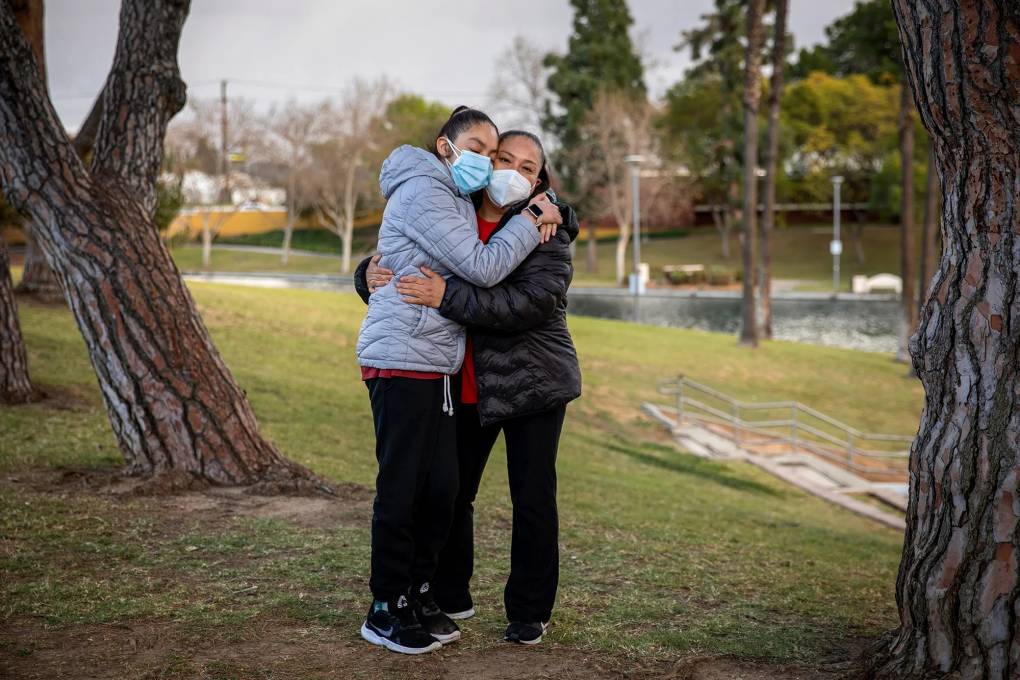
"caption": "Amanda Arellano (left), 17, and her mother, Maria, at a park they love near their home in Los Angeles on Feb. 22, 2022.",
"description": null,
"title": "022222-COVID-Kids-Mental-Health-AJ-CM-12",
"credit": "Alisha Jucevic/CalMatters",
"status": "inherit",
"altTag": "Two women wearing face masks hug each other in a park.",
"isLoading": false,
"fetchFailed": false
},
"news_11907697": {
"type": "attachments",
"id": "news_11907697",
"meta": {
"index": "attachments_1716263798",
"site": "news",
"id": "11907697",
"found": true
},
"parent": 11907636,
"imgSizes": {
"twentyfourteen-full-width": {
"file": "https://ww2.kqed.org/app/uploads/sites/10/2022/03/RS54126_GettyImages-1235603927-qut-1038x576.jpg",
"width": 1038,
"mimeType": "image/jpeg",
"height": 576
},
"thumbnail": {
"file": "https://ww2.kqed.org/app/uploads/sites/10/2022/03/RS54126_GettyImages-1235603927-qut-160x107.jpg",
"width": 160,
"mimeType": "image/jpeg",
"height": 107
},
"post-thumbnail": {
"file": "https://ww2.kqed.org/app/uploads/sites/10/2022/03/RS54126_GettyImages-1235603927-qut-672x372.jpg",
"width": 672,
"mimeType": "image/jpeg",
"height": 372
},
"kqedFullSize": {
"file": "https://ww2.kqed.org/app/uploads/sites/10/2022/03/RS54126_GettyImages-1235603927-qut.jpg",
"width": 1920,
"height": 1280
},
"large": {
"file": "https://ww2.kqed.org/app/uploads/sites/10/2022/03/RS54126_GettyImages-1235603927-qut-1020x680.jpg",
"width": 1020,
"mimeType": "image/jpeg",
"height": 680
},
"1536x1536": {
"file": "https://ww2.kqed.org/app/uploads/sites/10/2022/03/RS54126_GettyImages-1235603927-qut-1536x1024.jpg",
"width": 1536,
"mimeType": "image/jpeg",
"height": 1024
},
"medium": {
"file": "https://ww2.kqed.org/app/uploads/sites/10/2022/03/RS54126_GettyImages-1235603927-qut-800x533.jpg",
"width": 800,
"mimeType": "image/jpeg",
"height": 533
}
},
"publishDate": 1646866227,
"modified": 1646866326,
"caption": "Starting Friday, March 11, you will no longer have to show proof of vaccination to enter restaurants, bars and gyms in San Francisco and Berkeley.",
"description": null,
"title": "a look at Permanent Records Roadhouse where vaccine verification is the only way to gain entry",
"credit": "Mariah Tauger/Los Angeles Times via Getty Images",
"status": "inherit",
"altTag": "person wearing pink mask and cowboy hat with bright eyeliner holds up vaccination card",
"isLoading": false,
"fetchFailed": false
},
"news_11907618": {
"type": "attachments",
"id": "news_11907618",
"meta": {
"index": "attachments_1716263798",
"site": "news",
"id": "11907618",
"found": true
},
"parent": 11907615,
"imgSizes": {
"twentyfourteen-full-width": {
"file": "https://ww2.kqed.org/app/uploads/sites/10/2022/03/Kathy-Gervais-and-dog-1038x576.jpg",
"width": 1038,
"mimeType": "image/jpeg",
"height": 576
},
"thumbnail": {
"file": "https://ww2.kqed.org/app/uploads/sites/10/2022/03/Kathy-Gervais-and-dog-160x98.jpg",
"width": 160,
"mimeType": "image/jpeg",
"height": 98
},
"post-thumbnail": {
"file": "https://ww2.kqed.org/app/uploads/sites/10/2022/03/Kathy-Gervais-and-dog-672x372.jpg",
"width": 672,
"mimeType": "image/jpeg",
"height": 372
},
"kqedFullSize": {
"file": "https://ww2.kqed.org/app/uploads/sites/10/2022/03/Kathy-Gervais-and-dog.jpg",
"width": 1400,
"height": 857
},
"large": {
"file": "https://ww2.kqed.org/app/uploads/sites/10/2022/03/Kathy-Gervais-and-dog-1020x624.jpg",
"width": 1020,
"mimeType": "image/jpeg",
"height": 624
},
"medium": {
"file": "https://ww2.kqed.org/app/uploads/sites/10/2022/03/Kathy-Gervais-and-dog-800x490.jpg",
"width": 800,
"mimeType": "image/jpeg",
"height": 490
}
},
"publishDate": 1646854267,
"modified": 1646864638,
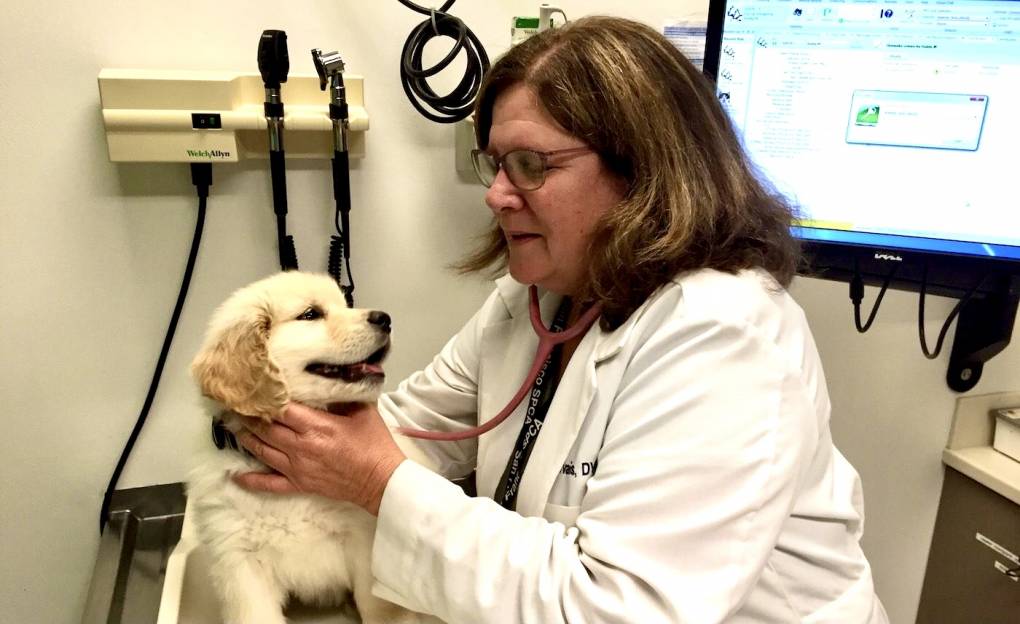
"caption": "Veterinarian Kathy Gervais takes care of a dog at the SPCA on Fillmore Street in San Francisco. Gervais helped organize a new mental health service for vets.",
"description": null,
"title": "Kathy Gervais and dog",
"credit": "Courtesy of Veterinary Mental Health Initiative",
"status": "inherit",
"altTag": "A woman wearing glasses and a lab coat holds the neck of a puppy and places an instrument to its throat.",
"isLoading": false,
"fetchFailed": false
},
"news_11907130": {
"type": "attachments",
"id": "news_11907130",
"meta": {
"index": "attachments_1716263798",
"site": "news",
"id": "11907130",
"found": true
},
"parent": 11907115,
"imgSizes": {
"twentyfourteen-full-width": {
"file": "https://ww2.kqed.org/app/uploads/sites/10/2022/03/GettyImages-1336948641-1-1024x576.jpg",
"width": 1024,
"mimeType": "image/jpeg",
"height": 576
},
"thumbnail": {
"file": "https://ww2.kqed.org/app/uploads/sites/10/2022/03/GettyImages-1336948641-1-160x107.jpg",
"width": 160,
"mimeType": "image/jpeg",
"height": 107
},
"post-thumbnail": {
"file": "https://ww2.kqed.org/app/uploads/sites/10/2022/03/GettyImages-1336948641-1-672x372.jpg",
"width": 672,
"mimeType": "image/jpeg",
"height": 372
},
"kqedFullSize": {
"file": "https://ww2.kqed.org/app/uploads/sites/10/2022/03/GettyImages-1336948641-1.jpg",
"width": 1024,
"height": 683
},
"large": {
"file": "https://ww2.kqed.org/app/uploads/sites/10/2022/03/GettyImages-1336948641-1-1020x680.jpg",
"width": 1020,
"mimeType": "image/jpeg",
"height": 680
},
"medium": {
"file": "https://ww2.kqed.org/app/uploads/sites/10/2022/03/GettyImages-1336948641-1-800x534.jpg",
"width": 800,
"mimeType": "image/jpeg",
"height": 534
}
},
"publishDate": 1646348736,
"modified": 1646354653,
"caption": "Gov. Gavin Newsom (center) works with members of the SF Department of Public Works hot spot team as they clean around a homeless encampment on 19th Street in San Francisco, on Aug. 27, 2021. ",
"description": null,
"title": "SFChronicleNewsom",
"credit": "Lea Suzuki/San Francisco Chronicle via Getty Images",
"status": "inherit",
"altTag": "Gavin Newsom sweeps a street in front of a tent.",
"isLoading": false,
"fetchFailed": false
},
"news_11907046": {
"type": "attachments",
"id": "news_11907046",
"meta": {
"index": "attachments_1716263798",
"site": "news",
"id": "11907046",
"found": true
},
"parent": 11907038,
"imgSizes": {
"twentyfourteen-full-width": {
"file": "https://ww2.kqed.org/app/uploads/sites/10/2022/03/IMG_0165-998x576.jpg",
"width": 998,
"mimeType": "image/jpeg",
"height": 576
},
"thumbnail": {
"file": "https://ww2.kqed.org/app/uploads/sites/10/2022/03/IMG_0165-160x125.jpg",
"width": 160,
"mimeType": "image/jpeg",
"height": 125
},
"post-thumbnail": {
"file": "https://ww2.kqed.org/app/uploads/sites/10/2022/03/IMG_0165-672x372.jpg",
"width": 672,
"mimeType": "image/jpeg",
"height": 372
},
"kqedFullSize": {
"file": "https://ww2.kqed.org/app/uploads/sites/10/2022/03/IMG_0165.jpg",
"width": 998,
"height": 781
},
"medium": {
"file": "https://ww2.kqed.org/app/uploads/sites/10/2022/03/IMG_0165-800x626.jpg",
"width": 800,
"mimeType": "image/jpeg",
"height": 626
}
},
"publishDate": 1646267205,
"modified": 1646272338,
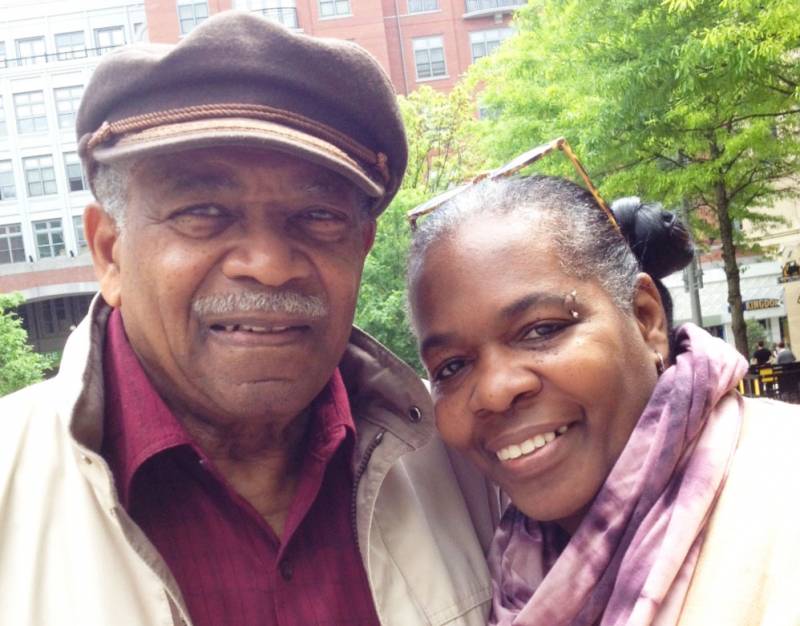
"caption": "Keris Myrick, right, who has schizophrenia, with her father, Dr. Howard Myrick, in June 2015. ",
"description": null,
"title": "IMG_0165",
"credit": "Courtesy of Keris Myrick",
"status": "inherit",
"altTag": "An older man and woman pose outside for a photo.",
"isLoading": false,
"fetchFailed": false
},
"news_11906904": {
"type": "attachments",
"id": "news_11906904",
"meta": {
"index": "attachments_1716263798",
"site": "news",
"id": "11906904",
"found": true
},
"parent": 11906868,
"imgSizes": {
"twentyfourteen-full-width": {
"file": "https://ww2.kqed.org/app/uploads/sites/10/2022/03/Screen-Shot-2022-03-01-at-11.37.47-AM-1038x576.png",
"width": 1038,
"mimeType": "image/png",
"height": 576
},
"thumbnail": {
"file": "https://ww2.kqed.org/app/uploads/sites/10/2022/03/Screen-Shot-2022-03-01-at-11.37.47-AM-160x106.png",
"width": 160,
"mimeType": "image/png",
"height": 106
},
"post-thumbnail": {
"file": "https://ww2.kqed.org/app/uploads/sites/10/2022/03/Screen-Shot-2022-03-01-at-11.37.47-AM-672x372.png",
"width": 672,
"mimeType": "image/png",
"height": 372
},
"kqedFullSize": {
"file": "https://ww2.kqed.org/app/uploads/sites/10/2022/03/Screen-Shot-2022-03-01-at-11.37.47-AM.png",
"width": 2394,
"height": 1586
},
"2048x2048": {
"file": "https://ww2.kqed.org/app/uploads/sites/10/2022/03/Screen-Shot-2022-03-01-at-11.37.47-AM-2048x1357.png",
"width": 2048,
"mimeType": "image/png",
"height": 1357
},
"large": {
"file": "https://ww2.kqed.org/app/uploads/sites/10/2022/03/Screen-Shot-2022-03-01-at-11.37.47-AM-1020x676.png",
"width": 1020,
"mimeType": "image/png",
"height": 676
},
"1536x1536": {
"file": "https://ww2.kqed.org/app/uploads/sites/10/2022/03/Screen-Shot-2022-03-01-at-11.37.47-AM-1536x1018.png",
"width": 1536,
"mimeType": "image/png",
"height": 1018
},
"full-width": {
"file": "https://ww2.kqed.org/app/uploads/sites/10/2022/03/Screen-Shot-2022-03-01-at-11.37.47-AM-1920x1272.png",
"width": 1920,
"mimeType": "image/png",
"height": 1272
},
"medium": {
"file": "https://ww2.kqed.org/app/uploads/sites/10/2022/03/Screen-Shot-2022-03-01-at-11.37.47-AM-800x530.png",
"width": 800,
"mimeType": "image/png",
"height": 530
}
},
"publishDate": 1646164208,
"modified": 1646164375,
"caption": "A physician's assistant listens to a patient's heartbeat at a clinic in Bieber.",
"description": null,
"title": "Screen Shot 2022-03-01 at 11.37.47 AM",
"credit": "Anne Wernikoff/CalMatters",
"status": "inherit",
"altTag": "A man wearing a red button down shirt presses an instrument to a man's back.",
"isLoading": false,
"fetchFailed": false
},
"news_11906745": {
"type": "attachments",
"id": "news_11906745",
"meta": {
"index": "attachments_1716263798",
"site": "news",
"id": "11906745",
"found": true
},
"parent": 11906730,
"imgSizes": {
"twentyfourteen-full-width": {
"file": "https://ww2.kqed.org/app/uploads/sites/10/2022/02/GettyImages-1310181540-1024x576.jpg",
"width": 1024,
"mimeType": "image/jpeg",
"height": 576
},
"thumbnail": {
"file": "https://ww2.kqed.org/app/uploads/sites/10/2022/02/GettyImages-1310181540-160x107.jpg",
"width": 160,
"mimeType": "image/jpeg",
"height": 107
},
"post-thumbnail": {
"file": "https://ww2.kqed.org/app/uploads/sites/10/2022/02/GettyImages-1310181540-672x372.jpg",
"width": 672,
"mimeType": "image/jpeg",
"height": 372
},
"kqedFullSize": {
"file": "https://ww2.kqed.org/app/uploads/sites/10/2022/02/GettyImages-1310181540.jpg",
"width": 1024,
"height": 683
},
"large": {
"file": "https://ww2.kqed.org/app/uploads/sites/10/2022/02/GettyImages-1310181540-1020x680.jpg",
"width": 1020,
"mimeType": "image/jpeg",
"height": 680
},
"medium": {
"file": "https://ww2.kqed.org/app/uploads/sites/10/2022/02/GettyImages-1310181540-800x534.jpg",
"width": 800,
"mimeType": "image/jpeg",
"height": 534
}
},
"publishDate": 1646078134,
"modified": 1646094507,
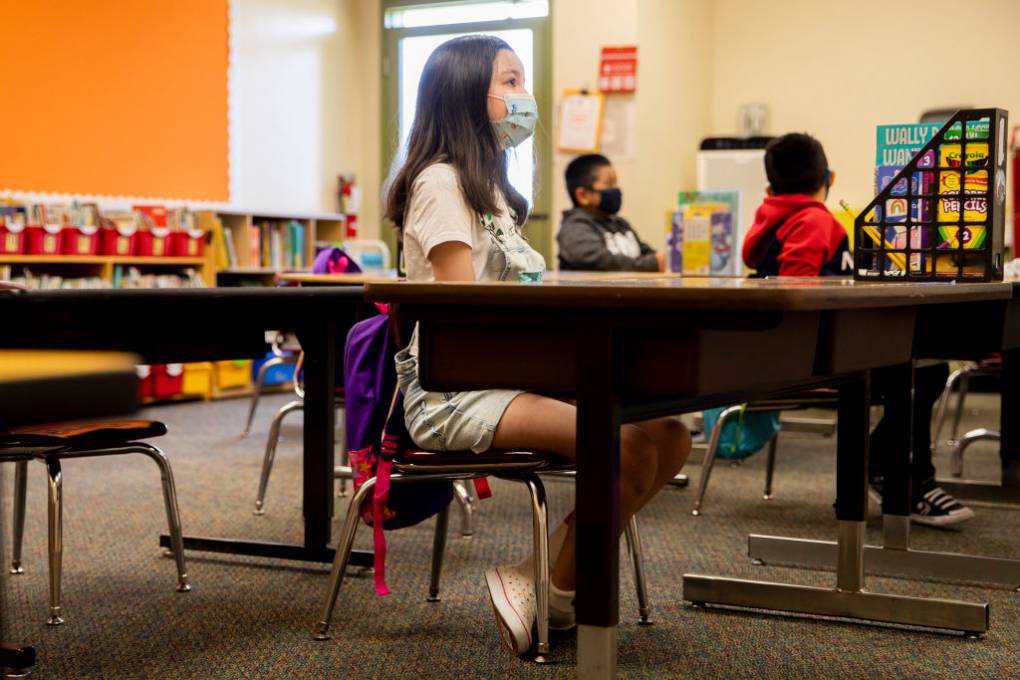
"caption": "Michelle Sharp, 8, wears a mask while sitting in her second grade classroom during the first day of partial in-person instruction at Garfield Elementary School in Oakland, Tuesday, March 30, 2021.",
"description": ", the same day Garfield partially reopened for students in grades kindergarten through second grade",
"title": "SFChronicleSchoolsReOpen",
"credit": "Jessica Christian/The San Francisco Chronicle via Getty Images",
"status": "inherit",
"altTag": "Three children are sitting at desks in a classroom with masks on.",
"isLoading": false,
"fetchFailed": false
},
"news_11906226": {
"type": "attachments",
"id": "news_11906226",
"meta": {
"index": "attachments_1716263798",
"site": "news",
"id": "11906226",
"found": true
},
"parent": 11906215,
"imgSizes": {
"twentyfourteen-full-width": {
"file": "https://ww2.kqed.org/app/uploads/sites/10/2022/02/021722_RenataGarza_LJ-14-CM-1038x576.jpg",
"width": 1038,
"mimeType": "image/jpeg",
"height": 576
},
"thumbnail": {
"file": "https://ww2.kqed.org/app/uploads/sites/10/2022/02/021722_RenataGarza_LJ-14-CM-160x107.jpg",
"width": 160,
"mimeType": "image/jpeg",
"height": 107
},
"post-thumbnail": {
"file": "https://ww2.kqed.org/app/uploads/sites/10/2022/02/021722_RenataGarza_LJ-14-CM-672x372.jpg",
"width": 672,
"mimeType": "image/jpeg",
"height": 372
},
"kqedFullSize": {
"file": "https://ww2.kqed.org/app/uploads/sites/10/2022/02/021722_RenataGarza_LJ-14-CM.jpg",
"width": 1920,
"height": 1280
},
"large": {
"file": "https://ww2.kqed.org/app/uploads/sites/10/2022/02/021722_RenataGarza_LJ-14-CM-1020x680.jpg",
"width": 1020,
"mimeType": "image/jpeg",
"height": 680
},
"1536x1536": {
"file": "https://ww2.kqed.org/app/uploads/sites/10/2022/02/021722_RenataGarza_LJ-14-CM-1536x1024.jpg",
"width": 1536,
"mimeType": "image/jpeg",
"height": 1024
},
"medium": {
"file": "https://ww2.kqed.org/app/uploads/sites/10/2022/02/021722_RenataGarza_LJ-14-CM-800x533.jpg",
"width": 800,
"mimeType": "image/jpeg",
"height": 533
}
},
"publishDate": 1645650944,
"modified": 1645651030,
"caption": "Renata Garza-Silva, a teacher in Los Angeles who is immunocompromised, poses for a portrait inside her classroom on Feb. 17, 2022.",
"description": null,
"title": "021722_RenataGarza_LJ-14-CM",
"credit": "Lauren Justice/CalMatters",
"status": "inherit",
"altTag": "A woman posing in a classroom.",
"isLoading": false,
"fetchFailed": false
},
"news_11905253": {
"type": "attachments",
"id": "news_11905253",
"meta": {
"index": "attachments_1716263798",
"site": "news",
"id": "11905253",
"found": true
},
"parent": 11905244,
"imgSizes": {
"twentyfourteen-full-width": {
"file": "https://ww2.kqed.org/app/uploads/sites/10/2022/02/RS53728_Free-Enrique-NDLON-qut-1038x576.jpg",
"width": 1038,
"mimeType": "image/jpeg",
"height": 576
},
"thumbnail": {
"file": "https://ww2.kqed.org/app/uploads/sites/10/2022/02/RS53728_Free-Enrique-NDLON-qut-160x120.jpg",
"width": 160,
"mimeType": "image/jpeg",
"height": 120
},
"post-thumbnail": {
"file": "https://ww2.kqed.org/app/uploads/sites/10/2022/02/RS53728_Free-Enrique-NDLON-qut-672x372.jpg",
"width": 672,
"mimeType": "image/jpeg",
"height": 372
},
"kqedFullSize": {
"file": "https://ww2.kqed.org/app/uploads/sites/10/2022/02/RS53728_Free-Enrique-NDLON-qut.jpg",
"width": 1200,
"height": 900
},
"large": {
"file": "https://ww2.kqed.org/app/uploads/sites/10/2022/02/RS53728_Free-Enrique-NDLON-qut-1020x765.jpg",
"width": 1020,
"mimeType": "image/jpeg",
"height": 765
},
"medium": {
"file": "https://ww2.kqed.org/app/uploads/sites/10/2022/02/RS53728_Free-Enrique-NDLON-qut-800x600.jpg",
"width": 800,
"mimeType": "image/jpeg",
"height": 600
}
},
"publishDate": 1644965734,
"modified": 1645044983,
"caption": "Supporters of Enrique Cristobal Meneses and other ICE detainees at Golden State Annex call for their release outside Sen. Alex Padilla's offices in Los Angeles, on Feb. 10, 2021.",
"description": null,
"title": "RS53728_Free Enrique, NDLON-qut",
"credit": "Courtesy of the National Day Laborer Organizing Network",
"status": "inherit",
"altTag": "Three people are seen with masks and holding red and pink signs that read \"Free Enrique.\" One person holds a red sign in one hand and a microphone in the other.",
"isLoading": false,
"fetchFailed": false
},
"news_11905187": {
"type": "attachments",
"id": "news_11905187",
"meta": {
"index": "attachments_1716263798",
"site": "news",
"id": "11905187",
"found": true
},
"parent": 11905181,
"imgSizes": {
"twentyfourteen-full-width": {
"file": "https://ww2.kqed.org/app/uploads/sites/10/2022/02/020922-CALAIM-MHN-16-CM-1024x576.jpg",
"width": 1024,
"mimeType": "image/jpeg",
"height": 576
},
"thumbnail": {
"file": "https://ww2.kqed.org/app/uploads/sites/10/2022/02/020922-CALAIM-MHN-16-CM-160x107.jpg",
"width": 160,
"mimeType": "image/jpeg",
"height": 107
},
"post-thumbnail": {
"file": "https://ww2.kqed.org/app/uploads/sites/10/2022/02/020922-CALAIM-MHN-16-CM-672x372.jpg",
"width": 672,
"mimeType": "image/jpeg",
"height": 372
},
"kqedFullSize": {
"file": "https://ww2.kqed.org/app/uploads/sites/10/2022/02/020922-CALAIM-MHN-16-CM.jpg",
"width": 1024,
"height": 682
},
"large": {
"file": "https://ww2.kqed.org/app/uploads/sites/10/2022/02/020922-CALAIM-MHN-16-CM-1020x679.jpg",
"width": 1020,
"mimeType": "image/jpeg",
"height": 679
},
"medium": {
"file": "https://ww2.kqed.org/app/uploads/sites/10/2022/02/020922-CALAIM-MHN-16-CM-800x533.jpg",
"width": 800,
"mimeType": "image/jpeg",
"height": 533
}
},
"publishDate": 1644894131,
"modified": 1644966301,
"caption": "Terry Harper (left) and Frank Scott deliver meals to occupants at the Radisson Hotel in Oakland. Edward El has stayed at this hotel as part of a Project Roomkey shelter but will soon be moving into his own apartment after spending much of the past 16 years unhoused.",
"description": "Terry Harper (left) and Frank Scott deliver meals to occupants at the Radisson Hotel in Oakland.",
"title": "020922-CALAIM-MHN-16-CM",
"credit": "Martin do Nascimento/CalMatters",
"status": "inherit",
"altTag": "Two people push carts down a hotel hallway. The carts are full of food and bags and the people pushing the carts are wearing masks.",
"isLoading": false,
"fetchFailed": false
}
},
"audioPlayerReducer": {
"postId": "stream_live",
"isPaused": true,
"isPlaying": false,
"pfsActive": false,
"pledgeModalIsOpen": true,
"playerDrawerIsOpen": false,
"liveAudioPlayStartedAt": 0,
"liveAudioPlayContext": ""
},
"authorsReducer": {
"byline_news_11909888": {
"type": "authors",
"id": "byline_news_11909888",
"meta": {
"override": true
},
"slug": "byline_news_11909888",
"name": "\u003ca href=\"https://www.npr.org/people/122805042/tamara-keith\">Tamara Keith\u003c/a>",
"isLoading": false
},
"byline_news_11909033": {
"type": "authors",
"id": "byline_news_11909033",
"meta": {
"override": true
},
"slug": "byline_news_11909033",
"name": "\u003ca href=\"https://calmatters.org/author/kristen-hwang/\">Kristen Hwang\u003c/a>",
"isLoading": false
},
"byline_news_11908813": {
"type": "authors",
"id": "byline_news_11908813",
"meta": {
"override": true
},
"slug": "byline_news_11908813",
"name": "\u003ca href=\"https://calmatters.org/author/jocelyn-wiener/\">Jocelyn Wiener\u003c/a>",
"isLoading": false
},
"byline_news_11907115": {
"type": "authors",
"id": "byline_news_11907115",
"meta": {
"override": true
},
"slug": "byline_news_11907115",
"name": "Don Thompson and Janie Har\u003cbr>Associated Press",
"isLoading": false
},
"byline_news_11906868": {
"type": "authors",
"id": "byline_news_11906868",
"meta": {
"override": true
},
"slug": "byline_news_11906868",
"name": "\u003ca href=\"https://calmatters.org/author/anaibarra/\">Ana B. Ibarra\u003c/a>",
"isLoading": false
},
"byline_news_11906215": {
"type": "authors",
"id": "byline_news_11906215",
"meta": {
"override": true
},
"slug": "byline_news_11906215",
"name": "\u003ca href=\"https://calmatters.org/author/anaibarra/\">Anna B. Ibarra\u003c/a>",
"isLoading": false
},
"byline_news_11905181": {
"type": "authors",
"id": "byline_news_11905181",
"meta": {
"override": true
},
"slug": "byline_news_11905181",
"name": "\u003ca href=\"https://calmatters.org/author/kristen-hwang/\">Kristen Hwang\u003c/a>",
"isLoading": false
},
"jmcevoy": {
"type": "authors",
"id": "231",
"meta": {
"index": "authors_1716337520",
"id": "231",
"found": true
},
"name": "Julia McEvoy",
"firstName": "Julia",
"lastName": "McEvoy",
"slug": "jmcevoy",
"email": "jmcevoy@KQED.org",
"display_author_email": true,
"staff_mastheads": [
"news"
],
"title": "KQED Senior Editor",
"bio": "Julia McEvoy is KQED's Senior Editor, Education Equity.\r\n\r\nJulia heads KQED’s education coverage examining inequities students face in Bay Area and California schools, and reports on what it will take to educate the next generation.\r\n\r\nJulia's editorial work has received a Peabody Award, a Casey Medal for Coverage of Children and Families, several Edward R. Murrow awards, as well as awards from the Public Radio News Directors Inc. and the Society for Professional Journalists.",
"avatar": "https://secure.gravatar.com/avatar/aec3ce21abe02b302fd33638abd56a22?s=600&d=blank&r=g",
"twitter": "juliamcevoy1",
"facebook": null,
"instagram": null,
"linkedin": null,
"sites": [
{
"site": "news",
"roles": []
},
{
"site": "stateofhealth",
"roles": [
"author"
]
}
],
"headData": {
"title": "Julia McEvoy | KQED",
"description": "KQED Senior Editor",
"ogImgSrc": "https://secure.gravatar.com/avatar/aec3ce21abe02b302fd33638abd56a22?s=600&d=blank&r=g",
"twImgSrc": "https://secure.gravatar.com/avatar/aec3ce21abe02b302fd33638abd56a22?s=600&d=blank&r=g"
},
"isLoading": false,
"link": "/author/jmcevoy"
},
"adembosky": {
"type": "authors",
"id": "3205",
"meta": {
"index": "authors_1716337520",
"id": "3205",
"found": true
},
"name": "April Dembosky",
"firstName": "April",
"lastName": "Dembosky",
"slug": "adembosky",
"email": "adembosky@kqed.org",
"display_author_email": false,
"staff_mastheads": [
"news",
"science"
],
"title": "KQED Health Correspondent",
"bio": "April Dembosky is the health correspondent for KQED News and a regular contributor to NPR. She specializes in covering altered states of mind, from postpartum depression to methamphetamine-induced psychosis to the insanity defense. Her investigative series on insurance companies sidestepping mental health laws won multiple awards, including first place in beat reporting from the national Association of Health Care Journalists. She is the recipient of numerous other prizes and fellowships, including a national Edward R. Murrow award for investigative reporting, a Society of Professional Journalists award for long-form storytelling, and a Carter Center Fellowship for Mental Health Journalism.\r\n\r\nDembosky reported and produced \u003cem>Soundtrack of Silence\u003c/em>, an audio documentary about music and memory that is currently being made into a feature film by Paramount Pictures.\r\n\r\nBefore joining KQED in 2013, Dembosky covered technology and Silicon Valley for \u003cem>The Financial Times of London,\u003c/em> and contributed business and arts stories to \u003cem>Marketplace \u003c/em>and \u003cem>The New York Times.\u003c/em> She got her undergraduate degree in philosophy from Smith College and her master's in journalism from the University of California, Berkeley. She is a classically trained violinist and proud alum of the first symphony orchestra at Burning Man.",
"avatar": "https://secure.gravatar.com/avatar/ef92999be4ceb9ea60701e7dc276f813?s=600&d=blank&r=g",
"twitter": "adembosky",
"facebook": null,
"instagram": null,
"linkedin": null,
"sites": [
{
"site": "arts",
"roles": [
"author"
]
},
{
"site": "news",
"roles": [
"editor"
]
},
{
"site": "futureofyou",
"roles": [
"author"
]
},
{
"site": "stateofhealth",
"roles": [
"editor"
]
},
{
"site": "science",
"roles": [
"editor"
]
},
{
"site": "forum",
"roles": [
"editor"
]
}
],
"headData": {
"title": "April Dembosky | KQED",
"description": "KQED Health Correspondent",
"ogImgSrc": "https://secure.gravatar.com/avatar/ef92999be4ceb9ea60701e7dc276f813?s=600&d=blank&r=g",
"twImgSrc": "https://secure.gravatar.com/avatar/ef92999be4ceb9ea60701e7dc276f813?s=600&d=blank&r=g"
},
"isLoading": false,
"link": "/author/adembosky"
},
"carlysevern": {
"type": "authors",
"id": "3243",
"meta": {
"index": "authors_1716337520",
"id": "3243",
"found": true
},
"name": "Carly Severn",
"firstName": "Carly",
"lastName": "Severn",
"slug": "carlysevern",
"email": "csevern@kqed.org",
"display_author_email": false,
"staff_mastheads": [
"news"
],
"title": "Senior Editor, Audience News ",
"bio": "Carly is KQED's Senior Editor of Audience News on the Digital News team, and has reported for the California Report Magazine, Bay Curious and KQED Arts. She's formerly the host of \u003ca href=\"http://ww2.kqed.org/pop/category/the-cooler/\" rel=\"noopener noreferrer\">The Cooler\u003c/a> podcast.",
"avatar": "https://secure.gravatar.com/avatar/54037bf5c128fe678f0ef26cec97a93f2e7f220a22d7285703328f12c42c1b1d?s=600&d=blank&r=g",
"twitter": "teacupinthebay",
"bluesky": null,
"facebook": null,
"instagram": null,
"linkedin": null,
"sites": [
{
"site": "",
"roles": [
"editor"
]
},
{
"site": "arts",
"roles": [
"editor"
]
},
{
"site": "news",
"roles": [
"administrator"
]
},
{
"site": "pop",
"roles": [
"editor"
]
},
{
"site": "futureofyou",
"roles": [
"editor"
]
},
{
"site": "about",
"roles": [
"administrator"
]
},
{
"site": "mindshift",
"roles": [
"editor"
]
},
{
"site": "bayareabites",
"roles": [
"editor"
]
},
{
"site": "stateofhealth",
"roles": [
"editor"
]
},
{
"site": "science",
"roles": [
"editor"
]
},
{
"site": "food",
"roles": [
"contributor"
]
},
{
"site": "forum",
"roles": [
"editor"
]
},
{
"site": "perspectives",
"roles": [
"administrator"
]
},
{
"site": "liveblog",
"roles": [
"editor"
]
}
],
"headData": {
"title": "Carly Severn | KQED",
"description": "Senior Editor, Audience News ",
"ogImgSrc": "https://secure.gravatar.com/avatar/54037bf5c128fe678f0ef26cec97a93f2e7f220a22d7285703328f12c42c1b1d?s=600&d=blank&r=g",
"twImgSrc": "https://secure.gravatar.com/avatar/54037bf5c128fe678f0ef26cec97a93f2e7f220a22d7285703328f12c42c1b1d?s=600&d=blank&r=g"
},
"isLoading": false,
"link": "/author/carlysevern"
},
"fjhabvala": {
"type": "authors",
"id": "8659",
"meta": {
"index": "authors_1716337520",
"id": "8659",
"found": true
},
"name": "Farida Jhabvala Romero",
"firstName": "Farida",
"lastName": "Jhabvala Romero",
"slug": "fjhabvala",
"email": "fjhabvala@kqed.org",
"display_author_email": true,
"staff_mastheads": [
"news"
],
"title": "KQED Contributor",
"bio": "Farida Jhabvala Romero is a Labor Correspondent for KQED. She previously covered immigration. Farida was \u003ca href=\"https://www.ccnma.org/2022-most-influential-latina-journalists\">named\u003c/a> one of the 10 Most Influential Latina Journalists in California in 2022 by the California Chicano News Media Association. Her work has won awards from the Society of Professional Journalists (Northern California), as well as a national and regional Edward M. Murrow Award for the collaborative reporting projects “Dangerous Air” and “Graying California.” Before joining KQED, Farida worked as a producer at Radio Bilingüe, a national public radio network. Farida earned her master’s degree in journalism from Stanford University.",
"avatar": "https://secure.gravatar.com/avatar/f9f022d4e2609741874222a1e9d41f48fea74011aa7c615eef91d9a50c944ebe?s=600&d=blank&r=g",
"twitter": "FaridaJhabvala",
"bluesky": null,
"facebook": null,
"instagram": null,
"linkedin": "https://www.linkedin.com/in/faridajhabvala/",
"sites": [
{
"site": "news",
"roles": [
"editor"
]
},
{
"site": "stateofhealth",
"roles": [
"author"
]
},
{
"site": "liveblog",
"roles": [
"author"
]
}
],
"headData": {
"title": "Farida Jhabvala Romero | KQED",
"description": "KQED Contributor",
"ogImgSrc": "https://secure.gravatar.com/avatar/f9f022d4e2609741874222a1e9d41f48fea74011aa7c615eef91d9a50c944ebe?s=600&d=blank&r=g",
"twImgSrc": "https://secure.gravatar.com/avatar/f9f022d4e2609741874222a1e9d41f48fea74011aa7c615eef91d9a50c944ebe?s=600&d=blank&r=g"
},
"isLoading": false,
"link": "/author/fjhabvala"
}
},
"pagesReducer": {
"news_tag_health": {
"type": "terms",
"id": "news_18543",
"meta": {
"index": "terms_1716263798",
"site": "news",
"id": "18543",
"score": 6.886719
},
"featImg": null,
"name": "Health",
"description": null,
"taxonomy": "tag",
"headData": {
"twImgId": null,
"twTitle": null,
"ogTitle": null,
"ogImgId": null,
"twDescription": null,
"description": null,
"title": "Health Archives | KQED News",
"ogDescription": null
},
"ttid": 466,
"slug": "health",
"isLoading": false,
"title": "Health",
"pageMeta": {
"site": "news",
"WpPageTemplate": "page-topic-editorial",
"currentPage": 55
},
"blocks": [
{
"blockName": "kqed/post-list",
"attrs": {
"layout": "cardArticle2",
"query": "posts/news?tag=health",
"seeMore": false,
"paginated": true,
"page": 55
}
},
{
"blockName": "kqed/ad"
}
]
}
},
"pfsSessionReducer": {},
"postsReducer": {
"stream_live": {
"type": "live",
"id": "stream_live",
"audioUrl": "https://streams.kqed.org/kqedradio",
"title": "Live Stream",
"excerpt": "Live Stream information currently unavailable.",
"link": "/radio",
"featImg": "",
"label": {
"name": "KQED Live",
"link": "/"
}
},
"stream_kqedNewscast": {
"type": "posts",
"id": "stream_kqedNewscast",
"audioUrl": "https://www.kqed.org/.stream/anon/radio/RDnews/newscast.mp3?_=1",
"title": "KQED Newscast",
"featImg": "",
"label": {
"name": "88.5 FM",
"link": "/"
}
},
"news_11909888": {
"type": "posts",
"id": "news_11909888",
"meta": {
"index": "posts_1716263798",
"site": "news",
"id": "11909888",
"score": null,
"sort": [
1648750503000
]
},
"guestAuthors": [],
"slug": "a-new-federal-website-aims-to-solve-a-key-covid-problem-where-to-get-antiviral-pills",
"title": "A New Federal Website Aims to Solve a Key COVID Problem: Where to Get Antiviral Pills",
"publishDate": 1648750503,
"format": "standard",
"headTitle": "A New Federal Website Aims to Solve a Key COVID Problem: Where to Get Antiviral Pills | KQED",
"labelTerm": {},
"content": "\u003cp>The search for COVID vaccines, tests and treatments could get easier Wednesday with the White House launch of \u003ca href=\"https://www.covid.gov/\">COVID.gov\u003c/a>, a website meant to be a one-stop shop for everything from free high quality masks to antiviral pills.\u003c/p>\n\u003cp>“We could not have done this six or eight months ago because we didn’t have all the tools we have now,” said White House COVID response coordinator Jeff Zients in an interview with NPR.\u003c/p>\n\u003cp>With the website launch, the White House is following through on a promise President Biden made in his State of the Union address. In that speech he announced a test-to-treat program “so people can get tested at a pharmacy, and if they’re positive, receive antiviral pills on the spot at no cost.”\u003c/p>\n\u003cp>The antiviral pills, especially Paxlovid from Pfizer, are highly effective at preventing hospitalization and death among people who are at high risk of severe disease from COVID infection. But they have to be taken within the first five days of the onset of symptoms. There’s been a disconnect between people getting diagnosed and actually getting these life-saving medications.\u003c/p>\n\u003cp>Up until this point, actually finding participating clinics and pharmacies wasn’t simple. According to the White House, there are now more than 2,000 test-to-treat locations around the country where people can get tested for COVID-19 and, if a prescriber says they need it, immediately get antiviral pills. COVID.gov has a new locator tool, making it easier to find these services quickly.\u003c/p>\n\u003cp>[ad fullwidth]\u003c/p>\n\u003cp>In addition, the site offers:\u003c/p>\n\u003cul>\n\u003cli>A vaccine/booster locator\u003c/li>\n\u003cli>A form to order free at-home COVID tests (currently 8 maximum per household)\u003c/li>\n\u003cli>A CDC community risk level lookup\u003c/li>\n\u003cli>A testing locator\u003c/li>\n\u003cli>Information about where to get free high quality masks\u003c/li>\n\u003cli>Information on COVID symptoms, treatment, testing and travel\u003c/li>\n\u003c/ul>\n\u003cp>“The new website is a great idea in theory,” said Jerome Adams, who served as surgeon general in the Trump administration. He said he has often been supportive of Biden administration initiatives but says they’ve always been reactive rather than proactive. So, Adams said a website is wonderful if you have the tools to utilize it like internet access and a computer.\u003c/p>\n\u003cp>The \u003ca href=\"https://covid-19-test-to-treat-locator-dhhs.hub.arcgis.com/\">test-to-treat locator\u003c/a> can be more challenging to navigate on a mobile device than a desktop, for instance.\u003c/p>\n\u003cp>“The communities statistically most likely to need the services that are to be offered on the website are also the communities that are statistically most unlikely to be able to access it,” Adams added. “In other words, this could actually increase inequity.”\u003c/p>\n\u003cp>Many of the items on this new website have been available elsewhere, like information from the CDC about levels of COVID spread in your community or the form to order free at-home rapid COVID tests. But this puts them all in one place at a time when the White House is trying to move from the crisis phase of the pandemic to a time when it is manageable and not as disruptive as it has been.\u003c/p>\n\u003cp>[aside label='Coronavirus Resources and Explainers' tag='coronavirus-resources-and-explainers']“The nation’s medicine cabinet is full of effective treatments, we have free at-home tests, high quality masks, vaccines and boosters all available, so the website brings all these tools together and makes it convenient,” said Zients, who is leaving his role at the White House soon.\u003c/p>\n\u003cp>But, Zients added that if Congress doesn’t come through with the additional COVID relief funds the White House has been asking for, these tools may not be there when people really need them. At the moment, with COVID case numbers, hospitalizations and deaths are all on the decline, there are plenty of rapid tests. And antiviral pills, which had been scarce, are plentiful now, too. But that’s largely thanks to government purchasing contracts.\u003c/p>\n\u003cp>Already the White House has had to forgo a new contract for monoclonal antibody treatments and a program to reimburse providers for testing and treating people who are uninsured is winding down.\u003c/p>\n\u003cp>Congressional negotiations are ongoing.\u003c/p>\n\u003cp>Biden on Wednesday is scheduled to give an update on the country’s fight against COVID-19. In addition to drawing attention to the new website, Zients said Biden will “once again issue the urgent call for Congress to act and provide the funding.”\u003c/p>\n\u003cp>The concern is less about today. There’s plenty of supply. It’s about what happens six months from now if there is another COVID surge, like is happening now in Asia and Western Europe.\u003c/p>\n\u003cp>“We need to continue to protect the American people and prepare for any scenario,” Zients said. “I think it’s clear that the virus is unpredictable and moves fast and is not going to wait for Congress, so Congress needs to act urgently.”\u003c/p>\n\u003cp>\u003c/p>\n\u003cp>The COVID.gov website was designed to be as accessible and easy to use as possible. It is available in English, Spanish and a simplified Chinese, and the writing is purposely simple so the largest possible audience can understand and use the site. There is also a phone number for people who aren’t comfortable with the web.\u003c/p>\n\u003cdiv class=\"fullattribution\">Copyright 2022 NPR. To see more, visit \u003ca href=\"https://www.npr.org\">NPR.org\u003c/a>.\u003cimg decoding=\"async\" src=\"https://www.google-analytics.com/__utm.gif?utmac=UA-5828686-4&utmdt=A+new+federal+website+aims+to+solve+a+key+COVID+problem%3A+where+to+get+antiviral+pills&utme=8(APIKey)9(MDAxOTAwOTE4MDEyMTkxMDAzNjczZDljZA004)\">\u003c/div>\n\n",
"blocks": [],
"excerpt": "The new government website includes a locator tool for more than 2,000 sites to access \"test to treat\" services for COVID. It's meant to be a one-stop shop for Americans' pandemic needs. ",
"status": "publish",
"parent": 0,
"modified": 1726005756,
"stats": {
"hasAudio": false,
"hasVideo": false,
"hasChartOrMap": false,
"iframeSrcs": [],
"hasGoogleForm": false,
"hasGallery": false,
"hasHearkenModule": false,
"hasPolis": false,
"paragraphCount": 20,
"wordCount": 899
},
"headData": {
"title": "A New Federal Website Aims to Solve a Key COVID Problem: Where to Get Antiviral Pills | KQED",
"description": "The new government website includes a locator tool for more than 2,000 sites to access "test to treat" services for COVID. It's meant to be a one-stop shop for Americans' pandemic needs. ",
"ogTitle": "",
"ogDescription": "",
"ogImgId": "",
"twTitle": "",
"twDescription": "",
"twImgId": "",
"schema": {
"@context": "https://schema.org",
"@type": "NewsArticle",
"headline": "A New Federal Website Aims to Solve a Key COVID Problem: Where to Get Antiviral Pills",
"datePublished": "2022-03-31T11:15:03-07:00",
"dateModified": "2024-09-10T15:02:36-07:00",
"image": "https://cdn.kqed.org/wp-content/uploads/2020/02/KQED-OG-Image@1x.png",
"isAccessibleForFree": "True",
"publisher": {
"@type": "NewsMediaOrganization",
"@id": "https://www.kqed.org/#organization",
"name": "KQED",
"logo": "https://cdn.kqed.org/wp-content/uploads/2020/02/KQED-OG-Image@1x.png",
"url": "https://www.kqed.org",
"sameAs": [
"https://www.facebook.com/KQED",
"https://twitter.com/KQED",
"https://www.instagram.com/kqed/",
"https://www.tiktok.com/@kqedofficial",
"https://www.linkedin.com/company/kqed",
"https://www.youtube.com/channel/UCeC0IOo7i1P_61zVUWbJ4nw"
]
}
}
},
"source": "NPR",
"sourceUrl": "https://www.npr.org/",
"sticky": false,
"nprImageCredit": "Stefani Reynolds",
"nprByline": "\u003ca href=\"https://www.npr.org/people/122805042/tamara-keith\">Tamara Keith\u003c/a>",
"nprImageAgency": "AFP via Getty Images",
"nprStoryId": "1089608854",
"nprApiLink": "http://api.npr.org/query?id=1089608854&apiKey=MDAxOTAwOTE4MDEyMTkxMDAzNjczZDljZA004",
"nprHtmlLink": "https://www.npr.org/2022/03/30/1089608854/covid-gov-new-website-offers-a-single-stop-for-covid-info-tests-and-treatment?ft=nprml&f=1089608854",
"nprRetrievedStory": "1",
"nprPubDate": "Wed, 30 Mar 2022 15:04:00 -0400",
"nprStoryDate": "Wed, 30 Mar 2022 07:01:20 -0400",
"nprLastModifiedDate": "Wed, 30 Mar 2022 15:04:52 -0400",
"excludeFromSiteSearch": "Include",
"showOnAuthorArchivePages": "No",
"path": "/news/11909888/a-new-federal-website-aims-to-solve-a-key-covid-problem-where-to-get-antiviral-pills",
"audioTrackLength": null,
"parsedContent": [
{
"type": "contentString",
"content": "\u003cdiv class=\"post-body\">\u003cp>\u003cp>The search for COVID vaccines, tests and treatments could get easier Wednesday with the White House launch of \u003ca href=\"https://www.covid.gov/\">COVID.gov\u003c/a>, a website meant to be a one-stop shop for everything from free high quality masks to antiviral pills.\u003c/p>\n\u003cp>“We could not have done this six or eight months ago because we didn’t have all the tools we have now,” said White House COVID response coordinator Jeff Zients in an interview with NPR.\u003c/p>\n\u003cp>With the website launch, the White House is following through on a promise President Biden made in his State of the Union address. In that speech he announced a test-to-treat program “so people can get tested at a pharmacy, and if they’re positive, receive antiviral pills on the spot at no cost.”\u003c/p>\n\u003cp>The antiviral pills, especially Paxlovid from Pfizer, are highly effective at preventing hospitalization and death among people who are at high risk of severe disease from COVID infection. But they have to be taken within the first five days of the onset of symptoms. There’s been a disconnect between people getting diagnosed and actually getting these life-saving medications.\u003c/p>\n\u003cp>Up until this point, actually finding participating clinics and pharmacies wasn’t simple. According to the White House, there are now more than 2,000 test-to-treat locations around the country where people can get tested for COVID-19 and, if a prescriber says they need it, immediately get antiviral pills. COVID.gov has a new locator tool, making it easier to find these services quickly.\u003c/p>\n\u003cp>\u003c/p>\u003c/div>",
"attributes": {
"named": {},
"numeric": []
}
},
{
"type": "component",
"content": "",
"name": "ad",
"attributes": {
"named": {
"label": "fullwidth"
},
"numeric": [
"fullwidth"
]
}
},
{
"type": "contentString",
"content": "\u003cdiv class=\"post-body\">\u003cp>\u003c/p>\n\u003cp>In addition, the site offers:\u003c/p>\n\u003cul>\n\u003cli>A vaccine/booster locator\u003c/li>\n\u003cli>A form to order free at-home COVID tests (currently 8 maximum per household)\u003c/li>\n\u003cli>A CDC community risk level lookup\u003c/li>\n\u003cli>A testing locator\u003c/li>\n\u003cli>Information about where to get free high quality masks\u003c/li>\n\u003cli>Information on COVID symptoms, treatment, testing and travel\u003c/li>\n\u003c/ul>\n\u003cp>“The new website is a great idea in theory,” said Jerome Adams, who served as surgeon general in the Trump administration. He said he has often been supportive of Biden administration initiatives but says they’ve always been reactive rather than proactive. So, Adams said a website is wonderful if you have the tools to utilize it like internet access and a computer.\u003c/p>\n\u003cp>The \u003ca href=\"https://covid-19-test-to-treat-locator-dhhs.hub.arcgis.com/\">test-to-treat locator\u003c/a> can be more challenging to navigate on a mobile device than a desktop, for instance.\u003c/p>\n\u003cp>“The communities statistically most likely to need the services that are to be offered on the website are also the communities that are statistically most unlikely to be able to access it,” Adams added. “In other words, this could actually increase inequity.”\u003c/p>\n\u003cp>Many of the items on this new website have been available elsewhere, like information from the CDC about levels of COVID spread in your community or the form to order free at-home rapid COVID tests. But this puts them all in one place at a time when the White House is trying to move from the crisis phase of the pandemic to a time when it is manageable and not as disruptive as it has been.\u003c/p>\n\u003cp>\u003c/p>\u003c/div>",
"attributes": {
"named": {},
"numeric": []
}
},
{
"type": "component",
"content": "",
"name": "aside",
"attributes": {
"named": {
"label": "Coronavirus Resources and Explainers ",
"tag": "coronavirus-resources-and-explainers"
},
"numeric": []
}
},
{
"type": "contentString",
"content": "\u003cdiv class=\"post-body\">\u003cp>“The nation’s medicine cabinet is full of effective treatments, we have free at-home tests, high quality masks, vaccines and boosters all available, so the website brings all these tools together and makes it convenient,” said Zients, who is leaving his role at the White House soon.\u003c/p>\n\u003cp>But, Zients added that if Congress doesn’t come through with the additional COVID relief funds the White House has been asking for, these tools may not be there when people really need them. At the moment, with COVID case numbers, hospitalizations and deaths are all on the decline, there are plenty of rapid tests. And antiviral pills, which had been scarce, are plentiful now, too. But that’s largely thanks to government purchasing contracts.\u003c/p>\n\u003cp>Already the White House has had to forgo a new contract for monoclonal antibody treatments and a program to reimburse providers for testing and treating people who are uninsured is winding down.\u003c/p>\n\u003cp>Congressional negotiations are ongoing.\u003c/p>\n\u003cp>Biden on Wednesday is scheduled to give an update on the country’s fight against COVID-19. In addition to drawing attention to the new website, Zients said Biden will “once again issue the urgent call for Congress to act and provide the funding.”\u003c/p>\n\u003cp>The concern is less about today. There’s plenty of supply. It’s about what happens six months from now if there is another COVID surge, like is happening now in Asia and Western Europe.\u003c/p>\n\u003cp>“We need to continue to protect the American people and prepare for any scenario,” Zients said. “I think it’s clear that the virus is unpredictable and moves fast and is not going to wait for Congress, so Congress needs to act urgently.”\u003c/p>\n\u003cp>\u003c/p>\n\u003cp>The COVID.gov website was designed to be as accessible and easy to use as possible. It is available in English, Spanish and a simplified Chinese, and the writing is purposely simple so the largest possible audience can understand and use the site. There is also a phone number for people who aren’t comfortable with the web.\u003c/p>\n\u003cdiv class=\"fullattribution\">Copyright 2022 NPR. To see more, visit \u003ca href=\"https://www.npr.org\">NPR.org\u003c/a>.\u003cimg decoding=\"async\" src=\"https://www.google-analytics.com/__utm.gif?utmac=UA-5828686-4&utmdt=A+new+federal+website+aims+to+solve+a+key+COVID+problem%3A+where+to+get+antiviral+pills&utme=8(APIKey)9(MDAxOTAwOTE4MDEyMTkxMDAzNjczZDljZA004)\">\u003c/div>\n\n\u003c/div>\u003c/p>",
"attributes": {
"named": {},
"numeric": []
}
}
],
"link": "/news/11909888/a-new-federal-website-aims-to-solve-a-key-covid-problem-where-to-get-antiviral-pills",
"authors": [
"byline_news_11909888"
],
"categories": [
"news_457",
"news_8"
],
"tags": [
"news_29029",
"news_27989",
"news_18543"
],
"featImg": "news_11909889",
"label": "source_news_11909888"
},
"news_11909033": {
"type": "posts",
"id": "news_11909033",
"meta": {
"index": "posts_1716263798",
"site": "news",
"id": "11909033",
"score": null,
"sort": [
1648076446000
]
},
"guestAuthors": [],
"slug": "state-owes-over-400-million-to-community-clinics-for-covid-vaccinations",
"title": "State Owes Over $400 Million to Community Clinics for COVID Vaccinations",
"publishDate": 1648076446,
"format": "standard",
"headTitle": "State Owes Over $400 Million to Community Clinics for COVID Vaccinations | KQED",
"labelTerm": {},
"content": "\u003cp>Community clinics in California that have been waiting for more than a year to be reimbursed for COVID-19 vaccinations may soon be flooding state officials with tens of millions of dollars in bills.\u003c/p>\n\u003cp>The clinics, which serve California’s poorest and most vulnerable residents, may be owed as much as $408 million for the 6.1 million vaccinations they have administered to patients.\u003c/p>\n\u003cp>Now, many clinics say they’re teetering on the edge of a financial cliff and desperately need the money from the state Department of Health Care Services. Some say they already have been forced to cut back patient services by reducing their hours or postponing doctor’s visits.\u003c/p>\n\u003cp>Without funds from the state, CEO Jim Mangia said St. John’s Well Child and Family Center in South Los Angeles will have to shut down vaccination efforts by April 1.[pullquote size=\"medium\" align=\"right\" citation=\"Jim Mangia, CEO, St. John's Well Child and Family Center\"]‘It’s frustrating because the state says they’re committed to vaccine equity, but they’re not paying the vaccine equity providers.’[/pullquote]\u003c/p>\n\u003cp>The largest community health clinic in Los Angeles, St. John’s has administered more than 441,000 COVID-19 shots, mostly to people of color with lower incomes. The clinic is awaiting state payment for at least a third of them, costing $7 million; the rest have been reimbursed under private insurance.\u003c/p>\n\u003cp>“It’s frustrating because the state says they’re committed to vaccine equity, but they’re not paying the vaccine equity providers,” Mangia said.\u003c/p>\n\u003cp>California’s 1,300 community health centers are mandated to provide free or reduced-cost care to people with no or inadequate insurance. They’ve been integral to the state’s efforts to reduce vaccination inequities. About \u003ca href=\"https://data.hrsa.gov/topics/health-centers/covid-vaccination\">80% of vaccines provided at California’s community clinics have gone to people of color\u003c/a>, according to federal data.\u003c/p>\n\u003cp>The clinics were told not to submit claims to the state until now — a year after they spent millions ramping up to vaccinate patients — because the state and federal government had to figure out how to pay for vaccinations.\u003c/p>\n\u003cp>Last month, the federal government agreed to pay California $67 for each COVID-19 vaccination.\u003c/p>\n\u003cp>The Biden administration announced Tuesday that it had run out of money to pay for free COVID-19 vaccinations, tests and treatment. State officials said this will not affect reimbursement for vaccines already administered.\u003c/p>\n\u003cp>Health department officials said in a statement to CalMatters that they have no idea how much money they owe the clinics. The agency has yet to issue guidance on how exactly to submit their claims, and clinics don’t know how long it will take to get paid after sending the state their bills.\u003c/p>\n\u003cp>“It’s so painful that it’s been delayed,” said Andie Martinez Patterson, senior vice president of the California Primary Care Association, which represents community clinics. “Health centers have been holding millions of dollars of claims for over a year. We are desperate that it comes as soon as possible.”\u003c/p>\n\u003cp>Several clinics told CalMatters that services to their patients are suffering because of the payment delays, since they’ve been forced to use their federal emergency funds to cover the cost of vaccines instead of salaries and other primary care services.\u003c/p>\n\u003cp>Patterson said she hasn’t heard of any clinics closing, but many have cut back. That means fewer providers and longer wait times for patients who need medical care.\u003c/p>\n\u003ch2>Where is the money?\u003c/h2>\n\u003cp>Before the pandemic, there was no system in place to pay community clinics for a single service like a vaccine. Typically, shots or scans are billed as part of a provider visit, but that requires being seen by a doctor, which doesn’t happen at walk-up clinics or mass vaccine drives.\u003c/p>\n\u003cp>Instead, state officials told community clinics to hold onto their receipts while the Department of Health Care Services and federal government worked out the payment system.\u003c/p>\n\u003cp>The health department blames the federal government for the delay in payments. \u003ca href=\"https://www.dhcs.ca.gov/formsandpubs/laws/Documents/SPA-21-0020-Pending.pdf\">California’s initial request for alternative payment\u003c/a> was submitted to the federal government in March 2021, but it wasn’t approved until the end of February, nearly a year later.\u003c/p>\n\u003cp>“The request for reimbursement for these ‘vaccine only’ visits required additional guidance from [the Centers for Medicare and Medicaid Services] and modifications to the original proposal,” a spokesperson said in a statement. Also, the state agency said it “needed to work collaboratively with clinics to obtain data to support the modified proposal of $67 per administration.”\u003c/p>\n\u003cp>Community clinics say they felt a responsibility to administer vaccinations to their patients rapidly, even if payment wasn’t guaranteed.\u003c/p>\n\u003cp>“I don’t think there is anyone who lives in South LA who hasn’t lost a loved one, lost a job, lost a home because of COVID,” Mangia said. “In the midst of that incredible suffering, we decided to mobilize.”\u003c/p>\n\u003cp>St. John’s had considerable expenses, reaching into the millions of dollars: It purchased freezers to store 80,000 vaccines, opened 26 vaccination sites in Los Angeles and hired nearly 600 people to run the clinics six days a week.\u003c/p>\n\u003cp>The clinic received nearly $20 million in federal funds from the American Rescue Plan Act, which was supposed to subsidize primary care efforts. But Mangia said most of those funds were used to pay for vaccination efforts. The $7 million the state owes St. John’s is a drop in the bucket compared to its total costs, but it would still help, Mangia said.\u003c/p>\n\u003cp>Now, just as St. John’s is focusing its efforts on vaccinating children under 5, it will have to close its vaccination sites within two weeks without the funds.\u003c/p>\n\u003cp>“It’s not like we have the capacity to float that kind of money for an extended amount of time,” Mangia said.\u003c/p>\n\u003cp>In Orange County, the Families Together health center has consistently been among the top 10 vaccine providers, administering 56,000 shots in the past year. Between COVID-19 tests and vaccines, about 28,000 patient visits have not been reimbursed, CEO Alexander Rossel said, adding that the clinic is owed at least $1 million for those services.[aside postID=\"news_11908072,news_11902149,news_11901829\" label=\"Related Posts\"]Last year the center’s board allocated general funds toward vaccination efforts despite not knowing whether they’d be reimbursed.\u003c/p>\n\u003cp>“We were struggling for a while. We used a lot of money to deliver these 56,000 vaccines,” Rossel said. “The emergency funds got to the state and the cities and not to the clinics. We’re still waiting for the money.”\u003c/p>\n\u003cp>Rossel said the clinic has worked hard to meet the community’s needs, vaccinating more than 80% of local teachers and sending a mobile clinic to restaurants and shopping centers to serve essential workers.\u003c/p>\n\u003cp>He said he’s disappointed in the lack of support and confidence from the state and local health department, which opted to first open mass vaccination drives at places like Disneyland. Rossel said low-wage workers couldn’t afford to wait hours in line or get the information needed to convince them the vaccine was safe.\u003c/p>\n\u003cp>Community clinics are still upset that the state health department didn’t prioritize them and get them vaccines quickly last year to help their patients with low incomes.\u003c/p>\n\u003cp>“We had to literally fight to get ahold of those vaccines. The federal government started giving us vaccines directly but that took six to eight months,” Rossel said.[pullquote size=\"medium\" align=\"right\" citation=\"Alexander Rossel, CEO, Families Together\"]‘I’m hoping and praying that the state and the county look back and learn what was the best way to deliver vaccines and resources, and I’m hoping they have learned that the community clinics were one of the top-tier responders and they don’t forget about us again.’[/pullquote]Mangia said St. John’s also had to fight for vaccines, sending a letter to the state signed by 100 community organizations demanding the vaccine be sent to South Los Angeles after it had first been sent to UCLA and Cedars-Sinai instead.\u003c/p>\n\u003cp>The delayed payment is yet another blow to the fragile, but essential, health care system.\u003c/p>\n\u003cp>“I’m not a politician. I don’t pretend to be. But I’m disappointed,” Rossel said. “I’m hoping and praying that the state and the county look back and learn what was the best way to deliver vaccines and resources, and I’m hoping they have learned that the community clinics were one of the top-tier responders and they don’t forget about us again.”\u003c/p>\n\u003ch2>The fallout at community clinics\u003c/h2>\n\u003cp>Complicating matters, health centers are struggling with the same employee burnout that hospitals and private clinics have seen during the pandemic — but their margins are even thinner now.\u003c/p>\n\u003cp>“There’s a lot of fear around not having enough money to make it,” said Dori Rose Inda, CEO of Salud Para La Gente in Watsonville, which serves about 30,000 patients with lower incomes.\u003c/p>\n\u003cp>Salud Para La Gente saw precipitous drops in revenue during the first six months of the pandemic, when patients were told to avoid nonemergency care. The health center was only able to survive the past year with a $5 million American Rescue Plan Act grant, Inda said, but that money is all but gone.\u003c/p>\n\u003cp>“We literally pivoted everything to work differently during COVID,” Inda said. “Now as the grants are ending, we’re faced with … figuring out how to go full steam into primary and preventative care again and engage with people who are behind in the care that they need who may be sicker because of that.”\u003c/p>\n\u003cp>In Redding, at the Shasta Community Health Center, staff turnover has been high, with workers getting sick or burnt out. Also, about 10% left when the state vaccine mandate for health care workers took effect, CEO Dean Germano said. He has five times more job openings than normal.\u003c/p>\n\u003cp>“When you don’t have a supportive workforce, it really does impact your clinical efficiency and patient happiness, too, if they can’t get through the phone quickly or get an appointment when they want it,” Germano said.\u003c/p>\n\u003cp>Revenues haven’t bounced back, with patient visits still below pre-pandemic levels, particularly on the dental side, where the clinic sees only about half as many patients as before.\u003c/p>\n\u003cp>Shasta Community used some of its $5.6 million rescue grant to increase salaries to try to stay competitive, but most of it went toward breaking even on vaccine distribution, Germano said.\u003c/p>\n\u003cp>In Modesto, Angela Millan said staff turnover is so high and funding so limited that some clinics at Golden Valley Health Centers have not reopened.\u003c/p>\n\u003cp>“They told us there was not enough staff or providers. They’re saying there’s not enough funds for these clinics to reopen,” Millan said.\u003c/p>\n\u003cp>Millan, who handles patient scheduling, said every few months she’s told to remove a doctor from the schedule because they’ve left, leading to long wait lists.\u003c/p>\n\u003cp>A spokesperson for Golden Valley Health Centers said one clinic is closed for renovation and attributed staffing shortages to widespread lack of health care workers, not funding problems.\u003c/p>\n\u003ch2>Long-term solutions needed for clinics\u003c/h2>\n\u003cp>A bill introduced by state Sen. Bob Hertzberg, a Democrat from Van Nuys, aims to help alleviate some of the financial burden exacerbated by the pandemic by investing $400 million annually in community health centers to be spent on wages, workforce training and improved care.\u003c/p>\n\u003cp>He said the delayed COVID-19 vaccine payments are just one symptom of a long-standing funding gap for community clinics.\u003c/p>\n\u003cp>“Health care for millions of Californians is on the line if we fail to support our state’s community health clinics,” Hertzberg told CalMatters. About a third of the state’s 12 million Medi-Cal enrollees rely on community clinics for health care.\u003c/p>\n\u003cp>Employees at health centers make between 5% and 25% less than hospital workers, according to the Service Employees International Union, co-sponsors of Hertzberg’s bill. SEIU California represents roughly 14,000 health center workers.\u003c/p>\n\u003cp>“The wage gap is pretty significant,” said Joseph Bryant, president of SEIU 1021 in Northern California. “One of our clinics that we were recently able to get some substantial wage increases for, they were hovering just above minimum wage for many of the physician assistants, in the ballpark of $17 to low $20s.”\u003c/p>\n\u003cp>The state health center association also has made a budget request, asking for changes to be made in the way health centers are reimbursed, focusing on the value of services provided rather than volume.\u003c/p>\n\u003cp>Should either effort pass, workers say it could make a big difference.\u003c/p>\n\u003cp>Brisa Barrera, SEIU member and lead medical assistant at Santa Rosa Community Health, said two new medical assistants quit after three weeks because the workload was too much.\u003c/p>\n\u003cp>The churn is affecting patients, too. Some referrals for specialty care are four months old, and specialists have told the clinic they can’t take any more patients.\u003c/p>\n\u003cp>“There are patients telling me, ‘I don’t even bother calling the clinic anymore because the wait time for a live person to answer is over an hour.’ So treatments get delayed,” Barrera said.\u003c/p>\n\u003cp>She thinks about leaving herself sometimes, but as a former Medi-Cal patient, she knows it makes a big difference when patients see a face they recognize.\u003c/p>\n\u003cp>“My parents struggled because of translation, because of culture, because of their financial issues,” Barrera said. “These are patients that need access to care that don’t get the best care elsewhere. If I’m not here for my patients, who is going to take care of them?”\u003c/p>\n\u003cp>\u003cem>This story was updated to reflect that a source intended to say that physician assistants, not physicians, earn a certain wage. Also, t\u003c/em>\u003cem>his story was updated on March 21 with a comment from Golden Valley Health Centers.\u003c/em>\u003c/p>\n\u003cp>\u003cem>CalMatters health coverage is supported by grants from the Blue Shield of California Foundation, the California Health Care Foundation and the California Wellness Foundation.\u003c/em>\u003c/p>\n\u003cp> \u003c/p>\n\u003cp>[ad fullwidth]\u003c/p>\n\u003cp>[ad floatright]\u003c/p>\n",
"blocks": [],
"excerpt": "A year after ramping up to vaccinate 6 million residents with lower incomes, community clinics are in dire financial straits waiting for state money. Some are cutting services.",
"status": "publish",
"parent": 0,
"modified": 1726005758,
"stats": {
"hasAudio": false,
"hasVideo": false,
"hasChartOrMap": false,
"iframeSrcs": [],
"hasGoogleForm": false,
"hasGallery": false,
"hasHearkenModule": false,
"hasPolis": false,
"paragraphCount": 60,
"wordCount": 2471
},
"headData": {
"title": "State Owes Over $400 Million to Community Clinics for COVID Vaccinations | KQED",
"description": "A year after ramping up to vaccinate 6 million residents with lower incomes, community clinics are in dire financial straits waiting for state money. Some are cutting services.",
"ogTitle": "",
"ogDescription": "",
"ogImgId": "",
"twTitle": "",
"twDescription": "",
"twImgId": "",
"schema": {
"@context": "https://schema.org",
"@type": "NewsArticle",
"headline": "State Owes Over $400 Million to Community Clinics for COVID Vaccinations",
"datePublished": "2022-03-23T16:00:46-07:00",
"dateModified": "2024-09-10T15:02:38-07:00",
"image": "https://cdn.kqed.org/wp-content/uploads/2020/02/KQED-OG-Image@1x.png",
"isAccessibleForFree": "True",
"publisher": {
"@type": "NewsMediaOrganization",
"@id": "https://www.kqed.org/#organization",
"name": "KQED",
"logo": "https://cdn.kqed.org/wp-content/uploads/2020/02/KQED-OG-Image@1x.png",
"url": "https://www.kqed.org",
"sameAs": [
"https://www.facebook.com/KQED",
"https://twitter.com/KQED",
"https://www.instagram.com/kqed/",
"https://www.tiktok.com/@kqedofficial",
"https://www.linkedin.com/company/kqed",
"https://www.youtube.com/channel/UCeC0IOo7i1P_61zVUWbJ4nw"
]
}
}
},
"source": "CalMatters",
"sourceUrl": "https://calmatters.org/",
"sticky": false,
"nprByline": "\u003ca href=\"https://calmatters.org/author/kristen-hwang/\">Kristen Hwang\u003c/a>",
"excludeFromSiteSearch": "Include",
"showOnAuthorArchivePages": "No",
"path": "/news/11909033/state-owes-over-400-million-to-community-clinics-for-covid-vaccinations",
"audioTrackLength": null,
"parsedContent": [
{
"type": "contentString",
"content": "\u003cdiv class=\"post-body\">\u003cp>\u003cp>Community clinics in California that have been waiting for more than a year to be reimbursed for COVID-19 vaccinations may soon be flooding state officials with tens of millions of dollars in bills.\u003c/p>\n\u003cp>The clinics, which serve California’s poorest and most vulnerable residents, may be owed as much as $408 million for the 6.1 million vaccinations they have administered to patients.\u003c/p>\n\u003cp>Now, many clinics say they’re teetering on the edge of a financial cliff and desperately need the money from the state Department of Health Care Services. Some say they already have been forced to cut back patient services by reducing their hours or postponing doctor’s visits.\u003c/p>\n\u003cp>Without funds from the state, CEO Jim Mangia said St. John’s Well Child and Family Center in South Los Angeles will have to shut down vaccination efforts by April 1.\u003c/p>\u003c/div>",
"attributes": {
"named": {},
"numeric": []
}
},
{
"type": "component",
"content": "‘It’s frustrating because the state says they’re committed to vaccine equity, but they’re not paying the vaccine equity providers.’",
"name": "pullquote",
"attributes": {
"named": {
"size": "medium",
"align": "right",
"citation": "Jim Mangia, CEO, St. John's Well Child and Family Center",
"label": ""
},
"numeric": []
}
},
{
"type": "contentString",
"content": "\u003cdiv class=\"post-body\">\u003cp>\u003c/p>\n\u003cp>The largest community health clinic in Los Angeles, St. John’s has administered more than 441,000 COVID-19 shots, mostly to people of color with lower incomes. The clinic is awaiting state payment for at least a third of them, costing $7 million; the rest have been reimbursed under private insurance.\u003c/p>\n\u003cp>“It’s frustrating because the state says they’re committed to vaccine equity, but they’re not paying the vaccine equity providers,” Mangia said.\u003c/p>\n\u003cp>California’s 1,300 community health centers are mandated to provide free or reduced-cost care to people with no or inadequate insurance. They’ve been integral to the state’s efforts to reduce vaccination inequities. About \u003ca href=\"https://data.hrsa.gov/topics/health-centers/covid-vaccination\">80% of vaccines provided at California’s community clinics have gone to people of color\u003c/a>, according to federal data.\u003c/p>\n\u003cp>The clinics were told not to submit claims to the state until now — a year after they spent millions ramping up to vaccinate patients — because the state and federal government had to figure out how to pay for vaccinations.\u003c/p>\n\u003cp>Last month, the federal government agreed to pay California $67 for each COVID-19 vaccination.\u003c/p>\n\u003cp>The Biden administration announced Tuesday that it had run out of money to pay for free COVID-19 vaccinations, tests and treatment. State officials said this will not affect reimbursement for vaccines already administered.\u003c/p>\n\u003cp>Health department officials said in a statement to CalMatters that they have no idea how much money they owe the clinics. The agency has yet to issue guidance on how exactly to submit their claims, and clinics don’t know how long it will take to get paid after sending the state their bills.\u003c/p>\n\u003cp>“It’s so painful that it’s been delayed,” said Andie Martinez Patterson, senior vice president of the California Primary Care Association, which represents community clinics. “Health centers have been holding millions of dollars of claims for over a year. We are desperate that it comes as soon as possible.”\u003c/p>\n\u003cp>Several clinics told CalMatters that services to their patients are suffering because of the payment delays, since they’ve been forced to use their federal emergency funds to cover the cost of vaccines instead of salaries and other primary care services.\u003c/p>\n\u003cp>Patterson said she hasn’t heard of any clinics closing, but many have cut back. That means fewer providers and longer wait times for patients who need medical care.\u003c/p>\n\u003ch2>Where is the money?\u003c/h2>\n\u003cp>Before the pandemic, there was no system in place to pay community clinics for a single service like a vaccine. Typically, shots or scans are billed as part of a provider visit, but that requires being seen by a doctor, which doesn’t happen at walk-up clinics or mass vaccine drives.\u003c/p>\n\u003cp>Instead, state officials told community clinics to hold onto their receipts while the Department of Health Care Services and federal government worked out the payment system.\u003c/p>\n\u003cp>The health department blames the federal government for the delay in payments. \u003ca href=\"https://www.dhcs.ca.gov/formsandpubs/laws/Documents/SPA-21-0020-Pending.pdf\">California’s initial request for alternative payment\u003c/a> was submitted to the federal government in March 2021, but it wasn’t approved until the end of February, nearly a year later.\u003c/p>\n\u003cp>“The request for reimbursement for these ‘vaccine only’ visits required additional guidance from [the Centers for Medicare and Medicaid Services] and modifications to the original proposal,” a spokesperson said in a statement. Also, the state agency said it “needed to work collaboratively with clinics to obtain data to support the modified proposal of $67 per administration.”\u003c/p>\n\u003cp>Community clinics say they felt a responsibility to administer vaccinations to their patients rapidly, even if payment wasn’t guaranteed.\u003c/p>\n\u003cp>“I don’t think there is anyone who lives in South LA who hasn’t lost a loved one, lost a job, lost a home because of COVID,” Mangia said. “In the midst of that incredible suffering, we decided to mobilize.”\u003c/p>\n\u003cp>St. John’s had considerable expenses, reaching into the millions of dollars: It purchased freezers to store 80,000 vaccines, opened 26 vaccination sites in Los Angeles and hired nearly 600 people to run the clinics six days a week.\u003c/p>\n\u003cp>The clinic received nearly $20 million in federal funds from the American Rescue Plan Act, which was supposed to subsidize primary care efforts. But Mangia said most of those funds were used to pay for vaccination efforts. The $7 million the state owes St. John’s is a drop in the bucket compared to its total costs, but it would still help, Mangia said.\u003c/p>\n\u003cp>Now, just as St. John’s is focusing its efforts on vaccinating children under 5, it will have to close its vaccination sites within two weeks without the funds.\u003c/p>\n\u003cp>“It’s not like we have the capacity to float that kind of money for an extended amount of time,” Mangia said.\u003c/p>\n\u003cp>In Orange County, the Families Together health center has consistently been among the top 10 vaccine providers, administering 56,000 shots in the past year. Between COVID-19 tests and vaccines, about 28,000 patient visits have not been reimbursed, CEO Alexander Rossel said, adding that the clinic is owed at least $1 million for those services.\u003c/p>\u003c/div>",
"attributes": {
"named": {},
"numeric": []
}
},
{
"type": "component",
"content": "",
"name": "aside",
"attributes": {
"named": {
"postid": "news_11908072,news_11902149,news_11901829",
"label": "Related Posts "
},
"numeric": []
}
},
{
"type": "contentString",
"content": "\u003cdiv class=\"post-body\">\u003cp>Last year the center’s board allocated general funds toward vaccination efforts despite not knowing whether they’d be reimbursed.\u003c/p>\n\u003cp>“We were struggling for a while. We used a lot of money to deliver these 56,000 vaccines,” Rossel said. “The emergency funds got to the state and the cities and not to the clinics. We’re still waiting for the money.”\u003c/p>\n\u003cp>Rossel said the clinic has worked hard to meet the community’s needs, vaccinating more than 80% of local teachers and sending a mobile clinic to restaurants and shopping centers to serve essential workers.\u003c/p>\n\u003cp>He said he’s disappointed in the lack of support and confidence from the state and local health department, which opted to first open mass vaccination drives at places like Disneyland. Rossel said low-wage workers couldn’t afford to wait hours in line or get the information needed to convince them the vaccine was safe.\u003c/p>\n\u003cp>Community clinics are still upset that the state health department didn’t prioritize them and get them vaccines quickly last year to help their patients with low incomes.\u003c/p>\n\u003cp>“We had to literally fight to get ahold of those vaccines. The federal government started giving us vaccines directly but that took six to eight months,” Rossel said.\u003c/p>\u003c/div>",
"attributes": {
"named": {},
"numeric": []
}
},
{
"type": "component",
"content": "‘I’m hoping and praying that the state and the county look back and learn what was the best way to deliver vaccines and resources, and I’m hoping they have learned that the community clinics were one of the top-tier responders and they don’t forget about us again.’",
"name": "pullquote",
"attributes": {
"named": {
"size": "medium",
"align": "right",
"citation": "Alexander Rossel, CEO, Families Together",
"label": ""
},
"numeric": []
}
},
{
"type": "contentString",
"content": "\u003cdiv class=\"post-body\">\u003cp>Mangia said St. John’s also had to fight for vaccines, sending a letter to the state signed by 100 community organizations demanding the vaccine be sent to South Los Angeles after it had first been sent to UCLA and Cedars-Sinai instead.\u003c/p>\n\u003cp>The delayed payment is yet another blow to the fragile, but essential, health care system.\u003c/p>\n\u003cp>“I’m not a politician. I don’t pretend to be. But I’m disappointed,” Rossel said. “I’m hoping and praying that the state and the county look back and learn what was the best way to deliver vaccines and resources, and I’m hoping they have learned that the community clinics were one of the top-tier responders and they don’t forget about us again.”\u003c/p>\n\u003ch2>The fallout at community clinics\u003c/h2>\n\u003cp>Complicating matters, health centers are struggling with the same employee burnout that hospitals and private clinics have seen during the pandemic — but their margins are even thinner now.\u003c/p>\n\u003cp>“There’s a lot of fear around not having enough money to make it,” said Dori Rose Inda, CEO of Salud Para La Gente in Watsonville, which serves about 30,000 patients with lower incomes.\u003c/p>\n\u003cp>Salud Para La Gente saw precipitous drops in revenue during the first six months of the pandemic, when patients were told to avoid nonemergency care. The health center was only able to survive the past year with a $5 million American Rescue Plan Act grant, Inda said, but that money is all but gone.\u003c/p>\n\u003cp>“We literally pivoted everything to work differently during COVID,” Inda said. “Now as the grants are ending, we’re faced with … figuring out how to go full steam into primary and preventative care again and engage with people who are behind in the care that they need who may be sicker because of that.”\u003c/p>\n\u003cp>In Redding, at the Shasta Community Health Center, staff turnover has been high, with workers getting sick or burnt out. Also, about 10% left when the state vaccine mandate for health care workers took effect, CEO Dean Germano said. He has five times more job openings than normal.\u003c/p>\n\u003cp>“When you don’t have a supportive workforce, it really does impact your clinical efficiency and patient happiness, too, if they can’t get through the phone quickly or get an appointment when they want it,” Germano said.\u003c/p>\n\u003cp>Revenues haven’t bounced back, with patient visits still below pre-pandemic levels, particularly on the dental side, where the clinic sees only about half as many patients as before.\u003c/p>\n\u003cp>Shasta Community used some of its $5.6 million rescue grant to increase salaries to try to stay competitive, but most of it went toward breaking even on vaccine distribution, Germano said.\u003c/p>\n\u003cp>In Modesto, Angela Millan said staff turnover is so high and funding so limited that some clinics at Golden Valley Health Centers have not reopened.\u003c/p>\n\u003cp>“They told us there was not enough staff or providers. They’re saying there’s not enough funds for these clinics to reopen,” Millan said.\u003c/p>\n\u003cp>Millan, who handles patient scheduling, said every few months she’s told to remove a doctor from the schedule because they’ve left, leading to long wait lists.\u003c/p>\n\u003cp>A spokesperson for Golden Valley Health Centers said one clinic is closed for renovation and attributed staffing shortages to widespread lack of health care workers, not funding problems.\u003c/p>\n\u003ch2>Long-term solutions needed for clinics\u003c/h2>\n\u003cp>A bill introduced by state Sen. Bob Hertzberg, a Democrat from Van Nuys, aims to help alleviate some of the financial burden exacerbated by the pandemic by investing $400 million annually in community health centers to be spent on wages, workforce training and improved care.\u003c/p>\n\u003cp>He said the delayed COVID-19 vaccine payments are just one symptom of a long-standing funding gap for community clinics.\u003c/p>\n\u003cp>“Health care for millions of Californians is on the line if we fail to support our state’s community health clinics,” Hertzberg told CalMatters. About a third of the state’s 12 million Medi-Cal enrollees rely on community clinics for health care.\u003c/p>\n\u003cp>Employees at health centers make between 5% and 25% less than hospital workers, according to the Service Employees International Union, co-sponsors of Hertzberg’s bill. SEIU California represents roughly 14,000 health center workers.\u003c/p>\n\u003cp>“The wage gap is pretty significant,” said Joseph Bryant, president of SEIU 1021 in Northern California. “One of our clinics that we were recently able to get some substantial wage increases for, they were hovering just above minimum wage for many of the physician assistants, in the ballpark of $17 to low $20s.”\u003c/p>\n\u003cp>The state health center association also has made a budget request, asking for changes to be made in the way health centers are reimbursed, focusing on the value of services provided rather than volume.\u003c/p>\n\u003cp>Should either effort pass, workers say it could make a big difference.\u003c/p>\n\u003cp>Brisa Barrera, SEIU member and lead medical assistant at Santa Rosa Community Health, said two new medical assistants quit after three weeks because the workload was too much.\u003c/p>\n\u003cp>The churn is affecting patients, too. Some referrals for specialty care are four months old, and specialists have told the clinic they can’t take any more patients.\u003c/p>\n\u003cp>“There are patients telling me, ‘I don’t even bother calling the clinic anymore because the wait time for a live person to answer is over an hour.’ So treatments get delayed,” Barrera said.\u003c/p>\n\u003cp>She thinks about leaving herself sometimes, but as a former Medi-Cal patient, she knows it makes a big difference when patients see a face they recognize.\u003c/p>\n\u003cp>“My parents struggled because of translation, because of culture, because of their financial issues,” Barrera said. “These are patients that need access to care that don’t get the best care elsewhere. If I’m not here for my patients, who is going to take care of them?”\u003c/p>\n\u003cp>\u003cem>This story was updated to reflect that a source intended to say that physician assistants, not physicians, earn a certain wage. Also, t\u003c/em>\u003cem>his story was updated on March 21 with a comment from Golden Valley Health Centers.\u003c/em>\u003c/p>\n\u003cp>\u003cem>CalMatters health coverage is supported by grants from the Blue Shield of California Foundation, the California Health Care Foundation and the California Wellness Foundation.\u003c/em>\u003c/p>\n\u003cp> \u003c/p>\n\u003cp>\u003c/p>\u003c/div>",
"attributes": {
"named": {},
"numeric": []
}
},
{
"type": "component",
"content": "",
"name": "ad",
"attributes": {
"named": {
"label": "fullwidth"
},
"numeric": [
"fullwidth"
]
}
},
{
"type": "contentString",
"content": "\u003cdiv class=\"post-body\">\u003cp>\u003c/p>\n\u003cp>\u003c/p>\u003c/div>",
"attributes": {
"named": {},
"numeric": []
}
},
{
"type": "component",
"content": "",
"name": "ad",
"attributes": {
"named": {
"label": "floatright"
},
"numeric": [
"floatright"
]
}
},
{
"type": "contentString",
"content": "\u003cdiv class=\"post-body\">\u003cp>\u003c/p>\n\u003c/div>\u003c/p>",
"attributes": {
"named": {},
"numeric": []
}
}
],
"link": "/news/11909033/state-owes-over-400-million-to-community-clinics-for-covid-vaccinations",
"authors": [
"byline_news_11909033"
],
"categories": [
"news_457",
"news_8"
],
"tags": [
"news_28801",
"news_18543"
],
"featImg": "news_11909049",
"label": "source_news_11909033"
},
"news_11908813": {
"type": "posts",
"id": "news_11908813",
"meta": {
"index": "posts_1716263798",
"site": "news",
"id": "11908813",
"score": null,
"sort": [
1647978272000
]
},
"guestAuthors": [],
"slug": "california-to-funnel-billions-into-mental-health-resources-for-young-people-but-will-it-come-soon-enough",
"title": "California to Funnel Billions Into Mental Health Resources for Young People. But Will It Come Soon Enough?",
"publishDate": 1647978272,
"format": "standard",
"headTitle": "California to Funnel Billions Into Mental Health Resources for Young People. But Will It Come Soon Enough? | KQED",
"labelTerm": {},
"content": "\u003cp>\u003cem>Lea este artículo en \u003c/em>\u003ca href=\"https://calmatters.org/uncategorized/2022/03/cuando-los-ninos-sufren-california-destinara-miles-de-millones-a-la-reforma-de-salud-mental/\">\u003cem>español\u003c/em>\u003c/a>\u003cem>.\u003c/em>\u003c/p>\n\u003cp>Amanda Arellano felt a heavy weight pressing down on her chest. It was May of 2021, and the teenager struggled to breathe.\u003c/p>\n\u003cp>Maria Arellano rushed her 17-year-old daughter to the pulmonologist. Amanda has cerebral palsy, autism, epilepsy, asthma and a heart murmur. With COVID on the prowl, they couldn’t be too careful.\u003c/p>\n\u003cp>This wasn’t an asthma flare-up, the doctor told them. This was anxiety.[pullquote align=\"right\" size=\"medium\" citation=\"Tony Thurmond, California superintendent of public instruction\"]‘We know that this is job No. 1, to help our students address the trauma that they have experienced and are experiencing during the coronavirus pandemic.’[/pullquote]Sitting in a Jack in the Box near their home in the Los Angeles neighborhood of Boyle Heights last month, her eyes filling with tears, Maria searched for the words to describe watching her normally gregarious daughter struggle.\u003c/p>\n\u003cp>“It makes you feel very powerless,” she said.\u003c/p>\n\u003cp>[ad fullwidth]\u003c/p>\n\u003cp>Many California parents know this feeling well. Two years into the pandemic, many children are in pain. Rates of anxiety and depression have shot up so quickly that several national leaders — including the U.S. surgeon general — have issued \u003ca href=\"https://www.hhs.gov/sites/default/files/surgeon-general-youth-mental-health-advisory.pdf\">urgent public health advisories\u003c/a>. School-based therapists report long waiting lists and an increase in fighting and behavior issues. Emergency room doctors say they are overwhelmed by the number of \u003ca href=\"https://calmatters.org/health/2021/09/children-suicide-residential-treatment-crisis-california/\">children coming in after trying to harm themselves\u003c/a>.\u003c/p>\n\u003cp>On top of all this, the state is facing a shortage of mental health providers.\u003c/p>\n\u003cp>Gov. Gavin Newsom’s administration has vowed to build a brand-new system to address these complicated challenges in the coming years. But pressure is mounting to help children like Amanda — \u003cem>now\u003c/em>.\u003c/p>\n\u003cp>Dr. Mark Ghaly, a pediatrician who serves as the secretary of California’s Health and Human Services Agency, told CalMatters he feels “concerned but hopeful” about the state’s ability to meet the growing need, though he’s also “very aware that even the most … short-term interventions are not as immediate as I think we would like.”\u003c/p>\n\u003cp>Last year, Newsom’s administration allocated $4.4 billion in one-time funds to create a statewide system dubbed the \u003ca href=\"https://www.chhs.ca.gov/home/children-and-youth-behavioral-health-initiative/\">Children and Youth Behavioral Health Initiative \u003c/a>— a proposed sweeping transformation of the children’s mental health system that many observers describe as “unprecedented.” The bulk of the money has yet to be distributed, but efforts to develop a vision and work with stakeholders are underway.\u003c/p>\n\u003cp>Tony Thurmond, the state superintendent of public instruction, recently told CalMatters he has visited 45 schools since July, and said many of them told him they don’t have the resources to help students who are struggling with mental health issues.\u003c/p>\n\u003cp>“We know that this is job No. 1, to help our students address the trauma that they have experienced and are experiencing during the coronavirus pandemic,” he said. “That’s got to be our priority.”\u003c/p>\n\u003cp>Children’s advocates are enthusiastic about the state’s commitment to the issue, but also worry the help won’t come soon enough.\u003c/p>\n\u003cp>A crisis was brewing in California before the pandemic; COVID set it to a boil:\u003c/p>\n\u003cp>– \u003ca href=\"https://www.psnyouth.org/wp-content/uploads/2021/08/Suicide-in-California-Data-Trends-in-2020-COVID-Impact-and-Prevention-Strategies-Slide-Deck.pdf\">Suicide rates among Black youth\u003c/a> doubled between 2014 and 2020, according to state data.\u003c/p>\n\u003cp>– Incidents of\u003ca href=\"https://www.auditor.ca.gov/pdfs/reports/2019-125.pdf\"> youth deliberately causing self-harm\u003c/a> increased 50% between 2009 and 2018, the state auditor reported. Children’s hospital officials told CalMatters last fall that \u003ca href=\"https://calmatters.org/health/2021/09/children-suicide-residential-treatment-crisis-california/\">mental health emergency room visits spiked\u003c/a> dramatically during the pandemic.\u003c/p>\n\u003cp>– Between 2019 and 2020, opioid-related overdoses among 15- to 19-year-olds nearly tripled, according to a CalMatters analysis of state data.\u003c/p>\n\u003cp>“I think what people are looking for is an emergency response,” said Lishaun Francis, director of behavioral health for the advocacy group Children Now. “That has never been the state of California’s plan.”\u003c/p>\n\u003cp>This month, Children Now was among a coalition of children’s advocates and health providers that sent a letter to Newsom, calling on him to formally declare the status of child and adolescent mental health in California a \u003ca href=\"https://www.documentcloud.org/documents/21422947-state-of-emergency-youth-mental-health-letter-1\">public health emergency\u003c/a>. The challenges facing young people in the state, it said, are “dire and widespread.”\u003c/p>\n\u003ch2>‘It won’t be this way forever’\u003c/h2>\n\u003cp>For a moment, in March 2020, Amanda felt excited. Her school planned to close briefly; two weeks at home sounded like an unexpected vacation.\u003c/p>\n\u003cp>But school didn’t reopen that spring, or all the next school year. And many of the supports Amanda depended on — social therapy, music therapy, physical therapy — moved online or fell away completely.\u003c/p>\n\u003cp>Terrified of the virus, Amanda refused for months to venture out of the small blue house in Boyle Heights where she and her mother rent a room from another family.\u003c/p>\n\u003cp>Always a strong student, Amanda grew increasingly frustrated during virtual learning. Sometimes a shaky internet connection booted her out of Zoom class. Other times, teachers were hard to understand.\u003c/p>\n\u003cp>“I don’t know what I can do to calm myself down,” Amanda told her mother.\u003c/p>\n\u003cp>Maria would see tears in the long-lashed brown eyes of the daughter she’d always known to be creative, happy and resilient. She’d pull out photos they’d taken on pre-pandemic outings.\u003c/p>\n\u003cp>“It won’t be this way forever,” she’d tell Amanda. “One day this will end.”\u003c/p>\n\u003cp>Amanda tried meditation and exercise. She lost herself in video games, playing Roblox until her hands hurt.\u003c/p>\n\u003cp>As the months wore on, Maria saw the toll on her daughter’s self-esteem.\u003c/p>\n\u003cp>On Dec. 18, 2020, Amanda sent an email to a teacher, apologizing for missing certain assignments: “I am very embarrassed,” she began.\u003c/p>\n\u003cp>For months, she explained, “I have felt constant headaches and I have felt very dizzy; I have been extremely fatigued. Never, since I started school, have I left assignments without finishing them. I have always been a good student. But in this moment with the pandemic, my life has been impacted in many ways, especially with Distance Learning.”\u003c/p>\n\u003cp>Her teacher reassured her: “You are an amazing student that inspires everyone you meet.”\u003c/p>\n\u003cp>But the anxiety continued. In February 2021, Maria wrote to the school psychologist, asking for help.\u003c/p>\n\u003ch2 id=\"h-it-s-getting-worse\">‘It’s getting worse’\u003c/h2>\n\u003cp>Young people’s suffering has been widespread, as revealed in a January report on \u003ca href=\"https://aclucalaction.org/wp-content/uploads/2022/01/2022_State_of_Student_Wellness_Report_.pdf\">the state of student wellness\u003c/a>. Based on surveys of 1,200 California middle and high school students between April 2020 and March 2021, 63% of the students reported having had an emotional meltdown; 43% said they had a panic or anxiety attack; and 19% described suicidal thoughts, according to the report published by American Civil Liberties Union California Action, CSU Long Beach and the California Association of School Counselors.\u003c/p>\n\u003cp>“We know from the numbers it’s getting worse,” said Amir Whitaker, senior policy counsel for ACLU Southern California, who is the report’s lead author. “We’re not done yet.”\u003c/p>\n\u003cp>Whitaker oversees the Youth Liberty Squad, a group of high school students around the state who are advocating for better school-based mental health care. Many have experienced their own anxieties and traumas in the last two years. As life edges closer to normal, they find details of their lives changed in unsettling ways.[aside label=\"related coverage\" tag=\"mental-health\"]Joel Salas, a Los Angeles senior, spent a month isolated in his bedroom after the rest of his family contracted COVID-19. His mother fell extremely ill, and he ended up caring for her while studying and working five or six hours a day at his parents’ taco stand.\u003c/p>\n\u003cp>One of the biggest challenges for him now is the unrelenting uncertainty.\u003c/p>\n\u003cp>“You don’t know what’s happening next,” he said. “You don’t want to get your hopes up, because another wave might come.”\u003c/p>\n\u003cp>Another challenge is what’s left unsaid. Many of his classmates lost family members, he said. People rarely talk about it.\u003c/p>\n\u003cp>Amanda, who also is a leader in the Youth Liberty Squad, felt terrified when school resumed in person last August. What would happen if she were exposed to the virus? To protect herself physically, she distanced herself from her classmates.\u003c/p>\n\u003cp>Amanda’s mother, Maria, understands these fears. She also knows a teenager needs friends.\u003c/p>\n\u003ch2 id=\"h-workforce-shortage-means-long-waits-for-care\">Workforce shortage means long waits for care\u003c/h2>\n\u003cp>The trauma of the pandemic — the grief, fear, loneliness and boredom — is layered on top of concerns about food and housing insecurity, gun violence, climate change, political polarization, racism, transphobia, deportation and, now, the war in Ukraine.\u003c/p>\n\u003cp>One in 330 California children \u003ca href=\"https://www.covidcollaborative.us/initiatives/hidden-pain#the-report\">has lost a parent or caregiver\u003c/a> to the pandemic, according to a report released in December by COVID Collaborative.\u003c/p>\n\u003cp>Counselors who work in schools say more students are acting out. Some children struggle to get out of bed at all.\u003c/p>\n\u003cp>Josh Leonard, executive director of the East Bay Agency for Children, which provides mental health services for children, calls this “a natural, predictable response to the stress and anxiety at the moment.”\u003c/p>\n\u003cp>“Kids are struggling profoundly,” he said.\u003c/p>\n\u003cp>But big systems are not nimble enough to address the mounting emergency, he said. As waiting lists grow, workers at overwhelmed schools and mental health agencies like his are not always proactively reaching out to children and families, he said. Why bring children into the system when no one is available to serve them?\u003c/p>\n\u003cfigure id=\"attachment_11908822\" class=\"wp-caption aligncenter\" style=\"max-width: 1568px\">\u003ca href=\"https://ww2.kqed.org/app/uploads/sites/10/2022/03/031522-SCHOOL-THERAPIST-MHN-CM-01.jpg\">\u003cimg loading=\"lazy\" decoding=\"async\" class=\"size-full wp-image-11908822\" src=\"https://ww2.kqed.org/app/uploads/sites/10/2022/03/031522-SCHOOL-THERAPIST-MHN-CM-01.jpg\" alt=\"A woman with glasses poses outside against a fence.\" width=\"1568\" height=\"1045\" srcset=\"https://cdn.kqed.org/wp-content/uploads/sites/10/2022/03/031522-SCHOOL-THERAPIST-MHN-CM-01.jpg 1568w, https://cdn.kqed.org/wp-content/uploads/sites/10/2022/03/031522-SCHOOL-THERAPIST-MHN-CM-01-800x533.jpg 800w, https://cdn.kqed.org/wp-content/uploads/sites/10/2022/03/031522-SCHOOL-THERAPIST-MHN-CM-01-1020x680.jpg 1020w, https://cdn.kqed.org/wp-content/uploads/sites/10/2022/03/031522-SCHOOL-THERAPIST-MHN-CM-01-160x107.jpg 160w, https://cdn.kqed.org/wp-content/uploads/sites/10/2022/03/031522-SCHOOL-THERAPIST-MHN-CM-01-1536x1024.jpg 1536w\" sizes=\"auto, (max-width: 1568px) 100vw, 1568px\">\u003c/a>\u003cfigcaption class=\"wp-caption-text\">Alyssa Hurtado, a school therapist at Schilling Elementary School in Newark, stands in front of the school on March 15, 2022. \u003ccite>(Martin do Nascimento/CalMatters)\u003c/cite>\u003c/figcaption>\u003c/figure>\n\u003cp>Alyssa Hurtado, a social worker with Leonard’s agency who works at a Newark elementary school, did her best to stay connected with families during the school closure. After more than a year of remote learning, many of her young clients now struggle with separation anxiety. Others have difficulties with motivation and concentration.\u003c/p>\n\u003cp>“Kind of like, ‘What’s the point?’” she said.\u003c/p>\n\u003cp>Hurtado herself is stretched thin. Five children are on a waitlist to get services at her school. In the meantime, she’s also been helping to cover a vacancy at another school.\u003c/p>\n\u003cp>Across the agency, Leonard says, 10 therapy positions remain unfilled out of a total of 50. Each of those positions would allow the organization to see 18 to 20 additional children. He and other nonprofit leaders say it’s difficult to compete with counties, school districts and big fish like Kaiser. Telehealth companies that sprang up during the pandemic have lured some clinicians away. Others are opting for the flexibility of working for themselves, avoiding onerous paperwork requirements by seeing patients who can pay out of pocket. Still others are moving to places with lower costs of living.\u003c/p>\n\u003cp>Those who remain often carry the extra load and face burnout.\u003c/p>\n\u003cp>“Every applicant has 20 different job opportunities right now,” said Stacey Katz, CEO of WestCoast Children’s Clinic in Alameda County, who also is trying to fill 15 to 20 openings.\u003c/p>\n\u003cp>“No one likes you to say you have a ‘waiting list,’” she said, describing pressure she and others say they receive from counties to avoid using that term. “I don’t know what you call it when there are 176 people waiting for services.”\u003c/p>\n\u003cp>The clinic’s public policy director, Jodie Langs, chimed in: “If we’re calling this a crisis in mental health, let’s respond to it like a crisis.”\u003c/p>\n\u003ch2 id=\"h-hope-on-the-horizon\">Hope on the horizon?\u003c/h2>\n\u003cp>Advocates recognize the tension of this moment. They commend the Newsom administration’s leadership and its willingness to invest \u003ca href=\"https://calmatters.org/commentary/2021/11/california-budget-surplus-spending-newsom/\">the state’s budget surplus\u003c/a> in solutions. But they also say the state is playing catch-up, having failed for years to address the spiraling need.\u003c/p>\n\u003cp>For many of these advocates — and for the families and children they serve — the state’s promises are only as good as the change they see on the ground.\u003c/p>\n\u003cp>Alex Briscoe, head of California Children’s Trust, an initiative to reform the state’s children’s mental health system, calls current state leaders “extraordinary” and their investment ‘“unprecedented.” But he also notes that California has “among the worst track records in the nation” when it comes to children’s mental health.\u003c/p>\n\u003cp>A 2018 report from The Commonwealth Fund put the state at 48th out of 50 in terms of the percentage of children age 3 to 17 who received needed mental health care. A 2020 progress report published by Children Now right before the first shutdown gave the state a D grade for \u003ca href=\"https://www.childrennow.org/portfolio-posts/20-report-card/\">children’s behavioral health\u003c/a>, noting that mental illness was the leading reason kids here were being hospitalized. The 2022 report gave the state a D-plus.\u003c/p>\n\u003cp>“I don’t want to suggest nothing’s happening, but it’s unclear yet what it will signify,” Briscoe said.\u003c/p>\n\u003cfigure id=\"attachment_11908821\" class=\"wp-caption aligncenter\" style=\"max-width: 1024px\">\u003ca href=\"https://ww2.kqed.org/app/uploads/sites/10/2022/03/030522-Amanda-Arellano-Protest-CM-01.jpg\">\u003cimg loading=\"lazy\" decoding=\"async\" class=\"wp-image-11908821 size-full\" src=\"https://ww2.kqed.org/app/uploads/sites/10/2022/03/030522-Amanda-Arellano-Protest-CM-01.jpg\" alt=\"A young woman with a face mask speaks into a bullhorn at a demonstration.\" width=\"1024\" height=\"682\" srcset=\"https://cdn.kqed.org/wp-content/uploads/sites/10/2022/03/030522-Amanda-Arellano-Protest-CM-01.jpg 1024w, https://cdn.kqed.org/wp-content/uploads/sites/10/2022/03/030522-Amanda-Arellano-Protest-CM-01-800x533.jpg 800w, https://cdn.kqed.org/wp-content/uploads/sites/10/2022/03/030522-Amanda-Arellano-Protest-CM-01-1020x679.jpg 1020w, https://cdn.kqed.org/wp-content/uploads/sites/10/2022/03/030522-Amanda-Arellano-Protest-CM-01-160x107.jpg 160w\" sizes=\"auto, (max-width: 1024px) 100vw, 1024px\">\u003c/a>\u003cfigcaption class=\"wp-caption-text\">Amanda Arellano at a Youth Liberty Squad rally in Los Angeles on Feb. 26, 2022. \u003ccite>(Courtesy of Sophie Sylla)\u003c/cite>\u003c/figcaption>\u003c/figure>\n\u003cp>Ghaly and others in the administration say they are working hard to develop a strategy. They aim to create an integrated system that focuses on prevention and equity and brings together public, commercial and private systems that often are siloed and highly fragmented — “something with a lot of entry points, a lot of front doors,” Ghaly said.\u003c/p>\n\u003cp>“The truth is we don’t really have a cohesive children’s behavioral health system,” he said. “I see a lot of opportunity to stitch something together.”\u003c/p>\n\u003cp>The administration is still primarily in the first phase of a three-phase plan it expects to roll out over five years. State leaders are gathering stakeholders, setting goals and figuring out big-picture issues. In the coming years, they plan to translate that into major initiatives — including a virtual mental health platform that would be available to all young people. They also envision a public awareness campaign to address stigma; a school-based treatment model that will be available regardless of insurance status; and the training of a bigger, more diverse workforce.\u003c/p>\n\u003cp>The state has so far rolled out CalHOPE, an online platform that offers mental health support. It also has formed a partnership with the \u003ca href=\"https://childmind.org/\">Child Mind Institute\u003c/a> to provide educational materials about mental health, and allocated new funding to support partnerships between schools and counties. And, as part of a statewide effort to transform Medi-Cal, the health insurance program for lower-income Californians, state officials recently announced that children and youth do not need a diagnosis to access specialty mental health services.[pullquote align=\"right\" size=\"medium\" citation=\"Dr. Mark Ghaly, secretary, California's Health and Human Services Agency\"]‘The truth is we don’t really have a cohesive children’s behavioral health system. I see a lot of opportunity to stitch something together.’[/pullquote]“Is it enough? Does it touch as many kids as we would like? No. But it is certainly trying to move the needle quickly,” Ghaly said.\u003c/p>\n\u003cp>Thurmond, the state schools superintendent, is supporting a legislative proposal to use loan forgiveness and deferrals to attract 10,000 new clinicians into schools and community-based organizations in the next few years.\u003c/p>\n\u003cp>He said his commitment derives from losing his own mother when he was 6 years old.\u003c/p>\n\u003cp>“I’m a believer that when there’s trauma, you must acknowledge it,” Thurmond said. “You must have an available workforce to address it.”\u003c/p>\n\u003cp>As these big initiatives roll out, though, what can be done now?\u003c/p>\n\u003cp>Some believe the answer lies, in part, with kids themselves. Students can be trained to act as peer counselors, and to be on alert for signs of suicide, many experts say. That can serve a double benefit — providing real-time support and helping build a pipeline of mental health providers from diverse communities.\u003c/p>\n\u003cp>“Students are not being tapped into enough,” said Whitaker of the ACLU.\u003c/p>\n\u003cp>In the past few years, Cal-HOSA, an organization focused on training students for careers in health, has piloted student mental health programs in 25 schools around the state. Students receive training to provide peer counseling support. The experience also allows them to consider careers in mental health.\u003c/p>\n\u003ch2 id=\"h-my-life-is-so-bright\">‘My life is so bright’\u003c/h2>\n\u003cp>In the pandemic’s early months, Maria Arellano found herself in a situation familiar to many parents: She was her daughter Amanda’s principal, teacher, nurse, tutor, playmate and advocate.\u003c/p>\n\u003cp>Maria knew how important it was for her daughter to use her own voice.\u003c/p>\n\u003cp>She suggested Amanda join some youth advocacy organizations, and also start making music videos, to “take out everything she was carrying within.”\u003c/p>\n\u003cp>In August 2020, Amanda posted one of these videos, “\u003ca href=\"https://www.youtube.com/watch?v=NCy-3xq-cjI\">My Pandemic Song\u003c/a>,” to her YouTube channel. Images of distraught medical workers and patients on ventilators scroll across the screen while she sings:\u003c/p>\n\u003cp>\u003cem>“You gotta calm yourself now, everything’s going to be alright (how?)\u003c/em>\u003c/p>\n\u003cp>\u003cem>“The pandemic is on. Everyone’s anxious now.” \u003c/em>\u003c/p>\n\u003cp>A year and a half later, much has changed in Amanda’s life. She is vaccinated against the virus and entering the final months of senior year: Prom. Senior trip. Graduation.\u003c/p>\n\u003cp>As mask mandates fall away, Amanda feels frightened. But, with the help of her mother, her therapist, and the strength she is discovering through her own advocacy, she is working to find peace within the new reality.\u003c/p>\n\u003cp>This past December, Amanda put up another video on her YouTube channel, with \u003ca href=\"https://www.youtube.com/watch?v=rSNAvJPBsCo\">a new original song\u003c/a>:\u003c/p>\n\u003cp>\u003cem>“I feel alive with all my might,”\u003c/em> she sings. \u003cem>“My life is so bright. My life is so bright.”\u003c/em>\u003c/p>\n\u003cp>[ad floatright]\u003c/p>\n\u003cp>\u003cem>Behavioral health coverage is supported by a grant from the California Health Care Foundation.\u003c/em>\u003cem> \u003c/em>\u003c/p>\n\n",
"blocks": [],
"excerpt": "The Newsom administration plans to spend $4.4 billion to provide more mental health resources for young people in California, as demand for services has skyrocketed during the pandemic.",
"status": "publish",
"parent": 0,
"modified": 1738186475,
"stats": {
"hasAudio": false,
"hasVideo": false,
"hasChartOrMap": false,
"iframeSrcs": [],
"hasGoogleForm": false,
"hasGallery": false,
"hasHearkenModule": false,
"hasPolis": false,
"paragraphCount": 83,
"wordCount": 3089
},
"headData": {
"title": "California to Funnel Billions Into Mental Health Resources for Young People. But Will It Come Soon Enough? | KQED",
"description": "The Newsom administration plans to spend $4.4 billion to provide more mental health resources for young people in California, as demand for services has skyrocketed during the pandemic.",
"ogTitle": "",
"ogDescription": "",
"ogImgId": "",
"twTitle": "",
"twDescription": "",
"twImgId": "",
"schema": {
"@context": "https://schema.org",
"@type": "NewsArticle",
"headline": "California to Funnel Billions Into Mental Health Resources for Young People. But Will It Come Soon Enough?",
"datePublished": "2022-03-22T12:44:32-07:00",
"dateModified": "2025-01-29T13:34:35-08:00",
"image": "https://cdn.kqed.org/wp-content/uploads/2020/02/KQED-OG-Image@1x.png",
"isAccessibleForFree": "True",
"publisher": {
"@type": "NewsMediaOrganization",
"@id": "https://www.kqed.org/#organization",
"name": "KQED",
"logo": "https://cdn.kqed.org/wp-content/uploads/2020/02/KQED-OG-Image@1x.png",
"url": "https://www.kqed.org",
"sameAs": [
"https://www.facebook.com/KQED",
"https://twitter.com/KQED",
"https://www.instagram.com/kqed/",
"https://www.tiktok.com/@kqedofficial",
"https://www.linkedin.com/company/kqed",
"https://www.youtube.com/channel/UCeC0IOo7i1P_61zVUWbJ4nw"
]
}
}
},
"source": "CalMatters",
"sourceUrl": "https://calmatters.org/",
"sticky": false,
"nprByline": "\u003ca href=\"https://calmatters.org/author/jocelyn-wiener/\">Jocelyn Wiener\u003c/a>",
"excludeFromSiteSearch": "Include",
"showOnAuthorArchivePages": "No",
"path": "/news/11908813/california-to-funnel-billions-into-mental-health-resources-for-young-people-but-will-it-come-soon-enough",
"audioTrackLength": null,
"parsedContent": [
{
"type": "contentString",
"content": "\u003cdiv class=\"post-body\">\u003cp>\u003cp>\u003cem>Lea este artículo en \u003c/em>\u003ca href=\"https://calmatters.org/uncategorized/2022/03/cuando-los-ninos-sufren-california-destinara-miles-de-millones-a-la-reforma-de-salud-mental/\">\u003cem>español\u003c/em>\u003c/a>\u003cem>.\u003c/em>\u003c/p>\n\u003cp>Amanda Arellano felt a heavy weight pressing down on her chest. It was May of 2021, and the teenager struggled to breathe.\u003c/p>\n\u003cp>Maria Arellano rushed her 17-year-old daughter to the pulmonologist. Amanda has cerebral palsy, autism, epilepsy, asthma and a heart murmur. With COVID on the prowl, they couldn’t be too careful.\u003c/p>\n\u003cp>This wasn’t an asthma flare-up, the doctor told them. This was anxiety.\u003c/p>\u003c/div>",
"attributes": {
"named": {},
"numeric": []
}
},
{
"type": "component",
"content": "‘We know that this is job No. 1, to help our students address the trauma that they have experienced and are experiencing during the coronavirus pandemic.’",
"name": "pullquote",
"attributes": {
"named": {
"align": "right",
"size": "medium",
"citation": "Tony Thurmond, California superintendent of public instruction",
"label": ""
},
"numeric": []
}
},
{
"type": "contentString",
"content": "\u003cdiv class=\"post-body\">\u003cp>Sitting in a Jack in the Box near their home in the Los Angeles neighborhood of Boyle Heights last month, her eyes filling with tears, Maria searched for the words to describe watching her normally gregarious daughter struggle.\u003c/p>\n\u003cp>“It makes you feel very powerless,” she said.\u003c/p>\n\u003cp>\u003c/p>\u003c/div>",
"attributes": {
"named": {},
"numeric": []
}
},
{
"type": "component",
"content": "",
"name": "ad",
"attributes": {
"named": {
"label": "fullwidth"
},
"numeric": [
"fullwidth"
]
}
},
{
"type": "contentString",
"content": "\u003cdiv class=\"post-body\">\u003cp>\u003c/p>\n\u003cp>Many California parents know this feeling well. Two years into the pandemic, many children are in pain. Rates of anxiety and depression have shot up so quickly that several national leaders — including the U.S. surgeon general — have issued \u003ca href=\"https://www.hhs.gov/sites/default/files/surgeon-general-youth-mental-health-advisory.pdf\">urgent public health advisories\u003c/a>. School-based therapists report long waiting lists and an increase in fighting and behavior issues. Emergency room doctors say they are overwhelmed by the number of \u003ca href=\"https://calmatters.org/health/2021/09/children-suicide-residential-treatment-crisis-california/\">children coming in after trying to harm themselves\u003c/a>.\u003c/p>\n\u003cp>On top of all this, the state is facing a shortage of mental health providers.\u003c/p>\n\u003cp>Gov. Gavin Newsom’s administration has vowed to build a brand-new system to address these complicated challenges in the coming years. But pressure is mounting to help children like Amanda — \u003cem>now\u003c/em>.\u003c/p>\n\u003cp>Dr. Mark Ghaly, a pediatrician who serves as the secretary of California’s Health and Human Services Agency, told CalMatters he feels “concerned but hopeful” about the state’s ability to meet the growing need, though he’s also “very aware that even the most … short-term interventions are not as immediate as I think we would like.”\u003c/p>\n\u003cp>Last year, Newsom’s administration allocated $4.4 billion in one-time funds to create a statewide system dubbed the \u003ca href=\"https://www.chhs.ca.gov/home/children-and-youth-behavioral-health-initiative/\">Children and Youth Behavioral Health Initiative \u003c/a>— a proposed sweeping transformation of the children’s mental health system that many observers describe as “unprecedented.” The bulk of the money has yet to be distributed, but efforts to develop a vision and work with stakeholders are underway.\u003c/p>\n\u003cp>Tony Thurmond, the state superintendent of public instruction, recently told CalMatters he has visited 45 schools since July, and said many of them told him they don’t have the resources to help students who are struggling with mental health issues.\u003c/p>\n\u003cp>“We know that this is job No. 1, to help our students address the trauma that they have experienced and are experiencing during the coronavirus pandemic,” he said. “That’s got to be our priority.”\u003c/p>\n\u003cp>Children’s advocates are enthusiastic about the state’s commitment to the issue, but also worry the help won’t come soon enough.\u003c/p>\n\u003cp>A crisis was brewing in California before the pandemic; COVID set it to a boil:\u003c/p>\n\u003cp>– \u003ca href=\"https://www.psnyouth.org/wp-content/uploads/2021/08/Suicide-in-California-Data-Trends-in-2020-COVID-Impact-and-Prevention-Strategies-Slide-Deck.pdf\">Suicide rates among Black youth\u003c/a> doubled between 2014 and 2020, according to state data.\u003c/p>\n\u003cp>– Incidents of\u003ca href=\"https://www.auditor.ca.gov/pdfs/reports/2019-125.pdf\"> youth deliberately causing self-harm\u003c/a> increased 50% between 2009 and 2018, the state auditor reported. Children’s hospital officials told CalMatters last fall that \u003ca href=\"https://calmatters.org/health/2021/09/children-suicide-residential-treatment-crisis-california/\">mental health emergency room visits spiked\u003c/a> dramatically during the pandemic.\u003c/p>\n\u003cp>– Between 2019 and 2020, opioid-related overdoses among 15- to 19-year-olds nearly tripled, according to a CalMatters analysis of state data.\u003c/p>\n\u003cp>“I think what people are looking for is an emergency response,” said Lishaun Francis, director of behavioral health for the advocacy group Children Now. “That has never been the state of California’s plan.”\u003c/p>\n\u003cp>This month, Children Now was among a coalition of children’s advocates and health providers that sent a letter to Newsom, calling on him to formally declare the status of child and adolescent mental health in California a \u003ca href=\"https://www.documentcloud.org/documents/21422947-state-of-emergency-youth-mental-health-letter-1\">public health emergency\u003c/a>. The challenges facing young people in the state, it said, are “dire and widespread.”\u003c/p>\n\u003ch2>‘It won’t be this way forever’\u003c/h2>\n\u003cp>For a moment, in March 2020, Amanda felt excited. Her school planned to close briefly; two weeks at home sounded like an unexpected vacation.\u003c/p>\n\u003cp>But school didn’t reopen that spring, or all the next school year. And many of the supports Amanda depended on — social therapy, music therapy, physical therapy — moved online or fell away completely.\u003c/p>\n\u003cp>Terrified of the virus, Amanda refused for months to venture out of the small blue house in Boyle Heights where she and her mother rent a room from another family.\u003c/p>\n\u003cp>Always a strong student, Amanda grew increasingly frustrated during virtual learning. Sometimes a shaky internet connection booted her out of Zoom class. Other times, teachers were hard to understand.\u003c/p>\n\u003cp>“I don’t know what I can do to calm myself down,” Amanda told her mother.\u003c/p>\n\u003cp>Maria would see tears in the long-lashed brown eyes of the daughter she’d always known to be creative, happy and resilient. She’d pull out photos they’d taken on pre-pandemic outings.\u003c/p>\n\u003cp>“It won’t be this way forever,” she’d tell Amanda. “One day this will end.”\u003c/p>\n\u003cp>Amanda tried meditation and exercise. She lost herself in video games, playing Roblox until her hands hurt.\u003c/p>\n\u003cp>As the months wore on, Maria saw the toll on her daughter’s self-esteem.\u003c/p>\n\u003cp>On Dec. 18, 2020, Amanda sent an email to a teacher, apologizing for missing certain assignments: “I am very embarrassed,” she began.\u003c/p>\n\u003cp>For months, she explained, “I have felt constant headaches and I have felt very dizzy; I have been extremely fatigued. Never, since I started school, have I left assignments without finishing them. I have always been a good student. But in this moment with the pandemic, my life has been impacted in many ways, especially with Distance Learning.”\u003c/p>\n\u003cp>Her teacher reassured her: “You are an amazing student that inspires everyone you meet.”\u003c/p>\n\u003cp>But the anxiety continued. In February 2021, Maria wrote to the school psychologist, asking for help.\u003c/p>\n\u003ch2 id=\"h-it-s-getting-worse\">‘It’s getting worse’\u003c/h2>\n\u003cp>Young people’s suffering has been widespread, as revealed in a January report on \u003ca href=\"https://aclucalaction.org/wp-content/uploads/2022/01/2022_State_of_Student_Wellness_Report_.pdf\">the state of student wellness\u003c/a>. Based on surveys of 1,200 California middle and high school students between April 2020 and March 2021, 63% of the students reported having had an emotional meltdown; 43% said they had a panic or anxiety attack; and 19% described suicidal thoughts, according to the report published by American Civil Liberties Union California Action, CSU Long Beach and the California Association of School Counselors.\u003c/p>\n\u003cp>“We know from the numbers it’s getting worse,” said Amir Whitaker, senior policy counsel for ACLU Southern California, who is the report’s lead author. “We’re not done yet.”\u003c/p>\n\u003cp>Whitaker oversees the Youth Liberty Squad, a group of high school students around the state who are advocating for better school-based mental health care. Many have experienced their own anxieties and traumas in the last two years. As life edges closer to normal, they find details of their lives changed in unsettling ways.\u003c/p>\u003c/div>",
"attributes": {
"named": {},
"numeric": []
}
},
{
"type": "component",
"content": "",
"name": "aside",
"attributes": {
"named": {
"label": "related coverage ",
"tag": "mental-health"
},
"numeric": []
}
},
{
"type": "contentString",
"content": "\u003cdiv class=\"post-body\">\u003cp>Joel Salas, a Los Angeles senior, spent a month isolated in his bedroom after the rest of his family contracted COVID-19. His mother fell extremely ill, and he ended up caring for her while studying and working five or six hours a day at his parents’ taco stand.\u003c/p>\n\u003cp>One of the biggest challenges for him now is the unrelenting uncertainty.\u003c/p>\n\u003cp>“You don’t know what’s happening next,” he said. “You don’t want to get your hopes up, because another wave might come.”\u003c/p>\n\u003cp>Another challenge is what’s left unsaid. Many of his classmates lost family members, he said. People rarely talk about it.\u003c/p>\n\u003cp>Amanda, who also is a leader in the Youth Liberty Squad, felt terrified when school resumed in person last August. What would happen if she were exposed to the virus? To protect herself physically, she distanced herself from her classmates.\u003c/p>\n\u003cp>Amanda’s mother, Maria, understands these fears. She also knows a teenager needs friends.\u003c/p>\n\u003ch2 id=\"h-workforce-shortage-means-long-waits-for-care\">Workforce shortage means long waits for care\u003c/h2>\n\u003cp>The trauma of the pandemic — the grief, fear, loneliness and boredom — is layered on top of concerns about food and housing insecurity, gun violence, climate change, political polarization, racism, transphobia, deportation and, now, the war in Ukraine.\u003c/p>\n\u003cp>One in 330 California children \u003ca href=\"https://www.covidcollaborative.us/initiatives/hidden-pain#the-report\">has lost a parent or caregiver\u003c/a> to the pandemic, according to a report released in December by COVID Collaborative.\u003c/p>\n\u003cp>Counselors who work in schools say more students are acting out. Some children struggle to get out of bed at all.\u003c/p>\n\u003cp>Josh Leonard, executive director of the East Bay Agency for Children, which provides mental health services for children, calls this “a natural, predictable response to the stress and anxiety at the moment.”\u003c/p>\n\u003cp>“Kids are struggling profoundly,” he said.\u003c/p>\n\u003cp>But big systems are not nimble enough to address the mounting emergency, he said. As waiting lists grow, workers at overwhelmed schools and mental health agencies like his are not always proactively reaching out to children and families, he said. Why bring children into the system when no one is available to serve them?\u003c/p>\n\u003cfigure id=\"attachment_11908822\" class=\"wp-caption aligncenter\" style=\"max-width: 1568px\">\u003ca href=\"https://ww2.kqed.org/app/uploads/sites/10/2022/03/031522-SCHOOL-THERAPIST-MHN-CM-01.jpg\">\u003cimg loading=\"lazy\" decoding=\"async\" class=\"size-full wp-image-11908822\" src=\"https://ww2.kqed.org/app/uploads/sites/10/2022/03/031522-SCHOOL-THERAPIST-MHN-CM-01.jpg\" alt=\"A woman with glasses poses outside against a fence.\" width=\"1568\" height=\"1045\" srcset=\"https://cdn.kqed.org/wp-content/uploads/sites/10/2022/03/031522-SCHOOL-THERAPIST-MHN-CM-01.jpg 1568w, https://cdn.kqed.org/wp-content/uploads/sites/10/2022/03/031522-SCHOOL-THERAPIST-MHN-CM-01-800x533.jpg 800w, https://cdn.kqed.org/wp-content/uploads/sites/10/2022/03/031522-SCHOOL-THERAPIST-MHN-CM-01-1020x680.jpg 1020w, https://cdn.kqed.org/wp-content/uploads/sites/10/2022/03/031522-SCHOOL-THERAPIST-MHN-CM-01-160x107.jpg 160w, https://cdn.kqed.org/wp-content/uploads/sites/10/2022/03/031522-SCHOOL-THERAPIST-MHN-CM-01-1536x1024.jpg 1536w\" sizes=\"auto, (max-width: 1568px) 100vw, 1568px\">\u003c/a>\u003cfigcaption class=\"wp-caption-text\">Alyssa Hurtado, a school therapist at Schilling Elementary School in Newark, stands in front of the school on March 15, 2022. \u003ccite>(Martin do Nascimento/CalMatters)\u003c/cite>\u003c/figcaption>\u003c/figure>\n\u003cp>Alyssa Hurtado, a social worker with Leonard’s agency who works at a Newark elementary school, did her best to stay connected with families during the school closure. After more than a year of remote learning, many of her young clients now struggle with separation anxiety. Others have difficulties with motivation and concentration.\u003c/p>\n\u003cp>“Kind of like, ‘What’s the point?’” she said.\u003c/p>\n\u003cp>Hurtado herself is stretched thin. Five children are on a waitlist to get services at her school. In the meantime, she’s also been helping to cover a vacancy at another school.\u003c/p>\n\u003cp>Across the agency, Leonard says, 10 therapy positions remain unfilled out of a total of 50. Each of those positions would allow the organization to see 18 to 20 additional children. He and other nonprofit leaders say it’s difficult to compete with counties, school districts and big fish like Kaiser. Telehealth companies that sprang up during the pandemic have lured some clinicians away. Others are opting for the flexibility of working for themselves, avoiding onerous paperwork requirements by seeing patients who can pay out of pocket. Still others are moving to places with lower costs of living.\u003c/p>\n\u003cp>Those who remain often carry the extra load and face burnout.\u003c/p>\n\u003cp>“Every applicant has 20 different job opportunities right now,” said Stacey Katz, CEO of WestCoast Children’s Clinic in Alameda County, who also is trying to fill 15 to 20 openings.\u003c/p>\n\u003cp>“No one likes you to say you have a ‘waiting list,’” she said, describing pressure she and others say they receive from counties to avoid using that term. “I don’t know what you call it when there are 176 people waiting for services.”\u003c/p>\n\u003cp>The clinic’s public policy director, Jodie Langs, chimed in: “If we’re calling this a crisis in mental health, let’s respond to it like a crisis.”\u003c/p>\n\u003ch2 id=\"h-hope-on-the-horizon\">Hope on the horizon?\u003c/h2>\n\u003cp>Advocates recognize the tension of this moment. They commend the Newsom administration’s leadership and its willingness to invest \u003ca href=\"https://calmatters.org/commentary/2021/11/california-budget-surplus-spending-newsom/\">the state’s budget surplus\u003c/a> in solutions. But they also say the state is playing catch-up, having failed for years to address the spiraling need.\u003c/p>\n\u003cp>For many of these advocates — and for the families and children they serve — the state’s promises are only as good as the change they see on the ground.\u003c/p>\n\u003cp>Alex Briscoe, head of California Children’s Trust, an initiative to reform the state’s children’s mental health system, calls current state leaders “extraordinary” and their investment ‘“unprecedented.” But he also notes that California has “among the worst track records in the nation” when it comes to children’s mental health.\u003c/p>\n\u003cp>A 2018 report from The Commonwealth Fund put the state at 48th out of 50 in terms of the percentage of children age 3 to 17 who received needed mental health care. A 2020 progress report published by Children Now right before the first shutdown gave the state a D grade for \u003ca href=\"https://www.childrennow.org/portfolio-posts/20-report-card/\">children’s behavioral health\u003c/a>, noting that mental illness was the leading reason kids here were being hospitalized. The 2022 report gave the state a D-plus.\u003c/p>\n\u003cp>“I don’t want to suggest nothing’s happening, but it’s unclear yet what it will signify,” Briscoe said.\u003c/p>\n\u003cfigure id=\"attachment_11908821\" class=\"wp-caption aligncenter\" style=\"max-width: 1024px\">\u003ca href=\"https://ww2.kqed.org/app/uploads/sites/10/2022/03/030522-Amanda-Arellano-Protest-CM-01.jpg\">\u003cimg loading=\"lazy\" decoding=\"async\" class=\"wp-image-11908821 size-full\" src=\"https://ww2.kqed.org/app/uploads/sites/10/2022/03/030522-Amanda-Arellano-Protest-CM-01.jpg\" alt=\"A young woman with a face mask speaks into a bullhorn at a demonstration.\" width=\"1024\" height=\"682\" srcset=\"https://cdn.kqed.org/wp-content/uploads/sites/10/2022/03/030522-Amanda-Arellano-Protest-CM-01.jpg 1024w, https://cdn.kqed.org/wp-content/uploads/sites/10/2022/03/030522-Amanda-Arellano-Protest-CM-01-800x533.jpg 800w, https://cdn.kqed.org/wp-content/uploads/sites/10/2022/03/030522-Amanda-Arellano-Protest-CM-01-1020x679.jpg 1020w, https://cdn.kqed.org/wp-content/uploads/sites/10/2022/03/030522-Amanda-Arellano-Protest-CM-01-160x107.jpg 160w\" sizes=\"auto, (max-width: 1024px) 100vw, 1024px\">\u003c/a>\u003cfigcaption class=\"wp-caption-text\">Amanda Arellano at a Youth Liberty Squad rally in Los Angeles on Feb. 26, 2022. \u003ccite>(Courtesy of Sophie Sylla)\u003c/cite>\u003c/figcaption>\u003c/figure>\n\u003cp>Ghaly and others in the administration say they are working hard to develop a strategy. They aim to create an integrated system that focuses on prevention and equity and brings together public, commercial and private systems that often are siloed and highly fragmented — “something with a lot of entry points, a lot of front doors,” Ghaly said.\u003c/p>\n\u003cp>“The truth is we don’t really have a cohesive children’s behavioral health system,” he said. “I see a lot of opportunity to stitch something together.”\u003c/p>\n\u003cp>The administration is still primarily in the first phase of a three-phase plan it expects to roll out over five years. State leaders are gathering stakeholders, setting goals and figuring out big-picture issues. In the coming years, they plan to translate that into major initiatives — including a virtual mental health platform that would be available to all young people. They also envision a public awareness campaign to address stigma; a school-based treatment model that will be available regardless of insurance status; and the training of a bigger, more diverse workforce.\u003c/p>\n\u003cp>The state has so far rolled out CalHOPE, an online platform that offers mental health support. It also has formed a partnership with the \u003ca href=\"https://childmind.org/\">Child Mind Institute\u003c/a> to provide educational materials about mental health, and allocated new funding to support partnerships between schools and counties. And, as part of a statewide effort to transform Medi-Cal, the health insurance program for lower-income Californians, state officials recently announced that children and youth do not need a diagnosis to access specialty mental health services.\u003c/p>\u003c/div>",
"attributes": {
"named": {},
"numeric": []
}
},
{
"type": "component",
"content": "‘The truth is we don’t really have a cohesive children’s behavioral health system. I see a lot of opportunity to stitch something together.’",
"name": "pullquote",
"attributes": {
"named": {
"align": "right",
"size": "medium",
"citation": "Dr. Mark Ghaly, secretary, California's Health and Human Services Agency",
"label": ""
},
"numeric": []
}
},
{
"type": "contentString",
"content": "\u003cdiv class=\"post-body\">\u003cp>“Is it enough? Does it touch as many kids as we would like? No. But it is certainly trying to move the needle quickly,” Ghaly said.\u003c/p>\n\u003cp>Thurmond, the state schools superintendent, is supporting a legislative proposal to use loan forgiveness and deferrals to attract 10,000 new clinicians into schools and community-based organizations in the next few years.\u003c/p>\n\u003cp>He said his commitment derives from losing his own mother when he was 6 years old.\u003c/p>\n\u003cp>“I’m a believer that when there’s trauma, you must acknowledge it,” Thurmond said. “You must have an available workforce to address it.”\u003c/p>\n\u003cp>As these big initiatives roll out, though, what can be done now?\u003c/p>\n\u003cp>Some believe the answer lies, in part, with kids themselves. Students can be trained to act as peer counselors, and to be on alert for signs of suicide, many experts say. That can serve a double benefit — providing real-time support and helping build a pipeline of mental health providers from diverse communities.\u003c/p>\n\u003cp>“Students are not being tapped into enough,” said Whitaker of the ACLU.\u003c/p>\n\u003cp>In the past few years, Cal-HOSA, an organization focused on training students for careers in health, has piloted student mental health programs in 25 schools around the state. Students receive training to provide peer counseling support. The experience also allows them to consider careers in mental health.\u003c/p>\n\u003ch2 id=\"h-my-life-is-so-bright\">‘My life is so bright’\u003c/h2>\n\u003cp>In the pandemic’s early months, Maria Arellano found herself in a situation familiar to many parents: She was her daughter Amanda’s principal, teacher, nurse, tutor, playmate and advocate.\u003c/p>\n\u003cp>Maria knew how important it was for her daughter to use her own voice.\u003c/p>\n\u003cp>She suggested Amanda join some youth advocacy organizations, and also start making music videos, to “take out everything she was carrying within.”\u003c/p>\n\u003cp>In August 2020, Amanda posted one of these videos, “\u003ca href=\"https://www.youtube.com/watch?v=NCy-3xq-cjI\">My Pandemic Song\u003c/a>,” to her YouTube channel. Images of distraught medical workers and patients on ventilators scroll across the screen while she sings:\u003c/p>\n\u003cp>\u003cem>“You gotta calm yourself now, everything’s going to be alright (how?)\u003c/em>\u003c/p>\n\u003cp>\u003cem>“The pandemic is on. Everyone’s anxious now.” \u003c/em>\u003c/p>\n\u003cp>A year and a half later, much has changed in Amanda’s life. She is vaccinated against the virus and entering the final months of senior year: Prom. Senior trip. Graduation.\u003c/p>\n\u003cp>As mask mandates fall away, Amanda feels frightened. But, with the help of her mother, her therapist, and the strength she is discovering through her own advocacy, she is working to find peace within the new reality.\u003c/p>\n\u003cp>This past December, Amanda put up another video on her YouTube channel, with \u003ca href=\"https://www.youtube.com/watch?v=rSNAvJPBsCo\">a new original song\u003c/a>:\u003c/p>\n\u003cp>\u003cem>“I feel alive with all my might,”\u003c/em> she sings. \u003cem>“My life is so bright. My life is so bright.”\u003c/em>\u003c/p>\n\u003cp>\u003c/p>\u003c/div>",
"attributes": {
"named": {},
"numeric": []
}
},
{
"type": "component",
"content": "",
"name": "ad",
"attributes": {
"named": {
"label": "floatright"
},
"numeric": [
"floatright"
]
}
},
{
"type": "contentString",
"content": "\u003cdiv class=\"post-body\">\u003cp>\u003c/p>\n\u003cp>\u003cem>Behavioral health coverage is supported by a grant from the California Health Care Foundation.\u003c/em>\u003cem> \u003c/em>\u003c/p>\n\n\u003c/div>\u003c/p>",
"attributes": {
"named": {},
"numeric": []
}
}
],
"link": "/news/11908813/california-to-funnel-billions-into-mental-health-resources-for-young-people-but-will-it-come-soon-enough",
"authors": [
"byline_news_11908813"
],
"categories": [
"news_457",
"news_8"
],
"tags": [
"news_30826",
"news_18543",
"news_2109"
],
"featImg": "news_11908819",
"label": "source_news_11908813"
},
"news_11907636": {
"type": "posts",
"id": "news_11907636",
"meta": {
"index": "posts_1716263798",
"site": "news",
"id": "11907636",
"score": null,
"sort": [
1646866416000
]
},
"guestAuthors": [],
"slug": "san-francisco-and-berkeley-drop-vaccine-mandate-for-bars-restaurants-and-gyms",
"title": "San Francisco and Berkeley Drop Vaccine Mandate for Bars, Restaurants and Gyms",
"publishDate": 1646866416,
"format": "standard",
"headTitle": "San Francisco and Berkeley Drop Vaccine Mandate for Bars, Restaurants and Gyms | KQED",
"labelTerm": {
"site": "news"
},
"content": "\u003cp>Starting Friday, San Francisco and Berkeley will no longer require proof of vaccination or a negative COVID test to enter restaurants, bars or gyms, according to separate statements the cities released on Wednesday.\u003c/p>\n\u003cp>San Francisco \u003ca href=\"https://www.kqed.org/news/11884778/san-franciscos-new-vaccine-mandate-when-it-starts-what-it-covers\">became the first major U.S. city to mandate proof of full vaccination\u003c/a> for certain indoor activities back in August 2021. \u003ca href=\"https://www.berkeleyside.org/2021/09/01/berkeley-covid-vaccination-requirement-indoor-restaurants-bars-gyms-venues-theaters-2\">Berkeley followed soon after\u003c/a> in September 2021 with its own local health order concerning proof of full vaccination to enter these spaces.\u003c/p>\n\u003cp>Proof of vaccination or a negative COVID test will still be required in San Francisco and Berkeley to attend a so-called “mega event” indoors with more than 1,000 people, such as certain large-scale concerts and shows.\u003c/p>\n\u003cp>After Friday, businesses in San Francisco and Berkeley can still require proof of vaccination from customers and their staff. These businesses also can continue to require masks, even though \u003ca href=\"https://www.kqed.org/news/11900454/mask-rules-are-changing-again-in-the-bay-area-heres-where-your-county-stands\">mask mandates for both vaccinated and unvaccinated people have now been lifted \u003c/a>for most indoor spaces in California. \u003ca href=\"https://www.kqed.org/news/11900454/mask-rules-are-changing-again-in-the-bay-area-heres-where-your-county-stands\">Read more about current mask rules in your Bay Area county.\u003c/a>\u003c/p>\n\u003cp>[aside label='Related Coverage' tag='coronavirus-resources-and-explainers']San Francisco officials say they’ll “continue to work closely with the business community to provide related guidance and assistance in the coming days.”\u003c/p>\n\u003cp>\u003ca href=\"https://www.cityofberkeley.info/City_Manager/Press_Releases/2022/2022-03-09_Vaccination,_boosters_still_recommended_for_restaurants,_gyms_and_events_as_requirements_removed.aspx\">Berkeley’s announcement\u003c/a> acknowledged that “some patrons, including those at higher risk due to age or medical conditions, may prefer” businesses to set stricter regulations for their customers and staff.\u003c/p>\n\u003cp>According to state data, \u003ca href=\"https://covid19.ca.gov/vaccination-progress-data/#overview\">85.8% of San Francisco’s population are fully vaccinated.\u003c/a> The city of Berkeley reports that \u003ca href=\"https://www.cityofberkeley.info/covid19-data/\">92% of its residents are fully vaccinated.\u003c/a>\u003c/p>\n\u003ch2>‘Coming out of crisis mode’\u003c/h2>\n\u003cp>In their announcements, health officials in both San Francisco and Berkeley framed the rolling back of vaccine requirements as reflecting what they saw as a new phase of the pandemic — prompted by declining rates of COVID cases and hospitalizations.\u003c/p>\n\u003cp>“The proof of vaccination and testing requirements served their purpose in keeping these spaces as safe as possible for staff and patrons,” said San Francisco Health Officer Dr. Susan Philip. “Rolling it back is part of coming out of crisis mode and learning to live with the virus.”\u003c/p>\n\u003cp>[ad fullwidth]\u003c/p>\n\u003cp>Dropping these requirements in San Francisco would “allow individuals to make their own decisions to protect themselves and their loved ones,” said Philip.\u003c/p>\n\u003cp>Berkeley’s announcement spoke about a “shift from requirements to recommendations” that reflected “the current phase of the pandemic, with hospitalizations and severe illness remaining low amidst an ongoing decline in infections.”\u003c/p>\n\u003cp>“Our COVID tools create a path to navigate the pandemic,” said Dr. Lisa B. Hernandez, Berkeley’s health officer. “As this latest surge fades, the safe path widens but the risks haven’t disappeared.” She urged residents to continue to get vaccinated and get their booster, and to wear a mask “when needed.”\u003c/p>\n\u003cp>We’ll update this story if further Bay Area cities or counties decide to roll back their proof of vaccination requirements. In the meantime, if where you live, work or study still requires proof of vaccination to enter bars, restaurants or gyms, \u003ca href=\"https://www.kqed.org/news/11879188/dont-have-your-california-digital-vaccine-card-yet-heres-how-to-get-it\">here’s how to look up your California vaccine card online\u003c/a>.\u003c/p>\n\u003cp>\u003c/p>\n",
"blocks": [],
"excerpt": "Starting Friday, you will no longer have to show proof of vaccination to enter restaurants, bars and gyms in San Francisco and Berkeley.",
"status": "publish",
"parent": 0,
"modified": 1726005764,
"stats": {
"hasAudio": false,
"hasVideo": false,
"hasChartOrMap": false,
"iframeSrcs": [],
"hasGoogleForm": false,
"hasGallery": false,
"hasHearkenModule": false,
"hasPolis": false,
"paragraphCount": 15,
"wordCount": 553
},
"headData": {
"title": "San Francisco and Berkeley Drop Vaccine Mandate for Bars, Restaurants and Gyms | KQED",
"description": "Starting Friday, you will no longer have to show proof of vaccination to enter restaurants, bars and gyms in San Francisco and Berkeley.",
"ogTitle": "",
"ogDescription": "",
"ogImgId": "",
"twTitle": "",
"twDescription": "",
"twImgId": "",
"schema": {
"@context": "https://schema.org",
"@type": "NewsArticle",
"headline": "San Francisco and Berkeley Drop Vaccine Mandate for Bars, Restaurants and Gyms",
"datePublished": "2022-03-09T14:53:36-08:00",
"dateModified": "2024-09-10T15:02:44-07:00",
"image": "https://cdn.kqed.org/wp-content/uploads/2020/02/KQED-OG-Image@1x.png",
"isAccessibleForFree": "True",
"publisher": {
"@type": "NewsMediaOrganization",
"@id": "https://www.kqed.org/#organization",
"name": "KQED",
"logo": "https://cdn.kqed.org/wp-content/uploads/2020/02/KQED-OG-Image@1x.png",
"url": "https://www.kqed.org",
"sameAs": [
"https://www.facebook.com/KQED",
"https://twitter.com/KQED",
"https://www.instagram.com/kqed/",
"https://www.tiktok.com/@kqedofficial",
"https://www.linkedin.com/company/kqed",
"https://www.youtube.com/channel/UCeC0IOo7i1P_61zVUWbJ4nw"
]
}
}
},
"sticky": false,
"excludeFromSiteSearch": "Include",
"path": "/news/11907636/san-francisco-and-berkeley-drop-vaccine-mandate-for-bars-restaurants-and-gyms",
"audioTrackLength": null,
"parsedContent": [
{
"type": "contentString",
"content": "\u003cdiv class=\"post-body\">\u003cp>\u003cp>Starting Friday, San Francisco and Berkeley will no longer require proof of vaccination or a negative COVID test to enter restaurants, bars or gyms, according to separate statements the cities released on Wednesday.\u003c/p>\n\u003cp>San Francisco \u003ca href=\"https://www.kqed.org/news/11884778/san-franciscos-new-vaccine-mandate-when-it-starts-what-it-covers\">became the first major U.S. city to mandate proof of full vaccination\u003c/a> for certain indoor activities back in August 2021. \u003ca href=\"https://www.berkeleyside.org/2021/09/01/berkeley-covid-vaccination-requirement-indoor-restaurants-bars-gyms-venues-theaters-2\">Berkeley followed soon after\u003c/a> in September 2021 with its own local health order concerning proof of full vaccination to enter these spaces.\u003c/p>\n\u003cp>Proof of vaccination or a negative COVID test will still be required in San Francisco and Berkeley to attend a so-called “mega event” indoors with more than 1,000 people, such as certain large-scale concerts and shows.\u003c/p>\n\u003cp>After Friday, businesses in San Francisco and Berkeley can still require proof of vaccination from customers and their staff. These businesses also can continue to require masks, even though \u003ca href=\"https://www.kqed.org/news/11900454/mask-rules-are-changing-again-in-the-bay-area-heres-where-your-county-stands\">mask mandates for both vaccinated and unvaccinated people have now been lifted \u003c/a>for most indoor spaces in California. \u003ca href=\"https://www.kqed.org/news/11900454/mask-rules-are-changing-again-in-the-bay-area-heres-where-your-county-stands\">Read more about current mask rules in your Bay Area county.\u003c/a>\u003c/p>\n\u003cp>\u003c/p>\u003c/div>",
"attributes": {
"named": {},
"numeric": []
}
},
{
"type": "component",
"content": "",
"name": "aside",
"attributes": {
"named": {
"label": "Related Coverage ",
"tag": "coronavirus-resources-and-explainers"
},
"numeric": []
}
},
{
"type": "contentString",
"content": "\u003cdiv class=\"post-body\">\u003cp>San Francisco officials say they’ll “continue to work closely with the business community to provide related guidance and assistance in the coming days.”\u003c/p>\n\u003cp>\u003ca href=\"https://www.cityofberkeley.info/City_Manager/Press_Releases/2022/2022-03-09_Vaccination,_boosters_still_recommended_for_restaurants,_gyms_and_events_as_requirements_removed.aspx\">Berkeley’s announcement\u003c/a> acknowledged that “some patrons, including those at higher risk due to age or medical conditions, may prefer” businesses to set stricter regulations for their customers and staff.\u003c/p>\n\u003cp>According to state data, \u003ca href=\"https://covid19.ca.gov/vaccination-progress-data/#overview\">85.8% of San Francisco’s population are fully vaccinated.\u003c/a> The city of Berkeley reports that \u003ca href=\"https://www.cityofberkeley.info/covid19-data/\">92% of its residents are fully vaccinated.\u003c/a>\u003c/p>\n\u003ch2>‘Coming out of crisis mode’\u003c/h2>\n\u003cp>In their announcements, health officials in both San Francisco and Berkeley framed the rolling back of vaccine requirements as reflecting what they saw as a new phase of the pandemic — prompted by declining rates of COVID cases and hospitalizations.\u003c/p>\n\u003cp>“The proof of vaccination and testing requirements served their purpose in keeping these spaces as safe as possible for staff and patrons,” said San Francisco Health Officer Dr. Susan Philip. “Rolling it back is part of coming out of crisis mode and learning to live with the virus.”\u003c/p>\n\u003cp>\u003c/p>\u003c/div>",
"attributes": {
"named": {},
"numeric": []
}
},
{
"type": "component",
"content": "",
"name": "ad",
"attributes": {
"named": {
"label": "fullwidth"
},
"numeric": [
"fullwidth"
]
}
},
{
"type": "contentString",
"content": "\u003cdiv class=\"post-body\">\u003cp>\u003c/p>\n\u003cp>Dropping these requirements in San Francisco would “allow individuals to make their own decisions to protect themselves and their loved ones,” said Philip.\u003c/p>\n\u003cp>Berkeley’s announcement spoke about a “shift from requirements to recommendations” that reflected “the current phase of the pandemic, with hospitalizations and severe illness remaining low amidst an ongoing decline in infections.”\u003c/p>\n\u003cp>“Our COVID tools create a path to navigate the pandemic,” said Dr. Lisa B. Hernandez, Berkeley’s health officer. “As this latest surge fades, the safe path widens but the risks haven’t disappeared.” She urged residents to continue to get vaccinated and get their booster, and to wear a mask “when needed.”\u003c/p>\n\u003cp>We’ll update this story if further Bay Area cities or counties decide to roll back their proof of vaccination requirements. In the meantime, if where you live, work or study still requires proof of vaccination to enter bars, restaurants or gyms, \u003ca href=\"https://www.kqed.org/news/11879188/dont-have-your-california-digital-vaccine-card-yet-heres-how-to-get-it\">here’s how to look up your California vaccine card online\u003c/a>.\u003c/p>\n\u003cp>\u003c/p>\n\u003c/div>\u003c/p>",
"attributes": {
"named": {},
"numeric": []
}
}
],
"link": "/news/11907636/san-francisco-and-berkeley-drop-vaccine-mandate-for-bars-restaurants-and-gyms",
"authors": [
"3243"
],
"categories": [
"news_1758",
"news_457",
"news_8"
],
"tags": [
"news_129",
"news_27350",
"news_27989",
"news_18543",
"news_38",
"news_17615"
],
"featImg": "news_11907697",
"label": "news"
},
"news_11907615": {
"type": "posts",
"id": "news_11907615",
"meta": {
"index": "posts_1716263798",
"site": "news",
"id": "11907615",
"score": null,
"sort": [
1646865133000
]
},
"guestAuthors": [],
"slug": "its-not-just-doctors-and-nurses-veterinarians-are-burning-out-too",
"title": "It's Not Just Doctors and Nurses. Veterinarians Are Burning Out, Too",
"publishDate": 1646865133,
"format": "standard",
"headTitle": "It’s Not Just Doctors and Nurses. Veterinarians Are Burning Out, Too | KQED",
"labelTerm": {
"site": "news"
},
"content": "\u003cp>\u003cspan style=\"font-weight: 400\">Five o’clock p.m. at the park near Duboce Triangle in San Francisco is canine happy hour. About 40 dogs are running around, chasing balls, wrestling each other, as their owners coo and ’90s hip-hop bumps out of a portable speaker.\u003c/span>[pullquote size=\"medium\" align=\"right\" citation=\"Laura Vittet, pet owner\"]‘Getting your dog in to see the vet is as competitive as trying to buy Coachella tickets online.’[/pullquote]\u003c/p>\n\u003cp>\u003cspan style=\"font-weight: 400\">One chihuahua mix named Honey lounges on a bench wearing blue Hepburn sunglasses, a blue tutu and a string of pearls. Her owner, Diana McAllister, feeds her treats from a blue plastic bag, then pops one into her own mouth. \u003c/span>\u003c/p>\n\u003cp>\u003cspan style=\"font-weight: 400\">“We have turkey jerky,” she says. “I make her food. It’s a raw diet with steamed vegetables and a little brown rice. And then little turkey treats.” \u003c/span>\u003c/p>\n\u003cp>\u003cspan style=\"font-weight: 400\">One of the well-worn facts about San Francisco is that there are more dogs in the city than children. And after spending two years at home through the pandemic, it’s clear that for a lot of these owners, their dogs are their children.\u003c/span>\u003c/p>\n\u003cfigure id=\"attachment_11907660\" class=\"wp-caption aligncenter\" style=\"max-width: 800px\">\u003ca href=\"https://ww2.kqed.org/app/uploads/sites/10/2022/03/Honey-and-Diana-McAllister-at-camera-scaled.jpg\">\u003cimg loading=\"lazy\" decoding=\"async\" class=\"size-medium wp-image-11907660\" src=\"https://ww2.kqed.org/app/uploads/sites/10/2022/03/Honey-and-Diana-McAllister-at-camera-800x600.jpg\" alt=\"A dog wearing blue Hepburn sunglasses, a blue tutu, and a string of pearls sits next to a woman wearing glasses and a turquoise shirt on a bench outside.\" width=\"800\" height=\"600\" srcset=\"https://cdn.kqed.org/wp-content/uploads/sites/10/2022/03/Honey-and-Diana-McAllister-at-camera-800x600.jpg 800w, https://cdn.kqed.org/wp-content/uploads/sites/10/2022/03/Honey-and-Diana-McAllister-at-camera-1020x765.jpg 1020w, https://cdn.kqed.org/wp-content/uploads/sites/10/2022/03/Honey-and-Diana-McAllister-at-camera-160x120.jpg 160w, https://cdn.kqed.org/wp-content/uploads/sites/10/2022/03/Honey-and-Diana-McAllister-at-camera-1536x1152.jpg 1536w, https://cdn.kqed.org/wp-content/uploads/sites/10/2022/03/Honey-and-Diana-McAllister-at-camera-2048x1536.jpg 2048w, https://cdn.kqed.org/wp-content/uploads/sites/10/2022/03/Honey-and-Diana-McAllister-at-camera-1920x1440.jpg 1920w\" sizes=\"(max-width: 800px) 100vw, 800px\">\u003c/a>\u003cfigcaption class=\"wp-caption-text\">A chihuahua mix named Honey lounges on a bench with her owner, Diana McAllister, at a park near Duboce Triangle in San Francisco on Feb. 28, 2022. \u003ccite>(April Dembosky/KQED)\u003c/cite>\u003c/figcaption>\u003c/figure>\n\u003cp>\u003cspan style=\"font-weight: 400\">“I always say, dogs are people, so I love him,” says Yves Dudley, looking on as her 9-month-old collie-schnauzer mix plays in the grass.\u003c/span>\u003c/p>\n\u003cp>\u003cspan style=\"font-weight: 400\">Most of the dogs out today are under age 2: pandemic puppies. Across the country, \u003c/span>\u003ca href=\"https://www.aspca.org/about-us/press-releases/new-aspca-survey-shows-overwhelming-majority-dogs-and-cats-acquired-during\">23 million American families adopted a new pet\u003c/a> in the first year of the pandemic. Others quickly became intimately familiar with their existing pets’ daily routines, noticing abnormally frequent vomiting, urinating or coughing that was easy to miss while working away from home. The spike in pet health concerns has been putting a strain on a corner of the medical world that is often overlooked: veterinarians.[aside postID=\"forum_2010101888157,perspectives_201601141615\" label=\"Related Post\"]\u003cspan style=\"font-weight: 400\">Dog owners in Duboce Park say they’ve had to wait months for vet appointments or drive to Walnut Creek or San Bruno to get care.\u003c/span>\u003c/p>\n\u003cp>\u003cspan style=\"font-weight: 400\">“Getting your dog in to see the vet is as competitive as trying to buy Coachella tickets online,” says Laura Vittet, whose golden retriever, Gertrude, is a year and a half. “You have to wait by the phone, you have to be ready to refresh your browser. It’s a very intense experience.”\u003c/span>\u003cspan style=\"font-weight: 400\"> \u003c/span>\u003c/p>\n\u003cp>\u003cspan style=\"font-weight: 400\">The overwork and short staffing of the pandemic has affected veterinarians as much as it has other doctors and nurses, and dealing with the constant moral dilemmas and emotional output is driving many to burn out. At the SPCA on Fillmore Street in San Francisco, so many vets and technicians were leaving that they had to cut back their clinic hours, says veterinarian Kathy Gervais.\u003c/span>\u003c/p>\n\u003cp>\u003cspan style=\"font-weight: 400\">Gervais walks through the ICU, checking on one dog waking up from anesthesia and another recovering from cardiac surgery. She works 12-hour days, constantly zigzagging from new puppies to dying cats. They euthanize about five animals every day, she says. And the whole time, she has to take care of the humans, too.\u003c/span>\u003cspan style=\"font-weight: 400\"> \u003c/span>[pullquote size=\"medium\" align=\"right\" citation=\"Kathy Gervais, veterinarian, SPCA\"]‘I dare you to try to talk to a veterinarian who’s been in practice more than five years who doesn’t know somebody who has committed suicide.’[/pullquote]\u003cspan style=\"font-weight: 400\">“To these people, and especially in these times, this is their love,” she says, thinking especially of the owners who dress and coif and cook for their dogs. “This is their being, this is what they live for. And for vets, it’s very hard for us to draw the line.” \u003c/span>\u003c/p>\n\u003cp>\u003cspan style=\"font-weight: 400\">Even before the pandemic, vets’ mental health was suffering from empathy overload and compassion fatigue. They carry the weight of having to euthanize animals that could be saved, but their owners can’t afford the care. Some upset owners become downright abusive, berating vets or later bullying them online.\u003c/span>\u003c/p>\n\u003cp>\u003cspan style=\"font-weight: 400\">“I dare you to try to talk to a veterinarian who’s been in practice more than five years who doesn’t know somebody who has committed suicide,” says Gervais. “I, unfortunately, can count on more than 10 fingers: classmates, colleagues, people I’ve dated.” \u003c/span>\u003c/p>\n\u003cp>\u003ca href=\"https://www.avma.org/javma-news/2015-04-01/study-1-6-veterinarians-have-considered-suicide\">\u003cspan style=\"font-weight: 400\">One out of six veterinarians\u003c/span>\u003c/a>\u003cspan style=\"font-weight: 400\"> has considered suicide, according to studies from the Centers for Disease Control and Prevention. While male vets are 1.6 times more likely to die by suicide than the general population, female vets are \u003c/span>\u003ca href=\"https://blogs.cdc.gov/niosh-science-blog/2019/09/04/veterinary-suicide/\">\u003cspan style=\"font-weight: 400\">2.4 times more likely\u003c/span>\u003c/a>\u003cspan style=\"font-weight: 400\">, and 80% of vets are women. The most common means is euthanasia drugs.\u003c/span>\u003c/p>\n\u003cp>\u003cspan style=\"font-weight: 400\">In the early months of the pandemic, Gervais could see things were getting worse. She helped organize the \u003c/span>\u003ca href=\"https://www.shanti.org/programs-services/veterinary-mental-health-initiative/#1608242710921-eaba897a-9c3a\">\u003cspan style=\"font-weight: 400\">Veterinary Mental Health Initiative\u003c/span>\u003c/a>\u003cspan style=\"font-weight: 400\">, which offers free support groups and one-on-one help to vets across the country.\u003c/span>\u003c/p>\n\u003cp>\u003cspan style=\"font-weight: 400\">All the facilitators have doctorate-level training, says founder and director Katie Lawlor, also a psychologist, and they’re all familiar with the issues troubling vets.\u003c/span>\u003c/p>\n\u003cp>\u003cspan style=\"font-weight: 400\">“Burnout, compassion fatigue, managing panic attacks, and how to communicate with both supervisors, colleagues and clients when you’re under extreme deadlines or very intense stress,” she says. “And, the loss of their own companion animals.”\u003c/span>\u003c/p>\n\u003cfigure id=\"attachment_11907655\" class=\"wp-caption aligncenter\" style=\"max-width: 800px\">\u003ca href=\"https://ww2.kqed.org/app/uploads/sites/10/2022/03/Mazaheri-203-scaled.jpg\">\u003cimg loading=\"lazy\" decoding=\"async\" class=\"size-medium wp-image-11907655\" src=\"https://ww2.kqed.org/app/uploads/sites/10/2022/03/Mazaheri-203-800x602.jpg\" alt=\"A woman earring a mask and white lab coat holds a cat with a red collar on a table inside a room.\" width=\"800\" height=\"602\" srcset=\"https://cdn.kqed.org/wp-content/uploads/sites/10/2022/03/Mazaheri-203-800x602.jpg 800w, https://cdn.kqed.org/wp-content/uploads/sites/10/2022/03/Mazaheri-203-1020x768.jpg 1020w, https://cdn.kqed.org/wp-content/uploads/sites/10/2022/03/Mazaheri-203-160x120.jpg 160w, https://cdn.kqed.org/wp-content/uploads/sites/10/2022/03/Mazaheri-203-1536x1157.jpg 1536w, https://cdn.kqed.org/wp-content/uploads/sites/10/2022/03/Mazaheri-203-2048x1542.jpg 2048w, https://cdn.kqed.org/wp-content/uploads/sites/10/2022/03/Mazaheri-203-1920x1446.jpg 1920w\" sizes=\"(max-width: 800px) 100vw, 800px\">\u003c/a>\u003cfigcaption class=\"wp-caption-text\">Veterinarian Razyeeh Mazaheri inspects a cat at a shelter clinic near Chicago on March 7, 2022. \u003ccite>(Mark Primiano)\u003c/cite>\u003c/figcaption>\u003c/figure>\n\u003cp>\u003cspan style=\"font-weight: 400\">The initiative helped Razyeeh Mazaheri work through the anxiety she was feeling every day caring for animals at a clinic outside Chicago last year. The clinic was regularly double or triple booked. As a new vet — Mazaheri graduated from vet school last spring — juggling so many cases was terrifying.\u003c/span>\u003cspan style=\"font-weight: 400\"> \u003c/span>\u003c/p>\n\u003cp>\u003cspan style=\"font-weight: 400\">“I just feel like if I make a mistake, that is a problem. And if I make a mistake and kill something, that is my fault,” she says, tearing up. “I just knew that I was burned out.”\u003c/span>\u003c/p>\n\u003cp>\u003cspan style=\"font-weight: 400\">Through the support groups, Mazaheri was able to see that others shared her concerns and she learned tools for managing them. The initiative, housed under the nonprofit \u003ca href=\"https://www.shanti.org/\">Shanti Project\u003c/a>, has groups specifically for emergency vets, vet technicians, recent grads, like Mazaheri, and longtime vets, like Kathy Gervais, who have more than 20 or 30 years of experience.\u003c/span>\u003c/p>\n\u003cp>\u003cspan style=\"font-weight: 400\">“I’ve had people look at me sometimes when they’ve seen me really tired, going, ‘Kathy, walk away,’” Gervais says.\u003c/span>\u003c/p>\n\u003cp>\u003cspan style=\"font-weight: 400\">“I’m not ready to do it because, bottom line, I love my job. It is a vocation. It is a passion. And it’s hard to walk away from that,” she says. “But if it’s going to kill me on the flip side, I would hope I could just say, ‘OK, that’s it. I’m done.’”\u003c/span>\u003c/p>\n\u003cp>\u003ci>\u003cspan style=\"font-weight: 400\">If you or someone you know is considering suicide, please call the \u003c/span>\u003c/i>\u003ca href=\"https://suicidepreventionlifeline.org/\">\u003ci>\u003cspan style=\"font-weight: 400\">National Suicide Prevention Lifeline\u003c/span>\u003c/i>\u003c/a>\u003ci>\u003cspan style=\"font-weight: 400\">: (800) 273-TALK (8255).\u003c/span>\u003c/i>\u003c/p>\n\u003cp>[ad fullwidth]\u003c/p>\n\u003cp>[ad floatright]\u003c/p>\n",
"blocks": [],
"excerpt": "The same as other doctors and nurses, veterinarians have been overworked, short-staffed, and on the brink of a mental health crisis. Even before the pandemic, veterinarians had a high rate of suicide.",
"status": "publish",
"parent": 0,
"modified": 1726005767,
"stats": {
"hasAudio": false,
"hasVideo": false,
"hasChartOrMap": false,
"iframeSrcs": [],
"hasGoogleForm": false,
"hasGallery": false,
"hasHearkenModule": false,
"hasPolis": false,
"paragraphCount": 23,
"wordCount": 1207
},
"headData": {
"title": "It's Not Just Doctors and Nurses. Veterinarians Are Burning Out, Too | KQED",
"description": "The same as other doctors and nurses, veterinarians have been overworked, short-staffed, and on the brink of a mental health crisis. Even before the pandemic, veterinarians had a high rate of suicide.",
"ogTitle": "",
"ogDescription": "",
"ogImgId": "",
"twTitle": "",
"twDescription": "",
"twImgId": "",
"schema": {
"@context": "https://schema.org",
"@type": "NewsArticle",
"headline": "It's Not Just Doctors and Nurses. Veterinarians Are Burning Out, Too",
"datePublished": "2022-03-09T14:32:13-08:00",
"dateModified": "2024-09-10T15:02:47-07:00",
"image": "https://cdn.kqed.org/wp-content/uploads/2020/02/KQED-OG-Image@1x.png",
"isAccessibleForFree": "True",
"publisher": {
"@type": "NewsMediaOrganization",
"@id": "https://www.kqed.org/#organization",
"name": "KQED",
"logo": "https://cdn.kqed.org/wp-content/uploads/2020/02/KQED-OG-Image@1x.png",
"url": "https://www.kqed.org",
"sameAs": [
"https://www.facebook.com/KQED",
"https://twitter.com/KQED",
"https://www.instagram.com/kqed/",
"https://www.tiktok.com/@kqedofficial",
"https://www.linkedin.com/company/kqed",
"https://www.youtube.com/channel/UCeC0IOo7i1P_61zVUWbJ4nw"
]
}
}
},
"audioUrl": "https://traffic.omny.fm/d/clips/0af137ef-751e-4b19-a055-aaef00d2d578/ffca7e9f-6831-4[…]f-aaef00f5a073/65efa347-baaf-4df0-b407-ae5201320a51/audio.mp3",
"sticky": false,
"excludeFromSiteSearch": "Include",
"path": "/news/11907615/its-not-just-doctors-and-nurses-veterinarians-are-burning-out-too",
"audioTrackLength": null,
"parsedContent": [
{
"type": "contentString",
"content": "\u003cdiv class=\"post-body\">\u003cp>\u003cp>\u003cspan style=\"font-weight: 400\">Five o’clock p.m. at the park near Duboce Triangle in San Francisco is canine happy hour. About 40 dogs are running around, chasing balls, wrestling each other, as their owners coo and ’90s hip-hop bumps out of a portable speaker.\u003c/span>\u003c/p>\u003c/div>",
"attributes": {
"named": {},
"numeric": []
}
},
{
"type": "component",
"content": "‘Getting your dog in to see the vet is as competitive as trying to buy Coachella tickets online.’",
"name": "pullquote",
"attributes": {
"named": {
"size": "medium",
"align": "right",
"citation": "Laura Vittet, pet owner",
"label": ""
},
"numeric": []
}
},
{
"type": "contentString",
"content": "\u003cdiv class=\"post-body\">\u003cp>\u003c/p>\n\u003cp>\u003cspan style=\"font-weight: 400\">One chihuahua mix named Honey lounges on a bench wearing blue Hepburn sunglasses, a blue tutu and a string of pearls. Her owner, Diana McAllister, feeds her treats from a blue plastic bag, then pops one into her own mouth. \u003c/span>\u003c/p>\n\u003cp>\u003cspan style=\"font-weight: 400\">“We have turkey jerky,” she says. “I make her food. It’s a raw diet with steamed vegetables and a little brown rice. And then little turkey treats.” \u003c/span>\u003c/p>\n\u003cp>\u003cspan style=\"font-weight: 400\">One of the well-worn facts about San Francisco is that there are more dogs in the city than children. And after spending two years at home through the pandemic, it’s clear that for a lot of these owners, their dogs are their children.\u003c/span>\u003c/p>\n\u003cfigure id=\"attachment_11907660\" class=\"wp-caption aligncenter\" style=\"max-width: 800px\">\u003ca href=\"https://ww2.kqed.org/app/uploads/sites/10/2022/03/Honey-and-Diana-McAllister-at-camera-scaled.jpg\">\u003cimg loading=\"lazy\" decoding=\"async\" class=\"size-medium wp-image-11907660\" src=\"https://ww2.kqed.org/app/uploads/sites/10/2022/03/Honey-and-Diana-McAllister-at-camera-800x600.jpg\" alt=\"A dog wearing blue Hepburn sunglasses, a blue tutu, and a string of pearls sits next to a woman wearing glasses and a turquoise shirt on a bench outside.\" width=\"800\" height=\"600\" srcset=\"https://cdn.kqed.org/wp-content/uploads/sites/10/2022/03/Honey-and-Diana-McAllister-at-camera-800x600.jpg 800w, https://cdn.kqed.org/wp-content/uploads/sites/10/2022/03/Honey-and-Diana-McAllister-at-camera-1020x765.jpg 1020w, https://cdn.kqed.org/wp-content/uploads/sites/10/2022/03/Honey-and-Diana-McAllister-at-camera-160x120.jpg 160w, https://cdn.kqed.org/wp-content/uploads/sites/10/2022/03/Honey-and-Diana-McAllister-at-camera-1536x1152.jpg 1536w, https://cdn.kqed.org/wp-content/uploads/sites/10/2022/03/Honey-and-Diana-McAllister-at-camera-2048x1536.jpg 2048w, https://cdn.kqed.org/wp-content/uploads/sites/10/2022/03/Honey-and-Diana-McAllister-at-camera-1920x1440.jpg 1920w\" sizes=\"(max-width: 800px) 100vw, 800px\">\u003c/a>\u003cfigcaption class=\"wp-caption-text\">A chihuahua mix named Honey lounges on a bench with her owner, Diana McAllister, at a park near Duboce Triangle in San Francisco on Feb. 28, 2022. \u003ccite>(April Dembosky/KQED)\u003c/cite>\u003c/figcaption>\u003c/figure>\n\u003cp>\u003cspan style=\"font-weight: 400\">“I always say, dogs are people, so I love him,” says Yves Dudley, looking on as her 9-month-old collie-schnauzer mix plays in the grass.\u003c/span>\u003c/p>\n\u003cp>\u003cspan style=\"font-weight: 400\">Most of the dogs out today are under age 2: pandemic puppies. Across the country, \u003c/span>\u003ca href=\"https://www.aspca.org/about-us/press-releases/new-aspca-survey-shows-overwhelming-majority-dogs-and-cats-acquired-during\">23 million American families adopted a new pet\u003c/a> in the first year of the pandemic. Others quickly became intimately familiar with their existing pets’ daily routines, noticing abnormally frequent vomiting, urinating or coughing that was easy to miss while working away from home. The spike in pet health concerns has been putting a strain on a corner of the medical world that is often overlooked: veterinarians.\u003c/p>\u003c/div>",
"attributes": {
"named": {},
"numeric": []
}
},
{
"type": "component",
"content": "",
"name": "aside",
"attributes": {
"named": {
"postid": "forum_2010101888157,perspectives_201601141615",
"label": "Related Post "
},
"numeric": []
}
},
{
"type": "contentString",
"content": "\u003cdiv class=\"post-body\">\u003cp>\u003cspan style=\"font-weight: 400\">Dog owners in Duboce Park say they’ve had to wait months for vet appointments or drive to Walnut Creek or San Bruno to get care.\u003c/span>\u003c/p>\n\u003cp>\u003cspan style=\"font-weight: 400\">“Getting your dog in to see the vet is as competitive as trying to buy Coachella tickets online,” says Laura Vittet, whose golden retriever, Gertrude, is a year and a half. “You have to wait by the phone, you have to be ready to refresh your browser. It’s a very intense experience.”\u003c/span>\u003cspan style=\"font-weight: 400\"> \u003c/span>\u003c/p>\n\u003cp>\u003cspan style=\"font-weight: 400\">The overwork and short staffing of the pandemic has affected veterinarians as much as it has other doctors and nurses, and dealing with the constant moral dilemmas and emotional output is driving many to burn out. At the SPCA on Fillmore Street in San Francisco, so many vets and technicians were leaving that they had to cut back their clinic hours, says veterinarian Kathy Gervais.\u003c/span>\u003c/p>\n\u003cp>\u003cspan style=\"font-weight: 400\">Gervais walks through the ICU, checking on one dog waking up from anesthesia and another recovering from cardiac surgery. She works 12-hour days, constantly zigzagging from new puppies to dying cats. They euthanize about five animals every day, she says. And the whole time, she has to take care of the humans, too.\u003c/span>\u003cspan style=\"font-weight: 400\"> \u003c/span>\u003c/p>\u003c/div>",
"attributes": {
"named": {},
"numeric": []
}
},
{
"type": "component",
"content": "‘I dare you to try to talk to a veterinarian who’s been in practice more than five years who doesn’t know somebody who has committed suicide.’",
"name": "pullquote",
"attributes": {
"named": {
"size": "medium",
"align": "right",
"citation": "Kathy Gervais, veterinarian, SPCA",
"label": ""
},
"numeric": []
}
},
{
"type": "contentString",
"content": "\u003cdiv class=\"post-body\">\u003cp>\u003cspan style=\"font-weight: 400\">“To these people, and especially in these times, this is their love,” she says, thinking especially of the owners who dress and coif and cook for their dogs. “This is their being, this is what they live for. And for vets, it’s very hard for us to draw the line.” \u003c/span>\u003c/p>\n\u003cp>\u003cspan style=\"font-weight: 400\">Even before the pandemic, vets’ mental health was suffering from empathy overload and compassion fatigue. They carry the weight of having to euthanize animals that could be saved, but their owners can’t afford the care. Some upset owners become downright abusive, berating vets or later bullying them online.\u003c/span>\u003c/p>\n\u003cp>\u003cspan style=\"font-weight: 400\">“I dare you to try to talk to a veterinarian who’s been in practice more than five years who doesn’t know somebody who has committed suicide,” says Gervais. “I, unfortunately, can count on more than 10 fingers: classmates, colleagues, people I’ve dated.” \u003c/span>\u003c/p>\n\u003cp>\u003ca href=\"https://www.avma.org/javma-news/2015-04-01/study-1-6-veterinarians-have-considered-suicide\">\u003cspan style=\"font-weight: 400\">One out of six veterinarians\u003c/span>\u003c/a>\u003cspan style=\"font-weight: 400\"> has considered suicide, according to studies from the Centers for Disease Control and Prevention. While male vets are 1.6 times more likely to die by suicide than the general population, female vets are \u003c/span>\u003ca href=\"https://blogs.cdc.gov/niosh-science-blog/2019/09/04/veterinary-suicide/\">\u003cspan style=\"font-weight: 400\">2.4 times more likely\u003c/span>\u003c/a>\u003cspan style=\"font-weight: 400\">, and 80% of vets are women. The most common means is euthanasia drugs.\u003c/span>\u003c/p>\n\u003cp>\u003cspan style=\"font-weight: 400\">In the early months of the pandemic, Gervais could see things were getting worse. She helped organize the \u003c/span>\u003ca href=\"https://www.shanti.org/programs-services/veterinary-mental-health-initiative/#1608242710921-eaba897a-9c3a\">\u003cspan style=\"font-weight: 400\">Veterinary Mental Health Initiative\u003c/span>\u003c/a>\u003cspan style=\"font-weight: 400\">, which offers free support groups and one-on-one help to vets across the country.\u003c/span>\u003c/p>\n\u003cp>\u003cspan style=\"font-weight: 400\">All the facilitators have doctorate-level training, says founder and director Katie Lawlor, also a psychologist, and they’re all familiar with the issues troubling vets.\u003c/span>\u003c/p>\n\u003cp>\u003cspan style=\"font-weight: 400\">“Burnout, compassion fatigue, managing panic attacks, and how to communicate with both supervisors, colleagues and clients when you’re under extreme deadlines or very intense stress,” she says. “And, the loss of their own companion animals.”\u003c/span>\u003c/p>\n\u003cfigure id=\"attachment_11907655\" class=\"wp-caption aligncenter\" style=\"max-width: 800px\">\u003ca href=\"https://ww2.kqed.org/app/uploads/sites/10/2022/03/Mazaheri-203-scaled.jpg\">\u003cimg loading=\"lazy\" decoding=\"async\" class=\"size-medium wp-image-11907655\" src=\"https://ww2.kqed.org/app/uploads/sites/10/2022/03/Mazaheri-203-800x602.jpg\" alt=\"A woman earring a mask and white lab coat holds a cat with a red collar on a table inside a room.\" width=\"800\" height=\"602\" srcset=\"https://cdn.kqed.org/wp-content/uploads/sites/10/2022/03/Mazaheri-203-800x602.jpg 800w, https://cdn.kqed.org/wp-content/uploads/sites/10/2022/03/Mazaheri-203-1020x768.jpg 1020w, https://cdn.kqed.org/wp-content/uploads/sites/10/2022/03/Mazaheri-203-160x120.jpg 160w, https://cdn.kqed.org/wp-content/uploads/sites/10/2022/03/Mazaheri-203-1536x1157.jpg 1536w, https://cdn.kqed.org/wp-content/uploads/sites/10/2022/03/Mazaheri-203-2048x1542.jpg 2048w, https://cdn.kqed.org/wp-content/uploads/sites/10/2022/03/Mazaheri-203-1920x1446.jpg 1920w\" sizes=\"(max-width: 800px) 100vw, 800px\">\u003c/a>\u003cfigcaption class=\"wp-caption-text\">Veterinarian Razyeeh Mazaheri inspects a cat at a shelter clinic near Chicago on March 7, 2022. \u003ccite>(Mark Primiano)\u003c/cite>\u003c/figcaption>\u003c/figure>\n\u003cp>\u003cspan style=\"font-weight: 400\">The initiative helped Razyeeh Mazaheri work through the anxiety she was feeling every day caring for animals at a clinic outside Chicago last year. The clinic was regularly double or triple booked. As a new vet — Mazaheri graduated from vet school last spring — juggling so many cases was terrifying.\u003c/span>\u003cspan style=\"font-weight: 400\"> \u003c/span>\u003c/p>\n\u003cp>\u003cspan style=\"font-weight: 400\">“I just feel like if I make a mistake, that is a problem. And if I make a mistake and kill something, that is my fault,” she says, tearing up. “I just knew that I was burned out.”\u003c/span>\u003c/p>\n\u003cp>\u003cspan style=\"font-weight: 400\">Through the support groups, Mazaheri was able to see that others shared her concerns and she learned tools for managing them. The initiative, housed under the nonprofit \u003ca href=\"https://www.shanti.org/\">Shanti Project\u003c/a>, has groups specifically for emergency vets, vet technicians, recent grads, like Mazaheri, and longtime vets, like Kathy Gervais, who have more than 20 or 30 years of experience.\u003c/span>\u003c/p>\n\u003cp>\u003cspan style=\"font-weight: 400\">“I’ve had people look at me sometimes when they’ve seen me really tired, going, ‘Kathy, walk away,’” Gervais says.\u003c/span>\u003c/p>\n\u003cp>\u003cspan style=\"font-weight: 400\">“I’m not ready to do it because, bottom line, I love my job. It is a vocation. It is a passion. And it’s hard to walk away from that,” she says. “But if it’s going to kill me on the flip side, I would hope I could just say, ‘OK, that’s it. I’m done.’”\u003c/span>\u003c/p>\n\u003cp>\u003ci>\u003cspan style=\"font-weight: 400\">If you or someone you know is considering suicide, please call the \u003c/span>\u003c/i>\u003ca href=\"https://suicidepreventionlifeline.org/\">\u003ci>\u003cspan style=\"font-weight: 400\">National Suicide Prevention Lifeline\u003c/span>\u003c/i>\u003c/a>\u003ci>\u003cspan style=\"font-weight: 400\">: (800) 273-TALK (8255).\u003c/span>\u003c/i>\u003c/p>\n\u003cp>\u003c/p>\u003c/div>",
"attributes": {
"named": {},
"numeric": []
}
},
{
"type": "component",
"content": "",
"name": "ad",
"attributes": {
"named": {
"label": "fullwidth"
},
"numeric": [
"fullwidth"
]
}
},
{
"type": "contentString",
"content": "\u003cdiv class=\"post-body\">\u003cp>\u003c/p>\n\u003cp>\u003c/p>\u003c/div>",
"attributes": {
"named": {},
"numeric": []
}
},
{
"type": "component",
"content": "",
"name": "ad",
"attributes": {
"named": {
"label": "floatright"
},
"numeric": [
"floatright"
]
}
},
{
"type": "contentString",
"content": "\u003cdiv class=\"post-body\">\u003cp>\u003c/p>\n\u003c/div>\u003c/p>",
"attributes": {
"named": {},
"numeric": []
}
}
],
"link": "/news/11907615/its-not-just-doctors-and-nurses-veterinarians-are-burning-out-too",
"authors": [
"3205"
],
"categories": [
"news_457",
"news_8"
],
"tags": [
"news_18132",
"news_18543",
"news_2883"
],
"featImg": "news_11907618",
"label": "news"
},
"news_11907115": {
"type": "posts",
"id": "news_11907115",
"meta": {
"index": "posts_1716263798",
"site": "news",
"id": "11907115",
"score": null,
"sort": [
1646351455000
]
},
"guestAuthors": [],
"slug": "newsom-proposes-offering-more-treatment-services-for-unhoused-people-and-forcing-some-to-participate",
"title": "Newsom Proposes Offering More Treatment Services for Unhoused People — and Forcing Some to Participate",
"publishDate": 1646351455,
"format": "standard",
"headTitle": "Newsom Proposes Offering More Treatment Services for Unhoused People — and Forcing Some to Participate | KQED",
"labelTerm": {
"site": "news"
},
"content": "\u003cp>Gov. Gavin Newsom proposed a plan Thursday to offer more services to unhoused people who have severe mental health and substance use disorders, even if that means forcing some to receive that care, a move many advocates of the unhoused consider a blatant violation of civil rights.\u003c/p>\n\u003cp>The governor said at a press conference that he has no intention of rounding people up and locking them away. Instead, he said his plan would offer a way for people to get court-ordered psychiatric treatment, medication and housing, preferably before they are arrested.\u003c/p>\n\u003cp>[pullquote align=\"right\" size=\"medium\" citation=\"Gov. Gavin Newsom\"]‘There’s no compassion stepping over people in the streets and sidewalks. We could hold hands, have a candlelight vigil, talk about the way the world should be, or we could take some damn responsibility to implement our ideals, and that’s what we’re doing differently here.’[/pullquote]Under the plan, which requires approval by the Legislature, all counties would have to set up a mental health branch in civil court and provide comprehensive and community-based treatment to those suffering from debilitating psychosis. People need not be homeless to be evaluated by a court.\u003c/p>\n\u003cp>But if approved, unhoused people facing criminal charges would be obligated to accept the care or risk adjudication. Those not facing charges, but deemed in need of care, would be potentially forced into psychiatric programs or lengthier conservatorships, in which a court authorizes other adults to make health and legal decisions for them.\u003c/p>\n\u003cp>“There’s no compassion stepping over people in the streets and sidewalks,” Newsom told reporters during the briefing, staged at a mental health treatment facility in San José. “We could hold hands, have a candlelight vigil, talk about the way the world should be, or we could take some damn responsibility to implement our ideals, and that’s what we’re doing differently here.”\u003c/p>\n\u003cp>[ad fullwidth]\u003c/p>\n\u003cp>Newsom, the former mayor of San Francisco, has made homelessness and housing a focus of his administration. Last year, the Legislature approved $12 billion for new housing and treatment beds for the unhoused, and this year Newsom has proposed an additional $2 billion primarily to shelter people suffering from psychosis, schizophrenia and behavioral health disorders.\u003c/p>\n\u003cp>The governor’s office plans to boost the program with more money for psychologists, treatment beds and services, although officials did not provide an estimate of how much it might cost.\u003c/p>\n\u003cp>Newsom has frequently referred to distressing behavior that’s become increasingly common on the streets in some California cities, calling it heartbreaking and maddening and saying residents are right to complain that government is not doing enough.\u003c/p>\n\u003cp>People with addiction issues or mental health disorders \u003ca href=\"https://apnews.com/article/lifestyle-health-arrests-only-on-ap-81d7a75c445a73709ff31e12d99583ce\">often pinball among various\u003c/a> public agencies, namely hospitals, courts and jails. There is rarely one single place that manages someone’s health and offers steady and safe housing, combined with resource-intensive care.\u003c/p>\n\u003cp>California, like the rest of the country, suffers from a severe shortage of treatment beds.\u003c/p>\n\u003cp>“One of the most heartbreaking, heart-wrenching and yet curable challenges that we face … is how do we serve the needs of individuals who are the sickest of the sick?” Dr. Mark Ghaly, secretary of the California Health and Human Services Agency, said in advance of Newsom’s announcement.\u003c/p>\n\u003cp>Ghaly said he expects the program, called Care Court, to apply to as many as 12,000 people in California, not all of whom need to be unhoused.\u003c/p>\n\u003cp>Compare that to just over 200 people forced into court-ordered treatment last year under Laura’s Law, a state program for people with severe and persistent mental illness who may pose a risk to themselves or others, he said. The program is optional, and just over half of California’s 58 counties participate.\u003c/p>\n\u003cp>The governor said that, under his proposal, those in need would have a say in their treatment plan and have a public defender to represent them. Most importantly, the proposal allows a broader array of people, including family members, outreach workers and first responders, to refer the person for help, he said. Care could last up to 24 months.[aside label=\"Related Coverage\" tag=\"homelessness\"]But the idea of forcing people into treatment rattled some civil rights defenders and advocates of the unhoused. Meanwhile, the California State Association of Counties quickly objected to the requirements, citing the burden it would place on individual counties.\u003c/p>\n\u003cp>“At this point there are a million questions and a million things that could go horribly wrong,” said Kevin Baker, director of government relations for ACLU California Action, in an email. He said homelessness is caused by skyrocketing housing costs “and we won’t solve homelessness, mental health, or substance abuse problems by locking people up and drugging them against their will.”\u003c/p>\n\u003cp>The Western Center on Law and Poverty pointed to a 2020 state audit that found many people put under conservatorship wound up with limited treatment and follow-up.\u003c/p>\n\u003cp>“Forcing people into temporary hospitalization will not help individuals move out of homelessness when there are not enough services or housing units to begin with,” it said in a statement.\u003c/p>\n\u003cp>Still, others contend that mandated treatment is necessary for some who are too sick to realize they need care.\u003c/p>\n\u003cp>In San Francisco, a state law designed to get more people into conservatorships has resulted in just two people being forced into care, said Rafael Mandelman, a city supervisor, describing how he has watched helplessly as unhoused residents languish outdoors.\u003c/p>\n\u003cp>Mandelman says he would welcome more money for emergency psychiatric treatment beds and staffing. But he says there also needs to be a major change in both the deployment of resources and in the way judges think.\u003c/p>\n\u003cp>\u003c/p>\n\u003cp>“We also clearly need better systems that are able to respond to the needs of this population much better,” he said, “and we need laws that are clear to judges, and that reflect the expectations of the community.”\u003c/p>\n\n",
"blocks": [],
"excerpt": "The plan would offer more services to unhoused people who have severe mental health and substance use disorders, but could also compel certain individuals to receive that care, a move some advocates consider a civil rights violation.\r\n",
"status": "publish",
"parent": 0,
"modified": 1740520240,
"stats": {
"hasAudio": false,
"hasVideo": false,
"hasChartOrMap": false,
"iframeSrcs": [],
"hasGoogleForm": false,
"hasGallery": false,
"hasHearkenModule": false,
"hasPolis": false,
"paragraphCount": 23,
"wordCount": 1018
},
"headData": {
"title": "Newsom Proposes Offering More Treatment Services for Unhoused People — and Forcing Some to Participate | KQED",
"description": "The plan would offer more services to unhoused people who have severe mental health and substance use disorders, but could also compel certain individuals to receive that care, a move some advocates consider a civil rights violation.\r\n",
"ogTitle": "",
"ogDescription": "",
"ogImgId": "",
"twTitle": "",
"twDescription": "",
"twImgId": "",
"schema": {
"@context": "https://schema.org",
"@type": "NewsArticle",
"headline": "Newsom Proposes Offering More Treatment Services for Unhoused People — and Forcing Some to Participate",
"datePublished": "2022-03-03T15:50:55-08:00",
"dateModified": "2025-02-25T13:50:40-08:00",
"image": "https://cdn.kqed.org/wp-content/uploads/2020/02/KQED-OG-Image@1x.png",
"isAccessibleForFree": "True",
"publisher": {
"@type": "NewsMediaOrganization",
"@id": "https://www.kqed.org/#organization",
"name": "KQED",
"logo": "https://cdn.kqed.org/wp-content/uploads/2020/02/KQED-OG-Image@1x.png",
"url": "https://www.kqed.org",
"sameAs": [
"https://www.facebook.com/KQED",
"https://twitter.com/KQED",
"https://www.instagram.com/kqed/",
"https://www.tiktok.com/@kqedofficial",
"https://www.linkedin.com/company/kqed",
"https://www.youtube.com/channel/UCeC0IOo7i1P_61zVUWbJ4nw"
]
}
}
},
"sticky": false,
"nprByline": "Don Thompson and Janie Har\u003cbr>Associated Press",
"excludeFromSiteSearch": "Include",
"showOnAuthorArchivePages": "No",
"path": "/news/11907115/newsom-proposes-offering-more-treatment-services-for-unhoused-people-and-forcing-some-to-participate",
"audioTrackLength": null,
"parsedContent": [
{
"type": "contentString",
"content": "\u003cdiv class=\"post-body\">\u003cp>\u003cp>Gov. Gavin Newsom proposed a plan Thursday to offer more services to unhoused people who have severe mental health and substance use disorders, even if that means forcing some to receive that care, a move many advocates of the unhoused consider a blatant violation of civil rights.\u003c/p>\n\u003cp>The governor said at a press conference that he has no intention of rounding people up and locking them away. Instead, he said his plan would offer a way for people to get court-ordered psychiatric treatment, medication and housing, preferably before they are arrested.\u003c/p>\n\u003cp>\u003c/p>\u003c/div>",
"attributes": {
"named": {},
"numeric": []
}
},
{
"type": "component",
"content": "‘There’s no compassion stepping over people in the streets and sidewalks. We could hold hands, have a candlelight vigil, talk about the way the world should be, or we could take some damn responsibility to implement our ideals, and that’s what we’re doing differently here.’",
"name": "pullquote",
"attributes": {
"named": {
"align": "right",
"size": "medium",
"citation": "Gov. Gavin Newsom",
"label": ""
},
"numeric": []
}
},
{
"type": "contentString",
"content": "\u003cdiv class=\"post-body\">\u003cp>Under the plan, which requires approval by the Legislature, all counties would have to set up a mental health branch in civil court and provide comprehensive and community-based treatment to those suffering from debilitating psychosis. People need not be homeless to be evaluated by a court.\u003c/p>\n\u003cp>But if approved, unhoused people facing criminal charges would be obligated to accept the care or risk adjudication. Those not facing charges, but deemed in need of care, would be potentially forced into psychiatric programs or lengthier conservatorships, in which a court authorizes other adults to make health and legal decisions for them.\u003c/p>\n\u003cp>“There’s no compassion stepping over people in the streets and sidewalks,” Newsom told reporters during the briefing, staged at a mental health treatment facility in San José. “We could hold hands, have a candlelight vigil, talk about the way the world should be, or we could take some damn responsibility to implement our ideals, and that’s what we’re doing differently here.”\u003c/p>\n\u003cp>\u003c/p>\u003c/div>",
"attributes": {
"named": {},
"numeric": []
}
},
{
"type": "component",
"content": "",
"name": "ad",
"attributes": {
"named": {
"label": "fullwidth"
},
"numeric": [
"fullwidth"
]
}
},
{
"type": "contentString",
"content": "\u003cdiv class=\"post-body\">\u003cp>\u003c/p>\n\u003cp>Newsom, the former mayor of San Francisco, has made homelessness and housing a focus of his administration. Last year, the Legislature approved $12 billion for new housing and treatment beds for the unhoused, and this year Newsom has proposed an additional $2 billion primarily to shelter people suffering from psychosis, schizophrenia and behavioral health disorders.\u003c/p>\n\u003cp>The governor’s office plans to boost the program with more money for psychologists, treatment beds and services, although officials did not provide an estimate of how much it might cost.\u003c/p>\n\u003cp>Newsom has frequently referred to distressing behavior that’s become increasingly common on the streets in some California cities, calling it heartbreaking and maddening and saying residents are right to complain that government is not doing enough.\u003c/p>\n\u003cp>People with addiction issues or mental health disorders \u003ca href=\"https://apnews.com/article/lifestyle-health-arrests-only-on-ap-81d7a75c445a73709ff31e12d99583ce\">often pinball among various\u003c/a> public agencies, namely hospitals, courts and jails. There is rarely one single place that manages someone’s health and offers steady and safe housing, combined with resource-intensive care.\u003c/p>\n\u003cp>California, like the rest of the country, suffers from a severe shortage of treatment beds.\u003c/p>\n\u003cp>“One of the most heartbreaking, heart-wrenching and yet curable challenges that we face … is how do we serve the needs of individuals who are the sickest of the sick?” Dr. Mark Ghaly, secretary of the California Health and Human Services Agency, said in advance of Newsom’s announcement.\u003c/p>\n\u003cp>Ghaly said he expects the program, called Care Court, to apply to as many as 12,000 people in California, not all of whom need to be unhoused.\u003c/p>\n\u003cp>Compare that to just over 200 people forced into court-ordered treatment last year under Laura’s Law, a state program for people with severe and persistent mental illness who may pose a risk to themselves or others, he said. The program is optional, and just over half of California’s 58 counties participate.\u003c/p>\n\u003cp>The governor said that, under his proposal, those in need would have a say in their treatment plan and have a public defender to represent them. Most importantly, the proposal allows a broader array of people, including family members, outreach workers and first responders, to refer the person for help, he said. Care could last up to 24 months.\u003c/p>\u003c/div>",
"attributes": {
"named": {},
"numeric": []
}
},
{
"type": "component",
"content": "",
"name": "aside",
"attributes": {
"named": {
"label": "Related Coverage ",
"tag": "homelessness"
},
"numeric": []
}
},
{
"type": "contentString",
"content": "\u003cdiv class=\"post-body\">\u003cp>But the idea of forcing people into treatment rattled some civil rights defenders and advocates of the unhoused. Meanwhile, the California State Association of Counties quickly objected to the requirements, citing the burden it would place on individual counties.\u003c/p>\n\u003cp>“At this point there are a million questions and a million things that could go horribly wrong,” said Kevin Baker, director of government relations for ACLU California Action, in an email. He said homelessness is caused by skyrocketing housing costs “and we won’t solve homelessness, mental health, or substance abuse problems by locking people up and drugging them against their will.”\u003c/p>\n\u003cp>The Western Center on Law and Poverty pointed to a 2020 state audit that found many people put under conservatorship wound up with limited treatment and follow-up.\u003c/p>\n\u003cp>“Forcing people into temporary hospitalization will not help individuals move out of homelessness when there are not enough services or housing units to begin with,” it said in a statement.\u003c/p>\n\u003cp>Still, others contend that mandated treatment is necessary for some who are too sick to realize they need care.\u003c/p>\n\u003cp>In San Francisco, a state law designed to get more people into conservatorships has resulted in just two people being forced into care, said Rafael Mandelman, a city supervisor, describing how he has watched helplessly as unhoused residents languish outdoors.\u003c/p>\n\u003cp>Mandelman says he would welcome more money for emergency psychiatric treatment beds and staffing. But he says there also needs to be a major change in both the deployment of resources and in the way judges think.\u003c/p>\n\u003cp>\u003c/p>\n\u003cp>“We also clearly need better systems that are able to respond to the needs of this population much better,” he said, “and we need laws that are clear to judges, and that reflect the expectations of the community.”\u003c/p>\n\n\u003c/div>\u003c/p>",
"attributes": {
"named": {},
"numeric": []
}
}
],
"link": "/news/11907115/newsom-proposes-offering-more-treatment-services-for-unhoused-people-and-forcing-some-to-participate",
"authors": [
"byline_news_11907115"
],
"categories": [
"news_457",
"news_6266",
"news_8"
],
"tags": [
"news_28991",
"news_18543",
"news_4020",
"news_2109"
],
"featImg": "news_11907130",
"label": "news"
},
"news_11907038": {
"type": "posts",
"id": "news_11907038",
"meta": {
"index": "posts_1716263798",
"site": "news",
"id": "11907038",
"score": null,
"sort": [
1646308807000
]
},
"guestAuthors": [],
"slug": "schizophrenia-puts-people-at-high-risk-of-dying-from-covid-that-may-also-change-our-fundamental-understanding-of-the-brain-disease",
"title": "Schizophrenia Puts People at High Risk of Dying From COVID. That Finding May Also Change Our Fundamental Understanding of the Brain Disease",
"publishDate": 1646308807,
"format": "standard",
"headTitle": "Schizophrenia Puts People at High Risk of Dying From COVID. That Finding May Also Change Our Fundamental Understanding of the Brain Disease | KQED",
"labelTerm": {
"site": "news"
},
"content": "\u003cp>Most of the time, the voices in Keris Myrick’s head don’t bother her. They stay in the background or say nice things. But sometimes they get loud and mean — like when a deadly pandemic descends on the world and shuts down society as we know it.\u003c/p>\n\u003cp>“It’s when things go really, really fast and they seem overwhelmingly disastrous. That’s when it happens,” says Myrick, who was diagnosed with schizophrenia 25 years ago. “I literally had a meltdown right here in my house. Just lost it.”\u003c/p>\n\u003cp>Like a lot of people, Myrick, who lives in Los Angeles, kept a large stash of toilet paper under her bathroom sink in the early days of the lockdown. But when one of the pipes started to leak and her precious TP got soaked, the mean voices emerged and attacked.[pullquote align=\"right\" size=\"medium\" citation=\"Katlyn Nemani, neuropsychiatrist, NYU School of Medicine\"]‘This is a really rare opportunity to study the potential relationship between the immune system and psychiatric illness, by looking at the effects of a single virus at a single point in time.’[/pullquote]“Calling me stupid, and what kind of idiot puts their toilet paper under the sink?” Myrick remembers.\u003c/p>\n\u003cp>She was able to calm herself down and quiet the voices, and as the pandemic wore on, she kept them at bay by keeping busy: working for a foundation, hosting a podcast, and writing a children’s book. She was able to manage, but worried about others like her — about \u003cspan style=\"font-weight: 400\">3.2 million Americans have schizophrenia, often characterized by hallucinations, delusions and disorganized thinking that can interfere with a person’s ability to work or care for themselves.\u003c/span>\u003c/p>\n\u003cp>“People with schizophrenia were not actually deemed as ‘the priority vulnerable population’ to be served or to be addressed in the same way as people who had other chronic health conditions and who were over a certain age,” she says. “So we kind of got left out.”\u003c/p>\n\u003cp>[ad fullwidth]\u003c/p>\n\u003cp>This omission occurred even as new data published in the Journal of the American Medical Association showed that people with schizophrenia are\u003ca href=\"https://pubmed.ncbi.nlm.nih.gov/33502436/\"> nearly three times\u003c/a> more likely to die from COVID-19 than the general population, meaning their risk of death from the virus is greater than for people with diabetes, heart disease or any other condition aside from age.\u003c/p>\n\u003cp>“People’s initial reaction to this was one of disbelief,” says Katlyn Nemani, a New York University School of Medicine neuropsychiatrist and the study’s lead author.\u003c/p>\n\u003cp>Some researchers initially questioned whether the disparate death rates could be explained by the often poor physical health of people with schizophrenia, or because they have trouble accessing health care. But Nemani’s study controlled for those factors: All the patients in the study were tested and treated, and they got care from the same doctors in the same health care system.\u003c/p>\n\u003cp>Then the other studies started rolling in from countries with universal health care systems — the U.K., Denmark, Israel, South Korea —\u003ca href=\"https://pubmed.ncbi.nlm.nih.gov/34313711/\"> all showing the same findings\u003c/a>: a nearly three times higher risk of death for people with schizophrenia. A\u003ca href=\"https://www.research.manchester.ac.uk/portal/en/publications/disparities-in-covid19-infection-hospitalisation-and-death-in-people-with-schizophrenia-bipolar-disorder-and-major-depressive-disorder-a-cohort-study-of-the-uk-biobank(41268f18-54ff-4db6-8f95-bb6cfce3b508).html\"> more recent study\u003c/a> from the U.K., published in December 2021, found the risk was five times greater.\u003c/p>\n\u003cp>“You have to wonder, is there something inherent to the disorder itself that’s contributing to this?” Nemani asks.[aside label=\"Related Coverage\" tag=\"mental-illness\"]The data points to a problem with the immune system, Nemani says. The same immune dysfunction that’s causing severe COVID in people with schizophrenia could also be what’s driving their psychotic symptoms. This suggests that schizophrenia is not just a disorder of the brain, but a disease of the whole body, she says.\u003c/p>\n\u003cp>\u003cspan style=\"font-weight: 400\">Although researchers have been studying this theory already, the data from the pandemic sheds light on it in a whole new way, opening doors for new discoveries. \u003c/span>\u003c/p>\n\u003cp>“This is a really rare opportunity to study the potential relationship between the immune system and psychiatric illness, by looking at the effects of a single virus at a single point in time,” Nemani says. “It could potentially lead to interventions that improve medical conditions that are associated with the disease, but also our understanding of the illness itself and what we should be doing to treat it.”\u003c/p>\n\u003cp>In the long term, it could lead to new immunological treatments that might work better than current antipsychotic drugs.\u003c/p>\n\u003cp>For now, advocates want the data about risk to be shared more widely, so more people can survive the pandemic. They want people with schizophrenia and their caretakers to know they should take extra precautions, and, earlier in the pandemic, they were hoping to get vaccine priority for the population.\u003c/p>\n\u003cp>“It’s been a challenge,” says Brandon Staglin, who has schizophrenia and is the president of \u003ca href=\"https://onemind.org/\">One Mind\u003c/a>, a mental health advocacy group based in Napa Valley.\u003c/p>\n\u003cp>When he and other advocates first saw Nemani’s data in early 2021, they started lobbying public health officials. They wanted the Centers for Disease Control and Prevention to add schizophrenia to its list of high-risk conditions for COVID, which was used to determine priority for distributing the vaccine, the same as it had done for cancer and diabetes.\u003c/p>\n\u003cp>But they heard crickets.\u003c/p>\n\u003cp>“It doesn’t make any sense,” Staglin says. “Other conditions that are part of the list are much lower risk of dying, but clearly schizophrenia is a higher risk.”\u003c/p>\n\u003cfigure id=\"attachment_11907062\" class=\"wp-caption aligncenter\" style=\"max-width: 800px\">\u003ca href=\"https://ww2.kqed.org/app/uploads/sites/10/2022/03/Brandon-Onstage-at-Music-Festival-2017-copy.jpg\">\u003cimg loading=\"lazy\" decoding=\"async\" class=\"size-full wp-image-11907062\" src=\"https://ww2.kqed.org/app/uploads/sites/10/2022/03/Brandon-Onstage-at-Music-Festival-2017-copy.jpg\" alt=\"A man plays guitar on stage with other musicians.\" width=\"800\" height=\"534\" srcset=\"https://cdn.kqed.org/wp-content/uploads/sites/10/2022/03/Brandon-Onstage-at-Music-Festival-2017-copy.jpg 800w, https://cdn.kqed.org/wp-content/uploads/sites/10/2022/03/Brandon-Onstage-at-Music-Festival-2017-copy-160x107.jpg 160w\" sizes=\"(max-width: 800px) 100vw, 800px\">\u003c/a>\u003cfigcaption class=\"wp-caption-text\">Brandon Staglin plays a song he wrote about living with schizophrenia, in 2017, during an annual fundraiser for One Mind, the mental health advocacy group he helps run. \u003ccite>(Courtesy of Flying Pig Studio)\u003c/cite>\u003c/figcaption>\u003c/figure>\n\u003cp>In several other countries, including England and Germany,\u003ca href=\"https://www.kcl.ac.uk/news/uk-only-one-of-four-european-countries-to-prioritise-severe-mental-illness-in-covid-vaccine-strategy\"> people with serious mental illness were prioritized\u003c/a> for vaccines from the very beginning of the rollout last February. In the U.S., though, it wasn’t until people were getting\u003ca href=\"https://www.nytimes.com/live/2021/10/28/world/covid-vaccine-boosters#cdc-mental-health-covid\"> boosters in October\u003c/a> that the CDC finally added schizophrenia to the list.\u003c/p>\n\u003cp>“We were happy when that happened, but we wish there had been faster action,” Staglin says.\u003c/p>\n\u003cp>It’s always like this with mental illness, says Keris Myrick.\u003c/p>\n\u003cp>“It’s like we have to remind people,” she says. “It’s just sort of, ‘Oh, yeah, oh right, I forgot about that.’”\u003c/p>\n\u003cp>[ad floatright]\u003c/p>\n\u003cp>As scientists learn more about the link between COVID and schizophrenia, and as the potential for pandemic-related research grows, Myrick and Staglin both say mental health must be more than an afterthought.\u003c/p>\n\n",
"blocks": [],
"excerpt": "Recent studies from around the world have found that people with schizophrenia are as much as five times more likely to die from COVID-19 than the general population. The findings also suggest schizophrenia is not just a disease of the brain, but potentially an autoimmune disease.",
"status": "publish",
"parent": 0,
"modified": 1726005772,
"stats": {
"hasAudio": false,
"hasVideo": false,
"hasChartOrMap": false,
"iframeSrcs": [],
"hasGoogleForm": false,
"hasGallery": false,
"hasHearkenModule": false,
"hasPolis": false,
"paragraphCount": 25,
"wordCount": 1130
},
"headData": {
"title": "Schizophrenia Puts People at High Risk of Dying From COVID. That Finding May Also Change Our Fundamental Understanding of the Brain Disease | KQED",
"description": "Recent studies from around the world have found that people with schizophrenia are as much as five times more likely to die from COVID-19 than the general population. The findings also suggest schizophrenia is not just a disease of the brain, but potentially an autoimmune disease.",
"ogTitle": "",
"ogDescription": "",
"ogImgId": "",
"twTitle": "",
"twDescription": "",
"twImgId": "",
"schema": {
"@context": "https://schema.org",
"@type": "NewsArticle",
"headline": "Schizophrenia Puts People at High Risk of Dying From COVID. That Finding May Also Change Our Fundamental Understanding of the Brain Disease",
"datePublished": "2022-03-03T04:00:07-08:00",
"dateModified": "2024-09-10T15:02:52-07:00",
"image": "https://cdn.kqed.org/wp-content/uploads/2020/02/KQED-OG-Image@1x.png",
"isAccessibleForFree": "True",
"publisher": {
"@type": "NewsMediaOrganization",
"@id": "https://www.kqed.org/#organization",
"name": "KQED",
"logo": "https://cdn.kqed.org/wp-content/uploads/2020/02/KQED-OG-Image@1x.png",
"url": "https://www.kqed.org",
"sameAs": [
"https://www.facebook.com/KQED",
"https://twitter.com/KQED",
"https://www.instagram.com/kqed/",
"https://www.tiktok.com/@kqedofficial",
"https://www.linkedin.com/company/kqed",
"https://www.youtube.com/channel/UCeC0IOo7i1P_61zVUWbJ4nw"
]
}
}
},
"audioUrl": "https://omny.fm/shows/kqed-segmented-audio/schizophrenia-is-second-biggest-risk-factor-after.mp3",
"sticky": false,
"excludeFromSiteSearch": "Include",
"path": "/news/11907038/schizophrenia-puts-people-at-high-risk-of-dying-from-covid-that-may-also-change-our-fundamental-understanding-of-the-brain-disease",
"audioTrackLength": null,
"parsedContent": [
{
"type": "contentString",
"content": "\u003cdiv class=\"post-body\">\u003cp>\u003cp>Most of the time, the voices in Keris Myrick’s head don’t bother her. They stay in the background or say nice things. But sometimes they get loud and mean — like when a deadly pandemic descends on the world and shuts down society as we know it.\u003c/p>\n\u003cp>“It’s when things go really, really fast and they seem overwhelmingly disastrous. That’s when it happens,” says Myrick, who was diagnosed with schizophrenia 25 years ago. “I literally had a meltdown right here in my house. Just lost it.”\u003c/p>\n\u003cp>Like a lot of people, Myrick, who lives in Los Angeles, kept a large stash of toilet paper under her bathroom sink in the early days of the lockdown. But when one of the pipes started to leak and her precious TP got soaked, the mean voices emerged and attacked.\u003c/p>\u003c/div>",
"attributes": {
"named": {},
"numeric": []
}
},
{
"type": "component",
"content": "‘This is a really rare opportunity to study the potential relationship between the immune system and psychiatric illness, by looking at the effects of a single virus at a single point in time.’",
"name": "pullquote",
"attributes": {
"named": {
"align": "right",
"size": "medium",
"citation": "Katlyn Nemani, neuropsychiatrist, NYU School of Medicine",
"label": ""
},
"numeric": []
}
},
{
"type": "contentString",
"content": "\u003cdiv class=\"post-body\">\u003cp>“Calling me stupid, and what kind of idiot puts their toilet paper under the sink?” Myrick remembers.\u003c/p>\n\u003cp>She was able to calm herself down and quiet the voices, and as the pandemic wore on, she kept them at bay by keeping busy: working for a foundation, hosting a podcast, and writing a children’s book. She was able to manage, but worried about others like her — about \u003cspan style=\"font-weight: 400\">3.2 million Americans have schizophrenia, often characterized by hallucinations, delusions and disorganized thinking that can interfere with a person’s ability to work or care for themselves.\u003c/span>\u003c/p>\n\u003cp>“People with schizophrenia were not actually deemed as ‘the priority vulnerable population’ to be served or to be addressed in the same way as people who had other chronic health conditions and who were over a certain age,” she says. “So we kind of got left out.”\u003c/p>\n\u003cp>\u003c/p>\u003c/div>",
"attributes": {
"named": {},
"numeric": []
}
},
{
"type": "component",
"content": "",
"name": "ad",
"attributes": {
"named": {
"label": "fullwidth"
},
"numeric": [
"fullwidth"
]
}
},
{
"type": "contentString",
"content": "\u003cdiv class=\"post-body\">\u003cp>\u003c/p>\n\u003cp>This omission occurred even as new data published in the Journal of the American Medical Association showed that people with schizophrenia are\u003ca href=\"https://pubmed.ncbi.nlm.nih.gov/33502436/\"> nearly three times\u003c/a> more likely to die from COVID-19 than the general population, meaning their risk of death from the virus is greater than for people with diabetes, heart disease or any other condition aside from age.\u003c/p>\n\u003cp>“People’s initial reaction to this was one of disbelief,” says Katlyn Nemani, a New York University School of Medicine neuropsychiatrist and the study’s lead author.\u003c/p>\n\u003cp>Some researchers initially questioned whether the disparate death rates could be explained by the often poor physical health of people with schizophrenia, or because they have trouble accessing health care. But Nemani’s study controlled for those factors: All the patients in the study were tested and treated, and they got care from the same doctors in the same health care system.\u003c/p>\n\u003cp>Then the other studies started rolling in from countries with universal health care systems — the U.K., Denmark, Israel, South Korea —\u003ca href=\"https://pubmed.ncbi.nlm.nih.gov/34313711/\"> all showing the same findings\u003c/a>: a nearly three times higher risk of death for people with schizophrenia. A\u003ca href=\"https://www.research.manchester.ac.uk/portal/en/publications/disparities-in-covid19-infection-hospitalisation-and-death-in-people-with-schizophrenia-bipolar-disorder-and-major-depressive-disorder-a-cohort-study-of-the-uk-biobank(41268f18-54ff-4db6-8f95-bb6cfce3b508).html\"> more recent study\u003c/a> from the U.K., published in December 2021, found the risk was five times greater.\u003c/p>\n\u003cp>“You have to wonder, is there something inherent to the disorder itself that’s contributing to this?” Nemani asks.\u003c/p>\u003c/div>",
"attributes": {
"named": {},
"numeric": []
}
},
{
"type": "component",
"content": "",
"name": "aside",
"attributes": {
"named": {
"label": "Related Coverage ",
"tag": "mental-illness"
},
"numeric": []
}
},
{
"type": "contentString",
"content": "\u003cdiv class=\"post-body\">\u003cp>The data points to a problem with the immune system, Nemani says. The same immune dysfunction that’s causing severe COVID in people with schizophrenia could also be what’s driving their psychotic symptoms. This suggests that schizophrenia is not just a disorder of the brain, but a disease of the whole body, she says.\u003c/p>\n\u003cp>\u003cspan style=\"font-weight: 400\">Although researchers have been studying this theory already, the data from the pandemic sheds light on it in a whole new way, opening doors for new discoveries. \u003c/span>\u003c/p>\n\u003cp>“This is a really rare opportunity to study the potential relationship between the immune system and psychiatric illness, by looking at the effects of a single virus at a single point in time,” Nemani says. “It could potentially lead to interventions that improve medical conditions that are associated with the disease, but also our understanding of the illness itself and what we should be doing to treat it.”\u003c/p>\n\u003cp>In the long term, it could lead to new immunological treatments that might work better than current antipsychotic drugs.\u003c/p>\n\u003cp>For now, advocates want the data about risk to be shared more widely, so more people can survive the pandemic. They want people with schizophrenia and their caretakers to know they should take extra precautions, and, earlier in the pandemic, they were hoping to get vaccine priority for the population.\u003c/p>\n\u003cp>“It’s been a challenge,” says Brandon Staglin, who has schizophrenia and is the president of \u003ca href=\"https://onemind.org/\">One Mind\u003c/a>, a mental health advocacy group based in Napa Valley.\u003c/p>\n\u003cp>When he and other advocates first saw Nemani’s data in early 2021, they started lobbying public health officials. They wanted the Centers for Disease Control and Prevention to add schizophrenia to its list of high-risk conditions for COVID, which was used to determine priority for distributing the vaccine, the same as it had done for cancer and diabetes.\u003c/p>\n\u003cp>But they heard crickets.\u003c/p>\n\u003cp>“It doesn’t make any sense,” Staglin says. “Other conditions that are part of the list are much lower risk of dying, but clearly schizophrenia is a higher risk.”\u003c/p>\n\u003cfigure id=\"attachment_11907062\" class=\"wp-caption aligncenter\" style=\"max-width: 800px\">\u003ca href=\"https://ww2.kqed.org/app/uploads/sites/10/2022/03/Brandon-Onstage-at-Music-Festival-2017-copy.jpg\">\u003cimg loading=\"lazy\" decoding=\"async\" class=\"size-full wp-image-11907062\" src=\"https://ww2.kqed.org/app/uploads/sites/10/2022/03/Brandon-Onstage-at-Music-Festival-2017-copy.jpg\" alt=\"A man plays guitar on stage with other musicians.\" width=\"800\" height=\"534\" srcset=\"https://cdn.kqed.org/wp-content/uploads/sites/10/2022/03/Brandon-Onstage-at-Music-Festival-2017-copy.jpg 800w, https://cdn.kqed.org/wp-content/uploads/sites/10/2022/03/Brandon-Onstage-at-Music-Festival-2017-copy-160x107.jpg 160w\" sizes=\"(max-width: 800px) 100vw, 800px\">\u003c/a>\u003cfigcaption class=\"wp-caption-text\">Brandon Staglin plays a song he wrote about living with schizophrenia, in 2017, during an annual fundraiser for One Mind, the mental health advocacy group he helps run. \u003ccite>(Courtesy of Flying Pig Studio)\u003c/cite>\u003c/figcaption>\u003c/figure>\n\u003cp>In several other countries, including England and Germany,\u003ca href=\"https://www.kcl.ac.uk/news/uk-only-one-of-four-european-countries-to-prioritise-severe-mental-illness-in-covid-vaccine-strategy\"> people with serious mental illness were prioritized\u003c/a> for vaccines from the very beginning of the rollout last February. In the U.S., though, it wasn’t until people were getting\u003ca href=\"https://www.nytimes.com/live/2021/10/28/world/covid-vaccine-boosters#cdc-mental-health-covid\"> boosters in October\u003c/a> that the CDC finally added schizophrenia to the list.\u003c/p>\n\u003cp>“We were happy when that happened, but we wish there had been faster action,” Staglin says.\u003c/p>\n\u003cp>It’s always like this with mental illness, says Keris Myrick.\u003c/p>\n\u003cp>“It’s like we have to remind people,” she says. “It’s just sort of, ‘Oh, yeah, oh right, I forgot about that.’”\u003c/p>\n\u003cp>\u003c/p>\u003c/div>",
"attributes": {
"named": {},
"numeric": []
}
},
{
"type": "component",
"content": "",
"name": "ad",
"attributes": {
"named": {
"label": "floatright"
},
"numeric": [
"floatright"
]
}
},
{
"type": "contentString",
"content": "\u003cdiv class=\"post-body\">\u003cp>\u003c/p>\n\u003cp>As scientists learn more about the link between COVID and schizophrenia, and as the potential for pandemic-related research grows, Myrick and Staglin both say mental health must be more than an afterthought.\u003c/p>\n\n\u003c/div>\u003c/p>",
"attributes": {
"named": {},
"numeric": []
}
}
],
"link": "/news/11907038/schizophrenia-puts-people-at-high-risk-of-dying-from-covid-that-may-also-change-our-fundamental-understanding-of-the-brain-disease",
"authors": [
"3205"
],
"categories": [
"news_457",
"news_8"
],
"tags": [
"news_27504",
"news_27626",
"news_18543",
"news_17983"
],
"featImg": "news_11907046",
"label": "news"
},
"news_11906868": {
"type": "posts",
"id": "news_11906868",
"meta": {
"index": "posts_1716263798",
"site": "news",
"id": "11906868",
"score": null,
"sort": [
1646166578000
]
},
"guestAuthors": [],
"slug": "californias-expanding-medi-cal-but-thousands-of-immigrants-still-wont-qualify",
"title": "California's Expanding Medi-Cal — But Thousands of Immigrants Still Won't Qualify",
"publishDate": 1646166578,
"format": "standard",
"headTitle": "California’s Expanding Medi-Cal — But Thousands of Immigrants Still Won’t Qualify | KQED",
"labelTerm": {},
"content": "\u003cp>Many working undocumented immigrants won’t qualify for state health insurance even if they don’t earn a living wage. That leaves them with few viable options for coverage.\u003c/p>\n\u003cp>Lucia Marroquin knows what it’s like to wait out pain in hopes that it will go away on its own. She is suffering from kidney stones and may need surgery. But because she lacks health coverage, her first question when she falls ill is always, “How much will that cost me?”\u003c/p>\n\u003cp>So when California officials announced plans to extend Medi-Cal coverage to more undocumented adults, the Fresno County resident was hopeful that she would finally qualify for health insurance.\u003c/p>\n\u003cp>But her farmworker husband’s annual income of $35,000 puts the couple over the limit to qualify for Medi-Cal, which is reserved for residents with lower incomes. So even under Gov. Gavin Newsom’s planned expansion, she’ll likely be left with no health insurance.[pullquote size=\"medium\" align=\"right\" citation=\"Arturo Vargas Bustamante, professor, UCLA Fielding School of Public Health\"]‘This is a great achievement and it is absolutely amazing, but there will still be some who will remain uninsured.’[/pullquote]\u003c/p>\n\u003cp>Experts say allowing people to sign up for comprehensive Medi-Cal coverage regardless of their immigration status is the single biggest step California can take to insure as many people as possible in the current system. Newsom called his latest planned expansion “\u003ca href=\"https://twitter.com/GavinNewsom/status/1480618598762647553?s=20&t=6kiFbKIbAMdNs3tpMmRspw\">universal access to coverage\u003c/a>.”\u003c/p>\n\u003cp>But the expansion would still leave several hundred thousand undocumented immigrants like Marroquin uninsured. They are unable to qualify because they have jobs where they earn above Medi-Cal’s annual income thresholds for most adults: $17,609 for single people, $23,792 for a couple and $36,156 for a family of four.\u003c/p>\n\u003cp>That leaves many immigrants with low incomes with few viable options for health coverage. While most Californians who earn over the Medi-Cal limit can get subsidized coverage through \u003ca href=\"https://www.coveredca.com/learning-center/information-for-immigrants/\">Covered California, undocumented people are not allowed\u003c/a> to buy insurance through the marketplace under the federal Affordable Care Act.\u003c/p>\n\u003cp>On May 1, about \u003ca href=\"https://www.gov.ca.gov/2021/07/27/governor-newsom-signs-into-law-first-in-the-nation-expansion-of-medi-cal-to-undocumented-californians-age-50-and-over-bold-initiatives-to-advance-more-equitable-and-prevention-focused-health-care/\">235,000 undocumented people\u003c/a> age 50 and older will gain new access to Medi-Cal under a law signed last summer. A second proposal, unveiled in Newsom’s January budget, would include another 700,000 undocumented adults in the 26-to-49 age group, starting as early as 2024, if approved in this year’s final budget. Children and young adults are already eligible.\u003c/p>\n\u003cp>“This is a great achievement and it is absolutely amazing, but there will still be some who will remain uninsured,” said Arturo Vargas Bustamante, health policy professor at the UCLA Fielding School of Public Health. “It’s not universal health care, but the situation for many immigrants in California will be much better.”\u003c/p>\n\u003cp>In 2023, after Medi-Cal expands to cover undocumented immigrants 50 and older, about \u003ca href=\"https://www.itup.org/wp-content/uploads/2021/12/Final.-ITUP-Snapshot-2021.pdf#page=3\">3.2 million people will remain uninsured in California\u003c/a>, according to researchers at the UC Berkeley Labor Center and the UCLA Center for Health Policy Research. Of those, 1.16 million will be unauthorized immigrants.[aside postID=\"news_11901253,news_11901347,news_11902149\" label=\"Related Posts\"]Even if Newsom’s next step is approved — covering undocumented adults 26 to 49 years old as early as 2024 — that would still leave roughly 450,000 undocumented people under 65 with no health coverage (the difference between 1.16 million people and the 700,000 who would gain access).\u003c/p>\n\u003ch2>‘Doesn’t have to be free. Just a fair price’\u003c/h2>\n\u003cp>The governor’s latest proposal would help Virginia Moscoso, a 29-year-old mother of two in Yolo County who is undocumented. She is enrolled in restricted-scope Medi-Cal, which is limited to emergencies and pregnancies, but hopes she would obtain full benefits if the proposal is approved in the final budget.\u003c/p>\n\u003cp>Full-scope benefits allow people coverage for routine, preventive care, long-term care and \u003ca href=\"https://www.cdss.ca.gov/in-home-supportive-services\">in-home supportive services\u003c/a>.\u003c/p>\n\u003cp>Moscoso is especially interested in dental care. A few months back, she had a toothache that she alleviated with home remedies, but she is overdue for a checkup.\u003c/p>\n\u003cfigure id=\"attachment_11906905\" class=\"wp-caption aligncenter\" style=\"max-width: 800px\">\u003ca href=\"https://ww2.kqed.org/app/uploads/sites/10/2022/03/Screen-Shot-2022-03-01-at-11.37.59-AM.png\">\u003cimg loading=\"lazy\" decoding=\"async\" class=\"size-medium wp-image-11906905\" src=\"https://ww2.kqed.org/app/uploads/sites/10/2022/03/Screen-Shot-2022-03-01-at-11.37.59-AM-800x532.png\" alt=\"A woman wearing a pink shirt rests her arms on a fence outside.\" width=\"800\" height=\"532\" srcset=\"https://cdn.kqed.org/wp-content/uploads/sites/10/2022/03/Screen-Shot-2022-03-01-at-11.37.59-AM-800x532.png 800w, https://cdn.kqed.org/wp-content/uploads/sites/10/2022/03/Screen-Shot-2022-03-01-at-11.37.59-AM-1020x678.png 1020w, https://cdn.kqed.org/wp-content/uploads/sites/10/2022/03/Screen-Shot-2022-03-01-at-11.37.59-AM-160x106.png 160w, https://cdn.kqed.org/wp-content/uploads/sites/10/2022/03/Screen-Shot-2022-03-01-at-11.37.59-AM-1536x1021.png 1536w, https://cdn.kqed.org/wp-content/uploads/sites/10/2022/03/Screen-Shot-2022-03-01-at-11.37.59-AM.png 1552w\" sizes=\"auto, (max-width: 800px) 100vw, 800px\">\u003c/a>\u003cfigcaption class=\"wp-caption-text\">Virginia Moscoso, who lives in the Yolo County town of Dunnigan, will qualify for full-scope Medi-Cal if Gov. Gavin Newsom’s budget is approved, expanding it to undocumented immigrants age 26 through 49. But the expansion would still leave hundreds of thousands of undocumented immigrants who earn over the income threshold with no insurance. \u003ccite>(Miguel Gutierrez Jr./CalMatters)\u003c/cite>\u003c/figcaption>\u003c/figure>\n\u003cp>In the past, Moscoso has worked seasonal jobs in farm fields, but her family of four mostly relies on her husband’s earnings of about $35,000, which means they would likely qualify — just barely — for Medi-Cal under Newsom’s expansion. Her children are already enrolled in Medi-Cal, and that’s a huge help, she said.\u003c/p>\n\u003cp>She’s grateful that apart from her pregnancies, she hasn’t needed to use her emergency Medi-Cal. But if she qualified for primary care, it would make a lot more sense than waiting until she’s ill in the hospital.\u003c/p>\n\u003cp>“For me it would be a great blessing,” Moscoso said. “Because when you go to the doctor, it’s never just the one visit — you need tests and medication, and it adds up.”\u003c/p>\n\u003cp>Many people without health insurance seek care at community clinics where services may be offered on a sliding fee scale, so what they pay is based on their income.\u003c/p>\n\u003cp>That’s how Marroquin, 55, usually gets care. Each visit to the clinic costs her about $40. A recent ultrasound for her kidney stones cost her $200.\u003c/p>\n\u003cp>Marroquin has applied for emergency Medi-Cal in the past but was denied because her husband’s income of $35,000 was too high.\u003c/p>\n\u003cp>“It’s very difficult to be without coverage,” Marroquin said. “It doesn’t have to be free, just at a fair price. As my husband says, we can get car insurance, why can’t we buy health insurance?”\u003c/p>\n\u003cp>For most adult enrollees, the limit to qualify for Medi-Cal is \u003ca href=\"https://www.dhcs.ca.gov/services/medi-cal/Pages/DoYouQualifyForMedi-Cal.aspx\">138% of the federal poverty level\u003c/a>. Eligibility takes into account income and household size. (Certain groups like pregnant women qualify at slightly higher incomes.)\u003c/p>\n\u003cp>People like Marroquin with wages near that threshold are considered to be among the working poor: They \u003ca href=\"https://livingwage.mit.edu/states/06\">are not earning a living wage in California\u003c/a>. Most Californians in that situation can buy subsidized plans from Covered California. But undocumented immigrants cannot, and while they can purchase coverage directly from insurance companies, it is often unaffordable. For instance, premiums for a couple in their 50s could cost more than $1,000 a month, said \u003ca href=\"https://www.quotevalley.com/contact.aspx\">Alex Hernandez\u003c/a>, a health insurance agent in Merced.\u003c/p>\n\u003cp>“I think some people, especially if they have an illness, see the value of having insurance despite the cost. But it’s tough,” Hernandez said. Facing such high premiums, he said, “most people are going to say forget it.”\u003c/p>\n\u003cp>In 2016, California applied for a waiver from the federal government to allow undocumented people to buy from Covered California. But the state \u003ca href=\"https://khn.org/news/california-withdraws-bid-to-allow-undocumented-immigrants-to-buy-unsubsidized-obamacare-plans/\">withdrew the application\u003c/a> at the request of the Legislature when former President Donald Trump took office.\u003c/p>\n\u003cp>Insurance Commissioner Ricardo Lara, who spearheaded legislation for the waiver application when he was a state senator, said the request was rescinded because of concern that the Trump administration would use immigrants’ information against them.\u003c/p>\n\u003cp>The waiver application has not been resubmitted by the state, but it’s still an option, Lara said.\u003c/p>\n\u003cp>Even if a waiver were approved, undocumented residents would still have to purchase insurance without federal subsidies. The state could, in theory, provide some financial assistance, health advocates say.\u003c/p>\n\u003cp>Lara said Newsom made Medi-Cal expansion for undocumented immigrants a priority in this year’s budget, which shows just how much attitudes around the issue have changed.\u003c/p>\n\u003cp>“Back in the day this was an issue that people thought would cost you the election or cost you grief. It’s a tremendous shift in attitude toward the undocumented community,” Lara said.\u003c/p>\n\u003cp>But to truly get to universal coverage, California will need to continue innovative approaches and drill down on affordability, Lara said. He authored a \u003ca href=\"https://khn.org/news/single-payer-health-care-bill-introduced-in-california-senate/\">single-payer bill in 2017\u003c/a> and thinks that type of system is inevitable, but will take time. In the meantime, he said the state should keep expanding coverage where it can.\u003c/p>\n\u003cp>Last month, the Legislature’s latest version of \u003ca href=\"https://calmatters.org/politics/2022/02/california-single-payer-legislature/?utm_source=CalMatters+Newsletters&utm_campaign=da289b23b6-WHATMATTERS&utm_medium=email&utm_term=0_faa7be558d-da289b23b6-150460103&mc_cid=da289b23b6&mc_eid=099a508f5c\">a bill that would have created a state-funded single-payer system\u003c/a> died on the Assembly floor. \u003ca href=\"https://a27.asmdc.org/press-releases/20220131-assemblymember-ash-kalra-author-ab-1400-ca-guaranteed-health-care-all-act\">It didn’t have enough votes\u003c/a>, according to its author, Assemblymember Ash Kalra of San Jose.\u003c/p>\n\u003cp>Lack of access because of immigration status is just one piece of the remaining uninsured. Many other Californians forgo coverage despite being eligible, likely because of the cost. According to the UC Berkeley and UCLA study, 2 million uninsured people qualify for Medi-Cal, employer coverage or Covered California.\u003c/p>\n\u003cp>“The most common reason that people eligible for employer coverage remain uninsured is that they can’t afford the premium contributions,” said Laurel Lucia, director of the Health Care Program at UC Berkeley’s Labor Center.\u003c/p>\n\u003cp>\u003c!-- iframe plugin v.4.3 wordpress.org/plugins/iframe/ -->\u003cbr>\n\u003ciframe loading=\"lazy\" src=\"https://e.infogram.com/af381a4c-1356-4991-a3b4-b2ca7a12f01a?src=embed\" title=\"uninsured 2023- UC estimates\" width=\"950\" height=\"800\" scrolling=\"no\" frameborder=\"0\" style=\"border:none;\" allowfullscreen=\"allowfullscreen\" class=\"iframe-class\">\u003c/iframe>\u003c/p>\n\u003cp>People eligible for Medi-Cal may go without it for a number of reasons. A report from the California Health Care Foundation found that \u003ca href=\"https://www.chcf.org/publication/medi-cal-maze-why-many-eligible-californians-dont-enroll/\">people may be deterred from applying\u003c/a> because of misinformation about or a negative perception of the Medi-Cal program. Some who tried applying reported having a hard time navigating the enrollment process.\u003c/p>\n\u003cp>Similarly, people eligible for Covered California may go without it because they either don’t know they are eligible for financial aid or may still not be able to afford it even with the help.\u003c/p>\n\u003cp>Covered California officials last month announced that because of a \u003ca href=\"https://calmatters.org/health/2021/04/health-insurance-subsidies/\">temporary boost in federal subsidies\u003c/a>, two-thirds of enrollees in its most recent sign-up period were eligible to \u003ca href=\"https://www.coveredca.com/pdfs/news/01-25-22-CoveredCA-1.8-Million.pdf\">get coverage for $10 or less a month\u003c/a>. This year’s enrollment period closed with a record 1.8 million Californians signed up for health insurance through the marketplace.\u003c/p>\n\u003cp>To further aid with affordability, the chairs of the Legislature’s health committees recently introduced \u003ca href=\"https://health-access.org/press_release/2022/02/health-access-ca-health-committee-chairs-introduce-bills-to-increase-affordability-in-coveredca/\">bills that aim to reduce deductibles and copays\u003c/a> for people enrolled through Covered California.\u003c/p>\n\u003cp>[ad fullwidth]\u003c/p>\n\u003cp>[ad floatright]\u003c/p>\n",
"blocks": [],
"excerpt": "Many working undocumented immigrants won't qualify for state health insurance even if they don't earn a living wage. That leaves them with few viable options for coverage.",
"status": "publish",
"parent": 0,
"modified": 1738186482,
"stats": {
"hasAudio": false,
"hasVideo": false,
"hasChartOrMap": true,
"iframeSrcs": [
"https://e.infogram.com/af381a4c-1356-4991-a3b4-b2ca7a12f01a"
],
"hasGoogleForm": false,
"hasGallery": false,
"hasHearkenModule": false,
"hasPolis": false,
"paragraphCount": 40,
"wordCount": 1778
},
"headData": {
"title": "California's Expanding Medi-Cal — But Thousands of Immigrants Still Won't Qualify | KQED",
"description": "Many working undocumented immigrants won't qualify for state health insurance even if they don't earn a living wage. That leaves them with few viable options for coverage.",
"ogTitle": "",
"ogDescription": "",
"ogImgId": "",
"twTitle": "",
"twDescription": "",
"twImgId": "",
"schema": {
"@context": "https://schema.org",
"@type": "NewsArticle",
"headline": "California's Expanding Medi-Cal — But Thousands of Immigrants Still Won't Qualify",
"datePublished": "2022-03-01T12:29:38-08:00",
"dateModified": "2025-01-29T13:34:42-08:00",
"image": "https://cdn.kqed.org/wp-content/uploads/2020/02/KQED-OG-Image@1x.png",
"isAccessibleForFree": "True",
"publisher": {
"@type": "NewsMediaOrganization",
"@id": "https://www.kqed.org/#organization",
"name": "KQED",
"logo": "https://cdn.kqed.org/wp-content/uploads/2020/02/KQED-OG-Image@1x.png",
"url": "https://www.kqed.org",
"sameAs": [
"https://www.facebook.com/KQED",
"https://twitter.com/KQED",
"https://www.instagram.com/kqed/",
"https://www.tiktok.com/@kqedofficial",
"https://www.linkedin.com/company/kqed",
"https://www.youtube.com/channel/UCeC0IOo7i1P_61zVUWbJ4nw"
]
}
}
},
"source": "CalMatters",
"sourceUrl": "https://calmatters.org",
"sticky": false,
"nprByline": "\u003ca href=\"https://calmatters.org/author/anaibarra/\">Ana B. Ibarra\u003c/a>",
"excludeFromSiteSearch": "Include",
"showOnAuthorArchivePages": "No",
"path": "/news/11906868/californias-expanding-medi-cal-but-thousands-of-immigrants-still-wont-qualify",
"audioTrackLength": null,
"parsedContent": [
{
"type": "contentString",
"content": "\u003cdiv class=\"post-body\">\u003cp>\u003cp>Many working undocumented immigrants won’t qualify for state health insurance even if they don’t earn a living wage. That leaves them with few viable options for coverage.\u003c/p>\n\u003cp>Lucia Marroquin knows what it’s like to wait out pain in hopes that it will go away on its own. She is suffering from kidney stones and may need surgery. But because she lacks health coverage, her first question when she falls ill is always, “How much will that cost me?”\u003c/p>\n\u003cp>So when California officials announced plans to extend Medi-Cal coverage to more undocumented adults, the Fresno County resident was hopeful that she would finally qualify for health insurance.\u003c/p>\n\u003cp>But her farmworker husband’s annual income of $35,000 puts the couple over the limit to qualify for Medi-Cal, which is reserved for residents with lower incomes. So even under Gov. Gavin Newsom’s planned expansion, she’ll likely be left with no health insurance.\u003c/p>\u003c/div>",
"attributes": {
"named": {},
"numeric": []
}
},
{
"type": "component",
"content": "‘This is a great achievement and it is absolutely amazing, but there will still be some who will remain uninsured.’",
"name": "pullquote",
"attributes": {
"named": {
"size": "medium",
"align": "right",
"citation": "Arturo Vargas Bustamante, professor, UCLA Fielding School of Public Health",
"label": ""
},
"numeric": []
}
},
{
"type": "contentString",
"content": "\u003cdiv class=\"post-body\">\u003cp>\u003c/p>\n\u003cp>Experts say allowing people to sign up for comprehensive Medi-Cal coverage regardless of their immigration status is the single biggest step California can take to insure as many people as possible in the current system. Newsom called his latest planned expansion “\u003ca href=\"https://twitter.com/GavinNewsom/status/1480618598762647553?s=20&t=6kiFbKIbAMdNs3tpMmRspw\">universal access to coverage\u003c/a>.”\u003c/p>\n\u003cp>But the expansion would still leave several hundred thousand undocumented immigrants like Marroquin uninsured. They are unable to qualify because they have jobs where they earn above Medi-Cal’s annual income thresholds for most adults: $17,609 for single people, $23,792 for a couple and $36,156 for a family of four.\u003c/p>\n\u003cp>That leaves many immigrants with low incomes with few viable options for health coverage. While most Californians who earn over the Medi-Cal limit can get subsidized coverage through \u003ca href=\"https://www.coveredca.com/learning-center/information-for-immigrants/\">Covered California, undocumented people are not allowed\u003c/a> to buy insurance through the marketplace under the federal Affordable Care Act.\u003c/p>\n\u003cp>On May 1, about \u003ca href=\"https://www.gov.ca.gov/2021/07/27/governor-newsom-signs-into-law-first-in-the-nation-expansion-of-medi-cal-to-undocumented-californians-age-50-and-over-bold-initiatives-to-advance-more-equitable-and-prevention-focused-health-care/\">235,000 undocumented people\u003c/a> age 50 and older will gain new access to Medi-Cal under a law signed last summer. A second proposal, unveiled in Newsom’s January budget, would include another 700,000 undocumented adults in the 26-to-49 age group, starting as early as 2024, if approved in this year’s final budget. Children and young adults are already eligible.\u003c/p>\n\u003cp>“This is a great achievement and it is absolutely amazing, but there will still be some who will remain uninsured,” said Arturo Vargas Bustamante, health policy professor at the UCLA Fielding School of Public Health. “It’s not universal health care, but the situation for many immigrants in California will be much better.”\u003c/p>\n\u003cp>In 2023, after Medi-Cal expands to cover undocumented immigrants 50 and older, about \u003ca href=\"https://www.itup.org/wp-content/uploads/2021/12/Final.-ITUP-Snapshot-2021.pdf#page=3\">3.2 million people will remain uninsured in California\u003c/a>, according to researchers at the UC Berkeley Labor Center and the UCLA Center for Health Policy Research. Of those, 1.16 million will be unauthorized immigrants.\u003c/p>\u003c/div>",
"attributes": {
"named": {},
"numeric": []
}
},
{
"type": "component",
"content": "",
"name": "aside",
"attributes": {
"named": {
"postid": "news_11901253,news_11901347,news_11902149",
"label": "Related Posts "
},
"numeric": []
}
},
{
"type": "contentString",
"content": "\u003cdiv class=\"post-body\">\u003cp>Even if Newsom’s next step is approved — covering undocumented adults 26 to 49 years old as early as 2024 — that would still leave roughly 450,000 undocumented people under 65 with no health coverage (the difference between 1.16 million people and the 700,000 who would gain access).\u003c/p>\n\u003ch2>‘Doesn’t have to be free. Just a fair price’\u003c/h2>\n\u003cp>The governor’s latest proposal would help Virginia Moscoso, a 29-year-old mother of two in Yolo County who is undocumented. She is enrolled in restricted-scope Medi-Cal, which is limited to emergencies and pregnancies, but hopes she would obtain full benefits if the proposal is approved in the final budget.\u003c/p>\n\u003cp>Full-scope benefits allow people coverage for routine, preventive care, long-term care and \u003ca href=\"https://www.cdss.ca.gov/in-home-supportive-services\">in-home supportive services\u003c/a>.\u003c/p>\n\u003cp>Moscoso is especially interested in dental care. A few months back, she had a toothache that she alleviated with home remedies, but she is overdue for a checkup.\u003c/p>\n\u003cfigure id=\"attachment_11906905\" class=\"wp-caption aligncenter\" style=\"max-width: 800px\">\u003ca href=\"https://ww2.kqed.org/app/uploads/sites/10/2022/03/Screen-Shot-2022-03-01-at-11.37.59-AM.png\">\u003cimg loading=\"lazy\" decoding=\"async\" class=\"size-medium wp-image-11906905\" src=\"https://ww2.kqed.org/app/uploads/sites/10/2022/03/Screen-Shot-2022-03-01-at-11.37.59-AM-800x532.png\" alt=\"A woman wearing a pink shirt rests her arms on a fence outside.\" width=\"800\" height=\"532\" srcset=\"https://cdn.kqed.org/wp-content/uploads/sites/10/2022/03/Screen-Shot-2022-03-01-at-11.37.59-AM-800x532.png 800w, https://cdn.kqed.org/wp-content/uploads/sites/10/2022/03/Screen-Shot-2022-03-01-at-11.37.59-AM-1020x678.png 1020w, https://cdn.kqed.org/wp-content/uploads/sites/10/2022/03/Screen-Shot-2022-03-01-at-11.37.59-AM-160x106.png 160w, https://cdn.kqed.org/wp-content/uploads/sites/10/2022/03/Screen-Shot-2022-03-01-at-11.37.59-AM-1536x1021.png 1536w, https://cdn.kqed.org/wp-content/uploads/sites/10/2022/03/Screen-Shot-2022-03-01-at-11.37.59-AM.png 1552w\" sizes=\"auto, (max-width: 800px) 100vw, 800px\">\u003c/a>\u003cfigcaption class=\"wp-caption-text\">Virginia Moscoso, who lives in the Yolo County town of Dunnigan, will qualify for full-scope Medi-Cal if Gov. Gavin Newsom’s budget is approved, expanding it to undocumented immigrants age 26 through 49. But the expansion would still leave hundreds of thousands of undocumented immigrants who earn over the income threshold with no insurance. \u003ccite>(Miguel Gutierrez Jr./CalMatters)\u003c/cite>\u003c/figcaption>\u003c/figure>\n\u003cp>In the past, Moscoso has worked seasonal jobs in farm fields, but her family of four mostly relies on her husband’s earnings of about $35,000, which means they would likely qualify — just barely — for Medi-Cal under Newsom’s expansion. Her children are already enrolled in Medi-Cal, and that’s a huge help, she said.\u003c/p>\n\u003cp>She’s grateful that apart from her pregnancies, she hasn’t needed to use her emergency Medi-Cal. But if she qualified for primary care, it would make a lot more sense than waiting until she’s ill in the hospital.\u003c/p>\n\u003cp>“For me it would be a great blessing,” Moscoso said. “Because when you go to the doctor, it’s never just the one visit — you need tests and medication, and it adds up.”\u003c/p>\n\u003cp>Many people without health insurance seek care at community clinics where services may be offered on a sliding fee scale, so what they pay is based on their income.\u003c/p>\n\u003cp>That’s how Marroquin, 55, usually gets care. Each visit to the clinic costs her about $40. A recent ultrasound for her kidney stones cost her $200.\u003c/p>\n\u003cp>Marroquin has applied for emergency Medi-Cal in the past but was denied because her husband’s income of $35,000 was too high.\u003c/p>\n\u003cp>“It’s very difficult to be without coverage,” Marroquin said. “It doesn’t have to be free, just at a fair price. As my husband says, we can get car insurance, why can’t we buy health insurance?”\u003c/p>\n\u003cp>For most adult enrollees, the limit to qualify for Medi-Cal is \u003ca href=\"https://www.dhcs.ca.gov/services/medi-cal/Pages/DoYouQualifyForMedi-Cal.aspx\">138% of the federal poverty level\u003c/a>. Eligibility takes into account income and household size. (Certain groups like pregnant women qualify at slightly higher incomes.)\u003c/p>\n\u003cp>People like Marroquin with wages near that threshold are considered to be among the working poor: They \u003ca href=\"https://livingwage.mit.edu/states/06\">are not earning a living wage in California\u003c/a>. Most Californians in that situation can buy subsidized plans from Covered California. But undocumented immigrants cannot, and while they can purchase coverage directly from insurance companies, it is often unaffordable. For instance, premiums for a couple in their 50s could cost more than $1,000 a month, said \u003ca href=\"https://www.quotevalley.com/contact.aspx\">Alex Hernandez\u003c/a>, a health insurance agent in Merced.\u003c/p>\n\u003cp>“I think some people, especially if they have an illness, see the value of having insurance despite the cost. But it’s tough,” Hernandez said. Facing such high premiums, he said, “most people are going to say forget it.”\u003c/p>\n\u003cp>In 2016, California applied for a waiver from the federal government to allow undocumented people to buy from Covered California. But the state \u003ca href=\"https://khn.org/news/california-withdraws-bid-to-allow-undocumented-immigrants-to-buy-unsubsidized-obamacare-plans/\">withdrew the application\u003c/a> at the request of the Legislature when former President Donald Trump took office.\u003c/p>\n\u003cp>Insurance Commissioner Ricardo Lara, who spearheaded legislation for the waiver application when he was a state senator, said the request was rescinded because of concern that the Trump administration would use immigrants’ information against them.\u003c/p>\n\u003cp>The waiver application has not been resubmitted by the state, but it’s still an option, Lara said.\u003c/p>\n\u003cp>Even if a waiver were approved, undocumented residents would still have to purchase insurance without federal subsidies. The state could, in theory, provide some financial assistance, health advocates say.\u003c/p>\n\u003cp>Lara said Newsom made Medi-Cal expansion for undocumented immigrants a priority in this year’s budget, which shows just how much attitudes around the issue have changed.\u003c/p>\n\u003cp>“Back in the day this was an issue that people thought would cost you the election or cost you grief. It’s a tremendous shift in attitude toward the undocumented community,” Lara said.\u003c/p>\n\u003cp>But to truly get to universal coverage, California will need to continue innovative approaches and drill down on affordability, Lara said. He authored a \u003ca href=\"https://khn.org/news/single-payer-health-care-bill-introduced-in-california-senate/\">single-payer bill in 2017\u003c/a> and thinks that type of system is inevitable, but will take time. In the meantime, he said the state should keep expanding coverage where it can.\u003c/p>\n\u003cp>Last month, the Legislature’s latest version of \u003ca href=\"https://calmatters.org/politics/2022/02/california-single-payer-legislature/?utm_source=CalMatters+Newsletters&utm_campaign=da289b23b6-WHATMATTERS&utm_medium=email&utm_term=0_faa7be558d-da289b23b6-150460103&mc_cid=da289b23b6&mc_eid=099a508f5c\">a bill that would have created a state-funded single-payer system\u003c/a> died on the Assembly floor. \u003ca href=\"https://a27.asmdc.org/press-releases/20220131-assemblymember-ash-kalra-author-ab-1400-ca-guaranteed-health-care-all-act\">It didn’t have enough votes\u003c/a>, according to its author, Assemblymember Ash Kalra of San Jose.\u003c/p>\n\u003cp>Lack of access because of immigration status is just one piece of the remaining uninsured. Many other Californians forgo coverage despite being eligible, likely because of the cost. According to the UC Berkeley and UCLA study, 2 million uninsured people qualify for Medi-Cal, employer coverage or Covered California.\u003c/p>\n\u003cp>“The most common reason that people eligible for employer coverage remain uninsured is that they can’t afford the premium contributions,” said Laurel Lucia, director of the Health Care Program at UC Berkeley’s Labor Center.\u003c/p>\n\u003cp>\u003c!-- iframe plugin v.4.3 wordpress.org/plugins/iframe/ -->\u003cbr>\n\u003ciframe loading=\"lazy\" src=\"https://e.infogram.com/af381a4c-1356-4991-a3b4-b2ca7a12f01a?src=embed\" title=\"uninsured 2023- UC estimates\" width=\"950\" height=\"800\" scrolling=\"no\" frameborder=\"0\" style=\"border:none;\" allowfullscreen=\"allowfullscreen\" class=\"iframe-class\">\u003c/iframe>\u003c/p>\n\u003cp>People eligible for Medi-Cal may go without it for a number of reasons. A report from the California Health Care Foundation found that \u003ca href=\"https://www.chcf.org/publication/medi-cal-maze-why-many-eligible-californians-dont-enroll/\">people may be deterred from applying\u003c/a> because of misinformation about or a negative perception of the Medi-Cal program. Some who tried applying reported having a hard time navigating the enrollment process.\u003c/p>\n\u003cp>Similarly, people eligible for Covered California may go without it because they either don’t know they are eligible for financial aid or may still not be able to afford it even with the help.\u003c/p>\n\u003cp>Covered California officials last month announced that because of a \u003ca href=\"https://calmatters.org/health/2021/04/health-insurance-subsidies/\">temporary boost in federal subsidies\u003c/a>, two-thirds of enrollees in its most recent sign-up period were eligible to \u003ca href=\"https://www.coveredca.com/pdfs/news/01-25-22-CoveredCA-1.8-Million.pdf\">get coverage for $10 or less a month\u003c/a>. This year’s enrollment period closed with a record 1.8 million Californians signed up for health insurance through the marketplace.\u003c/p>\n\u003cp>To further aid with affordability, the chairs of the Legislature’s health committees recently introduced \u003ca href=\"https://health-access.org/press_release/2022/02/health-access-ca-health-committee-chairs-introduce-bills-to-increase-affordability-in-coveredca/\">bills that aim to reduce deductibles and copays\u003c/a> for people enrolled through Covered California.\u003c/p>\n\u003cp>\u003c/p>\u003c/div>",
"attributes": {
"named": {},
"numeric": []
}
},
{
"type": "component",
"content": "",
"name": "ad",
"attributes": {
"named": {
"label": "fullwidth"
},
"numeric": [
"fullwidth"
]
}
},
{
"type": "contentString",
"content": "\u003cdiv class=\"post-body\">\u003cp>\u003c/p>\n\u003cp>\u003c/p>\u003c/div>",
"attributes": {
"named": {},
"numeric": []
}
},
{
"type": "component",
"content": "",
"name": "ad",
"attributes": {
"named": {
"label": "floatright"
},
"numeric": [
"floatright"
]
}
},
{
"type": "contentString",
"content": "\u003cdiv class=\"post-body\">\u003cp>\u003c/p>\n\u003c/div>\u003c/p>",
"attributes": {
"named": {},
"numeric": []
}
}
],
"link": "/news/11906868/californias-expanding-medi-cal-but-thousands-of-immigrants-still-wont-qualify",
"authors": [
"byline_news_11906868"
],
"categories": [
"news_457",
"news_1169",
"news_8"
],
"tags": [
"news_18543",
"news_1054",
"news_2605",
"news_244"
],
"featImg": "news_11906904",
"label": "source_news_11906868"
},
"news_11906730": {
"type": "posts",
"id": "news_11906730",
"meta": {
"index": "posts_1716263798",
"site": "news",
"id": "11906730",
"score": null,
"sort": [
1646078489000
]
},
"guestAuthors": [],
"slug": "california-relaxes-mask-mandate-in-schools-leaving-decision-to-local-districts",
"title": "California Relaxes Mask Mandate in Schools, Leaving Decision to Local Districts",
"publishDate": 1646078489,
"format": "standard",
"headTitle": "California Relaxes Mask Mandate in Schools, Leaving Decision to Local Districts | KQED",
"labelTerm": {
"site": "news"
},
"content": "\u003cp>California will soon lift its requirement that students wear masks inside schools and child care facilities, leaving it up to local communities and public health officials to determine their own rules on masking. Students can begin attending schools without masks (in districts that allow it) on March 12.\u003c/p>\n\u003cp>The governor’s office made the announcement this morning, citing low COVID-19 cases and hospitalization rates as a reason for the policy shift. While no longer requiring masks inside schools, the state is still recommending them.\u003c/p>\n\u003cp>“Masks are an effective tool to minimize spread of the virus and future variants, especially when transmission rates are high,” Gov. Gavin Newsom said in the statement. “We cannot predict the future of the virus, but we are better prepared for it and will continue to take measures rooted in science to keep California moving forward.”\u003c/p>\n\u003cp>The move follows an announcement on Friday by the Centers for Disease Control and Prevention that mask mandates are not needed where case rates and hospitalizations are low or moderate. In the Bay Area, only \u003ca href=\"https://www.cdc.gov/coronavirus/2019-ncov/your-health/covid-by-county.html\">Napa and Solano counties were designated by the CDC\u003c/a> as still having high enough rates to merit continued masking in schools.\u003c/p>\n\u003cp>Newsom has come under pressure from Republicans and other critics to ease the mandates. Over the weekend in San Francisco, a group calling itself Parents for Mask Choice in California Schools protested, saying masking of younger children is disrupting learning and is a psychological stress.[pullquote size=\"medium\" align=\"right\" citation=\"Gov. Gavin Newsom\"]‘We cannot predict the future of the virus, but we are better prepared for it and will continue to take measures rooted in science to keep California moving forward.’[/pullquote]\u003c/p>\n\u003cp>During a press conference Monday, California Health and Human Services Secretary Dr. Mark Ghaly shared that the state has been seeing encouraging trends over the last two weeks in the sharp decrease in case, hospitalization and test positivity rates. New COVID cases dropped by 66% from Feb. 14 to Feb. 28, he said.. In that same time period, hospitalizations dropped by 48%, and test positivity rates dropped by more than half, to 2.9%.\u003c/p>\n\u003cp>“I think those local details, those local conditions are really going to guide,” said Ghaly. “We are saying at the state level that if the conditions warrant it and the conversations go to it, those districts, those jurisdictions should feel empowered to keep masking in place because that is the decision that they’re making to keep their community safe.”\u003c/p>\n\u003cp>Ghaly also noted how the state’s approach has helped California keep schools open, with the percentage of closures far lower than the national average.\u003c/p>\n\u003cp>But he acknowledged that some parents may still be frustrated with the state’s school masking decisions.\u003c/p>\n\u003cp>“I will tell you that we know for each person out there who may have one view of the decision today that there is another family, another young person who has a different view,” Ghaly said. “So public health is not necessarily about balance, it’s about leading with data and science and communicating clearly.”\u003c/p>\n\u003cp>In Ventura County, Simi Valley Unified School District Superintendent Jason Peplinski welcomed the news, saying his school board would have allowed kids to go maskless inside schools months ago if it hadn’t been for the state’s restrictions.\u003c/p>\n\u003cp>“We’ve had a lot of angst around this topic for the last few months and it was increasingly less civil,” said Peplinski, adding that most of his school community is grateful for the policy shift.\u003c/p>\n\u003cp>“Now the other side of this topic is there are still parents that probably would prefer that all kids are masked,” said Peplinski. “There probably are still employees that would prefer that all students wear masks. So, you know, we’re going to have a conversation about this one way or the other.”\u003c/p>\n\u003cp>Kerry Huffman has a son with autism at Richmond’s Mira Vista elementary school in West Contra Costa Unified. She said he would learn better without the mask but she is torn.[aside postID=\"news_11905165,mindshift_59058,news_11906215\" label=\"Related Posts\"]“It is a step in the right direction in general, but I do have some concerns and it goes back to fear as a parent because we are still not out of it. I literally lost someone just last week that I know in my industry to COVID,” she said.\u003c/p>\n\u003cp>In Oakland Unified, parent Pecolia Manigo said when the state leaves it up to districts and local public health officials to decide what is safe, it puts the responsibility on families and on students to have to defend what they believe is safe for them.\u003c/p>\n\u003cp>“It also truly creates racial tensions, in the middle school, in the high schools,” said Manigo. “Because, you know, the students who are not feeling safe are not backed up and not reaffirmed by often staff who may have their own opinions shared or not. And so it’s an unfortunate situation. It’s unfortunate because it tells certain communities that even though you might have a right to feel safe, we’re not going to protect that right.”\u003c/p>\n\u003cp>Last week’s federal guidance shift on masks in schools came two weeks after several states controlled by Democrats, including Oregon, Massachusetts, Connecticut and New Jersey, already relaxed their school masking rules. On Sunday, New York’s governor said the state would lift its mask mandate on March 2. Several states have banned masks in schools.\u003c/p>\n\u003cp>National teachers organizations welcomed the CDC’s move away from universal masking. The American Federation of Teachers president Randi Weingarten cautioned, however, against bullying those who want to remain masked.\u003c/p>\n\u003cp>“Some parents, students and educators will still choose to wear masks, and there should be no stigma for those who do so. We have a duty to protect vulnerable populations and their right to attend school in person, and there should also be a limited remote option for those who require it,” she wrote in a statement.\u003c/p>\n\u003cp>In reaction to today’s rule change, the California Teachers Association President E. Toby Boyd said in a statement that reaction would be mixed.\u003c/p>\n\u003cp>“While some students are ready to immediately remove their masks, others remain very afraid. We urge local school districts to continue to work with educators and families and to act cautiously while prioritizing the safety of students, educators, and their families,” Boyd said.\u003c/p>\n\u003cp>In San Francisco, Cassondra Curiel, who heads the teachers union, also welcomed a way to ease mask requirements, stating that United Educators of San Francisco would work with the district and the city to “meet the needs of San Francisco students, families, staff, and educators. ”\u003c/p>\n\u003cp>In a UC Berkeley Institute of Governmental Studies poll out last week, of nearly 9,000 California registered voters, 65% approved of requiring masks in schools. In the Bay Area, 74% approved. However, opinions split radically along party lines, with 87% of Democrats approving and just 26% of Republicans.\u003c/p>\n\u003cp>And parents who continue to lack confidence that their children are safe from the virus while in school may balk at any lifting of mask restrictions.\u003c/p>\n\u003cp>According to the Berkeley IGS poll, Latino and Black parents expressed less confidence than white and Asian parents that their child was safe from the virus while in school.\u003c/p>\n\u003cp>Any divide over making masks optional could cause problems inside schools. \u003ca href=\"https://calmatters.org/education/k-12-education/2022/02/california-mask-mandate-student-life/\">CalMatters reported\u003c/a> on tensions between groups of students at Nevada Joint Union High, south of Nevada City, last week over whether masks should be worn. CalMatters reported that so many of the district’s teachers called in sick in response to the district voting to lift its mask mandate, several schools were shut down.\u003c/p>\n\u003cp>In Oakland, Halima Watson, a first-year student at Oakland Technical High School, said that even if her district lifts the mask mandate, she’ll keep her mask on to keep others safe. “Because everyone reacts differently to COVID,” she said. “I have a friend who had it and she has had neurological problems and she’s had shaking with her body. I feel like it’s better to keep masking, but I feel like there are a lot of kids who don’t wear their masks properly so I don’t know if it will make much of a difference.”\u003c/p>\n\u003cp>Halima said there are already tensions inside her school about kids who don’t take the masking rule seriously. “There’s this kid who I sit next to in geometry who is very, like, whenever another kid has their mask off, he’s like, ‘Put your mask on.’ A lot of people would probably be very against it [lifting the mask mandate].”\u003c/p>\n\u003cp>Halima’s mom, Kim Watson, predicts if the district has a stricter set of rules than the CDC and the state, it is going to be difficult for teachers trying to insist kids wear their masks. “It could cause tension between peers and also between educators and students,” Watson said.\u003c/p>\n\u003cp>Some districts across California are already allowing students not to wear masks inside, defying state rules. Other local districts like Berkeley Unified have begun adjusting mask policies in consultation with local health officials and labor partners.\u003c/p>\n\u003cp>Beginning Feb. 28, BUSD students can go maskless outside. Superintendent Brent Stephens notified parents that the district will review today’s guidance from the state before announcing any planned indoor masking changes.\u003c/p>\n\u003cp>The Alameda County Office of Education also said it would be reviewing the state’s guidance before making any decisions.\u003c/p>\n\u003cp>[ad fullwidth]\u003c/p>\n\u003cp>[ad floatright]\u003c/p>\n",
"blocks": [],
"excerpt": "State officials announced they would lift the school mask-wearing requirement by March 12, citing major drops in COVID-19 cases, hospitalizations and positivity rates.",
"status": "publish",
"parent": 0,
"modified": 1726005775,
"stats": {
"hasAudio": false,
"hasVideo": false,
"hasChartOrMap": false,
"iframeSrcs": [],
"hasGoogleForm": false,
"hasGallery": false,
"hasHearkenModule": false,
"hasPolis": false,
"paragraphCount": 34,
"wordCount": 1654
},
"headData": {
"title": "California Relaxes Mask Mandate in Schools, Leaving Decision to Local Districts | KQED",
"description": "State officials announced they would lift the school mask-wearing requirement by March 12, citing major drops in COVID-19 cases, hospitalizations and positivity rates.",
"ogTitle": "",
"ogDescription": "",
"ogImgId": "",
"twTitle": "",
"twDescription": "",
"twImgId": "",
"schema": {
"@context": "https://schema.org",
"@type": "NewsArticle",
"headline": "California Relaxes Mask Mandate in Schools, Leaving Decision to Local Districts",
"datePublished": "2022-02-28T12:01:29-08:00",
"dateModified": "2024-09-10T15:02:55-07:00",
"image": "https://cdn.kqed.org/wp-content/uploads/2020/02/KQED-OG-Image@1x.png",
"isAccessibleForFree": "True",
"publisher": {
"@type": "NewsMediaOrganization",
"@id": "https://www.kqed.org/#organization",
"name": "KQED",
"logo": "https://cdn.kqed.org/wp-content/uploads/2020/02/KQED-OG-Image@1x.png",
"url": "https://www.kqed.org",
"sameAs": [
"https://www.facebook.com/KQED",
"https://twitter.com/KQED",
"https://www.instagram.com/kqed/",
"https://www.tiktok.com/@kqedofficial",
"https://www.linkedin.com/company/kqed",
"https://www.youtube.com/channel/UCeC0IOo7i1P_61zVUWbJ4nw"
]
}
}
},
"audioUrl": "https://omny.fm/shows/kqed-segmented-audio/california-eases-mask-requirements-for-schools",
"sticky": false,
"excludeFromSiteSearch": "Include",
"path": "/news/11906730/california-relaxes-mask-mandate-in-schools-leaving-decision-to-local-districts",
"audioTrackLength": null,
"parsedContent": [
{
"type": "contentString",
"content": "\u003cdiv class=\"post-body\">\u003cp>\u003cp>California will soon lift its requirement that students wear masks inside schools and child care facilities, leaving it up to local communities and public health officials to determine their own rules on masking. Students can begin attending schools without masks (in districts that allow it) on March 12.\u003c/p>\n\u003cp>The governor’s office made the announcement this morning, citing low COVID-19 cases and hospitalization rates as a reason for the policy shift. While no longer requiring masks inside schools, the state is still recommending them.\u003c/p>\n\u003cp>“Masks are an effective tool to minimize spread of the virus and future variants, especially when transmission rates are high,” Gov. Gavin Newsom said in the statement. “We cannot predict the future of the virus, but we are better prepared for it and will continue to take measures rooted in science to keep California moving forward.”\u003c/p>\n\u003cp>The move follows an announcement on Friday by the Centers for Disease Control and Prevention that mask mandates are not needed where case rates and hospitalizations are low or moderate. In the Bay Area, only \u003ca href=\"https://www.cdc.gov/coronavirus/2019-ncov/your-health/covid-by-county.html\">Napa and Solano counties were designated by the CDC\u003c/a> as still having high enough rates to merit continued masking in schools.\u003c/p>\n\u003cp>Newsom has come under pressure from Republicans and other critics to ease the mandates. Over the weekend in San Francisco, a group calling itself Parents for Mask Choice in California Schools protested, saying masking of younger children is disrupting learning and is a psychological stress.\u003c/p>\u003c/div>",
"attributes": {
"named": {},
"numeric": []
}
},
{
"type": "component",
"content": "‘We cannot predict the future of the virus, but we are better prepared for it and will continue to take measures rooted in science to keep California moving forward.’",
"name": "pullquote",
"attributes": {
"named": {
"size": "medium",
"align": "right",
"citation": "Gov. Gavin Newsom",
"label": ""
},
"numeric": []
}
},
{
"type": "contentString",
"content": "\u003cdiv class=\"post-body\">\u003cp>\u003c/p>\n\u003cp>During a press conference Monday, California Health and Human Services Secretary Dr. Mark Ghaly shared that the state has been seeing encouraging trends over the last two weeks in the sharp decrease in case, hospitalization and test positivity rates. New COVID cases dropped by 66% from Feb. 14 to Feb. 28, he said.. In that same time period, hospitalizations dropped by 48%, and test positivity rates dropped by more than half, to 2.9%.\u003c/p>\n\u003cp>“I think those local details, those local conditions are really going to guide,” said Ghaly. “We are saying at the state level that if the conditions warrant it and the conversations go to it, those districts, those jurisdictions should feel empowered to keep masking in place because that is the decision that they’re making to keep their community safe.”\u003c/p>\n\u003cp>Ghaly also noted how the state’s approach has helped California keep schools open, with the percentage of closures far lower than the national average.\u003c/p>\n\u003cp>But he acknowledged that some parents may still be frustrated with the state’s school masking decisions.\u003c/p>\n\u003cp>“I will tell you that we know for each person out there who may have one view of the decision today that there is another family, another young person who has a different view,” Ghaly said. “So public health is not necessarily about balance, it’s about leading with data and science and communicating clearly.”\u003c/p>\n\u003cp>In Ventura County, Simi Valley Unified School District Superintendent Jason Peplinski welcomed the news, saying his school board would have allowed kids to go maskless inside schools months ago if it hadn’t been for the state’s restrictions.\u003c/p>\n\u003cp>“We’ve had a lot of angst around this topic for the last few months and it was increasingly less civil,” said Peplinski, adding that most of his school community is grateful for the policy shift.\u003c/p>\n\u003cp>“Now the other side of this topic is there are still parents that probably would prefer that all kids are masked,” said Peplinski. “There probably are still employees that would prefer that all students wear masks. So, you know, we’re going to have a conversation about this one way or the other.”\u003c/p>\n\u003cp>Kerry Huffman has a son with autism at Richmond’s Mira Vista elementary school in West Contra Costa Unified. She said he would learn better without the mask but she is torn.\u003c/p>\u003c/div>",
"attributes": {
"named": {},
"numeric": []
}
},
{
"type": "component",
"content": "",
"name": "aside",
"attributes": {
"named": {
"postid": "news_11905165,mindshift_59058,news_11906215",
"label": "Related Posts "
},
"numeric": []
}
},
{
"type": "contentString",
"content": "\u003cdiv class=\"post-body\">\u003cp>“It is a step in the right direction in general, but I do have some concerns and it goes back to fear as a parent because we are still not out of it. I literally lost someone just last week that I know in my industry to COVID,” she said.\u003c/p>\n\u003cp>In Oakland Unified, parent Pecolia Manigo said when the state leaves it up to districts and local public health officials to decide what is safe, it puts the responsibility on families and on students to have to defend what they believe is safe for them.\u003c/p>\n\u003cp>“It also truly creates racial tensions, in the middle school, in the high schools,” said Manigo. “Because, you know, the students who are not feeling safe are not backed up and not reaffirmed by often staff who may have their own opinions shared or not. And so it’s an unfortunate situation. It’s unfortunate because it tells certain communities that even though you might have a right to feel safe, we’re not going to protect that right.”\u003c/p>\n\u003cp>Last week’s federal guidance shift on masks in schools came two weeks after several states controlled by Democrats, including Oregon, Massachusetts, Connecticut and New Jersey, already relaxed their school masking rules. On Sunday, New York’s governor said the state would lift its mask mandate on March 2. Several states have banned masks in schools.\u003c/p>\n\u003cp>National teachers organizations welcomed the CDC’s move away from universal masking. The American Federation of Teachers president Randi Weingarten cautioned, however, against bullying those who want to remain masked.\u003c/p>\n\u003cp>“Some parents, students and educators will still choose to wear masks, and there should be no stigma for those who do so. We have a duty to protect vulnerable populations and their right to attend school in person, and there should also be a limited remote option for those who require it,” she wrote in a statement.\u003c/p>\n\u003cp>In reaction to today’s rule change, the California Teachers Association President E. Toby Boyd said in a statement that reaction would be mixed.\u003c/p>\n\u003cp>“While some students are ready to immediately remove their masks, others remain very afraid. We urge local school districts to continue to work with educators and families and to act cautiously while prioritizing the safety of students, educators, and their families,” Boyd said.\u003c/p>\n\u003cp>In San Francisco, Cassondra Curiel, who heads the teachers union, also welcomed a way to ease mask requirements, stating that United Educators of San Francisco would work with the district and the city to “meet the needs of San Francisco students, families, staff, and educators. ”\u003c/p>\n\u003cp>In a UC Berkeley Institute of Governmental Studies poll out last week, of nearly 9,000 California registered voters, 65% approved of requiring masks in schools. In the Bay Area, 74% approved. However, opinions split radically along party lines, with 87% of Democrats approving and just 26% of Republicans.\u003c/p>\n\u003cp>And parents who continue to lack confidence that their children are safe from the virus while in school may balk at any lifting of mask restrictions.\u003c/p>\n\u003cp>According to the Berkeley IGS poll, Latino and Black parents expressed less confidence than white and Asian parents that their child was safe from the virus while in school.\u003c/p>\n\u003cp>Any divide over making masks optional could cause problems inside schools. \u003ca href=\"https://calmatters.org/education/k-12-education/2022/02/california-mask-mandate-student-life/\">CalMatters reported\u003c/a> on tensions between groups of students at Nevada Joint Union High, south of Nevada City, last week over whether masks should be worn. CalMatters reported that so many of the district’s teachers called in sick in response to the district voting to lift its mask mandate, several schools were shut down.\u003c/p>\n\u003cp>In Oakland, Halima Watson, a first-year student at Oakland Technical High School, said that even if her district lifts the mask mandate, she’ll keep her mask on to keep others safe. “Because everyone reacts differently to COVID,” she said. “I have a friend who had it and she has had neurological problems and she’s had shaking with her body. I feel like it’s better to keep masking, but I feel like there are a lot of kids who don’t wear their masks properly so I don’t know if it will make much of a difference.”\u003c/p>\n\u003cp>Halima said there are already tensions inside her school about kids who don’t take the masking rule seriously. “There’s this kid who I sit next to in geometry who is very, like, whenever another kid has their mask off, he’s like, ‘Put your mask on.’ A lot of people would probably be very against it [lifting the mask mandate].”\u003c/p>\n\u003cp>Halima’s mom, Kim Watson, predicts if the district has a stricter set of rules than the CDC and the state, it is going to be difficult for teachers trying to insist kids wear their masks. “It could cause tension between peers and also between educators and students,” Watson said.\u003c/p>\n\u003cp>Some districts across California are already allowing students not to wear masks inside, defying state rules. Other local districts like Berkeley Unified have begun adjusting mask policies in consultation with local health officials and labor partners.\u003c/p>\n\u003cp>Beginning Feb. 28, BUSD students can go maskless outside. Superintendent Brent Stephens notified parents that the district will review today’s guidance from the state before announcing any planned indoor masking changes.\u003c/p>\n\u003cp>The Alameda County Office of Education also said it would be reviewing the state’s guidance before making any decisions.\u003c/p>\n\u003cp>\u003c/p>\u003c/div>",
"attributes": {
"named": {},
"numeric": []
}
},
{
"type": "component",
"content": "",
"name": "ad",
"attributes": {
"named": {
"label": "fullwidth"
},
"numeric": [
"fullwidth"
]
}
},
{
"type": "contentString",
"content": "\u003cdiv class=\"post-body\">\u003cp>\u003c/p>\n\u003cp>\u003c/p>\u003c/div>",
"attributes": {
"named": {},
"numeric": []
}
},
{
"type": "component",
"content": "",
"name": "ad",
"attributes": {
"named": {
"label": "floatright"
},
"numeric": [
"floatright"
]
}
},
{
"type": "contentString",
"content": "\u003cdiv class=\"post-body\">\u003cp>\u003c/p>\n\u003c/div>\u003c/p>",
"attributes": {
"named": {},
"numeric": []
}
}
],
"link": "/news/11906730/california-relaxes-mask-mandate-in-schools-leaving-decision-to-local-districts",
"authors": [
"231"
],
"categories": [
"news_18540",
"news_457",
"news_8"
],
"tags": [
"news_26942",
"news_22221",
"news_27626",
"news_18543"
],
"featImg": "news_11906745",
"label": "news"
},
"news_11906215": {
"type": "posts",
"id": "news_11906215",
"meta": {
"index": "posts_1716263798",
"site": "news",
"id": "11906215",
"score": null,
"sort": [
1645653611000
]
},
"guestAuthors": [],
"slug": "i-dont-want-to-give-up-on-life-for-millions-of-high-risk-californians-lifting-covid-restrictions-sparks-major-safety-fears",
"title": "'I Don't Want to Give Up on Life': For Millions of High-Risk Californians, Lifting COVID Restrictions Sparks Major Safety Fears",
"publishDate": 1645653611,
"format": "standard",
"headTitle": "‘I Don’t Want to Give Up on Life’: For Millions of High-Risk Californians, Lifting COVID Restrictions Sparks Major Safety Fears | KQED",
"labelTerm": {},
"content": "\u003cp>\u003cem>Lea este artículo en \u003c/em>\u003ca href=\"https://calmatters.org/calmatters-en-espanol/2022/02/no-somos-tomados-en-cuenta-los-californianos-que-no-pueden-volver-a-la-normalidad-mientras-el-hastio-del-covid-se-apodera-del-estado/\">\u003cem>español\u003c/em>\u003c/a>\u003cem>.\u003c/em>\u003c/p>\n\u003cp>Renata Garza-Silva loves movies — she longs to sit in a theater without having to worry about COVID-19 and whether others around her are masked.\u003c/p>\n\u003cp>Hillary Liber dreams about going back to the gym. She misses her in-person fitness classes, but for now, a makeshift home-workout space in the middle of her living room will have to do.\u003c/p>\n\u003cp>Garza-Silva, who is immunocompromised, and Liber, who is diabetic, are among the millions of Californians at greater risk of complications from a COVID-19 infection despite being fully vaccinated. Both women worry that the \u003ca href=\"https://calmatters.org/health/coronavirus/2022/02/california-covid-plans/\">statewide protective measures\u003c/a> that had given them some peace of mind during the pandemic are now being lifted, increasing their susceptibility and limiting where they can go and what they can do.[pullquote align=\"right\" size=\"medium\" citation=\"Hillary Liber, San Diego resident with Type 1 diabetes\"]‘I’m always balancing out the fear of missing out with the fear of going out.’[/pullquote]Throughout California, people like Garza-Silva and Liber who have health conditions, such as heart disease, autoimmune disorders and diabetes, are forced to reevaluate their risks. Every day, they ask themselves whether buying groceries, going to work, eating at a restaurant or visiting the post office is worth the risk of contracting a virus that could leave them hospitalized — or worse.\u003c/p>\n\u003cp>For people at higher risk, the pandemic has meant walking a fine line for two years. “I’m always balancing out the fear of missing out with the fear of going out,” Liber said.\u003c/p>\n\u003cp>[ad fullwidth]\u003c/p>\n\u003cp>Under state guidelines that were loosened last week, vaccinated people now can go maskless in indoor public spaces, except health care facilities, schools and prisons. Garza-Silva said this amplifies her worries, and she’s upset that state health officials have virtually ignored people like her when setting guidelines for returning life to “normal.”\u003c/p>\n\u003cp>“People in my position, young children and older people are just ignored. We don’t count whatsoever,” said Garza-Silva, 48, a middle school teacher and resident of La Crescenta, whose immune system is weakened because of medication she takes after a kidney transplant. “I don’t know that people understand how many of us there are.”\u003c/p>\n\u003cp>\u003ca href=\"https://www.kff.org/coronavirus-covid-19/issue-brief/how-many-adults-are-at-risk-of-serious-illness-if-infected-with-coronavirus/\">About a third of adults in California\u003c/a> — close to 10 million people — are at elevated risk of serious complications from COVID-19, according to a 2020 report from the Kaiser Family Foundation. This includes 6 million people who are 65 and older, but also millions of others with heart disease, diabetes, lung disorders, obesity and other conditions. (The data did not include seniors in nursing homes or children.)\u003c/p>\n\u003cp>Organ transplant patients and those undergoing cancer treatment or taking anti-inflammatory steroids — which are used to treat autoimmune diseases such as rheumatoid arthritis and lupus — are among those considered “\u003ca href=\"https://www.cdc.gov/coronavirus/2019-ncov/vaccines/recommendations/immuno.html\">moderately or severely immunocompromised\u003c/a>,” according to the U.S. Centers for Disease Control and Prevention. Nationwide \u003ca href=\"https://jamanetwork.com/journals/jamanetworkopen/fullarticle/2780270\">about 3% of adults\u003c/a> are estimated to be on immunosuppressive medication.\u003c/p>\n\u003cp>Others with chronic illnesses also should continue to be more cautious, experts say. The \u003ca href=\"https://www.cdc.gov/coronavirus/2019-ncov/need-extra-precautions/people-with-medical-conditions.html\">CDC lists people\u003c/a> with diabetes, chronic obstructive pulmonary disease, heart failure, coronary artery disease and kidney disease, among others, as likely to get very sick from COVID-19.\u003c/p>\n\u003cp>In California, 2.5 million people have been diagnosed with diabetes, but \u003ca href=\"https://pubmed.ncbi.nlm.nih.gov/27197309/#:~:text=In%20California%2C%20more%20than%2013,adults)%20have%20prediabetes%20or%20diabetes.\">millions more are estimated\u003c/a> to be undiagnosed or prediabetic. And \u003ca href=\"https://www.americashealthrankings.org/explore/annual/measure/CVD/state/CA\">7% of adults in California\u003c/a> — about 2.1 million people — have been diagnosed with heart disease.\u003c/p>\n\u003ch2 id=\"h-vaccines-offer-some-protection\">Vaccines offer some protection\u003c/h2>\n\u003cp>Many people with health conditions gain strong protection from vaccines, experts say, but others less so.\u003c/p>\n\u003cp>Transplant patients, like Garza-Silva, take immunosuppressive drugs so their immune system won’t attack their new organ, leaving them vulnerable to infections. For some, the first two doses of the vaccine \u003ca href=\"https://publichealth.jhu.edu/2022/one-size-doesnt-fit-all-covid-19-vaccines-and-immunocompromised-patients\">do not provide adequate protection\u003c/a>, and in some cases, even a third dose hasn’t been sufficient, prompting federal health officials to allow people with compromised immune systems to receive a fourth dose.\u003c/p>\n\u003cp>Garza-Silva has received three doses and is talking to her doctor about the fourth.\u003c/p>\n\u003cp>“Being fully vaccinated protects you dramatically, even if you have a chronic condition,” said \u003ca href=\"https://health.ucdavis.edu/team/leadership/621/mark-henderson---internal-medicine-sacramento\">Dr. Mark Henderson\u003c/a>, an internal medicine physician at UC Davis Health.[aside label=\"Related Stories\" postID=\"news_11885225,news_11902253,news_11879762\"]Still, immunocompromised people face an elevated risk. At Henderson’s hospital, about 20% of people hospitalized for COVID-19 are vaccinated — most of them have a health condition that makes them susceptible.\u003c/p>\n\u003cp>Diabetes, for example, is known to affect immune function, Henderson explained. “White blood cells, which are the basis of fighting infections, don’t work the same way in diabetics,” he said.\u003c/p>\n\u003cp>Diabetes was listed as an underlying condition in \u003ca href=\"https://www.cdc.gov/nchs/covid19/mortality-overview.htm\">15% of COVID-19 deaths\u003c/a> nationwide.\u003c/p>\n\u003cp>As the state and nation look to turn the page on the pandemic, these patients, as well as older residents, have to be more vigilant in keeping up with boosters and wearing masks, Henderson said.\u003c/p>\n\u003cp>“The pandemic has always been about the vulnerable. In terms of the havoc that it’s wreaked, it has been about the elderly, the medically vulnerable and now those who are unvaccinated,” Henderson said.\u003c/p>\n\u003cp>Andy Imparato, director of Disability Rights California, said that unlike conversations around vaccine distribution in which advocates were able to provide input, they were not invited to discuss the \u003ca href=\"https://calmatters.org/health/coronavirus/2022/02/california-covid-plans/\">state’s SMARTER plan\u003c/a>, a blueprint released last week that will set the stage for the next phase of the pandemic.\u003c/p>\n\u003cp>The plan sets preparedness goals that state officials say will help them quickly respond and adapt to changing conditions, including new variants. But the \u003ca href=\"https://files.covid19.ca.gov/pdf/smarterplan.pdf\">30-page document\u003c/a> mentions people with underlying medical conditions only to emphasize that they should continue to use masks and stay up-to-date on their shots.\u003c/p>\n\u003cp>Under the state’s existing guidelines, vaccinated people can go maskless in most public places. People who are unvaccinated must still wear a mask in all public settings, although throughout the pandemic, the rules have rarely been enforced, mostly leaving it up to businesses to decide whether to check vaccination status. And even then, \u003ca href=\"https://www.reuters.com/business/healthcare-pharmaceuticals/uk-study-finds-vaccinated-people-easily-transmit-delta-variant-households-2021-10-28/\">vaccinated people can still transmit\u003c/a> the virus.\u003c/p>\n\u003cp>High-risk individuals can’t live in a bubble. People with health conditions or disabilities, for example, often depend on others for assistance. Many people with heart disease or diabetes have to venture out into the world to work.\u003c/p>\n\u003cp>“We want the state to recognize those who, even after they have been vaccinated, are at high risk,” Imparato said. “We recognize that the state is trying to balance competing demands, including keeping business afloat and helping people resume their lives, but we don’t want it to happen prematurely.”\u003c/p>\n\u003cp>The state is also expected to soon set \u003ca href=\"https://calmatters.org/education/k-12-education/2022/02/parents-lose-patience-over-school-mask-mandate/\">a date for when masks will be able to come off inside schools\u003c/a>.\u003c/p>\n\u003cp>The \u003ca href=\"https://calmatters.org/education/k-12-education/2022/02/parents-lose-patience-over-school-mask-mandate/\">imminent end of indoor masking at schools\u003c/a> concerns Garza-Silva, who teaches middle school film appreciation for the Los Angeles Unified School District. In a sign of loosening protections, the district announced Friday that it is lifting its outdoor mask mandate.\u003c/p>\n\u003cp>Her students, she said, are very understanding of her immunocompromised condition and are good about wearing masks in the classroom. She keeps windows and doors open for better airflow, but doesn’t know what will happen when masks are no longer required in schools.\u003c/p>\n\u003cp>“Our principal has been very supportive, and maybe it will be OK for students to wear masks at least for my class, I really don’t know,” she said.\u003c/p>\n\u003cp>Earlier this month, \u003ca href=\"https://www.sacbee.com/opinion/article258521623.html\">a Placer County high school teacher,\u003c/a> who was fully vaccinated but had suppressed immunity from prescriptions treating his autoimmune disorder, died from COVID after returning to the classroom.\u003c/p>\n\u003ch2 id=\"h-looking-to-the-future\">Looking to the future\u003c/h2>\n\u003cp>One hopeful sign is that therapeutics, like remdesivir, are now much more widely available than they were before — although during the omicron surge, supply still struggled to keep up with demand, said Dr. Shira Abeles, an infectious disease specialist at UC San Diego Health.\u003c/p>\n\u003cp>Also, another recently approved drug \u003ca href=\"https://www.sandiegouniontribune.com/news/health/story/2022-02-08/new-option-arrives-to-protect-most-vulnerable-from-covid-19\">known as Evusheld\u003c/a>, can be used as a preventive measure, before infection, for those at highest risk, although supplies are still quite limited.\u003c/p>\n\u003cp>Liber, who lives in San Diego, said one of her friends who also is high risk was treated with monoclonal antibodies when they caught COVID, “but there’s no guarantee it’ll be available if I need it.”[aside postID=news_11900454 hero='https://ww2.kqed.org/app/uploads/sites/10/2021/12/RS47894_015_SanFrancisco_ChinaExpress_03192021-qut-1020x680.jpg']Her Type 1 diabetes is well-managed, but she knows that in combination with her age, 68, “back to normal” for her may still be a long way off. But, “I’m not 15 anymore, I don’t have my whole life ahead of me,” she said.\u003c/p>\n\u003cp>People older than 65 account for \u003ca href=\"https://covid19.ca.gov/vaccination-progress-data/\">71% of COVID-19 deaths\u003c/a> in California. About 84% of older Californians are vaccinated with two doses, and 72% are boosted.\u003c/p>\n\u003cp>At the beginning of the pandemic, Liber and her husband were on total lockdown, rarely leaving their house. “We got really good at Amazon and Instacart,” she said.\u003c/p>\n\u003cp>Vaccines and stricter mask guidelines gave her some confidence to resume some of her favorite activities.\u003c/p>\n\u003cp>When case counts dropped and things started to look a little better, she journeyed to restaurants to eat outdoors on patios. It’s happened so infrequently in the last two years that she knows exactly how many times she’s dined out — five.\u003c/p>\n\u003cp>But every surge sends her back inside, and she fears pandemic-weary people will forget about people like her and stop taking precautions.\u003c/p>\n\u003cp>[ad floatright]\u003c/p>\n\u003cp>“I still want to do things,” she said. “I don’t want to give up on life.”\u003c/p>\n\n",
"blocks": [],
"excerpt": "Millions of Californians at high risk from conditions like heart disease, autoimmune disorders and diabetes feel unprotected and forgotten as the state rolls back its COVID orders.",
"status": "publish",
"parent": 0,
"modified": 1726005778,
"stats": {
"hasAudio": false,
"hasVideo": false,
"hasChartOrMap": false,
"iframeSrcs": [],
"hasGoogleForm": false,
"hasGallery": false,
"hasHearkenModule": false,
"hasPolis": false,
"paragraphCount": 40,
"wordCount": 1707
},
"headData": {
"title": "'I Don't Want to Give Up on Life': For Millions of High-Risk Californians, Lifting COVID Restrictions Sparks Major Safety Fears | KQED",
"description": "Millions of Californians at high risk from conditions like heart disease, autoimmune disorders and diabetes feel unprotected and forgotten as the state rolls back its COVID orders.",
"ogTitle": "",
"ogDescription": "",
"ogImgId": "",
"twTitle": "",
"twDescription": "",
"twImgId": "",
"schema": {
"@context": "https://schema.org",
"@type": "NewsArticle",
"headline": "'I Don't Want to Give Up on Life': For Millions of High-Risk Californians, Lifting COVID Restrictions Sparks Major Safety Fears",
"datePublished": "2022-02-23T14:00:11-08:00",
"dateModified": "2024-09-10T15:02:58-07:00",
"image": "https://cdn.kqed.org/wp-content/uploads/2020/02/KQED-OG-Image@1x.png",
"isAccessibleForFree": "True",
"publisher": {
"@type": "NewsMediaOrganization",
"@id": "https://www.kqed.org/#organization",
"name": "KQED",
"logo": "https://cdn.kqed.org/wp-content/uploads/2020/02/KQED-OG-Image@1x.png",
"url": "https://www.kqed.org",
"sameAs": [
"https://www.facebook.com/KQED",
"https://twitter.com/KQED",
"https://www.instagram.com/kqed/",
"https://www.tiktok.com/@kqedofficial",
"https://www.linkedin.com/company/kqed",
"https://www.youtube.com/channel/UCeC0IOo7i1P_61zVUWbJ4nw"
]
}
}
},
"source": "CalMatters",
"sourceUrl": "https://calmatters.org/",
"sticky": false,
"nprByline": "\u003ca href=\"https://calmatters.org/author/anaibarra/\">Anna B. Ibarra\u003c/a>",
"excludeFromSiteSearch": "Include",
"showOnAuthorArchivePages": "No",
"path": "/news/11906215/i-dont-want-to-give-up-on-life-for-millions-of-high-risk-californians-lifting-covid-restrictions-sparks-major-safety-fears",
"audioTrackLength": null,
"parsedContent": [
{
"type": "contentString",
"content": "\u003cdiv class=\"post-body\">\u003cp>\u003cp>\u003cem>Lea este artículo en \u003c/em>\u003ca href=\"https://calmatters.org/calmatters-en-espanol/2022/02/no-somos-tomados-en-cuenta-los-californianos-que-no-pueden-volver-a-la-normalidad-mientras-el-hastio-del-covid-se-apodera-del-estado/\">\u003cem>español\u003c/em>\u003c/a>\u003cem>.\u003c/em>\u003c/p>\n\u003cp>Renata Garza-Silva loves movies — she longs to sit in a theater without having to worry about COVID-19 and whether others around her are masked.\u003c/p>\n\u003cp>Hillary Liber dreams about going back to the gym. She misses her in-person fitness classes, but for now, a makeshift home-workout space in the middle of her living room will have to do.\u003c/p>\n\u003cp>Garza-Silva, who is immunocompromised, and Liber, who is diabetic, are among the millions of Californians at greater risk of complications from a COVID-19 infection despite being fully vaccinated. Both women worry that the \u003ca href=\"https://calmatters.org/health/coronavirus/2022/02/california-covid-plans/\">statewide protective measures\u003c/a> that had given them some peace of mind during the pandemic are now being lifted, increasing their susceptibility and limiting where they can go and what they can do.\u003c/p>\u003c/div>",
"attributes": {
"named": {},
"numeric": []
}
},
{
"type": "component",
"content": "‘I’m always balancing out the fear of missing out with the fear of going out.’",
"name": "pullquote",
"attributes": {
"named": {
"align": "right",
"size": "medium",
"citation": "Hillary Liber, San Diego resident with Type 1 diabetes",
"label": ""
},
"numeric": []
}
},
{
"type": "contentString",
"content": "\u003cdiv class=\"post-body\">\u003cp>Throughout California, people like Garza-Silva and Liber who have health conditions, such as heart disease, autoimmune disorders and diabetes, are forced to reevaluate their risks. Every day, they ask themselves whether buying groceries, going to work, eating at a restaurant or visiting the post office is worth the risk of contracting a virus that could leave them hospitalized — or worse.\u003c/p>\n\u003cp>For people at higher risk, the pandemic has meant walking a fine line for two years. “I’m always balancing out the fear of missing out with the fear of going out,” Liber said.\u003c/p>\n\u003cp>\u003c/p>\u003c/div>",
"attributes": {
"named": {},
"numeric": []
}
},
{
"type": "component",
"content": "",
"name": "ad",
"attributes": {
"named": {
"label": "fullwidth"
},
"numeric": [
"fullwidth"
]
}
},
{
"type": "contentString",
"content": "\u003cdiv class=\"post-body\">\u003cp>\u003c/p>\n\u003cp>Under state guidelines that were loosened last week, vaccinated people now can go maskless in indoor public spaces, except health care facilities, schools and prisons. Garza-Silva said this amplifies her worries, and she’s upset that state health officials have virtually ignored people like her when setting guidelines for returning life to “normal.”\u003c/p>\n\u003cp>“People in my position, young children and older people are just ignored. We don’t count whatsoever,” said Garza-Silva, 48, a middle school teacher and resident of La Crescenta, whose immune system is weakened because of medication she takes after a kidney transplant. “I don’t know that people understand how many of us there are.”\u003c/p>\n\u003cp>\u003ca href=\"https://www.kff.org/coronavirus-covid-19/issue-brief/how-many-adults-are-at-risk-of-serious-illness-if-infected-with-coronavirus/\">About a third of adults in California\u003c/a> — close to 10 million people — are at elevated risk of serious complications from COVID-19, according to a 2020 report from the Kaiser Family Foundation. This includes 6 million people who are 65 and older, but also millions of others with heart disease, diabetes, lung disorders, obesity and other conditions. (The data did not include seniors in nursing homes or children.)\u003c/p>\n\u003cp>Organ transplant patients and those undergoing cancer treatment or taking anti-inflammatory steroids — which are used to treat autoimmune diseases such as rheumatoid arthritis and lupus — are among those considered “\u003ca href=\"https://www.cdc.gov/coronavirus/2019-ncov/vaccines/recommendations/immuno.html\">moderately or severely immunocompromised\u003c/a>,” according to the U.S. Centers for Disease Control and Prevention. Nationwide \u003ca href=\"https://jamanetwork.com/journals/jamanetworkopen/fullarticle/2780270\">about 3% of adults\u003c/a> are estimated to be on immunosuppressive medication.\u003c/p>\n\u003cp>Others with chronic illnesses also should continue to be more cautious, experts say. The \u003ca href=\"https://www.cdc.gov/coronavirus/2019-ncov/need-extra-precautions/people-with-medical-conditions.html\">CDC lists people\u003c/a> with diabetes, chronic obstructive pulmonary disease, heart failure, coronary artery disease and kidney disease, among others, as likely to get very sick from COVID-19.\u003c/p>\n\u003cp>In California, 2.5 million people have been diagnosed with diabetes, but \u003ca href=\"https://pubmed.ncbi.nlm.nih.gov/27197309/#:~:text=In%20California%2C%20more%20than%2013,adults)%20have%20prediabetes%20or%20diabetes.\">millions more are estimated\u003c/a> to be undiagnosed or prediabetic. And \u003ca href=\"https://www.americashealthrankings.org/explore/annual/measure/CVD/state/CA\">7% of adults in California\u003c/a> — about 2.1 million people — have been diagnosed with heart disease.\u003c/p>\n\u003ch2 id=\"h-vaccines-offer-some-protection\">Vaccines offer some protection\u003c/h2>\n\u003cp>Many people with health conditions gain strong protection from vaccines, experts say, but others less so.\u003c/p>\n\u003cp>Transplant patients, like Garza-Silva, take immunosuppressive drugs so their immune system won’t attack their new organ, leaving them vulnerable to infections. For some, the first two doses of the vaccine \u003ca href=\"https://publichealth.jhu.edu/2022/one-size-doesnt-fit-all-covid-19-vaccines-and-immunocompromised-patients\">do not provide adequate protection\u003c/a>, and in some cases, even a third dose hasn’t been sufficient, prompting federal health officials to allow people with compromised immune systems to receive a fourth dose.\u003c/p>\n\u003cp>Garza-Silva has received three doses and is talking to her doctor about the fourth.\u003c/p>\n\u003cp>“Being fully vaccinated protects you dramatically, even if you have a chronic condition,” said \u003ca href=\"https://health.ucdavis.edu/team/leadership/621/mark-henderson---internal-medicine-sacramento\">Dr. Mark Henderson\u003c/a>, an internal medicine physician at UC Davis Health.\u003c/p>\u003c/div>",
"attributes": {
"named": {},
"numeric": []
}
},
{
"type": "component",
"content": "",
"name": "aside",
"attributes": {
"named": {
"label": "Related Stories ",
"postid": "news_11885225,news_11902253,news_11879762"
},
"numeric": []
}
},
{
"type": "contentString",
"content": "\u003cdiv class=\"post-body\">\u003cp>Still, immunocompromised people face an elevated risk. At Henderson’s hospital, about 20% of people hospitalized for COVID-19 are vaccinated — most of them have a health condition that makes them susceptible.\u003c/p>\n\u003cp>Diabetes, for example, is known to affect immune function, Henderson explained. “White blood cells, which are the basis of fighting infections, don’t work the same way in diabetics,” he said.\u003c/p>\n\u003cp>Diabetes was listed as an underlying condition in \u003ca href=\"https://www.cdc.gov/nchs/covid19/mortality-overview.htm\">15% of COVID-19 deaths\u003c/a> nationwide.\u003c/p>\n\u003cp>As the state and nation look to turn the page on the pandemic, these patients, as well as older residents, have to be more vigilant in keeping up with boosters and wearing masks, Henderson said.\u003c/p>\n\u003cp>“The pandemic has always been about the vulnerable. In terms of the havoc that it’s wreaked, it has been about the elderly, the medically vulnerable and now those who are unvaccinated,” Henderson said.\u003c/p>\n\u003cp>Andy Imparato, director of Disability Rights California, said that unlike conversations around vaccine distribution in which advocates were able to provide input, they were not invited to discuss the \u003ca href=\"https://calmatters.org/health/coronavirus/2022/02/california-covid-plans/\">state’s SMARTER plan\u003c/a>, a blueprint released last week that will set the stage for the next phase of the pandemic.\u003c/p>\n\u003cp>The plan sets preparedness goals that state officials say will help them quickly respond and adapt to changing conditions, including new variants. But the \u003ca href=\"https://files.covid19.ca.gov/pdf/smarterplan.pdf\">30-page document\u003c/a> mentions people with underlying medical conditions only to emphasize that they should continue to use masks and stay up-to-date on their shots.\u003c/p>\n\u003cp>Under the state’s existing guidelines, vaccinated people can go maskless in most public places. People who are unvaccinated must still wear a mask in all public settings, although throughout the pandemic, the rules have rarely been enforced, mostly leaving it up to businesses to decide whether to check vaccination status. And even then, \u003ca href=\"https://www.reuters.com/business/healthcare-pharmaceuticals/uk-study-finds-vaccinated-people-easily-transmit-delta-variant-households-2021-10-28/\">vaccinated people can still transmit\u003c/a> the virus.\u003c/p>\n\u003cp>High-risk individuals can’t live in a bubble. People with health conditions or disabilities, for example, often depend on others for assistance. Many people with heart disease or diabetes have to venture out into the world to work.\u003c/p>\n\u003cp>“We want the state to recognize those who, even after they have been vaccinated, are at high risk,” Imparato said. “We recognize that the state is trying to balance competing demands, including keeping business afloat and helping people resume their lives, but we don’t want it to happen prematurely.”\u003c/p>\n\u003cp>The state is also expected to soon set \u003ca href=\"https://calmatters.org/education/k-12-education/2022/02/parents-lose-patience-over-school-mask-mandate/\">a date for when masks will be able to come off inside schools\u003c/a>.\u003c/p>\n\u003cp>The \u003ca href=\"https://calmatters.org/education/k-12-education/2022/02/parents-lose-patience-over-school-mask-mandate/\">imminent end of indoor masking at schools\u003c/a> concerns Garza-Silva, who teaches middle school film appreciation for the Los Angeles Unified School District. In a sign of loosening protections, the district announced Friday that it is lifting its outdoor mask mandate.\u003c/p>\n\u003cp>Her students, she said, are very understanding of her immunocompromised condition and are good about wearing masks in the classroom. She keeps windows and doors open for better airflow, but doesn’t know what will happen when masks are no longer required in schools.\u003c/p>\n\u003cp>“Our principal has been very supportive, and maybe it will be OK for students to wear masks at least for my class, I really don’t know,” she said.\u003c/p>\n\u003cp>Earlier this month, \u003ca href=\"https://www.sacbee.com/opinion/article258521623.html\">a Placer County high school teacher,\u003c/a> who was fully vaccinated but had suppressed immunity from prescriptions treating his autoimmune disorder, died from COVID after returning to the classroom.\u003c/p>\n\u003ch2 id=\"h-looking-to-the-future\">Looking to the future\u003c/h2>\n\u003cp>One hopeful sign is that therapeutics, like remdesivir, are now much more widely available than they were before — although during the omicron surge, supply still struggled to keep up with demand, said Dr. Shira Abeles, an infectious disease specialist at UC San Diego Health.\u003c/p>\n\u003cp>Also, another recently approved drug \u003ca href=\"https://www.sandiegouniontribune.com/news/health/story/2022-02-08/new-option-arrives-to-protect-most-vulnerable-from-covid-19\">known as Evusheld\u003c/a>, can be used as a preventive measure, before infection, for those at highest risk, although supplies are still quite limited.\u003c/p>\n\u003cp>Liber, who lives in San Diego, said one of her friends who also is high risk was treated with monoclonal antibodies when they caught COVID, “but there’s no guarantee it’ll be available if I need it.”\u003c/p>\u003c/div>",
"attributes": {
"named": {},
"numeric": []
}
},
{
"type": "component",
"content": "",
"name": "aside",
"attributes": {
"named": {
"postid": "news_11900454",
"hero": "https://ww2.kqed.org/app/uploads/sites/10/2021/12/RS47894_015_SanFrancisco_ChinaExpress_03192021-qut-1020x680.jpg",
"label": ""
},
"numeric": []
}
},
{
"type": "contentString",
"content": "\u003cdiv class=\"post-body\">\u003cp>Her Type 1 diabetes is well-managed, but she knows that in combination with her age, 68, “back to normal” for her may still be a long way off. But, “I’m not 15 anymore, I don’t have my whole life ahead of me,” she said.\u003c/p>\n\u003cp>People older than 65 account for \u003ca href=\"https://covid19.ca.gov/vaccination-progress-data/\">71% of COVID-19 deaths\u003c/a> in California. About 84% of older Californians are vaccinated with two doses, and 72% are boosted.\u003c/p>\n\u003cp>At the beginning of the pandemic, Liber and her husband were on total lockdown, rarely leaving their house. “We got really good at Amazon and Instacart,” she said.\u003c/p>\n\u003cp>Vaccines and stricter mask guidelines gave her some confidence to resume some of her favorite activities.\u003c/p>\n\u003cp>When case counts dropped and things started to look a little better, she journeyed to restaurants to eat outdoors on patios. It’s happened so infrequently in the last two years that she knows exactly how many times she’s dined out — five.\u003c/p>\n\u003cp>But every surge sends her back inside, and she fears pandemic-weary people will forget about people like her and stop taking precautions.\u003c/p>\n\u003cp>\u003c/p>\u003c/div>",
"attributes": {
"named": {},
"numeric": []
}
},
{
"type": "component",
"content": "",
"name": "ad",
"attributes": {
"named": {
"label": "floatright"
},
"numeric": [
"floatright"
]
}
},
{
"type": "contentString",
"content": "\u003cdiv class=\"post-body\">\u003cp>\u003c/p>\n\u003cp>“I still want to do things,” she said. “I don’t want to give up on life.”\u003c/p>\n\n\u003c/div>\u003c/p>",
"attributes": {
"named": {},
"numeric": []
}
}
],
"link": "/news/11906215/i-dont-want-to-give-up-on-life-for-millions-of-high-risk-californians-lifting-covid-restrictions-sparks-major-safety-fears",
"authors": [
"byline_news_11906215"
],
"categories": [
"news_457",
"news_8"
],
"tags": [
"news_27350",
"news_27504",
"news_18543",
"news_29575"
],
"featImg": "news_11906226",
"label": "source_news_11906215"
},
"news_11905244": {
"type": "posts",
"id": "news_11905244",
"meta": {
"index": "posts_1716263798",
"site": "news",
"id": "11905244",
"score": null,
"sort": [
1645040158000
]
},
"guestAuthors": [],
"slug": "reports-show-covid-boosters-are-lagging-in-ice-detention-advocates-call-for-state-to-intervene",
"title": "Reports Show COVID Boosters Are Lagging in ICE Detention, Advocates Call for State to Intervene",
"publishDate": 1645040158,
"format": "standard",
"headTitle": "Reports Show COVID Boosters Are Lagging in ICE Detention, Advocates Call for State to Intervene | KQED",
"labelTerm": {
"site": "news"
},
"content": "\u003cp>Immigrant advocates say the rollout of COVID-19 boosters at federal immigration detention centers in California has been sluggish and uneven, and they’re asking the state to intervene to protect detainees’ health.\u003c/p>\n\u003cp>Confirmed coronavirus \u003ca href=\"https://www.ice.gov/coronavirus\">cases among people locked up\u003c/a> by U.S. Immigration and Customs Enforcement skyrocketed from about 300 to more than 3,100 last month, as omicron infections peaked nationwide.\u003c/p>\n\u003cp>That figure dropped to 1,660 this week. But many detainees still need boosters as outbreaks continue at some ICE facilities in the state, said Edwin Carmona-Cruz, with the California Collaborative for Immigrant Justice.\u003c/p>\n\u003cp>“There are massive efforts across the state and across the nation to be vaccinated, to be boosted, right? And so when you look at this population that’s in immigration detention, they’re forgotten,” said Carmona-Cruz, who directs community engagement at his organization.\u003c/p>\n\u003cp>For months now, booster vaccinations have been one of the federal government’s top priorities in fighting COVID. Since November, the Centers for Disease Control and Prevention has \u003ca href=\"https://www.cdc.gov/media/releases/2021/s1119-booster-shots.html\">recommended booster shots for all adults\u003c/a>, and in mid-December, it \u003ca href=\"https://www.cdc.gov/media/releases/2021/s1216-covid-19-vaccines.html\">endorsed Pfizer and Moderna shots\u003c/a>, because they have been shown to be more effective than Johnson & Johnson against COVID-19.[pullquote size=\"medium\" align=\"right\" citation=\"Edwin Carmona-Cruz, community engagement director, California Collaborative for Immigrant Justice\"]‘We are requesting the state to intervene, to protect the health and safety of immigrants when there’s federal inaction with regards to booster and vaccine access.’[/pullquote]\u003c/p>\n\u003cp>But as of early January, only about \u003ca href=\"https://www.cbsnews.com/news/immigration-detention-covid-cases-surge/\">3% of people held in ICE custody had received any booster shot\u003c/a>, according to news reports citing agency figures.\u003c/p>\n\u003cp>Medical experts with the Department of Homeland Security, which oversees ICE, \u003ca href=\"https://whistleblower.org/wp-content/uploads/2022/01/012622-LETTER-TO-MAYORKAS-FROM-DRS-RE-COVID-IN-IMM-DETENTION.pdf\">warned DHS Secretary Alejandro Mayorkas in a letter\u003c/a> dated Jan. 26 of the often “slow and inconsistent” response at immigration detention centers to limit the spread of COVID.\u003c/p>\n\u003cp>In spite of CDC guidance calling for so-called mRNA boosters such as Pfizer or Moderna, “DHS does not appear to have adopted this approach even in the face of the high, well documented risks associated with detention settings,” wrote Dr. Scott Allen and Dr. Josiah Rich, who conducted numerous investigations of detention facilities on behalf of DHS’s Office for Civil Rights and Civil Liberties.\u003c/p>\n\u003cp>“The threat of Omicron in a congregate setting with populations who are either unvaccinated or only vaccinated with a single dose of J&J vaccine poses an immediate threat to the lives of immigrants, staff and communities surrounding the detention centers with staff and detainees entering and exiting facilities and must be addressed with booster vaccinations,” said Allen and Rich.\u003c/p>\n\u003cp>In fact, ICE’s current \u003ca href=\"https://www.ice.gov/doclib/coronavirus/eroCOVID19responseReqsCleanFacilities.pdf\">pandemic response\u003c/a> requirements, last updated in October 2021, do not mention boosters or any requirements to provide them to eligible people held at the more than 130 detention facilities nationwide — many of which are operated by private companies.\u003c/p>\n\u003cp>Critics say the lack of a nationwide policy has led to uneven access to boosters at detention centers, and a failure by ICE to properly care for people in its custody.[aside postID=\"news_11900535,news_11883227,news_11903829\" label=\"Related Posts\"]In California, immigrant detainees have reported weeks-long delays in getting a booster shot, a lack of information about the three kinds of vaccines, or pressure to accept the J&J booster, according to a \u003ca href=\"https://ccijustice.org/2022-covid-outbreak-in-immigrant-detention-facilities/\">letter that the California Collaborative for Immigrant Justice and dozens of other organizations sent\u003c/a> to Gov. Gavin Newsom and California Department of Public Health Director Dr. Tomás Aragón.\u003c/p>\n\u003cp>In response to the letter, officials with the CDPH sat down with a group of the advocates, said Carmona-Cruz, who attended the meeting. He said the group petitioned CDPH to mandate access to Pfizer and Moderna boosters at the seven ICE detention centers in the state.\u003c/p>\n\u003cp>“We are requesting the state to intervene, to protect the health and safety of immigrants when there’s federal inaction with regards to booster and vaccine access,” said Carmona-Cruz.\u003c/p>\n\u003cp>CDPH is reviewing the advocates’ letter, but has “no further comment at this time,” said a spokesperson with the agency.\u003c/p>\n\u003cp>Meanwhile, advocates are most worried about the estimated 4,500 people in ICE detention across the country who they say are at higher risk of severe illness from COVID-19 because of underlying medical conditions.\u003c/p>\n\u003cp>One of them is Enrique Cristobal Meneses, who was confirmed positive for COVID-19 on Jan. 26 while held at Golden State Annex, a privately run ICE detention center north of Bakersfield. The previous week, the facility had reported no detainees with COVID-19, but \u003ca href=\"https://www.ice.gov/coronavirus\">it now has 46\u003c/a>, according to ICE’s figures.\u003c/p>\n\u003cp>“My lungs hurt. I’ve been coughing since the 21st” of January, said Cristobal, 38, who suffers from severe asthma and spoke with KQED by phone from the detention center last week.\u003c/p>\n\u003cp>Cristobal contracted the virus a few days after he said guards placed a new detainee in his dorm, a man with fever, muscle aches and other coronavirus symptoms. The placement was an apparent violation of ICE’s pandemic protocols, which require detention facilities to test all new arrivals for COVID-19 and house them separately for 14 days while monitoring for any symptoms.\u003c/p>\n\u003cp>“I feel like their negligence put our health and our lives at risk,” said Cristobal. “I was frustrated … there were a lot of detainees displaying symptoms, and it could have been prevented with Golden State staff following protocol.”\u003c/p>\n\u003cp>Cristobal did not get a booster, he said, because the detention center only offered Johnson & Johnson doses, and he had had a bad reaction after his initial J&J vaccine. He had been requesting a Moderna or Pfizer booster since November, he said.\u003c/p>\n\u003cp>“Their response is you can get the Johnson & Johnson. If you don’t want it, you wait till you get out,” said Cristobal, who was transferred to ICE custody on November 2020, after serving 17 years in state prison for a conviction of attempted murder.\u003c/p>\n\u003cp>Gov. Newsom had commuted his prison sentence and determined he was ready for release on parole, citing his rehabilitation and “exemplary disciplinary record.” But Cristobal, an immigrant from Mexico, had entered the U.S. without authorization when he was a teen. ICE considered him a public safety threat and arrested him as soon as he was released from state prison.\u003c/p>\n\u003cfigure id=\"attachment_11905256\" class=\"wp-caption aligncenter\" style=\"max-width: 1920px\">\u003cimg loading=\"lazy\" decoding=\"async\" class=\"wp-image-11905256 size-full\" src=\"https://ww2.kqed.org/app/uploads/sites/10/2022/02/RS53729_GradPhoto-qut.jpg\" alt=\"A man stands wearing a black graduation cap and gown behind a sign that's reads "Congrats Grad."\" width=\"1920\" height=\"1316\" srcset=\"https://cdn.kqed.org/wp-content/uploads/sites/10/2022/02/RS53729_GradPhoto-qut.jpg 1920w, https://cdn.kqed.org/wp-content/uploads/sites/10/2022/02/RS53729_GradPhoto-qut-800x548.jpg 800w, https://cdn.kqed.org/wp-content/uploads/sites/10/2022/02/RS53729_GradPhoto-qut-1020x699.jpg 1020w, https://cdn.kqed.org/wp-content/uploads/sites/10/2022/02/RS53729_GradPhoto-qut-160x110.jpg 160w, https://cdn.kqed.org/wp-content/uploads/sites/10/2022/02/RS53729_GradPhoto-qut-1536x1053.jpg 1536w\" sizes=\"(max-width: 1920px) 100vw, 1920px\">\u003cfigcaption class=\"wp-caption-text\">Enrique Cristobal Meneses celebrates earning his General Education Development degree on June 12, 2014, at the Correctional Training Facility in Soledad. \u003ccite>(Courtesy of Pangea Legal Services)\u003c/cite>\u003c/figcaption>\u003c/figure>\n\u003cp>A spokesperson for the GEO Group, the company that operates Golden State Annex, declined to comment on Cristobal’s COVID story. He said boosters are available to detainees, but wouldn’t say which kind.\u003c/p>\n\u003cp>“We continue to work closely with our government agency partners and state and local health departments to make vaccinations, including booster shots, available to all eligible individuals housed at ICE Processing Centers,” said the GEO spokesperson in a statement.\u003c/p>\n\u003cp>Last March, California became \u003ca href=\"https://www.kqed.org/news/11864820/ice-detainees-in-california-now-eligible-for-covid-19-vaccine\">one of the first states\u003c/a> to offer COVID-19 vaccines to people held at federal immigrant detention facilities, after ICE maintained for months that the state was responsible for allocating doses within its borders.\u003c/p>\n\u003cp>County public health departments initially distributed vaccine shipments to detention centers. But now, facilities may order doses — including Moderna — directly through the state’s MyCAvax, a system for requesting and tracking COVID-19 vaccines. The shots can be administered by either medical personnel in the ICE detention centers or county health department staff.\u003c/p>\n\u003cp>ICE’s Health Service Corps has also provided the single-dose J&J vaccines to detention centers. The Imperial Regional Detention Facility in Calexico, where 20 detainees currently are under isolation or monitoring for COVID-19, has received vaccines and boosters from ICE since July 2021, said Issa Arnita, a spokesperson with the prison company that runs that facility.\u003c/p>\n\u003cp>“At this time, J&J is the only booster vaccine provided by the ICE Health Service Corps,” said Arnita, with Management & Training Corporation, in an email. “Boosters are available to all residents.”\u003c/p>\n\u003cp>However, medical experts have established that only offering the J&J vaccine as a booster shot falls below the standard of care expected for anyone in the country, said Eunice Cho, an attorney with the ACLU \u003cspan style=\"font-weight: 400\">National Prison Project\u003c/span>.\u003c/p>\n\u003cp>Cho filed a \u003ca href=\"https://www.aclu.org/legal-document/aclu-complaint-behalf-medically-vulnerable-people-denied-covid-19-booster-shots\">lawsuit last month on behalf of four medically vulnerable ICE\u003c/a> detainees with conditions such as asthma and diabetes who couldn’t get boosters at all, including at Golden State Annex, where Cristobal is held. A fifth plaintiff, who was advised to not take a J&J booster because he had an adverse reaction to that vaccine, was told Moderna and Pfizer doses were unavailable, according to the complaint.\u003c/p>\n\u003cp>“It is really inconceivable at this point that ICE has not gotten its act together to provide COVID-19 boosters to people in detention. This really just goes beyond the pale,” said Cho.\u003c/p>\n\u003cp>The lawsuit calls for ICE to provide boosters to the five plaintiffs, but Cho said she hopes the agency will also feel pressured to adopt a nationwide policy to offer the more effective boosters to all eligible detainees.\u003c/p>\n\u003cp>ICE has been working to secure access to Pfizer or Moderna doses for all detention facilities, said an agency spokesperson, who declined to answer questions about how many detainees have gotten boosters, citing pending litigation.\u003c/p>\n\u003cp>“ICE is committed to applying CDC guidance through its Pandemic Response Requirements and regularly communicates with senior medical leadership across the federal government on its detention health standards,” said the ICE spokesperson in a statement.\u003c/p>\n\u003cp>“Vaccine education materials have been developed and are available in multiple languages to ensure that those in our care and custody can make an informed choice during this global pandemic,” they added.\u003c/p>\n\u003cp>Enrique Cristobal Meneses, at Golden State Annex, feared long-term damage to his lungs as he said his condition continued to deteriorate. An X-ray last week showed lung inflammation, and medical staff prescribed him antibiotics and more frequent use of an inhaler, said his attorney Jessica Yamane, with Pangea Legal Services.\u003c/p>\n\u003cp>But on Friday, an immigration judge granted Cristobal the right to stay in the U.S, Yamane said, adding that his release will give him a chance to fully recover from the impact of COVID.\u003c/p>\n\u003cp>Cristobal, who earned his GED and became a certified drug and alcohol counselor during his time in prison, already has job offers as a restorative justice counselor.\u003c/p>\n\u003cp>While in ICE detention, Cristobal said he encouraged other detainees to learn about immigration law and the ICE guidelines the facility must follow.\u003c/p>\n\u003cp>“Silence is not an option,” said Cristobal. “If you know your rights, you can advocate for yourself.”\u003c/p>\n\u003cp>[ad fullwidth]\u003c/p>\n\u003cp>[ad floatright]\u003c/p>\n",
"blocks": [],
"excerpt": "The rollout of COVID-19 boosters at federal immigration detention centers in California has been sluggish and uneven, say advocates. Now they are asking the state to intervene to protect detainees' health.",
"status": "publish",
"parent": 0,
"modified": 1726005782,
"stats": {
"hasAudio": false,
"hasVideo": false,
"hasChartOrMap": false,
"iframeSrcs": [],
"hasGoogleForm": false,
"hasGallery": false,
"hasHearkenModule": false,
"hasPolis": false,
"paragraphCount": 42,
"wordCount": 1849
},
"headData": {
"title": "Reports Show COVID Boosters Are Lagging in ICE Detention, Advocates Call for State to Intervene | KQED",
"description": "The rollout of COVID-19 boosters at federal immigration detention centers in California has been sluggish and uneven, say advocates. Now they are asking the state to intervene to protect detainees' health.",
"ogTitle": "",
"ogDescription": "",
"ogImgId": "",
"twTitle": "",
"twDescription": "",
"twImgId": "",
"schema": {
"@context": "https://schema.org",
"@type": "NewsArticle",
"headline": "Reports Show COVID Boosters Are Lagging in ICE Detention, Advocates Call for State to Intervene",
"datePublished": "2022-02-16T11:35:58-08:00",
"dateModified": "2024-09-10T15:03:02-07:00",
"image": "https://cdn.kqed.org/wp-content/uploads/2020/02/KQED-OG-Image@1x.png",
"isAccessibleForFree": "True",
"publisher": {
"@type": "NewsMediaOrganization",
"@id": "https://www.kqed.org/#organization",
"name": "KQED",
"logo": "https://cdn.kqed.org/wp-content/uploads/2020/02/KQED-OG-Image@1x.png",
"url": "https://www.kqed.org",
"sameAs": [
"https://www.facebook.com/KQED",
"https://twitter.com/KQED",
"https://www.instagram.com/kqed/",
"https://www.tiktok.com/@kqedofficial",
"https://www.linkedin.com/company/kqed",
"https://www.youtube.com/channel/UCeC0IOo7i1P_61zVUWbJ4nw"
]
}
}
},
"audioUrl": "https://traffic.omny.fm/d/clips/0af137ef-751e-4b19-a055-aaef00d2d578/ffca7e9f-6831-4[…]f-aaef00f5a073/c60b7be6-2874-4918-96ad-ae3c010d0f81/audio.mp3",
"sticky": false,
"excludeFromSiteSearch": "Include",
"path": "/news/11905244/reports-show-covid-boosters-are-lagging-in-ice-detention-advocates-call-for-state-to-intervene",
"audioTrackLength": null,
"parsedContent": [
{
"type": "contentString",
"content": "\u003cdiv class=\"post-body\">\u003cp>\u003cp>Immigrant advocates say the rollout of COVID-19 boosters at federal immigration detention centers in California has been sluggish and uneven, and they’re asking the state to intervene to protect detainees’ health.\u003c/p>\n\u003cp>Confirmed coronavirus \u003ca href=\"https://www.ice.gov/coronavirus\">cases among people locked up\u003c/a> by U.S. Immigration and Customs Enforcement skyrocketed from about 300 to more than 3,100 last month, as omicron infections peaked nationwide.\u003c/p>\n\u003cp>That figure dropped to 1,660 this week. But many detainees still need boosters as outbreaks continue at some ICE facilities in the state, said Edwin Carmona-Cruz, with the California Collaborative for Immigrant Justice.\u003c/p>\n\u003cp>“There are massive efforts across the state and across the nation to be vaccinated, to be boosted, right? And so when you look at this population that’s in immigration detention, they’re forgotten,” said Carmona-Cruz, who directs community engagement at his organization.\u003c/p>\n\u003cp>For months now, booster vaccinations have been one of the federal government’s top priorities in fighting COVID. Since November, the Centers for Disease Control and Prevention has \u003ca href=\"https://www.cdc.gov/media/releases/2021/s1119-booster-shots.html\">recommended booster shots for all adults\u003c/a>, and in mid-December, it \u003ca href=\"https://www.cdc.gov/media/releases/2021/s1216-covid-19-vaccines.html\">endorsed Pfizer and Moderna shots\u003c/a>, because they have been shown to be more effective than Johnson & Johnson against COVID-19.\u003c/p>\u003c/div>",
"attributes": {
"named": {},
"numeric": []
}
},
{
"type": "component",
"content": "‘We are requesting the state to intervene, to protect the health and safety of immigrants when there’s federal inaction with regards to booster and vaccine access.’",
"name": "pullquote",
"attributes": {
"named": {
"size": "medium",
"align": "right",
"citation": "Edwin Carmona-Cruz, community engagement director, California Collaborative for Immigrant Justice",
"label": ""
},
"numeric": []
}
},
{
"type": "contentString",
"content": "\u003cdiv class=\"post-body\">\u003cp>\u003c/p>\n\u003cp>But as of early January, only about \u003ca href=\"https://www.cbsnews.com/news/immigration-detention-covid-cases-surge/\">3% of people held in ICE custody had received any booster shot\u003c/a>, according to news reports citing agency figures.\u003c/p>\n\u003cp>Medical experts with the Department of Homeland Security, which oversees ICE, \u003ca href=\"https://whistleblower.org/wp-content/uploads/2022/01/012622-LETTER-TO-MAYORKAS-FROM-DRS-RE-COVID-IN-IMM-DETENTION.pdf\">warned DHS Secretary Alejandro Mayorkas in a letter\u003c/a> dated Jan. 26 of the often “slow and inconsistent” response at immigration detention centers to limit the spread of COVID.\u003c/p>\n\u003cp>In spite of CDC guidance calling for so-called mRNA boosters such as Pfizer or Moderna, “DHS does not appear to have adopted this approach even in the face of the high, well documented risks associated with detention settings,” wrote Dr. Scott Allen and Dr. Josiah Rich, who conducted numerous investigations of detention facilities on behalf of DHS’s Office for Civil Rights and Civil Liberties.\u003c/p>\n\u003cp>“The threat of Omicron in a congregate setting with populations who are either unvaccinated or only vaccinated with a single dose of J&J vaccine poses an immediate threat to the lives of immigrants, staff and communities surrounding the detention centers with staff and detainees entering and exiting facilities and must be addressed with booster vaccinations,” said Allen and Rich.\u003c/p>\n\u003cp>In fact, ICE’s current \u003ca href=\"https://www.ice.gov/doclib/coronavirus/eroCOVID19responseReqsCleanFacilities.pdf\">pandemic response\u003c/a> requirements, last updated in October 2021, do not mention boosters or any requirements to provide them to eligible people held at the more than 130 detention facilities nationwide — many of which are operated by private companies.\u003c/p>\n\u003cp>Critics say the lack of a nationwide policy has led to uneven access to boosters at detention centers, and a failure by ICE to properly care for people in its custody.\u003c/p>\u003c/div>",
"attributes": {
"named": {},
"numeric": []
}
},
{
"type": "component",
"content": "",
"name": "aside",
"attributes": {
"named": {
"postid": "news_11900535,news_11883227,news_11903829",
"label": "Related Posts "
},
"numeric": []
}
},
{
"type": "contentString",
"content": "\u003cdiv class=\"post-body\">\u003cp>In California, immigrant detainees have reported weeks-long delays in getting a booster shot, a lack of information about the three kinds of vaccines, or pressure to accept the J&J booster, according to a \u003ca href=\"https://ccijustice.org/2022-covid-outbreak-in-immigrant-detention-facilities/\">letter that the California Collaborative for Immigrant Justice and dozens of other organizations sent\u003c/a> to Gov. Gavin Newsom and California Department of Public Health Director Dr. Tomás Aragón.\u003c/p>\n\u003cp>In response to the letter, officials with the CDPH sat down with a group of the advocates, said Carmona-Cruz, who attended the meeting. He said the group petitioned CDPH to mandate access to Pfizer and Moderna boosters at the seven ICE detention centers in the state.\u003c/p>\n\u003cp>“We are requesting the state to intervene, to protect the health and safety of immigrants when there’s federal inaction with regards to booster and vaccine access,” said Carmona-Cruz.\u003c/p>\n\u003cp>CDPH is reviewing the advocates’ letter, but has “no further comment at this time,” said a spokesperson with the agency.\u003c/p>\n\u003cp>Meanwhile, advocates are most worried about the estimated 4,500 people in ICE detention across the country who they say are at higher risk of severe illness from COVID-19 because of underlying medical conditions.\u003c/p>\n\u003cp>One of them is Enrique Cristobal Meneses, who was confirmed positive for COVID-19 on Jan. 26 while held at Golden State Annex, a privately run ICE detention center north of Bakersfield. The previous week, the facility had reported no detainees with COVID-19, but \u003ca href=\"https://www.ice.gov/coronavirus\">it now has 46\u003c/a>, according to ICE’s figures.\u003c/p>\n\u003cp>“My lungs hurt. I’ve been coughing since the 21st” of January, said Cristobal, 38, who suffers from severe asthma and spoke with KQED by phone from the detention center last week.\u003c/p>\n\u003cp>Cristobal contracted the virus a few days after he said guards placed a new detainee in his dorm, a man with fever, muscle aches and other coronavirus symptoms. The placement was an apparent violation of ICE’s pandemic protocols, which require detention facilities to test all new arrivals for COVID-19 and house them separately for 14 days while monitoring for any symptoms.\u003c/p>\n\u003cp>“I feel like their negligence put our health and our lives at risk,” said Cristobal. “I was frustrated … there were a lot of detainees displaying symptoms, and it could have been prevented with Golden State staff following protocol.”\u003c/p>\n\u003cp>Cristobal did not get a booster, he said, because the detention center only offered Johnson & Johnson doses, and he had had a bad reaction after his initial J&J vaccine. He had been requesting a Moderna or Pfizer booster since November, he said.\u003c/p>\n\u003cp>“Their response is you can get the Johnson & Johnson. If you don’t want it, you wait till you get out,” said Cristobal, who was transferred to ICE custody on November 2020, after serving 17 years in state prison for a conviction of attempted murder.\u003c/p>\n\u003cp>Gov. Newsom had commuted his prison sentence and determined he was ready for release on parole, citing his rehabilitation and “exemplary disciplinary record.” But Cristobal, an immigrant from Mexico, had entered the U.S. without authorization when he was a teen. ICE considered him a public safety threat and arrested him as soon as he was released from state prison.\u003c/p>\n\u003cfigure id=\"attachment_11905256\" class=\"wp-caption aligncenter\" style=\"max-width: 1920px\">\u003cimg loading=\"lazy\" decoding=\"async\" class=\"wp-image-11905256 size-full\" src=\"https://ww2.kqed.org/app/uploads/sites/10/2022/02/RS53729_GradPhoto-qut.jpg\" alt=\"A man stands wearing a black graduation cap and gown behind a sign that's reads "Congrats Grad."\" width=\"1920\" height=\"1316\" srcset=\"https://cdn.kqed.org/wp-content/uploads/sites/10/2022/02/RS53729_GradPhoto-qut.jpg 1920w, https://cdn.kqed.org/wp-content/uploads/sites/10/2022/02/RS53729_GradPhoto-qut-800x548.jpg 800w, https://cdn.kqed.org/wp-content/uploads/sites/10/2022/02/RS53729_GradPhoto-qut-1020x699.jpg 1020w, https://cdn.kqed.org/wp-content/uploads/sites/10/2022/02/RS53729_GradPhoto-qut-160x110.jpg 160w, https://cdn.kqed.org/wp-content/uploads/sites/10/2022/02/RS53729_GradPhoto-qut-1536x1053.jpg 1536w\" sizes=\"(max-width: 1920px) 100vw, 1920px\">\u003cfigcaption class=\"wp-caption-text\">Enrique Cristobal Meneses celebrates earning his General Education Development degree on June 12, 2014, at the Correctional Training Facility in Soledad. \u003ccite>(Courtesy of Pangea Legal Services)\u003c/cite>\u003c/figcaption>\u003c/figure>\n\u003cp>A spokesperson for the GEO Group, the company that operates Golden State Annex, declined to comment on Cristobal’s COVID story. He said boosters are available to detainees, but wouldn’t say which kind.\u003c/p>\n\u003cp>“We continue to work closely with our government agency partners and state and local health departments to make vaccinations, including booster shots, available to all eligible individuals housed at ICE Processing Centers,” said the GEO spokesperson in a statement.\u003c/p>\n\u003cp>Last March, California became \u003ca href=\"https://www.kqed.org/news/11864820/ice-detainees-in-california-now-eligible-for-covid-19-vaccine\">one of the first states\u003c/a> to offer COVID-19 vaccines to people held at federal immigrant detention facilities, after ICE maintained for months that the state was responsible for allocating doses within its borders.\u003c/p>\n\u003cp>County public health departments initially distributed vaccine shipments to detention centers. But now, facilities may order doses — including Moderna — directly through the state’s MyCAvax, a system for requesting and tracking COVID-19 vaccines. The shots can be administered by either medical personnel in the ICE detention centers or county health department staff.\u003c/p>\n\u003cp>ICE’s Health Service Corps has also provided the single-dose J&J vaccines to detention centers. The Imperial Regional Detention Facility in Calexico, where 20 detainees currently are under isolation or monitoring for COVID-19, has received vaccines and boosters from ICE since July 2021, said Issa Arnita, a spokesperson with the prison company that runs that facility.\u003c/p>\n\u003cp>“At this time, J&J is the only booster vaccine provided by the ICE Health Service Corps,” said Arnita, with Management & Training Corporation, in an email. “Boosters are available to all residents.”\u003c/p>\n\u003cp>However, medical experts have established that only offering the J&J vaccine as a booster shot falls below the standard of care expected for anyone in the country, said Eunice Cho, an attorney with the ACLU \u003cspan style=\"font-weight: 400\">National Prison Project\u003c/span>.\u003c/p>\n\u003cp>Cho filed a \u003ca href=\"https://www.aclu.org/legal-document/aclu-complaint-behalf-medically-vulnerable-people-denied-covid-19-booster-shots\">lawsuit last month on behalf of four medically vulnerable ICE\u003c/a> detainees with conditions such as asthma and diabetes who couldn’t get boosters at all, including at Golden State Annex, where Cristobal is held. A fifth plaintiff, who was advised to not take a J&J booster because he had an adverse reaction to that vaccine, was told Moderna and Pfizer doses were unavailable, according to the complaint.\u003c/p>\n\u003cp>“It is really inconceivable at this point that ICE has not gotten its act together to provide COVID-19 boosters to people in detention. This really just goes beyond the pale,” said Cho.\u003c/p>\n\u003cp>The lawsuit calls for ICE to provide boosters to the five plaintiffs, but Cho said she hopes the agency will also feel pressured to adopt a nationwide policy to offer the more effective boosters to all eligible detainees.\u003c/p>\n\u003cp>ICE has been working to secure access to Pfizer or Moderna doses for all detention facilities, said an agency spokesperson, who declined to answer questions about how many detainees have gotten boosters, citing pending litigation.\u003c/p>\n\u003cp>“ICE is committed to applying CDC guidance through its Pandemic Response Requirements and regularly communicates with senior medical leadership across the federal government on its detention health standards,” said the ICE spokesperson in a statement.\u003c/p>\n\u003cp>“Vaccine education materials have been developed and are available in multiple languages to ensure that those in our care and custody can make an informed choice during this global pandemic,” they added.\u003c/p>\n\u003cp>Enrique Cristobal Meneses, at Golden State Annex, feared long-term damage to his lungs as he said his condition continued to deteriorate. An X-ray last week showed lung inflammation, and medical staff prescribed him antibiotics and more frequent use of an inhaler, said his attorney Jessica Yamane, with Pangea Legal Services.\u003c/p>\n\u003cp>But on Friday, an immigration judge granted Cristobal the right to stay in the U.S, Yamane said, adding that his release will give him a chance to fully recover from the impact of COVID.\u003c/p>\n\u003cp>Cristobal, who earned his GED and became a certified drug and alcohol counselor during his time in prison, already has job offers as a restorative justice counselor.\u003c/p>\n\u003cp>While in ICE detention, Cristobal said he encouraged other detainees to learn about immigration law and the ICE guidelines the facility must follow.\u003c/p>\n\u003cp>“Silence is not an option,” said Cristobal. “If you know your rights, you can advocate for yourself.”\u003c/p>\n\u003cp>\u003c/p>\u003c/div>",
"attributes": {
"named": {},
"numeric": []
}
},
{
"type": "component",
"content": "",
"name": "ad",
"attributes": {
"named": {
"label": "fullwidth"
},
"numeric": [
"fullwidth"
]
}
},
{
"type": "contentString",
"content": "\u003cdiv class=\"post-body\">\u003cp>\u003c/p>\n\u003cp>\u003c/p>\u003c/div>",
"attributes": {
"named": {},
"numeric": []
}
},
{
"type": "component",
"content": "",
"name": "ad",
"attributes": {
"named": {
"label": "floatright"
},
"numeric": [
"floatright"
]
}
},
{
"type": "contentString",
"content": "\u003cdiv class=\"post-body\">\u003cp>\u003c/p>\n\u003c/div>\u003c/p>",
"attributes": {
"named": {},
"numeric": []
}
}
],
"link": "/news/11905244/reports-show-covid-boosters-are-lagging-in-ice-detention-advocates-call-for-state-to-intervene",
"authors": [
"8659"
],
"categories": [
"news_457",
"news_1169",
"news_8"
],
"tags": [
"news_27989",
"news_18543",
"news_20584"
],
"featImg": "news_11905253",
"label": "news"
},
"news_11905181": {
"type": "posts",
"id": "news_11905181",
"meta": {
"index": "posts_1716263798",
"site": "news",
"id": "11905181",
"score": null,
"sort": [
1644955258000
]
},
"guestAuthors": [],
"slug": "california-reformed-medi-cal-to-include-whole-person-care-is-it-working",
"title": "California Reformed Medi-Cal to Include 'Whole Person Care' — Is It Working?",
"publishDate": 1644955258,
"format": "standard",
"headTitle": "California Reformed Medi-Cal to Include ‘Whole Person Care’ — Is It Working? | KQED",
"labelTerm": {
"term": 18481,
"site": "news"
},
"content": "\u003cp>At 66, Edward El has a new lease on life — literally. In two weeks, he’ll move into his own apartment in Berkeley after spending the better part of the past 16 years unhoused.\u003c/p>\n\u003cp>Years ago, a back injury and pinched nerves in his legs made standing and walking painful, and he was laid off from his construction job. He ended up in “shelter after shelter after shelter.”\u003c/p>\n\u003cp>But nine months ago, El moved into one of 12 Project Roomkey shelters in Alameda County designed to reduce COVID-19 among the unhoused population. He was connected with a housing navigator, a counselor and medical staff. They helped El apply for affordable housing and rental assistance vouchers, and coordinated with landlords who would give unhoused renters a chance.\u003c/p>\n\u003cfigure id=\"attachment_11905186\" class=\"wp-caption alignnone\" style=\"max-width: 1536px\">\u003cimg loading=\"lazy\" decoding=\"async\" class=\"size-full wp-image-11905186\" src=\"https://ww2.kqed.org/app/uploads/sites/10/2022/02/020922-CALAIM-MHN-14-CM.jpg\" alt=\"A man, wearing a hoodie, beanie and a face mask, sits on a chair in an indoor space. He looks to the side, a bit away from the camera.\" width=\"1536\" height=\"1025\" srcset=\"https://cdn.kqed.org/wp-content/uploads/sites/10/2022/02/020922-CALAIM-MHN-14-CM.jpg 1536w, https://cdn.kqed.org/wp-content/uploads/sites/10/2022/02/020922-CALAIM-MHN-14-CM-800x534.jpg 800w, https://cdn.kqed.org/wp-content/uploads/sites/10/2022/02/020922-CALAIM-MHN-14-CM-1020x681.jpg 1020w, https://cdn.kqed.org/wp-content/uploads/sites/10/2022/02/020922-CALAIM-MHN-14-CM-160x107.jpg 160w\" sizes=\"auto, (max-width: 1536px) 100vw, 1536px\">\u003cfigcaption class=\"wp-caption-text\">As Edward El prepares to move to a permanent home, he has enrolled in Medi-Cal. He said he couldn’t have navigated the array of complex systems if it weren’t for his new case management team. ‘I’m happy. They knew about programs that I didn’t know about that allowed me to get a place,’ he said. \u003ccite>(Martin do Nascimento/CalMatters)\u003c/cite>\u003c/figcaption>\u003c/figure>\n\u003cp>Now El will pay a fraction of the cost to live in an area where one-bedroom apartments often exceed $3,000 per month.\u003c/p>\n\u003cp>The team also made sure that El was enrolled in Medi-Cal and had transportation to his doctor’s appointments. He said he couldn’t have navigated the array of complex systems if it weren’t for his new case management team. “I’m happy. They knew about programs that I didn’t know about that allowed me to get a place,” he said.\u003c/p>\n\u003cp>Intensive case management like this is an example of the ambitious, sweeping changes California made to Medi-Cal beginning in January under an initiative it’s calling CalAIM, or California Advancing and Innovating Medi-Cal.\u003c/p>\n\u003cp>Medi-Cal \u003ca href=\"https://www.chcf.org/publication/2021-edition-medi-cal-facts-figures/\">offers medical insurance to lower-income Californians\u003c/a>, serving as a lifeline for nearly half the state’s children, 1 in 5 adults and 2 million seniors and people with disabilities. But the program is inefficient: More than half of Medi-Cal’s \u003ca href=\"https://calmatters.org/health/coronavirus/2021/07/medi-cal-covid-vaccinations/\">roughly $133 billion annual budget is spent on just 5% of the program’s highest-needs individuals\u003c/a> — people with multiple complex health problems compounded by homelessness, poverty, substance abuse, mental illness or incarceration, \u003ca href=\"https://www.dhcs.ca.gov/CalAIM/Documents/CalAIM-ECM-a11y.pdf\">according the Department of Health Care Services\u003c/a>.\u003c/p>\n\u003cp>[pullquote align=\"right\" size=\"medium\" citation=\"Edward El, CalAIM beneficiary\"]‘I’m happy. They knew about programs that I didn’t know about that allowed me to get a place.’[/pullquote]Over the next five years, CalAIM will seek to address the upstream drivers of deteriorating health — things like food insecurity and housing instability — in an effort to reduce costly emergency department visits, hospitalizations and nursing home stays. The program redesign is based on “whole person care” principles, which help people avoid situations that worsen their physical and mental health.\u003c/p>\n\u003cp>“This was designed at the county level to identify very high-risk populations — oftentimes people who were coming to the emergency room five to 10 times a month.” said Erica Murray, president and CEO of the California Association of Public Hospitals and Health Systems.\u003c/p>\n\u003cp>In his January budget, \u003ca href=\"https://www.ebudget.ca.gov/2022-23/pdf/GovernorsBudget/4000.pdf\">Gov. Gavin Newsom proposed $8 billion over five years to implement the program\u003c/a>, about 6% of Medi-Cal’s total budget. Included are temporary payments to managed care plans to offer enhanced case management and other services.\u003c/p>\n\u003cp>These so-called social determinants of health have not been historically covered by health insurance like Medi-Cal. Yet they have an outsized impact on people who often struggle with economic instability, poor nutrition, discrimination, violence and disproportionate exposure to polluted air and water.\u003c/p>\n\u003cp>“One of my patients calls it social deterrents to health,” said Alameda County Medical Director Dr. Kathleen Clanon.\u003c/p>\n\u003cp>No other state has mounted such a comprehensive program that wraps in so many elements. The scale is unprecedented, too: Medi-Cal provides health insurance for more than 13 million people.\u003c/p>\n\u003cp>[aside postID=\"news_11887815\" hero=\"https://ww2.kqed.org/app/uploads/sites/10/2021/09/GettyImages-1233456190-1020x680.jpg\"]“This is a big deal. Not only is California taking the lead but also setting a precedent for potentially other states to follow it,” said Anthony Wright, executive director of Health Access California, a consumer advocate group.\u003c/p>\n\u003cp>Pilot programs in 25 counties helped get CalAIM off the ground. Roughly \u003ca href=\"https://healthpolicy.ucla.edu/publications/Documents/PDF/2020/wholepersoncare-report-jan2020.pdf\">108,000 Medi-Cal patients were enrolled in county pilots\u003c/a> and \u003ca href=\"https://healthpolicy.ucla.edu/publications/Documents/PDF/2020/First-Interim-Evaluation-CA-HHP-Report-sep2020.pdf\">15,000 in managed care pilots during a two-year period\u003c/a>, according to an early analysis by UCLA researchers. As a result of the success, federal officials granted a waiver allowing CalAIM to move forward for the next five years.\u003c/p>\n\u003cp>In Placer County, David Norris, 67, was one of the patients who benefited from the experimental programs.\u003c/p>\n\u003cp>Norris ended up in a homeless shelter after his mother, for whom he was a long-term caregiver, died. He earns $900 a month in Social Security and retirement, but it’s not enough for rent and living expenses. In April, an infected foot wound spread to the bone and cost Norris his left leg. Another infection resulted in more trips to the ER and subsequent surgeries. Several months later, a fight at the shelter ended in a shove, a fall and a broken right leg.\u003c/p>\n\u003cp>His caseworker, Todd Perbetsky, helped him enroll in Medi-Cal, find a nursing home where he could recuperate and apply for a housing voucher. He’s now helping Norris find permanent housing after leaving the nursing home.\u003c/p>\n\u003cp>“These are definitely people that are falling through the cracks,” Perbetsky said. “They may not meet the criteria of some programs. They may need linkage to services. They can have tons of barriers to even getting their CalFresh turned on or other benefits they qualify for.”\u003c/p>\n\u003cp>Norris called Perbetsky a “hell of a godsend. If you don’t know the ins and outs, you just get spit out. You get absolutely no help at all. That’s where Todd … helps me and people like me navigate the waters and get all squared away.”\u003c/p>\n\u003cp>[ad fullwidth]\u003c/p>\n\u003ch2>\u003cstrong>Creating a one-stop shop\u003c/strong>\u003c/h2>\n\u003cp>Wraparound services aren’t new, but they haven’t always been easy to access, nor have they been directly connected to medical care. Walk through the wrong door and you might not get any help at all.\u003c/p>\n\u003cp>An unhoused patient who suffers from addiction and mental health issues and has diabetes would have to approach three different county departments and a doctor to get all their needs addressed, and even then they’re likely to get lost in the system.\u003c/p>\n\u003cp>“It’s a little bit like if you needed to get ingredients for a meal and instead of just going to the supermarket, you had to go to different stores to get your proteins and your fruits and your grains and your vegetables. And at those stores, you had to pay with different cards and navigate different rules about what you could buy,” said Melora Simon, a senior strategist at the California Health Care Foundation.\u003c/p>\n\u003cp>[aside postID=\"news_11894981\" hero=\"https://ww2.kqed.org/app/uploads/sites/10/2021/11/NPR-fentanyl-1-1020x766.jpg\"]This fragmentation frequently causes barriers to health care and is one of the primary reasons the Department of Health Care Services is focused on reforming Medi-Cal under CalAIM.\u003c/p>\n\u003cp>One such barrier is making sure patients don’t get lost between systems that don’t traditionally talk to one another.\u003c/p>\n\u003cp>Clanon, who also works as a physician in Alameda County, said a few years ago a pregnant, HIV-positive patient needed to begin HIV treatment but had left the usual encampment she stayed in and couldn’t be found. A nurse spent more than an hour calling local emergency departments, homeless shelters and case managers to see whether anyone had seen the patient, with no luck.\u003c/p>\n\u003cp>Had the system been integrated, Clanon’s patient would have been flagged as needing critical medical care any time she entered a homeless shelter, emergency department, substance abuse center or mental health facility.\u003c/p>\n\u003cp>“CalAIM is trying to fix the problem of disparate systems of care both among and between different counties and among and between different parts of the health care system,” said Diana Douglas, a health policy expert with Health Access California.\u003c/p>\n\u003ch2>\u003cstrong>Accountability and missing pieces\u003c/strong>\u003c/h2>\n\u003cp>Since 2016, California has dedicated more than $3 billion in state and federal funds to experiment with doing just that.\u003c/p>\n\u003cp>Four years after launch, the pilots demonstrated “substantial evidence” of improved follow-up after hospitalization for mental illness, increased participation in substance abuse treatment and decreased use of emergency services, among other metrics, \u003ca href=\"https://healthpolicy.ucla.edu/publications/Documents/PDF/2020/First-Interim-Evaluation-CA-HHP-Report-sep2020.pdf\">according to the UCLA analysis\u003c/a>.\u003c/p>\n\u003cp>In Contra Costa County, more than 12,000 patients were enrolled in the pilot annually, and the county health department hired more than 100 public health nurses, mental health specialists, community health workers, homeless service specialists, substance abuse specialists and social workers to provide coordinated case management.\u003c/p>\n\u003cp>“Most of them were types of positions that existed in the county before, but they were very siloed,” said Emily Parmenter, the pilot’s program manager at Contra Costa County Health Services. “So we brought them all together in these multidisciplinary teams where they had a wealth of experience … and were able to provide case consultations across divisions.”\u003c/p>\n\u003cp>Medi-Cal patients who enrolled in the Contra Costa pilot experienced medical emergencies less frequently than nonenrolled patients.\u003c/p>\n\u003cp>“We found that after being involved in the program for a year, our hospital admission rates decreased by 25% … and our [emergency department] rates were 14% lower compared to the control group,” Parmenter said.\u003c/p>\n\u003cp>[pullquote align=\"right\" size=\"medium\" citation=\"Emily Parmenter, Contra Costa Health Services\"]‘We found that after being involved in the program for a year, our hospital admission rates decreased by 25%.’[/pullquote]UCLA researcher Nadereh Pourat, who conducted the pilot evaluation, said her team has just begun to analyze the impact on specific health conditions, such as blood pressure and congestive heart failure, as well as cost-effectiveness.\u003c/p>\n\u003cp>Despite their promise — or perhaps because of it — advocates say the transition from pilot programs to CalAIM will need to be watched carefully.\u003c/p>\n\u003cp>Responsibility has now shifted from county health departments to health care plans, which don’t always meet quality benchmarks. And health care plans in the 33 counties that did not have pilots are starting from scratch.\u003c/p>\n\u003cp>“There are serious concerns about Medi-Cal [health care] plans on the ground being able to implement some of the work necessary for CalAIM to really be effective and live up to its potential,” health policy expert Douglas said.\u003c/p>\n\u003cp>“In some cases, plans struggle to deliver quality care across what we think of as very basic measures: childhood immunizations, are people getting mammograms on time, just very basic preventive care and chronic disease management,” she said.\u003c/p>\n\u003cfigure id=\"attachment_11905185\" class=\"wp-caption alignnone\" style=\"max-width: 1024px\">\u003cimg loading=\"lazy\" decoding=\"async\" class=\"size-full wp-image-11905185\" src=\"https://ww2.kqed.org/app/uploads/sites/10/2022/02/020922-CALAIM-MHN-10-CM_11.jpg\" alt=\"Two people sit at a table, handling paperwork. One person has their backed to the camera, the other one sits across from them.\" width=\"1024\" height=\"682\" srcset=\"https://cdn.kqed.org/wp-content/uploads/sites/10/2022/02/020922-CALAIM-MHN-10-CM_11.jpg 1024w, https://cdn.kqed.org/wp-content/uploads/sites/10/2022/02/020922-CALAIM-MHN-10-CM_11-800x533.jpg 800w, https://cdn.kqed.org/wp-content/uploads/sites/10/2022/02/020922-CALAIM-MHN-10-CM_11-1020x679.jpg 1020w, https://cdn.kqed.org/wp-content/uploads/sites/10/2022/02/020922-CALAIM-MHN-10-CM_11-160x107.jpg 160w\" sizes=\"auto, (max-width: 1024px) 100vw, 1024px\">\u003cfigcaption class=\"wp-caption-text\">Alameda County intake specialist Annie Wyley meets with a Medi-Cal patient in the repurposed dining room at the Radisson Hotel in Oakland. \u003ccite>(Martin do Nascimento/CalMatters)\u003c/cite>\u003c/figcaption>\u003c/figure>\n\u003cp>Accountability is especially important for improving equity among communities of color, advocates say.\u003c/p>\n\u003cp>“Communities of color are disproportionately impacted by these same factors: lack of housing, lack of income, lack of food security,” said Cary Sanders, senior policy director for the California Pan-Ethnic Health Network.\u003c/p>\n\u003cp>Health plans need to provide services that are “linguistically and culturally appropriate,” Sanders said.\u003c/p>\n\u003cp>One critical piece of the pilot programs that was left out of CalAIM is legal aid. In counties that funded legal aid during the pilot programs, lawyers and paralegals were stationed in medical clinics to assist patients who needed help with benefit denials, eviction notices, immigration issues or domestic abuse cases.\u003c/p>\n\u003cp>Frequently patients and even their doctors don’t realize that their issue could use the help of a lawyer, said Daniel Nesbit, managing attorney for medical legal partnerships with California Rural Legal Assistance. Nesbit said that during the pilot program in Monterey County his team helped 700 clients with more than 1,000 cases.\u003c/p>\n\u003cp>“A really good example is someone struggling with some sort of medical condition, and it’s making it hard for them to go to work every day and do their job to the full extent,” Nesbit said. “They might not know, for example, that they have a possible right to a reasonable accommodation under the Americans with Disabilities Act.”\u003c/p>\n\u003cp>Alameda and Contra Costa counties, which contracted with Bay Area Legal Aid to participate in the pilot, hired five additional attorneys dedicated to assisting Medi-Cal patients. The partnership helped reach people who ordinarily wouldn’t be able to access legal aid because their disability prevented them from attending an appointment or they didn’t have a phone number or an address. Case managers were able to link people to the attorneys, accounting for 300 referrals a year.\u003c/p>\n\u003cp>But when the pilot ended in December and state funding dried up, attorneys were reassigned and are no longer able to focus on Medi-Cal patients.\u003c/p>\n\u003cp>[pullquote align=\"right\" size=\"medium\" citation=\"Diana Douglas, Health Access California\"]‘There are serious concerns about Medi-Cal [health care] … being able to implement some of the work necessary for CalAIM to really be effective.’[/pullquote]“I’m still getting emails and phone calls from the case managers I worked with who I think are now kind of scrambling to figure out how to help,” said Abby Khodayari, an attorney who worked in Contra Costa County’s program. “Case managers are hoping to get help analyzing eviction notices and figuring out the validity of them. It’s hard not having dedicated time to be able to spend working on those issues.”\u003c/p>\n\u003cp>While legal services aren’t explicitly named as one of 14 preapproved services under CalAIM, the Department of Health Care Services said health care plans could integrate them as part of supportive housing services, which are covered.\u003c/p>\n\u003cp>But attorneys say it’s unlikely to happen unless plans get specific guarantees that CalAIM will cover the cost. They hope that subsequent phases of CalAIM will include legal aid.\u003c/p>\n\u003cp>“There hasn’t been a health plan here in LA who’s come forward and said we want to offer these legal services,” said Gerson Sorto, a managing attorney with Neighborhood Legal Services of Los Angeles County.\u003c/p>\n\u003cp>Los Angeles County has continued funding their partnership through the summer, but there’s no permanent money in sight. “As of today, there is no funding secured or confirmed beyond June 30,” Sorto said.\u003c/p>\n\u003ch2>\u003cstrong>Life under ‘whole person care’\u003c/strong>\u003c/h2>\n\u003cp>Back at the Radisson Hotel in Oakland, the shelter where El is waiting patiently to move into his new apartment, he watches a home renovation show on the television. He likes to see how the hosts redesign the interior and gets ideas for his own future home.\u003c/p>\n\u003cp>Before losing his job, El lived in an apartment near Lake Merritt but hasn’t had a place to call his own in years. After he enrolled in Alameda County’s pilot program, things started turning around for him.\u003c/p>\n\u003cp>“These people really respect you and help if you ask for it,” El said.\u003c/p>\n\u003cp>Part of the program is connecting Medi-Cal patients to peers with similar backgrounds.\u003c/p>\n\u003cp>[aside label='More Housing Coverage' tag='housing']“You can’t tell them ‘do this and do that.’ You walk alongside someone and support whatever they’ve got going on,” said Michael Webb, a CalAIM peer support navigator who experienced addiction and homelessness. “Most importantly,” he said, “[is] someone to listen. I might not have any answer at all but there’s power in listening.”\u003c/p>\n\u003cp>Down the hall from El’s room, shelter monitors are delivering lunch to residents who can’t make it to the dining room. Lunch is a chicken sandwich, banana, salad and a soda, but those with dietary restrictions or certain medical conditions like diabetes get tailored meals.\u003c/p>\n\u003cp>As part of the CalAIM program, caretakers perform wellness checks on shelter residents with disabilities, helping them clean, bathe and use the restroom.\u003c/p>\n\u003cp>In the lobby, an intake worker asks a new guest about his seizure disorder and works to link him to his CalAIM team of health care providers, case workers and housing navigators. As the program grows, millions more Californians may benefit. On this day alone, the Oakland team expects to sign up eight new people.\u003cbr>\n[ad fullwidth]\u003c/p>\n\u003cp>[ad floatright]\u003c/p>\n",
"blocks": [],
"excerpt": "California's first-of-its-kind Medi-Cal reform aims to help lower-income patients navigate problems like homelessness, poverty and substance abuse that can harm health.",
"status": "publish",
"parent": 0,
"modified": 1740521061,
"stats": {
"hasAudio": false,
"hasVideo": false,
"hasChartOrMap": false,
"iframeSrcs": [],
"hasGoogleForm": false,
"hasGallery": false,
"hasHearkenModule": false,
"hasPolis": false,
"paragraphCount": 62,
"wordCount": 2856
},
"headData": {
"title": "California Reformed Medi-Cal to Include 'Whole Person Care' — Is It Working? | KQED",
"description": "California's first-of-its-kind Medi-Cal reform aims to help lower-income patients navigate problems like homelessness, poverty and substance abuse that can harm health.",
"ogTitle": "",
"ogDescription": "",
"ogImgId": "",
"twTitle": "",
"twDescription": "",
"twImgId": "",
"schema": {
"@context": "https://schema.org",
"@type": "NewsArticle",
"headline": "California Reformed Medi-Cal to Include 'Whole Person Care' — Is It Working?",
"datePublished": "2022-02-15T12:00:58-08:00",
"dateModified": "2025-02-25T14:04:21-08:00",
"image": "https://cdn.kqed.org/wp-content/uploads/2020/02/KQED-OG-Image@1x.png",
"isAccessibleForFree": "True",
"publisher": {
"@type": "NewsMediaOrganization",
"@id": "https://www.kqed.org/#organization",
"name": "KQED",
"logo": "https://cdn.kqed.org/wp-content/uploads/2020/02/KQED-OG-Image@1x.png",
"url": "https://www.kqed.org",
"sameAs": [
"https://www.facebook.com/KQED",
"https://twitter.com/KQED",
"https://www.instagram.com/kqed/",
"https://www.tiktok.com/@kqedofficial",
"https://www.linkedin.com/company/kqed",
"https://www.youtube.com/channel/UCeC0IOo7i1P_61zVUWbJ4nw"
]
}
}
},
"sticky": false,
"nprByline": "\u003ca href=\"https://calmatters.org/author/kristen-hwang/\">Kristen Hwang\u003c/a>",
"excludeFromSiteSearch": "Include",
"showOnAuthorArchivePages": "No",
"path": "/news/11905181/california-reformed-medi-cal-to-include-whole-person-care-is-it-working",
"audioTrackLength": null,
"parsedContent": [
{
"type": "contentString",
"content": "\u003cdiv class=\"post-body\">\u003cp>\u003cp>At 66, Edward El has a new lease on life — literally. In two weeks, he’ll move into his own apartment in Berkeley after spending the better part of the past 16 years unhoused.\u003c/p>\n\u003cp>Years ago, a back injury and pinched nerves in his legs made standing and walking painful, and he was laid off from his construction job. He ended up in “shelter after shelter after shelter.”\u003c/p>\n\u003cp>But nine months ago, El moved into one of 12 Project Roomkey shelters in Alameda County designed to reduce COVID-19 among the unhoused population. He was connected with a housing navigator, a counselor and medical staff. They helped El apply for affordable housing and rental assistance vouchers, and coordinated with landlords who would give unhoused renters a chance.\u003c/p>\n\u003cfigure id=\"attachment_11905186\" class=\"wp-caption alignnone\" style=\"max-width: 1536px\">\u003cimg loading=\"lazy\" decoding=\"async\" class=\"size-full wp-image-11905186\" src=\"https://ww2.kqed.org/app/uploads/sites/10/2022/02/020922-CALAIM-MHN-14-CM.jpg\" alt=\"A man, wearing a hoodie, beanie and a face mask, sits on a chair in an indoor space. He looks to the side, a bit away from the camera.\" width=\"1536\" height=\"1025\" srcset=\"https://cdn.kqed.org/wp-content/uploads/sites/10/2022/02/020922-CALAIM-MHN-14-CM.jpg 1536w, https://cdn.kqed.org/wp-content/uploads/sites/10/2022/02/020922-CALAIM-MHN-14-CM-800x534.jpg 800w, https://cdn.kqed.org/wp-content/uploads/sites/10/2022/02/020922-CALAIM-MHN-14-CM-1020x681.jpg 1020w, https://cdn.kqed.org/wp-content/uploads/sites/10/2022/02/020922-CALAIM-MHN-14-CM-160x107.jpg 160w\" sizes=\"auto, (max-width: 1536px) 100vw, 1536px\">\u003cfigcaption class=\"wp-caption-text\">As Edward El prepares to move to a permanent home, he has enrolled in Medi-Cal. He said he couldn’t have navigated the array of complex systems if it weren’t for his new case management team. ‘I’m happy. They knew about programs that I didn’t know about that allowed me to get a place,’ he said. \u003ccite>(Martin do Nascimento/CalMatters)\u003c/cite>\u003c/figcaption>\u003c/figure>\n\u003cp>Now El will pay a fraction of the cost to live in an area where one-bedroom apartments often exceed $3,000 per month.\u003c/p>\n\u003cp>The team also made sure that El was enrolled in Medi-Cal and had transportation to his doctor’s appointments. He said he couldn’t have navigated the array of complex systems if it weren’t for his new case management team. “I’m happy. They knew about programs that I didn’t know about that allowed me to get a place,” he said.\u003c/p>\n\u003cp>Intensive case management like this is an example of the ambitious, sweeping changes California made to Medi-Cal beginning in January under an initiative it’s calling CalAIM, or California Advancing and Innovating Medi-Cal.\u003c/p>\n\u003cp>Medi-Cal \u003ca href=\"https://www.chcf.org/publication/2021-edition-medi-cal-facts-figures/\">offers medical insurance to lower-income Californians\u003c/a>, serving as a lifeline for nearly half the state’s children, 1 in 5 adults and 2 million seniors and people with disabilities. But the program is inefficient: More than half of Medi-Cal’s \u003ca href=\"https://calmatters.org/health/coronavirus/2021/07/medi-cal-covid-vaccinations/\">roughly $133 billion annual budget is spent on just 5% of the program’s highest-needs individuals\u003c/a> — people with multiple complex health problems compounded by homelessness, poverty, substance abuse, mental illness or incarceration, \u003ca href=\"https://www.dhcs.ca.gov/CalAIM/Documents/CalAIM-ECM-a11y.pdf\">according the Department of Health Care Services\u003c/a>.\u003c/p>\n\u003cp>\u003c/p>\u003c/div>",
"attributes": {
"named": {},
"numeric": []
}
},
{
"type": "component",
"content": "‘I’m happy. They knew about programs that I didn’t know about that allowed me to get a place.’",
"name": "pullquote",
"attributes": {
"named": {
"align": "right",
"size": "medium",
"citation": "Edward El, CalAIM beneficiary",
"label": ""
},
"numeric": []
}
},
{
"type": "contentString",
"content": "\u003cdiv class=\"post-body\">\u003cp>Over the next five years, CalAIM will seek to address the upstream drivers of deteriorating health — things like food insecurity and housing instability — in an effort to reduce costly emergency department visits, hospitalizations and nursing home stays. The program redesign is based on “whole person care” principles, which help people avoid situations that worsen their physical and mental health.\u003c/p>\n\u003cp>“This was designed at the county level to identify very high-risk populations — oftentimes people who were coming to the emergency room five to 10 times a month.” said Erica Murray, president and CEO of the California Association of Public Hospitals and Health Systems.\u003c/p>\n\u003cp>In his January budget, \u003ca href=\"https://www.ebudget.ca.gov/2022-23/pdf/GovernorsBudget/4000.pdf\">Gov. Gavin Newsom proposed $8 billion over five years to implement the program\u003c/a>, about 6% of Medi-Cal’s total budget. Included are temporary payments to managed care plans to offer enhanced case management and other services.\u003c/p>\n\u003cp>These so-called social determinants of health have not been historically covered by health insurance like Medi-Cal. Yet they have an outsized impact on people who often struggle with economic instability, poor nutrition, discrimination, violence and disproportionate exposure to polluted air and water.\u003c/p>\n\u003cp>“One of my patients calls it social deterrents to health,” said Alameda County Medical Director Dr. Kathleen Clanon.\u003c/p>\n\u003cp>No other state has mounted such a comprehensive program that wraps in so many elements. The scale is unprecedented, too: Medi-Cal provides health insurance for more than 13 million people.\u003c/p>\n\u003cp>\u003c/p>\u003c/div>",
"attributes": {
"named": {},
"numeric": []
}
},
{
"type": "component",
"content": "",
"name": "aside",
"attributes": {
"named": {
"postid": "news_11887815",
"hero": "https://ww2.kqed.org/app/uploads/sites/10/2021/09/GettyImages-1233456190-1020x680.jpg",
"label": ""
},
"numeric": []
}
},
{
"type": "contentString",
"content": "\u003cdiv class=\"post-body\">\u003cp>“This is a big deal. Not only is California taking the lead but also setting a precedent for potentially other states to follow it,” said Anthony Wright, executive director of Health Access California, a consumer advocate group.\u003c/p>\n\u003cp>Pilot programs in 25 counties helped get CalAIM off the ground. Roughly \u003ca href=\"https://healthpolicy.ucla.edu/publications/Documents/PDF/2020/wholepersoncare-report-jan2020.pdf\">108,000 Medi-Cal patients were enrolled in county pilots\u003c/a> and \u003ca href=\"https://healthpolicy.ucla.edu/publications/Documents/PDF/2020/First-Interim-Evaluation-CA-HHP-Report-sep2020.pdf\">15,000 in managed care pilots during a two-year period\u003c/a>, according to an early analysis by UCLA researchers. As a result of the success, federal officials granted a waiver allowing CalAIM to move forward for the next five years.\u003c/p>\n\u003cp>In Placer County, David Norris, 67, was one of the patients who benefited from the experimental programs.\u003c/p>\n\u003cp>Norris ended up in a homeless shelter after his mother, for whom he was a long-term caregiver, died. He earns $900 a month in Social Security and retirement, but it’s not enough for rent and living expenses. In April, an infected foot wound spread to the bone and cost Norris his left leg. Another infection resulted in more trips to the ER and subsequent surgeries. Several months later, a fight at the shelter ended in a shove, a fall and a broken right leg.\u003c/p>\n\u003cp>His caseworker, Todd Perbetsky, helped him enroll in Medi-Cal, find a nursing home where he could recuperate and apply for a housing voucher. He’s now helping Norris find permanent housing after leaving the nursing home.\u003c/p>\n\u003cp>“These are definitely people that are falling through the cracks,” Perbetsky said. “They may not meet the criteria of some programs. They may need linkage to services. They can have tons of barriers to even getting their CalFresh turned on or other benefits they qualify for.”\u003c/p>\n\u003cp>Norris called Perbetsky a “hell of a godsend. If you don’t know the ins and outs, you just get spit out. You get absolutely no help at all. That’s where Todd … helps me and people like me navigate the waters and get all squared away.”\u003c/p>\n\u003cp>\u003c/p>\u003c/div>",
"attributes": {
"named": {},
"numeric": []
}
},
{
"type": "component",
"content": "",
"name": "ad",
"attributes": {
"named": {
"label": "fullwidth"
},
"numeric": [
"fullwidth"
]
}
},
{
"type": "contentString",
"content": "\u003cdiv class=\"post-body\">\u003cp>\u003c/p>\n\u003ch2>\u003cstrong>Creating a one-stop shop\u003c/strong>\u003c/h2>\n\u003cp>Wraparound services aren’t new, but they haven’t always been easy to access, nor have they been directly connected to medical care. Walk through the wrong door and you might not get any help at all.\u003c/p>\n\u003cp>An unhoused patient who suffers from addiction and mental health issues and has diabetes would have to approach three different county departments and a doctor to get all their needs addressed, and even then they’re likely to get lost in the system.\u003c/p>\n\u003cp>“It’s a little bit like if you needed to get ingredients for a meal and instead of just going to the supermarket, you had to go to different stores to get your proteins and your fruits and your grains and your vegetables. And at those stores, you had to pay with different cards and navigate different rules about what you could buy,” said Melora Simon, a senior strategist at the California Health Care Foundation.\u003c/p>\n\u003cp>\u003c/p>\u003c/div>",
"attributes": {
"named": {},
"numeric": []
}
},
{
"type": "component",
"content": "",
"name": "aside",
"attributes": {
"named": {
"postid": "news_11894981",
"hero": "https://ww2.kqed.org/app/uploads/sites/10/2021/11/NPR-fentanyl-1-1020x766.jpg",
"label": ""
},
"numeric": []
}
},
{
"type": "contentString",
"content": "\u003cdiv class=\"post-body\">\u003cp>This fragmentation frequently causes barriers to health care and is one of the primary reasons the Department of Health Care Services is focused on reforming Medi-Cal under CalAIM.\u003c/p>\n\u003cp>One such barrier is making sure patients don’t get lost between systems that don’t traditionally talk to one another.\u003c/p>\n\u003cp>Clanon, who also works as a physician in Alameda County, said a few years ago a pregnant, HIV-positive patient needed to begin HIV treatment but had left the usual encampment she stayed in and couldn’t be found. A nurse spent more than an hour calling local emergency departments, homeless shelters and case managers to see whether anyone had seen the patient, with no luck.\u003c/p>\n\u003cp>Had the system been integrated, Clanon’s patient would have been flagged as needing critical medical care any time she entered a homeless shelter, emergency department, substance abuse center or mental health facility.\u003c/p>\n\u003cp>“CalAIM is trying to fix the problem of disparate systems of care both among and between different counties and among and between different parts of the health care system,” said Diana Douglas, a health policy expert with Health Access California.\u003c/p>\n\u003ch2>\u003cstrong>Accountability and missing pieces\u003c/strong>\u003c/h2>\n\u003cp>Since 2016, California has dedicated more than $3 billion in state and federal funds to experiment with doing just that.\u003c/p>\n\u003cp>Four years after launch, the pilots demonstrated “substantial evidence” of improved follow-up after hospitalization for mental illness, increased participation in substance abuse treatment and decreased use of emergency services, among other metrics, \u003ca href=\"https://healthpolicy.ucla.edu/publications/Documents/PDF/2020/First-Interim-Evaluation-CA-HHP-Report-sep2020.pdf\">according to the UCLA analysis\u003c/a>.\u003c/p>\n\u003cp>In Contra Costa County, more than 12,000 patients were enrolled in the pilot annually, and the county health department hired more than 100 public health nurses, mental health specialists, community health workers, homeless service specialists, substance abuse specialists and social workers to provide coordinated case management.\u003c/p>\n\u003cp>“Most of them were types of positions that existed in the county before, but they were very siloed,” said Emily Parmenter, the pilot’s program manager at Contra Costa County Health Services. “So we brought them all together in these multidisciplinary teams where they had a wealth of experience … and were able to provide case consultations across divisions.”\u003c/p>\n\u003cp>Medi-Cal patients who enrolled in the Contra Costa pilot experienced medical emergencies less frequently than nonenrolled patients.\u003c/p>\n\u003cp>“We found that after being involved in the program for a year, our hospital admission rates decreased by 25% … and our [emergency department] rates were 14% lower compared to the control group,” Parmenter said.\u003c/p>\n\u003cp>\u003c/p>\u003c/div>",
"attributes": {
"named": {},
"numeric": []
}
},
{
"type": "component",
"content": "‘We found that after being involved in the program for a year, our hospital admission rates decreased by 25%.’",
"name": "pullquote",
"attributes": {
"named": {
"align": "right",
"size": "medium",
"citation": "Emily Parmenter, Contra Costa Health Services",
"label": ""
},
"numeric": []
}
},
{
"type": "contentString",
"content": "\u003cdiv class=\"post-body\">\u003cp>UCLA researcher Nadereh Pourat, who conducted the pilot evaluation, said her team has just begun to analyze the impact on specific health conditions, such as blood pressure and congestive heart failure, as well as cost-effectiveness.\u003c/p>\n\u003cp>Despite their promise — or perhaps because of it — advocates say the transition from pilot programs to CalAIM will need to be watched carefully.\u003c/p>\n\u003cp>Responsibility has now shifted from county health departments to health care plans, which don’t always meet quality benchmarks. And health care plans in the 33 counties that did not have pilots are starting from scratch.\u003c/p>\n\u003cp>“There are serious concerns about Medi-Cal [health care] plans on the ground being able to implement some of the work necessary for CalAIM to really be effective and live up to its potential,” health policy expert Douglas said.\u003c/p>\n\u003cp>“In some cases, plans struggle to deliver quality care across what we think of as very basic measures: childhood immunizations, are people getting mammograms on time, just very basic preventive care and chronic disease management,” she said.\u003c/p>\n\u003cfigure id=\"attachment_11905185\" class=\"wp-caption alignnone\" style=\"max-width: 1024px\">\u003cimg loading=\"lazy\" decoding=\"async\" class=\"size-full wp-image-11905185\" src=\"https://ww2.kqed.org/app/uploads/sites/10/2022/02/020922-CALAIM-MHN-10-CM_11.jpg\" alt=\"Two people sit at a table, handling paperwork. One person has their backed to the camera, the other one sits across from them.\" width=\"1024\" height=\"682\" srcset=\"https://cdn.kqed.org/wp-content/uploads/sites/10/2022/02/020922-CALAIM-MHN-10-CM_11.jpg 1024w, https://cdn.kqed.org/wp-content/uploads/sites/10/2022/02/020922-CALAIM-MHN-10-CM_11-800x533.jpg 800w, https://cdn.kqed.org/wp-content/uploads/sites/10/2022/02/020922-CALAIM-MHN-10-CM_11-1020x679.jpg 1020w, https://cdn.kqed.org/wp-content/uploads/sites/10/2022/02/020922-CALAIM-MHN-10-CM_11-160x107.jpg 160w\" sizes=\"auto, (max-width: 1024px) 100vw, 1024px\">\u003cfigcaption class=\"wp-caption-text\">Alameda County intake specialist Annie Wyley meets with a Medi-Cal patient in the repurposed dining room at the Radisson Hotel in Oakland. \u003ccite>(Martin do Nascimento/CalMatters)\u003c/cite>\u003c/figcaption>\u003c/figure>\n\u003cp>Accountability is especially important for improving equity among communities of color, advocates say.\u003c/p>\n\u003cp>“Communities of color are disproportionately impacted by these same factors: lack of housing, lack of income, lack of food security,” said Cary Sanders, senior policy director for the California Pan-Ethnic Health Network.\u003c/p>\n\u003cp>Health plans need to provide services that are “linguistically and culturally appropriate,” Sanders said.\u003c/p>\n\u003cp>One critical piece of the pilot programs that was left out of CalAIM is legal aid. In counties that funded legal aid during the pilot programs, lawyers and paralegals were stationed in medical clinics to assist patients who needed help with benefit denials, eviction notices, immigration issues or domestic abuse cases.\u003c/p>\n\u003cp>Frequently patients and even their doctors don’t realize that their issue could use the help of a lawyer, said Daniel Nesbit, managing attorney for medical legal partnerships with California Rural Legal Assistance. Nesbit said that during the pilot program in Monterey County his team helped 700 clients with more than 1,000 cases.\u003c/p>\n\u003cp>“A really good example is someone struggling with some sort of medical condition, and it’s making it hard for them to go to work every day and do their job to the full extent,” Nesbit said. “They might not know, for example, that they have a possible right to a reasonable accommodation under the Americans with Disabilities Act.”\u003c/p>\n\u003cp>Alameda and Contra Costa counties, which contracted with Bay Area Legal Aid to participate in the pilot, hired five additional attorneys dedicated to assisting Medi-Cal patients. The partnership helped reach people who ordinarily wouldn’t be able to access legal aid because their disability prevented them from attending an appointment or they didn’t have a phone number or an address. Case managers were able to link people to the attorneys, accounting for 300 referrals a year.\u003c/p>\n\u003cp>But when the pilot ended in December and state funding dried up, attorneys were reassigned and are no longer able to focus on Medi-Cal patients.\u003c/p>\n\u003cp>\u003c/p>\u003c/div>",
"attributes": {
"named": {},
"numeric": []
}
},
{
"type": "component",
"content": "‘There are serious concerns about Medi-Cal [health care] … being able to implement some of the work necessary for CalAIM to really be effective.’",
"name": "pullquote",
"attributes": {
"named": {
"align": "right",
"size": "medium",
"citation": "Diana Douglas, Health Access California",
"label": ""
},
"numeric": []
}
},
{
"type": "contentString",
"content": "\u003cdiv class=\"post-body\">\u003cp>“I’m still getting emails and phone calls from the case managers I worked with who I think are now kind of scrambling to figure out how to help,” said Abby Khodayari, an attorney who worked in Contra Costa County’s program. “Case managers are hoping to get help analyzing eviction notices and figuring out the validity of them. It’s hard not having dedicated time to be able to spend working on those issues.”\u003c/p>\n\u003cp>While legal services aren’t explicitly named as one of 14 preapproved services under CalAIM, the Department of Health Care Services said health care plans could integrate them as part of supportive housing services, which are covered.\u003c/p>\n\u003cp>But attorneys say it’s unlikely to happen unless plans get specific guarantees that CalAIM will cover the cost. They hope that subsequent phases of CalAIM will include legal aid.\u003c/p>\n\u003cp>“There hasn’t been a health plan here in LA who’s come forward and said we want to offer these legal services,” said Gerson Sorto, a managing attorney with Neighborhood Legal Services of Los Angeles County.\u003c/p>\n\u003cp>Los Angeles County has continued funding their partnership through the summer, but there’s no permanent money in sight. “As of today, there is no funding secured or confirmed beyond June 30,” Sorto said.\u003c/p>\n\u003ch2>\u003cstrong>Life under ‘whole person care’\u003c/strong>\u003c/h2>\n\u003cp>Back at the Radisson Hotel in Oakland, the shelter where El is waiting patiently to move into his new apartment, he watches a home renovation show on the television. He likes to see how the hosts redesign the interior and gets ideas for his own future home.\u003c/p>\n\u003cp>Before losing his job, El lived in an apartment near Lake Merritt but hasn’t had a place to call his own in years. After he enrolled in Alameda County’s pilot program, things started turning around for him.\u003c/p>\n\u003cp>“These people really respect you and help if you ask for it,” El said.\u003c/p>\n\u003cp>Part of the program is connecting Medi-Cal patients to peers with similar backgrounds.\u003c/p>\n\u003cp>\u003c/p>\u003c/div>",
"attributes": {
"named": {},
"numeric": []
}
},
{
"type": "component",
"content": "",
"name": "aside",
"attributes": {
"named": {
"label": "More Housing Coverage ",
"tag": "housing"
},
"numeric": []
}
},
{
"type": "contentString",
"content": "\u003cdiv class=\"post-body\">\u003cp>“You can’t tell them ‘do this and do that.’ You walk alongside someone and support whatever they’ve got going on,” said Michael Webb, a CalAIM peer support navigator who experienced addiction and homelessness. “Most importantly,” he said, “[is] someone to listen. I might not have any answer at all but there’s power in listening.”\u003c/p>\n\u003cp>Down the hall from El’s room, shelter monitors are delivering lunch to residents who can’t make it to the dining room. Lunch is a chicken sandwich, banana, salad and a soda, but those with dietary restrictions or certain medical conditions like diabetes get tailored meals.\u003c/p>\n\u003cp>As part of the CalAIM program, caretakers perform wellness checks on shelter residents with disabilities, helping them clean, bathe and use the restroom.\u003c/p>\n\u003cp>In the lobby, an intake worker asks a new guest about his seizure disorder and works to link him to his CalAIM team of health care providers, case workers and housing navigators. As the program grows, millions more Californians may benefit. On this day alone, the Oakland team expects to sign up eight new people.\u003cbr>\n\u003c/p>\u003c/div>",
"attributes": {
"named": {},
"numeric": []
}
},
{
"type": "component",
"content": "",
"name": "ad",
"attributes": {
"named": {
"label": "fullwidth"
},
"numeric": [
"fullwidth"
]
}
},
{
"type": "contentString",
"content": "\u003cdiv class=\"post-body\">\u003cp>\u003c/p>\n\u003cp>\u003c/p>\u003c/div>",
"attributes": {
"named": {},
"numeric": []
}
},
{
"type": "component",
"content": "",
"name": "ad",
"attributes": {
"named": {
"label": "floatright"
},
"numeric": [
"floatright"
]
}
},
{
"type": "contentString",
"content": "\u003cdiv class=\"post-body\">\u003cp>\u003c/p>\n\u003c/div>\u003c/p>",
"attributes": {
"named": {},
"numeric": []
}
}
],
"link": "/news/11905181/california-reformed-medi-cal-to-include-whole-person-care-is-it-working",
"authors": [
"byline_news_11905181"
],
"categories": [
"news_457",
"news_6266",
"news_8"
],
"tags": [
"news_260",
"news_1467",
"news_16",
"news_18543",
"news_4020",
"news_1775",
"news_2605",
"news_28146"
],
"affiliates": [
"news_18481"
],
"featImg": "news_11905187",
"label": "news_18481"
}
},
"podcastsReducer": {
"isFetching": false,
"fetchFailed": false,
"hasFetched": false,
"podcasts": {}
},
"radioProgramsReducer": {
"isFetching": false,
"fetchFailed": false,
"hasFetched": false,
"radioPrograms": {}
},
"radioSearchSegmentsReducer": {},
"programsReducer": {
"all-things-considered": {
"id": "all-things-considered",
"title": "All Things Considered",
"info": "Every weekday, \u003cem>All Things Considered\u003c/em> hosts Robert Siegel, Audie Cornish, Ari Shapiro, and Kelly McEvers present the program's trademark mix of news, interviews, commentaries, reviews, and offbeat features. Michel Martin hosts on the weekends.",
"airtime": "MON-FRI 1pm-2pm, 4:30pm-6:30pm\u003cbr />SAT-SUN 5pm-6pm",
"imageSrc": "https://cdn.kqed.org/wp-content/uploads/2024/04/All-Things-Considered-Podcast-Tile-360x360-1.jpg",
"officialWebsiteLink": "https://www.npr.org/programs/all-things-considered/",
"meta": {
"site": "news",
"source": "npr"
},
"link": "/radio/program/all-things-considered"
},
"american-suburb-podcast": {
"id": "american-suburb-podcast",
"title": "American Suburb: The Podcast",
"tagline": "The flip side of gentrification, told through one town",
"info": "Gentrification is changing cities across America, forcing people from neighborhoods they have long called home. Call them the displaced. Now those priced out of the Bay Area are looking for a better life in an unlikely place. American Suburb follows this migration to one California town along the Delta, 45 miles from San Francisco. But is this once sleepy suburb ready for them?",
"imageSrc": "https://cdn.kqed.org/wp-content/uploads/2024/04/American-Suburb-Podcast-Tile-703x703-1.jpg",
"officialWebsiteLink": "/news/series/american-suburb-podcast",
"meta": {
"site": "news",
"source": "kqed",
"order": 19
},
"link": "/news/series/american-suburb-podcast/",
"subscribe": {
"npr": "https://rpb3r.app.goo.gl/RBrW",
"apple": "https://itunes.apple.com/WebObjects/MZStore.woa/wa/viewPodcast?mt=2&id=1287748328",
"tuneIn": "https://tunein.com/radio/American-Suburb-p1086805/",
"rss": "https://ww2.kqed.org/news/series/american-suburb-podcast/feed/podcast",
"google": "https://podcasts.google.com/feed/aHR0cHM6Ly9mZWVkcy5tZWdhcGhvbmUuZm0vS1FJTkMzMDExODgxNjA5"
}
},
"baycurious": {
"id": "baycurious",
"title": "Bay Curious",
"tagline": "Exploring the Bay Area, one question at a time",
"info": "KQED’s new podcast, Bay Curious, gets to the bottom of the mysteries — both profound and peculiar — that give the Bay Area its unique identity. And we’ll do it with your help! You ask the questions. You decide what Bay Curious investigates. And you join us on the journey to find the answers.",
"imageSrc": "https://cdn.kqed.org/wp-content/uploads/2024/04/Bay-Curious-Podcast-Tile-703x703-1.jpg",
"imageAlt": "KQED Bay Curious",
"officialWebsiteLink": "/news/series/baycurious",
"meta": {
"site": "news",
"source": "kqed",
"order": 3
},
"link": "/podcasts/baycurious",
"subscribe": {
"apple": "https://podcasts.apple.com/us/podcast/bay-curious/id1172473406",
"npr": "https://www.npr.org/podcasts/500557090/bay-curious",
"rss": "https://ww2.kqed.org/news/category/bay-curious-podcast/feed/podcast",
"amazon": "https://music.amazon.com/podcasts/9a90d476-aa04-455d-9a4c-0871ed6216d4/bay-curious",
"stitcher": "https://www.stitcher.com/podcast/kqed/bay-curious",
"spotify": "https://open.spotify.com/show/6O76IdmhixfijmhTZLIJ8k"
}
},
"bbc-world-service": {
"id": "bbc-world-service",
"title": "BBC World Service",
"info": "The day's top stories from BBC News compiled twice daily in the week, once at weekends.",
"airtime": "MON-FRI 9pm-10pm, TUE-FRI 1am-2am",
"imageSrc": "https://cdn.kqed.org/wp-content/uploads/2024/04/BBC-World-Service-Podcast-Tile-360x360-1.jpg",
"officialWebsiteLink": "https://www.bbc.co.uk/sounds/play/live:bbc_world_service",
"meta": {
"site": "news",
"source": "BBC World Service"
},
"link": "/radio/program/bbc-world-service",
"subscribe": {
"apple": "https://itunes.apple.com/us/podcast/global-news-podcast/id135067274?mt=2",
"tuneIn": "https://tunein.com/radio/BBC-World-Service-p455581/",
"rss": "https://podcasts.files.bbci.co.uk/p02nq0gn.rss"
}
},
"californiareport": {
"id": "californiareport",
"title": "The California Report",
"tagline": "California, day by day",
"info": "KQED’s statewide radio news program providing daily coverage of issues, trends and public policy decisions.",
"imageSrc": "https://cdn.kqed.org/wp-content/uploads/2024/04/The-California-Report-Podcast-Tile-703x703-1.jpg",
"imageAlt": "KQED The California Report",
"officialWebsiteLink": "/californiareport",
"meta": {
"site": "news",
"source": "kqed",
"order": 8
},
"link": "/californiareport",
"subscribe": {
"apple": "https://podcasts.apple.com/us/podcast/kqeds-the-california-report/id79681292",
"amazon": "https://music.amazon.com/podcasts/26099305-72af-4542-9dde-ac1807fe36d5/kqed-s-the-california-report",
"npr": "https://www.npr.org/podcasts/432285393/the-california-report",
"stitcher": "https://www.stitcher.com/podcast/kqedfm-kqeds-the-california-report-podcast-8838",
"rss": "https://ww2.kqed.org/news/tag/tcram/feed/podcast"
}
},
"californiareportmagazine": {
"id": "californiareportmagazine",
"title": "The California Report Magazine",
"tagline": "Your state, your stories",
"info": "Every week, The California Report Magazine takes you on a road trip for the ears: to visit the places and meet the people who make California unique. The in-depth storytelling podcast from the California Report.",
"airtime": "FRI 4:30pm-5pm, 6:30pm-7pm, 11pm-11:30pm",
"imageSrc": "https://cdn.kqed.org/wp-content/uploads/2024/04/The-California-Report-Magazine-Podcast-Tile-703x703-1.jpg",
"imageAlt": "KQED The California Report Magazine",
"officialWebsiteLink": "/californiareportmagazine",
"meta": {
"site": "news",
"source": "kqed",
"order": 10
},
"link": "/californiareportmagazine",
"subscribe": {
"apple": "https://podcasts.apple.com/us/podcast/the-california-report-magazine/id1314750545",
"google": "https://podcasts.google.com/feed/aHR0cHM6Ly9mZWVkcy5tZWdhcGhvbmUuZm0vS1FJTkM3NjkwNjk1OTAz",
"npr": "https://www.npr.org/podcasts/564733126/the-california-report-magazine",
"stitcher": "https://www.stitcher.com/podcast/kqed/the-california-report-magazine",
"rss": "https://ww2.kqed.org/news/tag/tcrmag/feed/podcast"
}
},
"city-arts": {
"id": "city-arts",
"title": "City Arts & Lectures",
"info": "A one-hour radio program to hear celebrated writers, artists and thinkers address contemporary ideas and values, often discussing the creative process. Please note: tapes or transcripts are not available",
"imageSrc": "https://ww2.kqed.org/radio/wp-content/uploads/sites/50/2018/05/cityartsandlecture-300x300.jpg",
"officialWebsiteLink": "https://www.cityarts.net/",
"airtime": "SUN 1pm-2pm, TUE 10pm, WED 1am",
"meta": {
"site": "news",
"source": "City Arts & Lectures"
},
"link": "https://www.cityarts.net",
"subscribe": {
"tuneIn": "https://tunein.com/radio/City-Arts-and-Lectures-p692/",
"rss": "https://www.cityarts.net/feed/"
}
},
"closealltabs": {
"id": "closealltabs",
"title": "Close All Tabs",
"tagline": "Your irreverent guide to the trends redefining our world",
"info": "Close All Tabs breaks down how digital culture shapes our world through thoughtful insights and irreverent humor.",
"imageSrc": "https://cdn.kqed.org/wp-content/uploads/2025/02/CAT_2_Tile-scaled.jpg",
"imageAlt": "KQED Close All Tabs",
"officialWebsiteLink": "/podcasts/closealltabs",
"meta": {
"site": "news",
"source": "kqed",
"order": 1
},
"link": "/podcasts/closealltabs",
"subscribe": {
"apple": "https://podcasts.apple.com/us/podcast/close-all-tabs/id214663465",
"rss": "https://feeds.megaphone.fm/KQINC6993880386",
"amazon": "https://music.amazon.com/podcasts/92d9d4ac-67a3-4eed-b10a-fb45d45b1ef2/close-all-tabs",
"spotify": "https://open.spotify.com/show/6LAJFHnGK1pYXYzv6SIol6?si=deb0cae19813417c"
}
},
"code-switch-life-kit": {
"id": "code-switch-life-kit",
"title": "Code Switch / Life Kit",
"info": "\u003cem>Code Switch\u003c/em>, which listeners will hear in the first part of the hour, has fearless and much-needed conversations about race. Hosted by journalists of color, the show tackles the subject of race head-on, exploring how it impacts every part of society — from politics and pop culture to history, sports and more.\u003cbr />\u003cbr />\u003cem>Life Kit\u003c/em>, which will be in the second part of the hour, guides you through spaces and feelings no one prepares you for — from finances to mental health, from workplace microaggressions to imposter syndrome, from relationships to parenting. The show features experts with real world experience and shares their knowledge. Because everyone needs a little help being human.\u003cbr />\u003cbr />\u003ca href=\"https://www.npr.org/podcasts/510312/codeswitch\">\u003cem>Code Switch\u003c/em> offical site and podcast\u003c/a>\u003cbr />\u003ca href=\"https://www.npr.org/lifekit\">\u003cem>Life Kit\u003c/em> offical site and podcast\u003c/a>\u003cbr />",
"airtime": "SUN 9pm-10pm",
"imageSrc": "https://cdn.kqed.org/wp-content/uploads/2024/04/Code-Switch-Life-Kit-Podcast-Tile-360x360-1.jpg",
"meta": {
"site": "radio",
"source": "npr"
},
"link": "/radio/program/code-switch-life-kit",
"subscribe": {
"apple": "https://podcasts.apple.com/podcast/1112190608?mt=2&at=11l79Y&ct=nprdirectory",
"google": "https://podcasts.google.com/feed/aHR0cHM6Ly93d3cubnByLm9yZy9yc3MvcG9kY2FzdC5waHA_aWQ9NTEwMzEy",
"spotify": "https://open.spotify.com/show/3bExJ9JQpkwNhoHvaIIuyV",
"rss": "https://feeds.npr.org/510312/podcast.xml"
}
},
"commonwealth-club": {
"id": "commonwealth-club",
"title": "Commonwealth Club of California Podcast",
"info": "The Commonwealth Club of California is the nation's oldest and largest public affairs forum. As a non-partisan forum, The Club brings to the public airwaves diverse viewpoints on important topics. The Club's weekly radio broadcast - the oldest in the U.S., dating back to 1924 - is carried across the nation on public radio stations and is now podcasting. Our website archive features audio of our recent programs, as well as selected speeches from our long and distinguished history. This podcast feed is usually updated twice a week and is always un-edited.",
"airtime": "THU 10pm, FRI 1am",
"imageSrc": "https://cdn.kqed.org/wp-content/uploads/2024/04/Commonwealth-Club-Podcast-Tile-360x360-1.jpg",
"officialWebsiteLink": "https://www.commonwealthclub.org/podcasts",
"meta": {
"site": "news",
"source": "Commonwealth Club of California"
},
"link": "/radio/program/commonwealth-club",
"subscribe": {
"apple": "https://itunes.apple.com/us/podcast/commonwealth-club-of-california-podcast/id976334034?mt=2",
"google": "https://podcasts.google.com/feed/aHR0cDovL3d3dy5jb21tb253ZWFsdGhjbHViLm9yZy9hdWRpby9wb2RjYXN0L3dlZWtseS54bWw",
"tuneIn": "https://tunein.com/radio/Commonwealth-Club-of-California-p1060/"
}
},
"forum": {
"id": "forum",
"title": "Forum",
"tagline": "The conversation starts here",
"info": "KQED’s live call-in program discussing local, state, national and international issues, as well as in-depth interviews.",
"airtime": "MON-FRI 9am-11am, 10pm-11pm",
"imageSrc": "https://cdn.kqed.org/wp-content/uploads/2024/04/Forum-Podcast-Tile-703x703-1.jpg",
"imageAlt": "KQED Forum with Mina Kim and Alexis Madrigal",
"officialWebsiteLink": "/forum",
"meta": {
"site": "news",
"source": "kqed",
"order": 9
},
"link": "/forum",
"subscribe": {
"apple": "https://podcasts.apple.com/us/podcast/kqeds-forum/id73329719",
"google": "https://podcasts.google.com/feed/aHR0cHM6Ly9mZWVkcy5tZWdhcGhvbmUuZm0vS1FJTkM5NTU3MzgxNjMz",
"npr": "https://www.npr.org/podcasts/432307980/forum",
"stitcher": "https://www.stitcher.com/podcast/kqedfm-kqeds-forum-podcast",
"rss": "https://feeds.megaphone.fm/KQINC9557381633"
}
},
"freakonomics-radio": {
"id": "freakonomics-radio",
"title": "Freakonomics Radio",
"info": "Freakonomics Radio is a one-hour award-winning podcast and public-radio project hosted by Stephen Dubner, with co-author Steve Levitt as a regular guest. It is produced in partnership with WNYC.",
"imageSrc": "https://ww2.kqed.org/news/wp-content/uploads/sites/10/2018/05/freakonomicsRadio.png",
"officialWebsiteLink": "http://freakonomics.com/",
"airtime": "SUN 1am-2am, SAT 3pm-4pm",
"meta": {
"site": "radio",
"source": "WNYC"
},
"link": "/radio/program/freakonomics-radio",
"subscribe": {
"npr": "https://rpb3r.app.goo.gl/4s8b",
"apple": "https://itunes.apple.com/us/podcast/freakonomics-radio/id354668519",
"tuneIn": "https://tunein.com/podcasts/WNYC-Podcasts/Freakonomics-Radio-p272293/",
"rss": "https://feeds.feedburner.com/freakonomicsradio"
}
},
"fresh-air": {
"id": "fresh-air",
"title": "Fresh Air",
"info": "Hosted by Terry Gross, \u003cem>Fresh Air from WHYY\u003c/em> is the Peabody Award-winning weekday magazine of contemporary arts and issues. One of public radio's most popular programs, Fresh Air features intimate conversations with today's biggest luminaries.",
"airtime": "MON-FRI 7pm-8pm",
"imageSrc": "https://cdn.kqed.org/wp-content/uploads/2024/04/Fresh-Air-Podcast-Tile-360x360-1.jpg",
"officialWebsiteLink": "https://www.npr.org/programs/fresh-air/",
"meta": {
"site": "radio",
"source": "npr"
},
"link": "/radio/program/fresh-air",
"subscribe": {
"npr": "https://rpb3r.app.goo.gl/4s8b",
"apple": "https://itunes.apple.com/WebObjects/MZStore.woa/wa/viewPodcast?s=143441&mt=2&id=214089682&at=11l79Y&ct=nprdirectory",
"tuneIn": "https://tunein.com/radio/Fresh-Air-p17/",
"rss": "https://feeds.npr.org/381444908/podcast.xml"
}
},
"here-and-now": {
"id": "here-and-now",
"title": "Here & Now",
"info": "A live production of NPR and WBUR Boston, in collaboration with stations across the country, Here & Now reflects the fluid world of news as it's happening in the middle of the day, with timely, in-depth news, interviews and conversation. Hosted by Robin Young, Jeremy Hobson and Tonya Mosley.",
"airtime": "MON-THU 11am-12pm",
"imageSrc": "https://cdn.kqed.org/wp-content/uploads/2024/04/Here-And-Now-Podcast-Tile-360x360-1.jpg",
"officialWebsiteLink": "http://www.wbur.org/hereandnow",
"meta": {
"site": "news",
"source": "npr"
},
"link": "/radio/program/here-and-now",
"subsdcribe": {
"apple": "https://itunes.apple.com/WebObjects/MZStore.woa/wa/viewPodcast?mt=2&id=426698661",
"tuneIn": "https://tunein.com/radio/Here--Now-p211/",
"rss": "https://feeds.npr.org/510051/podcast.xml"
}
},
"hidden-brain": {
"id": "hidden-brain",
"title": "Hidden Brain",
"info": "Shankar Vedantam uses science and storytelling to reveal the unconscious patterns that drive human behavior, shape our choices and direct our relationships.",
"imageSrc": "https://ww2.kqed.org/radio/wp-content/uploads/sites/50/2018/05/hiddenbrain.jpg",
"officialWebsiteLink": "https://www.npr.org/series/423302056/hidden-brain",
"airtime": "SUN 7pm-8pm",
"meta": {
"site": "news",
"source": "NPR"
},
"link": "/radio/program/hidden-brain",
"subscribe": {
"apple": "https://itunes.apple.com/us/podcast/hidden-brain/id1028908750?mt=2",
"tuneIn": "https://tunein.com/podcasts/Science-Podcasts/Hidden-Brain-p787503/",
"rss": "https://feeds.npr.org/510308/podcast.xml"
}
},
"how-i-built-this": {
"id": "how-i-built-this",
"title": "How I Built This with Guy Raz",
"info": "Guy Raz dives into the stories behind some of the world's best known companies. How I Built This weaves a narrative journey about innovators, entrepreneurs and idealists—and the movements they built.",
"imageSrc": "https://ww2.kqed.org/news/wp-content/uploads/sites/10/2018/05/howIBuiltThis.png",
"officialWebsiteLink": "https://www.npr.org/podcasts/510313/how-i-built-this",
"airtime": "SUN 7:30pm-8pm",
"meta": {
"site": "news",
"source": "npr"
},
"link": "/radio/program/how-i-built-this",
"subscribe": {
"npr": "https://rpb3r.app.goo.gl/3zxy",
"apple": "https://itunes.apple.com/us/podcast/how-i-built-this-with-guy-raz/id1150510297?mt=2",
"tuneIn": "https://tunein.com/podcasts/Arts--Culture-Podcasts/How-I-Built-This-p910896/",
"rss": "https://feeds.npr.org/510313/podcast.xml"
}
},
"hyphenacion": {
"id": "hyphenacion",
"title": "Hyphenación",
"tagline": "Where conversation and cultura meet",
"info": "What kind of no sabo word is Hyphenación? For us, it’s about living within a hyphenation. Like being a third-gen Mexican-American from the Texas border now living that Bay Area Chicano life. Like Xorje! Each week we bring together a couple of hyphenated Latinos to talk all about personal life choices: family, careers, relationships, belonging … everything is on the table. ",
"imageSrc": "https://cdn.kqed.org/wp-content/uploads/2025/03/Hyphenacion_FinalAssets_PodcastTile.png",
"imageAlt": "KQED Hyphenación",
"officialWebsiteLink": "/podcasts/hyphenacion",
"meta": {
"site": "news",
"source": "kqed",
"order": 15
},
"link": "/podcasts/hyphenacion",
"subscribe": {
"apple": "https://podcasts.apple.com/us/podcast/hyphenaci%C3%B3n/id1191591838",
"spotify": "https://open.spotify.com/show/2p3Fifq96nw9BPcmFdIq0o?si=39209f7b25774f38",
"youtube": "https://www.youtube.com/c/kqedarts",
"amazon": "https://music.amazon.com/podcasts/6c3dd23c-93fb-4aab-97ba-1725fa6315f1/hyphenaci%C3%B3n",
"rss": "https://feeds.megaphone.fm/KQINC2275451163"
}
},
"jerrybrown": {
"id": "jerrybrown",
"title": "The Political Mind of Jerry Brown",
"tagline": "Lessons from a lifetime in politics",
"info": "The Political Mind of Jerry Brown brings listeners the wisdom of the former Governor, Mayor, and presidential candidate. Scott Shafer interviewed Brown for more than 40 hours, covering the former governor's life and half-century in the political game – and Brown has some lessons he'd like to share. ",
"imageSrc": "https://cdn.kqed.org/wp-content/uploads/2024/04/The-Political-Mind-of-Jerry-Brown-Podcast-Tile-703x703-1.jpg",
"imageAlt": "KQED The Political Mind of Jerry Brown",
"officialWebsiteLink": "/podcasts/jerrybrown",
"meta": {
"site": "news",
"source": "kqed",
"order": 18
},
"link": "/podcasts/jerrybrown",
"subscribe": {
"npr": "https://www.npr.org/podcasts/790253322/the-political-mind-of-jerry-brown",
"apple": "https://itunes.apple.com/us/podcast/id1492194549",
"rss": "https://ww2.kqed.org/news/series/jerrybrown/feed/podcast/",
"tuneIn": "http://tun.in/pjGcK",
"stitcher": "https://www.stitcher.com/podcast/kqed/the-political-mind-of-jerry-brown",
"spotify": "https://open.spotify.com/show/54C1dmuyFyKMFttY6X2j6r?si=K8SgRCoISNK6ZbjpXrX5-w",
"amazon": "https://music.amazon.com/podcasts/44420f75-3b0e-4301-ab3b-16da6b09e543/the-political-mind-of-jerry-brown"
}
},
"latino-usa": {
"id": "latino-usa",
"title": "Latino USA",
"airtime": "MON 1am-2am, SUN 6pm-7pm",
"info": "Latino USA, the radio journal of news and culture, is the only national, English-language radio program produced from a Latino perspective.",
"imageSrc": "https://ww2.kqed.org/radio/wp-content/uploads/sites/50/2018/04/latinoUsa.jpg",
"officialWebsiteLink": "http://latinousa.org/",
"meta": {
"site": "news",
"source": "npr"
},
"link": "/radio/program/latino-usa",
"subscribe": {
"npr": "https://rpb3r.app.goo.gl/xtTd",
"apple": "https://itunes.apple.com/WebObjects/MZStore.woa/wa/viewPodcast?s=143441&mt=2&id=79681317&at=11l79Y&ct=nprdirectory",
"tuneIn": "https://tunein.com/radio/Latino-USA-p621/",
"rss": "https://feeds.npr.org/510016/podcast.xml"
}
},
"marketplace": {
"id": "marketplace",
"title": "Marketplace",
"info": "Our flagship program, helmed by Kai Ryssdal, examines what the day in money delivered, through stories, conversations, newsworthy numbers and more. Updated Monday through Friday at about 3:30 p.m. PT.",
"airtime": "MON-FRI 4pm-4:30pm, MON-WED 6:30pm-7pm",
"imageSrc": "https://cdn.kqed.org/wp-content/uploads/2024/04/Marketplace-Podcast-Tile-360x360-1.jpg",
"officialWebsiteLink": "https://www.marketplace.org/",
"meta": {
"site": "news",
"source": "American Public Media"
},
"link": "/radio/program/marketplace",
"subscribe": {
"apple": "https://itunes.apple.com/WebObjects/MZStore.woa/wa/viewPodcast?s=143441&mt=2&id=201853034&at=11l79Y&ct=nprdirectory",
"tuneIn": "https://tunein.com/radio/APM-Marketplace-p88/",
"rss": "https://feeds.publicradio.org/public_feeds/marketplace-pm/rss/rss"
}
},
"masters-of-scale": {
"id": "masters-of-scale",
"title": "Masters of Scale",
"info": "Masters of Scale is an original podcast in which LinkedIn co-founder and Greylock Partner Reid Hoffman sets out to describe and prove theories that explain how great entrepreneurs take their companies from zero to a gazillion in ingenious fashion.",
"airtime": "Every other Wednesday June 12 through October 16 at 8pm (repeats Thursdays at 2am)",
"imageSrc": "https://cdn.kqed.org/wp-content/uploads/2024/04/Masters-of-Scale-Podcast-Tile-360x360-1.jpg",
"officialWebsiteLink": "https://mastersofscale.com/",
"meta": {
"site": "radio",
"source": "WaitWhat"
},
"link": "/radio/program/masters-of-scale",
"subscribe": {
"apple": "http://mastersofscale.app.link/",
"rss": "https://rss.art19.com/masters-of-scale"
}
},
"mindshift": {
"id": "mindshift",
"title": "MindShift",
"tagline": "A podcast about the future of learning and how we raise our kids",
"info": "The MindShift podcast explores the innovations in education that are shaping how kids learn. Hosts Ki Sung and Katrina Schwartz introduce listeners to educators, researchers, parents and students who are developing effective ways to improve how kids learn. We cover topics like how fed-up administrators are developing surprising tactics to deal with classroom disruptions; how listening to podcasts are helping kids develop reading skills; the consequences of overparenting; and why interdisciplinary learning can engage students on all ends of the traditional achievement spectrum. This podcast is part of the MindShift education site, a division of KQED News. KQED is an NPR/PBS member station based in San Francisco. You can also visit the MindShift website for episodes and supplemental blog posts or tweet us \u003ca href=\"https://twitter.com/MindShiftKQED\">@MindShiftKQED\u003c/a> or visit us at \u003ca href=\"/mindshift\">MindShift.KQED.org\u003c/a>",
"imageSrc": "https://cdn.kqed.org/wp-content/uploads/2024/04/Mindshift-Podcast-Tile-703x703-1.jpg",
"imageAlt": "KQED MindShift: How We Will Learn",
"officialWebsiteLink": "/mindshift/",
"meta": {
"site": "news",
"source": "kqed",
"order": 12
},
"link": "/podcasts/mindshift",
"subscribe": {
"apple": "https://podcasts.apple.com/us/podcast/mindshift-podcast/id1078765985",
"google": "https://podcasts.google.com/feed/aHR0cHM6Ly9mZWVkcy5tZWdhcGhvbmUuZm0vS1FJTkM1NzY0NjAwNDI5",
"npr": "https://www.npr.org/podcasts/464615685/mind-shift-podcast",
"stitcher": "https://www.stitcher.com/podcast/kqed/stories-teachers-share",
"spotify": "https://open.spotify.com/show/0MxSpNYZKNprFLCl7eEtyx"
}
},
"morning-edition": {
"id": "morning-edition",
"title": "Morning Edition",
"info": "\u003cem>Morning Edition\u003c/em> takes listeners around the country and the world with multi-faceted stories and commentaries every weekday. Hosts Steve Inskeep, David Greene and Rachel Martin bring you the latest breaking news and features to prepare you for the day.",
"airtime": "MON-FRI 3am-9am",
"imageSrc": "https://cdn.kqed.org/wp-content/uploads/2024/04/Morning-Edition-Podcast-Tile-360x360-1.jpg",
"officialWebsiteLink": "https://www.npr.org/programs/morning-edition/",
"meta": {
"site": "news",
"source": "npr"
},
"link": "/radio/program/morning-edition"
},
"onourwatch": {
"id": "onourwatch",
"title": "On Our Watch",
"tagline": "Deeply-reported investigative journalism",
"info": "For decades, the process for how police police themselves has been inconsistent – if not opaque. In some states, like California, these proceedings were completely hidden. After a new police transparency law unsealed scores of internal affairs files, our reporters set out to examine these cases and the shadow world of police discipline. On Our Watch brings listeners into the rooms where officers are questioned and witnesses are interrogated to find out who this system is really protecting. Is it the officers, or the public they've sworn to serve?",
"imageSrc": "https://cdn.kqed.org/wp-content/uploads/2024/04/On-Our-Watch-Podcast-Tile-703x703-1.jpg",
"imageAlt": "On Our Watch from NPR and KQED",
"officialWebsiteLink": "/podcasts/onourwatch",
"meta": {
"site": "news",
"source": "kqed",
"order": 11
},
"link": "/podcasts/onourwatch",
"subscribe": {
"apple": "https://podcasts.apple.com/podcast/id1567098962",
"google": "https://podcasts.google.com/feed/aHR0cHM6Ly9mZWVkcy5ucHIub3JnLzUxMDM2MC9wb2RjYXN0LnhtbD9zYz1nb29nbGVwb2RjYXN0cw",
"npr": "https://rpb3r.app.goo.gl/onourwatch",
"spotify": "https://open.spotify.com/show/0OLWoyizopu6tY1XiuX70x",
"tuneIn": "https://tunein.com/radio/On-Our-Watch-p1436229/",
"stitcher": "https://www.stitcher.com/show/on-our-watch",
"rss": "https://feeds.npr.org/510360/podcast.xml"
}
},
"on-the-media": {
"id": "on-the-media",
"title": "On The Media",
"info": "Our weekly podcast explores how the media 'sausage' is made, casts an incisive eye on fluctuations in the marketplace of ideas, and examines threats to the freedom of information and expression in America and abroad. For one hour a week, the show tries to lift the veil from the process of \"making media,\" especially news media, because it's through that lens that we see the world and the world sees us",
"airtime": "SUN 2pm-3pm, MON 12am-1am",
"imageSrc": "https://ww2.kqed.org/radio/wp-content/uploads/sites/50/2018/04/onTheMedia.png",
"officialWebsiteLink": "https://www.wnycstudios.org/shows/otm",
"meta": {
"site": "news",
"source": "wnyc"
},
"link": "/radio/program/on-the-media",
"subscribe": {
"apple": "https://itunes.apple.com/us/podcast/on-the-media/id73330715?mt=2",
"tuneIn": "https://tunein.com/radio/On-the-Media-p69/",
"rss": "http://feeds.wnyc.org/onthemedia"
}
},
"pbs-newshour": {
"id": "pbs-newshour",
"title": "PBS NewsHour",
"info": "Analysis, background reports and updates from the PBS NewsHour putting today's news in context.",
"airtime": "MON-FRI 3pm-4pm",
"imageSrc": "https://cdn.kqed.org/wp-content/uploads/2024/04/PBS-News-Hour-Podcast-Tile-360x360-1.jpg",
"officialWebsiteLink": "https://www.pbs.org/newshour/",
"meta": {
"site": "news",
"source": "pbs"
},
"link": "/radio/program/pbs-newshour",
"subscribe": {
"apple": "https://itunes.apple.com/us/podcast/pbs-newshour-full-show/id394432287?mt=2",
"tuneIn": "https://tunein.com/radio/PBS-NewsHour---Full-Show-p425698/",
"rss": "https://www.pbs.org/newshour/feeds/rss/podcasts/show"
}
},
"perspectives": {
"id": "perspectives",
"title": "Perspectives",
"tagline": "KQED's series of daily listener commentaries since 1991",
"info": "KQED's series of daily listener commentaries since 1991.",
"imageSrc": "https://cdn.kqed.org/wp-content/uploads/2025/01/Perspectives_Tile_Final.jpg",
"imageAlt": "KQED Perspectives",
"officialWebsiteLink": "/perspectives/",
"meta": {
"site": "radio",
"source": "kqed",
"order": 14
},
"link": "/perspectives",
"subscribe": {
"apple": "https://podcasts.apple.com/us/podcast/id73801135",
"npr": "https://www.npr.org/podcasts/432309616/perspectives",
"rss": "https://ww2.kqed.org/perspectives/category/perspectives/feed/",
"google": "https://podcasts.google.com/feed/aHR0cHM6Ly93dzIua3FlZC5vcmcvcGVyc3BlY3RpdmVzL2NhdGVnb3J5L3BlcnNwZWN0aXZlcy9mZWVkLw"
}
},
"planet-money": {
"id": "planet-money",
"title": "Planet Money",
"info": "The economy explained. Imagine you could call up a friend and say, Meet me at the bar and tell me what's going on with the economy. Now imagine that's actually a fun evening.",
"airtime": "SUN 3pm-4pm",
"imageSrc": "https://ww2.kqed.org/radio/wp-content/uploads/sites/50/2018/04/planetmoney.jpg",
"officialWebsiteLink": "https://www.npr.org/sections/money/",
"meta": {
"site": "news",
"source": "npr"
},
"link": "/radio/program/planet-money",
"subscribe": {
"npr": "https://rpb3r.app.goo.gl/M4f5",
"apple": "https://itunes.apple.com/us/podcast/planet-money/id290783428?mt=2",
"tuneIn": "https://tunein.com/podcasts/Business--Economics-Podcasts/Planet-Money-p164680/",
"rss": "https://feeds.npr.org/510289/podcast.xml"
}
},
"politicalbreakdown": {
"id": "politicalbreakdown",
"title": "Political Breakdown",
"tagline": "Politics from a personal perspective",
"info": "Political Breakdown is a new series that explores the political intersection of California and the nation. Each week hosts Scott Shafer and Marisa Lagos are joined with a new special guest to unpack politics -- with personality — and offer an insider’s glimpse at how politics happens.",
"airtime": "THU 6:30pm-7pm",
"imageSrc": "https://cdn.kqed.org/wp-content/uploads/2024/04/Political-Breakdown-2024-Podcast-Tile-703x703-1.jpg",
"imageAlt": "KQED Political Breakdown",
"officialWebsiteLink": "/podcasts/politicalbreakdown",
"meta": {
"site": "radio",
"source": "kqed",
"order": 5
},
"link": "/podcasts/politicalbreakdown",
"subscribe": {
"apple": "https://podcasts.apple.com/us/podcast/political-breakdown/id1327641087",
"amazon": "https://music.amazon.com/podcasts/e0c2d153-ad36-4c8d-901d-f1da6a724824/political-breakdown",
"npr": "https://www.npr.org/podcasts/572155894/political-breakdown",
"stitcher": "https://www.stitcher.com/podcast/kqed/political-breakdown",
"spotify": "https://open.spotify.com/show/07RVyIjIdk2WDuVehvBMoN",
"rss": "https://ww2.kqed.org/news/tag/political-breakdown/feed/podcast"
}
},
"possible": {
"id": "possible",
"title": "Possible",
"info": "Possible is hosted by entrepreneur Reid Hoffman and writer Aria Finger. Together in Possible, Hoffman and Finger lead enlightening discussions about building a brighter collective future. The show features interviews with visionary guests like Trevor Noah, Sam Altman and Janette Sadik-Khan. Possible paints an optimistic portrait of the world we can create through science, policy, business, art and our shared humanity. It asks: What if everything goes right for once? How can we get there? Each episode also includes a short fiction story generated by advanced AI GPT-4, serving as a thought-provoking springboard to speculate how humanity could leverage technology for good.",
"airtime": "SUN 2pm",
"imageSrc": "https://cdn.kqed.org/wp-content/uploads/2024/04/Possible-Podcast-Tile-360x360-1.jpg",
"officialWebsiteLink": "https://www.possible.fm/",
"meta": {
"site": "news",
"source": "Possible"
},
"link": "/radio/program/possible",
"subscribe": {
"apple": "https://podcasts.apple.com/us/podcast/possible/id1677184070",
"spotify": "https://open.spotify.com/show/730YpdUSNlMyPQwNnyjp4k"
}
},
"pri-the-world": {
"id": "pri-the-world",
"title": "PRI's The World: Latest Edition",
"info": "Each weekday, host Marco Werman and his team of producers bring you the world's most interesting stories in an hour of radio that reminds us just how small our planet really is.",
"airtime": "MON-FRI 2pm-3pm",
"imageSrc": "https://cdn.kqed.org/wp-content/uploads/2024/04/The-World-Podcast-Tile-360x360-1.jpg",
"officialWebsiteLink": "https://www.pri.org/programs/the-world",
"meta": {
"site": "news",
"source": "PRI"
},
"link": "/radio/program/pri-the-world",
"subscribe": {
"apple": "https://itunes.apple.com/us/podcast/pris-the-world-latest-edition/id278196007?mt=2",
"tuneIn": "https://tunein.com/podcasts/News--Politics-Podcasts/PRIs-The-World-p24/",
"rss": "http://feeds.feedburner.com/pri/theworld"
}
},
"radiolab": {
"id": "radiolab",
"title": "Radiolab",
"info": "A two-time Peabody Award-winner, Radiolab is an investigation told through sounds and stories, and centered around one big idea. In the Radiolab world, information sounds like music and science and culture collide. Hosted by Jad Abumrad and Robert Krulwich, the show is designed for listeners who demand skepticism, but appreciate wonder. WNYC Studios is the producer of other leading podcasts including Freakonomics Radio, Death, Sex & Money, On the Media and many more.",
"airtime": "SUN 12am-1am, SAT 2pm-3pm",
"imageSrc": "https://ww2.kqed.org/radio/wp-content/uploads/sites/50/2018/04/radiolab1400.png",
"officialWebsiteLink": "https://www.wnycstudios.org/shows/radiolab/",
"meta": {
"site": "science",
"source": "WNYC"
},
"link": "/radio/program/radiolab",
"subscribe": {
"apple": "https://itunes.apple.com/us/podcast/radiolab/id152249110?mt=2",
"tuneIn": "https://tunein.com/radio/RadioLab-p68032/",
"rss": "https://feeds.wnyc.org/radiolab"
}
},
"reveal": {
"id": "reveal",
"title": "Reveal",
"info": "Created by The Center for Investigative Reporting and PRX, Reveal is public radios first one-hour weekly radio show and podcast dedicated to investigative reporting. Credible, fact based and without a partisan agenda, Reveal combines the power and artistry of driveway moment storytelling with data-rich reporting on critically important issues. The result is stories that inform and inspire, arming our listeners with information to right injustices, hold the powerful accountable and improve lives.Reveal is hosted by Al Letson and showcases the award-winning work of CIR and newsrooms large and small across the nation. In a radio and podcast market crowded with choices, Reveal focuses on important and often surprising stories that illuminate the world for our listeners.",
"airtime": "SAT 4pm-5pm",
"imageSrc": "https://ww2.kqed.org/radio/wp-content/uploads/sites/50/2018/04/reveal300px.png",
"officialWebsiteLink": "https://www.revealnews.org/episodes/",
"meta": {
"site": "news",
"source": "npr"
},
"link": "/radio/program/reveal",
"subscribe": {
"apple": "https://itunes.apple.com/us/podcast/reveal/id886009669",
"tuneIn": "https://tunein.com/radio/Reveal-p679597/",
"rss": "http://feeds.revealradio.org/revealpodcast"
}
},
"rightnowish": {
"id": "rightnowish",
"title": "Rightnowish",
"tagline": "Art is where you find it",
"info": "Rightnowish digs into life in the Bay Area right now… ish. Journalist Pendarvis Harshaw takes us to galleries painted on the sides of liquor stores in West Oakland. We'll dance in warehouses in the Bayview, make smoothies with kids in South Berkeley, and listen to classical music in a 1984 Cutlass Supreme in Richmond. Every week, Pen talks to movers and shakers about how the Bay Area shapes what they create, and how they shape the place we call home.",
"imageSrc": "https://cdn.kqed.org/wp-content/uploads/2024/04/Rightnowish-Podcast-Tile-500x500-1.jpg",
"imageAlt": "KQED Rightnowish with Pendarvis Harshaw",
"officialWebsiteLink": "/podcasts/rightnowish",
"meta": {
"site": "arts",
"source": "kqed",
"order": 16
},
"link": "/podcasts/rightnowish",
"subscribe": {
"npr": "https://www.npr.org/podcasts/721590300/rightnowish",
"rss": "https://ww2.kqed.org/arts/programs/rightnowish/feed/podcast",
"apple": "https://podcasts.apple.com/us/podcast/rightnowish/id1482187648",
"stitcher": "https://www.stitcher.com/podcast/kqed/rightnowish",
"google": "https://podcasts.google.com/feed/aHR0cHM6Ly9mZWVkcy5tZWdhcGhvbmUuZm0vS1FJTkMxMjU5MTY3NDc4",
"spotify": "https://open.spotify.com/show/7kEJuafTzTVan7B78ttz1I"
}
},
"science-friday": {
"id": "science-friday",
"title": "Science Friday",
"info": "Science Friday is a weekly science talk show, broadcast live over public radio stations nationwide. Each week, the show focuses on science topics that are in the news and tries to bring an educated, balanced discussion to bear on the scientific issues at hand. Panels of expert guests join host Ira Flatow, a veteran science journalist, to discuss science and to take questions from listeners during the call-in portion of the program.",
"airtime": "FRI 11am-1pm",
"imageSrc": "https://cdn.kqed.org/wp-content/uploads/2024/04/Science-Friday-Podcast-Tile-360x360-1.jpg",
"officialWebsiteLink": "https://www.wnycstudios.org/shows/science-friday",
"meta": {
"site": "news",
"source": "npr"
},
"link": "/radio/program/science-friday",
"subscribe": {
"apple": "https://itunes.apple.com/WebObjects/MZStore.woa/wa/viewPodcast?s=143441&mt=2&id=73329284&at=11l79Y&ct=nprdirectory",
"tuneIn": "https://tunein.com/radio/Science-Friday-p394/",
"rss": "http://feeds.wnyc.org/science-friday"
}
},
"snap-judgment": {
"id": "snap-judgment",
"title": "Snap Judgment",
"tagline": "Real stories with killer beats",
"info": "The Snap Judgment radio show and podcast mixes real stories with killer beats to produce cinematic, dramatic radio. Snap's musical brand of storytelling dares listeners to see the world through the eyes of another. This is storytelling... with a BEAT!! Snap first aired on public radio stations nationwide in July 2010. Today, Snap Judgment airs on over 450 public radio stations and is brought to the airwaves by KQED & PRX.",
"airtime": "SAT 1pm-2pm, 9pm-10pm",
"imageSrc": "https://cdn.kqed.org/wp-content/uploads/2024/05/Snap-Judgment-Podcast-Tile-703x703-1.jpg",
"imageAlt": "KQED Snap Judgment",
"officialWebsiteLink": "https://snapjudgment.org",
"meta": {
"site": "arts",
"source": "kqed",
"order": 4
},
"link": "https://snapjudgment.org",
"subscribe": {
"apple": "https://podcasts.apple.com/us/podcast/snap-judgment/id283657561",
"npr": "https://www.npr.org/podcasts/449018144/snap-judgment",
"stitcher": "https://www.pandora.com/podcast/snap-judgment/PC:241?source=stitcher-sunset",
"spotify": "https://open.spotify.com/show/3Cct7ZWmxHNAtLgBTqjC5v",
"rss": "https://snap.feed.snapjudgment.org/"
}
},
"soldout": {
"id": "soldout",
"title": "SOLD OUT: Rethinking Housing in America",
"tagline": "A new future for housing",
"info": "Sold Out: Rethinking Housing in America",
"imageSrc": "https://cdn.kqed.org/wp-content/uploads/2024/04/Sold-Out-Podcast-Tile-703x703-1.jpg",
"imageAlt": "KQED Sold Out: Rethinking Housing in America",
"officialWebsiteLink": "/podcasts/soldout",
"meta": {
"site": "news",
"source": "kqed",
"order": 13
},
"link": "/podcasts/soldout",
"subscribe": {
"npr": "https://www.npr.org/podcasts/911586047/s-o-l-d-o-u-t-a-new-future-for-housing",
"apple": "https://podcasts.apple.com/us/podcast/introducing-sold-out-rethinking-housing-in-america/id1531354937",
"rss": "https://feeds.megaphone.fm/soldout",
"spotify": "https://open.spotify.com/show/38dTBSk2ISFoPiyYNoKn1X",
"stitcher": "https://www.stitcher.com/podcast/kqed/sold-out-rethinking-housing-in-america",
"tunein": "https://tunein.com/radio/SOLD-OUT-Rethinking-Housing-in-America-p1365871/"
}
},
"spooked": {
"id": "spooked",
"title": "Spooked",
"tagline": "True-life supernatural stories",
"info": "",
"imageSrc": "https://cdn.kqed.org/wp-content/uploads/2024/10/Spooked-Podcast-Tile-703x703-1.jpg",
"imageAlt": "KQED Spooked",
"officialWebsiteLink": "https://spookedpodcast.org/",
"meta": {
"site": "news",
"source": "kqed",
"order": 7
},
"link": "https://spookedpodcast.org/",
"subscribe": {
"apple": "https://podcasts.apple.com/us/podcast/spooked/id1279361017",
"npr": "https://www.npr.org/podcasts/549547848/snap-judgment-presents-spooked",
"spotify": "https://open.spotify.com/show/76571Rfl3m7PLJQZKQIGCT",
"rss": "https://feeds.simplecast.com/TBotaapn"
}
},
"tech-nation": {
"id": "tech-nation",
"title": "Tech Nation Radio Podcast",
"info": "Tech Nation is a weekly public radio program, hosted by Dr. Moira Gunn. Founded in 1993, it has grown from a simple interview show to a multi-faceted production, featuring conversations with noted technology and science leaders, and a weekly science and technology-related commentary.",
"airtime": "FRI 10pm",
"imageSrc": "https://cdn.kqed.org/wp-content/uploads/2024/04/Tech-Nation-Radio-Podcast-Tile-360x360-1.jpg",
"officialWebsiteLink": "http://technation.podomatic.com/",
"meta": {
"site": "science",
"source": "Tech Nation Media"
},
"link": "/radio/program/tech-nation",
"subscribe": {
"rss": "https://technation.podomatic.com/rss2.xml"
}
},
"ted-radio-hour": {
"id": "ted-radio-hour",
"title": "TED Radio Hour",
"info": "The TED Radio Hour is a journey through fascinating ideas, astonishing inventions, fresh approaches to old problems, and new ways to think and create.",
"airtime": "SUN 3pm-4pm, SAT 10pm-11pm",
"imageSrc": "https://ww2.kqed.org/radio/wp-content/uploads/sites/50/2018/04/tedRadioHour.jpg",
"officialWebsiteLink": "https://www.npr.org/programs/ted-radio-hour/?showDate=2018-06-22",
"meta": {
"site": "news",
"source": "npr"
},
"link": "/radio/program/ted-radio-hour",
"subscribe": {
"npr": "https://rpb3r.app.goo.gl/8vsS",
"apple": "https://itunes.apple.com/WebObjects/MZStore.woa/wa/viewPodcast?s=143441&mt=2&id=523121474&at=11l79Y&ct=nprdirectory",
"tuneIn": "https://tunein.com/radio/TED-Radio-Hour-p418021/",
"rss": "https://feeds.npr.org/510298/podcast.xml"
}
},
"thebay": {
"id": "thebay",
"title": "The Bay",
"tagline": "Local news to keep you rooted",
"info": "Host Devin Katayama walks you through the biggest story of the day with reporters and newsmakers.",
"imageSrc": "https://cdn.kqed.org/wp-content/uploads/2024/04/The-Bay-Podcast-Tile-703x703-1.jpg",
"imageAlt": "KQED The Bay",
"officialWebsiteLink": "/podcasts/thebay",
"meta": {
"site": "radio",
"source": "kqed",
"order": 2
},
"link": "/podcasts/thebay",
"subscribe": {
"apple": "https://podcasts.apple.com/us/podcast/the-bay/id1350043452",
"amazon": "https://music.amazon.com/podcasts/d800ea4c-7a2c-42f2-b861-edaf78a5db0b/the-bay",
"npr": "https://www.npr.org/podcasts/586725995/the-bay",
"stitcher": "https://www.stitcher.com/podcast/kqed/the-bay",
"spotify": "https://open.spotify.com/show/4BIKBKIujizLHlIlBNaAqQ",
"rss": "https://feeds.megaphone.fm/KQINC8259786327"
}
},
"thelatest": {
"id": "thelatest",
"title": "The Latest",
"tagline": "Trusted local news in real time",
"info": "",
"imageSrc": "https://cdn.kqed.org/wp-content/uploads/2025/05/The-Latest-2025-Podcast-Tile-703x703-1.jpg",
"imageAlt": "KQED The Latest",
"officialWebsiteLink": "/thelatest",
"meta": {
"site": "news",
"source": "kqed",
"order": 6
},
"link": "/thelatest",
"subscribe": {
"apple": "https://podcasts.apple.com/us/podcast/the-latest-from-kqed/id1197721799",
"npr": "https://www.npr.org/podcasts/1257949365/the-latest-from-k-q-e-d",
"spotify": "https://open.spotify.com/show/5KIIXMgM9GTi5AepwOYvIZ?si=bd3053fec7244dba",
"rss": "https://feeds.megaphone.fm/KQINC9137121918"
}
},
"theleap": {
"id": "theleap",
"title": "The Leap",
"tagline": "What if you closed your eyes, and jumped?",
"info": "Stories about people making dramatic, risky changes, told by award-winning public radio reporter Judy Campbell.",
"imageSrc": "https://cdn.kqed.org/wp-content/uploads/2024/04/The-Leap-Podcast-Tile-703x703-1.jpg",
"imageAlt": "KQED The Leap",
"officialWebsiteLink": "/podcasts/theleap",
"meta": {
"site": "news",
"source": "kqed",
"order": 17
},
"link": "/podcasts/theleap",
"subscribe": {
"apple": "https://podcasts.apple.com/us/podcast/the-leap/id1046668171",
"npr": "https://www.npr.org/podcasts/447248267/the-leap",
"stitcher": "https://www.stitcher.com/podcast/kqed/the-leap",
"spotify": "https://open.spotify.com/show/3sSlVHHzU0ytLwuGs1SD1U",
"rss": "https://ww2.kqed.org/news/programs/the-leap/feed/podcast"
}
},
"the-moth-radio-hour": {
"id": "the-moth-radio-hour",
"title": "The Moth Radio Hour",
"info": "Since its launch in 1997, The Moth has presented thousands of true stories, told live and without notes, to standing-room-only crowds worldwide. Moth storytellers stand alone, under a spotlight, with only a microphone and a roomful of strangers. The storyteller and the audience embark on a high-wire act of shared experience which is both terrifying and exhilarating. Since 2008, The Moth podcast has featured many of our favorite stories told live on Moth stages around the country. For information on all of our programs and live events, visit themoth.org.",
"airtime": "SAT 8pm-9pm and SUN 11am-12pm",
"imageSrc": "https://ww2.kqed.org/radio/wp-content/uploads/sites/50/2018/04/theMoth.jpg",
"officialWebsiteLink": "https://themoth.org/",
"meta": {
"site": "arts",
"source": "prx"
},
"link": "/radio/program/the-moth-radio-hour",
"subscribe": {
"apple": "https://itunes.apple.com/us/podcast/the-moth-podcast/id275699983?mt=2",
"tuneIn": "https://tunein.com/radio/The-Moth-p273888/",
"rss": "http://feeds.themoth.org/themothpodcast"
}
},
"the-new-yorker-radio-hour": {
"id": "the-new-yorker-radio-hour",
"title": "The New Yorker Radio Hour",
"info": "The New Yorker Radio Hour is a weekly program presented by the magazine's editor, David Remnick, and produced by WNYC Studios and The New Yorker. Each episode features a diverse mix of interviews, profiles, storytelling, and an occasional burst of humor inspired by the magazine, and shaped by its writers, artists, and editors. This isn't a radio version of a magazine, but something all its own, reflecting the rich possibilities of audio storytelling and conversation. Theme music for the show was composed and performed by Merrill Garbus of tUnE-YArDs.",
"airtime": "SAT 10am-11am",
"imageSrc": "https://cdn.kqed.org/wp-content/uploads/2024/04/The-New-Yorker-Podcast-Tile-360x360-1.jpg",
"officialWebsiteLink": "https://www.wnycstudios.org/shows/tnyradiohour",
"meta": {
"site": "arts",
"source": "WNYC"
},
"link": "/radio/program/the-new-yorker-radio-hour",
"subscribe": {
"apple": "https://itunes.apple.com/us/podcast/id1050430296",
"tuneIn": "https://tunein.com/podcasts/WNYC-Podcasts/New-Yorker-Radio-Hour-p803804/",
"rss": "https://feeds.feedburner.com/newyorkerradiohour"
}
},
"the-sam-sanders-show": {
"id": "the-sam-sanders-show",
"title": "The Sam Sanders Show",
"info": "One of public radio's most dynamic voices, Sam Sanders helped launch The NPR Politics Podcast and hosted NPR's hit show It's Been A Minute. Now, the award-winning host returns with something brand new, The Sam Sanders Show. Every week, Sam Sanders and friends dig into the culture that shapes our lives: what's driving the biggest trends, how artists really think, and even the memes you can't stop scrolling past. Sam is beloved for his way of unpacking the world and bringing you up close to fresh currents and engaging conversations. The Sam Sanders Show is smart, funny and always a good time.",
"airtime": "FRI 12-1pm AND SAT 11am-12pm",
"imageSrc": "https://cdn.kqed.org/wp-content/uploads/2025/11/The-Sam-Sanders-Show-Podcast-Tile-400x400-1.jpg",
"officialWebsiteLink": "https://www.kcrw.com/shows/the-sam-sanders-show/latest",
"meta": {
"site": "arts",
"source": "KCRW"
},
"link": "https://www.kcrw.com/shows/the-sam-sanders-show/latest",
"subscribe": {
"rss": "https://feed.cdnstream1.com/zjb/feed/download/ac/28/59/ac28594c-e1d0-4231-8728-61865cdc80e8.xml"
}
},
"the-splendid-table": {
"id": "the-splendid-table",
"title": "The Splendid Table",
"info": "\u003cem>The Splendid Table\u003c/em> hosts our nation's conversations about cooking, sustainability and food culture.",
"imageSrc": "https://cdn.kqed.org/wp-content/uploads/2024/04/The-Splendid-Table-Podcast-Tile-360x360-1.jpg",
"officialWebsiteLink": "https://www.splendidtable.org/",
"airtime": "SUN 10-11 pm",
"meta": {
"site": "radio",
"source": "npr"
},
"link": "/radio/program/the-splendid-table"
},
"this-american-life": {
"id": "this-american-life",
"title": "This American Life",
"info": "This American Life is a weekly public radio show, heard by 2.2 million people on more than 500 stations. Another 2.5 million people download the weekly podcast. It is hosted by Ira Glass, produced in collaboration with Chicago Public Media, delivered to stations by PRX The Public Radio Exchange, and has won all of the major broadcasting awards.",
"airtime": "SAT 12pm-1pm, 7pm-8pm",
"imageSrc": "https://ww2.kqed.org/radio/wp-content/uploads/sites/50/2018/04/thisAmericanLife.png",
"officialWebsiteLink": "https://www.thisamericanlife.org/",
"meta": {
"site": "news",
"source": "wbez"
},
"link": "/radio/program/this-american-life",
"subscribe": {
"apple": "https://itunes.apple.com/WebObjects/MZStore.woa/wa/viewPodcast?s=143441&mt=2&id=201671138&at=11l79Y&ct=nprdirectory",
"rss": "https://www.thisamericanlife.org/podcast/rss.xml"
}
},
"tinydeskradio": {
"id": "tinydeskradio",
"title": "Tiny Desk Radio",
"info": "We're bringing the best of Tiny Desk to the airwaves, only on public radio.",
"airtime": "SUN 8pm and SAT 9pm",
"imageSrc": "https://cdn.kqed.org/wp-content/uploads/2025/04/300x300-For-Member-Station-Logo-Tiny-Desk-Radio-@2x.png",
"officialWebsiteLink": "https://www.npr.org/series/g-s1-52030/tiny-desk-radio",
"meta": {
"site": "news",
"source": "npr"
},
"link": "/radio/program/tinydeskradio",
"subscribe": {
"rss": "https://feeds.npr.org/g-s1-52030/rss.xml"
}
},
"wait-wait-dont-tell-me": {
"id": "wait-wait-dont-tell-me",
"title": "Wait Wait... Don't Tell Me!",
"info": "Peter Sagal and Bill Kurtis host the weekly NPR News quiz show alongside some of the best and brightest news and entertainment personalities.",
"airtime": "SUN 10am-11am, SAT 11am-12pm, SAT 6pm-7pm",
"imageSrc": "https://cdn.kqed.org/wp-content/uploads/2024/04/Wait-Wait-Podcast-Tile-300x300-1.jpg",
"officialWebsiteLink": "https://www.npr.org/programs/wait-wait-dont-tell-me/",
"meta": {
"site": "news",
"source": "npr"
},
"link": "/radio/program/wait-wait-dont-tell-me",
"subscribe": {
"npr": "https://rpb3r.app.goo.gl/Xogv",
"apple": "https://itunes.apple.com/WebObjects/MZStore.woa/wa/viewPodcast?s=143441&mt=2&id=121493804&at=11l79Y&ct=nprdirectory",
"tuneIn": "https://tunein.com/radio/Wait-Wait-Dont-Tell-Me-p46/",
"rss": "https://feeds.npr.org/344098539/podcast.xml"
}
},
"weekend-edition-saturday": {
"id": "weekend-edition-saturday",
"title": "Weekend Edition Saturday",
"info": "Weekend Edition Saturday wraps up the week's news and offers a mix of analysis and features on a wide range of topics, including arts, sports, entertainment, and human interest stories. The two-hour program is hosted by NPR's Peabody Award-winning Scott Simon.",
"airtime": "SAT 5am-10am",
"imageSrc": "https://cdn.kqed.org/wp-content/uploads/2024/04/Weekend-Edition-Podcast-Tile-360x360-1.jpg",
"officialWebsiteLink": "https://www.npr.org/programs/weekend-edition-saturday/",
"meta": {
"site": "news",
"source": "npr"
},
"link": "/radio/program/weekend-edition-saturday"
},
"weekend-edition-sunday": {
"id": "weekend-edition-sunday",
"title": "Weekend Edition Sunday",
"info": "Weekend Edition Sunday features interviews with newsmakers, artists, scientists, politicians, musicians, writers, theologians and historians. The program has covered news events from Nelson Mandela's 1990 release from a South African prison to the capture of Saddam Hussein.",
"airtime": "SUN 5am-10am",
"imageSrc": "https://cdn.kqed.org/wp-content/uploads/2024/04/Weekend-Edition-Podcast-Tile-360x360-1.jpg",
"officialWebsiteLink": "https://www.npr.org/programs/weekend-edition-sunday/",
"meta": {
"site": "news",
"source": "npr"
},
"link": "/radio/program/weekend-edition-sunday"
}
},
"racesReducer": {},
"racesGenElectionReducer": {},
"racesGenElection2026Reducer": {},
"radioSchedulesReducer": {},
"listsReducer": {
"posts/news?tag=health": {
"isFetching": false,
"latestQuery": {
"from": 648,
"size": 12
},
"vitalsOnly": false,
"totalRequested": 12,
"isLoading": false,
"isLoadingMore": true,
"total": {
"value": 1634,
"relation": "eq"
},
"items": [
"news_11909888",
"news_11909033",
"news_11908813",
"news_11907636",
"news_11907615",
"news_11907115",
"news_11907038",
"news_11906868",
"news_11906730",
"news_11906215",
"news_11905244",
"news_11905181"
],
"complete": true
}
},
"recallGuideReducer": {
"intros": {},
"policy": {},
"candidates": {}
},
"savedArticleReducer": {
"articles": [],
"status": {}
},
"newslettersReducer": {
"isFetching": false,
"fetchFailed": false,
"hasFetched": false,
"newsletters": {},
"isSubscribing": false,
"isUnsubscribing": false,
"subscribedNewsletters": {}
},
"termsReducer": {
"about": {
"name": "About",
"type": "terms",
"id": "about",
"slug": "about",
"link": "/about",
"taxonomy": "site"
},
"arts": {
"name": "Arts & Culture",
"grouping": [
"arts",
"pop",
"trulyca"
],
"description": "KQED Arts provides daily in-depth coverage of the Bay Area's music, art, film, performing arts, literature and arts news, as well as cultural commentary and criticism.",
"type": "terms",
"id": "arts",
"slug": "arts",
"link": "/arts",
"taxonomy": "site"
},
"artschool": {
"name": "Art School",
"parent": "arts",
"type": "terms",
"id": "artschool",
"slug": "artschool",
"link": "/artschool",
"taxonomy": "site"
},
"bayareabites": {
"name": "KQED food",
"grouping": [
"food",
"bayareabites",
"checkplease"
],
"parent": "food",
"type": "terms",
"id": "bayareabites",
"slug": "bayareabites",
"link": "/food",
"taxonomy": "site"
},
"bayareahiphop": {
"name": "Bay Area Hiphop",
"type": "terms",
"id": "bayareahiphop",
"slug": "bayareahiphop",
"link": "/bayareahiphop",
"taxonomy": "site"
},
"campaign21": {
"name": "Campaign 21",
"type": "terms",
"id": "campaign21",
"slug": "campaign21",
"link": "/campaign21",
"taxonomy": "site"
},
"careers": {
"name": "Careers",
"type": "terms",
"id": "careers",
"slug": "careers",
"link": "/careers",
"taxonomy": "site"
},
"checkplease": {
"name": "KQED food",
"grouping": [
"food",
"bayareabites",
"checkplease"
],
"parent": "food",
"type": "terms",
"id": "checkplease",
"slug": "checkplease",
"link": "/food",
"taxonomy": "site"
},
"education": {
"name": "Education",
"grouping": [
"education"
],
"type": "terms",
"id": "education",
"slug": "education",
"link": "/education",
"taxonomy": "site"
},
"elections": {
"name": "Elections",
"type": "terms",
"id": "elections",
"slug": "elections",
"link": "/elections",
"taxonomy": "site"
},
"events": {
"name": "Events",
"type": "terms",
"id": "events",
"slug": "events",
"link": "/events",
"taxonomy": "site"
},
"event": {
"name": "Event",
"alias": "events",
"type": "terms",
"id": "event",
"slug": "event",
"link": "/event",
"taxonomy": "site"
},
"filmschoolshorts": {
"name": "Film School Shorts",
"type": "terms",
"id": "filmschoolshorts",
"slug": "filmschoolshorts",
"link": "/filmschoolshorts",
"taxonomy": "site"
},
"food": {
"name": "KQED food",
"grouping": [
"food",
"bayareabites",
"checkplease"
],
"type": "terms",
"id": "food",
"slug": "food",
"link": "/food",
"taxonomy": "site"
},
"forum": {
"name": "Forum",
"relatedContentQuery": "posts/forum?",
"parent": "news",
"type": "terms",
"id": "forum",
"slug": "forum",
"link": "/forum",
"taxonomy": "site"
},
"futureofyou": {
"name": "Future of You",
"grouping": [
"science",
"futureofyou"
],
"parent": "science",
"type": "terms",
"id": "futureofyou",
"slug": "futureofyou",
"link": "/futureofyou",
"taxonomy": "site"
},
"jpepinheart": {
"name": "KQED food",
"relatedContentQuery": "posts/food,bayareabites,checkplease",
"parent": "food",
"type": "terms",
"id": "jpepinheart",
"slug": "jpepinheart",
"link": "/food",
"taxonomy": "site"
},
"liveblog": {
"name": "Live Blog",
"type": "terms",
"id": "liveblog",
"slug": "liveblog",
"link": "/liveblog",
"taxonomy": "site"
},
"livetv": {
"name": "Live TV",
"parent": "tv",
"type": "terms",
"id": "livetv",
"slug": "livetv",
"link": "/livetv",
"taxonomy": "site"
},
"lowdown": {
"name": "The Lowdown",
"relatedContentQuery": "posts/lowdown?",
"parent": "news",
"type": "terms",
"id": "lowdown",
"slug": "lowdown",
"link": "/lowdown",
"taxonomy": "site"
},
"mindshift": {
"name": "Mindshift",
"parent": "news",
"description": "MindShift explores the future of education by highlighting the innovative – and sometimes counterintuitive – ways educators and parents are helping all children succeed.",
"type": "terms",
"id": "mindshift",
"slug": "mindshift",
"link": "/mindshift",
"taxonomy": "site"
},
"news": {
"name": "News",
"grouping": [
"news",
"forum"
],
"type": "terms",
"id": "news",
"slug": "news",
"link": "/news",
"taxonomy": "site"
},
"newsletters": {
"name": "newsletters",
"type": "terms",
"id": "newsletters",
"slug": "newsletters",
"link": "/newsletters",
"taxonomy": "site"
},
"perspectives": {
"name": "Perspectives",
"parent": "radio",
"type": "terms",
"id": "perspectives",
"slug": "perspectives",
"link": "/perspectives",
"taxonomy": "site"
},
"podcasts": {
"name": "Podcasts",
"type": "terms",
"id": "podcasts",
"slug": "podcasts",
"link": "/podcasts",
"taxonomy": "site"
},
"pop": {
"name": "Pop",
"parent": "arts",
"type": "terms",
"id": "pop",
"slug": "pop",
"link": "/pop",
"taxonomy": "site"
},
"pressroom": {
"name": "Pressroom",
"type": "terms",
"id": "pressroom",
"slug": "pressroom",
"link": "/pressroom",
"taxonomy": "site"
},
"quest": {
"name": "Quest",
"parent": "science",
"type": "terms",
"id": "quest",
"slug": "quest",
"link": "/quest",
"taxonomy": "site"
},
"radio": {
"name": "Radio",
"grouping": [
"forum",
"perspectives"
],
"description": "Listen to KQED Public Radio – home of Forum and The California Report – on 88.5 FM in San Francisco, 89.3 FM in Sacramento, 88.3 FM in Santa Rosa and 88.1 FM in Martinez.",
"type": "terms",
"id": "radio",
"slug": "radio",
"link": "/radio",
"taxonomy": "site"
},
"root": {
"name": "KQED",
"image": "https://ww2.kqed.org/app/uploads/2020/02/KQED-OG-Image@1x.png",
"imageWidth": 1200,
"imageHeight": 630,
"headData": {
"title": "KQED | News, Radio, Podcasts, TV | Public Media for Northern California",
"description": "KQED provides public radio, television, and independent reporting on issues that matter to the Bay Area. We’re the NPR and PBS member station for Northern California."
},
"type": "terms",
"id": "root",
"slug": "root",
"link": "/root",
"taxonomy": "site"
},
"science": {
"name": "Science",
"grouping": [
"science",
"futureofyou"
],
"description": "KQED Science brings you award-winning science and environment coverage from the Bay Area and beyond.",
"type": "terms",
"id": "science",
"slug": "science",
"link": "/science",
"taxonomy": "site"
},
"stateofhealth": {
"name": "State of Health",
"parent": "science",
"type": "terms",
"id": "stateofhealth",
"slug": "stateofhealth",
"link": "/stateofhealth",
"taxonomy": "site"
},
"support": {
"name": "Support",
"type": "terms",
"id": "support",
"slug": "support",
"link": "/support",
"taxonomy": "site"
},
"thedolist": {
"name": "The Do List",
"parent": "arts",
"type": "terms",
"id": "thedolist",
"slug": "thedolist",
"link": "/thedolist",
"taxonomy": "site"
},
"trulyca": {
"name": "Truly CA",
"grouping": [
"arts",
"pop",
"trulyca"
],
"parent": "arts",
"type": "terms",
"id": "trulyca",
"slug": "trulyca",
"link": "/trulyca",
"taxonomy": "site"
},
"tv": {
"name": "TV",
"type": "terms",
"id": "tv",
"slug": "tv",
"link": "/tv",
"taxonomy": "site"
},
"voterguide": {
"name": "Voter Guide",
"parent": "elections",
"alias": "elections",
"type": "terms",
"id": "voterguide",
"slug": "voterguide",
"link": "/voterguide",
"taxonomy": "site"
},
"guiaelectoral": {
"name": "Guia Electoral",
"parent": "elections",
"alias": "elections",
"type": "terms",
"id": "guiaelectoral",
"slug": "guiaelectoral",
"link": "/guiaelectoral",
"taxonomy": "site"
},
"news_tag_health": {
"isLoading": true
},
"news_18543": {
"type": "terms",
"id": "news_18543",
"meta": {
"index": "terms_1716263798",
"site": "news",
"id": "18543",
"found": true
},
"relationships": {},
"featImg": null,
"name": "Health",
"description": null,
"taxonomy": "tag",
"headData": {
"twImgId": null,
"twTitle": null,
"ogTitle": null,
"ogImgId": null,
"twDescription": null,
"description": null,
"title": "Health Archives | KQED News",
"ogDescription": null
},
"ttid": 466,
"slug": "health",
"isLoading": false,
"link": "/news/tag/health"
},
"source_news_11909888": {
"type": "terms",
"id": "source_news_11909888",
"meta": {
"override": true
},
"name": "NPR",
"link": "https://www.npr.org/",
"isLoading": false
},
"source_news_11909033": {
"type": "terms",
"id": "source_news_11909033",
"meta": {
"override": true
},
"name": "CalMatters",
"link": "https://calmatters.org/",
"isLoading": false
},
"source_news_11908813": {
"type": "terms",
"id": "source_news_11908813",
"meta": {
"override": true
},
"name": "CalMatters",
"link": "https://calmatters.org/",
"isLoading": false
},
"source_news_11906868": {
"type": "terms",
"id": "source_news_11906868",
"meta": {
"override": true
},
"name": "CalMatters",
"link": "https://calmatters.org",
"isLoading": false
},
"source_news_11906215": {
"type": "terms",
"id": "source_news_11906215",
"meta": {
"override": true
},
"name": "CalMatters",
"link": "https://calmatters.org/",
"isLoading": false
},
"news_457": {
"type": "terms",
"id": "news_457",
"meta": {
"index": "terms_1716263798",
"site": "news",
"id": "457",
"found": true
},
"relationships": {},
"featImg": null,
"name": "Health",
"description": null,
"taxonomy": "category",
"headData": {
"twImgId": null,
"twTitle": null,
"ogTitle": null,
"ogImgId": null,
"twDescription": null,
"description": null,
"title": "Health Archives | KQED News",
"ogDescription": null
},
"ttid": 16998,
"slug": "health",
"isLoading": false,
"link": "/news/category/health"
},
"news_8": {
"type": "terms",
"id": "news_8",
"meta": {
"index": "terms_1716263798",
"site": "news",
"id": "8",
"found": true
},
"relationships": {},
"featImg": null,
"name": "News",
"description": null,
"taxonomy": "category",
"headData": {
"twImgId": null,
"twTitle": null,
"ogTitle": null,
"ogImgId": null,
"twDescription": null,
"description": null,
"title": "News Archives | KQED News",
"ogDescription": null
},
"ttid": 8,
"slug": "news",
"isLoading": false,
"link": "/news/category/news"
},
"news_29029": {
"type": "terms",
"id": "news_29029",
"meta": {
"index": "terms_1716263798",
"site": "news",
"id": "29029",
"found": true
},
"relationships": {},
"featImg": null,
"name": "Coronavirus Resources and Explainers",
"description": null,
"taxonomy": "tag",
"headData": {
"twImgId": null,
"twTitle": null,
"ogTitle": null,
"ogImgId": null,
"twDescription": null,
"description": null,
"title": "Coronavirus Resources and Explainers Archives | KQED News",
"ogDescription": null
},
"ttid": 29046,
"slug": "coronavirus-resources-and-explainers",
"isLoading": false,
"link": "/news/tag/coronavirus-resources-and-explainers"
},
"news_27989": {
"type": "terms",
"id": "news_27989",
"meta": {
"index": "terms_1716263798",
"site": "news",
"id": "27989",
"found": true
},
"relationships": {},
"featImg": null,
"name": "covid",
"description": null,
"taxonomy": "tag",
"headData": {
"twImgId": null,
"twTitle": null,
"ogTitle": null,
"ogImgId": null,
"twDescription": null,
"description": null,
"title": "covid Archives | KQED News",
"ogDescription": null
},
"ttid": 28006,
"slug": "covid",
"isLoading": false,
"link": "/news/tag/covid"
},
"news_28801": {
"type": "terms",
"id": "news_28801",
"meta": {
"index": "terms_1716263798",
"site": "news",
"id": "28801",
"found": true
},
"relationships": {},
"name": "COVID vaccines",
"slug": "covid-vaccines",
"taxonomy": "tag",
"description": null,
"featImg": null,
"headData": {
"title": "COVID vaccines | KQED News",
"description": null,
"ogTitle": null,
"ogDescription": null,
"ogImgId": null,
"twTitle": null,
"twDescription": null,
"twImgId": null
},
"ttid": 28818,
"isLoading": false,
"link": "/news/tag/covid-vaccines"
},
"news_30826": {
"type": "terms",
"id": "news_30826",
"meta": {
"index": "terms_1716263798",
"site": "news",
"id": "30826",
"found": true
},
"relationships": {},
"featImg": null,
"name": "children's mental health",
"description": null,
"taxonomy": "tag",
"headData": {
"twImgId": null,
"twTitle": null,
"ogTitle": null,
"ogImgId": null,
"twDescription": null,
"description": null,
"title": "children's mental health Archives | KQED News",
"ogDescription": null
},
"ttid": 30843,
"slug": "childrens-mental-health",
"isLoading": false,
"link": "/news/tag/childrens-mental-health"
},
"news_2109": {
"type": "terms",
"id": "news_2109",
"meta": {
"index": "terms_1716263798",
"site": "news",
"id": "2109",
"found": true
},
"relationships": {},
"featImg": null,
"name": "mental health",
"description": null,
"taxonomy": "tag",
"headData": {
"twImgId": null,
"twTitle": null,
"ogTitle": null,
"ogImgId": null,
"twDescription": null,
"description": null,
"title": "mental health Archives | KQED News",
"ogDescription": null
},
"ttid": 2124,
"slug": "mental-health",
"isLoading": false,
"link": "/news/tag/mental-health"
},
"news_1758": {
"type": "terms",
"id": "news_1758",
"meta": {
"index": "terms_1716263798",
"site": "news",
"id": "1758",
"found": true
},
"relationships": {},
"featImg": null,
"name": "Economy",
"description": null,
"taxonomy": "category",
"headData": {
"twImgId": null,
"twTitle": null,
"ogTitle": null,
"ogImgId": null,
"twDescription": null,
"description": "Full coverage of the economy",
"title": "Economy Archives | KQED News",
"ogDescription": null
},
"ttid": 2648,
"slug": "economy",
"isLoading": false,
"link": "/news/category/economy"
},
"news_129": {
"type": "terms",
"id": "news_129",
"meta": {
"index": "terms_1716263798",
"site": "news",
"id": "129",
"found": true
},
"relationships": {},
"featImg": null,
"name": "Berkeley",
"description": null,
"taxonomy": "tag",
"headData": {
"twImgId": null,
"twTitle": null,
"ogTitle": null,
"ogImgId": null,
"twDescription": null,
"description": null,
"title": "Berkeley Archives | KQED News",
"ogDescription": null
},
"ttid": 133,
"slug": "berkeley",
"isLoading": false,
"link": "/news/tag/berkeley"
},
"news_27350": {
"type": "terms",
"id": "news_27350",
"meta": {
"index": "terms_1716263798",
"site": "news",
"id": "27350",
"found": true
},
"relationships": {},
"featImg": null,
"name": "coronavirus",
"description": null,
"taxonomy": "tag",
"headData": {
"twImgId": null,
"twTitle": null,
"ogTitle": null,
"ogImgId": null,
"twDescription": null,
"description": null,
"title": "coronavirus Archives | KQED News",
"ogDescription": null
},
"ttid": 27367,
"slug": "coronavirus",
"isLoading": false,
"link": "/news/tag/coronavirus"
},
"news_38": {
"type": "terms",
"id": "news_38",
"meta": {
"index": "terms_1716263798",
"site": "news",
"id": "38",
"found": true
},
"relationships": {},
"featImg": null,
"name": "San Francisco",
"description": null,
"taxonomy": "tag",
"headData": {
"twImgId": null,
"twTitle": null,
"ogTitle": null,
"ogImgId": null,
"twDescription": null,
"description": null,
"title": "San Francisco Archives | KQED News",
"ogDescription": null
},
"ttid": 58,
"slug": "san-francisco",
"isLoading": false,
"link": "/news/tag/san-francisco"
},
"news_17615": {
"type": "terms",
"id": "news_17615",
"meta": {
"index": "terms_1716263798",
"site": "news",
"id": "17615",
"found": true
},
"relationships": {},
"featImg": null,
"name": "vaccinations",
"description": null,
"taxonomy": "tag",
"headData": {
"twImgId": null,
"twTitle": null,
"ogTitle": null,
"ogImgId": null,
"twDescription": null,
"description": null,
"title": "vaccinations Archives | KQED News",
"ogDescription": null
},
"ttid": 17649,
"slug": "vaccinations",
"isLoading": false,
"link": "/news/tag/vaccinations"
},
"news_18132": {
"type": "terms",
"id": "news_18132",
"meta": {
"index": "terms_1716263798",
"site": "news",
"id": "18132",
"found": true
},
"relationships": {},
"featImg": null,
"name": "animals",
"description": null,
"taxonomy": "tag",
"headData": {
"twImgId": null,
"twTitle": null,
"ogTitle": null,
"ogImgId": null,
"twDescription": null,
"description": null,
"title": "animals Archives | KQED News",
"ogDescription": null
},
"ttid": 18166,
"slug": "animals",
"isLoading": false,
"link": "/news/tag/animals"
},
"news_2883": {
"type": "terms",
"id": "news_2883",
"meta": {
"index": "terms_1716263798",
"site": "news",
"id": "2883",
"found": true
},
"relationships": {},
"featImg": null,
"name": "suicide",
"description": null,
"taxonomy": "tag",
"headData": {
"twImgId": null,
"twTitle": null,
"ogTitle": null,
"ogImgId": null,
"twDescription": null,
"description": null,
"title": "suicide Archives | KQED News",
"ogDescription": null
},
"ttid": 2901,
"slug": "suicide",
"isLoading": false,
"link": "/news/tag/suicide"
},
"news_6266": {
"type": "terms",
"id": "news_6266",
"meta": {
"index": "terms_1716263798",
"site": "news",
"id": "6266",
"found": true
},
"relationships": {},
"featImg": null,
"name": "Housing",
"description": null,
"taxonomy": "category",
"headData": {
"twImgId": null,
"twTitle": null,
"ogTitle": null,
"ogImgId": null,
"twDescription": null,
"description": null,
"title": "Housing Archives | KQED News",
"ogDescription": null
},
"ttid": 6290,
"slug": "housing",
"isLoading": false,
"link": "/news/category/housing"
},
"news_28991": {
"type": "terms",
"id": "news_28991",
"meta": {
"index": "terms_1716263798",
"site": "news",
"id": "28991",
"found": true
},
"relationships": {},
"featImg": null,
"name": "addiction treatment",
"description": null,
"taxonomy": "tag",
"headData": {
"twImgId": null,
"twTitle": null,
"ogTitle": null,
"ogImgId": null,
"twDescription": null,
"description": null,
"title": "addiction treatment Archives | KQED News",
"ogDescription": null
},
"ttid": 29008,
"slug": "addiction-treatment",
"isLoading": false,
"link": "/news/tag/addiction-treatment"
},
"news_4020": {
"type": "terms",
"id": "news_4020",
"meta": {
"index": "terms_1716263798",
"site": "news",
"id": "4020",
"found": true
},
"relationships": {},
"name": "Homelessness",
"slug": "homelessness",
"taxonomy": "tag",
"description": null,
"featImg": null,
"headData": {
"title": "Homelessness | KQED News",
"description": null,
"ogTitle": null,
"ogDescription": null,
"ogImgId": null,
"twTitle": null,
"twDescription": null,
"twImgId": null,
"metaRobotsNoIndex": "index"
},
"ttid": 4039,
"isLoading": false,
"link": "/news/tag/homelessness"
},
"news_27504": {
"type": "terms",
"id": "news_27504",
"meta": {
"index": "terms_1716263798",
"site": "news",
"id": "27504",
"found": true
},
"relationships": {},
"featImg": null,
"name": "covid-19",
"description": null,
"taxonomy": "tag",
"headData": {
"twImgId": null,
"twTitle": null,
"ogTitle": null,
"ogImgId": null,
"twDescription": null,
"description": null,
"title": "covid-19 Archives | KQED News",
"ogDescription": null
},
"ttid": 27521,
"slug": "covid-19",
"isLoading": false,
"link": "/news/tag/covid-19"
},
"news_27626": {
"type": "terms",
"id": "news_27626",
"meta": {
"index": "terms_1716263798",
"site": "news",
"id": "27626",
"found": true
},
"relationships": {},
"featImg": null,
"name": "featured-news",
"description": null,
"taxonomy": "tag",
"headData": {
"twImgId": null,
"twTitle": null,
"ogTitle": null,
"ogImgId": null,
"twDescription": null,
"description": null,
"title": "featured-news Archives | KQED News",
"ogDescription": null
},
"ttid": 27643,
"slug": "featured-news",
"isLoading": false,
"link": "/news/tag/featured-news"
},
"news_17983": {
"type": "terms",
"id": "news_17983",
"meta": {
"index": "terms_1716263798",
"site": "news",
"id": "17983",
"found": true
},
"relationships": {},
"featImg": null,
"name": "mental illness",
"description": null,
"taxonomy": "tag",
"headData": {
"twImgId": null,
"twTitle": null,
"ogTitle": null,
"ogImgId": null,
"twDescription": null,
"description": null,
"title": "mental illness Archives | KQED News",
"ogDescription": null
},
"ttid": 18017,
"slug": "mental-illness",
"isLoading": false,
"link": "/news/tag/mental-illness"
},
"news_1169": {
"type": "terms",
"id": "news_1169",
"meta": {
"index": "terms_1716263798",
"site": "news",
"id": "1169",
"found": true
},
"relationships": {},
"featImg": null,
"name": "Immigration",
"description": null,
"taxonomy": "category",
"headData": {
"twImgId": null,
"twTitle": null,
"ogTitle": null,
"ogImgId": null,
"twDescription": null,
"description": null,
"title": "Immigration Archives | KQED News",
"ogDescription": null
},
"ttid": 1180,
"slug": "immigration",
"isLoading": false,
"link": "/news/category/immigration"
},
"news_1054": {
"type": "terms",
"id": "news_1054",
"meta": {
"index": "terms_1716263798",
"site": "news",
"id": "1054",
"found": true
},
"relationships": {},
"featImg": null,
"name": "health insurance",
"description": null,
"taxonomy": "tag",
"headData": {
"twImgId": null,
"twTitle": null,
"ogTitle": null,
"ogImgId": null,
"twDescription": null,
"description": null,
"title": "health insurance Archives | KQED News",
"ogDescription": null
},
"ttid": 1065,
"slug": "health-insurance",
"isLoading": false,
"link": "/news/tag/health-insurance"
},
"news_2605": {
"type": "terms",
"id": "news_2605",
"meta": {
"index": "terms_1716263798",
"site": "news",
"id": "2605",
"found": true
},
"relationships": {},
"featImg": null,
"name": "Medi-Cal",
"description": null,
"taxonomy": "tag",
"headData": {
"twImgId": null,
"twTitle": null,
"ogTitle": null,
"ogImgId": null,
"twDescription": null,
"description": null,
"title": "Medi-Cal Archives | KQED News",
"ogDescription": null
},
"ttid": 2621,
"slug": "medi-cal",
"isLoading": false,
"link": "/news/tag/medi-cal"
},
"news_244": {
"type": "terms",
"id": "news_244",
"meta": {
"index": "terms_1716263798",
"site": "news",
"id": "244",
"found": true
},
"relationships": {},
"featImg": null,
"name": "undocumented immigrants",
"description": null,
"taxonomy": "tag",
"headData": {
"twImgId": null,
"twTitle": null,
"ogTitle": null,
"ogImgId": null,
"twDescription": null,
"description": null,
"title": "undocumented immigrants Archives | KQED News",
"ogDescription": null
},
"ttid": 252,
"slug": "undocumented-immigrants",
"isLoading": false,
"link": "/news/tag/undocumented-immigrants"
},
"news_18540": {
"type": "terms",
"id": "news_18540",
"meta": {
"index": "terms_1716263798",
"site": "news",
"id": "18540",
"found": true
},
"relationships": {},
"featImg": null,
"name": "Education",
"description": null,
"taxonomy": "category",
"headData": {
"twImgId": null,
"twTitle": null,
"ogTitle": null,
"ogImgId": null,
"twDescription": null,
"description": null,
"title": "Education Archives | KQED News",
"ogDescription": null
},
"ttid": 2595,
"slug": "education",
"isLoading": false,
"link": "/news/category/education"
},
"news_26942": {
"type": "terms",
"id": "news_26942",
"meta": {
"index": "terms_1716263798",
"site": "news",
"id": "26942",
"found": true
},
"relationships": {},
"featImg": null,
"name": "Berkeley Unified School District",
"description": null,
"taxonomy": "tag",
"headData": {
"twImgId": null,
"twTitle": null,
"ogTitle": null,
"ogImgId": null,
"twDescription": null,
"description": null,
"title": "Berkeley Unified School District Archives | KQED News",
"ogDescription": null
},
"ttid": 26959,
"slug": "berkeley-unified-school-district",
"isLoading": false,
"link": "/news/tag/berkeley-unified-school-district"
},
"news_22221": {
"type": "terms",
"id": "news_22221",
"meta": {
"index": "terms_1716263798",
"site": "news",
"id": "22221",
"found": true
},
"relationships": {},
"featImg": null,
"name": "cdc",
"description": null,
"taxonomy": "tag",
"headData": {
"twImgId": null,
"twTitle": null,
"ogTitle": null,
"ogImgId": null,
"twDescription": null,
"description": null,
"title": "cdc Archives | KQED News",
"ogDescription": null
},
"ttid": 22238,
"slug": "cdc",
"isLoading": false,
"link": "/news/tag/cdc"
},
"news_29575": {
"type": "terms",
"id": "news_29575",
"meta": {
"index": "terms_1716263798",
"site": "news",
"id": "29575",
"found": true
},
"relationships": {},
"featImg": null,
"name": "mask mandates",
"description": null,
"taxonomy": "tag",
"headData": {
"twImgId": null,
"twTitle": null,
"ogTitle": null,
"ogImgId": null,
"twDescription": null,
"description": null,
"title": "mask mandates Archives | KQED News",
"ogDescription": null
},
"ttid": 29592,
"slug": "mask-mandates",
"isLoading": false,
"link": "/news/tag/mask-mandates"
},
"news_20584": {
"type": "terms",
"id": "news_20584",
"meta": {
"index": "terms_1716263798",
"site": "news",
"id": "20584",
"found": true
},
"relationships": {},
"featImg": null,
"name": "immigration detention",
"description": null,
"taxonomy": "tag",
"headData": {
"twImgId": null,
"twTitle": null,
"ogTitle": null,
"ogImgId": null,
"twDescription": null,
"description": null,
"title": "immigration detention Archives | KQED News",
"ogDescription": null
},
"ttid": 20601,
"slug": "immigration-detention",
"isLoading": false,
"link": "/news/tag/immigration-detention"
},
"news_260": {
"type": "terms",
"id": "news_260",
"meta": {
"index": "terms_1716263798",
"site": "news",
"id": "260",
"found": true
},
"relationships": {},
"featImg": null,
"name": "Alameda County",
"description": null,
"taxonomy": "tag",
"headData": {
"twImgId": null,
"twTitle": null,
"ogTitle": null,
"ogImgId": null,
"twDescription": null,
"description": null,
"title": "Alameda County Archives | KQED News",
"ogDescription": null
},
"ttid": 268,
"slug": "alameda-county",
"isLoading": false,
"link": "/news/tag/alameda-county"
},
"news_1467": {
"type": "terms",
"id": "news_1467",
"meta": {
"index": "terms_1716263798",
"site": "news",
"id": "1467",
"found": true
},
"relationships": {},
"featImg": null,
"name": "Contra Costa County",
"description": null,
"taxonomy": "tag",
"headData": {
"twImgId": null,
"twTitle": null,
"ogTitle": null,
"ogImgId": null,
"twDescription": null,
"description": null,
"title": "Contra Costa County Archives | KQED News",
"ogDescription": null
},
"ttid": 1479,
"slug": "contra-costa-county",
"isLoading": false,
"link": "/news/tag/contra-costa-county"
},
"news_16": {
"type": "terms",
"id": "news_16",
"meta": {
"index": "terms_1716263798",
"site": "news",
"id": "16",
"found": true
},
"relationships": {},
"featImg": null,
"name": "Gavin Newsom",
"description": null,
"taxonomy": "tag",
"headData": {
"twImgId": null,
"twTitle": null,
"ogTitle": null,
"ogImgId": null,
"twDescription": null,
"description": null,
"title": "Gavin Newsom Archives | KQED News",
"ogDescription": null
},
"ttid": 16,
"slug": "gavin-newsom",
"isLoading": false,
"link": "/news/tag/gavin-newsom"
},
"news_1775": {
"type": "terms",
"id": "news_1775",
"meta": {
"index": "terms_1716263798",
"site": "news",
"id": "1775",
"found": true
},
"relationships": {},
"featImg": null,
"name": "housing",
"description": null,
"taxonomy": "tag",
"headData": {
"twImgId": null,
"twTitle": null,
"ogTitle": null,
"ogImgId": null,
"twDescription": null,
"description": null,
"title": "housing Archives | KQED News",
"ogDescription": null
},
"ttid": 1790,
"slug": "housing",
"isLoading": false,
"link": "/news/tag/housing"
},
"news_28146": {
"type": "terms",
"id": "news_28146",
"meta": {
"index": "terms_1716263798",
"site": "news",
"id": "28146",
"found": true
},
"relationships": {},
"featImg": null,
"name": "project roomkey",
"description": null,
"taxonomy": "tag",
"headData": {
"twImgId": null,
"twTitle": null,
"ogTitle": null,
"ogImgId": null,
"twDescription": null,
"description": null,
"title": "project roomkey Archives | KQED News",
"ogDescription": null
},
"ttid": 28163,
"slug": "project-roomkey",
"isLoading": false,
"link": "/news/tag/project-roomkey"
},
"news_18481": {
"type": "terms",
"id": "news_18481",
"meta": {
"index": "terms_1716263798",
"site": "news",
"id": "18481",
"found": true
},
"relationships": {},
"featImg": null,
"name": "CALmatters",
"description": null,
"taxonomy": "affiliate",
"headData": {
"twImgId": null,
"twTitle": null,
"ogTitle": null,
"ogImgId": null,
"twDescription": null,
"description": null,
"title": "CALmatters Archives | KQED Arts",
"ogDescription": null
},
"ttid": 18515,
"slug": "calmatters",
"isLoading": false,
"link": "/news/affiliate/calmatters"
}
},
"userPermissionsReducer": {
"wpLoggedIn": false
},
"eventsReducer": {},
"fssReducer": {},
"tvDailyScheduleReducer": {},
"tvWeeklyScheduleReducer": {},
"tvPrimetimeScheduleReducer": {},
"tvMonthlyScheduleReducer": {},
"userAccountReducer": {
"user": {
"email": null,
"emailStatus": "EMAIL_UNVALIDATED",
"loggedStatus": "LOGGED_OUT",
"loggingChecked": false,
"articles": [],
"firstName": null,
"lastName": null,
"phoneNumber": null,
"fetchingMembership": false,
"membershipError": false,
"memberships": [
{
"id": null,
"startDate": null,
"firstName": null,
"lastName": null,
"familyNumber": null,
"memberNumber": null,
"memberSince": null,
"expirationDate": null,
"pfsEligible": false,
"isSustaining": false,
"membershipLevel": "Prospect",
"membershipStatus": "Non Member",
"lastGiftDate": null,
"renewalDate": null,
"lastDonationAmount": null
}
]
},
"authModal": {
"isOpen": false,
"view": "LANDING_VIEW"
},
"error": null
},
"youthMediaReducer": {},
"checkPleaseReducer": {
"filterData": {
"region": {
"key": "Restaurant Region",
"filters": [
"Any Region"
]
},
"cuisine": {
"key": "Restaurant Cuisine",
"filters": [
"Any Cuisine"
]
}
},
"restaurantDataById": {},
"restaurantIdsSorted": [],
"error": null
},
"userAgentReducer": {
"userAgent": "Mozilla/5.0 AppleWebKit/537.36 (KHTML, like Gecko; compatible; ClaudeBot/1.0; +claudebot@anthropic.com)",
"isBot": true
},
"requestOutcomesReducer": {
"notFound": []
}
}