window.__IS_SSR__=true
window.__INITIAL_STATE__={
"attachmentsReducer": {
"audio_0": {
"type": "attachments",
"id": "audio_0",
"imgSizes": {
"kqedFullSize": {
"file": "https://ww2.kqed.org/news/wp-content/themes/KQED-unified/img/audio_bgs/background0.jpg"
}
}
},
"audio_1": {
"type": "attachments",
"id": "audio_1",
"imgSizes": {
"kqedFullSize": {
"file": "https://ww2.kqed.org/news/wp-content/themes/KQED-unified/img/audio_bgs/background1.jpg"
}
}
},
"audio_2": {
"type": "attachments",
"id": "audio_2",
"imgSizes": {
"kqedFullSize": {
"file": "https://ww2.kqed.org/news/wp-content/themes/KQED-unified/img/audio_bgs/background2.jpg"
}
}
},
"audio_3": {
"type": "attachments",
"id": "audio_3",
"imgSizes": {
"kqedFullSize": {
"file": "https://ww2.kqed.org/news/wp-content/themes/KQED-unified/img/audio_bgs/background3.jpg"
}
}
},
"audio_4": {
"type": "attachments",
"id": "audio_4",
"imgSizes": {
"kqedFullSize": {
"file": "https://ww2.kqed.org/news/wp-content/themes/KQED-unified/img/audio_bgs/background4.jpg"
}
}
},
"placeholder": {
"type": "attachments",
"id": "placeholder",
"imgSizes": {
"thumbnail": {
"file": "https://cdn.kqed.org/wp-content/uploads/2024/12/KQED-Default-Image-816638274-2000x1333-1-160x107.jpg",
"width": 160,
"height": 107,
"mimeType": "image/jpeg"
},
"medium": {
"file": "https://cdn.kqed.org/wp-content/uploads/2024/12/KQED-Default-Image-816638274-2000x1333-1-800x533.jpg",
"width": 800,
"height": 533,
"mimeType": "image/jpeg"
},
"medium_large": {
"file": "https://cdn.kqed.org/wp-content/uploads/2024/12/KQED-Default-Image-816638274-2000x1333-1-768x512.jpg",
"width": 768,
"height": 512,
"mimeType": "image/jpeg"
},
"large": {
"file": "https://cdn.kqed.org/wp-content/uploads/2024/12/KQED-Default-Image-816638274-2000x1333-1-1020x680.jpg",
"width": 1020,
"height": 680,
"mimeType": "image/jpeg"
},
"1536x1536": {
"file": "https://cdn.kqed.org/wp-content/uploads/2024/12/KQED-Default-Image-816638274-2000x1333-1-1536x1024.jpg",
"width": 1536,
"height": 1024,
"mimeType": "image/jpeg"
},
"fd-lrg": {
"file": "https://cdn.kqed.org/wp-content/uploads/2024/12/KQED-Default-Image-816638274-2000x1333-1-1536x1024.jpg",
"width": 1536,
"height": 1024,
"mimeType": "image/jpeg"
},
"fd-med": {
"file": "https://cdn.kqed.org/wp-content/uploads/2024/12/KQED-Default-Image-816638274-2000x1333-1-1020x680.jpg",
"width": 1020,
"height": 680,
"mimeType": "image/jpeg"
},
"fd-sm": {
"file": "https://cdn.kqed.org/wp-content/uploads/2024/12/KQED-Default-Image-816638274-2000x1333-1-800x533.jpg",
"width": 800,
"height": 533,
"mimeType": "image/jpeg"
},
"post-thumbnail": {
"file": "https://cdn.kqed.org/wp-content/uploads/2024/12/KQED-Default-Image-816638274-2000x1333-1-672x372.jpg",
"width": 672,
"height": 372,
"mimeType": "image/jpeg"
},
"twentyfourteen-full-width": {
"file": "https://cdn.kqed.org/wp-content/uploads/2024/12/KQED-Default-Image-816638274-2000x1333-1-1038x576.jpg",
"width": 1038,
"height": 576,
"mimeType": "image/jpeg"
},
"xxsmall": {
"file": "https://cdn.kqed.org/wp-content/uploads/2024/12/KQED-Default-Image-816638274-2000x1333-1-160x107.jpg",
"width": 160,
"height": 107,
"mimeType": "image/jpeg"
},
"xsmall": {
"file": "https://cdn.kqed.org/wp-content/uploads/2024/12/KQED-Default-Image-816638274-2000x1333-1-672x372.jpg",
"width": 672,
"height": 372,
"mimeType": "image/jpeg"
},
"small": {
"file": "https://cdn.kqed.org/wp-content/uploads/2024/12/KQED-Default-Image-816638274-2000x1333-1-672x372.jpg",
"width": 672,
"height": 372,
"mimeType": "image/jpeg"
},
"xlarge": {
"file": "https://cdn.kqed.org/wp-content/uploads/2024/12/KQED-Default-Image-816638274-2000x1333-1-1020x680.jpg",
"width": 1020,
"height": 680,
"mimeType": "image/jpeg"
},
"full-width": {
"file": "https://cdn.kqed.org/wp-content/uploads/2024/12/KQED-Default-Image-816638274-2000x1333-1-1920x1280.jpg",
"width": 1920,
"height": 1280,
"mimeType": "image/jpeg"
},
"guest-author-32": {
"file": "https://cdn.kqed.org/wp-content/uploads/2025/01/KQED-Default-Image-816638274-1333x1333-1-160x160.jpg",
"width": 32,
"height": 32,
"mimeType": "image/jpeg"
},
"guest-author-50": {
"file": "https://cdn.kqed.org/wp-content/uploads/2025/01/KQED-Default-Image-816638274-1333x1333-1-160x160.jpg",
"width": 50,
"height": 50,
"mimeType": "image/jpeg"
},
"guest-author-64": {
"file": "https://cdn.kqed.org/wp-content/uploads/2025/01/KQED-Default-Image-816638274-1333x1333-1-160x160.jpg",
"width": 64,
"height": 64,
"mimeType": "image/jpeg"
},
"guest-author-96": {
"file": "https://cdn.kqed.org/wp-content/uploads/2025/01/KQED-Default-Image-816638274-1333x1333-1-160x160.jpg",
"width": 96,
"height": 96,
"mimeType": "image/jpeg"
},
"guest-author-128": {
"file": "https://cdn.kqed.org/wp-content/uploads/2025/01/KQED-Default-Image-816638274-1333x1333-1-160x160.jpg",
"width": 128,
"height": 128,
"mimeType": "image/jpeg"
},
"detail": {
"file": "https://cdn.kqed.org/wp-content/uploads/2025/01/KQED-Default-Image-816638274-1333x1333-1-160x160.jpg",
"width": 160,
"height": 160,
"mimeType": "image/jpeg"
},
"kqedFullSize": {
"file": "https://cdn.kqed.org/wp-content/uploads/2024/12/KQED-Default-Image-816638274-2000x1333-1.jpg",
"width": 2000,
"height": 1333
}
}
},
"news_11988517": {
"type": "attachments",
"id": "news_11988517",
"meta": {
"index": "attachments_1716263798",
"site": "news",
"id": "11988517",
"found": true
},
"title": "APTOPIX California Budget Immigrants",
"publishDate": 1717195841,
"status": "inherit",
"parent": 11988511,
"modified": 1717195876,
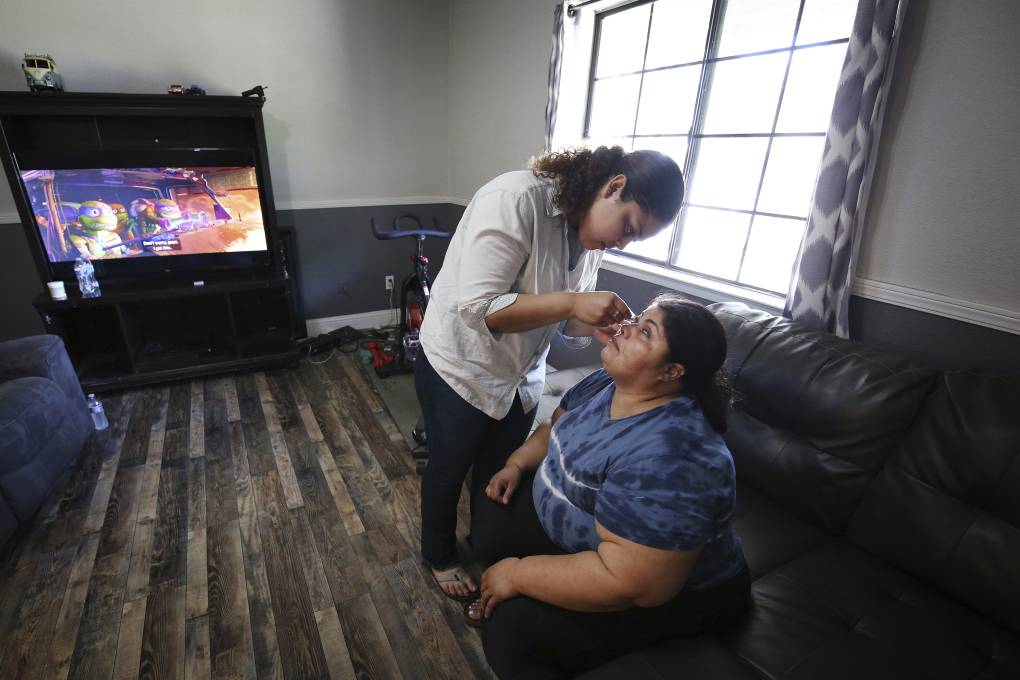
"caption": "Marvin Estela Pineda, right, originally from El Salvador and blind from glaucoma, gets eye drops from her daughter Mayde at their home in Madera, Calif., Thursday, May 30, 2024. California Gov. Gavin Newsom is facing criticism for his proposal to eliminate an optional Medicaid benefit for some disabled immigrants.",
"credit": "Gary Kazanjian/AP Photo",
"altTag": null,
"description": null,
"imgSizes": {
"medium": {
"file": "https://cdn.kqed.org/wp-content/uploads/sites/10/2024/05/AP24152173453216-800x533.jpg",
"width": 800,
"height": 533,
"mimeType": "image/jpeg"
},
"large": {
"file": "https://cdn.kqed.org/wp-content/uploads/sites/10/2024/05/AP24152173453216-1020x680.jpg",
"width": 1020,
"height": 680,
"mimeType": "image/jpeg"
},
"thumbnail": {
"file": "https://cdn.kqed.org/wp-content/uploads/sites/10/2024/05/AP24152173453216-160x107.jpg",
"width": 160,
"height": 107,
"mimeType": "image/jpeg"
},
"1536x1536": {
"file": "https://cdn.kqed.org/wp-content/uploads/sites/10/2024/05/AP24152173453216-1536x1024.jpg",
"width": 1536,
"height": 1024,
"mimeType": "image/jpeg"
},
"2048x2048": {
"file": "https://cdn.kqed.org/wp-content/uploads/sites/10/2024/05/AP24152173453216-2048x1365.jpg",
"width": 2048,
"height": 1365,
"mimeType": "image/jpeg"
},
"post-thumbnail": {
"file": "https://cdn.kqed.org/wp-content/uploads/sites/10/2024/05/AP24152173453216-672x372.jpg",
"width": 672,
"height": 372,
"mimeType": "image/jpeg"
},
"twentyfourteen-full-width": {
"file": "https://cdn.kqed.org/wp-content/uploads/sites/10/2024/05/AP24152173453216-1038x576.jpg",
"width": 1038,
"height": 576,
"mimeType": "image/jpeg"
},
"full-width": {
"file": "https://cdn.kqed.org/wp-content/uploads/sites/10/2024/05/AP24152173453216-1920x1280.jpg",
"width": 1920,
"height": 1280,
"mimeType": "image/jpeg"
},
"kqedFullSize": {
"file": "https://cdn.kqed.org/wp-content/uploads/sites/10/2024/05/AP24152173453216-scaled.jpg",
"width": 2560,
"height": 1707
}
},
"isLoading": false,
"fetchFailed": false
},
"news_11988198": {
"type": "attachments",
"id": "news_11988198",
"meta": {
"index": "attachments_1716263798",
"site": "news",
"id": "11988198",
"found": true
},
"title": "tiny homes",
"publishDate": 1717075952,
"status": "inherit",
"parent": 11988197,
"modified": 1717076435,
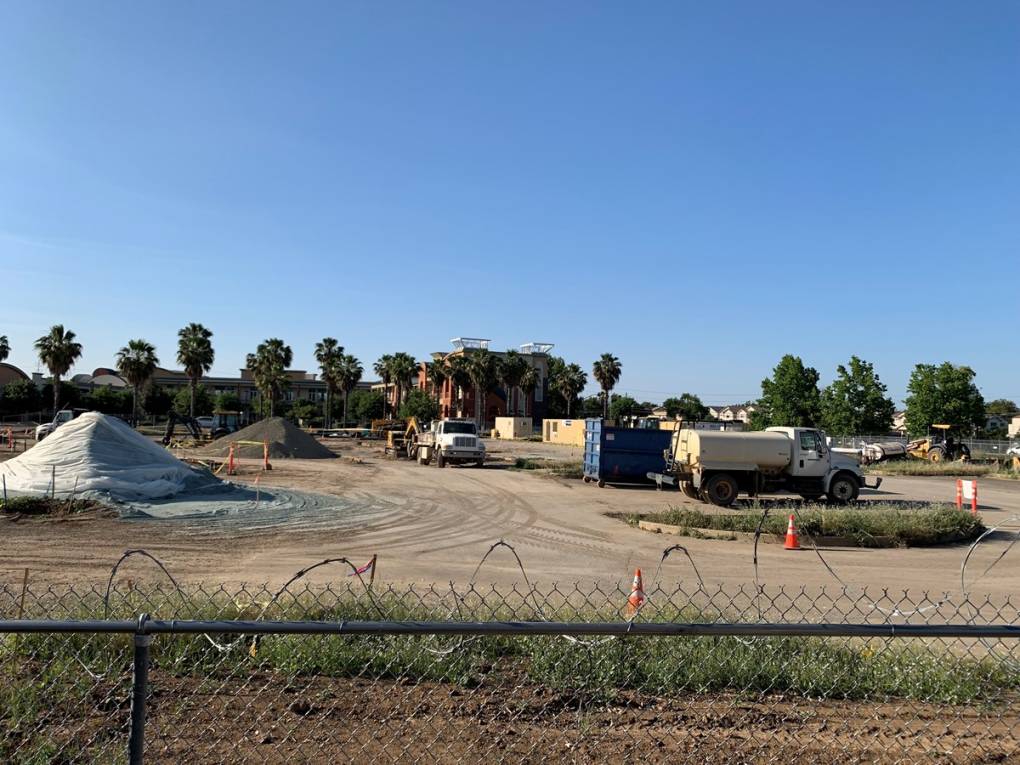
"caption": "A view of a future state-funded tiny home site on Stockton Blvd. in Sacramento , CA on May 20, 2024.",
"credit": "Kate Wolffe/CapRadio",
"altTag": "tiny homes Sacramento",
"description": null,
"imgSizes": {
"medium": {
"file": "https://cdn.kqed.org/wp-content/uploads/sites/10/2024/05/tiny-homes-800x600.jpg",
"width": 800,
"height": 600,
"mimeType": "image/jpeg"
},
"large": {
"file": "https://cdn.kqed.org/wp-content/uploads/sites/10/2024/05/tiny-homes-1020x765.jpg",
"width": 1020,
"height": 765,
"mimeType": "image/jpeg"
},
"thumbnail": {
"file": "https://cdn.kqed.org/wp-content/uploads/sites/10/2024/05/tiny-homes-160x120.jpg",
"width": 160,
"height": 120,
"mimeType": "image/jpeg"
},
"post-thumbnail": {
"file": "https://cdn.kqed.org/wp-content/uploads/sites/10/2024/05/tiny-homes-672x372.jpg",
"width": 672,
"height": 372,
"mimeType": "image/jpeg"
},
"twentyfourteen-full-width": {
"file": "https://cdn.kqed.org/wp-content/uploads/sites/10/2024/05/tiny-homes-1038x576.jpg",
"width": 1038,
"height": 576,
"mimeType": "image/jpeg"
},
"kqedFullSize": {
"file": "https://cdn.kqed.org/wp-content/uploads/sites/10/2024/05/tiny-homes.jpg",
"width": 1200,
"height": 900
}
},
"isLoading": false,
"fetchFailed": false
},
"news_11987974": {
"type": "attachments",
"id": "news_11987974",
"meta": {
"index": "attachments_1716263798",
"site": "news",
"id": "11987974",
"found": true
},
"title": "240528-JasonElliottPB-14-BL",
"publishDate": 1716935473,
"status": "inherit",
"parent": 0,
"modified": 1716935874,
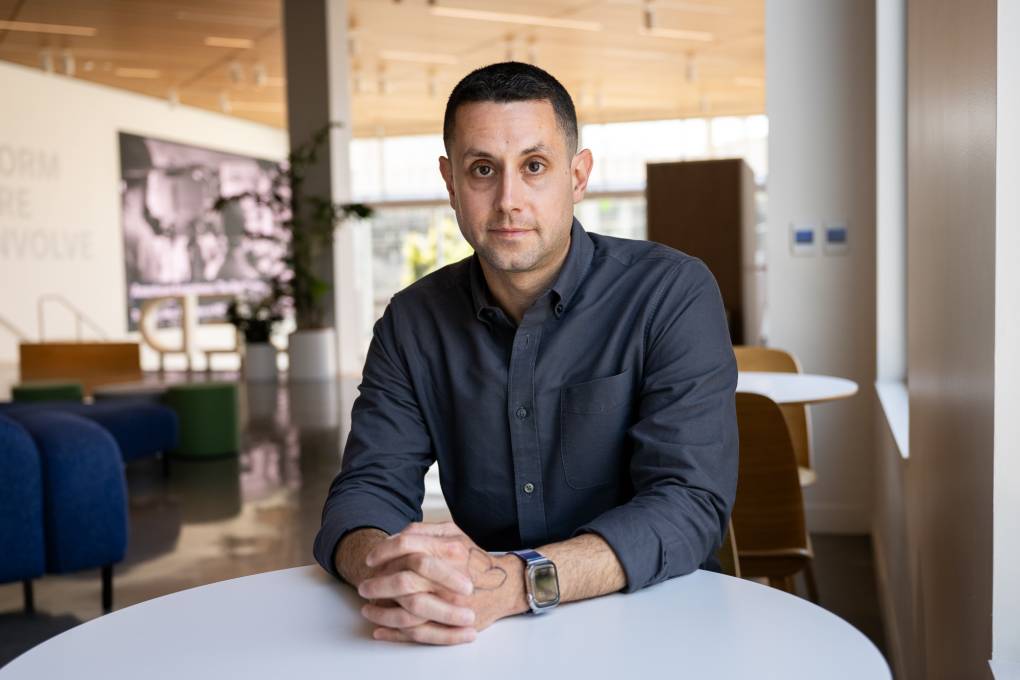
"caption": "Jason Elliott, adviser in Gov. Gavin Newsom’s office, poses for a portrait at the KQED headquarters in San Francisco on May 28, 2024.",
"credit": "Beth LaBerge/KQED",
"altTag": null,
"description": null,
"imgSizes": {
"medium": {
"file": "https://cdn.kqed.org/wp-content/uploads/sites/10/2024/05/240528-JasonElliottPB-14-BL-800x533.jpg",
"width": 800,
"height": 533,
"mimeType": "image/jpeg"
},
"large": {
"file": "https://cdn.kqed.org/wp-content/uploads/sites/10/2024/05/240528-JasonElliottPB-14-BL-1020x680.jpg",
"width": 1020,
"height": 680,
"mimeType": "image/jpeg"
},
"thumbnail": {
"file": "https://cdn.kqed.org/wp-content/uploads/sites/10/2024/05/240528-JasonElliottPB-14-BL-160x107.jpg",
"width": 160,
"height": 107,
"mimeType": "image/jpeg"
},
"1536x1536": {
"file": "https://cdn.kqed.org/wp-content/uploads/sites/10/2024/05/240528-JasonElliottPB-14-BL-1536x1024.jpg",
"width": 1536,
"height": 1024,
"mimeType": "image/jpeg"
},
"post-thumbnail": {
"file": "https://cdn.kqed.org/wp-content/uploads/sites/10/2024/05/240528-JasonElliottPB-14-BL-672x372.jpg",
"width": 672,
"height": 372,
"mimeType": "image/jpeg"
},
"twentyfourteen-full-width": {
"file": "https://cdn.kqed.org/wp-content/uploads/sites/10/2024/05/240528-JasonElliottPB-14-BL-1038x576.jpg",
"width": 1038,
"height": 576,
"mimeType": "image/jpeg"
},
"full-width": {
"file": "https://cdn.kqed.org/wp-content/uploads/sites/10/2024/05/240528-JasonElliottPB-14-BL-1920x1280.jpg",
"width": 1920,
"height": 1280,
"mimeType": "image/jpeg"
},
"kqedFullSize": {
"file": "https://cdn.kqed.org/wp-content/uploads/sites/10/2024/05/240528-JasonElliottPB-14-BL.jpg",
"width": 2000,
"height": 1333
}
},
"isLoading": false,
"fetchFailed": false
},
"news_11987883": {
"type": "attachments",
"id": "news_11987883",
"meta": {
"index": "attachments_1716263798",
"site": "news",
"id": "11987883",
"found": true
},
"title": "CMEducation01",
"publishDate": 1716917670,
"status": "inherit",
"parent": 11987878,
"modified": 1716917693,
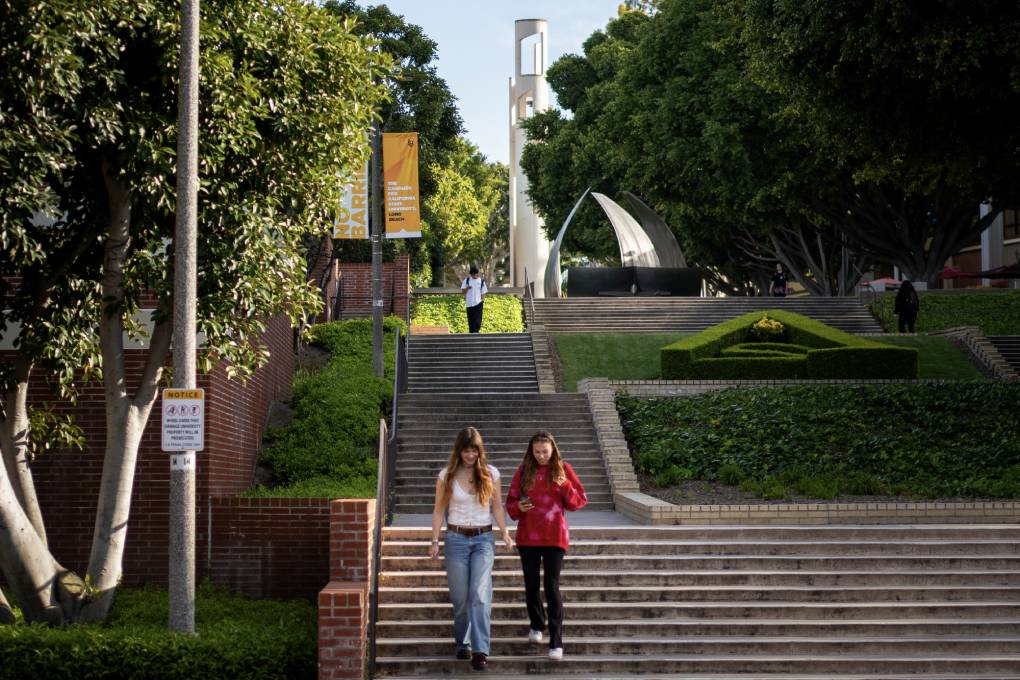
"caption": "The CSU Long Beach campus on in Long Beach April 24, 2024.",
"credit": "Jules Hotz/CalMatters",
"altTag": null,
"description": null,
"imgSizes": {
"medium": {
"file": "https://cdn.kqed.org/wp-content/uploads/sites/10/2024/05/CMEducation01-800x533.jpg",
"width": 800,
"height": 533,
"mimeType": "image/jpeg"
},
"large": {
"file": "https://cdn.kqed.org/wp-content/uploads/sites/10/2024/05/CMEducation01-1020x680.jpg",
"width": 1020,
"height": 680,
"mimeType": "image/jpeg"
},
"thumbnail": {
"file": "https://cdn.kqed.org/wp-content/uploads/sites/10/2024/05/CMEducation01-160x107.jpg",
"width": 160,
"height": 107,
"mimeType": "image/jpeg"
},
"1536x1536": {
"file": "https://cdn.kqed.org/wp-content/uploads/sites/10/2024/05/CMEducation01-1536x1024.jpg",
"width": 1536,
"height": 1024,
"mimeType": "image/jpeg"
},
"post-thumbnail": {
"file": "https://cdn.kqed.org/wp-content/uploads/sites/10/2024/05/CMEducation01-672x372.jpg",
"width": 672,
"height": 372,
"mimeType": "image/jpeg"
},
"twentyfourteen-full-width": {
"file": "https://cdn.kqed.org/wp-content/uploads/sites/10/2024/05/CMEducation01-1038x576.jpg",
"width": 1038,
"height": 576,
"mimeType": "image/jpeg"
},
"full-width": {
"file": "https://cdn.kqed.org/wp-content/uploads/sites/10/2024/05/CMEducation01-1920x1280.jpg",
"width": 1920,
"height": 1280,
"mimeType": "image/jpeg"
},
"kqedFullSize": {
"file": "https://cdn.kqed.org/wp-content/uploads/sites/10/2024/05/CMEducation01.jpg",
"width": 2000,
"height": 1333
}
},
"isLoading": false,
"fetchFailed": false
},
"news_11987537": {
"type": "attachments",
"id": "news_11987537",
"meta": {
"index": "attachments_1716263798",
"site": "news",
"id": "11987537",
"found": true
},
"title": "090623_Chico_Homeless_FG_CM_18",
"publishDate": 1716497278,
"status": "inherit",
"parent": 11987494,
"modified": 1716505245,
"caption": "An emergency non-congregate housing site in Chico, Butte County, on Sept. 6, 2023.",
"credit": "Fred Greaves for CalMatters",
"altTag": "Rows of modular tiny houses.",
"description": null,
"imgSizes": {
"medium": {
"file": "https://cdn.kqed.org/wp-content/uploads/sites/10/2024/05/090623_Chico_Homeless_FG_CM_18-800x533.jpg",
"width": 800,
"height": 533,
"mimeType": "image/jpeg"
},
"large": {
"file": "https://cdn.kqed.org/wp-content/uploads/sites/10/2024/05/090623_Chico_Homeless_FG_CM_18-1020x680.jpg",
"width": 1020,
"height": 680,
"mimeType": "image/jpeg"
},
"thumbnail": {
"file": "https://cdn.kqed.org/wp-content/uploads/sites/10/2024/05/090623_Chico_Homeless_FG_CM_18-160x107.jpg",
"width": 160,
"height": 107,
"mimeType": "image/jpeg"
},
"1536x1536": {
"file": "https://cdn.kqed.org/wp-content/uploads/sites/10/2024/05/090623_Chico_Homeless_FG_CM_18-1536x1024.jpg",
"width": 1536,
"height": 1024,
"mimeType": "image/jpeg"
},
"post-thumbnail": {
"file": "https://cdn.kqed.org/wp-content/uploads/sites/10/2024/05/090623_Chico_Homeless_FG_CM_18-672x372.jpg",
"width": 672,
"height": 372,
"mimeType": "image/jpeg"
},
"twentyfourteen-full-width": {
"file": "https://cdn.kqed.org/wp-content/uploads/sites/10/2024/05/090623_Chico_Homeless_FG_CM_18-1038x576.jpg",
"width": 1038,
"height": 576,
"mimeType": "image/jpeg"
},
"full-width": {
"file": "https://cdn.kqed.org/wp-content/uploads/sites/10/2024/05/090623_Chico_Homeless_FG_CM_18-1920x1280.jpg",
"width": 1920,
"height": 1280,
"mimeType": "image/jpeg"
},
"kqedFullSize": {
"file": "https://cdn.kqed.org/wp-content/uploads/sites/10/2024/05/090623_Chico_Homeless_FG_CM_18.jpg",
"width": 2000,
"height": 1333
}
},
"isLoading": false,
"fetchFailed": false
},
"news_11941679": {
"type": "attachments",
"id": "news_11941679",
"meta": {
"index": "attachments_1716263798",
"site": "news",
"id": "11941679",
"found": true
},
"parent": 11941618,
"imgSizes": {
"twentyfourteen-full-width": {
"file": "https://cdn.kqed.org/wp-content/uploads/sites/10/2023/02/RS62988_002_KQED_SFGeneralMethadoneClinic_02102023-qut-1038x576.jpg",
"width": 1038,
"mimeType": "image/jpeg",
"height": 576
},
"thumbnail": {
"file": "https://cdn.kqed.org/wp-content/uploads/sites/10/2023/02/RS62988_002_KQED_SFGeneralMethadoneClinic_02102023-qut-160x107.jpg",
"width": 160,
"mimeType": "image/jpeg",
"height": 107
},
"post-thumbnail": {
"file": "https://cdn.kqed.org/wp-content/uploads/sites/10/2023/02/RS62988_002_KQED_SFGeneralMethadoneClinic_02102023-qut-672x372.jpg",
"width": 672,
"mimeType": "image/jpeg",
"height": 372
},
"kqedFullSize": {
"file": "https://cdn.kqed.org/wp-content/uploads/sites/10/2023/02/RS62988_002_KQED_SFGeneralMethadoneClinic_02102023-qut.jpg",
"width": 1920,
"height": 1280
},
"large": {
"file": "https://cdn.kqed.org/wp-content/uploads/sites/10/2023/02/RS62988_002_KQED_SFGeneralMethadoneClinic_02102023-qut-1020x680.jpg",
"width": 1020,
"mimeType": "image/jpeg",
"height": 680
},
"1536x1536": {
"file": "https://cdn.kqed.org/wp-content/uploads/sites/10/2023/02/RS62988_002_KQED_SFGeneralMethadoneClinic_02102023-qut-1536x1024.jpg",
"width": 1536,
"mimeType": "image/jpeg",
"height": 1024
},
"medium": {
"file": "https://cdn.kqed.org/wp-content/uploads/sites/10/2023/02/RS62988_002_KQED_SFGeneralMethadoneClinic_02102023-qut-800x533.jpg",
"width": 800,
"mimeType": "image/jpeg",
"height": 533
}
},
"publishDate": 1677195113,
"modified": 1716245904,
"caption": "Registered nurse Sheena Simon prepares medication inside a mobile methadone clinic operated by SF General's Opiate Treatment Outpatient Program on Feb. 10, 2023.",
"description": null,
"title": "RS62988_002_KQED_SFGeneralMethadoneClinic_02102023-qut",
"credit": "Beth LaBerge/KQED",
"status": "inherit",
"altTag": "A nurse wearing a face mask fills medication.",
"isLoading": false,
"fetchFailed": false
},
"news_11986140": {
"type": "attachments",
"id": "news_11986140",
"meta": {
"index": "attachments_1716263798",
"site": "news",
"id": "11986140",
"found": true
},
"parent": 0,
"imgSizes": {
"twentyfourteen-full-width": {
"file": "https://cdn.kqed.org/wp-content/uploads/sites/10/2024/05/20240514_OAKGROVEUNIONDISTRICTPARENTS-3-KQED-1038x576.jpg",
"width": 1038,
"mimeType": "image/jpeg",
"height": 576
},
"thumbnail": {
"file": "https://cdn.kqed.org/wp-content/uploads/sites/10/2024/05/20240514_OAKGROVEUNIONDISTRICTPARENTS-3-KQED-160x107.jpg",
"width": 160,
"mimeType": "image/jpeg",
"height": 107
},
"post-thumbnail": {
"file": "https://cdn.kqed.org/wp-content/uploads/sites/10/2024/05/20240514_OAKGROVEUNIONDISTRICTPARENTS-3-KQED-672x372.jpg",
"width": 672,
"mimeType": "image/jpeg",
"height": 372
},
"kqedFullSize": {
"file": "https://cdn.kqed.org/wp-content/uploads/sites/10/2024/05/20240514_OAKGROVEUNIONDISTRICTPARENTS-3-KQED.jpg",
"width": 2000,
"height": 1333
},
"large": {
"file": "https://cdn.kqed.org/wp-content/uploads/sites/10/2024/05/20240514_OAKGROVEUNIONDISTRICTPARENTS-3-KQED-1020x680.jpg",
"width": 1020,
"mimeType": "image/jpeg",
"height": 680
},
"1536x1536": {
"file": "https://cdn.kqed.org/wp-content/uploads/sites/10/2024/05/20240514_OAKGROVEUNIONDISTRICTPARENTS-3-KQED-1536x1024.jpg",
"width": 1536,
"mimeType": "image/jpeg",
"height": 1024
},
"full-width": {
"file": "https://cdn.kqed.org/wp-content/uploads/sites/10/2024/05/20240514_OAKGROVEUNIONDISTRICTPARENTS-3-KQED-1920x1280.jpg",
"width": 1920,
"mimeType": "image/jpeg",
"height": 1280
},
"medium": {
"file": "https://cdn.kqed.org/wp-content/uploads/sites/10/2024/05/20240514_OAKGROVEUNIONDISTRICTPARENTS-3-KQED-800x533.jpg",
"width": 800,
"mimeType": "image/jpeg",
"height": 533
}
},
"publishDate": 1715716565,
"modified": 1715991077,
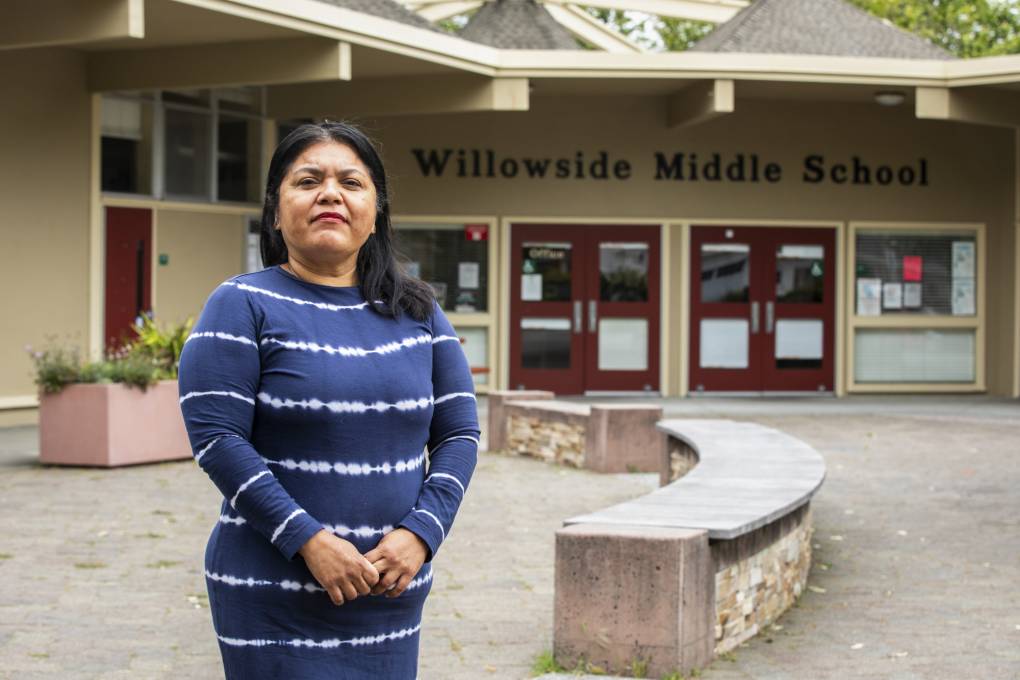
"caption": "Sandra Cruz, a parent of a student at Oak Grove Elementary School, poses for a portrait in Santa Rosa on Tuesday, May 14, 2024. Oak Grove Union School District voted to lay off its only bilingual translator by the end of the school year, and many Latino parents have mobilized to demand that the school revert its decision. A third of the students at Oak Grove Union School District come from Spanish-speaking homes.",
"description": null,
"title": "20240514_OAKGROVEUNIONDISTRICTPARENTS-3-KQED",
"credit": "Gina Castro/KQED",
"status": "inherit",
"altTag": null,
"isLoading": false,
"fetchFailed": false
},
"news_11986873": {
"type": "attachments",
"id": "news_11986873",
"meta": {
"index": "attachments_1716263798",
"site": "news",
"id": "11986873",
"found": true
},
"parent": 11986871,
"imgSizes": {
"twentyfourteen-full-width": {
"file": "https://cdn.kqed.org/wp-content/uploads/sites/10/2024/05/050718-UC-San-Francisco-Parnassus-AP-CM-01-copy-1038x576.jpg",
"width": 1038,
"mimeType": "image/jpeg",
"height": 576
},
"thumbnail": {
"file": "https://cdn.kqed.org/wp-content/uploads/sites/10/2024/05/050718-UC-San-Francisco-Parnassus-AP-CM-01-copy-160x107.jpg",
"width": 160,
"mimeType": "image/jpeg",
"height": 107
},
"post-thumbnail": {
"file": "https://cdn.kqed.org/wp-content/uploads/sites/10/2024/05/050718-UC-San-Francisco-Parnassus-AP-CM-01-copy-672x372.jpg",
"width": 672,
"mimeType": "image/jpeg",
"height": 372
},
"kqedFullSize": {
"file": "https://cdn.kqed.org/wp-content/uploads/sites/10/2024/05/050718-UC-San-Francisco-Parnassus-AP-CM-01-copy.jpg",
"width": 2000,
"height": 1333
},
"large": {
"file": "https://cdn.kqed.org/wp-content/uploads/sites/10/2024/05/050718-UC-San-Francisco-Parnassus-AP-CM-01-copy-1020x680.jpg",
"width": 1020,
"mimeType": "image/jpeg",
"height": 680
},
"1536x1536": {
"file": "https://cdn.kqed.org/wp-content/uploads/sites/10/2024/05/050718-UC-San-Francisco-Parnassus-AP-CM-01-copy-1536x1024.jpg",
"width": 1536,
"mimeType": "image/jpeg",
"height": 1024
},
"full-width": {
"file": "https://cdn.kqed.org/wp-content/uploads/sites/10/2024/05/050718-UC-San-Francisco-Parnassus-AP-CM-01-copy-1920x1280.jpg",
"width": 1920,
"mimeType": "image/jpeg",
"height": 1280
},
"medium": {
"file": "https://cdn.kqed.org/wp-content/uploads/sites/10/2024/05/050718-UC-San-Francisco-Parnassus-AP-CM-01-copy-800x533.jpg",
"width": 800,
"mimeType": "image/jpeg",
"height": 533
}
},
"publishDate": 1716080250,
"modified": 1716080300,
"caption": "Gov. Gavin Newsom wants to postpone a minimum wage increase for California health care workers that is scheduled to take effect in June. Some employers have already begun raising pay. Here, striking workers march outside of the University of California San Francisco Parnassus campus on May 7, 2018.",
"description": null,
"title": "050718-UC-San-Francisco-Parnassus-AP-CM-01 copy",
"credit": "Marcio Jose Sanchez/AP Photo",
"status": "inherit",
"altTag": null,
"isLoading": false,
"fetchFailed": false
},
"news_11986701": {
"type": "attachments",
"id": "news_11986701",
"meta": {
"index": "attachments_1716263798",
"site": "news",
"id": "11986701",
"found": true
},
"parent": 11986700,
"imgSizes": {
"twentyfourteen-full-width": {
"file": "https://cdn.kqed.org/wp-content/uploads/sites/10/2024/05/CMLesgislature01-1038x576.jpg",
"width": 1038,
"mimeType": "image/jpeg",
"height": 576
},
"thumbnail": {
"file": "https://cdn.kqed.org/wp-content/uploads/sites/10/2024/05/CMLesgislature01-160x107.jpg",
"width": 160,
"mimeType": "image/jpeg",
"height": 107
},
"post-thumbnail": {
"file": "https://cdn.kqed.org/wp-content/uploads/sites/10/2024/05/CMLesgislature01-672x372.jpg",
"width": 672,
"mimeType": "image/jpeg",
"height": 372
},
"kqedFullSize": {
"file": "https://cdn.kqed.org/wp-content/uploads/sites/10/2024/05/CMLesgislature01.jpg",
"width": 2000,
"height": 1333
},
"large": {
"file": "https://cdn.kqed.org/wp-content/uploads/sites/10/2024/05/CMLesgislature01-1020x680.jpg",
"width": 1020,
"mimeType": "image/jpeg",
"height": 680
},
"1536x1536": {
"file": "https://cdn.kqed.org/wp-content/uploads/sites/10/2024/05/CMLesgislature01-1536x1024.jpg",
"width": 1536,
"mimeType": "image/jpeg",
"height": 1024
},
"full-width": {
"file": "https://cdn.kqed.org/wp-content/uploads/sites/10/2024/05/CMLesgislature01-1920x1280.jpg",
"width": 1920,
"mimeType": "image/jpeg",
"height": 1280
},
"medium": {
"file": "https://cdn.kqed.org/wp-content/uploads/sites/10/2024/05/CMLesgislature01-800x533.jpg",
"width": 800,
"mimeType": "image/jpeg",
"height": 533
}
},
"publishDate": 1715965124,
"modified": 1715971249,
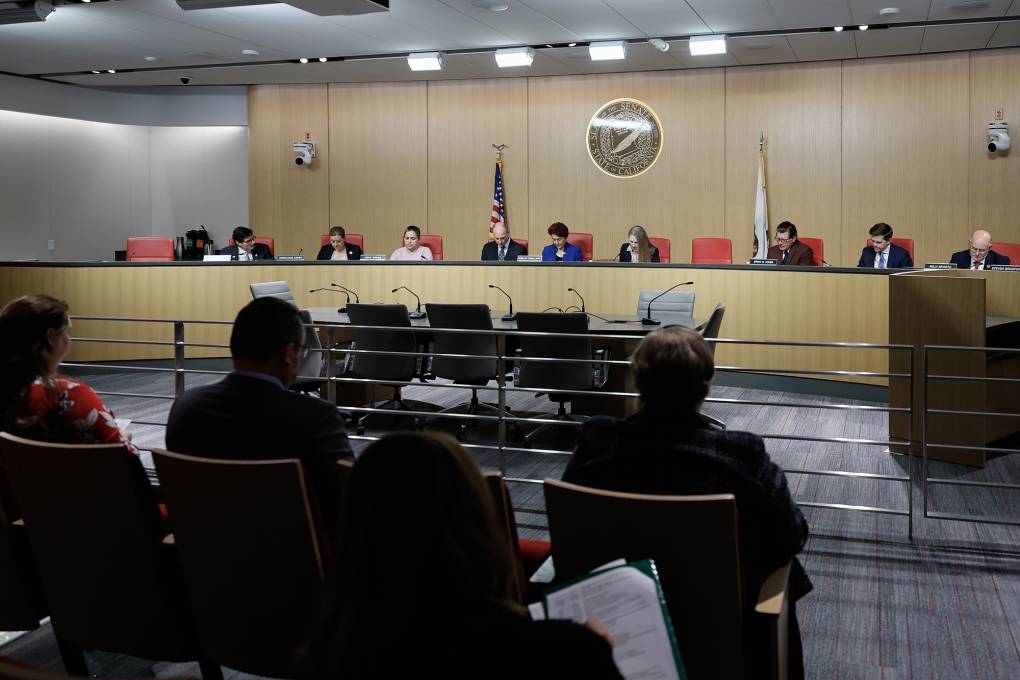
"caption": "A Senate appropriations committee hearing at the Capitol Annex Swing Space in Sacramento on May 16, 2024. On Thursday, the Assembly and Senate appropriations committees held their first round of suspense file hearings.",
"description": null,
"title": "CMLesgislature01",
"credit": "Fred Greaves/CalMatters",
"status": "inherit",
"altTag": null,
"isLoading": false,
"fetchFailed": false
},
"news_11986664": {
"type": "attachments",
"id": "news_11986664",
"meta": {
"index": "attachments_1716263798",
"site": "news",
"id": "11986664",
"found": true
},
"parent": 11986659,
"imgSizes": {
"twentyfourteen-full-width": {
"file": "https://cdn.kqed.org/wp-content/uploads/sites/10/2024/05/AP24137831052211-1038x576.jpg",
"width": 1038,
"mimeType": "image/jpeg",
"height": 576
},
"thumbnail": {
"file": "https://cdn.kqed.org/wp-content/uploads/sites/10/2024/05/AP24137831052211-160x103.jpg",
"width": 160,
"mimeType": "image/jpeg",
"height": 103
},
"post-thumbnail": {
"file": "https://cdn.kqed.org/wp-content/uploads/sites/10/2024/05/AP24137831052211-672x372.jpg",
"width": 672,
"mimeType": "image/jpeg",
"height": 372
},
"kqedFullSize": {
"file": "https://cdn.kqed.org/wp-content/uploads/sites/10/2024/05/AP24137831052211.jpg",
"width": 2255,
"height": 1458
},
"2048x2048": {
"file": "https://cdn.kqed.org/wp-content/uploads/sites/10/2024/05/AP24137831052211-2048x1324.jpg",
"width": 2048,
"mimeType": "image/jpeg",
"height": 1324
},
"large": {
"file": "https://cdn.kqed.org/wp-content/uploads/sites/10/2024/05/AP24137831052211-1020x659.jpg",
"width": 1020,
"mimeType": "image/jpeg",
"height": 659
},
"1536x1536": {
"file": "https://cdn.kqed.org/wp-content/uploads/sites/10/2024/05/AP24137831052211-1536x993.jpg",
"width": 1536,
"mimeType": "image/jpeg",
"height": 993
},
"full-width": {
"file": "https://cdn.kqed.org/wp-content/uploads/sites/10/2024/05/AP24137831052211-1920x1241.jpg",
"width": 1920,
"mimeType": "image/jpeg",
"height": 1241
},
"medium": {
"file": "https://cdn.kqed.org/wp-content/uploads/sites/10/2024/05/AP24137831052211-800x517.jpg",
"width": 800,
"mimeType": "image/jpeg",
"height": 517
}
},
"publishDate": 1715911506,
"modified": 1715911582,
"caption": "A ship moves through the Sacramento-San Joaquin River Delta near Bethel Island, Contra Costa County, March 12, 2008. California Gov. Gavin Newsom's administration now says it will cost more than $20 billion to build a giant tunnel so the state can catch more water when it rains and store it to better prepare for longer droughts caused by climate change. ",
"description": null,
"title": "California Water Tunnel",
"credit": "Rich Pedroncelli/AP Photo",
"status": "inherit",
"altTag": null,
"isLoading": false,
"fetchFailed": false
},
"news_11986302": {
"type": "attachments",
"id": "news_11986302",
"meta": {
"index": "attachments_1716263798",
"site": "news",
"id": "11986302",
"found": true
},
"parent": 11986301,
"imgSizes": {
"twentyfourteen-full-width": {
"file": "https://cdn.kqed.org/wp-content/uploads/sites/10/2024/05/081922_San-Diego-State_AD_CM_01-1038x576.jpg",
"width": 1038,
"mimeType": "image/jpeg",
"height": 576
},
"thumbnail": {
"file": "https://cdn.kqed.org/wp-content/uploads/sites/10/2024/05/081922_San-Diego-State_AD_CM_01-160x107.jpg",
"width": 160,
"mimeType": "image/jpeg",
"height": 107
},
"post-thumbnail": {
"file": "https://cdn.kqed.org/wp-content/uploads/sites/10/2024/05/081922_San-Diego-State_AD_CM_01-672x372.jpg",
"width": 672,
"mimeType": "image/jpeg",
"height": 372
},
"kqedFullSize": {
"file": "https://cdn.kqed.org/wp-content/uploads/sites/10/2024/05/081922_San-Diego-State_AD_CM_01.jpg",
"width": 2000,
"height": 1333
},
"large": {
"file": "https://cdn.kqed.org/wp-content/uploads/sites/10/2024/05/081922_San-Diego-State_AD_CM_01-1020x680.jpg",
"width": 1020,
"mimeType": "image/jpeg",
"height": 680
},
"1536x1536": {
"file": "https://cdn.kqed.org/wp-content/uploads/sites/10/2024/05/081922_San-Diego-State_AD_CM_01-1536x1024.jpg",
"width": 1536,
"mimeType": "image/jpeg",
"height": 1024
},
"full-width": {
"file": "https://cdn.kqed.org/wp-content/uploads/sites/10/2024/05/081922_San-Diego-State_AD_CM_01-1920x1280.jpg",
"width": 1920,
"mimeType": "image/jpeg",
"height": 1280
},
"medium": {
"file": "https://cdn.kqed.org/wp-content/uploads/sites/10/2024/05/081922_San-Diego-State_AD_CM_01-800x533.jpg",
"width": 800,
"mimeType": "image/jpeg",
"height": 533
}
},
"publishDate": 1715794568,
"modified": 1715801286,
"caption": "Students walking at the San Diego State University campus on Aug. 19, 2022.",
"description": null,
"title": "Students walking at the San Diego State University campus on August 19, 2022.",
"credit": "Ariana Drehsler/CalMatters",
"status": "inherit",
"altTag": "People walk down a street with a college campus in the background.",
"isLoading": false,
"fetchFailed": false
},
"news_11986221": {
"type": "attachments",
"id": "news_11986221",
"meta": {
"index": "attachments_1716263798",
"site": "news",
"id": "11986221",
"found": true
},
"parent": 0,
"imgSizes": {
"twentyfourteen-full-width": {
"file": "https://cdn.kqed.org/wp-content/uploads/sites/10/2024/05/ALAS_1_WEB-KQED-1038x576.jpg",
"width": 1038,
"mimeType": "image/jpeg",
"height": 576
},
"thumbnail": {
"file": "https://cdn.kqed.org/wp-content/uploads/sites/10/2024/05/ALAS_1_WEB-KQED-160x106.jpg",
"width": 160,
"mimeType": "image/jpeg",
"height": 106
},
"post-thumbnail": {
"file": "https://cdn.kqed.org/wp-content/uploads/sites/10/2024/05/ALAS_1_WEB-KQED-672x372.jpg",
"width": 672,
"mimeType": "image/jpeg",
"height": 372
},
"kqedFullSize": {
"file": "https://cdn.kqed.org/wp-content/uploads/sites/10/2024/05/ALAS_1_WEB-KQED.jpg",
"width": 2000,
"height": 1323
},
"large": {
"file": "https://cdn.kqed.org/wp-content/uploads/sites/10/2024/05/ALAS_1_WEB-KQED-1020x675.jpg",
"width": 1020,
"mimeType": "image/jpeg",
"height": 675
},
"1536x1536": {
"file": "https://cdn.kqed.org/wp-content/uploads/sites/10/2024/05/ALAS_1_WEB-KQED-1536x1016.jpg",
"width": 1536,
"mimeType": "image/jpeg",
"height": 1016
},
"full-width": {
"file": "https://cdn.kqed.org/wp-content/uploads/sites/10/2024/05/ALAS_1_WEB-KQED-1920x1270.jpg",
"width": 1920,
"mimeType": "image/jpeg",
"height": 1270
},
"medium": {
"file": "https://cdn.kqed.org/wp-content/uploads/sites/10/2024/05/ALAS_1_WEB-KQED-800x529.jpg",
"width": 800,
"mimeType": "image/jpeg",
"height": 529
}
},
"publishDate": 1715729214,
"modified": 1715794828,
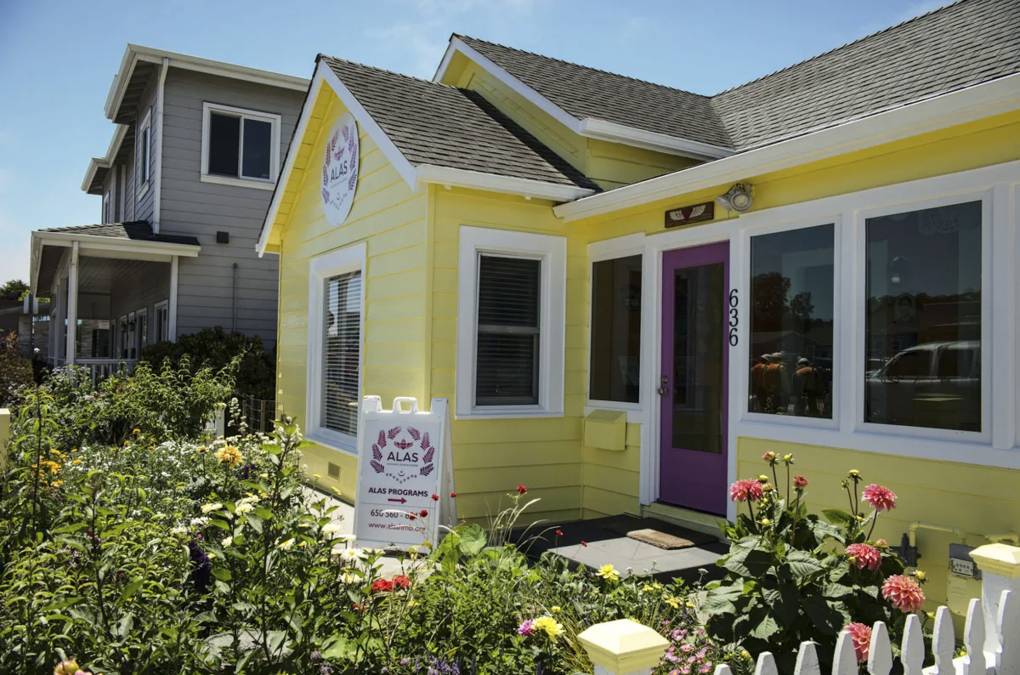
"caption": "Ayudando Latinos A Soñar headquarters in Half Moon Bay July 25, 2023.",
"description": "Ayudando Latinos A Soñar (ALAS) headquarters in Half Moon Bay July 25, 2023.",
"title": "ALAS_1_WEB-KQED",
"credit": "Pablo Unzueta for El Tecolote/CatchLight Local",
"status": "inherit",
"altTag": null,
"isLoading": false,
"fetchFailed": false
}
},
"audioPlayerReducer": {
"postId": "stream_live",
"isPaused": true,
"isPlaying": false,
"pfsActive": false,
"pledgeModalIsOpen": true,
"playerDrawerIsOpen": false,
"liveAudioPlayStartedAt": 0,
"liveAudioPlayContext": ""
},
"authorsReducer": {
"byline_news_11988511": {
"type": "authors",
"id": "byline_news_11988511",
"meta": {
"override": true
},
"slug": "byline_news_11988511",
"name": "Adam Beam, The Associated Press",
"isLoading": false
},
"byline_news_11987878": {
"type": "authors",
"id": "byline_news_11987878",
"meta": {
"override": true
},
"slug": "byline_news_11987878",
"name": "Mikhail Zinshteyn, CalMatters",
"isLoading": false
},
"byline_news_11987494": {
"type": "authors",
"id": "byline_news_11987494",
"meta": {
"override": true
},
"slug": "byline_news_11987494",
"name": "\u003ca href=\"https://calmatters.org/author/marisa-kendall/\">Marisa Kendall\u003c/a>\u003cbr>CalMatters",
"isLoading": false
},
"byline_news_11986871": {
"type": "authors",
"id": "byline_news_11986871",
"meta": {
"override": true
},
"slug": "byline_news_11986871",
"name": "\u003ca href=\"https://calmatters.org/author/anaibarra/\">Ana B. Ibarra\u003c/a>",
"isLoading": false
},
"byline_news_11986700": {
"type": "authors",
"id": "byline_news_11986700",
"meta": {
"override": true
},
"slug": "byline_news_11986700",
"name": "Alexei Koseff and Sameea Kamal, CalMatters",
"isLoading": false
},
"byline_news_11986659": {
"type": "authors",
"id": "byline_news_11986659",
"meta": {
"override": true
},
"slug": "byline_news_11986659",
"name": "Adam Beam, The Associated Press",
"isLoading": false
},
"byline_news_11986301": {
"type": "authors",
"id": "byline_news_11986301",
"meta": {
"override": true
},
"slug": "byline_news_11986301",
"name": "Mikhail Zinshteyn, CalMatters",
"isLoading": false
},
"scottshafer": {
"type": "authors",
"id": "255",
"meta": {
"index": "authors_1716337520",
"id": "255",
"found": true
},
"name": "Scott Shafer",
"firstName": "Scott",
"lastName": "Shafer",
"slug": "scottshafer",
"email": "sshafer@kqed.org",
"display_author_email": false,
"staff_mastheads": [
"news"
],
"title": "KQED Contributor",
"bio": "Scott Shafer is a senior editor with the KQED Politics and Government desk. He is co-host of Political Breakdown, the award-winning radio show and podcast with a personal take on the world of politics. Scott came to KQED in 1998 to host the statewide\u003cem> California Report\u003c/em>. Prior to that he had extended stints in politics and government\u003cem>.\u003c/em> He uses that inside experience at KQED in his, reporting, hosting and analysis for the politics desk. Scott collaborated \u003cem>Political Breakdown a\u003c/em>nd on \u003cem>The Political Mind of Jerry Brown, \u003c/em>an eight-part series about the life and extraordinary political career of the former governor. For fun, he plays water polo with the San Francisco Tsunami.",
"avatar": "https://secure.gravatar.com/avatar/a62ebae45b79d7aed1a39a0e3bf68104?s=600&d=blank&r=g",
"twitter": "scottshafer",
"bluesky": null,
"facebook": null,
"instagram": null,
"linkedin": null,
"sites": [
{
"site": "news",
"roles": [
"editor"
]
},
{
"site": "stateofhealth",
"roles": [
"author"
]
},
{
"site": "science",
"roles": [
"author"
]
},
{
"site": "forum",
"roles": [
"subscriber"
]
},
{
"site": "liveblog",
"roles": [
"author"
]
}
],
"headData": {
"title": "Scott Shafer | KQED",
"description": "KQED Contributor",
"ogImgSrc": "https://secure.gravatar.com/avatar/a62ebae45b79d7aed1a39a0e3bf68104?s=600&d=blank&r=g",
"twImgSrc": "https://secure.gravatar.com/avatar/a62ebae45b79d7aed1a39a0e3bf68104?s=600&d=blank&r=g"
},
"isLoading": false,
"link": "/author/scottshafer"
},
"tychehendricks": {
"type": "authors",
"id": "259",
"meta": {
"index": "authors_1716337520",
"id": "259",
"found": true
},
"name": "Tyche Hendricks",
"firstName": "Tyche",
"lastName": "Hendricks",
"slug": "tychehendricks",
"email": "thendricks@kqed.org",
"display_author_email": true,
"staff_mastheads": [
"news"
],
"title": "KQED Senior Editor, Immigration",
"bio": "\u003cspan style=\"font-weight: 400;\">Tyche Hendricks is KQED’s senior editor for immigration, leading coverage of the policy and politics that affect California’s immigrant communities. Her work for KQED’s radio and online audiences is also carried on NPR and other national outlets. She has been recognized with awards from the Radio and Television News Directors Association, the Society for Professional Journalists; the Education Writers Association; the Best of the West and the National Federation of Community Broadcasters. Before joining KQED in 2010, Tyche spent more than a dozen years as a newspaper reporter, notably at the \u003c/span>\u003ci>\u003cspan style=\"font-weight: 400;\">San Francisco Chronicle\u003c/span>\u003c/i>\u003cspan style=\"font-weight: 400;\">. At different times she has covered criminal justice, government and politics and urban planning. Tyche has taught in the MFA Creative Writing program at the University of San Francisco and at UC Berkeley’s Graduate School of Journalism, where she was co-director of a national immigration symposium for professional journalists. She is the author of \u003c/span>\u003ci>\u003cspan style=\"font-weight: 400;\">The Wind Doesn't Need a Passport: Stories from the U.S.-Mexico Borderlands\u003c/span>\u003c/i>\u003cspan style=\"font-weight: 400;\"> (University of California Press). \u003c/span>",
"avatar": "https://secure.gravatar.com/avatar/b8ee458e2731c2d43df86882ce17267e?s=600&d=blank&r=g",
"twitter": "tychehendricks",
"facebook": null,
"instagram": null,
"linkedin": null,
"sites": [
{
"site": "news",
"roles": [
"editor"
]
},
{
"site": "stateofhealth",
"roles": [
"editor"
]
}
],
"headData": {
"title": "Tyche Hendricks | KQED",
"description": "KQED Senior Editor, Immigration",
"ogImgSrc": "https://secure.gravatar.com/avatar/b8ee458e2731c2d43df86882ce17267e?s=600&d=blank&r=g",
"twImgSrc": "https://secure.gravatar.com/avatar/b8ee458e2731c2d43df86882ce17267e?s=600&d=blank&r=g"
},
"isLoading": false,
"link": "/author/tychehendricks"
},
"mlagos": {
"type": "authors",
"id": "3239",
"meta": {
"index": "authors_1716337520",
"id": "3239",
"found": true
},
"name": "Marisa Lagos",
"firstName": "Marisa",
"lastName": "Lagos",
"slug": "mlagos",
"email": "mlagos@kqed.org",
"display_author_email": false,
"staff_mastheads": [
"news"
],
"title": "KQED Contributor",
"bio": "Marisa Lagos is a correspondent for KQED’s California Politics and Government Desk and co-hosts the award-winning show and podcast, Political Breakdown. At KQED, Lagos also conducts reporting, analysis and investigations into state, local and national politics for radio, TV, online and onstage. In 2022, she and co-host, Scott Shafer, moderated the only gubernatorial debate in California. In 2020, the \u003ci>Washington Post\u003c/i> named her one of the top political journalists in California; she was nominated for a Peabody and won several other awards for her work investigating the 2017 California wildfires. She has worked at the \u003ci>San Francisco Chronicle\u003c/i>, \u003ci>San Francisco Examiner\u003c/i> and \u003ci>Los Angeles Times\u003c/i>. A UC Santa Barbara graduate, she lives in San Francisco with her two sons and husband.",
"avatar": "https://secure.gravatar.com/avatar/a261a0d3696fc066871ef96b85b5e7d2?s=600&d=blank&r=g",
"twitter": "@mlagos",
"facebook": null,
"instagram": null,
"linkedin": null,
"sites": [
{
"site": "arts",
"roles": [
"author"
]
},
{
"site": "news",
"roles": [
"editor"
]
},
{
"site": "science",
"roles": [
"editor"
]
},
{
"site": "forum",
"roles": [
"author"
]
},
{
"site": "liveblog",
"roles": [
"author"
]
}
],
"headData": {
"title": "Marisa Lagos | KQED",
"description": "KQED Contributor",
"ogImgSrc": "https://secure.gravatar.com/avatar/a261a0d3696fc066871ef96b85b5e7d2?s=600&d=blank&r=g",
"twImgSrc": "https://secure.gravatar.com/avatar/a261a0d3696fc066871ef96b85b5e7d2?s=600&d=blank&r=g"
},
"isLoading": false,
"link": "/author/mlagos"
},
"fjhabvala": {
"type": "authors",
"id": "8659",
"meta": {
"index": "authors_1716337520",
"id": "8659",
"found": true
},
"name": "Farida Jhabvala Romero",
"firstName": "Farida",
"lastName": "Jhabvala Romero",
"slug": "fjhabvala",
"email": "fjhabvala@kqed.org",
"display_author_email": true,
"staff_mastheads": [
"news"
],
"title": "KQED Contributor",
"bio": "Farida Jhabvala Romero is a Labor Correspondent for KQED. She previously covered immigration. Farida was \u003ca href=\"https://www.ccnma.org/2022-most-influential-latina-journalists\">named\u003c/a> one of the 10 Most Influential Latina Journalists in California in 2022 by the California Chicano News Media Association. Her work has won awards from the Society of Professional Journalists (Northern California), as well as a national and regional Edward M. Murrow Award for the collaborative reporting projects “Dangerous Air” and “Graying California.” Before joining KQED, Farida worked as a producer at Radio Bilingüe, a national public radio network. Farida earned her master’s degree in journalism from Stanford University.",
"avatar": "https://secure.gravatar.com/avatar/f9f022d4e2609741874222a1e9d41f48fea74011aa7c615eef91d9a50c944ebe?s=600&d=blank&r=g",
"twitter": "FaridaJhabvala",
"bluesky": null,
"facebook": null,
"instagram": null,
"linkedin": "https://www.linkedin.com/in/faridajhabvala/",
"sites": [
{
"site": "news",
"roles": [
"editor"
]
},
{
"site": "stateofhealth",
"roles": [
"author"
]
},
{
"site": "liveblog",
"roles": [
"author"
]
}
],
"headData": {
"title": "Farida Jhabvala Romero | KQED",
"description": "KQED Contributor",
"ogImgSrc": "https://secure.gravatar.com/avatar/f9f022d4e2609741874222a1e9d41f48fea74011aa7c615eef91d9a50c944ebe?s=600&d=blank&r=g",
"twImgSrc": "https://secure.gravatar.com/avatar/f9f022d4e2609741874222a1e9d41f48fea74011aa7c615eef91d9a50c944ebe?s=600&d=blank&r=g"
},
"isLoading": false,
"link": "/author/fjhabvala"
},
"ccabreralomeli": {
"type": "authors",
"id": "11708",
"meta": {
"index": "authors_1716337520",
"id": "11708",
"found": true
},
"name": "Carlos Cabrera-Lomelí",
"firstName": "Carlos",
"lastName": "Cabrera-Lomelí",
"slug": "ccabreralomeli",
"email": "ccabreralomeli@KQED.org",
"display_author_email": true,
"staff_mastheads": [
"news"
],
"title": "Community Reporter",
"bio": "Carlos Cabrera-Lomelí is a community reporter with KQED's digital engagement team. He also reports and co-produces for KQED's bilingual news hub KQED en Español. He grew up in San Francisco's Mission District and has previously worked with Univision, 48 Hills and REFORMA in Mexico City.",
"avatar": "https://secure.gravatar.com/avatar/c309be9665e484f887b818c89e273ecc673004f426f36b24d00a4d813a2e0518?s=600&d=blank&r=g",
"twitter": "@LomeliCabrera",
"bluesky": null,
"facebook": null,
"instagram": null,
"linkedin": null,
"sites": [
{
"site": "arts",
"roles": [
"editor"
]
},
{
"site": "news",
"roles": [
"editor"
]
},
{
"site": "about",
"roles": [
"editor"
]
},
{
"site": "science",
"roles": [
"editor"
]
},
{
"site": "perspectives",
"roles": [
"editor"
]
},
{
"site": "elections",
"roles": [
"editor"
]
},
{
"site": "liveblog",
"roles": [
"contributor"
]
}
],
"headData": {
"title": "Carlos Cabrera-Lomelí | KQED",
"description": "Community Reporter",
"ogImgSrc": "https://secure.gravatar.com/avatar/c309be9665e484f887b818c89e273ecc673004f426f36b24d00a4d813a2e0518?s=600&d=blank&r=g",
"twImgSrc": "https://secure.gravatar.com/avatar/c309be9665e484f887b818c89e273ecc673004f426f36b24d00a4d813a2e0518?s=600&d=blank&r=g"
},
"isLoading": false,
"link": "/author/ccabreralomeli"
},
"kmizuguchi": {
"type": "authors",
"id": "11739",
"meta": {
"index": "authors_1716337520",
"id": "11739",
"found": true
},
"name": "Keith Mizuguchi",
"firstName": "Keith",
"lastName": "Mizuguchi",
"slug": "kmizuguchi",
"email": "kmizuguchi@kqed.org",
"display_author_email": false,
"staff_mastheads": [],
"title": "KQED Contributor",
"bio": null,
"avatar": "https://secure.gravatar.com/avatar/64d8a7de0723d4099b9fe4e915136103febcc20809abce228ee4415bcb237023?s=600&d=blank&r=g",
"twitter": null,
"bluesky": null,
"facebook": null,
"instagram": null,
"linkedin": null,
"sites": [
{
"site": "news",
"roles": [
"editor"
]
},
{
"site": "science",
"roles": [
"editor"
]
}
],
"headData": {
"title": "Keith Mizuguchi | KQED",
"description": "KQED Contributor",
"ogImgSrc": "https://secure.gravatar.com/avatar/64d8a7de0723d4099b9fe4e915136103febcc20809abce228ee4415bcb237023?s=600&d=blank&r=g",
"twImgSrc": "https://secure.gravatar.com/avatar/64d8a7de0723d4099b9fe4e915136103febcc20809abce228ee4415bcb237023?s=600&d=blank&r=g"
},
"isLoading": false,
"link": "/author/kmizuguchi"
}
},
"pagesReducer": {
"news_tag_gavin-newsom": {
"type": "terms",
"id": "news_16",
"meta": {
"index": "terms_1716263798",
"site": "news",
"id": "16",
"score": 8.936892
},
"featImg": null,
"name": "Gavin Newsom",
"description": null,
"taxonomy": "tag",
"headData": {
"twImgId": null,
"twTitle": null,
"ogTitle": null,
"ogImgId": null,
"twDescription": null,
"description": null,
"title": "Gavin Newsom Archives | KQED News",
"ogDescription": null
},
"ttid": 16,
"slug": "gavin-newsom",
"isLoading": false,
"title": "Gavin Newsom",
"pageMeta": {
"site": "news",
"WpPageTemplate": "page-topic-editorial",
"currentPage": 30
},
"blocks": [
{
"blockName": "kqed/post-list",
"attrs": {
"layout": "cardArticle2",
"query": "posts/news?tag=gavin-newsom",
"seeMore": false,
"paginated": true,
"page": 30
}
},
{
"blockName": "kqed/ad"
}
]
}
},
"pfsSessionReducer": {},
"postsReducer": {
"stream_live": {
"type": "live",
"id": "stream_live",
"audioUrl": "https://streams.kqed.org/kqedradio",
"title": "Live Stream",
"excerpt": "Live Stream information currently unavailable.",
"link": "/radio",
"featImg": "",
"label": {
"name": "KQED Live",
"link": "/"
}
},
"stream_kqedNewscast": {
"type": "posts",
"id": "stream_kqedNewscast",
"audioUrl": "https://www.kqed.org/.stream/anon/radio/RDnews/newscast.mp3?_=1",
"title": "KQED Newscast",
"featImg": "",
"label": {
"name": "88.5 FM",
"link": "/"
}
},
"news_11988511": {
"type": "posts",
"id": "news_11988511",
"meta": {
"index": "posts_1716263798",
"site": "news",
"id": "11988511",
"score": null,
"sort": [
1717201461000
]
},
"guestAuthors": [],
"slug": "newsom-faces-backlash-for-plan-to-cut-in-home-care-for-undocumented-disabled-adults",
"title": "Newsom Faces Backlash for Plan to Cut In-Home Care for Undocumented Disabled Adults",
"publishDate": 1717201461,
"format": "standard",
"headTitle": "Newsom Faces Backlash for Plan to Cut In-Home Care for Undocumented Disabled Adults | KQED",
"labelTerm": {
"site": "news"
},
"content": "\u003cp>Gov. Gavin Newsom vowed he would not fix the state’s budget deficit by removing health insurance from low-income adults living in the country without legal permission, calling the state’s policy “something I believe in.”\u003c/p>\n\u003cp>But Newsom would eliminate an important health benefit for some low-income immigrants with disabilities, angering his allies who are now accusing the second-term governor of breaking his word.\u003c/p>\n\u003cp>California was one of the first states to give free health insurance to all low-income adults \u003ca href=\"https://apnews.com/article/california-medicaid-expansion-undocumented-immigrants-34d8deb2186e9195b253f499e81a3d77\">regardless of their immigration status\u003c/a>. The multibillion-dollar project, completed in January, made more than 1 million people eligible for California’s Medicaid program, including many people who had never before had health insurance.\u003c/p>\n\u003cp>Now, just five months later and with California facing an estimated \u003ca href=\"https://apnews.com/article/california-budget-deficit-gov-gavin-newsom-8f502d57d00d551c0b6b6331367f7a25#:~:text=Officially%2C%20Newsom%20said%20the%20state's,Legislature%20agreed%20to%20in%20March.\">$45 billion deficit\u003c/a>, Newsom wants the state to stop paying for caregivers to come to the homes of some disabled people — who are living in the country without legal permission — to help them with cooking, cleaning and other tasks so they can stay out of nursing homes. Everyone else would keep that benefit.\u003c/p>\n\u003cp>[ad fullwidth]\u003c/p>\n\u003cp>The Newsom administration said this would save about $94 million and impact fewer than 3,000 people out of the more than 15 million enrolled in the state’s Medicaid program, known as Medi-Cal. However, eliminating the benefit would also prevent thousands more from becoming eligible in the future.\u003c/p>\n\u003cp>Newom’s proposal “is a betrayal,” said David Kane, an attorney with the Western Center on Law and Poverty. Ronald Coleman Baeza, managing policy director for California Pan-Ethnic Health Network, called it “indefensible” and compared the proposal to a notorious ballot proposition from the 1990s that sought to bar immigrants from accessing government assistance programs.\u003c/p>\n\u003cfigure id=\"attachment_11988527\" class=\"wp-caption aligncenter\" style=\"max-width: 2560px\">\u003cimg loading=\"lazy\" decoding=\"async\" class=\"wp-image-11988527 size-full\" src=\"https://cdn.kqed.org/wp-content/uploads/sites/10/2024/05/AP24152173581917-scaled.jpg\" alt=\"\" width=\"2560\" height=\"1707\" srcset=\"https://cdn.kqed.org/wp-content/uploads/sites/10/2024/05/AP24152173581917-scaled.jpg 2560w, https://cdn.kqed.org/wp-content/uploads/sites/10/2024/05/AP24152173581917-800x533.jpg 800w, https://cdn.kqed.org/wp-content/uploads/sites/10/2024/05/AP24152173581917-1020x680.jpg 1020w, https://cdn.kqed.org/wp-content/uploads/sites/10/2024/05/AP24152173581917-160x107.jpg 160w, https://cdn.kqed.org/wp-content/uploads/sites/10/2024/05/AP24152173581917-1536x1024.jpg 1536w, https://cdn.kqed.org/wp-content/uploads/sites/10/2024/05/AP24152173581917-2048x1365.jpg 2048w, https://cdn.kqed.org/wp-content/uploads/sites/10/2024/05/AP24152173581917-1920x1280.jpg 1920w\" sizes=\"auto, (max-width: 2560px) 100vw, 2560px\">\u003cfigcaption class=\"wp-caption-text\">Marvin Estela Pineda poses for a photo at her home in Madera, Madera County, on Thursday, May 30, 2024. \u003ccite>(Gary Kazanjian/AP Photo)\u003c/cite>\u003c/figcaption>\u003c/figure>\n\u003cp>“I think it could move us back in the sense of treating undocumented as different,” said state Sen. Maria Elena Durazo, a Democrat from Los Angeles who has pushed for the Medicaid expansion for years.\u003c/p>\n\u003cp>Newsom’s proposal for immigrants would impact a benefit known as in-home supportive services, which are becoming more expensive for the state to provide. The average hourly wage for caregivers has gone up 6% since 2014. And starting this year, with some emergency federal funding provided during the pandemic expiring, there have been cost increases of about $200 million.\u003c/p>\n\u003cp>Once people qualify for the program, they get to hire their own caregiver. It’s often a relative, meaning the program often acts as financial assistance for families.\u003c/p>\n\u003cp>Marvin Estela Pineda, a 42-year-old woman originally from El Salvador who now lives in California’s Central Valley, lost her eyesight at 30 because of glaucoma. She started getting in-home supportive services earlier this year.\u003c/p>\n\u003cp>Her daughter, Mayde Pineda, said the government has been paying her $16.50 per hour for a total of 84 hours a month to care for her mother, which includes things like cooking, cleaning and laundry. Mayde Pineda, 22, said the money helped stabilize the family financially while she finished college.\u003c/p>\n\u003cfigure id=\"attachment_11988531\" class=\"wp-caption aligncenter\" style=\"max-width: 2560px\">\u003cimg loading=\"lazy\" decoding=\"async\" class=\"wp-image-11988531 size-full\" src=\"https://cdn.kqed.org/wp-content/uploads/sites/10/2024/05/AP24152173841689-scaled.jpg\" alt=\"\" width=\"2560\" height=\"1707\" srcset=\"https://cdn.kqed.org/wp-content/uploads/sites/10/2024/05/AP24152173841689-scaled.jpg 2560w, https://cdn.kqed.org/wp-content/uploads/sites/10/2024/05/AP24152173841689-800x533.jpg 800w, https://cdn.kqed.org/wp-content/uploads/sites/10/2024/05/AP24152173841689-1020x680.jpg 1020w, https://cdn.kqed.org/wp-content/uploads/sites/10/2024/05/AP24152173841689-160x107.jpg 160w, https://cdn.kqed.org/wp-content/uploads/sites/10/2024/05/AP24152173841689-1536x1024.jpg 1536w, https://cdn.kqed.org/wp-content/uploads/sites/10/2024/05/AP24152173841689-2048x1365.jpg 2048w, https://cdn.kqed.org/wp-content/uploads/sites/10/2024/05/AP24152173841689-1920x1280.jpg 1920w\" sizes=\"auto, (max-width: 2560px) 100vw, 2560px\">\u003cfigcaption class=\"wp-caption-text\">Marvin Estela Pineda, holding a mirror, gets makeup applied by her daughter Mayde at their home in Madera, on Thursday, May 30, 2024. \u003ccite>(Gary Kazanjian/AP Photo)\u003c/cite>\u003c/figcaption>\u003c/figure>\n\u003cp>“Without (this program), I won’t be able to care for her without significant hardships,” Mayde Pineda said.\u003c/p>\n\u003cp>The California Department of Social Services, which administers the program, said it would work “to mitigate any negative impact to currently assisted individuals,” including helping them find other government-funded programs that could provide similar services. One option would be Medi-Cal’s community-based adult services program, which pays for things like personal care, food and professional nursing services.\u003c/p>\n\u003cp>Asked for comment on his proposal, the governor’s office pointed to remarks Newsom made earlier this month when he announced his budget plan that included an array of painful cuts.\u003c/p>\n\u003cp>“We don’t find any joy in this — but we’ve got to do it, we have to be responsible. We have to be accountable. We have to balance the budget,” Newsom said.[aside postID=news_11979626 hero='https://cdn.kqed.org/wp-content/uploads/sites/10/2024/03/SAUL-PEDROZA-26-KQED-1020x680.jpg']Newsom for much of his tenure has basked in the praises of progressives as he used a string of \u003ca href=\"https://apnews.com/article/immigration-california-gavin-newsom-5aa5ab19800a5e91c209ff1268ac40bc\">historic surpluses\u003c/a> to expand government services. However, back-to-back multibillion-dollar deficits are forcing Newsom to make some hard choices that have put him on a collision course with some of his most vocal supporters.\u003c/p>\n\u003cp>Navigating these conflicts will be critical for Newsom, who has been building his national profile ahead of a potential presidential campaign. So far, Newsom has been moving quickly to address them. When the state’s largest teachers union ran ads \u003ca href=\"https://apnews.com/article/california-budget-deficit-schools-newsom-teachers-union-e8de3476bfdec82f916b54223d9bf061\">criticizing him\u003c/a> for his proposed cuts to education, Newsom struck a deal with them that resolved much of their concerns. That deal still must be approved by the state Legislature.\u003c/p>\n\u003cp>Other negotiations will be more difficult. Newsom’s health care proposal for immigrants is just one of many proposed cuts across the state’s wide array of social services programs.\u003c/p>\n\u003cp>The state Legislature, which is controlled by Democrats, plans to pass its version of the budget by June 15. This plan would restore nearly all of those cuts, including the health care cuts for some immigrants. It does this by increasing a temporary tax hike on businesses while also slashing about $1 billion from the state’s prison budget.\u003c/p>\n\u003cp>“We have ensured that the budget is not balanced on our most vulnerable populations,” said Assemblymember Corey Jackson, a Democrat from Moreno Valley.\u003c/p>\n\u003cp>Newsom and legislative leaders will negotiate over the next few weeks on a final spending plan, with the goal of passing a budget around the start of the new fiscal year on July 1. While the Legislature votes on the budget, Newsom has a lot of influence. He decides whether to sign the budget into law. California lawmakers have rarely ever overturned a governor’s veto.\u003c/p>\n\u003cp>\u003c/p>\n",
"blocks": [],
"excerpt": "Gov. Gavin Newsom faces criticism for proposing to cut a Medicaid benefit that provides in-home caregivers for some disabled immigrants. Advocates feel betrayed, but Newsom argues the budget requires difficult decisions.",
"status": "publish",
"parent": 0,
"modified": 1738186211,
"stats": {
"hasAudio": false,
"hasVideo": false,
"hasChartOrMap": false,
"iframeSrcs": [],
"hasGoogleForm": false,
"hasGallery": false,
"hasHearkenModule": false,
"hasPolis": false,
"paragraphCount": 22,
"wordCount": 1055
},
"headData": {
"title": "Newsom Faces Backlash for Plan to Cut In-Home Care for Undocumented Disabled Adults | KQED",
"description": "Gov. Gavin Newsom faces criticism for proposing to cut a Medicaid benefit that provides in-home caregivers for some disabled immigrants. Advocates feel betrayed, but Newsom argues the budget requires difficult decisions.",
"ogTitle": "",
"ogDescription": "",
"ogImgId": "",
"twTitle": "",
"twDescription": "",
"twImgId": "",
"schema": {
"@context": "https://schema.org",
"@type": "NewsArticle",
"headline": "Newsom Faces Backlash for Plan to Cut In-Home Care for Undocumented Disabled Adults",
"datePublished": "2024-05-31T17:24:21-07:00",
"dateModified": "2025-01-29T13:30:11-08:00",
"image": "https://cdn.kqed.org/wp-content/uploads/2020/02/KQED-OG-Image@1x.png",
"isAccessibleForFree": "True",
"publisher": {
"@type": "NewsMediaOrganization",
"@id": "https://www.kqed.org/#organization",
"name": "KQED",
"logo": "https://cdn.kqed.org/wp-content/uploads/2020/02/KQED-OG-Image@1x.png",
"url": "https://www.kqed.org",
"sameAs": [
"https://www.facebook.com/KQED",
"https://twitter.com/KQED",
"https://www.instagram.com/kqed/",
"https://www.tiktok.com/@kqedofficial",
"https://www.linkedin.com/company/kqed",
"https://www.youtube.com/channel/UCeC0IOo7i1P_61zVUWbJ4nw"
]
}
}
},
"sticky": false,
"nprByline": "Adam Beam, The Associated Press",
"nprStoryId": "kqed-11988511",
"excludeFromSiteSearch": "Include",
"showOnAuthorArchivePages": "No",
"articleAge": "0",
"path": "/news/11988511/newsom-faces-backlash-for-plan-to-cut-in-home-care-for-undocumented-disabled-adults",
"audioTrackLength": null,
"parsedContent": [
{
"type": "contentString",
"content": "\u003cdiv class=\"post-body\">\u003cp>\u003cp>Gov. Gavin Newsom vowed he would not fix the state’s budget deficit by removing health insurance from low-income adults living in the country without legal permission, calling the state’s policy “something I believe in.”\u003c/p>\n\u003cp>But Newsom would eliminate an important health benefit for some low-income immigrants with disabilities, angering his allies who are now accusing the second-term governor of breaking his word.\u003c/p>\n\u003cp>California was one of the first states to give free health insurance to all low-income adults \u003ca href=\"https://apnews.com/article/california-medicaid-expansion-undocumented-immigrants-34d8deb2186e9195b253f499e81a3d77\">regardless of their immigration status\u003c/a>. The multibillion-dollar project, completed in January, made more than 1 million people eligible for California’s Medicaid program, including many people who had never before had health insurance.\u003c/p>\n\u003cp>Now, just five months later and with California facing an estimated \u003ca href=\"https://apnews.com/article/california-budget-deficit-gov-gavin-newsom-8f502d57d00d551c0b6b6331367f7a25#:~:text=Officially%2C%20Newsom%20said%20the%20state's,Legislature%20agreed%20to%20in%20March.\">$45 billion deficit\u003c/a>, Newsom wants the state to stop paying for caregivers to come to the homes of some disabled people — who are living in the country without legal permission — to help them with cooking, cleaning and other tasks so they can stay out of nursing homes. Everyone else would keep that benefit.\u003c/p>\n\u003cp>\u003c/p>\u003c/div>",
"attributes": {
"named": {},
"numeric": []
}
},
{
"type": "component",
"content": "",
"name": "ad",
"attributes": {
"named": {
"label": "fullwidth"
},
"numeric": [
"fullwidth"
]
}
},
{
"type": "contentString",
"content": "\u003cdiv class=\"post-body\">\u003cp>\u003c/p>\n\u003cp>The Newsom administration said this would save about $94 million and impact fewer than 3,000 people out of the more than 15 million enrolled in the state’s Medicaid program, known as Medi-Cal. However, eliminating the benefit would also prevent thousands more from becoming eligible in the future.\u003c/p>\n\u003cp>Newom’s proposal “is a betrayal,” said David Kane, an attorney with the Western Center on Law and Poverty. Ronald Coleman Baeza, managing policy director for California Pan-Ethnic Health Network, called it “indefensible” and compared the proposal to a notorious ballot proposition from the 1990s that sought to bar immigrants from accessing government assistance programs.\u003c/p>\n\u003cfigure id=\"attachment_11988527\" class=\"wp-caption aligncenter\" style=\"max-width: 2560px\">\u003cimg loading=\"lazy\" decoding=\"async\" class=\"wp-image-11988527 size-full\" src=\"https://cdn.kqed.org/wp-content/uploads/sites/10/2024/05/AP24152173581917-scaled.jpg\" alt=\"\" width=\"2560\" height=\"1707\" srcset=\"https://cdn.kqed.org/wp-content/uploads/sites/10/2024/05/AP24152173581917-scaled.jpg 2560w, https://cdn.kqed.org/wp-content/uploads/sites/10/2024/05/AP24152173581917-800x533.jpg 800w, https://cdn.kqed.org/wp-content/uploads/sites/10/2024/05/AP24152173581917-1020x680.jpg 1020w, https://cdn.kqed.org/wp-content/uploads/sites/10/2024/05/AP24152173581917-160x107.jpg 160w, https://cdn.kqed.org/wp-content/uploads/sites/10/2024/05/AP24152173581917-1536x1024.jpg 1536w, https://cdn.kqed.org/wp-content/uploads/sites/10/2024/05/AP24152173581917-2048x1365.jpg 2048w, https://cdn.kqed.org/wp-content/uploads/sites/10/2024/05/AP24152173581917-1920x1280.jpg 1920w\" sizes=\"auto, (max-width: 2560px) 100vw, 2560px\">\u003cfigcaption class=\"wp-caption-text\">Marvin Estela Pineda poses for a photo at her home in Madera, Madera County, on Thursday, May 30, 2024. \u003ccite>(Gary Kazanjian/AP Photo)\u003c/cite>\u003c/figcaption>\u003c/figure>\n\u003cp>“I think it could move us back in the sense of treating undocumented as different,” said state Sen. Maria Elena Durazo, a Democrat from Los Angeles who has pushed for the Medicaid expansion for years.\u003c/p>\n\u003cp>Newsom’s proposal for immigrants would impact a benefit known as in-home supportive services, which are becoming more expensive for the state to provide. The average hourly wage for caregivers has gone up 6% since 2014. And starting this year, with some emergency federal funding provided during the pandemic expiring, there have been cost increases of about $200 million.\u003c/p>\n\u003cp>Once people qualify for the program, they get to hire their own caregiver. It’s often a relative, meaning the program often acts as financial assistance for families.\u003c/p>\n\u003cp>Marvin Estela Pineda, a 42-year-old woman originally from El Salvador who now lives in California’s Central Valley, lost her eyesight at 30 because of glaucoma. She started getting in-home supportive services earlier this year.\u003c/p>\n\u003cp>Her daughter, Mayde Pineda, said the government has been paying her $16.50 per hour for a total of 84 hours a month to care for her mother, which includes things like cooking, cleaning and laundry. Mayde Pineda, 22, said the money helped stabilize the family financially while she finished college.\u003c/p>\n\u003cfigure id=\"attachment_11988531\" class=\"wp-caption aligncenter\" style=\"max-width: 2560px\">\u003cimg loading=\"lazy\" decoding=\"async\" class=\"wp-image-11988531 size-full\" src=\"https://cdn.kqed.org/wp-content/uploads/sites/10/2024/05/AP24152173841689-scaled.jpg\" alt=\"\" width=\"2560\" height=\"1707\" srcset=\"https://cdn.kqed.org/wp-content/uploads/sites/10/2024/05/AP24152173841689-scaled.jpg 2560w, https://cdn.kqed.org/wp-content/uploads/sites/10/2024/05/AP24152173841689-800x533.jpg 800w, https://cdn.kqed.org/wp-content/uploads/sites/10/2024/05/AP24152173841689-1020x680.jpg 1020w, https://cdn.kqed.org/wp-content/uploads/sites/10/2024/05/AP24152173841689-160x107.jpg 160w, https://cdn.kqed.org/wp-content/uploads/sites/10/2024/05/AP24152173841689-1536x1024.jpg 1536w, https://cdn.kqed.org/wp-content/uploads/sites/10/2024/05/AP24152173841689-2048x1365.jpg 2048w, https://cdn.kqed.org/wp-content/uploads/sites/10/2024/05/AP24152173841689-1920x1280.jpg 1920w\" sizes=\"auto, (max-width: 2560px) 100vw, 2560px\">\u003cfigcaption class=\"wp-caption-text\">Marvin Estela Pineda, holding a mirror, gets makeup applied by her daughter Mayde at their home in Madera, on Thursday, May 30, 2024. \u003ccite>(Gary Kazanjian/AP Photo)\u003c/cite>\u003c/figcaption>\u003c/figure>\n\u003cp>“Without (this program), I won’t be able to care for her without significant hardships,” Mayde Pineda said.\u003c/p>\n\u003cp>The California Department of Social Services, which administers the program, said it would work “to mitigate any negative impact to currently assisted individuals,” including helping them find other government-funded programs that could provide similar services. One option would be Medi-Cal’s community-based adult services program, which pays for things like personal care, food and professional nursing services.\u003c/p>\n\u003cp>Asked for comment on his proposal, the governor’s office pointed to remarks Newsom made earlier this month when he announced his budget plan that included an array of painful cuts.\u003c/p>\n\u003cp>“We don’t find any joy in this — but we’ve got to do it, we have to be responsible. We have to be accountable. We have to balance the budget,” Newsom said.\u003c/p>\u003c/div>",
"attributes": {
"named": {},
"numeric": []
}
},
{
"type": "component",
"content": "",
"name": "aside",
"attributes": {
"named": {
"postid": "news_11979626",
"hero": "https://cdn.kqed.org/wp-content/uploads/sites/10/2024/03/SAUL-PEDROZA-26-KQED-1020x680.jpg",
"label": ""
},
"numeric": []
}
},
{
"type": "contentString",
"content": "\u003cdiv class=\"post-body\">\u003cp>Newsom for much of his tenure has basked in the praises of progressives as he used a string of \u003ca href=\"https://apnews.com/article/immigration-california-gavin-newsom-5aa5ab19800a5e91c209ff1268ac40bc\">historic surpluses\u003c/a> to expand government services. However, back-to-back multibillion-dollar deficits are forcing Newsom to make some hard choices that have put him on a collision course with some of his most vocal supporters.\u003c/p>\n\u003cp>Navigating these conflicts will be critical for Newsom, who has been building his national profile ahead of a potential presidential campaign. So far, Newsom has been moving quickly to address them. When the state’s largest teachers union ran ads \u003ca href=\"https://apnews.com/article/california-budget-deficit-schools-newsom-teachers-union-e8de3476bfdec82f916b54223d9bf061\">criticizing him\u003c/a> for his proposed cuts to education, Newsom struck a deal with them that resolved much of their concerns. That deal still must be approved by the state Legislature.\u003c/p>\n\u003cp>Other negotiations will be more difficult. Newsom’s health care proposal for immigrants is just one of many proposed cuts across the state’s wide array of social services programs.\u003c/p>\n\u003cp>The state Legislature, which is controlled by Democrats, plans to pass its version of the budget by June 15. This plan would restore nearly all of those cuts, including the health care cuts for some immigrants. It does this by increasing a temporary tax hike on businesses while also slashing about $1 billion from the state’s prison budget.\u003c/p>\n\u003cp>“We have ensured that the budget is not balanced on our most vulnerable populations,” said Assemblymember Corey Jackson, a Democrat from Moreno Valley.\u003c/p>\n\u003cp>Newsom and legislative leaders will negotiate over the next few weeks on a final spending plan, with the goal of passing a budget around the start of the new fiscal year on July 1. While the Legislature votes on the budget, Newsom has a lot of influence. He decides whether to sign the budget into law. California lawmakers have rarely ever overturned a governor’s veto.\u003c/p>\n\u003cp>\u003c/p>\n\u003c/div>\u003c/p>",
"attributes": {
"named": {},
"numeric": []
}
}
],
"link": "/news/11988511/newsom-faces-backlash-for-plan-to-cut-in-home-care-for-undocumented-disabled-adults",
"authors": [
"byline_news_11988511"
],
"categories": [
"news_1169",
"news_8"
],
"tags": [
"news_21845",
"news_25262",
"news_16",
"news_18543",
"news_20202",
"news_19960"
],
"featImg": "news_11988517",
"label": "news"
},
"news_11988197": {
"type": "posts",
"id": "news_11988197",
"meta": {
"index": "posts_1716263798",
"site": "news",
"id": "11988197",
"score": null,
"sort": [
1717091331000
]
},
"guestAuthors": [],
"slug": "governor-newsoms-tiny-home-plan-falls-short-of-what-was-promised",
"title": "Governor Newsom's Tiny Home Plan Falls Short Of What Was Promised",
"publishDate": 1717091331,
"format": "standard",
"headTitle": "Governor Newsom’s Tiny Home Plan Falls Short Of What Was Promised | KQED",
"labelTerm": {},
"content": "\u003cp>\u003cb>Here are the morning’s top stories on Thursday, May 30, 2024: \u003c/b>\u003cb>\u003cbr>\n\u003c/b>\u003c/p>\n\u003cul>\n\u003cli style=\"font-weight: 400\">\u003cspan style=\"font-weight: 400\">175 tiny homes for the unhoused are expected to be unveiled in South Sacramento this fall. \u003c/span>\u003ca href=\"https://www.capradio.org/articles/2024/05/23/plans-change-on-newsoms-tiny-home-promise/\">\u003cspan style=\"font-weight: 400\">That’s a year past Governor Gavin Newsom’s projected launch\u003c/span>\u003c/a>\u003cspan style=\"font-weight: 400\">. But it turns out, it’s the only project delivering on the original promise. \u003c/span>\u003c/li>\n\u003cli style=\"font-weight: 400\">\u003cspan style=\"font-weight: 400\">Classes will once again be held online at UC Santa Cruz on Thursday as a group of pro-Palestinian protesters say they plan to continue to\u003c/span>\u003ca href=\"https://www.kqed.org/news/11988039/pro-palestinian-protests-block-uc-santa-cruz-entrances-pushing-classes-back-online\">\u003cspan style=\"font-weight: 400\"> block the main entrance\u003c/span>\u003c/a>\u003cspan style=\"font-weight: 400\"> to the campus. On Tuesday, both roads leading into campus were blocked, leaving many drivers stranded for hours. The university has denounced the blockade, calling it an extremely dangerous situation. \u003c/span>\u003c/li>\n\u003cli style=\"font-weight: 400\">\u003cspan style=\"font-weight: 400\">At UC Davis on Wednesday, a dozen students held a peaceful demonstration on campus in support of the 125 Israeli hostages that remain in Gaza. The student group Aggies for Israel organized the event to show a different perspective from those in the \u003c/span>\u003ca href=\"https://www.capradio.org/articles/2024/05/10/uc-davis-pro-palestinian-encampment-continues-demonstrators-call-for-specific-changes-from-chancellor/\">\u003cspan style=\"font-weight: 400\">pro-Palestinian encampment\u003c/span>\u003c/a>\u003cspan style=\"font-weight: 400\"> on campus.\u003c/span>\u003c/li>\n\u003cli style=\"font-weight: 400\">Democratic legislative leaders in both the state Assembly and Senate have released their \u003ca href=\"https://calmatters.org/politics/capitol/2024/05/california-budget-deficit-legislature-democrats/\">counter proposal \u003c/a>to Governor Newsom’s revised budget. It would restore some funding to a variety of social service programs, while focusing more on a reduction in prison funding.\u003c/li>\n\u003c/ul>\n\u003ch2>\u003ca href=\"https://www.capradio.org/articles/2024/05/23/plans-change-on-newsoms-tiny-home-promise/\">\u003cb>Governor Newsom’s Tiny Home Plan Faces Challenges \u003c/b>\u003c/a>\u003c/h2>\n\u003cp>\u003cspan style=\"font-weight: 400\">In March 2023, Governor Gavin Newsom told a crowd assembled at Cal Expo in Sacramento that the state would help local governments address the homelessness crisis. \u003c/span>\u003ca href=\"https://www.gov.ca.gov/2023/03/16/governor-newsom-announces-1-billion-in-homelessness-funding-launches-states-largest-mobilization-of-small-homes/\">\u003cspan style=\"font-weight: 400\">He announced that the California National Guard would deliver 1,200 tiny homes\u003c/span>\u003c/a>\u003cspan style=\"font-weight: 400\"> to four jurisdictions: Sacramento would receive 350 homes, Los Angeles would get 500, San Jose would receive 200 and San Diego County would get 150.\u003c/span>\u003c/p>\n\u003cp>\u003cspan style=\"font-weight: 400\">In October, Sacramento officials announced it had identified a site for half of the tiny homes in the city, an empty lot next to a never-occupied strip mall in South Sacramento. Construction on that site started this March, and is expected to be completed in the fall of this year. \u003c/span>\u003c/p>\n\u003cp>\u003cspan style=\"font-weight: 400\">It turns out, that site is the only one the state will actually deliver. The state Department of General Services told jurisdictions \u003c/span>\u003ca href=\"https://www.kqed.org/news/11975319/newsom-reneges-on-sending-san-jose-tiny-homes-for-the-unhoused\">\u003cspan style=\"font-weight: 400\">late last year\u003c/span>\u003c/a>\u003cspan style=\"font-weight: 400\"> it would not be providing them tiny homes — it would cut them a check, and they could buy the units at a reduced rate.\u003c/span>\u003c/p>\n\u003ch2>\u003ca href=\"https://www.kqed.org/news/11988039/pro-palestinian-protests-block-uc-santa-cruz-entrances-pushing-classes-back-online\">\u003cb>Protesters Block Main Entrance To UC Santa Cruz Campus \u003c/b>\u003c/a>\u003c/h2>\n\u003cp>\u003cspan style=\"font-weight: 400\">UC Santa Cruz moved classes online through Thursday after pro-Palestinian protesters\u003c/span>\u003ca href=\"https://www.kazu.org/kazu-news/2024-05-29/ucsc-protesters-blocked-campus-entrances-for-hours-on-tuesday-they-say-theyre-not-going-anywhere\">\u003cspan style=\"font-weight: 400\"> blocked the campus’ two entrances \u003c/span>\u003c/a>\u003cspan style=\"font-weight: 400\">on Tuesday.\u003c/span>\u003c/p>\n\u003cp>[ad fullwidth]\u003c/p>\n\u003cp>\u003cspan style=\"font-weight: 400\">The protests came the same day the university resumed in-person instruction after a week of remote instruction prompted by the \u003c/span>\u003ca href=\"https://www.kqed.org/news/11987173/uc-academic-workers-strike-is-limited-to-santa-cruz-so-far-heres-why\">\u003cspan style=\"font-weight: 400\">academic workers’ strike\u003c/span>\u003c/a>\u003cspan style=\"font-weight: 400\"> that began May 20.\u003c/span>\u003c/p>\n\u003cp>\u003cspan style=\"font-weight: 400\">At about 1 p.m., access to the campus via its two entrances was blocked by several hundred pro-Palestinian protesters. The blockades prevented some people from coming and going until about 5 p.m., according to \u003c/span>\u003ca href=\"https://news.ucsc.edu/2024/05/on-blocking-access.html\">\u003cspan style=\"font-weight: 400\">a statement\u003c/span>\u003c/a>\u003cspan style=\"font-weight: 400\"> from Chancellor Cynthia Larive sent to the campus community on Tuesday evening. Larive called the blockades “an extremely dangerous effort to cause intentional harm.”\u003c/span>\u003c/p>\n\u003ch2>\u003cstrong>Demonstration Held At UC Davis In Support Of Israeli Hostages\u003c/strong>\u003c/h2>\n\u003cp>\u003cspan style=\"font-weight: 400\">On Wednesday, students held a peaceful demonstration on campus in support of the 125 Israeli hostages that remain in Gaza.\u003c/span>\u003c/p>\n\u003cp>\u003cspan style=\"font-weight: 400\">It was organized by the student group Aggies for Israel. The group taped photos of Israeli hostages to a table about 50 yards from the campus’ \u003c/span>\u003ca href=\"https://www.capradio.org/articles/2024/05/10/uc-davis-pro-palestinian-encampment-continues-demonstrators-call-for-specific-changes-from-chancellor/\">\u003cspan style=\"font-weight: 400\">pro-Palestinian encampment\u003c/span>\u003c/a>\u003cspan style=\"font-weight: 400\"> this week. While the encampment has gained more attention, organizers say they don’t want people to forget the hostages, who have yet to come home.\u003c/span>\u003c/p>\n\u003ch2>\u003ca href=\"https://calmatters.org/politics/capitol/2024/05/california-budget-deficit-legislature-democrats/\">\u003cb>Lawmakers Introduce Counter Proposal To Gov. Newsom’s Spending Plan \u003c/b>\u003c/a>\u003c/h2>\n\u003cp>\u003cspan style=\"font-weight: 400\">Amid ongoing budget negotiations, legislative leaders on Wednesday released their counter proposal to a \u003c/span>\u003ca href=\"https://calmatters.org/politics/2024/05/california-budget-deficit-newsom-may-proposal/\">\u003cspan style=\"font-weight: 400\">recent plan by Gov. Gavin Newsom\u003c/span>\u003c/a>\u003cspan style=\"font-weight: 400\"> to close California’s projected multibillion-dollar deficit.\u003c/span>\u003c/p>\n\u003cp>\u003cspan style=\"font-weight: 400\">The proposal rejects some of the major spending cuts Newsom is seeking, including to college scholarships for middle-income students, public health programs, subsidized child care slots and housing development, while pushing for more substantial reductions to prison funding.\u003c/span>\u003c/p>\n\u003cp>\u003cspan style=\"font-weight: 400\">The Legislature has until June 15 to pass a balanced budget or lose its pay. The start of the fiscal year is July 1. \u003c/span>\u003c/p>\n\u003cp>\u003c/p>\n\u003cp>\u003cspan style=\"font-weight: 400\"> \u003c/span>\u003c/p>\n\n",
"blocks": [],
"excerpt": null,
"status": "publish",
"parent": 0,
"modified": 1723498175,
"stats": {
"hasAudio": false,
"hasVideo": false,
"hasChartOrMap": false,
"iframeSrcs": [],
"hasGoogleForm": false,
"hasGallery": false,
"hasHearkenModule": false,
"hasPolis": false,
"paragraphCount": 14,
"wordCount": 705
},
"headData": {
"title": "Governor Newsom's Tiny Home Plan Falls Short Of What Was Promised | KQED",
"description": "Here are the morning’s top stories on Thursday, May 30, 2024: 175 tiny homes for the unhoused are expected to be unveiled in South Sacramento this fall. That’s a year past Governor Gavin Newsom’s projected launch. But it turns out, it’s the only project delivering on the original promise. Classes will once again be held online at UC Santa Cruz on Thursday as a group of pro-Palestinian protesters say they plan to continue to block the main entrance to the campus. On Tuesday, both roads leading into campus were blocked, leaving many drivers stranded for hours. The university has denounced",
"ogTitle": "",
"ogDescription": "",
"ogImgId": "",
"twTitle": "",
"twDescription": "",
"twImgId": "",
"schema": {
"@context": "https://schema.org",
"@type": "NewsArticle",
"headline": "Governor Newsom's Tiny Home Plan Falls Short Of What Was Promised",
"datePublished": "2024-05-30T10:48:51-07:00",
"dateModified": "2024-08-12T14:29:35-07:00",
"image": "https://cdn.kqed.org/wp-content/uploads/2020/02/KQED-OG-Image@1x.png",
"isAccessibleForFree": "True",
"publisher": {
"@type": "NewsMediaOrganization",
"@id": "https://www.kqed.org/#organization",
"name": "KQED",
"logo": "https://cdn.kqed.org/wp-content/uploads/2020/02/KQED-OG-Image@1x.png",
"url": "https://www.kqed.org",
"sameAs": [
"https://www.facebook.com/KQED",
"https://twitter.com/KQED",
"https://www.instagram.com/kqed/",
"https://www.tiktok.com/@kqedofficial",
"https://www.linkedin.com/company/kqed",
"https://www.youtube.com/channel/UCeC0IOo7i1P_61zVUWbJ4nw"
]
}
}
},
"source": "Morning Report",
"sourceUrl": "https://www.kqed.org/news/tag/tcrarchive/",
"audioUrl": "https://www.podtrac.com/pts/redirect.mp3/chrt.fm/track/G6C7C3/traffic.megaphone.fm/KQINC5299681698.mp3?updated=1717077964",
"sticky": false,
"nprStoryId": "kqed-11988197",
"excludeFromSiteSearch": "Include",
"articleAge": "0",
"path": "/news/11988197/governor-newsoms-tiny-home-plan-falls-short-of-what-was-promised",
"audioTrackLength": null,
"parsedContent": [
{
"type": "contentString",
"content": "\u003cdiv class=\"post-body\">\u003cp>\u003cp>\u003cb>Here are the morning’s top stories on Thursday, May 30, 2024: \u003c/b>\u003cb>\u003cbr>\n\u003c/b>\u003c/p>\n\u003cul>\n\u003cli style=\"font-weight: 400\">\u003cspan style=\"font-weight: 400\">175 tiny homes for the unhoused are expected to be unveiled in South Sacramento this fall. \u003c/span>\u003ca href=\"https://www.capradio.org/articles/2024/05/23/plans-change-on-newsoms-tiny-home-promise/\">\u003cspan style=\"font-weight: 400\">That’s a year past Governor Gavin Newsom’s projected launch\u003c/span>\u003c/a>\u003cspan style=\"font-weight: 400\">. But it turns out, it’s the only project delivering on the original promise. \u003c/span>\u003c/li>\n\u003cli style=\"font-weight: 400\">\u003cspan style=\"font-weight: 400\">Classes will once again be held online at UC Santa Cruz on Thursday as a group of pro-Palestinian protesters say they plan to continue to\u003c/span>\u003ca href=\"https://www.kqed.org/news/11988039/pro-palestinian-protests-block-uc-santa-cruz-entrances-pushing-classes-back-online\">\u003cspan style=\"font-weight: 400\"> block the main entrance\u003c/span>\u003c/a>\u003cspan style=\"font-weight: 400\"> to the campus. On Tuesday, both roads leading into campus were blocked, leaving many drivers stranded for hours. The university has denounced the blockade, calling it an extremely dangerous situation. \u003c/span>\u003c/li>\n\u003cli style=\"font-weight: 400\">\u003cspan style=\"font-weight: 400\">At UC Davis on Wednesday, a dozen students held a peaceful demonstration on campus in support of the 125 Israeli hostages that remain in Gaza. The student group Aggies for Israel organized the event to show a different perspective from those in the \u003c/span>\u003ca href=\"https://www.capradio.org/articles/2024/05/10/uc-davis-pro-palestinian-encampment-continues-demonstrators-call-for-specific-changes-from-chancellor/\">\u003cspan style=\"font-weight: 400\">pro-Palestinian encampment\u003c/span>\u003c/a>\u003cspan style=\"font-weight: 400\"> on campus.\u003c/span>\u003c/li>\n\u003cli style=\"font-weight: 400\">Democratic legislative leaders in both the state Assembly and Senate have released their \u003ca href=\"https://calmatters.org/politics/capitol/2024/05/california-budget-deficit-legislature-democrats/\">counter proposal \u003c/a>to Governor Newsom’s revised budget. It would restore some funding to a variety of social service programs, while focusing more on a reduction in prison funding.\u003c/li>\n\u003c/ul>\n\u003ch2>\u003ca href=\"https://www.capradio.org/articles/2024/05/23/plans-change-on-newsoms-tiny-home-promise/\">\u003cb>Governor Newsom’s Tiny Home Plan Faces Challenges \u003c/b>\u003c/a>\u003c/h2>\n\u003cp>\u003cspan style=\"font-weight: 400\">In March 2023, Governor Gavin Newsom told a crowd assembled at Cal Expo in Sacramento that the state would help local governments address the homelessness crisis. \u003c/span>\u003ca href=\"https://www.gov.ca.gov/2023/03/16/governor-newsom-announces-1-billion-in-homelessness-funding-launches-states-largest-mobilization-of-small-homes/\">\u003cspan style=\"font-weight: 400\">He announced that the California National Guard would deliver 1,200 tiny homes\u003c/span>\u003c/a>\u003cspan style=\"font-weight: 400\"> to four jurisdictions: Sacramento would receive 350 homes, Los Angeles would get 500, San Jose would receive 200 and San Diego County would get 150.\u003c/span>\u003c/p>\n\u003cp>\u003cspan style=\"font-weight: 400\">In October, Sacramento officials announced it had identified a site for half of the tiny homes in the city, an empty lot next to a never-occupied strip mall in South Sacramento. Construction on that site started this March, and is expected to be completed in the fall of this year. \u003c/span>\u003c/p>\n\u003cp>\u003cspan style=\"font-weight: 400\">It turns out, that site is the only one the state will actually deliver. The state Department of General Services told jurisdictions \u003c/span>\u003ca href=\"https://www.kqed.org/news/11975319/newsom-reneges-on-sending-san-jose-tiny-homes-for-the-unhoused\">\u003cspan style=\"font-weight: 400\">late last year\u003c/span>\u003c/a>\u003cspan style=\"font-weight: 400\"> it would not be providing them tiny homes — it would cut them a check, and they could buy the units at a reduced rate.\u003c/span>\u003c/p>\n\u003ch2>\u003ca href=\"https://www.kqed.org/news/11988039/pro-palestinian-protests-block-uc-santa-cruz-entrances-pushing-classes-back-online\">\u003cb>Protesters Block Main Entrance To UC Santa Cruz Campus \u003c/b>\u003c/a>\u003c/h2>\n\u003cp>\u003cspan style=\"font-weight: 400\">UC Santa Cruz moved classes online through Thursday after pro-Palestinian protesters\u003c/span>\u003ca href=\"https://www.kazu.org/kazu-news/2024-05-29/ucsc-protesters-blocked-campus-entrances-for-hours-on-tuesday-they-say-theyre-not-going-anywhere\">\u003cspan style=\"font-weight: 400\"> blocked the campus’ two entrances \u003c/span>\u003c/a>\u003cspan style=\"font-weight: 400\">on Tuesday.\u003c/span>\u003c/p>\n\u003cp>\u003c/p>\u003c/div>",
"attributes": {
"named": {},
"numeric": []
}
},
{
"type": "component",
"content": "",
"name": "ad",
"attributes": {
"named": {
"label": "fullwidth"
},
"numeric": [
"fullwidth"
]
}
},
{
"type": "contentString",
"content": "\u003cdiv class=\"post-body\">\u003cp>\u003c/p>\n\u003cp>\u003cspan style=\"font-weight: 400\">The protests came the same day the university resumed in-person instruction after a week of remote instruction prompted by the \u003c/span>\u003ca href=\"https://www.kqed.org/news/11987173/uc-academic-workers-strike-is-limited-to-santa-cruz-so-far-heres-why\">\u003cspan style=\"font-weight: 400\">academic workers’ strike\u003c/span>\u003c/a>\u003cspan style=\"font-weight: 400\"> that began May 20.\u003c/span>\u003c/p>\n\u003cp>\u003cspan style=\"font-weight: 400\">At about 1 p.m., access to the campus via its two entrances was blocked by several hundred pro-Palestinian protesters. The blockades prevented some people from coming and going until about 5 p.m., according to \u003c/span>\u003ca href=\"https://news.ucsc.edu/2024/05/on-blocking-access.html\">\u003cspan style=\"font-weight: 400\">a statement\u003c/span>\u003c/a>\u003cspan style=\"font-weight: 400\"> from Chancellor Cynthia Larive sent to the campus community on Tuesday evening. Larive called the blockades “an extremely dangerous effort to cause intentional harm.”\u003c/span>\u003c/p>\n\u003ch2>\u003cstrong>Demonstration Held At UC Davis In Support Of Israeli Hostages\u003c/strong>\u003c/h2>\n\u003cp>\u003cspan style=\"font-weight: 400\">On Wednesday, students held a peaceful demonstration on campus in support of the 125 Israeli hostages that remain in Gaza.\u003c/span>\u003c/p>\n\u003cp>\u003cspan style=\"font-weight: 400\">It was organized by the student group Aggies for Israel. The group taped photos of Israeli hostages to a table about 50 yards from the campus’ \u003c/span>\u003ca href=\"https://www.capradio.org/articles/2024/05/10/uc-davis-pro-palestinian-encampment-continues-demonstrators-call-for-specific-changes-from-chancellor/\">\u003cspan style=\"font-weight: 400\">pro-Palestinian encampment\u003c/span>\u003c/a>\u003cspan style=\"font-weight: 400\"> this week. While the encampment has gained more attention, organizers say they don’t want people to forget the hostages, who have yet to come home.\u003c/span>\u003c/p>\n\u003ch2>\u003ca href=\"https://calmatters.org/politics/capitol/2024/05/california-budget-deficit-legislature-democrats/\">\u003cb>Lawmakers Introduce Counter Proposal To Gov. Newsom’s Spending Plan \u003c/b>\u003c/a>\u003c/h2>\n\u003cp>\u003cspan style=\"font-weight: 400\">Amid ongoing budget negotiations, legislative leaders on Wednesday released their counter proposal to a \u003c/span>\u003ca href=\"https://calmatters.org/politics/2024/05/california-budget-deficit-newsom-may-proposal/\">\u003cspan style=\"font-weight: 400\">recent plan by Gov. Gavin Newsom\u003c/span>\u003c/a>\u003cspan style=\"font-weight: 400\"> to close California’s projected multibillion-dollar deficit.\u003c/span>\u003c/p>\n\u003cp>\u003cspan style=\"font-weight: 400\">The proposal rejects some of the major spending cuts Newsom is seeking, including to college scholarships for middle-income students, public health programs, subsidized child care slots and housing development, while pushing for more substantial reductions to prison funding.\u003c/span>\u003c/p>\n\u003cp>\u003cspan style=\"font-weight: 400\">The Legislature has until June 15 to pass a balanced budget or lose its pay. The start of the fiscal year is July 1. \u003c/span>\u003c/p>\n\u003cp>\u003c/p>\n\u003cp>\u003cspan style=\"font-weight: 400\"> \u003c/span>\u003c/p>\n\n\u003c/div>\u003c/p>",
"attributes": {
"named": {},
"numeric": []
}
}
],
"link": "/news/11988197/governor-newsoms-tiny-home-plan-falls-short-of-what-was-promised",
"authors": [
"11739"
],
"programs": [
"news_72"
],
"categories": [
"news_34018"
],
"tags": [
"news_1759",
"news_16",
"news_33647",
"news_95",
"news_21998",
"news_21268",
"news_22864",
"news_25682"
],
"featImg": "news_11988198",
"label": "source_news_11988197"
},
"news_11987937": {
"type": "posts",
"id": "news_11987937",
"meta": {
"index": "posts_1716263798",
"site": "news",
"id": "11987937",
"score": null,
"sort": [
1716942614000
]
},
"guestAuthors": [],
"slug": "newsoms-swiss-army-knife-advisor-reflects-upon-leaving-the-administration",
"title": "Newsom’s “Swiss Army Knife” Advisor Reflects Upon Leaving the Administration",
"publishDate": 1716942614,
"format": "audio",
"headTitle": "Newsom’s “Swiss Army Knife” Advisor Reflects Upon Leaving the Administration | KQED",
"labelTerm": {},
"content": "\u003cp>Governor Gavin Newsom calls Jason Elliott his “Swiss Army knife.” Elliott is Newsom’s longest serving aide, and he’s had his fingers in just about every major issue, from homelessness and housing to COVID, mental health care and regulating AI. As Elliott prepares to leave the administration, he joins Scott and Marisa to reflect on those many years of service in government.\u003c/p>\n\u003cp>[ad fullwidth]\u003c/p>\u003cp>\u003c/p>\n",
"blocks": [],
"excerpt": null,
"status": "publish",
"parent": 0,
"modified": 1725921850,
"stats": {
"hasAudio": false,
"hasVideo": false,
"hasChartOrMap": false,
"iframeSrcs": [],
"hasGoogleForm": false,
"hasGallery": false,
"hasHearkenModule": false,
"hasPolis": false,
"paragraphCount": 3,
"wordCount": 70
},
"headData": {
"title": "Newsom’s “Swiss Army Knife” Advisor Reflects Upon Leaving the Administration | KQED",
"description": "Governor Gavin Newsom calls Jason Elliott his "Swiss Army knife.” Elliott is Newsom's longest serving aide, and he's had his fingers in just about every major issue, from homelessness and housing to COVID, mental health care and regulating AI. As Elliott prepares to leave the administration, he joins Scott and Marisa to reflect on those many years of service in government.",
"ogTitle": "",
"ogDescription": "",
"ogImgId": "",
"twTitle": "",
"twDescription": "",
"twImgId": "",
"schema": {
"@context": "https://schema.org",
"@type": "NewsArticle",
"headline": "Newsom’s “Swiss Army Knife” Advisor Reflects Upon Leaving the Administration",
"datePublished": "2024-05-28T17:30:14-07:00",
"dateModified": "2024-09-09T15:44:10-07:00",
"image": "https://cdn.kqed.org/wp-content/uploads/2020/02/KQED-OG-Image@1x.png",
"isAccessibleForFree": "True",
"publisher": {
"@type": "NewsMediaOrganization",
"@id": "https://www.kqed.org/#organization",
"name": "KQED",
"logo": "https://cdn.kqed.org/wp-content/uploads/2020/02/KQED-OG-Image@1x.png",
"url": "https://www.kqed.org",
"sameAs": [
"https://www.facebook.com/KQED",
"https://twitter.com/KQED",
"https://www.instagram.com/kqed/",
"https://www.tiktok.com/@kqedofficial",
"https://www.linkedin.com/company/kqed",
"https://www.youtube.com/channel/UCeC0IOo7i1P_61zVUWbJ4nw"
]
}
}
},
"source": "Political Breakdown",
"audioUrl": "https://www.podtrac.com/pts/redirect.mp3/chrt.fm/track/G6C7C3/traffic.megaphone.fm/KQINC5258962397.mp3?updated=1716933490",
"sticky": false,
"excludeFromSiteSearch": "Include",
"articleAge": "0",
"path": "/news/11987937/newsoms-swiss-army-knife-advisor-reflects-upon-leaving-the-administration",
"audioTrackLength": null,
"parsedContent": [
{
"type": "contentString",
"content": "\u003cdiv class=\"post-body\">\u003cp>\u003cp>Governor Gavin Newsom calls Jason Elliott his “Swiss Army knife.” Elliott is Newsom’s longest serving aide, and he’s had his fingers in just about every major issue, from homelessness and housing to COVID, mental health care and regulating AI. As Elliott prepares to leave the administration, he joins Scott and Marisa to reflect on those many years of service in government.\u003c/p>\n\u003cp>\u003c/p>\u003c/div>",
"attributes": {
"named": {},
"numeric": []
}
},
{
"type": "component",
"content": "",
"name": "ad",
"attributes": {
"named": {
"label": "fullwidth"
},
"numeric": [
"fullwidth"
]
}
},
{
"type": "contentString",
"content": "\u003cdiv class=\"post-body\">\u003cp>\u003c/p>\u003cp>\u003c/p>\n\u003c/div>\u003c/p>",
"attributes": {
"named": {},
"numeric": []
}
}
],
"link": "/news/11987937/newsoms-swiss-army-knife-advisor-reflects-upon-leaving-the-administration",
"authors": [
"255",
"3239"
],
"programs": [
"news_33544"
],
"categories": [
"news_6266",
"news_8"
],
"tags": [
"news_16",
"news_1775",
"news_34117",
"news_22235",
"news_17968",
"news_34118"
],
"featImg": "news_11987974",
"label": "source_news_11987937"
},
"news_11987878": {
"type": "posts",
"id": "news_11987878",
"meta": {
"index": "posts_1716263798",
"site": "news",
"id": "11987878",
"score": null,
"sort": [
1716930003000
]
},
"guestAuthors": [],
"slug": "cal-state-system-could-face-additional-500-million-deficit-amid-scaled-back-state-aid-and-salary-increases",
"title": "Cal State System Could Face Additional $500 Million Deficit Amid Scaled-Back State Aid and Salary Increases",
"publishDate": 1716930003,
"format": "standard",
"headTitle": "Cal State System Could Face Additional $500 Million Deficit Amid Scaled-Back State Aid and Salary Increases | KQED",
"labelTerm": {},
"content": "\u003cp>Half a billion dollars.\u003c/p>\n\u003cp>That’s how much more California State University’s budget gap will grow in two years under Gov. Gavin Newsom’s \u003ca href=\"https://calmatters.org/politics/2024/05/california-budget-deficit-newsom-may-proposal/\">proposed spending plan\u003c/a> for next year. This fiscal chasm may prompt hiring freezes, raid precious reserves and bring larger class sizes and fewer courses.\u003c/p>\n\u003cp>“We have to do less with less,” Cal State trustee member Christopher J. Steinhauser said. “We are going to have fewer programs, fewer positions. And anyone listening to this meeting, if they think that we can do this without doing that, they’re really kidding themselves.”\u003c/p>\n\u003cp>Senior finance officers from Cal State’s chancellor’s office debuted the sobering figures at last week’s board of trustees meeting. The forecasted deficit could change — legislators and \u003ca href=\"https://calmatters.org/tag/gavin-newsom/\">Newsom\u003c/a> have until late June to finalize a \u003ca href=\"https://calmatters.org/tag/california-budget/\">state budget\u003c/a> that could include more money for the university.\u003c/p>\n\u003cp>[ad fullwidth]\u003c/p>\n\u003cp>Protecting Cal State, community college and University of California ongoing funding from cuts \u003ca href=\"https://www.assembly.ca.gov/media/assembly-budget-subcommittee-no-3-education-finance-20240522?time%5bmedia-element-3548%5d=2205.027925\">“wherever possible” is a priority\u003c/a>, said \u003ca href=\"https://digitaldemocracy.calmatters.org/legislators/david-alvarez-112993\">David Alvarez\u003c/a>, a Democratic assembly member from Chula Vista and chair of the Assembly’s budget subcommittee on education, last week.\u003c/p>\n\u003cp>“We got to stick with the commitments we’re making to the students of California \u003ca href=\"https://digitaldemocracy.calmatters.org/hearings/257992?t=932&f=4e3a5b720eefa3f44944e5f34b23a31c\">in the budget\u003c/a>,” said \u003ca href=\"https://digitaldemocracy.calmatters.org/legislators/greg-wallis-165439\">Greg Wallis\u003c/a>, a Republican assembly member from Rancho Mirage, at the same hearing.\u003c/p>\n\u003cp>But if Newsom’s May budget update becomes law, Cal State would face a three-year operating deficit of $831 million through 2025–26 — more than $500 million greater than what was estimated last September, said Ryan Storm, an assistant vice chancellor at Cal State overseeing the system’s finances, at a trustees meeting last week.\u003c/p>\n\u003ch2>Budget math\u003c/h2>\n\u003cp>The yawning gap is the result of two forces: Newsom \u003ca href=\"https://calmatters.org/education/higher-education/2024/05/california-budget/\">heavily scaling back his promises of growing financial support\u003c/a> for Cal State due to the state’s multibillion-dollar deficit and ever-increasing labor costs fueled by \u003ca href=\"https://calmatters.org/education/higher-education/2024/02/cal-state-faculty-contract/\">recent 5% pay hikes\u003c/a> to much of the system’s roughly 60,000 unionized workers.\u003c/p>\n\u003cp>Other expenses include nearly $80 million in higher health care premiums to provide insurance to its employees in 2024–25.\u003c/p>\n\u003cp>Newsom’s May spending plans for Cal State, the UC and other state agencies are complex, prompting the Legislative Analyst’s Office\u003ca href=\"https://abgt.assembly.ca.gov/system/files/2024-05/may-22-sub-3-agenda-and-memo.pdf#page=14\"> to call them\u003c/a> “opaque and unnecessarily complicated.”\u003c/p>\n\u003cp>After a mix of cuts in 2024–25 and far less new spending in 2025–26 than initially promised, Cal State would see new state revenues that are $470 million less than they anticipated last fall, according to \u003ca href=\"https://youtu.be/US5QqNnXhac?si=IzY2Y7gLmiTmGRW8&t=2257\">summary tables Storm showed the trustees\u003c/a>. A promise to backfill faculty raises to \u003ca href=\"https://calmatters.org/education/2024/01/cal-state-strike/\">end a strike\u003c/a> earlier this year added roughly $30 million to the system’s budget gap.\u003c/p>\n\u003cp>Cal State was already projecting a three-year budget gap of more than $300 million last September. That was even with the assumption of nearly $500 million more in state support through 2026 and roughly $200 million more in new tuition revenue after the board approved tuition hikes of 34% across five years starting this fall.\u003c/p>\n\u003cp>Half a billion dollars is equivalent to the entire operating budget of San Diego State University, among the system’s largest campuses.\u003c/p>\n\u003ch2>Campus strategies\u003c/h2>\n\u003cp>Presidents of the 23 campuses at Cal State gathered in April to quantify what the budget shortfall of more than $800 million would mean for student learning and hiring decisions. It was more of a thought exercise than an implementation plan. The presidents and \u003ca href=\"https://youtu.be/US5QqNnXhac?si=Yel-gg1AimqvN0Zg&t=2491\">system leadership assumed\u003c/a> no new state spending in the next two years — despite Newsom’s May plans. It also assumed workers would get raises in 2024–25 but not in 2025–26.\u003c/p>\n\u003cp>Campuses\u003ca href=\"https://youtu.be/US5QqNnXhac?si=4rNELs6nduiwNJlr&t=2655\"> are considering\u003c/a> increasing class sizes, reducing the number of available courses to reflect student demand and bringing down the number of part-time faculty and lecturers — actions that \u003ca href=\"https://youtu.be/SK22GFX2Kkk?si=fXw8wXV-Q0LO7mol&t=3041\">some campuses undertook\u003c/a> this spring to close a combined $138 million budget gap. Other potential cost-cutting measures include leaving various positions unfilled, not replacing staff and faculty who retire and early-retirement programs at some campuses.\u003c/p>\n\u003cp>So far, the system is not recommending layoffs, but it expects the various hiring freezes and unfilled vacancies will lead to “a reduction of about 450 faculty and staff positions through 25–26,” Storm said last week.\u003c/p>\n\u003cp>The campuses also intend to use more than $500 million in reserves through 2025–26, depleting 22% of the system’s one-time funds intended for emergencies.\u003c/p>\n\u003cp>The April meeting also calculated a projected 2026–27 systemwide deficit of more than $200 million — the cost equivalent of 12,500 classes taught, 1,500 faculty or 1,100 managers, representing a quarter of all the managers at Cal State.\u003c/p>\n\u003ch2>Effect on classes\u003c/h2>\n\u003cp>Cal State trustees in March learned that campuses cut or suspended 137 academic programs and other areas of study in 2024 — a huge jump compared to 2023 and 2022, \u003ca href=\"https://www.calstate.edu/csu-system/board-of-trustees/past-meetings/2024/Documents/EDPOL-binder-Mar-24-27-2024.pdf#page=28\">when only a combined 47 were cut or put on pause\u003c/a>. This occurred “in light of changing enrollment patterns, workforce trends, and resource constraints,” staff wrote to the trustees. The number of new programs is also down. Campuses regularly create additional academic offerings in response to new industries and business trends. In 2024, central office staff projected 30 new programs — below the average of about 60 in the past two years.\u003c/p>\n\u003cp>Assembly budget staff \u003ca href=\"https://abgt.assembly.ca.gov/system/files/2024-05/may-22-sub-3-agenda-and-memo.pdf#page=15\">reported last week that Cal State officials warn\u003c/a> “that timely services for students could lessen and class sizes could grow in the next two years” if the system receives less funding than anticipated.\u003c/p>\n\u003cp>In January, when campuses were planning for a smaller budget gap in 2024–25, Long Beach State’s president, Jane Close Conoley, told CalMatters that it was planning to address its then-projected roughly $10 million deficit in various ways:\u003c/p>\n\u003cul>\n\u003cli>Not replacing its usual churn of 30 to 35 faculty retirements a year, savings of roughly $5 million\u003c/li>\n\u003cli>Not filling open staff positions — savings of roughly $2 million to $2.5 million.\u003c/li>\n\u003cli>Travel freezes, putting off purchases of equipment and pulling from reserves were other options.[aside label='Related Coverage' tag='education']In other instances, professors who’ve been running labs or research projects may be asked to drop those efforts and teach classes.\u003c/li>\n\u003c/ul>\n\u003cp>“So, another way we save money is to say, ‘It’s a great idea, but no, you have to teach,’” Conoley said.\u003c/p>\n\u003cp>A small glimmer of hope is that enrollment seems to be rebounding systemwide, which will generate more revenue for the system and help stanch the projected fiscal bleeding. The system enrolled the equivalent of 7,500 more full-time students this college year. By 2025–26, the system projects to grow its full-time enrollment by 4%, or nearly 14,000 — a change of fortune after Cal State experienced student declines the previous two years.\u003c/p>\n\u003cp>The system is also expecting one-time state money of $240 million to ride out the next few years, Storm said, part of a promise that Newsom made in January and affirmed in May.\u003c/p>\n\u003cp>But some campuses may see even less funding next year when administrators begin rerouting millions of dollars from campuses with declining enrollment to those that are growing — \u003ca href=\"https://calmatters.org/education/higher-education/2023/01/college-enrollment-decline-csu-funding-penalty/#:~:text=So%2C%20a%20new%20plan%3A%20Any,to%20plug%20their%20enrollment%20gaps.\">a plan conceived early last year\u003c/a>. Less money could further impair the ability of campuses to attract new students, some in the system fear.\u003c/p>\n\u003cp>[ad floatright]\u003c/p>\n",
"blocks": [],
"excerpt": "Under Gov. Gavin Newsom’s proposed spending plan, which scales back previously promised financial support, the university system would find itself a half a billion dollars deeper in the hole over the next two years.",
"status": "publish",
"parent": 0,
"modified": 1721151933,
"stats": {
"hasAudio": false,
"hasVideo": false,
"hasChartOrMap": false,
"iframeSrcs": [],
"hasGoogleForm": false,
"hasGallery": false,
"hasHearkenModule": false,
"hasPolis": false,
"paragraphCount": 27,
"wordCount": 1292
},
"headData": {
"title": "Cal State System Could Face Additional $500 Million Deficit Amid Scaled-Back State Aid and Salary Increases | KQED",
"description": "Under Gov. Gavin Newsom’s proposed spending plan, which scales back previously promised financial support, the university system would find itself a half a billion dollars deeper in the hole over the next two years.",
"ogTitle": "",
"ogDescription": "",
"ogImgId": "",
"twTitle": "",
"twDescription": "",
"twImgId": "",
"schema": {
"@context": "https://schema.org",
"@type": "NewsArticle",
"headline": "Cal State System Could Face Additional $500 Million Deficit Amid Scaled-Back State Aid and Salary Increases",
"datePublished": "2024-05-28T14:00:03-07:00",
"dateModified": "2024-07-16T10:45:33-07:00",
"image": "https://cdn.kqed.org/wp-content/uploads/2020/02/KQED-OG-Image@1x.png",
"isAccessibleForFree": "True",
"publisher": {
"@type": "NewsMediaOrganization",
"@id": "https://www.kqed.org/#organization",
"name": "KQED",
"logo": "https://cdn.kqed.org/wp-content/uploads/2020/02/KQED-OG-Image@1x.png",
"url": "https://www.kqed.org",
"sameAs": [
"https://www.facebook.com/KQED",
"https://twitter.com/KQED",
"https://www.instagram.com/kqed/",
"https://www.tiktok.com/@kqedofficial",
"https://www.linkedin.com/company/kqed",
"https://www.youtube.com/channel/UCeC0IOo7i1P_61zVUWbJ4nw"
]
}
}
},
"source": "CalMatters",
"sourceUrl": "https://calmatters.org/",
"sticky": false,
"nprByline": "Mikhail Zinshteyn, CalMatters",
"excludeFromSiteSearch": "Include",
"showOnAuthorArchivePages": "No",
"articleAge": "0",
"path": "/news/11987878/cal-state-system-could-face-additional-500-million-deficit-amid-scaled-back-state-aid-and-salary-increases",
"audioTrackLength": null,
"parsedContent": [
{
"type": "contentString",
"content": "\u003cdiv class=\"post-body\">\u003cp>\u003cp>Half a billion dollars.\u003c/p>\n\u003cp>That’s how much more California State University’s budget gap will grow in two years under Gov. Gavin Newsom’s \u003ca href=\"https://calmatters.org/politics/2024/05/california-budget-deficit-newsom-may-proposal/\">proposed spending plan\u003c/a> for next year. This fiscal chasm may prompt hiring freezes, raid precious reserves and bring larger class sizes and fewer courses.\u003c/p>\n\u003cp>“We have to do less with less,” Cal State trustee member Christopher J. Steinhauser said. “We are going to have fewer programs, fewer positions. And anyone listening to this meeting, if they think that we can do this without doing that, they’re really kidding themselves.”\u003c/p>\n\u003cp>Senior finance officers from Cal State’s chancellor’s office debuted the sobering figures at last week’s board of trustees meeting. The forecasted deficit could change — legislators and \u003ca href=\"https://calmatters.org/tag/gavin-newsom/\">Newsom\u003c/a> have until late June to finalize a \u003ca href=\"https://calmatters.org/tag/california-budget/\">state budget\u003c/a> that could include more money for the university.\u003c/p>\n\u003cp>\u003c/p>\u003c/div>",
"attributes": {
"named": {},
"numeric": []
}
},
{
"type": "component",
"content": "",
"name": "ad",
"attributes": {
"named": {
"label": "fullwidth"
},
"numeric": [
"fullwidth"
]
}
},
{
"type": "contentString",
"content": "\u003cdiv class=\"post-body\">\u003cp>\u003c/p>\n\u003cp>Protecting Cal State, community college and University of California ongoing funding from cuts \u003ca href=\"https://www.assembly.ca.gov/media/assembly-budget-subcommittee-no-3-education-finance-20240522?time%5bmedia-element-3548%5d=2205.027925\">“wherever possible” is a priority\u003c/a>, said \u003ca href=\"https://digitaldemocracy.calmatters.org/legislators/david-alvarez-112993\">David Alvarez\u003c/a>, a Democratic assembly member from Chula Vista and chair of the Assembly’s budget subcommittee on education, last week.\u003c/p>\n\u003cp>“We got to stick with the commitments we’re making to the students of California \u003ca href=\"https://digitaldemocracy.calmatters.org/hearings/257992?t=932&f=4e3a5b720eefa3f44944e5f34b23a31c\">in the budget\u003c/a>,” said \u003ca href=\"https://digitaldemocracy.calmatters.org/legislators/greg-wallis-165439\">Greg Wallis\u003c/a>, a Republican assembly member from Rancho Mirage, at the same hearing.\u003c/p>\n\u003cp>But if Newsom’s May budget update becomes law, Cal State would face a three-year operating deficit of $831 million through 2025–26 — more than $500 million greater than what was estimated last September, said Ryan Storm, an assistant vice chancellor at Cal State overseeing the system’s finances, at a trustees meeting last week.\u003c/p>\n\u003ch2>Budget math\u003c/h2>\n\u003cp>The yawning gap is the result of two forces: Newsom \u003ca href=\"https://calmatters.org/education/higher-education/2024/05/california-budget/\">heavily scaling back his promises of growing financial support\u003c/a> for Cal State due to the state’s multibillion-dollar deficit and ever-increasing labor costs fueled by \u003ca href=\"https://calmatters.org/education/higher-education/2024/02/cal-state-faculty-contract/\">recent 5% pay hikes\u003c/a> to much of the system’s roughly 60,000 unionized workers.\u003c/p>\n\u003cp>Other expenses include nearly $80 million in higher health care premiums to provide insurance to its employees in 2024–25.\u003c/p>\n\u003cp>Newsom’s May spending plans for Cal State, the UC and other state agencies are complex, prompting the Legislative Analyst’s Office\u003ca href=\"https://abgt.assembly.ca.gov/system/files/2024-05/may-22-sub-3-agenda-and-memo.pdf#page=14\"> to call them\u003c/a> “opaque and unnecessarily complicated.”\u003c/p>\n\u003cp>After a mix of cuts in 2024–25 and far less new spending in 2025–26 than initially promised, Cal State would see new state revenues that are $470 million less than they anticipated last fall, according to \u003ca href=\"https://youtu.be/US5QqNnXhac?si=IzY2Y7gLmiTmGRW8&t=2257\">summary tables Storm showed the trustees\u003c/a>. A promise to backfill faculty raises to \u003ca href=\"https://calmatters.org/education/2024/01/cal-state-strike/\">end a strike\u003c/a> earlier this year added roughly $30 million to the system’s budget gap.\u003c/p>\n\u003cp>Cal State was already projecting a three-year budget gap of more than $300 million last September. That was even with the assumption of nearly $500 million more in state support through 2026 and roughly $200 million more in new tuition revenue after the board approved tuition hikes of 34% across five years starting this fall.\u003c/p>\n\u003cp>Half a billion dollars is equivalent to the entire operating budget of San Diego State University, among the system’s largest campuses.\u003c/p>\n\u003ch2>Campus strategies\u003c/h2>\n\u003cp>Presidents of the 23 campuses at Cal State gathered in April to quantify what the budget shortfall of more than $800 million would mean for student learning and hiring decisions. It was more of a thought exercise than an implementation plan. The presidents and \u003ca href=\"https://youtu.be/US5QqNnXhac?si=Yel-gg1AimqvN0Zg&t=2491\">system leadership assumed\u003c/a> no new state spending in the next two years — despite Newsom’s May plans. It also assumed workers would get raises in 2024–25 but not in 2025–26.\u003c/p>\n\u003cp>Campuses\u003ca href=\"https://youtu.be/US5QqNnXhac?si=4rNELs6nduiwNJlr&t=2655\"> are considering\u003c/a> increasing class sizes, reducing the number of available courses to reflect student demand and bringing down the number of part-time faculty and lecturers — actions that \u003ca href=\"https://youtu.be/SK22GFX2Kkk?si=fXw8wXV-Q0LO7mol&t=3041\">some campuses undertook\u003c/a> this spring to close a combined $138 million budget gap. Other potential cost-cutting measures include leaving various positions unfilled, not replacing staff and faculty who retire and early-retirement programs at some campuses.\u003c/p>\n\u003cp>So far, the system is not recommending layoffs, but it expects the various hiring freezes and unfilled vacancies will lead to “a reduction of about 450 faculty and staff positions through 25–26,” Storm said last week.\u003c/p>\n\u003cp>The campuses also intend to use more than $500 million in reserves through 2025–26, depleting 22% of the system’s one-time funds intended for emergencies.\u003c/p>\n\u003cp>The April meeting also calculated a projected 2026–27 systemwide deficit of more than $200 million — the cost equivalent of 12,500 classes taught, 1,500 faculty or 1,100 managers, representing a quarter of all the managers at Cal State.\u003c/p>\n\u003ch2>Effect on classes\u003c/h2>\n\u003cp>Cal State trustees in March learned that campuses cut or suspended 137 academic programs and other areas of study in 2024 — a huge jump compared to 2023 and 2022, \u003ca href=\"https://www.calstate.edu/csu-system/board-of-trustees/past-meetings/2024/Documents/EDPOL-binder-Mar-24-27-2024.pdf#page=28\">when only a combined 47 were cut or put on pause\u003c/a>. This occurred “in light of changing enrollment patterns, workforce trends, and resource constraints,” staff wrote to the trustees. The number of new programs is also down. Campuses regularly create additional academic offerings in response to new industries and business trends. In 2024, central office staff projected 30 new programs — below the average of about 60 in the past two years.\u003c/p>\n\u003cp>Assembly budget staff \u003ca href=\"https://abgt.assembly.ca.gov/system/files/2024-05/may-22-sub-3-agenda-and-memo.pdf#page=15\">reported last week that Cal State officials warn\u003c/a> “that timely services for students could lessen and class sizes could grow in the next two years” if the system receives less funding than anticipated.\u003c/p>\n\u003cp>In January, when campuses were planning for a smaller budget gap in 2024–25, Long Beach State’s president, Jane Close Conoley, told CalMatters that it was planning to address its then-projected roughly $10 million deficit in various ways:\u003c/p>\n\u003cul>\n\u003cli>Not replacing its usual churn of 30 to 35 faculty retirements a year, savings of roughly $5 million\u003c/li>\n\u003cli>Not filling open staff positions — savings of roughly $2 million to $2.5 million.\u003c/li>\n\u003cli>Travel freezes, putting off purchases of equipment and pulling from reserves were other options.\u003c/p>\u003c/div>",
"attributes": {
"named": {},
"numeric": []
}
},
{
"type": "component",
"content": "",
"name": "aside",
"attributes": {
"named": {
"label": "Related Coverage ",
"tag": "education"
},
"numeric": []
}
},
{
"type": "contentString",
"content": "\u003cdiv class=\"post-body\">\u003cp>In other instances, professors who’ve been running labs or research projects may be asked to drop those efforts and teach classes.\u003c/li>\n\u003c/ul>\n\u003cp>“So, another way we save money is to say, ‘It’s a great idea, but no, you have to teach,’” Conoley said.\u003c/p>\n\u003cp>A small glimmer of hope is that enrollment seems to be rebounding systemwide, which will generate more revenue for the system and help stanch the projected fiscal bleeding. The system enrolled the equivalent of 7,500 more full-time students this college year. By 2025–26, the system projects to grow its full-time enrollment by 4%, or nearly 14,000 — a change of fortune after Cal State experienced student declines the previous two years.\u003c/p>\n\u003cp>The system is also expecting one-time state money of $240 million to ride out the next few years, Storm said, part of a promise that Newsom made in January and affirmed in May.\u003c/p>\n\u003cp>But some campuses may see even less funding next year when administrators begin rerouting millions of dollars from campuses with declining enrollment to those that are growing — \u003ca href=\"https://calmatters.org/education/higher-education/2023/01/college-enrollment-decline-csu-funding-penalty/#:~:text=So%2C%20a%20new%20plan%3A%20Any,to%20plug%20their%20enrollment%20gaps.\">a plan conceived early last year\u003c/a>. Less money could further impair the ability of campuses to attract new students, some in the system fear.\u003c/p>\n\u003cp>\u003c/p>\u003c/div>",
"attributes": {
"named": {},
"numeric": []
}
},
{
"type": "component",
"content": "",
"name": "ad",
"attributes": {
"named": {
"label": "floatright"
},
"numeric": [
"floatright"
]
}
},
{
"type": "contentString",
"content": "\u003cdiv class=\"post-body\">\u003cp>\u003c/p>\n\u003c/div>\u003c/p>",
"attributes": {
"named": {},
"numeric": []
}
}
],
"link": "/news/11987878/cal-state-system-could-face-additional-500-million-deficit-amid-scaled-back-state-aid-and-salary-increases",
"authors": [
"byline_news_11987878"
],
"categories": [
"news_31795",
"news_18540",
"news_8"
],
"tags": [
"news_2776",
"news_18538",
"news_20013",
"news_16",
"news_20436"
],
"affiliates": [
"news_18481"
],
"featImg": "news_11987883",
"label": "source_news_11987878"
},
"news_11987494": {
"type": "posts",
"id": "news_11987494",
"meta": {
"index": "posts_1716263798",
"site": "news",
"id": "11987494",
"score": null,
"sort": [
1716498046000
]
},
"guestAuthors": [],
"slug": "newsom-promised-1200-tiny-homes-for-unhoused-californians-but-a-year-later-none-have-opened",
"title": "Newsom Promised 1,200 Tiny Homes for Unhoused Californians, but a Year Later None Have Opened",
"publishDate": 1716498046,
"format": "standard",
"headTitle": "Newsom Promised 1,200 Tiny Homes for Unhoused Californians, but a Year Later None Have Opened | KQED",
"labelTerm": {},
"content": "\u003cp>In March 2023, Gov. Gavin Newsom stood before a crowd in Sacramento’s Cal Expo event center and promised — \u003ca href=\"https://www.kqed.org/news/11943746/newsom-will-mobilize-national-guard-to-deliver-1200-tiny-homes-to-address-homelessness-crisis\">he’d send 1,200 tiny homes to shelter homeless residents\u003c/a> in the capital city and three other places throughout the state.\u003c/p>\n\u003cp>The move was part of Newsom’s push to improve the homelessness crisis by quickly moving people out of encampments and into more stable environments. But more than a year later, none of those tiny homes have welcomed a single resident. Only about 150 have even been purchased.\u003c/p>\n\u003cp>Irontown Modular, one of six vendors the state chose to supply the tiny homes in Sacramento, San José, Los Angeles and San Diego County, is “absolutely shocked” that they’ve received no orders, said Kam Valgardson, general manager of the Utah-based company.\u003c/p>\n\u003cp>“The big problem is that the homeless people aren’t getting served,” Valgardson said. “I can complain as a business, but these homeless people are getting no support, no relief. The money’s been promised, but something’s broken in the process, and nobody’s placing orders.”\u003c/p>\n\u003cp>There have been multiple delays and about-faces over everything from how the state funds the units to the ability of local cities and counties to find places to put them. The state has suggested the delays are the fault of local governments. However, tiny homes have failed to materialize even when local leaders moved quickly to approve a project site.\u003c/p>\n\u003cp>[ad fullwidth]\u003c/p>\n\u003cp>In some cases, it’s difficult to know exactly what’s holding up these projects. Communications involving the governor’s office are exempt from the California Public Records Act. Multiple requests by CalMatters for emails between the governor’s office and the cities and counties slated to receive the tiny homes were denied.\u003c/p>\n\u003cp>The state has started construction at the Sacramento tiny home site and has made funding available to the other three cities and counties to buy their own tiny homes — delivering on its promise, Monica Hassan, deputy director of the state’s Department of General Services, said in an email to CalMatters. That bolsters the state’s “already substantial efforts to help tackle the homelessness crisis,” she said.\u003c/p>\n\u003cp>“Focusing solely on timelines diminishes the hard work of numerous individuals dedicated to providing much-needed housing,” she said.\u003c/p>\n\u003ch2>Bringing tiny homes to California\u003c/h2>\n\u003cp>The governor set up a big to-do when he made his tiny home promise in March of last year. He had sample tiny homes set up in the Cal Expo event center to use as a backdrop as he spoke. Local officials, including Sacramento Mayor Darrell Steinberg and San José Mayor Matt Mahan, flanked him to show their support and gratitude.\u003c/p>\n\u003cp>The venue was also strategically chosen — Sacramento planned to set up its allotted 350 tiny homes right there at Cal Expo.\u003c/p>\n\u003cp>The plan was simple: The state would buy the tiny homes. The California National Guard would help prepare and deliver them “\u003ca href=\"https://www.gov.ca.gov/2023/03/16/governor-newsom-announces-1-billion-in-homelessness-funding-launches-states-largest-mobilization-of-small-homes/\">free of charge and ready for occupancy\u003c/a>.” Los Angeles was promised 500 tiny homes, Sacramento 350, San José 200 and San Diego County 150.[aside postID=news_11975319,news_11972474]In October 2023, Newsom’s office gave its first concrete update, revealing \u003ca href=\"https://www.kqed.org/news/11972474/newsom-administration-makes-progress-on-tiny-home-promise\">the six companies it contracted with to supply the tiny homes\u003c/a>. They ranged from \u003ca href=\"https://palletshelter.com/\">Pallet\u003c/a>, a Washington-based company that specializes in sheltering unhoused people and already has multiple sites up and running in California; to \u003ca href=\"https://amegllc.com/what-we-do/modular-home-building/\">AMEG\u003c/a>, a company based outside of Sacramento that does disaster recovery and modular home building but hasn’t built a community for homeless residents before.\u003c/p>\n\u003cp>But the project’s parameters changed. Instead of buying and delivering the units, the state decided to send several of the cities cash grants and let them order the tiny homes themselves. In San José, \u003ca href=\"https://www.kqed.org/news/11975319/newsom-reneges-on-sending-san-jose-tiny-homes-for-the-unhoused\">this left the city on the hook for more money than anticipated\u003c/a>. The state awarded the city $13.3 million. Building the planned tiny homes for 200 people will cost $22.7 million, according to Mayor Mahan.\u003c/p>\n\u003cp>The mayor said San José told the state it would rather get tiny homes with en suite bathrooms, which are more expensive. But, Mahan said, San José was willing to cover the cost difference.\u003c/p>\n\u003cp>Instead, Newsom’s administration decided to provide cash grants in place of fully built tiny homes. It’s more efficient, Hassan said.\u003c/p>\n\u003cp>San José plans to open its tiny home site by July 2025.\u003c/p>\n\u003cp>“This is a solution that, even under this timeframe, is significantly faster and lower cost than many alternatives,” Mahan said. “And we’re grateful for the support, and when unexpected things come up, we just roll with the punches.”\u003c/p>\n\u003cp>Finding space to put these tiny homes — which is the responsibility of local cities and counties — also proved challenging. Plans to place Sacramento’s tiny homes at Cal Expo, where Newsom made his splashy announcement last year, \u003ca href=\"https://www.sacbee.com/opinion/article280376109.html\">fell apart\u003c/a>. Instead, the state intends to set up 175 tiny homes on Stockton Boulevard. The county plans to install the remaining 175 on Watt Avenue.\u003c/p>\n\u003cp>In March, a year after Newsom named San Diego County as one of the tiny home recipients, the County Board of Supervisors finally approved a location for the project in Spring Valley. But there’s still a lot to do. The county has to test the soil and make sure the site is safe. After that, officials plan to start getting community feedback on the planned project. The county has not yet bought the tiny homes or set an opening date.\u003c/p>\n\u003cp>“Like every other homelessness policy solution, local governments are fundamentally the drivers and fundamentally the implementers,” said Jason Elliott, Newsom’s deputy chief of staff. “What the state has done is provide billions of dollars in new investment, dozens and dozens of bills to cut red tape and a policy framework that pushes for faster action to resolve unsheltered encampments. But as we have seen time and time again in California, local commitment and partnership is the other side of that coin.”\u003c/p>\n\u003cp>San José, in contrast to San Diego County, approved plans to set up tiny homes at the Cerone bus yard back in October. Even so, the state didn’t send San José a grant agreement until March, Mahan said.\u003c/p>\n\u003cp>Of the four communities promised tiny homes, the state has made the most progress in Sacramento. In late January and early February, the state bought 155 units from BOSS, a tiny home company based in Montebello in Southern California. Those units, most of which are 70 square feet, have been built and are ready to ship to Stockton Avenue, said Kris Van Giesen, senior vice president of community development.\u003c/p>\n\u003cp>After a brief delay due to rain, a contractor hired by the state has started building out the infrastructure at the Stockton Avenue site, Hassan said. It’s slated to open this fall.\u003c/p>\n\u003cp>In Los Angeles, city officials still haven’t finalized locations for their tiny homes.\u003c/p>\n\u003cp>“The city has been working diligently to evaluate potential sites, coordinate relevant departments and prepare plans that will be submitted to the state by the end of May,” Gabby Maarse, a spokesperson for the mayor’s office, said in an email.\u003c/p>\n\u003ch2>No one is ordering tiny homes\u003c/h2>\n\u003cp>Another big selling point of Newsom’s plan: His administration opened up the contracts so that other cities and counties (in addition to the chosen four) could use their own money to buy tiny homes from the six approved vendors without going through a time-consuming and bureaucratic request for proposal process.\u003c/p>\n\u003cp>That move was supposed to help deploy more tiny homes quickly and, therefore, move more people out of encampments. But CalMatters spoke with all six approved vendors, and none have received any orders through that process.\u003c/p>\n\u003cp>Several companies said a handful of cities have reached out and expressed interest. But without cash from the state, many are finding it hard to pull the trigger.\u003c/p>\n\u003cp>“A lot of these cities are struggling to find the funding they need,” said Amy King, founder and CEO of Pallet.\u003c/p>\n\u003cp>The cheapest Pallet tiny home approved by the state contract sells for $18,900. Add an en suite bathroom, and the price jumps to $55,350. That’s still considerably cheaper than other housing options.[aside postID=news_11964985 hero='https://cdn.kqed.org/wp-content/uploads/sites/10/2023/10/100323-DignityMoves-Tiny-Homes-LE-CM-08-1020x680.jpg']Other companies said the state hasn’t done as much as it could to promote the effort. There’s no website that lists the vendors covered by the state contracts, the available models and price comparisons, said Anmol Mehra, cofounder of Plugin House, an Austin-based modular home company and one of the six approved vendors.\u003c/p>\n\u003cp>And the state insists on approving any promotional materials the vendors put out on their own, Valgardson said. After his company, Irontown Modular accidentally posted marketing materials online prematurely, the state made them take the materials down and get approval. It took almost two months to get the green light, Valgardson said.\u003c/p>\n\u003cp>The tiny home companies said they had to jump through myriad hoops to secure the state contracts. Several said they had to design new products specifically to meet the state’s strict requirements for everything from vapor-resistant light fixtures to emergency exit lighting. It took months and cost tens of thousands of dollars, Valgardson said.\u003c/p>\n\u003cp>David Baldwin, owner of AMEG, expected orders to start rolling in by December of last year. It’s “a little bit frustrating,” he said.\u003c/p>\n\u003cp>[ad floatright]\u003c/p>\n\u003cp>“We’re ready to go,” he said. “We have people chomping at the bit that want to go help.”\u003c/p>\n\n",
"blocks": [],
"excerpt": "Gov. Gavin Newsom said he’d send tiny homes to San José, Los Angeles, Sacramento and San Diego County. Why haven’t any materialized yet?",
"status": "publish",
"parent": 0,
"modified": 1716522336,
"stats": {
"hasAudio": false,
"hasVideo": false,
"hasChartOrMap": false,
"iframeSrcs": [],
"hasGoogleForm": false,
"hasGallery": false,
"hasHearkenModule": false,
"hasPolis": false,
"paragraphCount": 35,
"wordCount": 1681
},
"headData": {
"title": "Newsom Promised 1,200 Tiny Homes for Unhoused Californians, but a Year Later None Have Opened | KQED",
"description": "Gov. Gavin Newsom said he’d send tiny homes to San José, Los Angeles, Sacramento and San Diego County. Why haven’t any materialized yet?",
"ogTitle": "",
"ogDescription": "",
"ogImgId": "",
"twTitle": "",
"twDescription": "",
"twImgId": "",
"schema": {
"@context": "https://schema.org",
"@type": "NewsArticle",
"headline": "Newsom Promised 1,200 Tiny Homes for Unhoused Californians, but a Year Later None Have Opened",
"datePublished": "2024-05-23T14:00:46-07:00",
"dateModified": "2024-05-23T20:45:36-07:00",
"image": "https://cdn.kqed.org/wp-content/uploads/2020/02/KQED-OG-Image@1x.png",
"isAccessibleForFree": "True",
"publisher": {
"@type": "NewsMediaOrganization",
"@id": "https://www.kqed.org/#organization",
"name": "KQED",
"logo": "https://cdn.kqed.org/wp-content/uploads/2020/02/KQED-OG-Image@1x.png",
"url": "https://www.kqed.org",
"sameAs": [
"https://www.facebook.com/KQED",
"https://twitter.com/KQED",
"https://www.instagram.com/kqed/",
"https://www.tiktok.com/@kqedofficial",
"https://www.linkedin.com/company/kqed",
"https://www.youtube.com/channel/UCeC0IOo7i1P_61zVUWbJ4nw"
]
}
}
},
"source": "CalMatters",
"sourceUrl": "https://calmatters.org/author/marisa-kendall/",
"sticky": false,
"nprByline": "\u003ca href=\"https://calmatters.org/author/marisa-kendall/\">Marisa Kendall\u003c/a>\u003cbr>CalMatters",
"nprStoryId": "kqed-11987494",
"excludeFromSiteSearch": "Include",
"showOnAuthorArchivePages": "No",
"articleAge": "0",
"path": "/news/11987494/newsom-promised-1200-tiny-homes-for-unhoused-californians-but-a-year-later-none-have-opened",
"audioTrackLength": null,
"parsedContent": [
{
"type": "contentString",
"content": "\u003cdiv class=\"post-body\">\u003cp>\u003cp>In March 2023, Gov. Gavin Newsom stood before a crowd in Sacramento’s Cal Expo event center and promised — \u003ca href=\"https://www.kqed.org/news/11943746/newsom-will-mobilize-national-guard-to-deliver-1200-tiny-homes-to-address-homelessness-crisis\">he’d send 1,200 tiny homes to shelter homeless residents\u003c/a> in the capital city and three other places throughout the state.\u003c/p>\n\u003cp>The move was part of Newsom’s push to improve the homelessness crisis by quickly moving people out of encampments and into more stable environments. But more than a year later, none of those tiny homes have welcomed a single resident. Only about 150 have even been purchased.\u003c/p>\n\u003cp>Irontown Modular, one of six vendors the state chose to supply the tiny homes in Sacramento, San José, Los Angeles and San Diego County, is “absolutely shocked” that they’ve received no orders, said Kam Valgardson, general manager of the Utah-based company.\u003c/p>\n\u003cp>“The big problem is that the homeless people aren’t getting served,” Valgardson said. “I can complain as a business, but these homeless people are getting no support, no relief. The money’s been promised, but something’s broken in the process, and nobody’s placing orders.”\u003c/p>\n\u003cp>There have been multiple delays and about-faces over everything from how the state funds the units to the ability of local cities and counties to find places to put them. The state has suggested the delays are the fault of local governments. However, tiny homes have failed to materialize even when local leaders moved quickly to approve a project site.\u003c/p>\n\u003cp>\u003c/p>\u003c/div>",
"attributes": {
"named": {},
"numeric": []
}
},
{
"type": "component",
"content": "",
"name": "ad",
"attributes": {
"named": {
"label": "fullwidth"
},
"numeric": [
"fullwidth"
]
}
},
{
"type": "contentString",
"content": "\u003cdiv class=\"post-body\">\u003cp>\u003c/p>\n\u003cp>In some cases, it’s difficult to know exactly what’s holding up these projects. Communications involving the governor’s office are exempt from the California Public Records Act. Multiple requests by CalMatters for emails between the governor’s office and the cities and counties slated to receive the tiny homes were denied.\u003c/p>\n\u003cp>The state has started construction at the Sacramento tiny home site and has made funding available to the other three cities and counties to buy their own tiny homes — delivering on its promise, Monica Hassan, deputy director of the state’s Department of General Services, said in an email to CalMatters. That bolsters the state’s “already substantial efforts to help tackle the homelessness crisis,” she said.\u003c/p>\n\u003cp>“Focusing solely on timelines diminishes the hard work of numerous individuals dedicated to providing much-needed housing,” she said.\u003c/p>\n\u003ch2>Bringing tiny homes to California\u003c/h2>\n\u003cp>The governor set up a big to-do when he made his tiny home promise in March of last year. He had sample tiny homes set up in the Cal Expo event center to use as a backdrop as he spoke. Local officials, including Sacramento Mayor Darrell Steinberg and San José Mayor Matt Mahan, flanked him to show their support and gratitude.\u003c/p>\n\u003cp>The venue was also strategically chosen — Sacramento planned to set up its allotted 350 tiny homes right there at Cal Expo.\u003c/p>\n\u003cp>The plan was simple: The state would buy the tiny homes. The California National Guard would help prepare and deliver them “\u003ca href=\"https://www.gov.ca.gov/2023/03/16/governor-newsom-announces-1-billion-in-homelessness-funding-launches-states-largest-mobilization-of-small-homes/\">free of charge and ready for occupancy\u003c/a>.” Los Angeles was promised 500 tiny homes, Sacramento 350, San José 200 and San Diego County 150.\u003c/p>\u003c/div>",
"attributes": {
"named": {},
"numeric": []
}
},
{
"type": "component",
"content": "",
"name": "aside",
"attributes": {
"named": {
"postid": "news_11975319,news_11972474",
"label": ""
},
"numeric": []
}
},
{
"type": "contentString",
"content": "\u003cdiv class=\"post-body\">\u003cp>In October 2023, Newsom’s office gave its first concrete update, revealing \u003ca href=\"https://www.kqed.org/news/11972474/newsom-administration-makes-progress-on-tiny-home-promise\">the six companies it contracted with to supply the tiny homes\u003c/a>. They ranged from \u003ca href=\"https://palletshelter.com/\">Pallet\u003c/a>, a Washington-based company that specializes in sheltering unhoused people and already has multiple sites up and running in California; to \u003ca href=\"https://amegllc.com/what-we-do/modular-home-building/\">AMEG\u003c/a>, a company based outside of Sacramento that does disaster recovery and modular home building but hasn’t built a community for homeless residents before.\u003c/p>\n\u003cp>But the project’s parameters changed. Instead of buying and delivering the units, the state decided to send several of the cities cash grants and let them order the tiny homes themselves. In San José, \u003ca href=\"https://www.kqed.org/news/11975319/newsom-reneges-on-sending-san-jose-tiny-homes-for-the-unhoused\">this left the city on the hook for more money than anticipated\u003c/a>. The state awarded the city $13.3 million. Building the planned tiny homes for 200 people will cost $22.7 million, according to Mayor Mahan.\u003c/p>\n\u003cp>The mayor said San José told the state it would rather get tiny homes with en suite bathrooms, which are more expensive. But, Mahan said, San José was willing to cover the cost difference.\u003c/p>\n\u003cp>Instead, Newsom’s administration decided to provide cash grants in place of fully built tiny homes. It’s more efficient, Hassan said.\u003c/p>\n\u003cp>San José plans to open its tiny home site by July 2025.\u003c/p>\n\u003cp>“This is a solution that, even under this timeframe, is significantly faster and lower cost than many alternatives,” Mahan said. “And we’re grateful for the support, and when unexpected things come up, we just roll with the punches.”\u003c/p>\n\u003cp>Finding space to put these tiny homes — which is the responsibility of local cities and counties — also proved challenging. Plans to place Sacramento’s tiny homes at Cal Expo, where Newsom made his splashy announcement last year, \u003ca href=\"https://www.sacbee.com/opinion/article280376109.html\">fell apart\u003c/a>. Instead, the state intends to set up 175 tiny homes on Stockton Boulevard. The county plans to install the remaining 175 on Watt Avenue.\u003c/p>\n\u003cp>In March, a year after Newsom named San Diego County as one of the tiny home recipients, the County Board of Supervisors finally approved a location for the project in Spring Valley. But there’s still a lot to do. The county has to test the soil and make sure the site is safe. After that, officials plan to start getting community feedback on the planned project. The county has not yet bought the tiny homes or set an opening date.\u003c/p>\n\u003cp>“Like every other homelessness policy solution, local governments are fundamentally the drivers and fundamentally the implementers,” said Jason Elliott, Newsom’s deputy chief of staff. “What the state has done is provide billions of dollars in new investment, dozens and dozens of bills to cut red tape and a policy framework that pushes for faster action to resolve unsheltered encampments. But as we have seen time and time again in California, local commitment and partnership is the other side of that coin.”\u003c/p>\n\u003cp>San José, in contrast to San Diego County, approved plans to set up tiny homes at the Cerone bus yard back in October. Even so, the state didn’t send San José a grant agreement until March, Mahan said.\u003c/p>\n\u003cp>Of the four communities promised tiny homes, the state has made the most progress in Sacramento. In late January and early February, the state bought 155 units from BOSS, a tiny home company based in Montebello in Southern California. Those units, most of which are 70 square feet, have been built and are ready to ship to Stockton Avenue, said Kris Van Giesen, senior vice president of community development.\u003c/p>\n\u003cp>After a brief delay due to rain, a contractor hired by the state has started building out the infrastructure at the Stockton Avenue site, Hassan said. It’s slated to open this fall.\u003c/p>\n\u003cp>In Los Angeles, city officials still haven’t finalized locations for their tiny homes.\u003c/p>\n\u003cp>“The city has been working diligently to evaluate potential sites, coordinate relevant departments and prepare plans that will be submitted to the state by the end of May,” Gabby Maarse, a spokesperson for the mayor’s office, said in an email.\u003c/p>\n\u003ch2>No one is ordering tiny homes\u003c/h2>\n\u003cp>Another big selling point of Newsom’s plan: His administration opened up the contracts so that other cities and counties (in addition to the chosen four) could use their own money to buy tiny homes from the six approved vendors without going through a time-consuming and bureaucratic request for proposal process.\u003c/p>\n\u003cp>That move was supposed to help deploy more tiny homes quickly and, therefore, move more people out of encampments. But CalMatters spoke with all six approved vendors, and none have received any orders through that process.\u003c/p>\n\u003cp>Several companies said a handful of cities have reached out and expressed interest. But without cash from the state, many are finding it hard to pull the trigger.\u003c/p>\n\u003cp>“A lot of these cities are struggling to find the funding they need,” said Amy King, founder and CEO of Pallet.\u003c/p>\n\u003cp>The cheapest Pallet tiny home approved by the state contract sells for $18,900. Add an en suite bathroom, and the price jumps to $55,350. That’s still considerably cheaper than other housing options.\u003c/p>\u003c/div>",
"attributes": {
"named": {},
"numeric": []
}
},
{
"type": "component",
"content": "",
"name": "aside",
"attributes": {
"named": {
"postid": "news_11964985",
"hero": "https://cdn.kqed.org/wp-content/uploads/sites/10/2023/10/100323-DignityMoves-Tiny-Homes-LE-CM-08-1020x680.jpg",
"label": ""
},
"numeric": []
}
},
{
"type": "contentString",
"content": "\u003cdiv class=\"post-body\">\u003cp>Other companies said the state hasn’t done as much as it could to promote the effort. There’s no website that lists the vendors covered by the state contracts, the available models and price comparisons, said Anmol Mehra, cofounder of Plugin House, an Austin-based modular home company and one of the six approved vendors.\u003c/p>\n\u003cp>And the state insists on approving any promotional materials the vendors put out on their own, Valgardson said. After his company, Irontown Modular accidentally posted marketing materials online prematurely, the state made them take the materials down and get approval. It took almost two months to get the green light, Valgardson said.\u003c/p>\n\u003cp>The tiny home companies said they had to jump through myriad hoops to secure the state contracts. Several said they had to design new products specifically to meet the state’s strict requirements for everything from vapor-resistant light fixtures to emergency exit lighting. It took months and cost tens of thousands of dollars, Valgardson said.\u003c/p>\n\u003cp>David Baldwin, owner of AMEG, expected orders to start rolling in by December of last year. It’s “a little bit frustrating,” he said.\u003c/p>\n\u003cp>\u003c/p>\u003c/div>",
"attributes": {
"named": {},
"numeric": []
}
},
{
"type": "component",
"content": "",
"name": "ad",
"attributes": {
"named": {
"label": "floatright"
},
"numeric": [
"floatright"
]
}
},
{
"type": "contentString",
"content": "\u003cdiv class=\"post-body\">\u003cp>\u003c/p>\n\u003cp>“We’re ready to go,” he said. “We have people chomping at the bit that want to go help.”\u003c/p>\n\n\u003c/div>\u003c/p>",
"attributes": {
"named": {},
"numeric": []
}
}
],
"link": "/news/11987494/newsom-promised-1200-tiny-homes-for-unhoused-californians-but-a-year-later-none-have-opened",
"authors": [
"byline_news_11987494"
],
"categories": [
"news_6266",
"news_8"
],
"tags": [
"news_16",
"news_4020",
"news_22864"
],
"affiliates": [
"news_18481"
],
"featImg": "news_11987537",
"label": "source_news_11987494"
},
"news_11986998": {
"type": "posts",
"id": "news_11986998",
"meta": {
"index": "posts_1716263798",
"site": "news",
"id": "11986998",
"score": null,
"sort": [
1716244316000
]
},
"guestAuthors": [],
"slug": "first-of-californias-healthcare-minimum-wage-hikes-likely-to-be-delayed",
"title": "First of California's Health Care Minimum Wage Hikes Likely to Be Delayed",
"publishDate": 1716244316,
"format": "standard",
"headTitle": "First of California’s Health Care Minimum Wage Hikes Likely to Be Delayed | KQED",
"labelTerm": {
"site": "news"
},
"content": "\u003cp>A plan to gradually increase the minimum wage to $25 an hour for half a million health care workers in California could be delayed by a month, as the state faces an estimated budget deficit of $27.6 billion.\u003c/p>\n\u003cp>State Sen. Maria Elena Durazo (D-Los Angeles) introduced \u003ca href=\"https://leginfo.legislature.ca.gov/faces/billNavClient.xhtml?bill_id=202320240SB828\">a bill on\u003c/a> Monday to delay the first increase from June 1 to July 1 to give Gov. Gavin Newsom’s administration and lawmakers more time to negotiate the \u003ca href=\"https://www.kqed.org/news/11967144/minimum-wage-hike-for-california-health-workers-will-cost-billions-workers-say-they-need-it\">estimated costs of the program\u003c/a> and other implementation issues.\u003c/p>\n\u003cp>The Department of Finance estimates that complying with the raises would cost the state $4 billion in the first year, including increased labor costs for about 26,000 state employees and higher Medi-Cal managed care payments. Labor unions and worker advocates have criticized that estimate, saying it’s too high.\u003c/p>\n\u003cp>[ad fullwidth]\u003c/p>\n\u003cp>The governor, who signed the legislation outlining the pay hikes last fall, has sought to make the raises contingent on “General Fund revenue availability,” an item in the current negotiations.\u003c/p>\n\u003cp>\u003ca href=\"https://leginfo.legislature.ca.gov/faces/billNavClient.xhtml?bill_id=202320240SB525\">The law\u003c/a>, which was set to go into effect on June 1, aims to help ease staffing shortages in the health care industry and provide a \u003ca href=\"https://www.kqed.org/news/11970640/californias-upcoming-wage-hikes-may-force-employers-to-raise-pay-to-compete\">“historic wage increase”\u003c/a> to more than 450,000 workers, mostly women and people of color, according to a statement from Durazo.\u003c/p>\n\u003cp>“It is clear that these workers need this to help support their families, and I appreciate health care employers that recognized this and have begun to increase wages,” Durazo said in a statement.\u003c/p>\n\u003cp>The Service Employees International Union, major proponent of the increases, said that it agreed to move the start date as part of negotiations with the state to ensure the wage increases go into effect “in a way that minimizes the budget impact.”\u003c/p>\n\u003cp>Karla Moreno, a cardiac monitor technician in Los Angeles County, said she wasn’t too worried about a potential delay. The extra income she expects to start making in July will ease financial stress for her household, which includes her mom, sister and two nephews, she said.\u003c/p>\n\u003cp>“To us this will be something big,” said Moreno, 35, a staffer at St. Francis Medical Center in Lynwood. “A month is just a month.”\u003c/p>\n\u003cp>Moreno’s hourly pay is expected to rise slightly from $20.80 to $21 in July. Her employer must increase minimum pay to $23 by mid 2026, and to $25 by mid 20-28, according to a spokeswoman with SEIU-United Healthcare Workers.\u003c/p>\n\u003cp>Under the law, large employers and all dialysis clinics are set to reach a $25 minimum wage \u003ca href=\"https://www.seiu-uhw.org/fair-wages-for-healthcare-workers/\">by mid 2026\u003c/a>, faster than smaller hospitals that have many low-income patients or are located in rural areas.\u003c/p>\n\u003cp>Moreno believes the raises will improve patient care by helping to retain employees and attract new ones to fill vacant positions. The telemetry unit where she works is often short staffed, she said, leading to “very stressful” shifts where she must monitor dozens of patients at a time.\u003c/p>\n\u003cp>“Ultimately the biggest thing here is there is a staffing crisis and we need staff,” said Moreno, who has worked in the industry for more than 15 years. “Healthcare is one of those things where you need to have people in order to take care of people.”\u003c/p>\n\u003cp>\u003c/p>\n",
"blocks": [],
"excerpt": "As the state faces a budget deficit, a new bill would delay from June 1 to July 1 the first increase in a plan to gradually bring the minimum wage for health care workers in California to $25 an hour.",
"status": "publish",
"parent": 0,
"modified": 1738185178,
"stats": {
"hasAudio": false,
"hasVideo": false,
"hasChartOrMap": false,
"iframeSrcs": [],
"hasGoogleForm": false,
"hasGallery": false,
"hasHearkenModule": false,
"hasPolis": false,
"paragraphCount": 15,
"wordCount": 559
},
"headData": {
"title": "First of California's Health Care Minimum Wage Hikes Likely to Be Delayed | KQED",
"description": "As the state faces a budget deficit, a new bill would delay from June 1 to July 1 the first increase in a plan to gradually bring the minimum wage for health care workers in California to $25 an hour.",
"ogTitle": "",
"ogDescription": "",
"ogImgId": "",
"twTitle": "",
"twDescription": "",
"twImgId": "",
"schema": {
"@context": "https://schema.org",
"@type": "NewsArticle",
"headline": "First of California's Health Care Minimum Wage Hikes Likely to Be Delayed",
"datePublished": "2024-05-20T15:31:56-07:00",
"dateModified": "2025-01-29T13:12:58-08:00",
"image": "https://cdn.kqed.org/wp-content/uploads/2020/02/KQED-OG-Image@1x.png",
"isAccessibleForFree": "True",
"publisher": {
"@type": "NewsMediaOrganization",
"@id": "https://www.kqed.org/#organization",
"name": "KQED",
"logo": "https://cdn.kqed.org/wp-content/uploads/2020/02/KQED-OG-Image@1x.png",
"url": "https://www.kqed.org",
"sameAs": [
"https://www.facebook.com/KQED",
"https://twitter.com/KQED",
"https://www.instagram.com/kqed/",
"https://www.tiktok.com/@kqedofficial",
"https://www.linkedin.com/company/kqed",
"https://www.youtube.com/channel/UCeC0IOo7i1P_61zVUWbJ4nw"
]
}
}
},
"audioUrl": "https://traffic.omny.fm/d/clips/0af137ef-751e-4b19-a055-aaef00d2d578/ffca7e9f-6831-4[…]f-aaef00f5a073/fff4f6b4-3da6-418e-978f-b1770105fad4/audio.mp3",
"sticky": false,
"nprStoryId": "kqed-11986998",
"excludeFromSiteSearch": "Include",
"articleAge": "0",
"path": "/news/11986998/first-of-californias-healthcare-minimum-wage-hikes-likely-to-be-delayed",
"audioTrackLength": null,
"parsedContent": [
{
"type": "contentString",
"content": "\u003cdiv class=\"post-body\">\u003cp>\u003cp>A plan to gradually increase the minimum wage to $25 an hour for half a million health care workers in California could be delayed by a month, as the state faces an estimated budget deficit of $27.6 billion.\u003c/p>\n\u003cp>State Sen. Maria Elena Durazo (D-Los Angeles) introduced \u003ca href=\"https://leginfo.legislature.ca.gov/faces/billNavClient.xhtml?bill_id=202320240SB828\">a bill on\u003c/a> Monday to delay the first increase from June 1 to July 1 to give Gov. Gavin Newsom’s administration and lawmakers more time to negotiate the \u003ca href=\"https://www.kqed.org/news/11967144/minimum-wage-hike-for-california-health-workers-will-cost-billions-workers-say-they-need-it\">estimated costs of the program\u003c/a> and other implementation issues.\u003c/p>\n\u003cp>The Department of Finance estimates that complying with the raises would cost the state $4 billion in the first year, including increased labor costs for about 26,000 state employees and higher Medi-Cal managed care payments. Labor unions and worker advocates have criticized that estimate, saying it’s too high.\u003c/p>\n\u003cp>\u003c/p>\u003c/div>",
"attributes": {
"named": {},
"numeric": []
}
},
{
"type": "component",
"content": "",
"name": "ad",
"attributes": {
"named": {
"label": "fullwidth"
},
"numeric": [
"fullwidth"
]
}
},
{
"type": "contentString",
"content": "\u003cdiv class=\"post-body\">\u003cp>\u003c/p>\n\u003cp>The governor, who signed the legislation outlining the pay hikes last fall, has sought to make the raises contingent on “General Fund revenue availability,” an item in the current negotiations.\u003c/p>\n\u003cp>\u003ca href=\"https://leginfo.legislature.ca.gov/faces/billNavClient.xhtml?bill_id=202320240SB525\">The law\u003c/a>, which was set to go into effect on June 1, aims to help ease staffing shortages in the health care industry and provide a \u003ca href=\"https://www.kqed.org/news/11970640/californias-upcoming-wage-hikes-may-force-employers-to-raise-pay-to-compete\">“historic wage increase”\u003c/a> to more than 450,000 workers, mostly women and people of color, according to a statement from Durazo.\u003c/p>\n\u003cp>“It is clear that these workers need this to help support their families, and I appreciate health care employers that recognized this and have begun to increase wages,” Durazo said in a statement.\u003c/p>\n\u003cp>The Service Employees International Union, major proponent of the increases, said that it agreed to move the start date as part of negotiations with the state to ensure the wage increases go into effect “in a way that minimizes the budget impact.”\u003c/p>\n\u003cp>Karla Moreno, a cardiac monitor technician in Los Angeles County, said she wasn’t too worried about a potential delay. The extra income she expects to start making in July will ease financial stress for her household, which includes her mom, sister and two nephews, she said.\u003c/p>\n\u003cp>“To us this will be something big,” said Moreno, 35, a staffer at St. Francis Medical Center in Lynwood. “A month is just a month.”\u003c/p>\n\u003cp>Moreno’s hourly pay is expected to rise slightly from $20.80 to $21 in July. Her employer must increase minimum pay to $23 by mid 2026, and to $25 by mid 20-28, according to a spokeswoman with SEIU-United Healthcare Workers.\u003c/p>\n\u003cp>Under the law, large employers and all dialysis clinics are set to reach a $25 minimum wage \u003ca href=\"https://www.seiu-uhw.org/fair-wages-for-healthcare-workers/\">by mid 2026\u003c/a>, faster than smaller hospitals that have many low-income patients or are located in rural areas.\u003c/p>\n\u003cp>Moreno believes the raises will improve patient care by helping to retain employees and attract new ones to fill vacant positions. The telemetry unit where she works is often short staffed, she said, leading to “very stressful” shifts where she must monitor dozens of patients at a time.\u003c/p>\n\u003cp>“Ultimately the biggest thing here is there is a staffing crisis and we need staff,” said Moreno, who has worked in the industry for more than 15 years. “Healthcare is one of those things where you need to have people in order to take care of people.”\u003c/p>\n\u003cp>\u003c/p>\n\u003c/div>\u003c/p>",
"attributes": {
"named": {},
"numeric": []
}
}
],
"link": "/news/11986998/first-of-californias-healthcare-minimum-wage-hikes-likely-to-be-delayed",
"authors": [
"8659"
],
"categories": [
"news_8"
],
"tags": [
"news_18538",
"news_16",
"news_24939",
"news_2141"
],
"featImg": "news_11941679",
"label": "news"
},
"news_11986750": {
"type": "posts",
"id": "news_11986750",
"meta": {
"index": "posts_1716263798",
"site": "news",
"id": "11986750",
"score": null,
"sort": [
1716202851000
]
},
"guestAuthors": [],
"slug": "sonoma-school-district-cuts-bilingual-liaison-immigrant-families-are-fighting-back",
"title": "Sonoma School District Cuts Bilingual Liaison. Immigrant Families Are Fighting Back",
"publishDate": 1716202851,
"format": "standard",
"headTitle": "Sonoma School District Cuts Bilingual Liaison. Immigrant Families Are Fighting Back | KQED",
"labelTerm": {
"site": "news"
},
"content": "\u003cp>\u003ca href=\"https://www.kqed.org/news/11990145/en-el-condado-de-sonoma-padres-inmigrantes-luchan-para-recuperar-el-enlace-bilingue-de-las-escuelas\">\u003cem>Leer en español\u003c/em>\u003c/a>\u003c/p>\n\u003cp>“My only goal in this country is that my children go to college,” Sandra Cruz said.\u003c/p>\n\u003cp>Cruz first arrived in Santa Rosa in 2006 with her husband and two children. Originally from Puerto Vallarta in Mexico, they had left everything behind to start all over again in the North Bay — where she enrolled her two kids in the Oak Grove Union School District, which serves families in west Santa Rosa and nearby communities.\u003c/p>\n\u003cp>Despite not speaking English and working as a housecleaner, Cruz wanted to be a part of her children’s education and began volunteering at school events and field trips. “It was like finding a family,” she said, “even though we didn’t speak the language, folks opened doors for us at every school event.”\u003c/p>\n\u003cp>Out of the roughly 800 students enrolled in Oak Grove’s two school sites, about a third are Latino, and many of them are also learning English as a second language. As her children grew up and moved on to a different district for high school, Cruz kept many of the friendships she made with parents and teachers. When she and her husband had a third child, a girl, she knew she wanted to go back to Oak Grove.\u003c/p>\n\u003cp>Her youngest is now 9 years old, a third-grader in Oak Grove Elementary. This time around, Cruz said that Spanish-speaking students are even more integrated into the classrooms, thanks to Ana Castillo-Williams, the district’s part-time bilingual liaison. Castillo-Williams makes sure all communication to parents is available in both English and Spanish, translates in parent-teacher meetings and helps organize the district’s multicultural events like the Día de los Niños celebration.\u003c/p>\n\u003cp>[ad fullwidth]\u003c/p>\n\u003cp>“She’s earned the trust of families as many parents don’t feel comfortable coming to the schools because they don’t know the language,” Cruz said. “But she works with them so they have the courage to show up, and she also makes sure that their voices are heard even when they don’t speak English.”\u003c/p>\n\u003cp>However, on March 13, the Oak Grove Board of Trustees \u003ca href=\"https://drive.google.com/file/d/13QfcRaf_zQFgwVCBQvkgyvNvZlgrCzh7/view\">voted to cut the hours of 10 positions\u003c/a> — eliminating the bilingual liaison — as the district seeks to close budget gaps.\u003c/p>\n\u003cp>Since the district’s announcement, Cruz and dozens of other parents \u003ca href=\"https://www.pressdemocrat.com/article/news/oak-grove-union-spanish-speaking-parents-protest-district-firing-its-only-t/\">have been leading weekly protests demanding the district revert its decision\u003c/a>. They’ve garnered the support of the community at large, including the teachers’ union and groups like the North Bay Organizing Project.\u003c/p>\n\u003cp>All over Bay Area school districts, immigrant parents have shown their organizing power — with or without English. In Oakland, Mam-speaking parents \u003ca href=\"https://www.kqed.org/news/11855640/how-native-speakers-are-helping-1300-mam-students-in-oakland-through-remote-learning\">mobilized to help out Indigenous families struggling with remote learning during the pandemic\u003c/a>. Over in San Francisco, Cantonese-speaking parents led the efforts to pass Proposition N in 2016, \u003ca href=\"https://www.cbsnews.com/sanfrancisco/news/sf-school-board-non-citizen-voting-upheld-proposition-n-california-court-of-appeal/\">allowing noncitizen parents and guardians to vote in school board elections\u003c/a>.\u003c/p>\n\u003cp>At Oak Grove, families argue that without the bilingual liaison position, the gap between Latino students and their peers will continue to grow. And parents said they’re not planning to step back on their demands.\u003c/p>\n\u003ch2>A fight for ‘language justice’\u003c/h2>\n\u003cp>On March 8, Oak Grove trustees were scheduled to have their first meeting since approving the staff layoffs. Even before the meeting began, dozens of parents were already protesting outside the gym of Willowside Middle School, where the board meets.\u003c/p>\n\u003cp>With signs that read, “Keep our bilingual liaison” and “Language justice,” parents and community members chanted: “¡Amber, escucha, estamos en la lucha!” — “Amber, listen to us, we’re in this fight!” referring to district Superintendent Amber Stringfellow.\u003c/p>\n\u003cfigure id=\"attachment_11986141\" class=\"wp-caption aligncenter\" style=\"max-width: 2000px\">\u003cimg loading=\"lazy\" decoding=\"async\" class=\"size-full wp-image-11986141\" src=\"https://cdn.kqed.org/wp-content/uploads/sites/10/2024/05/20240514_OAKGROVEUNIONDISTRICTPARENTS-10-KQED.jpg\" alt=\"\" width=\"2000\" height=\"1312\" srcset=\"https://cdn.kqed.org/wp-content/uploads/sites/10/2024/05/20240514_OAKGROVEUNIONDISTRICTPARENTS-10-KQED.jpg 2000w, https://cdn.kqed.org/wp-content/uploads/sites/10/2024/05/20240514_OAKGROVEUNIONDISTRICTPARENTS-10-KQED-800x525.jpg 800w, https://cdn.kqed.org/wp-content/uploads/sites/10/2024/05/20240514_OAKGROVEUNIONDISTRICTPARENTS-10-KQED-1020x669.jpg 1020w, https://cdn.kqed.org/wp-content/uploads/sites/10/2024/05/20240514_OAKGROVEUNIONDISTRICTPARENTS-10-KQED-160x105.jpg 160w, https://cdn.kqed.org/wp-content/uploads/sites/10/2024/05/20240514_OAKGROVEUNIONDISTRICTPARENTS-10-KQED-1536x1008.jpg 1536w, https://cdn.kqed.org/wp-content/uploads/sites/10/2024/05/20240514_OAKGROVEUNIONDISTRICTPARENTS-10-KQED-1920x1260.jpg 1920w\" sizes=\"(max-width: 2000px) 100vw, 2000px\">\u003cfigcaption class=\"wp-caption-text\">Willowside Middle School in Santa Rosa on Tuesday, May 14, 2024. \u003ccite>(Gina Castro/KQED)\u003c/cite>\u003c/figcaption>\u003c/figure>\n\u003cp>In a statement, Stringfellow told KQED that the Sonoma County Office of Education has directed the district to cut back on spending to match projected state funding. The \u003cem>Press Democrat\u003c/em> first reported in February \u003ca href=\"https://www.pressdemocrat.com/article/news/state-budget-better-than-expected-but-sonoma-county-school-districts-still/\">that Oak Grove is one of three districts in the county facing the most financial stress\u003c/a>, with cash reserves running below state requirements. With all the staff cuts announced in March, the district hopes to save $237,242, but officials are still looking for more ways to rein in spending.\u003c/p>\n\u003cp>“The district understands and is committed to providing avenues of communication for our community, including our parents and guardians who are not fluent in English,” Stringfellow said. She added that the district provides stipends to other bilingual staff who pitch in with translation services.\u003c/p>\n\u003cp>However, for some teachers, getting other district employees to fill the shoes of the bilingual liaison isn’t a solution.\u003c/p>\n\u003cp>“We have 13 people getting a stipend for bilingualism,” said sixth-grade teacher Cari Cardle, who is also the co-president of the Oak Grove Union Elementary Educators Association. “But you know what? Those 13 people have a job. And it’s not to be the bilingual liaison. It’s not to be an interpreter.”\u003c/p>\n\u003cp>Cardle has taught at Oak Grove for 25 years. Whatever the topic is, she can teach it, she said — but adds that over time, what teachers are responsible for has grown considerably. “The mental health, physical health, the social media aspect, all of those things combined have changed this job so dramatically,” she said, “and that’s the part that’s hard.”\u003c/p>\n\u003cp>But all of this goes into forming relationships with students and their families, she said. This is especially important for students learning English as a second language, who have to learn material twice as fast to catch up with their peers.\u003c/p>\n\u003cp>“The only thing that matters in a school system for student success is relationships,” Cardle said. “If you don’t have a relationship, you’re not going to get the best out of the kid.”\u003c/p>\n\u003cp>That’s where Castillo-Williams would play a key role as bilingual liaison, she explains. When something was going on at home, Spanish-speaking parents would call the bilingual liaison — not teachers or school administrators. Parents told KQED that Castillo-Williams felt like the only staff member they could comfortably talk about delicate family issues. (Castillo-Williams herself was not available to talk to KQED for this story.)\u003c/p>\n\u003cp>“And it’s not just the families that are benefiting. It’s also the teachers who can then help the kids because we have an avenue to find out what’s going on,” Cardle said. In its March meeting, over 90% of the Educators Association voted in favor of supporting parents’ demand to bring back the bilingual liaison.\u003c/p>\n\u003cp>“How do you reach that kid who doesn’t have what they need?” Cardle said. “If they’re hungry, they can’t learn.”\u003c/p>\n\u003ch2>‘We cannot stay quiet’\u003c/h2>\n\u003cp>School districts up and down California are struggling with widening deficits. San Francisco Unified \u003ca href=\"https://www.kqed.org/news/11978035/sfusd-considers-school-closures-and-mergers-amid-declining-enrollment\">could see a $100 million budget shortfall next year,\u003c/a> and the district projects student enrollment will continue to shrink for the rest of the decade. Over in Los Angeles, \u003ca href=\"https://www.latimes.com/california/story/2024-05-08/thousands-rally-over-expected-cuts-to-l-a-schools-a-rebuke-to-lausds-no-layoff-claims\">LAUSD could see a deficit of roughly $1.75 billion next year.\u003c/a>\u003c/p>\n\u003cp>And despite recent promises from Gov. Gavin Newsom \u003ca href=\"https://edsource.org/2024/newsom-again-pledges-to-spare-cuts-for-schools-and-community-colleges-but-not-for-csu-and-uc/711722\">to protect K–12 funding at the state level\u003c/a>, federal grants that helped buoy up school districts during the pandemic \u003ca href=\"https://www.npr.org/2024/03/20/1239609135/the-190-billion-in-emergency-funds-given-to-schools-during-the-pandemic-is-endin\">have essentially run out\u003c/a>. “What to cut?” is the top question at many school board meetings.\u003c/p>\n\u003cp>However, cutting the bilingual liaison could specifically make it harder for Latino students to make up lost learning, parents said.[aside label='Related Coverage' tag='education']According to \u003ca href=\"https://caaspp-elpac.ets.org/caaspp/DashViewReportSB?ps=true&lstTestYear=2023&lstTestType=B&lstGroup=1&lstSubGroup=1&lstGrade=13&lstSchoolType=A&lstCounty=49&lstDistrict=70839-000&lstSchool=0000000&lstFocus=a\">state testing data\u003c/a>, approximately 52% of all students in Oak Grove schools met or exceeded English Language Arts (ELA) standards at the end of the 2022–23 school year. In math, that number was 42%. Among students who identify as Latino or Hispanic, the numbers were lower: 42% in ELA and 28% in math. While research has confirmed that testing results \u003ca href=\"https://www.forbes.com/sites/petergreene/2024/02/10/research-shows-what-state-standardized-tests-actually-measure/?sh=352fad7375e5\">are rarely good indicators of student success\u003c/a>, this data can be used to identify student needs.\u003c/p>\n\u003cp>“We cannot stay quiet while we see the needs of our Hispanic community ignored,” said parent María Gayosso at the district’s March 8 meeting.\u003c/p>\n\u003cp>And if one group of students is struggling, that could also affect other students, said Rhianna Casesa, associate professor at Sonoma State University. She focuses on bilingual education and works with many young educators who want to teach in Sonoma schools.\u003c/p>\n\u003cp>“Since 2017, Sonoma County has gone through one trauma after another, with fires, COVID-19, flooding,” she said. “If you don’t know what it’s like from a child’s perspective or from a parent’s perspective, it’s really hard to appropriately teach that child in that classroom.”\u003c/p>\n\u003cp>And that is why it’s so important for parents to speak up, she adds.\u003c/p>\n\u003cp>“Something that I’ve seen happening more and more is that parents are demanding what they deserve,” she said. “Parents now feel that they have the agency to make these demands because, ultimately, it’s their tax money.”\u003c/p>\n\u003cp>In Oak Grove, the school board is considering a process for reinstating positions once next year’s budget is finalized in June.\u003c/p>\n\u003cp>Sandra Cruz says she and other parents will keep protesting every week until they get the bilingual liaison back.\u003c/p>\n\u003cp>“I think the most important thing is the seed we plant in our children,” she said. “The courage we show them.”\u003c/p>\n\u003cp>[ad floatright]\u003c/p>\n",
"blocks": [],
"excerpt": "Latino families in Santa Rosa's Oak Grove Union School District heavily depend on a bilingual liaison, but budget cuts eliminated the position. Since then, parents have held weekly protests against the decision.",
"status": "publish",
"parent": 0,
"modified": 1726011908,
"stats": {
"hasAudio": false,
"hasVideo": false,
"hasChartOrMap": false,
"iframeSrcs": [],
"hasGoogleForm": false,
"hasGallery": false,
"hasHearkenModule": false,
"hasPolis": false,
"paragraphCount": 36,
"wordCount": 1659
},
"headData": {
"title": "Sonoma School District Cuts Bilingual Liaison. Immigrant Families Are Fighting Back | KQED",
"description": "Latino families in Santa Rosa's Oak Grove Union School District heavily depend on a bilingual liaison, but budget cuts eliminated the position. Since then, parents have held weekly protests against the decision.",
"ogTitle": "",
"ogDescription": "",
"ogImgId": "",
"twTitle": "",
"twDescription": "",
"twImgId": "",
"schema": {
"@context": "https://schema.org",
"@type": "NewsArticle",
"headline": "Sonoma School District Cuts Bilingual Liaison. Immigrant Families Are Fighting Back",
"datePublished": "2024-05-20T04:00:51-07:00",
"dateModified": "2024-09-10T16:45:08-07:00",
"image": "https://cdn.kqed.org/wp-content/uploads/2020/02/KQED-OG-Image@1x.png",
"isAccessibleForFree": "True",
"publisher": {
"@type": "NewsMediaOrganization",
"@id": "https://www.kqed.org/#organization",
"name": "KQED",
"logo": "https://cdn.kqed.org/wp-content/uploads/2020/02/KQED-OG-Image@1x.png",
"url": "https://www.kqed.org",
"sameAs": [
"https://www.facebook.com/KQED",
"https://twitter.com/KQED",
"https://www.instagram.com/kqed/",
"https://www.tiktok.com/@kqedofficial",
"https://www.linkedin.com/company/kqed",
"https://www.youtube.com/channel/UCeC0IOo7i1P_61zVUWbJ4nw"
]
}
}
},
"sticky": false,
"nprStoryId": "kqed-11986750",
"excludeFromSiteSearch": "Include",
"articleAge": "0",
"path": "/news/11986750/sonoma-school-district-cuts-bilingual-liaison-immigrant-families-are-fighting-back",
"audioTrackLength": null,
"parsedContent": [
{
"type": "contentString",
"content": "\u003cdiv class=\"post-body\">\u003cp>\u003cp>\u003ca href=\"https://www.kqed.org/news/11990145/en-el-condado-de-sonoma-padres-inmigrantes-luchan-para-recuperar-el-enlace-bilingue-de-las-escuelas\">\u003cem>Leer en español\u003c/em>\u003c/a>\u003c/p>\n\u003cp>“My only goal in this country is that my children go to college,” Sandra Cruz said.\u003c/p>\n\u003cp>Cruz first arrived in Santa Rosa in 2006 with her husband and two children. Originally from Puerto Vallarta in Mexico, they had left everything behind to start all over again in the North Bay — where she enrolled her two kids in the Oak Grove Union School District, which serves families in west Santa Rosa and nearby communities.\u003c/p>\n\u003cp>Despite not speaking English and working as a housecleaner, Cruz wanted to be a part of her children’s education and began volunteering at school events and field trips. “It was like finding a family,” she said, “even though we didn’t speak the language, folks opened doors for us at every school event.”\u003c/p>\n\u003cp>Out of the roughly 800 students enrolled in Oak Grove’s two school sites, about a third are Latino, and many of them are also learning English as a second language. As her children grew up and moved on to a different district for high school, Cruz kept many of the friendships she made with parents and teachers. When she and her husband had a third child, a girl, she knew she wanted to go back to Oak Grove.\u003c/p>\n\u003cp>Her youngest is now 9 years old, a third-grader in Oak Grove Elementary. This time around, Cruz said that Spanish-speaking students are even more integrated into the classrooms, thanks to Ana Castillo-Williams, the district’s part-time bilingual liaison. Castillo-Williams makes sure all communication to parents is available in both English and Spanish, translates in parent-teacher meetings and helps organize the district’s multicultural events like the Día de los Niños celebration.\u003c/p>\n\u003cp>\u003c/p>\u003c/div>",
"attributes": {
"named": {},
"numeric": []
}
},
{
"type": "component",
"content": "",
"name": "ad",
"attributes": {
"named": {
"label": "fullwidth"
},
"numeric": [
"fullwidth"
]
}
},
{
"type": "contentString",
"content": "\u003cdiv class=\"post-body\">\u003cp>\u003c/p>\n\u003cp>“She’s earned the trust of families as many parents don’t feel comfortable coming to the schools because they don’t know the language,” Cruz said. “But she works with them so they have the courage to show up, and she also makes sure that their voices are heard even when they don’t speak English.”\u003c/p>\n\u003cp>However, on March 13, the Oak Grove Board of Trustees \u003ca href=\"https://drive.google.com/file/d/13QfcRaf_zQFgwVCBQvkgyvNvZlgrCzh7/view\">voted to cut the hours of 10 positions\u003c/a> — eliminating the bilingual liaison — as the district seeks to close budget gaps.\u003c/p>\n\u003cp>Since the district’s announcement, Cruz and dozens of other parents \u003ca href=\"https://www.pressdemocrat.com/article/news/oak-grove-union-spanish-speaking-parents-protest-district-firing-its-only-t/\">have been leading weekly protests demanding the district revert its decision\u003c/a>. They’ve garnered the support of the community at large, including the teachers’ union and groups like the North Bay Organizing Project.\u003c/p>\n\u003cp>All over Bay Area school districts, immigrant parents have shown their organizing power — with or without English. In Oakland, Mam-speaking parents \u003ca href=\"https://www.kqed.org/news/11855640/how-native-speakers-are-helping-1300-mam-students-in-oakland-through-remote-learning\">mobilized to help out Indigenous families struggling with remote learning during the pandemic\u003c/a>. Over in San Francisco, Cantonese-speaking parents led the efforts to pass Proposition N in 2016, \u003ca href=\"https://www.cbsnews.com/sanfrancisco/news/sf-school-board-non-citizen-voting-upheld-proposition-n-california-court-of-appeal/\">allowing noncitizen parents and guardians to vote in school board elections\u003c/a>.\u003c/p>\n\u003cp>At Oak Grove, families argue that without the bilingual liaison position, the gap between Latino students and their peers will continue to grow. And parents said they’re not planning to step back on their demands.\u003c/p>\n\u003ch2>A fight for ‘language justice’\u003c/h2>\n\u003cp>On March 8, Oak Grove trustees were scheduled to have their first meeting since approving the staff layoffs. Even before the meeting began, dozens of parents were already protesting outside the gym of Willowside Middle School, where the board meets.\u003c/p>\n\u003cp>With signs that read, “Keep our bilingual liaison” and “Language justice,” parents and community members chanted: “¡Amber, escucha, estamos en la lucha!” — “Amber, listen to us, we’re in this fight!” referring to district Superintendent Amber Stringfellow.\u003c/p>\n\u003cfigure id=\"attachment_11986141\" class=\"wp-caption aligncenter\" style=\"max-width: 2000px\">\u003cimg loading=\"lazy\" decoding=\"async\" class=\"size-full wp-image-11986141\" src=\"https://cdn.kqed.org/wp-content/uploads/sites/10/2024/05/20240514_OAKGROVEUNIONDISTRICTPARENTS-10-KQED.jpg\" alt=\"\" width=\"2000\" height=\"1312\" srcset=\"https://cdn.kqed.org/wp-content/uploads/sites/10/2024/05/20240514_OAKGROVEUNIONDISTRICTPARENTS-10-KQED.jpg 2000w, https://cdn.kqed.org/wp-content/uploads/sites/10/2024/05/20240514_OAKGROVEUNIONDISTRICTPARENTS-10-KQED-800x525.jpg 800w, https://cdn.kqed.org/wp-content/uploads/sites/10/2024/05/20240514_OAKGROVEUNIONDISTRICTPARENTS-10-KQED-1020x669.jpg 1020w, https://cdn.kqed.org/wp-content/uploads/sites/10/2024/05/20240514_OAKGROVEUNIONDISTRICTPARENTS-10-KQED-160x105.jpg 160w, https://cdn.kqed.org/wp-content/uploads/sites/10/2024/05/20240514_OAKGROVEUNIONDISTRICTPARENTS-10-KQED-1536x1008.jpg 1536w, https://cdn.kqed.org/wp-content/uploads/sites/10/2024/05/20240514_OAKGROVEUNIONDISTRICTPARENTS-10-KQED-1920x1260.jpg 1920w\" sizes=\"(max-width: 2000px) 100vw, 2000px\">\u003cfigcaption class=\"wp-caption-text\">Willowside Middle School in Santa Rosa on Tuesday, May 14, 2024. \u003ccite>(Gina Castro/KQED)\u003c/cite>\u003c/figcaption>\u003c/figure>\n\u003cp>In a statement, Stringfellow told KQED that the Sonoma County Office of Education has directed the district to cut back on spending to match projected state funding. The \u003cem>Press Democrat\u003c/em> first reported in February \u003ca href=\"https://www.pressdemocrat.com/article/news/state-budget-better-than-expected-but-sonoma-county-school-districts-still/\">that Oak Grove is one of three districts in the county facing the most financial stress\u003c/a>, with cash reserves running below state requirements. With all the staff cuts announced in March, the district hopes to save $237,242, but officials are still looking for more ways to rein in spending.\u003c/p>\n\u003cp>“The district understands and is committed to providing avenues of communication for our community, including our parents and guardians who are not fluent in English,” Stringfellow said. She added that the district provides stipends to other bilingual staff who pitch in with translation services.\u003c/p>\n\u003cp>However, for some teachers, getting other district employees to fill the shoes of the bilingual liaison isn’t a solution.\u003c/p>\n\u003cp>“We have 13 people getting a stipend for bilingualism,” said sixth-grade teacher Cari Cardle, who is also the co-president of the Oak Grove Union Elementary Educators Association. “But you know what? Those 13 people have a job. And it’s not to be the bilingual liaison. It’s not to be an interpreter.”\u003c/p>\n\u003cp>Cardle has taught at Oak Grove for 25 years. Whatever the topic is, she can teach it, she said — but adds that over time, what teachers are responsible for has grown considerably. “The mental health, physical health, the social media aspect, all of those things combined have changed this job so dramatically,” she said, “and that’s the part that’s hard.”\u003c/p>\n\u003cp>But all of this goes into forming relationships with students and their families, she said. This is especially important for students learning English as a second language, who have to learn material twice as fast to catch up with their peers.\u003c/p>\n\u003cp>“The only thing that matters in a school system for student success is relationships,” Cardle said. “If you don’t have a relationship, you’re not going to get the best out of the kid.”\u003c/p>\n\u003cp>That’s where Castillo-Williams would play a key role as bilingual liaison, she explains. When something was going on at home, Spanish-speaking parents would call the bilingual liaison — not teachers or school administrators. Parents told KQED that Castillo-Williams felt like the only staff member they could comfortably talk about delicate family issues. (Castillo-Williams herself was not available to talk to KQED for this story.)\u003c/p>\n\u003cp>“And it’s not just the families that are benefiting. It’s also the teachers who can then help the kids because we have an avenue to find out what’s going on,” Cardle said. In its March meeting, over 90% of the Educators Association voted in favor of supporting parents’ demand to bring back the bilingual liaison.\u003c/p>\n\u003cp>“How do you reach that kid who doesn’t have what they need?” Cardle said. “If they’re hungry, they can’t learn.”\u003c/p>\n\u003ch2>‘We cannot stay quiet’\u003c/h2>\n\u003cp>School districts up and down California are struggling with widening deficits. San Francisco Unified \u003ca href=\"https://www.kqed.org/news/11978035/sfusd-considers-school-closures-and-mergers-amid-declining-enrollment\">could see a $100 million budget shortfall next year,\u003c/a> and the district projects student enrollment will continue to shrink for the rest of the decade. Over in Los Angeles, \u003ca href=\"https://www.latimes.com/california/story/2024-05-08/thousands-rally-over-expected-cuts-to-l-a-schools-a-rebuke-to-lausds-no-layoff-claims\">LAUSD could see a deficit of roughly $1.75 billion next year.\u003c/a>\u003c/p>\n\u003cp>And despite recent promises from Gov. Gavin Newsom \u003ca href=\"https://edsource.org/2024/newsom-again-pledges-to-spare-cuts-for-schools-and-community-colleges-but-not-for-csu-and-uc/711722\">to protect K–12 funding at the state level\u003c/a>, federal grants that helped buoy up school districts during the pandemic \u003ca href=\"https://www.npr.org/2024/03/20/1239609135/the-190-billion-in-emergency-funds-given-to-schools-during-the-pandemic-is-endin\">have essentially run out\u003c/a>. “What to cut?” is the top question at many school board meetings.\u003c/p>\n\u003cp>However, cutting the bilingual liaison could specifically make it harder for Latino students to make up lost learning, parents said.\u003c/p>\u003c/div>",
"attributes": {
"named": {},
"numeric": []
}
},
{
"type": "component",
"content": "",
"name": "aside",
"attributes": {
"named": {
"label": "Related Coverage ",
"tag": "education"
},
"numeric": []
}
},
{
"type": "contentString",
"content": "\u003cdiv class=\"post-body\">\u003cp>According to \u003ca href=\"https://caaspp-elpac.ets.org/caaspp/DashViewReportSB?ps=true&lstTestYear=2023&lstTestType=B&lstGroup=1&lstSubGroup=1&lstGrade=13&lstSchoolType=A&lstCounty=49&lstDistrict=70839-000&lstSchool=0000000&lstFocus=a\">state testing data\u003c/a>, approximately 52% of all students in Oak Grove schools met or exceeded English Language Arts (ELA) standards at the end of the 2022–23 school year. In math, that number was 42%. Among students who identify as Latino or Hispanic, the numbers were lower: 42% in ELA and 28% in math. While research has confirmed that testing results \u003ca href=\"https://www.forbes.com/sites/petergreene/2024/02/10/research-shows-what-state-standardized-tests-actually-measure/?sh=352fad7375e5\">are rarely good indicators of student success\u003c/a>, this data can be used to identify student needs.\u003c/p>\n\u003cp>“We cannot stay quiet while we see the needs of our Hispanic community ignored,” said parent María Gayosso at the district’s March 8 meeting.\u003c/p>\n\u003cp>And if one group of students is struggling, that could also affect other students, said Rhianna Casesa, associate professor at Sonoma State University. She focuses on bilingual education and works with many young educators who want to teach in Sonoma schools.\u003c/p>\n\u003cp>“Since 2017, Sonoma County has gone through one trauma after another, with fires, COVID-19, flooding,” she said. “If you don’t know what it’s like from a child’s perspective or from a parent’s perspective, it’s really hard to appropriately teach that child in that classroom.”\u003c/p>\n\u003cp>And that is why it’s so important for parents to speak up, she adds.\u003c/p>\n\u003cp>“Something that I’ve seen happening more and more is that parents are demanding what they deserve,” she said. “Parents now feel that they have the agency to make these demands because, ultimately, it’s their tax money.”\u003c/p>\n\u003cp>In Oak Grove, the school board is considering a process for reinstating positions once next year’s budget is finalized in June.\u003c/p>\n\u003cp>Sandra Cruz says she and other parents will keep protesting every week until they get the bilingual liaison back.\u003c/p>\n\u003cp>“I think the most important thing is the seed we plant in our children,” she said. “The courage we show them.”\u003c/p>\n\u003cp>\u003c/p>\u003c/div>",
"attributes": {
"named": {},
"numeric": []
}
},
{
"type": "component",
"content": "",
"name": "ad",
"attributes": {
"named": {
"label": "floatright"
},
"numeric": [
"floatright"
]
}
},
{
"type": "contentString",
"content": "\u003cdiv class=\"post-body\">\u003cp>\u003c/p>\n\u003c/div>\u003c/p>",
"attributes": {
"named": {},
"numeric": []
}
}
],
"link": "/news/11986750/sonoma-school-district-cuts-bilingual-liaison-immigrant-families-are-fighting-back",
"authors": [
"11708"
],
"categories": [
"news_18540",
"news_34168",
"news_8"
],
"tags": [
"news_32707",
"news_20013",
"news_27626",
"news_16",
"news_474",
"news_4981"
],
"featImg": "news_11986140",
"label": "news"
},
"news_11986871": {
"type": "posts",
"id": "news_11986871",
"meta": {
"index": "posts_1716263798",
"site": "news",
"id": "11986871",
"score": null,
"sort": [
1716123621000
]
},
"guestAuthors": [],
"slug": "california-promised-health-care-workers-a-higher-minimum-wage-but-will-newsom-delay-it",
"title": "California Promised Health Care Workers a Higher Minimum Wage — but Will Newsom Delay It?",
"publishDate": 1716123621,
"format": "standard",
"headTitle": "California Promised Health Care Workers a Higher Minimum Wage — but Will Newsom Delay It? | KQED",
"labelTerm": {
"term": 18481,
"site": "news"
},
"content": "\u003cp>Gov. \u003ca href=\"https://calmatters.org/tag/gavin-newsom/\">Gavin Newsom\u003c/a> is cutting it close. He signed a law last fall that phases in a $25 \u003ca href=\"https://calmatters.org/economy/2023/12/minimum-wage-2024/\">minimum wage\u003c/a> for California’s lowest-paid health care workers beginning June 1. Then, he said he wanted to delay it because of its potential to exacerbate the severe \u003ca href=\"https://calmatters.org/tag/budget/\">state budget\u003c/a> shortfall.\u003c/p>\n\u003cp>But two weeks before the deadline for employers to start paying more to their employees, many health workers are still waiting to hear whether they will in fact see a raise.\u003c/p>\n\u003cp>Some health workers remain hopeful. Others have already been notified by their employers of their upcoming raise or have already started to see increased pay.\u003c/p>\n\u003cp>When Newsom presented his latest budget proposal last week, the governor said negotiations around potential changes to the \u003ca href=\"https://calmatters.org/health/2023/10/california-minimum-wage-health-care-law/\">health worker minimum wage\u003c/a> law, \u003ca href=\"https://leginfo.legislature.ca.gov/faces/billNavClient.xhtml?bill_id=202320240SB525\">Senate Bill 525\u003c/a>, are still taking place. He promised a deal between his administration, the Legislature and proponents of the law would be hashed out in the upcoming weeks.\u003c/p>\n\u003cp>“This budget will not be signed without that deal that we committed to being addressed,” Newsom said. He usually signs a budget for the next fiscal year in late June.\u003c/p>\n\u003cp>Meanwhile the union that advocated for the health care pay increase has launched an advertising campaign that aims to hold Newsom to the law he signed.\u003c/p>\n\u003cp>One ad by Service Employees International Union-United Healthcare Workers West on the \u003ca href=\"https://x.com/seiu_uhw/status/1786116278509527235?s=43\">social media site X \u003c/a>shows a dialysis worker named Alice and it reads, “The dialysis care Alice provides is lifesaving. Yet, with caregivers at her facility starting out at only $18/hr, it’s no wonder there’s a short staffing crisis.\u003c/p>\n\u003cp>[ad fullwidth]\u003c/p>\n\u003cp>A $25/hr minimum wage for healthcare workers will help ensure patients get the care they need.”\u003c/p>\n\u003cp>Nathan Selzer, communications director for SEIU-UHW, said his union posted the messages because, “Our workers were concerned and remain concerned. What we saw in conversations earlier this year was folks really focusing only on money and only on dollars and cents, and not on what those dollars and cents are used for.”\u003c/p>\n\u003cp>SEIU-UHW is an affiliate of SEIU California, which sponsored the law.\u003c/p>\n\u003cp>“We made a decision that we’ve got to make sure we’re reminding people why this was made into law to begin with,” he said.\u003c/p>\n\u003cp>Selzer said he is not directly involved in conversations with the governor’s office and legislators, but that confusion among many workers rings true. “We’ve heard June 1, we’ve heard July 1. It remains to be seen what actually happens here,” he said.\u003c/p>\n\u003ch2>Deadline to postpone minimum wage hike\u003c/h2>\n\u003cp>What exactly is holding up the negotiations is unclear. Lawmakers and Newsom would have to pass and sign legislation that would push back the start date within two weeks to delay it effectively.\u003c/p>\n\u003cp>Newsom said he wanted to postpone the wage increase when he released his initial budget proposal in January. He asked the Legislature for an annual “trigger” that would tie the minimum wage increases to the state’s budget outlook. His administration projects the state is facing a \u003ca href=\"https://calmatters.org/politics/2024/05/california-budget-deficit-newsom-may-proposal/\">$27.6 billion deficit\u003c/a> in 2024–25.\u003c/p>\n\u003cp>The state has estimated the minimum wage increase could cost the state around $4 billion a year. That’s because the state would have to pay for the wage increases for its own employees at state health facilities and because the state may be forced to increase what it reimburses facilities for services provided to patients on Medi-Cal, its insurance program for low-income people, as a way to partially cover the pay raises.\u003c/p>\n\u003cp>The UC Berkeley Labor Center estimates the cost to the state to be much lower. Total health spending in California would increase by about $2.7 billion because of the law, but the state would be responsible only for a fraction of that, according to the Labor Center’s analysis.\u003c/p>\n\u003cp>Laurel Lucia, director of the Health Care Program at the Labor Center, said that there is no requirement in the law that directs the state to raise \u003ca href=\"https://calmatters.org/tag/medi-cal/\">Medi-Cal payments\u003c/a> to hospitals and clinics as a way to make up for the costs of higher wages, but the law could play a role in Medi-Cal rate negotiations.\u003c/p>\n\u003cp>“When the rates were set for 2024, there was recognition in \u003ca href=\"https://www.dhcs.ca.gov/services/Documents/DirectedPymts/CA-CY-2024-Rate-Certification-Report.pdf\">the (rates) report (PDF)\u003c/a> that there might need to be changes to those rates due to” the minimum wage increase, Lucia said.\u003c/p>\n\u003ch2>California hospitals, dialysis clinics raising pay\u003c/h2>\n\u003cp>Absent any confirmed changes to the law, some employers and associations representing health employers say they are moving forward with the raises as scheduled.\u003c/p>\n\u003cp>“As far as we know, the minimum wage for health care workers will be going up as of June 1. We have no information that would indicate otherwise,” Jan Emerson-Shea, a spokesperson for the California Hospitals Association, said in an email this week.\u003c/p>\n\u003cp>[aside label=\"Related Stories\" postID=\"news_11986075,news_11984163,news_11984819\"]The California Kidney Care Alliance, a trade association representing dialysis providers and clinics, said members are following the wage requirements as laid out by the law. “In fact, many providers have already increased wages well ahead of the requirements of the bill,” Jaycob Bytel, a spokesperson for the alliance, said in a statement.\u003c/p>\n\u003cp>\u003ca href=\"https://hcai.ca.gov/wp-content/uploads/2024/04/SB-525-Fact-Sheet-HCAI-Hospital-Lists-04_23_24.pdf\">Depending on where they work (PDF)\u003c/a>, employees are scheduled to receive from $18 to $23 an hour starting next month. That’s compared to the current statewide minimum wage of $16.\u003c/p>\n\u003cp>The wage hike will phase in over the years until workers reach $25 an hour.\u003c/p>\n\u003cp>Some health systems have already notified employees of the upcoming pay boost, including the University of California Health system. In \u003ca href=\"https://ucnet.universityofcalifornia.edu/employee-news/uc-increases-minimum-wage-for-designated-health-care-employees/\">a post on its website\u003c/a>, UC Health said it would be moving forward with their scheduled wage hike of $23 an hour “meeting the most ambitious timeline” of June 1.\u003c/p>\n\u003cp>Meanwhile, some hospitals have already raised wages because of competition in the labor market. As an independent hospital that serves a high rate of lower-income Medi-Cal patients, the wage law requires Kaweah Health Medical Center in Visalia to raise wages starting at $18 an hour.\u003c/p>\n\u003cp>“We are already seeing competitive changes in the market that have forced us to implement pay increases now, so we have not waited for June 1st,” Gary Herbst, chief executive of Kaweah Health, said in an email. “We are exceeding the state required $18 to remain competitive, and to continue recruiting and retaining great employees.”\u003c/p>\n\u003cp>Herbst said he rolled out increases beginning in February, and “will continue to evaluate it as time goes on.” He expects the law to cost his hospital about $30 million a year.\u003c/p>\n\u003cp>[ad floatright]\u003c/p>\n",
"blocks": [],
"excerpt": "A higher minimum wage for health care workers that Gov. Gavin Newsom signed into law is set to take effect in two weeks, but he is racing to delay it because of its potential impact on the state budget deficit.",
"status": "publish",
"parent": 0,
"modified": 1738186231,
"stats": {
"hasAudio": false,
"hasVideo": false,
"hasChartOrMap": false,
"iframeSrcs": [],
"hasGoogleForm": false,
"hasGallery": false,
"hasHearkenModule": false,
"hasPolis": false,
"paragraphCount": 29,
"wordCount": 1156
},
"headData": {
"title": "California Promised Health Care Workers a Higher Minimum Wage — but Will Newsom Delay It? | KQED",
"description": "A higher minimum wage for health care workers that Gov. Gavin Newsom signed into law is set to take effect in two weeks, but he is racing to delay it because of its potential impact on the state budget deficit.",
"ogTitle": "",
"ogDescription": "",
"ogImgId": "",
"twTitle": "",
"twDescription": "",
"twImgId": "",
"schema": {
"@context": "https://schema.org",
"@type": "NewsArticle",
"headline": "California Promised Health Care Workers a Higher Minimum Wage — but Will Newsom Delay It?",
"datePublished": "2024-05-19T06:00:21-07:00",
"dateModified": "2025-01-29T13:30:31-08:00",
"image": "https://cdn.kqed.org/wp-content/uploads/2020/02/KQED-OG-Image@1x.png",
"isAccessibleForFree": "True",
"publisher": {
"@type": "NewsMediaOrganization",
"@id": "https://www.kqed.org/#organization",
"name": "KQED",
"logo": "https://cdn.kqed.org/wp-content/uploads/2020/02/KQED-OG-Image@1x.png",
"url": "https://www.kqed.org",
"sameAs": [
"https://www.facebook.com/KQED",
"https://twitter.com/KQED",
"https://www.instagram.com/kqed/",
"https://www.tiktok.com/@kqedofficial",
"https://www.linkedin.com/company/kqed",
"https://www.youtube.com/channel/UCeC0IOo7i1P_61zVUWbJ4nw"
]
}
}
},
"sticky": false,
"nprByline": "\u003ca href=\"https://calmatters.org/author/anaibarra/\">Ana B. Ibarra\u003c/a>",
"nprStoryId": "kqed-11986871",
"excludeFromSiteSearch": "Include",
"showOnAuthorArchivePages": "No",
"articleAge": "0",
"path": "/news/11986871/california-promised-health-care-workers-a-higher-minimum-wage-but-will-newsom-delay-it",
"audioTrackLength": null,
"parsedContent": [
{
"type": "contentString",
"content": "\u003cdiv class=\"post-body\">\u003cp>\u003cp>Gov. \u003ca href=\"https://calmatters.org/tag/gavin-newsom/\">Gavin Newsom\u003c/a> is cutting it close. He signed a law last fall that phases in a $25 \u003ca href=\"https://calmatters.org/economy/2023/12/minimum-wage-2024/\">minimum wage\u003c/a> for California’s lowest-paid health care workers beginning June 1. Then, he said he wanted to delay it because of its potential to exacerbate the severe \u003ca href=\"https://calmatters.org/tag/budget/\">state budget\u003c/a> shortfall.\u003c/p>\n\u003cp>But two weeks before the deadline for employers to start paying more to their employees, many health workers are still waiting to hear whether they will in fact see a raise.\u003c/p>\n\u003cp>Some health workers remain hopeful. Others have already been notified by their employers of their upcoming raise or have already started to see increased pay.\u003c/p>\n\u003cp>When Newsom presented his latest budget proposal last week, the governor said negotiations around potential changes to the \u003ca href=\"https://calmatters.org/health/2023/10/california-minimum-wage-health-care-law/\">health worker minimum wage\u003c/a> law, \u003ca href=\"https://leginfo.legislature.ca.gov/faces/billNavClient.xhtml?bill_id=202320240SB525\">Senate Bill 525\u003c/a>, are still taking place. He promised a deal between his administration, the Legislature and proponents of the law would be hashed out in the upcoming weeks.\u003c/p>\n\u003cp>“This budget will not be signed without that deal that we committed to being addressed,” Newsom said. He usually signs a budget for the next fiscal year in late June.\u003c/p>\n\u003cp>Meanwhile the union that advocated for the health care pay increase has launched an advertising campaign that aims to hold Newsom to the law he signed.\u003c/p>\n\u003cp>One ad by Service Employees International Union-United Healthcare Workers West on the \u003ca href=\"https://x.com/seiu_uhw/status/1786116278509527235?s=43\">social media site X \u003c/a>shows a dialysis worker named Alice and it reads, “The dialysis care Alice provides is lifesaving. Yet, with caregivers at her facility starting out at only $18/hr, it’s no wonder there’s a short staffing crisis.\u003c/p>\n\u003cp>\u003c/p>\u003c/div>",
"attributes": {
"named": {},
"numeric": []
}
},
{
"type": "component",
"content": "",
"name": "ad",
"attributes": {
"named": {
"label": "fullwidth"
},
"numeric": [
"fullwidth"
]
}
},
{
"type": "contentString",
"content": "\u003cdiv class=\"post-body\">\u003cp>\u003c/p>\n\u003cp>A $25/hr minimum wage for healthcare workers will help ensure patients get the care they need.”\u003c/p>\n\u003cp>Nathan Selzer, communications director for SEIU-UHW, said his union posted the messages because, “Our workers were concerned and remain concerned. What we saw in conversations earlier this year was folks really focusing only on money and only on dollars and cents, and not on what those dollars and cents are used for.”\u003c/p>\n\u003cp>SEIU-UHW is an affiliate of SEIU California, which sponsored the law.\u003c/p>\n\u003cp>“We made a decision that we’ve got to make sure we’re reminding people why this was made into law to begin with,” he said.\u003c/p>\n\u003cp>Selzer said he is not directly involved in conversations with the governor’s office and legislators, but that confusion among many workers rings true. “We’ve heard June 1, we’ve heard July 1. It remains to be seen what actually happens here,” he said.\u003c/p>\n\u003ch2>Deadline to postpone minimum wage hike\u003c/h2>\n\u003cp>What exactly is holding up the negotiations is unclear. Lawmakers and Newsom would have to pass and sign legislation that would push back the start date within two weeks to delay it effectively.\u003c/p>\n\u003cp>Newsom said he wanted to postpone the wage increase when he released his initial budget proposal in January. He asked the Legislature for an annual “trigger” that would tie the minimum wage increases to the state’s budget outlook. His administration projects the state is facing a \u003ca href=\"https://calmatters.org/politics/2024/05/california-budget-deficit-newsom-may-proposal/\">$27.6 billion deficit\u003c/a> in 2024–25.\u003c/p>\n\u003cp>The state has estimated the minimum wage increase could cost the state around $4 billion a year. That’s because the state would have to pay for the wage increases for its own employees at state health facilities and because the state may be forced to increase what it reimburses facilities for services provided to patients on Medi-Cal, its insurance program for low-income people, as a way to partially cover the pay raises.\u003c/p>\n\u003cp>The UC Berkeley Labor Center estimates the cost to the state to be much lower. Total health spending in California would increase by about $2.7 billion because of the law, but the state would be responsible only for a fraction of that, according to the Labor Center’s analysis.\u003c/p>\n\u003cp>Laurel Lucia, director of the Health Care Program at the Labor Center, said that there is no requirement in the law that directs the state to raise \u003ca href=\"https://calmatters.org/tag/medi-cal/\">Medi-Cal payments\u003c/a> to hospitals and clinics as a way to make up for the costs of higher wages, but the law could play a role in Medi-Cal rate negotiations.\u003c/p>\n\u003cp>“When the rates were set for 2024, there was recognition in \u003ca href=\"https://www.dhcs.ca.gov/services/Documents/DirectedPymts/CA-CY-2024-Rate-Certification-Report.pdf\">the (rates) report (PDF)\u003c/a> that there might need to be changes to those rates due to” the minimum wage increase, Lucia said.\u003c/p>\n\u003ch2>California hospitals, dialysis clinics raising pay\u003c/h2>\n\u003cp>Absent any confirmed changes to the law, some employers and associations representing health employers say they are moving forward with the raises as scheduled.\u003c/p>\n\u003cp>“As far as we know, the minimum wage for health care workers will be going up as of June 1. We have no information that would indicate otherwise,” Jan Emerson-Shea, a spokesperson for the California Hospitals Association, said in an email this week.\u003c/p>\n\u003cp>\u003c/p>\u003c/div>",
"attributes": {
"named": {},
"numeric": []
}
},
{
"type": "component",
"content": "",
"name": "aside",
"attributes": {
"named": {
"label": "Related Stories ",
"postid": "news_11986075,news_11984163,news_11984819"
},
"numeric": []
}
},
{
"type": "contentString",
"content": "\u003cdiv class=\"post-body\">\u003cp>The California Kidney Care Alliance, a trade association representing dialysis providers and clinics, said members are following the wage requirements as laid out by the law. “In fact, many providers have already increased wages well ahead of the requirements of the bill,” Jaycob Bytel, a spokesperson for the alliance, said in a statement.\u003c/p>\n\u003cp>\u003ca href=\"https://hcai.ca.gov/wp-content/uploads/2024/04/SB-525-Fact-Sheet-HCAI-Hospital-Lists-04_23_24.pdf\">Depending on where they work (PDF)\u003c/a>, employees are scheduled to receive from $18 to $23 an hour starting next month. That’s compared to the current statewide minimum wage of $16.\u003c/p>\n\u003cp>The wage hike will phase in over the years until workers reach $25 an hour.\u003c/p>\n\u003cp>Some health systems have already notified employees of the upcoming pay boost, including the University of California Health system. In \u003ca href=\"https://ucnet.universityofcalifornia.edu/employee-news/uc-increases-minimum-wage-for-designated-health-care-employees/\">a post on its website\u003c/a>, UC Health said it would be moving forward with their scheduled wage hike of $23 an hour “meeting the most ambitious timeline” of June 1.\u003c/p>\n\u003cp>Meanwhile, some hospitals have already raised wages because of competition in the labor market. As an independent hospital that serves a high rate of lower-income Medi-Cal patients, the wage law requires Kaweah Health Medical Center in Visalia to raise wages starting at $18 an hour.\u003c/p>\n\u003cp>“We are already seeing competitive changes in the market that have forced us to implement pay increases now, so we have not waited for June 1st,” Gary Herbst, chief executive of Kaweah Health, said in an email. “We are exceeding the state required $18 to remain competitive, and to continue recruiting and retaining great employees.”\u003c/p>\n\u003cp>Herbst said he rolled out increases beginning in February, and “will continue to evaluate it as time goes on.” He expects the law to cost his hospital about $30 million a year.\u003c/p>\n\u003cp>\u003c/p>\u003c/div>",
"attributes": {
"named": {},
"numeric": []
}
},
{
"type": "component",
"content": "",
"name": "ad",
"attributes": {
"named": {
"label": "floatright"
},
"numeric": [
"floatright"
]
}
},
{
"type": "contentString",
"content": "\u003cdiv class=\"post-body\">\u003cp>\u003c/p>\n\u003c/div>\u003c/p>",
"attributes": {
"named": {},
"numeric": []
}
}
],
"link": "/news/11986871/california-promised-health-care-workers-a-higher-minimum-wage-but-will-newsom-delay-it",
"authors": [
"byline_news_11986871"
],
"categories": [
"news_457",
"news_8"
],
"tags": [
"news_27626",
"news_16",
"news_18543",
"news_24939"
],
"affiliates": [
"news_18481"
],
"featImg": "news_11986873",
"label": "news_18481"
},
"news_11986700": {
"type": "posts",
"id": "news_11986700",
"meta": {
"index": "posts_1716263798",
"site": "news",
"id": "11986700",
"score": null,
"sort": [
1715972441000
]
},
"parent": 0,
"labelTerm": {},
"blocks": [],
"publishDate": 1715972441,
"format": "standard",
"title": "California Deficit Forces Lawmakers to Shelve Bills on Psychedelic Therapy, Reparations",
"headTitle": "California Deficit Forces Lawmakers to Shelve Bills on Psychedelic Therapy, Reparations | KQED",
"content": "\u003cp>California’s budget crunch is forcing the Legislature to scale back its agenda this session, with bills to legalize psychedelic therapy, offer reparations to the descendants of enslaved people, and require more transparency around who is paying for lawmakers’ sponsored travel among the early carnage.\u003c/p>\n\u003cp>Facing \u003ca href=\"https://calmatters.org/politics/2024/05/california-budget-deficit-newsom-may-proposal/\">estimated deficits of tens of billions of dollars\u003c/a> over the next two years, leaders of the Legislature’s appropriations committees said on Thursday that they had to make especially difficult decisions as they held or amended hundreds of proposals with a significant cost during the biannual culling process \u003ca href=\"https://calmatters.org/politics/2017/09/capitol-suspense-california-bills-vanish-almost-without-trace/\">known as the suspense file\u003c/a> — though most of the bills in each committee still passed.\u003c/p>\n\u003cp>“The budget had a huge impact on what we did,” state Sen. \u003ca href=\"https://digitaldemocracy.calmatters.org/legislators/anna-caballero-101330\">Anna Caballero\u003c/a>, a Salinas Democrat who leads Senate appropriations, told CalMatters. “We were trying to keep costs down and really trying to live within our means.”\u003c/p>\n\u003cp>Of the \u003ca href=\"https://sapro.senate.ca.gov/sites/sapro.senate.ca.gov/files/2024%20Senate%20Suspense%20Bills%20%28Unofficial%20Results%20for%20Posting%29.pdf\">341 bills on the Senate suspense file\u003c/a>, 87 — or about 25.5% — were held, in line with the average over the past decade. But another 121 were amended, even as they advanced to the floor before a crucial deadline next Friday for measures to pass their house of origin.\u003c/p>\n\u003cp>[ad fullwidth]\u003c/p>\n\u003cp>“Authors were asked to amend their bills to take out the more expensive stuff,” Caballero said. “We don’t have the money.”\u003c/p>\n\u003cp>The Assembly’s appropriations committee held 233 of the \u003ca href=\"https://apro.assembly.ca.gov/system/files/2024-05/unofficial-results-may-16-2024.pdf\">668 bills on its suspense file\u003c/a>, or about 34.5% — slightly higher than last May \u003ca href=\"https://calmatters.org/newsletter/california-budget-suspense-file/\">when 29% were shelved\u003c/a>.\u003c/p>\n\u003cp>Those included Assembly Bill 2751 by Assemblymember \u003ca href=\"https://digitaldemocracy.calmatters.org/legislators/matt-haney-165453\">Matt Haney\u003c/a>, a San Francisco Democrat, which would have barred employers from \u003ca href=\"https://digitaldemocracy.calmatters.org/bills/ca_202320240ab2751\">contacting workers outside of scheduled hours\u003c/a>, and AB 2808 by Assemblymember \u003ca href=\"https://digitaldemocracy.calmatters.org/legislators/buffy-wicks-165044\">Buffy Wicks\u003c/a>, an Oakland Democrat who chairs the committee, which would have \u003ca href=\"https://digitaldemocracy.calmatters.org/bills/ca_202320240ab2808?slug=CA_202320240AB2808\">limited companies such as Ticketmaster\u003c/a> from being able to resell event tickets exclusively.\u003c/p>\n\u003cp>“We have an obligation to balance the budget here in California — we can’t go into debt,” Wicks told reporters after the hearing, where she killed another attempt to establish a \u003ca href=\"https://digitaldemocracy.calmatters.org/bills/ca_202320240ab2200\">single-payer health care system\u003c/a> in California, a policy she has supported in the past. “We needed to be responsible with taxpayers’ money, so that’s why we had to make some tough calls today.”\u003c/p>\n\u003cp>Assemblymember \u003ca href=\"https://digitaldemocracy.calmatters.org/legislators/ash-kalra-100938\">Ash Kalra\u003c/a>, who authored the single-payer bill, said after \u003ca href=\"https://calmatters.org/politics/2022/02/california-single-payer-legislature/\">two years of negotiations\u003c/a>, he was confident it would have passed\u003cstrong> \u003c/strong>the Assembly.\u003cstrong> \u003c/strong>\u003c/p>\n\u003cp>“I am deeply disappointed the Assembly Appropriations Committee failed to recognize the significant cost-saving potential of AB 2200,” he said in a statement. “Study after study has shown that a single-payer system will not only cost less than our current system but can safeguard the State from future deficits while stimulating economic growth.”\u003c/p>\n\u003cp>Both Caballero and Wicks are newly in charge of their respective committees this year, overseeing their first suspense file hearings as the state works through how to close a massive deficit.\u003c/p>\n\u003cp>Gov. Gavin Newsom \u003ca href=\"https://calmatters.org/politics/2024/05/california-budget-deficit-newsom-may-proposal/\">unveiled his proposed spending plan\u003c/a> last week to address the looming shortfall, estimated at $56 billion over the next two fiscal years — and more by legislative finance officials — even after he and lawmakers \u003ca href=\"https://calmatters.org/politics/capitol/2024/04/budget-deficit-california-deal/\">took early action to reduce it\u003c/a>.\u003c/p>\n\u003cp>With more than $30 billion in cuts to education, public health, environmental and other programs on the line, Newsom is likely to have little appetite this year for pricey new legislation. He has already urged discipline over the past two sessions as California’s finances softened, vetoing dozens of bills that he said would add unaccounted costs to the budget.\u003c/p>\n\u003cp>The suspense file, where all legislation with a major fiscal impact is considered concurrently and dispensed within a rapid-fire hearing, has also long provided the Legislature with an easier way to kill controversial or undesirable bills.\u003c/p>\n\u003cp>Caballero refused to discuss any of her specific decisions, citing only cost considerations, including shelving Senate Bill 1012, which would have \u003ca href=\"https://calmatters.org/health/2024/02/psychedelic-therapy-legalize/\">legalized the use of hallucinogenic drugs in therapeutic settings\u003c/a>. Newsom vetoed a broader decriminalization of psychedelics last year, and supporters hoped their focus on therapy would provide a path forward.\u003c/p>\n\u003cfigure id=\"attachment_11986705\" class=\"wp-caption aligncenter\" style=\"max-width: 2000px\">\u003cimg loading=\"lazy\" decoding=\"async\" class=\"size-full wp-image-11986705\" src=\"https://cdn.kqed.org/wp-content/uploads/sites/10/2024/05/CMLegislature02.jpg\" alt=\"\" width=\"2000\" height=\"1333\" srcset=\"https://cdn.kqed.org/wp-content/uploads/sites/10/2024/05/CMLegislature02.jpg 2000w, https://cdn.kqed.org/wp-content/uploads/sites/10/2024/05/CMLegislature02-800x533.jpg 800w, https://cdn.kqed.org/wp-content/uploads/sites/10/2024/05/CMLegislature02-1020x680.jpg 1020w, https://cdn.kqed.org/wp-content/uploads/sites/10/2024/05/CMLegislature02-160x107.jpg 160w, https://cdn.kqed.org/wp-content/uploads/sites/10/2024/05/CMLegislature02-1536x1024.jpg 1536w, https://cdn.kqed.org/wp-content/uploads/sites/10/2024/05/CMLegislature02-1920x1280.jpg 1920w\" sizes=\"(max-width: 2000px) 100vw, 2000px\">\u003cfigcaption class=\"wp-caption-text\">A Senate appropriations committee hearing on May 16, 2024. On Thursday, the Assembly and Senate appropriations committees held their first round of suspense file hearings. \u003ccite>(Fred Greaves/CalMatters)\u003c/cite>\u003c/figcaption>\u003c/figure>\n\u003cp>“Psychedelics have massive promise in helping people heal and get their lives back on track,” Sen. \u003ca href=\"https://digitaldemocracy.calmatters.org/legislators/scott-wiener-100936\">Scott Wiener\u003c/a>, a San Francisco Democrat who carried the bill, said in a statement. “I’m highly committed to this issue, and we’ll continue to work on expanding access to psychedelics.” [aside label='Related Coverage' tag='california-law']The Senate also killed SB 1422, a transparency measure to \u003ca href=\"https://digitaldemocracy.calmatters.org/bills/ca_202320240sb1422?slug=CA_202320240SB1422\">require more reporting\u003c/a> about who is paying for legislators’ sponsored travel.\u003c/p>\n\u003cp>The bill, from Sen. \u003ca href=\"https://digitaldemocracy.calmatters.org/legislators/benjamin-allen-70\">Ben Allen\u003c/a>, a Santa Monica Democrat, followed \u003ca href=\"https://calmatters.org/politics/2023/05/california-legislators-travel-disclosure/\">reporting last year by CalMatters that found\u003c/a> a 2015 law requiring the organizers of these legislative trips to disclose their major donors annually had only been used twice, despite interest groups paying for millions of dollars in travel for lawmakers during that time. Allen’s measure aimed to tighten the eligibility criteria for reporting.\u003c/p>\n\u003cp>His office did not immediately respond to a request for comment.\u003c/p>\n\u003cp>On the same day that the Assembly passed a bill requiring California to apologize for its role in perpetuating slavery, the Senate appropriations committee held two other measures that would have \u003ca href=\"https://calmatters.org/california-divide/2024/04/reparations-california-legislature/\">provided more direct reparations\u003c/a> to the descendants of enslaved people: SB 1007, a \u003ca href=\"https://digitaldemocracy.calmatters.org/bills/ca_202320240sb1007?slug=CA_202320240SB1007\">housing assistance program\u003c/a>, and SB 1013, a \u003ca href=\"https://digitaldemocracy.calmatters.org/bills/ca_202320240sb1013?slug=CA_202320240SB1013\">property tax assistance program\u003c/a>.\u003c/p>\n\u003cp>Both were carried by Sen. \u003ca href=\"https://digitaldemocracy.calmatters.org/legislators/steven-bradford-100945\">Steven Bradford\u003c/a>, an Inglewood Democrat and member of the state reparations task force, who has been critical of legislative efforts that he said do not go far enough to address systemic inequities. Several other proposals of his, including SB 1403 to establish a state agency that would \u003ca href=\"https://calmatters.org/california-divide/2023/06/reparations-california/\">carry out the task force’s recommendations\u003c/a>, continue to advance.\u003c/p>\n\u003cp>“In the words of Dr. Martin Luther King, you need to accept finite disappointment but have infinite hope,” Bradford told reporters following the hearing. “We have a good foundation to work from.”\u003c/p>\n\u003cp>\u003c/p>\n",
"stats": {
"hasVideo": false,
"hasChartOrMap": false,
"hasAudio": false,
"hasPolis": false,
"wordCount": 1073,
"hasGoogleForm": false,
"hasGallery": false,
"hasHearkenModule": false,
"iframeSrcs": [],
"paragraphCount": 23
},
"modified": 1715972835,
"excerpt": "The state’s multibillion-dollar shortfall shapes which spending bills survived the ‘suspense file’ hearings by the Assembly and Senate appropriations committees.",
"headData": {
"twImgId": "",
"twTitle": "",
"ogTitle": "",
"ogImgId": "",
"twDescription": "",
"description": "The state’s multibillion-dollar shortfall shapes which spending bills survived the ‘suspense file’ hearings by the Assembly and Senate appropriations committees.",
"title": "California Deficit Forces Lawmakers to Shelve Bills on Psychedelic Therapy, Reparations | KQED",
"ogDescription": "",
"schema": {
"@context": "https://schema.org",
"@type": "NewsArticle",
"headline": "California Deficit Forces Lawmakers to Shelve Bills on Psychedelic Therapy, Reparations",
"datePublished": "2024-05-17T12:00:41-07:00",
"dateModified": "2024-05-17T12:07:15-07:00",
"image": "https://cdn.kqed.org/wp-content/uploads/2020/02/KQED-OG-Image@1x.png",
"isAccessibleForFree": "True",
"publisher": {
"@type": "NewsMediaOrganization",
"@id": "https://www.kqed.org/#organization",
"name": "KQED",
"logo": "https://cdn.kqed.org/wp-content/uploads/2020/02/KQED-OG-Image@1x.png",
"url": "https://www.kqed.org",
"sameAs": [
"https://www.facebook.com/KQED",
"https://twitter.com/KQED",
"https://www.instagram.com/kqed/",
"https://www.tiktok.com/@kqedofficial",
"https://www.linkedin.com/company/kqed",
"https://www.youtube.com/channel/UCeC0IOo7i1P_61zVUWbJ4nw"
]
}
}
},
"guestAuthors": [],
"slug": "california-budget-deficit-forces-lawmakers-to-shelve-bills-on-psychedelic-therapy-reparations",
"status": "publish",
"sourceUrl": "https://calmatters.org/",
"nprByline": "Alexei Koseff and Sameea Kamal, CalMatters",
"excludeFromSiteSearch": "Include",
"sticky": false,
"source": "CalMatters",
"showOnAuthorArchivePages": "No",
"articleAge": "0",
"nprStoryId": "kqed-11986700",
"path": "/news/11986700/california-budget-deficit-forces-lawmakers-to-shelve-bills-on-psychedelic-therapy-reparations",
"audioTrackLength": null,
"parsedContent": [
{
"type": "contentString",
"content": "\u003cdiv class=\"post-body\">\u003cp>\u003cp>California’s budget crunch is forcing the Legislature to scale back its agenda this session, with bills to legalize psychedelic therapy, offer reparations to the descendants of enslaved people, and require more transparency around who is paying for lawmakers’ sponsored travel among the early carnage.\u003c/p>\n\u003cp>Facing \u003ca href=\"https://calmatters.org/politics/2024/05/california-budget-deficit-newsom-may-proposal/\">estimated deficits of tens of billions of dollars\u003c/a> over the next two years, leaders of the Legislature’s appropriations committees said on Thursday that they had to make especially difficult decisions as they held or amended hundreds of proposals with a significant cost during the biannual culling process \u003ca href=\"https://calmatters.org/politics/2017/09/capitol-suspense-california-bills-vanish-almost-without-trace/\">known as the suspense file\u003c/a> — though most of the bills in each committee still passed.\u003c/p>\n\u003cp>“The budget had a huge impact on what we did,” state Sen. \u003ca href=\"https://digitaldemocracy.calmatters.org/legislators/anna-caballero-101330\">Anna Caballero\u003c/a>, a Salinas Democrat who leads Senate appropriations, told CalMatters. “We were trying to keep costs down and really trying to live within our means.”\u003c/p>\n\u003cp>Of the \u003ca href=\"https://sapro.senate.ca.gov/sites/sapro.senate.ca.gov/files/2024%20Senate%20Suspense%20Bills%20%28Unofficial%20Results%20for%20Posting%29.pdf\">341 bills on the Senate suspense file\u003c/a>, 87 — or about 25.5% — were held, in line with the average over the past decade. But another 121 were amended, even as they advanced to the floor before a crucial deadline next Friday for measures to pass their house of origin.\u003c/p>\n\u003cp>\u003c/p>\u003c/div>",
"attributes": {
"named": {},
"numeric": []
}
},
{
"type": "component",
"content": "",
"name": "ad",
"attributes": {
"named": {
"label": "fullwidth"
},
"numeric": [
"fullwidth"
]
}
},
{
"type": "contentString",
"content": "\u003cdiv class=\"post-body\">\u003cp>\u003c/p>\n\u003cp>“Authors were asked to amend their bills to take out the more expensive stuff,” Caballero said. “We don’t have the money.”\u003c/p>\n\u003cp>The Assembly’s appropriations committee held 233 of the \u003ca href=\"https://apro.assembly.ca.gov/system/files/2024-05/unofficial-results-may-16-2024.pdf\">668 bills on its suspense file\u003c/a>, or about 34.5% — slightly higher than last May \u003ca href=\"https://calmatters.org/newsletter/california-budget-suspense-file/\">when 29% were shelved\u003c/a>.\u003c/p>\n\u003cp>Those included Assembly Bill 2751 by Assemblymember \u003ca href=\"https://digitaldemocracy.calmatters.org/legislators/matt-haney-165453\">Matt Haney\u003c/a>, a San Francisco Democrat, which would have barred employers from \u003ca href=\"https://digitaldemocracy.calmatters.org/bills/ca_202320240ab2751\">contacting workers outside of scheduled hours\u003c/a>, and AB 2808 by Assemblymember \u003ca href=\"https://digitaldemocracy.calmatters.org/legislators/buffy-wicks-165044\">Buffy Wicks\u003c/a>, an Oakland Democrat who chairs the committee, which would have \u003ca href=\"https://digitaldemocracy.calmatters.org/bills/ca_202320240ab2808?slug=CA_202320240AB2808\">limited companies such as Ticketmaster\u003c/a> from being able to resell event tickets exclusively.\u003c/p>\n\u003cp>“We have an obligation to balance the budget here in California — we can’t go into debt,” Wicks told reporters after the hearing, where she killed another attempt to establish a \u003ca href=\"https://digitaldemocracy.calmatters.org/bills/ca_202320240ab2200\">single-payer health care system\u003c/a> in California, a policy she has supported in the past. “We needed to be responsible with taxpayers’ money, so that’s why we had to make some tough calls today.”\u003c/p>\n\u003cp>Assemblymember \u003ca href=\"https://digitaldemocracy.calmatters.org/legislators/ash-kalra-100938\">Ash Kalra\u003c/a>, who authored the single-payer bill, said after \u003ca href=\"https://calmatters.org/politics/2022/02/california-single-payer-legislature/\">two years of negotiations\u003c/a>, he was confident it would have passed\u003cstrong> \u003c/strong>the Assembly.\u003cstrong> \u003c/strong>\u003c/p>\n\u003cp>“I am deeply disappointed the Assembly Appropriations Committee failed to recognize the significant cost-saving potential of AB 2200,” he said in a statement. “Study after study has shown that a single-payer system will not only cost less than our current system but can safeguard the State from future deficits while stimulating economic growth.”\u003c/p>\n\u003cp>Both Caballero and Wicks are newly in charge of their respective committees this year, overseeing their first suspense file hearings as the state works through how to close a massive deficit.\u003c/p>\n\u003cp>Gov. Gavin Newsom \u003ca href=\"https://calmatters.org/politics/2024/05/california-budget-deficit-newsom-may-proposal/\">unveiled his proposed spending plan\u003c/a> last week to address the looming shortfall, estimated at $56 billion over the next two fiscal years — and more by legislative finance officials — even after he and lawmakers \u003ca href=\"https://calmatters.org/politics/capitol/2024/04/budget-deficit-california-deal/\">took early action to reduce it\u003c/a>.\u003c/p>\n\u003cp>With more than $30 billion in cuts to education, public health, environmental and other programs on the line, Newsom is likely to have little appetite this year for pricey new legislation. He has already urged discipline over the past two sessions as California’s finances softened, vetoing dozens of bills that he said would add unaccounted costs to the budget.\u003c/p>\n\u003cp>The suspense file, where all legislation with a major fiscal impact is considered concurrently and dispensed within a rapid-fire hearing, has also long provided the Legislature with an easier way to kill controversial or undesirable bills.\u003c/p>\n\u003cp>Caballero refused to discuss any of her specific decisions, citing only cost considerations, including shelving Senate Bill 1012, which would have \u003ca href=\"https://calmatters.org/health/2024/02/psychedelic-therapy-legalize/\">legalized the use of hallucinogenic drugs in therapeutic settings\u003c/a>. Newsom vetoed a broader decriminalization of psychedelics last year, and supporters hoped their focus on therapy would provide a path forward.\u003c/p>\n\u003cfigure id=\"attachment_11986705\" class=\"wp-caption aligncenter\" style=\"max-width: 2000px\">\u003cimg loading=\"lazy\" decoding=\"async\" class=\"size-full wp-image-11986705\" src=\"https://cdn.kqed.org/wp-content/uploads/sites/10/2024/05/CMLegislature02.jpg\" alt=\"\" width=\"2000\" height=\"1333\" srcset=\"https://cdn.kqed.org/wp-content/uploads/sites/10/2024/05/CMLegislature02.jpg 2000w, https://cdn.kqed.org/wp-content/uploads/sites/10/2024/05/CMLegislature02-800x533.jpg 800w, https://cdn.kqed.org/wp-content/uploads/sites/10/2024/05/CMLegislature02-1020x680.jpg 1020w, https://cdn.kqed.org/wp-content/uploads/sites/10/2024/05/CMLegislature02-160x107.jpg 160w, https://cdn.kqed.org/wp-content/uploads/sites/10/2024/05/CMLegislature02-1536x1024.jpg 1536w, https://cdn.kqed.org/wp-content/uploads/sites/10/2024/05/CMLegislature02-1920x1280.jpg 1920w\" sizes=\"(max-width: 2000px) 100vw, 2000px\">\u003cfigcaption class=\"wp-caption-text\">A Senate appropriations committee hearing on May 16, 2024. On Thursday, the Assembly and Senate appropriations committees held their first round of suspense file hearings. \u003ccite>(Fred Greaves/CalMatters)\u003c/cite>\u003c/figcaption>\u003c/figure>\n\u003cp>“Psychedelics have massive promise in helping people heal and get their lives back on track,” Sen. \u003ca href=\"https://digitaldemocracy.calmatters.org/legislators/scott-wiener-100936\">Scott Wiener\u003c/a>, a San Francisco Democrat who carried the bill, said in a statement. “I’m highly committed to this issue, and we’ll continue to work on expanding access to psychedelics.” \u003c/p>\u003c/div>",
"attributes": {
"named": {},
"numeric": []
}
},
{
"type": "component",
"content": "",
"name": "aside",
"attributes": {
"named": {
"label": "Related Coverage ",
"tag": "california-law"
},
"numeric": []
}
},
{
"type": "contentString",
"content": "\u003cdiv class=\"post-body\">\u003cp>The Senate also killed SB 1422, a transparency measure to \u003ca href=\"https://digitaldemocracy.calmatters.org/bills/ca_202320240sb1422?slug=CA_202320240SB1422\">require more reporting\u003c/a> about who is paying for legislators’ sponsored travel.\u003c/p>\n\u003cp>The bill, from Sen. \u003ca href=\"https://digitaldemocracy.calmatters.org/legislators/benjamin-allen-70\">Ben Allen\u003c/a>, a Santa Monica Democrat, followed \u003ca href=\"https://calmatters.org/politics/2023/05/california-legislators-travel-disclosure/\">reporting last year by CalMatters that found\u003c/a> a 2015 law requiring the organizers of these legislative trips to disclose their major donors annually had only been used twice, despite interest groups paying for millions of dollars in travel for lawmakers during that time. Allen’s measure aimed to tighten the eligibility criteria for reporting.\u003c/p>\n\u003cp>His office did not immediately respond to a request for comment.\u003c/p>\n\u003cp>On the same day that the Assembly passed a bill requiring California to apologize for its role in perpetuating slavery, the Senate appropriations committee held two other measures that would have \u003ca href=\"https://calmatters.org/california-divide/2024/04/reparations-california-legislature/\">provided more direct reparations\u003c/a> to the descendants of enslaved people: SB 1007, a \u003ca href=\"https://digitaldemocracy.calmatters.org/bills/ca_202320240sb1007?slug=CA_202320240SB1007\">housing assistance program\u003c/a>, and SB 1013, a \u003ca href=\"https://digitaldemocracy.calmatters.org/bills/ca_202320240sb1013?slug=CA_202320240SB1013\">property tax assistance program\u003c/a>.\u003c/p>\n\u003cp>Both were carried by Sen. \u003ca href=\"https://digitaldemocracy.calmatters.org/legislators/steven-bradford-100945\">Steven Bradford\u003c/a>, an Inglewood Democrat and member of the state reparations task force, who has been critical of legislative efforts that he said do not go far enough to address systemic inequities. Several other proposals of his, including SB 1403 to establish a state agency that would \u003ca href=\"https://calmatters.org/california-divide/2023/06/reparations-california/\">carry out the task force’s recommendations\u003c/a>, continue to advance.\u003c/p>\n\u003cp>“In the words of Dr. Martin Luther King, you need to accept finite disappointment but have infinite hope,” Bradford told reporters following the hearing. “We have a good foundation to work from.”\u003c/p>\n\u003cp>\u003c/p>\n\u003c/div>\u003c/p>",
"attributes": {
"named": {},
"numeric": []
}
}
],
"link": "/news/11986700/california-budget-deficit-forces-lawmakers-to-shelve-bills-on-psychedelic-therapy-reparations",
"authors": [
"byline_news_11986700"
],
"categories": [
"news_31795",
"news_8"
],
"tags": [
"news_18538",
"news_30069",
"news_16",
"news_17968"
],
"affiliates": [
"news_18481"
],
"featImg": "news_11986701",
"label": "source_news_11986700"
},
"news_11986659": {
"type": "posts",
"id": "news_11986659",
"meta": {
"index": "posts_1716263798",
"site": "news",
"id": "11986659",
"score": null,
"sort": [
1715943608000
]
},
"guestAuthors": [],
"slug": "newsom-says-california-water-tunnel-will-cost-20-billion-officials-and-experts-say-its-worth-it",
"title": "Newsom Says California Water Tunnel Will Cost $20 Billion. Officials and Experts Say It's Worth It",
"publishDate": 1715943608,
"format": "standard",
"headTitle": "Newsom Says California Water Tunnel Will Cost $20 Billion. Officials and Experts Say It’s Worth It | KQED",
"labelTerm": {
"site": "news"
},
"content": "\u003cp>California Gov. Gavin Newsom’s administration says Thursday it will now cost more than $20 billion to build a giant tunnel to catch more water when it rains and store it to better prepare for longer droughts caused by climate change.\u003c/p>\n\u003cp>State regulators have been trying to build some version of \u003ca href=\"https://apnews.com/article/california-water-tunnel-gavin-newsom-7948a83b9db5e6cdaebede07ca456316\">a water tunnel system\u003c/a> for decades. The latest form championed by the Democratic governor is \u003ca href=\"https://apnews.com/article/california-sacramento-jerry-brown-trending-news-82c1f2b378ef01793dc69fb3140cf294\">a single giant tunnel\u003c/a>, down from two tunnels proposed by his predecessor, Jerry Brown. Newsom’s administration says the state can capture more water from the Sacramento River during major storms and send it south for storage.\u003c/p>\n\u003cp>The last cost estimate, from 2020, put the price tag for a single tunnel project at $16 billion. The new analysis says the tunnel will cost $20.1 billion, an increase they attribute almost entirely to inflation, which soared after the pandemic.\u003c/p>\n\u003cp>The project would be paid for by 29 local public water agencies, which get their money from customers.\u003c/p>\n\u003cp>The analysis, conducted by the Berkeley Research Group but paid for by the state, says the tunnel would yield $38 billion in benefits, mostly because of an increased water supply that would be better protected from natural disasters like earthquakes.\u003c/p>\n\u003cp>[ad fullwidth]\u003c/p>\n\u003cp>“The benefits clearly justify the costs,” says David Sunding, emeritus professor at the University of California, Berkeley, who led the analysis.\u003c/p>\n\u003cp>Despite that rosy outlook, the tunnel remains one of the most controversial projects in recent memory. Environmental groups say its construction would have devastating impacts on the already vanishing ecosystem of the Sacramento-San Joaquin River Delta, the largest estuary on the West Coast that is home to endangered species of salmon and other fish.\u003c/p>\n\u003cp>The analysis released Thursday notes the environmental impacts, which include lost agricultural land, reduced water quality in the Delta, and impacts on air quality, transportation and noise.\u003c/p>\n\u003cp>“Instead of foisting the costs of this boondoggle project onto Californians, the state should invest in sustainable water solutions that promise to restore the Delta ecosystem, not destroy it,” says Barbara Barrigan-Parrilla, executive director of the environmental advocacy group Restore the Delta.\u003c/p>\n\u003cp>State officials note the project now includes $200 million for grants to fund local projects in areas impacted by construction.\u003c/p>\n\u003cp>Beyond environmental concerns, the project has become a political landmine throughout the Central Valley’s farming communities, where it is seen as yet another attempt by Southern California to steal their water. While most of California’s population lives in the southern part of the state, most of the state’s water comes from the north. In the state Legislature, lawmakers have \u003ca href=\"https://apnews.com/article/california-budget-delta-water-tunnel-newsom-bc1fb2a61ebb8b2bcb077312c69b3fd1\">blocked any effort\u003c/a> to benefit or speed up the tunnel’s construction.\u003c/p>\n\u003cp>“This new analysis acknowledges what we’ve known all along: the Delta Tunnel is meant to benefit Beverly Hills and leave Delta communities out to dry,” says U.S. Rep. Josh Harder, a Democrat whose district includes the Central Valley communities like Stockton, Lodi and Galt. “I’m sick and tired of politicians in Sacramento ignoring our Valley voices, and I will do everything in my power to stop them from stealing our water.”\u003c/p>\n\u003cp>The tunnel would be part of the State Water Project — a complex system of reservoirs, dams and canals that provides water to 27 million people while irrigating 750,000 acres of farmland.\u003c/p>\n\u003cp>[aside label=\"Related Stories\" postID=\"news_11969648,science_1992194,news_11981787\"]Climate change is threatening that supply. A recent drought saw the three driest years on record, which dropped reservoirs around the state to \u003ca href=\"https://apnews.com/article/california-droughts-government-and-politics-science-business-76709d5854394905e0f46880ed6dab9c\">dangerously low levels\u003c/a> and prompted mandatory rationing and even caused some hydroelectric power plants to shut down. State officials predict that by 2070, State Water Project deliveries will decline by 22% because of climate change.\u003c/p>\n\u003cp>The proposed tunnel would be about 45 miles long and 36 feet wide or large enough to carry more than 161 million gallons of water per hour. State officials say this tunnel would let the state capture more water when hit by “atmospheric rivers” — large storms that can drench the state for weeks during the rainy season.\u003c/p>\n\u003cp>The analysis released Thursday says the tunnel would increase water deliveries by about 17%, nearly accounting for the anticipated decline because of climate change.\u003c/p>\n\u003cp>“There is a very real cost to do nothing. It is vastly more efficient and economical to avoid declining supplies,” says Karla Nemeth, director of the California Department of Water Resources. “Water shortages, mandatory restrictions, land fallowing and job loss all impact our state and local economies.”\u003c/p>\n\u003cp>\u003c/p>\n",
"blocks": [],
"excerpt": "California Gov. Gavin Newsom's administration says it will cost more than $20 billion to build a giant tunnel to capture and store more water and better prepare for longer droughts caused by climate change.",
"status": "publish",
"parent": 0,
"modified": 1727905211,
"stats": {
"hasAudio": false,
"hasVideo": false,
"hasChartOrMap": false,
"iframeSrcs": [],
"hasGoogleForm": false,
"hasGallery": false,
"hasHearkenModule": false,
"hasPolis": false,
"paragraphCount": 19,
"wordCount": 773
},
"headData": {
"title": "Newsom Says California Water Tunnel Will Cost $20 Billion. Officials and Experts Say It's Worth It | KQED",
"description": "California Gov. Gavin Newsom's administration says it will cost more than $20 billion to build a giant tunnel to capture and store more water and better prepare for longer droughts caused by climate change.",
"ogTitle": "",
"ogDescription": "",
"ogImgId": "",
"twTitle": "",
"twDescription": "",
"twImgId": "",
"schema": {
"@context": "https://schema.org",
"@type": "NewsArticle",
"headline": "Newsom Says California Water Tunnel Will Cost $20 Billion. Officials and Experts Say It's Worth It",
"datePublished": "2024-05-17T04:00:08-07:00",
"dateModified": "2024-10-02T14:40:11-07:00",
"image": "https://cdn.kqed.org/wp-content/uploads/2020/02/KQED-OG-Image@1x.png",
"isAccessibleForFree": "True",
"publisher": {
"@type": "NewsMediaOrganization",
"@id": "https://www.kqed.org/#organization",
"name": "KQED",
"logo": "https://cdn.kqed.org/wp-content/uploads/2020/02/KQED-OG-Image@1x.png",
"url": "https://www.kqed.org",
"sameAs": [
"https://www.facebook.com/KQED",
"https://twitter.com/KQED",
"https://www.instagram.com/kqed/",
"https://www.tiktok.com/@kqedofficial",
"https://www.linkedin.com/company/kqed",
"https://www.youtube.com/channel/UCeC0IOo7i1P_61zVUWbJ4nw"
]
}
}
},
"sticky": false,
"nprByline": "Adam Beam, The Associated Press",
"nprStoryId": "kqed-11986659",
"excludeFromSiteSearch": "Include",
"showOnAuthorArchivePages": "No",
"articleAge": "0",
"path": "/news/11986659/newsom-says-california-water-tunnel-will-cost-20-billion-officials-and-experts-say-its-worth-it",
"audioTrackLength": null,
"parsedContent": [
{
"type": "contentString",
"content": "\u003cdiv class=\"post-body\">\u003cp>\u003cp>California Gov. Gavin Newsom’s administration says Thursday it will now cost more than $20 billion to build a giant tunnel to catch more water when it rains and store it to better prepare for longer droughts caused by climate change.\u003c/p>\n\u003cp>State regulators have been trying to build some version of \u003ca href=\"https://apnews.com/article/california-water-tunnel-gavin-newsom-7948a83b9db5e6cdaebede07ca456316\">a water tunnel system\u003c/a> for decades. The latest form championed by the Democratic governor is \u003ca href=\"https://apnews.com/article/california-sacramento-jerry-brown-trending-news-82c1f2b378ef01793dc69fb3140cf294\">a single giant tunnel\u003c/a>, down from two tunnels proposed by his predecessor, Jerry Brown. Newsom’s administration says the state can capture more water from the Sacramento River during major storms and send it south for storage.\u003c/p>\n\u003cp>The last cost estimate, from 2020, put the price tag for a single tunnel project at $16 billion. The new analysis says the tunnel will cost $20.1 billion, an increase they attribute almost entirely to inflation, which soared after the pandemic.\u003c/p>\n\u003cp>The project would be paid for by 29 local public water agencies, which get their money from customers.\u003c/p>\n\u003cp>The analysis, conducted by the Berkeley Research Group but paid for by the state, says the tunnel would yield $38 billion in benefits, mostly because of an increased water supply that would be better protected from natural disasters like earthquakes.\u003c/p>\n\u003cp>\u003c/p>\u003c/div>",
"attributes": {
"named": {},
"numeric": []
}
},
{
"type": "component",
"content": "",
"name": "ad",
"attributes": {
"named": {
"label": "fullwidth"
},
"numeric": [
"fullwidth"
]
}
},
{
"type": "contentString",
"content": "\u003cdiv class=\"post-body\">\u003cp>\u003c/p>\n\u003cp>“The benefits clearly justify the costs,” says David Sunding, emeritus professor at the University of California, Berkeley, who led the analysis.\u003c/p>\n\u003cp>Despite that rosy outlook, the tunnel remains one of the most controversial projects in recent memory. Environmental groups say its construction would have devastating impacts on the already vanishing ecosystem of the Sacramento-San Joaquin River Delta, the largest estuary on the West Coast that is home to endangered species of salmon and other fish.\u003c/p>\n\u003cp>The analysis released Thursday notes the environmental impacts, which include lost agricultural land, reduced water quality in the Delta, and impacts on air quality, transportation and noise.\u003c/p>\n\u003cp>“Instead of foisting the costs of this boondoggle project onto Californians, the state should invest in sustainable water solutions that promise to restore the Delta ecosystem, not destroy it,” says Barbara Barrigan-Parrilla, executive director of the environmental advocacy group Restore the Delta.\u003c/p>\n\u003cp>State officials note the project now includes $200 million for grants to fund local projects in areas impacted by construction.\u003c/p>\n\u003cp>Beyond environmental concerns, the project has become a political landmine throughout the Central Valley’s farming communities, where it is seen as yet another attempt by Southern California to steal their water. While most of California’s population lives in the southern part of the state, most of the state’s water comes from the north. In the state Legislature, lawmakers have \u003ca href=\"https://apnews.com/article/california-budget-delta-water-tunnel-newsom-bc1fb2a61ebb8b2bcb077312c69b3fd1\">blocked any effort\u003c/a> to benefit or speed up the tunnel’s construction.\u003c/p>\n\u003cp>“This new analysis acknowledges what we’ve known all along: the Delta Tunnel is meant to benefit Beverly Hills and leave Delta communities out to dry,” says U.S. Rep. Josh Harder, a Democrat whose district includes the Central Valley communities like Stockton, Lodi and Galt. “I’m sick and tired of politicians in Sacramento ignoring our Valley voices, and I will do everything in my power to stop them from stealing our water.”\u003c/p>\n\u003cp>The tunnel would be part of the State Water Project — a complex system of reservoirs, dams and canals that provides water to 27 million people while irrigating 750,000 acres of farmland.\u003c/p>\n\u003cp>\u003c/p>\u003c/div>",
"attributes": {
"named": {},
"numeric": []
}
},
{
"type": "component",
"content": "",
"name": "aside",
"attributes": {
"named": {
"label": "Related Stories ",
"postid": "news_11969648,science_1992194,news_11981787"
},
"numeric": []
}
},
{
"type": "contentString",
"content": "\u003cdiv class=\"post-body\">\u003cp>Climate change is threatening that supply. A recent drought saw the three driest years on record, which dropped reservoirs around the state to \u003ca href=\"https://apnews.com/article/california-droughts-government-and-politics-science-business-76709d5854394905e0f46880ed6dab9c\">dangerously low levels\u003c/a> and prompted mandatory rationing and even caused some hydroelectric power plants to shut down. State officials predict that by 2070, State Water Project deliveries will decline by 22% because of climate change.\u003c/p>\n\u003cp>The proposed tunnel would be about 45 miles long and 36 feet wide or large enough to carry more than 161 million gallons of water per hour. State officials say this tunnel would let the state capture more water when hit by “atmospheric rivers” — large storms that can drench the state for weeks during the rainy season.\u003c/p>\n\u003cp>The analysis released Thursday says the tunnel would increase water deliveries by about 17%, nearly accounting for the anticipated decline because of climate change.\u003c/p>\n\u003cp>“There is a very real cost to do nothing. It is vastly more efficient and economical to avoid declining supplies,” says Karla Nemeth, director of the California Department of Water Resources. “Water shortages, mandatory restrictions, land fallowing and job loss all impact our state and local economies.”\u003c/p>\n\u003cp>\u003c/p>\n\u003c/div>\u003c/p>",
"attributes": {
"named": {},
"numeric": []
}
}
],
"link": "/news/11986659/newsom-says-california-water-tunnel-will-cost-20-billion-officials-and-experts-say-its-worth-it",
"authors": [
"byline_news_11986659"
],
"categories": [
"news_34165",
"news_1758",
"news_19906",
"news_8",
"news_13",
"news_356"
],
"tags": [
"news_20447",
"news_19204",
"news_16",
"news_3187"
],
"featImg": "news_11986664",
"label": "news"
},
"news_11986301": {
"type": "posts",
"id": "news_11986301",
"meta": {
"index": "posts_1716263798",
"site": "news",
"id": "11986301",
"score": null,
"sort": [
1715799600000
]
},
"guestAuthors": [],
"slug": "newsoms-budget-proposal-cuts-200-million-from-uc-and-cal-state-funding",
"title": "Newsom's Budget Proposal Cuts $200 Million from UC and Cal State Funding",
"publishDate": 1715799600,
"format": "standard",
"headTitle": "Newsom’s Budget Proposal Cuts $200 Million from UC and Cal State Funding | KQED",
"labelTerm": {
"term": 18481,
"site": "news"
},
"content": "\u003cp>Chalk it up to California dreaming: Not even three years ago, Gov. Gavin Newsom promised California’s public universities five years of annual growth in state support totalling more than $2 billion.\u003c/p>\n\u003cp>But the governor’s updated budget plan for next year instead aims to cut the University of California and California State University by a combined $200 million in response to the \u003ca href=\"https://calmatters.org/politics/2024/05/california-budget-deficit-newsom-may-proposal/\">state’s project multi-billion-dollar budget deficit\u003c/a>.\u003c/p>\n\u003cp>The five-year compact is at risk of turning into a humbler two-year vow, underscoring the difficulty of projecting multiple years of support for California’s top generators of bachelor’s degree recipients — a state particularly at the mercy of large revenue swings.\u003c/p>\n\u003cp>[aside postID=\"news_11985798,news_11983823\" label=\"Related Stories\"]The UC would see a $125 million base funding cut in 2024-25, with plans to restore that dip in 2025-26. For Cal State, the governor’s May budget revision includes a $75 million cut that’ll be restored in 2025-26.\u003c/p>\n\u003cp>The numbers were shared with CalMatters after it sought more detail from the California Department of Finance about its higher-education plans that are part of the annual May Revise process. It’s an update to the governor’s initial January proposal and sets the stage for intense budget negotiations with the Legislature to finalize a \u003ca href=\"https://calmatters.org/tag/budget/\">state budget\u003c/a> by late June. The 2024-25 budget year begins July 1.\u003c/p>\n\u003cp>[ad fullwidth]\u003c/p>\n\u003cp>The fiscal outlook gets modestly rosier later for the two systems, which combined run 33 universities that enroll around 750,000 students.\u003c/p>\n\u003cp>Each system would receive a modest bump of 2.05% in 2025-26 — a far cry from the 10% the governor projected in his January budget proposal. That 10% itself was a compromise. Each system was supposed to see a 5% bump in 2024-25 and the same in 2025-26. But in January, Newsom called for no bump in year one and to double-up in year two as a way to manage the state deficit.\u003c/p>\n\u003cp>That 10% for the two systems would have meant $1 billion combined in 2025-26, \u003ca href=\"https://lao.ca.gov/Publications/Report/4829#:~:text=%241%C2%A0billion%20ongoing%20General%20Fund%20augmentation\">according to the Legislative Analyst’s Office\u003c/a>. A mere 2% increase would total roughly $200 million.\u003c/p>\n\u003cp>The analyst’s office basically presaged the change of fortune for the universities. When Newsom unveiled his compact plan in 2022, a promise of increased spending in exchange for improvements in student academics, \u003ca href=\"https://lao.ca.gov/Publications/Report/4499#:~:text=Compacts%20Historically%20Have%20Not%20Been%20Accurate%20Guide%20for%20the%20Future\">the office wrote\u003c/a>: “We caution the Legislature against putting too much stake in the Governor’s outyear commitments to the universities.” Previous governors have rarely “been able to sustain their compacts over time,” the office noted.\u003c/p>\n\u003cp>One reason? “In some cases, changing economic and fiscal conditions in the state have led governors to suspend their compacts,” the office wrote then.\u003c/p>\n\u003cp>Whether lawmakers fight to restore these cuts is an open question. More money for campuses means they can pay to hire more faculty and offer more classes students need to graduate. The additional state support is also a particular lifeline for Cal State, which agreed to 5% raises for its roughly 60,000 unionized workers, including the \u003ca href=\"https://calmatters.org/education/higher-education/2024/02/cal-state-faculty-contract/\">nearly 30,000 faculty who went on strike\u003c/a> late last year and early this year demanding wage and benefits gains.\u003c/p>\n\u003cp>But a dollar spent one place means it’s not spent elsewhere, and the governor is also proposing to swing his budgetary scythe at student financial aid. Under his May revision, the Middle Class Scholarship would shrink by more than $500 million to $100 million \u003ca href=\"https://dof.ca.gov/wp-content/uploads/sites/352/2024/05/2024-25-May-Revision-General-Fund-Solutions.pdf#page=8\">each of the next two years\u003c/a>.\u003c/p>\n\u003cp>Around 300,000 students received that award this year, with average amounts between $2,000 and $3,000. If the governor’s plan becomes law, \u003ca href=\"https://calmatters.org/education/higher-education/2024/05/california-financial-aid-2/\">those amounts could shrink by 80%, on average\u003c/a>.\u003c/p>\n\u003cp>One higher-education watchdog worries the cuts and limited growth will affect low-income students most.\u003c/p>\n\u003cp>\u003c/p>\n\u003cp>“With this funding being cut, I think it’s going to require a real concerted effort over multiple years to make sure that those students are brought back into higher education and have the supports that they need over multiple years to actually make it to graduation,” said Joshua Hagen, director of policy and advocacy at the Campaign for College Opportunity, a nonprofit advocacy group.\u003c/p>\n\n",
"blocks": [],
"excerpt": "The latest version of the budget cuts funding by a combined $200 million for the state’s two public university systems.",
"status": "publish",
"parent": 0,
"modified": 1722644023,
"stats": {
"hasAudio": false,
"hasVideo": false,
"hasChartOrMap": false,
"iframeSrcs": [],
"hasGoogleForm": false,
"hasGallery": false,
"hasHearkenModule": false,
"hasPolis": false,
"paragraphCount": 17,
"wordCount": 727
},
"headData": {
"title": "Newsom's Budget Proposal Cuts $200 Million from UC and Cal State Funding | KQED",
"description": "The latest version of the budget cuts funding by a combined $200 million for the state’s two public university systems.",
"ogTitle": "",
"ogDescription": "",
"ogImgId": "",
"twTitle": "",
"twDescription": "",
"twImgId": "",
"schema": {
"@context": "https://schema.org",
"@type": "NewsArticle",
"headline": "Newsom's Budget Proposal Cuts $200 Million from UC and Cal State Funding",
"datePublished": "2024-05-15T12:00:00-07:00",
"dateModified": "2024-08-02T17:13:43-07:00",
"image": "https://cdn.kqed.org/wp-content/uploads/2020/02/KQED-OG-Image@1x.png",
"isAccessibleForFree": "True",
"publisher": {
"@type": "NewsMediaOrganization",
"@id": "https://www.kqed.org/#organization",
"name": "KQED",
"logo": "https://cdn.kqed.org/wp-content/uploads/2020/02/KQED-OG-Image@1x.png",
"url": "https://www.kqed.org",
"sameAs": [
"https://www.facebook.com/KQED",
"https://twitter.com/KQED",
"https://www.instagram.com/kqed/",
"https://www.tiktok.com/@kqedofficial",
"https://www.linkedin.com/company/kqed",
"https://www.youtube.com/channel/UCeC0IOo7i1P_61zVUWbJ4nw"
]
}
}
},
"sticky": false,
"nprByline": "Mikhail Zinshteyn, CalMatters",
"nprStoryId": "kqed-11986301",
"excludeFromSiteSearch": "Include",
"showOnAuthorArchivePages": "No",
"articleAge": "0",
"path": "/news/11986301/newsoms-budget-proposal-cuts-200-million-from-uc-and-cal-state-funding",
"audioTrackLength": null,
"parsedContent": [
{
"type": "contentString",
"content": "\u003cdiv class=\"post-body\">\u003cp>\u003cp>Chalk it up to California dreaming: Not even three years ago, Gov. Gavin Newsom promised California’s public universities five years of annual growth in state support totalling more than $2 billion.\u003c/p>\n\u003cp>But the governor’s updated budget plan for next year instead aims to cut the University of California and California State University by a combined $200 million in response to the \u003ca href=\"https://calmatters.org/politics/2024/05/california-budget-deficit-newsom-may-proposal/\">state’s project multi-billion-dollar budget deficit\u003c/a>.\u003c/p>\n\u003cp>The five-year compact is at risk of turning into a humbler two-year vow, underscoring the difficulty of projecting multiple years of support for California’s top generators of bachelor’s degree recipients — a state particularly at the mercy of large revenue swings.\u003c/p>\n\u003cp>\u003c/p>\u003c/div>",
"attributes": {
"named": {},
"numeric": []
}
},
{
"type": "component",
"content": "",
"name": "aside",
"attributes": {
"named": {
"postid": "news_11985798,news_11983823",
"label": "Related Stories "
},
"numeric": []
}
},
{
"type": "contentString",
"content": "\u003cdiv class=\"post-body\">\u003cp>The UC would see a $125 million base funding cut in 2024-25, with plans to restore that dip in 2025-26. For Cal State, the governor’s May budget revision includes a $75 million cut that’ll be restored in 2025-26.\u003c/p>\n\u003cp>The numbers were shared with CalMatters after it sought more detail from the California Department of Finance about its higher-education plans that are part of the annual May Revise process. It’s an update to the governor’s initial January proposal and sets the stage for intense budget negotiations with the Legislature to finalize a \u003ca href=\"https://calmatters.org/tag/budget/\">state budget\u003c/a> by late June. The 2024-25 budget year begins July 1.\u003c/p>\n\u003cp>\u003c/p>\u003c/div>",
"attributes": {
"named": {},
"numeric": []
}
},
{
"type": "component",
"content": "",
"name": "ad",
"attributes": {
"named": {
"label": "fullwidth"
},
"numeric": [
"fullwidth"
]
}
},
{
"type": "contentString",
"content": "\u003cdiv class=\"post-body\">\u003cp>\u003c/p>\n\u003cp>The fiscal outlook gets modestly rosier later for the two systems, which combined run 33 universities that enroll around 750,000 students.\u003c/p>\n\u003cp>Each system would receive a modest bump of 2.05% in 2025-26 — a far cry from the 10% the governor projected in his January budget proposal. That 10% itself was a compromise. Each system was supposed to see a 5% bump in 2024-25 and the same in 2025-26. But in January, Newsom called for no bump in year one and to double-up in year two as a way to manage the state deficit.\u003c/p>\n\u003cp>That 10% for the two systems would have meant $1 billion combined in 2025-26, \u003ca href=\"https://lao.ca.gov/Publications/Report/4829#:~:text=%241%C2%A0billion%20ongoing%20General%20Fund%20augmentation\">according to the Legislative Analyst’s Office\u003c/a>. A mere 2% increase would total roughly $200 million.\u003c/p>\n\u003cp>The analyst’s office basically presaged the change of fortune for the universities. When Newsom unveiled his compact plan in 2022, a promise of increased spending in exchange for improvements in student academics, \u003ca href=\"https://lao.ca.gov/Publications/Report/4499#:~:text=Compacts%20Historically%20Have%20Not%20Been%20Accurate%20Guide%20for%20the%20Future\">the office wrote\u003c/a>: “We caution the Legislature against putting too much stake in the Governor’s outyear commitments to the universities.” Previous governors have rarely “been able to sustain their compacts over time,” the office noted.\u003c/p>\n\u003cp>One reason? “In some cases, changing economic and fiscal conditions in the state have led governors to suspend their compacts,” the office wrote then.\u003c/p>\n\u003cp>Whether lawmakers fight to restore these cuts is an open question. More money for campuses means they can pay to hire more faculty and offer more classes students need to graduate. The additional state support is also a particular lifeline for Cal State, which agreed to 5% raises for its roughly 60,000 unionized workers, including the \u003ca href=\"https://calmatters.org/education/higher-education/2024/02/cal-state-faculty-contract/\">nearly 30,000 faculty who went on strike\u003c/a> late last year and early this year demanding wage and benefits gains.\u003c/p>\n\u003cp>But a dollar spent one place means it’s not spent elsewhere, and the governor is also proposing to swing his budgetary scythe at student financial aid. Under his May revision, the Middle Class Scholarship would shrink by more than $500 million to $100 million \u003ca href=\"https://dof.ca.gov/wp-content/uploads/sites/352/2024/05/2024-25-May-Revision-General-Fund-Solutions.pdf#page=8\">each of the next two years\u003c/a>.\u003c/p>\n\u003cp>Around 300,000 students received that award this year, with average amounts between $2,000 and $3,000. If the governor’s plan becomes law, \u003ca href=\"https://calmatters.org/education/higher-education/2024/05/california-financial-aid-2/\">those amounts could shrink by 80%, on average\u003c/a>.\u003c/p>\n\u003cp>One higher-education watchdog worries the cuts and limited growth will affect low-income students most.\u003c/p>\n\u003cp>\u003c/p>\n\u003cp>“With this funding being cut, I think it’s going to require a real concerted effort over multiple years to make sure that those students are brought back into higher education and have the supports that they need over multiple years to actually make it to graduation,” said Joshua Hagen, director of policy and advocacy at the Campaign for College Opportunity, a nonprofit advocacy group.\u003c/p>\n\n\u003c/div>\u003c/p>",
"attributes": {
"named": {},
"numeric": []
}
}
],
"link": "/news/11986301/newsoms-budget-proposal-cuts-200-million-from-uc-and-cal-state-funding",
"authors": [
"byline_news_11986301"
],
"categories": [
"news_18540",
"news_8",
"news_13"
],
"tags": [
"news_22178",
"news_221",
"news_16"
],
"affiliates": [
"news_18481"
],
"featImg": "news_11986302",
"label": "news_18481"
},
"news_11986281": {
"type": "posts",
"id": "news_11986281",
"meta": {
"index": "posts_1716263798",
"site": "news",
"id": "11986281",
"score": null,
"sort": [
1715792027000
]
},
"guestAuthors": [],
"slug": "half-moon-bay-farmworker-housing-gains-approval-after-push-by-newsom",
"title": "Half Moon Bay Farmworker Housing Gains Approval After Push by Newsom",
"publishDate": 1715792027,
"format": "standard",
"headTitle": "Half Moon Bay Farmworker Housing Gains Approval After Push by Newsom | KQED",
"labelTerm": {
"site": "news"
},
"content": "\u003cp>Half Moon Bay planning commissioners approved a new apartment building for low-income senior farmworkers on Tuesday night, following a protracted debate that drew a strongly worded \u003ca href=\"https://www.kqed.org/news/11985585/newsom-threatens-half-moon-bay-with-legal-action-over-delays-in-approving-farmworker-housing\">threat of legal action from Gov. Gavin Newsom\u003c/a> over the delay.\u003c/p>\n\u003cp>The vote on the 40-unit affordable housing project, which took on urgency last year after a mass shooting by a disgruntled farmworker revealed workers’ poor living conditions, came near midnight, at the end of a five-hour meeting.\u003c/p>\n\u003cp>Belinda Hernández-Arriaga, the executive director of Ayudando Latinos A Soñar, a community organization serving the immigrant farmworkers of the San Mateo County coast, said she was thankful to the commission for moving the project forward.\u003c/p>\n\u003cp>“This vote is for one of the most vulnerable community groups,” said Hernández-Arriaga, whose organization, known as ALAS, paired with nonprofit developer Mercy Housing to develop the project proposal. “Hopefully, the next step with the city council will bring us all together to give the farmworkers the housing that they need.”\u003c/p>\n\u003cp>As the project was debated at three different hearings in three weeks, some commissioners and members of the public raised concerns that the five-story building was too tall and out of character with Half Moon Bay’s \u003ca href=\"https://legistarweb-production.s3.amazonaws.com/uploads/attachment/pdf/2615131/11._Public_Comments_05.09.2024_thru_05.10.2024.pdf\">“small-town charm.”\u003c/a>\u003c/p>\n\u003cp>[ad fullwidth]\u003c/p>\n\u003cp>However, \u003ca href=\"https://www.hcd.ca.gov/sites/default/files/docs/planning-and-community/HAU/Half-Moon-Bay-HAU-919-LOSTA-05102024.pdf\">in a letter\u003c/a> following Newsom’s remarks, the head of the state’s Housing Accountability Unit told commissioners that state law limits their ability to reject affordable housing projects over questions of “character” if they meet local development standards.\u003c/p>\n\u003cp>In response to community concerns about height and density, Mercy Housing told the commission that it was willing to lower the building by a half story and reduce the number of two-bedroom apartments from eight to two.\u003c/p>\n\u003cp>Commissioners welcomed those offerings, but several expressed frustration that the building was still larger than the initial four-story proposal.\u003c/p>\n\u003cp>“This seems like a big pill to swallow because it definitely exceeds the scope of what anybody envisioned,” said Commissioner Rick Hernandez, who acknowledged that the state’s housing laws bound them to accept the project. “But we have an obligation.”\u003c/p>\n\u003cp>After a disgruntled farmworker shot and killed seven co-workers at two Half Moon Bay mushroom farms last year, Newsom and other elected officials toured the scenes and learned that workers had been living in squalid conditions, without heat or running water.\u003c/p>\n\u003cfigure id=\"attachment_11986205\" class=\"wp-caption alignnone\" style=\"max-width: 2000px\">\u003cimg loading=\"lazy\" decoding=\"async\" class=\"size-full wp-image-11986205\" src=\"https://cdn.kqed.org/wp-content/uploads/sites/10/2024/05/035_KQED_HMBMASSSHOOTINGVIGIL_01272023-KQED.jpg\" alt=\"\" width=\"2000\" height=\"1333\" srcset=\"https://cdn.kqed.org/wp-content/uploads/sites/10/2024/05/035_KQED_HMBMASSSHOOTINGVIGIL_01272023-KQED.jpg 2000w, https://cdn.kqed.org/wp-content/uploads/sites/10/2024/05/035_KQED_HMBMASSSHOOTINGVIGIL_01272023-KQED-800x533.jpg 800w, https://cdn.kqed.org/wp-content/uploads/sites/10/2024/05/035_KQED_HMBMASSSHOOTINGVIGIL_01272023-KQED-1020x680.jpg 1020w, https://cdn.kqed.org/wp-content/uploads/sites/10/2024/05/035_KQED_HMBMASSSHOOTINGVIGIL_01272023-KQED-160x107.jpg 160w, https://cdn.kqed.org/wp-content/uploads/sites/10/2024/05/035_KQED_HMBMASSSHOOTINGVIGIL_01272023-KQED-1536x1024.jpg 1536w, https://cdn.kqed.org/wp-content/uploads/sites/10/2024/05/035_KQED_HMBMASSSHOOTINGVIGIL_01272023-KQED-1920x1280.jpg 1920w\" sizes=\"(max-width: 2000px) 100vw, 2000px\">\u003cfigcaption class=\"wp-caption-text\">Half Moon Bay Mayor Joaquin Jimenez speaks at a vigil for victims of the Half Moon Bay mass shooting, which left seven dead and one wounded, in Half Moon Bay on Jan. 27, 2023. \u003ccite>(Beth LaBerge/KQED)\u003c/cite>\u003c/figcaption>\u003c/figure>\n\u003cp>Local officials moved to find temporary lodging for the 38 survivors, inspect housing on other San Mateo County farms, and invest in critically needed permanent affordable housing for agricultural workers.\u003c/p>\n\u003cp>San Mateo County’s $100 million agriculture industry is centered around Half Moon Bay and depends on an estimated 2,000 farmworkers, who typically earn little more than minimum wage. Yet the \u003ca href=\"https://www.kqed.org/news/11985468/map-what-you-need-to-earn-to-afford-a-median-priced-home-in-your-county-in-california\">county’s median home price is over $1.9 million\u003c/a>, the most expensive in California. A 2016 survey found that the \u003ca href=\"https://www.smcgov.org/housing/agricultural-workforce-housing-needs-assessment\">county needs at least 1,000 units of farmworker housing\u003c/a>.\u003c/p>\n\u003cp>“This is not new to the coast. We know we need housing. Ten years ago, we knew that,” Half Moon Bay Mayor Joaquín Jiménez said. “We need to provide housing for low-income farm workers. We have to, and we want to.”\u003c/p>\n\u003cp>[aside label='Related Coverage' tag='half-moon-bay-shooting']The apartment project, on a city-owned parcel at 555 Kelly Ave., has the support of city staff, who have been working with Mercy Housing and ALAS on plans since 2022. The building will also house a farmworker resource center run by ALAS.\u003c/p>\n\u003cp>In a recent memo to the commissioners, Mercy Housing and ALAS staff said that they have secured $8 million in federal, state and local funding for the project, which is expected to cost $42 million, according to Hernández-Arriaga. The planning commission’s approval will now allow them to apply for federal low-income housing tax credits this summer.\u003c/p>\n\u003cp>“It represents a lot of hope,” Hernández-Arriaga said. “For senior farmworkers having housing, living out their lives with dignity, being able to walk to church, to stores and the library. It’s a beautiful opportunity.”\u003c/p>\n\u003cp>If the commission’s vote is appealed, the project will go to the city council for consideration.\u003c/p>\n\u003cp>\u003c/p>\n\u003cp>Meanwhile, another Half Moon Bay farmworker housing project — \u003ca href=\"https://www.kqed.org/news/11982817/half-moon-bay-prepares-to-break-ground-on-farmworker-housing\">47 manufactured homes for very low-income families\u003c/a>, including those displaced from the mushroom farms — is due to break ground in the coming weeks on another plot of city land and could be ready for move-in early next year.\u003c/p>\n\n",
"blocks": [],
"excerpt": "The governor urged the planning commission to approve the 40-unit project, a little over a year after a mass shooting on two farms revealed deplorable conditions for farmworkers.",
"status": "publish",
"parent": 0,
"modified": 1725921888,
"stats": {
"hasAudio": false,
"hasVideo": false,
"hasChartOrMap": false,
"iframeSrcs": [],
"hasGoogleForm": false,
"hasGallery": false,
"hasHearkenModule": false,
"hasPolis": false,
"paragraphCount": 20,
"wordCount": 819
},
"headData": {
"title": "Half Moon Bay Farmworker Housing Gains Approval After Push by Newsom | KQED",
"description": "The governor urged the planning commission to approve the 40-unit project, a little over a year after a mass shooting on two farms revealed deplorable conditions for farmworkers.",
"ogTitle": "",
"ogDescription": "",
"ogImgId": "",
"twTitle": "",
"twDescription": "",
"twImgId": "",
"schema": {
"@context": "https://schema.org",
"@type": "NewsArticle",
"headline": "Half Moon Bay Farmworker Housing Gains Approval After Push by Newsom",
"datePublished": "2024-05-15T09:53:47-07:00",
"dateModified": "2024-09-09T15:44:48-07:00",
"image": "https://cdn.kqed.org/wp-content/uploads/2020/02/KQED-OG-Image@1x.png",
"isAccessibleForFree": "True",
"publisher": {
"@type": "NewsMediaOrganization",
"@id": "https://www.kqed.org/#organization",
"name": "KQED",
"logo": "https://cdn.kqed.org/wp-content/uploads/2020/02/KQED-OG-Image@1x.png",
"url": "https://www.kqed.org",
"sameAs": [
"https://www.facebook.com/KQED",
"https://twitter.com/KQED",
"https://www.instagram.com/kqed/",
"https://www.tiktok.com/@kqedofficial",
"https://www.linkedin.com/company/kqed",
"https://www.youtube.com/channel/UCeC0IOo7i1P_61zVUWbJ4nw"
]
}
}
},
"audioUrl": "https://traffic.omny.fm/d/clips/0af137ef-751e-4b19-a055-aaef00d2d578/ffca7e9f-6831-41c5-bcaf-aaef00f5a073/329460ca-e954-4a4e-976d-b171013189ea/audio.mp3",
"sticky": false,
"nprStoryId": "kqed-11986281",
"excludeFromSiteSearch": "Include",
"articleAge": "0",
"path": "/news/11986281/half-moon-bay-farmworker-housing-gains-approval-after-push-by-newsom",
"audioTrackLength": null,
"parsedContent": [
{
"type": "contentString",
"content": "\u003cdiv class=\"post-body\">\u003cp>\u003cp>Half Moon Bay planning commissioners approved a new apartment building for low-income senior farmworkers on Tuesday night, following a protracted debate that drew a strongly worded \u003ca href=\"https://www.kqed.org/news/11985585/newsom-threatens-half-moon-bay-with-legal-action-over-delays-in-approving-farmworker-housing\">threat of legal action from Gov. Gavin Newsom\u003c/a> over the delay.\u003c/p>\n\u003cp>The vote on the 40-unit affordable housing project, which took on urgency last year after a mass shooting by a disgruntled farmworker revealed workers’ poor living conditions, came near midnight, at the end of a five-hour meeting.\u003c/p>\n\u003cp>Belinda Hernández-Arriaga, the executive director of Ayudando Latinos A Soñar, a community organization serving the immigrant farmworkers of the San Mateo County coast, said she was thankful to the commission for moving the project forward.\u003c/p>\n\u003cp>“This vote is for one of the most vulnerable community groups,” said Hernández-Arriaga, whose organization, known as ALAS, paired with nonprofit developer Mercy Housing to develop the project proposal. “Hopefully, the next step with the city council will bring us all together to give the farmworkers the housing that they need.”\u003c/p>\n\u003cp>As the project was debated at three different hearings in three weeks, some commissioners and members of the public raised concerns that the five-story building was too tall and out of character with Half Moon Bay’s \u003ca href=\"https://legistarweb-production.s3.amazonaws.com/uploads/attachment/pdf/2615131/11._Public_Comments_05.09.2024_thru_05.10.2024.pdf\">“small-town charm.”\u003c/a>\u003c/p>\n\u003cp>\u003c/p>\u003c/div>",
"attributes": {
"named": {},
"numeric": []
}
},
{
"type": "component",
"content": "",
"name": "ad",
"attributes": {
"named": {
"label": "fullwidth"
},
"numeric": [
"fullwidth"
]
}
},
{
"type": "contentString",
"content": "\u003cdiv class=\"post-body\">\u003cp>\u003c/p>\n\u003cp>However, \u003ca href=\"https://www.hcd.ca.gov/sites/default/files/docs/planning-and-community/HAU/Half-Moon-Bay-HAU-919-LOSTA-05102024.pdf\">in a letter\u003c/a> following Newsom’s remarks, the head of the state’s Housing Accountability Unit told commissioners that state law limits their ability to reject affordable housing projects over questions of “character” if they meet local development standards.\u003c/p>\n\u003cp>In response to community concerns about height and density, Mercy Housing told the commission that it was willing to lower the building by a half story and reduce the number of two-bedroom apartments from eight to two.\u003c/p>\n\u003cp>Commissioners welcomed those offerings, but several expressed frustration that the building was still larger than the initial four-story proposal.\u003c/p>\n\u003cp>“This seems like a big pill to swallow because it definitely exceeds the scope of what anybody envisioned,” said Commissioner Rick Hernandez, who acknowledged that the state’s housing laws bound them to accept the project. “But we have an obligation.”\u003c/p>\n\u003cp>After a disgruntled farmworker shot and killed seven co-workers at two Half Moon Bay mushroom farms last year, Newsom and other elected officials toured the scenes and learned that workers had been living in squalid conditions, without heat or running water.\u003c/p>\n\u003cfigure id=\"attachment_11986205\" class=\"wp-caption alignnone\" style=\"max-width: 2000px\">\u003cimg loading=\"lazy\" decoding=\"async\" class=\"size-full wp-image-11986205\" src=\"https://cdn.kqed.org/wp-content/uploads/sites/10/2024/05/035_KQED_HMBMASSSHOOTINGVIGIL_01272023-KQED.jpg\" alt=\"\" width=\"2000\" height=\"1333\" srcset=\"https://cdn.kqed.org/wp-content/uploads/sites/10/2024/05/035_KQED_HMBMASSSHOOTINGVIGIL_01272023-KQED.jpg 2000w, https://cdn.kqed.org/wp-content/uploads/sites/10/2024/05/035_KQED_HMBMASSSHOOTINGVIGIL_01272023-KQED-800x533.jpg 800w, https://cdn.kqed.org/wp-content/uploads/sites/10/2024/05/035_KQED_HMBMASSSHOOTINGVIGIL_01272023-KQED-1020x680.jpg 1020w, https://cdn.kqed.org/wp-content/uploads/sites/10/2024/05/035_KQED_HMBMASSSHOOTINGVIGIL_01272023-KQED-160x107.jpg 160w, https://cdn.kqed.org/wp-content/uploads/sites/10/2024/05/035_KQED_HMBMASSSHOOTINGVIGIL_01272023-KQED-1536x1024.jpg 1536w, https://cdn.kqed.org/wp-content/uploads/sites/10/2024/05/035_KQED_HMBMASSSHOOTINGVIGIL_01272023-KQED-1920x1280.jpg 1920w\" sizes=\"(max-width: 2000px) 100vw, 2000px\">\u003cfigcaption class=\"wp-caption-text\">Half Moon Bay Mayor Joaquin Jimenez speaks at a vigil for victims of the Half Moon Bay mass shooting, which left seven dead and one wounded, in Half Moon Bay on Jan. 27, 2023. \u003ccite>(Beth LaBerge/KQED)\u003c/cite>\u003c/figcaption>\u003c/figure>\n\u003cp>Local officials moved to find temporary lodging for the 38 survivors, inspect housing on other San Mateo County farms, and invest in critically needed permanent affordable housing for agricultural workers.\u003c/p>\n\u003cp>San Mateo County’s $100 million agriculture industry is centered around Half Moon Bay and depends on an estimated 2,000 farmworkers, who typically earn little more than minimum wage. Yet the \u003ca href=\"https://www.kqed.org/news/11985468/map-what-you-need-to-earn-to-afford-a-median-priced-home-in-your-county-in-california\">county’s median home price is over $1.9 million\u003c/a>, the most expensive in California. A 2016 survey found that the \u003ca href=\"https://www.smcgov.org/housing/agricultural-workforce-housing-needs-assessment\">county needs at least 1,000 units of farmworker housing\u003c/a>.\u003c/p>\n\u003cp>“This is not new to the coast. We know we need housing. Ten years ago, we knew that,” Half Moon Bay Mayor Joaquín Jiménez said. “We need to provide housing for low-income farm workers. We have to, and we want to.”\u003c/p>\n\u003cp>\u003c/p>\u003c/div>",
"attributes": {
"named": {},
"numeric": []
}
},
{
"type": "component",
"content": "",
"name": "aside",
"attributes": {
"named": {
"label": "Related Coverage ",
"tag": "half-moon-bay-shooting"
},
"numeric": []
}
},
{
"type": "contentString",
"content": "\u003cdiv class=\"post-body\">\u003cp>The apartment project, on a city-owned parcel at 555 Kelly Ave., has the support of city staff, who have been working with Mercy Housing and ALAS on plans since 2022. The building will also house a farmworker resource center run by ALAS.\u003c/p>\n\u003cp>In a recent memo to the commissioners, Mercy Housing and ALAS staff said that they have secured $8 million in federal, state and local funding for the project, which is expected to cost $42 million, according to Hernández-Arriaga. The planning commission’s approval will now allow them to apply for federal low-income housing tax credits this summer.\u003c/p>\n\u003cp>“It represents a lot of hope,” Hernández-Arriaga said. “For senior farmworkers having housing, living out their lives with dignity, being able to walk to church, to stores and the library. It’s a beautiful opportunity.”\u003c/p>\n\u003cp>If the commission’s vote is appealed, the project will go to the city council for consideration.\u003c/p>\n\u003cp>\u003c/p>\n\u003cp>Meanwhile, another Half Moon Bay farmworker housing project — \u003ca href=\"https://www.kqed.org/news/11982817/half-moon-bay-prepares-to-break-ground-on-farmworker-housing\">47 manufactured homes for very low-income families\u003c/a>, including those displaced from the mushroom farms — is due to break ground in the coming weeks on another plot of city land and could be ready for move-in early next year.\u003c/p>\n\n\u003c/div>\u003c/p>",
"attributes": {
"named": {},
"numeric": []
}
}
],
"link": "/news/11986281/half-moon-bay-farmworker-housing-gains-approval-after-push-by-newsom",
"authors": [
"259"
],
"categories": [
"news_6266",
"news_8"
],
"tags": [
"news_27626",
"news_16",
"news_32332",
"news_1775",
"news_20202",
"news_25409",
"news_23074"
],
"featImg": "news_11986221",
"label": "news"
}
},
"podcastsReducer": {
"isFetching": false,
"fetchFailed": false,
"hasFetched": false,
"podcasts": {}
},
"radioProgramsReducer": {
"isFetching": false,
"fetchFailed": false,
"hasFetched": false,
"radioPrograms": {}
},
"radioSearchSegmentsReducer": {},
"programsReducer": {
"all-things-considered": {
"id": "all-things-considered",
"title": "All Things Considered",
"info": "Every weekday, \u003cem>All Things Considered\u003c/em> hosts Robert Siegel, Audie Cornish, Ari Shapiro, and Kelly McEvers present the program's trademark mix of news, interviews, commentaries, reviews, and offbeat features. Michel Martin hosts on the weekends.",
"airtime": "MON-FRI 1pm-2pm, 4:30pm-6:30pm\u003cbr />SAT-SUN 5pm-6pm",
"imageSrc": "https://cdn.kqed.org/wp-content/uploads/2024/04/All-Things-Considered-Podcast-Tile-360x360-1.jpg",
"officialWebsiteLink": "https://www.npr.org/programs/all-things-considered/",
"meta": {
"site": "news",
"source": "npr"
},
"link": "/radio/program/all-things-considered"
},
"american-suburb-podcast": {
"id": "american-suburb-podcast",
"title": "American Suburb: The Podcast",
"tagline": "The flip side of gentrification, told through one town",
"info": "Gentrification is changing cities across America, forcing people from neighborhoods they have long called home. Call them the displaced. Now those priced out of the Bay Area are looking for a better life in an unlikely place. American Suburb follows this migration to one California town along the Delta, 45 miles from San Francisco. But is this once sleepy suburb ready for them?",
"imageSrc": "https://cdn.kqed.org/wp-content/uploads/2024/04/American-Suburb-Podcast-Tile-703x703-1.jpg",
"officialWebsiteLink": "/news/series/american-suburb-podcast",
"meta": {
"site": "news",
"source": "kqed",
"order": 19
},
"link": "/news/series/american-suburb-podcast/",
"subscribe": {
"npr": "https://rpb3r.app.goo.gl/RBrW",
"apple": "https://itunes.apple.com/WebObjects/MZStore.woa/wa/viewPodcast?mt=2&id=1287748328",
"tuneIn": "https://tunein.com/radio/American-Suburb-p1086805/",
"rss": "https://ww2.kqed.org/news/series/american-suburb-podcast/feed/podcast",
"google": "https://podcasts.google.com/feed/aHR0cHM6Ly9mZWVkcy5tZWdhcGhvbmUuZm0vS1FJTkMzMDExODgxNjA5"
}
},
"baycurious": {
"id": "baycurious",
"title": "Bay Curious",
"tagline": "Exploring the Bay Area, one question at a time",
"info": "KQED’s new podcast, Bay Curious, gets to the bottom of the mysteries — both profound and peculiar — that give the Bay Area its unique identity. And we’ll do it with your help! You ask the questions. You decide what Bay Curious investigates. And you join us on the journey to find the answers.",
"imageSrc": "https://cdn.kqed.org/wp-content/uploads/2024/04/Bay-Curious-Podcast-Tile-703x703-1.jpg",
"imageAlt": "KQED Bay Curious",
"officialWebsiteLink": "/news/series/baycurious",
"meta": {
"site": "news",
"source": "kqed",
"order": 3
},
"link": "/podcasts/baycurious",
"subscribe": {
"apple": "https://podcasts.apple.com/us/podcast/bay-curious/id1172473406",
"npr": "https://www.npr.org/podcasts/500557090/bay-curious",
"rss": "https://ww2.kqed.org/news/category/bay-curious-podcast/feed/podcast",
"amazon": "https://music.amazon.com/podcasts/9a90d476-aa04-455d-9a4c-0871ed6216d4/bay-curious",
"stitcher": "https://www.stitcher.com/podcast/kqed/bay-curious",
"spotify": "https://open.spotify.com/show/6O76IdmhixfijmhTZLIJ8k"
}
},
"bbc-world-service": {
"id": "bbc-world-service",
"title": "BBC World Service",
"info": "The day's top stories from BBC News compiled twice daily in the week, once at weekends.",
"airtime": "MON-FRI 9pm-10pm, TUE-FRI 1am-2am",
"imageSrc": "https://cdn.kqed.org/wp-content/uploads/2024/04/BBC-World-Service-Podcast-Tile-360x360-1.jpg",
"officialWebsiteLink": "https://www.bbc.co.uk/sounds/play/live:bbc_world_service",
"meta": {
"site": "news",
"source": "BBC World Service"
},
"link": "/radio/program/bbc-world-service",
"subscribe": {
"apple": "https://itunes.apple.com/us/podcast/global-news-podcast/id135067274?mt=2",
"tuneIn": "https://tunein.com/radio/BBC-World-Service-p455581/",
"rss": "https://podcasts.files.bbci.co.uk/p02nq0gn.rss"
}
},
"californiareport": {
"id": "californiareport",
"title": "The California Report",
"tagline": "California, day by day",
"info": "KQED’s statewide radio news program providing daily coverage of issues, trends and public policy decisions.",
"imageSrc": "https://cdn.kqed.org/wp-content/uploads/2024/04/The-California-Report-Podcast-Tile-703x703-1.jpg",
"imageAlt": "KQED The California Report",
"officialWebsiteLink": "/californiareport",
"meta": {
"site": "news",
"source": "kqed",
"order": 8
},
"link": "/californiareport",
"subscribe": {
"apple": "https://podcasts.apple.com/us/podcast/kqeds-the-california-report/id79681292",
"amazon": "https://music.amazon.com/podcasts/26099305-72af-4542-9dde-ac1807fe36d5/kqed-s-the-california-report",
"npr": "https://www.npr.org/podcasts/432285393/the-california-report",
"stitcher": "https://www.stitcher.com/podcast/kqedfm-kqeds-the-california-report-podcast-8838",
"rss": "https://ww2.kqed.org/news/tag/tcram/feed/podcast"
}
},
"californiareportmagazine": {
"id": "californiareportmagazine",
"title": "The California Report Magazine",
"tagline": "Your state, your stories",
"info": "Every week, The California Report Magazine takes you on a road trip for the ears: to visit the places and meet the people who make California unique. The in-depth storytelling podcast from the California Report.",
"airtime": "FRI 4:30pm-5pm, 6:30pm-7pm, 11pm-11:30pm",
"imageSrc": "https://cdn.kqed.org/wp-content/uploads/2024/04/The-California-Report-Magazine-Podcast-Tile-703x703-1.jpg",
"imageAlt": "KQED The California Report Magazine",
"officialWebsiteLink": "/californiareportmagazine",
"meta": {
"site": "news",
"source": "kqed",
"order": 10
},
"link": "/californiareportmagazine",
"subscribe": {
"apple": "https://podcasts.apple.com/us/podcast/the-california-report-magazine/id1314750545",
"google": "https://podcasts.google.com/feed/aHR0cHM6Ly9mZWVkcy5tZWdhcGhvbmUuZm0vS1FJTkM3NjkwNjk1OTAz",
"npr": "https://www.npr.org/podcasts/564733126/the-california-report-magazine",
"stitcher": "https://www.stitcher.com/podcast/kqed/the-california-report-magazine",
"rss": "https://ww2.kqed.org/news/tag/tcrmag/feed/podcast"
}
},
"city-arts": {
"id": "city-arts",
"title": "City Arts & Lectures",
"info": "A one-hour radio program to hear celebrated writers, artists and thinkers address contemporary ideas and values, often discussing the creative process. Please note: tapes or transcripts are not available",
"imageSrc": "https://ww2.kqed.org/radio/wp-content/uploads/sites/50/2018/05/cityartsandlecture-300x300.jpg",
"officialWebsiteLink": "https://www.cityarts.net/",
"airtime": "SUN 1pm-2pm, TUE 10pm, WED 1am",
"meta": {
"site": "news",
"source": "City Arts & Lectures"
},
"link": "https://www.cityarts.net",
"subscribe": {
"tuneIn": "https://tunein.com/radio/City-Arts-and-Lectures-p692/",
"rss": "https://www.cityarts.net/feed/"
}
},
"closealltabs": {
"id": "closealltabs",
"title": "Close All Tabs",
"tagline": "Your irreverent guide to the trends redefining our world",
"info": "Close All Tabs breaks down how digital culture shapes our world through thoughtful insights and irreverent humor.",
"imageSrc": "https://cdn.kqed.org/wp-content/uploads/2025/02/CAT_2_Tile-scaled.jpg",
"imageAlt": "KQED Close All Tabs",
"officialWebsiteLink": "/podcasts/closealltabs",
"meta": {
"site": "news",
"source": "kqed",
"order": 1
},
"link": "/podcasts/closealltabs",
"subscribe": {
"apple": "https://podcasts.apple.com/us/podcast/close-all-tabs/id214663465",
"rss": "https://feeds.megaphone.fm/KQINC6993880386",
"amazon": "https://music.amazon.com/podcasts/92d9d4ac-67a3-4eed-b10a-fb45d45b1ef2/close-all-tabs",
"spotify": "https://open.spotify.com/show/6LAJFHnGK1pYXYzv6SIol6?si=deb0cae19813417c"
}
},
"code-switch-life-kit": {
"id": "code-switch-life-kit",
"title": "Code Switch / Life Kit",
"info": "\u003cem>Code Switch\u003c/em>, which listeners will hear in the first part of the hour, has fearless and much-needed conversations about race. Hosted by journalists of color, the show tackles the subject of race head-on, exploring how it impacts every part of society — from politics and pop culture to history, sports and more.\u003cbr />\u003cbr />\u003cem>Life Kit\u003c/em>, which will be in the second part of the hour, guides you through spaces and feelings no one prepares you for — from finances to mental health, from workplace microaggressions to imposter syndrome, from relationships to parenting. The show features experts with real world experience and shares their knowledge. Because everyone needs a little help being human.\u003cbr />\u003cbr />\u003ca href=\"https://www.npr.org/podcasts/510312/codeswitch\">\u003cem>Code Switch\u003c/em> offical site and podcast\u003c/a>\u003cbr />\u003ca href=\"https://www.npr.org/lifekit\">\u003cem>Life Kit\u003c/em> offical site and podcast\u003c/a>\u003cbr />",
"airtime": "SUN 9pm-10pm",
"imageSrc": "https://cdn.kqed.org/wp-content/uploads/2024/04/Code-Switch-Life-Kit-Podcast-Tile-360x360-1.jpg",
"meta": {
"site": "radio",
"source": "npr"
},
"link": "/radio/program/code-switch-life-kit",
"subscribe": {
"apple": "https://podcasts.apple.com/podcast/1112190608?mt=2&at=11l79Y&ct=nprdirectory",
"google": "https://podcasts.google.com/feed/aHR0cHM6Ly93d3cubnByLm9yZy9yc3MvcG9kY2FzdC5waHA_aWQ9NTEwMzEy",
"spotify": "https://open.spotify.com/show/3bExJ9JQpkwNhoHvaIIuyV",
"rss": "https://feeds.npr.org/510312/podcast.xml"
}
},
"commonwealth-club": {
"id": "commonwealth-club",
"title": "Commonwealth Club of California Podcast",
"info": "The Commonwealth Club of California is the nation's oldest and largest public affairs forum. As a non-partisan forum, The Club brings to the public airwaves diverse viewpoints on important topics. The Club's weekly radio broadcast - the oldest in the U.S., dating back to 1924 - is carried across the nation on public radio stations and is now podcasting. Our website archive features audio of our recent programs, as well as selected speeches from our long and distinguished history. This podcast feed is usually updated twice a week and is always un-edited.",
"airtime": "THU 10pm, FRI 1am",
"imageSrc": "https://cdn.kqed.org/wp-content/uploads/2024/04/Commonwealth-Club-Podcast-Tile-360x360-1.jpg",
"officialWebsiteLink": "https://www.commonwealthclub.org/podcasts",
"meta": {
"site": "news",
"source": "Commonwealth Club of California"
},
"link": "/radio/program/commonwealth-club",
"subscribe": {
"apple": "https://itunes.apple.com/us/podcast/commonwealth-club-of-california-podcast/id976334034?mt=2",
"google": "https://podcasts.google.com/feed/aHR0cDovL3d3dy5jb21tb253ZWFsdGhjbHViLm9yZy9hdWRpby9wb2RjYXN0L3dlZWtseS54bWw",
"tuneIn": "https://tunein.com/radio/Commonwealth-Club-of-California-p1060/"
}
},
"forum": {
"id": "forum",
"title": "Forum",
"tagline": "The conversation starts here",
"info": "KQED’s live call-in program discussing local, state, national and international issues, as well as in-depth interviews.",
"airtime": "MON-FRI 9am-11am, 10pm-11pm",
"imageSrc": "https://cdn.kqed.org/wp-content/uploads/2024/04/Forum-Podcast-Tile-703x703-1.jpg",
"imageAlt": "KQED Forum with Mina Kim and Alexis Madrigal",
"officialWebsiteLink": "/forum",
"meta": {
"site": "news",
"source": "kqed",
"order": 9
},
"link": "/forum",
"subscribe": {
"apple": "https://podcasts.apple.com/us/podcast/kqeds-forum/id73329719",
"google": "https://podcasts.google.com/feed/aHR0cHM6Ly9mZWVkcy5tZWdhcGhvbmUuZm0vS1FJTkM5NTU3MzgxNjMz",
"npr": "https://www.npr.org/podcasts/432307980/forum",
"stitcher": "https://www.stitcher.com/podcast/kqedfm-kqeds-forum-podcast",
"rss": "https://feeds.megaphone.fm/KQINC9557381633"
}
},
"freakonomics-radio": {
"id": "freakonomics-radio",
"title": "Freakonomics Radio",
"info": "Freakonomics Radio is a one-hour award-winning podcast and public-radio project hosted by Stephen Dubner, with co-author Steve Levitt as a regular guest. It is produced in partnership with WNYC.",
"imageSrc": "https://ww2.kqed.org/news/wp-content/uploads/sites/10/2018/05/freakonomicsRadio.png",
"officialWebsiteLink": "http://freakonomics.com/",
"airtime": "SUN 1am-2am, SAT 3pm-4pm",
"meta": {
"site": "radio",
"source": "WNYC"
},
"link": "/radio/program/freakonomics-radio",
"subscribe": {
"npr": "https://rpb3r.app.goo.gl/4s8b",
"apple": "https://itunes.apple.com/us/podcast/freakonomics-radio/id354668519",
"tuneIn": "https://tunein.com/podcasts/WNYC-Podcasts/Freakonomics-Radio-p272293/",
"rss": "https://feeds.feedburner.com/freakonomicsradio"
}
},
"fresh-air": {
"id": "fresh-air",
"title": "Fresh Air",
"info": "Hosted by Terry Gross, \u003cem>Fresh Air from WHYY\u003c/em> is the Peabody Award-winning weekday magazine of contemporary arts and issues. One of public radio's most popular programs, Fresh Air features intimate conversations with today's biggest luminaries.",
"airtime": "MON-FRI 7pm-8pm",
"imageSrc": "https://cdn.kqed.org/wp-content/uploads/2024/04/Fresh-Air-Podcast-Tile-360x360-1.jpg",
"officialWebsiteLink": "https://www.npr.org/programs/fresh-air/",
"meta": {
"site": "radio",
"source": "npr"
},
"link": "/radio/program/fresh-air",
"subscribe": {
"npr": "https://rpb3r.app.goo.gl/4s8b",
"apple": "https://itunes.apple.com/WebObjects/MZStore.woa/wa/viewPodcast?s=143441&mt=2&id=214089682&at=11l79Y&ct=nprdirectory",
"tuneIn": "https://tunein.com/radio/Fresh-Air-p17/",
"rss": "https://feeds.npr.org/381444908/podcast.xml"
}
},
"here-and-now": {
"id": "here-and-now",
"title": "Here & Now",
"info": "A live production of NPR and WBUR Boston, in collaboration with stations across the country, Here & Now reflects the fluid world of news as it's happening in the middle of the day, with timely, in-depth news, interviews and conversation. Hosted by Robin Young, Jeremy Hobson and Tonya Mosley.",
"airtime": "MON-THU 11am-12pm",
"imageSrc": "https://cdn.kqed.org/wp-content/uploads/2024/04/Here-And-Now-Podcast-Tile-360x360-1.jpg",
"officialWebsiteLink": "http://www.wbur.org/hereandnow",
"meta": {
"site": "news",
"source": "npr"
},
"link": "/radio/program/here-and-now",
"subsdcribe": {
"apple": "https://itunes.apple.com/WebObjects/MZStore.woa/wa/viewPodcast?mt=2&id=426698661",
"tuneIn": "https://tunein.com/radio/Here--Now-p211/",
"rss": "https://feeds.npr.org/510051/podcast.xml"
}
},
"hidden-brain": {
"id": "hidden-brain",
"title": "Hidden Brain",
"info": "Shankar Vedantam uses science and storytelling to reveal the unconscious patterns that drive human behavior, shape our choices and direct our relationships.",
"imageSrc": "https://ww2.kqed.org/radio/wp-content/uploads/sites/50/2018/05/hiddenbrain.jpg",
"officialWebsiteLink": "https://www.npr.org/series/423302056/hidden-brain",
"airtime": "SUN 7pm-8pm",
"meta": {
"site": "news",
"source": "NPR"
},
"link": "/radio/program/hidden-brain",
"subscribe": {
"apple": "https://itunes.apple.com/us/podcast/hidden-brain/id1028908750?mt=2",
"tuneIn": "https://tunein.com/podcasts/Science-Podcasts/Hidden-Brain-p787503/",
"rss": "https://feeds.npr.org/510308/podcast.xml"
}
},
"how-i-built-this": {
"id": "how-i-built-this",
"title": "How I Built This with Guy Raz",
"info": "Guy Raz dives into the stories behind some of the world's best known companies. How I Built This weaves a narrative journey about innovators, entrepreneurs and idealists—and the movements they built.",
"imageSrc": "https://ww2.kqed.org/news/wp-content/uploads/sites/10/2018/05/howIBuiltThis.png",
"officialWebsiteLink": "https://www.npr.org/podcasts/510313/how-i-built-this",
"airtime": "SUN 7:30pm-8pm",
"meta": {
"site": "news",
"source": "npr"
},
"link": "/radio/program/how-i-built-this",
"subscribe": {
"npr": "https://rpb3r.app.goo.gl/3zxy",
"apple": "https://itunes.apple.com/us/podcast/how-i-built-this-with-guy-raz/id1150510297?mt=2",
"tuneIn": "https://tunein.com/podcasts/Arts--Culture-Podcasts/How-I-Built-This-p910896/",
"rss": "https://feeds.npr.org/510313/podcast.xml"
}
},
"hyphenacion": {
"id": "hyphenacion",
"title": "Hyphenación",
"tagline": "Where conversation and cultura meet",
"info": "What kind of no sabo word is Hyphenación? For us, it’s about living within a hyphenation. Like being a third-gen Mexican-American from the Texas border now living that Bay Area Chicano life. Like Xorje! Each week we bring together a couple of hyphenated Latinos to talk all about personal life choices: family, careers, relationships, belonging … everything is on the table. ",
"imageSrc": "https://cdn.kqed.org/wp-content/uploads/2025/03/Hyphenacion_FinalAssets_PodcastTile.png",
"imageAlt": "KQED Hyphenación",
"officialWebsiteLink": "/podcasts/hyphenacion",
"meta": {
"site": "news",
"source": "kqed",
"order": 15
},
"link": "/podcasts/hyphenacion",
"subscribe": {
"apple": "https://podcasts.apple.com/us/podcast/hyphenaci%C3%B3n/id1191591838",
"spotify": "https://open.spotify.com/show/2p3Fifq96nw9BPcmFdIq0o?si=39209f7b25774f38",
"youtube": "https://www.youtube.com/c/kqedarts",
"amazon": "https://music.amazon.com/podcasts/6c3dd23c-93fb-4aab-97ba-1725fa6315f1/hyphenaci%C3%B3n",
"rss": "https://feeds.megaphone.fm/KQINC2275451163"
}
},
"jerrybrown": {
"id": "jerrybrown",
"title": "The Political Mind of Jerry Brown",
"tagline": "Lessons from a lifetime in politics",
"info": "The Political Mind of Jerry Brown brings listeners the wisdom of the former Governor, Mayor, and presidential candidate. Scott Shafer interviewed Brown for more than 40 hours, covering the former governor's life and half-century in the political game – and Brown has some lessons he'd like to share. ",
"imageSrc": "https://cdn.kqed.org/wp-content/uploads/2024/04/The-Political-Mind-of-Jerry-Brown-Podcast-Tile-703x703-1.jpg",
"imageAlt": "KQED The Political Mind of Jerry Brown",
"officialWebsiteLink": "/podcasts/jerrybrown",
"meta": {
"site": "news",
"source": "kqed",
"order": 18
},
"link": "/podcasts/jerrybrown",
"subscribe": {
"npr": "https://www.npr.org/podcasts/790253322/the-political-mind-of-jerry-brown",
"apple": "https://itunes.apple.com/us/podcast/id1492194549",
"rss": "https://ww2.kqed.org/news/series/jerrybrown/feed/podcast/",
"tuneIn": "http://tun.in/pjGcK",
"stitcher": "https://www.stitcher.com/podcast/kqed/the-political-mind-of-jerry-brown",
"spotify": "https://open.spotify.com/show/54C1dmuyFyKMFttY6X2j6r?si=K8SgRCoISNK6ZbjpXrX5-w",
"amazon": "https://music.amazon.com/podcasts/44420f75-3b0e-4301-ab3b-16da6b09e543/the-political-mind-of-jerry-brown"
}
},
"latino-usa": {
"id": "latino-usa",
"title": "Latino USA",
"airtime": "MON 1am-2am, SUN 6pm-7pm",
"info": "Latino USA, the radio journal of news and culture, is the only national, English-language radio program produced from a Latino perspective.",
"imageSrc": "https://ww2.kqed.org/radio/wp-content/uploads/sites/50/2018/04/latinoUsa.jpg",
"officialWebsiteLink": "http://latinousa.org/",
"meta": {
"site": "news",
"source": "npr"
},
"link": "/radio/program/latino-usa",
"subscribe": {
"npr": "https://rpb3r.app.goo.gl/xtTd",
"apple": "https://itunes.apple.com/WebObjects/MZStore.woa/wa/viewPodcast?s=143441&mt=2&id=79681317&at=11l79Y&ct=nprdirectory",
"tuneIn": "https://tunein.com/radio/Latino-USA-p621/",
"rss": "https://feeds.npr.org/510016/podcast.xml"
}
},
"marketplace": {
"id": "marketplace",
"title": "Marketplace",
"info": "Our flagship program, helmed by Kai Ryssdal, examines what the day in money delivered, through stories, conversations, newsworthy numbers and more. Updated Monday through Friday at about 3:30 p.m. PT.",
"airtime": "MON-FRI 4pm-4:30pm, MON-WED 6:30pm-7pm",
"imageSrc": "https://cdn.kqed.org/wp-content/uploads/2024/04/Marketplace-Podcast-Tile-360x360-1.jpg",
"officialWebsiteLink": "https://www.marketplace.org/",
"meta": {
"site": "news",
"source": "American Public Media"
},
"link": "/radio/program/marketplace",
"subscribe": {
"apple": "https://itunes.apple.com/WebObjects/MZStore.woa/wa/viewPodcast?s=143441&mt=2&id=201853034&at=11l79Y&ct=nprdirectory",
"tuneIn": "https://tunein.com/radio/APM-Marketplace-p88/",
"rss": "https://feeds.publicradio.org/public_feeds/marketplace-pm/rss/rss"
}
},
"masters-of-scale": {
"id": "masters-of-scale",
"title": "Masters of Scale",
"info": "Masters of Scale is an original podcast in which LinkedIn co-founder and Greylock Partner Reid Hoffman sets out to describe and prove theories that explain how great entrepreneurs take their companies from zero to a gazillion in ingenious fashion.",
"airtime": "Every other Wednesday June 12 through October 16 at 8pm (repeats Thursdays at 2am)",
"imageSrc": "https://cdn.kqed.org/wp-content/uploads/2024/04/Masters-of-Scale-Podcast-Tile-360x360-1.jpg",
"officialWebsiteLink": "https://mastersofscale.com/",
"meta": {
"site": "radio",
"source": "WaitWhat"
},
"link": "/radio/program/masters-of-scale",
"subscribe": {
"apple": "http://mastersofscale.app.link/",
"rss": "https://rss.art19.com/masters-of-scale"
}
},
"mindshift": {
"id": "mindshift",
"title": "MindShift",
"tagline": "A podcast about the future of learning and how we raise our kids",
"info": "The MindShift podcast explores the innovations in education that are shaping how kids learn. Hosts Ki Sung and Katrina Schwartz introduce listeners to educators, researchers, parents and students who are developing effective ways to improve how kids learn. We cover topics like how fed-up administrators are developing surprising tactics to deal with classroom disruptions; how listening to podcasts are helping kids develop reading skills; the consequences of overparenting; and why interdisciplinary learning can engage students on all ends of the traditional achievement spectrum. This podcast is part of the MindShift education site, a division of KQED News. KQED is an NPR/PBS member station based in San Francisco. You can also visit the MindShift website for episodes and supplemental blog posts or tweet us \u003ca href=\"https://twitter.com/MindShiftKQED\">@MindShiftKQED\u003c/a> or visit us at \u003ca href=\"/mindshift\">MindShift.KQED.org\u003c/a>",
"imageSrc": "https://cdn.kqed.org/wp-content/uploads/2024/04/Mindshift-Podcast-Tile-703x703-1.jpg",
"imageAlt": "KQED MindShift: How We Will Learn",
"officialWebsiteLink": "/mindshift/",
"meta": {
"site": "news",
"source": "kqed",
"order": 12
},
"link": "/podcasts/mindshift",
"subscribe": {
"apple": "https://podcasts.apple.com/us/podcast/mindshift-podcast/id1078765985",
"google": "https://podcasts.google.com/feed/aHR0cHM6Ly9mZWVkcy5tZWdhcGhvbmUuZm0vS1FJTkM1NzY0NjAwNDI5",
"npr": "https://www.npr.org/podcasts/464615685/mind-shift-podcast",
"stitcher": "https://www.stitcher.com/podcast/kqed/stories-teachers-share",
"spotify": "https://open.spotify.com/show/0MxSpNYZKNprFLCl7eEtyx"
}
},
"morning-edition": {
"id": "morning-edition",
"title": "Morning Edition",
"info": "\u003cem>Morning Edition\u003c/em> takes listeners around the country and the world with multi-faceted stories and commentaries every weekday. Hosts Steve Inskeep, David Greene and Rachel Martin bring you the latest breaking news and features to prepare you for the day.",
"airtime": "MON-FRI 3am-9am",
"imageSrc": "https://cdn.kqed.org/wp-content/uploads/2024/04/Morning-Edition-Podcast-Tile-360x360-1.jpg",
"officialWebsiteLink": "https://www.npr.org/programs/morning-edition/",
"meta": {
"site": "news",
"source": "npr"
},
"link": "/radio/program/morning-edition"
},
"onourwatch": {
"id": "onourwatch",
"title": "On Our Watch",
"tagline": "Deeply-reported investigative journalism",
"info": "For decades, the process for how police police themselves has been inconsistent – if not opaque. In some states, like California, these proceedings were completely hidden. After a new police transparency law unsealed scores of internal affairs files, our reporters set out to examine these cases and the shadow world of police discipline. On Our Watch brings listeners into the rooms where officers are questioned and witnesses are interrogated to find out who this system is really protecting. Is it the officers, or the public they've sworn to serve?",
"imageSrc": "https://cdn.kqed.org/wp-content/uploads/2024/04/On-Our-Watch-Podcast-Tile-703x703-1.jpg",
"imageAlt": "On Our Watch from NPR and KQED",
"officialWebsiteLink": "/podcasts/onourwatch",
"meta": {
"site": "news",
"source": "kqed",
"order": 11
},
"link": "/podcasts/onourwatch",
"subscribe": {
"apple": "https://podcasts.apple.com/podcast/id1567098962",
"google": "https://podcasts.google.com/feed/aHR0cHM6Ly9mZWVkcy5ucHIub3JnLzUxMDM2MC9wb2RjYXN0LnhtbD9zYz1nb29nbGVwb2RjYXN0cw",
"npr": "https://rpb3r.app.goo.gl/onourwatch",
"spotify": "https://open.spotify.com/show/0OLWoyizopu6tY1XiuX70x",
"tuneIn": "https://tunein.com/radio/On-Our-Watch-p1436229/",
"stitcher": "https://www.stitcher.com/show/on-our-watch",
"rss": "https://feeds.npr.org/510360/podcast.xml"
}
},
"on-the-media": {
"id": "on-the-media",
"title": "On The Media",
"info": "Our weekly podcast explores how the media 'sausage' is made, casts an incisive eye on fluctuations in the marketplace of ideas, and examines threats to the freedom of information and expression in America and abroad. For one hour a week, the show tries to lift the veil from the process of \"making media,\" especially news media, because it's through that lens that we see the world and the world sees us",
"airtime": "SUN 2pm-3pm, MON 12am-1am",
"imageSrc": "https://ww2.kqed.org/radio/wp-content/uploads/sites/50/2018/04/onTheMedia.png",
"officialWebsiteLink": "https://www.wnycstudios.org/shows/otm",
"meta": {
"site": "news",
"source": "wnyc"
},
"link": "/radio/program/on-the-media",
"subscribe": {
"apple": "https://itunes.apple.com/us/podcast/on-the-media/id73330715?mt=2",
"tuneIn": "https://tunein.com/radio/On-the-Media-p69/",
"rss": "http://feeds.wnyc.org/onthemedia"
}
},
"pbs-newshour": {
"id": "pbs-newshour",
"title": "PBS NewsHour",
"info": "Analysis, background reports and updates from the PBS NewsHour putting today's news in context.",
"airtime": "MON-FRI 3pm-4pm",
"imageSrc": "https://cdn.kqed.org/wp-content/uploads/2024/04/PBS-News-Hour-Podcast-Tile-360x360-1.jpg",
"officialWebsiteLink": "https://www.pbs.org/newshour/",
"meta": {
"site": "news",
"source": "pbs"
},
"link": "/radio/program/pbs-newshour",
"subscribe": {
"apple": "https://itunes.apple.com/us/podcast/pbs-newshour-full-show/id394432287?mt=2",
"tuneIn": "https://tunein.com/radio/PBS-NewsHour---Full-Show-p425698/",
"rss": "https://www.pbs.org/newshour/feeds/rss/podcasts/show"
}
},
"perspectives": {
"id": "perspectives",
"title": "Perspectives",
"tagline": "KQED's series of daily listener commentaries since 1991",
"info": "KQED's series of daily listener commentaries since 1991.",
"imageSrc": "https://cdn.kqed.org/wp-content/uploads/2025/01/Perspectives_Tile_Final.jpg",
"imageAlt": "KQED Perspectives",
"officialWebsiteLink": "/perspectives/",
"meta": {
"site": "radio",
"source": "kqed",
"order": 14
},
"link": "/perspectives",
"subscribe": {
"apple": "https://podcasts.apple.com/us/podcast/id73801135",
"npr": "https://www.npr.org/podcasts/432309616/perspectives",
"rss": "https://ww2.kqed.org/perspectives/category/perspectives/feed/",
"google": "https://podcasts.google.com/feed/aHR0cHM6Ly93dzIua3FlZC5vcmcvcGVyc3BlY3RpdmVzL2NhdGVnb3J5L3BlcnNwZWN0aXZlcy9mZWVkLw"
}
},
"planet-money": {
"id": "planet-money",
"title": "Planet Money",
"info": "The economy explained. Imagine you could call up a friend and say, Meet me at the bar and tell me what's going on with the economy. Now imagine that's actually a fun evening.",
"airtime": "SUN 3pm-4pm",
"imageSrc": "https://ww2.kqed.org/radio/wp-content/uploads/sites/50/2018/04/planetmoney.jpg",
"officialWebsiteLink": "https://www.npr.org/sections/money/",
"meta": {
"site": "news",
"source": "npr"
},
"link": "/radio/program/planet-money",
"subscribe": {
"npr": "https://rpb3r.app.goo.gl/M4f5",
"apple": "https://itunes.apple.com/us/podcast/planet-money/id290783428?mt=2",
"tuneIn": "https://tunein.com/podcasts/Business--Economics-Podcasts/Planet-Money-p164680/",
"rss": "https://feeds.npr.org/510289/podcast.xml"
}
},
"politicalbreakdown": {
"id": "politicalbreakdown",
"title": "Political Breakdown",
"tagline": "Politics from a personal perspective",
"info": "Political Breakdown is a new series that explores the political intersection of California and the nation. Each week hosts Scott Shafer and Marisa Lagos are joined with a new special guest to unpack politics -- with personality — and offer an insider’s glimpse at how politics happens.",
"airtime": "THU 6:30pm-7pm",
"imageSrc": "https://cdn.kqed.org/wp-content/uploads/2024/04/Political-Breakdown-2024-Podcast-Tile-703x703-1.jpg",
"imageAlt": "KQED Political Breakdown",
"officialWebsiteLink": "/podcasts/politicalbreakdown",
"meta": {
"site": "radio",
"source": "kqed",
"order": 5
},
"link": "/podcasts/politicalbreakdown",
"subscribe": {
"apple": "https://podcasts.apple.com/us/podcast/political-breakdown/id1327641087",
"amazon": "https://music.amazon.com/podcasts/e0c2d153-ad36-4c8d-901d-f1da6a724824/political-breakdown",
"npr": "https://www.npr.org/podcasts/572155894/political-breakdown",
"stitcher": "https://www.stitcher.com/podcast/kqed/political-breakdown",
"spotify": "https://open.spotify.com/show/07RVyIjIdk2WDuVehvBMoN",
"rss": "https://ww2.kqed.org/news/tag/political-breakdown/feed/podcast"
}
},
"possible": {
"id": "possible",
"title": "Possible",
"info": "Possible is hosted by entrepreneur Reid Hoffman and writer Aria Finger. Together in Possible, Hoffman and Finger lead enlightening discussions about building a brighter collective future. The show features interviews with visionary guests like Trevor Noah, Sam Altman and Janette Sadik-Khan. Possible paints an optimistic portrait of the world we can create through science, policy, business, art and our shared humanity. It asks: What if everything goes right for once? How can we get there? Each episode also includes a short fiction story generated by advanced AI GPT-4, serving as a thought-provoking springboard to speculate how humanity could leverage technology for good.",
"airtime": "SUN 2pm",
"imageSrc": "https://cdn.kqed.org/wp-content/uploads/2024/04/Possible-Podcast-Tile-360x360-1.jpg",
"officialWebsiteLink": "https://www.possible.fm/",
"meta": {
"site": "news",
"source": "Possible"
},
"link": "/radio/program/possible",
"subscribe": {
"apple": "https://podcasts.apple.com/us/podcast/possible/id1677184070",
"spotify": "https://open.spotify.com/show/730YpdUSNlMyPQwNnyjp4k"
}
},
"pri-the-world": {
"id": "pri-the-world",
"title": "PRI's The World: Latest Edition",
"info": "Each weekday, host Marco Werman and his team of producers bring you the world's most interesting stories in an hour of radio that reminds us just how small our planet really is.",
"airtime": "MON-FRI 2pm-3pm",
"imageSrc": "https://cdn.kqed.org/wp-content/uploads/2024/04/The-World-Podcast-Tile-360x360-1.jpg",
"officialWebsiteLink": "https://www.pri.org/programs/the-world",
"meta": {
"site": "news",
"source": "PRI"
},
"link": "/radio/program/pri-the-world",
"subscribe": {
"apple": "https://itunes.apple.com/us/podcast/pris-the-world-latest-edition/id278196007?mt=2",
"tuneIn": "https://tunein.com/podcasts/News--Politics-Podcasts/PRIs-The-World-p24/",
"rss": "http://feeds.feedburner.com/pri/theworld"
}
},
"radiolab": {
"id": "radiolab",
"title": "Radiolab",
"info": "A two-time Peabody Award-winner, Radiolab is an investigation told through sounds and stories, and centered around one big idea. In the Radiolab world, information sounds like music and science and culture collide. Hosted by Jad Abumrad and Robert Krulwich, the show is designed for listeners who demand skepticism, but appreciate wonder. WNYC Studios is the producer of other leading podcasts including Freakonomics Radio, Death, Sex & Money, On the Media and many more.",
"airtime": "SUN 12am-1am, SAT 2pm-3pm",
"imageSrc": "https://ww2.kqed.org/radio/wp-content/uploads/sites/50/2018/04/radiolab1400.png",
"officialWebsiteLink": "https://www.wnycstudios.org/shows/radiolab/",
"meta": {
"site": "science",
"source": "WNYC"
},
"link": "/radio/program/radiolab",
"subscribe": {
"apple": "https://itunes.apple.com/us/podcast/radiolab/id152249110?mt=2",
"tuneIn": "https://tunein.com/radio/RadioLab-p68032/",
"rss": "https://feeds.wnyc.org/radiolab"
}
},
"reveal": {
"id": "reveal",
"title": "Reveal",
"info": "Created by The Center for Investigative Reporting and PRX, Reveal is public radios first one-hour weekly radio show and podcast dedicated to investigative reporting. Credible, fact based and without a partisan agenda, Reveal combines the power and artistry of driveway moment storytelling with data-rich reporting on critically important issues. The result is stories that inform and inspire, arming our listeners with information to right injustices, hold the powerful accountable and improve lives.Reveal is hosted by Al Letson and showcases the award-winning work of CIR and newsrooms large and small across the nation. In a radio and podcast market crowded with choices, Reveal focuses on important and often surprising stories that illuminate the world for our listeners.",
"airtime": "SAT 4pm-5pm",
"imageSrc": "https://ww2.kqed.org/radio/wp-content/uploads/sites/50/2018/04/reveal300px.png",
"officialWebsiteLink": "https://www.revealnews.org/episodes/",
"meta": {
"site": "news",
"source": "npr"
},
"link": "/radio/program/reveal",
"subscribe": {
"apple": "https://itunes.apple.com/us/podcast/reveal/id886009669",
"tuneIn": "https://tunein.com/radio/Reveal-p679597/",
"rss": "http://feeds.revealradio.org/revealpodcast"
}
},
"rightnowish": {
"id": "rightnowish",
"title": "Rightnowish",
"tagline": "Art is where you find it",
"info": "Rightnowish digs into life in the Bay Area right now… ish. Journalist Pendarvis Harshaw takes us to galleries painted on the sides of liquor stores in West Oakland. We'll dance in warehouses in the Bayview, make smoothies with kids in South Berkeley, and listen to classical music in a 1984 Cutlass Supreme in Richmond. Every week, Pen talks to movers and shakers about how the Bay Area shapes what they create, and how they shape the place we call home.",
"imageSrc": "https://cdn.kqed.org/wp-content/uploads/2024/04/Rightnowish-Podcast-Tile-500x500-1.jpg",
"imageAlt": "KQED Rightnowish with Pendarvis Harshaw",
"officialWebsiteLink": "/podcasts/rightnowish",
"meta": {
"site": "arts",
"source": "kqed",
"order": 16
},
"link": "/podcasts/rightnowish",
"subscribe": {
"npr": "https://www.npr.org/podcasts/721590300/rightnowish",
"rss": "https://ww2.kqed.org/arts/programs/rightnowish/feed/podcast",
"apple": "https://podcasts.apple.com/us/podcast/rightnowish/id1482187648",
"stitcher": "https://www.stitcher.com/podcast/kqed/rightnowish",
"google": "https://podcasts.google.com/feed/aHR0cHM6Ly9mZWVkcy5tZWdhcGhvbmUuZm0vS1FJTkMxMjU5MTY3NDc4",
"spotify": "https://open.spotify.com/show/7kEJuafTzTVan7B78ttz1I"
}
},
"science-friday": {
"id": "science-friday",
"title": "Science Friday",
"info": "Science Friday is a weekly science talk show, broadcast live over public radio stations nationwide. Each week, the show focuses on science topics that are in the news and tries to bring an educated, balanced discussion to bear on the scientific issues at hand. Panels of expert guests join host Ira Flatow, a veteran science journalist, to discuss science and to take questions from listeners during the call-in portion of the program.",
"airtime": "FRI 11am-1pm",
"imageSrc": "https://cdn.kqed.org/wp-content/uploads/2024/04/Science-Friday-Podcast-Tile-360x360-1.jpg",
"officialWebsiteLink": "https://www.wnycstudios.org/shows/science-friday",
"meta": {
"site": "news",
"source": "npr"
},
"link": "/radio/program/science-friday",
"subscribe": {
"apple": "https://itunes.apple.com/WebObjects/MZStore.woa/wa/viewPodcast?s=143441&mt=2&id=73329284&at=11l79Y&ct=nprdirectory",
"tuneIn": "https://tunein.com/radio/Science-Friday-p394/",
"rss": "http://feeds.wnyc.org/science-friday"
}
},
"snap-judgment": {
"id": "snap-judgment",
"title": "Snap Judgment",
"tagline": "Real stories with killer beats",
"info": "The Snap Judgment radio show and podcast mixes real stories with killer beats to produce cinematic, dramatic radio. Snap's musical brand of storytelling dares listeners to see the world through the eyes of another. This is storytelling... with a BEAT!! Snap first aired on public radio stations nationwide in July 2010. Today, Snap Judgment airs on over 450 public radio stations and is brought to the airwaves by KQED & PRX.",
"airtime": "SAT 1pm-2pm, 9pm-10pm",
"imageSrc": "https://cdn.kqed.org/wp-content/uploads/2024/05/Snap-Judgment-Podcast-Tile-703x703-1.jpg",
"imageAlt": "KQED Snap Judgment",
"officialWebsiteLink": "https://snapjudgment.org",
"meta": {
"site": "arts",
"source": "kqed",
"order": 4
},
"link": "https://snapjudgment.org",
"subscribe": {
"apple": "https://podcasts.apple.com/us/podcast/snap-judgment/id283657561",
"npr": "https://www.npr.org/podcasts/449018144/snap-judgment",
"stitcher": "https://www.pandora.com/podcast/snap-judgment/PC:241?source=stitcher-sunset",
"spotify": "https://open.spotify.com/show/3Cct7ZWmxHNAtLgBTqjC5v",
"rss": "https://snap.feed.snapjudgment.org/"
}
},
"soldout": {
"id": "soldout",
"title": "SOLD OUT: Rethinking Housing in America",
"tagline": "A new future for housing",
"info": "Sold Out: Rethinking Housing in America",
"imageSrc": "https://cdn.kqed.org/wp-content/uploads/2024/04/Sold-Out-Podcast-Tile-703x703-1.jpg",
"imageAlt": "KQED Sold Out: Rethinking Housing in America",
"officialWebsiteLink": "/podcasts/soldout",
"meta": {
"site": "news",
"source": "kqed",
"order": 13
},
"link": "/podcasts/soldout",
"subscribe": {
"npr": "https://www.npr.org/podcasts/911586047/s-o-l-d-o-u-t-a-new-future-for-housing",
"apple": "https://podcasts.apple.com/us/podcast/introducing-sold-out-rethinking-housing-in-america/id1531354937",
"rss": "https://feeds.megaphone.fm/soldout",
"spotify": "https://open.spotify.com/show/38dTBSk2ISFoPiyYNoKn1X",
"stitcher": "https://www.stitcher.com/podcast/kqed/sold-out-rethinking-housing-in-america",
"tunein": "https://tunein.com/radio/SOLD-OUT-Rethinking-Housing-in-America-p1365871/"
}
},
"spooked": {
"id": "spooked",
"title": "Spooked",
"tagline": "True-life supernatural stories",
"info": "",
"imageSrc": "https://cdn.kqed.org/wp-content/uploads/2024/10/Spooked-Podcast-Tile-703x703-1.jpg",
"imageAlt": "KQED Spooked",
"officialWebsiteLink": "https://spookedpodcast.org/",
"meta": {
"site": "news",
"source": "kqed",
"order": 7
},
"link": "https://spookedpodcast.org/",
"subscribe": {
"apple": "https://podcasts.apple.com/us/podcast/spooked/id1279361017",
"npr": "https://www.npr.org/podcasts/549547848/snap-judgment-presents-spooked",
"spotify": "https://open.spotify.com/show/76571Rfl3m7PLJQZKQIGCT",
"rss": "https://feeds.simplecast.com/TBotaapn"
}
},
"tech-nation": {
"id": "tech-nation",
"title": "Tech Nation Radio Podcast",
"info": "Tech Nation is a weekly public radio program, hosted by Dr. Moira Gunn. Founded in 1993, it has grown from a simple interview show to a multi-faceted production, featuring conversations with noted technology and science leaders, and a weekly science and technology-related commentary.",
"airtime": "FRI 10pm",
"imageSrc": "https://cdn.kqed.org/wp-content/uploads/2024/04/Tech-Nation-Radio-Podcast-Tile-360x360-1.jpg",
"officialWebsiteLink": "http://technation.podomatic.com/",
"meta": {
"site": "science",
"source": "Tech Nation Media"
},
"link": "/radio/program/tech-nation",
"subscribe": {
"rss": "https://technation.podomatic.com/rss2.xml"
}
},
"ted-radio-hour": {
"id": "ted-radio-hour",
"title": "TED Radio Hour",
"info": "The TED Radio Hour is a journey through fascinating ideas, astonishing inventions, fresh approaches to old problems, and new ways to think and create.",
"airtime": "SUN 3pm-4pm, SAT 10pm-11pm",
"imageSrc": "https://ww2.kqed.org/radio/wp-content/uploads/sites/50/2018/04/tedRadioHour.jpg",
"officialWebsiteLink": "https://www.npr.org/programs/ted-radio-hour/?showDate=2018-06-22",
"meta": {
"site": "news",
"source": "npr"
},
"link": "/radio/program/ted-radio-hour",
"subscribe": {
"npr": "https://rpb3r.app.goo.gl/8vsS",
"apple": "https://itunes.apple.com/WebObjects/MZStore.woa/wa/viewPodcast?s=143441&mt=2&id=523121474&at=11l79Y&ct=nprdirectory",
"tuneIn": "https://tunein.com/radio/TED-Radio-Hour-p418021/",
"rss": "https://feeds.npr.org/510298/podcast.xml"
}
},
"thebay": {
"id": "thebay",
"title": "The Bay",
"tagline": "Local news to keep you rooted",
"info": "Host Devin Katayama walks you through the biggest story of the day with reporters and newsmakers.",
"imageSrc": "https://cdn.kqed.org/wp-content/uploads/2024/04/The-Bay-Podcast-Tile-703x703-1.jpg",
"imageAlt": "KQED The Bay",
"officialWebsiteLink": "/podcasts/thebay",
"meta": {
"site": "radio",
"source": "kqed",
"order": 2
},
"link": "/podcasts/thebay",
"subscribe": {
"apple": "https://podcasts.apple.com/us/podcast/the-bay/id1350043452",
"amazon": "https://music.amazon.com/podcasts/d800ea4c-7a2c-42f2-b861-edaf78a5db0b/the-bay",
"npr": "https://www.npr.org/podcasts/586725995/the-bay",
"stitcher": "https://www.stitcher.com/podcast/kqed/the-bay",
"spotify": "https://open.spotify.com/show/4BIKBKIujizLHlIlBNaAqQ",
"rss": "https://feeds.megaphone.fm/KQINC8259786327"
}
},
"thelatest": {
"id": "thelatest",
"title": "The Latest",
"tagline": "Trusted local news in real time",
"info": "",
"imageSrc": "https://cdn.kqed.org/wp-content/uploads/2025/05/The-Latest-2025-Podcast-Tile-703x703-1.jpg",
"imageAlt": "KQED The Latest",
"officialWebsiteLink": "/thelatest",
"meta": {
"site": "news",
"source": "kqed",
"order": 6
},
"link": "/thelatest",
"subscribe": {
"apple": "https://podcasts.apple.com/us/podcast/the-latest-from-kqed/id1197721799",
"npr": "https://www.npr.org/podcasts/1257949365/the-latest-from-k-q-e-d",
"spotify": "https://open.spotify.com/show/5KIIXMgM9GTi5AepwOYvIZ?si=bd3053fec7244dba",
"rss": "https://feeds.megaphone.fm/KQINC9137121918"
}
},
"theleap": {
"id": "theleap",
"title": "The Leap",
"tagline": "What if you closed your eyes, and jumped?",
"info": "Stories about people making dramatic, risky changes, told by award-winning public radio reporter Judy Campbell.",
"imageSrc": "https://cdn.kqed.org/wp-content/uploads/2024/04/The-Leap-Podcast-Tile-703x703-1.jpg",
"imageAlt": "KQED The Leap",
"officialWebsiteLink": "/podcasts/theleap",
"meta": {
"site": "news",
"source": "kqed",
"order": 17
},
"link": "/podcasts/theleap",
"subscribe": {
"apple": "https://podcasts.apple.com/us/podcast/the-leap/id1046668171",
"npr": "https://www.npr.org/podcasts/447248267/the-leap",
"stitcher": "https://www.stitcher.com/podcast/kqed/the-leap",
"spotify": "https://open.spotify.com/show/3sSlVHHzU0ytLwuGs1SD1U",
"rss": "https://ww2.kqed.org/news/programs/the-leap/feed/podcast"
}
},
"the-moth-radio-hour": {
"id": "the-moth-radio-hour",
"title": "The Moth Radio Hour",
"info": "Since its launch in 1997, The Moth has presented thousands of true stories, told live and without notes, to standing-room-only crowds worldwide. Moth storytellers stand alone, under a spotlight, with only a microphone and a roomful of strangers. The storyteller and the audience embark on a high-wire act of shared experience which is both terrifying and exhilarating. Since 2008, The Moth podcast has featured many of our favorite stories told live on Moth stages around the country. For information on all of our programs and live events, visit themoth.org.",
"airtime": "SAT 8pm-9pm and SUN 11am-12pm",
"imageSrc": "https://ww2.kqed.org/radio/wp-content/uploads/sites/50/2018/04/theMoth.jpg",
"officialWebsiteLink": "https://themoth.org/",
"meta": {
"site": "arts",
"source": "prx"
},
"link": "/radio/program/the-moth-radio-hour",
"subscribe": {
"apple": "https://itunes.apple.com/us/podcast/the-moth-podcast/id275699983?mt=2",
"tuneIn": "https://tunein.com/radio/The-Moth-p273888/",
"rss": "http://feeds.themoth.org/themothpodcast"
}
},
"the-new-yorker-radio-hour": {
"id": "the-new-yorker-radio-hour",
"title": "The New Yorker Radio Hour",
"info": "The New Yorker Radio Hour is a weekly program presented by the magazine's editor, David Remnick, and produced by WNYC Studios and The New Yorker. Each episode features a diverse mix of interviews, profiles, storytelling, and an occasional burst of humor inspired by the magazine, and shaped by its writers, artists, and editors. This isn't a radio version of a magazine, but something all its own, reflecting the rich possibilities of audio storytelling and conversation. Theme music for the show was composed and performed by Merrill Garbus of tUnE-YArDs.",
"airtime": "SAT 10am-11am",
"imageSrc": "https://cdn.kqed.org/wp-content/uploads/2024/04/The-New-Yorker-Podcast-Tile-360x360-1.jpg",
"officialWebsiteLink": "https://www.wnycstudios.org/shows/tnyradiohour",
"meta": {
"site": "arts",
"source": "WNYC"
},
"link": "/radio/program/the-new-yorker-radio-hour",
"subscribe": {
"apple": "https://itunes.apple.com/us/podcast/id1050430296",
"tuneIn": "https://tunein.com/podcasts/WNYC-Podcasts/New-Yorker-Radio-Hour-p803804/",
"rss": "https://feeds.feedburner.com/newyorkerradiohour"
}
},
"the-sam-sanders-show": {
"id": "the-sam-sanders-show",
"title": "The Sam Sanders Show",
"info": "One of public radio's most dynamic voices, Sam Sanders helped launch The NPR Politics Podcast and hosted NPR's hit show It's Been A Minute. Now, the award-winning host returns with something brand new, The Sam Sanders Show. Every week, Sam Sanders and friends dig into the culture that shapes our lives: what's driving the biggest trends, how artists really think, and even the memes you can't stop scrolling past. Sam is beloved for his way of unpacking the world and bringing you up close to fresh currents and engaging conversations. The Sam Sanders Show is smart, funny and always a good time.",
"airtime": "FRI 12-1pm AND SAT 11am-12pm",
"imageSrc": "https://cdn.kqed.org/wp-content/uploads/2025/11/The-Sam-Sanders-Show-Podcast-Tile-400x400-1.jpg",
"officialWebsiteLink": "https://www.kcrw.com/shows/the-sam-sanders-show/latest",
"meta": {
"site": "arts",
"source": "KCRW"
},
"link": "https://www.kcrw.com/shows/the-sam-sanders-show/latest",
"subscribe": {
"rss": "https://feed.cdnstream1.com/zjb/feed/download/ac/28/59/ac28594c-e1d0-4231-8728-61865cdc80e8.xml"
}
},
"the-splendid-table": {
"id": "the-splendid-table",
"title": "The Splendid Table",
"info": "\u003cem>The Splendid Table\u003c/em> hosts our nation's conversations about cooking, sustainability and food culture.",
"imageSrc": "https://cdn.kqed.org/wp-content/uploads/2024/04/The-Splendid-Table-Podcast-Tile-360x360-1.jpg",
"officialWebsiteLink": "https://www.splendidtable.org/",
"airtime": "SUN 10-11 pm",
"meta": {
"site": "radio",
"source": "npr"
},
"link": "/radio/program/the-splendid-table"
},
"this-american-life": {
"id": "this-american-life",
"title": "This American Life",
"info": "This American Life is a weekly public radio show, heard by 2.2 million people on more than 500 stations. Another 2.5 million people download the weekly podcast. It is hosted by Ira Glass, produced in collaboration with Chicago Public Media, delivered to stations by PRX The Public Radio Exchange, and has won all of the major broadcasting awards.",
"airtime": "SAT 12pm-1pm, 7pm-8pm",
"imageSrc": "https://ww2.kqed.org/radio/wp-content/uploads/sites/50/2018/04/thisAmericanLife.png",
"officialWebsiteLink": "https://www.thisamericanlife.org/",
"meta": {
"site": "news",
"source": "wbez"
},
"link": "/radio/program/this-american-life",
"subscribe": {
"apple": "https://itunes.apple.com/WebObjects/MZStore.woa/wa/viewPodcast?s=143441&mt=2&id=201671138&at=11l79Y&ct=nprdirectory",
"rss": "https://www.thisamericanlife.org/podcast/rss.xml"
}
},
"tinydeskradio": {
"id": "tinydeskradio",
"title": "Tiny Desk Radio",
"info": "We're bringing the best of Tiny Desk to the airwaves, only on public radio.",
"airtime": "SUN 8pm and SAT 9pm",
"imageSrc": "https://cdn.kqed.org/wp-content/uploads/2025/04/300x300-For-Member-Station-Logo-Tiny-Desk-Radio-@2x.png",
"officialWebsiteLink": "https://www.npr.org/series/g-s1-52030/tiny-desk-radio",
"meta": {
"site": "news",
"source": "npr"
},
"link": "/radio/program/tinydeskradio",
"subscribe": {
"rss": "https://feeds.npr.org/g-s1-52030/rss.xml"
}
},
"wait-wait-dont-tell-me": {
"id": "wait-wait-dont-tell-me",
"title": "Wait Wait... Don't Tell Me!",
"info": "Peter Sagal and Bill Kurtis host the weekly NPR News quiz show alongside some of the best and brightest news and entertainment personalities.",
"airtime": "SUN 10am-11am, SAT 11am-12pm, SAT 6pm-7pm",
"imageSrc": "https://cdn.kqed.org/wp-content/uploads/2024/04/Wait-Wait-Podcast-Tile-300x300-1.jpg",
"officialWebsiteLink": "https://www.npr.org/programs/wait-wait-dont-tell-me/",
"meta": {
"site": "news",
"source": "npr"
},
"link": "/radio/program/wait-wait-dont-tell-me",
"subscribe": {
"npr": "https://rpb3r.app.goo.gl/Xogv",
"apple": "https://itunes.apple.com/WebObjects/MZStore.woa/wa/viewPodcast?s=143441&mt=2&id=121493804&at=11l79Y&ct=nprdirectory",
"tuneIn": "https://tunein.com/radio/Wait-Wait-Dont-Tell-Me-p46/",
"rss": "https://feeds.npr.org/344098539/podcast.xml"
}
},
"weekend-edition-saturday": {
"id": "weekend-edition-saturday",
"title": "Weekend Edition Saturday",
"info": "Weekend Edition Saturday wraps up the week's news and offers a mix of analysis and features on a wide range of topics, including arts, sports, entertainment, and human interest stories. The two-hour program is hosted by NPR's Peabody Award-winning Scott Simon.",
"airtime": "SAT 5am-10am",
"imageSrc": "https://cdn.kqed.org/wp-content/uploads/2024/04/Weekend-Edition-Podcast-Tile-360x360-1.jpg",
"officialWebsiteLink": "https://www.npr.org/programs/weekend-edition-saturday/",
"meta": {
"site": "news",
"source": "npr"
},
"link": "/radio/program/weekend-edition-saturday"
},
"weekend-edition-sunday": {
"id": "weekend-edition-sunday",
"title": "Weekend Edition Sunday",
"info": "Weekend Edition Sunday features interviews with newsmakers, artists, scientists, politicians, musicians, writers, theologians and historians. The program has covered news events from Nelson Mandela's 1990 release from a South African prison to the capture of Saddam Hussein.",
"airtime": "SUN 5am-10am",
"imageSrc": "https://cdn.kqed.org/wp-content/uploads/2024/04/Weekend-Edition-Podcast-Tile-360x360-1.jpg",
"officialWebsiteLink": "https://www.npr.org/programs/weekend-edition-sunday/",
"meta": {
"site": "news",
"source": "npr"
},
"link": "/radio/program/weekend-edition-sunday"
}
},
"racesReducer": {},
"racesGenElectionReducer": {},
"racesGenElection2026Reducer": {},
"radioSchedulesReducer": {},
"listsReducer": {
"posts/news?tag=gavin-newsom": {
"isFetching": false,
"latestQuery": {
"from": 348,
"size": 12
},
"vitalsOnly": false,
"totalRequested": 12,
"isLoading": false,
"isLoadingMore": true,
"total": {
"value": 1221,
"relation": "eq"
},
"items": [
"news_11988511",
"news_11988197",
"news_11987937",
"news_11987878",
"news_11987494",
"news_11986998",
"news_11986750",
"news_11986871",
"news_11986700",
"news_11986659",
"news_11986301",
"news_11986281"
],
"complete": true
}
},
"recallGuideReducer": {
"intros": {},
"policy": {},
"candidates": {}
},
"savedArticleReducer": {
"articles": [],
"status": {}
},
"newslettersReducer": {
"isFetching": false,
"fetchFailed": false,
"hasFetched": false,
"newsletters": {},
"isSubscribing": false,
"isUnsubscribing": false,
"subscribedNewsletters": {}
},
"termsReducer": {
"about": {
"name": "About",
"type": "terms",
"id": "about",
"slug": "about",
"link": "/about",
"taxonomy": "site"
},
"arts": {
"name": "Arts & Culture",
"grouping": [
"arts",
"pop",
"trulyca"
],
"description": "KQED Arts provides daily in-depth coverage of the Bay Area's music, art, film, performing arts, literature and arts news, as well as cultural commentary and criticism.",
"type": "terms",
"id": "arts",
"slug": "arts",
"link": "/arts",
"taxonomy": "site"
},
"artschool": {
"name": "Art School",
"parent": "arts",
"type": "terms",
"id": "artschool",
"slug": "artschool",
"link": "/artschool",
"taxonomy": "site"
},
"bayareabites": {
"name": "KQED food",
"grouping": [
"food",
"bayareabites",
"checkplease"
],
"parent": "food",
"type": "terms",
"id": "bayareabites",
"slug": "bayareabites",
"link": "/food",
"taxonomy": "site"
},
"bayareahiphop": {
"name": "Bay Area Hiphop",
"type": "terms",
"id": "bayareahiphop",
"slug": "bayareahiphop",
"link": "/bayareahiphop",
"taxonomy": "site"
},
"campaign21": {
"name": "Campaign 21",
"type": "terms",
"id": "campaign21",
"slug": "campaign21",
"link": "/campaign21",
"taxonomy": "site"
},
"careers": {
"name": "Careers",
"type": "terms",
"id": "careers",
"slug": "careers",
"link": "/careers",
"taxonomy": "site"
},
"checkplease": {
"name": "KQED food",
"grouping": [
"food",
"bayareabites",
"checkplease"
],
"parent": "food",
"type": "terms",
"id": "checkplease",
"slug": "checkplease",
"link": "/food",
"taxonomy": "site"
},
"education": {
"name": "Education",
"grouping": [
"education"
],
"type": "terms",
"id": "education",
"slug": "education",
"link": "/education",
"taxonomy": "site"
},
"elections": {
"name": "Elections",
"type": "terms",
"id": "elections",
"slug": "elections",
"link": "/elections",
"taxonomy": "site"
},
"events": {
"name": "Events",
"type": "terms",
"id": "events",
"slug": "events",
"link": "/events",
"taxonomy": "site"
},
"event": {
"name": "Event",
"alias": "events",
"type": "terms",
"id": "event",
"slug": "event",
"link": "/event",
"taxonomy": "site"
},
"filmschoolshorts": {
"name": "Film School Shorts",
"type": "terms",
"id": "filmschoolshorts",
"slug": "filmschoolshorts",
"link": "/filmschoolshorts",
"taxonomy": "site"
},
"food": {
"name": "KQED food",
"grouping": [
"food",
"bayareabites",
"checkplease"
],
"type": "terms",
"id": "food",
"slug": "food",
"link": "/food",
"taxonomy": "site"
},
"forum": {
"name": "Forum",
"relatedContentQuery": "posts/forum?",
"parent": "news",
"type": "terms",
"id": "forum",
"slug": "forum",
"link": "/forum",
"taxonomy": "site"
},
"futureofyou": {
"name": "Future of You",
"grouping": [
"science",
"futureofyou"
],
"parent": "science",
"type": "terms",
"id": "futureofyou",
"slug": "futureofyou",
"link": "/futureofyou",
"taxonomy": "site"
},
"jpepinheart": {
"name": "KQED food",
"relatedContentQuery": "posts/food,bayareabites,checkplease",
"parent": "food",
"type": "terms",
"id": "jpepinheart",
"slug": "jpepinheart",
"link": "/food",
"taxonomy": "site"
},
"liveblog": {
"name": "Live Blog",
"type": "terms",
"id": "liveblog",
"slug": "liveblog",
"link": "/liveblog",
"taxonomy": "site"
},
"livetv": {
"name": "Live TV",
"parent": "tv",
"type": "terms",
"id": "livetv",
"slug": "livetv",
"link": "/livetv",
"taxonomy": "site"
},
"lowdown": {
"name": "The Lowdown",
"relatedContentQuery": "posts/lowdown?",
"parent": "news",
"type": "terms",
"id": "lowdown",
"slug": "lowdown",
"link": "/lowdown",
"taxonomy": "site"
},
"mindshift": {
"name": "Mindshift",
"parent": "news",
"description": "MindShift explores the future of education by highlighting the innovative – and sometimes counterintuitive – ways educators and parents are helping all children succeed.",
"type": "terms",
"id": "mindshift",
"slug": "mindshift",
"link": "/mindshift",
"taxonomy": "site"
},
"news": {
"name": "News",
"grouping": [
"news",
"forum"
],
"type": "terms",
"id": "news",
"slug": "news",
"link": "/news",
"taxonomy": "site"
},
"newsletters": {
"name": "newsletters",
"type": "terms",
"id": "newsletters",
"slug": "newsletters",
"link": "/newsletters",
"taxonomy": "site"
},
"perspectives": {
"name": "Perspectives",
"parent": "radio",
"type": "terms",
"id": "perspectives",
"slug": "perspectives",
"link": "/perspectives",
"taxonomy": "site"
},
"podcasts": {
"name": "Podcasts",
"type": "terms",
"id": "podcasts",
"slug": "podcasts",
"link": "/podcasts",
"taxonomy": "site"
},
"pop": {
"name": "Pop",
"parent": "arts",
"type": "terms",
"id": "pop",
"slug": "pop",
"link": "/pop",
"taxonomy": "site"
},
"pressroom": {
"name": "Pressroom",
"type": "terms",
"id": "pressroom",
"slug": "pressroom",
"link": "/pressroom",
"taxonomy": "site"
},
"quest": {
"name": "Quest",
"parent": "science",
"type": "terms",
"id": "quest",
"slug": "quest",
"link": "/quest",
"taxonomy": "site"
},
"radio": {
"name": "Radio",
"grouping": [
"forum",
"perspectives"
],
"description": "Listen to KQED Public Radio – home of Forum and The California Report – on 88.5 FM in San Francisco, 89.3 FM in Sacramento, 88.3 FM in Santa Rosa and 88.1 FM in Martinez.",
"type": "terms",
"id": "radio",
"slug": "radio",
"link": "/radio",
"taxonomy": "site"
},
"root": {
"name": "KQED",
"image": "https://ww2.kqed.org/app/uploads/2020/02/KQED-OG-Image@1x.png",
"imageWidth": 1200,
"imageHeight": 630,
"headData": {
"title": "KQED | News, Radio, Podcasts, TV | Public Media for Northern California",
"description": "KQED provides public radio, television, and independent reporting on issues that matter to the Bay Area. We’re the NPR and PBS member station for Northern California."
},
"type": "terms",
"id": "root",
"slug": "root",
"link": "/root",
"taxonomy": "site"
},
"science": {
"name": "Science",
"grouping": [
"science",
"futureofyou"
],
"description": "KQED Science brings you award-winning science and environment coverage from the Bay Area and beyond.",
"type": "terms",
"id": "science",
"slug": "science",
"link": "/science",
"taxonomy": "site"
},
"stateofhealth": {
"name": "State of Health",
"parent": "science",
"type": "terms",
"id": "stateofhealth",
"slug": "stateofhealth",
"link": "/stateofhealth",
"taxonomy": "site"
},
"support": {
"name": "Support",
"type": "terms",
"id": "support",
"slug": "support",
"link": "/support",
"taxonomy": "site"
},
"thedolist": {
"name": "The Do List",
"parent": "arts",
"type": "terms",
"id": "thedolist",
"slug": "thedolist",
"link": "/thedolist",
"taxonomy": "site"
},
"trulyca": {
"name": "Truly CA",
"grouping": [
"arts",
"pop",
"trulyca"
],
"parent": "arts",
"type": "terms",
"id": "trulyca",
"slug": "trulyca",
"link": "/trulyca",
"taxonomy": "site"
},
"tv": {
"name": "TV",
"type": "terms",
"id": "tv",
"slug": "tv",
"link": "/tv",
"taxonomy": "site"
},
"voterguide": {
"name": "Voter Guide",
"parent": "elections",
"alias": "elections",
"type": "terms",
"id": "voterguide",
"slug": "voterguide",
"link": "/voterguide",
"taxonomy": "site"
},
"guiaelectoral": {
"name": "Guia Electoral",
"parent": "elections",
"alias": "elections",
"type": "terms",
"id": "guiaelectoral",
"slug": "guiaelectoral",
"link": "/guiaelectoral",
"taxonomy": "site"
},
"news_tag_gavin-newsom": {
"isLoading": true
},
"news_16": {
"type": "terms",
"id": "news_16",
"meta": {
"index": "terms_1716263798",
"site": "news",
"id": "16",
"found": true
},
"relationships": {},
"featImg": null,
"name": "Gavin Newsom",
"description": null,
"taxonomy": "tag",
"headData": {
"twImgId": null,
"twTitle": null,
"ogTitle": null,
"ogImgId": null,
"twDescription": null,
"description": null,
"title": "Gavin Newsom Archives | KQED News",
"ogDescription": null
},
"ttid": 16,
"slug": "gavin-newsom",
"isLoading": false,
"link": "/news/tag/gavin-newsom"
},
"source_news_11988197": {
"type": "terms",
"id": "source_news_11988197",
"meta": {
"override": true
},
"name": "Morning Report",
"link": "https://www.kqed.org/news/tag/tcrarchive/",
"isLoading": false
},
"source_news_11987937": {
"type": "terms",
"id": "source_news_11987937",
"meta": {
"override": true
},
"name": "Political Breakdown",
"isLoading": false
},
"source_news_11987878": {
"type": "terms",
"id": "source_news_11987878",
"meta": {
"override": true
},
"name": "CalMatters",
"link": "https://calmatters.org/",
"isLoading": false
},
"source_news_11987494": {
"type": "terms",
"id": "source_news_11987494",
"meta": {
"override": true
},
"name": "CalMatters",
"link": "https://calmatters.org/author/marisa-kendall/",
"isLoading": false
},
"source_news_11986700": {
"type": "terms",
"id": "source_news_11986700",
"meta": {
"override": true
},
"name": "CalMatters",
"link": "https://calmatters.org/",
"isLoading": false
},
"news_1169": {
"type": "terms",
"id": "news_1169",
"meta": {
"index": "terms_1716263798",
"site": "news",
"id": "1169",
"found": true
},
"relationships": {},
"featImg": null,
"name": "Immigration",
"description": null,
"taxonomy": "category",
"headData": {
"twImgId": null,
"twTitle": null,
"ogTitle": null,
"ogImgId": null,
"twDescription": null,
"description": null,
"title": "Immigration Archives | KQED News",
"ogDescription": null
},
"ttid": 1180,
"slug": "immigration",
"isLoading": false,
"link": "/news/category/immigration"
},
"news_8": {
"type": "terms",
"id": "news_8",
"meta": {
"index": "terms_1716263798",
"site": "news",
"id": "8",
"found": true
},
"relationships": {},
"featImg": null,
"name": "News",
"description": null,
"taxonomy": "category",
"headData": {
"twImgId": null,
"twTitle": null,
"ogTitle": null,
"ogImgId": null,
"twDescription": null,
"description": null,
"title": "News Archives | KQED News",
"ogDescription": null
},
"ttid": 8,
"slug": "news",
"isLoading": false,
"link": "/news/category/news"
},
"news_21845": {
"type": "terms",
"id": "news_21845",
"meta": {
"index": "terms_1716263798",
"site": "news",
"id": "21845",
"found": true
},
"relationships": {},
"featImg": null,
"name": "disability",
"description": null,
"taxonomy": "tag",
"headData": {
"twImgId": null,
"twTitle": null,
"ogTitle": null,
"ogImgId": null,
"twDescription": null,
"description": null,
"title": "disability Archives | KQED News",
"ogDescription": null
},
"ttid": 21862,
"slug": "disability",
"isLoading": false,
"link": "/news/tag/disability"
},
"news_25262": {
"type": "terms",
"id": "news_25262",
"meta": {
"index": "terms_1716263798",
"site": "news",
"id": "25262",
"found": true
},
"relationships": {},
"featImg": null,
"name": "disability rights",
"description": null,
"taxonomy": "tag",
"headData": {
"twImgId": null,
"twTitle": null,
"ogTitle": null,
"ogImgId": null,
"twDescription": null,
"description": null,
"title": "disability rights Archives | KQED News",
"ogDescription": null
},
"ttid": 25279,
"slug": "disability-rights",
"isLoading": false,
"link": "/news/tag/disability-rights"
},
"news_18543": {
"type": "terms",
"id": "news_18543",
"meta": {
"index": "terms_1716263798",
"site": "news",
"id": "18543",
"found": true
},
"relationships": {},
"featImg": null,
"name": "Health",
"description": null,
"taxonomy": "tag",
"headData": {
"twImgId": null,
"twTitle": null,
"ogTitle": null,
"ogImgId": null,
"twDescription": null,
"description": null,
"title": "Health Archives | KQED News",
"ogDescription": null
},
"ttid": 466,
"slug": "health",
"isLoading": false,
"link": "/news/tag/health"
},
"news_20202": {
"type": "terms",
"id": "news_20202",
"meta": {
"index": "terms_1716263798",
"site": "news",
"id": "20202",
"found": true
},
"relationships": {},
"featImg": null,
"name": "immigration",
"description": null,
"taxonomy": "tag",
"headData": {
"twImgId": null,
"twTitle": null,
"ogTitle": null,
"ogImgId": null,
"twDescription": null,
"description": null,
"title": "immigration Archives | KQED News",
"ogDescription": null
},
"ttid": 20219,
"slug": "immigration",
"isLoading": false,
"link": "/news/tag/immigration"
},
"news_19960": {
"type": "terms",
"id": "news_19960",
"meta": {
"index": "terms_1716263798",
"site": "news",
"id": "19960",
"found": true
},
"relationships": {},
"featImg": null,
"name": "public health",
"description": null,
"taxonomy": "tag",
"headData": {
"twImgId": null,
"twTitle": null,
"ogTitle": null,
"ogImgId": null,
"twDescription": null,
"description": null,
"title": "public health Archives | KQED News",
"ogDescription": null
},
"ttid": 19977,
"slug": "public-health",
"isLoading": false,
"link": "/news/tag/public-health"
},
"news_33738": {
"type": "terms",
"id": "news_33738",
"meta": {
"index": "terms_1716263798",
"site": "news",
"id": "33738",
"found": true
},
"relationships": {},
"featImg": null,
"name": "California",
"description": null,
"taxonomy": "interest",
"headData": {
"twImgId": null,
"twTitle": null,
"ogTitle": null,
"ogImgId": null,
"twDescription": null,
"description": null,
"title": "California Archives | KQED News",
"ogDescription": null
},
"ttid": 33755,
"slug": "california",
"isLoading": false,
"link": "/news/interest/california"
},
"news_33748": {
"type": "terms",
"id": "news_33748",
"meta": {
"index": "terms_1716263798",
"site": "news",
"id": "33748",
"found": true
},
"relationships": {},
"featImg": null,
"name": "Immigration",
"description": null,
"taxonomy": "interest",
"headData": {
"twImgId": null,
"twTitle": null,
"ogTitle": null,
"ogImgId": null,
"twDescription": null,
"description": null,
"title": "Immigration Archives | KQED News",
"ogDescription": null
},
"ttid": 33765,
"slug": "immigration",
"isLoading": false,
"link": "/news/interest/immigration"
},
"news_33733": {
"type": "terms",
"id": "news_33733",
"meta": {
"index": "terms_1716263798",
"site": "news",
"id": "33733",
"found": true
},
"relationships": {},
"featImg": null,
"name": "News",
"description": null,
"taxonomy": "interest",
"headData": {
"twImgId": null,
"twTitle": null,
"ogTitle": null,
"ogImgId": null,
"twDescription": null,
"description": null,
"title": "News Archives | KQED News",
"ogDescription": null
},
"ttid": 33750,
"slug": "news",
"isLoading": false,
"link": "/news/interest/news"
},
"news_72": {
"type": "terms",
"id": "news_72",
"meta": {
"index": "terms_1716263798",
"site": "news",
"id": "72",
"found": true
},
"relationships": {},
"featImg": "https://ww2.kqed.org/app/uploads/sites/10/2014/10/TCR-2-Logo-Web-Banners-03.png",
"name": "The California Report",
"description": null,
"taxonomy": "program",
"headData": {
"twImgId": null,
"twTitle": null,
"ogTitle": null,
"ogImgId": null,
"twDescription": null,
"description": null,
"title": "The California Report Archives | KQED News",
"ogDescription": null
},
"ttid": 6969,
"slug": "the-california-report",
"isLoading": false,
"link": "/news/program/the-california-report"
},
"news_34018": {
"type": "terms",
"id": "news_34018",
"meta": {
"index": "terms_1716263798",
"site": "news",
"id": "34018",
"found": true
},
"relationships": {},
"featImg": null,
"name": "tcr",
"description": null,
"taxonomy": "category",
"headData": {
"twImgId": null,
"twTitle": null,
"ogTitle": null,
"ogImgId": null,
"twDescription": null,
"description": null,
"title": "tcr Archives | KQED News",
"ogDescription": null
},
"ttid": 34035,
"slug": "tcr",
"isLoading": false,
"link": "/news/category/tcr"
},
"news_1759": {
"type": "terms",
"id": "news_1759",
"meta": {
"index": "terms_1716263798",
"site": "news",
"id": "1759",
"found": true
},
"relationships": {},
"featImg": null,
"name": "budget",
"description": null,
"taxonomy": "tag",
"headData": {
"twImgId": null,
"twTitle": null,
"ogTitle": null,
"ogImgId": null,
"twDescription": null,
"description": null,
"title": "budget Archives | KQED News",
"ogDescription": null
},
"ttid": 1772,
"slug": "budget",
"isLoading": false,
"link": "/news/tag/budget"
},
"news_33647": {
"type": "terms",
"id": "news_33647",
"meta": {
"index": "terms_1716263798",
"site": "news",
"id": "33647",
"found": true
},
"relationships": {},
"featImg": null,
"name": "pro-palestinian protest",
"description": null,
"taxonomy": "tag",
"headData": {
"twImgId": null,
"twTitle": null,
"ogTitle": null,
"ogImgId": null,
"twDescription": null,
"description": null,
"title": "pro-palestinian protest Archives | KQED News",
"ogDescription": null
},
"ttid": 33664,
"slug": "pro-palestinian-protest",
"isLoading": false,
"link": "/news/tag/pro-palestinian-protest"
},
"news_95": {
"type": "terms",
"id": "news_95",
"meta": {
"index": "terms_1716263798",
"site": "news",
"id": "95",
"found": true
},
"relationships": {},
"featImg": null,
"name": "Sacramento",
"description": null,
"taxonomy": "tag",
"headData": {
"twImgId": null,
"twTitle": null,
"ogTitle": null,
"ogImgId": null,
"twDescription": null,
"description": null,
"title": "Sacramento Archives | KQED News",
"ogDescription": null
},
"ttid": 411,
"slug": "sacramento",
"isLoading": false,
"link": "/news/tag/sacramento"
},
"news_21998": {
"type": "terms",
"id": "news_21998",
"meta": {
"index": "terms_1716263798",
"site": "news",
"id": "21998",
"found": true
},
"relationships": {},
"featImg": null,
"name": "TCRAM",
"description": null,
"taxonomy": "tag",
"headData": {
"twImgId": null,
"twTitle": null,
"ogTitle": null,
"ogImgId": null,
"twDescription": null,
"description": null,
"title": "TCRAM Archives | KQED News",
"ogDescription": null
},
"ttid": 22015,
"slug": "tcram",
"isLoading": false,
"link": "/news/tag/tcram"
},
"news_21268": {
"type": "terms",
"id": "news_21268",
"meta": {
"index": "terms_1716263798",
"site": "news",
"id": "21268",
"found": true
},
"relationships": {},
"featImg": null,
"name": "tcrarchive",
"description": null,
"taxonomy": "tag",
"headData": {
"twImgId": null,
"twTitle": null,
"ogTitle": null,
"ogImgId": null,
"twDescription": null,
"description": null,
"title": "tcrarchive Archives | KQED News",
"ogDescription": null
},
"ttid": 21285,
"slug": "tcrarchive",
"isLoading": false,
"link": "/news/tag/tcrarchive"
},
"news_22864": {
"type": "terms",
"id": "news_22864",
"meta": {
"index": "terms_1716263798",
"site": "news",
"id": "22864",
"found": true
},
"relationships": {},
"featImg": null,
"name": "Tiny Homes",
"description": null,
"taxonomy": "tag",
"headData": {
"twImgId": null,
"twTitle": null,
"ogTitle": null,
"ogImgId": null,
"twDescription": null,
"description": null,
"title": "Tiny Homes Archives | KQED News",
"ogDescription": null
},
"ttid": 22881,
"slug": "tiny-homes",
"isLoading": false,
"link": "/news/tag/tiny-homes"
},
"news_25682": {
"type": "terms",
"id": "news_25682",
"meta": {
"index": "terms_1716263798",
"site": "news",
"id": "25682",
"found": true
},
"relationships": {},
"featImg": null,
"name": "UC Santa Cruz",
"description": null,
"taxonomy": "tag",
"headData": {
"twImgId": null,
"twTitle": null,
"ogTitle": null,
"ogImgId": null,
"twDescription": null,
"description": null,
"title": "UC Santa Cruz Archives | KQED News",
"ogDescription": null
},
"ttid": 25699,
"slug": "uc-santa-cruz",
"isLoading": false,
"link": "/news/tag/uc-santa-cruz"
},
"news_33544": {
"type": "terms",
"id": "news_33544",
"meta": {
"index": "terms_1716263798",
"site": "news",
"id": "33544",
"found": true
},
"relationships": {},
"featImg": null,
"name": "Political Breakdown",
"description": null,
"taxonomy": "program",
"headData": {
"twImgId": null,
"twTitle": null,
"ogTitle": null,
"ogImgId": null,
"twDescription": null,
"description": null,
"title": "Political Breakdown Archives | KQED News",
"ogDescription": null
},
"ttid": 33561,
"slug": "political-breakdown",
"isLoading": false,
"link": "/news/program/political-breakdown"
},
"news_6266": {
"type": "terms",
"id": "news_6266",
"meta": {
"index": "terms_1716263798",
"site": "news",
"id": "6266",
"found": true
},
"relationships": {},
"featImg": null,
"name": "Housing",
"description": null,
"taxonomy": "category",
"headData": {
"twImgId": null,
"twTitle": null,
"ogTitle": null,
"ogImgId": null,
"twDescription": null,
"description": null,
"title": "Housing Archives | KQED News",
"ogDescription": null
},
"ttid": 6290,
"slug": "housing",
"isLoading": false,
"link": "/news/category/housing"
},
"news_1775": {
"type": "terms",
"id": "news_1775",
"meta": {
"index": "terms_1716263798",
"site": "news",
"id": "1775",
"found": true
},
"relationships": {},
"featImg": null,
"name": "housing",
"description": null,
"taxonomy": "tag",
"headData": {
"twImgId": null,
"twTitle": null,
"ogTitle": null,
"ogImgId": null,
"twDescription": null,
"description": null,
"title": "housing Archives | KQED News",
"ogDescription": null
},
"ttid": 1790,
"slug": "housing",
"isLoading": false,
"link": "/news/tag/housing"
},
"news_34117": {
"type": "terms",
"id": "news_34117",
"meta": {
"index": "terms_1716263798",
"site": "news",
"id": "34117",
"found": true
},
"relationships": {},
"name": "jason elliott",
"slug": "jason-elliott",
"taxonomy": "tag",
"description": null,
"featImg": null,
"headData": {
"title": "jason elliott | KQED News",
"description": null,
"ogTitle": null,
"ogDescription": null,
"ogImgId": null,
"twTitle": null,
"twDescription": null,
"twImgId": null,
"metaRobotsNoIndex": "noindex"
},
"ttid": 34134,
"isLoading": false,
"link": "/news/tag/jason-elliott"
},
"news_22235": {
"type": "terms",
"id": "news_22235",
"meta": {
"index": "terms_1716263798",
"site": "news",
"id": "22235",
"found": true
},
"relationships": {},
"featImg": null,
"name": "Political Breakdown",
"description": "\u003cimg class=\"alignnone size-medium wp-image-11638190\" src=\"https://ww2.kqed.org/news/wp-content/uploads/sites/10/2018/01/PB-for-FB-links.png\" alt=\"\" />\r\n\r\nJoin hosts\u003cstrong> Scott Shafer\u003c/strong> and \u003cstrong>Marisa Lagos\u003c/strong> as they unpack the week in politics with a California perspective. Featuring interviews with reporters and other insiders involved in the craft of politics—including elected officials, candidates, pollsters, campaign managers, fundraisers, and other political players—\u003ci>Political Breakdown \u003c/i>pulls back the curtain to offer an insider’s glimpse at how politics works today.\r\n\r\n\u003ca href=\"https://itunes.apple.com/us/podcast/political-breakdown/id1327641087?mt=2\">\u003cimg src=\"https://ww2.kqed.org/news/wp-content/uploads/sites/10/2018/01/Listen_on_Apple_Podcasts_sRGB_US-e1515635079510.png\" />\u003c/a>",
"taxonomy": "tag",
"headData": {
"twImgId": null,
"twTitle": null,
"ogTitle": null,
"ogImgId": null,
"twDescription": null,
"description": "Join hosts Scott Shafer and Marisa Lagos as they unpack the week in politics with a California perspective. Featuring interviews with reporters and other insiders involved in the craft of politics—including elected officials, candidates, pollsters, campaign managers, fundraisers, and other political players—Political Breakdown pulls back the curtain to offer an insider’s glimpse at how politics works today.",
"title": "Political Breakdown Archives | KQED News",
"ogDescription": null
},
"ttid": 22252,
"slug": "political-breakdown",
"isLoading": false,
"link": "/news/tag/political-breakdown"
},
"news_17968": {
"type": "terms",
"id": "news_17968",
"meta": {
"index": "terms_1716263798",
"site": "news",
"id": "17968",
"found": true
},
"relationships": {},
"name": "Politics",
"slug": "politics",
"taxonomy": "tag",
"description": null,
"featImg": null,
"headData": {
"title": "Politics | KQED News",
"description": null,
"ogTitle": null,
"ogDescription": null,
"ogImgId": null,
"twTitle": null,
"twDescription": null,
"twImgId": null
},
"ttid": 18002,
"isLoading": false,
"link": "/news/tag/politics"
},
"news_34118": {
"type": "terms",
"id": "news_34118",
"meta": {
"index": "terms_1716263798",
"site": "news",
"id": "34118",
"found": true
},
"relationships": {},
"name": "project homekey",
"slug": "project-homekey",
"taxonomy": "tag",
"description": null,
"featImg": null,
"headData": {
"title": "project homekey | KQED News",
"description": null,
"ogTitle": null,
"ogDescription": null,
"ogImgId": null,
"twTitle": null,
"twDescription": null,
"twImgId": null,
"metaRobotsNoIndex": "noindex"
},
"ttid": 34135,
"isLoading": false,
"link": "/news/tag/project-homekey"
},
"news_31795": {
"type": "terms",
"id": "news_31795",
"meta": {
"index": "terms_1716263798",
"site": "news",
"id": "31795",
"found": true
},
"relationships": {},
"featImg": null,
"name": "California",
"description": null,
"taxonomy": "category",
"headData": {
"twImgId": null,
"twTitle": null,
"ogTitle": null,
"ogImgId": null,
"twDescription": null,
"description": null,
"title": "California Archives | KQED News",
"ogDescription": null
},
"ttid": 31812,
"slug": "california",
"isLoading": false,
"link": "/news/category/california"
},
"news_18540": {
"type": "terms",
"id": "news_18540",
"meta": {
"index": "terms_1716263798",
"site": "news",
"id": "18540",
"found": true
},
"relationships": {},
"featImg": null,
"name": "Education",
"description": null,
"taxonomy": "category",
"headData": {
"twImgId": null,
"twTitle": null,
"ogTitle": null,
"ogImgId": null,
"twDescription": null,
"description": null,
"title": "Education Archives | KQED News",
"ogDescription": null
},
"ttid": 2595,
"slug": "education",
"isLoading": false,
"link": "/news/category/education"
},
"news_2776": {
"type": "terms",
"id": "news_2776",
"meta": {
"index": "terms_1716263798",
"site": "news",
"id": "2776",
"found": true
},
"relationships": {},
"featImg": null,
"name": "Cal State",
"description": null,
"taxonomy": "tag",
"headData": {
"twImgId": null,
"twTitle": null,
"ogTitle": null,
"ogImgId": null,
"twDescription": null,
"description": null,
"title": "Cal State Archives | KQED News",
"ogDescription": null
},
"ttid": 2794,
"slug": "cal-state",
"isLoading": false,
"link": "/news/tag/cal-state"
},
"news_18538": {
"type": "terms",
"id": "news_18538",
"meta": {
"index": "terms_1716263798",
"site": "news",
"id": "18538",
"found": true
},
"relationships": {},
"featImg": null,
"name": "California",
"description": null,
"taxonomy": "tag",
"headData": {
"twImgId": null,
"twTitle": null,
"ogTitle": null,
"ogImgId": null,
"twDescription": null,
"description": null,
"title": "California Archives | KQED News",
"ogDescription": null
},
"ttid": 31,
"slug": "california",
"isLoading": false,
"link": "/news/tag/california"
},
"news_20013": {
"type": "terms",
"id": "news_20013",
"meta": {
"index": "terms_1716263798",
"site": "news",
"id": "20013",
"found": true
},
"relationships": {},
"featImg": null,
"name": "education",
"description": null,
"taxonomy": "tag",
"headData": {
"twImgId": null,
"twTitle": null,
"ogTitle": null,
"ogImgId": null,
"twDescription": null,
"description": null,
"title": "education Archives | KQED News",
"ogDescription": null
},
"ttid": 20030,
"slug": "education",
"isLoading": false,
"link": "/news/tag/education"
},
"news_20436": {
"type": "terms",
"id": "news_20436",
"meta": {
"index": "terms_1716263798",
"site": "news",
"id": "20436",
"found": true
},
"relationships": {},
"name": "long beach",
"slug": "long-beach",
"taxonomy": "tag",
"description": null,
"featImg": null,
"headData": {
"title": "long beach | KQED News",
"description": null,
"ogTitle": null,
"ogDescription": null,
"ogImgId": null,
"twTitle": null,
"twDescription": null,
"twImgId": null,
"metaRobotsNoIndex": "noindex"
},
"ttid": 20453,
"isLoading": false,
"link": "/news/tag/long-beach"
},
"news_18481": {
"type": "terms",
"id": "news_18481",
"meta": {
"index": "terms_1716263798",
"site": "news",
"id": "18481",
"found": true
},
"relationships": {},
"featImg": null,
"name": "CALmatters",
"description": null,
"taxonomy": "affiliate",
"headData": {
"twImgId": null,
"twTitle": null,
"ogTitle": null,
"ogImgId": null,
"twDescription": null,
"description": null,
"title": "CALmatters Archives | KQED Arts",
"ogDescription": null
},
"ttid": 18515,
"slug": "calmatters",
"isLoading": false,
"link": "/news/affiliate/calmatters"
},
"news_33746": {
"type": "terms",
"id": "news_33746",
"meta": {
"index": "terms_1716263798",
"site": "news",
"id": "33746",
"found": true
},
"relationships": {},
"featImg": null,
"name": "Education",
"description": null,
"taxonomy": "interest",
"headData": {
"twImgId": null,
"twTitle": null,
"ogTitle": null,
"ogImgId": null,
"twDescription": null,
"description": null,
"title": "Education Archives | KQED News",
"ogDescription": null
},
"ttid": 33763,
"slug": "education",
"isLoading": false,
"link": "/news/interest/education"
},
"news_4020": {
"type": "terms",
"id": "news_4020",
"meta": {
"index": "terms_1716263798",
"site": "news",
"id": "4020",
"found": true
},
"relationships": {},
"name": "Homelessness",
"slug": "homelessness",
"taxonomy": "tag",
"description": null,
"featImg": null,
"headData": {
"title": "Homelessness | KQED News",
"description": null,
"ogTitle": null,
"ogDescription": null,
"ogImgId": null,
"twTitle": null,
"twDescription": null,
"twImgId": null,
"metaRobotsNoIndex": "index"
},
"ttid": 4039,
"isLoading": false,
"link": "/news/tag/homelessness"
},
"news_33739": {
"type": "terms",
"id": "news_33739",
"meta": {
"index": "terms_1716263798",
"site": "news",
"id": "33739",
"found": true
},
"relationships": {},
"featImg": null,
"name": "Housing",
"description": null,
"taxonomy": "interest",
"headData": {
"twImgId": null,
"twTitle": null,
"ogTitle": null,
"ogImgId": null,
"twDescription": null,
"description": null,
"title": "Housing Archives | KQED News",
"ogDescription": null
},
"ttid": 33756,
"slug": "housing",
"isLoading": false,
"link": "/news/interest/housing"
},
"news_24939": {
"type": "terms",
"id": "news_24939",
"meta": {
"index": "terms_1716263798",
"site": "news",
"id": "24939",
"found": true
},
"relationships": {},
"featImg": null,
"name": "health care workers",
"description": null,
"taxonomy": "tag",
"headData": {
"twImgId": null,
"twTitle": null,
"ogTitle": null,
"ogImgId": null,
"twDescription": null,
"description": null,
"title": "health care workers Archives | KQED News",
"ogDescription": null
},
"ttid": 24956,
"slug": "health-care-workers",
"isLoading": false,
"link": "/news/tag/health-care-workers"
},
"news_2141": {
"type": "terms",
"id": "news_2141",
"meta": {
"index": "terms_1716263798",
"site": "news",
"id": "2141",
"found": true
},
"relationships": {},
"featImg": null,
"name": "minimum wage",
"description": null,
"taxonomy": "tag",
"headData": {
"twImgId": null,
"twTitle": null,
"ogTitle": null,
"ogImgId": null,
"twDescription": null,
"description": null,
"title": "minimum wage Archives | KQED News",
"ogDescription": null
},
"ttid": 2156,
"slug": "minimum-wage",
"isLoading": false,
"link": "/news/tag/minimum-wage"
},
"news_33747": {
"type": "terms",
"id": "news_33747",
"meta": {
"index": "terms_1716263798",
"site": "news",
"id": "33747",
"found": true
},
"relationships": {},
"featImg": null,
"name": "Health",
"description": null,
"taxonomy": "interest",
"headData": {
"twImgId": null,
"twTitle": null,
"ogTitle": null,
"ogImgId": null,
"twDescription": null,
"description": null,
"title": "Health Archives | KQED News",
"ogDescription": null
},
"ttid": 33764,
"slug": "health",
"isLoading": false,
"link": "/news/interest/health"
},
"news_34168": {
"type": "terms",
"id": "news_34168",
"meta": {
"index": "terms_1716263798",
"site": "news",
"id": "34168",
"found": true
},
"relationships": {},
"name": "Guides and Explainers",
"slug": "guides-and-explainers",
"taxonomy": "category",
"description": null,
"featImg": null,
"headData": {
"title": "Guides and Explainers Archives | KQED News",
"description": null,
"ogTitle": null,
"ogDescription": null,
"ogImgId": null,
"twTitle": null,
"twDescription": null,
"twImgId": null
},
"ttid": 34185,
"isLoading": false,
"link": "/news/category/guides-and-explainers"
},
"news_32707": {
"type": "terms",
"id": "news_32707",
"meta": {
"index": "terms_1716263798",
"site": "news",
"id": "32707",
"found": true
},
"relationships": {},
"featImg": null,
"name": "audience-news",
"description": null,
"taxonomy": "tag",
"headData": {
"twImgId": null,
"twTitle": null,
"ogTitle": null,
"ogImgId": null,
"twDescription": null,
"description": null,
"title": "audience-news Archives | KQED News",
"ogDescription": null
},
"ttid": 32724,
"slug": "audience-news",
"isLoading": false,
"link": "/news/tag/audience-news"
},
"news_27626": {
"type": "terms",
"id": "news_27626",
"meta": {
"index": "terms_1716263798",
"site": "news",
"id": "27626",
"found": true
},
"relationships": {},
"featImg": null,
"name": "featured-news",
"description": null,
"taxonomy": "tag",
"headData": {
"twImgId": null,
"twTitle": null,
"ogTitle": null,
"ogImgId": null,
"twDescription": null,
"description": null,
"title": "featured-news Archives | KQED News",
"ogDescription": null
},
"ttid": 27643,
"slug": "featured-news",
"isLoading": false,
"link": "/news/tag/featured-news"
},
"news_474": {
"type": "terms",
"id": "news_474",
"meta": {
"index": "terms_1716263798",
"site": "news",
"id": "474",
"found": true
},
"relationships": {},
"featImg": null,
"name": "Santa Rosa",
"description": null,
"taxonomy": "tag",
"headData": {
"twImgId": null,
"twTitle": null,
"ogTitle": null,
"ogImgId": null,
"twDescription": null,
"description": null,
"title": "Santa Rosa Archives | KQED News",
"ogDescription": null
},
"ttid": 483,
"slug": "santa-rosa",
"isLoading": false,
"link": "/news/tag/santa-rosa"
},
"news_4981": {
"type": "terms",
"id": "news_4981",
"meta": {
"index": "terms_1716263798",
"site": "news",
"id": "4981",
"found": true
},
"relationships": {},
"featImg": null,
"name": "Sonoma County",
"description": null,
"taxonomy": "tag",
"headData": {
"twImgId": null,
"twTitle": null,
"ogTitle": null,
"ogImgId": null,
"twDescription": null,
"description": null,
"title": "Sonoma County Archives | KQED News",
"ogDescription": null
},
"ttid": 5000,
"slug": "sonoma-county",
"isLoading": false,
"link": "/news/tag/sonoma-county"
},
"news_33743": {
"type": "terms",
"id": "news_33743",
"meta": {
"index": "terms_1716263798",
"site": "news",
"id": "33743",
"found": true
},
"relationships": {},
"featImg": null,
"name": "North Bay",
"description": null,
"taxonomy": "interest",
"headData": {
"twImgId": null,
"twTitle": null,
"ogTitle": null,
"ogImgId": null,
"twDescription": null,
"description": null,
"title": "North Bay Archives | KQED News",
"ogDescription": null
},
"ttid": 33760,
"slug": "north-bay",
"isLoading": false,
"link": "/news/interest/north-bay"
},
"news_457": {
"type": "terms",
"id": "news_457",
"meta": {
"index": "terms_1716263798",
"site": "news",
"id": "457",
"found": true
},
"relationships": {},
"featImg": null,
"name": "Health",
"description": null,
"taxonomy": "category",
"headData": {
"twImgId": null,
"twTitle": null,
"ogTitle": null,
"ogImgId": null,
"twDescription": null,
"description": null,
"title": "Health Archives | KQED News",
"ogDescription": null
},
"ttid": 16998,
"slug": "health",
"isLoading": false,
"link": "/news/category/health"
},
"news_30069": {
"type": "terms",
"id": "news_30069",
"meta": {
"index": "terms_1716263798",
"site": "news",
"id": "30069",
"found": true
},
"relationships": {},
"featImg": null,
"name": "california law",
"description": null,
"taxonomy": "tag",
"headData": {
"twImgId": null,
"twTitle": null,
"ogTitle": null,
"ogImgId": null,
"twDescription": null,
"description": null,
"title": "california law Archives | KQED News",
"ogDescription": null
},
"ttid": 30086,
"slug": "california-law",
"isLoading": false,
"link": "/news/tag/california-law"
},
"news_33734": {
"type": "terms",
"id": "news_33734",
"meta": {
"index": "terms_1716263798",
"site": "news",
"id": "33734",
"found": true
},
"relationships": {},
"featImg": null,
"name": "Local Politics",
"description": null,
"taxonomy": "interest",
"headData": {
"twImgId": null,
"twTitle": null,
"ogTitle": null,
"ogImgId": null,
"twDescription": null,
"description": null,
"title": "Local Politics Archives | KQED News",
"ogDescription": null
},
"ttid": 33751,
"slug": "local-politics",
"isLoading": false,
"link": "/news/interest/local-politics"
},
"news_34165": {
"type": "terms",
"id": "news_34165",
"meta": {
"index": "terms_1716263798",
"site": "news",
"id": "34165",
"found": true
},
"relationships": {},
"name": "Climate",
"slug": "climate",
"taxonomy": "category",
"description": null,
"featImg": null,
"headData": {
"title": "Climate Archives | KQED News",
"description": null,
"ogTitle": null,
"ogDescription": null,
"ogImgId": null,
"twTitle": null,
"twDescription": null,
"twImgId": null
},
"ttid": 34182,
"isLoading": false,
"link": "/news/category/climate"
},
"news_1758": {
"type": "terms",
"id": "news_1758",
"meta": {
"index": "terms_1716263798",
"site": "news",
"id": "1758",
"found": true
},
"relationships": {},
"featImg": null,
"name": "Economy",
"description": null,
"taxonomy": "category",
"headData": {
"twImgId": null,
"twTitle": null,
"ogTitle": null,
"ogImgId": null,
"twDescription": null,
"description": "Full coverage of the economy",
"title": "Economy Archives | KQED News",
"ogDescription": null
},
"ttid": 2648,
"slug": "economy",
"isLoading": false,
"link": "/news/category/economy"
},
"news_19906": {
"type": "terms",
"id": "news_19906",
"meta": {
"index": "terms_1716263798",
"site": "news",
"id": "19906",
"found": true
},
"relationships": {},
"featImg": null,
"name": "Environment",
"description": null,
"taxonomy": "category",
"headData": {
"twImgId": null,
"twTitle": null,
"ogTitle": null,
"ogImgId": null,
"twDescription": null,
"description": null,
"title": "Environment Archives | KQED News",
"ogDescription": null
},
"ttid": 19923,
"slug": "environment",
"isLoading": false,
"link": "/news/category/environment"
},
"news_13": {
"type": "terms",
"id": "news_13",
"meta": {
"index": "terms_1716263798",
"site": "news",
"id": "13",
"found": true
},
"relationships": {},
"name": "Politics",
"slug": "politics",
"taxonomy": "category",
"description": null,
"featImg": null,
"headData": {
"title": "Politics | KQED News",
"description": null,
"ogTitle": null,
"ogDescription": null,
"ogImgId": null,
"twTitle": null,
"twDescription": null,
"twImgId": null
},
"ttid": 13,
"isLoading": false,
"link": "/news/category/politics"
},
"news_356": {
"type": "terms",
"id": "news_356",
"meta": {
"index": "terms_1716263798",
"site": "news",
"id": "356",
"found": true
},
"relationships": {},
"featImg": null,
"name": "Science",
"description": null,
"taxonomy": "category",
"headData": {
"twImgId": null,
"twTitle": null,
"ogTitle": null,
"ogImgId": null,
"twDescription": null,
"description": null,
"title": "Science Archives | KQED News",
"ogDescription": null
},
"ttid": 364,
"slug": "science",
"isLoading": false,
"link": "/news/category/science"
},
"news_20447": {
"type": "terms",
"id": "news_20447",
"meta": {
"index": "terms_1716263798",
"site": "news",
"id": "20447",
"found": true
},
"relationships": {},
"featImg": null,
"name": "California water",
"description": null,
"taxonomy": "tag",
"headData": {
"twImgId": null,
"twTitle": null,
"ogTitle": null,
"ogImgId": null,
"twDescription": null,
"description": null,
"title": "California water Archives | KQED News",
"ogDescription": null
},
"ttid": 20464,
"slug": "california-water",
"isLoading": false,
"link": "/news/tag/california-water"
},
"news_19204": {
"type": "terms",
"id": "news_19204",
"meta": {
"index": "terms_1716263798",
"site": "news",
"id": "19204",
"found": true
},
"relationships": {},
"featImg": null,
"name": "climate",
"description": null,
"taxonomy": "tag",
"headData": {
"twImgId": null,
"twTitle": null,
"ogTitle": null,
"ogImgId": null,
"twDescription": null,
"description": null,
"title": "climate Archives | KQED News",
"ogDescription": null
},
"ttid": 19221,
"slug": "climate",
"isLoading": false,
"link": "/news/tag/climate"
},
"news_3187": {
"type": "terms",
"id": "news_3187",
"meta": {
"index": "terms_1716263798",
"site": "news",
"id": "3187",
"found": true
},
"relationships": {},
"featImg": null,
"name": "science",
"description": null,
"taxonomy": "tag",
"headData": {
"twImgId": null,
"twTitle": null,
"ogTitle": null,
"ogImgId": null,
"twDescription": null,
"description": null,
"title": "science Archives | KQED News",
"ogDescription": null
},
"ttid": 3205,
"slug": "science-2",
"isLoading": false,
"link": "/news/tag/science-2"
},
"news_33750": {
"type": "terms",
"id": "news_33750",
"meta": {
"index": "terms_1716263798",
"site": "news",
"id": "33750",
"found": true
},
"relationships": {},
"featImg": null,
"name": "Climate",
"description": null,
"taxonomy": "interest",
"headData": {
"twImgId": null,
"twTitle": null,
"ogTitle": null,
"ogImgId": null,
"twDescription": null,
"description": null,
"title": "Climate Archives | KQED News",
"ogDescription": null
},
"ttid": 33767,
"slug": "climate",
"isLoading": false,
"link": "/news/interest/climate"
},
"news_33737": {
"type": "terms",
"id": "news_33737",
"meta": {
"index": "terms_1716263798",
"site": "news",
"id": "33737",
"found": true
},
"relationships": {},
"featImg": null,
"name": "Science",
"description": null,
"taxonomy": "interest",
"headData": {
"twImgId": null,
"twTitle": null,
"ogTitle": null,
"ogImgId": null,
"twDescription": null,
"description": null,
"title": "Science Archives | KQED News",
"ogDescription": null
},
"ttid": 33754,
"slug": "science",
"isLoading": false,
"link": "/news/interest/science"
},
"news_22178": {
"type": "terms",
"id": "news_22178",
"meta": {
"index": "terms_1716263798",
"site": "news",
"id": "22178",
"found": true
},
"relationships": {},
"featImg": null,
"name": "California State Budget",
"description": null,
"taxonomy": "tag",
"headData": {
"twImgId": null,
"twTitle": null,
"ogTitle": null,
"ogImgId": null,
"twDescription": null,
"description": null,
"title": "California State Budget Archives | KQED News",
"ogDescription": null
},
"ttid": 22195,
"slug": "california-state-budget",
"isLoading": false,
"link": "/news/tag/california-state-budget"
},
"news_221": {
"type": "terms",
"id": "news_221",
"meta": {
"index": "terms_1716263798",
"site": "news",
"id": "221",
"found": true
},
"relationships": {},
"featImg": null,
"name": "California State University",
"description": null,
"taxonomy": "tag",
"headData": {
"twImgId": null,
"twTitle": null,
"ogTitle": null,
"ogImgId": null,
"twDescription": null,
"description": null,
"title": "California State University Archives | KQED News",
"ogDescription": null
},
"ttid": 229,
"slug": "california-state-university",
"isLoading": false,
"link": "/news/tag/california-state-university"
},
"news_32332": {
"type": "terms",
"id": "news_32332",
"meta": {
"index": "terms_1716263798",
"site": "news",
"id": "32332",
"found": true
},
"relationships": {},
"featImg": null,
"name": "half moon bay shooting",
"description": null,
"taxonomy": "tag",
"headData": {
"twImgId": null,
"twTitle": null,
"ogTitle": null,
"ogImgId": null,
"twDescription": null,
"description": null,
"title": "half moon bay shooting Archives | KQED News",
"ogDescription": null
},
"ttid": 32349,
"slug": "half-moon-bay-shooting",
"isLoading": false,
"link": "/news/tag/half-moon-bay-shooting"
},
"news_25409": {
"type": "terms",
"id": "news_25409",
"meta": {
"index": "terms_1716263798",
"site": "news",
"id": "25409",
"found": true
},
"relationships": {},
"featImg": null,
"name": "Latinx",
"description": null,
"taxonomy": "tag",
"headData": {
"twImgId": null,
"twTitle": null,
"ogTitle": null,
"ogImgId": null,
"twDescription": null,
"description": null,
"title": "Latinx Archives | KQED News",
"ogDescription": null
},
"ttid": 25426,
"slug": "latinx",
"isLoading": false,
"link": "/news/tag/latinx"
},
"news_23074": {
"type": "terms",
"id": "news_23074",
"meta": {
"index": "terms_1716263798",
"site": "news",
"id": "23074",
"found": true
},
"relationships": {},
"featImg": null,
"name": "shootings",
"description": null,
"taxonomy": "tag",
"headData": {
"twImgId": null,
"twTitle": null,
"ogTitle": null,
"ogImgId": null,
"twDescription": null,
"description": null,
"title": "shootings Archives | KQED News",
"ogDescription": null
},
"ttid": 23091,
"slug": "shootings",
"isLoading": false,
"link": "/news/tag/shootings"
},
"news_33744": {
"type": "terms",
"id": "news_33744",
"meta": {
"index": "terms_1716263798",
"site": "news",
"id": "33744",
"found": true
},
"relationships": {},
"featImg": null,
"name": "Peninsula",
"description": null,
"taxonomy": "interest",
"headData": {
"twImgId": null,
"twTitle": null,
"ogTitle": null,
"ogImgId": null,
"twDescription": null,
"description": null,
"title": "Peninsula Archives | KQED News",
"ogDescription": null
},
"ttid": 33761,
"slug": "peninsula",
"isLoading": false,
"link": "/news/interest/peninsula"
}
},
"userPermissionsReducer": {
"wpLoggedIn": false
},
"eventsReducer": {},
"fssReducer": {},
"tvDailyScheduleReducer": {},
"tvWeeklyScheduleReducer": {},
"tvPrimetimeScheduleReducer": {},
"tvMonthlyScheduleReducer": {},
"userAccountReducer": {
"user": {
"email": null,
"emailStatus": "EMAIL_UNVALIDATED",
"loggedStatus": "LOGGED_OUT",
"loggingChecked": false,
"articles": [],
"firstName": null,
"lastName": null,
"phoneNumber": null,
"fetchingMembership": false,
"membershipError": false,
"memberships": [
{
"id": null,
"startDate": null,
"firstName": null,
"lastName": null,
"familyNumber": null,
"memberNumber": null,
"memberSince": null,
"expirationDate": null,
"pfsEligible": false,
"isSustaining": false,
"membershipLevel": "Prospect",
"membershipStatus": "Non Member",
"lastGiftDate": null,
"renewalDate": null,
"lastDonationAmount": null
}
]
},
"authModal": {
"isOpen": false,
"view": "LANDING_VIEW"
},
"error": null
},
"youthMediaReducer": {},
"checkPleaseReducer": {
"filterData": {
"region": {
"key": "Restaurant Region",
"filters": [
"Any Region"
]
},
"cuisine": {
"key": "Restaurant Cuisine",
"filters": [
"Any Cuisine"
]
}
},
"restaurantDataById": {},
"restaurantIdsSorted": [],
"error": null
},
"userAgentReducer": {
"userAgent": "Mozilla/5.0 AppleWebKit/537.36 (KHTML, like Gecko; compatible; ClaudeBot/1.0; +claudebot@anthropic.com)",
"isBot": true
},
"requestOutcomesReducer": {
"notFound": []
}
}