window.__IS_SSR__=true
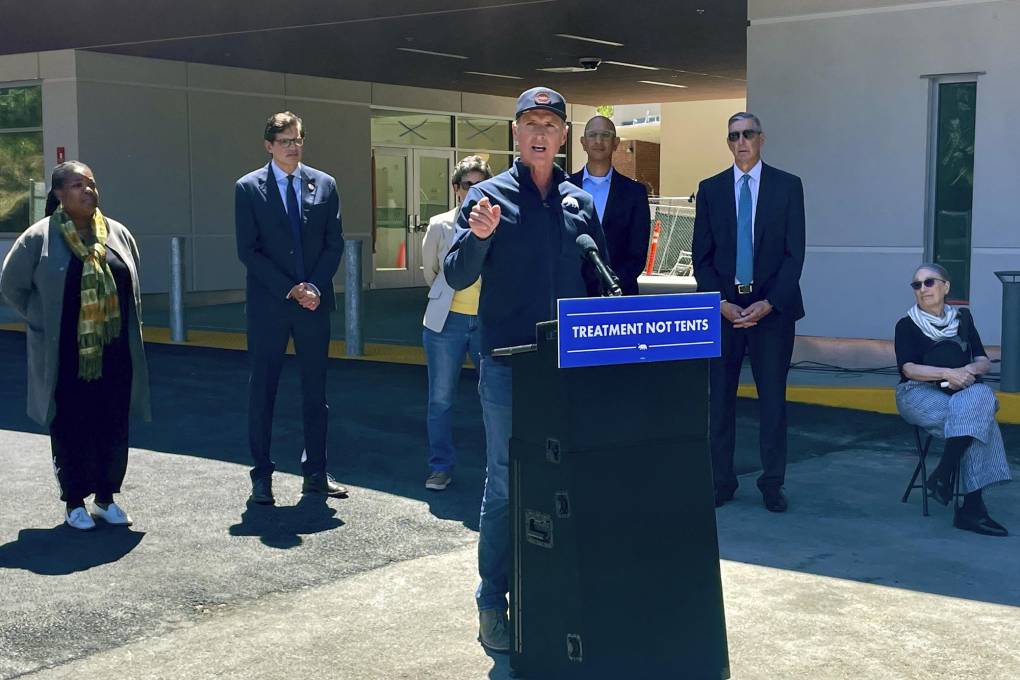
window.__INITIAL_STATE__={
"attachmentsReducer": {
"audio_0": {
"type": "attachments",
"id": "audio_0",
"imgSizes": {
"kqedFullSize": {
"file": "https://ww2.kqed.org/news/wp-content/themes/KQED-unified/img/audio_bgs/background0.jpg"
}
}
},
"audio_1": {
"type": "attachments",
"id": "audio_1",
"imgSizes": {
"kqedFullSize": {
"file": "https://ww2.kqed.org/news/wp-content/themes/KQED-unified/img/audio_bgs/background1.jpg"
}
}
},
"audio_2": {
"type": "attachments",
"id": "audio_2",
"imgSizes": {
"kqedFullSize": {
"file": "https://ww2.kqed.org/news/wp-content/themes/KQED-unified/img/audio_bgs/background2.jpg"
}
}
},
"audio_3": {
"type": "attachments",
"id": "audio_3",
"imgSizes": {
"kqedFullSize": {
"file": "https://ww2.kqed.org/news/wp-content/themes/KQED-unified/img/audio_bgs/background3.jpg"
}
}
},
"audio_4": {
"type": "attachments",
"id": "audio_4",
"imgSizes": {
"kqedFullSize": {
"file": "https://ww2.kqed.org/news/wp-content/themes/KQED-unified/img/audio_bgs/background4.jpg"
}
}
},
"placeholder": {
"type": "attachments",
"id": "placeholder",
"imgSizes": {
"thumbnail": {
"file": "https://cdn.kqed.org/wp-content/uploads/2024/12/KQED-Default-Image-816638274-2000x1333-1-160x107.jpg",
"width": 160,
"height": 107,
"mimeType": "image/jpeg"
},
"medium": {
"file": "https://cdn.kqed.org/wp-content/uploads/2024/12/KQED-Default-Image-816638274-2000x1333-1-800x533.jpg",
"width": 800,
"height": 533,
"mimeType": "image/jpeg"
},
"medium_large": {
"file": "https://cdn.kqed.org/wp-content/uploads/2024/12/KQED-Default-Image-816638274-2000x1333-1-768x512.jpg",
"width": 768,
"height": 512,
"mimeType": "image/jpeg"
},
"large": {
"file": "https://cdn.kqed.org/wp-content/uploads/2024/12/KQED-Default-Image-816638274-2000x1333-1-1020x680.jpg",
"width": 1020,
"height": 680,
"mimeType": "image/jpeg"
},
"1536x1536": {
"file": "https://cdn.kqed.org/wp-content/uploads/2024/12/KQED-Default-Image-816638274-2000x1333-1-1536x1024.jpg",
"width": 1536,
"height": 1024,
"mimeType": "image/jpeg"
},
"fd-lrg": {
"file": "https://cdn.kqed.org/wp-content/uploads/2024/12/KQED-Default-Image-816638274-2000x1333-1-1536x1024.jpg",
"width": 1536,
"height": 1024,
"mimeType": "image/jpeg"
},
"fd-med": {
"file": "https://cdn.kqed.org/wp-content/uploads/2024/12/KQED-Default-Image-816638274-2000x1333-1-1020x680.jpg",
"width": 1020,
"height": 680,
"mimeType": "image/jpeg"
},
"fd-sm": {
"file": "https://cdn.kqed.org/wp-content/uploads/2024/12/KQED-Default-Image-816638274-2000x1333-1-800x533.jpg",
"width": 800,
"height": 533,
"mimeType": "image/jpeg"
},
"post-thumbnail": {
"file": "https://cdn.kqed.org/wp-content/uploads/2024/12/KQED-Default-Image-816638274-2000x1333-1-672x372.jpg",
"width": 672,
"height": 372,
"mimeType": "image/jpeg"
},
"twentyfourteen-full-width": {
"file": "https://cdn.kqed.org/wp-content/uploads/2024/12/KQED-Default-Image-816638274-2000x1333-1-1038x576.jpg",
"width": 1038,
"height": 576,
"mimeType": "image/jpeg"
},
"xxsmall": {
"file": "https://cdn.kqed.org/wp-content/uploads/2024/12/KQED-Default-Image-816638274-2000x1333-1-160x107.jpg",
"width": 160,
"height": 107,
"mimeType": "image/jpeg"
},
"xsmall": {
"file": "https://cdn.kqed.org/wp-content/uploads/2024/12/KQED-Default-Image-816638274-2000x1333-1-672x372.jpg",
"width": 672,
"height": 372,
"mimeType": "image/jpeg"
},
"small": {
"file": "https://cdn.kqed.org/wp-content/uploads/2024/12/KQED-Default-Image-816638274-2000x1333-1-672x372.jpg",
"width": 672,
"height": 372,
"mimeType": "image/jpeg"
},
"xlarge": {
"file": "https://cdn.kqed.org/wp-content/uploads/2024/12/KQED-Default-Image-816638274-2000x1333-1-1020x680.jpg",
"width": 1020,
"height": 680,
"mimeType": "image/jpeg"
},
"full-width": {
"file": "https://cdn.kqed.org/wp-content/uploads/2024/12/KQED-Default-Image-816638274-2000x1333-1-1920x1280.jpg",
"width": 1920,
"height": 1280,
"mimeType": "image/jpeg"
},
"guest-author-32": {
"file": "https://cdn.kqed.org/wp-content/uploads/2025/01/KQED-Default-Image-816638274-1333x1333-1-160x160.jpg",
"width": 32,
"height": 32,
"mimeType": "image/jpeg"
},
"guest-author-50": {
"file": "https://cdn.kqed.org/wp-content/uploads/2025/01/KQED-Default-Image-816638274-1333x1333-1-160x160.jpg",
"width": 50,
"height": 50,
"mimeType": "image/jpeg"
},
"guest-author-64": {
"file": "https://cdn.kqed.org/wp-content/uploads/2025/01/KQED-Default-Image-816638274-1333x1333-1-160x160.jpg",
"width": 64,
"height": 64,
"mimeType": "image/jpeg"
},
"guest-author-96": {
"file": "https://cdn.kqed.org/wp-content/uploads/2025/01/KQED-Default-Image-816638274-1333x1333-1-160x160.jpg",
"width": 96,
"height": 96,
"mimeType": "image/jpeg"
},
"guest-author-128": {
"file": "https://cdn.kqed.org/wp-content/uploads/2025/01/KQED-Default-Image-816638274-1333x1333-1-160x160.jpg",
"width": 128,
"height": 128,
"mimeType": "image/jpeg"
},
"detail": {
"file": "https://cdn.kqed.org/wp-content/uploads/2025/01/KQED-Default-Image-816638274-1333x1333-1-160x160.jpg",
"width": 160,
"height": 160,
"mimeType": "image/jpeg"
},
"kqedFullSize": {
"file": "https://cdn.kqed.org/wp-content/uploads/2024/12/KQED-Default-Image-816638274-2000x1333-1.jpg",
"width": 2000,
"height": 1333
}
}
},
"news_11986242": {
"type": "attachments",
"id": "news_11986242",
"meta": {
"index": "attachments_1716263798",
"site": "news",
"id": "11986242",
"found": true
},
"title": "California Mental Health",
"publishDate": 1715732147,
"status": "inherit",
"parent": 12054274,
"modified": 1756505690,
"caption": "California Gov. Gavin Newsom makes an announcement on Tuesday, May 14, 2024, in San Mateo, California. Hammered by mounting pressure to address the growing homelessness crisis in the state, Newsom said his administration would make $3.3 billion available ahead of schedule for counties and private developers to start building more behavioral health treatment centers as part of his efforts to fund housing and drug use programs.",
"credit": "Haven Daley/AP Photo",
"altTag": null,
"description": null,
"imgSizes": {
"medium": {
"file": "https://cdn.kqed.org/wp-content/uploads/sites/10/2024/05/AP24135825405021-KQED-800x533.jpg",
"width": 800,
"height": 533,
"mimeType": "image/jpeg"
},
"large": {
"file": "https://cdn.kqed.org/wp-content/uploads/sites/10/2024/05/AP24135825405021-KQED-1020x680.jpg",
"width": 1020,
"height": 680,
"mimeType": "image/jpeg"
},
"thumbnail": {
"file": "https://cdn.kqed.org/wp-content/uploads/sites/10/2024/05/AP24135825405021-KQED-160x107.jpg",
"width": 160,
"height": 107,
"mimeType": "image/jpeg"
},
"1536x1536": {
"file": "https://cdn.kqed.org/wp-content/uploads/sites/10/2024/05/AP24135825405021-KQED-1536x1024.jpg",
"width": 1536,
"height": 1024,
"mimeType": "image/jpeg"
},
"post-thumbnail": {
"file": "https://cdn.kqed.org/wp-content/uploads/sites/10/2024/05/AP24135825405021-KQED-672x372.jpg",
"width": 672,
"height": 372,
"mimeType": "image/jpeg"
},
"twentyfourteen-full-width": {
"file": "https://cdn.kqed.org/wp-content/uploads/sites/10/2024/05/AP24135825405021-KQED-1038x576.jpg",
"width": 1038,
"height": 576,
"mimeType": "image/jpeg"
},
"full-width": {
"file": "https://cdn.kqed.org/wp-content/uploads/sites/10/2024/05/AP24135825405021-KQED-1920x1280.jpg",
"width": 1920,
"height": 1280,
"mimeType": "image/jpeg"
},
"kqedFullSize": {
"file": "https://cdn.kqed.org/wp-content/uploads/sites/10/2024/05/AP24135825405021-KQED.jpg",
"width": 2000,
"height": 1333
}
},
"isLoading": false,
"fetchFailed": false
},
"news_11985832": {
"type": "attachments",
"id": "news_11985832",
"meta": {
"index": "attachments_1716263798",
"site": "news",
"id": "11985832",
"found": true
},
"parent": 11985798,
"imgSizes": {
"twentyfourteen-full-width": {
"file": "https://cdn.kqed.org/wp-content/uploads/sites/10/2024/05/AP24131700013572-1038x576.jpg",
"width": 1038,
"mimeType": "image/jpeg",
"height": 576
},
"thumbnail": {
"file": "https://cdn.kqed.org/wp-content/uploads/sites/10/2024/05/AP24131700013572-160x107.jpg",
"width": 160,
"mimeType": "image/jpeg",
"height": 107
},
"post-thumbnail": {
"file": "https://cdn.kqed.org/wp-content/uploads/sites/10/2024/05/AP24131700013572-672x372.jpg",
"width": 672,
"mimeType": "image/jpeg",
"height": 372
},
"kqedFullSize": {
"file": "https://cdn.kqed.org/wp-content/uploads/sites/10/2024/05/AP24131700013572-scaled.jpg",
"width": 2560,
"height": 1707
},
"2048x2048": {
"file": "https://cdn.kqed.org/wp-content/uploads/sites/10/2024/05/AP24131700013572-2048x1365.jpg",
"width": 2048,
"mimeType": "image/jpeg",
"height": 1365
},
"large": {
"file": "https://cdn.kqed.org/wp-content/uploads/sites/10/2024/05/AP24131700013572-1020x680.jpg",
"width": 1020,
"mimeType": "image/jpeg",
"height": 680
},
"1536x1536": {
"file": "https://cdn.kqed.org/wp-content/uploads/sites/10/2024/05/AP24131700013572-1536x1024.jpg",
"width": 1536,
"mimeType": "image/jpeg",
"height": 1024
},
"full-width": {
"file": "https://cdn.kqed.org/wp-content/uploads/sites/10/2024/05/AP24131700013572-1920x1280.jpg",
"width": 1920,
"mimeType": "image/jpeg",
"height": 1280
},
"medium": {
"file": "https://cdn.kqed.org/wp-content/uploads/sites/10/2024/05/AP24131700013572-800x533.jpg",
"width": 800,
"mimeType": "image/jpeg",
"height": 533
}
},
"publishDate": 1715450685,
"modified": 1715450733,
"caption": "California Gov. Gavin Newsom unveils his revised 2024–25 state budget during a news conference in Sacramento, Friday, May 10, 2024.",
"description": null,
"title": "Gavin Newsom",
"credit": "Rich Pedroncelli/AP Photo",
"status": "inherit",
"altTag": null,
"isLoading": false,
"fetchFailed": false
},
"news_11985840": {
"type": "attachments",
"id": "news_11985840",
"meta": {
"index": "attachments_1716263798",
"site": "news",
"id": "11985840",
"found": true
},
"parent": 11985839,
"imgSizes": {
"twentyfourteen-full-width": {
"file": "https://cdn.kqed.org/wp-content/uploads/sites/10/2024/05/050823-Blythe-Prison-Town-PU-CM-23-copy-1038x576.jpg",
"width": 1038,
"mimeType": "image/jpeg",
"height": 576
},
"thumbnail": {
"file": "https://cdn.kqed.org/wp-content/uploads/sites/10/2024/05/050823-Blythe-Prison-Town-PU-CM-23-copy-160x107.jpg",
"width": 160,
"mimeType": "image/jpeg",
"height": 107
},
"post-thumbnail": {
"file": "https://cdn.kqed.org/wp-content/uploads/sites/10/2024/05/050823-Blythe-Prison-Town-PU-CM-23-copy-672x372.jpg",
"width": 672,
"mimeType": "image/jpeg",
"height": 372
},
"kqedFullSize": {
"file": "https://cdn.kqed.org/wp-content/uploads/sites/10/2024/05/050823-Blythe-Prison-Town-PU-CM-23-copy.jpg",
"width": 2000,
"height": 1334
},
"large": {
"file": "https://cdn.kqed.org/wp-content/uploads/sites/10/2024/05/050823-Blythe-Prison-Town-PU-CM-23-copy-1020x680.jpg",
"width": 1020,
"mimeType": "image/jpeg",
"height": 680
},
"1536x1536": {
"file": "https://cdn.kqed.org/wp-content/uploads/sites/10/2024/05/050823-Blythe-Prison-Town-PU-CM-23-copy-1536x1025.jpg",
"width": 1536,
"mimeType": "image/jpeg",
"height": 1025
},
"full-width": {
"file": "https://cdn.kqed.org/wp-content/uploads/sites/10/2024/05/050823-Blythe-Prison-Town-PU-CM-23-copy-1920x1281.jpg",
"width": 1920,
"mimeType": "image/jpeg",
"height": 1281
},
"medium": {
"file": "https://cdn.kqed.org/wp-content/uploads/sites/10/2024/05/050823-Blythe-Prison-Town-PU-CM-23-copy-800x534.jpg",
"width": 800,
"mimeType": "image/jpeg",
"height": 534
}
},
"publishDate": 1715457789,
"modified": 1715457827,
"caption": "Gov. Gavin Newsom has moved to close four California prisons and he's facing pressure to shut more because of the state deficit. Here, Francine Figueroa, a longtime seamstress, sows a patch with an emblem from the California Department of Corrections and Rehabilitation at Halby’s in Blythe on May 8, 2023. ",
"description": null,
"title": "050823-Blythe-Prison-Town-PU-CM-23 copy",
"credit": "Pablo Unzueta for CalMatters",
"status": "inherit",
"altTag": null,
"isLoading": false,
"fetchFailed": false
},
"news_11984357": {
"type": "attachments",
"id": "news_11984357",
"meta": {
"index": "attachments_1716263798",
"site": "news",
"id": "11984357",
"found": true
},
"parent": 11984339,
"imgSizes": {
"twentyfourteen-full-width": {
"file": "https://cdn.kqed.org/wp-content/uploads/sites/10/2024/04/Newsom01-1038x576.jpg",
"width": 1038,
"mimeType": "image/jpeg",
"height": 576
},
"thumbnail": {
"file": "https://cdn.kqed.org/wp-content/uploads/sites/10/2024/04/Newsom01-160x107.jpg",
"width": 160,
"mimeType": "image/jpeg",
"height": 107
},
"post-thumbnail": {
"file": "https://cdn.kqed.org/wp-content/uploads/sites/10/2024/04/Newsom01-672x372.jpg",
"width": 672,
"mimeType": "image/jpeg",
"height": 372
},
"kqedFullSize": {
"file": "https://cdn.kqed.org/wp-content/uploads/sites/10/2024/04/Newsom01.jpg",
"width": 1920,
"height": 1280
},
"large": {
"file": "https://cdn.kqed.org/wp-content/uploads/sites/10/2024/04/Newsom01-1020x680.jpg",
"width": 1020,
"mimeType": "image/jpeg",
"height": 680
},
"1536x1536": {
"file": "https://cdn.kqed.org/wp-content/uploads/sites/10/2024/04/Newsom01-1536x1024.jpg",
"width": 1536,
"mimeType": "image/jpeg",
"height": 1024
},
"medium": {
"file": "https://cdn.kqed.org/wp-content/uploads/sites/10/2024/04/Newsom01-800x533.jpg",
"width": 800,
"mimeType": "image/jpeg",
"height": 533
}
},
"publishDate": 1714413029,
"modified": 1715390630,
"caption": "California Gov. Gavin Newsom speaks during a press conference in Sacramento, on Feb. 1, 2023.",
"description": null,
"title": "California Governor Newsom Announces New Gun Safety Legislation After String Of Mass Shootings In The State",
"credit": "Justin Sullivan/Getty Images",
"status": "inherit",
"altTag": null,
"isLoading": false,
"fetchFailed": false
},
"news_11985705": {
"type": "attachments",
"id": "news_11985705",
"meta": {
"index": "attachments_1716263798",
"site": "news",
"id": "11985705",
"found": true
},
"parent": 11985695,
"imgSizes": {
"twentyfourteen-full-width": {
"file": "https://cdn.kqed.org/wp-content/uploads/sites/10/2024/05/AP24130678077165-1038x576.jpg",
"width": 1038,
"mimeType": "image/jpeg",
"height": 576
},
"thumbnail": {
"file": "https://cdn.kqed.org/wp-content/uploads/sites/10/2024/05/AP24130678077165-160x107.jpg",
"width": 160,
"mimeType": "image/jpeg",
"height": 107
},
"post-thumbnail": {
"file": "https://cdn.kqed.org/wp-content/uploads/sites/10/2024/05/AP24130678077165-672x372.jpg",
"width": 672,
"mimeType": "image/jpeg",
"height": 372
},
"kqedFullSize": {
"file": "https://cdn.kqed.org/wp-content/uploads/sites/10/2024/05/AP24130678077165-scaled.jpg",
"width": 2560,
"height": 1707
},
"2048x2048": {
"file": "https://cdn.kqed.org/wp-content/uploads/sites/10/2024/05/AP24130678077165-2048x1365.jpg",
"width": 2048,
"mimeType": "image/jpeg",
"height": 1365
},
"large": {
"file": "https://cdn.kqed.org/wp-content/uploads/sites/10/2024/05/AP24130678077165-1020x680.jpg",
"width": 1020,
"mimeType": "image/jpeg",
"height": 680
},
"1536x1536": {
"file": "https://cdn.kqed.org/wp-content/uploads/sites/10/2024/05/AP24130678077165-1536x1024.jpg",
"width": 1536,
"mimeType": "image/jpeg",
"height": 1024
},
"full-width": {
"file": "https://cdn.kqed.org/wp-content/uploads/sites/10/2024/05/AP24130678077165-1920x1280.jpg",
"width": 1920,
"mimeType": "image/jpeg",
"height": 1280
},
"medium": {
"file": "https://cdn.kqed.org/wp-content/uploads/sites/10/2024/05/AP24130678077165-800x533.jpg",
"width": 800,
"mimeType": "image/jpeg",
"height": 533
}
},
"publishDate": 1715365561,
"modified": 1715371751,
"caption": "California Gov. Gavin Newsom discusses his budget proposal in Sacramento on Jan. 10, 2024. Newsom released his updated budget proposal on Friday, May 10, 2024.",
"description": null,
"title": "California Budget",
"credit": "Rich Pedroncelli/AP Photo",
"status": "inherit",
"altTag": "A white, middle-aged man speaks behind a lectern with a screen with a graph in the background.",
"isLoading": false,
"fetchFailed": false
},
"news_11985621": {
"type": "attachments",
"id": "news_11985621",
"meta": {
"index": "attachments_1716263798",
"site": "news",
"id": "11985621",
"found": true
},
"parent": 11985619,
"imgSizes": {
"twentyfourteen-full-width": {
"file": "https://cdn.kqed.org/wp-content/uploads/sites/10/2024/05/AP24130599594139-1038x576.jpg",
"width": 1038,
"mimeType": "image/jpeg",
"height": 576
},
"thumbnail": {
"file": "https://cdn.kqed.org/wp-content/uploads/sites/10/2024/05/AP24130599594139-160x107.jpg",
"width": 160,
"mimeType": "image/jpeg",
"height": 107
},
"post-thumbnail": {
"file": "https://cdn.kqed.org/wp-content/uploads/sites/10/2024/05/AP24130599594139-672x372.jpg",
"width": 672,
"mimeType": "image/jpeg",
"height": 372
},
"kqedFullSize": {
"file": "https://cdn.kqed.org/wp-content/uploads/sites/10/2024/05/AP24130599594139-scaled.jpg",
"width": 2560,
"height": 1707
},
"2048x2048": {
"file": "https://cdn.kqed.org/wp-content/uploads/sites/10/2024/05/AP24130599594139-2048x1365.jpg",
"width": 2048,
"mimeType": "image/jpeg",
"height": 1365
},
"large": {
"file": "https://cdn.kqed.org/wp-content/uploads/sites/10/2024/05/AP24130599594139-1020x680.jpg",
"width": 1020,
"mimeType": "image/jpeg",
"height": 680
},
"1536x1536": {
"file": "https://cdn.kqed.org/wp-content/uploads/sites/10/2024/05/AP24130599594139-1536x1024.jpg",
"width": 1536,
"mimeType": "image/jpeg",
"height": 1024
},
"full-width": {
"file": "https://cdn.kqed.org/wp-content/uploads/sites/10/2024/05/AP24130599594139-1920x1280.jpg",
"width": 1920,
"mimeType": "image/jpeg",
"height": 1280
},
"medium": {
"file": "https://cdn.kqed.org/wp-content/uploads/sites/10/2024/05/AP24130599594139-800x533.jpg",
"width": 800,
"mimeType": "image/jpeg",
"height": 533
}
},
"publishDate": 1715296159,
"modified": 1715297420,
"caption": "California Gov. Gavin Newsom speaks in Larkspur, Marin County, on April 16, 2024. California could soon deploy generative artificial intelligence tools to help reduce traffic jams, make roads safer and provide tax guidance, among other things, under new agreements announced on May 9, 2024, as part of Gov. Gavin Newsom's efforts to harness the power of new technologies for public services. ",
"description": null,
"title": "Gavin Newsom",
"credit": "Jeff Chiu/AP Photo",
"status": "inherit",
"altTag": "A white, middle-aged man in a suit and white shirt with no tie gestures to his right while speaking into a microphone outdoors.",
"isLoading": false,
"fetchFailed": false
},
"news_11973462": {
"type": "attachments",
"id": "news_11973462",
"meta": {
"index": "attachments_1716263798",
"site": "news",
"id": "11973462",
"found": true
},
"parent": 0,
"imgSizes": {
"twentyfourteen-full-width": {
"file": "https://cdn.kqed.org/wp-content/uploads/sites/10/2024/01/240123-HMBShootingAnniversary-18-BL-1038x576.jpg",
"width": 1038,
"mimeType": "image/jpeg",
"height": 576
},
"thumbnail": {
"file": "https://cdn.kqed.org/wp-content/uploads/sites/10/2024/01/240123-HMBShootingAnniversary-18-BL-160x107.jpg",
"width": 160,
"mimeType": "image/jpeg",
"height": 107
},
"post-thumbnail": {
"file": "https://cdn.kqed.org/wp-content/uploads/sites/10/2024/01/240123-HMBShootingAnniversary-18-BL-672x372.jpg",
"width": 672,
"mimeType": "image/jpeg",
"height": 372
},
"kqedFullSize": {
"file": "https://cdn.kqed.org/wp-content/uploads/sites/10/2024/01/240123-HMBShootingAnniversary-18-BL.jpg",
"width": 1920,
"height": 1280
},
"large": {
"file": "https://cdn.kqed.org/wp-content/uploads/sites/10/2024/01/240123-HMBShootingAnniversary-18-BL-1020x680.jpg",
"width": 1020,
"mimeType": "image/jpeg",
"height": 680
},
"1536x1536": {
"file": "https://cdn.kqed.org/wp-content/uploads/sites/10/2024/01/240123-HMBShootingAnniversary-18-BL-1536x1024.jpg",
"width": 1536,
"mimeType": "image/jpeg",
"height": 1024
},
"medium": {
"file": "https://cdn.kqed.org/wp-content/uploads/sites/10/2024/01/240123-HMBShootingAnniversary-18-BL-800x533.jpg",
"width": 800,
"mimeType": "image/jpeg",
"height": 533
}
},
"publishDate": 1706051937,
"modified": 1715292834,
"caption": "Half Moon Bay Mayor Joaquin Jimenez speaks during a roundtable discussion at the ALAS Sueño Center in Half Moon Bay on Jan. 23, 2024, marking one year since the mass shooting at two farms claimed the lives of seven people on Jan. 23, 2023.",
"description": null,
"title": "240123-HMBShootingAnniversary-18-BL",
"credit": "Beth LaBerge/KQED",
"status": "inherit",
"altTag": "A person with a goatee stands in front of a large group of people sitting in fold-out chairs in a room painted bright orange.",
"isLoading": false,
"fetchFailed": false
},
"news_10447124": {
"type": "attachments",
"id": "news_10447124",
"meta": {
"index": "attachments_1716263798",
"site": "news",
"id": "10447124",
"found": true
},
"parent": 10447118,
"imgSizes": {
"twentyfourteen-full-width": {
"file": "https://ww2.kqed.org/app/uploads/sites/10/2015/03/californiasupremecourt-1038x576.jpg",
"width": 1038,
"mimeType": "image/jpeg",
"height": 576
},
"thumbnail": {
"file": "https://ww2.kqed.org/app/uploads/sites/10/2015/03/californiasupremecourt-400x300.jpg",
"width": 400,
"mimeType": "image/jpeg",
"height": 300
},
"fd-sm": {
"file": "https://ww2.kqed.org/app/uploads/sites/10/2015/03/californiasupremecourt-320x240.jpg",
"width": 320,
"mimeType": "image/jpeg",
"height": 240
},
"post-thumbnail": {
"file": "https://ww2.kqed.org/app/uploads/sites/10/2015/03/californiasupremecourt-672x372.jpg",
"width": 672,
"mimeType": "image/jpeg",
"height": 372
},
"kqedFullSize": {
"file": "https://ww2.kqed.org/app/uploads/sites/10/2015/03/californiasupremecourt.jpg",
"width": 1536,
"height": 1152
},
"large": {
"file": "https://ww2.kqed.org/app/uploads/sites/10/2015/03/californiasupremecourt-1440x1080.jpg",
"width": 1440,
"mimeType": "image/jpeg",
"height": 1080
},
"guest-author-96": {
"file": "https://ww2.kqed.org/app/uploads/sites/10/2015/03/californiasupremecourt-96x96.jpg",
"width": 96,
"mimeType": "image/jpeg",
"height": 96
},
"medium": {
"file": "https://ww2.kqed.org/app/uploads/sites/10/2015/03/californiasupremecourt-800x600.jpg",
"width": 800,
"mimeType": "image/jpeg",
"height": 600
},
"guest-author-64": {
"file": "https://ww2.kqed.org/app/uploads/sites/10/2015/03/californiasupremecourt-64x64.jpg",
"width": 64,
"mimeType": "image/jpeg",
"height": 64
},
"guest-author-32": {
"file": "https://ww2.kqed.org/app/uploads/sites/10/2015/03/californiasupremecourt-32x32.jpg",
"width": 32,
"mimeType": "image/jpeg",
"height": 32
},
"fd-lrg": {
"file": "https://ww2.kqed.org/app/uploads/sites/10/2015/03/californiasupremecourt-1180x885.jpg",
"width": 1180,
"mimeType": "image/jpeg",
"height": 885
},
"fd-med": {
"file": "https://ww2.kqed.org/app/uploads/sites/10/2015/03/californiasupremecourt-768x576.jpg",
"width": 768,
"mimeType": "image/jpeg",
"height": 576
},
"detail": {
"file": "https://ww2.kqed.org/app/uploads/sites/10/2015/03/californiasupremecourt-75x75.jpg",
"width": 75,
"mimeType": "image/jpeg",
"height": 75
},
"guest-author-128": {
"file": "https://ww2.kqed.org/app/uploads/sites/10/2015/03/californiasupremecourt-128x128.jpg",
"width": 128,
"mimeType": "image/jpeg",
"height": 128
}
},
"publishDate": 1425323779,
"modified": 1425323907,
"caption": "The Earl Warren Building in San Francisco, seat of the California Supreme Court. ",
"description": null,
"title": "California Supreme Court",
"credit": "Wikimedia Commons",
"status": "inherit",
"isLoading": false,
"fetchFailed": false
},
"news_11984826": {
"type": "attachments",
"id": "news_11984826",
"meta": {
"index": "attachments_1716263798",
"site": "news",
"id": "11984826",
"found": true
},
"parent": 11984819,
"imgSizes": {
"twentyfourteen-full-width": {
"file": "https://cdn.kqed.org/wp-content/uploads/sites/10/2024/05/CareWorkers_02-1038x576.jpg",
"width": 1038,
"mimeType": "image/jpeg",
"height": 576
},
"thumbnail": {
"file": "https://cdn.kqed.org/wp-content/uploads/sites/10/2024/05/CareWorkers_02-160x110.jpg",
"width": 160,
"mimeType": "image/jpeg",
"height": 110
},
"post-thumbnail": {
"file": "https://cdn.kqed.org/wp-content/uploads/sites/10/2024/05/CareWorkers_02-672x372.jpg",
"width": 672,
"mimeType": "image/jpeg",
"height": 372
},
"kqedFullSize": {
"file": "https://cdn.kqed.org/wp-content/uploads/sites/10/2024/05/CareWorkers_02-scaled.jpg",
"width": 2560,
"height": 1762
},
"2048x2048": {
"file": "https://cdn.kqed.org/wp-content/uploads/sites/10/2024/05/CareWorkers_02-2048x1409.jpg",
"width": 2048,
"mimeType": "image/jpeg",
"height": 1409
},
"large": {
"file": "https://cdn.kqed.org/wp-content/uploads/sites/10/2024/05/CareWorkers_02-1020x702.jpg",
"width": 1020,
"mimeType": "image/jpeg",
"height": 702
},
"1536x1536": {
"file": "https://cdn.kqed.org/wp-content/uploads/sites/10/2024/05/CareWorkers_02-1536x1057.jpg",
"width": 1536,
"mimeType": "image/jpeg",
"height": 1057
},
"full-width": {
"file": "https://cdn.kqed.org/wp-content/uploads/sites/10/2024/05/CareWorkers_02-1920x1321.jpg",
"width": 1920,
"mimeType": "image/jpeg",
"height": 1321
},
"medium": {
"file": "https://cdn.kqed.org/wp-content/uploads/sites/10/2024/05/CareWorkers_02-800x551.jpg",
"width": 800,
"mimeType": "image/jpeg",
"height": 551
}
},
"publishDate": 1714681633,
"modified": 1714681817,
"caption": "Disability care workers Ricardo Zegri and Niurka Sureda-Jackson sit outside the California state Capitol on April 10. Zegri says Taco Bell would pay him more than the $19 an hour he makes as a disability care worker in a supervisory position. ",
"description": null,
"title": "CareWorkers_02",
"credit": "Vanessa G. Sánchez/KFF Health News",
"status": "inherit",
"altTag": "A man and woman wearing yellow shirts with purple lanyards sit next to each other outside.",
"isLoading": false,
"fetchFailed": false
},
"news_11984410": {
"type": "attachments",
"id": "news_11984410",
"meta": {
"index": "attachments_1716263798",
"site": "news",
"id": "11984410",
"found": true
},
"parent": 11984407,
"imgSizes": {
"twentyfourteen-full-width": {
"file": "https://cdn.kqed.org/wp-content/uploads/sites/10/2024/04/GettyImages-1235689180-1038x576.jpg",
"width": 1038,
"mimeType": "image/jpeg",
"height": 576
},
"thumbnail": {
"file": "https://cdn.kqed.org/wp-content/uploads/sites/10/2024/04/GettyImages-1235689180-160x107.jpg",
"width": 160,
"mimeType": "image/jpeg",
"height": 107
},
"post-thumbnail": {
"file": "https://cdn.kqed.org/wp-content/uploads/sites/10/2024/04/GettyImages-1235689180-672x372.jpg",
"width": 672,
"mimeType": "image/jpeg",
"height": 372
},
"kqedFullSize": {
"file": "https://cdn.kqed.org/wp-content/uploads/sites/10/2024/04/GettyImages-1235689180-scaled.jpg",
"width": 2560,
"height": 1707
},
"2048x2048": {
"file": "https://cdn.kqed.org/wp-content/uploads/sites/10/2024/04/GettyImages-1235689180-2048x1365.jpg",
"width": 2048,
"mimeType": "image/jpeg",
"height": 1365
},
"large": {
"file": "https://cdn.kqed.org/wp-content/uploads/sites/10/2024/04/GettyImages-1235689180-1020x680.jpg",
"width": 1020,
"mimeType": "image/jpeg",
"height": 680
},
"1536x1536": {
"file": "https://cdn.kqed.org/wp-content/uploads/sites/10/2024/04/GettyImages-1235689180-1536x1024.jpg",
"width": 1536,
"mimeType": "image/jpeg",
"height": 1024
},
"full-width": {
"file": "https://cdn.kqed.org/wp-content/uploads/sites/10/2024/04/GettyImages-1235689180-1920x1280.jpg",
"width": 1920,
"mimeType": "image/jpeg",
"height": 1280
},
"medium": {
"file": "https://cdn.kqed.org/wp-content/uploads/sites/10/2024/04/GettyImages-1235689180-800x533.jpg",
"width": 800,
"mimeType": "image/jpeg",
"height": 533
}
},
"publishDate": 1714429226,
"modified": 1714429226,
"caption": "Pope Francis delivers a speech as Egyptian Islamic scholar and the current Grand Imam of al-Azhar mosque, Sheikh Ahmed Al-Tayeb (Rear L) and other religious leaders and scientists listen during the meeting \"Faith and Science: Towards COP26\" on October 4, 2021 in The Vatican, sending an appeal to participants in the 26th United Nations Climate Change Conference, also known as COP26, scheduled from November 1 to 12 in Glasgow, Scotland. (Photo by ALESSANDRO DI MEO / POOL / AFP) (Photo by ALESSANDRO DI MEO/POOL/AFP via Getty Images)",
"description": null,
"title": "VATICAN-RELIGION-POPE-ENVIRONMENT-CLIMATE-COP26",
"credit": null,
"status": "inherit",
"altTag": null,
"isLoading": false,
"fetchFailed": false
}
},
"audioPlayerReducer": {
"postId": "stream_live",
"isPaused": true,
"isPlaying": false,
"pfsActive": false,
"pledgeModalIsOpen": true,
"playerDrawerIsOpen": false,
"liveAudioPlayStartedAt": 0,
"liveAudioPlayContext": ""
},
"authorsReducer": {
"byline_news_11985839": {
"type": "authors",
"id": "byline_news_11985839",
"meta": {
"override": true
},
"slug": "byline_news_11985839",
"name": "\u003ca href=\"https://calmatters.org/author/nigelduara/\">Nigel Duara\u003c/a>",
"isLoading": false
},
"byline_news_11985769": {
"type": "authors",
"id": "byline_news_11985769",
"meta": {
"override": true
},
"slug": "byline_news_11985769",
"name": "Trân Nguyễn\u003cbr>Associated Press",
"isLoading": false
},
"byline_news_11985798": {
"type": "authors",
"id": "byline_news_11985798",
"meta": {
"override": true
},
"slug": "byline_news_11985798",
"name": "Trân Nguyễn\u003cbr>Associated Press",
"isLoading": false
},
"byline_news_11985695": {
"type": "authors",
"id": "byline_news_11985695",
"meta": {
"override": true
},
"slug": "byline_news_11985695",
"name": "Adam Beam\u003cbr>Associated Press",
"isLoading": false
},
"byline_news_11985619": {
"type": "authors",
"id": "byline_news_11985619",
"meta": {
"override": true
},
"slug": "byline_news_11985619",
"name": "Trân Nguyễn\u003cbr>Associated Press",
"isLoading": false
},
"byline_news_11984819": {
"type": "authors",
"id": "byline_news_11984819",
"meta": {
"override": true
},
"slug": "byline_news_11984819",
"name": "Vanessa G. Sánchez, KFF Health News",
"isLoading": false
},
"byline_news_11984339": {
"type": "authors",
"id": "byline_news_11984339",
"meta": {
"override": true
},
"slug": "byline_news_11984339",
"name": "Adam Beam, Associated Press",
"isLoading": false
},
"gmarzorati": {
"type": "authors",
"id": "227",
"meta": {
"index": "authors_1716337520",
"id": "227",
"found": true
},
"name": "Guy Marzorati",
"firstName": "Guy",
"lastName": "Marzorati",
"slug": "gmarzorati",
"email": "gmarzorati@KQED.org",
"display_author_email": true,
"staff_mastheads": [
"news"
],
"title": "Correspondent",
"bio": "Guy Marzorati is a correspondent on KQED's California Politics and Government Desk, based in San Jose. A graduate of Santa Clara University, Guy joined KQED in 2013. He reports on state and local politics and produces KQED's digital voter guide.",
"avatar": "https://secure.gravatar.com/avatar/e7038b8dbfd55b104369b76b1cd0b9de?s=600&d=blank&r=g",
"twitter": "guymarzorati",
"facebook": null,
"instagram": null,
"linkedin": null,
"sites": [
{
"site": "",
"roles": [
"editor"
]
},
{
"site": "news",
"roles": [
"editor"
]
},
{
"site": "science",
"roles": [
"editor"
]
},
{
"site": "forum",
"roles": [
"editor"
]
},
{
"site": "elections",
"roles": [
"editor"
]
},
{
"site": "liveblog",
"roles": [
"editor"
]
}
],
"headData": {
"title": "Guy Marzorati | KQED",
"description": "Correspondent",
"ogImgSrc": "https://secure.gravatar.com/avatar/e7038b8dbfd55b104369b76b1cd0b9de?s=600&d=blank&r=g",
"twImgSrc": "https://secure.gravatar.com/avatar/e7038b8dbfd55b104369b76b1cd0b9de?s=600&d=blank&r=g"
},
"isLoading": false,
"link": "/author/gmarzorati"
},
"scottshafer": {
"type": "authors",
"id": "255",
"meta": {
"index": "authors_1716337520",
"id": "255",
"found": true
},
"name": "Scott Shafer",
"firstName": "Scott",
"lastName": "Shafer",
"slug": "scottshafer",
"email": "sshafer@kqed.org",
"display_author_email": false,
"staff_mastheads": [
"news"
],
"title": "KQED Contributor",
"bio": "Scott Shafer is a senior editor with the KQED Politics and Government desk. He is co-host of Political Breakdown, the award-winning radio show and podcast with a personal take on the world of politics. Scott came to KQED in 1998 to host the statewide\u003cem> California Report\u003c/em>. Prior to that he had extended stints in politics and government\u003cem>.\u003c/em> He uses that inside experience at KQED in his, reporting, hosting and analysis for the politics desk. Scott collaborated \u003cem>Political Breakdown a\u003c/em>nd on \u003cem>The Political Mind of Jerry Brown, \u003c/em>an eight-part series about the life and extraordinary political career of the former governor. For fun, he plays water polo with the San Francisco Tsunami.",
"avatar": "https://secure.gravatar.com/avatar/a62ebae45b79d7aed1a39a0e3bf68104?s=600&d=blank&r=g",
"twitter": "scottshafer",
"bluesky": null,
"facebook": null,
"instagram": null,
"linkedin": null,
"sites": [
{
"site": "news",
"roles": [
"editor"
]
},
{
"site": "stateofhealth",
"roles": [
"author"
]
},
{
"site": "science",
"roles": [
"author"
]
},
{
"site": "forum",
"roles": [
"subscriber"
]
},
{
"site": "liveblog",
"roles": [
"author"
]
}
],
"headData": {
"title": "Scott Shafer | KQED",
"description": "KQED Contributor",
"ogImgSrc": "https://secure.gravatar.com/avatar/a62ebae45b79d7aed1a39a0e3bf68104?s=600&d=blank&r=g",
"twImgSrc": "https://secure.gravatar.com/avatar/a62ebae45b79d7aed1a39a0e3bf68104?s=600&d=blank&r=g"
},
"isLoading": false,
"link": "/author/scottshafer"
},
"tychehendricks": {
"type": "authors",
"id": "259",
"meta": {
"index": "authors_1716337520",
"id": "259",
"found": true
},
"name": "Tyche Hendricks",
"firstName": "Tyche",
"lastName": "Hendricks",
"slug": "tychehendricks",
"email": "thendricks@kqed.org",
"display_author_email": true,
"staff_mastheads": [
"news"
],
"title": "KQED Senior Editor, Immigration",
"bio": "\u003cspan style=\"font-weight: 400;\">Tyche Hendricks is KQED’s senior editor for immigration, leading coverage of the policy and politics that affect California’s immigrant communities. Her work for KQED’s radio and online audiences is also carried on NPR and other national outlets. She has been recognized with awards from the Radio and Television News Directors Association, the Society for Professional Journalists; the Education Writers Association; the Best of the West and the National Federation of Community Broadcasters. Before joining KQED in 2010, Tyche spent more than a dozen years as a newspaper reporter, notably at the \u003c/span>\u003ci>\u003cspan style=\"font-weight: 400;\">San Francisco Chronicle\u003c/span>\u003c/i>\u003cspan style=\"font-weight: 400;\">. At different times she has covered criminal justice, government and politics and urban planning. Tyche has taught in the MFA Creative Writing program at the University of San Francisco and at UC Berkeley’s Graduate School of Journalism, where she was co-director of a national immigration symposium for professional journalists. She is the author of \u003c/span>\u003ci>\u003cspan style=\"font-weight: 400;\">The Wind Doesn't Need a Passport: Stories from the U.S.-Mexico Borderlands\u003c/span>\u003c/i>\u003cspan style=\"font-weight: 400;\"> (University of California Press). \u003c/span>",
"avatar": "https://secure.gravatar.com/avatar/b8ee458e2731c2d43df86882ce17267e?s=600&d=blank&r=g",
"twitter": "tychehendricks",
"facebook": null,
"instagram": null,
"linkedin": null,
"sites": [
{
"site": "news",
"roles": [
"editor"
]
},
{
"site": "stateofhealth",
"roles": [
"editor"
]
}
],
"headData": {
"title": "Tyche Hendricks | KQED",
"description": "KQED Senior Editor, Immigration",
"ogImgSrc": "https://secure.gravatar.com/avatar/b8ee458e2731c2d43df86882ce17267e?s=600&d=blank&r=g",
"twImgSrc": "https://secure.gravatar.com/avatar/b8ee458e2731c2d43df86882ce17267e?s=600&d=blank&r=g"
},
"isLoading": false,
"link": "/author/tychehendricks"
},
"mlagos": {
"type": "authors",
"id": "3239",
"meta": {
"index": "authors_1716337520",
"id": "3239",
"found": true
},
"name": "Marisa Lagos",
"firstName": "Marisa",
"lastName": "Lagos",
"slug": "mlagos",
"email": "mlagos@kqed.org",
"display_author_email": false,
"staff_mastheads": [
"news"
],
"title": "KQED Contributor",
"bio": "Marisa Lagos is a correspondent for KQED’s California Politics and Government Desk and co-hosts the award-winning show and podcast, Political Breakdown. At KQED, Lagos also conducts reporting, analysis and investigations into state, local and national politics for radio, TV, online and onstage. In 2022, she and co-host, Scott Shafer, moderated the only gubernatorial debate in California. In 2020, the \u003ci>Washington Post\u003c/i> named her one of the top political journalists in California; she was nominated for a Peabody and won several other awards for her work investigating the 2017 California wildfires. She has worked at the \u003ci>San Francisco Chronicle\u003c/i>, \u003ci>San Francisco Examiner\u003c/i> and \u003ci>Los Angeles Times\u003c/i>. A UC Santa Barbara graduate, she lives in San Francisco with her two sons and husband.",
"avatar": "https://secure.gravatar.com/avatar/a261a0d3696fc066871ef96b85b5e7d2?s=600&d=blank&r=g",
"twitter": "@mlagos",
"facebook": null,
"instagram": null,
"linkedin": null,
"sites": [
{
"site": "arts",
"roles": [
"author"
]
},
{
"site": "news",
"roles": [
"editor"
]
},
{
"site": "science",
"roles": [
"editor"
]
},
{
"site": "forum",
"roles": [
"author"
]
},
{
"site": "liveblog",
"roles": [
"author"
]
}
],
"headData": {
"title": "Marisa Lagos | KQED",
"description": "KQED Contributor",
"ogImgSrc": "https://secure.gravatar.com/avatar/a261a0d3696fc066871ef96b85b5e7d2?s=600&d=blank&r=g",
"twImgSrc": "https://secure.gravatar.com/avatar/a261a0d3696fc066871ef96b85b5e7d2?s=600&d=blank&r=g"
},
"isLoading": false,
"link": "/author/mlagos"
}
},
"pagesReducer": {
"news_tag_gavin-newsom": {
"type": "terms",
"id": "news_16",
"meta": {
"index": "terms_1716263798",
"site": "news",
"id": "16",
"score": 8.936912
},
"featImg": null,
"name": "Gavin Newsom",
"description": null,
"taxonomy": "tag",
"headData": {
"twImgId": null,
"twTitle": null,
"ogTitle": null,
"ogImgId": null,
"twDescription": null,
"description": null,
"title": "Gavin Newsom Archives | KQED News",
"ogDescription": null
},
"ttid": 16,
"slug": "gavin-newsom",
"isLoading": false,
"title": "Gavin Newsom",
"pageMeta": {
"site": "news",
"WpPageTemplate": "page-topic-editorial",
"currentPage": 31
},
"blocks": [
{
"blockName": "kqed/post-list",
"attrs": {
"layout": "cardArticle2",
"query": "posts/news?tag=gavin-newsom",
"seeMore": false,
"paginated": true,
"page": 31
}
},
{
"blockName": "kqed/ad"
}
]
}
},
"pfsSessionReducer": {},
"postsReducer": {
"stream_live": {
"type": "live",
"id": "stream_live",
"audioUrl": "https://streams.kqed.org/kqedradio",
"title": "Live Stream",
"excerpt": "Live Stream information currently unavailable.",
"link": "/radio",
"featImg": "",
"label": {
"name": "KQED Live",
"link": "/"
}
},
"stream_kqedNewscast": {
"type": "posts",
"id": "stream_kqedNewscast",
"audioUrl": "https://www.kqed.org/.stream/anon/radio/RDnews/newscast.mp3?_=1",
"title": "KQED Newscast",
"featImg": "",
"label": {
"name": "88.5 FM",
"link": "/"
}
},
"news_11986218": {
"type": "posts",
"id": "news_11986218",
"meta": {
"index": "posts_1716263798",
"site": "news",
"id": "11986218",
"score": null,
"sort": [
1715730817000
]
},
"parent": 0,
"labelTerm": {
"site": "news"
},
"blocks": [],
"publishDate": 1715730817,
"format": "standard",
"title": "Newsom Vows Expedited Rollout of Proposition 1 Funds for Mental Health, Substance-Use Treatment Facilities",
"headTitle": "Newsom Vows Expedited Rollout of Proposition 1 Funds for Mental Health, Substance-Use Treatment Facilities | KQED",
"content": "\u003cp>Local governments and nonprofits will be able to tap into billions of dollars of new funding to house residents with severe behavioral health issues beginning this summer, Gov. Gavin Newsom announced on Tuesday.\u003c/p>\n\u003cp>Faced with voter discontent over homelessness and entering the final years of his term, Newsom hopes to accelerate the construction of treatment facilities and supportive housing with money created by \u003ca href=\"https://www.kqed.org/elections/results/california/proposition-1\">Proposition 1\u003c/a>, a measure \u003ca href=\"https://www.kqed.org/news/11980415/newsom-celebrates-proposition-1-victory-after-sleepless-weeks\">narrowly approved by voters\u003c/a> in the March primary.\u003c/p>\n\u003cp>“I’ve never been more enthusiastic about our prospects to actually make a dent and address the issue of what’s happening on the streets and sidewalks in this state than I am today,” Newsom said. “These next two to three years will be transformational.”\u003c/p>\n\u003cp>The governor announced the plan to expedite funding outside Cordilleras Mental Health Center, a behavioral health treatment facility in Redwood City. Newsom vowed that Proposition 1 will unlock the funding needed to replicate centers like Cordilleras across the state — and he vowed that the state would approve local requests for the voter-approved money faster than it did for a \u003ca href=\"https://calmatters.org/housing/2024/02/mental-health-housing-election/\">previous housing bond, Proposition 2\u003c/a>, in 2018.\u003c/p>\n\u003cp>[ad fullwidth]\u003c/p>\n\u003cp>“We will quickly approve those plans because we have a new task force and strike team around this, breaking down all of the boxes and bureaucratic hurdles,” Newsom said.\u003c/p>\n\u003cp>The state Department of Health Care Services has already published bond guidance for nonprofits and local governments hoping to grab a slice of the $4.4 billion Proposition 1 funding dedicated to the construction of behavioral health treatment facilities.\u003c/p>\n\u003cp>Later this year, the Department of Housing and Community Development and the California Veterans Affairs Agency will publish similar guidance for the other piece of the bond: $2 billion for supportive housing, with half of that amount earmarked for housing for veterans with substance use or mental illness.\u003c/p>\n\u003cp>Proposition 1 included both the $6.38 billion bond and a reworking of existing mental health spending. Together, the \u003ca href=\"https://www.kqed.org/news/11980538/prop-1-passesbarely\">measure represented Newsom’s most ambitious gamble\u003c/a> yet that voters would buy into his vision of prioritizing investments for Californians at the intersection of homelessness and behavioral health.[aside postID=news_11985932 hero='https://cdn.kqed.org/wp-content/uploads/sites/10/2024/05/AP24131700013572-1020x680.jpg']He almost failed.\u003c/p>\n\u003cp>Despite a heavy spending advantage, Proposition 1 was supported by just over 50% of voters. Conservatives who may have been skeptical about more state spending were overrepresented in the primary electorate. Some Democrats even opposed the housing bond because it funded locked treatment facilities.\u003c/p>\n\u003cp>But on Tuesday, a woman who only identified herself as Lee spoke in support of the locked facilities. She said her son suffers from severe mental illness and now lives at Cordilleras.\u003c/p>\n\u003cp>“He tells me he wants the building locked so that nobody can come in off the street and beat him up,” she said.\u003c/p>\n\u003cp>Lee said before his stay at Cordilleras, her son would often leave less-restrictive housing only to end up walking on nearby highways.\u003c/p>\n\u003cp>“And of course, when I learned that he had gotten out on one of these times, I was always afraid,” Lee said. “Would he be hit by a truck on the highway? Would I not be able to find him?”\u003c/p>\n\u003cp>\u003c/p>\n",
"stats": {
"hasVideo": false,
"hasChartOrMap": false,
"hasAudio": false,
"hasPolis": false,
"wordCount": 551,
"hasGoogleForm": false,
"hasGallery": false,
"hasHearkenModule": false,
"iframeSrcs": [],
"paragraphCount": 15
},
"modified": 1715733601,
"excerpt": "The governor says money from a bond approved by California voters will be available this summer to build housing for unhoused residents with behavioral health issues.",
"headData": {
"twImgId": "",
"twTitle": "",
"ogTitle": "",
"ogImgId": "",
"twDescription": "",
"description": "The governor says money from a bond approved by California voters will be available this summer to build housing for unhoused residents with behavioral health issues.",
"title": "Newsom Vows Expedited Rollout of Proposition 1 Funds for Mental Health, Substance-Use Treatment Facilities | KQED",
"ogDescription": "",
"schema": {
"@context": "https://schema.org",
"@type": "NewsArticle",
"headline": "Newsom Vows Expedited Rollout of Proposition 1 Funds for Mental Health, Substance-Use Treatment Facilities",
"datePublished": "2024-05-14T16:53:37-07:00",
"dateModified": "2024-05-14T17:40:01-07:00",
"image": "https://cdn.kqed.org/wp-content/uploads/2020/02/KQED-OG-Image@1x.png",
"isAccessibleForFree": "True",
"publisher": {
"@type": "NewsMediaOrganization",
"@id": "https://www.kqed.org/#organization",
"name": "KQED",
"logo": "https://cdn.kqed.org/wp-content/uploads/2020/02/KQED-OG-Image@1x.png",
"url": "https://www.kqed.org",
"sameAs": [
"https://www.facebook.com/KQED",
"https://twitter.com/KQED",
"https://www.instagram.com/kqed/",
"https://www.tiktok.com/@kqedofficial",
"https://www.linkedin.com/company/kqed",
"https://www.youtube.com/channel/UCeC0IOo7i1P_61zVUWbJ4nw"
]
}
}
},
"guestAuthors": [],
"slug": "newsom-vows-expedited-rollout-of-proposition-1-funds",
"status": "publish",
"excludeFromSiteSearch": "Include",
"sticky": false,
"articleAge": "0",
"nprStoryId": "kqed-11986218",
"path": "/news/11986218/newsom-vows-expedited-rollout-of-proposition-1-funds",
"audioTrackLength": null,
"parsedContent": [
{
"type": "contentString",
"content": "\u003cdiv class=\"post-body\">\u003cp>\u003cp>Local governments and nonprofits will be able to tap into billions of dollars of new funding to house residents with severe behavioral health issues beginning this summer, Gov. Gavin Newsom announced on Tuesday.\u003c/p>\n\u003cp>Faced with voter discontent over homelessness and entering the final years of his term, Newsom hopes to accelerate the construction of treatment facilities and supportive housing with money created by \u003ca href=\"https://www.kqed.org/elections/results/california/proposition-1\">Proposition 1\u003c/a>, a measure \u003ca href=\"https://www.kqed.org/news/11980415/newsom-celebrates-proposition-1-victory-after-sleepless-weeks\">narrowly approved by voters\u003c/a> in the March primary.\u003c/p>\n\u003cp>“I’ve never been more enthusiastic about our prospects to actually make a dent and address the issue of what’s happening on the streets and sidewalks in this state than I am today,” Newsom said. “These next two to three years will be transformational.”\u003c/p>\n\u003cp>The governor announced the plan to expedite funding outside Cordilleras Mental Health Center, a behavioral health treatment facility in Redwood City. Newsom vowed that Proposition 1 will unlock the funding needed to replicate centers like Cordilleras across the state — and he vowed that the state would approve local requests for the voter-approved money faster than it did for a \u003ca href=\"https://calmatters.org/housing/2024/02/mental-health-housing-election/\">previous housing bond, Proposition 2\u003c/a>, in 2018.\u003c/p>\n\u003cp>\u003c/p>\u003c/div>",
"attributes": {
"named": {},
"numeric": []
}
},
{
"type": "component",
"content": "",
"name": "ad",
"attributes": {
"named": {
"label": "fullwidth"
},
"numeric": [
"fullwidth"
]
}
},
{
"type": "contentString",
"content": "\u003cdiv class=\"post-body\">\u003cp>\u003c/p>\n\u003cp>“We will quickly approve those plans because we have a new task force and strike team around this, breaking down all of the boxes and bureaucratic hurdles,” Newsom said.\u003c/p>\n\u003cp>The state Department of Health Care Services has already published bond guidance for nonprofits and local governments hoping to grab a slice of the $4.4 billion Proposition 1 funding dedicated to the construction of behavioral health treatment facilities.\u003c/p>\n\u003cp>Later this year, the Department of Housing and Community Development and the California Veterans Affairs Agency will publish similar guidance for the other piece of the bond: $2 billion for supportive housing, with half of that amount earmarked for housing for veterans with substance use or mental illness.\u003c/p>\n\u003cp>Proposition 1 included both the $6.38 billion bond and a reworking of existing mental health spending. Together, the \u003ca href=\"https://www.kqed.org/news/11980538/prop-1-passesbarely\">measure represented Newsom’s most ambitious gamble\u003c/a> yet that voters would buy into his vision of prioritizing investments for Californians at the intersection of homelessness and behavioral health.\u003c/p>\u003c/div>",
"attributes": {
"named": {},
"numeric": []
}
},
{
"type": "component",
"content": "",
"name": "aside",
"attributes": {
"named": {
"postid": "news_11985932",
"hero": "https://cdn.kqed.org/wp-content/uploads/sites/10/2024/05/AP24131700013572-1020x680.jpg",
"label": ""
},
"numeric": []
}
},
{
"type": "contentString",
"content": "\u003cdiv class=\"post-body\">\u003cp>He almost failed.\u003c/p>\n\u003cp>Despite a heavy spending advantage, Proposition 1 was supported by just over 50% of voters. Conservatives who may have been skeptical about more state spending were overrepresented in the primary electorate. Some Democrats even opposed the housing bond because it funded locked treatment facilities.\u003c/p>\n\u003cp>But on Tuesday, a woman who only identified herself as Lee spoke in support of the locked facilities. She said her son suffers from severe mental illness and now lives at Cordilleras.\u003c/p>\n\u003cp>“He tells me he wants the building locked so that nobody can come in off the street and beat him up,” she said.\u003c/p>\n\u003cp>Lee said before his stay at Cordilleras, her son would often leave less-restrictive housing only to end up walking on nearby highways.\u003c/p>\n\u003cp>“And of course, when I learned that he had gotten out on one of these times, I was always afraid,” Lee said. “Would he be hit by a truck on the highway? Would I not be able to find him?”\u003c/p>\n\u003cp>\u003c/p>\n\u003c/div>\u003c/p>",
"attributes": {
"named": {},
"numeric": []
}
}
],
"link": "/news/11986218/newsom-vows-expedited-rollout-of-proposition-1-funds",
"authors": [
"227"
],
"categories": [
"news_8",
"news_13"
],
"tags": [
"news_30069",
"news_27626",
"news_16",
"news_17968",
"news_18536",
"news_17101"
],
"featImg": "news_11986242",
"label": "news"
},
"news_11985932": {
"type": "posts",
"id": "news_11985932",
"meta": {
"index": "posts_1716263798",
"site": "news",
"id": "11985932",
"score": null,
"sort": [
1715646638000
]
},
"guestAuthors": [],
"slug": "newsoms-solution-to-a-45-billion-budget-deficit",
"title": "Newsom's Solution to a $45 Billion Budget Deficit",
"publishDate": 1715646638,
"format": "audio",
"headTitle": "Newsom’s Solution to a $45 Billion Budget Deficit | KQED",
"labelTerm": {},
"content": "\u003cp>Gov. Gavin Newsom’s revised state budget tackles a total deficit of $45 billion, including cuts made earlier this year. The governor is proposing to spread the pain widely, with cuts to programs ranging from healthcare and scholarships for the middle class to climate change initiatives he supports. Scott, Marisa and Guy hash out the winners and losers in the May Revise budget.\u003c/p>\n\u003cp>[ad fullwidth]\u003c/p>\u003cp>\u003c/p>\n",
"blocks": [],
"excerpt": null,
"status": "publish",
"parent": 0,
"modified": 1721155568,
"stats": {
"hasAudio": false,
"hasVideo": false,
"hasChartOrMap": false,
"iframeSrcs": [],
"hasGoogleForm": false,
"hasGallery": false,
"hasHearkenModule": false,
"hasPolis": false,
"paragraphCount": 3,
"wordCount": 66
},
"headData": {
"title": "Newsom's Solution to a $45 Billion Budget Deficit | KQED",
"description": "Gov. Gavin Newsom’s revised state budget tackles a total deficit of $45 billion, including cuts made earlier this year. The governor is proposing to spread the pain widely, with cuts to programs ranging from healthcare and scholarships for the middle class to climate change initiatives he supports. Scott, Marisa and Guy hash out the winners",
"ogTitle": "",
"ogDescription": "",
"ogImgId": "",
"twTitle": "",
"twDescription": "",
"twImgId": "",
"schema": {
"@context": "https://schema.org",
"@type": "NewsArticle",
"headline": "Newsom's Solution to a $45 Billion Budget Deficit",
"datePublished": "2024-05-13T17:30:38-07:00",
"dateModified": "2024-07-16T11:46:08-07:00",
"image": "https://cdn.kqed.org/wp-content/uploads/2020/02/KQED-OG-Image@1x.png",
"isAccessibleForFree": "True",
"publisher": {
"@type": "NewsMediaOrganization",
"@id": "https://www.kqed.org/#organization",
"name": "KQED",
"logo": "https://cdn.kqed.org/wp-content/uploads/2020/02/KQED-OG-Image@1x.png",
"url": "https://www.kqed.org",
"sameAs": [
"https://www.facebook.com/KQED",
"https://twitter.com/KQED",
"https://www.instagram.com/kqed/",
"https://www.tiktok.com/@kqedofficial",
"https://www.linkedin.com/company/kqed",
"https://www.youtube.com/channel/UCeC0IOo7i1P_61zVUWbJ4nw"
]
}
}
},
"source": "Political Breakdown",
"audioUrl": "https://www.podtrac.com/pts/redirect.mp3/chrt.fm/track/G6C7C3/traffic.megaphone.fm/KQINC9348131177.mp3?updated=1715641227",
"sticky": false,
"nprStoryId": "kqed-11985932",
"excludeFromSiteSearch": "Include",
"articleAge": "0",
"path": "/news/11985932/newsoms-solution-to-a-45-billion-budget-deficit",
"audioTrackLength": null,
"parsedContent": [
{
"type": "contentString",
"content": "\u003cdiv class=\"post-body\">\u003cp>\u003cp>Gov. Gavin Newsom’s revised state budget tackles a total deficit of $45 billion, including cuts made earlier this year. The governor is proposing to spread the pain widely, with cuts to programs ranging from healthcare and scholarships for the middle class to climate change initiatives he supports. Scott, Marisa and Guy hash out the winners and losers in the May Revise budget.\u003c/p>\n\u003cp>\u003c/p>\u003c/div>",
"attributes": {
"named": {},
"numeric": []
}
},
{
"type": "component",
"content": "",
"name": "ad",
"attributes": {
"named": {
"label": "fullwidth"
},
"numeric": [
"fullwidth"
]
}
},
{
"type": "contentString",
"content": "\u003cdiv class=\"post-body\">\u003cp>\u003c/p>\u003cp>\u003c/p>\n\u003c/div>\u003c/p>",
"attributes": {
"named": {},
"numeric": []
}
}
],
"link": "/news/11985932/newsoms-solution-to-a-45-billion-budget-deficit",
"authors": [
"255",
"3239",
"227"
],
"programs": [
"news_33544"
],
"categories": [
"news_8"
],
"tags": [
"news_1759",
"news_16",
"news_34042",
"news_22235",
"news_17968"
],
"featImg": "news_11985832",
"label": "source_news_11985932"
},
"news_11985839": {
"type": "posts",
"id": "news_11985839",
"meta": {
"index": "posts_1716263798",
"site": "news",
"id": "11985839",
"score": null,
"sort": [
1715518831000
]
},
"guestAuthors": [],
"slug": "california-could-save-millions-by-closing-more-prisons-so-why-is-newsom-holding-back",
"title": "California Could Save Millions by Closing More Prisons. So Why Is Newsom Holding Back?",
"publishDate": 1715518831,
"format": "standard",
"headTitle": "California Could Save Millions by Closing More Prisons. So Why Is Newsom Holding Back? | KQED",
"labelTerm": {
"term": 18481,
"site": "news"
},
"content": "\u003cp>Gov. \u003ca href=\"https://calmatters.org/tag/gavin-newsom/\">Gavin Newsom\u003c/a> faces a huge deficit this spring, and he has one especially big money-saving option that he’s not using.\u003c/p>\n\u003cp>California’s rapidly falling inmate population could allow Newsom to close as many as \u003ca href=\"https://calmatters.org/justice/2023/02/how-many-prisons-does-california-need/\">five more prisons\u003c/a>, analysts say, saving $1 billion a year at a moment when he’s pulling from reserves to bring the \u003ca href=\"https://calmatters.org/tag/california-budget/\">state budget\u003c/a> into the black.\u003c/p>\n\u003cp>Instead, Newsom wants to take a more cautious approach to trimming prison beds. His new budget proposal calls on the corrections department to close 46 housing blocks inside 13 state prisons.\u003c/p>\n\u003cp>Prison yard closures save money and decrease the need for staffing, but not to the extent of a prison shutdown. Newsom’s proposal would save about $80 million.\u003c/p>\n\u003cp>Saying his administration had been “scrutinizing” the prisons budget, Newsom said “We’re mindful of the direction we’re going as it relates to public safety.”\u003c/p>\n\u003cp>[ad fullwidth]\u003c/p>\n\u003cp>At the inmate population’s peak in 2006, California locked up 165,000 people in state prisons. Today, after a decade of sentencing changes, federal court intervention and a surge of releases tied to COVID-19, California’s prisons house about 93,000 people.\u003c/p>\n\u003cp>Because of that trend, Newsom has already moved to close four prisons over the course of his administration. He projects that those shutdowns will save the state $3.4 billion by 2027.\u003c/p>\n\u003cp>He suggested on Friday that the forces fighting prison closures — labor unions representing prison employees, the communities dependent on prison jobs, legislation and litigation intended to slow or stop the closures — forced him to take smaller steps than shuttering entire facilities while he crafted his plan to close a projected \u003ca href=\"https://calmatters.org/politics/2024/05/california-budget-deficit-newsom-may-proposal/\">$27.6 billion deficit\u003c/a>.\u003c/p>\n\u003cp>“Prison housing unit deactivations can happen much sooner than prison closures and provide us more flexibility,” Newsom said. “Legislative leaders have asked me, are we considering collectively reducing the larger footprint in the state? The answer is yes.\u003c/p>\n\u003cp>“But we want to do it in a pragmatic and thoughtful way, we want to be mindful of labor concerns and community concerns, we want to be mindful of trends and we want to be mindful of the unknown, meaning there are proposals to roll back some of our criminal justice reforms that could have significant impact on the census and population.”\u003c/p>\n\u003ch2>California cities fight prison closures\u003c/h2>\n\u003cp>So far, Newsom closed the Deuel Vocational Institution in Tracy in 2021 and the California Correctional Center in Susanville in 2023. He ended a lease with a privately run prison called the California City Correctional Facility, and the corrections department is shutting down Chuckwalla Valley State Prison near the Arizona border.\u003c/p>\n\u003cp>Newsom at Friday’s budget press conference said he would accelerate the proposed March 2025 closure of Chuckwalla prison in Blythe to November, although his office hasn’t yet provided details on how much money that would save the state.\u003c/p>\n\u003cp>That news surprised leaders in Blythe, where city officials had attempted to \u003ca href=\"https://calmatters.org/justice/2023/05/california-state-prison-closure/\">save the prison\u003c/a> as one of the community’s major employers.\u003c/p>\n\u003cp>“This news is disheartening to say the least,” said Blythe Interim City Manager Mallory Crecelius. “Expediting the closure was not discussed with the city prior to it being included in the May (revised budget), and we learned about it with everyone else. Our hearts are heavy for the employees and inmates at (Chuckwalla Valley State Prison) whose lives will be directly impacted as this prison is shuttered.”\u003c/p>\n\u003cp>Because of the declining inmate headcount, California can close \u003ca href=\"https://calmatters.org/justice/2023/05/california-state-prison-closure/\">up to five more of its 33 prisons\u003c/a> and eight yards within operating prisons while still complying with a federal court order that caps the system’s capacity, the Legislative Analyst’s Office found last year. The report estimated the potential savings at $1 billion.\u003c/p>\n\u003cp>The \u003ca href=\"https://calmatters.org/justice/2024/01/california-prison-cost-per-inmate/\">costs of incarcerating prisoners\u003c/a>, meanwhile, is more than ever, rising to $132,860 per inmate.\u003c/p>\n\u003cp>Those numbers have prompted Democratic lawmakers over the past several years to press for more closures, particularly as they try to protect social services from budget cuts or to put money into inmate rehabilitation programs.\u003c/p>\n\u003cp>“If the people you’re serving in the department continues to go down, why is the cost going up?” Democratic Assemblymeber James Ramos of San Bernardino asked corrections department officials at an April budget hearing.\u003c/p>\n\u003ch2>Prison union sees safety risks in closures\u003c/h2>\n\u003cp>Amber-Rose Howard, executive director of Californians United for a Responsible Budget, which advocates for reducing the number of prisons and cutting the prison population, said Newsom’s proposal to close yards instead of whole prisons misses an opportunity for bigger savings.\u003c/p>\n\u003cp>[aside label=\"Related Stories\" postID=\"news_11985798,news_11985798,news_11981977\"]“The truth is, it doesn’t go far enough,” Howard said. “When only a single yard is closed, then that means that there’s still tens of millions of dollars being spent on operational costs (and) administrative staffing.”\u003c/p>\n\u003cp>She noted that the state still has 15,000 empty prison beds.\u003c/p>\n\u003cp>“These yard deactivation will save $80 million annually,” she said, “and that’s not even equal to the cost savings of one prison closing.”\u003c/p>\n\u003cp>Newsom has previously said he wanted to maintain some capacity in the prisons to provide more space for rehabilitation efforts.\u003c/p>\n\u003cp>The California Correctional Peace Officers Association, the union representing prison guards, has argued that shuttering prisons puts guards and inmates in danger. It’s a heavyweight in the Capitol, and it has supported Newsom. It contributed $1.75 million to help \u003ca href=\"https://www.sacbee.com/news/politics-government/the-state-worker/article253144638.html\">Newsom defeat a recall campaign\u003c/a> in 2021, and it gave $1 million to back \u003ca href=\"https://calmatters.org/health/mental-health/2024/03/proposition-1-gavin-newsom-2/\">Newsom’s mental health ballot measure\u003c/a> that voters approved in March.\u003c/p>\n\u003cp>Writing in opposition to \u003ca href=\"https://leginfo.legislature.ca.gov/faces/billTextClient.xhtml?bill_id=202320240AB2178\">a bill that would limit the number of empty beds\u003c/a> the prison system can maintain, the union said prisons are still holding more inmates than they were designed to.\u003c/p>\n\u003cp>\u003c/p>\n\u003cp>“Higher densities of inmates pose substantial risks to CCPOA’s membership, as well as other staff and inmates. The denser the population, the greater the risk of assaults and other acts of violence,” the union wrote.\u003c/p>\n\n",
"blocks": [],
"excerpt": "Gov. Gavin Newsom is recommending small cuts to the state prison system, avoiding the closures of additional facilities.",
"status": "publish",
"parent": 0,
"modified": 1722644031,
"stats": {
"hasAudio": false,
"hasVideo": false,
"hasChartOrMap": false,
"iframeSrcs": [],
"hasGoogleForm": false,
"hasGallery": false,
"hasHearkenModule": false,
"hasPolis": false,
"paragraphCount": 28,
"wordCount": 1057
},
"headData": {
"title": "California Could Save Millions by Closing More Prisons. So Why Is Newsom Holding Back? | KQED",
"description": "Gov. Gavin Newsom is recommending small cuts to the state prison system, avoiding the closures of additional facilities.",
"ogTitle": "",
"ogDescription": "",
"ogImgId": "",
"twTitle": "",
"twDescription": "",
"twImgId": "",
"schema": {
"@context": "https://schema.org",
"@type": "NewsArticle",
"headline": "California Could Save Millions by Closing More Prisons. So Why Is Newsom Holding Back?",
"datePublished": "2024-05-12T06:00:31-07:00",
"dateModified": "2024-08-02T17:13:51-07:00",
"image": "https://cdn.kqed.org/wp-content/uploads/2020/02/KQED-OG-Image@1x.png",
"isAccessibleForFree": "True",
"publisher": {
"@type": "NewsMediaOrganization",
"@id": "https://www.kqed.org/#organization",
"name": "KQED",
"logo": "https://cdn.kqed.org/wp-content/uploads/2020/02/KQED-OG-Image@1x.png",
"url": "https://www.kqed.org",
"sameAs": [
"https://www.facebook.com/KQED",
"https://twitter.com/KQED",
"https://www.instagram.com/kqed/",
"https://www.tiktok.com/@kqedofficial",
"https://www.linkedin.com/company/kqed",
"https://www.youtube.com/channel/UCeC0IOo7i1P_61zVUWbJ4nw"
]
}
}
},
"sticky": false,
"nprByline": "\u003ca href=\"https://calmatters.org/author/nigelduara/\">Nigel Duara\u003c/a>",
"excludeFromSiteSearch": "Include",
"showOnAuthorArchivePages": "No",
"articleAge": "0",
"path": "/news/11985839/california-could-save-millions-by-closing-more-prisons-so-why-is-newsom-holding-back",
"audioTrackLength": null,
"parsedContent": [
{
"type": "contentString",
"content": "\u003cdiv class=\"post-body\">\u003cp>\u003cp>Gov. \u003ca href=\"https://calmatters.org/tag/gavin-newsom/\">Gavin Newsom\u003c/a> faces a huge deficit this spring, and he has one especially big money-saving option that he’s not using.\u003c/p>\n\u003cp>California’s rapidly falling inmate population could allow Newsom to close as many as \u003ca href=\"https://calmatters.org/justice/2023/02/how-many-prisons-does-california-need/\">five more prisons\u003c/a>, analysts say, saving $1 billion a year at a moment when he’s pulling from reserves to bring the \u003ca href=\"https://calmatters.org/tag/california-budget/\">state budget\u003c/a> into the black.\u003c/p>\n\u003cp>Instead, Newsom wants to take a more cautious approach to trimming prison beds. His new budget proposal calls on the corrections department to close 46 housing blocks inside 13 state prisons.\u003c/p>\n\u003cp>Prison yard closures save money and decrease the need for staffing, but not to the extent of a prison shutdown. Newsom’s proposal would save about $80 million.\u003c/p>\n\u003cp>Saying his administration had been “scrutinizing” the prisons budget, Newsom said “We’re mindful of the direction we’re going as it relates to public safety.”\u003c/p>\n\u003cp>\u003c/p>\u003c/div>",
"attributes": {
"named": {},
"numeric": []
}
},
{
"type": "component",
"content": "",
"name": "ad",
"attributes": {
"named": {
"label": "fullwidth"
},
"numeric": [
"fullwidth"
]
}
},
{
"type": "contentString",
"content": "\u003cdiv class=\"post-body\">\u003cp>\u003c/p>\n\u003cp>At the inmate population’s peak in 2006, California locked up 165,000 people in state prisons. Today, after a decade of sentencing changes, federal court intervention and a surge of releases tied to COVID-19, California’s prisons house about 93,000 people.\u003c/p>\n\u003cp>Because of that trend, Newsom has already moved to close four prisons over the course of his administration. He projects that those shutdowns will save the state $3.4 billion by 2027.\u003c/p>\n\u003cp>He suggested on Friday that the forces fighting prison closures — labor unions representing prison employees, the communities dependent on prison jobs, legislation and litigation intended to slow or stop the closures — forced him to take smaller steps than shuttering entire facilities while he crafted his plan to close a projected \u003ca href=\"https://calmatters.org/politics/2024/05/california-budget-deficit-newsom-may-proposal/\">$27.6 billion deficit\u003c/a>.\u003c/p>\n\u003cp>“Prison housing unit deactivations can happen much sooner than prison closures and provide us more flexibility,” Newsom said. “Legislative leaders have asked me, are we considering collectively reducing the larger footprint in the state? The answer is yes.\u003c/p>\n\u003cp>“But we want to do it in a pragmatic and thoughtful way, we want to be mindful of labor concerns and community concerns, we want to be mindful of trends and we want to be mindful of the unknown, meaning there are proposals to roll back some of our criminal justice reforms that could have significant impact on the census and population.”\u003c/p>\n\u003ch2>California cities fight prison closures\u003c/h2>\n\u003cp>So far, Newsom closed the Deuel Vocational Institution in Tracy in 2021 and the California Correctional Center in Susanville in 2023. He ended a lease with a privately run prison called the California City Correctional Facility, and the corrections department is shutting down Chuckwalla Valley State Prison near the Arizona border.\u003c/p>\n\u003cp>Newsom at Friday’s budget press conference said he would accelerate the proposed March 2025 closure of Chuckwalla prison in Blythe to November, although his office hasn’t yet provided details on how much money that would save the state.\u003c/p>\n\u003cp>That news surprised leaders in Blythe, where city officials had attempted to \u003ca href=\"https://calmatters.org/justice/2023/05/california-state-prison-closure/\">save the prison\u003c/a> as one of the community’s major employers.\u003c/p>\n\u003cp>“This news is disheartening to say the least,” said Blythe Interim City Manager Mallory Crecelius. “Expediting the closure was not discussed with the city prior to it being included in the May (revised budget), and we learned about it with everyone else. Our hearts are heavy for the employees and inmates at (Chuckwalla Valley State Prison) whose lives will be directly impacted as this prison is shuttered.”\u003c/p>\n\u003cp>Because of the declining inmate headcount, California can close \u003ca href=\"https://calmatters.org/justice/2023/05/california-state-prison-closure/\">up to five more of its 33 prisons\u003c/a> and eight yards within operating prisons while still complying with a federal court order that caps the system’s capacity, the Legislative Analyst’s Office found last year. The report estimated the potential savings at $1 billion.\u003c/p>\n\u003cp>The \u003ca href=\"https://calmatters.org/justice/2024/01/california-prison-cost-per-inmate/\">costs of incarcerating prisoners\u003c/a>, meanwhile, is more than ever, rising to $132,860 per inmate.\u003c/p>\n\u003cp>Those numbers have prompted Democratic lawmakers over the past several years to press for more closures, particularly as they try to protect social services from budget cuts or to put money into inmate rehabilitation programs.\u003c/p>\n\u003cp>“If the people you’re serving in the department continues to go down, why is the cost going up?” Democratic Assemblymeber James Ramos of San Bernardino asked corrections department officials at an April budget hearing.\u003c/p>\n\u003ch2>Prison union sees safety risks in closures\u003c/h2>\n\u003cp>Amber-Rose Howard, executive director of Californians United for a Responsible Budget, which advocates for reducing the number of prisons and cutting the prison population, said Newsom’s proposal to close yards instead of whole prisons misses an opportunity for bigger savings.\u003c/p>\n\u003cp>\u003c/p>\u003c/div>",
"attributes": {
"named": {},
"numeric": []
}
},
{
"type": "component",
"content": "",
"name": "aside",
"attributes": {
"named": {
"label": "Related Stories ",
"postid": "news_11985798,news_11985798,news_11981977"
},
"numeric": []
}
},
{
"type": "contentString",
"content": "\u003cdiv class=\"post-body\">\u003cp>“The truth is, it doesn’t go far enough,” Howard said. “When only a single yard is closed, then that means that there’s still tens of millions of dollars being spent on operational costs (and) administrative staffing.”\u003c/p>\n\u003cp>She noted that the state still has 15,000 empty prison beds.\u003c/p>\n\u003cp>“These yard deactivation will save $80 million annually,” she said, “and that’s not even equal to the cost savings of one prison closing.”\u003c/p>\n\u003cp>Newsom has previously said he wanted to maintain some capacity in the prisons to provide more space for rehabilitation efforts.\u003c/p>\n\u003cp>The California Correctional Peace Officers Association, the union representing prison guards, has argued that shuttering prisons puts guards and inmates in danger. It’s a heavyweight in the Capitol, and it has supported Newsom. It contributed $1.75 million to help \u003ca href=\"https://www.sacbee.com/news/politics-government/the-state-worker/article253144638.html\">Newsom defeat a recall campaign\u003c/a> in 2021, and it gave $1 million to back \u003ca href=\"https://calmatters.org/health/mental-health/2024/03/proposition-1-gavin-newsom-2/\">Newsom’s mental health ballot measure\u003c/a> that voters approved in March.\u003c/p>\n\u003cp>Writing in opposition to \u003ca href=\"https://leginfo.legislature.ca.gov/faces/billTextClient.xhtml?bill_id=202320240AB2178\">a bill that would limit the number of empty beds\u003c/a> the prison system can maintain, the union said prisons are still holding more inmates than they were designed to.\u003c/p>\n\u003cp>\u003c/p>\n\u003cp>“Higher densities of inmates pose substantial risks to CCPOA’s membership, as well as other staff and inmates. The denser the population, the greater the risk of assaults and other acts of violence,” the union wrote.\u003c/p>\n\n\u003c/div>\u003c/p>",
"attributes": {
"named": {},
"numeric": []
}
}
],
"link": "/news/11985839/california-could-save-millions-by-closing-more-prisons-so-why-is-newsom-holding-back",
"authors": [
"byline_news_11985839"
],
"categories": [
"news_1758",
"news_6188",
"news_8",
"news_13"
],
"tags": [
"news_402",
"news_18545",
"news_16",
"news_17968"
],
"affiliates": [
"news_18481"
],
"featImg": "news_11985840",
"label": "news_18481"
},
"news_11985769": {
"type": "posts",
"id": "news_11985769",
"meta": {
"index": "posts_1716263798",
"site": "news",
"id": "11985769",
"score": null,
"sort": [
1715446838000
]
},
"guestAuthors": [],
"slug": "california-is-testing-new-generative-ai-tools-heres-what-to-know",
"title": "California Is Testing New Generative AI Tools. Here's What to Know",
"publishDate": 1715446838,
"format": "standard",
"headTitle": "California Is Testing New Generative AI Tools. Here’s What to Know | KQED",
"labelTerm": {
"site": "news"
},
"content": "\u003cp>California’s government will soon use generative artificial intelligence tools.\u003c/p>\n\u003cp>Democratic Gov. Gavin Newsom’s administration announced Thursday the state will partner with five companies to develop and test generative AI tools that could improve public service.\u003c/p>\n\u003cp>California is among the first states to roll out guidelines on when and how state agencies can buy AI tools as lawmakers across the country grapple with how to regulate the emerging technology.\u003c/p>\n\u003cp>Here’s a closer look at the details:\u003c/p>\n\u003ch2>What is generative AI?\u003c/h2>\n\u003cp>Generative AI is a branch of artificial intelligence that can create new content, such as text, audio and photos, in response to prompts. It’s the technology behind ChatGPT, the controversial writing tool launched by Microsoft-backed OpenAI. The San Francisco-based company Anthropic — backed by Google and Amazon — is also in the generative AI game.\u003c/p>\n\u003ch2>How might California use it?\u003c/h2>\n\u003cp>California envisions using this type of technology to help cut down on customer call wait times at state agencies and to improve traffic and road safety, among other things.\u003c/p>\n\u003cp>Four state departments — the Department of Tax and Fee Administration, the California Department of Transportation, the Department of Public Health, and the Health and Human Services Department — will initially test generative AI tools.\u003c/p>\n\u003cp>The tax and fee agency administers more than 40 programs and took more than 660,000 calls from businesses last year, Director Nick Maduros said. The state hopes to deploy AI to listen in on those calls and pull up key information on state tax codes in real time, allowing the workers to answer questions more quickly because they don’t have to look up the information themselves.\u003c/p>\n\u003cp>In another example, the state wants to use the technology to provide people with information about health and social service benefits in languages other than English.\u003c/p>\n\u003cp>[ad fullwidth]\u003c/p>\n\u003ch2>Who will use these AI tools?\u003c/h2>\n\u003cp>The public doesn’t have access to these tools quite yet, but possibly will in the future. The state will start a six-month trial, during which state workers will test the tools internally. In the tax example, the state plans to have the technology analyze recordings of calls from businesses and see how the AI handles them afterward — rather than have it run in real time, Maduros said.\u003c/p>\n\u003cp>However, not all the tools are designed to interact with the public. For instance, the tools designed to help improve highway congestion and road safety would only be used by state officials to analyze traffic data and brainstorm potential solutions.\u003c/p>\n\u003cp>State workers will test and evaluate their effectiveness and risks. If the tests go well, the state will consider deploying the technology more broadly.[aside label=\"Related Stories\" tag=\"artificial-intelligence\"]\u003c/p>\n\u003ch2>How much does it cost?\u003c/h2>\n\u003cp>The ultimate cost is unclear. For now, the state will pay each of the five companies $1 to start a six-month internal trial. Then, the state can assess whether to sign new contracts for long-term use of the tools.\u003c/p>\n\u003cp>“If it turns out it doesn’t serve the public better, then we’re out a dollar,” Maduros said. “And I think that’s a pretty good deal for the citizens of California.”\u003c/p>\n\u003cp>The state currently has a massive budget deficit, which could make it harder for Newsom to make the case that such technology is worth deploying.\u003c/p>\n\u003cp>Administration officials said they didn’t have an estimate on what such tools would eventually cost the state, and they did not immediately release copies of the agreements with the five companies that will test the technology on a trial basis. Those companies are: Deloitte Consulting, LLP, INRIX, Inc., Accenture, LLP, Ignyte Group, LLC, SymSoft Solutions LLC.\u003c/p>\n\u003ch2>What could go wrong?\u003c/h2>\n\u003cp>The rapidly growing technology has also raised concerns about job loss, misinformation, privacy and automation bias.\u003c/p>\n\u003cp>State officials and academic experts said generative AI has significant potential to help government agencies become more efficient, but safeguards and oversight are also urgently needed.\u003c/p>\n\u003cp>Testing the tools on a limited basis is one way to limit potential risks, said Meredith Lee, chief technical adviser for UC Berkeley’s College of Computing, Data Science, and Society.\u003c/p>\n\u003cp>But, she added, the testing can’t stop after six months. The state must have a consistent process for testing and learning about the tools’ potential risks if it decides to deploy them on a wider scale.\u003c/p>\n\u003cp>\u003c/p>\n",
"blocks": [],
"excerpt": "Democratic Gov. Gavin Newsom's administration announced Thursday the state will partner with five companies to develop and test generative AI tools that could improve public service.",
"status": "publish",
"parent": 0,
"modified": 1726245120,
"stats": {
"hasAudio": false,
"hasVideo": false,
"hasChartOrMap": false,
"iframeSrcs": [],
"hasGoogleForm": false,
"hasGallery": false,
"hasHearkenModule": false,
"hasPolis": false,
"paragraphCount": 22,
"wordCount": 744
},
"headData": {
"title": "California Is Testing New Generative AI Tools. Here's What to Know | KQED",
"description": "Democratic Gov. Gavin Newsom's administration announced Thursday the state will partner with five companies to develop and test generative AI tools that could improve public service.",
"ogTitle": "",
"ogDescription": "",
"ogImgId": "",
"twTitle": "",
"twDescription": "",
"twImgId": "",
"schema": {
"@context": "https://schema.org",
"@type": "NewsArticle",
"headline": "California Is Testing New Generative AI Tools. Here's What to Know",
"datePublished": "2024-05-11T10:00:38-07:00",
"dateModified": "2024-09-13T09:32:00-07:00",
"image": "https://cdn.kqed.org/wp-content/uploads/2020/02/KQED-OG-Image@1x.png",
"isAccessibleForFree": "True",
"publisher": {
"@type": "NewsMediaOrganization",
"@id": "https://www.kqed.org/#organization",
"name": "KQED",
"logo": "https://cdn.kqed.org/wp-content/uploads/2020/02/KQED-OG-Image@1x.png",
"url": "https://www.kqed.org",
"sameAs": [
"https://www.facebook.com/KQED",
"https://twitter.com/KQED",
"https://www.instagram.com/kqed/",
"https://www.tiktok.com/@kqedofficial",
"https://www.linkedin.com/company/kqed",
"https://www.youtube.com/channel/UCeC0IOo7i1P_61zVUWbJ4nw"
]
}
}
},
"sticky": false,
"nprByline": "Trân Nguyễn\u003cbr>Associated Press",
"nprStoryId": "kqed-11985769",
"excludeFromSiteSearch": "Include",
"showOnAuthorArchivePages": "No",
"articleAge": "0",
"path": "/news/11985769/california-is-testing-new-generative-ai-tools-heres-what-to-know",
"audioTrackLength": null,
"parsedContent": [
{
"type": "contentString",
"content": "\u003cdiv class=\"post-body\">\u003cp>\u003cp>California’s government will soon use generative artificial intelligence tools.\u003c/p>\n\u003cp>Democratic Gov. Gavin Newsom’s administration announced Thursday the state will partner with five companies to develop and test generative AI tools that could improve public service.\u003c/p>\n\u003cp>California is among the first states to roll out guidelines on when and how state agencies can buy AI tools as lawmakers across the country grapple with how to regulate the emerging technology.\u003c/p>\n\u003cp>Here’s a closer look at the details:\u003c/p>\n\u003ch2>What is generative AI?\u003c/h2>\n\u003cp>Generative AI is a branch of artificial intelligence that can create new content, such as text, audio and photos, in response to prompts. It’s the technology behind ChatGPT, the controversial writing tool launched by Microsoft-backed OpenAI. The San Francisco-based company Anthropic — backed by Google and Amazon — is also in the generative AI game.\u003c/p>\n\u003ch2>How might California use it?\u003c/h2>\n\u003cp>California envisions using this type of technology to help cut down on customer call wait times at state agencies and to improve traffic and road safety, among other things.\u003c/p>\n\u003cp>Four state departments — the Department of Tax and Fee Administration, the California Department of Transportation, the Department of Public Health, and the Health and Human Services Department — will initially test generative AI tools.\u003c/p>\n\u003cp>The tax and fee agency administers more than 40 programs and took more than 660,000 calls from businesses last year, Director Nick Maduros said. The state hopes to deploy AI to listen in on those calls and pull up key information on state tax codes in real time, allowing the workers to answer questions more quickly because they don’t have to look up the information themselves.\u003c/p>\n\u003cp>In another example, the state wants to use the technology to provide people with information about health and social service benefits in languages other than English.\u003c/p>\n\u003cp>\u003c/p>\u003c/div>",
"attributes": {
"named": {},
"numeric": []
}
},
{
"type": "component",
"content": "",
"name": "ad",
"attributes": {
"named": {
"label": "fullwidth"
},
"numeric": [
"fullwidth"
]
}
},
{
"type": "contentString",
"content": "\u003cdiv class=\"post-body\">\u003cp>\u003c/p>\n\u003ch2>Who will use these AI tools?\u003c/h2>\n\u003cp>The public doesn’t have access to these tools quite yet, but possibly will in the future. The state will start a six-month trial, during which state workers will test the tools internally. In the tax example, the state plans to have the technology analyze recordings of calls from businesses and see how the AI handles them afterward — rather than have it run in real time, Maduros said.\u003c/p>\n\u003cp>However, not all the tools are designed to interact with the public. For instance, the tools designed to help improve highway congestion and road safety would only be used by state officials to analyze traffic data and brainstorm potential solutions.\u003c/p>\n\u003cp>State workers will test and evaluate their effectiveness and risks. If the tests go well, the state will consider deploying the technology more broadly.\u003c/p>\u003c/div>",
"attributes": {
"named": {},
"numeric": []
}
},
{
"type": "component",
"content": "",
"name": "aside",
"attributes": {
"named": {
"label": "Related Stories ",
"tag": "artificial-intelligence"
},
"numeric": []
}
},
{
"type": "contentString",
"content": "\u003cdiv class=\"post-body\">\u003cp>\u003c/p>\n\u003ch2>How much does it cost?\u003c/h2>\n\u003cp>The ultimate cost is unclear. For now, the state will pay each of the five companies $1 to start a six-month internal trial. Then, the state can assess whether to sign new contracts for long-term use of the tools.\u003c/p>\n\u003cp>“If it turns out it doesn’t serve the public better, then we’re out a dollar,” Maduros said. “And I think that’s a pretty good deal for the citizens of California.”\u003c/p>\n\u003cp>The state currently has a massive budget deficit, which could make it harder for Newsom to make the case that such technology is worth deploying.\u003c/p>\n\u003cp>Administration officials said they didn’t have an estimate on what such tools would eventually cost the state, and they did not immediately release copies of the agreements with the five companies that will test the technology on a trial basis. Those companies are: Deloitte Consulting, LLP, INRIX, Inc., Accenture, LLP, Ignyte Group, LLC, SymSoft Solutions LLC.\u003c/p>\n\u003ch2>What could go wrong?\u003c/h2>\n\u003cp>The rapidly growing technology has also raised concerns about job loss, misinformation, privacy and automation bias.\u003c/p>\n\u003cp>State officials and academic experts said generative AI has significant potential to help government agencies become more efficient, but safeguards and oversight are also urgently needed.\u003c/p>\n\u003cp>Testing the tools on a limited basis is one way to limit potential risks, said Meredith Lee, chief technical adviser for UC Berkeley’s College of Computing, Data Science, and Society.\u003c/p>\n\u003cp>But, she added, the testing can’t stop after six months. The state must have a consistent process for testing and learning about the tools’ potential risks if it decides to deploy them on a wider scale.\u003c/p>\n\u003cp>\u003c/p>\n\u003c/div>\u003c/p>",
"attributes": {
"named": {},
"numeric": []
}
}
],
"link": "/news/11985769/california-is-testing-new-generative-ai-tools-heres-what-to-know",
"authors": [
"byline_news_11985769"
],
"categories": [
"news_8",
"news_248"
],
"tags": [
"news_25184",
"news_1153",
"news_32668",
"news_23556",
"news_16"
],
"featImg": "news_11984357",
"label": "news"
},
"news_11985798": {
"type": "posts",
"id": "news_11985798",
"meta": {
"index": "posts_1716263798",
"site": "news",
"id": "11985798",
"score": null,
"sort": [
1715443259000
]
},
"guestAuthors": [],
"slug": "california-has-a-multibillion-dollar-budget-deficit-heres-what-you-need-to-know",
"title": "California Has a Multibillion-Dollar Budget Deficit. Here's What You Need to Know",
"publishDate": 1715443259,
"format": "standard",
"headTitle": "California Has a Multibillion-Dollar Budget Deficit. Here’s What You Need to Know | KQED",
"labelTerm": {
"site": "news"
},
"content": "\u003cp>California has \u003ca href=\"https://apnews.com/article/california-budget-deficit-gov-gavin-newsom-8f502d57d00d551c0b6b6331367f7a25\">a huge budget problem\u003c/a> that could force thorny decisions from Democratic leaders who enjoyed a more than $100 billion surplus just three years ago.\u003c/p>\n\u003cp>This is the second year in a row the nation’s most populous state is facing a multibillion-dollar shortfall. State revenues have continued to fall amid increasing inflation and a slowdown in the state’s usually robust technology industry.\u003c/p>\n\u003cp>Democratic Gov. Gavin Newsom on Friday announced his plan to address the deficit in the state’s budget. The release of his plan kicks off a budget negotiation marathon with Democratic lawmakers, who hold supermajorities in both chambers.\u003c/p>\n\u003cp>Newsom and lawmakers have until June 15 to pass a budget, or lawmakers don’t get paid.\u003c/p>\n\u003ch2>How big is the budget?\u003c/h2>\n\u003cp>Newsom proposed a $288 billion spending plan on Friday for the fiscal year that starts July 1. That is well below the nearly \u003ca href=\"https://apnews.com/article/california-state-budget-2023-2db8442a1d7c0ecc5b6827207c1dad03\">$311 billion budget\u003c/a> he signed into law last year. But it is still by far the largest of any state in the country. New York recently passed a $237 billion budget, and Texas and Florida spend far less annually.\u003c/p>\n\u003ch2>What about the deficit?\u003c/h2>\n\u003cp>It’s complicated. Newsom announced on Friday \u003ca href=\"https://apnews.com/article/california-budget-deficit-gov-gavin-newsom-8f502d57d00d551c0b6b6331367f7a25\">a $26.7 billion deficit\u003c/a>, but it’s really closer to $45 billion. That’s because Newsom didn’t include roughly \u003ca href=\"https://apnews.com/article/california-budget-deficit-7f550b21eb13034077bc97e447e30b66\">$17.3 billion worth of actions\u003c/a> he and lawmakers already agreed on. Those included a cut of $3.6 billion in primarily one-time funding to some school, welfare and climate programs. The plan also delays and defers about $5.2 billion in spending for various programs, including $1 billion to fund rail and public transit systems.\u003c/p>\n\u003ch2>Why does the deficit matter?\u003c/h2>\n\u003cp>California’s constitution requires lawmakers and the governor to balance the budget — meaning the state can’t spend more money than it has. That means they have to either find more money by raising taxes, which Newsom doesn’t want to do, or find ways to cut, shift or delay spending. Newsom’s proposal focuses mostly on cuts, but it will also dip into reserve funding.\u003c/p>\n\u003ch2>What are those cuts?\u003c/h2>\n\u003cp>Newsom proposed cuts across 260 state programs. Here are some of the highlights:\u003c/p>\n\u003cp>[ad fullwidth]\u003c/p>\n\u003cp>Eliminating 10,000 vacant state worker jobs for a saving of $762 million. Newsom didn’t immediately provide a list of all the jobs.\u003c/p>\n\u003cp>Clawing back $6.7 billion previously set aside to \u003ca href=\"https://apnews.com/article/california-medicaid-rates-gavin-newsom-optometrists-ca1d0fac1f662de24eca5289ff8885c1\">pay doctors more\u003c/a> to see poor patients and immigrants.\u003c/p>\n\u003cp>Shaving off nearly 8% in operating costs to almost all state agencies through actions like getting rid of landlines in state offices and evaluating printing needs.\u003c/p>\n\u003cp>Cutting $2 billion from broadband initiatives to pursue cheaper options\u003c/p>\n\u003cp>Closing housing units with 4,600 beds across 13 state prisons to save $81 million.\u003c/p>\n\u003cp>Reducing funding for homelessness and housing initiatives by nearly $1.2 billion, including $474 million from an anti-foreclosure program to preserve existing affordable housing.\u003c/p>\n\u003cp>Reducing $500 million in water storage funding. He didn’t offer specifics on how that would be applied.\u003c/p>\n\u003cp>Shutting down an in-home service care program that serves 14,000 low-income, undocumented immigrants with disabilities for a savings of $94.7 million.\u003c/p>\n\u003cp>Cutting roughly $2 billion from six education programs, including $550 million from an initiative to upgrade preschool and kindergarten facilities and $510 million in scholarships for middle class college students pursuing a teaching credential.\u003c/p>\n\u003cp>Eliminating $352.5 million in funding for state and local public health and $189.4 million from mental health services fund.\u003c/p>\n\u003ch2>How about tax increases?\u003c/h2>\n\u003cp>Newsom has repeatedly said he could balance the budget without raising taxes. But his proposal calls for the suspension of the widely used net operating loss tax deduction for businesses the following fiscal year, which some are seeing as a tax increase.\u003c/p>\n\u003cp>\u003c/p>\n\u003cp>He is also increasing the tax on managed care organizations, the private companies that contract with the state to provide Medicaid benefits.\u003c/p>\n\n",
"blocks": [],
"excerpt": "This is the second year in a row California is facing a multibillion-dollar shortfall. State revenues have continued to fall amid increasing inflation and a slowdown in the state’s usually robust technology industry.\r\n",
"status": "publish",
"parent": 0,
"modified": 1722644039,
"stats": {
"hasAudio": false,
"hasVideo": false,
"hasChartOrMap": false,
"iframeSrcs": [],
"hasGoogleForm": false,
"hasGallery": false,
"hasHearkenModule": false,
"hasPolis": false,
"paragraphCount": 22,
"wordCount": 675
},
"headData": {
"title": "California Has a Multibillion-Dollar Budget Deficit. Here's What You Need to Know | KQED",
"description": "This is the second year in a row California is facing a multibillion-dollar shortfall. State revenues have continued to fall amid increasing inflation and a slowdown in the state’s usually robust technology industry.\r\n",
"ogTitle": "",
"ogDescription": "",
"ogImgId": "",
"twTitle": "",
"twDescription": "",
"twImgId": "",
"schema": {
"@context": "https://schema.org",
"@type": "NewsArticle",
"headline": "California Has a Multibillion-Dollar Budget Deficit. Here's What You Need to Know",
"datePublished": "2024-05-11T09:00:59-07:00",
"dateModified": "2024-08-02T17:13:59-07:00",
"image": "https://cdn.kqed.org/wp-content/uploads/2020/02/KQED-OG-Image@1x.png",
"isAccessibleForFree": "True",
"publisher": {
"@type": "NewsMediaOrganization",
"@id": "https://www.kqed.org/#organization",
"name": "KQED",
"logo": "https://cdn.kqed.org/wp-content/uploads/2020/02/KQED-OG-Image@1x.png",
"url": "https://www.kqed.org",
"sameAs": [
"https://www.facebook.com/KQED",
"https://twitter.com/KQED",
"https://www.instagram.com/kqed/",
"https://www.tiktok.com/@kqedofficial",
"https://www.linkedin.com/company/kqed",
"https://www.youtube.com/channel/UCeC0IOo7i1P_61zVUWbJ4nw"
]
}
}
},
"sticky": false,
"nprByline": "Trân Nguyễn\u003cbr>Associated Press",
"nprStoryId": "kqed-11985798",
"excludeFromSiteSearch": "Include",
"showOnAuthorArchivePages": "No",
"articleAge": "0",
"path": "/news/11985798/california-has-a-multibillion-dollar-budget-deficit-heres-what-you-need-to-know",
"audioTrackLength": null,
"parsedContent": [
{
"type": "contentString",
"content": "\u003cdiv class=\"post-body\">\u003cp>\u003cp>California has \u003ca href=\"https://apnews.com/article/california-budget-deficit-gov-gavin-newsom-8f502d57d00d551c0b6b6331367f7a25\">a huge budget problem\u003c/a> that could force thorny decisions from Democratic leaders who enjoyed a more than $100 billion surplus just three years ago.\u003c/p>\n\u003cp>This is the second year in a row the nation’s most populous state is facing a multibillion-dollar shortfall. State revenues have continued to fall amid increasing inflation and a slowdown in the state’s usually robust technology industry.\u003c/p>\n\u003cp>Democratic Gov. Gavin Newsom on Friday announced his plan to address the deficit in the state’s budget. The release of his plan kicks off a budget negotiation marathon with Democratic lawmakers, who hold supermajorities in both chambers.\u003c/p>\n\u003cp>Newsom and lawmakers have until June 15 to pass a budget, or lawmakers don’t get paid.\u003c/p>\n\u003ch2>How big is the budget?\u003c/h2>\n\u003cp>Newsom proposed a $288 billion spending plan on Friday for the fiscal year that starts July 1. That is well below the nearly \u003ca href=\"https://apnews.com/article/california-state-budget-2023-2db8442a1d7c0ecc5b6827207c1dad03\">$311 billion budget\u003c/a> he signed into law last year. But it is still by far the largest of any state in the country. New York recently passed a $237 billion budget, and Texas and Florida spend far less annually.\u003c/p>\n\u003ch2>What about the deficit?\u003c/h2>\n\u003cp>It’s complicated. Newsom announced on Friday \u003ca href=\"https://apnews.com/article/california-budget-deficit-gov-gavin-newsom-8f502d57d00d551c0b6b6331367f7a25\">a $26.7 billion deficit\u003c/a>, but it’s really closer to $45 billion. That’s because Newsom didn’t include roughly \u003ca href=\"https://apnews.com/article/california-budget-deficit-7f550b21eb13034077bc97e447e30b66\">$17.3 billion worth of actions\u003c/a> he and lawmakers already agreed on. Those included a cut of $3.6 billion in primarily one-time funding to some school, welfare and climate programs. The plan also delays and defers about $5.2 billion in spending for various programs, including $1 billion to fund rail and public transit systems.\u003c/p>\n\u003ch2>Why does the deficit matter?\u003c/h2>\n\u003cp>California’s constitution requires lawmakers and the governor to balance the budget — meaning the state can’t spend more money than it has. That means they have to either find more money by raising taxes, which Newsom doesn’t want to do, or find ways to cut, shift or delay spending. Newsom’s proposal focuses mostly on cuts, but it will also dip into reserve funding.\u003c/p>\n\u003ch2>What are those cuts?\u003c/h2>\n\u003cp>Newsom proposed cuts across 260 state programs. Here are some of the highlights:\u003c/p>\n\u003cp>\u003c/p>\u003c/div>",
"attributes": {
"named": {},
"numeric": []
}
},
{
"type": "component",
"content": "",
"name": "ad",
"attributes": {
"named": {
"label": "fullwidth"
},
"numeric": [
"fullwidth"
]
}
},
{
"type": "contentString",
"content": "\u003cdiv class=\"post-body\">\u003cp>\u003c/p>\n\u003cp>Eliminating 10,000 vacant state worker jobs for a saving of $762 million. Newsom didn’t immediately provide a list of all the jobs.\u003c/p>\n\u003cp>Clawing back $6.7 billion previously set aside to \u003ca href=\"https://apnews.com/article/california-medicaid-rates-gavin-newsom-optometrists-ca1d0fac1f662de24eca5289ff8885c1\">pay doctors more\u003c/a> to see poor patients and immigrants.\u003c/p>\n\u003cp>Shaving off nearly 8% in operating costs to almost all state agencies through actions like getting rid of landlines in state offices and evaluating printing needs.\u003c/p>\n\u003cp>Cutting $2 billion from broadband initiatives to pursue cheaper options\u003c/p>\n\u003cp>Closing housing units with 4,600 beds across 13 state prisons to save $81 million.\u003c/p>\n\u003cp>Reducing funding for homelessness and housing initiatives by nearly $1.2 billion, including $474 million from an anti-foreclosure program to preserve existing affordable housing.\u003c/p>\n\u003cp>Reducing $500 million in water storage funding. He didn’t offer specifics on how that would be applied.\u003c/p>\n\u003cp>Shutting down an in-home service care program that serves 14,000 low-income, undocumented immigrants with disabilities for a savings of $94.7 million.\u003c/p>\n\u003cp>Cutting roughly $2 billion from six education programs, including $550 million from an initiative to upgrade preschool and kindergarten facilities and $510 million in scholarships for middle class college students pursuing a teaching credential.\u003c/p>\n\u003cp>Eliminating $352.5 million in funding for state and local public health and $189.4 million from mental health services fund.\u003c/p>\n\u003ch2>How about tax increases?\u003c/h2>\n\u003cp>Newsom has repeatedly said he could balance the budget without raising taxes. But his proposal calls for the suspension of the widely used net operating loss tax deduction for businesses the following fiscal year, which some are seeing as a tax increase.\u003c/p>\n\u003cp>\u003c/p>\n\u003cp>He is also increasing the tax on managed care organizations, the private companies that contract with the state to provide Medicaid benefits.\u003c/p>\n\n\u003c/div>\u003c/p>",
"attributes": {
"named": {},
"numeric": []
}
}
],
"link": "/news/11985798/california-has-a-multibillion-dollar-budget-deficit-heres-what-you-need-to-know",
"authors": [
"byline_news_11985798"
],
"categories": [
"news_8",
"news_13"
],
"tags": [
"news_402",
"news_2704",
"news_16",
"news_17968"
],
"featImg": "news_11985832",
"label": "news"
},
"news_11985695": {
"type": "posts",
"id": "news_11985695",
"meta": {
"index": "posts_1716263798",
"site": "news",
"id": "11985695",
"score": null,
"sort": [
1715367982000
]
},
"guestAuthors": [],
"slug": "newsom-proposes-cutting-10000-vacant-state-jobs-to-help-close-27-billion-budget",
"title": "Newsom Proposes Cutting 10,000 Vacant State Jobs to Help Close $27 Billion Budget",
"publishDate": 1715367982,
"format": "standard",
"headTitle": "Newsom Proposes Cutting 10,000 Vacant State Jobs to Help Close $27 Billion Budget | KQED",
"labelTerm": {
"site": "news"
},
"content": "\u003cp>California has a budget deficit of $27.6 billion, Gov. Gavin Newsom announced Friday — a gap so wide that he’s proposing eliminating 10,000 vacant state jobs and cutting spending across 260 state programs.\u003c/p>\n\u003cp>The Democratic governor outlined the deficit on Friday as part of his proposed $288 billion state budget for the fiscal year that starts July 1. That’s by far the largest budget of any state.\u003c/p>\n\u003cp>One-time cuts would include $2 billion for broadband that would have expanded broadband connections, $500 million for water storage in the drought-plagued state, and $272 million for employment services for the state’s welfare program.\u003c/p>\n\u003cp>Continuing cuts would save another $81 million by closing housing units with 4,600 beds across 13 state prisons and removing $300 million in pandemic-related help for state and local public health departments. Ongoing spending for a scholarship program for middle-class college students pursuing a teaching credential would be cut by $510 million. He also wants to suspend the widely used net operating loss tax deduction for businesses.\u003c/p>\n\u003cp>“These are programs, propositions that I’ve long advanced — many of them,” Newsom said as he began outlining his budget. “But you’ve got to do it. We have to be responsible. We have to be accountable.”\u003c/p>\n\u003cp>[ad fullwidth]\u003c/p>\n\u003cp>The deficit is smaller than the $38 billion Newsom predicted in January. However, that’s because it doesn’t include $17.3 billion in cuts and other actions he and lawmakers already agreed on to help close it. Otherwise, it would be closer to $45 billion.\u003c/p>\n\u003cp>This is the second year in a row the nation’s most populous state faces a multibillion-dollar shortfall. State revenues have continued to fall amid increasing inflation and a slowdown in the state’s normally robust technology industry. Through the end of April, state tax collections from its three biggest sources — personal income, corporations and sales — dropped more than $6 billion below the previous estimate.\u003c/p>\n\u003cp>Newsom, now in his last term as governor and widely seen as a future presidential candidate, said his plan would address both this year’s deficit and a projected $28.4 billion deficit for the following year. He plans to outline more than $32 billion in cuts to make that happen so that the state Legislature can pass a spending plan by June 15.\u003c/p>\n\u003cp>“It’s, I think, appropriate and prudent for us not to just solve for this year but to also solve for next year,” Newsom said.\u003c/p>\n\u003cp>Newsom and the nonpartisan Legislative Analyst’s Office have disagreed on the true size of the state’s deficit this year. The LAO said in January that the deficit was actually $58 billion when including some reductions in public education spending. The LAO will release its own new estimate next week, and it will likely be larger.\u003c/p>\n\u003cp>In January, Newsom floated the possibility of delaying a minimum wage increase for health care workers, which \u003ca href=\"https://apnews.com/article/california-health-care-workers-minimum-wage-274c712eec29573731a479bc7ef9b452#:~:text=Newsom%20signs%20law%20to%20slowly,%2425%20per%20hour%20%7C%20AP%20News\">Newsom signed into law to much fanfare just last year\u003c/a>.\u003c/p>\n\u003cp>[aside label=\"Related Stories\" postID=\"news_11981977,news_11972196,news_11969301\"]State budgeting is a guessing game, particularly in California, where a progressive tax system means the state gets the bulk of its tax collections from rich people. About half of the state’s income tax collections came from just 1% of the population in 2021, making the state more vulnerable to \u003ca href=\"https://apnews.com/general-news-3b24f287b7214fac91311bfca23ef16c\">swings in the stock market\u003c/a>.\u003c/p>\n\u003cp>If lawmakers and Newsom get revenue projections wrong and the state takes in less than they thought, there’s a shortfall. And unlike the federal government, the California Constitution requires the state to have a balanced budget.\u003c/p>\n\u003cp>Last year, their predictions were way off after a series of destructive storms in January 2023 prompted lengthy delays in tax filing deadlines. Instead of filing their taxes in April, most Californians could wait until November. Lawmakers still had to pass a budget by June despite not knowing how much money they had.\u003c/p>\n\u003cp>This January, Newsom said the state’s revenues for 2022–23 to 2024–25 have been coming in $42.9 billion lower than estimated.\u003c/p>\n\u003cp>Newsom and lawmakers have already \u003ca href=\"https://apnews.com/article/california-budget-deficit-gavin-newsom-09507c2b312e454baa50d38c94218a1d\">agreed to about $17 billion in reductions and deferrals\u003c/a> to reduce the deficit. Plus, Newsom has said he wants to take $13 billion from the state’s various savings accounts to help balance the budget.\u003c/p>\n\u003cp>Corporate tax collections are down 15% from last year, the fourth largest drop in the past 40 years, according to the LAO. And while income taxes are growing thanks to a 20% increase in the stock market since October, which is driving an increase of 8% in total income tax collections this year, the LAO said growth is unlikely to continue. That’s because the broader state economy has not improved — the unemployment rate has risen and investments in California businesses have declined.\u003c/p>\n\u003cp>\u003c/p>\n",
"blocks": [],
"excerpt": "The governor also suggested cutting funding for 260 different state programs as part of his proposed $288 billion state budget for the fiscal year starting July 1.",
"status": "publish",
"parent": 0,
"modified": 1722644046,
"stats": {
"hasAudio": false,
"hasVideo": false,
"hasChartOrMap": false,
"iframeSrcs": [],
"hasGoogleForm": false,
"hasGallery": false,
"hasHearkenModule": false,
"hasPolis": false,
"paragraphCount": 19,
"wordCount": 835
},
"headData": {
"title": "Newsom Proposes Cutting 10,000 Vacant State Jobs to Help Close $27 Billion Budget | KQED",
"description": "The governor also suggested cutting funding for 260 different state programs as part of his proposed $288 billion state budget for the fiscal year starting July 1.",
"ogTitle": "",
"ogDescription": "",
"ogImgId": "",
"twTitle": "",
"twDescription": "",
"twImgId": "",
"schema": {
"@context": "https://schema.org",
"@type": "NewsArticle",
"headline": "Newsom Proposes Cutting 10,000 Vacant State Jobs to Help Close $27 Billion Budget",
"datePublished": "2024-05-10T12:06:22-07:00",
"dateModified": "2024-08-02T17:14:06-07:00",
"image": "https://cdn.kqed.org/wp-content/uploads/2020/02/KQED-OG-Image@1x.png",
"isAccessibleForFree": "True",
"publisher": {
"@type": "NewsMediaOrganization",
"@id": "https://www.kqed.org/#organization",
"name": "KQED",
"logo": "https://cdn.kqed.org/wp-content/uploads/2020/02/KQED-OG-Image@1x.png",
"url": "https://www.kqed.org",
"sameAs": [
"https://www.facebook.com/KQED",
"https://twitter.com/KQED",
"https://www.instagram.com/kqed/",
"https://www.tiktok.com/@kqedofficial",
"https://www.linkedin.com/company/kqed",
"https://www.youtube.com/channel/UCeC0IOo7i1P_61zVUWbJ4nw"
]
}
}
},
"sticky": false,
"nprByline": "Adam Beam\u003cbr>Associated Press",
"nprStoryId": "kqed-11985695",
"excludeFromSiteSearch": "Include",
"showOnAuthorArchivePages": "No",
"articleAge": "0",
"path": "/news/11985695/newsom-proposes-cutting-10000-vacant-state-jobs-to-help-close-27-billion-budget",
"audioTrackLength": null,
"parsedContent": [
{
"type": "contentString",
"content": "\u003cdiv class=\"post-body\">\u003cp>\u003cp>California has a budget deficit of $27.6 billion, Gov. Gavin Newsom announced Friday — a gap so wide that he’s proposing eliminating 10,000 vacant state jobs and cutting spending across 260 state programs.\u003c/p>\n\u003cp>The Democratic governor outlined the deficit on Friday as part of his proposed $288 billion state budget for the fiscal year that starts July 1. That’s by far the largest budget of any state.\u003c/p>\n\u003cp>One-time cuts would include $2 billion for broadband that would have expanded broadband connections, $500 million for water storage in the drought-plagued state, and $272 million for employment services for the state’s welfare program.\u003c/p>\n\u003cp>Continuing cuts would save another $81 million by closing housing units with 4,600 beds across 13 state prisons and removing $300 million in pandemic-related help for state and local public health departments. Ongoing spending for a scholarship program for middle-class college students pursuing a teaching credential would be cut by $510 million. He also wants to suspend the widely used net operating loss tax deduction for businesses.\u003c/p>\n\u003cp>“These are programs, propositions that I’ve long advanced — many of them,” Newsom said as he began outlining his budget. “But you’ve got to do it. We have to be responsible. We have to be accountable.”\u003c/p>\n\u003cp>\u003c/p>\u003c/div>",
"attributes": {
"named": {},
"numeric": []
}
},
{
"type": "component",
"content": "",
"name": "ad",
"attributes": {
"named": {
"label": "fullwidth"
},
"numeric": [
"fullwidth"
]
}
},
{
"type": "contentString",
"content": "\u003cdiv class=\"post-body\">\u003cp>\u003c/p>\n\u003cp>The deficit is smaller than the $38 billion Newsom predicted in January. However, that’s because it doesn’t include $17.3 billion in cuts and other actions he and lawmakers already agreed on to help close it. Otherwise, it would be closer to $45 billion.\u003c/p>\n\u003cp>This is the second year in a row the nation’s most populous state faces a multibillion-dollar shortfall. State revenues have continued to fall amid increasing inflation and a slowdown in the state’s normally robust technology industry. Through the end of April, state tax collections from its three biggest sources — personal income, corporations and sales — dropped more than $6 billion below the previous estimate.\u003c/p>\n\u003cp>Newsom, now in his last term as governor and widely seen as a future presidential candidate, said his plan would address both this year’s deficit and a projected $28.4 billion deficit for the following year. He plans to outline more than $32 billion in cuts to make that happen so that the state Legislature can pass a spending plan by June 15.\u003c/p>\n\u003cp>“It’s, I think, appropriate and prudent for us not to just solve for this year but to also solve for next year,” Newsom said.\u003c/p>\n\u003cp>Newsom and the nonpartisan Legislative Analyst’s Office have disagreed on the true size of the state’s deficit this year. The LAO said in January that the deficit was actually $58 billion when including some reductions in public education spending. The LAO will release its own new estimate next week, and it will likely be larger.\u003c/p>\n\u003cp>In January, Newsom floated the possibility of delaying a minimum wage increase for health care workers, which \u003ca href=\"https://apnews.com/article/california-health-care-workers-minimum-wage-274c712eec29573731a479bc7ef9b452#:~:text=Newsom%20signs%20law%20to%20slowly,%2425%20per%20hour%20%7C%20AP%20News\">Newsom signed into law to much fanfare just last year\u003c/a>.\u003c/p>\n\u003cp>\u003c/p>\u003c/div>",
"attributes": {
"named": {},
"numeric": []
}
},
{
"type": "component",
"content": "",
"name": "aside",
"attributes": {
"named": {
"label": "Related Stories ",
"postid": "news_11981977,news_11972196,news_11969301"
},
"numeric": []
}
},
{
"type": "contentString",
"content": "\u003cdiv class=\"post-body\">\u003cp>State budgeting is a guessing game, particularly in California, where a progressive tax system means the state gets the bulk of its tax collections from rich people. About half of the state’s income tax collections came from just 1% of the population in 2021, making the state more vulnerable to \u003ca href=\"https://apnews.com/general-news-3b24f287b7214fac91311bfca23ef16c\">swings in the stock market\u003c/a>.\u003c/p>\n\u003cp>If lawmakers and Newsom get revenue projections wrong and the state takes in less than they thought, there’s a shortfall. And unlike the federal government, the California Constitution requires the state to have a balanced budget.\u003c/p>\n\u003cp>Last year, their predictions were way off after a series of destructive storms in January 2023 prompted lengthy delays in tax filing deadlines. Instead of filing their taxes in April, most Californians could wait until November. Lawmakers still had to pass a budget by June despite not knowing how much money they had.\u003c/p>\n\u003cp>This January, Newsom said the state’s revenues for 2022–23 to 2024–25 have been coming in $42.9 billion lower than estimated.\u003c/p>\n\u003cp>Newsom and lawmakers have already \u003ca href=\"https://apnews.com/article/california-budget-deficit-gavin-newsom-09507c2b312e454baa50d38c94218a1d\">agreed to about $17 billion in reductions and deferrals\u003c/a> to reduce the deficit. Plus, Newsom has said he wants to take $13 billion from the state’s various savings accounts to help balance the budget.\u003c/p>\n\u003cp>Corporate tax collections are down 15% from last year, the fourth largest drop in the past 40 years, according to the LAO. And while income taxes are growing thanks to a 20% increase in the stock market since October, which is driving an increase of 8% in total income tax collections this year, the LAO said growth is unlikely to continue. That’s because the broader state economy has not improved — the unemployment rate has risen and investments in California businesses have declined.\u003c/p>\n\u003cp>\u003c/p>\n\u003c/div>\u003c/p>",
"attributes": {
"named": {},
"numeric": []
}
}
],
"link": "/news/11985695/newsom-proposes-cutting-10000-vacant-state-jobs-to-help-close-27-billion-budget",
"authors": [
"byline_news_11985695"
],
"categories": [
"news_1758",
"news_8",
"news_13"
],
"tags": [
"news_402",
"news_27626",
"news_16",
"news_19904"
],
"featImg": "news_11985705",
"label": "news"
},
"news_11985619": {
"type": "posts",
"id": "news_11985619",
"meta": {
"index": "posts_1716263798",
"site": "news",
"id": "11985619",
"score": null,
"sort": [
1715299435000
]
},
"guestAuthors": [],
"slug": "newsom-seeks-to-harness-ai-tools-for-public-services-and-infrastructure",
"title": "Newsom Seeks to Harness AI Tools for Public Services and Infrastructure",
"publishDate": 1715299435,
"format": "standard",
"headTitle": "Newsom Seeks to Harness AI Tools for Public Services and Infrastructure | KQED",
"labelTerm": {
"site": "news"
},
"content": "\u003cp>California could soon deploy generative artificial intelligence tools to help reduce traffic jams, make roads safer and provide tax guidance, among other things, under new agreements announced Thursday as part of Gov. Gavin Newsom’s efforts to harness the power of new technologies for public services.\u003c/p>\n\u003cp>The state is partnering with five companies to create generative AI tools using technologies developed by tech giants such as Microsoft-backed OpenAI and Google-backed Anthropic that would ultimately help the state provide better services to the public, administration officials said.\u003c/p>\n\u003cp>“It is a very good sign that a lot of these companies are putting their focus on using GenAI for governmental service delivery,” said Amy Tong, secretary of government operations for California.\u003c/p>\n\u003cp>The companies will start a six-month internal trial during which state workers test and evaluate the tools. The companies will be paid $1 for their proposals. The state, which faces a significant budget deficit, can then reassess whether any tools could be fully implemented under new contracts. All the tools are considered low risk, meaning they don’t interact with confidential data or personal information, an administration spokesperson said.\u003c/p>\n\u003cp>[ad fullwidth]\u003c/p>\n\u003cp>Newsom, a Democrat, touts California as a global hub for AI technology, noting that 35 of the world’s top 50 AI companies are in the state. He signed an executive order last year requiring the state to start exploring responsible ways to incorporate generative AI by this summer, with the goal of positioning California as an AI leader. In January, the state started asking technology companies to come up with generative AI tools for public services. Last month, California was among the first states to roll out guidelines on when and how state agencies could buy such tools.\u003c/p>\n\u003cp>Generative AI, a branch of AI that can create new content such as text, audio and photos, has significant potential to help government agencies become more efficient, but there’s also an urgent need for safeguards and oversight to limit risks, state officials and experts said. In New York City, \u003ca href=\"https://apnews.com/article/new-york-city-chatbot-misinformation-6ebc71db5b770b9969c906a7ee4fae21\">an AI-powered chatbot\u003c/a> created by the city to help small businesses was found to dole out false guidance and advise companies to violate the law. The rapidly growing technology has also raised concerns about job loss, misinformation, privacy and \u003ca href=\"https://apnews.com/article/artificial-intelligence-ai-explained-policy-technology-regulations-discrimination-d3226c9139d3d06af263e7ff467d0666\">automation bias\u003c/a>.\u003c/p>\n\u003cp>While state governments \u003ca href=\"https://apnews.com/article/lobbying-artificial-intelligence-regulation-bias-discrimination-58eab95d279648e759f9099ca4249f00\">struggle to regulate AI in private sectors\u003c/a>, many are exploring how public agencies can leverage the powerful technology for the public good. California’s approach, which also requires companies to disclose what large language models they use to develop AI tools, is meant to build public trust, officials said.\u003c/p>\n\u003cp>The state’s efforts of testing the tools extensively and allowing state workers to provide feedback are some of the best practices to limit potential risks, said Meredith Lee, chief technical advisor for UC Berkeley’s College of Computing, Data Science, and Society. The challenge is ensuring the state continues testing and learning the tools’ potential risks after deployment.\u003c/p>\n\u003cp>“This is not something where you just work on testing for some small amount of time, and that’s it,” Lee said. “Putting in the structures for people to be able to revisit and better understand the deployments further down the line is really crucial.”\u003c/p>\n\u003cp>[aside label=\"Related Stories\" postID=\"news_11976097,news_11983752,news_11979306\"]The California Department of Transportation is looking for tools that would analyze traffic data and come up with solutions to reduce highway traffic and make roads safer. The state’s Department of Tax and Fee Administration, which administers more than 40 programs, wants an AI tool to help its call center cut wait times and call length. The state is also seeking technologies to provide non-English speakers information about health and social services benefits in their language and to streamline the inspection process for health care facilities.\u003c/p>\n\u003cp>The tool is designed to assist state workers, not replace them, said Nick Maduros, director of the Department of Tax and Fee Administration.\u003c/p>\n\u003cp>Call center workers there took more than 660,000 calls last year. The state envisions AI technology listening to those calls and pulling up specific tax code information associated with the problem the caller is describing. The worker could decide whether to use the information. Currently, call center workers must simultaneously listen to the call and manually look up the code, Maduros said.\u003c/p>\n\u003cp>“If it turns out it doesn’t serve the public better, then we’re out $1,” Maduros said. “And I think that’s a pretty good deal for the citizens of California.”\u003c/p>\n\u003cp>Tong wouldn’t say when a successfully vetted tool would be deployed but added that the state is moving as fast as it can.\u003c/p>\n\u003cp>“The whole essence of using GenAI is it doesn’t take years,” Tong said. “GenAI doesn’t wait for you.”\u003c/p>\n\u003cp>\u003c/p>\n",
"blocks": [],
"excerpt": "The governor said the state is partnering with 5 companies to create artificial intelligence tools to help reduce traffic jams, make roads safer and provide tax guidance, among other things.",
"status": "publish",
"parent": 0,
"modified": 1726245127,
"stats": {
"hasAudio": false,
"hasVideo": false,
"hasChartOrMap": false,
"iframeSrcs": [],
"hasGoogleForm": false,
"hasGallery": false,
"hasHearkenModule": false,
"hasPolis": false,
"paragraphCount": 17,
"wordCount": 829
},
"headData": {
"title": "Newsom Seeks to Harness AI Tools for Public Services and Infrastructure | KQED",
"description": "The governor said the state is partnering with 5 companies to create artificial intelligence tools to help reduce traffic jams, make roads safer and provide tax guidance, among other things.",
"ogTitle": "",
"ogDescription": "",
"ogImgId": "",
"twTitle": "",
"twDescription": "",
"twImgId": "",
"schema": {
"@context": "https://schema.org",
"@type": "NewsArticle",
"headline": "Newsom Seeks to Harness AI Tools for Public Services and Infrastructure",
"datePublished": "2024-05-09T17:03:55-07:00",
"dateModified": "2024-09-13T09:32:07-07:00",
"image": "https://cdn.kqed.org/wp-content/uploads/2020/02/KQED-OG-Image@1x.png",
"isAccessibleForFree": "True",
"publisher": {
"@type": "NewsMediaOrganization",
"@id": "https://www.kqed.org/#organization",
"name": "KQED",
"logo": "https://cdn.kqed.org/wp-content/uploads/2020/02/KQED-OG-Image@1x.png",
"url": "https://www.kqed.org",
"sameAs": [
"https://www.facebook.com/KQED",
"https://twitter.com/KQED",
"https://www.instagram.com/kqed/",
"https://www.tiktok.com/@kqedofficial",
"https://www.linkedin.com/company/kqed",
"https://www.youtube.com/channel/UCeC0IOo7i1P_61zVUWbJ4nw"
]
}
}
},
"sticky": false,
"nprByline": "Trân Nguyễn\u003cbr>Associated Press",
"nprStoryId": "kqed-11985619",
"excludeFromSiteSearch": "Include",
"showOnAuthorArchivePages": "No",
"articleAge": "0",
"path": "/news/11985619/newsom-seeks-to-harness-ai-tools-for-public-services-and-infrastructure",
"audioTrackLength": null,
"parsedContent": [
{
"type": "contentString",
"content": "\u003cdiv class=\"post-body\">\u003cp>\u003cp>California could soon deploy generative artificial intelligence tools to help reduce traffic jams, make roads safer and provide tax guidance, among other things, under new agreements announced Thursday as part of Gov. Gavin Newsom’s efforts to harness the power of new technologies for public services.\u003c/p>\n\u003cp>The state is partnering with five companies to create generative AI tools using technologies developed by tech giants such as Microsoft-backed OpenAI and Google-backed Anthropic that would ultimately help the state provide better services to the public, administration officials said.\u003c/p>\n\u003cp>“It is a very good sign that a lot of these companies are putting their focus on using GenAI for governmental service delivery,” said Amy Tong, secretary of government operations for California.\u003c/p>\n\u003cp>The companies will start a six-month internal trial during which state workers test and evaluate the tools. The companies will be paid $1 for their proposals. The state, which faces a significant budget deficit, can then reassess whether any tools could be fully implemented under new contracts. All the tools are considered low risk, meaning they don’t interact with confidential data or personal information, an administration spokesperson said.\u003c/p>\n\u003cp>\u003c/p>\u003c/div>",
"attributes": {
"named": {},
"numeric": []
}
},
{
"type": "component",
"content": "",
"name": "ad",
"attributes": {
"named": {
"label": "fullwidth"
},
"numeric": [
"fullwidth"
]
}
},
{
"type": "contentString",
"content": "\u003cdiv class=\"post-body\">\u003cp>\u003c/p>\n\u003cp>Newsom, a Democrat, touts California as a global hub for AI technology, noting that 35 of the world’s top 50 AI companies are in the state. He signed an executive order last year requiring the state to start exploring responsible ways to incorporate generative AI by this summer, with the goal of positioning California as an AI leader. In January, the state started asking technology companies to come up with generative AI tools for public services. Last month, California was among the first states to roll out guidelines on when and how state agencies could buy such tools.\u003c/p>\n\u003cp>Generative AI, a branch of AI that can create new content such as text, audio and photos, has significant potential to help government agencies become more efficient, but there’s also an urgent need for safeguards and oversight to limit risks, state officials and experts said. In New York City, \u003ca href=\"https://apnews.com/article/new-york-city-chatbot-misinformation-6ebc71db5b770b9969c906a7ee4fae21\">an AI-powered chatbot\u003c/a> created by the city to help small businesses was found to dole out false guidance and advise companies to violate the law. The rapidly growing technology has also raised concerns about job loss, misinformation, privacy and \u003ca href=\"https://apnews.com/article/artificial-intelligence-ai-explained-policy-technology-regulations-discrimination-d3226c9139d3d06af263e7ff467d0666\">automation bias\u003c/a>.\u003c/p>\n\u003cp>While state governments \u003ca href=\"https://apnews.com/article/lobbying-artificial-intelligence-regulation-bias-discrimination-58eab95d279648e759f9099ca4249f00\">struggle to regulate AI in private sectors\u003c/a>, many are exploring how public agencies can leverage the powerful technology for the public good. California’s approach, which also requires companies to disclose what large language models they use to develop AI tools, is meant to build public trust, officials said.\u003c/p>\n\u003cp>The state’s efforts of testing the tools extensively and allowing state workers to provide feedback are some of the best practices to limit potential risks, said Meredith Lee, chief technical advisor for UC Berkeley’s College of Computing, Data Science, and Society. The challenge is ensuring the state continues testing and learning the tools’ potential risks after deployment.\u003c/p>\n\u003cp>“This is not something where you just work on testing for some small amount of time, and that’s it,” Lee said. “Putting in the structures for people to be able to revisit and better understand the deployments further down the line is really crucial.”\u003c/p>\n\u003cp>\u003c/p>\u003c/div>",
"attributes": {
"named": {},
"numeric": []
}
},
{
"type": "component",
"content": "",
"name": "aside",
"attributes": {
"named": {
"label": "Related Stories ",
"postid": "news_11976097,news_11983752,news_11979306"
},
"numeric": []
}
},
{
"type": "contentString",
"content": "\u003cdiv class=\"post-body\">\u003cp>The California Department of Transportation is looking for tools that would analyze traffic data and come up with solutions to reduce highway traffic and make roads safer. The state’s Department of Tax and Fee Administration, which administers more than 40 programs, wants an AI tool to help its call center cut wait times and call length. The state is also seeking technologies to provide non-English speakers information about health and social services benefits in their language and to streamline the inspection process for health care facilities.\u003c/p>\n\u003cp>The tool is designed to assist state workers, not replace them, said Nick Maduros, director of the Department of Tax and Fee Administration.\u003c/p>\n\u003cp>Call center workers there took more than 660,000 calls last year. The state envisions AI technology listening to those calls and pulling up specific tax code information associated with the problem the caller is describing. The worker could decide whether to use the information. Currently, call center workers must simultaneously listen to the call and manually look up the code, Maduros said.\u003c/p>\n\u003cp>“If it turns out it doesn’t serve the public better, then we’re out $1,” Maduros said. “And I think that’s a pretty good deal for the citizens of California.”\u003c/p>\n\u003cp>Tong wouldn’t say when a successfully vetted tool would be deployed but added that the state is moving as fast as it can.\u003c/p>\n\u003cp>“The whole essence of using GenAI is it doesn’t take years,” Tong said. “GenAI doesn’t wait for you.”\u003c/p>\n\u003cp>\u003c/p>\n\u003c/div>\u003c/p>",
"attributes": {
"named": {},
"numeric": []
}
}
],
"link": "/news/11985619/newsom-seeks-to-harness-ai-tools-for-public-services-and-infrastructure",
"authors": [
"byline_news_11985619"
],
"categories": [
"news_31795",
"news_8",
"news_248",
"news_1397"
],
"tags": [
"news_25184",
"news_16"
],
"featImg": "news_11985621",
"label": "news"
},
"news_11985585": {
"type": "posts",
"id": "news_11985585",
"meta": {
"index": "posts_1716263798",
"site": "news",
"id": "11985585",
"score": null,
"sort": [
1715292930000
]
},
"guestAuthors": [],
"slug": "newsom-threatens-half-moon-bay-with-legal-action-over-delays-in-approving-farmworker-housing",
"title": "Half Moon Bay Mayor Calls Newsom's Legal Threat Over Farmworker Housing Unhelpful",
"publishDate": 1715292930,
"format": "standard",
"headTitle": "Half Moon Bay Mayor Calls Newsom’s Legal Threat Over Farmworker Housing Unhelpful | KQED",
"labelTerm": {
"site": "news"
},
"content": "\u003cp>Gov. Gavin Newsom weighed in on a debate over affordable housing in Half Moon Bay today, calling on the city’s planning commission to move swiftly to approve an apartment building for senior farmworkers.\u003c/p>\n\u003cp>In a \u003ca href=\"https://www.gov.ca.gov/2024/05/09/governor-newsom-calls-on-half-moon-bay-to-approve-housing-for-farmworkers-following-mass-shooting/\">statement\u003c/a>, Newsom told commissioners to “stop delaying” approval of the 40-unit project and threatened legal action against the city if they did not.\u003c/p>\n\u003cp>“The delay is egregious and jeopardizes the well-being of Californians,” Newsom said. “The state’s Housing Accountability Unit is reviewing the city’s actions and will take all necessary steps to hold Half Moon Bay accountable if the project does not move forward as state law requires.”\u003c/p>\n\u003cp>The proposed five-story apartment building is one of two low-income housing developments for farmworkers the city has pursued in the wake of a mass shooting last year on two Half Moon Bay mushroom farms that brought to light squalid living conditions for farmworkers.\u003c/p>\n\u003cp>Newsom visited the city after the Jan. 23, 2023, shooting rampage where a disgruntled farmworker killed seven co-workers and gravely injured an eighth. After touring the mushroom farms, he voiced outrage over the deplorable housing that lacked heat or running water, telling reporters: “Some of you should see where these folks are living, the conditions they’re in. Living in shipping containers.”\u003c/p>\n\u003cp>[ad fullwidth]\u003c/p>\n\u003cp>[aside label='Related Coverage' tag='half-moon-bay-shooting']\u003c/p>\n\u003cp>The planning commission held two meetings in late April with hours of public comment, but did not vote on the proposal. A third meeting is scheduled for May 14.\u003c/p>\n\u003cp>Half Moon Bay Mayor Joaquín Jiménez said that Newsom’s comments were unhelpful, and he denied that the approval was delayed, saying the commission was simply accommodating members of the public who wished to speak.\u003c/p>\n\u003cp>“If he wants to meet with me and sit down and talk about housing, I would love to sit down with him,” said Jiménez, who added that Newsom did not reach out to him before weighing in. “He needs to understand that this is a process that we have to follow. There’s nothing being delayed.”\u003c/p>\n\u003cp>Jiménez, who sits on the city council, declined to give an opinion on how the commission should vote because any appeal of its decision could go to a vote of the council. But Jiménez is a long-time farmworker advocate and has been \u003ca href=\"https://www.kqed.org/news/11941716/we-have-a-moment-here-an-urgent-push-for-farmworker-housing-in-wake-of-half-moon-bay-tragedy\">leading the call for more affordable workforce housing\u003c/a> in coastal San Mateo County.\u003c/p>\n\u003cp>“This is not new to the coast. We know we need housing. Ten years ago we knew that,” said Jiménez. “We need to provide housing for low-income farm workers. We have to and we want to.”\u003cbr>\nCity staff has recommended the commission approve the 40-unit apartment building, on a city-owned parcel at 555 Kelly St. in downtown Half Moon Bay.\u003c/p>\n\u003cp>In 2022, the Half Moon Bay City Council \u003ca href=\"https://www.coastsidebuzz.com/the-rhna-housing-element-cycle-6-demands-half-moon-bay-build-affordable-and-low-income-480-living-units/\">directed staff\u003c/a> to work with nonprofit developer Mercy Housing and a local community organization, Ayudando Latinos A Soñar. Mercy and ALAS are jointly developing the project, and the city has received millions of dollars in state and county funds for such a development.\u003c/p>\n\u003cp>If Newsom follows through on the threat to take legal action against Half Moon Bay, the responsibility would fall to the state’s \u003ca href=\"https://www.hcd.ca.gov/planning-and-community-development/accountability-and-enforcement\">Housing Accountability Unit\u003c/a>, an enforcement agency that has wielded its power to push other cities to comply with state housing laws and build sufficient housing under the state’s housing element law.\u003c/p>\n\u003cp>\u003c/p>\n\u003cp>Another Half Moon Bay farmworker housing project — \u003ca href=\"https://www.kqed.org/news/11982817/half-moon-bay-prepares-to-break-ground-on-farmworker-housing\">47 manufactured homes for very low-income families\u003c/a> on city-owned land — is due to break ground in the coming weeks. On Tuesday, the San Mateo County Board of Supervisors \u003ca href=\"https://www.smcgov.org/ceo/news/supervisors-approve-nearly-6-million-farm-labor-housing\">approved $6 million for that project\u003c/a>, which is expected to be ready for move-in by early next year.\u003c/p>\n\n",
"blocks": [],
"excerpt": "Half Moon Bay is pursuing two low-income housing developments for farmworkers in the wake of the mass shooting on two mushroom farms last year. Gov. Gavin Newsom feels the process isn't moving fast enough. ",
"status": "publish",
"parent": 0,
"modified": 1721145808,
"stats": {
"hasAudio": false,
"hasVideo": false,
"hasChartOrMap": false,
"iframeSrcs": [],
"hasGoogleForm": false,
"hasGallery": false,
"hasHearkenModule": false,
"hasPolis": false,
"paragraphCount": 16,
"wordCount": 668
},
"headData": {
"title": "Half Moon Bay Mayor Calls Newsom's Legal Threat Over Farmworker Housing Unhelpful | KQED",
"description": "Half Moon Bay is pursuing two low-income housing developments for farmworkers in the wake of the mass shooting on two mushroom farms last year. Gov. Gavin Newsom feels the process isn't moving fast enough. ",
"ogTitle": "",
"ogDescription": "",
"ogImgId": "",
"twTitle": "",
"twDescription": "",
"twImgId": "",
"schema": {
"@context": "https://schema.org",
"@type": "NewsArticle",
"headline": "Half Moon Bay Mayor Calls Newsom's Legal Threat Over Farmworker Housing Unhelpful",
"datePublished": "2024-05-09T15:15:30-07:00",
"dateModified": "2024-07-16T09:03:28-07:00",
"image": "https://cdn.kqed.org/wp-content/uploads/2020/02/KQED-OG-Image@1x.png",
"isAccessibleForFree": "True",
"publisher": {
"@type": "NewsMediaOrganization",
"@id": "https://www.kqed.org/#organization",
"name": "KQED",
"logo": "https://cdn.kqed.org/wp-content/uploads/2020/02/KQED-OG-Image@1x.png",
"url": "https://www.kqed.org",
"sameAs": [
"https://www.facebook.com/KQED",
"https://twitter.com/KQED",
"https://www.instagram.com/kqed/",
"https://www.tiktok.com/@kqedofficial",
"https://www.linkedin.com/company/kqed",
"https://www.youtube.com/channel/UCeC0IOo7i1P_61zVUWbJ4nw"
]
}
}
},
"sticky": false,
"nprStoryId": "kqed-11985585",
"excludeFromSiteSearch": "Include",
"articleAge": "0",
"path": "/news/11985585/newsom-threatens-half-moon-bay-with-legal-action-over-delays-in-approving-farmworker-housing",
"audioTrackLength": null,
"parsedContent": [
{
"type": "contentString",
"content": "\u003cdiv class=\"post-body\">\u003cp>\u003cp>Gov. Gavin Newsom weighed in on a debate over affordable housing in Half Moon Bay today, calling on the city’s planning commission to move swiftly to approve an apartment building for senior farmworkers.\u003c/p>\n\u003cp>In a \u003ca href=\"https://www.gov.ca.gov/2024/05/09/governor-newsom-calls-on-half-moon-bay-to-approve-housing-for-farmworkers-following-mass-shooting/\">statement\u003c/a>, Newsom told commissioners to “stop delaying” approval of the 40-unit project and threatened legal action against the city if they did not.\u003c/p>\n\u003cp>“The delay is egregious and jeopardizes the well-being of Californians,” Newsom said. “The state’s Housing Accountability Unit is reviewing the city’s actions and will take all necessary steps to hold Half Moon Bay accountable if the project does not move forward as state law requires.”\u003c/p>\n\u003cp>The proposed five-story apartment building is one of two low-income housing developments for farmworkers the city has pursued in the wake of a mass shooting last year on two Half Moon Bay mushroom farms that brought to light squalid living conditions for farmworkers.\u003c/p>\n\u003cp>Newsom visited the city after the Jan. 23, 2023, shooting rampage where a disgruntled farmworker killed seven co-workers and gravely injured an eighth. After touring the mushroom farms, he voiced outrage over the deplorable housing that lacked heat or running water, telling reporters: “Some of you should see where these folks are living, the conditions they’re in. Living in shipping containers.”\u003c/p>\n\u003cp>\u003c/p>\u003c/div>",
"attributes": {
"named": {},
"numeric": []
}
},
{
"type": "component",
"content": "",
"name": "ad",
"attributes": {
"named": {
"label": "fullwidth"
},
"numeric": [
"fullwidth"
]
}
},
{
"type": "contentString",
"content": "\u003cdiv class=\"post-body\">\u003cp>\u003c/p>\n\u003cp>\u003c/p>\u003c/div>",
"attributes": {
"named": {},
"numeric": []
}
},
{
"type": "component",
"content": "",
"name": "aside",
"attributes": {
"named": {
"label": "Related Coverage ",
"tag": "half-moon-bay-shooting"
},
"numeric": []
}
},
{
"type": "contentString",
"content": "\u003cdiv class=\"post-body\">\u003cp>\u003c/p>\n\u003cp>The planning commission held two meetings in late April with hours of public comment, but did not vote on the proposal. A third meeting is scheduled for May 14.\u003c/p>\n\u003cp>Half Moon Bay Mayor Joaquín Jiménez said that Newsom’s comments were unhelpful, and he denied that the approval was delayed, saying the commission was simply accommodating members of the public who wished to speak.\u003c/p>\n\u003cp>“If he wants to meet with me and sit down and talk about housing, I would love to sit down with him,” said Jiménez, who added that Newsom did not reach out to him before weighing in. “He needs to understand that this is a process that we have to follow. There’s nothing being delayed.”\u003c/p>\n\u003cp>Jiménez, who sits on the city council, declined to give an opinion on how the commission should vote because any appeal of its decision could go to a vote of the council. But Jiménez is a long-time farmworker advocate and has been \u003ca href=\"https://www.kqed.org/news/11941716/we-have-a-moment-here-an-urgent-push-for-farmworker-housing-in-wake-of-half-moon-bay-tragedy\">leading the call for more affordable workforce housing\u003c/a> in coastal San Mateo County.\u003c/p>\n\u003cp>“This is not new to the coast. We know we need housing. Ten years ago we knew that,” said Jiménez. “We need to provide housing for low-income farm workers. We have to and we want to.”\u003cbr>\nCity staff has recommended the commission approve the 40-unit apartment building, on a city-owned parcel at 555 Kelly St. in downtown Half Moon Bay.\u003c/p>\n\u003cp>In 2022, the Half Moon Bay City Council \u003ca href=\"https://www.coastsidebuzz.com/the-rhna-housing-element-cycle-6-demands-half-moon-bay-build-affordable-and-low-income-480-living-units/\">directed staff\u003c/a> to work with nonprofit developer Mercy Housing and a local community organization, Ayudando Latinos A Soñar. Mercy and ALAS are jointly developing the project, and the city has received millions of dollars in state and county funds for such a development.\u003c/p>\n\u003cp>If Newsom follows through on the threat to take legal action against Half Moon Bay, the responsibility would fall to the state’s \u003ca href=\"https://www.hcd.ca.gov/planning-and-community-development/accountability-and-enforcement\">Housing Accountability Unit\u003c/a>, an enforcement agency that has wielded its power to push other cities to comply with state housing laws and build sufficient housing under the state’s housing element law.\u003c/p>\n\u003cp>\u003c/p>\n\u003cp>Another Half Moon Bay farmworker housing project — \u003ca href=\"https://www.kqed.org/news/11982817/half-moon-bay-prepares-to-break-ground-on-farmworker-housing\">47 manufactured homes for very low-income families\u003c/a> on city-owned land — is due to break ground in the coming weeks. On Tuesday, the San Mateo County Board of Supervisors \u003ca href=\"https://www.smcgov.org/ceo/news/supervisors-approve-nearly-6-million-farm-labor-housing\">approved $6 million for that project\u003c/a>, which is expected to be ready for move-in by early next year.\u003c/p>\n\n\u003c/div>\u003c/p>",
"attributes": {
"named": {},
"numeric": []
}
}
],
"link": "/news/11985585/newsom-threatens-half-moon-bay-with-legal-action-over-delays-in-approving-farmworker-housing",
"authors": [
"259"
],
"categories": [
"news_6266",
"news_1169",
"news_8"
],
"tags": [
"news_27626",
"news_16",
"news_32332",
"news_1775",
"news_20202",
"news_25409",
"news_23074"
],
"featImg": "news_11973462",
"label": "news"
},
"news_11985366": {
"type": "posts",
"id": "news_11985366",
"meta": {
"index": "posts_1716263798",
"site": "news",
"id": "11985366",
"score": null,
"sort": [
1715197385000
]
},
"parent": 0,
"labelTerm": {
"site": "news"
},
"blocks": [],
"publishDate": 1715197385,
"format": "standard",
"title": "Ballot Measure to Limit New Taxes Goes Before California Supreme Court",
"headTitle": "Ballot Measure to Limit New Taxes Goes Before California Supreme Court | KQED",
"content": "\u003cp>California’s top court had tough questions for both sides on Wednesday morning about whether voters should be allowed to weigh in on a sweeping ballot initiative that would make it \u003ca href=\"https://www.kqed.org/news/11985267/why-cities-call-this-ballot-measure-an-existential-threat\">more difficult for state and local governments to raise taxes\u003c/a>.\u003c/p>\n\u003cp>The ballot measure, sponsored by business executives and anti-tax groups, would require voters to approve all state and local tax increases — including retroactively applying to any tax approved since January 2022. It also would require the Legislature or local elected leaders to vote to approve all government fees, including library fines and park entrance charges. Dubbed the “Taxpayer Protection Act,” it’s being bankrolled by the California Business Roundtable, a group made up of top executives.\u003c/p>\n\u003cp>Democratic state leaders, including Gov. Gavin Newsom, sued to have the measure taken off the November ballot, claiming that it amounts to a full revision of the state Constitution, not just an amendment. Revisions must be placed on the ballot by either a constitutional convention or a supermajority vote of the state Legislature; this measure was placed on the ballot through the signature-gathering process.\u003c/p>\n\u003cp>Justices seemed skeptical at times of both sides’ arguments during Wednesday’s proceedings at the Supreme Court.\u003c/p>\n\u003cp>Opponents, represented in court by Oakland-based attorney Margaret R. Prinzing, argued that the initiative is already hampering state and local governments’ ability to plan because they are crafting budget proposals without knowing whether dozens of taxes approved since 2022 would have to be delayed and put back before voters.\u003c/p>\n\u003cp>[ad fullwidth]\u003c/p>\n\u003cp>Prinzing said the proposal clearly shifts power from elected officials to the electorate, making it too far-reaching for the normal initiative process.\u003c/p>\n\u003cp>“What qualifies a revision as a revision is that it’s a fundamental change in the structure of government and its powers. And that’s what’s happening here,” Prinzing said, noting that the court has previously described the power to tax as “the most vital and essential attribute of government, without which government cannot function.\u003c/p>\n\u003cp>“And what we would be talking about here with this measure is the Legislature would no longer have that power. It would instead be delayed through the voter approval requirement and would be in the hands of a body that is not the Legislature,” she said.\u003c/p>\n\u003cp>[aside label='More Politics Coverage' tag='politics']The court pressed Prinzing on why it should strip the measure from the ballot entirely, limiting voters’ ability to weigh in, instead of waiting to see whether it passes and then staying the law while the court decides its legality.\u003c/p>\n\u003cp>Justice Goodwin Liu wondered whether the proposal went so far as to be a constitutional revision, given the state’s long history of sharing the power to tax between elected officials and voters. Prinzing said it’s because the initiative would take away the Legislature’s power to levy taxes “and turn it into a power to propose.\u003c/p>\n\u003cp>“The voters and the Legislature obviously operate, occupy different spaces and in the area of taxation,” she said. “This measure would obliterate that distinction when it comes to taxes…. So it’s a revision, and it’s a revision that would occur in ways that would endanger the government’s ability to provide essential government services.”\u003c/p>\n\u003cp>Thomas Hiltachk, the Sacramento-based lawyer representing the initiative sponsors, pushed back. When pressed by Liu as to whether the ballot measure shifts California from a republican form of government, where elected officials are granted power, to a direct democracy, Hiltachk argued that the state has never had a purely republican form of government.\u003c/p>\n\u003cp>“Because our Constitution, since its inception, has stated that all political power is inherent in the people and has stated that the people have the power to reform and alter their government whenever they decide it needs reform,” he said.\u003c/p>\n\u003cp>Hiltachk also noted that the power to approve taxes has been shared between the electorate and the Legislature “at least since 1911 and the enactment of the initiative referendum power.\u003c/p>\n\u003cp>“It’s a shared power between the people and the Legislature, so there is no unilateral power of the Legislature to impose taxes,” he added.\u003c/p>\n\u003cp>Hiltachk was pressed on whether delaying a tax proposal to get voter approval could tie the government’s hands in an emergency situation like the COVID-19 pandemic. And Liu pushed him on the provision that requires all fees to be approved by lawmakers, musing that it would strip power from the executive branch and potentially expand the referendum power.\u003c/p>\n\u003cp>“So if a local senior center wants to charge a fee, right, for rental of its facilities, that has to be approved now by the city council, right, in order to do that?” Liu asked. “And it is thus subject to the referendum power. If you want to impose a library fine, and you don’t give individual due process to the person subject to the fine, that too right can be subject to legislative approval? I mean, this is vast.”\u003c/p>\n\u003cp>Hiltachk said the measure would simply return California to a system that existed a century ago.\u003c/p>\n\u003cp>“What we have evolved into is an administrative state that has far too much power among non-elected bureaucrats who no one knows their name,” he said, arguing that the Legislature and local elected bodies should have to weigh in. “That’s accountability. That’s not a revision, and that does not impair essential government functions.”\u003c/p>\n\u003cp>The court will decide by the end of June whether to allow the measure to stay on the November ballot. If it does appear before voters, Democrats and their allies will not only campaign against the initiative but also push two of their own aimed at weakening the Business Roundtable measure’s impacts.\u003c/p>\n\u003cp>\u003c/p>\n\u003cp>One would require that this type of ballot measure pass by a two-thirds majority to take effect instead of the current majority required. Another would make it easier to pass local tax and bond measures related to housing and infrastructure, requiring only a 55% vote instead of two-thirds.\u003c/p>\n\n",
"stats": {
"hasVideo": false,
"hasChartOrMap": false,
"hasAudio": false,
"hasPolis": false,
"wordCount": 1051,
"hasGoogleForm": false,
"hasGallery": false,
"hasHearkenModule": false,
"iframeSrcs": [],
"paragraphCount": 23
},
"modified": 1715200071,
"excerpt": "Justices seemed skeptical of both sides' arguments at times in a case over a sweeping ballot initiative that would make it more difficult for state and local governments to raise taxes.",
"headData": {
"twImgId": "",
"twTitle": "",
"ogTitle": "",
"ogImgId": "",
"twDescription": "",
"description": "Justices seemed skeptical of both sides' arguments at times in a case over a sweeping ballot initiative that would make it more difficult for state and local governments to raise taxes.",
"title": "Ballot Measure to Limit New Taxes Goes Before California Supreme Court | KQED",
"ogDescription": "",
"schema": {
"@context": "https://schema.org",
"@type": "NewsArticle",
"headline": "Ballot Measure to Limit New Taxes Goes Before California Supreme Court",
"datePublished": "2024-05-08T12:43:05-07:00",
"dateModified": "2024-05-08T13:27:51-07:00",
"image": "https://cdn.kqed.org/wp-content/uploads/2020/02/KQED-OG-Image@1x.png",
"isAccessibleForFree": "True",
"publisher": {
"@type": "NewsMediaOrganization",
"@id": "https://www.kqed.org/#organization",
"name": "KQED",
"logo": "https://cdn.kqed.org/wp-content/uploads/2020/02/KQED-OG-Image@1x.png",
"url": "https://www.kqed.org",
"sameAs": [
"https://www.facebook.com/KQED",
"https://twitter.com/KQED",
"https://www.instagram.com/kqed/",
"https://www.tiktok.com/@kqedofficial",
"https://www.linkedin.com/company/kqed",
"https://www.youtube.com/channel/UCeC0IOo7i1P_61zVUWbJ4nw"
]
}
}
},
"guestAuthors": [],
"slug": "ballot-measure-to-limit-new-taxes-goes-before-california-supreme-court",
"status": "publish",
"excludeFromSiteSearch": "Include",
"sticky": false,
"articleAge": "0",
"nprStoryId": "kqed-11985366",
"path": "/news/11985366/ballot-measure-to-limit-new-taxes-goes-before-california-supreme-court",
"audioTrackLength": null,
"parsedContent": [
{
"type": "contentString",
"content": "\u003cdiv class=\"post-body\">\u003cp>\u003cp>California’s top court had tough questions for both sides on Wednesday morning about whether voters should be allowed to weigh in on a sweeping ballot initiative that would make it \u003ca href=\"https://www.kqed.org/news/11985267/why-cities-call-this-ballot-measure-an-existential-threat\">more difficult for state and local governments to raise taxes\u003c/a>.\u003c/p>\n\u003cp>The ballot measure, sponsored by business executives and anti-tax groups, would require voters to approve all state and local tax increases — including retroactively applying to any tax approved since January 2022. It also would require the Legislature or local elected leaders to vote to approve all government fees, including library fines and park entrance charges. Dubbed the “Taxpayer Protection Act,” it’s being bankrolled by the California Business Roundtable, a group made up of top executives.\u003c/p>\n\u003cp>Democratic state leaders, including Gov. Gavin Newsom, sued to have the measure taken off the November ballot, claiming that it amounts to a full revision of the state Constitution, not just an amendment. Revisions must be placed on the ballot by either a constitutional convention or a supermajority vote of the state Legislature; this measure was placed on the ballot through the signature-gathering process.\u003c/p>\n\u003cp>Justices seemed skeptical at times of both sides’ arguments during Wednesday’s proceedings at the Supreme Court.\u003c/p>\n\u003cp>Opponents, represented in court by Oakland-based attorney Margaret R. Prinzing, argued that the initiative is already hampering state and local governments’ ability to plan because they are crafting budget proposals without knowing whether dozens of taxes approved since 2022 would have to be delayed and put back before voters.\u003c/p>\n\u003cp>\u003c/p>\u003c/div>",
"attributes": {
"named": {},
"numeric": []
}
},
{
"type": "component",
"content": "",
"name": "ad",
"attributes": {
"named": {
"label": "fullwidth"
},
"numeric": [
"fullwidth"
]
}
},
{
"type": "contentString",
"content": "\u003cdiv class=\"post-body\">\u003cp>\u003c/p>\n\u003cp>Prinzing said the proposal clearly shifts power from elected officials to the electorate, making it too far-reaching for the normal initiative process.\u003c/p>\n\u003cp>“What qualifies a revision as a revision is that it’s a fundamental change in the structure of government and its powers. And that’s what’s happening here,” Prinzing said, noting that the court has previously described the power to tax as “the most vital and essential attribute of government, without which government cannot function.\u003c/p>\n\u003cp>“And what we would be talking about here with this measure is the Legislature would no longer have that power. It would instead be delayed through the voter approval requirement and would be in the hands of a body that is not the Legislature,” she said.\u003c/p>\n\u003cp>\u003c/p>\u003c/div>",
"attributes": {
"named": {},
"numeric": []
}
},
{
"type": "component",
"content": "",
"name": "aside",
"attributes": {
"named": {
"label": "More Politics Coverage ",
"tag": "politics"
},
"numeric": []
}
},
{
"type": "contentString",
"content": "\u003cdiv class=\"post-body\">\u003cp>The court pressed Prinzing on why it should strip the measure from the ballot entirely, limiting voters’ ability to weigh in, instead of waiting to see whether it passes and then staying the law while the court decides its legality.\u003c/p>\n\u003cp>Justice Goodwin Liu wondered whether the proposal went so far as to be a constitutional revision, given the state’s long history of sharing the power to tax between elected officials and voters. Prinzing said it’s because the initiative would take away the Legislature’s power to levy taxes “and turn it into a power to propose.\u003c/p>\n\u003cp>“The voters and the Legislature obviously operate, occupy different spaces and in the area of taxation,” she said. “This measure would obliterate that distinction when it comes to taxes…. So it’s a revision, and it’s a revision that would occur in ways that would endanger the government’s ability to provide essential government services.”\u003c/p>\n\u003cp>Thomas Hiltachk, the Sacramento-based lawyer representing the initiative sponsors, pushed back. When pressed by Liu as to whether the ballot measure shifts California from a republican form of government, where elected officials are granted power, to a direct democracy, Hiltachk argued that the state has never had a purely republican form of government.\u003c/p>\n\u003cp>“Because our Constitution, since its inception, has stated that all political power is inherent in the people and has stated that the people have the power to reform and alter their government whenever they decide it needs reform,” he said.\u003c/p>\n\u003cp>Hiltachk also noted that the power to approve taxes has been shared between the electorate and the Legislature “at least since 1911 and the enactment of the initiative referendum power.\u003c/p>\n\u003cp>“It’s a shared power between the people and the Legislature, so there is no unilateral power of the Legislature to impose taxes,” he added.\u003c/p>\n\u003cp>Hiltachk was pressed on whether delaying a tax proposal to get voter approval could tie the government’s hands in an emergency situation like the COVID-19 pandemic. And Liu pushed him on the provision that requires all fees to be approved by lawmakers, musing that it would strip power from the executive branch and potentially expand the referendum power.\u003c/p>\n\u003cp>“So if a local senior center wants to charge a fee, right, for rental of its facilities, that has to be approved now by the city council, right, in order to do that?” Liu asked. “And it is thus subject to the referendum power. If you want to impose a library fine, and you don’t give individual due process to the person subject to the fine, that too right can be subject to legislative approval? I mean, this is vast.”\u003c/p>\n\u003cp>Hiltachk said the measure would simply return California to a system that existed a century ago.\u003c/p>\n\u003cp>“What we have evolved into is an administrative state that has far too much power among non-elected bureaucrats who no one knows their name,” he said, arguing that the Legislature and local elected bodies should have to weigh in. “That’s accountability. That’s not a revision, and that does not impair essential government functions.”\u003c/p>\n\u003cp>The court will decide by the end of June whether to allow the measure to stay on the November ballot. If it does appear before voters, Democrats and their allies will not only campaign against the initiative but also push two of their own aimed at weakening the Business Roundtable measure’s impacts.\u003c/p>\n\u003cp>\u003c/p>\n\u003cp>One would require that this type of ballot measure pass by a two-thirds majority to take effect instead of the current majority required. Another would make it easier to pass local tax and bond measures related to housing and infrastructure, requiring only a 55% vote instead of two-thirds.\u003c/p>\n\n\u003c/div>\u003c/p>",
"attributes": {
"named": {},
"numeric": []
}
}
],
"link": "/news/11985366/ballot-measure-to-limit-new-taxes-goes-before-california-supreme-court",
"authors": [
"3239"
],
"categories": [
"news_8",
"news_13"
],
"tags": [
"news_18538",
"news_27626",
"news_16",
"news_17996",
"news_17968",
"news_423"
],
"featImg": "news_10447124",
"label": "news"
},
"news_11984819": {
"type": "posts",
"id": "news_11984819",
"meta": {
"index": "posts_1716263798",
"site": "news",
"id": "11984819",
"score": null,
"sort": [
1714683635000
]
},
"guestAuthors": [],
"slug": "california-disability-workers-raises-at-risk-as-gov-newsom-faces-deficit",
"title": "California Disability Workers’ Raises at Risk as Gov. Newsom Faces Deficit",
"publishDate": 1714683635,
"format": "standard",
"headTitle": "California Disability Workers’ Raises at Risk as Gov. Newsom Faces Deficit | KQED",
"labelTerm": {},
"content": "\u003cp>Families of people with intellectual and developmental disabilities say Gov. Gavin Newsom is reneging on a scheduled raise for the workers who care for their loved ones, and advocates warn of potential lawsuits if disability services become harder to get.\u003c/p>\n\u003cp>Citing California’s budget deficit, the Democratic governor wants to save around \u003ca href=\"https://abgt.assembly.ca.gov/system/files/2024-02/asm-budget-sub-2-agenda-feb-28-2024-dds-and-dor.pdf#page=20\">$613 million\u003c/a> in state funds by delaying pay increases for a year for about 150,000 disability care workers. The state will forgo an additional $408 million in Medicaid reimbursements, reducing funding by over $1 billion.\u003c/p>\n\u003cp>Some lawmakers say this decision will increase staff turnover and vacancies, leaving thousands of children and adults with disabilities without critical services at home and in residential facilities. Disability advocates warn it could violate the \u003ca href=\"https://www.dds.ca.gov/transparency/laws-regulations/lanterman-act-and-related-laws/\">Lanterman Act\u003c/a>, California’s landmark law that says the state must provide services and resources to people with disabilities and their families.\u003c/p>\n\u003cp>Newsom is “breaking a promise,” says Felisa Strickland, 60, who has been searching for more than a year for a day program for her 23-year-old daughter, Lily, who has autism and cerebral palsy. “It’s creating a lot of physical and mental health problems for people, and it’s a lot of undue stress on aging parent caregivers like myself.”\u003c/p>\n\u003cp>Disability care workers, known as direct support professionals, provide daily, hands-on caregiving to help children and adults with intellectual and developmental disabilities, such as autism, cerebral palsy, and epilepsy, remain independent and integrated into their communities.\u003c/p>\n\u003cp>[ad fullwidth]\u003c/p>\n\u003cp>In California, \u003ca href=\"https://www.gov.ca.gov/2024/03/01/governor-newsom-proclaims-developmental-disabilities-awareness-month/\">more than 400,000 people\u003c/a> with disabilities need accommodation, and this population, along with seniors, is increasing. It’s unclear how big the worker shortage is because the state hasn’t released workforce data. As the demand for these workers grows generally, \u003ca href=\"https://www.chcf.org/wp-content/uploads/2022/12/CaliforniaDirectCareWorkforce.pdf\">experts predict\u003c/a> a shortage of between 600,000 and 3.2 million direct care workers by 2030.\u003c/p>\n\u003cp>Advocates say California pays most providers from \u003ca href=\"https://thearcca.org/direct-support-professionals-overlooked-for-wage-increases-by-governor-and-legislature/#:~:text=Meanwhile%2C%20California's%20100%2C000%20direct%20support,without%20any%20guarantee%20of%20increases\">$16 to $20 an hour\u003c/a>, which meets the state’s minimum wage but falls short of what some economists consider a \u003ca href=\"https://livingwage.mit.edu/states/06\">living wage\u003c/a>. In 2021, the state committed to raising wages after identifying a \u003ca href=\"https://www.burnshealthpolicy.com/wp-content/uploads/2019/03/DDS-Vendor-Rate-Study-Report.pdf#=page8\">$1.8 billion gap\u003c/a> between the rates received by nonprofits that contract with the state to provide care and the rates deemed adequate.\u003c/p>\n\u003cp>[aside postID=\"news_11980719,news_11984163\" label=\"Related Stories\"]Thus far, the state has provided around half that total, most of which has gone to raising wages and benefits. Workers had been expecting one more increase of $2–$4 an hour in July until Newsom proposed a delay.\u003c/p>\n\u003cp>Also, nonprofits say California has made it harder to compete for workers after raising wages in other service and health industries. Newsom approved a \u003ca href=\"https://www.dir.ca.gov/dlse/Fast-Food-Minimum-Wage-FAQ.htm\">$20 minimum wage for fast-food workers\u003c/a> that went into effect in April, and he struck a deal last year with unions and hospitals to begin raising health care workers’ wages to a minimum of \u003ca href=\"https://kffhealthnews.org/news/article/california-lawmakers-approve-nation-leading-25-minimum-wage-for-health-workers/\">$25 an hour\u003c/a>.\u003c/p>\n\u003cp>Ricardo Zegri says Taco Bell would pay him more than the $19 an hour he makes as a disability care worker in a supervisory position.\u003c/p>\n\u003cp>“Every paycheck, it’s a discussion at home about what bills we need to prioritize and whether it’s time to start looking for work that pays more,” says Zegri, who works a second job as a musician in the San Francisco Bay Area.\u003c/p>\n\u003cfigure id=\"attachment_11984827\" class=\"wp-caption aligncenter\" style=\"max-width: 2083px\">\u003ca href=\"https://cdn.kqed.org/wp-content/uploads/sites/10/2024/05/Sign_01-scaled.jpg\">\u003cimg loading=\"lazy\" decoding=\"async\" class=\"size-full wp-image-11984827\" src=\"https://cdn.kqed.org/wp-content/uploads/sites/10/2024/05/Sign_01-scaled.jpg\" alt='A woman wearing a hat, glasses and a pink shirt holds a sign in from of her that reads \"Reject the Guts\" with a stop sign at the bottom.' width=\"2083\" height=\"2560\" srcset=\"https://cdn.kqed.org/wp-content/uploads/sites/10/2024/05/Sign_01-scaled.jpg 2083w, https://cdn.kqed.org/wp-content/uploads/sites/10/2024/05/Sign_01-800x983.jpg 800w, https://cdn.kqed.org/wp-content/uploads/sites/10/2024/05/Sign_01-1020x1254.jpg 1020w, https://cdn.kqed.org/wp-content/uploads/sites/10/2024/05/Sign_01-160x197.jpg 160w, https://cdn.kqed.org/wp-content/uploads/sites/10/2024/05/Sign_01-1250x1536.jpg 1250w, https://cdn.kqed.org/wp-content/uploads/sites/10/2024/05/Sign_01-1666x2048.jpg 1666w, https://cdn.kqed.org/wp-content/uploads/sites/10/2024/05/Sign_01-1920x2360.jpg 1920w\" sizes=\"(max-width: 2083px) 100vw, 2083px\">\u003c/a>\u003cfigcaption class=\"wp-caption-text\">Gov. Gavin Newsom has proposed delaying pay increases for disability care workers, but advocates warn it would increase turnover and vacancies, leaving thousands of people with disabilities without critical services at home and in residential facilities. \u003ccite>(Vanessa G. Sánchez/KFF Health News)\u003c/cite>\u003c/figcaption>\u003c/figure>\n\u003cp>Newsom wants \u003ca href=\"https://ebudget.ca.gov/2024-25/pdf/BudgetSummary/HealthandHumanServices.pdf\">to preserve key health initiatives\u003c/a>, including the state expansion of Medi-Cal to low-income immigrants regardless of legal status, and CalAIM, an ambitious $12 billion experiment to transform Medi-Cal into both a health insurer and a social services provider. However, the rate delay for providing disability care is the largest savings in the Health and Human Services budget as Newsom and legislative leaders look to \u003ca href=\"https://www.latimes.com/california/story/2024-04-04/newsom-and-democratic-lawmakers-release-17b-plan-to-cut-budget\">cuts, delays, and shifts in funding\u003c/a> to close a deficit estimated between \u003ca href=\"https://www.latimes.com/california/story/2024-03-21/newsom-and-lawmakers-announce-plan-to-cut-at-least-12-billion-off-deficit-with-no-details\">$38 billion\u003c/a> and \u003ca href=\"https://lao.ca.gov/Publications/Report/4850?utm_source=substack&utm_medium=email\">$73 billion\u003c/a>.\u003c/p>\n\u003cp>Dozens of legislators from both parties are asking Newsom and legislative leaders to preserve the increase. Assemblymember Stephanie Nguyen, a Democrat from Elk Grove, signed a \u003ca href=\"https://californiahealthline.org/wp-content/uploads/sites/3/2024/04/Disability-Service-Provider-Rate-Budget-Request-Letter.pdf\">letter supporting the raise\u003c/a>. Although lawmakers are negotiating with the administration, she says reversing the decision to delay the pay boost is unlikely. Everybody “has to take a hit somewhere,” Nguyen says.\u003c/p>\n\u003cp>Krystyne McComb, a spokesperson for the Department of Developmental Services, says that even though the state would lose federal matching funds this year, it would resume drawing funds when it reinstates the plan in 2025.\u003c/p>\n\u003cp>The department did not respond to questions about how it plans to retain workers and fill vacancies.\u003c/p>\n\u003cp>Newsom’s proposal risks a collapse of the disability service system, which would violate the Lanterman Act and make the state vulnerable to lawsuits, says Jordan Lindsey, executive director of the Arc of California, a statewide disability rights advocacy organization.\u003c/p>\n\u003cp>Families say the state has already fallen short of the services they need. Strickland quit her job to care for Lily, the Santa Barbara mother, says. “It’s not reasonable to expect someone to care for somebody else 24 hours a day, seven days a week,” she says.\u003c/p>\n\u003cp>Lily graduated from high school and, in 2022, completed a program that prepares youth with disabilities to transition into adult life. She had been looking forward to joining a day program to make new friends but has yet to find a spot. And due to a shortage of workers, Lily receives only four hours a week at home with a provider, who is paid around $16 an hour.\u003c/p>\n\u003cp>When Lily hangs out with the provider, her demeanor changes to the happy person she used to be, Strickland says.\u003c/p>\n\u003cp>“The system is already in crisis,” she says. “There are tons and tons of people that are sitting at home because there’s nowhere for them to go.”\u003c/p>\n\u003cp>\u003c/p>\n\u003cp>\u003cem>\u003ca href=\"https://kffhealthnews.org/about-us\">KFF Health News\u003c/a> is a national newsroom that produces in-depth journalism about health issues and is one of the core operating programs at KFF—an independent source of health policy research, polling, and journalism. Learn more about\u003c/em> \u003ca href=\"https://www.kff.org/about-us\">KFF\u003c/a>.\u003c/p>\n\n",
"blocks": [],
"excerpt": "Families of people with disabilities say Gov. Gavin Newsom is reneging on a raise for the workers who care for their loved ones, and advocates warn of potential lawsuits if disability services become harder to get.",
"status": "publish",
"parent": 0,
"modified": 1726004388,
"stats": {
"hasAudio": false,
"hasVideo": false,
"hasChartOrMap": false,
"iframeSrcs": [],
"hasGoogleForm": false,
"hasGallery": false,
"hasHearkenModule": false,
"hasPolis": false,
"paragraphCount": 23,
"wordCount": 1060
},
"headData": {
"title": "California Disability Workers’ Raises at Risk as Gov. Newsom Faces Deficit | KQED",
"description": "Families of people with disabilities say Gov. Gavin Newsom is reneging on a raise for the workers who care for their loved ones, and advocates warn of potential lawsuits if disability services become harder to get.",
"ogTitle": "",
"ogDescription": "",
"ogImgId": "",
"twTitle": "",
"twDescription": "",
"twImgId": "",
"schema": {
"@context": "https://schema.org",
"@type": "NewsArticle",
"headline": "California Disability Workers’ Raises at Risk as Gov. Newsom Faces Deficit",
"datePublished": "2024-05-02T14:00:35-07:00",
"dateModified": "2024-09-10T14:39:48-07:00",
"image": "https://cdn.kqed.org/wp-content/uploads/2020/02/KQED-OG-Image@1x.png",
"isAccessibleForFree": "True",
"publisher": {
"@type": "NewsMediaOrganization",
"@id": "https://www.kqed.org/#organization",
"name": "KQED",
"logo": "https://cdn.kqed.org/wp-content/uploads/2020/02/KQED-OG-Image@1x.png",
"url": "https://www.kqed.org",
"sameAs": [
"https://www.facebook.com/KQED",
"https://twitter.com/KQED",
"https://www.instagram.com/kqed/",
"https://www.tiktok.com/@kqedofficial",
"https://www.linkedin.com/company/kqed",
"https://www.youtube.com/channel/UCeC0IOo7i1P_61zVUWbJ4nw"
]
}
}
},
"source": "KFF Health News",
"sourceUrl": "https://kffhealthnews.org",
"sticky": false,
"nprByline": "Vanessa G. Sánchez, KFF Health News",
"nprStoryId": "kqed-11984819",
"excludeFromSiteSearch": "Include",
"showOnAuthorArchivePages": "No",
"articleAge": "0",
"path": "/news/11984819/california-disability-workers-raises-at-risk-as-gov-newsom-faces-deficit",
"audioTrackLength": null,
"parsedContent": [
{
"type": "contentString",
"content": "\u003cdiv class=\"post-body\">\u003cp>\u003cp>Families of people with intellectual and developmental disabilities say Gov. Gavin Newsom is reneging on a scheduled raise for the workers who care for their loved ones, and advocates warn of potential lawsuits if disability services become harder to get.\u003c/p>\n\u003cp>Citing California’s budget deficit, the Democratic governor wants to save around \u003ca href=\"https://abgt.assembly.ca.gov/system/files/2024-02/asm-budget-sub-2-agenda-feb-28-2024-dds-and-dor.pdf#page=20\">$613 million\u003c/a> in state funds by delaying pay increases for a year for about 150,000 disability care workers. The state will forgo an additional $408 million in Medicaid reimbursements, reducing funding by over $1 billion.\u003c/p>\n\u003cp>Some lawmakers say this decision will increase staff turnover and vacancies, leaving thousands of children and adults with disabilities without critical services at home and in residential facilities. Disability advocates warn it could violate the \u003ca href=\"https://www.dds.ca.gov/transparency/laws-regulations/lanterman-act-and-related-laws/\">Lanterman Act\u003c/a>, California’s landmark law that says the state must provide services and resources to people with disabilities and their families.\u003c/p>\n\u003cp>Newsom is “breaking a promise,” says Felisa Strickland, 60, who has been searching for more than a year for a day program for her 23-year-old daughter, Lily, who has autism and cerebral palsy. “It’s creating a lot of physical and mental health problems for people, and it’s a lot of undue stress on aging parent caregivers like myself.”\u003c/p>\n\u003cp>Disability care workers, known as direct support professionals, provide daily, hands-on caregiving to help children and adults with intellectual and developmental disabilities, such as autism, cerebral palsy, and epilepsy, remain independent and integrated into their communities.\u003c/p>\n\u003cp>\u003c/p>\u003c/div>",
"attributes": {
"named": {},
"numeric": []
}
},
{
"type": "component",
"content": "",
"name": "ad",
"attributes": {
"named": {
"label": "fullwidth"
},
"numeric": [
"fullwidth"
]
}
},
{
"type": "contentString",
"content": "\u003cdiv class=\"post-body\">\u003cp>\u003c/p>\n\u003cp>In California, \u003ca href=\"https://www.gov.ca.gov/2024/03/01/governor-newsom-proclaims-developmental-disabilities-awareness-month/\">more than 400,000 people\u003c/a> with disabilities need accommodation, and this population, along with seniors, is increasing. It’s unclear how big the worker shortage is because the state hasn’t released workforce data. As the demand for these workers grows generally, \u003ca href=\"https://www.chcf.org/wp-content/uploads/2022/12/CaliforniaDirectCareWorkforce.pdf\">experts predict\u003c/a> a shortage of between 600,000 and 3.2 million direct care workers by 2030.\u003c/p>\n\u003cp>Advocates say California pays most providers from \u003ca href=\"https://thearcca.org/direct-support-professionals-overlooked-for-wage-increases-by-governor-and-legislature/#:~:text=Meanwhile%2C%20California's%20100%2C000%20direct%20support,without%20any%20guarantee%20of%20increases\">$16 to $20 an hour\u003c/a>, which meets the state’s minimum wage but falls short of what some economists consider a \u003ca href=\"https://livingwage.mit.edu/states/06\">living wage\u003c/a>. In 2021, the state committed to raising wages after identifying a \u003ca href=\"https://www.burnshealthpolicy.com/wp-content/uploads/2019/03/DDS-Vendor-Rate-Study-Report.pdf#=page8\">$1.8 billion gap\u003c/a> between the rates received by nonprofits that contract with the state to provide care and the rates deemed adequate.\u003c/p>\n\u003cp>\u003c/p>\u003c/div>",
"attributes": {
"named": {},
"numeric": []
}
},
{
"type": "component",
"content": "",
"name": "aside",
"attributes": {
"named": {
"postid": "news_11980719,news_11984163",
"label": "Related Stories "
},
"numeric": []
}
},
{
"type": "contentString",
"content": "\u003cdiv class=\"post-body\">\u003cp>Thus far, the state has provided around half that total, most of which has gone to raising wages and benefits. Workers had been expecting one more increase of $2–$4 an hour in July until Newsom proposed a delay.\u003c/p>\n\u003cp>Also, nonprofits say California has made it harder to compete for workers after raising wages in other service and health industries. Newsom approved a \u003ca href=\"https://www.dir.ca.gov/dlse/Fast-Food-Minimum-Wage-FAQ.htm\">$20 minimum wage for fast-food workers\u003c/a> that went into effect in April, and he struck a deal last year with unions and hospitals to begin raising health care workers’ wages to a minimum of \u003ca href=\"https://kffhealthnews.org/news/article/california-lawmakers-approve-nation-leading-25-minimum-wage-for-health-workers/\">$25 an hour\u003c/a>.\u003c/p>\n\u003cp>Ricardo Zegri says Taco Bell would pay him more than the $19 an hour he makes as a disability care worker in a supervisory position.\u003c/p>\n\u003cp>“Every paycheck, it’s a discussion at home about what bills we need to prioritize and whether it’s time to start looking for work that pays more,” says Zegri, who works a second job as a musician in the San Francisco Bay Area.\u003c/p>\n\u003cfigure id=\"attachment_11984827\" class=\"wp-caption aligncenter\" style=\"max-width: 2083px\">\u003ca href=\"https://cdn.kqed.org/wp-content/uploads/sites/10/2024/05/Sign_01-scaled.jpg\">\u003cimg loading=\"lazy\" decoding=\"async\" class=\"size-full wp-image-11984827\" src=\"https://cdn.kqed.org/wp-content/uploads/sites/10/2024/05/Sign_01-scaled.jpg\" alt='A woman wearing a hat, glasses and a pink shirt holds a sign in from of her that reads \"Reject the Guts\" with a stop sign at the bottom.' width=\"2083\" height=\"2560\" srcset=\"https://cdn.kqed.org/wp-content/uploads/sites/10/2024/05/Sign_01-scaled.jpg 2083w, https://cdn.kqed.org/wp-content/uploads/sites/10/2024/05/Sign_01-800x983.jpg 800w, https://cdn.kqed.org/wp-content/uploads/sites/10/2024/05/Sign_01-1020x1254.jpg 1020w, https://cdn.kqed.org/wp-content/uploads/sites/10/2024/05/Sign_01-160x197.jpg 160w, https://cdn.kqed.org/wp-content/uploads/sites/10/2024/05/Sign_01-1250x1536.jpg 1250w, https://cdn.kqed.org/wp-content/uploads/sites/10/2024/05/Sign_01-1666x2048.jpg 1666w, https://cdn.kqed.org/wp-content/uploads/sites/10/2024/05/Sign_01-1920x2360.jpg 1920w\" sizes=\"(max-width: 2083px) 100vw, 2083px\">\u003c/a>\u003cfigcaption class=\"wp-caption-text\">Gov. Gavin Newsom has proposed delaying pay increases for disability care workers, but advocates warn it would increase turnover and vacancies, leaving thousands of people with disabilities without critical services at home and in residential facilities. \u003ccite>(Vanessa G. Sánchez/KFF Health News)\u003c/cite>\u003c/figcaption>\u003c/figure>\n\u003cp>Newsom wants \u003ca href=\"https://ebudget.ca.gov/2024-25/pdf/BudgetSummary/HealthandHumanServices.pdf\">to preserve key health initiatives\u003c/a>, including the state expansion of Medi-Cal to low-income immigrants regardless of legal status, and CalAIM, an ambitious $12 billion experiment to transform Medi-Cal into both a health insurer and a social services provider. However, the rate delay for providing disability care is the largest savings in the Health and Human Services budget as Newsom and legislative leaders look to \u003ca href=\"https://www.latimes.com/california/story/2024-04-04/newsom-and-democratic-lawmakers-release-17b-plan-to-cut-budget\">cuts, delays, and shifts in funding\u003c/a> to close a deficit estimated between \u003ca href=\"https://www.latimes.com/california/story/2024-03-21/newsom-and-lawmakers-announce-plan-to-cut-at-least-12-billion-off-deficit-with-no-details\">$38 billion\u003c/a> and \u003ca href=\"https://lao.ca.gov/Publications/Report/4850?utm_source=substack&utm_medium=email\">$73 billion\u003c/a>.\u003c/p>\n\u003cp>Dozens of legislators from both parties are asking Newsom and legislative leaders to preserve the increase. Assemblymember Stephanie Nguyen, a Democrat from Elk Grove, signed a \u003ca href=\"https://californiahealthline.org/wp-content/uploads/sites/3/2024/04/Disability-Service-Provider-Rate-Budget-Request-Letter.pdf\">letter supporting the raise\u003c/a>. Although lawmakers are negotiating with the administration, she says reversing the decision to delay the pay boost is unlikely. Everybody “has to take a hit somewhere,” Nguyen says.\u003c/p>\n\u003cp>Krystyne McComb, a spokesperson for the Department of Developmental Services, says that even though the state would lose federal matching funds this year, it would resume drawing funds when it reinstates the plan in 2025.\u003c/p>\n\u003cp>The department did not respond to questions about how it plans to retain workers and fill vacancies.\u003c/p>\n\u003cp>Newsom’s proposal risks a collapse of the disability service system, which would violate the Lanterman Act and make the state vulnerable to lawsuits, says Jordan Lindsey, executive director of the Arc of California, a statewide disability rights advocacy organization.\u003c/p>\n\u003cp>Families say the state has already fallen short of the services they need. Strickland quit her job to care for Lily, the Santa Barbara mother, says. “It’s not reasonable to expect someone to care for somebody else 24 hours a day, seven days a week,” she says.\u003c/p>\n\u003cp>Lily graduated from high school and, in 2022, completed a program that prepares youth with disabilities to transition into adult life. She had been looking forward to joining a day program to make new friends but has yet to find a spot. And due to a shortage of workers, Lily receives only four hours a week at home with a provider, who is paid around $16 an hour.\u003c/p>\n\u003cp>When Lily hangs out with the provider, her demeanor changes to the happy person she used to be, Strickland says.\u003c/p>\n\u003cp>“The system is already in crisis,” she says. “There are tons and tons of people that are sitting at home because there’s nowhere for them to go.”\u003c/p>\n\u003cp>\u003c/p>\n\u003cp>\u003cem>\u003ca href=\"https://kffhealthnews.org/about-us\">KFF Health News\u003c/a> is a national newsroom that produces in-depth journalism about health issues and is one of the core operating programs at KFF—an independent source of health policy research, polling, and journalism. Learn more about\u003c/em> \u003ca href=\"https://www.kff.org/about-us\">KFF\u003c/a>.\u003c/p>\n\n\u003c/div>\u003c/p>",
"attributes": {
"named": {},
"numeric": []
}
}
],
"link": "/news/11984819/california-disability-workers-raises-at-risk-as-gov-newsom-faces-deficit",
"authors": [
"byline_news_11984819"
],
"categories": [
"news_457",
"news_8"
],
"tags": [
"news_21845",
"news_16",
"news_18543",
"news_3733"
],
"featImg": "news_11984826",
"label": "source_news_11984819"
},
"news_11984407": {
"type": "posts",
"id": "news_11984407",
"meta": {
"index": "posts_1716263798",
"site": "news",
"id": "11984407",
"score": null,
"sort": [
1714437046000
]
},
"guestAuthors": [],
"slug": "the-politics-and-policy-around-newsoms-vatican-climate-summit-trip",
"title": "The Politics and Policy Around Newsom’s Vatican Climate Summit Trip",
"publishDate": 1714437046,
"format": "audio",
"headTitle": "The Politics and Policy Around Newsom’s Vatican Climate Summit Trip | KQED",
"labelTerm": {},
"content": "\u003cp>Governor Gavin Newsom will be heading to Rome next month as one of several state and local officials invited from around the world to speak at the Pope’s Vatican Climate Summit. The governor will focus on how the changing climate is affecting California’s ability to cope with droughts, wildfires and floods. Scott is joined by Marisa and Guy to talk about the politics and policy of Newsom’s trip.\u003c/p>\n\u003cp>[ad fullwidth]\u003c/p>\u003cp>\u003c/p>\n",
"blocks": [],
"excerpt": null,
"status": "publish",
"parent": 0,
"modified": 1723236082,
"stats": {
"hasAudio": false,
"hasVideo": false,
"hasChartOrMap": false,
"iframeSrcs": [],
"hasGoogleForm": false,
"hasGallery": false,
"hasHearkenModule": false,
"hasPolis": false,
"paragraphCount": 3,
"wordCount": 76
},
"headData": {
"title": "The Politics and Policy Around Newsom’s Vatican Climate Summit Trip | KQED",
"description": "Governor Gavin Newsom will be heading to Rome next month as one of several state and local officials invited from around the world to speak at the Pope’s Vatican Climate Summit. The governor will focus on how the changing climate is affecting California’s ability to cope with droughts, wildfires and floods. Scott is joined by Marisa and Guy to talk about the politics and policy of Newsom’s trip.",
"ogTitle": "",
"ogDescription": "",
"ogImgId": "",
"twTitle": "",
"twDescription": "",
"twImgId": "",
"schema": {
"@context": "https://schema.org",
"@type": "NewsArticle",
"headline": "The Politics and Policy Around Newsom’s Vatican Climate Summit Trip",
"datePublished": "2024-04-29T17:30:46-07:00",
"dateModified": "2024-08-09T13:41:22-07:00",
"image": "https://cdn.kqed.org/wp-content/uploads/2020/02/KQED-OG-Image@1x.png",
"isAccessibleForFree": "True",
"publisher": {
"@type": "NewsMediaOrganization",
"@id": "https://www.kqed.org/#organization",
"name": "KQED",
"logo": "https://cdn.kqed.org/wp-content/uploads/2020/02/KQED-OG-Image@1x.png",
"url": "https://www.kqed.org",
"sameAs": [
"https://www.facebook.com/KQED",
"https://twitter.com/KQED",
"https://www.instagram.com/kqed/",
"https://www.tiktok.com/@kqedofficial",
"https://www.linkedin.com/company/kqed",
"https://www.youtube.com/channel/UCeC0IOo7i1P_61zVUWbJ4nw"
]
}
}
},
"source": "Political Breakdown",
"audioUrl": "https://www.podtrac.com/pts/redirect.mp3/chrt.fm/track/G6C7C3/traffic.megaphone.fm/KQINC6811886058.mp3?updated=1714431796",
"sticky": false,
"excludeFromSiteSearch": "Include",
"articleAge": "0",
"path": "/news/11984407/the-politics-and-policy-around-newsoms-vatican-climate-summit-trip",
"audioTrackLength": null,
"parsedContent": [
{
"type": "contentString",
"content": "\u003cdiv class=\"post-body\">\u003cp>\u003cp>Governor Gavin Newsom will be heading to Rome next month as one of several state and local officials invited from around the world to speak at the Pope’s Vatican Climate Summit. The governor will focus on how the changing climate is affecting California’s ability to cope with droughts, wildfires and floods. Scott is joined by Marisa and Guy to talk about the politics and policy of Newsom’s trip.\u003c/p>\n\u003cp>\u003c/p>\u003c/div>",
"attributes": {
"named": {},
"numeric": []
}
},
{
"type": "component",
"content": "",
"name": "ad",
"attributes": {
"named": {
"label": "fullwidth"
},
"numeric": [
"fullwidth"
]
}
},
{
"type": "contentString",
"content": "\u003cdiv class=\"post-body\">\u003cp>\u003c/p>\u003cp>\u003c/p>\n\u003c/div>\u003c/p>",
"attributes": {
"named": {},
"numeric": []
}
}
],
"link": "/news/11984407/the-politics-and-policy-around-newsoms-vatican-climate-summit-trip",
"authors": [
"255",
"3239",
"227"
],
"programs": [
"news_33544"
],
"categories": [
"news_8"
],
"tags": [
"news_32839",
"news_16",
"news_22235",
"news_17968",
"news_33994"
],
"featImg": "news_11984410",
"label": "source_news_11984407"
},
"news_11984339": {
"type": "posts",
"id": "news_11984339",
"meta": {
"index": "posts_1716263798",
"site": "news",
"id": "11984339",
"score": null,
"sort": [
1714417258000
]
},
"guestAuthors": [],
"slug": "california-partners-with-new-jersey-firm-to-buy-generic-opioid-overdose-reversal-drug",
"title": "California Partners with New Jersey Firm to Buy Generic Opioid Overdose Reversal Drug",
"publishDate": 1714417258,
"format": "standard",
"headTitle": "California Partners with New Jersey Firm to Buy Generic Opioid Overdose Reversal Drug | KQED",
"labelTerm": {
"site": "news"
},
"content": "\u003cp>California is partnering with a New Jersey-based pharmaceutical company to purchase a generic version of Narcan, the drug that can save someone’s life during an opioid overdose, under a deal announced Monday by Democratic Gov. Gavin Newsom.\u003c/p>\n\u003cp>Amneal Pharmaceuticals will sell naloxone to California for $24 per pack, or about 40% cheaper than the market rate. California will give the packs away for free to first responders, universities and community organizations through the state’s Naloxone Distribution Project.\u003c/p>\n\u003cp>The deal is significant because it means California can buy a lot more naloxone — 3.2 million packs in one year instead of 2 million — for the same total cost.\u003c/p>\n\u003cp>The deal means naloxone will eventually be available under the CalRx label. Newsom first proposed CalRx back in 2019 as an attempt to force drug companies to lower their prices by \u003ca style=\"font-weight: var(--font-weight-reg)\" href=\"https://apnews.com/article/fbf567dda715d7b277b1d7e161340ea5\">offering much cheaper, competing versions\u003c/a> of life-saving medication.\u003c/p>\n\u003cp>[ad fullwidth]\u003c/p>\n\u003cp>He \u003ca style=\"font-weight: var(--font-weight-reg)\" href=\"https://apnews.com/general-news-0ce04b7e398408b760904d212af44104\">signed a law\u003c/a> in 2020 that gave authority to the state.\u003c/p>\n\u003cp>California governments and businesses will be able to purchase naloxone outside of the Naloxone Distribution Project, the Newsom administration said, adding the state is working on a plan to make it available for sale to individuals.\u003c/p>\n\u003cp>“California is disrupting the drug industry with CalRx — securing life-saving drugs at lower and transparent prices,” Newsom said in an statement provided by his office.\u003c/p>\n\u003cp>Naloxone has been available in the U.S. without a prescription since March of 2023 when the \u003ca style=\"font-weight: var(--font-weight-reg)\" href=\"https://apnews.com/article/narcan-naloxone-overdose-opioids-9ad693795ce31e3a867a4dd4b65dbde8\">U.S. Food and Drug Administration approved Narcan\u003c/a>, a nasal spray brand produced by the Maryland-based pharmaceutical company Emergent BioSolutions.\u003c/p>\n\u003cp>Amneal Pharmaceuticals makes a generic equivalent to Narcan, which won FDA approval last week.[aside postID=news_11958577 hero='https://ww2.kqed.org/app/uploads/sites/10/2023/08/230818-NARCAN-AP-MR-KQED-1020x680.jpg']The naloxone packs purchased by California initially will be available under the Amneal label. The naloxone will move to the CalRx label once the U.S. Food and Drug Administration approves it, a process the Newsom administration said could take several months.\u003c/p>\n\u003cp>Opioid overdose deaths, which are caused by heroin, fentanyl and oxycodone, have increased dramatically in California and across the country. Annual opioid overdose deaths in California have more than doubled since 2019, reaching 7,385 deaths at the end of 2022.\u003c/p>\n\u003cp>California began giving away naloxone kits for free in 2018. State officials said the Naloxone Distribution Project has given out 4.1 million kits, which have reversed a reported 260,000 opioid overdoses. The money has come from taxpayers and portions of a nationwide settlement agreement with some other pharmaceutical companies.\u003c/p>\n\u003cp>Last year, California lawmakers agreed to spend $30 million to partner with a drug company to make its own version of naloxone. However, they ended up not needing to spend that money on this deal since Amneal Pharmaceutical was already so far along in the FDA approval process that it did not require up-front funding from the state.\u003c/p>\n\u003cp>Instead, California will use a portion of the revenue it receives from a national opioid settlement to purchase the drugs.\u003c/p>\n\u003cp>Naloxone is just one drug the Newsom administration is targeting.\u003c/p>\n\u003cp>Last year, California \u003ca style=\"font-weight: var(--font-weight-reg)\" href=\"https://apnews.com/article/california-newsom-insulin-pharmaceutical-prices-5326fdbba52efe68e160ae6c72a53e71\">signed a 10-year agreement\u003c/a> with the nonprofit Civica to produce CalRx-branded insulin used to treat diabetes. California has set aside \u003ca style=\"font-weight: var(--font-weight-reg)\" href=\"https://apnews.com/article/health-california-diabetes-government-and-politics-f846c58d4cb327578d1c7b3a9495d496\">$100 million for that project\u003c/a>, with $50 million to develop the drugs and the rest set aside to invest in a manufacturing facility. Newsom said a 10-milliliter vial of state-branded insulin would sell for $30.\u003c/p>\n\u003cp>Civica has been meeting with the FDA and “has a clear path forward,” the Newsom administration said.\u003c/p>\n\u003cp>\u003c/p>\n",
"blocks": [],
"excerpt": "California is partnering with a New Jersey-based pharmaceutical company to purchase a generic version of Narcan, the most well-known version of naloxone that can save a person's life during an opioid overdose.",
"status": "publish",
"parent": 0,
"modified": 1738095659,
"stats": {
"hasAudio": false,
"hasVideo": false,
"hasChartOrMap": false,
"iframeSrcs": [],
"hasGoogleForm": false,
"hasGallery": false,
"hasHearkenModule": false,
"hasPolis": false,
"paragraphCount": 18,
"wordCount": 613
},
"headData": {
"title": "California Partners with New Jersey Firm to Buy Generic Opioid Overdose Reversal Drug | KQED",
"description": "California is partnering with a New Jersey-based pharmaceutical company to purchase a generic version of Narcan, the most well-known version of naloxone that can save a person's life during an opioid overdose.",
"ogTitle": "",
"ogDescription": "",
"ogImgId": "",
"twTitle": "",
"twDescription": "",
"twImgId": "",
"schema": {
"@context": "https://schema.org",
"@type": "NewsArticle",
"headline": "California Partners with New Jersey Firm to Buy Generic Opioid Overdose Reversal Drug",
"datePublished": "2024-04-29T12:00:58-07:00",
"dateModified": "2025-01-28T12:20:59-08:00",
"image": "https://cdn.kqed.org/wp-content/uploads/2020/02/KQED-OG-Image@1x.png",
"isAccessibleForFree": "True",
"publisher": {
"@type": "NewsMediaOrganization",
"@id": "https://www.kqed.org/#organization",
"name": "KQED",
"logo": "https://cdn.kqed.org/wp-content/uploads/2020/02/KQED-OG-Image@1x.png",
"url": "https://www.kqed.org",
"sameAs": [
"https://www.facebook.com/KQED",
"https://twitter.com/KQED",
"https://www.instagram.com/kqed/",
"https://www.tiktok.com/@kqedofficial",
"https://www.linkedin.com/company/kqed",
"https://www.youtube.com/channel/UCeC0IOo7i1P_61zVUWbJ4nw"
]
}
}
},
"sticky": false,
"nprByline": "Adam Beam, Associated Press",
"excludeFromSiteSearch": "Include",
"showOnAuthorArchivePages": "No",
"articleAge": "0",
"path": "/news/11984339/california-partners-with-new-jersey-firm-to-buy-generic-opioid-overdose-reversal-drug",
"audioTrackLength": null,
"parsedContent": [
{
"type": "contentString",
"content": "\u003cdiv class=\"post-body\">\u003cp>\u003cp>California is partnering with a New Jersey-based pharmaceutical company to purchase a generic version of Narcan, the drug that can save someone’s life during an opioid overdose, under a deal announced Monday by Democratic Gov. Gavin Newsom.\u003c/p>\n\u003cp>Amneal Pharmaceuticals will sell naloxone to California for $24 per pack, or about 40% cheaper than the market rate. California will give the packs away for free to first responders, universities and community organizations through the state’s Naloxone Distribution Project.\u003c/p>\n\u003cp>The deal is significant because it means California can buy a lot more naloxone — 3.2 million packs in one year instead of 2 million — for the same total cost.\u003c/p>\n\u003cp>The deal means naloxone will eventually be available under the CalRx label. Newsom first proposed CalRx back in 2019 as an attempt to force drug companies to lower their prices by \u003ca style=\"font-weight: var(--font-weight-reg)\" href=\"https://apnews.com/article/fbf567dda715d7b277b1d7e161340ea5\">offering much cheaper, competing versions\u003c/a> of life-saving medication.\u003c/p>\n\u003cp>\u003c/p>\u003c/div>",
"attributes": {
"named": {},
"numeric": []
}
},
{
"type": "component",
"content": "",
"name": "ad",
"attributes": {
"named": {
"label": "fullwidth"
},
"numeric": [
"fullwidth"
]
}
},
{
"type": "contentString",
"content": "\u003cdiv class=\"post-body\">\u003cp>\u003c/p>\n\u003cp>He \u003ca style=\"font-weight: var(--font-weight-reg)\" href=\"https://apnews.com/general-news-0ce04b7e398408b760904d212af44104\">signed a law\u003c/a> in 2020 that gave authority to the state.\u003c/p>\n\u003cp>California governments and businesses will be able to purchase naloxone outside of the Naloxone Distribution Project, the Newsom administration said, adding the state is working on a plan to make it available for sale to individuals.\u003c/p>\n\u003cp>“California is disrupting the drug industry with CalRx — securing life-saving drugs at lower and transparent prices,” Newsom said in an statement provided by his office.\u003c/p>\n\u003cp>Naloxone has been available in the U.S. without a prescription since March of 2023 when the \u003ca style=\"font-weight: var(--font-weight-reg)\" href=\"https://apnews.com/article/narcan-naloxone-overdose-opioids-9ad693795ce31e3a867a4dd4b65dbde8\">U.S. Food and Drug Administration approved Narcan\u003c/a>, a nasal spray brand produced by the Maryland-based pharmaceutical company Emergent BioSolutions.\u003c/p>\n\u003cp>Amneal Pharmaceuticals makes a generic equivalent to Narcan, which won FDA approval last week.\u003c/p>\u003c/div>",
"attributes": {
"named": {},
"numeric": []
}
},
{
"type": "component",
"content": "",
"name": "aside",
"attributes": {
"named": {
"postid": "news_11958577",
"hero": "https://ww2.kqed.org/app/uploads/sites/10/2023/08/230818-NARCAN-AP-MR-KQED-1020x680.jpg",
"label": ""
},
"numeric": []
}
},
{
"type": "contentString",
"content": "\u003cdiv class=\"post-body\">\u003cp>The naloxone packs purchased by California initially will be available under the Amneal label. The naloxone will move to the CalRx label once the U.S. Food and Drug Administration approves it, a process the Newsom administration said could take several months.\u003c/p>\n\u003cp>Opioid overdose deaths, which are caused by heroin, fentanyl and oxycodone, have increased dramatically in California and across the country. Annual opioid overdose deaths in California have more than doubled since 2019, reaching 7,385 deaths at the end of 2022.\u003c/p>\n\u003cp>California began giving away naloxone kits for free in 2018. State officials said the Naloxone Distribution Project has given out 4.1 million kits, which have reversed a reported 260,000 opioid overdoses. The money has come from taxpayers and portions of a nationwide settlement agreement with some other pharmaceutical companies.\u003c/p>\n\u003cp>Last year, California lawmakers agreed to spend $30 million to partner with a drug company to make its own version of naloxone. However, they ended up not needing to spend that money on this deal since Amneal Pharmaceutical was already so far along in the FDA approval process that it did not require up-front funding from the state.\u003c/p>\n\u003cp>Instead, California will use a portion of the revenue it receives from a national opioid settlement to purchase the drugs.\u003c/p>\n\u003cp>Naloxone is just one drug the Newsom administration is targeting.\u003c/p>\n\u003cp>Last year, California \u003ca style=\"font-weight: var(--font-weight-reg)\" href=\"https://apnews.com/article/california-newsom-insulin-pharmaceutical-prices-5326fdbba52efe68e160ae6c72a53e71\">signed a 10-year agreement\u003c/a> with the nonprofit Civica to produce CalRx-branded insulin used to treat diabetes. California has set aside \u003ca style=\"font-weight: var(--font-weight-reg)\" href=\"https://apnews.com/article/health-california-diabetes-government-and-politics-f846c58d4cb327578d1c7b3a9495d496\">$100 million for that project\u003c/a>, with $50 million to develop the drugs and the rest set aside to invest in a manufacturing facility. Newsom said a 10-milliliter vial of state-branded insulin would sell for $30.\u003c/p>\n\u003cp>Civica has been meeting with the FDA and “has a clear path forward,” the Newsom administration said.\u003c/p>\n\u003cp>\u003c/p>\n\u003c/div>\u003c/p>",
"attributes": {
"named": {},
"numeric": []
}
}
],
"link": "/news/11984339/california-partners-with-new-jersey-firm-to-buy-generic-opioid-overdose-reversal-drug",
"authors": [
"byline_news_11984339"
],
"categories": [
"news_457",
"news_8"
],
"tags": [
"news_18538",
"news_16",
"news_18543",
"news_22774"
],
"featImg": "news_11984357",
"label": "news"
}
},
"podcastsReducer": {
"isFetching": false,
"fetchFailed": false,
"hasFetched": false,
"podcasts": {}
},
"radioProgramsReducer": {
"isFetching": false,
"fetchFailed": false,
"hasFetched": false,
"radioPrograms": {}
},
"radioSearchSegmentsReducer": {},
"programsReducer": {
"all-things-considered": {
"id": "all-things-considered",
"title": "All Things Considered",
"info": "Every weekday, \u003cem>All Things Considered\u003c/em> hosts Robert Siegel, Audie Cornish, Ari Shapiro, and Kelly McEvers present the program's trademark mix of news, interviews, commentaries, reviews, and offbeat features. Michel Martin hosts on the weekends.",
"airtime": "MON-FRI 1pm-2pm, 4:30pm-6:30pm\u003cbr />SAT-SUN 5pm-6pm",
"imageSrc": "https://cdn.kqed.org/wp-content/uploads/2024/04/All-Things-Considered-Podcast-Tile-360x360-1.jpg",
"officialWebsiteLink": "https://www.npr.org/programs/all-things-considered/",
"meta": {
"site": "news",
"source": "npr"
},
"link": "/radio/program/all-things-considered"
},
"american-suburb-podcast": {
"id": "american-suburb-podcast",
"title": "American Suburb: The Podcast",
"tagline": "The flip side of gentrification, told through one town",
"info": "Gentrification is changing cities across America, forcing people from neighborhoods they have long called home. Call them the displaced. Now those priced out of the Bay Area are looking for a better life in an unlikely place. American Suburb follows this migration to one California town along the Delta, 45 miles from San Francisco. But is this once sleepy suburb ready for them?",
"imageSrc": "https://cdn.kqed.org/wp-content/uploads/2024/04/American-Suburb-Podcast-Tile-703x703-1.jpg",
"officialWebsiteLink": "/news/series/american-suburb-podcast",
"meta": {
"site": "news",
"source": "kqed",
"order": 19
},
"link": "/news/series/american-suburb-podcast/",
"subscribe": {
"npr": "https://rpb3r.app.goo.gl/RBrW",
"apple": "https://itunes.apple.com/WebObjects/MZStore.woa/wa/viewPodcast?mt=2&id=1287748328",
"tuneIn": "https://tunein.com/radio/American-Suburb-p1086805/",
"rss": "https://ww2.kqed.org/news/series/american-suburb-podcast/feed/podcast",
"google": "https://podcasts.google.com/feed/aHR0cHM6Ly9mZWVkcy5tZWdhcGhvbmUuZm0vS1FJTkMzMDExODgxNjA5"
}
},
"baycurious": {
"id": "baycurious",
"title": "Bay Curious",
"tagline": "Exploring the Bay Area, one question at a time",
"info": "KQED’s new podcast, Bay Curious, gets to the bottom of the mysteries — both profound and peculiar — that give the Bay Area its unique identity. And we’ll do it with your help! You ask the questions. You decide what Bay Curious investigates. And you join us on the journey to find the answers.",
"imageSrc": "https://cdn.kqed.org/wp-content/uploads/2024/04/Bay-Curious-Podcast-Tile-703x703-1.jpg",
"imageAlt": "KQED Bay Curious",
"officialWebsiteLink": "/news/series/baycurious",
"meta": {
"site": "news",
"source": "kqed",
"order": 3
},
"link": "/podcasts/baycurious",
"subscribe": {
"apple": "https://podcasts.apple.com/us/podcast/bay-curious/id1172473406",
"npr": "https://www.npr.org/podcasts/500557090/bay-curious",
"rss": "https://ww2.kqed.org/news/category/bay-curious-podcast/feed/podcast",
"amazon": "https://music.amazon.com/podcasts/9a90d476-aa04-455d-9a4c-0871ed6216d4/bay-curious",
"stitcher": "https://www.stitcher.com/podcast/kqed/bay-curious",
"spotify": "https://open.spotify.com/show/6O76IdmhixfijmhTZLIJ8k"
}
},
"bbc-world-service": {
"id": "bbc-world-service",
"title": "BBC World Service",
"info": "The day's top stories from BBC News compiled twice daily in the week, once at weekends.",
"airtime": "MON-FRI 9pm-10pm, TUE-FRI 1am-2am",
"imageSrc": "https://cdn.kqed.org/wp-content/uploads/2024/04/BBC-World-Service-Podcast-Tile-360x360-1.jpg",
"officialWebsiteLink": "https://www.bbc.co.uk/sounds/play/live:bbc_world_service",
"meta": {
"site": "news",
"source": "BBC World Service"
},
"link": "/radio/program/bbc-world-service",
"subscribe": {
"apple": "https://itunes.apple.com/us/podcast/global-news-podcast/id135067274?mt=2",
"tuneIn": "https://tunein.com/radio/BBC-World-Service-p455581/",
"rss": "https://podcasts.files.bbci.co.uk/p02nq0gn.rss"
}
},
"californiareport": {
"id": "californiareport",
"title": "The California Report",
"tagline": "California, day by day",
"info": "KQED’s statewide radio news program providing daily coverage of issues, trends and public policy decisions.",
"imageSrc": "https://cdn.kqed.org/wp-content/uploads/2024/04/The-California-Report-Podcast-Tile-703x703-1.jpg",
"imageAlt": "KQED The California Report",
"officialWebsiteLink": "/californiareport",
"meta": {
"site": "news",
"source": "kqed",
"order": 8
},
"link": "/californiareport",
"subscribe": {
"apple": "https://podcasts.apple.com/us/podcast/kqeds-the-california-report/id79681292",
"amazon": "https://music.amazon.com/podcasts/26099305-72af-4542-9dde-ac1807fe36d5/kqed-s-the-california-report",
"npr": "https://www.npr.org/podcasts/432285393/the-california-report",
"stitcher": "https://www.stitcher.com/podcast/kqedfm-kqeds-the-california-report-podcast-8838",
"rss": "https://ww2.kqed.org/news/tag/tcram/feed/podcast"
}
},
"californiareportmagazine": {
"id": "californiareportmagazine",
"title": "The California Report Magazine",
"tagline": "Your state, your stories",
"info": "Every week, The California Report Magazine takes you on a road trip for the ears: to visit the places and meet the people who make California unique. The in-depth storytelling podcast from the California Report.",
"airtime": "FRI 4:30pm-5pm, 6:30pm-7pm, 11pm-11:30pm",
"imageSrc": "https://cdn.kqed.org/wp-content/uploads/2024/04/The-California-Report-Magazine-Podcast-Tile-703x703-1.jpg",
"imageAlt": "KQED The California Report Magazine",
"officialWebsiteLink": "/californiareportmagazine",
"meta": {
"site": "news",
"source": "kqed",
"order": 10
},
"link": "/californiareportmagazine",
"subscribe": {
"apple": "https://podcasts.apple.com/us/podcast/the-california-report-magazine/id1314750545",
"google": "https://podcasts.google.com/feed/aHR0cHM6Ly9mZWVkcy5tZWdhcGhvbmUuZm0vS1FJTkM3NjkwNjk1OTAz",
"npr": "https://www.npr.org/podcasts/564733126/the-california-report-magazine",
"stitcher": "https://www.stitcher.com/podcast/kqed/the-california-report-magazine",
"rss": "https://ww2.kqed.org/news/tag/tcrmag/feed/podcast"
}
},
"city-arts": {
"id": "city-arts",
"title": "City Arts & Lectures",
"info": "A one-hour radio program to hear celebrated writers, artists and thinkers address contemporary ideas and values, often discussing the creative process. Please note: tapes or transcripts are not available",
"imageSrc": "https://ww2.kqed.org/radio/wp-content/uploads/sites/50/2018/05/cityartsandlecture-300x300.jpg",
"officialWebsiteLink": "https://www.cityarts.net/",
"airtime": "SUN 1pm-2pm, TUE 10pm, WED 1am",
"meta": {
"site": "news",
"source": "City Arts & Lectures"
},
"link": "https://www.cityarts.net",
"subscribe": {
"tuneIn": "https://tunein.com/radio/City-Arts-and-Lectures-p692/",
"rss": "https://www.cityarts.net/feed/"
}
},
"closealltabs": {
"id": "closealltabs",
"title": "Close All Tabs",
"tagline": "Your irreverent guide to the trends redefining our world",
"info": "Close All Tabs breaks down how digital culture shapes our world through thoughtful insights and irreverent humor.",
"imageSrc": "https://cdn.kqed.org/wp-content/uploads/2025/02/CAT_2_Tile-scaled.jpg",
"imageAlt": "KQED Close All Tabs",
"officialWebsiteLink": "/podcasts/closealltabs",
"meta": {
"site": "news",
"source": "kqed",
"order": 1
},
"link": "/podcasts/closealltabs",
"subscribe": {
"apple": "https://podcasts.apple.com/us/podcast/close-all-tabs/id214663465",
"rss": "https://feeds.megaphone.fm/KQINC6993880386",
"amazon": "https://music.amazon.com/podcasts/92d9d4ac-67a3-4eed-b10a-fb45d45b1ef2/close-all-tabs",
"spotify": "https://open.spotify.com/show/6LAJFHnGK1pYXYzv6SIol6?si=deb0cae19813417c"
}
},
"code-switch-life-kit": {
"id": "code-switch-life-kit",
"title": "Code Switch / Life Kit",
"info": "\u003cem>Code Switch\u003c/em>, which listeners will hear in the first part of the hour, has fearless and much-needed conversations about race. Hosted by journalists of color, the show tackles the subject of race head-on, exploring how it impacts every part of society — from politics and pop culture to history, sports and more.\u003cbr />\u003cbr />\u003cem>Life Kit\u003c/em>, which will be in the second part of the hour, guides you through spaces and feelings no one prepares you for — from finances to mental health, from workplace microaggressions to imposter syndrome, from relationships to parenting. The show features experts with real world experience and shares their knowledge. Because everyone needs a little help being human.\u003cbr />\u003cbr />\u003ca href=\"https://www.npr.org/podcasts/510312/codeswitch\">\u003cem>Code Switch\u003c/em> offical site and podcast\u003c/a>\u003cbr />\u003ca href=\"https://www.npr.org/lifekit\">\u003cem>Life Kit\u003c/em> offical site and podcast\u003c/a>\u003cbr />",
"airtime": "SUN 9pm-10pm",
"imageSrc": "https://cdn.kqed.org/wp-content/uploads/2024/04/Code-Switch-Life-Kit-Podcast-Tile-360x360-1.jpg",
"meta": {
"site": "radio",
"source": "npr"
},
"link": "/radio/program/code-switch-life-kit",
"subscribe": {
"apple": "https://podcasts.apple.com/podcast/1112190608?mt=2&at=11l79Y&ct=nprdirectory",
"google": "https://podcasts.google.com/feed/aHR0cHM6Ly93d3cubnByLm9yZy9yc3MvcG9kY2FzdC5waHA_aWQ9NTEwMzEy",
"spotify": "https://open.spotify.com/show/3bExJ9JQpkwNhoHvaIIuyV",
"rss": "https://feeds.npr.org/510312/podcast.xml"
}
},
"commonwealth-club": {
"id": "commonwealth-club",
"title": "Commonwealth Club of California Podcast",
"info": "The Commonwealth Club of California is the nation's oldest and largest public affairs forum. As a non-partisan forum, The Club brings to the public airwaves diverse viewpoints on important topics. The Club's weekly radio broadcast - the oldest in the U.S., dating back to 1924 - is carried across the nation on public radio stations and is now podcasting. Our website archive features audio of our recent programs, as well as selected speeches from our long and distinguished history. This podcast feed is usually updated twice a week and is always un-edited.",
"airtime": "THU 10pm, FRI 1am",
"imageSrc": "https://cdn.kqed.org/wp-content/uploads/2024/04/Commonwealth-Club-Podcast-Tile-360x360-1.jpg",
"officialWebsiteLink": "https://www.commonwealthclub.org/podcasts",
"meta": {
"site": "news",
"source": "Commonwealth Club of California"
},
"link": "/radio/program/commonwealth-club",
"subscribe": {
"apple": "https://itunes.apple.com/us/podcast/commonwealth-club-of-california-podcast/id976334034?mt=2",
"google": "https://podcasts.google.com/feed/aHR0cDovL3d3dy5jb21tb253ZWFsdGhjbHViLm9yZy9hdWRpby9wb2RjYXN0L3dlZWtseS54bWw",
"tuneIn": "https://tunein.com/radio/Commonwealth-Club-of-California-p1060/"
}
},
"forum": {
"id": "forum",
"title": "Forum",
"tagline": "The conversation starts here",
"info": "KQED’s live call-in program discussing local, state, national and international issues, as well as in-depth interviews.",
"airtime": "MON-FRI 9am-11am, 10pm-11pm",
"imageSrc": "https://cdn.kqed.org/wp-content/uploads/2024/04/Forum-Podcast-Tile-703x703-1.jpg",
"imageAlt": "KQED Forum with Mina Kim and Alexis Madrigal",
"officialWebsiteLink": "/forum",
"meta": {
"site": "news",
"source": "kqed",
"order": 9
},
"link": "/forum",
"subscribe": {
"apple": "https://podcasts.apple.com/us/podcast/kqeds-forum/id73329719",
"google": "https://podcasts.google.com/feed/aHR0cHM6Ly9mZWVkcy5tZWdhcGhvbmUuZm0vS1FJTkM5NTU3MzgxNjMz",
"npr": "https://www.npr.org/podcasts/432307980/forum",
"stitcher": "https://www.stitcher.com/podcast/kqedfm-kqeds-forum-podcast",
"rss": "https://feeds.megaphone.fm/KQINC9557381633"
}
},
"freakonomics-radio": {
"id": "freakonomics-radio",
"title": "Freakonomics Radio",
"info": "Freakonomics Radio is a one-hour award-winning podcast and public-radio project hosted by Stephen Dubner, with co-author Steve Levitt as a regular guest. It is produced in partnership with WNYC.",
"imageSrc": "https://ww2.kqed.org/news/wp-content/uploads/sites/10/2018/05/freakonomicsRadio.png",
"officialWebsiteLink": "http://freakonomics.com/",
"airtime": "SUN 1am-2am, SAT 3pm-4pm",
"meta": {
"site": "radio",
"source": "WNYC"
},
"link": "/radio/program/freakonomics-radio",
"subscribe": {
"npr": "https://rpb3r.app.goo.gl/4s8b",
"apple": "https://itunes.apple.com/us/podcast/freakonomics-radio/id354668519",
"tuneIn": "https://tunein.com/podcasts/WNYC-Podcasts/Freakonomics-Radio-p272293/",
"rss": "https://feeds.feedburner.com/freakonomicsradio"
}
},
"fresh-air": {
"id": "fresh-air",
"title": "Fresh Air",
"info": "Hosted by Terry Gross, \u003cem>Fresh Air from WHYY\u003c/em> is the Peabody Award-winning weekday magazine of contemporary arts and issues. One of public radio's most popular programs, Fresh Air features intimate conversations with today's biggest luminaries.",
"airtime": "MON-FRI 7pm-8pm",
"imageSrc": "https://cdn.kqed.org/wp-content/uploads/2024/04/Fresh-Air-Podcast-Tile-360x360-1.jpg",
"officialWebsiteLink": "https://www.npr.org/programs/fresh-air/",
"meta": {
"site": "radio",
"source": "npr"
},
"link": "/radio/program/fresh-air",
"subscribe": {
"npr": "https://rpb3r.app.goo.gl/4s8b",
"apple": "https://itunes.apple.com/WebObjects/MZStore.woa/wa/viewPodcast?s=143441&mt=2&id=214089682&at=11l79Y&ct=nprdirectory",
"tuneIn": "https://tunein.com/radio/Fresh-Air-p17/",
"rss": "https://feeds.npr.org/381444908/podcast.xml"
}
},
"here-and-now": {
"id": "here-and-now",
"title": "Here & Now",
"info": "A live production of NPR and WBUR Boston, in collaboration with stations across the country, Here & Now reflects the fluid world of news as it's happening in the middle of the day, with timely, in-depth news, interviews and conversation. Hosted by Robin Young, Jeremy Hobson and Tonya Mosley.",
"airtime": "MON-THU 11am-12pm",
"imageSrc": "https://cdn.kqed.org/wp-content/uploads/2024/04/Here-And-Now-Podcast-Tile-360x360-1.jpg",
"officialWebsiteLink": "http://www.wbur.org/hereandnow",
"meta": {
"site": "news",
"source": "npr"
},
"link": "/radio/program/here-and-now",
"subsdcribe": {
"apple": "https://itunes.apple.com/WebObjects/MZStore.woa/wa/viewPodcast?mt=2&id=426698661",
"tuneIn": "https://tunein.com/radio/Here--Now-p211/",
"rss": "https://feeds.npr.org/510051/podcast.xml"
}
},
"hidden-brain": {
"id": "hidden-brain",
"title": "Hidden Brain",
"info": "Shankar Vedantam uses science and storytelling to reveal the unconscious patterns that drive human behavior, shape our choices and direct our relationships.",
"imageSrc": "https://ww2.kqed.org/radio/wp-content/uploads/sites/50/2018/05/hiddenbrain.jpg",
"officialWebsiteLink": "https://www.npr.org/series/423302056/hidden-brain",
"airtime": "SUN 7pm-8pm",
"meta": {
"site": "news",
"source": "NPR"
},
"link": "/radio/program/hidden-brain",
"subscribe": {
"apple": "https://itunes.apple.com/us/podcast/hidden-brain/id1028908750?mt=2",
"tuneIn": "https://tunein.com/podcasts/Science-Podcasts/Hidden-Brain-p787503/",
"rss": "https://feeds.npr.org/510308/podcast.xml"
}
},
"how-i-built-this": {
"id": "how-i-built-this",
"title": "How I Built This with Guy Raz",
"info": "Guy Raz dives into the stories behind some of the world's best known companies. How I Built This weaves a narrative journey about innovators, entrepreneurs and idealists—and the movements they built.",
"imageSrc": "https://ww2.kqed.org/news/wp-content/uploads/sites/10/2018/05/howIBuiltThis.png",
"officialWebsiteLink": "https://www.npr.org/podcasts/510313/how-i-built-this",
"airtime": "SUN 7:30pm-8pm",
"meta": {
"site": "news",
"source": "npr"
},
"link": "/radio/program/how-i-built-this",
"subscribe": {
"npr": "https://rpb3r.app.goo.gl/3zxy",
"apple": "https://itunes.apple.com/us/podcast/how-i-built-this-with-guy-raz/id1150510297?mt=2",
"tuneIn": "https://tunein.com/podcasts/Arts--Culture-Podcasts/How-I-Built-This-p910896/",
"rss": "https://feeds.npr.org/510313/podcast.xml"
}
},
"hyphenacion": {
"id": "hyphenacion",
"title": "Hyphenación",
"tagline": "Where conversation and cultura meet",
"info": "What kind of no sabo word is Hyphenación? For us, it’s about living within a hyphenation. Like being a third-gen Mexican-American from the Texas border now living that Bay Area Chicano life. Like Xorje! Each week we bring together a couple of hyphenated Latinos to talk all about personal life choices: family, careers, relationships, belonging … everything is on the table. ",
"imageSrc": "https://cdn.kqed.org/wp-content/uploads/2025/03/Hyphenacion_FinalAssets_PodcastTile.png",
"imageAlt": "KQED Hyphenación",
"officialWebsiteLink": "/podcasts/hyphenacion",
"meta": {
"site": "news",
"source": "kqed",
"order": 15
},
"link": "/podcasts/hyphenacion",
"subscribe": {
"apple": "https://podcasts.apple.com/us/podcast/hyphenaci%C3%B3n/id1191591838",
"spotify": "https://open.spotify.com/show/2p3Fifq96nw9BPcmFdIq0o?si=39209f7b25774f38",
"youtube": "https://www.youtube.com/c/kqedarts",
"amazon": "https://music.amazon.com/podcasts/6c3dd23c-93fb-4aab-97ba-1725fa6315f1/hyphenaci%C3%B3n",
"rss": "https://feeds.megaphone.fm/KQINC2275451163"
}
},
"jerrybrown": {
"id": "jerrybrown",
"title": "The Political Mind of Jerry Brown",
"tagline": "Lessons from a lifetime in politics",
"info": "The Political Mind of Jerry Brown brings listeners the wisdom of the former Governor, Mayor, and presidential candidate. Scott Shafer interviewed Brown for more than 40 hours, covering the former governor's life and half-century in the political game – and Brown has some lessons he'd like to share. ",
"imageSrc": "https://cdn.kqed.org/wp-content/uploads/2024/04/The-Political-Mind-of-Jerry-Brown-Podcast-Tile-703x703-1.jpg",
"imageAlt": "KQED The Political Mind of Jerry Brown",
"officialWebsiteLink": "/podcasts/jerrybrown",
"meta": {
"site": "news",
"source": "kqed",
"order": 18
},
"link": "/podcasts/jerrybrown",
"subscribe": {
"npr": "https://www.npr.org/podcasts/790253322/the-political-mind-of-jerry-brown",
"apple": "https://itunes.apple.com/us/podcast/id1492194549",
"rss": "https://ww2.kqed.org/news/series/jerrybrown/feed/podcast/",
"tuneIn": "http://tun.in/pjGcK",
"stitcher": "https://www.stitcher.com/podcast/kqed/the-political-mind-of-jerry-brown",
"spotify": "https://open.spotify.com/show/54C1dmuyFyKMFttY6X2j6r?si=K8SgRCoISNK6ZbjpXrX5-w",
"amazon": "https://music.amazon.com/podcasts/44420f75-3b0e-4301-ab3b-16da6b09e543/the-political-mind-of-jerry-brown"
}
},
"latino-usa": {
"id": "latino-usa",
"title": "Latino USA",
"airtime": "MON 1am-2am, SUN 6pm-7pm",
"info": "Latino USA, the radio journal of news and culture, is the only national, English-language radio program produced from a Latino perspective.",
"imageSrc": "https://ww2.kqed.org/radio/wp-content/uploads/sites/50/2018/04/latinoUsa.jpg",
"officialWebsiteLink": "http://latinousa.org/",
"meta": {
"site": "news",
"source": "npr"
},
"link": "/radio/program/latino-usa",
"subscribe": {
"npr": "https://rpb3r.app.goo.gl/xtTd",
"apple": "https://itunes.apple.com/WebObjects/MZStore.woa/wa/viewPodcast?s=143441&mt=2&id=79681317&at=11l79Y&ct=nprdirectory",
"tuneIn": "https://tunein.com/radio/Latino-USA-p621/",
"rss": "https://feeds.npr.org/510016/podcast.xml"
}
},
"marketplace": {
"id": "marketplace",
"title": "Marketplace",
"info": "Our flagship program, helmed by Kai Ryssdal, examines what the day in money delivered, through stories, conversations, newsworthy numbers and more. Updated Monday through Friday at about 3:30 p.m. PT.",
"airtime": "MON-FRI 4pm-4:30pm, MON-WED 6:30pm-7pm",
"imageSrc": "https://cdn.kqed.org/wp-content/uploads/2024/04/Marketplace-Podcast-Tile-360x360-1.jpg",
"officialWebsiteLink": "https://www.marketplace.org/",
"meta": {
"site": "news",
"source": "American Public Media"
},
"link": "/radio/program/marketplace",
"subscribe": {
"apple": "https://itunes.apple.com/WebObjects/MZStore.woa/wa/viewPodcast?s=143441&mt=2&id=201853034&at=11l79Y&ct=nprdirectory",
"tuneIn": "https://tunein.com/radio/APM-Marketplace-p88/",
"rss": "https://feeds.publicradio.org/public_feeds/marketplace-pm/rss/rss"
}
},
"masters-of-scale": {
"id": "masters-of-scale",
"title": "Masters of Scale",
"info": "Masters of Scale is an original podcast in which LinkedIn co-founder and Greylock Partner Reid Hoffman sets out to describe and prove theories that explain how great entrepreneurs take their companies from zero to a gazillion in ingenious fashion.",
"airtime": "Every other Wednesday June 12 through October 16 at 8pm (repeats Thursdays at 2am)",
"imageSrc": "https://cdn.kqed.org/wp-content/uploads/2024/04/Masters-of-Scale-Podcast-Tile-360x360-1.jpg",
"officialWebsiteLink": "https://mastersofscale.com/",
"meta": {
"site": "radio",
"source": "WaitWhat"
},
"link": "/radio/program/masters-of-scale",
"subscribe": {
"apple": "http://mastersofscale.app.link/",
"rss": "https://rss.art19.com/masters-of-scale"
}
},
"mindshift": {
"id": "mindshift",
"title": "MindShift",
"tagline": "A podcast about the future of learning and how we raise our kids",
"info": "The MindShift podcast explores the innovations in education that are shaping how kids learn. Hosts Ki Sung and Katrina Schwartz introduce listeners to educators, researchers, parents and students who are developing effective ways to improve how kids learn. We cover topics like how fed-up administrators are developing surprising tactics to deal with classroom disruptions; how listening to podcasts are helping kids develop reading skills; the consequences of overparenting; and why interdisciplinary learning can engage students on all ends of the traditional achievement spectrum. This podcast is part of the MindShift education site, a division of KQED News. KQED is an NPR/PBS member station based in San Francisco. You can also visit the MindShift website for episodes and supplemental blog posts or tweet us \u003ca href=\"https://twitter.com/MindShiftKQED\">@MindShiftKQED\u003c/a> or visit us at \u003ca href=\"/mindshift\">MindShift.KQED.org\u003c/a>",
"imageSrc": "https://cdn.kqed.org/wp-content/uploads/2024/04/Mindshift-Podcast-Tile-703x703-1.jpg",
"imageAlt": "KQED MindShift: How We Will Learn",
"officialWebsiteLink": "/mindshift/",
"meta": {
"site": "news",
"source": "kqed",
"order": 12
},
"link": "/podcasts/mindshift",
"subscribe": {
"apple": "https://podcasts.apple.com/us/podcast/mindshift-podcast/id1078765985",
"google": "https://podcasts.google.com/feed/aHR0cHM6Ly9mZWVkcy5tZWdhcGhvbmUuZm0vS1FJTkM1NzY0NjAwNDI5",
"npr": "https://www.npr.org/podcasts/464615685/mind-shift-podcast",
"stitcher": "https://www.stitcher.com/podcast/kqed/stories-teachers-share",
"spotify": "https://open.spotify.com/show/0MxSpNYZKNprFLCl7eEtyx"
}
},
"morning-edition": {
"id": "morning-edition",
"title": "Morning Edition",
"info": "\u003cem>Morning Edition\u003c/em> takes listeners around the country and the world with multi-faceted stories and commentaries every weekday. Hosts Steve Inskeep, David Greene and Rachel Martin bring you the latest breaking news and features to prepare you for the day.",
"airtime": "MON-FRI 3am-9am",
"imageSrc": "https://cdn.kqed.org/wp-content/uploads/2024/04/Morning-Edition-Podcast-Tile-360x360-1.jpg",
"officialWebsiteLink": "https://www.npr.org/programs/morning-edition/",
"meta": {
"site": "news",
"source": "npr"
},
"link": "/radio/program/morning-edition"
},
"onourwatch": {
"id": "onourwatch",
"title": "On Our Watch",
"tagline": "Deeply-reported investigative journalism",
"info": "For decades, the process for how police police themselves has been inconsistent – if not opaque. In some states, like California, these proceedings were completely hidden. After a new police transparency law unsealed scores of internal affairs files, our reporters set out to examine these cases and the shadow world of police discipline. On Our Watch brings listeners into the rooms where officers are questioned and witnesses are interrogated to find out who this system is really protecting. Is it the officers, or the public they've sworn to serve?",
"imageSrc": "https://cdn.kqed.org/wp-content/uploads/2024/04/On-Our-Watch-Podcast-Tile-703x703-1.jpg",
"imageAlt": "On Our Watch from NPR and KQED",
"officialWebsiteLink": "/podcasts/onourwatch",
"meta": {
"site": "news",
"source": "kqed",
"order": 11
},
"link": "/podcasts/onourwatch",
"subscribe": {
"apple": "https://podcasts.apple.com/podcast/id1567098962",
"google": "https://podcasts.google.com/feed/aHR0cHM6Ly9mZWVkcy5ucHIub3JnLzUxMDM2MC9wb2RjYXN0LnhtbD9zYz1nb29nbGVwb2RjYXN0cw",
"npr": "https://rpb3r.app.goo.gl/onourwatch",
"spotify": "https://open.spotify.com/show/0OLWoyizopu6tY1XiuX70x",
"tuneIn": "https://tunein.com/radio/On-Our-Watch-p1436229/",
"stitcher": "https://www.stitcher.com/show/on-our-watch",
"rss": "https://feeds.npr.org/510360/podcast.xml"
}
},
"on-the-media": {
"id": "on-the-media",
"title": "On The Media",
"info": "Our weekly podcast explores how the media 'sausage' is made, casts an incisive eye on fluctuations in the marketplace of ideas, and examines threats to the freedom of information and expression in America and abroad. For one hour a week, the show tries to lift the veil from the process of \"making media,\" especially news media, because it's through that lens that we see the world and the world sees us",
"airtime": "SUN 2pm-3pm, MON 12am-1am",
"imageSrc": "https://ww2.kqed.org/radio/wp-content/uploads/sites/50/2018/04/onTheMedia.png",
"officialWebsiteLink": "https://www.wnycstudios.org/shows/otm",
"meta": {
"site": "news",
"source": "wnyc"
},
"link": "/radio/program/on-the-media",
"subscribe": {
"apple": "https://itunes.apple.com/us/podcast/on-the-media/id73330715?mt=2",
"tuneIn": "https://tunein.com/radio/On-the-Media-p69/",
"rss": "http://feeds.wnyc.org/onthemedia"
}
},
"pbs-newshour": {
"id": "pbs-newshour",
"title": "PBS NewsHour",
"info": "Analysis, background reports and updates from the PBS NewsHour putting today's news in context.",
"airtime": "MON-FRI 3pm-4pm",
"imageSrc": "https://cdn.kqed.org/wp-content/uploads/2024/04/PBS-News-Hour-Podcast-Tile-360x360-1.jpg",
"officialWebsiteLink": "https://www.pbs.org/newshour/",
"meta": {
"site": "news",
"source": "pbs"
},
"link": "/radio/program/pbs-newshour",
"subscribe": {
"apple": "https://itunes.apple.com/us/podcast/pbs-newshour-full-show/id394432287?mt=2",
"tuneIn": "https://tunein.com/radio/PBS-NewsHour---Full-Show-p425698/",
"rss": "https://www.pbs.org/newshour/feeds/rss/podcasts/show"
}
},
"perspectives": {
"id": "perspectives",
"title": "Perspectives",
"tagline": "KQED's series of daily listener commentaries since 1991",
"info": "KQED's series of daily listener commentaries since 1991.",
"imageSrc": "https://cdn.kqed.org/wp-content/uploads/2025/01/Perspectives_Tile_Final.jpg",
"imageAlt": "KQED Perspectives",
"officialWebsiteLink": "/perspectives/",
"meta": {
"site": "radio",
"source": "kqed",
"order": 14
},
"link": "/perspectives",
"subscribe": {
"apple": "https://podcasts.apple.com/us/podcast/id73801135",
"npr": "https://www.npr.org/podcasts/432309616/perspectives",
"rss": "https://ww2.kqed.org/perspectives/category/perspectives/feed/",
"google": "https://podcasts.google.com/feed/aHR0cHM6Ly93dzIua3FlZC5vcmcvcGVyc3BlY3RpdmVzL2NhdGVnb3J5L3BlcnNwZWN0aXZlcy9mZWVkLw"
}
},
"planet-money": {
"id": "planet-money",
"title": "Planet Money",
"info": "The economy explained. Imagine you could call up a friend and say, Meet me at the bar and tell me what's going on with the economy. Now imagine that's actually a fun evening.",
"airtime": "SUN 3pm-4pm",
"imageSrc": "https://ww2.kqed.org/radio/wp-content/uploads/sites/50/2018/04/planetmoney.jpg",
"officialWebsiteLink": "https://www.npr.org/sections/money/",
"meta": {
"site": "news",
"source": "npr"
},
"link": "/radio/program/planet-money",
"subscribe": {
"npr": "https://rpb3r.app.goo.gl/M4f5",
"apple": "https://itunes.apple.com/us/podcast/planet-money/id290783428?mt=2",
"tuneIn": "https://tunein.com/podcasts/Business--Economics-Podcasts/Planet-Money-p164680/",
"rss": "https://feeds.npr.org/510289/podcast.xml"
}
},
"politicalbreakdown": {
"id": "politicalbreakdown",
"title": "Political Breakdown",
"tagline": "Politics from a personal perspective",
"info": "Political Breakdown is a new series that explores the political intersection of California and the nation. Each week hosts Scott Shafer and Marisa Lagos are joined with a new special guest to unpack politics -- with personality — and offer an insider’s glimpse at how politics happens.",
"airtime": "THU 6:30pm-7pm",
"imageSrc": "https://cdn.kqed.org/wp-content/uploads/2024/04/Political-Breakdown-2024-Podcast-Tile-703x703-1.jpg",
"imageAlt": "KQED Political Breakdown",
"officialWebsiteLink": "/podcasts/politicalbreakdown",
"meta": {
"site": "radio",
"source": "kqed",
"order": 5
},
"link": "/podcasts/politicalbreakdown",
"subscribe": {
"apple": "https://podcasts.apple.com/us/podcast/political-breakdown/id1327641087",
"amazon": "https://music.amazon.com/podcasts/e0c2d153-ad36-4c8d-901d-f1da6a724824/political-breakdown",
"npr": "https://www.npr.org/podcasts/572155894/political-breakdown",
"stitcher": "https://www.stitcher.com/podcast/kqed/political-breakdown",
"spotify": "https://open.spotify.com/show/07RVyIjIdk2WDuVehvBMoN",
"rss": "https://ww2.kqed.org/news/tag/political-breakdown/feed/podcast"
}
},
"possible": {
"id": "possible",
"title": "Possible",
"info": "Possible is hosted by entrepreneur Reid Hoffman and writer Aria Finger. Together in Possible, Hoffman and Finger lead enlightening discussions about building a brighter collective future. The show features interviews with visionary guests like Trevor Noah, Sam Altman and Janette Sadik-Khan. Possible paints an optimistic portrait of the world we can create through science, policy, business, art and our shared humanity. It asks: What if everything goes right for once? How can we get there? Each episode also includes a short fiction story generated by advanced AI GPT-4, serving as a thought-provoking springboard to speculate how humanity could leverage technology for good.",
"airtime": "SUN 2pm",
"imageSrc": "https://cdn.kqed.org/wp-content/uploads/2024/04/Possible-Podcast-Tile-360x360-1.jpg",
"officialWebsiteLink": "https://www.possible.fm/",
"meta": {
"site": "news",
"source": "Possible"
},
"link": "/radio/program/possible",
"subscribe": {
"apple": "https://podcasts.apple.com/us/podcast/possible/id1677184070",
"spotify": "https://open.spotify.com/show/730YpdUSNlMyPQwNnyjp4k"
}
},
"pri-the-world": {
"id": "pri-the-world",
"title": "PRI's The World: Latest Edition",
"info": "Each weekday, host Marco Werman and his team of producers bring you the world's most interesting stories in an hour of radio that reminds us just how small our planet really is.",
"airtime": "MON-FRI 2pm-3pm",
"imageSrc": "https://cdn.kqed.org/wp-content/uploads/2024/04/The-World-Podcast-Tile-360x360-1.jpg",
"officialWebsiteLink": "https://www.pri.org/programs/the-world",
"meta": {
"site": "news",
"source": "PRI"
},
"link": "/radio/program/pri-the-world",
"subscribe": {
"apple": "https://itunes.apple.com/us/podcast/pris-the-world-latest-edition/id278196007?mt=2",
"tuneIn": "https://tunein.com/podcasts/News--Politics-Podcasts/PRIs-The-World-p24/",
"rss": "http://feeds.feedburner.com/pri/theworld"
}
},
"radiolab": {
"id": "radiolab",
"title": "Radiolab",
"info": "A two-time Peabody Award-winner, Radiolab is an investigation told through sounds and stories, and centered around one big idea. In the Radiolab world, information sounds like music and science and culture collide. Hosted by Jad Abumrad and Robert Krulwich, the show is designed for listeners who demand skepticism, but appreciate wonder. WNYC Studios is the producer of other leading podcasts including Freakonomics Radio, Death, Sex & Money, On the Media and many more.",
"airtime": "SUN 12am-1am, SAT 2pm-3pm",
"imageSrc": "https://ww2.kqed.org/radio/wp-content/uploads/sites/50/2018/04/radiolab1400.png",
"officialWebsiteLink": "https://www.wnycstudios.org/shows/radiolab/",
"meta": {
"site": "science",
"source": "WNYC"
},
"link": "/radio/program/radiolab",
"subscribe": {
"apple": "https://itunes.apple.com/us/podcast/radiolab/id152249110?mt=2",
"tuneIn": "https://tunein.com/radio/RadioLab-p68032/",
"rss": "https://feeds.wnyc.org/radiolab"
}
},
"reveal": {
"id": "reveal",
"title": "Reveal",
"info": "Created by The Center for Investigative Reporting and PRX, Reveal is public radios first one-hour weekly radio show and podcast dedicated to investigative reporting. Credible, fact based and without a partisan agenda, Reveal combines the power and artistry of driveway moment storytelling with data-rich reporting on critically important issues. The result is stories that inform and inspire, arming our listeners with information to right injustices, hold the powerful accountable and improve lives.Reveal is hosted by Al Letson and showcases the award-winning work of CIR and newsrooms large and small across the nation. In a radio and podcast market crowded with choices, Reveal focuses on important and often surprising stories that illuminate the world for our listeners.",
"airtime": "SAT 4pm-5pm",
"imageSrc": "https://ww2.kqed.org/radio/wp-content/uploads/sites/50/2018/04/reveal300px.png",
"officialWebsiteLink": "https://www.revealnews.org/episodes/",
"meta": {
"site": "news",
"source": "npr"
},
"link": "/radio/program/reveal",
"subscribe": {
"apple": "https://itunes.apple.com/us/podcast/reveal/id886009669",
"tuneIn": "https://tunein.com/radio/Reveal-p679597/",
"rss": "http://feeds.revealradio.org/revealpodcast"
}
},
"rightnowish": {
"id": "rightnowish",
"title": "Rightnowish",
"tagline": "Art is where you find it",
"info": "Rightnowish digs into life in the Bay Area right now… ish. Journalist Pendarvis Harshaw takes us to galleries painted on the sides of liquor stores in West Oakland. We'll dance in warehouses in the Bayview, make smoothies with kids in South Berkeley, and listen to classical music in a 1984 Cutlass Supreme in Richmond. Every week, Pen talks to movers and shakers about how the Bay Area shapes what they create, and how they shape the place we call home.",
"imageSrc": "https://cdn.kqed.org/wp-content/uploads/2024/04/Rightnowish-Podcast-Tile-500x500-1.jpg",
"imageAlt": "KQED Rightnowish with Pendarvis Harshaw",
"officialWebsiteLink": "/podcasts/rightnowish",
"meta": {
"site": "arts",
"source": "kqed",
"order": 16
},
"link": "/podcasts/rightnowish",
"subscribe": {
"npr": "https://www.npr.org/podcasts/721590300/rightnowish",
"rss": "https://ww2.kqed.org/arts/programs/rightnowish/feed/podcast",
"apple": "https://podcasts.apple.com/us/podcast/rightnowish/id1482187648",
"stitcher": "https://www.stitcher.com/podcast/kqed/rightnowish",
"google": "https://podcasts.google.com/feed/aHR0cHM6Ly9mZWVkcy5tZWdhcGhvbmUuZm0vS1FJTkMxMjU5MTY3NDc4",
"spotify": "https://open.spotify.com/show/7kEJuafTzTVan7B78ttz1I"
}
},
"science-friday": {
"id": "science-friday",
"title": "Science Friday",
"info": "Science Friday is a weekly science talk show, broadcast live over public radio stations nationwide. Each week, the show focuses on science topics that are in the news and tries to bring an educated, balanced discussion to bear on the scientific issues at hand. Panels of expert guests join host Ira Flatow, a veteran science journalist, to discuss science and to take questions from listeners during the call-in portion of the program.",
"airtime": "FRI 11am-1pm",
"imageSrc": "https://cdn.kqed.org/wp-content/uploads/2024/04/Science-Friday-Podcast-Tile-360x360-1.jpg",
"officialWebsiteLink": "https://www.wnycstudios.org/shows/science-friday",
"meta": {
"site": "news",
"source": "npr"
},
"link": "/radio/program/science-friday",
"subscribe": {
"apple": "https://itunes.apple.com/WebObjects/MZStore.woa/wa/viewPodcast?s=143441&mt=2&id=73329284&at=11l79Y&ct=nprdirectory",
"tuneIn": "https://tunein.com/radio/Science-Friday-p394/",
"rss": "http://feeds.wnyc.org/science-friday"
}
},
"snap-judgment": {
"id": "snap-judgment",
"title": "Snap Judgment",
"tagline": "Real stories with killer beats",
"info": "The Snap Judgment radio show and podcast mixes real stories with killer beats to produce cinematic, dramatic radio. Snap's musical brand of storytelling dares listeners to see the world through the eyes of another. This is storytelling... with a BEAT!! Snap first aired on public radio stations nationwide in July 2010. Today, Snap Judgment airs on over 450 public radio stations and is brought to the airwaves by KQED & PRX.",
"airtime": "SAT 1pm-2pm, 9pm-10pm",
"imageSrc": "https://cdn.kqed.org/wp-content/uploads/2024/05/Snap-Judgment-Podcast-Tile-703x703-1.jpg",
"imageAlt": "KQED Snap Judgment",
"officialWebsiteLink": "https://snapjudgment.org",
"meta": {
"site": "arts",
"source": "kqed",
"order": 4
},
"link": "https://snapjudgment.org",
"subscribe": {
"apple": "https://podcasts.apple.com/us/podcast/snap-judgment/id283657561",
"npr": "https://www.npr.org/podcasts/449018144/snap-judgment",
"stitcher": "https://www.pandora.com/podcast/snap-judgment/PC:241?source=stitcher-sunset",
"spotify": "https://open.spotify.com/show/3Cct7ZWmxHNAtLgBTqjC5v",
"rss": "https://snap.feed.snapjudgment.org/"
}
},
"soldout": {
"id": "soldout",
"title": "SOLD OUT: Rethinking Housing in America",
"tagline": "A new future for housing",
"info": "Sold Out: Rethinking Housing in America",
"imageSrc": "https://cdn.kqed.org/wp-content/uploads/2024/04/Sold-Out-Podcast-Tile-703x703-1.jpg",
"imageAlt": "KQED Sold Out: Rethinking Housing in America",
"officialWebsiteLink": "/podcasts/soldout",
"meta": {
"site": "news",
"source": "kqed",
"order": 13
},
"link": "/podcasts/soldout",
"subscribe": {
"npr": "https://www.npr.org/podcasts/911586047/s-o-l-d-o-u-t-a-new-future-for-housing",
"apple": "https://podcasts.apple.com/us/podcast/introducing-sold-out-rethinking-housing-in-america/id1531354937",
"rss": "https://feeds.megaphone.fm/soldout",
"spotify": "https://open.spotify.com/show/38dTBSk2ISFoPiyYNoKn1X",
"stitcher": "https://www.stitcher.com/podcast/kqed/sold-out-rethinking-housing-in-america",
"tunein": "https://tunein.com/radio/SOLD-OUT-Rethinking-Housing-in-America-p1365871/"
}
},
"spooked": {
"id": "spooked",
"title": "Spooked",
"tagline": "True-life supernatural stories",
"info": "",
"imageSrc": "https://cdn.kqed.org/wp-content/uploads/2024/10/Spooked-Podcast-Tile-703x703-1.jpg",
"imageAlt": "KQED Spooked",
"officialWebsiteLink": "https://spookedpodcast.org/",
"meta": {
"site": "news",
"source": "kqed",
"order": 7
},
"link": "https://spookedpodcast.org/",
"subscribe": {
"apple": "https://podcasts.apple.com/us/podcast/spooked/id1279361017",
"npr": "https://www.npr.org/podcasts/549547848/snap-judgment-presents-spooked",
"spotify": "https://open.spotify.com/show/76571Rfl3m7PLJQZKQIGCT",
"rss": "https://feeds.simplecast.com/TBotaapn"
}
},
"tech-nation": {
"id": "tech-nation",
"title": "Tech Nation Radio Podcast",
"info": "Tech Nation is a weekly public radio program, hosted by Dr. Moira Gunn. Founded in 1993, it has grown from a simple interview show to a multi-faceted production, featuring conversations with noted technology and science leaders, and a weekly science and technology-related commentary.",
"airtime": "FRI 10pm",
"imageSrc": "https://cdn.kqed.org/wp-content/uploads/2024/04/Tech-Nation-Radio-Podcast-Tile-360x360-1.jpg",
"officialWebsiteLink": "http://technation.podomatic.com/",
"meta": {
"site": "science",
"source": "Tech Nation Media"
},
"link": "/radio/program/tech-nation",
"subscribe": {
"rss": "https://technation.podomatic.com/rss2.xml"
}
},
"ted-radio-hour": {
"id": "ted-radio-hour",
"title": "TED Radio Hour",
"info": "The TED Radio Hour is a journey through fascinating ideas, astonishing inventions, fresh approaches to old problems, and new ways to think and create.",
"airtime": "SUN 3pm-4pm, SAT 10pm-11pm",
"imageSrc": "https://ww2.kqed.org/radio/wp-content/uploads/sites/50/2018/04/tedRadioHour.jpg",
"officialWebsiteLink": "https://www.npr.org/programs/ted-radio-hour/?showDate=2018-06-22",
"meta": {
"site": "news",
"source": "npr"
},
"link": "/radio/program/ted-radio-hour",
"subscribe": {
"npr": "https://rpb3r.app.goo.gl/8vsS",
"apple": "https://itunes.apple.com/WebObjects/MZStore.woa/wa/viewPodcast?s=143441&mt=2&id=523121474&at=11l79Y&ct=nprdirectory",
"tuneIn": "https://tunein.com/radio/TED-Radio-Hour-p418021/",
"rss": "https://feeds.npr.org/510298/podcast.xml"
}
},
"thebay": {
"id": "thebay",
"title": "The Bay",
"tagline": "Local news to keep you rooted",
"info": "Host Devin Katayama walks you through the biggest story of the day with reporters and newsmakers.",
"imageSrc": "https://cdn.kqed.org/wp-content/uploads/2024/04/The-Bay-Podcast-Tile-703x703-1.jpg",
"imageAlt": "KQED The Bay",
"officialWebsiteLink": "/podcasts/thebay",
"meta": {
"site": "radio",
"source": "kqed",
"order": 2
},
"link": "/podcasts/thebay",
"subscribe": {
"apple": "https://podcasts.apple.com/us/podcast/the-bay/id1350043452",
"amazon": "https://music.amazon.com/podcasts/d800ea4c-7a2c-42f2-b861-edaf78a5db0b/the-bay",
"npr": "https://www.npr.org/podcasts/586725995/the-bay",
"stitcher": "https://www.stitcher.com/podcast/kqed/the-bay",
"spotify": "https://open.spotify.com/show/4BIKBKIujizLHlIlBNaAqQ",
"rss": "https://feeds.megaphone.fm/KQINC8259786327"
}
},
"thelatest": {
"id": "thelatest",
"title": "The Latest",
"tagline": "Trusted local news in real time",
"info": "",
"imageSrc": "https://cdn.kqed.org/wp-content/uploads/2025/05/The-Latest-2025-Podcast-Tile-703x703-1.jpg",
"imageAlt": "KQED The Latest",
"officialWebsiteLink": "/thelatest",
"meta": {
"site": "news",
"source": "kqed",
"order": 6
},
"link": "/thelatest",
"subscribe": {
"apple": "https://podcasts.apple.com/us/podcast/the-latest-from-kqed/id1197721799",
"npr": "https://www.npr.org/podcasts/1257949365/the-latest-from-k-q-e-d",
"spotify": "https://open.spotify.com/show/5KIIXMgM9GTi5AepwOYvIZ?si=bd3053fec7244dba",
"rss": "https://feeds.megaphone.fm/KQINC9137121918"
}
},
"theleap": {
"id": "theleap",
"title": "The Leap",
"tagline": "What if you closed your eyes, and jumped?",
"info": "Stories about people making dramatic, risky changes, told by award-winning public radio reporter Judy Campbell.",
"imageSrc": "https://cdn.kqed.org/wp-content/uploads/2024/04/The-Leap-Podcast-Tile-703x703-1.jpg",
"imageAlt": "KQED The Leap",
"officialWebsiteLink": "/podcasts/theleap",
"meta": {
"site": "news",
"source": "kqed",
"order": 17
},
"link": "/podcasts/theleap",
"subscribe": {
"apple": "https://podcasts.apple.com/us/podcast/the-leap/id1046668171",
"npr": "https://www.npr.org/podcasts/447248267/the-leap",
"stitcher": "https://www.stitcher.com/podcast/kqed/the-leap",
"spotify": "https://open.spotify.com/show/3sSlVHHzU0ytLwuGs1SD1U",
"rss": "https://ww2.kqed.org/news/programs/the-leap/feed/podcast"
}
},
"the-moth-radio-hour": {
"id": "the-moth-radio-hour",
"title": "The Moth Radio Hour",
"info": "Since its launch in 1997, The Moth has presented thousands of true stories, told live and without notes, to standing-room-only crowds worldwide. Moth storytellers stand alone, under a spotlight, with only a microphone and a roomful of strangers. The storyteller and the audience embark on a high-wire act of shared experience which is both terrifying and exhilarating. Since 2008, The Moth podcast has featured many of our favorite stories told live on Moth stages around the country. For information on all of our programs and live events, visit themoth.org.",
"airtime": "SAT 8pm-9pm and SUN 11am-12pm",
"imageSrc": "https://ww2.kqed.org/radio/wp-content/uploads/sites/50/2018/04/theMoth.jpg",
"officialWebsiteLink": "https://themoth.org/",
"meta": {
"site": "arts",
"source": "prx"
},
"link": "/radio/program/the-moth-radio-hour",
"subscribe": {
"apple": "https://itunes.apple.com/us/podcast/the-moth-podcast/id275699983?mt=2",
"tuneIn": "https://tunein.com/radio/The-Moth-p273888/",
"rss": "http://feeds.themoth.org/themothpodcast"
}
},
"the-new-yorker-radio-hour": {
"id": "the-new-yorker-radio-hour",
"title": "The New Yorker Radio Hour",
"info": "The New Yorker Radio Hour is a weekly program presented by the magazine's editor, David Remnick, and produced by WNYC Studios and The New Yorker. Each episode features a diverse mix of interviews, profiles, storytelling, and an occasional burst of humor inspired by the magazine, and shaped by its writers, artists, and editors. This isn't a radio version of a magazine, but something all its own, reflecting the rich possibilities of audio storytelling and conversation. Theme music for the show was composed and performed by Merrill Garbus of tUnE-YArDs.",
"airtime": "SAT 10am-11am",
"imageSrc": "https://cdn.kqed.org/wp-content/uploads/2024/04/The-New-Yorker-Podcast-Tile-360x360-1.jpg",
"officialWebsiteLink": "https://www.wnycstudios.org/shows/tnyradiohour",
"meta": {
"site": "arts",
"source": "WNYC"
},
"link": "/radio/program/the-new-yorker-radio-hour",
"subscribe": {
"apple": "https://itunes.apple.com/us/podcast/id1050430296",
"tuneIn": "https://tunein.com/podcasts/WNYC-Podcasts/New-Yorker-Radio-Hour-p803804/",
"rss": "https://feeds.feedburner.com/newyorkerradiohour"
}
},
"the-sam-sanders-show": {
"id": "the-sam-sanders-show",
"title": "The Sam Sanders Show",
"info": "One of public radio's most dynamic voices, Sam Sanders helped launch The NPR Politics Podcast and hosted NPR's hit show It's Been A Minute. Now, the award-winning host returns with something brand new, The Sam Sanders Show. Every week, Sam Sanders and friends dig into the culture that shapes our lives: what's driving the biggest trends, how artists really think, and even the memes you can't stop scrolling past. Sam is beloved for his way of unpacking the world and bringing you up close to fresh currents and engaging conversations. The Sam Sanders Show is smart, funny and always a good time.",
"airtime": "FRI 12-1pm AND SAT 11am-12pm",
"imageSrc": "https://cdn.kqed.org/wp-content/uploads/2025/11/The-Sam-Sanders-Show-Podcast-Tile-400x400-1.jpg",
"officialWebsiteLink": "https://www.kcrw.com/shows/the-sam-sanders-show/latest",
"meta": {
"site": "arts",
"source": "KCRW"
},
"link": "https://www.kcrw.com/shows/the-sam-sanders-show/latest",
"subscribe": {
"rss": "https://feed.cdnstream1.com/zjb/feed/download/ac/28/59/ac28594c-e1d0-4231-8728-61865cdc80e8.xml"
}
},
"the-splendid-table": {
"id": "the-splendid-table",
"title": "The Splendid Table",
"info": "\u003cem>The Splendid Table\u003c/em> hosts our nation's conversations about cooking, sustainability and food culture.",
"imageSrc": "https://cdn.kqed.org/wp-content/uploads/2024/04/The-Splendid-Table-Podcast-Tile-360x360-1.jpg",
"officialWebsiteLink": "https://www.splendidtable.org/",
"airtime": "SUN 10-11 pm",
"meta": {
"site": "radio",
"source": "npr"
},
"link": "/radio/program/the-splendid-table"
},
"this-american-life": {
"id": "this-american-life",
"title": "This American Life",
"info": "This American Life is a weekly public radio show, heard by 2.2 million people on more than 500 stations. Another 2.5 million people download the weekly podcast. It is hosted by Ira Glass, produced in collaboration with Chicago Public Media, delivered to stations by PRX The Public Radio Exchange, and has won all of the major broadcasting awards.",
"airtime": "SAT 12pm-1pm, 7pm-8pm",
"imageSrc": "https://ww2.kqed.org/radio/wp-content/uploads/sites/50/2018/04/thisAmericanLife.png",
"officialWebsiteLink": "https://www.thisamericanlife.org/",
"meta": {
"site": "news",
"source": "wbez"
},
"link": "/radio/program/this-american-life",
"subscribe": {
"apple": "https://itunes.apple.com/WebObjects/MZStore.woa/wa/viewPodcast?s=143441&mt=2&id=201671138&at=11l79Y&ct=nprdirectory",
"rss": "https://www.thisamericanlife.org/podcast/rss.xml"
}
},
"tinydeskradio": {
"id": "tinydeskradio",
"title": "Tiny Desk Radio",
"info": "We're bringing the best of Tiny Desk to the airwaves, only on public radio.",
"airtime": "SUN 8pm and SAT 9pm",
"imageSrc": "https://cdn.kqed.org/wp-content/uploads/2025/04/300x300-For-Member-Station-Logo-Tiny-Desk-Radio-@2x.png",
"officialWebsiteLink": "https://www.npr.org/series/g-s1-52030/tiny-desk-radio",
"meta": {
"site": "news",
"source": "npr"
},
"link": "/radio/program/tinydeskradio",
"subscribe": {
"rss": "https://feeds.npr.org/g-s1-52030/rss.xml"
}
},
"wait-wait-dont-tell-me": {
"id": "wait-wait-dont-tell-me",
"title": "Wait Wait... Don't Tell Me!",
"info": "Peter Sagal and Bill Kurtis host the weekly NPR News quiz show alongside some of the best and brightest news and entertainment personalities.",
"airtime": "SUN 10am-11am, SAT 11am-12pm, SAT 6pm-7pm",
"imageSrc": "https://cdn.kqed.org/wp-content/uploads/2024/04/Wait-Wait-Podcast-Tile-300x300-1.jpg",
"officialWebsiteLink": "https://www.npr.org/programs/wait-wait-dont-tell-me/",
"meta": {
"site": "news",
"source": "npr"
},
"link": "/radio/program/wait-wait-dont-tell-me",
"subscribe": {
"npr": "https://rpb3r.app.goo.gl/Xogv",
"apple": "https://itunes.apple.com/WebObjects/MZStore.woa/wa/viewPodcast?s=143441&mt=2&id=121493804&at=11l79Y&ct=nprdirectory",
"tuneIn": "https://tunein.com/radio/Wait-Wait-Dont-Tell-Me-p46/",
"rss": "https://feeds.npr.org/344098539/podcast.xml"
}
},
"weekend-edition-saturday": {
"id": "weekend-edition-saturday",
"title": "Weekend Edition Saturday",
"info": "Weekend Edition Saturday wraps up the week's news and offers a mix of analysis and features on a wide range of topics, including arts, sports, entertainment, and human interest stories. The two-hour program is hosted by NPR's Peabody Award-winning Scott Simon.",
"airtime": "SAT 5am-10am",
"imageSrc": "https://cdn.kqed.org/wp-content/uploads/2024/04/Weekend-Edition-Podcast-Tile-360x360-1.jpg",
"officialWebsiteLink": "https://www.npr.org/programs/weekend-edition-saturday/",
"meta": {
"site": "news",
"source": "npr"
},
"link": "/radio/program/weekend-edition-saturday"
},
"weekend-edition-sunday": {
"id": "weekend-edition-sunday",
"title": "Weekend Edition Sunday",
"info": "Weekend Edition Sunday features interviews with newsmakers, artists, scientists, politicians, musicians, writers, theologians and historians. The program has covered news events from Nelson Mandela's 1990 release from a South African prison to the capture of Saddam Hussein.",
"airtime": "SUN 5am-10am",
"imageSrc": "https://cdn.kqed.org/wp-content/uploads/2024/04/Weekend-Edition-Podcast-Tile-360x360-1.jpg",
"officialWebsiteLink": "https://www.npr.org/programs/weekend-edition-sunday/",
"meta": {
"site": "news",
"source": "npr"
},
"link": "/radio/program/weekend-edition-sunday"
}
},
"racesReducer": {},
"racesGenElectionReducer": {},
"racesGenElection2026Reducer": {},
"radioSchedulesReducer": {},
"listsReducer": {
"posts/news?tag=gavin-newsom": {
"isFetching": false,
"latestQuery": {
"from": 360,
"size": 12
},
"vitalsOnly": false,
"totalRequested": 12,
"isLoading": false,
"isLoadingMore": true,
"total": {
"value": 1221,
"relation": "eq"
},
"items": [
"news_11986218",
"news_11985932",
"news_11985839",
"news_11985769",
"news_11985798",
"news_11985695",
"news_11985619",
"news_11985585",
"news_11985366",
"news_11984819",
"news_11984407",
"news_11984339"
],
"complete": true
}
},
"recallGuideReducer": {
"intros": {},
"policy": {},
"candidates": {}
},
"savedArticleReducer": {
"articles": [],
"status": {}
},
"newslettersReducer": {
"isFetching": false,
"fetchFailed": false,
"hasFetched": false,
"newsletters": {},
"isSubscribing": false,
"isUnsubscribing": false,
"subscribedNewsletters": {}
},
"termsReducer": {
"about": {
"name": "About",
"type": "terms",
"id": "about",
"slug": "about",
"link": "/about",
"taxonomy": "site"
},
"arts": {
"name": "Arts & Culture",
"grouping": [
"arts",
"pop",
"trulyca"
],
"description": "KQED Arts provides daily in-depth coverage of the Bay Area's music, art, film, performing arts, literature and arts news, as well as cultural commentary and criticism.",
"type": "terms",
"id": "arts",
"slug": "arts",
"link": "/arts",
"taxonomy": "site"
},
"artschool": {
"name": "Art School",
"parent": "arts",
"type": "terms",
"id": "artschool",
"slug": "artschool",
"link": "/artschool",
"taxonomy": "site"
},
"bayareabites": {
"name": "KQED food",
"grouping": [
"food",
"bayareabites",
"checkplease"
],
"parent": "food",
"type": "terms",
"id": "bayareabites",
"slug": "bayareabites",
"link": "/food",
"taxonomy": "site"
},
"bayareahiphop": {
"name": "Bay Area Hiphop",
"type": "terms",
"id": "bayareahiphop",
"slug": "bayareahiphop",
"link": "/bayareahiphop",
"taxonomy": "site"
},
"campaign21": {
"name": "Campaign 21",
"type": "terms",
"id": "campaign21",
"slug": "campaign21",
"link": "/campaign21",
"taxonomy": "site"
},
"careers": {
"name": "Careers",
"type": "terms",
"id": "careers",
"slug": "careers",
"link": "/careers",
"taxonomy": "site"
},
"checkplease": {
"name": "KQED food",
"grouping": [
"food",
"bayareabites",
"checkplease"
],
"parent": "food",
"type": "terms",
"id": "checkplease",
"slug": "checkplease",
"link": "/food",
"taxonomy": "site"
},
"education": {
"name": "Education",
"grouping": [
"education"
],
"type": "terms",
"id": "education",
"slug": "education",
"link": "/education",
"taxonomy": "site"
},
"elections": {
"name": "Elections",
"type": "terms",
"id": "elections",
"slug": "elections",
"link": "/elections",
"taxonomy": "site"
},
"events": {
"name": "Events",
"type": "terms",
"id": "events",
"slug": "events",
"link": "/events",
"taxonomy": "site"
},
"event": {
"name": "Event",
"alias": "events",
"type": "terms",
"id": "event",
"slug": "event",
"link": "/event",
"taxonomy": "site"
},
"filmschoolshorts": {
"name": "Film School Shorts",
"type": "terms",
"id": "filmschoolshorts",
"slug": "filmschoolshorts",
"link": "/filmschoolshorts",
"taxonomy": "site"
},
"food": {
"name": "KQED food",
"grouping": [
"food",
"bayareabites",
"checkplease"
],
"type": "terms",
"id": "food",
"slug": "food",
"link": "/food",
"taxonomy": "site"
},
"forum": {
"name": "Forum",
"relatedContentQuery": "posts/forum?",
"parent": "news",
"type": "terms",
"id": "forum",
"slug": "forum",
"link": "/forum",
"taxonomy": "site"
},
"futureofyou": {
"name": "Future of You",
"grouping": [
"science",
"futureofyou"
],
"parent": "science",
"type": "terms",
"id": "futureofyou",
"slug": "futureofyou",
"link": "/futureofyou",
"taxonomy": "site"
},
"jpepinheart": {
"name": "KQED food",
"relatedContentQuery": "posts/food,bayareabites,checkplease",
"parent": "food",
"type": "terms",
"id": "jpepinheart",
"slug": "jpepinheart",
"link": "/food",
"taxonomy": "site"
},
"liveblog": {
"name": "Live Blog",
"type": "terms",
"id": "liveblog",
"slug": "liveblog",
"link": "/liveblog",
"taxonomy": "site"
},
"livetv": {
"name": "Live TV",
"parent": "tv",
"type": "terms",
"id": "livetv",
"slug": "livetv",
"link": "/livetv",
"taxonomy": "site"
},
"lowdown": {
"name": "The Lowdown",
"relatedContentQuery": "posts/lowdown?",
"parent": "news",
"type": "terms",
"id": "lowdown",
"slug": "lowdown",
"link": "/lowdown",
"taxonomy": "site"
},
"mindshift": {
"name": "Mindshift",
"parent": "news",
"description": "MindShift explores the future of education by highlighting the innovative – and sometimes counterintuitive – ways educators and parents are helping all children succeed.",
"type": "terms",
"id": "mindshift",
"slug": "mindshift",
"link": "/mindshift",
"taxonomy": "site"
},
"news": {
"name": "News",
"grouping": [
"news",
"forum"
],
"type": "terms",
"id": "news",
"slug": "news",
"link": "/news",
"taxonomy": "site"
},
"newsletters": {
"name": "newsletters",
"type": "terms",
"id": "newsletters",
"slug": "newsletters",
"link": "/newsletters",
"taxonomy": "site"
},
"perspectives": {
"name": "Perspectives",
"parent": "radio",
"type": "terms",
"id": "perspectives",
"slug": "perspectives",
"link": "/perspectives",
"taxonomy": "site"
},
"podcasts": {
"name": "Podcasts",
"type": "terms",
"id": "podcasts",
"slug": "podcasts",
"link": "/podcasts",
"taxonomy": "site"
},
"pop": {
"name": "Pop",
"parent": "arts",
"type": "terms",
"id": "pop",
"slug": "pop",
"link": "/pop",
"taxonomy": "site"
},
"pressroom": {
"name": "Pressroom",
"type": "terms",
"id": "pressroom",
"slug": "pressroom",
"link": "/pressroom",
"taxonomy": "site"
},
"quest": {
"name": "Quest",
"parent": "science",
"type": "terms",
"id": "quest",
"slug": "quest",
"link": "/quest",
"taxonomy": "site"
},
"radio": {
"name": "Radio",
"grouping": [
"forum",
"perspectives"
],
"description": "Listen to KQED Public Radio – home of Forum and The California Report – on 88.5 FM in San Francisco, 89.3 FM in Sacramento, 88.3 FM in Santa Rosa and 88.1 FM in Martinez.",
"type": "terms",
"id": "radio",
"slug": "radio",
"link": "/radio",
"taxonomy": "site"
},
"root": {
"name": "KQED",
"image": "https://ww2.kqed.org/app/uploads/2020/02/KQED-OG-Image@1x.png",
"imageWidth": 1200,
"imageHeight": 630,
"headData": {
"title": "KQED | News, Radio, Podcasts, TV | Public Media for Northern California",
"description": "KQED provides public radio, television, and independent reporting on issues that matter to the Bay Area. We’re the NPR and PBS member station for Northern California."
},
"type": "terms",
"id": "root",
"slug": "root",
"link": "/root",
"taxonomy": "site"
},
"science": {
"name": "Science",
"grouping": [
"science",
"futureofyou"
],
"description": "KQED Science brings you award-winning science and environment coverage from the Bay Area and beyond.",
"type": "terms",
"id": "science",
"slug": "science",
"link": "/science",
"taxonomy": "site"
},
"stateofhealth": {
"name": "State of Health",
"parent": "science",
"type": "terms",
"id": "stateofhealth",
"slug": "stateofhealth",
"link": "/stateofhealth",
"taxonomy": "site"
},
"support": {
"name": "Support",
"type": "terms",
"id": "support",
"slug": "support",
"link": "/support",
"taxonomy": "site"
},
"thedolist": {
"name": "The Do List",
"parent": "arts",
"type": "terms",
"id": "thedolist",
"slug": "thedolist",
"link": "/thedolist",
"taxonomy": "site"
},
"trulyca": {
"name": "Truly CA",
"grouping": [
"arts",
"pop",
"trulyca"
],
"parent": "arts",
"type": "terms",
"id": "trulyca",
"slug": "trulyca",
"link": "/trulyca",
"taxonomy": "site"
},
"tv": {
"name": "TV",
"type": "terms",
"id": "tv",
"slug": "tv",
"link": "/tv",
"taxonomy": "site"
},
"voterguide": {
"name": "Voter Guide",
"parent": "elections",
"alias": "elections",
"type": "terms",
"id": "voterguide",
"slug": "voterguide",
"link": "/voterguide",
"taxonomy": "site"
},
"guiaelectoral": {
"name": "Guia Electoral",
"parent": "elections",
"alias": "elections",
"type": "terms",
"id": "guiaelectoral",
"slug": "guiaelectoral",
"link": "/guiaelectoral",
"taxonomy": "site"
},
"news_tag_gavin-newsom": {
"isLoading": true
},
"news_16": {
"type": "terms",
"id": "news_16",
"meta": {
"index": "terms_1716263798",
"site": "news",
"id": "16",
"found": true
},
"relationships": {},
"featImg": null,
"name": "Gavin Newsom",
"description": null,
"taxonomy": "tag",
"headData": {
"twImgId": null,
"twTitle": null,
"ogTitle": null,
"ogImgId": null,
"twDescription": null,
"description": null,
"title": "Gavin Newsom Archives | KQED News",
"ogDescription": null
},
"ttid": 16,
"slug": "gavin-newsom",
"isLoading": false,
"link": "/news/tag/gavin-newsom"
},
"source_news_11985932": {
"type": "terms",
"id": "source_news_11985932",
"meta": {
"override": true
},
"name": "Political Breakdown",
"isLoading": false
},
"source_news_11984819": {
"type": "terms",
"id": "source_news_11984819",
"meta": {
"override": true
},
"name": "KFF Health News",
"link": "https://kffhealthnews.org",
"isLoading": false
},
"source_news_11984407": {
"type": "terms",
"id": "source_news_11984407",
"meta": {
"override": true
},
"name": "Political Breakdown",
"isLoading": false
},
"news_8": {
"type": "terms",
"id": "news_8",
"meta": {
"index": "terms_1716263798",
"site": "news",
"id": "8",
"found": true
},
"relationships": {},
"featImg": null,
"name": "News",
"description": null,
"taxonomy": "category",
"headData": {
"twImgId": null,
"twTitle": null,
"ogTitle": null,
"ogImgId": null,
"twDescription": null,
"description": null,
"title": "News Archives | KQED News",
"ogDescription": null
},
"ttid": 8,
"slug": "news",
"isLoading": false,
"link": "/news/category/news"
},
"news_13": {
"type": "terms",
"id": "news_13",
"meta": {
"index": "terms_1716263798",
"site": "news",
"id": "13",
"found": true
},
"relationships": {},
"name": "Politics",
"slug": "politics",
"taxonomy": "category",
"description": null,
"featImg": null,
"headData": {
"title": "Politics | KQED News",
"description": null,
"ogTitle": null,
"ogDescription": null,
"ogImgId": null,
"twTitle": null,
"twDescription": null,
"twImgId": null
},
"ttid": 13,
"isLoading": false,
"link": "/news/category/politics"
},
"news_30069": {
"type": "terms",
"id": "news_30069",
"meta": {
"index": "terms_1716263798",
"site": "news",
"id": "30069",
"found": true
},
"relationships": {},
"featImg": null,
"name": "california law",
"description": null,
"taxonomy": "tag",
"headData": {
"twImgId": null,
"twTitle": null,
"ogTitle": null,
"ogImgId": null,
"twDescription": null,
"description": null,
"title": "california law Archives | KQED News",
"ogDescription": null
},
"ttid": 30086,
"slug": "california-law",
"isLoading": false,
"link": "/news/tag/california-law"
},
"news_27626": {
"type": "terms",
"id": "news_27626",
"meta": {
"index": "terms_1716263798",
"site": "news",
"id": "27626",
"found": true
},
"relationships": {},
"featImg": null,
"name": "featured-news",
"description": null,
"taxonomy": "tag",
"headData": {
"twImgId": null,
"twTitle": null,
"ogTitle": null,
"ogImgId": null,
"twDescription": null,
"description": null,
"title": "featured-news Archives | KQED News",
"ogDescription": null
},
"ttid": 27643,
"slug": "featured-news",
"isLoading": false,
"link": "/news/tag/featured-news"
},
"news_17968": {
"type": "terms",
"id": "news_17968",
"meta": {
"index": "terms_1716263798",
"site": "news",
"id": "17968",
"found": true
},
"relationships": {},
"name": "Politics",
"slug": "politics",
"taxonomy": "tag",
"description": null,
"featImg": null,
"headData": {
"title": "Politics | KQED News",
"description": null,
"ogTitle": null,
"ogDescription": null,
"ogImgId": null,
"twTitle": null,
"twDescription": null,
"twImgId": null
},
"ttid": 18002,
"isLoading": false,
"link": "/news/tag/politics"
},
"news_17101": {
"type": "terms",
"id": "news_17101",
"meta": {
"index": "terms_1716263798",
"site": "news",
"id": "17101",
"found": true
},
"relationships": {},
"featImg": null,
"name": "Proposition 1",
"description": null,
"taxonomy": "tag",
"headData": {
"twImgId": null,
"twTitle": null,
"ogTitle": null,
"ogImgId": null,
"twDescription": null,
"description": null,
"title": "Proposition 1 Archives | KQED News",
"ogDescription": null
},
"ttid": 17130,
"slug": "proposition-1",
"isLoading": false,
"link": "/news/tag/proposition-1"
},
"news_33738": {
"type": "terms",
"id": "news_33738",
"meta": {
"index": "terms_1716263798",
"site": "news",
"id": "33738",
"found": true
},
"relationships": {},
"featImg": null,
"name": "California",
"description": null,
"taxonomy": "interest",
"headData": {
"twImgId": null,
"twTitle": null,
"ogTitle": null,
"ogImgId": null,
"twDescription": null,
"description": null,
"title": "California Archives | KQED News",
"ogDescription": null
},
"ttid": 33755,
"slug": "california",
"isLoading": false,
"link": "/news/interest/california"
},
"news_33734": {
"type": "terms",
"id": "news_33734",
"meta": {
"index": "terms_1716263798",
"site": "news",
"id": "33734",
"found": true
},
"relationships": {},
"featImg": null,
"name": "Local Politics",
"description": null,
"taxonomy": "interest",
"headData": {
"twImgId": null,
"twTitle": null,
"ogTitle": null,
"ogImgId": null,
"twDescription": null,
"description": null,
"title": "Local Politics Archives | KQED News",
"ogDescription": null
},
"ttid": 33751,
"slug": "local-politics",
"isLoading": false,
"link": "/news/interest/local-politics"
},
"news_33733": {
"type": "terms",
"id": "news_33733",
"meta": {
"index": "terms_1716263798",
"site": "news",
"id": "33733",
"found": true
},
"relationships": {},
"featImg": null,
"name": "News",
"description": null,
"taxonomy": "interest",
"headData": {
"twImgId": null,
"twTitle": null,
"ogTitle": null,
"ogImgId": null,
"twDescription": null,
"description": null,
"title": "News Archives | KQED News",
"ogDescription": null
},
"ttid": 33750,
"slug": "news",
"isLoading": false,
"link": "/news/interest/news"
},
"news_33544": {
"type": "terms",
"id": "news_33544",
"meta": {
"index": "terms_1716263798",
"site": "news",
"id": "33544",
"found": true
},
"relationships": {},
"featImg": null,
"name": "Political Breakdown",
"description": null,
"taxonomy": "program",
"headData": {
"twImgId": null,
"twTitle": null,
"ogTitle": null,
"ogImgId": null,
"twDescription": null,
"description": null,
"title": "Political Breakdown Archives | KQED News",
"ogDescription": null
},
"ttid": 33561,
"slug": "political-breakdown",
"isLoading": false,
"link": "/news/program/political-breakdown"
},
"news_1759": {
"type": "terms",
"id": "news_1759",
"meta": {
"index": "terms_1716263798",
"site": "news",
"id": "1759",
"found": true
},
"relationships": {},
"featImg": null,
"name": "budget",
"description": null,
"taxonomy": "tag",
"headData": {
"twImgId": null,
"twTitle": null,
"ogTitle": null,
"ogImgId": null,
"twDescription": null,
"description": null,
"title": "budget Archives | KQED News",
"ogDescription": null
},
"ttid": 1772,
"slug": "budget",
"isLoading": false,
"link": "/news/tag/budget"
},
"news_34042": {
"type": "terms",
"id": "news_34042",
"meta": {
"index": "terms_1716263798",
"site": "news",
"id": "34042",
"found": true
},
"relationships": {},
"name": "may revise",
"slug": "may-revise",
"taxonomy": "tag",
"description": null,
"featImg": null,
"headData": {
"title": "may revise | KQED News",
"description": null,
"ogTitle": null,
"ogDescription": null,
"ogImgId": null,
"twTitle": null,
"twDescription": null,
"twImgId": null,
"metaRobotsNoIndex": "noindex"
},
"ttid": 34059,
"isLoading": false,
"link": "/news/tag/may-revise"
},
"news_22235": {
"type": "terms",
"id": "news_22235",
"meta": {
"index": "terms_1716263798",
"site": "news",
"id": "22235",
"found": true
},
"relationships": {},
"featImg": null,
"name": "Political Breakdown",
"description": "\u003cimg class=\"alignnone size-medium wp-image-11638190\" src=\"https://ww2.kqed.org/news/wp-content/uploads/sites/10/2018/01/PB-for-FB-links.png\" alt=\"\" />\r\n\r\nJoin hosts\u003cstrong> Scott Shafer\u003c/strong> and \u003cstrong>Marisa Lagos\u003c/strong> as they unpack the week in politics with a California perspective. Featuring interviews with reporters and other insiders involved in the craft of politics—including elected officials, candidates, pollsters, campaign managers, fundraisers, and other political players—\u003ci>Political Breakdown \u003c/i>pulls back the curtain to offer an insider’s glimpse at how politics works today.\r\n\r\n\u003ca href=\"https://itunes.apple.com/us/podcast/political-breakdown/id1327641087?mt=2\">\u003cimg src=\"https://ww2.kqed.org/news/wp-content/uploads/sites/10/2018/01/Listen_on_Apple_Podcasts_sRGB_US-e1515635079510.png\" />\u003c/a>",
"taxonomy": "tag",
"headData": {
"twImgId": null,
"twTitle": null,
"ogTitle": null,
"ogImgId": null,
"twDescription": null,
"description": "Join hosts Scott Shafer and Marisa Lagos as they unpack the week in politics with a California perspective. Featuring interviews with reporters and other insiders involved in the craft of politics—including elected officials, candidates, pollsters, campaign managers, fundraisers, and other political players—Political Breakdown pulls back the curtain to offer an insider’s glimpse at how politics works today.",
"title": "Political Breakdown Archives | KQED News",
"ogDescription": null
},
"ttid": 22252,
"slug": "political-breakdown",
"isLoading": false,
"link": "/news/tag/political-breakdown"
},
"news_1758": {
"type": "terms",
"id": "news_1758",
"meta": {
"index": "terms_1716263798",
"site": "news",
"id": "1758",
"found": true
},
"relationships": {},
"featImg": null,
"name": "Economy",
"description": null,
"taxonomy": "category",
"headData": {
"twImgId": null,
"twTitle": null,
"ogTitle": null,
"ogImgId": null,
"twDescription": null,
"description": "Full coverage of the economy",
"title": "Economy Archives | KQED News",
"ogDescription": null
},
"ttid": 2648,
"slug": "economy",
"isLoading": false,
"link": "/news/category/economy"
},
"news_6188": {
"type": "terms",
"id": "news_6188",
"meta": {
"index": "terms_1716263798",
"site": "news",
"id": "6188",
"found": true
},
"relationships": {},
"featImg": null,
"name": "Law and Justice",
"description": null,
"taxonomy": "category",
"headData": {
"twImgId": null,
"twTitle": null,
"ogTitle": null,
"ogImgId": null,
"twDescription": null,
"description": null,
"title": "Law and Justice Archives | KQED News",
"ogDescription": null
},
"ttid": 6212,
"slug": "law-and-justice",
"isLoading": false,
"link": "/news/category/law-and-justice"
},
"news_402": {
"type": "terms",
"id": "news_402",
"meta": {
"index": "terms_1716263798",
"site": "news",
"id": "402",
"found": true
},
"relationships": {},
"featImg": null,
"name": "California budget",
"description": null,
"taxonomy": "tag",
"headData": {
"twImgId": null,
"twTitle": null,
"ogTitle": null,
"ogImgId": null,
"twDescription": null,
"description": null,
"title": "California budget Archives | KQED News",
"ogDescription": null
},
"ttid": 410,
"slug": "california-budget",
"isLoading": false,
"link": "/news/tag/california-budget"
},
"news_18545": {
"type": "terms",
"id": "news_18545",
"meta": {
"index": "terms_1716263798",
"site": "news",
"id": "18545",
"found": true
},
"relationships": {},
"featImg": null,
"name": "Economy",
"description": null,
"taxonomy": "tag",
"headData": {
"twImgId": null,
"twTitle": null,
"ogTitle": null,
"ogImgId": null,
"twDescription": null,
"description": null,
"title": "Economy Archives | KQED News",
"ogDescription": null
},
"ttid": 1771,
"slug": "economy",
"isLoading": false,
"link": "/news/tag/economy"
},
"news_18481": {
"type": "terms",
"id": "news_18481",
"meta": {
"index": "terms_1716263798",
"site": "news",
"id": "18481",
"found": true
},
"relationships": {},
"featImg": null,
"name": "CALmatters",
"description": null,
"taxonomy": "affiliate",
"headData": {
"twImgId": null,
"twTitle": null,
"ogTitle": null,
"ogImgId": null,
"twDescription": null,
"description": null,
"title": "CALmatters Archives | KQED Arts",
"ogDescription": null
},
"ttid": 18515,
"slug": "calmatters",
"isLoading": false,
"link": "/news/affiliate/calmatters"
},
"news_33745": {
"type": "terms",
"id": "news_33745",
"meta": {
"index": "terms_1716263798",
"site": "news",
"id": "33745",
"found": true
},
"relationships": {},
"featImg": null,
"name": "Criminal Justice",
"description": null,
"taxonomy": "interest",
"headData": {
"twImgId": null,
"twTitle": null,
"ogTitle": null,
"ogImgId": null,
"twDescription": null,
"description": null,
"title": "Criminal Justice Archives | KQED News",
"ogDescription": null
},
"ttid": 33762,
"slug": "criminal-justice",
"isLoading": false,
"link": "/news/interest/criminal-justice"
},
"news_248": {
"type": "terms",
"id": "news_248",
"meta": {
"index": "terms_1716263798",
"site": "news",
"id": "248",
"found": true
},
"relationships": {},
"featImg": null,
"name": "Technology",
"description": null,
"taxonomy": "category",
"headData": {
"twImgId": null,
"twTitle": null,
"ogTitle": null,
"ogImgId": null,
"twDescription": null,
"description": null,
"title": "Technology Archives | KQED News",
"ogDescription": null
},
"ttid": 256,
"slug": "technology",
"isLoading": false,
"link": "/news/category/technology"
},
"news_25184": {
"type": "terms",
"id": "news_25184",
"meta": {
"index": "terms_1716263798",
"site": "news",
"id": "25184",
"found": true
},
"relationships": {},
"featImg": null,
"name": "AI",
"description": null,
"taxonomy": "tag",
"headData": {
"twImgId": null,
"twTitle": null,
"ogTitle": null,
"ogImgId": null,
"twDescription": null,
"description": null,
"title": "AI Archives | KQED News",
"ogDescription": null
},
"ttid": 25201,
"slug": "ai",
"isLoading": false,
"link": "/news/tag/ai"
},
"news_1153": {
"type": "terms",
"id": "news_1153",
"meta": {
"index": "terms_1716263798",
"site": "news",
"id": "1153",
"found": true
},
"relationships": {},
"featImg": null,
"name": "California Department of Public Health",
"description": null,
"taxonomy": "tag",
"headData": {
"twImgId": null,
"twTitle": null,
"ogTitle": null,
"ogImgId": null,
"twDescription": null,
"description": null,
"title": "California Department of Public Health Archives | KQED News",
"ogDescription": null
},
"ttid": 1164,
"slug": "california-department-of-public-health",
"isLoading": false,
"link": "/news/tag/california-department-of-public-health"
},
"news_32668": {
"type": "terms",
"id": "news_32668",
"meta": {
"index": "terms_1716263798",
"site": "news",
"id": "32668",
"found": true
},
"relationships": {},
"featImg": null,
"name": "ChatGPT",
"description": null,
"taxonomy": "tag",
"headData": {
"twImgId": null,
"twTitle": null,
"ogTitle": null,
"ogImgId": null,
"twDescription": null,
"description": null,
"title": "ChatGPT Archives | KQED News",
"ogDescription": null
},
"ttid": 32685,
"slug": "chatgpt",
"isLoading": false,
"link": "/news/tag/chatgpt"
},
"news_23556": {
"type": "terms",
"id": "news_23556",
"meta": {
"index": "terms_1716263798",
"site": "news",
"id": "23556",
"found": true
},
"relationships": {},
"featImg": null,
"name": "Department of Health and Human Services",
"description": null,
"taxonomy": "tag",
"headData": {
"twImgId": null,
"twTitle": null,
"ogTitle": null,
"ogImgId": null,
"twDescription": null,
"description": null,
"title": "Department of Health and Human Services Archives | KQED News",
"ogDescription": null
},
"ttid": 23573,
"slug": "department-of-health-and-human-services",
"isLoading": false,
"link": "/news/tag/department-of-health-and-human-services"
},
"news_2704": {
"type": "terms",
"id": "news_2704",
"meta": {
"index": "terms_1716263798",
"site": "news",
"id": "2704",
"found": true
},
"relationships": {},
"featImg": null,
"name": "California Legislature",
"description": null,
"taxonomy": "tag",
"headData": {
"twImgId": null,
"twTitle": null,
"ogTitle": null,
"ogImgId": null,
"twDescription": null,
"description": null,
"title": "California Legislature Archives | KQED News",
"ogDescription": null
},
"ttid": 2722,
"slug": "california-legislature",
"isLoading": false,
"link": "/news/tag/california-legislature"
},
"news_19904": {
"type": "terms",
"id": "news_19904",
"meta": {
"index": "terms_1716263798",
"site": "news",
"id": "19904",
"found": true
},
"relationships": {},
"name": "Labor",
"slug": "labor",
"taxonomy": "tag",
"description": null,
"featImg": null,
"headData": {
"title": "Labor | KQED News",
"description": null,
"ogTitle": null,
"ogDescription": null,
"ogImgId": null,
"twTitle": null,
"twDescription": null,
"twImgId": null
},
"ttid": 19921,
"isLoading": false,
"link": "/news/tag/labor"
},
"news_31795": {
"type": "terms",
"id": "news_31795",
"meta": {
"index": "terms_1716263798",
"site": "news",
"id": "31795",
"found": true
},
"relationships": {},
"featImg": null,
"name": "California",
"description": null,
"taxonomy": "category",
"headData": {
"twImgId": null,
"twTitle": null,
"ogTitle": null,
"ogImgId": null,
"twDescription": null,
"description": null,
"title": "California Archives | KQED News",
"ogDescription": null
},
"ttid": 31812,
"slug": "california",
"isLoading": false,
"link": "/news/category/california"
},
"news_1397": {
"type": "terms",
"id": "news_1397",
"meta": {
"index": "terms_1716263798",
"site": "news",
"id": "1397",
"found": true
},
"relationships": {},
"featImg": null,
"name": "Transportation",
"description": null,
"taxonomy": "category",
"headData": {
"twImgId": null,
"twTitle": null,
"ogTitle": null,
"ogImgId": null,
"twDescription": null,
"description": null,
"title": "Transportation Archives | KQED News",
"ogDescription": null
},
"ttid": 1409,
"slug": "transportation",
"isLoading": false,
"link": "/news/category/transportation"
},
"news_33732": {
"type": "terms",
"id": "news_33732",
"meta": {
"index": "terms_1716263798",
"site": "news",
"id": "33732",
"found": true
},
"relationships": {},
"featImg": null,
"name": "Technology",
"description": null,
"taxonomy": "interest",
"headData": {
"twImgId": null,
"twTitle": null,
"ogTitle": null,
"ogImgId": null,
"twDescription": null,
"description": null,
"title": "Technology Archives | KQED News",
"ogDescription": null
},
"ttid": 33749,
"slug": "technology",
"isLoading": false,
"link": "/news/interest/technology"
},
"news_6266": {
"type": "terms",
"id": "news_6266",
"meta": {
"index": "terms_1716263798",
"site": "news",
"id": "6266",
"found": true
},
"relationships": {},
"featImg": null,
"name": "Housing",
"description": null,
"taxonomy": "category",
"headData": {
"twImgId": null,
"twTitle": null,
"ogTitle": null,
"ogImgId": null,
"twDescription": null,
"description": null,
"title": "Housing Archives | KQED News",
"ogDescription": null
},
"ttid": 6290,
"slug": "housing",
"isLoading": false,
"link": "/news/category/housing"
},
"news_1169": {
"type": "terms",
"id": "news_1169",
"meta": {
"index": "terms_1716263798",
"site": "news",
"id": "1169",
"found": true
},
"relationships": {},
"featImg": null,
"name": "Immigration",
"description": null,
"taxonomy": "category",
"headData": {
"twImgId": null,
"twTitle": null,
"ogTitle": null,
"ogImgId": null,
"twDescription": null,
"description": null,
"title": "Immigration Archives | KQED News",
"ogDescription": null
},
"ttid": 1180,
"slug": "immigration",
"isLoading": false,
"link": "/news/category/immigration"
},
"news_32332": {
"type": "terms",
"id": "news_32332",
"meta": {
"index": "terms_1716263798",
"site": "news",
"id": "32332",
"found": true
},
"relationships": {},
"featImg": null,
"name": "half moon bay shooting",
"description": null,
"taxonomy": "tag",
"headData": {
"twImgId": null,
"twTitle": null,
"ogTitle": null,
"ogImgId": null,
"twDescription": null,
"description": null,
"title": "half moon bay shooting Archives | KQED News",
"ogDescription": null
},
"ttid": 32349,
"slug": "half-moon-bay-shooting",
"isLoading": false,
"link": "/news/tag/half-moon-bay-shooting"
},
"news_1775": {
"type": "terms",
"id": "news_1775",
"meta": {
"index": "terms_1716263798",
"site": "news",
"id": "1775",
"found": true
},
"relationships": {},
"featImg": null,
"name": "housing",
"description": null,
"taxonomy": "tag",
"headData": {
"twImgId": null,
"twTitle": null,
"ogTitle": null,
"ogImgId": null,
"twDescription": null,
"description": null,
"title": "housing Archives | KQED News",
"ogDescription": null
},
"ttid": 1790,
"slug": "housing",
"isLoading": false,
"link": "/news/tag/housing"
},
"news_20202": {
"type": "terms",
"id": "news_20202",
"meta": {
"index": "terms_1716263798",
"site": "news",
"id": "20202",
"found": true
},
"relationships": {},
"featImg": null,
"name": "immigration",
"description": null,
"taxonomy": "tag",
"headData": {
"twImgId": null,
"twTitle": null,
"ogTitle": null,
"ogImgId": null,
"twDescription": null,
"description": null,
"title": "immigration Archives | KQED News",
"ogDescription": null
},
"ttid": 20219,
"slug": "immigration",
"isLoading": false,
"link": "/news/tag/immigration"
},
"news_25409": {
"type": "terms",
"id": "news_25409",
"meta": {
"index": "terms_1716263798",
"site": "news",
"id": "25409",
"found": true
},
"relationships": {},
"featImg": null,
"name": "Latinx",
"description": null,
"taxonomy": "tag",
"headData": {
"twImgId": null,
"twTitle": null,
"ogTitle": null,
"ogImgId": null,
"twDescription": null,
"description": null,
"title": "Latinx Archives | KQED News",
"ogDescription": null
},
"ttid": 25426,
"slug": "latinx",
"isLoading": false,
"link": "/news/tag/latinx"
},
"news_23074": {
"type": "terms",
"id": "news_23074",
"meta": {
"index": "terms_1716263798",
"site": "news",
"id": "23074",
"found": true
},
"relationships": {},
"featImg": null,
"name": "shootings",
"description": null,
"taxonomy": "tag",
"headData": {
"twImgId": null,
"twTitle": null,
"ogTitle": null,
"ogImgId": null,
"twDescription": null,
"description": null,
"title": "shootings Archives | KQED News",
"ogDescription": null
},
"ttid": 23091,
"slug": "shootings",
"isLoading": false,
"link": "/news/tag/shootings"
},
"news_33739": {
"type": "terms",
"id": "news_33739",
"meta": {
"index": "terms_1716263798",
"site": "news",
"id": "33739",
"found": true
},
"relationships": {},
"featImg": null,
"name": "Housing",
"description": null,
"taxonomy": "interest",
"headData": {
"twImgId": null,
"twTitle": null,
"ogTitle": null,
"ogImgId": null,
"twDescription": null,
"description": null,
"title": "Housing Archives | KQED News",
"ogDescription": null
},
"ttid": 33756,
"slug": "housing",
"isLoading": false,
"link": "/news/interest/housing"
},
"news_33748": {
"type": "terms",
"id": "news_33748",
"meta": {
"index": "terms_1716263798",
"site": "news",
"id": "33748",
"found": true
},
"relationships": {},
"featImg": null,
"name": "Immigration",
"description": null,
"taxonomy": "interest",
"headData": {
"twImgId": null,
"twTitle": null,
"ogTitle": null,
"ogImgId": null,
"twDescription": null,
"description": null,
"title": "Immigration Archives | KQED News",
"ogDescription": null
},
"ttid": 33765,
"slug": "immigration",
"isLoading": false,
"link": "/news/interest/immigration"
},
"news_33744": {
"type": "terms",
"id": "news_33744",
"meta": {
"index": "terms_1716263798",
"site": "news",
"id": "33744",
"found": true
},
"relationships": {},
"featImg": null,
"name": "Peninsula",
"description": null,
"taxonomy": "interest",
"headData": {
"twImgId": null,
"twTitle": null,
"ogTitle": null,
"ogImgId": null,
"twDescription": null,
"description": null,
"title": "Peninsula Archives | KQED News",
"ogDescription": null
},
"ttid": 33761,
"slug": "peninsula",
"isLoading": false,
"link": "/news/interest/peninsula"
},
"news_33731": {
"type": "terms",
"id": "news_33731",
"meta": {
"index": "terms_1716263798",
"site": "news",
"id": "33731",
"found": true
},
"relationships": {},
"featImg": null,
"name": "South Bay",
"description": null,
"taxonomy": "interest",
"headData": {
"twImgId": null,
"twTitle": null,
"ogTitle": null,
"ogImgId": null,
"twDescription": null,
"description": null,
"title": "South Bay Archives | KQED News",
"ogDescription": null
},
"ttid": 33748,
"slug": "south-bay",
"isLoading": false,
"link": "/news/interest/south-bay"
},
"news_18538": {
"type": "terms",
"id": "news_18538",
"meta": {
"index": "terms_1716263798",
"site": "news",
"id": "18538",
"found": true
},
"relationships": {},
"featImg": null,
"name": "California",
"description": null,
"taxonomy": "tag",
"headData": {
"twImgId": null,
"twTitle": null,
"ogTitle": null,
"ogImgId": null,
"twDescription": null,
"description": null,
"title": "California Archives | KQED News",
"ogDescription": null
},
"ttid": 31,
"slug": "california",
"isLoading": false,
"link": "/news/tag/california"
},
"news_17996": {
"type": "terms",
"id": "news_17996",
"meta": {
"index": "terms_1716263798",
"site": "news",
"id": "17996",
"found": true
},
"relationships": {},
"featImg": null,
"name": "News",
"description": null,
"taxonomy": "tag",
"headData": {
"twImgId": null,
"twTitle": null,
"ogTitle": null,
"ogImgId": null,
"twDescription": null,
"description": null,
"title": "News Archives | KQED News",
"ogDescription": null
},
"ttid": 18030,
"slug": "news",
"isLoading": false,
"link": "/news/tag/news"
},
"news_423": {
"type": "terms",
"id": "news_423",
"meta": {
"index": "terms_1716263798",
"site": "news",
"id": "423",
"found": true
},
"relationships": {},
"featImg": null,
"name": "taxes",
"description": null,
"taxonomy": "tag",
"headData": {
"twImgId": null,
"twTitle": null,
"ogTitle": null,
"ogImgId": null,
"twDescription": null,
"description": null,
"title": "taxes Archives | KQED News",
"ogDescription": null
},
"ttid": 432,
"slug": "taxes",
"isLoading": false,
"link": "/news/tag/taxes"
},
"news_457": {
"type": "terms",
"id": "news_457",
"meta": {
"index": "terms_1716263798",
"site": "news",
"id": "457",
"found": true
},
"relationships": {},
"featImg": null,
"name": "Health",
"description": null,
"taxonomy": "category",
"headData": {
"twImgId": null,
"twTitle": null,
"ogTitle": null,
"ogImgId": null,
"twDescription": null,
"description": null,
"title": "Health Archives | KQED News",
"ogDescription": null
},
"ttid": 16998,
"slug": "health",
"isLoading": false,
"link": "/news/category/health"
},
"news_21845": {
"type": "terms",
"id": "news_21845",
"meta": {
"index": "terms_1716263798",
"site": "news",
"id": "21845",
"found": true
},
"relationships": {},
"featImg": null,
"name": "disability",
"description": null,
"taxonomy": "tag",
"headData": {
"twImgId": null,
"twTitle": null,
"ogTitle": null,
"ogImgId": null,
"twDescription": null,
"description": null,
"title": "disability Archives | KQED News",
"ogDescription": null
},
"ttid": 21862,
"slug": "disability",
"isLoading": false,
"link": "/news/tag/disability"
},
"news_18543": {
"type": "terms",
"id": "news_18543",
"meta": {
"index": "terms_1716263798",
"site": "news",
"id": "18543",
"found": true
},
"relationships": {},
"featImg": null,
"name": "Health",
"description": null,
"taxonomy": "tag",
"headData": {
"twImgId": null,
"twTitle": null,
"ogTitle": null,
"ogImgId": null,
"twDescription": null,
"description": null,
"title": "Health Archives | KQED News",
"ogDescription": null
},
"ttid": 466,
"slug": "health",
"isLoading": false,
"link": "/news/tag/health"
},
"news_3733": {
"type": "terms",
"id": "news_3733",
"meta": {
"index": "terms_1716263798",
"site": "news",
"id": "3733",
"found": true
},
"relationships": {},
"featImg": null,
"name": "wages",
"description": null,
"taxonomy": "tag",
"headData": {
"twImgId": null,
"twTitle": null,
"ogTitle": null,
"ogImgId": null,
"twDescription": null,
"description": null,
"title": "wages Archives | KQED News",
"ogDescription": null
},
"ttid": 3751,
"slug": "wages",
"isLoading": false,
"link": "/news/tag/wages"
},
"news_33747": {
"type": "terms",
"id": "news_33747",
"meta": {
"index": "terms_1716263798",
"site": "news",
"id": "33747",
"found": true
},
"relationships": {},
"featImg": null,
"name": "Health",
"description": null,
"taxonomy": "interest",
"headData": {
"twImgId": null,
"twTitle": null,
"ogTitle": null,
"ogImgId": null,
"twDescription": null,
"description": null,
"title": "Health Archives | KQED News",
"ogDescription": null
},
"ttid": 33764,
"slug": "health",
"isLoading": false,
"link": "/news/interest/health"
},
"news_32839": {
"type": "terms",
"id": "news_32839",
"meta": {
"index": "terms_1716263798",
"site": "news",
"id": "32839",
"found": true
},
"relationships": {},
"featImg": null,
"name": "Election 2024",
"description": null,
"taxonomy": "tag",
"headData": {
"twImgId": null,
"twTitle": null,
"ogTitle": null,
"ogImgId": null,
"twDescription": null,
"description": null,
"title": "Election 2024 Archives | KQED News",
"ogDescription": null
},
"ttid": 32856,
"slug": "election-2024",
"isLoading": false,
"link": "/news/tag/election-2024"
},
"news_33994": {
"type": "terms",
"id": "news_33994",
"meta": {
"index": "terms_1716263798",
"site": "news",
"id": "33994",
"found": true
},
"relationships": {},
"name": "vatican climate summit",
"slug": "vatican-climate-summit",
"taxonomy": "tag",
"description": null,
"featImg": null,
"headData": {
"title": "vatican climate summit | KQED News",
"description": null,
"ogTitle": null,
"ogDescription": null,
"ogImgId": null,
"twTitle": null,
"twDescription": null,
"twImgId": null,
"metaRobotsNoIndex": "noindex"
},
"ttid": 34011,
"isLoading": false,
"link": "/news/tag/vatican-climate-summit"
},
"news_22774": {
"type": "terms",
"id": "news_22774",
"meta": {
"index": "terms_1716263798",
"site": "news",
"id": "22774",
"found": true
},
"relationships": {},
"featImg": null,
"name": "opioids",
"description": null,
"taxonomy": "tag",
"headData": {
"twImgId": null,
"twTitle": null,
"ogTitle": null,
"ogImgId": null,
"twDescription": null,
"description": null,
"title": "opioids Archives | KQED News",
"ogDescription": null
},
"ttid": 22791,
"slug": "opioids",
"isLoading": false,
"link": "/news/tag/opioids"
}
},
"userPermissionsReducer": {
"wpLoggedIn": false
},
"eventsReducer": {},
"fssReducer": {},
"tvDailyScheduleReducer": {},
"tvWeeklyScheduleReducer": {},
"tvPrimetimeScheduleReducer": {},
"tvMonthlyScheduleReducer": {},
"userAccountReducer": {
"user": {
"email": null,
"emailStatus": "EMAIL_UNVALIDATED",
"loggedStatus": "LOGGED_OUT",
"loggingChecked": false,
"articles": [],
"firstName": null,
"lastName": null,
"phoneNumber": null,
"fetchingMembership": false,
"membershipError": false,
"memberships": [
{
"id": null,
"startDate": null,
"firstName": null,
"lastName": null,
"familyNumber": null,
"memberNumber": null,
"memberSince": null,
"expirationDate": null,
"pfsEligible": false,
"isSustaining": false,
"membershipLevel": "Prospect",
"membershipStatus": "Non Member",
"lastGiftDate": null,
"renewalDate": null,
"lastDonationAmount": null
}
]
},
"authModal": {
"isOpen": false,
"view": "LANDING_VIEW"
},
"error": null
},
"youthMediaReducer": {},
"checkPleaseReducer": {
"filterData": {
"region": {
"key": "Restaurant Region",
"filters": [
"Any Region"
]
},
"cuisine": {
"key": "Restaurant Cuisine",
"filters": [
"Any Cuisine"
]
}
},
"restaurantDataById": {},
"restaurantIdsSorted": [],
"error": null
},
"userAgentReducer": {
"userAgent": "Mozilla/5.0 AppleWebKit/537.36 (KHTML, like Gecko; compatible; ClaudeBot/1.0; +claudebot@anthropic.com)",
"isBot": true
},
"requestOutcomesReducer": {
"notFound": []
}
}