window.__IS_SSR__=true
window.__INITIAL_STATE__={
"attachmentsReducer": {
"audio_0": {
"type": "attachments",
"id": "audio_0",
"imgSizes": {
"kqedFullSize": {
"file": "https://ww2.kqed.org/news/wp-content/themes/KQED-unified/img/audio_bgs/background0.jpg"
}
}
},
"audio_1": {
"type": "attachments",
"id": "audio_1",
"imgSizes": {
"kqedFullSize": {
"file": "https://ww2.kqed.org/news/wp-content/themes/KQED-unified/img/audio_bgs/background1.jpg"
}
}
},
"audio_2": {
"type": "attachments",
"id": "audio_2",
"imgSizes": {
"kqedFullSize": {
"file": "https://ww2.kqed.org/news/wp-content/themes/KQED-unified/img/audio_bgs/background2.jpg"
}
}
},
"audio_3": {
"type": "attachments",
"id": "audio_3",
"imgSizes": {
"kqedFullSize": {
"file": "https://ww2.kqed.org/news/wp-content/themes/KQED-unified/img/audio_bgs/background3.jpg"
}
}
},
"audio_4": {
"type": "attachments",
"id": "audio_4",
"imgSizes": {
"kqedFullSize": {
"file": "https://ww2.kqed.org/news/wp-content/themes/KQED-unified/img/audio_bgs/background4.jpg"
}
}
},
"placeholder": {
"type": "attachments",
"id": "placeholder",
"imgSizes": {
"thumbnail": {
"file": "https://cdn.kqed.org/wp-content/uploads/2024/12/KQED-Default-Image-816638274-2000x1333-1-160x107.jpg",
"width": 160,
"height": 107,
"mimeType": "image/jpeg"
},
"medium": {
"file": "https://cdn.kqed.org/wp-content/uploads/2024/12/KQED-Default-Image-816638274-2000x1333-1-800x533.jpg",
"width": 800,
"height": 533,
"mimeType": "image/jpeg"
},
"medium_large": {
"file": "https://cdn.kqed.org/wp-content/uploads/2024/12/KQED-Default-Image-816638274-2000x1333-1-768x512.jpg",
"width": 768,
"height": 512,
"mimeType": "image/jpeg"
},
"large": {
"file": "https://cdn.kqed.org/wp-content/uploads/2024/12/KQED-Default-Image-816638274-2000x1333-1-1020x680.jpg",
"width": 1020,
"height": 680,
"mimeType": "image/jpeg"
},
"1536x1536": {
"file": "https://cdn.kqed.org/wp-content/uploads/2024/12/KQED-Default-Image-816638274-2000x1333-1-1536x1024.jpg",
"width": 1536,
"height": 1024,
"mimeType": "image/jpeg"
},
"fd-lrg": {
"file": "https://cdn.kqed.org/wp-content/uploads/2024/12/KQED-Default-Image-816638274-2000x1333-1-1536x1024.jpg",
"width": 1536,
"height": 1024,
"mimeType": "image/jpeg"
},
"fd-med": {
"file": "https://cdn.kqed.org/wp-content/uploads/2024/12/KQED-Default-Image-816638274-2000x1333-1-1020x680.jpg",
"width": 1020,
"height": 680,
"mimeType": "image/jpeg"
},
"fd-sm": {
"file": "https://cdn.kqed.org/wp-content/uploads/2024/12/KQED-Default-Image-816638274-2000x1333-1-800x533.jpg",
"width": 800,
"height": 533,
"mimeType": "image/jpeg"
},
"post-thumbnail": {
"file": "https://cdn.kqed.org/wp-content/uploads/2024/12/KQED-Default-Image-816638274-2000x1333-1-672x372.jpg",
"width": 672,
"height": 372,
"mimeType": "image/jpeg"
},
"twentyfourteen-full-width": {
"file": "https://cdn.kqed.org/wp-content/uploads/2024/12/KQED-Default-Image-816638274-2000x1333-1-1038x576.jpg",
"width": 1038,
"height": 576,
"mimeType": "image/jpeg"
},
"xxsmall": {
"file": "https://cdn.kqed.org/wp-content/uploads/2024/12/KQED-Default-Image-816638274-2000x1333-1-160x107.jpg",
"width": 160,
"height": 107,
"mimeType": "image/jpeg"
},
"xsmall": {
"file": "https://cdn.kqed.org/wp-content/uploads/2024/12/KQED-Default-Image-816638274-2000x1333-1-672x372.jpg",
"width": 672,
"height": 372,
"mimeType": "image/jpeg"
},
"small": {
"file": "https://cdn.kqed.org/wp-content/uploads/2024/12/KQED-Default-Image-816638274-2000x1333-1-672x372.jpg",
"width": 672,
"height": 372,
"mimeType": "image/jpeg"
},
"xlarge": {
"file": "https://cdn.kqed.org/wp-content/uploads/2024/12/KQED-Default-Image-816638274-2000x1333-1-1020x680.jpg",
"width": 1020,
"height": 680,
"mimeType": "image/jpeg"
},
"full-width": {
"file": "https://cdn.kqed.org/wp-content/uploads/2024/12/KQED-Default-Image-816638274-2000x1333-1-1920x1280.jpg",
"width": 1920,
"height": 1280,
"mimeType": "image/jpeg"
},
"guest-author-32": {
"file": "https://cdn.kqed.org/wp-content/uploads/2025/01/KQED-Default-Image-816638274-1333x1333-1-160x160.jpg",
"width": 32,
"height": 32,
"mimeType": "image/jpeg"
},
"guest-author-50": {
"file": "https://cdn.kqed.org/wp-content/uploads/2025/01/KQED-Default-Image-816638274-1333x1333-1-160x160.jpg",
"width": 50,
"height": 50,
"mimeType": "image/jpeg"
},
"guest-author-64": {
"file": "https://cdn.kqed.org/wp-content/uploads/2025/01/KQED-Default-Image-816638274-1333x1333-1-160x160.jpg",
"width": 64,
"height": 64,
"mimeType": "image/jpeg"
},
"guest-author-96": {
"file": "https://cdn.kqed.org/wp-content/uploads/2025/01/KQED-Default-Image-816638274-1333x1333-1-160x160.jpg",
"width": 96,
"height": 96,
"mimeType": "image/jpeg"
},
"guest-author-128": {
"file": "https://cdn.kqed.org/wp-content/uploads/2025/01/KQED-Default-Image-816638274-1333x1333-1-160x160.jpg",
"width": 128,
"height": 128,
"mimeType": "image/jpeg"
},
"detail": {
"file": "https://cdn.kqed.org/wp-content/uploads/2025/01/KQED-Default-Image-816638274-1333x1333-1-160x160.jpg",
"width": 160,
"height": 160,
"mimeType": "image/jpeg"
},
"kqedFullSize": {
"file": "https://cdn.kqed.org/wp-content/uploads/2024/12/KQED-Default-Image-816638274-2000x1333-1.jpg",
"width": 2000,
"height": 1333
}
}
},
"news_11984165": {
"type": "attachments",
"id": "news_11984165",
"meta": {
"index": "attachments_1716263798",
"site": "news",
"id": "11984165",
"found": true
},
"parent": 11984163,
"imgSizes": {
"twentyfourteen-full-width": {
"file": "https://cdn.kqed.org/wp-content/uploads/sites/10/2024/04/033023-Hollister-Hospital-LV_CM_14-copy-1038x576.jpg",
"width": 1038,
"mimeType": "image/jpeg",
"height": 576
},
"thumbnail": {
"file": "https://cdn.kqed.org/wp-content/uploads/sites/10/2024/04/033023-Hollister-Hospital-LV_CM_14-copy-160x107.jpg",
"width": 160,
"mimeType": "image/jpeg",
"height": 107
},
"post-thumbnail": {
"file": "https://cdn.kqed.org/wp-content/uploads/sites/10/2024/04/033023-Hollister-Hospital-LV_CM_14-copy-672x372.jpg",
"width": 672,
"mimeType": "image/jpeg",
"height": 372
},
"kqedFullSize": {
"file": "https://cdn.kqed.org/wp-content/uploads/sites/10/2024/04/033023-Hollister-Hospital-LV_CM_14-copy.jpg",
"width": 2000,
"height": 1333
},
"large": {
"file": "https://cdn.kqed.org/wp-content/uploads/sites/10/2024/04/033023-Hollister-Hospital-LV_CM_14-copy-1020x680.jpg",
"width": 1020,
"mimeType": "image/jpeg",
"height": 680
},
"1536x1536": {
"file": "https://cdn.kqed.org/wp-content/uploads/sites/10/2024/04/033023-Hollister-Hospital-LV_CM_14-copy-1536x1024.jpg",
"width": 1536,
"mimeType": "image/jpeg",
"height": 1024
},
"full-width": {
"file": "https://cdn.kqed.org/wp-content/uploads/sites/10/2024/04/033023-Hollister-Hospital-LV_CM_14-copy-1920x1280.jpg",
"width": 1920,
"mimeType": "image/jpeg",
"height": 1280
},
"medium": {
"file": "https://cdn.kqed.org/wp-content/uploads/sites/10/2024/04/033023-Hollister-Hospital-LV_CM_14-copy-800x533.jpg",
"width": 800,
"mimeType": "image/jpeg",
"height": 533
}
},
"publishDate": 1714154910,
"modified": 1714162995,
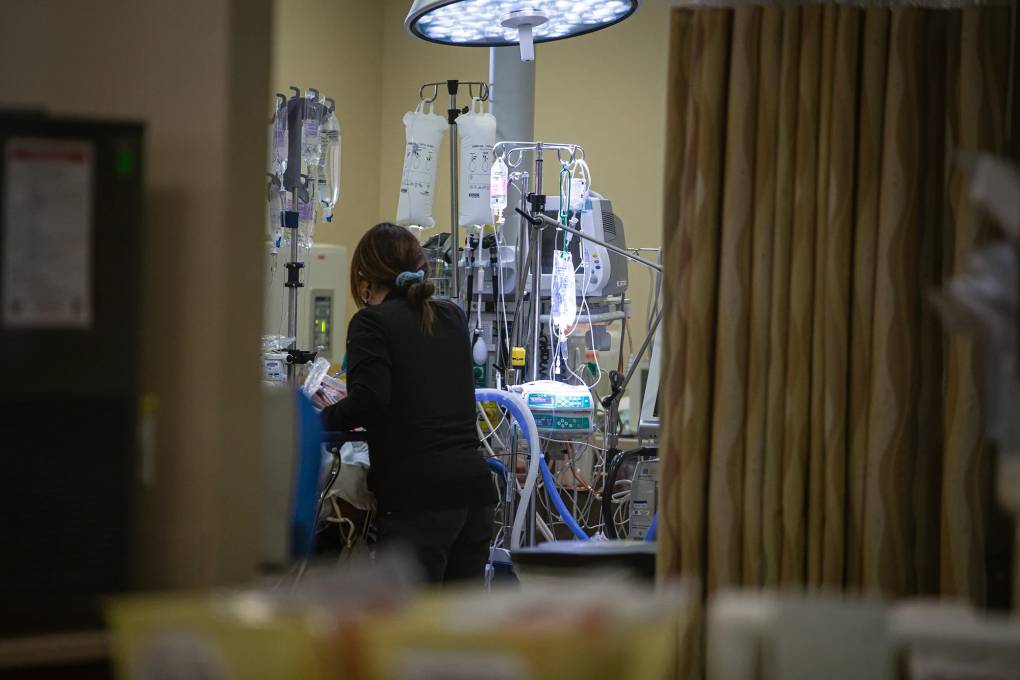
"caption": "California's Office of Health Care Affordability handed down a regulation that aims to limit rising health care costs by capping industry spending increases. Here, a nurse checks on a patient in the emergency room unit of Hazel Hawkins Memorial Hospital in Hollister on March 30, 2023.",
"description": null,
"title": "033023-Hollister-Hospital-LV_CM_14 copy",
"credit": "Larry Valenzuela/CalMatters/CatchLight Local",
"status": "inherit",
"altTag": "A female nurse is seen from behind, attending to a patient in a hospital room with medical equipment.",
"isLoading": false,
"fetchFailed": false
},
"news_11984097": {
"type": "attachments",
"id": "news_11984097",
"meta": {
"index": "attachments_1716263798",
"site": "news",
"id": "11984097",
"found": true
},
"title": "SAN JOSE LICENSE PLATE READERS-11-KQED",
"publishDate": 1714086991,
"status": "inherit",
"parent": 11983813,
"modified": 1766004900,
"caption": "A Flock Safety worker holds up a new automated license plate reader that was being installed in East San José on April 23, 2024.",
"credit": "Joseph Geha/KQED",
"altTag": "A man with a fluorescent yellow coat holds a black machine.",
"description": null,
"imgSizes": {
"medium": {
"file": "https://cdn.kqed.org/wp-content/uploads/sites/10/2024/04/SAN-JOSE-LICENSE-PLATE-READERS-11-KQED-800x533.jpg",
"width": 800,
"height": 533,
"mimeType": "image/jpeg"
},
"large": {
"file": "https://cdn.kqed.org/wp-content/uploads/sites/10/2024/04/SAN-JOSE-LICENSE-PLATE-READERS-11-KQED-1020x680.jpg",
"width": 1020,
"height": 680,
"mimeType": "image/jpeg"
},
"thumbnail": {
"file": "https://cdn.kqed.org/wp-content/uploads/sites/10/2024/04/SAN-JOSE-LICENSE-PLATE-READERS-11-KQED-160x107.jpg",
"width": 160,
"height": 107,
"mimeType": "image/jpeg"
},
"1536x1536": {
"file": "https://cdn.kqed.org/wp-content/uploads/sites/10/2024/04/SAN-JOSE-LICENSE-PLATE-READERS-11-KQED-1536x1024.jpg",
"width": 1536,
"height": 1024,
"mimeType": "image/jpeg"
},
"post-thumbnail": {
"file": "https://cdn.kqed.org/wp-content/uploads/sites/10/2024/04/SAN-JOSE-LICENSE-PLATE-READERS-11-KQED-672x372.jpg",
"width": 672,
"height": 372,
"mimeType": "image/jpeg"
},
"twentyfourteen-full-width": {
"file": "https://cdn.kqed.org/wp-content/uploads/sites/10/2024/04/SAN-JOSE-LICENSE-PLATE-READERS-11-KQED-1038x576.jpg",
"width": 1038,
"height": 576,
"mimeType": "image/jpeg"
},
"full-width": {
"file": "https://cdn.kqed.org/wp-content/uploads/sites/10/2024/04/SAN-JOSE-LICENSE-PLATE-READERS-11-KQED-1920x1280.jpg",
"width": 1920,
"height": 1280,
"mimeType": "image/jpeg"
},
"kqedFullSize": {
"file": "https://cdn.kqed.org/wp-content/uploads/sites/10/2024/04/SAN-JOSE-LICENSE-PLATE-READERS-11-KQED.jpg",
"width": 2000,
"height": 1333
}
},
"isLoading": false,
"fetchFailed": false
},
"news_11983892": {
"type": "attachments",
"id": "news_11983892",
"meta": {
"index": "attachments_1716263798",
"site": "news",
"id": "11983892",
"found": true
},
"parent": 11983885,
"imgSizes": {
"twentyfourteen-full-width": {
"file": "https://cdn.kqed.org/wp-content/uploads/sites/10/2024/04/CMData01-1038x576.jpg",
"width": 1038,
"mimeType": "image/jpeg",
"height": 576
},
"thumbnail": {
"file": "https://cdn.kqed.org/wp-content/uploads/sites/10/2024/04/CMData01-160x107.jpg",
"width": 160,
"mimeType": "image/jpeg",
"height": 107
},
"post-thumbnail": {
"file": "https://cdn.kqed.org/wp-content/uploads/sites/10/2024/04/CMData01-672x372.jpg",
"width": 672,
"mimeType": "image/jpeg",
"height": 372
},
"kqedFullSize": {
"file": "https://cdn.kqed.org/wp-content/uploads/sites/10/2024/04/CMData01.jpg",
"width": 2000,
"height": 1333
},
"large": {
"file": "https://cdn.kqed.org/wp-content/uploads/sites/10/2024/04/CMData01-1020x680.jpg",
"width": 1020,
"mimeType": "image/jpeg",
"height": 680
},
"1536x1536": {
"file": "https://cdn.kqed.org/wp-content/uploads/sites/10/2024/04/CMData01-1536x1024.jpg",
"width": 1536,
"mimeType": "image/jpeg",
"height": 1024
},
"full-width": {
"file": "https://cdn.kqed.org/wp-content/uploads/sites/10/2024/04/CMData01-1920x1280.jpg",
"width": 1920,
"mimeType": "image/jpeg",
"height": 1280
},
"medium": {
"file": "https://cdn.kqed.org/wp-content/uploads/sites/10/2024/04/CMData01-800x533.jpg",
"width": 800,
"mimeType": "image/jpeg",
"height": 533
}
},
"publishDate": 1713977742,
"modified": 1713977783,
"caption": null,
"description": null,
"title": "CMData01",
"credit": "Illustration by Adriana Heldiz/CalMatters/iStock",
"status": "inherit",
"altTag": null,
"isLoading": false,
"fetchFailed": false
},
"news_11983750": {
"type": "attachments",
"id": "news_11983750",
"meta": {
"index": "attachments_1716263798",
"site": "news",
"id": "11983750",
"found": true
},
"parent": 11983749,
"imgSizes": {
"twentyfourteen-full-width": {
"file": "https://cdn.kqed.org/wp-content/uploads/sites/10/2024/04/ap22310793003248-2ed3d8d95b3c5999e1a661b900d1bd150dca3d55-1038x576.jpg",
"width": 1038,
"mimeType": "image/jpeg",
"height": 576
},
"thumbnail": {
"file": "https://cdn.kqed.org/wp-content/uploads/sites/10/2024/04/ap22310793003248-2ed3d8d95b3c5999e1a661b900d1bd150dca3d55-160x120.jpg",
"width": 160,
"mimeType": "image/jpeg",
"height": 120
},
"post-thumbnail": {
"file": "https://cdn.kqed.org/wp-content/uploads/sites/10/2024/04/ap22310793003248-2ed3d8d95b3c5999e1a661b900d1bd150dca3d55-672x372.jpg",
"width": 672,
"mimeType": "image/jpeg",
"height": 372
},
"kqedFullSize": {
"file": "https://cdn.kqed.org/wp-content/uploads/sites/10/2024/04/ap22310793003248-2ed3d8d95b3c5999e1a661b900d1bd150dca3d55-scaled.jpg",
"width": 2560,
"height": 1920
},
"2048x2048": {
"file": "https://cdn.kqed.org/wp-content/uploads/sites/10/2024/04/ap22310793003248-2ed3d8d95b3c5999e1a661b900d1bd150dca3d55-2048x1536.jpg",
"width": 2048,
"mimeType": "image/jpeg",
"height": 1536
},
"large": {
"file": "https://cdn.kqed.org/wp-content/uploads/sites/10/2024/04/ap22310793003248-2ed3d8d95b3c5999e1a661b900d1bd150dca3d55-1020x765.jpg",
"width": 1020,
"mimeType": "image/jpeg",
"height": 765
},
"1536x1536": {
"file": "https://cdn.kqed.org/wp-content/uploads/sites/10/2024/04/ap22310793003248-2ed3d8d95b3c5999e1a661b900d1bd150dca3d55-1536x1152.jpg",
"width": 1536,
"mimeType": "image/jpeg",
"height": 1152
},
"full-width": {
"file": "https://cdn.kqed.org/wp-content/uploads/sites/10/2024/04/ap22310793003248-2ed3d8d95b3c5999e1a661b900d1bd150dca3d55-1920x1440.jpg",
"width": 1920,
"mimeType": "image/jpeg",
"height": 1440
},
"medium": {
"file": "https://cdn.kqed.org/wp-content/uploads/sites/10/2024/04/ap22310793003248-2ed3d8d95b3c5999e1a661b900d1bd150dca3d55-800x600.jpg",
"width": 800,
"mimeType": "image/jpeg",
"height": 600
}
},
"publishDate": 1713827523,
"modified": 1713830599,
"caption": "In a file photo from Nov. 6, 2022, California Gov. Gavin Newsom appears at a rally in support of Proposition 1, a state constitutional amendment to guarantee the right to abortion and contraception.",
"description": "California Governor Gavin Newsom, right, takes selfies with supporters at a turn out and vote YES on Proposition 1 rally at Long Beach City College in Long Beach, Calif., Sunday, Nov. 6, 2022. Californians are voting now through Election Day Tuesday, Nov. 8 on a constitutional amendment guaranteeing the right to abortion and contraception. Proposition 1 is among several measures on state ballots to address reproductive health care following the U.S. Supreme Court's overturning of Roe v. Wade. (AP Photo/Damian Dovarganes)",
"title": "In a file photo from Nov. 6, 2022, California Gov. Gavin Newsom appears at a rally in support of Proposition 1, a state constitutional amendment to guarantee the right to abortion and contraception.",
"credit": null,
"status": "inherit",
"altTag": null,
"isLoading": false,
"fetchFailed": false
},
"news_11982108": {
"type": "attachments",
"id": "news_11982108",
"meta": {
"index": "attachments_1716263798",
"site": "news",
"id": "11982108",
"found": true
},
"parent": 11982105,
"imgSizes": {
"twentyfourteen-full-width": {
"file": "https://cdn.kqed.org/wp-content/uploads/sites/10/2024/04/070907-Gavin-Newsom-Baseball-REUTERS-CM-01-copy-1038x576.jpg",
"width": 1038,
"mimeType": "image/jpeg",
"height": 576
},
"thumbnail": {
"file": "https://cdn.kqed.org/wp-content/uploads/sites/10/2024/04/070907-Gavin-Newsom-Baseball-REUTERS-CM-01-copy-160x107.jpg",
"width": 160,
"mimeType": "image/jpeg",
"height": 107
},
"post-thumbnail": {
"file": "https://cdn.kqed.org/wp-content/uploads/sites/10/2024/04/070907-Gavin-Newsom-Baseball-REUTERS-CM-01-copy-672x372.jpg",
"width": 672,
"mimeType": "image/jpeg",
"height": 372
},
"kqedFullSize": {
"file": "https://cdn.kqed.org/wp-content/uploads/sites/10/2024/04/070907-Gavin-Newsom-Baseball-REUTERS-CM-01-copy.jpg",
"width": 2000,
"height": 1333
},
"large": {
"file": "https://cdn.kqed.org/wp-content/uploads/sites/10/2024/04/070907-Gavin-Newsom-Baseball-REUTERS-CM-01-copy-1020x680.jpg",
"width": 1020,
"mimeType": "image/jpeg",
"height": 680
},
"1536x1536": {
"file": "https://cdn.kqed.org/wp-content/uploads/sites/10/2024/04/070907-Gavin-Newsom-Baseball-REUTERS-CM-01-copy-1536x1024.jpg",
"width": 1536,
"mimeType": "image/jpeg",
"height": 1024
},
"full-width": {
"file": "https://cdn.kqed.org/wp-content/uploads/sites/10/2024/04/070907-Gavin-Newsom-Baseball-REUTERS-CM-01-copy-1920x1280.jpg",
"width": 1920,
"mimeType": "image/jpeg",
"height": 1280
},
"medium": {
"file": "https://cdn.kqed.org/wp-content/uploads/sites/10/2024/04/070907-Gavin-Newsom-Baseball-REUTERS-CM-01-copy-800x533.jpg",
"width": 800,
"mimeType": "image/jpeg",
"height": 533
}
},
"publishDate": 1712427054,
"modified": 1712427149,
"caption": "Then-San Francisco Mayor Gavin Newsom warms up before the All-Star Legends and Celebrity Softball Game, held ahead of the All-Star Game in San Francisco, on July 8, 2007. ",
"description": null,
"title": "070907-Gavin-Newsom-Baseball-REUTERS-CM-01 copy",
"credit": "Robert Galbraith/Reuters via CalMatters",
"status": "inherit",
"altTag": "A middle aged man pitches a baseball in a full ballpark and wearting a \"nationals\" outfit.",
"isLoading": false,
"fetchFailed": false
},
"news_11981983": {
"type": "attachments",
"id": "news_11981983",
"meta": {
"index": "attachments_1716263798",
"site": "news",
"id": "11981983",
"found": true
},
"parent": 11981977,
"imgSizes": {
"twentyfourteen-full-width": {
"file": "https://cdn.kqed.org/wp-content/uploads/sites/10/2024/04/GettyImages-968048630_qut-1038x576.jpg",
"width": 1038,
"mimeType": "image/jpeg",
"height": 576
},
"thumbnail": {
"file": "https://cdn.kqed.org/wp-content/uploads/sites/10/2024/04/GettyImages-968048630_qut-160x107.jpg",
"width": 160,
"mimeType": "image/jpeg",
"height": 107
},
"post-thumbnail": {
"file": "https://cdn.kqed.org/wp-content/uploads/sites/10/2024/04/GettyImages-968048630_qut-672x372.jpg",
"width": 672,
"mimeType": "image/jpeg",
"height": 372
},
"kqedFullSize": {
"file": "https://cdn.kqed.org/wp-content/uploads/sites/10/2024/04/GettyImages-968048630_qut.jpg",
"width": 1920,
"height": 1280
},
"large": {
"file": "https://cdn.kqed.org/wp-content/uploads/sites/10/2024/04/GettyImages-968048630_qut-1020x680.jpg",
"width": 1020,
"mimeType": "image/jpeg",
"height": 680
},
"1536x1536": {
"file": "https://cdn.kqed.org/wp-content/uploads/sites/10/2024/04/GettyImages-968048630_qut-1536x1024.jpg",
"width": 1536,
"mimeType": "image/jpeg",
"height": 1024
},
"medium": {
"file": "https://cdn.kqed.org/wp-content/uploads/sites/10/2024/04/GettyImages-968048630_qut-800x533.jpg",
"width": 800,
"mimeType": "image/jpeg",
"height": 533
}
},
"publishDate": 1712275179,
"modified": 1712275228,
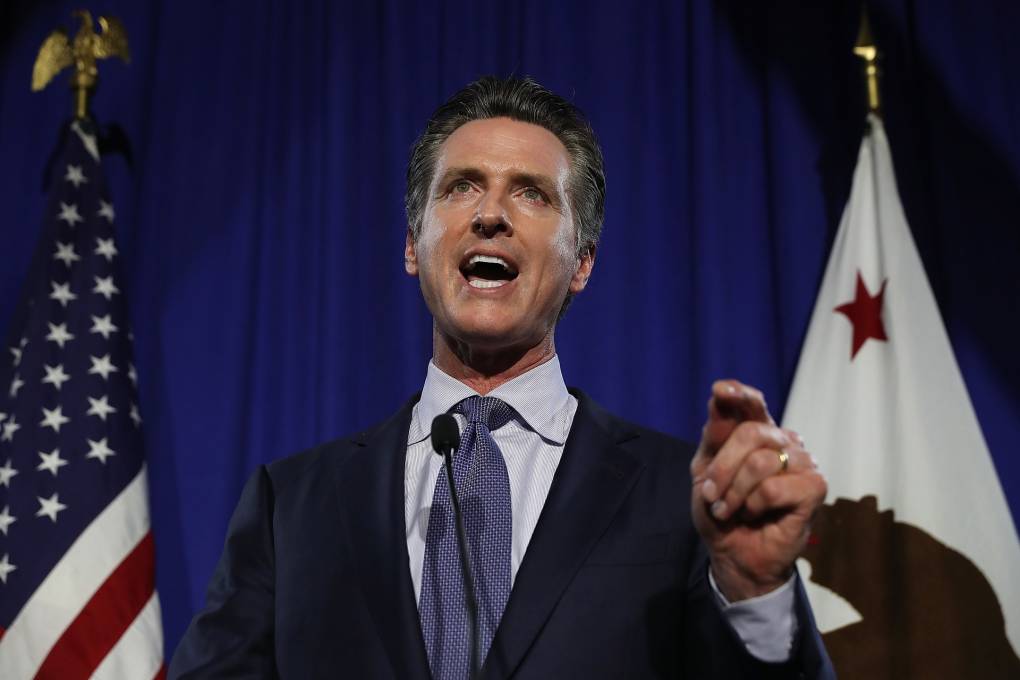
"caption": "Gov. Gavin Newsom announced a plan to address part of the state's budget deficit.",
"description": null,
"title": "California Gubernatorial Candidate Gavin Newsom Holds Primary Night Event In San Francisco",
"credit": "Justin Sullivan/Getty Images",
"status": "inherit",
"altTag": "Governor Gavin Newsom stands at a podium",
"isLoading": false,
"fetchFailed": false
},
"news_11981420": {
"type": "attachments",
"id": "news_11981420",
"meta": {
"index": "attachments_1716263798",
"site": "news",
"id": "11981420",
"found": true
},
"parent": 11981418,
"imgSizes": {
"twentyfourteen-full-width": {
"file": "https://cdn.kqed.org/wp-content/uploads/sites/10/2024/03/032024_CalWorks-Hearing_JLV_CM_15-copy-1038x576.jpg",
"width": 1038,
"mimeType": "image/jpeg",
"height": 576
},
"thumbnail": {
"file": "https://cdn.kqed.org/wp-content/uploads/sites/10/2024/03/032024_CalWorks-Hearing_JLV_CM_15-copy-160x107.jpg",
"width": 160,
"mimeType": "image/jpeg",
"height": 107
},
"post-thumbnail": {
"file": "https://cdn.kqed.org/wp-content/uploads/sites/10/2024/03/032024_CalWorks-Hearing_JLV_CM_15-copy-672x372.jpg",
"width": 672,
"mimeType": "image/jpeg",
"height": 372
},
"kqedFullSize": {
"file": "https://cdn.kqed.org/wp-content/uploads/sites/10/2024/03/032024_CalWorks-Hearing_JLV_CM_15-copy.jpg",
"width": 2000,
"height": 1333
},
"large": {
"file": "https://cdn.kqed.org/wp-content/uploads/sites/10/2024/03/032024_CalWorks-Hearing_JLV_CM_15-copy-1020x680.jpg",
"width": 1020,
"mimeType": "image/jpeg",
"height": 680
},
"1536x1536": {
"file": "https://cdn.kqed.org/wp-content/uploads/sites/10/2024/03/032024_CalWorks-Hearing_JLV_CM_15-copy-1536x1024.jpg",
"width": 1536,
"mimeType": "image/jpeg",
"height": 1024
},
"full-width": {
"file": "https://cdn.kqed.org/wp-content/uploads/sites/10/2024/03/032024_CalWorks-Hearing_JLV_CM_15-copy-1920x1280.jpg",
"width": 1920,
"mimeType": "image/jpeg",
"height": 1280
},
"medium": {
"file": "https://cdn.kqed.org/wp-content/uploads/sites/10/2024/03/032024_CalWorks-Hearing_JLV_CM_15-copy-800x533.jpg",
"width": 800,
"mimeType": "image/jpeg",
"height": 533
}
},
"publishDate": 1711833797,
"modified": 1711833872,
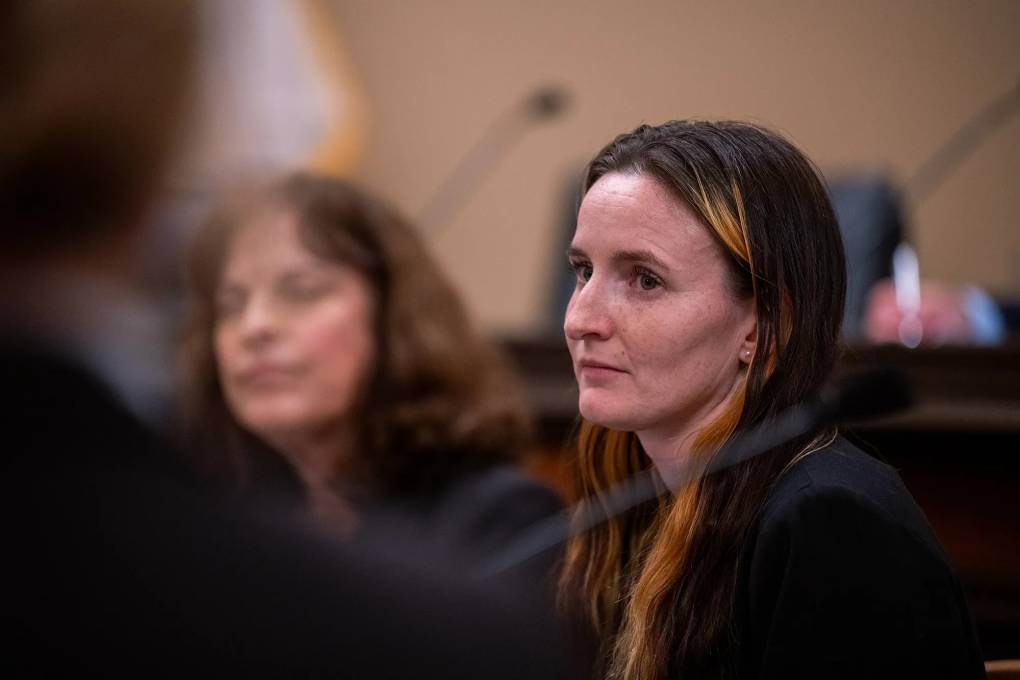
"caption": "Joy Perrin, a mother of 2 children, testifies at the Budget Subcommittee on Human Services hearing at the state Capitol in Sacramento March 20, 2024. With the help of CalWORKS, Perrin was able to secure housing for her and her family. ",
"description": null,
"title": "032024_CalWorks-Hearing_JLV_CM_15 copy",
"credit": "José Luis Villegas for CalMatters",
"status": "inherit",
"altTag": "A concerned-looking white woman looks on in a courtroom with another woman in the background.",
"isLoading": false,
"fetchFailed": false
},
"news_11981264": {
"type": "attachments",
"id": "news_11981264",
"meta": {
"index": "attachments_1716263798",
"site": "news",
"id": "11981264",
"found": true
},
"parent": 11981263,
"imgSizes": {
"twentyfourteen-full-width": {
"file": "https://cdn.kqed.org/wp-content/uploads/sites/10/2024/03/GettyImages-1687376338-1038x576.jpg",
"width": 1038,
"mimeType": "image/jpeg",
"height": 576
},
"thumbnail": {
"file": "https://cdn.kqed.org/wp-content/uploads/sites/10/2024/03/GettyImages-1687376338-160x94.jpg",
"width": 160,
"mimeType": "image/jpeg",
"height": 94
},
"post-thumbnail": {
"file": "https://cdn.kqed.org/wp-content/uploads/sites/10/2024/03/GettyImages-1687376338-672x372.jpg",
"width": 672,
"mimeType": "image/jpeg",
"height": 372
},
"kqedFullSize": {
"file": "https://cdn.kqed.org/wp-content/uploads/sites/10/2024/03/GettyImages-1687376338-scaled.jpg",
"width": 2560,
"height": 1510
},
"2048x2048": {
"file": "https://cdn.kqed.org/wp-content/uploads/sites/10/2024/03/GettyImages-1687376338-2048x1208.jpg",
"width": 2048,
"mimeType": "image/jpeg",
"height": 1208
},
"large": {
"file": "https://cdn.kqed.org/wp-content/uploads/sites/10/2024/03/GettyImages-1687376338-1020x602.jpg",
"width": 1020,
"mimeType": "image/jpeg",
"height": 602
},
"1536x1536": {
"file": "https://cdn.kqed.org/wp-content/uploads/sites/10/2024/03/GettyImages-1687376338-1536x906.jpg",
"width": 1536,
"mimeType": "image/jpeg",
"height": 906
},
"full-width": {
"file": "https://cdn.kqed.org/wp-content/uploads/sites/10/2024/03/GettyImages-1687376338-1920x1132.jpg",
"width": 1920,
"mimeType": "image/jpeg",
"height": 1132
},
"medium": {
"file": "https://cdn.kqed.org/wp-content/uploads/sites/10/2024/03/GettyImages-1687376338-800x472.jpg",
"width": 800,
"mimeType": "image/jpeg",
"height": 472
}
},
"publishDate": 1711742650,
"modified": 1711774385,
"caption": "Almost 500 high-tech surveillance cameras will be installed on the streets and freeways around Oakland.",
"description": null,
"title": "MacArthur Freeway Maze",
"credit": "Jane Tyska/East Bay Times via Getty Images",
"status": "inherit",
"altTag": "Crisscrossing freeways are seen from above, with the city of Oakland in the background.",
"isLoading": false,
"fetchFailed": false
},
"news_11980582": {
"type": "attachments",
"id": "news_11980582",
"meta": {
"index": "attachments_1716263798",
"site": "news",
"id": "11980582",
"found": true
},
"parent": 11980573,
"imgSizes": {
"twentyfourteen-full-width": {
"file": "https://cdn.kqed.org/wp-content/uploads/sites/10/2024/03/GettyImages-2097712567-1024x576.jpg",
"width": 1024,
"mimeType": "image/jpeg",
"height": 576
},
"thumbnail": {
"file": "https://cdn.kqed.org/wp-content/uploads/sites/10/2024/03/GettyImages-2097712567-160x107.jpg",
"width": 160,
"mimeType": "image/jpeg",
"height": 107
},
"post-thumbnail": {
"file": "https://cdn.kqed.org/wp-content/uploads/sites/10/2024/03/GettyImages-2097712567-672x372.jpg",
"width": 672,
"mimeType": "image/jpeg",
"height": 372
},
"kqedFullSize": {
"file": "https://cdn.kqed.org/wp-content/uploads/sites/10/2024/03/GettyImages-2097712567.jpg",
"width": 1024,
"height": 683
},
"large": {
"file": "https://cdn.kqed.org/wp-content/uploads/sites/10/2024/03/GettyImages-2097712567-1020x680.jpg",
"width": 1020,
"mimeType": "image/jpeg",
"height": 680
},
"medium": {
"file": "https://cdn.kqed.org/wp-content/uploads/sites/10/2024/03/GettyImages-2097712567-800x534.jpg",
"width": 800,
"mimeType": "image/jpeg",
"height": 534
}
},
"publishDate": 1711153797,
"modified": 1711154874,
"caption": "California Gov. Gavin Newsom looks on as Jane Fonda notices former Gov. Schwarzenegger's official jacket as they arrive to deliver speeches at a press event sponsored by Campaign for a Safe and Healthy California at a Ladera Heights soccer field on March 22, 2024, in Los Angeles. ",
"description": null,
"title": "Campaign for a Safe and Healthy California will host a news conference",
"credit": "Robert Gauthier/Los Angeles Times via Getty Images)",
"status": "inherit",
"altTag": null,
"isLoading": false,
"fetchFailed": false
},
"news_11980490": {
"type": "attachments",
"id": "news_11980490",
"meta": {
"index": "attachments_1716263798",
"site": "news",
"id": "11980490",
"found": true
},
"parent": 11980483,
"imgSizes": {
"twentyfourteen-full-width": {
"file": "https://cdn.kqed.org/wp-content/uploads/sites/10/2024/03/GettyImages-2061744379-1024x576.jpg",
"width": 1024,
"mimeType": "image/jpeg",
"height": 576
},
"thumbnail": {
"file": "https://cdn.kqed.org/wp-content/uploads/sites/10/2024/03/GettyImages-2061744379-160x120.jpg",
"width": 160,
"mimeType": "image/jpeg",
"height": 120
},
"post-thumbnail": {
"file": "https://cdn.kqed.org/wp-content/uploads/sites/10/2024/03/GettyImages-2061744379-672x372.jpg",
"width": 672,
"mimeType": "image/jpeg",
"height": 372
},
"kqedFullSize": {
"file": "https://cdn.kqed.org/wp-content/uploads/sites/10/2024/03/GettyImages-2061744379.jpg",
"width": 1024,
"height": 768
},
"large": {
"file": "https://cdn.kqed.org/wp-content/uploads/sites/10/2024/03/GettyImages-2061744379-1020x765.jpg",
"width": 1020,
"mimeType": "image/jpeg",
"height": 765
},
"medium": {
"file": "https://cdn.kqed.org/wp-content/uploads/sites/10/2024/03/GettyImages-2061744379-800x600.jpg",
"width": 800,
"mimeType": "image/jpeg",
"height": 600
}
},
"publishDate": 1711133181,
"modified": 1711142560,
"caption": "A store employee unlocks merchandise, including cough syrup and cold and flu medicines, at a Target store in Queens, New York, on Feb. 5, 2024.",
"description": null,
"title": "Store employee unlocking merchandise, Cough syrup, cold and flu medicine Tylenol, Mucinex and NyQuil, Target store, Queens, New York",
"credit": "Lindsey Nicholson/UCG/Universal Images Group via Getty Images",
"status": "inherit",
"altTag": null,
"isLoading": false,
"fetchFailed": false
},
"news_11980502": {
"type": "attachments",
"id": "news_11980502",
"meta": {
"index": "attachments_1716263798",
"site": "news",
"id": "11980502",
"found": true
},
"parent": 0,
"imgSizes": {
"twentyfourteen-full-width": {
"file": "https://cdn.kqed.org/wp-content/uploads/sites/10/2024/03/240322-INDOOR-HEAT-GETTY-02-KQED-1038x576.jpg",
"width": 1038,
"mimeType": "image/jpeg",
"height": 576
},
"thumbnail": {
"file": "https://cdn.kqed.org/wp-content/uploads/sites/10/2024/03/240322-INDOOR-HEAT-GETTY-02-KQED-160x98.jpg",
"width": 160,
"mimeType": "image/jpeg",
"height": 98
},
"post-thumbnail": {
"file": "https://cdn.kqed.org/wp-content/uploads/sites/10/2024/03/240322-INDOOR-HEAT-GETTY-02-KQED-672x372.jpg",
"width": 672,
"mimeType": "image/jpeg",
"height": 372
},
"kqedFullSize": {
"file": "https://cdn.kqed.org/wp-content/uploads/sites/10/2024/03/240322-INDOOR-HEAT-GETTY-02-KQED.jpg",
"width": 2000,
"height": 1221
},
"large": {
"file": "https://cdn.kqed.org/wp-content/uploads/sites/10/2024/03/240322-INDOOR-HEAT-GETTY-02-KQED-1020x623.jpg",
"width": 1020,
"mimeType": "image/jpeg",
"height": 623
},
"1536x1536": {
"file": "https://cdn.kqed.org/wp-content/uploads/sites/10/2024/03/240322-INDOOR-HEAT-GETTY-02-KQED-1536x938.jpg",
"width": 1536,
"mimeType": "image/jpeg",
"height": 938
},
"full-width": {
"file": "https://cdn.kqed.org/wp-content/uploads/sites/10/2024/03/240322-INDOOR-HEAT-GETTY-02-KQED-1920x1172.jpg",
"width": 1920,
"mimeType": "image/jpeg",
"height": 1172
},
"medium": {
"file": "https://cdn.kqed.org/wp-content/uploads/sites/10/2024/03/240322-INDOOR-HEAT-GETTY-02-KQED-800x488.jpg",
"width": 800,
"mimeType": "image/jpeg",
"height": 488
}
},
"publishDate": 1711135860,
"modified": 1711137950,
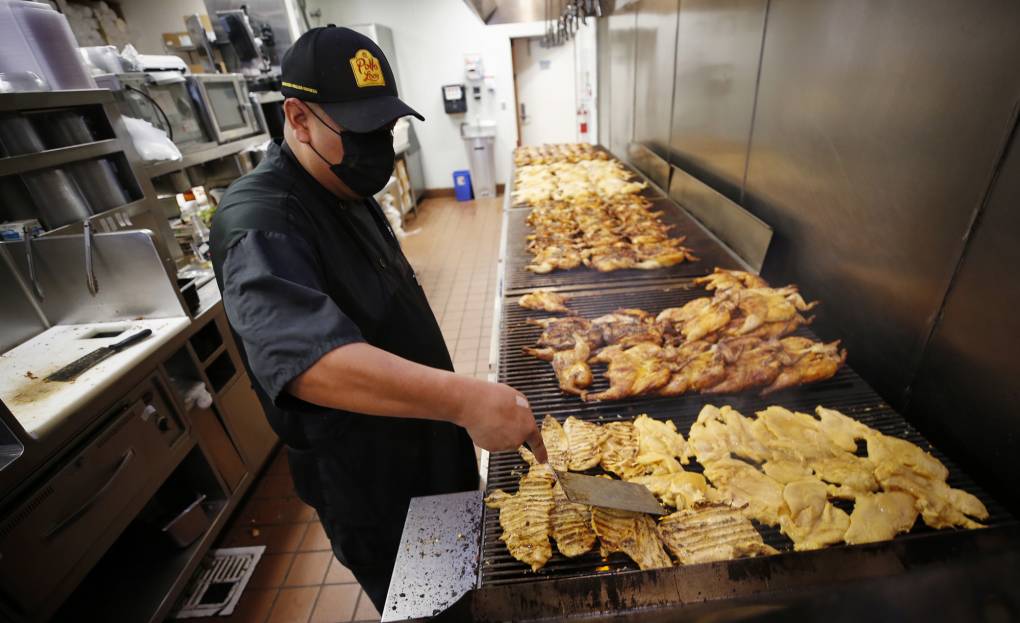
"caption": "Cook Giovanni Gomez preparing chicken on the grill for food orders in the busy kitchen of the El Pollo Loco restaurant in Agoura Hills on Aug. 18, 2021.",
"description": null,
"title": "Michaela Mendelsohn, CEO of Pollo West Corp, an Agoura Hills-based franchise company for Pollo Loco, at her Agoura Hills restaurant on August 18, 2021",
"credit": "Al Seib / Los Angeles Times via Getty Images",
"status": "inherit",
"altTag": null,
"isLoading": false,
"fetchFailed": false
},
"news_11980424": {
"type": "attachments",
"id": "news_11980424",
"meta": {
"index": "attachments_1716263798",
"site": "news",
"id": "11980424",
"found": true
},
"parent": 11980415,
"imgSizes": {
"twentyfourteen-full-width": {
"file": "https://cdn.kqed.org/wp-content/uploads/sites/10/2024/03/GettyImages-1898123414-1024x576.jpg",
"width": 1024,
"mimeType": "image/jpeg",
"height": 576
},
"thumbnail": {
"file": "https://cdn.kqed.org/wp-content/uploads/sites/10/2024/03/GettyImages-1898123414-160x107.jpg",
"width": 160,
"mimeType": "image/jpeg",
"height": 107
},
"post-thumbnail": {
"file": "https://cdn.kqed.org/wp-content/uploads/sites/10/2024/03/GettyImages-1898123414-672x372.jpg",
"width": 672,
"mimeType": "image/jpeg",
"height": 372
},
"kqedFullSize": {
"file": "https://cdn.kqed.org/wp-content/uploads/sites/10/2024/03/GettyImages-1898123414.jpg",
"width": 1024,
"height": 683
},
"large": {
"file": "https://cdn.kqed.org/wp-content/uploads/sites/10/2024/03/GettyImages-1898123414-1020x680.jpg",
"width": 1020,
"mimeType": "image/jpeg",
"height": 680
},
"medium": {
"file": "https://cdn.kqed.org/wp-content/uploads/sites/10/2024/03/GettyImages-1898123414-800x534.jpg",
"width": 800,
"mimeType": "image/jpeg",
"height": 534
}
},
"publishDate": 1711065100,
"modified": 1711067217,
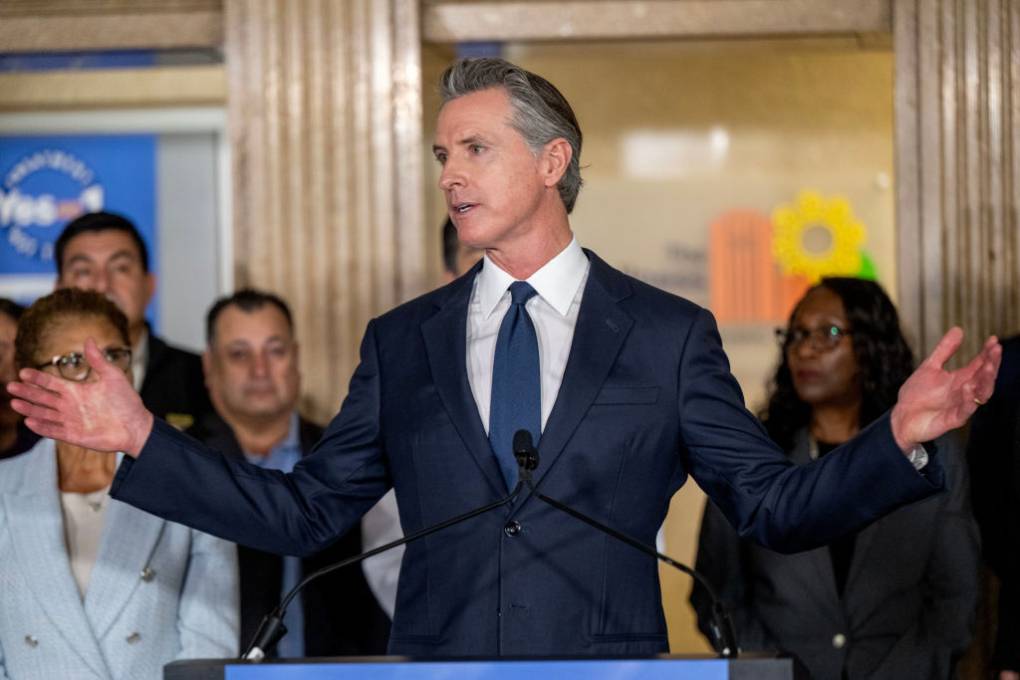
"caption": "Gov. Gavin Newsom speaks during a press conference on Jan. 3, 2024, at the Los Angeles General Medical Center to urge support for Proposition 1 on the March 5, 2024 ballot.",
"description": null,
"title": "Gov Gavin Newsom press conference for Proposition 1 that would would overhaul California's mental health funding system",
"credit": "Hans Gutknecht/MediaNews Group/Los Angeles Daily News via Getty Images",
"status": "inherit",
"altTag": null,
"isLoading": false,
"fetchFailed": false
}
},
"audioPlayerReducer": {
"postId": "stream_live",
"isPaused": true,
"isPlaying": false,
"pfsActive": false,
"pledgeModalIsOpen": true,
"playerDrawerIsOpen": false,
"liveAudioPlayStartedAt": 0,
"liveAudioPlayContext": ""
},
"authorsReducer": {
"byline_news_11984163": {
"type": "authors",
"id": "byline_news_11984163",
"meta": {
"override": true
},
"slug": "byline_news_11984163",
"name": "\u003ca href=\"https://calmatters.org/author/kristen-hwang/\">Kristen Hwang\u003c/a>",
"isLoading": false
},
"byline_news_11983885": {
"type": "authors",
"id": "byline_news_11983885",
"meta": {
"override": true
},
"slug": "byline_news_11983885",
"name": "Khari Johnson, CalMatters",
"isLoading": false
},
"byline_news_11983749": {
"type": "authors",
"id": "byline_news_11983749",
"meta": {
"override": true
},
"slug": "byline_news_11983749",
"name": "Joe Hernandez, NPR",
"isLoading": false
},
"byline_news_11982105": {
"type": "authors",
"id": "byline_news_11982105",
"meta": {
"override": true
},
"slug": "byline_news_11982105",
"name": "\u003ca href=\"https://calmatters.org/author/alexei-koseff/\">Alexei Koseff\u003c/a>",
"isLoading": false
},
"byline_news_11981977": {
"type": "authors",
"id": "byline_news_11981977",
"meta": {
"override": true
},
"slug": "byline_news_11981977",
"name": "Trân Nguyễn\u003cbr>Associated Press",
"isLoading": false
},
"byline_news_11981418": {
"type": "authors",
"id": "byline_news_11981418",
"meta": {
"override": true
},
"slug": "byline_news_11981418",
"name": "\u003ca href=\"https://calmatters.org/author/kervy-robles/\">Justo Robles\u003c/a>",
"isLoading": false
},
"byline_news_11980573": {
"type": "authors",
"id": "byline_news_11980573",
"meta": {
"override": true
},
"slug": "byline_news_11980573",
"name": "Sophie Austin, Damian Dovarganes\u003cbr>Associated Press",
"isLoading": false
},
"byline_news_11980483": {
"type": "authors",
"id": "byline_news_11980483",
"meta": {
"override": true
},
"slug": "byline_news_11980483",
"name": "Trân Nguyễn, Associated Press",
"isLoading": false
},
"gmarzorati": {
"type": "authors",
"id": "227",
"meta": {
"index": "authors_1716337520",
"id": "227",
"found": true
},
"name": "Guy Marzorati",
"firstName": "Guy",
"lastName": "Marzorati",
"slug": "gmarzorati",
"email": "gmarzorati@KQED.org",
"display_author_email": true,
"staff_mastheads": [
"news"
],
"title": "Correspondent",
"bio": "Guy Marzorati is a correspondent on KQED's California Politics and Government Desk, based in San Jose. A graduate of Santa Clara University, Guy joined KQED in 2013. He reports on state and local politics and produces KQED's digital voter guide.",
"avatar": "https://secure.gravatar.com/avatar/e7038b8dbfd55b104369b76b1cd0b9de?s=600&d=blank&r=g",
"twitter": "guymarzorati",
"facebook": null,
"instagram": null,
"linkedin": null,
"sites": [
{
"site": "",
"roles": [
"editor"
]
},
{
"site": "news",
"roles": [
"editor"
]
},
{
"site": "science",
"roles": [
"editor"
]
},
{
"site": "forum",
"roles": [
"editor"
]
},
{
"site": "elections",
"roles": [
"editor"
]
},
{
"site": "liveblog",
"roles": [
"editor"
]
}
],
"headData": {
"title": "Guy Marzorati | KQED",
"description": "Correspondent",
"ogImgSrc": "https://secure.gravatar.com/avatar/e7038b8dbfd55b104369b76b1cd0b9de?s=600&d=blank&r=g",
"twImgSrc": "https://secure.gravatar.com/avatar/e7038b8dbfd55b104369b76b1cd0b9de?s=600&d=blank&r=g"
},
"isLoading": false,
"link": "/author/gmarzorati"
},
"kdomara": {
"type": "authors",
"id": "1459",
"meta": {
"index": "authors_1716337520",
"id": "1459",
"found": true
},
"name": "Kelly O'Mara",
"firstName": "Kelly",
"lastName": "O'Mara",
"slug": "kdomara",
"email": "komara@kqed.org",
"display_author_email": false,
"staff_mastheads": [
"news"
],
"title": "KQED Contributor",
"bio": "Kelly O'Mara is a writer and reporter in the San Francisco Bay Area. She writes about food, health, sports, travel, business and California news. Her work has appeared on KQED, online for Outside Magazine, epsnW, VICE and in Competitor Magazine, among others. Follow Kelly on Twitter \u003ca href=\"https://twitter.com/kellydomara\">@kellydomara\u003c/a>.",
"avatar": "https://secure.gravatar.com/avatar/768fec7412028b72f13bdd0f5f9d8186?s=600&d=blank&r=g",
"twitter": null,
"facebook": null,
"instagram": null,
"linkedin": null,
"sites": [
{
"site": "arts",
"roles": []
},
{
"site": "news",
"roles": []
},
{
"site": "bayareabites",
"roles": []
},
{
"site": "stateofhealth",
"roles": []
},
{
"site": "science",
"roles": []
},
{
"site": "checkplease",
"roles": [
"editor"
]
},
{
"site": "food",
"roles": []
},
{
"site": "forum",
"roles": [
"editor"
]
},
{
"site": "liveblog",
"roles": [
"editor"
]
}
],
"headData": {
"title": "Kelly O'Mara | KQED",
"description": "KQED Contributor",
"ogImgSrc": "https://secure.gravatar.com/avatar/768fec7412028b72f13bdd0f5f9d8186?s=600&d=blank&r=g",
"twImgSrc": "https://secure.gravatar.com/avatar/768fec7412028b72f13bdd0f5f9d8186?s=600&d=blank&r=g"
},
"isLoading": false,
"link": "/author/kdomara"
},
"fjhabvala": {
"type": "authors",
"id": "8659",
"meta": {
"index": "authors_1716337520",
"id": "8659",
"found": true
},
"name": "Farida Jhabvala Romero",
"firstName": "Farida",
"lastName": "Jhabvala Romero",
"slug": "fjhabvala",
"email": "fjhabvala@kqed.org",
"display_author_email": true,
"staff_mastheads": [
"news"
],
"title": "KQED Contributor",
"bio": "Farida Jhabvala Romero is a Labor Correspondent for KQED. She previously covered immigration. Farida was \u003ca href=\"https://www.ccnma.org/2022-most-influential-latina-journalists\">named\u003c/a> one of the 10 Most Influential Latina Journalists in California in 2022 by the California Chicano News Media Association. Her work has won awards from the Society of Professional Journalists (Northern California), as well as a national and regional Edward M. Murrow Award for the collaborative reporting projects “Dangerous Air” and “Graying California.” Before joining KQED, Farida worked as a producer at Radio Bilingüe, a national public radio network. Farida earned her master’s degree in journalism from Stanford University.",
"avatar": "https://secure.gravatar.com/avatar/f9f022d4e2609741874222a1e9d41f48fea74011aa7c615eef91d9a50c944ebe?s=600&d=blank&r=g",
"twitter": "FaridaJhabvala",
"bluesky": null,
"facebook": null,
"instagram": null,
"linkedin": "https://www.linkedin.com/in/faridajhabvala/",
"sites": [
{
"site": "news",
"roles": [
"editor"
]
},
{
"site": "stateofhealth",
"roles": [
"author"
]
},
{
"site": "liveblog",
"roles": [
"author"
]
}
],
"headData": {
"title": "Farida Jhabvala Romero | KQED",
"description": "KQED Contributor",
"ogImgSrc": "https://secure.gravatar.com/avatar/f9f022d4e2609741874222a1e9d41f48fea74011aa7c615eef91d9a50c944ebe?s=600&d=blank&r=g",
"twImgSrc": "https://secure.gravatar.com/avatar/f9f022d4e2609741874222a1e9d41f48fea74011aa7c615eef91d9a50c944ebe?s=600&d=blank&r=g"
},
"isLoading": false,
"link": "/author/fjhabvala"
},
"jgeha": {
"type": "authors",
"id": "11906",
"meta": {
"index": "authors_1716337520",
"id": "11906",
"found": true
},
"name": "Joseph Geha",
"firstName": "Joseph",
"lastName": "Geha",
"slug": "jgeha",
"email": "jgeha@kqed.org",
"display_author_email": false,
"staff_mastheads": [
"news",
"science"
],
"title": "KQED Contributor",
"bio": null,
"avatar": "https://secure.gravatar.com/avatar/ea84d2b6dd93d6369d453edf19dd583f117cd1759d2d9c9c92f9de77017354fe?s=600&d=blank&r=g",
"twitter": null,
"bluesky": null,
"facebook": null,
"instagram": null,
"linkedin": null,
"sites": [
{
"site": "news",
"roles": [
"editor"
]
},
{
"site": "liveblog",
"roles": [
"author"
]
}
],
"headData": {
"title": "Joseph Geha | KQED",
"description": "KQED Contributor",
"ogImgSrc": "https://secure.gravatar.com/avatar/ea84d2b6dd93d6369d453edf19dd583f117cd1759d2d9c9c92f9de77017354fe?s=600&d=blank&r=g",
"twImgSrc": "https://secure.gravatar.com/avatar/ea84d2b6dd93d6369d453edf19dd583f117cd1759d2d9c9c92f9de77017354fe?s=600&d=blank&r=g"
},
"isLoading": false,
"link": "/author/jgeha"
}
},
"pagesReducer": {
"news_tag_gavin-newsom": {
"type": "terms",
"id": "news_16",
"meta": {
"index": "terms_1716263798",
"site": "news",
"id": "16",
"score": 8.936912
},
"featImg": null,
"name": "Gavin Newsom",
"description": null,
"taxonomy": "tag",
"headData": {
"twImgId": null,
"twTitle": null,
"ogTitle": null,
"ogImgId": null,
"twDescription": null,
"description": null,
"title": "Gavin Newsom Archives | KQED News",
"ogDescription": null
},
"ttid": 16,
"slug": "gavin-newsom",
"isLoading": false,
"title": "Gavin Newsom",
"pageMeta": {
"site": "news",
"WpPageTemplate": "page-topic-editorial",
"currentPage": 32
},
"blocks": [
{
"blockName": "kqed/post-list",
"attrs": {
"layout": "cardArticle2",
"query": "posts/news?tag=gavin-newsom",
"seeMore": false,
"paginated": true,
"page": 32
}
},
{
"blockName": "kqed/ad"
}
]
}
},
"pfsSessionReducer": {},
"postsReducer": {
"stream_live": {
"type": "live",
"id": "stream_live",
"audioUrl": "https://streams.kqed.org/kqedradio",
"title": "Live Stream",
"excerpt": "Live Stream information currently unavailable.",
"link": "/radio",
"featImg": "",
"label": {
"name": "KQED Live",
"link": "/"
}
},
"stream_kqedNewscast": {
"type": "posts",
"id": "stream_kqedNewscast",
"audioUrl": "https://www.kqed.org/.stream/anon/radio/RDnews/newscast.mp3?_=1",
"title": "KQED Newscast",
"featImg": "",
"label": {
"name": "88.5 FM",
"link": "/"
}
},
"news_11984163": {
"type": "posts",
"id": "news_11984163",
"meta": {
"index": "posts_1716263798",
"site": "news",
"id": "11984163",
"score": null,
"sort": [
1714244427000
]
},
"guestAuthors": [],
"slug": "california-caps-rising-health-care-costs-heres-how-it-works",
"title": "California Regulators Just Approved New Rule to Cap Health Care Costs. Here's How It Works",
"publishDate": 1714244427,
"format": "standard",
"headTitle": "California Regulators Just Approved New Rule to Cap Health Care Costs. Here’s How It Works | KQED",
"labelTerm": {
"term": 18481,
"site": "news"
},
"content": "\u003cp>You won’t notice it right away, but a new California state agency took a major step this week toward \u003ca href=\"https://calmatters.org/health/2024/02/health-care-costs-cap/\">reining in the seemingly uncontrollable costs of health care\u003c/a>.\u003c/p>\n\u003cp>The \u003ca href=\"https://leginfo.legislature.ca.gov/faces/billNavClient.xhtml?bill_id=202120220SB184\">Office of Health Care Affordability\u003c/a> approved the state’s first cap on health industry spending increases, limiting growth to 3% by 2029. This means that hospitals, doctors and health insurers will need to find ways to cut costs to prevent annual per capita spending from exceeding the target. Between 2015 and 2020, per capita health spending in California grew more than 5% each year, according to federal data.\u003c/p>\n\u003cp>A board appointed by Gov. Gavin Newsom and the Legislature on Wednesday approved the new regulations in a 6–1 vote.\u003c/p>\n\u003cp>Health and Human Services Secretary Dr. Mark Ghaly, who chairs the board, said the regulations recognize that Californians are struggling every day to pay for\u003ca href=\"https://calmatters.org/category/health/\"> health care\u003c/a> and that the state has a role in helping them.\u003c/p>\n\u003cp>“We have a place in making sure it becomes more affordable,” Ghaly said.\u003c/p>\n\u003cp>Hospitals, doctors and insurers battled over the regulations for months, arguing that rising inflation and labor costs would make the target impossible to achieve. An earlier proposal would have moved more aggressively to cap costs. The final version gives the industry time to rein in spending.\u003c/p>\n\u003cp>Ghaly said he is confident that health care industry leaders will be able to find solutions to meet the new target. “When that happens, it’s going to be great for Californians.”\u003c/p>\n\u003ch2 id=\"h-how-does-it-work\" class=\"wp-block-heading\">How does it work?\u003c/h2>\n\u003cp>Increased health spending most often translates to higher out-of-pocket costs for consumers through premiums, deductibles and copays. The annual spending benchmark would require health care providers to limit spending growth to 3.5% next year, decreasing to 3% by 2029. Providers — including hospitals, doctors groups and health insurers — must submit spending data to the state to demonstrate that they comply with the cap.\u003c/p>\n\u003cp>The affordability office also has the authority to enforce penalties, including performance improvement plans and fines, for organizations that exceed the benchmark. It will not enforce penalties until 2029.\u003c/p>\n\u003cp>[ad fullwidth]\u003c/p>\n\u003cp>Assemblymember Jim Wood, a Democrat from Ukiah, at the meeting, urged the board to send a clear message to Californians that the state is taking affordability seriously. Wood spearheaded the legislation that created the office in 2022.\u003c/p>\n\u003cp>“It is not an exaggeration to say that people are deciding whether to get food on the table or get their medicines,” Wood said. “This is not an exercise. This is an effort to impact the real-life experiences of people in California.”\u003c/p>\n\u003ch2 id=\"h-how-will-providers-lower-health-care-costs\" class=\"wp-block-heading\">How will providers lower health care costs?\u003c/h2>\n\u003cp>Ultimately, it’s up to the health care organizations.\u003c/p>\n\u003cp>The board hopes health care organizations will crack down on inefficient and wasteful health spending, such as administrative inefficiency and redundant or poorly coordinated testing. But it doesn’t want to discourage spending on primary care and behavioral health. The affordability office will monitor spending in those areas to ensure organizations do not reduce services or access to preventative care.\u003c/p>\n\u003ch2 id=\"h-will-californians-see-cheaper-health-care\" class=\"wp-block-heading\">Will Californians see cheaper health care?\u003c/h2>\n\u003cp>Yes, but it may not feel like it.\u003c/p>\n\u003cp>The growth cap is not a mandate for providers to lower prices. Californians will not pay less for health insurance next year than they did this year. For those who already can’t afford health care — some estimates peg that number at \u003ca href=\"https://www.chcf.org/publication/2024-chcf-california-health-policy-survey/\" target=\"_blank\" rel=\"noreferrer noopener\">more than 50% of Californians \u003c/a>— the cap won’t bring any immediate relief.\u003c/p>\n\u003cp>The goal of the cap is to prevent future prices from increasing uncontrollably. This year, health insurance premiums on the state’s Affordable Care Act Exchange increased by 9.6% statewide, with double-digit increases in many regions. Personal health care spending shot up 60% between 2010 and 2020, reaching $405 billion, according to federal data. That’s $10,299 per person. \u003ca href=\"https://www.healthsystemtracker.org/brief/tracking-the-rise-in-premium-contributions-and-cost-sharing-for-families-with-large-employer-coverage/#Cumulative%20growth%20in%20out-of-pocket%20and%20total%20health%20spending%20for%20people%20with%20large%20employer%20coverage,%202007-2017\" target=\"_blank\" rel=\"noreferrer noopener\">Household health spending\u003c/a> has also grown twice as fast as wages, according to the Kaiser Family Foundation.\u003c/p>\n\u003cp>In an effort to recognize how many Californians can’t pay for health care, the affordability office tied the cap to the average annual median household income growth, which has historically been about 3% over the past two decades.\u003c/p>\n\u003ch2 id=\"h-will-california-succeed\" class=\"wp-block-heading\">Will California succeed?\u003c/h2>\n\u003cp>California is not the first state to try to lower health care costs. \u003ca href=\"https://www.chcf.org/publication/cost-commissions-eight-states-address-cost-growth/\" target=\"_blank\" rel=\"noreferrer noopener\">Eight other states\u003c/a> have similar cost benchmarks, although California’s is one of the more aggressive targets.\u003c/p>\n\u003cp>Massachusetts, the first state to set a health spending benchmark, has largely met its target growth rate of 3.6% over the past 10 years.\u003c/p>\n\u003cp>However, in recent years, with the impact of the COVID-19 pandemic, states have found it harder to contain costs. \u003ca href=\"https://www.healthaffairs.org/content/forefront/6-29-angeles-piece\" target=\"_blank\" rel=\"noreferrer noopener\">Connecticut, Delaware and Massachusetts\u003c/a> significantly surpassed their spending targets between 2020 and 2021 primarily because of increased health care use, according to a report by the policy journal Health Affairs.\u003c/p>\n\u003ch2 id=\"h-who-opposed-the-spending-cap\" class=\"wp-block-heading\">Who opposed the spending cap?\u003c/h2>\n\u003cp>Former state Sen. Dr. Richard Pan was the sole no-vote on the new regulations, arguing that the state needed to recognize how changing population needs, such as aging, would affect future health care spending.\u003c/p>\n\u003cp>Pan and groups representing hospitals and doctors have argued that the state should have set a more “realistic” target rather than one most organizations will fail to achieve.\u003c/p>\n\u003cp>In a letter to the board, the California Hospital Association proposed a 6.3% target for 2025 and urged state regulators to consider how inflation, aging and a new law that raises the state \u003ca href=\"https://calmatters.org/health/2023/11/california-health-care-minimum-wage-cost/#:~:text=While%20the%20original%20bill%20would,because%20of%20the%20new%20law.\" target=\"_blank\" rel=\"noreferrer noopener\">minimum wage for health care workers\u003c/a> would drive up costs. Association President Carmela Coyle said in a statement after the vote that the new regulations will worsen access to care as organizations are forced to make cuts.\u003c/p>\n\u003cp>“The office is charged by law to do more than limit spending,” Coyle said. “It’s imperative that the board analyze the impact of its decision on patients and create a process to reconsider future targets to protect access to equitable, quality care for every Californian.”\u003c/p>\n\u003cp>The California Association of Health Plans, representing most insurers, and the California Medical Association, representing doctors, voiced support for the phased-in 3% target this week but have previously pushed the affordability office to consider other options.\u003c/p>\n\u003cp>“Adopting a 3% health care spending growth target, which most physician practices and health care entities will be unable to meet, will negatively impact access to health care for Californians,” medical association President Dr. Tanya Spirtos wrote ahead of the vote.\u003c/p>\n\u003ch2 id=\"h-who-supported-the-health-spending-cap\" class=\"wp-block-heading\">Who supported the health spending cap?\u003c/h2>\n\u003cp>The new regulations are largely supported by unions, employers and consumer advocates. Supporters turned up in force at the vote to give examples of how housekeepers, bartenders, teachers, carpenters, nurses and other workers cannot afford health care even with insurance and frequently forgo raises to pay for ever-growing medical spending.\u003c/p>\n\u003cp>[aside label=\"Related Stories\" postID=\"news_11975284,science_1991871,news_11983752\"]“Consumers, particularly people of color, are burdened by record medical debt and are making daily choices between health care, housing, and food,” said Kiran Savage-Sangwan, executive director of the California Pan-Ethnic Health Network, at the meeting. “If we want a different outcome, we need to change the incentives in our system.”\u003c/p>\n\u003cp>Anthony Wright, executive director of Health Access California, said the new spending target was “long-awaited, but welcome news for Californians.”\u003c/p>\n\u003cp>“California consumers, patients and payers have been screaming for years about the cost,” Wright said. “This will provide some downward pressure on what has been ever-increasing hikes in our health care costs.”\u003c/p>\n\u003cp>\u003cem>Supported by the California Health Care Foundation (CHCF), which works to ensure that\u003c/em> \u003cem>people have access to the care they need, when they need it, at a price they can afford. Visit \u003c/em>\u003ca href=\"http://www.chcf.org/\">\u003cem>www.chcf.org\u003c/em>\u003c/a>\u003cem> to learn more.\u003c/em>\u003c/p>\n\u003cp>[ad floatright]\u003c/p>\n",
"blocks": [],
"excerpt": "California now is one of 9 states with regulations limiting health care cost increases. Consumers won’t necessarily notice the changes, but supporters say they will make a difference over time.",
"status": "publish",
"parent": 0,
"modified": 1738186235,
"stats": {
"hasAudio": false,
"hasVideo": false,
"hasChartOrMap": false,
"iframeSrcs": [],
"hasGoogleForm": false,
"hasGallery": false,
"hasHearkenModule": false,
"hasPolis": false,
"paragraphCount": 33,
"wordCount": 1327
},
"headData": {
"title": "California Regulators Just Approved New Rule to Cap Health Care Costs. Here's How It Works | KQED",
"description": "California now is one of 9 states with regulations limiting health care cost increases. Consumers won’t necessarily notice the changes, but supporters say they will make a difference over time.",
"ogTitle": "",
"ogDescription": "",
"ogImgId": "",
"twTitle": "",
"twDescription": "",
"twImgId": "",
"schema": {
"@context": "https://schema.org",
"@type": "NewsArticle",
"headline": "California Regulators Just Approved New Rule to Cap Health Care Costs. Here's How It Works",
"datePublished": "2024-04-27T12:00:27-07:00",
"dateModified": "2025-01-29T13:30:35-08:00",
"image": "https://cdn.kqed.org/wp-content/uploads/2020/02/KQED-OG-Image@1x.png",
"isAccessibleForFree": "True",
"publisher": {
"@type": "NewsMediaOrganization",
"@id": "https://www.kqed.org/#organization",
"name": "KQED",
"logo": "https://cdn.kqed.org/wp-content/uploads/2020/02/KQED-OG-Image@1x.png",
"url": "https://www.kqed.org",
"sameAs": [
"https://www.facebook.com/KQED",
"https://twitter.com/KQED",
"https://www.instagram.com/kqed/",
"https://www.tiktok.com/@kqedofficial",
"https://www.linkedin.com/company/kqed",
"https://www.youtube.com/channel/UCeC0IOo7i1P_61zVUWbJ4nw"
]
}
}
},
"sticky": false,
"nprByline": "\u003ca href=\"https://calmatters.org/author/kristen-hwang/\">Kristen Hwang\u003c/a>",
"excludeFromSiteSearch": "Include",
"showOnAuthorArchivePages": "No",
"articleAge": "0",
"path": "/news/11984163/california-caps-rising-health-care-costs-heres-how-it-works",
"audioTrackLength": null,
"parsedContent": [
{
"type": "contentString",
"content": "\u003cdiv class=\"post-body\">\u003cp>\u003cp>You won’t notice it right away, but a new California state agency took a major step this week toward \u003ca href=\"https://calmatters.org/health/2024/02/health-care-costs-cap/\">reining in the seemingly uncontrollable costs of health care\u003c/a>.\u003c/p>\n\u003cp>The \u003ca href=\"https://leginfo.legislature.ca.gov/faces/billNavClient.xhtml?bill_id=202120220SB184\">Office of Health Care Affordability\u003c/a> approved the state’s first cap on health industry spending increases, limiting growth to 3% by 2029. This means that hospitals, doctors and health insurers will need to find ways to cut costs to prevent annual per capita spending from exceeding the target. Between 2015 and 2020, per capita health spending in California grew more than 5% each year, according to federal data.\u003c/p>\n\u003cp>A board appointed by Gov. Gavin Newsom and the Legislature on Wednesday approved the new regulations in a 6–1 vote.\u003c/p>\n\u003cp>Health and Human Services Secretary Dr. Mark Ghaly, who chairs the board, said the regulations recognize that Californians are struggling every day to pay for\u003ca href=\"https://calmatters.org/category/health/\"> health care\u003c/a> and that the state has a role in helping them.\u003c/p>\n\u003cp>“We have a place in making sure it becomes more affordable,” Ghaly said.\u003c/p>\n\u003cp>Hospitals, doctors and insurers battled over the regulations for months, arguing that rising inflation and labor costs would make the target impossible to achieve. An earlier proposal would have moved more aggressively to cap costs. The final version gives the industry time to rein in spending.\u003c/p>\n\u003cp>Ghaly said he is confident that health care industry leaders will be able to find solutions to meet the new target. “When that happens, it’s going to be great for Californians.”\u003c/p>\n\u003ch2 id=\"h-how-does-it-work\" class=\"wp-block-heading\">How does it work?\u003c/h2>\n\u003cp>Increased health spending most often translates to higher out-of-pocket costs for consumers through premiums, deductibles and copays. The annual spending benchmark would require health care providers to limit spending growth to 3.5% next year, decreasing to 3% by 2029. Providers — including hospitals, doctors groups and health insurers — must submit spending data to the state to demonstrate that they comply with the cap.\u003c/p>\n\u003cp>The affordability office also has the authority to enforce penalties, including performance improvement plans and fines, for organizations that exceed the benchmark. It will not enforce penalties until 2029.\u003c/p>\n\u003cp>\u003c/p>\u003c/div>",
"attributes": {
"named": {},
"numeric": []
}
},
{
"type": "component",
"content": "",
"name": "ad",
"attributes": {
"named": {
"label": "fullwidth"
},
"numeric": [
"fullwidth"
]
}
},
{
"type": "contentString",
"content": "\u003cdiv class=\"post-body\">\u003cp>\u003c/p>\n\u003cp>Assemblymember Jim Wood, a Democrat from Ukiah, at the meeting, urged the board to send a clear message to Californians that the state is taking affordability seriously. Wood spearheaded the legislation that created the office in 2022.\u003c/p>\n\u003cp>“It is not an exaggeration to say that people are deciding whether to get food on the table or get their medicines,” Wood said. “This is not an exercise. This is an effort to impact the real-life experiences of people in California.”\u003c/p>\n\u003ch2 id=\"h-how-will-providers-lower-health-care-costs\" class=\"wp-block-heading\">How will providers lower health care costs?\u003c/h2>\n\u003cp>Ultimately, it’s up to the health care organizations.\u003c/p>\n\u003cp>The board hopes health care organizations will crack down on inefficient and wasteful health spending, such as administrative inefficiency and redundant or poorly coordinated testing. But it doesn’t want to discourage spending on primary care and behavioral health. The affordability office will monitor spending in those areas to ensure organizations do not reduce services or access to preventative care.\u003c/p>\n\u003ch2 id=\"h-will-californians-see-cheaper-health-care\" class=\"wp-block-heading\">Will Californians see cheaper health care?\u003c/h2>\n\u003cp>Yes, but it may not feel like it.\u003c/p>\n\u003cp>The growth cap is not a mandate for providers to lower prices. Californians will not pay less for health insurance next year than they did this year. For those who already can’t afford health care — some estimates peg that number at \u003ca href=\"https://www.chcf.org/publication/2024-chcf-california-health-policy-survey/\" target=\"_blank\" rel=\"noreferrer noopener\">more than 50% of Californians \u003c/a>— the cap won’t bring any immediate relief.\u003c/p>\n\u003cp>The goal of the cap is to prevent future prices from increasing uncontrollably. This year, health insurance premiums on the state’s Affordable Care Act Exchange increased by 9.6% statewide, with double-digit increases in many regions. Personal health care spending shot up 60% between 2010 and 2020, reaching $405 billion, according to federal data. That’s $10,299 per person. \u003ca href=\"https://www.healthsystemtracker.org/brief/tracking-the-rise-in-premium-contributions-and-cost-sharing-for-families-with-large-employer-coverage/#Cumulative%20growth%20in%20out-of-pocket%20and%20total%20health%20spending%20for%20people%20with%20large%20employer%20coverage,%202007-2017\" target=\"_blank\" rel=\"noreferrer noopener\">Household health spending\u003c/a> has also grown twice as fast as wages, according to the Kaiser Family Foundation.\u003c/p>\n\u003cp>In an effort to recognize how many Californians can’t pay for health care, the affordability office tied the cap to the average annual median household income growth, which has historically been about 3% over the past two decades.\u003c/p>\n\u003ch2 id=\"h-will-california-succeed\" class=\"wp-block-heading\">Will California succeed?\u003c/h2>\n\u003cp>California is not the first state to try to lower health care costs. \u003ca href=\"https://www.chcf.org/publication/cost-commissions-eight-states-address-cost-growth/\" target=\"_blank\" rel=\"noreferrer noopener\">Eight other states\u003c/a> have similar cost benchmarks, although California’s is one of the more aggressive targets.\u003c/p>\n\u003cp>Massachusetts, the first state to set a health spending benchmark, has largely met its target growth rate of 3.6% over the past 10 years.\u003c/p>\n\u003cp>However, in recent years, with the impact of the COVID-19 pandemic, states have found it harder to contain costs. \u003ca href=\"https://www.healthaffairs.org/content/forefront/6-29-angeles-piece\" target=\"_blank\" rel=\"noreferrer noopener\">Connecticut, Delaware and Massachusetts\u003c/a> significantly surpassed their spending targets between 2020 and 2021 primarily because of increased health care use, according to a report by the policy journal Health Affairs.\u003c/p>\n\u003ch2 id=\"h-who-opposed-the-spending-cap\" class=\"wp-block-heading\">Who opposed the spending cap?\u003c/h2>\n\u003cp>Former state Sen. Dr. Richard Pan was the sole no-vote on the new regulations, arguing that the state needed to recognize how changing population needs, such as aging, would affect future health care spending.\u003c/p>\n\u003cp>Pan and groups representing hospitals and doctors have argued that the state should have set a more “realistic” target rather than one most organizations will fail to achieve.\u003c/p>\n\u003cp>In a letter to the board, the California Hospital Association proposed a 6.3% target for 2025 and urged state regulators to consider how inflation, aging and a new law that raises the state \u003ca href=\"https://calmatters.org/health/2023/11/california-health-care-minimum-wage-cost/#:~:text=While%20the%20original%20bill%20would,because%20of%20the%20new%20law.\" target=\"_blank\" rel=\"noreferrer noopener\">minimum wage for health care workers\u003c/a> would drive up costs. Association President Carmela Coyle said in a statement after the vote that the new regulations will worsen access to care as organizations are forced to make cuts.\u003c/p>\n\u003cp>“The office is charged by law to do more than limit spending,” Coyle said. “It’s imperative that the board analyze the impact of its decision on patients and create a process to reconsider future targets to protect access to equitable, quality care for every Californian.”\u003c/p>\n\u003cp>The California Association of Health Plans, representing most insurers, and the California Medical Association, representing doctors, voiced support for the phased-in 3% target this week but have previously pushed the affordability office to consider other options.\u003c/p>\n\u003cp>“Adopting a 3% health care spending growth target, which most physician practices and health care entities will be unable to meet, will negatively impact access to health care for Californians,” medical association President Dr. Tanya Spirtos wrote ahead of the vote.\u003c/p>\n\u003ch2 id=\"h-who-supported-the-health-spending-cap\" class=\"wp-block-heading\">Who supported the health spending cap?\u003c/h2>\n\u003cp>The new regulations are largely supported by unions, employers and consumer advocates. Supporters turned up in force at the vote to give examples of how housekeepers, bartenders, teachers, carpenters, nurses and other workers cannot afford health care even with insurance and frequently forgo raises to pay for ever-growing medical spending.\u003c/p>\n\u003cp>\u003c/p>\u003c/div>",
"attributes": {
"named": {},
"numeric": []
}
},
{
"type": "component",
"content": "",
"name": "aside",
"attributes": {
"named": {
"label": "Related Stories ",
"postid": "news_11975284,science_1991871,news_11983752"
},
"numeric": []
}
},
{
"type": "contentString",
"content": "\u003cdiv class=\"post-body\">\u003cp>“Consumers, particularly people of color, are burdened by record medical debt and are making daily choices between health care, housing, and food,” said Kiran Savage-Sangwan, executive director of the California Pan-Ethnic Health Network, at the meeting. “If we want a different outcome, we need to change the incentives in our system.”\u003c/p>\n\u003cp>Anthony Wright, executive director of Health Access California, said the new spending target was “long-awaited, but welcome news for Californians.”\u003c/p>\n\u003cp>“California consumers, patients and payers have been screaming for years about the cost,” Wright said. “This will provide some downward pressure on what has been ever-increasing hikes in our health care costs.”\u003c/p>\n\u003cp>\u003cem>Supported by the California Health Care Foundation (CHCF), which works to ensure that\u003c/em> \u003cem>people have access to the care they need, when they need it, at a price they can afford. Visit \u003c/em>\u003ca href=\"http://www.chcf.org/\">\u003cem>www.chcf.org\u003c/em>\u003c/a>\u003cem> to learn more.\u003c/em>\u003c/p>\n\u003cp>\u003c/p>\u003c/div>",
"attributes": {
"named": {},
"numeric": []
}
},
{
"type": "component",
"content": "",
"name": "ad",
"attributes": {
"named": {
"label": "floatright"
},
"numeric": [
"floatright"
]
}
},
{
"type": "contentString",
"content": "\u003cdiv class=\"post-body\">\u003cp>\u003c/p>\n\u003c/div>\u003c/p>",
"attributes": {
"named": {},
"numeric": []
}
}
],
"link": "/news/11984163/california-caps-rising-health-care-costs-heres-how-it-works",
"authors": [
"byline_news_11984163"
],
"categories": [
"news_457",
"news_8"
],
"tags": [
"news_16",
"news_18543"
],
"affiliates": [
"news_18481"
],
"featImg": "news_11984165",
"label": "news_18481"
},
"news_11983813": {
"type": "posts",
"id": "news_11983813",
"meta": {
"index": "posts_1716263798",
"site": "news",
"id": "11983813",
"score": null,
"sort": [
1714141802000
]
},
"guestAuthors": [],
"slug": "san-jose-adding-hundreds-of-license-plate-readers-amid-privacy-and-efficacy-concerns",
"title": "San José Adding Hundreds of License Plate Readers Amid Privacy and Efficacy Concerns",
"publishDate": 1714141802,
"format": "standard",
"headTitle": "San José Adding Hundreds of License Plate Readers Amid Privacy and Efficacy Concerns | KQED",
"labelTerm": {
"site": "news"
},
"content": "\u003cp>In an effort to address crime, San José is rapidly blanketing the city with hundreds of automated license plate readers.\u003c/p>\n\u003cp>Mayor Matt Mahan helped install the city’s 235th device this week and said San José aims to have 500 up and running by the summer. Leaders say the ALPRs from Atlanta-based Flock Safety are a critical support for investigators.\u003c/p>\n\u003cp>“It has already proven an incredible tool for our thinly staffed police department,” Mahan said Tuesday during a press conference in East San José where a new ALPR was being installed.\u003c/p>\n\u003cp>He said the network of cameras in 2023 alone helped recover $2 million worth of stolen vehicles and led to the arrests of nearly 200 people suspected of crimes.\u003c/p>\n\u003cp>Acting Police Chief Paul Joseph said the ALPRs have been invaluable.\u003c/p>\n\u003cp>[ad fullwidth]\u003c/p>\n\u003cp>“These cameras make a difference by helping to identify and apprehend suspects, curbing criminal activity and providing crime victims with a feeling of closure and justice,” Joseph said.\u003c/p>\n\u003cp>However, some privacy advocates and residents say the cameras aren’t actually effective at reducing crime and instead create massive logs about the movements of locals and visitors. They worry about the amount of data police are keeping, the length of time it’s retained, and how it is shared across law enforcement agencies.\u003c/p>\n\u003cp>“Complicated issues like safety deserve really well thought out and focused solutions,” said Nick Hidalgo, a staff attorney for the American Civil Liberties Union of Northern California.\u003c/p>\n\u003cp>“Installing hundreds of expensive devices that effectively turn San José into a surveillance city is like using a bazooka instead of a fly swatter. It’s expensive, unnecessary, ineffective and does a lot more harm than good.”\u003c/p>\n\u003cp>The Flock devices capture not only license plates but also a car’s make and model and other characteristics like customizations or bumper stickers. Flock’s software pings police when a car matching a “hotlist” crosses the path of the cameras, and police can also search the data logs for specific cars and plates.\u003c/p>\n\u003cp>Officials say the cameras do not have facial recognition features, nor do they photograph inside a car. City officials said they are proud of the data privacy protections San José follows and noted that the data, under state law requirements, is only shared with other California law enforcement agencies and is prohibited from being used for immigration enforcement.\u003c/p>\n\u003cp>Danny Garza, a 65-year resident of East San José’s Plata Arroyo neighborhood, trusted the police to handle the information securely and said he and others have requested cameras be put up in the area for years.\u003c/p>\n\u003cp>“We’re asking that these license plate readers help protect layer upon layer of community gains,” Garza said. “All we’re interested in is community safety. We’ve had shootings in the past, and they’ve gotten away. Nobody knows where they went.”\u003c/p>\n\u003cp>Though police leaders say the technology is effective and has helped capture people suspected of car theft, rape, and homicide, among other crimes, the department declined to use a specific metric to measure the success of the program over time.\u003c/p>\n\u003cfigure id=\"attachment_11984099\" class=\"wp-caption alignnone\" style=\"max-width: 2000px\">\u003cimg loading=\"lazy\" decoding=\"async\" class=\"size-full wp-image-11984099\" src=\"https://cdn.kqed.org/wp-content/uploads/sites/10/2024/04/San-Jose-License-Plate-Readers-08.jpg\" alt=\"A white middle aged man speaks into microphones wearing a blue suit and a white collared shirt with no tie.\" width=\"2000\" height=\"1333\" srcset=\"https://cdn.kqed.org/wp-content/uploads/sites/10/2024/04/San-Jose-License-Plate-Readers-08.jpg 2000w, https://cdn.kqed.org/wp-content/uploads/sites/10/2024/04/San-Jose-License-Plate-Readers-08-800x533.jpg 800w, https://cdn.kqed.org/wp-content/uploads/sites/10/2024/04/San-Jose-License-Plate-Readers-08-1020x680.jpg 1020w, https://cdn.kqed.org/wp-content/uploads/sites/10/2024/04/San-Jose-License-Plate-Readers-08-160x107.jpg 160w, https://cdn.kqed.org/wp-content/uploads/sites/10/2024/04/San-Jose-License-Plate-Readers-08-1536x1024.jpg 1536w, https://cdn.kqed.org/wp-content/uploads/sites/10/2024/04/San-Jose-License-Plate-Readers-08-1920x1280.jpg 1920w\" sizes=\"(max-width: 2000px) 100vw, 2000px\">\u003cfigcaption class=\"wp-caption-text\">San José Mayor Matt Mahan during a press conference in East San José where a new ALPR was being installed on Tuesday, April 23, 2024. \u003ccite>(Joseph Geha/KQED)\u003c/cite>\u003c/figcaption>\u003c/figure>\n\u003cp>“We like to measure our success in terms of usefulness in our pursuit of public safety by solving and reducing crime,” Sgt. Jorge Garibay, a department spokesperson, told KQED in an email.\u003c/p>\n\u003cp>“Crime trends fluctuate, as do crime types. What most of these have in common is a mode of transportation to and from the scene of crime. When that mode is a vehicle, ALPR success is achieved when a hit has been broadcasted and officers have a tangible lead to follow up on.”\u003c/p>\n\u003cp>The cameras installed to date — 241 of them as of this writing — are already amassing huge troves of data about the cars driving in San José. The current camera network has detected nearly 3 million unique cars per month, according to the city’s Flock portal.\u003c/p>\n\u003cp>In just an 18-day period in December 2022, the city’s cameras captured nearly 16 million total scans, which can include multiple scans of the same vehicle in different locations, according to police. The total scans will only increase as the city’s arsenal of cameras more than doubles.\u003c/p>\n\u003cp>“It casts a net over the entire community, tracking where drivers go and allowing law enforcement to, if they chose, create maps of where drivers work, live, worship, seek medical care, and travel,” said Hidalgo of ACLU Northern California.\u003c/p>\n\u003cp>His research into San José’s ALPR program from 2022 showed that more than 99.99% of the plates scanned do not match any hotlists for police. If the car or plate is not implicated in an investigation, the SJPD then keeps every plate scanned for a year before purging it.\u003c/p>\n\u003cp>Many law enforcement agencies using similar Flock systems purge license plate data every 30 days.\u003c/p>\n\u003cp>Hidalgo said it’s not just invasive that police track that much data on people who aren’t suspected of any crimes, but by keeping it for a year, the city puts the data at further risk for misuse or to be inadvertently disclosed in a data breach.\u003c/p>\n\u003cp>Joseph, the police chief, said the department keeps the data for one year based on the recommendation of the city attorney’s office, indicating the law requires it.\u003c/p>\n\u003cp>[aside label=\"Related Stories\" postID=\"news_11983106,news_11983119,news_11966615\"]Albert Gehami, San José’s privacy officer, said the city is aware other agencies do not keep similar data for as long as San José does.\u003c/p>\n\u003cp>“When it has nothing to do with an investigation, a year is excessive,” Gehami said of the data. “Police departments up and down, everyone that we speak to, [say] there is no need for that information. It is strictly what our attorney’s office has decided is the current interpretation.”\u003c/p>\n\u003cp>City Attorney Nora Frimann said the retention period has been in place for more than a decade, going back to when the police department trialed other license plate reader technology and before the state required cities to have formal ALPR policies in place.\u003c/p>\n\u003cp>“It just made sense to keep it for a year,” Frimann said. However, she noted the retention time is a policy question that the city council can change if it sees fit. “As a city, we can revisit the time frame,” she said.\u003c/p>\n\u003cp>The extra time San José police choose to keep the data also costs the city more money.\u003c/p>\n\u003cp>San José police could not immediately provide total cost estimates for the program but noted that each camera costs the city about $2,500 per year to lease from Flock, along with a $350 one-time fee.\u003c/p>\n\u003cp>Flock’s head of policy and communication, Josh Thomas, said San José pays an extra $300 per camera each year for the longer data retention periods.\u003c/p>\n\u003cp>[ad floatright]\u003c/p>\n",
"blocks": [],
"excerpt": "The city’s cameras scan millions of license plates per month and helped recover $2 million in stolen vehicles last year. However, privacy advocates say they don’t help reduce crime.",
"status": "publish",
"parent": 0,
"modified": 1729027240,
"stats": {
"hasAudio": false,
"hasVideo": false,
"hasChartOrMap": false,
"iframeSrcs": [],
"hasGoogleForm": false,
"hasGallery": false,
"hasHearkenModule": false,
"hasPolis": false,
"paragraphCount": 32,
"wordCount": 1220
},
"headData": {
"title": "San José Adding Hundreds of License Plate Readers Amid Privacy and Efficacy Concerns | KQED",
"description": "The city’s cameras scan millions of license plates per month and helped recover $2 million in stolen vehicles last year. However, privacy advocates say they don’t help reduce crime.",
"ogTitle": "",
"ogDescription": "",
"ogImgId": "",
"twTitle": "",
"twDescription": "",
"twImgId": "",
"schema": {
"@context": "https://schema.org",
"@type": "NewsArticle",
"headline": "San José Adding Hundreds of License Plate Readers Amid Privacy and Efficacy Concerns",
"datePublished": "2024-04-26T07:30:02-07:00",
"dateModified": "2024-10-15T14:20:40-07:00",
"image": "https://cdn.kqed.org/wp-content/uploads/2020/02/KQED-OG-Image@1x.png",
"isAccessibleForFree": "True",
"publisher": {
"@type": "NewsMediaOrganization",
"@id": "https://www.kqed.org/#organization",
"name": "KQED",
"logo": "https://cdn.kqed.org/wp-content/uploads/2020/02/KQED-OG-Image@1x.png",
"url": "https://www.kqed.org",
"sameAs": [
"https://www.facebook.com/KQED",
"https://twitter.com/KQED",
"https://www.instagram.com/kqed/",
"https://www.tiktok.com/@kqedofficial",
"https://www.linkedin.com/company/kqed",
"https://www.youtube.com/channel/UCeC0IOo7i1P_61zVUWbJ4nw"
]
}
}
},
"sticky": false,
"excludeFromSiteSearch": "Include",
"articleAge": "0",
"path": "/news/11983813/san-jose-adding-hundreds-of-license-plate-readers-amid-privacy-and-efficacy-concerns",
"audioTrackLength": null,
"parsedContent": [
{
"type": "contentString",
"content": "\u003cdiv class=\"post-body\">\u003cp>\u003cp>In an effort to address crime, San José is rapidly blanketing the city with hundreds of automated license plate readers.\u003c/p>\n\u003cp>Mayor Matt Mahan helped install the city’s 235th device this week and said San José aims to have 500 up and running by the summer. Leaders say the ALPRs from Atlanta-based Flock Safety are a critical support for investigators.\u003c/p>\n\u003cp>“It has already proven an incredible tool for our thinly staffed police department,” Mahan said Tuesday during a press conference in East San José where a new ALPR was being installed.\u003c/p>\n\u003cp>He said the network of cameras in 2023 alone helped recover $2 million worth of stolen vehicles and led to the arrests of nearly 200 people suspected of crimes.\u003c/p>\n\u003cp>Acting Police Chief Paul Joseph said the ALPRs have been invaluable.\u003c/p>\n\u003cp>\u003c/p>\u003c/div>",
"attributes": {
"named": {},
"numeric": []
}
},
{
"type": "component",
"content": "",
"name": "ad",
"attributes": {
"named": {
"label": "fullwidth"
},
"numeric": [
"fullwidth"
]
}
},
{
"type": "contentString",
"content": "\u003cdiv class=\"post-body\">\u003cp>\u003c/p>\n\u003cp>“These cameras make a difference by helping to identify and apprehend suspects, curbing criminal activity and providing crime victims with a feeling of closure and justice,” Joseph said.\u003c/p>\n\u003cp>However, some privacy advocates and residents say the cameras aren’t actually effective at reducing crime and instead create massive logs about the movements of locals and visitors. They worry about the amount of data police are keeping, the length of time it’s retained, and how it is shared across law enforcement agencies.\u003c/p>\n\u003cp>“Complicated issues like safety deserve really well thought out and focused solutions,” said Nick Hidalgo, a staff attorney for the American Civil Liberties Union of Northern California.\u003c/p>\n\u003cp>“Installing hundreds of expensive devices that effectively turn San José into a surveillance city is like using a bazooka instead of a fly swatter. It’s expensive, unnecessary, ineffective and does a lot more harm than good.”\u003c/p>\n\u003cp>The Flock devices capture not only license plates but also a car’s make and model and other characteristics like customizations or bumper stickers. Flock’s software pings police when a car matching a “hotlist” crosses the path of the cameras, and police can also search the data logs for specific cars and plates.\u003c/p>\n\u003cp>Officials say the cameras do not have facial recognition features, nor do they photograph inside a car. City officials said they are proud of the data privacy protections San José follows and noted that the data, under state law requirements, is only shared with other California law enforcement agencies and is prohibited from being used for immigration enforcement.\u003c/p>\n\u003cp>Danny Garza, a 65-year resident of East San José’s Plata Arroyo neighborhood, trusted the police to handle the information securely and said he and others have requested cameras be put up in the area for years.\u003c/p>\n\u003cp>“We’re asking that these license plate readers help protect layer upon layer of community gains,” Garza said. “All we’re interested in is community safety. We’ve had shootings in the past, and they’ve gotten away. Nobody knows where they went.”\u003c/p>\n\u003cp>Though police leaders say the technology is effective and has helped capture people suspected of car theft, rape, and homicide, among other crimes, the department declined to use a specific metric to measure the success of the program over time.\u003c/p>\n\u003cfigure id=\"attachment_11984099\" class=\"wp-caption alignnone\" style=\"max-width: 2000px\">\u003cimg loading=\"lazy\" decoding=\"async\" class=\"size-full wp-image-11984099\" src=\"https://cdn.kqed.org/wp-content/uploads/sites/10/2024/04/San-Jose-License-Plate-Readers-08.jpg\" alt=\"A white middle aged man speaks into microphones wearing a blue suit and a white collared shirt with no tie.\" width=\"2000\" height=\"1333\" srcset=\"https://cdn.kqed.org/wp-content/uploads/sites/10/2024/04/San-Jose-License-Plate-Readers-08.jpg 2000w, https://cdn.kqed.org/wp-content/uploads/sites/10/2024/04/San-Jose-License-Plate-Readers-08-800x533.jpg 800w, https://cdn.kqed.org/wp-content/uploads/sites/10/2024/04/San-Jose-License-Plate-Readers-08-1020x680.jpg 1020w, https://cdn.kqed.org/wp-content/uploads/sites/10/2024/04/San-Jose-License-Plate-Readers-08-160x107.jpg 160w, https://cdn.kqed.org/wp-content/uploads/sites/10/2024/04/San-Jose-License-Plate-Readers-08-1536x1024.jpg 1536w, https://cdn.kqed.org/wp-content/uploads/sites/10/2024/04/San-Jose-License-Plate-Readers-08-1920x1280.jpg 1920w\" sizes=\"(max-width: 2000px) 100vw, 2000px\">\u003cfigcaption class=\"wp-caption-text\">San José Mayor Matt Mahan during a press conference in East San José where a new ALPR was being installed on Tuesday, April 23, 2024. \u003ccite>(Joseph Geha/KQED)\u003c/cite>\u003c/figcaption>\u003c/figure>\n\u003cp>“We like to measure our success in terms of usefulness in our pursuit of public safety by solving and reducing crime,” Sgt. Jorge Garibay, a department spokesperson, told KQED in an email.\u003c/p>\n\u003cp>“Crime trends fluctuate, as do crime types. What most of these have in common is a mode of transportation to and from the scene of crime. When that mode is a vehicle, ALPR success is achieved when a hit has been broadcasted and officers have a tangible lead to follow up on.”\u003c/p>\n\u003cp>The cameras installed to date — 241 of them as of this writing — are already amassing huge troves of data about the cars driving in San José. The current camera network has detected nearly 3 million unique cars per month, according to the city’s Flock portal.\u003c/p>\n\u003cp>In just an 18-day period in December 2022, the city’s cameras captured nearly 16 million total scans, which can include multiple scans of the same vehicle in different locations, according to police. The total scans will only increase as the city’s arsenal of cameras more than doubles.\u003c/p>\n\u003cp>“It casts a net over the entire community, tracking where drivers go and allowing law enforcement to, if they chose, create maps of where drivers work, live, worship, seek medical care, and travel,” said Hidalgo of ACLU Northern California.\u003c/p>\n\u003cp>His research into San José’s ALPR program from 2022 showed that more than 99.99% of the plates scanned do not match any hotlists for police. If the car or plate is not implicated in an investigation, the SJPD then keeps every plate scanned for a year before purging it.\u003c/p>\n\u003cp>Many law enforcement agencies using similar Flock systems purge license plate data every 30 days.\u003c/p>\n\u003cp>Hidalgo said it’s not just invasive that police track that much data on people who aren’t suspected of any crimes, but by keeping it for a year, the city puts the data at further risk for misuse or to be inadvertently disclosed in a data breach.\u003c/p>\n\u003cp>Joseph, the police chief, said the department keeps the data for one year based on the recommendation of the city attorney’s office, indicating the law requires it.\u003c/p>\n\u003cp>\u003c/p>\u003c/div>",
"attributes": {
"named": {},
"numeric": []
}
},
{
"type": "component",
"content": "",
"name": "aside",
"attributes": {
"named": {
"label": "Related Stories ",
"postid": "news_11983106,news_11983119,news_11966615"
},
"numeric": []
}
},
{
"type": "contentString",
"content": "\u003cdiv class=\"post-body\">\u003cp>Albert Gehami, San José’s privacy officer, said the city is aware other agencies do not keep similar data for as long as San José does.\u003c/p>\n\u003cp>“When it has nothing to do with an investigation, a year is excessive,” Gehami said of the data. “Police departments up and down, everyone that we speak to, [say] there is no need for that information. It is strictly what our attorney’s office has decided is the current interpretation.”\u003c/p>\n\u003cp>City Attorney Nora Frimann said the retention period has been in place for more than a decade, going back to when the police department trialed other license plate reader technology and before the state required cities to have formal ALPR policies in place.\u003c/p>\n\u003cp>“It just made sense to keep it for a year,” Frimann said. However, she noted the retention time is a policy question that the city council can change if it sees fit. “As a city, we can revisit the time frame,” she said.\u003c/p>\n\u003cp>The extra time San José police choose to keep the data also costs the city more money.\u003c/p>\n\u003cp>San José police could not immediately provide total cost estimates for the program but noted that each camera costs the city about $2,500 per year to lease from Flock, along with a $350 one-time fee.\u003c/p>\n\u003cp>Flock’s head of policy and communication, Josh Thomas, said San José pays an extra $300 per camera each year for the longer data retention periods.\u003c/p>\n\u003cp>\u003c/p>\u003c/div>",
"attributes": {
"named": {},
"numeric": []
}
},
{
"type": "component",
"content": "",
"name": "ad",
"attributes": {
"named": {
"label": "floatright"
},
"numeric": [
"floatright"
]
}
},
{
"type": "contentString",
"content": "\u003cdiv class=\"post-body\">\u003cp>\u003c/p>\n\u003c/div>\u003c/p>",
"attributes": {
"named": {},
"numeric": []
}
}
],
"link": "/news/11983813/san-jose-adding-hundreds-of-license-plate-readers-amid-privacy-and-efficacy-concerns",
"authors": [
"11906"
],
"categories": [
"news_31795",
"news_8",
"news_248"
],
"tags": [
"news_18538",
"news_27626",
"news_16",
"news_31197",
"news_18541",
"news_667",
"news_21285",
"news_1631",
"news_20517"
],
"featImg": "news_11984097",
"label": "news"
},
"news_11983885": {
"type": "posts",
"id": "news_11983885",
"meta": {
"index": "posts_1716263798",
"site": "news",
"id": "11983885",
"score": null,
"sort": [
1713985235000
]
},
"guestAuthors": [],
"slug": "california-empowers-users-with-online-privacy-tools-amid-data-sales-concerns",
"title": "Worried About Data Brokers in California? Here’s How to Protect Yourself Online",
"publishDate": 1713985235,
"format": "standard",
"headTitle": "Worried About Data Brokers in California? Here’s How to Protect Yourself Online | KQED",
"labelTerm": {},
"content": "\u003cp>If you visited a Planned Parenthood in the continental United States in the past few years, then the company Near Intelligence, a data broker, probably knew it — and may have \u003ca href=\"https://www.wsj.com/articles/antiabortion-group-used-cellphone-data-to-target-ads-to-planned-parenthood-visitors-446c1212\">sold that information to anti-abortion activists\u003c/a>. If you attended certain houses of worship or patronized particular pharmacies, the data broker known as Outlogic allegedly sold that information.\u003c/p>\n\u003cp>Near Intelligence \u003ca href=\"https://themarkup.org/privacy/2024/02/23/what-happens-to-your-sensitive-data-when-a-data-broker-goes-bankrupt\">filed for bankruptcy\u003c/a> in December. Outlogic agreed to a \u003ca href=\"https://www.ftc.gov/system/files/ftc_gov/pdf/X-ModeSocialDecisionandOrder.pdf\">settlement\u003c/a> with the Federal Trade Commission to stop selling user location data while insisting regulators had found \u003ca href=\"https://news.bloomberglaw.com/privacy-and-data-security/ftc-reaches-first-settlement-banning-location-data-tracking\">“no misuse of any data.”\u003c/a> Both were among nearly 90 companies on the latest version of the \u003ca href=\"https://cppa.ca.gov/data_broker_registry/\">California data broker registry\u003c/a> that self-reported selling data about where people are or have been.\u003c/p>\n\u003cp>For the first time this year, California requires data brokers — companies that knowingly collect and sell consumer’s data to third parties — to report if they collect location data. New state transparency requirements that kicked in this year also revealed that roughly two dozen companies collect personal data about children, and about a dozen collect reproductive health data about people who are pregnant.\u003c/p>\n\u003cp>Do data brokers somewhere have data about you? Almost certainly. Almost everywhere you go on your digital journey will collect traces of information about you. If you’ve been on the internet in the past few years, you’ve probably seen a bunch of notices asking if it’s okay for the website you’re on to collect your “cookies” — information that allows the website to remember you, essentially. Some apps on your phone may track your location. It’s hard to precisely say what information about you is where because there are so many variables — your privacy settings, the sites you visit, what you buy and from whom, etc. — but data brokers are in the business of finding, collecting, and selling that data to other businesses.\u003c/p>\n\u003cp>[ad fullwidth]\u003c/p>\n\u003cp>Brokers sell your web activity and other personal information to companies that may target advertising to you\u003cem>\u003cstrong> \u003c/strong>\u003c/em>or make important decisions about your life, such as \u003ca href=\"https://themarkup.org/locked-out/2020/05/28/access-denied-faulty-automated-background-checks-freeze-out-renters\">whether you get an apartment\u003c/a>, whether your activity is \u003ca href=\"https://epic.org/pondera-surveillance/\">labeled fraudulent\u003c/a>, or how \u003ca href=\"https://www.nytimes.com/2024/03/11/technology/carmakers-driver-tracking-insurance.html\">insurance companies treat you\u003c/a>.\u003c/p>\n\u003cp>The market is largely unregulated.\u003c/p>\n\u003cp>Selling data about people is the cornerstone of the modern internet economy, powering targeted advertising based on insights gleaned from personal data. Media investment company GroupM forecasted $258 billion in digital advertising revenue this year.\u003c/p>\n\u003cp>To give people visibility into who sells their data for profit, four years ago, California started requiring data brokers to register once a year. Since then, a new registry has come out each year based on those submissions.\u003c/p>\n\u003cp>The latest registry debuted one month ago with more detailed information and is now maintained by a relatively new state agency. A law passed last fall introduces new consumer rights and more stringent requirements for brokers.\u003c/p>\n\u003cp>Here are some important things to know:\u003c/p>\n\u003ch2>How can data brokers harm you or your loved ones?\u003c/h2>\n\u003cp>Data brokers can sell data to bad actors, ranging from scam artists to adversarial foreign governments. In testimony to a congressional committee one year ago, Georgetown Law Center associate professor Laura Moy said data brokers selling information to law enforcement agencies could amount to a violation of the Fourth Amendment right to live free from unreasonable search and seizure.\u003c/p>\n\u003cp>From Beijing to Brussels to Washington D.C. and U.S. state capitals, government regulators are creating registries and business reporting rules to prevent privacy violations or harmful forms of artificial intelligence. Privacy advocates have urged the creation of a national data broker registry with the Federal Trade Commission for years, but no such registry exists yet.\u003c/p>\n\u003ch2>Who protects my privacy rights?\u003c/h2>\n\u003cp>California voters passed a ballot measure in 2020 that gives consumers the right to access information collected about them, delete or modify that information, or tell a broker they cannot sell or share that information. Consumers can initiate the process by emailing the point of contact \u003ca href=\"https://cppa.ca.gov/data_broker_registry/\">listed on the registry website\u003c/a>.\u003c/p>\n\u003cp>Then, they must present a copy of their ID, like a driver’s license, to prove who they are. Consumers and people under 18 can also work with an authorized agent, someone who makes data deletion requests on their behalf. Companies like Transcend and nonprofit organizations like Consumer Reports offer consumer data deletion services.\u003c/p>\n\u003cp>To enforce these rights, the ballot measure created the California Privacy Protection Agency and a five-member board to govern its activity.\u003c/p>\n\u003cp>Companies that buy, sell, or share the personal data of at least 100,000 Californians or get a majority of annual revenue from selling data are required to comply with the consumer privacy law.\u003c/p>\n\u003ch2>What’s new?\u003c/h2>\n\u003cp>The most recent changes to California’s data broker registry — which took effect in January — require brokers to disclose whether they sell data about children, pregnant people, or anyone’s geolocation data.\u003c/p>\n\u003cp>However, relatively soon — at the speed at which state governments operate — consumers should be able to delete data collected about them.\u003c/p>\n\u003cp>Right now, consumers must go to hundreds of data brokers one at a time if they want them to delete their data.[aside postID=news_11947039 hero='https://ww2.kqed.org/app/uploads/sites/10/2023/04/RS40986_iStock-1170728885-qut-1020x680.jpg']Last fall, Gov. Gavin Newsom signed \u003ca href=\"https://digitaldemocracy.calmatters.org/bills/ca_202320240sb362?slug=CA_202320240SB362\">the Delete Act\u003c/a> giving consumers a way to delete data from all registered brokers by using a single tool or website.\u003c/p>\n\u003cp>Under the law — authored by state Sen. Josh Becker, a Democrat from Menlo Park — the state’s privacy agency must launch a website by 2026 that allows Californians to delete their data in 30 seconds or less. The Delete Act doubles the cost if data brokers fail to register to $200 a day, as well as the costs associated with an action brought by the state attorney general. By 2028, audits must verify that data brokers are complying with the Delete Act.\u003c/p>\n\u003cp>The other major change is that the Delete Act requires brokers to delete any information they collect about a consumer, not just information shared directly from a consumer, closing what privacy advocates called a crucial loophole that existed in the right to delete granted to consumers under the California Consumer Privacy Act.\u003c/p>\n\u003cp>The law also shifts responsibility for maintaining the registry from the Department of Justice to the California Privacy Protection Agency. That means that the power to determine which companies fail to register and comply with state privacy law or the Delete Act is decided by enforcement officers within that privacy agency.\u003c/p>\n\u003cp>And it’s up to the agency to decide whether companies should register as data brokers.\u003c/p>\n\u003cp>The enforcement division has received more than 1,200 complaints from July 2023 to February 2024, according to a staff update \u003ca href=\"https://www.cppa.ca.gov/meetings/materials/20240308_item6_enforcement_update.pdf\">last month\u003c/a>. The majority of those complaints concern the right to delete data collected about individuals.\u003c/p>\n\u003ch2>Is California’s data broker registry comprehensive?\u003c/h2>\n\u003cp>Since data brokers do not have a direct relationship with consumers, most people have never heard of companies that buy and sell data. But the registry is not comprehensive, not yet at least.\u003c/p>\n\u003cp>The registry that launched March 1 includes roughly 450 businesses and email points of contact. Brokers were required to register by Jan. 31, but in a meeting held in February, privacy protection agency attorney Liz Travis Allen warned: “If you look at the whole universe of every data broker, we don’t have that list. But that would be something we can enforce on, to figure out who isn’t registered and should be.”[aside label='Related Coverage' tag='privacy']The \u003ca href=\"https://oag.ca.gov/data-brokers\">2023 registry maintained by the state Justice Department\u003c/a> listed 550 companies.\u003c/p>\n\u003cp>Privacy Rights Clearinghouse head of privacy Emory Roane was a co-sponsor of the Delete Act. He said it’s “really cool” that the privacy protection agency data broker registry illuminates metrics you couldn’t see before, like the number of companies that track your location or collect data about kids and people who are pregnant or that the credit score agency Experian collects all three. But he said the registry is incomplete. The state of Vermont defines a data broker the same way as California, also \u003ca href=\"https://sos.vermont.gov/corporations/other-services/data-brokers/\">maintains a data broker registry\u003c/a>, and created its registry around the same time as California, but it lists 660 companies.\u003c/p>\n\u003cp>That discrepancy “suggests that there is a problem with non-registered data brokers,” he told CalMatters in an email. “As to how many brokers aren’t registered, well, that’s anyone’s guess. It could be dozens, hundreds, or even thousands.”\u003c/p>\n\u003cp>A January \u003ca href=\"https://www.consumerreports.org/electronics/privacy/each-facebook-user-is-monitored-by-thousands-of-companies-a5824207467/#:~:text=Using%20a%20panel%20of%20709,to%20Facebook%20by%202%2C230%20companies.\">Consumer Reports study\u003c/a> involving nearly 700 volunteers who shared the data Meta collects about them on Facebook and Instagram found that more than 2,220 companies track the average person.\u003c/p>\n\u003ch2>How can I tell a data broker to delete my data?\u003c/h2>\n\u003cp>Each company maintains its own privacy policy, but deleting the data it collects on you can be as simple as sending an email to the broker, whose contact email is listed on the registry. California law requires the broker to respond within 90 days.\u003c/p>\n\u003cp>You can also use third-party tools like \u003ca href=\"https://permissionslipcr.com/\">the Permission Slip app\u003c/a> to tell data brokers to delete your data.\u003c/p>\n\u003cp>Brokers must detail how to delete or modify data in a privacy policy listed on their website. If a business fails to act within 90 days, you can \u003ca href=\"https://cppa.ca.gov/webapplications/complaint\">file a complaint\u003c/a> with California’s privacy protection agency.\u003c/p>\n\u003cp>To quickly view the complete list of companies that sell kids data, reproductive health data, or geolocation data, toggle the arrow buttons at the top of the screen on California’s online registry site.\u003c/p>\n\u003ch2>How do I delete data collected about my kid?\u003c/h2>\n\u003cp>A parent or guardian who wishes to make a deletion request on a child’s behalf may follow the same steps necessary for any other Californian, but a business may require them to verify their identity with a government-issued ID card or phone or video call with a trained professional.\u003c/p>\n\u003ch2>What’s next in California?\u003c/h2>\n\u003cp>The state’s privacy protection agency is already developing a single-click data deletion option. The enforcement division will contact companies they believe should be part of the registry or face fines, fees, or legal action.\u003c/p>\n\u003cp>How aggressive will California’s consumer privacy agency be? One test is how frequently it issues fines and fees for brokers who fail to register. Privacy Protection Agency deputy director of external affairs, Megan White, wouldn’t say when enforcement officers will contact companies that they determined must register as data brokers and are in violation of the law.\u003c/p>\n\u003cp>Roane said he hopes for and expects “eager enforcers more vigilantly holding non-registering and non-conforming data brokers to account.”\u003c/p>\n\u003cp>In July, California will begin requiring data brokers to publicly report on their websites the number of requests they receive to delete, modify, or share what data they collected about individuals and the median amount of time it takes to fulfill those requests.\u003c/p>\n\u003cp>[ad floatright]\u003c/p>\n",
"blocks": [],
"excerpt": "About 450 companies are on the data broker registry in California, and a law passed last year will make it easier to delete the data they collect about people.",
"status": "publish",
"parent": 0,
"modified": 1721113975,
"stats": {
"hasAudio": false,
"hasVideo": false,
"hasChartOrMap": false,
"iframeSrcs": [],
"hasGoogleForm": false,
"hasGallery": false,
"hasHearkenModule": false,
"hasPolis": false,
"paragraphCount": 40,
"wordCount": 1880
},
"headData": {
"title": "Worried About Data Brokers in California? Here’s How to Protect Yourself Online | KQED",
"description": "About 450 companies are on the data broker registry in California, and a law passed last year will make it easier to delete the data they collect about people.",
"ogTitle": "",
"ogDescription": "",
"ogImgId": "",
"twTitle": "",
"twDescription": "",
"twImgId": "",
"schema": {
"@context": "https://schema.org",
"@type": "NewsArticle",
"headline": "Worried About Data Brokers in California? Here’s How to Protect Yourself Online",
"datePublished": "2024-04-24T12:00:35-07:00",
"dateModified": "2024-07-16T00:12:55-07:00",
"image": "https://cdn.kqed.org/wp-content/uploads/2020/02/KQED-OG-Image@1x.png",
"isAccessibleForFree": "True",
"publisher": {
"@type": "NewsMediaOrganization",
"@id": "https://www.kqed.org/#organization",
"name": "KQED",
"logo": "https://cdn.kqed.org/wp-content/uploads/2020/02/KQED-OG-Image@1x.png",
"url": "https://www.kqed.org",
"sameAs": [
"https://www.facebook.com/KQED",
"https://twitter.com/KQED",
"https://www.instagram.com/kqed/",
"https://www.tiktok.com/@kqedofficial",
"https://www.linkedin.com/company/kqed",
"https://www.youtube.com/channel/UCeC0IOo7i1P_61zVUWbJ4nw"
]
}
}
},
"source": "CalMatters",
"sourceUrl": "https://calmatters.org/",
"sticky": false,
"nprByline": "Khari Johnson, CalMatters",
"excludeFromSiteSearch": "Include",
"showOnAuthorArchivePages": "No",
"articleAge": "0",
"path": "/news/11983885/california-empowers-users-with-online-privacy-tools-amid-data-sales-concerns",
"audioTrackLength": null,
"parsedContent": [
{
"type": "contentString",
"content": "\u003cdiv class=\"post-body\">\u003cp>\u003cp>If you visited a Planned Parenthood in the continental United States in the past few years, then the company Near Intelligence, a data broker, probably knew it — and may have \u003ca href=\"https://www.wsj.com/articles/antiabortion-group-used-cellphone-data-to-target-ads-to-planned-parenthood-visitors-446c1212\">sold that information to anti-abortion activists\u003c/a>. If you attended certain houses of worship or patronized particular pharmacies, the data broker known as Outlogic allegedly sold that information.\u003c/p>\n\u003cp>Near Intelligence \u003ca href=\"https://themarkup.org/privacy/2024/02/23/what-happens-to-your-sensitive-data-when-a-data-broker-goes-bankrupt\">filed for bankruptcy\u003c/a> in December. Outlogic agreed to a \u003ca href=\"https://www.ftc.gov/system/files/ftc_gov/pdf/X-ModeSocialDecisionandOrder.pdf\">settlement\u003c/a> with the Federal Trade Commission to stop selling user location data while insisting regulators had found \u003ca href=\"https://news.bloomberglaw.com/privacy-and-data-security/ftc-reaches-first-settlement-banning-location-data-tracking\">“no misuse of any data.”\u003c/a> Both were among nearly 90 companies on the latest version of the \u003ca href=\"https://cppa.ca.gov/data_broker_registry/\">California data broker registry\u003c/a> that self-reported selling data about where people are or have been.\u003c/p>\n\u003cp>For the first time this year, California requires data brokers — companies that knowingly collect and sell consumer’s data to third parties — to report if they collect location data. New state transparency requirements that kicked in this year also revealed that roughly two dozen companies collect personal data about children, and about a dozen collect reproductive health data about people who are pregnant.\u003c/p>\n\u003cp>Do data brokers somewhere have data about you? Almost certainly. Almost everywhere you go on your digital journey will collect traces of information about you. If you’ve been on the internet in the past few years, you’ve probably seen a bunch of notices asking if it’s okay for the website you’re on to collect your “cookies” — information that allows the website to remember you, essentially. Some apps on your phone may track your location. It’s hard to precisely say what information about you is where because there are so many variables — your privacy settings, the sites you visit, what you buy and from whom, etc. — but data brokers are in the business of finding, collecting, and selling that data to other businesses.\u003c/p>\n\u003cp>\u003c/p>\u003c/div>",
"attributes": {
"named": {},
"numeric": []
}
},
{
"type": "component",
"content": "",
"name": "ad",
"attributes": {
"named": {
"label": "fullwidth"
},
"numeric": [
"fullwidth"
]
}
},
{
"type": "contentString",
"content": "\u003cdiv class=\"post-body\">\u003cp>\u003c/p>\n\u003cp>Brokers sell your web activity and other personal information to companies that may target advertising to you\u003cem>\u003cstrong> \u003c/strong>\u003c/em>or make important decisions about your life, such as \u003ca href=\"https://themarkup.org/locked-out/2020/05/28/access-denied-faulty-automated-background-checks-freeze-out-renters\">whether you get an apartment\u003c/a>, whether your activity is \u003ca href=\"https://epic.org/pondera-surveillance/\">labeled fraudulent\u003c/a>, or how \u003ca href=\"https://www.nytimes.com/2024/03/11/technology/carmakers-driver-tracking-insurance.html\">insurance companies treat you\u003c/a>.\u003c/p>\n\u003cp>The market is largely unregulated.\u003c/p>\n\u003cp>Selling data about people is the cornerstone of the modern internet economy, powering targeted advertising based on insights gleaned from personal data. Media investment company GroupM forecasted $258 billion in digital advertising revenue this year.\u003c/p>\n\u003cp>To give people visibility into who sells their data for profit, four years ago, California started requiring data brokers to register once a year. Since then, a new registry has come out each year based on those submissions.\u003c/p>\n\u003cp>The latest registry debuted one month ago with more detailed information and is now maintained by a relatively new state agency. A law passed last fall introduces new consumer rights and more stringent requirements for brokers.\u003c/p>\n\u003cp>Here are some important things to know:\u003c/p>\n\u003ch2>How can data brokers harm you or your loved ones?\u003c/h2>\n\u003cp>Data brokers can sell data to bad actors, ranging from scam artists to adversarial foreign governments. In testimony to a congressional committee one year ago, Georgetown Law Center associate professor Laura Moy said data brokers selling information to law enforcement agencies could amount to a violation of the Fourth Amendment right to live free from unreasonable search and seizure.\u003c/p>\n\u003cp>From Beijing to Brussels to Washington D.C. and U.S. state capitals, government regulators are creating registries and business reporting rules to prevent privacy violations or harmful forms of artificial intelligence. Privacy advocates have urged the creation of a national data broker registry with the Federal Trade Commission for years, but no such registry exists yet.\u003c/p>\n\u003ch2>Who protects my privacy rights?\u003c/h2>\n\u003cp>California voters passed a ballot measure in 2020 that gives consumers the right to access information collected about them, delete or modify that information, or tell a broker they cannot sell or share that information. Consumers can initiate the process by emailing the point of contact \u003ca href=\"https://cppa.ca.gov/data_broker_registry/\">listed on the registry website\u003c/a>.\u003c/p>\n\u003cp>Then, they must present a copy of their ID, like a driver’s license, to prove who they are. Consumers and people under 18 can also work with an authorized agent, someone who makes data deletion requests on their behalf. Companies like Transcend and nonprofit organizations like Consumer Reports offer consumer data deletion services.\u003c/p>\n\u003cp>To enforce these rights, the ballot measure created the California Privacy Protection Agency and a five-member board to govern its activity.\u003c/p>\n\u003cp>Companies that buy, sell, or share the personal data of at least 100,000 Californians or get a majority of annual revenue from selling data are required to comply with the consumer privacy law.\u003c/p>\n\u003ch2>What’s new?\u003c/h2>\n\u003cp>The most recent changes to California’s data broker registry — which took effect in January — require brokers to disclose whether they sell data about children, pregnant people, or anyone’s geolocation data.\u003c/p>\n\u003cp>However, relatively soon — at the speed at which state governments operate — consumers should be able to delete data collected about them.\u003c/p>\n\u003cp>Right now, consumers must go to hundreds of data brokers one at a time if they want them to delete their data.\u003c/p>\u003c/div>",
"attributes": {
"named": {},
"numeric": []
}
},
{
"type": "component",
"content": "",
"name": "aside",
"attributes": {
"named": {
"postid": "news_11947039",
"hero": "https://ww2.kqed.org/app/uploads/sites/10/2023/04/RS40986_iStock-1170728885-qut-1020x680.jpg",
"label": ""
},
"numeric": []
}
},
{
"type": "contentString",
"content": "\u003cdiv class=\"post-body\">\u003cp>Last fall, Gov. Gavin Newsom signed \u003ca href=\"https://digitaldemocracy.calmatters.org/bills/ca_202320240sb362?slug=CA_202320240SB362\">the Delete Act\u003c/a> giving consumers a way to delete data from all registered brokers by using a single tool or website.\u003c/p>\n\u003cp>Under the law — authored by state Sen. Josh Becker, a Democrat from Menlo Park — the state’s privacy agency must launch a website by 2026 that allows Californians to delete their data in 30 seconds or less. The Delete Act doubles the cost if data brokers fail to register to $200 a day, as well as the costs associated with an action brought by the state attorney general. By 2028, audits must verify that data brokers are complying with the Delete Act.\u003c/p>\n\u003cp>The other major change is that the Delete Act requires brokers to delete any information they collect about a consumer, not just information shared directly from a consumer, closing what privacy advocates called a crucial loophole that existed in the right to delete granted to consumers under the California Consumer Privacy Act.\u003c/p>\n\u003cp>The law also shifts responsibility for maintaining the registry from the Department of Justice to the California Privacy Protection Agency. That means that the power to determine which companies fail to register and comply with state privacy law or the Delete Act is decided by enforcement officers within that privacy agency.\u003c/p>\n\u003cp>And it’s up to the agency to decide whether companies should register as data brokers.\u003c/p>\n\u003cp>The enforcement division has received more than 1,200 complaints from July 2023 to February 2024, according to a staff update \u003ca href=\"https://www.cppa.ca.gov/meetings/materials/20240308_item6_enforcement_update.pdf\">last month\u003c/a>. The majority of those complaints concern the right to delete data collected about individuals.\u003c/p>\n\u003ch2>Is California’s data broker registry comprehensive?\u003c/h2>\n\u003cp>Since data brokers do not have a direct relationship with consumers, most people have never heard of companies that buy and sell data. But the registry is not comprehensive, not yet at least.\u003c/p>\n\u003cp>The registry that launched March 1 includes roughly 450 businesses and email points of contact. Brokers were required to register by Jan. 31, but in a meeting held in February, privacy protection agency attorney Liz Travis Allen warned: “If you look at the whole universe of every data broker, we don’t have that list. But that would be something we can enforce on, to figure out who isn’t registered and should be.”\u003c/p>\u003c/div>",
"attributes": {
"named": {},
"numeric": []
}
},
{
"type": "component",
"content": "",
"name": "aside",
"attributes": {
"named": {
"label": "Related Coverage ",
"tag": "privacy"
},
"numeric": []
}
},
{
"type": "contentString",
"content": "\u003cdiv class=\"post-body\">\u003cp>The \u003ca href=\"https://oag.ca.gov/data-brokers\">2023 registry maintained by the state Justice Department\u003c/a> listed 550 companies.\u003c/p>\n\u003cp>Privacy Rights Clearinghouse head of privacy Emory Roane was a co-sponsor of the Delete Act. He said it’s “really cool” that the privacy protection agency data broker registry illuminates metrics you couldn’t see before, like the number of companies that track your location or collect data about kids and people who are pregnant or that the credit score agency Experian collects all three. But he said the registry is incomplete. The state of Vermont defines a data broker the same way as California, also \u003ca href=\"https://sos.vermont.gov/corporations/other-services/data-brokers/\">maintains a data broker registry\u003c/a>, and created its registry around the same time as California, but it lists 660 companies.\u003c/p>\n\u003cp>That discrepancy “suggests that there is a problem with non-registered data brokers,” he told CalMatters in an email. “As to how many brokers aren’t registered, well, that’s anyone’s guess. It could be dozens, hundreds, or even thousands.”\u003c/p>\n\u003cp>A January \u003ca href=\"https://www.consumerreports.org/electronics/privacy/each-facebook-user-is-monitored-by-thousands-of-companies-a5824207467/#:~:text=Using%20a%20panel%20of%20709,to%20Facebook%20by%202%2C230%20companies.\">Consumer Reports study\u003c/a> involving nearly 700 volunteers who shared the data Meta collects about them on Facebook and Instagram found that more than 2,220 companies track the average person.\u003c/p>\n\u003ch2>How can I tell a data broker to delete my data?\u003c/h2>\n\u003cp>Each company maintains its own privacy policy, but deleting the data it collects on you can be as simple as sending an email to the broker, whose contact email is listed on the registry. California law requires the broker to respond within 90 days.\u003c/p>\n\u003cp>You can also use third-party tools like \u003ca href=\"https://permissionslipcr.com/\">the Permission Slip app\u003c/a> to tell data brokers to delete your data.\u003c/p>\n\u003cp>Brokers must detail how to delete or modify data in a privacy policy listed on their website. If a business fails to act within 90 days, you can \u003ca href=\"https://cppa.ca.gov/webapplications/complaint\">file a complaint\u003c/a> with California’s privacy protection agency.\u003c/p>\n\u003cp>To quickly view the complete list of companies that sell kids data, reproductive health data, or geolocation data, toggle the arrow buttons at the top of the screen on California’s online registry site.\u003c/p>\n\u003ch2>How do I delete data collected about my kid?\u003c/h2>\n\u003cp>A parent or guardian who wishes to make a deletion request on a child’s behalf may follow the same steps necessary for any other Californian, but a business may require them to verify their identity with a government-issued ID card or phone or video call with a trained professional.\u003c/p>\n\u003ch2>What’s next in California?\u003c/h2>\n\u003cp>The state’s privacy protection agency is already developing a single-click data deletion option. The enforcement division will contact companies they believe should be part of the registry or face fines, fees, or legal action.\u003c/p>\n\u003cp>How aggressive will California’s consumer privacy agency be? One test is how frequently it issues fines and fees for brokers who fail to register. Privacy Protection Agency deputy director of external affairs, Megan White, wouldn’t say when enforcement officers will contact companies that they determined must register as data brokers and are in violation of the law.\u003c/p>\n\u003cp>Roane said he hopes for and expects “eager enforcers more vigilantly holding non-registering and non-conforming data brokers to account.”\u003c/p>\n\u003cp>In July, California will begin requiring data brokers to publicly report on their websites the number of requests they receive to delete, modify, or share what data they collected about individuals and the median amount of time it takes to fulfill those requests.\u003c/p>\n\u003cp>\u003c/p>\u003c/div>",
"attributes": {
"named": {},
"numeric": []
}
},
{
"type": "component",
"content": "",
"name": "ad",
"attributes": {
"named": {
"label": "floatright"
},
"numeric": [
"floatright"
]
}
},
{
"type": "contentString",
"content": "\u003cdiv class=\"post-body\">\u003cp>\u003c/p>\n\u003c/div>\u003c/p>",
"attributes": {
"named": {},
"numeric": []
}
}
],
"link": "/news/11983885/california-empowers-users-with-online-privacy-tools-amid-data-sales-concerns",
"authors": [
"byline_news_11983885"
],
"categories": [
"news_31795",
"news_8",
"news_248"
],
"tags": [
"news_18538",
"news_30069",
"news_17725",
"news_22844",
"news_16",
"news_3137",
"news_2414",
"news_2125",
"news_1631"
],
"affiliates": [
"news_18481"
],
"featImg": "news_11983892",
"label": "source_news_11983885"
},
"news_11983749": {
"type": "posts",
"id": "news_11983749",
"meta": {
"index": "posts_1716263798",
"site": "news",
"id": "11983749",
"score": null,
"sort": [
1713870051000
]
},
"guestAuthors": [],
"slug": "california-proposes-law-to-allow-arizona-doctors-to-perform-abortions-amid-ban",
"title": "California Proposes Law to Allow Arizona Doctors to Perform Abortions Amid Ban",
"publishDate": 1713870051,
"format": "standard",
"headTitle": "California Proposes Law to Allow Arizona Doctors to Perform Abortions Amid Ban | KQED",
"labelTerm": {
"term": 253,
"site": "news"
},
"content": "\u003cp>California Gov. Gavin Newsom said the state is working on emergency legislation that would allow doctors from Arizona to come to California to provide abortions.\u003c/p>\n\u003cp>The announcement comes days after the \u003ca href=\"https://www.npr.org/2024/04/09/1243679136/arizona-abortion-court-decision-ban\">Arizona Supreme Court ruled\u003c/a> that the state should follow a law from the 1860s that outlaws abortions in all cases except when the pregnant person’s life is in danger.\u003c/p>\n\u003cp>Newsom, a Democrat, \u003ca href=\"https://twitter.com/GavinNewsom/status/1782157977069428900\">said Sunday\u003c/a> during an appearance on MSNBC’s \u003cem>Inside with Jen Psaki\u003c/em> that California is in a position to help those who are set to lose the ability to have an abortion in neighboring Arizona.\u003c/p>\n\u003cp>“I think really we need to start focusing on making the kind of progress that’s needed,” Newsom said.\u003c/p>\n\u003cp>[ad fullwidth]\u003c/p>\n\u003cp>On Monday, Newsom spokesperson Brandon Richards told NPR via email that the administration was working closely with the California legislature on the proposal and also coordinating with the offices of Arizona Gov. Katie Hobbs and Arizona Attorney General Kris Mayes, both of whom are Democrats.\u003c/p>\n\u003cp>“Arizona AG Kris Mayes identified a need to expedite the ability for Arizona abortion providers to continue to provide care to Arizonans as a way to support patients in their state seeking abortion care in California,” Richards said. “We are responding to this call and will have more details to share in the coming days.”\u003c/p>\n\u003cp>The Arizona Supreme Court justices stayed enforcement of their April 9 ruling for 14 days and possibly longer, permitting abortions to continue for now.[aside label='Related Coverage' tag='abortion-ban']Since the U.S. Supreme Court \u003ca href=\"https://www.npr.org/2022/06/24/1102305878/supreme-court-abortion-roe-v-wade-decision-overturn\">reversed \u003cem>Roe v. Wade\u003c/em>\u003c/a> in 2022 and eliminated the constitutional right to an abortion, a number of more conservative states have been limiting or banning the procedure, while other states \u003ca href=\"https://www.npr.org/2023/06/23/1183646356/dobbs-roe-abortion-protections-illinois-maryland-michigan-colorado-minnesota\">have taken steps to protect\u003c/a> reproductive rights, including California.\u003c/p>\n\u003cp>Over the weekend, Newsom also \u003ca href=\"https://twitter.com/GavinNewsom/status/1782082600368283715\">debuted a new TV ad\u003c/a> through his Campaign for Democracy PAC that depicts a fictional scene of two women being pulled over by a police officer and asked to take a pregnancy test just before they can drive out of state.\u003c/p>\n\u003cp>\u003ca href=\"https://act.gavinnewsom.com/signup/right_to_travel/\">According to the PAC\u003c/a>, lawmakers in Alabama, Tennessee and Oklahoma have introduced legislation to bar minors from traveling out of state to get an abortion without parental consent.\u003c/p>\n\u003cp>All three states have among the “most restrictive” laws against abortion, \u003ca href=\"https://states.guttmacher.org/policies/\">according to the Guttmacher Institute\u003c/a>, a research group that supports abortion rights and tracks abortion laws across the U.S.\u003c/p>\n\u003cp>“Alabama’s abortion ban has no exceptions for rape or incest. Now, Republicans are trying to criminalize young women’s travel to receive abortion care,” Newsom \u003ca href=\"https://twitter.com/GavinNewsom/status/1782082600368283715\">said in a post on X\u003c/a>. “We cannot let them get away with this.”\u003c/p>\n\u003cp>In November, a federal judge \u003ca href=\"https://apnews.com/article/idaho-abortion-trafficking-travel-ban-270a403d7b4a5e99e566433556614728\">temporarily blocked\u003c/a> an Idaho law that was intended to prevent minors from going out of state to obtain abortions without parental consent.\u003c/p>\n\u003cp>\u003c/p>\n",
"blocks": [],
"excerpt": "California Gov. Gavin Newsom says his administration is working on emergency legislation. Earlier this month, the Arizona Supreme Court ruled that a near-total abortion ban could take effect.",
"status": "publish",
"parent": 0,
"modified": 1738185640,
"stats": {
"hasAudio": false,
"hasVideo": false,
"hasChartOrMap": false,
"iframeSrcs": [],
"hasGoogleForm": false,
"hasGallery": false,
"hasHearkenModule": false,
"hasPolis": false,
"paragraphCount": 14,
"wordCount": 485
},
"headData": {
"title": "California Proposes Law to Allow Arizona Doctors to Perform Abortions Amid Ban | KQED",
"description": "California Gov. Gavin Newsom says his administration is working on emergency legislation. Earlier this month, the Arizona Supreme Court ruled that a near-total abortion ban could take effect.",
"ogTitle": "",
"ogDescription": "",
"ogImgId": "",
"twTitle": "",
"twDescription": "",
"twImgId": "",
"schema": {
"@context": "https://schema.org",
"@type": "NewsArticle",
"headline": "California Proposes Law to Allow Arizona Doctors to Perform Abortions Amid Ban",
"datePublished": "2024-04-23T04:00:51-07:00",
"dateModified": "2025-01-29T13:20:40-08:00",
"image": "https://cdn.kqed.org/wp-content/uploads/2020/02/KQED-OG-Image@1x.png",
"isAccessibleForFree": "True",
"publisher": {
"@type": "NewsMediaOrganization",
"@id": "https://www.kqed.org/#organization",
"name": "KQED",
"logo": "https://cdn.kqed.org/wp-content/uploads/2020/02/KQED-OG-Image@1x.png",
"url": "https://www.kqed.org",
"sameAs": [
"https://www.facebook.com/KQED",
"https://twitter.com/KQED",
"https://www.instagram.com/kqed/",
"https://www.tiktok.com/@kqedofficial",
"https://www.linkedin.com/company/kqed",
"https://www.youtube.com/channel/UCeC0IOo7i1P_61zVUWbJ4nw"
]
}
}
},
"sticky": false,
"nprImageCredit": "Damian Dovarganes",
"nprByline": "Joe Hernandez, NPR",
"nprImageAgency": "AP",
"nprStoryId": "1246352687",
"nprApiLink": "http://api.npr.org/query?id=1246352687&apiKey=MDAxOTAwOTE4MDEyMTkxMDAzNjczZDljZA004",
"nprHtmlLink": "https://www.npr.org/2024/04/22/1246352687/california-abortion-arizona-newsom?ft=nprml&f=1246352687",
"nprRetrievedStory": "1",
"nprPubDate": "Mon, 22 Apr 2024 13:42:00 -0400",
"nprStoryDate": "Mon, 22 Apr 2024 13:42:40 -0400",
"nprLastModifiedDate": "Mon, 22 Apr 2024 13:42:40 -0400",
"excludeFromSiteSearch": "Include",
"showOnAuthorArchivePages": "No",
"articleAge": "0",
"path": "/news/11983749/california-proposes-law-to-allow-arizona-doctors-to-perform-abortions-amid-ban",
"audioTrackLength": null,
"parsedContent": [
{
"type": "contentString",
"content": "\u003cdiv class=\"post-body\">\u003cp>\u003cp>California Gov. Gavin Newsom said the state is working on emergency legislation that would allow doctors from Arizona to come to California to provide abortions.\u003c/p>\n\u003cp>The announcement comes days after the \u003ca href=\"https://www.npr.org/2024/04/09/1243679136/arizona-abortion-court-decision-ban\">Arizona Supreme Court ruled\u003c/a> that the state should follow a law from the 1860s that outlaws abortions in all cases except when the pregnant person’s life is in danger.\u003c/p>\n\u003cp>Newsom, a Democrat, \u003ca href=\"https://twitter.com/GavinNewsom/status/1782157977069428900\">said Sunday\u003c/a> during an appearance on MSNBC’s \u003cem>Inside with Jen Psaki\u003c/em> that California is in a position to help those who are set to lose the ability to have an abortion in neighboring Arizona.\u003c/p>\n\u003cp>“I think really we need to start focusing on making the kind of progress that’s needed,” Newsom said.\u003c/p>\n\u003cp>\u003c/p>\u003c/div>",
"attributes": {
"named": {},
"numeric": []
}
},
{
"type": "component",
"content": "",
"name": "ad",
"attributes": {
"named": {
"label": "fullwidth"
},
"numeric": [
"fullwidth"
]
}
},
{
"type": "contentString",
"content": "\u003cdiv class=\"post-body\">\u003cp>\u003c/p>\n\u003cp>On Monday, Newsom spokesperson Brandon Richards told NPR via email that the administration was working closely with the California legislature on the proposal and also coordinating with the offices of Arizona Gov. Katie Hobbs and Arizona Attorney General Kris Mayes, both of whom are Democrats.\u003c/p>\n\u003cp>“Arizona AG Kris Mayes identified a need to expedite the ability for Arizona abortion providers to continue to provide care to Arizonans as a way to support patients in their state seeking abortion care in California,” Richards said. “We are responding to this call and will have more details to share in the coming days.”\u003c/p>\n\u003cp>The Arizona Supreme Court justices stayed enforcement of their April 9 ruling for 14 days and possibly longer, permitting abortions to continue for now.\u003c/p>\u003c/div>",
"attributes": {
"named": {},
"numeric": []
}
},
{
"type": "component",
"content": "",
"name": "aside",
"attributes": {
"named": {
"label": "Related Coverage ",
"tag": "abortion-ban"
},
"numeric": []
}
},
{
"type": "contentString",
"content": "\u003cdiv class=\"post-body\">\u003cp>Since the U.S. Supreme Court \u003ca href=\"https://www.npr.org/2022/06/24/1102305878/supreme-court-abortion-roe-v-wade-decision-overturn\">reversed \u003cem>Roe v. Wade\u003c/em>\u003c/a> in 2022 and eliminated the constitutional right to an abortion, a number of more conservative states have been limiting or banning the procedure, while other states \u003ca href=\"https://www.npr.org/2023/06/23/1183646356/dobbs-roe-abortion-protections-illinois-maryland-michigan-colorado-minnesota\">have taken steps to protect\u003c/a> reproductive rights, including California.\u003c/p>\n\u003cp>Over the weekend, Newsom also \u003ca href=\"https://twitter.com/GavinNewsom/status/1782082600368283715\">debuted a new TV ad\u003c/a> through his Campaign for Democracy PAC that depicts a fictional scene of two women being pulled over by a police officer and asked to take a pregnancy test just before they can drive out of state.\u003c/p>\n\u003cp>\u003ca href=\"https://act.gavinnewsom.com/signup/right_to_travel/\">According to the PAC\u003c/a>, lawmakers in Alabama, Tennessee and Oklahoma have introduced legislation to bar minors from traveling out of state to get an abortion without parental consent.\u003c/p>\n\u003cp>All three states have among the “most restrictive” laws against abortion, \u003ca href=\"https://states.guttmacher.org/policies/\">according to the Guttmacher Institute\u003c/a>, a research group that supports abortion rights and tracks abortion laws across the U.S.\u003c/p>\n\u003cp>“Alabama’s abortion ban has no exceptions for rape or incest. Now, Republicans are trying to criminalize young women’s travel to receive abortion care,” Newsom \u003ca href=\"https://twitter.com/GavinNewsom/status/1782082600368283715\">said in a post on X\u003c/a>. “We cannot let them get away with this.”\u003c/p>\n\u003cp>In November, a federal judge \u003ca href=\"https://apnews.com/article/idaho-abortion-trafficking-travel-ban-270a403d7b4a5e99e566433556614728\">temporarily blocked\u003c/a> an Idaho law that was intended to prevent minors from going out of state to obtain abortions without parental consent.\u003c/p>\n\u003cp>\u003c/p>\n\u003c/div>\u003c/p>",
"attributes": {
"named": {},
"numeric": []
}
}
],
"link": "/news/11983749/california-proposes-law-to-allow-arizona-doctors-to-perform-abortions-amid-ban",
"authors": [
"byline_news_11983749"
],
"categories": [
"news_457",
"news_8"
],
"tags": [
"news_866",
"news_21477",
"news_18538",
"news_30069",
"news_16",
"news_18543",
"news_18077",
"news_1917"
],
"affiliates": [
"news_253"
],
"featImg": "news_11983750",
"label": "news_253"
},
"news_11982105": {
"type": "posts",
"id": "news_11982105",
"meta": {
"index": "posts_1716263798",
"site": "news",
"id": "11982105",
"score": null,
"sort": [
1712487634000
]
},
"guestAuthors": [],
"slug": "gavin-newsom-says-baseball-saved-him-but-the-legend-of-his-career-doesnt-always-match-the-reality",
"title": "Gavin Newsom Says Baseball Saved Him. But the Legend of His Career Doesn’t Always Match the Reality",
"publishDate": 1712487634,
"format": "standard",
"headTitle": "Gavin Newsom Says Baseball Saved Him. But the Legend of His Career Doesn’t Always Match the Reality | KQED",
"labelTerm": {
"term": 18481,
"site": "news"
},
"content": "\u003cp>For their 2004 home opener, the San Francisco Giants invited a special guest to throw the ceremonial first pitch: Gavin Newsom, then just a few months into his first term as mayor of San Francisco.\u003c/p>\n\u003cp>As Newsom took the pitcher’s mound, wearing dress shoes and a button-down shirt underneath his custom Giants jersey, the announcer informed the crowd that “he played first base for the University of Santa Clara and was drafted by the Texas Rangers.”\u003c/p>\n\u003cp>The introduction was quickly overshadowed by Newsom nearly hitting a photographer with the ball. But it left a lasting impact on a few attendees that day — a group of former Santa Clara University baseball players who were struck by the glowing treatment of Newsom’s resume.\u003c/p>\n\u003cp>“It’s kind of the standing joke that Newsom played on the team,” said Vince Machi, who arrived at Santa Clara in 1985, the same year as Newsom, and played baseball for three years. “There’s always been kind of a joke between the guys who stay in touch.”\u003c/p>\n\u003cp>[ad fullwidth]\u003c/p>\n\u003cp>Twenty years later, as the Giants kick off their latest home season Friday, Newsom is now a national political figure — not just an \u003ca href=\"https://calmatters.org/politics/2023/11/newsom-desantis-debate/\">outspoken champion of the Democratic Party\u003c/a> but a \u003ca href=\"https://calmatters.org/politics/2022/10/gavin-newsom-campaign-president/\">potential future presidential contender\u003c/a>. He regularly appears on cable news to discuss California policies and attack Republicans. Lately he has traveled the country as a leading surrogate for President Biden’s re-election campaign.\u003c/p>\n\u003cp>Through his rise over the intervening two decades, his baseball career has provided Newsom a triumphant narrative to push back on the perception that his upbringing was privileged and easy: The high school standout scouted by the major leagues, who overcame his dyslexia and academic shortcomings to earn a partial scholarship to Santa Clara University before an injury forced him to find a new purpose.\u003c/p>\n\u003cp>It has become so closely associated with Newsom that “Saturday Night Live” \u003ca href=\"https://www.youtube.com/watch?v=lpNCwUzIPtU\">opened a show in March with a sketch\u003c/a> where the Democratic governor, portrayed by Michael Longfellow, defends President Biden’s mental fitness by recounting: “The other day he was taking a nap and I whipped a baseball at him and he caught it like De Niro in ‘Awakenings.’”\u003c/p>\n\u003cp>[pullquote align=\"right\" size=\"medium\" citation=\"Vince Machi, former Santa Clara baseballer\"]‘It’s kind of the standing joke that Newsom played on the team.’[/pullquote]Newsom told the story himself again in January on \u003ca href=\"https://www.youtube.com/watch?v=vIn1YknOSsc#t=1h00m38s\">the podcast Pod Save America\u003c/a>: Because of poor test scores, he was headed to community college until he got a call from the Santa Clara University baseball coaches. “It was literally the ticket to a four-year university. It changed my life, my trajectory,” he said.\u003c/p>\n\u003cp>But former coaches and teammates said that biography, repeated again and again through interviews and glossy magazine profiles and coverage of his 2021 \u003ca href=\"https://www.mercurynews.com/2021/09/30/gov-newsom-writes-childrens-book-inspired-by-personal-experience-with-dyslexia/\">baseball-themed children’s book\u003c/a> on overcoming dyslexia, has inflated Newsom’s baseball credentials, giving the impression that he was a more accomplished player than he was.\u003c/p>\n\u003cp>Most notably, Newsom never played an official game for Santa Clara University; he was a junior varsity recruit who played only during the fall tryouts his freshman and sophomore years, then left the baseball program before the regular season began. He does not appear on the Broncos’ \u003ca href=\"https://santaclarabroncos.com/sports/2023/6/20/all-time-roster-bold-indicates-current-player-bb.aspx\">all-time roster\u003c/a> or in media guides published by the athletic department to preview the upcoming season.\u003c/p>\n\u003cfigure id=\"attachment_11982110\" class=\"wp-caption alignnone\" style=\"max-width: 1568px\">\u003cimg loading=\"lazy\" decoding=\"async\" class=\"size-full wp-image-11982110\" src=\"https://cdn.kqed.org/wp-content/uploads/sites/10/2024/04/040224_Snow_Survey_Newsom_FG_CM_02-copy.jpg\" alt=\"A middle-aged white man wearing jeans and a blue buttoned shirt and sunglasses throws a snowball with snow and trees in the background.\" width=\"1568\" height=\"1046\" srcset=\"https://cdn.kqed.org/wp-content/uploads/sites/10/2024/04/040224_Snow_Survey_Newsom_FG_CM_02-copy.jpg 1568w, https://cdn.kqed.org/wp-content/uploads/sites/10/2024/04/040224_Snow_Survey_Newsom_FG_CM_02-copy-800x534.jpg 800w, https://cdn.kqed.org/wp-content/uploads/sites/10/2024/04/040224_Snow_Survey_Newsom_FG_CM_02-copy-1020x680.jpg 1020w, https://cdn.kqed.org/wp-content/uploads/sites/10/2024/04/040224_Snow_Survey_Newsom_FG_CM_02-copy-160x107.jpg 160w, https://cdn.kqed.org/wp-content/uploads/sites/10/2024/04/040224_Snow_Survey_Newsom_FG_CM_02-copy-1536x1025.jpg 1536w\" sizes=\"(max-width: 1568px) 100vw, 1568px\">\u003cfigcaption class=\"wp-caption-text\">Gov. Gavin Newsom tosses a snowball after the California Department of Water Resources conducted a media snow survey at Phillips Station in the Sierra Nevada on April 2, 2024. \u003ccite>(Fred Greaves/California Department of Water Resources)\u003c/cite>\u003c/figcaption>\u003c/figure>\n\u003cp>A deeper look at his recruitment also reveals that Newsom’s admission to Santa Clara University — like \u003ca href=\"https://www.latimes.com/projects/la-pol-ca-gavin-newsom-san-francisco-money/\">so many of his formative opportunities\u003c/a> — was substantially boosted by friends and acquaintances of his father, William Newsom, a San Francisco judge and financial adviser to the Gettys, the wealthy oil family. One associate connected Newsom to the baseball program when he was in high school, while his father’s best friend, then a member of the university’s board of regents, wrote him a letter of recommendation.\u003c/p>\n\u003cp>Mike Cummins, the assistant coach at Santa Clara while Newsom was there, said the governor has “embellished his baseball career a little bit at times.”\u003c/p>\n\u003cp>“He never played in a varsity game. He may have played in some scrimmages,” said Cummins, who is now the \u003ca href=\"https://eastbaypioneers.com/staff-directory/mike-cummins/193\">head baseball coach\u003c/a> at California State University, East Bay. “He’s embellished it. It’s half-truths. He was recruited to Santa Clara, he was there in the fall, but he never played. He didn’t have a varsity career there.”\u003c/p>\n\u003cp>The misconception has been propelled as much by what Newsom doesn’t say as what he does — a polished sweep over his time at Santa Clara University that rarely gets more detailed than, “I played a little baseball. Just my first and second year,” as he told The Santa Clara, the student newspaper, in \u003ca href=\"https://web.archive.org/web/20090426073753/http:/media.www.thesantaclara.com/media/storage/paper946/news/2008/02/14/News/San-Franciscos.Gavin.Newsom.Sits.Down.With.The.Santa.Clara-3210314.shtml\">a 2008 interview\u003c/a>.\u003c/p>\n\u003cp>Not for the first time in his career, Newsom has allowed a more flattering version of events to develop in the public discourse while being slow to clear up the inaccuracies. During his first gubernatorial campaign in 2018, he acknowledged that \u003ca href=\"https://www.sacbee.com/news/politics-government/capitol-alert/article209176644.html\">he never attended rehab\u003c/a>, as was widely reported more than a decade earlier after he pledged to seek treatment for problems with alcohol.\u003c/p>\n\u003cp>Some Broncos players from the era, who said they still regularly get asked about Newsom when people find out they played baseball at Santa Clara, wanted to correct the record.\u003c/p>\n\u003cp>“He didn’t earn it. He didn’t earn the right to say it,” said Kevin Schneider, who pitched for two seasons and now runs a pitching academy in San Francisco. “I worked my ass off. So did everyone else on that team. For him to just go all these years, to say he did something he didn’t that takes not just talent but also dedication and effort and sacrifice, it’s not right.”\u003c/p>\n\u003cp>Spokespeople for Newsom rejected multiple requests to interview the governor about his baseball career. They said Newsom had never exaggerated his experience at Santa Clara University and that it was not his job to fix whatever mistaken assumptions the public may have developed.\u003c/p>\n\u003cp>“He’s been very honest and consistent about what happened to him in college and more personable than you would get from most politicians,” spokesperson Bob Salladay said. “He is not responsible for other people’s impressions or interpretations of him and his life. He is doing his job, and he cannot spend his entire day correcting people when they make errors about him. He’s moved on.”\u003c/p>\n\u003cp>Newsom speaks about his baseball journey with “emotional, real truth that is visceral to him,” said Nathan Click, another spokesperson for the governor. “We all go through life and remember the emotions we feel about things, not, you know, facts.”\u003c/p>\n\u003cp>“He chooses to talk about the emotional side of it, because he thinks that is the place that young people in particular, who are going through struggles, people with dyslexia, can find themselves in his story,” Click said. “That matters way more than, you know, whether he was a rostered player or what his stats were in the fall ball, JV, freshman year, Santa Clara University season.”\u003c/p>\n\u003ch2>From high school standout to Santa Clara University\u003c/h2>\n\u003cp>By all accounts, Newsom was a talented baseball player at Redwood High School in Marin County, where he was also a star on the basketball team before graduating in 1985. His name appears in the \u003cem>San Francisco Examiner\u003c/em>’s prep coverage from the time — banging home runs, hitting a game-winning single in the Marin County Athletic League championship his senior year and being named to the all-league first team.\u003c/p>\n\u003cp>Publications including \u003ca href=\"https://www.newyorker.com/magazine/2018/11/05/gavin-newsom-the-next-head-of-the-california-resistance\">\u003cem>The New Yorker\u003c/em>\u003c/a>, \u003ca href=\"https://www.nytimes.com/2010/10/27/sports/baseball/27mayors.html\">\u003cem>The New York Times\u003c/em>\u003c/a>, \u003ca href=\"https://www.marinij.com/2007/07/08/dave-albee-sf-mayor-takes-his-licks-at-att-park/\">the \u003cem>Marin Independent Journal\u003c/em>\u003c/a> and \u003cem>\u003ca href=\"https://web.archive.org/web/20091127090647/http:/www.mensjournal.com/newsom\">Men’s Journal\u003c/a> \u003c/em>have reported over the years that the Texas Rangers drafted, recruited or showed interest in Newsom in high school.\u003cstrong> \u003c/strong>In 2009, a Newsom spokesperson \u003ca href=\"https://web.archive.org/web/20090430051404/http://www.sfgate.com/cgi-bin/blogs/cityinsider/detail?entry_id=39062\">clarified\u003c/a> to the \u003cem>San Francisco Chronicle\u003c/em> that he had merely been scouted, not drafted.\u003c/p>\n\u003cp>[pullquote align=\"right\" size=\"medium\" citation=\"Nathan Click, spokesperson for Gavin Newsom\"]‘He chooses to talk about the emotional side of it, because he thinks that is the place that young people in particular, who are going through struggles, people with dyslexia, can find themselves in his story.’[/pullquote]Newsom was among the hundreds of high school players across the country whom the Rangers organization looked at while preparing for the annual amateur draft, according to a spokesperson for the team.\u003c/p>\n\u003cp>Spokesperson John Blake wrote in an email that the Rangers’ chief California scout from the time “said that we did watch Governor Newsom play in high school, but he doesn’t remember us specially scouting him.” He said major league teams are very thorough in scouting California and “it is likely there were several players on this particular high school team that our scouts had interest in seeing, including Governor Newsom.”\u003c/p>\n\u003cp>Newsom spokesperson Click said the governor received business cards from those scouts after they watched him play, which he has spoken about in past interviews. “They made a point to come up to him and introduce themselves, which means something,” Click said.\u003c/p>\n\u003cp>Newsom headed down the Peninsula to Santa Clara University, a private Jesuit college where he was a freshman in the fall of 1985. Having struggled in high school, with a reported SAT score of 960 out of 1600, Newsom has long \u003ca href=\"https://www.nytimes.com/2019/10/01/us/college-sports-gavin-newsom.html\">credited baseball\u003c/a> with securing his admission.\u003c/p>\n\u003cp>“I had a pretty severe learning disability, dyslexia, struggled academically, and the only reason Santa Clara University would have ever accepted me was because I was a left-handed first baseman who could hit fairly well,” he \u003ca href=\"https://www.nytimes.com/2019/10/01/us/college-sports-gavin-newsom.html\">told \u003cem>The New York Times\u003c/em>\u003c/a> in 2019.\u003c/p>\n\u003cfigure id=\"attachment_11982126\" class=\"wp-caption alignnone\" style=\"max-width: 1568px\">\u003cimg loading=\"lazy\" decoding=\"async\" class=\"size-full wp-image-11982126\" src=\"https://cdn.kqed.org/wp-content/uploads/sites/10/2024/04/022724-Gavin-Newsom-Baseball-SOCIAL-CM-01-copy.jpg\" alt=\"A young high school male with baseball uniform crouches on one knee and leans on a baseball bat.\" width=\"1568\" height=\"1045\" srcset=\"https://cdn.kqed.org/wp-content/uploads/sites/10/2024/04/022724-Gavin-Newsom-Baseball-SOCIAL-CM-01-copy.jpg 1568w, https://cdn.kqed.org/wp-content/uploads/sites/10/2024/04/022724-Gavin-Newsom-Baseball-SOCIAL-CM-01-copy-800x533.jpg 800w, https://cdn.kqed.org/wp-content/uploads/sites/10/2024/04/022724-Gavin-Newsom-Baseball-SOCIAL-CM-01-copy-1020x680.jpg 1020w, https://cdn.kqed.org/wp-content/uploads/sites/10/2024/04/022724-Gavin-Newsom-Baseball-SOCIAL-CM-01-copy-160x107.jpg 160w, https://cdn.kqed.org/wp-content/uploads/sites/10/2024/04/022724-Gavin-Newsom-Baseball-SOCIAL-CM-01-copy-1536x1024.jpg 1536w\" sizes=\"(max-width: 1568px) 100vw, 1568px\">\u003cfigcaption class=\"wp-caption-text\">Gov. Gavin Newsom played baseball and graduated from Redwood High School in 1985. \u003ccite>(Photo from Gavin Newsom’s social media via CalMatters)\u003c/cite>\u003c/figcaption>\u003c/figure>\n\u003cp>Newsom also had help from several well-connected alumni.\u003c/p>\n\u003cp>Bill Connolly, a San Francisco investment banker and associate of William Newsom who played baseball at Santa Clara in the 1960s, put the younger Newsom on the team’s radar, according to Cummins, the former assistant coach. Connolly \u003ca href=\"https://magazine.scu.edu/classnote/bill-connolly/\">died in 2017\u003c/a>, and his widow could not be reached for comment.\u003c/p>\n\u003cp>Connolly “was a very good supporter of us at the time, money-wise,” Cummins said, and pushed the coaches to check Newsom out. “That was pretty normal at the time,” Cummins said, especially in a pre-internet era when recruiting was more regional and word-of-mouth. He said the baseball team was not a “backdoor” to admit Newsom into the university.\u003c/p>\n\u003cp>Click said Newsom does not remember his family asking Connolly to recommend him to Santa Clara University “and if it’s true, it would be news to him.”\u003c/p>\n\u003cp>Alongside then-head coach John Oldham, who died in February, Cummins eventually visited Newsom at home and recruited him to Santa Clara. The team had a junior varsity squad at the time, which it used as a “minor league,” Cummins said, so Newsom had a guaranteed spot in the program, but would have to perform well enough to play in varsity games.\u003c/p>\n\u003cp>He was offered a scholarship of $500 in October 1985, during fall quarter of his freshman year, according to a photograph of a section of the paperwork provided by Click, though it’s unclear if that’s the only payment he received. Click said Newsom was unable to locate the original document. The cost of attendance for Santa Clara University that year was $10,251, including tuition, room and board.\u003c/p>\n\u003cp>Eager to ensure his spot, Newsom’s family also solicited letters of recommendation \u003ca href=\"https://www.sacbee.com/news/politics-government/capitol-alert/article7965822.html\">from former Gov. Jerry Brown\u003c/a>, who attended Santa Clara University for one year and appointed William Newsom to the Superior Court and the state Court of Appeal during his first term as governor, and from John Mallen, an attorney who served on Santa Clara’s board of regents at the time.\u003c/p>\n\u003cp>Mallen, who described William Newsom as “my best friend for 75 years,” said he did not frequently write letters of recommendation for applicants while he was on the board.\u003c/p>\n\u003cfigure id=\"attachment_11982127\" class=\"wp-caption alignnone\" style=\"max-width: 1568px\">\u003cimg loading=\"lazy\" decoding=\"async\" class=\"size-full wp-image-11982127\" src=\"https://cdn.kqed.org/wp-content/uploads/sites/10/2024/04/Newsom-Baseball-Headlines-copy.jpg\" alt=\"Illustration with newspaper clippings.\" width=\"1568\" height=\"1045\" srcset=\"https://cdn.kqed.org/wp-content/uploads/sites/10/2024/04/Newsom-Baseball-Headlines-copy.jpg 1568w, https://cdn.kqed.org/wp-content/uploads/sites/10/2024/04/Newsom-Baseball-Headlines-copy-800x533.jpg 800w, https://cdn.kqed.org/wp-content/uploads/sites/10/2024/04/Newsom-Baseball-Headlines-copy-1020x680.jpg 1020w, https://cdn.kqed.org/wp-content/uploads/sites/10/2024/04/Newsom-Baseball-Headlines-copy-160x107.jpg 160w, https://cdn.kqed.org/wp-content/uploads/sites/10/2024/04/Newsom-Baseball-Headlines-copy-1536x1024.jpg 1536w\" sizes=\"(max-width: 1568px) 100vw, 1568px\">\u003cfigcaption class=\"wp-caption-text\">A series of newspaper clippings that highlight Newsom’s baseball accomplishments during high school. \u003ccite>(Illustration by Miguel Gutierrez Jr./CalMatters)\u003c/cite>\u003c/figcaption>\u003c/figure>\n\u003cp>“In fact, I may not have helped anybody else get in,” Mallen said.\u003c/p>\n\u003cp>Though he does not have a copy of the letter anymore, Mallen said it was probably addressed to the president of the university and would have been a character reference for the younger Newsom.\u003c/p>\n\u003cp>“I mean, I’d known him since birth,” Mallen said. “He was a good athlete. That I remember.”\u003c/p>\n\u003cp>Mallen said it “absolutely” would have been “hugely influential” in helping Newsom gain admission to Santa Clara: “I think it was a big help.”\u003c/p>\n\u003cp>Click denied that the letters of recommendations played any role in Newsom’s acceptance.\u003c/p>\n\u003cp>“Baseball was the reason he got into university and the partial baseball scholarship shows it,” Click said.\u003c/p>\n\u003ch2>College baseball cut short by elbow injury\u003c/h2>\n\u003cp>Newsom has previously said he played baseball his first two years at Santa Clara University before injuring his throwing arm and reevaluating his path, a timeline repeated in major profiles of Newsom, most recently by \u003ca href=\"https://lamag.com/featured/gavin-newsom-recall\">Los Angeles Magazine\u003c/a> in 2021.\u003c/p>\n\u003cp>“Ultimately, I had an ulnar nerve issue and threw out my arm and had a surgery and really didn’t come back,” \u003ca href=\"https://www.wbur.org/onlyagame/2019/10/18/california-governor-gavin-newsom-lebron-james-fair-pay-to-play-act\">he told WBUR\u003c/a>, a Boston public radio station, in 2019. “And then I had to make that tough choice of, ‘What the hell do I do with my life?’ Because I was just so consumed by baseball.”\u003c/p>\n\u003cp>To report this story, CalMatters reached out to coaches and teammates listed on the Broncos rosters for the 1986 and 1987 seasons. They\u003cstrong> \u003c/strong>said Newsom played only during the fall tryout periods of his freshman and sophomore years, when prospective players trained and rotated into practice games against other local universities, and no official statistics were kept.\u003c/p>\n\u003cp>Several people recalled that Newsom was around\u003cstrong> \u003c/strong>for just the first few weeks, perhaps as much as six weeks, as a freshman. He did not make the 1986 roster, as reflected in the game program and media guide “The Boys of Spring.”\u003c/p>\n\u003cfigure id=\"attachment_11982130\" class=\"wp-caption alignnone\" style=\"max-width: 1568px\">\u003cimg loading=\"lazy\" decoding=\"async\" class=\"size-full wp-image-11982130\" src=\"https://cdn.kqed.org/wp-content/uploads/sites/10/2024/04/022724-Santa-Clara-Baseball-Roster-CM-copy.jpg\" alt=\"A team roster on an illustrated background.\" width=\"1568\" height=\"1960\" srcset=\"https://cdn.kqed.org/wp-content/uploads/sites/10/2024/04/022724-Santa-Clara-Baseball-Roster-CM-copy.jpg 1568w, https://cdn.kqed.org/wp-content/uploads/sites/10/2024/04/022724-Santa-Clara-Baseball-Roster-CM-copy-800x1000.jpg 800w, https://cdn.kqed.org/wp-content/uploads/sites/10/2024/04/022724-Santa-Clara-Baseball-Roster-CM-copy-1020x1275.jpg 1020w, https://cdn.kqed.org/wp-content/uploads/sites/10/2024/04/022724-Santa-Clara-Baseball-Roster-CM-copy-160x200.jpg 160w, https://cdn.kqed.org/wp-content/uploads/sites/10/2024/04/022724-Santa-Clara-Baseball-Roster-CM-copy-1229x1536.jpg 1229w\" sizes=\"(max-width: 1568px) 100vw, 1568px\">\u003cfigcaption class=\"wp-caption-text\">Gov. Gavin Newsom does not appear on the 1986 Santa Clara University baseball roster. \u003ccite>(Illustration by Miguel Gutierrez Jr./CalMatters)\u003c/cite>\u003c/figcaption>\u003c/figure>\n\u003cp>Newsom was not one of the standout prospects that year — “We would have known he was a big scholarship player who crapped out,” said Jim Flynn, who was a freshman pitcher — but no one interviewed by CalMatters disputes his athletic ability.\u003c/p>\n\u003cp>Victor Cole, a freshman in the 1986 season who split his time pitching and playing outfield for the varsity team and playing outfield for the junior varsity team, said Newsom “was a good athlete” and “he looked like somebody who could play college ball.”\u003c/p>\n\u003cp>“Everyone who was recruited had talent. So he had talent,” said Cole, who \u003ca href=\"https://www.espn.com/mlb/player/_/id/2695/victor-cole\">briefly played\u003c/a> for the Pittsburgh Pirates in 1992 and \u003ca href=\"https://cbubucs.com/sports/baseball/roster/coaches/victor-cole/504\">now coaches\u003c/a> at Christian Brothers University in Memphis.\u003c/p>\n\u003cp>Machi, who also arrived in 1985, said Newsom caught his attention because they were competing for the same spot, playing first base.\u003c/p>\n\u003cp>“I do recall him being a fairly athletic guy. It wasn’t like he was a fish out of water,” Machi said. “As a competitor, you’re always looking around.”\u003c/p>\n\u003cp>But within a few weeks, Newsom had “just disappeared,” Machi said. “He didn’t have any accolades on the field.”\u003c/p>\n\u003cp>[pullquote align=\"right\" size=\"medium\" citation=\"Gavin Newsom\"]‘I had to make that tough choice of, ‘What the hell do I do with my life?’ Because I was just so consumed by baseball.’[/pullquote]Struggling with pain in his left elbow, Newsom underwent ulnar nerve surgery in late 1985 and took the rest of the season off, Click said. Dr. \u003ca href=\"https://www.poadocs.com/provider/michael-f-dillingham-md\">Michael Dillingham\u003c/a>, an orthopedic surgeon in Daly City who was the team doctor at the time, confirmed to CalMatters that he performed the operation.\u003c/p>\n\u003cp>After the surgery, however, Newsom did not rehabilitate his arm through the Santa Clara baseball program, recalled Larry Donahe, then a freshman pitcher who also sat out the 1986 season recovering from an elbow operation for the same injury as Newsom.\u003c/p>\n\u003cp>“If he had a bad elbow and was hurt and was doing any sort of rehab, I probably would have seen him,” said Donahe, who had a full-ride scholarship and continued to play for the Broncos through other surgeries his sophomore and junior years. “He never came into the training room.”\u003c/p>\n\u003cp>Click said Newsom was in a cast and then physical therapy for several months and did not begin training seriously to return to baseball until the summer.\u003c/p>\n\u003cp>He tried out for the Broncos again in fall 1986 as a sophomore but “couldn’t make it work” because of continued elbow pain, Click said. Before the regular season began, Newsom gave up his beloved sport for good.\u003c/p>\n\u003cp>Players said Newsom was not particularly close to his teammates and they were uncertain of the circumstances of his departure. Many wondered if he lost interest in baseball because of the fierce demands of Santa Clara’s program.\u003c/p>\n\u003cp>Because the NCAA had not yet \u003ca href=\"https://www.nytimes.com/1991/01/10/sports/ncaa-cuts-practice-scholarships-and-seasons.html\">established limits on student-athletes’ time\u003c/a>, players described the team in that era as a full-time job, even during fall tryouts: multiple games each week; practices that ran from the early afternoon until after the dining hall stopped serving dinner and all day on the weekends; extra training including 5 a.m. workouts; and vision strengthening and success visualization classes, where players would lie on the floor with their eyes closed and imagine how to improve their technique.\u003c/p>\n\u003cp>“If you had a life, you chose to do something else. If you were a baseball lifer you loved it,” Matt Toole, who played baseball at Santa Clara from 1985 to 1989 and then two seasons in the minor leagues, wrote in an email.\u003c/p>\n\u003cp>Newsom “actually played well enough to make our team both years,” he wrote. “He had a lot of potential but he chose not to play.”\u003c/p>\n\u003cfigure id=\"attachment_11982131\" class=\"wp-caption alignnone\" style=\"max-width: 1568px\">\u003cimg loading=\"lazy\" decoding=\"async\" class=\"size-full wp-image-11982131\" src=\"https://cdn.kqed.org/wp-content/uploads/sites/10/2024/04/022724-Gavin-Newsom-Baseball-SOCIAL-CM-02-copy.jpg\" alt=\"A photo of a young boy in baseball uniform with a hat and bat.\" width=\"1568\" height=\"1045\" srcset=\"https://cdn.kqed.org/wp-content/uploads/sites/10/2024/04/022724-Gavin-Newsom-Baseball-SOCIAL-CM-02-copy.jpg 1568w, https://cdn.kqed.org/wp-content/uploads/sites/10/2024/04/022724-Gavin-Newsom-Baseball-SOCIAL-CM-02-copy-800x533.jpg 800w, https://cdn.kqed.org/wp-content/uploads/sites/10/2024/04/022724-Gavin-Newsom-Baseball-SOCIAL-CM-02-copy-1020x680.jpg 1020w, https://cdn.kqed.org/wp-content/uploads/sites/10/2024/04/022724-Gavin-Newsom-Baseball-SOCIAL-CM-02-copy-160x107.jpg 160w, https://cdn.kqed.org/wp-content/uploads/sites/10/2024/04/022724-Gavin-Newsom-Baseball-SOCIAL-CM-02-copy-1536x1024.jpg 1536w\" sizes=\"(max-width: 1568px) 100vw, 1568px\">\u003cfigcaption class=\"wp-caption-text\">A young Gavin Newsom in a baseball uniform. \u003ccite>(CalMatters)\u003c/cite>\u003c/figcaption>\u003c/figure>\n\u003cp>Click said Newsom may not have felt comfortable sharing his injury publicly at the time because he was ashamed not to live up to the success he experienced earlier in his baseball career.\u003c/p>\n\u003cp>“It was really a crushing moment for him,” Click said, “especially somebody who had been really hyped up by everyone around him in Little League, in high school.”\u003c/p>\n\u003cp>But the legend of Newsom’s feats on the diamond\u003cstrong> \u003c/strong>endured. In a 2010 story previewing the Giants-Rangers World Series, The New York Times \u003ca href=\"https://www.nytimes.com/2010/10/27/sports/baseball/27mayors.html\">contrasted the baseball careers\u003c/a> of the mayors for the two teams.\u003c/p>\n\u003cp>Dallas Mayor Tom Leppert joked about his brief stint playing junior varsity at Claremont McKenna College: “They put me in when it was time for the outfielders to do wind sprints.”\u003c/p>\n\u003cp>The Times called Newsom “more serious about the game,” noting the then-San Francisco mayor played for two years at Santa Clara University.\u003c/p>\n\u003cp>“I was your standard 6-foot-3-inch first baseman,” Newsom told the paper.\u003c/p>\n\u003cp>[ad floatright]\u003c/p>\n",
"blocks": [],
"excerpt": "Public biographies of Gov. Gavin Newsom have long touted his baseball career, and playing at Santa Clara University. But he was never on the roster, among other misperceptions of his accomplishments. Newsom has not corrected the record.",
"status": "publish",
"parent": 0,
"modified": 1722644076,
"stats": {
"hasAudio": false,
"hasVideo": false,
"hasChartOrMap": false,
"iframeSrcs": [],
"hasGoogleForm": false,
"hasGallery": false,
"hasHearkenModule": false,
"hasPolis": false,
"paragraphCount": 69,
"wordCount": 3413
},
"headData": {
"title": "Gavin Newsom Says Baseball Saved Him. But the Legend of His Career Doesn’t Always Match the Reality | KQED",
"description": "Public biographies of Gov. Gavin Newsom have long touted his baseball career, and playing at Santa Clara University. But he was never on the roster, among other misperceptions of his accomplishments. Newsom has not corrected the record.",
"ogTitle": "",
"ogDescription": "",
"ogImgId": "",
"twTitle": "",
"twDescription": "",
"twImgId": "",
"schema": {
"@context": "https://schema.org",
"@type": "NewsArticle",
"headline": "Gavin Newsom Says Baseball Saved Him. But the Legend of His Career Doesn’t Always Match the Reality",
"datePublished": "2024-04-07T04:00:34-07:00",
"dateModified": "2024-08-02T17:14:36-07:00",
"image": "https://cdn.kqed.org/wp-content/uploads/2020/02/KQED-OG-Image@1x.png",
"isAccessibleForFree": "True",
"publisher": {
"@type": "NewsMediaOrganization",
"@id": "https://www.kqed.org/#organization",
"name": "KQED",
"logo": "https://cdn.kqed.org/wp-content/uploads/2020/02/KQED-OG-Image@1x.png",
"url": "https://www.kqed.org",
"sameAs": [
"https://www.facebook.com/KQED",
"https://twitter.com/KQED",
"https://www.instagram.com/kqed/",
"https://www.tiktok.com/@kqedofficial",
"https://www.linkedin.com/company/kqed",
"https://www.youtube.com/channel/UCeC0IOo7i1P_61zVUWbJ4nw"
]
}
}
},
"sticky": false,
"nprByline": "\u003ca href=\"https://calmatters.org/author/alexei-koseff/\">Alexei Koseff\u003c/a>",
"excludeFromSiteSearch": "Include",
"showOnAuthorArchivePages": "No",
"articleAge": "0",
"path": "/news/11982105/gavin-newsom-says-baseball-saved-him-but-the-legend-of-his-career-doesnt-always-match-the-reality",
"audioTrackLength": null,
"parsedContent": [
{
"type": "contentString",
"content": "\u003cdiv class=\"post-body\">\u003cp>\u003cp>For their 2004 home opener, the San Francisco Giants invited a special guest to throw the ceremonial first pitch: Gavin Newsom, then just a few months into his first term as mayor of San Francisco.\u003c/p>\n\u003cp>As Newsom took the pitcher’s mound, wearing dress shoes and a button-down shirt underneath his custom Giants jersey, the announcer informed the crowd that “he played first base for the University of Santa Clara and was drafted by the Texas Rangers.”\u003c/p>\n\u003cp>The introduction was quickly overshadowed by Newsom nearly hitting a photographer with the ball. But it left a lasting impact on a few attendees that day — a group of former Santa Clara University baseball players who were struck by the glowing treatment of Newsom’s resume.\u003c/p>\n\u003cp>“It’s kind of the standing joke that Newsom played on the team,” said Vince Machi, who arrived at Santa Clara in 1985, the same year as Newsom, and played baseball for three years. “There’s always been kind of a joke between the guys who stay in touch.”\u003c/p>\n\u003cp>\u003c/p>\u003c/div>",
"attributes": {
"named": {},
"numeric": []
}
},
{
"type": "component",
"content": "",
"name": "ad",
"attributes": {
"named": {
"label": "fullwidth"
},
"numeric": [
"fullwidth"
]
}
},
{
"type": "contentString",
"content": "\u003cdiv class=\"post-body\">\u003cp>\u003c/p>\n\u003cp>Twenty years later, as the Giants kick off their latest home season Friday, Newsom is now a national political figure — not just an \u003ca href=\"https://calmatters.org/politics/2023/11/newsom-desantis-debate/\">outspoken champion of the Democratic Party\u003c/a> but a \u003ca href=\"https://calmatters.org/politics/2022/10/gavin-newsom-campaign-president/\">potential future presidential contender\u003c/a>. He regularly appears on cable news to discuss California policies and attack Republicans. Lately he has traveled the country as a leading surrogate for President Biden’s re-election campaign.\u003c/p>\n\u003cp>Through his rise over the intervening two decades, his baseball career has provided Newsom a triumphant narrative to push back on the perception that his upbringing was privileged and easy: The high school standout scouted by the major leagues, who overcame his dyslexia and academic shortcomings to earn a partial scholarship to Santa Clara University before an injury forced him to find a new purpose.\u003c/p>\n\u003cp>It has become so closely associated with Newsom that “Saturday Night Live” \u003ca href=\"https://www.youtube.com/watch?v=lpNCwUzIPtU\">opened a show in March with a sketch\u003c/a> where the Democratic governor, portrayed by Michael Longfellow, defends President Biden’s mental fitness by recounting: “The other day he was taking a nap and I whipped a baseball at him and he caught it like De Niro in ‘Awakenings.’”\u003c/p>\n\u003cp>\u003c/p>\u003c/div>",
"attributes": {
"named": {},
"numeric": []
}
},
{
"type": "component",
"content": "‘It’s kind of the standing joke that Newsom played on the team.’",
"name": "pullquote",
"attributes": {
"named": {
"align": "right",
"size": "medium",
"citation": "Vince Machi, former Santa Clara baseballer",
"label": ""
},
"numeric": []
}
},
{
"type": "contentString",
"content": "\u003cdiv class=\"post-body\">\u003cp>Newsom told the story himself again in January on \u003ca href=\"https://www.youtube.com/watch?v=vIn1YknOSsc#t=1h00m38s\">the podcast Pod Save America\u003c/a>: Because of poor test scores, he was headed to community college until he got a call from the Santa Clara University baseball coaches. “It was literally the ticket to a four-year university. It changed my life, my trajectory,” he said.\u003c/p>\n\u003cp>But former coaches and teammates said that biography, repeated again and again through interviews and glossy magazine profiles and coverage of his 2021 \u003ca href=\"https://www.mercurynews.com/2021/09/30/gov-newsom-writes-childrens-book-inspired-by-personal-experience-with-dyslexia/\">baseball-themed children’s book\u003c/a> on overcoming dyslexia, has inflated Newsom’s baseball credentials, giving the impression that he was a more accomplished player than he was.\u003c/p>\n\u003cp>Most notably, Newsom never played an official game for Santa Clara University; he was a junior varsity recruit who played only during the fall tryouts his freshman and sophomore years, then left the baseball program before the regular season began. He does not appear on the Broncos’ \u003ca href=\"https://santaclarabroncos.com/sports/2023/6/20/all-time-roster-bold-indicates-current-player-bb.aspx\">all-time roster\u003c/a> or in media guides published by the athletic department to preview the upcoming season.\u003c/p>\n\u003cfigure id=\"attachment_11982110\" class=\"wp-caption alignnone\" style=\"max-width: 1568px\">\u003cimg loading=\"lazy\" decoding=\"async\" class=\"size-full wp-image-11982110\" src=\"https://cdn.kqed.org/wp-content/uploads/sites/10/2024/04/040224_Snow_Survey_Newsom_FG_CM_02-copy.jpg\" alt=\"A middle-aged white man wearing jeans and a blue buttoned shirt and sunglasses throws a snowball with snow and trees in the background.\" width=\"1568\" height=\"1046\" srcset=\"https://cdn.kqed.org/wp-content/uploads/sites/10/2024/04/040224_Snow_Survey_Newsom_FG_CM_02-copy.jpg 1568w, https://cdn.kqed.org/wp-content/uploads/sites/10/2024/04/040224_Snow_Survey_Newsom_FG_CM_02-copy-800x534.jpg 800w, https://cdn.kqed.org/wp-content/uploads/sites/10/2024/04/040224_Snow_Survey_Newsom_FG_CM_02-copy-1020x680.jpg 1020w, https://cdn.kqed.org/wp-content/uploads/sites/10/2024/04/040224_Snow_Survey_Newsom_FG_CM_02-copy-160x107.jpg 160w, https://cdn.kqed.org/wp-content/uploads/sites/10/2024/04/040224_Snow_Survey_Newsom_FG_CM_02-copy-1536x1025.jpg 1536w\" sizes=\"(max-width: 1568px) 100vw, 1568px\">\u003cfigcaption class=\"wp-caption-text\">Gov. Gavin Newsom tosses a snowball after the California Department of Water Resources conducted a media snow survey at Phillips Station in the Sierra Nevada on April 2, 2024. \u003ccite>(Fred Greaves/California Department of Water Resources)\u003c/cite>\u003c/figcaption>\u003c/figure>\n\u003cp>A deeper look at his recruitment also reveals that Newsom’s admission to Santa Clara University — like \u003ca href=\"https://www.latimes.com/projects/la-pol-ca-gavin-newsom-san-francisco-money/\">so many of his formative opportunities\u003c/a> — was substantially boosted by friends and acquaintances of his father, William Newsom, a San Francisco judge and financial adviser to the Gettys, the wealthy oil family. One associate connected Newsom to the baseball program when he was in high school, while his father’s best friend, then a member of the university’s board of regents, wrote him a letter of recommendation.\u003c/p>\n\u003cp>Mike Cummins, the assistant coach at Santa Clara while Newsom was there, said the governor has “embellished his baseball career a little bit at times.”\u003c/p>\n\u003cp>“He never played in a varsity game. He may have played in some scrimmages,” said Cummins, who is now the \u003ca href=\"https://eastbaypioneers.com/staff-directory/mike-cummins/193\">head baseball coach\u003c/a> at California State University, East Bay. “He’s embellished it. It’s half-truths. He was recruited to Santa Clara, he was there in the fall, but he never played. He didn’t have a varsity career there.”\u003c/p>\n\u003cp>The misconception has been propelled as much by what Newsom doesn’t say as what he does — a polished sweep over his time at Santa Clara University that rarely gets more detailed than, “I played a little baseball. Just my first and second year,” as he told The Santa Clara, the student newspaper, in \u003ca href=\"https://web.archive.org/web/20090426073753/http:/media.www.thesantaclara.com/media/storage/paper946/news/2008/02/14/News/San-Franciscos.Gavin.Newsom.Sits.Down.With.The.Santa.Clara-3210314.shtml\">a 2008 interview\u003c/a>.\u003c/p>\n\u003cp>Not for the first time in his career, Newsom has allowed a more flattering version of events to develop in the public discourse while being slow to clear up the inaccuracies. During his first gubernatorial campaign in 2018, he acknowledged that \u003ca href=\"https://www.sacbee.com/news/politics-government/capitol-alert/article209176644.html\">he never attended rehab\u003c/a>, as was widely reported more than a decade earlier after he pledged to seek treatment for problems with alcohol.\u003c/p>\n\u003cp>Some Broncos players from the era, who said they still regularly get asked about Newsom when people find out they played baseball at Santa Clara, wanted to correct the record.\u003c/p>\n\u003cp>“He didn’t earn it. He didn’t earn the right to say it,” said Kevin Schneider, who pitched for two seasons and now runs a pitching academy in San Francisco. “I worked my ass off. So did everyone else on that team. For him to just go all these years, to say he did something he didn’t that takes not just talent but also dedication and effort and sacrifice, it’s not right.”\u003c/p>\n\u003cp>Spokespeople for Newsom rejected multiple requests to interview the governor about his baseball career. They said Newsom had never exaggerated his experience at Santa Clara University and that it was not his job to fix whatever mistaken assumptions the public may have developed.\u003c/p>\n\u003cp>“He’s been very honest and consistent about what happened to him in college and more personable than you would get from most politicians,” spokesperson Bob Salladay said. “He is not responsible for other people’s impressions or interpretations of him and his life. He is doing his job, and he cannot spend his entire day correcting people when they make errors about him. He’s moved on.”\u003c/p>\n\u003cp>Newsom speaks about his baseball journey with “emotional, real truth that is visceral to him,” said Nathan Click, another spokesperson for the governor. “We all go through life and remember the emotions we feel about things, not, you know, facts.”\u003c/p>\n\u003cp>“He chooses to talk about the emotional side of it, because he thinks that is the place that young people in particular, who are going through struggles, people with dyslexia, can find themselves in his story,” Click said. “That matters way more than, you know, whether he was a rostered player or what his stats were in the fall ball, JV, freshman year, Santa Clara University season.”\u003c/p>\n\u003ch2>From high school standout to Santa Clara University\u003c/h2>\n\u003cp>By all accounts, Newsom was a talented baseball player at Redwood High School in Marin County, where he was also a star on the basketball team before graduating in 1985. His name appears in the \u003cem>San Francisco Examiner\u003c/em>’s prep coverage from the time — banging home runs, hitting a game-winning single in the Marin County Athletic League championship his senior year and being named to the all-league first team.\u003c/p>\n\u003cp>Publications including \u003ca href=\"https://www.newyorker.com/magazine/2018/11/05/gavin-newsom-the-next-head-of-the-california-resistance\">\u003cem>The New Yorker\u003c/em>\u003c/a>, \u003ca href=\"https://www.nytimes.com/2010/10/27/sports/baseball/27mayors.html\">\u003cem>The New York Times\u003c/em>\u003c/a>, \u003ca href=\"https://www.marinij.com/2007/07/08/dave-albee-sf-mayor-takes-his-licks-at-att-park/\">the \u003cem>Marin Independent Journal\u003c/em>\u003c/a> and \u003cem>\u003ca href=\"https://web.archive.org/web/20091127090647/http:/www.mensjournal.com/newsom\">Men’s Journal\u003c/a> \u003c/em>have reported over the years that the Texas Rangers drafted, recruited or showed interest in Newsom in high school.\u003cstrong> \u003c/strong>In 2009, a Newsom spokesperson \u003ca href=\"https://web.archive.org/web/20090430051404/http://www.sfgate.com/cgi-bin/blogs/cityinsider/detail?entry_id=39062\">clarified\u003c/a> to the \u003cem>San Francisco Chronicle\u003c/em> that he had merely been scouted, not drafted.\u003c/p>\n\u003cp>\u003c/p>\u003c/div>",
"attributes": {
"named": {},
"numeric": []
}
},
{
"type": "component",
"content": "‘He chooses to talk about the emotional side of it, because he thinks that is the place that young people in particular, who are going through struggles, people with dyslexia, can find themselves in his story.’",
"name": "pullquote",
"attributes": {
"named": {
"align": "right",
"size": "medium",
"citation": "Nathan Click, spokesperson for Gavin Newsom",
"label": ""
},
"numeric": []
}
},
{
"type": "contentString",
"content": "\u003cdiv class=\"post-body\">\u003cp>Newsom was among the hundreds of high school players across the country whom the Rangers organization looked at while preparing for the annual amateur draft, according to a spokesperson for the team.\u003c/p>\n\u003cp>Spokesperson John Blake wrote in an email that the Rangers’ chief California scout from the time “said that we did watch Governor Newsom play in high school, but he doesn’t remember us specially scouting him.” He said major league teams are very thorough in scouting California and “it is likely there were several players on this particular high school team that our scouts had interest in seeing, including Governor Newsom.”\u003c/p>\n\u003cp>Newsom spokesperson Click said the governor received business cards from those scouts after they watched him play, which he has spoken about in past interviews. “They made a point to come up to him and introduce themselves, which means something,” Click said.\u003c/p>\n\u003cp>Newsom headed down the Peninsula to Santa Clara University, a private Jesuit college where he was a freshman in the fall of 1985. Having struggled in high school, with a reported SAT score of 960 out of 1600, Newsom has long \u003ca href=\"https://www.nytimes.com/2019/10/01/us/college-sports-gavin-newsom.html\">credited baseball\u003c/a> with securing his admission.\u003c/p>\n\u003cp>“I had a pretty severe learning disability, dyslexia, struggled academically, and the only reason Santa Clara University would have ever accepted me was because I was a left-handed first baseman who could hit fairly well,” he \u003ca href=\"https://www.nytimes.com/2019/10/01/us/college-sports-gavin-newsom.html\">told \u003cem>The New York Times\u003c/em>\u003c/a> in 2019.\u003c/p>\n\u003cfigure id=\"attachment_11982126\" class=\"wp-caption alignnone\" style=\"max-width: 1568px\">\u003cimg loading=\"lazy\" decoding=\"async\" class=\"size-full wp-image-11982126\" src=\"https://cdn.kqed.org/wp-content/uploads/sites/10/2024/04/022724-Gavin-Newsom-Baseball-SOCIAL-CM-01-copy.jpg\" alt=\"A young high school male with baseball uniform crouches on one knee and leans on a baseball bat.\" width=\"1568\" height=\"1045\" srcset=\"https://cdn.kqed.org/wp-content/uploads/sites/10/2024/04/022724-Gavin-Newsom-Baseball-SOCIAL-CM-01-copy.jpg 1568w, https://cdn.kqed.org/wp-content/uploads/sites/10/2024/04/022724-Gavin-Newsom-Baseball-SOCIAL-CM-01-copy-800x533.jpg 800w, https://cdn.kqed.org/wp-content/uploads/sites/10/2024/04/022724-Gavin-Newsom-Baseball-SOCIAL-CM-01-copy-1020x680.jpg 1020w, https://cdn.kqed.org/wp-content/uploads/sites/10/2024/04/022724-Gavin-Newsom-Baseball-SOCIAL-CM-01-copy-160x107.jpg 160w, https://cdn.kqed.org/wp-content/uploads/sites/10/2024/04/022724-Gavin-Newsom-Baseball-SOCIAL-CM-01-copy-1536x1024.jpg 1536w\" sizes=\"(max-width: 1568px) 100vw, 1568px\">\u003cfigcaption class=\"wp-caption-text\">Gov. Gavin Newsom played baseball and graduated from Redwood High School in 1985. \u003ccite>(Photo from Gavin Newsom’s social media via CalMatters)\u003c/cite>\u003c/figcaption>\u003c/figure>\n\u003cp>Newsom also had help from several well-connected alumni.\u003c/p>\n\u003cp>Bill Connolly, a San Francisco investment banker and associate of William Newsom who played baseball at Santa Clara in the 1960s, put the younger Newsom on the team’s radar, according to Cummins, the former assistant coach. Connolly \u003ca href=\"https://magazine.scu.edu/classnote/bill-connolly/\">died in 2017\u003c/a>, and his widow could not be reached for comment.\u003c/p>\n\u003cp>Connolly “was a very good supporter of us at the time, money-wise,” Cummins said, and pushed the coaches to check Newsom out. “That was pretty normal at the time,” Cummins said, especially in a pre-internet era when recruiting was more regional and word-of-mouth. He said the baseball team was not a “backdoor” to admit Newsom into the university.\u003c/p>\n\u003cp>Click said Newsom does not remember his family asking Connolly to recommend him to Santa Clara University “and if it’s true, it would be news to him.”\u003c/p>\n\u003cp>Alongside then-head coach John Oldham, who died in February, Cummins eventually visited Newsom at home and recruited him to Santa Clara. The team had a junior varsity squad at the time, which it used as a “minor league,” Cummins said, so Newsom had a guaranteed spot in the program, but would have to perform well enough to play in varsity games.\u003c/p>\n\u003cp>He was offered a scholarship of $500 in October 1985, during fall quarter of his freshman year, according to a photograph of a section of the paperwork provided by Click, though it’s unclear if that’s the only payment he received. Click said Newsom was unable to locate the original document. The cost of attendance for Santa Clara University that year was $10,251, including tuition, room and board.\u003c/p>\n\u003cp>Eager to ensure his spot, Newsom’s family also solicited letters of recommendation \u003ca href=\"https://www.sacbee.com/news/politics-government/capitol-alert/article7965822.html\">from former Gov. Jerry Brown\u003c/a>, who attended Santa Clara University for one year and appointed William Newsom to the Superior Court and the state Court of Appeal during his first term as governor, and from John Mallen, an attorney who served on Santa Clara’s board of regents at the time.\u003c/p>\n\u003cp>Mallen, who described William Newsom as “my best friend for 75 years,” said he did not frequently write letters of recommendation for applicants while he was on the board.\u003c/p>\n\u003cfigure id=\"attachment_11982127\" class=\"wp-caption alignnone\" style=\"max-width: 1568px\">\u003cimg loading=\"lazy\" decoding=\"async\" class=\"size-full wp-image-11982127\" src=\"https://cdn.kqed.org/wp-content/uploads/sites/10/2024/04/Newsom-Baseball-Headlines-copy.jpg\" alt=\"Illustration with newspaper clippings.\" width=\"1568\" height=\"1045\" srcset=\"https://cdn.kqed.org/wp-content/uploads/sites/10/2024/04/Newsom-Baseball-Headlines-copy.jpg 1568w, https://cdn.kqed.org/wp-content/uploads/sites/10/2024/04/Newsom-Baseball-Headlines-copy-800x533.jpg 800w, https://cdn.kqed.org/wp-content/uploads/sites/10/2024/04/Newsom-Baseball-Headlines-copy-1020x680.jpg 1020w, https://cdn.kqed.org/wp-content/uploads/sites/10/2024/04/Newsom-Baseball-Headlines-copy-160x107.jpg 160w, https://cdn.kqed.org/wp-content/uploads/sites/10/2024/04/Newsom-Baseball-Headlines-copy-1536x1024.jpg 1536w\" sizes=\"(max-width: 1568px) 100vw, 1568px\">\u003cfigcaption class=\"wp-caption-text\">A series of newspaper clippings that highlight Newsom’s baseball accomplishments during high school. \u003ccite>(Illustration by Miguel Gutierrez Jr./CalMatters)\u003c/cite>\u003c/figcaption>\u003c/figure>\n\u003cp>“In fact, I may not have helped anybody else get in,” Mallen said.\u003c/p>\n\u003cp>Though he does not have a copy of the letter anymore, Mallen said it was probably addressed to the president of the university and would have been a character reference for the younger Newsom.\u003c/p>\n\u003cp>“I mean, I’d known him since birth,” Mallen said. “He was a good athlete. That I remember.”\u003c/p>\n\u003cp>Mallen said it “absolutely” would have been “hugely influential” in helping Newsom gain admission to Santa Clara: “I think it was a big help.”\u003c/p>\n\u003cp>Click denied that the letters of recommendations played any role in Newsom’s acceptance.\u003c/p>\n\u003cp>“Baseball was the reason he got into university and the partial baseball scholarship shows it,” Click said.\u003c/p>\n\u003ch2>College baseball cut short by elbow injury\u003c/h2>\n\u003cp>Newsom has previously said he played baseball his first two years at Santa Clara University before injuring his throwing arm and reevaluating his path, a timeline repeated in major profiles of Newsom, most recently by \u003ca href=\"https://lamag.com/featured/gavin-newsom-recall\">Los Angeles Magazine\u003c/a> in 2021.\u003c/p>\n\u003cp>“Ultimately, I had an ulnar nerve issue and threw out my arm and had a surgery and really didn’t come back,” \u003ca href=\"https://www.wbur.org/onlyagame/2019/10/18/california-governor-gavin-newsom-lebron-james-fair-pay-to-play-act\">he told WBUR\u003c/a>, a Boston public radio station, in 2019. “And then I had to make that tough choice of, ‘What the hell do I do with my life?’ Because I was just so consumed by baseball.”\u003c/p>\n\u003cp>To report this story, CalMatters reached out to coaches and teammates listed on the Broncos rosters for the 1986 and 1987 seasons. They\u003cstrong> \u003c/strong>said Newsom played only during the fall tryout periods of his freshman and sophomore years, when prospective players trained and rotated into practice games against other local universities, and no official statistics were kept.\u003c/p>\n\u003cp>Several people recalled that Newsom was around\u003cstrong> \u003c/strong>for just the first few weeks, perhaps as much as six weeks, as a freshman. He did not make the 1986 roster, as reflected in the game program and media guide “The Boys of Spring.”\u003c/p>\n\u003cfigure id=\"attachment_11982130\" class=\"wp-caption alignnone\" style=\"max-width: 1568px\">\u003cimg loading=\"lazy\" decoding=\"async\" class=\"size-full wp-image-11982130\" src=\"https://cdn.kqed.org/wp-content/uploads/sites/10/2024/04/022724-Santa-Clara-Baseball-Roster-CM-copy.jpg\" alt=\"A team roster on an illustrated background.\" width=\"1568\" height=\"1960\" srcset=\"https://cdn.kqed.org/wp-content/uploads/sites/10/2024/04/022724-Santa-Clara-Baseball-Roster-CM-copy.jpg 1568w, https://cdn.kqed.org/wp-content/uploads/sites/10/2024/04/022724-Santa-Clara-Baseball-Roster-CM-copy-800x1000.jpg 800w, https://cdn.kqed.org/wp-content/uploads/sites/10/2024/04/022724-Santa-Clara-Baseball-Roster-CM-copy-1020x1275.jpg 1020w, https://cdn.kqed.org/wp-content/uploads/sites/10/2024/04/022724-Santa-Clara-Baseball-Roster-CM-copy-160x200.jpg 160w, https://cdn.kqed.org/wp-content/uploads/sites/10/2024/04/022724-Santa-Clara-Baseball-Roster-CM-copy-1229x1536.jpg 1229w\" sizes=\"(max-width: 1568px) 100vw, 1568px\">\u003cfigcaption class=\"wp-caption-text\">Gov. Gavin Newsom does not appear on the 1986 Santa Clara University baseball roster. \u003ccite>(Illustration by Miguel Gutierrez Jr./CalMatters)\u003c/cite>\u003c/figcaption>\u003c/figure>\n\u003cp>Newsom was not one of the standout prospects that year — “We would have known he was a big scholarship player who crapped out,” said Jim Flynn, who was a freshman pitcher — but no one interviewed by CalMatters disputes his athletic ability.\u003c/p>\n\u003cp>Victor Cole, a freshman in the 1986 season who split his time pitching and playing outfield for the varsity team and playing outfield for the junior varsity team, said Newsom “was a good athlete” and “he looked like somebody who could play college ball.”\u003c/p>\n\u003cp>“Everyone who was recruited had talent. So he had talent,” said Cole, who \u003ca href=\"https://www.espn.com/mlb/player/_/id/2695/victor-cole\">briefly played\u003c/a> for the Pittsburgh Pirates in 1992 and \u003ca href=\"https://cbubucs.com/sports/baseball/roster/coaches/victor-cole/504\">now coaches\u003c/a> at Christian Brothers University in Memphis.\u003c/p>\n\u003cp>Machi, who also arrived in 1985, said Newsom caught his attention because they were competing for the same spot, playing first base.\u003c/p>\n\u003cp>“I do recall him being a fairly athletic guy. It wasn’t like he was a fish out of water,” Machi said. “As a competitor, you’re always looking around.”\u003c/p>\n\u003cp>But within a few weeks, Newsom had “just disappeared,” Machi said. “He didn’t have any accolades on the field.”\u003c/p>\n\u003cp>\u003c/p>\u003c/div>",
"attributes": {
"named": {},
"numeric": []
}
},
{
"type": "component",
"content": "‘I had to make that tough choice of, ‘What the hell do I do with my life?’ Because I was just so consumed by baseball.’",
"name": "pullquote",
"attributes": {
"named": {
"align": "right",
"size": "medium",
"citation": "Gavin Newsom",
"label": ""
},
"numeric": []
}
},
{
"type": "contentString",
"content": "\u003cdiv class=\"post-body\">\u003cp>Struggling with pain in his left elbow, Newsom underwent ulnar nerve surgery in late 1985 and took the rest of the season off, Click said. Dr. \u003ca href=\"https://www.poadocs.com/provider/michael-f-dillingham-md\">Michael Dillingham\u003c/a>, an orthopedic surgeon in Daly City who was the team doctor at the time, confirmed to CalMatters that he performed the operation.\u003c/p>\n\u003cp>After the surgery, however, Newsom did not rehabilitate his arm through the Santa Clara baseball program, recalled Larry Donahe, then a freshman pitcher who also sat out the 1986 season recovering from an elbow operation for the same injury as Newsom.\u003c/p>\n\u003cp>“If he had a bad elbow and was hurt and was doing any sort of rehab, I probably would have seen him,” said Donahe, who had a full-ride scholarship and continued to play for the Broncos through other surgeries his sophomore and junior years. “He never came into the training room.”\u003c/p>\n\u003cp>Click said Newsom was in a cast and then physical therapy for several months and did not begin training seriously to return to baseball until the summer.\u003c/p>\n\u003cp>He tried out for the Broncos again in fall 1986 as a sophomore but “couldn’t make it work” because of continued elbow pain, Click said. Before the regular season began, Newsom gave up his beloved sport for good.\u003c/p>\n\u003cp>Players said Newsom was not particularly close to his teammates and they were uncertain of the circumstances of his departure. Many wondered if he lost interest in baseball because of the fierce demands of Santa Clara’s program.\u003c/p>\n\u003cp>Because the NCAA had not yet \u003ca href=\"https://www.nytimes.com/1991/01/10/sports/ncaa-cuts-practice-scholarships-and-seasons.html\">established limits on student-athletes’ time\u003c/a>, players described the team in that era as a full-time job, even during fall tryouts: multiple games each week; practices that ran from the early afternoon until after the dining hall stopped serving dinner and all day on the weekends; extra training including 5 a.m. workouts; and vision strengthening and success visualization classes, where players would lie on the floor with their eyes closed and imagine how to improve their technique.\u003c/p>\n\u003cp>“If you had a life, you chose to do something else. If you were a baseball lifer you loved it,” Matt Toole, who played baseball at Santa Clara from 1985 to 1989 and then two seasons in the minor leagues, wrote in an email.\u003c/p>\n\u003cp>Newsom “actually played well enough to make our team both years,” he wrote. “He had a lot of potential but he chose not to play.”\u003c/p>\n\u003cfigure id=\"attachment_11982131\" class=\"wp-caption alignnone\" style=\"max-width: 1568px\">\u003cimg loading=\"lazy\" decoding=\"async\" class=\"size-full wp-image-11982131\" src=\"https://cdn.kqed.org/wp-content/uploads/sites/10/2024/04/022724-Gavin-Newsom-Baseball-SOCIAL-CM-02-copy.jpg\" alt=\"A photo of a young boy in baseball uniform with a hat and bat.\" width=\"1568\" height=\"1045\" srcset=\"https://cdn.kqed.org/wp-content/uploads/sites/10/2024/04/022724-Gavin-Newsom-Baseball-SOCIAL-CM-02-copy.jpg 1568w, https://cdn.kqed.org/wp-content/uploads/sites/10/2024/04/022724-Gavin-Newsom-Baseball-SOCIAL-CM-02-copy-800x533.jpg 800w, https://cdn.kqed.org/wp-content/uploads/sites/10/2024/04/022724-Gavin-Newsom-Baseball-SOCIAL-CM-02-copy-1020x680.jpg 1020w, https://cdn.kqed.org/wp-content/uploads/sites/10/2024/04/022724-Gavin-Newsom-Baseball-SOCIAL-CM-02-copy-160x107.jpg 160w, https://cdn.kqed.org/wp-content/uploads/sites/10/2024/04/022724-Gavin-Newsom-Baseball-SOCIAL-CM-02-copy-1536x1024.jpg 1536w\" sizes=\"(max-width: 1568px) 100vw, 1568px\">\u003cfigcaption class=\"wp-caption-text\">A young Gavin Newsom in a baseball uniform. \u003ccite>(CalMatters)\u003c/cite>\u003c/figcaption>\u003c/figure>\n\u003cp>Click said Newsom may not have felt comfortable sharing his injury publicly at the time because he was ashamed not to live up to the success he experienced earlier in his baseball career.\u003c/p>\n\u003cp>“It was really a crushing moment for him,” Click said, “especially somebody who had been really hyped up by everyone around him in Little League, in high school.”\u003c/p>\n\u003cp>But the legend of Newsom’s feats on the diamond\u003cstrong> \u003c/strong>endured. In a 2010 story previewing the Giants-Rangers World Series, The New York Times \u003ca href=\"https://www.nytimes.com/2010/10/27/sports/baseball/27mayors.html\">contrasted the baseball careers\u003c/a> of the mayors for the two teams.\u003c/p>\n\u003cp>Dallas Mayor Tom Leppert joked about his brief stint playing junior varsity at Claremont McKenna College: “They put me in when it was time for the outfielders to do wind sprints.”\u003c/p>\n\u003cp>The Times called Newsom “more serious about the game,” noting the then-San Francisco mayor played for two years at Santa Clara University.\u003c/p>\n\u003cp>“I was your standard 6-foot-3-inch first baseman,” Newsom told the paper.\u003c/p>\n\u003cp>\u003c/p>\u003c/div>",
"attributes": {
"named": {},
"numeric": []
}
},
{
"type": "component",
"content": "",
"name": "ad",
"attributes": {
"named": {
"label": "floatright"
},
"numeric": [
"floatright"
]
}
},
{
"type": "contentString",
"content": "\u003cdiv class=\"post-body\">\u003cp>\u003c/p>\n\u003c/div>\u003c/p>",
"attributes": {
"named": {},
"numeric": []
}
}
],
"link": "/news/11982105/gavin-newsom-says-baseball-saved-him-but-the-legend-of-his-career-doesnt-always-match-the-reality",
"authors": [
"byline_news_11982105"
],
"categories": [
"news_8",
"news_10"
],
"tags": [
"news_18203",
"news_27626",
"news_16"
],
"affiliates": [
"news_18481"
],
"featImg": "news_11982108",
"label": "news_18481"
},
"news_11981977": {
"type": "posts",
"id": "news_11981977",
"meta": {
"index": "posts_1716263798",
"site": "news",
"id": "11981977",
"score": null,
"sort": [
1712327413000
]
},
"guestAuthors": [],
"slug": "newsom-and-democratic-legislators-agree-on-plan-to-reduce-state-budget-deficit-by-17-3-billion",
"title": "Newsom and Democratic Legislators Agree on Plan to Reduce State Budget Deficit By $17.3 Billion",
"publishDate": 1712327413,
"format": "standard",
"headTitle": "Newsom and Democratic Legislators Agree on Plan to Reduce State Budget Deficit By $17.3 Billion | KQED",
"labelTerm": {
"site": "news"
},
"content": "\u003cp>California Democratic leaders announced Thursday they had come to an agreement on a plan that would reduce the state’s multibillion-dollar shortfall by $17.3 billion through a combination of spending cuts, delays and deferrals.\u003c/p>\n\u003cp>Gov. Gavin Newsom had enjoyed unprecedented surplus budgets throughout the COVID-19 pandemic. But the past two years have saddled him with a pair of multibillion-dollar deficits, a less-welcome position for a governor seen as a potential future Democratic presidential candidate.\u003c/p>\n\u003cp>Last year, facing a $32 billion deficit, Newsom and lawmakers were able to avoid major spending cuts by making smaller cuts, borrowing and pushing some expenses to future years. \u003ca href=\"https://www.kqed.org/news/11969301/californias-massive-budget-deficit-soars-to-68-billion-officials-say\">But this year’s deficit could be as large as $73 billion\u003c/a>, according to the nonpartisan Legislative Analyst’s Office. Newsom said in January the deficit is actually $37.9 billion — a shortfall that, while still steep, is much easier to manage for a state with revenues expected to exceed $291 billion.\u003c/p>\n\u003cp>[aside postID=news_11972196 label='Listen to Political Breakdown']In January, \u003ca href=\"https://www.kqed.org/news/11972226/how-newsoms-291-billion-spending-plan-aims-to-tackle-californias-formidable-budget-shortfall\">Newsom proposed\u003c/a> tapping $13 billion from reserves and cutting $8.5 billion in spending, with about half of those cuts spread across various housing and climate programs. Last month, Newsom and Democratic leaders in both houses announced they had agreed on solutions to address the deficit without sharing details.\u003c/p>\n\u003cp>The new agreement includes many proposals that were laid out earlier this year. The plan calls for a cut of $3.6 billion in primarily one-time funding to some school, welfare and climate programs, leaving out previously proposed cuts to housing and homeless programs. The plan also delays and defers about $5.2 billion in spending for a variety of programs, including on public transit and facilities for preschools. It also authorizes Newsom to freeze additional one-time funding that was included in the budget the last three years.\u003c/p>\n\u003cp>The agreement came after lawmakers passed legislation to increase the state’s tax on managed care health plans, also known as the managed care organization tax, which is estimated to generate $3.8 billion next fiscal year. The plan doesn’t touch the governor’s major spending commitments, including free health insurance for all lower-income adults regardless of their immigration status.\u003c/p>\n\u003cp>“We are able to meet this challenge thanks to our responsible fiscal stewardship over the past years, including record budget reserves of close to $38 billion,” Newsom said in a statement. “There is still work to do as we finalize the budget and I look forward to the work ahead together to continue building the California of the future.”\u003c/p>\n\u003cp>Lawmakers are expected to vote on the new budget plan next week, which would pave the way for more budget negotiations before the June deadline.\u003c/p>\n\u003cp>“We are all committed to delivering an on-time balanced budget and this early action agreement is a critical first step to shrink the state’s shortfall,” Senate President Pro Tempore Mike McGuire said in a statement.\u003c/p>\n\u003cp>Assembly Speaker Robert Rivas called the agreement “the right way” to address the budget deficit. But Republican lawmakers slammed the plan Thursday and said they were shut out of the conversation.\u003c/p>\n\u003cp>“Our caucus has absolutely nothing to do with it,” Republican Sen. Roger Niello said Thursday. “We learn all of these things later on, at about the same time as our 8 million constituents.”\u003c/p>\n\u003cp>Unlike the federal government, California law says the state must pass a balanced budget — meaning it can’t spend more money than it has. Newsom will present his revised budget proposal in May, and lawmakers have until June 15 to pass the budget.\u003c/p>\n\u003cp>[ad fullwidth]\u003c/p>\n\u003cp>\u003c/p>\n",
"blocks": [],
"excerpt": "California is facing a multibillion-dollar budget shortfall. The agreement announced Thursday includes a $3.6 billion one-time funding cut, and delaying and deferring about $5.2 billion on various programs. ",
"status": "publish",
"parent": 0,
"modified": 1722644084,
"stats": {
"hasAudio": false,
"hasVideo": false,
"hasChartOrMap": false,
"iframeSrcs": [],
"hasGoogleForm": false,
"hasGallery": false,
"hasHearkenModule": false,
"hasPolis": false,
"paragraphCount": 14,
"wordCount": 623
},
"headData": {
"title": "Newsom and Democratic Legislators Agree on Plan to Reduce State Budget Deficit By $17.3 Billion | KQED",
"description": "California is facing a multibillion-dollar budget shortfall. The agreement announced Thursday includes a $3.6 billion one-time funding cut, and delaying and deferring about $5.2 billion on various programs. ",
"ogTitle": "",
"ogDescription": "",
"ogImgId": "",
"twTitle": "",
"twDescription": "",
"twImgId": "",
"schema": {
"@context": "https://schema.org",
"@type": "NewsArticle",
"headline": "Newsom and Democratic Legislators Agree on Plan to Reduce State Budget Deficit By $17.3 Billion",
"datePublished": "2024-04-05T07:30:13-07:00",
"dateModified": "2024-08-02T17:14:44-07:00",
"image": "https://cdn.kqed.org/wp-content/uploads/2020/02/KQED-OG-Image@1x.png",
"isAccessibleForFree": "True",
"publisher": {
"@type": "NewsMediaOrganization",
"@id": "https://www.kqed.org/#organization",
"name": "KQED",
"logo": "https://cdn.kqed.org/wp-content/uploads/2020/02/KQED-OG-Image@1x.png",
"url": "https://www.kqed.org",
"sameAs": [
"https://www.facebook.com/KQED",
"https://twitter.com/KQED",
"https://www.instagram.com/kqed/",
"https://www.tiktok.com/@kqedofficial",
"https://www.linkedin.com/company/kqed",
"https://www.youtube.com/channel/UCeC0IOo7i1P_61zVUWbJ4nw"
]
}
}
},
"sticky": false,
"nprByline": "Trân Nguyễn\u003cbr>Associated Press",
"excludeFromSiteSearch": "Include",
"showOnAuthorArchivePages": "No",
"articleAge": "0",
"path": "/news/11981977/newsom-and-democratic-legislators-agree-on-plan-to-reduce-state-budget-deficit-by-17-3-billion",
"audioTrackLength": null,
"parsedContent": [
{
"type": "contentString",
"content": "\u003cdiv class=\"post-body\">\u003cp>\u003cp>California Democratic leaders announced Thursday they had come to an agreement on a plan that would reduce the state’s multibillion-dollar shortfall by $17.3 billion through a combination of spending cuts, delays and deferrals.\u003c/p>\n\u003cp>Gov. Gavin Newsom had enjoyed unprecedented surplus budgets throughout the COVID-19 pandemic. But the past two years have saddled him with a pair of multibillion-dollar deficits, a less-welcome position for a governor seen as a potential future Democratic presidential candidate.\u003c/p>\n\u003cp>Last year, facing a $32 billion deficit, Newsom and lawmakers were able to avoid major spending cuts by making smaller cuts, borrowing and pushing some expenses to future years. \u003ca href=\"https://www.kqed.org/news/11969301/californias-massive-budget-deficit-soars-to-68-billion-officials-say\">But this year’s deficit could be as large as $73 billion\u003c/a>, according to the nonpartisan Legislative Analyst’s Office. Newsom said in January the deficit is actually $37.9 billion — a shortfall that, while still steep, is much easier to manage for a state with revenues expected to exceed $291 billion.\u003c/p>\n\u003cp>\u003c/p>\u003c/div>",
"attributes": {
"named": {},
"numeric": []
}
},
{
"type": "component",
"content": "",
"name": "aside",
"attributes": {
"named": {
"postid": "news_11972196",
"label": "Listen to Political Breakdown "
},
"numeric": []
}
},
{
"type": "contentString",
"content": "\u003cdiv class=\"post-body\">\u003cp>In January, \u003ca href=\"https://www.kqed.org/news/11972226/how-newsoms-291-billion-spending-plan-aims-to-tackle-californias-formidable-budget-shortfall\">Newsom proposed\u003c/a> tapping $13 billion from reserves and cutting $8.5 billion in spending, with about half of those cuts spread across various housing and climate programs. Last month, Newsom and Democratic leaders in both houses announced they had agreed on solutions to address the deficit without sharing details.\u003c/p>\n\u003cp>The new agreement includes many proposals that were laid out earlier this year. The plan calls for a cut of $3.6 billion in primarily one-time funding to some school, welfare and climate programs, leaving out previously proposed cuts to housing and homeless programs. The plan also delays and defers about $5.2 billion in spending for a variety of programs, including on public transit and facilities for preschools. It also authorizes Newsom to freeze additional one-time funding that was included in the budget the last three years.\u003c/p>\n\u003cp>The agreement came after lawmakers passed legislation to increase the state’s tax on managed care health plans, also known as the managed care organization tax, which is estimated to generate $3.8 billion next fiscal year. The plan doesn’t touch the governor’s major spending commitments, including free health insurance for all lower-income adults regardless of their immigration status.\u003c/p>\n\u003cp>“We are able to meet this challenge thanks to our responsible fiscal stewardship over the past years, including record budget reserves of close to $38 billion,” Newsom said in a statement. “There is still work to do as we finalize the budget and I look forward to the work ahead together to continue building the California of the future.”\u003c/p>\n\u003cp>Lawmakers are expected to vote on the new budget plan next week, which would pave the way for more budget negotiations before the June deadline.\u003c/p>\n\u003cp>“We are all committed to delivering an on-time balanced budget and this early action agreement is a critical first step to shrink the state’s shortfall,” Senate President Pro Tempore Mike McGuire said in a statement.\u003c/p>\n\u003cp>Assembly Speaker Robert Rivas called the agreement “the right way” to address the budget deficit. But Republican lawmakers slammed the plan Thursday and said they were shut out of the conversation.\u003c/p>\n\u003cp>“Our caucus has absolutely nothing to do with it,” Republican Sen. Roger Niello said Thursday. “We learn all of these things later on, at about the same time as our 8 million constituents.”\u003c/p>\n\u003cp>Unlike the federal government, California law says the state must pass a balanced budget — meaning it can’t spend more money than it has. Newsom will present his revised budget proposal in May, and lawmakers have until June 15 to pass the budget.\u003c/p>\n\u003cp>\u003c/p>\u003c/div>",
"attributes": {
"named": {},
"numeric": []
}
},
{
"type": "component",
"content": "",
"name": "ad",
"attributes": {
"named": {
"label": "fullwidth"
},
"numeric": [
"fullwidth"
]
}
},
{
"type": "contentString",
"content": "\u003cdiv class=\"post-body\">\u003cp>\u003c/p>\n\u003cp>\u003c/p>\n\u003c/div>\u003c/p>",
"attributes": {
"named": {},
"numeric": []
}
}
],
"link": "/news/11981977/newsom-and-democratic-legislators-agree-on-plan-to-reduce-state-budget-deficit-by-17-3-billion",
"authors": [
"byline_news_11981977"
],
"categories": [
"news_8",
"news_13"
],
"tags": [
"news_16",
"news_70"
],
"featImg": "news_11981983",
"label": "news"
},
"news_11981418": {
"type": "posts",
"id": "news_11981418",
"meta": {
"index": "posts_1716263798",
"site": "news",
"id": "11981418",
"score": null,
"sort": [
1711882808000
]
},
"guestAuthors": [],
"slug": "california-may-cut-2-calworks-programs-over-budget-deficit-potentially-affecting-thousands-of-families",
"title": "California May Cut 2 CalWORKS Programs Over Budget Deficit, Potentially Affecting Thousands of Families",
"publishDate": 1711882808,
"format": "standard",
"headTitle": "California May Cut 2 CalWORKS Programs Over Budget Deficit, Potentially Affecting Thousands of Families | KQED",
"labelTerm": {
"term": 18481,
"site": "news"
},
"content": "\u003cp>Joy Perrin had been living in a van with her two children for several months when she walked into a welfare office in 2018. She had left an abusive partner and had failed her first semester at Laney College in Oakland.\u003c/p>\n\u003cp>A social worker told Perrin she qualified for the CalWORKS family stabilization program, which provides cash assistance, transitional housing and counseling to families experiencing crises such as domestic violence, substance abuse, or the risk of homelessness.\u003c/p>\n\u003cp>Five years later, Perrin spoke to lawmakers on March 20, trying to save the program that helped her find a safe home and achieve an associate’s degree in biology.\u003c/p>\n\u003cp>“This program gave me the opportunity to show my children that poverty doesn’t have to be our name,” said Perrin, who plans to study radiology. “Not only am I a testament of the power of this program, but my children will be able to share their stories and how it can change their path to their future.”\u003c/p>\n\u003cp>Because California faces a projected budget shortfall of $38 billion to $73 billion, Gov. Gavin Newsom in January \u003ca href=\"https://calmatters.org/politics/2024/01/newsom-budget-california/\">proposed cuts\u003c/a> that would wipe out funding for the family stabilization program and for another CalWORKS program that subsidizes jobs for lower-income recipients.\u003c/p>\n\u003cfigure id=\"attachment_11981421\" class=\"wp-caption alignnone\" style=\"max-width: 1568px\">\u003cimg loading=\"lazy\" decoding=\"async\" class=\"size-full wp-image-11981421\" src=\"https://cdn.kqed.org/wp-content/uploads/sites/10/2024/03/032024_CalWorks-Hearing_JLV_CM_03-copy.jpg\" alt=\"A room full of people seated and listening.\" width=\"1568\" height=\"1045\" srcset=\"https://cdn.kqed.org/wp-content/uploads/sites/10/2024/03/032024_CalWorks-Hearing_JLV_CM_03-copy.jpg 1568w, https://cdn.kqed.org/wp-content/uploads/sites/10/2024/03/032024_CalWorks-Hearing_JLV_CM_03-copy-800x533.jpg 800w, https://cdn.kqed.org/wp-content/uploads/sites/10/2024/03/032024_CalWorks-Hearing_JLV_CM_03-copy-1020x680.jpg 1020w, https://cdn.kqed.org/wp-content/uploads/sites/10/2024/03/032024_CalWorks-Hearing_JLV_CM_03-copy-160x107.jpg 160w, https://cdn.kqed.org/wp-content/uploads/sites/10/2024/03/032024_CalWorks-Hearing_JLV_CM_03-copy-1536x1024.jpg 1536w\" sizes=\"(max-width: 1568px) 100vw, 1568px\">\u003cfigcaption class=\"wp-caption-text\">Attendees at the Budget Subcommittee on Human Services hearing at the state Capitol in Sacramento on March 20, 2024. \u003ccite>(José Luis Villegas for CalMatters)\u003c/cite>\u003c/figcaption>\u003c/figure>\n\u003cp>Both cuts would undermine CalWORKS’ effectiveness, advocates say, and contradict the governor’s stated goals of helping move families out of poverty.\u003c/p>\n\u003cp>The family stabilization program serves more than 31,000 people. The extended subsidized employment program reaches about 8,000 participants a month. In total 354,000 households with 659,000 children receive CalWORKS benefits a year.\u003c/p>\n\u003ch2>CalWORKS cuts\u003c/h2>\n\u003cp>To shrink CalWORKS’ $7 billion annual budget, Newsom would take away what’s left of the $55 million from family stabilization this year and $71 million next year and $134 million each year from the expanded subsidized employment program — along with other cuts.\u003c/p>\n\u003cp>Some lawmakers are resisting.\u003c/p>\n\u003cp>Assemblymember Corey Jackson, the Moreno Valley Democrat who chairs the Assembly’s Human Services Committee, held the recent hearing to make clear how many people would be hurt.\u003c/p>\n\u003cp>He told CalMatters he opposes “a vast majority” of Newsom’s proposed cuts to CalWORKS and is seeking alternatives.\u003c/p>\n\u003cfigure id=\"attachment_11981424\" class=\"wp-caption alignright\" style=\"max-width: 1257px\">\u003cimg loading=\"lazy\" decoding=\"async\" class=\"size-full wp-image-11981424\" src=\"https://cdn.kqed.org/wp-content/uploads/sites/10/2024/03/032024_CalWorks-Hearing_JLV_CM_05-copy-e1711834742992.jpg\" alt=\"An African American man in a gray suit with black tie listens from behind a desk with his name on it.\" width=\"1257\" height=\"754\" srcset=\"https://cdn.kqed.org/wp-content/uploads/sites/10/2024/03/032024_CalWorks-Hearing_JLV_CM_05-copy-e1711834742992.jpg 1257w, https://cdn.kqed.org/wp-content/uploads/sites/10/2024/03/032024_CalWorks-Hearing_JLV_CM_05-copy-e1711834742992-800x480.jpg 800w, https://cdn.kqed.org/wp-content/uploads/sites/10/2024/03/032024_CalWorks-Hearing_JLV_CM_05-copy-e1711834742992-1020x612.jpg 1020w, https://cdn.kqed.org/wp-content/uploads/sites/10/2024/03/032024_CalWorks-Hearing_JLV_CM_05-copy-e1711834742992-160x96.jpg 160w\" sizes=\"(max-width: 1257px) 100vw, 1257px\">\u003cfigcaption class=\"wp-caption-text\">Assemblymember Corey Jackson, chairperson of the Human Services Committee, at a hearing at the state Capitol on March 20, 2024. \u003ccite>(José Luis Villegas for CalMatters)\u003c/cite>\u003c/figcaption>\u003c/figure>\n\u003cp>“The question is no longer whether something is a good program; the question is whether it is more important than another,” Jackson said. “CalWORKS is one of the most important programs that the state has. Very few can compete with it from a priorities perspective.”\u003c/p>\n\u003cp>State senators recently proposed shrinking the state budget shortfall by trimming current-year allocations. They agreed with Newsom’s plan to take back $336 million from CalWORKs, saying the money “is projected to be unexpended and should have no programmatic impact.”\u003c/p>\n\u003cp>But that doesn’t mean the cuts are set in stone. Newsom’s administration has proposed “a number of solutions across state government,” said H.D. Palmer, a spokesperson for Newsom’s finance department, including some funding for both CalWORKS programs.\u003c/p>\n\u003cp>[ad fullwidth]\u003c/p>\n\u003cp>The nonpartisan Legislative Analyst’s Office is also recommending \u003ca href=\"https://lao.ca.gov/Publications/Report/4872\">reducing CalWORKS funding\u003c/a> to reflect “consistently unspent funds,” said Sonia Russo, a policy analyst there. Almost $40 million a year remains unspent in the subsidized employment program, she said, though the family stabilization program spends all of its funds each year.\u003c/p>\n\u003ch2>A family’s lifeline\u003c/h2>\n\u003cp>Part of the federal Temporary Assistance for Needy Families program, generally known as welfare, CalWORKS requires recipients to get a job or participate in activities intended to lead to employment.\u003c/p>\n\u003cp>Its subsidized employment program helps people transition off public assistance by placing them into jobs and paying part of their wages.\u003c/p>\n\u003cp>[pullquote align=\"right\" size=\"medium\" citation=\"Assemblymember Corey Jackson (D-Moreno Valley)\"]‘CalWORKS is one of the most important programs that the state has. Very few can compete with it from a priorities perspective.’[/pullquote]At the height of the pandemic, the subsidized employment program’s caseload dropped, largely due to worksite closures and restrictions. But it began rebounding in 2021 and this year increased again, though still below pre-pandemic levels.\u003c/p>\n\u003cp>Lizbet Paz Alegria, a program participant, said it’s a lifeline for many who need it.\u003c/p>\n\u003cp>Paz Alegria, a Mexican-born immigrant, sought CalWORKS help in 2022 because her husband at the time had lost his job. Bills were piling up and she and her three children needed to escape domestic violence, she said.\u003c/p>\n\u003cp>The subsidized employment program gave her a job at a San Mateo County resource center, where she helps other Spanish-speaking CalWORKS participants find employment.\u003c/p>\n\u003cp>“I was so grateful, because I was placed in a position to welcome families,” she told CalMatters, “and they see in me someone who has walked in their shoes, who knows that feeling of desperation.”\u003c/p>\n\u003cp>Paz Alegria is a permanent resident who immigrated more than two decades ago. Many other immigrants do not qualify for CalWORKS benefits because they are undocumented or have legal status but have lived fewer than five years in the U.S.\u003c/p>\n\u003cfigure id=\"attachment_11981422\" class=\"wp-caption alignnone\" style=\"max-width: 1568px\">\u003cimg loading=\"lazy\" decoding=\"async\" class=\"size-full wp-image-11981422\" src=\"https://cdn.kqed.org/wp-content/uploads/sites/10/2024/03/032024_CalWorks-Hearing_JLV_CM_20-copy.jpg\" alt=\"A woman with blond hair and a red cardigan stands in court, looking toward the floor.\" width=\"1568\" height=\"1045\" srcset=\"https://cdn.kqed.org/wp-content/uploads/sites/10/2024/03/032024_CalWorks-Hearing_JLV_CM_20-copy.jpg 1568w, https://cdn.kqed.org/wp-content/uploads/sites/10/2024/03/032024_CalWorks-Hearing_JLV_CM_20-copy-800x533.jpg 800w, https://cdn.kqed.org/wp-content/uploads/sites/10/2024/03/032024_CalWorks-Hearing_JLV_CM_20-copy-1020x680.jpg 1020w, https://cdn.kqed.org/wp-content/uploads/sites/10/2024/03/032024_CalWorks-Hearing_JLV_CM_20-copy-160x107.jpg 160w, https://cdn.kqed.org/wp-content/uploads/sites/10/2024/03/032024_CalWorks-Hearing_JLV_CM_20-copy-1536x1024.jpg 1536w\" sizes=\"(max-width: 1568px) 100vw, 1568px\">\u003cfigcaption class=\"wp-caption-text\">Lizbeth Paz Alegria at the Budget Subcommittee on Human Services hearing at the state Capitol in Sacramento on March 20, 2024. \u003ccite>(José Luis Villegas for CalMatters)\u003c/cite>\u003c/figcaption>\u003c/figure>\n\u003cp>CalWORKS bases its grants on the number of eligible family members in a household. The average cash grant was $1,021 a month last year, though families living in high-cost coastal counties, such as Los Angeles and San Francisco, received 5% more than families in inland counties, such as Shasta and Fresno.\u003c/p>\n\u003cp>In Fresno County, where poverty is nearly 19% higher than the rest of the state, more than 8,000 people received employment services from CalWORKS last year, said Maria Rodriguez-Lopez, the county’s deputy director of employment services.\u003c/p>\n\u003cp>The county contracts with the Marjaree Mason Center to help domestic violence victims. Last year the center handled 8,748 domestic violence cases, Rodriquez-Lopez said, and more than 500 people, including 257 children, participated in the family stabilization program.\u003c/p>\n\u003cp>“If funding is terminated, the risk of transitioning out of this contract is high,” Rodriguez-Lopez said. “However our department will make every attempt to mitigate the negative consequences to our families.”\u003c/p>\n\u003ch2>A question of priorities\u003c/h2>\n\u003cp>Jackson said the state has an obligation to prevent its vulnerable population from plunging further into a financial crisis. Last year California’s \u003ca href=\"https://calmatters.org/california-divide/2023/10/poverty-rate-california/\">poverty\u003c/a> rate grew from 11.7% in 2021 to 13.2%, with 5 million people living in poverty, \u003ca href=\"https://www.ppic.org/wp-content/uploads/JTF_PovertyJTF.pdf\">according to the Public Policy Institute\u003c/a>.\u003c/p>\n\u003cp>[aside label=\"Related Stories\" postID=\"news_11969301,news_11980559,news_11949192\"]“I agree there must be cuts,” Jackson said. “The only question is where and whether we accomplish this through a just process.”\u003c/p>\n\u003cp>Jackson said he and other lawmakers have asked Assembly Speaker Robert Rivas to “not rush the process so people are not hurt due to political theater.”\u003c/p>\n\u003cp>Advocacy groups and nonprofits wrote a joint letter to legislative leaders predicting the cuts won’t save money but will instead cost the state: “Every $1 in CalWORKs received by a family saves the state $8 by preventing increases in child protective services, worsened children and parents’ health, and reductions in future education, employment and earnings,” it said.\u003c/p>\n\u003cp>State Sen. Scott Weiner, the San Francisco Democrat who chairs the Senate Budget Committee, said it will release a budget package later this spring. “Our goal will be to protect our progress for California and mitigate any impact on core program improvements of recent years, including CalWORKS.”\u003c/p>\n\u003cp>[ad floatright]\u003c/p>\n",
"blocks": [],
"excerpt": "The state is considering zeroing out funds for CalWORKS family stabilization and job subsidy programs to help balance the budget.",
"status": "publish",
"parent": 0,
"modified": 1725922090,
"stats": {
"hasAudio": false,
"hasVideo": false,
"hasChartOrMap": false,
"iframeSrcs": [],
"hasGoogleForm": false,
"hasGallery": false,
"hasHearkenModule": false,
"hasPolis": false,
"paragraphCount": 34,
"wordCount": 1341
},
"headData": {
"title": "California May Cut 2 CalWORKS Programs Over Budget Deficit, Potentially Affecting Thousands of Families | KQED",
"description": "The state is considering zeroing out funds for CalWORKS family stabilization and job subsidy programs to help balance the budget.",
"ogTitle": "",
"ogDescription": "",
"ogImgId": "",
"twTitle": "",
"twDescription": "",
"twImgId": "",
"schema": {
"@context": "https://schema.org",
"@type": "NewsArticle",
"headline": "California May Cut 2 CalWORKS Programs Over Budget Deficit, Potentially Affecting Thousands of Families",
"datePublished": "2024-03-31T04:00:08-07:00",
"dateModified": "2024-09-09T15:48:10-07:00",
"image": "https://cdn.kqed.org/wp-content/uploads/2020/02/KQED-OG-Image@1x.png",
"isAccessibleForFree": "True",
"publisher": {
"@type": "NewsMediaOrganization",
"@id": "https://www.kqed.org/#organization",
"name": "KQED",
"logo": "https://cdn.kqed.org/wp-content/uploads/2020/02/KQED-OG-Image@1x.png",
"url": "https://www.kqed.org",
"sameAs": [
"https://www.facebook.com/KQED",
"https://twitter.com/KQED",
"https://www.instagram.com/kqed/",
"https://www.tiktok.com/@kqedofficial",
"https://www.linkedin.com/company/kqed",
"https://www.youtube.com/channel/UCeC0IOo7i1P_61zVUWbJ4nw"
]
}
}
},
"sticky": false,
"nprByline": "\u003ca href=\"https://calmatters.org/author/kervy-robles/\">Justo Robles\u003c/a>",
"excludeFromSiteSearch": "Include",
"showOnAuthorArchivePages": "No",
"articleAge": "0",
"path": "/news/11981418/california-may-cut-2-calworks-programs-over-budget-deficit-potentially-affecting-thousands-of-families",
"audioTrackLength": null,
"parsedContent": [
{
"type": "contentString",
"content": "\u003cdiv class=\"post-body\">\u003cp>\u003cp>Joy Perrin had been living in a van with her two children for several months when she walked into a welfare office in 2018. She had left an abusive partner and had failed her first semester at Laney College in Oakland.\u003c/p>\n\u003cp>A social worker told Perrin she qualified for the CalWORKS family stabilization program, which provides cash assistance, transitional housing and counseling to families experiencing crises such as domestic violence, substance abuse, or the risk of homelessness.\u003c/p>\n\u003cp>Five years later, Perrin spoke to lawmakers on March 20, trying to save the program that helped her find a safe home and achieve an associate’s degree in biology.\u003c/p>\n\u003cp>“This program gave me the opportunity to show my children that poverty doesn’t have to be our name,” said Perrin, who plans to study radiology. “Not only am I a testament of the power of this program, but my children will be able to share their stories and how it can change their path to their future.”\u003c/p>\n\u003cp>Because California faces a projected budget shortfall of $38 billion to $73 billion, Gov. Gavin Newsom in January \u003ca href=\"https://calmatters.org/politics/2024/01/newsom-budget-california/\">proposed cuts\u003c/a> that would wipe out funding for the family stabilization program and for another CalWORKS program that subsidizes jobs for lower-income recipients.\u003c/p>\n\u003cfigure id=\"attachment_11981421\" class=\"wp-caption alignnone\" style=\"max-width: 1568px\">\u003cimg loading=\"lazy\" decoding=\"async\" class=\"size-full wp-image-11981421\" src=\"https://cdn.kqed.org/wp-content/uploads/sites/10/2024/03/032024_CalWorks-Hearing_JLV_CM_03-copy.jpg\" alt=\"A room full of people seated and listening.\" width=\"1568\" height=\"1045\" srcset=\"https://cdn.kqed.org/wp-content/uploads/sites/10/2024/03/032024_CalWorks-Hearing_JLV_CM_03-copy.jpg 1568w, https://cdn.kqed.org/wp-content/uploads/sites/10/2024/03/032024_CalWorks-Hearing_JLV_CM_03-copy-800x533.jpg 800w, https://cdn.kqed.org/wp-content/uploads/sites/10/2024/03/032024_CalWorks-Hearing_JLV_CM_03-copy-1020x680.jpg 1020w, https://cdn.kqed.org/wp-content/uploads/sites/10/2024/03/032024_CalWorks-Hearing_JLV_CM_03-copy-160x107.jpg 160w, https://cdn.kqed.org/wp-content/uploads/sites/10/2024/03/032024_CalWorks-Hearing_JLV_CM_03-copy-1536x1024.jpg 1536w\" sizes=\"(max-width: 1568px) 100vw, 1568px\">\u003cfigcaption class=\"wp-caption-text\">Attendees at the Budget Subcommittee on Human Services hearing at the state Capitol in Sacramento on March 20, 2024. \u003ccite>(José Luis Villegas for CalMatters)\u003c/cite>\u003c/figcaption>\u003c/figure>\n\u003cp>Both cuts would undermine CalWORKS’ effectiveness, advocates say, and contradict the governor’s stated goals of helping move families out of poverty.\u003c/p>\n\u003cp>The family stabilization program serves more than 31,000 people. The extended subsidized employment program reaches about 8,000 participants a month. In total 354,000 households with 659,000 children receive CalWORKS benefits a year.\u003c/p>\n\u003ch2>CalWORKS cuts\u003c/h2>\n\u003cp>To shrink CalWORKS’ $7 billion annual budget, Newsom would take away what’s left of the $55 million from family stabilization this year and $71 million next year and $134 million each year from the expanded subsidized employment program — along with other cuts.\u003c/p>\n\u003cp>Some lawmakers are resisting.\u003c/p>\n\u003cp>Assemblymember Corey Jackson, the Moreno Valley Democrat who chairs the Assembly’s Human Services Committee, held the recent hearing to make clear how many people would be hurt.\u003c/p>\n\u003cp>He told CalMatters he opposes “a vast majority” of Newsom’s proposed cuts to CalWORKS and is seeking alternatives.\u003c/p>\n\u003cfigure id=\"attachment_11981424\" class=\"wp-caption alignright\" style=\"max-width: 1257px\">\u003cimg loading=\"lazy\" decoding=\"async\" class=\"size-full wp-image-11981424\" src=\"https://cdn.kqed.org/wp-content/uploads/sites/10/2024/03/032024_CalWorks-Hearing_JLV_CM_05-copy-e1711834742992.jpg\" alt=\"An African American man in a gray suit with black tie listens from behind a desk with his name on it.\" width=\"1257\" height=\"754\" srcset=\"https://cdn.kqed.org/wp-content/uploads/sites/10/2024/03/032024_CalWorks-Hearing_JLV_CM_05-copy-e1711834742992.jpg 1257w, https://cdn.kqed.org/wp-content/uploads/sites/10/2024/03/032024_CalWorks-Hearing_JLV_CM_05-copy-e1711834742992-800x480.jpg 800w, https://cdn.kqed.org/wp-content/uploads/sites/10/2024/03/032024_CalWorks-Hearing_JLV_CM_05-copy-e1711834742992-1020x612.jpg 1020w, https://cdn.kqed.org/wp-content/uploads/sites/10/2024/03/032024_CalWorks-Hearing_JLV_CM_05-copy-e1711834742992-160x96.jpg 160w\" sizes=\"(max-width: 1257px) 100vw, 1257px\">\u003cfigcaption class=\"wp-caption-text\">Assemblymember Corey Jackson, chairperson of the Human Services Committee, at a hearing at the state Capitol on March 20, 2024. \u003ccite>(José Luis Villegas for CalMatters)\u003c/cite>\u003c/figcaption>\u003c/figure>\n\u003cp>“The question is no longer whether something is a good program; the question is whether it is more important than another,” Jackson said. “CalWORKS is one of the most important programs that the state has. Very few can compete with it from a priorities perspective.”\u003c/p>\n\u003cp>State senators recently proposed shrinking the state budget shortfall by trimming current-year allocations. They agreed with Newsom’s plan to take back $336 million from CalWORKs, saying the money “is projected to be unexpended and should have no programmatic impact.”\u003c/p>\n\u003cp>But that doesn’t mean the cuts are set in stone. Newsom’s administration has proposed “a number of solutions across state government,” said H.D. Palmer, a spokesperson for Newsom’s finance department, including some funding for both CalWORKS programs.\u003c/p>\n\u003cp>\u003c/p>\u003c/div>",
"attributes": {
"named": {},
"numeric": []
}
},
{
"type": "component",
"content": "",
"name": "ad",
"attributes": {
"named": {
"label": "fullwidth"
},
"numeric": [
"fullwidth"
]
}
},
{
"type": "contentString",
"content": "\u003cdiv class=\"post-body\">\u003cp>\u003c/p>\n\u003cp>The nonpartisan Legislative Analyst’s Office is also recommending \u003ca href=\"https://lao.ca.gov/Publications/Report/4872\">reducing CalWORKS funding\u003c/a> to reflect “consistently unspent funds,” said Sonia Russo, a policy analyst there. Almost $40 million a year remains unspent in the subsidized employment program, she said, though the family stabilization program spends all of its funds each year.\u003c/p>\n\u003ch2>A family’s lifeline\u003c/h2>\n\u003cp>Part of the federal Temporary Assistance for Needy Families program, generally known as welfare, CalWORKS requires recipients to get a job or participate in activities intended to lead to employment.\u003c/p>\n\u003cp>Its subsidized employment program helps people transition off public assistance by placing them into jobs and paying part of their wages.\u003c/p>\n\u003cp>\u003c/p>\u003c/div>",
"attributes": {
"named": {},
"numeric": []
}
},
{
"type": "component",
"content": "‘CalWORKS is one of the most important programs that the state has. Very few can compete with it from a priorities perspective.’",
"name": "pullquote",
"attributes": {
"named": {
"align": "right",
"size": "medium",
"citation": "Assemblymember Corey Jackson (D-Moreno Valley)",
"label": ""
},
"numeric": []
}
},
{
"type": "contentString",
"content": "\u003cdiv class=\"post-body\">\u003cp>At the height of the pandemic, the subsidized employment program’s caseload dropped, largely due to worksite closures and restrictions. But it began rebounding in 2021 and this year increased again, though still below pre-pandemic levels.\u003c/p>\n\u003cp>Lizbet Paz Alegria, a program participant, said it’s a lifeline for many who need it.\u003c/p>\n\u003cp>Paz Alegria, a Mexican-born immigrant, sought CalWORKS help in 2022 because her husband at the time had lost his job. Bills were piling up and she and her three children needed to escape domestic violence, she said.\u003c/p>\n\u003cp>The subsidized employment program gave her a job at a San Mateo County resource center, where she helps other Spanish-speaking CalWORKS participants find employment.\u003c/p>\n\u003cp>“I was so grateful, because I was placed in a position to welcome families,” she told CalMatters, “and they see in me someone who has walked in their shoes, who knows that feeling of desperation.”\u003c/p>\n\u003cp>Paz Alegria is a permanent resident who immigrated more than two decades ago. Many other immigrants do not qualify for CalWORKS benefits because they are undocumented or have legal status but have lived fewer than five years in the U.S.\u003c/p>\n\u003cfigure id=\"attachment_11981422\" class=\"wp-caption alignnone\" style=\"max-width: 1568px\">\u003cimg loading=\"lazy\" decoding=\"async\" class=\"size-full wp-image-11981422\" src=\"https://cdn.kqed.org/wp-content/uploads/sites/10/2024/03/032024_CalWorks-Hearing_JLV_CM_20-copy.jpg\" alt=\"A woman with blond hair and a red cardigan stands in court, looking toward the floor.\" width=\"1568\" height=\"1045\" srcset=\"https://cdn.kqed.org/wp-content/uploads/sites/10/2024/03/032024_CalWorks-Hearing_JLV_CM_20-copy.jpg 1568w, https://cdn.kqed.org/wp-content/uploads/sites/10/2024/03/032024_CalWorks-Hearing_JLV_CM_20-copy-800x533.jpg 800w, https://cdn.kqed.org/wp-content/uploads/sites/10/2024/03/032024_CalWorks-Hearing_JLV_CM_20-copy-1020x680.jpg 1020w, https://cdn.kqed.org/wp-content/uploads/sites/10/2024/03/032024_CalWorks-Hearing_JLV_CM_20-copy-160x107.jpg 160w, https://cdn.kqed.org/wp-content/uploads/sites/10/2024/03/032024_CalWorks-Hearing_JLV_CM_20-copy-1536x1024.jpg 1536w\" sizes=\"(max-width: 1568px) 100vw, 1568px\">\u003cfigcaption class=\"wp-caption-text\">Lizbeth Paz Alegria at the Budget Subcommittee on Human Services hearing at the state Capitol in Sacramento on March 20, 2024. \u003ccite>(José Luis Villegas for CalMatters)\u003c/cite>\u003c/figcaption>\u003c/figure>\n\u003cp>CalWORKS bases its grants on the number of eligible family members in a household. The average cash grant was $1,021 a month last year, though families living in high-cost coastal counties, such as Los Angeles and San Francisco, received 5% more than families in inland counties, such as Shasta and Fresno.\u003c/p>\n\u003cp>In Fresno County, where poverty is nearly 19% higher than the rest of the state, more than 8,000 people received employment services from CalWORKS last year, said Maria Rodriguez-Lopez, the county’s deputy director of employment services.\u003c/p>\n\u003cp>The county contracts with the Marjaree Mason Center to help domestic violence victims. Last year the center handled 8,748 domestic violence cases, Rodriquez-Lopez said, and more than 500 people, including 257 children, participated in the family stabilization program.\u003c/p>\n\u003cp>“If funding is terminated, the risk of transitioning out of this contract is high,” Rodriguez-Lopez said. “However our department will make every attempt to mitigate the negative consequences to our families.”\u003c/p>\n\u003ch2>A question of priorities\u003c/h2>\n\u003cp>Jackson said the state has an obligation to prevent its vulnerable population from plunging further into a financial crisis. Last year California’s \u003ca href=\"https://calmatters.org/california-divide/2023/10/poverty-rate-california/\">poverty\u003c/a> rate grew from 11.7% in 2021 to 13.2%, with 5 million people living in poverty, \u003ca href=\"https://www.ppic.org/wp-content/uploads/JTF_PovertyJTF.pdf\">according to the Public Policy Institute\u003c/a>.\u003c/p>\n\u003cp>\u003c/p>\u003c/div>",
"attributes": {
"named": {},
"numeric": []
}
},
{
"type": "component",
"content": "",
"name": "aside",
"attributes": {
"named": {
"label": "Related Stories ",
"postid": "news_11969301,news_11980559,news_11949192"
},
"numeric": []
}
},
{
"type": "contentString",
"content": "\u003cdiv class=\"post-body\">\u003cp>“I agree there must be cuts,” Jackson said. “The only question is where and whether we accomplish this through a just process.”\u003c/p>\n\u003cp>Jackson said he and other lawmakers have asked Assembly Speaker Robert Rivas to “not rush the process so people are not hurt due to political theater.”\u003c/p>\n\u003cp>Advocacy groups and nonprofits wrote a joint letter to legislative leaders predicting the cuts won’t save money but will instead cost the state: “Every $1 in CalWORKs received by a family saves the state $8 by preventing increases in child protective services, worsened children and parents’ health, and reductions in future education, employment and earnings,” it said.\u003c/p>\n\u003cp>State Sen. Scott Weiner, the San Francisco Democrat who chairs the Senate Budget Committee, said it will release a budget package later this spring. “Our goal will be to protect our progress for California and mitigate any impact on core program improvements of recent years, including CalWORKS.”\u003c/p>\n\u003cp>\u003c/p>\u003c/div>",
"attributes": {
"named": {},
"numeric": []
}
},
{
"type": "component",
"content": "",
"name": "ad",
"attributes": {
"named": {
"label": "floatright"
},
"numeric": [
"floatright"
]
}
},
{
"type": "contentString",
"content": "\u003cdiv class=\"post-body\">\u003cp>\u003c/p>\n\u003c/div>\u003c/p>",
"attributes": {
"named": {},
"numeric": []
}
}
],
"link": "/news/11981418/california-may-cut-2-calworks-programs-over-budget-deficit-potentially-affecting-thousands-of-families",
"authors": [
"byline_news_11981418"
],
"categories": [
"news_6266",
"news_8"
],
"tags": [
"news_402",
"news_21405",
"news_27626",
"news_16",
"news_1775",
"news_1760"
],
"affiliates": [
"news_18481"
],
"featImg": "news_11981420",
"label": "news_18481"
},
"news_11981263": {
"type": "posts",
"id": "news_11981263",
"meta": {
"index": "posts_1716263798",
"site": "news",
"id": "11981263",
"score": null,
"sort": [
1711743075000
]
},
"guestAuthors": [],
"slug": "newsom-announces-contract-to-install-nearly-500-high-tech-surveillance-cameras-in-and-around-oakland",
"title": "Newsom Announces Contract to Install Nearly 500 High-Tech Surveillance Cameras in and Around Oakland",
"publishDate": 1711743075,
"format": "standard",
"headTitle": "Newsom Announces Contract to Install Nearly 500 High-Tech Surveillance Cameras in and Around Oakland | KQED",
"labelTerm": {
"site": "news"
},
"content": "\u003cp>Gov. Gavin Newsom \u003ca href=\"https://www.gov.ca.gov/2024/03/29/flock-cameras-oakland/\">announced\u003c/a> on Friday that the California Highway Patrol had signed a contract with a private company to install 480 high-tech cameras around Oakland in an effort to help crack down on crime in the city.\u003c/p>\n\u003cp>According to the announcement, 290 of the cameras will be installed on the streets of Oakland and 190 along freeways that cut through the city and surrounding areas. The cameras will reportedly not just identify car license plates but also catalog vehicles by make, model, color and unique features.\u003c/p>\n\u003cp>“This investment marks another step forward in our commitment to bolstering public safety and tackling organized crime and roadway violence in Oakland and across California,” Newsom said in a statement.\u003c/p>\n\u003cp>“This is proven technology where privacy is foundational,” Newsom added in a video message accompanying the announcement.\u003c/p>\n\u003cp>[aside postID=news_11974920,news_11975161,news_11979891,news_11981018 label='More on Oakland Law Enforcement']The governor underscored that footage from the cameras would be deleted after 28 days and would not be shared with third parties, and that CHP would continue complying with \u003ca href=\"https://oag.ca.gov/news/press-releases/attorney-general-bonta-advises-california-law-enforcement-legal-uses-and\">a state order\u003c/a> prohibiting automated license plate reader data from being shared with other states that could use the information to track people seeking or providing abortions.\u003c/p>\n\u003cp>The cameras will come from \u003ca href=\"https://www.flocksafety.com/\">Flock Safety\u003c/a>, a company based in Atlanta, that makes and sells security systems and surveillance cameras to public agencies and private neighborhood watch groups.\u003c/p>\n\u003cp>The company was awarded the contract through a non-competitive bid in the amount of just over $1.6 million for the first year and nearly $1.5 million for each of the two optional one-year extensions, according to CHP spokesperson Jaime Coffee. The funding comes from the governor’s approved 2022-2023 budget, she said.\u003c/p>\n\u003cp>Officials did not disclose the exact locations of where the cameras will be installed.\u003c/p>\n\u003cp>“The CHP has been working in partnership with the city of Oakland throughout the process, to purchase, place, and install cameras,” Coffee said in an email.\u003c/p>\n\u003cp>While concern about crime has risen in and around Oakland, the announcement was also criticized by groups and residents about how the surveillance data would be used.\u003c/p>\n\u003cp>“For every dollar we spend on surveillance cameras, that’s a dollar not spent on proven public safety strategies,” said Cat Brooks, executive director of the Anti Police-Terror Project, in a statement about the new cameras. She also noted that the cameras will most likely be installed in low-income neighborhoods, where residents of color will be disproportionately impacted.\u003c/p>\n\u003cp>The announcement comes as Oakland struggles to stem a surge in violent crime and follows several previous safety interventions initiated by Newsom’s office. \u003ca href=\"https://cityofoakland2.app.box.com/s/sjiq7usfy27gy9dfe51hp8arz5l1ixad/file/1404598604813\">According to the police department’s end-of-year data (PDF)\u003c/a>, violent crime increased by 21% in 2023, compared to the previous year — with the number of homicides plateauing at 120 — while robberies climbed 38% and vehicle theft went up 45%.\u003c/p>\n\u003cp>“This is building on efforts we made just a few weeks ago,” Newsom said, referring to \u003ca href=\"https://www.kqed.org/news/11974920/newsom-to-deploy-120-chp-officers-to-fight-crime-surge-in-oakland\">his announcement last month\u003c/a> to deploy 120 CHP officers in a short-term “surge” operation to crack down on theft and violent crime. His office \u003ca href=\"https://www.kqed.org/news/11975161/newsom-to-send-state-prosecutors-to-oakland-to-help-crack-down-on-rising-crime\">also sent a handful of state prosecutors\u003c/a> to assist the Alameda County District Attorney’s Office in prosecuting the mounting number of cases resulting from the uptick in arrests.\u003c/p>\n\u003cp>Newsom said the surge had already led to 200 arrests and 400 recovered vehicles.\u003c/p>\n\u003cp>Oakland Mayor Sheng Thao earlier this month also \u003ca href=\"https://www.kqed.org/news/11979891/oakland-mayor-says-crime-reduction-efforts-on-airports-hegenberger-corridor-are-working\">announced\u003c/a> that an increased law enforcement presence along the beleaguered Hegenberger corridor leading to Oakland International Airport had already resulted in a noticeable drop in crime in that area.\u003c/p>\n\u003cp>Notably, Newsom chose to make his Friday video announcement from that same street.\u003c/p>\n\u003cp>https://twitter.com/cagovernor/status/1773698779020996676\u003c/p>\n\u003cp>The cameras, he said, are “part of a broad strategy” that would include more than just law enforcement, though he did not specify what he meant by that.\u003c/p>\n\u003cp>Newsom’s camera announcement also comes a week after Thao \u003ca href=\"https://www.kqed.org/news/11981018/new-police-chief-floyd-mitchell-pledges-to-work-with-the-citizens-of-oakland-to-address-citys-challenges\">announced\u003c/a> the hire of a new police chief following a more than year-long search process. Floyd Mitchell, the former police chief of Lubbock, Texas, is expected to begin his role leading the Oakland Police Department in late April or early May. Earlier this week, in his first Oakland press conference, Mitchell echoed Newsom’s sentiments that he will work with community groups to address the city’s crime surge, among a spate of other public safety issues.\u003c/p>\n\u003cp>[ad fullwidth]\u003c/p>\n\u003cp>\u003c/p>\n",
"blocks": [],
"excerpt": "The plan comes as part of a push to fight a rise in crime in the city — but critics worry the cameras violate residents’ civil rights. ",
"status": "publish",
"parent": 0,
"modified": 1730492343,
"stats": {
"hasAudio": false,
"hasVideo": false,
"hasChartOrMap": false,
"iframeSrcs": [],
"hasGoogleForm": false,
"hasGallery": false,
"hasHearkenModule": false,
"hasPolis": false,
"paragraphCount": 20,
"wordCount": 765
},
"headData": {
"title": "Newsom Announces Contract to Install Nearly 500 High-Tech Surveillance Cameras in and Around Oakland | KQED",
"description": "The plan comes as part of a push to fight a rise in crime in the city — but critics worry the cameras violate residents’ civil rights. ",
"ogTitle": "",
"ogDescription": "",
"ogImgId": "",
"twTitle": "",
"twDescription": "",
"twImgId": "",
"schema": {
"@context": "https://schema.org",
"@type": "NewsArticle",
"headline": "Newsom Announces Contract to Install Nearly 500 High-Tech Surveillance Cameras in and Around Oakland",
"datePublished": "2024-03-29T13:11:15-07:00",
"dateModified": "2024-11-01T13:19:03-07:00",
"image": "https://cdn.kqed.org/wp-content/uploads/2020/02/KQED-OG-Image@1x.png",
"isAccessibleForFree": "True",
"publisher": {
"@type": "NewsMediaOrganization",
"@id": "https://www.kqed.org/#organization",
"name": "KQED",
"logo": "https://cdn.kqed.org/wp-content/uploads/2020/02/KQED-OG-Image@1x.png",
"url": "https://www.kqed.org",
"sameAs": [
"https://www.facebook.com/KQED",
"https://twitter.com/KQED",
"https://www.instagram.com/kqed/",
"https://www.tiktok.com/@kqedofficial",
"https://www.linkedin.com/company/kqed",
"https://www.youtube.com/channel/UCeC0IOo7i1P_61zVUWbJ4nw"
]
}
}
},
"sticky": false,
"excludeFromSiteSearch": "Include",
"articleAge": "0",
"path": "/news/11981263/newsom-announces-contract-to-install-nearly-500-high-tech-surveillance-cameras-in-and-around-oakland",
"audioTrackLength": null,
"parsedContent": [
{
"type": "contentString",
"content": "\u003cdiv class=\"post-body\">\u003cp>\u003cp>Gov. Gavin Newsom \u003ca href=\"https://www.gov.ca.gov/2024/03/29/flock-cameras-oakland/\">announced\u003c/a> on Friday that the California Highway Patrol had signed a contract with a private company to install 480 high-tech cameras around Oakland in an effort to help crack down on crime in the city.\u003c/p>\n\u003cp>According to the announcement, 290 of the cameras will be installed on the streets of Oakland and 190 along freeways that cut through the city and surrounding areas. The cameras will reportedly not just identify car license plates but also catalog vehicles by make, model, color and unique features.\u003c/p>\n\u003cp>“This investment marks another step forward in our commitment to bolstering public safety and tackling organized crime and roadway violence in Oakland and across California,” Newsom said in a statement.\u003c/p>\n\u003cp>“This is proven technology where privacy is foundational,” Newsom added in a video message accompanying the announcement.\u003c/p>\n\u003cp>\u003c/p>\u003c/div>",
"attributes": {
"named": {},
"numeric": []
}
},
{
"type": "component",
"content": "",
"name": "aside",
"attributes": {
"named": {
"postid": "news_11974920,news_11975161,news_11979891,news_11981018",
"label": "More on Oakland Law Enforcement "
},
"numeric": []
}
},
{
"type": "contentString",
"content": "\u003cdiv class=\"post-body\">\u003cp>The governor underscored that footage from the cameras would be deleted after 28 days and would not be shared with third parties, and that CHP would continue complying with \u003ca href=\"https://oag.ca.gov/news/press-releases/attorney-general-bonta-advises-california-law-enforcement-legal-uses-and\">a state order\u003c/a> prohibiting automated license plate reader data from being shared with other states that could use the information to track people seeking or providing abortions.\u003c/p>\n\u003cp>The cameras will come from \u003ca href=\"https://www.flocksafety.com/\">Flock Safety\u003c/a>, a company based in Atlanta, that makes and sells security systems and surveillance cameras to public agencies and private neighborhood watch groups.\u003c/p>\n\u003cp>The company was awarded the contract through a non-competitive bid in the amount of just over $1.6 million for the first year and nearly $1.5 million for each of the two optional one-year extensions, according to CHP spokesperson Jaime Coffee. The funding comes from the governor’s approved 2022-2023 budget, she said.\u003c/p>\n\u003cp>Officials did not disclose the exact locations of where the cameras will be installed.\u003c/p>\n\u003cp>“The CHP has been working in partnership with the city of Oakland throughout the process, to purchase, place, and install cameras,” Coffee said in an email.\u003c/p>\n\u003cp>While concern about crime has risen in and around Oakland, the announcement was also criticized by groups and residents about how the surveillance data would be used.\u003c/p>\n\u003cp>“For every dollar we spend on surveillance cameras, that’s a dollar not spent on proven public safety strategies,” said Cat Brooks, executive director of the Anti Police-Terror Project, in a statement about the new cameras. She also noted that the cameras will most likely be installed in low-income neighborhoods, where residents of color will be disproportionately impacted.\u003c/p>\n\u003cp>The announcement comes as Oakland struggles to stem a surge in violent crime and follows several previous safety interventions initiated by Newsom’s office. \u003ca href=\"https://cityofoakland2.app.box.com/s/sjiq7usfy27gy9dfe51hp8arz5l1ixad/file/1404598604813\">According to the police department’s end-of-year data (PDF)\u003c/a>, violent crime increased by 21% in 2023, compared to the previous year — with the number of homicides plateauing at 120 — while robberies climbed 38% and vehicle theft went up 45%.\u003c/p>\n\u003cp>“This is building on efforts we made just a few weeks ago,” Newsom said, referring to \u003ca href=\"https://www.kqed.org/news/11974920/newsom-to-deploy-120-chp-officers-to-fight-crime-surge-in-oakland\">his announcement last month\u003c/a> to deploy 120 CHP officers in a short-term “surge” operation to crack down on theft and violent crime. His office \u003ca href=\"https://www.kqed.org/news/11975161/newsom-to-send-state-prosecutors-to-oakland-to-help-crack-down-on-rising-crime\">also sent a handful of state prosecutors\u003c/a> to assist the Alameda County District Attorney’s Office in prosecuting the mounting number of cases resulting from the uptick in arrests.\u003c/p>\n\u003cp>Newsom said the surge had already led to 200 arrests and 400 recovered vehicles.\u003c/p>\n\u003cp>Oakland Mayor Sheng Thao earlier this month also \u003ca href=\"https://www.kqed.org/news/11979891/oakland-mayor-says-crime-reduction-efforts-on-airports-hegenberger-corridor-are-working\">announced\u003c/a> that an increased law enforcement presence along the beleaguered Hegenberger corridor leading to Oakland International Airport had already resulted in a noticeable drop in crime in that area.\u003c/p>\n\u003cp>Notably, Newsom chose to make his Friday video announcement from that same street.\u003c/p>\u003c/p>\u003c/div>",
"attributes": {
"named": {},
"numeric": []
}
},
{
"type": "component",
"content": "",
"name": "singleTwitterStatus",
"attributes": {
"named": {
"id": "1773698779020996676"
},
"numeric": []
}
},
{
"type": "contentString",
"content": "\u003cdiv class=\"post-body\">\u003cp>\n\u003cp>The cameras, he said, are “part of a broad strategy” that would include more than just law enforcement, though he did not specify what he meant by that.\u003c/p>\n\u003cp>Newsom’s camera announcement also comes a week after Thao \u003ca href=\"https://www.kqed.org/news/11981018/new-police-chief-floyd-mitchell-pledges-to-work-with-the-citizens-of-oakland-to-address-citys-challenges\">announced\u003c/a> the hire of a new police chief following a more than year-long search process. Floyd Mitchell, the former police chief of Lubbock, Texas, is expected to begin his role leading the Oakland Police Department in late April or early May. Earlier this week, in his first Oakland press conference, Mitchell echoed Newsom’s sentiments that he will work with community groups to address the city’s crime surge, among a spate of other public safety issues.\u003c/p>\n\u003cp>\u003c/p>\u003c/div>",
"attributes": {
"named": {},
"numeric": []
}
},
{
"type": "component",
"content": "",
"name": "ad",
"attributes": {
"named": {
"label": "fullwidth"
},
"numeric": [
"fullwidth"
]
}
},
{
"type": "contentString",
"content": "\u003cdiv class=\"post-body\">\u003cp>\u003c/p>\n\u003cp>\u003c/p>\n\u003c/div>\u003c/p>",
"attributes": {
"named": {},
"numeric": []
}
}
],
"link": "/news/11981263/newsom-announces-contract-to-install-nearly-500-high-tech-surveillance-cameras-in-and-around-oakland",
"authors": [
"1459"
],
"categories": [
"news_18540",
"news_8"
],
"tags": [
"news_4100",
"news_17725",
"news_20013",
"news_16",
"news_20517"
],
"featImg": "news_11981264",
"label": "news"
},
"news_11980573": {
"type": "posts",
"id": "news_11980573",
"meta": {
"index": "posts_1716263798",
"site": "news",
"id": "11980573",
"score": null,
"sort": [
1711213209000
]
},
"guestAuthors": [],
"slug": "gov-newsom-joins-celebrities-and-activists-in-campaign-launch-to-protect-law-limiting-oil-wells",
"title": "Gov. Newsom Joins Celebrities and Activists in Campaign Launch to Protect Law Limiting Oil Wells",
"publishDate": 1711213209,
"format": "standard",
"headTitle": "Gov. Newsom Joins Celebrities and Activists in Campaign Launch to Protect Law Limiting Oil Wells | KQED",
"labelTerm": {
"site": "news"
},
"content": "\u003cp>Arnold Schwarzenegger and Jane Fonda joined Gov. Gavin Newsom and environmental advocates in Los Angeles on Friday to launch a campaign to keep a 2022 law banning new oil and gas wells near homes, schools and hospitals.\u003c/p>\n\u003cp>The \u003ca href=\"https://apnews.com/article/california-gavin-newsom-climate-and-environment-government-politics-db57a00e0a8e4ecdd15e4495166c365f\">law bans new wells\u003c/a> within 3,200 feet of certain community sites, and proponents say it will protect residents from the health impacts of pollution. It hasn’t taken effect since the oil industry qualified a referendum to \u003ca href=\"https://apnews.com/article/los-angeles-gavin-newsom-california-business-climate-and-environment-f4bb3c242252ebf0a0c8cf5c3f55f637\">ask voters to overturn it\u003c/a> in November.\u003c/p>\n\u003cp>[pullquote align=\"right\" size=\"medium\" citation=\"California Gov. Gavin Newsom\"]‘Big Oil is the polluting heart of this climate crisis. Thank you for being here today, tomorrow, and thank you for being there on Election Day …’[/pullquote]At a Los Angeles park with an oil pump jack in the background behind him, Newsom said keeping the law is a key part of advancing the state’s climate goals.\u003c/p>\n\u003cp>“Big Oil is the polluting heart of this climate crisis,” Newsom said. “Thank you for being here today, tomorrow, and thank you for being there on Election Day, when we send a powerful message — not just here in the state of California, but heard all across the United States.”\u003c/p>\n\u003cp>Newsom is \u003ca href=\"https://apnews.com/article/climate-oil-gas-california-lawsuit-newsom-212d6d9873352f28094173a1974e3d90\">backing a lawsuit\u003c/a> claiming oil and gas companies deceived the public about the risks of fossil fuels. It’s part of his efforts to fortify California’s status as a climate leader as the state transitions away from fossil-fuel-powered \u003ca href=\"https://apnews.com/article/technology-california-air-resources-board-climate-and-environment-dc75c11280f85a8ab134cf392497be68\">cars\u003c/a>, \u003ca href=\"https://apnews.com/article/california-truck-drayage-emissions-climate-change-ab703c7f6274e35d408e020c7a1a823e\">trucks\u003c/a> and \u003ca href=\"https://apnews.com/article/california-rail-train-emissions-climate-change-1b3e39ea4731422bc630a07c08c6a826\">trains\u003c/a>.\u003c/p>\n\u003cp>[aside label=\"Related Stories\" postID=\"news_11957321,news_11950203,news_11940704\"]The California Independent Petroleum Association, which is pushing for voters to overturn the law, is concerned about how it will impact the oil and gas industry, which generates large amounts of state and local tax revenue.\u003c/p>\n\u003cp>Newsom signed a law last year that was partly inspired by oil industry tactics, which have \u003ca href=\"https://apnews.com/article/california-oakland-climate-and-environment-b82cbdbb89b89890ccf24227c0493c15\">come under scrutiny\u003c/a>, to collect enough signatures to get the referendum on the ballot. The law requires top funders pushing a referendum proposal to overturn a law to be listed on voter information guides released by the state. It also requires a referendum on the ballot to ask voters to “keep the law” or “overturn the law,” a departure from asking them to vote “yes” to keep the law or “no” to block it.\u003c/p>\n\u003cp>Lawmakers introduced a bill last year that would have made oil companies \u003ca href=\"https://apnews.com/article/california-legislature-oil-well-lawsuits-e87b4aea5a8bd68ddbe73c0050360b17\">pay up to $1 million\u003c/a> to people with cancer or other health problems associated with a well, but the Senate Appropriations Committee blocked it.\u003c/p>\n\u003cp>[pullquote align=\"right\" size=\"medium\" citation=\"Nalleli Cobo, environmental activist\"]‘The oil industry has no place in our backyards, in our democracy or in our future.’[/pullquote]Nalleli Cobo, an environmental activist who grew up near an oil well in Los Angeles, said she started experiencing nosebleeds, heart palpitations and headaches as a child and was diagnosed with reproductive cancer at age 19. She has since fought against the oil industry’s health impacts and wants voters to keep the law limiting the location of new oil and gas wells.\u003c/p>\n\u003cp>“The oil industry has no place in our backyards, in our democracy or in our future,” she said.\u003c/p>\n\u003cp>\u003cem>Sophie Austin reported from Sacramento. Austin is a corps member for The Associated Press/Report for America Statehouse News Initiative. \u003ca href=\"https://www.reportforamerica.org/\">Report for America\u003c/a> is a nonprofit national service program that places journalists in local newsrooms to report on undercovered issues. Follow Austin on X, the platform formerly known as Twitter: @sophieadanna\u003c/em>\u003c/p>\n\u003cp>[ad fullwidth]\u003c/p>\n\u003cp>\u003c/p>\n",
"blocks": [],
"excerpt": "Gov. Gavin Newsom, Arnold Schwarzenegger and Jane Fonda are calling on voters to keep a law banning new oil and gas wells near homes, schools and hospitals as the oil industry fights to overturn it.",
"status": "publish",
"parent": 0,
"modified": 1722644097,
"stats": {
"hasAudio": false,
"hasVideo": false,
"hasChartOrMap": false,
"iframeSrcs": [],
"hasGoogleForm": false,
"hasGallery": false,
"hasHearkenModule": false,
"hasPolis": false,
"paragraphCount": 13,
"wordCount": 611
},
"headData": {
"title": "Gov. Newsom Joins Celebrities and Activists in Campaign Launch to Protect Law Limiting Oil Wells | KQED",
"description": "Gov. Gavin Newsom, Arnold Schwarzenegger and Jane Fonda are calling on voters to keep a law banning new oil and gas wells near homes, schools and hospitals as the oil industry fights to overturn it.",
"ogTitle": "",
"ogDescription": "",
"ogImgId": "",
"twTitle": "",
"twDescription": "",
"twImgId": "",
"schema": {
"@context": "https://schema.org",
"@type": "NewsArticle",
"headline": "Gov. Newsom Joins Celebrities and Activists in Campaign Launch to Protect Law Limiting Oil Wells",
"datePublished": "2024-03-23T10:00:09-07:00",
"dateModified": "2024-08-02T17:14:57-07:00",
"image": "https://cdn.kqed.org/wp-content/uploads/2020/02/KQED-OG-Image@1x.png",
"isAccessibleForFree": "True",
"publisher": {
"@type": "NewsMediaOrganization",
"@id": "https://www.kqed.org/#organization",
"name": "KQED",
"logo": "https://cdn.kqed.org/wp-content/uploads/2020/02/KQED-OG-Image@1x.png",
"url": "https://www.kqed.org",
"sameAs": [
"https://www.facebook.com/KQED",
"https://twitter.com/KQED",
"https://www.instagram.com/kqed/",
"https://www.tiktok.com/@kqedofficial",
"https://www.linkedin.com/company/kqed",
"https://www.youtube.com/channel/UCeC0IOo7i1P_61zVUWbJ4nw"
]
}
}
},
"sticky": false,
"nprByline": "Sophie Austin, Damian Dovarganes\u003cbr>Associated Press",
"excludeFromSiteSearch": "Include",
"showOnAuthorArchivePages": "No",
"articleAge": "0",
"path": "/news/11980573/gov-newsom-joins-celebrities-and-activists-in-campaign-launch-to-protect-law-limiting-oil-wells",
"audioTrackLength": null,
"parsedContent": [
{
"type": "contentString",
"content": "\u003cdiv class=\"post-body\">\u003cp>\u003cp>Arnold Schwarzenegger and Jane Fonda joined Gov. Gavin Newsom and environmental advocates in Los Angeles on Friday to launch a campaign to keep a 2022 law banning new oil and gas wells near homes, schools and hospitals.\u003c/p>\n\u003cp>The \u003ca href=\"https://apnews.com/article/california-gavin-newsom-climate-and-environment-government-politics-db57a00e0a8e4ecdd15e4495166c365f\">law bans new wells\u003c/a> within 3,200 feet of certain community sites, and proponents say it will protect residents from the health impacts of pollution. It hasn’t taken effect since the oil industry qualified a referendum to \u003ca href=\"https://apnews.com/article/los-angeles-gavin-newsom-california-business-climate-and-environment-f4bb3c242252ebf0a0c8cf5c3f55f637\">ask voters to overturn it\u003c/a> in November.\u003c/p>\n\u003cp>\u003c/p>\u003c/div>",
"attributes": {
"named": {},
"numeric": []
}
},
{
"type": "component",
"content": "‘Big Oil is the polluting heart of this climate crisis. Thank you for being here today, tomorrow, and thank you for being there on Election Day …’",
"name": "pullquote",
"attributes": {
"named": {
"align": "right",
"size": "medium",
"citation": "California Gov. Gavin Newsom",
"label": ""
},
"numeric": []
}
},
{
"type": "contentString",
"content": "\u003cdiv class=\"post-body\">\u003cp>At a Los Angeles park with an oil pump jack in the background behind him, Newsom said keeping the law is a key part of advancing the state’s climate goals.\u003c/p>\n\u003cp>“Big Oil is the polluting heart of this climate crisis,” Newsom said. “Thank you for being here today, tomorrow, and thank you for being there on Election Day, when we send a powerful message — not just here in the state of California, but heard all across the United States.”\u003c/p>\n\u003cp>Newsom is \u003ca href=\"https://apnews.com/article/climate-oil-gas-california-lawsuit-newsom-212d6d9873352f28094173a1974e3d90\">backing a lawsuit\u003c/a> claiming oil and gas companies deceived the public about the risks of fossil fuels. It’s part of his efforts to fortify California’s status as a climate leader as the state transitions away from fossil-fuel-powered \u003ca href=\"https://apnews.com/article/technology-california-air-resources-board-climate-and-environment-dc75c11280f85a8ab134cf392497be68\">cars\u003c/a>, \u003ca href=\"https://apnews.com/article/california-truck-drayage-emissions-climate-change-ab703c7f6274e35d408e020c7a1a823e\">trucks\u003c/a> and \u003ca href=\"https://apnews.com/article/california-rail-train-emissions-climate-change-1b3e39ea4731422bc630a07c08c6a826\">trains\u003c/a>.\u003c/p>\n\u003cp>\u003c/p>\u003c/div>",
"attributes": {
"named": {},
"numeric": []
}
},
{
"type": "component",
"content": "",
"name": "aside",
"attributes": {
"named": {
"label": "Related Stories ",
"postid": "news_11957321,news_11950203,news_11940704"
},
"numeric": []
}
},
{
"type": "contentString",
"content": "\u003cdiv class=\"post-body\">\u003cp>The California Independent Petroleum Association, which is pushing for voters to overturn the law, is concerned about how it will impact the oil and gas industry, which generates large amounts of state and local tax revenue.\u003c/p>\n\u003cp>Newsom signed a law last year that was partly inspired by oil industry tactics, which have \u003ca href=\"https://apnews.com/article/california-oakland-climate-and-environment-b82cbdbb89b89890ccf24227c0493c15\">come under scrutiny\u003c/a>, to collect enough signatures to get the referendum on the ballot. The law requires top funders pushing a referendum proposal to overturn a law to be listed on voter information guides released by the state. It also requires a referendum on the ballot to ask voters to “keep the law” or “overturn the law,” a departure from asking them to vote “yes” to keep the law or “no” to block it.\u003c/p>\n\u003cp>Lawmakers introduced a bill last year that would have made oil companies \u003ca href=\"https://apnews.com/article/california-legislature-oil-well-lawsuits-e87b4aea5a8bd68ddbe73c0050360b17\">pay up to $1 million\u003c/a> to people with cancer or other health problems associated with a well, but the Senate Appropriations Committee blocked it.\u003c/p>\n\u003cp>\u003c/p>\u003c/div>",
"attributes": {
"named": {},
"numeric": []
}
},
{
"type": "component",
"content": "‘The oil industry has no place in our backyards, in our democracy or in our future.’",
"name": "pullquote",
"attributes": {
"named": {
"align": "right",
"size": "medium",
"citation": "Nalleli Cobo, environmental activist",
"label": ""
},
"numeric": []
}
},
{
"type": "contentString",
"content": "\u003cdiv class=\"post-body\">\u003cp>Nalleli Cobo, an environmental activist who grew up near an oil well in Los Angeles, said she started experiencing nosebleeds, heart palpitations and headaches as a child and was diagnosed with reproductive cancer at age 19. She has since fought against the oil industry’s health impacts and wants voters to keep the law limiting the location of new oil and gas wells.\u003c/p>\n\u003cp>“The oil industry has no place in our backyards, in our democracy or in our future,” she said.\u003c/p>\n\u003cp>\u003cem>Sophie Austin reported from Sacramento. Austin is a corps member for The Associated Press/Report for America Statehouse News Initiative. \u003ca href=\"https://www.reportforamerica.org/\">Report for America\u003c/a> is a nonprofit national service program that places journalists in local newsrooms to report on undercovered issues. Follow Austin on X, the platform formerly known as Twitter: @sophieadanna\u003c/em>\u003c/p>\n\u003cp>\u003c/p>\u003c/div>",
"attributes": {
"named": {},
"numeric": []
}
},
{
"type": "component",
"content": "",
"name": "ad",
"attributes": {
"named": {
"label": "fullwidth"
},
"numeric": [
"fullwidth"
]
}
},
{
"type": "contentString",
"content": "\u003cdiv class=\"post-body\">\u003cp>\u003c/p>\n\u003cp>\u003c/p>\n\u003c/div>\u003c/p>",
"attributes": {
"named": {},
"numeric": []
}
}
],
"link": "/news/11980573/gov-newsom-joins-celebrities-and-activists-in-campaign-launch-to-protect-law-limiting-oil-wells",
"authors": [
"byline_news_11980573"
],
"categories": [
"news_8"
],
"tags": [
"news_16",
"news_32208"
],
"featImg": "news_11980582",
"label": "news"
},
"news_11980483": {
"type": "posts",
"id": "news_11980483",
"meta": {
"index": "posts_1716263798",
"site": "news",
"id": "11980483",
"score": null,
"sort": [
1711141219000
]
},
"guestAuthors": [],
"slug": "california-lawmakers-look-for-balance-amid-solutions-to-stop-retail-theft",
"title": "California Lawmakers Look for Balance Amid Solutions to Stop Retail Theft",
"publishDate": 1711141219,
"format": "standard",
"headTitle": "California Lawmakers Look for Balance Amid Solutions to Stop Retail Theft | KQED",
"labelTerm": {
"site": "news"
},
"content": "\u003cp>Facing mounting pressure to crack down on a retail theft crisis, California lawmakers are split on how best to tackle the problem that some say has caused major store closures and products like deodorants to be locked behind plexiglass.\u003c/p>\n\u003cp>Top Democratic leaders have already ruled out reforming progressive policies like Proposition 47, a ballot measure approved by 60% of state voters in 2014 that reduced certain theft and drug possession offenses from felonies to misdemeanors to address overcrowding jails. But a growing number of law enforcement officials, along with Republican and moderate Democratic lawmakers, said California needs to consider all options, including rolling back the measure.\u003c/p>\n\u003cp>While shoplifting has been a growing problem, large-scale thefts, in which groups of individuals brazenly rush into stores and take goods in plain sight, have become a crisis in California and elsewhere in recent years. California Retailers Association said it’s challenging to quantify the issue in California because many stores don’t share their data.\u003c/p>\n\u003cp>[ad fullwidth]\u003c/p>\n\u003cp>Urban areas and big cities like the Bay Area and Los Angeles saw a steady increase in shoplifting between 2021 and 2022, according to a study of the latest crime data by The Public Policy Institute of California. Across the state, shoplifting rates rose during the same period but were still lower than the pre-pandemic levels in 2019. The study said commercial burglaries and robberies have become more prevalent in urban counties.\u003c/p>\n\u003cp>Democratic Gov. Gavin Newsom, a champion of Proposition 47 who has repeatedly \u003ca href=\"https://apnews.com/article/business-california-theft-8dec92007049f1fa41f9e280882bcef6\">argued California already has tools\u003c/a> to go after criminals sufficiently, rejected calls to reform the measure in January. He instead urged lawmakers to bolster existing laws and go after motor vehicle thefts and resellers of stolen merchandise. California is also \u003ca href=\"https://apnews.com/article/california-smash-grab-robberies-grants-police-0172b4e64ed9d748a6fced4316f4121d\">spending $267 million\u003c/a> to help dozens of local law enforcement agencies increase patrols, buy surveillance equipment and conduct other activities to crack down on retail theft.\u003c/p>\n\u003cp>[pullquote align=\"right\" size=\"medium\" citation=\"Gov. Gavin Newsom\"]‘Not to say everything about Prop. 47 is hunky-dory and perfect. We want to help fix some of the ambiguities there, but we could do it without reforming or going back to the voters.’[/pullquote]“Not to say everything about Prop. 47 is hunky-dory and perfect,” Newsom said in January. “We want to help fix some of the ambiguities there, but we could do it without reforming or going back to the voters.”\u003c/p>\n\u003cp>California voters approved Proposition 47 in 2014 to help California comply with a 2011 California Supreme Court order, which upheld that California’s overcrowded prisons violated incarcerated individuals’ Eighth Amendment rights against cruel and unusual punishment. The proposition modified but did not eliminate sentencing for many drug and nonviolent property crimes, including thefts under $950.\u003c/p>\n\u003cp>Funding saved from having fewer people in jails and prisons, totaling $113 million this fiscal year, has gone to local programs to fight recidivism with some successes, state officials and advocates said. But the proposition has made it harder to prosecute shoplifters and enabled brazen crime rings, law enforcement officials said. An effort to reform the measure failed in 2020.\u003c/p>\n\u003cp>[aside label=\"Related Stories\" postID=\"news_11975692,news_11979533,news_10743111\"]Following Newsom’s directions, Democratic leaders in both chambers at the Capitol also have shut down calls to repeal the measure. Last month, the state’s new Senate President Pro Tempore Mike McGuire, with bipartisan support, introduced a package of legislation that would target auto thefts and large-scale resell schemes and expand diversion programs such as drug courts and treatment services. Under the proposal, online marketplaces would also be required to crack down on users reselling stolen goods on their platforms.\u003c/p>\n\u003cp>“I do not believe that this state needs to touch Prop. 47 to be able to help make our communities safer, full stop,” McGuire said during a news conference.\u003c/p>\n\u003cp>Assembly Speaker Robert Rivas, \u003ca href=\"https://www.kqed.org/news/11979533/i-dont-want-to-go-back-to-the-ballot-assembly-speaker-rivas-opposes-changes-to-proposition-47\">who has said he also doesn’t want to repeal Proposition 47\u003c/a>, co-authored similar legislation aimed at repeat thieves and online resellers. It would allow law enforcement to “stack” the value of goods stolen from different victims to impose harsher penalties and arrest people for shoplifting using video footage or witness statements. The measure also would mandate online sellers to maintain records proving the merchandise wasn’t stolen and require some retail businesses to report stolen goods data.\u003c/p>\n\u003cp>But some Democratic lawmakers said those efforts won’t be enough to make a difference. Assemblymember James Ramos, who authored bipartisan legislation to increase penalties for repeat shoplifters, said many lawmakers want to see “the pendulum swing back to the middle.” The bill would require voters’ approval.\u003c/p>\n\u003cp>[pullquote align=\"right\" size=\"medium\" citation=\"Assemblymember James Ramos\"]‘Prop. 47 needs to have some type of resetting. We have the opportunity now to start that dialogue.’[/pullquote]“Prop. 47 needs to have some type of resetting,” Ramos said. “We have the opportunity now to start that dialogue.”\u003c/p>\n\u003cp>Democratic Assemblymember Kevin McCarty, chair of the Assembly Public Safety Committee, said he also is exploring options, including putting something on the ballot.\u003c/p>\n\u003cp>“Everything is on the table,” McCarty said.\u003c/p>\n\u003cp>Meanwhile, major retail groups and the California District Attorney Association, along with the Democratic mayors of San Francisco and San José, have thrown their support behind a ballot initiative to stiffen penalties for repeat thieves, among other things. The groups are still collecting signatures to qualify for the November ballot before the April deadline.\u003c/p>\n\u003cp>\u003c/p>\n",
"blocks": [],
"excerpt": "California lawmakers are split on how to best address the proliferation of retail theft cases in the state, which has led to major store closures.",
"status": "publish",
"parent": 0,
"modified": 1722644102,
"stats": {
"hasAudio": false,
"hasVideo": false,
"hasChartOrMap": false,
"iframeSrcs": [],
"hasGoogleForm": false,
"hasGallery": false,
"hasHearkenModule": false,
"hasPolis": false,
"paragraphCount": 18,
"wordCount": 929
},
"headData": {
"title": "California Lawmakers Look for Balance Amid Solutions to Stop Retail Theft | KQED",
"description": "California lawmakers are split on how to best address the proliferation of retail theft cases in the state, which has led to major store closures.",
"ogTitle": "",
"ogDescription": "",
"ogImgId": "",
"twTitle": "",
"twDescription": "",
"twImgId": "",
"schema": {
"@context": "https://schema.org",
"@type": "NewsArticle",
"headline": "California Lawmakers Look for Balance Amid Solutions to Stop Retail Theft",
"datePublished": "2024-03-22T14:00:19-07:00",
"dateModified": "2024-08-02T17:15:02-07:00",
"image": "https://cdn.kqed.org/wp-content/uploads/2020/02/KQED-OG-Image@1x.png",
"isAccessibleForFree": "True",
"publisher": {
"@type": "NewsMediaOrganization",
"@id": "https://www.kqed.org/#organization",
"name": "KQED",
"logo": "https://cdn.kqed.org/wp-content/uploads/2020/02/KQED-OG-Image@1x.png",
"url": "https://www.kqed.org",
"sameAs": [
"https://www.facebook.com/KQED",
"https://twitter.com/KQED",
"https://www.instagram.com/kqed/",
"https://www.tiktok.com/@kqedofficial",
"https://www.linkedin.com/company/kqed",
"https://www.youtube.com/channel/UCeC0IOo7i1P_61zVUWbJ4nw"
]
}
}
},
"sticky": false,
"nprByline": "Trân Nguyễn, Associated Press",
"excludeFromSiteSearch": "Include",
"showOnAuthorArchivePages": "No",
"articleAge": "0",
"path": "/news/11980483/california-lawmakers-look-for-balance-amid-solutions-to-stop-retail-theft",
"audioTrackLength": null,
"parsedContent": [
{
"type": "contentString",
"content": "\u003cdiv class=\"post-body\">\u003cp>\u003cp>Facing mounting pressure to crack down on a retail theft crisis, California lawmakers are split on how best to tackle the problem that some say has caused major store closures and products like deodorants to be locked behind plexiglass.\u003c/p>\n\u003cp>Top Democratic leaders have already ruled out reforming progressive policies like Proposition 47, a ballot measure approved by 60% of state voters in 2014 that reduced certain theft and drug possession offenses from felonies to misdemeanors to address overcrowding jails. But a growing number of law enforcement officials, along with Republican and moderate Democratic lawmakers, said California needs to consider all options, including rolling back the measure.\u003c/p>\n\u003cp>While shoplifting has been a growing problem, large-scale thefts, in which groups of individuals brazenly rush into stores and take goods in plain sight, have become a crisis in California and elsewhere in recent years. California Retailers Association said it’s challenging to quantify the issue in California because many stores don’t share their data.\u003c/p>\n\u003cp>\u003c/p>\u003c/div>",
"attributes": {
"named": {},
"numeric": []
}
},
{
"type": "component",
"content": "",
"name": "ad",
"attributes": {
"named": {
"label": "fullwidth"
},
"numeric": [
"fullwidth"
]
}
},
{
"type": "contentString",
"content": "\u003cdiv class=\"post-body\">\u003cp>\u003c/p>\n\u003cp>Urban areas and big cities like the Bay Area and Los Angeles saw a steady increase in shoplifting between 2021 and 2022, according to a study of the latest crime data by The Public Policy Institute of California. Across the state, shoplifting rates rose during the same period but were still lower than the pre-pandemic levels in 2019. The study said commercial burglaries and robberies have become more prevalent in urban counties.\u003c/p>\n\u003cp>Democratic Gov. Gavin Newsom, a champion of Proposition 47 who has repeatedly \u003ca href=\"https://apnews.com/article/business-california-theft-8dec92007049f1fa41f9e280882bcef6\">argued California already has tools\u003c/a> to go after criminals sufficiently, rejected calls to reform the measure in January. He instead urged lawmakers to bolster existing laws and go after motor vehicle thefts and resellers of stolen merchandise. California is also \u003ca href=\"https://apnews.com/article/california-smash-grab-robberies-grants-police-0172b4e64ed9d748a6fced4316f4121d\">spending $267 million\u003c/a> to help dozens of local law enforcement agencies increase patrols, buy surveillance equipment and conduct other activities to crack down on retail theft.\u003c/p>\n\u003cp>\u003c/p>\u003c/div>",
"attributes": {
"named": {},
"numeric": []
}
},
{
"type": "component",
"content": "‘Not to say everything about Prop. 47 is hunky-dory and perfect. We want to help fix some of the ambiguities there, but we could do it without reforming or going back to the voters.’",
"name": "pullquote",
"attributes": {
"named": {
"align": "right",
"size": "medium",
"citation": "Gov. Gavin Newsom",
"label": ""
},
"numeric": []
}
},
{
"type": "contentString",
"content": "\u003cdiv class=\"post-body\">\u003cp>“Not to say everything about Prop. 47 is hunky-dory and perfect,” Newsom said in January. “We want to help fix some of the ambiguities there, but we could do it without reforming or going back to the voters.”\u003c/p>\n\u003cp>California voters approved Proposition 47 in 2014 to help California comply with a 2011 California Supreme Court order, which upheld that California’s overcrowded prisons violated incarcerated individuals’ Eighth Amendment rights against cruel and unusual punishment. The proposition modified but did not eliminate sentencing for many drug and nonviolent property crimes, including thefts under $950.\u003c/p>\n\u003cp>Funding saved from having fewer people in jails and prisons, totaling $113 million this fiscal year, has gone to local programs to fight recidivism with some successes, state officials and advocates said. But the proposition has made it harder to prosecute shoplifters and enabled brazen crime rings, law enforcement officials said. An effort to reform the measure failed in 2020.\u003c/p>\n\u003cp>\u003c/p>\u003c/div>",
"attributes": {
"named": {},
"numeric": []
}
},
{
"type": "component",
"content": "",
"name": "aside",
"attributes": {
"named": {
"label": "Related Stories ",
"postid": "news_11975692,news_11979533,news_10743111"
},
"numeric": []
}
},
{
"type": "contentString",
"content": "\u003cdiv class=\"post-body\">\u003cp>Following Newsom’s directions, Democratic leaders in both chambers at the Capitol also have shut down calls to repeal the measure. Last month, the state’s new Senate President Pro Tempore Mike McGuire, with bipartisan support, introduced a package of legislation that would target auto thefts and large-scale resell schemes and expand diversion programs such as drug courts and treatment services. Under the proposal, online marketplaces would also be required to crack down on users reselling stolen goods on their platforms.\u003c/p>\n\u003cp>“I do not believe that this state needs to touch Prop. 47 to be able to help make our communities safer, full stop,” McGuire said during a news conference.\u003c/p>\n\u003cp>Assembly Speaker Robert Rivas, \u003ca href=\"https://www.kqed.org/news/11979533/i-dont-want-to-go-back-to-the-ballot-assembly-speaker-rivas-opposes-changes-to-proposition-47\">who has said he also doesn’t want to repeal Proposition 47\u003c/a>, co-authored similar legislation aimed at repeat thieves and online resellers. It would allow law enforcement to “stack” the value of goods stolen from different victims to impose harsher penalties and arrest people for shoplifting using video footage or witness statements. The measure also would mandate online sellers to maintain records proving the merchandise wasn’t stolen and require some retail businesses to report stolen goods data.\u003c/p>\n\u003cp>But some Democratic lawmakers said those efforts won’t be enough to make a difference. Assemblymember James Ramos, who authored bipartisan legislation to increase penalties for repeat shoplifters, said many lawmakers want to see “the pendulum swing back to the middle.” The bill would require voters’ approval.\u003c/p>\n\u003cp>\u003c/p>\u003c/div>",
"attributes": {
"named": {},
"numeric": []
}
},
{
"type": "component",
"content": "‘Prop. 47 needs to have some type of resetting. We have the opportunity now to start that dialogue.’",
"name": "pullquote",
"attributes": {
"named": {
"align": "right",
"size": "medium",
"citation": "Assemblymember James Ramos",
"label": ""
},
"numeric": []
}
},
{
"type": "contentString",
"content": "\u003cdiv class=\"post-body\">\u003cp>“Prop. 47 needs to have some type of resetting,” Ramos said. “We have the opportunity now to start that dialogue.”\u003c/p>\n\u003cp>Democratic Assemblymember Kevin McCarty, chair of the Assembly Public Safety Committee, said he also is exploring options, including putting something on the ballot.\u003c/p>\n\u003cp>“Everything is on the table,” McCarty said.\u003c/p>\n\u003cp>Meanwhile, major retail groups and the California District Attorney Association, along with the Democratic mayors of San Francisco and San José, have thrown their support behind a ballot initiative to stiffen penalties for repeat thieves, among other things. The groups are still collecting signatures to qualify for the November ballot before the April deadline.\u003c/p>\n\u003cp>\u003c/p>\n\u003c/div>\u003c/p>",
"attributes": {
"named": {},
"numeric": []
}
}
],
"link": "/news/11980483/california-lawmakers-look-for-balance-amid-solutions-to-stop-retail-theft",
"authors": [
"byline_news_11980483"
],
"categories": [
"news_31795",
"news_8"
],
"tags": [
"news_17626",
"news_17725",
"news_16",
"news_18502"
],
"featImg": "news_11980490",
"label": "news"
},
"news_11980459": {
"type": "posts",
"id": "news_11980459",
"meta": {
"index": "posts_1716263798",
"site": "news",
"id": "11980459",
"score": null,
"sort": [
1711127451000
]
},
"guestAuthors": [],
"slug": "california-workers-heat-illness-protections",
"title": "'They Are at Risk': California Workers May Wait Longer for Heat-Illness Protections",
"publishDate": 1711127451,
"format": "standard",
"headTitle": "‘They Are at Risk’: California Workers May Wait Longer for Heat-Illness Protections | KQED",
"labelTerm": {
"site": "news"
},
"content": "\u003cp>Gov. Gavin Newsom’s administration withdrew support of new heat-illness protections for indoor workers, which was widely expected to win final approval from state regulators on Thursday.\u003c/p>\n\u003cp>The decision by the Department of Finance, revealed just hours before the scheduled vote, shocked and angered workplace safety advocates who view the proposed requirements as critically urgent for tens of thousands of workers who face heat hazards at warehouses, restaurants, packing houses and other indoor facilities.[pullquote size=\"medium\" align=\"right\" citation=\"Stephen Knight, executive director, Worksafe\"]‘It’s an extraordinary disappointment. It was a moment for the State of California to step into its climate change leadership in a way that could provide relief and support for people at the bottom of the economy.’[/pullquote]The \u003ca href=\"https://www.dir.ca.gov/oshsb/Indoor-Heat.html\">indoor heat rule\u003c/a> would require employers to keep work areas below 87 degrees, if feasible, or reduce hazards by adjusting employees’ shifts or taking other steps. Concerns about compliance costs may delay implementation of the regulations, which have already taken the state years to develop.\u003c/p>\n\u003cp>“It’s an extraordinary disappointment,” Stephen Knight, the executive director of the nonprofit Worksafe, told KQED. “It was a moment for the State of California to step into its climate change leadership in a way that could provide relief and support for people at the bottom of the economy. Instead, the concern is still, ‘When are we going to have heat protections for workers?’”\u003c/p>\n\u003cp>Heat stress \u003ca href=\"https://www.cdc.gov/niosh/topics/heatstress/heatrelillness.html#:~:text=Symptoms%20of%20heat%20syncope%20include,a%20sitting%20or%20lying%20position\">can cause\u003c/a> nausea, fainting, seizures and even death.\u003c/p>\n\u003cp>California has had heat illness \u003ca href=\"https://www.dir.ca.gov/dosh/heatillnessinfo.html\">prevention rules for outdoor\u003c/a> workplaces since 2006, a standard spurred by a string of farmworker deaths the previous year.\u003c/p>\n\u003cp>[ad fullwidth]\u003c/p>\n\u003cp>A \u003ca href=\"https://leginfo.legislature.ca.gov/faces/billNavClient.xhtml?bill_id=201520160SB1167\">2016 law\u003c/a> called on the state to formally propose regulations to minimize heat-related injuries and illnesses at indoor workplaces by 2019. Still, the contentious \u003ca href=\"https://www.dir.ca.gov/dosh/steps-to-develop-an-ohs.html\">rulemaking process\u003c/a> lagged for five more years.\u003c/p>\n\u003cp>Extreme temperatures have become more common due to climate change. Jassy Grewal, legislative director with the United Food and Commercial Workers Western States Council, said additional setbacks would result in sickened or killed indoor workers.[pullquote size=\"medium\" align=\"right\" citation=\"Jassy Grewal, legislative director, United Food and Commercial Workers Western States Council\"]‘By delaying the standard, we are going to harm low-income workers the most. They are at risk.’[/pullquote]“By delaying the standard, we are going to harm low-income workers the most. They are at risk,” Grewal said at Thursday’s occupational safety standards board meeting. “Heat in California is a public health emergency and a worker health emergency and needs to be treated as such.”\u003c/p>\n\u003cp>The hold-up comes as the Department of Finance must review the fiscal impact of major regulations on state agencies before they are approved. The department has already commented on the indoor heat rule through the formal rulemaking process.\u003c/p>\n\u003cp>However, new estimates it received recently signaled that the standard could cost correctional institutions billions of dollars to implement, said H.D. Palmer, a department spokesman. The agency lacked enough time to assess whether those figures were accurate or fiscally responsible at a time when California braces for a budget shortfall, he added.\u003c/p>\n\u003cp>“This wasn’t us trying to say we want to stop this from a policy standpoint,” Palmer told KQED. “It wasn’t a policy-based decision. It was simply that we could not sign off on — late in the game — cost estimates that could potentially be in the billions of dollars.”[aside postID=news_11974555 hero='https://cdn.kqed.org/wp-content/uploads/sites/10/2023/02/GettyImages-1459869829-1020x584.jpg']If the heat standard is not formally adopted by a March 29 administrative deadline, the California Division of Occupational Safety and Health, also known as Cal/OSHA, may have to start the rulemaking process from scratch, according to worker advocates. Cal/OSHA did not immediately return a request for comment to confirm the impact of missing that time limit.\u003c/p>\n\u003cp>At its packed meeting, interrupted by chants from angered workers and advocates, the Occupational Safety & Health Standards Board held a largely symbolic vote on the regulations anyway. It passed unanimously.\u003c/p>\n\u003cp>“We’re in uncharted waters,” Laura Stock, a board member, said. “We just voted for it. We don’t know yet whether that’s going to have any impact whatsoever. We don’t know yet whether there’s going to be any pressure that is able to be put to bear on the Department of Finance.”\u003c/p>\n\u003cp>\u003c/p>\n",
"blocks": [],
"excerpt": "Gov. Gavin Newsom’s administration withdrew support of new heat-illness protections for indoor workers, which was widely expected to win final approval from California regulators on Thursday.",
"status": "publish",
"parent": 0,
"modified": 1740182229,
"stats": {
"hasAudio": false,
"hasVideo": false,
"hasChartOrMap": false,
"iframeSrcs": [],
"hasGoogleForm": false,
"hasGallery": false,
"hasHearkenModule": false,
"hasPolis": false,
"paragraphCount": 14,
"wordCount": 768
},
"headData": {
"title": "'They Are at Risk': California Workers May Wait Longer for Heat-Illness Protections | KQED",
"description": "Gov. Gavin Newsom’s administration withdrew support of new heat-illness protections for indoor workers, which was widely expected to win final approval from California regulators on Thursday.",
"ogTitle": "",
"ogDescription": "",
"ogImgId": "",
"twTitle": "",
"twDescription": "",
"twImgId": "",
"schema": {
"@context": "https://schema.org",
"@type": "NewsArticle",
"headline": "'They Are at Risk': California Workers May Wait Longer for Heat-Illness Protections",
"datePublished": "2024-03-22T10:10:51-07:00",
"dateModified": "2025-02-21T15:57:09-08:00",
"image": "https://cdn.kqed.org/wp-content/uploads/2020/02/KQED-OG-Image@1x.png",
"isAccessibleForFree": "True",
"publisher": {
"@type": "NewsMediaOrganization",
"@id": "https://www.kqed.org/#organization",
"name": "KQED",
"logo": "https://cdn.kqed.org/wp-content/uploads/2020/02/KQED-OG-Image@1x.png",
"url": "https://www.kqed.org",
"sameAs": [
"https://www.facebook.com/KQED",
"https://twitter.com/KQED",
"https://www.instagram.com/kqed/",
"https://www.tiktok.com/@kqedofficial",
"https://www.linkedin.com/company/kqed",
"https://www.youtube.com/channel/UCeC0IOo7i1P_61zVUWbJ4nw"
]
}
}
},
"audioUrl": "https://traffic.omny.fm/d/clips/0af137ef-751e-4b19-a055-aaef00d2d578/ffca7e9f-6831-41c5-bcaf-aaef00f5a073/9bac7d6f-6e51-4750-8f97-b13b00f80939/audio.mp3",
"sticky": false,
"WpOldSlug": "__trashed-7",
"excludeFromSiteSearch": "Include",
"articleAge": "0",
"path": "/news/11980459/california-workers-heat-illness-protections",
"audioTrackLength": null,
"parsedContent": [
{
"type": "contentString",
"content": "\u003cdiv class=\"post-body\">\u003cp>\u003cp>Gov. Gavin Newsom’s administration withdrew support of new heat-illness protections for indoor workers, which was widely expected to win final approval from state regulators on Thursday.\u003c/p>\n\u003cp>The decision by the Department of Finance, revealed just hours before the scheduled vote, shocked and angered workplace safety advocates who view the proposed requirements as critically urgent for tens of thousands of workers who face heat hazards at warehouses, restaurants, packing houses and other indoor facilities.\u003c/p>\u003c/div>",
"attributes": {
"named": {},
"numeric": []
}
},
{
"type": "component",
"content": "‘It’s an extraordinary disappointment. It was a moment for the State of California to step into its climate change leadership in a way that could provide relief and support for people at the bottom of the economy.’",
"name": "pullquote",
"attributes": {
"named": {
"size": "medium",
"align": "right",
"citation": "Stephen Knight, executive director, Worksafe",
"label": ""
},
"numeric": []
}
},
{
"type": "contentString",
"content": "\u003cdiv class=\"post-body\">\u003cp>The \u003ca href=\"https://www.dir.ca.gov/oshsb/Indoor-Heat.html\">indoor heat rule\u003c/a> would require employers to keep work areas below 87 degrees, if feasible, or reduce hazards by adjusting employees’ shifts or taking other steps. Concerns about compliance costs may delay implementation of the regulations, which have already taken the state years to develop.\u003c/p>\n\u003cp>“It’s an extraordinary disappointment,” Stephen Knight, the executive director of the nonprofit Worksafe, told KQED. “It was a moment for the State of California to step into its climate change leadership in a way that could provide relief and support for people at the bottom of the economy. Instead, the concern is still, ‘When are we going to have heat protections for workers?’”\u003c/p>\n\u003cp>Heat stress \u003ca href=\"https://www.cdc.gov/niosh/topics/heatstress/heatrelillness.html#:~:text=Symptoms%20of%20heat%20syncope%20include,a%20sitting%20or%20lying%20position\">can cause\u003c/a> nausea, fainting, seizures and even death.\u003c/p>\n\u003cp>California has had heat illness \u003ca href=\"https://www.dir.ca.gov/dosh/heatillnessinfo.html\">prevention rules for outdoor\u003c/a> workplaces since 2006, a standard spurred by a string of farmworker deaths the previous year.\u003c/p>\n\u003cp>\u003c/p>\u003c/div>",
"attributes": {
"named": {},
"numeric": []
}
},
{
"type": "component",
"content": "",
"name": "ad",
"attributes": {
"named": {
"label": "fullwidth"
},
"numeric": [
"fullwidth"
]
}
},
{
"type": "contentString",
"content": "\u003cdiv class=\"post-body\">\u003cp>\u003c/p>\n\u003cp>A \u003ca href=\"https://leginfo.legislature.ca.gov/faces/billNavClient.xhtml?bill_id=201520160SB1167\">2016 law\u003c/a> called on the state to formally propose regulations to minimize heat-related injuries and illnesses at indoor workplaces by 2019. Still, the contentious \u003ca href=\"https://www.dir.ca.gov/dosh/steps-to-develop-an-ohs.html\">rulemaking process\u003c/a> lagged for five more years.\u003c/p>\n\u003cp>Extreme temperatures have become more common due to climate change. Jassy Grewal, legislative director with the United Food and Commercial Workers Western States Council, said additional setbacks would result in sickened or killed indoor workers.\u003c/p>\u003c/div>",
"attributes": {
"named": {},
"numeric": []
}
},
{
"type": "component",
"content": "‘By delaying the standard, we are going to harm low-income workers the most. They are at risk.’",
"name": "pullquote",
"attributes": {
"named": {
"size": "medium",
"align": "right",
"citation": "Jassy Grewal, legislative director, United Food and Commercial Workers Western States Council",
"label": ""
},
"numeric": []
}
},
{
"type": "contentString",
"content": "\u003cdiv class=\"post-body\">\u003cp>“By delaying the standard, we are going to harm low-income workers the most. They are at risk,” Grewal said at Thursday’s occupational safety standards board meeting. “Heat in California is a public health emergency and a worker health emergency and needs to be treated as such.”\u003c/p>\n\u003cp>The hold-up comes as the Department of Finance must review the fiscal impact of major regulations on state agencies before they are approved. The department has already commented on the indoor heat rule through the formal rulemaking process.\u003c/p>\n\u003cp>However, new estimates it received recently signaled that the standard could cost correctional institutions billions of dollars to implement, said H.D. Palmer, a department spokesman. The agency lacked enough time to assess whether those figures were accurate or fiscally responsible at a time when California braces for a budget shortfall, he added.\u003c/p>\n\u003cp>“This wasn’t us trying to say we want to stop this from a policy standpoint,” Palmer told KQED. “It wasn’t a policy-based decision. It was simply that we could not sign off on — late in the game — cost estimates that could potentially be in the billions of dollars.”\u003c/p>\u003c/div>",
"attributes": {
"named": {},
"numeric": []
}
},
{
"type": "component",
"content": "",
"name": "aside",
"attributes": {
"named": {
"postid": "news_11974555",
"hero": "https://cdn.kqed.org/wp-content/uploads/sites/10/2023/02/GettyImages-1459869829-1020x584.jpg",
"label": ""
},
"numeric": []
}
},
{
"type": "contentString",
"content": "\u003cdiv class=\"post-body\">\u003cp>If the heat standard is not formally adopted by a March 29 administrative deadline, the California Division of Occupational Safety and Health, also known as Cal/OSHA, may have to start the rulemaking process from scratch, according to worker advocates. Cal/OSHA did not immediately return a request for comment to confirm the impact of missing that time limit.\u003c/p>\n\u003cp>At its packed meeting, interrupted by chants from angered workers and advocates, the Occupational Safety & Health Standards Board held a largely symbolic vote on the regulations anyway. It passed unanimously.\u003c/p>\n\u003cp>“We’re in uncharted waters,” Laura Stock, a board member, said. “We just voted for it. We don’t know yet whether that’s going to have any impact whatsoever. We don’t know yet whether there’s going to be any pressure that is able to be put to bear on the Department of Finance.”\u003c/p>\n\u003cp>\u003c/p>\n\u003c/div>\u003c/p>",
"attributes": {
"named": {},
"numeric": []
}
}
],
"link": "/news/11980459/california-workers-heat-illness-protections",
"authors": [
"8659"
],
"categories": [
"news_457",
"news_1169",
"news_8"
],
"tags": [
"news_18269",
"news_29044",
"news_27626",
"news_16",
"news_20202",
"news_19904",
"news_23063"
],
"featImg": "news_11980502",
"label": "news"
},
"news_11980415": {
"type": "posts",
"id": "news_11980415",
"meta": {
"index": "posts_1716263798",
"site": "news",
"id": "11980415",
"score": null,
"sort": [
1711063855000
]
},
"guestAuthors": [],
"slug": "newsom-celebrates-proposition-1-victory-after-sleepless-weeks",
"title": "Newsom Celebrates Proposition 1 Victory After 'Sleepless Weeks'",
"publishDate": 1711063855,
"format": "standard",
"headTitle": "Newsom Celebrates Proposition 1 Victory After ‘Sleepless Weeks’ | KQED",
"labelTerm": {
"site": "news"
},
"content": "\u003cp>Gov. Gavin Newsom celebrated the passage of Proposition 1 on Thursday after his ambitious proposal to reshape care for Californians grappling with behavioral health issues and homelessness won narrow approval from voters following more than two weeks of vote counting.\u003c/p>\n\u003cp>“Change has its enemies, change is tough, change is hard,” Newsom said at a press conference in Los Angeles. “These have been a few long weeks, sleepless weeks.”\u003c/p>\n\u003cp>The measure authorizes the state to borrow nearly $6.4 billion to build residential treatment facilities and affordable apartments while also earmarking a greater share of future mental health dollars for housing.\u003c/p>\n\u003cp>[pullquote align=\"right\" size=\"medium\" citation=\"California Gov. Gavin Newsom\"]‘Change has its enemies, change is tough, change is hard. These have been a few long weeks, sleepless weeks.’[/pullquote]After breathing a sigh of relief that Proposition 1 was able to survive an unfriendly primary electorate, Newsom aimed much of his remarks at the county governments who will be tasked with implementing many of the measure’s provisions. The governor acknowledged his legacy would hinge in part on the rollout of the measure and related programs at the intersection of behavioral health and homelessness.\u003c/p>\n\u003cp>“I’ve got three more years here, roughly, to prove that we can make a dent in this,” Newsom said.\u003c/p>\n\u003cp>The \u003cem>Associated Press\u003c/em> called Proposition 1’s victory late Wednesday. The measure currently leads by just under 30,000 votes — out of more than 7 million ballots cast.\u003c/p>\n\u003cp>A broad bipartisan coalition backed Proposition 1, and supporters vastly outspent a mostly volunteer group of opponents. However, the low turnout in the primary resulted in an electorate that skewed conservative. These voters may have looked askance at the billions in borrowing that the measure proposed, political strategist Marva Diaz said.\u003c/p>\n\u003cp>[ad fullwidth]\u003c/p>\n\u003cp>“They had an uphill climb here with — there’s a budget deficit, prices are pretty high right now for families and we’re asking them to then say yes on a bond,” said Diaz, the owner and publisher of the California Target Book. “That perfect storm just made it very, very difficult but they ended up pulling it off and it passed.”\u003c/p>\n\u003cp>Diaz also pointed to the measure’s complexity: In addition to the bond, Proposition 1 will rework the Mental Health Services Act, in part by expanding services to Californians with substance use challenges and setting aside 30% of the act’s revenue for housing.\u003c/p>\n\u003cp>[aside label=\"Related Stories\" postID=\"news_11980236,news_11979822,news_11977998\"]“It’s always easier to run a ballot measure that is extremely simple and clear to voters,” she said. “The more they have to research, the more they have to unpack, the more they have to figure out themselves, the harder it is to get them to vote yes.”\u003c/p>\n\u003cp>On Thursday, Newsom said voters may have been skeptical that the housing promised by Proposition 1 would be built quickly, citing the slow rollout of previous state bonds. But the governor pointed to language in the measure that will allow projects to skip environmental review.\u003c/p>\n\u003cp>“We’re going to start putting out notices for funding availability in just a matter of months, the first ones come out in October,” Newsom said. “That’s unprecedented in California history.”\u003c/p>\n\u003cp>With funding secured, Newsom turned his attention to California’s county governments, who will largely be tasked with implementing the new behavioral health law.\u003c/p>\n\u003cp>“We’ve done our job, now the cities and counties need to step up,” Newsom said.\u003c/p>\n\u003cp>Many of those same counties opposed Proposition 1, fearing that the new focus on housing would reduce funding for the counseling, screening and preventative programs that counties currently bankroll.\u003c/p>\n\u003cp>Michelle Doty Cabrera, executive director of the County Behavioral Health Directors Association, applauded the new investments in housing but said, “Such a massive shift in our behavioral health care system will take time.”\u003c/p>\n\u003cp>[pullquote align=\"right\" size=\"medium\" citation=\"Paul Simmons, 'no' campaign leader and former executive director, Depression and Bipolar Support Alliance California\"]‘We’re going to try to hold [the Newsom administration’s] feet to the fire to make sure that things aren’t cut or that they have to own up to the cuts that are made.’[/pullquote]“Adding new focus and requirements to fund housing placements and substance use disorder services from a source of funding previously dedicated to mental health services will require counties to work in partnership with the state and local communities to identify solutions for the legacy mental health programs currently funded through the MHSA,” Cabrera said in a statement.\u003c/p>\n\u003cp>Leaders of the campaign against Proposition 1 said they were now bracing for cuts to existing mental health programs, particularly support networks led by Californians with lived experience with behavioral health challenges.\u003c/p>\n\u003cp>“Anything that says ‘peer’ next to it is endangered,” said Paul Simmons, a leader of the no campaign and former executive director of Depression and Bipolar Support Alliance California.\u003c/p>\n\u003cp>“We’re going to try to hold [the Newsom administration’s] feet to the fire to make sure that things aren’t cut or that they have to own up to the cuts that are made,” Simmons said.\u003c/p>\n\u003cp>\u003c/p>\n",
"blocks": [],
"excerpt": "Governor challenges California counties to implement historic bond and changes to mental health funding.",
"status": "publish",
"parent": 0,
"modified": 1725922107,
"stats": {
"hasAudio": false,
"hasVideo": false,
"hasChartOrMap": false,
"iframeSrcs": [],
"hasGoogleForm": false,
"hasGallery": false,
"hasHearkenModule": false,
"hasPolis": false,
"paragraphCount": 22,
"wordCount": 906
},
"headData": {
"title": "Newsom Celebrates Proposition 1 Victory After 'Sleepless Weeks' | KQED",
"description": "Governor challenges California counties to implement historic bond and changes to mental health funding.",
"ogTitle": "",
"ogDescription": "",
"ogImgId": "",
"twTitle": "",
"twDescription": "",
"twImgId": "",
"schema": {
"@context": "https://schema.org",
"@type": "NewsArticle",
"headline": "Newsom Celebrates Proposition 1 Victory After 'Sleepless Weeks'",
"datePublished": "2024-03-21T16:30:55-07:00",
"dateModified": "2024-09-09T15:48:27-07:00",
"image": "https://cdn.kqed.org/wp-content/uploads/2020/02/KQED-OG-Image@1x.png",
"isAccessibleForFree": "True",
"publisher": {
"@type": "NewsMediaOrganization",
"@id": "https://www.kqed.org/#organization",
"name": "KQED",
"logo": "https://cdn.kqed.org/wp-content/uploads/2020/02/KQED-OG-Image@1x.png",
"url": "https://www.kqed.org",
"sameAs": [
"https://www.facebook.com/KQED",
"https://twitter.com/KQED",
"https://www.instagram.com/kqed/",
"https://www.tiktok.com/@kqedofficial",
"https://www.linkedin.com/company/kqed",
"https://www.youtube.com/channel/UCeC0IOo7i1P_61zVUWbJ4nw"
]
}
}
},
"sticky": false,
"excludeFromSiteSearch": "Include",
"articleAge": "0",
"path": "/news/11980415/newsom-celebrates-proposition-1-victory-after-sleepless-weeks",
"audioTrackLength": null,
"parsedContent": [
{
"type": "contentString",
"content": "\u003cdiv class=\"post-body\">\u003cp>\u003cp>Gov. Gavin Newsom celebrated the passage of Proposition 1 on Thursday after his ambitious proposal to reshape care for Californians grappling with behavioral health issues and homelessness won narrow approval from voters following more than two weeks of vote counting.\u003c/p>\n\u003cp>“Change has its enemies, change is tough, change is hard,” Newsom said at a press conference in Los Angeles. “These have been a few long weeks, sleepless weeks.”\u003c/p>\n\u003cp>The measure authorizes the state to borrow nearly $6.4 billion to build residential treatment facilities and affordable apartments while also earmarking a greater share of future mental health dollars for housing.\u003c/p>\n\u003cp>\u003c/p>\u003c/div>",
"attributes": {
"named": {},
"numeric": []
}
},
{
"type": "component",
"content": "‘Change has its enemies, change is tough, change is hard. These have been a few long weeks, sleepless weeks.’",
"name": "pullquote",
"attributes": {
"named": {
"align": "right",
"size": "medium",
"citation": "California Gov. Gavin Newsom",
"label": ""
},
"numeric": []
}
},
{
"type": "contentString",
"content": "\u003cdiv class=\"post-body\">\u003cp>After breathing a sigh of relief that Proposition 1 was able to survive an unfriendly primary electorate, Newsom aimed much of his remarks at the county governments who will be tasked with implementing many of the measure’s provisions. The governor acknowledged his legacy would hinge in part on the rollout of the measure and related programs at the intersection of behavioral health and homelessness.\u003c/p>\n\u003cp>“I’ve got three more years here, roughly, to prove that we can make a dent in this,” Newsom said.\u003c/p>\n\u003cp>The \u003cem>Associated Press\u003c/em> called Proposition 1’s victory late Wednesday. The measure currently leads by just under 30,000 votes — out of more than 7 million ballots cast.\u003c/p>\n\u003cp>A broad bipartisan coalition backed Proposition 1, and supporters vastly outspent a mostly volunteer group of opponents. However, the low turnout in the primary resulted in an electorate that skewed conservative. These voters may have looked askance at the billions in borrowing that the measure proposed, political strategist Marva Diaz said.\u003c/p>\n\u003cp>\u003c/p>\u003c/div>",
"attributes": {
"named": {},
"numeric": []
}
},
{
"type": "component",
"content": "",
"name": "ad",
"attributes": {
"named": {
"label": "fullwidth"
},
"numeric": [
"fullwidth"
]
}
},
{
"type": "contentString",
"content": "\u003cdiv class=\"post-body\">\u003cp>\u003c/p>\n\u003cp>“They had an uphill climb here with — there’s a budget deficit, prices are pretty high right now for families and we’re asking them to then say yes on a bond,” said Diaz, the owner and publisher of the California Target Book. “That perfect storm just made it very, very difficult but they ended up pulling it off and it passed.”\u003c/p>\n\u003cp>Diaz also pointed to the measure’s complexity: In addition to the bond, Proposition 1 will rework the Mental Health Services Act, in part by expanding services to Californians with substance use challenges and setting aside 30% of the act’s revenue for housing.\u003c/p>\n\u003cp>\u003c/p>\u003c/div>",
"attributes": {
"named": {},
"numeric": []
}
},
{
"type": "component",
"content": "",
"name": "aside",
"attributes": {
"named": {
"label": "Related Stories ",
"postid": "news_11980236,news_11979822,news_11977998"
},
"numeric": []
}
},
{
"type": "contentString",
"content": "\u003cdiv class=\"post-body\">\u003cp>“It’s always easier to run a ballot measure that is extremely simple and clear to voters,” she said. “The more they have to research, the more they have to unpack, the more they have to figure out themselves, the harder it is to get them to vote yes.”\u003c/p>\n\u003cp>On Thursday, Newsom said voters may have been skeptical that the housing promised by Proposition 1 would be built quickly, citing the slow rollout of previous state bonds. But the governor pointed to language in the measure that will allow projects to skip environmental review.\u003c/p>\n\u003cp>“We’re going to start putting out notices for funding availability in just a matter of months, the first ones come out in October,” Newsom said. “That’s unprecedented in California history.”\u003c/p>\n\u003cp>With funding secured, Newsom turned his attention to California’s county governments, who will largely be tasked with implementing the new behavioral health law.\u003c/p>\n\u003cp>“We’ve done our job, now the cities and counties need to step up,” Newsom said.\u003c/p>\n\u003cp>Many of those same counties opposed Proposition 1, fearing that the new focus on housing would reduce funding for the counseling, screening and preventative programs that counties currently bankroll.\u003c/p>\n\u003cp>Michelle Doty Cabrera, executive director of the County Behavioral Health Directors Association, applauded the new investments in housing but said, “Such a massive shift in our behavioral health care system will take time.”\u003c/p>\n\u003cp>\u003c/p>\u003c/div>",
"attributes": {
"named": {},
"numeric": []
}
},
{
"type": "component",
"content": "‘We’re going to try to hold [the Newsom administration’s] feet to the fire to make sure that things aren’t cut or that they have to own up to the cuts that are made.’",
"name": "pullquote",
"attributes": {
"named": {
"align": "right",
"size": "medium",
"citation": "Paul Simmons, 'no' campaign leader and former executive director, Depression and Bipolar Support Alliance California",
"label": ""
},
"numeric": []
}
},
{
"type": "contentString",
"content": "\u003cdiv class=\"post-body\">\u003cp>“Adding new focus and requirements to fund housing placements and substance use disorder services from a source of funding previously dedicated to mental health services will require counties to work in partnership with the state and local communities to identify solutions for the legacy mental health programs currently funded through the MHSA,” Cabrera said in a statement.\u003c/p>\n\u003cp>Leaders of the campaign against Proposition 1 said they were now bracing for cuts to existing mental health programs, particularly support networks led by Californians with lived experience with behavioral health challenges.\u003c/p>\n\u003cp>“Anything that says ‘peer’ next to it is endangered,” said Paul Simmons, a leader of the no campaign and former executive director of Depression and Bipolar Support Alliance California.\u003c/p>\n\u003cp>“We’re going to try to hold [the Newsom administration’s] feet to the fire to make sure that things aren’t cut or that they have to own up to the cuts that are made,” Simmons said.\u003c/p>\n\u003cp>\u003c/p>\n\u003c/div>\u003c/p>",
"attributes": {
"named": {},
"numeric": []
}
}
],
"link": "/news/11980415/newsom-celebrates-proposition-1-victory-after-sleepless-weeks",
"authors": [
"227"
],
"categories": [
"news_6266",
"news_8"
],
"tags": [
"news_6317",
"news_32839",
"news_16",
"news_4020",
"news_1775",
"news_2109",
"news_17968",
"news_17101"
],
"featImg": "news_11980424",
"label": "news"
}
},
"podcastsReducer": {
"isFetching": false,
"fetchFailed": false,
"hasFetched": false,
"podcasts": {}
},
"radioProgramsReducer": {
"isFetching": false,
"fetchFailed": false,
"hasFetched": false,
"radioPrograms": {}
},
"radioSearchSegmentsReducer": {},
"programsReducer": {
"all-things-considered": {
"id": "all-things-considered",
"title": "All Things Considered",
"info": "Every weekday, \u003cem>All Things Considered\u003c/em> hosts Robert Siegel, Audie Cornish, Ari Shapiro, and Kelly McEvers present the program's trademark mix of news, interviews, commentaries, reviews, and offbeat features. Michel Martin hosts on the weekends.",
"airtime": "MON-FRI 1pm-2pm, 4:30pm-6:30pm\u003cbr />SAT-SUN 5pm-6pm",
"imageSrc": "https://cdn.kqed.org/wp-content/uploads/2024/04/All-Things-Considered-Podcast-Tile-360x360-1.jpg",
"officialWebsiteLink": "https://www.npr.org/programs/all-things-considered/",
"meta": {
"site": "news",
"source": "npr"
},
"link": "/radio/program/all-things-considered"
},
"american-suburb-podcast": {
"id": "american-suburb-podcast",
"title": "American Suburb: The Podcast",
"tagline": "The flip side of gentrification, told through one town",
"info": "Gentrification is changing cities across America, forcing people from neighborhoods they have long called home. Call them the displaced. Now those priced out of the Bay Area are looking for a better life in an unlikely place. American Suburb follows this migration to one California town along the Delta, 45 miles from San Francisco. But is this once sleepy suburb ready for them?",
"imageSrc": "https://cdn.kqed.org/wp-content/uploads/2024/04/American-Suburb-Podcast-Tile-703x703-1.jpg",
"officialWebsiteLink": "/news/series/american-suburb-podcast",
"meta": {
"site": "news",
"source": "kqed",
"order": 19
},
"link": "/news/series/american-suburb-podcast/",
"subscribe": {
"npr": "https://rpb3r.app.goo.gl/RBrW",
"apple": "https://itunes.apple.com/WebObjects/MZStore.woa/wa/viewPodcast?mt=2&id=1287748328",
"tuneIn": "https://tunein.com/radio/American-Suburb-p1086805/",
"rss": "https://ww2.kqed.org/news/series/american-suburb-podcast/feed/podcast",
"google": "https://podcasts.google.com/feed/aHR0cHM6Ly9mZWVkcy5tZWdhcGhvbmUuZm0vS1FJTkMzMDExODgxNjA5"
}
},
"baycurious": {
"id": "baycurious",
"title": "Bay Curious",
"tagline": "Exploring the Bay Area, one question at a time",
"info": "KQED’s new podcast, Bay Curious, gets to the bottom of the mysteries — both profound and peculiar — that give the Bay Area its unique identity. And we’ll do it with your help! You ask the questions. You decide what Bay Curious investigates. And you join us on the journey to find the answers.",
"imageSrc": "https://cdn.kqed.org/wp-content/uploads/2024/04/Bay-Curious-Podcast-Tile-703x703-1.jpg",
"imageAlt": "KQED Bay Curious",
"officialWebsiteLink": "/news/series/baycurious",
"meta": {
"site": "news",
"source": "kqed",
"order": 3
},
"link": "/podcasts/baycurious",
"subscribe": {
"apple": "https://podcasts.apple.com/us/podcast/bay-curious/id1172473406",
"npr": "https://www.npr.org/podcasts/500557090/bay-curious",
"rss": "https://ww2.kqed.org/news/category/bay-curious-podcast/feed/podcast",
"amazon": "https://music.amazon.com/podcasts/9a90d476-aa04-455d-9a4c-0871ed6216d4/bay-curious",
"stitcher": "https://www.stitcher.com/podcast/kqed/bay-curious",
"spotify": "https://open.spotify.com/show/6O76IdmhixfijmhTZLIJ8k"
}
},
"bbc-world-service": {
"id": "bbc-world-service",
"title": "BBC World Service",
"info": "The day's top stories from BBC News compiled twice daily in the week, once at weekends.",
"airtime": "MON-FRI 9pm-10pm, TUE-FRI 1am-2am",
"imageSrc": "https://cdn.kqed.org/wp-content/uploads/2024/04/BBC-World-Service-Podcast-Tile-360x360-1.jpg",
"officialWebsiteLink": "https://www.bbc.co.uk/sounds/play/live:bbc_world_service",
"meta": {
"site": "news",
"source": "BBC World Service"
},
"link": "/radio/program/bbc-world-service",
"subscribe": {
"apple": "https://itunes.apple.com/us/podcast/global-news-podcast/id135067274?mt=2",
"tuneIn": "https://tunein.com/radio/BBC-World-Service-p455581/",
"rss": "https://podcasts.files.bbci.co.uk/p02nq0gn.rss"
}
},
"californiareport": {
"id": "californiareport",
"title": "The California Report",
"tagline": "California, day by day",
"info": "KQED’s statewide radio news program providing daily coverage of issues, trends and public policy decisions.",
"imageSrc": "https://cdn.kqed.org/wp-content/uploads/2024/04/The-California-Report-Podcast-Tile-703x703-1.jpg",
"imageAlt": "KQED The California Report",
"officialWebsiteLink": "/californiareport",
"meta": {
"site": "news",
"source": "kqed",
"order": 8
},
"link": "/californiareport",
"subscribe": {
"apple": "https://podcasts.apple.com/us/podcast/kqeds-the-california-report/id79681292",
"amazon": "https://music.amazon.com/podcasts/26099305-72af-4542-9dde-ac1807fe36d5/kqed-s-the-california-report",
"npr": "https://www.npr.org/podcasts/432285393/the-california-report",
"stitcher": "https://www.stitcher.com/podcast/kqedfm-kqeds-the-california-report-podcast-8838",
"rss": "https://ww2.kqed.org/news/tag/tcram/feed/podcast"
}
},
"californiareportmagazine": {
"id": "californiareportmagazine",
"title": "The California Report Magazine",
"tagline": "Your state, your stories",
"info": "Every week, The California Report Magazine takes you on a road trip for the ears: to visit the places and meet the people who make California unique. The in-depth storytelling podcast from the California Report.",
"airtime": "FRI 4:30pm-5pm, 6:30pm-7pm, 11pm-11:30pm",
"imageSrc": "https://cdn.kqed.org/wp-content/uploads/2024/04/The-California-Report-Magazine-Podcast-Tile-703x703-1.jpg",
"imageAlt": "KQED The California Report Magazine",
"officialWebsiteLink": "/californiareportmagazine",
"meta": {
"site": "news",
"source": "kqed",
"order": 10
},
"link": "/californiareportmagazine",
"subscribe": {
"apple": "https://podcasts.apple.com/us/podcast/the-california-report-magazine/id1314750545",
"google": "https://podcasts.google.com/feed/aHR0cHM6Ly9mZWVkcy5tZWdhcGhvbmUuZm0vS1FJTkM3NjkwNjk1OTAz",
"npr": "https://www.npr.org/podcasts/564733126/the-california-report-magazine",
"stitcher": "https://www.stitcher.com/podcast/kqed/the-california-report-magazine",
"rss": "https://ww2.kqed.org/news/tag/tcrmag/feed/podcast"
}
},
"city-arts": {
"id": "city-arts",
"title": "City Arts & Lectures",
"info": "A one-hour radio program to hear celebrated writers, artists and thinkers address contemporary ideas and values, often discussing the creative process. Please note: tapes or transcripts are not available",
"imageSrc": "https://ww2.kqed.org/radio/wp-content/uploads/sites/50/2018/05/cityartsandlecture-300x300.jpg",
"officialWebsiteLink": "https://www.cityarts.net/",
"airtime": "SUN 1pm-2pm, TUE 10pm, WED 1am",
"meta": {
"site": "news",
"source": "City Arts & Lectures"
},
"link": "https://www.cityarts.net",
"subscribe": {
"tuneIn": "https://tunein.com/radio/City-Arts-and-Lectures-p692/",
"rss": "https://www.cityarts.net/feed/"
}
},
"closealltabs": {
"id": "closealltabs",
"title": "Close All Tabs",
"tagline": "Your irreverent guide to the trends redefining our world",
"info": "Close All Tabs breaks down how digital culture shapes our world through thoughtful insights and irreverent humor.",
"imageSrc": "https://cdn.kqed.org/wp-content/uploads/2025/02/CAT_2_Tile-scaled.jpg",
"imageAlt": "KQED Close All Tabs",
"officialWebsiteLink": "/podcasts/closealltabs",
"meta": {
"site": "news",
"source": "kqed",
"order": 1
},
"link": "/podcasts/closealltabs",
"subscribe": {
"apple": "https://podcasts.apple.com/us/podcast/close-all-tabs/id214663465",
"rss": "https://feeds.megaphone.fm/KQINC6993880386",
"amazon": "https://music.amazon.com/podcasts/92d9d4ac-67a3-4eed-b10a-fb45d45b1ef2/close-all-tabs",
"spotify": "https://open.spotify.com/show/6LAJFHnGK1pYXYzv6SIol6?si=deb0cae19813417c"
}
},
"code-switch-life-kit": {
"id": "code-switch-life-kit",
"title": "Code Switch / Life Kit",
"info": "\u003cem>Code Switch\u003c/em>, which listeners will hear in the first part of the hour, has fearless and much-needed conversations about race. Hosted by journalists of color, the show tackles the subject of race head-on, exploring how it impacts every part of society — from politics and pop culture to history, sports and more.\u003cbr />\u003cbr />\u003cem>Life Kit\u003c/em>, which will be in the second part of the hour, guides you through spaces and feelings no one prepares you for — from finances to mental health, from workplace microaggressions to imposter syndrome, from relationships to parenting. The show features experts with real world experience and shares their knowledge. Because everyone needs a little help being human.\u003cbr />\u003cbr />\u003ca href=\"https://www.npr.org/podcasts/510312/codeswitch\">\u003cem>Code Switch\u003c/em> offical site and podcast\u003c/a>\u003cbr />\u003ca href=\"https://www.npr.org/lifekit\">\u003cem>Life Kit\u003c/em> offical site and podcast\u003c/a>\u003cbr />",
"airtime": "SUN 9pm-10pm",
"imageSrc": "https://cdn.kqed.org/wp-content/uploads/2024/04/Code-Switch-Life-Kit-Podcast-Tile-360x360-1.jpg",
"meta": {
"site": "radio",
"source": "npr"
},
"link": "/radio/program/code-switch-life-kit",
"subscribe": {
"apple": "https://podcasts.apple.com/podcast/1112190608?mt=2&at=11l79Y&ct=nprdirectory",
"google": "https://podcasts.google.com/feed/aHR0cHM6Ly93d3cubnByLm9yZy9yc3MvcG9kY2FzdC5waHA_aWQ9NTEwMzEy",
"spotify": "https://open.spotify.com/show/3bExJ9JQpkwNhoHvaIIuyV",
"rss": "https://feeds.npr.org/510312/podcast.xml"
}
},
"commonwealth-club": {
"id": "commonwealth-club",
"title": "Commonwealth Club of California Podcast",
"info": "The Commonwealth Club of California is the nation's oldest and largest public affairs forum. As a non-partisan forum, The Club brings to the public airwaves diverse viewpoints on important topics. The Club's weekly radio broadcast - the oldest in the U.S., dating back to 1924 - is carried across the nation on public radio stations and is now podcasting. Our website archive features audio of our recent programs, as well as selected speeches from our long and distinguished history. This podcast feed is usually updated twice a week and is always un-edited.",
"airtime": "THU 10pm, FRI 1am",
"imageSrc": "https://cdn.kqed.org/wp-content/uploads/2024/04/Commonwealth-Club-Podcast-Tile-360x360-1.jpg",
"officialWebsiteLink": "https://www.commonwealthclub.org/podcasts",
"meta": {
"site": "news",
"source": "Commonwealth Club of California"
},
"link": "/radio/program/commonwealth-club",
"subscribe": {
"apple": "https://itunes.apple.com/us/podcast/commonwealth-club-of-california-podcast/id976334034?mt=2",
"google": "https://podcasts.google.com/feed/aHR0cDovL3d3dy5jb21tb253ZWFsdGhjbHViLm9yZy9hdWRpby9wb2RjYXN0L3dlZWtseS54bWw",
"tuneIn": "https://tunein.com/radio/Commonwealth-Club-of-California-p1060/"
}
},
"forum": {
"id": "forum",
"title": "Forum",
"tagline": "The conversation starts here",
"info": "KQED’s live call-in program discussing local, state, national and international issues, as well as in-depth interviews.",
"airtime": "MON-FRI 9am-11am, 10pm-11pm",
"imageSrc": "https://cdn.kqed.org/wp-content/uploads/2024/04/Forum-Podcast-Tile-703x703-1.jpg",
"imageAlt": "KQED Forum with Mina Kim and Alexis Madrigal",
"officialWebsiteLink": "/forum",
"meta": {
"site": "news",
"source": "kqed",
"order": 9
},
"link": "/forum",
"subscribe": {
"apple": "https://podcasts.apple.com/us/podcast/kqeds-forum/id73329719",
"google": "https://podcasts.google.com/feed/aHR0cHM6Ly9mZWVkcy5tZWdhcGhvbmUuZm0vS1FJTkM5NTU3MzgxNjMz",
"npr": "https://www.npr.org/podcasts/432307980/forum",
"stitcher": "https://www.stitcher.com/podcast/kqedfm-kqeds-forum-podcast",
"rss": "https://feeds.megaphone.fm/KQINC9557381633"
}
},
"freakonomics-radio": {
"id": "freakonomics-radio",
"title": "Freakonomics Radio",
"info": "Freakonomics Radio is a one-hour award-winning podcast and public-radio project hosted by Stephen Dubner, with co-author Steve Levitt as a regular guest. It is produced in partnership with WNYC.",
"imageSrc": "https://ww2.kqed.org/news/wp-content/uploads/sites/10/2018/05/freakonomicsRadio.png",
"officialWebsiteLink": "http://freakonomics.com/",
"airtime": "SUN 1am-2am, SAT 3pm-4pm",
"meta": {
"site": "radio",
"source": "WNYC"
},
"link": "/radio/program/freakonomics-radio",
"subscribe": {
"npr": "https://rpb3r.app.goo.gl/4s8b",
"apple": "https://itunes.apple.com/us/podcast/freakonomics-radio/id354668519",
"tuneIn": "https://tunein.com/podcasts/WNYC-Podcasts/Freakonomics-Radio-p272293/",
"rss": "https://feeds.feedburner.com/freakonomicsradio"
}
},
"fresh-air": {
"id": "fresh-air",
"title": "Fresh Air",
"info": "Hosted by Terry Gross, \u003cem>Fresh Air from WHYY\u003c/em> is the Peabody Award-winning weekday magazine of contemporary arts and issues. One of public radio's most popular programs, Fresh Air features intimate conversations with today's biggest luminaries.",
"airtime": "MON-FRI 7pm-8pm",
"imageSrc": "https://cdn.kqed.org/wp-content/uploads/2024/04/Fresh-Air-Podcast-Tile-360x360-1.jpg",
"officialWebsiteLink": "https://www.npr.org/programs/fresh-air/",
"meta": {
"site": "radio",
"source": "npr"
},
"link": "/radio/program/fresh-air",
"subscribe": {
"npr": "https://rpb3r.app.goo.gl/4s8b",
"apple": "https://itunes.apple.com/WebObjects/MZStore.woa/wa/viewPodcast?s=143441&mt=2&id=214089682&at=11l79Y&ct=nprdirectory",
"tuneIn": "https://tunein.com/radio/Fresh-Air-p17/",
"rss": "https://feeds.npr.org/381444908/podcast.xml"
}
},
"here-and-now": {
"id": "here-and-now",
"title": "Here & Now",
"info": "A live production of NPR and WBUR Boston, in collaboration with stations across the country, Here & Now reflects the fluid world of news as it's happening in the middle of the day, with timely, in-depth news, interviews and conversation. Hosted by Robin Young, Jeremy Hobson and Tonya Mosley.",
"airtime": "MON-THU 11am-12pm",
"imageSrc": "https://cdn.kqed.org/wp-content/uploads/2024/04/Here-And-Now-Podcast-Tile-360x360-1.jpg",
"officialWebsiteLink": "http://www.wbur.org/hereandnow",
"meta": {
"site": "news",
"source": "npr"
},
"link": "/radio/program/here-and-now",
"subsdcribe": {
"apple": "https://itunes.apple.com/WebObjects/MZStore.woa/wa/viewPodcast?mt=2&id=426698661",
"tuneIn": "https://tunein.com/radio/Here--Now-p211/",
"rss": "https://feeds.npr.org/510051/podcast.xml"
}
},
"hidden-brain": {
"id": "hidden-brain",
"title": "Hidden Brain",
"info": "Shankar Vedantam uses science and storytelling to reveal the unconscious patterns that drive human behavior, shape our choices and direct our relationships.",
"imageSrc": "https://ww2.kqed.org/radio/wp-content/uploads/sites/50/2018/05/hiddenbrain.jpg",
"officialWebsiteLink": "https://www.npr.org/series/423302056/hidden-brain",
"airtime": "SUN 7pm-8pm",
"meta": {
"site": "news",
"source": "NPR"
},
"link": "/radio/program/hidden-brain",
"subscribe": {
"apple": "https://itunes.apple.com/us/podcast/hidden-brain/id1028908750?mt=2",
"tuneIn": "https://tunein.com/podcasts/Science-Podcasts/Hidden-Brain-p787503/",
"rss": "https://feeds.npr.org/510308/podcast.xml"
}
},
"how-i-built-this": {
"id": "how-i-built-this",
"title": "How I Built This with Guy Raz",
"info": "Guy Raz dives into the stories behind some of the world's best known companies. How I Built This weaves a narrative journey about innovators, entrepreneurs and idealists—and the movements they built.",
"imageSrc": "https://ww2.kqed.org/news/wp-content/uploads/sites/10/2018/05/howIBuiltThis.png",
"officialWebsiteLink": "https://www.npr.org/podcasts/510313/how-i-built-this",
"airtime": "SUN 7:30pm-8pm",
"meta": {
"site": "news",
"source": "npr"
},
"link": "/radio/program/how-i-built-this",
"subscribe": {
"npr": "https://rpb3r.app.goo.gl/3zxy",
"apple": "https://itunes.apple.com/us/podcast/how-i-built-this-with-guy-raz/id1150510297?mt=2",
"tuneIn": "https://tunein.com/podcasts/Arts--Culture-Podcasts/How-I-Built-This-p910896/",
"rss": "https://feeds.npr.org/510313/podcast.xml"
}
},
"hyphenacion": {
"id": "hyphenacion",
"title": "Hyphenación",
"tagline": "Where conversation and cultura meet",
"info": "What kind of no sabo word is Hyphenación? For us, it’s about living within a hyphenation. Like being a third-gen Mexican-American from the Texas border now living that Bay Area Chicano life. Like Xorje! Each week we bring together a couple of hyphenated Latinos to talk all about personal life choices: family, careers, relationships, belonging … everything is on the table. ",
"imageSrc": "https://cdn.kqed.org/wp-content/uploads/2025/03/Hyphenacion_FinalAssets_PodcastTile.png",
"imageAlt": "KQED Hyphenación",
"officialWebsiteLink": "/podcasts/hyphenacion",
"meta": {
"site": "news",
"source": "kqed",
"order": 15
},
"link": "/podcasts/hyphenacion",
"subscribe": {
"apple": "https://podcasts.apple.com/us/podcast/hyphenaci%C3%B3n/id1191591838",
"spotify": "https://open.spotify.com/show/2p3Fifq96nw9BPcmFdIq0o?si=39209f7b25774f38",
"youtube": "https://www.youtube.com/c/kqedarts",
"amazon": "https://music.amazon.com/podcasts/6c3dd23c-93fb-4aab-97ba-1725fa6315f1/hyphenaci%C3%B3n",
"rss": "https://feeds.megaphone.fm/KQINC2275451163"
}
},
"jerrybrown": {
"id": "jerrybrown",
"title": "The Political Mind of Jerry Brown",
"tagline": "Lessons from a lifetime in politics",
"info": "The Political Mind of Jerry Brown brings listeners the wisdom of the former Governor, Mayor, and presidential candidate. Scott Shafer interviewed Brown for more than 40 hours, covering the former governor's life and half-century in the political game – and Brown has some lessons he'd like to share. ",
"imageSrc": "https://cdn.kqed.org/wp-content/uploads/2024/04/The-Political-Mind-of-Jerry-Brown-Podcast-Tile-703x703-1.jpg",
"imageAlt": "KQED The Political Mind of Jerry Brown",
"officialWebsiteLink": "/podcasts/jerrybrown",
"meta": {
"site": "news",
"source": "kqed",
"order": 18
},
"link": "/podcasts/jerrybrown",
"subscribe": {
"npr": "https://www.npr.org/podcasts/790253322/the-political-mind-of-jerry-brown",
"apple": "https://itunes.apple.com/us/podcast/id1492194549",
"rss": "https://ww2.kqed.org/news/series/jerrybrown/feed/podcast/",
"tuneIn": "http://tun.in/pjGcK",
"stitcher": "https://www.stitcher.com/podcast/kqed/the-political-mind-of-jerry-brown",
"spotify": "https://open.spotify.com/show/54C1dmuyFyKMFttY6X2j6r?si=K8SgRCoISNK6ZbjpXrX5-w",
"amazon": "https://music.amazon.com/podcasts/44420f75-3b0e-4301-ab3b-16da6b09e543/the-political-mind-of-jerry-brown"
}
},
"latino-usa": {
"id": "latino-usa",
"title": "Latino USA",
"airtime": "MON 1am-2am, SUN 6pm-7pm",
"info": "Latino USA, the radio journal of news and culture, is the only national, English-language radio program produced from a Latino perspective.",
"imageSrc": "https://ww2.kqed.org/radio/wp-content/uploads/sites/50/2018/04/latinoUsa.jpg",
"officialWebsiteLink": "http://latinousa.org/",
"meta": {
"site": "news",
"source": "npr"
},
"link": "/radio/program/latino-usa",
"subscribe": {
"npr": "https://rpb3r.app.goo.gl/xtTd",
"apple": "https://itunes.apple.com/WebObjects/MZStore.woa/wa/viewPodcast?s=143441&mt=2&id=79681317&at=11l79Y&ct=nprdirectory",
"tuneIn": "https://tunein.com/radio/Latino-USA-p621/",
"rss": "https://feeds.npr.org/510016/podcast.xml"
}
},
"marketplace": {
"id": "marketplace",
"title": "Marketplace",
"info": "Our flagship program, helmed by Kai Ryssdal, examines what the day in money delivered, through stories, conversations, newsworthy numbers and more. Updated Monday through Friday at about 3:30 p.m. PT.",
"airtime": "MON-FRI 4pm-4:30pm, MON-WED 6:30pm-7pm",
"imageSrc": "https://cdn.kqed.org/wp-content/uploads/2024/04/Marketplace-Podcast-Tile-360x360-1.jpg",
"officialWebsiteLink": "https://www.marketplace.org/",
"meta": {
"site": "news",
"source": "American Public Media"
},
"link": "/radio/program/marketplace",
"subscribe": {
"apple": "https://itunes.apple.com/WebObjects/MZStore.woa/wa/viewPodcast?s=143441&mt=2&id=201853034&at=11l79Y&ct=nprdirectory",
"tuneIn": "https://tunein.com/radio/APM-Marketplace-p88/",
"rss": "https://feeds.publicradio.org/public_feeds/marketplace-pm/rss/rss"
}
},
"masters-of-scale": {
"id": "masters-of-scale",
"title": "Masters of Scale",
"info": "Masters of Scale is an original podcast in which LinkedIn co-founder and Greylock Partner Reid Hoffman sets out to describe and prove theories that explain how great entrepreneurs take their companies from zero to a gazillion in ingenious fashion.",
"airtime": "Every other Wednesday June 12 through October 16 at 8pm (repeats Thursdays at 2am)",
"imageSrc": "https://cdn.kqed.org/wp-content/uploads/2024/04/Masters-of-Scale-Podcast-Tile-360x360-1.jpg",
"officialWebsiteLink": "https://mastersofscale.com/",
"meta": {
"site": "radio",
"source": "WaitWhat"
},
"link": "/radio/program/masters-of-scale",
"subscribe": {
"apple": "http://mastersofscale.app.link/",
"rss": "https://rss.art19.com/masters-of-scale"
}
},
"mindshift": {
"id": "mindshift",
"title": "MindShift",
"tagline": "A podcast about the future of learning and how we raise our kids",
"info": "The MindShift podcast explores the innovations in education that are shaping how kids learn. Hosts Ki Sung and Katrina Schwartz introduce listeners to educators, researchers, parents and students who are developing effective ways to improve how kids learn. We cover topics like how fed-up administrators are developing surprising tactics to deal with classroom disruptions; how listening to podcasts are helping kids develop reading skills; the consequences of overparenting; and why interdisciplinary learning can engage students on all ends of the traditional achievement spectrum. This podcast is part of the MindShift education site, a division of KQED News. KQED is an NPR/PBS member station based in San Francisco. You can also visit the MindShift website for episodes and supplemental blog posts or tweet us \u003ca href=\"https://twitter.com/MindShiftKQED\">@MindShiftKQED\u003c/a> or visit us at \u003ca href=\"/mindshift\">MindShift.KQED.org\u003c/a>",
"imageSrc": "https://cdn.kqed.org/wp-content/uploads/2024/04/Mindshift-Podcast-Tile-703x703-1.jpg",
"imageAlt": "KQED MindShift: How We Will Learn",
"officialWebsiteLink": "/mindshift/",
"meta": {
"site": "news",
"source": "kqed",
"order": 12
},
"link": "/podcasts/mindshift",
"subscribe": {
"apple": "https://podcasts.apple.com/us/podcast/mindshift-podcast/id1078765985",
"google": "https://podcasts.google.com/feed/aHR0cHM6Ly9mZWVkcy5tZWdhcGhvbmUuZm0vS1FJTkM1NzY0NjAwNDI5",
"npr": "https://www.npr.org/podcasts/464615685/mind-shift-podcast",
"stitcher": "https://www.stitcher.com/podcast/kqed/stories-teachers-share",
"spotify": "https://open.spotify.com/show/0MxSpNYZKNprFLCl7eEtyx"
}
},
"morning-edition": {
"id": "morning-edition",
"title": "Morning Edition",
"info": "\u003cem>Morning Edition\u003c/em> takes listeners around the country and the world with multi-faceted stories and commentaries every weekday. Hosts Steve Inskeep, David Greene and Rachel Martin bring you the latest breaking news and features to prepare you for the day.",
"airtime": "MON-FRI 3am-9am",
"imageSrc": "https://cdn.kqed.org/wp-content/uploads/2024/04/Morning-Edition-Podcast-Tile-360x360-1.jpg",
"officialWebsiteLink": "https://www.npr.org/programs/morning-edition/",
"meta": {
"site": "news",
"source": "npr"
},
"link": "/radio/program/morning-edition"
},
"onourwatch": {
"id": "onourwatch",
"title": "On Our Watch",
"tagline": "Deeply-reported investigative journalism",
"info": "For decades, the process for how police police themselves has been inconsistent – if not opaque. In some states, like California, these proceedings were completely hidden. After a new police transparency law unsealed scores of internal affairs files, our reporters set out to examine these cases and the shadow world of police discipline. On Our Watch brings listeners into the rooms where officers are questioned and witnesses are interrogated to find out who this system is really protecting. Is it the officers, or the public they've sworn to serve?",
"imageSrc": "https://cdn.kqed.org/wp-content/uploads/2024/04/On-Our-Watch-Podcast-Tile-703x703-1.jpg",
"imageAlt": "On Our Watch from NPR and KQED",
"officialWebsiteLink": "/podcasts/onourwatch",
"meta": {
"site": "news",
"source": "kqed",
"order": 11
},
"link": "/podcasts/onourwatch",
"subscribe": {
"apple": "https://podcasts.apple.com/podcast/id1567098962",
"google": "https://podcasts.google.com/feed/aHR0cHM6Ly9mZWVkcy5ucHIub3JnLzUxMDM2MC9wb2RjYXN0LnhtbD9zYz1nb29nbGVwb2RjYXN0cw",
"npr": "https://rpb3r.app.goo.gl/onourwatch",
"spotify": "https://open.spotify.com/show/0OLWoyizopu6tY1XiuX70x",
"tuneIn": "https://tunein.com/radio/On-Our-Watch-p1436229/",
"stitcher": "https://www.stitcher.com/show/on-our-watch",
"rss": "https://feeds.npr.org/510360/podcast.xml"
}
},
"on-the-media": {
"id": "on-the-media",
"title": "On The Media",
"info": "Our weekly podcast explores how the media 'sausage' is made, casts an incisive eye on fluctuations in the marketplace of ideas, and examines threats to the freedom of information and expression in America and abroad. For one hour a week, the show tries to lift the veil from the process of \"making media,\" especially news media, because it's through that lens that we see the world and the world sees us",
"airtime": "SUN 2pm-3pm, MON 12am-1am",
"imageSrc": "https://ww2.kqed.org/radio/wp-content/uploads/sites/50/2018/04/onTheMedia.png",
"officialWebsiteLink": "https://www.wnycstudios.org/shows/otm",
"meta": {
"site": "news",
"source": "wnyc"
},
"link": "/radio/program/on-the-media",
"subscribe": {
"apple": "https://itunes.apple.com/us/podcast/on-the-media/id73330715?mt=2",
"tuneIn": "https://tunein.com/radio/On-the-Media-p69/",
"rss": "http://feeds.wnyc.org/onthemedia"
}
},
"pbs-newshour": {
"id": "pbs-newshour",
"title": "PBS NewsHour",
"info": "Analysis, background reports and updates from the PBS NewsHour putting today's news in context.",
"airtime": "MON-FRI 3pm-4pm",
"imageSrc": "https://cdn.kqed.org/wp-content/uploads/2024/04/PBS-News-Hour-Podcast-Tile-360x360-1.jpg",
"officialWebsiteLink": "https://www.pbs.org/newshour/",
"meta": {
"site": "news",
"source": "pbs"
},
"link": "/radio/program/pbs-newshour",
"subscribe": {
"apple": "https://itunes.apple.com/us/podcast/pbs-newshour-full-show/id394432287?mt=2",
"tuneIn": "https://tunein.com/radio/PBS-NewsHour---Full-Show-p425698/",
"rss": "https://www.pbs.org/newshour/feeds/rss/podcasts/show"
}
},
"perspectives": {
"id": "perspectives",
"title": "Perspectives",
"tagline": "KQED's series of daily listener commentaries since 1991",
"info": "KQED's series of daily listener commentaries since 1991.",
"imageSrc": "https://cdn.kqed.org/wp-content/uploads/2025/01/Perspectives_Tile_Final.jpg",
"imageAlt": "KQED Perspectives",
"officialWebsiteLink": "/perspectives/",
"meta": {
"site": "radio",
"source": "kqed",
"order": 14
},
"link": "/perspectives",
"subscribe": {
"apple": "https://podcasts.apple.com/us/podcast/id73801135",
"npr": "https://www.npr.org/podcasts/432309616/perspectives",
"rss": "https://ww2.kqed.org/perspectives/category/perspectives/feed/",
"google": "https://podcasts.google.com/feed/aHR0cHM6Ly93dzIua3FlZC5vcmcvcGVyc3BlY3RpdmVzL2NhdGVnb3J5L3BlcnNwZWN0aXZlcy9mZWVkLw"
}
},
"planet-money": {
"id": "planet-money",
"title": "Planet Money",
"info": "The economy explained. Imagine you could call up a friend and say, Meet me at the bar and tell me what's going on with the economy. Now imagine that's actually a fun evening.",
"airtime": "SUN 3pm-4pm",
"imageSrc": "https://ww2.kqed.org/radio/wp-content/uploads/sites/50/2018/04/planetmoney.jpg",
"officialWebsiteLink": "https://www.npr.org/sections/money/",
"meta": {
"site": "news",
"source": "npr"
},
"link": "/radio/program/planet-money",
"subscribe": {
"npr": "https://rpb3r.app.goo.gl/M4f5",
"apple": "https://itunes.apple.com/us/podcast/planet-money/id290783428?mt=2",
"tuneIn": "https://tunein.com/podcasts/Business--Economics-Podcasts/Planet-Money-p164680/",
"rss": "https://feeds.npr.org/510289/podcast.xml"
}
},
"politicalbreakdown": {
"id": "politicalbreakdown",
"title": "Political Breakdown",
"tagline": "Politics from a personal perspective",
"info": "Political Breakdown is a new series that explores the political intersection of California and the nation. Each week hosts Scott Shafer and Marisa Lagos are joined with a new special guest to unpack politics -- with personality — and offer an insider’s glimpse at how politics happens.",
"airtime": "THU 6:30pm-7pm",
"imageSrc": "https://cdn.kqed.org/wp-content/uploads/2024/04/Political-Breakdown-2024-Podcast-Tile-703x703-1.jpg",
"imageAlt": "KQED Political Breakdown",
"officialWebsiteLink": "/podcasts/politicalbreakdown",
"meta": {
"site": "radio",
"source": "kqed",
"order": 5
},
"link": "/podcasts/politicalbreakdown",
"subscribe": {
"apple": "https://podcasts.apple.com/us/podcast/political-breakdown/id1327641087",
"amazon": "https://music.amazon.com/podcasts/e0c2d153-ad36-4c8d-901d-f1da6a724824/political-breakdown",
"npr": "https://www.npr.org/podcasts/572155894/political-breakdown",
"stitcher": "https://www.stitcher.com/podcast/kqed/political-breakdown",
"spotify": "https://open.spotify.com/show/07RVyIjIdk2WDuVehvBMoN",
"rss": "https://ww2.kqed.org/news/tag/political-breakdown/feed/podcast"
}
},
"possible": {
"id": "possible",
"title": "Possible",
"info": "Possible is hosted by entrepreneur Reid Hoffman and writer Aria Finger. Together in Possible, Hoffman and Finger lead enlightening discussions about building a brighter collective future. The show features interviews with visionary guests like Trevor Noah, Sam Altman and Janette Sadik-Khan. Possible paints an optimistic portrait of the world we can create through science, policy, business, art and our shared humanity. It asks: What if everything goes right for once? How can we get there? Each episode also includes a short fiction story generated by advanced AI GPT-4, serving as a thought-provoking springboard to speculate how humanity could leverage technology for good.",
"airtime": "SUN 2pm",
"imageSrc": "https://cdn.kqed.org/wp-content/uploads/2024/04/Possible-Podcast-Tile-360x360-1.jpg",
"officialWebsiteLink": "https://www.possible.fm/",
"meta": {
"site": "news",
"source": "Possible"
},
"link": "/radio/program/possible",
"subscribe": {
"apple": "https://podcasts.apple.com/us/podcast/possible/id1677184070",
"spotify": "https://open.spotify.com/show/730YpdUSNlMyPQwNnyjp4k"
}
},
"pri-the-world": {
"id": "pri-the-world",
"title": "PRI's The World: Latest Edition",
"info": "Each weekday, host Marco Werman and his team of producers bring you the world's most interesting stories in an hour of radio that reminds us just how small our planet really is.",
"airtime": "MON-FRI 2pm-3pm",
"imageSrc": "https://cdn.kqed.org/wp-content/uploads/2024/04/The-World-Podcast-Tile-360x360-1.jpg",
"officialWebsiteLink": "https://www.pri.org/programs/the-world",
"meta": {
"site": "news",
"source": "PRI"
},
"link": "/radio/program/pri-the-world",
"subscribe": {
"apple": "https://itunes.apple.com/us/podcast/pris-the-world-latest-edition/id278196007?mt=2",
"tuneIn": "https://tunein.com/podcasts/News--Politics-Podcasts/PRIs-The-World-p24/",
"rss": "http://feeds.feedburner.com/pri/theworld"
}
},
"radiolab": {
"id": "radiolab",
"title": "Radiolab",
"info": "A two-time Peabody Award-winner, Radiolab is an investigation told through sounds and stories, and centered around one big idea. In the Radiolab world, information sounds like music and science and culture collide. Hosted by Jad Abumrad and Robert Krulwich, the show is designed for listeners who demand skepticism, but appreciate wonder. WNYC Studios is the producer of other leading podcasts including Freakonomics Radio, Death, Sex & Money, On the Media and many more.",
"airtime": "SUN 12am-1am, SAT 2pm-3pm",
"imageSrc": "https://ww2.kqed.org/radio/wp-content/uploads/sites/50/2018/04/radiolab1400.png",
"officialWebsiteLink": "https://www.wnycstudios.org/shows/radiolab/",
"meta": {
"site": "science",
"source": "WNYC"
},
"link": "/radio/program/radiolab",
"subscribe": {
"apple": "https://itunes.apple.com/us/podcast/radiolab/id152249110?mt=2",
"tuneIn": "https://tunein.com/radio/RadioLab-p68032/",
"rss": "https://feeds.wnyc.org/radiolab"
}
},
"reveal": {
"id": "reveal",
"title": "Reveal",
"info": "Created by The Center for Investigative Reporting and PRX, Reveal is public radios first one-hour weekly radio show and podcast dedicated to investigative reporting. Credible, fact based and without a partisan agenda, Reveal combines the power and artistry of driveway moment storytelling with data-rich reporting on critically important issues. The result is stories that inform and inspire, arming our listeners with information to right injustices, hold the powerful accountable and improve lives.Reveal is hosted by Al Letson and showcases the award-winning work of CIR and newsrooms large and small across the nation. In a radio and podcast market crowded with choices, Reveal focuses on important and often surprising stories that illuminate the world for our listeners.",
"airtime": "SAT 4pm-5pm",
"imageSrc": "https://ww2.kqed.org/radio/wp-content/uploads/sites/50/2018/04/reveal300px.png",
"officialWebsiteLink": "https://www.revealnews.org/episodes/",
"meta": {
"site": "news",
"source": "npr"
},
"link": "/radio/program/reveal",
"subscribe": {
"apple": "https://itunes.apple.com/us/podcast/reveal/id886009669",
"tuneIn": "https://tunein.com/radio/Reveal-p679597/",
"rss": "http://feeds.revealradio.org/revealpodcast"
}
},
"rightnowish": {
"id": "rightnowish",
"title": "Rightnowish",
"tagline": "Art is where you find it",
"info": "Rightnowish digs into life in the Bay Area right now… ish. Journalist Pendarvis Harshaw takes us to galleries painted on the sides of liquor stores in West Oakland. We'll dance in warehouses in the Bayview, make smoothies with kids in South Berkeley, and listen to classical music in a 1984 Cutlass Supreme in Richmond. Every week, Pen talks to movers and shakers about how the Bay Area shapes what they create, and how they shape the place we call home.",
"imageSrc": "https://cdn.kqed.org/wp-content/uploads/2024/04/Rightnowish-Podcast-Tile-500x500-1.jpg",
"imageAlt": "KQED Rightnowish with Pendarvis Harshaw",
"officialWebsiteLink": "/podcasts/rightnowish",
"meta": {
"site": "arts",
"source": "kqed",
"order": 16
},
"link": "/podcasts/rightnowish",
"subscribe": {
"npr": "https://www.npr.org/podcasts/721590300/rightnowish",
"rss": "https://ww2.kqed.org/arts/programs/rightnowish/feed/podcast",
"apple": "https://podcasts.apple.com/us/podcast/rightnowish/id1482187648",
"stitcher": "https://www.stitcher.com/podcast/kqed/rightnowish",
"google": "https://podcasts.google.com/feed/aHR0cHM6Ly9mZWVkcy5tZWdhcGhvbmUuZm0vS1FJTkMxMjU5MTY3NDc4",
"spotify": "https://open.spotify.com/show/7kEJuafTzTVan7B78ttz1I"
}
},
"science-friday": {
"id": "science-friday",
"title": "Science Friday",
"info": "Science Friday is a weekly science talk show, broadcast live over public radio stations nationwide. Each week, the show focuses on science topics that are in the news and tries to bring an educated, balanced discussion to bear on the scientific issues at hand. Panels of expert guests join host Ira Flatow, a veteran science journalist, to discuss science and to take questions from listeners during the call-in portion of the program.",
"airtime": "FRI 11am-1pm",
"imageSrc": "https://cdn.kqed.org/wp-content/uploads/2024/04/Science-Friday-Podcast-Tile-360x360-1.jpg",
"officialWebsiteLink": "https://www.wnycstudios.org/shows/science-friday",
"meta": {
"site": "news",
"source": "npr"
},
"link": "/radio/program/science-friday",
"subscribe": {
"apple": "https://itunes.apple.com/WebObjects/MZStore.woa/wa/viewPodcast?s=143441&mt=2&id=73329284&at=11l79Y&ct=nprdirectory",
"tuneIn": "https://tunein.com/radio/Science-Friday-p394/",
"rss": "http://feeds.wnyc.org/science-friday"
}
},
"snap-judgment": {
"id": "snap-judgment",
"title": "Snap Judgment",
"tagline": "Real stories with killer beats",
"info": "The Snap Judgment radio show and podcast mixes real stories with killer beats to produce cinematic, dramatic radio. Snap's musical brand of storytelling dares listeners to see the world through the eyes of another. This is storytelling... with a BEAT!! Snap first aired on public radio stations nationwide in July 2010. Today, Snap Judgment airs on over 450 public radio stations and is brought to the airwaves by KQED & PRX.",
"airtime": "SAT 1pm-2pm, 9pm-10pm",
"imageSrc": "https://cdn.kqed.org/wp-content/uploads/2024/05/Snap-Judgment-Podcast-Tile-703x703-1.jpg",
"imageAlt": "KQED Snap Judgment",
"officialWebsiteLink": "https://snapjudgment.org",
"meta": {
"site": "arts",
"source": "kqed",
"order": 4
},
"link": "https://snapjudgment.org",
"subscribe": {
"apple": "https://podcasts.apple.com/us/podcast/snap-judgment/id283657561",
"npr": "https://www.npr.org/podcasts/449018144/snap-judgment",
"stitcher": "https://www.pandora.com/podcast/snap-judgment/PC:241?source=stitcher-sunset",
"spotify": "https://open.spotify.com/show/3Cct7ZWmxHNAtLgBTqjC5v",
"rss": "https://snap.feed.snapjudgment.org/"
}
},
"soldout": {
"id": "soldout",
"title": "SOLD OUT: Rethinking Housing in America",
"tagline": "A new future for housing",
"info": "Sold Out: Rethinking Housing in America",
"imageSrc": "https://cdn.kqed.org/wp-content/uploads/2024/04/Sold-Out-Podcast-Tile-703x703-1.jpg",
"imageAlt": "KQED Sold Out: Rethinking Housing in America",
"officialWebsiteLink": "/podcasts/soldout",
"meta": {
"site": "news",
"source": "kqed",
"order": 13
},
"link": "/podcasts/soldout",
"subscribe": {
"npr": "https://www.npr.org/podcasts/911586047/s-o-l-d-o-u-t-a-new-future-for-housing",
"apple": "https://podcasts.apple.com/us/podcast/introducing-sold-out-rethinking-housing-in-america/id1531354937",
"rss": "https://feeds.megaphone.fm/soldout",
"spotify": "https://open.spotify.com/show/38dTBSk2ISFoPiyYNoKn1X",
"stitcher": "https://www.stitcher.com/podcast/kqed/sold-out-rethinking-housing-in-america",
"tunein": "https://tunein.com/radio/SOLD-OUT-Rethinking-Housing-in-America-p1365871/"
}
},
"spooked": {
"id": "spooked",
"title": "Spooked",
"tagline": "True-life supernatural stories",
"info": "",
"imageSrc": "https://cdn.kqed.org/wp-content/uploads/2024/10/Spooked-Podcast-Tile-703x703-1.jpg",
"imageAlt": "KQED Spooked",
"officialWebsiteLink": "https://spookedpodcast.org/",
"meta": {
"site": "news",
"source": "kqed",
"order": 7
},
"link": "https://spookedpodcast.org/",
"subscribe": {
"apple": "https://podcasts.apple.com/us/podcast/spooked/id1279361017",
"npr": "https://www.npr.org/podcasts/549547848/snap-judgment-presents-spooked",
"spotify": "https://open.spotify.com/show/76571Rfl3m7PLJQZKQIGCT",
"rss": "https://feeds.simplecast.com/TBotaapn"
}
},
"tech-nation": {
"id": "tech-nation",
"title": "Tech Nation Radio Podcast",
"info": "Tech Nation is a weekly public radio program, hosted by Dr. Moira Gunn. Founded in 1993, it has grown from a simple interview show to a multi-faceted production, featuring conversations with noted technology and science leaders, and a weekly science and technology-related commentary.",
"airtime": "FRI 10pm",
"imageSrc": "https://cdn.kqed.org/wp-content/uploads/2024/04/Tech-Nation-Radio-Podcast-Tile-360x360-1.jpg",
"officialWebsiteLink": "http://technation.podomatic.com/",
"meta": {
"site": "science",
"source": "Tech Nation Media"
},
"link": "/radio/program/tech-nation",
"subscribe": {
"rss": "https://technation.podomatic.com/rss2.xml"
}
},
"ted-radio-hour": {
"id": "ted-radio-hour",
"title": "TED Radio Hour",
"info": "The TED Radio Hour is a journey through fascinating ideas, astonishing inventions, fresh approaches to old problems, and new ways to think and create.",
"airtime": "SUN 3pm-4pm, SAT 10pm-11pm",
"imageSrc": "https://ww2.kqed.org/radio/wp-content/uploads/sites/50/2018/04/tedRadioHour.jpg",
"officialWebsiteLink": "https://www.npr.org/programs/ted-radio-hour/?showDate=2018-06-22",
"meta": {
"site": "news",
"source": "npr"
},
"link": "/radio/program/ted-radio-hour",
"subscribe": {
"npr": "https://rpb3r.app.goo.gl/8vsS",
"apple": "https://itunes.apple.com/WebObjects/MZStore.woa/wa/viewPodcast?s=143441&mt=2&id=523121474&at=11l79Y&ct=nprdirectory",
"tuneIn": "https://tunein.com/radio/TED-Radio-Hour-p418021/",
"rss": "https://feeds.npr.org/510298/podcast.xml"
}
},
"thebay": {
"id": "thebay",
"title": "The Bay",
"tagline": "Local news to keep you rooted",
"info": "Host Devin Katayama walks you through the biggest story of the day with reporters and newsmakers.",
"imageSrc": "https://cdn.kqed.org/wp-content/uploads/2024/04/The-Bay-Podcast-Tile-703x703-1.jpg",
"imageAlt": "KQED The Bay",
"officialWebsiteLink": "/podcasts/thebay",
"meta": {
"site": "radio",
"source": "kqed",
"order": 2
},
"link": "/podcasts/thebay",
"subscribe": {
"apple": "https://podcasts.apple.com/us/podcast/the-bay/id1350043452",
"amazon": "https://music.amazon.com/podcasts/d800ea4c-7a2c-42f2-b861-edaf78a5db0b/the-bay",
"npr": "https://www.npr.org/podcasts/586725995/the-bay",
"stitcher": "https://www.stitcher.com/podcast/kqed/the-bay",
"spotify": "https://open.spotify.com/show/4BIKBKIujizLHlIlBNaAqQ",
"rss": "https://feeds.megaphone.fm/KQINC8259786327"
}
},
"thelatest": {
"id": "thelatest",
"title": "The Latest",
"tagline": "Trusted local news in real time",
"info": "",
"imageSrc": "https://cdn.kqed.org/wp-content/uploads/2025/05/The-Latest-2025-Podcast-Tile-703x703-1.jpg",
"imageAlt": "KQED The Latest",
"officialWebsiteLink": "/thelatest",
"meta": {
"site": "news",
"source": "kqed",
"order": 6
},
"link": "/thelatest",
"subscribe": {
"apple": "https://podcasts.apple.com/us/podcast/the-latest-from-kqed/id1197721799",
"npr": "https://www.npr.org/podcasts/1257949365/the-latest-from-k-q-e-d",
"spotify": "https://open.spotify.com/show/5KIIXMgM9GTi5AepwOYvIZ?si=bd3053fec7244dba",
"rss": "https://feeds.megaphone.fm/KQINC9137121918"
}
},
"theleap": {
"id": "theleap",
"title": "The Leap",
"tagline": "What if you closed your eyes, and jumped?",
"info": "Stories about people making dramatic, risky changes, told by award-winning public radio reporter Judy Campbell.",
"imageSrc": "https://cdn.kqed.org/wp-content/uploads/2024/04/The-Leap-Podcast-Tile-703x703-1.jpg",
"imageAlt": "KQED The Leap",
"officialWebsiteLink": "/podcasts/theleap",
"meta": {
"site": "news",
"source": "kqed",
"order": 17
},
"link": "/podcasts/theleap",
"subscribe": {
"apple": "https://podcasts.apple.com/us/podcast/the-leap/id1046668171",
"npr": "https://www.npr.org/podcasts/447248267/the-leap",
"stitcher": "https://www.stitcher.com/podcast/kqed/the-leap",
"spotify": "https://open.spotify.com/show/3sSlVHHzU0ytLwuGs1SD1U",
"rss": "https://ww2.kqed.org/news/programs/the-leap/feed/podcast"
}
},
"the-moth-radio-hour": {
"id": "the-moth-radio-hour",
"title": "The Moth Radio Hour",
"info": "Since its launch in 1997, The Moth has presented thousands of true stories, told live and without notes, to standing-room-only crowds worldwide. Moth storytellers stand alone, under a spotlight, with only a microphone and a roomful of strangers. The storyteller and the audience embark on a high-wire act of shared experience which is both terrifying and exhilarating. Since 2008, The Moth podcast has featured many of our favorite stories told live on Moth stages around the country. For information on all of our programs and live events, visit themoth.org.",
"airtime": "SAT 8pm-9pm and SUN 11am-12pm",
"imageSrc": "https://ww2.kqed.org/radio/wp-content/uploads/sites/50/2018/04/theMoth.jpg",
"officialWebsiteLink": "https://themoth.org/",
"meta": {
"site": "arts",
"source": "prx"
},
"link": "/radio/program/the-moth-radio-hour",
"subscribe": {
"apple": "https://itunes.apple.com/us/podcast/the-moth-podcast/id275699983?mt=2",
"tuneIn": "https://tunein.com/radio/The-Moth-p273888/",
"rss": "http://feeds.themoth.org/themothpodcast"
}
},
"the-new-yorker-radio-hour": {
"id": "the-new-yorker-radio-hour",
"title": "The New Yorker Radio Hour",
"info": "The New Yorker Radio Hour is a weekly program presented by the magazine's editor, David Remnick, and produced by WNYC Studios and The New Yorker. Each episode features a diverse mix of interviews, profiles, storytelling, and an occasional burst of humor inspired by the magazine, and shaped by its writers, artists, and editors. This isn't a radio version of a magazine, but something all its own, reflecting the rich possibilities of audio storytelling and conversation. Theme music for the show was composed and performed by Merrill Garbus of tUnE-YArDs.",
"airtime": "SAT 10am-11am",
"imageSrc": "https://cdn.kqed.org/wp-content/uploads/2024/04/The-New-Yorker-Podcast-Tile-360x360-1.jpg",
"officialWebsiteLink": "https://www.wnycstudios.org/shows/tnyradiohour",
"meta": {
"site": "arts",
"source": "WNYC"
},
"link": "/radio/program/the-new-yorker-radio-hour",
"subscribe": {
"apple": "https://itunes.apple.com/us/podcast/id1050430296",
"tuneIn": "https://tunein.com/podcasts/WNYC-Podcasts/New-Yorker-Radio-Hour-p803804/",
"rss": "https://feeds.feedburner.com/newyorkerradiohour"
}
},
"the-sam-sanders-show": {
"id": "the-sam-sanders-show",
"title": "The Sam Sanders Show",
"info": "One of public radio's most dynamic voices, Sam Sanders helped launch The NPR Politics Podcast and hosted NPR's hit show It's Been A Minute. Now, the award-winning host returns with something brand new, The Sam Sanders Show. Every week, Sam Sanders and friends dig into the culture that shapes our lives: what's driving the biggest trends, how artists really think, and even the memes you can't stop scrolling past. Sam is beloved for his way of unpacking the world and bringing you up close to fresh currents and engaging conversations. The Sam Sanders Show is smart, funny and always a good time.",
"airtime": "FRI 12-1pm AND SAT 11am-12pm",
"imageSrc": "https://cdn.kqed.org/wp-content/uploads/2025/11/The-Sam-Sanders-Show-Podcast-Tile-400x400-1.jpg",
"officialWebsiteLink": "https://www.kcrw.com/shows/the-sam-sanders-show/latest",
"meta": {
"site": "arts",
"source": "KCRW"
},
"link": "https://www.kcrw.com/shows/the-sam-sanders-show/latest",
"subscribe": {
"rss": "https://feed.cdnstream1.com/zjb/feed/download/ac/28/59/ac28594c-e1d0-4231-8728-61865cdc80e8.xml"
}
},
"the-splendid-table": {
"id": "the-splendid-table",
"title": "The Splendid Table",
"info": "\u003cem>The Splendid Table\u003c/em> hosts our nation's conversations about cooking, sustainability and food culture.",
"imageSrc": "https://cdn.kqed.org/wp-content/uploads/2024/04/The-Splendid-Table-Podcast-Tile-360x360-1.jpg",
"officialWebsiteLink": "https://www.splendidtable.org/",
"airtime": "SUN 10-11 pm",
"meta": {
"site": "radio",
"source": "npr"
},
"link": "/radio/program/the-splendid-table"
},
"this-american-life": {
"id": "this-american-life",
"title": "This American Life",
"info": "This American Life is a weekly public radio show, heard by 2.2 million people on more than 500 stations. Another 2.5 million people download the weekly podcast. It is hosted by Ira Glass, produced in collaboration with Chicago Public Media, delivered to stations by PRX The Public Radio Exchange, and has won all of the major broadcasting awards.",
"airtime": "SAT 12pm-1pm, 7pm-8pm",
"imageSrc": "https://ww2.kqed.org/radio/wp-content/uploads/sites/50/2018/04/thisAmericanLife.png",
"officialWebsiteLink": "https://www.thisamericanlife.org/",
"meta": {
"site": "news",
"source": "wbez"
},
"link": "/radio/program/this-american-life",
"subscribe": {
"apple": "https://itunes.apple.com/WebObjects/MZStore.woa/wa/viewPodcast?s=143441&mt=2&id=201671138&at=11l79Y&ct=nprdirectory",
"rss": "https://www.thisamericanlife.org/podcast/rss.xml"
}
},
"tinydeskradio": {
"id": "tinydeskradio",
"title": "Tiny Desk Radio",
"info": "We're bringing the best of Tiny Desk to the airwaves, only on public radio.",
"airtime": "SUN 8pm and SAT 9pm",
"imageSrc": "https://cdn.kqed.org/wp-content/uploads/2025/04/300x300-For-Member-Station-Logo-Tiny-Desk-Radio-@2x.png",
"officialWebsiteLink": "https://www.npr.org/series/g-s1-52030/tiny-desk-radio",
"meta": {
"site": "news",
"source": "npr"
},
"link": "/radio/program/tinydeskradio",
"subscribe": {
"rss": "https://feeds.npr.org/g-s1-52030/rss.xml"
}
},
"wait-wait-dont-tell-me": {
"id": "wait-wait-dont-tell-me",
"title": "Wait Wait... Don't Tell Me!",
"info": "Peter Sagal and Bill Kurtis host the weekly NPR News quiz show alongside some of the best and brightest news and entertainment personalities.",
"airtime": "SUN 10am-11am, SAT 11am-12pm, SAT 6pm-7pm",
"imageSrc": "https://cdn.kqed.org/wp-content/uploads/2024/04/Wait-Wait-Podcast-Tile-300x300-1.jpg",
"officialWebsiteLink": "https://www.npr.org/programs/wait-wait-dont-tell-me/",
"meta": {
"site": "news",
"source": "npr"
},
"link": "/radio/program/wait-wait-dont-tell-me",
"subscribe": {
"npr": "https://rpb3r.app.goo.gl/Xogv",
"apple": "https://itunes.apple.com/WebObjects/MZStore.woa/wa/viewPodcast?s=143441&mt=2&id=121493804&at=11l79Y&ct=nprdirectory",
"tuneIn": "https://tunein.com/radio/Wait-Wait-Dont-Tell-Me-p46/",
"rss": "https://feeds.npr.org/344098539/podcast.xml"
}
},
"weekend-edition-saturday": {
"id": "weekend-edition-saturday",
"title": "Weekend Edition Saturday",
"info": "Weekend Edition Saturday wraps up the week's news and offers a mix of analysis and features on a wide range of topics, including arts, sports, entertainment, and human interest stories. The two-hour program is hosted by NPR's Peabody Award-winning Scott Simon.",
"airtime": "SAT 5am-10am",
"imageSrc": "https://cdn.kqed.org/wp-content/uploads/2024/04/Weekend-Edition-Podcast-Tile-360x360-1.jpg",
"officialWebsiteLink": "https://www.npr.org/programs/weekend-edition-saturday/",
"meta": {
"site": "news",
"source": "npr"
},
"link": "/radio/program/weekend-edition-saturday"
},
"weekend-edition-sunday": {
"id": "weekend-edition-sunday",
"title": "Weekend Edition Sunday",
"info": "Weekend Edition Sunday features interviews with newsmakers, artists, scientists, politicians, musicians, writers, theologians and historians. The program has covered news events from Nelson Mandela's 1990 release from a South African prison to the capture of Saddam Hussein.",
"airtime": "SUN 5am-10am",
"imageSrc": "https://cdn.kqed.org/wp-content/uploads/2024/04/Weekend-Edition-Podcast-Tile-360x360-1.jpg",
"officialWebsiteLink": "https://www.npr.org/programs/weekend-edition-sunday/",
"meta": {
"site": "news",
"source": "npr"
},
"link": "/radio/program/weekend-edition-sunday"
}
},
"racesReducer": {},
"racesGenElectionReducer": {},
"racesGenElection2026Reducer": {},
"radioSchedulesReducer": {},
"listsReducer": {
"posts/news?tag=gavin-newsom": {
"isFetching": false,
"latestQuery": {
"from": 372,
"size": 12
},
"vitalsOnly": false,
"totalRequested": 12,
"isLoading": false,
"isLoadingMore": true,
"total": {
"value": 1221,
"relation": "eq"
},
"items": [
"news_11984163",
"news_11983813",
"news_11983885",
"news_11983749",
"news_11982105",
"news_11981977",
"news_11981418",
"news_11981263",
"news_11980573",
"news_11980483",
"news_11980459",
"news_11980415"
],
"complete": true
}
},
"recallGuideReducer": {
"intros": {},
"policy": {},
"candidates": {}
},
"savedArticleReducer": {
"articles": [],
"status": {}
},
"newslettersReducer": {
"isFetching": false,
"fetchFailed": false,
"hasFetched": false,
"newsletters": {},
"isSubscribing": false,
"isUnsubscribing": false,
"subscribedNewsletters": {}
},
"termsReducer": {
"about": {
"name": "About",
"type": "terms",
"id": "about",
"slug": "about",
"link": "/about",
"taxonomy": "site"
},
"arts": {
"name": "Arts & Culture",
"grouping": [
"arts",
"pop",
"trulyca"
],
"description": "KQED Arts provides daily in-depth coverage of the Bay Area's music, art, film, performing arts, literature and arts news, as well as cultural commentary and criticism.",
"type": "terms",
"id": "arts",
"slug": "arts",
"link": "/arts",
"taxonomy": "site"
},
"artschool": {
"name": "Art School",
"parent": "arts",
"type": "terms",
"id": "artschool",
"slug": "artschool",
"link": "/artschool",
"taxonomy": "site"
},
"bayareabites": {
"name": "KQED food",
"grouping": [
"food",
"bayareabites",
"checkplease"
],
"parent": "food",
"type": "terms",
"id": "bayareabites",
"slug": "bayareabites",
"link": "/food",
"taxonomy": "site"
},
"bayareahiphop": {
"name": "Bay Area Hiphop",
"type": "terms",
"id": "bayareahiphop",
"slug": "bayareahiphop",
"link": "/bayareahiphop",
"taxonomy": "site"
},
"campaign21": {
"name": "Campaign 21",
"type": "terms",
"id": "campaign21",
"slug": "campaign21",
"link": "/campaign21",
"taxonomy": "site"
},
"careers": {
"name": "Careers",
"type": "terms",
"id": "careers",
"slug": "careers",
"link": "/careers",
"taxonomy": "site"
},
"checkplease": {
"name": "KQED food",
"grouping": [
"food",
"bayareabites",
"checkplease"
],
"parent": "food",
"type": "terms",
"id": "checkplease",
"slug": "checkplease",
"link": "/food",
"taxonomy": "site"
},
"education": {
"name": "Education",
"grouping": [
"education"
],
"type": "terms",
"id": "education",
"slug": "education",
"link": "/education",
"taxonomy": "site"
},
"elections": {
"name": "Elections",
"type": "terms",
"id": "elections",
"slug": "elections",
"link": "/elections",
"taxonomy": "site"
},
"events": {
"name": "Events",
"type": "terms",
"id": "events",
"slug": "events",
"link": "/events",
"taxonomy": "site"
},
"event": {
"name": "Event",
"alias": "events",
"type": "terms",
"id": "event",
"slug": "event",
"link": "/event",
"taxonomy": "site"
},
"filmschoolshorts": {
"name": "Film School Shorts",
"type": "terms",
"id": "filmschoolshorts",
"slug": "filmschoolshorts",
"link": "/filmschoolshorts",
"taxonomy": "site"
},
"food": {
"name": "KQED food",
"grouping": [
"food",
"bayareabites",
"checkplease"
],
"type": "terms",
"id": "food",
"slug": "food",
"link": "/food",
"taxonomy": "site"
},
"forum": {
"name": "Forum",
"relatedContentQuery": "posts/forum?",
"parent": "news",
"type": "terms",
"id": "forum",
"slug": "forum",
"link": "/forum",
"taxonomy": "site"
},
"futureofyou": {
"name": "Future of You",
"grouping": [
"science",
"futureofyou"
],
"parent": "science",
"type": "terms",
"id": "futureofyou",
"slug": "futureofyou",
"link": "/futureofyou",
"taxonomy": "site"
},
"jpepinheart": {
"name": "KQED food",
"relatedContentQuery": "posts/food,bayareabites,checkplease",
"parent": "food",
"type": "terms",
"id": "jpepinheart",
"slug": "jpepinheart",
"link": "/food",
"taxonomy": "site"
},
"liveblog": {
"name": "Live Blog",
"type": "terms",
"id": "liveblog",
"slug": "liveblog",
"link": "/liveblog",
"taxonomy": "site"
},
"livetv": {
"name": "Live TV",
"parent": "tv",
"type": "terms",
"id": "livetv",
"slug": "livetv",
"link": "/livetv",
"taxonomy": "site"
},
"lowdown": {
"name": "The Lowdown",
"relatedContentQuery": "posts/lowdown?",
"parent": "news",
"type": "terms",
"id": "lowdown",
"slug": "lowdown",
"link": "/lowdown",
"taxonomy": "site"
},
"mindshift": {
"name": "Mindshift",
"parent": "news",
"description": "MindShift explores the future of education by highlighting the innovative – and sometimes counterintuitive – ways educators and parents are helping all children succeed.",
"type": "terms",
"id": "mindshift",
"slug": "mindshift",
"link": "/mindshift",
"taxonomy": "site"
},
"news": {
"name": "News",
"grouping": [
"news",
"forum"
],
"type": "terms",
"id": "news",
"slug": "news",
"link": "/news",
"taxonomy": "site"
},
"newsletters": {
"name": "newsletters",
"type": "terms",
"id": "newsletters",
"slug": "newsletters",
"link": "/newsletters",
"taxonomy": "site"
},
"perspectives": {
"name": "Perspectives",
"parent": "radio",
"type": "terms",
"id": "perspectives",
"slug": "perspectives",
"link": "/perspectives",
"taxonomy": "site"
},
"podcasts": {
"name": "Podcasts",
"type": "terms",
"id": "podcasts",
"slug": "podcasts",
"link": "/podcasts",
"taxonomy": "site"
},
"pop": {
"name": "Pop",
"parent": "arts",
"type": "terms",
"id": "pop",
"slug": "pop",
"link": "/pop",
"taxonomy": "site"
},
"pressroom": {
"name": "Pressroom",
"type": "terms",
"id": "pressroom",
"slug": "pressroom",
"link": "/pressroom",
"taxonomy": "site"
},
"quest": {
"name": "Quest",
"parent": "science",
"type": "terms",
"id": "quest",
"slug": "quest",
"link": "/quest",
"taxonomy": "site"
},
"radio": {
"name": "Radio",
"grouping": [
"forum",
"perspectives"
],
"description": "Listen to KQED Public Radio – home of Forum and The California Report – on 88.5 FM in San Francisco, 89.3 FM in Sacramento, 88.3 FM in Santa Rosa and 88.1 FM in Martinez.",
"type": "terms",
"id": "radio",
"slug": "radio",
"link": "/radio",
"taxonomy": "site"
},
"root": {
"name": "KQED",
"image": "https://ww2.kqed.org/app/uploads/2020/02/KQED-OG-Image@1x.png",
"imageWidth": 1200,
"imageHeight": 630,
"headData": {
"title": "KQED | News, Radio, Podcasts, TV | Public Media for Northern California",
"description": "KQED provides public radio, television, and independent reporting on issues that matter to the Bay Area. We’re the NPR and PBS member station for Northern California."
},
"type": "terms",
"id": "root",
"slug": "root",
"link": "/root",
"taxonomy": "site"
},
"science": {
"name": "Science",
"grouping": [
"science",
"futureofyou"
],
"description": "KQED Science brings you award-winning science and environment coverage from the Bay Area and beyond.",
"type": "terms",
"id": "science",
"slug": "science",
"link": "/science",
"taxonomy": "site"
},
"stateofhealth": {
"name": "State of Health",
"parent": "science",
"type": "terms",
"id": "stateofhealth",
"slug": "stateofhealth",
"link": "/stateofhealth",
"taxonomy": "site"
},
"support": {
"name": "Support",
"type": "terms",
"id": "support",
"slug": "support",
"link": "/support",
"taxonomy": "site"
},
"thedolist": {
"name": "The Do List",
"parent": "arts",
"type": "terms",
"id": "thedolist",
"slug": "thedolist",
"link": "/thedolist",
"taxonomy": "site"
},
"trulyca": {
"name": "Truly CA",
"grouping": [
"arts",
"pop",
"trulyca"
],
"parent": "arts",
"type": "terms",
"id": "trulyca",
"slug": "trulyca",
"link": "/trulyca",
"taxonomy": "site"
},
"tv": {
"name": "TV",
"type": "terms",
"id": "tv",
"slug": "tv",
"link": "/tv",
"taxonomy": "site"
},
"voterguide": {
"name": "Voter Guide",
"parent": "elections",
"alias": "elections",
"type": "terms",
"id": "voterguide",
"slug": "voterguide",
"link": "/voterguide",
"taxonomy": "site"
},
"guiaelectoral": {
"name": "Guia Electoral",
"parent": "elections",
"alias": "elections",
"type": "terms",
"id": "guiaelectoral",
"slug": "guiaelectoral",
"link": "/guiaelectoral",
"taxonomy": "site"
},
"news_tag_gavin-newsom": {
"isLoading": true
},
"news_16": {
"type": "terms",
"id": "news_16",
"meta": {
"index": "terms_1716263798",
"site": "news",
"id": "16",
"found": true
},
"relationships": {},
"featImg": null,
"name": "Gavin Newsom",
"description": null,
"taxonomy": "tag",
"headData": {
"twImgId": null,
"twTitle": null,
"ogTitle": null,
"ogImgId": null,
"twDescription": null,
"description": null,
"title": "Gavin Newsom Archives | KQED News",
"ogDescription": null
},
"ttid": 16,
"slug": "gavin-newsom",
"isLoading": false,
"link": "/news/tag/gavin-newsom"
},
"source_news_11983885": {
"type": "terms",
"id": "source_news_11983885",
"meta": {
"override": true
},
"name": "CalMatters",
"link": "https://calmatters.org/",
"isLoading": false
},
"news_457": {
"type": "terms",
"id": "news_457",
"meta": {
"index": "terms_1716263798",
"site": "news",
"id": "457",
"found": true
},
"relationships": {},
"featImg": null,
"name": "Health",
"description": null,
"taxonomy": "category",
"headData": {
"twImgId": null,
"twTitle": null,
"ogTitle": null,
"ogImgId": null,
"twDescription": null,
"description": null,
"title": "Health Archives | KQED News",
"ogDescription": null
},
"ttid": 16998,
"slug": "health",
"isLoading": false,
"link": "/news/category/health"
},
"news_8": {
"type": "terms",
"id": "news_8",
"meta": {
"index": "terms_1716263798",
"site": "news",
"id": "8",
"found": true
},
"relationships": {},
"featImg": null,
"name": "News",
"description": null,
"taxonomy": "category",
"headData": {
"twImgId": null,
"twTitle": null,
"ogTitle": null,
"ogImgId": null,
"twDescription": null,
"description": null,
"title": "News Archives | KQED News",
"ogDescription": null
},
"ttid": 8,
"slug": "news",
"isLoading": false,
"link": "/news/category/news"
},
"news_18543": {
"type": "terms",
"id": "news_18543",
"meta": {
"index": "terms_1716263798",
"site": "news",
"id": "18543",
"found": true
},
"relationships": {},
"featImg": null,
"name": "Health",
"description": null,
"taxonomy": "tag",
"headData": {
"twImgId": null,
"twTitle": null,
"ogTitle": null,
"ogImgId": null,
"twDescription": null,
"description": null,
"title": "Health Archives | KQED News",
"ogDescription": null
},
"ttid": 466,
"slug": "health",
"isLoading": false,
"link": "/news/tag/health"
},
"news_18481": {
"type": "terms",
"id": "news_18481",
"meta": {
"index": "terms_1716263798",
"site": "news",
"id": "18481",
"found": true
},
"relationships": {},
"featImg": null,
"name": "CALmatters",
"description": null,
"taxonomy": "affiliate",
"headData": {
"twImgId": null,
"twTitle": null,
"ogTitle": null,
"ogImgId": null,
"twDescription": null,
"description": null,
"title": "CALmatters Archives | KQED Arts",
"ogDescription": null
},
"ttid": 18515,
"slug": "calmatters",
"isLoading": false,
"link": "/news/affiliate/calmatters"
},
"news_33738": {
"type": "terms",
"id": "news_33738",
"meta": {
"index": "terms_1716263798",
"site": "news",
"id": "33738",
"found": true
},
"relationships": {},
"featImg": null,
"name": "California",
"description": null,
"taxonomy": "interest",
"headData": {
"twImgId": null,
"twTitle": null,
"ogTitle": null,
"ogImgId": null,
"twDescription": null,
"description": null,
"title": "California Archives | KQED News",
"ogDescription": null
},
"ttid": 33755,
"slug": "california",
"isLoading": false,
"link": "/news/interest/california"
},
"news_33747": {
"type": "terms",
"id": "news_33747",
"meta": {
"index": "terms_1716263798",
"site": "news",
"id": "33747",
"found": true
},
"relationships": {},
"featImg": null,
"name": "Health",
"description": null,
"taxonomy": "interest",
"headData": {
"twImgId": null,
"twTitle": null,
"ogTitle": null,
"ogImgId": null,
"twDescription": null,
"description": null,
"title": "Health Archives | KQED News",
"ogDescription": null
},
"ttid": 33764,
"slug": "health",
"isLoading": false,
"link": "/news/interest/health"
},
"news_33733": {
"type": "terms",
"id": "news_33733",
"meta": {
"index": "terms_1716263798",
"site": "news",
"id": "33733",
"found": true
},
"relationships": {},
"featImg": null,
"name": "News",
"description": null,
"taxonomy": "interest",
"headData": {
"twImgId": null,
"twTitle": null,
"ogTitle": null,
"ogImgId": null,
"twDescription": null,
"description": null,
"title": "News Archives | KQED News",
"ogDescription": null
},
"ttid": 33750,
"slug": "news",
"isLoading": false,
"link": "/news/interest/news"
},
"news_31795": {
"type": "terms",
"id": "news_31795",
"meta": {
"index": "terms_1716263798",
"site": "news",
"id": "31795",
"found": true
},
"relationships": {},
"featImg": null,
"name": "California",
"description": null,
"taxonomy": "category",
"headData": {
"twImgId": null,
"twTitle": null,
"ogTitle": null,
"ogImgId": null,
"twDescription": null,
"description": null,
"title": "California Archives | KQED News",
"ogDescription": null
},
"ttid": 31812,
"slug": "california",
"isLoading": false,
"link": "/news/category/california"
},
"news_248": {
"type": "terms",
"id": "news_248",
"meta": {
"index": "terms_1716263798",
"site": "news",
"id": "248",
"found": true
},
"relationships": {},
"featImg": null,
"name": "Technology",
"description": null,
"taxonomy": "category",
"headData": {
"twImgId": null,
"twTitle": null,
"ogTitle": null,
"ogImgId": null,
"twDescription": null,
"description": null,
"title": "Technology Archives | KQED News",
"ogDescription": null
},
"ttid": 256,
"slug": "technology",
"isLoading": false,
"link": "/news/category/technology"
},
"news_18538": {
"type": "terms",
"id": "news_18538",
"meta": {
"index": "terms_1716263798",
"site": "news",
"id": "18538",
"found": true
},
"relationships": {},
"featImg": null,
"name": "California",
"description": null,
"taxonomy": "tag",
"headData": {
"twImgId": null,
"twTitle": null,
"ogTitle": null,
"ogImgId": null,
"twDescription": null,
"description": null,
"title": "California Archives | KQED News",
"ogDescription": null
},
"ttid": 31,
"slug": "california",
"isLoading": false,
"link": "/news/tag/california"
},
"news_27626": {
"type": "terms",
"id": "news_27626",
"meta": {
"index": "terms_1716263798",
"site": "news",
"id": "27626",
"found": true
},
"relationships": {},
"featImg": null,
"name": "featured-news",
"description": null,
"taxonomy": "tag",
"headData": {
"twImgId": null,
"twTitle": null,
"ogTitle": null,
"ogImgId": null,
"twDescription": null,
"description": null,
"title": "featured-news Archives | KQED News",
"ogDescription": null
},
"ttid": 27643,
"slug": "featured-news",
"isLoading": false,
"link": "/news/tag/featured-news"
},
"news_31197": {
"type": "terms",
"id": "news_31197",
"meta": {
"index": "terms_1716263798",
"site": "news",
"id": "31197",
"found": true
},
"relationships": {},
"name": "Matt Mahan",
"slug": "matt-mahan",
"taxonomy": "tag",
"description": null,
"featImg": null,
"headData": {
"title": "Matt Mahan | KQED News",
"description": null,
"ogTitle": null,
"ogDescription": null,
"ogImgId": null,
"twTitle": null,
"twDescription": null,
"twImgId": null
},
"ttid": 31214,
"isLoading": false,
"link": "/news/tag/matt-mahan"
},
"news_18541": {
"type": "terms",
"id": "news_18541",
"meta": {
"index": "terms_1716263798",
"site": "news",
"id": "18541",
"found": true
},
"relationships": {},
"featImg": null,
"name": "San Jose",
"description": null,
"taxonomy": "tag",
"headData": {
"twImgId": null,
"twTitle": null,
"ogTitle": null,
"ogImgId": null,
"twDescription": null,
"description": null,
"title": "San Jose Archives | KQED News",
"ogDescription": null
},
"ttid": 91,
"slug": "san-jose",
"isLoading": false,
"link": "/news/tag/san-jose"
},
"news_667": {
"type": "terms",
"id": "news_667",
"meta": {
"index": "terms_1716263798",
"site": "news",
"id": "667",
"found": true
},
"relationships": {},
"featImg": null,
"name": "San Jose police",
"description": null,
"taxonomy": "tag",
"headData": {
"twImgId": null,
"twTitle": null,
"ogTitle": null,
"ogImgId": null,
"twDescription": null,
"description": null,
"title": "San Jose police Archives | KQED News",
"ogDescription": null
},
"ttid": 676,
"slug": "san-jose-police",
"isLoading": false,
"link": "/news/tag/san-jose-police"
},
"news_21285": {
"type": "terms",
"id": "news_21285",
"meta": {
"index": "terms_1716263798",
"site": "news",
"id": "21285",
"found": true
},
"relationships": {},
"featImg": null,
"name": "South Bay",
"description": null,
"taxonomy": "tag",
"headData": {
"twImgId": null,
"twTitle": null,
"ogTitle": null,
"ogImgId": null,
"twDescription": null,
"description": null,
"title": "South Bay Archives | KQED News",
"ogDescription": null
},
"ttid": 21302,
"slug": "south-bay",
"isLoading": false,
"link": "/news/tag/south-bay"
},
"news_1631": {
"type": "terms",
"id": "news_1631",
"meta": {
"index": "terms_1716263798",
"site": "news",
"id": "1631",
"found": true
},
"relationships": {},
"name": "Technology",
"slug": "technology",
"taxonomy": "tag",
"description": null,
"featImg": null,
"headData": {
"title": "Technology | KQED News",
"description": null,
"ogTitle": null,
"ogDescription": null,
"ogImgId": null,
"twTitle": null,
"twDescription": null,
"twImgId": null
},
"ttid": 1643,
"isLoading": false,
"link": "/news/tag/technology"
},
"news_20517": {
"type": "terms",
"id": "news_20517",
"meta": {
"index": "terms_1716263798",
"site": "news",
"id": "20517",
"found": true
},
"relationships": {},
"featImg": null,
"name": "transportation",
"description": null,
"taxonomy": "tag",
"headData": {
"twImgId": null,
"twTitle": null,
"ogTitle": null,
"ogImgId": null,
"twDescription": null,
"description": null,
"title": "transportation Archives | KQED News",
"ogDescription": null
},
"ttid": 20534,
"slug": "transportation",
"isLoading": false,
"link": "/news/tag/transportation"
},
"news_33731": {
"type": "terms",
"id": "news_33731",
"meta": {
"index": "terms_1716263798",
"site": "news",
"id": "33731",
"found": true
},
"relationships": {},
"featImg": null,
"name": "South Bay",
"description": null,
"taxonomy": "interest",
"headData": {
"twImgId": null,
"twTitle": null,
"ogTitle": null,
"ogImgId": null,
"twDescription": null,
"description": null,
"title": "South Bay Archives | KQED News",
"ogDescription": null
},
"ttid": 33748,
"slug": "south-bay",
"isLoading": false,
"link": "/news/interest/south-bay"
},
"news_30069": {
"type": "terms",
"id": "news_30069",
"meta": {
"index": "terms_1716263798",
"site": "news",
"id": "30069",
"found": true
},
"relationships": {},
"featImg": null,
"name": "california law",
"description": null,
"taxonomy": "tag",
"headData": {
"twImgId": null,
"twTitle": null,
"ogTitle": null,
"ogImgId": null,
"twDescription": null,
"description": null,
"title": "california law Archives | KQED News",
"ogDescription": null
},
"ttid": 30086,
"slug": "california-law",
"isLoading": false,
"link": "/news/tag/california-law"
},
"news_17725": {
"type": "terms",
"id": "news_17725",
"meta": {
"index": "terms_1716263798",
"site": "news",
"id": "17725",
"found": true
},
"relationships": {},
"featImg": null,
"name": "criminal justice",
"description": null,
"taxonomy": "tag",
"headData": {
"twImgId": null,
"twTitle": null,
"ogTitle": null,
"ogImgId": null,
"twDescription": null,
"description": null,
"title": "criminal justice Archives | KQED News",
"ogDescription": null
},
"ttid": 17759,
"slug": "criminal-justice",
"isLoading": false,
"link": "/news/tag/criminal-justice"
},
"news_22844": {
"type": "terms",
"id": "news_22844",
"meta": {
"index": "terms_1716263798",
"site": "news",
"id": "22844",
"found": true
},
"relationships": {},
"featImg": null,
"name": "Data Privacy",
"description": null,
"taxonomy": "tag",
"headData": {
"twImgId": null,
"twTitle": null,
"ogTitle": null,
"ogImgId": null,
"twDescription": null,
"description": null,
"title": "Data Privacy Archives | KQED News",
"ogDescription": null
},
"ttid": 22861,
"slug": "data-privacy",
"isLoading": false,
"link": "/news/tag/data-privacy"
},
"news_3137": {
"type": "terms",
"id": "news_3137",
"meta": {
"index": "terms_1716263798",
"site": "news",
"id": "3137",
"found": true
},
"relationships": {},
"featImg": null,
"name": "internet",
"description": null,
"taxonomy": "tag",
"headData": {
"twImgId": null,
"twTitle": null,
"ogTitle": null,
"ogImgId": null,
"twDescription": null,
"description": null,
"title": "internet Archives | KQED News",
"ogDescription": null
},
"ttid": 3155,
"slug": "internet",
"isLoading": false,
"link": "/news/tag/internet"
},
"news_2414": {
"type": "terms",
"id": "news_2414",
"meta": {
"index": "terms_1716263798",
"site": "news",
"id": "2414",
"found": true
},
"relationships": {},
"featImg": null,
"name": "Internet Privacy",
"description": null,
"taxonomy": "tag",
"headData": {
"twImgId": null,
"twTitle": null,
"ogTitle": null,
"ogImgId": null,
"twDescription": null,
"description": null,
"title": "Internet Privacy Archives | KQED News",
"ogDescription": null
},
"ttid": 2429,
"slug": "internet-privacy",
"isLoading": false,
"link": "/news/tag/internet-privacy"
},
"news_2125": {
"type": "terms",
"id": "news_2125",
"meta": {
"index": "terms_1716263798",
"site": "news",
"id": "2125",
"found": true
},
"relationships": {},
"featImg": null,
"name": "online privacy",
"description": null,
"taxonomy": "tag",
"headData": {
"twImgId": null,
"twTitle": null,
"ogTitle": null,
"ogImgId": null,
"twDescription": null,
"description": null,
"title": "online privacy Archives | KQED News",
"ogDescription": null
},
"ttid": 2140,
"slug": "online-privacy",
"isLoading": false,
"link": "/news/tag/online-privacy"
},
"news_33732": {
"type": "terms",
"id": "news_33732",
"meta": {
"index": "terms_1716263798",
"site": "news",
"id": "33732",
"found": true
},
"relationships": {},
"featImg": null,
"name": "Technology",
"description": null,
"taxonomy": "interest",
"headData": {
"twImgId": null,
"twTitle": null,
"ogTitle": null,
"ogImgId": null,
"twDescription": null,
"description": null,
"title": "Technology Archives | KQED News",
"ogDescription": null
},
"ttid": 33749,
"slug": "technology",
"isLoading": false,
"link": "/news/interest/technology"
},
"news_866": {
"type": "terms",
"id": "news_866",
"meta": {
"index": "terms_1716263798",
"site": "news",
"id": "866",
"found": true
},
"relationships": {},
"featImg": null,
"name": "abortion",
"description": null,
"taxonomy": "tag",
"headData": {
"twImgId": null,
"twTitle": null,
"ogTitle": null,
"ogImgId": null,
"twDescription": null,
"description": null,
"title": "abortion Archives | KQED News",
"ogDescription": null
},
"ttid": 876,
"slug": "abortion",
"isLoading": false,
"link": "/news/tag/abortion"
},
"news_21477": {
"type": "terms",
"id": "news_21477",
"meta": {
"index": "terms_1716263798",
"site": "news",
"id": "21477",
"found": true
},
"relationships": {},
"featImg": null,
"name": "Arizona",
"description": null,
"taxonomy": "tag",
"headData": {
"twImgId": null,
"twTitle": null,
"ogTitle": null,
"ogImgId": null,
"twDescription": null,
"description": null,
"title": "Arizona Archives | KQED News",
"ogDescription": null
},
"ttid": 21494,
"slug": "arizona",
"isLoading": false,
"link": "/news/tag/arizona"
},
"news_18077": {
"type": "terms",
"id": "news_18077",
"meta": {
"index": "terms_1716263798",
"site": "news",
"id": "18077",
"found": true
},
"relationships": {},
"featImg": null,
"name": "Women's Health",
"description": null,
"taxonomy": "tag",
"headData": {
"twImgId": null,
"twTitle": null,
"ogTitle": null,
"ogImgId": null,
"twDescription": null,
"description": null,
"title": "Women's Health Archives | KQED News",
"ogDescription": null
},
"ttid": 18111,
"slug": "womens-health",
"isLoading": false,
"link": "/news/tag/womens-health"
},
"news_1917": {
"type": "terms",
"id": "news_1917",
"meta": {
"index": "terms_1716263798",
"site": "news",
"id": "1917",
"found": true
},
"relationships": {},
"featImg": null,
"name": "women's rights",
"description": null,
"taxonomy": "tag",
"headData": {
"twImgId": null,
"twTitle": null,
"ogTitle": null,
"ogImgId": null,
"twDescription": null,
"description": null,
"title": "women's rights Archives | KQED News",
"ogDescription": null
},
"ttid": 1932,
"slug": "womens-rights",
"isLoading": false,
"link": "/news/tag/womens-rights"
},
"news_253": {
"type": "terms",
"id": "news_253",
"meta": {
"index": "terms_1716263798",
"site": "news",
"id": "253",
"found": true
},
"relationships": {},
"featImg": null,
"name": "NPR",
"description": null,
"taxonomy": "affiliate",
"headData": {
"twImgId": null,
"twTitle": null,
"ogTitle": null,
"ogImgId": null,
"twDescription": null,
"description": "KQED is the NPR station for the Bay Area, providing award-winning news, programming, and community engagement.",
"title": "NPR Archives - Get the Latest News and Reports from California | KQED",
"ogDescription": null
},
"ttid": 7083,
"slug": "npr",
"isLoading": false,
"link": "/news/affiliate/npr"
},
"news_10": {
"type": "terms",
"id": "news_10",
"meta": {
"index": "terms_1716263798",
"site": "news",
"id": "10",
"found": true
},
"relationships": {},
"featImg": null,
"name": "Sports",
"description": null,
"taxonomy": "category",
"headData": {
"twImgId": null,
"twTitle": null,
"ogTitle": null,
"ogImgId": null,
"twDescription": null,
"description": null,
"title": "Sports Archives | KQED News",
"ogDescription": null
},
"ttid": 10,
"slug": "sports",
"isLoading": false,
"link": "/news/category/sports"
},
"news_18203": {
"type": "terms",
"id": "news_18203",
"meta": {
"index": "terms_1716263798",
"site": "news",
"id": "18203",
"found": true
},
"relationships": {},
"featImg": null,
"name": "baseball",
"description": null,
"taxonomy": "tag",
"headData": {
"twImgId": null,
"twTitle": null,
"ogTitle": null,
"ogImgId": null,
"twDescription": null,
"description": null,
"title": "baseball Archives | KQED News",
"ogDescription": null
},
"ttid": 18237,
"slug": "baseball",
"isLoading": false,
"link": "/news/tag/baseball"
},
"news_13": {
"type": "terms",
"id": "news_13",
"meta": {
"index": "terms_1716263798",
"site": "news",
"id": "13",
"found": true
},
"relationships": {},
"name": "Politics",
"slug": "politics",
"taxonomy": "category",
"description": null,
"featImg": null,
"headData": {
"title": "Politics | KQED News",
"description": null,
"ogTitle": null,
"ogDescription": null,
"ogImgId": null,
"twTitle": null,
"twDescription": null,
"twImgId": null
},
"ttid": 13,
"isLoading": false,
"link": "/news/category/politics"
},
"news_70": {
"type": "terms",
"id": "news_70",
"meta": {
"index": "terms_1716263798",
"site": "news",
"id": "70",
"found": true
},
"relationships": {},
"featImg": null,
"name": "state budget",
"description": null,
"taxonomy": "tag",
"headData": {
"twImgId": null,
"twTitle": null,
"ogTitle": null,
"ogImgId": null,
"twDescription": null,
"description": null,
"title": "state budget Archives | KQED News",
"ogDescription": null
},
"ttid": 71,
"slug": "state-budget",
"isLoading": false,
"link": "/news/tag/state-budget"
},
"news_6266": {
"type": "terms",
"id": "news_6266",
"meta": {
"index": "terms_1716263798",
"site": "news",
"id": "6266",
"found": true
},
"relationships": {},
"featImg": null,
"name": "Housing",
"description": null,
"taxonomy": "category",
"headData": {
"twImgId": null,
"twTitle": null,
"ogTitle": null,
"ogImgId": null,
"twDescription": null,
"description": null,
"title": "Housing Archives | KQED News",
"ogDescription": null
},
"ttid": 6290,
"slug": "housing",
"isLoading": false,
"link": "/news/category/housing"
},
"news_402": {
"type": "terms",
"id": "news_402",
"meta": {
"index": "terms_1716263798",
"site": "news",
"id": "402",
"found": true
},
"relationships": {},
"featImg": null,
"name": "California budget",
"description": null,
"taxonomy": "tag",
"headData": {
"twImgId": null,
"twTitle": null,
"ogTitle": null,
"ogImgId": null,
"twDescription": null,
"description": null,
"title": "California budget Archives | KQED News",
"ogDescription": null
},
"ttid": 410,
"slug": "california-budget",
"isLoading": false,
"link": "/news/tag/california-budget"
},
"news_21405": {
"type": "terms",
"id": "news_21405",
"meta": {
"index": "terms_1716263798",
"site": "news",
"id": "21405",
"found": true
},
"relationships": {},
"featImg": null,
"name": "equity",
"description": null,
"taxonomy": "tag",
"headData": {
"twImgId": null,
"twTitle": null,
"ogTitle": null,
"ogImgId": null,
"twDescription": null,
"description": null,
"title": "equity Archives | KQED News",
"ogDescription": null
},
"ttid": 21422,
"slug": "equity",
"isLoading": false,
"link": "/news/tag/equity"
},
"news_1775": {
"type": "terms",
"id": "news_1775",
"meta": {
"index": "terms_1716263798",
"site": "news",
"id": "1775",
"found": true
},
"relationships": {},
"featImg": null,
"name": "housing",
"description": null,
"taxonomy": "tag",
"headData": {
"twImgId": null,
"twTitle": null,
"ogTitle": null,
"ogImgId": null,
"twDescription": null,
"description": null,
"title": "housing Archives | KQED News",
"ogDescription": null
},
"ttid": 1790,
"slug": "housing",
"isLoading": false,
"link": "/news/tag/housing"
},
"news_1760": {
"type": "terms",
"id": "news_1760",
"meta": {
"index": "terms_1716263798",
"site": "news",
"id": "1760",
"found": true
},
"relationships": {},
"featImg": null,
"name": "Jobs",
"description": null,
"taxonomy": "tag",
"headData": {
"twImgId": null,
"twTitle": null,
"ogTitle": null,
"ogImgId": null,
"twDescription": null,
"description": null,
"title": "Jobs Archives | KQED News",
"ogDescription": null
},
"ttid": 1773,
"slug": "jobs",
"isLoading": false,
"link": "/news/tag/jobs"
},
"news_33739": {
"type": "terms",
"id": "news_33739",
"meta": {
"index": "terms_1716263798",
"site": "news",
"id": "33739",
"found": true
},
"relationships": {},
"featImg": null,
"name": "Housing",
"description": null,
"taxonomy": "interest",
"headData": {
"twImgId": null,
"twTitle": null,
"ogTitle": null,
"ogImgId": null,
"twDescription": null,
"description": null,
"title": "Housing Archives | KQED News",
"ogDescription": null
},
"ttid": 33756,
"slug": "housing",
"isLoading": false,
"link": "/news/interest/housing"
},
"news_18540": {
"type": "terms",
"id": "news_18540",
"meta": {
"index": "terms_1716263798",
"site": "news",
"id": "18540",
"found": true
},
"relationships": {},
"featImg": null,
"name": "Education",
"description": null,
"taxonomy": "category",
"headData": {
"twImgId": null,
"twTitle": null,
"ogTitle": null,
"ogImgId": null,
"twDescription": null,
"description": null,
"title": "Education Archives | KQED News",
"ogDescription": null
},
"ttid": 2595,
"slug": "education",
"isLoading": false,
"link": "/news/category/education"
},
"news_4100": {
"type": "terms",
"id": "news_4100",
"meta": {
"index": "terms_1716263798",
"site": "news",
"id": "4100",
"found": true
},
"relationships": {},
"featImg": null,
"name": "CHP",
"description": null,
"taxonomy": "tag",
"headData": {
"twImgId": null,
"twTitle": null,
"ogTitle": null,
"ogImgId": null,
"twDescription": null,
"description": null,
"title": "CHP Archives | KQED News",
"ogDescription": null
},
"ttid": 4119,
"slug": "chp",
"isLoading": false,
"link": "/news/tag/chp"
},
"news_20013": {
"type": "terms",
"id": "news_20013",
"meta": {
"index": "terms_1716263798",
"site": "news",
"id": "20013",
"found": true
},
"relationships": {},
"featImg": null,
"name": "education",
"description": null,
"taxonomy": "tag",
"headData": {
"twImgId": null,
"twTitle": null,
"ogTitle": null,
"ogImgId": null,
"twDescription": null,
"description": null,
"title": "education Archives | KQED News",
"ogDescription": null
},
"ttid": 20030,
"slug": "education",
"isLoading": false,
"link": "/news/tag/education"
},
"news_32208": {
"type": "terms",
"id": "news_32208",
"meta": {
"index": "terms_1716263798",
"site": "news",
"id": "32208",
"found": true
},
"relationships": {},
"featImg": null,
"name": "oil wells",
"description": null,
"taxonomy": "tag",
"headData": {
"twImgId": null,
"twTitle": null,
"ogTitle": null,
"ogImgId": null,
"twDescription": null,
"description": null,
"title": "oil wells Archives | KQED News",
"ogDescription": null
},
"ttid": 32225,
"slug": "oil-wells",
"isLoading": false,
"link": "/news/tag/oil-wells"
},
"news_33750": {
"type": "terms",
"id": "news_33750",
"meta": {
"index": "terms_1716263798",
"site": "news",
"id": "33750",
"found": true
},
"relationships": {},
"featImg": null,
"name": "Climate",
"description": null,
"taxonomy": "interest",
"headData": {
"twImgId": null,
"twTitle": null,
"ogTitle": null,
"ogImgId": null,
"twDescription": null,
"description": null,
"title": "Climate Archives | KQED News",
"ogDescription": null
},
"ttid": 33767,
"slug": "climate",
"isLoading": false,
"link": "/news/interest/climate"
},
"news_17626": {
"type": "terms",
"id": "news_17626",
"meta": {
"index": "terms_1716263798",
"site": "news",
"id": "17626",
"found": true
},
"relationships": {},
"featImg": null,
"name": "crime",
"description": null,
"taxonomy": "tag",
"headData": {
"twImgId": null,
"twTitle": null,
"ogTitle": null,
"ogImgId": null,
"twDescription": null,
"description": null,
"title": "crime Archives | KQED News",
"ogDescription": null
},
"ttid": 17660,
"slug": "crime",
"isLoading": false,
"link": "/news/tag/crime"
},
"news_18502": {
"type": "terms",
"id": "news_18502",
"meta": {
"index": "terms_1716263798",
"site": "news",
"id": "18502",
"found": true
},
"relationships": {},
"featImg": null,
"name": "Proposition 47",
"description": null,
"taxonomy": "tag",
"headData": {
"twImgId": null,
"twTitle": null,
"ogTitle": null,
"ogImgId": null,
"twDescription": null,
"description": null,
"title": "Proposition 47 Archives | KQED News",
"ogDescription": null
},
"ttid": 18536,
"slug": "proposition-47",
"isLoading": false,
"link": "/news/tag/proposition-47"
},
"news_33745": {
"type": "terms",
"id": "news_33745",
"meta": {
"index": "terms_1716263798",
"site": "news",
"id": "33745",
"found": true
},
"relationships": {},
"featImg": null,
"name": "Criminal Justice",
"description": null,
"taxonomy": "interest",
"headData": {
"twImgId": null,
"twTitle": null,
"ogTitle": null,
"ogImgId": null,
"twDescription": null,
"description": null,
"title": "Criminal Justice Archives | KQED News",
"ogDescription": null
},
"ttid": 33762,
"slug": "criminal-justice",
"isLoading": false,
"link": "/news/interest/criminal-justice"
},
"news_1169": {
"type": "terms",
"id": "news_1169",
"meta": {
"index": "terms_1716263798",
"site": "news",
"id": "1169",
"found": true
},
"relationships": {},
"featImg": null,
"name": "Immigration",
"description": null,
"taxonomy": "category",
"headData": {
"twImgId": null,
"twTitle": null,
"ogTitle": null,
"ogImgId": null,
"twDescription": null,
"description": null,
"title": "Immigration Archives | KQED News",
"ogDescription": null
},
"ttid": 1180,
"slug": "immigration",
"isLoading": false,
"link": "/news/category/immigration"
},
"news_18269": {
"type": "terms",
"id": "news_18269",
"meta": {
"index": "terms_1716263798",
"site": "news",
"id": "18269",
"found": true
},
"relationships": {},
"featImg": null,
"name": "farmworkers",
"description": null,
"taxonomy": "tag",
"headData": {
"twImgId": null,
"twTitle": null,
"ogTitle": null,
"ogImgId": null,
"twDescription": null,
"description": null,
"title": "farmworkers Archives | KQED News",
"ogDescription": null
},
"ttid": 18303,
"slug": "farmworkers",
"isLoading": false,
"link": "/news/tag/farmworkers"
},
"news_29044": {
"type": "terms",
"id": "news_29044",
"meta": {
"index": "terms_1716263798",
"site": "news",
"id": "29044",
"found": true
},
"relationships": {},
"featImg": null,
"name": "fast food workers",
"description": null,
"taxonomy": "tag",
"headData": {
"twImgId": null,
"twTitle": null,
"ogTitle": null,
"ogImgId": null,
"twDescription": null,
"description": null,
"title": "fast food workers Archives | KQED News",
"ogDescription": null
},
"ttid": 29061,
"slug": "fast-food-workers",
"isLoading": false,
"link": "/news/tag/fast-food-workers"
},
"news_20202": {
"type": "terms",
"id": "news_20202",
"meta": {
"index": "terms_1716263798",
"site": "news",
"id": "20202",
"found": true
},
"relationships": {},
"featImg": null,
"name": "immigration",
"description": null,
"taxonomy": "tag",
"headData": {
"twImgId": null,
"twTitle": null,
"ogTitle": null,
"ogImgId": null,
"twDescription": null,
"description": null,
"title": "immigration Archives | KQED News",
"ogDescription": null
},
"ttid": 20219,
"slug": "immigration",
"isLoading": false,
"link": "/news/tag/immigration"
},
"news_19904": {
"type": "terms",
"id": "news_19904",
"meta": {
"index": "terms_1716263798",
"site": "news",
"id": "19904",
"found": true
},
"relationships": {},
"name": "Labor",
"slug": "labor",
"taxonomy": "tag",
"description": null,
"featImg": null,
"headData": {
"title": "Labor | KQED News",
"description": null,
"ogTitle": null,
"ogDescription": null,
"ogImgId": null,
"twTitle": null,
"twDescription": null,
"twImgId": null
},
"ttid": 19921,
"isLoading": false,
"link": "/news/tag/labor"
},
"news_23063": {
"type": "terms",
"id": "news_23063",
"meta": {
"index": "terms_1716263798",
"site": "news",
"id": "23063",
"found": true
},
"relationships": {},
"featImg": null,
"name": "workplace safety",
"description": null,
"taxonomy": "tag",
"headData": {
"twImgId": null,
"twTitle": null,
"ogTitle": null,
"ogImgId": null,
"twDescription": null,
"description": null,
"title": "workplace safety Archives | KQED News",
"ogDescription": null
},
"ttid": 23080,
"slug": "workplace-safety",
"isLoading": false,
"link": "/news/tag/workplace-safety"
},
"news_6317": {
"type": "terms",
"id": "news_6317",
"meta": {
"index": "terms_1716263798",
"site": "news",
"id": "6317",
"found": true
},
"relationships": {},
"featImg": null,
"name": "California primary",
"description": null,
"taxonomy": "tag",
"headData": {
"twImgId": null,
"twTitle": null,
"ogTitle": null,
"ogImgId": null,
"twDescription": null,
"description": null,
"title": "California primary Archives | KQED News",
"ogDescription": null
},
"ttid": 6341,
"slug": "california-primary",
"isLoading": false,
"link": "/news/tag/california-primary"
},
"news_32839": {
"type": "terms",
"id": "news_32839",
"meta": {
"index": "terms_1716263798",
"site": "news",
"id": "32839",
"found": true
},
"relationships": {},
"featImg": null,
"name": "Election 2024",
"description": null,
"taxonomy": "tag",
"headData": {
"twImgId": null,
"twTitle": null,
"ogTitle": null,
"ogImgId": null,
"twDescription": null,
"description": null,
"title": "Election 2024 Archives | KQED News",
"ogDescription": null
},
"ttid": 32856,
"slug": "election-2024",
"isLoading": false,
"link": "/news/tag/election-2024"
},
"news_4020": {
"type": "terms",
"id": "news_4020",
"meta": {
"index": "terms_1716263798",
"site": "news",
"id": "4020",
"found": true
},
"relationships": {},
"name": "Homelessness",
"slug": "homelessness",
"taxonomy": "tag",
"description": null,
"featImg": null,
"headData": {
"title": "Homelessness | KQED News",
"description": null,
"ogTitle": null,
"ogDescription": null,
"ogImgId": null,
"twTitle": null,
"twDescription": null,
"twImgId": null,
"metaRobotsNoIndex": "index"
},
"ttid": 4039,
"isLoading": false,
"link": "/news/tag/homelessness"
},
"news_2109": {
"type": "terms",
"id": "news_2109",
"meta": {
"index": "terms_1716263798",
"site": "news",
"id": "2109",
"found": true
},
"relationships": {},
"featImg": null,
"name": "mental health",
"description": null,
"taxonomy": "tag",
"headData": {
"twImgId": null,
"twTitle": null,
"ogTitle": null,
"ogImgId": null,
"twDescription": null,
"description": null,
"title": "mental health Archives | KQED News",
"ogDescription": null
},
"ttid": 2124,
"slug": "mental-health",
"isLoading": false,
"link": "/news/tag/mental-health"
},
"news_17968": {
"type": "terms",
"id": "news_17968",
"meta": {
"index": "terms_1716263798",
"site": "news",
"id": "17968",
"found": true
},
"relationships": {},
"name": "Politics",
"slug": "politics",
"taxonomy": "tag",
"description": null,
"featImg": null,
"headData": {
"title": "Politics | KQED News",
"description": null,
"ogTitle": null,
"ogDescription": null,
"ogImgId": null,
"twTitle": null,
"twDescription": null,
"twImgId": null
},
"ttid": 18002,
"isLoading": false,
"link": "/news/tag/politics"
},
"news_17101": {
"type": "terms",
"id": "news_17101",
"meta": {
"index": "terms_1716263798",
"site": "news",
"id": "17101",
"found": true
},
"relationships": {},
"featImg": null,
"name": "Proposition 1",
"description": null,
"taxonomy": "tag",
"headData": {
"twImgId": null,
"twTitle": null,
"ogTitle": null,
"ogImgId": null,
"twDescription": null,
"description": null,
"title": "Proposition 1 Archives | KQED News",
"ogDescription": null
},
"ttid": 17130,
"slug": "proposition-1",
"isLoading": false,
"link": "/news/tag/proposition-1"
}
},
"userPermissionsReducer": {
"wpLoggedIn": false
},
"eventsReducer": {},
"fssReducer": {},
"tvDailyScheduleReducer": {},
"tvWeeklyScheduleReducer": {},
"tvPrimetimeScheduleReducer": {},
"tvMonthlyScheduleReducer": {},
"userAccountReducer": {
"user": {
"email": null,
"emailStatus": "EMAIL_UNVALIDATED",
"loggedStatus": "LOGGED_OUT",
"loggingChecked": false,
"articles": [],
"firstName": null,
"lastName": null,
"phoneNumber": null,
"fetchingMembership": false,
"membershipError": false,
"memberships": [
{
"id": null,
"startDate": null,
"firstName": null,
"lastName": null,
"familyNumber": null,
"memberNumber": null,
"memberSince": null,
"expirationDate": null,
"pfsEligible": false,
"isSustaining": false,
"membershipLevel": "Prospect",
"membershipStatus": "Non Member",
"lastGiftDate": null,
"renewalDate": null,
"lastDonationAmount": null
}
]
},
"authModal": {
"isOpen": false,
"view": "LANDING_VIEW"
},
"error": null
},
"youthMediaReducer": {},
"checkPleaseReducer": {
"filterData": {
"region": {
"key": "Restaurant Region",
"filters": [
"Any Region"
]
},
"cuisine": {
"key": "Restaurant Cuisine",
"filters": [
"Any Cuisine"
]
}
},
"restaurantDataById": {},
"restaurantIdsSorted": [],
"error": null
},
"userAgentReducer": {
"userAgent": "Mozilla/5.0 AppleWebKit/537.36 (KHTML, like Gecko; compatible; ClaudeBot/1.0; +claudebot@anthropic.com)",
"isBot": true
},
"requestOutcomesReducer": {
"notFound": []
}
}