window.__IS_SSR__=true
window.__INITIAL_STATE__={
"attachmentsReducer": {
"audio_0": {
"type": "attachments",
"id": "audio_0",
"imgSizes": {
"kqedFullSize": {
"file": "https://ww2.kqed.org/news/wp-content/themes/KQED-unified/img/audio_bgs/background0.jpg"
}
}
},
"audio_1": {
"type": "attachments",
"id": "audio_1",
"imgSizes": {
"kqedFullSize": {
"file": "https://ww2.kqed.org/news/wp-content/themes/KQED-unified/img/audio_bgs/background1.jpg"
}
}
},
"audio_2": {
"type": "attachments",
"id": "audio_2",
"imgSizes": {
"kqedFullSize": {
"file": "https://ww2.kqed.org/news/wp-content/themes/KQED-unified/img/audio_bgs/background2.jpg"
}
}
},
"audio_3": {
"type": "attachments",
"id": "audio_3",
"imgSizes": {
"kqedFullSize": {
"file": "https://ww2.kqed.org/news/wp-content/themes/KQED-unified/img/audio_bgs/background3.jpg"
}
}
},
"audio_4": {
"type": "attachments",
"id": "audio_4",
"imgSizes": {
"kqedFullSize": {
"file": "https://ww2.kqed.org/news/wp-content/themes/KQED-unified/img/audio_bgs/background4.jpg"
}
}
},
"placeholder": {
"type": "attachments",
"id": "placeholder",
"imgSizes": {
"thumbnail": {
"file": "https://cdn.kqed.org/wp-content/uploads/2024/12/KQED-Default-Image-816638274-2000x1333-1-160x107.jpg",
"width": 160,
"height": 107,
"mimeType": "image/jpeg"
},
"medium": {
"file": "https://cdn.kqed.org/wp-content/uploads/2024/12/KQED-Default-Image-816638274-2000x1333-1-800x533.jpg",
"width": 800,
"height": 533,
"mimeType": "image/jpeg"
},
"medium_large": {
"file": "https://cdn.kqed.org/wp-content/uploads/2024/12/KQED-Default-Image-816638274-2000x1333-1-768x512.jpg",
"width": 768,
"height": 512,
"mimeType": "image/jpeg"
},
"large": {
"file": "https://cdn.kqed.org/wp-content/uploads/2024/12/KQED-Default-Image-816638274-2000x1333-1-1020x680.jpg",
"width": 1020,
"height": 680,
"mimeType": "image/jpeg"
},
"1536x1536": {
"file": "https://cdn.kqed.org/wp-content/uploads/2024/12/KQED-Default-Image-816638274-2000x1333-1-1536x1024.jpg",
"width": 1536,
"height": 1024,
"mimeType": "image/jpeg"
},
"fd-lrg": {
"file": "https://cdn.kqed.org/wp-content/uploads/2024/12/KQED-Default-Image-816638274-2000x1333-1-1536x1024.jpg",
"width": 1536,
"height": 1024,
"mimeType": "image/jpeg"
},
"fd-med": {
"file": "https://cdn.kqed.org/wp-content/uploads/2024/12/KQED-Default-Image-816638274-2000x1333-1-1020x680.jpg",
"width": 1020,
"height": 680,
"mimeType": "image/jpeg"
},
"fd-sm": {
"file": "https://cdn.kqed.org/wp-content/uploads/2024/12/KQED-Default-Image-816638274-2000x1333-1-800x533.jpg",
"width": 800,
"height": 533,
"mimeType": "image/jpeg"
},
"post-thumbnail": {
"file": "https://cdn.kqed.org/wp-content/uploads/2024/12/KQED-Default-Image-816638274-2000x1333-1-672x372.jpg",
"width": 672,
"height": 372,
"mimeType": "image/jpeg"
},
"twentyfourteen-full-width": {
"file": "https://cdn.kqed.org/wp-content/uploads/2024/12/KQED-Default-Image-816638274-2000x1333-1-1038x576.jpg",
"width": 1038,
"height": 576,
"mimeType": "image/jpeg"
},
"xxsmall": {
"file": "https://cdn.kqed.org/wp-content/uploads/2024/12/KQED-Default-Image-816638274-2000x1333-1-160x107.jpg",
"width": 160,
"height": 107,
"mimeType": "image/jpeg"
},
"xsmall": {
"file": "https://cdn.kqed.org/wp-content/uploads/2024/12/KQED-Default-Image-816638274-2000x1333-1-672x372.jpg",
"width": 672,
"height": 372,
"mimeType": "image/jpeg"
},
"small": {
"file": "https://cdn.kqed.org/wp-content/uploads/2024/12/KQED-Default-Image-816638274-2000x1333-1-672x372.jpg",
"width": 672,
"height": 372,
"mimeType": "image/jpeg"
},
"xlarge": {
"file": "https://cdn.kqed.org/wp-content/uploads/2024/12/KQED-Default-Image-816638274-2000x1333-1-1020x680.jpg",
"width": 1020,
"height": 680,
"mimeType": "image/jpeg"
},
"full-width": {
"file": "https://cdn.kqed.org/wp-content/uploads/2024/12/KQED-Default-Image-816638274-2000x1333-1-1920x1280.jpg",
"width": 1920,
"height": 1280,
"mimeType": "image/jpeg"
},
"guest-author-32": {
"file": "https://cdn.kqed.org/wp-content/uploads/2025/01/KQED-Default-Image-816638274-1333x1333-1-160x160.jpg",
"width": 32,
"height": 32,
"mimeType": "image/jpeg"
},
"guest-author-50": {
"file": "https://cdn.kqed.org/wp-content/uploads/2025/01/KQED-Default-Image-816638274-1333x1333-1-160x160.jpg",
"width": 50,
"height": 50,
"mimeType": "image/jpeg"
},
"guest-author-64": {
"file": "https://cdn.kqed.org/wp-content/uploads/2025/01/KQED-Default-Image-816638274-1333x1333-1-160x160.jpg",
"width": 64,
"height": 64,
"mimeType": "image/jpeg"
},
"guest-author-96": {
"file": "https://cdn.kqed.org/wp-content/uploads/2025/01/KQED-Default-Image-816638274-1333x1333-1-160x160.jpg",
"width": 96,
"height": 96,
"mimeType": "image/jpeg"
},
"guest-author-128": {
"file": "https://cdn.kqed.org/wp-content/uploads/2025/01/KQED-Default-Image-816638274-1333x1333-1-160x160.jpg",
"width": 128,
"height": 128,
"mimeType": "image/jpeg"
},
"detail": {
"file": "https://cdn.kqed.org/wp-content/uploads/2025/01/KQED-Default-Image-816638274-1333x1333-1-160x160.jpg",
"width": 160,
"height": 160,
"mimeType": "image/jpeg"
},
"kqedFullSize": {
"file": "https://cdn.kqed.org/wp-content/uploads/2024/12/KQED-Default-Image-816638274-2000x1333-1.jpg",
"width": 2000,
"height": 1333
}
}
},
"news_11973262": {
"type": "attachments",
"id": "news_11973262",
"meta": {
"index": "attachments_1716263798",
"site": "news",
"id": "11973262",
"found": true
},
"parent": 0,
"imgSizes": {
"twentyfourteen-full-width": {
"file": "https://cdn.kqed.org/wp-content/uploads/sites/10/2024/01/240122-CSUEastBayStrike-23-BL-1038x576.jpg",
"width": 1038,
"mimeType": "image/jpeg",
"height": 576
},
"thumbnail": {
"file": "https://cdn.kqed.org/wp-content/uploads/sites/10/2024/01/240122-CSUEastBayStrike-23-BL-160x107.jpg",
"width": 160,
"mimeType": "image/jpeg",
"height": 107
},
"post-thumbnail": {
"file": "https://cdn.kqed.org/wp-content/uploads/sites/10/2024/01/240122-CSUEastBayStrike-23-BL-672x372.jpg",
"width": 672,
"mimeType": "image/jpeg",
"height": 372
},
"kqedFullSize": {
"file": "https://cdn.kqed.org/wp-content/uploads/sites/10/2024/01/240122-CSUEastBayStrike-23-BL.jpg",
"width": 1920,
"height": 1280
},
"large": {
"file": "https://cdn.kqed.org/wp-content/uploads/sites/10/2024/01/240122-CSUEastBayStrike-23-BL-1020x680.jpg",
"width": 1020,
"mimeType": "image/jpeg",
"height": 680
},
"1536x1536": {
"file": "https://cdn.kqed.org/wp-content/uploads/sites/10/2024/01/240122-CSUEastBayStrike-23-BL-1536x1024.jpg",
"width": 1536,
"mimeType": "image/jpeg",
"height": 1024
},
"medium": {
"file": "https://cdn.kqed.org/wp-content/uploads/sites/10/2024/01/240122-CSUEastBayStrike-23-BL-800x533.jpg",
"width": 800,
"mimeType": "image/jpeg",
"height": 533
}
},
"publishDate": 1705952501,
"modified": 1705967316,
"caption": "Faculty and staff at California State University, East Bay, strike outside the university in Hayward on Jan. 22, 2024, over wages and working conditions.",
"description": null,
"title": "240122-CSUEastBayStrike-23-BL",
"credit": "Beth LaBerge/KQED",
"status": "inherit",
"altTag": null,
"isLoading": false,
"fetchFailed": false
},
"news_11973063": {
"type": "attachments",
"id": "news_11973063",
"meta": {
"index": "attachments_1716263798",
"site": "news",
"id": "11973063",
"found": true
},
"parent": 0,
"imgSizes": {
"twentyfourteen-full-width": {
"file": "https://cdn.kqed.org/wp-content/uploads/sites/10/2024/01/240119-880-Freeway-Getty-JS-KQED-1038x576.jpg",
"width": 1038,
"mimeType": "image/jpeg",
"height": 576
},
"thumbnail": {
"file": "https://cdn.kqed.org/wp-content/uploads/sites/10/2024/01/240119-880-Freeway-Getty-JS-KQED-160x107.jpg",
"width": 160,
"mimeType": "image/jpeg",
"height": 107
},
"post-thumbnail": {
"file": "https://cdn.kqed.org/wp-content/uploads/sites/10/2024/01/240119-880-Freeway-Getty-JS-KQED-672x372.jpg",
"width": 672,
"mimeType": "image/jpeg",
"height": 372
},
"kqedFullSize": {
"file": "https://cdn.kqed.org/wp-content/uploads/sites/10/2024/01/240119-880-Freeway-Getty-JS-KQED.jpg",
"width": 2000,
"height": 1333
},
"large": {
"file": "https://cdn.kqed.org/wp-content/uploads/sites/10/2024/01/240119-880-Freeway-Getty-JS-KQED-1020x680.jpg",
"width": 1020,
"mimeType": "image/jpeg",
"height": 680
},
"1536x1536": {
"file": "https://cdn.kqed.org/wp-content/uploads/sites/10/2024/01/240119-880-Freeway-Getty-JS-KQED-1536x1024.jpg",
"width": 1536,
"mimeType": "image/jpeg",
"height": 1024
},
"full-width": {
"file": "https://cdn.kqed.org/wp-content/uploads/sites/10/2024/01/240119-880-Freeway-Getty-JS-KQED-1920x1280.jpg",
"width": 1920,
"mimeType": "image/jpeg",
"height": 1280
},
"medium": {
"file": "https://cdn.kqed.org/wp-content/uploads/sites/10/2024/01/240119-880-Freeway-Getty-JS-KQED-800x533.jpg",
"width": 800,
"mimeType": "image/jpeg",
"height": 533
}
},
"publishDate": 1705677510,
"modified": 1705677562,
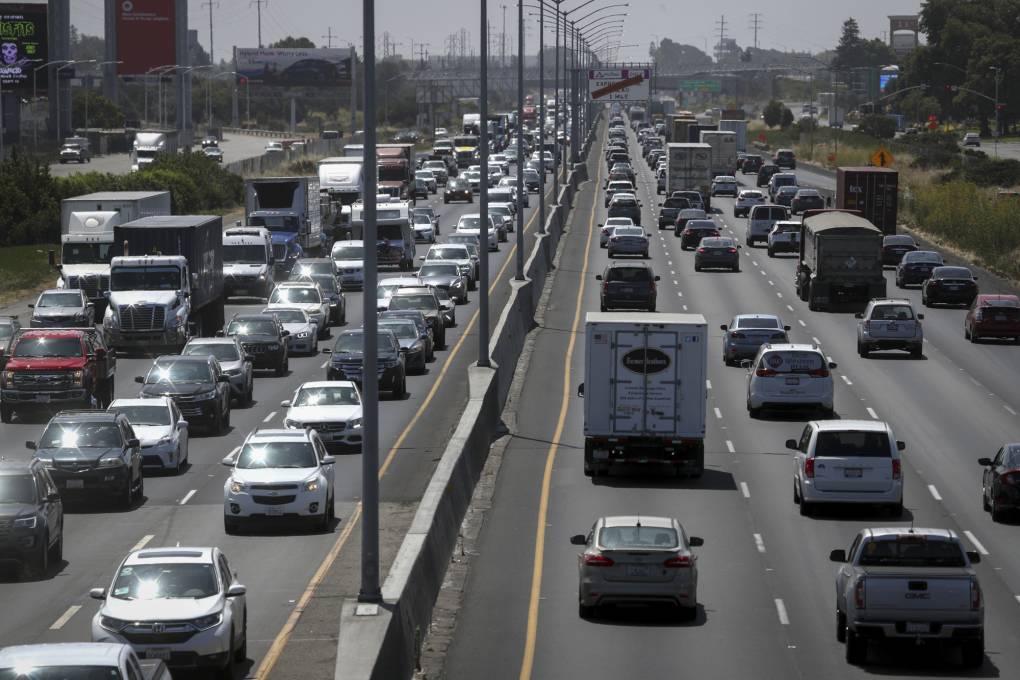
"caption": "Traffic backs up along Interstate 880 on July 25, 2019 in Oakland, California.",
"description": null,
"title": "California And Four Big Automakers Make Deal To Reduce Emissions",
"credit": "Justin Sullivan/Getty Images",
"status": "inherit",
"altTag": null,
"isLoading": false,
"fetchFailed": false
},
"news_11972721": {
"type": "attachments",
"id": "news_11972721",
"meta": {
"index": "attachments_1716263798",
"site": "news",
"id": "11972721",
"found": true
},
"parent": 11972719,
"imgSizes": {
"twentyfourteen-full-width": {
"file": "https://cdn.kqed.org/wp-content/uploads/sites/10/2024/01/Cuesta_College_LEOPO-1352-CM-copy-1038x576.jpg",
"width": 1038,
"mimeType": "image/jpeg",
"height": 576
},
"thumbnail": {
"file": "https://cdn.kqed.org/wp-content/uploads/sites/10/2024/01/Cuesta_College_LEOPO-1352-CM-copy-160x107.jpg",
"width": 160,
"mimeType": "image/jpeg",
"height": 107
},
"post-thumbnail": {
"file": "https://cdn.kqed.org/wp-content/uploads/sites/10/2024/01/Cuesta_College_LEOPO-1352-CM-copy-672x372.jpg",
"width": 672,
"mimeType": "image/jpeg",
"height": 372
},
"kqedFullSize": {
"file": "https://cdn.kqed.org/wp-content/uploads/sites/10/2024/01/Cuesta_College_LEOPO-1352-CM-copy.jpg",
"width": 2000,
"height": 1333
},
"large": {
"file": "https://cdn.kqed.org/wp-content/uploads/sites/10/2024/01/Cuesta_College_LEOPO-1352-CM-copy-1020x680.jpg",
"width": 1020,
"mimeType": "image/jpeg",
"height": 680
},
"1536x1536": {
"file": "https://cdn.kqed.org/wp-content/uploads/sites/10/2024/01/Cuesta_College_LEOPO-1352-CM-copy-1536x1024.jpg",
"width": 1536,
"mimeType": "image/jpeg",
"height": 1024
},
"full-width": {
"file": "https://cdn.kqed.org/wp-content/uploads/sites/10/2024/01/Cuesta_College_LEOPO-1352-CM-copy-1920x1280.jpg",
"width": 1920,
"mimeType": "image/jpeg",
"height": 1280
},
"medium": {
"file": "https://cdn.kqed.org/wp-content/uploads/sites/10/2024/01/Cuesta_College_LEOPO-1352-CM-copy-800x533.jpg",
"width": 800,
"mimeType": "image/jpeg",
"height": 533
}
},
"publishDate": 1705437887,
"modified": 1705437953,
"caption": "The student center at Cuesta Community College in San Luis Obispo on Jan. 10, 2024.\n",
"description": null,
"title": "Cuesta_College_LEOPO-1352-CM copy",
"credit": "Julie Leopo-Bermudez for CalMatters",
"status": "inherit",
"altTag": "The outline of a student walking in front of a colorful mural depicting a smiling female student at graduation.",
"isLoading": false,
"fetchFailed": false
},
"news_11972686": {
"type": "attachments",
"id": "news_11972686",
"meta": {
"index": "attachments_1716263798",
"site": "news",
"id": "11972686",
"found": true
},
"parent": 11972684,
"imgSizes": {
"twentyfourteen-full-width": {
"file": "https://cdn.kqed.org/wp-content/uploads/sites/10/2024/01/Lodi2-2048x1181-1-1038x576.jpg",
"width": 1038,
"mimeType": "image/jpeg",
"height": 576
},
"thumbnail": {
"file": "https://cdn.kqed.org/wp-content/uploads/sites/10/2024/01/Lodi2-2048x1181-1-160x92.jpg",
"width": 160,
"mimeType": "image/jpeg",
"height": 92
},
"post-thumbnail": {
"file": "https://cdn.kqed.org/wp-content/uploads/sites/10/2024/01/Lodi2-2048x1181-1-672x372.jpg",
"width": 672,
"mimeType": "image/jpeg",
"height": 372
},
"kqedFullSize": {
"file": "https://cdn.kqed.org/wp-content/uploads/sites/10/2024/01/Lodi2-2048x1181-1.jpg",
"width": 2048,
"height": 1181
},
"large": {
"file": "https://cdn.kqed.org/wp-content/uploads/sites/10/2024/01/Lodi2-2048x1181-1-1020x588.jpg",
"width": 1020,
"mimeType": "image/jpeg",
"height": 588
},
"1536x1536": {
"file": "https://cdn.kqed.org/wp-content/uploads/sites/10/2024/01/Lodi2-2048x1181-1-1536x886.jpg",
"width": 1536,
"mimeType": "image/jpeg",
"height": 886
},
"full-width": {
"file": "https://cdn.kqed.org/wp-content/uploads/sites/10/2024/01/Lodi2-2048x1181-1-1920x1107.jpg",
"width": 1920,
"mimeType": "image/jpeg",
"height": 1107
},
"medium": {
"file": "https://cdn.kqed.org/wp-content/uploads/sites/10/2024/01/Lodi2-2048x1181-1-800x461.jpg",
"width": 800,
"mimeType": "image/jpeg",
"height": 461
}
},
"publishDate": 1705425765,
"modified": 1705436116,
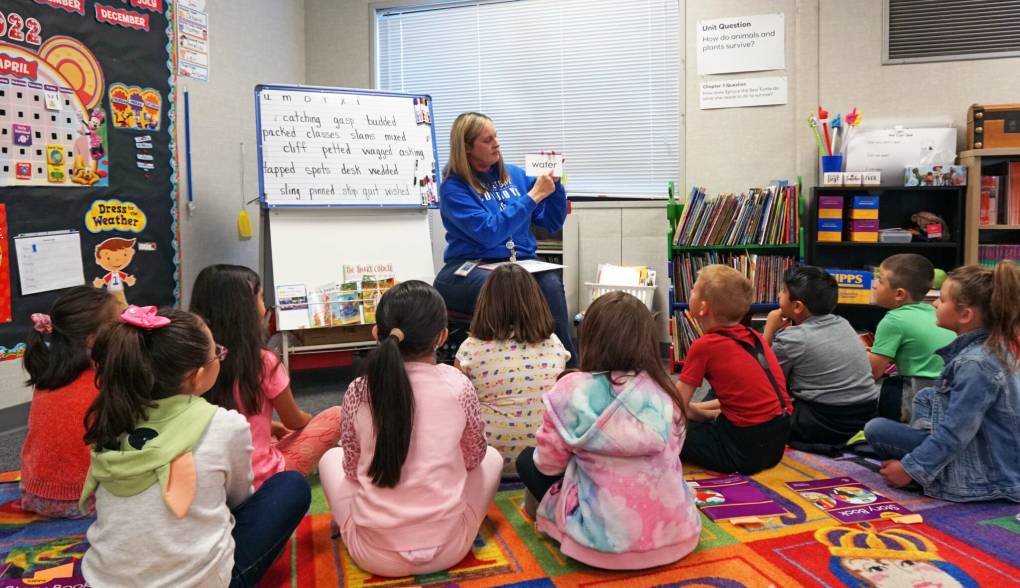
"caption": "Melissa Ramirez, a first-grade teacher at Lockeford Elementary in Lodi, holds up a flashcard while students say and spell the word 'water.'",
"description": null,
"title": "Lodi2-2048x1181",
"credit": "Andrew Reed/EdSource",
"status": "inherit",
"altTag": "A teacher and students sitting on the floor in a classroom, elementary school.",
"isLoading": false,
"fetchFailed": false
},
"news_11796752": {
"type": "attachments",
"id": "news_11796752",
"meta": {
"index": "attachments_1716263798",
"site": "news",
"id": "11796752",
"found": true
},
"parent": 11796656,
"imgSizes": {
"apple_news_ca_landscape_5_5": {
"file": "https://ww2.kqed.org/app/uploads/sites/10/2020/01/martin-luther-king-1044x783.jpg",
"width": 1044,
"mimeType": "image/jpeg",
"height": 783
},
"apple_news_ca_square_4_0": {
"file": "https://ww2.kqed.org/app/uploads/sites/10/2020/01/martin-luther-king-470x470.jpg",
"width": 470,
"mimeType": "image/jpeg",
"height": 470
},
"twentyfourteen-full-width": {
"file": "https://ww2.kqed.org/app/uploads/sites/10/2020/01/martin-luther-king-1038x576.jpg",
"width": 1038,
"mimeType": "image/jpeg",
"height": 576
},
"thumbnail": {
"file": "https://ww2.kqed.org/app/uploads/sites/10/2020/01/martin-luther-king-160x107.jpg",
"width": 160,
"mimeType": "image/jpeg",
"height": 107
},
"post-thumbnail": {
"file": "https://ww2.kqed.org/app/uploads/sites/10/2020/01/martin-luther-king-672x372.jpg",
"width": 672,
"mimeType": "image/jpeg",
"height": 372
},
"kqedFullSize": {
"file": "https://ww2.kqed.org/app/uploads/sites/10/2020/01/martin-luther-king.jpg",
"width": 1920,
"height": 1280
},
"apple_news_ca_landscape_4_7": {
"file": "https://ww2.kqed.org/app/uploads/sites/10/2020/01/martin-luther-king-632x474.jpg",
"width": 632,
"mimeType": "image/jpeg",
"height": 474
},
"large": {
"file": "https://ww2.kqed.org/app/uploads/sites/10/2020/01/martin-luther-king-1020x680.jpg",
"width": 1020,
"mimeType": "image/jpeg",
"height": 680
},
"apple_news_ca_landscape_4_0": {
"file": "https://ww2.kqed.org/app/uploads/sites/10/2020/01/martin-luther-king-536x402.jpg",
"width": 536,
"mimeType": "image/jpeg",
"height": 402
},
"apple_news_ca_portrait_12_9": {
"file": "https://ww2.kqed.org/app/uploads/sites/10/2020/01/martin-luther-king-1122x1280.jpg",
"width": 1122,
"mimeType": "image/jpeg",
"height": 1280
},
"medium": {
"file": "https://ww2.kqed.org/app/uploads/sites/10/2020/01/martin-luther-king-800x533.jpg",
"width": 800,
"mimeType": "image/jpeg",
"height": 533
},
"apple_news_ca_portrait_4_0": {
"file": "https://ww2.kqed.org/app/uploads/sites/10/2020/01/martin-luther-king-354x472.jpg",
"width": 354,
"mimeType": "image/jpeg",
"height": 472
},
"apple_news_ca_portrait_9_7": {
"file": "https://ww2.kqed.org/app/uploads/sites/10/2020/01/martin-luther-king-840x1120.jpg",
"width": 840,
"mimeType": "image/jpeg",
"height": 1120
},
"apple_news_ca_landscape_12_9": {
"file": "https://ww2.kqed.org/app/uploads/sites/10/2020/01/martin-luther-king-1832x1280.jpg",
"width": 1832,
"mimeType": "image/jpeg",
"height": 1280
},
"apple_news_ca_square_9_7": {
"file": "https://ww2.kqed.org/app/uploads/sites/10/2020/01/martin-luther-king-1104x1104.jpg",
"width": 1104,
"mimeType": "image/jpeg",
"height": 1104
},
"apple_news_ca_portrait_4_7": {
"file": "https://ww2.kqed.org/app/uploads/sites/10/2020/01/martin-luther-king-414x552.jpg",
"width": 414,
"mimeType": "image/jpeg",
"height": 552
},
"apple_news_ca_square_12_9": {
"file": "https://ww2.kqed.org/app/uploads/sites/10/2020/01/martin-luther-king-1472x1280.jpg",
"width": 1472,
"mimeType": "image/jpeg",
"height": 1280
},
"apple_news_ca_portrait_5_5": {
"file": "https://ww2.kqed.org/app/uploads/sites/10/2020/01/martin-luther-king-687x916.jpg",
"width": 687,
"mimeType": "image/jpeg",
"height": 916
},
"full-width": {
"file": "https://ww2.kqed.org/app/uploads/sites/10/2020/01/martin-luther-king-1920x1280.jpg",
"width": 1920,
"mimeType": "image/jpeg",
"height": 1280
},
"apple_news_ca_square_4_7": {
"file": "https://ww2.kqed.org/app/uploads/sites/10/2020/01/martin-luther-king-550x550.jpg",
"width": 550,
"mimeType": "image/jpeg",
"height": 550
},
"apple_news_ca_landscape_9_7": {
"file": "https://ww2.kqed.org/app/uploads/sites/10/2020/01/martin-luther-king-1376x1032.jpg",
"width": 1376,
"mimeType": "image/jpeg",
"height": 1032
},
"apple_news_ca_square_5_5": {
"file": "https://ww2.kqed.org/app/uploads/sites/10/2020/01/martin-luther-king-912x912.jpg",
"width": 912,
"mimeType": "image/jpeg",
"height": 912
}
},
"publishDate": 1579299509,
"modified": 1642201183,
"caption": "A woman holds a poster of Martin Luther King Jr. on April 4, 2018, the 50th anniversary of King's assassination, in Memphis, Tenn.",
"description": "A woman holds a poster of Martin Luther King Jr. on April 4, 2018 in Memphis - the 50th anniversary of King's assassination.",
"title": "martin-luther-king",
"credit": "Brendan Smialowski/AFP via Getty Images",
"status": "inherit",
"altTag": "A woman holds a poster of Martin Luther King Jr. on April 4, 2018 in Memphis - the 50th anniversary of King's assassination.",
"isLoading": false,
"fetchFailed": false
},
"news_11972352": {
"type": "attachments",
"id": "news_11972352",
"meta": {
"index": "attachments_1716263798",
"site": "news",
"id": "11972352",
"found": true
},
"parent": 0,
"imgSizes": {
"twentyfourteen-full-width": {
"file": "https://cdn.kqed.org/wp-content/uploads/sites/10/2024/01/240111-La-Pulga-HD-01-KQED-1038x576.jpg",
"width": 1038,
"mimeType": "image/jpeg",
"height": 576
},
"thumbnail": {
"file": "https://cdn.kqed.org/wp-content/uploads/sites/10/2024/01/240111-La-Pulga-HD-01-KQED-160x90.jpg",
"width": 160,
"mimeType": "image/jpeg",
"height": 90
},
"post-thumbnail": {
"file": "https://cdn.kqed.org/wp-content/uploads/sites/10/2024/01/240111-La-Pulga-HD-01-KQED-672x372.jpg",
"width": 672,
"mimeType": "image/jpeg",
"height": 372
},
"kqedFullSize": {
"file": "https://cdn.kqed.org/wp-content/uploads/sites/10/2024/01/240111-La-Pulga-HD-01-KQED.jpg",
"width": 2000,
"height": 1125
},
"large": {
"file": "https://cdn.kqed.org/wp-content/uploads/sites/10/2024/01/240111-La-Pulga-HD-01-KQED-1020x574.jpg",
"width": 1020,
"mimeType": "image/jpeg",
"height": 574
},
"1536x1536": {
"file": "https://cdn.kqed.org/wp-content/uploads/sites/10/2024/01/240111-La-Pulga-HD-01-KQED-1536x864.jpg",
"width": 1536,
"mimeType": "image/jpeg",
"height": 864
},
"full-width": {
"file": "https://cdn.kqed.org/wp-content/uploads/sites/10/2024/01/240111-La-Pulga-HD-01-KQED-1920x1080.jpg",
"width": 1920,
"mimeType": "image/jpeg",
"height": 1080
},
"medium": {
"file": "https://cdn.kqed.org/wp-content/uploads/sites/10/2024/01/240111-La-Pulga-HD-01-KQED-800x450.jpg",
"width": 800,
"mimeType": "image/jpeg",
"height": 450
}
},
"publishDate": 1705004558,
"modified": 1705092633,
"caption": null,
"description": null,
"title": "240111-La Pulga-HD-01-KQED",
"credit": "Photos by Hiram Alejandro Durán for El Tímpano/CatchLight Local",
"status": "inherit",
"altTag": "A collage of photos depicting various elements from an outdoor market.",
"isLoading": false,
"fetchFailed": false
},
"news_11972176": {
"type": "attachments",
"id": "news_11972176",
"meta": {
"index": "attachments_1716263798",
"site": "news",
"id": "11972176",
"found": true
},
"parent": 11972172,
"imgSizes": {
"twentyfourteen-full-width": {
"file": "https://cdn.kqed.org/wp-content/uploads/sites/10/2024/01/120423_CSU-Pomona-CFA-Strike_CM_11-copy-1038x576.jpg",
"width": 1038,
"mimeType": "image/jpeg",
"height": 576
},
"thumbnail": {
"file": "https://cdn.kqed.org/wp-content/uploads/sites/10/2024/01/120423_CSU-Pomona-CFA-Strike_CM_11-copy-160x107.jpg",
"width": 160,
"mimeType": "image/jpeg",
"height": 107
},
"post-thumbnail": {
"file": "https://cdn.kqed.org/wp-content/uploads/sites/10/2024/01/120423_CSU-Pomona-CFA-Strike_CM_11-copy-672x372.jpg",
"width": 672,
"mimeType": "image/jpeg",
"height": 372
},
"kqedFullSize": {
"file": "https://cdn.kqed.org/wp-content/uploads/sites/10/2024/01/120423_CSU-Pomona-CFA-Strike_CM_11-copy.jpg",
"width": 2000,
"height": 1334
},
"large": {
"file": "https://cdn.kqed.org/wp-content/uploads/sites/10/2024/01/120423_CSU-Pomona-CFA-Strike_CM_11-copy-1020x680.jpg",
"width": 1020,
"mimeType": "image/jpeg",
"height": 680
},
"1536x1536": {
"file": "https://cdn.kqed.org/wp-content/uploads/sites/10/2024/01/120423_CSU-Pomona-CFA-Strike_CM_11-copy-1536x1025.jpg",
"width": 1536,
"mimeType": "image/jpeg",
"height": 1025
},
"full-width": {
"file": "https://cdn.kqed.org/wp-content/uploads/sites/10/2024/01/120423_CSU-Pomona-CFA-Strike_CM_11-copy-1920x1281.jpg",
"width": 1920,
"mimeType": "image/jpeg",
"height": 1281
},
"medium": {
"file": "https://cdn.kqed.org/wp-content/uploads/sites/10/2024/01/120423_CSU-Pomona-CFA-Strike_CM_11-copy-800x534.jpg",
"width": 800,
"mimeType": "image/jpeg",
"height": 534
}
},
"publishDate": 1704913283,
"modified": 1704913338,
"caption": "Jackie Barrett, a student and intern with California Faculty Association, speaks to the crowd during a faculty strike at CSU Pomona on Dec. 4, 2023.\n",
"description": null,
"title": "120423_CSU-Pomona-CFA-Strike_CM_11 copy",
"credit": "Lauren Justice for CalMatters",
"status": "inherit",
"altTag": "A young woman speaks into a microphone surrounded by strikers with signs and banners.",
"isLoading": false,
"fetchFailed": false
},
"news_11971695": {
"type": "attachments",
"id": "news_11971695",
"meta": {
"index": "attachments_1716263798",
"site": "news",
"id": "11971695",
"found": true
},
"parent": 11971693,
"imgSizes": {
"thumbnail": {
"file": "https://cdn.kqed.org/wp-content/uploads/sites/10/2024/01/EdSource_9-1024x576-1-160x90.jpeg",
"width": 160,
"mimeType": "image/jpeg",
"height": 90
},
"post-thumbnail": {
"file": "https://cdn.kqed.org/wp-content/uploads/sites/10/2024/01/EdSource_9-1024x576-1-672x372.jpeg",
"width": 672,
"mimeType": "image/jpeg",
"height": 372
},
"kqedFullSize": {
"file": "https://cdn.kqed.org/wp-content/uploads/sites/10/2024/01/EdSource_9-1024x576-1.jpeg",
"width": 1024,
"height": 576
},
"large": {
"file": "https://cdn.kqed.org/wp-content/uploads/sites/10/2024/01/EdSource_9-1024x576-1-1020x574.jpeg",
"width": 1020,
"mimeType": "image/jpeg",
"height": 574
},
"medium": {
"file": "https://cdn.kqed.org/wp-content/uploads/sites/10/2024/01/EdSource_9-1024x576-1-800x450.jpeg",
"width": 800,
"mimeType": "image/jpeg",
"height": 450
}
},
"publishDate": 1704412750,
"modified": 1704492914,
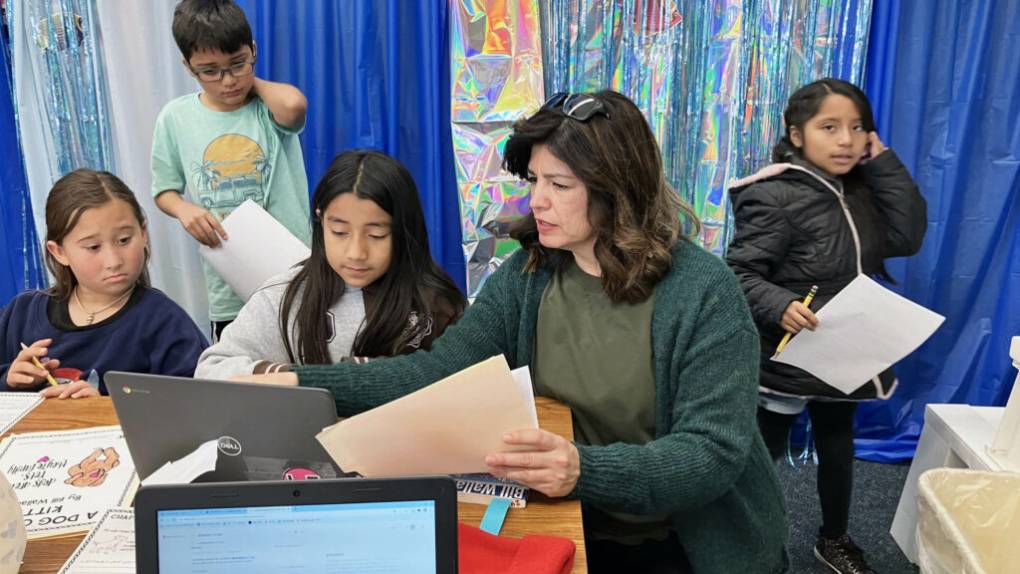
"caption": "Third-grade teacher Patty Lopez helps a student at Frank Sparkes Elementary in Winton, Merced County.",
"description": null,
"title": "EdSource_9-1024x576",
"credit": "Zaidee Stavely/EdSource",
"status": "inherit",
"altTag": "Four students stand near a teacher.",
"isLoading": false,
"fetchFailed": false
},
"news_11971636": {
"type": "attachments",
"id": "news_11971636",
"meta": {
"index": "attachments_1716263798",
"site": "news",
"id": "11971636",
"found": true
},
"parent": 11971616,
"imgSizes": {
"twentyfourteen-full-width": {
"file": "https://cdn.kqed.org/wp-content/uploads/sites/10/2024/01/CMEducation01-1038x576.jpg",
"width": 1038,
"mimeType": "image/jpeg",
"height": 576
},
"thumbnail": {
"file": "https://cdn.kqed.org/wp-content/uploads/sites/10/2024/01/CMEducation01-160x107.jpg",
"width": 160,
"mimeType": "image/jpeg",
"height": 107
},
"post-thumbnail": {
"file": "https://cdn.kqed.org/wp-content/uploads/sites/10/2024/01/CMEducation01-672x372.jpg",
"width": 672,
"mimeType": "image/jpeg",
"height": 372
},
"kqedFullSize": {
"file": "https://cdn.kqed.org/wp-content/uploads/sites/10/2024/01/CMEducation01.jpg",
"width": 2000,
"height": 1333
},
"large": {
"file": "https://cdn.kqed.org/wp-content/uploads/sites/10/2024/01/CMEducation01-1020x680.jpg",
"width": 1020,
"mimeType": "image/jpeg",
"height": 680
},
"1536x1536": {
"file": "https://cdn.kqed.org/wp-content/uploads/sites/10/2024/01/CMEducation01-1536x1024.jpg",
"width": 1536,
"mimeType": "image/jpeg",
"height": 1024
},
"full-width": {
"file": "https://cdn.kqed.org/wp-content/uploads/sites/10/2024/01/CMEducation01-1920x1280.jpg",
"width": 1920,
"mimeType": "image/jpeg",
"height": 1280
},
"medium": {
"file": "https://cdn.kqed.org/wp-content/uploads/sites/10/2024/01/CMEducation01-800x533.jpg",
"width": 800,
"mimeType": "image/jpeg",
"height": 533
}
},
"publishDate": 1704402273,
"modified": 1704412369,
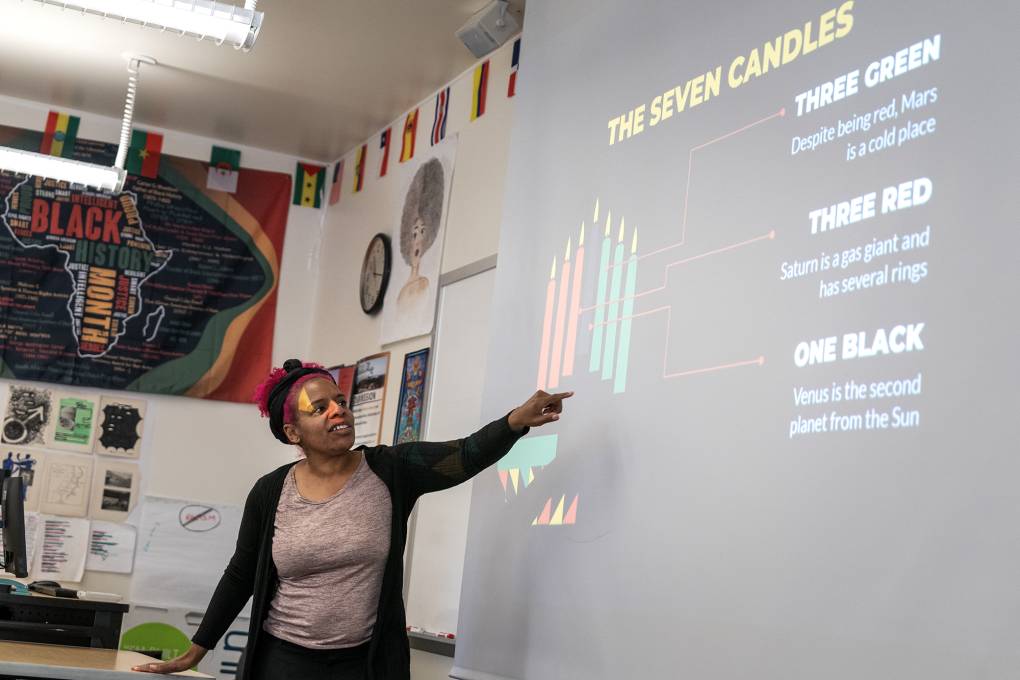
"caption": "Professor Nikia Chaney gives a presentation on Kwanzaa, an annual celebration of African American culture, during an Umoja community event at Cabrillo College in Aptos on Dec. 7, 2023. The Umoja program supports African American and other historically underrepresented students.",
"description": null,
"title": "CMEducation01",
"credit": "Loren Elliott/CalMatters",
"status": "inherit",
"altTag": "A college professor stands in front of her classroom, pointing to a PowerPoint presentation.",
"isLoading": false,
"fetchFailed": false
},
"news_11971468": {
"type": "attachments",
"id": "news_11971468",
"meta": {
"index": "attachments_1716263798",
"site": "news",
"id": "11971468",
"found": true
},
"parent": 11971463,
"imgSizes": {
"twentyfourteen-full-width": {
"file": "https://cdn.kqed.org/wp-content/uploads/sites/10/2024/01/CMStudents01-1038x576.jpg",
"width": 1038,
"mimeType": "image/jpeg",
"height": 576
},
"thumbnail": {
"file": "https://cdn.kqed.org/wp-content/uploads/sites/10/2024/01/CMStudents01-160x107.jpg",
"width": 160,
"mimeType": "image/jpeg",
"height": 107
},
"post-thumbnail": {
"file": "https://cdn.kqed.org/wp-content/uploads/sites/10/2024/01/CMStudents01-672x372.jpg",
"width": 672,
"mimeType": "image/jpeg",
"height": 372
},
"kqedFullSize": {
"file": "https://cdn.kqed.org/wp-content/uploads/sites/10/2024/01/CMStudents01.jpg",
"width": 2000,
"height": 1333
},
"large": {
"file": "https://cdn.kqed.org/wp-content/uploads/sites/10/2024/01/CMStudents01-1020x680.jpg",
"width": 1020,
"mimeType": "image/jpeg",
"height": 680
},
"1536x1536": {
"file": "https://cdn.kqed.org/wp-content/uploads/sites/10/2024/01/CMStudents01-1536x1024.jpg",
"width": 1536,
"mimeType": "image/jpeg",
"height": 1024
},
"full-width": {
"file": "https://cdn.kqed.org/wp-content/uploads/sites/10/2024/01/CMStudents01-1920x1280.jpg",
"width": 1920,
"mimeType": "image/jpeg",
"height": 1280
},
"medium": {
"file": "https://cdn.kqed.org/wp-content/uploads/sites/10/2024/01/CMStudents01-800x533.jpg",
"width": 800,
"mimeType": "image/jpeg",
"height": 533
}
},
"publishDate": 1704305622,
"modified": 1704305693,
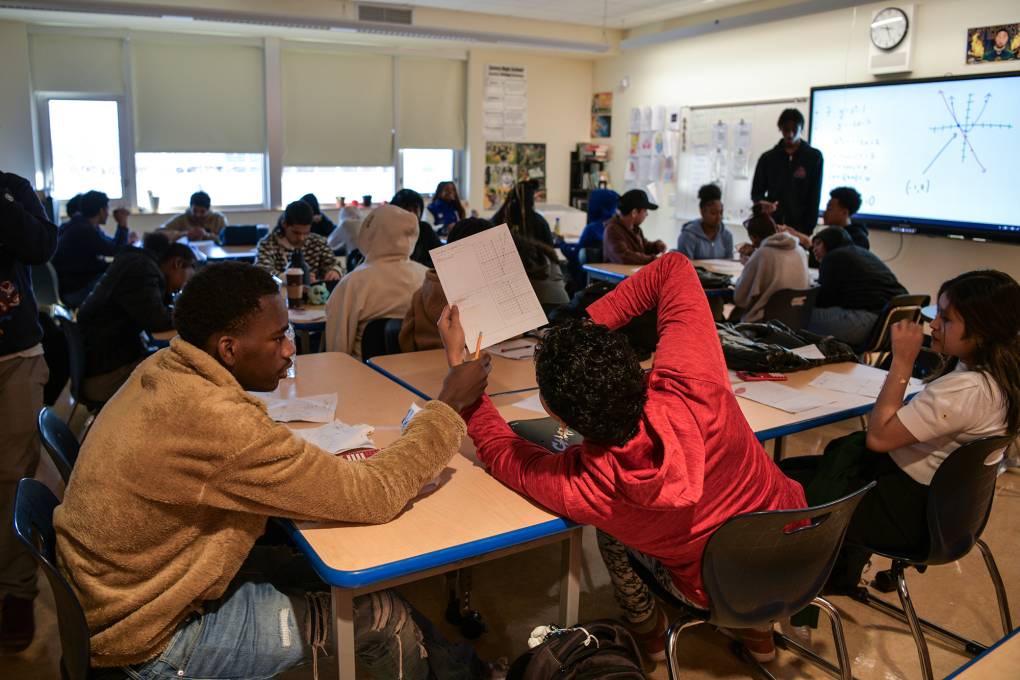
"caption": "High school math students prepare for finals week at Emery High School in Emery on Dec. 13, 2023. Emery Unified School District, a majority-Black student school district, is one of the bright spots from the recent statewide Smarter Balanced K-12 test results.",
"description": null,
"title": "CMStudents01",
"credit": "Pablo Unzueta/CalMatters",
"status": "inherit",
"altTag": "Students and instructors in a classroom setting.",
"isLoading": false,
"fetchFailed": false
},
"news_11965592": {
"type": "attachments",
"id": "news_11965592",
"meta": {
"index": "attachments_1716263798",
"site": "news",
"id": "11965592",
"found": true
},
"parent": 0,
"imgSizes": {
"twentyfourteen-full-width": {
"file": "https://cdn.kqed.org/wp-content/uploads/sites/10/2023/10/20231024-MACRO-022-JY-KQED-1038x576.jpg",
"width": 1038,
"mimeType": "image/jpeg",
"height": 576
},
"thumbnail": {
"file": "https://cdn.kqed.org/wp-content/uploads/sites/10/2023/10/20231024-MACRO-022-JY-KQED-160x107.jpg",
"width": 160,
"mimeType": "image/jpeg",
"height": 107
},
"post-thumbnail": {
"file": "https://cdn.kqed.org/wp-content/uploads/sites/10/2023/10/20231024-MACRO-022-JY-KQED-672x372.jpg",
"width": 672,
"mimeType": "image/jpeg",
"height": 372
},
"kqedFullSize": {
"file": "https://cdn.kqed.org/wp-content/uploads/sites/10/2023/10/20231024-MACRO-022-JY-KQED.jpg",
"width": 2000,
"height": 1333
},
"large": {
"file": "https://cdn.kqed.org/wp-content/uploads/sites/10/2023/10/20231024-MACRO-022-JY-KQED-1020x680.jpg",
"width": 1020,
"mimeType": "image/jpeg",
"height": 680
},
"1536x1536": {
"file": "https://cdn.kqed.org/wp-content/uploads/sites/10/2023/10/20231024-MACRO-022-JY-KQED-1536x1024.jpg",
"width": 1536,
"mimeType": "image/jpeg",
"height": 1024
},
"full-width": {
"file": "https://cdn.kqed.org/wp-content/uploads/sites/10/2023/10/20231024-MACRO-022-JY-KQED-1920x1280.jpg",
"width": 1920,
"mimeType": "image/jpeg",
"height": 1280
},
"medium": {
"file": "https://cdn.kqed.org/wp-content/uploads/sites/10/2023/10/20231024-MACRO-022-JY-KQED-800x533.jpg",
"width": 800,
"mimeType": "image/jpeg",
"height": 533
}
},
"publishDate": 1698258536,
"modified": 1704231400,
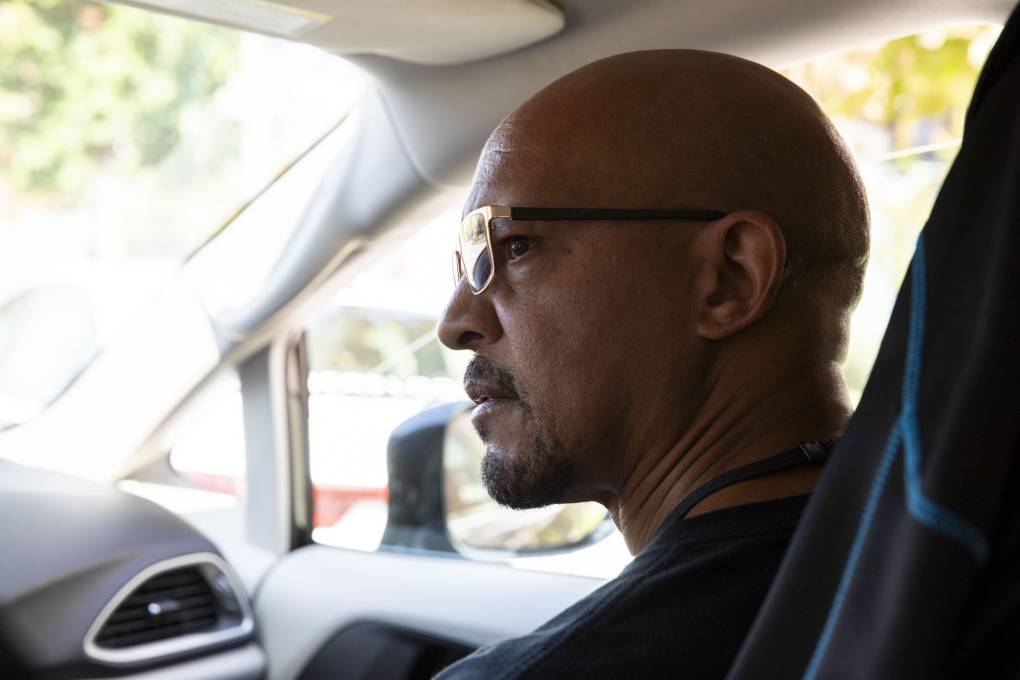
"caption": "Community Intervention Specialist Michael Thompson of the Mobile Assistance Community Responders of Oakland (MACRO) is seen inside the van after speaking with an unhoused person outside the Oakland Public Library in Oakland on Tuesday, Oct. 24, 2023. MACRO deploys their team members for non-emergent 911 calls in Oakland.",
"description": null,
"title": "MACRO",
"credit": "Juliana Yamada/KQED",
"status": "inherit",
"altTag": "A person with a bald head looks out the driver's side window of a car from the passenger seat.",
"isLoading": false,
"fetchFailed": false
},
"news_11971030": {
"type": "attachments",
"id": "news_11971030",
"meta": {
"index": "attachments_1716263798",
"site": "news",
"id": "11971030",
"found": true
},
"parent": 11970992,
"imgSizes": {
"twentyfourteen-full-width": {
"file": "https://cdn.kqed.org/wp-content/uploads/sites/10/2023/12/EarlyLitSusy-teaching-2023-1038x576.png",
"width": 1038,
"mimeType": "image/png",
"height": 576
},
"thumbnail": {
"file": "https://cdn.kqed.org/wp-content/uploads/sites/10/2023/12/EarlyLitSusy-teaching-2023-160x101.png",
"width": 160,
"mimeType": "image/png",
"height": 101
},
"post-thumbnail": {
"file": "https://cdn.kqed.org/wp-content/uploads/sites/10/2023/12/EarlyLitSusy-teaching-2023-672x372.png",
"width": 672,
"mimeType": "image/png",
"height": 372
},
"kqedFullSize": {
"file": "https://cdn.kqed.org/wp-content/uploads/sites/10/2023/12/EarlyLitSusy-teaching-2023.png",
"width": 1450,
"height": 917
},
"large": {
"file": "https://cdn.kqed.org/wp-content/uploads/sites/10/2023/12/EarlyLitSusy-teaching-2023-1020x645.png",
"width": 1020,
"mimeType": "image/png",
"height": 645
},
"medium": {
"file": "https://cdn.kqed.org/wp-content/uploads/sites/10/2023/12/EarlyLitSusy-teaching-2023-800x506.png",
"width": 800,
"mimeType": "image/png",
"height": 506
}
},
"publishDate": 1703711469,
"modified": 1703714772,
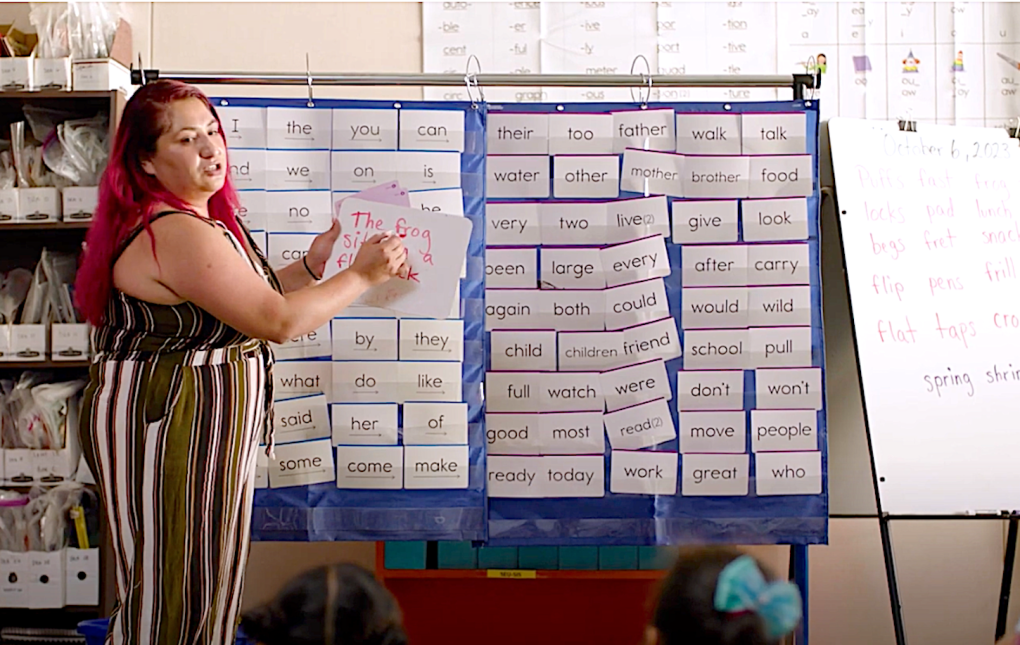
"caption": "Susy Aguilar, a literacy tutor recruited by the nonprofit The Oakland REACH, meets with a small group of students for 30 minutes daily, providing science-based literacy instruction at Manzanita SEED Elementary in Oakland.\n",
"description": null,
"title": "EarlyLitSusy-teaching-2023",
"credit": "Courtesy of The Oakland REACH",
"status": "inherit",
"altTag": "A woman with red hair stands in front of a school board with lots of words on it — written on cards, as young children sit on the floor and watch.",
"isLoading": false,
"fetchFailed": false
}
},
"audioPlayerReducer": {
"postId": "stream_live",
"isPaused": true,
"isPlaying": false,
"pfsActive": false,
"pledgeModalIsOpen": true,
"playerDrawerIsOpen": false,
"liveAudioPlayStartedAt": 0,
"liveAudioPlayContext": ""
},
"authorsReducer": {
"byline_news_11973267": {
"type": "authors",
"id": "byline_news_11973267",
"meta": {
"override": true
},
"slug": "byline_news_11973267",
"name": "Olga R. Rodriguez\u003cbr>The Associated Press",
"isLoading": false
},
"byline_news_11972719": {
"type": "authors",
"id": "byline_news_11972719",
"meta": {
"override": true
},
"slug": "byline_news_11972719",
"name": "\u003ca href=\"https://calmatters.org/author/adam-echelman/\">Adam Echelman\u003c/a>",
"isLoading": false
},
"byline_news_11972684": {
"type": "authors",
"id": "byline_news_11972684",
"meta": {
"override": true
},
"slug": "byline_news_11972684",
"name": "\u003ca href=\"https://edsource.org/author/dlambert\">Diana Lambert\u003c/a>",
"isLoading": false
},
"byline_news_11972507": {
"type": "authors",
"id": "byline_news_11972507",
"meta": {
"override": true
},
"slug": "byline_news_11972507",
"name": "\u003ca href=\"https://www.eltimpano.org/\">El Tímpano\u003c/a>",
"isLoading": false
},
"byline_news_11972172": {
"type": "authors",
"id": "byline_news_11972172",
"meta": {
"override": true
},
"slug": "byline_news_11972172",
"name": "\u003ca href=\"https://calmatters.org/author/mikhailzinshteyn/\">Mikhail Zinshteyn\u003c/a>",
"isLoading": false
},
"byline_news_11971693": {
"type": "authors",
"id": "byline_news_11971693",
"meta": {
"override": true
},
"slug": "byline_news_11971693",
"name": "\u003ca href=\"https://edsource.org/author/zstavely\">Zaidee Stavely\u003c/a>",
"isLoading": false
},
"byline_news_11971616": {
"type": "authors",
"id": "byline_news_11971616",
"meta": {
"override": true
},
"slug": "byline_news_11971616",
"name": "\u003ca href=\"https://calmatters.org/author/adam-echelman/\">Adam Echelman\u003c/a>",
"isLoading": false
},
"byline_news_11971463": {
"type": "authors",
"id": "byline_news_11971463",
"meta": {
"override": true
},
"slug": "byline_news_11971463",
"name": "\u003ca href=\"https://calmatters.org/author/carolyn-jones/\">Carolyn Jones\u003c/a>",
"isLoading": false
},
"byline_news_11970992": {
"type": "authors",
"id": "byline_news_11970992",
"meta": {
"override": true
},
"slug": "byline_news_11970992",
"name": "\u003ca href=\"https://edsource.org/author/jfensterwald\">John Fensterwald\u003c/a>",
"isLoading": false
},
"matthewgreen": {
"type": "authors",
"id": "1263",
"meta": {
"index": "authors_1716337520",
"id": "1263",
"found": true
},
"name": "Matthew Green",
"firstName": "Matthew",
"lastName": "Green",
"slug": "matthewgreen",
"email": "mgreen@kqed.org",
"display_author_email": false,
"staff_mastheads": [],
"title": "KQED Editor/Reporter",
"bio": "Matthew Green is a digital media producer for KQED News. He previously produced \u003ca href=\"http://www.kqed.org/lowdown\">The Lowdown\u003c/a>, KQED’s multimedia news education blog. Matthew's written for numerous Bay Area publications, including the Oakland Tribune and San Francisco Chronicle. He also taught journalism classes at Fremont High School in East Oakland.\r\n\r\nEmail: mgreen@kqed.org; Twitter: @MGreenKQED",
"avatar": "https://secure.gravatar.com/avatar/3bf498d1267ca02c8494f33d8cfc575e?s=600&d=blank&r=g",
"twitter": "MGreenKQED",
"facebook": null,
"instagram": null,
"linkedin": null,
"sites": [
{
"site": "news",
"roles": []
},
{
"site": "lowdown",
"roles": []
},
{
"site": "science",
"roles": []
},
{
"site": "education",
"roles": []
},
{
"site": "quest",
"roles": []
},
{
"site": "liveblog",
"roles": []
}
],
"headData": {
"title": "Matthew Green | KQED",
"description": "KQED Editor/Reporter",
"ogImgSrc": "https://secure.gravatar.com/avatar/3bf498d1267ca02c8494f33d8cfc575e?s=600&d=blank&r=g",
"twImgSrc": "https://secure.gravatar.com/avatar/3bf498d1267ca02c8494f33d8cfc575e?s=600&d=blank&r=g"
},
"isLoading": false,
"link": "/author/matthewgreen"
},
"nkhan": {
"type": "authors",
"id": "11867",
"meta": {
"index": "authors_1716337520",
"id": "11867",
"found": true
},
"name": "Nisa Khan",
"firstName": "Nisa",
"lastName": "Khan",
"slug": "nkhan",
"email": "nkhan@kqed.org",
"display_author_email": false,
"staff_mastheads": [],
"title": "KQED Contributor",
"bio": "Nisa Khan is a reporter for KQED's Audience News Desk. She was formerly a data reporter at Michigan Radio. She earned a Bachelor of Science in Information from the University of Michigan and a Master of Arts in Communication from Stanford University.",
"avatar": "https://secure.gravatar.com/avatar/8720459eef081ff64582b3506b124d58523e80e120704a0cbd9892533c914991?s=600&d=blank&r=g",
"twitter": "mnisakhan",
"bluesky": null,
"facebook": null,
"instagram": null,
"linkedin": null,
"sites": [
{
"site": "arts",
"roles": [
"editor"
]
},
{
"site": "news",
"roles": [
"editor"
]
},
{
"site": "science",
"roles": [
"editor",
"author"
]
},
{
"site": "forum",
"roles": [
"editor"
]
},
{
"site": "liveblog",
"roles": [
"contributor"
]
}
],
"headData": {
"title": "Nisa Khan | KQED",
"description": "KQED Contributor",
"ogImgSrc": "https://secure.gravatar.com/avatar/8720459eef081ff64582b3506b124d58523e80e120704a0cbd9892533c914991?s=600&d=blank&r=g",
"twImgSrc": "https://secure.gravatar.com/avatar/8720459eef081ff64582b3506b124d58523e80e120704a0cbd9892533c914991?s=600&d=blank&r=g"
},
"isLoading": false,
"link": "/author/nkhan"
},
"naltenberg": {
"type": "authors",
"id": "11896",
"meta": {
"index": "authors_1716337520",
"id": "11896",
"found": true
},
"name": "Nik Altenberg",
"firstName": "Nik",
"lastName": "Altenberg",
"slug": "naltenberg",
"email": "naltenberg@kqed.org",
"display_author_email": false,
"staff_mastheads": [],
"title": "KQED Contributor",
"bio": "Nik Altenberg is an on-call reporter for KQED and a copy editor and fact checker for Santa Cruz Local. Nik’s reporting interests include policing, public health, environment, immigration, housing and the places where these issues intersect.",
"avatar": "https://secure.gravatar.com/avatar/e391b3a18ce4a53a7ca3f3065c74418b?s=600&d=blank&r=g",
"twitter": null,
"facebook": null,
"instagram": "https://www.instagram.com/nikaltenberg/",
"linkedin": null,
"sites": [
{
"site": "news",
"roles": []
}
],
"headData": {
"title": "Nik Altenberg | KQED",
"description": "KQED Contributor",
"ogImgSrc": "https://secure.gravatar.com/avatar/e391b3a18ce4a53a7ca3f3065c74418b?s=600&d=blank&r=g",
"twImgSrc": "https://secure.gravatar.com/avatar/e391b3a18ce4a53a7ca3f3065c74418b?s=600&d=blank&r=g"
},
"isLoading": false,
"link": "/author/naltenberg"
}
},
"pagesReducer": {
"news_tag_education": {
"type": "terms",
"id": "news_20013",
"meta": {
"index": "terms_1716263798",
"site": "news",
"id": "20013",
"score": 6.9701343
},
"featImg": null,
"name": "education",
"description": null,
"taxonomy": "tag",
"headData": {
"twImgId": null,
"twTitle": null,
"ogTitle": null,
"ogImgId": null,
"twDescription": null,
"description": null,
"title": "education Archives | KQED News",
"ogDescription": null
},
"ttid": 20030,
"slug": "education",
"isLoading": false,
"title": "education",
"pageMeta": {
"site": "news",
"WpPageTemplate": "page-topic-editorial",
"currentPage": 50
},
"blocks": [
{
"blockName": "kqed/post-list",
"attrs": {
"layout": "cardArticle2",
"query": "posts/news?tag=education",
"seeMore": false,
"paginated": true,
"page": 50
}
},
{
"blockName": "kqed/ad"
}
]
}
},
"pfsSessionReducer": {},
"postsReducer": {
"stream_live": {
"type": "live",
"id": "stream_live",
"audioUrl": "https://streams.kqed.org/kqedradio",
"title": "Live Stream",
"excerpt": "Live Stream information currently unavailable.",
"link": "/radio",
"featImg": "",
"label": {
"name": "KQED Live",
"link": "/"
}
},
"stream_kqedNewscast": {
"type": "posts",
"id": "stream_kqedNewscast",
"audioUrl": "https://www.kqed.org/.stream/anon/radio/RDnews/newscast.mp3?_=1",
"title": "KQED Newscast",
"featImg": "",
"label": {
"name": "88.5 FM",
"link": "/"
}
},
"news_11973267": {
"type": "posts",
"id": "news_11973267",
"meta": {
"index": "posts_1716263798",
"site": "news",
"id": "11973267",
"score": null,
"sort": [
1705973088000
]
},
"parent": 0,
"labelTerm": {
"site": "news"
},
"blocks": [],
"publishDate": 1705973088,
"format": "standard",
"title": "CSU Faculty and Staff Reach Tentative Agreement. Here's What it Includes",
"headTitle": "CSU Faculty and Staff Reach Tentative Agreement. Here’s What it Includes | KQED",
"content": "\u003cp>\u003cem>Updated 4:30 p.m. Tuesday\u003c/em>\u003c/p>\n\u003cp>California State University faculty reached a tentative contract agreement with the university system late Monday, after just one day of a planned five-day strike for higher wages.\u003c/p>\n\u003cp>The roughly 29,000 professors, librarians, coaches and other workers across the nation’s largest university system who walked off the job Monday returned to work Tuesday morning.\u003c/p>\n\u003cp>The deal, which still needs to be ratified by the union members, “reflects the solidarity displayed by faculty, staff, and students across all 23 campuses,” the association statement said. “To all the hard-working faculty who have been organizing on the street and on campus, your efforts have earned this victory.”\u003c/p>\n\u003cp>“It caught everyone by surprise that a deal was made so soon,” said Kevin Pina, a lecturer for the Department of Communication at CSU East Bay and the California Faculty Association East Bay Lecturer Council Representative.\u003c/p>\n\u003cp>Pina said the deal includes the following:\u003c/p>\n\u003cul>\n\u003cli>A 5% general salary increase for all faculty, retroactive to July 1st, 2023.\u003c/li>\n\u003cli>A 5% general salary increase for all faculty on July 1st of this year, contingent on the state not reducing the base funding to the CSU.\u003c/li>\n\u003cli>A salary step increase of 2.65% (from 2024 through 2025).\u003c/li>\n\u003cli>Increase in paid parental leave from 6 to 10 weeks.\u003c/li>\n\u003c/ul>\n\u003cp>It also increases the minimum wage for the lowest-paid faculty, according to the union statement. CSU Chancellor Mildred García praised the agreement.\u003c/p>\n\u003cp>“I am extremely pleased and deeply appreciative that we have reached common ground with CFA that will end the strike immediately,” García said in a statement. “The agreement enables the CSU to fairly compensate its valued, world-class faculty while protecting the university system’s long-term financial sustainability.”\u003c/p>\n\u003cp>Kevin Wehr, a professor of sociology at CSU Sacramento and chair of the bargaining team for the CFA called it “an extraordinary and historic contract, settlement after a historic, system-wide 23-campus strike.”\u003c/p>\n\u003cp>He also emphasized the importance of raising the salary floor for some of the lowest-paid colleagues. If someone is working full time in the lowest range, they’re paid $55,000 a year, he said. But, most people working in this category are part-time employees. For those people, average pay is around $35,000 a year. “It’s a matter of economic justice. It’s a matter of equity. And it’s also a matter of getting the best faculty for the students of California,” Wehr said. “I’m incredibly proud that we were able to win this victory for our most precarious colleagues.”\u003c/p>\n\u003cp>Not everyone is content. “I would say that our campus is trending against,” said Brad Erickson, chapter president of the CFA at San Francisco State. Of the 254 people at today’s Zoom meeting, he said more than three-quarters were against it, about 20% were undecided, and just a couple of people were planning to vote yes.\u003c/p>\n\u003cp>“A raise of less than 10% is effectively a pay cut because of how much we’ve lost relative to rising cost of living,” Erickson said. “It feels like we hadn’t reached our power yet.” He heard from several members that they gave in too easily.\u003c/p>\n\u003cp>Many CSU faculty also took quickly to X (formerly Twitter) to lambast the deal, arguing it fell woefully short of what the union had been pushing for, and urging members to vote it down.\u003c/p>\n\u003cp>“5% is a paycut. This is a terrible ‘deal,’” Josh Davis, an SF State journalism professor, said in response to the union’s post announcing the agreement. “CSU faculty deserves stronger leadership.”\u003c/p>\n\u003cp>For Pina, the CFA East Bay Lecturer Council Representative, it was “more a question of the recognition of the strength that we had, the numbers that we had, and the large number of faculty who respected the strike and did not teach.” After the pandemic “derailed a lot of what we considered normal,” he sees this as “a glimmer of hope.”\u003c/p>\n\u003cp>“Do I feel as if my union betrayed me? No. Could we have gotten a better deal? Who knows? We didn’t go there,” Pina said.\u003c/p>\n\u003cp>Pina also added that there are larger structural problems the union can’t solve, “The biggest problem is that the board of trustees that oversee the policymaking for the 23 campus system are political appointees,” he said. “You’ve got people who are business managers running a public institution.”\u003c/p>\n\u003cp>Monday’s massive walkout came two weeks after \u003ca style=\"font-weight: var(--font-weight-reg)\" href=\"https://apnews.com/article/california-state-university-faculty-strike-58c2a46fb4f532992c1a3c4754e1f7de\">CSU officials ended contract negotiations\u003c/a> with a unilateral offer starting with a 5% pay raise this year, effective Jan. 31, far below the 12% hike that the union was seeking.[pullquote size=\"medium\" align=\"right\" citation=\"Victoria Wilson, political science lecturer, Cal State Northridge in Los Angeles\"]‘We’re just hoping for a better contract to ensure better pay and also the working conditions here on campus.’[/pullquote]Victoria Wilson, a part-time political science lecturer who picketed in the rain at Cal State Northridge in Los Angeles, said her salary fluctuates from semester to semester, which impedes her long-term financial goals.\u003c/p>\n\u003cp>“We’re just hoping for a better contract to ensure better pay and also the working conditions here on campus,” Wilson said.\u003c/p>\n\u003cp>Another 1,100 CSU plumbers, electricians and other skilled trades workers represented by the Teamsters Local 2010 had planned to join the striking faculty but reached their own agreement with the university late Friday.\u003c/p>\n\u003cp>Some students joined the picket lines on Monday to show their support.\u003c/p>\n\u003cfigure id=\"attachment_11973266\" class=\"wp-caption aligncenter\" style=\"max-width: 1920px\">\u003cimg loading=\"lazy\" decoding=\"async\" class=\"size-full wp-image-11973266\" src=\"https://cdn.kqed.org/wp-content/uploads/sites/10/2024/01/240122-CSUEastBayStrike-33-BL.jpg\" alt=\"\" width=\"1920\" height=\"1280\" srcset=\"https://cdn.kqed.org/wp-content/uploads/sites/10/2024/01/240122-CSUEastBayStrike-33-BL.jpg 1920w, https://cdn.kqed.org/wp-content/uploads/sites/10/2024/01/240122-CSUEastBayStrike-33-BL-800x533.jpg 800w, https://cdn.kqed.org/wp-content/uploads/sites/10/2024/01/240122-CSUEastBayStrike-33-BL-1020x680.jpg 1020w, https://cdn.kqed.org/wp-content/uploads/sites/10/2024/01/240122-CSUEastBayStrike-33-BL-160x107.jpg 160w, https://cdn.kqed.org/wp-content/uploads/sites/10/2024/01/240122-CSUEastBayStrike-33-BL-1536x1024.jpg 1536w\" sizes=\"(max-width: 1920px) 100vw, 1920px\">\u003cfigcaption class=\"wp-caption-text\">Faculty and staff at California State University, East Bay, strike outside the university in Hayward on Jan. 22, 2024.\u003c/figcaption>\u003c/figure>\n\u003cp>Cal State Long Beach student Gabriela Alvarez said she joined the demonstration outside the university to support her professors and to reject \u003ca style=\"font-weight: var(--font-weight-reg)\" href=\"https://apnews.com/article/california-state-university-deficit-tuition-hike-billion-2e8fc00c9cf88f11e910932a09f336df#:~:text=The%20university's%20governing%20board%20voted,students%20will%20be%20paying%20%247%2C682.\">tuition hikes that will start this fall\u003c/a>.\u003c/p>\n\u003cp>“It’s important for our professors to be treated right, we need more student resources here, we’re trying to lower tuition prices,” Alvarez said. [pullquote size=\"medium\" align=\"right\" citation=\"Gabriela Alvarez, student, Cal State Long Beach\"]‘It’s important for our professors to be treated right, we need more student resources here, we’re trying to lower tuition prices.’[/pullquote]“I’m not going to be able to afford next semester if they go through with the tuition spikes,” she added.\u003c/p>\n\u003cp>Senior Roxanne Washington is a little worried about catching up with her in-person classes, but like Eng and Alvarez, she supports the teachers’ demand for a 12% wage increase.\u003c/p>\n\u003cp>“Honestly, I think that it’s good for the professors and themselves,” Washington said. “But for the students, I think that if they were planning on doing the strike, they could have prepared a little bit better, like assigning homework or classwork ahead of time.”\u003c/p>\n\u003cp>Cal State Chancellor Mildred Garcia said Friday in a video call with journalists that the university system had sought to avoid a strike, but the union’s salary demands were simply not viable.\u003c/p>\n\u003cp>“We must work within our financial reality,” she said.\u003c/p>\n\u003cfigure id=\"attachment_11973263\" class=\"wp-caption aligncenter\" style=\"max-width: 1920px\">\u003cimg loading=\"lazy\" decoding=\"async\" class=\"size-full wp-image-11973263\" src=\"https://cdn.kqed.org/wp-content/uploads/sites/10/2024/01/240122-CSUEastBayStrike-21-BL.jpg\" alt=\"\" width=\"1920\" height=\"1280\" srcset=\"https://cdn.kqed.org/wp-content/uploads/sites/10/2024/01/240122-CSUEastBayStrike-21-BL.jpg 1920w, https://cdn.kqed.org/wp-content/uploads/sites/10/2024/01/240122-CSUEastBayStrike-21-BL-800x533.jpg 800w, https://cdn.kqed.org/wp-content/uploads/sites/10/2024/01/240122-CSUEastBayStrike-21-BL-1020x680.jpg 1020w, https://cdn.kqed.org/wp-content/uploads/sites/10/2024/01/240122-CSUEastBayStrike-21-BL-160x107.jpg 160w, https://cdn.kqed.org/wp-content/uploads/sites/10/2024/01/240122-CSUEastBayStrike-21-BL-1536x1024.jpg 1536w\" sizes=\"(max-width: 1920px) 100vw, 1920px\">\u003cfigcaption class=\"wp-caption-text\">Student Clay Magbojos joins faculty and staff at California State University, East Bay, to strike outside the university in Hayward on Jan. 22, 2024, over wages and working conditions. \u003ccite>(Beth LaBerge/KQED)\u003c/cite>\u003c/figcaption>\u003c/figure>\n\u003cp>In December, CFA members staged \u003ca style=\"font-weight: var(--font-weight-reg)\" href=\"https://apnews.com/article/california-strike-universities-faculty-wages-f20ad3909f7c8360f6fb371a81b5d717\">one-day walkouts on four campuses\u003c/a> in Los Angeles, Pomona, Sacramento and San Francisco to press for higher pay, more manageable workloads and increased parental leave.\u003c/p>\n\u003cp>The union insisted the university has money in its “flush reserve accounts” and could afford the salary increases with funds from operating cash surpluses.\u003c/p>\n\u003cp>Whether the university system can go higher has also been a topic of debate. A financial analyst hired by the union to independently assess the university’s finances found that CSU had regular annual surpluses, high levels of reserves and a commitment from the state government to increase annual funding through 2025.\u003c/p>\n\u003cp>University administrators, however, argue that the analysis was flawed. They say the majority of funds identified by the analyst have to be allocated to specific purposes and cannot be rerouted to salaries.\u003c/p>\n\u003cp>“We have about $766 million in emergency reserves,” said Leora Freedman, the CSU’s vice chancellor for human resources, during a press conference last week. “These emergency reserves could keep our campuses in operation for about 30 days. That is far below the university’s board policy and national best practices on reserves, which is that a university should have enough funds to cover at least three to six months of operations.”\u003c/p>\n\u003cp>The increase the union is seeking would cost the system $380 million in new recurring spending, which the university can’t afford, Freedman said. [aside postID=news_11972719 hero='https://cdn.kqed.org/wp-content/uploads/sites/10/2024/01/Cuesta_College_LEOPO-1352-CM-copy-1020x680.jpg']Meanwhile, Cal State Los Angeles student Katerina Navarro said she supports the strike. Monday was the first day of classes in her nursing program, and she was surprised her classes were not canceled.\u003c/p>\n\u003cp>“Some more money needs to be invested in salaries and educational resources because people in education are severely underpaid for the work they do,” said Navarro, who noted she was underpaid when she worked as a teacher abroad. Both her mother and sister are teachers.\u003c/p>\n\u003cp>The past year has seen lots of labor activity in the country as \u003ca style=\"font-weight: var(--font-weight-reg)\" href=\"https://apnews.com/article/kaiser-health-care-workers-strike-b8b40ce8c082c0b8c4f1c0fb7ec38741\">health care professionals\u003c/a>, \u003ca style=\"font-weight: var(--font-weight-reg)\" href=\"https://apnews.com/article/actors-strike-ends-hollywood-5769ab584bca99fe708c67d00d2ec241\">Hollywood actors and writers\u003c/a>, and \u003ca style=\"font-weight: var(--font-weight-reg)\" href=\"https://apnews.com/article/general-motors-ford-stellantis-uaw-strike-34f6f0d7ca32a671783594722b20fb24\">auto workers\u003c/a> picketed for better pay and working conditions.\u003c/p>\n\u003cp>In California, new laws have granted workers \u003ca style=\"font-weight: var(--font-weight-reg)\" href=\"https://apnews.com/article/california-paid-sick-days-manual-vote-counts-1fa0896084e3873efd365b447e87d140\">more paid sick leave\u003c/a> as well as increased wages for \u003ca style=\"font-weight: var(--font-weight-reg)\" href=\"https://apnews.com/article/california-health-care-workers-minimum-wage-274c712eec29573731a479bc7ef9b452\">health care\u003c/a> and \u003ca style=\"font-weight: var(--font-weight-reg)\" href=\"https://apnews.com/article/california-minimum-wage-increase-fast-food-newsom-69c26b7f07f2647149c37677446cea30\">fast food workers\u003c/a>.\u003c/p>\n\u003cp>In 2022, teaching assistants and graduate student workers in the \u003ca style=\"font-weight: var(--font-weight-reg)\" href=\"https://apnews.com/article/business-education-california-strikes-16a970385bf508a119ac4e0722b00422\">University of California System\u003c/a> went on strike for a month, disrupting classes as the fall semester ended.\u003c/p>\n\u003cp>\u003cem>KQED’s \u003ca href=\"https://www.kqed.org/author/shossaini\">Sara Hossaini\u003c/a> and \u003ca href=\"https://www.kqed.org/author/jlara\">Juan Carlos Lara\u003c/a> contributed to this report.\u003c/em>\u003cbr>\n[ad fullwidth]\u003c/p>\n\u003cp>[ad floatright]\u003c/p>\n",
"stats": {
"hasVideo": false,
"hasChartOrMap": false,
"hasAudio": false,
"hasPolis": false,
"wordCount": 1735,
"hasGoogleForm": false,
"hasGallery": false,
"hasHearkenModule": false,
"iframeSrcs": [],
"paragraphCount": 39
},
"modified": 1706060669,
"excerpt": "The unexpected agreement cut short the planned five-day strike, just one day after roughly 29,000 professors, librarians, coaches and other workers at the nation's largest university system walked off the job in a bid for higher wages.",
"headData": {
"twImgId": "",
"twTitle": "",
"ogTitle": "",
"ogImgId": "",
"twDescription": "",
"description": "The unexpected agreement cut short the planned five-day strike, just one day after roughly 29,000 professors, librarians, coaches and other workers at the nation's largest university system walked off the job in a bid for higher wages.",
"title": "CSU Faculty and Staff Reach Tentative Agreement. Here's What it Includes | KQED",
"ogDescription": "",
"schema": {
"@context": "https://schema.org",
"@type": "NewsArticle",
"headline": "CSU Faculty and Staff Reach Tentative Agreement. Here's What it Includes",
"datePublished": "2024-01-22T17:24:48-08:00",
"dateModified": "2024-01-23T17:44:29-08:00",
"image": "https://cdn.kqed.org/wp-content/uploads/2020/02/KQED-OG-Image@1x.png",
"isAccessibleForFree": "True",
"publisher": {
"@type": "NewsMediaOrganization",
"@id": "https://www.kqed.org/#organization",
"name": "KQED",
"logo": "https://cdn.kqed.org/wp-content/uploads/2020/02/KQED-OG-Image@1x.png",
"url": "https://www.kqed.org",
"sameAs": [
"https://www.facebook.com/KQED",
"https://twitter.com/KQED",
"https://www.instagram.com/kqed/",
"https://www.tiktok.com/@kqedofficial",
"https://www.linkedin.com/company/kqed",
"https://www.youtube.com/channel/UCeC0IOo7i1P_61zVUWbJ4nw"
]
}
}
},
"guestAuthors": [],
"slug": "csu-faculty-start-weeklong-strike-across-23-campuses-heres-what-to-know",
"status": "publish",
"nprByline": "Olga R. Rodriguez\u003cbr>The Associated Press",
"excludeFromSiteSearch": "Include",
"sticky": false,
"showOnAuthorArchivePages": "No",
"articleAge": "0",
"path": "/news/11973267/csu-faculty-start-weeklong-strike-across-23-campuses-heres-what-to-know",
"audioTrackLength": null,
"parsedContent": [
{
"type": "contentString",
"content": "\u003cdiv class=\"post-body\">\u003cp>\u003cp>\u003cem>Updated 4:30 p.m. Tuesday\u003c/em>\u003c/p>\n\u003cp>California State University faculty reached a tentative contract agreement with the university system late Monday, after just one day of a planned five-day strike for higher wages.\u003c/p>\n\u003cp>The roughly 29,000 professors, librarians, coaches and other workers across the nation’s largest university system who walked off the job Monday returned to work Tuesday morning.\u003c/p>\n\u003cp>The deal, which still needs to be ratified by the union members, “reflects the solidarity displayed by faculty, staff, and students across all 23 campuses,” the association statement said. “To all the hard-working faculty who have been organizing on the street and on campus, your efforts have earned this victory.”\u003c/p>\n\u003cp>“It caught everyone by surprise that a deal was made so soon,” said Kevin Pina, a lecturer for the Department of Communication at CSU East Bay and the California Faculty Association East Bay Lecturer Council Representative.\u003c/p>\n\u003cp>Pina said the deal includes the following:\u003c/p>\n\u003cul>\n\u003cli>A 5% general salary increase for all faculty, retroactive to July 1st, 2023.\u003c/li>\n\u003cli>A 5% general salary increase for all faculty on July 1st of this year, contingent on the state not reducing the base funding to the CSU.\u003c/li>\n\u003cli>A salary step increase of 2.65% (from 2024 through 2025).\u003c/li>\n\u003cli>Increase in paid parental leave from 6 to 10 weeks.\u003c/li>\n\u003c/ul>\n\u003cp>It also increases the minimum wage for the lowest-paid faculty, according to the union statement. CSU Chancellor Mildred García praised the agreement.\u003c/p>\n\u003cp>“I am extremely pleased and deeply appreciative that we have reached common ground with CFA that will end the strike immediately,” García said in a statement. “The agreement enables the CSU to fairly compensate its valued, world-class faculty while protecting the university system’s long-term financial sustainability.”\u003c/p>\n\u003cp>Kevin Wehr, a professor of sociology at CSU Sacramento and chair of the bargaining team for the CFA called it “an extraordinary and historic contract, settlement after a historic, system-wide 23-campus strike.”\u003c/p>\n\u003cp>He also emphasized the importance of raising the salary floor for some of the lowest-paid colleagues. If someone is working full time in the lowest range, they’re paid $55,000 a year, he said. But, most people working in this category are part-time employees. For those people, average pay is around $35,000 a year. “It’s a matter of economic justice. It’s a matter of equity. And it’s also a matter of getting the best faculty for the students of California,” Wehr said. “I’m incredibly proud that we were able to win this victory for our most precarious colleagues.”\u003c/p>\n\u003cp>Not everyone is content. “I would say that our campus is trending against,” said Brad Erickson, chapter president of the CFA at San Francisco State. Of the 254 people at today’s Zoom meeting, he said more than three-quarters were against it, about 20% were undecided, and just a couple of people were planning to vote yes.\u003c/p>\n\u003cp>“A raise of less than 10% is effectively a pay cut because of how much we’ve lost relative to rising cost of living,” Erickson said. “It feels like we hadn’t reached our power yet.” He heard from several members that they gave in too easily.\u003c/p>\n\u003cp>Many CSU faculty also took quickly to X (formerly Twitter) to lambast the deal, arguing it fell woefully short of what the union had been pushing for, and urging members to vote it down.\u003c/p>\n\u003cp>“5% is a paycut. This is a terrible ‘deal,’” Josh Davis, an SF State journalism professor, said in response to the union’s post announcing the agreement. “CSU faculty deserves stronger leadership.”\u003c/p>\n\u003cp>For Pina, the CFA East Bay Lecturer Council Representative, it was “more a question of the recognition of the strength that we had, the numbers that we had, and the large number of faculty who respected the strike and did not teach.” After the pandemic “derailed a lot of what we considered normal,” he sees this as “a glimmer of hope.”\u003c/p>\n\u003cp>“Do I feel as if my union betrayed me? No. Could we have gotten a better deal? Who knows? We didn’t go there,” Pina said.\u003c/p>\n\u003cp>Pina also added that there are larger structural problems the union can’t solve, “The biggest problem is that the board of trustees that oversee the policymaking for the 23 campus system are political appointees,” he said. “You’ve got people who are business managers running a public institution.”\u003c/p>\n\u003cp>Monday’s massive walkout came two weeks after \u003ca style=\"font-weight: var(--font-weight-reg)\" href=\"https://apnews.com/article/california-state-university-faculty-strike-58c2a46fb4f532992c1a3c4754e1f7de\">CSU officials ended contract negotiations\u003c/a> with a unilateral offer starting with a 5% pay raise this year, effective Jan. 31, far below the 12% hike that the union was seeking.\u003c/p>\u003c/div>",
"attributes": {
"named": {},
"numeric": []
}
},
{
"type": "component",
"content": "‘We’re just hoping for a better contract to ensure better pay and also the working conditions here on campus.’",
"name": "pullquote",
"attributes": {
"named": {
"size": "medium",
"align": "right",
"citation": "Victoria Wilson, political science lecturer, Cal State Northridge in Los Angeles",
"label": ""
},
"numeric": []
}
},
{
"type": "contentString",
"content": "\u003cdiv class=\"post-body\">\u003cp>Victoria Wilson, a part-time political science lecturer who picketed in the rain at Cal State Northridge in Los Angeles, said her salary fluctuates from semester to semester, which impedes her long-term financial goals.\u003c/p>\n\u003cp>“We’re just hoping for a better contract to ensure better pay and also the working conditions here on campus,” Wilson said.\u003c/p>\n\u003cp>Another 1,100 CSU plumbers, electricians and other skilled trades workers represented by the Teamsters Local 2010 had planned to join the striking faculty but reached their own agreement with the university late Friday.\u003c/p>\n\u003cp>Some students joined the picket lines on Monday to show their support.\u003c/p>\n\u003cfigure id=\"attachment_11973266\" class=\"wp-caption aligncenter\" style=\"max-width: 1920px\">\u003cimg loading=\"lazy\" decoding=\"async\" class=\"size-full wp-image-11973266\" src=\"https://cdn.kqed.org/wp-content/uploads/sites/10/2024/01/240122-CSUEastBayStrike-33-BL.jpg\" alt=\"\" width=\"1920\" height=\"1280\" srcset=\"https://cdn.kqed.org/wp-content/uploads/sites/10/2024/01/240122-CSUEastBayStrike-33-BL.jpg 1920w, https://cdn.kqed.org/wp-content/uploads/sites/10/2024/01/240122-CSUEastBayStrike-33-BL-800x533.jpg 800w, https://cdn.kqed.org/wp-content/uploads/sites/10/2024/01/240122-CSUEastBayStrike-33-BL-1020x680.jpg 1020w, https://cdn.kqed.org/wp-content/uploads/sites/10/2024/01/240122-CSUEastBayStrike-33-BL-160x107.jpg 160w, https://cdn.kqed.org/wp-content/uploads/sites/10/2024/01/240122-CSUEastBayStrike-33-BL-1536x1024.jpg 1536w\" sizes=\"(max-width: 1920px) 100vw, 1920px\">\u003cfigcaption class=\"wp-caption-text\">Faculty and staff at California State University, East Bay, strike outside the university in Hayward on Jan. 22, 2024.\u003c/figcaption>\u003c/figure>\n\u003cp>Cal State Long Beach student Gabriela Alvarez said she joined the demonstration outside the university to support her professors and to reject \u003ca style=\"font-weight: var(--font-weight-reg)\" href=\"https://apnews.com/article/california-state-university-deficit-tuition-hike-billion-2e8fc00c9cf88f11e910932a09f336df#:~:text=The%20university's%20governing%20board%20voted,students%20will%20be%20paying%20%247%2C682.\">tuition hikes that will start this fall\u003c/a>.\u003c/p>\n\u003cp>“It’s important for our professors to be treated right, we need more student resources here, we’re trying to lower tuition prices,” Alvarez said. \u003c/p>\u003c/div>",
"attributes": {
"named": {},
"numeric": []
}
},
{
"type": "component",
"content": "‘It’s important for our professors to be treated right, we need more student resources here, we’re trying to lower tuition prices.’",
"name": "pullquote",
"attributes": {
"named": {
"size": "medium",
"align": "right",
"citation": "Gabriela Alvarez, student, Cal State Long Beach",
"label": ""
},
"numeric": []
}
},
{
"type": "contentString",
"content": "\u003cdiv class=\"post-body\">\u003cp>“I’m not going to be able to afford next semester if they go through with the tuition spikes,” she added.\u003c/p>\n\u003cp>Senior Roxanne Washington is a little worried about catching up with her in-person classes, but like Eng and Alvarez, she supports the teachers’ demand for a 12% wage increase.\u003c/p>\n\u003cp>“Honestly, I think that it’s good for the professors and themselves,” Washington said. “But for the students, I think that if they were planning on doing the strike, they could have prepared a little bit better, like assigning homework or classwork ahead of time.”\u003c/p>\n\u003cp>Cal State Chancellor Mildred Garcia said Friday in a video call with journalists that the university system had sought to avoid a strike, but the union’s salary demands were simply not viable.\u003c/p>\n\u003cp>“We must work within our financial reality,” she said.\u003c/p>\n\u003cfigure id=\"attachment_11973263\" class=\"wp-caption aligncenter\" style=\"max-width: 1920px\">\u003cimg loading=\"lazy\" decoding=\"async\" class=\"size-full wp-image-11973263\" src=\"https://cdn.kqed.org/wp-content/uploads/sites/10/2024/01/240122-CSUEastBayStrike-21-BL.jpg\" alt=\"\" width=\"1920\" height=\"1280\" srcset=\"https://cdn.kqed.org/wp-content/uploads/sites/10/2024/01/240122-CSUEastBayStrike-21-BL.jpg 1920w, https://cdn.kqed.org/wp-content/uploads/sites/10/2024/01/240122-CSUEastBayStrike-21-BL-800x533.jpg 800w, https://cdn.kqed.org/wp-content/uploads/sites/10/2024/01/240122-CSUEastBayStrike-21-BL-1020x680.jpg 1020w, https://cdn.kqed.org/wp-content/uploads/sites/10/2024/01/240122-CSUEastBayStrike-21-BL-160x107.jpg 160w, https://cdn.kqed.org/wp-content/uploads/sites/10/2024/01/240122-CSUEastBayStrike-21-BL-1536x1024.jpg 1536w\" sizes=\"(max-width: 1920px) 100vw, 1920px\">\u003cfigcaption class=\"wp-caption-text\">Student Clay Magbojos joins faculty and staff at California State University, East Bay, to strike outside the university in Hayward on Jan. 22, 2024, over wages and working conditions. \u003ccite>(Beth LaBerge/KQED)\u003c/cite>\u003c/figcaption>\u003c/figure>\n\u003cp>In December, CFA members staged \u003ca style=\"font-weight: var(--font-weight-reg)\" href=\"https://apnews.com/article/california-strike-universities-faculty-wages-f20ad3909f7c8360f6fb371a81b5d717\">one-day walkouts on four campuses\u003c/a> in Los Angeles, Pomona, Sacramento and San Francisco to press for higher pay, more manageable workloads and increased parental leave.\u003c/p>\n\u003cp>The union insisted the university has money in its “flush reserve accounts” and could afford the salary increases with funds from operating cash surpluses.\u003c/p>\n\u003cp>Whether the university system can go higher has also been a topic of debate. A financial analyst hired by the union to independently assess the university’s finances found that CSU had regular annual surpluses, high levels of reserves and a commitment from the state government to increase annual funding through 2025.\u003c/p>\n\u003cp>University administrators, however, argue that the analysis was flawed. They say the majority of funds identified by the analyst have to be allocated to specific purposes and cannot be rerouted to salaries.\u003c/p>\n\u003cp>“We have about $766 million in emergency reserves,” said Leora Freedman, the CSU’s vice chancellor for human resources, during a press conference last week. “These emergency reserves could keep our campuses in operation for about 30 days. That is far below the university’s board policy and national best practices on reserves, which is that a university should have enough funds to cover at least three to six months of operations.”\u003c/p>\n\u003cp>The increase the union is seeking would cost the system $380 million in new recurring spending, which the university can’t afford, Freedman said. \u003c/p>\u003c/div>",
"attributes": {
"named": {},
"numeric": []
}
},
{
"type": "component",
"content": "",
"name": "aside",
"attributes": {
"named": {
"postid": "news_11972719",
"hero": "https://cdn.kqed.org/wp-content/uploads/sites/10/2024/01/Cuesta_College_LEOPO-1352-CM-copy-1020x680.jpg",
"label": ""
},
"numeric": []
}
},
{
"type": "contentString",
"content": "\u003cdiv class=\"post-body\">\u003cp>Meanwhile, Cal State Los Angeles student Katerina Navarro said she supports the strike. Monday was the first day of classes in her nursing program, and she was surprised her classes were not canceled.\u003c/p>\n\u003cp>“Some more money needs to be invested in salaries and educational resources because people in education are severely underpaid for the work they do,” said Navarro, who noted she was underpaid when she worked as a teacher abroad. Both her mother and sister are teachers.\u003c/p>\n\u003cp>The past year has seen lots of labor activity in the country as \u003ca style=\"font-weight: var(--font-weight-reg)\" href=\"https://apnews.com/article/kaiser-health-care-workers-strike-b8b40ce8c082c0b8c4f1c0fb7ec38741\">health care professionals\u003c/a>, \u003ca style=\"font-weight: var(--font-weight-reg)\" href=\"https://apnews.com/article/actors-strike-ends-hollywood-5769ab584bca99fe708c67d00d2ec241\">Hollywood actors and writers\u003c/a>, and \u003ca style=\"font-weight: var(--font-weight-reg)\" href=\"https://apnews.com/article/general-motors-ford-stellantis-uaw-strike-34f6f0d7ca32a671783594722b20fb24\">auto workers\u003c/a> picketed for better pay and working conditions.\u003c/p>\n\u003cp>In California, new laws have granted workers \u003ca style=\"font-weight: var(--font-weight-reg)\" href=\"https://apnews.com/article/california-paid-sick-days-manual-vote-counts-1fa0896084e3873efd365b447e87d140\">more paid sick leave\u003c/a> as well as increased wages for \u003ca style=\"font-weight: var(--font-weight-reg)\" href=\"https://apnews.com/article/california-health-care-workers-minimum-wage-274c712eec29573731a479bc7ef9b452\">health care\u003c/a> and \u003ca style=\"font-weight: var(--font-weight-reg)\" href=\"https://apnews.com/article/california-minimum-wage-increase-fast-food-newsom-69c26b7f07f2647149c37677446cea30\">fast food workers\u003c/a>.\u003c/p>\n\u003cp>In 2022, teaching assistants and graduate student workers in the \u003ca style=\"font-weight: var(--font-weight-reg)\" href=\"https://apnews.com/article/business-education-california-strikes-16a970385bf508a119ac4e0722b00422\">University of California System\u003c/a> went on strike for a month, disrupting classes as the fall semester ended.\u003c/p>\n\u003cp>\u003cem>KQED’s \u003ca href=\"https://www.kqed.org/author/shossaini\">Sara Hossaini\u003c/a> and \u003ca href=\"https://www.kqed.org/author/jlara\">Juan Carlos Lara\u003c/a> contributed to this report.\u003c/em>\u003cbr>\n\u003c/p>\u003c/div>",
"attributes": {
"named": {},
"numeric": []
}
},
{
"type": "component",
"content": "",
"name": "ad",
"attributes": {
"named": {
"label": "fullwidth"
},
"numeric": [
"fullwidth"
]
}
},
{
"type": "contentString",
"content": "\u003cdiv class=\"post-body\">\u003cp>\u003c/p>\n\u003cp>\u003c/p>\u003c/div>",
"attributes": {
"named": {},
"numeric": []
}
},
{
"type": "component",
"content": "",
"name": "ad",
"attributes": {
"named": {
"label": "floatright"
},
"numeric": [
"floatright"
]
}
},
{
"type": "contentString",
"content": "\u003cdiv class=\"post-body\">\u003cp>\u003c/p>\n\u003c/div>\u003c/p>",
"attributes": {
"named": {},
"numeric": []
}
}
],
"link": "/news/11973267/csu-faculty-start-weeklong-strike-across-23-campuses-heres-what-to-know",
"authors": [
"byline_news_11973267"
],
"categories": [
"news_18540",
"news_8"
],
"tags": [
"news_18738",
"news_20013",
"news_27626",
"news_32885",
"news_24590"
],
"featImg": "news_11973262",
"label": "news"
},
"news_11972997": {
"type": "posts",
"id": "news_11972997",
"meta": {
"index": "posts_1716263798",
"site": "news",
"id": "11972997",
"score": null,
"sort": [
1705665610000
]
},
"guestAuthors": [],
"slug": "drive-in-the-i-880-express-lanes-you-may-qualify-for-a-cheaper-tollbooth-fee",
"title": "Drive in the I-880 Express Lanes? You May Qualify for a Toll Discount",
"publishDate": 1705665610,
"format": "standard",
"headTitle": "Drive in the I-880 Express Lanes? You May Qualify for a Toll Discount | KQED",
"labelTerm": {
"site": "news"
},
"content": "\u003cp>Do you travel regularly between Oakland and Milpitas?\u003c/p>\n\u003cp>If so, you may qualify for Express Lanes START, an \u003ca href=\"https://www.expresslanesstart.org/s/\">18-month trial program\u003c/a>, which offers certain drivers a discount of at least 50% on their tolls when using the I-880 Express Lanes.\u003c/p>\n\u003cp>https://www.youtube.com/watch?v=vcz9f4mQnNk\u003c/p>\n\u003cp>\u003ca href=\"https://511.org/sites/default/files/pdfs/Pricing%20and%20Pricing%20Signs%202023_0.pdf\">Toll rates change according to the flow of traffic (PDF),\u003c/a> sometimes rising \u003ca href=\"https://www.sfgate.com/travel/article/dynamic-pricing-for-express-lanes-17398675.php\">as high as $15\u003c/a>. This means it can get pricey to use these lanes regularly.\u003c/p>\n\u003cp>Under the Express Lanes START trial program, a person can get 50% off if they drive alone in an I-880 Express Lane. If two people are in your car, the discount will be 75%. If you’re driving \u003ca href=\"https://www.bayareafastrak.org/en/support/clean-air-vehicle-faq.shtml\">a clean-air vehicle\u003c/a>, it’s 75%. There is no toll on a three- or more-person carpool.\u003c/p>\n\u003cp>The discount \u003cstrong>only \u003c/strong>applies to the I-880 Express Lanes.\u003c/p>\n\u003cp>[ad fullwidth]\u003c/p>\n\u003ch2>How do I qualify for the Express Lanes START discount?\u003c/h2>\n\u003cp>To qualify, you must live in the nine Bay Area counties and your household must meet a set income threshold. For one person, it is $29,160 or less. For three, it is $49,720 or less. For a household of four, it is $60,000 or less. See the entire income guidelines on the program’s \u003ca href=\"https://www.expresslanesstart.org/s/faqs\">Frequently Asked Questions\u003c/a>.\u003c/p>\n\u003cp>You’ll need to provide proof of your income eligibility for the Express Lanes START program, which can be done by showing your:\u003c/p>\n\u003cul>\n\u003cli>CalFresh (or EBT card)\u003c/li>\n\u003cli>Medi-Cal\u003c/li>\n\u003cli>Muni Lifeline card\u003c/li>\n\u003cli>Clipper START card serial number\u003c/li>\n\u003cli>County benefit eligibility letter\u003c/li>\n\u003cli>Most recent tax return — your annual household income\u003c/li>\n\u003c/ul>\n\u003cp>If your income changes, you should \u003ca href=\"https://bayareametro.force.com/TollDiscount/s/contact\">contact the program\u003c/a>.\u003c/p>\n\u003ch2>How can I apply for the Express Lanes START discount?\u003c/h2>\n\u003cp>You can \u003ca href=\"https://www.expresslanesstart.org/s/register\">apply online on Express Lanes START’s website\u003c/a>. If you don’t already have one, \u003ca href=\"https://www.bayareafastrak.org/en/home/index.shtml\">you’ll have to create a FasTrak account to get access to the discount\u003c/a>, which will come in the form of a toll tag that you would put on your windshield.\u003c/p>\n\u003cp>You can also get a paper application at the \u003ca href=\"https://www.bayareafastrak.org/en/cms/news-detail-article14.shtml\">FasTrak Walk-In Center\u003c/a> in San Francisco.\u003c/p>\n\u003cp>https://www.youtube.com/watch?v=AV3zClDALrQ\u003c/p>\n\u003cp>You will find out if you’re eligible for the discount within 30 days of applying.\u003c/p>\n\u003ch2>When will the discount show up?\u003c/h2>\n\u003cp>According to the program’s website, the discount should be applied automatically when you’re deemed eligible. [aside label='More Helpful Guides' tag='audience-news']“Since it may take up to two weeks for each trip in the I-880 Express Lanes to be shown in your FasTrak account, be sure to monitor your FasTrak account balance and factor in tolls for trips that are not shown yet,” the \u003ca href=\"https://www.expresslanesstart.org/s/faqs\">website\u003c/a> recommends. “This will help you keep a positive FasTrak account balance and avoid penalties.”\u003c/p>\n\u003cp>How long could your discount last? The \u003ca href=\"https://www.expresslanesstart.org/s/faqs\">Bay Area Infrastructure Financing Authority says on its website that it\u003c/a> “will test and evaluate it to determine if it meets its goals and offers meaningful benefits.\u003c/p>\n\u003cp>If successful, Express Lanes START may become a permanent program on the I-880 Express Lanes and could be expanded to other express lanes.”\u003c/p>\n\u003ch2>What if I don’t qualify?\u003c/h2>\n\u003cp>If you don’t qualify for Express Lanes START, there may be other ways to find a discount on Bay Area toll roads:\u003c/p>\n\u003cul>\n\u003cli>For Express Lanes I-880, SR-237, and U.S.-101, if you set your tag (on your car windshield) to three-plus people \u003ca href=\"https://511.org/sites/default/files/pdfs/FAQ-Carpool%20and%20Vanpool%202023_0.pdf\">in a carpool (PDF)\u003c/a>, the toll is free. For two people, it’s half price.\u003c/li>\n\u003cli>For Express Lanes I-680 Sunol, I-680 Contra Costa and I-580, two or more people in a carpool make the toll free.\u003c/li>\n\u003c/ul>\n\u003cp>There are ways to find people to carpool with in \u003ca href=\"http://carpool.511.org/\">your community at this website\u003c/a>. You can also find \u003ca href=\"http://vanpool.511.org/\">a Bay Area vanpool\u003c/a>.\u003c/p>\n\u003cp>If you have a clean-air\u003ca href=\"https://511.org/sites/default/files/pdfs/FAQ-Clean%20Air%20Vehicle%20Tolling%202023_1.pdf\"> vehicle (PDF)\u003c/a>, you’ll have a different FasTrak toll tag, and you may even be able to get \u003ca href=\"https://511.org/express-lanes/carpools-and-cavs\">half-off driving — even when you’re by yourself\u003c/a>.\u003c/p>\n\u003cp>\u003c/p>\n",
"blocks": [],
"excerpt": "Certain Bay Area drivers could qualify for the Express Lanes START program, which offers a discount of at least 50% on tolls when using the I-880 Express Lanes.",
"status": "publish",
"parent": 0,
"modified": 1721148220,
"stats": {
"hasAudio": false,
"hasVideo": true,
"hasChartOrMap": false,
"iframeSrcs": [],
"hasGoogleForm": false,
"hasGallery": false,
"hasHearkenModule": false,
"hasPolis": false,
"paragraphCount": 19,
"wordCount": 689
},
"headData": {
"title": "Drive in the I-880 Express Lanes? You May Qualify for a Toll Discount | KQED",
"description": "Certain Bay Area drivers could qualify for the Express Lanes START program, which offers a discount of at least 50% on tolls when using the I-880 Express Lanes.",
"ogTitle": "",
"ogDescription": "",
"ogImgId": "",
"twTitle": "",
"twDescription": "",
"twImgId": "",
"schema": {
"@context": "https://schema.org",
"@type": "NewsArticle",
"headline": "Drive in the I-880 Express Lanes? You May Qualify for a Toll Discount",
"datePublished": "2024-01-19T04:00:10-08:00",
"dateModified": "2024-07-16T09:43:40-07:00",
"image": "https://cdn.kqed.org/wp-content/uploads/2020/02/KQED-OG-Image@1x.png",
"isAccessibleForFree": "True",
"publisher": {
"@type": "NewsMediaOrganization",
"@id": "https://www.kqed.org/#organization",
"name": "KQED",
"logo": "https://cdn.kqed.org/wp-content/uploads/2020/02/KQED-OG-Image@1x.png",
"url": "https://www.kqed.org",
"sameAs": [
"https://www.facebook.com/KQED",
"https://twitter.com/KQED",
"https://www.instagram.com/kqed/",
"https://www.tiktok.com/@kqedofficial",
"https://www.linkedin.com/company/kqed",
"https://www.youtube.com/channel/UCeC0IOo7i1P_61zVUWbJ4nw"
]
}
}
},
"sticky": false,
"excludeFromSiteSearch": "Include",
"articleAge": "0",
"path": "/news/11972997/drive-in-the-i-880-express-lanes-you-may-qualify-for-a-cheaper-tollbooth-fee",
"audioTrackLength": null,
"parsedContent": [
{
"type": "contentString",
"content": "\u003cdiv class=\"post-body\">\u003cp>\u003cp>Do you travel regularly between Oakland and Milpitas?\u003c/p>\n\u003cp>If so, you may qualify for Express Lanes START, an \u003ca href=\"https://www.expresslanesstart.org/s/\">18-month trial program\u003c/a>, which offers certain drivers a discount of at least 50% on their tolls when using the I-880 Express Lanes.\u003c/p>\u003c/p>\u003cp>\u003cspan class='utils-parseShortcode-shortcodes-__youtubeShortcode__embedYoutube'>\n \u003cspan class='utils-parseShortcode-shortcodes-__youtubeShortcode__embedYoutubeInside'>\n \u003ciframe\n loading='lazy'\n class='utils-parseShortcode-shortcodes-__youtubeShortcode__youtubePlayer'\n type='text/html'\n src='//www.youtube.com/embed/vcz9f4mQnNk'\n title='//www.youtube.com/embed/vcz9f4mQnNk'\n allowfullscreen='true'\n style='border:0;'>\u003c/iframe>\n \u003c/span>\n \u003c/span>\u003c/p>\u003cp>\u003cp>\u003ca href=\"https://511.org/sites/default/files/pdfs/Pricing%20and%20Pricing%20Signs%202023_0.pdf\">Toll rates change according to the flow of traffic (PDF),\u003c/a> sometimes rising \u003ca href=\"https://www.sfgate.com/travel/article/dynamic-pricing-for-express-lanes-17398675.php\">as high as $15\u003c/a>. This means it can get pricey to use these lanes regularly.\u003c/p>\n\u003cp>Under the Express Lanes START trial program, a person can get 50% off if they drive alone in an I-880 Express Lane. If two people are in your car, the discount will be 75%. If you’re driving \u003ca href=\"https://www.bayareafastrak.org/en/support/clean-air-vehicle-faq.shtml\">a clean-air vehicle\u003c/a>, it’s 75%. There is no toll on a three- or more-person carpool.\u003c/p>\n\u003cp>The discount \u003cstrong>only \u003c/strong>applies to the I-880 Express Lanes.\u003c/p>\n\u003cp>\u003c/p>\u003c/div>",
"attributes": {
"named": {},
"numeric": []
}
},
{
"type": "component",
"content": "",
"name": "ad",
"attributes": {
"named": {
"label": "fullwidth"
},
"numeric": [
"fullwidth"
]
}
},
{
"type": "contentString",
"content": "\u003cdiv class=\"post-body\">\u003cp>\u003c/p>\n\u003ch2>How do I qualify for the Express Lanes START discount?\u003c/h2>\n\u003cp>To qualify, you must live in the nine Bay Area counties and your household must meet a set income threshold. For one person, it is $29,160 or less. For three, it is $49,720 or less. For a household of four, it is $60,000 or less. See the entire income guidelines on the program’s \u003ca href=\"https://www.expresslanesstart.org/s/faqs\">Frequently Asked Questions\u003c/a>.\u003c/p>\n\u003cp>You’ll need to provide proof of your income eligibility for the Express Lanes START program, which can be done by showing your:\u003c/p>\n\u003cul>\n\u003cli>CalFresh (or EBT card)\u003c/li>\n\u003cli>Medi-Cal\u003c/li>\n\u003cli>Muni Lifeline card\u003c/li>\n\u003cli>Clipper START card serial number\u003c/li>\n\u003cli>County benefit eligibility letter\u003c/li>\n\u003cli>Most recent tax return — your annual household income\u003c/li>\n\u003c/ul>\n\u003cp>If your income changes, you should \u003ca href=\"https://bayareametro.force.com/TollDiscount/s/contact\">contact the program\u003c/a>.\u003c/p>\n\u003ch2>How can I apply for the Express Lanes START discount?\u003c/h2>\n\u003cp>You can \u003ca href=\"https://www.expresslanesstart.org/s/register\">apply online on Express Lanes START’s website\u003c/a>. If you don’t already have one, \u003ca href=\"https://www.bayareafastrak.org/en/home/index.shtml\">you’ll have to create a FasTrak account to get access to the discount\u003c/a>, which will come in the form of a toll tag that you would put on your windshield.\u003c/p>\n\u003cp>You can also get a paper application at the \u003ca href=\"https://www.bayareafastrak.org/en/cms/news-detail-article14.shtml\">FasTrak Walk-In Center\u003c/a> in San Francisco.\u003c/p>\u003c/p>\u003cp>\u003cspan class='utils-parseShortcode-shortcodes-__youtubeShortcode__embedYoutube'>\n \u003cspan class='utils-parseShortcode-shortcodes-__youtubeShortcode__embedYoutubeInside'>\n \u003ciframe\n loading='lazy'\n class='utils-parseShortcode-shortcodes-__youtubeShortcode__youtubePlayer'\n type='text/html'\n src='//www.youtube.com/embed/AV3zClDALrQ'\n title='//www.youtube.com/embed/AV3zClDALrQ'\n allowfullscreen='true'\n style='border:0;'>\u003c/iframe>\n \u003c/span>\n \u003c/span>\u003c/p>\u003cp>\u003cp>You will find out if you’re eligible for the discount within 30 days of applying.\u003c/p>\n\u003ch2>When will the discount show up?\u003c/h2>\n\u003cp>According to the program’s website, the discount should be applied automatically when you’re deemed eligible. \u003c/p>\u003c/div>",
"attributes": {
"named": {},
"numeric": []
}
},
{
"type": "component",
"content": "",
"name": "aside",
"attributes": {
"named": {
"label": "More Helpful Guides ",
"tag": "audience-news"
},
"numeric": []
}
},
{
"type": "contentString",
"content": "\u003cdiv class=\"post-body\">\u003cp>“Since it may take up to two weeks for each trip in the I-880 Express Lanes to be shown in your FasTrak account, be sure to monitor your FasTrak account balance and factor in tolls for trips that are not shown yet,” the \u003ca href=\"https://www.expresslanesstart.org/s/faqs\">website\u003c/a> recommends. “This will help you keep a positive FasTrak account balance and avoid penalties.”\u003c/p>\n\u003cp>How long could your discount last? The \u003ca href=\"https://www.expresslanesstart.org/s/faqs\">Bay Area Infrastructure Financing Authority says on its website that it\u003c/a> “will test and evaluate it to determine if it meets its goals and offers meaningful benefits.\u003c/p>\n\u003cp>If successful, Express Lanes START may become a permanent program on the I-880 Express Lanes and could be expanded to other express lanes.”\u003c/p>\n\u003ch2>What if I don’t qualify?\u003c/h2>\n\u003cp>If you don’t qualify for Express Lanes START, there may be other ways to find a discount on Bay Area toll roads:\u003c/p>\n\u003cul>\n\u003cli>For Express Lanes I-880, SR-237, and U.S.-101, if you set your tag (on your car windshield) to three-plus people \u003ca href=\"https://511.org/sites/default/files/pdfs/FAQ-Carpool%20and%20Vanpool%202023_0.pdf\">in a carpool (PDF)\u003c/a>, the toll is free. For two people, it’s half price.\u003c/li>\n\u003cli>For Express Lanes I-680 Sunol, I-680 Contra Costa and I-580, two or more people in a carpool make the toll free.\u003c/li>\n\u003c/ul>\n\u003cp>There are ways to find people to carpool with in \u003ca href=\"http://carpool.511.org/\">your community at this website\u003c/a>. You can also find \u003ca href=\"http://vanpool.511.org/\">a Bay Area vanpool\u003c/a>.\u003c/p>\n\u003cp>If you have a clean-air\u003ca href=\"https://511.org/sites/default/files/pdfs/FAQ-Clean%20Air%20Vehicle%20Tolling%202023_1.pdf\"> vehicle (PDF)\u003c/a>, you’ll have a different FasTrak toll tag, and you may even be able to get \u003ca href=\"https://511.org/express-lanes/carpools-and-cavs\">half-off driving — even when you’re by yourself\u003c/a>.\u003c/p>\n\u003cp>\u003c/p>\n\u003c/div>\u003c/p>",
"attributes": {
"named": {},
"numeric": []
}
}
],
"link": "/news/11972997/drive-in-the-i-880-express-lanes-you-may-qualify-for-a-cheaper-tollbooth-fee",
"authors": [
"11867"
],
"categories": [
"news_8"
],
"tags": [
"news_32707",
"news_1386",
"news_23368",
"news_20013",
"news_27626",
"news_3807",
"news_22797",
"news_20517"
],
"featImg": "news_11973063",
"label": "news"
},
"news_11972719": {
"type": "posts",
"id": "news_11972719",
"meta": {
"index": "posts_1716263798",
"site": "news",
"id": "11972719",
"score": null,
"sort": [
1705492858000
]
},
"parent": 0,
"labelTerm": {
"site": "news",
"term": 18481
},
"blocks": [],
"publishDate": 1705492858,
"format": "standard",
"title": "'It's Either Feast or Famine': Why Are Community Colleges Reluctant to Spend State Money?",
"headTitle": "‘It’s Either Feast or Famine’: Why Are Community Colleges Reluctant to Spend State Money? | KQED",
"content": "\u003cp>More than a year after California community colleges received $650 million in state COVID-19 relief money, schools have spent less than 20% of it.\u003c/p>\n\u003cp>Colleges say they desperately need the money but are reluctant to spend it because of ongoing uncertainty surrounding the state’s budget. Namely, they fear they’ll be asked to give it back.\u003c/p>\n\u003cp>“It’s either feast or famine,” said Dan Troy, an assistant superintendent at Cuesta College in San Luis Obispo and a former finance team member at the California Community Colleges Chancellor’s Office.\u003c/p>\n\u003cp>[ad fullwidth]\u003c/p>\n\u003cp>Community colleges can spend the relief money on a \u003ca href=\"https://www.cccco.edu/-/media/CCCCO-Website/College-Finance-and-Facilities/Fiscal-Memos/Fiscal-Memos/2022/covid-19-recovery-block-grant-per-ab-182-memo-final2__a11y.pdf?la=en&hash=81345690DEF0869BF9C8AD1EA5648D0F4CA11F63\">wide range of programs (PDF)\u003c/a>, including mental health services, food pantries for students, technology, and professional development for faculty. But more than $500 million remains unspent, according to the most recent data from the chancellor’s office.\u003c/p>\n\u003cp>Two years ago, in the 2022–23 budget, California had a projected budget surplus due in part to an influx of federal COVID-19 relief money. The state allocated that surplus to a number of programs and services, including $650 million to community colleges.\u003c/p>\n\u003cp>Last year, the state had a projected deficit, and Gov. Gavin Newsom proposed asking colleges \u003ca href=\"https://ebudget.ca.gov/2023-24/pdf/Revised/BudgetSummary/HigherEducation.pdf#page=5\">to return the COVID-19 money (PDF)\u003c/a> less than a year after giving it to them. It was part of a proposed tradeoff so that the governor could accommodate other requests, including an increase in the amount of general fund dollars awarded to community colleges.\u003c/p>\n\u003cp>The proposal never came to fruition, but\u003ca href=\"https://calmatters.org/education/2023/05/california-budget-community-colleges/\"> the governor clawed back other funds from community colleges\u003c/a> in order to close the state’s budget deficit.\u003c/p>\n\u003cfigure id=\"attachment_11972723\" class=\"wp-caption alignnone\" style=\"max-width: 1568px\">\u003cimg loading=\"lazy\" decoding=\"async\" class=\"size-full wp-image-11972723\" src=\"https://cdn.kqed.org/wp-content/uploads/sites/10/2024/01/Cuesta_College_LEOPO-1196-CM-copy.jpg\" alt='The outside of a white building with \"student health center\" written on the wall.' width=\"1568\" height=\"1045\" srcset=\"https://cdn.kqed.org/wp-content/uploads/sites/10/2024/01/Cuesta_College_LEOPO-1196-CM-copy.jpg 1568w, https://cdn.kqed.org/wp-content/uploads/sites/10/2024/01/Cuesta_College_LEOPO-1196-CM-copy-800x533.jpg 800w, https://cdn.kqed.org/wp-content/uploads/sites/10/2024/01/Cuesta_College_LEOPO-1196-CM-copy-1020x680.jpg 1020w, https://cdn.kqed.org/wp-content/uploads/sites/10/2024/01/Cuesta_College_LEOPO-1196-CM-copy-160x107.jpg 160w, https://cdn.kqed.org/wp-content/uploads/sites/10/2024/01/Cuesta_College_LEOPO-1196-CM-copy-1536x1024.jpg 1536w\" sizes=\"(max-width: 1568px) 100vw, 1568px\">\u003cfigcaption class=\"wp-caption-text\">The Dovica Learning Resource Center at Cuesta College in San Luis Obispo on Jan. 10, 2024. \u003ccite>(Julie Leopo-Bermudez for CalMatters)\u003c/cite>\u003c/figcaption>\u003c/figure>\n\u003cp>Now, the governor and the Legislature are grappling with a $37.9 billion deficit as they plan the 2024–25 budget. According to the governor’s proposed budget, released last week, the community college system will not face any major cuts this year. However, the budget is subject to change before it’s enacted this summer.\u003c/p>\n\u003cp>“Predictability, consistent funding, I think that’s what most campuses would love to see,” Troy said. His district, which has three campuses in San Luis Obispo County, has spent or signed contracts amounting to $390,000 as of the end of last year, a fraction of the nearly $5 million in COVID-19 funds it received in 2022.\u003c/p>\n\u003cp>There are other reasons behind his spending decision. Before Cuesta College received nearly $5 million of the state’s COVID-19 relief dollars, it had already received a much larger relief grant — roughly $28 million — directly from the federal government. Troy said his plan was to prioritize spending down federal dollars first since it’s much more money and must be used before last year’s end. Colleges have until 2027 to spend the money from the state.\u003c/p>\n\u003ch2>Uncertainty makes it hard to spend\u003c/h2>\n\u003cp>Across the state, community colleges said financial uncertainty is shaping everyday decisions about spending money they receive from the state.\u003c/p>\n\u003cp>In South Lake Tahoe, where housing has become unaffordable for many low-income students, the local community college is building a 100-bed dorm with state construction funding. But inflation led to rising building prices. President Jeff DeFranco said the college initially held back on spending its COVID-19 money in case it needed to use it for the housing project. The final housing estimate came in lower than expected, he said, meaning the college was free to use its COVID-19 funds elsewhere.\u003c/p>\n\u003cp>[pullquote align=\"right\" size=\"medium\" citation=\"Dan Troy, assistant superintendent, Cuesta College in San Luis Obispo\"]‘I was reluctant to make major commitments to the (COVID-19) dollars for fear that the rug would be pulled out from under us. I was concerned that we’d make commitments we couldn’t keep.’[/pullquote]More uncertainty followed for Lake Tahoe Community College. Several months after the final housing estimate came in, Newsom proposed that colleges return more than half of the COVID-19 money they had received.\u003c/p>\n\u003cp>While the final version of the budget didn’t include those particular cuts, the governor ultimately asked colleges to return more than half of the money they had received for maintenance projects. Colleges that had already spent that money either needed to renege on contracts or pull from other sources of funding to cover the difference.\u003c/p>\n\u003cp>“I was reluctant to make major commitments to the (COVID-19) dollars for fear that the rug would be pulled out from under us. I was concerned that we’d make commitments we couldn’t keep,” Troy said. Of the $390,000 that Troy has committed so far, most are for a contract with the regional transit agency to provide free bus travel for students. That contract has more flexibility than a traditional contract with a private company.\u003c/p>\n\u003cp>While a small investment compared to the millions of unspent funds, those dollars make a difference for Sean Runyon, 55, who relies on the bus to attend classes at Cuesta College four days a week. He sold his car a few years ago in order to help pay for a surgery and can no longer drive because of a related disability.\u003c/p>\n\u003cp>He’s a single parent of a teenager and survives on government benefits, earning about $1,000 a month, half of which goes to rent. “That $68 is a lot of money,” he said, referring to the cost of a monthly bus pass. Without it, he said, “I’d probably have to stop going to college.” After working as a chef for decades, his goal is to change careers into something less physically demanding, such as counseling for people with substance use problems.\u003c/p>\n\u003cfigure id=\"attachment_11972726\" class=\"wp-caption alignnone\" style=\"max-width: 1568px\">\u003cimg loading=\"lazy\" decoding=\"async\" class=\"size-full wp-image-11972726\" src=\"https://cdn.kqed.org/wp-content/uploads/sites/10/2024/01/Sean_Runyon_LEOPO-0230-CM-copy.jpg\" alt=\"A white middle aged man looks and smiles wryly at the camera, wearing glasses, in a room with maps and deer heads mounted on the wall.\" width=\"1568\" height=\"1045\" srcset=\"https://cdn.kqed.org/wp-content/uploads/sites/10/2024/01/Sean_Runyon_LEOPO-0230-CM-copy.jpg 1568w, https://cdn.kqed.org/wp-content/uploads/sites/10/2024/01/Sean_Runyon_LEOPO-0230-CM-copy-800x533.jpg 800w, https://cdn.kqed.org/wp-content/uploads/sites/10/2024/01/Sean_Runyon_LEOPO-0230-CM-copy-1020x680.jpg 1020w, https://cdn.kqed.org/wp-content/uploads/sites/10/2024/01/Sean_Runyon_LEOPO-0230-CM-copy-160x107.jpg 160w, https://cdn.kqed.org/wp-content/uploads/sites/10/2024/01/Sean_Runyon_LEOPO-0230-CM-copy-1536x1024.jpg 1536w\" sizes=\"(max-width: 1568px) 100vw, 1568px\">\u003cfigcaption class=\"wp-caption-text\">Sean Runyon, 55, a student at Cuesta Community College, in his home in Santa Margarita, San Luis Obispo County, on Jan. 19, 2024. \u003ccite>(Julie Leopo-Bermudez for CalMatters)\u003c/cite>\u003c/figcaption>\u003c/figure>\n\u003cp>Runyon said he’s grateful for the services that Cuesta College provides and places the blame for the college’s budget dilemma on Newsom and the state’s leadership.\u003c/p>\n\u003cp>Troy said the recent budget the governor released gives him more confidence to spend down the money he has. “It’s not a great budget by any means, but it’s stable enough that I feel confident committing those dollars.”\u003c/p>\n\u003cp>He said the college might spend the remaining money on services to support students, such as food pantries and vouchers to offset textbook costs. He also mentioned possible improvements to classroom technology, such as new whiteboards and laptops.\u003c/p>\n\u003ch2>‘Spending a lot of money is a lot harder’\u003c/h2>\n\u003cp>California’s 116 community colleges are organized into 73 independently governed districts, which the state chancellor’s office oversees. Spending public money within any of these districts requires various approval processes, each taking time, said Michal Kurlaender, a professor at UC Davis who studies COVID-19 recovery in higher education. College boards typically make the final call, but the state usually requires faculty, staff, and students to be involved, too.\u003c/p>\n\u003cp>“It’s a really diverse system,” she said.\u003c/p>\n\u003cp>While most colleges have only used a fraction of the state’s COVID-19 dollars, some have already spent it all or committed it all through contracts.\u003c/p>\n\u003cfigure id=\"attachment_11972728\" class=\"wp-caption alignnone\" style=\"max-width: 1568px\">\u003cimg loading=\"lazy\" decoding=\"async\" class=\"size-full wp-image-11972728\" src=\"https://cdn.kqed.org/wp-content/uploads/sites/10/2024/01/20221202_RioHondo_07-CM-copy.jpg\" alt=\"Students leaving a building.\" width=\"1568\" height=\"1080\" srcset=\"https://cdn.kqed.org/wp-content/uploads/sites/10/2024/01/20221202_RioHondo_07-CM-copy.jpg 1568w, https://cdn.kqed.org/wp-content/uploads/sites/10/2024/01/20221202_RioHondo_07-CM-copy-800x551.jpg 800w, https://cdn.kqed.org/wp-content/uploads/sites/10/2024/01/20221202_RioHondo_07-CM-copy-1020x703.jpg 1020w, https://cdn.kqed.org/wp-content/uploads/sites/10/2024/01/20221202_RioHondo_07-CM-copy-160x110.jpg 160w, https://cdn.kqed.org/wp-content/uploads/sites/10/2024/01/20221202_RioHondo_07-CM-copy-1536x1058.jpg 1536w\" sizes=\"(max-width: 1568px) 100vw, 1568px\">\u003cfigcaption class=\"wp-caption-text\">Students leave class at Rio Hondo College in Whittier, Los Angeles County, on Dec. 2, 2022. \u003ccite>(Alisha Jucevic for CalMatters)\u003c/cite>\u003c/figcaption>\u003c/figure>\n\u003cp>Rio Hondo College, located in Whittier in eastern Los Angeles County, has spent roughly half of the more than $7 million in COVID-19 relief it received in 2022 and has signed contracts that spend the rest by May, according to Stephen Kibui, the vice president of finance and business for the college. Most of the money goes toward providing lower-income students with laptops, Wi-Fi hotspots, and software such as Microsoft Office.\u003c/p>\n\u003cp>The college is not immune from budget fluctuations, though. Last year, when the state pulled back money for maintenance, Rio Hondo was one of several colleges that had already spent the money or signed contracts for projects.\u003c/p>\n\u003cp>[aside label=\"Related Stories\" postID=\"news_11969301,news_11966229,forum_2010101894876\"]“One of the contracts we’re dealing with now is the roofing of our science building. It’s a three-story building, and it’s leaking all the way to the second floor,” he said.\u003c/p>\n\u003cp>He pulled from the college’s general fund in order to keep the project going. Now, the general fund coffers are getting low, so he said he’d need to pull from the college’s reserves if anything similar were to happen this year. It would be “unacceptable” and “very punitive,” he said.\u003c/p>\n\u003cp>Just north of Joshua Tree National Park, Copper Mountain College received the smallest amount of COVID-19 funds in 2022 and spent it all within the fiscal year, President Daren Otten said.\u003c/p>\n\u003cp>“We’re a small operation,” he said. “We move quickly. Once we realized what the resources could be spent on, we deployed them.” The school used the money to cover debts that students had accrued, such as unpaid course fees.\u003c/p>\n\u003cp>However, Otten drew a distinction between his college and many other schools. “Spending a lot of money is a lot harder. Our total allocation was $760,000.” On average, community college districts received more than $9 million in 2022 from the state for COVID-19 relief.\u003c/p>\n\u003cp>At the start of the pandemic, Kurlaender said college leaders often asked her what to do with all the relief money they received, especially the federal dollars, which were even larger than the state’s allocation. She said she didn’t have an easy solution. “The reality is we don’t have a big wealth of evidence of how to deal with something like a pandemic when students are facing this level of disruption.”\u003c/p>\n\u003cp>\u003cem>Adam Echelman covers California’s community colleges in partnership with Open Campus, a nonprofit newsroom focused on higher education.\u003c/em>\u003c/p>\n\u003cp>[ad floatright]\u003c/p>\n",
"stats": {
"hasVideo": false,
"hasChartOrMap": false,
"hasAudio": false,
"hasPolis": false,
"wordCount": 1723,
"hasGoogleForm": false,
"hasGallery": false,
"hasHearkenModule": false,
"iframeSrcs": [],
"paragraphCount": 34
},
"modified": 1705513115,
"excerpt": "Last year, the governor proposed asking community colleges to return their COVID-19 relief money. Although that idea was dropped, college officials fear committing dollars that may be taken away.",
"headData": {
"twImgId": "",
"twTitle": "",
"ogTitle": "",
"ogImgId": "",
"twDescription": "",
"description": "Last year, the governor proposed asking community colleges to return their COVID-19 relief money. Although that idea was dropped, college officials fear committing dollars that may be taken away.",
"title": "'It's Either Feast or Famine': Why Are Community Colleges Reluctant to Spend State Money? | KQED",
"ogDescription": "",
"schema": {
"@context": "https://schema.org",
"@type": "NewsArticle",
"headline": "'It's Either Feast or Famine': Why Are Community Colleges Reluctant to Spend State Money?",
"datePublished": "2024-01-17T04:00:58-08:00",
"dateModified": "2024-01-17T09:38:35-08:00",
"image": "https://cdn.kqed.org/wp-content/uploads/2020/02/KQED-OG-Image@1x.png",
"isAccessibleForFree": "True",
"publisher": {
"@type": "NewsMediaOrganization",
"@id": "https://www.kqed.org/#organization",
"name": "KQED",
"logo": "https://cdn.kqed.org/wp-content/uploads/2020/02/KQED-OG-Image@1x.png",
"url": "https://www.kqed.org",
"sameAs": [
"https://www.facebook.com/KQED",
"https://twitter.com/KQED",
"https://www.instagram.com/kqed/",
"https://www.tiktok.com/@kqedofficial",
"https://www.linkedin.com/company/kqed",
"https://www.youtube.com/channel/UCeC0IOo7i1P_61zVUWbJ4nw"
]
}
}
},
"guestAuthors": [],
"slug": "california-community-colleges-are-reluctant-to-spend-state-money-heres-why",
"status": "publish",
"nprByline": "\u003ca href=\"https://calmatters.org/author/adam-echelman/\">Adam Echelman\u003c/a>",
"excludeFromSiteSearch": "Include",
"sticky": false,
"showOnAuthorArchivePages": "No",
"articleAge": "0",
"path": "/news/11972719/california-community-colleges-are-reluctant-to-spend-state-money-heres-why",
"audioTrackLength": null,
"parsedContent": [
{
"type": "contentString",
"content": "\u003cdiv class=\"post-body\">\u003cp>\u003cp>More than a year after California community colleges received $650 million in state COVID-19 relief money, schools have spent less than 20% of it.\u003c/p>\n\u003cp>Colleges say they desperately need the money but are reluctant to spend it because of ongoing uncertainty surrounding the state’s budget. Namely, they fear they’ll be asked to give it back.\u003c/p>\n\u003cp>“It’s either feast or famine,” said Dan Troy, an assistant superintendent at Cuesta College in San Luis Obispo and a former finance team member at the California Community Colleges Chancellor’s Office.\u003c/p>\n\u003cp>\u003c/p>\u003c/div>",
"attributes": {
"named": {},
"numeric": []
}
},
{
"type": "component",
"content": "",
"name": "ad",
"attributes": {
"named": {
"label": "fullwidth"
},
"numeric": [
"fullwidth"
]
}
},
{
"type": "contentString",
"content": "\u003cdiv class=\"post-body\">\u003cp>\u003c/p>\n\u003cp>Community colleges can spend the relief money on a \u003ca href=\"https://www.cccco.edu/-/media/CCCCO-Website/College-Finance-and-Facilities/Fiscal-Memos/Fiscal-Memos/2022/covid-19-recovery-block-grant-per-ab-182-memo-final2__a11y.pdf?la=en&hash=81345690DEF0869BF9C8AD1EA5648D0F4CA11F63\">wide range of programs (PDF)\u003c/a>, including mental health services, food pantries for students, technology, and professional development for faculty. But more than $500 million remains unspent, according to the most recent data from the chancellor’s office.\u003c/p>\n\u003cp>Two years ago, in the 2022–23 budget, California had a projected budget surplus due in part to an influx of federal COVID-19 relief money. The state allocated that surplus to a number of programs and services, including $650 million to community colleges.\u003c/p>\n\u003cp>Last year, the state had a projected deficit, and Gov. Gavin Newsom proposed asking colleges \u003ca href=\"https://ebudget.ca.gov/2023-24/pdf/Revised/BudgetSummary/HigherEducation.pdf#page=5\">to return the COVID-19 money (PDF)\u003c/a> less than a year after giving it to them. It was part of a proposed tradeoff so that the governor could accommodate other requests, including an increase in the amount of general fund dollars awarded to community colleges.\u003c/p>\n\u003cp>The proposal never came to fruition, but\u003ca href=\"https://calmatters.org/education/2023/05/california-budget-community-colleges/\"> the governor clawed back other funds from community colleges\u003c/a> in order to close the state’s budget deficit.\u003c/p>\n\u003cfigure id=\"attachment_11972723\" class=\"wp-caption alignnone\" style=\"max-width: 1568px\">\u003cimg loading=\"lazy\" decoding=\"async\" class=\"size-full wp-image-11972723\" src=\"https://cdn.kqed.org/wp-content/uploads/sites/10/2024/01/Cuesta_College_LEOPO-1196-CM-copy.jpg\" alt='The outside of a white building with \"student health center\" written on the wall.' width=\"1568\" height=\"1045\" srcset=\"https://cdn.kqed.org/wp-content/uploads/sites/10/2024/01/Cuesta_College_LEOPO-1196-CM-copy.jpg 1568w, https://cdn.kqed.org/wp-content/uploads/sites/10/2024/01/Cuesta_College_LEOPO-1196-CM-copy-800x533.jpg 800w, https://cdn.kqed.org/wp-content/uploads/sites/10/2024/01/Cuesta_College_LEOPO-1196-CM-copy-1020x680.jpg 1020w, https://cdn.kqed.org/wp-content/uploads/sites/10/2024/01/Cuesta_College_LEOPO-1196-CM-copy-160x107.jpg 160w, https://cdn.kqed.org/wp-content/uploads/sites/10/2024/01/Cuesta_College_LEOPO-1196-CM-copy-1536x1024.jpg 1536w\" sizes=\"(max-width: 1568px) 100vw, 1568px\">\u003cfigcaption class=\"wp-caption-text\">The Dovica Learning Resource Center at Cuesta College in San Luis Obispo on Jan. 10, 2024. \u003ccite>(Julie Leopo-Bermudez for CalMatters)\u003c/cite>\u003c/figcaption>\u003c/figure>\n\u003cp>Now, the governor and the Legislature are grappling with a $37.9 billion deficit as they plan the 2024–25 budget. According to the governor’s proposed budget, released last week, the community college system will not face any major cuts this year. However, the budget is subject to change before it’s enacted this summer.\u003c/p>\n\u003cp>“Predictability, consistent funding, I think that’s what most campuses would love to see,” Troy said. His district, which has three campuses in San Luis Obispo County, has spent or signed contracts amounting to $390,000 as of the end of last year, a fraction of the nearly $5 million in COVID-19 funds it received in 2022.\u003c/p>\n\u003cp>There are other reasons behind his spending decision. Before Cuesta College received nearly $5 million of the state’s COVID-19 relief dollars, it had already received a much larger relief grant — roughly $28 million — directly from the federal government. Troy said his plan was to prioritize spending down federal dollars first since it’s much more money and must be used before last year’s end. Colleges have until 2027 to spend the money from the state.\u003c/p>\n\u003ch2>Uncertainty makes it hard to spend\u003c/h2>\n\u003cp>Across the state, community colleges said financial uncertainty is shaping everyday decisions about spending money they receive from the state.\u003c/p>\n\u003cp>In South Lake Tahoe, where housing has become unaffordable for many low-income students, the local community college is building a 100-bed dorm with state construction funding. But inflation led to rising building prices. President Jeff DeFranco said the college initially held back on spending its COVID-19 money in case it needed to use it for the housing project. The final housing estimate came in lower than expected, he said, meaning the college was free to use its COVID-19 funds elsewhere.\u003c/p>\n\u003cp>\u003c/p>\u003c/div>",
"attributes": {
"named": {},
"numeric": []
}
},
{
"type": "component",
"content": "‘I was reluctant to make major commitments to the (COVID-19) dollars for fear that the rug would be pulled out from under us. I was concerned that we’d make commitments we couldn’t keep.’",
"name": "pullquote",
"attributes": {
"named": {
"align": "right",
"size": "medium",
"citation": "Dan Troy, assistant superintendent, Cuesta College in San Luis Obispo",
"label": ""
},
"numeric": []
}
},
{
"type": "contentString",
"content": "\u003cdiv class=\"post-body\">\u003cp>More uncertainty followed for Lake Tahoe Community College. Several months after the final housing estimate came in, Newsom proposed that colleges return more than half of the COVID-19 money they had received.\u003c/p>\n\u003cp>While the final version of the budget didn’t include those particular cuts, the governor ultimately asked colleges to return more than half of the money they had received for maintenance projects. Colleges that had already spent that money either needed to renege on contracts or pull from other sources of funding to cover the difference.\u003c/p>\n\u003cp>“I was reluctant to make major commitments to the (COVID-19) dollars for fear that the rug would be pulled out from under us. I was concerned that we’d make commitments we couldn’t keep,” Troy said. Of the $390,000 that Troy has committed so far, most are for a contract with the regional transit agency to provide free bus travel for students. That contract has more flexibility than a traditional contract with a private company.\u003c/p>\n\u003cp>While a small investment compared to the millions of unspent funds, those dollars make a difference for Sean Runyon, 55, who relies on the bus to attend classes at Cuesta College four days a week. He sold his car a few years ago in order to help pay for a surgery and can no longer drive because of a related disability.\u003c/p>\n\u003cp>He’s a single parent of a teenager and survives on government benefits, earning about $1,000 a month, half of which goes to rent. “That $68 is a lot of money,” he said, referring to the cost of a monthly bus pass. Without it, he said, “I’d probably have to stop going to college.” After working as a chef for decades, his goal is to change careers into something less physically demanding, such as counseling for people with substance use problems.\u003c/p>\n\u003cfigure id=\"attachment_11972726\" class=\"wp-caption alignnone\" style=\"max-width: 1568px\">\u003cimg loading=\"lazy\" decoding=\"async\" class=\"size-full wp-image-11972726\" src=\"https://cdn.kqed.org/wp-content/uploads/sites/10/2024/01/Sean_Runyon_LEOPO-0230-CM-copy.jpg\" alt=\"A white middle aged man looks and smiles wryly at the camera, wearing glasses, in a room with maps and deer heads mounted on the wall.\" width=\"1568\" height=\"1045\" srcset=\"https://cdn.kqed.org/wp-content/uploads/sites/10/2024/01/Sean_Runyon_LEOPO-0230-CM-copy.jpg 1568w, https://cdn.kqed.org/wp-content/uploads/sites/10/2024/01/Sean_Runyon_LEOPO-0230-CM-copy-800x533.jpg 800w, https://cdn.kqed.org/wp-content/uploads/sites/10/2024/01/Sean_Runyon_LEOPO-0230-CM-copy-1020x680.jpg 1020w, https://cdn.kqed.org/wp-content/uploads/sites/10/2024/01/Sean_Runyon_LEOPO-0230-CM-copy-160x107.jpg 160w, https://cdn.kqed.org/wp-content/uploads/sites/10/2024/01/Sean_Runyon_LEOPO-0230-CM-copy-1536x1024.jpg 1536w\" sizes=\"(max-width: 1568px) 100vw, 1568px\">\u003cfigcaption class=\"wp-caption-text\">Sean Runyon, 55, a student at Cuesta Community College, in his home in Santa Margarita, San Luis Obispo County, on Jan. 19, 2024. \u003ccite>(Julie Leopo-Bermudez for CalMatters)\u003c/cite>\u003c/figcaption>\u003c/figure>\n\u003cp>Runyon said he’s grateful for the services that Cuesta College provides and places the blame for the college’s budget dilemma on Newsom and the state’s leadership.\u003c/p>\n\u003cp>Troy said the recent budget the governor released gives him more confidence to spend down the money he has. “It’s not a great budget by any means, but it’s stable enough that I feel confident committing those dollars.”\u003c/p>\n\u003cp>He said the college might spend the remaining money on services to support students, such as food pantries and vouchers to offset textbook costs. He also mentioned possible improvements to classroom technology, such as new whiteboards and laptops.\u003c/p>\n\u003ch2>‘Spending a lot of money is a lot harder’\u003c/h2>\n\u003cp>California’s 116 community colleges are organized into 73 independently governed districts, which the state chancellor’s office oversees. Spending public money within any of these districts requires various approval processes, each taking time, said Michal Kurlaender, a professor at UC Davis who studies COVID-19 recovery in higher education. College boards typically make the final call, but the state usually requires faculty, staff, and students to be involved, too.\u003c/p>\n\u003cp>“It’s a really diverse system,” she said.\u003c/p>\n\u003cp>While most colleges have only used a fraction of the state’s COVID-19 dollars, some have already spent it all or committed it all through contracts.\u003c/p>\n\u003cfigure id=\"attachment_11972728\" class=\"wp-caption alignnone\" style=\"max-width: 1568px\">\u003cimg loading=\"lazy\" decoding=\"async\" class=\"size-full wp-image-11972728\" src=\"https://cdn.kqed.org/wp-content/uploads/sites/10/2024/01/20221202_RioHondo_07-CM-copy.jpg\" alt=\"Students leaving a building.\" width=\"1568\" height=\"1080\" srcset=\"https://cdn.kqed.org/wp-content/uploads/sites/10/2024/01/20221202_RioHondo_07-CM-copy.jpg 1568w, https://cdn.kqed.org/wp-content/uploads/sites/10/2024/01/20221202_RioHondo_07-CM-copy-800x551.jpg 800w, https://cdn.kqed.org/wp-content/uploads/sites/10/2024/01/20221202_RioHondo_07-CM-copy-1020x703.jpg 1020w, https://cdn.kqed.org/wp-content/uploads/sites/10/2024/01/20221202_RioHondo_07-CM-copy-160x110.jpg 160w, https://cdn.kqed.org/wp-content/uploads/sites/10/2024/01/20221202_RioHondo_07-CM-copy-1536x1058.jpg 1536w\" sizes=\"(max-width: 1568px) 100vw, 1568px\">\u003cfigcaption class=\"wp-caption-text\">Students leave class at Rio Hondo College in Whittier, Los Angeles County, on Dec. 2, 2022. \u003ccite>(Alisha Jucevic for CalMatters)\u003c/cite>\u003c/figcaption>\u003c/figure>\n\u003cp>Rio Hondo College, located in Whittier in eastern Los Angeles County, has spent roughly half of the more than $7 million in COVID-19 relief it received in 2022 and has signed contracts that spend the rest by May, according to Stephen Kibui, the vice president of finance and business for the college. Most of the money goes toward providing lower-income students with laptops, Wi-Fi hotspots, and software such as Microsoft Office.\u003c/p>\n\u003cp>The college is not immune from budget fluctuations, though. Last year, when the state pulled back money for maintenance, Rio Hondo was one of several colleges that had already spent the money or signed contracts for projects.\u003c/p>\n\u003cp>\u003c/p>\u003c/div>",
"attributes": {
"named": {},
"numeric": []
}
},
{
"type": "component",
"content": "",
"name": "aside",
"attributes": {
"named": {
"label": "Related Stories ",
"postid": "news_11969301,news_11966229,forum_2010101894876"
},
"numeric": []
}
},
{
"type": "contentString",
"content": "\u003cdiv class=\"post-body\">\u003cp>“One of the contracts we’re dealing with now is the roofing of our science building. It’s a three-story building, and it’s leaking all the way to the second floor,” he said.\u003c/p>\n\u003cp>He pulled from the college’s general fund in order to keep the project going. Now, the general fund coffers are getting low, so he said he’d need to pull from the college’s reserves if anything similar were to happen this year. It would be “unacceptable” and “very punitive,” he said.\u003c/p>\n\u003cp>Just north of Joshua Tree National Park, Copper Mountain College received the smallest amount of COVID-19 funds in 2022 and spent it all within the fiscal year, President Daren Otten said.\u003c/p>\n\u003cp>“We’re a small operation,” he said. “We move quickly. Once we realized what the resources could be spent on, we deployed them.” The school used the money to cover debts that students had accrued, such as unpaid course fees.\u003c/p>\n\u003cp>However, Otten drew a distinction between his college and many other schools. “Spending a lot of money is a lot harder. Our total allocation was $760,000.” On average, community college districts received more than $9 million in 2022 from the state for COVID-19 relief.\u003c/p>\n\u003cp>At the start of the pandemic, Kurlaender said college leaders often asked her what to do with all the relief money they received, especially the federal dollars, which were even larger than the state’s allocation. She said she didn’t have an easy solution. “The reality is we don’t have a big wealth of evidence of how to deal with something like a pandemic when students are facing this level of disruption.”\u003c/p>\n\u003cp>\u003cem>Adam Echelman covers California’s community colleges in partnership with Open Campus, a nonprofit newsroom focused on higher education.\u003c/em>\u003c/p>\n\u003cp>\u003c/p>\u003c/div>",
"attributes": {
"named": {},
"numeric": []
}
},
{
"type": "component",
"content": "",
"name": "ad",
"attributes": {
"named": {
"label": "floatright"
},
"numeric": [
"floatright"
]
}
},
{
"type": "contentString",
"content": "\u003cdiv class=\"post-body\">\u003cp>\u003c/p>\n\u003c/div>\u003c/p>",
"attributes": {
"named": {},
"numeric": []
}
}
],
"link": "/news/11972719/california-community-colleges-are-reluctant-to-spend-state-money-heres-why",
"authors": [
"byline_news_11972719"
],
"categories": [
"news_8"
],
"tags": [
"news_25365",
"news_20013"
],
"affiliates": [
"news_18481"
],
"featImg": "news_11972721",
"label": "news_18481"
},
"news_11972684": {
"type": "posts",
"id": "news_11972684",
"meta": {
"index": "posts_1716263798",
"site": "news",
"id": "11972684",
"score": null,
"sort": [
1705442417000
]
},
"parent": 0,
"labelTerm": {},
"blocks": [],
"publishDate": 1705442417,
"format": "standard",
"title": "National Study Says California Needs to Do More to Teach Kids to Read",
"headTitle": "National Study Says California Needs to Do More to Teach Kids to Read | KQED",
"content": "\u003cp>Despite a newfound national focus on the science of reading, states, including California, aren’t doing enough to support and train teachers to effectively teach literacy, according to a report released Tuesday by the \u003ca class=\"external\" href=\"https://www.nctq.org/\">National Council on Teacher Quality\u003c/a>.\u003c/p>\n\u003cp>Thirty-two states have passed laws or implemented policies related to evidence-based reading instruction in the last decade. Despite that, nearly every state could do more to support literacy instruction, according to the report “\u003ca class=\"external\" href=\"https://www.nctq.org/publications/State-of-the-States-2024-Five-Policy-Actions-to-Strengthen-Implementation-of-the-Science-of-Reading\">Five Policy Actions to Strengthen Implementation of the Science of Reading.\u003c/a>”\u003c/p>\n\u003cp>“While states are rightly prioritizing literacy, they are not focusing enough attention on teacher effectiveness and teacher capacity to teach reading aligned to the science,” council President Heather Peske told EdSource. “If these efforts are to succeed … the state needs to ensure that teachers are prepared and supported from the time that they are in teacher preparation programs to the time that they enter classrooms.”\u003c/p>\n\u003cp>[pullquote align=\"right\" size=\"medium\" citation=\"Heather Peske, president, National Council on Teacher Quality\"]‘While states are rightly prioritizing literacy, they are not focusing enough attention on teacher effectiveness and teacher capacity to teach reading aligned to the science.’[/pullquote]The report rated states as strong, moderate, weak or unacceptable based on whether they have policies to ensure students receive science-based reading instruction that includes teaching them to sound out words, a process known as phonics. Only 12 states, Arkansas, Colorado, Florida, Louisiana, Minnesota, Mississippi, Ohio, Rhode Island, Tennessee, Texas, Utah and Virginia, were rated as strong.\u003c/p>\n\u003cp>California received a \u003ca class=\"external\" href=\"https://www.nctq.org/dmsView/CaliforniaSOTSReadingProfileUpdated\">moderate rating\u003c/a>.\u003c/p>\n\u003cp>The state gets high marks for setting reading standards for teacher preparation programs, adopting a strong reading licensure test for teachers, and requiring districts to select high-quality reading curricula. California scored lower on whether it requires ongoing literacy training for teachers and on its oversight of teacher preparation programs to ensure they are teaching the science of reading.\u003c/p>\n\u003ch2>Not all teachers are trained in the science of reading\u003c/h2>\n\u003cp>While California provides funds to school districts to offer literacy training to teachers, it does not require all elementary school teachers to be trained in the science of reading, as other states do, Peske said, adding that without proper training, teachers often flounder when teaching literacy, despite having access to high-quality instructional materials.\u003c/p>\n\u003cp>Effective teaching is critical to improving students’ reading skills. More than 90% of students would learn to read with effective reading instruction, according to the report.\u003c/p>\n\u003cp>[pullquote align=\"right\" size=\"medium\" citation=\"Denise Forte, president and CEO, The Education Trust\"]‘[I]n many districts and schools nationwide, outdated teaching methods and curricula that have been proven ineffective, and even harmful, are still being used.’[/pullquote]About 40% of students entering fourth grade in the United States can read at a basic level, according to the research. The latest \u003ca href=\"https://edsource.org/2023/flat-test-scores-leave-california-far-behind-pre-covid-levels-of-achievement/698895\">California test \u003c/a>scores show fewer than half of the students who were tested were proficient in reading. These results have not changed much in the past decade.\u003c/p>\n\u003cp>“Why do we see staggering numbers of children, especially children of color and from low-income backgrounds, without fundamental literacy skills?” said Denise Forte, president and CEO of The Education Trust. “Because in many districts and schools nationwide, outdated teaching methods and curricula that have been proven ineffective, and even harmful, are still being used.”\u003c/p>\n\u003cp>The report comes as California and other states are renewing their focus on the \u003ca href=\"https://edsource.org/2023/why-theres-more-to-the-science-of-reading-than-phonics/695976\">science of reading,\u003c/a> which is based on over 50 years of research that provides a clear picture of how effective literacy instruction can produce a skilled reader, Peske said.\u003c/p>\n\u003cp>[ad fullwidth]\u003c/p>\n\u003cp>Only two of the 41 teacher preparation programs reviewed in California adequately cover all five components of the science of reading, according to the report. The five components include phonics, phonemic awareness, fluency, vocabulary and comprehension.\u003c/p>\n\u003ch2>California puts renewed emphasis on reading\u003c/h2>\n\u003cp>But that could change soon. By July 1, California will \u003ca class=\"external\" href=\"https://leginfo.legislature.ca.gov/faces/billNavClient.xhtml?bill_id=202120220SB488\">require \u003c/a>teacher preparation programs to provide literacy training based on the science of reading and the state’s new literacy standards. The new standards include support for struggling readers, English learners and pupils with exceptional needs, incorporating \u003ca class=\"external\" href=\"https://www.cde.ca.gov/sp/se/ac/documents/cadyslexiaguidelines.pdf\">dyslexia guidelines (PDF)\u003c/a> for the first time.\u003c/p>\n\u003cp>The state is also eliminating the unpopular Reading Instruction Competence Assessment in 2025. It will be replaced with a performance assessment based on literacy standards and a new set of Teaching Performance Expectations.\u003c/p>\n\u003cp>[aside label=\"Related Stories\" postID=\"news_11969236,mindshift_62794,news_11969087\"]“This latest set of standards and TPEs are probably the strongest statements we’ve had about reading and literacy in teacher preparation,” said Mary Vixie Sandy, executive director of the California Commission on Teacher Credentialing. “We are going gangbusters to get them in the field.”\u003c/p>\n\u003cp>More than half of the states use outside accreditors to review teacher preparation programs, which researchers say is not ideal. The report includes California as one of those states, but Sandy said that is not the case. Teacher preparation programs in California\u003ca class=\"external\" href=\"https://www.ctc.ca.gov/educator-prep/program-accred\"> must be reviewed \u003c/a>every seven years by a commission-approved institutional review board made up of university faculty and practitioners across all credential areas, Sandy said. Members are trained on the standards or have a background or credential in the subject being reviewed, she said.\u003c/p>\n\u003cp>Teacher preparation programs that want national accreditation can choose to use an outside accreditor, but it is not required for state accreditation, Sandy said.\u003c/p>\n\u003cp>California should also include data it collects on teacher pass rates on the state reading licensure test as part of the review of teacher preparation programs, Peske said.\u003c/p>\n\u003cp>California’s changes to teacher preparation and emphasis on the science of reading were considered by the National Council on Teacher Quality’s researchers when evaluating the state, Peske said. The research was also sent to the California Department of Education at least twice for review. No one at the department said the research was in error, according to the council.\u003c/p>\n\u003cp>The council has provided a\u003ca class=\"external\" href=\"https://www.nctq.org/dmsView/Reading_Policy_Action_Guide_2024\"> guide\u003c/a> to help states implement and sustain strong reading instruction.\u003c/p>\n\u003cp>“Helping all children learn to read is possible when you have teachers who’ve been prepared in the science of reading,” Peske said. “Much like an orchestra needs each section of instruments to come together to successfully create music, states need to implement multiple teacher-focused reading policies that work together to improve student outcomes.”\u003c/p>\n\u003cp>\u003ca href=\"https://edsource.org/2024/california-needs-to-do-more-to-ensure-teachers-can-teach-kids-to-read-national-study-says/703967\">\u003cem>This story originally appeared in EdSource.\u003c/em>\u003c/a>\u003c/p>\n\u003cp>[ad floatright]\u003c/p>\n",
"stats": {
"hasVideo": false,
"hasChartOrMap": false,
"hasAudio": false,
"hasPolis": false,
"wordCount": 1096,
"hasGoogleForm": false,
"hasGallery": false,
"hasHearkenModule": false,
"iframeSrcs": [],
"paragraphCount": 24
},
"modified": 1705437960,
"excerpt": "California received a 'moderate' rating on whether it requires ongoing literacy training for teachers and on its oversight of teacher preparation programs to ensure they are teaching the science of reading.",
"headData": {
"twImgId": "",
"twTitle": "",
"ogTitle": "",
"ogImgId": "",
"twDescription": "",
"description": "California received a 'moderate' rating on whether it requires ongoing literacy training for teachers and on its oversight of teacher preparation programs to ensure they are teaching the science of reading.",
"title": "National Study Says California Needs to Do More to Teach Kids to Read | KQED",
"ogDescription": "",
"schema": {
"@context": "https://schema.org",
"@type": "NewsArticle",
"headline": "National Study Says California Needs to Do More to Teach Kids to Read",
"datePublished": "2024-01-16T14:00:17-08:00",
"dateModified": "2024-01-16T12:46:00-08:00",
"image": "https://cdn.kqed.org/wp-content/uploads/2020/02/KQED-OG-Image@1x.png",
"isAccessibleForFree": "True",
"publisher": {
"@type": "NewsMediaOrganization",
"@id": "https://www.kqed.org/#organization",
"name": "KQED",
"logo": "https://cdn.kqed.org/wp-content/uploads/2020/02/KQED-OG-Image@1x.png",
"url": "https://www.kqed.org",
"sameAs": [
"https://www.facebook.com/KQED",
"https://twitter.com/KQED",
"https://www.instagram.com/kqed/",
"https://www.tiktok.com/@kqedofficial",
"https://www.linkedin.com/company/kqed",
"https://www.youtube.com/channel/UCeC0IOo7i1P_61zVUWbJ4nw"
]
}
}
},
"guestAuthors": [],
"slug": "national-study-says-california-needs-to-do-more-to-teach-kids-to-read",
"status": "publish",
"sourceUrl": "https://edsource.org/",
"nprByline": "\u003ca href=\"https://edsource.org/author/dlambert\">Diana Lambert\u003c/a>",
"excludeFromSiteSearch": "Include",
"sticky": false,
"source": "edsource",
"showOnAuthorArchivePages": "No",
"articleAge": "0",
"path": "/news/11972684/national-study-says-california-needs-to-do-more-to-teach-kids-to-read",
"audioTrackLength": null,
"parsedContent": [
{
"type": "contentString",
"content": "\u003cdiv class=\"post-body\">\u003cp>\u003cp>Despite a newfound national focus on the science of reading, states, including California, aren’t doing enough to support and train teachers to effectively teach literacy, according to a report released Tuesday by the \u003ca class=\"external\" href=\"https://www.nctq.org/\">National Council on Teacher Quality\u003c/a>.\u003c/p>\n\u003cp>Thirty-two states have passed laws or implemented policies related to evidence-based reading instruction in the last decade. Despite that, nearly every state could do more to support literacy instruction, according to the report “\u003ca class=\"external\" href=\"https://www.nctq.org/publications/State-of-the-States-2024-Five-Policy-Actions-to-Strengthen-Implementation-of-the-Science-of-Reading\">Five Policy Actions to Strengthen Implementation of the Science of Reading.\u003c/a>”\u003c/p>\n\u003cp>“While states are rightly prioritizing literacy, they are not focusing enough attention on teacher effectiveness and teacher capacity to teach reading aligned to the science,” council President Heather Peske told EdSource. “If these efforts are to succeed … the state needs to ensure that teachers are prepared and supported from the time that they are in teacher preparation programs to the time that they enter classrooms.”\u003c/p>\n\u003cp>\u003c/p>\u003c/div>",
"attributes": {
"named": {},
"numeric": []
}
},
{
"type": "component",
"content": "‘While states are rightly prioritizing literacy, they are not focusing enough attention on teacher effectiveness and teacher capacity to teach reading aligned to the science.’",
"name": "pullquote",
"attributes": {
"named": {
"align": "right",
"size": "medium",
"citation": "Heather Peske, president, National Council on Teacher Quality",
"label": ""
},
"numeric": []
}
},
{
"type": "contentString",
"content": "\u003cdiv class=\"post-body\">\u003cp>The report rated states as strong, moderate, weak or unacceptable based on whether they have policies to ensure students receive science-based reading instruction that includes teaching them to sound out words, a process known as phonics. Only 12 states, Arkansas, Colorado, Florida, Louisiana, Minnesota, Mississippi, Ohio, Rhode Island, Tennessee, Texas, Utah and Virginia, were rated as strong.\u003c/p>\n\u003cp>California received a \u003ca class=\"external\" href=\"https://www.nctq.org/dmsView/CaliforniaSOTSReadingProfileUpdated\">moderate rating\u003c/a>.\u003c/p>\n\u003cp>The state gets high marks for setting reading standards for teacher preparation programs, adopting a strong reading licensure test for teachers, and requiring districts to select high-quality reading curricula. California scored lower on whether it requires ongoing literacy training for teachers and on its oversight of teacher preparation programs to ensure they are teaching the science of reading.\u003c/p>\n\u003ch2>Not all teachers are trained in the science of reading\u003c/h2>\n\u003cp>While California provides funds to school districts to offer literacy training to teachers, it does not require all elementary school teachers to be trained in the science of reading, as other states do, Peske said, adding that without proper training, teachers often flounder when teaching literacy, despite having access to high-quality instructional materials.\u003c/p>\n\u003cp>Effective teaching is critical to improving students’ reading skills. More than 90% of students would learn to read with effective reading instruction, according to the report.\u003c/p>\n\u003cp>\u003c/p>\u003c/div>",
"attributes": {
"named": {},
"numeric": []
}
},
{
"type": "component",
"content": "‘[I]n many districts and schools nationwide, outdated teaching methods and curricula that have been proven ineffective, and even harmful, are still being used.’",
"name": "pullquote",
"attributes": {
"named": {
"align": "right",
"size": "medium",
"citation": "Denise Forte, president and CEO, The Education Trust",
"label": ""
},
"numeric": []
}
},
{
"type": "contentString",
"content": "\u003cdiv class=\"post-body\">\u003cp>About 40% of students entering fourth grade in the United States can read at a basic level, according to the research. The latest \u003ca href=\"https://edsource.org/2023/flat-test-scores-leave-california-far-behind-pre-covid-levels-of-achievement/698895\">California test \u003c/a>scores show fewer than half of the students who were tested were proficient in reading. These results have not changed much in the past decade.\u003c/p>\n\u003cp>“Why do we see staggering numbers of children, especially children of color and from low-income backgrounds, without fundamental literacy skills?” said Denise Forte, president and CEO of The Education Trust. “Because in many districts and schools nationwide, outdated teaching methods and curricula that have been proven ineffective, and even harmful, are still being used.”\u003c/p>\n\u003cp>The report comes as California and other states are renewing their focus on the \u003ca href=\"https://edsource.org/2023/why-theres-more-to-the-science-of-reading-than-phonics/695976\">science of reading,\u003c/a> which is based on over 50 years of research that provides a clear picture of how effective literacy instruction can produce a skilled reader, Peske said.\u003c/p>\n\u003cp>\u003c/p>\u003c/div>",
"attributes": {
"named": {},
"numeric": []
}
},
{
"type": "component",
"content": "",
"name": "ad",
"attributes": {
"named": {
"label": "fullwidth"
},
"numeric": [
"fullwidth"
]
}
},
{
"type": "contentString",
"content": "\u003cdiv class=\"post-body\">\u003cp>\u003c/p>\n\u003cp>Only two of the 41 teacher preparation programs reviewed in California adequately cover all five components of the science of reading, according to the report. The five components include phonics, phonemic awareness, fluency, vocabulary and comprehension.\u003c/p>\n\u003ch2>California puts renewed emphasis on reading\u003c/h2>\n\u003cp>But that could change soon. By July 1, California will \u003ca class=\"external\" href=\"https://leginfo.legislature.ca.gov/faces/billNavClient.xhtml?bill_id=202120220SB488\">require \u003c/a>teacher preparation programs to provide literacy training based on the science of reading and the state’s new literacy standards. The new standards include support for struggling readers, English learners and pupils with exceptional needs, incorporating \u003ca class=\"external\" href=\"https://www.cde.ca.gov/sp/se/ac/documents/cadyslexiaguidelines.pdf\">dyslexia guidelines (PDF)\u003c/a> for the first time.\u003c/p>\n\u003cp>The state is also eliminating the unpopular Reading Instruction Competence Assessment in 2025. It will be replaced with a performance assessment based on literacy standards and a new set of Teaching Performance Expectations.\u003c/p>\n\u003cp>\u003c/p>\u003c/div>",
"attributes": {
"named": {},
"numeric": []
}
},
{
"type": "component",
"content": "",
"name": "aside",
"attributes": {
"named": {
"label": "Related Stories ",
"postid": "news_11969236,mindshift_62794,news_11969087"
},
"numeric": []
}
},
{
"type": "contentString",
"content": "\u003cdiv class=\"post-body\">\u003cp>“This latest set of standards and TPEs are probably the strongest statements we’ve had about reading and literacy in teacher preparation,” said Mary Vixie Sandy, executive director of the California Commission on Teacher Credentialing. “We are going gangbusters to get them in the field.”\u003c/p>\n\u003cp>More than half of the states use outside accreditors to review teacher preparation programs, which researchers say is not ideal. The report includes California as one of those states, but Sandy said that is not the case. Teacher preparation programs in California\u003ca class=\"external\" href=\"https://www.ctc.ca.gov/educator-prep/program-accred\"> must be reviewed \u003c/a>every seven years by a commission-approved institutional review board made up of university faculty and practitioners across all credential areas, Sandy said. Members are trained on the standards or have a background or credential in the subject being reviewed, she said.\u003c/p>\n\u003cp>Teacher preparation programs that want national accreditation can choose to use an outside accreditor, but it is not required for state accreditation, Sandy said.\u003c/p>\n\u003cp>California should also include data it collects on teacher pass rates on the state reading licensure test as part of the review of teacher preparation programs, Peske said.\u003c/p>\n\u003cp>California’s changes to teacher preparation and emphasis on the science of reading were considered by the National Council on Teacher Quality’s researchers when evaluating the state, Peske said. The research was also sent to the California Department of Education at least twice for review. No one at the department said the research was in error, according to the council.\u003c/p>\n\u003cp>The council has provided a\u003ca class=\"external\" href=\"https://www.nctq.org/dmsView/Reading_Policy_Action_Guide_2024\"> guide\u003c/a> to help states implement and sustain strong reading instruction.\u003c/p>\n\u003cp>“Helping all children learn to read is possible when you have teachers who’ve been prepared in the science of reading,” Peske said. “Much like an orchestra needs each section of instruments to come together to successfully create music, states need to implement multiple teacher-focused reading policies that work together to improve student outcomes.”\u003c/p>\n\u003cp>\u003ca href=\"https://edsource.org/2024/california-needs-to-do-more-to-ensure-teachers-can-teach-kids-to-read-national-study-says/703967\">\u003cem>This story originally appeared in EdSource.\u003c/em>\u003c/a>\u003c/p>\n\u003cp>\u003c/p>\u003c/div>",
"attributes": {
"named": {},
"numeric": []
}
},
{
"type": "component",
"content": "",
"name": "ad",
"attributes": {
"named": {
"label": "floatright"
},
"numeric": [
"floatright"
]
}
},
{
"type": "contentString",
"content": "\u003cdiv class=\"post-body\">\u003cp>\u003c/p>\n\u003c/div>\u003c/p>",
"attributes": {
"named": {},
"numeric": []
}
}
],
"link": "/news/11972684/national-study-says-california-needs-to-do-more-to-teach-kids-to-read",
"authors": [
"byline_news_11972684"
],
"categories": [
"news_18540",
"news_8"
],
"tags": [
"news_20013",
"news_27626",
"news_2998",
"news_2044"
],
"featImg": "news_11972686",
"label": "source_news_11972684"
},
"news_11796656": {
"type": "posts",
"id": "news_11796656",
"meta": {
"index": "posts_1716263798",
"site": "news",
"id": "11796656",
"score": null,
"sort": [
1705339816000
]
},
"guestAuthors": [],
"slug": "quiz-how-much-do-you-know-about-martin-luther-king-jr-and-the-civil-rights-movement",
"title": "QUIZ: How Much Do You Know About Martin Luther King Jr. and the Civil Rights Movement?",
"publishDate": 1705339816,
"format": "standard",
"headTitle": "QUIZ: How Much Do You Know About Martin Luther King Jr. and the Civil Rights Movement? | KQED",
"labelTerm": {
"site": "news"
},
"content": "\u003cp>\u003cem>Updated Jan. 17, 2025\u003c/em>\u003c/p>\n\u003cp>Born in Atlanta on Jan. 15, 1929, Dr. Martin Luther King Jr. would have turned 96 on Monday.\u003c/p>\n\u003cp>Take this 10-question quiz to see how much you know about the civil rights icon and the movement he helped lead.\u003c/p>\n\u003cp>\u003cem>(Article continues below the quiz)\u003c/em>\u003c/p>\n\u003cp>\u003c!-- iframe plugin v.4.3 wordpress.org/plugins/iframe/ -->\u003cbr>\n\u003ciframe loading=\"lazy\" src=\"https://flo.uri.sh/visualisation/16444120/embed\" title=\"Interactive or visual content\" class=\"flourish-embed-iframe\" frameborder=\"0\" scrolling=\"no\" style=\"width:800px;height:600px;\" sandbox=\"allow-same-origin allow-forms allow-scripts allow-downloads allow-popups allow-popups-to-escape-sandbox allow-top-navigation-by-user-activation\" width=\"100%\" height=\"500\">\u003c/iframe>\u003c/p>\n\u003cp> \u003c/p>\n\u003cp>Most of us know at least a little something about the man: a brilliant Black civil rights leader who delivered the famous “I Have a Dream” speech and was assassinated for his efforts. City streets throughout the nation bear his name. A national holiday commemorates his achievements.\u003c/p>\n\u003cp>For most Americans, though, knowledge about King — and basic understanding of civil rights history overall — doesn’t extend much beyond that. The National Assessment of Educational Progress, for instance, reported that \u003ca href=\"http://www.nytimes.com/2011/06/15/education/15history.html\">only 2% of high school seniors could correctly answer a basic question about the Supreme Court’s landmark Brown v. Board of Education case\u003c/a>.\u003c/p>\n\u003cp>A 2011 study by the Southern Poverty Law Center (SPLC) looked at public K\u003cspan style=\"font-weight: 400;\">–\u003c/span>12 education standards and curriculum requirements in every state, and found that \u003ca href=\"http://www.splcenter.org/get-informed/news/splc-study-finds-that-more-than-half-of-states-fail-at-teaching-the-civil-rights-m\">35 states — including California — failed to cover many of the core concepts of and details about the civil rights movement\u003c/a>.\u003c/p>\n\u003cp>Sixteen of these states (including Iowa and New Hampshire) did not require any instruction about the movement.[aside label=\"Related Stories\" postID=\"arts_13923705,bayareabites_21523\"]For too many students, their civil rights education boils down to two people and four words — Rosa Parks, Dr. King and “I have a dream” — said Maureen Costello, director of SPLC’s Teaching Tolerance program. “By having weak or nonexistent standards for history, particularly for the civil rights movement, [most states] are saying loud and clear that it isn’t something students need to learn.”\u003c/p>\n\u003cp>The study also found that much of what is taught about the movement in schools largely focuses on major leaders and events, but fails to address the systemic and often persistent issues like racism and economic injustice.\u003c/p>\n\u003cp>Throughout the country, King is honored as a national hero. Hundreds of cities have streets that bear his name, and in 2011, a memorial on the National Mall in Washington, D.C., was unveiled. But if King’s teachings aren’t passed on to younger generations, the report notes, then all these tributes fall far short of handing down his legacy.\u003c/p>\n\u003cp>[ad fullwidth]\u003c/p>\n\u003cp>\u003c/p>\n",
"blocks": [],
"excerpt": "Take this 10-question quiz to see how much you know about MLK and the movement he helped lead.",
"status": "publish",
"parent": 0,
"modified": 1737143029,
"stats": {
"hasAudio": false,
"hasVideo": false,
"hasChartOrMap": true,
"iframeSrcs": [
"https://flo.uri.sh/visualisation/16444120/embed"
],
"hasGoogleForm": false,
"hasGallery": false,
"hasHearkenModule": false,
"hasPolis": false,
"paragraphCount": 13,
"wordCount": 406
},
"headData": {
"title": "QUIZ: How Much Do You Know About Martin Luther King Jr. and the Civil Rights Movement? | KQED",
"description": "Take this 10-question quiz to see how much you know about MLK and the movement he helped lead.",
"ogTitle": "",
"ogDescription": "",
"ogImgId": "",
"twTitle": "",
"twDescription": "",
"twImgId": "",
"schema": {
"@context": "https://schema.org",
"@type": "NewsArticle",
"headline": "QUIZ: How Much Do You Know About Martin Luther King Jr. and the Civil Rights Movement?",
"datePublished": "2024-01-15T09:30:16-08:00",
"dateModified": "2025-01-17T11:43:49-08:00",
"image": "https://cdn.kqed.org/wp-content/uploads/2020/02/KQED-OG-Image@1x.png",
"isAccessibleForFree": "True",
"publisher": {
"@type": "NewsMediaOrganization",
"@id": "https://www.kqed.org/#organization",
"name": "KQED",
"logo": "https://cdn.kqed.org/wp-content/uploads/2020/02/KQED-OG-Image@1x.png",
"url": "https://www.kqed.org",
"sameAs": [
"https://www.facebook.com/KQED",
"https://twitter.com/KQED",
"https://www.instagram.com/kqed/",
"https://www.tiktok.com/@kqedofficial",
"https://www.linkedin.com/company/kqed",
"https://www.youtube.com/channel/UCeC0IOo7i1P_61zVUWbJ4nw"
]
}
}
},
"sticky": false,
"excludeFromSiteSearch": "Include",
"articleAge": "0",
"path": "/news/11796656/quiz-how-much-do-you-know-about-martin-luther-king-jr-and-the-civil-rights-movement",
"audioTrackLength": null,
"parsedContent": [
{
"type": "contentString",
"content": "\u003cdiv class=\"post-body\">\u003cp>\u003cp>\u003cem>Updated Jan. 17, 2025\u003c/em>\u003c/p>\n\u003cp>Born in Atlanta on Jan. 15, 1929, Dr. Martin Luther King Jr. would have turned 96 on Monday.\u003c/p>\n\u003cp>Take this 10-question quiz to see how much you know about the civil rights icon and the movement he helped lead.\u003c/p>\n\u003cp>\u003cem>(Article continues below the quiz)\u003c/em>\u003c/p>\n\u003cp>\u003c!-- iframe plugin v.4.3 wordpress.org/plugins/iframe/ -->\u003cbr>\n\u003ciframe loading=\"lazy\" src=\"https://flo.uri.sh/visualisation/16444120/embed\" title=\"Interactive or visual content\" class=\"flourish-embed-iframe\" frameborder=\"0\" scrolling=\"no\" style=\"width:800px;height:600px;\" sandbox=\"allow-same-origin allow-forms allow-scripts allow-downloads allow-popups allow-popups-to-escape-sandbox allow-top-navigation-by-user-activation\" width=\"100%\" height=\"500\">\u003c/iframe>\u003c/p>\n\u003cp> \u003c/p>\n\u003cp>Most of us know at least a little something about the man: a brilliant Black civil rights leader who delivered the famous “I Have a Dream” speech and was assassinated for his efforts. City streets throughout the nation bear his name. A national holiday commemorates his achievements.\u003c/p>\n\u003cp>For most Americans, though, knowledge about King — and basic understanding of civil rights history overall — doesn’t extend much beyond that. The National Assessment of Educational Progress, for instance, reported that \u003ca href=\"http://www.nytimes.com/2011/06/15/education/15history.html\">only 2% of high school seniors could correctly answer a basic question about the Supreme Court’s landmark Brown v. Board of Education case\u003c/a>.\u003c/p>\n\u003cp>A 2011 study by the Southern Poverty Law Center (SPLC) looked at public K\u003cspan style=\"font-weight: 400;\">–\u003c/span>12 education standards and curriculum requirements in every state, and found that \u003ca href=\"http://www.splcenter.org/get-informed/news/splc-study-finds-that-more-than-half-of-states-fail-at-teaching-the-civil-rights-m\">35 states — including California — failed to cover many of the core concepts of and details about the civil rights movement\u003c/a>.\u003c/p>\n\u003cp>Sixteen of these states (including Iowa and New Hampshire) did not require any instruction about the movement.\u003c/p>\u003c/div>",
"attributes": {
"named": {},
"numeric": []
}
},
{
"type": "component",
"content": "",
"name": "aside",
"attributes": {
"named": {
"label": "Related Stories ",
"postid": "arts_13923705,bayareabites_21523"
},
"numeric": []
}
},
{
"type": "contentString",
"content": "\u003cdiv class=\"post-body\">\u003cp>For too many students, their civil rights education boils down to two people and four words — Rosa Parks, Dr. King and “I have a dream” — said Maureen Costello, director of SPLC’s Teaching Tolerance program. “By having weak or nonexistent standards for history, particularly for the civil rights movement, [most states] are saying loud and clear that it isn’t something students need to learn.”\u003c/p>\n\u003cp>The study also found that much of what is taught about the movement in schools largely focuses on major leaders and events, but fails to address the systemic and often persistent issues like racism and economic injustice.\u003c/p>\n\u003cp>Throughout the country, King is honored as a national hero. Hundreds of cities have streets that bear his name, and in 2011, a memorial on the National Mall in Washington, D.C., was unveiled. But if King’s teachings aren’t passed on to younger generations, the report notes, then all these tributes fall far short of handing down his legacy.\u003c/p>\n\u003cp>\u003c/p>\u003c/div>",
"attributes": {
"named": {},
"numeric": []
}
},
{
"type": "component",
"content": "",
"name": "ad",
"attributes": {
"named": {
"label": "fullwidth"
},
"numeric": [
"fullwidth"
]
}
},
{
"type": "contentString",
"content": "\u003cdiv class=\"post-body\">\u003cp>\u003c/p>\n\u003cp>\u003c/p>\n\u003c/div>\u003c/p>",
"attributes": {
"named": {},
"numeric": []
}
}
],
"link": "/news/11796656/quiz-how-much-do-you-know-about-martin-luther-king-jr-and-the-civil-rights-movement",
"authors": [
"1263"
],
"categories": [
"news_18540",
"news_8"
],
"tags": [
"news_4750",
"news_20013",
"news_160",
"news_20755"
],
"featImg": "news_11796752",
"label": "news"
},
"news_11972507": {
"type": "posts",
"id": "news_11972507",
"meta": {
"index": "posts_1716263798",
"site": "news",
"id": "11972507",
"score": null,
"sort": [
1705089615000
]
},
"guestAuthors": [],
"slug": "tales-of-celebration-stories-of-survival-at-this-beloved-east-bay-swap-meet",
"title": "Tales of Celebration, Stories of Survival at This Beloved East Bay Swap Meet",
"publishDate": 1705089615,
"format": "standard",
"headTitle": "Tales of Celebration, Stories of Survival at This Beloved East Bay Swap Meet | KQED",
"labelTerm": {
"site": "news"
},
"content": "\u003cp>\u003cem>This story was produced by \u003ca href=\"https://www.eltimpano.org/\">El Tímpano\u003c/a>, a bilingual nonprofit news outlet that amplifies the voices of Latino and Mayan immigrants in Oakland and the wider Bay Area.\u003c/em>\u003c/p>\n\u003cp>Like swap meets throughout the country, the Coliseum Swap Meet, an open-air market known as La Pulga in East Oakland, is a reflection of the community it serves. Here, all are welcome to taste the flavors of Mexico, enjoy a Michelada under the shade, buy household goods, produce, sweets, croc charms, flowers, hardware, clothes, jewelry, cosmetics, electronics and more at a discounted price.\u003c/p>\n\u003cp>Children can run around a playground or ride a colorful choo-choo train that snakes around the aisles. Friends can meet for a beer and dance to live bands that perform on weekend evenings. La Pulga certainly provides.\u003c/p>\n\u003cp>\u003cimg loading=\"lazy\" decoding=\"async\" class=\"aligncenter size-full wp-image-11972354\" src=\"https://cdn.kqed.org/wp-content/uploads/sites/10/2024/01/240111-La-Pulga-HD-03-KQED.jpg\" alt=\"Two photos show a couple dancing and a child riding in a stroller as bubbles float past.\" width=\"2000\" height=\"1333\" srcset=\"https://cdn.kqed.org/wp-content/uploads/sites/10/2024/01/240111-La-Pulga-HD-03-KQED.jpg 2000w, https://cdn.kqed.org/wp-content/uploads/sites/10/2024/01/240111-La-Pulga-HD-03-KQED-800x533.jpg 800w, https://cdn.kqed.org/wp-content/uploads/sites/10/2024/01/240111-La-Pulga-HD-03-KQED-1020x680.jpg 1020w, https://cdn.kqed.org/wp-content/uploads/sites/10/2024/01/240111-La-Pulga-HD-03-KQED-160x107.jpg 160w, https://cdn.kqed.org/wp-content/uploads/sites/10/2024/01/240111-La-Pulga-HD-03-KQED-1536x1024.jpg 1536w, https://cdn.kqed.org/wp-content/uploads/sites/10/2024/01/240111-La-Pulga-HD-03-KQED-1920x1280.jpg 1920w\" sizes=\"(max-width: 2000px) 100vw, 2000px\" />\u003c/p>\n\u003cp>\u003cimg loading=\"lazy\" decoding=\"async\" class=\"alignnone wp-image-11972355 size-full\" src=\"https://cdn.kqed.org/wp-content/uploads/sites/10/2024/01/240111-La-Pulga-HD-04-KQED.jpg\" alt=\"Two photos show people browsing wares in market stalls and a musician singing into a microphone.\" width=\"2000\" height=\"1333\" srcset=\"https://cdn.kqed.org/wp-content/uploads/sites/10/2024/01/240111-La-Pulga-HD-04-KQED.jpg 2000w, https://cdn.kqed.org/wp-content/uploads/sites/10/2024/01/240111-La-Pulga-HD-04-KQED-800x533.jpg 800w, https://cdn.kqed.org/wp-content/uploads/sites/10/2024/01/240111-La-Pulga-HD-04-KQED-1020x680.jpg 1020w, https://cdn.kqed.org/wp-content/uploads/sites/10/2024/01/240111-La-Pulga-HD-04-KQED-160x107.jpg 160w, https://cdn.kqed.org/wp-content/uploads/sites/10/2024/01/240111-La-Pulga-HD-04-KQED-1536x1024.jpg 1536w, https://cdn.kqed.org/wp-content/uploads/sites/10/2024/01/240111-La-Pulga-HD-04-KQED-1920x1280.jpg 1920w\" sizes=\"(max-width: 2000px) 100vw, 2000px\" />\u003c/p>\n\u003cp>For three Saturdays in October, the El Tímpano team set up a booth at La Pulga to engage with the community. We offered instant film portraits for free, and nearly everyone who participated in the portrait session agreed to a recorded interview. Almost 60 patrons and 14 vendors spoke to El Tímpano about how they spend their time and money at La Pulga.\u003c/p>\n\u003cp>We heard tales of celebration, camaraderie, and some of heartbreak, but mostly, we heard stories of survival.\u003c/p>\n\u003cp>\u003cimg loading=\"lazy\" decoding=\"async\" class=\"aligncenter size-full wp-image-11972356\" src=\"https://cdn.kqed.org/wp-content/uploads/sites/10/2024/01/240111-La-Pulga-HD-05-KQED.jpg\" alt=\"Three photos show a person in a cowboy hat, an assortment of jewelry, and two people carrying a large pot.\" width=\"2000\" height=\"1333\" srcset=\"https://cdn.kqed.org/wp-content/uploads/sites/10/2024/01/240111-La-Pulga-HD-05-KQED.jpg 2000w, https://cdn.kqed.org/wp-content/uploads/sites/10/2024/01/240111-La-Pulga-HD-05-KQED-800x533.jpg 800w, https://cdn.kqed.org/wp-content/uploads/sites/10/2024/01/240111-La-Pulga-HD-05-KQED-1020x680.jpg 1020w, https://cdn.kqed.org/wp-content/uploads/sites/10/2024/01/240111-La-Pulga-HD-05-KQED-160x107.jpg 160w, https://cdn.kqed.org/wp-content/uploads/sites/10/2024/01/240111-La-Pulga-HD-05-KQED-1536x1024.jpg 1536w, https://cdn.kqed.org/wp-content/uploads/sites/10/2024/01/240111-La-Pulga-HD-05-KQED-1920x1280.jpg 1920w\" sizes=\"(max-width: 2000px) 100vw, 2000px\" />\u003c/p>\n\u003cp>\u003cimg loading=\"lazy\" decoding=\"async\" class=\"aligncenter size-full wp-image-11972357\" src=\"https://cdn.kqed.org/wp-content/uploads/sites/10/2024/01/240111-La-Pulga-HD-06-KQED.jpg\" alt=\"Three photos showing a large crowd in an outdoor setting.\" width=\"2000\" height=\"843\" srcset=\"https://cdn.kqed.org/wp-content/uploads/sites/10/2024/01/240111-La-Pulga-HD-06-KQED.jpg 2000w, https://cdn.kqed.org/wp-content/uploads/sites/10/2024/01/240111-La-Pulga-HD-06-KQED-800x337.jpg 800w, https://cdn.kqed.org/wp-content/uploads/sites/10/2024/01/240111-La-Pulga-HD-06-KQED-1020x430.jpg 1020w, https://cdn.kqed.org/wp-content/uploads/sites/10/2024/01/240111-La-Pulga-HD-06-KQED-160x67.jpg 160w, https://cdn.kqed.org/wp-content/uploads/sites/10/2024/01/240111-La-Pulga-HD-06-KQED-1536x647.jpg 1536w, https://cdn.kqed.org/wp-content/uploads/sites/10/2024/01/240111-La-Pulga-HD-06-KQED-1920x809.jpg 1920w\" sizes=\"(max-width: 2000px) 100vw, 2000px\" />\u003c/p>\n\u003cp>Nearly every day, Samuelin Martinez, 73, can be found walking the grounds of La Pulga. Martinez calls his laps around the market “prayer walks.”\u003c/p>\n\u003cfigure id=\"attachment_11972359\" class=\"wp-caption aligncenter\" style=\"max-width: 640px\">\u003cimg loading=\"lazy\" decoding=\"async\" class=\"wp-image-11972359 size-large\" src=\"https://cdn.kqed.org/wp-content/uploads/sites/10/2024/01/240111-La-Pulga-HD-08-KQED-1020x1214.jpg\" alt=\"A person with a moustache waves while sitting for a photo.\" width=\"640\" height=\"762\" srcset=\"https://cdn.kqed.org/wp-content/uploads/sites/10/2024/01/240111-La-Pulga-HD-08-KQED-1020x1214.jpg 1020w, https://cdn.kqed.org/wp-content/uploads/sites/10/2024/01/240111-La-Pulga-HD-08-KQED-800x952.jpg 800w, https://cdn.kqed.org/wp-content/uploads/sites/10/2024/01/240111-La-Pulga-HD-08-KQED-160x190.jpg 160w, https://cdn.kqed.org/wp-content/uploads/sites/10/2024/01/240111-La-Pulga-HD-08-KQED-1291x1536.jpg 1291w, https://cdn.kqed.org/wp-content/uploads/sites/10/2024/01/240111-La-Pulga-HD-08-KQED.jpg 1681w\" sizes=\"(max-width: 640px) 100vw, 640px\" />\u003cfigcaption class=\"wp-caption-text\">Samuelin Martínez\u003c/figcaption>\u003c/figure>\n\u003cp>Martinez describes it as if he’s talking about a sacred place. He has long been a community activist and is keenly aware of the area’s history — he used to live in High Street Homes, temporary public housing that once stood near where La Pulga stands now. With the help of his cane, Martinez now spends his days slowly walking among hundreds of booths run mostly by Spanish-speaking vendors. He talks to anyone who crosses his path and greets them with a wide, mustachioed smile.\u003c/p>\n\u003cp>\u003cimg loading=\"lazy\" decoding=\"async\" class=\"aligncenter size-full wp-image-11972444\" src=\"https://cdn.kqed.org/wp-content/uploads/sites/10/2024/01/La-Pulga-Block-1.jpg\" alt=\"Six instant photos including two people wearing cowboy hats, a person with wings tattooed on their back and a band on stage.\" width=\"2500\" height=\"2026\" srcset=\"https://cdn.kqed.org/wp-content/uploads/sites/10/2024/01/La-Pulga-Block-1.jpg 2500w, https://cdn.kqed.org/wp-content/uploads/sites/10/2024/01/La-Pulga-Block-1-800x648.jpg 800w, https://cdn.kqed.org/wp-content/uploads/sites/10/2024/01/La-Pulga-Block-1-1020x827.jpg 1020w, https://cdn.kqed.org/wp-content/uploads/sites/10/2024/01/La-Pulga-Block-1-160x130.jpg 160w, https://cdn.kqed.org/wp-content/uploads/sites/10/2024/01/La-Pulga-Block-1-1536x1245.jpg 1536w, https://cdn.kqed.org/wp-content/uploads/sites/10/2024/01/La-Pulga-Block-1-2048x1660.jpg 2048w, https://cdn.kqed.org/wp-content/uploads/sites/10/2024/01/La-Pulga-Block-1-1920x1556.jpg 1920w\" sizes=\"(max-width: 2500px) 100vw, 2500px\" />\u003c/p>\n\u003cp>Many vendors have found it hard to stay afloat in the aftermath of the COVID-19 pandemic. Inflation has also impacted sales. Many told El Tímpano that the flea market isn’t as large or packed with people as before the pandemic.\u003c/p>\n\u003cfigure id=\"attachment_11972426\" class=\"wp-caption aligncenter\" style=\"max-width: 2000px\">\u003cimg loading=\"lazy\" decoding=\"async\" class=\"wp-image-11972426 size-full\" src=\"https://ww2.kqed.org/app/uploads/sites/10/2024/01/240111-LA-PULGA-MARIA-VILLA-01.jpg\" alt=\"Two photos: on the left, a person stands amidst varied wares in a market stall. On the right, several Día de los Muertos statues on display in a market stall.\" width=\"2000\" height=\"1130\" />\u003cfigcaption class=\"wp-caption-text\">María Villa\u003c/figcaption>\u003c/figure>\n\u003cp>María Villa, 77, an immigrant from Mexico, was a single mother of two. She’s known around La Pulga as “Tía María” and has sold artisan jugs, pots, toys and decorations for 30 years. The sales from her booth helped put her children in college. But, Villa adds, business recently has been slow.\u003c/p>\n\u003cp>\u003cimg loading=\"lazy\" decoding=\"async\" class=\"aligncenter size-full wp-image-11972445\" src=\"https://cdn.kqed.org/wp-content/uploads/sites/10/2024/01/La-Pulga-Block-2.jpg\" alt=\"Six instant photos including two people playing music, an array of baseball caps and a pan standing beside a truck.\" width=\"2500\" height=\"2026\" srcset=\"https://cdn.kqed.org/wp-content/uploads/sites/10/2024/01/La-Pulga-Block-2.jpg 2500w, https://cdn.kqed.org/wp-content/uploads/sites/10/2024/01/La-Pulga-Block-2-800x648.jpg 800w, https://cdn.kqed.org/wp-content/uploads/sites/10/2024/01/La-Pulga-Block-2-1020x827.jpg 1020w, https://cdn.kqed.org/wp-content/uploads/sites/10/2024/01/La-Pulga-Block-2-160x130.jpg 160w, https://cdn.kqed.org/wp-content/uploads/sites/10/2024/01/La-Pulga-Block-2-1536x1245.jpg 1536w, https://cdn.kqed.org/wp-content/uploads/sites/10/2024/01/La-Pulga-Block-2-2048x1660.jpg 2048w, https://cdn.kqed.org/wp-content/uploads/sites/10/2024/01/La-Pulga-Block-2-1920x1556.jpg 1920w\" sizes=\"(max-width: 2500px) 100vw, 2500px\" />\u003c/p>\n\u003cp>Blanca Luna, 62, is an immigrant from Guatemala who has also sold at La Pulga for 30 years. Between the flashy lights of LED signs for sale and the noises coming from the small electronic toys she sells, her booth is hard to miss.\u003c/p>\n\u003cfigure id=\"attachment_11972431\" class=\"wp-caption aligncenter\" style=\"max-width: 640px\">\u003cimg loading=\"lazy\" decoding=\"async\" class=\"wp-image-11972431 size-large\" src=\"https://cdn.kqed.org/wp-content/uploads/sites/10/2024/01/240111-La-Pulga-HD-45-KQED-1020x1224.jpg\" alt=\"A person in sunglasses standing in front of an array of LED signs.\" width=\"640\" height=\"768\" srcset=\"https://cdn.kqed.org/wp-content/uploads/sites/10/2024/01/240111-La-Pulga-HD-45-KQED-1020x1224.jpg 1020w, https://cdn.kqed.org/wp-content/uploads/sites/10/2024/01/240111-La-Pulga-HD-45-KQED-800x960.jpg 800w, https://cdn.kqed.org/wp-content/uploads/sites/10/2024/01/240111-La-Pulga-HD-45-KQED-160x192.jpg 160w, https://cdn.kqed.org/wp-content/uploads/sites/10/2024/01/240111-La-Pulga-HD-45-KQED-1280x1536.jpg 1280w, https://cdn.kqed.org/wp-content/uploads/sites/10/2024/01/240111-La-Pulga-HD-45-KQED.jpg 1667w\" sizes=\"(max-width: 640px) 100vw, 640px\" />\u003cfigcaption class=\"wp-caption-text\">Blanca Luna\u003c/figcaption>\u003c/figure>\n\u003cp>Still, Luna says her profits today are not as good as they were when she first opened up shop. On a good weekend, she says, she might take home between $200–$250.\u003c/p>\n\u003cp>She has noticed that patrons are spending less, and she cannot compete with online sales. On top of that, her booth location will be auctioned in December, and she’s unsure if she can afford to keep it if she is outbid.\u003c/p>\n\u003cp>\u003cimg loading=\"lazy\" decoding=\"async\" class=\"alignnone wp-image-11972447 size-full\" src=\"https://cdn.kqed.org/wp-content/uploads/sites/10/2024/01/La-Pulga-Block-4.jpg\" alt=\"Six instant photos including a couple dancing, a clown playing music and a Pancho Villa sticker on a car bumper.\" width=\"2500\" height=\"2026\" srcset=\"https://cdn.kqed.org/wp-content/uploads/sites/10/2024/01/La-Pulga-Block-4.jpg 2500w, https://cdn.kqed.org/wp-content/uploads/sites/10/2024/01/La-Pulga-Block-4-800x648.jpg 800w, https://cdn.kqed.org/wp-content/uploads/sites/10/2024/01/La-Pulga-Block-4-1020x827.jpg 1020w, https://cdn.kqed.org/wp-content/uploads/sites/10/2024/01/La-Pulga-Block-4-160x130.jpg 160w, https://cdn.kqed.org/wp-content/uploads/sites/10/2024/01/La-Pulga-Block-4-1536x1245.jpg 1536w, https://cdn.kqed.org/wp-content/uploads/sites/10/2024/01/La-Pulga-Block-4-2048x1660.jpg 2048w, https://cdn.kqed.org/wp-content/uploads/sites/10/2024/01/La-Pulga-Block-4-1920x1556.jpg 1920w\" sizes=\"(max-width: 2500px) 100vw, 2500px\" />\u003c/p>\n\u003cp>La Pulga has also made recent headlines. Two men were arrested in August for allegedly selling $85,000 worth of stolen merchandise.\u003c/p>\n\u003cp>On Oct. 21, Omar Oñate Rivas told El Tímpano he was visiting La Pulga for the first time to try to find stolen construction tools that were taken from his friend’s car in San Jose.\u003c/p>\n\u003cfigure id=\"attachment_11972358\" class=\"wp-caption aligncenter\" style=\"max-width: 640px\">\u003cimg loading=\"lazy\" decoding=\"async\" class=\"wp-image-11972358 size-large\" src=\"https://cdn.kqed.org/wp-content/uploads/sites/10/2024/01/240111-La-Pulga-HD-07-KQED-1020x1219.jpg\" alt=\"A person with short hair sits for a photo.\" width=\"640\" height=\"765\" srcset=\"https://cdn.kqed.org/wp-content/uploads/sites/10/2024/01/240111-La-Pulga-HD-07-KQED-1020x1219.jpg 1020w, https://cdn.kqed.org/wp-content/uploads/sites/10/2024/01/240111-La-Pulga-HD-07-KQED-800x956.jpg 800w, https://cdn.kqed.org/wp-content/uploads/sites/10/2024/01/240111-La-Pulga-HD-07-KQED-160x191.jpg 160w, https://cdn.kqed.org/wp-content/uploads/sites/10/2024/01/240111-La-Pulga-HD-07-KQED-1285x1536.jpg 1285w, https://cdn.kqed.org/wp-content/uploads/sites/10/2024/01/240111-La-Pulga-HD-07-KQED.jpg 1673w\" sizes=\"(max-width: 640px) 100vw, 640px\" />\u003cfigcaption class=\"wp-caption-text\">Omar Oñate Rivas\u003c/figcaption>\u003c/figure>\n\u003cp>Though Oñate Rivas didn’t find the stolen items that day, he could purchase budget-friendly construction supplies he could use for his job as a day laborer.\u003c/p>\n\u003cp>\u003cimg loading=\"lazy\" decoding=\"async\" class=\"aligncenter size-full wp-image-11972446\" src=\"https://cdn.kqed.org/wp-content/uploads/sites/10/2024/01/La-Pulga-Block-3.jpg\" alt=\"Six instant photos including a woman singing, a series of children's train cars and an outdoor space filled with shopping stalls.\" width=\"2500\" height=\"2026\" srcset=\"https://cdn.kqed.org/wp-content/uploads/sites/10/2024/01/La-Pulga-Block-3.jpg 2500w, https://cdn.kqed.org/wp-content/uploads/sites/10/2024/01/La-Pulga-Block-3-800x648.jpg 800w, https://cdn.kqed.org/wp-content/uploads/sites/10/2024/01/La-Pulga-Block-3-1020x827.jpg 1020w, https://cdn.kqed.org/wp-content/uploads/sites/10/2024/01/La-Pulga-Block-3-160x130.jpg 160w, https://cdn.kqed.org/wp-content/uploads/sites/10/2024/01/La-Pulga-Block-3-1536x1245.jpg 1536w, https://cdn.kqed.org/wp-content/uploads/sites/10/2024/01/La-Pulga-Block-3-2048x1660.jpg 2048w, https://cdn.kqed.org/wp-content/uploads/sites/10/2024/01/La-Pulga-Block-3-1920x1556.jpg 1920w\" sizes=\"(max-width: 2500px) 100vw, 2500px\" />\u003c/p>\n\u003cp>Though El Tímpano’s goal at La Pulga was not to verify whether goods sold at the market were stolen, we observed a cycle of supply and demand that makes clear how challenging it can be to afford to live in the Bay Area. Immigrants might find work as day laborers or in construction, but they often need to buy their tools — equipment that could amount to hundreds of dollars that they may not have.\u003c/p>\n\u003cp>Cesar, whom El Tímpano is identifying by first name only because he is underage, has sold used construction tools at La Pulga for nearly a year with three partners. Their hundreds of tools for sale are laid out on the floor in chunky rows that resemble farm fields.\u003c/p>\n\u003cfigure id=\"attachment_11972397\" class=\"wp-caption aligncenter\" style=\"max-width: 640px\">\u003cimg loading=\"lazy\" decoding=\"async\" class=\"wp-image-11972397 size-large\" src=\"https://cdn.kqed.org/wp-content/uploads/sites/10/2024/01/240111-La-Pulga-HD-46-KQED-1020x1220.jpg\" alt=\"A person wears a Whitney Houston sweatshirt while standing beside an array of power tools in an outdoor setting.\" width=\"640\" height=\"765\" srcset=\"https://cdn.kqed.org/wp-content/uploads/sites/10/2024/01/240111-La-Pulga-HD-46-KQED-1020x1220.jpg 1020w, https://cdn.kqed.org/wp-content/uploads/sites/10/2024/01/240111-La-Pulga-HD-46-KQED-800x957.jpg 800w, https://cdn.kqed.org/wp-content/uploads/sites/10/2024/01/240111-La-Pulga-HD-46-KQED-160x191.jpg 160w, https://cdn.kqed.org/wp-content/uploads/sites/10/2024/01/240111-La-Pulga-HD-46-KQED-1284x1536.jpg 1284w, https://cdn.kqed.org/wp-content/uploads/sites/10/2024/01/240111-La-Pulga-HD-46-KQED.jpg 1672w\" sizes=\"(max-width: 640px) 100vw, 640px\" />\u003cfigcaption class=\"wp-caption-text\">Cesar\u003c/figcaption>\u003c/figure>\n\u003cp>Ultimately, La Pulga’s ecosystem is a microcosm of life in East Oakland, like a terrarium filled with loud music and the smell of new leather.\u003c/p>\n\u003cp>“This is the only work I’ve been able to invent in order to survive,” says Patricia Beltrán in Spanish. She lost her job during the pandemic and recently separated from her husband. She sells a mish-mash of items, from craft supplies to clothes. At La Pulga, she can bring her children with her so that she doesn’t have to pay for childcare.\u003c/p>\n\u003cfigure id=\"attachment_11972428\" class=\"wp-caption aligncenter\" style=\"max-width: 2000px\">\u003cimg loading=\"lazy\" decoding=\"async\" class=\"wp-image-11972428 size-full\" src=\"https://ww2.kqed.org/app/uploads/sites/10/2024/01/240111-LA-PULGA-PATRICIA-BELTRÁN-01.jpg\" alt=\"Two photos: on the left, person with long hair stands beside a market stall. On the right, the same person with long hair sits for a photo with a child.\" width=\"2000\" height=\"1130\" />\u003cfigcaption class=\"wp-caption-text\">Patricia Beltrán\u003c/figcaption>\u003c/figure>\n\u003cp>“Oakland is a beautiful city … I respect everyone, from the young people who make donuts — you’ve got to be brave to make donuts, you’ve got to be brave for everything,” Beltrán says.\u003c/p>\n\u003cp>\u003ci>This story includes contributions from El Tímpano’s Hiram Durán, Mayra Sierra, Katherine Nagasawa, Luis Ángel Urbina, Jasmine Aguilera, Mayra Sierra, Vanessa Flores, Ximena Loeza, Maye Primera, Martha Calmo Ramirez and Madeleine Bair.\u003c/i>\u003c/p>\n\u003cp>\u003ca href=\"https://www.eltimpano.org/reporting/memories-of-the-market/\"> \u003ci>El Tímpano’s original version of the story — in English and Spanish — can be found here.\u003c/i>\u003c/a>\u003c/p>\n",
"blocks": [],
"excerpt": "Dedicated patrons and vendors at the Coliseum Swap Meet in Oakland, affectionately known as 'La Pulga,' share the market's significance in their daily lives through striking photographs.",
"status": "publish",
"parent": 0,
"modified": 1721157357,
"stats": {
"hasAudio": false,
"hasVideo": false,
"hasChartOrMap": false,
"iframeSrcs": [],
"hasGoogleForm": false,
"hasGallery": false,
"hasHearkenModule": false,
"hasPolis": false,
"paragraphCount": 30,
"wordCount": 952
},
"headData": {
"title": "Tales of Celebration, Stories of Survival at This Beloved East Bay Swap Meet | KQED",
"description": "Dedicated patrons and vendors at the Coliseum Swap Meet in Oakland, affectionately known as 'La Pulga,' share the market's significance in their daily lives through striking photographs.",
"ogTitle": "",
"ogDescription": "",
"ogImgId": "",
"twTitle": "",
"twDescription": "",
"twImgId": "",
"schema": {
"@context": "https://schema.org",
"@type": "NewsArticle",
"headline": "Tales of Celebration, Stories of Survival at This Beloved East Bay Swap Meet",
"datePublished": "2024-01-12T12:00:15-08:00",
"dateModified": "2024-07-16T12:15:57-07:00",
"image": "https://cdn.kqed.org/wp-content/uploads/2020/02/KQED-OG-Image@1x.png",
"isAccessibleForFree": "True",
"publisher": {
"@type": "NewsMediaOrganization",
"@id": "https://www.kqed.org/#organization",
"name": "KQED",
"logo": "https://cdn.kqed.org/wp-content/uploads/2020/02/KQED-OG-Image@1x.png",
"url": "https://www.kqed.org",
"sameAs": [
"https://www.facebook.com/KQED",
"https://twitter.com/KQED",
"https://www.instagram.com/kqed/",
"https://www.tiktok.com/@kqedofficial",
"https://www.linkedin.com/company/kqed",
"https://www.youtube.com/channel/UCeC0IOo7i1P_61zVUWbJ4nw"
]
}
}
},
"sticky": false,
"nprByline": "\u003ca href=\"https://www.eltimpano.org/\">El Tímpano\u003c/a>",
"nprStoryId": "kqed-11972507",
"excludeFromSiteSearch": "Include",
"showOnAuthorArchivePages": "No",
"articleAge": "0",
"path": "/news/11972507/tales-of-celebration-stories-of-survival-at-this-beloved-east-bay-swap-meet",
"audioTrackLength": null,
"parsedContent": [
{
"type": "contentString",
"content": "\u003cdiv class=\"post-body\">\u003cp>\u003cp>\u003cem>This story was produced by \u003ca href=\"https://www.eltimpano.org/\">El Tímpano\u003c/a>, a bilingual nonprofit news outlet that amplifies the voices of Latino and Mayan immigrants in Oakland and the wider Bay Area.\u003c/em>\u003c/p>\n\u003cp>Like swap meets throughout the country, the Coliseum Swap Meet, an open-air market known as La Pulga in East Oakland, is a reflection of the community it serves. Here, all are welcome to taste the flavors of Mexico, enjoy a Michelada under the shade, buy household goods, produce, sweets, croc charms, flowers, hardware, clothes, jewelry, cosmetics, electronics and more at a discounted price.\u003c/p>\n\u003cp>Children can run around a playground or ride a colorful choo-choo train that snakes around the aisles. Friends can meet for a beer and dance to live bands that perform on weekend evenings. La Pulga certainly provides.\u003c/p>\n\u003cp>\u003cimg loading=\"lazy\" decoding=\"async\" class=\"aligncenter size-full wp-image-11972354\" src=\"https://cdn.kqed.org/wp-content/uploads/sites/10/2024/01/240111-La-Pulga-HD-03-KQED.jpg\" alt=\"Two photos show a couple dancing and a child riding in a stroller as bubbles float past.\" width=\"2000\" height=\"1333\" srcset=\"https://cdn.kqed.org/wp-content/uploads/sites/10/2024/01/240111-La-Pulga-HD-03-KQED.jpg 2000w, https://cdn.kqed.org/wp-content/uploads/sites/10/2024/01/240111-La-Pulga-HD-03-KQED-800x533.jpg 800w, https://cdn.kqed.org/wp-content/uploads/sites/10/2024/01/240111-La-Pulga-HD-03-KQED-1020x680.jpg 1020w, https://cdn.kqed.org/wp-content/uploads/sites/10/2024/01/240111-La-Pulga-HD-03-KQED-160x107.jpg 160w, https://cdn.kqed.org/wp-content/uploads/sites/10/2024/01/240111-La-Pulga-HD-03-KQED-1536x1024.jpg 1536w, https://cdn.kqed.org/wp-content/uploads/sites/10/2024/01/240111-La-Pulga-HD-03-KQED-1920x1280.jpg 1920w\" sizes=\"(max-width: 2000px) 100vw, 2000px\" />\u003c/p>\n\u003cp>\u003cimg loading=\"lazy\" decoding=\"async\" class=\"alignnone wp-image-11972355 size-full\" src=\"https://cdn.kqed.org/wp-content/uploads/sites/10/2024/01/240111-La-Pulga-HD-04-KQED.jpg\" alt=\"Two photos show people browsing wares in market stalls and a musician singing into a microphone.\" width=\"2000\" height=\"1333\" srcset=\"https://cdn.kqed.org/wp-content/uploads/sites/10/2024/01/240111-La-Pulga-HD-04-KQED.jpg 2000w, https://cdn.kqed.org/wp-content/uploads/sites/10/2024/01/240111-La-Pulga-HD-04-KQED-800x533.jpg 800w, https://cdn.kqed.org/wp-content/uploads/sites/10/2024/01/240111-La-Pulga-HD-04-KQED-1020x680.jpg 1020w, https://cdn.kqed.org/wp-content/uploads/sites/10/2024/01/240111-La-Pulga-HD-04-KQED-160x107.jpg 160w, https://cdn.kqed.org/wp-content/uploads/sites/10/2024/01/240111-La-Pulga-HD-04-KQED-1536x1024.jpg 1536w, https://cdn.kqed.org/wp-content/uploads/sites/10/2024/01/240111-La-Pulga-HD-04-KQED-1920x1280.jpg 1920w\" sizes=\"(max-width: 2000px) 100vw, 2000px\" />\u003c/p>\n\u003cp>For three Saturdays in October, the El Tímpano team set up a booth at La Pulga to engage with the community. We offered instant film portraits for free, and nearly everyone who participated in the portrait session agreed to a recorded interview. Almost 60 patrons and 14 vendors spoke to El Tímpano about how they spend their time and money at La Pulga.\u003c/p>\n\u003cp>We heard tales of celebration, camaraderie, and some of heartbreak, but mostly, we heard stories of survival.\u003c/p>\n\u003cp>\u003cimg loading=\"lazy\" decoding=\"async\" class=\"aligncenter size-full wp-image-11972356\" src=\"https://cdn.kqed.org/wp-content/uploads/sites/10/2024/01/240111-La-Pulga-HD-05-KQED.jpg\" alt=\"Three photos show a person in a cowboy hat, an assortment of jewelry, and two people carrying a large pot.\" width=\"2000\" height=\"1333\" srcset=\"https://cdn.kqed.org/wp-content/uploads/sites/10/2024/01/240111-La-Pulga-HD-05-KQED.jpg 2000w, https://cdn.kqed.org/wp-content/uploads/sites/10/2024/01/240111-La-Pulga-HD-05-KQED-800x533.jpg 800w, https://cdn.kqed.org/wp-content/uploads/sites/10/2024/01/240111-La-Pulga-HD-05-KQED-1020x680.jpg 1020w, https://cdn.kqed.org/wp-content/uploads/sites/10/2024/01/240111-La-Pulga-HD-05-KQED-160x107.jpg 160w, https://cdn.kqed.org/wp-content/uploads/sites/10/2024/01/240111-La-Pulga-HD-05-KQED-1536x1024.jpg 1536w, https://cdn.kqed.org/wp-content/uploads/sites/10/2024/01/240111-La-Pulga-HD-05-KQED-1920x1280.jpg 1920w\" sizes=\"(max-width: 2000px) 100vw, 2000px\" />\u003c/p>\n\u003cp>\u003cimg loading=\"lazy\" decoding=\"async\" class=\"aligncenter size-full wp-image-11972357\" src=\"https://cdn.kqed.org/wp-content/uploads/sites/10/2024/01/240111-La-Pulga-HD-06-KQED.jpg\" alt=\"Three photos showing a large crowd in an outdoor setting.\" width=\"2000\" height=\"843\" srcset=\"https://cdn.kqed.org/wp-content/uploads/sites/10/2024/01/240111-La-Pulga-HD-06-KQED.jpg 2000w, https://cdn.kqed.org/wp-content/uploads/sites/10/2024/01/240111-La-Pulga-HD-06-KQED-800x337.jpg 800w, https://cdn.kqed.org/wp-content/uploads/sites/10/2024/01/240111-La-Pulga-HD-06-KQED-1020x430.jpg 1020w, https://cdn.kqed.org/wp-content/uploads/sites/10/2024/01/240111-La-Pulga-HD-06-KQED-160x67.jpg 160w, https://cdn.kqed.org/wp-content/uploads/sites/10/2024/01/240111-La-Pulga-HD-06-KQED-1536x647.jpg 1536w, https://cdn.kqed.org/wp-content/uploads/sites/10/2024/01/240111-La-Pulga-HD-06-KQED-1920x809.jpg 1920w\" sizes=\"(max-width: 2000px) 100vw, 2000px\" />\u003c/p>\n\u003cp>Nearly every day, Samuelin Martinez, 73, can be found walking the grounds of La Pulga. Martinez calls his laps around the market “prayer walks.”\u003c/p>\n\u003cfigure id=\"attachment_11972359\" class=\"wp-caption aligncenter\" style=\"max-width: 640px\">\u003cimg loading=\"lazy\" decoding=\"async\" class=\"wp-image-11972359 size-large\" src=\"https://cdn.kqed.org/wp-content/uploads/sites/10/2024/01/240111-La-Pulga-HD-08-KQED-1020x1214.jpg\" alt=\"A person with a moustache waves while sitting for a photo.\" width=\"640\" height=\"762\" srcset=\"https://cdn.kqed.org/wp-content/uploads/sites/10/2024/01/240111-La-Pulga-HD-08-KQED-1020x1214.jpg 1020w, https://cdn.kqed.org/wp-content/uploads/sites/10/2024/01/240111-La-Pulga-HD-08-KQED-800x952.jpg 800w, https://cdn.kqed.org/wp-content/uploads/sites/10/2024/01/240111-La-Pulga-HD-08-KQED-160x190.jpg 160w, https://cdn.kqed.org/wp-content/uploads/sites/10/2024/01/240111-La-Pulga-HD-08-KQED-1291x1536.jpg 1291w, https://cdn.kqed.org/wp-content/uploads/sites/10/2024/01/240111-La-Pulga-HD-08-KQED.jpg 1681w\" sizes=\"(max-width: 640px) 100vw, 640px\" />\u003cfigcaption class=\"wp-caption-text\">Samuelin Martínez\u003c/figcaption>\u003c/figure>\n\u003cp>Martinez describes it as if he’s talking about a sacred place. He has long been a community activist and is keenly aware of the area’s history — he used to live in High Street Homes, temporary public housing that once stood near where La Pulga stands now. With the help of his cane, Martinez now spends his days slowly walking among hundreds of booths run mostly by Spanish-speaking vendors. He talks to anyone who crosses his path and greets them with a wide, mustachioed smile.\u003c/p>\n\u003cp>\u003cimg loading=\"lazy\" decoding=\"async\" class=\"aligncenter size-full wp-image-11972444\" src=\"https://cdn.kqed.org/wp-content/uploads/sites/10/2024/01/La-Pulga-Block-1.jpg\" alt=\"Six instant photos including two people wearing cowboy hats, a person with wings tattooed on their back and a band on stage.\" width=\"2500\" height=\"2026\" srcset=\"https://cdn.kqed.org/wp-content/uploads/sites/10/2024/01/La-Pulga-Block-1.jpg 2500w, https://cdn.kqed.org/wp-content/uploads/sites/10/2024/01/La-Pulga-Block-1-800x648.jpg 800w, https://cdn.kqed.org/wp-content/uploads/sites/10/2024/01/La-Pulga-Block-1-1020x827.jpg 1020w, https://cdn.kqed.org/wp-content/uploads/sites/10/2024/01/La-Pulga-Block-1-160x130.jpg 160w, https://cdn.kqed.org/wp-content/uploads/sites/10/2024/01/La-Pulga-Block-1-1536x1245.jpg 1536w, https://cdn.kqed.org/wp-content/uploads/sites/10/2024/01/La-Pulga-Block-1-2048x1660.jpg 2048w, https://cdn.kqed.org/wp-content/uploads/sites/10/2024/01/La-Pulga-Block-1-1920x1556.jpg 1920w\" sizes=\"(max-width: 2500px) 100vw, 2500px\" />\u003c/p>\n\u003cp>Many vendors have found it hard to stay afloat in the aftermath of the COVID-19 pandemic. Inflation has also impacted sales. Many told El Tímpano that the flea market isn’t as large or packed with people as before the pandemic.\u003c/p>\n\u003cfigure id=\"attachment_11972426\" class=\"wp-caption aligncenter\" style=\"max-width: 2000px\">\u003cimg loading=\"lazy\" decoding=\"async\" class=\"wp-image-11972426 size-full\" src=\"https://ww2.kqed.org/app/uploads/sites/10/2024/01/240111-LA-PULGA-MARIA-VILLA-01.jpg\" alt=\"Two photos: on the left, a person stands amidst varied wares in a market stall. On the right, several Día de los Muertos statues on display in a market stall.\" width=\"2000\" height=\"1130\" />\u003cfigcaption class=\"wp-caption-text\">María Villa\u003c/figcaption>\u003c/figure>\n\u003cp>María Villa, 77, an immigrant from Mexico, was a single mother of two. She’s known around La Pulga as “Tía María” and has sold artisan jugs, pots, toys and decorations for 30 years. The sales from her booth helped put her children in college. But, Villa adds, business recently has been slow.\u003c/p>\n\u003cp>\u003cimg loading=\"lazy\" decoding=\"async\" class=\"aligncenter size-full wp-image-11972445\" src=\"https://cdn.kqed.org/wp-content/uploads/sites/10/2024/01/La-Pulga-Block-2.jpg\" alt=\"Six instant photos including two people playing music, an array of baseball caps and a pan standing beside a truck.\" width=\"2500\" height=\"2026\" srcset=\"https://cdn.kqed.org/wp-content/uploads/sites/10/2024/01/La-Pulga-Block-2.jpg 2500w, https://cdn.kqed.org/wp-content/uploads/sites/10/2024/01/La-Pulga-Block-2-800x648.jpg 800w, https://cdn.kqed.org/wp-content/uploads/sites/10/2024/01/La-Pulga-Block-2-1020x827.jpg 1020w, https://cdn.kqed.org/wp-content/uploads/sites/10/2024/01/La-Pulga-Block-2-160x130.jpg 160w, https://cdn.kqed.org/wp-content/uploads/sites/10/2024/01/La-Pulga-Block-2-1536x1245.jpg 1536w, https://cdn.kqed.org/wp-content/uploads/sites/10/2024/01/La-Pulga-Block-2-2048x1660.jpg 2048w, https://cdn.kqed.org/wp-content/uploads/sites/10/2024/01/La-Pulga-Block-2-1920x1556.jpg 1920w\" sizes=\"(max-width: 2500px) 100vw, 2500px\" />\u003c/p>\n\u003cp>Blanca Luna, 62, is an immigrant from Guatemala who has also sold at La Pulga for 30 years. Between the flashy lights of LED signs for sale and the noises coming from the small electronic toys she sells, her booth is hard to miss.\u003c/p>\n\u003cfigure id=\"attachment_11972431\" class=\"wp-caption aligncenter\" style=\"max-width: 640px\">\u003cimg loading=\"lazy\" decoding=\"async\" class=\"wp-image-11972431 size-large\" src=\"https://cdn.kqed.org/wp-content/uploads/sites/10/2024/01/240111-La-Pulga-HD-45-KQED-1020x1224.jpg\" alt=\"A person in sunglasses standing in front of an array of LED signs.\" width=\"640\" height=\"768\" srcset=\"https://cdn.kqed.org/wp-content/uploads/sites/10/2024/01/240111-La-Pulga-HD-45-KQED-1020x1224.jpg 1020w, https://cdn.kqed.org/wp-content/uploads/sites/10/2024/01/240111-La-Pulga-HD-45-KQED-800x960.jpg 800w, https://cdn.kqed.org/wp-content/uploads/sites/10/2024/01/240111-La-Pulga-HD-45-KQED-160x192.jpg 160w, https://cdn.kqed.org/wp-content/uploads/sites/10/2024/01/240111-La-Pulga-HD-45-KQED-1280x1536.jpg 1280w, https://cdn.kqed.org/wp-content/uploads/sites/10/2024/01/240111-La-Pulga-HD-45-KQED.jpg 1667w\" sizes=\"(max-width: 640px) 100vw, 640px\" />\u003cfigcaption class=\"wp-caption-text\">Blanca Luna\u003c/figcaption>\u003c/figure>\n\u003cp>Still, Luna says her profits today are not as good as they were when she first opened up shop. On a good weekend, she says, she might take home between $200–$250.\u003c/p>\n\u003cp>She has noticed that patrons are spending less, and she cannot compete with online sales. On top of that, her booth location will be auctioned in December, and she’s unsure if she can afford to keep it if she is outbid.\u003c/p>\n\u003cp>\u003cimg loading=\"lazy\" decoding=\"async\" class=\"alignnone wp-image-11972447 size-full\" src=\"https://cdn.kqed.org/wp-content/uploads/sites/10/2024/01/La-Pulga-Block-4.jpg\" alt=\"Six instant photos including a couple dancing, a clown playing music and a Pancho Villa sticker on a car bumper.\" width=\"2500\" height=\"2026\" srcset=\"https://cdn.kqed.org/wp-content/uploads/sites/10/2024/01/La-Pulga-Block-4.jpg 2500w, https://cdn.kqed.org/wp-content/uploads/sites/10/2024/01/La-Pulga-Block-4-800x648.jpg 800w, https://cdn.kqed.org/wp-content/uploads/sites/10/2024/01/La-Pulga-Block-4-1020x827.jpg 1020w, https://cdn.kqed.org/wp-content/uploads/sites/10/2024/01/La-Pulga-Block-4-160x130.jpg 160w, https://cdn.kqed.org/wp-content/uploads/sites/10/2024/01/La-Pulga-Block-4-1536x1245.jpg 1536w, https://cdn.kqed.org/wp-content/uploads/sites/10/2024/01/La-Pulga-Block-4-2048x1660.jpg 2048w, https://cdn.kqed.org/wp-content/uploads/sites/10/2024/01/La-Pulga-Block-4-1920x1556.jpg 1920w\" sizes=\"(max-width: 2500px) 100vw, 2500px\" />\u003c/p>\n\u003cp>La Pulga has also made recent headlines. Two men were arrested in August for allegedly selling $85,000 worth of stolen merchandise.\u003c/p>\n\u003cp>On Oct. 21, Omar Oñate Rivas told El Tímpano he was visiting La Pulga for the first time to try to find stolen construction tools that were taken from his friend’s car in San Jose.\u003c/p>\n\u003cfigure id=\"attachment_11972358\" class=\"wp-caption aligncenter\" style=\"max-width: 640px\">\u003cimg loading=\"lazy\" decoding=\"async\" class=\"wp-image-11972358 size-large\" src=\"https://cdn.kqed.org/wp-content/uploads/sites/10/2024/01/240111-La-Pulga-HD-07-KQED-1020x1219.jpg\" alt=\"A person with short hair sits for a photo.\" width=\"640\" height=\"765\" srcset=\"https://cdn.kqed.org/wp-content/uploads/sites/10/2024/01/240111-La-Pulga-HD-07-KQED-1020x1219.jpg 1020w, https://cdn.kqed.org/wp-content/uploads/sites/10/2024/01/240111-La-Pulga-HD-07-KQED-800x956.jpg 800w, https://cdn.kqed.org/wp-content/uploads/sites/10/2024/01/240111-La-Pulga-HD-07-KQED-160x191.jpg 160w, https://cdn.kqed.org/wp-content/uploads/sites/10/2024/01/240111-La-Pulga-HD-07-KQED-1285x1536.jpg 1285w, https://cdn.kqed.org/wp-content/uploads/sites/10/2024/01/240111-La-Pulga-HD-07-KQED.jpg 1673w\" sizes=\"(max-width: 640px) 100vw, 640px\" />\u003cfigcaption class=\"wp-caption-text\">Omar Oñate Rivas\u003c/figcaption>\u003c/figure>\n\u003cp>Though Oñate Rivas didn’t find the stolen items that day, he could purchase budget-friendly construction supplies he could use for his job as a day laborer.\u003c/p>\n\u003cp>\u003cimg loading=\"lazy\" decoding=\"async\" class=\"aligncenter size-full wp-image-11972446\" src=\"https://cdn.kqed.org/wp-content/uploads/sites/10/2024/01/La-Pulga-Block-3.jpg\" alt=\"Six instant photos including a woman singing, a series of children's train cars and an outdoor space filled with shopping stalls.\" width=\"2500\" height=\"2026\" srcset=\"https://cdn.kqed.org/wp-content/uploads/sites/10/2024/01/La-Pulga-Block-3.jpg 2500w, https://cdn.kqed.org/wp-content/uploads/sites/10/2024/01/La-Pulga-Block-3-800x648.jpg 800w, https://cdn.kqed.org/wp-content/uploads/sites/10/2024/01/La-Pulga-Block-3-1020x827.jpg 1020w, https://cdn.kqed.org/wp-content/uploads/sites/10/2024/01/La-Pulga-Block-3-160x130.jpg 160w, https://cdn.kqed.org/wp-content/uploads/sites/10/2024/01/La-Pulga-Block-3-1536x1245.jpg 1536w, https://cdn.kqed.org/wp-content/uploads/sites/10/2024/01/La-Pulga-Block-3-2048x1660.jpg 2048w, https://cdn.kqed.org/wp-content/uploads/sites/10/2024/01/La-Pulga-Block-3-1920x1556.jpg 1920w\" sizes=\"(max-width: 2500px) 100vw, 2500px\" />\u003c/p>\n\u003cp>Though El Tímpano’s goal at La Pulga was not to verify whether goods sold at the market were stolen, we observed a cycle of supply and demand that makes clear how challenging it can be to afford to live in the Bay Area. Immigrants might find work as day laborers or in construction, but they often need to buy their tools — equipment that could amount to hundreds of dollars that they may not have.\u003c/p>\n\u003cp>Cesar, whom El Tímpano is identifying by first name only because he is underage, has sold used construction tools at La Pulga for nearly a year with three partners. Their hundreds of tools for sale are laid out on the floor in chunky rows that resemble farm fields.\u003c/p>\n\u003cfigure id=\"attachment_11972397\" class=\"wp-caption aligncenter\" style=\"max-width: 640px\">\u003cimg loading=\"lazy\" decoding=\"async\" class=\"wp-image-11972397 size-large\" src=\"https://cdn.kqed.org/wp-content/uploads/sites/10/2024/01/240111-La-Pulga-HD-46-KQED-1020x1220.jpg\" alt=\"A person wears a Whitney Houston sweatshirt while standing beside an array of power tools in an outdoor setting.\" width=\"640\" height=\"765\" srcset=\"https://cdn.kqed.org/wp-content/uploads/sites/10/2024/01/240111-La-Pulga-HD-46-KQED-1020x1220.jpg 1020w, https://cdn.kqed.org/wp-content/uploads/sites/10/2024/01/240111-La-Pulga-HD-46-KQED-800x957.jpg 800w, https://cdn.kqed.org/wp-content/uploads/sites/10/2024/01/240111-La-Pulga-HD-46-KQED-160x191.jpg 160w, https://cdn.kqed.org/wp-content/uploads/sites/10/2024/01/240111-La-Pulga-HD-46-KQED-1284x1536.jpg 1284w, https://cdn.kqed.org/wp-content/uploads/sites/10/2024/01/240111-La-Pulga-HD-46-KQED.jpg 1672w\" sizes=\"(max-width: 640px) 100vw, 640px\" />\u003cfigcaption class=\"wp-caption-text\">Cesar\u003c/figcaption>\u003c/figure>\n\u003cp>Ultimately, La Pulga’s ecosystem is a microcosm of life in East Oakland, like a terrarium filled with loud music and the smell of new leather.\u003c/p>\n\u003cp>“This is the only work I’ve been able to invent in order to survive,” says Patricia Beltrán in Spanish. She lost her job during the pandemic and recently separated from her husband. She sells a mish-mash of items, from craft supplies to clothes. At La Pulga, she can bring her children with her so that she doesn’t have to pay for childcare.\u003c/p>\n\u003cfigure id=\"attachment_11972428\" class=\"wp-caption aligncenter\" style=\"max-width: 2000px\">\u003cimg loading=\"lazy\" decoding=\"async\" class=\"wp-image-11972428 size-full\" src=\"https://ww2.kqed.org/app/uploads/sites/10/2024/01/240111-LA-PULGA-PATRICIA-BELTRÁN-01.jpg\" alt=\"Two photos: on the left, person with long hair stands beside a market stall. On the right, the same person with long hair sits for a photo with a child.\" width=\"2000\" height=\"1130\" />\u003cfigcaption class=\"wp-caption-text\">Patricia Beltrán\u003c/figcaption>\u003c/figure>\n\u003cp>“Oakland is a beautiful city … I respect everyone, from the young people who make donuts — you’ve got to be brave to make donuts, you’ve got to be brave for everything,” Beltrán says.\u003c/p>\n\u003cp>\u003ci>This story includes contributions from El Tímpano’s Hiram Durán, Mayra Sierra, Katherine Nagasawa, Luis Ángel Urbina, Jasmine Aguilera, Mayra Sierra, Vanessa Flores, Ximena Loeza, Maye Primera, Martha Calmo Ramirez and Madeleine Bair.\u003c/i>\u003c/p>\n\u003cp>\u003ca href=\"https://www.eltimpano.org/reporting/memories-of-the-market/\"> \u003ci>El Tímpano’s original version of the story — in English and Spanish — can be found here.\u003c/i>\u003c/a>\u003c/p>\n\u003c/div>\u003c/p>",
"attributes": {
"named": {},
"numeric": []
}
}
],
"link": "/news/11972507/tales-of-celebration-stories-of-survival-at-this-beloved-east-bay-swap-meet",
"authors": [
"byline_news_11972507"
],
"categories": [
"news_223",
"news_8"
],
"tags": [
"news_22973",
"news_18352",
"news_18066",
"news_20013",
"news_27626",
"news_19904",
"news_17596",
"news_2672"
],
"featImg": "news_11972352",
"label": "news"
},
"news_11972172": {
"type": "posts",
"id": "news_11972172",
"meta": {
"index": "posts_1716263798",
"site": "news",
"id": "11972172",
"score": null,
"sort": [
1704916851000
]
},
"parent": 0,
"labelTerm": {
"site": "news",
"term": 18481
},
"blocks": [],
"publishDate": 1704916851,
"format": "standard",
"title": "Cal State Faculty Union Vows Weeklong Strike Over Pay Raise and Other Benefits",
"headTitle": "Cal State Faculty Union Vows Weeklong Strike Over Pay Raise and Other Benefits | KQED",
"content": "\u003cp>The California State University faculty union is planning a week of strikes across the 23 campuses from \u003ca href=\"https://www.calfac.org/strike/\">Jan. 22–26\u003c/a> after the system said on Wednesday that it would provide 5% raises to members, far below what the union is seeking.\u003c/p>\n\u003cp>The California Faculty Association is asking for 12% raises this fiscal year, \u003ca href=\"https://www.cfabargaining.org/proposals\">plus other benefits\u003c/a>, like extended parental leave and higher minimum salaries for the lowest-paid workers. But the 5% is an amount \u003ca href=\"https://www.calstate.edu/csu-system/news/Pages/labor-relations-announcement-january-2024.aspx#:~:text=The%205%25%20salary%20increase%20is%20consistent%20with%20agreements%20the%20CSU%20has%20already%20reached%20with%20five%20of%20its%20labor%20unions.%C2%A0\">other employee unions in the system accepted\u003c/a> last year as Cal State fought to stave off an even larger labor walk off. From Cal State’s perspective, its latest and final offer concludes contract negotiations. For the faculty union, it reaffirms its plans to broadcast in December and strike in late January.\u003c/p>\n\u003cp>[pullquote align=\"right\" size=\"medium\" citation=\"California Faculty Association\"]‘Management’s imposition gives us no other option but to continue to move forward with our plan for a systemwide strike.’[/pullquote]“Management’s imposition gives us no other option but to continue to move forward with our plan for a systemwide strike,” the faculty union told its members this afternoon. Planning to join the faculty union on the picket lines \u003ca href=\"https://teamsters2010.org/2023/12/19/teamsters-call-systemwide-csu-strike-jan-22-26-with-cfa/\">is the smaller Teamsters Local 2010\u003c/a>, a labor group of 1,100 skilled maintenance workers.\u003c/p>\n\u003cp>The whiplash in messaging — raises on one hand but a vow to strike in pursuit of higher pay and benefits — is yet another flare-up in the months-long standoff between leaders of the nation’s largest public four-year university, home to more than 400,000 students and the faculty union that represents 29,000 professors, lecturers, librarians, counselors and coaches. The union had already \u003ca href=\"https://calmatters.org/education/higher-education/2023/12/faculty-salaries/\">staged strikes at four campuses in December\u003c/a>, cutting off instruction a week before the \u003ca href=\"https://www.calstate.edu/csu-system/administration/academic-and-student-affairs/academic-programs-innovations-and-faculty-development/Documents/2023-2024-Academic-Calendar.pdf\">start of students’ final exams (PDF)\u003c/a>.\u003c/p>\n\u003cp>[ad fullwidth]\u003c/p>\n\u003cp>The university’s decision on Wednesday also precedes tomorrow’s unveiling of Gov. Gavin Newsom’s spending plan for 2024–25. He’s expected to spell out the state’s deep budget hole, \u003ca href=\"https://calmatters.org/politics/2023/12/budget-deficit-california/\">which one analysis said will be a $68 billion deficit\u003c/a>.\u003c/p>\n\u003cp>“Throughout the bargaining process, the CFA never veered from its initial salary demand, which was not financially viable and would have resulted in massive cuts to campuses — including layoffs — that would have jeopardized the CSU’s educational mission,” a Cal State press release stated on Wednesday.\u003c/p>\n\u003cp>[pullquote align=\"right\" size=\"medium\" citation=\"California State University\"]‘Throughout the bargaining process, the CFA never veered from its initial salary demand, which was not financially viable and would have resulted in massive cuts to campuses.’[/pullquote]The 12% the union seeks is a response to the soaring inflation the nation has experienced since 2021 when prices rose, and the purchasing power of paychecks withered. An independent fact finder in December recommended that the two sides agree to a \u003ca href=\"https://calmatters.org/education/higher-education/2023/12/faculty-salaries/#:~:text=A%20state%20labor,its%20members.\">7% raise, plus other \u003c/a>compromises. But an offer of above 5% would have reopened salary negotiations with other unions because of terms agreed to in those contracts — \u003ca href=\"https://calmatters.org/education/higher-education/2023/12/faculty-salaries/#:~:text=Freedman%20on%20Friday,more%20than%205%25.\">something Cal State has wanted to avoid\u003c/a>.\u003c/p>\n\u003cp>Throughout negotiations, the system offered \u003ca href=\"https://www.calstate.edu/csu-system/faculty-staff/labor-and-employee-relations/Documents/unit3-cfa/Communique-CFA-Factfinder-Report-A-12-1-23.pdf#page=2\">faculty 15% raises across three years (PDF)\u003c/a>, but the 10% for the last two years was contingent on the state continuing to grow Cal State’s funding by 5% annually. The union balked at \u003ca href=\"https://calmatters.org/education/higher-education/2023/11/faculty-strike/#:~:text=But%20those%20future%20hikes%20are%20contingent%20on%20the%20system%20receiving%20funding%20that%20Gov.%20Gavin%20Newsom%20has%20promised%20Cal%20State%20for%20the%20next%20three%20years%20as%20part%20of%20his%20five%2Dyear%20compact%20of%205%25%20annual%20increases.%C2%A0\">raises predicated on conditions\u003c/a>.\u003c/p>\n\u003ch2>Dispute over Cal State finances\u003c/h2>\n\u003cp>Since last May, Cal State has been signaling that its finances are rocky. The system said that at that time, its revenues \u003ca href=\"https://calmatters.org/education/higher-education/2023/05/cal-state-tuition/\">fell $1.5 billion short\u003c/a> of what it needed to educate its students adequately. That finding prompted the system’s board of trustees last September to approve five years of consecutively escalating tuition hikes — increases totaling \u003ca href=\"https://calmatters.org/education/higher-education/2023/09/cal-state-tuition-2/\">34% over that time\u003c/a>. Those will kick in this fall but will only affect about 40% of undergraduates. The remaining 60% of students don’t pay any tuition because they receive enough state and institutional financial aid. While those tuition hikes will bring more revenue to the system, it’s not enough to fully fund Cal State’s mission, its senior leaders have maintained.\u003c/p>\n\u003cp>[aside label=\"Related Stories\" postID=\"news_11968703,news_11969289,news_11968948\"]The faculty union \u003ca href=\"https://calmatters.org/education/higher-education/2023/09/cal-state-tuition-2/#:~:text=The%20tuition%20hikes%20were%20formally%20proposed%20in%20July%20and%20were%20met%20with%20instant%20opposition%20from%20the%20system%E2%80%99s%20faculty%20union%2C%20the%20California%20Faculty%20Association%2C%20which%20represents%20about%20half%20of%20Cal%20State%E2%80%99s%20roughly%2060%2C000%20workers%2C%20as%20well%20as%20a%20student%20group%20affiliated%20with%20the%20union.\">opposed those tuition hikes\u003c/a>, arguing instead that Cal State has \u003ca href=\"https://www.calfac.org/wp-content/uploads/2023/10/Bunsis-CFA-Assembly-presentation-October-2023.pdf\">enough in reserves (PDF)\u003c/a> to afford the raises the union seeks and to spend more money on students without increasing what they’re charged. Cal State has pushed back on that analysis, noting that it needs to build its reserves so it has the equivalent of at least three months of its operating budget as cash-on-hand in case of economic emergencies. Currently, it only has about \u003ca href=\"https://calmatters.org/education/higher-education/2023/12/faculty-salaries/#:~:text=The%20faculty%20union%20argues,its%20annual%20budget.\">a month’s worth of funds\u003c/a>.\u003c/p>\n\u003cp>Monday was supposed to be the start of a week of bargaining between the faculty union and Cal State leadership to come to a deal and avoid the strike. But that ended poorly, union leadership said in a statement on Wednesday. “After 20 minutes, the CSU management bargaining team threatened systemwide layoffs, walked out of bargaining, canceled all remaining negotiations, then imposed a last, best and final offer on CFA members,” wrote Charles Toombs, faculty president and a professor at San Diego State.\u003c/p>\n\u003cp>The breakdown in negotiations was consistent with the tenor of relations between the two camps, which has been marked by frustration and a \u003ca href=\"https://calmatters.org/education/higher-education/2023/11/faculty-strike/#:~:text=Still%2C%20the%20union,now%2C%E2%80%9D%20Wehr%20said.\">lack of trust\u003c/a>.\u003c/p>\n\u003cp>Professors at Cal State earn between $91,000 and $122,000, full-time lecturers \u003ca href=\"https://www.calstate.edu/csu-system/faculty-staff/employee-profile/Documents/Fall2022CSUProfiles.pdf#page=19\">make $71,000 on average (PDF)\u003c/a> and the 23 campus presidents have an average base salary of about $417,000, \u003ca href=\"https://calmatters.org/education/higher-education/college-beat/2023/12/cal-state-salaries/\">according to 2022 data compiled by CalMatters\u003c/a>. Most lecturers are part-time and earned the equivalent of $64,000 on average in 2022.\u003c/p>\n\u003cp>Faculty groups have inveighed against the higher jumps in salaries that top Cal State campus and system officials have been awarded in recent years. A \u003ca href=\"https://calmatters.org/education/higher-education/college-beat/2023/12/cal-state-salaries/\">CalMatters analysis last month showed that while lecturers\u003c/a> saw raises of 22% on average since 2007, presidents in that time saw base pay raises of 43% on average. The system’s new chancellor earns just shy of $800,000 in base pay and \u003ca href=\"https://calmatters.org/education/higher-education/2023/07/cal-state-system/#:~:text=Garc%C3%ADa%20will%20earn%20%24795%2C000%20in%20base%20salary%20%E2%80%94%20higher%20than%20the%20%24625%2C000%20the%20current%20interim%20chancellor%20receives%20%E2%80%94%C2%A0%20deferred%20compensation%20of%20%2480%2C000%20yearly%2C%20a%20monthly%20auto%20allowance%20of%20%241%2C000%20and%20a%20monthly%20housing%20stipend%20of%20%248%2C000.\">about $1 million when adding housing, auto and other perks\u003c/a>.\u003c/p>\n\u003cp>But even if faculty and the system resolve the current labor dispute, a wider set of contract items \u003ca href=\"https://calmatters.org/education/higher-education/2023/11/faculty-strike/#:~:text=The%20union%20is%20also,to%20discuss%20next%20summer.\">will be up for negotiation this June\u003c/a>.\u003c/p>\n\u003cp>\u003c/p>\n",
"stats": {
"hasVideo": false,
"hasChartOrMap": false,
"hasAudio": false,
"hasPolis": false,
"wordCount": 1090,
"hasGoogleForm": false,
"hasGallery": false,
"hasHearkenModule": false,
"iframeSrcs": [],
"paragraphCount": 17
},
"modified": 1704923368,
"excerpt": "After months of negotiations, university officials offer a 5% pay raise. The union is seeking 12% and plans to strike at the end of January.",
"headData": {
"twImgId": "",
"twTitle": "",
"ogTitle": "",
"ogImgId": "",
"twDescription": "",
"description": "After months of negotiations, university officials offer a 5% pay raise. The union is seeking 12% and plans to strike at the end of January.",
"title": "Cal State Faculty Union Vows Weeklong Strike Over Pay Raise and Other Benefits | KQED",
"ogDescription": "",
"schema": {
"@context": "https://schema.org",
"@type": "NewsArticle",
"headline": "Cal State Faculty Union Vows Weeklong Strike Over Pay Raise and Other Benefits",
"datePublished": "2024-01-10T12:00:51-08:00",
"dateModified": "2024-01-10T13:49:28-08:00",
"image": "https://cdn.kqed.org/wp-content/uploads/2020/02/KQED-OG-Image@1x.png",
"isAccessibleForFree": "True",
"publisher": {
"@type": "NewsMediaOrganization",
"@id": "https://www.kqed.org/#organization",
"name": "KQED",
"logo": "https://cdn.kqed.org/wp-content/uploads/2020/02/KQED-OG-Image@1x.png",
"url": "https://www.kqed.org",
"sameAs": [
"https://www.facebook.com/KQED",
"https://twitter.com/KQED",
"https://www.instagram.com/kqed/",
"https://www.tiktok.com/@kqedofficial",
"https://www.linkedin.com/company/kqed",
"https://www.youtube.com/channel/UCeC0IOo7i1P_61zVUWbJ4nw"
]
}
}
},
"guestAuthors": [],
"slug": "cal-state-faculty-union-vows-weeklong-strike-over-pay-raise-and-other-benefits",
"status": "publish",
"nprByline": "\u003ca href=\"https://calmatters.org/author/mikhailzinshteyn/\">Mikhail Zinshteyn\u003c/a>",
"excludeFromSiteSearch": "Include",
"sticky": false,
"showOnAuthorArchivePages": "No",
"articleAge": "0",
"path": "/news/11972172/cal-state-faculty-union-vows-weeklong-strike-over-pay-raise-and-other-benefits",
"audioTrackLength": null,
"parsedContent": [
{
"type": "contentString",
"content": "\u003cdiv class=\"post-body\">\u003cp>\u003cp>The California State University faculty union is planning a week of strikes across the 23 campuses from \u003ca href=\"https://www.calfac.org/strike/\">Jan. 22–26\u003c/a> after the system said on Wednesday that it would provide 5% raises to members, far below what the union is seeking.\u003c/p>\n\u003cp>The California Faculty Association is asking for 12% raises this fiscal year, \u003ca href=\"https://www.cfabargaining.org/proposals\">plus other benefits\u003c/a>, like extended parental leave and higher minimum salaries for the lowest-paid workers. But the 5% is an amount \u003ca href=\"https://www.calstate.edu/csu-system/news/Pages/labor-relations-announcement-january-2024.aspx#:~:text=The%205%25%20salary%20increase%20is%20consistent%20with%20agreements%20the%20CSU%20has%20already%20reached%20with%20five%20of%20its%20labor%20unions.%C2%A0\">other employee unions in the system accepted\u003c/a> last year as Cal State fought to stave off an even larger labor walk off. From Cal State’s perspective, its latest and final offer concludes contract negotiations. For the faculty union, it reaffirms its plans to broadcast in December and strike in late January.\u003c/p>\n\u003cp>\u003c/p>\u003c/div>",
"attributes": {
"named": {},
"numeric": []
}
},
{
"type": "component",
"content": "‘Management’s imposition gives us no other option but to continue to move forward with our plan for a systemwide strike.’",
"name": "pullquote",
"attributes": {
"named": {
"align": "right",
"size": "medium",
"citation": "California Faculty Association",
"label": ""
},
"numeric": []
}
},
{
"type": "contentString",
"content": "\u003cdiv class=\"post-body\">\u003cp>“Management’s imposition gives us no other option but to continue to move forward with our plan for a systemwide strike,” the faculty union told its members this afternoon. Planning to join the faculty union on the picket lines \u003ca href=\"https://teamsters2010.org/2023/12/19/teamsters-call-systemwide-csu-strike-jan-22-26-with-cfa/\">is the smaller Teamsters Local 2010\u003c/a>, a labor group of 1,100 skilled maintenance workers.\u003c/p>\n\u003cp>The whiplash in messaging — raises on one hand but a vow to strike in pursuit of higher pay and benefits — is yet another flare-up in the months-long standoff between leaders of the nation’s largest public four-year university, home to more than 400,000 students and the faculty union that represents 29,000 professors, lecturers, librarians, counselors and coaches. The union had already \u003ca href=\"https://calmatters.org/education/higher-education/2023/12/faculty-salaries/\">staged strikes at four campuses in December\u003c/a>, cutting off instruction a week before the \u003ca href=\"https://www.calstate.edu/csu-system/administration/academic-and-student-affairs/academic-programs-innovations-and-faculty-development/Documents/2023-2024-Academic-Calendar.pdf\">start of students’ final exams (PDF)\u003c/a>.\u003c/p>\n\u003cp>\u003c/p>\u003c/div>",
"attributes": {
"named": {},
"numeric": []
}
},
{
"type": "component",
"content": "",
"name": "ad",
"attributes": {
"named": {
"label": "fullwidth"
},
"numeric": [
"fullwidth"
]
}
},
{
"type": "contentString",
"content": "\u003cdiv class=\"post-body\">\u003cp>\u003c/p>\n\u003cp>The university’s decision on Wednesday also precedes tomorrow’s unveiling of Gov. Gavin Newsom’s spending plan for 2024–25. He’s expected to spell out the state’s deep budget hole, \u003ca href=\"https://calmatters.org/politics/2023/12/budget-deficit-california/\">which one analysis said will be a $68 billion deficit\u003c/a>.\u003c/p>\n\u003cp>“Throughout the bargaining process, the CFA never veered from its initial salary demand, which was not financially viable and would have resulted in massive cuts to campuses — including layoffs — that would have jeopardized the CSU’s educational mission,” a Cal State press release stated on Wednesday.\u003c/p>\n\u003cp>\u003c/p>\u003c/div>",
"attributes": {
"named": {},
"numeric": []
}
},
{
"type": "component",
"content": "‘Throughout the bargaining process, the CFA never veered from its initial salary demand, which was not financially viable and would have resulted in massive cuts to campuses.’",
"name": "pullquote",
"attributes": {
"named": {
"align": "right",
"size": "medium",
"citation": "California State University",
"label": ""
},
"numeric": []
}
},
{
"type": "contentString",
"content": "\u003cdiv class=\"post-body\">\u003cp>The 12% the union seeks is a response to the soaring inflation the nation has experienced since 2021 when prices rose, and the purchasing power of paychecks withered. An independent fact finder in December recommended that the two sides agree to a \u003ca href=\"https://calmatters.org/education/higher-education/2023/12/faculty-salaries/#:~:text=A%20state%20labor,its%20members.\">7% raise, plus other \u003c/a>compromises. But an offer of above 5% would have reopened salary negotiations with other unions because of terms agreed to in those contracts — \u003ca href=\"https://calmatters.org/education/higher-education/2023/12/faculty-salaries/#:~:text=Freedman%20on%20Friday,more%20than%205%25.\">something Cal State has wanted to avoid\u003c/a>.\u003c/p>\n\u003cp>Throughout negotiations, the system offered \u003ca href=\"https://www.calstate.edu/csu-system/faculty-staff/labor-and-employee-relations/Documents/unit3-cfa/Communique-CFA-Factfinder-Report-A-12-1-23.pdf#page=2\">faculty 15% raises across three years (PDF)\u003c/a>, but the 10% for the last two years was contingent on the state continuing to grow Cal State’s funding by 5% annually. The union balked at \u003ca href=\"https://calmatters.org/education/higher-education/2023/11/faculty-strike/#:~:text=But%20those%20future%20hikes%20are%20contingent%20on%20the%20system%20receiving%20funding%20that%20Gov.%20Gavin%20Newsom%20has%20promised%20Cal%20State%20for%20the%20next%20three%20years%20as%20part%20of%20his%20five%2Dyear%20compact%20of%205%25%20annual%20increases.%C2%A0\">raises predicated on conditions\u003c/a>.\u003c/p>\n\u003ch2>Dispute over Cal State finances\u003c/h2>\n\u003cp>Since last May, Cal State has been signaling that its finances are rocky. The system said that at that time, its revenues \u003ca href=\"https://calmatters.org/education/higher-education/2023/05/cal-state-tuition/\">fell $1.5 billion short\u003c/a> of what it needed to educate its students adequately. That finding prompted the system’s board of trustees last September to approve five years of consecutively escalating tuition hikes — increases totaling \u003ca href=\"https://calmatters.org/education/higher-education/2023/09/cal-state-tuition-2/\">34% over that time\u003c/a>. Those will kick in this fall but will only affect about 40% of undergraduates. The remaining 60% of students don’t pay any tuition because they receive enough state and institutional financial aid. While those tuition hikes will bring more revenue to the system, it’s not enough to fully fund Cal State’s mission, its senior leaders have maintained.\u003c/p>\n\u003cp>\u003c/p>\u003c/div>",
"attributes": {
"named": {},
"numeric": []
}
},
{
"type": "component",
"content": "",
"name": "aside",
"attributes": {
"named": {
"label": "Related Stories ",
"postid": "news_11968703,news_11969289,news_11968948"
},
"numeric": []
}
},
{
"type": "contentString",
"content": "\u003cdiv class=\"post-body\">\u003cp>The faculty union \u003ca href=\"https://calmatters.org/education/higher-education/2023/09/cal-state-tuition-2/#:~:text=The%20tuition%20hikes%20were%20formally%20proposed%20in%20July%20and%20were%20met%20with%20instant%20opposition%20from%20the%20system%E2%80%99s%20faculty%20union%2C%20the%20California%20Faculty%20Association%2C%20which%20represents%20about%20half%20of%20Cal%20State%E2%80%99s%20roughly%2060%2C000%20workers%2C%20as%20well%20as%20a%20student%20group%20affiliated%20with%20the%20union.\">opposed those tuition hikes\u003c/a>, arguing instead that Cal State has \u003ca href=\"https://www.calfac.org/wp-content/uploads/2023/10/Bunsis-CFA-Assembly-presentation-October-2023.pdf\">enough in reserves (PDF)\u003c/a> to afford the raises the union seeks and to spend more money on students without increasing what they’re charged. Cal State has pushed back on that analysis, noting that it needs to build its reserves so it has the equivalent of at least three months of its operating budget as cash-on-hand in case of economic emergencies. Currently, it only has about \u003ca href=\"https://calmatters.org/education/higher-education/2023/12/faculty-salaries/#:~:text=The%20faculty%20union%20argues,its%20annual%20budget.\">a month’s worth of funds\u003c/a>.\u003c/p>\n\u003cp>Monday was supposed to be the start of a week of bargaining between the faculty union and Cal State leadership to come to a deal and avoid the strike. But that ended poorly, union leadership said in a statement on Wednesday. “After 20 minutes, the CSU management bargaining team threatened systemwide layoffs, walked out of bargaining, canceled all remaining negotiations, then imposed a last, best and final offer on CFA members,” wrote Charles Toombs, faculty president and a professor at San Diego State.\u003c/p>\n\u003cp>The breakdown in negotiations was consistent with the tenor of relations between the two camps, which has been marked by frustration and a \u003ca href=\"https://calmatters.org/education/higher-education/2023/11/faculty-strike/#:~:text=Still%2C%20the%20union,now%2C%E2%80%9D%20Wehr%20said.\">lack of trust\u003c/a>.\u003c/p>\n\u003cp>Professors at Cal State earn between $91,000 and $122,000, full-time lecturers \u003ca href=\"https://www.calstate.edu/csu-system/faculty-staff/employee-profile/Documents/Fall2022CSUProfiles.pdf#page=19\">make $71,000 on average (PDF)\u003c/a> and the 23 campus presidents have an average base salary of about $417,000, \u003ca href=\"https://calmatters.org/education/higher-education/college-beat/2023/12/cal-state-salaries/\">according to 2022 data compiled by CalMatters\u003c/a>. Most lecturers are part-time and earned the equivalent of $64,000 on average in 2022.\u003c/p>\n\u003cp>Faculty groups have inveighed against the higher jumps in salaries that top Cal State campus and system officials have been awarded in recent years. A \u003ca href=\"https://calmatters.org/education/higher-education/college-beat/2023/12/cal-state-salaries/\">CalMatters analysis last month showed that while lecturers\u003c/a> saw raises of 22% on average since 2007, presidents in that time saw base pay raises of 43% on average. The system’s new chancellor earns just shy of $800,000 in base pay and \u003ca href=\"https://calmatters.org/education/higher-education/2023/07/cal-state-system/#:~:text=Garc%C3%ADa%20will%20earn%20%24795%2C000%20in%20base%20salary%20%E2%80%94%20higher%20than%20the%20%24625%2C000%20the%20current%20interim%20chancellor%20receives%20%E2%80%94%C2%A0%20deferred%20compensation%20of%20%2480%2C000%20yearly%2C%20a%20monthly%20auto%20allowance%20of%20%241%2C000%20and%20a%20monthly%20housing%20stipend%20of%20%248%2C000.\">about $1 million when adding housing, auto and other perks\u003c/a>.\u003c/p>\n\u003cp>But even if faculty and the system resolve the current labor dispute, a wider set of contract items \u003ca href=\"https://calmatters.org/education/higher-education/2023/11/faculty-strike/#:~:text=The%20union%20is%20also,to%20discuss%20next%20summer.\">will be up for negotiation this June\u003c/a>.\u003c/p>\n\u003cp>\u003c/p>\n\u003c/div>\u003c/p>",
"attributes": {
"named": {},
"numeric": []
}
}
],
"link": "/news/11972172/cal-state-faculty-union-vows-weeklong-strike-over-pay-raise-and-other-benefits",
"authors": [
"byline_news_11972172"
],
"categories": [
"news_18540",
"news_8"
],
"tags": [
"news_2776",
"news_20013",
"news_27626",
"news_2759"
],
"affiliates": [
"news_18481"
],
"featImg": "news_11972176",
"label": "news_18481"
},
"news_11971693": {
"type": "posts",
"id": "news_11971693",
"meta": {
"index": "posts_1716263798",
"site": "news",
"id": "11971693",
"score": null,
"sort": [
1704492263000
]
},
"guestAuthors": [],
"slug": "a-quick-guide-for-caretakers-of-kids-english-learners",
"title": "What Caretakers Should Know About Supporting English Learners",
"publishDate": 1704492263,
"format": "standard",
"headTitle": "What Caretakers Should Know About Supporting English Learners | KQED",
"labelTerm": {},
"content": "\u003cp>\u003cem>Este artículo está disponible en Español. \u003ca href=\"https://edsource.org/es/2024/lo-que-deben-saber-los-padres-de-los-aprendices-de-ingles-guia-rapida/702855\">Léelo en español\u003c/a>.\u003c/em>\u003c/p>\n\u003cp>When your child is an English learner, it can be confusing and difficult to understand whether they are progressing normally toward proficiency in the language and what they need to do to be reclassified as fluent and English proficient. Here’s a quick guide to how schools classify students as English learners, what they have to provide for students to help them learn English, what criteria they consider in reclassifying them as proficient in English, and why reclassification matters.\u003c/p>\n\u003ch2>Why was my child classified as an English learner?\u003c/h2>\n\u003cp>When children are first enrolled in school, their parents or guardians are asked to fill out a survey about which language they learned when they first began to talk, which language they most frequently speak at home and which language parents and guardians use most often when speaking with them.\u003c/p>\n\u003cp>If a language other than English is spoken in the home, the school must assess the student’s level of English within 30 days after enrollment by giving them a test called the English Language Proficiency Assessment of California. The test measures students’ abilities in reading, writing, speaking and understanding spoken English.[aside tag= \"education\" label=\"More Related Stories\"]\u003c/p>\n\u003cp>If the test results show the child speaks, listens, writes and reads English fluently, at an age-appropriate level, the school classifies them as “initial fluent English proficient.” If the test results show that they do not speak, listen to, read and write English fluently at an age-appropriate level, the school classifies them as an English learner.\u003c/p>\n\u003cp>Students classified as English learners must retake the ELPAC each spring until the school determines they have reached English proficiency.\u003c/p>\n\u003cp>You can read more about the ELPAC and take a practice test here: \u003ca href=\"https://www.elpac.org/resources/practicetests/#practice-training-tests\">https://www.elpac.org/resources/practicetests/#practice-training-tests\u003c/a>.\u003c/p>\n\u003cp>Students with significant cognitive disabilities are given a different test, the Alternate English Language Proficiency Assessment of California.\u003c/p>\n\u003ch2>What kind of instruction must the school provide to English learners?\u003c/h2>\n\u003cp>Schools are required to provide English learners instruction to help them learn English, called English language development.\u003c/p>\n\u003cp>English language development must be provided both while teaching other subjects in the classroom (this is called integrated ELD) and during a specific time during the school day focused just on learning English (this is called designated ELD). The state does not mandate a specific number of minutes, instead expecting schools to decide based on the students’ needs.\u003c/p>\n\u003cp>You can watch some \u003ca href=\"https://www.cde.ca.gov/sp/el/er/eldstandards.asp#video\">videos here\u003c/a> of English language development for different grades prepared by the California Department of Education.\u003c/p>\n\u003cp>https://youtu.be/UThKEg5Tdos?list=PLgIRGe0-q7SbwGbnaL0Phdox9gx6iq_Sd\u003c/p>\n\u003ch2>How will the school decide when my child is proficient in English?\u003c/h2>\n\u003cp>Schools must use four reclassification criteria to decide whether a student is proficient in English. Students must achieve an overall score of 4 on the ELPAC or, if they have significant cognitive disabilities, 3 on the Alternate ELPAC.\u003c/p>\n\u003cp>In addition, the district or charter school must consider both the teacher’s evaluation and parents’ opinion and look at how the student is doing in academic subjects, such as math and English language arts, compared to English-speaking peers. Each district or charter school makes its own rules about measuring these last three criteria.\u003c/p>\n\u003ch2>How long should it take for my child to learn English fluently?\u003c/h2>\n\u003cp>\u003ca href=\"https://eric.ed.gov/?id=ED443275\">Research shows\u003c/a> it normally takes students between four and seven years to learn academic English proficiently.\u003c/p>\n\u003ch2>What if it takes longer for my child to learn English?\u003c/h2>\n\u003cp>If it takes longer than six years for a student to be reclassified, they will be classified as a long-term English learner. Long-term English learners often struggle in school because while they often know how to speak English, they have not yet mastered writing and reading academic English.\u003c/p>\n\u003cp>As long as a student remains classified as an English learner, the school must provide them with English language development classes. If they are in middle or high school, they may not have time in their schedule to enroll in elective classes like art and music or Advanced Placement courses.\u003c/p>\n\u003ch2>What will happen when my child is reclassified?\u003c/h2>\n\u003cp>When a student is reclassified as “fluent English proficient,” they are no longer considered an English learner and will no longer be required to take English language development classes. The child’s school must still monitor their academic progress for the next four years.\u003c/p>\n\u003ch2>My child is enrolled in a dual-language immersion program. How will that affect their English language development?\u003c/h2>\n\u003cp>\u003ca href=\"https://cepa.stanford.edu/content/reclassification-patterns-among-latino-english-learner-students-bilingual-dual-immersion-and-english-immersion-classrooms\">Research\u003c/a> has shown that dual-language immersion programs can be very effective at helping students learn English. Sometimes, these programs take longer to teach students English, but by the end of elementary school, more students in these programs have achieved fluency than in English-only programs.\u003c/p>\n\u003cp>In addition, dual-language immersion programs help students keep their home language and learn to read and write academically in their home language, making them bilingual.\u003c/p>\n\u003ch2>What can I do as a parent to make sure my child is learning English?\u003c/h2>\n\u003cp>Look for your child’s ELPAC scores, which should be sent by mail to your home or can be found on an online district portal. Pay attention to all four parts (listening, speaking, reading and writing).\u003c/p>\n\u003cp>Talk to your child’s teacher about how they are doing with listening, speaking, writing and reading in English, which skills they should work on, and what kind of English language development they are receiving at school.\u003c/p>\n\u003cp>Ask when the ELPAC will be given, and remind your child of the importance of trying their best on this test. Sometimes, students get tired of taking the test, especially when they are older, and they don’t understand the importance of doing well on it so they can be reclassified as fluent in English.\u003c/p>\n\u003cp>Keep reading, speaking and singing with your child in your home language. This will help them with skills they can transfer to English and will help make them fully bilingual.\u003c/p>\n\u003cp>\u003ca href=\"https://edsource.org/2024/what-parents-of-english-learners-need-to-know-quick-guide/702850\">\u003cem>This story originally appeared in EdSource.\u003c/em>\u003c/a>\u003c/p>\n\u003cp>[ad fullwidth]\u003c/p>\n\u003cp>[ad floatright]\u003c/p>\n",
"blocks": [],
"excerpt": "A quick guide for caretakers of English learners.",
"status": "publish",
"parent": 0,
"modified": 1747759693,
"stats": {
"hasAudio": false,
"hasVideo": false,
"hasChartOrMap": false,
"iframeSrcs": [],
"hasGoogleForm": false,
"hasGallery": false,
"hasHearkenModule": false,
"hasPolis": false,
"paragraphCount": 26,
"wordCount": 1029
},
"headData": {
"title": "Understanding English Learner Classification & Support | KQED",
"description": "Learn how schools identify English learners, the support they provide, and the criteria for reclassification to English proficiency in California.",
"ogTitle": "",
"ogDescription": "",
"ogImgId": "",
"twTitle": "",
"twDescription": "",
"twImgId": "",
"socialTitle": "Understanding English Learner Classification & Support | KQED",
"socialDescription": "Learn how schools identify English learners, the support they provide, and the criteria for reclassification to English proficiency in California.",
"schema": {
"@context": "https://schema.org",
"@type": "NewsArticle",
"headline": "What Caretakers Should Know About Supporting English Learners",
"datePublished": "2024-01-05T14:04:23-08:00",
"dateModified": "2025-05-20T09:48:13-07:00",
"image": "https://cdn.kqed.org/wp-content/uploads/2020/02/KQED-OG-Image@1x.png",
"isAccessibleForFree": "True",
"publisher": {
"@type": "NewsMediaOrganization",
"@id": "https://www.kqed.org/#organization",
"name": "KQED",
"logo": "https://cdn.kqed.org/wp-content/uploads/2020/02/KQED-OG-Image@1x.png",
"url": "https://www.kqed.org",
"sameAs": [
"https://www.facebook.com/KQED",
"https://twitter.com/KQED",
"https://www.instagram.com/kqed/",
"https://www.tiktok.com/@kqedofficial",
"https://www.linkedin.com/company/kqed",
"https://www.youtube.com/channel/UCeC0IOo7i1P_61zVUWbJ4nw"
]
}
}
},
"source": "EdSource",
"sourceUrl": "https://edsource.org/",
"sticky": false,
"nprByline": "\u003ca href=\"https://edsource.org/author/zstavely\">Zaidee Stavely\u003c/a>",
"templateType": "standard",
"featuredImageType": "standard",
"excludeFromSiteSearch": "Include",
"showOnAuthorArchivePages": "No",
"articleAge": "0",
"path": "/news/11971693/a-quick-guide-for-caretakers-of-kids-english-learners",
"audioTrackLength": null,
"parsedContent": [
{
"type": "contentString",
"content": "\u003cdiv class=\"post-body\">\u003cp>\u003cp>\u003cem>Este artículo está disponible en Español. \u003ca href=\"https://edsource.org/es/2024/lo-que-deben-saber-los-padres-de-los-aprendices-de-ingles-guia-rapida/702855\">Léelo en español\u003c/a>.\u003c/em>\u003c/p>\n\u003cp>When your child is an English learner, it can be confusing and difficult to understand whether they are progressing normally toward proficiency in the language and what they need to do to be reclassified as fluent and English proficient. Here’s a quick guide to how schools classify students as English learners, what they have to provide for students to help them learn English, what criteria they consider in reclassifying them as proficient in English, and why reclassification matters.\u003c/p>\n\u003ch2>Why was my child classified as an English learner?\u003c/h2>\n\u003cp>When children are first enrolled in school, their parents or guardians are asked to fill out a survey about which language they learned when they first began to talk, which language they most frequently speak at home and which language parents and guardians use most often when speaking with them.\u003c/p>\n\u003cp>If a language other than English is spoken in the home, the school must assess the student’s level of English within 30 days after enrollment by giving them a test called the English Language Proficiency Assessment of California. The test measures students’ abilities in reading, writing, speaking and understanding spoken English.\u003c/p>\u003c/div>",
"attributes": {
"named": {},
"numeric": []
}
},
{
"type": "component",
"content": "",
"name": "aside",
"attributes": {
"named": {
"tag": "education",
"label": "More Related Stories "
},
"numeric": []
}
},
{
"type": "contentString",
"content": "\u003cdiv class=\"post-body\">\u003cp>\u003c/p>\n\u003cp>If the test results show the child speaks, listens, writes and reads English fluently, at an age-appropriate level, the school classifies them as “initial fluent English proficient.” If the test results show that they do not speak, listen to, read and write English fluently at an age-appropriate level, the school classifies them as an English learner.\u003c/p>\n\u003cp>Students classified as English learners must retake the ELPAC each spring until the school determines they have reached English proficiency.\u003c/p>\n\u003cp>You can read more about the ELPAC and take a practice test here: \u003ca href=\"https://www.elpac.org/resources/practicetests/#practice-training-tests\">https://www.elpac.org/resources/practicetests/#practice-training-tests\u003c/a>.\u003c/p>\n\u003cp>Students with significant cognitive disabilities are given a different test, the Alternate English Language Proficiency Assessment of California.\u003c/p>\n\u003ch2>What kind of instruction must the school provide to English learners?\u003c/h2>\n\u003cp>Schools are required to provide English learners instruction to help them learn English, called English language development.\u003c/p>\n\u003cp>English language development must be provided both while teaching other subjects in the classroom (this is called integrated ELD) and during a specific time during the school day focused just on learning English (this is called designated ELD). The state does not mandate a specific number of minutes, instead expecting schools to decide based on the students’ needs.\u003c/p>\n\u003cp>You can watch some \u003ca href=\"https://www.cde.ca.gov/sp/el/er/eldstandards.asp#video\">videos here\u003c/a> of English language development for different grades prepared by the California Department of Education.\u003c/p>\u003c/p>\u003cp>\u003cspan class='utils-parseShortcode-shortcodes-__youtubeShortcode__embedYoutube'>\n \u003cspan class='utils-parseShortcode-shortcodes-__youtubeShortcode__embedYoutubeInside'>\n \u003ciframe\n loading='lazy'\n class='utils-parseShortcode-shortcodes-__youtubeShortcode__youtubePlayer'\n type='text/html'\n src='//www.youtube.com/embed/UThKEg5Tdos'\n title='//www.youtube.com/embed/UThKEg5Tdos'\n allowfullscreen='true'\n style='border:0;'>\u003c/iframe>\n \u003c/span>\n \u003c/span>\u003c/p>\u003cp>\u003ch2>How will the school decide when my child is proficient in English?\u003c/h2>\n\u003cp>Schools must use four reclassification criteria to decide whether a student is proficient in English. Students must achieve an overall score of 4 on the ELPAC or, if they have significant cognitive disabilities, 3 on the Alternate ELPAC.\u003c/p>\n\u003cp>In addition, the district or charter school must consider both the teacher’s evaluation and parents’ opinion and look at how the student is doing in academic subjects, such as math and English language arts, compared to English-speaking peers. Each district or charter school makes its own rules about measuring these last three criteria.\u003c/p>\n\u003ch2>How long should it take for my child to learn English fluently?\u003c/h2>\n\u003cp>\u003ca href=\"https://eric.ed.gov/?id=ED443275\">Research shows\u003c/a> it normally takes students between four and seven years to learn academic English proficiently.\u003c/p>\n\u003ch2>What if it takes longer for my child to learn English?\u003c/h2>\n\u003cp>If it takes longer than six years for a student to be reclassified, they will be classified as a long-term English learner. Long-term English learners often struggle in school because while they often know how to speak English, they have not yet mastered writing and reading academic English.\u003c/p>\n\u003cp>As long as a student remains classified as an English learner, the school must provide them with English language development classes. If they are in middle or high school, they may not have time in their schedule to enroll in elective classes like art and music or Advanced Placement courses.\u003c/p>\n\u003ch2>What will happen when my child is reclassified?\u003c/h2>\n\u003cp>When a student is reclassified as “fluent English proficient,” they are no longer considered an English learner and will no longer be required to take English language development classes. The child’s school must still monitor their academic progress for the next four years.\u003c/p>\n\u003ch2>My child is enrolled in a dual-language immersion program. How will that affect their English language development?\u003c/h2>\n\u003cp>\u003ca href=\"https://cepa.stanford.edu/content/reclassification-patterns-among-latino-english-learner-students-bilingual-dual-immersion-and-english-immersion-classrooms\">Research\u003c/a> has shown that dual-language immersion programs can be very effective at helping students learn English. Sometimes, these programs take longer to teach students English, but by the end of elementary school, more students in these programs have achieved fluency than in English-only programs.\u003c/p>\n\u003cp>In addition, dual-language immersion programs help students keep their home language and learn to read and write academically in their home language, making them bilingual.\u003c/p>\n\u003ch2>What can I do as a parent to make sure my child is learning English?\u003c/h2>\n\u003cp>Look for your child’s ELPAC scores, which should be sent by mail to your home or can be found on an online district portal. Pay attention to all four parts (listening, speaking, reading and writing).\u003c/p>\n\u003cp>Talk to your child’s teacher about how they are doing with listening, speaking, writing and reading in English, which skills they should work on, and what kind of English language development they are receiving at school.\u003c/p>\n\u003cp>Ask when the ELPAC will be given, and remind your child of the importance of trying their best on this test. Sometimes, students get tired of taking the test, especially when they are older, and they don’t understand the importance of doing well on it so they can be reclassified as fluent in English.\u003c/p>\n\u003cp>Keep reading, speaking and singing with your child in your home language. This will help them with skills they can transfer to English and will help make them fully bilingual.\u003c/p>\n\u003cp>\u003ca href=\"https://edsource.org/2024/what-parents-of-english-learners-need-to-know-quick-guide/702850\">\u003cem>This story originally appeared in EdSource.\u003c/em>\u003c/a>\u003c/p>\n\u003cp>\u003c/p>\u003c/div>",
"attributes": {
"named": {},
"numeric": []
}
},
{
"type": "component",
"content": "",
"name": "ad",
"attributes": {
"named": {
"label": "fullwidth"
},
"numeric": [
"fullwidth"
]
}
},
{
"type": "contentString",
"content": "\u003cdiv class=\"post-body\">\u003cp>\u003c/p>\n\u003cp>\u003c/p>\u003c/div>",
"attributes": {
"named": {},
"numeric": []
}
},
{
"type": "component",
"content": "",
"name": "ad",
"attributes": {
"named": {
"label": "floatright"
},
"numeric": [
"floatright"
]
}
},
{
"type": "contentString",
"content": "\u003cdiv class=\"post-body\">\u003cp>\u003c/p>\n\u003c/div>\u003c/p>",
"attributes": {
"named": {},
"numeric": []
}
}
],
"link": "/news/11971693/a-quick-guide-for-caretakers-of-kids-english-learners",
"authors": [
"byline_news_11971693"
],
"categories": [
"news_31795",
"news_18540",
"news_8"
],
"tags": [
"news_32707",
"news_29912",
"news_20013",
"news_27626"
],
"featImg": "news_11971695",
"label": "source_news_11971693"
},
"news_11971616": {
"type": "posts",
"id": "news_11971616",
"meta": {
"index": "posts_1716263798",
"site": "news",
"id": "11971616",
"score": null,
"sort": [
1704468654000
]
},
"guestAuthors": [],
"slug": "at-this-california-community-college-full-time-faculty-diversity-is-failing",
"title": "Why This California Community College Only Has 1 Full-Time Black Professor",
"publishDate": 1704468654,
"format": "standard",
"headTitle": "Why This California Community College Only Has 1 Full-Time Black Professor | KQED",
"labelTerm": {},
"content": "\u003cp>At Cabrillo College near Santa Cruz, Nikia Chaney stands out. You can spot her bright pink hair from a distance. She’s also the only Black professor out of the community college’s 165 tenured or tenure-track faculty.\u003c/p>\n\u003cp>“When I first got hired in 2019, I didn’t look up the demographics of the school or anything like that. I was just really happy I had a full-time job,” she said. But after arriving on campus, she started to feel isolated. “You don’t have faculty members who look like you,” she said. [pullquote size=\"medium\" align=\"right\" citation=\"Nikia Chaney, professor, Cabrillo College\"]‘You don’t have faculty members who look like you.’[/pullquote]The California Community Colleges Chancellor’s Office, the agency representing all 116 of the state’s community colleges, wants “to have the makeup of our faculty and staff mirror the student population we serve,” spokesperson Melissa Villarin said. For years, the office has tried to increase diversity as state legislators pumped money into attempted solutions.\u003c/p>\n\u003cp>Faculty diversity has increased slightly over the past 15 years, but \u003ca href=\"https://www.cccco.edu/-/media/CCCCO-Website/docs/report/2021-equal-employment-opportunity-report-a11y.pdf?la=en&hash=A749704DB539925B90348A325C5F207819A0A912\">a report the chancellor’s office issued in November\u003c/a> acknowledged that “progress remains slow.”\u003c/p>\n\u003cp>Villarin said that there is no single explanation why but that the problem often lies in recruitment, hiring and retention. For example, the application website for community college jobs is “outdated,” and panels that select candidates often need to be more diverse and better trained, she said.\u003c/p>\n\u003cp>[ad fullwidth]\u003c/p>\n\u003cp>In a separate \u003ca href=\"https://bsa.ca.gov/pdfs/reports/2022-113.pdf\">state audit\u003c/a> released in February 2023, some college districts said it’s hard to find qualified professors when few people in their communities have the necessary graduate degrees. In other cases, the report said, faculty find “higher-paying positions elsewhere.”\u003c/p>\n\u003cp>“This is a nationwide problem. When everybody is focused on trying to diversify your faculty, it’s going to be your Harvards and Yales who are going to pay you the most,” said Olivia Cheche, a program associate in higher education at the nonprofit think tank New America.\u003c/p>\n\u003cp>\u003c!-- iframe plugin v.4.3 wordpress.org/plugins/iframe/ -->\u003cbr>\n\u003ciframe loading=\"lazy\" title=\"See your college's demographics for tenured and tenure-track faculty\" aria-label=\"Table\" id=\"datawrapper-chart-Qy0qF\" src=\"https://datawrapper.dwcdn.net/Qy0qF/7/\" scrolling=\"no\" frameborder=\"0\" style=\"width: 0; min-width: 100% !important; border: none;\" height=\"535\" data-external=\"1\" width=\"100%\" class=\"iframe-class\">\u003c/iframe>\u003c/p>\n\u003cp>\u003cem>Table: Erica Yee, CalMatters Source: \u003ca href=\"https://datamart.cccco.edu/Faculty-Staff/Default.aspx\">California Community Colleges Chancellor’s Office\u003c/a>. Get the data: Created with \u003ca href=\"https://www.datawrapper.de/_/Qy0qF/\">Datawrapper\u003c/a>.\u003c/em>\u003c/p>\n\u003cp>The largest discrepancy across California’s community colleges is for Latino faculty. Latino students represent nearly half of community college students, but less than 20% of tenured or tenure-track faculty are Latino. The same disparity holds for Latino administrators.\u003c/p>\n\u003cp>To help, state lawmakers and the chancellor’s office have introduced new hiring initiatives and poured an estimated $90 million into reforms in the last 20 years. Half of that money has come in the last three years. But the audit said college districts still have a ways to go.\u003c/p>\n\u003ch2>‘Hostile and unwelcoming’ for Black students\u003c/h2>\n\u003cp>At her first English department meeting, a coworker handed Chaney \u003ca href=\"https://drive.google.com/file/d/1Y5EwESDU6GYgX9-B5YDtSrpVt4Z7IC8W/view\">a 2018 report\u003c/a> about diversity at the college. “African American students experience Cabrillo College as a hostile and unwelcoming environment,” the report said, citing interactions with other students, faculty and administrators. These students also noted a lack of representation across the school.\u003c/p>\n\u003cp>“It made my heart sink,” Chaney said. [pullquote size=\"medium\" align=\"right\" citation=\"Olivia Cheche, program associate, New America\"]‘It’s that idea of having a role model that looks like you. That might be the encouragement a student needs to pursue a higher education.’[/pullquote]Numerous studies show that a more diverse faculty benefits students and can even help to close achievement gaps between white students and students of color. Using years of data from DeAnza College, a community college in Cupertino, \u003ca href=\"https://calmatters.org/wp-content/uploads/2023/12/A-Community-College-Instructor-Like-Me-Race-and-Ethnicity-Interactions-in-the-Classroom.pdf\">one study\u003c/a> found that students who are Black, Latino, and Native American/Pacific Islander get better grades, are more likely to pass a course and are less likely to drop classes when they had a professor who looked like them.\u003c/p>\n\u003cp>“It’s that idea of having a role model that looks like you. That might be the encouragement a student needs to pursue a higher education,” Cheche said.\u003c/p>\n\u003cp>Statewide, the report from the chancellor’s office shows that the percentage of tenured or tenure-track community college professors identifying as Black is about the same as that of Black students: between 5% and 6% in 2022, the most recent data available. The percentage of community college administrators who identify as Black is even higher.\u003c/p>\n\u003cp>But representation is uneven. At Lassen Community College in Susanville, there are no full-time Black faculty members, even though more than 1 in 10 students are Black. In San Luis Obispo and at other rural colleges across the state, similar disparities persist.\u003c/p>\n\u003cp>Last year, just over 1% of Cabrillo College students identified as Black, according to data from the chancellor’s office. Chaney is committed to helping those students.\u003c/p>\n\u003cp>“I know myself as an educator. I’m not going to be able to be in a place and not do anything. It’s what keeps me here, but I also really love it,” she said as she set up a classroom for an end-of-year celebration for students in Umoja, a state-funded academic program to support Black students, though anyone can participate. Umoja has existed on other campuses for years, but Chaney helped launch the first iteration at Cabrillo College last fall.\u003c/p>\n\u003cfigure id=\"attachment_11971637\" class=\"wp-caption aligncenter\" style=\"max-width: 2000px\">\u003cimg loading=\"lazy\" decoding=\"async\" class=\"wp-image-11971637 size-full\" src=\"https://cdn.kqed.org/wp-content/uploads/sites/10/2024/01/CMEducation02.jpg\" alt=\"A teacher happily dancing in a classroom of community college students.\" width=\"2000\" height=\"1333\" srcset=\"https://cdn.kqed.org/wp-content/uploads/sites/10/2024/01/CMEducation02.jpg 2000w, https://cdn.kqed.org/wp-content/uploads/sites/10/2024/01/CMEducation02-800x533.jpg 800w, https://cdn.kqed.org/wp-content/uploads/sites/10/2024/01/CMEducation02-1020x680.jpg 1020w, https://cdn.kqed.org/wp-content/uploads/sites/10/2024/01/CMEducation02-160x107.jpg 160w, https://cdn.kqed.org/wp-content/uploads/sites/10/2024/01/CMEducation02-1536x1024.jpg 1536w, https://cdn.kqed.org/wp-content/uploads/sites/10/2024/01/CMEducation02-1920x1280.jpg 1920w\" sizes=\"(max-width: 2000px) 100vw, 2000px\">\u003cfigcaption class=\"wp-caption-text\">Professor Nikia Chaney leads students and others in dance during an Umoja community event at Cabrillo College in Aptos on Dec. 7, 2023. \u003ccite>(Loren Elliott/CalMatters)\u003c/cite>\u003c/figcaption>\u003c/figure>\n\u003cp>Standing underneath a poster for Black History Month, she turned on the music to the sounds of a drum circle. “Do I have some volunteers who are going to get up and dance with me?” she said as people slowly trickled in. About 15 students and staff, most of whom were not Black, attended the event.\u003c/p>\n\u003cp>Kyla Kientzel, who is biracial and an Umoja student, said she appreciates the efforts that Chaney is making for students like her. “It kind of makes me more comfortable when there’s people that look like me around. I’ve never had a Black teacher before,” she said. One time in Chaney’s English class, Kientzel wrote about her first name, which was given to her by her father, who is Black. “I get to write about my experiences, and she understands,” Kientzel said.\u003c/p>\n\u003ch2>Catching a flight to work\u003c/h2>\n\u003cp>Cabrillo College has two campuses, one in the wealthy seaside community of Aptos and another just 20 minutes away in the inland farming town of Watsonville. About 80% of residents in Watsonville identify as Latino, and Latino students there said it had a “welcoming” and “very communal” climate in the campus’ 2018 diversity report. In Aptos, which is 75% white, that welcoming spirit fades, the report said.\u003c/p>\n\u003cp>Across both campuses, about 18% of faculty identify as Latino, compared to roughly 46% of Cabrillo students. [pullquote size=\"medium\" align=\"right\" citation=\"Adam Spickler, trustee, Cabrillo College\"]‘My heart really is there for Nikia [Chaney]. It’s not right, and it’s something we need to address.’[/pullquote]The district is well aware of the lack of diversity, particularly when it comes to Black faculty.\u003c/p>\n\u003cp>“My heart really is there for Nikia [Chaney]. It’s not right, and it’s something we need to address,” said Adam Spickler, a trustee of the community college district’s board. “I feel like we’ve done fairly well increasing diversity in other ways. But we need to turn that attention to African American faculty — no doubt.”\u003c/p>\n\u003cp>As an example of improvements, Spickler pointed to increased diversity among the college’s administration. Out of the 23 administrators this year, three are Black, and four are Latino.\u003c/p>\n\u003cp>Spickler said the overall lack of diversity isn’t surprising given the demographics of Santa Cruz County. While the region has large and growing Latino and Asian communities, about 1.5% is Black, according to the most recent census data.\u003c/p>\n\u003cp>\u003c!-- iframe plugin v.4.3 wordpress.org/plugins/iframe/ -->\u003cbr>\n\u003ciframe loading=\"lazy\" title=\"How the demographics of California's community college students compare to its faculty\" aria-label=\"Grouped Bars\" id=\"datawrapper-chart-cde3Q\" src=\"https://datawrapper.dwcdn.net/cde3Q/3/\" scrolling=\"no\" frameborder=\"0\" style=\"width: 0; min-width: 100% !important; border: none;\" height=\"581\" data-external=\"1\" width=\"100%\" class=\"iframe-class\">\u003c/iframe>\u003c/p>\n\u003cp>Growing up in the area and now as a student, Kientzel doesn’t always feel safe. “When I’m by myself, I get treated fine, but when I’m with my brothers, we get followed in stores. We always make sure we have our hands out of our pockets so they don’t think we’re trying to steal anything,” she said.\u003c/p>\n\u003cp>Mikias Abesha is the president of the Umoja club and a third-semester student at Cabrillo College. But as an international student from Ethiopia, he finds the lack of diversity isn’t the only challenge. [pullquote size=\"medium\" align=\"right\" citation=\"Mikias Abesha, an international student from Ethiopia, Cabrillo College\"]‘Everything is different. In my first semester, I did not understand any of my teachers.’[/pullquote]“Everything is different,” he said. “In my first semester, I did not understand any of my teachers.”\u003c/p>\n\u003cp>His first language is Amharic. He said Umoja was a respite for him, where he met advisors who made him feel at home. Now, his goal is to transfer to UCLA. “Los Angeles will be much more diverse,” he said.\u003c/p>\n\u003cp>For Chaney, the experience was untenable. She said her daughter was one of only a few Black students in her elementary school and was often bullied by other students. After living in Santa Cruz County on and off for two years, she decided to move back near friends and family near San Bernardino, where the Black community is also much larger.\u003c/p>\n\u003cp>“I need to be in a town where people look like me,” she said. Now, she flies in once a week for classes and campus programs.\u003c/p>\n\u003ch2>Millions spent to diversify faculty\u003c/h2>\n\u003cp>Legally, public colleges can’t consider the race or ethnicity of a job candidate because of a constitutional amendment California voters passed in 1996 that banned affirmative action. Voters reaffirmed the ban in 2020. But the chancellor’s office and state auditors agree that colleges can use other means to achieve the same goal — such as providing diversity training to all staff members involved in hiring, so they can better recognize and correct for their own biases.\u003c/p>\n\u003cfigure id=\"attachment_11971638\" class=\"wp-caption aligncenter\" style=\"max-width: 2000px\">\u003cimg loading=\"lazy\" decoding=\"async\" class=\"wp-image-11971638 size-full\" src=\"https://cdn.kqed.org/wp-content/uploads/sites/10/2024/01/CMEducation03.jpg\" alt=\"An aerial shoot of a community college campus.\" width=\"2000\" height=\"1333\" srcset=\"https://cdn.kqed.org/wp-content/uploads/sites/10/2024/01/CMEducation03.jpg 2000w, https://cdn.kqed.org/wp-content/uploads/sites/10/2024/01/CMEducation03-800x533.jpg 800w, https://cdn.kqed.org/wp-content/uploads/sites/10/2024/01/CMEducation03-1020x680.jpg 1020w, https://cdn.kqed.org/wp-content/uploads/sites/10/2024/01/CMEducation03-160x107.jpg 160w, https://cdn.kqed.org/wp-content/uploads/sites/10/2024/01/CMEducation03-1536x1024.jpg 1536w, https://cdn.kqed.org/wp-content/uploads/sites/10/2024/01/CMEducation03-1920x1280.jpg 1920w\" sizes=\"(max-width: 2000px) 100vw, 2000px\">\u003cfigcaption class=\"wp-caption-text\">A general view at Cabrillo College in Aptos on Dec. 7, 2023. \u003ccite>(Loren Elliott/CalMatters)\u003c/cite>\u003c/figcaption>\u003c/figure>\n\u003cp>In 2021, the chancellor’s office required college districts to develop a plan for promoting diversity in hiring. Villarin said 68 out of 73 districts have submitted a plan to the chancellor’s office as of Oct. 1, the final deadline.\u003c/p>\n\u003cp>She said the remaining districts include Los Angeles and Glendale, as well as the districts that represent colleges in Eureka, Stockton, Cupertino and Los Altos. They will submit their plans in “the coming days,” she said. [aside label='More Stories on Community College' tag='community-college']Colleges are also required to analyze the demographics of their job applicants, but the state audit found only one out of the four community college districts surveyed had done so. Fermin Villegas, a deputy counsel for the chancellor’s office, said his team would be providing “more oversight and monitoring” in the future.\u003c/p>\n\u003cp>Of the millions of dollars the Legislature earmarks each year for efforts to diversify hiring, most are sent to the state’s 73 community college districts, which then distribute it to the 116 community colleges. Last year, most districts received about $139,000, Villarin said. Reports show the districts used the money to mentor and train potential and current faculty, among other efforts.\u003c/p>\n\u003cp>Following recommendations from the chancellor’s office, Cabrillo College is trying a “cluster” model: \u003ca href=\"https://www.cabrillo.edu/human-resources/applicant-resources/\">hiring for eight new \u003c/a>positions simultaneously focused on the candidates’ qualifications in their academic fields and their commitment to serving marginalized students.\u003c/p>\n\u003cp>One advantage of cluster hiring is that it can help avoid scenarios in which one faculty member becomes the token person of color, according to \u003ca href=\"https://www.asccc.org/content/cluster-hiring-faculty-diversification\">a memo\u003c/a> from the Academic Senate for California Community Colleges.\u003c/p>\n\u003cp>Chaney said she’s not the only advocate for Black students on campus and pointed to the work of a few Black and Latino administrators and staff who support students in other ways. Many arrived at the college within the last year or two and lived in the county.\u003c/p>\n\u003cp>Chaney said it’s valuable to have mentors who live in the community, but it’s also important to have faculty who know Black culture, even if, like in her case, those two aren’t the same.\u003c/p>\n\u003cp>After the Umoja event ended, Chaney didn’t have time to clean up, so her colleagues carried the leftover food and supplies to their cars. “I’ve got to run,” she said, hugging each person as she said her goodbye. She drove to San José to catch a flight home that afternoon.\u003c/p>\n\u003cp>[ad floatright]\u003c/p>\n",
"blocks": [],
"excerpt": "‘Progress remains slow,’ according to a recent report on faculty diversity at California’s community colleges. For Nikia Chaney, the sole full-time Black professor at Cabrillo College near Santa Cruz — the experience is personal.",
"status": "publish",
"parent": 0,
"modified": 1721145647,
"stats": {
"hasAudio": false,
"hasVideo": false,
"hasChartOrMap": true,
"iframeSrcs": [
"https://datawrapper.dwcdn.net/Qy0qF/7/",
"https://datawrapper.dwcdn.net/cde3Q/3/"
],
"hasGoogleForm": false,
"hasGallery": false,
"hasHearkenModule": false,
"hasPolis": false,
"paragraphCount": 41,
"wordCount": 2204
},
"headData": {
"title": "Why This California Community College Only Has 1 Full-Time Black Professor | KQED",
"description": "‘Progress remains slow,’ according to a recent report on faculty diversity at California’s community colleges. For Nikia Chaney, the sole full-time Black professor at Cabrillo College near Santa Cruz — the experience is personal.",
"ogTitle": "",
"ogDescription": "",
"ogImgId": "",
"twTitle": "",
"twDescription": "",
"twImgId": "",
"schema": {
"@context": "https://schema.org",
"@type": "NewsArticle",
"headline": "Why This California Community College Only Has 1 Full-Time Black Professor",
"datePublished": "2024-01-05T07:30:54-08:00",
"dateModified": "2024-07-16T09:00:47-07:00",
"image": "https://cdn.kqed.org/wp-content/uploads/2020/02/KQED-OG-Image@1x.png",
"isAccessibleForFree": "True",
"publisher": {
"@type": "NewsMediaOrganization",
"@id": "https://www.kqed.org/#organization",
"name": "KQED",
"logo": "https://cdn.kqed.org/wp-content/uploads/2020/02/KQED-OG-Image@1x.png",
"url": "https://www.kqed.org",
"sameAs": [
"https://www.facebook.com/KQED",
"https://twitter.com/KQED",
"https://www.instagram.com/kqed/",
"https://www.tiktok.com/@kqedofficial",
"https://www.linkedin.com/company/kqed",
"https://www.youtube.com/channel/UCeC0IOo7i1P_61zVUWbJ4nw"
]
}
}
},
"source": "CalMatters",
"sourceUrl": "https://calmatters.org/",
"sticky": false,
"nprByline": "\u003ca href=\"https://calmatters.org/author/adam-echelman/\">Adam Echelman\u003c/a>",
"excludeFromSiteSearch": "Include",
"showOnAuthorArchivePages": "No",
"articleAge": "0",
"path": "/news/11971616/at-this-california-community-college-full-time-faculty-diversity-is-failing",
"audioTrackLength": null,
"parsedContent": [
{
"type": "contentString",
"content": "\u003cdiv class=\"post-body\">\u003cp>\u003cp>At Cabrillo College near Santa Cruz, Nikia Chaney stands out. You can spot her bright pink hair from a distance. She’s also the only Black professor out of the community college’s 165 tenured or tenure-track faculty.\u003c/p>\n\u003cp>“When I first got hired in 2019, I didn’t look up the demographics of the school or anything like that. I was just really happy I had a full-time job,” she said. But after arriving on campus, she started to feel isolated. “You don’t have faculty members who look like you,” she said. \u003c/p>\u003c/div>",
"attributes": {
"named": {},
"numeric": []
}
},
{
"type": "component",
"content": "‘You don’t have faculty members who look like you.’",
"name": "pullquote",
"attributes": {
"named": {
"size": "medium",
"align": "right",
"citation": "Nikia Chaney, professor, Cabrillo College",
"label": ""
},
"numeric": []
}
},
{
"type": "contentString",
"content": "\u003cdiv class=\"post-body\">\u003cp>The California Community Colleges Chancellor’s Office, the agency representing all 116 of the state’s community colleges, wants “to have the makeup of our faculty and staff mirror the student population we serve,” spokesperson Melissa Villarin said. For years, the office has tried to increase diversity as state legislators pumped money into attempted solutions.\u003c/p>\n\u003cp>Faculty diversity has increased slightly over the past 15 years, but \u003ca href=\"https://www.cccco.edu/-/media/CCCCO-Website/docs/report/2021-equal-employment-opportunity-report-a11y.pdf?la=en&hash=A749704DB539925B90348A325C5F207819A0A912\">a report the chancellor’s office issued in November\u003c/a> acknowledged that “progress remains slow.”\u003c/p>\n\u003cp>Villarin said that there is no single explanation why but that the problem often lies in recruitment, hiring and retention. For example, the application website for community college jobs is “outdated,” and panels that select candidates often need to be more diverse and better trained, she said.\u003c/p>\n\u003cp>\u003c/p>\u003c/div>",
"attributes": {
"named": {},
"numeric": []
}
},
{
"type": "component",
"content": "",
"name": "ad",
"attributes": {
"named": {
"label": "fullwidth"
},
"numeric": [
"fullwidth"
]
}
},
{
"type": "contentString",
"content": "\u003cdiv class=\"post-body\">\u003cp>\u003c/p>\n\u003cp>In a separate \u003ca href=\"https://bsa.ca.gov/pdfs/reports/2022-113.pdf\">state audit\u003c/a> released in February 2023, some college districts said it’s hard to find qualified professors when few people in their communities have the necessary graduate degrees. In other cases, the report said, faculty find “higher-paying positions elsewhere.”\u003c/p>\n\u003cp>“This is a nationwide problem. When everybody is focused on trying to diversify your faculty, it’s going to be your Harvards and Yales who are going to pay you the most,” said Olivia Cheche, a program associate in higher education at the nonprofit think tank New America.\u003c/p>\n\u003cp>\u003c!-- iframe plugin v.4.3 wordpress.org/plugins/iframe/ -->\u003cbr>\n\u003ciframe loading=\"lazy\" title=\"See your college's demographics for tenured and tenure-track faculty\" aria-label=\"Table\" id=\"datawrapper-chart-Qy0qF\" src=\"https://datawrapper.dwcdn.net/Qy0qF/7/\" scrolling=\"no\" frameborder=\"0\" style=\"width: 0; min-width: 100% !important; border: none;\" height=\"535\" data-external=\"1\" width=\"100%\" class=\"iframe-class\">\u003c/iframe>\u003c/p>\n\u003cp>\u003cem>Table: Erica Yee, CalMatters Source: \u003ca href=\"https://datamart.cccco.edu/Faculty-Staff/Default.aspx\">California Community Colleges Chancellor’s Office\u003c/a>. Get the data: Created with \u003ca href=\"https://www.datawrapper.de/_/Qy0qF/\">Datawrapper\u003c/a>.\u003c/em>\u003c/p>\n\u003cp>The largest discrepancy across California’s community colleges is for Latino faculty. Latino students represent nearly half of community college students, but less than 20% of tenured or tenure-track faculty are Latino. The same disparity holds for Latino administrators.\u003c/p>\n\u003cp>To help, state lawmakers and the chancellor’s office have introduced new hiring initiatives and poured an estimated $90 million into reforms in the last 20 years. Half of that money has come in the last three years. But the audit said college districts still have a ways to go.\u003c/p>\n\u003ch2>‘Hostile and unwelcoming’ for Black students\u003c/h2>\n\u003cp>At her first English department meeting, a coworker handed Chaney \u003ca href=\"https://drive.google.com/file/d/1Y5EwESDU6GYgX9-B5YDtSrpVt4Z7IC8W/view\">a 2018 report\u003c/a> about diversity at the college. “African American students experience Cabrillo College as a hostile and unwelcoming environment,” the report said, citing interactions with other students, faculty and administrators. These students also noted a lack of representation across the school.\u003c/p>\n\u003cp>“It made my heart sink,” Chaney said. \u003c/p>\u003c/div>",
"attributes": {
"named": {},
"numeric": []
}
},
{
"type": "component",
"content": "‘It’s that idea of having a role model that looks like you. That might be the encouragement a student needs to pursue a higher education.’",
"name": "pullquote",
"attributes": {
"named": {
"size": "medium",
"align": "right",
"citation": "Olivia Cheche, program associate, New America",
"label": ""
},
"numeric": []
}
},
{
"type": "contentString",
"content": "\u003cdiv class=\"post-body\">\u003cp>Numerous studies show that a more diverse faculty benefits students and can even help to close achievement gaps between white students and students of color. Using years of data from DeAnza College, a community college in Cupertino, \u003ca href=\"https://calmatters.org/wp-content/uploads/2023/12/A-Community-College-Instructor-Like-Me-Race-and-Ethnicity-Interactions-in-the-Classroom.pdf\">one study\u003c/a> found that students who are Black, Latino, and Native American/Pacific Islander get better grades, are more likely to pass a course and are less likely to drop classes when they had a professor who looked like them.\u003c/p>\n\u003cp>“It’s that idea of having a role model that looks like you. That might be the encouragement a student needs to pursue a higher education,” Cheche said.\u003c/p>\n\u003cp>Statewide, the report from the chancellor’s office shows that the percentage of tenured or tenure-track community college professors identifying as Black is about the same as that of Black students: between 5% and 6% in 2022, the most recent data available. The percentage of community college administrators who identify as Black is even higher.\u003c/p>\n\u003cp>But representation is uneven. At Lassen Community College in Susanville, there are no full-time Black faculty members, even though more than 1 in 10 students are Black. In San Luis Obispo and at other rural colleges across the state, similar disparities persist.\u003c/p>\n\u003cp>Last year, just over 1% of Cabrillo College students identified as Black, according to data from the chancellor’s office. Chaney is committed to helping those students.\u003c/p>\n\u003cp>“I know myself as an educator. I’m not going to be able to be in a place and not do anything. It’s what keeps me here, but I also really love it,” she said as she set up a classroom for an end-of-year celebration for students in Umoja, a state-funded academic program to support Black students, though anyone can participate. Umoja has existed on other campuses for years, but Chaney helped launch the first iteration at Cabrillo College last fall.\u003c/p>\n\u003cfigure id=\"attachment_11971637\" class=\"wp-caption aligncenter\" style=\"max-width: 2000px\">\u003cimg loading=\"lazy\" decoding=\"async\" class=\"wp-image-11971637 size-full\" src=\"https://cdn.kqed.org/wp-content/uploads/sites/10/2024/01/CMEducation02.jpg\" alt=\"A teacher happily dancing in a classroom of community college students.\" width=\"2000\" height=\"1333\" srcset=\"https://cdn.kqed.org/wp-content/uploads/sites/10/2024/01/CMEducation02.jpg 2000w, https://cdn.kqed.org/wp-content/uploads/sites/10/2024/01/CMEducation02-800x533.jpg 800w, https://cdn.kqed.org/wp-content/uploads/sites/10/2024/01/CMEducation02-1020x680.jpg 1020w, https://cdn.kqed.org/wp-content/uploads/sites/10/2024/01/CMEducation02-160x107.jpg 160w, https://cdn.kqed.org/wp-content/uploads/sites/10/2024/01/CMEducation02-1536x1024.jpg 1536w, https://cdn.kqed.org/wp-content/uploads/sites/10/2024/01/CMEducation02-1920x1280.jpg 1920w\" sizes=\"(max-width: 2000px) 100vw, 2000px\">\u003cfigcaption class=\"wp-caption-text\">Professor Nikia Chaney leads students and others in dance during an Umoja community event at Cabrillo College in Aptos on Dec. 7, 2023. \u003ccite>(Loren Elliott/CalMatters)\u003c/cite>\u003c/figcaption>\u003c/figure>\n\u003cp>Standing underneath a poster for Black History Month, she turned on the music to the sounds of a drum circle. “Do I have some volunteers who are going to get up and dance with me?” she said as people slowly trickled in. About 15 students and staff, most of whom were not Black, attended the event.\u003c/p>\n\u003cp>Kyla Kientzel, who is biracial and an Umoja student, said she appreciates the efforts that Chaney is making for students like her. “It kind of makes me more comfortable when there’s people that look like me around. I’ve never had a Black teacher before,” she said. One time in Chaney’s English class, Kientzel wrote about her first name, which was given to her by her father, who is Black. “I get to write about my experiences, and she understands,” Kientzel said.\u003c/p>\n\u003ch2>Catching a flight to work\u003c/h2>\n\u003cp>Cabrillo College has two campuses, one in the wealthy seaside community of Aptos and another just 20 minutes away in the inland farming town of Watsonville. About 80% of residents in Watsonville identify as Latino, and Latino students there said it had a “welcoming” and “very communal” climate in the campus’ 2018 diversity report. In Aptos, which is 75% white, that welcoming spirit fades, the report said.\u003c/p>\n\u003cp>Across both campuses, about 18% of faculty identify as Latino, compared to roughly 46% of Cabrillo students. \u003c/p>\u003c/div>",
"attributes": {
"named": {},
"numeric": []
}
},
{
"type": "component",
"content": "‘My heart really is there for Nikia [Chaney]. It’s not right, and it’s something we need to address.’",
"name": "pullquote",
"attributes": {
"named": {
"size": "medium",
"align": "right",
"citation": "Adam Spickler, trustee, Cabrillo College",
"label": ""
},
"numeric": []
}
},
{
"type": "contentString",
"content": "\u003cdiv class=\"post-body\">\u003cp>The district is well aware of the lack of diversity, particularly when it comes to Black faculty.\u003c/p>\n\u003cp>“My heart really is there for Nikia [Chaney]. It’s not right, and it’s something we need to address,” said Adam Spickler, a trustee of the community college district’s board. “I feel like we’ve done fairly well increasing diversity in other ways. But we need to turn that attention to African American faculty — no doubt.”\u003c/p>\n\u003cp>As an example of improvements, Spickler pointed to increased diversity among the college’s administration. Out of the 23 administrators this year, three are Black, and four are Latino.\u003c/p>\n\u003cp>Spickler said the overall lack of diversity isn’t surprising given the demographics of Santa Cruz County. While the region has large and growing Latino and Asian communities, about 1.5% is Black, according to the most recent census data.\u003c/p>\n\u003cp>\u003c!-- iframe plugin v.4.3 wordpress.org/plugins/iframe/ -->\u003cbr>\n\u003ciframe loading=\"lazy\" title=\"How the demographics of California's community college students compare to its faculty\" aria-label=\"Grouped Bars\" id=\"datawrapper-chart-cde3Q\" src=\"https://datawrapper.dwcdn.net/cde3Q/3/\" scrolling=\"no\" frameborder=\"0\" style=\"width: 0; min-width: 100% !important; border: none;\" height=\"581\" data-external=\"1\" width=\"100%\" class=\"iframe-class\">\u003c/iframe>\u003c/p>\n\u003cp>Growing up in the area and now as a student, Kientzel doesn’t always feel safe. “When I’m by myself, I get treated fine, but when I’m with my brothers, we get followed in stores. We always make sure we have our hands out of our pockets so they don’t think we’re trying to steal anything,” she said.\u003c/p>\n\u003cp>Mikias Abesha is the president of the Umoja club and a third-semester student at Cabrillo College. But as an international student from Ethiopia, he finds the lack of diversity isn’t the only challenge. \u003c/p>\u003c/div>",
"attributes": {
"named": {},
"numeric": []
}
},
{
"type": "component",
"content": "‘Everything is different. In my first semester, I did not understand any of my teachers.’",
"name": "pullquote",
"attributes": {
"named": {
"size": "medium",
"align": "right",
"citation": "Mikias Abesha, an international student from Ethiopia, Cabrillo College",
"label": ""
},
"numeric": []
}
},
{
"type": "contentString",
"content": "\u003cdiv class=\"post-body\">\u003cp>“Everything is different,” he said. “In my first semester, I did not understand any of my teachers.”\u003c/p>\n\u003cp>His first language is Amharic. He said Umoja was a respite for him, where he met advisors who made him feel at home. Now, his goal is to transfer to UCLA. “Los Angeles will be much more diverse,” he said.\u003c/p>\n\u003cp>For Chaney, the experience was untenable. She said her daughter was one of only a few Black students in her elementary school and was often bullied by other students. After living in Santa Cruz County on and off for two years, she decided to move back near friends and family near San Bernardino, where the Black community is also much larger.\u003c/p>\n\u003cp>“I need to be in a town where people look like me,” she said. Now, she flies in once a week for classes and campus programs.\u003c/p>\n\u003ch2>Millions spent to diversify faculty\u003c/h2>\n\u003cp>Legally, public colleges can’t consider the race or ethnicity of a job candidate because of a constitutional amendment California voters passed in 1996 that banned affirmative action. Voters reaffirmed the ban in 2020. But the chancellor’s office and state auditors agree that colleges can use other means to achieve the same goal — such as providing diversity training to all staff members involved in hiring, so they can better recognize and correct for their own biases.\u003c/p>\n\u003cfigure id=\"attachment_11971638\" class=\"wp-caption aligncenter\" style=\"max-width: 2000px\">\u003cimg loading=\"lazy\" decoding=\"async\" class=\"wp-image-11971638 size-full\" src=\"https://cdn.kqed.org/wp-content/uploads/sites/10/2024/01/CMEducation03.jpg\" alt=\"An aerial shoot of a community college campus.\" width=\"2000\" height=\"1333\" srcset=\"https://cdn.kqed.org/wp-content/uploads/sites/10/2024/01/CMEducation03.jpg 2000w, https://cdn.kqed.org/wp-content/uploads/sites/10/2024/01/CMEducation03-800x533.jpg 800w, https://cdn.kqed.org/wp-content/uploads/sites/10/2024/01/CMEducation03-1020x680.jpg 1020w, https://cdn.kqed.org/wp-content/uploads/sites/10/2024/01/CMEducation03-160x107.jpg 160w, https://cdn.kqed.org/wp-content/uploads/sites/10/2024/01/CMEducation03-1536x1024.jpg 1536w, https://cdn.kqed.org/wp-content/uploads/sites/10/2024/01/CMEducation03-1920x1280.jpg 1920w\" sizes=\"(max-width: 2000px) 100vw, 2000px\">\u003cfigcaption class=\"wp-caption-text\">A general view at Cabrillo College in Aptos on Dec. 7, 2023. \u003ccite>(Loren Elliott/CalMatters)\u003c/cite>\u003c/figcaption>\u003c/figure>\n\u003cp>In 2021, the chancellor’s office required college districts to develop a plan for promoting diversity in hiring. Villarin said 68 out of 73 districts have submitted a plan to the chancellor’s office as of Oct. 1, the final deadline.\u003c/p>\n\u003cp>She said the remaining districts include Los Angeles and Glendale, as well as the districts that represent colleges in Eureka, Stockton, Cupertino and Los Altos. They will submit their plans in “the coming days,” she said. \u003c/p>\u003c/div>",
"attributes": {
"named": {},
"numeric": []
}
},
{
"type": "component",
"content": "",
"name": "aside",
"attributes": {
"named": {
"label": "More Stories on Community College ",
"tag": "community-college"
},
"numeric": []
}
},
{
"type": "contentString",
"content": "\u003cdiv class=\"post-body\">\u003cp>Colleges are also required to analyze the demographics of their job applicants, but the state audit found only one out of the four community college districts surveyed had done so. Fermin Villegas, a deputy counsel for the chancellor’s office, said his team would be providing “more oversight and monitoring” in the future.\u003c/p>\n\u003cp>Of the millions of dollars the Legislature earmarks each year for efforts to diversify hiring, most are sent to the state’s 73 community college districts, which then distribute it to the 116 community colleges. Last year, most districts received about $139,000, Villarin said. Reports show the districts used the money to mentor and train potential and current faculty, among other efforts.\u003c/p>\n\u003cp>Following recommendations from the chancellor’s office, Cabrillo College is trying a “cluster” model: \u003ca href=\"https://www.cabrillo.edu/human-resources/applicant-resources/\">hiring for eight new \u003c/a>positions simultaneously focused on the candidates’ qualifications in their academic fields and their commitment to serving marginalized students.\u003c/p>\n\u003cp>One advantage of cluster hiring is that it can help avoid scenarios in which one faculty member becomes the token person of color, according to \u003ca href=\"https://www.asccc.org/content/cluster-hiring-faculty-diversification\">a memo\u003c/a> from the Academic Senate for California Community Colleges.\u003c/p>\n\u003cp>Chaney said she’s not the only advocate for Black students on campus and pointed to the work of a few Black and Latino administrators and staff who support students in other ways. Many arrived at the college within the last year or two and lived in the county.\u003c/p>\n\u003cp>Chaney said it’s valuable to have mentors who live in the community, but it’s also important to have faculty who know Black culture, even if, like in her case, those two aren’t the same.\u003c/p>\n\u003cp>After the Umoja event ended, Chaney didn’t have time to clean up, so her colleagues carried the leftover food and supplies to their cars. “I’ve got to run,” she said, hugging each person as she said her goodbye. She drove to San José to catch a flight home that afternoon.\u003c/p>\n\u003cp>\u003c/p>\u003c/div>",
"attributes": {
"named": {},
"numeric": []
}
},
{
"type": "component",
"content": "",
"name": "ad",
"attributes": {
"named": {
"label": "floatright"
},
"numeric": [
"floatright"
]
}
},
{
"type": "contentString",
"content": "\u003cdiv class=\"post-body\">\u003cp>\u003c/p>\n\u003c/div>\u003c/p>",
"attributes": {
"named": {},
"numeric": []
}
}
],
"link": "/news/11971616/at-this-california-community-college-full-time-faculty-diversity-is-failing",
"authors": [
"byline_news_11971616"
],
"categories": [
"news_18540",
"news_8"
],
"tags": [
"news_20334",
"news_20652",
"news_17687",
"news_20013",
"news_21405",
"news_27626",
"news_721"
],
"affiliates": [
"news_18481"
],
"featImg": "news_11971636",
"label": "source_news_11971616"
},
"news_11971463": {
"type": "posts",
"id": "news_11971463",
"meta": {
"index": "posts_1716263798",
"site": "news",
"id": "11971463",
"score": null,
"sort": [
1704312052000
]
},
"guestAuthors": [],
"slug": "how-this-east-bay-school-district-improved-its-black-students-scores",
"title": "How This East Bay School District Improved Its Black Students’ Scores",
"publishDate": 1704312052,
"format": "standard",
"headTitle": "How This East Bay School District Improved Its Black Students’ Scores | KQED",
"labelTerm": {},
"content": "\u003cp>For most K-12 student groups in California, test scores have been maddeningly flat since the pandemic. But for Black students, stagnant scores have been particularly frustrating: Black students’ math and English language arts scores inched downward for most grade levels last year, notching some of the lowest scores among any student group. [pullquote size=\"medium\" align=\"right\" citation=\"Jessica Goode, principal, Emery High School\"]‘I saw those scores, and I was elated. All the work we’ve done has paid off.’[/pullquote]At least one district, however, has reversed that trend. Emery Unified, a small district tucked between Berkeley and Oakland in the East Bay Area, saw its Black students — who make up 45% of the student population, one of the highest rates in the state — show dramatic gains from 2022.\u003c/p>\n\u003cp>Math scores nearly doubled over last year, and English language arts scores far surpassed pre-pandemic results. Chronic absenteeism dropped 8.4 percentage points, far more than the state average.\u003c/p>\n\u003cp>“I saw those scores, and I was elated,” said Jessica Goode, principal of Emery High School. “All the work we’ve done has paid off. It’s been a challenge — there’s no road map because almost no one’s ever done this successfully.”\u003c/p>\n\u003cp>\u003c!-- iframe plugin v.4.3 wordpress.org/plugins/iframe/ -->\u003cbr>\n\u003ciframe loading=\"lazy\" src=\"https://flo.uri.sh/visualisation/16242946/embed?auto=1\" width=\"800\" height=\"450\" scrolling=\"yes\" class=\"iframe-class\" frameborder=\"0\">\u003c/iframe>\u003c/p>\n\u003cp>Emery Unified’s scores are still far below average, but they’re trending upward when statewide scores are unchanged or slipping backward. The number of Black students meeting or exceeding the state English language arts standards jumped more than 12 percentage points last year, from 24% to 37%, and the math scores climbed from 9% to 15%. Statewide, Emery’s Black students outperformed their peers by a wide margin in English and crept close to the state average for Black students in math.\u003c/p>\n\u003cp>Even though the scores are relatively low, the turnaround is worth celebrating, said Tyrone Howard, an education professor at UCLA.\u003c/p>\n\u003cp>“I see these pockets of hope, these glimmers of possibility, and think, how can we replicate this?” Howard said. “Emery Unified is on my radar, and it’s important to find out what’s happening there.”\u003c/p>\n\u003cp>[ad fullwidth]\u003c/p>\n\u003cp>Black students have long trailed other groups academically, Howard said, because they tend to attend schools with less experienced teachers and are more likely to be homeless, in foster care or living in poverty — all factors that can hinder a student’s ability to focus in class.\u003c/p>\n\u003cp>Howard said racism plays a role, as well.\u003c/p>\n\u003cp>“Low expectations and a lack of resources for Black students plays just as much a factor as anything else,” Howard said. [aside label='More Stories on Education’ Rights' tag='education']For years, some advocates said California’s method of funding schools left many Black students \u003ca href=\"https://calmatters.org/education/k-12-education/2023/01/school-funding-equity/\">without the additional resources they need\u003c/a>. Through the Local Control Funding Formula, the state gives extra money to districts based on student poverty levels and other criteria, not specifically on students’ race or ethnicity or the needs at individual schools.\u003c/p>\n\u003cp>To address this, Gov. Gavin Newsom added a provision to the formula known as the equity multiplier last year, which distributes more money to districts based on student turnover and high rates of low-income students at specific school sites. According to Catalyst California, an education advocacy group, the change doubles the percentage of Black students receiving extra funding.\u003c/p>\n\u003cp>Black teachers also play a big role in Black students’ success, research has shown. Emery Unified has long prioritized hiring Black teachers, far outpacing the state average. More than 30% of Emery Unified’s teachers are Black, compared to just 3.9% statewide.\u003c/p>\n\u003cp>According to a 2018 National Bureau of Economic Research study, Black students who had at least one Black teacher in the early grades were 13% \u003ca href=\"https://www.nber.org/papers/w25254\">more likely to graduate and 19% more likely to go to college\u003c/a> than their Black classmates who didn’t have a Black teacher. Black teachers also tend to have \u003ca href=\"https://www.nyu.edu/about/news-publications/news/2017/may/teacher-racial-bias-matters-more-for-students-of-color-.html\">higher expectations\u003c/a> for their Black students and are less likely to view them as \u003ca href=\"https://www.documentcloud.org/documents/24244852-13485_paper_sdzyzefs\">disruptive or inattentive\u003c/a>, studies show.\u003c/p>\n\u003ch2>How Emery Unified boosted test scores\u003c/h2>\n\u003cp>Efforts to turn things around at Emery High began long before the pandemic. Goode and her staff started meeting regularly to look closely at student performance data and curriculum, giving extra attention to struggling students.\u003c/p>\n\u003cp>The school also shifted to a “grading for equity” system, which focuses more on assessing students’ knowledge at the end of the grading period rather than their classroom behavior or whether they turned homework in on time. The new system helped motivate students and gave teachers a better idea of how students were progressing, Goode said.\u003c/p>\n\u003cp>Another tactic that’s helped is paying teachers extra money to stay after school and tutor students. The school also started taking students on college tours around California, bolstering its skilled trades program and expanding its mental health resources.\u003c/p>\n\u003cp>“I hated school so much when I was a teenager,” Goode said. “That’s always been my goal here: I don’t want these students to hate school. I want them to have options, both in school and after they graduate.”\u003c/p>\n\u003cp>Jesus Herrera, a math teacher at Emery High, credited the surge in math scores to his close collaboration with the school’s other math teacher. The two started meeting daily to align their lesson plans and set consistent, higher standards, ensuring smooth transitions from algebra to geometry and beyond.\u003c/p>\n\u003cp>Seeing the improvements has been gratifying, Herrera said.\u003c/p>\n\u003cp>“I like teaching, and this shows we’re doing a good job,” Herrera said.\u003c/p>\n\u003cfigure id=\"attachment_11971494\" class=\"wp-caption aligncenter\" style=\"max-width: 2000px\">\u003cimg loading=\"lazy\" decoding=\"async\" class=\"size-full wp-image-11971494\" src=\"https://cdn.kqed.org/wp-content/uploads/sites/10/2024/01/CMStudents02.jpg\" alt=\"A teenager with a baseball hat stands in front of a classroom.\" width=\"2000\" height=\"1333\" srcset=\"https://cdn.kqed.org/wp-content/uploads/sites/10/2024/01/CMStudents02.jpg 2000w, https://cdn.kqed.org/wp-content/uploads/sites/10/2024/01/CMStudents02-800x533.jpg 800w, https://cdn.kqed.org/wp-content/uploads/sites/10/2024/01/CMStudents02-1020x680.jpg 1020w, https://cdn.kqed.org/wp-content/uploads/sites/10/2024/01/CMStudents02-160x107.jpg 160w, https://cdn.kqed.org/wp-content/uploads/sites/10/2024/01/CMStudents02-1536x1024.jpg 1536w, https://cdn.kqed.org/wp-content/uploads/sites/10/2024/01/CMStudents02-1920x1280.jpg 1920w\" sizes=\"auto, (max-width: 2000px) 100vw, 2000px\">\u003cfigcaption class=\"wp-caption-text\">Jordan King, a high school junior, at Emery High School in Emery on Dec. 13, 2023. King is currently taking a couple of Advanced Placement courses and says that the challenge for himself and his classmates is keeping up with the fast-paced lesson plans. \u003ccite>(Pablo Unzueta/CalMatters)\u003c/cite>\u003c/figcaption>\u003c/figure>\n\u003cp>Jordan King, a junior at Emery High who is Black, said he appreciates the small, close-knit campus culture and that most of his teachers are Black or Latino.\u003c/p>\n\u003cp>“There’s so many people of color in leadership roles. They understand what students go through, the struggles,” King said. “They’re not biased when they teach history, for example. And they’re nice people in general.”\u003c/p>\n\u003cp>King, on the school’s debate and track teams, hopes to go to college after he graduates. As the student representative on the school board, he’s considering pursuing politics, law or history.\u003c/p>\n\u003cp>He credits his teachers with inspiring him to excel.\u003c/p>\n\u003cp>“I definitely push myself more than I used to. I go to tutoring all the time, missing track or debate if I have to,” King said. “I want to make my family proud, let them know they raised a scholar, a good kid who’s going to achieve things.”\u003c/p>\n\u003ch2>A focus on writing skills\u003c/h2>\n\u003cp>At the elementary school, principal Samantha Burke credits three initiatives for the turnaround in test scores and chronic absenteeism. The first is a focus on writing skills, starting before students can even read.\u003c/p>\n\u003cp>In kindergarten, students “write” stories by drawing pictures, gradually adding words and short sentences to develop story-telling skills. In older grades, students practice a variety of writing styles, such as opinion pieces, fictional narratives and expository pieces, with increasing complexity.\u003c/p>\n\u003cp>For example, an assignment for third-, fourth- or fifth-graders might be to write a multi-paragraph story about a celebration, followed by instructions to add plot twists, suspense and a surprise ending.\u003c/p>\n\u003cp>Burke and her staff came up with the idea because they noticed that during remote learning, students were reading a bit but doing very little writing. After all, teachers weren’t able to offer individual guidance.\u003c/p>\n\u003cp>“We found that focusing on writing has helped students with reading, too,” Burke said. “They learn spelling, vocabulary, grammar, patterns. It’s had so many benefits.”\u003c/p>\n\u003cp>Elementary English language arts scores jumped 5 percentage points, from 33% meeting or exceeding the standard in 2022 to 38% last year.\u003c/p>\n\u003cfigure id=\"attachment_11971495\" class=\"wp-caption aligncenter\" style=\"max-width: 2000px\">\u003cimg loading=\"lazy\" decoding=\"async\" class=\"size-full wp-image-11971495\" src=\"https://cdn.kqed.org/wp-content/uploads/sites/10/2024/01/CMStudents03.jpg\" alt=\"Two young people study in a classroom.\" width=\"2000\" height=\"1333\" srcset=\"https://cdn.kqed.org/wp-content/uploads/sites/10/2024/01/CMStudents03.jpg 2000w, https://cdn.kqed.org/wp-content/uploads/sites/10/2024/01/CMStudents03-800x533.jpg 800w, https://cdn.kqed.org/wp-content/uploads/sites/10/2024/01/CMStudents03-1020x680.jpg 1020w, https://cdn.kqed.org/wp-content/uploads/sites/10/2024/01/CMStudents03-160x107.jpg 160w, https://cdn.kqed.org/wp-content/uploads/sites/10/2024/01/CMStudents03-1536x1024.jpg 1536w, https://cdn.kqed.org/wp-content/uploads/sites/10/2024/01/CMStudents03-1920x1280.jpg 1920w\" sizes=\"auto, (max-width: 2000px) 100vw, 2000px\">\u003cfigcaption class=\"wp-caption-text\">High school students collaborate on a math problem for finals week at Emery High School in Emery on Dec. 13, 2023. Emery Unified School District is one of the bright spots from the recent statewide Smarter Balanced K-12 test results. \u003ccite>(Pablo Unzueta/CalMatters)\u003c/cite>\u003c/figcaption>\u003c/figure>\n\u003cp>Another change focused on accountability. Teachers started showing students their standardized test scores, and Burke met with each student individually to discuss the results and set goals. Students who scored at or above grade level standards were honored with awards and celebrations.\u003c/p>\n\u003cp>“It was highly time-consuming, but it created higher expectations. Students understand they need to do the best you can,” Burke said. “You could see a shift. Students started taking school more seriously.” [pullquote size=\"medium\" align=\"right\" citation=\"Samantha Burke, TK-5 principal, Emery Unified\"]‘You could see a shift. Students started taking school more seriously.’[/pullquote]The third initiative focused on attendance. The school hired an attendance clerk to follow up with families who struggled to get their kids to school. School officials also planned regular events “to make school more fun,” such as pool parties, ice cream days, dance and capoeira martial arts classes and family nights with bingo and movies.\u003c/p>\n\u003cp>Chronic absenteeism was still high last year — 33% — but declined more than 8 percentage points from the previous year.\u003c/p>\n\u003cp>“When I saw our scores, there was a sense of relief,” Burke said. “These practices we’re building, they’re not for naught. We’re on the right track. Now, we have to continue moving the needle.”\u003c/p>\n\u003cp>[ad floatright]\u003c/p>\n",
"blocks": [],
"excerpt": "Emery Unified, a district tucked between Berkeley and Oakland, took a targeted approach, including paying teachers extra to stay after school and tutor students.",
"status": "publish",
"parent": 0,
"modified": 1740612974,
"stats": {
"hasAudio": false,
"hasVideo": false,
"hasChartOrMap": true,
"iframeSrcs": [
"https://flo.uri.sh/visualisation/16242946/embed"
],
"hasGoogleForm": false,
"hasGallery": false,
"hasHearkenModule": false,
"hasPolis": false,
"paragraphCount": 37,
"wordCount": 1660
},
"headData": {
"title": "How This East Bay School District Improved Its Black Students’ Scores | KQED",
"description": "Emery Unified, a district tucked between Berkeley and Oakland, took a targeted approach, including paying teachers extra to stay after school and tutor students.",
"ogTitle": "",
"ogDescription": "",
"ogImgId": "",
"twTitle": "",
"twDescription": "",
"twImgId": "",
"schema": {
"@context": "https://schema.org",
"@type": "NewsArticle",
"headline": "How This East Bay School District Improved Its Black Students’ Scores",
"datePublished": "2024-01-03T12:00:52-08:00",
"dateModified": "2025-02-26T15:36:14-08:00",
"image": "https://cdn.kqed.org/wp-content/uploads/2020/02/KQED-OG-Image@1x.png",
"isAccessibleForFree": "True",
"publisher": {
"@type": "NewsMediaOrganization",
"@id": "https://www.kqed.org/#organization",
"name": "KQED",
"logo": "https://cdn.kqed.org/wp-content/uploads/2020/02/KQED-OG-Image@1x.png",
"url": "https://www.kqed.org",
"sameAs": [
"https://www.facebook.com/KQED",
"https://twitter.com/KQED",
"https://www.instagram.com/kqed/",
"https://www.tiktok.com/@kqedofficial",
"https://www.linkedin.com/company/kqed",
"https://www.youtube.com/channel/UCeC0IOo7i1P_61zVUWbJ4nw"
]
}
}
},
"source": "CalMatters",
"sourceUrl": "https://calmatters.org/",
"sticky": false,
"nprByline": "\u003ca href=\"https://calmatters.org/author/carolyn-jones/\">Carolyn Jones\u003c/a>",
"excludeFromSiteSearch": "Include",
"showOnAuthorArchivePages": "No",
"articleAge": "0",
"path": "/news/11971463/how-this-east-bay-school-district-improved-its-black-students-scores",
"audioTrackLength": null,
"parsedContent": [
{
"type": "contentString",
"content": "\u003cdiv class=\"post-body\">\u003cp>\u003cp>For most K-12 student groups in California, test scores have been maddeningly flat since the pandemic. But for Black students, stagnant scores have been particularly frustrating: Black students’ math and English language arts scores inched downward for most grade levels last year, notching some of the lowest scores among any student group. \u003c/p>\u003c/div>",
"attributes": {
"named": {},
"numeric": []
}
},
{
"type": "component",
"content": "‘I saw those scores, and I was elated. All the work we’ve done has paid off.’",
"name": "pullquote",
"attributes": {
"named": {
"size": "medium",
"align": "right",
"citation": "Jessica Goode, principal, Emery High School",
"label": ""
},
"numeric": []
}
},
{
"type": "contentString",
"content": "\u003cdiv class=\"post-body\">\u003cp>At least one district, however, has reversed that trend. Emery Unified, a small district tucked between Berkeley and Oakland in the East Bay Area, saw its Black students — who make up 45% of the student population, one of the highest rates in the state — show dramatic gains from 2022.\u003c/p>\n\u003cp>Math scores nearly doubled over last year, and English language arts scores far surpassed pre-pandemic results. Chronic absenteeism dropped 8.4 percentage points, far more than the state average.\u003c/p>\n\u003cp>“I saw those scores, and I was elated,” said Jessica Goode, principal of Emery High School. “All the work we’ve done has paid off. It’s been a challenge — there’s no road map because almost no one’s ever done this successfully.”\u003c/p>\n\u003cp>\u003c!-- iframe plugin v.4.3 wordpress.org/plugins/iframe/ -->\u003cbr>\n\u003ciframe loading=\"lazy\" src=\"https://flo.uri.sh/visualisation/16242946/embed?auto=1\" width=\"800\" height=\"450\" scrolling=\"yes\" class=\"iframe-class\" frameborder=\"0\">\u003c/iframe>\u003c/p>\n\u003cp>Emery Unified’s scores are still far below average, but they’re trending upward when statewide scores are unchanged or slipping backward. The number of Black students meeting or exceeding the state English language arts standards jumped more than 12 percentage points last year, from 24% to 37%, and the math scores climbed from 9% to 15%. Statewide, Emery’s Black students outperformed their peers by a wide margin in English and crept close to the state average for Black students in math.\u003c/p>\n\u003cp>Even though the scores are relatively low, the turnaround is worth celebrating, said Tyrone Howard, an education professor at UCLA.\u003c/p>\n\u003cp>“I see these pockets of hope, these glimmers of possibility, and think, how can we replicate this?” Howard said. “Emery Unified is on my radar, and it’s important to find out what’s happening there.”\u003c/p>\n\u003cp>\u003c/p>\u003c/div>",
"attributes": {
"named": {},
"numeric": []
}
},
{
"type": "component",
"content": "",
"name": "ad",
"attributes": {
"named": {
"label": "fullwidth"
},
"numeric": [
"fullwidth"
]
}
},
{
"type": "contentString",
"content": "\u003cdiv class=\"post-body\">\u003cp>\u003c/p>\n\u003cp>Black students have long trailed other groups academically, Howard said, because they tend to attend schools with less experienced teachers and are more likely to be homeless, in foster care or living in poverty — all factors that can hinder a student’s ability to focus in class.\u003c/p>\n\u003cp>Howard said racism plays a role, as well.\u003c/p>\n\u003cp>“Low expectations and a lack of resources for Black students plays just as much a factor as anything else,” Howard said. \u003c/p>\u003c/div>",
"attributes": {
"named": {},
"numeric": []
}
},
{
"type": "component",
"content": "",
"name": "aside",
"attributes": {
"named": {
"label": "More Stories on Education Rights ",
"tag": "education"
},
"numeric": []
}
},
{
"type": "contentString",
"content": "\u003cdiv class=\"post-body\">\u003cp>For years, some advocates said California’s method of funding schools left many Black students \u003ca href=\"https://calmatters.org/education/k-12-education/2023/01/school-funding-equity/\">without the additional resources they need\u003c/a>. Through the Local Control Funding Formula, the state gives extra money to districts based on student poverty levels and other criteria, not specifically on students’ race or ethnicity or the needs at individual schools.\u003c/p>\n\u003cp>To address this, Gov. Gavin Newsom added a provision to the formula known as the equity multiplier last year, which distributes more money to districts based on student turnover and high rates of low-income students at specific school sites. According to Catalyst California, an education advocacy group, the change doubles the percentage of Black students receiving extra funding.\u003c/p>\n\u003cp>Black teachers also play a big role in Black students’ success, research has shown. Emery Unified has long prioritized hiring Black teachers, far outpacing the state average. More than 30% of Emery Unified’s teachers are Black, compared to just 3.9% statewide.\u003c/p>\n\u003cp>According to a 2018 National Bureau of Economic Research study, Black students who had at least one Black teacher in the early grades were 13% \u003ca href=\"https://www.nber.org/papers/w25254\">more likely to graduate and 19% more likely to go to college\u003c/a> than their Black classmates who didn’t have a Black teacher. Black teachers also tend to have \u003ca href=\"https://www.nyu.edu/about/news-publications/news/2017/may/teacher-racial-bias-matters-more-for-students-of-color-.html\">higher expectations\u003c/a> for their Black students and are less likely to view them as \u003ca href=\"https://www.documentcloud.org/documents/24244852-13485_paper_sdzyzefs\">disruptive or inattentive\u003c/a>, studies show.\u003c/p>\n\u003ch2>How Emery Unified boosted test scores\u003c/h2>\n\u003cp>Efforts to turn things around at Emery High began long before the pandemic. Goode and her staff started meeting regularly to look closely at student performance data and curriculum, giving extra attention to struggling students.\u003c/p>\n\u003cp>The school also shifted to a “grading for equity” system, which focuses more on assessing students’ knowledge at the end of the grading period rather than their classroom behavior or whether they turned homework in on time. The new system helped motivate students and gave teachers a better idea of how students were progressing, Goode said.\u003c/p>\n\u003cp>Another tactic that’s helped is paying teachers extra money to stay after school and tutor students. The school also started taking students on college tours around California, bolstering its skilled trades program and expanding its mental health resources.\u003c/p>\n\u003cp>“I hated school so much when I was a teenager,” Goode said. “That’s always been my goal here: I don’t want these students to hate school. I want them to have options, both in school and after they graduate.”\u003c/p>\n\u003cp>Jesus Herrera, a math teacher at Emery High, credited the surge in math scores to his close collaboration with the school’s other math teacher. The two started meeting daily to align their lesson plans and set consistent, higher standards, ensuring smooth transitions from algebra to geometry and beyond.\u003c/p>\n\u003cp>Seeing the improvements has been gratifying, Herrera said.\u003c/p>\n\u003cp>“I like teaching, and this shows we’re doing a good job,” Herrera said.\u003c/p>\n\u003cfigure id=\"attachment_11971494\" class=\"wp-caption aligncenter\" style=\"max-width: 2000px\">\u003cimg loading=\"lazy\" decoding=\"async\" class=\"size-full wp-image-11971494\" src=\"https://cdn.kqed.org/wp-content/uploads/sites/10/2024/01/CMStudents02.jpg\" alt=\"A teenager with a baseball hat stands in front of a classroom.\" width=\"2000\" height=\"1333\" srcset=\"https://cdn.kqed.org/wp-content/uploads/sites/10/2024/01/CMStudents02.jpg 2000w, https://cdn.kqed.org/wp-content/uploads/sites/10/2024/01/CMStudents02-800x533.jpg 800w, https://cdn.kqed.org/wp-content/uploads/sites/10/2024/01/CMStudents02-1020x680.jpg 1020w, https://cdn.kqed.org/wp-content/uploads/sites/10/2024/01/CMStudents02-160x107.jpg 160w, https://cdn.kqed.org/wp-content/uploads/sites/10/2024/01/CMStudents02-1536x1024.jpg 1536w, https://cdn.kqed.org/wp-content/uploads/sites/10/2024/01/CMStudents02-1920x1280.jpg 1920w\" sizes=\"auto, (max-width: 2000px) 100vw, 2000px\">\u003cfigcaption class=\"wp-caption-text\">Jordan King, a high school junior, at Emery High School in Emery on Dec. 13, 2023. King is currently taking a couple of Advanced Placement courses and says that the challenge for himself and his classmates is keeping up with the fast-paced lesson plans. \u003ccite>(Pablo Unzueta/CalMatters)\u003c/cite>\u003c/figcaption>\u003c/figure>\n\u003cp>Jordan King, a junior at Emery High who is Black, said he appreciates the small, close-knit campus culture and that most of his teachers are Black or Latino.\u003c/p>\n\u003cp>“There’s so many people of color in leadership roles. They understand what students go through, the struggles,” King said. “They’re not biased when they teach history, for example. And they’re nice people in general.”\u003c/p>\n\u003cp>King, on the school’s debate and track teams, hopes to go to college after he graduates. As the student representative on the school board, he’s considering pursuing politics, law or history.\u003c/p>\n\u003cp>He credits his teachers with inspiring him to excel.\u003c/p>\n\u003cp>“I definitely push myself more than I used to. I go to tutoring all the time, missing track or debate if I have to,” King said. “I want to make my family proud, let them know they raised a scholar, a good kid who’s going to achieve things.”\u003c/p>\n\u003ch2>A focus on writing skills\u003c/h2>\n\u003cp>At the elementary school, principal Samantha Burke credits three initiatives for the turnaround in test scores and chronic absenteeism. The first is a focus on writing skills, starting before students can even read.\u003c/p>\n\u003cp>In kindergarten, students “write” stories by drawing pictures, gradually adding words and short sentences to develop story-telling skills. In older grades, students practice a variety of writing styles, such as opinion pieces, fictional narratives and expository pieces, with increasing complexity.\u003c/p>\n\u003cp>For example, an assignment for third-, fourth- or fifth-graders might be to write a multi-paragraph story about a celebration, followed by instructions to add plot twists, suspense and a surprise ending.\u003c/p>\n\u003cp>Burke and her staff came up with the idea because they noticed that during remote learning, students were reading a bit but doing very little writing. After all, teachers weren’t able to offer individual guidance.\u003c/p>\n\u003cp>“We found that focusing on writing has helped students with reading, too,” Burke said. “They learn spelling, vocabulary, grammar, patterns. It’s had so many benefits.”\u003c/p>\n\u003cp>Elementary English language arts scores jumped 5 percentage points, from 33% meeting or exceeding the standard in 2022 to 38% last year.\u003c/p>\n\u003cfigure id=\"attachment_11971495\" class=\"wp-caption aligncenter\" style=\"max-width: 2000px\">\u003cimg loading=\"lazy\" decoding=\"async\" class=\"size-full wp-image-11971495\" src=\"https://cdn.kqed.org/wp-content/uploads/sites/10/2024/01/CMStudents03.jpg\" alt=\"Two young people study in a classroom.\" width=\"2000\" height=\"1333\" srcset=\"https://cdn.kqed.org/wp-content/uploads/sites/10/2024/01/CMStudents03.jpg 2000w, https://cdn.kqed.org/wp-content/uploads/sites/10/2024/01/CMStudents03-800x533.jpg 800w, https://cdn.kqed.org/wp-content/uploads/sites/10/2024/01/CMStudents03-1020x680.jpg 1020w, https://cdn.kqed.org/wp-content/uploads/sites/10/2024/01/CMStudents03-160x107.jpg 160w, https://cdn.kqed.org/wp-content/uploads/sites/10/2024/01/CMStudents03-1536x1024.jpg 1536w, https://cdn.kqed.org/wp-content/uploads/sites/10/2024/01/CMStudents03-1920x1280.jpg 1920w\" sizes=\"auto, (max-width: 2000px) 100vw, 2000px\">\u003cfigcaption class=\"wp-caption-text\">High school students collaborate on a math problem for finals week at Emery High School in Emery on Dec. 13, 2023. Emery Unified School District is one of the bright spots from the recent statewide Smarter Balanced K-12 test results. \u003ccite>(Pablo Unzueta/CalMatters)\u003c/cite>\u003c/figcaption>\u003c/figure>\n\u003cp>Another change focused on accountability. Teachers started showing students their standardized test scores, and Burke met with each student individually to discuss the results and set goals. Students who scored at or above grade level standards were honored with awards and celebrations.\u003c/p>\n\u003cp>“It was highly time-consuming, but it created higher expectations. Students understand they need to do the best you can,” Burke said. “You could see a shift. Students started taking school more seriously.” \u003c/p>\u003c/div>",
"attributes": {
"named": {},
"numeric": []
}
},
{
"type": "component",
"content": "‘You could see a shift. Students started taking school more seriously.’",
"name": "pullquote",
"attributes": {
"named": {
"size": "medium",
"align": "right",
"citation": "Samantha Burke, TK-5 principal, Emery Unified",
"label": ""
},
"numeric": []
}
},
{
"type": "contentString",
"content": "\u003cdiv class=\"post-body\">\u003cp>The third initiative focused on attendance. The school hired an attendance clerk to follow up with families who struggled to get their kids to school. School officials also planned regular events “to make school more fun,” such as pool parties, ice cream days, dance and capoeira martial arts classes and family nights with bingo and movies.\u003c/p>\n\u003cp>Chronic absenteeism was still high last year — 33% — but declined more than 8 percentage points from the previous year.\u003c/p>\n\u003cp>“When I saw our scores, there was a sense of relief,” Burke said. “These practices we’re building, they’re not for naught. We’re on the right track. Now, we have to continue moving the needle.”\u003c/p>\n\u003cp>\u003c/p>\u003c/div>",
"attributes": {
"named": {},
"numeric": []
}
},
{
"type": "component",
"content": "",
"name": "ad",
"attributes": {
"named": {
"label": "floatright"
},
"numeric": [
"floatright"
]
}
},
{
"type": "contentString",
"content": "\u003cdiv class=\"post-body\">\u003cp>\u003c/p>\n\u003c/div>\u003c/p>",
"attributes": {
"named": {},
"numeric": []
}
}
],
"link": "/news/11971463/how-this-east-bay-school-district-improved-its-black-students-scores",
"authors": [
"byline_news_11971463"
],
"categories": [
"news_18540",
"news_8"
],
"tags": [
"news_18538",
"news_20013",
"news_27626",
"news_3457"
],
"affiliates": [
"news_18481"
],
"featImg": "news_11971468",
"label": "source_news_11971463"
},
"news_11971369": {
"type": "posts",
"id": "news_11971369",
"meta": {
"index": "posts_1716263798",
"site": "news",
"id": "11971369",
"score": null,
"sort": [
1704283214000
]
},
"guestAuthors": [],
"slug": "is-oaklands-community-response-team-a-successful-alternative-to-police",
"title": "Is Oakland's Community Response Team a Successful Alternative to Police?",
"publishDate": 1704283214,
"format": "standard",
"headTitle": "Is Oakland’s Community Response Team a Successful Alternative to Police? | KQED",
"labelTerm": {
"site": "news"
},
"content": "\u003cp>Jazz Armas and Michael Thompson discussed whether they would know the man yelling at people as they drove to Frank H. Ogawa Plaza in downtown Oakland in late October.\u003c/p>\n\u003cp>“I wonder if it’s Joshua,” Armas said as she pulled the van into the plaza just before noon.\u003c/p>\n\u003cp>Armas and Thompson saw Joshua lying on a bench in front of City Hall. After speaking with him, it became clear to them he wasn’t the person causing a disturbance. Armas handed Joshua a couple of bottles of water.\u003c/p>\n\u003cp>Then, a hollering came from across the plaza. “That’s our guy,” Armas said.\u003c/p>\n\u003cp>Armas and Thompson walked over to the man and asked if he was interested in resources to find housing. He wasn’t in the mood for assistance.\u003c/p>\n\u003cp>“He wanted to wrestle,” Thompson said, back in the van. “And I do not wanna wrestle.”\u003c/p>\n\u003cp>[ad fullwidth]\u003c/p>\n\u003cp>Armas and Thompson are part of Oakland’s fledgling civilian response team, the Mobile Assistance Community Responders of Oakland, or MACRO. They had responded to an email referral at Frank Ogawa Plaza.\u003c/p>\n\u003cp>For more than a decade, residents, activists, community groups and coalitions in Oakland have been asking for an alternative to law enforcement for situations where advocates say an armed response is neither necessary nor ideal. The killing of Joshua Pawlik, whom Oakland police officers fatally shot in March 2018, heightened demands. Pawlik, an unhoused person who was armed and apparently unconscious in a small space between two homes, was awakened by officers. As he stirred, police shot him 22 times.\u003c/p>\n\u003cp>MACRO was launched in April 2022 to divert some non-emergency 911 calls away from police. MACRO is part of the Oakland Fire Department, and teams usually have one responder trained in de-escalation and one EMT. MACRO can respond to non-violent and non-criminal situations, such as an unarmed person reportedly yelling but not threatening violence or someone sleeping in the doorway of a business.\u003c/p>\n\u003cfigure id=\"attachment_11971375\" class=\"wp-caption aligncenter\" style=\"max-width: 1920px\">\u003cimg loading=\"lazy\" decoding=\"async\" class=\"wp-image-11971375 size-full\" src=\"https://cdn.kqed.org/wp-content/uploads/sites/10/2024/01/MACRO01.jpg\" alt=\"A group of men speak outside of a vehicle. \" width=\"1920\" height=\"1280\" srcset=\"https://cdn.kqed.org/wp-content/uploads/sites/10/2024/01/MACRO01.jpg 1920w, https://cdn.kqed.org/wp-content/uploads/sites/10/2024/01/MACRO01-800x533.jpg 800w, https://cdn.kqed.org/wp-content/uploads/sites/10/2024/01/MACRO01-1020x680.jpg 1020w, https://cdn.kqed.org/wp-content/uploads/sites/10/2024/01/MACRO01-160x107.jpg 160w, https://cdn.kqed.org/wp-content/uploads/sites/10/2024/01/MACRO01-1536x1024.jpg 1536w\" sizes=\"(max-width: 1920px) 100vw, 1920px\">\u003cfigcaption class=\"wp-caption-text\">At MACRO’s headquarters, Elliott Jones, center, speaks with responders Tony Tran, left, and Raul Cedeno III as they end their shift on Sept. 19, 2023. \u003ccite>(Nik Altenberg/KQED)\u003c/cite>\u003c/figcaption>\u003c/figure>\n\u003cp>MACRO completed its 18-month pilot period in October and is expected to more than double its staff early this year, according to Elliott Jones, the program’s manager. Oakland’s 2023-25 budget includes funding for 42 positions for MACRO responders. KQED spent several weeks reporting on MACRO, including riding along with Armas and Thompson as they responded to calls in West Oakland, North Oakland and downtown.\u003c/p>\n\u003cp>There were only 11 responders on staff in early December. The low number means that some days, there is only one MACRO team covering the entire city. For six days in October, MACRO was “out of service for internal work,” Jones wrote in an email to a KQED reporter.\u003c/p>\n\u003cp>MACRO teams work seven days a week, starting at 6:30 a.m. and typically finishing at 1:45 p.m. Depending on staffing, MACRO will provide service until 10 p.m. up to three days a week.\u003c/p>\n\u003cp>According to a \u003ca href=\"https://cao-94612.s3.amazonaws.com/documents/USC_MACRO-Report-Edited_062120_2020-10-12-193923.pdf\">report commissioned by the Oakland City Council\u003c/a> in 2019 on the feasibility of implementing a mobile crisis intervention pilot modeled after a program in Eugene, Oregon, MACRO was envisioned as a 24-hour service. Jones said he has no timeline for when that may be possible. [pullquote size=\"medium\" align=\"right\" citation=\"Jazz Armas, community intervention specialist, Mobile Assistance Community Responders of Oakland (MACRO)\"]‘On our swing shifts when we work late ‘til like 9 or 10, it tends to be mostly dispatch calls. It can get a little messy.’[/pullquote]Critics say the program isn’t taking shape as expected and that it isn’t taking enough 911 calls. According to Armas, the number of calls transferred from 911 dispatch tend to “ramp up” after 6 p.m.\u003c/p>\n\u003cp>“On our swing shifts, when we work late ‘til like 9 or 10, it tends to be mostly dispatch calls,” she said. “It can get a little messy.”\u003c/p>\n\u003cp>Armas expressed some doubt about an overnight shift, saying that responders would be ineffective at outreach.\u003c/p>\n\u003cp>“We’re not going to walk through Snow Park to see if anybody needs help at 9 o’clock, right, but we can do it right now,” she said, referring to the grassy area on Lakeside Drive near Lake Merritt.\u003c/p>\n\u003cp>MACRO responders don’t respond to domestic violence-related calls, crimes in progress or enter homes. Responders are also not supposed to handle calls where an individual is reportedly threatening violence or is armed. But once on scene, it is largely up to the responders’ discretion when a situation crosses the line.\u003c/p>\n\u003cfigure id=\"attachment_11965588\" class=\"wp-caption aligncenter\" style=\"max-width: 2000px\">\u003cimg loading=\"lazy\" decoding=\"async\" class=\"size-full wp-image-11965588\" src=\"https://cdn.kqed.org/wp-content/uploads/sites/10/2023/10/20231024-MACRO-008-JY-KQED.jpg\" alt=\"A homeless encampment is seen through the windshield of a car.\" width=\"2000\" height=\"1333\" srcset=\"https://cdn.kqed.org/wp-content/uploads/sites/10/2023/10/20231024-MACRO-008-JY-KQED.jpg 2000w, https://cdn.kqed.org/wp-content/uploads/sites/10/2023/10/20231024-MACRO-008-JY-KQED-800x533.jpg 800w, https://cdn.kqed.org/wp-content/uploads/sites/10/2023/10/20231024-MACRO-008-JY-KQED-1020x680.jpg 1020w, https://cdn.kqed.org/wp-content/uploads/sites/10/2023/10/20231024-MACRO-008-JY-KQED-160x107.jpg 160w, https://cdn.kqed.org/wp-content/uploads/sites/10/2023/10/20231024-MACRO-008-JY-KQED-1536x1024.jpg 1536w, https://cdn.kqed.org/wp-content/uploads/sites/10/2023/10/20231024-MACRO-008-JY-KQED-1920x1280.jpg 1920w\" sizes=\"(max-width: 2000px) 100vw, 2000px\">\u003cfigcaption class=\"wp-caption-text\">Mobile Assistance Community Responders of Oakland (MACRO) EMT Jazziree Armas drives down Wood Street to canvas the area for people in need in Oakland on Tuesday, Oct. 24, 2023. When canvassing, MACRO team members look for unhoused individuals they’ve met previously to continue building relationships in the hopes that they will accept any offered help. \u003ccite>(Juliana Yamada/KQED)\u003c/cite>\u003c/figcaption>\u003c/figure>\n\u003cp>If someone has a knife, “we aren’t necessarily automatically threatened — unless they’re ready to use it,” said Armas, who grew up in East Oakland. “We have had knives pulled on us. One of my partners had a boxcutter on his neck.”\u003c/p>\n\u003cp>That’s when it’s time to call the police, Armas said. [pullquote size=\"medium\" align=\"right\" citation=\"Jazz Armas, community intervention specialist, MACRO\"]‘If the situation does, you know, go outside of our scope, it’s very important to know when something’s not your job.’[/pullquote]“If the situation does, you know, go outside of our scope, it’s very important to know when something’s not your job,” she said.\u003c/p>\n\u003cp>Responders sometimes call the police or a county mental health team for backup or to take over. Thompson described the man at Frank Ogawa Plaza as agitated and “not in a shared reality.”\u003c/p>\n\u003cp>It was “one of those in-between mental health concern calls where it doesn’t meet the high enough priority for us to call police,” Armas said.\u003c/p>\n\u003cp>For responders to be able to further address the situation, Armas said, people “have to be cooperative, they have to want and accept help.”\u003c/p>\n\u003ch2>Dispatching Calls to MACRO\u003c/h2>\n\u003cp>At the Oakland police 911 call center, dispatchers have been trained to forward a specific list of call types to MACRO, like disorderly juveniles or public indecency. When a call may be appropriate for MACRO but “does not quite fit the established criteria, the dispatcher will call MACRO to see if they are able to handle the call,” said Paul Chambers, a spokesman for the Oakland Police Department.\u003c/p>\n\u003cp>Dispatchers started transferring calls to MACRO in August 2022. Jones said he may have underestimated how much it would take to coordinate getting calls routed to MACRO.\u003c/p>\n\u003cfigure id=\"attachment_11965590\" class=\"wp-caption aligncenter\" style=\"max-width: 2000px\">\u003cimg loading=\"lazy\" decoding=\"async\" class=\"size-full wp-image-11965590\" src=\"https://cdn.kqed.org/wp-content/uploads/sites/10/2023/10/20231024-MACRO-015-JY-KQED.jpg\" alt=\"Two people en black shirts engage with a third unseen person sitting on a city sidewalk.\" width=\"2000\" height=\"1333\" srcset=\"https://cdn.kqed.org/wp-content/uploads/sites/10/2023/10/20231024-MACRO-015-JY-KQED.jpg 2000w, https://cdn.kqed.org/wp-content/uploads/sites/10/2023/10/20231024-MACRO-015-JY-KQED-800x533.jpg 800w, https://cdn.kqed.org/wp-content/uploads/sites/10/2023/10/20231024-MACRO-015-JY-KQED-1020x680.jpg 1020w, https://cdn.kqed.org/wp-content/uploads/sites/10/2023/10/20231024-MACRO-015-JY-KQED-160x107.jpg 160w, https://cdn.kqed.org/wp-content/uploads/sites/10/2023/10/20231024-MACRO-015-JY-KQED-1536x1024.jpg 1536w, https://cdn.kqed.org/wp-content/uploads/sites/10/2023/10/20231024-MACRO-015-JY-KQED-1920x1280.jpg 1920w\" sizes=\"(max-width: 2000px) 100vw, 2000px\">\u003cfigcaption class=\"wp-caption-text\">Community Intervention Specialist Michael Thompson (left) and EMT Jazziree Armas (right) of the Mobile Assistance Community Responders of Oakland (MACRO) speak with an unhoused person in Oakland on Tuesday, Oct. 24, 2023. \u003ccite>(Juliana Yamada/KQED)\u003c/cite>\u003c/figcaption>\u003c/figure>\n\u003cp>“If I could do one thing over again, I would have started with dispatch,” he said. “I would have really made it a point early on in the program to get dispatch totally bought in and onboard.”\u003c/p>\n\u003cp>Incorporating MACRO into the 911 dispatch center happened at a challenging time. Response times to 911 calls in Oakland have been the subject of multiple grand jury reports, and California could revoke the city’s right to field 911 calls if response times don’t improve by July. In September, Oakland leaders dedicated $2.5 million to hire more dispatchers and improve the center’s efficiency. On Dec. 5, KTVU \u003ca href=\"https://www.ktvu.com/news/oakland-called-out-for-overlooking-hundreds-of-police-dispatcher-apps\">reported\u003c/a> that hundreds of dispatcher applications had been ignored since 2022, leading to long hiring gaps.\u003c/p>\n\u003cp>Before 911 calls were routed to MACRO, the majority of responders’ work was outreach work, primarily by driving around looking for people who needed assistance or situations that could escalate to calling the police. Responders were also receiving email requests from residents. Data show that since starting to receive 911 referrals, outreach remains a central part of responders’ work.\u003c/p>\n\u003cp>\u003c!-- iframe plugin v.4.3 wordpress.org/plugins/iframe/ -->\u003cbr>\n\u003ciframe loading=\"lazy\" title=\"MACRO responses by call origin\" aria-label=\"Interactive area chart\" id=\"datawrapper-chart-NJdtu\" src=\"https://datawrapper.dwcdn.net/NJdtu/4/\" scrolling=\"no\" frameborder=\"0\" style=\"width: 0; min-width: 100% !important; border: none;\" height=\"400\" data-external=\"1\" width=\"100%\" class=\"iframe-class\">\u003c/iframe>\u003c/p>\n\u003cp>Armas said the outreach work is something she’s proud of, and it’s something Oakland needs. One day, while doing a wellness check, responders found an individual with an infected leg wound from being shot three days before.\u003c/p>\n\u003cp>“They weren’t looking for help, and nobody was looking for them,” Armas said.\u003c/p>\n\u003cp>Another time, Armas went to check on a person lying face down on a mattress near International Boulevard and Fifth Avenue.\u003c/p>\n\u003cp>“We go to try to wake him, and there was no response,” Armas said of the man who was dead. “We find a lot of stuff that nobody was even looking for.”\u003c/p>\n\u003cp>Critics say the outreach work is not what MACRO was designed to be doing.\u003c/p>\n\u003cp>Outreach to an unhoused person or receiving a request via email is “usually a situation that a police officer would never have been sent to begin with,” said Millie Cleveland, a member of MACRO’s advisory board who noted that residents requested a phone number for MACRO, not an email address. “The goal of MACRO is to take calls from the 911 system.”\u003c/p>\n\u003cfigure id=\"attachment_11965587\" class=\"wp-caption aligncenter\" style=\"max-width: 2000px\">\u003cimg loading=\"lazy\" decoding=\"async\" class=\"size-full wp-image-11965587\" src=\"https://cdn.kqed.org/wp-content/uploads/sites/10/2023/10/20231024-MACRO-005-JY-KQED.jpg\" alt=\"A person types into a laptop from the passenger seat of a car.\" width=\"2000\" height=\"1333\" srcset=\"https://cdn.kqed.org/wp-content/uploads/sites/10/2023/10/20231024-MACRO-005-JY-KQED.jpg 2000w, https://cdn.kqed.org/wp-content/uploads/sites/10/2023/10/20231024-MACRO-005-JY-KQED-800x533.jpg 800w, https://cdn.kqed.org/wp-content/uploads/sites/10/2023/10/20231024-MACRO-005-JY-KQED-1020x680.jpg 1020w, https://cdn.kqed.org/wp-content/uploads/sites/10/2023/10/20231024-MACRO-005-JY-KQED-160x107.jpg 160w, https://cdn.kqed.org/wp-content/uploads/sites/10/2023/10/20231024-MACRO-005-JY-KQED-1536x1024.jpg 1536w, https://cdn.kqed.org/wp-content/uploads/sites/10/2023/10/20231024-MACRO-005-JY-KQED-1920x1280.jpg 1920w\" sizes=\"(max-width: 2000px) 100vw, 2000px\">\u003cfigcaption class=\"wp-caption-text\">Community Intervention Specialist Michael Thompson of The Mobile Assistance Community Responders of Oakland (MACRO) fills out a report after responding to a call at Frank Ogawa Plaza in Oakland on Tuesday, Oct. 24, 2023. \u003ccite>(Juliana Yamada/KQED)\u003c/cite>\u003c/figcaption>\u003c/figure>\n\u003cp>Jones said getting the phone line set up isn’t a simple task, in part because it will require training fire department dispatchers on how to evaluate and assign incoming calls. All 911 calls go to the police dispatch center first. Calls appropriate for MACRO are routed to a fire dispatcher, who assigns it to a MACRO team.\u003c/p>\n\u003cp>Jones said he expects to have the number up and running early this year, which would take some pressure off the police dispatch center. A lot of people have stopped calling 911 for help with the types of calls MACRO would be able to take, according to Armas. She said she believes Oakland police often don’t have the capacity to respond to non-violent crimes.\u003c/p>\n\u003cp>“They’re not going to call because they know no one’s coming,” she said. “We also have to establish that now there is someone to call.”\u003c/p>\n\u003cp>After the 2019 feasibility report, the city council voted in 2020 to move forward with the program. After a failed shot at finding a contractor to run the program, in 2021 the city council moved to place the program in the fire department and expedite its launch.\u003cbr>\n[pullquote size=\"medium\" align=\"right\" citation=\"Elliott Jones, program manager, MACRO\"]‘Everything with MACRO happened so fast. I think that there was this desire from the community for everything to be here almost immediately.’[/pullquote]Jones, an Oakland native, felt the time crunch when he was hired.\u003c/p>\n\u003cp>“Everything with MACRO happened so fast. I think that there was this desire from the community for everything to be here almost immediately,” he said. “My second day on the job, I was asked to come to public safety committee, and one of the first questions was, ‘Well, when is the program launching?’”\u003c/p>\n\u003cp>Jones said Edward Reiskin, Oakland’s former city administrator, gave him a tight timeline.\u003c/p>\n\u003cp>“I remember being in a meeting and offering a couple of dates and him being like, ‘Nope, nope, we need this sooner,’” Jones said.\u003c/p>\n\u003cp>Almost immediately after launching, residents and city leaders were asking about expansion, according to Jones. MACRO launched as an 18-month pilot program in two high-needs areas, West Oakland and deep East Oakland. After three months, MACRO expanded to cover the whole city.\u003c/p>\n\u003cp>“Our team had the capability and the capacity to serve the city, the entire city,” Jones said. “So we quickly expanded to that, and council was supportive.”\u003c/p>\n\u003cp>From July to October 2023, MACRO teams recorded the most responses in downtown Oakland.\u003c/p>\n\u003cp>\u003c!-- iframe plugin v.4.3 wordpress.org/plugins/iframe/ -->\u003cbr>\n\u003ciframe loading=\"lazy\" title=\"MACRO responses by location and call origin\" aria-label=\"Table\" id=\"datawrapper-chart-qpImM\" src=\"https://datawrapper.dwcdn.net/qpImM/2/\" scrolling=\"no\" frameborder=\"0\" style=\"width: 0; min-width: 100% !important; border: none;\" height=\"315\" data-external=\"1\" width=\"100%\" class=\"iframe-class\">\u003c/iframe>\u003c/p>\n\u003cp>“If our businesses are calling, then we need to make sure that they’re being served because if we lose that tax revenue, that tax base, then the entire city would suffer,” said Oakland City Councilmember Carroll Fife, whose district includes downtown, West Oakland and Chinatown. “So that’s what I’m advocating for in terms of prioritization. But, you know, we have to figure out how to do that and how to do that equitably.”\u003c/p>\n\u003cp>The needs vary in different parts of the city, Armas said. [pullquote size=\"medium\" align=\"right\" citation=\"Oakland City Councilmember Carroll Fife\"]‘If our businesses are calling, then we need to make sure that they’re being served because if we lose that tax revenue, that tax base, then the entire city would suffer.’[/pullquote]“Further east, we don’t get calls of, you know, people kinda just existing,” she said. “We get more mental health crises, trespassing, indecent exposures, public intoxication, disorderly juveniles.”\u003c/p>\n\u003cp>Thompson said sometimes people may be using MACRO responders to essentially shoo homeless people away. “It can border on the line of you want us to come and make them go away,” he added.\u003c/p>\n\u003cp>Another email referral Armas and Thompson responded to in October was at the Golden Gate Branch of the Oakland Public Library on San Pablo Avenue. The request was a wellness check for a homeless woman who had bathed in the bathroom and then moved to the sidewalk in front of the library.\u003c/p>\n\u003cp>When they arrived, the woman brushed her wet hair with a comb. A few tote bags and suitcases were stacked beside her. She declined their help.\u003c/p>\n\u003cp>“She is not up to engaging,” Armas said. “But she’s OK.”\u003c/p>\n\u003cp>“But she’s OK,” Thompson repeated. “And it’s not illegal to be homeless.”\u003c/p>\n\u003cp>[ad floatright]\u003c/p>\n",
"blocks": [],
"excerpt": "Oakland's civilian response team, MACRO, launched in April 2022 to help field non-emergency 911 calls. MACRO addresses non-violent and non-criminal situations, such as disturbances or individuals in need, aiming to reduce police involvement.",
"status": "publish",
"parent": 0,
"modified": 1725922134,
"stats": {
"hasAudio": false,
"hasVideo": false,
"hasChartOrMap": true,
"iframeSrcs": [
"https://datawrapper.dwcdn.net/NJdtu/4/",
"https://datawrapper.dwcdn.net/qpImM/2/"
],
"hasGoogleForm": false,
"hasGallery": false,
"hasHearkenModule": false,
"hasPolis": false,
"paragraphCount": 54,
"wordCount": 2434
},
"headData": {
"title": "Is Oakland's Community Response Team a Successful Alternative to Police? | KQED",
"description": "Oakland's civilian response team, MACRO, launched in April 2022 to help field non-emergency 911 calls. MACRO addresses non-violent and non-criminal situations, such as disturbances or individuals in need, aiming to reduce police involvement.",
"ogTitle": "",
"ogDescription": "",
"ogImgId": "",
"twTitle": "",
"twDescription": "",
"twImgId": "",
"schema": {
"@context": "https://schema.org",
"@type": "NewsArticle",
"headline": "Is Oakland's Community Response Team a Successful Alternative to Police?",
"datePublished": "2024-01-03T04:00:14-08:00",
"dateModified": "2024-09-09T15:48:54-07:00",
"image": "https://cdn.kqed.org/wp-content/uploads/2020/02/KQED-OG-Image@1x.png",
"isAccessibleForFree": "True",
"publisher": {
"@type": "NewsMediaOrganization",
"@id": "https://www.kqed.org/#organization",
"name": "KQED",
"logo": "https://cdn.kqed.org/wp-content/uploads/2020/02/KQED-OG-Image@1x.png",
"url": "https://www.kqed.org",
"sameAs": [
"https://www.facebook.com/KQED",
"https://twitter.com/KQED",
"https://www.instagram.com/kqed/",
"https://www.tiktok.com/@kqedofficial",
"https://www.linkedin.com/company/kqed",
"https://www.youtube.com/channel/UCeC0IOo7i1P_61zVUWbJ4nw"
]
}
}
},
"sticky": false,
"excludeFromSiteSearch": "Include",
"showOnAuthorArchivePages": "No",
"articleAge": "0",
"path": "/news/11971369/is-oaklands-community-response-team-a-successful-alternative-to-police",
"audioTrackLength": null,
"parsedContent": [
{
"type": "contentString",
"content": "\u003cdiv class=\"post-body\">\u003cp>\u003cp>Jazz Armas and Michael Thompson discussed whether they would know the man yelling at people as they drove to Frank H. Ogawa Plaza in downtown Oakland in late October.\u003c/p>\n\u003cp>“I wonder if it’s Joshua,” Armas said as she pulled the van into the plaza just before noon.\u003c/p>\n\u003cp>Armas and Thompson saw Joshua lying on a bench in front of City Hall. After speaking with him, it became clear to them he wasn’t the person causing a disturbance. Armas handed Joshua a couple of bottles of water.\u003c/p>\n\u003cp>Then, a hollering came from across the plaza. “That’s our guy,” Armas said.\u003c/p>\n\u003cp>Armas and Thompson walked over to the man and asked if he was interested in resources to find housing. He wasn’t in the mood for assistance.\u003c/p>\n\u003cp>“He wanted to wrestle,” Thompson said, back in the van. “And I do not wanna wrestle.”\u003c/p>\n\u003cp>\u003c/p>\u003c/div>",
"attributes": {
"named": {},
"numeric": []
}
},
{
"type": "component",
"content": "",
"name": "ad",
"attributes": {
"named": {
"label": "fullwidth"
},
"numeric": [
"fullwidth"
]
}
},
{
"type": "contentString",
"content": "\u003cdiv class=\"post-body\">\u003cp>\u003c/p>\n\u003cp>Armas and Thompson are part of Oakland’s fledgling civilian response team, the Mobile Assistance Community Responders of Oakland, or MACRO. They had responded to an email referral at Frank Ogawa Plaza.\u003c/p>\n\u003cp>For more than a decade, residents, activists, community groups and coalitions in Oakland have been asking for an alternative to law enforcement for situations where advocates say an armed response is neither necessary nor ideal. The killing of Joshua Pawlik, whom Oakland police officers fatally shot in March 2018, heightened demands. Pawlik, an unhoused person who was armed and apparently unconscious in a small space between two homes, was awakened by officers. As he stirred, police shot him 22 times.\u003c/p>\n\u003cp>MACRO was launched in April 2022 to divert some non-emergency 911 calls away from police. MACRO is part of the Oakland Fire Department, and teams usually have one responder trained in de-escalation and one EMT. MACRO can respond to non-violent and non-criminal situations, such as an unarmed person reportedly yelling but not threatening violence or someone sleeping in the doorway of a business.\u003c/p>\n\u003cfigure id=\"attachment_11971375\" class=\"wp-caption aligncenter\" style=\"max-width: 1920px\">\u003cimg loading=\"lazy\" decoding=\"async\" class=\"wp-image-11971375 size-full\" src=\"https://cdn.kqed.org/wp-content/uploads/sites/10/2024/01/MACRO01.jpg\" alt=\"A group of men speak outside of a vehicle. \" width=\"1920\" height=\"1280\" srcset=\"https://cdn.kqed.org/wp-content/uploads/sites/10/2024/01/MACRO01.jpg 1920w, https://cdn.kqed.org/wp-content/uploads/sites/10/2024/01/MACRO01-800x533.jpg 800w, https://cdn.kqed.org/wp-content/uploads/sites/10/2024/01/MACRO01-1020x680.jpg 1020w, https://cdn.kqed.org/wp-content/uploads/sites/10/2024/01/MACRO01-160x107.jpg 160w, https://cdn.kqed.org/wp-content/uploads/sites/10/2024/01/MACRO01-1536x1024.jpg 1536w\" sizes=\"(max-width: 1920px) 100vw, 1920px\">\u003cfigcaption class=\"wp-caption-text\">At MACRO’s headquarters, Elliott Jones, center, speaks with responders Tony Tran, left, and Raul Cedeno III as they end their shift on Sept. 19, 2023. \u003ccite>(Nik Altenberg/KQED)\u003c/cite>\u003c/figcaption>\u003c/figure>\n\u003cp>MACRO completed its 18-month pilot period in October and is expected to more than double its staff early this year, according to Elliott Jones, the program’s manager. Oakland’s 2023-25 budget includes funding for 42 positions for MACRO responders. KQED spent several weeks reporting on MACRO, including riding along with Armas and Thompson as they responded to calls in West Oakland, North Oakland and downtown.\u003c/p>\n\u003cp>There were only 11 responders on staff in early December. The low number means that some days, there is only one MACRO team covering the entire city. For six days in October, MACRO was “out of service for internal work,” Jones wrote in an email to a KQED reporter.\u003c/p>\n\u003cp>MACRO teams work seven days a week, starting at 6:30 a.m. and typically finishing at 1:45 p.m. Depending on staffing, MACRO will provide service until 10 p.m. up to three days a week.\u003c/p>\n\u003cp>According to a \u003ca href=\"https://cao-94612.s3.amazonaws.com/documents/USC_MACRO-Report-Edited_062120_2020-10-12-193923.pdf\">report commissioned by the Oakland City Council\u003c/a> in 2019 on the feasibility of implementing a mobile crisis intervention pilot modeled after a program in Eugene, Oregon, MACRO was envisioned as a 24-hour service. Jones said he has no timeline for when that may be possible. \u003c/p>\u003c/div>",
"attributes": {
"named": {},
"numeric": []
}
},
{
"type": "component",
"content": "‘On our swing shifts when we work late ‘til like 9 or 10, it tends to be mostly dispatch calls. It can get a little messy.’",
"name": "pullquote",
"attributes": {
"named": {
"size": "medium",
"align": "right",
"citation": "Jazz Armas, community intervention specialist, Mobile Assistance Community Responders of Oakland (MACRO)",
"label": ""
},
"numeric": []
}
},
{
"type": "contentString",
"content": "\u003cdiv class=\"post-body\">\u003cp>Critics say the program isn’t taking shape as expected and that it isn’t taking enough 911 calls. According to Armas, the number of calls transferred from 911 dispatch tend to “ramp up” after 6 p.m.\u003c/p>\n\u003cp>“On our swing shifts, when we work late ‘til like 9 or 10, it tends to be mostly dispatch calls,” she said. “It can get a little messy.”\u003c/p>\n\u003cp>Armas expressed some doubt about an overnight shift, saying that responders would be ineffective at outreach.\u003c/p>\n\u003cp>“We’re not going to walk through Snow Park to see if anybody needs help at 9 o’clock, right, but we can do it right now,” she said, referring to the grassy area on Lakeside Drive near Lake Merritt.\u003c/p>\n\u003cp>MACRO responders don’t respond to domestic violence-related calls, crimes in progress or enter homes. Responders are also not supposed to handle calls where an individual is reportedly threatening violence or is armed. But once on scene, it is largely up to the responders’ discretion when a situation crosses the line.\u003c/p>\n\u003cfigure id=\"attachment_11965588\" class=\"wp-caption aligncenter\" style=\"max-width: 2000px\">\u003cimg loading=\"lazy\" decoding=\"async\" class=\"size-full wp-image-11965588\" src=\"https://cdn.kqed.org/wp-content/uploads/sites/10/2023/10/20231024-MACRO-008-JY-KQED.jpg\" alt=\"A homeless encampment is seen through the windshield of a car.\" width=\"2000\" height=\"1333\" srcset=\"https://cdn.kqed.org/wp-content/uploads/sites/10/2023/10/20231024-MACRO-008-JY-KQED.jpg 2000w, https://cdn.kqed.org/wp-content/uploads/sites/10/2023/10/20231024-MACRO-008-JY-KQED-800x533.jpg 800w, https://cdn.kqed.org/wp-content/uploads/sites/10/2023/10/20231024-MACRO-008-JY-KQED-1020x680.jpg 1020w, https://cdn.kqed.org/wp-content/uploads/sites/10/2023/10/20231024-MACRO-008-JY-KQED-160x107.jpg 160w, https://cdn.kqed.org/wp-content/uploads/sites/10/2023/10/20231024-MACRO-008-JY-KQED-1536x1024.jpg 1536w, https://cdn.kqed.org/wp-content/uploads/sites/10/2023/10/20231024-MACRO-008-JY-KQED-1920x1280.jpg 1920w\" sizes=\"(max-width: 2000px) 100vw, 2000px\">\u003cfigcaption class=\"wp-caption-text\">Mobile Assistance Community Responders of Oakland (MACRO) EMT Jazziree Armas drives down Wood Street to canvas the area for people in need in Oakland on Tuesday, Oct. 24, 2023. When canvassing, MACRO team members look for unhoused individuals they’ve met previously to continue building relationships in the hopes that they will accept any offered help. \u003ccite>(Juliana Yamada/KQED)\u003c/cite>\u003c/figcaption>\u003c/figure>\n\u003cp>If someone has a knife, “we aren’t necessarily automatically threatened — unless they’re ready to use it,” said Armas, who grew up in East Oakland. “We have had knives pulled on us. One of my partners had a boxcutter on his neck.”\u003c/p>\n\u003cp>That’s when it’s time to call the police, Armas said. \u003c/p>\u003c/div>",
"attributes": {
"named": {},
"numeric": []
}
},
{
"type": "component",
"content": "‘If the situation does, you know, go outside of our scope, it’s very important to know when something’s not your job.’",
"name": "pullquote",
"attributes": {
"named": {
"size": "medium",
"align": "right",
"citation": "Jazz Armas, community intervention specialist, MACRO",
"label": ""
},
"numeric": []
}
},
{
"type": "contentString",
"content": "\u003cdiv class=\"post-body\">\u003cp>“If the situation does, you know, go outside of our scope, it’s very important to know when something’s not your job,” she said.\u003c/p>\n\u003cp>Responders sometimes call the police or a county mental health team for backup or to take over. Thompson described the man at Frank Ogawa Plaza as agitated and “not in a shared reality.”\u003c/p>\n\u003cp>It was “one of those in-between mental health concern calls where it doesn’t meet the high enough priority for us to call police,” Armas said.\u003c/p>\n\u003cp>For responders to be able to further address the situation, Armas said, people “have to be cooperative, they have to want and accept help.”\u003c/p>\n\u003ch2>Dispatching Calls to MACRO\u003c/h2>\n\u003cp>At the Oakland police 911 call center, dispatchers have been trained to forward a specific list of call types to MACRO, like disorderly juveniles or public indecency. When a call may be appropriate for MACRO but “does not quite fit the established criteria, the dispatcher will call MACRO to see if they are able to handle the call,” said Paul Chambers, a spokesman for the Oakland Police Department.\u003c/p>\n\u003cp>Dispatchers started transferring calls to MACRO in August 2022. Jones said he may have underestimated how much it would take to coordinate getting calls routed to MACRO.\u003c/p>\n\u003cfigure id=\"attachment_11965590\" class=\"wp-caption aligncenter\" style=\"max-width: 2000px\">\u003cimg loading=\"lazy\" decoding=\"async\" class=\"size-full wp-image-11965590\" src=\"https://cdn.kqed.org/wp-content/uploads/sites/10/2023/10/20231024-MACRO-015-JY-KQED.jpg\" alt=\"Two people en black shirts engage with a third unseen person sitting on a city sidewalk.\" width=\"2000\" height=\"1333\" srcset=\"https://cdn.kqed.org/wp-content/uploads/sites/10/2023/10/20231024-MACRO-015-JY-KQED.jpg 2000w, https://cdn.kqed.org/wp-content/uploads/sites/10/2023/10/20231024-MACRO-015-JY-KQED-800x533.jpg 800w, https://cdn.kqed.org/wp-content/uploads/sites/10/2023/10/20231024-MACRO-015-JY-KQED-1020x680.jpg 1020w, https://cdn.kqed.org/wp-content/uploads/sites/10/2023/10/20231024-MACRO-015-JY-KQED-160x107.jpg 160w, https://cdn.kqed.org/wp-content/uploads/sites/10/2023/10/20231024-MACRO-015-JY-KQED-1536x1024.jpg 1536w, https://cdn.kqed.org/wp-content/uploads/sites/10/2023/10/20231024-MACRO-015-JY-KQED-1920x1280.jpg 1920w\" sizes=\"(max-width: 2000px) 100vw, 2000px\">\u003cfigcaption class=\"wp-caption-text\">Community Intervention Specialist Michael Thompson (left) and EMT Jazziree Armas (right) of the Mobile Assistance Community Responders of Oakland (MACRO) speak with an unhoused person in Oakland on Tuesday, Oct. 24, 2023. \u003ccite>(Juliana Yamada/KQED)\u003c/cite>\u003c/figcaption>\u003c/figure>\n\u003cp>“If I could do one thing over again, I would have started with dispatch,” he said. “I would have really made it a point early on in the program to get dispatch totally bought in and onboard.”\u003c/p>\n\u003cp>Incorporating MACRO into the 911 dispatch center happened at a challenging time. Response times to 911 calls in Oakland have been the subject of multiple grand jury reports, and California could revoke the city’s right to field 911 calls if response times don’t improve by July. In September, Oakland leaders dedicated $2.5 million to hire more dispatchers and improve the center’s efficiency. On Dec. 5, KTVU \u003ca href=\"https://www.ktvu.com/news/oakland-called-out-for-overlooking-hundreds-of-police-dispatcher-apps\">reported\u003c/a> that hundreds of dispatcher applications had been ignored since 2022, leading to long hiring gaps.\u003c/p>\n\u003cp>Before 911 calls were routed to MACRO, the majority of responders’ work was outreach work, primarily by driving around looking for people who needed assistance or situations that could escalate to calling the police. Responders were also receiving email requests from residents. Data show that since starting to receive 911 referrals, outreach remains a central part of responders’ work.\u003c/p>\n\u003cp>\u003c!-- iframe plugin v.4.3 wordpress.org/plugins/iframe/ -->\u003cbr>\n\u003ciframe loading=\"lazy\" title=\"MACRO responses by call origin\" aria-label=\"Interactive area chart\" id=\"datawrapper-chart-NJdtu\" src=\"https://datawrapper.dwcdn.net/NJdtu/4/\" scrolling=\"no\" frameborder=\"0\" style=\"width: 0; min-width: 100% !important; border: none;\" height=\"400\" data-external=\"1\" width=\"100%\" class=\"iframe-class\">\u003c/iframe>\u003c/p>\n\u003cp>Armas said the outreach work is something she’s proud of, and it’s something Oakland needs. One day, while doing a wellness check, responders found an individual with an infected leg wound from being shot three days before.\u003c/p>\n\u003cp>“They weren’t looking for help, and nobody was looking for them,” Armas said.\u003c/p>\n\u003cp>Another time, Armas went to check on a person lying face down on a mattress near International Boulevard and Fifth Avenue.\u003c/p>\n\u003cp>“We go to try to wake him, and there was no response,” Armas said of the man who was dead. “We find a lot of stuff that nobody was even looking for.”\u003c/p>\n\u003cp>Critics say the outreach work is not what MACRO was designed to be doing.\u003c/p>\n\u003cp>Outreach to an unhoused person or receiving a request via email is “usually a situation that a police officer would never have been sent to begin with,” said Millie Cleveland, a member of MACRO’s advisory board who noted that residents requested a phone number for MACRO, not an email address. “The goal of MACRO is to take calls from the 911 system.”\u003c/p>\n\u003cfigure id=\"attachment_11965587\" class=\"wp-caption aligncenter\" style=\"max-width: 2000px\">\u003cimg loading=\"lazy\" decoding=\"async\" class=\"size-full wp-image-11965587\" src=\"https://cdn.kqed.org/wp-content/uploads/sites/10/2023/10/20231024-MACRO-005-JY-KQED.jpg\" alt=\"A person types into a laptop from the passenger seat of a car.\" width=\"2000\" height=\"1333\" srcset=\"https://cdn.kqed.org/wp-content/uploads/sites/10/2023/10/20231024-MACRO-005-JY-KQED.jpg 2000w, https://cdn.kqed.org/wp-content/uploads/sites/10/2023/10/20231024-MACRO-005-JY-KQED-800x533.jpg 800w, https://cdn.kqed.org/wp-content/uploads/sites/10/2023/10/20231024-MACRO-005-JY-KQED-1020x680.jpg 1020w, https://cdn.kqed.org/wp-content/uploads/sites/10/2023/10/20231024-MACRO-005-JY-KQED-160x107.jpg 160w, https://cdn.kqed.org/wp-content/uploads/sites/10/2023/10/20231024-MACRO-005-JY-KQED-1536x1024.jpg 1536w, https://cdn.kqed.org/wp-content/uploads/sites/10/2023/10/20231024-MACRO-005-JY-KQED-1920x1280.jpg 1920w\" sizes=\"(max-width: 2000px) 100vw, 2000px\">\u003cfigcaption class=\"wp-caption-text\">Community Intervention Specialist Michael Thompson of The Mobile Assistance Community Responders of Oakland (MACRO) fills out a report after responding to a call at Frank Ogawa Plaza in Oakland on Tuesday, Oct. 24, 2023. \u003ccite>(Juliana Yamada/KQED)\u003c/cite>\u003c/figcaption>\u003c/figure>\n\u003cp>Jones said getting the phone line set up isn’t a simple task, in part because it will require training fire department dispatchers on how to evaluate and assign incoming calls. All 911 calls go to the police dispatch center first. Calls appropriate for MACRO are routed to a fire dispatcher, who assigns it to a MACRO team.\u003c/p>\n\u003cp>Jones said he expects to have the number up and running early this year, which would take some pressure off the police dispatch center. A lot of people have stopped calling 911 for help with the types of calls MACRO would be able to take, according to Armas. She said she believes Oakland police often don’t have the capacity to respond to non-violent crimes.\u003c/p>\n\u003cp>“They’re not going to call because they know no one’s coming,” she said. “We also have to establish that now there is someone to call.”\u003c/p>\n\u003cp>After the 2019 feasibility report, the city council voted in 2020 to move forward with the program. After a failed shot at finding a contractor to run the program, in 2021 the city council moved to place the program in the fire department and expedite its launch.\u003cbr>\n\u003c/p>\u003c/div>",
"attributes": {
"named": {},
"numeric": []
}
},
{
"type": "component",
"content": "‘Everything with MACRO happened so fast. I think that there was this desire from the community for everything to be here almost immediately.’",
"name": "pullquote",
"attributes": {
"named": {
"size": "medium",
"align": "right",
"citation": "Elliott Jones, program manager, MACRO",
"label": ""
},
"numeric": []
}
},
{
"type": "contentString",
"content": "\u003cdiv class=\"post-body\">\u003cp>Jones, an Oakland native, felt the time crunch when he was hired.\u003c/p>\n\u003cp>“Everything with MACRO happened so fast. I think that there was this desire from the community for everything to be here almost immediately,” he said. “My second day on the job, I was asked to come to public safety committee, and one of the first questions was, ‘Well, when is the program launching?’”\u003c/p>\n\u003cp>Jones said Edward Reiskin, Oakland’s former city administrator, gave him a tight timeline.\u003c/p>\n\u003cp>“I remember being in a meeting and offering a couple of dates and him being like, ‘Nope, nope, we need this sooner,’” Jones said.\u003c/p>\n\u003cp>Almost immediately after launching, residents and city leaders were asking about expansion, according to Jones. MACRO launched as an 18-month pilot program in two high-needs areas, West Oakland and deep East Oakland. After three months, MACRO expanded to cover the whole city.\u003c/p>\n\u003cp>“Our team had the capability and the capacity to serve the city, the entire city,” Jones said. “So we quickly expanded to that, and council was supportive.”\u003c/p>\n\u003cp>From July to October 2023, MACRO teams recorded the most responses in downtown Oakland.\u003c/p>\n\u003cp>\u003c!-- iframe plugin v.4.3 wordpress.org/plugins/iframe/ -->\u003cbr>\n\u003ciframe loading=\"lazy\" title=\"MACRO responses by location and call origin\" aria-label=\"Table\" id=\"datawrapper-chart-qpImM\" src=\"https://datawrapper.dwcdn.net/qpImM/2/\" scrolling=\"no\" frameborder=\"0\" style=\"width: 0; min-width: 100% !important; border: none;\" height=\"315\" data-external=\"1\" width=\"100%\" class=\"iframe-class\">\u003c/iframe>\u003c/p>\n\u003cp>“If our businesses are calling, then we need to make sure that they’re being served because if we lose that tax revenue, that tax base, then the entire city would suffer,” said Oakland City Councilmember Carroll Fife, whose district includes downtown, West Oakland and Chinatown. “So that’s what I’m advocating for in terms of prioritization. But, you know, we have to figure out how to do that and how to do that equitably.”\u003c/p>\n\u003cp>The needs vary in different parts of the city, Armas said. \u003c/p>\u003c/div>",
"attributes": {
"named": {},
"numeric": []
}
},
{
"type": "component",
"content": "‘If our businesses are calling, then we need to make sure that they’re being served because if we lose that tax revenue, that tax base, then the entire city would suffer.’",
"name": "pullquote",
"attributes": {
"named": {
"size": "medium",
"align": "right",
"citation": "Oakland City Councilmember Carroll Fife",
"label": ""
},
"numeric": []
}
},
{
"type": "contentString",
"content": "\u003cdiv class=\"post-body\">\u003cp>“Further east, we don’t get calls of, you know, people kinda just existing,” she said. “We get more mental health crises, trespassing, indecent exposures, public intoxication, disorderly juveniles.”\u003c/p>\n\u003cp>Thompson said sometimes people may be using MACRO responders to essentially shoo homeless people away. “It can border on the line of you want us to come and make them go away,” he added.\u003c/p>\n\u003cp>Another email referral Armas and Thompson responded to in October was at the Golden Gate Branch of the Oakland Public Library on San Pablo Avenue. The request was a wellness check for a homeless woman who had bathed in the bathroom and then moved to the sidewalk in front of the library.\u003c/p>\n\u003cp>When they arrived, the woman brushed her wet hair with a comb. A few tote bags and suitcases were stacked beside her. She declined their help.\u003c/p>\n\u003cp>“She is not up to engaging,” Armas said. “But she’s OK.”\u003c/p>\n\u003cp>“But she’s OK,” Thompson repeated. “And it’s not illegal to be homeless.”\u003c/p>\n\u003cp>\u003c/p>\u003c/div>",
"attributes": {
"named": {},
"numeric": []
}
},
{
"type": "component",
"content": "",
"name": "ad",
"attributes": {
"named": {
"label": "floatright"
},
"numeric": [
"floatright"
]
}
},
{
"type": "contentString",
"content": "\u003cdiv class=\"post-body\">\u003cp>\u003c/p>\n\u003c/div>\u003c/p>",
"attributes": {
"named": {},
"numeric": []
}
}
],
"link": "/news/11971369/is-oaklands-community-response-team-a-successful-alternative-to-police",
"authors": [
"11896"
],
"categories": [
"news_6266",
"news_8"
],
"tags": [
"news_20013",
"news_27626",
"news_1775",
"news_416"
],
"featImg": "news_11965592",
"label": "news"
},
"news_11970992": {
"type": "posts",
"id": "news_11970992",
"meta": {
"index": "posts_1716263798",
"site": "news",
"id": "11970992",
"score": null,
"sort": [
1703777439000
]
},
"guestAuthors": [],
"slug": "oakland-unified-literacy-tutor-program-shows-promising-early-results-despite-challenges",
"title": "Oakland Unified Literacy Tutoring Program Shows Promising Early Results, Despite Challenges",
"publishDate": 1703777439,
"format": "standard",
"headTitle": "Oakland Unified Literacy Tutoring Program Shows Promising Early Results, Despite Challenges | KQED",
"labelTerm": {},
"content": "\u003cp>Initial findings from a study of a closely watched Oakland Unified School District program that recruits parents and neighbors as tutors show intriguing potential for other lower-income school districts struggling to teach kids to read.\u003c/p>\n\u003cp>“Oakland provides a key example of how tutors can complement and make more manageable broader efforts to dramatically improve literacy outcomes,” concluded \u003ca class=\"external\" href=\"https://crpe.org/teachers-and-tutors-together-reimagining-literacy-instruction-in-oakland/\" target=\"_blank\" rel=\"noopener\">a research report by the Center for Reinventing Public Education \u003c/a>based at Arizona State University.\u003c/p>\n\u003cp>Through a partnership with The \u003ca class=\"external\" href=\"https://oaklandreach.org/\" target=\"_blank\" rel=\"noopener\">Oakland REACH\u003c/a>, an innovative nonprofit serving primarily lower-income Black and Hispanic families, the district has been able to mine what the study calls a “pool of untapped talent” — parents, grandparents, aunts and uncles who are trained in phonics and structured literacy and assigned to assist in K-2 classrooms.\u003c/p>\n\u003cp>Irene Segura, a literacy coach with Oakland Unified, said students look forward to meeting with their tutors.\u003c/p>\n\u003cp>“When their students have those light-bulb moments of putting those decodable sounds together and putting that into words, it makes them happy and more determined to continue their work,” she said.\u003c/p>\n\u003cp>[ad fullwidth]\u003c/p>\n\u003cp>The research by the Center for Reinventing Public Education also documented significant obstacles the program faces, particularly noting that paying the tutors a competitive wage to retain them in high-cost Oakland will be difficult. The report also found that gains in reading scores in the first year were uneven among schools and between kindergarten and first and second grades.\u003c/p>\n\u003cp>Through a literacy training nonprofit, \u003ca class=\"external\" href=\"https://www.fluentseeds.org/\" target=\"_blank\" rel=\"noopener\">FluentSeeds\u003c/a>, the district trained the tutors in its phonics-based curriculum and gave them a specific goal: work in small groups with every child struggling with the elemental skill of decoding — the process of translating printed words into speech \u003cb>— \u003c/b>for a half-hour each day, at least three times each week.\u003c/p>\n\u003cp>The report, which assessed the impact of 84 literacy tutors employed by Oakland Unified, found considerable variability in student improvement in a district where only 33% of students overall — and only 23% of Hispanic students and 18% of Black students — scored at a standard level in English language arts on the 2023 state Smarter Balanced test.\u003c/p>\n\u003cp>Students who received tutoring from an early literacy tutor made statistically significant gains on the iReady reading assessment compared with students who did not receive any instruction from the tutoring curriculum. The difference was nearly a year’s worth of reading growth; students without the training made less than half of a year’s standard reading achievement.\u003c/p>\n\u003cp>However, the large gains in kindergarten between tutored and non-tutored students were not matched in first and second grades on the iReady reading assessments\u003cstrong>. \u003c/strong>\u003c/p>\n\u003cp>“Their average growth is lower than we would expect or hope for. But growth doesn’t just reflect the impact of tutors,” said Ashley Jochim, a co-author of the study. “Tutors are only one part of the literacy instruction puzzle.”[aside label=\"related coverage\" tag=\"oakland-reach\"]Factors in and outside the school affect results, she said, including students’ chronic absences, which were among the highest in California since the pandemic. The number of tutors within a school, how they were deployed, the size of tutoring groups and scheduling are also among the many variables.\u003c/p>\n\u003cp>Another factor is the uneven support of teachers and principals, Jochim said. Among tutors responding to a survey, only half reported daily communication with classroom teachers, and fewer said they were in regular communication with school staff leading the literacy work.\u003c/p>\n\u003cp>“There are gaps; this is where greater attention to quality and fidelity in tutoring is important,” Jochim said.\u003c/p>\n\u003cp>Lakisha Young, founder and CEO of The Oakland REACH, noted that her group has helped the district increase the number of tutors available. “But if we don’t work on these other conditions to bring everything into alignment, then it’s going to make the work harder,” she said.\u003c/p>\n\u003cp>Jochim said that the center will spend the last year of a two-year grant collecting more data to determine how school differences affect outcomes. She said the most instructive lesson from the pilot is that having more adults in the classroom allows for differentiation of instruction.\u003c/p>\n\u003cp>“For so long in this country, we have assumed that a single teacher working alone in their classroom could sufficiently differentiate instruction for kids in literacy and math,” she said. But that’s difficult, she added, in a kindergarten class where some students are reading for comprehension while others struggle to decode one-syllable words.\u003c/p>\n\u003cp>Jochim said there is “no question that this project is the right approach.”\u003c/p>\n\u003cp>“Differentiation of instructions is the ticket to better outcomes — if we can figure out the specifics,” she said.\u003c/p>\n\u003cp>Susanna Loeb, a Stanford education researcher and authority on tutoring, is also bullish about the approach. The Oakland REACH’s partnership with the district and FluentSeeds matters, she said, because it treats tutoring as “part of a broader and coherent approach to improving literacy, not simply an ‘add-on’ program.”\u003c/p>\n\u003cp>“I’m excited,” Loeb added, about “what this systemic approach can offer for communities across the country.”\u003c/p>\n\u003cp>The level of pay may also determine if the tutoring initiative succeeds. The district pays tutors $16 to $18 per hour, plus benefits, which Young had to lobby the district for. Tutors who responded to the survey cited low pay as the biggest disincentive to the job, and it is likely a factor in why only five of the 11 tutors placed last spring returned to the job this fall.\u003c/p>\n\u003cp>Young acknowledged that pay appears to be the biggest obstacle to sustainability, and she is exploring other options to fill the income gap, such as a retention bonus.\u003c/p>\n\u003cp>The Oakland REACH incubated the concept of community-trained tutors in the COVID-19 summer of 2020. Parents frustrated by the failures of remote learning had cited reading instruction as their top need, so Young hired the first group of tutors. Buoyed by their success, she began working closely with the district to prioritize early-grade reading tutoring.\u003c/p>\n\u003cp>Young’s group recruited the first cadre of 16 “literacy liberators” by handing out fliers on school grounds and going door-to-door in the fall of 2022 and partnered with FluentSeeds to train them in early 2023. Many recruits had to be convinced they could do the job; the minimum requirement was a high-school degree.\u003c/p>\n\u003cp>According to the report, the first recruits included a young man who had seen family members struggle with reading comprehension and a retired teacher who “expressed alarm” that he had mistaught young readers and wanted to make amends through the science of reading — instruction grounded in structured literacy and evidence-based practices.\u003c/p>\n\u003cp>Oakland Unified hired 11 of them to fill tutoring vacancies and placed them in the classrooms last spring.\u003c/p>\n\u003cp>“Six months into the school year, Oakland had still not filled tutor positions in schools that served the most marginalized students. Oakland REACH was really critical to filling the gaps and ensuring the kids who most need this help are able to get it,” Jochim said.\u003c/p>\n\u003cp>A second cohort of 20 tutors began work in the fall of 2023.\u003c/p>\n\u003cp>FluentSeeds gives all of Oakland’s K–2 literacy tutors a four-day course in SIPPS — Systematic Instruction in Phonological Awareness, Phonics, and Sight Words — the district’s early-stage intervention program. The subset of tutors that The Oakland REACH recruited for “literacy liberator fellowships” took an additional set of eight two-hour sessions that provided background in the science of reading and focused on building student mindsets and tutors’ roles as leaders and advocates.\u003c/p>\n\u003cp>“We bring in a social-emotional component of what it means to be a teacher in Oakland teaching students that are behind, and how does that make them feel?” said Emily Grunt, program director for FluentSeeds, who has led the Oakland training.\u003c/p>\n\u003cp>One tutor characterized the fellowship as “life-changing.”\u003c/p>\n\u003cp>Interest in the program appears to be spreading: The Oakland Reach’s recent conference on the tutoring model attracted representatives from 14 nonprofits nationwide, and another conference is planned for the spring.\u003c/p>\n\u003cp>The group also created a readiness assessment to determine if other organizations have the leadership capacity and organizational strength to take on the work effectively.\u003c/p>\n\u003cp>[ad floatright]\u003c/p>\n\u003cp>“We only can work with people who have a certain level of readiness to be able to push this forward because it’s going to be really tricky,” Young said. “If you’re not used to working with your district at all, your head’s going to explode starting this out.”\u003c/p>\n\n",
"blocks": [],
"excerpt": "A recent study examined a partnership between the district and a parent-led nonprofit that trains tutors — who are usually students' family members and community members — in phonics instruction for K–2 classrooms.\r\n",
"status": "publish",
"parent": 0,
"modified": 1721130635,
"stats": {
"hasAudio": false,
"hasVideo": false,
"hasChartOrMap": false,
"iframeSrcs": [],
"hasGoogleForm": false,
"hasGallery": false,
"hasHearkenModule": false,
"hasPolis": false,
"paragraphCount": 36,
"wordCount": 1489
},
"headData": {
"title": "Oakland Unified Literacy Tutoring Program Shows Promising Early Results, Despite Challenges | KQED",
"description": "A recent study examined a partnership between the district and a parent-led nonprofit that trains tutors — who are usually students' family members and community members — in phonics instruction for K–2 classrooms.\r\n",
"ogTitle": "",
"ogDescription": "",
"ogImgId": "",
"twTitle": "",
"twDescription": "",
"twImgId": "",
"schema": {
"@context": "https://schema.org",
"@type": "NewsArticle",
"headline": "Oakland Unified Literacy Tutoring Program Shows Promising Early Results, Despite Challenges",
"datePublished": "2023-12-28T07:30:39-08:00",
"dateModified": "2024-07-16T04:50:35-07:00",
"image": "https://cdn.kqed.org/wp-content/uploads/2020/02/KQED-OG-Image@1x.png",
"isAccessibleForFree": "True",
"publisher": {
"@type": "NewsMediaOrganization",
"@id": "https://www.kqed.org/#organization",
"name": "KQED",
"logo": "https://cdn.kqed.org/wp-content/uploads/2020/02/KQED-OG-Image@1x.png",
"url": "https://www.kqed.org",
"sameAs": [
"https://www.facebook.com/KQED",
"https://twitter.com/KQED",
"https://www.instagram.com/kqed/",
"https://www.tiktok.com/@kqedofficial",
"https://www.linkedin.com/company/kqed",
"https://www.youtube.com/channel/UCeC0IOo7i1P_61zVUWbJ4nw"
]
}
}
},
"source": "EdSource",
"sourceUrl": "https://edsource.org/",
"sticky": false,
"nprByline": "\u003ca href=\"https://edsource.org/author/jfensterwald\">John Fensterwald\u003c/a>",
"excludeFromSiteSearch": "Include",
"showOnAuthorArchivePages": "No",
"articleAge": "0",
"path": "/news/11970992/oakland-unified-literacy-tutor-program-shows-promising-early-results-despite-challenges",
"audioTrackLength": null,
"parsedContent": [
{
"type": "contentString",
"content": "\u003cdiv class=\"post-body\">\u003cp>\u003cp>Initial findings from a study of a closely watched Oakland Unified School District program that recruits parents and neighbors as tutors show intriguing potential for other lower-income school districts struggling to teach kids to read.\u003c/p>\n\u003cp>“Oakland provides a key example of how tutors can complement and make more manageable broader efforts to dramatically improve literacy outcomes,” concluded \u003ca class=\"external\" href=\"https://crpe.org/teachers-and-tutors-together-reimagining-literacy-instruction-in-oakland/\" target=\"_blank\" rel=\"noopener\">a research report by the Center for Reinventing Public Education \u003c/a>based at Arizona State University.\u003c/p>\n\u003cp>Through a partnership with The \u003ca class=\"external\" href=\"https://oaklandreach.org/\" target=\"_blank\" rel=\"noopener\">Oakland REACH\u003c/a>, an innovative nonprofit serving primarily lower-income Black and Hispanic families, the district has been able to mine what the study calls a “pool of untapped talent” — parents, grandparents, aunts and uncles who are trained in phonics and structured literacy and assigned to assist in K-2 classrooms.\u003c/p>\n\u003cp>Irene Segura, a literacy coach with Oakland Unified, said students look forward to meeting with their tutors.\u003c/p>\n\u003cp>“When their students have those light-bulb moments of putting those decodable sounds together and putting that into words, it makes them happy and more determined to continue their work,” she said.\u003c/p>\n\u003cp>\u003c/p>\u003c/div>",
"attributes": {
"named": {},
"numeric": []
}
},
{
"type": "component",
"content": "",
"name": "ad",
"attributes": {
"named": {
"label": "fullwidth"
},
"numeric": [
"fullwidth"
]
}
},
{
"type": "contentString",
"content": "\u003cdiv class=\"post-body\">\u003cp>\u003c/p>\n\u003cp>The research by the Center for Reinventing Public Education also documented significant obstacles the program faces, particularly noting that paying the tutors a competitive wage to retain them in high-cost Oakland will be difficult. The report also found that gains in reading scores in the first year were uneven among schools and between kindergarten and first and second grades.\u003c/p>\n\u003cp>Through a literacy training nonprofit, \u003ca class=\"external\" href=\"https://www.fluentseeds.org/\" target=\"_blank\" rel=\"noopener\">FluentSeeds\u003c/a>, the district trained the tutors in its phonics-based curriculum and gave them a specific goal: work in small groups with every child struggling with the elemental skill of decoding — the process of translating printed words into speech \u003cb>— \u003c/b>for a half-hour each day, at least three times each week.\u003c/p>\n\u003cp>The report, which assessed the impact of 84 literacy tutors employed by Oakland Unified, found considerable variability in student improvement in a district where only 33% of students overall — and only 23% of Hispanic students and 18% of Black students — scored at a standard level in English language arts on the 2023 state Smarter Balanced test.\u003c/p>\n\u003cp>Students who received tutoring from an early literacy tutor made statistically significant gains on the iReady reading assessment compared with students who did not receive any instruction from the tutoring curriculum. The difference was nearly a year’s worth of reading growth; students without the training made less than half of a year’s standard reading achievement.\u003c/p>\n\u003cp>However, the large gains in kindergarten between tutored and non-tutored students were not matched in first and second grades on the iReady reading assessments\u003cstrong>. \u003c/strong>\u003c/p>\n\u003cp>“Their average growth is lower than we would expect or hope for. But growth doesn’t just reflect the impact of tutors,” said Ashley Jochim, a co-author of the study. “Tutors are only one part of the literacy instruction puzzle.”\u003c/p>\u003c/div>",
"attributes": {
"named": {},
"numeric": []
}
},
{
"type": "component",
"content": "",
"name": "aside",
"attributes": {
"named": {
"label": "related coverage ",
"tag": "oakland-reach"
},
"numeric": []
}
},
{
"type": "contentString",
"content": "\u003cdiv class=\"post-body\">\u003cp>Factors in and outside the school affect results, she said, including students’ chronic absences, which were among the highest in California since the pandemic. The number of tutors within a school, how they were deployed, the size of tutoring groups and scheduling are also among the many variables.\u003c/p>\n\u003cp>Another factor is the uneven support of teachers and principals, Jochim said. Among tutors responding to a survey, only half reported daily communication with classroom teachers, and fewer said they were in regular communication with school staff leading the literacy work.\u003c/p>\n\u003cp>“There are gaps; this is where greater attention to quality and fidelity in tutoring is important,” Jochim said.\u003c/p>\n\u003cp>Lakisha Young, founder and CEO of The Oakland REACH, noted that her group has helped the district increase the number of tutors available. “But if we don’t work on these other conditions to bring everything into alignment, then it’s going to make the work harder,” she said.\u003c/p>\n\u003cp>Jochim said that the center will spend the last year of a two-year grant collecting more data to determine how school differences affect outcomes. She said the most instructive lesson from the pilot is that having more adults in the classroom allows for differentiation of instruction.\u003c/p>\n\u003cp>“For so long in this country, we have assumed that a single teacher working alone in their classroom could sufficiently differentiate instruction for kids in literacy and math,” she said. But that’s difficult, she added, in a kindergarten class where some students are reading for comprehension while others struggle to decode one-syllable words.\u003c/p>\n\u003cp>Jochim said there is “no question that this project is the right approach.”\u003c/p>\n\u003cp>“Differentiation of instructions is the ticket to better outcomes — if we can figure out the specifics,” she said.\u003c/p>\n\u003cp>Susanna Loeb, a Stanford education researcher and authority on tutoring, is also bullish about the approach. The Oakland REACH’s partnership with the district and FluentSeeds matters, she said, because it treats tutoring as “part of a broader and coherent approach to improving literacy, not simply an ‘add-on’ program.”\u003c/p>\n\u003cp>“I’m excited,” Loeb added, about “what this systemic approach can offer for communities across the country.”\u003c/p>\n\u003cp>The level of pay may also determine if the tutoring initiative succeeds. The district pays tutors $16 to $18 per hour, plus benefits, which Young had to lobby the district for. Tutors who responded to the survey cited low pay as the biggest disincentive to the job, and it is likely a factor in why only five of the 11 tutors placed last spring returned to the job this fall.\u003c/p>\n\u003cp>Young acknowledged that pay appears to be the biggest obstacle to sustainability, and she is exploring other options to fill the income gap, such as a retention bonus.\u003c/p>\n\u003cp>The Oakland REACH incubated the concept of community-trained tutors in the COVID-19 summer of 2020. Parents frustrated by the failures of remote learning had cited reading instruction as their top need, so Young hired the first group of tutors. Buoyed by their success, she began working closely with the district to prioritize early-grade reading tutoring.\u003c/p>\n\u003cp>Young’s group recruited the first cadre of 16 “literacy liberators” by handing out fliers on school grounds and going door-to-door in the fall of 2022 and partnered with FluentSeeds to train them in early 2023. Many recruits had to be convinced they could do the job; the minimum requirement was a high-school degree.\u003c/p>\n\u003cp>According to the report, the first recruits included a young man who had seen family members struggle with reading comprehension and a retired teacher who “expressed alarm” that he had mistaught young readers and wanted to make amends through the science of reading — instruction grounded in structured literacy and evidence-based practices.\u003c/p>\n\u003cp>Oakland Unified hired 11 of them to fill tutoring vacancies and placed them in the classrooms last spring.\u003c/p>\n\u003cp>“Six months into the school year, Oakland had still not filled tutor positions in schools that served the most marginalized students. Oakland REACH was really critical to filling the gaps and ensuring the kids who most need this help are able to get it,” Jochim said.\u003c/p>\n\u003cp>A second cohort of 20 tutors began work in the fall of 2023.\u003c/p>\n\u003cp>FluentSeeds gives all of Oakland’s K–2 literacy tutors a four-day course in SIPPS — Systematic Instruction in Phonological Awareness, Phonics, and Sight Words — the district’s early-stage intervention program. The subset of tutors that The Oakland REACH recruited for “literacy liberator fellowships” took an additional set of eight two-hour sessions that provided background in the science of reading and focused on building student mindsets and tutors’ roles as leaders and advocates.\u003c/p>\n\u003cp>“We bring in a social-emotional component of what it means to be a teacher in Oakland teaching students that are behind, and how does that make them feel?” said Emily Grunt, program director for FluentSeeds, who has led the Oakland training.\u003c/p>\n\u003cp>One tutor characterized the fellowship as “life-changing.”\u003c/p>\n\u003cp>Interest in the program appears to be spreading: The Oakland Reach’s recent conference on the tutoring model attracted representatives from 14 nonprofits nationwide, and another conference is planned for the spring.\u003c/p>\n\u003cp>The group also created a readiness assessment to determine if other organizations have the leadership capacity and organizational strength to take on the work effectively.\u003c/p>\n\u003cp>\u003c/p>\u003c/div>",
"attributes": {
"named": {},
"numeric": []
}
},
{
"type": "component",
"content": "",
"name": "ad",
"attributes": {
"named": {
"label": "floatright"
},
"numeric": [
"floatright"
]
}
},
{
"type": "contentString",
"content": "\u003cdiv class=\"post-body\">\u003cp>\u003c/p>\n\u003cp>“We only can work with people who have a certain level of readiness to be able to push this forward because it’s going to be really tricky,” Young said. “If you’re not used to working with your district at all, your head’s going to explode starting this out.”\u003c/p>\n\n\u003c/div>\u003c/p>",
"attributes": {
"named": {},
"numeric": []
}
}
],
"link": "/news/11970992/oakland-unified-literacy-tutor-program-shows-promising-early-results-despite-challenges",
"authors": [
"byline_news_11970992"
],
"categories": [
"news_18540",
"news_8"
],
"tags": [
"news_20013",
"news_27626",
"news_24471",
"news_1826"
],
"featImg": "news_11971030",
"label": "source_news_11970992"
}
},
"podcastsReducer": {
"isFetching": false,
"fetchFailed": false,
"hasFetched": false,
"podcasts": {}
},
"radioProgramsReducer": {
"isFetching": false,
"fetchFailed": false,
"hasFetched": false,
"radioPrograms": {}
},
"radioSearchSegmentsReducer": {},
"programsReducer": {
"all-things-considered": {
"id": "all-things-considered",
"title": "All Things Considered",
"info": "Every weekday, \u003cem>All Things Considered\u003c/em> hosts Robert Siegel, Audie Cornish, Ari Shapiro, and Kelly McEvers present the program's trademark mix of news, interviews, commentaries, reviews, and offbeat features. Michel Martin hosts on the weekends.",
"airtime": "MON-FRI 1pm-2pm, 4:30pm-6:30pm\u003cbr />SAT-SUN 5pm-6pm",
"imageSrc": "https://cdn.kqed.org/wp-content/uploads/2024/04/All-Things-Considered-Podcast-Tile-360x360-1.jpg",
"officialWebsiteLink": "https://www.npr.org/programs/all-things-considered/",
"meta": {
"site": "news",
"source": "npr"
},
"link": "/radio/program/all-things-considered"
},
"american-suburb-podcast": {
"id": "american-suburb-podcast",
"title": "American Suburb: The Podcast",
"tagline": "The flip side of gentrification, told through one town",
"info": "Gentrification is changing cities across America, forcing people from neighborhoods they have long called home. Call them the displaced. Now those priced out of the Bay Area are looking for a better life in an unlikely place. American Suburb follows this migration to one California town along the Delta, 45 miles from San Francisco. But is this once sleepy suburb ready for them?",
"imageSrc": "https://cdn.kqed.org/wp-content/uploads/2024/04/American-Suburb-Podcast-Tile-703x703-1.jpg",
"officialWebsiteLink": "/news/series/american-suburb-podcast",
"meta": {
"site": "news",
"source": "kqed",
"order": 19
},
"link": "/news/series/american-suburb-podcast/",
"subscribe": {
"npr": "https://rpb3r.app.goo.gl/RBrW",
"apple": "https://itunes.apple.com/WebObjects/MZStore.woa/wa/viewPodcast?mt=2&id=1287748328",
"tuneIn": "https://tunein.com/radio/American-Suburb-p1086805/",
"rss": "https://ww2.kqed.org/news/series/american-suburb-podcast/feed/podcast",
"google": "https://podcasts.google.com/feed/aHR0cHM6Ly9mZWVkcy5tZWdhcGhvbmUuZm0vS1FJTkMzMDExODgxNjA5"
}
},
"baycurious": {
"id": "baycurious",
"title": "Bay Curious",
"tagline": "Exploring the Bay Area, one question at a time",
"info": "KQED’s new podcast, Bay Curious, gets to the bottom of the mysteries — both profound and peculiar — that give the Bay Area its unique identity. And we’ll do it with your help! You ask the questions. You decide what Bay Curious investigates. And you join us on the journey to find the answers.",
"imageSrc": "https://cdn.kqed.org/wp-content/uploads/2024/04/Bay-Curious-Podcast-Tile-703x703-1.jpg",
"imageAlt": "KQED Bay Curious",
"officialWebsiteLink": "/news/series/baycurious",
"meta": {
"site": "news",
"source": "kqed",
"order": 3
},
"link": "/podcasts/baycurious",
"subscribe": {
"apple": "https://podcasts.apple.com/us/podcast/bay-curious/id1172473406",
"npr": "https://www.npr.org/podcasts/500557090/bay-curious",
"rss": "https://ww2.kqed.org/news/category/bay-curious-podcast/feed/podcast",
"amazon": "https://music.amazon.com/podcasts/9a90d476-aa04-455d-9a4c-0871ed6216d4/bay-curious",
"stitcher": "https://www.stitcher.com/podcast/kqed/bay-curious",
"spotify": "https://open.spotify.com/show/6O76IdmhixfijmhTZLIJ8k"
}
},
"bbc-world-service": {
"id": "bbc-world-service",
"title": "BBC World Service",
"info": "The day's top stories from BBC News compiled twice daily in the week, once at weekends.",
"airtime": "MON-FRI 9pm-10pm, TUE-FRI 1am-2am",
"imageSrc": "https://cdn.kqed.org/wp-content/uploads/2024/04/BBC-World-Service-Podcast-Tile-360x360-1.jpg",
"officialWebsiteLink": "https://www.bbc.co.uk/sounds/play/live:bbc_world_service",
"meta": {
"site": "news",
"source": "BBC World Service"
},
"link": "/radio/program/bbc-world-service",
"subscribe": {
"apple": "https://itunes.apple.com/us/podcast/global-news-podcast/id135067274?mt=2",
"tuneIn": "https://tunein.com/radio/BBC-World-Service-p455581/",
"rss": "https://podcasts.files.bbci.co.uk/p02nq0gn.rss"
}
},
"californiareport": {
"id": "californiareport",
"title": "The California Report",
"tagline": "California, day by day",
"info": "KQED’s statewide radio news program providing daily coverage of issues, trends and public policy decisions.",
"imageSrc": "https://cdn.kqed.org/wp-content/uploads/2024/04/The-California-Report-Podcast-Tile-703x703-1.jpg",
"imageAlt": "KQED The California Report",
"officialWebsiteLink": "/californiareport",
"meta": {
"site": "news",
"source": "kqed",
"order": 8
},
"link": "/californiareport",
"subscribe": {
"apple": "https://podcasts.apple.com/us/podcast/kqeds-the-california-report/id79681292",
"amazon": "https://music.amazon.com/podcasts/26099305-72af-4542-9dde-ac1807fe36d5/kqed-s-the-california-report",
"npr": "https://www.npr.org/podcasts/432285393/the-california-report",
"stitcher": "https://www.stitcher.com/podcast/kqedfm-kqeds-the-california-report-podcast-8838",
"rss": "https://ww2.kqed.org/news/tag/tcram/feed/podcast"
}
},
"californiareportmagazine": {
"id": "californiareportmagazine",
"title": "The California Report Magazine",
"tagline": "Your state, your stories",
"info": "Every week, The California Report Magazine takes you on a road trip for the ears: to visit the places and meet the people who make California unique. The in-depth storytelling podcast from the California Report.",
"airtime": "FRI 4:30pm-5pm, 6:30pm-7pm, 11pm-11:30pm",
"imageSrc": "https://cdn.kqed.org/wp-content/uploads/2024/04/The-California-Report-Magazine-Podcast-Tile-703x703-1.jpg",
"imageAlt": "KQED The California Report Magazine",
"officialWebsiteLink": "/californiareportmagazine",
"meta": {
"site": "news",
"source": "kqed",
"order": 10
},
"link": "/californiareportmagazine",
"subscribe": {
"apple": "https://podcasts.apple.com/us/podcast/the-california-report-magazine/id1314750545",
"google": "https://podcasts.google.com/feed/aHR0cHM6Ly9mZWVkcy5tZWdhcGhvbmUuZm0vS1FJTkM3NjkwNjk1OTAz",
"npr": "https://www.npr.org/podcasts/564733126/the-california-report-magazine",
"stitcher": "https://www.stitcher.com/podcast/kqed/the-california-report-magazine",
"rss": "https://ww2.kqed.org/news/tag/tcrmag/feed/podcast"
}
},
"city-arts": {
"id": "city-arts",
"title": "City Arts & Lectures",
"info": "A one-hour radio program to hear celebrated writers, artists and thinkers address contemporary ideas and values, often discussing the creative process. Please note: tapes or transcripts are not available",
"imageSrc": "https://ww2.kqed.org/radio/wp-content/uploads/sites/50/2018/05/cityartsandlecture-300x300.jpg",
"officialWebsiteLink": "https://www.cityarts.net/",
"airtime": "SUN 1pm-2pm, TUE 10pm, WED 1am",
"meta": {
"site": "news",
"source": "City Arts & Lectures"
},
"link": "https://www.cityarts.net",
"subscribe": {
"tuneIn": "https://tunein.com/radio/City-Arts-and-Lectures-p692/",
"rss": "https://www.cityarts.net/feed/"
}
},
"closealltabs": {
"id": "closealltabs",
"title": "Close All Tabs",
"tagline": "Your irreverent guide to the trends redefining our world",
"info": "Close All Tabs breaks down how digital culture shapes our world through thoughtful insights and irreverent humor.",
"imageSrc": "https://cdn.kqed.org/wp-content/uploads/2025/02/CAT_2_Tile-scaled.jpg",
"imageAlt": "KQED Close All Tabs",
"officialWebsiteLink": "/podcasts/closealltabs",
"meta": {
"site": "news",
"source": "kqed",
"order": 1
},
"link": "/podcasts/closealltabs",
"subscribe": {
"apple": "https://podcasts.apple.com/us/podcast/close-all-tabs/id214663465",
"rss": "https://feeds.megaphone.fm/KQINC6993880386",
"amazon": "https://music.amazon.com/podcasts/92d9d4ac-67a3-4eed-b10a-fb45d45b1ef2/close-all-tabs",
"spotify": "https://open.spotify.com/show/6LAJFHnGK1pYXYzv6SIol6?si=deb0cae19813417c"
}
},
"code-switch-life-kit": {
"id": "code-switch-life-kit",
"title": "Code Switch / Life Kit",
"info": "\u003cem>Code Switch\u003c/em>, which listeners will hear in the first part of the hour, has fearless and much-needed conversations about race. Hosted by journalists of color, the show tackles the subject of race head-on, exploring how it impacts every part of society — from politics and pop culture to history, sports and more.\u003cbr />\u003cbr />\u003cem>Life Kit\u003c/em>, which will be in the second part of the hour, guides you through spaces and feelings no one prepares you for — from finances to mental health, from workplace microaggressions to imposter syndrome, from relationships to parenting. The show features experts with real world experience and shares their knowledge. Because everyone needs a little help being human.\u003cbr />\u003cbr />\u003ca href=\"https://www.npr.org/podcasts/510312/codeswitch\">\u003cem>Code Switch\u003c/em> offical site and podcast\u003c/a>\u003cbr />\u003ca href=\"https://www.npr.org/lifekit\">\u003cem>Life Kit\u003c/em> offical site and podcast\u003c/a>\u003cbr />",
"airtime": "SUN 9pm-10pm",
"imageSrc": "https://cdn.kqed.org/wp-content/uploads/2024/04/Code-Switch-Life-Kit-Podcast-Tile-360x360-1.jpg",
"meta": {
"site": "radio",
"source": "npr"
},
"link": "/radio/program/code-switch-life-kit",
"subscribe": {
"apple": "https://podcasts.apple.com/podcast/1112190608?mt=2&at=11l79Y&ct=nprdirectory",
"google": "https://podcasts.google.com/feed/aHR0cHM6Ly93d3cubnByLm9yZy9yc3MvcG9kY2FzdC5waHA_aWQ9NTEwMzEy",
"spotify": "https://open.spotify.com/show/3bExJ9JQpkwNhoHvaIIuyV",
"rss": "https://feeds.npr.org/510312/podcast.xml"
}
},
"commonwealth-club": {
"id": "commonwealth-club",
"title": "Commonwealth Club of California Podcast",
"info": "The Commonwealth Club of California is the nation's oldest and largest public affairs forum. As a non-partisan forum, The Club brings to the public airwaves diverse viewpoints on important topics. The Club's weekly radio broadcast - the oldest in the U.S., dating back to 1924 - is carried across the nation on public radio stations and is now podcasting. Our website archive features audio of our recent programs, as well as selected speeches from our long and distinguished history. This podcast feed is usually updated twice a week and is always un-edited.",
"airtime": "THU 10pm, FRI 1am",
"imageSrc": "https://cdn.kqed.org/wp-content/uploads/2024/04/Commonwealth-Club-Podcast-Tile-360x360-1.jpg",
"officialWebsiteLink": "https://www.commonwealthclub.org/podcasts",
"meta": {
"site": "news",
"source": "Commonwealth Club of California"
},
"link": "/radio/program/commonwealth-club",
"subscribe": {
"apple": "https://itunes.apple.com/us/podcast/commonwealth-club-of-california-podcast/id976334034?mt=2",
"google": "https://podcasts.google.com/feed/aHR0cDovL3d3dy5jb21tb253ZWFsdGhjbHViLm9yZy9hdWRpby9wb2RjYXN0L3dlZWtseS54bWw",
"tuneIn": "https://tunein.com/radio/Commonwealth-Club-of-California-p1060/"
}
},
"forum": {
"id": "forum",
"title": "Forum",
"tagline": "The conversation starts here",
"info": "KQED’s live call-in program discussing local, state, national and international issues, as well as in-depth interviews.",
"airtime": "MON-FRI 9am-11am, 10pm-11pm",
"imageSrc": "https://cdn.kqed.org/wp-content/uploads/2024/04/Forum-Podcast-Tile-703x703-1.jpg",
"imageAlt": "KQED Forum with Mina Kim and Alexis Madrigal",
"officialWebsiteLink": "/forum",
"meta": {
"site": "news",
"source": "kqed",
"order": 9
},
"link": "/forum",
"subscribe": {
"apple": "https://podcasts.apple.com/us/podcast/kqeds-forum/id73329719",
"google": "https://podcasts.google.com/feed/aHR0cHM6Ly9mZWVkcy5tZWdhcGhvbmUuZm0vS1FJTkM5NTU3MzgxNjMz",
"npr": "https://www.npr.org/podcasts/432307980/forum",
"stitcher": "https://www.stitcher.com/podcast/kqedfm-kqeds-forum-podcast",
"rss": "https://feeds.megaphone.fm/KQINC9557381633"
}
},
"freakonomics-radio": {
"id": "freakonomics-radio",
"title": "Freakonomics Radio",
"info": "Freakonomics Radio is a one-hour award-winning podcast and public-radio project hosted by Stephen Dubner, with co-author Steve Levitt as a regular guest. It is produced in partnership with WNYC.",
"imageSrc": "https://ww2.kqed.org/news/wp-content/uploads/sites/10/2018/05/freakonomicsRadio.png",
"officialWebsiteLink": "http://freakonomics.com/",
"airtime": "SUN 1am-2am, SAT 3pm-4pm",
"meta": {
"site": "radio",
"source": "WNYC"
},
"link": "/radio/program/freakonomics-radio",
"subscribe": {
"npr": "https://rpb3r.app.goo.gl/4s8b",
"apple": "https://itunes.apple.com/us/podcast/freakonomics-radio/id354668519",
"tuneIn": "https://tunein.com/podcasts/WNYC-Podcasts/Freakonomics-Radio-p272293/",
"rss": "https://feeds.feedburner.com/freakonomicsradio"
}
},
"fresh-air": {
"id": "fresh-air",
"title": "Fresh Air",
"info": "Hosted by Terry Gross, \u003cem>Fresh Air from WHYY\u003c/em> is the Peabody Award-winning weekday magazine of contemporary arts and issues. One of public radio's most popular programs, Fresh Air features intimate conversations with today's biggest luminaries.",
"airtime": "MON-FRI 7pm-8pm",
"imageSrc": "https://cdn.kqed.org/wp-content/uploads/2024/04/Fresh-Air-Podcast-Tile-360x360-1.jpg",
"officialWebsiteLink": "https://www.npr.org/programs/fresh-air/",
"meta": {
"site": "radio",
"source": "npr"
},
"link": "/radio/program/fresh-air",
"subscribe": {
"npr": "https://rpb3r.app.goo.gl/4s8b",
"apple": "https://itunes.apple.com/WebObjects/MZStore.woa/wa/viewPodcast?s=143441&mt=2&id=214089682&at=11l79Y&ct=nprdirectory",
"tuneIn": "https://tunein.com/radio/Fresh-Air-p17/",
"rss": "https://feeds.npr.org/381444908/podcast.xml"
}
},
"here-and-now": {
"id": "here-and-now",
"title": "Here & Now",
"info": "A live production of NPR and WBUR Boston, in collaboration with stations across the country, Here & Now reflects the fluid world of news as it's happening in the middle of the day, with timely, in-depth news, interviews and conversation. Hosted by Robin Young, Jeremy Hobson and Tonya Mosley.",
"airtime": "MON-THU 11am-12pm",
"imageSrc": "https://cdn.kqed.org/wp-content/uploads/2024/04/Here-And-Now-Podcast-Tile-360x360-1.jpg",
"officialWebsiteLink": "http://www.wbur.org/hereandnow",
"meta": {
"site": "news",
"source": "npr"
},
"link": "/radio/program/here-and-now",
"subsdcribe": {
"apple": "https://itunes.apple.com/WebObjects/MZStore.woa/wa/viewPodcast?mt=2&id=426698661",
"tuneIn": "https://tunein.com/radio/Here--Now-p211/",
"rss": "https://feeds.npr.org/510051/podcast.xml"
}
},
"hidden-brain": {
"id": "hidden-brain",
"title": "Hidden Brain",
"info": "Shankar Vedantam uses science and storytelling to reveal the unconscious patterns that drive human behavior, shape our choices and direct our relationships.",
"imageSrc": "https://ww2.kqed.org/radio/wp-content/uploads/sites/50/2018/05/hiddenbrain.jpg",
"officialWebsiteLink": "https://www.npr.org/series/423302056/hidden-brain",
"airtime": "SUN 7pm-8pm",
"meta": {
"site": "news",
"source": "NPR"
},
"link": "/radio/program/hidden-brain",
"subscribe": {
"apple": "https://itunes.apple.com/us/podcast/hidden-brain/id1028908750?mt=2",
"tuneIn": "https://tunein.com/podcasts/Science-Podcasts/Hidden-Brain-p787503/",
"rss": "https://feeds.npr.org/510308/podcast.xml"
}
},
"how-i-built-this": {
"id": "how-i-built-this",
"title": "How I Built This with Guy Raz",
"info": "Guy Raz dives into the stories behind some of the world's best known companies. How I Built This weaves a narrative journey about innovators, entrepreneurs and idealists—and the movements they built.",
"imageSrc": "https://ww2.kqed.org/news/wp-content/uploads/sites/10/2018/05/howIBuiltThis.png",
"officialWebsiteLink": "https://www.npr.org/podcasts/510313/how-i-built-this",
"airtime": "SUN 7:30pm-8pm",
"meta": {
"site": "news",
"source": "npr"
},
"link": "/radio/program/how-i-built-this",
"subscribe": {
"npr": "https://rpb3r.app.goo.gl/3zxy",
"apple": "https://itunes.apple.com/us/podcast/how-i-built-this-with-guy-raz/id1150510297?mt=2",
"tuneIn": "https://tunein.com/podcasts/Arts--Culture-Podcasts/How-I-Built-This-p910896/",
"rss": "https://feeds.npr.org/510313/podcast.xml"
}
},
"hyphenacion": {
"id": "hyphenacion",
"title": "Hyphenación",
"tagline": "Where conversation and cultura meet",
"info": "What kind of no sabo word is Hyphenación? For us, it’s about living within a hyphenation. Like being a third-gen Mexican-American from the Texas border now living that Bay Area Chicano life. Like Xorje! Each week we bring together a couple of hyphenated Latinos to talk all about personal life choices: family, careers, relationships, belonging … everything is on the table. ",
"imageSrc": "https://cdn.kqed.org/wp-content/uploads/2025/03/Hyphenacion_FinalAssets_PodcastTile.png",
"imageAlt": "KQED Hyphenación",
"officialWebsiteLink": "/podcasts/hyphenacion",
"meta": {
"site": "news",
"source": "kqed",
"order": 15
},
"link": "/podcasts/hyphenacion",
"subscribe": {
"apple": "https://podcasts.apple.com/us/podcast/hyphenaci%C3%B3n/id1191591838",
"spotify": "https://open.spotify.com/show/2p3Fifq96nw9BPcmFdIq0o?si=39209f7b25774f38",
"youtube": "https://www.youtube.com/c/kqedarts",
"amazon": "https://music.amazon.com/podcasts/6c3dd23c-93fb-4aab-97ba-1725fa6315f1/hyphenaci%C3%B3n",
"rss": "https://feeds.megaphone.fm/KQINC2275451163"
}
},
"jerrybrown": {
"id": "jerrybrown",
"title": "The Political Mind of Jerry Brown",
"tagline": "Lessons from a lifetime in politics",
"info": "The Political Mind of Jerry Brown brings listeners the wisdom of the former Governor, Mayor, and presidential candidate. Scott Shafer interviewed Brown for more than 40 hours, covering the former governor's life and half-century in the political game – and Brown has some lessons he'd like to share. ",
"imageSrc": "https://cdn.kqed.org/wp-content/uploads/2024/04/The-Political-Mind-of-Jerry-Brown-Podcast-Tile-703x703-1.jpg",
"imageAlt": "KQED The Political Mind of Jerry Brown",
"officialWebsiteLink": "/podcasts/jerrybrown",
"meta": {
"site": "news",
"source": "kqed",
"order": 18
},
"link": "/podcasts/jerrybrown",
"subscribe": {
"npr": "https://www.npr.org/podcasts/790253322/the-political-mind-of-jerry-brown",
"apple": "https://itunes.apple.com/us/podcast/id1492194549",
"rss": "https://ww2.kqed.org/news/series/jerrybrown/feed/podcast/",
"tuneIn": "http://tun.in/pjGcK",
"stitcher": "https://www.stitcher.com/podcast/kqed/the-political-mind-of-jerry-brown",
"spotify": "https://open.spotify.com/show/54C1dmuyFyKMFttY6X2j6r?si=K8SgRCoISNK6ZbjpXrX5-w",
"amazon": "https://music.amazon.com/podcasts/44420f75-3b0e-4301-ab3b-16da6b09e543/the-political-mind-of-jerry-brown"
}
},
"latino-usa": {
"id": "latino-usa",
"title": "Latino USA",
"airtime": "MON 1am-2am, SUN 6pm-7pm",
"info": "Latino USA, the radio journal of news and culture, is the only national, English-language radio program produced from a Latino perspective.",
"imageSrc": "https://ww2.kqed.org/radio/wp-content/uploads/sites/50/2018/04/latinoUsa.jpg",
"officialWebsiteLink": "http://latinousa.org/",
"meta": {
"site": "news",
"source": "npr"
},
"link": "/radio/program/latino-usa",
"subscribe": {
"npr": "https://rpb3r.app.goo.gl/xtTd",
"apple": "https://itunes.apple.com/WebObjects/MZStore.woa/wa/viewPodcast?s=143441&mt=2&id=79681317&at=11l79Y&ct=nprdirectory",
"tuneIn": "https://tunein.com/radio/Latino-USA-p621/",
"rss": "https://feeds.npr.org/510016/podcast.xml"
}
},
"marketplace": {
"id": "marketplace",
"title": "Marketplace",
"info": "Our flagship program, helmed by Kai Ryssdal, examines what the day in money delivered, through stories, conversations, newsworthy numbers and more. Updated Monday through Friday at about 3:30 p.m. PT.",
"airtime": "MON-FRI 4pm-4:30pm, MON-WED 6:30pm-7pm",
"imageSrc": "https://cdn.kqed.org/wp-content/uploads/2024/04/Marketplace-Podcast-Tile-360x360-1.jpg",
"officialWebsiteLink": "https://www.marketplace.org/",
"meta": {
"site": "news",
"source": "American Public Media"
},
"link": "/radio/program/marketplace",
"subscribe": {
"apple": "https://itunes.apple.com/WebObjects/MZStore.woa/wa/viewPodcast?s=143441&mt=2&id=201853034&at=11l79Y&ct=nprdirectory",
"tuneIn": "https://tunein.com/radio/APM-Marketplace-p88/",
"rss": "https://feeds.publicradio.org/public_feeds/marketplace-pm/rss/rss"
}
},
"masters-of-scale": {
"id": "masters-of-scale",
"title": "Masters of Scale",
"info": "Masters of Scale is an original podcast in which LinkedIn co-founder and Greylock Partner Reid Hoffman sets out to describe and prove theories that explain how great entrepreneurs take their companies from zero to a gazillion in ingenious fashion.",
"airtime": "Every other Wednesday June 12 through October 16 at 8pm (repeats Thursdays at 2am)",
"imageSrc": "https://cdn.kqed.org/wp-content/uploads/2024/04/Masters-of-Scale-Podcast-Tile-360x360-1.jpg",
"officialWebsiteLink": "https://mastersofscale.com/",
"meta": {
"site": "radio",
"source": "WaitWhat"
},
"link": "/radio/program/masters-of-scale",
"subscribe": {
"apple": "http://mastersofscale.app.link/",
"rss": "https://rss.art19.com/masters-of-scale"
}
},
"mindshift": {
"id": "mindshift",
"title": "MindShift",
"tagline": "A podcast about the future of learning and how we raise our kids",
"info": "The MindShift podcast explores the innovations in education that are shaping how kids learn. Hosts Ki Sung and Katrina Schwartz introduce listeners to educators, researchers, parents and students who are developing effective ways to improve how kids learn. We cover topics like how fed-up administrators are developing surprising tactics to deal with classroom disruptions; how listening to podcasts are helping kids develop reading skills; the consequences of overparenting; and why interdisciplinary learning can engage students on all ends of the traditional achievement spectrum. This podcast is part of the MindShift education site, a division of KQED News. KQED is an NPR/PBS member station based in San Francisco. You can also visit the MindShift website for episodes and supplemental blog posts or tweet us \u003ca href=\"https://twitter.com/MindShiftKQED\">@MindShiftKQED\u003c/a> or visit us at \u003ca href=\"/mindshift\">MindShift.KQED.org\u003c/a>",
"imageSrc": "https://cdn.kqed.org/wp-content/uploads/2024/04/Mindshift-Podcast-Tile-703x703-1.jpg",
"imageAlt": "KQED MindShift: How We Will Learn",
"officialWebsiteLink": "/mindshift/",
"meta": {
"site": "news",
"source": "kqed",
"order": 12
},
"link": "/podcasts/mindshift",
"subscribe": {
"apple": "https://podcasts.apple.com/us/podcast/mindshift-podcast/id1078765985",
"google": "https://podcasts.google.com/feed/aHR0cHM6Ly9mZWVkcy5tZWdhcGhvbmUuZm0vS1FJTkM1NzY0NjAwNDI5",
"npr": "https://www.npr.org/podcasts/464615685/mind-shift-podcast",
"stitcher": "https://www.stitcher.com/podcast/kqed/stories-teachers-share",
"spotify": "https://open.spotify.com/show/0MxSpNYZKNprFLCl7eEtyx"
}
},
"morning-edition": {
"id": "morning-edition",
"title": "Morning Edition",
"info": "\u003cem>Morning Edition\u003c/em> takes listeners around the country and the world with multi-faceted stories and commentaries every weekday. Hosts Steve Inskeep, David Greene and Rachel Martin bring you the latest breaking news and features to prepare you for the day.",
"airtime": "MON-FRI 3am-9am",
"imageSrc": "https://cdn.kqed.org/wp-content/uploads/2024/04/Morning-Edition-Podcast-Tile-360x360-1.jpg",
"officialWebsiteLink": "https://www.npr.org/programs/morning-edition/",
"meta": {
"site": "news",
"source": "npr"
},
"link": "/radio/program/morning-edition"
},
"onourwatch": {
"id": "onourwatch",
"title": "On Our Watch",
"tagline": "Deeply-reported investigative journalism",
"info": "For decades, the process for how police police themselves has been inconsistent – if not opaque. In some states, like California, these proceedings were completely hidden. After a new police transparency law unsealed scores of internal affairs files, our reporters set out to examine these cases and the shadow world of police discipline. On Our Watch brings listeners into the rooms where officers are questioned and witnesses are interrogated to find out who this system is really protecting. Is it the officers, or the public they've sworn to serve?",
"imageSrc": "https://cdn.kqed.org/wp-content/uploads/2024/04/On-Our-Watch-Podcast-Tile-703x703-1.jpg",
"imageAlt": "On Our Watch from NPR and KQED",
"officialWebsiteLink": "/podcasts/onourwatch",
"meta": {
"site": "news",
"source": "kqed",
"order": 11
},
"link": "/podcasts/onourwatch",
"subscribe": {
"apple": "https://podcasts.apple.com/podcast/id1567098962",
"google": "https://podcasts.google.com/feed/aHR0cHM6Ly9mZWVkcy5ucHIub3JnLzUxMDM2MC9wb2RjYXN0LnhtbD9zYz1nb29nbGVwb2RjYXN0cw",
"npr": "https://rpb3r.app.goo.gl/onourwatch",
"spotify": "https://open.spotify.com/show/0OLWoyizopu6tY1XiuX70x",
"tuneIn": "https://tunein.com/radio/On-Our-Watch-p1436229/",
"stitcher": "https://www.stitcher.com/show/on-our-watch",
"rss": "https://feeds.npr.org/510360/podcast.xml"
}
},
"on-the-media": {
"id": "on-the-media",
"title": "On The Media",
"info": "Our weekly podcast explores how the media 'sausage' is made, casts an incisive eye on fluctuations in the marketplace of ideas, and examines threats to the freedom of information and expression in America and abroad. For one hour a week, the show tries to lift the veil from the process of \"making media,\" especially news media, because it's through that lens that we see the world and the world sees us",
"airtime": "SUN 2pm-3pm, MON 12am-1am",
"imageSrc": "https://ww2.kqed.org/radio/wp-content/uploads/sites/50/2018/04/onTheMedia.png",
"officialWebsiteLink": "https://www.wnycstudios.org/shows/otm",
"meta": {
"site": "news",
"source": "wnyc"
},
"link": "/radio/program/on-the-media",
"subscribe": {
"apple": "https://itunes.apple.com/us/podcast/on-the-media/id73330715?mt=2",
"tuneIn": "https://tunein.com/radio/On-the-Media-p69/",
"rss": "http://feeds.wnyc.org/onthemedia"
}
},
"pbs-newshour": {
"id": "pbs-newshour",
"title": "PBS NewsHour",
"info": "Analysis, background reports and updates from the PBS NewsHour putting today's news in context.",
"airtime": "MON-FRI 3pm-4pm",
"imageSrc": "https://cdn.kqed.org/wp-content/uploads/2024/04/PBS-News-Hour-Podcast-Tile-360x360-1.jpg",
"officialWebsiteLink": "https://www.pbs.org/newshour/",
"meta": {
"site": "news",
"source": "pbs"
},
"link": "/radio/program/pbs-newshour",
"subscribe": {
"apple": "https://itunes.apple.com/us/podcast/pbs-newshour-full-show/id394432287?mt=2",
"tuneIn": "https://tunein.com/radio/PBS-NewsHour---Full-Show-p425698/",
"rss": "https://www.pbs.org/newshour/feeds/rss/podcasts/show"
}
},
"perspectives": {
"id": "perspectives",
"title": "Perspectives",
"tagline": "KQED's series of daily listener commentaries since 1991",
"info": "KQED's series of daily listener commentaries since 1991.",
"imageSrc": "https://cdn.kqed.org/wp-content/uploads/2025/01/Perspectives_Tile_Final.jpg",
"imageAlt": "KQED Perspectives",
"officialWebsiteLink": "/perspectives/",
"meta": {
"site": "radio",
"source": "kqed",
"order": 14
},
"link": "/perspectives",
"subscribe": {
"apple": "https://podcasts.apple.com/us/podcast/id73801135",
"npr": "https://www.npr.org/podcasts/432309616/perspectives",
"rss": "https://ww2.kqed.org/perspectives/category/perspectives/feed/",
"google": "https://podcasts.google.com/feed/aHR0cHM6Ly93dzIua3FlZC5vcmcvcGVyc3BlY3RpdmVzL2NhdGVnb3J5L3BlcnNwZWN0aXZlcy9mZWVkLw"
}
},
"planet-money": {
"id": "planet-money",
"title": "Planet Money",
"info": "The economy explained. Imagine you could call up a friend and say, Meet me at the bar and tell me what's going on with the economy. Now imagine that's actually a fun evening.",
"airtime": "SUN 3pm-4pm",
"imageSrc": "https://ww2.kqed.org/radio/wp-content/uploads/sites/50/2018/04/planetmoney.jpg",
"officialWebsiteLink": "https://www.npr.org/sections/money/",
"meta": {
"site": "news",
"source": "npr"
},
"link": "/radio/program/planet-money",
"subscribe": {
"npr": "https://rpb3r.app.goo.gl/M4f5",
"apple": "https://itunes.apple.com/us/podcast/planet-money/id290783428?mt=2",
"tuneIn": "https://tunein.com/podcasts/Business--Economics-Podcasts/Planet-Money-p164680/",
"rss": "https://feeds.npr.org/510289/podcast.xml"
}
},
"politicalbreakdown": {
"id": "politicalbreakdown",
"title": "Political Breakdown",
"tagline": "Politics from a personal perspective",
"info": "Political Breakdown is a new series that explores the political intersection of California and the nation. Each week hosts Scott Shafer and Marisa Lagos are joined with a new special guest to unpack politics -- with personality — and offer an insider’s glimpse at how politics happens.",
"airtime": "THU 6:30pm-7pm",
"imageSrc": "https://cdn.kqed.org/wp-content/uploads/2024/04/Political-Breakdown-2024-Podcast-Tile-703x703-1.jpg",
"imageAlt": "KQED Political Breakdown",
"officialWebsiteLink": "/podcasts/politicalbreakdown",
"meta": {
"site": "radio",
"source": "kqed",
"order": 5
},
"link": "/podcasts/politicalbreakdown",
"subscribe": {
"apple": "https://podcasts.apple.com/us/podcast/political-breakdown/id1327641087",
"amazon": "https://music.amazon.com/podcasts/e0c2d153-ad36-4c8d-901d-f1da6a724824/political-breakdown",
"npr": "https://www.npr.org/podcasts/572155894/political-breakdown",
"stitcher": "https://www.stitcher.com/podcast/kqed/political-breakdown",
"spotify": "https://open.spotify.com/show/07RVyIjIdk2WDuVehvBMoN",
"rss": "https://ww2.kqed.org/news/tag/political-breakdown/feed/podcast"
}
},
"possible": {
"id": "possible",
"title": "Possible",
"info": "Possible is hosted by entrepreneur Reid Hoffman and writer Aria Finger. Together in Possible, Hoffman and Finger lead enlightening discussions about building a brighter collective future. The show features interviews with visionary guests like Trevor Noah, Sam Altman and Janette Sadik-Khan. Possible paints an optimistic portrait of the world we can create through science, policy, business, art and our shared humanity. It asks: What if everything goes right for once? How can we get there? Each episode also includes a short fiction story generated by advanced AI GPT-4, serving as a thought-provoking springboard to speculate how humanity could leverage technology for good.",
"airtime": "SUN 2pm",
"imageSrc": "https://cdn.kqed.org/wp-content/uploads/2024/04/Possible-Podcast-Tile-360x360-1.jpg",
"officialWebsiteLink": "https://www.possible.fm/",
"meta": {
"site": "news",
"source": "Possible"
},
"link": "/radio/program/possible",
"subscribe": {
"apple": "https://podcasts.apple.com/us/podcast/possible/id1677184070",
"spotify": "https://open.spotify.com/show/730YpdUSNlMyPQwNnyjp4k"
}
},
"pri-the-world": {
"id": "pri-the-world",
"title": "PRI's The World: Latest Edition",
"info": "Each weekday, host Marco Werman and his team of producers bring you the world's most interesting stories in an hour of radio that reminds us just how small our planet really is.",
"airtime": "MON-FRI 2pm-3pm",
"imageSrc": "https://cdn.kqed.org/wp-content/uploads/2024/04/The-World-Podcast-Tile-360x360-1.jpg",
"officialWebsiteLink": "https://www.pri.org/programs/the-world",
"meta": {
"site": "news",
"source": "PRI"
},
"link": "/radio/program/pri-the-world",
"subscribe": {
"apple": "https://itunes.apple.com/us/podcast/pris-the-world-latest-edition/id278196007?mt=2",
"tuneIn": "https://tunein.com/podcasts/News--Politics-Podcasts/PRIs-The-World-p24/",
"rss": "http://feeds.feedburner.com/pri/theworld"
}
},
"radiolab": {
"id": "radiolab",
"title": "Radiolab",
"info": "A two-time Peabody Award-winner, Radiolab is an investigation told through sounds and stories, and centered around one big idea. In the Radiolab world, information sounds like music and science and culture collide. Hosted by Jad Abumrad and Robert Krulwich, the show is designed for listeners who demand skepticism, but appreciate wonder. WNYC Studios is the producer of other leading podcasts including Freakonomics Radio, Death, Sex & Money, On the Media and many more.",
"airtime": "SUN 12am-1am, SAT 2pm-3pm",
"imageSrc": "https://ww2.kqed.org/radio/wp-content/uploads/sites/50/2018/04/radiolab1400.png",
"officialWebsiteLink": "https://www.wnycstudios.org/shows/radiolab/",
"meta": {
"site": "science",
"source": "WNYC"
},
"link": "/radio/program/radiolab",
"subscribe": {
"apple": "https://itunes.apple.com/us/podcast/radiolab/id152249110?mt=2",
"tuneIn": "https://tunein.com/radio/RadioLab-p68032/",
"rss": "https://feeds.wnyc.org/radiolab"
}
},
"reveal": {
"id": "reveal",
"title": "Reveal",
"info": "Created by The Center for Investigative Reporting and PRX, Reveal is public radios first one-hour weekly radio show and podcast dedicated to investigative reporting. Credible, fact based and without a partisan agenda, Reveal combines the power and artistry of driveway moment storytelling with data-rich reporting on critically important issues. The result is stories that inform and inspire, arming our listeners with information to right injustices, hold the powerful accountable and improve lives.Reveal is hosted by Al Letson and showcases the award-winning work of CIR and newsrooms large and small across the nation. In a radio and podcast market crowded with choices, Reveal focuses on important and often surprising stories that illuminate the world for our listeners.",
"airtime": "SAT 4pm-5pm",
"imageSrc": "https://ww2.kqed.org/radio/wp-content/uploads/sites/50/2018/04/reveal300px.png",
"officialWebsiteLink": "https://www.revealnews.org/episodes/",
"meta": {
"site": "news",
"source": "npr"
},
"link": "/radio/program/reveal",
"subscribe": {
"apple": "https://itunes.apple.com/us/podcast/reveal/id886009669",
"tuneIn": "https://tunein.com/radio/Reveal-p679597/",
"rss": "http://feeds.revealradio.org/revealpodcast"
}
},
"rightnowish": {
"id": "rightnowish",
"title": "Rightnowish",
"tagline": "Art is where you find it",
"info": "Rightnowish digs into life in the Bay Area right now… ish. Journalist Pendarvis Harshaw takes us to galleries painted on the sides of liquor stores in West Oakland. We'll dance in warehouses in the Bayview, make smoothies with kids in South Berkeley, and listen to classical music in a 1984 Cutlass Supreme in Richmond. Every week, Pen talks to movers and shakers about how the Bay Area shapes what they create, and how they shape the place we call home.",
"imageSrc": "https://cdn.kqed.org/wp-content/uploads/2024/04/Rightnowish-Podcast-Tile-500x500-1.jpg",
"imageAlt": "KQED Rightnowish with Pendarvis Harshaw",
"officialWebsiteLink": "/podcasts/rightnowish",
"meta": {
"site": "arts",
"source": "kqed",
"order": 16
},
"link": "/podcasts/rightnowish",
"subscribe": {
"npr": "https://www.npr.org/podcasts/721590300/rightnowish",
"rss": "https://ww2.kqed.org/arts/programs/rightnowish/feed/podcast",
"apple": "https://podcasts.apple.com/us/podcast/rightnowish/id1482187648",
"stitcher": "https://www.stitcher.com/podcast/kqed/rightnowish",
"google": "https://podcasts.google.com/feed/aHR0cHM6Ly9mZWVkcy5tZWdhcGhvbmUuZm0vS1FJTkMxMjU5MTY3NDc4",
"spotify": "https://open.spotify.com/show/7kEJuafTzTVan7B78ttz1I"
}
},
"science-friday": {
"id": "science-friday",
"title": "Science Friday",
"info": "Science Friday is a weekly science talk show, broadcast live over public radio stations nationwide. Each week, the show focuses on science topics that are in the news and tries to bring an educated, balanced discussion to bear on the scientific issues at hand. Panels of expert guests join host Ira Flatow, a veteran science journalist, to discuss science and to take questions from listeners during the call-in portion of the program.",
"airtime": "FRI 11am-1pm",
"imageSrc": "https://cdn.kqed.org/wp-content/uploads/2024/04/Science-Friday-Podcast-Tile-360x360-1.jpg",
"officialWebsiteLink": "https://www.wnycstudios.org/shows/science-friday",
"meta": {
"site": "news",
"source": "npr"
},
"link": "/radio/program/science-friday",
"subscribe": {
"apple": "https://itunes.apple.com/WebObjects/MZStore.woa/wa/viewPodcast?s=143441&mt=2&id=73329284&at=11l79Y&ct=nprdirectory",
"tuneIn": "https://tunein.com/radio/Science-Friday-p394/",
"rss": "http://feeds.wnyc.org/science-friday"
}
},
"snap-judgment": {
"id": "snap-judgment",
"title": "Snap Judgment",
"tagline": "Real stories with killer beats",
"info": "The Snap Judgment radio show and podcast mixes real stories with killer beats to produce cinematic, dramatic radio. Snap's musical brand of storytelling dares listeners to see the world through the eyes of another. This is storytelling... with a BEAT!! Snap first aired on public radio stations nationwide in July 2010. Today, Snap Judgment airs on over 450 public radio stations and is brought to the airwaves by KQED & PRX.",
"airtime": "SAT 1pm-2pm, 9pm-10pm",
"imageSrc": "https://cdn.kqed.org/wp-content/uploads/2024/05/Snap-Judgment-Podcast-Tile-703x703-1.jpg",
"imageAlt": "KQED Snap Judgment",
"officialWebsiteLink": "https://snapjudgment.org",
"meta": {
"site": "arts",
"source": "kqed",
"order": 4
},
"link": "https://snapjudgment.org",
"subscribe": {
"apple": "https://podcasts.apple.com/us/podcast/snap-judgment/id283657561",
"npr": "https://www.npr.org/podcasts/449018144/snap-judgment",
"stitcher": "https://www.pandora.com/podcast/snap-judgment/PC:241?source=stitcher-sunset",
"spotify": "https://open.spotify.com/show/3Cct7ZWmxHNAtLgBTqjC5v",
"rss": "https://snap.feed.snapjudgment.org/"
}
},
"soldout": {
"id": "soldout",
"title": "SOLD OUT: Rethinking Housing in America",
"tagline": "A new future for housing",
"info": "Sold Out: Rethinking Housing in America",
"imageSrc": "https://cdn.kqed.org/wp-content/uploads/2024/04/Sold-Out-Podcast-Tile-703x703-1.jpg",
"imageAlt": "KQED Sold Out: Rethinking Housing in America",
"officialWebsiteLink": "/podcasts/soldout",
"meta": {
"site": "news",
"source": "kqed",
"order": 13
},
"link": "/podcasts/soldout",
"subscribe": {
"npr": "https://www.npr.org/podcasts/911586047/s-o-l-d-o-u-t-a-new-future-for-housing",
"apple": "https://podcasts.apple.com/us/podcast/introducing-sold-out-rethinking-housing-in-america/id1531354937",
"rss": "https://feeds.megaphone.fm/soldout",
"spotify": "https://open.spotify.com/show/38dTBSk2ISFoPiyYNoKn1X",
"stitcher": "https://www.stitcher.com/podcast/kqed/sold-out-rethinking-housing-in-america",
"tunein": "https://tunein.com/radio/SOLD-OUT-Rethinking-Housing-in-America-p1365871/"
}
},
"spooked": {
"id": "spooked",
"title": "Spooked",
"tagline": "True-life supernatural stories",
"info": "",
"imageSrc": "https://cdn.kqed.org/wp-content/uploads/2024/10/Spooked-Podcast-Tile-703x703-1.jpg",
"imageAlt": "KQED Spooked",
"officialWebsiteLink": "https://spookedpodcast.org/",
"meta": {
"site": "news",
"source": "kqed",
"order": 7
},
"link": "https://spookedpodcast.org/",
"subscribe": {
"apple": "https://podcasts.apple.com/us/podcast/spooked/id1279361017",
"npr": "https://www.npr.org/podcasts/549547848/snap-judgment-presents-spooked",
"spotify": "https://open.spotify.com/show/76571Rfl3m7PLJQZKQIGCT",
"rss": "https://feeds.simplecast.com/TBotaapn"
}
},
"tech-nation": {
"id": "tech-nation",
"title": "Tech Nation Radio Podcast",
"info": "Tech Nation is a weekly public radio program, hosted by Dr. Moira Gunn. Founded in 1993, it has grown from a simple interview show to a multi-faceted production, featuring conversations with noted technology and science leaders, and a weekly science and technology-related commentary.",
"airtime": "FRI 10pm",
"imageSrc": "https://cdn.kqed.org/wp-content/uploads/2024/04/Tech-Nation-Radio-Podcast-Tile-360x360-1.jpg",
"officialWebsiteLink": "http://technation.podomatic.com/",
"meta": {
"site": "science",
"source": "Tech Nation Media"
},
"link": "/radio/program/tech-nation",
"subscribe": {
"rss": "https://technation.podomatic.com/rss2.xml"
}
},
"ted-radio-hour": {
"id": "ted-radio-hour",
"title": "TED Radio Hour",
"info": "The TED Radio Hour is a journey through fascinating ideas, astonishing inventions, fresh approaches to old problems, and new ways to think and create.",
"airtime": "SUN 3pm-4pm, SAT 10pm-11pm",
"imageSrc": "https://ww2.kqed.org/radio/wp-content/uploads/sites/50/2018/04/tedRadioHour.jpg",
"officialWebsiteLink": "https://www.npr.org/programs/ted-radio-hour/?showDate=2018-06-22",
"meta": {
"site": "news",
"source": "npr"
},
"link": "/radio/program/ted-radio-hour",
"subscribe": {
"npr": "https://rpb3r.app.goo.gl/8vsS",
"apple": "https://itunes.apple.com/WebObjects/MZStore.woa/wa/viewPodcast?s=143441&mt=2&id=523121474&at=11l79Y&ct=nprdirectory",
"tuneIn": "https://tunein.com/radio/TED-Radio-Hour-p418021/",
"rss": "https://feeds.npr.org/510298/podcast.xml"
}
},
"thebay": {
"id": "thebay",
"title": "The Bay",
"tagline": "Local news to keep you rooted",
"info": "Host Devin Katayama walks you through the biggest story of the day with reporters and newsmakers.",
"imageSrc": "https://cdn.kqed.org/wp-content/uploads/2024/04/The-Bay-Podcast-Tile-703x703-1.jpg",
"imageAlt": "KQED The Bay",
"officialWebsiteLink": "/podcasts/thebay",
"meta": {
"site": "radio",
"source": "kqed",
"order": 2
},
"link": "/podcasts/thebay",
"subscribe": {
"apple": "https://podcasts.apple.com/us/podcast/the-bay/id1350043452",
"amazon": "https://music.amazon.com/podcasts/d800ea4c-7a2c-42f2-b861-edaf78a5db0b/the-bay",
"npr": "https://www.npr.org/podcasts/586725995/the-bay",
"stitcher": "https://www.stitcher.com/podcast/kqed/the-bay",
"spotify": "https://open.spotify.com/show/4BIKBKIujizLHlIlBNaAqQ",
"rss": "https://feeds.megaphone.fm/KQINC8259786327"
}
},
"thelatest": {
"id": "thelatest",
"title": "The Latest",
"tagline": "Trusted local news in real time",
"info": "",
"imageSrc": "https://cdn.kqed.org/wp-content/uploads/2025/05/The-Latest-2025-Podcast-Tile-703x703-1.jpg",
"imageAlt": "KQED The Latest",
"officialWebsiteLink": "/thelatest",
"meta": {
"site": "news",
"source": "kqed",
"order": 6
},
"link": "/thelatest",
"subscribe": {
"apple": "https://podcasts.apple.com/us/podcast/the-latest-from-kqed/id1197721799",
"npr": "https://www.npr.org/podcasts/1257949365/the-latest-from-k-q-e-d",
"spotify": "https://open.spotify.com/show/5KIIXMgM9GTi5AepwOYvIZ?si=bd3053fec7244dba",
"rss": "https://feeds.megaphone.fm/KQINC9137121918"
}
},
"theleap": {
"id": "theleap",
"title": "The Leap",
"tagline": "What if you closed your eyes, and jumped?",
"info": "Stories about people making dramatic, risky changes, told by award-winning public radio reporter Judy Campbell.",
"imageSrc": "https://cdn.kqed.org/wp-content/uploads/2024/04/The-Leap-Podcast-Tile-703x703-1.jpg",
"imageAlt": "KQED The Leap",
"officialWebsiteLink": "/podcasts/theleap",
"meta": {
"site": "news",
"source": "kqed",
"order": 17
},
"link": "/podcasts/theleap",
"subscribe": {
"apple": "https://podcasts.apple.com/us/podcast/the-leap/id1046668171",
"npr": "https://www.npr.org/podcasts/447248267/the-leap",
"stitcher": "https://www.stitcher.com/podcast/kqed/the-leap",
"spotify": "https://open.spotify.com/show/3sSlVHHzU0ytLwuGs1SD1U",
"rss": "https://ww2.kqed.org/news/programs/the-leap/feed/podcast"
}
},
"the-moth-radio-hour": {
"id": "the-moth-radio-hour",
"title": "The Moth Radio Hour",
"info": "Since its launch in 1997, The Moth has presented thousands of true stories, told live and without notes, to standing-room-only crowds worldwide. Moth storytellers stand alone, under a spotlight, with only a microphone and a roomful of strangers. The storyteller and the audience embark on a high-wire act of shared experience which is both terrifying and exhilarating. Since 2008, The Moth podcast has featured many of our favorite stories told live on Moth stages around the country. For information on all of our programs and live events, visit themoth.org.",
"airtime": "SAT 8pm-9pm and SUN 11am-12pm",
"imageSrc": "https://ww2.kqed.org/radio/wp-content/uploads/sites/50/2018/04/theMoth.jpg",
"officialWebsiteLink": "https://themoth.org/",
"meta": {
"site": "arts",
"source": "prx"
},
"link": "/radio/program/the-moth-radio-hour",
"subscribe": {
"apple": "https://itunes.apple.com/us/podcast/the-moth-podcast/id275699983?mt=2",
"tuneIn": "https://tunein.com/radio/The-Moth-p273888/",
"rss": "http://feeds.themoth.org/themothpodcast"
}
},
"the-new-yorker-radio-hour": {
"id": "the-new-yorker-radio-hour",
"title": "The New Yorker Radio Hour",
"info": "The New Yorker Radio Hour is a weekly program presented by the magazine's editor, David Remnick, and produced by WNYC Studios and The New Yorker. Each episode features a diverse mix of interviews, profiles, storytelling, and an occasional burst of humor inspired by the magazine, and shaped by its writers, artists, and editors. This isn't a radio version of a magazine, but something all its own, reflecting the rich possibilities of audio storytelling and conversation. Theme music for the show was composed and performed by Merrill Garbus of tUnE-YArDs.",
"airtime": "SAT 10am-11am",
"imageSrc": "https://cdn.kqed.org/wp-content/uploads/2024/04/The-New-Yorker-Podcast-Tile-360x360-1.jpg",
"officialWebsiteLink": "https://www.wnycstudios.org/shows/tnyradiohour",
"meta": {
"site": "arts",
"source": "WNYC"
},
"link": "/radio/program/the-new-yorker-radio-hour",
"subscribe": {
"apple": "https://itunes.apple.com/us/podcast/id1050430296",
"tuneIn": "https://tunein.com/podcasts/WNYC-Podcasts/New-Yorker-Radio-Hour-p803804/",
"rss": "https://feeds.feedburner.com/newyorkerradiohour"
}
},
"the-sam-sanders-show": {
"id": "the-sam-sanders-show",
"title": "The Sam Sanders Show",
"info": "One of public radio's most dynamic voices, Sam Sanders helped launch The NPR Politics Podcast and hosted NPR's hit show It's Been A Minute. Now, the award-winning host returns with something brand new, The Sam Sanders Show. Every week, Sam Sanders and friends dig into the culture that shapes our lives: what's driving the biggest trends, how artists really think, and even the memes you can't stop scrolling past. Sam is beloved for his way of unpacking the world and bringing you up close to fresh currents and engaging conversations. The Sam Sanders Show is smart, funny and always a good time.",
"airtime": "FRI 12-1pm AND SAT 11am-12pm",
"imageSrc": "https://cdn.kqed.org/wp-content/uploads/2025/11/The-Sam-Sanders-Show-Podcast-Tile-400x400-1.jpg",
"officialWebsiteLink": "https://www.kcrw.com/shows/the-sam-sanders-show/latest",
"meta": {
"site": "arts",
"source": "KCRW"
},
"link": "https://www.kcrw.com/shows/the-sam-sanders-show/latest",
"subscribe": {
"rss": "https://feed.cdnstream1.com/zjb/feed/download/ac/28/59/ac28594c-e1d0-4231-8728-61865cdc80e8.xml"
}
},
"the-splendid-table": {
"id": "the-splendid-table",
"title": "The Splendid Table",
"info": "\u003cem>The Splendid Table\u003c/em> hosts our nation's conversations about cooking, sustainability and food culture.",
"imageSrc": "https://cdn.kqed.org/wp-content/uploads/2024/04/The-Splendid-Table-Podcast-Tile-360x360-1.jpg",
"officialWebsiteLink": "https://www.splendidtable.org/",
"airtime": "SUN 10-11 pm",
"meta": {
"site": "radio",
"source": "npr"
},
"link": "/radio/program/the-splendid-table"
},
"this-american-life": {
"id": "this-american-life",
"title": "This American Life",
"info": "This American Life is a weekly public radio show, heard by 2.2 million people on more than 500 stations. Another 2.5 million people download the weekly podcast. It is hosted by Ira Glass, produced in collaboration with Chicago Public Media, delivered to stations by PRX The Public Radio Exchange, and has won all of the major broadcasting awards.",
"airtime": "SAT 12pm-1pm, 7pm-8pm",
"imageSrc": "https://ww2.kqed.org/radio/wp-content/uploads/sites/50/2018/04/thisAmericanLife.png",
"officialWebsiteLink": "https://www.thisamericanlife.org/",
"meta": {
"site": "news",
"source": "wbez"
},
"link": "/radio/program/this-american-life",
"subscribe": {
"apple": "https://itunes.apple.com/WebObjects/MZStore.woa/wa/viewPodcast?s=143441&mt=2&id=201671138&at=11l79Y&ct=nprdirectory",
"rss": "https://www.thisamericanlife.org/podcast/rss.xml"
}
},
"tinydeskradio": {
"id": "tinydeskradio",
"title": "Tiny Desk Radio",
"info": "We're bringing the best of Tiny Desk to the airwaves, only on public radio.",
"airtime": "SUN 8pm and SAT 9pm",
"imageSrc": "https://cdn.kqed.org/wp-content/uploads/2025/04/300x300-For-Member-Station-Logo-Tiny-Desk-Radio-@2x.png",
"officialWebsiteLink": "https://www.npr.org/series/g-s1-52030/tiny-desk-radio",
"meta": {
"site": "news",
"source": "npr"
},
"link": "/radio/program/tinydeskradio",
"subscribe": {
"rss": "https://feeds.npr.org/g-s1-52030/rss.xml"
}
},
"wait-wait-dont-tell-me": {
"id": "wait-wait-dont-tell-me",
"title": "Wait Wait... Don't Tell Me!",
"info": "Peter Sagal and Bill Kurtis host the weekly NPR News quiz show alongside some of the best and brightest news and entertainment personalities.",
"airtime": "SUN 10am-11am, SAT 11am-12pm, SAT 6pm-7pm",
"imageSrc": "https://cdn.kqed.org/wp-content/uploads/2024/04/Wait-Wait-Podcast-Tile-300x300-1.jpg",
"officialWebsiteLink": "https://www.npr.org/programs/wait-wait-dont-tell-me/",
"meta": {
"site": "news",
"source": "npr"
},
"link": "/radio/program/wait-wait-dont-tell-me",
"subscribe": {
"npr": "https://rpb3r.app.goo.gl/Xogv",
"apple": "https://itunes.apple.com/WebObjects/MZStore.woa/wa/viewPodcast?s=143441&mt=2&id=121493804&at=11l79Y&ct=nprdirectory",
"tuneIn": "https://tunein.com/radio/Wait-Wait-Dont-Tell-Me-p46/",
"rss": "https://feeds.npr.org/344098539/podcast.xml"
}
},
"weekend-edition-saturday": {
"id": "weekend-edition-saturday",
"title": "Weekend Edition Saturday",
"info": "Weekend Edition Saturday wraps up the week's news and offers a mix of analysis and features on a wide range of topics, including arts, sports, entertainment, and human interest stories. The two-hour program is hosted by NPR's Peabody Award-winning Scott Simon.",
"airtime": "SAT 5am-10am",
"imageSrc": "https://cdn.kqed.org/wp-content/uploads/2024/04/Weekend-Edition-Podcast-Tile-360x360-1.jpg",
"officialWebsiteLink": "https://www.npr.org/programs/weekend-edition-saturday/",
"meta": {
"site": "news",
"source": "npr"
},
"link": "/radio/program/weekend-edition-saturday"
},
"weekend-edition-sunday": {
"id": "weekend-edition-sunday",
"title": "Weekend Edition Sunday",
"info": "Weekend Edition Sunday features interviews with newsmakers, artists, scientists, politicians, musicians, writers, theologians and historians. The program has covered news events from Nelson Mandela's 1990 release from a South African prison to the capture of Saddam Hussein.",
"airtime": "SUN 5am-10am",
"imageSrc": "https://cdn.kqed.org/wp-content/uploads/2024/04/Weekend-Edition-Podcast-Tile-360x360-1.jpg",
"officialWebsiteLink": "https://www.npr.org/programs/weekend-edition-sunday/",
"meta": {
"site": "news",
"source": "npr"
},
"link": "/radio/program/weekend-edition-sunday"
}
},
"racesReducer": {},
"racesGenElectionReducer": {},
"racesGenElection2026Reducer": {},
"racesGenElection2026PresidentialReducer": {},
"radioSchedulesReducer": {},
"listsReducer": {
"posts/news?tag=education": {
"isFetching": false,
"latestQuery": {
"from": 588,
"size": 12
},
"vitalsOnly": false,
"totalRequested": 12,
"isLoading": false,
"isLoadingMore": true,
"total": {
"value": 1523,
"relation": "eq"
},
"items": [
"news_11973267",
"news_11972997",
"news_11972719",
"news_11972684",
"news_11796656",
"news_11972507",
"news_11972172",
"news_11971693",
"news_11971616",
"news_11971463",
"news_11971369",
"news_11970992"
],
"complete": true
}
},
"recallGuideReducer": {
"intros": {},
"policy": {},
"candidates": {}
},
"savedArticleReducer": {
"articles": [],
"status": {}
},
"newslettersReducer": {
"isFetching": false,
"fetchFailed": false,
"hasFetched": false,
"newsletters": {},
"isSubscribing": false,
"isUnsubscribing": false,
"subscribedNewsletters": {}
},
"termsReducer": {
"about": {
"name": "About",
"type": "terms",
"id": "about",
"slug": "about",
"link": "/about",
"taxonomy": "site"
},
"arts": {
"name": "Arts & Culture",
"grouping": [
"arts",
"pop",
"trulyca"
],
"description": "KQED Arts provides daily in-depth coverage of the Bay Area's music, art, film, performing arts, literature and arts news, as well as cultural commentary and criticism.",
"type": "terms",
"id": "arts",
"slug": "arts",
"link": "/arts",
"taxonomy": "site"
},
"artschool": {
"name": "Art School",
"parent": "arts",
"type": "terms",
"id": "artschool",
"slug": "artschool",
"link": "/artschool",
"taxonomy": "site"
},
"bayareabites": {
"name": "KQED food",
"grouping": [
"food",
"bayareabites",
"checkplease"
],
"parent": "food",
"type": "terms",
"id": "bayareabites",
"slug": "bayareabites",
"link": "/food",
"taxonomy": "site"
},
"bayareahiphop": {
"name": "Bay Area Hiphop",
"type": "terms",
"id": "bayareahiphop",
"slug": "bayareahiphop",
"link": "/bayareahiphop",
"taxonomy": "site"
},
"campaign21": {
"name": "Campaign 21",
"type": "terms",
"id": "campaign21",
"slug": "campaign21",
"link": "/campaign21",
"taxonomy": "site"
},
"careers": {
"name": "Careers",
"type": "terms",
"id": "careers",
"slug": "careers",
"link": "/careers",
"taxonomy": "site"
},
"checkplease": {
"name": "KQED food",
"grouping": [
"food",
"bayareabites",
"checkplease"
],
"parent": "food",
"type": "terms",
"id": "checkplease",
"slug": "checkplease",
"link": "/food",
"taxonomy": "site"
},
"education": {
"name": "Education",
"grouping": [
"education"
],
"type": "terms",
"id": "education",
"slug": "education",
"link": "/education",
"taxonomy": "site"
},
"elections": {
"name": "Elections",
"type": "terms",
"id": "elections",
"slug": "elections",
"link": "/elections",
"taxonomy": "site"
},
"events": {
"name": "Events",
"type": "terms",
"id": "events",
"slug": "events",
"link": "/events",
"taxonomy": "site"
},
"event": {
"name": "Event",
"alias": "events",
"type": "terms",
"id": "event",
"slug": "event",
"link": "/event",
"taxonomy": "site"
},
"filmschoolshorts": {
"name": "Film School Shorts",
"type": "terms",
"id": "filmschoolshorts",
"slug": "filmschoolshorts",
"link": "/filmschoolshorts",
"taxonomy": "site"
},
"food": {
"name": "KQED food",
"grouping": [
"food",
"bayareabites",
"checkplease"
],
"type": "terms",
"id": "food",
"slug": "food",
"link": "/food",
"taxonomy": "site"
},
"forum": {
"name": "Forum",
"relatedContentQuery": "posts/forum?",
"parent": "news",
"type": "terms",
"id": "forum",
"slug": "forum",
"link": "/forum",
"taxonomy": "site"
},
"futureofyou": {
"name": "Future of You",
"grouping": [
"science",
"futureofyou"
],
"parent": "science",
"type": "terms",
"id": "futureofyou",
"slug": "futureofyou",
"link": "/futureofyou",
"taxonomy": "site"
},
"jpepinheart": {
"name": "KQED food",
"relatedContentQuery": "posts/food,bayareabites,checkplease",
"parent": "food",
"type": "terms",
"id": "jpepinheart",
"slug": "jpepinheart",
"link": "/food",
"taxonomy": "site"
},
"liveblog": {
"name": "Live Blog",
"type": "terms",
"id": "liveblog",
"slug": "liveblog",
"link": "/liveblog",
"taxonomy": "site"
},
"livetv": {
"name": "Live TV",
"parent": "tv",
"type": "terms",
"id": "livetv",
"slug": "livetv",
"link": "/livetv",
"taxonomy": "site"
},
"lowdown": {
"name": "The Lowdown",
"relatedContentQuery": "posts/lowdown?",
"parent": "news",
"type": "terms",
"id": "lowdown",
"slug": "lowdown",
"link": "/lowdown",
"taxonomy": "site"
},
"mindshift": {
"name": "Mindshift",
"parent": "news",
"description": "MindShift explores the future of education by highlighting the innovative – and sometimes counterintuitive – ways educators and parents are helping all children succeed.",
"type": "terms",
"id": "mindshift",
"slug": "mindshift",
"link": "/mindshift",
"taxonomy": "site"
},
"news": {
"name": "News",
"grouping": [
"news",
"forum"
],
"type": "terms",
"id": "news",
"slug": "news",
"link": "/news",
"taxonomy": "site"
},
"newsletters": {
"name": "newsletters",
"type": "terms",
"id": "newsletters",
"slug": "newsletters",
"link": "/newsletters",
"taxonomy": "site"
},
"perspectives": {
"name": "Perspectives",
"parent": "radio",
"type": "terms",
"id": "perspectives",
"slug": "perspectives",
"link": "/perspectives",
"taxonomy": "site"
},
"podcasts": {
"name": "Podcasts",
"type": "terms",
"id": "podcasts",
"slug": "podcasts",
"link": "/podcasts",
"taxonomy": "site"
},
"pop": {
"name": "Pop",
"parent": "arts",
"type": "terms",
"id": "pop",
"slug": "pop",
"link": "/pop",
"taxonomy": "site"
},
"pressroom": {
"name": "Pressroom",
"type": "terms",
"id": "pressroom",
"slug": "pressroom",
"link": "/pressroom",
"taxonomy": "site"
},
"quest": {
"name": "Quest",
"parent": "science",
"type": "terms",
"id": "quest",
"slug": "quest",
"link": "/quest",
"taxonomy": "site"
},
"radio": {
"name": "Radio",
"grouping": [
"forum",
"perspectives"
],
"description": "Listen to KQED Public Radio – home of Forum and The California Report – on 88.5 FM in San Francisco, 89.3 FM in Sacramento, 88.3 FM in Santa Rosa and 88.1 FM in Martinez.",
"type": "terms",
"id": "radio",
"slug": "radio",
"link": "/radio",
"taxonomy": "site"
},
"root": {
"name": "KQED",
"image": "https://ww2.kqed.org/app/uploads/2020/02/KQED-OG-Image@1x.png",
"imageWidth": 1200,
"imageHeight": 630,
"headData": {
"title": "KQED | News, Radio, Podcasts, TV | Public Media for Northern California",
"description": "KQED provides public radio, television, and independent reporting on issues that matter to the Bay Area. We’re the NPR and PBS member station for Northern California."
},
"type": "terms",
"id": "root",
"slug": "root",
"link": "/root",
"taxonomy": "site"
},
"science": {
"name": "Science",
"grouping": [
"science",
"futureofyou"
],
"description": "KQED Science brings you award-winning science and environment coverage from the Bay Area and beyond.",
"type": "terms",
"id": "science",
"slug": "science",
"link": "/science",
"taxonomy": "site"
},
"stateofhealth": {
"name": "State of Health",
"parent": "science",
"type": "terms",
"id": "stateofhealth",
"slug": "stateofhealth",
"link": "/stateofhealth",
"taxonomy": "site"
},
"support": {
"name": "Support",
"type": "terms",
"id": "support",
"slug": "support",
"link": "/support",
"taxonomy": "site"
},
"thedolist": {
"name": "The Do List",
"parent": "arts",
"type": "terms",
"id": "thedolist",
"slug": "thedolist",
"link": "/thedolist",
"taxonomy": "site"
},
"trulyca": {
"name": "Truly CA",
"grouping": [
"arts",
"pop",
"trulyca"
],
"parent": "arts",
"type": "terms",
"id": "trulyca",
"slug": "trulyca",
"link": "/trulyca",
"taxonomy": "site"
},
"tv": {
"name": "TV",
"type": "terms",
"id": "tv",
"slug": "tv",
"link": "/tv",
"taxonomy": "site"
},
"voterguide": {
"name": "Voter Guide",
"parent": "elections",
"alias": "elections",
"type": "terms",
"id": "voterguide",
"slug": "voterguide",
"link": "/voterguide",
"taxonomy": "site"
},
"guiaelectoral": {
"name": "Guia Electoral",
"parent": "elections",
"alias": "elections",
"type": "terms",
"id": "guiaelectoral",
"slug": "guiaelectoral",
"link": "/guiaelectoral",
"taxonomy": "site"
},
"news_tag_education": {
"isLoading": true
},
"news_20013": {
"type": "terms",
"id": "news_20013",
"meta": {
"index": "terms_1716263798",
"site": "news",
"id": "20013",
"found": true
},
"relationships": {},
"featImg": null,
"name": "education",
"description": null,
"taxonomy": "tag",
"headData": {
"twImgId": null,
"twTitle": null,
"ogTitle": null,
"ogImgId": null,
"twDescription": null,
"description": null,
"title": "education Archives | KQED News",
"ogDescription": null
},
"ttid": 20030,
"slug": "education",
"isLoading": false,
"link": "/news/tag/education"
},
"source_news_11972684": {
"type": "terms",
"id": "source_news_11972684",
"meta": {
"override": true
},
"name": "edsource",
"link": "https://edsource.org/",
"isLoading": false
},
"source_news_11971693": {
"type": "terms",
"id": "source_news_11971693",
"meta": {
"override": true
},
"name": "EdSource",
"link": "https://edsource.org/",
"isLoading": false
},
"source_news_11971616": {
"type": "terms",
"id": "source_news_11971616",
"meta": {
"override": true
},
"name": "CalMatters",
"link": "https://calmatters.org/",
"isLoading": false
},
"source_news_11971463": {
"type": "terms",
"id": "source_news_11971463",
"meta": {
"override": true
},
"name": "CalMatters",
"link": "https://calmatters.org/",
"isLoading": false
},
"source_news_11970992": {
"type": "terms",
"id": "source_news_11970992",
"meta": {
"override": true
},
"name": "EdSource",
"link": "https://edsource.org/",
"isLoading": false
},
"news_18540": {
"type": "terms",
"id": "news_18540",
"meta": {
"index": "terms_1716263798",
"site": "news",
"id": "18540",
"found": true
},
"relationships": {},
"featImg": null,
"name": "Education",
"description": null,
"taxonomy": "category",
"headData": {
"twImgId": null,
"twTitle": null,
"ogTitle": null,
"ogImgId": null,
"twDescription": null,
"description": null,
"title": "Education Archives | KQED News",
"ogDescription": null
},
"ttid": 2595,
"slug": "education",
"isLoading": false,
"link": "/news/category/education"
},
"news_8": {
"type": "terms",
"id": "news_8",
"meta": {
"index": "terms_1716263798",
"site": "news",
"id": "8",
"found": true
},
"relationships": {},
"featImg": null,
"name": "News",
"description": null,
"taxonomy": "category",
"headData": {
"twImgId": null,
"twTitle": null,
"ogTitle": null,
"ogImgId": null,
"twDescription": null,
"description": null,
"title": "News Archives | KQED News",
"ogDescription": null
},
"ttid": 8,
"slug": "news",
"isLoading": false,
"link": "/news/category/news"
},
"news_18738": {
"type": "terms",
"id": "news_18738",
"meta": {
"index": "terms_1716263798",
"site": "news",
"id": "18738",
"found": true
},
"relationships": {},
"featImg": null,
"name": "CSU",
"description": null,
"taxonomy": "tag",
"headData": {
"twImgId": null,
"twTitle": null,
"ogTitle": null,
"ogImgId": null,
"twDescription": null,
"description": null,
"title": "CSU Archives | KQED News",
"ogDescription": null
},
"ttid": 18755,
"slug": "csu",
"isLoading": false,
"link": "/news/tag/csu"
},
"news_27626": {
"type": "terms",
"id": "news_27626",
"meta": {
"index": "terms_1716263798",
"site": "news",
"id": "27626",
"found": true
},
"relationships": {},
"featImg": null,
"name": "featured-news",
"description": null,
"taxonomy": "tag",
"headData": {
"twImgId": null,
"twTitle": null,
"ogTitle": null,
"ogImgId": null,
"twDescription": null,
"description": null,
"title": "featured-news Archives | KQED News",
"ogDescription": null
},
"ttid": 27643,
"slug": "featured-news",
"isLoading": false,
"link": "/news/tag/featured-news"
},
"news_32885": {
"type": "terms",
"id": "news_32885",
"meta": {
"index": "terms_1716263798",
"site": "news",
"id": "32885",
"found": true
},
"relationships": {},
"featImg": null,
"name": "higher wages",
"description": null,
"taxonomy": "tag",
"headData": {
"twImgId": null,
"twTitle": null,
"ogTitle": null,
"ogImgId": null,
"twDescription": null,
"description": null,
"title": "higher wages Archives | KQED News",
"ogDescription": null
},
"ttid": 32902,
"slug": "higher-wages",
"isLoading": false,
"link": "/news/tag/higher-wages"
},
"news_24590": {
"type": "terms",
"id": "news_24590",
"meta": {
"index": "terms_1716263798",
"site": "news",
"id": "24590",
"found": true
},
"relationships": {},
"featImg": null,
"name": "labor strikes",
"description": null,
"taxonomy": "tag",
"headData": {
"twImgId": null,
"twTitle": null,
"ogTitle": null,
"ogImgId": null,
"twDescription": null,
"description": null,
"title": "labor strikes Archives | KQED News",
"ogDescription": null
},
"ttid": 24607,
"slug": "labor-strikes",
"isLoading": false,
"link": "/news/tag/labor-strikes"
},
"news_32707": {
"type": "terms",
"id": "news_32707",
"meta": {
"index": "terms_1716263798",
"site": "news",
"id": "32707",
"found": true
},
"relationships": {},
"featImg": null,
"name": "audience-news",
"description": null,
"taxonomy": "tag",
"headData": {
"twImgId": null,
"twTitle": null,
"ogTitle": null,
"ogImgId": null,
"twDescription": null,
"description": null,
"title": "audience-news Archives | KQED News",
"ogDescription": null
},
"ttid": 32724,
"slug": "audience-news",
"isLoading": false,
"link": "/news/tag/audience-news"
},
"news_1386": {
"type": "terms",
"id": "news_1386",
"meta": {
"index": "terms_1716263798",
"site": "news",
"id": "1386",
"found": true
},
"relationships": {},
"featImg": null,
"name": "Bay Area",
"description": null,
"taxonomy": "tag",
"headData": {
"twImgId": null,
"twTitle": null,
"ogTitle": null,
"ogImgId": null,
"twDescription": null,
"description": null,
"title": "Bay Area Archives | KQED News",
"ogDescription": null
},
"ttid": 1398,
"slug": "bay-area",
"isLoading": false,
"link": "/news/tag/bay-area"
},
"news_23368": {
"type": "terms",
"id": "news_23368",
"meta": {
"index": "terms_1716263798",
"site": "news",
"id": "23368",
"found": true
},
"relationships": {},
"featImg": null,
"name": "bridge tolls",
"description": null,
"taxonomy": "tag",
"headData": {
"twImgId": null,
"twTitle": null,
"ogTitle": null,
"ogImgId": null,
"twDescription": null,
"description": null,
"title": "bridge tolls Archives | KQED News",
"ogDescription": null
},
"ttid": 23385,
"slug": "bridge-tolls",
"isLoading": false,
"link": "/news/tag/bridge-tolls"
},
"news_3807": {
"type": "terms",
"id": "news_3807",
"meta": {
"index": "terms_1716263798",
"site": "news",
"id": "3807",
"found": true
},
"relationships": {},
"featImg": null,
"name": "Interstate 880",
"description": null,
"taxonomy": "tag",
"headData": {
"twImgId": null,
"twTitle": null,
"ogTitle": null,
"ogImgId": null,
"twDescription": null,
"description": null,
"title": "Interstate 880 Archives | KQED News",
"ogDescription": null
},
"ttid": 3826,
"slug": "interstate-880",
"isLoading": false,
"link": "/news/tag/interstate-880"
},
"news_22797": {
"type": "terms",
"id": "news_22797",
"meta": {
"index": "terms_1716263798",
"site": "news",
"id": "22797",
"found": true
},
"relationships": {},
"featImg": null,
"name": "Milpitas",
"description": null,
"taxonomy": "tag",
"headData": {
"twImgId": null,
"twTitle": null,
"ogTitle": null,
"ogImgId": null,
"twDescription": null,
"description": null,
"title": "Milpitas Archives | KQED News",
"ogDescription": null
},
"ttid": 22814,
"slug": "milpitas",
"isLoading": false,
"link": "/news/tag/milpitas"
},
"news_20517": {
"type": "terms",
"id": "news_20517",
"meta": {
"index": "terms_1716263798",
"site": "news",
"id": "20517",
"found": true
},
"relationships": {},
"featImg": null,
"name": "transportation",
"description": null,
"taxonomy": "tag",
"headData": {
"twImgId": null,
"twTitle": null,
"ogTitle": null,
"ogImgId": null,
"twDescription": null,
"description": null,
"title": "transportation Archives | KQED News",
"ogDescription": null
},
"ttid": 20534,
"slug": "transportation",
"isLoading": false,
"link": "/news/tag/transportation"
},
"news_25365": {
"type": "terms",
"id": "news_25365",
"meta": {
"index": "terms_1716263798",
"site": "news",
"id": "25365",
"found": true
},
"relationships": {},
"featImg": null,
"name": "community colleges",
"description": null,
"taxonomy": "tag",
"headData": {
"twImgId": null,
"twTitle": null,
"ogTitle": null,
"ogImgId": null,
"twDescription": null,
"description": null,
"title": "community colleges Archives | KQED News",
"ogDescription": null
},
"ttid": 25382,
"slug": "community-colleges",
"isLoading": false,
"link": "/news/tag/community-colleges"
},
"news_18481": {
"type": "terms",
"id": "news_18481",
"meta": {
"index": "terms_1716263798",
"site": "news",
"id": "18481",
"found": true
},
"relationships": {},
"featImg": null,
"name": "CALmatters",
"description": null,
"taxonomy": "affiliate",
"headData": {
"twImgId": null,
"twTitle": null,
"ogTitle": null,
"ogImgId": null,
"twDescription": null,
"description": null,
"title": "CALmatters Archives | KQED Arts",
"ogDescription": null
},
"ttid": 18515,
"slug": "calmatters",
"isLoading": false,
"link": "/news/affiliate/calmatters"
},
"news_2998": {
"type": "terms",
"id": "news_2998",
"meta": {
"index": "terms_1716263798",
"site": "news",
"id": "2998",
"found": true
},
"relationships": {},
"featImg": null,
"name": "schools",
"description": null,
"taxonomy": "tag",
"headData": {
"twImgId": null,
"twTitle": null,
"ogTitle": null,
"ogImgId": null,
"twDescription": null,
"description": null,
"title": "schools Archives | KQED News",
"ogDescription": null
},
"ttid": 3016,
"slug": "schools",
"isLoading": false,
"link": "/news/tag/schools"
},
"news_2044": {
"type": "terms",
"id": "news_2044",
"meta": {
"index": "terms_1716263798",
"site": "news",
"id": "2044",
"found": true
},
"relationships": {},
"featImg": null,
"name": "teachers",
"description": null,
"taxonomy": "tag",
"headData": {
"twImgId": null,
"twTitle": null,
"ogTitle": null,
"ogImgId": null,
"twDescription": null,
"description": null,
"title": "teachers Archives | KQED News",
"ogDescription": null
},
"ttid": 2059,
"slug": "teachers",
"isLoading": false,
"link": "/news/tag/teachers"
},
"news_4750": {
"type": "terms",
"id": "news_4750",
"meta": {
"index": "terms_1716263798",
"site": "news",
"id": "4750",
"found": true
},
"relationships": {},
"featImg": null,
"name": "civil rights",
"description": null,
"taxonomy": "tag",
"headData": {
"twImgId": null,
"twTitle": null,
"ogTitle": null,
"ogImgId": null,
"twDescription": null,
"description": null,
"title": "civil rights Archives | KQED News",
"ogDescription": null
},
"ttid": 4769,
"slug": "civil-rights",
"isLoading": false,
"link": "/news/tag/civil-rights"
},
"news_160": {
"type": "terms",
"id": "news_160",
"meta": {
"index": "terms_1716263798",
"site": "news",
"id": "160",
"found": true
},
"relationships": {},
"featImg": null,
"name": "history",
"description": null,
"taxonomy": "tag",
"headData": {
"twImgId": null,
"twTitle": null,
"ogTitle": null,
"ogImgId": null,
"twDescription": null,
"description": null,
"title": "history Archives | KQED News",
"ogDescription": null
},
"ttid": 167,
"slug": "history",
"isLoading": false,
"link": "/news/tag/history"
},
"news_20755": {
"type": "terms",
"id": "news_20755",
"meta": {
"index": "terms_1716263798",
"site": "news",
"id": "20755",
"found": true
},
"relationships": {},
"featImg": null,
"name": "Martin Luther King Jr.",
"description": null,
"taxonomy": "tag",
"headData": {
"twImgId": null,
"twTitle": null,
"ogTitle": null,
"ogImgId": null,
"twDescription": null,
"description": null,
"title": "Martin Luther King Jr. Archives | KQED News",
"ogDescription": null
},
"ttid": 20772,
"slug": "martin-luther-king-jr",
"isLoading": false,
"link": "/news/tag/martin-luther-king-jr"
},
"news_223": {
"type": "terms",
"id": "news_223",
"meta": {
"index": "terms_1716263798",
"site": "news",
"id": "223",
"found": true
},
"relationships": {},
"featImg": null,
"name": "Arts and Culture",
"description": null,
"taxonomy": "category",
"headData": {
"twImgId": null,
"twTitle": null,
"ogTitle": null,
"ogImgId": null,
"twDescription": null,
"description": null,
"title": "Arts and Culture Archives | KQED News",
"ogDescription": null
},
"ttid": 231,
"slug": "arts-and-culture",
"isLoading": false,
"link": "/news/category/arts-and-culture"
},
"news_22973": {
"type": "terms",
"id": "news_22973",
"meta": {
"index": "terms_1716263798",
"site": "news",
"id": "22973",
"found": true
},
"relationships": {},
"featImg": null,
"name": "culture",
"description": null,
"taxonomy": "tag",
"headData": {
"twImgId": null,
"twTitle": null,
"ogTitle": null,
"ogImgId": null,
"twDescription": null,
"description": null,
"title": "culture Archives | KQED News",
"ogDescription": null
},
"ttid": 22990,
"slug": "culture",
"isLoading": false,
"link": "/news/tag/culture"
},
"news_18352": {
"type": "terms",
"id": "news_18352",
"meta": {
"index": "terms_1716263798",
"site": "news",
"id": "18352",
"found": true
},
"relationships": {},
"featImg": null,
"name": "East Bay",
"description": null,
"taxonomy": "tag",
"headData": {
"twImgId": null,
"twTitle": null,
"ogTitle": null,
"ogImgId": null,
"twDescription": null,
"description": null,
"title": "East Bay Archives | KQED News",
"ogDescription": null
},
"ttid": 18386,
"slug": "east-bay",
"isLoading": false,
"link": "/news/tag/east-bay"
},
"news_18066": {
"type": "terms",
"id": "news_18066",
"meta": {
"index": "terms_1716263798",
"site": "news",
"id": "18066",
"found": true
},
"relationships": {},
"featImg": null,
"name": "east oakland",
"description": null,
"taxonomy": "tag",
"headData": {
"twImgId": null,
"twTitle": null,
"ogTitle": null,
"ogImgId": null,
"twDescription": null,
"description": null,
"title": "east oakland Archives | KQED News",
"ogDescription": null
},
"ttid": 18100,
"slug": "east-oakland",
"isLoading": false,
"link": "/news/tag/east-oakland"
},
"news_19904": {
"type": "terms",
"id": "news_19904",
"meta": {
"index": "terms_1716263798",
"site": "news",
"id": "19904",
"found": true
},
"relationships": {},
"name": "Labor",
"slug": "labor",
"taxonomy": "tag",
"description": null,
"featImg": null,
"headData": {
"title": "Labor | KQED News",
"description": null,
"ogTitle": null,
"ogDescription": null,
"ogImgId": null,
"twTitle": null,
"twDescription": null,
"twImgId": null
},
"ttid": 19921,
"isLoading": false,
"link": "/news/tag/labor"
},
"news_17596": {
"type": "terms",
"id": "news_17596",
"meta": {
"index": "terms_1716263798",
"site": "news",
"id": "17596",
"found": true
},
"relationships": {},
"featImg": null,
"name": "Oakland Coliseum",
"description": null,
"taxonomy": "tag",
"headData": {
"twImgId": null,
"twTitle": null,
"ogTitle": null,
"ogImgId": null,
"twDescription": null,
"description": null,
"title": "Oakland Coliseum Archives | KQED News",
"ogDescription": null
},
"ttid": 17630,
"slug": "oakland-coliseum",
"isLoading": false,
"link": "/news/tag/oakland-coliseum"
},
"news_2672": {
"type": "terms",
"id": "news_2672",
"meta": {
"index": "terms_1716263798",
"site": "news",
"id": "2672",
"found": true
},
"relationships": {},
"featImg": null,
"name": "Photography",
"description": "Witness the Bay Area through captivating images and compelling narratives. Explore the latest visually-driven storytelling by KQED and immerse yourself in the heart of our community.",
"taxonomy": "tag",
"headData": {
"twImgId": null,
"twTitle": null,
"ogTitle": null,
"ogImgId": null,
"twDescription": null,
"description": "Witness the Bay Area through captivating images and compelling narratives. Explore the latest visually-driven storytelling by KQED and immerse yourself in the heart of our community.",
"title": "Photography Archives | KQED News",
"ogDescription": null
},
"ttid": 2689,
"slug": "photography",
"isLoading": false,
"link": "/news/tag/photography"
},
"news_2776": {
"type": "terms",
"id": "news_2776",
"meta": {
"index": "terms_1716263798",
"site": "news",
"id": "2776",
"found": true
},
"relationships": {},
"featImg": null,
"name": "Cal State",
"description": null,
"taxonomy": "tag",
"headData": {
"twImgId": null,
"twTitle": null,
"ogTitle": null,
"ogImgId": null,
"twDescription": null,
"description": null,
"title": "Cal State Archives | KQED News",
"ogDescription": null
},
"ttid": 2794,
"slug": "cal-state",
"isLoading": false,
"link": "/news/tag/cal-state"
},
"news_2759": {
"type": "terms",
"id": "news_2759",
"meta": {
"index": "terms_1716263798",
"site": "news",
"id": "2759",
"found": true
},
"relationships": {},
"featImg": null,
"name": "Strike",
"description": null,
"taxonomy": "tag",
"headData": {
"twImgId": null,
"twTitle": null,
"ogTitle": null,
"ogImgId": null,
"twDescription": null,
"description": null,
"title": "Strike Archives | KQED News",
"ogDescription": null
},
"ttid": 2777,
"slug": "strike",
"isLoading": false,
"link": "/news/tag/strike"
},
"news_31795": {
"type": "terms",
"id": "news_31795",
"meta": {
"index": "terms_1716263798",
"site": "news",
"id": "31795",
"found": true
},
"relationships": {},
"featImg": null,
"name": "California",
"description": null,
"taxonomy": "category",
"headData": {
"twImgId": null,
"twTitle": null,
"ogTitle": null,
"ogImgId": null,
"twDescription": null,
"description": null,
"title": "California Archives | KQED News",
"ogDescription": null
},
"ttid": 31812,
"slug": "california",
"isLoading": false,
"link": "/news/category/california"
},
"news_29912": {
"type": "terms",
"id": "news_29912",
"meta": {
"index": "terms_1716263798",
"site": "news",
"id": "29912",
"found": true
},
"relationships": {},
"featImg": null,
"name": "EdSource",
"description": null,
"taxonomy": "tag",
"headData": {
"twImgId": null,
"twTitle": null,
"ogTitle": null,
"ogImgId": null,
"twDescription": null,
"description": null,
"title": "EdSource Archives | KQED News",
"ogDescription": null
},
"ttid": 29929,
"slug": "edsource",
"isLoading": false,
"link": "/news/tag/edsource"
},
"news_20334": {
"type": "terms",
"id": "news_20334",
"meta": {
"index": "terms_1716263798",
"site": "news",
"id": "20334",
"found": true
},
"relationships": {},
"featImg": null,
"name": "California Community Colleges",
"description": null,
"taxonomy": "tag",
"headData": {
"twImgId": null,
"twTitle": null,
"ogTitle": null,
"ogImgId": null,
"twDescription": null,
"description": null,
"title": "California Community Colleges Archives | KQED News",
"ogDescription": null
},
"ttid": 20351,
"slug": "california-community-colleges",
"isLoading": false,
"link": "/news/tag/california-community-colleges"
},
"news_20652": {
"type": "terms",
"id": "news_20652",
"meta": {
"index": "terms_1716263798",
"site": "news",
"id": "20652",
"found": true
},
"relationships": {},
"featImg": null,
"name": "community college",
"description": null,
"taxonomy": "tag",
"headData": {
"twImgId": null,
"twTitle": null,
"ogTitle": null,
"ogImgId": null,
"twDescription": null,
"description": null,
"title": "community college Archives | KQED News",
"ogDescription": null
},
"ttid": 20669,
"slug": "community-college",
"isLoading": false,
"link": "/news/tag/community-college"
},
"news_17687": {
"type": "terms",
"id": "news_17687",
"meta": {
"index": "terms_1716263798",
"site": "news",
"id": "17687",
"found": true
},
"relationships": {},
"featImg": null,
"name": "diversity",
"description": null,
"taxonomy": "tag",
"headData": {
"twImgId": null,
"twTitle": null,
"ogTitle": null,
"ogImgId": null,
"twDescription": null,
"description": null,
"title": "diversity Archives | KQED News",
"ogDescription": null
},
"ttid": 17721,
"slug": "diversity",
"isLoading": false,
"link": "/news/tag/diversity"
},
"news_21405": {
"type": "terms",
"id": "news_21405",
"meta": {
"index": "terms_1716263798",
"site": "news",
"id": "21405",
"found": true
},
"relationships": {},
"featImg": null,
"name": "equity",
"description": null,
"taxonomy": "tag",
"headData": {
"twImgId": null,
"twTitle": null,
"ogTitle": null,
"ogImgId": null,
"twDescription": null,
"description": null,
"title": "equity Archives | KQED News",
"ogDescription": null
},
"ttid": 21422,
"slug": "equity",
"isLoading": false,
"link": "/news/tag/equity"
},
"news_721": {
"type": "terms",
"id": "news_721",
"meta": {
"index": "terms_1716263798",
"site": "news",
"id": "721",
"found": true
},
"relationships": {},
"featImg": null,
"name": "Santa Cruz",
"description": null,
"taxonomy": "tag",
"headData": {
"twImgId": null,
"twTitle": null,
"ogTitle": null,
"ogImgId": null,
"twDescription": null,
"description": null,
"title": "Santa Cruz Archives | KQED News",
"ogDescription": null
},
"ttid": 730,
"slug": "santa-cruz",
"isLoading": false,
"link": "/news/tag/santa-cruz"
},
"news_18538": {
"type": "terms",
"id": "news_18538",
"meta": {
"index": "terms_1716263798",
"site": "news",
"id": "18538",
"found": true
},
"relationships": {},
"featImg": null,
"name": "California",
"description": null,
"taxonomy": "tag",
"headData": {
"twImgId": null,
"twTitle": null,
"ogTitle": null,
"ogImgId": null,
"twDescription": null,
"description": null,
"title": "California Archives | KQED News",
"ogDescription": null
},
"ttid": 31,
"slug": "california",
"isLoading": false,
"link": "/news/tag/california"
},
"news_3457": {
"type": "terms",
"id": "news_3457",
"meta": {
"index": "terms_1716263798",
"site": "news",
"id": "3457",
"found": true
},
"relationships": {},
"name": "Students",
"slug": "students",
"taxonomy": "tag",
"description": null,
"featImg": null,
"headData": {
"title": "Students | KQED News",
"description": null,
"ogTitle": null,
"ogDescription": null,
"ogImgId": null,
"twTitle": null,
"twDescription": null,
"twImgId": null
},
"ttid": 3475,
"isLoading": false,
"link": "/news/tag/students"
},
"news_6266": {
"type": "terms",
"id": "news_6266",
"meta": {
"index": "terms_1716263798",
"site": "news",
"id": "6266",
"found": true
},
"relationships": {},
"featImg": null,
"name": "Housing",
"description": null,
"taxonomy": "category",
"headData": {
"twImgId": null,
"twTitle": null,
"ogTitle": null,
"ogImgId": null,
"twDescription": null,
"description": null,
"title": "Housing Archives | KQED News",
"ogDescription": null
},
"ttid": 6290,
"slug": "housing",
"isLoading": false,
"link": "/news/category/housing"
},
"news_1775": {
"type": "terms",
"id": "news_1775",
"meta": {
"index": "terms_1716263798",
"site": "news",
"id": "1775",
"found": true
},
"relationships": {},
"featImg": null,
"name": "housing",
"description": null,
"taxonomy": "tag",
"headData": {
"twImgId": null,
"twTitle": null,
"ogTitle": null,
"ogImgId": null,
"twDescription": null,
"description": null,
"title": "housing Archives | KQED News",
"ogDescription": null
},
"ttid": 1790,
"slug": "housing",
"isLoading": false,
"link": "/news/tag/housing"
},
"news_416": {
"type": "terms",
"id": "news_416",
"meta": {
"index": "terms_1716263798",
"site": "news",
"id": "416",
"found": true
},
"relationships": {},
"featImg": null,
"name": "Oakland Police Department",
"description": null,
"taxonomy": "tag",
"headData": {
"twImgId": null,
"twTitle": null,
"ogTitle": null,
"ogImgId": null,
"twDescription": null,
"description": null,
"title": "Oakland Police Department Archives | KQED News",
"ogDescription": null
},
"ttid": 425,
"slug": "oakland-police-department",
"isLoading": false,
"link": "/news/tag/oakland-police-department"
},
"news_24471": {
"type": "terms",
"id": "news_24471",
"meta": {
"index": "terms_1716263798",
"site": "news",
"id": "24471",
"found": true
},
"relationships": {},
"featImg": null,
"name": "Oakland Reach",
"description": null,
"taxonomy": "tag",
"headData": {
"twImgId": null,
"twTitle": null,
"ogTitle": null,
"ogImgId": null,
"twDescription": null,
"description": null,
"title": "Oakland Reach Archives | KQED News",
"ogDescription": null
},
"ttid": 24488,
"slug": "oakland-reach",
"isLoading": false,
"link": "/news/tag/oakland-reach"
},
"news_1826": {
"type": "terms",
"id": "news_1826",
"meta": {
"index": "terms_1716263798",
"site": "news",
"id": "1826",
"found": true
},
"relationships": {},
"featImg": null,
"name": "Oakland Unified School District",
"description": null,
"taxonomy": "tag",
"headData": {
"twImgId": null,
"twTitle": null,
"ogTitle": null,
"ogImgId": null,
"twDescription": null,
"description": null,
"title": "Oakland Unified School District Archives | KQED News",
"ogDescription": null
},
"ttid": 1841,
"slug": "oakland-unified-school-district",
"isLoading": false,
"link": "/news/tag/oakland-unified-school-district"
}
},
"userPermissionsReducer": {
"wpLoggedIn": false
},
"eventsReducer": {},
"fssReducer": {},
"tvDailyScheduleReducer": {},
"tvWeeklyScheduleReducer": {},
"tvPrimetimeScheduleReducer": {},
"tvMonthlyScheduleReducer": {},
"userAccountReducer": {
"user": {
"email": null,
"emailStatus": "EMAIL_UNVALIDATED",
"loggedStatus": "LOGGED_OUT",
"loggingChecked": false,
"articles": [],
"firstName": null,
"lastName": null,
"phoneNumber": null,
"fetchingMembership": false,
"membershipError": false,
"memberships": [
{
"id": null,
"startDate": null,
"firstName": null,
"lastName": null,
"familyNumber": null,
"memberNumber": null,
"memberSince": null,
"expirationDate": null,
"pfsEligible": false,
"isSustaining": false,
"membershipLevel": "Prospect",
"membershipStatus": "Non Member",
"lastGiftDate": null,
"renewalDate": null,
"lastDonationAmount": null
}
]
},
"authModal": {
"isOpen": false,
"view": "LANDING_VIEW"
},
"error": null
},
"youthMediaReducer": {},
"checkPleaseReducer": {
"filterData": {
"region": {
"key": "Restaurant Region",
"filters": [
"Any Region"
]
},
"cuisine": {
"key": "Restaurant Cuisine",
"filters": [
"Any Cuisine"
]
}
},
"restaurantDataById": {},
"restaurantIdsSorted": [],
"error": null
},
"userAgentReducer": {
"userAgent": "Mozilla/5.0 AppleWebKit/537.36 (KHTML, like Gecko; compatible; ClaudeBot/1.0; +claudebot@anthropic.com)",
"isBot": true
},
"requestOutcomesReducer": {
"notFound": []
}
}