window.__IS_SSR__=true
window.__INITIAL_STATE__={
"attachmentsReducer": {
"audio_0": {
"type": "attachments",
"id": "audio_0",
"imgSizes": {
"kqedFullSize": {
"file": "https://ww2.kqed.org/news/wp-content/themes/KQED-unified/img/audio_bgs/background0.jpg"
}
}
},
"audio_1": {
"type": "attachments",
"id": "audio_1",
"imgSizes": {
"kqedFullSize": {
"file": "https://ww2.kqed.org/news/wp-content/themes/KQED-unified/img/audio_bgs/background1.jpg"
}
}
},
"audio_2": {
"type": "attachments",
"id": "audio_2",
"imgSizes": {
"kqedFullSize": {
"file": "https://ww2.kqed.org/news/wp-content/themes/KQED-unified/img/audio_bgs/background2.jpg"
}
}
},
"audio_3": {
"type": "attachments",
"id": "audio_3",
"imgSizes": {
"kqedFullSize": {
"file": "https://ww2.kqed.org/news/wp-content/themes/KQED-unified/img/audio_bgs/background3.jpg"
}
}
},
"audio_4": {
"type": "attachments",
"id": "audio_4",
"imgSizes": {
"kqedFullSize": {
"file": "https://ww2.kqed.org/news/wp-content/themes/KQED-unified/img/audio_bgs/background4.jpg"
}
}
},
"placeholder": {
"type": "attachments",
"id": "placeholder",
"imgSizes": {
"thumbnail": {
"file": "https://cdn.kqed.org/wp-content/uploads/2024/12/KQED-Default-Image-816638274-2000x1333-1-160x107.jpg",
"width": 160,
"height": 107,
"mimeType": "image/jpeg"
},
"medium": {
"file": "https://cdn.kqed.org/wp-content/uploads/2024/12/KQED-Default-Image-816638274-2000x1333-1-800x533.jpg",
"width": 800,
"height": 533,
"mimeType": "image/jpeg"
},
"medium_large": {
"file": "https://cdn.kqed.org/wp-content/uploads/2024/12/KQED-Default-Image-816638274-2000x1333-1-768x512.jpg",
"width": 768,
"height": 512,
"mimeType": "image/jpeg"
},
"large": {
"file": "https://cdn.kqed.org/wp-content/uploads/2024/12/KQED-Default-Image-816638274-2000x1333-1-1020x680.jpg",
"width": 1020,
"height": 680,
"mimeType": "image/jpeg"
},
"1536x1536": {
"file": "https://cdn.kqed.org/wp-content/uploads/2024/12/KQED-Default-Image-816638274-2000x1333-1-1536x1024.jpg",
"width": 1536,
"height": 1024,
"mimeType": "image/jpeg"
},
"fd-lrg": {
"file": "https://cdn.kqed.org/wp-content/uploads/2024/12/KQED-Default-Image-816638274-2000x1333-1-1536x1024.jpg",
"width": 1536,
"height": 1024,
"mimeType": "image/jpeg"
},
"fd-med": {
"file": "https://cdn.kqed.org/wp-content/uploads/2024/12/KQED-Default-Image-816638274-2000x1333-1-1020x680.jpg",
"width": 1020,
"height": 680,
"mimeType": "image/jpeg"
},
"fd-sm": {
"file": "https://cdn.kqed.org/wp-content/uploads/2024/12/KQED-Default-Image-816638274-2000x1333-1-800x533.jpg",
"width": 800,
"height": 533,
"mimeType": "image/jpeg"
},
"post-thumbnail": {
"file": "https://cdn.kqed.org/wp-content/uploads/2024/12/KQED-Default-Image-816638274-2000x1333-1-672x372.jpg",
"width": 672,
"height": 372,
"mimeType": "image/jpeg"
},
"twentyfourteen-full-width": {
"file": "https://cdn.kqed.org/wp-content/uploads/2024/12/KQED-Default-Image-816638274-2000x1333-1-1038x576.jpg",
"width": 1038,
"height": 576,
"mimeType": "image/jpeg"
},
"xxsmall": {
"file": "https://cdn.kqed.org/wp-content/uploads/2024/12/KQED-Default-Image-816638274-2000x1333-1-160x107.jpg",
"width": 160,
"height": 107,
"mimeType": "image/jpeg"
},
"xsmall": {
"file": "https://cdn.kqed.org/wp-content/uploads/2024/12/KQED-Default-Image-816638274-2000x1333-1-672x372.jpg",
"width": 672,
"height": 372,
"mimeType": "image/jpeg"
},
"small": {
"file": "https://cdn.kqed.org/wp-content/uploads/2024/12/KQED-Default-Image-816638274-2000x1333-1-672x372.jpg",
"width": 672,
"height": 372,
"mimeType": "image/jpeg"
},
"xlarge": {
"file": "https://cdn.kqed.org/wp-content/uploads/2024/12/KQED-Default-Image-816638274-2000x1333-1-1020x680.jpg",
"width": 1020,
"height": 680,
"mimeType": "image/jpeg"
},
"full-width": {
"file": "https://cdn.kqed.org/wp-content/uploads/2024/12/KQED-Default-Image-816638274-2000x1333-1-1920x1280.jpg",
"width": 1920,
"height": 1280,
"mimeType": "image/jpeg"
},
"guest-author-32": {
"file": "https://cdn.kqed.org/wp-content/uploads/2025/01/KQED-Default-Image-816638274-1333x1333-1-160x160.jpg",
"width": 32,
"height": 32,
"mimeType": "image/jpeg"
},
"guest-author-50": {
"file": "https://cdn.kqed.org/wp-content/uploads/2025/01/KQED-Default-Image-816638274-1333x1333-1-160x160.jpg",
"width": 50,
"height": 50,
"mimeType": "image/jpeg"
},
"guest-author-64": {
"file": "https://cdn.kqed.org/wp-content/uploads/2025/01/KQED-Default-Image-816638274-1333x1333-1-160x160.jpg",
"width": 64,
"height": 64,
"mimeType": "image/jpeg"
},
"guest-author-96": {
"file": "https://cdn.kqed.org/wp-content/uploads/2025/01/KQED-Default-Image-816638274-1333x1333-1-160x160.jpg",
"width": 96,
"height": 96,
"mimeType": "image/jpeg"
},
"guest-author-128": {
"file": "https://cdn.kqed.org/wp-content/uploads/2025/01/KQED-Default-Image-816638274-1333x1333-1-160x160.jpg",
"width": 128,
"height": 128,
"mimeType": "image/jpeg"
},
"detail": {
"file": "https://cdn.kqed.org/wp-content/uploads/2025/01/KQED-Default-Image-816638274-1333x1333-1-160x160.jpg",
"width": 160,
"height": 160,
"mimeType": "image/jpeg"
},
"kqedFullSize": {
"file": "https://cdn.kqed.org/wp-content/uploads/2024/12/KQED-Default-Image-816638274-2000x1333-1.jpg",
"width": 2000,
"height": 1333
}
}
},
"news_11980722": {
"type": "attachments",
"id": "news_11980722",
"meta": {
"index": "attachments_1716263798",
"site": "news",
"id": "11980722",
"found": true
},
"parent": 11980715,
"imgSizes": {
"twentyfourteen-full-width": {
"file": "https://cdn.kqed.org/wp-content/uploads/sites/10/2024/03/SFUSDSchoolBus-1038x576.jpg",
"width": 1038,
"mimeType": "image/jpeg",
"height": 576
},
"thumbnail": {
"file": "https://cdn.kqed.org/wp-content/uploads/sites/10/2024/03/SFUSDSchoolBus-160x107.jpg",
"width": 160,
"mimeType": "image/jpeg",
"height": 107
},
"post-thumbnail": {
"file": "https://cdn.kqed.org/wp-content/uploads/sites/10/2024/03/SFUSDSchoolBus-672x372.jpg",
"width": 672,
"mimeType": "image/jpeg",
"height": 372
},
"kqedFullSize": {
"file": "https://cdn.kqed.org/wp-content/uploads/sites/10/2024/03/SFUSDSchoolBus.jpg",
"width": 1920,
"height": 1280
},
"large": {
"file": "https://cdn.kqed.org/wp-content/uploads/sites/10/2024/03/SFUSDSchoolBus-1020x680.jpg",
"width": 1020,
"mimeType": "image/jpeg",
"height": 680
},
"1536x1536": {
"file": "https://cdn.kqed.org/wp-content/uploads/sites/10/2024/03/SFUSDSchoolBus-1536x1024.jpg",
"width": 1536,
"mimeType": "image/jpeg",
"height": 1024
},
"medium": {
"file": "https://cdn.kqed.org/wp-content/uploads/sites/10/2024/03/SFUSDSchoolBus-800x533.jpg",
"width": 800,
"mimeType": "image/jpeg",
"height": 533
}
},
"publishDate": 1711407845,
"modified": 1711407906,
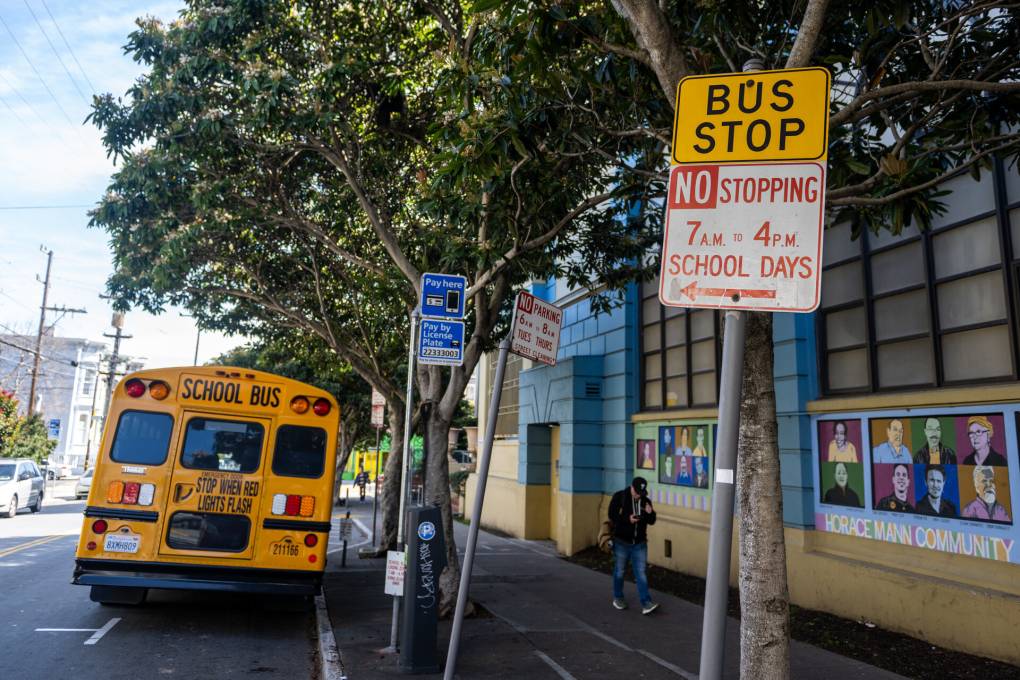
"caption": "A school bus is parked outside of Buena Vista Horace Mann K-8, part of the San Francisco Unified School District, in San Francisco on March 2, 2023.",
"description": null,
"title": "SFUSDSchoolBus",
"credit": "Beth LaBerge/KQED",
"status": "inherit",
"altTag": "The back of a yellow school bus is visible next to a street sign reading \"bus stop.\"",
"isLoading": false,
"fetchFailed": false
},
"news_11980878": {
"type": "attachments",
"id": "news_11980878",
"meta": {
"index": "attachments_1716263798",
"site": "news",
"id": "11980878",
"found": true
},
"parent": 0,
"imgSizes": {
"twentyfourteen-full-width": {
"file": "https://cdn.kqed.org/wp-content/uploads/sites/10/2024/03/240326-RFK-RALLY-JY-01-KQED-1038x576.jpg",
"width": 1038,
"mimeType": "image/jpeg",
"height": 576
},
"thumbnail": {
"file": "https://cdn.kqed.org/wp-content/uploads/sites/10/2024/03/240326-RFK-RALLY-JY-01-KQED-160x107.jpg",
"width": 160,
"mimeType": "image/jpeg",
"height": 107
},
"post-thumbnail": {
"file": "https://cdn.kqed.org/wp-content/uploads/sites/10/2024/03/240326-RFK-RALLY-JY-01-KQED-672x372.jpg",
"width": 672,
"mimeType": "image/jpeg",
"height": 372
},
"kqedFullSize": {
"file": "https://cdn.kqed.org/wp-content/uploads/sites/10/2024/03/240326-RFK-RALLY-JY-01-KQED.jpg",
"width": 2000,
"height": 1333
},
"large": {
"file": "https://cdn.kqed.org/wp-content/uploads/sites/10/2024/03/240326-RFK-RALLY-JY-01-KQED-1020x680.jpg",
"width": 1020,
"mimeType": "image/jpeg",
"height": 680
},
"1536x1536": {
"file": "https://cdn.kqed.org/wp-content/uploads/sites/10/2024/03/240326-RFK-RALLY-JY-01-KQED-1536x1024.jpg",
"width": 1536,
"mimeType": "image/jpeg",
"height": 1024
},
"full-width": {
"file": "https://cdn.kqed.org/wp-content/uploads/sites/10/2024/03/240326-RFK-RALLY-JY-01-KQED-1920x1280.jpg",
"width": 1920,
"mimeType": "image/jpeg",
"height": 1280
},
"medium": {
"file": "https://cdn.kqed.org/wp-content/uploads/sites/10/2024/03/240326-RFK-RALLY-JY-01-KQED-800x533.jpg",
"width": 800,
"mimeType": "image/jpeg",
"height": 533
}
},
"publishDate": 1711490401,
"modified": 1711491453,
"caption": "Independent presidential candidate Robert F. Kennedy Jr. and vice presidential candidate Nicole Shanahan.",
"description": null,
"title": "240326-RFK-RALLY-JY-01-KQED",
"credit": "Juliana Yamada/KQED",
"status": "inherit",
"altTag": null,
"isLoading": false,
"fetchFailed": false
},
"news_11977975": {
"type": "attachments",
"id": "news_11977975",
"meta": {
"index": "attachments_1716263798",
"site": "news",
"id": "11977975",
"found": true
},
"parent": 0,
"imgSizes": {
"twentyfourteen-full-width": {
"file": "https://cdn.kqed.org/wp-content/uploads/sites/10/2024/03/240301-EARLY-START-DEVELOPMENTAL-DELAYS-KSM-08-KQED-1038x576.jpg",
"width": 1038,
"mimeType": "image/jpeg",
"height": 576
},
"thumbnail": {
"file": "https://cdn.kqed.org/wp-content/uploads/sites/10/2024/03/240301-EARLY-START-DEVELOPMENTAL-DELAYS-KSM-08-KQED-160x107.jpg",
"width": 160,
"mimeType": "image/jpeg",
"height": 107
},
"post-thumbnail": {
"file": "https://cdn.kqed.org/wp-content/uploads/sites/10/2024/03/240301-EARLY-START-DEVELOPMENTAL-DELAYS-KSM-08-KQED-672x372.jpg",
"width": 672,
"mimeType": "image/jpeg",
"height": 372
},
"kqedFullSize": {
"file": "https://cdn.kqed.org/wp-content/uploads/sites/10/2024/03/240301-EARLY-START-DEVELOPMENTAL-DELAYS-KSM-08-KQED.jpg",
"width": 2000,
"height": 1333
},
"large": {
"file": "https://cdn.kqed.org/wp-content/uploads/sites/10/2024/03/240301-EARLY-START-DEVELOPMENTAL-DELAYS-KSM-08-KQED-1020x680.jpg",
"width": 1020,
"mimeType": "image/jpeg",
"height": 680
},
"1536x1536": {
"file": "https://cdn.kqed.org/wp-content/uploads/sites/10/2024/03/240301-EARLY-START-DEVELOPMENTAL-DELAYS-KSM-08-KQED-1536x1024.jpg",
"width": 1536,
"mimeType": "image/jpeg",
"height": 1024
},
"full-width": {
"file": "https://cdn.kqed.org/wp-content/uploads/sites/10/2024/03/240301-EARLY-START-DEVELOPMENTAL-DELAYS-KSM-08-KQED-1920x1280.jpg",
"width": 1920,
"mimeType": "image/jpeg",
"height": 1280
},
"medium": {
"file": "https://cdn.kqed.org/wp-content/uploads/sites/10/2024/03/240301-EARLY-START-DEVELOPMENTAL-DELAYS-KSM-08-KQED-800x533.jpg",
"width": 800,
"mimeType": "image/jpeg",
"height": 533
}
},
"publishDate": 1709582146,
"modified": 1710282134,
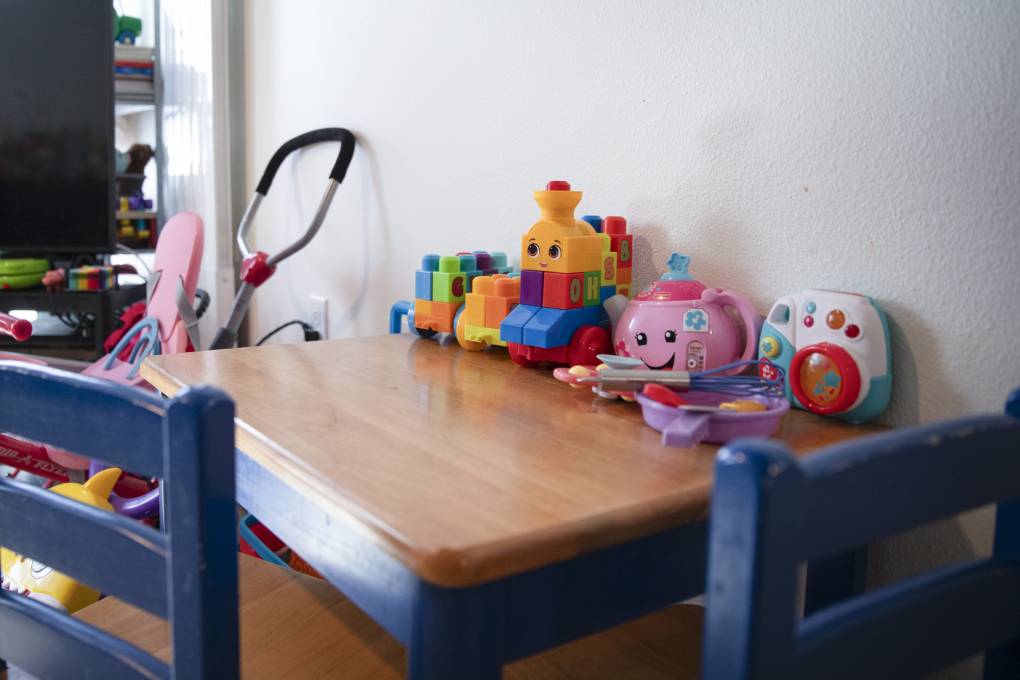
"caption": "A small table and chair with children's toys in Reyna Balladares' home in San Francisco on Feb. 26, 2024.",
"description": null,
"title": "240301-EARLY-START-DEVELOPMENTAL-DELAYS-KSM-08-KQED",
"credit": "Kathryn Styer-Martínez/KQED",
"status": "inherit",
"altTag": "A collection of kids' toys sits on a beige and blue table beside a white wall.",
"isLoading": false,
"fetchFailed": false
},
"news_11979834": {
"type": "attachments",
"id": "news_11979834",
"meta": {
"index": "attachments_1716263798",
"site": "news",
"id": "11979834",
"found": true
},
"parent": 11979829,
"imgSizes": {
"twentyfourteen-full-width": {
"file": "https://cdn.kqed.org/wp-content/uploads/sites/10/2024/03/022624_Mia-Cooper-ESSER_EF_CM_03-1038x576.jpg",
"width": 1038,
"mimeType": "image/jpeg",
"height": 576
},
"thumbnail": {
"file": "https://cdn.kqed.org/wp-content/uploads/sites/10/2024/03/022624_Mia-Cooper-ESSER_EF_CM_03-160x107.jpg",
"width": 160,
"mimeType": "image/jpeg",
"height": 107
},
"post-thumbnail": {
"file": "https://cdn.kqed.org/wp-content/uploads/sites/10/2024/03/022624_Mia-Cooper-ESSER_EF_CM_03-672x372.jpg",
"width": 672,
"mimeType": "image/jpeg",
"height": 372
},
"kqedFullSize": {
"file": "https://cdn.kqed.org/wp-content/uploads/sites/10/2024/03/022624_Mia-Cooper-ESSER_EF_CM_03.jpg",
"width": 2000,
"height": 1333
},
"large": {
"file": "https://cdn.kqed.org/wp-content/uploads/sites/10/2024/03/022624_Mia-Cooper-ESSER_EF_CM_03-1020x680.jpg",
"width": 1020,
"mimeType": "image/jpeg",
"height": 680
},
"1536x1536": {
"file": "https://cdn.kqed.org/wp-content/uploads/sites/10/2024/03/022624_Mia-Cooper-ESSER_EF_CM_03-1536x1024.jpg",
"width": 1536,
"mimeType": "image/jpeg",
"height": 1024
},
"full-width": {
"file": "https://cdn.kqed.org/wp-content/uploads/sites/10/2024/03/022624_Mia-Cooper-ESSER_EF_CM_03-1920x1280.jpg",
"width": 1920,
"mimeType": "image/jpeg",
"height": 1280
},
"medium": {
"file": "https://cdn.kqed.org/wp-content/uploads/sites/10/2024/03/022624_Mia-Cooper-ESSER_EF_CM_03-800x533.jpg",
"width": 800,
"mimeType": "image/jpeg",
"height": 533
}
},
"publishDate": 1710791436,
"modified": 1710791578,
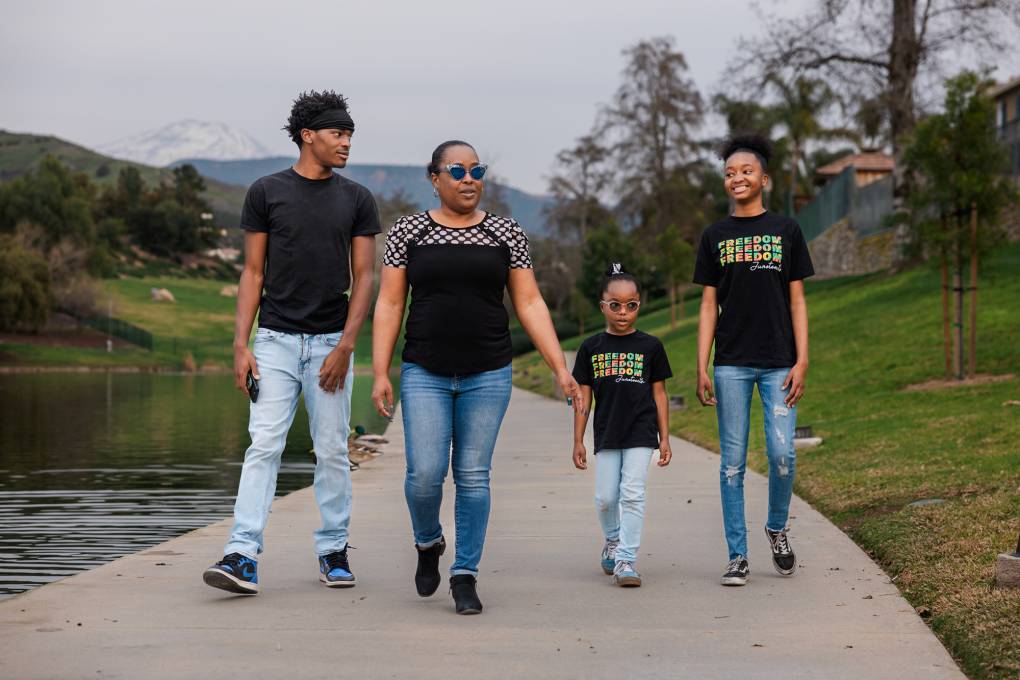
"caption": "Mia Cooper, center, with her children Alec, far left, Honey, second from right, and Samantha Cooper, far right, near their home in Highland on Feb. 26, 2024. ",
"description": null,
"title": "022624_Mia-Cooper-ESSER_EF_CM_03",
"credit": "Elisa Ferrari/CalMatters",
"status": "inherit",
"altTag": "A young Black man, an adult Black woman and two young Black girls walk down a path.",
"isLoading": false,
"fetchFailed": false
},
"news_11979743": {
"type": "attachments",
"id": "news_11979743",
"meta": {
"index": "attachments_1716263798",
"site": "news",
"id": "11979743",
"found": true
},
"parent": 11979736,
"imgSizes": {
"twentyfourteen-full-width": {
"file": "https://cdn.kqed.org/wp-content/uploads/sites/10/2024/03/AP24074611449443-1038x576.jpg",
"width": 1038,
"mimeType": "image/jpeg",
"height": 576
},
"thumbnail": {
"file": "https://cdn.kqed.org/wp-content/uploads/sites/10/2024/03/AP24074611449443-160x107.jpg",
"width": 160,
"mimeType": "image/jpeg",
"height": 107
},
"post-thumbnail": {
"file": "https://cdn.kqed.org/wp-content/uploads/sites/10/2024/03/AP24074611449443-672x372.jpg",
"width": 672,
"mimeType": "image/jpeg",
"height": 372
},
"kqedFullSize": {
"file": "https://cdn.kqed.org/wp-content/uploads/sites/10/2024/03/AP24074611449443-scaled.jpg",
"width": 2560,
"height": 1706
},
"2048x2048": {
"file": "https://cdn.kqed.org/wp-content/uploads/sites/10/2024/03/AP24074611449443-2048x1365.jpg",
"width": 2048,
"mimeType": "image/jpeg",
"height": 1365
},
"large": {
"file": "https://cdn.kqed.org/wp-content/uploads/sites/10/2024/03/AP24074611449443-1020x680.jpg",
"width": 1020,
"mimeType": "image/jpeg",
"height": 680
},
"1536x1536": {
"file": "https://cdn.kqed.org/wp-content/uploads/sites/10/2024/03/AP24074611449443-1536x1023.jpg",
"width": 1536,
"mimeType": "image/jpeg",
"height": 1023
},
"full-width": {
"file": "https://cdn.kqed.org/wp-content/uploads/sites/10/2024/03/AP24074611449443-1920x1279.jpg",
"width": 1920,
"mimeType": "image/jpeg",
"height": 1279
},
"medium": {
"file": "https://cdn.kqed.org/wp-content/uploads/sites/10/2024/03/AP24074611449443-800x533.jpg",
"width": 800,
"mimeType": "image/jpeg",
"height": 533
}
},
"publishDate": 1710617762,
"modified": 1710618920,
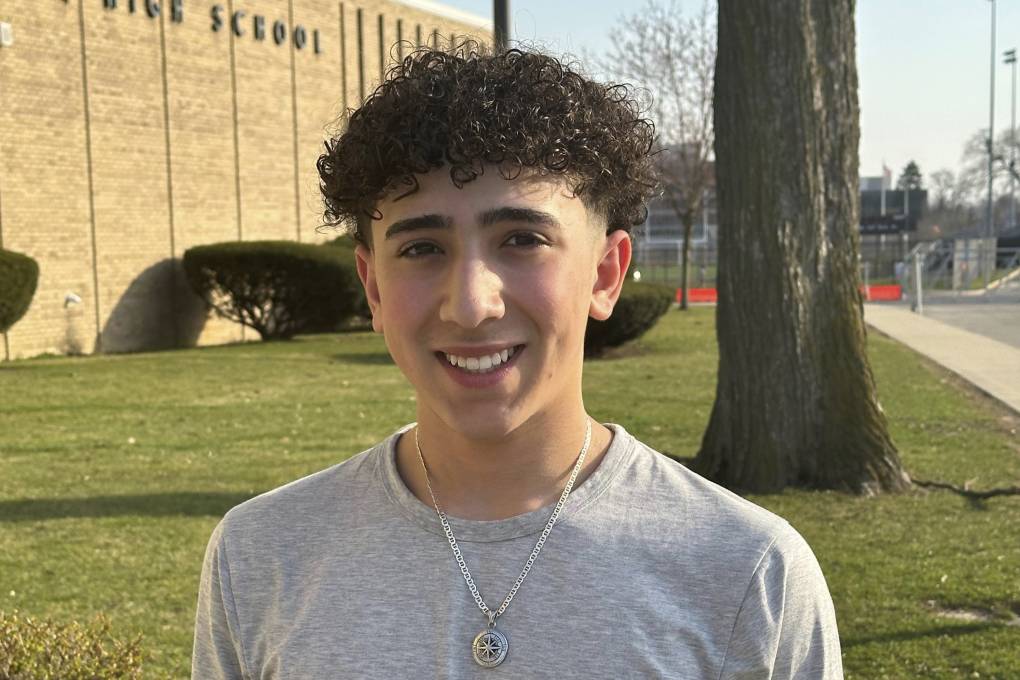
"caption": "Adam Alcodray stands outside Dearborn High School on Wednesday, March 13, 2024 in Dearborn, Michigan. Alcodray, 14, is a 9th grader at the school which makes certain allowances for students observing Ramadan. Alcodray says Ramadan carries more significance this year given the plight of people in Gaza. 'When you look at what the children are eating in Gaza, you appreciate what your mom makes,' he said. 'When you’re having a bad day, realize what they are going through.'",
"description": null,
"title": "Ramadan-Public Schools",
"credit": "AP Photo",
"status": "inherit",
"altTag": "A 9th grade student, male, wearing gray shirt, smiles at the camera with a school building and lawn with trees behind him.",
"isLoading": false,
"fetchFailed": false
},
"news_11979221": {
"type": "attachments",
"id": "news_11979221",
"meta": {
"index": "attachments_1716263798",
"site": "news",
"id": "11979221",
"found": true
},
"parent": 11979071,
"imgSizes": {
"twentyfourteen-full-width": {
"file": "https://cdn.kqed.org/wp-content/uploads/sites/10/2024/03/240309-EARLY-START-DEVELOPMENTAL-DELAYS-MD-02-KQED-1-1038x576.jpg",
"width": 1038,
"mimeType": "image/jpeg",
"height": 576
},
"thumbnail": {
"file": "https://cdn.kqed.org/wp-content/uploads/sites/10/2024/03/240309-EARLY-START-DEVELOPMENTAL-DELAYS-MD-02-KQED-1-160x107.jpg",
"width": 160,
"mimeType": "image/jpeg",
"height": 107
},
"post-thumbnail": {
"file": "https://cdn.kqed.org/wp-content/uploads/sites/10/2024/03/240309-EARLY-START-DEVELOPMENTAL-DELAYS-MD-02-KQED-1-672x372.jpg",
"width": 672,
"mimeType": "image/jpeg",
"height": 372
},
"kqedFullSize": {
"file": "https://cdn.kqed.org/wp-content/uploads/sites/10/2024/03/240309-EARLY-START-DEVELOPMENTAL-DELAYS-MD-02-KQED-1.jpg",
"width": 2000,
"height": 1333
},
"large": {
"file": "https://cdn.kqed.org/wp-content/uploads/sites/10/2024/03/240309-EARLY-START-DEVELOPMENTAL-DELAYS-MD-02-KQED-1-1020x680.jpg",
"width": 1020,
"mimeType": "image/jpeg",
"height": 680
},
"1536x1536": {
"file": "https://cdn.kqed.org/wp-content/uploads/sites/10/2024/03/240309-EARLY-START-DEVELOPMENTAL-DELAYS-MD-02-KQED-1-1536x1024.jpg",
"width": 1536,
"mimeType": "image/jpeg",
"height": 1024
},
"full-width": {
"file": "https://cdn.kqed.org/wp-content/uploads/sites/10/2024/03/240309-EARLY-START-DEVELOPMENTAL-DELAYS-MD-02-KQED-1-1920x1280.jpg",
"width": 1920,
"mimeType": "image/jpeg",
"height": 1280
},
"medium": {
"file": "https://cdn.kqed.org/wp-content/uploads/sites/10/2024/03/240309-EARLY-START-DEVELOPMENTAL-DELAYS-MD-02-KQED-1-800x533.jpg",
"width": 800,
"mimeType": "image/jpeg",
"height": 533
}
},
"publishDate": 1710350941,
"modified": 1710350958,
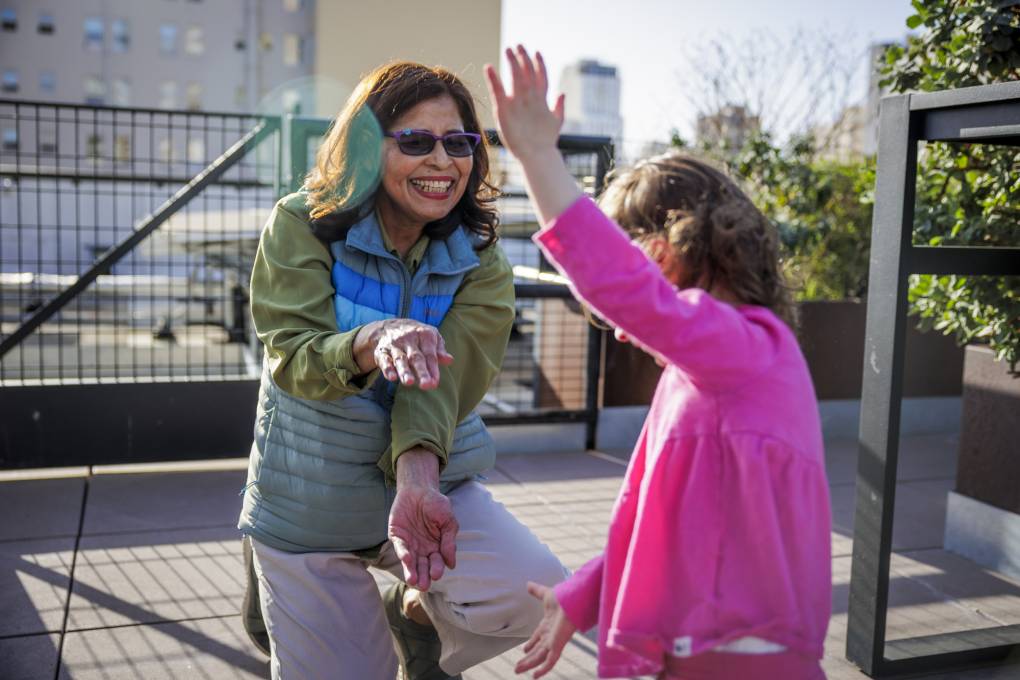
"caption": "Reyna Balladares and her 3-year-old foster child play on the roof of their building in San Francisco on Mar. 9, 2024.",
"description": null,
"title": "240309-EARLY START-DEVELOPMENTAL DELAYS-MD-02-KQED-1",
"credit": "Martin do Nascimento/KQED",
"status": "inherit",
"altTag": null,
"isLoading": false,
"fetchFailed": false
},
"news_11978968": {
"type": "attachments",
"id": "news_11978968",
"meta": {
"index": "attachments_1716263798",
"site": "news",
"id": "11978968",
"found": true
},
"parent": 0,
"imgSizes": {
"twentyfourteen-full-width": {
"file": "https://cdn.kqed.org/wp-content/uploads/sites/10/2024/03/240311-JEWISHPROTEST-JY-31-KQED-1038x576.jpg",
"width": 1038,
"mimeType": "image/jpeg",
"height": 576
},
"thumbnail": {
"file": "https://cdn.kqed.org/wp-content/uploads/sites/10/2024/03/240311-JEWISHPROTEST-JY-31-KQED-160x107.jpg",
"width": 160,
"mimeType": "image/jpeg",
"height": 107
},
"post-thumbnail": {
"file": "https://cdn.kqed.org/wp-content/uploads/sites/10/2024/03/240311-JEWISHPROTEST-JY-31-KQED-672x372.jpg",
"width": 672,
"mimeType": "image/jpeg",
"height": 372
},
"kqedFullSize": {
"file": "https://cdn.kqed.org/wp-content/uploads/sites/10/2024/03/240311-JEWISHPROTEST-JY-31-KQED.jpg",
"width": 2000,
"height": 1333
},
"large": {
"file": "https://cdn.kqed.org/wp-content/uploads/sites/10/2024/03/240311-JEWISHPROTEST-JY-31-KQED-1020x680.jpg",
"width": 1020,
"mimeType": "image/jpeg",
"height": 680
},
"1536x1536": {
"file": "https://cdn.kqed.org/wp-content/uploads/sites/10/2024/03/240311-JEWISHPROTEST-JY-31-KQED-1536x1024.jpg",
"width": 1536,
"mimeType": "image/jpeg",
"height": 1024
},
"full-width": {
"file": "https://cdn.kqed.org/wp-content/uploads/sites/10/2024/03/240311-JEWISHPROTEST-JY-31-KQED-1920x1280.jpg",
"width": 1920,
"mimeType": "image/jpeg",
"height": 1280
},
"medium": {
"file": "https://cdn.kqed.org/wp-content/uploads/sites/10/2024/03/240311-JEWISHPROTEST-JY-31-KQED-800x533.jpg",
"width": 800,
"mimeType": "image/jpeg",
"height": 533
}
},
"publishDate": 1710194572,
"modified": 1710204689,
"caption": "UC Berkeley staff member Karen Shuker, center, rallies with other Jewish staff, students, faculty and community members in front of California Hall on March 11, 2024.",
"description": null,
"title": "240311-JEWISHPROTEST-JY-31-KQED",
"credit": "Juliana Yamada/KQED",
"status": "inherit",
"altTag": "A large group of people stands together, holding signs.",
"isLoading": false,
"fetchFailed": false
},
"news_11962623": {
"type": "attachments",
"id": "news_11962623",
"meta": {
"index": "attachments_1716263798",
"site": "news",
"id": "11962623",
"found": true
},
"parent": 0,
"imgSizes": {
"twentyfourteen-full-width": {
"file": "https://ww2.kqed.org/app/uploads/sites/10/2023/09/230927-CHINO-TRANSGENDER-SCHOOL-BOARD-Getty-DM-KQED-1038x576.jpg",
"width": 1038,
"mimeType": "image/jpeg",
"height": 576
},
"thumbnail": {
"file": "https://ww2.kqed.org/app/uploads/sites/10/2023/09/230927-CHINO-TRANSGENDER-SCHOOL-BOARD-Getty-DM-KQED-160x107.jpg",
"width": 160,
"mimeType": "image/jpeg",
"height": 107
},
"post-thumbnail": {
"file": "https://ww2.kqed.org/app/uploads/sites/10/2023/09/230927-CHINO-TRANSGENDER-SCHOOL-BOARD-Getty-DM-KQED-672x372.jpg",
"width": 672,
"mimeType": "image/jpeg",
"height": 372
},
"kqedFullSize": {
"file": "https://ww2.kqed.org/app/uploads/sites/10/2023/09/230927-CHINO-TRANSGENDER-SCHOOL-BOARD-Getty-DM-KQED.jpg",
"width": 2000,
"height": 1334
},
"large": {
"file": "https://ww2.kqed.org/app/uploads/sites/10/2023/09/230927-CHINO-TRANSGENDER-SCHOOL-BOARD-Getty-DM-KQED-1020x680.jpg",
"width": 1020,
"mimeType": "image/jpeg",
"height": 680
},
"1536x1536": {
"file": "https://ww2.kqed.org/app/uploads/sites/10/2023/09/230927-CHINO-TRANSGENDER-SCHOOL-BOARD-Getty-DM-KQED-1536x1025.jpg",
"width": 1536,
"mimeType": "image/jpeg",
"height": 1025
},
"full-width": {
"file": "https://ww2.kqed.org/app/uploads/sites/10/2023/09/230927-CHINO-TRANSGENDER-SCHOOL-BOARD-Getty-DM-KQED-1920x1281.jpg",
"width": 1920,
"mimeType": "image/jpeg",
"height": 1281
},
"medium": {
"file": "https://ww2.kqed.org/app/uploads/sites/10/2023/09/230927-CHINO-TRANSGENDER-SCHOOL-BOARD-Getty-DM-KQED-800x534.jpg",
"width": 800,
"mimeType": "image/jpeg",
"height": 534
}
},
"publishDate": 1695850696,
"modified": 1695853730,
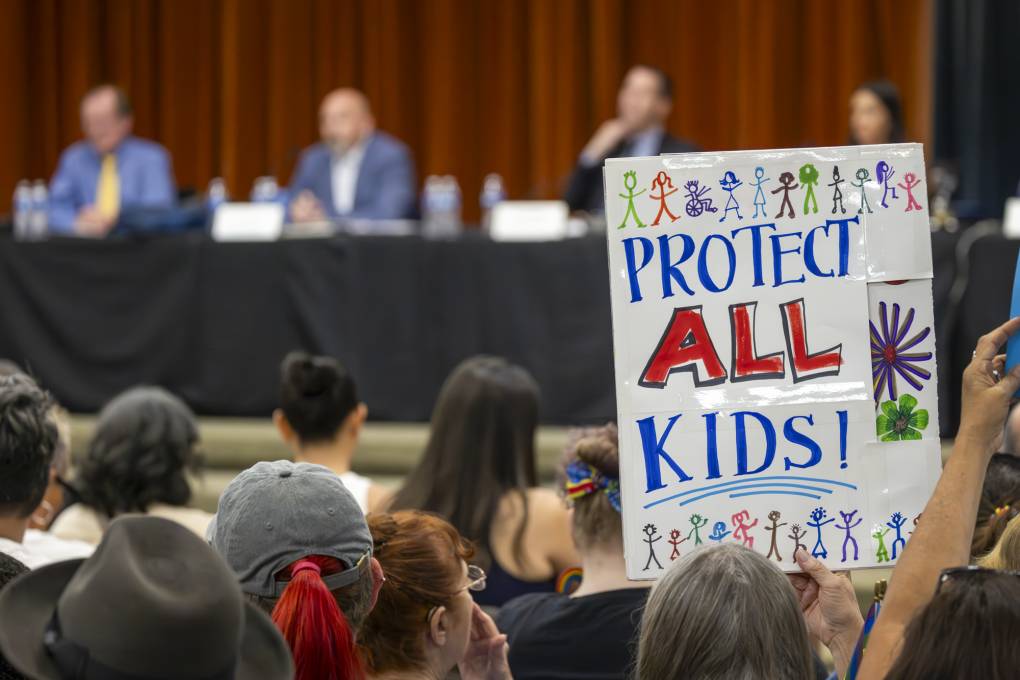
"caption": "A person holds a sign in opposition to a policy that the Chino Valley school board is meeting to vote on which would require school staff to 'out' students to their parents if they ask to be identified by a gender that is not listed on their birth certificate, in Chino, San Bernardino County, on July 20, 2023.",
"description": null,
"title": "Chino Valley School Board Votes On Student Transgender Policy",
"credit": "David McNew/Getty Images",
"status": "inherit",
"altTag": "A person holds a sign above their head that reads \"protect all kids\" in a crowded indoor space.",
"isLoading": false,
"fetchFailed": false
},
"news_11978598": {
"type": "attachments",
"id": "news_11978598",
"meta": {
"index": "attachments_1716263798",
"site": "news",
"id": "11978598",
"found": true
},
"parent": 11978593,
"imgSizes": {
"twentyfourteen-full-width": {
"file": "https://cdn.kqed.org/wp-content/uploads/sites/10/2024/03/IMG_9319-2-1038x576.jpg",
"width": 1038,
"mimeType": "image/jpeg",
"height": 576
},
"thumbnail": {
"file": "https://cdn.kqed.org/wp-content/uploads/sites/10/2024/03/IMG_9319-2-160x111.jpg",
"width": 160,
"mimeType": "image/jpeg",
"height": 111
},
"post-thumbnail": {
"file": "https://cdn.kqed.org/wp-content/uploads/sites/10/2024/03/IMG_9319-2-672x372.jpg",
"width": 672,
"mimeType": "image/jpeg",
"height": 372
},
"kqedFullSize": {
"file": "https://cdn.kqed.org/wp-content/uploads/sites/10/2024/03/IMG_9319-2.jpg",
"width": 1313,
"height": 914
},
"large": {
"file": "https://cdn.kqed.org/wp-content/uploads/sites/10/2024/03/IMG_9319-2-1020x710.jpg",
"width": 1020,
"mimeType": "image/jpeg",
"height": 710
},
"medium": {
"file": "https://cdn.kqed.org/wp-content/uploads/sites/10/2024/03/IMG_9319-2-800x557.jpg",
"width": 800,
"mimeType": "image/jpeg",
"height": 557
}
},
"publishDate": 1709853672,
"modified": 1709854049,
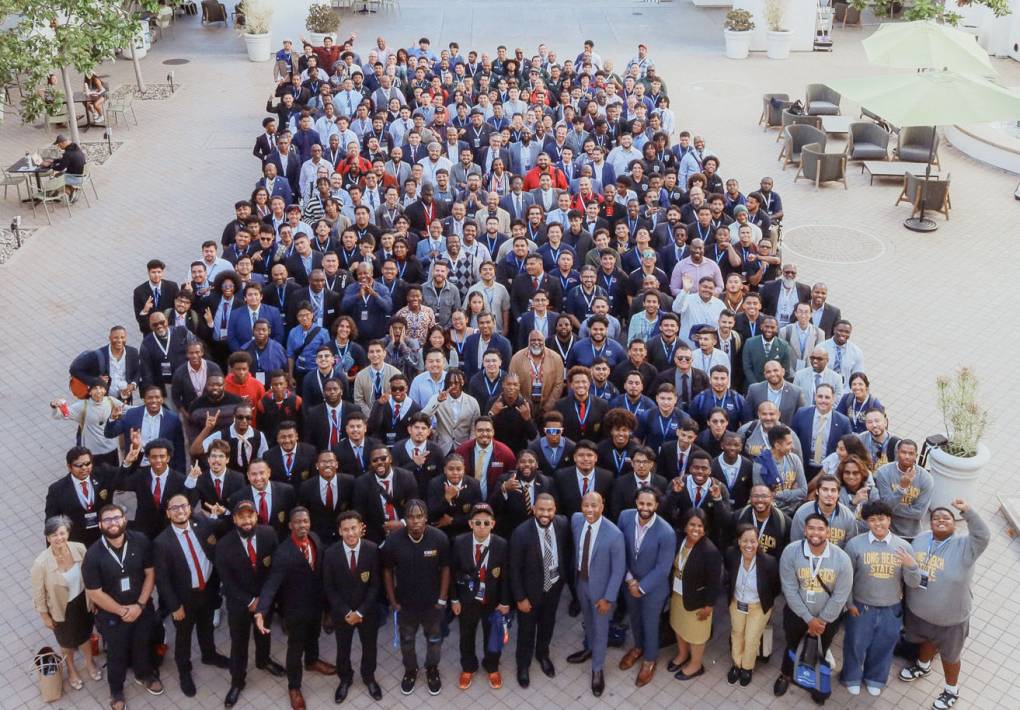
"caption": "CSU's Young Males of Color conference in October 2023.",
"description": null,
"title": "IMG_9319-2",
"credit": "Courtesy of CSU Dominguez Hills",
"status": "inherit",
"altTag": "An aerial view of a large group of people.",
"isLoading": false,
"fetchFailed": false
},
"news_11978153": {
"type": "attachments",
"id": "news_11978153",
"meta": {
"index": "attachments_1716263798",
"site": "news",
"id": "11978153",
"found": true
},
"parent": 11978152,
"imgSizes": {
"twentyfourteen-full-width": {
"file": "https://cdn.kqed.org/wp-content/uploads/sites/10/2024/03/echaliko_sat_npr_slide-c86db4b3895ad84e6778b3dbcb20345dff0460b2-1038x576.jpg",
"width": 1038,
"mimeType": "image/jpeg",
"height": 576
},
"thumbnail": {
"file": "https://cdn.kqed.org/wp-content/uploads/sites/10/2024/03/echaliko_sat_npr_slide-c86db4b3895ad84e6778b3dbcb20345dff0460b2-160x107.jpg",
"width": 160,
"mimeType": "image/jpeg",
"height": 107
},
"post-thumbnail": {
"file": "https://cdn.kqed.org/wp-content/uploads/sites/10/2024/03/echaliko_sat_npr_slide-c86db4b3895ad84e6778b3dbcb20345dff0460b2-672x372.jpg",
"width": 672,
"mimeType": "image/jpeg",
"height": 372
},
"kqedFullSize": {
"file": "https://cdn.kqed.org/wp-content/uploads/sites/10/2024/03/echaliko_sat_npr_slide-c86db4b3895ad84e6778b3dbcb20345dff0460b2-scaled.jpg",
"width": 2560,
"height": 1707
},
"2048x2048": {
"file": "https://cdn.kqed.org/wp-content/uploads/sites/10/2024/03/echaliko_sat_npr_slide-c86db4b3895ad84e6778b3dbcb20345dff0460b2-2048x1365.jpg",
"width": 2048,
"mimeType": "image/jpeg",
"height": 1365
},
"large": {
"file": "https://cdn.kqed.org/wp-content/uploads/sites/10/2024/03/echaliko_sat_npr_slide-c86db4b3895ad84e6778b3dbcb20345dff0460b2-1020x680.jpg",
"width": 1020,
"mimeType": "image/jpeg",
"height": 680
},
"1536x1536": {
"file": "https://cdn.kqed.org/wp-content/uploads/sites/10/2024/03/echaliko_sat_npr_slide-c86db4b3895ad84e6778b3dbcb20345dff0460b2-1536x1024.jpg",
"width": 1536,
"mimeType": "image/jpeg",
"height": 1024
},
"full-width": {
"file": "https://cdn.kqed.org/wp-content/uploads/sites/10/2024/03/echaliko_sat_npr_slide-c86db4b3895ad84e6778b3dbcb20345dff0460b2-1920x1280.jpg",
"width": 1920,
"mimeType": "image/jpeg",
"height": 1280
},
"medium": {
"file": "https://cdn.kqed.org/wp-content/uploads/sites/10/2024/03/echaliko_sat_npr_slide-c86db4b3895ad84e6778b3dbcb20345dff0460b2-800x533.jpg",
"width": 800,
"mimeType": "image/jpeg",
"height": 533
}
},
"publishDate": 1709668175,
"modified": 1709673956,
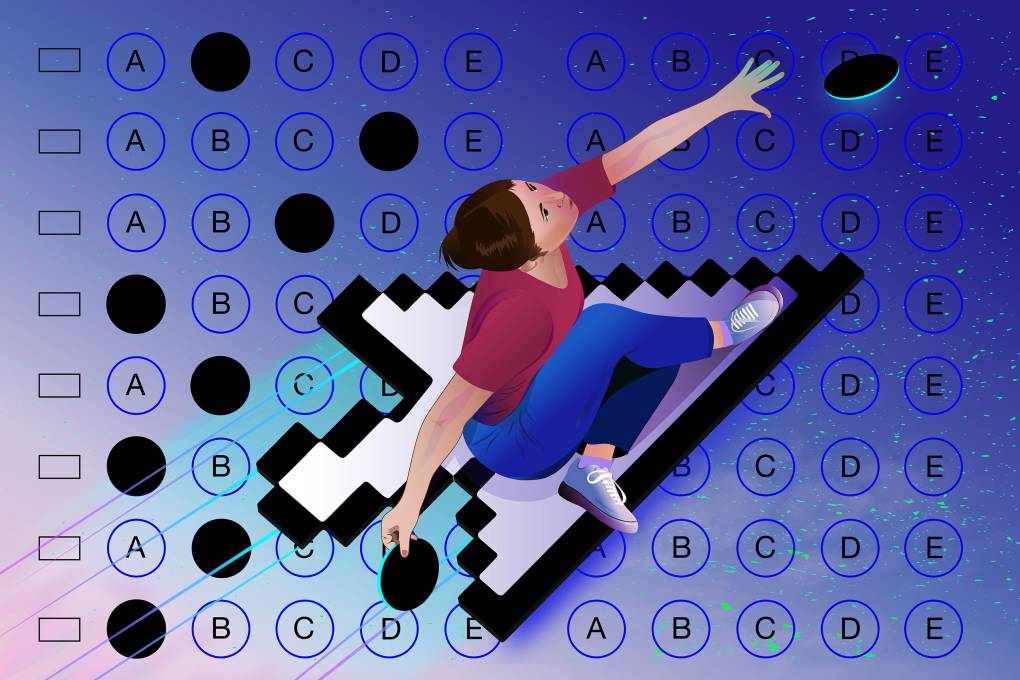
"caption": "The largest college entrance test in the U.S., the SAT, is going digital.",
"description": "The largest college entrance test in the US, the SAT, is going digital.",
"title": "The largest college entrance test in the US, the SAT, is going digital.",
"credit": "Efi Chalikopoulou/NPR",
"status": "inherit",
"altTag": "An illustration of a woman with a red shirt sitting on a mouse icon moving a black circle over circled letters.",
"isLoading": false,
"fetchFailed": false
},
"news_11977328": {
"type": "attachments",
"id": "news_11977328",
"meta": {
"index": "attachments_1716263798",
"site": "news",
"id": "11977328",
"found": true
},
"parent": 11977305,
"imgSizes": {
"twentyfourteen-full-width": {
"file": "https://cdn.kqed.org/wp-content/uploads/sites/10/2024/02/Leonia-Heights-murals-1038x576.jpg",
"width": 1038,
"mimeType": "image/jpeg",
"height": 576
},
"thumbnail": {
"file": "https://cdn.kqed.org/wp-content/uploads/sites/10/2024/02/Leonia-Heights-murals-160x90.jpg",
"width": 160,
"mimeType": "image/jpeg",
"height": 90
},
"post-thumbnail": {
"file": "https://cdn.kqed.org/wp-content/uploads/sites/10/2024/02/Leonia-Heights-murals-672x372.jpg",
"width": 672,
"mimeType": "image/jpeg",
"height": 372
},
"kqedFullSize": {
"file": "https://cdn.kqed.org/wp-content/uploads/sites/10/2024/02/Leonia-Heights-murals.jpg",
"width": 1920,
"height": 1080
},
"large": {
"file": "https://cdn.kqed.org/wp-content/uploads/sites/10/2024/02/Leonia-Heights-murals-1020x574.jpg",
"width": 1020,
"mimeType": "image/jpeg",
"height": 574
},
"1536x1536": {
"file": "https://cdn.kqed.org/wp-content/uploads/sites/10/2024/02/Leonia-Heights-murals-1536x864.jpg",
"width": 1536,
"mimeType": "image/jpeg",
"height": 864
},
"medium": {
"file": "https://cdn.kqed.org/wp-content/uploads/sites/10/2024/02/Leonia-Heights-murals-800x450.jpg",
"width": 800,
"mimeType": "image/jpeg",
"height": 450
}
},
"publishDate": 1709074336,
"modified": 1709074817,
"caption": "Murals hidden among the oak trees off a hiking trail near Leona Heights.",
"description": null,
"title": "Leonia-Heights-murals",
"credit": null,
"status": "inherit",
"altTag": "In the right side foreground a mural of Jasmine from the Disney movie Aladdin gives way to almost 10 mural painted on chunks of concrete.",
"isLoading": false,
"fetchFailed": false
},
"news_11977450": {
"type": "attachments",
"id": "news_11977450",
"meta": {
"index": "attachments_1716263798",
"site": "news",
"id": "11977450",
"found": true
},
"parent": 11977438,
"imgSizes": {
"twentyfourteen-full-width": {
"file": "https://cdn.kqed.org/wp-content/uploads/sites/10/2024/02/GettyImages-1466896342-1024x576.jpg",
"width": 1024,
"mimeType": "image/jpeg",
"height": 576
},
"thumbnail": {
"file": "https://cdn.kqed.org/wp-content/uploads/sites/10/2024/02/GettyImages-1466896342-160x107.jpg",
"width": 160,
"mimeType": "image/jpeg",
"height": 107
},
"post-thumbnail": {
"file": "https://cdn.kqed.org/wp-content/uploads/sites/10/2024/02/GettyImages-1466896342-672x372.jpg",
"width": 672,
"mimeType": "image/jpeg",
"height": 372
},
"kqedFullSize": {
"file": "https://cdn.kqed.org/wp-content/uploads/sites/10/2024/02/GettyImages-1466896342.jpg",
"width": 1024,
"height": 683
},
"large": {
"file": "https://cdn.kqed.org/wp-content/uploads/sites/10/2024/02/GettyImages-1466896342-1020x680.jpg",
"width": 1020,
"mimeType": "image/jpeg",
"height": 680
},
"medium": {
"file": "https://cdn.kqed.org/wp-content/uploads/sites/10/2024/02/GettyImages-1466896342-800x534.jpg",
"width": 800,
"mimeType": "image/jpeg",
"height": 534
}
},
"publishDate": 1709153762,
"modified": 1709154844,
"caption": "Oakland Mayor Sheng Thao announces the firing of Oakland Police Chief LeRonne Armstrong during a press conference at City Hall in Oakland, on Feb. 15, 2023. The Oakland Police Commission will present Thao a list of finalists for the position of police chief on Friday.",
"description": null,
"title": "Mayor Sheng Thao Press Conference",
"credit": "Jane Tyska/Digital First Media/East Bay Times via Getty Images",
"status": "inherit",
"altTag": null,
"isLoading": false,
"fetchFailed": false
}
},
"audioPlayerReducer": {
"postId": "stream_live",
"isPaused": true,
"isPlaying": false,
"pfsActive": false,
"pledgeModalIsOpen": true,
"playerDrawerIsOpen": false,
"liveAudioPlayStartedAt": 0,
"liveAudioPlayContext": ""
},
"authorsReducer": {
"byline_news_11979829": {
"type": "authors",
"id": "byline_news_11979829",
"meta": {
"override": true
},
"slug": "byline_news_11979829",
"name": "Carolyn Jones",
"isLoading": false
},
"byline_news_11979736": {
"type": "authors",
"id": "byline_news_11979736",
"meta": {
"override": true
},
"slug": "byline_news_11979736",
"name": "Corey Williams, Giovanna Dell'Orto, Marian Fam, Darren Sands\u003cbr>Associated Press",
"isLoading": false
},
"byline_news_11978725": {
"type": "authors",
"id": "byline_news_11978725",
"meta": {
"override": true
},
"slug": "byline_news_11978725",
"name": "Sophie Austin\u003cbr>The Associated Press",
"isLoading": false
},
"byline_news_11978593": {
"type": "authors",
"id": "byline_news_11978593",
"meta": {
"override": true
},
"slug": "byline_news_11978593",
"name": "\u003ca href=\"https://edsource.org/author/asmith\">Ashley A. Smith\u003c/a>",
"isLoading": false
},
"byline_news_11978152": {
"type": "authors",
"id": "byline_news_11978152",
"meta": {
"override": true
},
"slug": "byline_news_11978152",
"name": "Elissa Nadworny ",
"isLoading": false
},
"katrinaschwartz": {
"type": "authors",
"id": "234",
"meta": {
"index": "authors_1716337520",
"id": "234",
"found": true
},
"name": "Katrina Schwartz",
"firstName": "Katrina",
"lastName": "Schwartz",
"slug": "katrinaschwartz",
"email": "kschwartz@kqed.org",
"display_author_email": false,
"staff_mastheads": [
"news"
],
"title": "Producer",
"bio": "Katrina Schwartz is a journalist based in San Francisco. She's worked at KPCC public radio in LA and has reported on air and online for KQED since 2010. She covered how teaching and learning is changing for MindShift between 2012 and 2020. She is the co-host of the MindShift podcast and now produces KQED's Bay Curious podcast.",
"avatar": "https://secure.gravatar.com/avatar/edb4ee79070447a018538c9aae6eeecf28786515b8a0c30e43b6b7dce5aa44c8?s=600&d=blank&r=g",
"twitter": "kschwart",
"bluesky": null,
"facebook": null,
"instagram": null,
"linkedin": null,
"sites": [
{
"site": "",
"roles": [
"editor"
]
},
{
"site": "news",
"roles": [
"editor"
]
},
{
"site": "mindshift",
"roles": [
"administrator"
]
},
{
"site": "stateofhealth",
"roles": [
"author"
]
},
{
"site": "science",
"roles": [
"editor"
]
}
],
"headData": {
"title": "Katrina Schwartz | KQED",
"description": "Producer",
"ogImgSrc": "https://secure.gravatar.com/avatar/edb4ee79070447a018538c9aae6eeecf28786515b8a0c30e43b6b7dce5aa44c8?s=600&d=blank&r=g",
"twImgSrc": "https://secure.gravatar.com/avatar/edb4ee79070447a018538c9aae6eeecf28786515b8a0c30e43b6b7dce5aa44c8?s=600&d=blank&r=g"
},
"isLoading": false,
"link": "/author/katrinaschwartz"
},
"ccabreralomeli": {
"type": "authors",
"id": "11708",
"meta": {
"index": "authors_1716337520",
"id": "11708",
"found": true
},
"name": "Carlos Cabrera-Lomelí",
"firstName": "Carlos",
"lastName": "Cabrera-Lomelí",
"slug": "ccabreralomeli",
"email": "ccabreralomeli@KQED.org",
"display_author_email": true,
"staff_mastheads": [
"news"
],
"title": "Community Reporter",
"bio": "Carlos Cabrera-Lomelí is a community reporter with KQED's digital engagement team. He also reports and co-produces for KQED's bilingual news hub KQED en Español. He grew up in San Francisco's Mission District and has previously worked with Univision, 48 Hills and REFORMA in Mexico City.",
"avatar": "https://secure.gravatar.com/avatar/c309be9665e484f887b818c89e273ecc673004f426f36b24d00a4d813a2e0518?s=600&d=blank&r=g",
"twitter": "@LomeliCabrera",
"bluesky": null,
"facebook": null,
"instagram": null,
"linkedin": null,
"sites": [
{
"site": "arts",
"roles": [
"editor"
]
},
{
"site": "news",
"roles": [
"editor"
]
},
{
"site": "about",
"roles": [
"editor"
]
},
{
"site": "science",
"roles": [
"editor"
]
},
{
"site": "perspectives",
"roles": [
"editor"
]
},
{
"site": "elections",
"roles": [
"editor"
]
},
{
"site": "liveblog",
"roles": [
"contributor"
]
}
],
"headData": {
"title": "Carlos Cabrera-Lomelí | KQED",
"description": "Community Reporter",
"ogImgSrc": "https://secure.gravatar.com/avatar/c309be9665e484f887b818c89e273ecc673004f426f36b24d00a4d813a2e0518?s=600&d=blank&r=g",
"twImgSrc": "https://secure.gravatar.com/avatar/c309be9665e484f887b818c89e273ecc673004f426f36b24d00a4d813a2e0518?s=600&d=blank&r=g"
},
"isLoading": false,
"link": "/author/ccabreralomeli"
},
"afinney": {
"type": "authors",
"id": "11772",
"meta": {
"index": "authors_1716337520",
"id": "11772",
"found": true
},
"name": "Annelise Finney",
"firstName": "Annelise",
"lastName": "Finney",
"slug": "afinney",
"email": "afinney@kqed.org",
"display_author_email": true,
"staff_mastheads": [
"news"
],
"title": "Reporter",
"bio": "Annelise reports on reparations in California and East Bay politics. She co-produced the Sunday Music Drop, a limited-term radio series featuring Bay Area musicians that aired between Sept 2022 and Oct 2024. She joined KQED in 2021 as a general assignment reporter and is an alumna of KALW's Audio Academy. She was born and raised in the East Bay. She is currently away from KQED completing a year-long reporting project in Berlin, Germany as a Alexander Von Humboldt German Chancellor Fellow.",
"avatar": "https://secure.gravatar.com/avatar/5fded66cae47704cdfc5021cde0f3aa4?s=600&d=blank&r=g",
"twitter": null,
"facebook": null,
"instagram": null,
"linkedin": null,
"sites": [
{
"site": "news",
"roles": [
"editor"
]
},
{
"site": "liveblog",
"roles": [
"author"
]
}
],
"headData": {
"title": "Annelise Finney | KQED",
"description": "Reporter",
"ogImgSrc": "https://secure.gravatar.com/avatar/5fded66cae47704cdfc5021cde0f3aa4?s=600&d=blank&r=g",
"twImgSrc": "https://secure.gravatar.com/avatar/5fded66cae47704cdfc5021cde0f3aa4?s=600&d=blank&r=g"
},
"isLoading": false,
"link": "/author/afinney"
},
"daisynguyen": {
"type": "authors",
"id": "11829",
"meta": {
"index": "authors_1716337520",
"id": "11829",
"found": true
},
"name": "Daisy Nguyen",
"firstName": "Daisy",
"lastName": "Nguyen",
"slug": "daisynguyen",
"email": "daisynguyen@kqed.org",
"display_author_email": true,
"staff_mastheads": [
"news"
],
"title": "KQED Contributor",
"bio": "I have covered early childhood education and child care for KQED since 2022. I focus on policies aimed at increasing access to early care and education and how they shape individual lives. I've been a journalist for more than two decades, with most of that time devoted to covering breaking news throughout California for The Associated Press. I grew up in San Francisco and studied at UC Davis and Columbia University's Graduate School of Journalism. I live in Oakland with my husband and two kids.",
"avatar": "https://secure.gravatar.com/avatar/2da2127c27f7143b53ebd419800fd55f?s=600&d=blank&r=g",
"twitter": null,
"facebook": null,
"instagram": null,
"linkedin": "https://www.linkedin.com/in/daisynguyen/",
"sites": [
{
"site": "news",
"roles": [
"author"
]
},
{
"site": "liveblog",
"roles": [
"author"
]
}
],
"headData": {
"title": "Daisy Nguyen | KQED",
"description": "KQED Contributor",
"ogImgSrc": "https://secure.gravatar.com/avatar/2da2127c27f7143b53ebd419800fd55f?s=600&d=blank&r=g",
"twImgSrc": "https://secure.gravatar.com/avatar/2da2127c27f7143b53ebd419800fd55f?s=600&d=blank&r=g"
},
"isLoading": false,
"link": "/author/daisynguyen"
},
"sjohnson": {
"type": "authors",
"id": "11840",
"meta": {
"index": "authors_1716337520",
"id": "11840",
"found": true
},
"name": "Sydney Johnson",
"firstName": "Sydney",
"lastName": "Johnson",
"slug": "sjohnson",
"email": "sjohnson@kqed.org",
"display_author_email": false,
"staff_mastheads": [
"news"
],
"title": "KQED Reporter",
"bio": "Sydney Johnson is a general assignment reporter at KQED. She previously reported on public health and city government at the San Francisco Examiner, and before that, she covered statewide education policy for EdSource. Her reporting has won multiple local, state and national awards. Sydney is a graduate of the University of California, Berkeley and lives in San Francisco.",
"avatar": "https://secure.gravatar.com/avatar/97855f2719b72ad6190b7c535fe642c8?s=600&d=blank&r=g",
"twitter": "sydneyfjohnson",
"facebook": null,
"instagram": null,
"linkedin": null,
"sites": [
{
"site": "news",
"roles": [
"editor"
]
}
],
"headData": {
"title": "Sydney Johnson | KQED",
"description": "KQED Reporter",
"ogImgSrc": "https://secure.gravatar.com/avatar/97855f2719b72ad6190b7c535fe642c8?s=600&d=blank&r=g",
"twImgSrc": "https://secure.gravatar.com/avatar/97855f2719b72ad6190b7c535fe642c8?s=600&d=blank&r=g"
},
"isLoading": false,
"link": "/author/sjohnson"
},
"kmonahan": {
"type": "authors",
"id": "11842",
"meta": {
"index": "authors_1716337520",
"id": "11842",
"found": true
},
"name": "Katherine Monahan",
"firstName": "Katherine",
"lastName": "Monahan",
"slug": "kmonahan",
"email": "kmonahan@kqed.org",
"display_author_email": true,
"staff_mastheads": [],
"title": "Reporter / Sound Engineer",
"bio": "I cover state and local news. I’m also a sound engineer at the station, mixing stories and running live broadcasts. I link to source materials so that readers can draw their own conclusions, and seek comment from a range of perspectives, including from people directly affected by events. Awards received include from the Society of Professional Journalists, Northern California chapter and the Alaska Press Club. I speak multiple languages and have reported and engineered in the Bay Area, Alaska, West Africa and Latin America.",
"avatar": "https://secure.gravatar.com/avatar/ff257b3a5da88893781a3d3266904b2d2f91c7f0e1bbf728f61f5fb81b74a669?s=600&d=blank&r=g",
"twitter": null,
"bluesky": null,
"facebook": null,
"instagram": null,
"linkedin": null,
"sites": [
{
"site": "news",
"roles": [
"editor"
]
},
{
"site": "science",
"roles": [
"contributor"
]
}
],
"headData": {
"title": "Katherine Monahan | KQED",
"description": "Reporter / Sound Engineer",
"ogImgSrc": "https://secure.gravatar.com/avatar/ff257b3a5da88893781a3d3266904b2d2f91c7f0e1bbf728f61f5fb81b74a669?s=600&d=blank&r=g",
"twImgSrc": "https://secure.gravatar.com/avatar/ff257b3a5da88893781a3d3266904b2d2f91c7f0e1bbf728f61f5fb81b74a669?s=600&d=blank&r=g"
},
"isLoading": false,
"link": "/author/kmonahan"
}
},
"pagesReducer": {
"news_tag_education": {
"type": "terms",
"id": "news_20013",
"meta": {
"index": "terms_1716263798",
"site": "news",
"id": "20013",
"score": 6.9701343
},
"featImg": null,
"name": "education",
"description": null,
"taxonomy": "tag",
"headData": {
"twImgId": null,
"twTitle": null,
"ogTitle": null,
"ogImgId": null,
"twDescription": null,
"description": null,
"title": "education Archives | KQED News",
"ogDescription": null
},
"ttid": 20030,
"slug": "education",
"isLoading": false,
"title": "education",
"pageMeta": {
"site": "news",
"WpPageTemplate": "page-topic-editorial",
"currentPage": 48
},
"blocks": [
{
"blockName": "kqed/post-list",
"attrs": {
"layout": "cardArticle2",
"query": "posts/news?tag=education",
"seeMore": false,
"paginated": true,
"page": 48
}
},
{
"blockName": "kqed/ad"
}
]
}
},
"pfsSessionReducer": {},
"postsReducer": {
"stream_live": {
"type": "live",
"id": "stream_live",
"audioUrl": "https://streams.kqed.org/kqedradio",
"title": "Live Stream",
"excerpt": "Live Stream information currently unavailable.",
"link": "/radio",
"featImg": "",
"label": {
"name": "KQED Live",
"link": "/"
}
},
"stream_kqedNewscast": {
"type": "posts",
"id": "stream_kqedNewscast",
"audioUrl": "https://www.kqed.org/.stream/anon/radio/RDnews/newscast.mp3?_=1",
"title": "KQED Newscast",
"featImg": "",
"label": {
"name": "88.5 FM",
"link": "/"
}
},
"news_11980715": {
"type": "posts",
"id": "news_11980715",
"meta": {
"index": "posts_1716263798",
"site": "news",
"id": "11980715",
"score": null,
"sort": [
1711620004000
]
},
"guestAuthors": [],
"slug": "why-dont-more-bay-area-kids-ride-school-buses",
"title": "Why Doesn't California Have More School Buses?",
"publishDate": 1711620004,
"format": "standard",
"headTitle": "Why Doesn’t California Have More School Buses? | KQED",
"labelTerm": {},
"content": "\u003cp>\u003ca href=\"#episode-transcript\">View the full episode transcript.\u003c/a>\u003c/p>\n\u003cp>Weekday mornings are unquestionably hectic for many of us. We’re up early and out the door, headed towards some kind of commute to work. However, adding the responsibility of getting children through that morning routine and to school on time can feel like the day’s biggest accomplishment.\u003c/p>\n\u003cp>When Jules Winters first moved to the San Francisco Bay Area from the East Coast, she worried that in that morning rush, she’d get stuck behind a school bus stopping every couple of blocks to pick up kids. She knew from experience that it could make her late to work. But, soon, that concern turned to puzzlement because it never happened. Instead, she noticed a lot of traffic jams around schools at drop-off and pick-up times.\u003c/p>\n\u003cp>[baycuriouspodcastinfo]\u003c/p>\n\u003cp>“Now, I’m not going anywhere near [a] school because of all the parents dropping off their kids,” she says. “Why aren’t there buses taking students to and from school?” she wondered. “Why is that now the obligation of the family? And how do different families accommodate that? Is that equitable?”\u003c/p>\n\u003ch3>It goes back to Proposition 13\u003c/h3>\n\u003cp>Winters isn’t wrong. California has fewer school buses than in other parts of the country. A survey conducted by the Federal Highway Administration found that nationally, almost 40% of school-aged kids ride a school bus. In California, that number is only 8%.\u003c/p>\n\u003cp>[ad fullwidth]\u003c/p>\n\u003cp>Like so many questions related to school funding and services, the answer to Winters’ question has roots in the passage of Proposition 13, a constitutional amendment that limited how much a homeowner’s property taxes could increase each year. Property taxes were the primary way school districts funded themselves back then.\u003c/p>\n\u003cp>“The restriction of those sources of revenue in 1978 caused more or less a budget crisis,” says Sam Speroni, a doctoral researcher at the UCLA Institute of Transportation Studies and a researcher at San Jose State’s Mineta Transportation Institute. “So in 1982, the state froze its home-to-school transportation budget with only cost of living adjustments, and that stayed in place until 2022.”\u003c/p>\n\u003cfigure id=\"attachment_11980731\" class=\"wp-caption aligncenter\" style=\"max-width: 1920px\">\u003cimg loading=\"lazy\" decoding=\"async\" class=\"size-full wp-image-11980731\" src=\"https://cdn.kqed.org/wp-content/uploads/sites/10/2024/03/kids-ride-school-bus.jpg\" alt=\"A line of kids boards a yellow school bus.\" width=\"1920\" height=\"1080\" srcset=\"https://cdn.kqed.org/wp-content/uploads/sites/10/2024/03/kids-ride-school-bus.jpg 1920w, https://cdn.kqed.org/wp-content/uploads/sites/10/2024/03/kids-ride-school-bus-800x450.jpg 800w, https://cdn.kqed.org/wp-content/uploads/sites/10/2024/03/kids-ride-school-bus-1020x574.jpg 1020w, https://cdn.kqed.org/wp-content/uploads/sites/10/2024/03/kids-ride-school-bus-160x90.jpg 160w, https://cdn.kqed.org/wp-content/uploads/sites/10/2024/03/kids-ride-school-bus-1536x864.jpg 1536w\" sizes=\"(max-width: 1920px) 100vw, 1920px\">\u003cfigcaption class=\"wp-caption-text\">Across the country, about 40% of school-aged kids ride a school bus. In California, that number is closer to 8%. \u003ccite>( Ben Hasty/MediaNews Group/Reading Eagle via Getty Images)\u003c/cite>\u003c/figcaption>\u003c/figure>\n\u003cp>In the intervening years, California’s population has grown, including school-aged children, but the transportation budget has largely stayed the same. That has forced districts to shoulder more of the costs associated with providing school buses.\u003c/p>\n\u003cp>“That leads local districts into really difficult decisions about, ‘do we continue providing buses or do we eliminate in-school-house services that are also super important?’” Speroni says.\u003c/p>\n\u003cp>Districts are federally mandated to provide buses to certain groups of students, like those who have transportation, as part of their Individualized Education Program (IEP). However, California does not require school districts to offer school transportation to general education students. As the demands on the school budgets have grown, many districts have chosen not to prioritize school bus funding, which is costly.\u003c/p>\n\u003ch2>Buses to serve equity goals\u003c/h2>\n\u003cp>Low-income families and families of color often travel the furthest to get to school and have the least resources at their disposal. In recognition of that, some Bay Area districts fund a small number of buses to help meet their equity goals.\u003c/p>\n\u003cp>Berkeley Unified School District assigns elementary students to zones and then places them in schools with an eye toward socioeconomic diversity. The district uses census data on family income and parental education to help it do this. If the student lives further than 1 1/2 miles from their assigned school, the district offers school buses to help them get there.\u003c/p>\n\u003cp>Over 1,600 students ride the bus in Berkeley, about 18% of the school community.\u003c/p>\n\u003cp>\u003ciframe loading=\"lazy\" frameborder=\"0\" height=\"200\" scrolling=\"no\" src=\"https://playlist.megaphone.fm/?e=KQINC4087301904&light=true\" width=\"100%\">\u003c/iframe>\u003c/p>\n\u003cp>Berkeley’s commitment to school buses stems from a legacy of bussing for integration that goes back to 1968. Berkeley was the first sizable city with a large minority population to voluntarily start a two-way bussing program to both bring white students down from the hills and to take Black students up to the hill schools as a way to racially integrate the population of all its schools.\u003c/p>\n\u003cp>San Francisco also offers some school buses to general education students. It runs 35 buses for K–8 students each day, with routes that largely start on the southeast side of the city and bring kids to schools further north and west. The district says these routes help provide crucial access to language programs and offer more choices to families living in the southeast. The routes serve 46 schools and about 2,000 kids. Families sign up for the school bus when they enroll their children in elementary school. The routes and applications for spots on the bus are assigned at the educational placement center.\u003c/p>\n\u003ch2>Partnering with public transit agencies\u003c/h2>\n\u003cp>While many school districts in the San Francisco Bay Area do not provide dedicated school buses for general education students, they often partner with public transportation systems to help families get kids to school. In San Francisco, school-aged kids ride for free on Muni. SamTrans, serving schools in San Mateo County, offers free rides to low-income students.\u003c/p>\n\u003cp>Some school districts and public transportation agencies even work together to align schedules. For example, AC Transit, in the East Bay, offers Supplementary Service to School routes designed to align with school bell schedules and to cover the attendance boundaries of certain schools. AC Transit also discounts fares based on income requirements, as does Clipper.\u003c/p>\n\u003cp>Despite these efforts, according to the Federal Highway Administration survey, only about 2% of California students take public buses to school. In contrast, 68% get a ride in a private vehicle.\u003c/p>\n\u003ch3>Calls for school transportation reform\u003c/h3>\n\u003cp>Recently, there have been calls to reform California’s school transportation system. A 2014 Legislative Analyst’s Office report highlighted how underfunded the program had become and suggested several ways to reform it. In 2022, Newsom pledged state money to fund 60% of the cost of funding school transportation, the largest increase in years. The governor also allocated $1.5 billion in one-time funds to help districts transition to electric school buses.\u003c/p>\n\u003cp>State Sen. Nancy Skinner proposed a bill in 2022 that would provide universal access to school transportation for TK–12 public school students in the state. She argued that reliable transportation to school could reduce chronic absenteeism and improve school performance, especially for low-income students whose families more often don’t have cars. An analysis of the Skinner bill found it would cost the state $1.4 billion, which may be why, despite support in the Senate, it didn’t advance.\u003c/p>\n\u003cp>The high cost of providing school buses, paired with the many demands on a school district’s budget, make changes to school transportation policy a tricky proposition going forward.\u003c/p>\n\u003cp>[baycuriousquestion]\u003c/p>\n\u003ch2 id=\"episode-transcript\">Episode Transcript\u003c/h2>\n\u003cp>\u003cb>Olivia Allen-Price: \u003c/b>Whenever Bay Curious listener Jules Winters thinks about her childhood growing up in the suburbs of Philadelphia, she thinks of her school bus driver.\u003c/p>\n\u003cp>\u003cb>Jules Winters: \u003c/b>My bus driver was Ted for like, most of my life. This one time, there was a snowstorm that just hit, like out of nowhere, and it was like full-on blizzard. And I remember, like, we had been at school maybe only into like 9:00, and they were like, we got to get you out of here, like, now. And so they called all the buses. And we got on the bus with Ted, and we got stuck in a huge snowdrift on the way home.\u003c/p>\n\u003cp>\u003cb>Olivia Allen-Price: \u003c/b>Jules doesn’t remember being scared in that moment, even though it was probably really stressful for Ted. She felt safe. She knew Ted would get her home, he always did.\u003c/p>\n\u003cp>\u003cb>Jules Winters: \u003c/b>I have really good memories of taking the bus. Like, I met my best friend on the bus. She had moved into town over the summer and was just starting in a new school, and it’s kind of like I was the first person that she met.\u003c/p>\n\u003cp>\u003cb>Olivia Allen-Price: \u003c/b>So when she moved to California as an adult, Jules quickly noticed there weren’t many school buses moving kids around.\u003c/p>\n\u003cp>\u003cb>Jules Winters: \u003c/b>I think it’s ironic that initially, I was concerned about traffic, with like being stuck behind a bus, because that was what I was used to on the East Coast. Now, it’s like, I’m not going anywhere near that school because of all the parents dropping off their kids.\u003c/p>\n\u003cp>\u003cb>Olivia Allen-Price: \u003c/b>I live a half block from a school, and trust me, some of the worst traffic jams happen around school start and end times. Since Jules has such positive memories of riding the bus as a student, it got her wondering.\u003c/p>\n\u003cp>\u003cb>Jules Winters: \u003c/b>Why aren’t there buses taking students to and from school?\u003c/p>\n\u003cp>\u003cb>Olivia Allen-Price: \u003c/b>And that led to a whole bunch more questions.\u003c/p>\n\u003cp>\u003cb>Jules Winters: \u003c/b>Why is that now the obligation of the family and how do different families accommodate that? Is that equitable?\u003c/p>\n\u003cp>\u003cb>Olivia Allen-Price: \u003c/b>Today on Bay Curious, we’re taking a closer look at how kids get to school, why it matters, and if it’s true that there aren’t as many school buses in California as there are in other places. I’m Olivia Alan Price. Stay with us.\u003c/p>\n\u003cp>\u003ci>[Sponsor message]\u003c/i>\u003c/p>\n\u003cp>\u003cb>Olivia Allen-Price: \u003c/b>Today, we’re digging into why you don’t see as many school buses around the Bay area as you might in other parts of the country. And to help answer some of Jules’ questions, we have Bay curious producer and longtime education reporter Katrina Schwartz. Welcome, Katrina.\u003c/p>\n\u003cp>\u003cb>Katrina Schwartz: \u003c/b>Hi, Olivia. I was actually quite excited that we got an education question.\u003c/p>\n\u003cp>\u003cb>Olivia Allen-Price: \u003c/b>Yeah, let’s get right into it. Is Jules right? Are there actually fewer school buses here?\u003c/p>\n\u003cp>\u003cb>Katrina Schwartz: \u003c/b>Yes, Jules is correct. She’s actually put her finger on a real discrepancy. So there’s this survey that the Federal Highway Administration does across the country. And when you look nationwide, almost 40% of school-age kids ride a school bus. And that number has been fairly consistent across many decades. But here in California, only 8% of kids ride a school bus to school, which is the lowest in the country.\u003c/p>\n\u003cp>\u003cb>Olivia Allen-Price: \u003c/b>Wow. 8%. You know, I wouldn’t have thought it was that low. Although I guess if I think about it, I don’t tend to see school buses very often when I’m out on the roads.\u003c/p>\n\u003cp>\u003cb>Katrina Schwartz: \u003c/b>Right, because they really aren’t that common. In fact, I had a fair amount of trouble finding any kid that rode a school bus until I started asking around in Berkeley, where it is a little bit more common. So, I met Liz Christiano at her house in Berkeley. She actually volunteered to let me come over at this very stressful time in the morning.\u003c/p>\n\u003cp>\u003cb>Liz Christiano:\u003c/b> Good morning. Welcome, Katrina\u003c/p>\n\u003cp>\u003cb>Katrina Schwartz: \u003c/b>Getting ready time in order to meet up with her son James and his friend Eli, as they were having breakfast and getting ready to go to the school bus. They are both fourth graders at John Muir Elementary, and they remember the first time that they rode the school bus.\u003c/p>\n\u003cp>\u003cb>Eli: \u003c/b>It was kind of strange because, like, I didn’t know anybody, but then, like, I got used to it really quickly.\u003c/p>\n\u003cp>\u003cb>James: \u003c/b>It wasn’t really scary. I guess it felt weird.\u003c/p>\n\u003cp>\u003cb>Katrina Schwartz: \u003c/b>And they were not entirely positive about the experience but kind of resigned to it. I would say.\u003c/p>\n\u003cp>\u003cb>Eli: \u003c/b>It was pretty loud. There’s like so many people talking at once. And then the bus driver, like, frequently stops or has to use the radio to tell people to be quiet or to stop using foul language on the bus.\u003c/p>\n\u003cp>\u003cb>Olivia Allen-Price: \u003c/b>OK. That tracks. I remember not loving the bus all the time as a student, but I know that my mom appreciated that it meant she didn’t have to drive me to school.\u003c/p>\n\u003cp>\u003cb>Katrina Schwartz: \u003c/b>Yes, I think buses are really more for parents than they are for kids.\u003c/p>\n\u003cp>\u003cb>Liz Christiano: \u003c/b>My morning would be ridiculously stressful if I had to take him, even though we’re not that far away.\u003c/p>\n\u003cp>\u003cb>Katrina Schwartz: \u003c/b>Liz Christiano says she’s not even sure how she’d manage her morning without the bus.\u003c/p>\n\u003cp>\u003cb>Liz Christiano: \u003c/b>The getting up and going. Having to manage all of the logistics of getting everywhere and everything on time is just… it’s a lot.\u003c/p>\n\u003cp>\u003cb>Katrina Schwartz: \u003c/b>She has another child who’s younger, who goes to a preschool in Oakland. That school starts at the same time as James’ school. So if she was having to take them both to school, it would be this real logistical hurdle to juggle it all. And so she was just very thankful for the bus.\u003c/p>\n\u003cp>\u003cb>Liz Christiano: \u003c/b>Having your kid picked up and taken somewhere and then delivered home the amount of life and cognitive space that you get back, I love it. I really love it. The mornings are so much better because of the bus.\u003c/p>\n\u003cp>\u003cb>Katrina Schwartz: \u003c/b>James and Eli normally walk to the school bus together without their parents. It’s about a two-block walk. But this morning, because I was there, a bunch of kids met up and we all walked to the school bus together.\u003c/p>\n\u003cp>\u003cb>James: \u003c/b>We’re about to have to go to the bus. Do you want to interview Mia or Micah? they’re also on the bus.\u003c/p>\n\u003cp>\u003cb>Katrina Schwartz in scene: \u003c/b>So, Micah, how do you feel about the bus?\u003c/p>\n\u003cp>\u003cb>Micah: \u003c/b>I like that parents still get to work as much as they want. And it’s just fun to ride in the bus with friends.\u003c/p>\n\u003cp>\u003cb>Katrina Schwartz in scene: \u003c/b>What about you, Mia? How do you feel about it?\u003c/p>\n\u003cp>\u003cb>Mia: \u003c/b>I really like it. Because even if you’re late to the bus, all you have to do is run, and he’ll wait for you.\u003c/p>\n\u003cp>\u003cb>Katrina Schwartz in scene: \u003c/b>He waits for you!\u003c/p>\n\u003cp>\u003cb>Mia: \u003c/b>Yeah, and he laughs.\u003ci> (giggles)\u003c/i> This is my first year. So I was very nervous on the first day. I wasn’t expecting that my stop would be the first stop on the whole thing and that it would take like 20 minutes to get to school.\u003c/p>\n\u003cp>\u003cb>Katrina Schwartz in scene: \u003c/b>Are you annoyed that it takes so long or is it OK?\u003c/p>\n\u003cp>\u003cb>Mia: \u003c/b>It’s OK because then I get to talk to my friends when they get on the bus.\u003c/p>\n\u003cp>\u003cb>Katrina Schwartz in scene: \u003c/b>So, is this the bus stop?\u003c/p>\n\u003cp>\u003cb>Eli: \u003c/b>It’s a very sad bus stop because it has no sign.\u003c/p>\n\u003cp>\u003cb>Katrina Schwartz: \u003c/b>And, pretty soon the bus pulled up. The kids all kind of gave their moms hugs and then got on.\u003c/p>\n\u003cp>\u003cb>Mia: \u003c/b>What we’re trying to say, is the bus is amazing!\u003c/p>\n\u003cp>\u003cb>James: \u003c/b>No, we are not.\u003c/p>\n\u003cp>\u003cb>Katrina Schwartz: \u003c/b>Off they went.\u003c/p>\n\u003cp>\u003cb>Olivia Allen-Price: \u003c/b>I mean, it sounds like it’s working out really well for them. Why aren’t there more buses around California if it’s helping out this family so much?\u003c/p>\n\u003cp>\u003cb>Katrina Schwartz: \u003c/b>Yeah. So this all goes back to Proposition 13, which is a constitutional amendment that passed in 1978. And it really limits how much property taxes can increase for homeowners, which is a big deal for school districts because, before Prop. 13, property taxes were the main way that school districts funded themselves. Since then, that burden has shifted more to the state because of Prop. 13.\u003c/p>\n\u003cp>\u003cb>Sam Speroni: \u003c/b>The restriction of those sources of revenue in 1978 caused more or less a budget crisis.\u003c/p>\n\u003cp>\u003cb>Katrina Schwartz: \u003c/b>I talked with Sam Speroni, who is a doctoral student at UCLA studying school transportation.\u003c/p>\n\u003cp>\u003cb>Sam Speroni: \u003c/b>So, in 1982, the state froze its home-to-school transportation budget with only cost-of-living adjustments, and that stayed in place until 2022.\u003c/p>\n\u003cp>\u003cb>Katrina Schwartz: \u003c/b>So over the past 40-plus years, California’s population has grown, though. So there’s just this one pot of money that really hasn’t changed that much, and more kids and more need. So, if districts want to offer school buses, they have to kind of shoulder more of the burden to pay for that. And that means tradeoffs. You know, you can’t pay for everything.\u003c/p>\n\u003cp>\u003cb>Sam Speroni: \u003c/b>That leads local districts into really difficult decisions about, do we continue providing busses or do we eliminate in school house services that are also super important?\u003c/p>\n\u003cp>\u003cb>Katrina Schwartz: \u003c/b>Reading support specialist for example, or an extra social worker?\u003c/p>\n\u003cp>\u003cb>Sam Speroni: \u003c/b>And politically, it’s difficult to justify the elimination of teaching staff if school buses can be reduced first.\u003c/p>\n\u003cp>\u003cb>Olivia Allen-Price: \u003c/b>Obviously, you said it’s an expensive prospect for school districts to think about doing this, but Berkeley is making a bigger investment than others to keep buses going. Why?\u003c/p>\n\u003cp>\u003cb>Katrina Schwartz: \u003c/b>So it goes back to the history of bussing.\u003c/p>\n\u003cp>\u003cb>Archival tape: \u003c/b>The method is bussing, in itself one of the most controversial issues before boards of education throughout this country. But Berkeley is out to prove that it works.\u003c/p>\n\u003cp>\u003cb>Katrina Schwartz: \u003c/b>You know, in the 1960s and 70s, school buses were one of the primary ways that districts tried to integrate their schools racially. There was a lot of segregation before that, and school bussing was a way of basically moving kids around, mixing them up, taking them to different neighborhoods.\u003c/p>\n\u003cp>\u003cb>Archival tape: \u003c/b>And with the use of 25 buses, 3,500 elementary children began to commute to and from White and Negro neighborhoods.\u003c/p>\n\u003cp>\u003cb>Katrina Schwartz: \u003c/b>Trish McDermott is the senior communications director for Berkeley Unified, and she told me this history is fundamental to how Berkeley operates today.\u003c/p>\n\u003cp>\u003cb>Trish McDermott: \u003c/b>In 1968, we integrated our elementary schools, and that really made Berkeley the first larger city in the country with a large minority enrollment to voluntarily desegregate schools. And we did that with our buses.\u003c/p>\n\u003cp>\u003cb>Katrina Schwartz: \u003c/b>And Trish says even in progressive Berkeley, bussing for integration wasn’t always popular.\u003c/p>\n\u003cp>\u003cb>Trish McDermott: \u003c/b>Big, crowded school board meetings, a lot of pushback.\u003c/p>\n\u003cp>\u003cb>Katrina Schwartz: \u003c/b>They eventually got it done.\u003c/p>\n\u003cp>\u003cb>Trish McDermott: \u003c/b>It’s change that we’re very proud of, and it really is the legacy of our transportation department as it exists today.\u003c/p>\n\u003cp>\u003cb>Archival tape: \u003c/b>Oxford is typical of a school in Berkeley’s white middle-class neighborhood. Last year, Oxford student body had one Negro member. Today, 40% of the 325 students are black.\u003c/p>\n\u003cp>\u003cb>Katrina Schwartz: \u003c/b>It’s a progressive district, and they care about creating schools that are diverse and integrated. So, what they do is assign elementary school students to a zone, and then they look at the census for income data and parental education data to assign students to different schools. And then they use school buses to help kids and families get to the school that they were assigned to.\u003c/p>\n\u003cp>\u003cb>Olivia Allen-Price: \u003c/b>Berkeley is doing this, but how does that stack up against all the other hundreds of school districts in California?\u003c/p>\n\u003cp>\u003cb>Katrina Schwartz: \u003c/b>Well, it’s important to know that there’s no law in California that requires school districts to provide buses to general education students. So every district kind of looks at its budget and their student population and decides, you know, can we afford to do this or not? Is this where we want to spend our limited resources? You always have to make tradeoffs. So in a rural district, for example, they often prioritize school transportation because the distances are longer. There maybe aren’t any public transportation options for students, and the schools are more spread out. So bussing is sort of essential to getting kids to school.\u003c/p>\n\u003cp>I will say that every district does need to provide some school busses, because they are federally mandated to transport certain groups of students to school. So if a student has transportation as part of their Individualized Education program, for example, maybe they have a disability or something like that, then they get transportation to school, and that is federally mandated.\u003c/p>\n\u003cp>One district that actually does provide school buses for general education kids is San Francisco, which might actually surprise some families in San Francisco because a lot of families have to drive their kids to school or walk them to school or find some other way to get there. But there are a few school buses, 35 buses that the district runs. And again, it is also for equity reasons, largely the routes start on the south side of the city where there’s often more kids. It tends to be like lower-income neighborhoods, and the routes take kids to the west side of the city, and that’s to provide access to language programs, other schools, and basically makes sure that they have access to the rest of the city.\u003c/p>\n\u003cp>\u003cb>Olivia Allen-Price: \u003c/b>There must be families who would use bussing if it came to them, and it just doesn’t. What do those people do?\u003c/p>\n\u003cp>\u003cb>Katrina Schwartz: \u003c/b>Well, you know, some kids walk to school if they’re close enough, some kids bike to school. But about two-thirds of California students get a ride to school in a private vehicle. So obviously that’s not great for the environment. And it’s a big ask of families. I mean, plenty of people don’t have cars, so some districts try to help out by partnering with public transportation systems. So in San Francisco, for example, school kids can ride Muni for free. And the district says that every school is served by at least one Muni bus line or train line. In the East Bay. It’s AC transit, and they actually reach out to the school districts around them and try to align their bus schedules to the school. Will start and end times to make it easier for kids to ride.\u003c/p>\n\u003cp>\u003cb>Katrina Schwartz in scene:\u003c/b> I’m here at De Anza High School in Richmond. And it’s interesting because, like, all the AC transit buses are waiting here, like school buses. They’re pulled up off the street in this little pick-up zone. And there’s a bunch of kids who came out of school who are waiting around for the buses to leave.\u003c/p>\n\u003cp>\u003ci>[Sound of fare machine beeping]\u003c/i>\u003c/p>\n\u003cp>About 20 minutes after school let out…\u003c/p>\n\u003cp>\u003cb>Katrina Schwartz in scene:\u003c/b> So all the kids are, like, crowded around the door waiting to get on the bus.\u003c/p>\n\u003cp>\u003ci>[Sounds of bus honking and accelerating]\u003c/i>\u003c/p>\n\u003cp>\u003cb>Katrina Schwartz: \u003c/b>The bus takes off. And it takes a route through the school boundary zone so that all these kids can get back home. But if there was another patron on the street who wanted to ride, they could easily get on the bus anywhere along the route.\u003c/p>\n\u003cp>\u003cb>Olivia Allen-Price: \u003c/b>I mean, I imagine this, you know, really boils down to sort of a problem on the equity front, right? Because, OK, even if parents are able to take their kids to school because of their schedule, that still is going to mean they’re going to have to have a car that’s operational. That requires a certain amount of money. Be up to date on insurance. Or I mean, the other thing to consider is like, that’s going to limit the shift work that perhaps parents could do if they’re going to have to know that they need to be available to take their kid to school at a certain time. That’s a constraint that, especially if you’re living, you know, on a low-income salary, that’s just one more thing that you’re sort of juggling in an already pretty complicated life.\u003c/p>\n\u003cp>\u003cb>Katrina Schwartz: \u003c/b>Yeah, I think it is an equity issue, although it’s a little bit unclear how big of one it is. I mean, obviously any family that has more flexibility and more mobility is going to have more choices. And all the things that you laid out are true. But there are a lot of other factors that make schools unequal in California. So it’s hard to say how much of a difference a school bus would really make to the whole big picture. One thing that Sam Speroni says, though, is that if California as a state wants to even the playing field for families by offering choices about what schools a family might send their kid to, transportation really needs to be part of that conversation.\u003c/p>\n\u003cp>\u003cb>Sam Speroni: \u003c/b>Ultimately, you don’t have school choice if you don’t have transportation to those choices.\u003c/p>\n\u003cp>\u003cb>Katrina Schwartz: \u003c/b>And then the other problem that Sam Speroni brought up — this is a national problem — there’s a huge school bus driver shortage.\u003c/p>\n\u003cp>\u003cb>Sam Speroni: \u003c/b>With the buses we already have. We’re struggling to staff them.\u003c/p>\n\u003cp>\u003cb>Katrina Schwartz: \u003c/b>The school bus drivers have to have a special commercial driver’s license, which is also what you use for trucking or other types of delivery jobs. And often those jobs pay more. So in this current economy, it’s very hard to retain your school bus drivers. And we’re seeing that even in places that have much more robust bussing, they’re having a lot of trouble staffing their buses.\u003c/p>\n\u003cp>\u003cb>Olivia Allen-Price: \u003c/b>Now, given everything you’ve learned, are there likely to be any changes to how many school buses California schools offer?\u003c/p>\n\u003cp>\u003cb>Katrina Schwartz: \u003c/b>I mean, a number of people have flagged this as a problem. It’s an equity issue, as we already talked about. So, State Sen. Nancy Skinner actually introduced a bill in 2022 that would have provided universal school transportation for California public school students. And she did that because she argued that providing dedicated funds for school transportation would actually improve attendance. It would help with chronic absenteeism, and especially for low income students, it could also improve outcomes at school, too. But this bill was estimated to cost the state $1.4 billion. And so it had some support in the state Senate, but ultimately it didn’t advance.\u003c/p>\n\u003cp>\u003cb>Olivia Allen-Price: \u003c/b>$1.4 billion is a lot of money. But still, you know, as someone who rode a school bus, I do have a little bit of nostalgia for those big yellow buses. And I find it a little sad that, you know, I have a 3-year-old, and he isn’t likely to ride a bus in California and have that special relationship with his bus driver.\u003c/p>\n\u003cp>\u003cb>Katrina Schwartz: \u003c/b>Yeah, I mean, I definitely got the sense from our question-asker, Jules, that she finds it a bit sad. I mean, she really had a positive experience on the bus and felt like it really created community. And not having them around here in the Bay area seems like just another way that the social fabric is fraying a little bit.\u003c/p>\n\u003cp>\u003cb>Jules Winters: \u003c/b>I guess I’ve always imagined that buses are like a library or a firefighter station or a police station like it’s this community service that is part of the inlaid structure of what makes it a community or what makes it a school for that community. So it just boggles my mind that it’s not part of any of these communities here.\u003c/p>\n\u003cp>\u003cb>Olivia Allen-Price: \u003c/b>Well, Katrina Schwartz, thank you so much for bringing the story to us.\u003c/p>\n\u003cp>\u003cb>Katrina Schwartz: \u003c/b>You’re welcome. I’m sorry I couldn’t get more cute kids on buses. Apparently, there’s a lot of liability issues with getting on school buses.\u003c/p>\n\u003cp>\u003cb>Olivia Allen-Price: \u003c/b>The woes of education reporting.\u003c/p>\n\u003cp>\u003cb>Katrina Schwartz: \u003c/b>Yes. It’s hard.\u003c/p>\n\u003cp>\u003cb>Olivia Allen-Price \u003c/b>Big thanks to Jules Winters for asking this week’s question. If you’ve got a question you’d like Bay Curious to take on, head to baycurious.org and fill out our form at the top of the page. While you’re there, vote in our March voting round. Here are the options under consideration.\u003c/p>\n\u003cp>\u003cb>Voice 1 \u003c/b>Have you noticed all the motels along Lombard Street? I have. Ever since I was a kid, I’ve always wondered why. Can you find out?\u003c/p>\n\u003cp>\u003cb>Voice 2 \u003c/b>At the San Francisco Opera House, there’s a chandelier high above the orchestra level. How do they change the light bulbs when they burn out?\u003c/p>\n\u003cp>\u003cb>Voice 3 \u003c/b>San Mateo County has an official shared housing program, which helps people find housing in someone else’s home. How well is it working?\u003c/p>\n\u003cp>[ad floatright]\u003c/p>\n\u003cp>\u003cb>Olivia Allen-Price \u003c/b>Again, that’s \u003ca href=\"http://www.baycurious.org\">baycurious.org\u003c/a>.\u003c/p>\n\n",
"blocks": [],
"excerpt": "Only about 8% of California public school students ride a school bus, as compared to almost 40% nationwide. The reason goes back to Proposition 13 and school funding reform.",
"status": "publish",
"parent": 0,
"modified": 1721103906,
"stats": {
"hasAudio": true,
"hasVideo": false,
"hasChartOrMap": false,
"iframeSrcs": [],
"hasGoogleForm": false,
"hasGallery": false,
"hasHearkenModule": true,
"hasPolis": false,
"paragraphCount": 127,
"wordCount": 4963
},
"headData": {
"title": "Why Doesn't California Have More School Buses? | KQED",
"description": "Only about 8% of California public school students ride a school bus, as compared to almost 40% nationwide. The reason goes back to Proposition 13 and school funding reform.",
"ogTitle": "",
"ogDescription": "",
"ogImgId": "",
"twTitle": "",
"twDescription": "",
"twImgId": "",
"schema": {
"@context": "https://schema.org",
"@type": "NewsArticle",
"headline": "Why Doesn't California Have More School Buses?",
"datePublished": "2024-03-28T03:00:04-07:00",
"dateModified": "2024-07-15T21:25:06-07:00",
"image": "https://cdn.kqed.org/wp-content/uploads/2020/02/KQED-OG-Image@1x.png",
"isAccessibleForFree": "True",
"publisher": {
"@type": "NewsMediaOrganization",
"@id": "https://www.kqed.org/#organization",
"name": "KQED",
"logo": "https://cdn.kqed.org/wp-content/uploads/2020/02/KQED-OG-Image@1x.png",
"url": "https://www.kqed.org",
"sameAs": [
"https://www.facebook.com/KQED",
"https://twitter.com/KQED",
"https://www.instagram.com/kqed/",
"https://www.tiktok.com/@kqedofficial",
"https://www.linkedin.com/company/kqed",
"https://www.youtube.com/channel/UCeC0IOo7i1P_61zVUWbJ4nw"
]
}
}
},
"source": "Bay Curious",
"sourceUrl": "https://www.kqed.org/podcasts/baycurious/",
"audioUrl": "https://dcs.megaphone.fm/KQINC4087301904.mp3?key=a940237bee111ba8b944e9e9f85dc9c3&request_event_id=88eeff47-2301-4bb4-8781-4a2db771ad5e",
"sticky": false,
"excludeFromSiteSearch": "Include",
"articleAge": "0",
"path": "/news/11980715/why-dont-more-bay-area-kids-ride-school-buses",
"audioTrackLength": null,
"parsedContent": [
{
"type": "contentString",
"content": "\u003cdiv class=\"post-body\">\u003cp>\u003cp>\u003ca href=\"#episode-transcript\">View the full episode transcript.\u003c/a>\u003c/p>\n\u003cp>Weekday mornings are unquestionably hectic for many of us. We’re up early and out the door, headed towards some kind of commute to work. However, adding the responsibility of getting children through that morning routine and to school on time can feel like the day’s biggest accomplishment.\u003c/p>\n\u003cp>When Jules Winters first moved to the San Francisco Bay Area from the East Coast, she worried that in that morning rush, she’d get stuck behind a school bus stopping every couple of blocks to pick up kids. She knew from experience that it could make her late to work. But, soon, that concern turned to puzzlement because it never happened. Instead, she noticed a lot of traffic jams around schools at drop-off and pick-up times.\u003c/p>\n\u003cp>\u003c/p>\u003cp>\u003caside class=\"alignleft utils-parseShortcode-shortcodes-__bayCuriousPodcastShortcode__bayCurious\">\u003cimg src=https://cdn.kqed.org/wp-content/uploads/2023/02/bayCuriousLogo.png alt=\"Bay Curious Podcast\" loading=\"lazy\" />\n \u003ca href=\"/news/series/baycurious\">Bay Curious\u003c/a> is a podcast that answers your questions about the Bay Area.\n Subscribe on \u003ca href=\"https://itunes.apple.com/us/podcast/bay-curious/id1172473406\" target=\"_blank\" rel=\"noopener noreferrer\">Apple Podcasts\u003c/a>,\n \u003ca href=\"http://www.npr.org/podcasts/500557090/bay-curious\" target=\"_blank\" rel=\"noopener noreferrer\">NPR One\u003c/a> or your favorite podcast platform.\u003c/aside>\u003c/p>\u003cp>\u003c/p>\n\u003cp>“Now, I’m not going anywhere near [a] school because of all the parents dropping off their kids,” she says. “Why aren’t there buses taking students to and from school?” she wondered. “Why is that now the obligation of the family? And how do different families accommodate that? Is that equitable?”\u003c/p>\n\u003ch3>It goes back to Proposition 13\u003c/h3>\n\u003cp>Winters isn’t wrong. California has fewer school buses than in other parts of the country. A survey conducted by the Federal Highway Administration found that nationally, almost 40% of school-aged kids ride a school bus. In California, that number is only 8%.\u003c/p>\n\u003cp>\u003c/p>\u003c/div>",
"attributes": {
"named": {},
"numeric": []
}
},
{
"type": "component",
"content": "",
"name": "ad",
"attributes": {
"named": {
"label": "fullwidth"
},
"numeric": [
"fullwidth"
]
}
},
{
"type": "contentString",
"content": "\u003cdiv class=\"post-body\">\u003cp>\u003c/p>\n\u003cp>Like so many questions related to school funding and services, the answer to Winters’ question has roots in the passage of Proposition 13, a constitutional amendment that limited how much a homeowner’s property taxes could increase each year. Property taxes were the primary way school districts funded themselves back then.\u003c/p>\n\u003cp>“The restriction of those sources of revenue in 1978 caused more or less a budget crisis,” says Sam Speroni, a doctoral researcher at the UCLA Institute of Transportation Studies and a researcher at San Jose State’s Mineta Transportation Institute. “So in 1982, the state froze its home-to-school transportation budget with only cost of living adjustments, and that stayed in place until 2022.”\u003c/p>\n\u003cfigure id=\"attachment_11980731\" class=\"wp-caption aligncenter\" style=\"max-width: 1920px\">\u003cimg loading=\"lazy\" decoding=\"async\" class=\"size-full wp-image-11980731\" src=\"https://cdn.kqed.org/wp-content/uploads/sites/10/2024/03/kids-ride-school-bus.jpg\" alt=\"A line of kids boards a yellow school bus.\" width=\"1920\" height=\"1080\" srcset=\"https://cdn.kqed.org/wp-content/uploads/sites/10/2024/03/kids-ride-school-bus.jpg 1920w, https://cdn.kqed.org/wp-content/uploads/sites/10/2024/03/kids-ride-school-bus-800x450.jpg 800w, https://cdn.kqed.org/wp-content/uploads/sites/10/2024/03/kids-ride-school-bus-1020x574.jpg 1020w, https://cdn.kqed.org/wp-content/uploads/sites/10/2024/03/kids-ride-school-bus-160x90.jpg 160w, https://cdn.kqed.org/wp-content/uploads/sites/10/2024/03/kids-ride-school-bus-1536x864.jpg 1536w\" sizes=\"(max-width: 1920px) 100vw, 1920px\">\u003cfigcaption class=\"wp-caption-text\">Across the country, about 40% of school-aged kids ride a school bus. In California, that number is closer to 8%. \u003ccite>( Ben Hasty/MediaNews Group/Reading Eagle via Getty Images)\u003c/cite>\u003c/figcaption>\u003c/figure>\n\u003cp>In the intervening years, California’s population has grown, including school-aged children, but the transportation budget has largely stayed the same. That has forced districts to shoulder more of the costs associated with providing school buses.\u003c/p>\n\u003cp>“That leads local districts into really difficult decisions about, ‘do we continue providing buses or do we eliminate in-school-house services that are also super important?’” Speroni says.\u003c/p>\n\u003cp>Districts are federally mandated to provide buses to certain groups of students, like those who have transportation, as part of their Individualized Education Program (IEP). However, California does not require school districts to offer school transportation to general education students. As the demands on the school budgets have grown, many districts have chosen not to prioritize school bus funding, which is costly.\u003c/p>\n\u003ch2>Buses to serve equity goals\u003c/h2>\n\u003cp>Low-income families and families of color often travel the furthest to get to school and have the least resources at their disposal. In recognition of that, some Bay Area districts fund a small number of buses to help meet their equity goals.\u003c/p>\n\u003cp>Berkeley Unified School District assigns elementary students to zones and then places them in schools with an eye toward socioeconomic diversity. The district uses census data on family income and parental education to help it do this. If the student lives further than 1 1/2 miles from their assigned school, the district offers school buses to help them get there.\u003c/p>\n\u003cp>Over 1,600 students ride the bus in Berkeley, about 18% of the school community.\u003c/p>\n\u003cp>\u003ciframe loading=\"lazy\" frameborder=\"0\" height=\"200\" scrolling=\"no\" src=\"https://playlist.megaphone.fm/?e=KQINC4087301904&light=true\" width=\"100%\">\u003c/iframe>\u003c/p>\n\u003cp>Berkeley’s commitment to school buses stems from a legacy of bussing for integration that goes back to 1968. Berkeley was the first sizable city with a large minority population to voluntarily start a two-way bussing program to both bring white students down from the hills and to take Black students up to the hill schools as a way to racially integrate the population of all its schools.\u003c/p>\n\u003cp>San Francisco also offers some school buses to general education students. It runs 35 buses for K–8 students each day, with routes that largely start on the southeast side of the city and bring kids to schools further north and west. The district says these routes help provide crucial access to language programs and offer more choices to families living in the southeast. The routes serve 46 schools and about 2,000 kids. Families sign up for the school bus when they enroll their children in elementary school. The routes and applications for spots on the bus are assigned at the educational placement center.\u003c/p>\n\u003ch2>Partnering with public transit agencies\u003c/h2>\n\u003cp>While many school districts in the San Francisco Bay Area do not provide dedicated school buses for general education students, they often partner with public transportation systems to help families get kids to school. In San Francisco, school-aged kids ride for free on Muni. SamTrans, serving schools in San Mateo County, offers free rides to low-income students.\u003c/p>\n\u003cp>Some school districts and public transportation agencies even work together to align schedules. For example, AC Transit, in the East Bay, offers Supplementary Service to School routes designed to align with school bell schedules and to cover the attendance boundaries of certain schools. AC Transit also discounts fares based on income requirements, as does Clipper.\u003c/p>\n\u003cp>Despite these efforts, according to the Federal Highway Administration survey, only about 2% of California students take public buses to school. In contrast, 68% get a ride in a private vehicle.\u003c/p>\n\u003ch3>Calls for school transportation reform\u003c/h3>\n\u003cp>Recently, there have been calls to reform California’s school transportation system. A 2014 Legislative Analyst’s Office report highlighted how underfunded the program had become and suggested several ways to reform it. In 2022, Newsom pledged state money to fund 60% of the cost of funding school transportation, the largest increase in years. The governor also allocated $1.5 billion in one-time funds to help districts transition to electric school buses.\u003c/p>\n\u003cp>State Sen. Nancy Skinner proposed a bill in 2022 that would provide universal access to school transportation for TK–12 public school students in the state. She argued that reliable transportation to school could reduce chronic absenteeism and improve school performance, especially for low-income students whose families more often don’t have cars. An analysis of the Skinner bill found it would cost the state $1.4 billion, which may be why, despite support in the Senate, it didn’t advance.\u003c/p>\n\u003cp>The high cost of providing school buses, paired with the many demands on a school district’s budget, make changes to school transportation policy a tricky proposition going forward.\u003c/p>\n\u003cp>\u003c/p>\u003c/div>",
"attributes": {
"named": {},
"numeric": []
}
},
{
"type": "component",
"content": "",
"name": "baycuriousquestion",
"attributes": {
"named": {
"label": ""
},
"numeric": []
}
},
{
"type": "contentString",
"content": "\u003cdiv class=\"post-body\">\u003c/div>",
"attributes": {
"named": {},
"numeric": []
}
},
{
"type": "contentString",
"content": "\u003cdiv class=\"post-content post-body\">\u003ch2 id=\"episode-transcript\">Episode Transcript\u003c/h2>\n\u003cp>\u003cb>Olivia Allen-Price: \u003c/b>Whenever Bay Curious listener Jules Winters thinks about her childhood growing up in the suburbs of Philadelphia, she thinks of her school bus driver.\u003c/p>\n\u003cp>\u003cb>Jules Winters: \u003c/b>My bus driver was Ted for like, most of my life. This one time, there was a snowstorm that just hit, like out of nowhere, and it was like full-on blizzard. And I remember, like, we had been at school maybe only into like 9:00, and they were like, we got to get you out of here, like, now. And so they called all the buses. And we got on the bus with Ted, and we got stuck in a huge snowdrift on the way home.\u003c/p>\n\u003cp>\u003cb>Olivia Allen-Price: \u003c/b>Jules doesn’t remember being scared in that moment, even though it was probably really stressful for Ted. She felt safe. She knew Ted would get her home, he always did.\u003c/p>\n\u003cp>\u003cb>Jules Winters: \u003c/b>I have really good memories of taking the bus. Like, I met my best friend on the bus. She had moved into town over the summer and was just starting in a new school, and it’s kind of like I was the first person that she met.\u003c/p>\n\u003cp>\u003cb>Olivia Allen-Price: \u003c/b>So when she moved to California as an adult, Jules quickly noticed there weren’t many school buses moving kids around.\u003c/p>\n\u003cp>\u003cb>Jules Winters: \u003c/b>I think it’s ironic that initially, I was concerned about traffic, with like being stuck behind a bus, because that was what I was used to on the East Coast. Now, it’s like, I’m not going anywhere near that school because of all the parents dropping off their kids.\u003c/p>\n\u003cp>\u003cb>Olivia Allen-Price: \u003c/b>I live a half block from a school, and trust me, some of the worst traffic jams happen around school start and end times. Since Jules has such positive memories of riding the bus as a student, it got her wondering.\u003c/p>\n\u003cp>\u003cb>Jules Winters: \u003c/b>Why aren’t there buses taking students to and from school?\u003c/p>\n\u003cp>\u003cb>Olivia Allen-Price: \u003c/b>And that led to a whole bunch more questions.\u003c/p>\n\u003cp>\u003cb>Jules Winters: \u003c/b>Why is that now the obligation of the family and how do different families accommodate that? Is that equitable?\u003c/p>\n\u003cp>\u003cb>Olivia Allen-Price: \u003c/b>Today on Bay Curious, we’re taking a closer look at how kids get to school, why it matters, and if it’s true that there aren’t as many school buses in California as there are in other places. I’m Olivia Alan Price. Stay with us.\u003c/p>\n\u003cp>\u003ci>[Sponsor message]\u003c/i>\u003c/p>\n\u003cp>\u003cb>Olivia Allen-Price: \u003c/b>Today, we’re digging into why you don’t see as many school buses around the Bay area as you might in other parts of the country. And to help answer some of Jules’ questions, we have Bay curious producer and longtime education reporter Katrina Schwartz. Welcome, Katrina.\u003c/p>\n\u003cp>\u003cb>Katrina Schwartz: \u003c/b>Hi, Olivia. I was actually quite excited that we got an education question.\u003c/p>\n\u003cp>\u003cb>Olivia Allen-Price: \u003c/b>Yeah, let’s get right into it. Is Jules right? Are there actually fewer school buses here?\u003c/p>\n\u003cp>\u003cb>Katrina Schwartz: \u003c/b>Yes, Jules is correct. She’s actually put her finger on a real discrepancy. So there’s this survey that the Federal Highway Administration does across the country. And when you look nationwide, almost 40% of school-age kids ride a school bus. And that number has been fairly consistent across many decades. But here in California, only 8% of kids ride a school bus to school, which is the lowest in the country.\u003c/p>\n\u003cp>\u003cb>Olivia Allen-Price: \u003c/b>Wow. 8%. You know, I wouldn’t have thought it was that low. Although I guess if I think about it, I don’t tend to see school buses very often when I’m out on the roads.\u003c/p>\n\u003cp>\u003cb>Katrina Schwartz: \u003c/b>Right, because they really aren’t that common. In fact, I had a fair amount of trouble finding any kid that rode a school bus until I started asking around in Berkeley, where it is a little bit more common. So, I met Liz Christiano at her house in Berkeley. She actually volunteered to let me come over at this very stressful time in the morning.\u003c/p>\n\u003cp>\u003cb>Liz Christiano:\u003c/b> Good morning. Welcome, Katrina\u003c/p>\n\u003cp>\u003cb>Katrina Schwartz: \u003c/b>Getting ready time in order to meet up with her son James and his friend Eli, as they were having breakfast and getting ready to go to the school bus. They are both fourth graders at John Muir Elementary, and they remember the first time that they rode the school bus.\u003c/p>\n\u003cp>\u003cb>Eli: \u003c/b>It was kind of strange because, like, I didn’t know anybody, but then, like, I got used to it really quickly.\u003c/p>\n\u003cp>\u003cb>James: \u003c/b>It wasn’t really scary. I guess it felt weird.\u003c/p>\n\u003cp>\u003cb>Katrina Schwartz: \u003c/b>And they were not entirely positive about the experience but kind of resigned to it. I would say.\u003c/p>\n\u003cp>\u003cb>Eli: \u003c/b>It was pretty loud. There’s like so many people talking at once. And then the bus driver, like, frequently stops or has to use the radio to tell people to be quiet or to stop using foul language on the bus.\u003c/p>\n\u003cp>\u003cb>Olivia Allen-Price: \u003c/b>OK. That tracks. I remember not loving the bus all the time as a student, but I know that my mom appreciated that it meant she didn’t have to drive me to school.\u003c/p>\n\u003cp>\u003cb>Katrina Schwartz: \u003c/b>Yes, I think buses are really more for parents than they are for kids.\u003c/p>\n\u003cp>\u003cb>Liz Christiano: \u003c/b>My morning would be ridiculously stressful if I had to take him, even though we’re not that far away.\u003c/p>\n\u003cp>\u003cb>Katrina Schwartz: \u003c/b>Liz Christiano says she’s not even sure how she’d manage her morning without the bus.\u003c/p>\n\u003cp>\u003cb>Liz Christiano: \u003c/b>The getting up and going. Having to manage all of the logistics of getting everywhere and everything on time is just… it’s a lot.\u003c/p>\n\u003cp>\u003cb>Katrina Schwartz: \u003c/b>She has another child who’s younger, who goes to a preschool in Oakland. That school starts at the same time as James’ school. So if she was having to take them both to school, it would be this real logistical hurdle to juggle it all. And so she was just very thankful for the bus.\u003c/p>\n\u003cp>\u003cb>Liz Christiano: \u003c/b>Having your kid picked up and taken somewhere and then delivered home the amount of life and cognitive space that you get back, I love it. I really love it. The mornings are so much better because of the bus.\u003c/p>\n\u003cp>\u003cb>Katrina Schwartz: \u003c/b>James and Eli normally walk to the school bus together without their parents. It’s about a two-block walk. But this morning, because I was there, a bunch of kids met up and we all walked to the school bus together.\u003c/p>\n\u003cp>\u003cb>James: \u003c/b>We’re about to have to go to the bus. Do you want to interview Mia or Micah? they’re also on the bus.\u003c/p>\n\u003cp>\u003cb>Katrina Schwartz in scene: \u003c/b>So, Micah, how do you feel about the bus?\u003c/p>\n\u003cp>\u003cb>Micah: \u003c/b>I like that parents still get to work as much as they want. And it’s just fun to ride in the bus with friends.\u003c/p>\n\u003cp>\u003cb>Katrina Schwartz in scene: \u003c/b>What about you, Mia? How do you feel about it?\u003c/p>\n\u003cp>\u003cb>Mia: \u003c/b>I really like it. Because even if you’re late to the bus, all you have to do is run, and he’ll wait for you.\u003c/p>\n\u003cp>\u003cb>Katrina Schwartz in scene: \u003c/b>He waits for you!\u003c/p>\n\u003cp>\u003cb>Mia: \u003c/b>Yeah, and he laughs.\u003ci> (giggles)\u003c/i> This is my first year. So I was very nervous on the first day. I wasn’t expecting that my stop would be the first stop on the whole thing and that it would take like 20 minutes to get to school.\u003c/p>\n\u003cp>\u003cb>Katrina Schwartz in scene: \u003c/b>Are you annoyed that it takes so long or is it OK?\u003c/p>\n\u003cp>\u003cb>Mia: \u003c/b>It’s OK because then I get to talk to my friends when they get on the bus.\u003c/p>\n\u003cp>\u003cb>Katrina Schwartz in scene: \u003c/b>So, is this the bus stop?\u003c/p>\n\u003cp>\u003cb>Eli: \u003c/b>It’s a very sad bus stop because it has no sign.\u003c/p>\n\u003cp>\u003cb>Katrina Schwartz: \u003c/b>And, pretty soon the bus pulled up. The kids all kind of gave their moms hugs and then got on.\u003c/p>\n\u003cp>\u003cb>Mia: \u003c/b>What we’re trying to say, is the bus is amazing!\u003c/p>\n\u003cp>\u003cb>James: \u003c/b>No, we are not.\u003c/p>\n\u003cp>\u003cb>Katrina Schwartz: \u003c/b>Off they went.\u003c/p>\n\u003cp>\u003cb>Olivia Allen-Price: \u003c/b>I mean, it sounds like it’s working out really well for them. Why aren’t there more buses around California if it’s helping out this family so much?\u003c/p>\n\u003cp>\u003cb>Katrina Schwartz: \u003c/b>Yeah. So this all goes back to Proposition 13, which is a constitutional amendment that passed in 1978. And it really limits how much property taxes can increase for homeowners, which is a big deal for school districts because, before Prop. 13, property taxes were the main way that school districts funded themselves. Since then, that burden has shifted more to the state because of Prop. 13.\u003c/p>\n\u003cp>\u003cb>Sam Speroni: \u003c/b>The restriction of those sources of revenue in 1978 caused more or less a budget crisis.\u003c/p>\n\u003cp>\u003cb>Katrina Schwartz: \u003c/b>I talked with Sam Speroni, who is a doctoral student at UCLA studying school transportation.\u003c/p>\n\u003cp>\u003cb>Sam Speroni: \u003c/b>So, in 1982, the state froze its home-to-school transportation budget with only cost-of-living adjustments, and that stayed in place until 2022.\u003c/p>\n\u003cp>\u003cb>Katrina Schwartz: \u003c/b>So over the past 40-plus years, California’s population has grown, though. So there’s just this one pot of money that really hasn’t changed that much, and more kids and more need. So, if districts want to offer school buses, they have to kind of shoulder more of the burden to pay for that. And that means tradeoffs. You know, you can’t pay for everything.\u003c/p>\n\u003cp>\u003cb>Sam Speroni: \u003c/b>That leads local districts into really difficult decisions about, do we continue providing busses or do we eliminate in school house services that are also super important?\u003c/p>\n\u003cp>\u003cb>Katrina Schwartz: \u003c/b>Reading support specialist for example, or an extra social worker?\u003c/p>\n\u003cp>\u003cb>Sam Speroni: \u003c/b>And politically, it’s difficult to justify the elimination of teaching staff if school buses can be reduced first.\u003c/p>\n\u003cp>\u003cb>Olivia Allen-Price: \u003c/b>Obviously, you said it’s an expensive prospect for school districts to think about doing this, but Berkeley is making a bigger investment than others to keep buses going. Why?\u003c/p>\n\u003cp>\u003cb>Katrina Schwartz: \u003c/b>So it goes back to the history of bussing.\u003c/p>\n\u003cp>\u003cb>Archival tape: \u003c/b>The method is bussing, in itself one of the most controversial issues before boards of education throughout this country. But Berkeley is out to prove that it works.\u003c/p>\n\u003cp>\u003cb>Katrina Schwartz: \u003c/b>You know, in the 1960s and 70s, school buses were one of the primary ways that districts tried to integrate their schools racially. There was a lot of segregation before that, and school bussing was a way of basically moving kids around, mixing them up, taking them to different neighborhoods.\u003c/p>\n\u003cp>\u003cb>Archival tape: \u003c/b>And with the use of 25 buses, 3,500 elementary children began to commute to and from White and Negro neighborhoods.\u003c/p>\n\u003cp>\u003cb>Katrina Schwartz: \u003c/b>Trish McDermott is the senior communications director for Berkeley Unified, and she told me this history is fundamental to how Berkeley operates today.\u003c/p>\n\u003cp>\u003cb>Trish McDermott: \u003c/b>In 1968, we integrated our elementary schools, and that really made Berkeley the first larger city in the country with a large minority enrollment to voluntarily desegregate schools. And we did that with our buses.\u003c/p>\n\u003cp>\u003cb>Katrina Schwartz: \u003c/b>And Trish says even in progressive Berkeley, bussing for integration wasn’t always popular.\u003c/p>\n\u003cp>\u003cb>Trish McDermott: \u003c/b>Big, crowded school board meetings, a lot of pushback.\u003c/p>\n\u003cp>\u003cb>Katrina Schwartz: \u003c/b>They eventually got it done.\u003c/p>\n\u003cp>\u003cb>Trish McDermott: \u003c/b>It’s change that we’re very proud of, and it really is the legacy of our transportation department as it exists today.\u003c/p>\n\u003cp>\u003cb>Archival tape: \u003c/b>Oxford is typical of a school in Berkeley’s white middle-class neighborhood. Last year, Oxford student body had one Negro member. Today, 40% of the 325 students are black.\u003c/p>\n\u003cp>\u003cb>Katrina Schwartz: \u003c/b>It’s a progressive district, and they care about creating schools that are diverse and integrated. So, what they do is assign elementary school students to a zone, and then they look at the census for income data and parental education data to assign students to different schools. And then they use school buses to help kids and families get to the school that they were assigned to.\u003c/p>\n\u003cp>\u003cb>Olivia Allen-Price: \u003c/b>Berkeley is doing this, but how does that stack up against all the other hundreds of school districts in California?\u003c/p>\n\u003cp>\u003cb>Katrina Schwartz: \u003c/b>Well, it’s important to know that there’s no law in California that requires school districts to provide buses to general education students. So every district kind of looks at its budget and their student population and decides, you know, can we afford to do this or not? Is this where we want to spend our limited resources? You always have to make tradeoffs. So in a rural district, for example, they often prioritize school transportation because the distances are longer. There maybe aren’t any public transportation options for students, and the schools are more spread out. So bussing is sort of essential to getting kids to school.\u003c/p>\n\u003cp>I will say that every district does need to provide some school busses, because they are federally mandated to transport certain groups of students to school. So if a student has transportation as part of their Individualized Education program, for example, maybe they have a disability or something like that, then they get transportation to school, and that is federally mandated.\u003c/p>\n\u003cp>One district that actually does provide school buses for general education kids is San Francisco, which might actually surprise some families in San Francisco because a lot of families have to drive their kids to school or walk them to school or find some other way to get there. But there are a few school buses, 35 buses that the district runs. And again, it is also for equity reasons, largely the routes start on the south side of the city where there’s often more kids. It tends to be like lower-income neighborhoods, and the routes take kids to the west side of the city, and that’s to provide access to language programs, other schools, and basically makes sure that they have access to the rest of the city.\u003c/p>\n\u003cp>\u003cb>Olivia Allen-Price: \u003c/b>There must be families who would use bussing if it came to them, and it just doesn’t. What do those people do?\u003c/p>\n\u003cp>\u003cb>Katrina Schwartz: \u003c/b>Well, you know, some kids walk to school if they’re close enough, some kids bike to school. But about two-thirds of California students get a ride to school in a private vehicle. So obviously that’s not great for the environment. And it’s a big ask of families. I mean, plenty of people don’t have cars, so some districts try to help out by partnering with public transportation systems. So in San Francisco, for example, school kids can ride Muni for free. And the district says that every school is served by at least one Muni bus line or train line. In the East Bay. It’s AC transit, and they actually reach out to the school districts around them and try to align their bus schedules to the school. Will start and end times to make it easier for kids to ride.\u003c/p>\n\u003cp>\u003cb>Katrina Schwartz in scene:\u003c/b> I’m here at De Anza High School in Richmond. And it’s interesting because, like, all the AC transit buses are waiting here, like school buses. They’re pulled up off the street in this little pick-up zone. And there’s a bunch of kids who came out of school who are waiting around for the buses to leave.\u003c/p>\n\u003cp>\u003ci>[Sound of fare machine beeping]\u003c/i>\u003c/p>\n\u003cp>About 20 minutes after school let out…\u003c/p>\n\u003cp>\u003cb>Katrina Schwartz in scene:\u003c/b> So all the kids are, like, crowded around the door waiting to get on the bus.\u003c/p>\n\u003cp>\u003ci>[Sounds of bus honking and accelerating]\u003c/i>\u003c/p>\n\u003cp>\u003cb>Katrina Schwartz: \u003c/b>The bus takes off. And it takes a route through the school boundary zone so that all these kids can get back home. But if there was another patron on the street who wanted to ride, they could easily get on the bus anywhere along the route.\u003c/p>\n\u003cp>\u003cb>Olivia Allen-Price: \u003c/b>I mean, I imagine this, you know, really boils down to sort of a problem on the equity front, right? Because, OK, even if parents are able to take their kids to school because of their schedule, that still is going to mean they’re going to have to have a car that’s operational. That requires a certain amount of money. Be up to date on insurance. Or I mean, the other thing to consider is like, that’s going to limit the shift work that perhaps parents could do if they’re going to have to know that they need to be available to take their kid to school at a certain time. That’s a constraint that, especially if you’re living, you know, on a low-income salary, that’s just one more thing that you’re sort of juggling in an already pretty complicated life.\u003c/p>\n\u003cp>\u003cb>Katrina Schwartz: \u003c/b>Yeah, I think it is an equity issue, although it’s a little bit unclear how big of one it is. I mean, obviously any family that has more flexibility and more mobility is going to have more choices. And all the things that you laid out are true. But there are a lot of other factors that make schools unequal in California. So it’s hard to say how much of a difference a school bus would really make to the whole big picture. One thing that Sam Speroni says, though, is that if California as a state wants to even the playing field for families by offering choices about what schools a family might send their kid to, transportation really needs to be part of that conversation.\u003c/p>\n\u003cp>\u003cb>Sam Speroni: \u003c/b>Ultimately, you don’t have school choice if you don’t have transportation to those choices.\u003c/p>\n\u003cp>\u003cb>Katrina Schwartz: \u003c/b>And then the other problem that Sam Speroni brought up — this is a national problem — there’s a huge school bus driver shortage.\u003c/p>\n\u003cp>\u003cb>Sam Speroni: \u003c/b>With the buses we already have. We’re struggling to staff them.\u003c/p>\n\u003cp>\u003cb>Katrina Schwartz: \u003c/b>The school bus drivers have to have a special commercial driver’s license, which is also what you use for trucking or other types of delivery jobs. And often those jobs pay more. So in this current economy, it’s very hard to retain your school bus drivers. And we’re seeing that even in places that have much more robust bussing, they’re having a lot of trouble staffing their buses.\u003c/p>\n\u003cp>\u003cb>Olivia Allen-Price: \u003c/b>Now, given everything you’ve learned, are there likely to be any changes to how many school buses California schools offer?\u003c/p>\n\u003cp>\u003cb>Katrina Schwartz: \u003c/b>I mean, a number of people have flagged this as a problem. It’s an equity issue, as we already talked about. So, State Sen. Nancy Skinner actually introduced a bill in 2022 that would have provided universal school transportation for California public school students. And she did that because she argued that providing dedicated funds for school transportation would actually improve attendance. It would help with chronic absenteeism, and especially for low income students, it could also improve outcomes at school, too. But this bill was estimated to cost the state $1.4 billion. And so it had some support in the state Senate, but ultimately it didn’t advance.\u003c/p>\n\u003cp>\u003cb>Olivia Allen-Price: \u003c/b>$1.4 billion is a lot of money. But still, you know, as someone who rode a school bus, I do have a little bit of nostalgia for those big yellow buses. And I find it a little sad that, you know, I have a 3-year-old, and he isn’t likely to ride a bus in California and have that special relationship with his bus driver.\u003c/p>\n\u003cp>\u003cb>Katrina Schwartz: \u003c/b>Yeah, I mean, I definitely got the sense from our question-asker, Jules, that she finds it a bit sad. I mean, she really had a positive experience on the bus and felt like it really created community. And not having them around here in the Bay area seems like just another way that the social fabric is fraying a little bit.\u003c/p>\n\u003cp>\u003cb>Jules Winters: \u003c/b>I guess I’ve always imagined that buses are like a library or a firefighter station or a police station like it’s this community service that is part of the inlaid structure of what makes it a community or what makes it a school for that community. So it just boggles my mind that it’s not part of any of these communities here.\u003c/p>\n\u003cp>\u003cb>Olivia Allen-Price: \u003c/b>Well, Katrina Schwartz, thank you so much for bringing the story to us.\u003c/p>\n\u003cp>\u003cb>Katrina Schwartz: \u003c/b>You’re welcome. I’m sorry I couldn’t get more cute kids on buses. Apparently, there’s a lot of liability issues with getting on school buses.\u003c/p>\n\u003cp>\u003cb>Olivia Allen-Price: \u003c/b>The woes of education reporting.\u003c/p>\n\u003cp>\u003cb>Katrina Schwartz: \u003c/b>Yes. It’s hard.\u003c/p>\n\u003cp>\u003cb>Olivia Allen-Price \u003c/b>Big thanks to Jules Winters for asking this week’s question. If you’ve got a question you’d like Bay Curious to take on, head to baycurious.org and fill out our form at the top of the page. While you’re there, vote in our March voting round. Here are the options under consideration.\u003c/p>\n\u003cp>\u003cb>Voice 1 \u003c/b>Have you noticed all the motels along Lombard Street? I have. Ever since I was a kid, I’ve always wondered why. Can you find out?\u003c/p>\n\u003cp>\u003cb>Voice 2 \u003c/b>At the San Francisco Opera House, there’s a chandelier high above the orchestra level. How do they change the light bulbs when they burn out?\u003c/p>\n\u003cp>\u003cb>Voice 3 \u003c/b>San Mateo County has an official shared housing program, which helps people find housing in someone else’s home. How well is it working?\u003c/p>\n\u003cp>\u003c/p>\n\u003cp>\u003cb>Olivia Allen-Price \u003c/b>Again, that’s \u003ca href=\"http://www.baycurious.org\">baycurious.org\u003c/a>.\u003c/p>\n\n\u003c/div>"
}
],
"link": "/news/11980715/why-dont-more-bay-area-kids-ride-school-buses",
"authors": [
"234"
],
"programs": [
"news_33523"
],
"series": [
"news_17986"
],
"categories": [
"news_31795",
"news_18540",
"news_28250",
"news_8",
"news_1397"
],
"tags": [
"news_20013",
"news_27626",
"news_23484"
],
"featImg": "news_11980722",
"label": "source_news_11980715"
},
"news_11980780": {
"type": "posts",
"id": "news_11980780",
"meta": {
"index": "posts_1716263798",
"site": "news",
"id": "11980780",
"score": null,
"sort": [
1711486796000
]
},
"guestAuthors": [],
"slug": "robert-f-kennedy-jr-chooses-bay-area-tech-entrepreneur-as-running-mate",
"title": "Robert F. Kennedy Jr. Chooses Bay Area Tech Entrepreneur as Running Mate",
"publishDate": 1711486796,
"format": "standard",
"headTitle": "Robert F. Kennedy Jr. Chooses Bay Area Tech Entrepreneur as Running Mate | KQED",
"labelTerm": {
"site": "news"
},
"content": "\u003cp>Independent presidential candidate Robert F. Kennedy Jr. revealed Nicole Shanahan, a wealthy tech lawyer and investor, as his pick for vice president on Tuesday in Oakland.\u003c/p>\n\u003cp>The formal announcement was held at the Henry J. Kaiser Center for the Arts by Lake Merritt. Classic rock played as the crowd filtered in, and scenes of the American Southwest were shown on two large screens. The predominantly white crowd waved American flags in the half-filled auditorium.\u003c/p>\n\u003cp>“I’m so proud to introduce to you the next vice president of the United States — my fellow lawyer, a brilliant scientist, technologist, a fierce warrior mom, Nicole Shanahan,” Kennedy said.\u003c/p>\n\u003cp>Shanahan claimed the Republican and Democratic parties are failing to support individual freedom.[pullquote size=\"medium\" align=\"right\" citation=\"Independent Vice Presidential candidate Nicole Shanahan\"]‘If you are one of those disillusioned Republicans, I welcome you to join me, a disillusioned Democrat, in this movement to unify and heal America.’[/pullquote]“In fact, the very failure of both parties to do their job to protect their founding values has contributed to the decline of this country in my lifetime,” she told the crowd. “Maybe that’s why I see so many Republicans disillusioned with their party as I become disillusioned with mine.\u003c/p>\n\u003cp>“If you are one of those disillusioned Republicans, I welcome you to join me, a disillusioned Democrat, in this movement to unify and heal America.”\u003c/p>\n\u003cp>Shanahan, 38, is also an entrepreneur and philanthropist. She founded ClearAccessIP, which uses AI to manage patent portfolios and sold the company in 2020. She is also president of \u003ca href=\"https://biaecho.org/\">Bia-Echo\u003c/a>, a foundation that invests in reproductive health and criminal justice reform, according to the company’s website. She was formerly married to Google co-founder Sergey Brin. The couple, who have a daughter, divorced in 2022.\u003c/p>\n\u003cp>Shanahan, the daughter of a Chinese immigrant, was raised on welfare in a single-parent household in Oakland. She graduated from Santa Clara Law School in 2014.\u003c/p>\n\u003cp>“As you probably know, I became very wealthy later on in life,” she said. “But my roots in Oakland taught me many things I have never forgotten — that the purpose of wealth is to help those in need. And I want to bring that back to politics, too.”\u003c/p>\n\u003cp>[ad fullwidth]\u003c/p>\n\u003cp>Shanahan has never held public office, though she has donated for several years to Democratic candidates, including President Joe Biden in 2020. In February, she donated $4 million to a super PAC to \u003ca href=\"https://www.nytimes.com/2024/02/12/us/politics/nicole-shanahan-rfk-super-bowl-ad.html\">help pay for a Super Bowl ad\u003c/a> backing Kennedy’s campaign, according to \u003cem>The New York Times\u003c/em>.\u003c/p>\n\u003cp>Kennedy apologized after the ad, which was similar to a commercial supporting John F. Kennedy, his uncle, during his presidential campaign in 1960, sparked outrage from family members. Kennedy, an environmental lawyer who is the son of former Attorney General Robert F. Kennedy, has linked himself to his family’s political legacy, but his promotion of conspiracy theories and vaccine misinformation has been criticized by his cousins, among others.[aside postID=news_11978645 hero='https://cdn.kqed.org/wp-content/uploads/sites/10/2024/03/GettyImages-2067239298-1020x680.jpg']Kennedy has made numerous false or misleading claims about vaccines in speeches and media interviews, including referring to the COVID-19 vaccine as “the deadliest vaccine ever made.” He’s claimed that antidepressants are to blame for school shootings and that chemicals in water supplies could make children transgender. In 2023, he told the podcaster Joe Rogan that Wi-Fi causes cancer and “leaky brain,” according to \u003ca href=\"https://www.npr.org/2023/07/13/1187272781/rfk-jr-kennedy-conspiracy-theories-social-media-presidential-campaign\">NPR’s roundup of the conspiracy theories promoted by Kennedy\u003c/a>.\u003c/p>\n\u003cp>“I do wonder about vaccine injuries,” Shanahan said in \u003cem>The New York Times\u003c/em> story about the Super Bowl ad. “I think there needs to be a space to have these conversations.”\u003c/p>\n\u003cp>Many of the roughly 200 attendees were also skeptical of vaccines, like Aaron Tran, an Oakland resident who works in the cannabis industry. He said anti-vax theories haven’t been disproven in studies.\u003c/p>\n\u003cfigure id=\"attachment_11980908\" class=\"wp-caption aligncenter\" style=\"max-width: 2000px\">\u003cimg loading=\"lazy\" decoding=\"async\" class=\"wp-image-11980908 size-full\" src=\"https://cdn.kqed.org/wp-content/uploads/sites/10/2024/03/240323-RFKRALLY-JY-013-KQED.jpg\" alt=\"\" width=\"2000\" height=\"1333\" srcset=\"https://cdn.kqed.org/wp-content/uploads/sites/10/2024/03/240323-RFKRALLY-JY-013-KQED.jpg 2000w, https://cdn.kqed.org/wp-content/uploads/sites/10/2024/03/240323-RFKRALLY-JY-013-KQED-800x533.jpg 800w, https://cdn.kqed.org/wp-content/uploads/sites/10/2024/03/240323-RFKRALLY-JY-013-KQED-1020x680.jpg 1020w, https://cdn.kqed.org/wp-content/uploads/sites/10/2024/03/240323-RFKRALLY-JY-013-KQED-160x107.jpg 160w, https://cdn.kqed.org/wp-content/uploads/sites/10/2024/03/240323-RFKRALLY-JY-013-KQED-1536x1024.jpg 1536w, https://cdn.kqed.org/wp-content/uploads/sites/10/2024/03/240323-RFKRALLY-JY-013-KQED-1920x1280.jpg 1920w\" sizes=\"(max-width: 2000px) 100vw, 2000px\">\u003cfigcaption class=\"wp-caption-text\">Independent Presidential candidate Robert F. Kennedy Jr. introduced Nicole Shanahan, a tech lawyer and investor, to a crowd of a few hundred at Henry J. Kaiser Center for the Arts in Oakland, Calif., on Tuesday, March 26, 2024. \u003ccite>(Juliana Yamada/KQED)\u003c/cite>\u003c/figcaption>\u003c/figure>\n\u003cp>“If the studies are there, [Kennedy] wants to make it public so we can all see it,” said Tran, 42. “And if the studies are not done, then to get them done. Then take action on whatever that evidence provides.”\u003c/p>\n\u003cp>Another Oakland resident, Karen Motlow, hopes Kennedy can win.\u003c/p>\n\u003cp>“Because if he doesn’t, we’re toast,” Motlow, 71, said. “We’re already toast as far as humanity goes because so many people have taken a synthetic genetic vaccine that has an HIV plasmid in it.”\u003c/p>\n\u003cfigure id=\"attachment_11980811\" class=\"wp-caption aligncenter\" style=\"max-width: 2000px\">\u003cimg loading=\"lazy\" decoding=\"async\" class=\"size-full wp-image-11980811\" src=\"https://cdn.kqed.org/wp-content/uploads/sites/10/2024/03/240326-RFK-RALLY-MD-08-KQED.jpg\" alt=\"\" width=\"2000\" height=\"1333\" srcset=\"https://cdn.kqed.org/wp-content/uploads/sites/10/2024/03/240326-RFK-RALLY-MD-08-KQED.jpg 2000w, https://cdn.kqed.org/wp-content/uploads/sites/10/2024/03/240326-RFK-RALLY-MD-08-KQED-800x533.jpg 800w, https://cdn.kqed.org/wp-content/uploads/sites/10/2024/03/240326-RFK-RALLY-MD-08-KQED-1020x680.jpg 1020w, https://cdn.kqed.org/wp-content/uploads/sites/10/2024/03/240326-RFK-RALLY-MD-08-KQED-160x107.jpg 160w, https://cdn.kqed.org/wp-content/uploads/sites/10/2024/03/240326-RFK-RALLY-MD-08-KQED-1536x1024.jpg 1536w, https://cdn.kqed.org/wp-content/uploads/sites/10/2024/03/240326-RFK-RALLY-MD-08-KQED-1920x1280.jpg 1920w\" sizes=\"(max-width: 2000px) 100vw, 2000px\">\u003cfigcaption class=\"wp-caption-text\">A truck with an anti-Robert F. Kennedy Jr. ad paid for by the Democratic National Committee outside a campaign rally at the Kaiser Center for the Arts in Oakland on March 26, 2024. \u003ccite>(Martin do Nascimento/KQED)\u003c/cite>\u003c/figcaption>\u003c/figure>\n\u003cp>There is no evidence that COVID-19 vaccines contain \u003ca href=\"https://apnews.com/article/fact-check-coronavirus-vaccine-hiv-185375755407\">HIV\u003c/a> or a \u003ca href=\"https://apnews.com/ap-fact-check/no-monkey-virus-dna-was-not-found-in-covid-vaccines-00000188e957d32da188e9ff1aef0000\">cancer-causing “monkey virus,”\u003c/a> according to the\u003cem> Associated Press\u003c/em>. \u003ca href=\"https://www.politifact.com/factchecks/2021/dec/10/robert-f-kennedy-jr/no-covid-19-vaccine-not-deadliest-vaccine-ever-mad/\">PolitiFact\u003c/a> and \u003ca href=\"http://factcheck.org\">FactCheck.org\u003c/a>, among other organizations, have debunked Kennedy’s controversial statements.\u003c/p>\n\u003cp>Sonia and Paul, a couple from Fresno who declined to give their last name to KQED, said Kennedy’s anti-vaccine theories were problematic.[aside label='More on Politics and Government' tag='politics']“I don’t agree with that,” Sonia said. “But that’s why we’re here, to find out more, right?”\u003c/p>\n\u003cp>A parade of speakers positioned Kennedy as an underdog, including Angela Stanton-King, a conspiracy theorist who was once an ally of former President Donald Trump, former NBA player Metta Sandiford-Artest and Kennedy’s wife, the actress Cheryl Hines.\u003c/p>\n\u003cp>Kennedy has significant hurdles to becoming a viable alternative for voters. Independent candidates must submit nomination signatures in each of the 50 states to be added to ballots. In California, Kennedy needs about 220,000 signatures to qualify for the November election.\u003c/p>\n\u003cp>He has officially qualified for the ballot in Utah, and his campaign claims he has collected enough signatures to qualify in \u003ca href=\"https://www.kennedy24.com/ballot-access\">Nevada, New Hampshire and Hawaii\u003c/a>. It will be expensive to collect the millions of signatures required to get on the ballot in all 50 states, and in a \u003ca href=\"https://www.youtube.com/watch?v=tsvuyXAN9L0\">YouTube video,\u003c/a> Kennedy said it will cost $15 million. Shanahan’s personal wealth and Silicon Valley connections will ease the financial burden.\u003c/p>\n\u003cp>[ad floatright]\u003c/p>\n",
"blocks": [],
"excerpt": "Independent presidential candidate Robert F. Kennedy Jr. taps Nicole Shanahan, a wealthy tech lawyer and investor, as his vice presidential nominee on Tuesday in Oakland. Shanahan has limited political experience but has donated for several years to Democratic candidates, including President Joe Biden in 2020.",
"status": "publish",
"parent": 0,
"modified": 1723145625,
"stats": {
"hasAudio": false,
"hasVideo": false,
"hasChartOrMap": false,
"iframeSrcs": [],
"hasGoogleForm": false,
"hasGallery": false,
"hasHearkenModule": false,
"hasPolis": false,
"paragraphCount": 22,
"wordCount": 1121
},
"headData": {
"title": "Robert F. Kennedy Jr. Chooses Bay Area Tech Entrepreneur as Running Mate | KQED",
"description": "Independent presidential candidate Robert F. Kennedy Jr. taps Nicole Shanahan, a wealthy tech lawyer and investor, as his vice presidential nominee on Tuesday in Oakland. Shanahan has limited political experience but has donated for several years to Democratic candidates, including President Joe Biden in 2020.",
"ogTitle": "",
"ogDescription": "",
"ogImgId": "",
"twTitle": "",
"twDescription": "",
"twImgId": "",
"schema": {
"@context": "https://schema.org",
"@type": "NewsArticle",
"headline": "Robert F. Kennedy Jr. Chooses Bay Area Tech Entrepreneur as Running Mate",
"datePublished": "2024-03-26T13:59:56-07:00",
"dateModified": "2024-08-08T12:33:45-07:00",
"image": "https://cdn.kqed.org/wp-content/uploads/2020/02/KQED-OG-Image@1x.png",
"isAccessibleForFree": "True",
"publisher": {
"@type": "NewsMediaOrganization",
"@id": "https://www.kqed.org/#organization",
"name": "KQED",
"logo": "https://cdn.kqed.org/wp-content/uploads/2020/02/KQED-OG-Image@1x.png",
"url": "https://www.kqed.org",
"sameAs": [
"https://www.facebook.com/KQED",
"https://twitter.com/KQED",
"https://www.instagram.com/kqed/",
"https://www.tiktok.com/@kqedofficial",
"https://www.linkedin.com/company/kqed",
"https://www.youtube.com/channel/UCeC0IOo7i1P_61zVUWbJ4nw"
]
}
}
},
"sticky": false,
"excludeFromSiteSearch": "Include",
"articleAge": "0",
"path": "/news/11980780/robert-f-kennedy-jr-chooses-bay-area-tech-entrepreneur-as-running-mate",
"audioTrackLength": null,
"parsedContent": [
{
"type": "contentString",
"content": "\u003cdiv class=\"post-body\">\u003cp>\u003cp>Independent presidential candidate Robert F. Kennedy Jr. revealed Nicole Shanahan, a wealthy tech lawyer and investor, as his pick for vice president on Tuesday in Oakland.\u003c/p>\n\u003cp>The formal announcement was held at the Henry J. Kaiser Center for the Arts by Lake Merritt. Classic rock played as the crowd filtered in, and scenes of the American Southwest were shown on two large screens. The predominantly white crowd waved American flags in the half-filled auditorium.\u003c/p>\n\u003cp>“I’m so proud to introduce to you the next vice president of the United States — my fellow lawyer, a brilliant scientist, technologist, a fierce warrior mom, Nicole Shanahan,” Kennedy said.\u003c/p>\n\u003cp>Shanahan claimed the Republican and Democratic parties are failing to support individual freedom.\u003c/p>\u003c/div>",
"attributes": {
"named": {},
"numeric": []
}
},
{
"type": "component",
"content": "‘If you are one of those disillusioned Republicans, I welcome you to join me, a disillusioned Democrat, in this movement to unify and heal America.’",
"name": "pullquote",
"attributes": {
"named": {
"size": "medium",
"align": "right",
"citation": "Independent Vice Presidential candidate Nicole Shanahan",
"label": ""
},
"numeric": []
}
},
{
"type": "contentString",
"content": "\u003cdiv class=\"post-body\">\u003cp>“In fact, the very failure of both parties to do their job to protect their founding values has contributed to the decline of this country in my lifetime,” she told the crowd. “Maybe that’s why I see so many Republicans disillusioned with their party as I become disillusioned with mine.\u003c/p>\n\u003cp>“If you are one of those disillusioned Republicans, I welcome you to join me, a disillusioned Democrat, in this movement to unify and heal America.”\u003c/p>\n\u003cp>Shanahan, 38, is also an entrepreneur and philanthropist. She founded ClearAccessIP, which uses AI to manage patent portfolios and sold the company in 2020. She is also president of \u003ca href=\"https://biaecho.org/\">Bia-Echo\u003c/a>, a foundation that invests in reproductive health and criminal justice reform, according to the company’s website. She was formerly married to Google co-founder Sergey Brin. The couple, who have a daughter, divorced in 2022.\u003c/p>\n\u003cp>Shanahan, the daughter of a Chinese immigrant, was raised on welfare in a single-parent household in Oakland. She graduated from Santa Clara Law School in 2014.\u003c/p>\n\u003cp>“As you probably know, I became very wealthy later on in life,” she said. “But my roots in Oakland taught me many things I have never forgotten — that the purpose of wealth is to help those in need. And I want to bring that back to politics, too.”\u003c/p>\n\u003cp>\u003c/p>\u003c/div>",
"attributes": {
"named": {},
"numeric": []
}
},
{
"type": "component",
"content": "",
"name": "ad",
"attributes": {
"named": {
"label": "fullwidth"
},
"numeric": [
"fullwidth"
]
}
},
{
"type": "contentString",
"content": "\u003cdiv class=\"post-body\">\u003cp>\u003c/p>\n\u003cp>Shanahan has never held public office, though she has donated for several years to Democratic candidates, including President Joe Biden in 2020. In February, she donated $4 million to a super PAC to \u003ca href=\"https://www.nytimes.com/2024/02/12/us/politics/nicole-shanahan-rfk-super-bowl-ad.html\">help pay for a Super Bowl ad\u003c/a> backing Kennedy’s campaign, according to \u003cem>The New York Times\u003c/em>.\u003c/p>\n\u003cp>Kennedy apologized after the ad, which was similar to a commercial supporting John F. Kennedy, his uncle, during his presidential campaign in 1960, sparked outrage from family members. Kennedy, an environmental lawyer who is the son of former Attorney General Robert F. Kennedy, has linked himself to his family’s political legacy, but his promotion of conspiracy theories and vaccine misinformation has been criticized by his cousins, among others.\u003c/p>\u003c/div>",
"attributes": {
"named": {},
"numeric": []
}
},
{
"type": "component",
"content": "",
"name": "aside",
"attributes": {
"named": {
"postid": "news_11978645",
"hero": "https://cdn.kqed.org/wp-content/uploads/sites/10/2024/03/GettyImages-2067239298-1020x680.jpg",
"label": ""
},
"numeric": []
}
},
{
"type": "contentString",
"content": "\u003cdiv class=\"post-body\">\u003cp>Kennedy has made numerous false or misleading claims about vaccines in speeches and media interviews, including referring to the COVID-19 vaccine as “the deadliest vaccine ever made.” He’s claimed that antidepressants are to blame for school shootings and that chemicals in water supplies could make children transgender. In 2023, he told the podcaster Joe Rogan that Wi-Fi causes cancer and “leaky brain,” according to \u003ca href=\"https://www.npr.org/2023/07/13/1187272781/rfk-jr-kennedy-conspiracy-theories-social-media-presidential-campaign\">NPR’s roundup of the conspiracy theories promoted by Kennedy\u003c/a>.\u003c/p>\n\u003cp>“I do wonder about vaccine injuries,” Shanahan said in \u003cem>The New York Times\u003c/em> story about the Super Bowl ad. “I think there needs to be a space to have these conversations.”\u003c/p>\n\u003cp>Many of the roughly 200 attendees were also skeptical of vaccines, like Aaron Tran, an Oakland resident who works in the cannabis industry. He said anti-vax theories haven’t been disproven in studies.\u003c/p>\n\u003cfigure id=\"attachment_11980908\" class=\"wp-caption aligncenter\" style=\"max-width: 2000px\">\u003cimg loading=\"lazy\" decoding=\"async\" class=\"wp-image-11980908 size-full\" src=\"https://cdn.kqed.org/wp-content/uploads/sites/10/2024/03/240323-RFKRALLY-JY-013-KQED.jpg\" alt=\"\" width=\"2000\" height=\"1333\" srcset=\"https://cdn.kqed.org/wp-content/uploads/sites/10/2024/03/240323-RFKRALLY-JY-013-KQED.jpg 2000w, https://cdn.kqed.org/wp-content/uploads/sites/10/2024/03/240323-RFKRALLY-JY-013-KQED-800x533.jpg 800w, https://cdn.kqed.org/wp-content/uploads/sites/10/2024/03/240323-RFKRALLY-JY-013-KQED-1020x680.jpg 1020w, https://cdn.kqed.org/wp-content/uploads/sites/10/2024/03/240323-RFKRALLY-JY-013-KQED-160x107.jpg 160w, https://cdn.kqed.org/wp-content/uploads/sites/10/2024/03/240323-RFKRALLY-JY-013-KQED-1536x1024.jpg 1536w, https://cdn.kqed.org/wp-content/uploads/sites/10/2024/03/240323-RFKRALLY-JY-013-KQED-1920x1280.jpg 1920w\" sizes=\"(max-width: 2000px) 100vw, 2000px\">\u003cfigcaption class=\"wp-caption-text\">Independent Presidential candidate Robert F. Kennedy Jr. introduced Nicole Shanahan, a tech lawyer and investor, to a crowd of a few hundred at Henry J. Kaiser Center for the Arts in Oakland, Calif., on Tuesday, March 26, 2024. \u003ccite>(Juliana Yamada/KQED)\u003c/cite>\u003c/figcaption>\u003c/figure>\n\u003cp>“If the studies are there, [Kennedy] wants to make it public so we can all see it,” said Tran, 42. “And if the studies are not done, then to get them done. Then take action on whatever that evidence provides.”\u003c/p>\n\u003cp>Another Oakland resident, Karen Motlow, hopes Kennedy can win.\u003c/p>\n\u003cp>“Because if he doesn’t, we’re toast,” Motlow, 71, said. “We’re already toast as far as humanity goes because so many people have taken a synthetic genetic vaccine that has an HIV plasmid in it.”\u003c/p>\n\u003cfigure id=\"attachment_11980811\" class=\"wp-caption aligncenter\" style=\"max-width: 2000px\">\u003cimg loading=\"lazy\" decoding=\"async\" class=\"size-full wp-image-11980811\" src=\"https://cdn.kqed.org/wp-content/uploads/sites/10/2024/03/240326-RFK-RALLY-MD-08-KQED.jpg\" alt=\"\" width=\"2000\" height=\"1333\" srcset=\"https://cdn.kqed.org/wp-content/uploads/sites/10/2024/03/240326-RFK-RALLY-MD-08-KQED.jpg 2000w, https://cdn.kqed.org/wp-content/uploads/sites/10/2024/03/240326-RFK-RALLY-MD-08-KQED-800x533.jpg 800w, https://cdn.kqed.org/wp-content/uploads/sites/10/2024/03/240326-RFK-RALLY-MD-08-KQED-1020x680.jpg 1020w, https://cdn.kqed.org/wp-content/uploads/sites/10/2024/03/240326-RFK-RALLY-MD-08-KQED-160x107.jpg 160w, https://cdn.kqed.org/wp-content/uploads/sites/10/2024/03/240326-RFK-RALLY-MD-08-KQED-1536x1024.jpg 1536w, https://cdn.kqed.org/wp-content/uploads/sites/10/2024/03/240326-RFK-RALLY-MD-08-KQED-1920x1280.jpg 1920w\" sizes=\"(max-width: 2000px) 100vw, 2000px\">\u003cfigcaption class=\"wp-caption-text\">A truck with an anti-Robert F. Kennedy Jr. ad paid for by the Democratic National Committee outside a campaign rally at the Kaiser Center for the Arts in Oakland on March 26, 2024. \u003ccite>(Martin do Nascimento/KQED)\u003c/cite>\u003c/figcaption>\u003c/figure>\n\u003cp>There is no evidence that COVID-19 vaccines contain \u003ca href=\"https://apnews.com/article/fact-check-coronavirus-vaccine-hiv-185375755407\">HIV\u003c/a> or a \u003ca href=\"https://apnews.com/ap-fact-check/no-monkey-virus-dna-was-not-found-in-covid-vaccines-00000188e957d32da188e9ff1aef0000\">cancer-causing “monkey virus,”\u003c/a> according to the\u003cem> Associated Press\u003c/em>. \u003ca href=\"https://www.politifact.com/factchecks/2021/dec/10/robert-f-kennedy-jr/no-covid-19-vaccine-not-deadliest-vaccine-ever-mad/\">PolitiFact\u003c/a> and \u003ca href=\"http://factcheck.org\">FactCheck.org\u003c/a>, among other organizations, have debunked Kennedy’s controversial statements.\u003c/p>\n\u003cp>Sonia and Paul, a couple from Fresno who declined to give their last name to KQED, said Kennedy’s anti-vaccine theories were problematic.\u003c/p>\u003c/div>",
"attributes": {
"named": {},
"numeric": []
}
},
{
"type": "component",
"content": "",
"name": "aside",
"attributes": {
"named": {
"label": "More on Politics and Government ",
"tag": "politics"
},
"numeric": []
}
},
{
"type": "contentString",
"content": "\u003cdiv class=\"post-body\">\u003cp>“I don’t agree with that,” Sonia said. “But that’s why we’re here, to find out more, right?”\u003c/p>\n\u003cp>A parade of speakers positioned Kennedy as an underdog, including Angela Stanton-King, a conspiracy theorist who was once an ally of former President Donald Trump, former NBA player Metta Sandiford-Artest and Kennedy’s wife, the actress Cheryl Hines.\u003c/p>\n\u003cp>Kennedy has significant hurdles to becoming a viable alternative for voters. Independent candidates must submit nomination signatures in each of the 50 states to be added to ballots. In California, Kennedy needs about 220,000 signatures to qualify for the November election.\u003c/p>\n\u003cp>He has officially qualified for the ballot in Utah, and his campaign claims he has collected enough signatures to qualify in \u003ca href=\"https://www.kennedy24.com/ballot-access\">Nevada, New Hampshire and Hawaii\u003c/a>. It will be expensive to collect the millions of signatures required to get on the ballot in all 50 states, and in a \u003ca href=\"https://www.youtube.com/watch?v=tsvuyXAN9L0\">YouTube video,\u003c/a> Kennedy said it will cost $15 million. Shanahan’s personal wealth and Silicon Valley connections will ease the financial burden.\u003c/p>\n\u003cp>\u003c/p>\u003c/div>",
"attributes": {
"named": {},
"numeric": []
}
},
{
"type": "component",
"content": "",
"name": "ad",
"attributes": {
"named": {
"label": "floatright"
},
"numeric": [
"floatright"
]
}
},
{
"type": "contentString",
"content": "\u003cdiv class=\"post-body\">\u003cp>\u003c/p>\n\u003c/div>\u003c/p>",
"attributes": {
"named": {},
"numeric": []
}
}
],
"link": "/news/11980780/robert-f-kennedy-jr-chooses-bay-area-tech-entrepreneur-as-running-mate",
"authors": [
"11772"
],
"categories": [
"news_8"
],
"tags": [
"news_20013",
"news_27626",
"news_17968",
"news_29111",
"news_33926"
],
"featImg": "news_11980878",
"label": "news"
},
"news_11980312": {
"type": "posts",
"id": "news_11980312",
"meta": {
"index": "posts_1716263798",
"site": "news",
"id": "11980312",
"score": null,
"sort": [
1711117838000
]
},
"guestAuthors": [],
"slug": "a-caregivers-guide-to-navigating-early-intervention-services",
"title": "'Early Start' 101: Here's How Families Can Access Early Intervention Services for Younger Kids",
"publishDate": 1711117838,
"format": "standard",
"headTitle": "‘Early Start’ 101: Here’s How Families Can Access Early Intervention Services for Younger Kids | KQED",
"labelTerm": {
"site": "news"
},
"content": "\u003cp>\u003ca href=\"https://www.kqed.org/news/11981473/atencion-temprana-infantil-california\">\u003cem>Leer en español\u003c/em>\u003c/a>\u003c/p>\n\u003cp>In California, \u003ca href=\"https://my.clevelandclinic.org/health/diseases/14814-developmental-delay-in-children\">babies and toddlers with developmental delays\u003c/a> are entitled to receive a host of early intervention services to enhance their ability to sit, walk, talk or feed themselves. The services include physical therapy, speech therapy, occupational therapy or even equipment that helps young children maintain or improve certain skills. Parents and caregivers can also receive counseling and training to support their child’s needs.\u003c/p>\n\u003cp>\u003ca href=\"https://sites.ed.gov/idea/early-learning-early-childhood/#:~:text=The%20Individuals%20With%20Disabilities%20Education,and%20related%20services%20when%20children\">State and federal law guarantee early intervention services\u003c/a> through a program called Early Start because they help young children reach their potential and reduce the need for special education services when they enter school.\u003c/p>\n\u003cp>[aside postID=news_11979071 hero='https://cdn.kqed.org/wp-content/uploads/sites/10/2024/03/240309-EARLY-START-DEVELOPMENTAL-DELAYS-MD-02-KQED-1-1020x680.jpg']\u003ca href=\"https://www.cdc.gov/ncbddd/actearly/whyActEarly.html\">Getting the services as early as possible is crucial\u003c/a> for these children, experts say because their brains are the most adaptable during the first three years of life. The services should ideally be provided in the child’s home, daycare or other “natural environments” because \u003ca href=\"https://www.pacer.org/ec/early-intervention/natural-environments.asp\">young children learn best when they’re in familiar surroundings.\u003c/a>\u003c/p>\n\u003cp>But advocates tell KQED they’re seeing\u003ca href=\"https://www.kqed.org/news/11979071/californias-low-income-families-face-barriers-to-in-home-therapy-for-infants-with-developmental-delays\"> growing geographic and economic disparities\u003c/a> in who gets early intervention services in their natural environment — that is, these services aren’t being made equally available to all kids.\u003c/p>\n\u003cp>So, if you’re worried your child may have a developmental delay or have already encountered issues while trying to access these kinds of services for your family, here’s what you need to know about navigating the state’s Early Start system.\u003c/p>\n\u003ch2>\u003cstrong>How do I get started with securing Early Start services for my kid?\u003c/strong>\u003c/h2>\n\u003cp>A pediatrician, parent or even daycare provider can \u003ca href=\"https://arcanet.org/your-regional-center/\">contact their local regional center\u003c/a> to ask for early intervention services through Early Start.\u003c/p>\n\u003cp>Regional centers are nonprofit agencies that contract with the California Department of Developmental Services (DDS) to:\u003c/p>\n\u003cul>\n\u003cli>Evaluate a child for a developmental delay or disability.\u003c/li>\n\u003cli>Determine if the child is eligible for early intervention services.\u003c/li>\n\u003cli>Arrange for those services.\u003c/li>\n\u003c/ul>\n\u003cp>\u003ca href=\"https://www.dhcs.ca.gov/provgovpart/Prop-56/Pages/Prop56-Screenings-Developmental.aspx\">Medi-Cal, the state’s Medicare program, covers developmental screenings\u003c/a> during wellness checks for children at 9 months, 18 months and 30 months of age. The screening uses a standardized set of questions to see if a child’s motor, cognitive, social and emotional development are on track for their age. However, \u003ca href=\"https://first5center.org/blog/department-of-health-care-services-releases-2021-preventive-services-report\">data shows that the developmental screening rates for young children in Medi-Cal are very low\u003c/a>.\u003c/p>\n\u003cp>[ad fullwidth]\u003c/p>\n\u003cp>If you suspect your child isn’t meeting his or her developmental milestones, don’t be afraid to ask about any concerns you have. Reyna Balladares, a foster parent profiled in our story about early intervention, says that when she noticed her foster child was slow to begin walking and talking, doctors told her that what was happening with the girl was normal. A specialist eventually evaluated the toddler and determined that she, in fact, needed physical therapy, speech-language therapy, occupational therapy and feeding therapy.\u003c/p>\n\u003cp>“You have to be very conscious if something different is going on with the child,” Balladares says, “and we have to advocate for [them].”\u003c/p>\n\u003ch2>\u003cstrong>Who’s eligible for Early Start?\u003c/strong>\u003c/h2>\n\u003cp>\u003ca href=\"https://www.dds.ca.gov/wp-content/uploads/2023/04/SIP_Early-Start_English.pdf\">A child under 3 years old is qualified for early intervention services through Early Start (PDF) \u003c/a>if they’re diagnosed as being at risk for developmental delays or if they have a developmental delay “of at least 25%” that affects their:\u003c/p>\n\u003cul>\n\u003cli>Cognitive development (thinking and learning).\u003c/li>\n\u003cli>Speech development.\u003c/li>\n\u003cli>Physical and motor development, including their vision and hearing.\u003c/li>\n\u003cli>Social and emotional development.\u003c/li>\n\u003cli>Adaptive development (everyday living skills like eating or dressing).\u003c/li>\n\u003c/ul>\n\u003ch2>\u003cstrong>How much does Early Start cost?\u003c/strong>\u003c/h2>\n\u003cp>There is no charge for regional centers to evaluate for a developmental delay, determine a child’s eligibility and arrange for early intervention services.\u003c/p>\n\u003cp>However, they are “technically funders of last resort,” according to \u003ca href=\"https://calbudgetcenter.org/resources/understanding-how-infants-and-toddlers-with-disabilities-or-developmental-delays-receive-support/\">a report by the California Budget and Policy Center\u003c/a>. This means regional centers will only pay for services that are not covered by Medi-Cal or private insurance plans or while families wait for their insurance plan or Medi-Cal to approve the service.\u003c/p>\n\u003ch2>\u003cstrong>What are the rights of parents and caregivers for accessing Early Start services for a child?\u003c/strong>\u003c/h2>\n\u003cp>After being referred, regional centers have up to 45 days to evaluate the child, determine if they’re eligible for early intervention services, and propose an Individualized Family Service Plan (IFSP) that lays out the services that the child needs.\u003c/p>\n\u003cp>[pullquote align=\"right\" size=\"medium\" citation=\"Mariah Martinez, care coordinator manager, Support for Families of Children With Disabilities\"]‘Keep pushing to move the process along.’[/pullquote]Mariah Martinez, a care coordinator manager with the San Francisco-based nonprofit Support for Families of Children With Disabilities, suggests filling out the referral form (which you can find on each regional center’s website) and emailing it to the regional center, so you can begin documenting the process from the start.\u003c/p>\n\u003cp>“Once the regional center emails you back with the confirmation that they received it, then that’s when the timeline begins,” she says.\u003c/p>\n\u003cp>If the process then goes beyond 45 days, caregivers can contact their caseload manager or the officer of the day at the regional center to get an update on the status of their case, Martinez says.\u003c/p>\n\u003ch2>\u003cstrong>What if I’m not getting timely services?\u003c/strong>\u003c/h2>\n\u003cp>As frustrating as it sounds, parents and caregivers often have to call their regional center coordinator repeatedly. “Keep pushing to move the process along,” Martinez says. She also suggests reaching out to their child’s pediatrician or medical social worker, a family resource center (\u003ca href=\"https://sfdec.org/family-resource-centers/\">there are more than two dozen of these\u003c/a> located throughout neighborhoods in San Francisco, for example) or advocacy groups like Support for Families of Children With Disabilities to assist in communicating with their service coordinator.\u003c/p>\n\u003cp>“We try our best to get families connected to them,” she says. “And for the majority of time, I believe we’re pretty successful at getting them some sort of update regarding their case or if there’s anything else that the regional center needs from them. That way, the process goes a little bit smoother for them.”\u003c/p>\n\u003cp>Also, the First 5 Association of California offers a “Help Me Grow” program in each of the state’s 58 counties to help identify a family’s child development needs.\u003c/p>\n\u003ch2>\u003cstrong>What if I disagree with the service plan? Or if my child was denied Early Start services?\u003c/strong>\u003c/h2>\n\u003cp>The DDS suggests first talking with your service coordinator or asking the leadership of the regional center to review and reconsider their decision.\u003c/p>\n\u003cp>The next step after this could be seeking mediation or a due process hearing with the\u003ca href=\"https://www.dgs.ca.gov/OAH\"> Office of Administrative Hearings\u003c/a>. Martinez recommends “getting everything written down” so families will have documentation of their attempts to get services.\u003c/p>\n\u003cp>Martinez says it’s a good idea to seek legal advice from the \u003ca href=\"https://www.disabilityrightsca.org/what-we-do/programs/office-of-clients-rights-advocacy-ocra\">Office of Clients’ Rights Advocacy\u003c/a> before filing an appeal or complaint with the state. The OCRA has an attorney or advocate assigned to each regional center and is run by Disability Rights California.\u003c/p>\n\u003cp>[ad floatright]\u003c/p>\n",
"blocks": [],
"excerpt": "In California, babies and toddlers with developmental delays are entitled to a host of early intervention services that experts say are crucial during the first three years of life when their brains are the most adaptable.",
"status": "publish",
"parent": 0,
"modified": 1726598171,
"stats": {
"hasAudio": false,
"hasVideo": false,
"hasChartOrMap": false,
"iframeSrcs": [],
"hasGoogleForm": false,
"hasGallery": false,
"hasHearkenModule": false,
"hasPolis": false,
"paragraphCount": 26,
"wordCount": 1221
},
"headData": {
"title": "'Early Start' 101: Here's How Families Can Access Early Intervention Services for Younger Kids | KQED",
"description": "In California, babies and toddlers with developmental delays are entitled to a host of early intervention services that experts say are crucial during the first three years of life when their brains are the most adaptable.",
"ogTitle": "",
"ogDescription": "",
"ogImgId": "",
"twTitle": "",
"twDescription": "",
"twImgId": "",
"schema": {
"@context": "https://schema.org",
"@type": "NewsArticle",
"headline": "'Early Start' 101: Here's How Families Can Access Early Intervention Services for Younger Kids",
"datePublished": "2024-03-22T07:30:38-07:00",
"dateModified": "2024-09-17T11:36:11-07:00",
"image": "https://cdn.kqed.org/wp-content/uploads/2020/02/KQED-OG-Image@1x.png",
"isAccessibleForFree": "True",
"publisher": {
"@type": "NewsMediaOrganization",
"@id": "https://www.kqed.org/#organization",
"name": "KQED",
"logo": "https://cdn.kqed.org/wp-content/uploads/2020/02/KQED-OG-Image@1x.png",
"url": "https://www.kqed.org",
"sameAs": [
"https://www.facebook.com/KQED",
"https://twitter.com/KQED",
"https://www.instagram.com/kqed/",
"https://www.tiktok.com/@kqedofficial",
"https://www.linkedin.com/company/kqed",
"https://www.youtube.com/channel/UCeC0IOo7i1P_61zVUWbJ4nw"
]
}
}
},
"sticky": false,
"excludeFromSiteSearch": "Include",
"articleAge": "0",
"path": "/news/11980312/a-caregivers-guide-to-navigating-early-intervention-services",
"audioTrackLength": null,
"parsedContent": [
{
"type": "contentString",
"content": "\u003cdiv class=\"post-body\">\u003cp>\u003cp>\u003ca href=\"https://www.kqed.org/news/11981473/atencion-temprana-infantil-california\">\u003cem>Leer en español\u003c/em>\u003c/a>\u003c/p>\n\u003cp>In California, \u003ca href=\"https://my.clevelandclinic.org/health/diseases/14814-developmental-delay-in-children\">babies and toddlers with developmental delays\u003c/a> are entitled to receive a host of early intervention services to enhance their ability to sit, walk, talk or feed themselves. The services include physical therapy, speech therapy, occupational therapy or even equipment that helps young children maintain or improve certain skills. Parents and caregivers can also receive counseling and training to support their child’s needs.\u003c/p>\n\u003cp>\u003ca href=\"https://sites.ed.gov/idea/early-learning-early-childhood/#:~:text=The%20Individuals%20With%20Disabilities%20Education,and%20related%20services%20when%20children\">State and federal law guarantee early intervention services\u003c/a> through a program called Early Start because they help young children reach their potential and reduce the need for special education services when they enter school.\u003c/p>\n\u003cp>\u003c/p>\u003c/div>",
"attributes": {
"named": {},
"numeric": []
}
},
{
"type": "component",
"content": "",
"name": "aside",
"attributes": {
"named": {
"postid": "news_11979071",
"hero": "https://cdn.kqed.org/wp-content/uploads/sites/10/2024/03/240309-EARLY-START-DEVELOPMENTAL-DELAYS-MD-02-KQED-1-1020x680.jpg",
"label": ""
},
"numeric": []
}
},
{
"type": "contentString",
"content": "\u003cdiv class=\"post-body\">\u003cp>\u003ca href=\"https://www.cdc.gov/ncbddd/actearly/whyActEarly.html\">Getting the services as early as possible is crucial\u003c/a> for these children, experts say because their brains are the most adaptable during the first three years of life. The services should ideally be provided in the child’s home, daycare or other “natural environments” because \u003ca href=\"https://www.pacer.org/ec/early-intervention/natural-environments.asp\">young children learn best when they’re in familiar surroundings.\u003c/a>\u003c/p>\n\u003cp>But advocates tell KQED they’re seeing\u003ca href=\"https://www.kqed.org/news/11979071/californias-low-income-families-face-barriers-to-in-home-therapy-for-infants-with-developmental-delays\"> growing geographic and economic disparities\u003c/a> in who gets early intervention services in their natural environment — that is, these services aren’t being made equally available to all kids.\u003c/p>\n\u003cp>So, if you’re worried your child may have a developmental delay or have already encountered issues while trying to access these kinds of services for your family, here’s what you need to know about navigating the state’s Early Start system.\u003c/p>\n\u003ch2>\u003cstrong>How do I get started with securing Early Start services for my kid?\u003c/strong>\u003c/h2>\n\u003cp>A pediatrician, parent or even daycare provider can \u003ca href=\"https://arcanet.org/your-regional-center/\">contact their local regional center\u003c/a> to ask for early intervention services through Early Start.\u003c/p>\n\u003cp>Regional centers are nonprofit agencies that contract with the California Department of Developmental Services (DDS) to:\u003c/p>\n\u003cul>\n\u003cli>Evaluate a child for a developmental delay or disability.\u003c/li>\n\u003cli>Determine if the child is eligible for early intervention services.\u003c/li>\n\u003cli>Arrange for those services.\u003c/li>\n\u003c/ul>\n\u003cp>\u003ca href=\"https://www.dhcs.ca.gov/provgovpart/Prop-56/Pages/Prop56-Screenings-Developmental.aspx\">Medi-Cal, the state’s Medicare program, covers developmental screenings\u003c/a> during wellness checks for children at 9 months, 18 months and 30 months of age. The screening uses a standardized set of questions to see if a child’s motor, cognitive, social and emotional development are on track for their age. However, \u003ca href=\"https://first5center.org/blog/department-of-health-care-services-releases-2021-preventive-services-report\">data shows that the developmental screening rates for young children in Medi-Cal are very low\u003c/a>.\u003c/p>\n\u003cp>\u003c/p>\u003c/div>",
"attributes": {
"named": {},
"numeric": []
}
},
{
"type": "component",
"content": "",
"name": "ad",
"attributes": {
"named": {
"label": "fullwidth"
},
"numeric": [
"fullwidth"
]
}
},
{
"type": "contentString",
"content": "\u003cdiv class=\"post-body\">\u003cp>\u003c/p>\n\u003cp>If you suspect your child isn’t meeting his or her developmental milestones, don’t be afraid to ask about any concerns you have. Reyna Balladares, a foster parent profiled in our story about early intervention, says that when she noticed her foster child was slow to begin walking and talking, doctors told her that what was happening with the girl was normal. A specialist eventually evaluated the toddler and determined that she, in fact, needed physical therapy, speech-language therapy, occupational therapy and feeding therapy.\u003c/p>\n\u003cp>“You have to be very conscious if something different is going on with the child,” Balladares says, “and we have to advocate for [them].”\u003c/p>\n\u003ch2>\u003cstrong>Who’s eligible for Early Start?\u003c/strong>\u003c/h2>\n\u003cp>\u003ca href=\"https://www.dds.ca.gov/wp-content/uploads/2023/04/SIP_Early-Start_English.pdf\">A child under 3 years old is qualified for early intervention services through Early Start (PDF) \u003c/a>if they’re diagnosed as being at risk for developmental delays or if they have a developmental delay “of at least 25%” that affects their:\u003c/p>\n\u003cul>\n\u003cli>Cognitive development (thinking and learning).\u003c/li>\n\u003cli>Speech development.\u003c/li>\n\u003cli>Physical and motor development, including their vision and hearing.\u003c/li>\n\u003cli>Social and emotional development.\u003c/li>\n\u003cli>Adaptive development (everyday living skills like eating or dressing).\u003c/li>\n\u003c/ul>\n\u003ch2>\u003cstrong>How much does Early Start cost?\u003c/strong>\u003c/h2>\n\u003cp>There is no charge for regional centers to evaluate for a developmental delay, determine a child’s eligibility and arrange for early intervention services.\u003c/p>\n\u003cp>However, they are “technically funders of last resort,” according to \u003ca href=\"https://calbudgetcenter.org/resources/understanding-how-infants-and-toddlers-with-disabilities-or-developmental-delays-receive-support/\">a report by the California Budget and Policy Center\u003c/a>. This means regional centers will only pay for services that are not covered by Medi-Cal or private insurance plans or while families wait for their insurance plan or Medi-Cal to approve the service.\u003c/p>\n\u003ch2>\u003cstrong>What are the rights of parents and caregivers for accessing Early Start services for a child?\u003c/strong>\u003c/h2>\n\u003cp>After being referred, regional centers have up to 45 days to evaluate the child, determine if they’re eligible for early intervention services, and propose an Individualized Family Service Plan (IFSP) that lays out the services that the child needs.\u003c/p>\n\u003cp>\u003c/p>\u003c/div>",
"attributes": {
"named": {},
"numeric": []
}
},
{
"type": "component",
"content": "‘Keep pushing to move the process along.’",
"name": "pullquote",
"attributes": {
"named": {
"align": "right",
"size": "medium",
"citation": "Mariah Martinez, care coordinator manager, Support for Families of Children With Disabilities",
"label": ""
},
"numeric": []
}
},
{
"type": "contentString",
"content": "\u003cdiv class=\"post-body\">\u003cp>Mariah Martinez, a care coordinator manager with the San Francisco-based nonprofit Support for Families of Children With Disabilities, suggests filling out the referral form (which you can find on each regional center’s website) and emailing it to the regional center, so you can begin documenting the process from the start.\u003c/p>\n\u003cp>“Once the regional center emails you back with the confirmation that they received it, then that’s when the timeline begins,” she says.\u003c/p>\n\u003cp>If the process then goes beyond 45 days, caregivers can contact their caseload manager or the officer of the day at the regional center to get an update on the status of their case, Martinez says.\u003c/p>\n\u003ch2>\u003cstrong>What if I’m not getting timely services?\u003c/strong>\u003c/h2>\n\u003cp>As frustrating as it sounds, parents and caregivers often have to call their regional center coordinator repeatedly. “Keep pushing to move the process along,” Martinez says. She also suggests reaching out to their child’s pediatrician or medical social worker, a family resource center (\u003ca href=\"https://sfdec.org/family-resource-centers/\">there are more than two dozen of these\u003c/a> located throughout neighborhoods in San Francisco, for example) or advocacy groups like Support for Families of Children With Disabilities to assist in communicating with their service coordinator.\u003c/p>\n\u003cp>“We try our best to get families connected to them,” she says. “And for the majority of time, I believe we’re pretty successful at getting them some sort of update regarding their case or if there’s anything else that the regional center needs from them. That way, the process goes a little bit smoother for them.”\u003c/p>\n\u003cp>Also, the First 5 Association of California offers a “Help Me Grow” program in each of the state’s 58 counties to help identify a family’s child development needs.\u003c/p>\n\u003ch2>\u003cstrong>What if I disagree with the service plan? Or if my child was denied Early Start services?\u003c/strong>\u003c/h2>\n\u003cp>The DDS suggests first talking with your service coordinator or asking the leadership of the regional center to review and reconsider their decision.\u003c/p>\n\u003cp>The next step after this could be seeking mediation or a due process hearing with the\u003ca href=\"https://www.dgs.ca.gov/OAH\"> Office of Administrative Hearings\u003c/a>. Martinez recommends “getting everything written down” so families will have documentation of their attempts to get services.\u003c/p>\n\u003cp>Martinez says it’s a good idea to seek legal advice from the \u003ca href=\"https://www.disabilityrightsca.org/what-we-do/programs/office-of-clients-rights-advocacy-ocra\">Office of Clients’ Rights Advocacy\u003c/a> before filing an appeal or complaint with the state. The OCRA has an attorney or advocate assigned to each regional center and is run by Disability Rights California.\u003c/p>\n\u003cp>\u003c/p>\u003c/div>",
"attributes": {
"named": {},
"numeric": []
}
},
{
"type": "component",
"content": "",
"name": "ad",
"attributes": {
"named": {
"label": "floatright"
},
"numeric": [
"floatright"
]
}
},
{
"type": "contentString",
"content": "\u003cdiv class=\"post-body\">\u003cp>\u003c/p>\n\u003c/div>\u003c/p>",
"attributes": {
"named": {},
"numeric": []
}
}
],
"link": "/news/11980312/a-caregivers-guide-to-navigating-early-intervention-services",
"authors": [
"11829"
],
"categories": [
"news_18540",
"news_8"
],
"tags": [
"news_32707",
"news_32102",
"news_33920",
"news_20013",
"news_17996"
],
"featImg": "news_11977975",
"label": "news"
},
"news_11979829": {
"type": "posts",
"id": "news_11979829",
"meta": {
"index": "posts_1716263798",
"site": "news",
"id": "11979829",
"score": null,
"sort": [
1710795653000
]
},
"guestAuthors": [],
"slug": "california-schools-face-funding-uncertainty-as-covid-19-relief-expires",
"title": "California Schools Face Funding Uncertainty as COVID-19 Relief Expires",
"publishDate": 1710795653,
"format": "standard",
"headTitle": "California Schools Face Funding Uncertainty as COVID-19 Relief Expires | KQED",
"labelTerm": {
"term": 18481,
"site": "news"
},
"content": "\u003cp>After years of cash windfalls, California schools are bracing for a stretch of austerity that could jeopardize students’ already precarious recovery from the pandemic.\u003c/p>\n\u003cp>An end to billions of dollars in federal COVID-19 relief funds, declining enrollment, staff raises, hiring binges and stagnant state funding should combine over the next few months to create steep budget shortfalls, with low-income districts affected the most.\u003c/p>\n\u003cp>“The fiscal cliff is going to vary,” said Marguerite Roza, director of the Edunomics Lab at Georgetown University. “The districts that got the most COVID-19 relief dollars, those that have the most low-income students, are going to face the biggest losses.”\u003c/p>\n\u003cp>[pullquote size=\"medium\" align=\"right\" citation=\"Marguerite Roza, director of the Edunomics Lab, Georgetown University\"]‘The districts that got the most COVID-19 relief dollars, those that have the most low-income students, are going to face the biggest losses.’[/pullquote]In his \u003ca href=\"https://ebudget.ca.gov/2024-25/pdf/BudgetSummary/K-12Education.pdf\">budget proposal released in January\u003c/a>, Gov. Gavin Newsom largely spared schools, keeping intact popular initiatives like transitional kindergarten, universal school meals, community schools and after-school programs. He proposed dipping into reserves and delaying some expenses to make up a projected \u003ca href=\"https://calmatters.org/politics/capitol/2024/02/california-budget-deficit-balloons/\">multi-billion-dollar\u003c/a> shortfall.\u003c/p>\n\u003cp>But the exact numbers are shifting. The Legislative Analyst’s Office predicted that the \u003ca href=\"https://calmatters.org/politics/capitol/2024/02/california-budget-deficit-balloons/\">shortfall may be much higher\u003c/a> than Newsom calculated and cuts will be unavoidable. Newsom will release a revised budget in May, and the Legislature has until June 15 to pass a final budget.\u003c/p>\n\u003cp>[ad fullwidth]\u003c/p>\n\u003cp>[aside postID=\"mindshift_62921,news_11976186,news_11979071\" label=\"Related Stories\"]Meanwhile, federal COVID-19 relief funding for schools will end in September. In a series of grants known as Elementary and Secondary School Emergency Relief, the federal government gave California schools $23.4 billion to pay for everything from air purifiers to after-school tutoring.\u003c/p>\n\u003cp>That funding was distributed based on the number of low-income students districts have. Districts with lots of low-income students got more money, which means they’ll lose the most when the funding ends.\u003c/p>\n\u003cp>At the beginning of the pandemic, schools tended to spend the money on one-time expenses, like tablets and Wi-Fi hotspots for students attending school remotely. But as schools reopened, they started spending money on ongoing programs intended to help students catch up academically and recover from the mental health hardships of remote learning. That could include tutors, longer school days or summer and after-school programs.\u003c/p>\n\u003cp>San Bernardino City Unified used $8 million of its $230 million in COVID-19 relief funds to beef up its after-school program. Thanks to the extra funding, the district has been able to offer free after-school activities, tutoring, transportation and mental health support at every school.\u003c/p>\n\u003ch2>Keeping the ‘sparkle in kids’ eyes\u003c/h2>\n\u003cfigure id=\"attachment_11979835\" class=\"wp-caption aligncenter\" style=\"max-width: 2000px\">\u003ca href=\"https://cdn.kqed.org/wp-content/uploads/sites/10/2024/03/022624_Mia-Cooper-ESSER_EF_CM_06.jpg\">\u003cimg loading=\"lazy\" decoding=\"async\" class=\"size-full wp-image-11979835\" src=\"https://cdn.kqed.org/wp-content/uploads/sites/10/2024/03/022624_Mia-Cooper-ESSER_EF_CM_06.jpg\" alt=\"A Black woman wearing a black top and jeans sits outside.\" width=\"2000\" height=\"1333\" srcset=\"https://cdn.kqed.org/wp-content/uploads/sites/10/2024/03/022624_Mia-Cooper-ESSER_EF_CM_06.jpg 2000w, https://cdn.kqed.org/wp-content/uploads/sites/10/2024/03/022624_Mia-Cooper-ESSER_EF_CM_06-800x533.jpg 800w, https://cdn.kqed.org/wp-content/uploads/sites/10/2024/03/022624_Mia-Cooper-ESSER_EF_CM_06-1020x680.jpg 1020w, https://cdn.kqed.org/wp-content/uploads/sites/10/2024/03/022624_Mia-Cooper-ESSER_EF_CM_06-160x107.jpg 160w, https://cdn.kqed.org/wp-content/uploads/sites/10/2024/03/022624_Mia-Cooper-ESSER_EF_CM_06-1536x1024.jpg 1536w, https://cdn.kqed.org/wp-content/uploads/sites/10/2024/03/022624_Mia-Cooper-ESSER_EF_CM_06-1920x1280.jpg 1920w\" sizes=\"(max-width: 2000px) 100vw, 2000px\">\u003c/a>\u003cfigcaption class=\"wp-caption-text\">Mia Cooper near her home in Highland on Feb. 26, 2024. \u003ccite>(Elisa Ferrari/CalMatters)\u003c/cite>\u003c/figcaption>\u003c/figure>\n\u003cp>Mia Cooper, a parent with three children in San Bernardino City Unified, said her childrens’ after-school program has been a lifesaver. In fact, it’s the main reason they want to go to school, she said.\u003c/p>\n\u003cp>They not only benefit from tutoring, but they get to enjoy ballet and acting lessons, field trips to science museums and Disneyland, robotics classes, performances by folklórico dance troupes and other fun activities.\u003c/p>\n\u003cp>During the pandemic, one of Cooper’s daughters was withdrawn and depressed, but the after-school program helped her reconnect with friends and fall in love with school again. Keeping the program intact should be a priority, Cooper said.\u003c/p>\n\u003cp>“The kids were exposed to so many different activities and cultural things,” she said. “If a program is working for kids and we’re seeing good outcomes, I think it’s something we need to keep. … We shouldn’t lose that sparkle in kids’ eyes.”\u003c/p>\n\u003ch2>A budget reckoning for some districts\u003c/h2>\n\u003cp>But Roza said some districts’ use of COVID-19 relief funds could worsen their budget prospects. Districts that invested one-time funds in ongoing expenses, such as new staff, raises and bonuses, might be headed for a reckoning. Nationwide, school staff increased by 2% since the pandemic while enrollment decreased by 2%, according to Georgetown’s Edunomics Lab.\u003c/p>\n\u003cp>Salaries for existing teachers have risen, too. Districts in \u003ca href=\"https://www.sfusd.edu/about-sfusd/sfusd-news/press-releases/2023-12-08-sfusd-commits-fulfilling-historic-raises-educators#:~:text=In%20October%202023%2C%20SFUSD%20and,full%20effect%20by%20January%202025.\">San Francisco\u003c/a>, \u003ca href=\"https://drive.google.com/file/d/1ZeEW5EjyR33Y0JgUC_LBq9MPIIzm901K/view\">Oakland\u003c/a>, \u003ca href=\"https://www.sandiegounified.org/about/newscenter/all_news/tentative_agreements_reached_with_sdea_and_para\">San Diego \u003c/a>and \u003ca href=\"https://www.lausd.org/site/Default.aspx?PageType=3&DomainID=4&PageID=1&ViewID=6446ee88-d30c-497e-9316-3f8874b3e108&FlexDataID=132163\">Los Angeles\u003c/a> — all of which have declining enrollment — agreed to hefty teacher raises and bonuses in the past year.\u003c/p>\n\u003cp>Still, the fiscal outlook is not as dire as during the 2008 recession, said Julien Lafortune, a research fellow at the Public Policy Institute of California. \u003ca href=\"https://www.ppic.org/publication/financing-californias-public-schools/\">School funding generally in California\u003c/a> has risen dramatically since then, lifting California from the bottom half of states in school funding to \u003ca href=\"https://www.ppic.org/publication/financing-californias-public-schools/\">above the national average\u003c/a>. In addition, the state’s shift to \u003ca href=\"https://calmatters.org/commentary/2023/05/achievement-gap-defies-extra-billions/\">the Local Control Funding Formula\u003c/a> a decade ago has provided more money for students with higher needs, although inequities persist.\u003c/p>\n\u003cp>But that doesn’t mean these cuts won’t hurt, Lafortune said, especially for students most affected by the pandemic. Low-income, Black and Latino students disproportionately bore the brunt of school closures, \u003ca href=\"https://edpolicyinca.org/newsroom/california-test-scores-show-devastating-impact-pandemic-student-learning\">research has shown,\u003c/a> because they were more likely to suffer economically from the pandemic, less likely to have adequate technology at home, and less likely to have a parent available to help them with distance learning.\u003c/p>\n\u003cp>“It’s not like the Great Recession, but I think the challenges are greater now,” Lafortune said. “A lot of the academic progress we made was erased by the pandemic.”\u003c/p>\n\u003cp>Roza worries that arguments over potential cuts in the next year will eclipse concern over learning loss. Potential school closures and teacher layoffs will inevitably elicit loud protests, but school boards should stay focused on services that directly help students, such as math tutoring and literacy, she said.\u003c/p>\n\u003cp>“Some districts will be focusing on staff retention instead of kids’ needs,” Roza said.\u003c/p>\n\u003cp>These decisions may be so divisive that Roza predicts a high turnover rate among school administrators and board members unwilling to make unpopular decisions. She also expects to see some districts refuse to make sufficient cuts and risk insolvency or state takeover.\u003c/p>\n\u003ch2>Planning pays off in Fresno\u003c/h2>\n\u003cp>Fresno Unified is among the districts facing a double whammy of declining enrollment and a large loss of relief funds. The 70,000-student district received more than $787 million in state and federal relief money, one of the largest allotments in California.\u003c/p>\n\u003cp>However, the district was careful to build reserves, rely on state grants when possible and not overly invest in ongoing staff salaries. Instead, it used most of its money to train teachers in math and literacy, extend the school day and provide a high-quality summer program. It also brought in social workers, restorative justice counselors, attendance specialists and other staff to boost students’ mental health.\u003c/p>\n\u003cp>The investments have apparently paid off. The number of students meeting California’s math benchmark rose almost 3 percentage points last year, even as the state average remained unchanged. And chronic absenteeism fell significantly, from 51% in 2022 to 35% last year.\u003c/p>\n\u003cfigure id=\"attachment_11979836\" class=\"wp-caption aligncenter\" style=\"max-width: 2000px\">\u003ca href=\"https://cdn.kqed.org/wp-content/uploads/sites/10/2024/03/022624_Mia-Cooper-ESSER_EF_CM_12.jpg\">\u003cimg loading=\"lazy\" decoding=\"async\" class=\"size-full wp-image-11979836\" src=\"https://cdn.kqed.org/wp-content/uploads/sites/10/2024/03/022624_Mia-Cooper-ESSER_EF_CM_12.jpg\" alt=\"A young Black man and two young Black girls wearing black t-shirts sit on a rock outside.\" width=\"2000\" height=\"1333\" srcset=\"https://cdn.kqed.org/wp-content/uploads/sites/10/2024/03/022624_Mia-Cooper-ESSER_EF_CM_12.jpg 2000w, https://cdn.kqed.org/wp-content/uploads/sites/10/2024/03/022624_Mia-Cooper-ESSER_EF_CM_12-800x533.jpg 800w, https://cdn.kqed.org/wp-content/uploads/sites/10/2024/03/022624_Mia-Cooper-ESSER_EF_CM_12-1020x680.jpg 1020w, https://cdn.kqed.org/wp-content/uploads/sites/10/2024/03/022624_Mia-Cooper-ESSER_EF_CM_12-160x107.jpg 160w, https://cdn.kqed.org/wp-content/uploads/sites/10/2024/03/022624_Mia-Cooper-ESSER_EF_CM_12-1536x1024.jpg 1536w, https://cdn.kqed.org/wp-content/uploads/sites/10/2024/03/022624_Mia-Cooper-ESSER_EF_CM_12-1920x1280.jpg 1920w\" sizes=\"(max-width: 2000px) 100vw, 2000px\">\u003c/a>\u003cfigcaption class=\"wp-caption-text\">Siblings Alec, Samantha and Honey Cooper near their home in Highland on Feb. 26, 2024. \u003ccite>(Elisa Ferrari/CalMatters)\u003c/cite>\u003c/figcaption>\u003c/figure>\n\u003cp>Still, the district expects to make some cuts, probably affecting the district office but not schools directly — at least at first, said the district’s chief financial officer, Patrick Jensen.\u003c/p>\n\u003cp>“It’s like we’re in a boat, and we can see a storm coming,” Jensen said. “We’re not going to be dashed against the rocks, but we still need to find a safe harbor.”.\u003c/p>\n\u003cp>San Bernardino City Unified, among California’s lowest-income districts, also received a high-relief funding payout: $230 million for 46,000 students. But the district isn’t anticipating a financial disaster once the funding expires. It plans to shift some of its state block grant money to pay for programs funded with relief money, where necessary and has been conservative with planning. It’s also closely monitoring the state budget and economic outlook, said Associate Superintendent Terry Comnick.\u003c/p>\n\u003cp>But there’s still likely to be some cuts, and the district will have to look closely at what programs have been effective and which didn’t live up to expectations. In addition to the after-school program, a “resident guest teacher” program had positive results, Comnick said. The district hired substitute teachers to work one-on-one or in small groups with students who were the furthest behind. The $4.5 million program, which was at every school, resulted in higher test scores among the highest-needs students.\u003c/p>\n\u003cp>So far, it looks like the district will be able to keep both programs, at least for the next few years, Comnick said.\u003c/p>\n\u003cp>[ad floatright]\u003c/p>\n\u003cp>“People call it a (Elementary and Secondary School Emergency Relief) cliff because the money just ends,” Comnick said. “But for us, it will hopefully be a gentle slope.”\u003c/p>\n\n",
"blocks": [],
"excerpt": "California schools got $23.4 billion in federal pandemic relief money. Low-income schools that got the most may be hardest hit when the funds expire this year.",
"status": "publish",
"parent": 0,
"modified": 1721109836,
"stats": {
"hasAudio": false,
"hasVideo": false,
"hasChartOrMap": false,
"iframeSrcs": [],
"hasGoogleForm": false,
"hasGallery": false,
"hasHearkenModule": false,
"hasPolis": false,
"paragraphCount": 32,
"wordCount": 1526
},
"headData": {
"title": "California Schools Face Funding Uncertainty as COVID-19 Relief Expires | KQED",
"description": "California schools got $23.4 billion in federal pandemic relief money. Low-income schools that got the most may be hardest hit when the funds expire this year.",
"ogTitle": "",
"ogDescription": "",
"ogImgId": "",
"twTitle": "",
"twDescription": "",
"twImgId": "",
"schema": {
"@context": "https://schema.org",
"@type": "NewsArticle",
"headline": "California Schools Face Funding Uncertainty as COVID-19 Relief Expires",
"datePublished": "2024-03-18T14:00:53-07:00",
"dateModified": "2024-07-15T23:03:56-07:00",
"image": "https://cdn.kqed.org/wp-content/uploads/2020/02/KQED-OG-Image@1x.png",
"isAccessibleForFree": "True",
"publisher": {
"@type": "NewsMediaOrganization",
"@id": "https://www.kqed.org/#organization",
"name": "KQED",
"logo": "https://cdn.kqed.org/wp-content/uploads/2020/02/KQED-OG-Image@1x.png",
"url": "https://www.kqed.org",
"sameAs": [
"https://www.facebook.com/KQED",
"https://twitter.com/KQED",
"https://www.instagram.com/kqed/",
"https://www.tiktok.com/@kqedofficial",
"https://www.linkedin.com/company/kqed",
"https://www.youtube.com/channel/UCeC0IOo7i1P_61zVUWbJ4nw"
]
}
}
},
"sticky": false,
"WpOldSlug": "california-schools-face-funding-crisis-as-covid-19-relief-expires",
"nprByline": "Carolyn Jones",
"excludeFromSiteSearch": "Include",
"showOnAuthorArchivePages": "No",
"articleAge": "0",
"path": "/news/11979829/california-schools-face-funding-uncertainty-as-covid-19-relief-expires",
"audioTrackLength": null,
"parsedContent": [
{
"type": "contentString",
"content": "\u003cdiv class=\"post-body\">\u003cp>\u003cp>After years of cash windfalls, California schools are bracing for a stretch of austerity that could jeopardize students’ already precarious recovery from the pandemic.\u003c/p>\n\u003cp>An end to billions of dollars in federal COVID-19 relief funds, declining enrollment, staff raises, hiring binges and stagnant state funding should combine over the next few months to create steep budget shortfalls, with low-income districts affected the most.\u003c/p>\n\u003cp>“The fiscal cliff is going to vary,” said Marguerite Roza, director of the Edunomics Lab at Georgetown University. “The districts that got the most COVID-19 relief dollars, those that have the most low-income students, are going to face the biggest losses.”\u003c/p>\n\u003cp>\u003c/p>\u003c/div>",
"attributes": {
"named": {},
"numeric": []
}
},
{
"type": "component",
"content": "‘The districts that got the most COVID-19 relief dollars, those that have the most low-income students, are going to face the biggest losses.’",
"name": "pullquote",
"attributes": {
"named": {
"size": "medium",
"align": "right",
"citation": "Marguerite Roza, director of the Edunomics Lab, Georgetown University",
"label": ""
},
"numeric": []
}
},
{
"type": "contentString",
"content": "\u003cdiv class=\"post-body\">\u003cp>In his \u003ca href=\"https://ebudget.ca.gov/2024-25/pdf/BudgetSummary/K-12Education.pdf\">budget proposal released in January\u003c/a>, Gov. Gavin Newsom largely spared schools, keeping intact popular initiatives like transitional kindergarten, universal school meals, community schools and after-school programs. He proposed dipping into reserves and delaying some expenses to make up a projected \u003ca href=\"https://calmatters.org/politics/capitol/2024/02/california-budget-deficit-balloons/\">multi-billion-dollar\u003c/a> shortfall.\u003c/p>\n\u003cp>But the exact numbers are shifting. The Legislative Analyst’s Office predicted that the \u003ca href=\"https://calmatters.org/politics/capitol/2024/02/california-budget-deficit-balloons/\">shortfall may be much higher\u003c/a> than Newsom calculated and cuts will be unavoidable. Newsom will release a revised budget in May, and the Legislature has until June 15 to pass a final budget.\u003c/p>\n\u003cp>\u003c/p>\u003c/div>",
"attributes": {
"named": {},
"numeric": []
}
},
{
"type": "component",
"content": "",
"name": "ad",
"attributes": {
"named": {
"label": "fullwidth"
},
"numeric": [
"fullwidth"
]
}
},
{
"type": "contentString",
"content": "\u003cdiv class=\"post-body\">\u003cp>\u003c/p>\n\u003cp>\u003c/p>\u003c/div>",
"attributes": {
"named": {},
"numeric": []
}
},
{
"type": "component",
"content": "",
"name": "aside",
"attributes": {
"named": {
"postid": "mindshift_62921,news_11976186,news_11979071",
"label": "Related Stories "
},
"numeric": []
}
},
{
"type": "contentString",
"content": "\u003cdiv class=\"post-body\">\u003cp>Meanwhile, federal COVID-19 relief funding for schools will end in September. In a series of grants known as Elementary and Secondary School Emergency Relief, the federal government gave California schools $23.4 billion to pay for everything from air purifiers to after-school tutoring.\u003c/p>\n\u003cp>That funding was distributed based on the number of low-income students districts have. Districts with lots of low-income students got more money, which means they’ll lose the most when the funding ends.\u003c/p>\n\u003cp>At the beginning of the pandemic, schools tended to spend the money on one-time expenses, like tablets and Wi-Fi hotspots for students attending school remotely. But as schools reopened, they started spending money on ongoing programs intended to help students catch up academically and recover from the mental health hardships of remote learning. That could include tutors, longer school days or summer and after-school programs.\u003c/p>\n\u003cp>San Bernardino City Unified used $8 million of its $230 million in COVID-19 relief funds to beef up its after-school program. Thanks to the extra funding, the district has been able to offer free after-school activities, tutoring, transportation and mental health support at every school.\u003c/p>\n\u003ch2>Keeping the ‘sparkle in kids’ eyes\u003c/h2>\n\u003cfigure id=\"attachment_11979835\" class=\"wp-caption aligncenter\" style=\"max-width: 2000px\">\u003ca href=\"https://cdn.kqed.org/wp-content/uploads/sites/10/2024/03/022624_Mia-Cooper-ESSER_EF_CM_06.jpg\">\u003cimg loading=\"lazy\" decoding=\"async\" class=\"size-full wp-image-11979835\" src=\"https://cdn.kqed.org/wp-content/uploads/sites/10/2024/03/022624_Mia-Cooper-ESSER_EF_CM_06.jpg\" alt=\"A Black woman wearing a black top and jeans sits outside.\" width=\"2000\" height=\"1333\" srcset=\"https://cdn.kqed.org/wp-content/uploads/sites/10/2024/03/022624_Mia-Cooper-ESSER_EF_CM_06.jpg 2000w, https://cdn.kqed.org/wp-content/uploads/sites/10/2024/03/022624_Mia-Cooper-ESSER_EF_CM_06-800x533.jpg 800w, https://cdn.kqed.org/wp-content/uploads/sites/10/2024/03/022624_Mia-Cooper-ESSER_EF_CM_06-1020x680.jpg 1020w, https://cdn.kqed.org/wp-content/uploads/sites/10/2024/03/022624_Mia-Cooper-ESSER_EF_CM_06-160x107.jpg 160w, https://cdn.kqed.org/wp-content/uploads/sites/10/2024/03/022624_Mia-Cooper-ESSER_EF_CM_06-1536x1024.jpg 1536w, https://cdn.kqed.org/wp-content/uploads/sites/10/2024/03/022624_Mia-Cooper-ESSER_EF_CM_06-1920x1280.jpg 1920w\" sizes=\"(max-width: 2000px) 100vw, 2000px\">\u003c/a>\u003cfigcaption class=\"wp-caption-text\">Mia Cooper near her home in Highland on Feb. 26, 2024. \u003ccite>(Elisa Ferrari/CalMatters)\u003c/cite>\u003c/figcaption>\u003c/figure>\n\u003cp>Mia Cooper, a parent with three children in San Bernardino City Unified, said her childrens’ after-school program has been a lifesaver. In fact, it’s the main reason they want to go to school, she said.\u003c/p>\n\u003cp>They not only benefit from tutoring, but they get to enjoy ballet and acting lessons, field trips to science museums and Disneyland, robotics classes, performances by folklórico dance troupes and other fun activities.\u003c/p>\n\u003cp>During the pandemic, one of Cooper’s daughters was withdrawn and depressed, but the after-school program helped her reconnect with friends and fall in love with school again. Keeping the program intact should be a priority, Cooper said.\u003c/p>\n\u003cp>“The kids were exposed to so many different activities and cultural things,” she said. “If a program is working for kids and we’re seeing good outcomes, I think it’s something we need to keep. … We shouldn’t lose that sparkle in kids’ eyes.”\u003c/p>\n\u003ch2>A budget reckoning for some districts\u003c/h2>\n\u003cp>But Roza said some districts’ use of COVID-19 relief funds could worsen their budget prospects. Districts that invested one-time funds in ongoing expenses, such as new staff, raises and bonuses, might be headed for a reckoning. Nationwide, school staff increased by 2% since the pandemic while enrollment decreased by 2%, according to Georgetown’s Edunomics Lab.\u003c/p>\n\u003cp>Salaries for existing teachers have risen, too. Districts in \u003ca href=\"https://www.sfusd.edu/about-sfusd/sfusd-news/press-releases/2023-12-08-sfusd-commits-fulfilling-historic-raises-educators#:~:text=In%20October%202023%2C%20SFUSD%20and,full%20effect%20by%20January%202025.\">San Francisco\u003c/a>, \u003ca href=\"https://drive.google.com/file/d/1ZeEW5EjyR33Y0JgUC_LBq9MPIIzm901K/view\">Oakland\u003c/a>, \u003ca href=\"https://www.sandiegounified.org/about/newscenter/all_news/tentative_agreements_reached_with_sdea_and_para\">San Diego \u003c/a>and \u003ca href=\"https://www.lausd.org/site/Default.aspx?PageType=3&DomainID=4&PageID=1&ViewID=6446ee88-d30c-497e-9316-3f8874b3e108&FlexDataID=132163\">Los Angeles\u003c/a> — all of which have declining enrollment — agreed to hefty teacher raises and bonuses in the past year.\u003c/p>\n\u003cp>Still, the fiscal outlook is not as dire as during the 2008 recession, said Julien Lafortune, a research fellow at the Public Policy Institute of California. \u003ca href=\"https://www.ppic.org/publication/financing-californias-public-schools/\">School funding generally in California\u003c/a> has risen dramatically since then, lifting California from the bottom half of states in school funding to \u003ca href=\"https://www.ppic.org/publication/financing-californias-public-schools/\">above the national average\u003c/a>. In addition, the state’s shift to \u003ca href=\"https://calmatters.org/commentary/2023/05/achievement-gap-defies-extra-billions/\">the Local Control Funding Formula\u003c/a> a decade ago has provided more money for students with higher needs, although inequities persist.\u003c/p>\n\u003cp>But that doesn’t mean these cuts won’t hurt, Lafortune said, especially for students most affected by the pandemic. Low-income, Black and Latino students disproportionately bore the brunt of school closures, \u003ca href=\"https://edpolicyinca.org/newsroom/california-test-scores-show-devastating-impact-pandemic-student-learning\">research has shown,\u003c/a> because they were more likely to suffer economically from the pandemic, less likely to have adequate technology at home, and less likely to have a parent available to help them with distance learning.\u003c/p>\n\u003cp>“It’s not like the Great Recession, but I think the challenges are greater now,” Lafortune said. “A lot of the academic progress we made was erased by the pandemic.”\u003c/p>\n\u003cp>Roza worries that arguments over potential cuts in the next year will eclipse concern over learning loss. Potential school closures and teacher layoffs will inevitably elicit loud protests, but school boards should stay focused on services that directly help students, such as math tutoring and literacy, she said.\u003c/p>\n\u003cp>“Some districts will be focusing on staff retention instead of kids’ needs,” Roza said.\u003c/p>\n\u003cp>These decisions may be so divisive that Roza predicts a high turnover rate among school administrators and board members unwilling to make unpopular decisions. She also expects to see some districts refuse to make sufficient cuts and risk insolvency or state takeover.\u003c/p>\n\u003ch2>Planning pays off in Fresno\u003c/h2>\n\u003cp>Fresno Unified is among the districts facing a double whammy of declining enrollment and a large loss of relief funds. The 70,000-student district received more than $787 million in state and federal relief money, one of the largest allotments in California.\u003c/p>\n\u003cp>However, the district was careful to build reserves, rely on state grants when possible and not overly invest in ongoing staff salaries. Instead, it used most of its money to train teachers in math and literacy, extend the school day and provide a high-quality summer program. It also brought in social workers, restorative justice counselors, attendance specialists and other staff to boost students’ mental health.\u003c/p>\n\u003cp>The investments have apparently paid off. The number of students meeting California’s math benchmark rose almost 3 percentage points last year, even as the state average remained unchanged. And chronic absenteeism fell significantly, from 51% in 2022 to 35% last year.\u003c/p>\n\u003cfigure id=\"attachment_11979836\" class=\"wp-caption aligncenter\" style=\"max-width: 2000px\">\u003ca href=\"https://cdn.kqed.org/wp-content/uploads/sites/10/2024/03/022624_Mia-Cooper-ESSER_EF_CM_12.jpg\">\u003cimg loading=\"lazy\" decoding=\"async\" class=\"size-full wp-image-11979836\" src=\"https://cdn.kqed.org/wp-content/uploads/sites/10/2024/03/022624_Mia-Cooper-ESSER_EF_CM_12.jpg\" alt=\"A young Black man and two young Black girls wearing black t-shirts sit on a rock outside.\" width=\"2000\" height=\"1333\" srcset=\"https://cdn.kqed.org/wp-content/uploads/sites/10/2024/03/022624_Mia-Cooper-ESSER_EF_CM_12.jpg 2000w, https://cdn.kqed.org/wp-content/uploads/sites/10/2024/03/022624_Mia-Cooper-ESSER_EF_CM_12-800x533.jpg 800w, https://cdn.kqed.org/wp-content/uploads/sites/10/2024/03/022624_Mia-Cooper-ESSER_EF_CM_12-1020x680.jpg 1020w, https://cdn.kqed.org/wp-content/uploads/sites/10/2024/03/022624_Mia-Cooper-ESSER_EF_CM_12-160x107.jpg 160w, https://cdn.kqed.org/wp-content/uploads/sites/10/2024/03/022624_Mia-Cooper-ESSER_EF_CM_12-1536x1024.jpg 1536w, https://cdn.kqed.org/wp-content/uploads/sites/10/2024/03/022624_Mia-Cooper-ESSER_EF_CM_12-1920x1280.jpg 1920w\" sizes=\"(max-width: 2000px) 100vw, 2000px\">\u003c/a>\u003cfigcaption class=\"wp-caption-text\">Siblings Alec, Samantha and Honey Cooper near their home in Highland on Feb. 26, 2024. \u003ccite>(Elisa Ferrari/CalMatters)\u003c/cite>\u003c/figcaption>\u003c/figure>\n\u003cp>Still, the district expects to make some cuts, probably affecting the district office but not schools directly — at least at first, said the district’s chief financial officer, Patrick Jensen.\u003c/p>\n\u003cp>“It’s like we’re in a boat, and we can see a storm coming,” Jensen said. “We’re not going to be dashed against the rocks, but we still need to find a safe harbor.”.\u003c/p>\n\u003cp>San Bernardino City Unified, among California’s lowest-income districts, also received a high-relief funding payout: $230 million for 46,000 students. But the district isn’t anticipating a financial disaster once the funding expires. It plans to shift some of its state block grant money to pay for programs funded with relief money, where necessary and has been conservative with planning. It’s also closely monitoring the state budget and economic outlook, said Associate Superintendent Terry Comnick.\u003c/p>\n\u003cp>But there’s still likely to be some cuts, and the district will have to look closely at what programs have been effective and which didn’t live up to expectations. In addition to the after-school program, a “resident guest teacher” program had positive results, Comnick said. The district hired substitute teachers to work one-on-one or in small groups with students who were the furthest behind. The $4.5 million program, which was at every school, resulted in higher test scores among the highest-needs students.\u003c/p>\n\u003cp>So far, it looks like the district will be able to keep both programs, at least for the next few years, Comnick said.\u003c/p>\n\u003cp>\u003c/p>\u003c/div>",
"attributes": {
"named": {},
"numeric": []
}
},
{
"type": "component",
"content": "",
"name": "ad",
"attributes": {
"named": {
"label": "floatright"
},
"numeric": [
"floatright"
]
}
},
{
"type": "contentString",
"content": "\u003cdiv class=\"post-body\">\u003cp>\u003c/p>\n\u003cp>“People call it a (Elementary and Secondary School Emergency Relief) cliff because the money just ends,” Comnick said. “But for us, it will hopefully be a gentle slope.”\u003c/p>\n\n\u003c/div>\u003c/p>",
"attributes": {
"named": {},
"numeric": []
}
}
],
"link": "/news/11979829/california-schools-face-funding-uncertainty-as-covid-19-relief-expires",
"authors": [
"byline_news_11979829"
],
"categories": [
"news_18540",
"news_8"
],
"tags": [
"news_30911",
"news_20013",
"news_31555"
],
"affiliates": [
"news_18481"
],
"featImg": "news_11979834",
"label": "news_18481"
},
"news_11979736": {
"type": "posts",
"id": "news_11979736",
"meta": {
"index": "posts_1716263798",
"site": "news",
"id": "11979736",
"score": null,
"sort": [
1710680401000
]
},
"parent": 0,
"labelTerm": {
"site": "news"
},
"blocks": [],
"publishDate": 1710680401,
"format": "standard",
"title": "More Muslim Students Are Getting Support at School During Ramadan Fasting",
"headTitle": "More Muslim Students Are Getting Support at School During Ramadan Fasting | KQED",
"content": "\u003cp>While Muslim students remain a rarity in many U.S. school districts, they are a major presence in some communities, prompting public schools to be more attentive to their needs during the holy month of \u003ca href=\"https://apnews.com/article/ramadan-islam-fasting-islamic-holy-month-d8c9e002e4904c5d8e0ccee2b77f9ad4\">Ramadan\u003c/a> when dawn-to-sundown fasting is a duty of Islam.\u003c/p>\n\u003cp>For example, in \u003ca href=\"https://apnews.com/article/michigan-primary-uncommitted-dearborn-arab-muslim-05f6a1099c00fe75823f77aaadbacf25\">Dearborn, Michigan\u003c/a> — where nearly half the 110,000 residents are of Arab descent — public school teachers and staff strive to make things easier for students observing Ramadan.\u003c/p>\n\u003cp>“We allow students on their own to practice their faith as long as it’s not a disruption to the school day,” said Dearborn Schools spokesperson David Mustonen. “We also try to find other spaces or activities in the school during lunch for those students who may be fasting.”\u003c/p>\n\u003cp>[pullquote align=\"right\" size=\"medium\" citation=\"David Mustonen, spokesperson, Dearborn Schools in Michigan\"]‘We allow students on their own to practice their faith as long as it’s not a disruption to the school day. We also try to find other spaces or activities in the school during lunch for those students who may be fasting.’[/pullquote]But he stressed that these students are still required to complete all assignments.\u003c/p>\n\u003cp>In St. Paul, Minnesota, East African Elementary Magnet School has set aside space in the library where students who are fasting and don’t want to be in the cafeteria can spend the break doing other supervised activities like reading, said principal Abdisalam Adam.\u003c/p>\n\u003cp>The 220-student school opened last fall as part of St. Paul’s public schools system, and shares that curriculum, but it also aims to reinforce cultural and linguistic connections with Somalia and other East African countries. Adam said about 90% of the students are Somali Muslims.\u003c/p>\n\u003cp>Adam, who has worked with the district for nearly 30 years, said he tells his staff that accommodating observance of Ramadan fits in with an overall goal of caring for students.\u003c/p>\n\u003cp>“All needs are connected,” he said.\u003c/p>\n\u003cp>For school districts less familiar with Muslim traditions, resources are available. For example, Islamic Networks Group, a California-based nonprofit, provides, among other things, online information for educators about Ramadan and its significance to Muslims.\u003c/p>\n\u003cp>Many districts “don’t know very much about Islam or any of our holidays,” said Maha Elgenaidi, the group’s executive director. “If they don’t know very much about it, there’s not much they can provide to students in terms of accommodation” until they learn more and the parents are actively involved in asking for accommodations.\u003c/p>\n\u003cp>She says fasting students may need to be excused from strenuous activities in gym class, and should be allowed to make up for tests missed due to absence to celebrate the Eid al-Fitr holiday that follows Ramadan.\u003c/p>\n\u003cp>[ad fullwidth]\u003c/p>\n\u003cp>“If they’re not accommodated at school or the school doesn’t know anything about this, they’re kind of living dual lives there.”\u003c/p>\n\u003cp>Fasting is not required of young children, but many Muslim children like to fast to share in the month’s rituals and emulate parents and older siblings, according to ING. Educators also need to know of the typical changes to Muslim families’ routines during Ramadan, such as waking up for the pre-dawn “suhoor” meal and staying up late to possibly attend prayers in the mosque, Elgenaidi said.\u003c/p>\n\u003cp>When Dr. Aifra Ahmed’s children were younger, the Pakistani American physician and her husband would share insight about Ramadan with their classmates, reading to them a Ramadan story and distributing goodie bags with such things as dates.\u003c/p>\n\u003cp>“I realized that the Muslim families in school have to do a lot of education,” said Ahmed, who lives in Los Altos, California.\u003c/p>\n\u003cp>Ahmed’s husband, Moazzam Chaudry, said goodwill gestures, such as when educators offer a Ramadan greeting, send a message of inclusivity.\u003c/p>\n\u003cp>[pullquote align=\"right\" size=\"medium\" citation=\"Moazzam Chaudry, Los Altos resident\"]‘[T]hat’s the first thing that … naturally comes to your mind, ‘Are we integrated into this society? Does this society even accept us?’ These little, little things make such a huge impact.’[/pullquote]For immigrant families, “that’s the first thing that … naturally comes to your mind, ‘Are we integrated into this society? Does this society even accept us?’” he said. “These little, little things make such a huge impact.”\u003c/p>\n\u003cp>Punhal, the couple’s daughter who attends a charter middle school, said she takes part in physical education during Ramadan but skips running when fasting because she would need water afterward.\u003c/p>\n\u003cp>She said a few non-Muslim friends told her they would like to fast with her in companionship.\u003c/p>\n\u003cp>Naiel, her brother who’s in a public high school, said he was pleased when a teacher talked to the class about Ramadan and told him that, if he needed, he could take a nap.\u003c/p>\n\u003cp>He wants others to better understand why he fasts.\u003c/p>\n\u003cp>“A lot of kids and teachers think … I’m torturing myself or like it’s a diet,” he said. “When I’m fasting, I just feel a lot more gratitude towards everyone around me and towards people who don’t have as much.”\u003c/p>\n\u003cp>In Dearborn, 14-year-old Adam Alcodray praised the faculty at Dearborn High for their understanding during Ramadan.\u003c/p>\n\u003cp>“A lot of the teachers are just like more lenient, allowing us to do less,” said Alcodray, a 9th grader. “They don’t get mad because they realize we are hungry.”\u003c/p>\n\u003cp>[aside label=\"Related Stories\" postID=\"news_11978744,news_11979258,news_11911947,mindshift_62718\"]Alcodray says he fasts from 6:20 a.m. until around 8 p.m.\u003c/p>\n\u003cp>“It’s not that bad to be honest,” he said. “When you know you can’t eat, something in your brain clicks.”\u003c/p>\n\u003cp>Hussein Mortada, a 17-year-old senior at Dearborn High, said family solidarity is invaluable during Ramadan.\u003c/p>\n\u003cp>“In my family, everybody’s fasting,” Mortada said. “Everybody’s going through the same thing. The whole month is meant for you to get closer to God and make your religion stronger.”\u003c/p>\n\u003cp>This year, Ramadan carries extra significance due to the hardships being suffered by people in Gaza amid the \u003ca href=\"https://apnews.com/hub/israel-hamas-war\">Israel-Hamas war\u003c/a>, Mortada said.\u003c/p>\n\u003cp>“I feel helpless just sitting here on my phone, looking at everything that’s happening,” he said. “All you can do is feel for them and pray for them.”\u003c/p>\n\u003cp>Alcodray shared similar sentiments.\u003c/p>\n\u003cp>“When you look at what the children are eating in Gaza, you appreciate what your mom makes,” he said. “When you’re having a bad day, realize what they are going through.”\u003c/p>\n\u003cp>At the East African magnet school in St. Paul, Marian Aden — who trains other teachers there — makes it a priority to encourage Ramadan-related accommodations for fasting students.\u003c/p>\n\u003cp>Aden said her youngest daughter, 4-year-old Nora, woke up excited about Ramadan’s start on March 11 — but her teachers in the suburb where they live weren’t familiar with the occasion. Aden said she’ll be relieved when Nora starts attending the magnet school next year.\u003c/p>\n\u003cp>“She’ll be celebrated for who she is,” Aden said.\u003c/p>\n\u003cp>[pullquote align=\"right\" size=\"medium\" citation=\"Adam Alcodray, student, Dearborn High School in Michigan\"]‘When you look at what the children are eating in Gaza, you appreciate what your mom makes. When you’re having a bad day, realize what they are going through.’[/pullquote]Minnesota has been home to growing numbers of \u003ca href=\"https://apnews.com/article/politics-religion-minneapolis-united-states-ded19bdda3065dea259a8c25842956d4\">refugees from war-torn Somalia\u003c/a> since the late 1990s. Several school districts have recently made Eid a holiday.\u003c/p>\n\u003cp>In Washington, D.C., Abdul Fouzi has two daughters, ages 8 and 12, who have gradually learned the meaning and rituals of Ramadan.\u003c/p>\n\u003cp>Growing up in Sierra Leone in the 1980s, Fouzi said he was fasting for a full day as early as age 11. But he has not pushed his elder daughter to do likewise.\u003c/p>\n\u003cp>“They’re still pretty young so they’re not ready to go the whole day without food or water,” he said. “They’re not built like that.”\u003c/p>\n\u003cp>Still, he wants them to get used to the idea; this year he’d like them to experiment with fasting for a half day.\u003c/p>\n\u003cp>To Fouzi, more important than strict adherence to the rules at their age is their understanding of Ramadan’s meaning and the importance of praying for peace.\u003c/p>\n\u003cp>“They make up their own little rules and find loopholes figuring out how they want to participate in and practice Ramadan in different ways, and I’m okay with that,” he said.\u003c/p>\n\u003cp>\u003cem>Dell’Orto reported from Miami, Fam from Cairo and Sands from Washington.\u003c/em>\u003c/p>\n\u003cp>\u003cem>Associated Press religion coverage receives support through the AP’s \u003ca href=\"https://bit.ly/ap-twir\">collaboration\u003c/a> with The Conversation US, with funding from Lilly Endowment Inc. The AP is solely responsible for this content.\u003c/em>\u003c/p>\n\u003cp>[ad floatright]\u003c/p>\n",
"stats": {
"hasVideo": false,
"hasChartOrMap": false,
"hasAudio": false,
"hasPolis": false,
"wordCount": 1567,
"hasGoogleForm": false,
"hasGallery": false,
"hasHearkenModule": false,
"iframeSrcs": [],
"paragraphCount": 46
},
"modified": 1710619351,
"excerpt": "Muslim students are a major presence in some communities, prompting some public schools to be more attentive to their needs during the holy month of Ramadan when dawn-to-sundown fasting is a duty of Islam. ",
"headData": {
"twImgId": "",
"twTitle": "",
"ogTitle": "",
"ogImgId": "",
"twDescription": "",
"description": "Muslim students are a major presence in some communities, prompting some public schools to be more attentive to their needs during the holy month of Ramadan when dawn-to-sundown fasting is a duty of Islam. ",
"title": "More Muslim Students Are Getting Support at School During Ramadan Fasting | KQED",
"ogDescription": "",
"schema": {
"@context": "https://schema.org",
"@type": "NewsArticle",
"headline": "More Muslim Students Are Getting Support at School During Ramadan Fasting",
"datePublished": "2024-03-17T06:00:01-07:00",
"dateModified": "2024-03-16T13:02:31-07:00",
"image": "https://cdn.kqed.org/wp-content/uploads/2020/02/KQED-OG-Image@1x.png",
"isAccessibleForFree": "True",
"publisher": {
"@type": "NewsMediaOrganization",
"@id": "https://www.kqed.org/#organization",
"name": "KQED",
"logo": "https://cdn.kqed.org/wp-content/uploads/2020/02/KQED-OG-Image@1x.png",
"url": "https://www.kqed.org",
"sameAs": [
"https://www.facebook.com/KQED",
"https://twitter.com/KQED",
"https://www.instagram.com/kqed/",
"https://www.tiktok.com/@kqedofficial",
"https://www.linkedin.com/company/kqed",
"https://www.youtube.com/channel/UCeC0IOo7i1P_61zVUWbJ4nw"
]
}
}
},
"guestAuthors": [],
"slug": "more-muslim-students-are-getting-support-in-public-schools-during-ramadan-fasting",
"status": "publish",
"nprByline": "Corey Williams, Giovanna Dell'Orto, Marian Fam, Darren Sands\u003cbr>Associated Press",
"excludeFromSiteSearch": "Include",
"sticky": false,
"showOnAuthorArchivePages": "No",
"articleAge": "0",
"path": "/news/11979736/more-muslim-students-are-getting-support-in-public-schools-during-ramadan-fasting",
"audioTrackLength": null,
"parsedContent": [
{
"type": "contentString",
"content": "\u003cdiv class=\"post-body\">\u003cp>\u003cp>While Muslim students remain a rarity in many U.S. school districts, they are a major presence in some communities, prompting public schools to be more attentive to their needs during the holy month of \u003ca href=\"https://apnews.com/article/ramadan-islam-fasting-islamic-holy-month-d8c9e002e4904c5d8e0ccee2b77f9ad4\">Ramadan\u003c/a> when dawn-to-sundown fasting is a duty of Islam.\u003c/p>\n\u003cp>For example, in \u003ca href=\"https://apnews.com/article/michigan-primary-uncommitted-dearborn-arab-muslim-05f6a1099c00fe75823f77aaadbacf25\">Dearborn, Michigan\u003c/a> — where nearly half the 110,000 residents are of Arab descent — public school teachers and staff strive to make things easier for students observing Ramadan.\u003c/p>\n\u003cp>“We allow students on their own to practice their faith as long as it’s not a disruption to the school day,” said Dearborn Schools spokesperson David Mustonen. “We also try to find other spaces or activities in the school during lunch for those students who may be fasting.”\u003c/p>\n\u003cp>\u003c/p>\u003c/div>",
"attributes": {
"named": {},
"numeric": []
}
},
{
"type": "component",
"content": "‘We allow students on their own to practice their faith as long as it’s not a disruption to the school day. We also try to find other spaces or activities in the school during lunch for those students who may be fasting.’",
"name": "pullquote",
"attributes": {
"named": {
"align": "right",
"size": "medium",
"citation": "David Mustonen, spokesperson, Dearborn Schools in Michigan",
"label": ""
},
"numeric": []
}
},
{
"type": "contentString",
"content": "\u003cdiv class=\"post-body\">\u003cp>But he stressed that these students are still required to complete all assignments.\u003c/p>\n\u003cp>In St. Paul, Minnesota, East African Elementary Magnet School has set aside space in the library where students who are fasting and don’t want to be in the cafeteria can spend the break doing other supervised activities like reading, said principal Abdisalam Adam.\u003c/p>\n\u003cp>The 220-student school opened last fall as part of St. Paul’s public schools system, and shares that curriculum, but it also aims to reinforce cultural and linguistic connections with Somalia and other East African countries. Adam said about 90% of the students are Somali Muslims.\u003c/p>\n\u003cp>Adam, who has worked with the district for nearly 30 years, said he tells his staff that accommodating observance of Ramadan fits in with an overall goal of caring for students.\u003c/p>\n\u003cp>“All needs are connected,” he said.\u003c/p>\n\u003cp>For school districts less familiar with Muslim traditions, resources are available. For example, Islamic Networks Group, a California-based nonprofit, provides, among other things, online information for educators about Ramadan and its significance to Muslims.\u003c/p>\n\u003cp>Many districts “don’t know very much about Islam or any of our holidays,” said Maha Elgenaidi, the group’s executive director. “If they don’t know very much about it, there’s not much they can provide to students in terms of accommodation” until they learn more and the parents are actively involved in asking for accommodations.\u003c/p>\n\u003cp>She says fasting students may need to be excused from strenuous activities in gym class, and should be allowed to make up for tests missed due to absence to celebrate the Eid al-Fitr holiday that follows Ramadan.\u003c/p>\n\u003cp>\u003c/p>\u003c/div>",
"attributes": {
"named": {},
"numeric": []
}
},
{
"type": "component",
"content": "",
"name": "ad",
"attributes": {
"named": {
"label": "fullwidth"
},
"numeric": [
"fullwidth"
]
}
},
{
"type": "contentString",
"content": "\u003cdiv class=\"post-body\">\u003cp>\u003c/p>\n\u003cp>“If they’re not accommodated at school or the school doesn’t know anything about this, they’re kind of living dual lives there.”\u003c/p>\n\u003cp>Fasting is not required of young children, but many Muslim children like to fast to share in the month’s rituals and emulate parents and older siblings, according to ING. Educators also need to know of the typical changes to Muslim families’ routines during Ramadan, such as waking up for the pre-dawn “suhoor” meal and staying up late to possibly attend prayers in the mosque, Elgenaidi said.\u003c/p>\n\u003cp>When Dr. Aifra Ahmed’s children were younger, the Pakistani American physician and her husband would share insight about Ramadan with their classmates, reading to them a Ramadan story and distributing goodie bags with such things as dates.\u003c/p>\n\u003cp>“I realized that the Muslim families in school have to do a lot of education,” said Ahmed, who lives in Los Altos, California.\u003c/p>\n\u003cp>Ahmed’s husband, Moazzam Chaudry, said goodwill gestures, such as when educators offer a Ramadan greeting, send a message of inclusivity.\u003c/p>\n\u003cp>\u003c/p>\u003c/div>",
"attributes": {
"named": {},
"numeric": []
}
},
{
"type": "component",
"content": "‘[T]hat’s the first thing that … naturally comes to your mind, ‘Are we integrated into this society? Does this society even accept us?’ These little, little things make such a huge impact.’",
"name": "pullquote",
"attributes": {
"named": {
"align": "right",
"size": "medium",
"citation": "Moazzam Chaudry, Los Altos resident",
"label": ""
},
"numeric": []
}
},
{
"type": "contentString",
"content": "\u003cdiv class=\"post-body\">\u003cp>For immigrant families, “that’s the first thing that … naturally comes to your mind, ‘Are we integrated into this society? Does this society even accept us?’” he said. “These little, little things make such a huge impact.”\u003c/p>\n\u003cp>Punhal, the couple’s daughter who attends a charter middle school, said she takes part in physical education during Ramadan but skips running when fasting because she would need water afterward.\u003c/p>\n\u003cp>She said a few non-Muslim friends told her they would like to fast with her in companionship.\u003c/p>\n\u003cp>Naiel, her brother who’s in a public high school, said he was pleased when a teacher talked to the class about Ramadan and told him that, if he needed, he could take a nap.\u003c/p>\n\u003cp>He wants others to better understand why he fasts.\u003c/p>\n\u003cp>“A lot of kids and teachers think … I’m torturing myself or like it’s a diet,” he said. “When I’m fasting, I just feel a lot more gratitude towards everyone around me and towards people who don’t have as much.”\u003c/p>\n\u003cp>In Dearborn, 14-year-old Adam Alcodray praised the faculty at Dearborn High for their understanding during Ramadan.\u003c/p>\n\u003cp>“A lot of the teachers are just like more lenient, allowing us to do less,” said Alcodray, a 9th grader. “They don’t get mad because they realize we are hungry.”\u003c/p>\n\u003cp>\u003c/p>\u003c/div>",
"attributes": {
"named": {},
"numeric": []
}
},
{
"type": "component",
"content": "",
"name": "aside",
"attributes": {
"named": {
"label": "Related Stories ",
"postid": "news_11978744,news_11979258,news_11911947,mindshift_62718"
},
"numeric": []
}
},
{
"type": "contentString",
"content": "\u003cdiv class=\"post-body\">\u003cp>Alcodray says he fasts from 6:20 a.m. until around 8 p.m.\u003c/p>\n\u003cp>“It’s not that bad to be honest,” he said. “When you know you can’t eat, something in your brain clicks.”\u003c/p>\n\u003cp>Hussein Mortada, a 17-year-old senior at Dearborn High, said family solidarity is invaluable during Ramadan.\u003c/p>\n\u003cp>“In my family, everybody’s fasting,” Mortada said. “Everybody’s going through the same thing. The whole month is meant for you to get closer to God and make your religion stronger.”\u003c/p>\n\u003cp>This year, Ramadan carries extra significance due to the hardships being suffered by people in Gaza amid the \u003ca href=\"https://apnews.com/hub/israel-hamas-war\">Israel-Hamas war\u003c/a>, Mortada said.\u003c/p>\n\u003cp>“I feel helpless just sitting here on my phone, looking at everything that’s happening,” he said. “All you can do is feel for them and pray for them.”\u003c/p>\n\u003cp>Alcodray shared similar sentiments.\u003c/p>\n\u003cp>“When you look at what the children are eating in Gaza, you appreciate what your mom makes,” he said. “When you’re having a bad day, realize what they are going through.”\u003c/p>\n\u003cp>At the East African magnet school in St. Paul, Marian Aden — who trains other teachers there — makes it a priority to encourage Ramadan-related accommodations for fasting students.\u003c/p>\n\u003cp>Aden said her youngest daughter, 4-year-old Nora, woke up excited about Ramadan’s start on March 11 — but her teachers in the suburb where they live weren’t familiar with the occasion. Aden said she’ll be relieved when Nora starts attending the magnet school next year.\u003c/p>\n\u003cp>“She’ll be celebrated for who she is,” Aden said.\u003c/p>\n\u003cp>\u003c/p>\u003c/div>",
"attributes": {
"named": {},
"numeric": []
}
},
{
"type": "component",
"content": "‘When you look at what the children are eating in Gaza, you appreciate what your mom makes. When you’re having a bad day, realize what they are going through.’",
"name": "pullquote",
"attributes": {
"named": {
"align": "right",
"size": "medium",
"citation": "Adam Alcodray, student, Dearborn High School in Michigan",
"label": ""
},
"numeric": []
}
},
{
"type": "contentString",
"content": "\u003cdiv class=\"post-body\">\u003cp>Minnesota has been home to growing numbers of \u003ca href=\"https://apnews.com/article/politics-religion-minneapolis-united-states-ded19bdda3065dea259a8c25842956d4\">refugees from war-torn Somalia\u003c/a> since the late 1990s. Several school districts have recently made Eid a holiday.\u003c/p>\n\u003cp>In Washington, D.C., Abdul Fouzi has two daughters, ages 8 and 12, who have gradually learned the meaning and rituals of Ramadan.\u003c/p>\n\u003cp>Growing up in Sierra Leone in the 1980s, Fouzi said he was fasting for a full day as early as age 11. But he has not pushed his elder daughter to do likewise.\u003c/p>\n\u003cp>“They’re still pretty young so they’re not ready to go the whole day without food or water,” he said. “They’re not built like that.”\u003c/p>\n\u003cp>Still, he wants them to get used to the idea; this year he’d like them to experiment with fasting for a half day.\u003c/p>\n\u003cp>To Fouzi, more important than strict adherence to the rules at their age is their understanding of Ramadan’s meaning and the importance of praying for peace.\u003c/p>\n\u003cp>“They make up their own little rules and find loopholes figuring out how they want to participate in and practice Ramadan in different ways, and I’m okay with that,” he said.\u003c/p>\n\u003cp>\u003cem>Dell’Orto reported from Miami, Fam from Cairo and Sands from Washington.\u003c/em>\u003c/p>\n\u003cp>\u003cem>Associated Press religion coverage receives support through the AP’s \u003ca href=\"https://bit.ly/ap-twir\">collaboration\u003c/a> with The Conversation US, with funding from Lilly Endowment Inc. The AP is solely responsible for this content.\u003c/em>\u003c/p>\n\u003cp>\u003c/p>\u003c/div>",
"attributes": {
"named": {},
"numeric": []
}
},
{
"type": "component",
"content": "",
"name": "ad",
"attributes": {
"named": {
"label": "floatright"
},
"numeric": [
"floatright"
]
}
},
{
"type": "contentString",
"content": "\u003cdiv class=\"post-body\">\u003cp>\u003c/p>\n\u003c/div>\u003c/p>",
"attributes": {
"named": {},
"numeric": []
}
}
],
"link": "/news/11979736/more-muslim-students-are-getting-support-in-public-schools-during-ramadan-fasting",
"authors": [
"byline_news_11979736"
],
"categories": [
"news_223",
"news_18540",
"news_8"
],
"tags": [
"news_1006",
"news_20013",
"news_1767",
"news_2998"
],
"featImg": "news_11979743",
"label": "news"
},
"news_11979071": {
"type": "posts",
"id": "news_11979071",
"meta": {
"index": "posts_1716263798",
"site": "news",
"id": "11979071",
"score": null,
"sort": [
1710340244000
]
},
"guestAuthors": [],
"slug": "californias-low-income-families-face-barriers-to-in-home-therapy-for-infants-with-developmental-delays",
"title": "Why These California Families Aren't Receiving Vital Early Development Services",
"publishDate": 1710340244,
"format": "standard",
"headTitle": "Why These California Families Aren’t Receiving Vital Early Development Services | KQED",
"labelTerm": {
"site": "news"
},
"content": "\u003cp>When the world shut down during the pandemic, Reyna Balladares decided to open her apartment in San Francisco’s Tenderloin neighborhood to a foster child.\u003c/p>\n\u003cp>A single mother of two grown daughters, Balladares heard from a social-worker friend about the challenges of finding a home for foster children and wanted to help.\u003c/p>\n\u003cp>Balladares took care of a baby boy for six months, and then in 2021, she got paired up with a newborn girl. As months went by, Balladares noticed she was slow to begin walking and talking.[pullquote size=\"medium\" align=\"right\" citation=\"Reyna Balladares, foster parent and San Francisco resident\"]‘They’re afraid to come to this community.’[/pullquote]A pediatrician recommended that the girl get physical, speech, occupational and feeding therapy to support her development. Balladares was referred to \u003ca href=\"https://www.dds.ca.gov/services/early-start/\">Early Start\u003c/a>, California’s early intervention program for infants and toddlers with developmental delays, which approved the treatments.\u003c/p>\n\u003cp>However, getting connected to certain therapists took months.\u003c/p>\n\u003cp>When Balladares asked a program coordinator about the long wait, she learned few therapists were willing to make house calls to her neighborhood, which has been at the center of the city’s homelessness and \u003ca href=\"https://www.kqed.org/news/11972898/2023-was-san-franciscos-deadliest-year-for-drug-overdoses-new-data-confirms\">drug crisis\u003c/a>.\u003c/p>\n\u003cp>“They’re afraid to come to this community,” she said.\u003c/p>\n\u003cp>And that kept the girl from getting the services she was entitled to receive.\u003c/p>\n\u003cp>[ad fullwidth]\u003c/p>\n\u003cp>California established Early Start in 1986 in response to a federal law guaranteeing early intervention services for children under 3, regardless of their families’ income levels. A network of nonprofit regional centers is responsible for determining a child’s eligibility for developmental support and arranging those services.\u003c/p>\n\u003cp>Getting services early on is crucial, \u003ca href=\"https://www.cdc.gov/ncbddd/actearly/whyActEarly.html\">experts say,\u003c/a> because babies’ brains are more adaptable during the first three years of life, and the intervention can head off the need for special education services later on.\u003c/p>\n\u003cp>The law also requires that children receive the services in their home, daycare or other “natural environments” as much as possible because young children learn best \u003ca href=\"https://www.pacer.org/ec/early-intervention/natural-environments.asp\">when they’re in familiar surroundings\u003c/a>.\u003c/p>\n\u003cfigure id=\"attachment_11977975\" class=\"wp-caption alignnone\" style=\"max-width: 2000px\">\u003cimg loading=\"lazy\" decoding=\"async\" class=\"wp-image-11977975 size-full\" src=\"https://cdn.kqed.org/wp-content/uploads/sites/10/2024/03/240301-EARLY-START-DEVELOPMENTAL-DELAYS-KSM-08-KQED.jpg\" alt=\"A collection of kids' toys sits on a beige and blue table beside a white wall.\" width=\"2000\" height=\"1333\" srcset=\"https://cdn.kqed.org/wp-content/uploads/sites/10/2024/03/240301-EARLY-START-DEVELOPMENTAL-DELAYS-KSM-08-KQED.jpg 2000w, https://cdn.kqed.org/wp-content/uploads/sites/10/2024/03/240301-EARLY-START-DEVELOPMENTAL-DELAYS-KSM-08-KQED-800x533.jpg 800w, https://cdn.kqed.org/wp-content/uploads/sites/10/2024/03/240301-EARLY-START-DEVELOPMENTAL-DELAYS-KSM-08-KQED-1020x680.jpg 1020w, https://cdn.kqed.org/wp-content/uploads/sites/10/2024/03/240301-EARLY-START-DEVELOPMENTAL-DELAYS-KSM-08-KQED-160x107.jpg 160w, https://cdn.kqed.org/wp-content/uploads/sites/10/2024/03/240301-EARLY-START-DEVELOPMENTAL-DELAYS-KSM-08-KQED-1536x1024.jpg 1536w, https://cdn.kqed.org/wp-content/uploads/sites/10/2024/03/240301-EARLY-START-DEVELOPMENTAL-DELAYS-KSM-08-KQED-1920x1280.jpg 1920w\" sizes=\"(max-width: 2000px) 100vw, 2000px\">\u003cfigcaption class=\"wp-caption-text\">A small table and chair with children’s toys in Reyna Balladares’ home in San Francisco on Feb. 26, 2024. \u003ccite>(Kathryn Styer-Martínez/KQED)\u003c/cite>\u003c/figcaption>\u003c/figure>\n\u003cp>Advocates tell KQED they see a growing divide between who gets quality services and who doesn’t.\u003c/p>\n\u003cp>“There’s vast inequities,” said Jennifer Albon, a pediatrician who treats children with high health care needs at UCSF Medical Center at Mount Zion.\u003c/p>\n\u003cp>She said several patients who live in the Tenderloin and other low-income districts like the Bayview did not receive at-home therapies because the Golden Gate Regional Center, which coordinates early intervention services in San Francisco, San Mateo and Marin counties, couldn’t find providers willing to see children there.[pullquote size=\"medium\" align=\"right\" citation=\"Jennifer Albon, pediatrician, UCSF Medical Center at Mount Zion\"]‘Families who are well-resourced and live in nicer areas, those are the only families who are getting that care in their natural environment, even though [they don’t have] the most need.’[/pullquote]“The regional center has flat-out told them and told us that there’s no providers who will go to your neighborhood,” she said. “Families who are well-resourced and live in nicer areas, those are the only families who are getting that care in their natural environment, even though [they don’t have] the most need.”\u003c/p>\n\u003cp>Child care centers in the Tenderloin are also impacted.\u003c/p>\n\u003cp>Heidi Lamar, director of Compass Children’s Center, said when she noticed a therapist had stopped showing up to work with a child, she reached out to a case manager at Golden Gate Regional Center or GGRC.\u003c/p>\n\u003cp>The case manager replied in an email message to Lamar: “The provider is not coming anymore because she was shoved onto the sidewalk by someone on the street while walking to Compass. She had previously been yelled at, cursed at, and followed by a man on a bicycle while walking to Compass on another occasion.”\u003c/p>\n\u003cp>The case manager acknowledged increased difficulty finding providers willing to go to the Tenderloin.[aside postID=news_11958841 hero='https://ww2.kqed.org/app/uploads/sites/10/2023/08/230822-HOME-HEALTHCARE-WORKER-LM-KQED-1020x680.jpg']“We can’t compel therapists to provide services in situations where they don’t feel safe,” the case manager wrote. “We just keep our fingers crossed that the providers don’t drop the families entirely.”\u003c/p>\n\u003cp>The Tenderloin has long been plagued by drug dealing, homelessness and mental illness — conditions that residents and business owners say \u003ca href=\"https://www.sfchronicle.com/sf/article/tenderloin-little-saigon-homeless-18601130.php\">have worsened since the pandemic\u003c/a>, despite city efforts to increase safety in the area.\u003c/p>\n\u003cp>It’s also a refuge for thousands of lower-income and immigrant families who come seeking affordable housing and social support from organizations like Compass. Another child care center — Wu Yee Children’s Services — hires a “street usher” to escort kids to playgrounds in the neighborhood.\u003c/p>\n\u003cp>“I’m sure you’ve seen in the news our neighborhood is struggling. There were two daytime shootings outside our school building in the last few months,” Lamar said. “But this is where we work every day; this is where our children and our families live. We have to serve them. We have to find a way.”\u003c/p>\n\u003cp>Frustrated by the delay in services, Lamar hired a speech and language pathologist to work on-site with children who have difficulty communicating.\u003c/p>\n\u003cp>Another parent, Ashley Chac, said she waited nine months to get a GGRC coordinator to respond to her request for occupational and physical therapy for her 1 1/2-year-old daughter.[pullquote size=\"medium\" align=\"right\" citation=\"Heidi Lamar, director, Compass Children’s Center\"]‘ … This is where we work every day, this is where our children and our families live. We have to serve them. We have to find a way.’[/pullquote]Chac said she’s upset about missing early intervention during a stage when it can make the greatest impact on her daughter’s development.\u003c/p>\n\u003cp>“Time is of the essence for her,” Chac said. “I’m mad that we fell through the cracks.”\u003c/p>\n\u003cp>Eric Zigman, executive director of the GGRC, said he’s keenly aware of providers’ reluctance to serve certain neighborhoods and calls it a distressing situation. He said his hands are tied as long as the state pays providers less than the market rate for their services.\u003c/p>\n\u003cp>“Until those rates are changed, we can’t control every action of every provider,” Zigman said.\u003c/p>\n\u003cp>Inadequate funding and a shortage of providers have limited regional centers’ ability to improve access and delivery of Early Start services, according to \u003ca href=\"https://calbudgetcenter.org/resources/california-can-better-support-infants-toddlers-with-disabilities-or-developmental-delays/\">a 2022 analysis of the program by the California Budget & Policy Center\u003c/a>.\u003c/p>\n\u003cp>Early Start’s problems have raised enough of a concern that the federal Office of Special Education Programs deemed California “\u003ca href=\"https://sites.ed.gov/idea/idea-files/2023-spp-apr-and-state-determination-letters-part-c-california/\">needs assistance\u003c/a>” to improve outcomes for children who receive early intervention services.\u003c/p>\n\u003ch2>Pushing back against Zoom therapy\u003c/h2>\n\u003cp>Advocates say that a growing reliance on telehealth is also leading to substandard care.\u003c/p>\n\u003cp>California allowed remote delivery of early intervention services at the beginning of the pandemic to ensure children continued to receive care. But as the threat of COVID-19 subsided, advocates said the practice continued.\u003c/p>\n\u003cp>Intervening early and in the child’s home should be the “gold standard,” said Amy Westling, executive director of the Association of Regional Center Agencies. However, the regional centers have a hard time finding providers and paying them a competitive rate, she said.\u003c/p>\n\u003cp>“If the service can’t be provided in the natural environment or we can’t identify a provider to do so, we don’t want to say then, ‘We’re not going to offer some alternative,’” Westling said.\u003c/p>\n\u003cp>Left without choices, Balladares tried virtual therapy, but she couldn’t get her foster daughter to focus or respond to the therapist. She said children need to form relationships in person in order to learn.\u003c/p>\n\u003cp>“Nothing replaces a person-to-person relationship, especially for a child,” she said.[pullquote size=\"medium\" align=\"right\" citation=\"Amy Westling, executive director, Association of Regional Center Agencies\"]‘If the service can’t be provided in the natural environment or we can’t identify a provider to do so, we don’t want to say then, ‘We’re not going to offer some alternative.”[/pullquote]In the end, Balladares had to cut back her work hours to take the girl to multiple appointments at different clinics each week.\u003c/p>\n\u003cp>“Running with [her] from one place to another, sometimes trying to make two different appointments in one day … then rushing home to prepare our meals,” she said. “She was exhausted, and so was I.”\u003c/p>\n\u003cp>After two years of therapies, Balladares said, the toddler hasn’t made as much progress as she hoped. After turning 3 last month, she is no longer eligible to receive services under Early Start and will require more therapies through the San Francisco Unified School District.\u003c/p>\n\u003cp>Critics say some therapists or their agencies are exploiting a loophole in the law that allows telehealth services if the child’s parents or guardians agree to the arrangement.\u003c/p>\n\u003cp>“How people took advantage of that was they said to the parent, ‘We can see your child next week virtually, but if we see them in person, it will take several months,’” said Elaine Westlake, a physical therapist who has been demanding a clearer policy on the use of telehealth for Early Start services. “So, of course, the parent says, ‘Well, I guess virtual.’”\u003c/p>\n\u003cp>Westlake said she saw a growing problem when parents in the Tenderloin wondered why she was the only therapist making home visits while others offered their services remotely. She thinks providers are leaning on telehealth because it saves on travel time. What’s more, Medi-Cal pays the same amount whether services are delivered remotely or in person.[aside postID=news_11961256 hero='https://ww2.kqed.org/app/uploads/sites/10/2023/09/023_KQED_LaBombaPreschool_04202023-1020x680.jpg']“It’s plain economics because you can see one child after the other [via telehealth],” Westlake said.\u003c/p>\n\u003cp>Westlake said she is not compensated for the time she spends driving to a child’s home or daycare for each physical therapy appointment. She’s seen the positive impact of that effort. Two recent patients were born prematurely and spent months in neonatal intensive-care units.\u003c/p>\n\u003cp>“When they came home from the hospital, the parents were afraid to even move them,” Westlake said. Now, she said, both children are walking, running and climbing.\u003c/p>\n\u003cp>“That never would have happened if I had not seen them in person,” Westlake said.\u003c/p>\n\u003cp>New York’s health department recently \u003ca href=\"https://www.health.ny.gov/community/infants_children/early_intervention/docs/eip_telehealth_guidance_document.pdf\">issued guidance on using telehealth\u003c/a> after the state’s comptroller \u003ca href=\"https://www.health.ny.gov/community/infants_children/early_intervention/docs/eip_telehealth_guidance_document.pdf\">issued an audit\u003c/a> that found many eligible children didn’t receive early intervention services or faced delays. The guidance lays out scenarios where telehealth is allowed and requires that early intervention providers document how they delivered the services.\u003c/p>\n\u003cp>Lawmakers there are also considering a 5% increase in payments for in-person services and an extra 4% for serving hard-to-reach or underserved areas.\u003c/p>\n\u003cp>In Northern California, a pilot project funded by the American Rescue Plan aimed at boosting in-person therapies showed promising results, according to Lori Banales, executive director of Alta California Regional Center, which serves Sacramento and nine surrounding counties.\u003c/p>\n\u003cfigure id=\"attachment_11978893\" class=\"wp-caption aligncenter\" style=\"max-width: 2000px\">\u003cimg loading=\"lazy\" decoding=\"async\" class=\"wp-image-11978893 size-full\" src=\"https://cdn.kqed.org/wp-content/uploads/sites/10/2024/03/240309-EARLY-START-DEVELOPMENTAL-DELAYS-MD-01-KQED.jpg\" alt=\"\" width=\"2000\" height=\"1333\" srcset=\"https://cdn.kqed.org/wp-content/uploads/sites/10/2024/03/240309-EARLY-START-DEVELOPMENTAL-DELAYS-MD-01-KQED.jpg 2000w, https://cdn.kqed.org/wp-content/uploads/sites/10/2024/03/240309-EARLY-START-DEVELOPMENTAL-DELAYS-MD-01-KQED-800x533.jpg 800w, https://cdn.kqed.org/wp-content/uploads/sites/10/2024/03/240309-EARLY-START-DEVELOPMENTAL-DELAYS-MD-01-KQED-1020x680.jpg 1020w, https://cdn.kqed.org/wp-content/uploads/sites/10/2024/03/240309-EARLY-START-DEVELOPMENTAL-DELAYS-MD-01-KQED-160x107.jpg 160w, https://cdn.kqed.org/wp-content/uploads/sites/10/2024/03/240309-EARLY-START-DEVELOPMENTAL-DELAYS-MD-01-KQED-1536x1024.jpg 1536w, https://cdn.kqed.org/wp-content/uploads/sites/10/2024/03/240309-EARLY-START-DEVELOPMENTAL-DELAYS-MD-01-KQED-1920x1280.jpg 1920w\" sizes=\"(max-width: 2000px) 100vw, 2000px\">\u003cfigcaption class=\"wp-caption-text\">Reyna Balladares and her 3-year-old foster child in San Francisco on March 9, 2024. \u003ccite>(Martin do Nascimento/KQED)\u003c/cite>\u003c/figcaption>\u003c/figure>\n\u003cp>The project offered $200 incentives for therapies done in underserved areas, in languages other than English or during hours that would accommodate parents’ work schedules, Banales said. Furthermore, $10,000 internship grants also helped early intervention providers to hire more bilingual therapists.\u003c/p>\n\u003cp>“We know that this works. Money does talk,” she said.\u003c/p>\n\u003cp>While California has been gradually raising reimbursement rates for providers, Gov. Gavin Newsom wants to delay fully funding the increases to save $1 billion in the next budget year as he moves to close a $38 billion shortfall. That would hinder ongoing efforts to grow the workforce and could lead to longer waits for services, according to\u003ca href=\"https://lao.ca.gov/reports/2024/4837/DDS-Budget-021324.pdf\"> a report by the state Legislative Analyst’s Office\u003c/a>.[pullquote size=\"medium\" align=\"right\" citation=\"Lori Banales, executive director, Alta California Regional Center\"]‘The very rapid growth puts a lot of pressure on a system where there’s just not enough clinicians. So I think there’s a lot of work to be done to close some of those gaps at this point.’[/pullquote]Some recent policy changes included hiring more regional center coordinators to lower caseloads and expanding eligibility for Early Start services, which is expected to add 10% more children into a program currently serving 56,000 infants and toddlers.\u003c/p>\n\u003cp>Westling said that’s a lot of change all at once.\u003c/p>\n\u003cp>“The very rapid growth puts a lot of pressure on a system where there’s just not enough clinicians,” she said. “So, I think there’s a lot of work to be done to close some of those gaps at this point.”\u003c/p>\n\u003cp>Until reform takes hold, Westlake urges her fellow therapists to uphold their code of ethics and care for kids in their natural environments — just as they did before telehealth came along.\u003c/p>\n\u003cp>“We did it before, and we can certainly do it again,” she said.\u003c/p>\n\u003cp>[ad floatright]\u003c/p>\n",
"blocks": [],
"excerpt": "In California, infants and toddlers with developmental delays qualify for in-home therapy through the Early Start program. Yet families in low-income neighborhoods, like the Tenderloin and the Bayview, face barriers as therapists refuse to provide services there, forcing parents to choose between inconvenient travel or remote therapy.",
"status": "publish",
"parent": 0,
"modified": 1726004406,
"stats": {
"hasAudio": false,
"hasVideo": false,
"hasChartOrMap": false,
"iframeSrcs": [],
"hasGoogleForm": false,
"hasGallery": false,
"hasHearkenModule": false,
"hasPolis": false,
"paragraphCount": 53,
"wordCount": 2338
},
"headData": {
"title": "Why These California Families Aren't Receiving Vital Early Development Services | KQED",
"description": "In California, infants and toddlers with developmental delays qualify for in-home therapy through the Early Start program. Yet families in low-income neighborhoods, like the Tenderloin and the Bayview, face barriers as therapists refuse to provide services there, forcing parents to choose between inconvenient travel or remote therapy.",
"ogTitle": "",
"ogDescription": "",
"ogImgId": "",
"twTitle": "",
"twDescription": "",
"twImgId": "",
"schema": {
"@context": "https://schema.org",
"@type": "NewsArticle",
"headline": "Why These California Families Aren't Receiving Vital Early Development Services",
"datePublished": "2024-03-13T07:30:44-07:00",
"dateModified": "2024-09-10T14:40:06-07:00",
"image": "https://cdn.kqed.org/wp-content/uploads/2020/02/KQED-OG-Image@1x.png",
"isAccessibleForFree": "True",
"publisher": {
"@type": "NewsMediaOrganization",
"@id": "https://www.kqed.org/#organization",
"name": "KQED",
"logo": "https://cdn.kqed.org/wp-content/uploads/2020/02/KQED-OG-Image@1x.png",
"url": "https://www.kqed.org",
"sameAs": [
"https://www.facebook.com/KQED",
"https://twitter.com/KQED",
"https://www.instagram.com/kqed/",
"https://www.tiktok.com/@kqedofficial",
"https://www.linkedin.com/company/kqed",
"https://www.youtube.com/channel/UCeC0IOo7i1P_61zVUWbJ4nw"
]
}
}
},
"audioUrl": "https://traffic.omny.fm/d/clips/0af137ef-751e-4b19-a055-aaef00d2d578/ffca7e9f-6831-41c5-bcaf-aaef00f5a073/dee39b07-f050-453f-b015-b1320104f703/audio.mp3?download=true",
"sticky": false,
"excludeFromSiteSearch": "Include",
"articleAge": "0",
"path": "/news/11979071/californias-low-income-families-face-barriers-to-in-home-therapy-for-infants-with-developmental-delays",
"audioTrackLength": null,
"parsedContent": [
{
"type": "contentString",
"content": "\u003cdiv class=\"post-body\">\u003cp>\u003cp>When the world shut down during the pandemic, Reyna Balladares decided to open her apartment in San Francisco’s Tenderloin neighborhood to a foster child.\u003c/p>\n\u003cp>A single mother of two grown daughters, Balladares heard from a social-worker friend about the challenges of finding a home for foster children and wanted to help.\u003c/p>\n\u003cp>Balladares took care of a baby boy for six months, and then in 2021, she got paired up with a newborn girl. As months went by, Balladares noticed she was slow to begin walking and talking.\u003c/p>\u003c/div>",
"attributes": {
"named": {},
"numeric": []
}
},
{
"type": "component",
"content": "‘They’re afraid to come to this community.’",
"name": "pullquote",
"attributes": {
"named": {
"size": "medium",
"align": "right",
"citation": "Reyna Balladares, foster parent and San Francisco resident",
"label": ""
},
"numeric": []
}
},
{
"type": "contentString",
"content": "\u003cdiv class=\"post-body\">\u003cp>A pediatrician recommended that the girl get physical, speech, occupational and feeding therapy to support her development. Balladares was referred to \u003ca href=\"https://www.dds.ca.gov/services/early-start/\">Early Start\u003c/a>, California’s early intervention program for infants and toddlers with developmental delays, which approved the treatments.\u003c/p>\n\u003cp>However, getting connected to certain therapists took months.\u003c/p>\n\u003cp>When Balladares asked a program coordinator about the long wait, she learned few therapists were willing to make house calls to her neighborhood, which has been at the center of the city’s homelessness and \u003ca href=\"https://www.kqed.org/news/11972898/2023-was-san-franciscos-deadliest-year-for-drug-overdoses-new-data-confirms\">drug crisis\u003c/a>.\u003c/p>\n\u003cp>“They’re afraid to come to this community,” she said.\u003c/p>\n\u003cp>And that kept the girl from getting the services she was entitled to receive.\u003c/p>\n\u003cp>\u003c/p>\u003c/div>",
"attributes": {
"named": {},
"numeric": []
}
},
{
"type": "component",
"content": "",
"name": "ad",
"attributes": {
"named": {
"label": "fullwidth"
},
"numeric": [
"fullwidth"
]
}
},
{
"type": "contentString",
"content": "\u003cdiv class=\"post-body\">\u003cp>\u003c/p>\n\u003cp>California established Early Start in 1986 in response to a federal law guaranteeing early intervention services for children under 3, regardless of their families’ income levels. A network of nonprofit regional centers is responsible for determining a child’s eligibility for developmental support and arranging those services.\u003c/p>\n\u003cp>Getting services early on is crucial, \u003ca href=\"https://www.cdc.gov/ncbddd/actearly/whyActEarly.html\">experts say,\u003c/a> because babies’ brains are more adaptable during the first three years of life, and the intervention can head off the need for special education services later on.\u003c/p>\n\u003cp>The law also requires that children receive the services in their home, daycare or other “natural environments” as much as possible because young children learn best \u003ca href=\"https://www.pacer.org/ec/early-intervention/natural-environments.asp\">when they’re in familiar surroundings\u003c/a>.\u003c/p>\n\u003cfigure id=\"attachment_11977975\" class=\"wp-caption alignnone\" style=\"max-width: 2000px\">\u003cimg loading=\"lazy\" decoding=\"async\" class=\"wp-image-11977975 size-full\" src=\"https://cdn.kqed.org/wp-content/uploads/sites/10/2024/03/240301-EARLY-START-DEVELOPMENTAL-DELAYS-KSM-08-KQED.jpg\" alt=\"A collection of kids' toys sits on a beige and blue table beside a white wall.\" width=\"2000\" height=\"1333\" srcset=\"https://cdn.kqed.org/wp-content/uploads/sites/10/2024/03/240301-EARLY-START-DEVELOPMENTAL-DELAYS-KSM-08-KQED.jpg 2000w, https://cdn.kqed.org/wp-content/uploads/sites/10/2024/03/240301-EARLY-START-DEVELOPMENTAL-DELAYS-KSM-08-KQED-800x533.jpg 800w, https://cdn.kqed.org/wp-content/uploads/sites/10/2024/03/240301-EARLY-START-DEVELOPMENTAL-DELAYS-KSM-08-KQED-1020x680.jpg 1020w, https://cdn.kqed.org/wp-content/uploads/sites/10/2024/03/240301-EARLY-START-DEVELOPMENTAL-DELAYS-KSM-08-KQED-160x107.jpg 160w, https://cdn.kqed.org/wp-content/uploads/sites/10/2024/03/240301-EARLY-START-DEVELOPMENTAL-DELAYS-KSM-08-KQED-1536x1024.jpg 1536w, https://cdn.kqed.org/wp-content/uploads/sites/10/2024/03/240301-EARLY-START-DEVELOPMENTAL-DELAYS-KSM-08-KQED-1920x1280.jpg 1920w\" sizes=\"(max-width: 2000px) 100vw, 2000px\">\u003cfigcaption class=\"wp-caption-text\">A small table and chair with children’s toys in Reyna Balladares’ home in San Francisco on Feb. 26, 2024. \u003ccite>(Kathryn Styer-Martínez/KQED)\u003c/cite>\u003c/figcaption>\u003c/figure>\n\u003cp>Advocates tell KQED they see a growing divide between who gets quality services and who doesn’t.\u003c/p>\n\u003cp>“There’s vast inequities,” said Jennifer Albon, a pediatrician who treats children with high health care needs at UCSF Medical Center at Mount Zion.\u003c/p>\n\u003cp>She said several patients who live in the Tenderloin and other low-income districts like the Bayview did not receive at-home therapies because the Golden Gate Regional Center, which coordinates early intervention services in San Francisco, San Mateo and Marin counties, couldn’t find providers willing to see children there.\u003c/p>\u003c/div>",
"attributes": {
"named": {},
"numeric": []
}
},
{
"type": "component",
"content": "‘Families who are well-resourced and live in nicer areas, those are the only families who are getting that care in their natural environment, even though [they don’t have] the most need.’",
"name": "pullquote",
"attributes": {
"named": {
"size": "medium",
"align": "right",
"citation": "Jennifer Albon, pediatrician, UCSF Medical Center at Mount Zion",
"label": ""
},
"numeric": []
}
},
{
"type": "contentString",
"content": "\u003cdiv class=\"post-body\">\u003cp>“The regional center has flat-out told them and told us that there’s no providers who will go to your neighborhood,” she said. “Families who are well-resourced and live in nicer areas, those are the only families who are getting that care in their natural environment, even though [they don’t have] the most need.”\u003c/p>\n\u003cp>Child care centers in the Tenderloin are also impacted.\u003c/p>\n\u003cp>Heidi Lamar, director of Compass Children’s Center, said when she noticed a therapist had stopped showing up to work with a child, she reached out to a case manager at Golden Gate Regional Center or GGRC.\u003c/p>\n\u003cp>The case manager replied in an email message to Lamar: “The provider is not coming anymore because she was shoved onto the sidewalk by someone on the street while walking to Compass. She had previously been yelled at, cursed at, and followed by a man on a bicycle while walking to Compass on another occasion.”\u003c/p>\n\u003cp>The case manager acknowledged increased difficulty finding providers willing to go to the Tenderloin.\u003c/p>\u003c/div>",
"attributes": {
"named": {},
"numeric": []
}
},
{
"type": "component",
"content": "",
"name": "aside",
"attributes": {
"named": {
"postid": "news_11958841",
"hero": "https://ww2.kqed.org/app/uploads/sites/10/2023/08/230822-HOME-HEALTHCARE-WORKER-LM-KQED-1020x680.jpg",
"label": ""
},
"numeric": []
}
},
{
"type": "contentString",
"content": "\u003cdiv class=\"post-body\">\u003cp>“We can’t compel therapists to provide services in situations where they don’t feel safe,” the case manager wrote. “We just keep our fingers crossed that the providers don’t drop the families entirely.”\u003c/p>\n\u003cp>The Tenderloin has long been plagued by drug dealing, homelessness and mental illness — conditions that residents and business owners say \u003ca href=\"https://www.sfchronicle.com/sf/article/tenderloin-little-saigon-homeless-18601130.php\">have worsened since the pandemic\u003c/a>, despite city efforts to increase safety in the area.\u003c/p>\n\u003cp>It’s also a refuge for thousands of lower-income and immigrant families who come seeking affordable housing and social support from organizations like Compass. Another child care center — Wu Yee Children’s Services — hires a “street usher” to escort kids to playgrounds in the neighborhood.\u003c/p>\n\u003cp>“I’m sure you’ve seen in the news our neighborhood is struggling. There were two daytime shootings outside our school building in the last few months,” Lamar said. “But this is where we work every day; this is where our children and our families live. We have to serve them. We have to find a way.”\u003c/p>\n\u003cp>Frustrated by the delay in services, Lamar hired a speech and language pathologist to work on-site with children who have difficulty communicating.\u003c/p>\n\u003cp>Another parent, Ashley Chac, said she waited nine months to get a GGRC coordinator to respond to her request for occupational and physical therapy for her 1 1/2-year-old daughter.\u003c/p>\u003c/div>",
"attributes": {
"named": {},
"numeric": []
}
},
{
"type": "component",
"content": "‘ … This is where we work every day, this is where our children and our families live. We have to serve them. We have to find a way.’",
"name": "pullquote",
"attributes": {
"named": {
"size": "medium",
"align": "right",
"citation": "Heidi Lamar, director, Compass Children’s Center",
"label": ""
},
"numeric": []
}
},
{
"type": "contentString",
"content": "\u003cdiv class=\"post-body\">\u003cp>Chac said she’s upset about missing early intervention during a stage when it can make the greatest impact on her daughter’s development.\u003c/p>\n\u003cp>“Time is of the essence for her,” Chac said. “I’m mad that we fell through the cracks.”\u003c/p>\n\u003cp>Eric Zigman, executive director of the GGRC, said he’s keenly aware of providers’ reluctance to serve certain neighborhoods and calls it a distressing situation. He said his hands are tied as long as the state pays providers less than the market rate for their services.\u003c/p>\n\u003cp>“Until those rates are changed, we can’t control every action of every provider,” Zigman said.\u003c/p>\n\u003cp>Inadequate funding and a shortage of providers have limited regional centers’ ability to improve access and delivery of Early Start services, according to \u003ca href=\"https://calbudgetcenter.org/resources/california-can-better-support-infants-toddlers-with-disabilities-or-developmental-delays/\">a 2022 analysis of the program by the California Budget & Policy Center\u003c/a>.\u003c/p>\n\u003cp>Early Start’s problems have raised enough of a concern that the federal Office of Special Education Programs deemed California “\u003ca href=\"https://sites.ed.gov/idea/idea-files/2023-spp-apr-and-state-determination-letters-part-c-california/\">needs assistance\u003c/a>” to improve outcomes for children who receive early intervention services.\u003c/p>\n\u003ch2>Pushing back against Zoom therapy\u003c/h2>\n\u003cp>Advocates say that a growing reliance on telehealth is also leading to substandard care.\u003c/p>\n\u003cp>California allowed remote delivery of early intervention services at the beginning of the pandemic to ensure children continued to receive care. But as the threat of COVID-19 subsided, advocates said the practice continued.\u003c/p>\n\u003cp>Intervening early and in the child’s home should be the “gold standard,” said Amy Westling, executive director of the Association of Regional Center Agencies. However, the regional centers have a hard time finding providers and paying them a competitive rate, she said.\u003c/p>\n\u003cp>“If the service can’t be provided in the natural environment or we can’t identify a provider to do so, we don’t want to say then, ‘We’re not going to offer some alternative,’” Westling said.\u003c/p>\n\u003cp>Left without choices, Balladares tried virtual therapy, but she couldn’t get her foster daughter to focus or respond to the therapist. She said children need to form relationships in person in order to learn.\u003c/p>\n\u003cp>“Nothing replaces a person-to-person relationship, especially for a child,” she said.\u003c/p>\u003c/div>",
"attributes": {
"named": {},
"numeric": []
}
},
{
"type": "component",
"content": "‘If the service can’t be provided in the natural environment or we can’t identify a provider to do so, we don’t want to say then, ‘We’re not going to offer some alternative.”",
"name": "pullquote",
"attributes": {
"named": {
"size": "medium",
"align": "right",
"citation": "Amy Westling, executive director, Association of Regional Center Agencies",
"label": ""
},
"numeric": []
}
},
{
"type": "contentString",
"content": "\u003cdiv class=\"post-body\">\u003cp>In the end, Balladares had to cut back her work hours to take the girl to multiple appointments at different clinics each week.\u003c/p>\n\u003cp>“Running with [her] from one place to another, sometimes trying to make two different appointments in one day … then rushing home to prepare our meals,” she said. “She was exhausted, and so was I.”\u003c/p>\n\u003cp>After two years of therapies, Balladares said, the toddler hasn’t made as much progress as she hoped. After turning 3 last month, she is no longer eligible to receive services under Early Start and will require more therapies through the San Francisco Unified School District.\u003c/p>\n\u003cp>Critics say some therapists or their agencies are exploiting a loophole in the law that allows telehealth services if the child’s parents or guardians agree to the arrangement.\u003c/p>\n\u003cp>“How people took advantage of that was they said to the parent, ‘We can see your child next week virtually, but if we see them in person, it will take several months,’” said Elaine Westlake, a physical therapist who has been demanding a clearer policy on the use of telehealth for Early Start services. “So, of course, the parent says, ‘Well, I guess virtual.’”\u003c/p>\n\u003cp>Westlake said she saw a growing problem when parents in the Tenderloin wondered why she was the only therapist making home visits while others offered their services remotely. She thinks providers are leaning on telehealth because it saves on travel time. What’s more, Medi-Cal pays the same amount whether services are delivered remotely or in person.\u003c/p>\u003c/div>",
"attributes": {
"named": {},
"numeric": []
}
},
{
"type": "component",
"content": "",
"name": "aside",
"attributes": {
"named": {
"postid": "news_11961256",
"hero": "https://ww2.kqed.org/app/uploads/sites/10/2023/09/023_KQED_LaBombaPreschool_04202023-1020x680.jpg",
"label": ""
},
"numeric": []
}
},
{
"type": "contentString",
"content": "\u003cdiv class=\"post-body\">\u003cp>“It’s plain economics because you can see one child after the other [via telehealth],” Westlake said.\u003c/p>\n\u003cp>Westlake said she is not compensated for the time she spends driving to a child’s home or daycare for each physical therapy appointment. She’s seen the positive impact of that effort. Two recent patients were born prematurely and spent months in neonatal intensive-care units.\u003c/p>\n\u003cp>“When they came home from the hospital, the parents were afraid to even move them,” Westlake said. Now, she said, both children are walking, running and climbing.\u003c/p>\n\u003cp>“That never would have happened if I had not seen them in person,” Westlake said.\u003c/p>\n\u003cp>New York’s health department recently \u003ca href=\"https://www.health.ny.gov/community/infants_children/early_intervention/docs/eip_telehealth_guidance_document.pdf\">issued guidance on using telehealth\u003c/a> after the state’s comptroller \u003ca href=\"https://www.health.ny.gov/community/infants_children/early_intervention/docs/eip_telehealth_guidance_document.pdf\">issued an audit\u003c/a> that found many eligible children didn’t receive early intervention services or faced delays. The guidance lays out scenarios where telehealth is allowed and requires that early intervention providers document how they delivered the services.\u003c/p>\n\u003cp>Lawmakers there are also considering a 5% increase in payments for in-person services and an extra 4% for serving hard-to-reach or underserved areas.\u003c/p>\n\u003cp>In Northern California, a pilot project funded by the American Rescue Plan aimed at boosting in-person therapies showed promising results, according to Lori Banales, executive director of Alta California Regional Center, which serves Sacramento and nine surrounding counties.\u003c/p>\n\u003cfigure id=\"attachment_11978893\" class=\"wp-caption aligncenter\" style=\"max-width: 2000px\">\u003cimg loading=\"lazy\" decoding=\"async\" class=\"wp-image-11978893 size-full\" src=\"https://cdn.kqed.org/wp-content/uploads/sites/10/2024/03/240309-EARLY-START-DEVELOPMENTAL-DELAYS-MD-01-KQED.jpg\" alt=\"\" width=\"2000\" height=\"1333\" srcset=\"https://cdn.kqed.org/wp-content/uploads/sites/10/2024/03/240309-EARLY-START-DEVELOPMENTAL-DELAYS-MD-01-KQED.jpg 2000w, https://cdn.kqed.org/wp-content/uploads/sites/10/2024/03/240309-EARLY-START-DEVELOPMENTAL-DELAYS-MD-01-KQED-800x533.jpg 800w, https://cdn.kqed.org/wp-content/uploads/sites/10/2024/03/240309-EARLY-START-DEVELOPMENTAL-DELAYS-MD-01-KQED-1020x680.jpg 1020w, https://cdn.kqed.org/wp-content/uploads/sites/10/2024/03/240309-EARLY-START-DEVELOPMENTAL-DELAYS-MD-01-KQED-160x107.jpg 160w, https://cdn.kqed.org/wp-content/uploads/sites/10/2024/03/240309-EARLY-START-DEVELOPMENTAL-DELAYS-MD-01-KQED-1536x1024.jpg 1536w, https://cdn.kqed.org/wp-content/uploads/sites/10/2024/03/240309-EARLY-START-DEVELOPMENTAL-DELAYS-MD-01-KQED-1920x1280.jpg 1920w\" sizes=\"(max-width: 2000px) 100vw, 2000px\">\u003cfigcaption class=\"wp-caption-text\">Reyna Balladares and her 3-year-old foster child in San Francisco on March 9, 2024. \u003ccite>(Martin do Nascimento/KQED)\u003c/cite>\u003c/figcaption>\u003c/figure>\n\u003cp>The project offered $200 incentives for therapies done in underserved areas, in languages other than English or during hours that would accommodate parents’ work schedules, Banales said. Furthermore, $10,000 internship grants also helped early intervention providers to hire more bilingual therapists.\u003c/p>\n\u003cp>“We know that this works. Money does talk,” she said.\u003c/p>\n\u003cp>While California has been gradually raising reimbursement rates for providers, Gov. Gavin Newsom wants to delay fully funding the increases to save $1 billion in the next budget year as he moves to close a $38 billion shortfall. That would hinder ongoing efforts to grow the workforce and could lead to longer waits for services, according to\u003ca href=\"https://lao.ca.gov/reports/2024/4837/DDS-Budget-021324.pdf\"> a report by the state Legislative Analyst’s Office\u003c/a>.\u003c/p>\u003c/div>",
"attributes": {
"named": {},
"numeric": []
}
},
{
"type": "component",
"content": "‘The very rapid growth puts a lot of pressure on a system where there’s just not enough clinicians. So I think there’s a lot of work to be done to close some of those gaps at this point.’",
"name": "pullquote",
"attributes": {
"named": {
"size": "medium",
"align": "right",
"citation": "Lori Banales, executive director, Alta California Regional Center",
"label": ""
},
"numeric": []
}
},
{
"type": "contentString",
"content": "\u003cdiv class=\"post-body\">\u003cp>Some recent policy changes included hiring more regional center coordinators to lower caseloads and expanding eligibility for Early Start services, which is expected to add 10% more children into a program currently serving 56,000 infants and toddlers.\u003c/p>\n\u003cp>Westling said that’s a lot of change all at once.\u003c/p>\n\u003cp>“The very rapid growth puts a lot of pressure on a system where there’s just not enough clinicians,” she said. “So, I think there’s a lot of work to be done to close some of those gaps at this point.”\u003c/p>\n\u003cp>Until reform takes hold, Westlake urges her fellow therapists to uphold their code of ethics and care for kids in their natural environments — just as they did before telehealth came along.\u003c/p>\n\u003cp>“We did it before, and we can certainly do it again,” she said.\u003c/p>\n\u003cp>\u003c/p>\u003c/div>",
"attributes": {
"named": {},
"numeric": []
}
},
{
"type": "component",
"content": "",
"name": "ad",
"attributes": {
"named": {
"label": "floatright"
},
"numeric": [
"floatright"
]
}
},
{
"type": "contentString",
"content": "\u003cdiv class=\"post-body\">\u003cp>\u003c/p>\n\u003c/div>\u003c/p>",
"attributes": {
"named": {},
"numeric": []
}
}
],
"link": "/news/11979071/californias-low-income-families-face-barriers-to-in-home-therapy-for-infants-with-developmental-delays",
"authors": [
"11829",
"11708"
],
"categories": [
"news_457",
"news_8"
],
"tags": [
"news_5706",
"news_18538",
"news_2043",
"news_29886",
"news_32102",
"news_32928",
"news_20013",
"news_27626",
"news_33718",
"news_18543",
"news_27660",
"news_38",
"news_3181"
],
"featImg": "news_11979221",
"label": "news"
},
"news_11978998": {
"type": "posts",
"id": "news_11978998",
"meta": {
"index": "posts_1716263798",
"site": "news",
"id": "11978998",
"score": null,
"sort": [
1710202029000
]
},
"parent": 0,
"labelTerm": {
"site": "news"
},
"blocks": [],
"publishDate": 1710202029,
"format": "standard",
"title": "UC Berkeley Jewish Community Members March on Campus Amid Rising Tensions",
"headTitle": "UC Berkeley Jewish Community Members March on Campus Amid Rising Tensions | KQED",
"content": "\u003cp>Approximately 180 Jewish community members and students at UC Berkeley gathered on campus Monday to protest what they said were university failures to adhere to its campus access policies as well as the handling of recent claims of discrimination and harassment on campus.\u003c/p>\n\u003cp>The mostly mellow march follows months of high tensions between students following Hamas’ Oct. 7 attack on Israel and Israel’s ongoing assault on Gaza. It also comes on top of “dozens” of claims of discrimination from people identifying as Jewish or Muslim in the campus community made since Oct. 7, according to campus officials.\u003c/p>\n\u003cp>“Jewish students have had to avoid harassment, have had to walk in a creek, avoid classes out of fear of going through [Sather] Gate,” said Noah Cohen, a third-year law student at UC Berkeley who helped lead the march on Monday. He and other students are seeking for the university to enforce policies around blocking the gate, a landmark on the university’s south side that spans Strawberry Creek and connects Sproul Plaza to the rest of campus.\u003c/p>\n\u003cp>[ad fullwidth]\u003c/p>\n\u003cp>For nearly four weeks, members of Graduate Students for Justice in Palestine have placed caution tape and erected a sign at the gate calling attention to the more than 29,000 Palestinians who have been killed by Israeli air strikes and other violence since Oct. 7, according to the Gaza Health Ministry.\u003c/p>\n\u003cp>The sign covers the central opening of the gate, but two side walkways remain open. University officials confirmed to KQED that the group never fully blocked the thoroughfare.\u003c/p>\n\u003cp>“In no way are we against free speech or protests, but we are against the university permitting violating those policies when it comes at the expense of Jewish students,” Cohen said, arguing that the group violated policies against blocking the gate and playing loud noise.\u003c/p>\n\u003cp>The demonstration did previously violate university protest rules against affixing a sign directly to the gate and amplifying sound, according to UC Berkeley spokesman Dan Mogulof. But by Monday, the sign was no longer affixed to the gate, and the noise issue had been resolved, he said.\u003c/p>\n\u003cp>At the same time, the university also maintains a policy to prioritize avoiding conflict in the course of nonviolent civil disobedience rather than emphasizing enforcement of campus rules, which arose following student protests in 2008.\u003c/p>\n\u003cp>“That is the policy and practice that we follow with every group that engages with nonviolent protest,” Mogulof said. “We have been making efforts to end those aspects of the nonviolent protest at Sather Gate that violate those restrictions.”\u003c/p>\n\u003cfigure id=\"attachment_11978963\" class=\"wp-caption aligncenter\" style=\"max-width: 2000px\">\u003cimg loading=\"lazy\" decoding=\"async\" class=\"size-full wp-image-11978963\" src=\"https://cdn.kqed.org/wp-content/uploads/sites/10/2024/03/240311-JEWISHPROTEST-JY-13-KQED.jpg\" alt=\"A group of people stand near each other in front of an ornate gateway.\" width=\"2000\" height=\"1333\" srcset=\"https://cdn.kqed.org/wp-content/uploads/sites/10/2024/03/240311-JEWISHPROTEST-JY-13-KQED.jpg 2000w, https://cdn.kqed.org/wp-content/uploads/sites/10/2024/03/240311-JEWISHPROTEST-JY-13-KQED-800x533.jpg 800w, https://cdn.kqed.org/wp-content/uploads/sites/10/2024/03/240311-JEWISHPROTEST-JY-13-KQED-1020x680.jpg 1020w, https://cdn.kqed.org/wp-content/uploads/sites/10/2024/03/240311-JEWISHPROTEST-JY-13-KQED-160x107.jpg 160w, https://cdn.kqed.org/wp-content/uploads/sites/10/2024/03/240311-JEWISHPROTEST-JY-13-KQED-1536x1024.jpg 1536w, https://cdn.kqed.org/wp-content/uploads/sites/10/2024/03/240311-JEWISHPROTEST-JY-13-KQED-1920x1280.jpg 1920w\" sizes=\"(max-width: 2000px) 100vw, 2000px\">\u003cfigcaption class=\"wp-caption-text\">Jewish UC Berkeley students, faculty and community members stand in lines in front of Sather Gate on Monday. The group attempted to block foot traffic to protest what they said were ongoing blockages by pro-Palestinian protesters, stating that the university had not been enforcing its policy of keeping the path clear. \u003ccite>(Juliana Yamada/KQED)\u003c/cite>\u003c/figcaption>\u003c/figure>\n\u003cp>On Monday, Ethan Katz, director of the UC-Berkeley Center for Jewish Studies, addressed the crowd after a bagel brunch in front of Zellerbach Playhouse before protesters started the silent march at noon.\u003c/p>\n\u003cp>“UC-Berkeley Jewish students and our allies insist that this campus be a safe and harassment-free environment for all of us,” Hannah Schlachter, a student at the Haas School of Business who organized the march, said in an email after the event ended.\u003c/p>\n\u003cp>Over at Sather Gate, pro-Palestinian students held a banner that read, “Today is the first day of Ramadan. Israel and the U.S. are starving 2.2. million. Gazans have nothing to break their fast with.”\u003c/p>\n\u003cp>Banan Abdelrahman, a graduate student at UC Berkeley, was holding the sign with fellow supporters on Monday. She said the group’s goal is to draw attention to ongoing violence against Palestinians and to put pressure on campus officials to divest from companies like BlackRock, which invests in weapons producers like Lockheed Martin and Boeing.\u003c/p>\n\u003cp>“Both sides of the gate are freely open. A full blockade is what’s in Gaza, where you don’t let anything in. This is not a blockade,” Abdelrahman told KQED. “We make sure the sides are open to make sure our community is able to pass through and walk freely and is ADA compliant.”\u003c/p>\n\u003cfigure id=\"attachment_11978960\" class=\"wp-caption aligncenter\" style=\"max-width: 2000px\">\u003cimg loading=\"lazy\" decoding=\"async\" class=\"size-full wp-image-11978960\" src=\"https://cdn.kqed.org/wp-content/uploads/sites/10/2024/03/240311-JEWISHPROTEST-JY-05-KQED.jpg\" alt=\"A sign blocks passage through an ornate gateway.\" width=\"2000\" height=\"1333\" srcset=\"https://cdn.kqed.org/wp-content/uploads/sites/10/2024/03/240311-JEWISHPROTEST-JY-05-KQED.jpg 2000w, https://cdn.kqed.org/wp-content/uploads/sites/10/2024/03/240311-JEWISHPROTEST-JY-05-KQED-800x533.jpg 800w, https://cdn.kqed.org/wp-content/uploads/sites/10/2024/03/240311-JEWISHPROTEST-JY-05-KQED-1020x680.jpg 1020w, https://cdn.kqed.org/wp-content/uploads/sites/10/2024/03/240311-JEWISHPROTEST-JY-05-KQED-160x107.jpg 160w, https://cdn.kqed.org/wp-content/uploads/sites/10/2024/03/240311-JEWISHPROTEST-JY-05-KQED-1536x1024.jpg 1536w, https://cdn.kqed.org/wp-content/uploads/sites/10/2024/03/240311-JEWISHPROTEST-JY-05-KQED-1920x1280.jpg 1920w\" sizes=\"(max-width: 2000px) 100vw, 2000px\">\u003cfigcaption class=\"wp-caption-text\">A large pro-Palestine banner held by students blocks the central entrance to Sather Gate on the Berkeley campus on Monday. The banner reads, ‘Today is the first day of Ramadan. Israel and the U.S. are starving 2.2. million. Gazans have nothing to break their fast with.’ Walkways through the gate on either side of the banner remain open. \u003ccite>(Juliana Yamada/KQED)\u003c/cite>\u003c/figcaption>\u003c/figure>\n\u003cp>Things escalated on Feb. 26 when a group of pro-Palestinian students protested a talk by Israeli attorney and former Israeli Defense Forces member Ran Bar-Yoshafat. Students opposing the speaking event criticized Bar-Yoshafat for promoting violence against Palestinians and for spreading “propaganda,” the student newspaper \u003cem>The Daily Californian\u003c/em> reported.\u003c/p>\n\u003cp>[aside label='Related Coverage' tag='gaza']But the event was shut down before Bar-Yoshafat spoke. Nearly 200 protesters crowded the entrances of Zellerbach Playhouse, where the talk was set to take place after being moved at the last minute from Wheeler Hall. The university sent out a WarnMe notification to the entire campus community about the protest activity. It has subsequently opened up a criminal investigation into the protest.\u003c/p>\n\u003cp>“This university has a long history of commitment to and support for nonviolent political protest that respects the First Amendment rights of others,” UC Berkeley Chancellor Carol Christ wrote to the campus community on March 4. “That is not what occurred on Feb. 26. It was not peaceful civil disobedience. We condemn it in the strongest possible terms.”\u003c/p>\n\u003cp>The message didn’t appease some students, regardless of whether they were protesting or supporting the event on Feb. 26.\u003c/p>\n\u003cp>“Repeatedly, she said she was concerned and dismayed, but nothing has happened,” Cohen said.\u003c/p>\n\u003cp>Mogulof said the campus administration is “aware and is concerned about rising tensions on campus.”\u003c/p>\n\u003cfigure id=\"attachment_11978967\" class=\"wp-caption aligncenter\" style=\"max-width: 2000px\">\u003cimg loading=\"lazy\" decoding=\"async\" class=\"size-full wp-image-11978967\" src=\"https://cdn.kqed.org/wp-content/uploads/sites/10/2024/03/240311-JEWISHPROTEST-JY-22-KQED.jpg\" alt='A person stands in an outdoor setting in front of a large group of people holding a sign that reads \"Jews Against Genocide in Palestine\".' width=\"2000\" height=\"1333\" srcset=\"https://cdn.kqed.org/wp-content/uploads/sites/10/2024/03/240311-JEWISHPROTEST-JY-22-KQED.jpg 2000w, https://cdn.kqed.org/wp-content/uploads/sites/10/2024/03/240311-JEWISHPROTEST-JY-22-KQED-800x533.jpg 800w, https://cdn.kqed.org/wp-content/uploads/sites/10/2024/03/240311-JEWISHPROTEST-JY-22-KQED-1020x680.jpg 1020w, https://cdn.kqed.org/wp-content/uploads/sites/10/2024/03/240311-JEWISHPROTEST-JY-22-KQED-160x107.jpg 160w, https://cdn.kqed.org/wp-content/uploads/sites/10/2024/03/240311-JEWISHPROTEST-JY-22-KQED-1536x1024.jpg 1536w, https://cdn.kqed.org/wp-content/uploads/sites/10/2024/03/240311-JEWISHPROTEST-JY-22-KQED-1920x1280.jpg 1920w\" sizes=\"(max-width: 2000px) 100vw, 2000px\">\u003cfigcaption class=\"wp-caption-text\">Berkeley resident Laurie Winestock holds a sign stating her support for Palestine as Jewish UC Berkeley students, faculty and community members rally on campus on Monday. \u003ccite>(Juliana Yamada/KQED)\u003c/cite>\u003c/figcaption>\u003c/figure>\n\u003cp>Pro-Palestinian student groups were invited to speak with Chancellor Christ on Monday. Students declined the opportunity because they said they are seeking a commitment around divestment, which the Chancellor has yet to signal any openness to. In 2018, all 10 UC chancellors signed on to a letter opposing an academic boycott of Israel.\u003c/p>\n\u003cp>“Unless she is willing to take tangible steps toward divestment, there is nothing we can tell her that she hasn’t heard before,” Abdelrahman said.\u003c/p>\n\u003cp>Meanwhile, the U.S. Department of Education has opened up a separate inquiry into possible discrimination based on ancestry on UC Berkeley’s campus.\u003c/p>\n\u003cp>“We recognize and are responding to the unavoidable challenges that arise when groups with strongly held and conflicting views exercise their First Amendment rights,” Mogulof said, “rights that we are compelled to uphold.”\u003c/p>\n\u003cp>\u003cem>KQED’s Sara Hossaini contributed to this story.\u003c/em>\u003c/p>\n\u003cp>[ad floatright]\u003c/p>\n",
"stats": {
"hasVideo": false,
"hasChartOrMap": false,
"hasAudio": false,
"hasPolis": false,
"wordCount": 1217,
"hasGoogleForm": false,
"hasGallery": false,
"hasHearkenModule": false,
"iframeSrcs": [],
"paragraphCount": 27
},
"modified": 1710204998,
"excerpt": "About 180 Jewish community members and students at UC Berkeley marched on Monday to protest what they said were university failures to adhere to campus policies as well as the handling of recent claims of discrimination and harassment on campus.",
"headData": {
"twImgId": "",
"twTitle": "",
"ogTitle": "",
"ogImgId": "",
"twDescription": "",
"description": "About 180 Jewish community members and students at UC Berkeley marched on Monday to protest what they said were university failures to adhere to campus policies as well as the handling of recent claims of discrimination and harassment on campus.",
"title": "UC Berkeley Jewish Community Members March on Campus Amid Rising Tensions | KQED",
"ogDescription": "",
"schema": {
"@context": "https://schema.org",
"@type": "NewsArticle",
"headline": "UC Berkeley Jewish Community Members March on Campus Amid Rising Tensions",
"datePublished": "2024-03-11T17:07:09-07:00",
"dateModified": "2024-03-11T17:56:38-07:00",
"image": "https://cdn.kqed.org/wp-content/uploads/2020/02/KQED-OG-Image@1x.png",
"isAccessibleForFree": "True",
"publisher": {
"@type": "NewsMediaOrganization",
"@id": "https://www.kqed.org/#organization",
"name": "KQED",
"logo": "https://cdn.kqed.org/wp-content/uploads/2020/02/KQED-OG-Image@1x.png",
"url": "https://www.kqed.org",
"sameAs": [
"https://www.facebook.com/KQED",
"https://twitter.com/KQED",
"https://www.instagram.com/kqed/",
"https://www.tiktok.com/@kqedofficial",
"https://www.linkedin.com/company/kqed",
"https://www.youtube.com/channel/UCeC0IOo7i1P_61zVUWbJ4nw"
]
}
}
},
"guestAuthors": [],
"slug": "uc-berkeley-jewish-community-members-march-on-campus-amid-rising-tensions",
"status": "publish",
"excludeFromSiteSearch": "Include",
"sticky": false,
"articleAge": "0",
"path": "/news/11978998/uc-berkeley-jewish-community-members-march-on-campus-amid-rising-tensions",
"audioTrackLength": null,
"parsedContent": [
{
"type": "contentString",
"content": "\u003cdiv class=\"post-body\">\u003cp>\u003cp>Approximately 180 Jewish community members and students at UC Berkeley gathered on campus Monday to protest what they said were university failures to adhere to its campus access policies as well as the handling of recent claims of discrimination and harassment on campus.\u003c/p>\n\u003cp>The mostly mellow march follows months of high tensions between students following Hamas’ Oct. 7 attack on Israel and Israel’s ongoing assault on Gaza. It also comes on top of “dozens” of claims of discrimination from people identifying as Jewish or Muslim in the campus community made since Oct. 7, according to campus officials.\u003c/p>\n\u003cp>“Jewish students have had to avoid harassment, have had to walk in a creek, avoid classes out of fear of going through [Sather] Gate,” said Noah Cohen, a third-year law student at UC Berkeley who helped lead the march on Monday. He and other students are seeking for the university to enforce policies around blocking the gate, a landmark on the university’s south side that spans Strawberry Creek and connects Sproul Plaza to the rest of campus.\u003c/p>\n\u003cp>\u003c/p>\u003c/div>",
"attributes": {
"named": {},
"numeric": []
}
},
{
"type": "component",
"content": "",
"name": "ad",
"attributes": {
"named": {
"label": "fullwidth"
},
"numeric": [
"fullwidth"
]
}
},
{
"type": "contentString",
"content": "\u003cdiv class=\"post-body\">\u003cp>\u003c/p>\n\u003cp>For nearly four weeks, members of Graduate Students for Justice in Palestine have placed caution tape and erected a sign at the gate calling attention to the more than 29,000 Palestinians who have been killed by Israeli air strikes and other violence since Oct. 7, according to the Gaza Health Ministry.\u003c/p>\n\u003cp>The sign covers the central opening of the gate, but two side walkways remain open. University officials confirmed to KQED that the group never fully blocked the thoroughfare.\u003c/p>\n\u003cp>“In no way are we against free speech or protests, but we are against the university permitting violating those policies when it comes at the expense of Jewish students,” Cohen said, arguing that the group violated policies against blocking the gate and playing loud noise.\u003c/p>\n\u003cp>The demonstration did previously violate university protest rules against affixing a sign directly to the gate and amplifying sound, according to UC Berkeley spokesman Dan Mogulof. But by Monday, the sign was no longer affixed to the gate, and the noise issue had been resolved, he said.\u003c/p>\n\u003cp>At the same time, the university also maintains a policy to prioritize avoiding conflict in the course of nonviolent civil disobedience rather than emphasizing enforcement of campus rules, which arose following student protests in 2008.\u003c/p>\n\u003cp>“That is the policy and practice that we follow with every group that engages with nonviolent protest,” Mogulof said. “We have been making efforts to end those aspects of the nonviolent protest at Sather Gate that violate those restrictions.”\u003c/p>\n\u003cfigure id=\"attachment_11978963\" class=\"wp-caption aligncenter\" style=\"max-width: 2000px\">\u003cimg loading=\"lazy\" decoding=\"async\" class=\"size-full wp-image-11978963\" src=\"https://cdn.kqed.org/wp-content/uploads/sites/10/2024/03/240311-JEWISHPROTEST-JY-13-KQED.jpg\" alt=\"A group of people stand near each other in front of an ornate gateway.\" width=\"2000\" height=\"1333\" srcset=\"https://cdn.kqed.org/wp-content/uploads/sites/10/2024/03/240311-JEWISHPROTEST-JY-13-KQED.jpg 2000w, https://cdn.kqed.org/wp-content/uploads/sites/10/2024/03/240311-JEWISHPROTEST-JY-13-KQED-800x533.jpg 800w, https://cdn.kqed.org/wp-content/uploads/sites/10/2024/03/240311-JEWISHPROTEST-JY-13-KQED-1020x680.jpg 1020w, https://cdn.kqed.org/wp-content/uploads/sites/10/2024/03/240311-JEWISHPROTEST-JY-13-KQED-160x107.jpg 160w, https://cdn.kqed.org/wp-content/uploads/sites/10/2024/03/240311-JEWISHPROTEST-JY-13-KQED-1536x1024.jpg 1536w, https://cdn.kqed.org/wp-content/uploads/sites/10/2024/03/240311-JEWISHPROTEST-JY-13-KQED-1920x1280.jpg 1920w\" sizes=\"(max-width: 2000px) 100vw, 2000px\">\u003cfigcaption class=\"wp-caption-text\">Jewish UC Berkeley students, faculty and community members stand in lines in front of Sather Gate on Monday. The group attempted to block foot traffic to protest what they said were ongoing blockages by pro-Palestinian protesters, stating that the university had not been enforcing its policy of keeping the path clear. \u003ccite>(Juliana Yamada/KQED)\u003c/cite>\u003c/figcaption>\u003c/figure>\n\u003cp>On Monday, Ethan Katz, director of the UC-Berkeley Center for Jewish Studies, addressed the crowd after a bagel brunch in front of Zellerbach Playhouse before protesters started the silent march at noon.\u003c/p>\n\u003cp>“UC-Berkeley Jewish students and our allies insist that this campus be a safe and harassment-free environment for all of us,” Hannah Schlachter, a student at the Haas School of Business who organized the march, said in an email after the event ended.\u003c/p>\n\u003cp>Over at Sather Gate, pro-Palestinian students held a banner that read, “Today is the first day of Ramadan. Israel and the U.S. are starving 2.2. million. Gazans have nothing to break their fast with.”\u003c/p>\n\u003cp>Banan Abdelrahman, a graduate student at UC Berkeley, was holding the sign with fellow supporters on Monday. She said the group’s goal is to draw attention to ongoing violence against Palestinians and to put pressure on campus officials to divest from companies like BlackRock, which invests in weapons producers like Lockheed Martin and Boeing.\u003c/p>\n\u003cp>“Both sides of the gate are freely open. A full blockade is what’s in Gaza, where you don’t let anything in. This is not a blockade,” Abdelrahman told KQED. “We make sure the sides are open to make sure our community is able to pass through and walk freely and is ADA compliant.”\u003c/p>\n\u003cfigure id=\"attachment_11978960\" class=\"wp-caption aligncenter\" style=\"max-width: 2000px\">\u003cimg loading=\"lazy\" decoding=\"async\" class=\"size-full wp-image-11978960\" src=\"https://cdn.kqed.org/wp-content/uploads/sites/10/2024/03/240311-JEWISHPROTEST-JY-05-KQED.jpg\" alt=\"A sign blocks passage through an ornate gateway.\" width=\"2000\" height=\"1333\" srcset=\"https://cdn.kqed.org/wp-content/uploads/sites/10/2024/03/240311-JEWISHPROTEST-JY-05-KQED.jpg 2000w, https://cdn.kqed.org/wp-content/uploads/sites/10/2024/03/240311-JEWISHPROTEST-JY-05-KQED-800x533.jpg 800w, https://cdn.kqed.org/wp-content/uploads/sites/10/2024/03/240311-JEWISHPROTEST-JY-05-KQED-1020x680.jpg 1020w, https://cdn.kqed.org/wp-content/uploads/sites/10/2024/03/240311-JEWISHPROTEST-JY-05-KQED-160x107.jpg 160w, https://cdn.kqed.org/wp-content/uploads/sites/10/2024/03/240311-JEWISHPROTEST-JY-05-KQED-1536x1024.jpg 1536w, https://cdn.kqed.org/wp-content/uploads/sites/10/2024/03/240311-JEWISHPROTEST-JY-05-KQED-1920x1280.jpg 1920w\" sizes=\"(max-width: 2000px) 100vw, 2000px\">\u003cfigcaption class=\"wp-caption-text\">A large pro-Palestine banner held by students blocks the central entrance to Sather Gate on the Berkeley campus on Monday. The banner reads, ‘Today is the first day of Ramadan. Israel and the U.S. are starving 2.2. million. Gazans have nothing to break their fast with.’ Walkways through the gate on either side of the banner remain open. \u003ccite>(Juliana Yamada/KQED)\u003c/cite>\u003c/figcaption>\u003c/figure>\n\u003cp>Things escalated on Feb. 26 when a group of pro-Palestinian students protested a talk by Israeli attorney and former Israeli Defense Forces member Ran Bar-Yoshafat. Students opposing the speaking event criticized Bar-Yoshafat for promoting violence against Palestinians and for spreading “propaganda,” the student newspaper \u003cem>The Daily Californian\u003c/em> reported.\u003c/p>\n\u003cp>\u003c/p>\u003c/div>",
"attributes": {
"named": {},
"numeric": []
}
},
{
"type": "component",
"content": "",
"name": "aside",
"attributes": {
"named": {
"label": "Related Coverage ",
"tag": "gaza"
},
"numeric": []
}
},
{
"type": "contentString",
"content": "\u003cdiv class=\"post-body\">\u003cp>But the event was shut down before Bar-Yoshafat spoke. Nearly 200 protesters crowded the entrances of Zellerbach Playhouse, where the talk was set to take place after being moved at the last minute from Wheeler Hall. The university sent out a WarnMe notification to the entire campus community about the protest activity. It has subsequently opened up a criminal investigation into the protest.\u003c/p>\n\u003cp>“This university has a long history of commitment to and support for nonviolent political protest that respects the First Amendment rights of others,” UC Berkeley Chancellor Carol Christ wrote to the campus community on March 4. “That is not what occurred on Feb. 26. It was not peaceful civil disobedience. We condemn it in the strongest possible terms.”\u003c/p>\n\u003cp>The message didn’t appease some students, regardless of whether they were protesting or supporting the event on Feb. 26.\u003c/p>\n\u003cp>“Repeatedly, she said she was concerned and dismayed, but nothing has happened,” Cohen said.\u003c/p>\n\u003cp>Mogulof said the campus administration is “aware and is concerned about rising tensions on campus.”\u003c/p>\n\u003cfigure id=\"attachment_11978967\" class=\"wp-caption aligncenter\" style=\"max-width: 2000px\">\u003cimg loading=\"lazy\" decoding=\"async\" class=\"size-full wp-image-11978967\" src=\"https://cdn.kqed.org/wp-content/uploads/sites/10/2024/03/240311-JEWISHPROTEST-JY-22-KQED.jpg\" alt='A person stands in an outdoor setting in front of a large group of people holding a sign that reads \"Jews Against Genocide in Palestine\".' width=\"2000\" height=\"1333\" srcset=\"https://cdn.kqed.org/wp-content/uploads/sites/10/2024/03/240311-JEWISHPROTEST-JY-22-KQED.jpg 2000w, https://cdn.kqed.org/wp-content/uploads/sites/10/2024/03/240311-JEWISHPROTEST-JY-22-KQED-800x533.jpg 800w, https://cdn.kqed.org/wp-content/uploads/sites/10/2024/03/240311-JEWISHPROTEST-JY-22-KQED-1020x680.jpg 1020w, https://cdn.kqed.org/wp-content/uploads/sites/10/2024/03/240311-JEWISHPROTEST-JY-22-KQED-160x107.jpg 160w, https://cdn.kqed.org/wp-content/uploads/sites/10/2024/03/240311-JEWISHPROTEST-JY-22-KQED-1536x1024.jpg 1536w, https://cdn.kqed.org/wp-content/uploads/sites/10/2024/03/240311-JEWISHPROTEST-JY-22-KQED-1920x1280.jpg 1920w\" sizes=\"(max-width: 2000px) 100vw, 2000px\">\u003cfigcaption class=\"wp-caption-text\">Berkeley resident Laurie Winestock holds a sign stating her support for Palestine as Jewish UC Berkeley students, faculty and community members rally on campus on Monday. \u003ccite>(Juliana Yamada/KQED)\u003c/cite>\u003c/figcaption>\u003c/figure>\n\u003cp>Pro-Palestinian student groups were invited to speak with Chancellor Christ on Monday. Students declined the opportunity because they said they are seeking a commitment around divestment, which the Chancellor has yet to signal any openness to. In 2018, all 10 UC chancellors signed on to a letter opposing an academic boycott of Israel.\u003c/p>\n\u003cp>“Unless she is willing to take tangible steps toward divestment, there is nothing we can tell her that she hasn’t heard before,” Abdelrahman said.\u003c/p>\n\u003cp>Meanwhile, the U.S. Department of Education has opened up a separate inquiry into possible discrimination based on ancestry on UC Berkeley’s campus.\u003c/p>\n\u003cp>“We recognize and are responding to the unavoidable challenges that arise when groups with strongly held and conflicting views exercise their First Amendment rights,” Mogulof said, “rights that we are compelled to uphold.”\u003c/p>\n\u003cp>\u003cem>KQED’s Sara Hossaini contributed to this story.\u003c/em>\u003c/p>\n\u003cp>\u003c/p>\u003c/div>",
"attributes": {
"named": {},
"numeric": []
}
},
{
"type": "component",
"content": "",
"name": "ad",
"attributes": {
"named": {
"label": "floatright"
},
"numeric": [
"floatright"
]
}
},
{
"type": "contentString",
"content": "\u003cdiv class=\"post-body\">\u003cp>\u003c/p>\n\u003c/div>\u003c/p>",
"attributes": {
"named": {},
"numeric": []
}
}
],
"link": "/news/11978998/uc-berkeley-jewish-community-members-march-on-campus-amid-rising-tensions",
"authors": [
"11840"
],
"categories": [
"news_18540",
"news_8",
"news_13"
],
"tags": [
"news_20013",
"news_27626",
"news_6631",
"news_17597"
],
"featImg": "news_11978968",
"label": "news"
},
"news_11978725": {
"type": "posts",
"id": "news_11978725",
"meta": {
"index": "posts_1716263798",
"site": "news",
"id": "11978725",
"score": null,
"sort": [
1709945494000
]
},
"guestAuthors": [],
"slug": "southern-california-school-district-changes-gender-identity-policy-after-being-sued-by-state",
"title": "Southern California School District Changes Gender-Identity Policy After Being Sued by State",
"publishDate": 1709945494,
"format": "standard",
"headTitle": "Southern California School District Changes Gender-Identity Policy After Being Sued by State | KQED",
"labelTerm": {
"site": "news"
},
"content": "\u003cp>A Southern California school district sued by the state has updated its policy requiring staff to notify parents that a student is using a different pronoun or bathroom designated for another gender and now will only mention that a child has requested a change to their student records.\u003c/p>\n\u003cp>The Chino Valley Unified School District board approved the updated policy on Thursday as the district fights a lawsuit filed by Democratic state Attorney General Rob Bonta, who called the original policy discriminatory. Bonta on Friday did not immediately respond to a request for comment on the board’s decision.[pullquote size=\"medium\" align=\"right\" citation=\"Kristi Hirst, co-founder, Our Schools USA\"]‘They’re just broadening the scope so that they don’t obviously single that population out. But the intent behind it, in my opinion, is no different.’[/pullquote]The policy maintains part of the original rule requiring staff to notify parents within three days of their child requesting any changes to their “official or unofficial records,” although it does not specify what that would include. All references to gender identification changes have been removed from the policy.\u003c/p>\n\u003cp>LGBTQ+ advocates said the new mandate is simply a legal loophole to repackage the same policy that continues to violate the rights of students.\u003c/p>\n\u003cp>“They’re just broadening the scope so that they don’t obviously single that population out,” said Kristi Hirst, who co-founded the public education advocacy group Our Schools USA. “But the intent behind it, in my opinion, is no different.”\u003c/p>\n\u003cp>Both Chino’s original and updated policies include other scenarios in which school staff would have to notify parents, such as when their child is significantly injured at school. However, schools were already required to report when a child’s safety was threatened.\u003c/p>\n\u003cp>[ad fullwidth]\u003c/p>\n\u003cp>The battle at the district in Chino, a city about 32 miles east of Los Angeles, is part of a nationwide debate over local school districts and the rights of parents and LGBTQ+ students. States across the country have sought to impose bans on gender-affirming care, bar trans athletes from girls’ and women’s sports, and require schools to “out” trans and nonbinary students to their parents. Some lawmakers in other states have introduced bills in their legislatures with broad language requiring that parents be notified of any changes to their child’s emotional health or well-being.\u003c/p>\n\u003cp>In California, proponents of the notification policies are trying to get a measure on the November ballot to require schools to notify parents if a child asks to change their gender identification at school, bar transgender girls in grades seven and up from participating in girls’ sports, and ban gender-affirming care for minors.[aside label='More on Education' tag='education']Democratic Gov. Gavin Newsom garnered attention last year when he threatened to fine another Southern California district, Temecula Valley Unified, for rejecting an elementary school social studies curriculum that included supplementary material mentioning politician and gay rights advocate Harvey Milk. The district later reversed course.\u003c/p>\n\u003cp>The Chino Valley Unified board introduced its policy last summer after a Republican lawmaker was unable to advance legislation in the state Legislature, which is dominated by Democrats, requiring school staff to notify parents about their child’s request for a gender identification change.\u003c/p>\n\u003cp>Chino Valley Unified school board President Sonja Shaw, who helped craft the original policy, said before the vote on Thursday that the board is committed to upholding the rights of parents and prioritizing the well-being of students.\u003c/p>\n\u003cp>“This new policy strikes a balance between these two important principles, ensuring that parents are kept informed every step of the way,” Shaw said in a statement.\u003c/p>\n\u003cp>Teachers, parents and advocates who oppose the school board policy say it could put students’ safety at risk if they live in abusive households. Andrea McFarland, a high school English teacher for Chino Valley Unified, said the policy the board approved last year was unfair to teachers.\u003c/p>\n\u003cp>“I don’t want to be put in that place to have to choose between potentially putting a child in an unsafe position when they walk in the door at home,” McFarland said. “I don’t know what they’re walking into.”[pullquote size=\"medium\" align=\"right\" citation=\"Chino Valley Unified school board President Sonja Shaw\"]‘This new policy strikes a balance between these two important principles, ensuring that parents are kept informed every step of the way.’[/pullquote]She said the updated policy is unclear about what would be considered “unofficial records,” a term she hasn’t heard used in her 13 years as an educator.\u003c/p>\n\u003cp>A judge halted part of the policy last year that required schools to tell parents if their child asked to change their gender identification. He did not grant the state’s attempt in October to block another part of the policy requiring schools to notify parents about a child’s request to change information in their student records.\u003c/p>\n\u003cp>Emily Rae, a lawyer representing the district, said the board decided to consider the updated policy in response to the judge’s rulings so far in the case.\u003c/p>\n\u003cp>“The district still believes the existing policy is legally defensible and constitutional,” she said in a statement.\u003c/p>\n\u003cp>She cited a recent ruling over a similar notification policy at Temecula Valley Unified, where a judge allowed the district to require school staff to notify parents if their child asks to change their gender identification at school.\u003c/p>\n\u003cp>\u003c/p>\n",
"blocks": [],
"excerpt": "The Chino Valley Unified School District in Southern California approved changes to a policy removing the requirement for school staff to notify parents if their child requests pronoun changes. ",
"status": "publish",
"parent": 0,
"modified": 1721121092,
"stats": {
"hasAudio": false,
"hasVideo": false,
"hasChartOrMap": false,
"iframeSrcs": [],
"hasGoogleForm": false,
"hasGallery": false,
"hasHearkenModule": false,
"hasPolis": false,
"paragraphCount": 18,
"wordCount": 949
},
"headData": {
"title": "Southern California School District Changes Gender-Identity Policy After Being Sued by State | KQED",
"description": "The Chino Valley Unified School District in Southern California approved changes to a policy removing the requirement for school staff to notify parents if their child requests pronoun changes. ",
"ogTitle": "",
"ogDescription": "",
"ogImgId": "",
"twTitle": "",
"twDescription": "",
"twImgId": "",
"schema": {
"@context": "https://schema.org",
"@type": "NewsArticle",
"headline": "Southern California School District Changes Gender-Identity Policy After Being Sued by State",
"datePublished": "2024-03-08T16:51:34-08:00",
"dateModified": "2024-07-16T02:11:32-07:00",
"image": "https://cdn.kqed.org/wp-content/uploads/2020/02/KQED-OG-Image@1x.png",
"isAccessibleForFree": "True",
"publisher": {
"@type": "NewsMediaOrganization",
"@id": "https://www.kqed.org/#organization",
"name": "KQED",
"logo": "https://cdn.kqed.org/wp-content/uploads/2020/02/KQED-OG-Image@1x.png",
"url": "https://www.kqed.org",
"sameAs": [
"https://www.facebook.com/KQED",
"https://twitter.com/KQED",
"https://www.instagram.com/kqed/",
"https://www.tiktok.com/@kqedofficial",
"https://www.linkedin.com/company/kqed",
"https://www.youtube.com/channel/UCeC0IOo7i1P_61zVUWbJ4nw"
]
}
}
},
"sticky": false,
"nprByline": "Sophie Austin\u003cbr>The Associated Press",
"excludeFromSiteSearch": "Include",
"showOnAuthorArchivePages": "No",
"articleAge": "0",
"path": "/news/11978725/southern-california-school-district-changes-gender-identity-policy-after-being-sued-by-state",
"audioTrackLength": null,
"parsedContent": [
{
"type": "contentString",
"content": "\u003cdiv class=\"post-body\">\u003cp>\u003cp>A Southern California school district sued by the state has updated its policy requiring staff to notify parents that a student is using a different pronoun or bathroom designated for another gender and now will only mention that a child has requested a change to their student records.\u003c/p>\n\u003cp>The Chino Valley Unified School District board approved the updated policy on Thursday as the district fights a lawsuit filed by Democratic state Attorney General Rob Bonta, who called the original policy discriminatory. Bonta on Friday did not immediately respond to a request for comment on the board’s decision.\u003c/p>\u003c/div>",
"attributes": {
"named": {},
"numeric": []
}
},
{
"type": "component",
"content": "‘They’re just broadening the scope so that they don’t obviously single that population out. But the intent behind it, in my opinion, is no different.’",
"name": "pullquote",
"attributes": {
"named": {
"size": "medium",
"align": "right",
"citation": "Kristi Hirst, co-founder, Our Schools USA",
"label": ""
},
"numeric": []
}
},
{
"type": "contentString",
"content": "\u003cdiv class=\"post-body\">\u003cp>The policy maintains part of the original rule requiring staff to notify parents within three days of their child requesting any changes to their “official or unofficial records,” although it does not specify what that would include. All references to gender identification changes have been removed from the policy.\u003c/p>\n\u003cp>LGBTQ+ advocates said the new mandate is simply a legal loophole to repackage the same policy that continues to violate the rights of students.\u003c/p>\n\u003cp>“They’re just broadening the scope so that they don’t obviously single that population out,” said Kristi Hirst, who co-founded the public education advocacy group Our Schools USA. “But the intent behind it, in my opinion, is no different.”\u003c/p>\n\u003cp>Both Chino’s original and updated policies include other scenarios in which school staff would have to notify parents, such as when their child is significantly injured at school. However, schools were already required to report when a child’s safety was threatened.\u003c/p>\n\u003cp>\u003c/p>\u003c/div>",
"attributes": {
"named": {},
"numeric": []
}
},
{
"type": "component",
"content": "",
"name": "ad",
"attributes": {
"named": {
"label": "fullwidth"
},
"numeric": [
"fullwidth"
]
}
},
{
"type": "contentString",
"content": "\u003cdiv class=\"post-body\">\u003cp>\u003c/p>\n\u003cp>The battle at the district in Chino, a city about 32 miles east of Los Angeles, is part of a nationwide debate over local school districts and the rights of parents and LGBTQ+ students. States across the country have sought to impose bans on gender-affirming care, bar trans athletes from girls’ and women’s sports, and require schools to “out” trans and nonbinary students to their parents. Some lawmakers in other states have introduced bills in their legislatures with broad language requiring that parents be notified of any changes to their child’s emotional health or well-being.\u003c/p>\n\u003cp>In California, proponents of the notification policies are trying to get a measure on the November ballot to require schools to notify parents if a child asks to change their gender identification at school, bar transgender girls in grades seven and up from participating in girls’ sports, and ban gender-affirming care for minors.\u003c/p>\u003c/div>",
"attributes": {
"named": {},
"numeric": []
}
},
{
"type": "component",
"content": "",
"name": "aside",
"attributes": {
"named": {
"label": "More on Education ",
"tag": "education"
},
"numeric": []
}
},
{
"type": "contentString",
"content": "\u003cdiv class=\"post-body\">\u003cp>Democratic Gov. Gavin Newsom garnered attention last year when he threatened to fine another Southern California district, Temecula Valley Unified, for rejecting an elementary school social studies curriculum that included supplementary material mentioning politician and gay rights advocate Harvey Milk. The district later reversed course.\u003c/p>\n\u003cp>The Chino Valley Unified board introduced its policy last summer after a Republican lawmaker was unable to advance legislation in the state Legislature, which is dominated by Democrats, requiring school staff to notify parents about their child’s request for a gender identification change.\u003c/p>\n\u003cp>Chino Valley Unified school board President Sonja Shaw, who helped craft the original policy, said before the vote on Thursday that the board is committed to upholding the rights of parents and prioritizing the well-being of students.\u003c/p>\n\u003cp>“This new policy strikes a balance between these two important principles, ensuring that parents are kept informed every step of the way,” Shaw said in a statement.\u003c/p>\n\u003cp>Teachers, parents and advocates who oppose the school board policy say it could put students’ safety at risk if they live in abusive households. Andrea McFarland, a high school English teacher for Chino Valley Unified, said the policy the board approved last year was unfair to teachers.\u003c/p>\n\u003cp>“I don’t want to be put in that place to have to choose between potentially putting a child in an unsafe position when they walk in the door at home,” McFarland said. “I don’t know what they’re walking into.”\u003c/p>\u003c/div>",
"attributes": {
"named": {},
"numeric": []
}
},
{
"type": "component",
"content": "‘This new policy strikes a balance between these two important principles, ensuring that parents are kept informed every step of the way.’",
"name": "pullquote",
"attributes": {
"named": {
"size": "medium",
"align": "right",
"citation": "Chino Valley Unified school board President Sonja Shaw",
"label": ""
},
"numeric": []
}
},
{
"type": "contentString",
"content": "\u003cdiv class=\"post-body\">\u003cp>She said the updated policy is unclear about what would be considered “unofficial records,” a term she hasn’t heard used in her 13 years as an educator.\u003c/p>\n\u003cp>A judge halted part of the policy last year that required schools to tell parents if their child asked to change their gender identification. He did not grant the state’s attempt in October to block another part of the policy requiring schools to notify parents about a child’s request to change information in their student records.\u003c/p>\n\u003cp>Emily Rae, a lawyer representing the district, said the board decided to consider the updated policy in response to the judge’s rulings so far in the case.\u003c/p>\n\u003cp>“The district still believes the existing policy is legally defensible and constitutional,” she said in a statement.\u003c/p>\n\u003cp>She cited a recent ruling over a similar notification policy at Temecula Valley Unified, where a judge allowed the district to require school staff to notify parents if their child asks to change their gender identification at school.\u003c/p>\n\u003cp>\u003c/p>\n\u003c/div>\u003c/p>",
"attributes": {
"named": {},
"numeric": []
}
}
],
"link": "/news/11978725/southern-california-school-district-changes-gender-identity-policy-after-being-sued-by-state",
"authors": [
"byline_news_11978725"
],
"categories": [
"news_8"
],
"tags": [
"news_18538",
"news_33094",
"news_20013",
"news_20004",
"news_32549"
],
"featImg": "news_11962623",
"label": "news"
},
"news_11978593": {
"type": "posts",
"id": "news_11978593",
"meta": {
"index": "posts_1716263798",
"site": "news",
"id": "11978593",
"score": null,
"sort": [
1709911819000
]
},
"guestAuthors": [],
"slug": "csu-campuses-implement-new-strategies-to-empower-men-of-color",
"title": "CSU Campuses Implement New Strategies to Empower Men of Color",
"publishDate": 1709911819,
"format": "standard",
"headTitle": "CSU Campuses Implement New Strategies to Empower Men of Color | KQED",
"labelTerm": {},
"content": "\u003cp>Last year, Cal State campuses received some sobering details about the growing gaps in graduation rates between students of color and their white counterparts. Instead of decreasing, the graduation equity gaps between Black, Latino and Native or Indigenous students have been increasing.\u003c/p>\n\u003cp>However, some campuses are targeting new funding and strategies to specifically target students of color that will help increase graduation, persistence and retention.\u003c/p>\n\u003cp>CSU’s Young Males of Color Consortium, which is housed at Cal State Dominguez Hills, received $3.2 million from a group of organizations, including Ballmer Group, College Futures Foundation, ECMC Foundation and Ichigo Foundation, to create new programs that support men of color on Cal State campuses. Sixteen CSU campuses and their neighboring community colleges will deploy those programs to improve transfer, retention and graduation rates for up to 800 students. The partnered universities and colleges will start working with up to 40 young men each to pilot the new strategies.\u003c/p>\n\u003cp>The consortium, which started in 2017, has the goal of working across campuses to share information and data and find solutions to help CSU’s Black and brown men.\u003c/p>\n\u003cp>The main challenge the consortium realized it needed to tackle was “institutional complacency” because many campuses failed to have the right data on students of color or limited their investment in improving their academic performance, said William Franklin, vice president of student affairs for the Dominguez Hills campus.\u003c/p>\n\u003cp>Last year, during CSU’s Graduation Initiative 2025 event, new data revealed that the graduation gap between Black, Latino and Native American students and their peers increased by 1 point to a 13% difference. The 2023 six-year graduation rate for Black students, for example, is at 47% but 62% for all students.\u003c/p>\n\u003cp>The rates on the Dominguez Hills campus, for example, are lower for Black and Latino men. The six-year rate for Black men is 36.4% and 38.9% for Latino men on the campus. Data for Native American and Native Hawaiian or Pacific Islander students was unavailable.[aside postID=\"news_11973267,news_11973199,news_11976347\" label=\"Related Stories\"]“We need to hire full-time folks, and we need to really give them training,” Franklin said. “We need to begin to connect with our institutional research office and understand our data better. It doesn’t necessarily mean we need more money, but we do need to spend the money that we have differently in order to ensure that those male-of-color programs get the kind of support they need.”\u003c/p>\n\u003cp>With the new funding, the campuses will work together to assess and evaluate instructors and staff while also providing professional development opportunities. The campuses would also work with their community college partners to better assist them in transferring more Black and brown students to the universities.\u003c/p>\n\u003cp>Members of the consortium have already visited other universities outside of California that have seen success in improving graduation rates for Black and Latino students, such as Georgia State University, Urban Prep Academies in Chicago and the University of Texas at Austin, Franklin said.\u003c/p>\n\u003cp>And while they’re unsure which strategies will work best for Cal State students, figuring it out is part of the funding.\u003c/p>\n\u003cp>“Our funders have also given us an opportunity to take the funding they’ve given us to provide it as seed money for campuses to put some innovative programs and strategies in place,” Franklin said. “Fail fast or succeed fast, and learn what they need to do in order to scale those things that work.”\u003c/p>\n\u003ch2>Black Honors College\u003c/h2>\n\u003cp>Sacramento State is also trying something new to help not only the Black students on its campuses but across the system.\u003c/p>\n\u003cp>This fall, the university will debut the country’s first Black Honors College. Sac State has one of the CSU’s largest populations of Black students and low graduation rates. The six-year rate for all Black students is about 45%.\u003c/p>\n\u003cp>“We’re the No. 1 institution serving Black students, and we’re in the bottom third when it comes to graduation rates,” Sac State President Luke Wood said. “Our 75-year history has shown that what we’re doing is not working. I don’t just speak about that from the perspective of being president here, but I was a student here at Sac State. I got my bachelor’s degree here. I got my master’s degree here, and many of the people who are my contemporaries never graduated because the institution is not designed to support Black students.”\u003c/p>\n\u003cp>Sac State officials also looked outside of California for solutions, particularly at historically Black colleges and universities where graduation rates are much higher.\u003c/p>\n\u003cp>“We’re creating an institution within the institution so students have a standalone experience with their own curriculum, their own faculty, their staff, their space,” Wood said.\u003c/p>\n\u003cp>[ad fullwidth]\u003c/p>\n\u003cp>The college would be open to students of all majors, but the first two years of the curriculum would have an African-American focus. For example, political science or statistics classes would uniquely focus on Black politics, issues and community.\u003c/p>\n\u003cp>Wood said the idea is based on research showing that creating a “family-like environment” and offering a curriculum relevant to students’ lives and experiences improves their academic success.\u003c/p>\n\u003cp>The new college will have 6,000 square feet of dedicated space with its own faculty, dean, counselors, academic advisers, support staff and outreach. However, the ultimate goal is to see more Black Honors Colleges appear statewide and nationally, despite the conservative attacks on diversity, equity and inclusion happening in other states.\u003c/p>\n\u003cp>But Wood anticipates more Black Honors Colleges appearing on community college campuses, some of which have already contacted Sac State for guidance or information, with the potential to establish a transfer relationship with the university.\u003c/p>\n\u003cp>“We’re going to grow this Honors College pretty extensively,” he said. “Our goal right now is 500 or 600, but when we can get more resources, our goal is to get to a thousand students.”\u003c/p>\n\u003cp>\u003cem>NOTE: EdSource receives funding from several foundations, including the College Futures Foundation and ECMC Foundation. EdSource maintains sole editorial control over the content of its coverage.\u003c/em>\u003c/p>\n\u003cp>\u003ca href=\"https://edsource.org/2024/csu-campuses-focus-on-new-strategies-to-help-students-of-color/707174\">\u003cem>This story originally appeared in EdSource.\u003c/em>\u003c/a>\u003c/p>\n\u003cp>\u003c/p>\n",
"blocks": [],
"excerpt": "CSU’s Males of Color Consortium received $3.2 million to help Black and Latino men statewide while Sacramento State is debuting the first Black Honors College.",
"status": "publish",
"parent": 0,
"modified": 1740612969,
"stats": {
"hasAudio": false,
"hasVideo": false,
"hasChartOrMap": false,
"iframeSrcs": [],
"hasGoogleForm": false,
"hasGallery": false,
"hasHearkenModule": false,
"hasPolis": false,
"paragraphCount": 25,
"wordCount": 1061
},
"headData": {
"title": "CSU Campuses Implement New Strategies to Empower Men of Color | KQED",
"description": "CSU’s Males of Color Consortium received $3.2 million to help Black and Latino men statewide while Sacramento State is debuting the first Black Honors College.",
"ogTitle": "",
"ogDescription": "",
"ogImgId": "",
"twTitle": "",
"twDescription": "",
"twImgId": "",
"schema": {
"@context": "https://schema.org",
"@type": "NewsArticle",
"headline": "CSU Campuses Implement New Strategies to Empower Men of Color",
"datePublished": "2024-03-08T07:30:19-08:00",
"dateModified": "2025-02-26T15:36:09-08:00",
"image": "https://cdn.kqed.org/wp-content/uploads/2020/02/KQED-OG-Image@1x.png",
"isAccessibleForFree": "True",
"publisher": {
"@type": "NewsMediaOrganization",
"@id": "https://www.kqed.org/#organization",
"name": "KQED",
"logo": "https://cdn.kqed.org/wp-content/uploads/2020/02/KQED-OG-Image@1x.png",
"url": "https://www.kqed.org",
"sameAs": [
"https://www.facebook.com/KQED",
"https://twitter.com/KQED",
"https://www.instagram.com/kqed/",
"https://www.tiktok.com/@kqedofficial",
"https://www.linkedin.com/company/kqed",
"https://www.youtube.com/channel/UCeC0IOo7i1P_61zVUWbJ4nw"
]
}
}
},
"source": "EdSource",
"sourceUrl": "https://edsource.org",
"sticky": false,
"nprByline": "\u003ca href=\"https://edsource.org/author/asmith\">Ashley A. Smith\u003c/a>",
"excludeFromSiteSearch": "Include",
"showOnAuthorArchivePages": "No",
"articleAge": "0",
"path": "/news/11978593/csu-campuses-implement-new-strategies-to-empower-men-of-color",
"audioTrackLength": null,
"parsedContent": [
{
"type": "contentString",
"content": "\u003cdiv class=\"post-body\">\u003cp>\u003cp>Last year, Cal State campuses received some sobering details about the growing gaps in graduation rates between students of color and their white counterparts. Instead of decreasing, the graduation equity gaps between Black, Latino and Native or Indigenous students have been increasing.\u003c/p>\n\u003cp>However, some campuses are targeting new funding and strategies to specifically target students of color that will help increase graduation, persistence and retention.\u003c/p>\n\u003cp>CSU’s Young Males of Color Consortium, which is housed at Cal State Dominguez Hills, received $3.2 million from a group of organizations, including Ballmer Group, College Futures Foundation, ECMC Foundation and Ichigo Foundation, to create new programs that support men of color on Cal State campuses. Sixteen CSU campuses and their neighboring community colleges will deploy those programs to improve transfer, retention and graduation rates for up to 800 students. The partnered universities and colleges will start working with up to 40 young men each to pilot the new strategies.\u003c/p>\n\u003cp>The consortium, which started in 2017, has the goal of working across campuses to share information and data and find solutions to help CSU’s Black and brown men.\u003c/p>\n\u003cp>The main challenge the consortium realized it needed to tackle was “institutional complacency” because many campuses failed to have the right data on students of color or limited their investment in improving their academic performance, said William Franklin, vice president of student affairs for the Dominguez Hills campus.\u003c/p>\n\u003cp>Last year, during CSU’s Graduation Initiative 2025 event, new data revealed that the graduation gap between Black, Latino and Native American students and their peers increased by 1 point to a 13% difference. The 2023 six-year graduation rate for Black students, for example, is at 47% but 62% for all students.\u003c/p>\n\u003cp>The rates on the Dominguez Hills campus, for example, are lower for Black and Latino men. The six-year rate for Black men is 36.4% and 38.9% for Latino men on the campus. Data for Native American and Native Hawaiian or Pacific Islander students was unavailable.\u003c/p>\u003c/div>",
"attributes": {
"named": {},
"numeric": []
}
},
{
"type": "component",
"content": "",
"name": "aside",
"attributes": {
"named": {
"postid": "news_11973267,news_11973199,news_11976347",
"label": "Related Stories "
},
"numeric": []
}
},
{
"type": "contentString",
"content": "\u003cdiv class=\"post-body\">\u003cp>“We need to hire full-time folks, and we need to really give them training,” Franklin said. “We need to begin to connect with our institutional research office and understand our data better. It doesn’t necessarily mean we need more money, but we do need to spend the money that we have differently in order to ensure that those male-of-color programs get the kind of support they need.”\u003c/p>\n\u003cp>With the new funding, the campuses will work together to assess and evaluate instructors and staff while also providing professional development opportunities. The campuses would also work with their community college partners to better assist them in transferring more Black and brown students to the universities.\u003c/p>\n\u003cp>Members of the consortium have already visited other universities outside of California that have seen success in improving graduation rates for Black and Latino students, such as Georgia State University, Urban Prep Academies in Chicago and the University of Texas at Austin, Franklin said.\u003c/p>\n\u003cp>And while they’re unsure which strategies will work best for Cal State students, figuring it out is part of the funding.\u003c/p>\n\u003cp>“Our funders have also given us an opportunity to take the funding they’ve given us to provide it as seed money for campuses to put some innovative programs and strategies in place,” Franklin said. “Fail fast or succeed fast, and learn what they need to do in order to scale those things that work.”\u003c/p>\n\u003ch2>Black Honors College\u003c/h2>\n\u003cp>Sacramento State is also trying something new to help not only the Black students on its campuses but across the system.\u003c/p>\n\u003cp>This fall, the university will debut the country’s first Black Honors College. Sac State has one of the CSU’s largest populations of Black students and low graduation rates. The six-year rate for all Black students is about 45%.\u003c/p>\n\u003cp>“We’re the No. 1 institution serving Black students, and we’re in the bottom third when it comes to graduation rates,” Sac State President Luke Wood said. “Our 75-year history has shown that what we’re doing is not working. I don’t just speak about that from the perspective of being president here, but I was a student here at Sac State. I got my bachelor’s degree here. I got my master’s degree here, and many of the people who are my contemporaries never graduated because the institution is not designed to support Black students.”\u003c/p>\n\u003cp>Sac State officials also looked outside of California for solutions, particularly at historically Black colleges and universities where graduation rates are much higher.\u003c/p>\n\u003cp>“We’re creating an institution within the institution so students have a standalone experience with their own curriculum, their own faculty, their staff, their space,” Wood said.\u003c/p>\n\u003cp>\u003c/p>\u003c/div>",
"attributes": {
"named": {},
"numeric": []
}
},
{
"type": "component",
"content": "",
"name": "ad",
"attributes": {
"named": {
"label": "fullwidth"
},
"numeric": [
"fullwidth"
]
}
},
{
"type": "contentString",
"content": "\u003cdiv class=\"post-body\">\u003cp>\u003c/p>\n\u003cp>The college would be open to students of all majors, but the first two years of the curriculum would have an African-American focus. For example, political science or statistics classes would uniquely focus on Black politics, issues and community.\u003c/p>\n\u003cp>Wood said the idea is based on research showing that creating a “family-like environment” and offering a curriculum relevant to students’ lives and experiences improves their academic success.\u003c/p>\n\u003cp>The new college will have 6,000 square feet of dedicated space with its own faculty, dean, counselors, academic advisers, support staff and outreach. However, the ultimate goal is to see more Black Honors Colleges appear statewide and nationally, despite the conservative attacks on diversity, equity and inclusion happening in other states.\u003c/p>\n\u003cp>But Wood anticipates more Black Honors Colleges appearing on community college campuses, some of which have already contacted Sac State for guidance or information, with the potential to establish a transfer relationship with the university.\u003c/p>\n\u003cp>“We’re going to grow this Honors College pretty extensively,” he said. “Our goal right now is 500 or 600, but when we can get more resources, our goal is to get to a thousand students.”\u003c/p>\n\u003cp>\u003cem>NOTE: EdSource receives funding from several foundations, including the College Futures Foundation and ECMC Foundation. EdSource maintains sole editorial control over the content of its coverage.\u003c/em>\u003c/p>\n\u003cp>\u003ca href=\"https://edsource.org/2024/csu-campuses-focus-on-new-strategies-to-help-students-of-color/707174\">\u003cem>This story originally appeared in EdSource.\u003c/em>\u003c/a>\u003c/p>\n\u003cp>\u003c/p>\n\u003c/div>\u003c/p>",
"attributes": {
"named": {},
"numeric": []
}
}
],
"link": "/news/11978593/csu-campuses-implement-new-strategies-to-empower-men-of-color",
"authors": [
"byline_news_11978593"
],
"categories": [
"news_18540",
"news_8"
],
"tags": [
"news_20652",
"news_18738",
"news_20013",
"news_3457"
],
"featImg": "news_11978598",
"label": "source_news_11978593"
},
"news_11978152": {
"type": "posts",
"id": "news_11978152",
"meta": {
"index": "posts_1716263798",
"site": "news",
"id": "11978152",
"score": null,
"sort": [
1709739015000
]
},
"parent": 0,
"labelTerm": {
"site": "news",
"term": 253
},
"blocks": [],
"publishDate": 1709739015,
"format": "standard",
"title": "For the First Time, the SAT Goes Paperless for Over a Million Students",
"headTitle": "For the First Time, the SAT Goes Paperless for Over a Million Students | KQED",
"content": "\u003cp>The SAT, a college admissions exam that for nearly a century was completed using paper and pencil, is now officially all-digital.\u003c/p>\n\u003cp>This week, students in the U.S. will begin taking the new SAT on their own devices — including a tablet or a laptop — or on school devices. The test is also one hour shorter (down from three hours), has shorter reading passages and uses digital tools, like a highlighter, a graphing calculator and a bookmark to go back to skipped questions.\u003c/p>\n\u003cp>The revamped test, which ditches the paper and pencil, aims to make cheating harder and grading easier.\u003c/p>\n\u003cp>Students will still take the exam at a test center or a high school.\u003c/p>\n\u003cp>“Today’s students, they do a lot of their living digitally, they do a lot of their learning digitally, and they do a lot of their test taking digitally,” says Priscilla Rodriguez, who oversees the SAT for the College Board, the organization behind the test.\u003c/p>\n\u003cp>[ad fullwidth]\u003c/p>\n\u003cp>She says in focus groups the College Board conducted, students say they felt more confident and more natural taking tests on a digital device. “They were kind of telling us in so many words, ‘You’re a little behind us at this point, actually. Can you please catch up?’ ”\u003c/p>\n\u003ch2>A digital SAT isn’t a big leap for many students\u003c/h2>\n\u003cp>Throughout March and April, the College Board expects more than 1 million students to take the new digital SAT. Students can take the exam on Saturday test dates or during SAT School Days, where participating high schools offer the test to upperclassmen free of charge during the school day.\u003c/p>\n\u003cp>Stephany Perez, a high school junior from Houston, says the transition to online is “not that significant.”\u003c/p>\n\u003cp>[aside postID=\"mindshift_63109,news_11964081\" label=\"Related Stories\"]“We’re so used to being on our laptops, like it’s something we do on the regular, in every class.”\u003c/p>\n\u003cp>Perez has been prepping for the online version in school, using test prep material from CollegeSpring, \u003ca href=\"https://collegespring.org/about-us/\">a nonprofit that partners\u003c/a> with high school teachers.\u003c/p>\n\u003cp>She says she’s still nervous and anxious about the test because she feels a lot of pressure to do well. “It’s a very important test,” she says. “It dictates what’s going to happen for your college life.”\u003c/p>\n\u003cp>She’s taking the test on Tuesday morning at her high school using school laptops.\u003c/p>\n\u003cp>This isn’t the first time the College Board has administered a digital exam. In 2023, international students took a digital-only SAT, and a digital-only PSAT was given to younger U.S. high school students last fall.\u003c/p>\n\u003cp>Students will take the digital exam on Bluebook, an app built in-house by the College Board. Schools were given time ahead of testing dates to download the app onto their devices. Internet access is key to starting the test, though Rodriquez says it requires very little bandwidth during the test and is designed to autosave locally, so students won’t lose work or time if they lose their internet connection.\u003c/p>\n\u003ch2>The SAT and ACT still hold power in admissions\u003c/h2>\n\u003cp>All this comes as the relevance of the SAT and ACT, another college entrance exam, is being called into question in the college admissions process. \u003ca href=\"https://fairtest.org/overwhelming-majority-of-u-s-colleges-and-universities-remain-act-sat-optional-or-test-blind-score-free-for-fall-2025/\">More than 1,800 U.S. colleges\u003c/a> are not requiring a test score for students applying to enroll in fall 2025, according to the National Center for Fair & Open Testing. But in recent weeks, some elite private colleges, including \u003ca href=\"https://www.bloomberg.com/news/articles/2024-03-05/brown-university-becomes-third-ivy-to-reinstate-sat-requirements?embedded-checkout=true\">Brown University\u003c/a> and \u003ca href=\"https://www.npr.org/2024/02/05/1229223433/sat-act-diversity-dartmouth-college-admissions\">Dartmouth College\u003c/a>, have reinstated the test requirement, saying it provides helpful context for the admissions process.\u003c/p>\n\u003cp>Perez would be the first in her family to go to college in the U.S. She says, “I know a lot of schools say that they’re test optional,” but when she looked up colleges she was interested in, she found they still listed average SAT scores on their websites.\u003c/p>\n\u003cp>“So you do have to care,” she says, “because [colleges] might still be looking at them, even if they say they’re test optional.”\u003c/p>\n\u003cp>Even with many schools trying to de-emphasize the exams, Rodriquez, of the College Board, says the SAT can still be an important piece of a larger admissions puzzle.\u003c/p>\n\u003cp>“[The SAT] can give any student a way to show what they’ve learned in a standardized way, and that’s especially important when other parts of the college application, things like extracurricular activities and essays, are more easily influenced by parental wealth.”\u003c/p>\n\u003cp>The SAT and ACT are also still deeply ingrained in the American high school experience. Many states require one of the exams to graduate, and several states have contracts with the College Board to offer the test during the school day for free to their students.\u003c/p>\n\u003cp>\u003c/p>\n\u003cp>Before this new digital format, the SAT had already gone through several changes. In 2014, the \u003ca href=\"https://www.npr.org/2014/03/06/286646479/college-board-previews-sat-revisions\">College Board revealed\u003c/a> it would drop its penalty for wrong answers, make the essay portion optional and remove the obscure vocabulary section. And in early 2021, the organization announced\u003ca href=\"https://www.npr.org/2021/01/19/958329475/sat-discontinues-subject-tests-and-optional-essay#:~:text=The%20College%20Board%20announced%20on,and%20math%2C%20among%20other%20topics.\"> it would discontinue the optional essay \u003c/a>component of the SAT, as well as the subject tests in U.S. history, languages and math, among other topics.\u003c/p>\n\u003cdiv class=\"fullattribution\">\u003cem>Copyright 2024 NPR. To see more, visit https://www.npr.org.\u003cimg decoding=\"async\" src=\"https://www.google-analytics.com/__utm.gif?utmac=UA-5828686-4&utmdt=In+a+first%2C+U.S.+students+will+take+the+SAT+entirely+online+%28no+pencils+required%29&utme=8(APIKey)9(MDAxOTAwOTE4MDEyMTkxMDAzNjczZDljZA004)\">\u003c/em>\u003c/div>\n\n",
"stats": {
"hasVideo": false,
"hasChartOrMap": false,
"hasAudio": false,
"hasPolis": false,
"wordCount": 911,
"hasGoogleForm": false,
"hasGallery": false,
"hasHearkenModule": false,
"iframeSrcs": [],
"paragraphCount": 23
},
"modified": 1709674101,
"excerpt": "Students taking the exam use their own devices or school devices — they no longer need paper and pencil. More than a million students are expected to take the test. ",
"headData": {
"twImgId": "",
"twTitle": "",
"ogTitle": "",
"ogImgId": "",
"twDescription": "",
"description": "Students taking the exam use their own devices or school devices — they no longer need paper and pencil. More than a million students are expected to take the test. ",
"title": "For the First Time, the SAT Goes Paperless for Over a Million Students | KQED",
"ogDescription": "",
"schema": {
"@context": "https://schema.org",
"@type": "NewsArticle",
"headline": "For the First Time, the SAT Goes Paperless for Over a Million Students",
"datePublished": "2024-03-06T07:30:15-08:00",
"dateModified": "2024-03-05T13:28:21-08:00",
"image": "https://cdn.kqed.org/wp-content/uploads/2020/02/KQED-OG-Image@1x.png",
"isAccessibleForFree": "True",
"publisher": {
"@type": "NewsMediaOrganization",
"@id": "https://www.kqed.org/#organization",
"name": "KQED",
"logo": "https://cdn.kqed.org/wp-content/uploads/2020/02/KQED-OG-Image@1x.png",
"url": "https://www.kqed.org",
"sameAs": [
"https://www.facebook.com/KQED",
"https://twitter.com/KQED",
"https://www.instagram.com/kqed/",
"https://www.tiktok.com/@kqedofficial",
"https://www.linkedin.com/company/kqed",
"https://www.youtube.com/channel/UCeC0IOo7i1P_61zVUWbJ4nw"
]
}
}
},
"guestAuthors": [],
"slug": "for-the-first-time-the-sat-goes-paperless-for-over-a-million-students",
"status": "publish",
"nprApiLink": "http://api.npr.org/query?id=1235891530&apiKey=MDAxOTAwOTE4MDEyMTkxMDAzNjczZDljZA004",
"nprStoryDate": "Tue, 05 Mar 2024 13:07:17 -0500",
"excludeFromSiteSearch": "Include",
"nprLastModifiedDate": "Tue, 05 Mar 2024 13:07:17 -0500",
"nprHtmlLink": "https://www.npr.org/2024/03/05/1235891530/sat-online-digital-test-college?ft=nprml&f=1235891530",
"nprImageAgency": "Efi Chalikopoulou for NPR",
"nprStoryId": "1235891530",
"nprByline": "Elissa Nadworny ",
"sticky": false,
"showOnAuthorArchivePages": "No",
"articleAge": "0",
"nprRetrievedStory": "1",
"nprPubDate": "Tue, 05 Mar 2024 13:07:00 -0500",
"path": "/news/11978152/for-the-first-time-the-sat-goes-paperless-for-over-a-million-students",
"audioTrackLength": null,
"parsedContent": [
{
"type": "contentString",
"content": "\u003cdiv class=\"post-body\">\u003cp>\u003cp>The SAT, a college admissions exam that for nearly a century was completed using paper and pencil, is now officially all-digital.\u003c/p>\n\u003cp>This week, students in the U.S. will begin taking the new SAT on their own devices — including a tablet or a laptop — or on school devices. The test is also one hour shorter (down from three hours), has shorter reading passages and uses digital tools, like a highlighter, a graphing calculator and a bookmark to go back to skipped questions.\u003c/p>\n\u003cp>The revamped test, which ditches the paper and pencil, aims to make cheating harder and grading easier.\u003c/p>\n\u003cp>Students will still take the exam at a test center or a high school.\u003c/p>\n\u003cp>“Today’s students, they do a lot of their living digitally, they do a lot of their learning digitally, and they do a lot of their test taking digitally,” says Priscilla Rodriguez, who oversees the SAT for the College Board, the organization behind the test.\u003c/p>\n\u003cp>\u003c/p>\u003c/div>",
"attributes": {
"named": {},
"numeric": []
}
},
{
"type": "component",
"content": "",
"name": "ad",
"attributes": {
"named": {
"label": "fullwidth"
},
"numeric": [
"fullwidth"
]
}
},
{
"type": "contentString",
"content": "\u003cdiv class=\"post-body\">\u003cp>\u003c/p>\n\u003cp>She says in focus groups the College Board conducted, students say they felt more confident and more natural taking tests on a digital device. “They were kind of telling us in so many words, ‘You’re a little behind us at this point, actually. Can you please catch up?’ ”\u003c/p>\n\u003ch2>A digital SAT isn’t a big leap for many students\u003c/h2>\n\u003cp>Throughout March and April, the College Board expects more than 1 million students to take the new digital SAT. Students can take the exam on Saturday test dates or during SAT School Days, where participating high schools offer the test to upperclassmen free of charge during the school day.\u003c/p>\n\u003cp>Stephany Perez, a high school junior from Houston, says the transition to online is “not that significant.”\u003c/p>\n\u003cp>\u003c/p>\u003c/div>",
"attributes": {
"named": {},
"numeric": []
}
},
{
"type": "component",
"content": "",
"name": "aside",
"attributes": {
"named": {
"postid": "mindshift_63109,news_11964081",
"label": "Related Stories "
},
"numeric": []
}
},
{
"type": "contentString",
"content": "\u003cdiv class=\"post-body\">\u003cp>“We’re so used to being on our laptops, like it’s something we do on the regular, in every class.”\u003c/p>\n\u003cp>Perez has been prepping for the online version in school, using test prep material from CollegeSpring, \u003ca href=\"https://collegespring.org/about-us/\">a nonprofit that partners\u003c/a> with high school teachers.\u003c/p>\n\u003cp>She says she’s still nervous and anxious about the test because she feels a lot of pressure to do well. “It’s a very important test,” she says. “It dictates what’s going to happen for your college life.”\u003c/p>\n\u003cp>She’s taking the test on Tuesday morning at her high school using school laptops.\u003c/p>\n\u003cp>This isn’t the first time the College Board has administered a digital exam. In 2023, international students took a digital-only SAT, and a digital-only PSAT was given to younger U.S. high school students last fall.\u003c/p>\n\u003cp>Students will take the digital exam on Bluebook, an app built in-house by the College Board. Schools were given time ahead of testing dates to download the app onto their devices. Internet access is key to starting the test, though Rodriquez says it requires very little bandwidth during the test and is designed to autosave locally, so students won’t lose work or time if they lose their internet connection.\u003c/p>\n\u003ch2>The SAT and ACT still hold power in admissions\u003c/h2>\n\u003cp>All this comes as the relevance of the SAT and ACT, another college entrance exam, is being called into question in the college admissions process. \u003ca href=\"https://fairtest.org/overwhelming-majority-of-u-s-colleges-and-universities-remain-act-sat-optional-or-test-blind-score-free-for-fall-2025/\">More than 1,800 U.S. colleges\u003c/a> are not requiring a test score for students applying to enroll in fall 2025, according to the National Center for Fair & Open Testing. But in recent weeks, some elite private colleges, including \u003ca href=\"https://www.bloomberg.com/news/articles/2024-03-05/brown-university-becomes-third-ivy-to-reinstate-sat-requirements?embedded-checkout=true\">Brown University\u003c/a> and \u003ca href=\"https://www.npr.org/2024/02/05/1229223433/sat-act-diversity-dartmouth-college-admissions\">Dartmouth College\u003c/a>, have reinstated the test requirement, saying it provides helpful context for the admissions process.\u003c/p>\n\u003cp>Perez would be the first in her family to go to college in the U.S. She says, “I know a lot of schools say that they’re test optional,” but when she looked up colleges she was interested in, she found they still listed average SAT scores on their websites.\u003c/p>\n\u003cp>“So you do have to care,” she says, “because [colleges] might still be looking at them, even if they say they’re test optional.”\u003c/p>\n\u003cp>Even with many schools trying to de-emphasize the exams, Rodriquez, of the College Board, says the SAT can still be an important piece of a larger admissions puzzle.\u003c/p>\n\u003cp>“[The SAT] can give any student a way to show what they’ve learned in a standardized way, and that’s especially important when other parts of the college application, things like extracurricular activities and essays, are more easily influenced by parental wealth.”\u003c/p>\n\u003cp>The SAT and ACT are also still deeply ingrained in the American high school experience. Many states require one of the exams to graduate, and several states have contracts with the College Board to offer the test during the school day for free to their students.\u003c/p>\n\u003cp>\u003c/p>\n\u003cp>Before this new digital format, the SAT had already gone through several changes. In 2014, the \u003ca href=\"https://www.npr.org/2014/03/06/286646479/college-board-previews-sat-revisions\">College Board revealed\u003c/a> it would drop its penalty for wrong answers, make the essay portion optional and remove the obscure vocabulary section. And in early 2021, the organization announced\u003ca href=\"https://www.npr.org/2021/01/19/958329475/sat-discontinues-subject-tests-and-optional-essay#:~:text=The%20College%20Board%20announced%20on,and%20math%2C%20among%20other%20topics.\"> it would discontinue the optional essay \u003c/a>component of the SAT, as well as the subject tests in U.S. history, languages and math, among other topics.\u003c/p>\n\u003cdiv class=\"fullattribution\">\u003cem>Copyright 2024 NPR. To see more, visit https://www.npr.org.\u003cimg decoding=\"async\" src=\"https://www.google-analytics.com/__utm.gif?utmac=UA-5828686-4&utmdt=In+a+first%2C+U.S.+students+will+take+the+SAT+entirely+online+%28no+pencils+required%29&utme=8(APIKey)9(MDAxOTAwOTE4MDEyMTkxMDAzNjczZDljZA004)\">\u003c/em>\u003c/div>\n\n\u003c/div>\u003c/p>",
"attributes": {
"named": {},
"numeric": []
}
}
],
"link": "/news/11978152/for-the-first-time-the-sat-goes-paperless-for-over-a-million-students",
"authors": [
"byline_news_11978152"
],
"categories": [
"news_8"
],
"tags": [
"news_20013",
"news_27626",
"news_22489",
"news_4844"
],
"affiliates": [
"news_253"
],
"featImg": "news_11978153",
"label": "news_253"
},
"news_11977305": {
"type": "posts",
"id": "news_11977305",
"meta": {
"index": "posts_1716263798",
"site": "news",
"id": "11977305",
"score": null,
"sort": [
1709204416000
]
},
"guestAuthors": [],
"slug": "hidden-in-the-oakland-hills-is-an-outdoor-gallery-of-murals",
"title": "Hidden in the Oakland Hills Is An Outdoor Gallery of Murals",
"publishDate": 1709204416,
"format": "standard",
"headTitle": "Hidden in the Oakland Hills Is An Outdoor Gallery of Murals | KQED",
"labelTerm": {},
"content": "\u003cp>\u003cem>\u003ca href=\"#episode-transcript\">View the full episode transcript.\u003c/a>\u003c/em>\u003c/p>\n\u003cp>The East Bay hills above Berkeley and Oakland are crisscrossed with beautiful hiking trails, and hidden along them are clues to the Bay Area’s past. In the trees near Leona Heights, there’s a clearing scattered with concrete walls. One of them is as big as a bus; others are small, like traffic barriers. All of them are painted with really good murals.\u003c/p>\n\u003cp>Bay Curious listener Darrell Lavin came across them while hiking with his cousin.\u003c/p>\n\u003cp>[baycuriousbug]\u003c/p>\n\u003cp>“It looks like it was some sort of a very significant structure many, many years ago,” he said. “And I can’t help but wonder, what’s the history of this? What was there, and what was it used for? It made me very curious.”\u003c/p>\n\u003cp>[ad fullwidth]\u003c/p>\n\u003cp>It turns out that the answer to Lavin’s question has a lot to do with… rocks. So, we asked a geologist.\u003c/p>\n\u003cp>Andrew Alden is a sprightly guy with a ponytail and gemstone earrings. He said in the late 1800s, when Bay Area cities were growing, people punctured the East Bay hills with quarries and mines.\u003c/p>\n\u003cp>“Crushed stone is a basic requirement of civilization,” he said. “You just need it for everything. You need it for railroad beds, you need it for building foundations, you need it to build harbors and wharves.”\u003c/p>\n\u003cp>The concrete walls still visible today \u003ca href=\"https://ia801601.us.archive.org/9/items/38calicturalindu00auburich/38calicturalindu00auburich.pdf\">were part of the workings of the Leona Heights Quarry\u003c/a>, he said, which was where Merritt College is today. Workers blasted rock from deep pits in the hills and loaded it onto a conveyor tram, which carried it down the hill to a train, where it was loaded onto freight cars and shipped out.\u003c/p>\n\u003cfigure id=\"attachment_11977321\" class=\"wp-caption aligncenter\" style=\"max-width: 1980px\">\u003cimg loading=\"lazy\" decoding=\"async\" class=\"size-full wp-image-11977321\" src=\"https://cdn.kqed.org/wp-content/uploads/sites/10/2024/02/Conveyor-tram.jpg\" alt=\"Black and white photo of a wooden trestle conveyor tram snaking its way up a wooded hill.\" width=\"1980\" height=\"1807\" srcset=\"https://cdn.kqed.org/wp-content/uploads/sites/10/2024/02/Conveyor-tram.jpg 1980w, https://cdn.kqed.org/wp-content/uploads/sites/10/2024/02/Conveyor-tram-800x730.jpg 800w, https://cdn.kqed.org/wp-content/uploads/sites/10/2024/02/Conveyor-tram-1020x931.jpg 1020w, https://cdn.kqed.org/wp-content/uploads/sites/10/2024/02/Conveyor-tram-160x146.jpg 160w, https://cdn.kqed.org/wp-content/uploads/sites/10/2024/02/Conveyor-tram-1536x1402.jpg 1536w, https://cdn.kqed.org/wp-content/uploads/sites/10/2024/02/Conveyor-tram-1920x1752.jpg 1920w\" sizes=\"(max-width: 1980px) 100vw, 1980px\">\u003cfigcaption class=\"wp-caption-text\">This photograph from 1912 shows a tram that brought stone from the quarry down to the train tracks.\u003c/figcaption>\u003c/figure>\n\u003cp>The tram was a half-mile-long conveyor belt running on a wooden trestle. Historical records suggest its machinery was housed in the concrete ruins Lavin asked about. Slots in the walls probably framed the wheels that turned the belt.\u003c/p>\n\u003ch3>A fateful fire\u003c/h3>\n\u003cp>The tram helped make the whole rock quarry operation possible but would ultimately destroy it. In 1913, a fire broke out near its base and ignited the conveyor belt, which carried the flames up the hill. \u003ca href=\"https://www.newspapers.com/image/999259004/\">An article in the Oakland Enquirer from Aug. 8th\u003c/a>, 1913, said the wooden trestle was “dry as tinder.”\u003c/p>\n\u003cp>“Stores of dynamite and powder in sheds in the path of the fire spread the blaze with great rapidity,” the article said. “Until long after midnight, the fire burned in the ravines of Leona Heights, to which blazing brands had been carried by the high wind. That no fatalities occurred was considered remarkable.”\u003c/p>\n\u003cp>All the buildings and tools used in the quarry operation were incinerated.\u003c/p>\n\u003cp>Today, all that remains of the Leona Heights Quarry are the ruins of the conveyor tram that Darrell stumbled upon.\u003c/p>\n\u003cp>“The artists have adopted it,” Alden said. “And it belongs to the future as well as the past.”\u003c/p>\n\u003cp>\u003c!-- iframe plugin v.4.3 wordpress.org/plugins/iframe/ -->\u003cbr>\n\u003ciframe loading=\"lazy\" frameborder=\"0\" height=\"200\" scrolling=\"no\" src=\"https://playlist.megaphone.fm/?e=KQINC3388391131&light=true\" width=\"100%\" class=\"iframe-class\">\u003c/iframe>\u003c/p>\n\u003ch3>An unexpected art gallery\u003c/h3>\n\u003cp>The concrete walls have been painted over many times by many artists. One of them is Pancho Pescador. He said he found this place by accident back in 1995 — not long after he moved to the United States — and was captivated by the murals.\u003c/p>\n\u003cfigure id=\"attachment_11977322\" class=\"wp-caption aligncenter\" style=\"max-width: 1920px\">\u003cimg loading=\"lazy\" decoding=\"async\" class=\"size-full wp-image-11977322\" src=\"https://cdn.kqed.org/wp-content/uploads/sites/10/2024/02/Oakland-Leona-Heights-ruins-lead.jpg\" alt=\"A man in black hoodie stands center, around him are remnants of concrete walls painted with vibrant art.\" width=\"1920\" height=\"1080\" srcset=\"https://cdn.kqed.org/wp-content/uploads/sites/10/2024/02/Oakland-Leona-Heights-ruins-lead.jpg 1920w, https://cdn.kqed.org/wp-content/uploads/sites/10/2024/02/Oakland-Leona-Heights-ruins-lead-800x450.jpg 800w, https://cdn.kqed.org/wp-content/uploads/sites/10/2024/02/Oakland-Leona-Heights-ruins-lead-1020x574.jpg 1020w, https://cdn.kqed.org/wp-content/uploads/sites/10/2024/02/Oakland-Leona-Heights-ruins-lead-160x90.jpg 160w, https://cdn.kqed.org/wp-content/uploads/sites/10/2024/02/Oakland-Leona-Heights-ruins-lead-1536x864.jpg 1536w\" sizes=\"(max-width: 1920px) 100vw, 1920px\">\u003cfigcaption class=\"wp-caption-text\">Artist Pancho Pescador stands between two of his pieces painted on the concrete ruins of the old Leona Heights Quarry. \u003ccite>(Katherine Monahan/KQED)\u003c/cite>\u003c/figcaption>\u003c/figure>\n\u003cp>Graffiti art was still pretty new to Pescador at the time. He’d seen very little of it growing up in Chile \u003ca href=\"https://www.britannica.com/place/Chile/The-military-dictatorship-from-1973\">under the repressive dictatorship of Augusto Pinochet\u003c/a>.\u003c/p>\n\u003cp>“If you [got] caught painting in the street,” he said, “you may get disappeared or dead.”\u003c/p>\n\u003cp>For many street artists of the day, only urgent political messages were worth that risk, Pescador said. His work reflects the intensity of those early experiences. He pointed out one of his murals: a figure with the head of a bird carrying a paint roller.\u003c/p>\n\u003cp>“That’s the weapon,” Pescador said. “He’s a warrior because he’s carrying his weapon.”\u003c/p>\n\u003cp>The biggest concrete wall in the clearing is about the size of a semitruck. On it, artists have painted a woman, an AC Transit bus and the word “Ghost” in vibrant colors. It’s a memorial to a local artist who passed away at a young age, Pescador explained.\u003c/p>\n\u003cp>“This is not going anywhere,” he said. “I doubt anybody’s going to paint over this. I’m not gonna do it.”\u003c/p>\n\u003cp>For him, these concrete ruins are a special place, different from any other graffiti site. He loves painting up in the trees, with time to do big, intricate pieces with lots of colors.\u003c/p>\n\u003cp>“I like decay,” he said. “And I like seeing my pieces getting old.”\u003c/p>\n\u003cp>[baycuriousquestion]\u003c/p>\n\u003ch2 id=\"episode-transcript\">Episode Transcript\u003c/h2>\n\u003cp>\u003cb>Olivia Allen-Price: \u003c/b>The East Bay hills above Berkeley and Oakland are crisscrossed with beautiful hiking trails. Darrell Lavin, today’s question-asker, loves to explore them.\u003c/p>\n\u003cp>\u003cb>Darrell Lavin:\u003c/b> My cousin lives right over in that area right near Leona Lodge. And so I go over there and hike with her all the time.\u003c/p>\n\u003cp>\u003cb>Olivia Allen-Price: \u003c/b>One day, they tried a trail he’d never been on before. Halfway up they came upon something unexpected.\u003c/p>\n\u003cp>\u003cb>Darrell Lavin:\u003c/b> It looks like it was some sort of a very significant structure many, many years ago. And it looks like there had to be some sort of a cabling system there to haul stuff up and down the hill.\u003c/p>\n\u003cp>\u003cb>Olivia Allen-Price: \u003c/b>Darrell figured his cousin would know what these ruins were, but she had no idea.\u003c/p>\n\u003cp>\u003cb>Darrell Lavin:\u003c/b> And they’re all covered in graffiti. And the artwork is beautiful. And I can’t help but wonder, what’s the history of this, what was there and what was it used for?\u003c/p>\n\u003cp>\u003cb>Olivia Allen-Price: \u003c/b>Darrell’s question won a Bay Curious voting round, so today we’re hiking up to these ruins near Leona Canyon Regional Park… to learn what was there more than a hundred years ago. And we’ll find out a bit more about that beautiful artwork that Darrell described. I’m Olivia Allen-Price. Stay with us.\u003c/p>\n\u003cp>SPONSOR MESSAGE\u003c/p>\n\u003cp>\u003cb>Olivia Allen-Price: \u003c/b>KQED Reporter Katherine Monahan loves hiking and mysteries, so she was the perfect person to send on an expedition to find out the history of these ruins in the Oakland hills and how they’re being used now.\u003c/p>\n\u003cp>\u003ci>Footsteps in the woods\u003c/i>\u003c/p>\n\u003cp>\u003cb>Katherine Monahan:\u003c/b> I’ve been hiking around for half an hour, looking for these ruins, when I see a flash of bright pink peeking through the oak trees that line the trail. I duck under a branch . . . and enter a clearing scattered with concrete walls. One of them is as big as a bus; others are small, like traffic barriers. All of them are painted with \u003ci>really good\u003c/i> murals.\u003c/p>\n\u003cp>\u003cb>Andrew Alden: \u003c/b>And they built it well because the concrete is still in great shape.\u003c/p>\n\u003cp>\u003cb>Katherine Monahan:\u003c/b> Andrew Alden, a geologist and local historian, meets me here. He’s a sprightly guy with a ponytail and gemstone earrings. He points out a clue to why these ruins are here. It’s a reddish rock, about the size of a mailbox.\u003c/p>\n\u003cp>\u003cb>Andrew Alden: \u003c/b>I think it’s just beautiful by itself.\u003c/p>\n\u003cp>\u003cb>Katherine Monahan:\u003c/b> What is it?\u003c/p>\n\u003cp>\u003cb>Andrew Alden: \u003c/b>It started out as volcanic ash on the seafloor. It got involved in a lot of tectonic action, and it changed the rock into this very hard light-colored, very strong material that gets this honey-colored orange and red coating on it.\u003c/p>\n\u003cp>\u003cb>Andrew Alden: \u003c/b>Geologists used to call it the Leona laterite. Now we just call it Leona Volcanic.\u003c/p>\n\u003cp>\u003cb>Katherine Monahan:\u003c/b> Alden says that in the late 1800s, when Bay Area cities were growing, rock like this was very much in demand.\u003c/p>\n\u003cp>\u003cb>Andrew Alden: \u003c/b>Crushed stone is a basic requirement of civilization. You just need it for everything. You need it for railroad beds, you need it for building foundations, you need it to build harbors and wharves.\u003c/p>\n\u003cp>\u003cb>Katherine Monahan:\u003c/b> People punctured the East Bay hills with mines and quarries, looking for pyrite, sulfur, gold, though they didn’t really find any, and just rock.\u003c/p>\n\u003cp>\u003cb>Andrew Alden: \u003c/b>They started quarries wherever the rock was good just to make money from these hills.\u003c/p>\n\u003cp>\u003cb>Katherine Monahan:\u003c/b> The ruins we’re looking at were part of the workings of the Leona Heights Quarry, says Alden, which was where Merritt College is today. Workers dynamited rock from pits and loaded it onto a conveyor tram leading down the hill.\u003c/p>\n\u003cp>\u003cb>Andrew Alden: \u003c/b>It would send stone down to the electric train tracks.\u003c/p>\n\u003cp>\u003cb>Katherine Monahan:\u003c/b> It was a half-mile-long conveyor belt running on a wooden trestle. It looked kind of like an old-fashioned roller coaster. Historical records suggest its machinery was housed right here in this concrete. Slots in the walls probably framed the wheels that turned the belt.\u003c/p>\n\u003cp>\u003cb>Katherine Monahan:\u003c/b> This tram helped make the whole operation possible but would ultimately destroy it.\u003c/p>\n\u003cp>\u003cb>Voice Reading Newspaper Report: \u003c/b>Oakland Enquirer, Aug. 8th, 1913 — Leona Fire Causes Big Loss, Town Is Menaced.\u003c/p>\n\u003cp>\u003cb>Katherine Monahan:\u003c/b> A fire broke out near the base of the tram and ignited the conveyor belt, which carried the flames up the hill. The newspaper said the wooden trestle was “dry as tinder.”\u003c/p>\n\u003cp>\u003cb>Voice Reading Newspaper Report: \u003c/b>Stores of dynamite and powder in sheds in the path of the fire spread the blaze with great rapidity. Until long after midnight the fires burned in the ravines of Leona Heights, to which blazing brands had been carried by the high wind. That no fatalities occurred was considered remarkable.\u003c/p>\n\u003cp>\u003cb>Katherine Monahan:\u003c/b> All the buildings and tools were incinerated, a quarter million dollar loss and a huge blow to the quarry. By the 1930s, it showed up in the papers mainly as a place where convicts hid out or kids got lost. Here’s Andrew Alden again.\u003c/p>\n\u003cp>\u003cb>Andrew Alden: \u003c/b>Cheaper stone arose out of town, you know, quarries and cities can’t really coexist. Oakland has spread out.\u003c/p>\n\u003cp>\u003cb>Katherine Monahan:\u003c/b> Eventually, the quarry was filled in and is now a Merritt College parking lot.\u003c/p>\n\u003cp>\u003cb>Andrew Alden: \u003c/b>There used to be a great big pit there they called Devil’s Punchbowl and all the local kids would get in trouble there. They’d push old cars into it and throw dynamite sticks and that kind of thing.\u003c/p>\n\u003cp>\u003cb>Katherine Monahan:\u003c/b> And what’s left of the conveyor tram …\u003c/p>\n\u003cp>\u003cb>Andrew Alden: \u003c/b>As you see, the artists have adopted it. And it belongs to the future as well as the past.\u003c/p>\n\u003cp>\u003ci>Modern music transition\u003c/i>\u003c/p>\n\u003cp>\u003cb>Katherine Monahan:\u003c/b> The concrete walls here have been painted over many times by many artists. One of them has been coming here for almost thirty years.\u003c/p>\n\u003cp>\u003cb>Pancho Pescador: \u003c/b>My name is Pancho Pescador. I’m originally from Chile. I always painted since I was a kid.\u003c/p>\n\u003cp>\u003cb>Katherine Monahan:\u003c/b> He says he found this place by accident back in 1995, not long after he moved to the United States. He was out hiking by himself.\u003c/p>\n\u003cp>\u003cb>Pancho Pescador: \u003c/b>And I remember coming here and seeing the wall. Unexpected, because you’re in the middle of the forest and then you find all these ruins.\u003c/p>\n\u003cp>\u003cb>Katherine Monahan:\u003c/b> They had murals on them even then.\u003c/p>\n\u003cp>\u003cb>Pancho Pescador: \u003c/b>I was like, “What? Who paint this? This is so cool. Oh, he did it with spray paint?”\u003c/p>\n\u003cp>\u003cb>Katherine Monahan:\u003c/b> Graffiti art was still pretty new to Pescador at the time. He’d seen very little of it growing up in Chile.\u003c/p>\n\u003cp>\u003cb>Pancho Pescador: \u003c/b>Because we have a dictatorship, so it was more repression. You know, if you get caught painting in the street, you may get disappeared or, or dead.\u003c/p>\n\u003cp>\u003cb>Katherine Monahan:\u003c/b> That was during the regime of Augusto Pinochet, who came to power in 1973 following a U.S.-backed coup. Through the 70s and 80s, thousands of Chileans disappeared or were killed under his rule, and almost 40,000 were held as political prisoners. Pescador says street artists of the day restricted themselves to political messages.\u003c/p>\n\u003cp>\u003cb>Pancho Pescador: \u003c/b>They didn’t write their name, you know, like, “Oh, Pancho was here” or, you know, like, they’re risking their life.\u003c/p>\n\u003cp>\u003cb>Katherine Monahan:\u003c/b> He shows me one of his pieces, a larger-than-life self-portrait, on a decaying chunk of concrete wall. It’s a figure with the head of a bird carrying a paint roller.\u003c/p>\n\u003cp>\u003cb>Pancho Pescador: \u003c/b>That’s the weapon. You know, like, the weapon doesn’t have to be an M16. It could be a paint roller, so he’s a warrior because he’s carrying his weapon.\u003c/p>\n\u003cp>\u003cb>Katherine Monahan:\u003c/b> The painting has been here for about two years, which Pescador says is a long life for a piece up here.\u003c/p>\n\u003cp>\u003cb>Pancho Pescador: \u003c/b>You paint here, you know that you’re gonna get covered. That’s part of the game. It’s no crying, like, “Oh, you paint over me?” No, this is not the place, you know, you paint here, you know what’s going to happen.\u003c/p>\n\u003cp>\u003cb>Katherine Monahan:\u003c/b> But there are exceptions. On the biggest wall — which is about the size of a semitruck — is a long, vibrant painting of a woman, and an AC Transit bus, and the word “Ghost.” Pescador explains it’s a memorial.\u003c/p>\n\u003cp>\u003cb>Pancho Pescador: \u003c/b>A tribute to Ghost which was a writer from Oakland that unfortunately passed at a very young age, and some of her friends and homies did this piece to honor her.\u003c/p>\n\u003cp>\u003cb>Katherine Monahan:\u003c/b> He says this piece will last because artists won’t normally cover up a memorial.\u003c/p>\n\u003cp>\u003cb>Pancho Pescador: \u003c/b>This is not going anywhere. I doubt anybody’s going to paint over this. I’m not gonna do it.\u003c/p>\n\u003cp>\u003cb>Katherine Monahan:\u003c/b> He says this is a special place, different from your average graffiti site. Up here in the trees, you have time to do big, intricate pieces with lots of colors. It’s not like painting downtown, where you might get caught. And the hike screens out a lot of artists.\u003c/p>\n\u003cp>\u003cb>Pancho Pescador: \u003c/b>You gotta be in shape. Because you’re gonna carry your backpack full of paint, probably a couple gallons of paint, roller, all the tools, water, it gets heavy. So you know, like, you need a certain special energy to do it.\u003c/p>\n\u003cp>\u003cb>Katherine Monahan:\u003c/b> Pescador says he loves painting up in these abandoned ruins.\u003c/p>\n\u003cp>\u003cb>Pancho Pescador: \u003c/b>I like decay. And I like seeing my pieces getting old. I find beauty on that, a place that could be dark. And you know when you paint it, you change the energy. You do all the work for that, you know, like you see the place change, and it’s like, “Oh, yeah!” and then people appreciate it, you know?\u003c/p>\n\u003cp>\u003cb>Katherine Monahan:\u003c/b> Through over a century of massive change around it, this place has adapted from rock quarry to outdoor art gallery. Who knows what it may become next or what it will see in the next century?\u003c/p>\n\u003cp>\u003cb>Olivia Allen-Price: \u003c/b>That was KQED’s Katherine Monahan. Thanks to Darrell Lavin for asking the question we answered today.\u003c/p>\n\u003cp>\u003cb>Olivia Allen-Price: \u003c/b>This Saturday, March 2 is one of my favorite events of the year. It’s the \u003ca href=\"https://www.kqed.org/event/3954\">Night of Ideas at San Francisco Public Library’s Main Branch\u003c/a>. If you haven’t been … know this: it’s a mashup of artists, leading thinkers and cultural organizations all thinking about the future — and how city life can be more just, culturally vibrant, and sustainable. Bay Curious will be there this year, hanging out in the bookmobile. Stop by to share your personal transit tales with us and the podcast Muni Diaries. We’re teaming up to collect your stories and I can’t wait to hear what you might have for us. Find details and register for free at \u003ca href=\"https://www.kqed.org/events\">KQED.org/Live\u003c/a>. I’ll see you there.\u003c/p>\n\u003cp>\u003cb>Olivia Allen-Price: \u003c/b>If you enjoy Bay Curious, tell another podcast-loving friend all about us, please! Word of mouth is one of the best ways for us to grow the show. Thank you!\u003c/p>\n\u003cp>[ad floatright]\u003c/p>\n\u003cp>\u003cb>Olivia Allen-Price: \u003c/b>Bay Curious is made by Katrina Schwartz, Christopher Beale, and me, Olivia-Allen Price. Additional support from Alex Gonzalez, Dan Brekke, Jen Chien, Katie Sprenger, Cesar Saldana, Maha Sanad, Holly Kernan and the whole KQED Family. Have a great week!\u003c/p>\n\n",
"blocks": [],
"excerpt": "Hike near Leona Heights in Oakland, and you might come across vibrant graffiti art painted on the concrete remnants of an old conveyor tram that transported rock down the hill.",
"status": "publish",
"parent": 0,
"modified": 1718733631,
"stats": {
"hasAudio": true,
"hasVideo": false,
"hasChartOrMap": false,
"iframeSrcs": [],
"hasGoogleForm": false,
"hasGallery": false,
"hasHearkenModule": true,
"hasPolis": false,
"paragraphCount": 90,
"wordCount": 2844
},
"headData": {
"title": "Hidden in the Oakland Hills Is An Outdoor Gallery of Murals | KQED",
"description": "Hike near Leona Heights in Oakland, and you might come across vibrant graffiti art painted on the concrete remnants of an old conveyor tram that transported rock down the hill.",
"ogTitle": "",
"ogDescription": "",
"ogImgId": "",
"twTitle": "",
"twDescription": "",
"twImgId": "",
"schema": {
"@context": "https://schema.org",
"@type": "NewsArticle",
"headline": "Hidden in the Oakland Hills Is An Outdoor Gallery of Murals",
"datePublished": "2024-02-29T03:00:16-08:00",
"dateModified": "2024-06-18T11:00:31-07:00",
"image": "https://cdn.kqed.org/wp-content/uploads/2020/02/KQED-OG-Image@1x.png",
"isAccessibleForFree": "True",
"publisher": {
"@type": "NewsMediaOrganization",
"@id": "https://www.kqed.org/#organization",
"name": "KQED",
"logo": "https://cdn.kqed.org/wp-content/uploads/2020/02/KQED-OG-Image@1x.png",
"url": "https://www.kqed.org",
"sameAs": [
"https://www.facebook.com/KQED",
"https://twitter.com/KQED",
"https://www.instagram.com/kqed/",
"https://www.tiktok.com/@kqedofficial",
"https://www.linkedin.com/company/kqed",
"https://www.youtube.com/channel/UCeC0IOo7i1P_61zVUWbJ4nw"
]
}
}
},
"source": "Bay Curious",
"sourceUrl": "https://www.kqed.org/podcasts/baycurious/",
"audioUrl": "https://www.podtrac.com/pts/redirect.mp3/pdst.fm/e/chrt.fm/track/G6C7C3/traffic.megaphone.fm/KQINC3388391131.mp3?updated=1709154362",
"sticky": false,
"excludeFromSiteSearch": "Include",
"showOnAuthorArchivePages": "No",
"articleAge": "0",
"path": "/news/11977305/hidden-in-the-oakland-hills-is-an-outdoor-gallery-of-murals",
"audioTrackLength": null,
"parsedContent": [
{
"type": "contentString",
"content": "\u003cdiv class=\"post-body\">\u003cp>\u003cp>\u003cem>\u003ca href=\"#episode-transcript\">View the full episode transcript.\u003c/a>\u003c/em>\u003c/p>\n\u003cp>The East Bay hills above Berkeley and Oakland are crisscrossed with beautiful hiking trails, and hidden along them are clues to the Bay Area’s past. In the trees near Leona Heights, there’s a clearing scattered with concrete walls. One of them is as big as a bus; others are small, like traffic barriers. All of them are painted with really good murals.\u003c/p>\n\u003cp>Bay Curious listener Darrell Lavin came across them while hiking with his cousin.\u003c/p>\n\u003cp>\u003c/p>\u003cp>\u003caside class=\"alignleft utils-parseShortcode-shortcodes-__bayCuriousPodcastShortcode__bayCurious\">\u003cimg src=https://cdn.kqed.org/wp-content/uploads/2023/02/bayCuriousLogo.png alt=\"Bay Curious Podcast\" loading=\"lazy\" />\n What do you wonder about the Bay Area, its culture or people that you want KQED to investigate?\n \u003ca href=\"/news/series/baycurious\">Ask Bay Curious.\u003c/a>\u003c/aside>\u003c/p>\u003cp>\u003c/p>\n\u003cp>“It looks like it was some sort of a very significant structure many, many years ago,” he said. “And I can’t help but wonder, what’s the history of this? What was there, and what was it used for? It made me very curious.”\u003c/p>\n\u003cp>\u003c/p>\u003c/div>",
"attributes": {
"named": {},
"numeric": []
}
},
{
"type": "component",
"content": "",
"name": "ad",
"attributes": {
"named": {
"label": "fullwidth"
},
"numeric": [
"fullwidth"
]
}
},
{
"type": "contentString",
"content": "\u003cdiv class=\"post-body\">\u003cp>\u003c/p>\n\u003cp>It turns out that the answer to Lavin’s question has a lot to do with… rocks. So, we asked a geologist.\u003c/p>\n\u003cp>Andrew Alden is a sprightly guy with a ponytail and gemstone earrings. He said in the late 1800s, when Bay Area cities were growing, people punctured the East Bay hills with quarries and mines.\u003c/p>\n\u003cp>“Crushed stone is a basic requirement of civilization,” he said. “You just need it for everything. You need it for railroad beds, you need it for building foundations, you need it to build harbors and wharves.”\u003c/p>\n\u003cp>The concrete walls still visible today \u003ca href=\"https://ia801601.us.archive.org/9/items/38calicturalindu00auburich/38calicturalindu00auburich.pdf\">were part of the workings of the Leona Heights Quarry\u003c/a>, he said, which was where Merritt College is today. Workers blasted rock from deep pits in the hills and loaded it onto a conveyor tram, which carried it down the hill to a train, where it was loaded onto freight cars and shipped out.\u003c/p>\n\u003cfigure id=\"attachment_11977321\" class=\"wp-caption aligncenter\" style=\"max-width: 1980px\">\u003cimg loading=\"lazy\" decoding=\"async\" class=\"size-full wp-image-11977321\" src=\"https://cdn.kqed.org/wp-content/uploads/sites/10/2024/02/Conveyor-tram.jpg\" alt=\"Black and white photo of a wooden trestle conveyor tram snaking its way up a wooded hill.\" width=\"1980\" height=\"1807\" srcset=\"https://cdn.kqed.org/wp-content/uploads/sites/10/2024/02/Conveyor-tram.jpg 1980w, https://cdn.kqed.org/wp-content/uploads/sites/10/2024/02/Conveyor-tram-800x730.jpg 800w, https://cdn.kqed.org/wp-content/uploads/sites/10/2024/02/Conveyor-tram-1020x931.jpg 1020w, https://cdn.kqed.org/wp-content/uploads/sites/10/2024/02/Conveyor-tram-160x146.jpg 160w, https://cdn.kqed.org/wp-content/uploads/sites/10/2024/02/Conveyor-tram-1536x1402.jpg 1536w, https://cdn.kqed.org/wp-content/uploads/sites/10/2024/02/Conveyor-tram-1920x1752.jpg 1920w\" sizes=\"(max-width: 1980px) 100vw, 1980px\">\u003cfigcaption class=\"wp-caption-text\">This photograph from 1912 shows a tram that brought stone from the quarry down to the train tracks.\u003c/figcaption>\u003c/figure>\n\u003cp>The tram was a half-mile-long conveyor belt running on a wooden trestle. Historical records suggest its machinery was housed in the concrete ruins Lavin asked about. Slots in the walls probably framed the wheels that turned the belt.\u003c/p>\n\u003ch3>A fateful fire\u003c/h3>\n\u003cp>The tram helped make the whole rock quarry operation possible but would ultimately destroy it. In 1913, a fire broke out near its base and ignited the conveyor belt, which carried the flames up the hill. \u003ca href=\"https://www.newspapers.com/image/999259004/\">An article in the Oakland Enquirer from Aug. 8th\u003c/a>, 1913, said the wooden trestle was “dry as tinder.”\u003c/p>\n\u003cp>“Stores of dynamite and powder in sheds in the path of the fire spread the blaze with great rapidity,” the article said. “Until long after midnight, the fire burned in the ravines of Leona Heights, to which blazing brands had been carried by the high wind. That no fatalities occurred was considered remarkable.”\u003c/p>\n\u003cp>All the buildings and tools used in the quarry operation were incinerated.\u003c/p>\n\u003cp>Today, all that remains of the Leona Heights Quarry are the ruins of the conveyor tram that Darrell stumbled upon.\u003c/p>\n\u003cp>“The artists have adopted it,” Alden said. “And it belongs to the future as well as the past.”\u003c/p>\n\u003cp>\u003c!-- iframe plugin v.4.3 wordpress.org/plugins/iframe/ -->\u003cbr>\n\u003ciframe loading=\"lazy\" frameborder=\"0\" height=\"200\" scrolling=\"no\" src=\"https://playlist.megaphone.fm/?e=KQINC3388391131&light=true\" width=\"100%\" class=\"iframe-class\">\u003c/iframe>\u003c/p>\n\u003ch3>An unexpected art gallery\u003c/h3>\n\u003cp>The concrete walls have been painted over many times by many artists. One of them is Pancho Pescador. He said he found this place by accident back in 1995 — not long after he moved to the United States — and was captivated by the murals.\u003c/p>\n\u003cfigure id=\"attachment_11977322\" class=\"wp-caption aligncenter\" style=\"max-width: 1920px\">\u003cimg loading=\"lazy\" decoding=\"async\" class=\"size-full wp-image-11977322\" src=\"https://cdn.kqed.org/wp-content/uploads/sites/10/2024/02/Oakland-Leona-Heights-ruins-lead.jpg\" alt=\"A man in black hoodie stands center, around him are remnants of concrete walls painted with vibrant art.\" width=\"1920\" height=\"1080\" srcset=\"https://cdn.kqed.org/wp-content/uploads/sites/10/2024/02/Oakland-Leona-Heights-ruins-lead.jpg 1920w, https://cdn.kqed.org/wp-content/uploads/sites/10/2024/02/Oakland-Leona-Heights-ruins-lead-800x450.jpg 800w, https://cdn.kqed.org/wp-content/uploads/sites/10/2024/02/Oakland-Leona-Heights-ruins-lead-1020x574.jpg 1020w, https://cdn.kqed.org/wp-content/uploads/sites/10/2024/02/Oakland-Leona-Heights-ruins-lead-160x90.jpg 160w, https://cdn.kqed.org/wp-content/uploads/sites/10/2024/02/Oakland-Leona-Heights-ruins-lead-1536x864.jpg 1536w\" sizes=\"(max-width: 1920px) 100vw, 1920px\">\u003cfigcaption class=\"wp-caption-text\">Artist Pancho Pescador stands between two of his pieces painted on the concrete ruins of the old Leona Heights Quarry. \u003ccite>(Katherine Monahan/KQED)\u003c/cite>\u003c/figcaption>\u003c/figure>\n\u003cp>Graffiti art was still pretty new to Pescador at the time. He’d seen very little of it growing up in Chile \u003ca href=\"https://www.britannica.com/place/Chile/The-military-dictatorship-from-1973\">under the repressive dictatorship of Augusto Pinochet\u003c/a>.\u003c/p>\n\u003cp>“If you [got] caught painting in the street,” he said, “you may get disappeared or dead.”\u003c/p>\n\u003cp>For many street artists of the day, only urgent political messages were worth that risk, Pescador said. His work reflects the intensity of those early experiences. He pointed out one of his murals: a figure with the head of a bird carrying a paint roller.\u003c/p>\n\u003cp>“That’s the weapon,” Pescador said. “He’s a warrior because he’s carrying his weapon.”\u003c/p>\n\u003cp>The biggest concrete wall in the clearing is about the size of a semitruck. On it, artists have painted a woman, an AC Transit bus and the word “Ghost” in vibrant colors. It’s a memorial to a local artist who passed away at a young age, Pescador explained.\u003c/p>\n\u003cp>“This is not going anywhere,” he said. “I doubt anybody’s going to paint over this. I’m not gonna do it.”\u003c/p>\n\u003cp>For him, these concrete ruins are a special place, different from any other graffiti site. He loves painting up in the trees, with time to do big, intricate pieces with lots of colors.\u003c/p>\n\u003cp>“I like decay,” he said. “And I like seeing my pieces getting old.”\u003c/p>\n\u003cp>\u003c/p>\u003c/div>",
"attributes": {
"named": {},
"numeric": []
}
},
{
"type": "component",
"content": "",
"name": "baycuriousquestion",
"attributes": {
"named": {
"label": ""
},
"numeric": []
}
},
{
"type": "contentString",
"content": "\u003cdiv class=\"post-body\">\u003c/div>",
"attributes": {
"named": {},
"numeric": []
}
},
{
"type": "contentString",
"content": "\u003cdiv class=\"post-content post-body\">\u003ch2 id=\"episode-transcript\">Episode Transcript\u003c/h2>\n\u003cp>\u003cb>Olivia Allen-Price: \u003c/b>The East Bay hills above Berkeley and Oakland are crisscrossed with beautiful hiking trails. Darrell Lavin, today’s question-asker, loves to explore them.\u003c/p>\n\u003cp>\u003cb>Darrell Lavin:\u003c/b> My cousin lives right over in that area right near Leona Lodge. And so I go over there and hike with her all the time.\u003c/p>\n\u003cp>\u003cb>Olivia Allen-Price: \u003c/b>One day, they tried a trail he’d never been on before. Halfway up they came upon something unexpected.\u003c/p>\n\u003cp>\u003cb>Darrell Lavin:\u003c/b> It looks like it was some sort of a very significant structure many, many years ago. And it looks like there had to be some sort of a cabling system there to haul stuff up and down the hill.\u003c/p>\n\u003cp>\u003cb>Olivia Allen-Price: \u003c/b>Darrell figured his cousin would know what these ruins were, but she had no idea.\u003c/p>\n\u003cp>\u003cb>Darrell Lavin:\u003c/b> And they’re all covered in graffiti. And the artwork is beautiful. And I can’t help but wonder, what’s the history of this, what was there and what was it used for?\u003c/p>\n\u003cp>\u003cb>Olivia Allen-Price: \u003c/b>Darrell’s question won a Bay Curious voting round, so today we’re hiking up to these ruins near Leona Canyon Regional Park… to learn what was there more than a hundred years ago. And we’ll find out a bit more about that beautiful artwork that Darrell described. I’m Olivia Allen-Price. Stay with us.\u003c/p>\n\u003cp>SPONSOR MESSAGE\u003c/p>\n\u003cp>\u003cb>Olivia Allen-Price: \u003c/b>KQED Reporter Katherine Monahan loves hiking and mysteries, so she was the perfect person to send on an expedition to find out the history of these ruins in the Oakland hills and how they’re being used now.\u003c/p>\n\u003cp>\u003ci>Footsteps in the woods\u003c/i>\u003c/p>\n\u003cp>\u003cb>Katherine Monahan:\u003c/b> I’ve been hiking around for half an hour, looking for these ruins, when I see a flash of bright pink peeking through the oak trees that line the trail. I duck under a branch . . . and enter a clearing scattered with concrete walls. One of them is as big as a bus; others are small, like traffic barriers. All of them are painted with \u003ci>really good\u003c/i> murals.\u003c/p>\n\u003cp>\u003cb>Andrew Alden: \u003c/b>And they built it well because the concrete is still in great shape.\u003c/p>\n\u003cp>\u003cb>Katherine Monahan:\u003c/b> Andrew Alden, a geologist and local historian, meets me here. He’s a sprightly guy with a ponytail and gemstone earrings. He points out a clue to why these ruins are here. It’s a reddish rock, about the size of a mailbox.\u003c/p>\n\u003cp>\u003cb>Andrew Alden: \u003c/b>I think it’s just beautiful by itself.\u003c/p>\n\u003cp>\u003cb>Katherine Monahan:\u003c/b> What is it?\u003c/p>\n\u003cp>\u003cb>Andrew Alden: \u003c/b>It started out as volcanic ash on the seafloor. It got involved in a lot of tectonic action, and it changed the rock into this very hard light-colored, very strong material that gets this honey-colored orange and red coating on it.\u003c/p>\n\u003cp>\u003cb>Andrew Alden: \u003c/b>Geologists used to call it the Leona laterite. Now we just call it Leona Volcanic.\u003c/p>\n\u003cp>\u003cb>Katherine Monahan:\u003c/b> Alden says that in the late 1800s, when Bay Area cities were growing, rock like this was very much in demand.\u003c/p>\n\u003cp>\u003cb>Andrew Alden: \u003c/b>Crushed stone is a basic requirement of civilization. You just need it for everything. You need it for railroad beds, you need it for building foundations, you need it to build harbors and wharves.\u003c/p>\n\u003cp>\u003cb>Katherine Monahan:\u003c/b> People punctured the East Bay hills with mines and quarries, looking for pyrite, sulfur, gold, though they didn’t really find any, and just rock.\u003c/p>\n\u003cp>\u003cb>Andrew Alden: \u003c/b>They started quarries wherever the rock was good just to make money from these hills.\u003c/p>\n\u003cp>\u003cb>Katherine Monahan:\u003c/b> The ruins we’re looking at were part of the workings of the Leona Heights Quarry, says Alden, which was where Merritt College is today. Workers dynamited rock from pits and loaded it onto a conveyor tram leading down the hill.\u003c/p>\n\u003cp>\u003cb>Andrew Alden: \u003c/b>It would send stone down to the electric train tracks.\u003c/p>\n\u003cp>\u003cb>Katherine Monahan:\u003c/b> It was a half-mile-long conveyor belt running on a wooden trestle. It looked kind of like an old-fashioned roller coaster. Historical records suggest its machinery was housed right here in this concrete. Slots in the walls probably framed the wheels that turned the belt.\u003c/p>\n\u003cp>\u003cb>Katherine Monahan:\u003c/b> This tram helped make the whole operation possible but would ultimately destroy it.\u003c/p>\n\u003cp>\u003cb>Voice Reading Newspaper Report: \u003c/b>Oakland Enquirer, Aug. 8th, 1913 — Leona Fire Causes Big Loss, Town Is Menaced.\u003c/p>\n\u003cp>\u003cb>Katherine Monahan:\u003c/b> A fire broke out near the base of the tram and ignited the conveyor belt, which carried the flames up the hill. The newspaper said the wooden trestle was “dry as tinder.”\u003c/p>\n\u003cp>\u003cb>Voice Reading Newspaper Report: \u003c/b>Stores of dynamite and powder in sheds in the path of the fire spread the blaze with great rapidity. Until long after midnight the fires burned in the ravines of Leona Heights, to which blazing brands had been carried by the high wind. That no fatalities occurred was considered remarkable.\u003c/p>\n\u003cp>\u003cb>Katherine Monahan:\u003c/b> All the buildings and tools were incinerated, a quarter million dollar loss and a huge blow to the quarry. By the 1930s, it showed up in the papers mainly as a place where convicts hid out or kids got lost. Here’s Andrew Alden again.\u003c/p>\n\u003cp>\u003cb>Andrew Alden: \u003c/b>Cheaper stone arose out of town, you know, quarries and cities can’t really coexist. Oakland has spread out.\u003c/p>\n\u003cp>\u003cb>Katherine Monahan:\u003c/b> Eventually, the quarry was filled in and is now a Merritt College parking lot.\u003c/p>\n\u003cp>\u003cb>Andrew Alden: \u003c/b>There used to be a great big pit there they called Devil’s Punchbowl and all the local kids would get in trouble there. They’d push old cars into it and throw dynamite sticks and that kind of thing.\u003c/p>\n\u003cp>\u003cb>Katherine Monahan:\u003c/b> And what’s left of the conveyor tram …\u003c/p>\n\u003cp>\u003cb>Andrew Alden: \u003c/b>As you see, the artists have adopted it. And it belongs to the future as well as the past.\u003c/p>\n\u003cp>\u003ci>Modern music transition\u003c/i>\u003c/p>\n\u003cp>\u003cb>Katherine Monahan:\u003c/b> The concrete walls here have been painted over many times by many artists. One of them has been coming here for almost thirty years.\u003c/p>\n\u003cp>\u003cb>Pancho Pescador: \u003c/b>My name is Pancho Pescador. I’m originally from Chile. I always painted since I was a kid.\u003c/p>\n\u003cp>\u003cb>Katherine Monahan:\u003c/b> He says he found this place by accident back in 1995, not long after he moved to the United States. He was out hiking by himself.\u003c/p>\n\u003cp>\u003cb>Pancho Pescador: \u003c/b>And I remember coming here and seeing the wall. Unexpected, because you’re in the middle of the forest and then you find all these ruins.\u003c/p>\n\u003cp>\u003cb>Katherine Monahan:\u003c/b> They had murals on them even then.\u003c/p>\n\u003cp>\u003cb>Pancho Pescador: \u003c/b>I was like, “What? Who paint this? This is so cool. Oh, he did it with spray paint?”\u003c/p>\n\u003cp>\u003cb>Katherine Monahan:\u003c/b> Graffiti art was still pretty new to Pescador at the time. He’d seen very little of it growing up in Chile.\u003c/p>\n\u003cp>\u003cb>Pancho Pescador: \u003c/b>Because we have a dictatorship, so it was more repression. You know, if you get caught painting in the street, you may get disappeared or, or dead.\u003c/p>\n\u003cp>\u003cb>Katherine Monahan:\u003c/b> That was during the regime of Augusto Pinochet, who came to power in 1973 following a U.S.-backed coup. Through the 70s and 80s, thousands of Chileans disappeared or were killed under his rule, and almost 40,000 were held as political prisoners. Pescador says street artists of the day restricted themselves to political messages.\u003c/p>\n\u003cp>\u003cb>Pancho Pescador: \u003c/b>They didn’t write their name, you know, like, “Oh, Pancho was here” or, you know, like, they’re risking their life.\u003c/p>\n\u003cp>\u003cb>Katherine Monahan:\u003c/b> He shows me one of his pieces, a larger-than-life self-portrait, on a decaying chunk of concrete wall. It’s a figure with the head of a bird carrying a paint roller.\u003c/p>\n\u003cp>\u003cb>Pancho Pescador: \u003c/b>That’s the weapon. You know, like, the weapon doesn’t have to be an M16. It could be a paint roller, so he’s a warrior because he’s carrying his weapon.\u003c/p>\n\u003cp>\u003cb>Katherine Monahan:\u003c/b> The painting has been here for about two years, which Pescador says is a long life for a piece up here.\u003c/p>\n\u003cp>\u003cb>Pancho Pescador: \u003c/b>You paint here, you know that you’re gonna get covered. That’s part of the game. It’s no crying, like, “Oh, you paint over me?” No, this is not the place, you know, you paint here, you know what’s going to happen.\u003c/p>\n\u003cp>\u003cb>Katherine Monahan:\u003c/b> But there are exceptions. On the biggest wall — which is about the size of a semitruck — is a long, vibrant painting of a woman, and an AC Transit bus, and the word “Ghost.” Pescador explains it’s a memorial.\u003c/p>\n\u003cp>\u003cb>Pancho Pescador: \u003c/b>A tribute to Ghost which was a writer from Oakland that unfortunately passed at a very young age, and some of her friends and homies did this piece to honor her.\u003c/p>\n\u003cp>\u003cb>Katherine Monahan:\u003c/b> He says this piece will last because artists won’t normally cover up a memorial.\u003c/p>\n\u003cp>\u003cb>Pancho Pescador: \u003c/b>This is not going anywhere. I doubt anybody’s going to paint over this. I’m not gonna do it.\u003c/p>\n\u003cp>\u003cb>Katherine Monahan:\u003c/b> He says this is a special place, different from your average graffiti site. Up here in the trees, you have time to do big, intricate pieces with lots of colors. It’s not like painting downtown, where you might get caught. And the hike screens out a lot of artists.\u003c/p>\n\u003cp>\u003cb>Pancho Pescador: \u003c/b>You gotta be in shape. Because you’re gonna carry your backpack full of paint, probably a couple gallons of paint, roller, all the tools, water, it gets heavy. So you know, like, you need a certain special energy to do it.\u003c/p>\n\u003cp>\u003cb>Katherine Monahan:\u003c/b> Pescador says he loves painting up in these abandoned ruins.\u003c/p>\n\u003cp>\u003cb>Pancho Pescador: \u003c/b>I like decay. And I like seeing my pieces getting old. I find beauty on that, a place that could be dark. And you know when you paint it, you change the energy. You do all the work for that, you know, like you see the place change, and it’s like, “Oh, yeah!” and then people appreciate it, you know?\u003c/p>\n\u003cp>\u003cb>Katherine Monahan:\u003c/b> Through over a century of massive change around it, this place has adapted from rock quarry to outdoor art gallery. Who knows what it may become next or what it will see in the next century?\u003c/p>\n\u003cp>\u003cb>Olivia Allen-Price: \u003c/b>That was KQED’s Katherine Monahan. Thanks to Darrell Lavin for asking the question we answered today.\u003c/p>\n\u003cp>\u003cb>Olivia Allen-Price: \u003c/b>This Saturday, March 2 is one of my favorite events of the year. It’s the \u003ca href=\"https://www.kqed.org/event/3954\">Night of Ideas at San Francisco Public Library’s Main Branch\u003c/a>. If you haven’t been … know this: it’s a mashup of artists, leading thinkers and cultural organizations all thinking about the future — and how city life can be more just, culturally vibrant, and sustainable. Bay Curious will be there this year, hanging out in the bookmobile. Stop by to share your personal transit tales with us and the podcast Muni Diaries. We’re teaming up to collect your stories and I can’t wait to hear what you might have for us. Find details and register for free at \u003ca href=\"https://www.kqed.org/events\">KQED.org/Live\u003c/a>. I’ll see you there.\u003c/p>\n\u003cp>\u003cb>Olivia Allen-Price: \u003c/b>If you enjoy Bay Curious, tell another podcast-loving friend all about us, please! Word of mouth is one of the best ways for us to grow the show. Thank you!\u003c/p>\n\u003cp>\u003c/p>\n\u003cp>\u003cb>Olivia Allen-Price: \u003c/b>Bay Curious is made by Katrina Schwartz, Christopher Beale, and me, Olivia-Allen Price. Additional support from Alex Gonzalez, Dan Brekke, Jen Chien, Katie Sprenger, Cesar Saldana, Maha Sanad, Holly Kernan and the whole KQED Family. Have a great week!\u003c/p>\n\n\u003c/div>"
}
],
"link": "/news/11977305/hidden-in-the-oakland-hills-is-an-outdoor-gallery-of-murals",
"authors": [
"11842"
],
"programs": [
"news_33523"
],
"series": [
"news_17986"
],
"categories": [
"news_223",
"news_8"
],
"tags": [
"news_20013",
"news_34054",
"news_2266"
],
"featImg": "news_11977328",
"label": "source_news_11977305"
},
"news_11977438": {
"type": "posts",
"id": "news_11977438",
"meta": {
"index": "posts_1716263798",
"site": "news",
"id": "11977438",
"score": null,
"sort": [
1709154699000
]
},
"guestAuthors": [],
"slug": "these-are-the-4-oakland-police-chief-candidates-mayor-sheng-thao-will-consider-for-the-job",
"title": "These Are the 4 Oakland Police Chief Candidates Mayor Sheng Thao Will Consider for the Job",
"publishDate": 1709154699,
"format": "standard",
"headTitle": "These Are the 4 Oakland Police Chief Candidates Mayor Sheng Thao Will Consider for the Job | KQED",
"labelTerm": {
"site": "news"
},
"content": "\u003cp>\u003cem>Updated, 1:30 p.m. Thursday\u003c/em>\u003c/p>\n\u003cp>Oakland residents will have a chance to weigh in this week on the four candidates bidding to be the city’s next police chief, ahead of the mayor considering the pool of finalists.\u003c/p>\n\u003cp>Thursday’s public forum will be at 6:30 p.m. at City Hall. Candidates will attend virtually.\u003c/p>\n\u003cp>The four finalists, selected by the Oakland Police Commission are: Lisa Davis, assistant police chief in Cincinnati; Floyd Mitchell, a former police chief in Lubbock, Texas; Louis Molina, a former Las Vegas police chief and currently assistant deputy mayor for public safety in New York City; and Abdul Pridgen, the former police chief in San Leandro who resigned last week following allegations that he violated department policies.\u003c/p>\n\u003cp>[aside label=\"Related Stories\" postID=\"news_11974985,news_11976748,news_11975161\"]Live questions will not be taken at the forum, according to the city’s website, but residents can \u003ca href=\"https://www.oaklandca.gov/boards-commissions/police-commission\">submit questions for the candidates\u003c/a> ahead of time at the city’s website no later than 6 p.m. on Wednesday. Following Thursday’s forum, residents can share feedback on an online \u003ca href=\"https://docs.google.com/forms/d/e/1FAIpQLSdsDiljN_qgEN4vA6weGpM8UQXLRR4P-rL1YvSuTNZBH_cWBA/viewform\">survey\u003c/a>.\u003c/p>\n\u003cp>The city has not had a permanent head of police since last February, when Mayor Sheng Thao fired former Police Chief LeRonne Armstrong. That was after allegations that the department had failed to properly investigate misconduct charges against a sergeant who was accused of a hit-and-run in 2021 and of discharging a firearm in an elevator in the OPD building in 2022.\u003c/p>\n\u003cp>As of 1 p.m. on Wednesday, the mayor had not yet received the official list of final candidates, even though the Commission has publicly shared the names.\u003c/p>\n\u003cp>“Mayor Thao looks forward to receiving the list of finalists and conducting her due diligence in reviewing the candidates,” Francis Zamora, the mayor’s chief of communications, said in an email.\u003c/p>\n\u003cp>Thao can decide on the next police chief after the Police Commission sends its candidates list on March 1.\u003c/p>\n\u003cp>The mayor will not be at Thursday’s public forum, however, and expressed concern about the event in a letter sent to the Commission on Tuesday.\u003c/p>\n\u003cp>“I am fully invested in finding exceptional candidates for Oakland. However, a public forum does not help recruit the best candidates,” Thao wrote. “A forum identifying candidates places those individuals at unnecessary risk with their current employers. It may also force Oakland to enter into a premature bidding war with an individual’s current employer if they feel strongly about retaining them.”\u003c/p>\n\u003cp>[pullquote align=\"right\" size=\"medium\" citation=\"Oakland Mayor Sheng Thao\"]‘I am fully invested in finding exceptional candidates for Oakland. However, a public forum does not help recruit the best candidates.’[/pullquote]In December, the mayor rejected three names the Police Commission recommended for the position. That previous list also included Armstrong, the former chief, who took the job in 2021.\u003c/p>\n\u003cp>Armstrong, meanwhile, \u003ca href=\"https://www.kqed.org/news/11974985/former-oakland-police-chief-leronne-armstrong-sues-city-for-wrongful-termination\">sued the city\u003c/a> earlier this month for wrongful termination. In his lawsuit, the former police chief is now seeking an unspecified amount for damages and to be reinstated.\u003c/p>\n\u003cp>The lawsuit follows \u003ca href=\"https://www.kqed.org/news/11961636/report-recommends-oakland-mayor-consider-reinstating-former-police-chief-leronne-armstrong\">a report\u003c/a> in September 2023, where retired California Judge Maria R. Rivera praised Armstrong’s work and suggested the mayor should reconsider his termination.\u003c/p>\n\u003cp>John Burris, a longtime Oakland civil rights attorney, said he was looking for the candidate who had the most relevant experience and a proven track record of effectively running a major police department.\u003c/p>\n\u003cp>“My criteria is for the mayor to really look at someone to make sure they have had experience that closely aligns with the kinds of issues that will come up in Oakland,” civil rights attorney John Burris told KQED. “We don’t want to have a long learning curve for a new chief.”\u003c/p>\n\u003cp>[ad fullwidth]\u003c/p>\n\u003cp>\u003c/p>\n",
"blocks": [],
"excerpt": "The police oversight commission is expected to send the list of candidates to Oakland Mayor Sheng Thao on Friday. ",
"status": "publish",
"parent": 0,
"modified": 1722643645,
"stats": {
"hasAudio": false,
"hasVideo": false,
"hasChartOrMap": false,
"iframeSrcs": [],
"hasGoogleForm": false,
"hasGallery": false,
"hasHearkenModule": false,
"hasPolis": false,
"paragraphCount": 18,
"wordCount": 641
},
"headData": {
"title": "These Are the 4 Oakland Police Chief Candidates Mayor Sheng Thao Will Consider for the Job | KQED",
"description": "The police oversight commission is expected to send the list of candidates to Oakland Mayor Sheng Thao on Friday. ",
"ogTitle": "",
"ogDescription": "",
"ogImgId": "",
"twTitle": "",
"twDescription": "",
"twImgId": "",
"schema": {
"@context": "https://schema.org",
"@type": "NewsArticle",
"headline": "These Are the 4 Oakland Police Chief Candidates Mayor Sheng Thao Will Consider for the Job",
"datePublished": "2024-02-28T13:11:39-08:00",
"dateModified": "2024-08-02T17:07:25-07:00",
"image": "https://cdn.kqed.org/wp-content/uploads/2020/02/KQED-OG-Image@1x.png",
"isAccessibleForFree": "True",
"publisher": {
"@type": "NewsMediaOrganization",
"@id": "https://www.kqed.org/#organization",
"name": "KQED",
"logo": "https://cdn.kqed.org/wp-content/uploads/2020/02/KQED-OG-Image@1x.png",
"url": "https://www.kqed.org",
"sameAs": [
"https://www.facebook.com/KQED",
"https://twitter.com/KQED",
"https://www.instagram.com/kqed/",
"https://www.tiktok.com/@kqedofficial",
"https://www.linkedin.com/company/kqed",
"https://www.youtube.com/channel/UCeC0IOo7i1P_61zVUWbJ4nw"
]
}
}
},
"sticky": false,
"excludeFromSiteSearch": "Include",
"articleAge": "0",
"path": "/news/11977438/these-are-the-4-oakland-police-chief-candidates-mayor-sheng-thao-will-consider-for-the-job",
"audioTrackLength": null,
"parsedContent": [
{
"type": "contentString",
"content": "\u003cdiv class=\"post-body\">\u003cp>\u003cp>\u003cem>Updated, 1:30 p.m. Thursday\u003c/em>\u003c/p>\n\u003cp>Oakland residents will have a chance to weigh in this week on the four candidates bidding to be the city’s next police chief, ahead of the mayor considering the pool of finalists.\u003c/p>\n\u003cp>Thursday’s public forum will be at 6:30 p.m. at City Hall. Candidates will attend virtually.\u003c/p>\n\u003cp>The four finalists, selected by the Oakland Police Commission are: Lisa Davis, assistant police chief in Cincinnati; Floyd Mitchell, a former police chief in Lubbock, Texas; Louis Molina, a former Las Vegas police chief and currently assistant deputy mayor for public safety in New York City; and Abdul Pridgen, the former police chief in San Leandro who resigned last week following allegations that he violated department policies.\u003c/p>\n\u003cp>\u003c/p>\u003c/div>",
"attributes": {
"named": {},
"numeric": []
}
},
{
"type": "component",
"content": "",
"name": "aside",
"attributes": {
"named": {
"label": "Related Stories ",
"postid": "news_11974985,news_11976748,news_11975161"
},
"numeric": []
}
},
{
"type": "contentString",
"content": "\u003cdiv class=\"post-body\">\u003cp>Live questions will not be taken at the forum, according to the city’s website, but residents can \u003ca href=\"https://www.oaklandca.gov/boards-commissions/police-commission\">submit questions for the candidates\u003c/a> ahead of time at the city’s website no later than 6 p.m. on Wednesday. Following Thursday’s forum, residents can share feedback on an online \u003ca href=\"https://docs.google.com/forms/d/e/1FAIpQLSdsDiljN_qgEN4vA6weGpM8UQXLRR4P-rL1YvSuTNZBH_cWBA/viewform\">survey\u003c/a>.\u003c/p>\n\u003cp>The city has not had a permanent head of police since last February, when Mayor Sheng Thao fired former Police Chief LeRonne Armstrong. That was after allegations that the department had failed to properly investigate misconduct charges against a sergeant who was accused of a hit-and-run in 2021 and of discharging a firearm in an elevator in the OPD building in 2022.\u003c/p>\n\u003cp>As of 1 p.m. on Wednesday, the mayor had not yet received the official list of final candidates, even though the Commission has publicly shared the names.\u003c/p>\n\u003cp>“Mayor Thao looks forward to receiving the list of finalists and conducting her due diligence in reviewing the candidates,” Francis Zamora, the mayor’s chief of communications, said in an email.\u003c/p>\n\u003cp>Thao can decide on the next police chief after the Police Commission sends its candidates list on March 1.\u003c/p>\n\u003cp>The mayor will not be at Thursday’s public forum, however, and expressed concern about the event in a letter sent to the Commission on Tuesday.\u003c/p>\n\u003cp>“I am fully invested in finding exceptional candidates for Oakland. However, a public forum does not help recruit the best candidates,” Thao wrote. “A forum identifying candidates places those individuals at unnecessary risk with their current employers. It may also force Oakland to enter into a premature bidding war with an individual’s current employer if they feel strongly about retaining them.”\u003c/p>\n\u003cp>\u003c/p>\u003c/div>",
"attributes": {
"named": {},
"numeric": []
}
},
{
"type": "component",
"content": "‘I am fully invested in finding exceptional candidates for Oakland. However, a public forum does not help recruit the best candidates.’",
"name": "pullquote",
"attributes": {
"named": {
"align": "right",
"size": "medium",
"citation": "Oakland Mayor Sheng Thao",
"label": ""
},
"numeric": []
}
},
{
"type": "contentString",
"content": "\u003cdiv class=\"post-body\">\u003cp>In December, the mayor rejected three names the Police Commission recommended for the position. That previous list also included Armstrong, the former chief, who took the job in 2021.\u003c/p>\n\u003cp>Armstrong, meanwhile, \u003ca href=\"https://www.kqed.org/news/11974985/former-oakland-police-chief-leronne-armstrong-sues-city-for-wrongful-termination\">sued the city\u003c/a> earlier this month for wrongful termination. In his lawsuit, the former police chief is now seeking an unspecified amount for damages and to be reinstated.\u003c/p>\n\u003cp>The lawsuit follows \u003ca href=\"https://www.kqed.org/news/11961636/report-recommends-oakland-mayor-consider-reinstating-former-police-chief-leronne-armstrong\">a report\u003c/a> in September 2023, where retired California Judge Maria R. Rivera praised Armstrong’s work and suggested the mayor should reconsider his termination.\u003c/p>\n\u003cp>John Burris, a longtime Oakland civil rights attorney, said he was looking for the candidate who had the most relevant experience and a proven track record of effectively running a major police department.\u003c/p>\n\u003cp>“My criteria is for the mayor to really look at someone to make sure they have had experience that closely aligns with the kinds of issues that will come up in Oakland,” civil rights attorney John Burris told KQED. “We don’t want to have a long learning curve for a new chief.”\u003c/p>\n\u003cp>\u003c/p>\u003c/div>",
"attributes": {
"named": {},
"numeric": []
}
},
{
"type": "component",
"content": "",
"name": "ad",
"attributes": {
"named": {
"label": "fullwidth"
},
"numeric": [
"fullwidth"
]
}
},
{
"type": "contentString",
"content": "\u003cdiv class=\"post-body\">\u003cp>\u003c/p>\n\u003cp>\u003c/p>\n\u003c/div>\u003c/p>",
"attributes": {
"named": {},
"numeric": []
}
}
],
"link": "/news/11977438/these-are-the-4-oakland-police-chief-candidates-mayor-sheng-thao-will-consider-for-the-job",
"authors": [
"11840"
],
"categories": [
"news_8"
],
"tags": [
"news_20013",
"news_412",
"news_31962"
],
"featImg": "news_11977450",
"label": "news"
}
},
"podcastsReducer": {
"isFetching": false,
"fetchFailed": false,
"hasFetched": false,
"podcasts": {}
},
"radioProgramsReducer": {
"isFetching": false,
"fetchFailed": false,
"hasFetched": false,
"radioPrograms": {}
},
"radioSearchSegmentsReducer": {},
"programsReducer": {
"all-things-considered": {
"id": "all-things-considered",
"title": "All Things Considered",
"info": "Every weekday, \u003cem>All Things Considered\u003c/em> hosts Robert Siegel, Audie Cornish, Ari Shapiro, and Kelly McEvers present the program's trademark mix of news, interviews, commentaries, reviews, and offbeat features. Michel Martin hosts on the weekends.",
"airtime": "MON-FRI 1pm-2pm, 4:30pm-6:30pm\u003cbr />SAT-SUN 5pm-6pm",
"imageSrc": "https://cdn.kqed.org/wp-content/uploads/2024/04/All-Things-Considered-Podcast-Tile-360x360-1.jpg",
"officialWebsiteLink": "https://www.npr.org/programs/all-things-considered/",
"meta": {
"site": "news",
"source": "npr"
},
"link": "/radio/program/all-things-considered"
},
"american-suburb-podcast": {
"id": "american-suburb-podcast",
"title": "American Suburb: The Podcast",
"tagline": "The flip side of gentrification, told through one town",
"info": "Gentrification is changing cities across America, forcing people from neighborhoods they have long called home. Call them the displaced. Now those priced out of the Bay Area are looking for a better life in an unlikely place. American Suburb follows this migration to one California town along the Delta, 45 miles from San Francisco. But is this once sleepy suburb ready for them?",
"imageSrc": "https://cdn.kqed.org/wp-content/uploads/2024/04/American-Suburb-Podcast-Tile-703x703-1.jpg",
"officialWebsiteLink": "/news/series/american-suburb-podcast",
"meta": {
"site": "news",
"source": "kqed",
"order": 19
},
"link": "/news/series/american-suburb-podcast/",
"subscribe": {
"npr": "https://rpb3r.app.goo.gl/RBrW",
"apple": "https://itunes.apple.com/WebObjects/MZStore.woa/wa/viewPodcast?mt=2&id=1287748328",
"tuneIn": "https://tunein.com/radio/American-Suburb-p1086805/",
"rss": "https://ww2.kqed.org/news/series/american-suburb-podcast/feed/podcast",
"google": "https://podcasts.google.com/feed/aHR0cHM6Ly9mZWVkcy5tZWdhcGhvbmUuZm0vS1FJTkMzMDExODgxNjA5"
}
},
"baycurious": {
"id": "baycurious",
"title": "Bay Curious",
"tagline": "Exploring the Bay Area, one question at a time",
"info": "KQED’s new podcast, Bay Curious, gets to the bottom of the mysteries — both profound and peculiar — that give the Bay Area its unique identity. And we’ll do it with your help! You ask the questions. You decide what Bay Curious investigates. And you join us on the journey to find the answers.",
"imageSrc": "https://cdn.kqed.org/wp-content/uploads/2024/04/Bay-Curious-Podcast-Tile-703x703-1.jpg",
"imageAlt": "KQED Bay Curious",
"officialWebsiteLink": "/news/series/baycurious",
"meta": {
"site": "news",
"source": "kqed",
"order": 3
},
"link": "/podcasts/baycurious",
"subscribe": {
"apple": "https://podcasts.apple.com/us/podcast/bay-curious/id1172473406",
"npr": "https://www.npr.org/podcasts/500557090/bay-curious",
"rss": "https://ww2.kqed.org/news/category/bay-curious-podcast/feed/podcast",
"amazon": "https://music.amazon.com/podcasts/9a90d476-aa04-455d-9a4c-0871ed6216d4/bay-curious",
"stitcher": "https://www.stitcher.com/podcast/kqed/bay-curious",
"spotify": "https://open.spotify.com/show/6O76IdmhixfijmhTZLIJ8k"
}
},
"bbc-world-service": {
"id": "bbc-world-service",
"title": "BBC World Service",
"info": "The day's top stories from BBC News compiled twice daily in the week, once at weekends.",
"airtime": "MON-FRI 9pm-10pm, TUE-FRI 1am-2am",
"imageSrc": "https://cdn.kqed.org/wp-content/uploads/2024/04/BBC-World-Service-Podcast-Tile-360x360-1.jpg",
"officialWebsiteLink": "https://www.bbc.co.uk/sounds/play/live:bbc_world_service",
"meta": {
"site": "news",
"source": "BBC World Service"
},
"link": "/radio/program/bbc-world-service",
"subscribe": {
"apple": "https://itunes.apple.com/us/podcast/global-news-podcast/id135067274?mt=2",
"tuneIn": "https://tunein.com/radio/BBC-World-Service-p455581/",
"rss": "https://podcasts.files.bbci.co.uk/p02nq0gn.rss"
}
},
"californiareport": {
"id": "californiareport",
"title": "The California Report",
"tagline": "California, day by day",
"info": "KQED’s statewide radio news program providing daily coverage of issues, trends and public policy decisions.",
"imageSrc": "https://cdn.kqed.org/wp-content/uploads/2024/04/The-California-Report-Podcast-Tile-703x703-1.jpg",
"imageAlt": "KQED The California Report",
"officialWebsiteLink": "/californiareport",
"meta": {
"site": "news",
"source": "kqed",
"order": 8
},
"link": "/californiareport",
"subscribe": {
"apple": "https://podcasts.apple.com/us/podcast/kqeds-the-california-report/id79681292",
"amazon": "https://music.amazon.com/podcasts/26099305-72af-4542-9dde-ac1807fe36d5/kqed-s-the-california-report",
"npr": "https://www.npr.org/podcasts/432285393/the-california-report",
"stitcher": "https://www.stitcher.com/podcast/kqedfm-kqeds-the-california-report-podcast-8838",
"rss": "https://ww2.kqed.org/news/tag/tcram/feed/podcast"
}
},
"californiareportmagazine": {
"id": "californiareportmagazine",
"title": "The California Report Magazine",
"tagline": "Your state, your stories",
"info": "Every week, The California Report Magazine takes you on a road trip for the ears: to visit the places and meet the people who make California unique. The in-depth storytelling podcast from the California Report.",
"airtime": "FRI 4:30pm-5pm, 6:30pm-7pm, 11pm-11:30pm",
"imageSrc": "https://cdn.kqed.org/wp-content/uploads/2024/04/The-California-Report-Magazine-Podcast-Tile-703x703-1.jpg",
"imageAlt": "KQED The California Report Magazine",
"officialWebsiteLink": "/californiareportmagazine",
"meta": {
"site": "news",
"source": "kqed",
"order": 10
},
"link": "/californiareportmagazine",
"subscribe": {
"apple": "https://podcasts.apple.com/us/podcast/the-california-report-magazine/id1314750545",
"google": "https://podcasts.google.com/feed/aHR0cHM6Ly9mZWVkcy5tZWdhcGhvbmUuZm0vS1FJTkM3NjkwNjk1OTAz",
"npr": "https://www.npr.org/podcasts/564733126/the-california-report-magazine",
"stitcher": "https://www.stitcher.com/podcast/kqed/the-california-report-magazine",
"rss": "https://ww2.kqed.org/news/tag/tcrmag/feed/podcast"
}
},
"city-arts": {
"id": "city-arts",
"title": "City Arts & Lectures",
"info": "A one-hour radio program to hear celebrated writers, artists and thinkers address contemporary ideas and values, often discussing the creative process. Please note: tapes or transcripts are not available",
"imageSrc": "https://ww2.kqed.org/radio/wp-content/uploads/sites/50/2018/05/cityartsandlecture-300x300.jpg",
"officialWebsiteLink": "https://www.cityarts.net/",
"airtime": "SUN 1pm-2pm, TUE 10pm, WED 1am",
"meta": {
"site": "news",
"source": "City Arts & Lectures"
},
"link": "https://www.cityarts.net",
"subscribe": {
"tuneIn": "https://tunein.com/radio/City-Arts-and-Lectures-p692/",
"rss": "https://www.cityarts.net/feed/"
}
},
"closealltabs": {
"id": "closealltabs",
"title": "Close All Tabs",
"tagline": "Your irreverent guide to the trends redefining our world",
"info": "Close All Tabs breaks down how digital culture shapes our world through thoughtful insights and irreverent humor.",
"imageSrc": "https://cdn.kqed.org/wp-content/uploads/2025/02/CAT_2_Tile-scaled.jpg",
"imageAlt": "KQED Close All Tabs",
"officialWebsiteLink": "/podcasts/closealltabs",
"meta": {
"site": "news",
"source": "kqed",
"order": 1
},
"link": "/podcasts/closealltabs",
"subscribe": {
"apple": "https://podcasts.apple.com/us/podcast/close-all-tabs/id214663465",
"rss": "https://feeds.megaphone.fm/KQINC6993880386",
"amazon": "https://music.amazon.com/podcasts/92d9d4ac-67a3-4eed-b10a-fb45d45b1ef2/close-all-tabs",
"spotify": "https://open.spotify.com/show/6LAJFHnGK1pYXYzv6SIol6?si=deb0cae19813417c"
}
},
"code-switch-life-kit": {
"id": "code-switch-life-kit",
"title": "Code Switch / Life Kit",
"info": "\u003cem>Code Switch\u003c/em>, which listeners will hear in the first part of the hour, has fearless and much-needed conversations about race. Hosted by journalists of color, the show tackles the subject of race head-on, exploring how it impacts every part of society — from politics and pop culture to history, sports and more.\u003cbr />\u003cbr />\u003cem>Life Kit\u003c/em>, which will be in the second part of the hour, guides you through spaces and feelings no one prepares you for — from finances to mental health, from workplace microaggressions to imposter syndrome, from relationships to parenting. The show features experts with real world experience and shares their knowledge. Because everyone needs a little help being human.\u003cbr />\u003cbr />\u003ca href=\"https://www.npr.org/podcasts/510312/codeswitch\">\u003cem>Code Switch\u003c/em> offical site and podcast\u003c/a>\u003cbr />\u003ca href=\"https://www.npr.org/lifekit\">\u003cem>Life Kit\u003c/em> offical site and podcast\u003c/a>\u003cbr />",
"airtime": "SUN 9pm-10pm",
"imageSrc": "https://cdn.kqed.org/wp-content/uploads/2024/04/Code-Switch-Life-Kit-Podcast-Tile-360x360-1.jpg",
"meta": {
"site": "radio",
"source": "npr"
},
"link": "/radio/program/code-switch-life-kit",
"subscribe": {
"apple": "https://podcasts.apple.com/podcast/1112190608?mt=2&at=11l79Y&ct=nprdirectory",
"google": "https://podcasts.google.com/feed/aHR0cHM6Ly93d3cubnByLm9yZy9yc3MvcG9kY2FzdC5waHA_aWQ9NTEwMzEy",
"spotify": "https://open.spotify.com/show/3bExJ9JQpkwNhoHvaIIuyV",
"rss": "https://feeds.npr.org/510312/podcast.xml"
}
},
"commonwealth-club": {
"id": "commonwealth-club",
"title": "Commonwealth Club of California Podcast",
"info": "The Commonwealth Club of California is the nation's oldest and largest public affairs forum. As a non-partisan forum, The Club brings to the public airwaves diverse viewpoints on important topics. The Club's weekly radio broadcast - the oldest in the U.S., dating back to 1924 - is carried across the nation on public radio stations and is now podcasting. Our website archive features audio of our recent programs, as well as selected speeches from our long and distinguished history. This podcast feed is usually updated twice a week and is always un-edited.",
"airtime": "THU 10pm, FRI 1am",
"imageSrc": "https://cdn.kqed.org/wp-content/uploads/2024/04/Commonwealth-Club-Podcast-Tile-360x360-1.jpg",
"officialWebsiteLink": "https://www.commonwealthclub.org/podcasts",
"meta": {
"site": "news",
"source": "Commonwealth Club of California"
},
"link": "/radio/program/commonwealth-club",
"subscribe": {
"apple": "https://itunes.apple.com/us/podcast/commonwealth-club-of-california-podcast/id976334034?mt=2",
"google": "https://podcasts.google.com/feed/aHR0cDovL3d3dy5jb21tb253ZWFsdGhjbHViLm9yZy9hdWRpby9wb2RjYXN0L3dlZWtseS54bWw",
"tuneIn": "https://tunein.com/radio/Commonwealth-Club-of-California-p1060/"
}
},
"forum": {
"id": "forum",
"title": "Forum",
"tagline": "The conversation starts here",
"info": "KQED’s live call-in program discussing local, state, national and international issues, as well as in-depth interviews.",
"airtime": "MON-FRI 9am-11am, 10pm-11pm",
"imageSrc": "https://cdn.kqed.org/wp-content/uploads/2024/04/Forum-Podcast-Tile-703x703-1.jpg",
"imageAlt": "KQED Forum with Mina Kim and Alexis Madrigal",
"officialWebsiteLink": "/forum",
"meta": {
"site": "news",
"source": "kqed",
"order": 9
},
"link": "/forum",
"subscribe": {
"apple": "https://podcasts.apple.com/us/podcast/kqeds-forum/id73329719",
"google": "https://podcasts.google.com/feed/aHR0cHM6Ly9mZWVkcy5tZWdhcGhvbmUuZm0vS1FJTkM5NTU3MzgxNjMz",
"npr": "https://www.npr.org/podcasts/432307980/forum",
"stitcher": "https://www.stitcher.com/podcast/kqedfm-kqeds-forum-podcast",
"rss": "https://feeds.megaphone.fm/KQINC9557381633"
}
},
"freakonomics-radio": {
"id": "freakonomics-radio",
"title": "Freakonomics Radio",
"info": "Freakonomics Radio is a one-hour award-winning podcast and public-radio project hosted by Stephen Dubner, with co-author Steve Levitt as a regular guest. It is produced in partnership with WNYC.",
"imageSrc": "https://ww2.kqed.org/news/wp-content/uploads/sites/10/2018/05/freakonomicsRadio.png",
"officialWebsiteLink": "http://freakonomics.com/",
"airtime": "SUN 1am-2am, SAT 3pm-4pm",
"meta": {
"site": "radio",
"source": "WNYC"
},
"link": "/radio/program/freakonomics-radio",
"subscribe": {
"npr": "https://rpb3r.app.goo.gl/4s8b",
"apple": "https://itunes.apple.com/us/podcast/freakonomics-radio/id354668519",
"tuneIn": "https://tunein.com/podcasts/WNYC-Podcasts/Freakonomics-Radio-p272293/",
"rss": "https://feeds.feedburner.com/freakonomicsradio"
}
},
"fresh-air": {
"id": "fresh-air",
"title": "Fresh Air",
"info": "Hosted by Terry Gross, \u003cem>Fresh Air from WHYY\u003c/em> is the Peabody Award-winning weekday magazine of contemporary arts and issues. One of public radio's most popular programs, Fresh Air features intimate conversations with today's biggest luminaries.",
"airtime": "MON-FRI 7pm-8pm",
"imageSrc": "https://cdn.kqed.org/wp-content/uploads/2024/04/Fresh-Air-Podcast-Tile-360x360-1.jpg",
"officialWebsiteLink": "https://www.npr.org/programs/fresh-air/",
"meta": {
"site": "radio",
"source": "npr"
},
"link": "/radio/program/fresh-air",
"subscribe": {
"npr": "https://rpb3r.app.goo.gl/4s8b",
"apple": "https://itunes.apple.com/WebObjects/MZStore.woa/wa/viewPodcast?s=143441&mt=2&id=214089682&at=11l79Y&ct=nprdirectory",
"tuneIn": "https://tunein.com/radio/Fresh-Air-p17/",
"rss": "https://feeds.npr.org/381444908/podcast.xml"
}
},
"here-and-now": {
"id": "here-and-now",
"title": "Here & Now",
"info": "A live production of NPR and WBUR Boston, in collaboration with stations across the country, Here & Now reflects the fluid world of news as it's happening in the middle of the day, with timely, in-depth news, interviews and conversation. Hosted by Robin Young, Jeremy Hobson and Tonya Mosley.",
"airtime": "MON-THU 11am-12pm",
"imageSrc": "https://cdn.kqed.org/wp-content/uploads/2024/04/Here-And-Now-Podcast-Tile-360x360-1.jpg",
"officialWebsiteLink": "http://www.wbur.org/hereandnow",
"meta": {
"site": "news",
"source": "npr"
},
"link": "/radio/program/here-and-now",
"subsdcribe": {
"apple": "https://itunes.apple.com/WebObjects/MZStore.woa/wa/viewPodcast?mt=2&id=426698661",
"tuneIn": "https://tunein.com/radio/Here--Now-p211/",
"rss": "https://feeds.npr.org/510051/podcast.xml"
}
},
"hidden-brain": {
"id": "hidden-brain",
"title": "Hidden Brain",
"info": "Shankar Vedantam uses science and storytelling to reveal the unconscious patterns that drive human behavior, shape our choices and direct our relationships.",
"imageSrc": "https://ww2.kqed.org/radio/wp-content/uploads/sites/50/2018/05/hiddenbrain.jpg",
"officialWebsiteLink": "https://www.npr.org/series/423302056/hidden-brain",
"airtime": "SUN 7pm-8pm",
"meta": {
"site": "news",
"source": "NPR"
},
"link": "/radio/program/hidden-brain",
"subscribe": {
"apple": "https://itunes.apple.com/us/podcast/hidden-brain/id1028908750?mt=2",
"tuneIn": "https://tunein.com/podcasts/Science-Podcasts/Hidden-Brain-p787503/",
"rss": "https://feeds.npr.org/510308/podcast.xml"
}
},
"how-i-built-this": {
"id": "how-i-built-this",
"title": "How I Built This with Guy Raz",
"info": "Guy Raz dives into the stories behind some of the world's best known companies. How I Built This weaves a narrative journey about innovators, entrepreneurs and idealists—and the movements they built.",
"imageSrc": "https://ww2.kqed.org/news/wp-content/uploads/sites/10/2018/05/howIBuiltThis.png",
"officialWebsiteLink": "https://www.npr.org/podcasts/510313/how-i-built-this",
"airtime": "SUN 7:30pm-8pm",
"meta": {
"site": "news",
"source": "npr"
},
"link": "/radio/program/how-i-built-this",
"subscribe": {
"npr": "https://rpb3r.app.goo.gl/3zxy",
"apple": "https://itunes.apple.com/us/podcast/how-i-built-this-with-guy-raz/id1150510297?mt=2",
"tuneIn": "https://tunein.com/podcasts/Arts--Culture-Podcasts/How-I-Built-This-p910896/",
"rss": "https://feeds.npr.org/510313/podcast.xml"
}
},
"hyphenacion": {
"id": "hyphenacion",
"title": "Hyphenación",
"tagline": "Where conversation and cultura meet",
"info": "What kind of no sabo word is Hyphenación? For us, it’s about living within a hyphenation. Like being a third-gen Mexican-American from the Texas border now living that Bay Area Chicano life. Like Xorje! Each week we bring together a couple of hyphenated Latinos to talk all about personal life choices: family, careers, relationships, belonging … everything is on the table. ",
"imageSrc": "https://cdn.kqed.org/wp-content/uploads/2025/03/Hyphenacion_FinalAssets_PodcastTile.png",
"imageAlt": "KQED Hyphenación",
"officialWebsiteLink": "/podcasts/hyphenacion",
"meta": {
"site": "news",
"source": "kqed",
"order": 15
},
"link": "/podcasts/hyphenacion",
"subscribe": {
"apple": "https://podcasts.apple.com/us/podcast/hyphenaci%C3%B3n/id1191591838",
"spotify": "https://open.spotify.com/show/2p3Fifq96nw9BPcmFdIq0o?si=39209f7b25774f38",
"youtube": "https://www.youtube.com/c/kqedarts",
"amazon": "https://music.amazon.com/podcasts/6c3dd23c-93fb-4aab-97ba-1725fa6315f1/hyphenaci%C3%B3n",
"rss": "https://feeds.megaphone.fm/KQINC2275451163"
}
},
"jerrybrown": {
"id": "jerrybrown",
"title": "The Political Mind of Jerry Brown",
"tagline": "Lessons from a lifetime in politics",
"info": "The Political Mind of Jerry Brown brings listeners the wisdom of the former Governor, Mayor, and presidential candidate. Scott Shafer interviewed Brown for more than 40 hours, covering the former governor's life and half-century in the political game – and Brown has some lessons he'd like to share. ",
"imageSrc": "https://cdn.kqed.org/wp-content/uploads/2024/04/The-Political-Mind-of-Jerry-Brown-Podcast-Tile-703x703-1.jpg",
"imageAlt": "KQED The Political Mind of Jerry Brown",
"officialWebsiteLink": "/podcasts/jerrybrown",
"meta": {
"site": "news",
"source": "kqed",
"order": 18
},
"link": "/podcasts/jerrybrown",
"subscribe": {
"npr": "https://www.npr.org/podcasts/790253322/the-political-mind-of-jerry-brown",
"apple": "https://itunes.apple.com/us/podcast/id1492194549",
"rss": "https://ww2.kqed.org/news/series/jerrybrown/feed/podcast/",
"tuneIn": "http://tun.in/pjGcK",
"stitcher": "https://www.stitcher.com/podcast/kqed/the-political-mind-of-jerry-brown",
"spotify": "https://open.spotify.com/show/54C1dmuyFyKMFttY6X2j6r?si=K8SgRCoISNK6ZbjpXrX5-w",
"amazon": "https://music.amazon.com/podcasts/44420f75-3b0e-4301-ab3b-16da6b09e543/the-political-mind-of-jerry-brown"
}
},
"latino-usa": {
"id": "latino-usa",
"title": "Latino USA",
"airtime": "MON 1am-2am, SUN 6pm-7pm",
"info": "Latino USA, the radio journal of news and culture, is the only national, English-language radio program produced from a Latino perspective.",
"imageSrc": "https://ww2.kqed.org/radio/wp-content/uploads/sites/50/2018/04/latinoUsa.jpg",
"officialWebsiteLink": "http://latinousa.org/",
"meta": {
"site": "news",
"source": "npr"
},
"link": "/radio/program/latino-usa",
"subscribe": {
"npr": "https://rpb3r.app.goo.gl/xtTd",
"apple": "https://itunes.apple.com/WebObjects/MZStore.woa/wa/viewPodcast?s=143441&mt=2&id=79681317&at=11l79Y&ct=nprdirectory",
"tuneIn": "https://tunein.com/radio/Latino-USA-p621/",
"rss": "https://feeds.npr.org/510016/podcast.xml"
}
},
"marketplace": {
"id": "marketplace",
"title": "Marketplace",
"info": "Our flagship program, helmed by Kai Ryssdal, examines what the day in money delivered, through stories, conversations, newsworthy numbers and more. Updated Monday through Friday at about 3:30 p.m. PT.",
"airtime": "MON-FRI 4pm-4:30pm, MON-WED 6:30pm-7pm",
"imageSrc": "https://cdn.kqed.org/wp-content/uploads/2024/04/Marketplace-Podcast-Tile-360x360-1.jpg",
"officialWebsiteLink": "https://www.marketplace.org/",
"meta": {
"site": "news",
"source": "American Public Media"
},
"link": "/radio/program/marketplace",
"subscribe": {
"apple": "https://itunes.apple.com/WebObjects/MZStore.woa/wa/viewPodcast?s=143441&mt=2&id=201853034&at=11l79Y&ct=nprdirectory",
"tuneIn": "https://tunein.com/radio/APM-Marketplace-p88/",
"rss": "https://feeds.publicradio.org/public_feeds/marketplace-pm/rss/rss"
}
},
"masters-of-scale": {
"id": "masters-of-scale",
"title": "Masters of Scale",
"info": "Masters of Scale is an original podcast in which LinkedIn co-founder and Greylock Partner Reid Hoffman sets out to describe and prove theories that explain how great entrepreneurs take their companies from zero to a gazillion in ingenious fashion.",
"airtime": "Every other Wednesday June 12 through October 16 at 8pm (repeats Thursdays at 2am)",
"imageSrc": "https://cdn.kqed.org/wp-content/uploads/2024/04/Masters-of-Scale-Podcast-Tile-360x360-1.jpg",
"officialWebsiteLink": "https://mastersofscale.com/",
"meta": {
"site": "radio",
"source": "WaitWhat"
},
"link": "/radio/program/masters-of-scale",
"subscribe": {
"apple": "http://mastersofscale.app.link/",
"rss": "https://rss.art19.com/masters-of-scale"
}
},
"mindshift": {
"id": "mindshift",
"title": "MindShift",
"tagline": "A podcast about the future of learning and how we raise our kids",
"info": "The MindShift podcast explores the innovations in education that are shaping how kids learn. Hosts Ki Sung and Katrina Schwartz introduce listeners to educators, researchers, parents and students who are developing effective ways to improve how kids learn. We cover topics like how fed-up administrators are developing surprising tactics to deal with classroom disruptions; how listening to podcasts are helping kids develop reading skills; the consequences of overparenting; and why interdisciplinary learning can engage students on all ends of the traditional achievement spectrum. This podcast is part of the MindShift education site, a division of KQED News. KQED is an NPR/PBS member station based in San Francisco. You can also visit the MindShift website for episodes and supplemental blog posts or tweet us \u003ca href=\"https://twitter.com/MindShiftKQED\">@MindShiftKQED\u003c/a> or visit us at \u003ca href=\"/mindshift\">MindShift.KQED.org\u003c/a>",
"imageSrc": "https://cdn.kqed.org/wp-content/uploads/2024/04/Mindshift-Podcast-Tile-703x703-1.jpg",
"imageAlt": "KQED MindShift: How We Will Learn",
"officialWebsiteLink": "/mindshift/",
"meta": {
"site": "news",
"source": "kqed",
"order": 12
},
"link": "/podcasts/mindshift",
"subscribe": {
"apple": "https://podcasts.apple.com/us/podcast/mindshift-podcast/id1078765985",
"google": "https://podcasts.google.com/feed/aHR0cHM6Ly9mZWVkcy5tZWdhcGhvbmUuZm0vS1FJTkM1NzY0NjAwNDI5",
"npr": "https://www.npr.org/podcasts/464615685/mind-shift-podcast",
"stitcher": "https://www.stitcher.com/podcast/kqed/stories-teachers-share",
"spotify": "https://open.spotify.com/show/0MxSpNYZKNprFLCl7eEtyx"
}
},
"morning-edition": {
"id": "morning-edition",
"title": "Morning Edition",
"info": "\u003cem>Morning Edition\u003c/em> takes listeners around the country and the world with multi-faceted stories and commentaries every weekday. Hosts Steve Inskeep, David Greene and Rachel Martin bring you the latest breaking news and features to prepare you for the day.",
"airtime": "MON-FRI 3am-9am",
"imageSrc": "https://cdn.kqed.org/wp-content/uploads/2024/04/Morning-Edition-Podcast-Tile-360x360-1.jpg",
"officialWebsiteLink": "https://www.npr.org/programs/morning-edition/",
"meta": {
"site": "news",
"source": "npr"
},
"link": "/radio/program/morning-edition"
},
"onourwatch": {
"id": "onourwatch",
"title": "On Our Watch",
"tagline": "Deeply-reported investigative journalism",
"info": "For decades, the process for how police police themselves has been inconsistent – if not opaque. In some states, like California, these proceedings were completely hidden. After a new police transparency law unsealed scores of internal affairs files, our reporters set out to examine these cases and the shadow world of police discipline. On Our Watch brings listeners into the rooms where officers are questioned and witnesses are interrogated to find out who this system is really protecting. Is it the officers, or the public they've sworn to serve?",
"imageSrc": "https://cdn.kqed.org/wp-content/uploads/2024/04/On-Our-Watch-Podcast-Tile-703x703-1.jpg",
"imageAlt": "On Our Watch from NPR and KQED",
"officialWebsiteLink": "/podcasts/onourwatch",
"meta": {
"site": "news",
"source": "kqed",
"order": 11
},
"link": "/podcasts/onourwatch",
"subscribe": {
"apple": "https://podcasts.apple.com/podcast/id1567098962",
"google": "https://podcasts.google.com/feed/aHR0cHM6Ly9mZWVkcy5ucHIub3JnLzUxMDM2MC9wb2RjYXN0LnhtbD9zYz1nb29nbGVwb2RjYXN0cw",
"npr": "https://rpb3r.app.goo.gl/onourwatch",
"spotify": "https://open.spotify.com/show/0OLWoyizopu6tY1XiuX70x",
"tuneIn": "https://tunein.com/radio/On-Our-Watch-p1436229/",
"stitcher": "https://www.stitcher.com/show/on-our-watch",
"rss": "https://feeds.npr.org/510360/podcast.xml"
}
},
"on-the-media": {
"id": "on-the-media",
"title": "On The Media",
"info": "Our weekly podcast explores how the media 'sausage' is made, casts an incisive eye on fluctuations in the marketplace of ideas, and examines threats to the freedom of information and expression in America and abroad. For one hour a week, the show tries to lift the veil from the process of \"making media,\" especially news media, because it's through that lens that we see the world and the world sees us",
"airtime": "SUN 2pm-3pm, MON 12am-1am",
"imageSrc": "https://ww2.kqed.org/radio/wp-content/uploads/sites/50/2018/04/onTheMedia.png",
"officialWebsiteLink": "https://www.wnycstudios.org/shows/otm",
"meta": {
"site": "news",
"source": "wnyc"
},
"link": "/radio/program/on-the-media",
"subscribe": {
"apple": "https://itunes.apple.com/us/podcast/on-the-media/id73330715?mt=2",
"tuneIn": "https://tunein.com/radio/On-the-Media-p69/",
"rss": "http://feeds.wnyc.org/onthemedia"
}
},
"pbs-newshour": {
"id": "pbs-newshour",
"title": "PBS NewsHour",
"info": "Analysis, background reports and updates from the PBS NewsHour putting today's news in context.",
"airtime": "MON-FRI 3pm-4pm",
"imageSrc": "https://cdn.kqed.org/wp-content/uploads/2024/04/PBS-News-Hour-Podcast-Tile-360x360-1.jpg",
"officialWebsiteLink": "https://www.pbs.org/newshour/",
"meta": {
"site": "news",
"source": "pbs"
},
"link": "/radio/program/pbs-newshour",
"subscribe": {
"apple": "https://itunes.apple.com/us/podcast/pbs-newshour-full-show/id394432287?mt=2",
"tuneIn": "https://tunein.com/radio/PBS-NewsHour---Full-Show-p425698/",
"rss": "https://www.pbs.org/newshour/feeds/rss/podcasts/show"
}
},
"perspectives": {
"id": "perspectives",
"title": "Perspectives",
"tagline": "KQED's series of daily listener commentaries since 1991",
"info": "KQED's series of daily listener commentaries since 1991.",
"imageSrc": "https://cdn.kqed.org/wp-content/uploads/2025/01/Perspectives_Tile_Final.jpg",
"imageAlt": "KQED Perspectives",
"officialWebsiteLink": "/perspectives/",
"meta": {
"site": "radio",
"source": "kqed",
"order": 14
},
"link": "/perspectives",
"subscribe": {
"apple": "https://podcasts.apple.com/us/podcast/id73801135",
"npr": "https://www.npr.org/podcasts/432309616/perspectives",
"rss": "https://ww2.kqed.org/perspectives/category/perspectives/feed/",
"google": "https://podcasts.google.com/feed/aHR0cHM6Ly93dzIua3FlZC5vcmcvcGVyc3BlY3RpdmVzL2NhdGVnb3J5L3BlcnNwZWN0aXZlcy9mZWVkLw"
}
},
"planet-money": {
"id": "planet-money",
"title": "Planet Money",
"info": "The economy explained. Imagine you could call up a friend and say, Meet me at the bar and tell me what's going on with the economy. Now imagine that's actually a fun evening.",
"airtime": "SUN 3pm-4pm",
"imageSrc": "https://ww2.kqed.org/radio/wp-content/uploads/sites/50/2018/04/planetmoney.jpg",
"officialWebsiteLink": "https://www.npr.org/sections/money/",
"meta": {
"site": "news",
"source": "npr"
},
"link": "/radio/program/planet-money",
"subscribe": {
"npr": "https://rpb3r.app.goo.gl/M4f5",
"apple": "https://itunes.apple.com/us/podcast/planet-money/id290783428?mt=2",
"tuneIn": "https://tunein.com/podcasts/Business--Economics-Podcasts/Planet-Money-p164680/",
"rss": "https://feeds.npr.org/510289/podcast.xml"
}
},
"politicalbreakdown": {
"id": "politicalbreakdown",
"title": "Political Breakdown",
"tagline": "Politics from a personal perspective",
"info": "Political Breakdown is a new series that explores the political intersection of California and the nation. Each week hosts Scott Shafer and Marisa Lagos are joined with a new special guest to unpack politics -- with personality — and offer an insider’s glimpse at how politics happens.",
"airtime": "THU 6:30pm-7pm",
"imageSrc": "https://cdn.kqed.org/wp-content/uploads/2024/04/Political-Breakdown-2024-Podcast-Tile-703x703-1.jpg",
"imageAlt": "KQED Political Breakdown",
"officialWebsiteLink": "/podcasts/politicalbreakdown",
"meta": {
"site": "radio",
"source": "kqed",
"order": 5
},
"link": "/podcasts/politicalbreakdown",
"subscribe": {
"apple": "https://podcasts.apple.com/us/podcast/political-breakdown/id1327641087",
"amazon": "https://music.amazon.com/podcasts/e0c2d153-ad36-4c8d-901d-f1da6a724824/political-breakdown",
"npr": "https://www.npr.org/podcasts/572155894/political-breakdown",
"stitcher": "https://www.stitcher.com/podcast/kqed/political-breakdown",
"spotify": "https://open.spotify.com/show/07RVyIjIdk2WDuVehvBMoN",
"rss": "https://ww2.kqed.org/news/tag/political-breakdown/feed/podcast"
}
},
"possible": {
"id": "possible",
"title": "Possible",
"info": "Possible is hosted by entrepreneur Reid Hoffman and writer Aria Finger. Together in Possible, Hoffman and Finger lead enlightening discussions about building a brighter collective future. The show features interviews with visionary guests like Trevor Noah, Sam Altman and Janette Sadik-Khan. Possible paints an optimistic portrait of the world we can create through science, policy, business, art and our shared humanity. It asks: What if everything goes right for once? How can we get there? Each episode also includes a short fiction story generated by advanced AI GPT-4, serving as a thought-provoking springboard to speculate how humanity could leverage technology for good.",
"airtime": "SUN 2pm",
"imageSrc": "https://cdn.kqed.org/wp-content/uploads/2024/04/Possible-Podcast-Tile-360x360-1.jpg",
"officialWebsiteLink": "https://www.possible.fm/",
"meta": {
"site": "news",
"source": "Possible"
},
"link": "/radio/program/possible",
"subscribe": {
"apple": "https://podcasts.apple.com/us/podcast/possible/id1677184070",
"spotify": "https://open.spotify.com/show/730YpdUSNlMyPQwNnyjp4k"
}
},
"pri-the-world": {
"id": "pri-the-world",
"title": "PRI's The World: Latest Edition",
"info": "Each weekday, host Marco Werman and his team of producers bring you the world's most interesting stories in an hour of radio that reminds us just how small our planet really is.",
"airtime": "MON-FRI 2pm-3pm",
"imageSrc": "https://cdn.kqed.org/wp-content/uploads/2024/04/The-World-Podcast-Tile-360x360-1.jpg",
"officialWebsiteLink": "https://www.pri.org/programs/the-world",
"meta": {
"site": "news",
"source": "PRI"
},
"link": "/radio/program/pri-the-world",
"subscribe": {
"apple": "https://itunes.apple.com/us/podcast/pris-the-world-latest-edition/id278196007?mt=2",
"tuneIn": "https://tunein.com/podcasts/News--Politics-Podcasts/PRIs-The-World-p24/",
"rss": "http://feeds.feedburner.com/pri/theworld"
}
},
"radiolab": {
"id": "radiolab",
"title": "Radiolab",
"info": "A two-time Peabody Award-winner, Radiolab is an investigation told through sounds and stories, and centered around one big idea. In the Radiolab world, information sounds like music and science and culture collide. Hosted by Jad Abumrad and Robert Krulwich, the show is designed for listeners who demand skepticism, but appreciate wonder. WNYC Studios is the producer of other leading podcasts including Freakonomics Radio, Death, Sex & Money, On the Media and many more.",
"airtime": "SUN 12am-1am, SAT 2pm-3pm",
"imageSrc": "https://ww2.kqed.org/radio/wp-content/uploads/sites/50/2018/04/radiolab1400.png",
"officialWebsiteLink": "https://www.wnycstudios.org/shows/radiolab/",
"meta": {
"site": "science",
"source": "WNYC"
},
"link": "/radio/program/radiolab",
"subscribe": {
"apple": "https://itunes.apple.com/us/podcast/radiolab/id152249110?mt=2",
"tuneIn": "https://tunein.com/radio/RadioLab-p68032/",
"rss": "https://feeds.wnyc.org/radiolab"
}
},
"reveal": {
"id": "reveal",
"title": "Reveal",
"info": "Created by The Center for Investigative Reporting and PRX, Reveal is public radios first one-hour weekly radio show and podcast dedicated to investigative reporting. Credible, fact based and without a partisan agenda, Reveal combines the power and artistry of driveway moment storytelling with data-rich reporting on critically important issues. The result is stories that inform and inspire, arming our listeners with information to right injustices, hold the powerful accountable and improve lives.Reveal is hosted by Al Letson and showcases the award-winning work of CIR and newsrooms large and small across the nation. In a radio and podcast market crowded with choices, Reveal focuses on important and often surprising stories that illuminate the world for our listeners.",
"airtime": "SAT 4pm-5pm",
"imageSrc": "https://ww2.kqed.org/radio/wp-content/uploads/sites/50/2018/04/reveal300px.png",
"officialWebsiteLink": "https://www.revealnews.org/episodes/",
"meta": {
"site": "news",
"source": "npr"
},
"link": "/radio/program/reveal",
"subscribe": {
"apple": "https://itunes.apple.com/us/podcast/reveal/id886009669",
"tuneIn": "https://tunein.com/radio/Reveal-p679597/",
"rss": "http://feeds.revealradio.org/revealpodcast"
}
},
"rightnowish": {
"id": "rightnowish",
"title": "Rightnowish",
"tagline": "Art is where you find it",
"info": "Rightnowish digs into life in the Bay Area right now… ish. Journalist Pendarvis Harshaw takes us to galleries painted on the sides of liquor stores in West Oakland. We'll dance in warehouses in the Bayview, make smoothies with kids in South Berkeley, and listen to classical music in a 1984 Cutlass Supreme in Richmond. Every week, Pen talks to movers and shakers about how the Bay Area shapes what they create, and how they shape the place we call home.",
"imageSrc": "https://cdn.kqed.org/wp-content/uploads/2024/04/Rightnowish-Podcast-Tile-500x500-1.jpg",
"imageAlt": "KQED Rightnowish with Pendarvis Harshaw",
"officialWebsiteLink": "/podcasts/rightnowish",
"meta": {
"site": "arts",
"source": "kqed",
"order": 16
},
"link": "/podcasts/rightnowish",
"subscribe": {
"npr": "https://www.npr.org/podcasts/721590300/rightnowish",
"rss": "https://ww2.kqed.org/arts/programs/rightnowish/feed/podcast",
"apple": "https://podcasts.apple.com/us/podcast/rightnowish/id1482187648",
"stitcher": "https://www.stitcher.com/podcast/kqed/rightnowish",
"google": "https://podcasts.google.com/feed/aHR0cHM6Ly9mZWVkcy5tZWdhcGhvbmUuZm0vS1FJTkMxMjU5MTY3NDc4",
"spotify": "https://open.spotify.com/show/7kEJuafTzTVan7B78ttz1I"
}
},
"science-friday": {
"id": "science-friday",
"title": "Science Friday",
"info": "Science Friday is a weekly science talk show, broadcast live over public radio stations nationwide. Each week, the show focuses on science topics that are in the news and tries to bring an educated, balanced discussion to bear on the scientific issues at hand. Panels of expert guests join host Ira Flatow, a veteran science journalist, to discuss science and to take questions from listeners during the call-in portion of the program.",
"airtime": "FRI 11am-1pm",
"imageSrc": "https://cdn.kqed.org/wp-content/uploads/2024/04/Science-Friday-Podcast-Tile-360x360-1.jpg",
"officialWebsiteLink": "https://www.wnycstudios.org/shows/science-friday",
"meta": {
"site": "news",
"source": "npr"
},
"link": "/radio/program/science-friday",
"subscribe": {
"apple": "https://itunes.apple.com/WebObjects/MZStore.woa/wa/viewPodcast?s=143441&mt=2&id=73329284&at=11l79Y&ct=nprdirectory",
"tuneIn": "https://tunein.com/radio/Science-Friday-p394/",
"rss": "http://feeds.wnyc.org/science-friday"
}
},
"snap-judgment": {
"id": "snap-judgment",
"title": "Snap Judgment",
"tagline": "Real stories with killer beats",
"info": "The Snap Judgment radio show and podcast mixes real stories with killer beats to produce cinematic, dramatic radio. Snap's musical brand of storytelling dares listeners to see the world through the eyes of another. This is storytelling... with a BEAT!! Snap first aired on public radio stations nationwide in July 2010. Today, Snap Judgment airs on over 450 public radio stations and is brought to the airwaves by KQED & PRX.",
"airtime": "SAT 1pm-2pm, 9pm-10pm",
"imageSrc": "https://cdn.kqed.org/wp-content/uploads/2024/05/Snap-Judgment-Podcast-Tile-703x703-1.jpg",
"imageAlt": "KQED Snap Judgment",
"officialWebsiteLink": "https://snapjudgment.org",
"meta": {
"site": "arts",
"source": "kqed",
"order": 4
},
"link": "https://snapjudgment.org",
"subscribe": {
"apple": "https://podcasts.apple.com/us/podcast/snap-judgment/id283657561",
"npr": "https://www.npr.org/podcasts/449018144/snap-judgment",
"stitcher": "https://www.pandora.com/podcast/snap-judgment/PC:241?source=stitcher-sunset",
"spotify": "https://open.spotify.com/show/3Cct7ZWmxHNAtLgBTqjC5v",
"rss": "https://snap.feed.snapjudgment.org/"
}
},
"soldout": {
"id": "soldout",
"title": "SOLD OUT: Rethinking Housing in America",
"tagline": "A new future for housing",
"info": "Sold Out: Rethinking Housing in America",
"imageSrc": "https://cdn.kqed.org/wp-content/uploads/2024/04/Sold-Out-Podcast-Tile-703x703-1.jpg",
"imageAlt": "KQED Sold Out: Rethinking Housing in America",
"officialWebsiteLink": "/podcasts/soldout",
"meta": {
"site": "news",
"source": "kqed",
"order": 13
},
"link": "/podcasts/soldout",
"subscribe": {
"npr": "https://www.npr.org/podcasts/911586047/s-o-l-d-o-u-t-a-new-future-for-housing",
"apple": "https://podcasts.apple.com/us/podcast/introducing-sold-out-rethinking-housing-in-america/id1531354937",
"rss": "https://feeds.megaphone.fm/soldout",
"spotify": "https://open.spotify.com/show/38dTBSk2ISFoPiyYNoKn1X",
"stitcher": "https://www.stitcher.com/podcast/kqed/sold-out-rethinking-housing-in-america",
"tunein": "https://tunein.com/radio/SOLD-OUT-Rethinking-Housing-in-America-p1365871/"
}
},
"spooked": {
"id": "spooked",
"title": "Spooked",
"tagline": "True-life supernatural stories",
"info": "",
"imageSrc": "https://cdn.kqed.org/wp-content/uploads/2024/10/Spooked-Podcast-Tile-703x703-1.jpg",
"imageAlt": "KQED Spooked",
"officialWebsiteLink": "https://spookedpodcast.org/",
"meta": {
"site": "news",
"source": "kqed",
"order": 7
},
"link": "https://spookedpodcast.org/",
"subscribe": {
"apple": "https://podcasts.apple.com/us/podcast/spooked/id1279361017",
"npr": "https://www.npr.org/podcasts/549547848/snap-judgment-presents-spooked",
"spotify": "https://open.spotify.com/show/76571Rfl3m7PLJQZKQIGCT",
"rss": "https://feeds.simplecast.com/TBotaapn"
}
},
"tech-nation": {
"id": "tech-nation",
"title": "Tech Nation Radio Podcast",
"info": "Tech Nation is a weekly public radio program, hosted by Dr. Moira Gunn. Founded in 1993, it has grown from a simple interview show to a multi-faceted production, featuring conversations with noted technology and science leaders, and a weekly science and technology-related commentary.",
"airtime": "FRI 10pm",
"imageSrc": "https://cdn.kqed.org/wp-content/uploads/2024/04/Tech-Nation-Radio-Podcast-Tile-360x360-1.jpg",
"officialWebsiteLink": "http://technation.podomatic.com/",
"meta": {
"site": "science",
"source": "Tech Nation Media"
},
"link": "/radio/program/tech-nation",
"subscribe": {
"rss": "https://technation.podomatic.com/rss2.xml"
}
},
"ted-radio-hour": {
"id": "ted-radio-hour",
"title": "TED Radio Hour",
"info": "The TED Radio Hour is a journey through fascinating ideas, astonishing inventions, fresh approaches to old problems, and new ways to think and create.",
"airtime": "SUN 3pm-4pm, SAT 10pm-11pm",
"imageSrc": "https://ww2.kqed.org/radio/wp-content/uploads/sites/50/2018/04/tedRadioHour.jpg",
"officialWebsiteLink": "https://www.npr.org/programs/ted-radio-hour/?showDate=2018-06-22",
"meta": {
"site": "news",
"source": "npr"
},
"link": "/radio/program/ted-radio-hour",
"subscribe": {
"npr": "https://rpb3r.app.goo.gl/8vsS",
"apple": "https://itunes.apple.com/WebObjects/MZStore.woa/wa/viewPodcast?s=143441&mt=2&id=523121474&at=11l79Y&ct=nprdirectory",
"tuneIn": "https://tunein.com/radio/TED-Radio-Hour-p418021/",
"rss": "https://feeds.npr.org/510298/podcast.xml"
}
},
"thebay": {
"id": "thebay",
"title": "The Bay",
"tagline": "Local news to keep you rooted",
"info": "Host Devin Katayama walks you through the biggest story of the day with reporters and newsmakers.",
"imageSrc": "https://cdn.kqed.org/wp-content/uploads/2024/04/The-Bay-Podcast-Tile-703x703-1.jpg",
"imageAlt": "KQED The Bay",
"officialWebsiteLink": "/podcasts/thebay",
"meta": {
"site": "radio",
"source": "kqed",
"order": 2
},
"link": "/podcasts/thebay",
"subscribe": {
"apple": "https://podcasts.apple.com/us/podcast/the-bay/id1350043452",
"amazon": "https://music.amazon.com/podcasts/d800ea4c-7a2c-42f2-b861-edaf78a5db0b/the-bay",
"npr": "https://www.npr.org/podcasts/586725995/the-bay",
"stitcher": "https://www.stitcher.com/podcast/kqed/the-bay",
"spotify": "https://open.spotify.com/show/4BIKBKIujizLHlIlBNaAqQ",
"rss": "https://feeds.megaphone.fm/KQINC8259786327"
}
},
"thelatest": {
"id": "thelatest",
"title": "The Latest",
"tagline": "Trusted local news in real time",
"info": "",
"imageSrc": "https://cdn.kqed.org/wp-content/uploads/2025/05/The-Latest-2025-Podcast-Tile-703x703-1.jpg",
"imageAlt": "KQED The Latest",
"officialWebsiteLink": "/thelatest",
"meta": {
"site": "news",
"source": "kqed",
"order": 6
},
"link": "/thelatest",
"subscribe": {
"apple": "https://podcasts.apple.com/us/podcast/the-latest-from-kqed/id1197721799",
"npr": "https://www.npr.org/podcasts/1257949365/the-latest-from-k-q-e-d",
"spotify": "https://open.spotify.com/show/5KIIXMgM9GTi5AepwOYvIZ?si=bd3053fec7244dba",
"rss": "https://feeds.megaphone.fm/KQINC9137121918"
}
},
"theleap": {
"id": "theleap",
"title": "The Leap",
"tagline": "What if you closed your eyes, and jumped?",
"info": "Stories about people making dramatic, risky changes, told by award-winning public radio reporter Judy Campbell.",
"imageSrc": "https://cdn.kqed.org/wp-content/uploads/2024/04/The-Leap-Podcast-Tile-703x703-1.jpg",
"imageAlt": "KQED The Leap",
"officialWebsiteLink": "/podcasts/theleap",
"meta": {
"site": "news",
"source": "kqed",
"order": 17
},
"link": "/podcasts/theleap",
"subscribe": {
"apple": "https://podcasts.apple.com/us/podcast/the-leap/id1046668171",
"npr": "https://www.npr.org/podcasts/447248267/the-leap",
"stitcher": "https://www.stitcher.com/podcast/kqed/the-leap",
"spotify": "https://open.spotify.com/show/3sSlVHHzU0ytLwuGs1SD1U",
"rss": "https://ww2.kqed.org/news/programs/the-leap/feed/podcast"
}
},
"the-moth-radio-hour": {
"id": "the-moth-radio-hour",
"title": "The Moth Radio Hour",
"info": "Since its launch in 1997, The Moth has presented thousands of true stories, told live and without notes, to standing-room-only crowds worldwide. Moth storytellers stand alone, under a spotlight, with only a microphone and a roomful of strangers. The storyteller and the audience embark on a high-wire act of shared experience which is both terrifying and exhilarating. Since 2008, The Moth podcast has featured many of our favorite stories told live on Moth stages around the country. For information on all of our programs and live events, visit themoth.org.",
"airtime": "SAT 8pm-9pm and SUN 11am-12pm",
"imageSrc": "https://ww2.kqed.org/radio/wp-content/uploads/sites/50/2018/04/theMoth.jpg",
"officialWebsiteLink": "https://themoth.org/",
"meta": {
"site": "arts",
"source": "prx"
},
"link": "/radio/program/the-moth-radio-hour",
"subscribe": {
"apple": "https://itunes.apple.com/us/podcast/the-moth-podcast/id275699983?mt=2",
"tuneIn": "https://tunein.com/radio/The-Moth-p273888/",
"rss": "http://feeds.themoth.org/themothpodcast"
}
},
"the-new-yorker-radio-hour": {
"id": "the-new-yorker-radio-hour",
"title": "The New Yorker Radio Hour",
"info": "The New Yorker Radio Hour is a weekly program presented by the magazine's editor, David Remnick, and produced by WNYC Studios and The New Yorker. Each episode features a diverse mix of interviews, profiles, storytelling, and an occasional burst of humor inspired by the magazine, and shaped by its writers, artists, and editors. This isn't a radio version of a magazine, but something all its own, reflecting the rich possibilities of audio storytelling and conversation. Theme music for the show was composed and performed by Merrill Garbus of tUnE-YArDs.",
"airtime": "SAT 10am-11am",
"imageSrc": "https://cdn.kqed.org/wp-content/uploads/2024/04/The-New-Yorker-Podcast-Tile-360x360-1.jpg",
"officialWebsiteLink": "https://www.wnycstudios.org/shows/tnyradiohour",
"meta": {
"site": "arts",
"source": "WNYC"
},
"link": "/radio/program/the-new-yorker-radio-hour",
"subscribe": {
"apple": "https://itunes.apple.com/us/podcast/id1050430296",
"tuneIn": "https://tunein.com/podcasts/WNYC-Podcasts/New-Yorker-Radio-Hour-p803804/",
"rss": "https://feeds.feedburner.com/newyorkerradiohour"
}
},
"the-sam-sanders-show": {
"id": "the-sam-sanders-show",
"title": "The Sam Sanders Show",
"info": "One of public radio's most dynamic voices, Sam Sanders helped launch The NPR Politics Podcast and hosted NPR's hit show It's Been A Minute. Now, the award-winning host returns with something brand new, The Sam Sanders Show. Every week, Sam Sanders and friends dig into the culture that shapes our lives: what's driving the biggest trends, how artists really think, and even the memes you can't stop scrolling past. Sam is beloved for his way of unpacking the world and bringing you up close to fresh currents and engaging conversations. The Sam Sanders Show is smart, funny and always a good time.",
"airtime": "FRI 12-1pm AND SAT 11am-12pm",
"imageSrc": "https://cdn.kqed.org/wp-content/uploads/2025/11/The-Sam-Sanders-Show-Podcast-Tile-400x400-1.jpg",
"officialWebsiteLink": "https://www.kcrw.com/shows/the-sam-sanders-show/latest",
"meta": {
"site": "arts",
"source": "KCRW"
},
"link": "https://www.kcrw.com/shows/the-sam-sanders-show/latest",
"subscribe": {
"rss": "https://feed.cdnstream1.com/zjb/feed/download/ac/28/59/ac28594c-e1d0-4231-8728-61865cdc80e8.xml"
}
},
"the-splendid-table": {
"id": "the-splendid-table",
"title": "The Splendid Table",
"info": "\u003cem>The Splendid Table\u003c/em> hosts our nation's conversations about cooking, sustainability and food culture.",
"imageSrc": "https://cdn.kqed.org/wp-content/uploads/2024/04/The-Splendid-Table-Podcast-Tile-360x360-1.jpg",
"officialWebsiteLink": "https://www.splendidtable.org/",
"airtime": "SUN 10-11 pm",
"meta": {
"site": "radio",
"source": "npr"
},
"link": "/radio/program/the-splendid-table"
},
"this-american-life": {
"id": "this-american-life",
"title": "This American Life",
"info": "This American Life is a weekly public radio show, heard by 2.2 million people on more than 500 stations. Another 2.5 million people download the weekly podcast. It is hosted by Ira Glass, produced in collaboration with Chicago Public Media, delivered to stations by PRX The Public Radio Exchange, and has won all of the major broadcasting awards.",
"airtime": "SAT 12pm-1pm, 7pm-8pm",
"imageSrc": "https://ww2.kqed.org/radio/wp-content/uploads/sites/50/2018/04/thisAmericanLife.png",
"officialWebsiteLink": "https://www.thisamericanlife.org/",
"meta": {
"site": "news",
"source": "wbez"
},
"link": "/radio/program/this-american-life",
"subscribe": {
"apple": "https://itunes.apple.com/WebObjects/MZStore.woa/wa/viewPodcast?s=143441&mt=2&id=201671138&at=11l79Y&ct=nprdirectory",
"rss": "https://www.thisamericanlife.org/podcast/rss.xml"
}
},
"tinydeskradio": {
"id": "tinydeskradio",
"title": "Tiny Desk Radio",
"info": "We're bringing the best of Tiny Desk to the airwaves, only on public radio.",
"airtime": "SUN 8pm and SAT 9pm",
"imageSrc": "https://cdn.kqed.org/wp-content/uploads/2025/04/300x300-For-Member-Station-Logo-Tiny-Desk-Radio-@2x.png",
"officialWebsiteLink": "https://www.npr.org/series/g-s1-52030/tiny-desk-radio",
"meta": {
"site": "news",
"source": "npr"
},
"link": "/radio/program/tinydeskradio",
"subscribe": {
"rss": "https://feeds.npr.org/g-s1-52030/rss.xml"
}
},
"wait-wait-dont-tell-me": {
"id": "wait-wait-dont-tell-me",
"title": "Wait Wait... Don't Tell Me!",
"info": "Peter Sagal and Bill Kurtis host the weekly NPR News quiz show alongside some of the best and brightest news and entertainment personalities.",
"airtime": "SUN 10am-11am, SAT 11am-12pm, SAT 6pm-7pm",
"imageSrc": "https://cdn.kqed.org/wp-content/uploads/2024/04/Wait-Wait-Podcast-Tile-300x300-1.jpg",
"officialWebsiteLink": "https://www.npr.org/programs/wait-wait-dont-tell-me/",
"meta": {
"site": "news",
"source": "npr"
},
"link": "/radio/program/wait-wait-dont-tell-me",
"subscribe": {
"npr": "https://rpb3r.app.goo.gl/Xogv",
"apple": "https://itunes.apple.com/WebObjects/MZStore.woa/wa/viewPodcast?s=143441&mt=2&id=121493804&at=11l79Y&ct=nprdirectory",
"tuneIn": "https://tunein.com/radio/Wait-Wait-Dont-Tell-Me-p46/",
"rss": "https://feeds.npr.org/344098539/podcast.xml"
}
},
"weekend-edition-saturday": {
"id": "weekend-edition-saturday",
"title": "Weekend Edition Saturday",
"info": "Weekend Edition Saturday wraps up the week's news and offers a mix of analysis and features on a wide range of topics, including arts, sports, entertainment, and human interest stories. The two-hour program is hosted by NPR's Peabody Award-winning Scott Simon.",
"airtime": "SAT 5am-10am",
"imageSrc": "https://cdn.kqed.org/wp-content/uploads/2024/04/Weekend-Edition-Podcast-Tile-360x360-1.jpg",
"officialWebsiteLink": "https://www.npr.org/programs/weekend-edition-saturday/",
"meta": {
"site": "news",
"source": "npr"
},
"link": "/radio/program/weekend-edition-saturday"
},
"weekend-edition-sunday": {
"id": "weekend-edition-sunday",
"title": "Weekend Edition Sunday",
"info": "Weekend Edition Sunday features interviews with newsmakers, artists, scientists, politicians, musicians, writers, theologians and historians. The program has covered news events from Nelson Mandela's 1990 release from a South African prison to the capture of Saddam Hussein.",
"airtime": "SUN 5am-10am",
"imageSrc": "https://cdn.kqed.org/wp-content/uploads/2024/04/Weekend-Edition-Podcast-Tile-360x360-1.jpg",
"officialWebsiteLink": "https://www.npr.org/programs/weekend-edition-sunday/",
"meta": {
"site": "news",
"source": "npr"
},
"link": "/radio/program/weekend-edition-sunday"
}
},
"racesReducer": {},
"racesGenElectionReducer": {},
"racesGenElection2026Reducer": {},
"racesGenElection2026PresidentialReducer": {},
"radioSchedulesReducer": {},
"listsReducer": {
"posts/news?tag=education": {
"isFetching": false,
"latestQuery": {
"from": 564,
"size": 12
},
"vitalsOnly": false,
"totalRequested": 12,
"isLoading": false,
"isLoadingMore": true,
"total": {
"value": 1523,
"relation": "eq"
},
"items": [
"news_11980715",
"news_11980780",
"news_11980312",
"news_11979829",
"news_11979736",
"news_11979071",
"news_11978998",
"news_11978725",
"news_11978593",
"news_11978152",
"news_11977305",
"news_11977438"
],
"complete": true
}
},
"recallGuideReducer": {
"intros": {},
"policy": {},
"candidates": {}
},
"savedArticleReducer": {
"articles": [],
"status": {}
},
"newslettersReducer": {
"isFetching": false,
"fetchFailed": false,
"hasFetched": false,
"newsletters": {},
"isSubscribing": false,
"isUnsubscribing": false,
"subscribedNewsletters": {}
},
"termsReducer": {
"about": {
"name": "About",
"type": "terms",
"id": "about",
"slug": "about",
"link": "/about",
"taxonomy": "site"
},
"arts": {
"name": "Arts & Culture",
"grouping": [
"arts",
"pop",
"trulyca"
],
"description": "KQED Arts provides daily in-depth coverage of the Bay Area's music, art, film, performing arts, literature and arts news, as well as cultural commentary and criticism.",
"type": "terms",
"id": "arts",
"slug": "arts",
"link": "/arts",
"taxonomy": "site"
},
"artschool": {
"name": "Art School",
"parent": "arts",
"type": "terms",
"id": "artschool",
"slug": "artschool",
"link": "/artschool",
"taxonomy": "site"
},
"bayareabites": {
"name": "KQED food",
"grouping": [
"food",
"bayareabites",
"checkplease"
],
"parent": "food",
"type": "terms",
"id": "bayareabites",
"slug": "bayareabites",
"link": "/food",
"taxonomy": "site"
},
"bayareahiphop": {
"name": "Bay Area Hiphop",
"type": "terms",
"id": "bayareahiphop",
"slug": "bayareahiphop",
"link": "/bayareahiphop",
"taxonomy": "site"
},
"campaign21": {
"name": "Campaign 21",
"type": "terms",
"id": "campaign21",
"slug": "campaign21",
"link": "/campaign21",
"taxonomy": "site"
},
"careers": {
"name": "Careers",
"type": "terms",
"id": "careers",
"slug": "careers",
"link": "/careers",
"taxonomy": "site"
},
"checkplease": {
"name": "KQED food",
"grouping": [
"food",
"bayareabites",
"checkplease"
],
"parent": "food",
"type": "terms",
"id": "checkplease",
"slug": "checkplease",
"link": "/food",
"taxonomy": "site"
},
"education": {
"name": "Education",
"grouping": [
"education"
],
"type": "terms",
"id": "education",
"slug": "education",
"link": "/education",
"taxonomy": "site"
},
"elections": {
"name": "Elections",
"type": "terms",
"id": "elections",
"slug": "elections",
"link": "/elections",
"taxonomy": "site"
},
"events": {
"name": "Events",
"type": "terms",
"id": "events",
"slug": "events",
"link": "/events",
"taxonomy": "site"
},
"event": {
"name": "Event",
"alias": "events",
"type": "terms",
"id": "event",
"slug": "event",
"link": "/event",
"taxonomy": "site"
},
"filmschoolshorts": {
"name": "Film School Shorts",
"type": "terms",
"id": "filmschoolshorts",
"slug": "filmschoolshorts",
"link": "/filmschoolshorts",
"taxonomy": "site"
},
"food": {
"name": "KQED food",
"grouping": [
"food",
"bayareabites",
"checkplease"
],
"type": "terms",
"id": "food",
"slug": "food",
"link": "/food",
"taxonomy": "site"
},
"forum": {
"name": "Forum",
"relatedContentQuery": "posts/forum?",
"parent": "news",
"type": "terms",
"id": "forum",
"slug": "forum",
"link": "/forum",
"taxonomy": "site"
},
"futureofyou": {
"name": "Future of You",
"grouping": [
"science",
"futureofyou"
],
"parent": "science",
"type": "terms",
"id": "futureofyou",
"slug": "futureofyou",
"link": "/futureofyou",
"taxonomy": "site"
},
"jpepinheart": {
"name": "KQED food",
"relatedContentQuery": "posts/food,bayareabites,checkplease",
"parent": "food",
"type": "terms",
"id": "jpepinheart",
"slug": "jpepinheart",
"link": "/food",
"taxonomy": "site"
},
"liveblog": {
"name": "Live Blog",
"type": "terms",
"id": "liveblog",
"slug": "liveblog",
"link": "/liveblog",
"taxonomy": "site"
},
"livetv": {
"name": "Live TV",
"parent": "tv",
"type": "terms",
"id": "livetv",
"slug": "livetv",
"link": "/livetv",
"taxonomy": "site"
},
"lowdown": {
"name": "The Lowdown",
"relatedContentQuery": "posts/lowdown?",
"parent": "news",
"type": "terms",
"id": "lowdown",
"slug": "lowdown",
"link": "/lowdown",
"taxonomy": "site"
},
"mindshift": {
"name": "Mindshift",
"parent": "news",
"description": "MindShift explores the future of education by highlighting the innovative – and sometimes counterintuitive – ways educators and parents are helping all children succeed.",
"type": "terms",
"id": "mindshift",
"slug": "mindshift",
"link": "/mindshift",
"taxonomy": "site"
},
"news": {
"name": "News",
"grouping": [
"news",
"forum"
],
"type": "terms",
"id": "news",
"slug": "news",
"link": "/news",
"taxonomy": "site"
},
"newsletters": {
"name": "newsletters",
"type": "terms",
"id": "newsletters",
"slug": "newsletters",
"link": "/newsletters",
"taxonomy": "site"
},
"perspectives": {
"name": "Perspectives",
"parent": "radio",
"type": "terms",
"id": "perspectives",
"slug": "perspectives",
"link": "/perspectives",
"taxonomy": "site"
},
"podcasts": {
"name": "Podcasts",
"type": "terms",
"id": "podcasts",
"slug": "podcasts",
"link": "/podcasts",
"taxonomy": "site"
},
"pop": {
"name": "Pop",
"parent": "arts",
"type": "terms",
"id": "pop",
"slug": "pop",
"link": "/pop",
"taxonomy": "site"
},
"pressroom": {
"name": "Pressroom",
"type": "terms",
"id": "pressroom",
"slug": "pressroom",
"link": "/pressroom",
"taxonomy": "site"
},
"quest": {
"name": "Quest",
"parent": "science",
"type": "terms",
"id": "quest",
"slug": "quest",
"link": "/quest",
"taxonomy": "site"
},
"radio": {
"name": "Radio",
"grouping": [
"forum",
"perspectives"
],
"description": "Listen to KQED Public Radio – home of Forum and The California Report – on 88.5 FM in San Francisco, 89.3 FM in Sacramento, 88.3 FM in Santa Rosa and 88.1 FM in Martinez.",
"type": "terms",
"id": "radio",
"slug": "radio",
"link": "/radio",
"taxonomy": "site"
},
"root": {
"name": "KQED",
"image": "https://ww2.kqed.org/app/uploads/2020/02/KQED-OG-Image@1x.png",
"imageWidth": 1200,
"imageHeight": 630,
"headData": {
"title": "KQED | News, Radio, Podcasts, TV | Public Media for Northern California",
"description": "KQED provides public radio, television, and independent reporting on issues that matter to the Bay Area. We’re the NPR and PBS member station for Northern California."
},
"type": "terms",
"id": "root",
"slug": "root",
"link": "/root",
"taxonomy": "site"
},
"science": {
"name": "Science",
"grouping": [
"science",
"futureofyou"
],
"description": "KQED Science brings you award-winning science and environment coverage from the Bay Area and beyond.",
"type": "terms",
"id": "science",
"slug": "science",
"link": "/science",
"taxonomy": "site"
},
"stateofhealth": {
"name": "State of Health",
"parent": "science",
"type": "terms",
"id": "stateofhealth",
"slug": "stateofhealth",
"link": "/stateofhealth",
"taxonomy": "site"
},
"support": {
"name": "Support",
"type": "terms",
"id": "support",
"slug": "support",
"link": "/support",
"taxonomy": "site"
},
"thedolist": {
"name": "The Do List",
"parent": "arts",
"type": "terms",
"id": "thedolist",
"slug": "thedolist",
"link": "/thedolist",
"taxonomy": "site"
},
"trulyca": {
"name": "Truly CA",
"grouping": [
"arts",
"pop",
"trulyca"
],
"parent": "arts",
"type": "terms",
"id": "trulyca",
"slug": "trulyca",
"link": "/trulyca",
"taxonomy": "site"
},
"tv": {
"name": "TV",
"type": "terms",
"id": "tv",
"slug": "tv",
"link": "/tv",
"taxonomy": "site"
},
"voterguide": {
"name": "Voter Guide",
"parent": "elections",
"alias": "elections",
"type": "terms",
"id": "voterguide",
"slug": "voterguide",
"link": "/voterguide",
"taxonomy": "site"
},
"guiaelectoral": {
"name": "Guia Electoral",
"parent": "elections",
"alias": "elections",
"type": "terms",
"id": "guiaelectoral",
"slug": "guiaelectoral",
"link": "/guiaelectoral",
"taxonomy": "site"
},
"news_tag_education": {
"isLoading": true
},
"news_20013": {
"type": "terms",
"id": "news_20013",
"meta": {
"index": "terms_1716263798",
"site": "news",
"id": "20013",
"found": true
},
"relationships": {},
"featImg": null,
"name": "education",
"description": null,
"taxonomy": "tag",
"headData": {
"twImgId": null,
"twTitle": null,
"ogTitle": null,
"ogImgId": null,
"twDescription": null,
"description": null,
"title": "education Archives | KQED News",
"ogDescription": null
},
"ttid": 20030,
"slug": "education",
"isLoading": false,
"link": "/news/tag/education"
},
"source_news_11980715": {
"type": "terms",
"id": "source_news_11980715",
"meta": {
"override": true
},
"name": "Bay Curious",
"link": "https://www.kqed.org/podcasts/baycurious/",
"isLoading": false
},
"source_news_11978593": {
"type": "terms",
"id": "source_news_11978593",
"meta": {
"override": true
},
"name": "EdSource",
"link": "https://edsource.org",
"isLoading": false
},
"source_news_11977305": {
"type": "terms",
"id": "source_news_11977305",
"meta": {
"override": true
},
"name": "Bay Curious",
"link": "https://www.kqed.org/podcasts/baycurious/",
"isLoading": false
},
"news_33523": {
"type": "terms",
"id": "news_33523",
"meta": {
"index": "terms_1716263798",
"site": "news",
"id": "33523",
"found": true
},
"relationships": {},
"featImg": null,
"name": "Bay Curious",
"description": null,
"taxonomy": "program",
"headData": {
"twImgId": null,
"twTitle": null,
"ogTitle": null,
"ogImgId": null,
"twDescription": null,
"description": null,
"title": "Bay Curious Archives | KQED News",
"ogDescription": null
},
"ttid": 33540,
"slug": "bay-curious",
"isLoading": false,
"link": "/news/program/bay-curious"
},
"news_17986": {
"type": "terms",
"id": "news_17986",
"meta": {
"index": "terms_1716263798",
"site": "news",
"id": "17986",
"found": true
},
"relationships": {},
"featImg": "https://ww2.kqed.org/app/uploads/sites/10/2016/11/BayCuriousLogoFinal01-e1493662037229.png",
"name": "Bay Curious",
"description": "\u003ch2>A podcast exploring the Bay Area one question at a time\u003c/h2>\r\n\r\n\u003caside>\r\n\u003cdiv style=\"width: 100%; padding-right: 20px;\">\r\n\r\nKQED’s \u003cstrong>Bay Curious\u003c/strong> gets to the bottom of the mysteries — both profound and peculiar — that give the Bay Area its unique identity. And we’ll do it with your help! You ask the questions. You decide what Bay Curious investigates. And you join us on the journey to find the answers.\r\n\u003cbr />\r\n\u003cspan class=\"alignleft\">\u003ca href=\"https://itunes.apple.com/us/podcast/id1172473406\">\u003cimg width=\"75px\" src=\"https://ww2.kqed.org/news/wp-content/uploads/sites/10/2016/11/DownloadOniTunes_100x100.png\">\u003c/a> \u003ca href=\"https://goo.gl/app/playmusic?ibi=com.google.PlayMusic&isi=691797987&ius=googleplaymusic&link=https://play.google.com/music/m/Ipi2mc5aqfen4nr2daayiziiyuy?t%3DBay_Curious\">\u003cimg width=\"75px\" src=\"https://ww2.kqed.org/news/wp-content/uploads/sites/10/2016/11/Google_Play_100x100.png\">\u003c/a>\u003c/span>\u003c/div>\r\n\u003c/aside> \r\n\u003ch2>What's your question?\u003c/h2>\r\n\u003cdiv id=\"huxq6\" class=\"curiosity-module\" data-pym-src=\"//modules.wearehearken.com/kqed/curiosity_modules/133\">\u003c/div>\r\n\u003cscript src=\"//assets.wearehearken.com/production/thirdparty/p.m.js\">\u003c/script>\r\n\u003ch2>Bay Curious monthly newsletter\u003c/h2>\r\nWe're launching it soon! \u003ca href=\"https://docs.google.com/forms/d/e/1FAIpQLSdEtzbyNbSQkRHCCAkKhoGiAl3Bd0zWxhk0ZseJ1KH_o_ZDjQ/viewform\" target=\"_blank\">Sign up\u003c/a> so you don't miss it when it drops.\r\n",
"taxonomy": "series",
"headData": {
"twImgId": null,
"twTitle": null,
"ogTitle": null,
"ogImgId": null,
"twDescription": null,
"description": "A podcast exploring the Bay Area one question at a time KQED’s Bay Curious gets to the bottom of the mysteries — both profound and peculiar — that give the Bay Area its unique identity. And we’ll do it with your help! You ask the questions. You decide what Bay Curious investigates. And you join us on the journey to find the answers. What's your question? Bay Curious monthly newsletter We're launching it soon! Sign up so you don't miss it when it drops.",
"title": "Bay Curious Archives | KQED News",
"ogDescription": null
},
"ttid": 18020,
"slug": "baycurious",
"isLoading": false,
"link": "/news/series/baycurious"
},
"news_31795": {
"type": "terms",
"id": "news_31795",
"meta": {
"index": "terms_1716263798",
"site": "news",
"id": "31795",
"found": true
},
"relationships": {},
"featImg": null,
"name": "California",
"description": null,
"taxonomy": "category",
"headData": {
"twImgId": null,
"twTitle": null,
"ogTitle": null,
"ogImgId": null,
"twDescription": null,
"description": null,
"title": "California Archives | KQED News",
"ogDescription": null
},
"ttid": 31812,
"slug": "california",
"isLoading": false,
"link": "/news/category/california"
},
"news_18540": {
"type": "terms",
"id": "news_18540",
"meta": {
"index": "terms_1716263798",
"site": "news",
"id": "18540",
"found": true
},
"relationships": {},
"featImg": null,
"name": "Education",
"description": null,
"taxonomy": "category",
"headData": {
"twImgId": null,
"twTitle": null,
"ogTitle": null,
"ogImgId": null,
"twDescription": null,
"description": null,
"title": "Education Archives | KQED News",
"ogDescription": null
},
"ttid": 2595,
"slug": "education",
"isLoading": false,
"link": "/news/category/education"
},
"news_28250": {
"type": "terms",
"id": "news_28250",
"meta": {
"index": "terms_1716263798",
"site": "news",
"id": "28250",
"found": true
},
"relationships": {},
"featImg": null,
"name": "Local",
"description": null,
"taxonomy": "category",
"headData": {
"twImgId": null,
"twTitle": null,
"ogTitle": null,
"ogImgId": null,
"twDescription": null,
"description": null,
"title": "Local Archives | KQED News",
"ogDescription": null
},
"ttid": 28267,
"slug": "local",
"isLoading": false,
"link": "/news/category/local"
},
"news_8": {
"type": "terms",
"id": "news_8",
"meta": {
"index": "terms_1716263798",
"site": "news",
"id": "8",
"found": true
},
"relationships": {},
"featImg": null,
"name": "News",
"description": null,
"taxonomy": "category",
"headData": {
"twImgId": null,
"twTitle": null,
"ogTitle": null,
"ogImgId": null,
"twDescription": null,
"description": null,
"title": "News Archives | KQED News",
"ogDescription": null
},
"ttid": 8,
"slug": "news",
"isLoading": false,
"link": "/news/category/news"
},
"news_1397": {
"type": "terms",
"id": "news_1397",
"meta": {
"index": "terms_1716263798",
"site": "news",
"id": "1397",
"found": true
},
"relationships": {},
"featImg": null,
"name": "Transportation",
"description": null,
"taxonomy": "category",
"headData": {
"twImgId": null,
"twTitle": null,
"ogTitle": null,
"ogImgId": null,
"twDescription": null,
"description": null,
"title": "Transportation Archives | KQED News",
"ogDescription": null
},
"ttid": 1409,
"slug": "transportation",
"isLoading": false,
"link": "/news/category/transportation"
},
"news_27626": {
"type": "terms",
"id": "news_27626",
"meta": {
"index": "terms_1716263798",
"site": "news",
"id": "27626",
"found": true
},
"relationships": {},
"featImg": null,
"name": "featured-news",
"description": null,
"taxonomy": "tag",
"headData": {
"twImgId": null,
"twTitle": null,
"ogTitle": null,
"ogImgId": null,
"twDescription": null,
"description": null,
"title": "featured-news Archives | KQED News",
"ogDescription": null
},
"ttid": 27643,
"slug": "featured-news",
"isLoading": false,
"link": "/news/tag/featured-news"
},
"news_23484": {
"type": "terms",
"id": "news_23484",
"meta": {
"index": "terms_1716263798",
"site": "news",
"id": "23484",
"found": true
},
"relationships": {},
"featImg": null,
"name": "Prop 13",
"description": null,
"taxonomy": "tag",
"headData": {
"twImgId": null,
"twTitle": null,
"ogTitle": null,
"ogImgId": null,
"twDescription": null,
"description": null,
"title": "Prop 13 Archives | KQED News",
"ogDescription": null
},
"ttid": 23501,
"slug": "prop-13",
"isLoading": false,
"link": "/news/tag/prop-13"
},
"news_33742": {
"type": "terms",
"id": "news_33742",
"meta": {
"index": "terms_1716263798",
"site": "news",
"id": "33742",
"found": true
},
"relationships": {},
"featImg": null,
"name": "Berkeley",
"description": null,
"taxonomy": "interest",
"headData": {
"twImgId": null,
"twTitle": null,
"ogTitle": null,
"ogImgId": null,
"twDescription": null,
"description": null,
"title": "Berkeley Archives | KQED News",
"ogDescription": null
},
"ttid": 33759,
"slug": "berkeley",
"isLoading": false,
"link": "/news/interest/berkeley"
},
"news_33738": {
"type": "terms",
"id": "news_33738",
"meta": {
"index": "terms_1716263798",
"site": "news",
"id": "33738",
"found": true
},
"relationships": {},
"featImg": null,
"name": "California",
"description": null,
"taxonomy": "interest",
"headData": {
"twImgId": null,
"twTitle": null,
"ogTitle": null,
"ogImgId": null,
"twDescription": null,
"description": null,
"title": "California Archives | KQED News",
"ogDescription": null
},
"ttid": 33755,
"slug": "california",
"isLoading": false,
"link": "/news/interest/california"
},
"news_33746": {
"type": "terms",
"id": "news_33746",
"meta": {
"index": "terms_1716263798",
"site": "news",
"id": "33746",
"found": true
},
"relationships": {},
"featImg": null,
"name": "Education",
"description": null,
"taxonomy": "interest",
"headData": {
"twImgId": null,
"twTitle": null,
"ogTitle": null,
"ogImgId": null,
"twDescription": null,
"description": null,
"title": "Education Archives | KQED News",
"ogDescription": null
},
"ttid": 33763,
"slug": "education",
"isLoading": false,
"link": "/news/interest/education"
},
"news_33729": {
"type": "terms",
"id": "news_33729",
"meta": {
"index": "terms_1716263798",
"site": "news",
"id": "33729",
"found": true
},
"relationships": {},
"featImg": null,
"name": "San Francisco",
"description": null,
"taxonomy": "interest",
"headData": {
"twImgId": null,
"twTitle": null,
"ogTitle": null,
"ogImgId": null,
"twDescription": null,
"description": null,
"title": "San Francisco Archives | KQED News",
"ogDescription": null
},
"ttid": 33746,
"slug": "san-francisco",
"isLoading": false,
"link": "/news/interest/san-francisco"
},
"news_17968": {
"type": "terms",
"id": "news_17968",
"meta": {
"index": "terms_1716263798",
"site": "news",
"id": "17968",
"found": true
},
"relationships": {},
"name": "Politics",
"slug": "politics",
"taxonomy": "tag",
"description": null,
"featImg": null,
"headData": {
"title": "Politics | KQED News",
"description": null,
"ogTitle": null,
"ogDescription": null,
"ogImgId": null,
"twTitle": null,
"twDescription": null,
"twImgId": null
},
"ttid": 18002,
"isLoading": false,
"link": "/news/tag/politics"
},
"news_29111": {
"type": "terms",
"id": "news_29111",
"meta": {
"index": "terms_1716263798",
"site": "news",
"id": "29111",
"found": true
},
"relationships": {},
"name": "Presidential Election",
"slug": "presidential-election",
"taxonomy": "tag",
"description": null,
"featImg": null,
"headData": {
"title": "Presidential Election Archives | KQED News",
"description": null,
"ogTitle": null,
"ogDescription": null,
"ogImgId": null,
"twTitle": null,
"twDescription": null,
"twImgId": null
},
"ttid": 29128,
"isLoading": false,
"link": "/news/tag/presidential-election"
},
"news_33926": {
"type": "terms",
"id": "news_33926",
"meta": {
"index": "terms_1716263798",
"site": "news",
"id": "33926",
"found": true
},
"relationships": {},
"featImg": null,
"name": "robert f kennedy jr",
"description": null,
"taxonomy": "tag",
"headData": {
"twImgId": null,
"twTitle": null,
"ogTitle": null,
"ogImgId": null,
"twDescription": null,
"description": null,
"title": "robert f kennedy jr Archives | KQED News",
"ogDescription": null
},
"ttid": 33943,
"slug": "robert-f-kennedy-jr",
"isLoading": false,
"link": "/news/tag/robert-f-kennedy-jr"
},
"news_33733": {
"type": "terms",
"id": "news_33733",
"meta": {
"index": "terms_1716263798",
"site": "news",
"id": "33733",
"found": true
},
"relationships": {},
"featImg": null,
"name": "News",
"description": null,
"taxonomy": "interest",
"headData": {
"twImgId": null,
"twTitle": null,
"ogTitle": null,
"ogImgId": null,
"twDescription": null,
"description": null,
"title": "News Archives | KQED News",
"ogDescription": null
},
"ttid": 33750,
"slug": "news",
"isLoading": false,
"link": "/news/interest/news"
},
"news_32707": {
"type": "terms",
"id": "news_32707",
"meta": {
"index": "terms_1716263798",
"site": "news",
"id": "32707",
"found": true
},
"relationships": {},
"featImg": null,
"name": "audience-news",
"description": null,
"taxonomy": "tag",
"headData": {
"twImgId": null,
"twTitle": null,
"ogTitle": null,
"ogImgId": null,
"twDescription": null,
"description": null,
"title": "audience-news Archives | KQED News",
"ogDescription": null
},
"ttid": 32724,
"slug": "audience-news",
"isLoading": false,
"link": "/news/tag/audience-news"
},
"news_32102": {
"type": "terms",
"id": "news_32102",
"meta": {
"index": "terms_1716263798",
"site": "news",
"id": "32102",
"found": true
},
"relationships": {},
"featImg": null,
"name": "early childhood education and care",
"description": null,
"taxonomy": "tag",
"headData": {
"twImgId": null,
"twTitle": null,
"ogTitle": null,
"ogImgId": null,
"twDescription": null,
"description": null,
"title": "early childhood education and care Archives | KQED News",
"ogDescription": null
},
"ttid": 32119,
"slug": "early-childhood-education-and-care",
"isLoading": false,
"link": "/news/tag/early-childhood-education-and-care"
},
"news_33920": {
"type": "terms",
"id": "news_33920",
"meta": {
"index": "terms_1716263798",
"site": "news",
"id": "33920",
"found": true
},
"relationships": {},
"name": "early start",
"slug": "early-start",
"taxonomy": "tag",
"description": null,
"featImg": null,
"headData": {
"title": "early start | KQED News",
"description": null,
"ogTitle": null,
"ogDescription": null,
"ogImgId": null,
"twTitle": null,
"twDescription": null,
"twImgId": null,
"metaRobotsNoIndex": "noindex"
},
"ttid": 33937,
"isLoading": false,
"link": "/news/tag/early-start"
},
"news_17996": {
"type": "terms",
"id": "news_17996",
"meta": {
"index": "terms_1716263798",
"site": "news",
"id": "17996",
"found": true
},
"relationships": {},
"featImg": null,
"name": "News",
"description": null,
"taxonomy": "tag",
"headData": {
"twImgId": null,
"twTitle": null,
"ogTitle": null,
"ogImgId": null,
"twDescription": null,
"description": null,
"title": "News Archives | KQED News",
"ogDescription": null
},
"ttid": 18030,
"slug": "news",
"isLoading": false,
"link": "/news/tag/news"
},
"news_30911": {
"type": "terms",
"id": "news_30911",
"meta": {
"index": "terms_1716263798",
"site": "news",
"id": "30911",
"found": true
},
"relationships": {},
"featImg": null,
"name": "california schools",
"description": null,
"taxonomy": "tag",
"headData": {
"twImgId": null,
"twTitle": null,
"ogTitle": null,
"ogImgId": null,
"twDescription": null,
"description": null,
"title": "california schools Archives | KQED News",
"ogDescription": null
},
"ttid": 30928,
"slug": "california-schools",
"isLoading": false,
"link": "/news/tag/california-schools"
},
"news_31555": {
"type": "terms",
"id": "news_31555",
"meta": {
"index": "terms_1716263798",
"site": "news",
"id": "31555",
"found": true
},
"relationships": {},
"featImg": null,
"name": "pandemic relief funds",
"description": null,
"taxonomy": "tag",
"headData": {
"twImgId": null,
"twTitle": null,
"ogTitle": null,
"ogImgId": null,
"twDescription": null,
"description": null,
"title": "pandemic relief funds Archives | KQED News",
"ogDescription": null
},
"ttid": 31572,
"slug": "pandemic-relief-funds",
"isLoading": false,
"link": "/news/tag/pandemic-relief-funds"
},
"news_18481": {
"type": "terms",
"id": "news_18481",
"meta": {
"index": "terms_1716263798",
"site": "news",
"id": "18481",
"found": true
},
"relationships": {},
"featImg": null,
"name": "CALmatters",
"description": null,
"taxonomy": "affiliate",
"headData": {
"twImgId": null,
"twTitle": null,
"ogTitle": null,
"ogImgId": null,
"twDescription": null,
"description": null,
"title": "CALmatters Archives | KQED Arts",
"ogDescription": null
},
"ttid": 18515,
"slug": "calmatters",
"isLoading": false,
"link": "/news/affiliate/calmatters"
},
"news_223": {
"type": "terms",
"id": "news_223",
"meta": {
"index": "terms_1716263798",
"site": "news",
"id": "223",
"found": true
},
"relationships": {},
"featImg": null,
"name": "Arts and Culture",
"description": null,
"taxonomy": "category",
"headData": {
"twImgId": null,
"twTitle": null,
"ogTitle": null,
"ogImgId": null,
"twDescription": null,
"description": null,
"title": "Arts and Culture Archives | KQED News",
"ogDescription": null
},
"ttid": 231,
"slug": "arts-and-culture",
"isLoading": false,
"link": "/news/category/arts-and-culture"
},
"news_1006": {
"type": "terms",
"id": "news_1006",
"meta": {
"index": "terms_1716263798",
"site": "news",
"id": "1006",
"found": true
},
"relationships": {},
"featImg": null,
"name": "American Muslims",
"description": null,
"taxonomy": "tag",
"headData": {
"twImgId": null,
"twTitle": null,
"ogTitle": null,
"ogImgId": null,
"twDescription": null,
"description": null,
"title": "American Muslims Archives | KQED News",
"ogDescription": null
},
"ttid": 1016,
"slug": "american-muslims",
"isLoading": false,
"link": "/news/tag/american-muslims"
},
"news_1767": {
"type": "terms",
"id": "news_1767",
"meta": {
"index": "terms_1716263798",
"site": "news",
"id": "1767",
"found": true
},
"relationships": {},
"featImg": null,
"name": "Ramadan",
"description": null,
"taxonomy": "tag",
"headData": {
"twImgId": null,
"twTitle": null,
"ogTitle": null,
"ogImgId": null,
"twDescription": null,
"description": null,
"title": "Ramadan Archives | KQED News",
"ogDescription": null
},
"ttid": 1781,
"slug": "ramadan",
"isLoading": false,
"link": "/news/tag/ramadan"
},
"news_2998": {
"type": "terms",
"id": "news_2998",
"meta": {
"index": "terms_1716263798",
"site": "news",
"id": "2998",
"found": true
},
"relationships": {},
"featImg": null,
"name": "schools",
"description": null,
"taxonomy": "tag",
"headData": {
"twImgId": null,
"twTitle": null,
"ogTitle": null,
"ogImgId": null,
"twDescription": null,
"description": null,
"title": "schools Archives | KQED News",
"ogDescription": null
},
"ttid": 3016,
"slug": "schools",
"isLoading": false,
"link": "/news/tag/schools"
},
"news_33736": {
"type": "terms",
"id": "news_33736",
"meta": {
"index": "terms_1716263798",
"site": "news",
"id": "33736",
"found": true
},
"relationships": {},
"featImg": null,
"name": "Arts and Culture",
"description": null,
"taxonomy": "interest",
"headData": {
"twImgId": null,
"twTitle": null,
"ogTitle": null,
"ogImgId": null,
"twDescription": null,
"description": null,
"title": "Arts and Culture Archives | KQED News",
"ogDescription": null
},
"ttid": 33753,
"slug": "arts-and-culture",
"isLoading": false,
"link": "/news/interest/arts-and-culture"
},
"news_33735": {
"type": "terms",
"id": "news_33735",
"meta": {
"index": "terms_1716263798",
"site": "news",
"id": "33735",
"found": true
},
"relationships": {},
"featImg": null,
"name": "Food and Drink",
"description": null,
"taxonomy": "interest",
"headData": {
"twImgId": null,
"twTitle": null,
"ogTitle": null,
"ogImgId": null,
"twDescription": null,
"description": null,
"title": "Food and Drink Archives | KQED News",
"ogDescription": null
},
"ttid": 33752,
"slug": "food-and-drink",
"isLoading": false,
"link": "/news/interest/food-and-drink"
},
"news_33748": {
"type": "terms",
"id": "news_33748",
"meta": {
"index": "terms_1716263798",
"site": "news",
"id": "33748",
"found": true
},
"relationships": {},
"featImg": null,
"name": "Immigration",
"description": null,
"taxonomy": "interest",
"headData": {
"twImgId": null,
"twTitle": null,
"ogTitle": null,
"ogImgId": null,
"twDescription": null,
"description": null,
"title": "Immigration Archives | KQED News",
"ogDescription": null
},
"ttid": 33765,
"slug": "immigration",
"isLoading": false,
"link": "/news/interest/immigration"
},
"news_457": {
"type": "terms",
"id": "news_457",
"meta": {
"index": "terms_1716263798",
"site": "news",
"id": "457",
"found": true
},
"relationships": {},
"featImg": null,
"name": "Health",
"description": null,
"taxonomy": "category",
"headData": {
"twImgId": null,
"twTitle": null,
"ogTitle": null,
"ogImgId": null,
"twDescription": null,
"description": null,
"title": "Health Archives | KQED News",
"ogDescription": null
},
"ttid": 16998,
"slug": "health",
"isLoading": false,
"link": "/news/category/health"
},
"news_5706": {
"type": "terms",
"id": "news_5706",
"meta": {
"index": "terms_1716263798",
"site": "news",
"id": "5706",
"found": true
},
"relationships": {},
"featImg": null,
"name": "Bayview",
"description": null,
"taxonomy": "tag",
"headData": {
"twImgId": null,
"twTitle": null,
"ogTitle": null,
"ogImgId": null,
"twDescription": null,
"description": null,
"title": "Bayview Archives | KQED News",
"ogDescription": null
},
"ttid": 5730,
"slug": "bayview",
"isLoading": false,
"link": "/news/tag/bayview"
},
"news_18538": {
"type": "terms",
"id": "news_18538",
"meta": {
"index": "terms_1716263798",
"site": "news",
"id": "18538",
"found": true
},
"relationships": {},
"featImg": null,
"name": "California",
"description": null,
"taxonomy": "tag",
"headData": {
"twImgId": null,
"twTitle": null,
"ogTitle": null,
"ogImgId": null,
"twDescription": null,
"description": null,
"title": "California Archives | KQED News",
"ogDescription": null
},
"ttid": 31,
"slug": "california",
"isLoading": false,
"link": "/news/tag/california"
},
"news_2043": {
"type": "terms",
"id": "news_2043",
"meta": {
"index": "terms_1716263798",
"site": "news",
"id": "2043",
"found": true
},
"relationships": {},
"featImg": null,
"name": "children",
"description": null,
"taxonomy": "tag",
"headData": {
"twImgId": null,
"twTitle": null,
"ogTitle": null,
"ogImgId": null,
"twDescription": null,
"description": null,
"title": "children Archives | KQED News",
"ogDescription": null
},
"ttid": 2058,
"slug": "children",
"isLoading": false,
"link": "/news/tag/children"
},
"news_29886": {
"type": "terms",
"id": "news_29886",
"meta": {
"index": "terms_1716263798",
"site": "news",
"id": "29886",
"found": true
},
"relationships": {},
"featImg": null,
"name": "children's health",
"description": null,
"taxonomy": "tag",
"headData": {
"twImgId": null,
"twTitle": null,
"ogTitle": null,
"ogImgId": null,
"twDescription": null,
"description": null,
"title": "children's health Archives | KQED News",
"ogDescription": null
},
"ttid": 29903,
"slug": "childrens-health",
"isLoading": false,
"link": "/news/tag/childrens-health"
},
"news_32928": {
"type": "terms",
"id": "news_32928",
"meta": {
"index": "terms_1716263798",
"site": "news",
"id": "32928",
"found": true
},
"relationships": {},
"featImg": null,
"name": "early childhood services",
"description": null,
"taxonomy": "tag",
"headData": {
"twImgId": null,
"twTitle": null,
"ogTitle": null,
"ogImgId": null,
"twDescription": null,
"description": null,
"title": "early childhood services Archives | KQED News",
"ogDescription": null
},
"ttid": 32945,
"slug": "early-childhood-services",
"isLoading": false,
"link": "/news/tag/early-childhood-services"
},
"news_33718": {
"type": "terms",
"id": "news_33718",
"meta": {
"index": "terms_1716263798",
"site": "news",
"id": "33718",
"found": true
},
"relationships": {},
"name": "foster youth",
"slug": "foster-youth",
"taxonomy": "tag",
"description": null,
"featImg": null,
"headData": {
"title": "foster youth | KQED News",
"description": null,
"ogTitle": null,
"ogDescription": null,
"ogImgId": null,
"twTitle": null,
"twDescription": null,
"twImgId": null,
"metaRobotsNoIndex": "noindex"
},
"ttid": 33735,
"isLoading": false,
"link": "/news/tag/foster-youth"
},
"news_18543": {
"type": "terms",
"id": "news_18543",
"meta": {
"index": "terms_1716263798",
"site": "news",
"id": "18543",
"found": true
},
"relationships": {},
"featImg": null,
"name": "Health",
"description": null,
"taxonomy": "tag",
"headData": {
"twImgId": null,
"twTitle": null,
"ogTitle": null,
"ogImgId": null,
"twDescription": null,
"description": null,
"title": "Health Archives | KQED News",
"ogDescription": null
},
"ttid": 466,
"slug": "health",
"isLoading": false,
"link": "/news/tag/health"
},
"news_27660": {
"type": "terms",
"id": "news_27660",
"meta": {
"index": "terms_1716263798",
"site": "news",
"id": "27660",
"found": true
},
"relationships": {},
"featImg": null,
"name": "pandemic",
"description": null,
"taxonomy": "tag",
"headData": {
"twImgId": null,
"twTitle": null,
"ogTitle": null,
"ogImgId": null,
"twDescription": null,
"description": null,
"title": "pandemic Archives | KQED News",
"ogDescription": null
},
"ttid": 27677,
"slug": "pandemic",
"isLoading": false,
"link": "/news/tag/pandemic"
},
"news_38": {
"type": "terms",
"id": "news_38",
"meta": {
"index": "terms_1716263798",
"site": "news",
"id": "38",
"found": true
},
"relationships": {},
"featImg": null,
"name": "San Francisco",
"description": null,
"taxonomy": "tag",
"headData": {
"twImgId": null,
"twTitle": null,
"ogTitle": null,
"ogImgId": null,
"twDescription": null,
"description": null,
"title": "San Francisco Archives | KQED News",
"ogDescription": null
},
"ttid": 58,
"slug": "san-francisco",
"isLoading": false,
"link": "/news/tag/san-francisco"
},
"news_3181": {
"type": "terms",
"id": "news_3181",
"meta": {
"index": "terms_1716263798",
"site": "news",
"id": "3181",
"found": true
},
"relationships": {},
"featImg": null,
"name": "Tenderloin",
"description": null,
"taxonomy": "tag",
"headData": {
"twImgId": null,
"twTitle": null,
"ogTitle": null,
"ogImgId": null,
"twDescription": null,
"description": null,
"title": "Tenderloin Archives | KQED News",
"ogDescription": null
},
"ttid": 3199,
"slug": "tenderloin",
"isLoading": false,
"link": "/news/tag/tenderloin"
},
"news_33747": {
"type": "terms",
"id": "news_33747",
"meta": {
"index": "terms_1716263798",
"site": "news",
"id": "33747",
"found": true
},
"relationships": {},
"featImg": null,
"name": "Health",
"description": null,
"taxonomy": "interest",
"headData": {
"twImgId": null,
"twTitle": null,
"ogTitle": null,
"ogImgId": null,
"twDescription": null,
"description": null,
"title": "Health Archives | KQED News",
"ogDescription": null
},
"ttid": 33764,
"slug": "health",
"isLoading": false,
"link": "/news/interest/health"
},
"news_13": {
"type": "terms",
"id": "news_13",
"meta": {
"index": "terms_1716263798",
"site": "news",
"id": "13",
"found": true
},
"relationships": {},
"name": "Politics",
"slug": "politics",
"taxonomy": "category",
"description": null,
"featImg": null,
"headData": {
"title": "Politics | KQED News",
"description": null,
"ogTitle": null,
"ogDescription": null,
"ogImgId": null,
"twTitle": null,
"twDescription": null,
"twImgId": null
},
"ttid": 13,
"isLoading": false,
"link": "/news/category/politics"
},
"news_6631": {
"type": "terms",
"id": "news_6631",
"meta": {
"index": "terms_1716263798",
"site": "news",
"id": "6631",
"found": true
},
"relationships": {},
"featImg": null,
"name": "Gaza",
"description": null,
"taxonomy": "tag",
"headData": {
"twImgId": null,
"twTitle": null,
"ogTitle": null,
"ogImgId": null,
"twDescription": null,
"description": null,
"title": "Gaza Archives | KQED News",
"ogDescription": null
},
"ttid": 6655,
"slug": "gaza",
"isLoading": false,
"link": "/news/tag/gaza"
},
"news_17597": {
"type": "terms",
"id": "news_17597",
"meta": {
"index": "terms_1716263798",
"site": "news",
"id": "17597",
"found": true
},
"relationships": {},
"featImg": null,
"name": "UC Berkeley",
"description": null,
"taxonomy": "tag",
"headData": {
"twImgId": null,
"twTitle": null,
"ogTitle": null,
"ogImgId": null,
"twDescription": null,
"description": null,
"title": "UC Berkeley Archives | KQED News",
"ogDescription": null
},
"ttid": 17631,
"slug": "uc-berkeley",
"isLoading": false,
"link": "/news/tag/uc-berkeley"
},
"news_33094": {
"type": "terms",
"id": "news_33094",
"meta": {
"index": "terms_1716263798",
"site": "news",
"id": "33094",
"found": true
},
"relationships": {},
"name": "Chino Valley Unified School District",
"slug": "chino-valley-unified-school-district",
"taxonomy": "tag",
"description": null,
"featImg": null,
"headData": {
"title": "Chino Valley Unified School District | KQED News",
"description": null,
"ogTitle": null,
"ogDescription": null,
"ogImgId": null,
"twTitle": null,
"twDescription": null,
"twImgId": null,
"metaRobotsNoIndex": "noindex"
},
"ttid": 33111,
"isLoading": false,
"link": "/news/tag/chino-valley-unified-school-district"
},
"news_20004": {
"type": "terms",
"id": "news_20004",
"meta": {
"index": "terms_1716263798",
"site": "news",
"id": "20004",
"found": true
},
"relationships": {},
"featImg": null,
"name": "LGBTQ",
"description": null,
"taxonomy": "tag",
"headData": {
"twImgId": null,
"twTitle": null,
"ogTitle": null,
"ogImgId": null,
"twDescription": null,
"description": null,
"title": "LGBTQ Archives | KQED News",
"ogDescription": null
},
"ttid": 20021,
"slug": "lgbtq",
"isLoading": false,
"link": "/news/tag/lgbtq"
},
"news_32549": {
"type": "terms",
"id": "news_32549",
"meta": {
"index": "terms_1716263798",
"site": "news",
"id": "32549",
"found": true
},
"relationships": {},
"featImg": null,
"name": "LGBTQ youth",
"description": null,
"taxonomy": "tag",
"headData": {
"twImgId": null,
"twTitle": null,
"ogTitle": null,
"ogImgId": null,
"twDescription": null,
"description": null,
"title": "LGBTQ youth Archives | KQED News",
"ogDescription": null
},
"ttid": 32566,
"slug": "lgbtq-youth",
"isLoading": false,
"link": "/news/tag/lgbtq-youth"
},
"news_20652": {
"type": "terms",
"id": "news_20652",
"meta": {
"index": "terms_1716263798",
"site": "news",
"id": "20652",
"found": true
},
"relationships": {},
"featImg": null,
"name": "community college",
"description": null,
"taxonomy": "tag",
"headData": {
"twImgId": null,
"twTitle": null,
"ogTitle": null,
"ogImgId": null,
"twDescription": null,
"description": null,
"title": "community college Archives | KQED News",
"ogDescription": null
},
"ttid": 20669,
"slug": "community-college",
"isLoading": false,
"link": "/news/tag/community-college"
},
"news_18738": {
"type": "terms",
"id": "news_18738",
"meta": {
"index": "terms_1716263798",
"site": "news",
"id": "18738",
"found": true
},
"relationships": {},
"featImg": null,
"name": "CSU",
"description": null,
"taxonomy": "tag",
"headData": {
"twImgId": null,
"twTitle": null,
"ogTitle": null,
"ogImgId": null,
"twDescription": null,
"description": null,
"title": "CSU Archives | KQED News",
"ogDescription": null
},
"ttid": 18755,
"slug": "csu",
"isLoading": false,
"link": "/news/tag/csu"
},
"news_3457": {
"type": "terms",
"id": "news_3457",
"meta": {
"index": "terms_1716263798",
"site": "news",
"id": "3457",
"found": true
},
"relationships": {},
"name": "Students",
"slug": "students",
"taxonomy": "tag",
"description": null,
"featImg": null,
"headData": {
"title": "Students | KQED News",
"description": null,
"ogTitle": null,
"ogDescription": null,
"ogImgId": null,
"twTitle": null,
"twDescription": null,
"twImgId": null
},
"ttid": 3475,
"isLoading": false,
"link": "/news/tag/students"
},
"news_22489": {
"type": "terms",
"id": "news_22489",
"meta": {
"index": "terms_1716263798",
"site": "news",
"id": "22489",
"found": true
},
"relationships": {},
"featImg": null,
"name": "SAT",
"description": null,
"taxonomy": "tag",
"headData": {
"twImgId": null,
"twTitle": null,
"ogTitle": null,
"ogImgId": null,
"twDescription": null,
"description": null,
"title": "SAT Archives | KQED News",
"ogDescription": null
},
"ttid": 22506,
"slug": "sat",
"isLoading": false,
"link": "/news/tag/sat"
},
"news_4844": {
"type": "terms",
"id": "news_4844",
"meta": {
"index": "terms_1716263798",
"site": "news",
"id": "4844",
"found": true
},
"relationships": {},
"featImg": null,
"name": "standardized testing",
"description": null,
"taxonomy": "tag",
"headData": {
"twImgId": null,
"twTitle": null,
"ogTitle": null,
"ogImgId": null,
"twDescription": null,
"description": null,
"title": "standardized testing Archives | KQED News",
"ogDescription": null
},
"ttid": 4863,
"slug": "standardized-testing",
"isLoading": false,
"link": "/news/tag/standardized-testing"
},
"news_253": {
"type": "terms",
"id": "news_253",
"meta": {
"index": "terms_1716263798",
"site": "news",
"id": "253",
"found": true
},
"relationships": {},
"featImg": null,
"name": "NPR",
"description": null,
"taxonomy": "affiliate",
"headData": {
"twImgId": null,
"twTitle": null,
"ogTitle": null,
"ogImgId": null,
"twDescription": null,
"description": "KQED is the NPR station for the Bay Area, providing award-winning news, programming, and community engagement.",
"title": "NPR Archives - Get the Latest News and Reports from California | KQED",
"ogDescription": null
},
"ttid": 7083,
"slug": "npr",
"isLoading": false,
"link": "/news/affiliate/npr"
},
"news_34054": {
"type": "terms",
"id": "news_34054",
"meta": {
"index": "terms_1716263798",
"site": "news",
"id": "34054",
"found": true
},
"relationships": {},
"featImg": null,
"name": "oakland",
"description": null,
"taxonomy": "tag",
"headData": {
"twImgId": null,
"twTitle": null,
"ogTitle": null,
"ogImgId": null,
"twDescription": null,
"description": null,
"title": "oakland Archives | KQED News",
"ogDescription": null
},
"ttid": 34071,
"slug": "oakland",
"isLoading": false,
"link": "/news/tag/oakland"
},
"news_2266": {
"type": "terms",
"id": "news_2266",
"meta": {
"index": "terms_1716263798",
"site": "news",
"id": "2266",
"found": true
},
"relationships": {},
"featImg": null,
"name": "Oakland history",
"description": null,
"taxonomy": "tag",
"headData": {
"twImgId": null,
"twTitle": null,
"ogTitle": null,
"ogImgId": null,
"twDescription": null,
"description": null,
"title": "Oakland history Archives | KQED News",
"ogDescription": null
},
"ttid": 2281,
"slug": "oakland-history",
"isLoading": false,
"link": "/news/tag/oakland-history"
},
"news_33741": {
"type": "terms",
"id": "news_33741",
"meta": {
"index": "terms_1716263798",
"site": "news",
"id": "33741",
"found": true
},
"relationships": {},
"featImg": null,
"name": "East Bay",
"description": null,
"taxonomy": "interest",
"headData": {
"twImgId": null,
"twTitle": null,
"ogTitle": null,
"ogImgId": null,
"twDescription": null,
"description": null,
"title": "East Bay Archives | KQED News",
"ogDescription": null
},
"ttid": 33758,
"slug": "east-bay",
"isLoading": false,
"link": "/news/interest/east-bay"
},
"news_412": {
"type": "terms",
"id": "news_412",
"meta": {
"index": "terms_1716263798",
"site": "news",
"id": "412",
"found": true
},
"relationships": {},
"featImg": null,
"name": "Oakland police",
"description": null,
"taxonomy": "tag",
"headData": {
"twImgId": null,
"twTitle": null,
"ogTitle": null,
"ogImgId": null,
"twDescription": null,
"description": null,
"title": "Oakland police Archives | KQED News",
"ogDescription": null
},
"ttid": 421,
"slug": "oakland-police",
"isLoading": false,
"link": "/news/tag/oakland-police"
},
"news_31962": {
"type": "terms",
"id": "news_31962",
"meta": {
"index": "terms_1716263798",
"site": "news",
"id": "31962",
"found": true
},
"relationships": {},
"name": "Sheng Thao",
"slug": "sheng-thao",
"taxonomy": "tag",
"description": null,
"featImg": null,
"headData": {
"title": "Sheng Thao Archives | KQED News",
"description": null,
"ogTitle": null,
"ogDescription": null,
"ogImgId": null,
"twTitle": null,
"twDescription": null,
"twImgId": null
},
"ttid": 31979,
"isLoading": false,
"link": "/news/tag/sheng-thao"
}
},
"userPermissionsReducer": {
"wpLoggedIn": false
},
"eventsReducer": {},
"fssReducer": {},
"tvDailyScheduleReducer": {},
"tvWeeklyScheduleReducer": {},
"tvPrimetimeScheduleReducer": {},
"tvMonthlyScheduleReducer": {},
"userAccountReducer": {
"user": {
"email": null,
"emailStatus": "EMAIL_UNVALIDATED",
"loggedStatus": "LOGGED_OUT",
"loggingChecked": false,
"articles": [],
"firstName": null,
"lastName": null,
"phoneNumber": null,
"fetchingMembership": false,
"membershipError": false,
"memberships": [
{
"id": null,
"startDate": null,
"firstName": null,
"lastName": null,
"familyNumber": null,
"memberNumber": null,
"memberSince": null,
"expirationDate": null,
"pfsEligible": false,
"isSustaining": false,
"membershipLevel": "Prospect",
"membershipStatus": "Non Member",
"lastGiftDate": null,
"renewalDate": null,
"lastDonationAmount": null
}
]
},
"authModal": {
"isOpen": false,
"view": "LANDING_VIEW"
},
"error": null
},
"youthMediaReducer": {},
"checkPleaseReducer": {
"filterData": {
"region": {
"key": "Restaurant Region",
"filters": [
"Any Region"
]
},
"cuisine": {
"key": "Restaurant Cuisine",
"filters": [
"Any Cuisine"
]
}
},
"restaurantDataById": {},
"restaurantIdsSorted": [],
"error": null
},
"userAgentReducer": {
"userAgent": "Mozilla/5.0 AppleWebKit/537.36 (KHTML, like Gecko; compatible; ClaudeBot/1.0; +claudebot@anthropic.com)",
"isBot": true
},
"requestOutcomesReducer": {
"notFound": []
}
}