window.__IS_SSR__=true
window.__INITIAL_STATE__={
"attachmentsReducer": {
"audio_0": {
"type": "attachments",
"id": "audio_0",
"imgSizes": {
"kqedFullSize": {
"file": "https://ww2.kqed.org/news/wp-content/themes/KQED-unified/img/audio_bgs/background0.jpg"
}
}
},
"audio_1": {
"type": "attachments",
"id": "audio_1",
"imgSizes": {
"kqedFullSize": {
"file": "https://ww2.kqed.org/news/wp-content/themes/KQED-unified/img/audio_bgs/background1.jpg"
}
}
},
"audio_2": {
"type": "attachments",
"id": "audio_2",
"imgSizes": {
"kqedFullSize": {
"file": "https://ww2.kqed.org/news/wp-content/themes/KQED-unified/img/audio_bgs/background2.jpg"
}
}
},
"audio_3": {
"type": "attachments",
"id": "audio_3",
"imgSizes": {
"kqedFullSize": {
"file": "https://ww2.kqed.org/news/wp-content/themes/KQED-unified/img/audio_bgs/background3.jpg"
}
}
},
"audio_4": {
"type": "attachments",
"id": "audio_4",
"imgSizes": {
"kqedFullSize": {
"file": "https://ww2.kqed.org/news/wp-content/themes/KQED-unified/img/audio_bgs/background4.jpg"
}
}
},
"placeholder": {
"type": "attachments",
"id": "placeholder",
"imgSizes": {
"thumbnail": {
"file": "https://cdn.kqed.org/wp-content/uploads/2024/12/KQED-Default-Image-816638274-2000x1333-1-160x107.jpg",
"width": 160,
"height": 107,
"mimeType": "image/jpeg"
},
"medium": {
"file": "https://cdn.kqed.org/wp-content/uploads/2024/12/KQED-Default-Image-816638274-2000x1333-1-800x533.jpg",
"width": 800,
"height": 533,
"mimeType": "image/jpeg"
},
"medium_large": {
"file": "https://cdn.kqed.org/wp-content/uploads/2024/12/KQED-Default-Image-816638274-2000x1333-1-768x512.jpg",
"width": 768,
"height": 512,
"mimeType": "image/jpeg"
},
"large": {
"file": "https://cdn.kqed.org/wp-content/uploads/2024/12/KQED-Default-Image-816638274-2000x1333-1-1020x680.jpg",
"width": 1020,
"height": 680,
"mimeType": "image/jpeg"
},
"1536x1536": {
"file": "https://cdn.kqed.org/wp-content/uploads/2024/12/KQED-Default-Image-816638274-2000x1333-1-1536x1024.jpg",
"width": 1536,
"height": 1024,
"mimeType": "image/jpeg"
},
"fd-lrg": {
"file": "https://cdn.kqed.org/wp-content/uploads/2024/12/KQED-Default-Image-816638274-2000x1333-1-1536x1024.jpg",
"width": 1536,
"height": 1024,
"mimeType": "image/jpeg"
},
"fd-med": {
"file": "https://cdn.kqed.org/wp-content/uploads/2024/12/KQED-Default-Image-816638274-2000x1333-1-1020x680.jpg",
"width": 1020,
"height": 680,
"mimeType": "image/jpeg"
},
"fd-sm": {
"file": "https://cdn.kqed.org/wp-content/uploads/2024/12/KQED-Default-Image-816638274-2000x1333-1-800x533.jpg",
"width": 800,
"height": 533,
"mimeType": "image/jpeg"
},
"post-thumbnail": {
"file": "https://cdn.kqed.org/wp-content/uploads/2024/12/KQED-Default-Image-816638274-2000x1333-1-672x372.jpg",
"width": 672,
"height": 372,
"mimeType": "image/jpeg"
},
"twentyfourteen-full-width": {
"file": "https://cdn.kqed.org/wp-content/uploads/2024/12/KQED-Default-Image-816638274-2000x1333-1-1038x576.jpg",
"width": 1038,
"height": 576,
"mimeType": "image/jpeg"
},
"xxsmall": {
"file": "https://cdn.kqed.org/wp-content/uploads/2024/12/KQED-Default-Image-816638274-2000x1333-1-160x107.jpg",
"width": 160,
"height": 107,
"mimeType": "image/jpeg"
},
"xsmall": {
"file": "https://cdn.kqed.org/wp-content/uploads/2024/12/KQED-Default-Image-816638274-2000x1333-1-672x372.jpg",
"width": 672,
"height": 372,
"mimeType": "image/jpeg"
},
"small": {
"file": "https://cdn.kqed.org/wp-content/uploads/2024/12/KQED-Default-Image-816638274-2000x1333-1-672x372.jpg",
"width": 672,
"height": 372,
"mimeType": "image/jpeg"
},
"xlarge": {
"file": "https://cdn.kqed.org/wp-content/uploads/2024/12/KQED-Default-Image-816638274-2000x1333-1-1020x680.jpg",
"width": 1020,
"height": 680,
"mimeType": "image/jpeg"
},
"full-width": {
"file": "https://cdn.kqed.org/wp-content/uploads/2024/12/KQED-Default-Image-816638274-2000x1333-1-1920x1280.jpg",
"width": 1920,
"height": 1280,
"mimeType": "image/jpeg"
},
"guest-author-32": {
"file": "https://cdn.kqed.org/wp-content/uploads/2025/01/KQED-Default-Image-816638274-1333x1333-1-160x160.jpg",
"width": 32,
"height": 32,
"mimeType": "image/jpeg"
},
"guest-author-50": {
"file": "https://cdn.kqed.org/wp-content/uploads/2025/01/KQED-Default-Image-816638274-1333x1333-1-160x160.jpg",
"width": 50,
"height": 50,
"mimeType": "image/jpeg"
},
"guest-author-64": {
"file": "https://cdn.kqed.org/wp-content/uploads/2025/01/KQED-Default-Image-816638274-1333x1333-1-160x160.jpg",
"width": 64,
"height": 64,
"mimeType": "image/jpeg"
},
"guest-author-96": {
"file": "https://cdn.kqed.org/wp-content/uploads/2025/01/KQED-Default-Image-816638274-1333x1333-1-160x160.jpg",
"width": 96,
"height": 96,
"mimeType": "image/jpeg"
},
"guest-author-128": {
"file": "https://cdn.kqed.org/wp-content/uploads/2025/01/KQED-Default-Image-816638274-1333x1333-1-160x160.jpg",
"width": 128,
"height": 128,
"mimeType": "image/jpeg"
},
"detail": {
"file": "https://cdn.kqed.org/wp-content/uploads/2025/01/KQED-Default-Image-816638274-1333x1333-1-160x160.jpg",
"width": 160,
"height": 160,
"mimeType": "image/jpeg"
},
"kqedFullSize": {
"file": "https://cdn.kqed.org/wp-content/uploads/2024/12/KQED-Default-Image-816638274-2000x1333-1.jpg",
"width": 2000,
"height": 1333
}
}
},
"news_12030402": {
"type": "attachments",
"id": "news_12030402",
"meta": {
"index": "attachments_1716263798",
"site": "news",
"id": "12030402",
"found": true
},
"title": "250307-BERKELEY SCIENCE PROTEST-MD-01-KQED_1",
"publishDate": 1741387505,
"status": "inherit",
"parent": 0,
"modified": 1741388632,
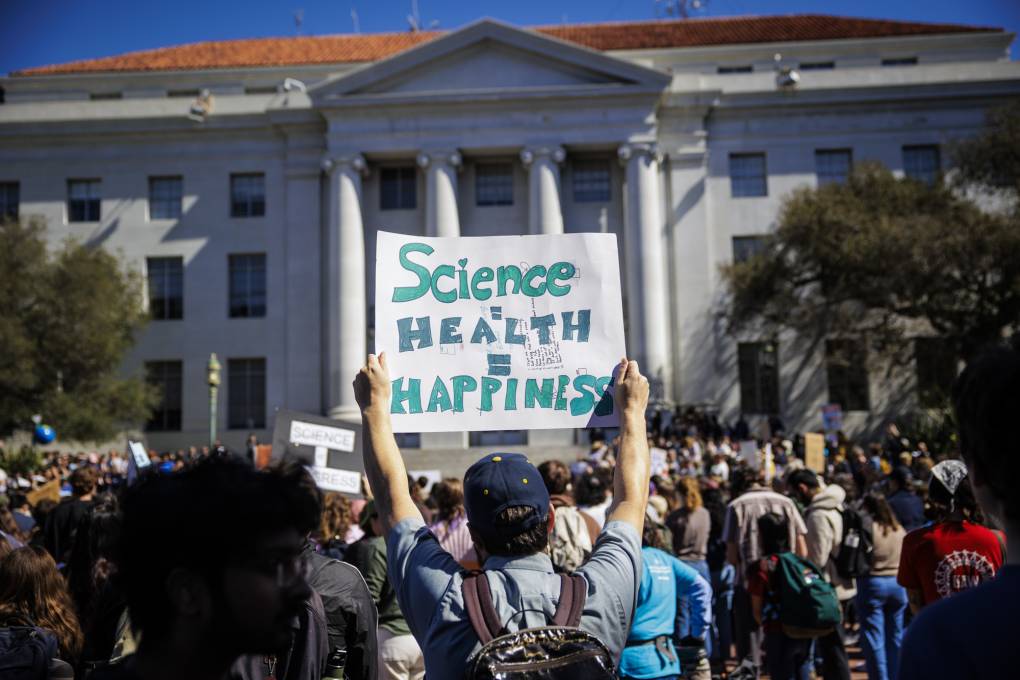
"caption": "A rally at UC Berkeley in association with the national Stand Up for Science day of action in Berkeley on March 7, 2025. The measure would allocate $1 billion to the UC and California State University to build more science facilities and create a system of scientific panels to review research proposals based on their scientific merits.",
"credit": "Martin do Nascimento/KQED",
"altTag": null,
"description": null,
"imgSizes": {
"medium": {
"file": "https://cdn.kqed.org/wp-content/uploads/sites/10/2025/03/250307-BERKELEY-SCIENCE-PROTEST-MD-01-KQED_1-800x533.jpg",
"width": 800,
"height": 533,
"mimeType": "image/jpeg"
},
"large": {
"file": "https://cdn.kqed.org/wp-content/uploads/sites/10/2025/03/250307-BERKELEY-SCIENCE-PROTEST-MD-01-KQED_1-1020x680.jpg",
"width": 1020,
"height": 680,
"mimeType": "image/jpeg"
},
"thumbnail": {
"file": "https://cdn.kqed.org/wp-content/uploads/sites/10/2025/03/250307-BERKELEY-SCIENCE-PROTEST-MD-01-KQED_1-160x107.jpg",
"width": 160,
"height": 107,
"mimeType": "image/jpeg"
},
"1536x1536": {
"file": "https://cdn.kqed.org/wp-content/uploads/sites/10/2025/03/250307-BERKELEY-SCIENCE-PROTEST-MD-01-KQED_1-1536x1024.jpg",
"width": 1536,
"height": 1024,
"mimeType": "image/jpeg"
},
"post-thumbnail": {
"file": "https://cdn.kqed.org/wp-content/uploads/sites/10/2025/03/250307-BERKELEY-SCIENCE-PROTEST-MD-01-KQED_1-672x372.jpg",
"width": 672,
"height": 372,
"mimeType": "image/jpeg"
},
"twentyfourteen-full-width": {
"file": "https://cdn.kqed.org/wp-content/uploads/sites/10/2025/03/250307-BERKELEY-SCIENCE-PROTEST-MD-01-KQED_1-1038x576.jpg",
"width": 1038,
"height": 576,
"mimeType": "image/jpeg"
},
"full-width": {
"file": "https://cdn.kqed.org/wp-content/uploads/sites/10/2025/03/250307-BERKELEY-SCIENCE-PROTEST-MD-01-KQED_1-1920x1280.jpg",
"width": 1920,
"height": 1280,
"mimeType": "image/jpeg"
},
"kqedFullSize": {
"file": "https://cdn.kqed.org/wp-content/uploads/sites/10/2025/03/250307-BERKELEY-SCIENCE-PROTEST-MD-01-KQED_1.jpg",
"width": 2000,
"height": 1333
}
},
"isLoading": false,
"fetchFailed": false
},
"news_12051869": {
"type": "attachments",
"id": "news_12051869",
"meta": {
"index": "attachments_1716263798",
"site": "news",
"id": "12051869",
"found": true
},
"title": "250418-SFUSD-04-BL_qed",
"publishDate": 1755024187,
"status": "inherit",
"parent": 12051862,
"modified": 1755024198,
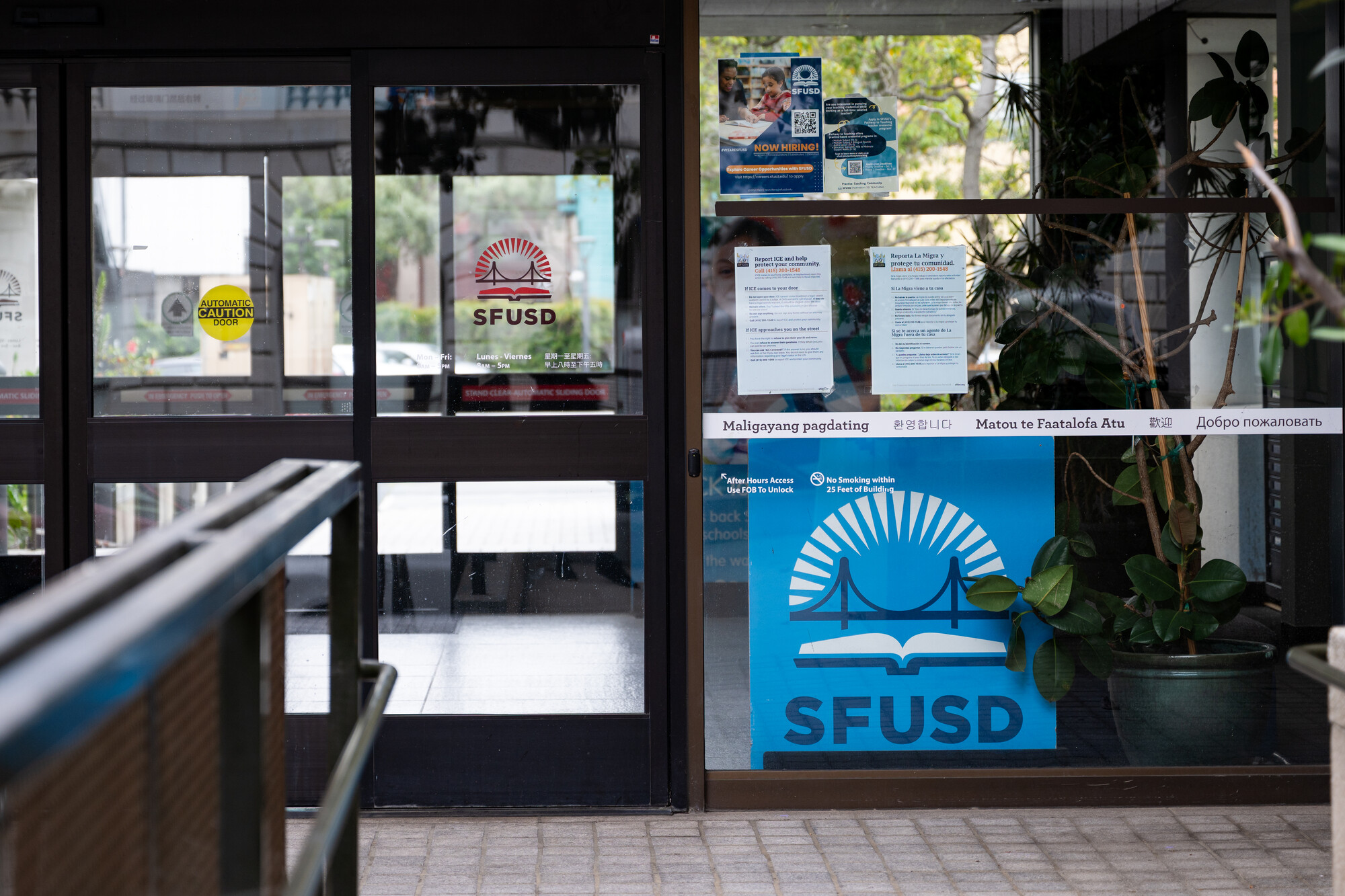
"caption": "The San Francisco Unified School District Administrative Offices in San Francisco on April 18, 2025.",
"credit": "Beth LaBerge/KQED",
"altTag": null,
"description": null,
"imgSizes": {
"thumbnail": {
"file": "https://cdn.kqed.org/wp-content/uploads/sites/10/2025/08/250418-SFUSD-04-BL_qed-160x107.jpg",
"width": 160,
"height": 107,
"mimeType": "image/jpeg"
},
"1536x1536": {
"file": "https://cdn.kqed.org/wp-content/uploads/sites/10/2025/08/250418-SFUSD-04-BL_qed-1536x1024.jpg",
"width": 1536,
"height": 1024,
"mimeType": "image/jpeg"
},
"post-thumbnail": {
"file": "https://cdn.kqed.org/wp-content/uploads/sites/10/2025/08/250418-SFUSD-04-BL_qed-672x372.jpg",
"width": 672,
"height": 372,
"mimeType": "image/jpeg"
},
"twentyfourteen-full-width": {
"file": "https://cdn.kqed.org/wp-content/uploads/sites/10/2025/08/250418-SFUSD-04-BL_qed-1038x576.jpg",
"width": 1038,
"height": 576,
"mimeType": "image/jpeg"
},
"kqedFullSize": {
"file": "https://cdn.kqed.org/wp-content/uploads/sites/10/2025/08/250418-SFUSD-04-BL_qed.jpg",
"width": 2000,
"height": 1333
}
},
"isLoading": false,
"fetchFailed": false
},
"news_11993025": {
"type": "attachments",
"id": "news_11993025",
"meta": {
"index": "attachments_1716263798",
"site": "news",
"id": "11993025",
"found": true
},
"title": "California Bonds",
"publishDate": 1720104941,
"status": "inherit",
"parent": 11993024,
"modified": 1720105024,
"caption": "Assemblymember Al Muratsuchi (D-Torrance) speaks on a bill before the Assembly at the Capitol in Sacramento, on June 1, 2023.",
"credit": "Rich Pedroncelli/AP Photo",
"altTag": null,
"description": null,
"imgSizes": {
"medium": {
"file": "https://cdn.kqed.org/wp-content/uploads/sites/10/2024/07/AP24185624360793-800x533.jpg",
"width": 800,
"height": 533,
"mimeType": "image/jpeg"
},
"large": {
"file": "https://cdn.kqed.org/wp-content/uploads/sites/10/2024/07/AP24185624360793-1020x680.jpg",
"width": 1020,
"height": 680,
"mimeType": "image/jpeg"
},
"thumbnail": {
"file": "https://cdn.kqed.org/wp-content/uploads/sites/10/2024/07/AP24185624360793-160x107.jpg",
"width": 160,
"height": 107,
"mimeType": "image/jpeg"
},
"1536x1536": {
"file": "https://cdn.kqed.org/wp-content/uploads/sites/10/2024/07/AP24185624360793-1536x1024.jpg",
"width": 1536,
"height": 1024,
"mimeType": "image/jpeg"
},
"2048x2048": {
"file": "https://cdn.kqed.org/wp-content/uploads/sites/10/2024/07/AP24185624360793-2048x1366.jpg",
"width": 2048,
"height": 1366,
"mimeType": "image/jpeg"
},
"post-thumbnail": {
"file": "https://cdn.kqed.org/wp-content/uploads/sites/10/2024/07/AP24185624360793-672x372.jpg",
"width": 672,
"height": 372,
"mimeType": "image/jpeg"
},
"twentyfourteen-full-width": {
"file": "https://cdn.kqed.org/wp-content/uploads/sites/10/2024/07/AP24185624360793-1038x576.jpg",
"width": 1038,
"height": 576,
"mimeType": "image/jpeg"
},
"full-width": {
"file": "https://cdn.kqed.org/wp-content/uploads/sites/10/2024/07/AP24185624360793-1920x1280.jpg",
"width": 1920,
"height": 1280,
"mimeType": "image/jpeg"
},
"kqedFullSize": {
"file": "https://cdn.kqed.org/wp-content/uploads/sites/10/2024/07/AP24185624360793-scaled-e1788201819805.jpg",
"width": 2000,
"height": 1334
}
},
"isLoading": false,
"fetchFailed": false
},
"news_12095610": {
"type": "attachments",
"id": "news_12095610",
"meta": {
"index": "attachments_1716263798",
"site": "news",
"id": "12095610",
"found": true
},
"title": "081726-SFUSDFirstDay-33-MC_qed",
"publishDate": 1786997799,
"status": "inherit",
"parent": 0,
"modified": 1786997834,
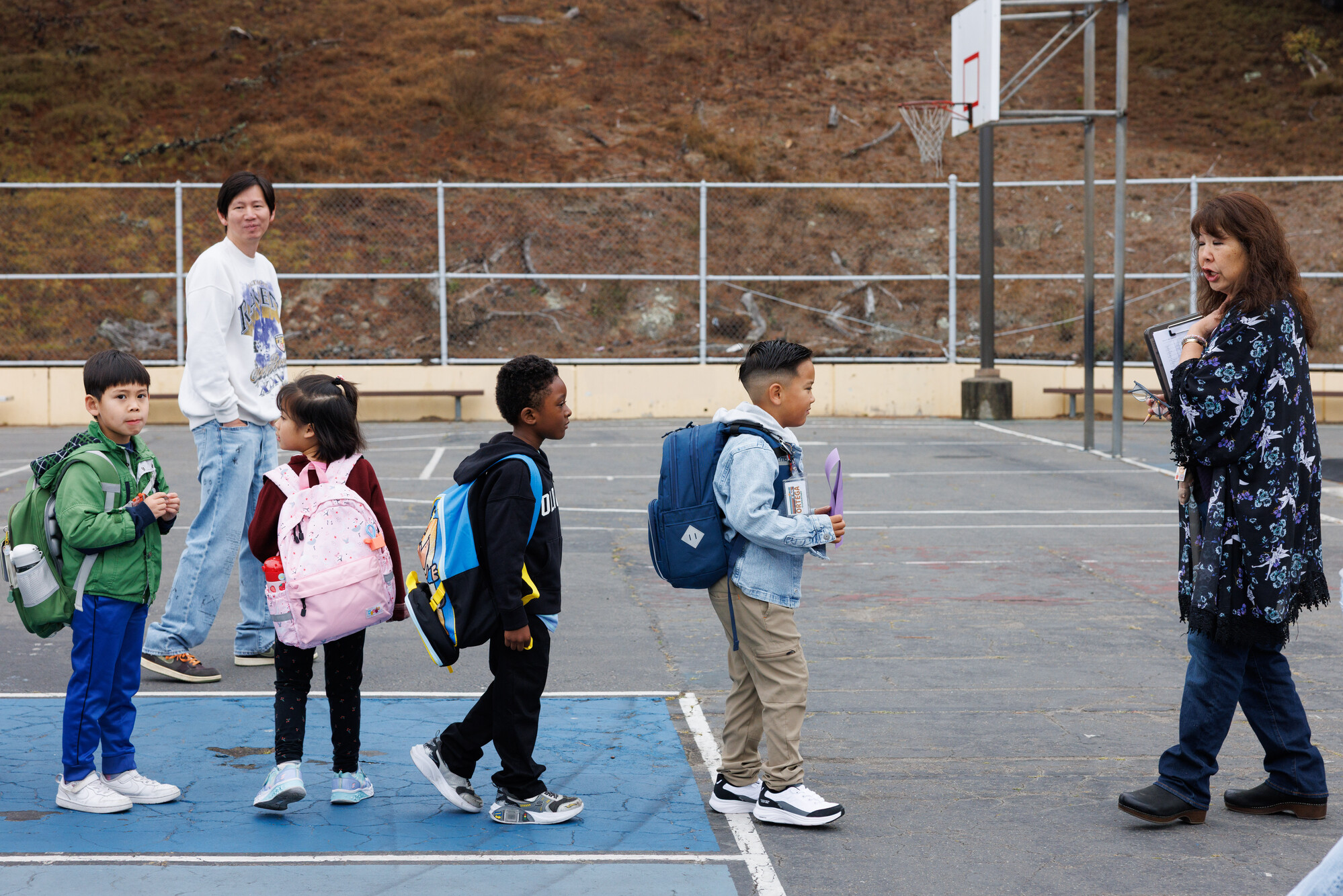
"caption": "Leo Pham leads the way to his classroom after Jose Ortega Elementary School’s first morning circle of the school year on August 17, 2026, in San Francisco.",
"credit": "Miles Cull/KQED",
"altTag": null,
"description": null,
"imgSizes": {
"thumbnail": {
"file": "https://cdn.kqed.org/wp-content/uploads/sites/10/2026/08/081726-SFUSDFirstDay-33-MC_qed-160x107.jpg",
"width": 160,
"height": 107,
"mimeType": "image/jpeg"
},
"1536x1536": {
"file": "https://cdn.kqed.org/wp-content/uploads/sites/10/2026/08/081726-SFUSDFirstDay-33-MC_qed-1536x1025.jpg",
"width": 1536,
"height": 1025,
"mimeType": "image/jpeg"
},
"post-thumbnail": {
"file": "https://cdn.kqed.org/wp-content/uploads/sites/10/2026/08/081726-SFUSDFirstDay-33-MC_qed-672x372.jpg",
"width": 672,
"height": 372,
"mimeType": "image/jpeg"
},
"twentyfourteen-full-width": {
"file": "https://cdn.kqed.org/wp-content/uploads/sites/10/2026/08/081726-SFUSDFirstDay-33-MC_qed-1038x576.jpg",
"width": 1038,
"height": 576,
"mimeType": "image/jpeg"
},
"npr-cds-wide": {
"file": "https://cdn.kqed.org/wp-content/uploads/sites/10/2026/08/081726-SFUSDFirstDay-33-MC_qed-1200x675.jpg",
"width": 1200,
"height": 675,
"mimeType": "image/jpeg"
},
"npr-cds-square": {
"file": "https://cdn.kqed.org/wp-content/uploads/sites/10/2026/08/081726-SFUSDFirstDay-33-MC_qed-600x600.jpg",
"width": 600,
"height": 600,
"mimeType": "image/jpeg"
},
"kqedFullSize": {
"file": "https://cdn.kqed.org/wp-content/uploads/sites/10/2026/08/081726-SFUSDFirstDay-33-MC_qed.jpg",
"width": 1998,
"height": 1333
}
},
"isLoading": false,
"fetchFailed": false
},
"news_12097112": {
"type": "attachments",
"id": "news_12097112",
"meta": {
"index": "attachments_1716263798",
"site": "news",
"id": "12097112",
"found": true
},
"title": "UCLA Campus",
"publishDate": 1787858901,
"status": "inherit",
"parent": 12097106,
"modified": 1787858941,
"caption": "The UCLA campus in Los Angeles on Feb. 18, 2022. ",
"credit": "Raquel Natalicchio for CalMatters",
"altTag": null,
"description": null,
"imgSizes": {
"thumbnail": {
"file": "https://cdn.kqed.org/wp-content/uploads/sites/10/2026/08/UCLACM-160x106.jpg",
"width": 160,
"height": 106,
"mimeType": "image/jpeg"
},
"1536x1536": {
"file": "https://cdn.kqed.org/wp-content/uploads/sites/10/2026/08/UCLACM-1536x1022.jpg",
"width": 1536,
"height": 1022,
"mimeType": "image/jpeg"
},
"post-thumbnail": {
"file": "https://cdn.kqed.org/wp-content/uploads/sites/10/2026/08/UCLACM-672x372.jpg",
"width": 672,
"height": 372,
"mimeType": "image/jpeg"
},
"twentyfourteen-full-width": {
"file": "https://cdn.kqed.org/wp-content/uploads/sites/10/2026/08/UCLACM-1038x576.jpg",
"width": 1038,
"height": 576,
"mimeType": "image/jpeg"
},
"npr-cds-wide": {
"file": "https://cdn.kqed.org/wp-content/uploads/sites/10/2026/08/UCLACM-1200x675.jpg",
"width": 1200,
"height": 675,
"mimeType": "image/jpeg"
},
"npr-cds-square": {
"file": "https://cdn.kqed.org/wp-content/uploads/sites/10/2026/08/UCLACM-600x600.jpg",
"width": 600,
"height": 600,
"mimeType": "image/jpeg"
},
"kqedFullSize": {
"file": "https://cdn.kqed.org/wp-content/uploads/sites/10/2026/08/UCLACM.jpg",
"width": 2000,
"height": 1331
}
},
"isLoading": false,
"fetchFailed": false
},
"news_12095058": {
"type": "attachments",
"id": "news_12095058",
"meta": {
"index": "attachments_1716263798",
"site": "news",
"id": "12095058",
"found": true
},
"title": "081226-SCHOOLTECHBANS-05-MC_QED (1)-1",
"publishDate": 1786576667,
"status": "inherit",
"parent": 0,
"modified": 1786576698,
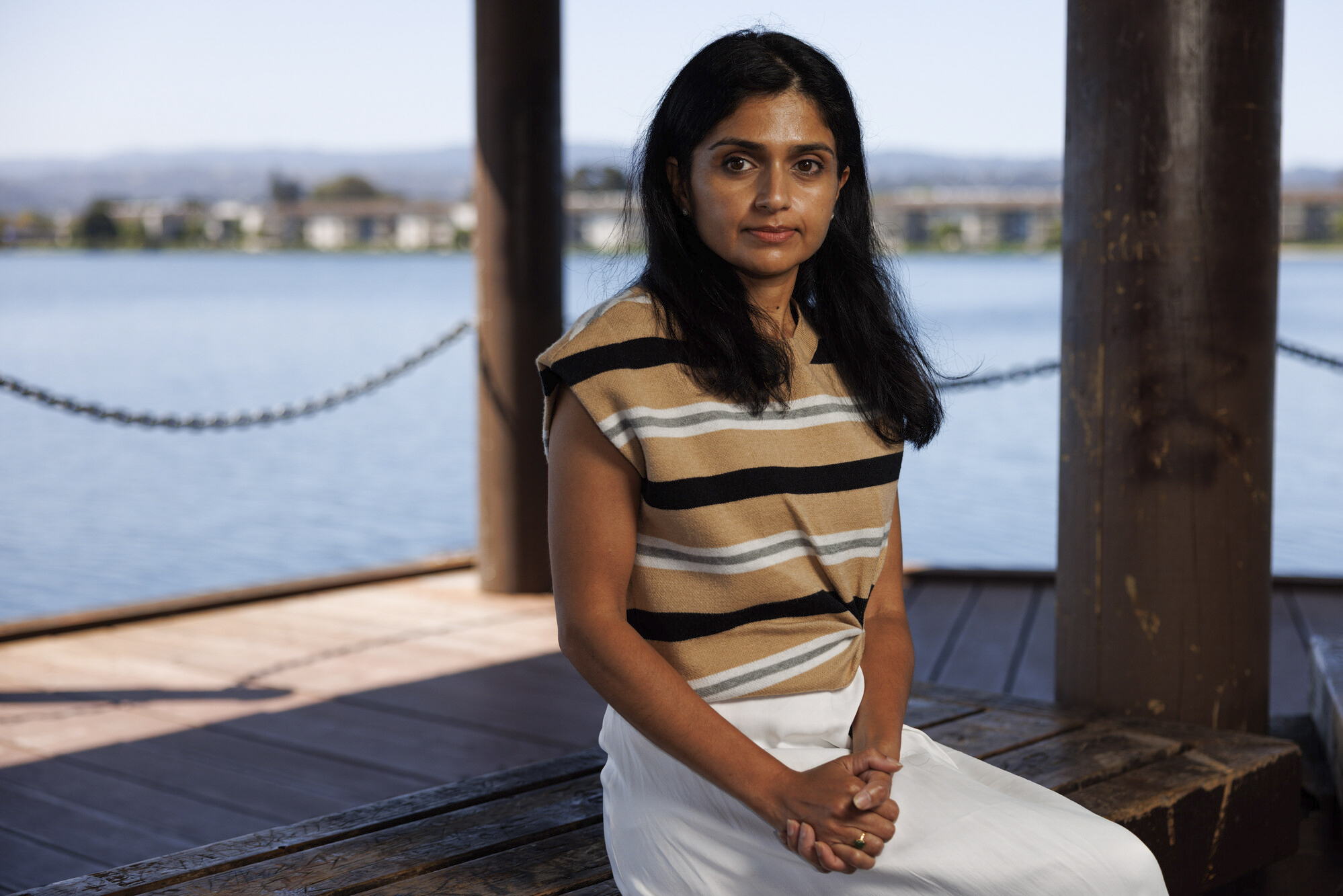
"caption": "Suki Reddy poses for a portrait in Leo J. Ryan Park on Wednesday, Aug.12, 2026, in San Mateo.",
"credit": "Miles Cull/KQED",
"altTag": null,
"description": null,
"imgSizes": {
"thumbnail": {
"file": "https://cdn.kqed.org/wp-content/uploads/sites/10/2026/08/081226-SCHOOLTECHBANS-05-MC_QED-1-1-160x107.jpg",
"width": 160,
"height": 107,
"mimeType": "image/jpeg"
},
"1536x1536": {
"file": "https://cdn.kqed.org/wp-content/uploads/sites/10/2026/08/081226-SCHOOLTECHBANS-05-MC_QED-1-1-1536x1025.jpg",
"width": 1536,
"height": 1025,
"mimeType": "image/jpeg"
},
"post-thumbnail": {
"file": "https://cdn.kqed.org/wp-content/uploads/sites/10/2026/08/081226-SCHOOLTECHBANS-05-MC_QED-1-1-672x372.jpg",
"width": 672,
"height": 372,
"mimeType": "image/jpeg"
},
"twentyfourteen-full-width": {
"file": "https://cdn.kqed.org/wp-content/uploads/sites/10/2026/08/081226-SCHOOLTECHBANS-05-MC_QED-1-1-1038x576.jpg",
"width": 1038,
"height": 576,
"mimeType": "image/jpeg"
},
"npr-cds-wide": {
"file": "https://cdn.kqed.org/wp-content/uploads/sites/10/2026/08/081226-SCHOOLTECHBANS-05-MC_QED-1-1-1200x675.jpg",
"width": 1200,
"height": 675,
"mimeType": "image/jpeg"
},
"npr-cds-square": {
"file": "https://cdn.kqed.org/wp-content/uploads/sites/10/2026/08/081226-SCHOOLTECHBANS-05-MC_QED-1-1-600x600.jpg",
"width": 600,
"height": 600,
"mimeType": "image/jpeg"
},
"kqedFullSize": {
"file": "https://cdn.kqed.org/wp-content/uploads/sites/10/2026/08/081226-SCHOOLTECHBANS-05-MC_QED-1-1.jpg",
"width": 1998,
"height": 1333
}
},
"isLoading": false,
"fetchFailed": false
},
"news_12096896": {
"type": "attachments",
"id": "news_12096896",
"meta": {
"index": "attachments_1716263798",
"site": "news",
"id": "12096896",
"found": true
},
"title": "260824-HEADSTARTDEREGULATION-NG-24-KQED",
"publishDate": 1787767336,
"status": "inherit",
"parent": 0,
"modified": 1787767393,
"caption": "Jennifer Lee-Yuen (center), a toddler lead teacher, helps a child with a craft project at Wu Yee Children’s Services in San Francisco’s Chinatown on Aug. 24, 2026.",
"credit": "Nina Glick/KQED",
"altTag": null,
"description": null,
"imgSizes": {
"thumbnail": {
"file": "https://cdn.kqed.org/wp-content/uploads/sites/10/2026/08/260824-HEADSTARTDEREGULATION-NG-24-KQED-160x107.jpg",
"width": 160,
"height": 107,
"mimeType": "image/jpeg"
},
"1536x1536": {
"file": "https://cdn.kqed.org/wp-content/uploads/sites/10/2026/08/260824-HEADSTARTDEREGULATION-NG-24-KQED-1536x1024.jpg",
"width": 1536,
"height": 1024,
"mimeType": "image/jpeg"
},
"post-thumbnail": {
"file": "https://cdn.kqed.org/wp-content/uploads/sites/10/2026/08/260824-HEADSTARTDEREGULATION-NG-24-KQED-672x372.jpg",
"width": 672,
"height": 372,
"mimeType": "image/jpeg"
},
"twentyfourteen-full-width": {
"file": "https://cdn.kqed.org/wp-content/uploads/sites/10/2026/08/260824-HEADSTARTDEREGULATION-NG-24-KQED-1038x576.jpg",
"width": 1038,
"height": 576,
"mimeType": "image/jpeg"
},
"npr-cds-wide": {
"file": "https://cdn.kqed.org/wp-content/uploads/sites/10/2026/08/260824-HEADSTARTDEREGULATION-NG-24-KQED-1200x675.jpg",
"width": 1200,
"height": 675,
"mimeType": "image/jpeg"
},
"npr-cds-square": {
"file": "https://cdn.kqed.org/wp-content/uploads/sites/10/2026/08/260824-HEADSTARTDEREGULATION-NG-24-KQED-600x600.jpg",
"width": 600,
"height": 600,
"mimeType": "image/jpeg"
},
"kqedFullSize": {
"file": "https://cdn.kqed.org/wp-content/uploads/sites/10/2026/08/260824-HEADSTARTDEREGULATION-NG-24-KQED.jpg",
"width": 2000,
"height": 1333
}
},
"isLoading": false,
"fetchFailed": false
},
"news_12096682": {
"type": "attachments",
"id": "news_12096682",
"meta": {
"index": "attachments_1716263798",
"site": "news",
"id": "12096682",
"found": true
},
"title": "042126_School_AH_CM_11",
"publishDate": 1787679491,
"status": "inherit",
"parent": 12096676,
"modified": 1787679520,
"caption": "Students stand in line at a school in California on April 21, 2026. ",
"credit": "Adriana Heldiz/CalMatters",
"altTag": null,
"description": null,
"imgSizes": {
"thumbnail": {
"file": "https://cdn.kqed.org/wp-content/uploads/sites/10/2026/08/042126_School_AH_CM_11-160x107.jpeg",
"width": 160,
"height": 107,
"mimeType": "image/jpeg"
},
"1536x1536": {
"file": "https://cdn.kqed.org/wp-content/uploads/sites/10/2026/08/042126_School_AH_CM_11-1536x1024.jpeg",
"width": 1536,
"height": 1024,
"mimeType": "image/jpeg"
},
"post-thumbnail": {
"file": "https://cdn.kqed.org/wp-content/uploads/sites/10/2026/08/042126_School_AH_CM_11-672x372.jpeg",
"width": 672,
"height": 372,
"mimeType": "image/jpeg"
},
"twentyfourteen-full-width": {
"file": "https://cdn.kqed.org/wp-content/uploads/sites/10/2026/08/042126_School_AH_CM_11-1038x576.jpeg",
"width": 1038,
"height": 576,
"mimeType": "image/jpeg"
},
"npr-cds-wide": {
"file": "https://cdn.kqed.org/wp-content/uploads/sites/10/2026/08/042126_School_AH_CM_11-1200x675.jpeg",
"width": 1200,
"height": 675,
"mimeType": "image/jpeg"
},
"npr-cds-square": {
"file": "https://cdn.kqed.org/wp-content/uploads/sites/10/2026/08/042126_School_AH_CM_11-600x600.jpeg",
"width": 600,
"height": 600,
"mimeType": "image/jpeg"
},
"kqedFullSize": {
"file": "https://cdn.kqed.org/wp-content/uploads/sites/10/2026/08/042126_School_AH_CM_11.jpeg",
"width": 2000,
"height": 1333
}
},
"isLoading": false,
"fetchFailed": false
},
"news_12093135": {
"type": "attachments",
"id": "news_12093135",
"meta": {
"index": "attachments_1716263798",
"site": "news",
"id": "12093135",
"found": true
},
"title": "260722-FAMILYSEPARATION-03-BL-KQED",
"publishDate": 1785359842,
"status": "inherit",
"parent": 0,
"modified": 1786559364,
"caption": "Alexandra, Peter and their 1-year-old son walk through Dolores Park in San Francisco on July 22, 2026.",
"credit": "Beth LaBerge/KQED",
"altTag": null,
"description": null,
"imgSizes": {
"thumbnail": {
"file": "https://cdn.kqed.org/wp-content/uploads/sites/10/2026/07/260722-FAMILYSEPARATION-03-BL-KQED-160x107.jpg",
"width": 160,
"height": 107,
"mimeType": "image/jpeg"
},
"1536x1536": {
"file": "https://cdn.kqed.org/wp-content/uploads/sites/10/2026/07/260722-FAMILYSEPARATION-03-BL-KQED-1536x1024.jpg",
"width": 1536,
"height": 1024,
"mimeType": "image/jpeg"
},
"post-thumbnail": {
"file": "https://cdn.kqed.org/wp-content/uploads/sites/10/2026/07/260722-FAMILYSEPARATION-03-BL-KQED-672x372.jpg",
"width": 672,
"height": 372,
"mimeType": "image/jpeg"
},
"twentyfourteen-full-width": {
"file": "https://cdn.kqed.org/wp-content/uploads/sites/10/2026/07/260722-FAMILYSEPARATION-03-BL-KQED-1038x576.jpg",
"width": 1038,
"height": 576,
"mimeType": "image/jpeg"
},
"npr-cds-wide": {
"file": "https://cdn.kqed.org/wp-content/uploads/sites/10/2026/07/260722-FAMILYSEPARATION-03-BL-KQED-1200x675.jpg",
"width": 1200,
"height": 675,
"mimeType": "image/jpeg"
},
"npr-cds-square": {
"file": "https://cdn.kqed.org/wp-content/uploads/sites/10/2026/07/260722-FAMILYSEPARATION-03-BL-KQED-600x600.jpg",
"width": 600,
"height": 600,
"mimeType": "image/jpeg"
},
"kqedFullSize": {
"file": "https://cdn.kqed.org/wp-content/uploads/sites/10/2026/07/260722-FAMILYSEPARATION-03-BL-KQED.jpg",
"width": 2000,
"height": 1333
}
},
"isLoading": false,
"fetchFailed": false
},
"news_12095788": {
"type": "attachments",
"id": "news_12095788",
"meta": {
"index": "attachments_1716263798",
"site": "news",
"id": "12095788",
"found": true
},
"title": "Featured Image Justin Reich",
"publishDate": 1787079096,
"status": "inherit",
"parent": 12095781,
"modified": 1787079335,
"caption": "(Headshot courtesy of Justin Reich, image courtesy of Kellogg School of Management.)",
"credit": null,
"altTag": "ext box asking whether AI will really change our classrooms, with headshot of guest Justin Reich",
"description": null,
"imgSizes": {
"thumbnail": {
"file": "https://cdn.kqed.org/wp-content/uploads/sites/10/2026/08/Featured-Image-Justin-Reich-160x90.png",
"width": 160,
"height": 90,
"mimeType": "image/png"
},
"1536x1536": {
"file": "https://cdn.kqed.org/wp-content/uploads/sites/10/2026/08/Featured-Image-Justin-Reich-1536x864.png",
"width": 1536,
"height": 864,
"mimeType": "image/png"
},
"post-thumbnail": {
"file": "https://cdn.kqed.org/wp-content/uploads/sites/10/2026/08/Featured-Image-Justin-Reich-672x372.png",
"width": 672,
"height": 372,
"mimeType": "image/png"
},
"twentyfourteen-full-width": {
"file": "https://cdn.kqed.org/wp-content/uploads/sites/10/2026/08/Featured-Image-Justin-Reich-1038x576.png",
"width": 1038,
"height": 576,
"mimeType": "image/png"
},
"npr-cds-wide": {
"file": "https://cdn.kqed.org/wp-content/uploads/sites/10/2026/08/Featured-Image-Justin-Reich-1200x675.png",
"width": 1200,
"height": 675,
"mimeType": "image/png"
},
"npr-cds-square": {
"file": "https://cdn.kqed.org/wp-content/uploads/sites/10/2026/08/Featured-Image-Justin-Reich-600x600.png",
"width": 600,
"height": 600,
"mimeType": "image/png"
},
"kqedFullSize": {
"file": "https://cdn.kqed.org/wp-content/uploads/sites/10/2026/08/Featured-Image-Justin-Reich.png",
"width": 1920,
"height": 1080
}
},
"isLoading": false,
"fetchFailed": false
},
"news_11947437": {
"type": "attachments",
"id": "news_11947437",
"meta": {
"index": "attachments_1716263798",
"site": "news",
"id": "11947437",
"found": true
},
"parent": 11947432,
"imgSizes": {
"twentyfourteen-full-width": {
"file": "https://ww2.kqed.org/app/uploads/sites/10/2023/04/RS64554_005_KQED_ChatGPTBalboaHS_04172023-qut-1038x576.jpg",
"width": 1038,
"mimeType": "image/jpeg",
"height": 576
},
"thumbnail": {
"file": "https://ww2.kqed.org/app/uploads/sites/10/2023/04/RS64554_005_KQED_ChatGPTBalboaHS_04172023-qut-160x107.jpg",
"width": 160,
"mimeType": "image/jpeg",
"height": 107
},
"post-thumbnail": {
"file": "https://ww2.kqed.org/app/uploads/sites/10/2023/04/RS64554_005_KQED_ChatGPTBalboaHS_04172023-qut-672x372.jpg",
"width": 672,
"mimeType": "image/jpeg",
"height": 372
},
"kqedFullSize": {
"file": "https://ww2.kqed.org/app/uploads/sites/10/2023/04/RS64554_005_KQED_ChatGPTBalboaHS_04172023-qut.jpg",
"width": 1920,
"height": 1280
},
"large": {
"file": "https://ww2.kqed.org/app/uploads/sites/10/2023/04/RS64554_005_KQED_ChatGPTBalboaHS_04172023-qut-1020x680.jpg",
"width": 1020,
"mimeType": "image/jpeg",
"height": 680
},
"1536x1536": {
"file": "https://ww2.kqed.org/app/uploads/sites/10/2023/04/RS64554_005_KQED_ChatGPTBalboaHS_04172023-qut-1536x1024.jpg",
"width": 1536,
"mimeType": "image/jpeg",
"height": 1024
},
"medium": {
"file": "https://ww2.kqed.org/app/uploads/sites/10/2023/04/RS64554_005_KQED_ChatGPTBalboaHS_04172023-qut-800x533.jpg",
"width": 800,
"mimeType": "image/jpeg",
"height": 533
}
},
"publishDate": 1682360244,
"modified": 1682369415,
"caption": "Balboa High School teacher Michael Rosenberg checks the text from an essay assignment to see how much was generated by AI, at the school in San Francisco on April 17, 2023. The text highlighted in yellow is idenitified as AI generated text.",
"description": null,
"title": "RS64554_005_KQED_ChatGPTBalboaHS_04172023-qut",
"credit": "Beth LaBerge/KQED",
"status": "inherit",
"altTag": "A closeup of a laptop screen with text on display.",
"isLoading": false,
"fetchFailed": false
}
},
"audioPlayerReducer": {
"postId": "stream_live",
"isPaused": true,
"isPlaying": false,
"pfsActive": false,
"pledgeModalIsOpen": true,
"playerDrawerIsOpen": false,
"liveAudioPlayStartedAt": 0,
"liveAudioPlayContext": ""
},
"authorsReducer": {
"byline_news_12097934": {
"type": "authors",
"id": "byline_news_12097934",
"meta": {
"override": true
},
"slug": "byline_news_12097934",
"name": "Mikhail Zinshteyn, CalMatters",
"isLoading": false
},
"byline_news_12097106": {
"type": "authors",
"id": "byline_news_12097106",
"meta": {
"override": true
},
"slug": "byline_news_12097106",
"name": "Mikhail Zinshteyn, CalMatters",
"isLoading": false
},
"byline_news_12096676": {
"type": "authors",
"id": "byline_news_12096676",
"meta": {
"override": true
},
"slug": "byline_news_12096676",
"name": "Maya C. Miller, CalMatters",
"isLoading": false
},
"byline_news_12096390": {
"type": "authors",
"id": "byline_news_12096390",
"meta": {
"override": true
},
"slug": "byline_news_12096390",
"name": "Carolyn Jones, CalMatters",
"isLoading": false
},
"hmcdede": {
"type": "authors",
"id": "11635",
"meta": {
"index": "authors_1716337520",
"id": "11635",
"found": true
},
"name": "Holly McDede",
"firstName": "Holly",
"lastName": "McDede",
"slug": "hmcdede",
"email": "hmcdede@KQED.org",
"display_author_email": false,
"staff_mastheads": [],
"title": "KQED Contributor",
"bio": null,
"avatar": "https://secure.gravatar.com/avatar/999d9bf31bb3a2f0511932d99526cb3e?s=600&d=blank&r=g",
"twitter": null,
"facebook": null,
"instagram": null,
"linkedin": null,
"sites": [
{
"site": "arts",
"roles": [
"editor"
]
},
{
"site": "news",
"roles": [
"edit_others_posts",
"editor"
]
},
{
"site": "science",
"roles": [
"editor"
]
},
{
"site": "forum",
"roles": [
"editor"
]
},
{
"site": "perspectives",
"roles": [
"administrator"
]
}
],
"headData": {
"title": "Holly McDede | KQED",
"description": "KQED Contributor",
"ogImgSrc": "https://secure.gravatar.com/avatar/999d9bf31bb3a2f0511932d99526cb3e?s=600&d=blank&r=g",
"twImgSrc": "https://secure.gravatar.com/avatar/999d9bf31bb3a2f0511932d99526cb3e?s=600&d=blank&r=g"
},
"isLoading": false,
"link": "/author/hmcdede"
},
"daisynguyen": {
"type": "authors",
"id": "11829",
"meta": {
"index": "authors_1716337520",
"id": "11829",
"found": true
},
"name": "Daisy Nguyen",
"firstName": "Daisy",
"lastName": "Nguyen",
"slug": "daisynguyen",
"email": "daisynguyen@kqed.org",
"display_author_email": true,
"staff_mastheads": [
"news"
],
"title": "KQED Contributor",
"bio": "I have covered early childhood education and child care for KQED since 2022. I focus on policies aimed at increasing access to early care and education and how they shape individual lives. I've been a journalist for more than two decades, with most of that time devoted to covering breaking news throughout California for The Associated Press. I grew up in San Francisco and studied at UC Davis and Columbia University's Graduate School of Journalism. I live in Oakland with my husband and two kids.",
"avatar": "https://secure.gravatar.com/avatar/2da2127c27f7143b53ebd419800fd55f?s=600&d=blank&r=g",
"twitter": null,
"facebook": null,
"instagram": null,
"linkedin": "https://www.linkedin.com/in/daisynguyen/",
"sites": [
{
"site": "news",
"roles": [
"author"
]
},
{
"site": "liveblog",
"roles": [
"author"
]
}
],
"headData": {
"title": "Daisy Nguyen | KQED",
"description": "KQED Contributor",
"ogImgSrc": "https://secure.gravatar.com/avatar/2da2127c27f7143b53ebd419800fd55f?s=600&d=blank&r=g",
"twImgSrc": "https://secure.gravatar.com/avatar/2da2127c27f7143b53ebd419800fd55f?s=600&d=blank&r=g"
},
"isLoading": false,
"link": "/author/daisynguyen"
},
"calam": {
"type": "authors",
"id": "11834",
"meta": {
"index": "authors_1716337520",
"id": "11834",
"found": true
},
"name": "Christopher Alam",
"firstName": "Christopher",
"lastName": "Alam",
"slug": "calam",
"email": "calam@kqed.org",
"display_author_email": true,
"staff_mastheads": [
"news"
],
"title": "KQED Contributor",
"bio": "Christopher Alam is a radio newscast intern working on local news and general assignment reporting. Before joining KQED he was active in college radio and journalism at UC Davis, where he received a bachelor's degree in English and professional writing in 2021. He is also a creative writer and does freelance work. Born in Fresno, he is now based in San Francisco and Oakland.",
"avatar": "https://secure.gravatar.com/avatar/b3a8308c5aaa97024a7274f0a617bd7083c2b6c50039ea7d1c08f831158d1951?s=600&d=blank&r=g",
"twitter": "_chrisalam",
"bluesky": null,
"facebook": null,
"instagram": "christopher_alam",
"linkedin": null,
"sites": [
{
"site": "arts",
"roles": [
"editor"
]
},
{
"site": "news",
"roles": [
"editor"
]
}
],
"headData": {
"title": "Christopher Alam | KQED",
"description": "KQED Contributor",
"ogImgSrc": "https://secure.gravatar.com/avatar/b3a8308c5aaa97024a7274f0a617bd7083c2b6c50039ea7d1c08f831158d1951?s=600&d=blank&r=g",
"twImgSrc": "https://secure.gravatar.com/avatar/b3a8308c5aaa97024a7274f0a617bd7083c2b6c50039ea7d1c08f831158d1951?s=600&d=blank&r=g"
},
"isLoading": false,
"link": "/author/calam"
},
"kdebenedetti": {
"type": "authors",
"id": "11913",
"meta": {
"index": "authors_1716337520",
"id": "11913",
"found": true
},
"name": "Katie DeBenedetti",
"firstName": "Katie",
"lastName": "DeBenedetti",
"slug": "kdebenedetti",
"email": "kdebenedetti@kqed.org",
"display_author_email": false,
"staff_mastheads": [
"news",
"science"
],
"title": "KQED Contributor",
"bio": "Katie DeBenedetti is a digital reporter covering daily news for the Express Desk. Prior to joining KQED as a culture reporting intern in January 2024, she covered education and city government for the Napa Valley Register.",
"avatar": "https://secure.gravatar.com/avatar/6e31073cb8f7e4214ab03f42771d0f45?s=600&d=blank&r=g",
"twitter": null,
"facebook": null,
"instagram": null,
"linkedin": null,
"sites": [
{
"site": "news",
"roles": [
"author"
]
},
{
"site": "science",
"roles": [
"author"
]
},
{
"site": "liveblog",
"roles": [
"author"
]
}
],
"headData": {
"title": "Katie DeBenedetti | KQED",
"description": "KQED Contributor",
"ogImgSrc": "https://secure.gravatar.com/avatar/6e31073cb8f7e4214ab03f42771d0f45?s=600&d=blank&r=g",
"twImgSrc": "https://secure.gravatar.com/avatar/6e31073cb8f7e4214ab03f42771d0f45?s=600&d=blank&r=g"
},
"isLoading": false,
"link": "/author/kdebenedetti"
},
"jlove": {
"type": "authors",
"id": "12009",
"meta": {
"index": "authors_1716337520",
"id": "12009",
"found": true
},
"name": "Jess Love",
"firstName": "Jess",
"lastName": "Love",
"slug": "jlove",
"email": "jessica-love@kellogg.northwestern.edu",
"display_author_email": false,
"staff_mastheads": [],
"title": "KQED Contributor, Sr Director of the Ryan Institute on Complexity",
"bio": null,
"avatar": "https://secure.gravatar.com/avatar/723149095a074e9aa227d30a332e0686f89f692011f304d6ceefa21a066391eb?s=600&d=blank&r=g",
"twitter": null,
"bluesky": null,
"facebook": null,
"instagram": null,
"linkedin": null,
"sites": [
{
"site": "news",
"roles": [
"contributor"
]
}
],
"headData": {
"title": "Jess Love | KQED",
"description": "KQED Contributor, Sr Director of the Ryan Institute on Complexity",
"ogImgSrc": "https://secure.gravatar.com/avatar/723149095a074e9aa227d30a332e0686f89f692011f304d6ceefa21a066391eb?s=600&d=blank&r=g",
"twImgSrc": "https://secure.gravatar.com/avatar/723149095a074e9aa227d30a332e0686f89f692011f304d6ceefa21a066391eb?s=600&d=blank&r=g"
},
"isLoading": false,
"link": "/author/jlove"
}
},
"pagesReducer": {
"news_tag_education": {
"type": "terms",
"id": "news_20013",
"meta": {
"index": "terms_1716263798",
"site": "news",
"id": "20013",
"score": 6.970073
},
"featImg": null,
"name": "education",
"description": null,
"taxonomy": "tag",
"headData": {
"twImgId": null,
"twTitle": null,
"ogTitle": null,
"ogImgId": null,
"twDescription": null,
"description": null,
"title": "education Archives | KQED News",
"ogDescription": null
},
"ttid": 20030,
"slug": "education",
"isLoading": false,
"title": "education",
"pageMeta": {
"site": "news",
"WpPageTemplate": "page-topic-editorial",
"currentPage": 2
},
"blocks": [
{
"blockName": "kqed/post-list",
"attrs": {
"layout": "cardArticle2",
"query": "posts/news?tag=education",
"seeMore": false,
"paginated": true,
"page": 2
}
},
{
"blockName": "kqed/ad"
}
]
}
},
"pfsSessionReducer": {},
"postsReducer": {
"stream_live": {
"type": "live",
"id": "stream_live",
"audioUrl": "https://streams.kqed.org/kqedradio",
"title": "Live Stream",
"excerpt": "Live Stream information currently unavailable.",
"link": "/radio",
"featImg": "",
"label": {
"name": "KQED Live",
"link": "/"
}
},
"stream_kqedNewscast": {
"type": "posts",
"id": "stream_kqedNewscast",
"audioUrl": "https://www.kqed.org/.stream/anon/radio/RDnews/newscast.mp3?_=1",
"title": "KQED Newscast",
"featImg": "",
"label": {
"name": "88.5 FM",
"link": "/"
}
},
"news_12097934": {
"type": "posts",
"id": "news_12097934",
"meta": {
"index": "posts_1716263798",
"site": "news",
"id": "12097934",
"score": null,
"sort": [
1788307248000
]
},
"guestAuthors": [],
"slug": "should-california-backfill-science-funding-after-trump-cuts-voters-could-decide-in-2028",
"title": "Should California Backfill Science Funding After Trump Cuts? Voters Could Decide in 2028",
"publishDate": 1788307248,
"format": "standard",
"headTitle": "Should California Backfill Science Funding After Trump Cuts? Voters Could Decide in 2028 | KQED",
"labelTerm": {},
"content": "\u003cp>\u003c!-- Creative Commons Attribution-NonCommercial-NoDerivatives https://creativecommons.org/licenses/by-nc-nd/4.0/ -->\u003c/p>\n\u003cp>\u003cem>This story was originally published by \u003ca href=\"https://calmatters.org/\">CalMatters\u003c/a>. \u003ca href=\"https://calmatters.org/subscribe-to-calmatters/\">Sign up\u003c/a> for their newsletters.\u003c/em>\u003c/p>\n\u003cp>A \u003ca href=\"https://www.kqed.org/news/tag/california\">California\u003c/a> science bond measure to counter the Trump administration’s research cuts is back from the dead after state lawmakers and Gov. Gavin Newsom reached a deal last week to place the $7.5 billion request to voters on the March 2028 ballot.\u003c/p>\n\u003cp>\u003ca href=\"https://calmatters.digitaldemocracy.org/bills/ca_202520260sb895\">Senate Bill 895\u003c/a> by Sen. Scott Wiener, a Democrat from San Francisco, passed the Legislature with minimal opposition and bipartisan support on Monday and now awaits Newsom’s signature.\u003c/p>\n\u003cp>It has been in the works for more than a year and began as a $23 billion bond proposal but got a steep haircut mid-year, down to $12 billion.\u003c/p>\n\u003cp>[ad fullwidth]\u003c/p>\n\u003cp>After failing to clear a June legislative deadline to get on this year’s ballot, the bond proposal appeared moribund — and was slashed to $5 billion.\u003c/p>\n\u003cp>But Wiener and a united front led by the University of California and the union representing graduate students, two forces that are \u003ca href=\"https://calmatters.org/education/higher-education/2022/12/uc-strike-civil-disobedience/\">often\u003c/a> at \u003ca href=\"https://calmatters.org/education/higher-education/2024/05/uc-strike/\">loggerheads\u003c/a>, continued working to restore the bill. Both significantly benefit, as the money fuels scientific discovery while also supplementing the pay of graduate students conducting essential research for professors.\u003c/p>\n\u003cp>The summer hustle paid off: For the first time, leaders of the Assembly, Senate and Newsom are all backing the measure, which was heavily amended in the past two weeks.\u003c/p>\n\u003cfigure id=\"attachment_12069108\" class=\"wp-caption aligncenter\" style=\"max-width: 2000px\">\u003cimg loading=\"lazy\" decoding=\"async\" class=\"size-full wp-image-12069108\" src=\"https://cdn.kqed.org/wp-content/uploads/sites/10/2026/01/GavinNewsomStateoftheState2026AP.jpg\" alt=\"\" width=\"2000\" height=\"1337\" srcset=\"https://cdn.kqed.org/wp-content/uploads/sites/10/2026/01/GavinNewsomStateoftheState2026AP.jpg 2000w, https://cdn.kqed.org/wp-content/uploads/sites/10/2026/01/GavinNewsomStateoftheState2026AP-160x107.jpg 160w, https://cdn.kqed.org/wp-content/uploads/sites/10/2026/01/GavinNewsomStateoftheState2026AP-1536x1027.jpg 1536w\" sizes=\"auto, (max-width: 2000px) 100vw, 2000px\" />\u003cfigcaption class=\"wp-caption-text\">California Gov. Gavin Newsom speaks during his State of the State address on Jan. 8, 2026, in Sacramento, California. \u003ccite>(Godofredo A. Vásquez/AP Photo)\u003c/cite>\u003c/figcaption>\u003c/figure>\n\u003cp>“We have performed a ritual legislative resurrection of the bill,” Wiener quipped at a press conference Friday.\u003c/p>\n\u003cp>The measure would allocate $1 billion to the UC and California State University to build more science facilities and create a system of scientific panels to review research proposals based on their scientific merits. The bulk of the funding would pay for a wide array of priorities such as biomedical research, wildfire prevention and water supply. Portions of the bond would also support science breakthroughs that can be commercialized and provide opportunities for early-career researchers.\u003c/p>\n\u003cp>Bonds are a kind of debt that government agencies issue and then pay down over time.\u003c/p>\n\u003cp>Public or private research companies, universities, academic medical centers, institutes, and organizations would be eligible for the grants or loans under this bond measure. A newly formed California Foundation for Science and Health Research Council would write more specific rules on how the money can be used.\u003c/p>\n\u003ch2>Why backers say the bond is needed\u003c/h2>\n\u003cp>Wiener and the coalition in support of the measure view it as a backstop against the Trump administration’s aggressive efforts to terminate existing and new research funding for the UC and other campuses.\u003c/p>\n\u003cp>Trump’s Department of Justice has argued in courts that grants the administration canceled violated his prohibitions on research into diversity issues and climate change.\u003c/p>\n\u003cp>Many of the grants sought to better understand diseases, and focused on new disease-fighting drugs, cancer and dementia. About half of the UC system’s spending on research comes from the federal government — in 2024-25 that totaled \u003ca href=\"https://www.ucop.edu/operating-budget/_files/rbudget/2026-27-budget-detail.pdf#page=21\">around $3 billion in federal grants\u003c/a>.\u003c/p>\n\u003cfigure id=\"attachment_12097112\" class=\"wp-caption aligncenter\" style=\"max-width: 2000px\">\u003cimg loading=\"lazy\" decoding=\"async\" class=\"size-full wp-image-12097112\" src=\"https://cdn.kqed.org/wp-content/uploads/sites/10/2026/08/UCLACM.jpg\" alt=\"\" width=\"2000\" height=\"1331\" srcset=\"https://cdn.kqed.org/wp-content/uploads/sites/10/2026/08/UCLACM.jpg 2000w, https://cdn.kqed.org/wp-content/uploads/sites/10/2026/08/UCLACM-160x106.jpg 160w, https://cdn.kqed.org/wp-content/uploads/sites/10/2026/08/UCLACM-1536x1022.jpg 1536w\" sizes=\"auto, (max-width: 2000px) 100vw, 2000px\" />\u003cfigcaption class=\"wp-caption-text\">The UCLA campus in Los Angeles on Feb. 18, 2022. \u003ccite>(Raquel Natalicchio for CalMatters)\u003c/cite>\u003c/figcaption>\u003c/figure>\n\u003cp>Last year the White House suspended or cancelled more than 1,000 California science grants from the National Institutes of Health and National Science Foundation.\u003c/p>\n\u003cp>The Trump administration admitted in court filings that it used \u003ca href=\"https://calmatters.org/education/higher-education/2026/07/research-grants-california-2/\">bulk keyword searches\u003c/a> for terms related to DEI and climate change to target grants to cancel. \u003ca href=\"https://calmatters.org/education/higher-education/2026/07/newsom-uc-cal-state-billion-dollars-more/#:~:text=At%20one%20point%20last%20year%20the%20Trump%20administration%20froze%20or%20terminated%20more%20than%201%2C000%20California%20science%20grants%20from%20the%20National%20Institutes%20of%20Health%20and%20National%20Science%20Foundation.\">Most of those\u003c/a> have been \u003ca href=\"https://calmatters.org/education/2025/09/ucla-research-grants/\">restored\u003c/a> for now through various court orders \u003ca href=\"https://calmatters.org/education/higher-education/2025/11/uc/\">after professors\u003c/a> sued last year. But at least one major case is unresolved.\u003c/p>\n\u003cp>The Trump administration seeks to further expand control over federal research by proposing to require political appointees to decide \u003ca href=\"https://www.nytimes.com/2026/07/09/well/omb-scientific-grant-proposal.html?eafs_enabled=false\">which science grants are funded\u003c/a>, departing from a practice in which peer-review scientific committees select the worthiest grants.\u003c/p>\n\u003cp>Trump’s desire to bring federal science increasingly under his control spurred esteemed U.S. scientists to \u003ca href=\"https://www.nytimes.com/2026/08/27/world/canada/canada-universities-hire-us-researchers.html\">move to other countries\u003c/a> that recently passed budgets to entice researchers to relocate.\u003c/p>\n\u003cp>Dr. Harold R. Collard, vice chancellor for research at research powerhouse UC San Francisco, said at Friday’s press event that the Wiener bond measure could keep more researchers in California and attract new ones. Experts say every dollar of NIH spending amounts to \u003ca href=\"https://www.unitedformedicalresearch.org/annual-economic-report/\">$2.57 of economic activity\u003c/a>.\u003c/p>\n\u003ch2>How the measure came back from dead\u003c/h2>\n\u003cp>The measure initially sped through the Senate but stalled in the Assembly.\u003c/p>\n\u003cp>Political insiders \u003ca href=\"https://calmatters.org/education/higher-education/2026/07/newsom-uc-cal-state-billion-dollars-more/#:~:text=Several%20legislative%20and%20political%20insiders%20told%20CalMatters%20that%20another%20reason%20the%20science%20research%20bond\">suspected\u003c/a> that the holdup was over worry it would compete with the Assembly’s priority bond, an \u003ca href=\"https://calmatters.org/housing/2026/08/california-rhna-housing-affordable-progress/#:~:text=Affordable%20developers%20and%20other%20housing%20advocates%20are%20hoping%20voters%20will%20back%20an%20%2411.25%20billion%20state%20bond%20in%20November%20to%20replenish%20the%20coffers.%C2%A0\">$11.25 billion ballot measure\u003c/a> for this November to expand housing construction and affordability in California.\u003c/p>\n\u003cp>Supporters of that measure feared it might be defeated if another large bond was on the ballot.\u003c/p>\n\u003cp>“I think there’s some legitimate political concerns about placing something competing with the housing bond,” said Chris Micheli, a veteran lobbyist and law professor, in an interview in June when Wiener’s bill was derailed.\u003c/p>\n\u003cfigure id=\"attachment_12085954\" class=\"wp-caption aligncenter\" style=\"max-width: 2000px\">\u003cimg loading=\"lazy\" decoding=\"async\" class=\"size-full wp-image-12085954\" src=\"https://cdn.kqed.org/wp-content/uploads/sites/10/2026/06/260602-DISTRICT11SCOTTWIENER-15-BL-KQED.jpg\" alt=\"\" width=\"2000\" height=\"1333\" srcset=\"https://cdn.kqed.org/wp-content/uploads/sites/10/2026/06/260602-DISTRICT11SCOTTWIENER-15-BL-KQED.jpg 2000w, https://cdn.kqed.org/wp-content/uploads/sites/10/2026/06/260602-DISTRICT11SCOTTWIENER-15-BL-KQED-160x107.jpg 160w, https://cdn.kqed.org/wp-content/uploads/sites/10/2026/06/260602-DISTRICT11SCOTTWIENER-15-BL-KQED-1536x1024.jpg 1536w\" sizes=\"auto, (max-width: 2000px) 100vw, 2000px\" />\u003cfigcaption class=\"wp-caption-text\">Sen. Scott Wiener speaks during an election night event at his campaign headquarters in San Francisco on June 2, 2026. \u003ccite>(Beth LaBerge/KQED)\u003c/cite>\u003c/figcaption>\u003c/figure>\n\u003cp>Wiener validated that suspicion on Friday. “We already placed a housing bond on the ballot. There are a lot of items on the state ballot, and you know I understand why some people were concerned about placing yet additional items on the ballot for November, and that’s why we were able to, after the deadline passed, work collaboratively towards March of 2028.”\u003c/p>\n\u003cp>The housing bond experienced a similar journey: It got skipped over by political leaders in 2024 to make room \u003ca href=\"https://calmatters.org/california-voter-guide-2024/propositions/\">for two\u003c/a> $10 billion bonds for school construction and to combat the effects of climate change.[aside postID=news_12097632 hero='https://cdn.kqed.org/wp-content/uploads/sites/10/2025/09/GettyImages-183300309.jpg']This November voters will see another science research bond.\u003c/p>\n\u003cp>That measure, Proposition 38, is backed by a billionaire funder and would approve $8.4 billion for research into immunology and immunotherapies, with an emphasis on Alzheimer’s, cancer and heart disease.\u003c/p>\n\u003cp>Half of that funding appears to benefit \u003ca href=\"https://calmatters.org/politics/elections/2026/07/proposition-38-california/\">just one institute\u003c/a> that is significantly supported by that billionaire funder, CalMatters reported.\u003c/p>\n\u003cp>Wiener doesn’t think that Prop. 38 will compete with his bond effort some two years later. “That ballot measure primarily funds one particular institute. It’s not a broad science policy funding measure, and so it’s just very different,” he said on Friday.\u003c/p>\n\u003cp>The onus will be on the coalition backing the bond to convince voters to pass it in 2028, he added.\u003c/p>\n\u003cp>\u003cem>This article was \u003ca href=\"https://calmatters.org/education/higher-education/2026/09/science-research-california-2/\">originally published on CalMatters\u003c/a> and was republished under the \u003ca href=\"https://creativecommons.org/licenses/by-nc-nd/4.0/\">Creative Commons Attribution-NonCommercial-NoDerivatives\u003c/a> license.\u003c/em>\u003c/p>\n",
"blocks": [],
"excerpt": "Last year the White House suspended or cancelled more than 1,000 California science grants. This bond measure would restore some of that funding.",
"status": "publish",
"parent": 0,
"modified": 1788298254,
"stats": {
"hasAudio": false,
"hasVideo": false,
"hasChartOrMap": false,
"iframeSrcs": [],
"hasGoogleForm": false,
"hasGallery": false,
"hasHearkenModule": false,
"hasPolis": false,
"paragraphCount": 32,
"wordCount": 1119
},
"headData": {
"title": "Should California Backfill Science Funding After Trump Cuts? Voters Could Decide in 2028 | KQED",
"description": "Last year the White House suspended or cancelled more than 1,000 California science grants. This bond measure would restore some of that funding.",
"ogTitle": "",
"ogDescription": "",
"ogImgId": "",
"twTitle": "",
"twDescription": "",
"twImgId": "",
"schema": {
"@context": "https://schema.org",
"@type": "NewsArticle",
"headline": "Should California Backfill Science Funding After Trump Cuts? Voters Could Decide in 2028",
"datePublished": "2026-09-01T17:00:48-07:00",
"dateModified": "2026-09-01T14:30:54-07:00",
"image": "https://cdn.kqed.org/wp-content/uploads/2020/02/KQED-OG-Image@1x.png",
"isAccessibleForFree": "True",
"publisher": {
"@type": "NewsMediaOrganization",
"@id": "https://www.kqed.org/#organization",
"name": "KQED",
"logo": "https://cdn.kqed.org/wp-content/uploads/2020/02/KQED-OG-Image@1x.png",
"url": "https://www.kqed.org",
"sameAs": [
"https://www.facebook.com/KQED",
"https://twitter.com/KQED",
"https://www.instagram.com/kqed/",
"https://www.tiktok.com/@kqedofficial",
"https://www.linkedin.com/company/kqed",
"https://www.youtube.com/channel/UCeC0IOo7i1P_61zVUWbJ4nw"
]
}
}
},
"primaryCategory": {
"termId": 18540,
"slug": "education",
"name": "Education"
},
"source": "CalMatters",
"sourceUrl": "https://calmatters.org/",
"sticky": false,
"nprByline": "Mikhail Zinshteyn, CalMatters",
"templateType": "standard",
"featuredImageType": "standard",
"excludeFromSiteSearch": "Include",
"showOnAuthorArchivePages": "No",
"articleAge": "0",
"path": "/news/12097934/should-california-backfill-science-funding-after-trump-cuts-voters-could-decide-in-2028",
"audioTrackLength": null,
"parsedContent": [
{
"type": "contentString",
"content": "\u003cdiv class=\"post-body\">\u003cp>\u003cp>\u003c!-- Creative Commons Attribution-NonCommercial-NoDerivatives https://creativecommons.org/licenses/by-nc-nd/4.0/ -->\u003c/p>\n\u003cp>\u003cem>This story was originally published by \u003ca href=\"https://calmatters.org/\">CalMatters\u003c/a>. \u003ca href=\"https://calmatters.org/subscribe-to-calmatters/\">Sign up\u003c/a> for their newsletters.\u003c/em>\u003c/p>\n\u003cp>A \u003ca href=\"https://www.kqed.org/news/tag/california\">California\u003c/a> science bond measure to counter the Trump administration’s research cuts is back from the dead after state lawmakers and Gov. Gavin Newsom reached a deal last week to place the $7.5 billion request to voters on the March 2028 ballot.\u003c/p>\n\u003cp>\u003ca href=\"https://calmatters.digitaldemocracy.org/bills/ca_202520260sb895\">Senate Bill 895\u003c/a> by Sen. Scott Wiener, a Democrat from San Francisco, passed the Legislature with minimal opposition and bipartisan support on Monday and now awaits Newsom’s signature.\u003c/p>\n\u003cp>It has been in the works for more than a year and began as a $23 billion bond proposal but got a steep haircut mid-year, down to $12 billion.\u003c/p>\n\u003cp>\u003c/p>\u003c/div>",
"attributes": {
"named": {},
"numeric": []
}
},
{
"type": "component",
"content": "",
"name": "ad",
"attributes": {
"named": {
"label": "fullwidth"
},
"numeric": [
"fullwidth"
]
}
},
{
"type": "contentString",
"content": "\u003cdiv class=\"post-body\">\u003cp>\u003c/p>\n\u003cp>After failing to clear a June legislative deadline to get on this year’s ballot, the bond proposal appeared moribund — and was slashed to $5 billion.\u003c/p>\n\u003cp>But Wiener and a united front led by the University of California and the union representing graduate students, two forces that are \u003ca href=\"https://calmatters.org/education/higher-education/2022/12/uc-strike-civil-disobedience/\">often\u003c/a> at \u003ca href=\"https://calmatters.org/education/higher-education/2024/05/uc-strike/\">loggerheads\u003c/a>, continued working to restore the bill. Both significantly benefit, as the money fuels scientific discovery while also supplementing the pay of graduate students conducting essential research for professors.\u003c/p>\n\u003cp>The summer hustle paid off: For the first time, leaders of the Assembly, Senate and Newsom are all backing the measure, which was heavily amended in the past two weeks.\u003c/p>\n\u003cfigure id=\"attachment_12069108\" class=\"wp-caption aligncenter\" style=\"max-width: 2000px\">\u003cimg loading=\"lazy\" decoding=\"async\" class=\"size-full wp-image-12069108\" src=\"https://cdn.kqed.org/wp-content/uploads/sites/10/2026/01/GavinNewsomStateoftheState2026AP.jpg\" alt=\"\" width=\"2000\" height=\"1337\" srcset=\"https://cdn.kqed.org/wp-content/uploads/sites/10/2026/01/GavinNewsomStateoftheState2026AP.jpg 2000w, https://cdn.kqed.org/wp-content/uploads/sites/10/2026/01/GavinNewsomStateoftheState2026AP-160x107.jpg 160w, https://cdn.kqed.org/wp-content/uploads/sites/10/2026/01/GavinNewsomStateoftheState2026AP-1536x1027.jpg 1536w\" sizes=\"auto, (max-width: 2000px) 100vw, 2000px\" />\u003cfigcaption class=\"wp-caption-text\">California Gov. Gavin Newsom speaks during his State of the State address on Jan. 8, 2026, in Sacramento, California. \u003ccite>(Godofredo A. Vásquez/AP Photo)\u003c/cite>\u003c/figcaption>\u003c/figure>\n\u003cp>“We have performed a ritual legislative resurrection of the bill,” Wiener quipped at a press conference Friday.\u003c/p>\n\u003cp>The measure would allocate $1 billion to the UC and California State University to build more science facilities and create a system of scientific panels to review research proposals based on their scientific merits. The bulk of the funding would pay for a wide array of priorities such as biomedical research, wildfire prevention and water supply. Portions of the bond would also support science breakthroughs that can be commercialized and provide opportunities for early-career researchers.\u003c/p>\n\u003cp>Bonds are a kind of debt that government agencies issue and then pay down over time.\u003c/p>\n\u003cp>Public or private research companies, universities, academic medical centers, institutes, and organizations would be eligible for the grants or loans under this bond measure. A newly formed California Foundation for Science and Health Research Council would write more specific rules on how the money can be used.\u003c/p>\n\u003ch2>Why backers say the bond is needed\u003c/h2>\n\u003cp>Wiener and the coalition in support of the measure view it as a backstop against the Trump administration’s aggressive efforts to terminate existing and new research funding for the UC and other campuses.\u003c/p>\n\u003cp>Trump’s Department of Justice has argued in courts that grants the administration canceled violated his prohibitions on research into diversity issues and climate change.\u003c/p>\n\u003cp>Many of the grants sought to better understand diseases, and focused on new disease-fighting drugs, cancer and dementia. About half of the UC system’s spending on research comes from the federal government — in 2024-25 that totaled \u003ca href=\"https://www.ucop.edu/operating-budget/_files/rbudget/2026-27-budget-detail.pdf#page=21\">around $3 billion in federal grants\u003c/a>.\u003c/p>\n\u003cfigure id=\"attachment_12097112\" class=\"wp-caption aligncenter\" style=\"max-width: 2000px\">\u003cimg loading=\"lazy\" decoding=\"async\" class=\"size-full wp-image-12097112\" src=\"https://cdn.kqed.org/wp-content/uploads/sites/10/2026/08/UCLACM.jpg\" alt=\"\" width=\"2000\" height=\"1331\" srcset=\"https://cdn.kqed.org/wp-content/uploads/sites/10/2026/08/UCLACM.jpg 2000w, https://cdn.kqed.org/wp-content/uploads/sites/10/2026/08/UCLACM-160x106.jpg 160w, https://cdn.kqed.org/wp-content/uploads/sites/10/2026/08/UCLACM-1536x1022.jpg 1536w\" sizes=\"auto, (max-width: 2000px) 100vw, 2000px\" />\u003cfigcaption class=\"wp-caption-text\">The UCLA campus in Los Angeles on Feb. 18, 2022. \u003ccite>(Raquel Natalicchio for CalMatters)\u003c/cite>\u003c/figcaption>\u003c/figure>\n\u003cp>Last year the White House suspended or cancelled more than 1,000 California science grants from the National Institutes of Health and National Science Foundation.\u003c/p>\n\u003cp>The Trump administration admitted in court filings that it used \u003ca href=\"https://calmatters.org/education/higher-education/2026/07/research-grants-california-2/\">bulk keyword searches\u003c/a> for terms related to DEI and climate change to target grants to cancel. \u003ca href=\"https://calmatters.org/education/higher-education/2026/07/newsom-uc-cal-state-billion-dollars-more/#:~:text=At%20one%20point%20last%20year%20the%20Trump%20administration%20froze%20or%20terminated%20more%20than%201%2C000%20California%20science%20grants%20from%20the%20National%20Institutes%20of%20Health%20and%20National%20Science%20Foundation.\">Most of those\u003c/a> have been \u003ca href=\"https://calmatters.org/education/2025/09/ucla-research-grants/\">restored\u003c/a> for now through various court orders \u003ca href=\"https://calmatters.org/education/higher-education/2025/11/uc/\">after professors\u003c/a> sued last year. But at least one major case is unresolved.\u003c/p>\n\u003cp>The Trump administration seeks to further expand control over federal research by proposing to require political appointees to decide \u003ca href=\"https://www.nytimes.com/2026/07/09/well/omb-scientific-grant-proposal.html?eafs_enabled=false\">which science grants are funded\u003c/a>, departing from a practice in which peer-review scientific committees select the worthiest grants.\u003c/p>\n\u003cp>Trump’s desire to bring federal science increasingly under his control spurred esteemed U.S. scientists to \u003ca href=\"https://www.nytimes.com/2026/08/27/world/canada/canada-universities-hire-us-researchers.html\">move to other countries\u003c/a> that recently passed budgets to entice researchers to relocate.\u003c/p>\n\u003cp>Dr. Harold R. Collard, vice chancellor for research at research powerhouse UC San Francisco, said at Friday’s press event that the Wiener bond measure could keep more researchers in California and attract new ones. Experts say every dollar of NIH spending amounts to \u003ca href=\"https://www.unitedformedicalresearch.org/annual-economic-report/\">$2.57 of economic activity\u003c/a>.\u003c/p>\n\u003ch2>How the measure came back from dead\u003c/h2>\n\u003cp>The measure initially sped through the Senate but stalled in the Assembly.\u003c/p>\n\u003cp>Political insiders \u003ca href=\"https://calmatters.org/education/higher-education/2026/07/newsom-uc-cal-state-billion-dollars-more/#:~:text=Several%20legislative%20and%20political%20insiders%20told%20CalMatters%20that%20another%20reason%20the%20science%20research%20bond\">suspected\u003c/a> that the holdup was over worry it would compete with the Assembly’s priority bond, an \u003ca href=\"https://calmatters.org/housing/2026/08/california-rhna-housing-affordable-progress/#:~:text=Affordable%20developers%20and%20other%20housing%20advocates%20are%20hoping%20voters%20will%20back%20an%20%2411.25%20billion%20state%20bond%20in%20November%20to%20replenish%20the%20coffers.%C2%A0\">$11.25 billion ballot measure\u003c/a> for this November to expand housing construction and affordability in California.\u003c/p>\n\u003cp>Supporters of that measure feared it might be defeated if another large bond was on the ballot.\u003c/p>\n\u003cp>“I think there’s some legitimate political concerns about placing something competing with the housing bond,” said Chris Micheli, a veteran lobbyist and law professor, in an interview in June when Wiener’s bill was derailed.\u003c/p>\n\u003cfigure id=\"attachment_12085954\" class=\"wp-caption aligncenter\" style=\"max-width: 2000px\">\u003cimg loading=\"lazy\" decoding=\"async\" class=\"size-full wp-image-12085954\" src=\"https://cdn.kqed.org/wp-content/uploads/sites/10/2026/06/260602-DISTRICT11SCOTTWIENER-15-BL-KQED.jpg\" alt=\"\" width=\"2000\" height=\"1333\" srcset=\"https://cdn.kqed.org/wp-content/uploads/sites/10/2026/06/260602-DISTRICT11SCOTTWIENER-15-BL-KQED.jpg 2000w, https://cdn.kqed.org/wp-content/uploads/sites/10/2026/06/260602-DISTRICT11SCOTTWIENER-15-BL-KQED-160x107.jpg 160w, https://cdn.kqed.org/wp-content/uploads/sites/10/2026/06/260602-DISTRICT11SCOTTWIENER-15-BL-KQED-1536x1024.jpg 1536w\" sizes=\"auto, (max-width: 2000px) 100vw, 2000px\" />\u003cfigcaption class=\"wp-caption-text\">Sen. Scott Wiener speaks during an election night event at his campaign headquarters in San Francisco on June 2, 2026. \u003ccite>(Beth LaBerge/KQED)\u003c/cite>\u003c/figcaption>\u003c/figure>\n\u003cp>Wiener validated that suspicion on Friday. “We already placed a housing bond on the ballot. There are a lot of items on the state ballot, and you know I understand why some people were concerned about placing yet additional items on the ballot for November, and that’s why we were able to, after the deadline passed, work collaboratively towards March of 2028.”\u003c/p>\n\u003cp>The housing bond experienced a similar journey: It got skipped over by political leaders in 2024 to make room \u003ca href=\"https://calmatters.org/california-voter-guide-2024/propositions/\">for two\u003c/a> $10 billion bonds for school construction and to combat the effects of climate change.\u003c/p>\u003c/div>",
"attributes": {
"named": {},
"numeric": []
}
},
{
"type": "component",
"content": "",
"name": "aside",
"attributes": {
"named": {
"postid": "news_12097632",
"hero": "https://cdn.kqed.org/wp-content/uploads/sites/10/2025/09/GettyImages-183300309.jpg",
"label": ""
},
"numeric": []
}
},
{
"type": "contentString",
"content": "\u003cdiv class=\"post-body\">\u003cp>This November voters will see another science research bond.\u003c/p>\n\u003cp>That measure, Proposition 38, is backed by a billionaire funder and would approve $8.4 billion for research into immunology and immunotherapies, with an emphasis on Alzheimer’s, cancer and heart disease.\u003c/p>\n\u003cp>Half of that funding appears to benefit \u003ca href=\"https://calmatters.org/politics/elections/2026/07/proposition-38-california/\">just one institute\u003c/a> that is significantly supported by that billionaire funder, CalMatters reported.\u003c/p>\n\u003cp>Wiener doesn’t think that Prop. 38 will compete with his bond effort some two years later. “That ballot measure primarily funds one particular institute. It’s not a broad science policy funding measure, and so it’s just very different,” he said on Friday.\u003c/p>\n\u003cp>The onus will be on the coalition backing the bond to convince voters to pass it in 2028, he added.\u003c/p>\n\u003cp>\u003cem>This article was \u003ca href=\"https://calmatters.org/education/higher-education/2026/09/science-research-california-2/\">originally published on CalMatters\u003c/a> and was republished under the \u003ca href=\"https://creativecommons.org/licenses/by-nc-nd/4.0/\">Creative Commons Attribution-NonCommercial-NoDerivatives\u003c/a> license.\u003c/em>\u003c/p>\n\u003c/div>\u003c/p>",
"attributes": {
"named": {},
"numeric": []
}
}
],
"link": "/news/12097934/should-california-backfill-science-funding-after-trump-cuts-voters-could-decide-in-2028",
"authors": [
"byline_news_12097934"
],
"categories": [
"news_18540",
"news_8",
"news_13",
"news_356"
],
"tags": [
"news_1323",
"news_20013",
"news_16",
"news_35565",
"news_3187",
"news_1217",
"news_206"
],
"affiliates": [
"news_18481"
],
"featImg": "news_12030402",
"label": "source_news_12097934"
},
"news_12097872": {
"type": "posts",
"id": "news_12097872",
"meta": {
"index": "posts_1716263798",
"site": "news",
"id": "12097872",
"score": null,
"sort": [
1788295630000
]
},
"guestAuthors": [],
"slug": "sfs-lowell-hs-baseball-team-to-forfeit-3-games-remove-coaches-after-investigation",
"title": "SF Varsity Baseball Team to Forfeit 3 Games, Remove Coaches After Investigation",
"publishDate": 1788295630,
"format": "standard",
"headTitle": "SF Varsity Baseball Team to Forfeit 3 Games, Remove Coaches After Investigation | KQED",
"labelTerm": {
"site": "news"
},
"content": "\n\u003cp>\u003ca href=\"https://www.kqed.org/news/tag/lowell-high-school\">Lowell High School’s\u003c/a> varsity baseball team must forfeit three games during the upcoming spring season, after an investigation by the San Francisco school district’s athletic conference found that an incident during last year’s junior varsity championship violated multiple rules. \u003c/p>\n\n\n\n\u003cp>San Francisco Unified School District said Monday that it has also removed the team’s entire coaching staff, all of whom have been on leave since May when reports emerged of unsportsmanlike conduct. \u003c/p>\n\n\n\n\u003cp>The \u003ca href=\"https://www.sfchronicle.com/sf/article/lowell-high-racial-misconduct-baseball-22271411.php\">\u003cem>San Francisco Chronicle\u003c/em>\u003c/a> said at the time that the conduct occurred at Lowell’s junior varsity championship game against Lincoln High School, where varsity coaches were reportedly present when “alleged race-based taunting by Lowell’s varsity players” occurred.\u003c/p>\n\n\n\n\u003cfigure class=\"wp-block-image size-full\">\u003cimg loading=\"lazy\" decoding=\"async\" width=\"1600\" height=\"1200\" src=\"https://cdn.kqed.org/wp-content/uploads/sites/10/2016/05/LowellHighSchoolMainEntranceFromEuclyptausStreet.jpg\" alt=\"An exterior view of Lowell High School, a gray, boxy building.\" class=\"wp-image-10961135\" srcset=\"https://cdn.kqed.org/wp-content/uploads/sites/10/2016/05/LowellHighSchoolMainEntranceFromEuclyptausStreet.jpg 1600w, https://cdn.kqed.org/wp-content/uploads/sites/10/2016/05/LowellHighSchoolMainEntranceFromEuclyptausStreet-400x300.jpg 400w, https://cdn.kqed.org/wp-content/uploads/sites/10/2016/05/LowellHighSchoolMainEntranceFromEuclyptausStreet-800x600.jpg 800w, https://cdn.kqed.org/wp-content/uploads/sites/10/2016/05/LowellHighSchoolMainEntranceFromEuclyptausStreet-1180x885.jpg 1180w, https://cdn.kqed.org/wp-content/uploads/sites/10/2016/05/LowellHighSchoolMainEntranceFromEuclyptausStreet-960x720.jpg 960w\" sizes=\"auto, (max-width: 1600px) 100vw, 1600px\" />\u003cfigcaption class=\"wp-element-caption\">This is the first year that Lowell High School offered ethnic studies. (Wikimedia Commons)\u003c/figcaption>\u003c/figure>\n\n\n\n\u003cp>The district has not provided details about the incident, which the Chronicle’s May report attributed to inside sources.\u003c/p>\n\n\n\n\u003cp>Last week, the San Francisco Academic Athletic Conference informed school administrators that its investigation of the incident found that Lowell baseball violated multiple bylaws having to do with sportsmanship expectations, rooting section requirements and hazing policy.\u003c/p>\n\n\n\n\u003cp>As a result of the findings, the school district’s governing body for sports determined that Lowell will forfeit the first game of each of three double-headers next spring against local rivals Lincoln High School, Galileo Academy and Washington High School — teams that finished second through fourth in the league last season.\u003c/p>\n\n\n\n\n\n\u003cp>“The forfeited games were chosen based on the standings last season and the impact it will have on standings in the 2026-2027 season,” commissioner Gail Barksdale wrote in message to school administrators. \u003c/p>\n\n\n\n\u003cp>Forfeiting the selected games will likely hurt the team, which has historically dominated its division.\u003c/p>\n\n\n\n\u003cp>Lowell won nine more games than second-place Lincoln in 2026 and snagged the vast majority of section championship titles over the last decade, including last year’s, just days after the purported taunting incident.\u003c/p>\n\n\n\n\u003cp>An interim coach will be put in place for this year as the school searches for a permanent replacement for first-year head coach Michael Sera, who also taught physical education at Lowell before he was put on leave. Sera was only the third head coach of the team in the last four decades.\u003c/p>\n\n\n\n\u003cp>“We want to emphasize that there is no place for racism, discrimination, or racialized harm in the Lowell community or anywhere in SFUSD,” a district spokesperson said via email. \u003c/p>\n\n\n\n\u003cp>SFUSD said that after the incident was initially reported, Lowell administrators were in contact with the Lincoln team and affected students and families “to ensure that they worked to repair any harm done.”\u003c/p>\n\n\n\n\u003cfigure class=\"wp-block-image size-full\">\u003cimg loading=\"lazy\" decoding=\"async\" width=\"2000\" height=\"1333\" src=\"https://cdn.kqed.org/wp-content/uploads/sites/10/2026/08/081726-SFUSDFIRSTDAY-09-MC-KQED.jpg\" alt=\"\" class=\"wp-image-12095564\" srcset=\"https://cdn.kqed.org/wp-content/uploads/sites/10/2026/08/081726-SFUSDFIRSTDAY-09-MC-KQED.jpg 2000w, https://cdn.kqed.org/wp-content/uploads/sites/10/2026/08/081726-SFUSDFIRSTDAY-09-MC-KQED-160x107.jpg 160w, https://cdn.kqed.org/wp-content/uploads/sites/10/2026/08/081726-SFUSDFIRSTDAY-09-MC-KQED-1536x1024.jpg 1536w\" sizes=\"auto, (max-width: 2000px) 100vw, 2000px\" />\u003cfigcaption class=\"wp-element-caption\">San Francisco Mayor Daniel Lurie speaks during Jose Ortega Elementary School’s first morning circle of the school year on Aug. 17, 2026, in San Francisco. (Miles Cull/KQED)\u003c/figcaption>\u003c/figure>\n\n\n\n\u003cp>District officials required Lowell players to engage in relearning the sports code of conduct and held discussions on “being upstanders” when there is bullying or harassment.\u003c/p>\n\n\n\n\u003cp>The district said individual players took accountability for their individual actions. All players will be required to complete implicit bias and bullying and hazing training before the start of the spring season.\u003c/p>\n\n\n\n\u003cp>San Francisco Mayor Daniel Lurie said Tuesday that he was aware of the incident and planned to follow up with the school, but that “it sounds like Lowell did the right thing.”\u003c/p>\n\n\n\n\u003cp>“There should be no tolerance of hatred, for those types of remarks, that type of behavior,” Lurie said during an unrelated press conference.\u003c/p>\n\n\n\n\u003cp>\u003cem>KQED’s Jose Velazquez contributed to this report.\u003c/em>\u003c/p>\n",
"blocks": [
{
"blockName": "core/paragraph",
"attrs": {
"dropCap": false
},
"innerHTML": "\n\u003cp>\u003ca href=\"https://www.kqed.org/news/tag/lowell-high-school\">Lowell High School’s\u003c/a> varsity baseball team must forfeit three games during the upcoming spring season, after an investigation by the San Francisco school district’s athletic conference found that an incident during last year’s junior varsity championship violated multiple rules. \u003c/p>\n",
"innerContent": [
"\n\u003cp>\u003ca href=\"https://www.kqed.org/news/tag/lowell-high-school\">Lowell High School’s\u003c/a> varsity baseball team must forfeit three games during the upcoming spring season, after an investigation by the San Francisco school district’s athletic conference found that an incident during last year’s junior varsity championship violated multiple rules. \u003c/p>\n"
],
"innerBlocks": []
},
{
"blockName": "core/paragraph",
"attrs": {
"dropCap": false
},
"innerHTML": "\n\u003cp>San Francisco Unified School District said Monday that it has also removed the team’s entire coaching staff, all of whom have been on leave since May when reports emerged of unsportsmanlike conduct. \u003c/p>\n",
"innerContent": [
"\n\u003cp>San Francisco Unified School District said Monday that it has also removed the team’s entire coaching staff, all of whom have been on leave since May when reports emerged of unsportsmanlike conduct. \u003c/p>\n"
],
"innerBlocks": []
},
{
"blockName": "core/paragraph",
"attrs": {
"dropCap": false
},
"innerHTML": "\n\u003cp>The \u003ca href=\"https://www.sfchronicle.com/sf/article/lowell-high-racial-misconduct-baseball-22271411.php\">\u003cem>San Francisco Chronicle\u003c/em>\u003c/a> said at the time that the conduct occurred at Lowell’s junior varsity championship game against Lincoln High School, where varsity coaches were reportedly present when “alleged race-based taunting by Lowell’s varsity players” occurred.\u003c/p>\n",
"innerContent": [
"\n\u003cp>The \u003ca href=\"https://www.sfchronicle.com/sf/article/lowell-high-racial-misconduct-baseball-22271411.php\">\u003cem>San Francisco Chronicle\u003c/em>\u003c/a> said at the time that the conduct occurred at Lowell’s junior varsity championship game against Lincoln High School, where varsity coaches were reportedly present when “alleged race-based taunting by Lowell’s varsity players” occurred.\u003c/p>\n"
],
"innerBlocks": []
},
{
"blockName": "core/image",
"attrs": {
"id": 10961135,
"sizeSlug": "full",
"linkDestination": "none",
"alt": "An exterior view of Lowell High School, a gray, boxy building.",
"srcset": "https://cdn.kqed.org/wp-content/uploads/sites/10/2016/05/LowellHighSchoolMainEntranceFromEuclyptausStreet.jpg 1600w, https://cdn.kqed.org/wp-content/uploads/sites/10/2016/05/LowellHighSchoolMainEntranceFromEuclyptausStreet-400x300.jpg 400w, https://cdn.kqed.org/wp-content/uploads/sites/10/2016/05/LowellHighSchoolMainEntranceFromEuclyptausStreet-800x600.jpg 800w, https://cdn.kqed.org/wp-content/uploads/sites/10/2016/05/LowellHighSchoolMainEntranceFromEuclyptausStreet-1180x885.jpg 1180w, https://cdn.kqed.org/wp-content/uploads/sites/10/2016/05/LowellHighSchoolMainEntranceFromEuclyptausStreet-960x720.jpg 960w",
"sizes": "(min-width: 992px) min(100vw, 1536px), (min-width: 768px) min(100vw, 1280px), min(100vw, 1020px)"
},
"innerHTML": "\n\u003cfigure class=\"wp-block-image size-full\">\u003cimg src=\"https://cdn.kqed.org/wp-content/uploads/sites/10/2016/05/LowellHighSchoolMainEntranceFromEuclyptausStreet.jpg\" alt=\"An exterior view of Lowell High School, a gray, boxy building.\" class=\"wp-image-10961135\" srcset=\"https://cdn.kqed.org/wp-content/uploads/sites/10/2016/05/LowellHighSchoolMainEntranceFromEuclyptausStreet.jpg 1600w, https://cdn.kqed.org/wp-content/uploads/sites/10/2016/05/LowellHighSchoolMainEntranceFromEuclyptausStreet-400x300.jpg 400w, https://cdn.kqed.org/wp-content/uploads/sites/10/2016/05/LowellHighSchoolMainEntranceFromEuclyptausStreet-800x600.jpg 800w, https://cdn.kqed.org/wp-content/uploads/sites/10/2016/05/LowellHighSchoolMainEntranceFromEuclyptausStreet-1180x885.jpg 1180w, https://cdn.kqed.org/wp-content/uploads/sites/10/2016/05/LowellHighSchoolMainEntranceFromEuclyptausStreet-960x720.jpg 960w\" sizes=\"(min-width: 992px) min(100vw, 1536px), (min-width: 768px) min(100vw, 1280px), min(100vw, 1020px)\" />\u003cfigcaption class=\"wp-element-caption\">This is the first year that Lowell High School offered ethnic studies. \u003ccite class=\"wp-inline-image-credit\"> (Wikimedia Commons)\u003c/cite>\u003c/figcaption>\u003c/figure>\n",
"innerContent": [
"\n\u003cfigure class=\"wp-block-image size-full\">\u003cimg src=\"https://cdn.kqed.org/wp-content/uploads/sites/10/2016/05/LowellHighSchoolMainEntranceFromEuclyptausStreet.jpg\" alt=\"An exterior view of Lowell High School, a gray, boxy building.\" class=\"wp-image-10961135\" />\u003cfigcaption class=\"wp-element-caption\">This is the first year that Lowell High School offered ethnic studies. \u003ccite class=\"wp-inline-image-credit\"> (Wikimedia Commons)\u003c/cite>\u003c/figcaption>\u003c/figure>\n"
],
"innerBlocks": []
},
{
"blockName": "core/paragraph",
"attrs": {
"dropCap": false
},
"innerHTML": "\n\u003cp>The district has not provided details about the incident, which the Chronicle’s May report attributed to inside sources.\u003c/p>\n",
"innerContent": [
"\n\u003cp>The district has not provided details about the incident, which the Chronicle’s May report attributed to inside sources.\u003c/p>\n"
],
"innerBlocks": []
},
{
"blockName": "core/paragraph",
"attrs": {
"dropCap": false
},
"innerHTML": "\n\u003cp>Last week, the San Francisco Academic Athletic Conference informed school administrators that its investigation of the incident found that Lowell baseball violated multiple bylaws having to do with sportsmanship expectations, rooting section requirements and hazing policy.\u003c/p>\n",
"innerContent": [
"\n\u003cp>Last week, the San Francisco Academic Athletic Conference informed school administrators that its investigation of the incident found that Lowell baseball violated multiple bylaws having to do with sportsmanship expectations, rooting section requirements and hazing policy.\u003c/p>\n"
],
"innerBlocks": []
},
{
"blockName": "core/paragraph",
"attrs": {
"dropCap": false
},
"innerHTML": "\n\u003cp>As a result of the findings, the school district’s governing body for sports determined that Lowell will forfeit the first game of each of three double-headers next spring against local rivals Lincoln High School, Galileo Academy and Washington High School — teams that finished second through fourth in the league last season.\u003c/p>\n",
"innerContent": [
"\n\u003cp>As a result of the findings, the school district’s governing body for sports determined that Lowell will forfeit the first game of each of three double-headers next spring against local rivals Lincoln High School, Galileo Academy and Washington High School — teams that finished second through fourth in the league last season.\u003c/p>\n"
],
"innerBlocks": []
},
{
"blockName": "kqed-v2/related-articles",
"attrs": {
"postIds": [
"news_12097322"
],
"label": "Related Articles",
"maxPosts": 1,
"showImages": false,
"heroImage": "https://cdn.kqed.org/wp-content/uploads/sites/10/2024/07/AP24185624360793-1920x1280.jpg",
"query": "",
"labelWasCleared": false,
"heroImageAlt": "",
"heroImageLink": "",
"labelLink": "",
"alignment": "right",
"target": "_self",
"manualLinks": [],
"posts": []
},
"innerHTML": "",
"innerContent": [],
"innerBlocks": []
},
{
"blockName": "core/paragraph",
"attrs": {
"dropCap": false
},
"innerHTML": "\n\u003cp>“The forfeited games were chosen based on the standings last season and the impact it will have on standings in the 2026-2027 season,” commissioner Gail Barksdale wrote in message to school administrators. \u003c/p>\n",
"innerContent": [
"\n\u003cp>“The forfeited games were chosen based on the standings last season and the impact it will have on standings in the 2026-2027 season,” commissioner Gail Barksdale wrote in message to school administrators. \u003c/p>\n"
],
"innerBlocks": []
},
{
"blockName": "core/paragraph",
"attrs": {
"dropCap": false
},
"innerHTML": "\n\u003cp>Forfeiting the selected games will likely hurt the team, which has historically dominated its division.\u003c/p>\n",
"innerContent": [
"\n\u003cp>Forfeiting the selected games will likely hurt the team, which has historically dominated its division.\u003c/p>\n"
],
"innerBlocks": []
},
{
"blockName": "core/paragraph",
"attrs": {
"dropCap": false
},
"innerHTML": "\n\u003cp>Lowell won nine more games than second-place Lincoln in 2026 and snagged the vast majority of section championship titles over the last decade, including last year’s, just days after the purported taunting incident.\u003c/p>\n",
"innerContent": [
"\n\u003cp>Lowell won nine more games than second-place Lincoln in 2026 and snagged the vast majority of section championship titles over the last decade, including last year’s, just days after the purported taunting incident.\u003c/p>\n"
],
"innerBlocks": []
},
{
"blockName": "core/paragraph",
"attrs": {
"dropCap": false
},
"innerHTML": "\n\u003cp>An interim coach will be put in place for this year as the school searches for a permanent replacement for first-year head coach Michael Sera, who also taught physical education at Lowell before he was put on leave. Sera was only the third head coach of the team in the last four decades.\u003c/p>\n",
"innerContent": [
"\n\u003cp>An interim coach will be put in place for this year as the school searches for a permanent replacement for first-year head coach Michael Sera, who also taught physical education at Lowell before he was put on leave. Sera was only the third head coach of the team in the last four decades.\u003c/p>\n"
],
"innerBlocks": []
},
{
"blockName": "core/paragraph",
"attrs": {
"dropCap": false
},
"innerHTML": "\n\u003cp>“We want to emphasize that there is no place for racism, discrimination, or racialized harm in the Lowell community or anywhere in SFUSD,” a district spokesperson said via email. \u003c/p>\n",
"innerContent": [
"\n\u003cp>“We want to emphasize that there is no place for racism, discrimination, or racialized harm in the Lowell community or anywhere in SFUSD,” a district spokesperson said via email. \u003c/p>\n"
],
"innerBlocks": []
},
{
"blockName": "core/paragraph",
"attrs": {
"dropCap": false
},
"innerHTML": "\n\u003cp>SFUSD said that after the incident was initially reported, Lowell administrators were in contact with the Lincoln team and affected students and families “to ensure that they worked to repair any harm done.”\u003c/p>\n",
"innerContent": [
"\n\u003cp>SFUSD said that after the incident was initially reported, Lowell administrators were in contact with the Lincoln team and affected students and families “to ensure that they worked to repair any harm done.”\u003c/p>\n"
],
"innerBlocks": []
},
{
"blockName": "core/image",
"attrs": {
"id": 12095564,
"sizeSlug": "full",
"linkDestination": "none",
"alt": "",
"srcset": "https://cdn.kqed.org/wp-content/uploads/sites/10/2026/08/081726-SFUSDFIRSTDAY-09-MC-KQED.jpg 2000w, https://cdn.kqed.org/wp-content/uploads/sites/10/2026/08/081726-SFUSDFIRSTDAY-09-MC-KQED-160x107.jpg 160w, https://cdn.kqed.org/wp-content/uploads/sites/10/2026/08/081726-SFUSDFIRSTDAY-09-MC-KQED-1536x1024.jpg 1536w",
"sizes": "(min-width: 992px) min(100vw, 1536px), (min-width: 768px) min(100vw, 1280px), min(100vw, 1020px)"
},
"innerHTML": "\n\u003cfigure class=\"wp-block-image size-full\">\u003cimg src=\"https://cdn.kqed.org/wp-content/uploads/sites/10/2026/08/081726-SFUSDFIRSTDAY-09-MC-KQED.jpg\" alt=\"\" class=\"wp-image-12095564\" srcset=\"https://cdn.kqed.org/wp-content/uploads/sites/10/2026/08/081726-SFUSDFIRSTDAY-09-MC-KQED.jpg 2000w, https://cdn.kqed.org/wp-content/uploads/sites/10/2026/08/081726-SFUSDFIRSTDAY-09-MC-KQED-160x107.jpg 160w, https://cdn.kqed.org/wp-content/uploads/sites/10/2026/08/081726-SFUSDFIRSTDAY-09-MC-KQED-1536x1024.jpg 1536w\" sizes=\"(min-width: 992px) min(100vw, 1536px), (min-width: 768px) min(100vw, 1280px), min(100vw, 1020px)\" />\u003cfigcaption class=\"wp-element-caption\">San Francisco Mayor Daniel Lurie speaks during Jose Ortega Elementary School’s first morning circle of the school year on Aug. 17, 2026, in San Francisco.\u003ccite class=\"wp-inline-image-credit\"> (Miles Cull/KQED)\u003c/cite>\u003c/figcaption>\u003c/figure>\n",
"innerContent": [
"\n\u003cfigure class=\"wp-block-image size-full\">\u003cimg src=\"https://cdn.kqed.org/wp-content/uploads/sites/10/2026/08/081726-SFUSDFIRSTDAY-09-MC-KQED.jpg\" alt=\"\" class=\"wp-image-12095564\" />\u003cfigcaption class=\"wp-element-caption\">San Francisco Mayor Daniel Lurie speaks during Jose Ortega Elementary School’s first morning circle of the school year on Aug. 17, 2026, in San Francisco.\u003ccite class=\"wp-inline-image-credit\"> (Miles Cull/KQED)\u003c/cite>\u003c/figcaption>\u003c/figure>\n"
],
"innerBlocks": []
},
{
"blockName": "core/paragraph",
"attrs": {
"dropCap": false
},
"innerHTML": "\n\u003cp>District officials required Lowell players to engage in relearning the sports code of conduct and held discussions on “being upstanders” when there is bullying or harassment.\u003c/p>\n",
"innerContent": [
"\n\u003cp>District officials required Lowell players to engage in relearning the sports code of conduct and held discussions on “being upstanders” when there is bullying or harassment.\u003c/p>\n"
],
"innerBlocks": []
},
{
"blockName": "core/paragraph",
"attrs": {
"dropCap": false
},
"innerHTML": "\n\u003cp>The district said individual players took accountability for their individual actions. All players will be required to complete implicit bias and bullying and hazing training before the start of the spring season.\u003c/p>\n",
"innerContent": [
"\n\u003cp>The district said individual players took accountability for their individual actions. All players will be required to complete implicit bias and bullying and hazing training before the start of the spring season.\u003c/p>\n"
],
"innerBlocks": []
},
{
"blockName": "core/paragraph",
"attrs": {
"dropCap": false
},
"innerHTML": "\n\u003cp>San Francisco Mayor Daniel Lurie said Tuesday that he was aware of the incident and planned to follow up with the school, but that “it sounds like Lowell did the right thing.”\u003c/p>\n",
"innerContent": [
"\n\u003cp>San Francisco Mayor Daniel Lurie said Tuesday that he was aware of the incident and planned to follow up with the school, but that “it sounds like Lowell did the right thing.”\u003c/p>\n"
],
"innerBlocks": []
},
{
"blockName": "core/paragraph",
"attrs": {
"dropCap": false
},
"innerHTML": "\n\u003cp>“There should be no tolerance of hatred, for those types of remarks, that type of behavior,” Lurie said during an unrelated press conference.\u003c/p>\n",
"innerContent": [
"\n\u003cp>“There should be no tolerance of hatred, for those types of remarks, that type of behavior,” Lurie said during an unrelated press conference.\u003c/p>\n"
],
"innerBlocks": []
},
{
"blockName": "core/paragraph",
"attrs": {
"dropCap": false
},
"innerHTML": "\n\u003cp>\u003cem>KQED’s Jose Velazquez contributed to this report.\u003c/em>\u003c/p>\n",
"innerContent": [
"\n\u003cp>\u003cem>KQED’s Jose Velazquez contributed to this report.\u003c/em>\u003c/p>\n"
],
"innerBlocks": []
}
],
"excerpt": "School district officials did not release specifics, but the penalties follow reports of racial taunting at a Lowell High School game last spring.",
"status": "publish",
"parent": 0,
"modified": 1788301400,
"stats": {
"hasAudio": false,
"hasVideo": false,
"hasChartOrMap": false,
"iframeSrcs": [],
"hasGoogleForm": false,
"hasGallery": false,
"hasHearkenModule": false,
"hasPolis": false,
"paragraphCount": 17,
"wordCount": 593
},
"headData": {
"title": "SF Varsity Baseball Team to Forfeit 3 Games, Remove Coaches After Investigation | KQED",
"description": "School district officials did not release specifics, but the penalties follow reports of racial taunting at a Lowell High School game last spring.",
"ogTitle": "",
"ogDescription": "",
"ogImgId": "",
"twTitle": "",
"twDescription": "",
"twImgId": "",
"schema": {
"@context": "https://schema.org",
"@type": "NewsArticle",
"headline": "SF Varsity Baseball Team to Forfeit 3 Games, Remove Coaches After Investigation",
"datePublished": "2026-09-01T13:47:10-07:00",
"dateModified": "2026-09-01T15:23:20-07:00",
"image": "https://cdn.kqed.org/wp-content/uploads/2020/02/KQED-OG-Image@1x.png",
"isAccessibleForFree": "True",
"publisher": {
"@type": "NewsMediaOrganization",
"@id": "https://www.kqed.org/#organization",
"name": "KQED",
"logo": "https://cdn.kqed.org/wp-content/uploads/2020/02/KQED-OG-Image@1x.png",
"url": "https://www.kqed.org",
"sameAs": [
"https://www.facebook.com/KQED",
"https://twitter.com/KQED",
"https://www.instagram.com/kqed/",
"https://www.tiktok.com/@kqedofficial",
"https://www.linkedin.com/company/kqed",
"https://www.youtube.com/channel/UCeC0IOo7i1P_61zVUWbJ4nw"
]
}
}
},
"primaryCategory": {
"termId": 18540,
"slug": "education",
"name": "Education"
},
"sticky": false,
"nprStoryId": "kqed-12097872",
"templateType": "standard",
"featuredImageType": "standard",
"excludeFromSiteSearch": "Include",
"articleAge": "0",
"path": "/news/12097872/sfs-lowell-hs-baseball-team-to-forfeit-3-games-remove-coaches-after-investigation",
"audioTrackLength": null,
"parsedContent": [
{
"type": "contentString",
"content": "\u003cdiv class=\"post-body\">\u003cp>\n\u003cp>\u003ca href=\"https://www.kqed.org/news/tag/lowell-high-school\">Lowell High School’s\u003c/a> varsity baseball team must forfeit three games during the upcoming spring season, after an investigation by the San Francisco school district’s athletic conference found that an incident during last year’s junior varsity championship violated multiple rules. \u003c/p>\n\n\n\n\u003cp>San Francisco Unified School District said Monday that it has also removed the team’s entire coaching staff, all of whom have been on leave since May when reports emerged of unsportsmanlike conduct. \u003c/p>\n\n\n\n\u003cp>The \u003ca href=\"https://www.sfchronicle.com/sf/article/lowell-high-racial-misconduct-baseball-22271411.php\">\u003cem>San Francisco Chronicle\u003c/em>\u003c/a> said at the time that the conduct occurred at Lowell’s junior varsity championship game against Lincoln High School, where varsity coaches were reportedly present when “alleged race-based taunting by Lowell’s varsity players” occurred.\u003c/p>\n\n\n\n\u003cfigure class=\"wp-block-image size-full\">\u003cimg loading=\"lazy\" decoding=\"async\" width=\"1600\" height=\"1200\" src=\"https://cdn.kqed.org/wp-content/uploads/sites/10/2016/05/LowellHighSchoolMainEntranceFromEuclyptausStreet.jpg\" alt=\"An exterior view of Lowell High School, a gray, boxy building.\" class=\"wp-image-10961135\" srcset=\"https://cdn.kqed.org/wp-content/uploads/sites/10/2016/05/LowellHighSchoolMainEntranceFromEuclyptausStreet.jpg 1600w, https://cdn.kqed.org/wp-content/uploads/sites/10/2016/05/LowellHighSchoolMainEntranceFromEuclyptausStreet-400x300.jpg 400w, https://cdn.kqed.org/wp-content/uploads/sites/10/2016/05/LowellHighSchoolMainEntranceFromEuclyptausStreet-800x600.jpg 800w, https://cdn.kqed.org/wp-content/uploads/sites/10/2016/05/LowellHighSchoolMainEntranceFromEuclyptausStreet-1180x885.jpg 1180w, https://cdn.kqed.org/wp-content/uploads/sites/10/2016/05/LowellHighSchoolMainEntranceFromEuclyptausStreet-960x720.jpg 960w\" sizes=\"auto, (max-width: 1600px) 100vw, 1600px\" />\u003cfigcaption class=\"wp-element-caption\">This is the first year that Lowell High School offered ethnic studies. (Wikimedia Commons)\u003c/figcaption>\u003c/figure>\n\n\n\n\u003cp>The district has not provided details about the incident, which the Chronicle’s May report attributed to inside sources.\u003c/p>\n\n\n\n\u003cp>Last week, the San Francisco Academic Athletic Conference informed school administrators that its investigation of the incident found that Lowell baseball violated multiple bylaws having to do with sportsmanship expectations, rooting section requirements and hazing policy.\u003c/p>\n\n\n\n\u003cp>As a result of the findings, the school district’s governing body for sports determined that Lowell will forfeit the first game of each of three double-headers next spring against local rivals Lincoln High School, Galileo Academy and Washington High School — teams that finished second through fourth in the league last season.\u003c/p>\n\n\n\n\n\n\u003cp>“The forfeited games were chosen based on the standings last season and the impact it will have on standings in the 2026-2027 season,” commissioner Gail Barksdale wrote in message to school administrators. \u003c/p>\n\n\n\n\u003cp>Forfeiting the selected games will likely hurt the team, which has historically dominated its division.\u003c/p>\n\n\n\n\u003cp>Lowell won nine more games than second-place Lincoln in 2026 and snagged the vast majority of section championship titles over the last decade, including last year’s, just days after the purported taunting incident.\u003c/p>\n\n\n\n\u003cp>An interim coach will be put in place for this year as the school searches for a permanent replacement for first-year head coach Michael Sera, who also taught physical education at Lowell before he was put on leave. Sera was only the third head coach of the team in the last four decades.\u003c/p>\n\n\n\n\u003cp>“We want to emphasize that there is no place for racism, discrimination, or racialized harm in the Lowell community or anywhere in SFUSD,” a district spokesperson said via email. \u003c/p>\n\n\n\n\u003cp>SFUSD said that after the incident was initially reported, Lowell administrators were in contact with the Lincoln team and affected students and families “to ensure that they worked to repair any harm done.”\u003c/p>\n\n\n\n\u003cfigure class=\"wp-block-image size-full\">\u003cimg loading=\"lazy\" decoding=\"async\" width=\"2000\" height=\"1333\" src=\"https://cdn.kqed.org/wp-content/uploads/sites/10/2026/08/081726-SFUSDFIRSTDAY-09-MC-KQED.jpg\" alt=\"\" class=\"wp-image-12095564\" srcset=\"https://cdn.kqed.org/wp-content/uploads/sites/10/2026/08/081726-SFUSDFIRSTDAY-09-MC-KQED.jpg 2000w, https://cdn.kqed.org/wp-content/uploads/sites/10/2026/08/081726-SFUSDFIRSTDAY-09-MC-KQED-160x107.jpg 160w, https://cdn.kqed.org/wp-content/uploads/sites/10/2026/08/081726-SFUSDFIRSTDAY-09-MC-KQED-1536x1024.jpg 1536w\" sizes=\"auto, (max-width: 2000px) 100vw, 2000px\" />\u003cfigcaption class=\"wp-element-caption\">San Francisco Mayor Daniel Lurie speaks during Jose Ortega Elementary School’s first morning circle of the school year on Aug. 17, 2026, in San Francisco. (Miles Cull/KQED)\u003c/figcaption>\u003c/figure>\n\n\n\n\u003cp>District officials required Lowell players to engage in relearning the sports code of conduct and held discussions on “being upstanders” when there is bullying or harassment.\u003c/p>\n\n\n\n\u003cp>The district said individual players took accountability for their individual actions. All players will be required to complete implicit bias and bullying and hazing training before the start of the spring season.\u003c/p>\n\n\n\n\u003cp>San Francisco Mayor Daniel Lurie said Tuesday that he was aware of the incident and planned to follow up with the school, but that “it sounds like Lowell did the right thing.”\u003c/p>\n\n\n\n\u003cp>“There should be no tolerance of hatred, for those types of remarks, that type of behavior,” Lurie said during an unrelated press conference.\u003c/p>\n\n\n\n\u003cp>\u003cem>KQED’s Jose Velazquez contributed to this report.\u003c/em>\u003c/p>\n\u003c/div>\u003c/p>",
"attributes": {
"named": {},
"numeric": []
}
}
],
"link": "/news/12097872/sfs-lowell-hs-baseball-team-to-forfeit-3-games-remove-coaches-after-investigation",
"authors": [
"11913"
],
"categories": [
"news_18540",
"news_8",
"news_10"
],
"tags": [
"news_18203",
"news_34055",
"news_20013",
"news_4922",
"news_35354",
"news_29127",
"news_19216",
"news_1258",
"news_1290",
"news_34078"
],
"featImg": "news_12051869",
"label": "news"
},
"news_12097322": {
"type": "posts",
"id": "news_12097322",
"meta": {
"index": "posts_1716263798",
"site": "news",
"id": "12097322",
"score": null,
"sort": [
1788207760000
]
},
"guestAuthors": [],
"slug": "california-teacher-misconduct-bill-administrator-discipline-al-muratsuchi",
"title": "California Lawmakers Pass Bill to Punish Administrators Who Fail to Vet Teachers for Misconduct",
"publishDate": 1788207760,
"format": "standard",
"headTitle": "California Lawmakers Pass Bill to Punish Administrators Who Fail to Vet Teachers for Misconduct | KQED",
"labelTerm": {
"site": "news"
},
"content": "\n\u003cp>\u003cem>This article was produced for ProPublica’s Local Reporting Network in partnership with \u003c/em>\u003ca href=\"https://www.kqed.org/\">\u003cem>KQED\u003c/em>\u003c/a>\u003cem>. \u003c/em>\u003ca href=\"https://www.propublica.org/newsletters/dispatches\">\u003cem>Sign up for Dispatches\u003c/em>\u003c/a>\u003cem> to get stories like this one as soon as they are published. \u003c/em>\u003c/p>\n\n\n\n\u003cp>California lawmakers unanimously passed legislation last week to ensure that school administrators are informed about past accusations of misconduct against teachers as part of their hiring process.\u003c/p>\n\n\n\n\u003cp>The legislation follows a \u003ca href=\"https://www.propublica.org/article/california-fired-teacher-sexual-harassment\">KQED-ProPublica investigation\u003c/a> revealing how delays and inaction, combined with a lack of transparency, allowed educators to get new jobs after school districts reported them to the state teacher licensing agency for sexual harassment or other misconduct. Our reporting found that new schools hired at least 14 educators after their former employers determined they had sexually harassed students or committed other sexual misconduct. \u003c/p>\n\n\n\n\u003cp>The \u003ca href=\"https://legiscan.com/CA/text/AB1381/id/3456504\">bill\u003c/a>, authored by Democratic Assemblymember Al Muratsuchi, is an attempt to make sure that doesn’t happen again, adding teeth to background check mandates in place since 2025. Under \u003ca href=\"https://leginfo.legislature.ca.gov/faces/billNavClient.xhtml?bill_id=202320240AB2534\">that law\u003c/a>, applicants for jobs at public schools are supposed to list every teaching position they have ever held. The requirement \u003ca href=\"https://leginfo.legislature.ca.gov/faces/billNavClient.xhtml?bill_id=202520260SB848\">expanded to private school\u003c/a> teaching applicants this year. Top school administrators are required to check with applicants’ previous employers to see if they had ever been reported to the state for credible or substantiated complaints of egregious misconduct.\u003c/p>\n\n\n\n\u003cp>But the existing law relies on schools and teachers to follow the mandates without clear penalties for those who fail to do so. Muratsuchi’s bill specifies that the state’s teacher licensing agency may discipline teachers and administrators; that can include issuing public reprimands or suspending or revoking their credentials if they don’t comply. \u003c/p>\n\n\n\n\u003cfigure class=\"wp-block-image size-full\">\u003cimg loading=\"lazy\" decoding=\"async\" width=\"2000\" height=\"1333\" src=\"https://cdn.kqed.org/wp-content/uploads/sites/10/2025/02/230601-MindShift-33-BL_qed-1.jpg\" alt=\"\" class=\"wp-image-12028517\" srcset=\"https://cdn.kqed.org/wp-content/uploads/sites/10/2025/02/230601-MindShift-33-BL_qed-1.jpg 2000w, https://cdn.kqed.org/wp-content/uploads/sites/10/2025/02/230601-MindShift-33-BL_qed-1-800x533.jpg 800w, https://cdn.kqed.org/wp-content/uploads/sites/10/2025/02/230601-MindShift-33-BL_qed-1-1020x680.jpg 1020w, https://cdn.kqed.org/wp-content/uploads/sites/10/2025/02/230601-MindShift-33-BL_qed-1-160x107.jpg 160w, https://cdn.kqed.org/wp-content/uploads/sites/10/2025/02/230601-MindShift-33-BL_qed-1-1536x1024.jpg 1536w, https://cdn.kqed.org/wp-content/uploads/sites/10/2025/02/230601-MindShift-33-BL_qed-1-1920x1280.jpg 1920w\" sizes=\"auto, (max-width: 2000px) 100vw, 2000px\" />\u003cfigcaption class=\"wp-element-caption\">Students complete an outdoor assignment activity in the schoolyard at an elementary school in San Leandro, California, on June 1, 2023. California lawmakers unanimously passed legislation last week to ensure that schools are informed about past accusations of teacher misconduct as part of their hiring process. (Beth LaBerge/KQED)\u003c/figcaption>\u003c/figure>\n\n\n\n\u003cp>“If there aren’t any penalties, there are no consequences,” Muratsuchi said in an interview with KQED and ProPublica after the legislation passed. “The bill makes sure that school districts prioritize this by putting in consequences for failing to do so.” \u003c/p>\n\n\n\n\u003cp>Gov. Gavin Newsom, a Democrat, has until Sept. 30 to sign or veto the legislation. A spokesperson for Newsom said the governor does not typically comment on bills awaiting his signature.\u003c/p>\n\n\n\n\u003cp>The measure is dramatically different from the bill Muratsuchi originally proposed in June, which would have gone further, creating a searchable database that would allow schools to see if applicants for public school teaching positions had been reported to the state after they were fired or had resigned over claims of misconduct. California is set to launch such a database by next summer for school support staff, such as bus drivers and janitors, with substantiated claims of egregious misconduct. But public school teachers are not included.\u003c/p>\n\n\n\n\u003cp>The Trump administration had singled out teachers unions as obstructions to legislative reforms to protect children when it announced a \u003ca href=\"https://www.propublica.org/article/trump-teacher-sexual-misconduct-crackdown-linda-mcmahon\">national crackdown this summer\u003c/a> on how school districts handle accusations of sexual misconduct by teachers.\u003c/p>\n\n\n\n\u003cp>California’s powerful teachers unions, the California Federation of Teachers and California Teachers Association, had \u003ca href=\"https://www.propublica.org/article/california-teacher-misconduct-database-bill-failed-al-muratsuchi\">criticized Muratsuchi’s database proposal\u003c/a> for public school educators, arguing it would violate teachers’ privacy and subject them to employment consequences if allegations are later determined to be unfounded. \u003c/p>\n\n\n\n\n\n\u003cp>The Commission on Teacher Credentialing, California’s educator licensing agency, also warned that complying with the proposed legislation to add teachers to the database would “require Commission staff to commit crimes” and expose the agency to liability because state law restricts what information it is allowed to share. \u003c/p>\n\n\n\n\u003cp>After the pushback, Muratsuchi amended the proposed bill and scrapped the database idea. The revamped legislation ultimately received support from the California Federation of Teachers. \u003c/p>\n\n\n\n\u003cp>School administrators, though, say the legislation does not address the burden on school districts to reach out to every previous employer for any reports they made to the state about a teacher applicant.\u003c/p>\n\n\n\n\u003cp>“Many of us in this state have been faced with budget cuts and reduced staffing. We need a better system,” said Chris Calabrese, superintendent of Benicia Unified, a 4,500-student district in the San Francisco Bay Area. \u003c/p>\n\n\n\n\u003cp>He said a database for employers to check whether a teacher had ever been reported would be a more efficient way to vet applicants, allowing schools easy access to critical information that would keep students safe.\u003c/p>\n\n\n\n\u003cp>Currently, a red flag shows up next to a teacher’s name in the state’s public database of credentialed educators if the licensing agency has ever disciplined the person. But the state disciplinary process typically takes one year, according to the agency, giving educators who have been reported a window to apply for new teaching jobs without any warning to potential employers. \u003c/p>\n\n\n\n\u003cp>In 2023, Benicia Unified reported former elementary teacher Matthew Shelton to the state after \u003ca href=\"https://www.vallejosun.com/four-more-victims-accuse-former-benicia-teacher-of-sexual-abuse/\">students accused him of touching them inappropriately\u003c/a>. Shelton resigned and weeks later was hired as an assistant principal at a nearby middle school in West Contra Unified. A red flag did not appear next to his name until the following year, after his teaching license was suspended because he was charged with five felony counts of lewd acts on a Benicia student. The number of victims and charges has since grown, and Shelton, whose license has been revoked, is scheduled to go to trial in September.\u003c/p>\n\n\n\n\u003cp>Shelton, who has pleaded not guilty to all charges, did not respond to requests for comment, and his attorney declined to comment. \u003c/p>\n\n\n\n\u003cp>Calabrese, who started as superintendent last year, declined to comment on specific questions about Shelton.\u003c/p>\n",
"blocks": [
{
"blockName": "core/paragraph",
"attrs": {
"dropCap": false
},
"innerHTML": "\n\u003cp>\u003cem>This article was produced for ProPublica’s Local Reporting Network in partnership with \u003c/em>\u003ca href=\"https://www.kqed.org/\">\u003cem>KQED\u003c/em>\u003c/a>\u003cem>. \u003c/em>\u003ca href=\"https://www.propublica.org/newsletters/dispatches\">\u003cem>Sign up for Dispatches\u003c/em>\u003c/a>\u003cem> to get stories like this one as soon as they are published. \u003c/em>\u003c/p>\n",
"innerContent": [
"\n\u003cp>\u003cem>This article was produced for ProPublica’s Local Reporting Network in partnership with \u003c/em>\u003ca href=\"https://www.kqed.org/\">\u003cem>KQED\u003c/em>\u003c/a>\u003cem>. \u003c/em>\u003ca href=\"https://www.propublica.org/newsletters/dispatches\">\u003cem>Sign up for Dispatches\u003c/em>\u003c/a>\u003cem> to get stories like this one as soon as they are published. \u003c/em>\u003c/p>\n"
],
"innerBlocks": []
},
{
"blockName": "core/paragraph",
"attrs": {
"dropCap": false
},
"innerHTML": "\n\u003cp>California lawmakers unanimously passed legislation last week to ensure that school administrators are informed about past accusations of misconduct against teachers as part of their hiring process.\u003c/p>\n",
"innerContent": [
"\n\u003cp>California lawmakers unanimously passed legislation last week to ensure that school administrators are informed about past accusations of misconduct against teachers as part of their hiring process.\u003c/p>\n"
],
"innerBlocks": []
},
{
"blockName": "core/paragraph",
"attrs": {
"dropCap": false
},
"innerHTML": "\n\u003cp>The legislation follows a \u003ca href=\"https://www.propublica.org/article/california-fired-teacher-sexual-harassment\">KQED-ProPublica investigation\u003c/a> revealing how delays and inaction, combined with a lack of transparency, allowed educators to get new jobs after school districts reported them to the state teacher licensing agency for sexual harassment or other misconduct. Our reporting found that new schools hired at least 14 educators after their former employers determined they had sexually harassed students or committed other sexual misconduct. \u003c/p>\n",
"innerContent": [
"\n\u003cp>The legislation follows a \u003ca href=\"https://www.propublica.org/article/california-fired-teacher-sexual-harassment\">KQED-ProPublica investigation\u003c/a> revealing how delays and inaction, combined with a lack of transparency, allowed educators to get new jobs after school districts reported them to the state teacher licensing agency for sexual harassment or other misconduct. Our reporting found that new schools hired at least 14 educators after their former employers determined they had sexually harassed students or committed other sexual misconduct. \u003c/p>\n"
],
"innerBlocks": []
},
{
"blockName": "core/paragraph",
"attrs": {
"dropCap": false
},
"innerHTML": "\n\u003cp>The \u003ca href=\"https://legiscan.com/CA/text/AB1381/id/3456504\">bill\u003c/a>, authored by Democratic Assemblymember Al Muratsuchi, is an attempt to make sure that doesn’t happen again, adding teeth to background check mandates in place since 2025. Under \u003ca href=\"https://leginfo.legislature.ca.gov/faces/billNavClient.xhtml?bill_id=202320240AB2534\">that law\u003c/a>, applicants for jobs at public schools are supposed to list every teaching position they have ever held. The requirement \u003ca href=\"https://leginfo.legislature.ca.gov/faces/billNavClient.xhtml?bill_id=202520260SB848\">expanded to private school\u003c/a> teaching applicants this year. Top school administrators are required to check with applicants’ previous employers to see if they had ever been reported to the state for credible or substantiated complaints of egregious misconduct.\u003c/p>\n",
"innerContent": [
"\n\u003cp>The \u003ca href=\"https://legiscan.com/CA/text/AB1381/id/3456504\">bill\u003c/a>, authored by Democratic Assemblymember Al Muratsuchi, is an attempt to make sure that doesn’t happen again, adding teeth to background check mandates in place since 2025. Under \u003ca href=\"https://leginfo.legislature.ca.gov/faces/billNavClient.xhtml?bill_id=202320240AB2534\">that law\u003c/a>, applicants for jobs at public schools are supposed to list every teaching position they have ever held. The requirement \u003ca href=\"https://leginfo.legislature.ca.gov/faces/billNavClient.xhtml?bill_id=202520260SB848\">expanded to private school\u003c/a> teaching applicants this year. Top school administrators are required to check with applicants’ previous employers to see if they had ever been reported to the state for credible or substantiated complaints of egregious misconduct.\u003c/p>\n"
],
"innerBlocks": []
},
{
"blockName": "core/paragraph",
"attrs": {
"dropCap": false
},
"innerHTML": "\n\u003cp>But the existing law relies on schools and teachers to follow the mandates without clear penalties for those who fail to do so. Muratsuchi’s bill specifies that the state’s teacher licensing agency may discipline teachers and administrators; that can include issuing public reprimands or suspending or revoking their credentials if they don’t comply. \u003c/p>\n",
"innerContent": [
"\n\u003cp>But the existing law relies on schools and teachers to follow the mandates without clear penalties for those who fail to do so. Muratsuchi’s bill specifies that the state’s teacher licensing agency may discipline teachers and administrators; that can include issuing public reprimands or suspending or revoking their credentials if they don’t comply. \u003c/p>\n"
],
"innerBlocks": []
},
{
"blockName": "core/image",
"attrs": {
"id": 12028517,
"sizeSlug": "full",
"linkDestination": "none",
"alt": "",
"srcset": "https://cdn.kqed.org/wp-content/uploads/sites/10/2025/02/230601-MindShift-33-BL_qed-1.jpg 2000w, https://cdn.kqed.org/wp-content/uploads/sites/10/2025/02/230601-MindShift-33-BL_qed-1-800x533.jpg 800w, https://cdn.kqed.org/wp-content/uploads/sites/10/2025/02/230601-MindShift-33-BL_qed-1-1020x680.jpg 1020w, https://cdn.kqed.org/wp-content/uploads/sites/10/2025/02/230601-MindShift-33-BL_qed-1-160x107.jpg 160w, https://cdn.kqed.org/wp-content/uploads/sites/10/2025/02/230601-MindShift-33-BL_qed-1-1536x1024.jpg 1536w, https://cdn.kqed.org/wp-content/uploads/sites/10/2025/02/230601-MindShift-33-BL_qed-1-1920x1280.jpg 1920w",
"sizes": "(min-width: 992px) min(100vw, 1536px), (min-width: 768px) min(100vw, 1280px), min(100vw, 1020px)"
},
"innerHTML": "\n\u003cfigure class=\"wp-block-image size-full\">\u003cimg src=\"https://cdn.kqed.org/wp-content/uploads/sites/10/2025/02/230601-MindShift-33-BL_qed-1.jpg\" alt=\"\" class=\"wp-image-12028517\" srcset=\"https://cdn.kqed.org/wp-content/uploads/sites/10/2025/02/230601-MindShift-33-BL_qed-1.jpg 2000w, https://cdn.kqed.org/wp-content/uploads/sites/10/2025/02/230601-MindShift-33-BL_qed-1-800x533.jpg 800w, https://cdn.kqed.org/wp-content/uploads/sites/10/2025/02/230601-MindShift-33-BL_qed-1-1020x680.jpg 1020w, https://cdn.kqed.org/wp-content/uploads/sites/10/2025/02/230601-MindShift-33-BL_qed-1-160x107.jpg 160w, https://cdn.kqed.org/wp-content/uploads/sites/10/2025/02/230601-MindShift-33-BL_qed-1-1536x1024.jpg 1536w, https://cdn.kqed.org/wp-content/uploads/sites/10/2025/02/230601-MindShift-33-BL_qed-1-1920x1280.jpg 1920w\" sizes=\"(min-width: 992px) min(100vw, 1536px), (min-width: 768px) min(100vw, 1280px), min(100vw, 1020px)\" />\u003cfigcaption class=\"wp-element-caption\">Students complete an outdoor assignment activity in the schoolyard at an elementary school in San Leandro, California, on June 1, 2023. California lawmakers unanimously passed legislation last week to ensure that schools are informed about past accusations of teacher misconduct as part of their hiring process.\u003ccite class=\"wp-inline-image-credit\"> (Beth LaBerge/KQED)\u003c/cite>\u003c/figcaption>\u003c/figure>\n",
"innerContent": [
"\n\u003cfigure class=\"wp-block-image size-full\">\u003cimg src=\"https://cdn.kqed.org/wp-content/uploads/sites/10/2025/02/230601-MindShift-33-BL_qed-1.jpg\" alt=\"\" class=\"wp-image-12028517\" />\u003cfigcaption class=\"wp-element-caption\">Students complete an outdoor assignment activity in the schoolyard at an elementary school in San Leandro, California, on June 1, 2023. California lawmakers unanimously passed legislation last week to ensure that schools are informed about past accusations of teacher misconduct as part of their hiring process.\u003ccite class=\"wp-inline-image-credit\"> (Beth LaBerge/KQED)\u003c/cite>\u003c/figcaption>\u003c/figure>\n"
],
"innerBlocks": []
},
{
"blockName": "core/paragraph",
"attrs": {
"dropCap": false
},
"innerHTML": "\n\u003cp>“If there aren’t any penalties, there are no consequences,” Muratsuchi said in an interview with KQED and ProPublica after the legislation passed. “The bill makes sure that school districts prioritize this by putting in consequences for failing to do so.” \u003c/p>\n",
"innerContent": [
"\n\u003cp>“If there aren’t any penalties, there are no consequences,” Muratsuchi said in an interview with KQED and ProPublica after the legislation passed. “The bill makes sure that school districts prioritize this by putting in consequences for failing to do so.” \u003c/p>\n"
],
"innerBlocks": []
},
{
"blockName": "core/paragraph",
"attrs": {
"dropCap": false
},
"innerHTML": "\n\u003cp>Gov. Gavin Newsom, a Democrat, has until Sept. 30 to sign or veto the legislation. A spokesperson for Newsom said the governor does not typically comment on bills awaiting his signature.\u003c/p>\n",
"innerContent": [
"\n\u003cp>Gov. Gavin Newsom, a Democrat, has until Sept. 30 to sign or veto the legislation. A spokesperson for Newsom said the governor does not typically comment on bills awaiting his signature.\u003c/p>\n"
],
"innerBlocks": []
},
{
"blockName": "core/paragraph",
"attrs": {
"dropCap": false
},
"innerHTML": "\n\u003cp>The measure is dramatically different from the bill Muratsuchi originally proposed in June, which would have gone further, creating a searchable database that would allow schools to see if applicants for public school teaching positions had been reported to the state after they were fired or had resigned over claims of misconduct. California is set to launch such a database by next summer for school support staff, such as bus drivers and janitors, with substantiated claims of egregious misconduct. But public school teachers are not included.\u003c/p>\n",
"innerContent": [
"\n\u003cp>The measure is dramatically different from the bill Muratsuchi originally proposed in June, which would have gone further, creating a searchable database that would allow schools to see if applicants for public school teaching positions had been reported to the state after they were fired or had resigned over claims of misconduct. California is set to launch such a database by next summer for school support staff, such as bus drivers and janitors, with substantiated claims of egregious misconduct. But public school teachers are not included.\u003c/p>\n"
],
"innerBlocks": []
},
{
"blockName": "core/paragraph",
"attrs": {
"dropCap": false
},
"innerHTML": "\n\u003cp>The Trump administration had singled out teachers unions as obstructions to legislative reforms to protect children when it announced a \u003ca href=\"https://www.propublica.org/article/trump-teacher-sexual-misconduct-crackdown-linda-mcmahon\">national crackdown this summer\u003c/a> on how school districts handle accusations of sexual misconduct by teachers.\u003c/p>\n",
"innerContent": [
"\n\u003cp>The Trump administration had singled out teachers unions as obstructions to legislative reforms to protect children when it announced a \u003ca href=\"https://www.propublica.org/article/trump-teacher-sexual-misconduct-crackdown-linda-mcmahon\">national crackdown this summer\u003c/a> on how school districts handle accusations of sexual misconduct by teachers.\u003c/p>\n"
],
"innerBlocks": []
},
{
"blockName": "core/paragraph",
"attrs": {
"dropCap": false
},
"innerHTML": "\n\u003cp>California’s powerful teachers unions, the California Federation of Teachers and California Teachers Association, had \u003ca href=\"https://www.propublica.org/article/california-teacher-misconduct-database-bill-failed-al-muratsuchi\">criticized Muratsuchi’s database proposal\u003c/a> for public school educators, arguing it would violate teachers’ privacy and subject them to employment consequences if allegations are later determined to be unfounded. \u003c/p>\n",
"innerContent": [
"\n\u003cp>California’s powerful teachers unions, the California Federation of Teachers and California Teachers Association, had \u003ca href=\"https://www.propublica.org/article/california-teacher-misconduct-database-bill-failed-al-muratsuchi\">criticized Muratsuchi’s database proposal\u003c/a> for public school educators, arguing it would violate teachers’ privacy and subject them to employment consequences if allegations are later determined to be unfounded. \u003c/p>\n"
],
"innerBlocks": []
},
{
"blockName": "kqed-v2/related-articles",
"attrs": {
"postIds": [
"news_12090872"
],
"label": "Related Articles",
"maxPosts": 1,
"showImages": false,
"heroImage": "https://cdn.kqed.org/wp-content/uploads/sites/10/2026/07/CA-Trump-Teacher-Follow-PD2-1.jpg",
"query": "",
"labelWasCleared": false,
"heroImageAlt": "",
"heroImageLink": "",
"labelLink": "",
"alignment": "right",
"target": "_self",
"manualLinks": [],
"posts": []
},
"innerHTML": "",
"innerContent": [],
"innerBlocks": []
},
{
"blockName": "core/paragraph",
"attrs": {
"dropCap": false
},
"innerHTML": "\n\u003cp>The Commission on Teacher Credentialing, California’s educator licensing agency, also warned that complying with the proposed legislation to add teachers to the database would “require Commission staff to commit crimes” and expose the agency to liability because state law restricts what information it is allowed to share. \u003c/p>\n",
"innerContent": [
"\n\u003cp>The Commission on Teacher Credentialing, California’s educator licensing agency, also warned that complying with the proposed legislation to add teachers to the database would “require Commission staff to commit crimes” and expose the agency to liability because state law restricts what information it is allowed to share. \u003c/p>\n"
],
"innerBlocks": []
},
{
"blockName": "core/paragraph",
"attrs": {
"dropCap": false
},
"innerHTML": "\n\u003cp>After the pushback, Muratsuchi amended the proposed bill and scrapped the database idea. The revamped legislation ultimately received support from the California Federation of Teachers. \u003c/p>\n",
"innerContent": [
"\n\u003cp>After the pushback, Muratsuchi amended the proposed bill and scrapped the database idea. The revamped legislation ultimately received support from the California Federation of Teachers. \u003c/p>\n"
],
"innerBlocks": []
},
{
"blockName": "core/paragraph",
"attrs": {
"dropCap": false
},
"innerHTML": "\n\u003cp>School administrators, though, say the legislation does not address the burden on school districts to reach out to every previous employer for any reports they made to the state about a teacher applicant.\u003c/p>\n",
"innerContent": [
"\n\u003cp>School administrators, though, say the legislation does not address the burden on school districts to reach out to every previous employer for any reports they made to the state about a teacher applicant.\u003c/p>\n"
],
"innerBlocks": []
},
{
"blockName": "core/paragraph",
"attrs": {
"dropCap": false
},
"innerHTML": "\n\u003cp>“Many of us in this state have been faced with budget cuts and reduced staffing. We need a better system,” said Chris Calabrese, superintendent of Benicia Unified, a 4,500-student district in the San Francisco Bay Area. \u003c/p>\n",
"innerContent": [
"\n\u003cp>“Many of us in this state have been faced with budget cuts and reduced staffing. We need a better system,” said Chris Calabrese, superintendent of Benicia Unified, a 4,500-student district in the San Francisco Bay Area. \u003c/p>\n"
],
"innerBlocks": []
},
{
"blockName": "core/paragraph",
"attrs": {
"dropCap": false
},
"innerHTML": "\n\u003cp>He said a database for employers to check whether a teacher had ever been reported would be a more efficient way to vet applicants, allowing schools easy access to critical information that would keep students safe.\u003c/p>\n",
"innerContent": [
"\n\u003cp>He said a database for employers to check whether a teacher had ever been reported would be a more efficient way to vet applicants, allowing schools easy access to critical information that would keep students safe.\u003c/p>\n"
],
"innerBlocks": []
},
{
"blockName": "core/paragraph",
"attrs": {
"dropCap": false
},
"innerHTML": "\n\u003cp>Currently, a red flag shows up next to a teacher’s name in the state’s public database of credentialed educators if the licensing agency has ever disciplined the person. But the state disciplinary process typically takes one year, according to the agency, giving educators who have been reported a window to apply for new teaching jobs without any warning to potential employers. \u003c/p>\n",
"innerContent": [
"\n\u003cp>Currently, a red flag shows up next to a teacher’s name in the state’s public database of credentialed educators if the licensing agency has ever disciplined the person. But the state disciplinary process typically takes one year, according to the agency, giving educators who have been reported a window to apply for new teaching jobs without any warning to potential employers. \u003c/p>\n"
],
"innerBlocks": []
},
{
"blockName": "core/paragraph",
"attrs": {
"dropCap": false
},
"innerHTML": "\n\u003cp>In 2023, Benicia Unified reported former elementary teacher Matthew Shelton to the state after \u003ca href=\"https://www.vallejosun.com/four-more-victims-accuse-former-benicia-teacher-of-sexual-abuse/\">students accused him of touching them inappropriately\u003c/a>. Shelton resigned and weeks later was hired as an assistant principal at a nearby middle school in West Contra Unified. A red flag did not appear next to his name until the following year, after his teaching license was suspended because he was charged with five felony counts of lewd acts on a Benicia student. The number of victims and charges has since grown, and Shelton, whose license has been revoked, is scheduled to go to trial in September.\u003c/p>\n",
"innerContent": [
"\n\u003cp>In 2023, Benicia Unified reported former elementary teacher Matthew Shelton to the state after \u003ca href=\"https://www.vallejosun.com/four-more-victims-accuse-former-benicia-teacher-of-sexual-abuse/\">students accused him of touching them inappropriately\u003c/a>. Shelton resigned and weeks later was hired as an assistant principal at a nearby middle school in West Contra Unified. A red flag did not appear next to his name until the following year, after his teaching license was suspended because he was charged with five felony counts of lewd acts on a Benicia student. The number of victims and charges has since grown, and Shelton, whose license has been revoked, is scheduled to go to trial in September.\u003c/p>\n"
],
"innerBlocks": []
},
{
"blockName": "core/paragraph",
"attrs": {
"dropCap": false
},
"innerHTML": "\n\u003cp>Shelton, who has pleaded not guilty to all charges, did not respond to requests for comment, and his attorney declined to comment. \u003c/p>\n",
"innerContent": [
"\n\u003cp>Shelton, who has pleaded not guilty to all charges, did not respond to requests for comment, and his attorney declined to comment. \u003c/p>\n"
],
"innerBlocks": []
},
{
"blockName": "core/paragraph",
"attrs": {
"dropCap": false
},
"innerHTML": "\n\u003cp>Calabrese, who started as superintendent last year, declined to comment on specific questions about Shelton.\u003c/p>\n",
"innerContent": [
"\n\u003cp>Calabrese, who started as superintendent last year, declined to comment on specific questions about Shelton.\u003c/p>\n"
],
"innerBlocks": []
}
],
"excerpt": "The legislation follows a KQED-ProPublica investigation revealing how delays and inaction, combined with a lack of transparency, allowed educators to get new jobs after school districts reported them to the state for sexual misconduct.",
"status": "publish",
"parent": 0,
"modified": 1788212689,
"stats": {
"hasAudio": false,
"hasVideo": false,
"hasChartOrMap": false,
"iframeSrcs": [],
"hasGoogleForm": false,
"hasGallery": false,
"hasHearkenModule": false,
"hasPolis": false,
"paragraphCount": 19,
"wordCount": 943
},
"headData": {
"title": "California Lawmakers Pass Bill to Punish Administrators Who Fail to Vet Teachers for Misconduct | KQED",
"description": "The legislation follows a KQED-ProPublica investigation revealing how delays and inaction, combined with a lack of transparency, allowed educators to get new jobs after school districts reported them to the state for sexual misconduct.",
"ogTitle": "",
"ogDescription": "",
"ogImgId": "",
"twTitle": "",
"twDescription": "",
"twImgId": "",
"schema": {
"@context": "https://schema.org",
"@type": "NewsArticle",
"headline": "California Lawmakers Pass Bill to Punish Administrators Who Fail to Vet Teachers for Misconduct",
"datePublished": "2026-08-31T13:22:40-07:00",
"dateModified": "2026-08-31T14:44:49-07:00",
"image": "https://cdn.kqed.org/wp-content/uploads/2020/02/KQED-OG-Image@1x.png",
"isAccessibleForFree": "True",
"publisher": {
"@type": "NewsMediaOrganization",
"@id": "https://www.kqed.org/#organization",
"name": "KQED",
"logo": "https://cdn.kqed.org/wp-content/uploads/2020/02/KQED-OG-Image@1x.png",
"url": "https://www.kqed.org",
"sameAs": [
"https://www.facebook.com/KQED",
"https://twitter.com/KQED",
"https://www.instagram.com/kqed/",
"https://www.tiktok.com/@kqedofficial",
"https://www.linkedin.com/company/kqed",
"https://www.youtube.com/channel/UCeC0IOo7i1P_61zVUWbJ4nw"
]
}
}
},
"primaryCategory": {
"termId": 18540,
"slug": "education",
"name": "Education"
},
"sticky": false,
"nprStoryId": "kqed-12097322",
"templateType": "standard",
"featuredImageType": "standard",
"excludeFromSiteSearch": "Include",
"articleAge": "0",
"path": "/news/12097322/california-teacher-misconduct-bill-administrator-discipline-al-muratsuchi",
"audioTrackLength": null,
"parsedContent": [
{
"type": "contentString",
"content": "\u003cdiv class=\"post-body\">\u003cp>\n\u003cp>\u003cem>This article was produced for ProPublica’s Local Reporting Network in partnership with \u003c/em>\u003ca href=\"https://www.kqed.org/\">\u003cem>KQED\u003c/em>\u003c/a>\u003cem>. \u003c/em>\u003ca href=\"https://www.propublica.org/newsletters/dispatches\">\u003cem>Sign up for Dispatches\u003c/em>\u003c/a>\u003cem> to get stories like this one as soon as they are published. \u003c/em>\u003c/p>\n\n\n\n\u003cp>California lawmakers unanimously passed legislation last week to ensure that school administrators are informed about past accusations of misconduct against teachers as part of their hiring process.\u003c/p>\n\n\n\n\u003cp>The legislation follows a \u003ca href=\"https://www.propublica.org/article/california-fired-teacher-sexual-harassment\">KQED-ProPublica investigation\u003c/a> revealing how delays and inaction, combined with a lack of transparency, allowed educators to get new jobs after school districts reported them to the state teacher licensing agency for sexual harassment or other misconduct. Our reporting found that new schools hired at least 14 educators after their former employers determined they had sexually harassed students or committed other sexual misconduct. \u003c/p>\n\n\n\n\u003cp>The \u003ca href=\"https://legiscan.com/CA/text/AB1381/id/3456504\">bill\u003c/a>, authored by Democratic Assemblymember Al Muratsuchi, is an attempt to make sure that doesn’t happen again, adding teeth to background check mandates in place since 2025. Under \u003ca href=\"https://leginfo.legislature.ca.gov/faces/billNavClient.xhtml?bill_id=202320240AB2534\">that law\u003c/a>, applicants for jobs at public schools are supposed to list every teaching position they have ever held. The requirement \u003ca href=\"https://leginfo.legislature.ca.gov/faces/billNavClient.xhtml?bill_id=202520260SB848\">expanded to private school\u003c/a> teaching applicants this year. Top school administrators are required to check with applicants’ previous employers to see if they had ever been reported to the state for credible or substantiated complaints of egregious misconduct.\u003c/p>\n\n\n\n\u003cp>But the existing law relies on schools and teachers to follow the mandates without clear penalties for those who fail to do so. Muratsuchi’s bill specifies that the state’s teacher licensing agency may discipline teachers and administrators; that can include issuing public reprimands or suspending or revoking their credentials if they don’t comply. \u003c/p>\n\n\n\n\u003cfigure class=\"wp-block-image size-full\">\u003cimg loading=\"lazy\" decoding=\"async\" width=\"2000\" height=\"1333\" src=\"https://cdn.kqed.org/wp-content/uploads/sites/10/2025/02/230601-MindShift-33-BL_qed-1.jpg\" alt=\"\" class=\"wp-image-12028517\" srcset=\"https://cdn.kqed.org/wp-content/uploads/sites/10/2025/02/230601-MindShift-33-BL_qed-1.jpg 2000w, https://cdn.kqed.org/wp-content/uploads/sites/10/2025/02/230601-MindShift-33-BL_qed-1-800x533.jpg 800w, https://cdn.kqed.org/wp-content/uploads/sites/10/2025/02/230601-MindShift-33-BL_qed-1-1020x680.jpg 1020w, https://cdn.kqed.org/wp-content/uploads/sites/10/2025/02/230601-MindShift-33-BL_qed-1-160x107.jpg 160w, https://cdn.kqed.org/wp-content/uploads/sites/10/2025/02/230601-MindShift-33-BL_qed-1-1536x1024.jpg 1536w, https://cdn.kqed.org/wp-content/uploads/sites/10/2025/02/230601-MindShift-33-BL_qed-1-1920x1280.jpg 1920w\" sizes=\"auto, (max-width: 2000px) 100vw, 2000px\" />\u003cfigcaption class=\"wp-element-caption\">Students complete an outdoor assignment activity in the schoolyard at an elementary school in San Leandro, California, on June 1, 2023. California lawmakers unanimously passed legislation last week to ensure that schools are informed about past accusations of teacher misconduct as part of their hiring process. (Beth LaBerge/KQED)\u003c/figcaption>\u003c/figure>\n\n\n\n\u003cp>“If there aren’t any penalties, there are no consequences,” Muratsuchi said in an interview with KQED and ProPublica after the legislation passed. “The bill makes sure that school districts prioritize this by putting in consequences for failing to do so.” \u003c/p>\n\n\n\n\u003cp>Gov. Gavin Newsom, a Democrat, has until Sept. 30 to sign or veto the legislation. A spokesperson for Newsom said the governor does not typically comment on bills awaiting his signature.\u003c/p>\n\n\n\n\u003cp>The measure is dramatically different from the bill Muratsuchi originally proposed in June, which would have gone further, creating a searchable database that would allow schools to see if applicants for public school teaching positions had been reported to the state after they were fired or had resigned over claims of misconduct. California is set to launch such a database by next summer for school support staff, such as bus drivers and janitors, with substantiated claims of egregious misconduct. But public school teachers are not included.\u003c/p>\n\n\n\n\u003cp>The Trump administration had singled out teachers unions as obstructions to legislative reforms to protect children when it announced a \u003ca href=\"https://www.propublica.org/article/trump-teacher-sexual-misconduct-crackdown-linda-mcmahon\">national crackdown this summer\u003c/a> on how school districts handle accusations of sexual misconduct by teachers.\u003c/p>\n\n\n\n\u003cp>California’s powerful teachers unions, the California Federation of Teachers and California Teachers Association, had \u003ca href=\"https://www.propublica.org/article/california-teacher-misconduct-database-bill-failed-al-muratsuchi\">criticized Muratsuchi’s database proposal\u003c/a> for public school educators, arguing it would violate teachers’ privacy and subject them to employment consequences if allegations are later determined to be unfounded. \u003c/p>\n\n\n\n\n\n\u003cp>The Commission on Teacher Credentialing, California’s educator licensing agency, also warned that complying with the proposed legislation to add teachers to the database would “require Commission staff to commit crimes” and expose the agency to liability because state law restricts what information it is allowed to share. \u003c/p>\n\n\n\n\u003cp>After the pushback, Muratsuchi amended the proposed bill and scrapped the database idea. The revamped legislation ultimately received support from the California Federation of Teachers. \u003c/p>\n\n\n\n\u003cp>School administrators, though, say the legislation does not address the burden on school districts to reach out to every previous employer for any reports they made to the state about a teacher applicant.\u003c/p>\n\n\n\n\u003cp>“Many of us in this state have been faced with budget cuts and reduced staffing. We need a better system,” said Chris Calabrese, superintendent of Benicia Unified, a 4,500-student district in the San Francisco Bay Area. \u003c/p>\n\n\n\n\u003cp>He said a database for employers to check whether a teacher had ever been reported would be a more efficient way to vet applicants, allowing schools easy access to critical information that would keep students safe.\u003c/p>\n\n\n\n\u003cp>Currently, a red flag shows up next to a teacher’s name in the state’s public database of credentialed educators if the licensing agency has ever disciplined the person. But the state disciplinary process typically takes one year, according to the agency, giving educators who have been reported a window to apply for new teaching jobs without any warning to potential employers. \u003c/p>\n\n\n\n\u003cp>In 2023, Benicia Unified reported former elementary teacher Matthew Shelton to the state after \u003ca href=\"https://www.vallejosun.com/four-more-victims-accuse-former-benicia-teacher-of-sexual-abuse/\">students accused him of touching them inappropriately\u003c/a>. Shelton resigned and weeks later was hired as an assistant principal at a nearby middle school in West Contra Unified. A red flag did not appear next to his name until the following year, after his teaching license was suspended because he was charged with five felony counts of lewd acts on a Benicia student. The number of victims and charges has since grown, and Shelton, whose license has been revoked, is scheduled to go to trial in September.\u003c/p>\n\n\n\n\u003cp>Shelton, who has pleaded not guilty to all charges, did not respond to requests for comment, and his attorney declined to comment. \u003c/p>\n\n\n\n\u003cp>Calabrese, who started as superintendent last year, declined to comment on specific questions about Shelton.\u003c/p>\n\u003c/div>\u003c/p>",
"attributes": {
"named": {},
"numeric": []
}
}
],
"link": "/news/12097322/california-teacher-misconduct-bill-administrator-discipline-al-muratsuchi",
"authors": [
"11635"
],
"categories": [
"news_31795",
"news_18540",
"news_8"
],
"tags": [
"news_18538",
"news_22307",
"news_30911",
"news_20013",
"news_20618"
],
"featImg": "news_11993025",
"label": "news"
},
"news_12097535": {
"type": "posts",
"id": "news_12097535",
"meta": {
"index": "posts_1716263798",
"site": "news",
"id": "12097535",
"score": null,
"sort": [
1788191200000
]
},
"guestAuthors": [],
"slug": "head-start-would-be-english-only-under-proposed-trump-overhaul",
"title": "Head Start Would Be English-Only Under Proposed Trump Overhaul",
"publishDate": 1788191200,
"format": "audio",
"headTitle": "Head Start Would Be English-Only Under Proposed Trump Overhaul | KQED",
"labelTerm": {},
"content": "\n\u003cp>\u003cstrong>Here are the morning’s top stories on Monday, August 31, 2026\u003c/strong>\u003c/p>\n\n\n\n\u003cul class=\"wp-block-list\">\n\u003cli>The Trump administration \u003ca href=\"https://www.kqed.org/news/12096573/under-proposed-trump-rule-head-start-would-be-english-only\">wants to overhaul Head Start\u003c/a>, an early education and antipoverty program that serves about 75,000 children in California. The proposed rules would strip away regulations on class sizes, disciplinary policies and other standards, but buried in that proposal is a requirement to teach only in English.\u003c/li>\n\n\n\n\u003cli>Immigration agents arrested more people in Northern California in July than at any previous time in President Donald Trump’s second term. That’s according to new data from UC Berkeley’s Deportation Data Project.\u003c/li>\n\n\n\n\u003cli>A recent report from the Public Policy Institute of California is linking a voter-backed proposition to a rise in homelessness.\u003c/li>\n\u003c/ul>\n\n\n\n\u003ch2 class=\"wp-block-heading\">\u003ca href=\"https://www.kqed.org/news/12096573/under-proposed-trump-rule-head-start-would-be-english-only\">Advocates Say Education For Dual-Language Speakers Will Be Undermined\u003c/a>\u003c/h2>\n\n\n\n\u003cp>Lok Yuen Early Learning Center is a preschool in San Francisco’s Chinatown that serves low-income families who qualify for Head Start.\u003c/p>\n\n\n\n\u003cp>The children enrolled here come from households that speak a variety of languages: Chinese, Vietnamese, Spanish and Arabic. So to connect with the kids and get them accustomed to the classroom, teacher Jennifer Lee Yuen tries to speak a few words in their home languages.\u003c/p>\n\n\n\n\u003cp>“Even if we don’t know their language, being able to learn one or two words like, saying good morning, ‘Hola, como estas?’ or in Chinese greeting them in their language, it can make them feel welcome.”\u003c/p>\n\n\n\n\u003cp>But these practices could end under a proposal to reform the 61-year-old program led by Department of Health and Human Services Secretary Robert F. Kennedy. Earlier this month, he unveiled a plan that would remove federal requirements for class sizes, staff qualifications and other standards with the goal of cutting administrative costs and increasing access to Head Start. Within that plan to eliminate “unnecessary bureaucracy,” however, is a \u003ca href=\"https://www.federalregister.gov/documents/2026/08/07/2026-16134/reducing-federal-burden-for-head-start-programs\" target=\"_blank\" rel=\"noreferrer noopener\">new requirement\u003c/a> that programs teach only in English.\u003c/p>\n\n\n\n\u003cp>“It worried me a lot because every single year there are children who are bilingual or learning English,” said Yuen when she heard that the Trump administration wants her to teach only in English. “If they go through with it, it’s gonna be very difficult to connect with the children and meet their needs.\u003c/p>\n\n\n\n\u003cp>Head Start \u003ca href=\"https://headstart.gov/program-data/article/head-start-program-facts-fiscal-year-2024\">has long supported English learners\u003c/a> and even has a rule requiring programs to hire bilingual teachers or aides when a majority of kids enrolled speak another language. But Trump administration officials say that kind of rule is “at odds” with the president’s executive order, declaring English as the nation’s official language. And that learning English would open economic opportunities for kids.\u003c/p>\n\n\n\n\u003cp>This creates a false choice between learning English and maintaining the child’s home language.\u003c/p>\n\n\n\n\u003cp>Martha Hernandez is executive director of Californians Together, an organization in Long Beach that advocates for multilingual education.\u003c/p>\n\n\n\n\u003cp>Education experts like her say there’s good evidence that children learn English faster when they get access to a dual language education that supports their home language.\u003c/p>\n\n\n\n\u003cp>“We absolutely want children to develop strong English. The question is whether we have to ask a 3- or 4-year-old to give up the language they already know in order to do that,” said Hernandez.\u003c/p>\n\n\n\n\u003cp>Advocates for Head Start say this proposal, if it goes through, could especially affect Head Start programs in California that serve babies and toddlers, who are just learning to talk and often in a non-English language. And it would impact Migrant Head Start, which serves the children of farmworkers.\u003c/p>\n\n\n\n\u003cp>An English-only federal requirement would take a decision away from local educators and communities, including communities that have really successfully built programs around the languages of the families that they serve.\u003c/p>\n\n\n\n\u003cp>The administration says programs can apply for waivers to specific requirements under the proposed rules, which are open to public comments until October 6th.\u003c/p>\n\n\n\n\u003cp>Back at the preschool, Jennifer Lee Yuen says recognizing children’s home language in the classroom lets them know their teachers care.\u003c/p>\n\n\n\n\u003cp>“The important thing is that we are helping children learn how to regulate their emotions and feel safe in an environment. And it’s my job to help children feel comfortable and safe and build that trust.” \u003c/p>\n\n\n\n\u003cp>She says when children feel that way, then they’re open to learning.\u003c/p>\n\n\n\n\u003ch2 class=\"wp-block-heading\">\u003ca href=\"https://www.kqed.org/news/12097313/northern-california-ice-arrests-surged-this-summer\">Northern California ICE Arrests Surged This Summer\u003c/a>\u003c/h2>\n\n\n\n\u003cp>Arrests by U.S. Immigration and Customs Enforcement have \u003ca href=\"https://www.kqed.org/news/12096334/as-ice-custody-deaths-rise-state-bill-would-force-release-of-911-call-data\">surged all over the nation\u003c/a> – even as the Trump administration has backed off high-profile raids.\u003c/p>\n\n\n\n\u003cp>Across Northern California, ICE arrested nearly 900 people in July. That’s 60% more than in February.\u003c/p>\n\n\n\n\u003cp>\u003ca href=\"https://www.kqed.org/news/12077656/how-a-bay-area-attorney-aims-to-hold-us-agents-accountable-for-violence-in-minneapolis\">Immigration lawyers\u003c/a> say arrests are happening at\u003ca href=\"https://www.kqed.org/news/12077581/bay-area-officials-raise-privacy-concerns-after-ice-arrest-at-sfo\"> airports\u003c/a> and green-card interviews, mostly at ICE check-ins.\u003c/p>\n\n\n\n\u003cp>Lourdes Martinez is with Centro Legal de la Raza in Oakland. She says people should call a rapid response hotline to assess their risk before ICE appointments.\u003c/p>\n\n\n\n\u003cp>“In particular, parents with small children. If they are going to take a risk of being detained and not coming home that evening, what is plan B if the parent doesn’t get to come home to the children?” \u003c/p>\n\n\n\n\u003cp>But arrests are much higher in Texas and Florida than in California, where the law prevents local police from conducting immigration arrests.\u003c/p>\n\n\n\n\u003cp>Angela Chan is with San Francisco’s public defender’s office.\u003c/p>\n\n\n\n\u003cp>“California has the highest number of immigrants compared to any other state. And we’re not leading in terms of the number of ICE arrests. And that’s likely largely due to our sanctuary laws.” \u003c/p>\n\n\n\n\u003cp>ICE says anyone in the country illegally is a target for arrest.\u003c/p>\n\n\n\n\u003ch2 class=\"wp-block-heading\">\u003ca href=\"https://calmatters.org/housing/homelessness/2026/08/ppic-prop-47-study-drugs-homelessness/\">Prop 47 Reduced Prison Overcrowding, But May have Increased Homelessness \u003c/a>\u003c/h2>\n\n\n\n\u003cp>Proposition 47 passed in 2014. It reduced certain drug crimes from felonies down to misdemeanors. The idea was to keep people out of jails and prison. But researchers say they may be winding up on the streets instead.\u003c/p>\n\n\n\n\u003cp>The \u003ca href=\"https://www.ppic.org/publication/homelessness-and-drug-use-in-california/\">PPIC is reporting \u003c/a>Proposition 47 likely led to an estimated increase in street homelessness of about 10% between 2015 and 2019. The study suggests the measure increased drug use (as measured by overdose deaths and hospitalizations) by between 7% and 8%. \u003c/p>\n\n\n\n\u003cp>Researchers also found evidence that Prop 47 led to a 20% reduction in the number of Californians receiving drug treatment, because the courts referred fewer people into treatment programs after it passed.\u003c/p>\n\n\n\n\u003cp>“Ever since Prop. 47 was passed in 2014, there’s been a lot of critics of that particular reform,” said Magnus Lofstrom, the PPIC report’s lead author. “It’s important to have a sense of what are those potential impacts.”\u003c/p>\n\n\n\n\u003cp>This appears to be the first study to show a direct link between Prop. 47 and homelessness. The findings are sure to add fuel to an already raging debate over the causes and best ways to fight homelessness: with proponents of a tough-on-crime approach on one side arguing addiction is a primary driver of homelessness and police should crack down on drug use and encampments, and homeless advocates on the other arguing the state’s sky-high cost of living is to blame and building more housing is the answer.\u003c/p>\n\n\n\n\u003cp>While the researchers couldn’t determine exactly why homelessness increased, Lofstrom said it’s likely a result of a combination of increased drug use and people who used to be sleeping in jails now sleeping on the street instead.\u003c/p>\n\n\n\n\u003cp>The report was met with skepticism by some experts in the field. \u003ca href=\"https://www.pacific.edu/campus-directory/ron-hochbaum\">Ron Hochbaum\u003c/a>, a law professor at the University of the Pacific and director of the Buccola Family Homeless Advocacy Clinic, said while the researchers may have found a correlation between Prop. 47 and an increase in homelessness, saying the two were directly linked appears to be a stretch.\u003c/p>\n\n\n\n\u003cp>“I think it is more likely that two phenomena happened at the same time,” he said.\u003c/p>\n\n\n\n\u003cp>\u003c/p>\n",
"blocks": [
{
"blockName": "core/paragraph",
"attrs": {
"dropCap": false
},
"innerHTML": "\n\u003cp>\u003cstrong>Here are the morning’s top stories on Monday, August 31, 2026\u003c/strong>\u003c/p>\n",
"innerContent": [
"\n\u003cp>\u003cstrong>Here are the morning’s top stories on Monday, August 31, 2026\u003c/strong>\u003c/p>\n"
],
"innerBlocks": []
},
{
"blockName": "core/list",
"attrs": {
"items": [
"The Trump administration wants to overhaul Head Start, an early education and antipoverty program that serves about 75,000 children in California. The proposed rules would strip away regulations on class sizes, disciplinary policies and other standards, but buried in that proposal is a requirement to teach only in English.",
"Immigration agents arrested more people in Northern California in July than at any previous time in President Donald Trump’s second term. That’s according to new data from UC Berkeley’s Deportation Data Project.",
"A recent report from the Public Policy Institute of California is linking a voter-backed proposition to a rise in homelessness."
],
"ordered": false,
"values": ""
},
"innerHTML": "\n\u003cul class=\"wp-block-list\">\n\n\n\n\u003c/ul>\n",
"innerContent": [
"\n\u003cul class=\"wp-block-list\">",
null,
"\n\n",
null,
"\n\n",
null,
"\u003c/ul>\n"
],
"innerBlocks": [
{
"blockName": "core/list-item",
"attrs": [],
"innerBlocks": [],
"innerHTML": "\n\u003cli>The Trump administration \u003ca href=\"https://www.kqed.org/news/12096573/under-proposed-trump-rule-head-start-would-be-english-only\">wants to overhaul Head Start\u003c/a>, an early education and antipoverty program that serves about 75,000 children in California. The proposed rules would strip away regulations on class sizes, disciplinary policies and other standards, but buried in that proposal is a requirement to teach only in English.\u003c/li>\n",
"innerContent": [
"\n\u003cli>The Trump administration \u003ca href=\"https://www.kqed.org/news/12096573/under-proposed-trump-rule-head-start-would-be-english-only\">wants to overhaul Head Start\u003c/a>, an early education and antipoverty program that serves about 75,000 children in California. The proposed rules would strip away regulations on class sizes, disciplinary policies and other standards, but buried in that proposal is a requirement to teach only in English.\u003c/li>\n"
]
},
{
"blockName": "core/list-item",
"attrs": [],
"innerBlocks": [],
"innerHTML": "\n\u003cli>Immigration agents arrested more people in Northern California in July than at any previous time in President Donald Trump’s second term. That’s according to new data from UC Berkeley’s Deportation Data Project.\u003c/li>\n",
"innerContent": [
"\n\u003cli>Immigration agents arrested more people in Northern California in July than at any previous time in President Donald Trump’s second term. That’s according to new data from UC Berkeley’s Deportation Data Project.\u003c/li>\n"
]
},
{
"blockName": "core/list-item",
"attrs": [],
"innerBlocks": [],
"innerHTML": "\n\u003cli>A recent report from the Public Policy Institute of California is linking a voter-backed proposition to a rise in homelessness.\u003c/li>\n",
"innerContent": [
"\n\u003cli>A recent report from the Public Policy Institute of California is linking a voter-backed proposition to a rise in homelessness.\u003c/li>\n"
]
}
]
},
{
"blockName": "core/heading",
"attrs": {
"text": "Advocates Say Education For Dual-Language Speakers Will Be Undermined",
"level": 2
},
"innerHTML": "\n\u003ch2 class=\"wp-block-heading\">\u003ca href=\"https://www.kqed.org/news/12096573/under-proposed-trump-rule-head-start-would-be-english-only\">Advocates Say Education For Dual-Language Speakers Will Be Undermined\u003c/a>\u003c/h2>\n",
"innerContent": [
"\n\u003ch2 class=\"wp-block-heading\">\u003ca href=\"https://www.kqed.org/news/12096573/under-proposed-trump-rule-head-start-would-be-english-only\">Advocates Say Education For Dual-Language Speakers Will Be Undermined\u003c/a>\u003c/h2>\n"
],
"innerBlocks": []
},
{
"blockName": "core/paragraph",
"attrs": {
"dropCap": false
},
"innerHTML": "\n\u003cp>Lok Yuen Early Learning Center is a preschool in San Francisco’s Chinatown that serves low-income families who qualify for Head Start.\u003c/p>\n",
"innerContent": [
"\n\u003cp>Lok Yuen Early Learning Center is a preschool in San Francisco’s Chinatown that serves low-income families who qualify for Head Start.\u003c/p>\n"
],
"innerBlocks": []
},
{
"blockName": "core/paragraph",
"attrs": {
"dropCap": false
},
"innerHTML": "\n\u003cp>The children enrolled here come from households that speak a variety of languages: Chinese, Vietnamese, Spanish and Arabic. So to connect with the kids and get them accustomed to the classroom, teacher Jennifer Lee Yuen tries to speak a few words in their home languages.\u003c/p>\n",
"innerContent": [
"\n\u003cp>The children enrolled here come from households that speak a variety of languages: Chinese, Vietnamese, Spanish and Arabic. So to connect with the kids and get them accustomed to the classroom, teacher Jennifer Lee Yuen tries to speak a few words in their home languages.\u003c/p>\n"
],
"innerBlocks": []
},
{
"blockName": "core/paragraph",
"attrs": {
"dropCap": false
},
"innerHTML": "\n\u003cp>“Even if we don’t know their language, being able to learn one or two words like, saying good morning, ‘Hola, como estas?’ or in Chinese greeting them in their language, it can make them feel welcome.”\u003c/p>\n",
"innerContent": [
"\n\u003cp>“Even if we don’t know their language, being able to learn one or two words like, saying good morning, ‘Hola, como estas?’ or in Chinese greeting them in their language, it can make them feel welcome.”\u003c/p>\n"
],
"innerBlocks": []
},
{
"blockName": "core/paragraph",
"attrs": {
"dropCap": false
},
"innerHTML": "\n\u003cp>But these practices could end under a proposal to reform the 61-year-old program led by Department of Health and Human Services Secretary Robert F. Kennedy. Earlier this month, he unveiled a plan that would remove federal requirements for class sizes, staff qualifications and other standards with the goal of cutting administrative costs and increasing access to Head Start. Within that plan to eliminate “unnecessary bureaucracy,” however, is a \u003ca href=\"https://www.federalregister.gov/documents/2026/08/07/2026-16134/reducing-federal-burden-for-head-start-programs\" target=\"_blank\" rel=\"noreferrer noopener\">new requirement\u003c/a> that programs teach only in English.\u003c/p>\n",
"innerContent": [
"\n\u003cp>But these practices could end under a proposal to reform the 61-year-old program led by Department of Health and Human Services Secretary Robert F. Kennedy. Earlier this month, he unveiled a plan that would remove federal requirements for class sizes, staff qualifications and other standards with the goal of cutting administrative costs and increasing access to Head Start. Within that plan to eliminate “unnecessary bureaucracy,” however, is a \u003ca href=\"https://www.federalregister.gov/documents/2026/08/07/2026-16134/reducing-federal-burden-for-head-start-programs\" target=\"_blank\" rel=\"noreferrer noopener\">new requirement\u003c/a> that programs teach only in English.\u003c/p>\n"
],
"innerBlocks": []
},
{
"blockName": "core/paragraph",
"attrs": {
"dropCap": false
},
"innerHTML": "\n\u003cp>“It worried me a lot because every single year there are children who are bilingual or learning English,” said Yuen when she heard that the Trump administration wants her to teach only in English. “If they go through with it, it’s gonna be very difficult to connect with the children and meet their needs.\u003c/p>\n",
"innerContent": [
"\n\u003cp>“It worried me a lot because every single year there are children who are bilingual or learning English,” said Yuen when she heard that the Trump administration wants her to teach only in English. “If they go through with it, it’s gonna be very difficult to connect with the children and meet their needs.\u003c/p>\n"
],
"innerBlocks": []
},
{
"blockName": "core/paragraph",
"attrs": {
"dropCap": false
},
"innerHTML": "\n\u003cp>Head Start \u003ca href=\"https://headstart.gov/program-data/article/head-start-program-facts-fiscal-year-2024\">has long supported English learners\u003c/a> and even has a rule requiring programs to hire bilingual teachers or aides when a majority of kids enrolled speak another language. But Trump administration officials say that kind of rule is “at odds” with the president’s executive order, declaring English as the nation’s official language. And that learning English would open economic opportunities for kids.\u003c/p>\n",
"innerContent": [
"\n\u003cp>Head Start \u003ca href=\"https://headstart.gov/program-data/article/head-start-program-facts-fiscal-year-2024\">has long supported English learners\u003c/a> and even has a rule requiring programs to hire bilingual teachers or aides when a majority of kids enrolled speak another language. But Trump administration officials say that kind of rule is “at odds” with the president’s executive order, declaring English as the nation’s official language. And that learning English would open economic opportunities for kids.\u003c/p>\n"
],
"innerBlocks": []
},
{
"blockName": "core/paragraph",
"attrs": {
"dropCap": false
},
"innerHTML": "\n\u003cp>This creates a false choice between learning English and maintaining the child’s home language.\u003c/p>\n",
"innerContent": [
"\n\u003cp>This creates a false choice between learning English and maintaining the child’s home language.\u003c/p>\n"
],
"innerBlocks": []
},
{
"blockName": "core/paragraph",
"attrs": {
"dropCap": false
},
"innerHTML": "\n\u003cp>Martha Hernandez is executive director of Californians Together, an organization in Long Beach that advocates for multilingual education.\u003c/p>\n",
"innerContent": [
"\n\u003cp>Martha Hernandez is executive director of Californians Together, an organization in Long Beach that advocates for multilingual education.\u003c/p>\n"
],
"innerBlocks": []
},
{
"blockName": "core/paragraph",
"attrs": {
"dropCap": false
},
"innerHTML": "\n\u003cp>Education experts like her say there’s good evidence that children learn English faster when they get access to a dual language education that supports their home language.\u003c/p>\n",
"innerContent": [
"\n\u003cp>Education experts like her say there’s good evidence that children learn English faster when they get access to a dual language education that supports their home language.\u003c/p>\n"
],
"innerBlocks": []
},
{
"blockName": "core/paragraph",
"attrs": {
"dropCap": false
},
"innerHTML": "\n\u003cp>“We absolutely want children to develop strong English. The question is whether we have to ask a 3- or 4-year-old to give up the language they already know in order to do that,” said Hernandez.\u003c/p>\n",
"innerContent": [
"\n\u003cp>“We absolutely want children to develop strong English. The question is whether we have to ask a 3- or 4-year-old to give up the language they already know in order to do that,” said Hernandez.\u003c/p>\n"
],
"innerBlocks": []
},
{
"blockName": "core/paragraph",
"attrs": {
"dropCap": false
},
"innerHTML": "\n\u003cp>Advocates for Head Start say this proposal, if it goes through, could especially affect Head Start programs in California that serve babies and toddlers, who are just learning to talk and often in a non-English language. And it would impact Migrant Head Start, which serves the children of farmworkers.\u003c/p>\n",
"innerContent": [
"\n\u003cp>Advocates for Head Start say this proposal, if it goes through, could especially affect Head Start programs in California that serve babies and toddlers, who are just learning to talk and often in a non-English language. And it would impact Migrant Head Start, which serves the children of farmworkers.\u003c/p>\n"
],
"innerBlocks": []
},
{
"blockName": "core/paragraph",
"attrs": {
"dropCap": false
},
"innerHTML": "\n\u003cp>An English-only federal requirement would take a decision away from local educators and communities, including communities that have really successfully built programs around the languages of the families that they serve.\u003c/p>\n",
"innerContent": [
"\n\u003cp>An English-only federal requirement would take a decision away from local educators and communities, including communities that have really successfully built programs around the languages of the families that they serve.\u003c/p>\n"
],
"innerBlocks": []
},
{
"blockName": "core/paragraph",
"attrs": {
"dropCap": false
},
"innerHTML": "\n\u003cp>The administration says programs can apply for waivers to specific requirements under the proposed rules, which are open to public comments until October 6th.\u003c/p>\n",
"innerContent": [
"\n\u003cp>The administration says programs can apply for waivers to specific requirements under the proposed rules, which are open to public comments until October 6th.\u003c/p>\n"
],
"innerBlocks": []
},
{
"blockName": "core/paragraph",
"attrs": {
"dropCap": false
},
"innerHTML": "\n\u003cp>Back at the preschool, Jennifer Lee Yuen says recognizing children’s home language in the classroom lets them know their teachers care.\u003c/p>\n",
"innerContent": [
"\n\u003cp>Back at the preschool, Jennifer Lee Yuen says recognizing children’s home language in the classroom lets them know their teachers care.\u003c/p>\n"
],
"innerBlocks": []
},
{
"blockName": "core/paragraph",
"attrs": {
"dropCap": false
},
"innerHTML": "\n\u003cp>“The important thing is that we are helping children learn how to regulate their emotions and feel safe in an environment. And it’s my job to help children feel comfortable and safe and build that trust.” \u003c/p>\n",
"innerContent": [
"\n\u003cp>“The important thing is that we are helping children learn how to regulate their emotions and feel safe in an environment. And it’s my job to help children feel comfortable and safe and build that trust.” \u003c/p>\n"
],
"innerBlocks": []
},
{
"blockName": "core/paragraph",
"attrs": {
"dropCap": false
},
"innerHTML": "\n\u003cp>She says when children feel that way, then they’re open to learning.\u003c/p>\n",
"innerContent": [
"\n\u003cp>She says when children feel that way, then they’re open to learning.\u003c/p>\n"
],
"innerBlocks": []
},
{
"blockName": "core/heading",
"attrs": {
"text": "Northern California ICE Arrests Surged This Summer",
"level": 2
},
"innerHTML": "\n\u003ch2 class=\"wp-block-heading\">\u003ca href=\"https://www.kqed.org/news/12097313/northern-california-ice-arrests-surged-this-summer\">Northern California ICE Arrests Surged This Summer\u003c/a>\u003c/h2>\n",
"innerContent": [
"\n\u003ch2 class=\"wp-block-heading\">\u003ca href=\"https://www.kqed.org/news/12097313/northern-california-ice-arrests-surged-this-summer\">Northern California ICE Arrests Surged This Summer\u003c/a>\u003c/h2>\n"
],
"innerBlocks": []
},
{
"blockName": "core/paragraph",
"attrs": {
"dropCap": false
},
"innerHTML": "\n\u003cp>Arrests by U.S. Immigration and Customs Enforcement have \u003ca href=\"https://www.kqed.org/news/12096334/as-ice-custody-deaths-rise-state-bill-would-force-release-of-911-call-data\">surged all over the nation\u003c/a> – even as the Trump administration has backed off high-profile raids.\u003c/p>\n",
"innerContent": [
"\n\u003cp>Arrests by U.S. Immigration and Customs Enforcement have \u003ca href=\"https://www.kqed.org/news/12096334/as-ice-custody-deaths-rise-state-bill-would-force-release-of-911-call-data\">surged all over the nation\u003c/a> – even as the Trump administration has backed off high-profile raids.\u003c/p>\n"
],
"innerBlocks": []
},
{
"blockName": "core/paragraph",
"attrs": {
"dropCap": false
},
"innerHTML": "\n\u003cp>Across Northern California, ICE arrested nearly 900 people in July. That’s 60% more than in February.\u003c/p>\n",
"innerContent": [
"\n\u003cp>Across Northern California, ICE arrested nearly 900 people in July. That’s 60% more than in February.\u003c/p>\n"
],
"innerBlocks": []
},
{
"blockName": "core/paragraph",
"attrs": {
"dropCap": false
},
"innerHTML": "\n\u003cp>\u003ca href=\"https://www.kqed.org/news/12077656/how-a-bay-area-attorney-aims-to-hold-us-agents-accountable-for-violence-in-minneapolis\">Immigration lawyers\u003c/a> say arrests are happening at\u003ca href=\"https://www.kqed.org/news/12077581/bay-area-officials-raise-privacy-concerns-after-ice-arrest-at-sfo\"> airports\u003c/a> and green-card interviews, mostly at ICE check-ins.\u003c/p>\n",
"innerContent": [
"\n\u003cp>\u003ca href=\"https://www.kqed.org/news/12077656/how-a-bay-area-attorney-aims-to-hold-us-agents-accountable-for-violence-in-minneapolis\">Immigration lawyers\u003c/a> say arrests are happening at\u003ca href=\"https://www.kqed.org/news/12077581/bay-area-officials-raise-privacy-concerns-after-ice-arrest-at-sfo\"> airports\u003c/a> and green-card interviews, mostly at ICE check-ins.\u003c/p>\n"
],
"innerBlocks": []
},
{
"blockName": "core/paragraph",
"attrs": {
"dropCap": false
},
"innerHTML": "\n\u003cp>Lourdes Martinez is with Centro Legal de la Raza in Oakland. She says people should call a rapid response hotline to assess their risk before ICE appointments.\u003c/p>\n",
"innerContent": [
"\n\u003cp>Lourdes Martinez is with Centro Legal de la Raza in Oakland. She says people should call a rapid response hotline to assess their risk before ICE appointments.\u003c/p>\n"
],
"innerBlocks": []
},
{
"blockName": "core/paragraph",
"attrs": {
"dropCap": false
},
"innerHTML": "\n\u003cp>“In particular, parents with small children. If they are going to take a risk of being detained and not coming home that evening, what is plan B if the parent doesn’t get to come home to the children?” \u003c/p>\n",
"innerContent": [
"\n\u003cp>“In particular, parents with small children. If they are going to take a risk of being detained and not coming home that evening, what is plan B if the parent doesn’t get to come home to the children?” \u003c/p>\n"
],
"innerBlocks": []
},
{
"blockName": "core/paragraph",
"attrs": {
"dropCap": false
},
"innerHTML": "\n\u003cp>But arrests are much higher in Texas and Florida than in California, where the law prevents local police from conducting immigration arrests.\u003c/p>\n",
"innerContent": [
"\n\u003cp>But arrests are much higher in Texas and Florida than in California, where the law prevents local police from conducting immigration arrests.\u003c/p>\n"
],
"innerBlocks": []
},
{
"blockName": "core/paragraph",
"attrs": {
"dropCap": false
},
"innerHTML": "\n\u003cp>Angela Chan is with San Francisco’s public defender’s office.\u003c/p>\n",
"innerContent": [
"\n\u003cp>Angela Chan is with San Francisco’s public defender’s office.\u003c/p>\n"
],
"innerBlocks": []
},
{
"blockName": "core/paragraph",
"attrs": {
"dropCap": false
},
"innerHTML": "\n\u003cp>“California has the highest number of immigrants compared to any other state. And we’re not leading in terms of the number of ICE arrests. And that’s likely largely due to our sanctuary laws.” \u003c/p>\n",
"innerContent": [
"\n\u003cp>“California has the highest number of immigrants compared to any other state. And we’re not leading in terms of the number of ICE arrests. And that’s likely largely due to our sanctuary laws.” \u003c/p>\n"
],
"innerBlocks": []
},
{
"blockName": "core/paragraph",
"attrs": {
"dropCap": false
},
"innerHTML": "\n\u003cp>ICE says anyone in the country illegally is a target for arrest.\u003c/p>\n",
"innerContent": [
"\n\u003cp>ICE says anyone in the country illegally is a target for arrest.\u003c/p>\n"
],
"innerBlocks": []
},
{
"blockName": "core/heading",
"attrs": {
"text": "Prop 47 Reduced Prison Overcrowding, But May have Increased Homelessness",
"level": 2
},
"innerHTML": "\n\u003ch2 class=\"wp-block-heading\">\u003ca href=\"https://calmatters.org/housing/homelessness/2026/08/ppic-prop-47-study-drugs-homelessness/\">Prop 47 Reduced Prison Overcrowding, But May have Increased Homelessness \u003c/a>\u003c/h2>\n",
"innerContent": [
"\n\u003ch2 class=\"wp-block-heading\">\u003ca href=\"https://calmatters.org/housing/homelessness/2026/08/ppic-prop-47-study-drugs-homelessness/\">Prop 47 Reduced Prison Overcrowding, But May have Increased Homelessness \u003c/a>\u003c/h2>\n"
],
"innerBlocks": []
},
{
"blockName": "core/paragraph",
"attrs": {
"dropCap": false
},
"innerHTML": "\n\u003cp>Proposition 47 passed in 2014. It reduced certain drug crimes from felonies down to misdemeanors. The idea was to keep people out of jails and prison. But researchers say they may be winding up on the streets instead.\u003c/p>\n",
"innerContent": [
"\n\u003cp>Proposition 47 passed in 2014. It reduced certain drug crimes from felonies down to misdemeanors. The idea was to keep people out of jails and prison. But researchers say they may be winding up on the streets instead.\u003c/p>\n"
],
"innerBlocks": []
},
{
"blockName": "core/paragraph",
"attrs": {
"dropCap": false
},
"innerHTML": "\n\u003cp>The \u003ca href=\"https://www.ppic.org/publication/homelessness-and-drug-use-in-california/\">PPIC is reporting \u003c/a>Proposition 47 likely led to an estimated increase in street homelessness of about 10% between 2015 and 2019. The study suggests the measure increased drug use (as measured by overdose deaths and hospitalizations) by between 7% and 8%. \u003c/p>\n",
"innerContent": [
"\n\u003cp>The \u003ca href=\"https://www.ppic.org/publication/homelessness-and-drug-use-in-california/\">PPIC is reporting \u003c/a>Proposition 47 likely led to an estimated increase in street homelessness of about 10% between 2015 and 2019. The study suggests the measure increased drug use (as measured by overdose deaths and hospitalizations) by between 7% and 8%. \u003c/p>\n"
],
"innerBlocks": []
},
{
"blockName": "core/paragraph",
"attrs": {
"dropCap": false
},
"innerHTML": "\n\u003cp>Researchers also found evidence that Prop 47 led to a 20% reduction in the number of Californians receiving drug treatment, because the courts referred fewer people into treatment programs after it passed.\u003c/p>\n",
"innerContent": [
"\n\u003cp>Researchers also found evidence that Prop 47 led to a 20% reduction in the number of Californians receiving drug treatment, because the courts referred fewer people into treatment programs after it passed.\u003c/p>\n"
],
"innerBlocks": []
},
{
"blockName": "core/paragraph",
"attrs": {
"dropCap": false
},
"innerHTML": "\n\u003cp>“Ever since Prop. 47 was passed in 2014, there’s been a lot of critics of that particular reform,” said Magnus Lofstrom, the PPIC report’s lead author. “It’s important to have a sense of what are those potential impacts.”\u003c/p>\n",
"innerContent": [
"\n\u003cp>“Ever since Prop. 47 was passed in 2014, there’s been a lot of critics of that particular reform,” said Magnus Lofstrom, the PPIC report’s lead author. “It’s important to have a sense of what are those potential impacts.”\u003c/p>\n"
],
"innerBlocks": []
},
{
"blockName": "core/paragraph",
"attrs": {
"dropCap": false
},
"innerHTML": "\n\u003cp>This appears to be the first study to show a direct link between Prop. 47 and homelessness. The findings are sure to add fuel to an already raging debate over the causes and best ways to fight homelessness: with proponents of a tough-on-crime approach on one side arguing addiction is a primary driver of homelessness and police should crack down on drug use and encampments, and homeless advocates on the other arguing the state’s sky-high cost of living is to blame and building more housing is the answer.\u003c/p>\n",
"innerContent": [
"\n\u003cp>This appears to be the first study to show a direct link between Prop. 47 and homelessness. The findings are sure to add fuel to an already raging debate over the causes and best ways to fight homelessness: with proponents of a tough-on-crime approach on one side arguing addiction is a primary driver of homelessness and police should crack down on drug use and encampments, and homeless advocates on the other arguing the state’s sky-high cost of living is to blame and building more housing is the answer.\u003c/p>\n"
],
"innerBlocks": []
},
{
"blockName": "core/paragraph",
"attrs": {
"dropCap": false
},
"innerHTML": "\n\u003cp>While the researchers couldn’t determine exactly why homelessness increased, Lofstrom said it’s likely a result of a combination of increased drug use and people who used to be sleeping in jails now sleeping on the street instead.\u003c/p>\n",
"innerContent": [
"\n\u003cp>While the researchers couldn’t determine exactly why homelessness increased, Lofstrom said it’s likely a result of a combination of increased drug use and people who used to be sleeping in jails now sleeping on the street instead.\u003c/p>\n"
],
"innerBlocks": []
},
{
"blockName": "core/paragraph",
"attrs": {
"dropCap": false
},
"innerHTML": "\n\u003cp>The report was met with skepticism by some experts in the field. \u003ca href=\"https://www.pacific.edu/campus-directory/ron-hochbaum\">Ron Hochbaum\u003c/a>, a law professor at the University of the Pacific and director of the Buccola Family Homeless Advocacy Clinic, said while the researchers may have found a correlation between Prop. 47 and an increase in homelessness, saying the two were directly linked appears to be a stretch.\u003c/p>\n",
"innerContent": [
"\n\u003cp>The report was met with skepticism by some experts in the field. \u003ca href=\"https://www.pacific.edu/campus-directory/ron-hochbaum\">Ron Hochbaum\u003c/a>, a law professor at the University of the Pacific and director of the Buccola Family Homeless Advocacy Clinic, said while the researchers may have found a correlation between Prop. 47 and an increase in homelessness, saying the two were directly linked appears to be a stretch.\u003c/p>\n"
],
"innerBlocks": []
},
{
"blockName": "core/paragraph",
"attrs": {
"dropCap": false
},
"innerHTML": "\n\u003cp>“I think it is more likely that two phenomena happened at the same time,” he said.\u003c/p>\n",
"innerContent": [
"\n\u003cp>“I think it is more likely that two phenomena happened at the same time,” he said.\u003c/p>\n"
],
"innerBlocks": []
},
{
"blockName": "core/paragraph",
"attrs": {
"dropCap": false
},
"innerHTML": "\n\u003cp>\u003c/p>\n",
"innerContent": [
"\n\u003cp>\u003c/p>\n"
],
"innerBlocks": []
}
],
"excerpt": "Head Start has long supported English learners. The administration says that's “at odds” with policy. ",
"status": "publish",
"parent": 0,
"modified": 1788207953,
"stats": {
"hasAudio": false,
"hasVideo": false,
"hasChartOrMap": false,
"iframeSrcs": [],
"hasGoogleForm": false,
"hasGallery": false,
"hasHearkenModule": false,
"hasPolis": false,
"paragraphCount": 35,
"wordCount": 1311
},
"headData": {
"title": "Head Start Would Be English-Only Under Proposed Trump Overhaul | KQED",
"description": "Head Start has long supported English learners. The administration says that's “at odds” with policy. ",
"ogTitle": "",
"ogDescription": "",
"ogImgId": "",
"twTitle": "",
"twDescription": "",
"twImgId": "",
"schema": {
"@context": "https://schema.org",
"@type": "NewsArticle",
"headline": "Head Start Would Be English-Only Under Proposed Trump Overhaul",
"datePublished": "2026-08-31T08:46:40-07:00",
"dateModified": "2026-08-31T13:25:53-07:00",
"image": "https://cdn.kqed.org/wp-content/uploads/2020/02/KQED-OG-Image@1x.png",
"isAccessibleForFree": "True",
"publisher": {
"@type": "NewsMediaOrganization",
"@id": "https://www.kqed.org/#organization",
"name": "KQED",
"logo": "https://cdn.kqed.org/wp-content/uploads/2020/02/KQED-OG-Image@1x.png",
"url": "https://www.kqed.org",
"sameAs": [
"https://www.facebook.com/KQED",
"https://twitter.com/KQED",
"https://www.instagram.com/kqed/",
"https://www.tiktok.com/@kqedofficial",
"https://www.linkedin.com/company/kqed",
"https://www.youtube.com/channel/UCeC0IOo7i1P_61zVUWbJ4nw"
]
}
}
},
"primaryCategory": {
"termId": 18540,
"slug": "education",
"name": "Education"
},
"source": "The California Report ",
"sourceUrl": "https://www.kqed.org/news/tag/tcrarchive/",
"audioUrl": "https://www.podtrac.com/pts/redirect.mp3/traffic.megaphone.fm/KQINC9599267250.mp3",
"sticky": false,
"nprStoryId": "kqed-12097535",
"templateType": "standard",
"featuredImageType": "standard",
"excludeFromSiteSearch": "Include",
"articleAge": "0",
"path": "/news/12097535/head-start-would-be-english-only-under-proposed-trump-overhaul",
"audioTrackLength": null,
"parsedContent": [
{
"type": "contentString",
"content": "\u003cdiv class=\"post-body\">\u003cp>\n\u003cp>\u003cstrong>Here are the morning’s top stories on Monday, August 31, 2026\u003c/strong>\u003c/p>\n\n\n\n\u003cul class=\"wp-block-list\">\n\u003cli>The Trump administration \u003ca href=\"https://www.kqed.org/news/12096573/under-proposed-trump-rule-head-start-would-be-english-only\">wants to overhaul Head Start\u003c/a>, an early education and antipoverty program that serves about 75,000 children in California. The proposed rules would strip away regulations on class sizes, disciplinary policies and other standards, but buried in that proposal is a requirement to teach only in English.\u003c/li>\n\n\n\n\u003cli>Immigration agents arrested more people in Northern California in July than at any previous time in President Donald Trump’s second term. That’s according to new data from UC Berkeley’s Deportation Data Project.\u003c/li>\n\n\n\n\u003cli>A recent report from the Public Policy Institute of California is linking a voter-backed proposition to a rise in homelessness.\u003c/li>\n\u003c/ul>\n\n\n\n\u003ch2 class=\"wp-block-heading\">\u003ca href=\"https://www.kqed.org/news/12096573/under-proposed-trump-rule-head-start-would-be-english-only\">Advocates Say Education For Dual-Language Speakers Will Be Undermined\u003c/a>\u003c/h2>\n\n\n\n\u003cp>Lok Yuen Early Learning Center is a preschool in San Francisco’s Chinatown that serves low-income families who qualify for Head Start.\u003c/p>\n\n\n\n\u003cp>The children enrolled here come from households that speak a variety of languages: Chinese, Vietnamese, Spanish and Arabic. So to connect with the kids and get them accustomed to the classroom, teacher Jennifer Lee Yuen tries to speak a few words in their home languages.\u003c/p>\n\n\n\n\u003cp>“Even if we don’t know their language, being able to learn one or two words like, saying good morning, ‘Hola, como estas?’ or in Chinese greeting them in their language, it can make them feel welcome.”\u003c/p>\n\n\n\n\u003cp>But these practices could end under a proposal to reform the 61-year-old program led by Department of Health and Human Services Secretary Robert F. Kennedy. Earlier this month, he unveiled a plan that would remove federal requirements for class sizes, staff qualifications and other standards with the goal of cutting administrative costs and increasing access to Head Start. Within that plan to eliminate “unnecessary bureaucracy,” however, is a \u003ca href=\"https://www.federalregister.gov/documents/2026/08/07/2026-16134/reducing-federal-burden-for-head-start-programs\" target=\"_blank\" rel=\"noreferrer noopener\">new requirement\u003c/a> that programs teach only in English.\u003c/p>\n\n\n\n\u003cp>“It worried me a lot because every single year there are children who are bilingual or learning English,” said Yuen when she heard that the Trump administration wants her to teach only in English. “If they go through with it, it’s gonna be very difficult to connect with the children and meet their needs.\u003c/p>\n\n\n\n\u003cp>Head Start \u003ca href=\"https://headstart.gov/program-data/article/head-start-program-facts-fiscal-year-2024\">has long supported English learners\u003c/a> and even has a rule requiring programs to hire bilingual teachers or aides when a majority of kids enrolled speak another language. But Trump administration officials say that kind of rule is “at odds” with the president’s executive order, declaring English as the nation’s official language. And that learning English would open economic opportunities for kids.\u003c/p>\n\n\n\n\u003cp>This creates a false choice between learning English and maintaining the child’s home language.\u003c/p>\n\n\n\n\u003cp>Martha Hernandez is executive director of Californians Together, an organization in Long Beach that advocates for multilingual education.\u003c/p>\n\n\n\n\u003cp>Education experts like her say there’s good evidence that children learn English faster when they get access to a dual language education that supports their home language.\u003c/p>\n\n\n\n\u003cp>“We absolutely want children to develop strong English. The question is whether we have to ask a 3- or 4-year-old to give up the language they already know in order to do that,” said Hernandez.\u003c/p>\n\n\n\n\u003cp>Advocates for Head Start say this proposal, if it goes through, could especially affect Head Start programs in California that serve babies and toddlers, who are just learning to talk and often in a non-English language. And it would impact Migrant Head Start, which serves the children of farmworkers.\u003c/p>\n\n\n\n\u003cp>An English-only federal requirement would take a decision away from local educators and communities, including communities that have really successfully built programs around the languages of the families that they serve.\u003c/p>\n\n\n\n\u003cp>The administration says programs can apply for waivers to specific requirements under the proposed rules, which are open to public comments until October 6th.\u003c/p>\n\n\n\n\u003cp>Back at the preschool, Jennifer Lee Yuen says recognizing children’s home language in the classroom lets them know their teachers care.\u003c/p>\n\n\n\n\u003cp>“The important thing is that we are helping children learn how to regulate their emotions and feel safe in an environment. And it’s my job to help children feel comfortable and safe and build that trust.” \u003c/p>\n\n\n\n\u003cp>She says when children feel that way, then they’re open to learning.\u003c/p>\n\n\n\n\u003ch2 class=\"wp-block-heading\">\u003ca href=\"https://www.kqed.org/news/12097313/northern-california-ice-arrests-surged-this-summer\">Northern California ICE Arrests Surged This Summer\u003c/a>\u003c/h2>\n\n\n\n\u003cp>Arrests by U.S. Immigration and Customs Enforcement have \u003ca href=\"https://www.kqed.org/news/12096334/as-ice-custody-deaths-rise-state-bill-would-force-release-of-911-call-data\">surged all over the nation\u003c/a> – even as the Trump administration has backed off high-profile raids.\u003c/p>\n\n\n\n\u003cp>Across Northern California, ICE arrested nearly 900 people in July. That’s 60% more than in February.\u003c/p>\n\n\n\n\u003cp>\u003ca href=\"https://www.kqed.org/news/12077656/how-a-bay-area-attorney-aims-to-hold-us-agents-accountable-for-violence-in-minneapolis\">Immigration lawyers\u003c/a> say arrests are happening at\u003ca href=\"https://www.kqed.org/news/12077581/bay-area-officials-raise-privacy-concerns-after-ice-arrest-at-sfo\"> airports\u003c/a> and green-card interviews, mostly at ICE check-ins.\u003c/p>\n\n\n\n\u003cp>Lourdes Martinez is with Centro Legal de la Raza in Oakland. She says people should call a rapid response hotline to assess their risk before ICE appointments.\u003c/p>\n\n\n\n\u003cp>“In particular, parents with small children. If they are going to take a risk of being detained and not coming home that evening, what is plan B if the parent doesn’t get to come home to the children?” \u003c/p>\n\n\n\n\u003cp>But arrests are much higher in Texas and Florida than in California, where the law prevents local police from conducting immigration arrests.\u003c/p>\n\n\n\n\u003cp>Angela Chan is with San Francisco’s public defender’s office.\u003c/p>\n\n\n\n\u003cp>“California has the highest number of immigrants compared to any other state. And we’re not leading in terms of the number of ICE arrests. And that’s likely largely due to our sanctuary laws.” \u003c/p>\n\n\n\n\u003cp>ICE says anyone in the country illegally is a target for arrest.\u003c/p>\n\n\n\n\u003ch2 class=\"wp-block-heading\">\u003ca href=\"https://calmatters.org/housing/homelessness/2026/08/ppic-prop-47-study-drugs-homelessness/\">Prop 47 Reduced Prison Overcrowding, But May have Increased Homelessness \u003c/a>\u003c/h2>\n\n\n\n\u003cp>Proposition 47 passed in 2014. It reduced certain drug crimes from felonies down to misdemeanors. The idea was to keep people out of jails and prison. But researchers say they may be winding up on the streets instead.\u003c/p>\n\n\n\n\u003cp>The \u003ca href=\"https://www.ppic.org/publication/homelessness-and-drug-use-in-california/\">PPIC is reporting \u003c/a>Proposition 47 likely led to an estimated increase in street homelessness of about 10% between 2015 and 2019. The study suggests the measure increased drug use (as measured by overdose deaths and hospitalizations) by between 7% and 8%. \u003c/p>\n\n\n\n\u003cp>Researchers also found evidence that Prop 47 led to a 20% reduction in the number of Californians receiving drug treatment, because the courts referred fewer people into treatment programs after it passed.\u003c/p>\n\n\n\n\u003cp>“Ever since Prop. 47 was passed in 2014, there’s been a lot of critics of that particular reform,” said Magnus Lofstrom, the PPIC report’s lead author. “It’s important to have a sense of what are those potential impacts.”\u003c/p>\n\n\n\n\u003cp>This appears to be the first study to show a direct link between Prop. 47 and homelessness. The findings are sure to add fuel to an already raging debate over the causes and best ways to fight homelessness: with proponents of a tough-on-crime approach on one side arguing addiction is a primary driver of homelessness and police should crack down on drug use and encampments, and homeless advocates on the other arguing the state’s sky-high cost of living is to blame and building more housing is the answer.\u003c/p>\n\n\n\n\u003cp>While the researchers couldn’t determine exactly why homelessness increased, Lofstrom said it’s likely a result of a combination of increased drug use and people who used to be sleeping in jails now sleeping on the street instead.\u003c/p>\n\n\n\n\u003cp>The report was met with skepticism by some experts in the field. \u003ca href=\"https://www.pacific.edu/campus-directory/ron-hochbaum\">Ron Hochbaum\u003c/a>, a law professor at the University of the Pacific and director of the Buccola Family Homeless Advocacy Clinic, said while the researchers may have found a correlation between Prop. 47 and an increase in homelessness, saying the two were directly linked appears to be a stretch.\u003c/p>\n\n\n\n\u003cp>“I think it is more likely that two phenomena happened at the same time,” he said.\u003c/p>\n\n\n\n\u003cp>\u003c/p>\n\u003c/div>\u003c/p>",
"attributes": {
"named": {},
"numeric": []
}
}
],
"link": "/news/12097535/head-start-would-be-english-only-under-proposed-trump-overhaul",
"authors": [
"11834"
],
"programs": [
"news_72"
],
"categories": [
"news_18540",
"news_8",
"news_33520"
],
"tags": [
"news_20013",
"news_21998",
"news_21268"
],
"featImg": "news_12095610",
"label": "source_news_12097535"
},
"news_12097106": {
"type": "posts",
"id": "news_12097106",
"meta": {
"index": "posts_1716263798",
"site": "news",
"id": "12097106",
"score": null,
"sort": [
1787925600000
]
},
"guestAuthors": [],
"slug": "culture-and-ethics-meets-tech-ucla-debuts-countrys-first-bachelors-in-digital-humanities",
"title": "Culture and Ethics Meets Tech: UCLA Debuts Country’s First Bachelor’s in Digital Humanities",
"publishDate": 1787925600,
"format": "standard",
"headTitle": "Culture and Ethics Meets Tech: UCLA Debuts Country’s First Bachelor’s in Digital Humanities | KQED",
"labelTerm": {},
"content": "\n\u003cp>\u003cem>This story was originally published by \u003ca href=\"https://calmatters.org/\">CalMatters\u003c/a>. \u003ca href=\"https://calmatters.org/subscribe-to-calmatters/\">Sign up\u003c/a> for their newsletters.\u003c/em>\u003c/p>\n\n\n\n\u003cp>\u003ca href=\"https://www.kqed.org/news/tag/ucla\">UCLA\u003c/a> is launching the nation’s first digital humanities department and bachelor’s degree this fall. The new discipline combines classical humanities with technical know-how to examine a digitized and increasingly AI-enhanced world.\u003c/p>\n\n\n\n\u003cp>The major fuses technological tools for statistical analysis, coding, 3D mapping and data visualization with traditional humanities subjects like history, literature and global cultures. It’s a multidisciplinary approach to education that capitalizes on employers’ growing desire for recent graduates to think critically while also being able to harness new technology. And the major requires a great deal of teamwork among students, another skill hiring managers seek. \u003c/p>\n\n\n\n\u003cp>Students will learn how new technologies shape culture and the human biases that enter into the use of these new tools. Top of mind is the rise of generative artificial intelligence and training students to use it ethically while also understanding how easily it can produce misleading content.\u003c/p>\n\n\n\n\u003cfigure class=\"wp-block-image size-full\">\u003cimg loading=\"lazy\" decoding=\"async\" width=\"2000\" height=\"1337\" src=\"https://cdn.kqed.org/wp-content/uploads/sites/10/2025/08/UCLAAP.jpg\" alt=\"\" class=\"wp-image-12051530\" srcset=\"https://cdn.kqed.org/wp-content/uploads/sites/10/2025/08/UCLAAP.jpg 2000w, https://cdn.kqed.org/wp-content/uploads/sites/10/2025/08/UCLAAP-160x107.jpg 160w, https://cdn.kqed.org/wp-content/uploads/sites/10/2025/08/UCLAAP-1536x1027.jpg 1536w\" sizes=\"auto, (max-width: 2000px) 100vw, 2000px\" />\u003cfigcaption class=\"wp-element-caption\">Students walk past Royce Hall at the University of California, Los Angeles, campus in Los Angeles, on Aug. 15, 2024. (Damian Dovarganes/AP Photo)\u003c/figcaption>\u003c/figure>\n\n\n\n\u003cp>Todd Presner is a UCLA professor of European languages and transcultural studies, and co-led the effort to create the digital humanities department. He said contemporary culture has witnessed a rift between computational subjects and the traditional humanities, and both are enhanced by merging the two. \u003c/p>\n\n\n\n\u003cp>“It’s actually at our own peril when scientists are not speaking to folks in the humanities with historical knowledge, ethical knowledge, cultural knowledge, right?” he said. “And at the same time, I’d say when the humanities are not understanding the technologies in the world today, they also could be seen as irrelevant.”\u003c/p>\n\n\n\n\u003cp>Presner has taught a course showing students how to get under the hood of large language models, which store the reading material generative AI tools like Claude and ChatGPT use to spit out answers. “Students can essentially upload their own training data to some of these smaller models and see how easily they can be manipulated,” he said.\u003c/p>\n\n\n\n\u003ch2 class=\"wp-block-heading\">New major, old discipline\u003c/h2>\n\n\n\n\u003cp>UCLA students will be able to declare digital humanities as a major this year, but campus professors have taught courses in the discipline for more than two decades. It’s the second most popular minor at UCLA, which was one reason the school decided to transform it into a major, said Alexandra Minna Stern, dean of the UCLA College Division of Humanities where digital humanities is based. Last academic year, 750 UCLA undergraduate students took a course in digital humanities. Stern expects 50 to 100 students to eventually declare the major, and would be thrilled if 40 signed up this year.\u003c/p>\n\n\n\n\u003cp>The department will launch with 23 faculty, including lecturers, plus four staff members. Stern eventually wants a few more faculty, but UCLA’s currently under a hiring freeze. No academic unit at the university was cut to make way for the new digital humanities. Faculty hail from multiple humanities fields as well as information studies and data science, so classes will occur across several campus buildings.\u003c/p>\n\n\n\n\u003cfigure class=\"wp-block-image size-full\">\u003cimg loading=\"lazy\" decoding=\"async\" width=\"2000\" height=\"1319\" src=\"https://cdn.kqed.org/wp-content/uploads/sites/10/2025/08/GettyImages-2227778784-scaled-e1787859357158.jpg\" alt=\"\" class=\"wp-image-12051319\"/>\u003cfigcaption class=\"wp-element-caption\">People walk on the plaza outside Royce Hall on the UCLA campus on July 30, 2025, in Los Angeles, California. (Mario Tama/Getty Images)\u003c/figcaption>\u003c/figure>\n\n\n\n\u003cp>She said at least one museum will provide internship opportunities. Based in the Los Angeles area, the Wende Museum specializes in collecting artifacts and oral histories of refugees as well as other dissident groups and digitizing them — a key aspect of digital humanities training. She aims to secure similar arrangements with other museums so students can further apply what they learn in professional settings. \u003c/p>\n\n\n\n\u003cp>The major’s introductory courses are \u003ca href=\"https://catalog.registrar.ucla.edu/major/2026/DigitalHumanitiesBA\">clustered around\u003c/a> data networks, such as statistical reasoning, and courses on culture, such as the symbolic history of Jerusalem or film depictions of antiquity. Upper division courses can center on how contemporary technology is shaped by political, cultural, and social forces or a class on social media data analysis.\u003c/p>\n\n\n\n\u003ch2 class=\"wp-block-heading\">One student’s experience\u003c/h2>\n\n\n\n\u003cp>Kedaar Sridhar, 26, graduated from UCLA in 2022 with a computer science major and a minor in digital humanities. \u003c/p>\n\n\n\n\u003cp>The social media data analysis course was his favorite in the minor. For a class project, he and a team of students analyzed the hashtag “facemask” on social media while much of the world was still in the throes of COVID-19. He relied on the coding language Python as well as sentiment analysis tools to classify how different countries felt about face masks in public based on the social media posts featuring that hashtag. \u003c/p>\n\n\n\n\u003cp>If he could do college all over, he’d major in the new digital humanities program because it combines the application of contemporary data software with the probing analytical questions that the humanities embody.\u003c/p>\n\n\n\n\u003cfigure class=\"wp-block-image size-full\">\u003cimg loading=\"lazy\" decoding=\"async\" width=\"2000\" height=\"1278\" src=\"https://cdn.kqed.org/wp-content/uploads/sites/10/2025/08/UCLAGetty.jpg\" alt=\"\" class=\"wp-image-12050663\" srcset=\"https://cdn.kqed.org/wp-content/uploads/sites/10/2025/08/UCLAGetty.jpg 2000w, https://cdn.kqed.org/wp-content/uploads/sites/10/2025/08/UCLAGetty-160x102.jpg 160w, https://cdn.kqed.org/wp-content/uploads/sites/10/2025/08/UCLAGetty-1536x982.jpg 1536w\" sizes=\"auto, (max-width: 2000px) 100vw, 2000px\" />\u003cfigcaption class=\"wp-element-caption\">People walk on the UCLA campus on July 30, 2025, in Los Angeles. (Mario Tama/Getty Images)\u003c/figcaption>\u003c/figure>\n\n\n\n\u003cp>“I think computer science is the what, digital humanities is the how and the why, and how do you actually apply it, and why is it important to be applied,” he said.\u003c/p>\n\n\n\n\u003cp>Sridhar credits the minor with landing him an internship at Microsoft. All the applicants knew computer science, but digital humanities distinguished him, he said. An interviewer asked what the minor entailed, and he said “it’s human-centered data storytelling, working with groups, working in projects, getting a tangible outcome.”\u003cbr>\u003cbr>The interviewer said that’s what they’re looking for.\u003c/p>\n\n\n\n\u003cp>In the past year he co-founded his own company, Grantlytics, an AI-based platform focused on helping nonprofits fundraise by writing proposals, finding funding opportunities and identifying promising donors. \u003c/p>\n\n\n\n\u003cp>As an employer, he’s looking for much of what the digital humanities major offers. Without it, Sridhar would prefer a candidate with a humanities and coding or math background. But digital humanities “automatically is that interdisciplinary nature because it combines those two worlds together.”\u003c/p>\n\n\n\n\u003ch2 class=\"wp-block-heading\">What employers want\u003c/h2>\n\n\n\n\u003cp>Sridhar’s preference for someone well-rounded appears to be backed by recent survey data.\u003c/p>\n\n\n\n\u003cp>Hiring managers who recruit recent college graduates indicated this year that these workers are mostly employable, but with caveats. The \u003ca href=\"https://naceweb.org/docs/default-source/default-document-library/2026/publication/research-report/2026-job-outlook-report-spring-update.pdf\">annual survey\u003c/a> by the National Association of Colleges and Employers shows that the skills recent graduates are most proficient in aren’t what employers prioritize most. \u003c/p>\n\n\n\n\u003cp>For example, 99% of hiring managers say oral and written communication and persuasion skills are important. But the same hiring managers indicated \u003ca href=\"https://naceweb.org/docs/default-source/default-document-library/2026/publication/research-report/2026-job-outlook-report-spring-update.pdf#page=26\">that just 55%\u003c/a> of recent college graduates score well in communication skills. \u003c/p>\n\n\n\n\n\n\u003cp>The same goes for critical thinking: Around 94% of hiring managers rate \u003ca href=\"https://www.naceweb.org/career-readiness/competencies/career-readiness-defined#competencies\">this competency\u003c/a> highly, but they report that just half of recent graduates are able to gather data from diverse sources and draw conclusions or work well in a fast-paced setting. \u003c/p>\n\n\n\n\u003cp>Where recent graduates do better is in technology, but hiring managers care slightly less about those. About 75% of employers place high importance on adapting to new technology or using tech to achieve company goals; they say that about 65% of recent grads are competent in that skill set. \u003c/p>\n\n\n\n\u003cp>Stern, the dean, is careful not to overstate the promise of digital humanities to halt the freefall of the broader humanities as a major students want. The share of U.S. college students majoring in fields such as literature, history, philosophy and foreign languages is at a \u003ca href=\"https://www.amacad.org/humanities-indicators/higher-education/bachelors-degrees-humanities\">historic nadir\u003c/a> — just 8% of degrees conferred were in the humanities, down from nearly 15% nearly two decades ago. The trend at UCLA is similar.\u003cbr>\u003cbr>She knows things are tough for humanities departments, but “an art history grad is more likely to get a job these days than a computer science grad,” she said, \u003ca href=\"https://www.newyorkfed.org/research/college-labor-market#--:explore:outcomes-by-major\">citing data tracked\u003c/a> by the Federal Reserve Bank of New York. “There are ebbs and flows across time” in which degrees lead to jobs and that students gravitate toward.\u003c/p>\n\n\n\n\u003cp>\u003cem>This article was \u003ca href=\"https://calmatters.org/education/higher-education/2026/08/ucla-digital-humanities/\">originally published on CalMatters\u003c/a> and was republished under the \u003ca href=\"https://creativecommons.org/licenses/by-nc-nd/4.0/\">Creative Commons Attribution-NonCommercial-NoDerivatives\u003c/a> license.\u003c/em>\u003c/p>\n\n\n\n\u003cp>\u003c/p>\n",
"blocks": [
{
"blockName": "core/paragraph",
"attrs": {
"dropCap": false
},
"innerHTML": "\n\u003cp>\u003cem>This story was originally published by \u003ca href=\"https://calmatters.org/\">CalMatters\u003c/a>. \u003ca href=\"https://calmatters.org/subscribe-to-calmatters/\">Sign up\u003c/a> for their newsletters.\u003c/em>\u003c/p>\n",
"innerContent": [
"\n\u003cp>\u003cem>This story was originally published by \u003ca href=\"https://calmatters.org/\">CalMatters\u003c/a>. \u003ca href=\"https://calmatters.org/subscribe-to-calmatters/\">Sign up\u003c/a> for their newsletters.\u003c/em>\u003c/p>\n"
],
"innerBlocks": []
},
{
"blockName": "core/paragraph",
"attrs": {
"dropCap": false
},
"innerHTML": "\n\u003cp>\u003ca href=\"https://www.kqed.org/news/tag/ucla\">UCLA\u003c/a> is launching the nation’s first digital humanities department and bachelor’s degree this fall. The new discipline combines classical humanities with technical know-how to examine a digitized and increasingly AI-enhanced world.\u003c/p>\n",
"innerContent": [
"\n\u003cp>\u003ca href=\"https://www.kqed.org/news/tag/ucla\">UCLA\u003c/a> is launching the nation’s first digital humanities department and bachelor’s degree this fall. The new discipline combines classical humanities with technical know-how to examine a digitized and increasingly AI-enhanced world.\u003c/p>\n"
],
"innerBlocks": []
},
{
"blockName": "core/paragraph",
"attrs": {
"dropCap": false
},
"innerHTML": "\n\u003cp>The major fuses technological tools for statistical analysis, coding, 3D mapping and data visualization with traditional humanities subjects like history, literature and global cultures. It’s a multidisciplinary approach to education that capitalizes on employers’ growing desire for recent graduates to think critically while also being able to harness new technology. And the major requires a great deal of teamwork among students, another skill hiring managers seek. \u003c/p>\n",
"innerContent": [
"\n\u003cp>The major fuses technological tools for statistical analysis, coding, 3D mapping and data visualization with traditional humanities subjects like history, literature and global cultures. It’s a multidisciplinary approach to education that capitalizes on employers’ growing desire for recent graduates to think critically while also being able to harness new technology. And the major requires a great deal of teamwork among students, another skill hiring managers seek. \u003c/p>\n"
],
"innerBlocks": []
},
{
"blockName": "core/paragraph",
"attrs": {
"dropCap": false
},
"innerHTML": "\n\u003cp>Students will learn how new technologies shape culture and the human biases that enter into the use of these new tools. Top of mind is the rise of generative artificial intelligence and training students to use it ethically while also understanding how easily it can produce misleading content.\u003c/p>\n",
"innerContent": [
"\n\u003cp>Students will learn how new technologies shape culture and the human biases that enter into the use of these new tools. Top of mind is the rise of generative artificial intelligence and training students to use it ethically while also understanding how easily it can produce misleading content.\u003c/p>\n"
],
"innerBlocks": []
},
{
"blockName": "core/image",
"attrs": {
"id": 12051530,
"sizeSlug": "full",
"linkDestination": "none",
"alt": "",
"srcset": "https://cdn.kqed.org/wp-content/uploads/sites/10/2025/08/UCLAAP.jpg 2000w, https://cdn.kqed.org/wp-content/uploads/sites/10/2025/08/UCLAAP-160x107.jpg 160w, https://cdn.kqed.org/wp-content/uploads/sites/10/2025/08/UCLAAP-1536x1027.jpg 1536w",
"sizes": "(min-width: 992px) min(100vw, 1536px), (min-width: 768px) min(100vw, 1280px), min(100vw, 1020px)"
},
"innerHTML": "\n\u003cfigure class=\"wp-block-image size-full\">\u003cimg src=\"https://cdn.kqed.org/wp-content/uploads/sites/10/2025/08/UCLAAP.jpg\" alt=\"\" class=\"wp-image-12051530\" srcset=\"https://cdn.kqed.org/wp-content/uploads/sites/10/2025/08/UCLAAP.jpg 2000w, https://cdn.kqed.org/wp-content/uploads/sites/10/2025/08/UCLAAP-160x107.jpg 160w, https://cdn.kqed.org/wp-content/uploads/sites/10/2025/08/UCLAAP-1536x1027.jpg 1536w\" sizes=\"(min-width: 992px) min(100vw, 1536px), (min-width: 768px) min(100vw, 1280px), min(100vw, 1020px)\"/>\u003cfigcaption class=\"wp-element-caption\">Students walk past Royce Hall at the University of California, Los Angeles, campus in Los Angeles, on Aug. 15, 2024. \u003ccite class=\"wp-inline-image-credit\"> (Damian Dovarganes/AP Photo)\u003c/cite>\u003c/figcaption>\u003c/figure>\n",
"innerContent": [
"\n\u003cfigure class=\"wp-block-image size-full\">\u003cimg src=\"https://cdn.kqed.org/wp-content/uploads/sites/10/2025/08/UCLAAP.jpg\" alt=\"\" class=\"wp-image-12051530\"/>\u003cfigcaption class=\"wp-element-caption\">Students walk past Royce Hall at the University of California, Los Angeles, campus in Los Angeles, on Aug. 15, 2024. \u003ccite class=\"wp-inline-image-credit\"> (Damian Dovarganes/AP Photo)\u003c/cite>\u003c/figcaption>\u003c/figure>\n"
],
"innerBlocks": []
},
{
"blockName": "core/paragraph",
"attrs": {
"dropCap": false
},
"innerHTML": "\n\u003cp>Todd Presner is a UCLA professor of European languages and transcultural studies, and co-led the effort to create the digital humanities department. He said contemporary culture has witnessed a rift between computational subjects and the traditional humanities, and both are enhanced by merging the two. \u003c/p>\n",
"innerContent": [
"\n\u003cp>Todd Presner is a UCLA professor of European languages and transcultural studies, and co-led the effort to create the digital humanities department. He said contemporary culture has witnessed a rift between computational subjects and the traditional humanities, and both are enhanced by merging the two. \u003c/p>\n"
],
"innerBlocks": []
},
{
"blockName": "core/paragraph",
"attrs": {
"dropCap": false
},
"innerHTML": "\n\u003cp>“It’s actually at our own peril when scientists are not speaking to folks in the humanities with historical knowledge, ethical knowledge, cultural knowledge, right?” he said. “And at the same time, I’d say when the humanities are not understanding the technologies in the world today, they also could be seen as irrelevant.”\u003c/p>\n",
"innerContent": [
"\n\u003cp>“It’s actually at our own peril when scientists are not speaking to folks in the humanities with historical knowledge, ethical knowledge, cultural knowledge, right?” he said. “And at the same time, I’d say when the humanities are not understanding the technologies in the world today, they also could be seen as irrelevant.”\u003c/p>\n"
],
"innerBlocks": []
},
{
"blockName": "core/paragraph",
"attrs": {
"dropCap": false
},
"innerHTML": "\n\u003cp>Presner has taught a course showing students how to get under the hood of large language models, which store the reading material generative AI tools like Claude and ChatGPT use to spit out answers. “Students can essentially upload their own training data to some of these smaller models and see how easily they can be manipulated,” he said.\u003c/p>\n",
"innerContent": [
"\n\u003cp>Presner has taught a course showing students how to get under the hood of large language models, which store the reading material generative AI tools like Claude and ChatGPT use to spit out answers. “Students can essentially upload their own training data to some of these smaller models and see how easily they can be manipulated,” he said.\u003c/p>\n"
],
"innerBlocks": []
},
{
"blockName": "core/heading",
"attrs": {
"text": "New major, old discipline",
"level": 2
},
"innerHTML": "\n\u003ch2 class=\"wp-block-heading\">New major, old discipline\u003c/h2>\n",
"innerContent": [
"\n\u003ch2 class=\"wp-block-heading\">New major, old discipline\u003c/h2>\n"
],
"innerBlocks": []
},
{
"blockName": "core/paragraph",
"attrs": {
"dropCap": false
},
"innerHTML": "\n\u003cp>UCLA students will be able to declare digital humanities as a major this year, but campus professors have taught courses in the discipline for more than two decades. It’s the second most popular minor at UCLA, which was one reason the school decided to transform it into a major, said Alexandra Minna Stern, dean of the UCLA College Division of Humanities where digital humanities is based. Last academic year, 750 UCLA undergraduate students took a course in digital humanities. Stern expects 50 to 100 students to eventually declare the major, and would be thrilled if 40 signed up this year.\u003c/p>\n",
"innerContent": [
"\n\u003cp>UCLA students will be able to declare digital humanities as a major this year, but campus professors have taught courses in the discipline for more than two decades. It’s the second most popular minor at UCLA, which was one reason the school decided to transform it into a major, said Alexandra Minna Stern, dean of the UCLA College Division of Humanities where digital humanities is based. Last academic year, 750 UCLA undergraduate students took a course in digital humanities. Stern expects 50 to 100 students to eventually declare the major, and would be thrilled if 40 signed up this year.\u003c/p>\n"
],
"innerBlocks": []
},
{
"blockName": "core/paragraph",
"attrs": {
"dropCap": false
},
"innerHTML": "\n\u003cp>The department will launch with 23 faculty, including lecturers, plus four staff members. Stern eventually wants a few more faculty, but UCLA’s currently under a hiring freeze. No academic unit at the university was cut to make way for the new digital humanities. Faculty hail from multiple humanities fields as well as information studies and data science, so classes will occur across several campus buildings.\u003c/p>\n",
"innerContent": [
"\n\u003cp>The department will launch with 23 faculty, including lecturers, plus four staff members. Stern eventually wants a few more faculty, but UCLA’s currently under a hiring freeze. No academic unit at the university was cut to make way for the new digital humanities. Faculty hail from multiple humanities fields as well as information studies and data science, so classes will occur across several campus buildings.\u003c/p>\n"
],
"innerBlocks": []
},
{
"blockName": "core/image",
"attrs": {
"id": 12051319,
"sizeSlug": "full",
"linkDestination": "none",
"alt": ""
},
"innerHTML": "\n\u003cfigure class=\"wp-block-image size-full\">\u003cimg src=\"https://cdn.kqed.org/wp-content/uploads/sites/10/2025/08/GettyImages-2227778784-scaled-e1787859357158.jpg\" alt=\"\" class=\"wp-image-12051319\"/>\u003cfigcaption class=\"wp-element-caption\">People walk on the plaza outside Royce Hall on the UCLA campus on July 30, 2025, in Los Angeles, California.\u003ccite class=\"wp-inline-image-credit\"> (Mario Tama/Getty Images)\u003c/cite>\u003c/figcaption>\u003c/figure>\n",
"innerContent": [
"\n\u003cfigure class=\"wp-block-image size-full\">\u003cimg src=\"https://cdn.kqed.org/wp-content/uploads/sites/10/2025/08/GettyImages-2227778784-scaled-e1787859357158.jpg\" alt=\"\" class=\"wp-image-12051319\"/>\u003cfigcaption class=\"wp-element-caption\">People walk on the plaza outside Royce Hall on the UCLA campus on July 30, 2025, in Los Angeles, California.\u003ccite class=\"wp-inline-image-credit\"> (Mario Tama/Getty Images)\u003c/cite>\u003c/figcaption>\u003c/figure>\n"
],
"innerBlocks": []
},
{
"blockName": "core/paragraph",
"attrs": {
"dropCap": false
},
"innerHTML": "\n\u003cp>She said at least one museum will provide internship opportunities. Based in the Los Angeles area, the Wende Museum specializes in collecting artifacts and oral histories of refugees as well as other dissident groups and digitizing them — a key aspect of digital humanities training. She aims to secure similar arrangements with other museums so students can further apply what they learn in professional settings. \u003c/p>\n",
"innerContent": [
"\n\u003cp>She said at least one museum will provide internship opportunities. Based in the Los Angeles area, the Wende Museum specializes in collecting artifacts and oral histories of refugees as well as other dissident groups and digitizing them — a key aspect of digital humanities training. She aims to secure similar arrangements with other museums so students can further apply what they learn in professional settings. \u003c/p>\n"
],
"innerBlocks": []
},
{
"blockName": "core/paragraph",
"attrs": {
"dropCap": false
},
"innerHTML": "\n\u003cp>The major’s introductory courses are \u003ca href=\"https://catalog.registrar.ucla.edu/major/2026/DigitalHumanitiesBA\">clustered around\u003c/a> data networks, such as statistical reasoning, and courses on culture, such as the symbolic history of Jerusalem or film depictions of antiquity. Upper division courses can center on how contemporary technology is shaped by political, cultural, and social forces or a class on social media data analysis.\u003c/p>\n",
"innerContent": [
"\n\u003cp>The major’s introductory courses are \u003ca href=\"https://catalog.registrar.ucla.edu/major/2026/DigitalHumanitiesBA\">clustered around\u003c/a> data networks, such as statistical reasoning, and courses on culture, such as the symbolic history of Jerusalem or film depictions of antiquity. Upper division courses can center on how contemporary technology is shaped by political, cultural, and social forces or a class on social media data analysis.\u003c/p>\n"
],
"innerBlocks": []
},
{
"blockName": "core/heading",
"attrs": {
"text": "One student’s experience",
"level": 2
},
"innerHTML": "\n\u003ch2 class=\"wp-block-heading\">One student’s experience\u003c/h2>\n",
"innerContent": [
"\n\u003ch2 class=\"wp-block-heading\">One student’s experience\u003c/h2>\n"
],
"innerBlocks": []
},
{
"blockName": "core/paragraph",
"attrs": {
"dropCap": false
},
"innerHTML": "\n\u003cp>Kedaar Sridhar, 26, graduated from UCLA in 2022 with a computer science major and a minor in digital humanities. \u003c/p>\n",
"innerContent": [
"\n\u003cp>Kedaar Sridhar, 26, graduated from UCLA in 2022 with a computer science major and a minor in digital humanities. \u003c/p>\n"
],
"innerBlocks": []
},
{
"blockName": "core/paragraph",
"attrs": {
"dropCap": false
},
"innerHTML": "\n\u003cp>The social media data analysis course was his favorite in the minor. For a class project, he and a team of students analyzed the hashtag “facemask” on social media while much of the world was still in the throes of COVID-19. He relied on the coding language Python as well as sentiment analysis tools to classify how different countries felt about face masks in public based on the social media posts featuring that hashtag. \u003c/p>\n",
"innerContent": [
"\n\u003cp>The social media data analysis course was his favorite in the minor. For a class project, he and a team of students analyzed the hashtag “facemask” on social media while much of the world was still in the throes of COVID-19. He relied on the coding language Python as well as sentiment analysis tools to classify how different countries felt about face masks in public based on the social media posts featuring that hashtag. \u003c/p>\n"
],
"innerBlocks": []
},
{
"blockName": "core/paragraph",
"attrs": {
"dropCap": false
},
"innerHTML": "\n\u003cp>If he could do college all over, he’d major in the new digital humanities program because it combines the application of contemporary data software with the probing analytical questions that the humanities embody.\u003c/p>\n",
"innerContent": [
"\n\u003cp>If he could do college all over, he’d major in the new digital humanities program because it combines the application of contemporary data software with the probing analytical questions that the humanities embody.\u003c/p>\n"
],
"innerBlocks": []
},
{
"blockName": "core/image",
"attrs": {
"id": 12050663,
"sizeSlug": "full",
"linkDestination": "none",
"alt": "",
"srcset": "https://cdn.kqed.org/wp-content/uploads/sites/10/2025/08/UCLAGetty.jpg 2000w, https://cdn.kqed.org/wp-content/uploads/sites/10/2025/08/UCLAGetty-160x102.jpg 160w, https://cdn.kqed.org/wp-content/uploads/sites/10/2025/08/UCLAGetty-1536x982.jpg 1536w",
"sizes": "(min-width: 992px) min(100vw, 1536px), (min-width: 768px) min(100vw, 1280px), min(100vw, 1020px)"
},
"innerHTML": "\n\u003cfigure class=\"wp-block-image size-full\">\u003cimg src=\"https://cdn.kqed.org/wp-content/uploads/sites/10/2025/08/UCLAGetty.jpg\" alt=\"\" class=\"wp-image-12050663\" srcset=\"https://cdn.kqed.org/wp-content/uploads/sites/10/2025/08/UCLAGetty.jpg 2000w, https://cdn.kqed.org/wp-content/uploads/sites/10/2025/08/UCLAGetty-160x102.jpg 160w, https://cdn.kqed.org/wp-content/uploads/sites/10/2025/08/UCLAGetty-1536x982.jpg 1536w\" sizes=\"(min-width: 992px) min(100vw, 1536px), (min-width: 768px) min(100vw, 1280px), min(100vw, 1020px)\"/>\u003cfigcaption class=\"wp-element-caption\">People walk on the UCLA campus on July 30, 2025, in Los Angeles. \u003ccite class=\"wp-inline-image-credit\"> (Mario Tama/Getty Images)\u003c/cite>\u003c/figcaption>\u003c/figure>\n",
"innerContent": [
"\n\u003cfigure class=\"wp-block-image size-full\">\u003cimg src=\"https://cdn.kqed.org/wp-content/uploads/sites/10/2025/08/UCLAGetty.jpg\" alt=\"\" class=\"wp-image-12050663\"/>\u003cfigcaption class=\"wp-element-caption\">People walk on the UCLA campus on July 30, 2025, in Los Angeles. \u003ccite class=\"wp-inline-image-credit\"> (Mario Tama/Getty Images)\u003c/cite>\u003c/figcaption>\u003c/figure>\n"
],
"innerBlocks": []
},
{
"blockName": "core/paragraph",
"attrs": {
"dropCap": false
},
"innerHTML": "\n\u003cp>“I think computer science is the what, digital humanities is the how and the why, and how do you actually apply it, and why is it important to be applied,” he said.\u003c/p>\n",
"innerContent": [
"\n\u003cp>“I think computer science is the what, digital humanities is the how and the why, and how do you actually apply it, and why is it important to be applied,” he said.\u003c/p>\n"
],
"innerBlocks": []
},
{
"blockName": "core/paragraph",
"attrs": {
"dropCap": false
},
"innerHTML": "\n\u003cp>Sridhar credits the minor with landing him an internship at Microsoft. All the applicants knew computer science, but digital humanities distinguished him, he said. An interviewer asked what the minor entailed, and he said “it’s human-centered data storytelling, working with groups, working in projects, getting a tangible outcome.”\u003cbr>\u003cbr>The interviewer said that’s what they’re looking for.\u003c/p>\n",
"innerContent": [
"\n\u003cp>Sridhar credits the minor with landing him an internship at Microsoft. All the applicants knew computer science, but digital humanities distinguished him, he said. An interviewer asked what the minor entailed, and he said “it’s human-centered data storytelling, working with groups, working in projects, getting a tangible outcome.”\u003cbr>\u003cbr>The interviewer said that’s what they’re looking for.\u003c/p>\n"
],
"innerBlocks": []
},
{
"blockName": "core/paragraph",
"attrs": {
"dropCap": false
},
"innerHTML": "\n\u003cp>In the past year he co-founded his own company, Grantlytics, an AI-based platform focused on helping nonprofits fundraise by writing proposals, finding funding opportunities and identifying promising donors. \u003c/p>\n",
"innerContent": [
"\n\u003cp>In the past year he co-founded his own company, Grantlytics, an AI-based platform focused on helping nonprofits fundraise by writing proposals, finding funding opportunities and identifying promising donors. \u003c/p>\n"
],
"innerBlocks": []
},
{
"blockName": "core/paragraph",
"attrs": {
"dropCap": false
},
"innerHTML": "\n\u003cp>As an employer, he’s looking for much of what the digital humanities major offers. Without it, Sridhar would prefer a candidate with a humanities and coding or math background. But digital humanities “automatically is that interdisciplinary nature because it combines those two worlds together.”\u003c/p>\n",
"innerContent": [
"\n\u003cp>As an employer, he’s looking for much of what the digital humanities major offers. Without it, Sridhar would prefer a candidate with a humanities and coding or math background. But digital humanities “automatically is that interdisciplinary nature because it combines those two worlds together.”\u003c/p>\n"
],
"innerBlocks": []
},
{
"blockName": "core/heading",
"attrs": {
"text": "What employers want",
"level": 2
},
"innerHTML": "\n\u003ch2 class=\"wp-block-heading\">What employers want\u003c/h2>\n",
"innerContent": [
"\n\u003ch2 class=\"wp-block-heading\">What employers want\u003c/h2>\n"
],
"innerBlocks": []
},
{
"blockName": "core/paragraph",
"attrs": {
"dropCap": false
},
"innerHTML": "\n\u003cp>Sridhar’s preference for someone well-rounded appears to be backed by recent survey data.\u003c/p>\n",
"innerContent": [
"\n\u003cp>Sridhar’s preference for someone well-rounded appears to be backed by recent survey data.\u003c/p>\n"
],
"innerBlocks": []
},
{
"blockName": "core/paragraph",
"attrs": {
"dropCap": false
},
"innerHTML": "\n\u003cp>Hiring managers who recruit recent college graduates indicated this year that these workers are mostly employable, but with caveats. The \u003ca href=\"https://naceweb.org/docs/default-source/default-document-library/2026/publication/research-report/2026-job-outlook-report-spring-update.pdf\">annual survey\u003c/a> by the National Association of Colleges and Employers shows that the skills recent graduates are most proficient in aren’t what employers prioritize most. \u003c/p>\n",
"innerContent": [
"\n\u003cp>Hiring managers who recruit recent college graduates indicated this year that these workers are mostly employable, but with caveats. The \u003ca href=\"https://naceweb.org/docs/default-source/default-document-library/2026/publication/research-report/2026-job-outlook-report-spring-update.pdf\">annual survey\u003c/a> by the National Association of Colleges and Employers shows that the skills recent graduates are most proficient in aren’t what employers prioritize most. \u003c/p>\n"
],
"innerBlocks": []
},
{
"blockName": "core/paragraph",
"attrs": {
"dropCap": false
},
"innerHTML": "\n\u003cp>For example, 99% of hiring managers say oral and written communication and persuasion skills are important. But the same hiring managers indicated \u003ca href=\"https://naceweb.org/docs/default-source/default-document-library/2026/publication/research-report/2026-job-outlook-report-spring-update.pdf#page=26\">that just 55%\u003c/a> of recent college graduates score well in communication skills. \u003c/p>\n",
"innerContent": [
"\n\u003cp>For example, 99% of hiring managers say oral and written communication and persuasion skills are important. But the same hiring managers indicated \u003ca href=\"https://naceweb.org/docs/default-source/default-document-library/2026/publication/research-report/2026-job-outlook-report-spring-update.pdf#page=26\">that just 55%\u003c/a> of recent college graduates score well in communication skills. \u003c/p>\n"
],
"innerBlocks": []
},
{
"blockName": "kqed-v2/related-articles",
"attrs": {
"postIds": [
"news_12084624"
],
"label": "Related Articles",
"maxPosts": 1,
"showImages": false,
"heroImage": "https://cdn.kqed.org/wp-content/uploads/sites/10/2026/05/Screenshot-2026-05-21-at-10.21.25%E2%80%AFAM.jpeg",
"query": "",
"labelWasCleared": false,
"heroImageAlt": "",
"heroImageLink": "",
"labelLink": "",
"alignment": "right",
"target": "_self",
"manualLinks": [],
"posts": []
},
"innerHTML": "",
"innerContent": [],
"innerBlocks": []
},
{
"blockName": "core/paragraph",
"attrs": {
"dropCap": false
},
"innerHTML": "\n\u003cp>The same goes for critical thinking: Around 94% of hiring managers rate \u003ca href=\"https://www.naceweb.org/career-readiness/competencies/career-readiness-defined#competencies\">this competency\u003c/a> highly, but they report that just half of recent graduates are able to gather data from diverse sources and draw conclusions or work well in a fast-paced setting. \u003c/p>\n",
"innerContent": [
"\n\u003cp>The same goes for critical thinking: Around 94% of hiring managers rate \u003ca href=\"https://www.naceweb.org/career-readiness/competencies/career-readiness-defined#competencies\">this competency\u003c/a> highly, but they report that just half of recent graduates are able to gather data from diverse sources and draw conclusions or work well in a fast-paced setting. \u003c/p>\n"
],
"innerBlocks": []
},
{
"blockName": "core/paragraph",
"attrs": {
"dropCap": false
},
"innerHTML": "\n\u003cp>Where recent graduates do better is in technology, but hiring managers care slightly less about those. About 75% of employers place high importance on adapting to new technology or using tech to achieve company goals; they say that about 65% of recent grads are competent in that skill set. \u003c/p>\n",
"innerContent": [
"\n\u003cp>Where recent graduates do better is in technology, but hiring managers care slightly less about those. About 75% of employers place high importance on adapting to new technology or using tech to achieve company goals; they say that about 65% of recent grads are competent in that skill set. \u003c/p>\n"
],
"innerBlocks": []
},
{
"blockName": "core/paragraph",
"attrs": {
"dropCap": false
},
"innerHTML": "\n\u003cp>Stern, the dean, is careful not to overstate the promise of digital humanities to halt the freefall of the broader humanities as a major students want. The share of U.S. college students majoring in fields such as literature, history, philosophy and foreign languages is at a \u003ca href=\"https://www.amacad.org/humanities-indicators/higher-education/bachelors-degrees-humanities\">historic nadir\u003c/a> — just 8% of degrees conferred were in the humanities, down from nearly 15% nearly two decades ago. The trend at UCLA is similar.\u003cbr>\u003cbr>She knows things are tough for humanities departments, but “an art history grad is more likely to get a job these days than a computer science grad,” she said, \u003ca href=\"https://www.newyorkfed.org/research/college-labor-market#--:explore:outcomes-by-major\">citing data tracked\u003c/a> by the Federal Reserve Bank of New York. “There are ebbs and flows across time” in which degrees lead to jobs and that students gravitate toward.\u003c/p>\n",
"innerContent": [
"\n\u003cp>Stern, the dean, is careful not to overstate the promise of digital humanities to halt the freefall of the broader humanities as a major students want. The share of U.S. college students majoring in fields such as literature, history, philosophy and foreign languages is at a \u003ca href=\"https://www.amacad.org/humanities-indicators/higher-education/bachelors-degrees-humanities\">historic nadir\u003c/a> — just 8% of degrees conferred were in the humanities, down from nearly 15% nearly two decades ago. The trend at UCLA is similar.\u003cbr>\u003cbr>She knows things are tough for humanities departments, but “an art history grad is more likely to get a job these days than a computer science grad,” she said, \u003ca href=\"https://www.newyorkfed.org/research/college-labor-market#--:explore:outcomes-by-major\">citing data tracked\u003c/a> by the Federal Reserve Bank of New York. “There are ebbs and flows across time” in which degrees lead to jobs and that students gravitate toward.\u003c/p>\n"
],
"innerBlocks": []
},
{
"blockName": "core/paragraph",
"attrs": {
"dropCap": false
},
"innerHTML": "\n\u003cp>\u003cem>This article was \u003ca href=\"https://calmatters.org/education/higher-education/2026/08/ucla-digital-humanities/\">originally published on CalMatters\u003c/a> and was republished under the \u003ca href=\"https://creativecommons.org/licenses/by-nc-nd/4.0/\">Creative Commons Attribution-NonCommercial-NoDerivatives\u003c/a> license.\u003c/em>\u003c/p>\n",
"innerContent": [
"\n\u003cp>\u003cem>This article was \u003ca href=\"https://calmatters.org/education/higher-education/2026/08/ucla-digital-humanities/\">originally published on CalMatters\u003c/a> and was republished under the \u003ca href=\"https://creativecommons.org/licenses/by-nc-nd/4.0/\">Creative Commons Attribution-NonCommercial-NoDerivatives\u003c/a> license.\u003c/em>\u003c/p>\n"
],
"innerBlocks": []
},
{
"blockName": "core/paragraph",
"attrs": {
"dropCap": false
},
"innerHTML": "\n\u003cp>\u003c/p>\n",
"innerContent": [
"\n\u003cp>\u003c/p>\n"
],
"innerBlocks": []
}
],
"excerpt": null,
"status": "publish",
"parent": 0,
"modified": 1787859982,
"stats": {
"hasAudio": false,
"hasVideo": false,
"hasChartOrMap": false,
"iframeSrcs": [],
"hasGoogleForm": false,
"hasGallery": false,
"hasHearkenModule": false,
"hasPolis": false,
"paragraphCount": 26,
"wordCount": 1326
},
"headData": {
"title": "Culture and Ethics Meets Tech: UCLA Debuts Country’s First Bachelor’s in Digital Humanities | KQED",
"description": "This story was originally published by CalMatters. Sign up for their newsletters. UCLA is launching the nation’s first digital humanities department and bachelor’s degree this fall. The new discipline combines classical humanities with technical know-how to examine a digitized and increasingly AI-enhanced world. The major fuses technological tools for statistical analysis, coding, 3D mapping and data visualization with",
"ogTitle": "",
"ogDescription": "",
"ogImgId": "",
"twTitle": "",
"twDescription": "",
"twImgId": "",
"schema": {
"@context": "https://schema.org",
"@type": "NewsArticle",
"headline": "Culture and Ethics Meets Tech: UCLA Debuts Country’s First Bachelor’s in Digital Humanities",
"datePublished": "2026-08-28T07:00:00-07:00",
"dateModified": "2026-08-27T12:46:22-07:00",
"image": "https://cdn.kqed.org/wp-content/uploads/2020/02/KQED-OG-Image@1x.png",
"isAccessibleForFree": "True",
"publisher": {
"@type": "NewsMediaOrganization",
"@id": "https://www.kqed.org/#organization",
"name": "KQED",
"logo": "https://cdn.kqed.org/wp-content/uploads/2020/02/KQED-OG-Image@1x.png",
"url": "https://www.kqed.org",
"sameAs": [
"https://www.facebook.com/KQED",
"https://twitter.com/KQED",
"https://www.instagram.com/kqed/",
"https://www.tiktok.com/@kqedofficial",
"https://www.linkedin.com/company/kqed",
"https://www.youtube.com/channel/UCeC0IOo7i1P_61zVUWbJ4nw"
]
}
}
},
"primaryCategory": {
"termId": 18540,
"slug": "education",
"name": "Education"
},
"source": "CalMatters",
"sourceUrl": "https://calmatters.org/",
"sticky": false,
"nprByline": "Mikhail Zinshteyn, CalMatters",
"templateType": "standard",
"featuredImageType": "standard",
"excludeFromSiteSearch": "Include",
"showOnAuthorArchivePages": "No",
"articleAge": "0",
"path": "/news/12097106/culture-and-ethics-meets-tech-ucla-debuts-countrys-first-bachelors-in-digital-humanities",
"audioTrackLength": null,
"parsedContent": [
{
"type": "contentString",
"content": "\u003cdiv class=\"post-body\">\u003cp>\n\u003cp>\u003cem>This story was originally published by \u003ca href=\"https://calmatters.org/\">CalMatters\u003c/a>. \u003ca href=\"https://calmatters.org/subscribe-to-calmatters/\">Sign up\u003c/a> for their newsletters.\u003c/em>\u003c/p>\n\n\n\n\u003cp>\u003ca href=\"https://www.kqed.org/news/tag/ucla\">UCLA\u003c/a> is launching the nation’s first digital humanities department and bachelor’s degree this fall. The new discipline combines classical humanities with technical know-how to examine a digitized and increasingly AI-enhanced world.\u003c/p>\n\n\n\n\u003cp>The major fuses technological tools for statistical analysis, coding, 3D mapping and data visualization with traditional humanities subjects like history, literature and global cultures. It’s a multidisciplinary approach to education that capitalizes on employers’ growing desire for recent graduates to think critically while also being able to harness new technology. And the major requires a great deal of teamwork among students, another skill hiring managers seek. \u003c/p>\n\n\n\n\u003cp>Students will learn how new technologies shape culture and the human biases that enter into the use of these new tools. Top of mind is the rise of generative artificial intelligence and training students to use it ethically while also understanding how easily it can produce misleading content.\u003c/p>\n\n\n\n\u003cfigure class=\"wp-block-image size-full\">\u003cimg loading=\"lazy\" decoding=\"async\" width=\"2000\" height=\"1337\" src=\"https://cdn.kqed.org/wp-content/uploads/sites/10/2025/08/UCLAAP.jpg\" alt=\"\" class=\"wp-image-12051530\" srcset=\"https://cdn.kqed.org/wp-content/uploads/sites/10/2025/08/UCLAAP.jpg 2000w, https://cdn.kqed.org/wp-content/uploads/sites/10/2025/08/UCLAAP-160x107.jpg 160w, https://cdn.kqed.org/wp-content/uploads/sites/10/2025/08/UCLAAP-1536x1027.jpg 1536w\" sizes=\"auto, (max-width: 2000px) 100vw, 2000px\" />\u003cfigcaption class=\"wp-element-caption\">Students walk past Royce Hall at the University of California, Los Angeles, campus in Los Angeles, on Aug. 15, 2024. (Damian Dovarganes/AP Photo)\u003c/figcaption>\u003c/figure>\n\n\n\n\u003cp>Todd Presner is a UCLA professor of European languages and transcultural studies, and co-led the effort to create the digital humanities department. He said contemporary culture has witnessed a rift between computational subjects and the traditional humanities, and both are enhanced by merging the two. \u003c/p>\n\n\n\n\u003cp>“It’s actually at our own peril when scientists are not speaking to folks in the humanities with historical knowledge, ethical knowledge, cultural knowledge, right?” he said. “And at the same time, I’d say when the humanities are not understanding the technologies in the world today, they also could be seen as irrelevant.”\u003c/p>\n\n\n\n\u003cp>Presner has taught a course showing students how to get under the hood of large language models, which store the reading material generative AI tools like Claude and ChatGPT use to spit out answers. “Students can essentially upload their own training data to some of these smaller models and see how easily they can be manipulated,” he said.\u003c/p>\n\n\n\n\u003ch2 class=\"wp-block-heading\">New major, old discipline\u003c/h2>\n\n\n\n\u003cp>UCLA students will be able to declare digital humanities as a major this year, but campus professors have taught courses in the discipline for more than two decades. It’s the second most popular minor at UCLA, which was one reason the school decided to transform it into a major, said Alexandra Minna Stern, dean of the UCLA College Division of Humanities where digital humanities is based. Last academic year, 750 UCLA undergraduate students took a course in digital humanities. Stern expects 50 to 100 students to eventually declare the major, and would be thrilled if 40 signed up this year.\u003c/p>\n\n\n\n\u003cp>The department will launch with 23 faculty, including lecturers, plus four staff members. Stern eventually wants a few more faculty, but UCLA’s currently under a hiring freeze. No academic unit at the university was cut to make way for the new digital humanities. Faculty hail from multiple humanities fields as well as information studies and data science, so classes will occur across several campus buildings.\u003c/p>\n\n\n\n\u003cfigure class=\"wp-block-image size-full\">\u003cimg loading=\"lazy\" decoding=\"async\" width=\"2000\" height=\"1319\" src=\"https://cdn.kqed.org/wp-content/uploads/sites/10/2025/08/GettyImages-2227778784-scaled-e1787859357158.jpg\" alt=\"\" class=\"wp-image-12051319\"/>\u003cfigcaption class=\"wp-element-caption\">People walk on the plaza outside Royce Hall on the UCLA campus on July 30, 2025, in Los Angeles, California. (Mario Tama/Getty Images)\u003c/figcaption>\u003c/figure>\n\n\n\n\u003cp>She said at least one museum will provide internship opportunities. Based in the Los Angeles area, the Wende Museum specializes in collecting artifacts and oral histories of refugees as well as other dissident groups and digitizing them — a key aspect of digital humanities training. She aims to secure similar arrangements with other museums so students can further apply what they learn in professional settings. \u003c/p>\n\n\n\n\u003cp>The major’s introductory courses are \u003ca href=\"https://catalog.registrar.ucla.edu/major/2026/DigitalHumanitiesBA\">clustered around\u003c/a> data networks, such as statistical reasoning, and courses on culture, such as the symbolic history of Jerusalem or film depictions of antiquity. Upper division courses can center on how contemporary technology is shaped by political, cultural, and social forces or a class on social media data analysis.\u003c/p>\n\n\n\n\u003ch2 class=\"wp-block-heading\">One student’s experience\u003c/h2>\n\n\n\n\u003cp>Kedaar Sridhar, 26, graduated from UCLA in 2022 with a computer science major and a minor in digital humanities. \u003c/p>\n\n\n\n\u003cp>The social media data analysis course was his favorite in the minor. For a class project, he and a team of students analyzed the hashtag “facemask” on social media while much of the world was still in the throes of COVID-19. He relied on the coding language Python as well as sentiment analysis tools to classify how different countries felt about face masks in public based on the social media posts featuring that hashtag. \u003c/p>\n\n\n\n\u003cp>If he could do college all over, he’d major in the new digital humanities program because it combines the application of contemporary data software with the probing analytical questions that the humanities embody.\u003c/p>\n\n\n\n\u003cfigure class=\"wp-block-image size-full\">\u003cimg loading=\"lazy\" decoding=\"async\" width=\"2000\" height=\"1278\" src=\"https://cdn.kqed.org/wp-content/uploads/sites/10/2025/08/UCLAGetty.jpg\" alt=\"\" class=\"wp-image-12050663\" srcset=\"https://cdn.kqed.org/wp-content/uploads/sites/10/2025/08/UCLAGetty.jpg 2000w, https://cdn.kqed.org/wp-content/uploads/sites/10/2025/08/UCLAGetty-160x102.jpg 160w, https://cdn.kqed.org/wp-content/uploads/sites/10/2025/08/UCLAGetty-1536x982.jpg 1536w\" sizes=\"auto, (max-width: 2000px) 100vw, 2000px\" />\u003cfigcaption class=\"wp-element-caption\">People walk on the UCLA campus on July 30, 2025, in Los Angeles. (Mario Tama/Getty Images)\u003c/figcaption>\u003c/figure>\n\n\n\n\u003cp>“I think computer science is the what, digital humanities is the how and the why, and how do you actually apply it, and why is it important to be applied,” he said.\u003c/p>\n\n\n\n\u003cp>Sridhar credits the minor with landing him an internship at Microsoft. All the applicants knew computer science, but digital humanities distinguished him, he said. An interviewer asked what the minor entailed, and he said “it’s human-centered data storytelling, working with groups, working in projects, getting a tangible outcome.”\u003cbr>\u003cbr>The interviewer said that’s what they’re looking for.\u003c/p>\n\n\n\n\u003cp>In the past year he co-founded his own company, Grantlytics, an AI-based platform focused on helping nonprofits fundraise by writing proposals, finding funding opportunities and identifying promising donors. \u003c/p>\n\n\n\n\u003cp>As an employer, he’s looking for much of what the digital humanities major offers. Without it, Sridhar would prefer a candidate with a humanities and coding or math background. But digital humanities “automatically is that interdisciplinary nature because it combines those two worlds together.”\u003c/p>\n\n\n\n\u003ch2 class=\"wp-block-heading\">What employers want\u003c/h2>\n\n\n\n\u003cp>Sridhar’s preference for someone well-rounded appears to be backed by recent survey data.\u003c/p>\n\n\n\n\u003cp>Hiring managers who recruit recent college graduates indicated this year that these workers are mostly employable, but with caveats. The \u003ca href=\"https://naceweb.org/docs/default-source/default-document-library/2026/publication/research-report/2026-job-outlook-report-spring-update.pdf\">annual survey\u003c/a> by the National Association of Colleges and Employers shows that the skills recent graduates are most proficient in aren’t what employers prioritize most. \u003c/p>\n\n\n\n\u003cp>For example, 99% of hiring managers say oral and written communication and persuasion skills are important. But the same hiring managers indicated \u003ca href=\"https://naceweb.org/docs/default-source/default-document-library/2026/publication/research-report/2026-job-outlook-report-spring-update.pdf#page=26\">that just 55%\u003c/a> of recent college graduates score well in communication skills. \u003c/p>\n\n\n\n\n\n\u003cp>The same goes for critical thinking: Around 94% of hiring managers rate \u003ca href=\"https://www.naceweb.org/career-readiness/competencies/career-readiness-defined#competencies\">this competency\u003c/a> highly, but they report that just half of recent graduates are able to gather data from diverse sources and draw conclusions or work well in a fast-paced setting. \u003c/p>\n\n\n\n\u003cp>Where recent graduates do better is in technology, but hiring managers care slightly less about those. About 75% of employers place high importance on adapting to new technology or using tech to achieve company goals; they say that about 65% of recent grads are competent in that skill set. \u003c/p>\n\n\n\n\u003cp>Stern, the dean, is careful not to overstate the promise of digital humanities to halt the freefall of the broader humanities as a major students want. The share of U.S. college students majoring in fields such as literature, history, philosophy and foreign languages is at a \u003ca href=\"https://www.amacad.org/humanities-indicators/higher-education/bachelors-degrees-humanities\">historic nadir\u003c/a> — just 8% of degrees conferred were in the humanities, down from nearly 15% nearly two decades ago. The trend at UCLA is similar.\u003cbr>\u003cbr>She knows things are tough for humanities departments, but “an art history grad is more likely to get a job these days than a computer science grad,” she said, \u003ca href=\"https://www.newyorkfed.org/research/college-labor-market#--:explore:outcomes-by-major\">citing data tracked\u003c/a> by the Federal Reserve Bank of New York. “There are ebbs and flows across time” in which degrees lead to jobs and that students gravitate toward.\u003c/p>\n\n\n\n\u003cp>\u003cem>This article was \u003ca href=\"https://calmatters.org/education/higher-education/2026/08/ucla-digital-humanities/\">originally published on CalMatters\u003c/a> and was republished under the \u003ca href=\"https://creativecommons.org/licenses/by-nc-nd/4.0/\">Creative Commons Attribution-NonCommercial-NoDerivatives\u003c/a> license.\u003c/em>\u003c/p>\n\n\n\n\u003cp>\u003c/p>\n\u003c/div>\u003c/p>",
"attributes": {
"named": {},
"numeric": []
}
}
],
"link": "/news/12097106/culture-and-ethics-meets-tech-ucla-debuts-countrys-first-bachelors-in-digital-humanities",
"authors": [
"byline_news_12097106"
],
"categories": [
"news_31795",
"news_18540",
"news_8",
"news_248"
],
"tags": [
"news_18538",
"news_20013",
"news_1631",
"news_2792"
],
"featImg": "news_12097112",
"label": "source_news_12097106"
},
"news_12096557": {
"type": "posts",
"id": "news_12096557",
"meta": {
"index": "posts_1716263798",
"site": "news",
"id": "12096557",
"score": null,
"sort": [
1787856352000
]
},
"guestAuthors": [],
"slug": "a-chromebook-in-the-hand-of-every-child-did-schools-go-too-far",
"title": "‘A Chromebook in the Hand of Every Child.’ Did Schools Go Too Far?",
"publishDate": 1787856352,
"format": "standard",
"headTitle": "‘A Chromebook in the Hand of Every Child.’ Did Schools Go Too Far? | KQED",
"labelTerm": {
"site": "news"
},
"content": "\n\u003cp>Last year, Suki Reddy started to enter her third-grader’s bedroom to find him, face \u003ca href=\"https://www.kqed.org/mindshift/66537/the-school-year-begins-in-la-with-one-big-change-limited-screen-time\">lit up behind the glow of a computer\u003c/a>, watching YouTube. \u003c/p>\n\n\n\n\u003cp>This didn’t seem possible, she thought; she had put controls on his iPad and closely monitored his screen time. \u003c/p>\n\n\n\n\u003cp>But Reddy’s son didn’t have to use his personal tablet to watch videos in bed. He could open YouTube on his school-issued Chromebook. \u003c/p>\n\n\n\n\u003cp>“They had less controls on their school computer than families have,” Reddy said. “There’s families who don’t have any phones or iPads for their kids. The only access that their kids are getting is through the school computer.”\u003c/p>\n\n\n\n\u003cp>Reddy’s two children are in the San Mateo–Foster City School District, which includes 21 elementary and middle schools across the two cities. For years, the district has issued each child a Chromebook and integrated them into students’ learning, using them for access to textbooks, class handouts and homework as early as transitional kindergarten.\u003c/p>\n\n\n\u003cdiv class=\"wp-block-image\">\n\u003cfigure class=\"aligncenter size-full\">\u003cimg loading=\"lazy\" decoding=\"async\" width=\"1999\" height=\"1333\" src=\"https://cdn.kqed.org/wp-content/uploads/sites/10/2026/08/081226-SchoolTechBans-09-MC_qed.jpg\" alt=\"\" class=\"wp-image-12095056\" srcset=\"https://cdn.kqed.org/wp-content/uploads/sites/10/2026/08/081226-SchoolTechBans-09-MC_qed.jpg 1999w, https://cdn.kqed.org/wp-content/uploads/sites/10/2026/08/081226-SchoolTechBans-09-MC_qed-160x107.jpg 160w, https://cdn.kqed.org/wp-content/uploads/sites/10/2026/08/081226-SchoolTechBans-09-MC_qed-1536x1024.jpg 1536w\" sizes=\"auto, (max-width: 1999px) 100vw, 1999px\" />\u003cfigcaption class=\"wp-element-caption\">Bowditch Middle School on Wednesday, Aug.12, 2026, in Foster City. (Miles Cull/KQED)\u003c/figcaption>\u003c/figure>\n\u003c/div>\n\n\n\u003cp>Last year, as Reddy became concerned about the amount of screen time her children had through school, she started to speak with other parents who were also \u003ca href=\"https://www.kqed.org/mindshift/66517/families-and-teachers-are-questioning-ed-tech-are-schools-and-districts-starting-to-listen\">growing worried\u003c/a>. They saw their kids getting distracted by entertainment apps, noticed their attention spans deteriorating and their mental health suffering from the effects of spending hours online. \u003c/p>\n\n\n\n\u003cp>While many parents already had their own rules for their kids’ use of social media and personal devices, educational technology had opened up a new front. Even when guardrails were put in place to limit the school devices’ usage, parents learned that children had found tricks to bypass protections.\u003c/p>\n\n\n\n\u003cp>SMFCSD spokesperson Diego Perez said via email that the district has “a ton of restrictions” on its Chromebooks but did not respond to direct questions about whether YouTube was blocked on the devices.\u003c/p>\n\n\n\n\u003cp>“It really made me realize it’s time to look at schools,” Reddy said. “That’s when I started asking questions directly to them.”\u003c/p>\n\n\n\u003cdiv class=\"wp-block-image\">\n\u003cfigure class=\"aligncenter size-full\">\u003cimg loading=\"lazy\" decoding=\"async\" width=\"2000\" height=\"1386\" src=\"https://cdn.kqed.org/wp-content/uploads/sites/10/2026/08/StudentsTabletsGetty.jpg\" alt=\"\" class=\"wp-image-12097071\" srcset=\"https://cdn.kqed.org/wp-content/uploads/sites/10/2026/08/StudentsTabletsGetty.jpg 2000w, https://cdn.kqed.org/wp-content/uploads/sites/10/2026/08/StudentsTabletsGetty-160x111.jpg 160w, https://cdn.kqed.org/wp-content/uploads/sites/10/2026/08/StudentsTabletsGetty-1536x1064.jpg 1536w\" sizes=\"auto, (max-width: 2000px) 100vw, 2000px\" />\u003cfigcaption class=\"wp-element-caption\">Students explore the possibilities with their new LAUSD-provided iPads on Aug. 27, 2013. (Bob Chamberlin/Los Angeles Times via Getty Images)\u003c/figcaption>\u003c/figure>\n\u003c/div>\n\n\n\u003cp>Over the last 15 years, classroom technology use has increased rapidly in districts across the country. Most now have 1:1 device programs, sending children as young as 5 and 6 home with personal tablets or computers. \u003c/p>\n\n\n\n\u003cp>But as more research emerges about the potential harms of screen use for children, while test scores in schools across the U.S. struggle to rebound after the COVID-19 pandemic, districts are at an inflection point. \u003c/p>\n\n\n\n\u003cp>California has mandated \u003ca href=\"https://www.kqed.org/news/12094226/ousd-cellphone-ban-for-students-takes-effect-on-the-first-day-of-the-school-year\">school cellphone restrictions\u003c/a> across the state, and parents in the Bay Area are pushing their school boards and administrators to pass new policies that limit screen time and institute content guardrails for students — following in the footsteps of the Los Angeles Unified School District, whose board passed a landmark resolution this year. \u003c/p>\n\n\n\n\u003cp>“We’re not anti-technology,” Reddy said. “We’re very much a group in the Bay Area. Many parents work in the tech industry and work for the very companies who produce these tech tools. But because of that, we have a very unique stance where we recognize that there’s not just an upside to this — there are actually a lot of potential problems.”\u003c/p>\n\n\n\n\u003ch2 class=\"wp-block-heading\">The rise of ed tech\u003c/h2>\n\n\n\n\u003cp>One-to-one device programs are now in 88% of public schools across the U.S., according to \u003ca href=\"https://ies.ed.gov/learn/press-release/more-half-public-school-leaders-say-cell-phones-hurt-academic-performance\">data from the National Center for Education Statistics\u003c/a>. \u003c/p>\n\n\n\n\u003cp>They gained traction throughout the 2010s, according to neuroscientist and former teacher Jared Cooney Horvath, who said education technology companies pitched their products as an unrivaled opportunity to individualize learning and, later, as the great equalizer for students across demographic groups.\u003c/p>\n\n\n\n\u003cp>“Put a Chromebook in the hand of every child, and that’s how you’re going to close the equity gap,” said Anya Meksin, the deputy director of parent organization Schools Beyond Screens, which advocated for the LAUSD policy. “This idea was sold to school districts without really any data to back it up. It was really a sales pitch.”\u003c/p>\n\n\n\u003cdiv class=\"wp-block-image\">\n\u003cfigure class=\"aligncenter size-full\">\u003cimg loading=\"lazy\" decoding=\"async\" width=\"2000\" height=\"1333\" src=\"https://cdn.kqed.org/wp-content/uploads/sites/10/2026/08/GettyImages-566010757.jpg\" alt=\"\" class=\"wp-image-12097074\" srcset=\"https://cdn.kqed.org/wp-content/uploads/sites/10/2026/08/GettyImages-566010757.jpg 2000w, https://cdn.kqed.org/wp-content/uploads/sites/10/2026/08/GettyImages-566010757-160x107.jpg 160w, https://cdn.kqed.org/wp-content/uploads/sites/10/2026/08/GettyImages-566010757-1536x1024.jpg 1536w\" sizes=\"auto, (max-width: 2000px) 100vw, 2000px\" />\u003cfigcaption class=\"wp-element-caption\">Students in Karen Finkel’s class at Broadacres Elementary School in Carson explore the possibilities with their new LAUSD-provided iPads on Aug. 27, 2013. (Bob Chamberlin/Los Angeles Times via Getty Images)\u003c/figcaption>\u003c/figure>\n\u003c/div>\n\n\n\u003cp>While 1:1 device programs first jumped significantly in 2010, Horvath said, they became pervasive during the COVID-19 pandemic. \u003c/p>\n\n\n\n\u003cp>Many school districts used federal grants to buy and distribute technology to their students at home, which allowed teachers to continue connecting with their classes and provide some instruction — if limited.\u003c/p>\n\n\n\n\u003cp>“It’s a Band-Aid,” Horvath said. “The problem is, [districts] invested so much in the tech infrastructure that when COVID ended, rather than pulling the Band-Aid off and going back to what we know works, we just stuck with it.”\u003c/p>\n\n\n\n\u003ch2 class=\"wp-block-heading\">Schools Beyond Screens\u003c/h2>\n\n\n\n\u003cp>In 2025, after California passed statewide legislation restricting students’ cellphone use in school, a group of Los Angeles parents founded Schools Beyond Screens, asking LAUSD to rethink its technology policies.\u003c/p>\n\n\n\n\u003cp>“When I toured 10 local public elementary schools to decide where my kid was going to go, I was completely appalled to see kindergartners on almost every single school tour sitting on computers with headphones on in a darkened room,” Meksin said. They were “not looking at the teacher, not looking at each other. A lot of times, the kids were just scrolling on YouTube.”\u003c/p>\n\n\n\n\u003cp>Meksin and other parents spent months rallying supporters on dozens of district campuses, flooded the public comment period of school board meetings, lobbied district representatives and board members, and redlined draft legislation before passing a slate of historic policies in June. \u003c/p>\n\n\n\u003cdiv class=\"wp-block-image\">\n\u003cfigure class=\"aligncenter size-full\">\u003cimg loading=\"lazy\" decoding=\"async\" width=\"1999\" height=\"1333\" src=\"https://cdn.kqed.org/wp-content/uploads/sites/10/2026/08/081226-SchoolTechBans-14-MC_qed.jpg\" alt=\"\" class=\"wp-image-12095057\" srcset=\"https://cdn.kqed.org/wp-content/uploads/sites/10/2026/08/081226-SchoolTechBans-14-MC_qed.jpg 1999w, https://cdn.kqed.org/wp-content/uploads/sites/10/2026/08/081226-SchoolTechBans-14-MC_qed-160x107.jpg 160w, https://cdn.kqed.org/wp-content/uploads/sites/10/2026/08/081226-SchoolTechBans-14-MC_qed-1536x1024.jpg 1536w\" sizes=\"auto, (max-width: 1999px) 100vw, 1999px\" />\u003cfigcaption class=\"wp-element-caption\">Audubon Elementary School on Wednesday, Aug. 12, 2026, in Foster City. (Miles Cull/KQED)\u003c/figcaption>\u003c/figure>\n\u003c/div>\n\n\n\u003cp>Beginning this fall, the country’s second-largest school district banned the use of student digital devices in early education through first-grade classrooms, and put strict minute caps on older students’ screen time. \u003c/p>\n\n\n\n\u003cp>LAUSD also rolled back its 1:1 device program, no longer making it the default for a student entering the district to be issued a personal tablet or laptop to use in the classroom and at home. \u003c/p>\n\n\n\n\u003cp>“We have to acknowledge that we now know more,” said LAUSD board member Nick Melvoin, who put forward the district’s “Using Technology With Intention” resolution that passed in April. “Yes, we’ve seen some academic benefits, but we’ve also seen a lot of the harms with kids on screens and the addictive nature of things like YouTube algorithms and all that.”\u003c/p>\n\n\n\n\u003cp>“When you know better, you need to do better,” he continued. \u003c/p>\n\n\n\n\u003ch2 class=\"wp-block-heading\">‘A hard Pandora’s box to close’\u003c/h2>\n\n\n\n\u003cp>Parents in the Bay Area said they also started to question school device use after seeing declines in their children’s learning outcomes. \u003c/p>\n\n\n\n\u003cp>Nationally, standardized reading and math test scores were lower in 2025 than they were in 2015 in \u003ca href=\"https://www.nytimes.com/2026/05/13/upshot/test-scores-school-districts-us.html?unlocked_article_code=1.iFA.G_Ub.cXbz5_-EC4R3&smid=url-share\">83% and 70% of school districts\u003c/a>, respectively. School districts have cited the pandemic as one of the main causes for a dip in the early 2020s, but scores haven’t rebounded since then as education professionals had hoped. \u003c/p>\n\n\n\n\u003cp>San Mateo–Foster City’s \u003ca href=\"https://www.nytimes.com/interactive/2026/upshot/look-up-district-test-scores.html?unlocked_article_code=1.iFA.zJm-.fi1gEuALEaT6&smid=url-share\">reading scores declined\u003c/a> by 1.2 grade levels over the 10-year period, with the sharpest drop coming between 2022 and 2025. Math scores followed a similar trend. \u003c/p>\n\n\n\u003cdiv class=\"wp-block-image\">\n\u003cfigure class=\"aligncenter size-full\">\u003cimg loading=\"lazy\" decoding=\"async\" width=\"1999\" height=\"1333\" src=\"https://cdn.kqed.org/wp-content/uploads/sites/10/2026/08/081226-SchoolTechBans-02-MC_qed.jpg\" alt=\"\" class=\"wp-image-12097080\" srcset=\"https://cdn.kqed.org/wp-content/uploads/sites/10/2026/08/081226-SchoolTechBans-02-MC_qed.jpg 1999w, https://cdn.kqed.org/wp-content/uploads/sites/10/2026/08/081226-SchoolTechBans-02-MC_qed-160x107.jpg 160w, https://cdn.kqed.org/wp-content/uploads/sites/10/2026/08/081226-SchoolTechBans-02-MC_qed-1536x1024.jpg 1536w\" sizes=\"auto, (max-width: 1999px) 100vw, 1999px\" />\u003cfigcaption class=\"wp-element-caption\">Suki Reddy poses for a portrait in Leo J. Ryan Park on Aug. 12, 2026, in San Mateo. (Miles Cull/KQED)\u003c/figcaption>\u003c/figure>\n\u003c/div>\n\n\n\u003cp>“It made me look at their curriculum more closely, look at the materials they had and the distractions they were up against,” Reddy said.\u003c/p>\n\n\n\n\u003cp>“There was no textbook where [students] could go back and forth between pages to see how to do something and where [they’re] getting things wrong,” she continued. \u003c/p>\n\n\n\n\u003cp>Despite growing anecdotal concern and research revealing the pitfalls of ed tech, Meksin said rolling it back “was a hard Pandora’s box to close.”\u003c/p>\n\n\n\n\u003cp>During the 2014-15 school year, California public school districts transitioned statewide standardized testing online with the California Assessment of Student Performance and Progress (CAASPP), eliminating the need for Scantron forms and #2 pencils. \u003c/p>\n\n\n\n\u003cp>In some districts, digital testing software is also used to track student benchmarks throughout the year and determine which students are placed into advanced courses or receive extra support. Reading quizzes and other small assessments are often embedded in online learning management systems.\u003c/p>\n\n\n\n\n\n\u003cp>Parents said apps such as i-Ready, a digital program that provides diagnostic math and language arts testing and associated curriculum, are now too ingrained to remove — even if their merit is in question. \u003c/p>\n\n\n\n\u003cp>“There’s no evidence that it actually helps kids, and a lot of anecdotal evidence that what it does do is create a distance between the student and the teacher, create a lot of confusion and anxiety for the parent because they’re getting these scores and they don’t know what they mean,” Candace Wei, a parent in the Palo Alto Unified School District, said of i-Ready’s format. \u003c/p>\n\n\n\n\u003cp>She said despite this, when Mountain View’s school district tried to get rid of the software, “parents revolted.”\u003c/p>\n\n\n\n\u003cp>“They said, ‘If our kids don’t do the i-Ready curriculum, how will they be prepared for the diagnostic [test]? How will they get into honors algebra?” \u003c/p>\n\n\n\n\u003cp>Mountain View Whisman School District spokesperson Shelly Hausman said the district is moving away from using i-Ready diagnostic assessments this year. \u003c/p>\n\n\n\n\u003cp>“MVWSD is moving toward teacher-created tests that are more closely aligned with California state standards and statewide tests,” she said via email. “This work, based on the district’s systems study, ensures our benchmark assessments align with the rigor of state SBAC assessments.”\u003c/p>\n\n\n\n\u003cp>This year, fifth- through eighth-grade students will still take i-Ready math diagnostic exams three times. \u003c/p>\n\n\n\n\u003cp>For now, i-Ready Math is one of two measures used to determine their placement in math classes, she said.\u003c/p>\n\n\n\n\u003ch2 class=\"wp-block-heading\">Using momentum\u003c/h2>\n\n\n\n\u003cp>After Los Angeles’ historic resolution this spring, though, their tech-limiting movement has gained traction.\u003c/p>\n\n\n\n\u003cp>“We saw a massive influx of interest from across the country, people signing up on our website and emailing and asking, ‘How do I start a chapter?’” Meksin said. \u003c/p>\n\n\n\n\u003cp>There are now more than 200 chapters in 38 states, and Schools Beyond Screens is \u003ca href=\"https://docs.google.com/spreadsheets/u/1/d/1k46VkFBIFgETIErq09JsqIASJzOCAnPe1JcODxOA-sg/edit?gid=1633699863#gid=1633699863\">tracking more than 70 districts\u003c/a> that have changed or are considering new tech policies.\u003c/p>\n\n\n\u003cdiv class=\"wp-block-image\">\n\u003cfigure class=\"aligncenter size-full\">\u003cimg loading=\"lazy\" decoding=\"async\" width=\"1998\" height=\"1333\" src=\"https://cdn.kqed.org/wp-content/uploads/sites/10/2026/08/081726-SFUSDFirstDay-20-MC_qed.jpg\" alt=\"\" class=\"wp-image-12095609\" srcset=\"https://cdn.kqed.org/wp-content/uploads/sites/10/2026/08/081726-SFUSDFirstDay-20-MC_qed.jpg 1998w, https://cdn.kqed.org/wp-content/uploads/sites/10/2026/08/081726-SFUSDFirstDay-20-MC_qed-160x107.jpg 160w, https://cdn.kqed.org/wp-content/uploads/sites/10/2026/08/081726-SFUSDFirstDay-20-MC_qed-1536x1025.jpg 1536w\" sizes=\"auto, (max-width: 1998px) 100vw, 1998px\" />\u003cfigcaption class=\"wp-element-caption\">Students arrive at Jose Ortega Elementary School for the first day of their school year on Aug. 17, 2026, in San Francisco. (Miles Cull/KQED)\u003c/figcaption>\u003c/figure>\n\u003c/div>\n\n\n\u003cp>The Bay Area has 11 chapters, including San Mateo’s “\u003ca href=\"https://www.facebook.com/people/Intentional-Tech-in-SchoolsSMFCSD/61589993704088/\">Intentional Tech in Schools\u003c/a>.” More than 580 SMFCSD parents have signed a petition that the group circulated, urging the district to consider a slew of policies modeled after those in Los Angeles. \u003c/p>\n\n\n\n\u003cp>In a message to parents just a week before the school year began this month, Superintendent Diego Ochoa announced that the district would transition away from assigning devices to every student in transitional kindergarten through second grade, and said it’s implementing a new “print-first” math curriculum in elementary schools. SMFCSD is also establishing a technology task force and plans to move toward replacing its 1:1 device strategy with Chromebook carts. \u003c/p>\n\n\n\n\u003cp>Reddy said that at her child’s back-to-school night earlier this month, multiple teachers told parents that students wouldn’t be allowed to use Chromebooks during class downtime, and that the school planned to restrict use during passing periods, P.E. and lunch. \u003c/p>\n\n\n\n\n\n\u003cp>Some of the educators also said that they planned to give out handwritten assignments and project lessons on a single screen at the front of the classroom, instead of having students follow along on their own devices.\u003c/p>\n\n\n\n\u003cp>“It’s something. However, it isn’t enough,” Reddy said. “Technology evolves way faster than policy, so we can’t keep sticking to these old-school ways of taking a long time with lengthy stakeholder processes for every decision.”\u003c/p>\n\n\n\n\u003cp>Reddy and other SMFCSD parents plan to attend the district’s school board meeting on Thursday to push for their more robust requests. \u003c/p>\n\n\n\n\u003cp>Meanwhile, groups in Palo Alto, Sunnyvale, San Francisco and Oakland are also organizing as school resumes, circulating petitions and connecting parents to drum up support at school board meetings. \u003c/p>\n\n\n\n\u003cp>Many said as they look toward the November election, they’ll also be considering school board candidates’ stance on technology reform at the ballot box. \u003c/p>\n\n\n\n\u003cp>“I will absolutely be thinking about sensible screen policy platforms when it comes to voting for any school board member, now and in the future,” said Miranda Arly, who started a Schools Beyond Screens chapter for the Sunnyvale, Mountain View and Los Altos school districts in May. “I’m paying more attention than I ever would have before.”\u003c/p>\n",
"blocks": [
{
"blockName": "core/paragraph",
"attrs": {
"dropCap": false
},
"innerHTML": "\n\u003cp>Last year, Suki Reddy started to enter her third-grader’s bedroom to find him, face \u003ca href=\"https://www.kqed.org/mindshift/66537/the-school-year-begins-in-la-with-one-big-change-limited-screen-time\">lit up behind the glow of a computer\u003c/a>, watching YouTube. \u003c/p>\n",
"innerContent": [
"\n\u003cp>Last year, Suki Reddy started to enter her third-grader’s bedroom to find him, face \u003ca href=\"https://www.kqed.org/mindshift/66537/the-school-year-begins-in-la-with-one-big-change-limited-screen-time\">lit up behind the glow of a computer\u003c/a>, watching YouTube. \u003c/p>\n"
],
"innerBlocks": []
},
{
"blockName": "core/paragraph",
"attrs": {
"dropCap": false
},
"innerHTML": "\n\u003cp>This didn’t seem possible, she thought; she had put controls on his iPad and closely monitored his screen time. \u003c/p>\n",
"innerContent": [
"\n\u003cp>This didn’t seem possible, she thought; she had put controls on his iPad and closely monitored his screen time. \u003c/p>\n"
],
"innerBlocks": []
},
{
"blockName": "core/paragraph",
"attrs": {
"dropCap": false
},
"innerHTML": "\n\u003cp>But Reddy’s son didn’t have to use his personal tablet to watch videos in bed. He could open YouTube on his school-issued Chromebook. \u003c/p>\n",
"innerContent": [
"\n\u003cp>But Reddy’s son didn’t have to use his personal tablet to watch videos in bed. He could open YouTube on his school-issued Chromebook. \u003c/p>\n"
],
"innerBlocks": []
},
{
"blockName": "core/paragraph",
"attrs": {
"dropCap": false
},
"innerHTML": "\n\u003cp>“They had less controls on their school computer than families have,” Reddy said. “There’s families who don’t have any phones or iPads for their kids. The only access that their kids are getting is through the school computer.”\u003c/p>\n",
"innerContent": [
"\n\u003cp>“They had less controls on their school computer than families have,” Reddy said. “There’s families who don’t have any phones or iPads for their kids. The only access that their kids are getting is through the school computer.”\u003c/p>\n"
],
"innerBlocks": []
},
{
"blockName": "core/paragraph",
"attrs": {
"dropCap": false
},
"innerHTML": "\n\u003cp>Reddy’s two children are in the San Mateo–Foster City School District, which includes 21 elementary and middle schools across the two cities. For years, the district has issued each child a Chromebook and integrated them into students’ learning, using them for access to textbooks, class handouts and homework as early as transitional kindergarten.\u003c/p>\n",
"innerContent": [
"\n\u003cp>Reddy’s two children are in the San Mateo–Foster City School District, which includes 21 elementary and middle schools across the two cities. For years, the district has issued each child a Chromebook and integrated them into students’ learning, using them for access to textbooks, class handouts and homework as early as transitional kindergarten.\u003c/p>\n"
],
"innerBlocks": []
},
{
"blockName": "core/image",
"attrs": {
"id": 12095056,
"sizeSlug": "full",
"linkDestination": "none",
"align": "center",
"alt": "",
"srcset": "https://cdn.kqed.org/wp-content/uploads/sites/10/2026/08/081226-SchoolTechBans-09-MC_qed.jpg 1999w, https://cdn.kqed.org/wp-content/uploads/sites/10/2026/08/081226-SchoolTechBans-09-MC_qed-160x107.jpg 160w, https://cdn.kqed.org/wp-content/uploads/sites/10/2026/08/081226-SchoolTechBans-09-MC_qed-1536x1024.jpg 1536w",
"sizes": "(min-width: 992px) min(100vw, 1536px), (min-width: 768px) min(100vw, 1280px), min(100vw, 1020px)"
},
"innerHTML": "\n\u003cfigure class=\"wp-block-image aligncenter size-full\">\u003cimg src=\"https://cdn.kqed.org/wp-content/uploads/sites/10/2026/08/081226-SchoolTechBans-09-MC_qed.jpg\" alt=\"\" class=\"wp-image-12095056\" srcset=\"https://cdn.kqed.org/wp-content/uploads/sites/10/2026/08/081226-SchoolTechBans-09-MC_qed.jpg 1999w, https://cdn.kqed.org/wp-content/uploads/sites/10/2026/08/081226-SchoolTechBans-09-MC_qed-160x107.jpg 160w, https://cdn.kqed.org/wp-content/uploads/sites/10/2026/08/081226-SchoolTechBans-09-MC_qed-1536x1024.jpg 1536w\" sizes=\"(min-width: 992px) min(100vw, 1536px), (min-width: 768px) min(100vw, 1280px), min(100vw, 1020px)\" />\u003cfigcaption class=\"wp-element-caption\">Bowditch Middle School on Wednesday, Aug.12, 2026, in Foster City.\u003ccite class=\"wp-inline-image-credit\"> (Miles Cull/KQED)\u003c/cite>\u003c/figcaption>\u003c/figure>\n",
"innerContent": [
"\n\u003cfigure class=\"wp-block-image aligncenter size-full\">\u003cimg src=\"https://cdn.kqed.org/wp-content/uploads/sites/10/2026/08/081226-SchoolTechBans-09-MC_qed.jpg\" alt=\"\" class=\"wp-image-12095056\" />\u003cfigcaption class=\"wp-element-caption\">Bowditch Middle School on Wednesday, Aug.12, 2026, in Foster City.\u003ccite class=\"wp-inline-image-credit\"> (Miles Cull/KQED)\u003c/cite>\u003c/figcaption>\u003c/figure>\n"
],
"innerBlocks": []
},
{
"blockName": "core/paragraph",
"attrs": {
"dropCap": false
},
"innerHTML": "\n\u003cp>Last year, as Reddy became concerned about the amount of screen time her children had through school, she started to speak with other parents who were also \u003ca href=\"https://www.kqed.org/mindshift/66517/families-and-teachers-are-questioning-ed-tech-are-schools-and-districts-starting-to-listen\">growing worried\u003c/a>. They saw their kids getting distracted by entertainment apps, noticed their attention spans deteriorating and their mental health suffering from the effects of spending hours online. \u003c/p>\n",
"innerContent": [
"\n\u003cp>Last year, as Reddy became concerned about the amount of screen time her children had through school, she started to speak with other parents who were also \u003ca href=\"https://www.kqed.org/mindshift/66517/families-and-teachers-are-questioning-ed-tech-are-schools-and-districts-starting-to-listen\">growing worried\u003c/a>. They saw their kids getting distracted by entertainment apps, noticed their attention spans deteriorating and their mental health suffering from the effects of spending hours online. \u003c/p>\n"
],
"innerBlocks": []
},
{
"blockName": "core/paragraph",
"attrs": {
"dropCap": false
},
"innerHTML": "\n\u003cp>While many parents already had their own rules for their kids’ use of social media and personal devices, educational technology had opened up a new front. Even when guardrails were put in place to limit the school devices’ usage, parents learned that children had found tricks to bypass protections.\u003c/p>\n",
"innerContent": [
"\n\u003cp>While many parents already had their own rules for their kids’ use of social media and personal devices, educational technology had opened up a new front. Even when guardrails were put in place to limit the school devices’ usage, parents learned that children had found tricks to bypass protections.\u003c/p>\n"
],
"innerBlocks": []
},
{
"blockName": "core/paragraph",
"attrs": {
"dropCap": false
},
"innerHTML": "\n\u003cp>SMFCSD spokesperson Diego Perez said via email that the district has “a ton of restrictions” on its Chromebooks but did not respond to direct questions about whether YouTube was blocked on the devices.\u003c/p>\n",
"innerContent": [
"\n\u003cp>SMFCSD spokesperson Diego Perez said via email that the district has “a ton of restrictions” on its Chromebooks but did not respond to direct questions about whether YouTube was blocked on the devices.\u003c/p>\n"
],
"innerBlocks": []
},
{
"blockName": "core/paragraph",
"attrs": {
"dropCap": false
},
"innerHTML": "\n\u003cp>“It really made me realize it’s time to look at schools,” Reddy said. “That’s when I started asking questions directly to them.”\u003c/p>\n",
"innerContent": [
"\n\u003cp>“It really made me realize it’s time to look at schools,” Reddy said. “That’s when I started asking questions directly to them.”\u003c/p>\n"
],
"innerBlocks": []
},
{
"blockName": "core/image",
"attrs": {
"id": 12097071,
"sizeSlug": "full",
"linkDestination": "none",
"align": "center",
"alt": "",
"srcset": "https://cdn.kqed.org/wp-content/uploads/sites/10/2026/08/StudentsTabletsGetty.jpg 2000w, https://cdn.kqed.org/wp-content/uploads/sites/10/2026/08/StudentsTabletsGetty-160x111.jpg 160w, https://cdn.kqed.org/wp-content/uploads/sites/10/2026/08/StudentsTabletsGetty-1536x1064.jpg 1536w",
"sizes": "(min-width: 992px) min(100vw, 1536px), (min-width: 768px) min(100vw, 1280px), min(100vw, 1020px)"
},
"innerHTML": "\n\u003cfigure class=\"wp-block-image aligncenter size-full\">\u003cimg src=\"https://cdn.kqed.org/wp-content/uploads/sites/10/2026/08/StudentsTabletsGetty.jpg\" alt=\"\" class=\"wp-image-12097071\" srcset=\"https://cdn.kqed.org/wp-content/uploads/sites/10/2026/08/StudentsTabletsGetty.jpg 2000w, https://cdn.kqed.org/wp-content/uploads/sites/10/2026/08/StudentsTabletsGetty-160x111.jpg 160w, https://cdn.kqed.org/wp-content/uploads/sites/10/2026/08/StudentsTabletsGetty-1536x1064.jpg 1536w\" sizes=\"(min-width: 992px) min(100vw, 1536px), (min-width: 768px) min(100vw, 1280px), min(100vw, 1020px)\" />\u003cfigcaption class=\"wp-element-caption\">Students explore the possibilities with their new LAUSD-provided iPads on Aug. 27, 2013. \u003ccite class=\"wp-inline-image-credit\"> (Bob Chamberlin/Los Angeles Times via Getty Images)\u003c/cite>\u003c/figcaption>\u003c/figure>\n",
"innerContent": [
"\n\u003cfigure class=\"wp-block-image aligncenter size-full\">\u003cimg src=\"https://cdn.kqed.org/wp-content/uploads/sites/10/2026/08/StudentsTabletsGetty.jpg\" alt=\"\" class=\"wp-image-12097071\" />\u003cfigcaption class=\"wp-element-caption\">Students explore the possibilities with their new LAUSD-provided iPads on Aug. 27, 2013. \u003ccite class=\"wp-inline-image-credit\"> (Bob Chamberlin/Los Angeles Times via Getty Images)\u003c/cite>\u003c/figcaption>\u003c/figure>\n"
],
"innerBlocks": []
},
{
"blockName": "core/paragraph",
"attrs": {
"dropCap": false
},
"innerHTML": "\n\u003cp>Over the last 15 years, classroom technology use has increased rapidly in districts across the country. Most now have 1:1 device programs, sending children as young as 5 and 6 home with personal tablets or computers. \u003c/p>\n",
"innerContent": [
"\n\u003cp>Over the last 15 years, classroom technology use has increased rapidly in districts across the country. Most now have 1:1 device programs, sending children as young as 5 and 6 home with personal tablets or computers. \u003c/p>\n"
],
"innerBlocks": []
},
{
"blockName": "core/paragraph",
"attrs": {
"dropCap": false
},
"innerHTML": "\n\u003cp>But as more research emerges about the potential harms of screen use for children, while test scores in schools across the U.S. struggle to rebound after the COVID-19 pandemic, districts are at an inflection point. \u003c/p>\n",
"innerContent": [
"\n\u003cp>But as more research emerges about the potential harms of screen use for children, while test scores in schools across the U.S. struggle to rebound after the COVID-19 pandemic, districts are at an inflection point. \u003c/p>\n"
],
"innerBlocks": []
},
{
"blockName": "core/paragraph",
"attrs": {
"dropCap": false
},
"innerHTML": "\n\u003cp>California has mandated \u003ca href=\"https://www.kqed.org/news/12094226/ousd-cellphone-ban-for-students-takes-effect-on-the-first-day-of-the-school-year\">school cellphone restrictions\u003c/a> across the state, and parents in the Bay Area are pushing their school boards and administrators to pass new policies that limit screen time and institute content guardrails for students — following in the footsteps of the Los Angeles Unified School District, whose board passed a landmark resolution this year. \u003c/p>\n",
"innerContent": [
"\n\u003cp>California has mandated \u003ca href=\"https://www.kqed.org/news/12094226/ousd-cellphone-ban-for-students-takes-effect-on-the-first-day-of-the-school-year\">school cellphone restrictions\u003c/a> across the state, and parents in the Bay Area are pushing their school boards and administrators to pass new policies that limit screen time and institute content guardrails for students — following in the footsteps of the Los Angeles Unified School District, whose board passed a landmark resolution this year. \u003c/p>\n"
],
"innerBlocks": []
},
{
"blockName": "core/paragraph",
"attrs": {
"dropCap": false
},
"innerHTML": "\n\u003cp>“We’re not anti-technology,” Reddy said. “We’re very much a group in the Bay Area. Many parents work in the tech industry and work for the very companies who produce these tech tools. But because of that, we have a very unique stance where we recognize that there’s not just an upside to this — there are actually a lot of potential problems.”\u003c/p>\n",
"innerContent": [
"\n\u003cp>“We’re not anti-technology,” Reddy said. “We’re very much a group in the Bay Area. Many parents work in the tech industry and work for the very companies who produce these tech tools. But because of that, we have a very unique stance where we recognize that there’s not just an upside to this — there are actually a lot of potential problems.”\u003c/p>\n"
],
"innerBlocks": []
},
{
"blockName": "core/heading",
"attrs": {
"text": "The rise of ed tech",
"level": 2
},
"innerHTML": "\n\u003ch2 class=\"wp-block-heading\">The rise of ed tech\u003c/h2>\n",
"innerContent": [
"\n\u003ch2 class=\"wp-block-heading\">The rise of ed tech\u003c/h2>\n"
],
"innerBlocks": []
},
{
"blockName": "core/paragraph",
"attrs": {
"dropCap": false
},
"innerHTML": "\n\u003cp>One-to-one device programs are now in 88% of public schools across the U.S., according to \u003ca href=\"https://ies.ed.gov/learn/press-release/more-half-public-school-leaders-say-cell-phones-hurt-academic-performance\">data from the National Center for Education Statistics\u003c/a>. \u003c/p>\n",
"innerContent": [
"\n\u003cp>One-to-one device programs are now in 88% of public schools across the U.S., according to \u003ca href=\"https://ies.ed.gov/learn/press-release/more-half-public-school-leaders-say-cell-phones-hurt-academic-performance\">data from the National Center for Education Statistics\u003c/a>. \u003c/p>\n"
],
"innerBlocks": []
},
{
"blockName": "core/paragraph",
"attrs": {
"dropCap": false
},
"innerHTML": "\n\u003cp>They gained traction throughout the 2010s, according to neuroscientist and former teacher Jared Cooney Horvath, who said education technology companies pitched their products as an unrivaled opportunity to individualize learning and, later, as the great equalizer for students across demographic groups.\u003c/p>\n",
"innerContent": [
"\n\u003cp>They gained traction throughout the 2010s, according to neuroscientist and former teacher Jared Cooney Horvath, who said education technology companies pitched their products as an unrivaled opportunity to individualize learning and, later, as the great equalizer for students across demographic groups.\u003c/p>\n"
],
"innerBlocks": []
},
{
"blockName": "core/paragraph",
"attrs": {
"dropCap": false
},
"innerHTML": "\n\u003cp>“Put a Chromebook in the hand of every child, and that’s how you’re going to close the equity gap,” said Anya Meksin, the deputy director of parent organization Schools Beyond Screens, which advocated for the LAUSD policy. “This idea was sold to school districts without really any data to back it up. It was really a sales pitch.”\u003c/p>\n",
"innerContent": [
"\n\u003cp>“Put a Chromebook in the hand of every child, and that’s how you’re going to close the equity gap,” said Anya Meksin, the deputy director of parent organization Schools Beyond Screens, which advocated for the LAUSD policy. “This idea was sold to school districts without really any data to back it up. It was really a sales pitch.”\u003c/p>\n"
],
"innerBlocks": []
},
{
"blockName": "core/image",
"attrs": {
"id": 12097074,
"sizeSlug": "full",
"linkDestination": "none",
"align": "center",
"alt": "",
"srcset": "https://cdn.kqed.org/wp-content/uploads/sites/10/2026/08/GettyImages-566010757.jpg 2000w, https://cdn.kqed.org/wp-content/uploads/sites/10/2026/08/GettyImages-566010757-160x107.jpg 160w, https://cdn.kqed.org/wp-content/uploads/sites/10/2026/08/GettyImages-566010757-1536x1024.jpg 1536w",
"sizes": "(min-width: 992px) min(100vw, 1536px), (min-width: 768px) min(100vw, 1280px), min(100vw, 1020px)"
},
"innerHTML": "\n\u003cfigure class=\"wp-block-image aligncenter size-full\">\u003cimg src=\"https://cdn.kqed.org/wp-content/uploads/sites/10/2026/08/GettyImages-566010757.jpg\" alt=\"\" class=\"wp-image-12097074\" srcset=\"https://cdn.kqed.org/wp-content/uploads/sites/10/2026/08/GettyImages-566010757.jpg 2000w, https://cdn.kqed.org/wp-content/uploads/sites/10/2026/08/GettyImages-566010757-160x107.jpg 160w, https://cdn.kqed.org/wp-content/uploads/sites/10/2026/08/GettyImages-566010757-1536x1024.jpg 1536w\" sizes=\"(min-width: 992px) min(100vw, 1536px), (min-width: 768px) min(100vw, 1280px), min(100vw, 1020px)\" />\u003cfigcaption class=\"wp-element-caption\">Students in Karen Finkel’s class at Broadacres Elementary School in Carson explore the possibilities with their new LAUSD-provided iPads on Aug. 27, 2013. \u003ccite class=\"wp-inline-image-credit\"> (Bob Chamberlin/Los Angeles Times via Getty Images)\u003c/cite>\u003c/figcaption>\u003c/figure>\n",
"innerContent": [
"\n\u003cfigure class=\"wp-block-image aligncenter size-full\">\u003cimg src=\"https://cdn.kqed.org/wp-content/uploads/sites/10/2026/08/GettyImages-566010757.jpg\" alt=\"\" class=\"wp-image-12097074\" />\u003cfigcaption class=\"wp-element-caption\">Students in Karen Finkel’s class at Broadacres Elementary School in Carson explore the possibilities with their new LAUSD-provided iPads on Aug. 27, 2013. \u003ccite class=\"wp-inline-image-credit\"> (Bob Chamberlin/Los Angeles Times via Getty Images)\u003c/cite>\u003c/figcaption>\u003c/figure>\n"
],
"innerBlocks": []
},
{
"blockName": "core/paragraph",
"attrs": {
"dropCap": false
},
"innerHTML": "\n\u003cp>While 1:1 device programs first jumped significantly in 2010, Horvath said, they became pervasive during the COVID-19 pandemic. \u003c/p>\n",
"innerContent": [
"\n\u003cp>While 1:1 device programs first jumped significantly in 2010, Horvath said, they became pervasive during the COVID-19 pandemic. \u003c/p>\n"
],
"innerBlocks": []
},
{
"blockName": "core/paragraph",
"attrs": {
"dropCap": false
},
"innerHTML": "\n\u003cp>Many school districts used federal grants to buy and distribute technology to their students at home, which allowed teachers to continue connecting with their classes and provide some instruction — if limited.\u003c/p>\n",
"innerContent": [
"\n\u003cp>Many school districts used federal grants to buy and distribute technology to their students at home, which allowed teachers to continue connecting with their classes and provide some instruction — if limited.\u003c/p>\n"
],
"innerBlocks": []
},
{
"blockName": "core/paragraph",
"attrs": {
"dropCap": false
},
"innerHTML": "\n\u003cp>“It’s a Band-Aid,” Horvath said. “The problem is, [districts] invested so much in the tech infrastructure that when COVID ended, rather than pulling the Band-Aid off and going back to what we know works, we just stuck with it.”\u003c/p>\n",
"innerContent": [
"\n\u003cp>“It’s a Band-Aid,” Horvath said. “The problem is, [districts] invested so much in the tech infrastructure that when COVID ended, rather than pulling the Band-Aid off and going back to what we know works, we just stuck with it.”\u003c/p>\n"
],
"innerBlocks": []
},
{
"blockName": "core/heading",
"attrs": {
"text": "Schools Beyond Screens",
"level": 2
},
"innerHTML": "\n\u003ch2 class=\"wp-block-heading\">Schools Beyond Screens\u003c/h2>\n",
"innerContent": [
"\n\u003ch2 class=\"wp-block-heading\">Schools Beyond Screens\u003c/h2>\n"
],
"innerBlocks": []
},
{
"blockName": "core/paragraph",
"attrs": {
"dropCap": false
},
"innerHTML": "\n\u003cp>In 2025, after California passed statewide legislation restricting students’ cellphone use in school, a group of Los Angeles parents founded Schools Beyond Screens, asking LAUSD to rethink its technology policies.\u003c/p>\n",
"innerContent": [
"\n\u003cp>In 2025, after California passed statewide legislation restricting students’ cellphone use in school, a group of Los Angeles parents founded Schools Beyond Screens, asking LAUSD to rethink its technology policies.\u003c/p>\n"
],
"innerBlocks": []
},
{
"blockName": "core/paragraph",
"attrs": {
"dropCap": false
},
"innerHTML": "\n\u003cp>“When I toured 10 local public elementary schools to decide where my kid was going to go, I was completely appalled to see kindergartners on almost every single school tour sitting on computers with headphones on in a darkened room,” Meksin said. They were “not looking at the teacher, not looking at each other. A lot of times, the kids were just scrolling on YouTube.”\u003c/p>\n",
"innerContent": [
"\n\u003cp>“When I toured 10 local public elementary schools to decide where my kid was going to go, I was completely appalled to see kindergartners on almost every single school tour sitting on computers with headphones on in a darkened room,” Meksin said. They were “not looking at the teacher, not looking at each other. A lot of times, the kids were just scrolling on YouTube.”\u003c/p>\n"
],
"innerBlocks": []
},
{
"blockName": "core/paragraph",
"attrs": {
"dropCap": false
},
"innerHTML": "\n\u003cp>Meksin and other parents spent months rallying supporters on dozens of district campuses, flooded the public comment period of school board meetings, lobbied district representatives and board members, and redlined draft legislation before passing a slate of historic policies in June. \u003c/p>\n",
"innerContent": [
"\n\u003cp>Meksin and other parents spent months rallying supporters on dozens of district campuses, flooded the public comment period of school board meetings, lobbied district representatives and board members, and redlined draft legislation before passing a slate of historic policies in June. \u003c/p>\n"
],
"innerBlocks": []
},
{
"blockName": "core/image",
"attrs": {
"id": 12095057,
"sizeSlug": "full",
"linkDestination": "none",
"align": "center",
"alt": "",
"srcset": "https://cdn.kqed.org/wp-content/uploads/sites/10/2026/08/081226-SchoolTechBans-14-MC_qed.jpg 1999w, https://cdn.kqed.org/wp-content/uploads/sites/10/2026/08/081226-SchoolTechBans-14-MC_qed-160x107.jpg 160w, https://cdn.kqed.org/wp-content/uploads/sites/10/2026/08/081226-SchoolTechBans-14-MC_qed-1536x1024.jpg 1536w",
"sizes": "(min-width: 992px) min(100vw, 1536px), (min-width: 768px) min(100vw, 1280px), min(100vw, 1020px)"
},
"innerHTML": "\n\u003cfigure class=\"wp-block-image aligncenter size-full\">\u003cimg src=\"https://cdn.kqed.org/wp-content/uploads/sites/10/2026/08/081226-SchoolTechBans-14-MC_qed.jpg\" alt=\"\" class=\"wp-image-12095057\" srcset=\"https://cdn.kqed.org/wp-content/uploads/sites/10/2026/08/081226-SchoolTechBans-14-MC_qed.jpg 1999w, https://cdn.kqed.org/wp-content/uploads/sites/10/2026/08/081226-SchoolTechBans-14-MC_qed-160x107.jpg 160w, https://cdn.kqed.org/wp-content/uploads/sites/10/2026/08/081226-SchoolTechBans-14-MC_qed-1536x1024.jpg 1536w\" sizes=\"(min-width: 992px) min(100vw, 1536px), (min-width: 768px) min(100vw, 1280px), min(100vw, 1020px)\" />\u003cfigcaption class=\"wp-element-caption\">Audubon Elementary School on Wednesday, Aug. 12, 2026, in Foster City.\u003ccite class=\"wp-inline-image-credit\"> (Miles Cull/KQED)\u003c/cite>\u003c/figcaption>\u003c/figure>\n",
"innerContent": [
"\n\u003cfigure class=\"wp-block-image aligncenter size-full\">\u003cimg src=\"https://cdn.kqed.org/wp-content/uploads/sites/10/2026/08/081226-SchoolTechBans-14-MC_qed.jpg\" alt=\"\" class=\"wp-image-12095057\" />\u003cfigcaption class=\"wp-element-caption\">Audubon Elementary School on Wednesday, Aug. 12, 2026, in Foster City.\u003ccite class=\"wp-inline-image-credit\"> (Miles Cull/KQED)\u003c/cite>\u003c/figcaption>\u003c/figure>\n"
],
"innerBlocks": []
},
{
"blockName": "core/paragraph",
"attrs": {
"dropCap": false
},
"innerHTML": "\n\u003cp>Beginning this fall, the country’s second-largest school district banned the use of student digital devices in early education through first-grade classrooms, and put strict minute caps on older students’ screen time. \u003c/p>\n",
"innerContent": [
"\n\u003cp>Beginning this fall, the country’s second-largest school district banned the use of student digital devices in early education through first-grade classrooms, and put strict minute caps on older students’ screen time. \u003c/p>\n"
],
"innerBlocks": []
},
{
"blockName": "core/paragraph",
"attrs": {
"dropCap": false
},
"innerHTML": "\n\u003cp>LAUSD also rolled back its 1:1 device program, no longer making it the default for a student entering the district to be issued a personal tablet or laptop to use in the classroom and at home. \u003c/p>\n",
"innerContent": [
"\n\u003cp>LAUSD also rolled back its 1:1 device program, no longer making it the default for a student entering the district to be issued a personal tablet or laptop to use in the classroom and at home. \u003c/p>\n"
],
"innerBlocks": []
},
{
"blockName": "core/paragraph",
"attrs": {
"dropCap": false
},
"innerHTML": "\n\u003cp>“We have to acknowledge that we now know more,” said LAUSD board member Nick Melvoin, who put forward the district’s “Using Technology With Intention” resolution that passed in April. “Yes, we’ve seen some academic benefits, but we’ve also seen a lot of the harms with kids on screens and the addictive nature of things like YouTube algorithms and all that.”\u003c/p>\n",
"innerContent": [
"\n\u003cp>“We have to acknowledge that we now know more,” said LAUSD board member Nick Melvoin, who put forward the district’s “Using Technology With Intention” resolution that passed in April. “Yes, we’ve seen some academic benefits, but we’ve also seen a lot of the harms with kids on screens and the addictive nature of things like YouTube algorithms and all that.”\u003c/p>\n"
],
"innerBlocks": []
},
{
"blockName": "core/paragraph",
"attrs": {
"dropCap": false
},
"innerHTML": "\n\u003cp>“When you know better, you need to do better,” he continued. \u003c/p>\n",
"innerContent": [
"\n\u003cp>“When you know better, you need to do better,” he continued. \u003c/p>\n"
],
"innerBlocks": []
},
{
"blockName": "core/heading",
"attrs": {
"text": "‘A hard Pandora’s box to close’",
"level": 2
},
"innerHTML": "\n\u003ch2 class=\"wp-block-heading\">‘A hard Pandora’s box to close’\u003c/h2>\n",
"innerContent": [
"\n\u003ch2 class=\"wp-block-heading\">‘A hard Pandora’s box to close’\u003c/h2>\n"
],
"innerBlocks": []
},
{
"blockName": "core/paragraph",
"attrs": {
"dropCap": false
},
"innerHTML": "\n\u003cp>Parents in the Bay Area said they also started to question school device use after seeing declines in their children’s learning outcomes. \u003c/p>\n",
"innerContent": [
"\n\u003cp>Parents in the Bay Area said they also started to question school device use after seeing declines in their children’s learning outcomes. \u003c/p>\n"
],
"innerBlocks": []
},
{
"blockName": "core/paragraph",
"attrs": {
"dropCap": false
},
"innerHTML": "\n\u003cp>Nationally, standardized reading and math test scores were lower in 2025 than they were in 2015 in \u003ca href=\"https://www.nytimes.com/2026/05/13/upshot/test-scores-school-districts-us.html?unlocked_article_code=1.iFA.G_Ub.cXbz5_-EC4R3&smid=url-share\">83% and 70% of school districts\u003c/a>, respectively. School districts have cited the pandemic as one of the main causes for a dip in the early 2020s, but scores haven’t rebounded since then as education professionals had hoped. \u003c/p>\n",
"innerContent": [
"\n\u003cp>Nationally, standardized reading and math test scores were lower in 2025 than they were in 2015 in \u003ca href=\"https://www.nytimes.com/2026/05/13/upshot/test-scores-school-districts-us.html?unlocked_article_code=1.iFA.G_Ub.cXbz5_-EC4R3&smid=url-share\">83% and 70% of school districts\u003c/a>, respectively. School districts have cited the pandemic as one of the main causes for a dip in the early 2020s, but scores haven’t rebounded since then as education professionals had hoped. \u003c/p>\n"
],
"innerBlocks": []
},
{
"blockName": "core/paragraph",
"attrs": {
"dropCap": false
},
"innerHTML": "\n\u003cp>San Mateo–Foster City’s \u003ca href=\"https://www.nytimes.com/interactive/2026/upshot/look-up-district-test-scores.html?unlocked_article_code=1.iFA.zJm-.fi1gEuALEaT6&smid=url-share\">reading scores declined\u003c/a> by 1.2 grade levels over the 10-year period, with the sharpest drop coming between 2022 and 2025. Math scores followed a similar trend. \u003c/p>\n",
"innerContent": [
"\n\u003cp>San Mateo–Foster City’s \u003ca href=\"https://www.nytimes.com/interactive/2026/upshot/look-up-district-test-scores.html?unlocked_article_code=1.iFA.zJm-.fi1gEuALEaT6&smid=url-share\">reading scores declined\u003c/a> by 1.2 grade levels over the 10-year period, with the sharpest drop coming between 2022 and 2025. Math scores followed a similar trend. \u003c/p>\n"
],
"innerBlocks": []
},
{
"blockName": "core/image",
"attrs": {
"id": 12097080,
"sizeSlug": "full",
"linkDestination": "none",
"align": "center",
"alt": "",
"srcset": "https://cdn.kqed.org/wp-content/uploads/sites/10/2026/08/081226-SchoolTechBans-02-MC_qed.jpg 1999w, https://cdn.kqed.org/wp-content/uploads/sites/10/2026/08/081226-SchoolTechBans-02-MC_qed-160x107.jpg 160w, https://cdn.kqed.org/wp-content/uploads/sites/10/2026/08/081226-SchoolTechBans-02-MC_qed-1536x1024.jpg 1536w",
"sizes": "(min-width: 992px) min(100vw, 1536px), (min-width: 768px) min(100vw, 1280px), min(100vw, 1020px)"
},
"innerHTML": "\n\u003cfigure class=\"wp-block-image aligncenter size-full\">\u003cimg src=\"https://cdn.kqed.org/wp-content/uploads/sites/10/2026/08/081226-SchoolTechBans-02-MC_qed.jpg\" alt=\"\" class=\"wp-image-12097080\" srcset=\"https://cdn.kqed.org/wp-content/uploads/sites/10/2026/08/081226-SchoolTechBans-02-MC_qed.jpg 1999w, https://cdn.kqed.org/wp-content/uploads/sites/10/2026/08/081226-SchoolTechBans-02-MC_qed-160x107.jpg 160w, https://cdn.kqed.org/wp-content/uploads/sites/10/2026/08/081226-SchoolTechBans-02-MC_qed-1536x1024.jpg 1536w\" sizes=\"(min-width: 992px) min(100vw, 1536px), (min-width: 768px) min(100vw, 1280px), min(100vw, 1020px)\" />\u003cfigcaption class=\"wp-element-caption\">Suki Reddy poses for a portrait in Leo J. Ryan Park on Aug. 12, 2026, in San Mateo.\u003ccite class=\"wp-inline-image-credit\"> (Miles Cull/KQED)\u003c/cite>\u003c/figcaption>\u003c/figure>\n",
"innerContent": [
"\n\u003cfigure class=\"wp-block-image aligncenter size-full\">\u003cimg src=\"https://cdn.kqed.org/wp-content/uploads/sites/10/2026/08/081226-SchoolTechBans-02-MC_qed.jpg\" alt=\"\" class=\"wp-image-12097080\" />\u003cfigcaption class=\"wp-element-caption\">Suki Reddy poses for a portrait in Leo J. Ryan Park on Aug. 12, 2026, in San Mateo.\u003ccite class=\"wp-inline-image-credit\"> (Miles Cull/KQED)\u003c/cite>\u003c/figcaption>\u003c/figure>\n"
],
"innerBlocks": []
},
{
"blockName": "core/paragraph",
"attrs": {
"dropCap": false
},
"innerHTML": "\n\u003cp>“It made me look at their curriculum more closely, look at the materials they had and the distractions they were up against,” Reddy said.\u003c/p>\n",
"innerContent": [
"\n\u003cp>“It made me look at their curriculum more closely, look at the materials they had and the distractions they were up against,” Reddy said.\u003c/p>\n"
],
"innerBlocks": []
},
{
"blockName": "core/paragraph",
"attrs": {
"dropCap": false
},
"innerHTML": "\n\u003cp>“There was no textbook where [students] could go back and forth between pages to see how to do something and where [they’re] getting things wrong,” she continued. \u003c/p>\n",
"innerContent": [
"\n\u003cp>“There was no textbook where [students] could go back and forth between pages to see how to do something and where [they’re] getting things wrong,” she continued. \u003c/p>\n"
],
"innerBlocks": []
},
{
"blockName": "core/paragraph",
"attrs": {
"dropCap": false
},
"innerHTML": "\n\u003cp>Despite growing anecdotal concern and research revealing the pitfalls of ed tech, Meksin said rolling it back “was a hard Pandora’s box to close.”\u003c/p>\n",
"innerContent": [
"\n\u003cp>Despite growing anecdotal concern and research revealing the pitfalls of ed tech, Meksin said rolling it back “was a hard Pandora’s box to close.”\u003c/p>\n"
],
"innerBlocks": []
},
{
"blockName": "core/paragraph",
"attrs": {
"dropCap": false
},
"innerHTML": "\n\u003cp>During the 2014-15 school year, California public school districts transitioned statewide standardized testing online with the California Assessment of Student Performance and Progress (CAASPP), eliminating the need for Scantron forms and #2 pencils. \u003c/p>\n",
"innerContent": [
"\n\u003cp>During the 2014-15 school year, California public school districts transitioned statewide standardized testing online with the California Assessment of Student Performance and Progress (CAASPP), eliminating the need for Scantron forms and #2 pencils. \u003c/p>\n"
],
"innerBlocks": []
},
{
"blockName": "core/paragraph",
"attrs": {
"dropCap": false
},
"innerHTML": "\n\u003cp>In some districts, digital testing software is also used to track student benchmarks throughout the year and determine which students are placed into advanced courses or receive extra support. Reading quizzes and other small assessments are often embedded in online learning management systems.\u003c/p>\n",
"innerContent": [
"\n\u003cp>In some districts, digital testing software is also used to track student benchmarks throughout the year and determine which students are placed into advanced courses or receive extra support. Reading quizzes and other small assessments are often embedded in online learning management systems.\u003c/p>\n"
],
"innerBlocks": []
},
{
"blockName": "kqed-v2/related-articles",
"attrs": {
"postIds": [
"news_12096647"
],
"label": "Related Articles",
"maxPosts": 1,
"showImages": false,
"heroImage": "https://cdn.kqed.org/wp-content/uploads/sites/10/2026/08/260825-METATRIALSKETCH1-VB-KQED.jpg",
"query": "",
"labelWasCleared": false,
"heroImageAlt": "",
"heroImageLink": "",
"labelLink": "",
"alignment": "right",
"target": "_self",
"manualLinks": [],
"posts": []
},
"innerHTML": "",
"innerContent": [],
"innerBlocks": []
},
{
"blockName": "core/paragraph",
"attrs": {
"dropCap": false
},
"innerHTML": "\n\u003cp>Parents said apps such as i-Ready, a digital program that provides diagnostic math and language arts testing and associated curriculum, are now too ingrained to remove — even if their merit is in question. \u003c/p>\n",
"innerContent": [
"\n\u003cp>Parents said apps such as i-Ready, a digital program that provides diagnostic math and language arts testing and associated curriculum, are now too ingrained to remove — even if their merit is in question. \u003c/p>\n"
],
"innerBlocks": []
},
{
"blockName": "core/paragraph",
"attrs": {
"dropCap": false
},
"innerHTML": "\n\u003cp>“There’s no evidence that it actually helps kids, and a lot of anecdotal evidence that what it does do is create a distance between the student and the teacher, create a lot of confusion and anxiety for the parent because they’re getting these scores and they don’t know what they mean,” Candace Wei, a parent in the Palo Alto Unified School District, said of i-Ready’s format. \u003c/p>\n",
"innerContent": [
"\n\u003cp>“There’s no evidence that it actually helps kids, and a lot of anecdotal evidence that what it does do is create a distance between the student and the teacher, create a lot of confusion and anxiety for the parent because they’re getting these scores and they don’t know what they mean,” Candace Wei, a parent in the Palo Alto Unified School District, said of i-Ready’s format. \u003c/p>\n"
],
"innerBlocks": []
},
{
"blockName": "core/paragraph",
"attrs": {
"dropCap": false
},
"innerHTML": "\n\u003cp>She said despite this, when Mountain View’s school district tried to get rid of the software, “parents revolted.”\u003c/p>\n",
"innerContent": [
"\n\u003cp>She said despite this, when Mountain View’s school district tried to get rid of the software, “parents revolted.”\u003c/p>\n"
],
"innerBlocks": []
},
{
"blockName": "core/paragraph",
"attrs": {
"dropCap": false
},
"innerHTML": "\n\u003cp>“They said, ‘If our kids don’t do the i-Ready curriculum, how will they be prepared for the diagnostic [test]? How will they get into honors algebra?” \u003c/p>\n",
"innerContent": [
"\n\u003cp>“They said, ‘If our kids don’t do the i-Ready curriculum, how will they be prepared for the diagnostic [test]? How will they get into honors algebra?” \u003c/p>\n"
],
"innerBlocks": []
},
{
"blockName": "core/paragraph",
"attrs": {
"dropCap": false
},
"innerHTML": "\n\u003cp>Mountain View Whisman School District spokesperson Shelly Hausman said the district is moving away from using i-Ready diagnostic assessments this year. \u003c/p>\n",
"innerContent": [
"\n\u003cp>Mountain View Whisman School District spokesperson Shelly Hausman said the district is moving away from using i-Ready diagnostic assessments this year. \u003c/p>\n"
],
"innerBlocks": []
},
{
"blockName": "core/paragraph",
"attrs": {
"dropCap": false
},
"innerHTML": "\n\u003cp>“MVWSD is moving toward teacher-created tests that are more closely aligned with California state standards and statewide tests,” she said via email. “This work, based on the district’s systems study, ensures our benchmark assessments align with the rigor of state SBAC assessments.”\u003c/p>\n",
"innerContent": [
"\n\u003cp>“MVWSD is moving toward teacher-created tests that are more closely aligned with California state standards and statewide tests,” she said via email. “This work, based on the district’s systems study, ensures our benchmark assessments align with the rigor of state SBAC assessments.”\u003c/p>\n"
],
"innerBlocks": []
},
{
"blockName": "core/paragraph",
"attrs": {
"dropCap": false
},
"innerHTML": "\n\u003cp>This year, fifth- through eighth-grade students will still take i-Ready math diagnostic exams three times. \u003c/p>\n",
"innerContent": [
"\n\u003cp>This year, fifth- through eighth-grade students will still take i-Ready math diagnostic exams three times. \u003c/p>\n"
],
"innerBlocks": []
},
{
"blockName": "core/paragraph",
"attrs": {
"dropCap": false
},
"innerHTML": "\n\u003cp>For now, i-Ready Math is one of two measures used to determine their placement in math classes, she said.\u003c/p>\n",
"innerContent": [
"\n\u003cp>For now, i-Ready Math is one of two measures used to determine their placement in math classes, she said.\u003c/p>\n"
],
"innerBlocks": []
},
{
"blockName": "core/heading",
"attrs": {
"text": "Using momentum",
"level": 2
},
"innerHTML": "\n\u003ch2 class=\"wp-block-heading\">Using momentum\u003c/h2>\n",
"innerContent": [
"\n\u003ch2 class=\"wp-block-heading\">Using momentum\u003c/h2>\n"
],
"innerBlocks": []
},
{
"blockName": "core/paragraph",
"attrs": {
"dropCap": false
},
"innerHTML": "\n\u003cp>After Los Angeles’ historic resolution this spring, though, their tech-limiting movement has gained traction.\u003c/p>\n",
"innerContent": [
"\n\u003cp>After Los Angeles’ historic resolution this spring, though, their tech-limiting movement has gained traction.\u003c/p>\n"
],
"innerBlocks": []
},
{
"blockName": "core/paragraph",
"attrs": {
"dropCap": false
},
"innerHTML": "\n\u003cp>“We saw a massive influx of interest from across the country, people signing up on our website and emailing and asking, ‘How do I start a chapter?’” Meksin said. \u003c/p>\n",
"innerContent": [
"\n\u003cp>“We saw a massive influx of interest from across the country, people signing up on our website and emailing and asking, ‘How do I start a chapter?’” Meksin said. \u003c/p>\n"
],
"innerBlocks": []
},
{
"blockName": "core/paragraph",
"attrs": {
"dropCap": false
},
"innerHTML": "\n\u003cp>There are now more than 200 chapters in 38 states, and Schools Beyond Screens is \u003ca href=\"https://docs.google.com/spreadsheets/u/1/d/1k46VkFBIFgETIErq09JsqIASJzOCAnPe1JcODxOA-sg/edit?gid=1633699863#gid=1633699863\">tracking more than 70 districts\u003c/a> that have changed or are considering new tech policies.\u003c/p>\n",
"innerContent": [
"\n\u003cp>There are now more than 200 chapters in 38 states, and Schools Beyond Screens is \u003ca href=\"https://docs.google.com/spreadsheets/u/1/d/1k46VkFBIFgETIErq09JsqIASJzOCAnPe1JcODxOA-sg/edit?gid=1633699863#gid=1633699863\">tracking more than 70 districts\u003c/a> that have changed or are considering new tech policies.\u003c/p>\n"
],
"innerBlocks": []
},
{
"blockName": "core/image",
"attrs": {
"id": 12095609,
"sizeSlug": "full",
"linkDestination": "none",
"align": "center",
"alt": "",
"srcset": "https://cdn.kqed.org/wp-content/uploads/sites/10/2026/08/081726-SFUSDFirstDay-20-MC_qed.jpg 1998w, https://cdn.kqed.org/wp-content/uploads/sites/10/2026/08/081726-SFUSDFirstDay-20-MC_qed-160x107.jpg 160w, https://cdn.kqed.org/wp-content/uploads/sites/10/2026/08/081726-SFUSDFirstDay-20-MC_qed-1536x1025.jpg 1536w",
"sizes": "(min-width: 992px) min(100vw, 1536px), (min-width: 768px) min(100vw, 1280px), min(100vw, 1020px)"
},
"innerHTML": "\n\u003cfigure class=\"wp-block-image aligncenter size-full\">\u003cimg src=\"https://cdn.kqed.org/wp-content/uploads/sites/10/2026/08/081726-SFUSDFirstDay-20-MC_qed.jpg\" alt=\"\" class=\"wp-image-12095609\" srcset=\"https://cdn.kqed.org/wp-content/uploads/sites/10/2026/08/081726-SFUSDFirstDay-20-MC_qed.jpg 1998w, https://cdn.kqed.org/wp-content/uploads/sites/10/2026/08/081726-SFUSDFirstDay-20-MC_qed-160x107.jpg 160w, https://cdn.kqed.org/wp-content/uploads/sites/10/2026/08/081726-SFUSDFirstDay-20-MC_qed-1536x1025.jpg 1536w\" sizes=\"(min-width: 992px) min(100vw, 1536px), (min-width: 768px) min(100vw, 1280px), min(100vw, 1020px)\" />\u003cfigcaption class=\"wp-element-caption\">Students arrive at Jose Ortega Elementary School for the first day of their school year on Aug. 17, 2026, in San Francisco.\u003ccite class=\"wp-inline-image-credit\"> (Miles Cull/KQED)\u003c/cite>\u003c/figcaption>\u003c/figure>\n",
"innerContent": [
"\n\u003cfigure class=\"wp-block-image aligncenter size-full\">\u003cimg src=\"https://cdn.kqed.org/wp-content/uploads/sites/10/2026/08/081726-SFUSDFirstDay-20-MC_qed.jpg\" alt=\"\" class=\"wp-image-12095609\" />\u003cfigcaption class=\"wp-element-caption\">Students arrive at Jose Ortega Elementary School for the first day of their school year on Aug. 17, 2026, in San Francisco.\u003ccite class=\"wp-inline-image-credit\"> (Miles Cull/KQED)\u003c/cite>\u003c/figcaption>\u003c/figure>\n"
],
"innerBlocks": []
},
{
"blockName": "core/paragraph",
"attrs": {
"dropCap": false
},
"innerHTML": "\n\u003cp>The Bay Area has 11 chapters, including San Mateo’s “\u003ca href=\"https://www.facebook.com/people/Intentional-Tech-in-SchoolsSMFCSD/61589993704088/\">Intentional Tech in Schools\u003c/a>.” More than 580 SMFCSD parents have signed a petition that the group circulated, urging the district to consider a slew of policies modeled after those in Los Angeles. \u003c/p>\n",
"innerContent": [
"\n\u003cp>The Bay Area has 11 chapters, including San Mateo’s “\u003ca href=\"https://www.facebook.com/people/Intentional-Tech-in-SchoolsSMFCSD/61589993704088/\">Intentional Tech in Schools\u003c/a>.” More than 580 SMFCSD parents have signed a petition that the group circulated, urging the district to consider a slew of policies modeled after those in Los Angeles. \u003c/p>\n"
],
"innerBlocks": []
},
{
"blockName": "core/paragraph",
"attrs": {
"dropCap": false
},
"innerHTML": "\n\u003cp>In a message to parents just a week before the school year began this month, Superintendent Diego Ochoa announced that the district would transition away from assigning devices to every student in transitional kindergarten through second grade, and said it’s implementing a new “print-first” math curriculum in elementary schools. SMFCSD is also establishing a technology task force and plans to move toward replacing its 1:1 device strategy with Chromebook carts. \u003c/p>\n",
"innerContent": [
"\n\u003cp>In a message to parents just a week before the school year began this month, Superintendent Diego Ochoa announced that the district would transition away from assigning devices to every student in transitional kindergarten through second grade, and said it’s implementing a new “print-first” math curriculum in elementary schools. SMFCSD is also establishing a technology task force and plans to move toward replacing its 1:1 device strategy with Chromebook carts. \u003c/p>\n"
],
"innerBlocks": []
},
{
"blockName": "core/paragraph",
"attrs": {
"dropCap": false
},
"innerHTML": "\n\u003cp>Reddy said that at her child’s back-to-school night earlier this month, multiple teachers told parents that students wouldn’t be allowed to use Chromebooks during class downtime, and that the school planned to restrict use during passing periods, P.E. and lunch. \u003c/p>\n",
"innerContent": [
"\n\u003cp>Reddy said that at her child’s back-to-school night earlier this month, multiple teachers told parents that students wouldn’t be allowed to use Chromebooks during class downtime, and that the school planned to restrict use during passing periods, P.E. and lunch. \u003c/p>\n"
],
"innerBlocks": []
},
{
"blockName": "kqed-v2/related-articles",
"attrs": {
"postIds": [
"news_12094226"
],
"label": "Related Articles",
"maxPosts": 1,
"showImages": false,
"heroImage": "https://cdn.kqed.org/wp-content/uploads/sites/10/2024/06/101023-AI-College-Toby-Reed-LA-CM-21-copy.jpg",
"query": "",
"labelWasCleared": false,
"heroImageAlt": "",
"heroImageLink": "",
"labelLink": "",
"alignment": "right",
"target": "_self",
"manualLinks": [],
"posts": []
},
"innerHTML": "",
"innerContent": [],
"innerBlocks": []
},
{
"blockName": "core/paragraph",
"attrs": {
"dropCap": false
},
"innerHTML": "\n\u003cp>Some of the educators also said that they planned to give out handwritten assignments and project lessons on a single screen at the front of the classroom, instead of having students follow along on their own devices.\u003c/p>\n",
"innerContent": [
"\n\u003cp>Some of the educators also said that they planned to give out handwritten assignments and project lessons on a single screen at the front of the classroom, instead of having students follow along on their own devices.\u003c/p>\n"
],
"innerBlocks": []
},
{
"blockName": "core/paragraph",
"attrs": {
"dropCap": false
},
"innerHTML": "\n\u003cp>“It’s something. However, it isn’t enough,” Reddy said. “Technology evolves way faster than policy, so we can’t keep sticking to these old-school ways of taking a long time with lengthy stakeholder processes for every decision.”\u003c/p>\n",
"innerContent": [
"\n\u003cp>“It’s something. However, it isn’t enough,” Reddy said. “Technology evolves way faster than policy, so we can’t keep sticking to these old-school ways of taking a long time with lengthy stakeholder processes for every decision.”\u003c/p>\n"
],
"innerBlocks": []
},
{
"blockName": "core/paragraph",
"attrs": {
"dropCap": false
},
"innerHTML": "\n\u003cp>Reddy and other SMFCSD parents plan to attend the district’s school board meeting on Thursday to push for their more robust requests. \u003c/p>\n",
"innerContent": [
"\n\u003cp>Reddy and other SMFCSD parents plan to attend the district’s school board meeting on Thursday to push for their more robust requests. \u003c/p>\n"
],
"innerBlocks": []
},
{
"blockName": "core/paragraph",
"attrs": {
"dropCap": false
},
"innerHTML": "\n\u003cp>Meanwhile, groups in Palo Alto, Sunnyvale, San Francisco and Oakland are also organizing as school resumes, circulating petitions and connecting parents to drum up support at school board meetings. \u003c/p>\n",
"innerContent": [
"\n\u003cp>Meanwhile, groups in Palo Alto, Sunnyvale, San Francisco and Oakland are also organizing as school resumes, circulating petitions and connecting parents to drum up support at school board meetings. \u003c/p>\n"
],
"innerBlocks": []
},
{
"blockName": "core/paragraph",
"attrs": {
"dropCap": false
},
"innerHTML": "\n\u003cp>Many said as they look toward the November election, they’ll also be considering school board candidates’ stance on technology reform at the ballot box. \u003c/p>\n",
"innerContent": [
"\n\u003cp>Many said as they look toward the November election, they’ll also be considering school board candidates’ stance on technology reform at the ballot box. \u003c/p>\n"
],
"innerBlocks": []
},
{
"blockName": "core/paragraph",
"attrs": {
"dropCap": false
},
"innerHTML": "\n\u003cp>“I will absolutely be thinking about sensible screen policy platforms when it comes to voting for any school board member, now and in the future,” said Miranda Arly, who started a Schools Beyond Screens chapter for the Sunnyvale, Mountain View and Los Altos school districts in May. “I’m paying more attention than I ever would have before.”\u003c/p>\n",
"innerContent": [
"\n\u003cp>“I will absolutely be thinking about sensible screen policy platforms when it comes to voting for any school board member, now and in the future,” said Miranda Arly, who started a Schools Beyond Screens chapter for the Sunnyvale, Mountain View and Los Altos school districts in May. “I’m paying more attention than I ever would have before.”\u003c/p>\n"
],
"innerBlocks": []
}
],
"excerpt": "Classroom technology use has exploded in districts across the U.S., especially since the pandemic. Now, a growing movement of parents is asking schools to rethink their policies.",
"status": "publish",
"parent": 0,
"modified": 1788372792,
"stats": {
"hasAudio": false,
"hasVideo": false,
"hasChartOrMap": false,
"iframeSrcs": [],
"hasGoogleForm": false,
"hasGallery": false,
"hasHearkenModule": false,
"hasPolis": false,
"paragraphCount": 54,
"wordCount": 2177
},
"headData": {
"title": "‘A Chromebook in the Hand of Every Child.’ Did Schools Go Too Far? | KQED",
"description": "Classroom technology use has exploded in districts across the U.S., especially since the pandemic. Now, a growing movement of parents is asking schools to rethink their policies.",
"ogTitle": "",
"ogDescription": "",
"ogImgId": "",
"twTitle": "",
"twDescription": "",
"twImgId": "",
"schema": {
"@context": "https://schema.org",
"@type": "NewsArticle",
"headline": "‘A Chromebook in the Hand of Every Child.’ Did Schools Go Too Far?",
"datePublished": "2026-08-27T11:45:52-07:00",
"dateModified": "2026-09-02T11:13:12-07:00",
"image": "https://cdn.kqed.org/wp-content/uploads/2020/02/KQED-OG-Image@1x.png",
"isAccessibleForFree": "True",
"publisher": {
"@type": "NewsMediaOrganization",
"@id": "https://www.kqed.org/#organization",
"name": "KQED",
"logo": "https://cdn.kqed.org/wp-content/uploads/2020/02/KQED-OG-Image@1x.png",
"url": "https://www.kqed.org",
"sameAs": [
"https://www.facebook.com/KQED",
"https://twitter.com/KQED",
"https://www.instagram.com/kqed/",
"https://www.tiktok.com/@kqedofficial",
"https://www.linkedin.com/company/kqed",
"https://www.youtube.com/channel/UCeC0IOo7i1P_61zVUWbJ4nw"
]
}
}
},
"primaryCategory": {
"termId": 18540,
"slug": "education",
"name": "Education"
},
"audioUrl": "https://traffic.omny.fm/d/clips/0af137ef-751e-4b19-a055-aaef00d2d578/ffca7e9f-6831-41c5-bcaf-aaef00f5a073/62c33e62-767e-4c8b-ac0a-b4b90114446b/audio.mp3",
"sticky": false,
"nprStoryId": "kqed-12096557",
"templateType": "standard",
"featuredImageType": "standard",
"excludeFromSiteSearch": "Include",
"articleAge": "0",
"path": "/news/12096557/a-chromebook-in-the-hand-of-every-child-did-schools-go-too-far",
"audioTrackLength": null,
"parsedContent": [
{
"type": "contentString",
"content": "\u003cdiv class=\"post-body\">\u003cp>\n\u003cp>Last year, Suki Reddy started to enter her third-grader’s bedroom to find him, face \u003ca href=\"https://www.kqed.org/mindshift/66537/the-school-year-begins-in-la-with-one-big-change-limited-screen-time\">lit up behind the glow of a computer\u003c/a>, watching YouTube. \u003c/p>\n\n\n\n\u003cp>This didn’t seem possible, she thought; she had put controls on his iPad and closely monitored his screen time. \u003c/p>\n\n\n\n\u003cp>But Reddy’s son didn’t have to use his personal tablet to watch videos in bed. He could open YouTube on his school-issued Chromebook. \u003c/p>\n\n\n\n\u003cp>“They had less controls on their school computer than families have,” Reddy said. “There’s families who don’t have any phones or iPads for their kids. The only access that their kids are getting is through the school computer.”\u003c/p>\n\n\n\n\u003cp>Reddy’s two children are in the San Mateo–Foster City School District, which includes 21 elementary and middle schools across the two cities. For years, the district has issued each child a Chromebook and integrated them into students’ learning, using them for access to textbooks, class handouts and homework as early as transitional kindergarten.\u003c/p>\n\n\n\u003cdiv class=\"wp-block-image\">\n\u003cfigure class=\"aligncenter size-full\">\u003cimg loading=\"lazy\" decoding=\"async\" width=\"1999\" height=\"1333\" src=\"https://cdn.kqed.org/wp-content/uploads/sites/10/2026/08/081226-SchoolTechBans-09-MC_qed.jpg\" alt=\"\" class=\"wp-image-12095056\" srcset=\"https://cdn.kqed.org/wp-content/uploads/sites/10/2026/08/081226-SchoolTechBans-09-MC_qed.jpg 1999w, https://cdn.kqed.org/wp-content/uploads/sites/10/2026/08/081226-SchoolTechBans-09-MC_qed-160x107.jpg 160w, https://cdn.kqed.org/wp-content/uploads/sites/10/2026/08/081226-SchoolTechBans-09-MC_qed-1536x1024.jpg 1536w\" sizes=\"auto, (max-width: 1999px) 100vw, 1999px\" />\u003cfigcaption class=\"wp-element-caption\">Bowditch Middle School on Wednesday, Aug.12, 2026, in Foster City. (Miles Cull/KQED)\u003c/figcaption>\u003c/figure>\n\u003c/div>\n\n\n\u003cp>Last year, as Reddy became concerned about the amount of screen time her children had through school, she started to speak with other parents who were also \u003ca href=\"https://www.kqed.org/mindshift/66517/families-and-teachers-are-questioning-ed-tech-are-schools-and-districts-starting-to-listen\">growing worried\u003c/a>. They saw their kids getting distracted by entertainment apps, noticed their attention spans deteriorating and their mental health suffering from the effects of spending hours online. \u003c/p>\n\n\n\n\u003cp>While many parents already had their own rules for their kids’ use of social media and personal devices, educational technology had opened up a new front. Even when guardrails were put in place to limit the school devices’ usage, parents learned that children had found tricks to bypass protections.\u003c/p>\n\n\n\n\u003cp>SMFCSD spokesperson Diego Perez said via email that the district has “a ton of restrictions” on its Chromebooks but did not respond to direct questions about whether YouTube was blocked on the devices.\u003c/p>\n\n\n\n\u003cp>“It really made me realize it’s time to look at schools,” Reddy said. “That’s when I started asking questions directly to them.”\u003c/p>\n\n\n\u003cdiv class=\"wp-block-image\">\n\u003cfigure class=\"aligncenter size-full\">\u003cimg loading=\"lazy\" decoding=\"async\" width=\"2000\" height=\"1386\" src=\"https://cdn.kqed.org/wp-content/uploads/sites/10/2026/08/StudentsTabletsGetty.jpg\" alt=\"\" class=\"wp-image-12097071\" srcset=\"https://cdn.kqed.org/wp-content/uploads/sites/10/2026/08/StudentsTabletsGetty.jpg 2000w, https://cdn.kqed.org/wp-content/uploads/sites/10/2026/08/StudentsTabletsGetty-160x111.jpg 160w, https://cdn.kqed.org/wp-content/uploads/sites/10/2026/08/StudentsTabletsGetty-1536x1064.jpg 1536w\" sizes=\"auto, (max-width: 2000px) 100vw, 2000px\" />\u003cfigcaption class=\"wp-element-caption\">Students explore the possibilities with their new LAUSD-provided iPads on Aug. 27, 2013. (Bob Chamberlin/Los Angeles Times via Getty Images)\u003c/figcaption>\u003c/figure>\n\u003c/div>\n\n\n\u003cp>Over the last 15 years, classroom technology use has increased rapidly in districts across the country. Most now have 1:1 device programs, sending children as young as 5 and 6 home with personal tablets or computers. \u003c/p>\n\n\n\n\u003cp>But as more research emerges about the potential harms of screen use for children, while test scores in schools across the U.S. struggle to rebound after the COVID-19 pandemic, districts are at an inflection point. \u003c/p>\n\n\n\n\u003cp>California has mandated \u003ca href=\"https://www.kqed.org/news/12094226/ousd-cellphone-ban-for-students-takes-effect-on-the-first-day-of-the-school-year\">school cellphone restrictions\u003c/a> across the state, and parents in the Bay Area are pushing their school boards and administrators to pass new policies that limit screen time and institute content guardrails for students — following in the footsteps of the Los Angeles Unified School District, whose board passed a landmark resolution this year. \u003c/p>\n\n\n\n\u003cp>“We’re not anti-technology,” Reddy said. “We’re very much a group in the Bay Area. Many parents work in the tech industry and work for the very companies who produce these tech tools. But because of that, we have a very unique stance where we recognize that there’s not just an upside to this — there are actually a lot of potential problems.”\u003c/p>\n\n\n\n\u003ch2 class=\"wp-block-heading\">The rise of ed tech\u003c/h2>\n\n\n\n\u003cp>One-to-one device programs are now in 88% of public schools across the U.S., according to \u003ca href=\"https://ies.ed.gov/learn/press-release/more-half-public-school-leaders-say-cell-phones-hurt-academic-performance\">data from the National Center for Education Statistics\u003c/a>. \u003c/p>\n\n\n\n\u003cp>They gained traction throughout the 2010s, according to neuroscientist and former teacher Jared Cooney Horvath, who said education technology companies pitched their products as an unrivaled opportunity to individualize learning and, later, as the great equalizer for students across demographic groups.\u003c/p>\n\n\n\n\u003cp>“Put a Chromebook in the hand of every child, and that’s how you’re going to close the equity gap,” said Anya Meksin, the deputy director of parent organization Schools Beyond Screens, which advocated for the LAUSD policy. “This idea was sold to school districts without really any data to back it up. It was really a sales pitch.”\u003c/p>\n\n\n\u003cdiv class=\"wp-block-image\">\n\u003cfigure class=\"aligncenter size-full\">\u003cimg loading=\"lazy\" decoding=\"async\" width=\"2000\" height=\"1333\" src=\"https://cdn.kqed.org/wp-content/uploads/sites/10/2026/08/GettyImages-566010757.jpg\" alt=\"\" class=\"wp-image-12097074\" srcset=\"https://cdn.kqed.org/wp-content/uploads/sites/10/2026/08/GettyImages-566010757.jpg 2000w, https://cdn.kqed.org/wp-content/uploads/sites/10/2026/08/GettyImages-566010757-160x107.jpg 160w, https://cdn.kqed.org/wp-content/uploads/sites/10/2026/08/GettyImages-566010757-1536x1024.jpg 1536w\" sizes=\"auto, (max-width: 2000px) 100vw, 2000px\" />\u003cfigcaption class=\"wp-element-caption\">Students in Karen Finkel’s class at Broadacres Elementary School in Carson explore the possibilities with their new LAUSD-provided iPads on Aug. 27, 2013. (Bob Chamberlin/Los Angeles Times via Getty Images)\u003c/figcaption>\u003c/figure>\n\u003c/div>\n\n\n\u003cp>While 1:1 device programs first jumped significantly in 2010, Horvath said, they became pervasive during the COVID-19 pandemic. \u003c/p>\n\n\n\n\u003cp>Many school districts used federal grants to buy and distribute technology to their students at home, which allowed teachers to continue connecting with their classes and provide some instruction — if limited.\u003c/p>\n\n\n\n\u003cp>“It’s a Band-Aid,” Horvath said. “The problem is, [districts] invested so much in the tech infrastructure that when COVID ended, rather than pulling the Band-Aid off and going back to what we know works, we just stuck with it.”\u003c/p>\n\n\n\n\u003ch2 class=\"wp-block-heading\">Schools Beyond Screens\u003c/h2>\n\n\n\n\u003cp>In 2025, after California passed statewide legislation restricting students’ cellphone use in school, a group of Los Angeles parents founded Schools Beyond Screens, asking LAUSD to rethink its technology policies.\u003c/p>\n\n\n\n\u003cp>“When I toured 10 local public elementary schools to decide where my kid was going to go, I was completely appalled to see kindergartners on almost every single school tour sitting on computers with headphones on in a darkened room,” Meksin said. They were “not looking at the teacher, not looking at each other. A lot of times, the kids were just scrolling on YouTube.”\u003c/p>\n\n\n\n\u003cp>Meksin and other parents spent months rallying supporters on dozens of district campuses, flooded the public comment period of school board meetings, lobbied district representatives and board members, and redlined draft legislation before passing a slate of historic policies in June. \u003c/p>\n\n\n\u003cdiv class=\"wp-block-image\">\n\u003cfigure class=\"aligncenter size-full\">\u003cimg loading=\"lazy\" decoding=\"async\" width=\"1999\" height=\"1333\" src=\"https://cdn.kqed.org/wp-content/uploads/sites/10/2026/08/081226-SchoolTechBans-14-MC_qed.jpg\" alt=\"\" class=\"wp-image-12095057\" srcset=\"https://cdn.kqed.org/wp-content/uploads/sites/10/2026/08/081226-SchoolTechBans-14-MC_qed.jpg 1999w, https://cdn.kqed.org/wp-content/uploads/sites/10/2026/08/081226-SchoolTechBans-14-MC_qed-160x107.jpg 160w, https://cdn.kqed.org/wp-content/uploads/sites/10/2026/08/081226-SchoolTechBans-14-MC_qed-1536x1024.jpg 1536w\" sizes=\"auto, (max-width: 1999px) 100vw, 1999px\" />\u003cfigcaption class=\"wp-element-caption\">Audubon Elementary School on Wednesday, Aug. 12, 2026, in Foster City. (Miles Cull/KQED)\u003c/figcaption>\u003c/figure>\n\u003c/div>\n\n\n\u003cp>Beginning this fall, the country’s second-largest school district banned the use of student digital devices in early education through first-grade classrooms, and put strict minute caps on older students’ screen time. \u003c/p>\n\n\n\n\u003cp>LAUSD also rolled back its 1:1 device program, no longer making it the default for a student entering the district to be issued a personal tablet or laptop to use in the classroom and at home. \u003c/p>\n\n\n\n\u003cp>“We have to acknowledge that we now know more,” said LAUSD board member Nick Melvoin, who put forward the district’s “Using Technology With Intention” resolution that passed in April. “Yes, we’ve seen some academic benefits, but we’ve also seen a lot of the harms with kids on screens and the addictive nature of things like YouTube algorithms and all that.”\u003c/p>\n\n\n\n\u003cp>“When you know better, you need to do better,” he continued. \u003c/p>\n\n\n\n\u003ch2 class=\"wp-block-heading\">‘A hard Pandora’s box to close’\u003c/h2>\n\n\n\n\u003cp>Parents in the Bay Area said they also started to question school device use after seeing declines in their children’s learning outcomes. \u003c/p>\n\n\n\n\u003cp>Nationally, standardized reading and math test scores were lower in 2025 than they were in 2015 in \u003ca href=\"https://www.nytimes.com/2026/05/13/upshot/test-scores-school-districts-us.html?unlocked_article_code=1.iFA.G_Ub.cXbz5_-EC4R3&smid=url-share\">83% and 70% of school districts\u003c/a>, respectively. School districts have cited the pandemic as one of the main causes for a dip in the early 2020s, but scores haven’t rebounded since then as education professionals had hoped. \u003c/p>\n\n\n\n\u003cp>San Mateo–Foster City’s \u003ca href=\"https://www.nytimes.com/interactive/2026/upshot/look-up-district-test-scores.html?unlocked_article_code=1.iFA.zJm-.fi1gEuALEaT6&smid=url-share\">reading scores declined\u003c/a> by 1.2 grade levels over the 10-year period, with the sharpest drop coming between 2022 and 2025. Math scores followed a similar trend. \u003c/p>\n\n\n\u003cdiv class=\"wp-block-image\">\n\u003cfigure class=\"aligncenter size-full\">\u003cimg loading=\"lazy\" decoding=\"async\" width=\"1999\" height=\"1333\" src=\"https://cdn.kqed.org/wp-content/uploads/sites/10/2026/08/081226-SchoolTechBans-02-MC_qed.jpg\" alt=\"\" class=\"wp-image-12097080\" srcset=\"https://cdn.kqed.org/wp-content/uploads/sites/10/2026/08/081226-SchoolTechBans-02-MC_qed.jpg 1999w, https://cdn.kqed.org/wp-content/uploads/sites/10/2026/08/081226-SchoolTechBans-02-MC_qed-160x107.jpg 160w, https://cdn.kqed.org/wp-content/uploads/sites/10/2026/08/081226-SchoolTechBans-02-MC_qed-1536x1024.jpg 1536w\" sizes=\"auto, (max-width: 1999px) 100vw, 1999px\" />\u003cfigcaption class=\"wp-element-caption\">Suki Reddy poses for a portrait in Leo J. Ryan Park on Aug. 12, 2026, in San Mateo. (Miles Cull/KQED)\u003c/figcaption>\u003c/figure>\n\u003c/div>\n\n\n\u003cp>“It made me look at their curriculum more closely, look at the materials they had and the distractions they were up against,” Reddy said.\u003c/p>\n\n\n\n\u003cp>“There was no textbook where [students] could go back and forth between pages to see how to do something and where [they’re] getting things wrong,” she continued. \u003c/p>\n\n\n\n\u003cp>Despite growing anecdotal concern and research revealing the pitfalls of ed tech, Meksin said rolling it back “was a hard Pandora’s box to close.”\u003c/p>\n\n\n\n\u003cp>During the 2014-15 school year, California public school districts transitioned statewide standardized testing online with the California Assessment of Student Performance and Progress (CAASPP), eliminating the need for Scantron forms and #2 pencils. \u003c/p>\n\n\n\n\u003cp>In some districts, digital testing software is also used to track student benchmarks throughout the year and determine which students are placed into advanced courses or receive extra support. Reading quizzes and other small assessments are often embedded in online learning management systems.\u003c/p>\n\n\n\n\n\n\u003cp>Parents said apps such as i-Ready, a digital program that provides diagnostic math and language arts testing and associated curriculum, are now too ingrained to remove — even if their merit is in question. \u003c/p>\n\n\n\n\u003cp>“There’s no evidence that it actually helps kids, and a lot of anecdotal evidence that what it does do is create a distance between the student and the teacher, create a lot of confusion and anxiety for the parent because they’re getting these scores and they don’t know what they mean,” Candace Wei, a parent in the Palo Alto Unified School District, said of i-Ready’s format. \u003c/p>\n\n\n\n\u003cp>She said despite this, when Mountain View’s school district tried to get rid of the software, “parents revolted.”\u003c/p>\n\n\n\n\u003cp>“They said, ‘If our kids don’t do the i-Ready curriculum, how will they be prepared for the diagnostic [test]? How will they get into honors algebra?” \u003c/p>\n\n\n\n\u003cp>Mountain View Whisman School District spokesperson Shelly Hausman said the district is moving away from using i-Ready diagnostic assessments this year. \u003c/p>\n\n\n\n\u003cp>“MVWSD is moving toward teacher-created tests that are more closely aligned with California state standards and statewide tests,” she said via email. “This work, based on the district’s systems study, ensures our benchmark assessments align with the rigor of state SBAC assessments.”\u003c/p>\n\n\n\n\u003cp>This year, fifth- through eighth-grade students will still take i-Ready math diagnostic exams three times. \u003c/p>\n\n\n\n\u003cp>For now, i-Ready Math is one of two measures used to determine their placement in math classes, she said.\u003c/p>\n\n\n\n\u003ch2 class=\"wp-block-heading\">Using momentum\u003c/h2>\n\n\n\n\u003cp>After Los Angeles’ historic resolution this spring, though, their tech-limiting movement has gained traction.\u003c/p>\n\n\n\n\u003cp>“We saw a massive influx of interest from across the country, people signing up on our website and emailing and asking, ‘How do I start a chapter?’” Meksin said. \u003c/p>\n\n\n\n\u003cp>There are now more than 200 chapters in 38 states, and Schools Beyond Screens is \u003ca href=\"https://docs.google.com/spreadsheets/u/1/d/1k46VkFBIFgETIErq09JsqIASJzOCAnPe1JcODxOA-sg/edit?gid=1633699863#gid=1633699863\">tracking more than 70 districts\u003c/a> that have changed or are considering new tech policies.\u003c/p>\n\n\n\u003cdiv class=\"wp-block-image\">\n\u003cfigure class=\"aligncenter size-full\">\u003cimg loading=\"lazy\" decoding=\"async\" width=\"1998\" height=\"1333\" src=\"https://cdn.kqed.org/wp-content/uploads/sites/10/2026/08/081726-SFUSDFirstDay-20-MC_qed.jpg\" alt=\"\" class=\"wp-image-12095609\" srcset=\"https://cdn.kqed.org/wp-content/uploads/sites/10/2026/08/081726-SFUSDFirstDay-20-MC_qed.jpg 1998w, https://cdn.kqed.org/wp-content/uploads/sites/10/2026/08/081726-SFUSDFirstDay-20-MC_qed-160x107.jpg 160w, https://cdn.kqed.org/wp-content/uploads/sites/10/2026/08/081726-SFUSDFirstDay-20-MC_qed-1536x1025.jpg 1536w\" sizes=\"auto, (max-width: 1998px) 100vw, 1998px\" />\u003cfigcaption class=\"wp-element-caption\">Students arrive at Jose Ortega Elementary School for the first day of their school year on Aug. 17, 2026, in San Francisco. (Miles Cull/KQED)\u003c/figcaption>\u003c/figure>\n\u003c/div>\n\n\n\u003cp>The Bay Area has 11 chapters, including San Mateo’s “\u003ca href=\"https://www.facebook.com/people/Intentional-Tech-in-SchoolsSMFCSD/61589993704088/\">Intentional Tech in Schools\u003c/a>.” More than 580 SMFCSD parents have signed a petition that the group circulated, urging the district to consider a slew of policies modeled after those in Los Angeles. \u003c/p>\n\n\n\n\u003cp>In a message to parents just a week before the school year began this month, Superintendent Diego Ochoa announced that the district would transition away from assigning devices to every student in transitional kindergarten through second grade, and said it’s implementing a new “print-first” math curriculum in elementary schools. SMFCSD is also establishing a technology task force and plans to move toward replacing its 1:1 device strategy with Chromebook carts. \u003c/p>\n\n\n\n\u003cp>Reddy said that at her child’s back-to-school night earlier this month, multiple teachers told parents that students wouldn’t be allowed to use Chromebooks during class downtime, and that the school planned to restrict use during passing periods, P.E. and lunch. \u003c/p>\n\n\n\n\n\n\u003cp>Some of the educators also said that they planned to give out handwritten assignments and project lessons on a single screen at the front of the classroom, instead of having students follow along on their own devices.\u003c/p>\n\n\n\n\u003cp>“It’s something. However, it isn’t enough,” Reddy said. “Technology evolves way faster than policy, so we can’t keep sticking to these old-school ways of taking a long time with lengthy stakeholder processes for every decision.”\u003c/p>\n\n\n\n\u003cp>Reddy and other SMFCSD parents plan to attend the district’s school board meeting on Thursday to push for their more robust requests. \u003c/p>\n\n\n\n\u003cp>Meanwhile, groups in Palo Alto, Sunnyvale, San Francisco and Oakland are also organizing as school resumes, circulating petitions and connecting parents to drum up support at school board meetings. \u003c/p>\n\n\n\n\u003cp>Many said as they look toward the November election, they’ll also be considering school board candidates’ stance on technology reform at the ballot box. \u003c/p>\n\n\n\n\u003cp>“I will absolutely be thinking about sensible screen policy platforms when it comes to voting for any school board member, now and in the future,” said Miranda Arly, who started a Schools Beyond Screens chapter for the Sunnyvale, Mountain View and Los Altos school districts in May. “I’m paying more attention than I ever would have before.”\u003c/p>\n\u003c/div>\u003c/p>",
"attributes": {
"named": {},
"numeric": []
}
}
],
"link": "/news/12096557/a-chromebook-in-the-hand-of-every-child-did-schools-go-too-far",
"authors": [
"11913"
],
"categories": [
"news_18540",
"news_28250",
"news_8",
"news_248"
],
"tags": [
"news_25184",
"news_34755",
"news_1386",
"news_2958",
"news_2043",
"news_20013",
"news_27626",
"news_2998",
"news_37101",
"news_1089",
"news_3457",
"news_1631",
"news_20385"
],
"featImg": "news_12095058",
"label": "news"
},
"news_12096573": {
"type": "posts",
"id": "news_12096573",
"meta": {
"index": "posts_1716263798",
"site": "news",
"id": "12096573",
"score": null,
"sort": [
1787851114000
]
},
"guestAuthors": [],
"slug": "under-proposed-trump-rule-head-start-would-be-english-only",
"title": "Under Proposed Trump Rule, Head Start Would Be English-Only",
"publishDate": 1787851114,
"format": "standard",
"headTitle": "Under Proposed Trump Rule, Head Start Would Be English-Only | KQED",
"labelTerm": {
"site": "news"
},
"content": "\n\u003cp>In \u003ca href=\"https://www.kqed.org/news/tag/san-francisco\">San Francisco\u003c/a>’s Chinatown, toddlers and preschoolers often learn their first English words at Lok Yuen Early Learning Center.\u003c/p>\n\n\n\n\u003cp>The center serves low-income families who qualify for Head Start, and the children come from households that speak Chinese, Vietnamese, Spanish, Arabic or Nepali. To connect with the kids and get them accustomed to the classroom, teachers greet them in their home languages and hang pictures and signs on the walls in multiple languages.\u003c/p>\n\n\n\n\u003cp>“Even if we don’t know their language, being able to learn one or two words like, ‘Hola, como estas?’ can make them feel welcome,” said Jennifer Lee Yuen, a teacher at the center run by Wu Yee Children’s Services, the largest Head Start provider in the city.\u003c/p>\n\n\n\n\u003cp>But these practices could end under a proposal to reform the 61-year-old program led by Department of Health and Human Services Secretary Robert F. Kennedy. Earlier this month, he unveiled a plan that would remove federal requirements for class sizes, staff qualifications and other standards with the goal of cutting administrative costs and increasing access to Head Start. Within that plan to eliminate “unnecessary bureaucracy,” however, is a \u003ca href=\"https://www.federalregister.gov/documents/2026/08/07/2026-16134/reducing-federal-burden-for-head-start-programs\">new requirement\u003c/a> that programs teach only in English.\u003c/p>\n\n\n\u003cdiv class=\"wp-block-image\">\n\u003cfigure class=\"aligncenter size-full\">\u003cimg loading=\"lazy\" decoding=\"async\" width=\"2000\" height=\"1333\" src=\"https://cdn.kqed.org/wp-content/uploads/sites/10/2026/08/260824-HEADSTARTDEREGULATION-NG-26-KQED.jpg\" alt=\"\" class=\"wp-image-12096897\" srcset=\"https://cdn.kqed.org/wp-content/uploads/sites/10/2026/08/260824-HEADSTARTDEREGULATION-NG-26-KQED.jpg 2000w, https://cdn.kqed.org/wp-content/uploads/sites/10/2026/08/260824-HEADSTARTDEREGULATION-NG-26-KQED-160x107.jpg 160w, https://cdn.kqed.org/wp-content/uploads/sites/10/2026/08/260824-HEADSTARTDEREGULATION-NG-26-KQED-1536x1024.jpg 1536w\" sizes=\"auto, (max-width: 2000px) 100vw, 2000px\" />\u003cfigcaption class=\"wp-element-caption\">A child opens a bottle of glue at Wu Yee Children’s Services in San Francisco’s Chinatown on Aug. 24, 2026. (Nina Glick/KQED)\u003c/figcaption>\u003c/figure>\n\u003c/div>\n\n\n\u003cp>If finalized, the requirement for English-only instruction would reverse longstanding regulations that Head Start programs support bilingualism. Administration officials say those regulations are “at odds” with President Donald Trump’s executive order designating English as the official language of the United States. But advocates for Head Start say this mandate would not only conflict with the administration’s messaging around decreasing federal oversight of the program, but it could also potentially cost jobs and millions of dollars to implement — a scenario the administration also acknowledges. \u003c/p>\n\n\n\n\u003cp>In the proposed rule, officials with the Administration for Children and Families (ACF), which oversees and funds Head Start, estimated that implementing the English-only mandate would cost about $47 million to replace learning materials at nearly 19,000 classrooms. Some teachers might need retraining, they wrote, “while others may need to be replaced.” \u003c/p>\n\n\n\n\u003cp>The proposal noted that having fewer bilingual staff might weaken non-English-speaking families’ engagement and suggested the educators use translation apps to communicate. \u003c/p>\n\n\n\n\n\n\u003cp>“To me that shows a disrespect of these families,” said Shantel Meek, executive director of the Children’s Equity Project at Arizona State University. “It’s common sense to have someone on staff who speaks the language of the families being served.”\u003c/p>\n\n\n\n\u003cp>\u003ca href=\"https://cep.asu.edu/sites/g/files/litvpz916/files/2026-08/Preserving%20Access%20and%20Opportunity%20in%20Head%20Start%20for%20Children%20Dual%20Language%20Learners%20%20A%20Review%20of%20the%20Science%2C%20Legislative%20Mandates%2C%20and%20Regulatory%20Requirements%20%2811%29.pdf\">Meek co-authored a policy brief\u003c/a> that raises the possibility that the changes may conflict with the Head Start Act, a law passed by Congress which specifies that revisions to the program’s standards will not result in “any reduction in quality, scope, or types” of services already in place.\u003c/p>\n\n\n\n\u003cp>Education experts say the policy also runs counter to evidence that children learn a second language faster when they \u003ca href=\"https://journals.sagepub.com/doi/10.3102/0002831214545110\">maintain the first language\u003c/a> they learned at home.\u003c/p>\n\n\n\n\u003cp>“This really creates a false choice between learning English and maintaining a child’s home language,” said Martha Hernandez, executive director of Californians Together, an organization based in Long Beach that advocates for English learners and multilingual education in California. \u003c/p>\n\n\n\n\u003cp>“We absolutely want children to develop strong English,” she said. “The question is whether we have to ask a 3- or 4-year-old to give up the language they already know in order to do that. And the research-based approach has always been to build English while continuing to develop the home language\u003cem>.”\u003c/em>\u003c/p>\n\n\n\n\u003cp>Head Start programs for American Indian children would be exempt from the English-only requirement, but advocates in California worry the policy would affect Early Head Start, which serves expectant moms and children under the age of 3, as well as Migrant Head Start, which serves the children of farm workers. \u003c/p>\n\n\n\u003cdiv class=\"wp-block-image\">\n\u003cfigure class=\"aligncenter size-full\">\u003cimg loading=\"lazy\" decoding=\"async\" width=\"2000\" height=\"1333\" src=\"https://cdn.kqed.org/wp-content/uploads/sites/10/2026/08/260824-HEADSTARTDEREGULATION-NG-20-KQED.jpg\" alt=\"\" class=\"wp-image-12096895\" srcset=\"https://cdn.kqed.org/wp-content/uploads/sites/10/2026/08/260824-HEADSTARTDEREGULATION-NG-20-KQED.jpg 2000w, https://cdn.kqed.org/wp-content/uploads/sites/10/2026/08/260824-HEADSTARTDEREGULATION-NG-20-KQED-160x107.jpg 160w, https://cdn.kqed.org/wp-content/uploads/sites/10/2026/08/260824-HEADSTARTDEREGULATION-NG-20-KQED-1536x1024.jpg 1536w\" sizes=\"auto, (max-width: 2000px) 100vw, 2000px\" />\u003cfigcaption class=\"wp-element-caption\">Children and teachers prepare to work on a craft project at Wu Yee Children’s Services in San Francisco’s Chinatown on Aug. 24, 2026. (Nina Glick/KQED)\u003c/figcaption>\u003c/figure>\n\u003c/div>\n\n\n\u003cfigure class=\"wp-block-gallery has-nested-images columns-default is-cropped wp-block-gallery-3 is-layout-flex wp-block-gallery-is-layout-flex\">\n\u003cfigure class=\"wp-block-image size-large\">\u003cimg loading=\"lazy\" decoding=\"async\" width=\"2000\" height=\"1333\" data-id=\"12096894\" src=\"https://cdn.kqed.org/wp-content/uploads/sites/10/2026/08/260824-HEADSTARTDEREGULATION-NG-4-KQED.jpg\" alt=\"\" class=\"wp-image-12096894\" srcset=\"https://cdn.kqed.org/wp-content/uploads/sites/10/2026/08/260824-HEADSTARTDEREGULATION-NG-4-KQED.jpg 2000w, https://cdn.kqed.org/wp-content/uploads/sites/10/2026/08/260824-HEADSTARTDEREGULATION-NG-4-KQED-160x107.jpg 160w, https://cdn.kqed.org/wp-content/uploads/sites/10/2026/08/260824-HEADSTARTDEREGULATION-NG-4-KQED-1536x1024.jpg 1536w\" sizes=\"auto, (max-width: 2000px) 100vw, 2000px\" />\u003cfigcaption class=\"wp-element-caption\">Signage is in multiple languages at Wu Yee Children’s Services in San Francisco’s Chinatown on Aug. 24, 2026. (Nina Glick/KQED)\u003c/figcaption>\u003c/figure>\n\n\n\n\u003cfigure class=\"wp-block-image size-large\">\u003cimg loading=\"lazy\" decoding=\"async\" width=\"2000\" height=\"1333\" data-id=\"12096900\" src=\"https://cdn.kqed.org/wp-content/uploads/sites/10/2026/08/260824-HEADSTARTDEREGULATION-NG-60-KQED.jpg\" alt=\"\" class=\"wp-image-12096900\" srcset=\"https://cdn.kqed.org/wp-content/uploads/sites/10/2026/08/260824-HEADSTARTDEREGULATION-NG-60-KQED.jpg 2000w, https://cdn.kqed.org/wp-content/uploads/sites/10/2026/08/260824-HEADSTARTDEREGULATION-NG-60-KQED-160x107.jpg 160w, https://cdn.kqed.org/wp-content/uploads/sites/10/2026/08/260824-HEADSTARTDEREGULATION-NG-60-KQED-1536x1024.jpg 1536w\" sizes=\"auto, (max-width: 2000px) 100vw, 2000px\" />\u003cfigcaption class=\"wp-element-caption\">A pedestrian walks past Wu Yee Children’s Services in San Francisco’s Chinatown on Aug. 24, 2026. (Nina Glick/KQED)\u003c/figcaption>\u003c/figure>\n\u003c/figure>\n\n\n\n\u003cp>“For Early Head Start, we have classrooms where all of the teachers are monolingual in just, say, Spanish, because that’s what all of the kids in that classroom speak,” said Melanee Cottrill, executive director of Head Start California, an association of Head Start programs serving over 70,000 children in the Golden State. \u003c/p>\n\n\n\n\u003cp>“If you switch to English only, all of those classrooms would be completely devastated, and we would lose all those teachers,” she said.\u003c/p>\n\n\n\n\u003cp>Luis Bautista, who oversees Head Start programs for the Los Angeles County Office of Education, said the proposal has a “chilling effect.” \u003c/p>\n\n\n\n\u003cp>“It’s concerning to think that this is the message we would be sending to children and families across the country, especially when we’re charged to serve children that are in foster care, families that are experiencing homelessness, families that are already dealing with quite a number of challenges,” Bautista said. “We should not be adding more barriers to their participation.”\u003c/p>\n\n\n\u003cdiv class=\"wp-block-image\">\n\u003cfigure class=\"aligncenter size-full\">\u003cimg loading=\"lazy\" decoding=\"async\" width=\"2000\" height=\"1333\" src=\"https://cdn.kqed.org/wp-content/uploads/sites/10/2026/08/260824-HEADSTARTDEREGULATION-NG-47-KQED.jpg\" alt=\"\" class=\"wp-image-12096898\" srcset=\"https://cdn.kqed.org/wp-content/uploads/sites/10/2026/08/260824-HEADSTARTDEREGULATION-NG-47-KQED.jpg 2000w, https://cdn.kqed.org/wp-content/uploads/sites/10/2026/08/260824-HEADSTARTDEREGULATION-NG-47-KQED-160x107.jpg 160w, https://cdn.kqed.org/wp-content/uploads/sites/10/2026/08/260824-HEADSTARTDEREGULATION-NG-47-KQED-1536x1024.jpg 1536w\" sizes=\"auto, (max-width: 2000px) 100vw, 2000px\" />\u003cfigcaption class=\"wp-element-caption\">Children play the red light, green light game with preschool lead teacher Tracey O’Brien on the playground at Wu Yee Children’s Services in San Francisco’s Chinatown on Aug. 24, 2026. (Nina Glick/KQED)\u003c/figcaption>\u003c/figure>\n\u003c/div>\n\n\n\u003cp>The ACF said cutting regulations would save money and give local providers and their parent-led governing bodies more flexibility to run programs that meet their communities’ needs.\u003c/p>\n\n\n\n\u003cp>“While the proposed rule requires programs to be conducted in English … it allows programs to seek a waiver from any specific requirement in the regulation as long as it does not relate to nutrition, physical activity, or eligibility,” an ACF representative told KQED. \u003c/p>\n\n\n\n\u003cp>\u003ca href=\"https://headstart.gov/program-data/article/head-start-program-facts-fiscal-year-2024\">The most recent data show\u003c/a> more than 30% of Head Start staffers nationwide were bilingual, and 35% of children enrolled in the program were dual-language learners. \u003c/p>\n\n\n\n\u003cp>The numbers show that families seek out educators who speak the same language as them, said Savitha Moorthy, director of the Center for the Study of Child Care Employment at UC Berkeley.\u003c/p>\n\n\n\u003cdiv class=\"wp-block-image\">\n\u003cfigure class=\"aligncenter size-full\">\u003cimg loading=\"lazy\" decoding=\"async\" width=\"2000\" height=\"1333\" src=\"https://cdn.kqed.org/wp-content/uploads/sites/10/2026/08/260824-HEADSTARTDEREGULATION-NG-54-KQED.jpg\" alt=\"\" class=\"wp-image-12096899\" srcset=\"https://cdn.kqed.org/wp-content/uploads/sites/10/2026/08/260824-HEADSTARTDEREGULATION-NG-54-KQED.jpg 2000w, https://cdn.kqed.org/wp-content/uploads/sites/10/2026/08/260824-HEADSTARTDEREGULATION-NG-54-KQED-160x107.jpg 160w, https://cdn.kqed.org/wp-content/uploads/sites/10/2026/08/260824-HEADSTARTDEREGULATION-NG-54-KQED-1536x1024.jpg 1536w\" sizes=\"auto, (max-width: 2000px) 100vw, 2000px\" />\u003cfigcaption class=\"wp-element-caption\">Preschool associate teacher Fanny Liang blows bubbles on the playground at Wu Yee Children’s Services in San Francisco’s Chinatown on Aug. 24, 2026. (Nina Glick/KQED)\u003c/figcaption>\u003c/figure>\n\u003c/div>\n\n\n\u003cp>“Their value is in their ability to provide instruction that’s in the family’s home languages, so [the proposal] is actually stripping away the diversity of the workforce,” she said.\u003c/p>\n\n\n\n\u003cp>Yuen, the teacher, said an English-only mandate would make it harder for her to do her job.\u003c/p>\n\n\n\n\u003cp>“In order for children to learn how to speak a language, they need to trust a teacher first,” she said. \u003c/p>\n\n\n\n\u003cp>When children feel safe and can trust the adults in their care, Yuen said, they’re open to learning. \u003c/p>\n\n\n\n\u003cp>The proposed changes on the Federal Register are open to public comment until Oct. 6, and could still be amended before being finalized in the coming months. On Sept. 14, Berkeley’s Center for the Study of Child Care Employment and EDvance College will \u003ca href=\"https://zoom.us/webinar/register/WN_WBqylHS1SQm1bbvGt0xw1g#/registration\">host a webinar\u003c/a> to explain the public comment process.\u003c/p>\n",
"blocks": [
{
"blockName": "core/paragraph",
"attrs": {
"dropCap": false
},
"innerHTML": "\n\u003cp>In \u003ca href=\"https://www.kqed.org/news/tag/san-francisco\">San Francisco\u003c/a>’s Chinatown, toddlers and preschoolers often learn their first English words at Lok Yuen Early Learning Center.\u003c/p>\n",
"innerContent": [
"\n\u003cp>In \u003ca href=\"https://www.kqed.org/news/tag/san-francisco\">San Francisco\u003c/a>’s Chinatown, toddlers and preschoolers often learn their first English words at Lok Yuen Early Learning Center.\u003c/p>\n"
],
"innerBlocks": []
},
{
"blockName": "core/paragraph",
"attrs": {
"dropCap": false
},
"innerHTML": "\n\u003cp>The center serves low-income families who qualify for Head Start, and the children come from households that speak Chinese, Vietnamese, Spanish, Arabic or Nepali. To connect with the kids and get them accustomed to the classroom, teachers greet them in their home languages and hang pictures and signs on the walls in multiple languages.\u003c/p>\n",
"innerContent": [
"\n\u003cp>The center serves low-income families who qualify for Head Start, and the children come from households that speak Chinese, Vietnamese, Spanish, Arabic or Nepali. To connect with the kids and get them accustomed to the classroom, teachers greet them in their home languages and hang pictures and signs on the walls in multiple languages.\u003c/p>\n"
],
"innerBlocks": []
},
{
"blockName": "core/paragraph",
"attrs": {
"dropCap": false
},
"innerHTML": "\n\u003cp>“Even if we don’t know their language, being able to learn one or two words like, ‘Hola, como estas?’ can make them feel welcome,” said Jennifer Lee Yuen, a teacher at the center run by Wu Yee Children’s Services, the largest Head Start provider in the city.\u003c/p>\n",
"innerContent": [
"\n\u003cp>“Even if we don’t know their language, being able to learn one or two words like, ‘Hola, como estas?’ can make them feel welcome,” said Jennifer Lee Yuen, a teacher at the center run by Wu Yee Children’s Services, the largest Head Start provider in the city.\u003c/p>\n"
],
"innerBlocks": []
},
{
"blockName": "core/paragraph",
"attrs": {
"dropCap": false
},
"innerHTML": "\n\u003cp>But these practices could end under a proposal to reform the 61-year-old program led by Department of Health and Human Services Secretary Robert F. Kennedy. Earlier this month, he unveiled a plan that would remove federal requirements for class sizes, staff qualifications and other standards with the goal of cutting administrative costs and increasing access to Head Start. Within that plan to eliminate “unnecessary bureaucracy,” however, is a \u003ca href=\"https://www.federalregister.gov/documents/2026/08/07/2026-16134/reducing-federal-burden-for-head-start-programs\">new requirement\u003c/a> that programs teach only in English.\u003c/p>\n",
"innerContent": [
"\n\u003cp>But these practices could end under a proposal to reform the 61-year-old program led by Department of Health and Human Services Secretary Robert F. Kennedy. Earlier this month, he unveiled a plan that would remove federal requirements for class sizes, staff qualifications and other standards with the goal of cutting administrative costs and increasing access to Head Start. Within that plan to eliminate “unnecessary bureaucracy,” however, is a \u003ca href=\"https://www.federalregister.gov/documents/2026/08/07/2026-16134/reducing-federal-burden-for-head-start-programs\">new requirement\u003c/a> that programs teach only in English.\u003c/p>\n"
],
"innerBlocks": []
},
{
"blockName": "core/image",
"attrs": {
"id": 12096897,
"sizeSlug": "full",
"linkDestination": "none",
"align": "center",
"alt": "",
"srcset": "https://cdn.kqed.org/wp-content/uploads/sites/10/2026/08/260824-HEADSTARTDEREGULATION-NG-26-KQED.jpg 2000w, https://cdn.kqed.org/wp-content/uploads/sites/10/2026/08/260824-HEADSTARTDEREGULATION-NG-26-KQED-160x107.jpg 160w, https://cdn.kqed.org/wp-content/uploads/sites/10/2026/08/260824-HEADSTARTDEREGULATION-NG-26-KQED-1536x1024.jpg 1536w",
"sizes": "(min-width: 992px) min(100vw, 1536px), (min-width: 768px) min(100vw, 1280px), min(100vw, 1020px)"
},
"innerHTML": "\n\u003cfigure class=\"wp-block-image aligncenter size-full\">\u003cimg src=\"https://cdn.kqed.org/wp-content/uploads/sites/10/2026/08/260824-HEADSTARTDEREGULATION-NG-26-KQED.jpg\" alt=\"\" class=\"wp-image-12096897\" srcset=\"https://cdn.kqed.org/wp-content/uploads/sites/10/2026/08/260824-HEADSTARTDEREGULATION-NG-26-KQED.jpg 2000w, https://cdn.kqed.org/wp-content/uploads/sites/10/2026/08/260824-HEADSTARTDEREGULATION-NG-26-KQED-160x107.jpg 160w, https://cdn.kqed.org/wp-content/uploads/sites/10/2026/08/260824-HEADSTARTDEREGULATION-NG-26-KQED-1536x1024.jpg 1536w\" sizes=\"(min-width: 992px) min(100vw, 1536px), (min-width: 768px) min(100vw, 1280px), min(100vw, 1020px)\" />\u003cfigcaption class=\"wp-element-caption\">A child opens a bottle of glue at Wu Yee Children’s Services in San Francisco’s Chinatown on Aug. 24, 2026.\u003ccite class=\"wp-inline-image-credit\"> (Nina Glick/KQED)\u003c/cite>\u003c/figcaption>\u003c/figure>\n",
"innerContent": [
"\n\u003cfigure class=\"wp-block-image aligncenter size-full\">\u003cimg src=\"https://cdn.kqed.org/wp-content/uploads/sites/10/2026/08/260824-HEADSTARTDEREGULATION-NG-26-KQED.jpg\" alt=\"\" class=\"wp-image-12096897\" />\u003cfigcaption class=\"wp-element-caption\">A child opens a bottle of glue at Wu Yee Children’s Services in San Francisco’s Chinatown on Aug. 24, 2026.\u003ccite class=\"wp-inline-image-credit\"> (Nina Glick/KQED)\u003c/cite>\u003c/figcaption>\u003c/figure>\n"
],
"innerBlocks": []
},
{
"blockName": "core/paragraph",
"attrs": {
"dropCap": false
},
"innerHTML": "\n\u003cp>If finalized, the requirement for English-only instruction would reverse longstanding regulations that Head Start programs support bilingualism. Administration officials say those regulations are “at odds” with President Donald Trump’s executive order designating English as the official language of the United States. But advocates for Head Start say this mandate would not only conflict with the administration’s messaging around decreasing federal oversight of the program, but it could also potentially cost jobs and millions of dollars to implement — a scenario the administration also acknowledges. \u003c/p>\n",
"innerContent": [
"\n\u003cp>If finalized, the requirement for English-only instruction would reverse longstanding regulations that Head Start programs support bilingualism. Administration officials say those regulations are “at odds” with President Donald Trump’s executive order designating English as the official language of the United States. But advocates for Head Start say this mandate would not only conflict with the administration’s messaging around decreasing federal oversight of the program, but it could also potentially cost jobs and millions of dollars to implement — a scenario the administration also acknowledges. \u003c/p>\n"
],
"innerBlocks": []
},
{
"blockName": "core/paragraph",
"attrs": {
"dropCap": false
},
"innerHTML": "\n\u003cp>In the proposed rule, officials with the Administration for Children and Families (ACF), which oversees and funds Head Start, estimated that implementing the English-only mandate would cost about $47 million to replace learning materials at nearly 19,000 classrooms. Some teachers might need retraining, they wrote, “while others may need to be replaced.” \u003c/p>\n",
"innerContent": [
"\n\u003cp>In the proposed rule, officials with the Administration for Children and Families (ACF), which oversees and funds Head Start, estimated that implementing the English-only mandate would cost about $47 million to replace learning materials at nearly 19,000 classrooms. Some teachers might need retraining, they wrote, “while others may need to be replaced.” \u003c/p>\n"
],
"innerBlocks": []
},
{
"blockName": "core/paragraph",
"attrs": {
"dropCap": false
},
"innerHTML": "\n\u003cp>The proposal noted that having fewer bilingual staff might weaken non-English-speaking families’ engagement and suggested the educators use translation apps to communicate. \u003c/p>\n",
"innerContent": [
"\n\u003cp>The proposal noted that having fewer bilingual staff might weaken non-English-speaking families’ engagement and suggested the educators use translation apps to communicate. \u003c/p>\n"
],
"innerBlocks": []
},
{
"blockName": "kqed-v2/related-articles",
"attrs": {
"postIds": [
"news_12094994"
],
"label": "Related Articles",
"maxPosts": 1,
"showImages": false,
"heroImage": "https://cdn.kqed.org/wp-content/uploads/sites/10/2026/07/260722-FAMILYSEPARATION-03-BL-KQED.jpg",
"query": "",
"labelWasCleared": false,
"heroImageAlt": "",
"heroImageLink": "",
"labelLink": "",
"alignment": "right",
"target": "_self",
"manualLinks": [],
"posts": []
},
"innerHTML": "",
"innerContent": [],
"innerBlocks": []
},
{
"blockName": "core/paragraph",
"attrs": {
"dropCap": false
},
"innerHTML": "\n\u003cp>“To me that shows a disrespect of these families,” said Shantel Meek, executive director of the Children’s Equity Project at Arizona State University. “It’s common sense to have someone on staff who speaks the language of the families being served.”\u003c/p>\n",
"innerContent": [
"\n\u003cp>“To me that shows a disrespect of these families,” said Shantel Meek, executive director of the Children’s Equity Project at Arizona State University. “It’s common sense to have someone on staff who speaks the language of the families being served.”\u003c/p>\n"
],
"innerBlocks": []
},
{
"blockName": "core/paragraph",
"attrs": {
"dropCap": false
},
"innerHTML": "\n\u003cp>\u003ca href=\"https://cep.asu.edu/sites/g/files/litvpz916/files/2026-08/Preserving%20Access%20and%20Opportunity%20in%20Head%20Start%20for%20Children%20Dual%20Language%20Learners%20%20A%20Review%20of%20the%20Science%2C%20Legislative%20Mandates%2C%20and%20Regulatory%20Requirements%20%2811%29.pdf\">Meek co-authored a policy brief\u003c/a> that raises the possibility that the changes may conflict with the Head Start Act, a law passed by Congress which specifies that revisions to the program’s standards will not result in “any reduction in quality, scope, or types” of services already in place.\u003c/p>\n",
"innerContent": [
"\n\u003cp>\u003ca href=\"https://cep.asu.edu/sites/g/files/litvpz916/files/2026-08/Preserving%20Access%20and%20Opportunity%20in%20Head%20Start%20for%20Children%20Dual%20Language%20Learners%20%20A%20Review%20of%20the%20Science%2C%20Legislative%20Mandates%2C%20and%20Regulatory%20Requirements%20%2811%29.pdf\">Meek co-authored a policy brief\u003c/a> that raises the possibility that the changes may conflict with the Head Start Act, a law passed by Congress which specifies that revisions to the program’s standards will not result in “any reduction in quality, scope, or types” of services already in place.\u003c/p>\n"
],
"innerBlocks": []
},
{
"blockName": "core/paragraph",
"attrs": {
"dropCap": false
},
"innerHTML": "\n\u003cp>Education experts say the policy also runs counter to evidence that children learn a second language faster when they \u003ca href=\"https://journals.sagepub.com/doi/10.3102/0002831214545110\">maintain the first language\u003c/a> they learned at home.\u003c/p>\n",
"innerContent": [
"\n\u003cp>Education experts say the policy also runs counter to evidence that children learn a second language faster when they \u003ca href=\"https://journals.sagepub.com/doi/10.3102/0002831214545110\">maintain the first language\u003c/a> they learned at home.\u003c/p>\n"
],
"innerBlocks": []
},
{
"blockName": "core/paragraph",
"attrs": {
"dropCap": false
},
"innerHTML": "\n\u003cp>“This really creates a false choice between learning English and maintaining a child’s home language,” said Martha Hernandez, executive director of Californians Together, an organization based in Long Beach that advocates for English learners and multilingual education in California. \u003c/p>\n",
"innerContent": [
"\n\u003cp>“This really creates a false choice between learning English and maintaining a child’s home language,” said Martha Hernandez, executive director of Californians Together, an organization based in Long Beach that advocates for English learners and multilingual education in California. \u003c/p>\n"
],
"innerBlocks": []
},
{
"blockName": "core/paragraph",
"attrs": {
"dropCap": false
},
"innerHTML": "\n\u003cp>“We absolutely want children to develop strong English,” she said. “The question is whether we have to ask a 3- or 4-year-old to give up the language they already know in order to do that. And the research-based approach has always been to build English while continuing to develop the home language\u003cem>.”\u003c/em>\u003c/p>\n",
"innerContent": [
"\n\u003cp>“We absolutely want children to develop strong English,” she said. “The question is whether we have to ask a 3- or 4-year-old to give up the language they already know in order to do that. And the research-based approach has always been to build English while continuing to develop the home language\u003cem>.”\u003c/em>\u003c/p>\n"
],
"innerBlocks": []
},
{
"blockName": "core/paragraph",
"attrs": {
"dropCap": false
},
"innerHTML": "\n\u003cp>Head Start programs for American Indian children would be exempt from the English-only requirement, but advocates in California worry the policy would affect Early Head Start, which serves expectant moms and children under the age of 3, as well as Migrant Head Start, which serves the children of farm workers. \u003c/p>\n",
"innerContent": [
"\n\u003cp>Head Start programs for American Indian children would be exempt from the English-only requirement, but advocates in California worry the policy would affect Early Head Start, which serves expectant moms and children under the age of 3, as well as Migrant Head Start, which serves the children of farm workers. \u003c/p>\n"
],
"innerBlocks": []
},
{
"blockName": "core/image",
"attrs": {
"id": 12096895,
"sizeSlug": "full",
"linkDestination": "none",
"align": "center",
"alt": "",
"srcset": "https://cdn.kqed.org/wp-content/uploads/sites/10/2026/08/260824-HEADSTARTDEREGULATION-NG-20-KQED.jpg 2000w, https://cdn.kqed.org/wp-content/uploads/sites/10/2026/08/260824-HEADSTARTDEREGULATION-NG-20-KQED-160x107.jpg 160w, https://cdn.kqed.org/wp-content/uploads/sites/10/2026/08/260824-HEADSTARTDEREGULATION-NG-20-KQED-1536x1024.jpg 1536w",
"sizes": "(min-width: 992px) min(100vw, 1536px), (min-width: 768px) min(100vw, 1280px), min(100vw, 1020px)"
},
"innerHTML": "\n\u003cfigure class=\"wp-block-image aligncenter size-full\">\u003cimg src=\"https://cdn.kqed.org/wp-content/uploads/sites/10/2026/08/260824-HEADSTARTDEREGULATION-NG-20-KQED.jpg\" alt=\"\" class=\"wp-image-12096895\" srcset=\"https://cdn.kqed.org/wp-content/uploads/sites/10/2026/08/260824-HEADSTARTDEREGULATION-NG-20-KQED.jpg 2000w, https://cdn.kqed.org/wp-content/uploads/sites/10/2026/08/260824-HEADSTARTDEREGULATION-NG-20-KQED-160x107.jpg 160w, https://cdn.kqed.org/wp-content/uploads/sites/10/2026/08/260824-HEADSTARTDEREGULATION-NG-20-KQED-1536x1024.jpg 1536w\" sizes=\"(min-width: 992px) min(100vw, 1536px), (min-width: 768px) min(100vw, 1280px), min(100vw, 1020px)\" />\u003cfigcaption class=\"wp-element-caption\">Children and teachers prepare to work on a craft project at Wu Yee Children’s Services in San Francisco’s Chinatown on Aug. 24, 2026.\u003ccite class=\"wp-inline-image-credit\"> (Nina Glick/KQED)\u003c/cite>\u003c/figcaption>\u003c/figure>\n",
"innerContent": [
"\n\u003cfigure class=\"wp-block-image aligncenter size-full\">\u003cimg src=\"https://cdn.kqed.org/wp-content/uploads/sites/10/2026/08/260824-HEADSTARTDEREGULATION-NG-20-KQED.jpg\" alt=\"\" class=\"wp-image-12096895\" />\u003cfigcaption class=\"wp-element-caption\">Children and teachers prepare to work on a craft project at Wu Yee Children’s Services in San Francisco’s Chinatown on Aug. 24, 2026.\u003ccite class=\"wp-inline-image-credit\"> (Nina Glick/KQED)\u003c/cite>\u003c/figcaption>\u003c/figure>\n"
],
"innerBlocks": []
},
{
"blockName": "core/gallery",
"attrs": {
"linkTo": "none",
"images": [],
"ids": [],
"shortCodeTransforms": [],
"imageCrop": true,
"randomOrder": false,
"fixedHeight": true,
"sizeSlug": "large",
"allowResize": false,
"aspectRatio": "auto"
},
"innerHTML": "\n\u003cfigure class=\"wp-block-gallery has-nested-images columns-default is-cropped\">\n\n\u003c/figure>\n",
"innerContent": [
"\n\u003cfigure class=\"wp-block-gallery has-nested-images columns-default is-cropped\">",
null,
"\n\n",
null,
"\u003c/figure>\n"
],
"innerBlocks": [
{
"blockName": "core/image",
"attrs": {
"id": 12096894,
"sizeSlug": "large",
"linkDestination": "none",
"alt": ""
},
"innerBlocks": [],
"innerHTML": "\n\u003cfigure class=\"wp-block-image size-large\">\u003cimg src=\"https://cdn.kqed.org/wp-content/uploads/sites/10/2026/08/260824-HEADSTARTDEREGULATION-NG-4-KQED.jpg\" alt=\"\" class=\"wp-image-12096894\" />\u003cfigcaption class=\"wp-element-caption\">Signage is in multiple languages at Wu Yee Children’s Services in San Francisco’s Chinatown on Aug. 24, 2026.\u003c/figcaption>\u003c/figure>\n",
"innerContent": [
"\n\u003cfigure class=\"wp-block-image size-large\">\u003cimg src=\"https://cdn.kqed.org/wp-content/uploads/sites/10/2026/08/260824-HEADSTARTDEREGULATION-NG-4-KQED.jpg\" alt=\"\" class=\"wp-image-12096894\" />\u003cfigcaption class=\"wp-element-caption\">Signage is in multiple languages at Wu Yee Children’s Services in San Francisco’s Chinatown on Aug. 24, 2026.\u003c/figcaption>\u003c/figure>\n"
]
},
{
"blockName": "core/image",
"attrs": {
"id": 12096900,
"sizeSlug": "large",
"linkDestination": "none",
"alt": ""
},
"innerBlocks": [],
"innerHTML": "\n\u003cfigure class=\"wp-block-image size-large\">\u003cimg src=\"https://cdn.kqed.org/wp-content/uploads/sites/10/2026/08/260824-HEADSTARTDEREGULATION-NG-60-KQED.jpg\" alt=\"\" class=\"wp-image-12096900\" />\u003cfigcaption class=\"wp-element-caption\">A pedestrian walks past Wu Yee Children’s Services in San Francisco’s Chinatown on Aug. 24, 2026.\u003c/figcaption>\u003c/figure>\n",
"innerContent": [
"\n\u003cfigure class=\"wp-block-image size-large\">\u003cimg src=\"https://cdn.kqed.org/wp-content/uploads/sites/10/2026/08/260824-HEADSTARTDEREGULATION-NG-60-KQED.jpg\" alt=\"\" class=\"wp-image-12096900\" />\u003cfigcaption class=\"wp-element-caption\">A pedestrian walks past Wu Yee Children’s Services in San Francisco’s Chinatown on Aug. 24, 2026.\u003c/figcaption>\u003c/figure>\n"
]
}
]
},
{
"blockName": "core/paragraph",
"attrs": {
"dropCap": false
},
"innerHTML": "\n\u003cp>“For Early Head Start, we have classrooms where all of the teachers are monolingual in just, say, Spanish, because that’s what all of the kids in that classroom speak,” said Melanee Cottrill, executive director of Head Start California, an association of Head Start programs serving over 70,000 children in the Golden State. \u003c/p>\n",
"innerContent": [
"\n\u003cp>“For Early Head Start, we have classrooms where all of the teachers are monolingual in just, say, Spanish, because that’s what all of the kids in that classroom speak,” said Melanee Cottrill, executive director of Head Start California, an association of Head Start programs serving over 70,000 children in the Golden State. \u003c/p>\n"
],
"innerBlocks": []
},
{
"blockName": "core/paragraph",
"attrs": {
"dropCap": false
},
"innerHTML": "\n\u003cp>“If you switch to English only, all of those classrooms would be completely devastated, and we would lose all those teachers,” she said.\u003c/p>\n",
"innerContent": [
"\n\u003cp>“If you switch to English only, all of those classrooms would be completely devastated, and we would lose all those teachers,” she said.\u003c/p>\n"
],
"innerBlocks": []
},
{
"blockName": "core/paragraph",
"attrs": {
"dropCap": false
},
"innerHTML": "\n\u003cp>Luis Bautista, who oversees Head Start programs for the Los Angeles County Office of Education, said the proposal has a “chilling effect.” \u003c/p>\n",
"innerContent": [
"\n\u003cp>Luis Bautista, who oversees Head Start programs for the Los Angeles County Office of Education, said the proposal has a “chilling effect.” \u003c/p>\n"
],
"innerBlocks": []
},
{
"blockName": "core/paragraph",
"attrs": {
"dropCap": false
},
"innerHTML": "\n\u003cp>“It’s concerning to think that this is the message we would be sending to children and families across the country, especially when we’re charged to serve children that are in foster care, families that are experiencing homelessness, families that are already dealing with quite a number of challenges,” Bautista said. “We should not be adding more barriers to their participation.”\u003c/p>\n",
"innerContent": [
"\n\u003cp>“It’s concerning to think that this is the message we would be sending to children and families across the country, especially when we’re charged to serve children that are in foster care, families that are experiencing homelessness, families that are already dealing with quite a number of challenges,” Bautista said. “We should not be adding more barriers to their participation.”\u003c/p>\n"
],
"innerBlocks": []
},
{
"blockName": "core/image",
"attrs": {
"id": 12096898,
"sizeSlug": "full",
"linkDestination": "none",
"align": "center",
"alt": "",
"srcset": "https://cdn.kqed.org/wp-content/uploads/sites/10/2026/08/260824-HEADSTARTDEREGULATION-NG-47-KQED.jpg 2000w, https://cdn.kqed.org/wp-content/uploads/sites/10/2026/08/260824-HEADSTARTDEREGULATION-NG-47-KQED-160x107.jpg 160w, https://cdn.kqed.org/wp-content/uploads/sites/10/2026/08/260824-HEADSTARTDEREGULATION-NG-47-KQED-1536x1024.jpg 1536w",
"sizes": "(min-width: 992px) min(100vw, 1536px), (min-width: 768px) min(100vw, 1280px), min(100vw, 1020px)"
},
"innerHTML": "\n\u003cfigure class=\"wp-block-image aligncenter size-full\">\u003cimg src=\"https://cdn.kqed.org/wp-content/uploads/sites/10/2026/08/260824-HEADSTARTDEREGULATION-NG-47-KQED.jpg\" alt=\"\" class=\"wp-image-12096898\" srcset=\"https://cdn.kqed.org/wp-content/uploads/sites/10/2026/08/260824-HEADSTARTDEREGULATION-NG-47-KQED.jpg 2000w, https://cdn.kqed.org/wp-content/uploads/sites/10/2026/08/260824-HEADSTARTDEREGULATION-NG-47-KQED-160x107.jpg 160w, https://cdn.kqed.org/wp-content/uploads/sites/10/2026/08/260824-HEADSTARTDEREGULATION-NG-47-KQED-1536x1024.jpg 1536w\" sizes=\"(min-width: 992px) min(100vw, 1536px), (min-width: 768px) min(100vw, 1280px), min(100vw, 1020px)\" />\u003cfigcaption class=\"wp-element-caption\">Children play the red light, green light game with preschool lead teacher Tracey O’Brien on the playground at Wu Yee Children’s Services in San Francisco’s Chinatown on Aug. 24, 2026.\u003ccite class=\"wp-inline-image-credit\"> (Nina Glick/KQED)\u003c/cite>\u003c/figcaption>\u003c/figure>\n",
"innerContent": [
"\n\u003cfigure class=\"wp-block-image aligncenter size-full\">\u003cimg src=\"https://cdn.kqed.org/wp-content/uploads/sites/10/2026/08/260824-HEADSTARTDEREGULATION-NG-47-KQED.jpg\" alt=\"\" class=\"wp-image-12096898\" />\u003cfigcaption class=\"wp-element-caption\">Children play the red light, green light game with preschool lead teacher Tracey O’Brien on the playground at Wu Yee Children’s Services in San Francisco’s Chinatown on Aug. 24, 2026.\u003ccite class=\"wp-inline-image-credit\"> (Nina Glick/KQED)\u003c/cite>\u003c/figcaption>\u003c/figure>\n"
],
"innerBlocks": []
},
{
"blockName": "core/paragraph",
"attrs": {
"dropCap": false
},
"innerHTML": "\n\u003cp>The ACF said cutting regulations would save money and give local providers and their parent-led governing bodies more flexibility to run programs that meet their communities’ needs.\u003c/p>\n",
"innerContent": [
"\n\u003cp>The ACF said cutting regulations would save money and give local providers and their parent-led governing bodies more flexibility to run programs that meet their communities’ needs.\u003c/p>\n"
],
"innerBlocks": []
},
{
"blockName": "core/paragraph",
"attrs": {
"dropCap": false
},
"innerHTML": "\n\u003cp>“While the proposed rule requires programs to be conducted in English … it allows programs to seek a waiver from any specific requirement in the regulation as long as it does not relate to nutrition, physical activity, or eligibility,” an ACF representative told KQED. \u003c/p>\n",
"innerContent": [
"\n\u003cp>“While the proposed rule requires programs to be conducted in English … it allows programs to seek a waiver from any specific requirement in the regulation as long as it does not relate to nutrition, physical activity, or eligibility,” an ACF representative told KQED. \u003c/p>\n"
],
"innerBlocks": []
},
{
"blockName": "core/paragraph",
"attrs": {
"dropCap": false
},
"innerHTML": "\n\u003cp>\u003ca href=\"https://headstart.gov/program-data/article/head-start-program-facts-fiscal-year-2024\">The most recent data show\u003c/a> more than 30% of Head Start staffers nationwide were bilingual, and 35% of children enrolled in the program were dual-language learners. \u003c/p>\n",
"innerContent": [
"\n\u003cp>\u003ca href=\"https://headstart.gov/program-data/article/head-start-program-facts-fiscal-year-2024\">The most recent data show\u003c/a> more than 30% of Head Start staffers nationwide were bilingual, and 35% of children enrolled in the program were dual-language learners. \u003c/p>\n"
],
"innerBlocks": []
},
{
"blockName": "core/paragraph",
"attrs": {
"dropCap": false
},
"innerHTML": "\n\u003cp>The numbers show that families seek out educators who speak the same language as them, said Savitha Moorthy, director of the Center for the Study of Child Care Employment at UC Berkeley.\u003c/p>\n",
"innerContent": [
"\n\u003cp>The numbers show that families seek out educators who speak the same language as them, said Savitha Moorthy, director of the Center for the Study of Child Care Employment at UC Berkeley.\u003c/p>\n"
],
"innerBlocks": []
},
{
"blockName": "core/image",
"attrs": {
"id": 12096899,
"sizeSlug": "full",
"linkDestination": "none",
"align": "center",
"alt": "",
"srcset": "https://cdn.kqed.org/wp-content/uploads/sites/10/2026/08/260824-HEADSTARTDEREGULATION-NG-54-KQED.jpg 2000w, https://cdn.kqed.org/wp-content/uploads/sites/10/2026/08/260824-HEADSTARTDEREGULATION-NG-54-KQED-160x107.jpg 160w, https://cdn.kqed.org/wp-content/uploads/sites/10/2026/08/260824-HEADSTARTDEREGULATION-NG-54-KQED-1536x1024.jpg 1536w",
"sizes": "(min-width: 992px) min(100vw, 1536px), (min-width: 768px) min(100vw, 1280px), min(100vw, 1020px)"
},
"innerHTML": "\n\u003cfigure class=\"wp-block-image aligncenter size-full\">\u003cimg src=\"https://cdn.kqed.org/wp-content/uploads/sites/10/2026/08/260824-HEADSTARTDEREGULATION-NG-54-KQED.jpg\" alt=\"\" class=\"wp-image-12096899\" srcset=\"https://cdn.kqed.org/wp-content/uploads/sites/10/2026/08/260824-HEADSTARTDEREGULATION-NG-54-KQED.jpg 2000w, https://cdn.kqed.org/wp-content/uploads/sites/10/2026/08/260824-HEADSTARTDEREGULATION-NG-54-KQED-160x107.jpg 160w, https://cdn.kqed.org/wp-content/uploads/sites/10/2026/08/260824-HEADSTARTDEREGULATION-NG-54-KQED-1536x1024.jpg 1536w\" sizes=\"(min-width: 992px) min(100vw, 1536px), (min-width: 768px) min(100vw, 1280px), min(100vw, 1020px)\" />\u003cfigcaption class=\"wp-element-caption\">Preschool associate teacher Fanny Liang blows bubbles on the playground at Wu Yee Children’s Services in San Francisco’s Chinatown on Aug. 24, 2026.\u003ccite class=\"wp-inline-image-credit\"> (Nina Glick/KQED)\u003c/cite>\u003c/figcaption>\u003c/figure>\n",
"innerContent": [
"\n\u003cfigure class=\"wp-block-image aligncenter size-full\">\u003cimg src=\"https://cdn.kqed.org/wp-content/uploads/sites/10/2026/08/260824-HEADSTARTDEREGULATION-NG-54-KQED.jpg\" alt=\"\" class=\"wp-image-12096899\" />\u003cfigcaption class=\"wp-element-caption\">Preschool associate teacher Fanny Liang blows bubbles on the playground at Wu Yee Children’s Services in San Francisco’s Chinatown on Aug. 24, 2026.\u003ccite class=\"wp-inline-image-credit\"> (Nina Glick/KQED)\u003c/cite>\u003c/figcaption>\u003c/figure>\n"
],
"innerBlocks": []
},
{
"blockName": "core/paragraph",
"attrs": {
"dropCap": false
},
"innerHTML": "\n\u003cp>“Their value is in their ability to provide instruction that’s in the family’s home languages, so [the proposal] is actually stripping away the diversity of the workforce,” she said.\u003c/p>\n",
"innerContent": [
"\n\u003cp>“Their value is in their ability to provide instruction that’s in the family’s home languages, so [the proposal] is actually stripping away the diversity of the workforce,” she said.\u003c/p>\n"
],
"innerBlocks": []
},
{
"blockName": "core/paragraph",
"attrs": {
"dropCap": false
},
"innerHTML": "\n\u003cp>Yuen, the teacher, said an English-only mandate would make it harder for her to do her job.\u003c/p>\n",
"innerContent": [
"\n\u003cp>Yuen, the teacher, said an English-only mandate would make it harder for her to do her job.\u003c/p>\n"
],
"innerBlocks": []
},
{
"blockName": "core/paragraph",
"attrs": {
"dropCap": false
},
"innerHTML": "\n\u003cp>“In order for children to learn how to speak a language, they need to trust a teacher first,” she said. \u003c/p>\n",
"innerContent": [
"\n\u003cp>“In order for children to learn how to speak a language, they need to trust a teacher first,” she said. \u003c/p>\n"
],
"innerBlocks": []
},
{
"blockName": "core/paragraph",
"attrs": {
"dropCap": false
},
"innerHTML": "\n\u003cp>When children feel safe and can trust the adults in their care, Yuen said, they’re open to learning. \u003c/p>\n",
"innerContent": [
"\n\u003cp>When children feel safe and can trust the adults in their care, Yuen said, they’re open to learning. \u003c/p>\n"
],
"innerBlocks": []
},
{
"blockName": "core/paragraph",
"attrs": {
"dropCap": false
},
"innerHTML": "\n\u003cp>The proposed changes on the Federal Register are open to public comment until Oct. 6, and could still be amended before being finalized in the coming months. On Sept. 14, Berkeley’s Center for the Study of Child Care Employment and EDvance College will \u003ca href=\"https://zoom.us/webinar/register/WN_WBqylHS1SQm1bbvGt0xw1g#/registration\">host a webinar\u003c/a> to explain the public comment process.\u003c/p>\n",
"innerContent": [
"\n\u003cp>The proposed changes on the Federal Register are open to public comment until Oct. 6, and could still be amended before being finalized in the coming months. On Sept. 14, Berkeley’s Center for the Study of Child Care Employment and EDvance College will \u003ca href=\"https://zoom.us/webinar/register/WN_WBqylHS1SQm1bbvGt0xw1g#/registration\">host a webinar\u003c/a> to explain the public comment process.\u003c/p>\n"
],
"innerBlocks": []
}
],
"excerpt": "Advocates for the early childhood program say the proposal would undermine learning for California children who are dual-language learners and contradict federal law meant to preserve Head Start quality standards. ",
"status": "publish",
"parent": 0,
"modified": 1788196159,
"stats": {
"hasAudio": false,
"hasVideo": false,
"hasChartOrMap": false,
"iframeSrcs": [],
"hasGoogleForm": false,
"hasGallery": false,
"hasHearkenModule": false,
"hasPolis": false,
"paragraphCount": 26,
"wordCount": 1235
},
"headData": {
"title": "Under Proposed Trump Rule, Head Start Would Be English-Only | KQED",
"description": "Advocates for the early childhood program say the proposal would undermine learning for California children who are dual-language learners and contradict federal law meant to preserve Head Start quality standards. ",
"ogTitle": "",
"ogDescription": "",
"ogImgId": "",
"twTitle": "",
"twDescription": "",
"twImgId": "",
"schema": {
"@context": "https://schema.org",
"@type": "NewsArticle",
"headline": "Under Proposed Trump Rule, Head Start Would Be English-Only",
"datePublished": "2026-08-27T10:18:34-07:00",
"dateModified": "2026-08-31T10:09:19-07:00",
"image": "https://cdn.kqed.org/wp-content/uploads/2020/02/KQED-OG-Image@1x.png",
"isAccessibleForFree": "True",
"publisher": {
"@type": "NewsMediaOrganization",
"@id": "https://www.kqed.org/#organization",
"name": "KQED",
"logo": "https://cdn.kqed.org/wp-content/uploads/2020/02/KQED-OG-Image@1x.png",
"url": "https://www.kqed.org",
"sameAs": [
"https://www.facebook.com/KQED",
"https://twitter.com/KQED",
"https://www.instagram.com/kqed/",
"https://www.tiktok.com/@kqedofficial",
"https://www.linkedin.com/company/kqed",
"https://www.youtube.com/channel/UCeC0IOo7i1P_61zVUWbJ4nw"
]
}
}
},
"primaryCategory": {
"termId": 18540,
"slug": "education",
"name": "Education"
},
"audioUrl": "https://traffic.omny.fm/d/clips/0af137ef-751e-4b19-a055-aaef00d2d578/ffca7e9f-6831-41c5-bcaf-aaef00f5a073/d7386871-d61e-4c06-9ac2-b4b7011409e3/audio.mp3",
"sticky": false,
"nprStoryId": "kqed-12096573",
"templateType": "standard",
"featuredImageType": "standard",
"excludeFromSiteSearch": "Include",
"articleAge": "0",
"path": "/news/12096573/under-proposed-trump-rule-head-start-would-be-english-only",
"audioTrackLength": null,
"parsedContent": [
{
"type": "contentString",
"content": "\u003cdiv class=\"post-body\">\u003cp>\n\u003cp>In \u003ca href=\"https://www.kqed.org/news/tag/san-francisco\">San Francisco\u003c/a>’s Chinatown, toddlers and preschoolers often learn their first English words at Lok Yuen Early Learning Center.\u003c/p>\n\n\n\n\u003cp>The center serves low-income families who qualify for Head Start, and the children come from households that speak Chinese, Vietnamese, Spanish, Arabic or Nepali. To connect with the kids and get them accustomed to the classroom, teachers greet them in their home languages and hang pictures and signs on the walls in multiple languages.\u003c/p>\n\n\n\n\u003cp>“Even if we don’t know their language, being able to learn one or two words like, ‘Hola, como estas?’ can make them feel welcome,” said Jennifer Lee Yuen, a teacher at the center run by Wu Yee Children’s Services, the largest Head Start provider in the city.\u003c/p>\n\n\n\n\u003cp>But these practices could end under a proposal to reform the 61-year-old program led by Department of Health and Human Services Secretary Robert F. Kennedy. Earlier this month, he unveiled a plan that would remove federal requirements for class sizes, staff qualifications and other standards with the goal of cutting administrative costs and increasing access to Head Start. Within that plan to eliminate “unnecessary bureaucracy,” however, is a \u003ca href=\"https://www.federalregister.gov/documents/2026/08/07/2026-16134/reducing-federal-burden-for-head-start-programs\">new requirement\u003c/a> that programs teach only in English.\u003c/p>\n\n\n\u003cdiv class=\"wp-block-image\">\n\u003cfigure class=\"aligncenter size-full\">\u003cimg loading=\"lazy\" decoding=\"async\" width=\"2000\" height=\"1333\" src=\"https://cdn.kqed.org/wp-content/uploads/sites/10/2026/08/260824-HEADSTARTDEREGULATION-NG-26-KQED.jpg\" alt=\"\" class=\"wp-image-12096897\" srcset=\"https://cdn.kqed.org/wp-content/uploads/sites/10/2026/08/260824-HEADSTARTDEREGULATION-NG-26-KQED.jpg 2000w, https://cdn.kqed.org/wp-content/uploads/sites/10/2026/08/260824-HEADSTARTDEREGULATION-NG-26-KQED-160x107.jpg 160w, https://cdn.kqed.org/wp-content/uploads/sites/10/2026/08/260824-HEADSTARTDEREGULATION-NG-26-KQED-1536x1024.jpg 1536w\" sizes=\"auto, (max-width: 2000px) 100vw, 2000px\" />\u003cfigcaption class=\"wp-element-caption\">A child opens a bottle of glue at Wu Yee Children’s Services in San Francisco’s Chinatown on Aug. 24, 2026. (Nina Glick/KQED)\u003c/figcaption>\u003c/figure>\n\u003c/div>\n\n\n\u003cp>If finalized, the requirement for English-only instruction would reverse longstanding regulations that Head Start programs support bilingualism. Administration officials say those regulations are “at odds” with President Donald Trump’s executive order designating English as the official language of the United States. But advocates for Head Start say this mandate would not only conflict with the administration’s messaging around decreasing federal oversight of the program, but it could also potentially cost jobs and millions of dollars to implement — a scenario the administration also acknowledges. \u003c/p>\n\n\n\n\u003cp>In the proposed rule, officials with the Administration for Children and Families (ACF), which oversees and funds Head Start, estimated that implementing the English-only mandate would cost about $47 million to replace learning materials at nearly 19,000 classrooms. Some teachers might need retraining, they wrote, “while others may need to be replaced.” \u003c/p>\n\n\n\n\u003cp>The proposal noted that having fewer bilingual staff might weaken non-English-speaking families’ engagement and suggested the educators use translation apps to communicate. \u003c/p>\n\n\n\n\n\n\u003cp>“To me that shows a disrespect of these families,” said Shantel Meek, executive director of the Children’s Equity Project at Arizona State University. “It’s common sense to have someone on staff who speaks the language of the families being served.”\u003c/p>\n\n\n\n\u003cp>\u003ca href=\"https://cep.asu.edu/sites/g/files/litvpz916/files/2026-08/Preserving%20Access%20and%20Opportunity%20in%20Head%20Start%20for%20Children%20Dual%20Language%20Learners%20%20A%20Review%20of%20the%20Science%2C%20Legislative%20Mandates%2C%20and%20Regulatory%20Requirements%20%2811%29.pdf\">Meek co-authored a policy brief\u003c/a> that raises the possibility that the changes may conflict with the Head Start Act, a law passed by Congress which specifies that revisions to the program’s standards will not result in “any reduction in quality, scope, or types” of services already in place.\u003c/p>\n\n\n\n\u003cp>Education experts say the policy also runs counter to evidence that children learn a second language faster when they \u003ca href=\"https://journals.sagepub.com/doi/10.3102/0002831214545110\">maintain the first language\u003c/a> they learned at home.\u003c/p>\n\n\n\n\u003cp>“This really creates a false choice between learning English and maintaining a child’s home language,” said Martha Hernandez, executive director of Californians Together, an organization based in Long Beach that advocates for English learners and multilingual education in California. \u003c/p>\n\n\n\n\u003cp>“We absolutely want children to develop strong English,” she said. “The question is whether we have to ask a 3- or 4-year-old to give up the language they already know in order to do that. And the research-based approach has always been to build English while continuing to develop the home language\u003cem>.”\u003c/em>\u003c/p>\n\n\n\n\u003cp>Head Start programs for American Indian children would be exempt from the English-only requirement, but advocates in California worry the policy would affect Early Head Start, which serves expectant moms and children under the age of 3, as well as Migrant Head Start, which serves the children of farm workers. \u003c/p>\n\n\n\u003cdiv class=\"wp-block-image\">\n\u003cfigure class=\"aligncenter size-full\">\u003cimg loading=\"lazy\" decoding=\"async\" width=\"2000\" height=\"1333\" src=\"https://cdn.kqed.org/wp-content/uploads/sites/10/2026/08/260824-HEADSTARTDEREGULATION-NG-20-KQED.jpg\" alt=\"\" class=\"wp-image-12096895\" srcset=\"https://cdn.kqed.org/wp-content/uploads/sites/10/2026/08/260824-HEADSTARTDEREGULATION-NG-20-KQED.jpg 2000w, https://cdn.kqed.org/wp-content/uploads/sites/10/2026/08/260824-HEADSTARTDEREGULATION-NG-20-KQED-160x107.jpg 160w, https://cdn.kqed.org/wp-content/uploads/sites/10/2026/08/260824-HEADSTARTDEREGULATION-NG-20-KQED-1536x1024.jpg 1536w\" sizes=\"auto, (max-width: 2000px) 100vw, 2000px\" />\u003cfigcaption class=\"wp-element-caption\">Children and teachers prepare to work on a craft project at Wu Yee Children’s Services in San Francisco’s Chinatown on Aug. 24, 2026. (Nina Glick/KQED)\u003c/figcaption>\u003c/figure>\n\u003c/div>\n\n\n\u003cfigure class=\"wp-block-gallery has-nested-images columns-default is-cropped wp-block-gallery-3 is-layout-flex wp-block-gallery-is-layout-flex\">\n\u003cfigure class=\"wp-block-image size-large\">\u003cimg loading=\"lazy\" decoding=\"async\" width=\"2000\" height=\"1333\" data-id=\"12096894\" src=\"https://cdn.kqed.org/wp-content/uploads/sites/10/2026/08/260824-HEADSTARTDEREGULATION-NG-4-KQED.jpg\" alt=\"\" class=\"wp-image-12096894\" srcset=\"https://cdn.kqed.org/wp-content/uploads/sites/10/2026/08/260824-HEADSTARTDEREGULATION-NG-4-KQED.jpg 2000w, https://cdn.kqed.org/wp-content/uploads/sites/10/2026/08/260824-HEADSTARTDEREGULATION-NG-4-KQED-160x107.jpg 160w, https://cdn.kqed.org/wp-content/uploads/sites/10/2026/08/260824-HEADSTARTDEREGULATION-NG-4-KQED-1536x1024.jpg 1536w\" sizes=\"auto, (max-width: 2000px) 100vw, 2000px\" />\u003cfigcaption class=\"wp-element-caption\">Signage is in multiple languages at Wu Yee Children’s Services in San Francisco’s Chinatown on Aug. 24, 2026. (Nina Glick/KQED)\u003c/figcaption>\u003c/figure>\n\n\n\n\u003cfigure class=\"wp-block-image size-large\">\u003cimg loading=\"lazy\" decoding=\"async\" width=\"2000\" height=\"1333\" data-id=\"12096900\" src=\"https://cdn.kqed.org/wp-content/uploads/sites/10/2026/08/260824-HEADSTARTDEREGULATION-NG-60-KQED.jpg\" alt=\"\" class=\"wp-image-12096900\" srcset=\"https://cdn.kqed.org/wp-content/uploads/sites/10/2026/08/260824-HEADSTARTDEREGULATION-NG-60-KQED.jpg 2000w, https://cdn.kqed.org/wp-content/uploads/sites/10/2026/08/260824-HEADSTARTDEREGULATION-NG-60-KQED-160x107.jpg 160w, https://cdn.kqed.org/wp-content/uploads/sites/10/2026/08/260824-HEADSTARTDEREGULATION-NG-60-KQED-1536x1024.jpg 1536w\" sizes=\"auto, (max-width: 2000px) 100vw, 2000px\" />\u003cfigcaption class=\"wp-element-caption\">A pedestrian walks past Wu Yee Children’s Services in San Francisco’s Chinatown on Aug. 24, 2026. (Nina Glick/KQED)\u003c/figcaption>\u003c/figure>\n\u003c/figure>\n\n\n\n\u003cp>“For Early Head Start, we have classrooms where all of the teachers are monolingual in just, say, Spanish, because that’s what all of the kids in that classroom speak,” said Melanee Cottrill, executive director of Head Start California, an association of Head Start programs serving over 70,000 children in the Golden State. \u003c/p>\n\n\n\n\u003cp>“If you switch to English only, all of those classrooms would be completely devastated, and we would lose all those teachers,” she said.\u003c/p>\n\n\n\n\u003cp>Luis Bautista, who oversees Head Start programs for the Los Angeles County Office of Education, said the proposal has a “chilling effect.” \u003c/p>\n\n\n\n\u003cp>“It’s concerning to think that this is the message we would be sending to children and families across the country, especially when we’re charged to serve children that are in foster care, families that are experiencing homelessness, families that are already dealing with quite a number of challenges,” Bautista said. “We should not be adding more barriers to their participation.”\u003c/p>\n\n\n\u003cdiv class=\"wp-block-image\">\n\u003cfigure class=\"aligncenter size-full\">\u003cimg loading=\"lazy\" decoding=\"async\" width=\"2000\" height=\"1333\" src=\"https://cdn.kqed.org/wp-content/uploads/sites/10/2026/08/260824-HEADSTARTDEREGULATION-NG-47-KQED.jpg\" alt=\"\" class=\"wp-image-12096898\" srcset=\"https://cdn.kqed.org/wp-content/uploads/sites/10/2026/08/260824-HEADSTARTDEREGULATION-NG-47-KQED.jpg 2000w, https://cdn.kqed.org/wp-content/uploads/sites/10/2026/08/260824-HEADSTARTDEREGULATION-NG-47-KQED-160x107.jpg 160w, https://cdn.kqed.org/wp-content/uploads/sites/10/2026/08/260824-HEADSTARTDEREGULATION-NG-47-KQED-1536x1024.jpg 1536w\" sizes=\"auto, (max-width: 2000px) 100vw, 2000px\" />\u003cfigcaption class=\"wp-element-caption\">Children play the red light, green light game with preschool lead teacher Tracey O’Brien on the playground at Wu Yee Children’s Services in San Francisco’s Chinatown on Aug. 24, 2026. (Nina Glick/KQED)\u003c/figcaption>\u003c/figure>\n\u003c/div>\n\n\n\u003cp>The ACF said cutting regulations would save money and give local providers and their parent-led governing bodies more flexibility to run programs that meet their communities’ needs.\u003c/p>\n\n\n\n\u003cp>“While the proposed rule requires programs to be conducted in English … it allows programs to seek a waiver from any specific requirement in the regulation as long as it does not relate to nutrition, physical activity, or eligibility,” an ACF representative told KQED. \u003c/p>\n\n\n\n\u003cp>\u003ca href=\"https://headstart.gov/program-data/article/head-start-program-facts-fiscal-year-2024\">The most recent data show\u003c/a> more than 30% of Head Start staffers nationwide were bilingual, and 35% of children enrolled in the program were dual-language learners. \u003c/p>\n\n\n\n\u003cp>The numbers show that families seek out educators who speak the same language as them, said Savitha Moorthy, director of the Center for the Study of Child Care Employment at UC Berkeley.\u003c/p>\n\n\n\u003cdiv class=\"wp-block-image\">\n\u003cfigure class=\"aligncenter size-full\">\u003cimg loading=\"lazy\" decoding=\"async\" width=\"2000\" height=\"1333\" src=\"https://cdn.kqed.org/wp-content/uploads/sites/10/2026/08/260824-HEADSTARTDEREGULATION-NG-54-KQED.jpg\" alt=\"\" class=\"wp-image-12096899\" srcset=\"https://cdn.kqed.org/wp-content/uploads/sites/10/2026/08/260824-HEADSTARTDEREGULATION-NG-54-KQED.jpg 2000w, https://cdn.kqed.org/wp-content/uploads/sites/10/2026/08/260824-HEADSTARTDEREGULATION-NG-54-KQED-160x107.jpg 160w, https://cdn.kqed.org/wp-content/uploads/sites/10/2026/08/260824-HEADSTARTDEREGULATION-NG-54-KQED-1536x1024.jpg 1536w\" sizes=\"auto, (max-width: 2000px) 100vw, 2000px\" />\u003cfigcaption class=\"wp-element-caption\">Preschool associate teacher Fanny Liang blows bubbles on the playground at Wu Yee Children’s Services in San Francisco’s Chinatown on Aug. 24, 2026. (Nina Glick/KQED)\u003c/figcaption>\u003c/figure>\n\u003c/div>\n\n\n\u003cp>“Their value is in their ability to provide instruction that’s in the family’s home languages, so [the proposal] is actually stripping away the diversity of the workforce,” she said.\u003c/p>\n\n\n\n\u003cp>Yuen, the teacher, said an English-only mandate would make it harder for her to do her job.\u003c/p>\n\n\n\n\u003cp>“In order for children to learn how to speak a language, they need to trust a teacher first,” she said. \u003c/p>\n\n\n\n\u003cp>When children feel safe and can trust the adults in their care, Yuen said, they’re open to learning. \u003c/p>\n\n\n\n\u003cp>The proposed changes on the Federal Register are open to public comment until Oct. 6, and could still be amended before being finalized in the coming months. On Sept. 14, Berkeley’s Center for the Study of Child Care Employment and EDvance College will \u003ca href=\"https://zoom.us/webinar/register/WN_WBqylHS1SQm1bbvGt0xw1g#/registration\">host a webinar\u003c/a> to explain the public comment process.\u003c/p>\n\u003c/div>\u003c/p>",
"attributes": {
"named": {},
"numeric": []
}
}
],
"link": "/news/12096573/under-proposed-trump-rule-head-start-would-be-english-only",
"authors": [
"11829"
],
"categories": [
"news_31795",
"news_18540",
"news_8"
],
"tags": [
"news_1386",
"news_18538",
"news_20754",
"news_2043",
"news_32102",
"news_32928",
"news_29460",
"news_20013",
"news_23333",
"news_27626",
"news_33388"
],
"featImg": "news_12096896",
"label": "news"
},
"news_12096676": {
"type": "posts",
"id": "news_12096676",
"meta": {
"index": "posts_1716263798",
"site": "news",
"id": "12096676",
"score": null,
"sort": [
1787688003000
]
},
"guestAuthors": [],
"slug": "sex-abuse-survivors-and-broke-school-districts-at-odds-in-legislatures-final-days",
"title": "Sex Abuse Survivors and Broke School Districts at Odds in Legislature’s Final Days",
"publishDate": 1787688003,
"format": "standard",
"headTitle": "Sex Abuse Survivors and Broke School Districts at Odds in Legislature’s Final Days | KQED",
"labelTerm": {},
"content": "\u003cp>\u003c!-- Creative Commons Attribution-NonCommercial-NoDerivatives https://creativecommons.org/licenses/by-nc-nd/4.0/ -->\u003c/p>\n\u003cp>\u003cem>This story was originally published by \u003ca href=\"https://calmatters.org/\">CalMatters\u003c/a>. \u003ca href=\"https://calmatters.org/subscribe-to-calmatters/\">Sign up\u003c/a> for their newsletters.\u003c/em>\u003c/p>\n\u003cp>\u003ca href=\"https://kqed.org/news/tag/california\">California\u003c/a> legislators this week are rushing to broker a compromise on child sexual assault lawsuits before the Legislature finishes for the year.\u003c/p>\n\u003cp>They are faced with the unenviable task of figuring out how to give justice to survivors of child sexual assault by school or county employees without bankrupting the cash-strapped school districts and local governments responsible for compensating them.\u003c/p>\n\u003cp>[ad fullwidth]\u003c/p>\n\u003cp>Counties and \u003ca href=\"https://calmatters.org/education/2026/02/sex-abuse-california-2/\">school districts\u003c/a> have been flooded with lawsuits from survivors since the Legislature essentially waived any statute of limitations for those cases.\u003c/p>\n\u003cp>The resulting damage payments and insurance premium hikes have cost schools and local governments billions, depleting their reserves and blowing holes in their budgets.\u003c/p>\n\u003cp>In the final week of the 2026 legislative session, lobbyists for schools and counties are pushing Senate and Assembly leaders to strike a last-minute deal that would allow survivors to be compensated for past harms while simultaneously stewarding taxpayer dollars and protecting local agencies from going bankrupt.\u003c/p>\n\u003cfigure id=\"attachment_12082992\" class=\"wp-caption aligncenter\" style=\"max-width: 1999px\">\u003cimg loading=\"lazy\" decoding=\"async\" class=\"size-full wp-image-12082992\" src=\"https://cdn.kqed.org/wp-content/uploads/sites/10/2026/05/020_SanFrancisco_AlexPadillaMissionKids_06012021_qed-1.jpg\" alt=\"\" width=\"1999\" height=\"1333\" srcset=\"https://cdn.kqed.org/wp-content/uploads/sites/10/2026/05/020_SanFrancisco_AlexPadillaMissionKids_06012021_qed-1.jpg 1999w, https://cdn.kqed.org/wp-content/uploads/sites/10/2026/05/020_SanFrancisco_AlexPadillaMissionKids_06012021_qed-1-160x107.jpg 160w, https://cdn.kqed.org/wp-content/uploads/sites/10/2026/05/020_SanFrancisco_AlexPadillaMissionKids_06012021_qed-1-1536x1024.jpg 1536w\" sizes=\"auto, (max-width: 1999px) 100vw, 1999px\">\u003cfigcaption class=\"wp-caption-text\">Children at Mission Kids Preschool in San Francisco raise their hands to ask Senator Alex Padilla a question on June 1, 2021. \u003ccite>(Beth LaBerge/KQED)\u003c/cite>\u003c/figcaption>\u003c/figure>\n\u003cp>An attempt last year to find common ground collapsed in the final hours of the legislative session.\u003c/p>\n\u003cp>Victims’ advocacy groups fiercely oppose any changes that would make it more difficult for survivors to receive compensation and have been rallying support to keep the law as it is.\u003c/p>\n\u003cp>“It’s impossible to choose between the future education of California students and meeting the needs for survivors,” said Dr. Debra Schade, president of the California School Boards Association, one of the groups pushing for a deal. “But if we don’t do something soon, the future of our public school system in California is at risk.”\u003c/p>\n\u003ch2>‘A difficult needle to thread’\u003c/h2>\n\u003cp>Counties and school districts want to be able to cap how much money each survivor could seek in damages, as well as require a greater amount of evidence from victims who wait more than 20 years to file a claim. But both of those proposals are nonstarters with survivor advocates, who are livid that the government would consider putting a “price tag” on someone’s sexual abuse. They say it’s also unreasonable to expect that children and parents would keep documentation that could prove they were assaulted.\u003c/p>\n\u003cp>A June draft proposal from Assembly Speaker \u003ca href=\"https://calmatters.digitaldemocracy.org/legislators/robert-rivas-165041\">Robert Rivas\u003c/a>’s office, obtained by CalMatters, showed that Assembly leaders were at least considering caps on damages and a higher threshold for evidence in older cases.\u003c/p>\n\u003cp>Decades-old claims are much more likely to involve perpetrators and witnesses who are dead, as well as missing or damaged records. Without access to that evidence, counties and schools say they’re at an unfair disadvantage.\u003c/p>\n\u003cfigure id=\"attachment_12095609\" class=\"wp-caption aligncenter\" style=\"max-width: 1998px\">\u003cimg loading=\"lazy\" decoding=\"async\" class=\"size-full wp-image-12095609\" src=\"https://cdn.kqed.org/wp-content/uploads/sites/10/2026/08/081726-SFUSDFirstDay-20-MC_qed.jpg\" alt=\"\" width=\"1998\" height=\"1333\" srcset=\"https://cdn.kqed.org/wp-content/uploads/sites/10/2026/08/081726-SFUSDFirstDay-20-MC_qed.jpg 1998w, https://cdn.kqed.org/wp-content/uploads/sites/10/2026/08/081726-SFUSDFirstDay-20-MC_qed-160x107.jpg 160w, https://cdn.kqed.org/wp-content/uploads/sites/10/2026/08/081726-SFUSDFirstDay-20-MC_qed-1536x1025.jpg 1536w\" sizes=\"auto, (max-width: 1998px) 100vw, 1998px\">\u003cfigcaption class=\"wp-caption-text\">Students arrive at Jose Ortega Elementary School for the first day of their school year on August 17, 2026, in San Francisco. \u003ccite>(Miles Cull/KQED)\u003c/cite>\u003c/figcaption>\u003c/figure>\n\u003cp>While counties and school districts say they agree victims should be able to seek just compensation for the harms they’ve suffered, public entities are responsible for “safeguarding the resources that we are entrusted with” to help current students and vulnerable populations, said Faith Borges, a lobbyist for local government insurance pools that are called joint powers authorities.\u003c/p>\n\u003cp>“It’s been a difficult needle to thread,” Borges said.\u003c/p>\n\u003cp>Victims’ groups argue that the government has vast resources at its disposal to defend itself — including staff attorneys, researchers and archives of public documents — whereas most survivors and their families can only afford litigation with a plaintiff’s attorney.\u003c/p>\n\u003cp>“It is a towering immorality to make the traumatized survivors of child rape, beatings, and sex abuse pay the bills for our negligence,” said Ed Howard, senior attorney for the Children’s Advocacy Institute, at a news conference in Sacramento.[aside postID=news_12094994 hero='https://cdn.kqed.org/wp-content/uploads/sites/10/2026/07/260722-FAMILYSEPARATION-03-BL-KQED.jpg']“It is our fault what happened to them. Not theirs,” Howard said. “That is grotesque that a child would have to have a higher burden of proof to get compensation for crimes committed to them by people that we selected.”\u003c/p>\n\u003cp>The politically powerful \u003ca href=\"https://calmatters.digitaldemocracy.org/organizations/-17#year%5B%5D=2025\">Consumer Attorneys of California\u003c/a>, which has contributed at least $350,000 to California lawmakers this legislative session, is also part of the campaign.\u003c/p>\n\u003cp>Suzie, a 25-year-old survivor who asked to be identified by her first name, hopes the financial pain will force school districts and counties to make changes to protect children under their care.\u003c/p>\n\u003cp>She said seeking justice through the courts required her to confront her abuser — her fourth grade teacher — and take on an army of attorneys for the Mountainview School District who sought to discredit her allegations that the teacher molested and groomed her.\u003c/p>\n\u003cp>“I just became super suicidal like, when I was only eight or nine,” Suzie said. “I couldn’t tell my parents that I was scared of going to school, so I was like, at such a young age, the bad guy.”\u003c/p>\n\u003cp>After she and five other students sued the district, a jury last April \u003ca href=\"https://www.latimes.com/california/story/2025-04-16/los-angeles-jury-awards-48-million-to-students-abused-by-teacher-at-el-monte-school\">awarded them\u003c/a> a $48 million verdict, with the district responsible for just over $36 million and the teacher responsible for the remainder.\u003c/p>\n\u003cp>“I wish a lot of things wouldn’t have happened to me,” Suzie said. “But also, with the financial compensation, there’s going to be, maybe, room for growth for (the district). And a definite change. Because it cannot happen again.”\u003c/p>\n\u003ch2>Previous compromise attempt collapsed\u003c/h2>\n\u003cp>An effort to strike a deal last year, brokered by Sen. \u003ca href=\"https://calmatters.digitaldemocracy.org/legislators/john-laird-3108\">John Laird\u003c/a>, a Santa Cruz Democrat, fell apart at the last minute. Counties and school districts were upset that \u003ca href=\"https://calmatters.digitaldemocracy.org/bills/ca_202520260sb577\">Senate Bill 577\u003c/a> didn’t include caps on how much money victims could seek in damages.\u003c/p>\n\u003cp>Government agencies say a compensation limit is the only way to achieve meaningful change, but the concept infuriates survivor groups.\u003c/p>\n\u003cp>Survivors were also angry that that proposal sought to ban any further claims from survivors of sex abuse at one Los Angeles County juvenile detention facility, MacLaren Children’s Center, which permanently closed in 2003.\u003c/p>\n\u003cfigure id=\"attachment_12086449\" class=\"wp-caption aligncenter\" style=\"max-width: 1980px\">\u003cimg loading=\"lazy\" decoding=\"async\" class=\"size-full wp-image-12086449\" src=\"https://cdn.kqed.org/wp-content/uploads/sites/10/2026/06/GettyImages-1408498187.jpg\" alt=\"\" width=\"1980\" height=\"1391\" srcset=\"https://cdn.kqed.org/wp-content/uploads/sites/10/2026/06/GettyImages-1408498187.jpg 1980w, https://cdn.kqed.org/wp-content/uploads/sites/10/2026/06/GettyImages-1408498187-160x112.jpg 160w, https://cdn.kqed.org/wp-content/uploads/sites/10/2026/06/GettyImages-1408498187-1536x1079.jpg 1536w\" sizes=\"auto, (max-width: 1980px) 100vw, 1980px\">\u003cfigcaption class=\"wp-caption-text\">Chalk art decorates pavement outside of an old bus operating as a preschool at the Aspire Monarch Academy school in Oakland, California, on Wednesday, Nov. 18, 2015. \u003ccite>(Paul Chinn/The San Francisco Chronicle via Getty Images)\u003c/cite>\u003c/figcaption>\u003c/figure>\n\u003cp>The county approved \u003ca href=\"https://lacounty.gov/2025/04/04/la-county-reaches-4-billion-tentative-settlement-in-thousands-of-sexual-abuse-cases/\">a $4 billion settlement \u003c/a>last April to resolve more than 6,800 child sex abuse cases, some of which date to 1959.\u003c/p>\n\u003cp>Rivas shelved the bill in the hope that the two sides could continue negotiating and hash out a more comprehensive deal in 2026, according to people familiar with the decision.\u003c/p>\n\u003cp>This year, legislative leaders are split along the same fault lines. The speaker’s office wants to ensure the public entities’ financial health and has been open to discussions about damage caps, while Senate President Pro Tem \u003ca href=\"https://calmatters.digitaldemocracy.org/legislators/monique-limon-13069\">Monique Limón\u003c/a> and her staff insist caps would hamper survivors’ rights, according to sources familiar with the negotiations.\u003c/p>\n\u003cp>Limón in a statement said the Senate “remains committed to maintaining access to justice for all survivors” while also recognizing the financial challenges of public entities.\u003c/p>\n\u003cp>Although the two leaders have met regularly for weeks, and sources familiar with the negotiations say the two sides are very close to a compromise, no deal has emerged.\u003c/p>\n\u003ch2>Flood of lawsuits squeezes tight budgets\u003c/h2>\n\u003cp>According to \u003ca href=\"https://www.fcmat.org/publicationsreports/child-sexual-assault-fiscal-implications-report.pdf\">a 2024 Legislature-mandated report\u003c/a>, thousands of suits have been filed since Gov. Gavin Newsom signed \u003ca href=\"https://leginfo.legislature.ca.gov/faces/billNavClient.xhtml?bill_id=201920200AB218\">Assembly Bill 218\u003c/a> in 2019, raising the age for victims to report past abuse and file lawsuits from 26 to 40 years old.\u003c/p>\n\u003cp>The law also allows people who discover as adults that they were sexually abused as children five years to file a claim, up from the previous three years, and created a three-year window during which survivors could revive past claims that expired due to the previous statute of limitations.\u003c/p>\n\u003cp>The flood of claims has resulted in settlements and jury verdicts that are projected to cost California school districts up to $3 billion. Counties face liabilities several times those of school districts, according to the 2024 state report.\u003c/p>\n\u003cfigure id=\"attachment_12089327\" class=\"wp-caption aligncenter\" style=\"max-width: 2000px\">\u003cimg loading=\"lazy\" decoding=\"async\" class=\"size-full wp-image-12089327\" src=\"https://cdn.kqed.org/wp-content/uploads/sites/10/2026/06/GavinNewsomEducationGetty.jpg\" alt=\"\" width=\"2000\" height=\"1374\" srcset=\"https://cdn.kqed.org/wp-content/uploads/sites/10/2026/06/GavinNewsomEducationGetty.jpg 2000w, https://cdn.kqed.org/wp-content/uploads/sites/10/2026/06/GavinNewsomEducationGetty-160x110.jpg 160w, https://cdn.kqed.org/wp-content/uploads/sites/10/2026/06/GavinNewsomEducationGetty-1536x1055.jpg 1536w\" sizes=\"auto, (max-width: 2000px) 100vw, 2000px\">\u003cfigcaption class=\"wp-caption-text\">Gov. Gavin Newsom walks with students from Clinton Elementary School to announce support for literacy with The Golden State Literacy Plan at Clinton Elementary School in Compton on June 5, 2025. The governor was joined by State Superintendent of Public Instruction Tony Thurmond and other education officials. \u003ccite>(Genaro Molina/Los Angeles Times via Getty Images)\u003c/cite>\u003c/figcaption>\u003c/figure>\n\u003cp>Los Angeles County alone estimated that its payouts reach $3 billion to resolve roughly 3,000 claims of sexual abuse that occurred in the county’s foster homes, youth shelters and probation camps and halls dating to the 1950s.\u003c/p>\n\u003cp>While some counties and school districts had private insurance to help cover their liabilities, the state’s insurance crisis in the 1970s forced the vast majority of them to embrace the alternate, self-run joint-powers authorities.\u003c/p>\n\u003cp>Unlike private insurance companies, which have large stores of capital in case of unexpected costs, public entities pay their premiums with taxpayer dollars.[aside postID=news_12096327 hero='https://cdn.kqed.org/wp-content/uploads/sites/10/2026/08/260824-Animal-Rescue-Presser-ZF-01-KQED.jpg']The sheer volume of cases filed since 2019 has sent premiums skyrocketing, which disproportionately hurts smaller rural school districts and counties and those with few or no claims against them.\u003c/p>\n\u003cp>Several counties and school districts say they’ve had to cut staff and defer maintenance, such as replacing schools’ aging air conditioning, to afford their insurance payments as well as cover the cost of claims for harms that took place when the district or county didn’t have insurance.\u003c/p>\n\u003cp>Eric Dill, an associate superintendent for the Poway Unified School District, said his district has been forced to cut $10 million a year from its budget over the last three years, mostly from programming, staff and maintenance because of a requirement to set aside money for underinsured or uninsured claims.\u003c/p>\n\u003cp>The district has dedicated $7.5 million — the equivalent of 75 teachers’ salaries and benefits — in premiums and contributions to its self-insurance fund over the last four years.\u003c/p>\n\u003cp>“It is very real that today’s students are suffering from a lack of services that could otherwise be provided if we could use those general fund dollars to put back into the classroom,” Dill said.\u003c/p>\n\u003cp>While child sexual assault cases are at the heart of legislative negotiations, advocates for the school districts and counties are pushing for the changes to apply to all civil liability cases brought against them.\u003c/p>\n\u003ch2>Survivors decry backroom dealing\u003c/h2>\n\u003cp>Survivor advocates say legislative leaders are cutting out crucial voices and public input by trying to fast-track a deal at the last minute.\u003c/p>\n\u003cp>If a bill had gone through the traditional process, victims could have testified before committees about their abuse.\u003c/p>\n\u003cp>“We’re having to ask survivors to speak into a microphone and hope that the folks who are making the decisions in the building hear our voices,” said Jennifer Rodriguez, executive director of the Youth Law Center, at the news conference. “That’s not a democratic process.”\u003c/p>\n\u003cfigure id=\"attachment_12081808\" class=\"wp-caption aligncenter\" style=\"max-width: 2000px\">\u003cimg loading=\"lazy\" decoding=\"async\" class=\"size-full wp-image-12081808\" src=\"https://cdn.kqed.org/wp-content/uploads/sites/10/2026/04/260428-VallejoChildCare-37-BL.jpg\" alt=\"\" width=\"2000\" height=\"1333\" srcset=\"https://cdn.kqed.org/wp-content/uploads/sites/10/2026/04/260428-VallejoChildCare-37-BL.jpg 2000w, https://cdn.kqed.org/wp-content/uploads/sites/10/2026/04/260428-VallejoChildCare-37-BL-160x107.jpg 160w, https://cdn.kqed.org/wp-content/uploads/sites/10/2026/04/260428-VallejoChildCare-37-BL-1536x1024.jpg 1536w\" sizes=\"auto, (max-width: 2000px) 100vw, 2000px\">\u003cfigcaption class=\"wp-caption-text\">Children play in an outdoor area at Rise Vallejo, an early education center, in Vallejo on April 28, 2026. \u003ccite>(Beth LaBerge/KQED)\u003c/cite>\u003c/figcaption>\u003c/figure>\n\u003cp>Howard, the senior attorney at Children’s Advocacy Institute, acknowledged that the topic of childhood sexual abuse is thorny and any measure that could alter the existing law “may not have survived a more thorough scrutiny of the regular bill process.”\u003c/p>\n\u003cp>Legislators have until midnight on Aug. 31 to wrap up lawmaking for the year.\u003c/p>\n\u003cp>\u003ci>For the record: This story has been corrected to clarify that the survivors groups have not received any funding from the Consumer Attorneys of California.\u003c/i>\u003c/p>\n\u003cp>\u003cem>This article was \u003ca href=\"https://calmatters.org/politics/2026/08/california-legislature-child-sex-abuse-claims/\">originally published on CalMatters\u003c/a> and was republished under the \u003ca href=\"https://creativecommons.org/licenses/by-nc-nd/4.0/\">Creative Commons Attribution-NonCommercial-NoDerivatives\u003c/a> license.\u003c/em>\u003c/p>\n\u003cp>[ad floatright]\u003c/p>\n",
"blocks": [],
"excerpt": " State lawmakers are struggling to balance counties’ and schools’ financial health with the incalculable cost of survivors’ trauma.",
"status": "publish",
"parent": 0,
"modified": 1787766213,
"stats": {
"hasAudio": false,
"hasVideo": false,
"hasChartOrMap": false,
"iframeSrcs": [],
"hasGoogleForm": false,
"hasGallery": false,
"hasHearkenModule": false,
"hasPolis": false,
"paragraphCount": 51,
"wordCount": 2053
},
"headData": {
"title": "Sex Abuse Survivors and Broke School Districts at Odds in Legislature’s Final Days | KQED",
"description": " State lawmakers are struggling to balance counties’ and schools’ financial health with the incalculable cost of survivors’ trauma.",
"ogTitle": "",
"ogDescription": "",
"ogImgId": "",
"twTitle": "",
"twDescription": "",
"twImgId": "",
"schema": {
"@context": "https://schema.org",
"@type": "NewsArticle",
"headline": "Sex Abuse Survivors and Broke School Districts at Odds in Legislature’s Final Days",
"datePublished": "2026-08-25T13:00:03-07:00",
"dateModified": "2026-08-26T10:43:33-07:00",
"image": "https://cdn.kqed.org/wp-content/uploads/2020/02/KQED-OG-Image@1x.png",
"isAccessibleForFree": "True",
"publisher": {
"@type": "NewsMediaOrganization",
"@id": "https://www.kqed.org/#organization",
"name": "KQED",
"logo": "https://cdn.kqed.org/wp-content/uploads/2020/02/KQED-OG-Image@1x.png",
"url": "https://www.kqed.org",
"sameAs": [
"https://www.facebook.com/KQED",
"https://twitter.com/KQED",
"https://www.instagram.com/kqed/",
"https://www.tiktok.com/@kqedofficial",
"https://www.linkedin.com/company/kqed",
"https://www.youtube.com/channel/UCeC0IOo7i1P_61zVUWbJ4nw"
]
}
}
},
"primaryCategory": {
"termId": 6188,
"slug": "law-and-justice",
"name": "Law and Justice"
},
"source": "CalMatters",
"sourceUrl": "https://calmatters.org/",
"sticky": false,
"nprByline": "Maya C. Miller, CalMatters",
"nprStoryId": "kqed-12096676",
"templateType": "standard",
"featuredImageType": "standard",
"excludeFromSiteSearch": "Include",
"showOnAuthorArchivePages": "No",
"articleAge": "0",
"path": "/news/12096676/sex-abuse-survivors-and-broke-school-districts-at-odds-in-legislatures-final-days",
"audioTrackLength": null,
"parsedContent": [
{
"type": "contentString",
"content": "\u003cdiv class=\"post-body\">\u003cp>\u003cp>\u003c!-- Creative Commons Attribution-NonCommercial-NoDerivatives https://creativecommons.org/licenses/by-nc-nd/4.0/ -->\u003c/p>\n\u003cp>\u003cem>This story was originally published by \u003ca href=\"https://calmatters.org/\">CalMatters\u003c/a>. \u003ca href=\"https://calmatters.org/subscribe-to-calmatters/\">Sign up\u003c/a> for their newsletters.\u003c/em>\u003c/p>\n\u003cp>\u003ca href=\"https://kqed.org/news/tag/california\">California\u003c/a> legislators this week are rushing to broker a compromise on child sexual assault lawsuits before the Legislature finishes for the year.\u003c/p>\n\u003cp>They are faced with the unenviable task of figuring out how to give justice to survivors of child sexual assault by school or county employees without bankrupting the cash-strapped school districts and local governments responsible for compensating them.\u003c/p>\n\u003cp>\u003c/p>\u003c/div>",
"attributes": {
"named": {},
"numeric": []
}
},
{
"type": "component",
"content": "",
"name": "ad",
"attributes": {
"named": {
"label": "fullwidth"
},
"numeric": [
"fullwidth"
]
}
},
{
"type": "contentString",
"content": "\u003cdiv class=\"post-body\">\u003cp>\u003c/p>\n\u003cp>Counties and \u003ca href=\"https://calmatters.org/education/2026/02/sex-abuse-california-2/\">school districts\u003c/a> have been flooded with lawsuits from survivors since the Legislature essentially waived any statute of limitations for those cases.\u003c/p>\n\u003cp>The resulting damage payments and insurance premium hikes have cost schools and local governments billions, depleting their reserves and blowing holes in their budgets.\u003c/p>\n\u003cp>In the final week of the 2026 legislative session, lobbyists for schools and counties are pushing Senate and Assembly leaders to strike a last-minute deal that would allow survivors to be compensated for past harms while simultaneously stewarding taxpayer dollars and protecting local agencies from going bankrupt.\u003c/p>\n\u003cfigure id=\"attachment_12082992\" class=\"wp-caption aligncenter\" style=\"max-width: 1999px\">\u003cimg loading=\"lazy\" decoding=\"async\" class=\"size-full wp-image-12082992\" src=\"https://cdn.kqed.org/wp-content/uploads/sites/10/2026/05/020_SanFrancisco_AlexPadillaMissionKids_06012021_qed-1.jpg\" alt=\"\" width=\"1999\" height=\"1333\" srcset=\"https://cdn.kqed.org/wp-content/uploads/sites/10/2026/05/020_SanFrancisco_AlexPadillaMissionKids_06012021_qed-1.jpg 1999w, https://cdn.kqed.org/wp-content/uploads/sites/10/2026/05/020_SanFrancisco_AlexPadillaMissionKids_06012021_qed-1-160x107.jpg 160w, https://cdn.kqed.org/wp-content/uploads/sites/10/2026/05/020_SanFrancisco_AlexPadillaMissionKids_06012021_qed-1-1536x1024.jpg 1536w\" sizes=\"auto, (max-width: 1999px) 100vw, 1999px\">\u003cfigcaption class=\"wp-caption-text\">Children at Mission Kids Preschool in San Francisco raise their hands to ask Senator Alex Padilla a question on June 1, 2021. \u003ccite>(Beth LaBerge/KQED)\u003c/cite>\u003c/figcaption>\u003c/figure>\n\u003cp>An attempt last year to find common ground collapsed in the final hours of the legislative session.\u003c/p>\n\u003cp>Victims’ advocacy groups fiercely oppose any changes that would make it more difficult for survivors to receive compensation and have been rallying support to keep the law as it is.\u003c/p>\n\u003cp>“It’s impossible to choose between the future education of California students and meeting the needs for survivors,” said Dr. Debra Schade, president of the California School Boards Association, one of the groups pushing for a deal. “But if we don’t do something soon, the future of our public school system in California is at risk.”\u003c/p>\n\u003ch2>‘A difficult needle to thread’\u003c/h2>\n\u003cp>Counties and school districts want to be able to cap how much money each survivor could seek in damages, as well as require a greater amount of evidence from victims who wait more than 20 years to file a claim. But both of those proposals are nonstarters with survivor advocates, who are livid that the government would consider putting a “price tag” on someone’s sexual abuse. They say it’s also unreasonable to expect that children and parents would keep documentation that could prove they were assaulted.\u003c/p>\n\u003cp>A June draft proposal from Assembly Speaker \u003ca href=\"https://calmatters.digitaldemocracy.org/legislators/robert-rivas-165041\">Robert Rivas\u003c/a>’s office, obtained by CalMatters, showed that Assembly leaders were at least considering caps on damages and a higher threshold for evidence in older cases.\u003c/p>\n\u003cp>Decades-old claims are much more likely to involve perpetrators and witnesses who are dead, as well as missing or damaged records. Without access to that evidence, counties and schools say they’re at an unfair disadvantage.\u003c/p>\n\u003cfigure id=\"attachment_12095609\" class=\"wp-caption aligncenter\" style=\"max-width: 1998px\">\u003cimg loading=\"lazy\" decoding=\"async\" class=\"size-full wp-image-12095609\" src=\"https://cdn.kqed.org/wp-content/uploads/sites/10/2026/08/081726-SFUSDFirstDay-20-MC_qed.jpg\" alt=\"\" width=\"1998\" height=\"1333\" srcset=\"https://cdn.kqed.org/wp-content/uploads/sites/10/2026/08/081726-SFUSDFirstDay-20-MC_qed.jpg 1998w, https://cdn.kqed.org/wp-content/uploads/sites/10/2026/08/081726-SFUSDFirstDay-20-MC_qed-160x107.jpg 160w, https://cdn.kqed.org/wp-content/uploads/sites/10/2026/08/081726-SFUSDFirstDay-20-MC_qed-1536x1025.jpg 1536w\" sizes=\"auto, (max-width: 1998px) 100vw, 1998px\">\u003cfigcaption class=\"wp-caption-text\">Students arrive at Jose Ortega Elementary School for the first day of their school year on August 17, 2026, in San Francisco. \u003ccite>(Miles Cull/KQED)\u003c/cite>\u003c/figcaption>\u003c/figure>\n\u003cp>While counties and school districts say they agree victims should be able to seek just compensation for the harms they’ve suffered, public entities are responsible for “safeguarding the resources that we are entrusted with” to help current students and vulnerable populations, said Faith Borges, a lobbyist for local government insurance pools that are called joint powers authorities.\u003c/p>\n\u003cp>“It’s been a difficult needle to thread,” Borges said.\u003c/p>\n\u003cp>Victims’ groups argue that the government has vast resources at its disposal to defend itself — including staff attorneys, researchers and archives of public documents — whereas most survivors and their families can only afford litigation with a plaintiff’s attorney.\u003c/p>\n\u003cp>“It is a towering immorality to make the traumatized survivors of child rape, beatings, and sex abuse pay the bills for our negligence,” said Ed Howard, senior attorney for the Children’s Advocacy Institute, at a news conference in Sacramento.\u003c/p>\u003c/div>",
"attributes": {
"named": {},
"numeric": []
}
},
{
"type": "component",
"content": "",
"name": "aside",
"attributes": {
"named": {
"postid": "news_12094994",
"hero": "https://cdn.kqed.org/wp-content/uploads/sites/10/2026/07/260722-FAMILYSEPARATION-03-BL-KQED.jpg",
"label": ""
},
"numeric": []
}
},
{
"type": "contentString",
"content": "\u003cdiv class=\"post-body\">\u003cp>“It is our fault what happened to them. Not theirs,” Howard said. “That is grotesque that a child would have to have a higher burden of proof to get compensation for crimes committed to them by people that we selected.”\u003c/p>\n\u003cp>The politically powerful \u003ca href=\"https://calmatters.digitaldemocracy.org/organizations/-17#year%5B%5D=2025\">Consumer Attorneys of California\u003c/a>, which has contributed at least $350,000 to California lawmakers this legislative session, is also part of the campaign.\u003c/p>\n\u003cp>Suzie, a 25-year-old survivor who asked to be identified by her first name, hopes the financial pain will force school districts and counties to make changes to protect children under their care.\u003c/p>\n\u003cp>She said seeking justice through the courts required her to confront her abuser — her fourth grade teacher — and take on an army of attorneys for the Mountainview School District who sought to discredit her allegations that the teacher molested and groomed her.\u003c/p>\n\u003cp>“I just became super suicidal like, when I was only eight or nine,” Suzie said. “I couldn’t tell my parents that I was scared of going to school, so I was like, at such a young age, the bad guy.”\u003c/p>\n\u003cp>After she and five other students sued the district, a jury last April \u003ca href=\"https://www.latimes.com/california/story/2025-04-16/los-angeles-jury-awards-48-million-to-students-abused-by-teacher-at-el-monte-school\">awarded them\u003c/a> a $48 million verdict, with the district responsible for just over $36 million and the teacher responsible for the remainder.\u003c/p>\n\u003cp>“I wish a lot of things wouldn’t have happened to me,” Suzie said. “But also, with the financial compensation, there’s going to be, maybe, room for growth for (the district). And a definite change. Because it cannot happen again.”\u003c/p>\n\u003ch2>Previous compromise attempt collapsed\u003c/h2>\n\u003cp>An effort to strike a deal last year, brokered by Sen. \u003ca href=\"https://calmatters.digitaldemocracy.org/legislators/john-laird-3108\">John Laird\u003c/a>, a Santa Cruz Democrat, fell apart at the last minute. Counties and school districts were upset that \u003ca href=\"https://calmatters.digitaldemocracy.org/bills/ca_202520260sb577\">Senate Bill 577\u003c/a> didn’t include caps on how much money victims could seek in damages.\u003c/p>\n\u003cp>Government agencies say a compensation limit is the only way to achieve meaningful change, but the concept infuriates survivor groups.\u003c/p>\n\u003cp>Survivors were also angry that that proposal sought to ban any further claims from survivors of sex abuse at one Los Angeles County juvenile detention facility, MacLaren Children’s Center, which permanently closed in 2003.\u003c/p>\n\u003cfigure id=\"attachment_12086449\" class=\"wp-caption aligncenter\" style=\"max-width: 1980px\">\u003cimg loading=\"lazy\" decoding=\"async\" class=\"size-full wp-image-12086449\" src=\"https://cdn.kqed.org/wp-content/uploads/sites/10/2026/06/GettyImages-1408498187.jpg\" alt=\"\" width=\"1980\" height=\"1391\" srcset=\"https://cdn.kqed.org/wp-content/uploads/sites/10/2026/06/GettyImages-1408498187.jpg 1980w, https://cdn.kqed.org/wp-content/uploads/sites/10/2026/06/GettyImages-1408498187-160x112.jpg 160w, https://cdn.kqed.org/wp-content/uploads/sites/10/2026/06/GettyImages-1408498187-1536x1079.jpg 1536w\" sizes=\"auto, (max-width: 1980px) 100vw, 1980px\">\u003cfigcaption class=\"wp-caption-text\">Chalk art decorates pavement outside of an old bus operating as a preschool at the Aspire Monarch Academy school in Oakland, California, on Wednesday, Nov. 18, 2015. \u003ccite>(Paul Chinn/The San Francisco Chronicle via Getty Images)\u003c/cite>\u003c/figcaption>\u003c/figure>\n\u003cp>The county approved \u003ca href=\"https://lacounty.gov/2025/04/04/la-county-reaches-4-billion-tentative-settlement-in-thousands-of-sexual-abuse-cases/\">a $4 billion settlement \u003c/a>last April to resolve more than 6,800 child sex abuse cases, some of which date to 1959.\u003c/p>\n\u003cp>Rivas shelved the bill in the hope that the two sides could continue negotiating and hash out a more comprehensive deal in 2026, according to people familiar with the decision.\u003c/p>\n\u003cp>This year, legislative leaders are split along the same fault lines. The speaker’s office wants to ensure the public entities’ financial health and has been open to discussions about damage caps, while Senate President Pro Tem \u003ca href=\"https://calmatters.digitaldemocracy.org/legislators/monique-limon-13069\">Monique Limón\u003c/a> and her staff insist caps would hamper survivors’ rights, according to sources familiar with the negotiations.\u003c/p>\n\u003cp>Limón in a statement said the Senate “remains committed to maintaining access to justice for all survivors” while also recognizing the financial challenges of public entities.\u003c/p>\n\u003cp>Although the two leaders have met regularly for weeks, and sources familiar with the negotiations say the two sides are very close to a compromise, no deal has emerged.\u003c/p>\n\u003ch2>Flood of lawsuits squeezes tight budgets\u003c/h2>\n\u003cp>According to \u003ca href=\"https://www.fcmat.org/publicationsreports/child-sexual-assault-fiscal-implications-report.pdf\">a 2024 Legislature-mandated report\u003c/a>, thousands of suits have been filed since Gov. Gavin Newsom signed \u003ca href=\"https://leginfo.legislature.ca.gov/faces/billNavClient.xhtml?bill_id=201920200AB218\">Assembly Bill 218\u003c/a> in 2019, raising the age for victims to report past abuse and file lawsuits from 26 to 40 years old.\u003c/p>\n\u003cp>The law also allows people who discover as adults that they were sexually abused as children five years to file a claim, up from the previous three years, and created a three-year window during which survivors could revive past claims that expired due to the previous statute of limitations.\u003c/p>\n\u003cp>The flood of claims has resulted in settlements and jury verdicts that are projected to cost California school districts up to $3 billion. Counties face liabilities several times those of school districts, according to the 2024 state report.\u003c/p>\n\u003cfigure id=\"attachment_12089327\" class=\"wp-caption aligncenter\" style=\"max-width: 2000px\">\u003cimg loading=\"lazy\" decoding=\"async\" class=\"size-full wp-image-12089327\" src=\"https://cdn.kqed.org/wp-content/uploads/sites/10/2026/06/GavinNewsomEducationGetty.jpg\" alt=\"\" width=\"2000\" height=\"1374\" srcset=\"https://cdn.kqed.org/wp-content/uploads/sites/10/2026/06/GavinNewsomEducationGetty.jpg 2000w, https://cdn.kqed.org/wp-content/uploads/sites/10/2026/06/GavinNewsomEducationGetty-160x110.jpg 160w, https://cdn.kqed.org/wp-content/uploads/sites/10/2026/06/GavinNewsomEducationGetty-1536x1055.jpg 1536w\" sizes=\"auto, (max-width: 2000px) 100vw, 2000px\">\u003cfigcaption class=\"wp-caption-text\">Gov. Gavin Newsom walks with students from Clinton Elementary School to announce support for literacy with The Golden State Literacy Plan at Clinton Elementary School in Compton on June 5, 2025. The governor was joined by State Superintendent of Public Instruction Tony Thurmond and other education officials. \u003ccite>(Genaro Molina/Los Angeles Times via Getty Images)\u003c/cite>\u003c/figcaption>\u003c/figure>\n\u003cp>Los Angeles County alone estimated that its payouts reach $3 billion to resolve roughly 3,000 claims of sexual abuse that occurred in the county’s foster homes, youth shelters and probation camps and halls dating to the 1950s.\u003c/p>\n\u003cp>While some counties and school districts had private insurance to help cover their liabilities, the state’s insurance crisis in the 1970s forced the vast majority of them to embrace the alternate, self-run joint-powers authorities.\u003c/p>\n\u003cp>Unlike private insurance companies, which have large stores of capital in case of unexpected costs, public entities pay their premiums with taxpayer dollars.\u003c/p>\u003c/div>",
"attributes": {
"named": {},
"numeric": []
}
},
{
"type": "component",
"content": "",
"name": "aside",
"attributes": {
"named": {
"postid": "news_12096327",
"hero": "https://cdn.kqed.org/wp-content/uploads/sites/10/2026/08/260824-Animal-Rescue-Presser-ZF-01-KQED.jpg",
"label": ""
},
"numeric": []
}
},
{
"type": "contentString",
"content": "\u003cdiv class=\"post-body\">\u003cp>The sheer volume of cases filed since 2019 has sent premiums skyrocketing, which disproportionately hurts smaller rural school districts and counties and those with few or no claims against them.\u003c/p>\n\u003cp>Several counties and school districts say they’ve had to cut staff and defer maintenance, such as replacing schools’ aging air conditioning, to afford their insurance payments as well as cover the cost of claims for harms that took place when the district or county didn’t have insurance.\u003c/p>\n\u003cp>Eric Dill, an associate superintendent for the Poway Unified School District, said his district has been forced to cut $10 million a year from its budget over the last three years, mostly from programming, staff and maintenance because of a requirement to set aside money for underinsured or uninsured claims.\u003c/p>\n\u003cp>The district has dedicated $7.5 million — the equivalent of 75 teachers’ salaries and benefits — in premiums and contributions to its self-insurance fund over the last four years.\u003c/p>\n\u003cp>“It is very real that today’s students are suffering from a lack of services that could otherwise be provided if we could use those general fund dollars to put back into the classroom,” Dill said.\u003c/p>\n\u003cp>While child sexual assault cases are at the heart of legislative negotiations, advocates for the school districts and counties are pushing for the changes to apply to all civil liability cases brought against them.\u003c/p>\n\u003ch2>Survivors decry backroom dealing\u003c/h2>\n\u003cp>Survivor advocates say legislative leaders are cutting out crucial voices and public input by trying to fast-track a deal at the last minute.\u003c/p>\n\u003cp>If a bill had gone through the traditional process, victims could have testified before committees about their abuse.\u003c/p>\n\u003cp>“We’re having to ask survivors to speak into a microphone and hope that the folks who are making the decisions in the building hear our voices,” said Jennifer Rodriguez, executive director of the Youth Law Center, at the news conference. “That’s not a democratic process.”\u003c/p>\n\u003cfigure id=\"attachment_12081808\" class=\"wp-caption aligncenter\" style=\"max-width: 2000px\">\u003cimg loading=\"lazy\" decoding=\"async\" class=\"size-full wp-image-12081808\" src=\"https://cdn.kqed.org/wp-content/uploads/sites/10/2026/04/260428-VallejoChildCare-37-BL.jpg\" alt=\"\" width=\"2000\" height=\"1333\" srcset=\"https://cdn.kqed.org/wp-content/uploads/sites/10/2026/04/260428-VallejoChildCare-37-BL.jpg 2000w, https://cdn.kqed.org/wp-content/uploads/sites/10/2026/04/260428-VallejoChildCare-37-BL-160x107.jpg 160w, https://cdn.kqed.org/wp-content/uploads/sites/10/2026/04/260428-VallejoChildCare-37-BL-1536x1024.jpg 1536w\" sizes=\"auto, (max-width: 2000px) 100vw, 2000px\">\u003cfigcaption class=\"wp-caption-text\">Children play in an outdoor area at Rise Vallejo, an early education center, in Vallejo on April 28, 2026. \u003ccite>(Beth LaBerge/KQED)\u003c/cite>\u003c/figcaption>\u003c/figure>\n\u003cp>Howard, the senior attorney at Children’s Advocacy Institute, acknowledged that the topic of childhood sexual abuse is thorny and any measure that could alter the existing law “may not have survived a more thorough scrutiny of the regular bill process.”\u003c/p>\n\u003cp>Legislators have until midnight on Aug. 31 to wrap up lawmaking for the year.\u003c/p>\n\u003cp>\u003ci>For the record: This story has been corrected to clarify that the survivors groups have not received any funding from the Consumer Attorneys of California.\u003c/i>\u003c/p>\n\u003cp>\u003cem>This article was \u003ca href=\"https://calmatters.org/politics/2026/08/california-legislature-child-sex-abuse-claims/\">originally published on CalMatters\u003c/a> and was republished under the \u003ca href=\"https://creativecommons.org/licenses/by-nc-nd/4.0/\">Creative Commons Attribution-NonCommercial-NoDerivatives\u003c/a> license.\u003c/em>\u003c/p>\n\u003cp>\u003c/p>\u003c/div>",
"attributes": {
"named": {},
"numeric": []
}
},
{
"type": "component",
"content": "",
"name": "ad",
"attributes": {
"named": {
"label": "floatright"
},
"numeric": [
"floatright"
]
}
},
{
"type": "contentString",
"content": "\u003cdiv class=\"post-body\">\u003cp>\u003c/p>\n\u003c/div>\u003c/p>",
"attributes": {
"named": {},
"numeric": []
}
}
],
"link": "/news/12096676/sex-abuse-survivors-and-broke-school-districts-at-odds-in-legislatures-final-days",
"authors": [
"byline_news_12096676"
],
"categories": [
"news_31795",
"news_18540",
"news_6188",
"news_8"
],
"tags": [
"news_2704",
"news_5559",
"news_20013",
"news_16",
"news_2700",
"news_1527",
"news_34997"
],
"affiliates": [
"news_18481"
],
"featImg": "news_12096682",
"label": "source_news_12096676"
},
"news_12096390": {
"type": "posts",
"id": "news_12096390",
"meta": {
"index": "posts_1716263798",
"site": "news",
"id": "12096390",
"score": null,
"sort": [
1787418012000
]
},
"guestAuthors": [],
"slug": "californians-voted-to-spend-1-billion-on-k-12-arts-why-are-schools-returning-the-money",
"title": "Californians Voted to Spend $1 Billion on K-12 Arts. Why Are Schools Returning the Money?",
"publishDate": 1787418012,
"format": "standard",
"headTitle": "Californians Voted to Spend $1 Billion on K-12 Arts. Why Are Schools Returning the Money? | KQED",
"labelTerm": {},
"content": "\u003cp>\u003c!-- Creative Commons Attribution-NonCommercial-NoDerivatives https://creativecommons.org/licenses/by-nc-nd/4.0/ -->\u003c/p>\n\u003cp>\u003cem>This story was originally published by \u003ca href=\"https://calmatters.org/\">CalMatters\u003c/a>. \u003ca href=\"https://calmatters.org/subscribe-to-calmatters/\">Sign up\u003c/a> for their newsletters.\u003c/em>\u003c/p>\n\u003cp>Three years after voters passed an ambitious arts education funding measure, \u003ca href=\"https://www.kqed.org/news/tag/education\">California’s K-12 schools\u003c/a> were supposed to be awash in dance, music, theater and fine arts. But some schools are returning their arts money to the state, saying the rules on how to spend it are too vague and they can’t find enough arts teachers.\u003c/p>\n\u003cp>“The sad thing is, this means that thousands of kids aren’t getting art,” said Austin Beutner, the former superintendent of Los Angeles Unified who wrote \u003ca href=\"https://www.cde.ca.gov/eo/in/prop28artsandmusicedfunding.asp\">Proposition 28\u003c/a>. “We thought Prop. 28 was clear.”\u003c/p>\n\u003cp>Prop. 28, which voters overwhelmingly approved in 2022, sets aside about $1 billion a year for the arts in California public schools.\u003c/p>\n\u003cfigure id=\"attachment_12094193\" class=\"wp-caption aligncenter\" style=\"max-width: 2000px\">\u003cimg loading=\"lazy\" decoding=\"async\" class=\"size-full wp-image-12094193\" src=\"https://cdn.kqed.org/wp-content/uploads/sites/10/2026/08/20260806_SFUSDNEWSCHOOL_GC-15-KQED.jpg\" alt=\"\" width=\"2000\" height=\"1333\" srcset=\"https://cdn.kqed.org/wp-content/uploads/sites/10/2026/08/20260806_SFUSDNEWSCHOOL_GC-15-KQED.jpg 2000w, https://cdn.kqed.org/wp-content/uploads/sites/10/2026/08/20260806_SFUSDNEWSCHOOL_GC-15-KQED-160x107.jpg 160w, https://cdn.kqed.org/wp-content/uploads/sites/10/2026/08/20260806_SFUSDNEWSCHOOL_GC-15-KQED-1536x1024.jpg 1536w\" sizes=\"auto, (max-width: 2000px) 100vw, 2000px\">\u003cfigcaption class=\"wp-caption-text\">A kindergarten classroom at Mission Bay Elementary School in San Francisco on August 6, 2026. Mission Bay Elementary is the first new public SFUSD school to open in 20 years. \u003ccite>(Gina Castro for KQED)\u003c/cite>\u003c/figcaption>\u003c/figure>\n\u003cp>Schools with more low-income students get more money, but otherwise funding is based on enrollment. Los Angeles Unified, with about 400,000 students, got about $72 million last year, while Death Valley Unified, with 21 students, got about $2,000.\u003c/p>\n\u003cp>[ad fullwidth]\u003c/p>\n\u003cp>Schools must spend at least 80% of their money on additional arts staff, with the rest going to art supplies and other arts expenses. Whatever they don’t spend, they’re required to return to the state after three years. The first three-year period just ended, and the California Department of Education hasn’t yet announced how much money schools returned.[aside postID=news_12094994 hero='https://cdn.kqed.org/wp-content/uploads/sites/10/2026/07/260722-FAMILYSEPARATION-03-BL-KQED.jpg']The state redistributes the unspent money to individual schools that are using their Prop. 28 money correctly, based on their annual spending reports.\u003c/p>\n\u003cp>State data \u003ca href=\"https://createca.org/california-arts-education-data-project/\">compiled by Create CA\u003c/a>, an arts nonprofit that supported Prop. 28, shows dozens, if not hundreds of schools that spent no money. Among them are charter schools, small schools, and mid-sized schools in every corner of the state.\u003c/p>\n\u003cp>At the other end of the spectrum, many districts have gone on spending sprees, hiring teachers and expanding programs at all schools.\u003c/p>\n\u003cp>Bakersfield City Schools, for example, doubled the size of its folklorico and mariachi dance programs, bought thousands of musical instruments and paired local artists with classroom teachers.\u003c/p>\n\u003cp>Long Beach Unified has also doubled down on the arts. Its high school course catalog offers dozens of arts classes, including classics like marching band and painting as well as more obscure classes like improvisational dance, steel drums, stage technology, chamber orchestra and photography.\u003c/p>\n\u003ch2>Too few teachers, too much confusion\u003c/h2>\n\u003cp>But other districts, particularly smaller and rural districts, \u003ca href=\"https://calmatters.org/education/k-12-education/2024/05/arts-education/\">have hit some snags\u003c/a>. Even though the state allows districts to pool their Prop. 28 money to share a teacher, the law doesn’t provide explicit language about it.\u003c/p>\n\u003cp>Regardless, schools say there are not enough art teachers to hire. According to a \u003ca href=\"https://www.sri.com/wp-content/uploads/2025/10/California-Arts-Education-Landscape-2025.pdf\">recent Stanford Research Institute study\u003c/a>, California needs at least 5,000 new arts teachers to meet the demand. Rural areas in general \u003ca href=\"https://calmatters.org/education/k-12-education/2024/03/rural-schools-california/\">have a harder time\u003c/a> hiring teachers, particularly those with specialized training.\u003c/p>\n\u003cp>Another obstacle is what some school officials describe as vague directions in the law. Prop. 28 broadly defines what constitutes an arts class, but it doesn’t require those classes to align with the state’s existing \u003ca href=\"https://www.cde.ca.gov/ci/vp/cf/\">arts framework\u003c/a>. And schools already get arts funding from the state, leaving some school officials wondering if they can mix their funds and still comply with the law.\u003c/p>\n\u003cfigure id=\"attachment_12083046\" class=\"wp-caption aligncenter\" style=\"max-width: 2000px\">\u003cimg loading=\"lazy\" decoding=\"async\" class=\"size-full wp-image-12083046\" src=\"https://cdn.kqed.org/wp-content/uploads/sites/10/2026/05/260508-EXPANSIONCONSEQUENCE-TV-05194-KQED.jpg\" alt=\"\" width=\"2000\" height=\"1333\" srcset=\"https://cdn.kqed.org/wp-content/uploads/sites/10/2026/05/260508-EXPANSIONCONSEQUENCE-TV-05194-KQED.jpg 2000w, https://cdn.kqed.org/wp-content/uploads/sites/10/2026/05/260508-EXPANSIONCONSEQUENCE-TV-05194-KQED-160x107.jpg 160w, https://cdn.kqed.org/wp-content/uploads/sites/10/2026/05/260508-EXPANSIONCONSEQUENCE-TV-05194-KQED-1536x1024.jpg 1536w\" sizes=\"auto, (max-width: 2000px) 100vw, 2000px\">\u003cfigcaption class=\"wp-caption-text\">Heather Posner (center), executive director of Carquinez Garden School, does arts and crafts with children in the school yard of Carquinez Garden School in Crockett on May 8, 2026. \u003ccite>(Tâm Vũ/KQED)\u003c/cite>\u003c/figcaption>\u003c/figure>\n\u003cp>“We need clarity and confidence that we’re doing this the right way,” said El Dorado County Superintendent of Schools Ed Manansala, saying schools are afraid of misusing the funds – for example, sharing a music teacher with another district but not dividing their time lawfully. “We have a long history of supporting the arts and we really want to make sure we do this right.”\u003c/p>\n\u003cp>Manansala and other school officials also say they’re afraid of getting sued if they don’t use the money correctly. That’s what happened to Los Angeles Unified. Beutner sued his former district last year, claiming it cut existing arts funding and backfilled it with Prop. 28 money, which is prohibited.\u003c/p>\n\u003cp>The lawsuit is pending in Los Angeles Superior Court. The district said that its use of Prop. 28 money was legal.\u003c/p>\n\u003ch2>‘We should not be fighting over this’\u003c/h2>\n\u003cp>Nonetheless, the confusion led Assemblymember \u003ca href=\"https://calmatters.digitaldemocracy.org/legislators/al-muratsuchi-34399\">Al Muratsuchi\u003c/a> to \u003ca href=\"https://calmatters.digitaldemocracy.org/bills/ca_202520260ab2440\">write a bill\u003c/a> that would clarify some of the Prop. 28 language – for example, defining what constitutes supplemental arts funding. The legislation so far has had nearly unanimous bipartisan support, but one very vocal opponent: Beutner.\u003c/p>\n\u003cp>Beutner said that Muratsuchi’s bill, \u003ca href=\"https://calmatters.digitaldemocracy.org/bills/ca_202520260ab2440\">Assembly Bill 2440\u003c/a>, essentially guts Prop. 28 by giving schools too much leeway to spend their money. Among his concerns is that districts will not increase arts education at all school sites, but instead cluster it at certain schools or try to pawn off a physical education class, for example, as an arts class.\u003c/p>\n\u003cp>“I believe in the arts, and what it can do for students. Some kids only come to school because of the arts,” Beutner said. “We should not be fighting over this. Prop. 28 is very clear” in that it requires schools to add extra arts programs, not replace existing programs.\u003c/p>\n\u003cfigure id=\"attachment_12089615\" class=\"wp-caption aligncenter\" style=\"max-width: 1777px\">\u003cimg loading=\"lazy\" decoding=\"async\" class=\"size-full wp-image-12089615\" src=\"https://cdn.kqed.org/wp-content/uploads/sites/10/2026/07/IMG_6623_qed.jpg\" alt=\"\" width=\"1777\" height=\"1333\" srcset=\"https://cdn.kqed.org/wp-content/uploads/sites/10/2026/07/IMG_6623_qed.jpg 1777w, https://cdn.kqed.org/wp-content/uploads/sites/10/2026/07/IMG_6623_qed-160x120.jpg 160w, https://cdn.kqed.org/wp-content/uploads/sites/10/2026/07/IMG_6623_qed-1536x1152.jpg 1536w\" sizes=\"auto, (max-width: 1777px) 100vw, 1777px\">\u003cfigcaption class=\"wp-caption-text\">The majority of students enrolled in the transitional kindergarten program at Kingsley Elementary School come from Spanish-speaking families. Teacher Ana Quintanilla helps them learn basic letters and words. \u003ccite>(Ana Tintocalis/KQED)\u003c/cite>\u003c/figcaption>\u003c/figure>\n\u003cp>Beutner also described the bill as a “get-out-of-jail-free card” for Los Angeles Unified, because he said it would give the district more freedom in how it spends its Prop. 28 money. District spokesperson Christy Hagen said in an email that the district had nothing to do with the bill and hasn’t taken a position on it.\u003c/p>\n\u003cp>Beutner said he’d like to see Muratsuchi’s legislation tabled until a judge rules on his lawsuit against Los Angeles Unified. Otherwise, spending the funding could become even more confusing.\u003c/p>\n\u003cp>The bill is currently in the suspense file in the Senate appropriations committee, awaiting approval Thursday. If the committee doesn’t agree to hear it, it’ll likely die.\u003c/p>\n\u003cp>Muratsuchi said he’s open to a last-minute compromise.\u003c/p>\n\u003cp>“(Beutner) and I share the same goal of Prop. 28 providing arts and music to every child in California regardless of zip code,” said Muratsuchi, a Democrat from Torrance. “We want to make sure the law’s language reflects that. Hopefully I convinced him that I mean well and we have the same objective.”\u003c/p>\n\u003ch2>Urgent need for clarity\u003c/h2>\n\u003cp>Clarifying the languageis crucial if the law is going to be successful, said Veronica Alvarez, executive director of Create CA, a nonprofit that promotes arts education in California schools.\u003c/p>\n\u003cp>Too many school districts are not spending their Prop. 28 money because they’re confused about the guidelines or can’t comply with what they view as overly narrow requirements, Alvarez said.\u003c/p>\n\u003cp>“We want clearer statewide rules, so all kids from Shasta to Bakersfield get high-quality arts education,” Alvarez said. “Hopefully we can move forward on this.”\u003c/p>\n\u003cp>[ad floatright]\u003c/p>\n\u003cp>\u003cem>This article was \u003ca href=\"https://calmatters.org/education/2026/08/arts-programs-california/\">originally published on CalMatters\u003c/a> and was republished under the \u003ca href=\"https://creativecommons.org/licenses/by-nc-nd/4.0/\">Creative Commons Attribution-NonCommercial-NoDerivatives\u003c/a> license.\u003c/em>\u003c/p>\n\n",
"blocks": [],
"excerpt": "Proposition 28, which voters overwhelmingly approved in 2022, sets aside about $1 billion a year for the arts in California public schools.\r\n\r\n",
"status": "publish",
"parent": 0,
"modified": 1787354969,
"stats": {
"hasAudio": false,
"hasVideo": false,
"hasChartOrMap": false,
"iframeSrcs": [],
"hasGoogleForm": false,
"hasGallery": false,
"hasHearkenModule": false,
"hasPolis": false,
"paragraphCount": 31,
"wordCount": 1309
},
"headData": {
"title": "Californians Voted to Spend $1 Billion on K-12 Arts. Why Are Schools Returning the Money? | KQED",
"description": "Proposition 28, which voters overwhelmingly approved in 2022, sets aside about $1 billion a year for the arts in California public schools.\r\n\r\n",
"ogTitle": "",
"ogDescription": "",
"ogImgId": "",
"twTitle": "",
"twDescription": "",
"twImgId": "",
"schema": {
"@context": "https://schema.org",
"@type": "NewsArticle",
"headline": "Californians Voted to Spend $1 Billion on K-12 Arts. Why Are Schools Returning the Money?",
"datePublished": "2026-08-22T10:00:12-07:00",
"dateModified": "2026-08-21T16:29:29-07:00",
"image": "https://cdn.kqed.org/wp-content/uploads/2020/02/KQED-OG-Image@1x.png",
"isAccessibleForFree": "True",
"publisher": {
"@type": "NewsMediaOrganization",
"@id": "https://www.kqed.org/#organization",
"name": "KQED",
"logo": "https://cdn.kqed.org/wp-content/uploads/2020/02/KQED-OG-Image@1x.png",
"url": "https://www.kqed.org",
"sameAs": [
"https://www.facebook.com/KQED",
"https://twitter.com/KQED",
"https://www.instagram.com/kqed/",
"https://www.tiktok.com/@kqedofficial",
"https://www.linkedin.com/company/kqed",
"https://www.youtube.com/channel/UCeC0IOo7i1P_61zVUWbJ4nw"
]
}
}
},
"primaryCategory": {
"termId": 18540,
"slug": "education",
"name": "Education"
},
"source": "CalMatters",
"sourceUrl": "https://calmatters.org/",
"sticky": false,
"nprByline": "Carolyn Jones, CalMatters",
"templateType": "standard",
"featuredImageType": "standard",
"excludeFromSiteSearch": "Include",
"showOnAuthorArchivePages": "No",
"articleAge": "0",
"path": "/news/12096390/californians-voted-to-spend-1-billion-on-k-12-arts-why-are-schools-returning-the-money",
"audioTrackLength": null,
"parsedContent": [
{
"type": "contentString",
"content": "\u003cdiv class=\"post-body\">\u003cp>\u003cp>\u003c!-- Creative Commons Attribution-NonCommercial-NoDerivatives https://creativecommons.org/licenses/by-nc-nd/4.0/ -->\u003c/p>\n\u003cp>\u003cem>This story was originally published by \u003ca href=\"https://calmatters.org/\">CalMatters\u003c/a>. \u003ca href=\"https://calmatters.org/subscribe-to-calmatters/\">Sign up\u003c/a> for their newsletters.\u003c/em>\u003c/p>\n\u003cp>Three years after voters passed an ambitious arts education funding measure, \u003ca href=\"https://www.kqed.org/news/tag/education\">California’s K-12 schools\u003c/a> were supposed to be awash in dance, music, theater and fine arts. But some schools are returning their arts money to the state, saying the rules on how to spend it are too vague and they can’t find enough arts teachers.\u003c/p>\n\u003cp>“The sad thing is, this means that thousands of kids aren’t getting art,” said Austin Beutner, the former superintendent of Los Angeles Unified who wrote \u003ca href=\"https://www.cde.ca.gov/eo/in/prop28artsandmusicedfunding.asp\">Proposition 28\u003c/a>. “We thought Prop. 28 was clear.”\u003c/p>\n\u003cp>Prop. 28, which voters overwhelmingly approved in 2022, sets aside about $1 billion a year for the arts in California public schools.\u003c/p>\n\u003cfigure id=\"attachment_12094193\" class=\"wp-caption aligncenter\" style=\"max-width: 2000px\">\u003cimg loading=\"lazy\" decoding=\"async\" class=\"size-full wp-image-12094193\" src=\"https://cdn.kqed.org/wp-content/uploads/sites/10/2026/08/20260806_SFUSDNEWSCHOOL_GC-15-KQED.jpg\" alt=\"\" width=\"2000\" height=\"1333\" srcset=\"https://cdn.kqed.org/wp-content/uploads/sites/10/2026/08/20260806_SFUSDNEWSCHOOL_GC-15-KQED.jpg 2000w, https://cdn.kqed.org/wp-content/uploads/sites/10/2026/08/20260806_SFUSDNEWSCHOOL_GC-15-KQED-160x107.jpg 160w, https://cdn.kqed.org/wp-content/uploads/sites/10/2026/08/20260806_SFUSDNEWSCHOOL_GC-15-KQED-1536x1024.jpg 1536w\" sizes=\"auto, (max-width: 2000px) 100vw, 2000px\">\u003cfigcaption class=\"wp-caption-text\">A kindergarten classroom at Mission Bay Elementary School in San Francisco on August 6, 2026. Mission Bay Elementary is the first new public SFUSD school to open in 20 years. \u003ccite>(Gina Castro for KQED)\u003c/cite>\u003c/figcaption>\u003c/figure>\n\u003cp>Schools with more low-income students get more money, but otherwise funding is based on enrollment. Los Angeles Unified, with about 400,000 students, got about $72 million last year, while Death Valley Unified, with 21 students, got about $2,000.\u003c/p>\n\u003cp>\u003c/p>\u003c/div>",
"attributes": {
"named": {},
"numeric": []
}
},
{
"type": "component",
"content": "",
"name": "ad",
"attributes": {
"named": {
"label": "fullwidth"
},
"numeric": [
"fullwidth"
]
}
},
{
"type": "contentString",
"content": "\u003cdiv class=\"post-body\">\u003cp>\u003c/p>\n\u003cp>Schools must spend at least 80% of their money on additional arts staff, with the rest going to art supplies and other arts expenses. Whatever they don’t spend, they’re required to return to the state after three years. The first three-year period just ended, and the California Department of Education hasn’t yet announced how much money schools returned.\u003c/p>\u003c/div>",
"attributes": {
"named": {},
"numeric": []
}
},
{
"type": "component",
"content": "",
"name": "aside",
"attributes": {
"named": {
"postid": "news_12094994",
"hero": "https://cdn.kqed.org/wp-content/uploads/sites/10/2026/07/260722-FAMILYSEPARATION-03-BL-KQED.jpg",
"label": ""
},
"numeric": []
}
},
{
"type": "contentString",
"content": "\u003cdiv class=\"post-body\">\u003cp>The state redistributes the unspent money to individual schools that are using their Prop. 28 money correctly, based on their annual spending reports.\u003c/p>\n\u003cp>State data \u003ca href=\"https://createca.org/california-arts-education-data-project/\">compiled by Create CA\u003c/a>, an arts nonprofit that supported Prop. 28, shows dozens, if not hundreds of schools that spent no money. Among them are charter schools, small schools, and mid-sized schools in every corner of the state.\u003c/p>\n\u003cp>At the other end of the spectrum, many districts have gone on spending sprees, hiring teachers and expanding programs at all schools.\u003c/p>\n\u003cp>Bakersfield City Schools, for example, doubled the size of its folklorico and mariachi dance programs, bought thousands of musical instruments and paired local artists with classroom teachers.\u003c/p>\n\u003cp>Long Beach Unified has also doubled down on the arts. Its high school course catalog offers dozens of arts classes, including classics like marching band and painting as well as more obscure classes like improvisational dance, steel drums, stage technology, chamber orchestra and photography.\u003c/p>\n\u003ch2>Too few teachers, too much confusion\u003c/h2>\n\u003cp>But other districts, particularly smaller and rural districts, \u003ca href=\"https://calmatters.org/education/k-12-education/2024/05/arts-education/\">have hit some snags\u003c/a>. Even though the state allows districts to pool their Prop. 28 money to share a teacher, the law doesn’t provide explicit language about it.\u003c/p>\n\u003cp>Regardless, schools say there are not enough art teachers to hire. According to a \u003ca href=\"https://www.sri.com/wp-content/uploads/2025/10/California-Arts-Education-Landscape-2025.pdf\">recent Stanford Research Institute study\u003c/a>, California needs at least 5,000 new arts teachers to meet the demand. Rural areas in general \u003ca href=\"https://calmatters.org/education/k-12-education/2024/03/rural-schools-california/\">have a harder time\u003c/a> hiring teachers, particularly those with specialized training.\u003c/p>\n\u003cp>Another obstacle is what some school officials describe as vague directions in the law. Prop. 28 broadly defines what constitutes an arts class, but it doesn’t require those classes to align with the state’s existing \u003ca href=\"https://www.cde.ca.gov/ci/vp/cf/\">arts framework\u003c/a>. And schools already get arts funding from the state, leaving some school officials wondering if they can mix their funds and still comply with the law.\u003c/p>\n\u003cfigure id=\"attachment_12083046\" class=\"wp-caption aligncenter\" style=\"max-width: 2000px\">\u003cimg loading=\"lazy\" decoding=\"async\" class=\"size-full wp-image-12083046\" src=\"https://cdn.kqed.org/wp-content/uploads/sites/10/2026/05/260508-EXPANSIONCONSEQUENCE-TV-05194-KQED.jpg\" alt=\"\" width=\"2000\" height=\"1333\" srcset=\"https://cdn.kqed.org/wp-content/uploads/sites/10/2026/05/260508-EXPANSIONCONSEQUENCE-TV-05194-KQED.jpg 2000w, https://cdn.kqed.org/wp-content/uploads/sites/10/2026/05/260508-EXPANSIONCONSEQUENCE-TV-05194-KQED-160x107.jpg 160w, https://cdn.kqed.org/wp-content/uploads/sites/10/2026/05/260508-EXPANSIONCONSEQUENCE-TV-05194-KQED-1536x1024.jpg 1536w\" sizes=\"auto, (max-width: 2000px) 100vw, 2000px\">\u003cfigcaption class=\"wp-caption-text\">Heather Posner (center), executive director of Carquinez Garden School, does arts and crafts with children in the school yard of Carquinez Garden School in Crockett on May 8, 2026. \u003ccite>(Tâm Vũ/KQED)\u003c/cite>\u003c/figcaption>\u003c/figure>\n\u003cp>“We need clarity and confidence that we’re doing this the right way,” said El Dorado County Superintendent of Schools Ed Manansala, saying schools are afraid of misusing the funds – for example, sharing a music teacher with another district but not dividing their time lawfully. “We have a long history of supporting the arts and we really want to make sure we do this right.”\u003c/p>\n\u003cp>Manansala and other school officials also say they’re afraid of getting sued if they don’t use the money correctly. That’s what happened to Los Angeles Unified. Beutner sued his former district last year, claiming it cut existing arts funding and backfilled it with Prop. 28 money, which is prohibited.\u003c/p>\n\u003cp>The lawsuit is pending in Los Angeles Superior Court. The district said that its use of Prop. 28 money was legal.\u003c/p>\n\u003ch2>‘We should not be fighting over this’\u003c/h2>\n\u003cp>Nonetheless, the confusion led Assemblymember \u003ca href=\"https://calmatters.digitaldemocracy.org/legislators/al-muratsuchi-34399\">Al Muratsuchi\u003c/a> to \u003ca href=\"https://calmatters.digitaldemocracy.org/bills/ca_202520260ab2440\">write a bill\u003c/a> that would clarify some of the Prop. 28 language – for example, defining what constitutes supplemental arts funding. The legislation so far has had nearly unanimous bipartisan support, but one very vocal opponent: Beutner.\u003c/p>\n\u003cp>Beutner said that Muratsuchi’s bill, \u003ca href=\"https://calmatters.digitaldemocracy.org/bills/ca_202520260ab2440\">Assembly Bill 2440\u003c/a>, essentially guts Prop. 28 by giving schools too much leeway to spend their money. Among his concerns is that districts will not increase arts education at all school sites, but instead cluster it at certain schools or try to pawn off a physical education class, for example, as an arts class.\u003c/p>\n\u003cp>“I believe in the arts, and what it can do for students. Some kids only come to school because of the arts,” Beutner said. “We should not be fighting over this. Prop. 28 is very clear” in that it requires schools to add extra arts programs, not replace existing programs.\u003c/p>\n\u003cfigure id=\"attachment_12089615\" class=\"wp-caption aligncenter\" style=\"max-width: 1777px\">\u003cimg loading=\"lazy\" decoding=\"async\" class=\"size-full wp-image-12089615\" src=\"https://cdn.kqed.org/wp-content/uploads/sites/10/2026/07/IMG_6623_qed.jpg\" alt=\"\" width=\"1777\" height=\"1333\" srcset=\"https://cdn.kqed.org/wp-content/uploads/sites/10/2026/07/IMG_6623_qed.jpg 1777w, https://cdn.kqed.org/wp-content/uploads/sites/10/2026/07/IMG_6623_qed-160x120.jpg 160w, https://cdn.kqed.org/wp-content/uploads/sites/10/2026/07/IMG_6623_qed-1536x1152.jpg 1536w\" sizes=\"auto, (max-width: 1777px) 100vw, 1777px\">\u003cfigcaption class=\"wp-caption-text\">The majority of students enrolled in the transitional kindergarten program at Kingsley Elementary School come from Spanish-speaking families. Teacher Ana Quintanilla helps them learn basic letters and words. \u003ccite>(Ana Tintocalis/KQED)\u003c/cite>\u003c/figcaption>\u003c/figure>\n\u003cp>Beutner also described the bill as a “get-out-of-jail-free card” for Los Angeles Unified, because he said it would give the district more freedom in how it spends its Prop. 28 money. District spokesperson Christy Hagen said in an email that the district had nothing to do with the bill and hasn’t taken a position on it.\u003c/p>\n\u003cp>Beutner said he’d like to see Muratsuchi’s legislation tabled until a judge rules on his lawsuit against Los Angeles Unified. Otherwise, spending the funding could become even more confusing.\u003c/p>\n\u003cp>The bill is currently in the suspense file in the Senate appropriations committee, awaiting approval Thursday. If the committee doesn’t agree to hear it, it’ll likely die.\u003c/p>\n\u003cp>Muratsuchi said he’s open to a last-minute compromise.\u003c/p>\n\u003cp>“(Beutner) and I share the same goal of Prop. 28 providing arts and music to every child in California regardless of zip code,” said Muratsuchi, a Democrat from Torrance. “We want to make sure the law’s language reflects that. Hopefully I convinced him that I mean well and we have the same objective.”\u003c/p>\n\u003ch2>Urgent need for clarity\u003c/h2>\n\u003cp>Clarifying the languageis crucial if the law is going to be successful, said Veronica Alvarez, executive director of Create CA, a nonprofit that promotes arts education in California schools.\u003c/p>\n\u003cp>Too many school districts are not spending their Prop. 28 money because they’re confused about the guidelines or can’t comply with what they view as overly narrow requirements, Alvarez said.\u003c/p>\n\u003cp>“We want clearer statewide rules, so all kids from Shasta to Bakersfield get high-quality arts education,” Alvarez said. “Hopefully we can move forward on this.”\u003c/p>\n\u003cp>\u003c/p>\u003c/div>",
"attributes": {
"named": {},
"numeric": []
}
},
{
"type": "component",
"content": "",
"name": "ad",
"attributes": {
"named": {
"label": "floatright"
},
"numeric": [
"floatright"
]
}
},
{
"type": "contentString",
"content": "\u003cdiv class=\"post-body\">\u003cp>\u003c/p>\n\u003cp>\u003cem>This article was \u003ca href=\"https://calmatters.org/education/2026/08/arts-programs-california/\">originally published on CalMatters\u003c/a> and was republished under the \u003ca href=\"https://creativecommons.org/licenses/by-nc-nd/4.0/\">Creative Commons Attribution-NonCommercial-NoDerivatives\u003c/a> license.\u003c/em>\u003c/p>\n\n\u003c/div>\u003c/p>",
"attributes": {
"named": {},
"numeric": []
}
}
],
"link": "/news/12096390/californians-voted-to-spend-1-billion-on-k-12-arts-why-are-schools-returning-the-money",
"authors": [
"byline_news_12096390"
],
"categories": [
"news_18540",
"news_8",
"news_13"
],
"tags": [
"news_26542",
"news_25612",
"news_33552",
"news_30911",
"news_20013",
"news_35401",
"news_4"
],
"affiliates": [
"news_18481"
],
"featImg": "news_12095610",
"label": "source_news_12096390"
},
"news_12094994": {
"type": "posts",
"id": "news_12094994",
"meta": {
"index": "posts_1716263798",
"site": "news",
"id": "12094994",
"score": null,
"sort": [
1787327880000
]
},
"guestAuthors": [],
"slug": "detained-at-green-card-interview-how-a-bay-area-family-is-healing-from-sudden-separation",
"title": "Detained at Green Card Interview: How a Bay Area Family Is Healing From Sudden Separation",
"publishDate": 1787327880,
"format": "standard",
"headTitle": "Detained at Green Card Interview: How a Bay Area Family Is Healing From Sudden Separation | KQED",
"labelTerm": {
"term": 26731,
"site": "news"
},
"content": "\u003cp>For the first year of his life, a baby boy went with his mom on 7-hour-long drives from their home in \u003ca href=\"https://www.kqed.org/news/tag/oakland\">Oakland\u003c/a> to the Mojave Desert to see his dad, Peter, at an immigration detention center.\u003c/p>\n\n\n\n\u003cp>A glass partition separated the baby and the dad, who used to hold him til he fell asleep. They made the best of the situation by playing peek-a-boo and giving each other high-fives, with hands touching the glass. But during one particular visit, the baby grew agitated and began banging on it. \u003c/p>\n\n\n\n\u003cp>Peter told the baby’s mom, Alexandra, they probably should cut the visit short “because it’s making the baby more upset to be here than to not be here.\u003c/p>\n\n\n\n\u003cp>“We ended up leaving a little bit early,” Alexandra said. “And in the car ride home, the baby looked really, really angry. And not just frustrated because kids look frustrated, he looked angry.”\u003c/p>\n\n\n\n\u003cp>Peter was the main caregiver to his son when he was taken into custody in November 2025, and the sudden separation took a toll not only on him and his wife, but also on their developing baby. \u003c/p>\n\n\n\n\u003cfigure class=\"wp-block-image size-full\">\u003cimg loading=\"lazy\" decoding=\"async\" width=\"2000\" height=\"1333\" src=\"https://cdn.kqed.org/wp-content/uploads/sites/10/2026/07/260722-FAMILYSEPARATION-18-BL-KQED.jpg\" alt=\"\" class=\"wp-image-12093139\" srcset=\"https://cdn.kqed.org/wp-content/uploads/sites/10/2026/07/260722-FAMILYSEPARATION-18-BL-KQED.jpg 2000w, https://cdn.kqed.org/wp-content/uploads/sites/10/2026/07/260722-FAMILYSEPARATION-18-BL-KQED-160x107.jpg 160w, https://cdn.kqed.org/wp-content/uploads/sites/10/2026/07/260722-FAMILYSEPARATION-18-BL-KQED-1536x1024.jpg 1536w\" sizes=\"auto, (max-width: 2000px) 100vw, 2000px\">\u003cfigcaption class=\"wp-element-caption\">Peter sits in Dolores Park in San Francisco on July 22, 2026. (Beth LaBerge/KQED)\u003c/figcaption>\u003c/figure>\n\n\n\n\u003cp>Since Trump’s deportation campaign began last year, more than 100,000 children who are American citizens have had a parent detained, according to an \u003ca href=\"https://www.brookings.edu/articles/how-many-children-are-affected-by-parental-immigrant-detention/\">analysis by the Brookings Institution\u003c/a>.\u003c/p>\n\n\n\n\u003cp>[ad fullwidth]\u003c/p>\n\u003cp>The trauma of family separation could lead to profound consequences on kids’ brains and bodies, even for those too young to understand.\u003c/p>\n\n\n\n\u003cp>“It has implications biologically, it has implications developmentally, it has implications for learning,” said Rahil Briggs, a clinical professor of pediatrics, psychiatry and behavioral science at the Albert Einstein College of Medicine in New York and national director of HealthySteps, a program with the early childhood advocacy group Zero To Three. \u003c/p>\n\n\n\n\u003cp>For Peter, not being able to touch or hold his son was one of the most difficult parts of a five-month nightmare in detention. \u003c/p>\n\n\n\n\u003cp>Peter is his adopted American name. We’re not using his full name because he fears telling his story may harm his immigration case.\u003c/p>\n\n\n\n\u003cp>He came to California from Kenya on a student visa almost 25 years ago. In the early 2000s, his country was in political and economic turmoil, and there were few opportunities to pursue higher education.\u003c/p>\n\n\n\n\n\n\u003cp>“Chances are you are not going to get anywhere there,” he said. “So let’s just take a chance and try to go somewhere else.”\u003cem> \u003c/em>\u003c/p>\n\n\n\n\u003cp>He went to a community college in Orange County. Then in 2018, he moved to the Bay Area to get a bachelor’s degree at San Francisco State University. As he pursued his education, he supported himself by working in cafes and bars and as a soccer and rugby referee. Then in 2024 he met his wife, Alexandra, an elementary school teacher.\u003c/p>\n\n\n\n\u003cp>They had their first date at the Ferry Building, on the San Francisco waterfront. Not long after that, Alexandra needed to undergo surgery. \u003c/p>\n\n\n\n\u003cp>“He came and stayed with me for I think a week or two and took care of me,” she said. “He’s just a really good person, a really thoughtful person. So we hit it off pretty quickly.”\u003c/p>\n\n\n\n\u003cp>They got married a year later and had their son in the spring of 2025.\u003cem> \u003c/em>\u003c/p>\n\n\n\n\u003cp>Peter became a full-time dad when Alexandra went back to work. She’s legally blind and cannot drive, and he said it made sense for him to stay home to take care of their baby. \u003c/p>\n\n\n\n\u003cp>“When you have a kid, in their first few years they have to go to a lot of checkups,” he said. “So it’s easier that way, and also she really, really loves teaching. I kind of felt guilty telling her, ‘Oh no, you stay.’ I was like, ‘No, I’ll stay with him.’”\u003c/p>\n\n\n\n\u003cp>After tying the knot, Alexandra petitioned to sponsor Peter’s green card because his student visa had expired.\u003c/p>\n\n\n\n\u003cp>In November 2025, the family went to a federal building in San Francisco for the green card interview. The appointment came several months after Pres. Donald Trump’s administration \u003ca href=\"https://www.youtube.com/watch?v=MJNXsOqFSZs\">directed ICE to make 3,000 arrests per day\u003c/a> to meet his pledge of mass deportations. Peter was worried about getting swept up in the crackdown.\u003c/p>\n\n\n\n\u003cfigure class=\"wp-block-image size-full\">\u003cimg loading=\"lazy\" decoding=\"async\" width=\"2000\" height=\"1333\" src=\"https://cdn.kqed.org/wp-content/uploads/sites/10/2026/07/260722-FAMILYSEPARATION-12-BL-KQED.jpg\" alt=\"\" class=\"wp-image-12093138\" srcset=\"https://cdn.kqed.org/wp-content/uploads/sites/10/2026/07/260722-FAMILYSEPARATION-12-BL-KQED.jpg 2000w, https://cdn.kqed.org/wp-content/uploads/sites/10/2026/07/260722-FAMILYSEPARATION-12-BL-KQED-160x107.jpg 160w, https://cdn.kqed.org/wp-content/uploads/sites/10/2026/07/260722-FAMILYSEPARATION-12-BL-KQED-1536x1024.jpg 1536w\" sizes=\"auto, (max-width: 2000px) 100vw, 2000px\">\u003cfigcaption class=\"wp-element-caption\">Peter and Alexandra spend time with their 1-year-old son at the playground in Dolores Park in San Francisco on July 22, 2026. (Beth LaBerge/KQED)\u003c/figcaption>\u003c/figure>\n\n\n\n\u003cp>About a week before the appointment, he said his baby might have felt his anxiety too. \u003c/p>\n\n\n\n\u003cp>“I picked him up in the morning, and he held my hand, and he wouldn’t let go,” he said. “He looked at me, and he held me for a long time.” \u003c/p>\n\n\n\n\u003cp>Green card interviews are usually the final step in the process for foreign spouses of American citizens to obtain permanent residency. Couples submit evidence that they have a legitimate marriage, and a U.S. Citizenship and Immigration Services officer verifies it at the in-person meeting. \u003c/p>\n\n\n\n\u003cp>Alexandra said the officer approved her petition to sponsor Peter and was going to issue him a green card. But in the middle of the interview, the baby needed a diaper change. Alexandra said the officer urged her to take her son to the bathroom.\u003c/p>\n\n\n\n\u003cp>She said she hesitated and said she’d rather wait to finish the interview and go with Peter to change the diaper.\u003c/p>\n\n\n\n\u003cp>She said the officer told her: “We’re almost done here. We’ll be waiting for you when the baby comes out.” \u003c/p>\n\n\n\n\n\n\u003cp>But as soon as Alexandra left for the bathroom, ICE agents swooped in with a warrant, alleging that he overstayed his student visa, handcuffed him and took him into custody.\u003c/p>\n\n\n\n\u003cp>When Alexandra came back and learned that Peter was detained, she tried to stay calm as she held her baby.\u003c/p>\n\n\n\n\u003cp>“I asked the ICE agent, ‘Well, how am I going to get home? How am I going to take care of my baby? You know, I don’t see well; how am I going to do that?” she said. “And they’re like, ’That’s not our problem.’”\u003cem> \u003c/em>\u003c/p>\n\n\n\n\u003cp>Peter was taken to a local holding cell for a night. The next day, he was driven seven hours away to a detention facility in California City, in the middle of the desert. \u003c/p>\n\n\n\n\u003cp>Once he got to the detention center, Peter said he was placed in a two-person cell within a unit of 80 people. The facility used to be a state prison, but federal immigration officials arranged to reopen it last August to hold up to 2,500 detainees and have it run by the private for-profit company CoreCivic. \u003c/p>\n\n\n\n\u003cp>Peter said it felt like prison. \u003c/p>\n\n\n\n\u003cp>“They’re putting you in a unit, they’re locking the doors, they’re counting people all the time,” he said. “You cannot be out. You cannot do certain things by certain times.”\u003c/p>\n\n\n\n\u003cp>In the Bay Area, Alexandra and Peter’s friends, family and community sprang into action. A relative helped find legal aid and a friend helped Alexandra with childcare while she continued teaching. \u003c/p>\n\n\n\n\u003cp>Abby Sullivan Engen, an immigration attorney at Centro Legal de la Raza in Oakland, said Peter’s arrest and detention were unlawful because he was following the proper procedures to adjust his status to permanent resident. She accused ICE and the USCIS of “colluding” to lure the couple to the interview and arrest Peter.\u003c/p>\n\n\n\n\u003cfigure class=\"wp-block-image size-full\">\u003cimg loading=\"lazy\" decoding=\"async\" width=\"2000\" height=\"1333\" src=\"https://cdn.kqed.org/wp-content/uploads/sites/10/2026/07/260722-FAMILYSEPARATION-10-BL-KQED.jpg\" alt=\"\" class=\"wp-image-12093137\" srcset=\"https://cdn.kqed.org/wp-content/uploads/sites/10/2026/07/260722-FAMILYSEPARATION-10-BL-KQED.jpg 2000w, https://cdn.kqed.org/wp-content/uploads/sites/10/2026/07/260722-FAMILYSEPARATION-10-BL-KQED-160x107.jpg 160w, https://cdn.kqed.org/wp-content/uploads/sites/10/2026/07/260722-FAMILYSEPARATION-10-BL-KQED-1536x1024.jpg 1536w\" sizes=\"auto, (max-width: 2000px) 100vw, 2000px\">\u003cfigcaption class=\"wp-element-caption\">Peter and Alexandra hold the hand of their 1-year-old son at Dolores Park in San Francisco on July 22, 2026. (Beth LaBerge/KQED)\u003c/figcaption>\u003c/figure>\n\n\n\n\u003cp>“They’re engaging in different tactics to satisfy that totally arbitrary metric [of 3,000 arrests per day],” she said. “Arresting people at interviews was kind of an easy way for them to fulfill this number and just get people in ICE custody.” \u003c/p>\n\n\n\n\u003cp>Andrew Nietor, an immigration attorney in San Diego, said between November and January, dozens of similar arrests occurred in his region during green card interviews.\u003c/p>\n\n\n\n\u003cp>He said while it’s not uncommon for foreign-born spouses of American citizens to have their visas lapse while their “adjustment of status” continues, they don’t usually get detained in the process. \u003c/p>\n\n\n\n\u003cp>“Traditionally ICE detention was based on risk of flight, or danger to the community,” Nietor said. “So when you’re detaining people who are showing up for appointments and have already passed background checks, it doesn’t make sense.”\u003c/p>\n\n\n\n\u003cp>As Peter’s lawyer worked to get him out of detention, he and Alexandra made daily video calls to maintain a sense of normalcy for their infant. After a while, Alexandra said the baby learned to recognize the automated announcement from the detention center when the phone rings.\u003c/p>\n\n\n\n\u003cp>“It’s kind of depressing and also heartwarming at the same time, but we would hear, ‘This is a call from Peter, a detainee at California,’ and anytime [he] heard that, he would just start smiling and laughing,” she said. “So he knew whenever that recording came on that his dad was going to be on the phone.” \u003c/p>\n\n\n\n\u003cfigure class=\"wp-block-image size-full\">\u003cimg loading=\"lazy\" decoding=\"async\" width=\"1440\" height=\"978\" src=\"https://cdn.kqed.org/wp-content/uploads/sites/10/2014/11/5446958381_9e90f58cab_o-e1416954725536.jpg\" alt=\"An SFPD squad car.\" class=\"wp-image-10356156\">\u003cfigcaption class=\"wp-element-caption\">San Francisco police car parked outside the Hall of Justice. (Todd Lappin/Flickr)\u003c/figcaption>\u003c/figure>\n\n\n\n\u003cp>Volunteers drove Alexandra and the baby to the detention center, but he often got fussy seeing his dad behind a glass partition. \u003c/p>\n\n\n\n\u003cp>“He was trying to touch my face through the glass, and that was frustrating,” Peter said. “We asked the detention [center] why they don’t allow a family to have personal visits. And they say we’re not ready and we don’t do it.” \u003c/p>\n\n\n\n\u003cp>Steven Owen, a spokesman for CoreCivic, said visitation policies are determined by ICE, “who have operational and security considerations that inform those decisions.” A Department of Homeland Security spokesperson said the California City detention center has a family visitation room, but no physical contact is allowed. They declined to explain the reason behind the policy.\u003c/p>\n\n\n\n\u003cp>\u003ca href=\"https://developingchild.harvard.edu/key-concept/toxic-stress/\">Research shows\u003c/a> that when young kids experience adversity and they don’t have anyone to help them cope, their body’s stress response system goes into overdrive. This type of stress is called toxic stress, and Briggs said it can rewire the brain and disrupt the healthy development of their bodies, increasing the risk for heart disease, diabetes, and depression later on. \u003c/p>\n\n\n\n\u003cp>“The early childhood brain, because it’s so plastic and it’s in this developing stage deciding which neural pathways to lay down, it’s especially sensitive to stress — more sensitive than your brain or my brain, and therefore more able to react positively to safety, to nurturing, to connection, but also likely to be worse off when the stress gets really toxic,” she said. \u003c/p>\n\n\n\n\u003cp>While Peter was in detention, the baby had difficulty falling asleep and became clingy, Alexandra said. If anyone sat in his dad’s favorite chair, he would throw a fit. \u003c/p>\n\n\n\n\u003cfigure class=\"wp-block-image size-full\">\u003cimg loading=\"lazy\" decoding=\"async\" width=\"2000\" height=\"1333\" src=\"https://cdn.kqed.org/wp-content/uploads/sites/10/2026/07/260722-FAMILYSEPARATION-07-BL-KQED.jpg\" alt=\"\" class=\"wp-image-12093136\" srcset=\"https://cdn.kqed.org/wp-content/uploads/sites/10/2026/07/260722-FAMILYSEPARATION-07-BL-KQED.jpg 2000w, https://cdn.kqed.org/wp-content/uploads/sites/10/2026/07/260722-FAMILYSEPARATION-07-BL-KQED-160x107.jpg 160w, https://cdn.kqed.org/wp-content/uploads/sites/10/2026/07/260722-FAMILYSEPARATION-07-BL-KQED-1536x1024.jpg 1536w\" sizes=\"auto, (max-width: 2000px) 100vw, 2000px\">\u003cfigcaption class=\"wp-element-caption\">Alexandra and Peter hold their 1-year-old son at Dolores Park in San Francisco on July 22, 2026. (Beth LaBerge/KQED)\u003c/figcaption>\u003c/figure>\n\n\n\n\u003cp>“He would not have anybody sitting in his dad’s chair. So clearly, he knew that dad was gone,” she said.\u003c/p>\n\n\n\n\u003cp>She said she has a hard time forgetting the look on her baby’s face the day they cut their visit to Peter short.\u003c/p>\n\n\n\n\u003cp>“I was just heartbroken because you want to give your kids everything, but I couldn’t give him the ability to touch or be held by his own dad.”\u003c/p>\n\n\n\n\u003cp>Peter lingered in detention for months waiting for a hearing. But the federal courts were flooded with lawsuits challenging detentions, and his case bounced from one court to another around the state, from Santa Ana to Sacramento. \u003c/p>\n\n\n\n\u003cp>Finally, in early April, five months after he was detained, a federal judge ruled his arrest was unlawful and ordered ICE to release him. A couple of days later, he got his green card. He was granted permanent resident status on a conditional basis — something given to couples married for less than two years. In a couple of years, he’ll be eligible to apply for naturalized citizenship. \u003c/p>\n\n\n\n\u003cp>“It happened after not only him and his family suffered for that amount of time, but [at] the government expense, the amount of resources that go to arresting somebody, placing them in immigration proceedings, having a judge and other staff in the immigration court review their case, having whatever it costs to detain somebody per day,” Engen, the attorney, said. “And for what? For no other reason than to be cruel.”\u003c/p>\n\n\n\n\n\n\u003cp>After Peter was released and taken to a processing center in Bakersfield, a friend picked him up. On the road back to the Bay Area, they stopped to savor something he had been missing while in detention: a good cup of coffee and a hamburger.\u003c/p>\n\n\n\n\u003cp>“I was just excited to be out. And just to walk on your own,” he said. “Just not have somebody screaming at the top of their lungs at anything and everything\u003cem>. \u003c/em>One of the problems we had with the detention officers there were some who were just yelling at people for nothing.” \u003c/p>\n\n\n\n\u003cp>When he got home, there was no dramatic reunion, no welcoming party. It was his baby’s bedtime, and he needed to jump back into his schedule.\u003c/p>\n\n\n\n\u003cp>“That also helped me a lot because you don’t have time to sit and wallow in your pity,” he said. “You just get back into the swing of things.”\u003c/p>\n\n\n\n\u003cp>While in detention, Peter missed his son’s first Christmas, and the couple missed their wedding anniversary. They also missed a marathon they had trained for, so in May, after Peter was released, they ran the Bay to Breakers race, pushing their baby in a stroller across San Francisco. \u003c/p>\n\n\n\n\u003cp>He also got to celebrate his son’s first birthday and see him take his first steps.\u003c/p>\n\n\n\n\u003cp>Peter said he’s thankful to the community who showed up for him, Alexandra and their baby, and helped him get through his ordeal. The family’s GoFundMe fundraiser doubled its goal, with more than 650 contributors. And he also made friends while in detention. \u003c/p>\n\n\n\n\u003cp>“I’m mad that it happened to me, but at the same time I made friends, and I saw the goodness of people, and you see how people with nothing or with very limited resources can be kind to each other,” he said. \u003c/p>\n\n\n\n\u003cp>Alexandra said she’s staying in touch with parents she met while visiting Peter, and still sends hand-me-down baby clothes to some of them.\u003c/p>\n\n\n\n\u003cp>“Some of the detainees that are in there with my husband never even met their children,” she said. “We had a lot of luck in the process, despite how hard it was.” \u003c/p>\n\n\n\n\u003cp>During his detention, Peter and Alexandra also wrote letters to each other. He always enclosed a drawing of birds that his baby liked to admire whenever they strolled around Oakland’s Lake Merritt together. \u003c/p>\n\n\n\n\u003cp>Alexandra said she hopes when their son grows up, he’ll read the letters and know that his parents did the best they could to help him get through a traumatic experience. \u003c/p>\n\n\n\n\u003cp>“And hopefully, who’s to say where this country will be in five, 10, 15, 20 years, but hopefully, he’ll just say: ‘Wow, I can’t believe they did that. I’m so glad they don’t do that anymore,” she said. “Or he’ll be fighting it.”\u003c/p>\n\n\n\n\u003cp>[ad floatright]\u003c/p>\n\u003cp>\u003cem>Editor’s Note: This story has been updated to include Prof. Rahil Briggs’ affiliation with the organization Zero To Three and its HealthySteps program.\u003c/em>\u003c/p>\n\n",
"blocks": [
{
"blockName": "core/paragraph",
"attrs": {
"dropCap": false
},
"innerHTML": "\n\u003cp>For the first year of his life, a baby boy went with his mom on 7-hour-long drives from their home in \u003ca href=\"https://www.kqed.org/news/tag/oakland\">Oakland\u003c/a> to the Mojave Desert to see his dad, Peter, at an immigration detention center.\u003c/p>\n",
"innerContent": [
"\n\u003cp>For the first year of his life, a baby boy went with his mom on 7-hour-long drives from their home in \u003ca href=\"https://www.kqed.org/news/tag/oakland\">Oakland\u003c/a> to the Mojave Desert to see his dad, Peter, at an immigration detention center.\u003c/p>\n"
],
"innerBlocks": []
},
{
"blockName": "core/paragraph",
"attrs": {
"dropCap": false
},
"innerHTML": "\n\u003cp>A glass partition separated the baby and the dad, who used to hold him til he fell asleep. They made the best of the situation by playing peek-a-boo and giving each other high-fives, with hands touching the glass. But during one particular visit, the baby grew agitated and began banging on it. \u003c/p>\n",
"innerContent": [
"\n\u003cp>A glass partition separated the baby and the dad, who used to hold him til he fell asleep. They made the best of the situation by playing peek-a-boo and giving each other high-fives, with hands touching the glass. But during one particular visit, the baby grew agitated and began banging on it. \u003c/p>\n"
],
"innerBlocks": []
},
{
"blockName": "core/paragraph",
"attrs": {
"dropCap": false
},
"innerHTML": "\n\u003cp>Peter told the baby’s mom, Alexandra, they probably should cut the visit short “because it’s making the baby more upset to be here than to not be here.\u003c/p>\n",
"innerContent": [
"\n\u003cp>Peter told the baby’s mom, Alexandra, they probably should cut the visit short “because it’s making the baby more upset to be here than to not be here.\u003c/p>\n"
],
"innerBlocks": []
},
{
"blockName": "core/paragraph",
"attrs": {
"dropCap": false
},
"innerHTML": "\n\u003cp>“We ended up leaving a little bit early,” Alexandra said. “And in the car ride home, the baby looked really, really angry. And not just frustrated because kids look frustrated, he looked angry.”\u003c/p>\n",
"innerContent": [
"\n\u003cp>“We ended up leaving a little bit early,” Alexandra said. “And in the car ride home, the baby looked really, really angry. And not just frustrated because kids look frustrated, he looked angry.”\u003c/p>\n"
],
"innerBlocks": []
},
{
"blockName": "core/paragraph",
"attrs": {
"dropCap": false
},
"innerHTML": "\n\u003cp>Peter was the main caregiver to his son when he was taken into custody in November 2025, and the sudden separation took a toll not only on him and his wife, but also on their developing baby. \u003c/p>\n",
"innerContent": [
"\n\u003cp>Peter was the main caregiver to his son when he was taken into custody in November 2025, and the sudden separation took a toll not only on him and his wife, but also on their developing baby. \u003c/p>\n"
],
"innerBlocks": []
},
{
"blockName": "core/image",
"attrs": {
"id": 12093139,
"sizeSlug": "full",
"linkDestination": "none",
"imageCredit": "Beth LaBerge/KQED",
"srcset": "https://cdn.kqed.org/wp-content/uploads/sites/10/2026/07/260722-FAMILYSEPARATION-18-BL-KQED.jpg 2000w, https://cdn.kqed.org/wp-content/uploads/sites/10/2026/07/260722-FAMILYSEPARATION-18-BL-KQED-160x107.jpg 160w, https://cdn.kqed.org/wp-content/uploads/sites/10/2026/07/260722-FAMILYSEPARATION-18-BL-KQED-1536x1024.jpg 1536w",
"sizes": "(min-width: 992px) min(100vw, 1536px), (min-width: 768px) min(100vw, 1280px), min(100vw, 1020px)",
"alt": ""
},
"innerHTML": "\n\u003cfigure class=\"wp-block-image size-full\">\u003cimg src=\"https://cdn.kqed.org/wp-content/uploads/sites/10/2026/07/260722-FAMILYSEPARATION-18-BL-KQED.jpg\" alt=\"\" class=\"wp-image-12093139\" srcset=\"https://cdn.kqed.org/wp-content/uploads/sites/10/2026/07/260722-FAMILYSEPARATION-18-BL-KQED.jpg 2000w, https://cdn.kqed.org/wp-content/uploads/sites/10/2026/07/260722-FAMILYSEPARATION-18-BL-KQED-160x107.jpg 160w, https://cdn.kqed.org/wp-content/uploads/sites/10/2026/07/260722-FAMILYSEPARATION-18-BL-KQED-1536x1024.jpg 1536w\" sizes=\"(min-width: 992px) min(100vw, 1536px), (min-width: 768px) min(100vw, 1280px), min(100vw, 1020px)\" />\u003cfigcaption class=\"wp-element-caption\">Peter sits in Dolores Park in San Francisco on July 22, 2026. \u003c/figcaption>\u003c/figure>\n",
"innerContent": [
"\n\u003cfigure class=\"wp-block-image size-full\">\u003cimg src=\"https://cdn.kqed.org/wp-content/uploads/sites/10/2026/07/260722-FAMILYSEPARATION-18-BL-KQED.jpg\" alt=\"\" class=\"wp-image-12093139\" />\u003cfigcaption class=\"wp-element-caption\">Peter sits in Dolores Park in San Francisco on July 22, 2026. \u003c/figcaption>\u003c/figure>\n"
],
"innerBlocks": []
},
{
"blockName": "core/paragraph",
"attrs": {
"dropCap": false
},
"innerHTML": "\n\u003cp>Since Trump’s deportation campaign began last year, more than 100,000 children who are American citizens have had a parent detained, according to an \u003ca href=\"https://www.brookings.edu/articles/how-many-children-are-affected-by-parental-immigrant-detention/\">analysis by the Brookings Institution\u003c/a>.\u003c/p>\n",
"innerContent": [
"\n\u003cp>Since Trump’s deportation campaign began last year, more than 100,000 children who are American citizens have had a parent detained, according to an \u003ca href=\"https://www.brookings.edu/articles/how-many-children-are-affected-by-parental-immigrant-detention/\">analysis by the Brookings Institution\u003c/a>.\u003c/p>\n"
],
"innerBlocks": []
},
{
"blockName": "kqed/ad",
"attrs": {
"format": "fullwidth"
},
"innerBlocks": [],
"innerHTML": "",
"innerContent": []
},
{
"blockName": "core/paragraph",
"attrs": {
"dropCap": false
},
"innerHTML": "\n\u003cp>The trauma of family separation could lead to profound consequences on kids’ brains and bodies, even for those too young to understand.\u003c/p>\n",
"innerContent": [
"\n\u003cp>The trauma of family separation could lead to profound consequences on kids’ brains and bodies, even for those too young to understand.\u003c/p>\n"
],
"innerBlocks": []
},
{
"blockName": "core/paragraph",
"attrs": {
"dropCap": false
},
"innerHTML": "\n\u003cp>“It has implications biologically, it has implications developmentally, it has implications for learning,” said Rahil Briggs, a clinical professor of pediatrics, psychiatry and behavioral science at the Albert Einstein College of Medicine in New York and national director of HealthySteps, a program with the early childhood advocacy group Zero To Three. \u003c/p>\n",
"innerContent": [
"\n\u003cp>“It has implications biologically, it has implications developmentally, it has implications for learning,” said Rahil Briggs, a clinical professor of pediatrics, psychiatry and behavioral science at the Albert Einstein College of Medicine in New York and national director of HealthySteps, a program with the early childhood advocacy group Zero To Three. \u003c/p>\n"
],
"innerBlocks": []
},
{
"blockName": "core/paragraph",
"attrs": {
"dropCap": false
},
"innerHTML": "\n\u003cp>For Peter, not being able to touch or hold his son was one of the most difficult parts of a five-month nightmare in detention. \u003c/p>\n",
"innerContent": [
"\n\u003cp>For Peter, not being able to touch or hold his son was one of the most difficult parts of a five-month nightmare in detention. \u003c/p>\n"
],
"innerBlocks": []
},
{
"blockName": "core/paragraph",
"attrs": {
"dropCap": false
},
"innerHTML": "\n\u003cp>Peter is his adopted American name. We’re not using his full name because he fears telling his story may harm his immigration case.\u003c/p>\n",
"innerContent": [
"\n\u003cp>Peter is his adopted American name. We’re not using his full name because he fears telling his story may harm his immigration case.\u003c/p>\n"
],
"innerBlocks": []
},
{
"blockName": "core/paragraph",
"attrs": {
"dropCap": false
},
"innerHTML": "\n\u003cp>He came to California from Kenya on a student visa almost 25 years ago. In the early 2000s, his country was in political and economic turmoil, and there were few opportunities to pursue higher education.\u003c/p>\n",
"innerContent": [
"\n\u003cp>He came to California from Kenya on a student visa almost 25 years ago. In the early 2000s, his country was in political and economic turmoil, and there were few opportunities to pursue higher education.\u003c/p>\n"
],
"innerBlocks": []
},
{
"blockName": "kqed-v2/related-articles",
"attrs": {
"postIds": [
"news_12075728"
],
"label": "Related Articles",
"showImages": false,
"heroImage": "https://cdn.kqed.org/wp-content/uploads/sites/10/2026/02/260219-SUNNYVALEDEPORTED-02-BL-KQED.jpg",
"query": "",
"labelWasCleared": false,
"maxPosts": 3,
"heroImageAlt": "",
"heroImageLink": "",
"labelLink": "",
"alignment": "right",
"target": "_self",
"manualLinks": [],
"posts": []
},
"innerHTML": "",
"innerContent": [],
"innerBlocks": []
},
{
"blockName": "core/paragraph",
"attrs": {
"dropCap": false
},
"innerHTML": "\n\u003cp>“Chances are you are not going to get anywhere there,” he said. “So let’s just take a chance and try to go somewhere else.”\u003cem> \u003c/em>\u003c/p>\n",
"innerContent": [
"\n\u003cp>“Chances are you are not going to get anywhere there,” he said. “So let’s just take a chance and try to go somewhere else.”\u003cem> \u003c/em>\u003c/p>\n"
],
"innerBlocks": []
},
{
"blockName": "core/paragraph",
"attrs": {
"dropCap": false
},
"innerHTML": "\n\u003cp>He went to a community college in Orange County. Then in 2018, he moved to the Bay Area to get a bachelor’s degree at San Francisco State University. As he pursued his education, he supported himself by working in cafes and bars and as a soccer and rugby referee. Then in 2024 he met his wife, Alexandra, an elementary school teacher.\u003c/p>\n",
"innerContent": [
"\n\u003cp>He went to a community college in Orange County. Then in 2018, he moved to the Bay Area to get a bachelor’s degree at San Francisco State University. As he pursued his education, he supported himself by working in cafes and bars and as a soccer and rugby referee. Then in 2024 he met his wife, Alexandra, an elementary school teacher.\u003c/p>\n"
],
"innerBlocks": []
},
{
"blockName": "core/paragraph",
"attrs": {
"dropCap": false
},
"innerHTML": "\n\u003cp>They had their first date at the Ferry Building, on the San Francisco waterfront. Not long after that, Alexandra needed to undergo surgery. \u003c/p>\n",
"innerContent": [
"\n\u003cp>They had their first date at the Ferry Building, on the San Francisco waterfront. Not long after that, Alexandra needed to undergo surgery. \u003c/p>\n"
],
"innerBlocks": []
},
{
"blockName": "core/paragraph",
"attrs": {
"dropCap": false
},
"innerHTML": "\n\u003cp>“He came and stayed with me for I think a week or two and took care of me,” she said. “He’s just a really good person, a really thoughtful person. So we hit it off pretty quickly.”\u003c/p>\n",
"innerContent": [
"\n\u003cp>“He came and stayed with me for I think a week or two and took care of me,” she said. “He’s just a really good person, a really thoughtful person. So we hit it off pretty quickly.”\u003c/p>\n"
],
"innerBlocks": []
},
{
"blockName": "core/paragraph",
"attrs": {
"dropCap": false
},
"innerHTML": "\n\u003cp>They got married a year later and had their son in the spring of 2025.\u003cem> \u003c/em>\u003c/p>\n",
"innerContent": [
"\n\u003cp>They got married a year later and had their son in the spring of 2025.\u003cem> \u003c/em>\u003c/p>\n"
],
"innerBlocks": []
},
{
"blockName": "core/paragraph",
"attrs": {
"dropCap": false
},
"innerHTML": "\n\u003cp>Peter became a full-time dad when Alexandra went back to work. She’s legally blind and cannot drive, and he said it made sense for him to stay home to take care of their baby. \u003c/p>\n",
"innerContent": [
"\n\u003cp>Peter became a full-time dad when Alexandra went back to work. She’s legally blind and cannot drive, and he said it made sense for him to stay home to take care of their baby. \u003c/p>\n"
],
"innerBlocks": []
},
{
"blockName": "core/paragraph",
"attrs": {
"dropCap": false
},
"innerHTML": "\n\u003cp>“When you have a kid, in their first few years they have to go to a lot of checkups,” he said. “So it’s easier that way, and also she really, really loves teaching. I kind of felt guilty telling her, ‘Oh no, you stay.’ I was like, ‘No, I’ll stay with him.’”\u003c/p>\n",
"innerContent": [
"\n\u003cp>“When you have a kid, in their first few years they have to go to a lot of checkups,” he said. “So it’s easier that way, and also she really, really loves teaching. I kind of felt guilty telling her, ‘Oh no, you stay.’ I was like, ‘No, I’ll stay with him.’”\u003c/p>\n"
],
"innerBlocks": []
},
{
"blockName": "core/paragraph",
"attrs": {
"dropCap": false
},
"innerHTML": "\n\u003cp>After tying the knot, Alexandra petitioned to sponsor Peter’s green card because his student visa had expired.\u003c/p>\n",
"innerContent": [
"\n\u003cp>After tying the knot, Alexandra petitioned to sponsor Peter’s green card because his student visa had expired.\u003c/p>\n"
],
"innerBlocks": []
},
{
"blockName": "core/paragraph",
"attrs": {
"dropCap": false
},
"innerHTML": "\n\u003cp>In November 2025, the family went to a federal building in San Francisco for the green card interview. The appointment came several months after Pres. Donald Trump’s administration \u003ca href=\"https://www.youtube.com/watch?v=MJNXsOqFSZs\">directed ICE to make 3,000 arrests per day\u003c/a> to meet his pledge of mass deportations. Peter was worried about getting swept up in the crackdown.\u003c/p>\n",
"innerContent": [
"\n\u003cp>In November 2025, the family went to a federal building in San Francisco for the green card interview. The appointment came several months after Pres. Donald Trump’s administration \u003ca href=\"https://www.youtube.com/watch?v=MJNXsOqFSZs\">directed ICE to make 3,000 arrests per day\u003c/a> to meet his pledge of mass deportations. Peter was worried about getting swept up in the crackdown.\u003c/p>\n"
],
"innerBlocks": []
},
{
"blockName": "core/image",
"attrs": {
"id": 12093138,
"sizeSlug": "full",
"linkDestination": "none",
"imageCredit": "Beth LaBerge/KQED",
"srcset": "https://cdn.kqed.org/wp-content/uploads/sites/10/2026/07/260722-FAMILYSEPARATION-12-BL-KQED.jpg 2000w, https://cdn.kqed.org/wp-content/uploads/sites/10/2026/07/260722-FAMILYSEPARATION-12-BL-KQED-160x107.jpg 160w, https://cdn.kqed.org/wp-content/uploads/sites/10/2026/07/260722-FAMILYSEPARATION-12-BL-KQED-1536x1024.jpg 1536w",
"sizes": "(min-width: 992px) min(100vw, 1536px), (min-width: 768px) min(100vw, 1280px), min(100vw, 1020px)",
"alt": ""
},
"innerHTML": "\n\u003cfigure class=\"wp-block-image size-full\">\u003cimg src=\"https://cdn.kqed.org/wp-content/uploads/sites/10/2026/07/260722-FAMILYSEPARATION-12-BL-KQED.jpg\" alt=\"\" class=\"wp-image-12093138\" srcset=\"https://cdn.kqed.org/wp-content/uploads/sites/10/2026/07/260722-FAMILYSEPARATION-12-BL-KQED.jpg 2000w, https://cdn.kqed.org/wp-content/uploads/sites/10/2026/07/260722-FAMILYSEPARATION-12-BL-KQED-160x107.jpg 160w, https://cdn.kqed.org/wp-content/uploads/sites/10/2026/07/260722-FAMILYSEPARATION-12-BL-KQED-1536x1024.jpg 1536w\" sizes=\"(min-width: 992px) min(100vw, 1536px), (min-width: 768px) min(100vw, 1280px), min(100vw, 1020px)\" />\u003cfigcaption class=\"wp-element-caption\">Peter and Alexandra spend time with their 1-year-old son at the playground in Dolores Park in San Francisco on July 22, 2026. \u003c/figcaption>\u003c/figure>\n",
"innerContent": [
"\n\u003cfigure class=\"wp-block-image size-full\">\u003cimg src=\"https://cdn.kqed.org/wp-content/uploads/sites/10/2026/07/260722-FAMILYSEPARATION-12-BL-KQED.jpg\" alt=\"\" class=\"wp-image-12093138\" />\u003cfigcaption class=\"wp-element-caption\">Peter and Alexandra spend time with their 1-year-old son at the playground in Dolores Park in San Francisco on July 22, 2026. \u003c/figcaption>\u003c/figure>\n"
],
"innerBlocks": []
},
{
"blockName": "core/paragraph",
"attrs": {
"dropCap": false
},
"innerHTML": "\n\u003cp>About a week before the appointment, he said his baby might have felt his anxiety too. \u003c/p>\n",
"innerContent": [
"\n\u003cp>About a week before the appointment, he said his baby might have felt his anxiety too. \u003c/p>\n"
],
"innerBlocks": []
},
{
"blockName": "core/paragraph",
"attrs": {
"dropCap": false
},
"innerHTML": "\n\u003cp>“I picked him up in the morning, and he held my hand, and he wouldn’t let go,” he said. “He looked at me, and he held me for a long time.” \u003c/p>\n",
"innerContent": [
"\n\u003cp>“I picked him up in the morning, and he held my hand, and he wouldn’t let go,” he said. “He looked at me, and he held me for a long time.” \u003c/p>\n"
],
"innerBlocks": []
},
{
"blockName": "core/paragraph",
"attrs": {
"dropCap": false
},
"innerHTML": "\n\u003cp>Green card interviews are usually the final step in the process for foreign spouses of American citizens to obtain permanent residency. Couples submit evidence that they have a legitimate marriage, and a U.S. Citizenship and Immigration Services officer verifies it at the in-person meeting. \u003c/p>\n",
"innerContent": [
"\n\u003cp>Green card interviews are usually the final step in the process for foreign spouses of American citizens to obtain permanent residency. Couples submit evidence that they have a legitimate marriage, and a U.S. Citizenship and Immigration Services officer verifies it at the in-person meeting. \u003c/p>\n"
],
"innerBlocks": []
},
{
"blockName": "core/paragraph",
"attrs": {
"dropCap": false
},
"innerHTML": "\n\u003cp>Alexandra said the officer approved her petition to sponsor Peter and was going to issue him a green card. But in the middle of the interview, the baby needed a diaper change. Alexandra said the officer urged her to take her son to the bathroom.\u003c/p>\n",
"innerContent": [
"\n\u003cp>Alexandra said the officer approved her petition to sponsor Peter and was going to issue him a green card. But in the middle of the interview, the baby needed a diaper change. Alexandra said the officer urged her to take her son to the bathroom.\u003c/p>\n"
],
"innerBlocks": []
},
{
"blockName": "core/paragraph",
"attrs": {
"dropCap": false
},
"innerHTML": "\n\u003cp>She said she hesitated and said she’d rather wait to finish the interview and go with Peter to change the diaper.\u003c/p>\n",
"innerContent": [
"\n\u003cp>She said she hesitated and said she’d rather wait to finish the interview and go with Peter to change the diaper.\u003c/p>\n"
],
"innerBlocks": []
},
{
"blockName": "core/paragraph",
"attrs": {
"dropCap": false
},
"innerHTML": "\n\u003cp>She said the officer told her: “We’re almost done here. We’ll be waiting for you when the baby comes out.” \u003c/p>\n",
"innerContent": [
"\n\u003cp>She said the officer told her: “We’re almost done here. We’ll be waiting for you when the baby comes out.” \u003c/p>\n"
],
"innerBlocks": []
},
{
"blockName": "kqed-v2/related-articles",
"attrs": {
"postIds": [
"news_12094315"
],
"label": "Related Articles",
"maxPosts": 1,
"showImages": false,
"heroImage": "https://cdn.kqed.org/wp-content/uploads/sites/10/2026/08/260531-californiabudgetchildcare00082_TV_qed.jpg",
"query": "",
"labelWasCleared": false,
"heroImageAlt": "",
"heroImageLink": "",
"labelLink": "",
"alignment": "right",
"target": "_self",
"manualLinks": [],
"posts": []
},
"innerHTML": "",
"innerContent": [],
"innerBlocks": []
},
{
"blockName": "core/paragraph",
"attrs": {
"dropCap": false
},
"innerHTML": "\n\u003cp>But as soon as Alexandra left for the bathroom, ICE agents swooped in with a warrant, alleging that he overstayed his student visa, handcuffed him and took him into custody.\u003c/p>\n",
"innerContent": [
"\n\u003cp>But as soon as Alexandra left for the bathroom, ICE agents swooped in with a warrant, alleging that he overstayed his student visa, handcuffed him and took him into custody.\u003c/p>\n"
],
"innerBlocks": []
},
{
"blockName": "core/paragraph",
"attrs": {
"dropCap": false
},
"innerHTML": "\n\u003cp>When Alexandra came back and learned that Peter was detained, she tried to stay calm as she held her baby.\u003c/p>\n",
"innerContent": [
"\n\u003cp>When Alexandra came back and learned that Peter was detained, she tried to stay calm as she held her baby.\u003c/p>\n"
],
"innerBlocks": []
},
{
"blockName": "core/paragraph",
"attrs": {
"dropCap": false
},
"innerHTML": "\n\u003cp>“I asked the ICE agent, ‘Well, how am I going to get home? How am I going to take care of my baby? You know, I don’t see well; how am I going to do that?” she said. “And they’re like, ’That’s not our problem.’”\u003cem> \u003c/em>\u003c/p>\n",
"innerContent": [
"\n\u003cp>“I asked the ICE agent, ‘Well, how am I going to get home? How am I going to take care of my baby? You know, I don’t see well; how am I going to do that?” she said. “And they’re like, ’That’s not our problem.’”\u003cem> \u003c/em>\u003c/p>\n"
],
"innerBlocks": []
},
{
"blockName": "core/paragraph",
"attrs": {
"dropCap": false
},
"innerHTML": "\n\u003cp>Peter was taken to a local holding cell for a night. The next day, he was driven seven hours away to a detention facility in California City, in the middle of the desert. \u003c/p>\n",
"innerContent": [
"\n\u003cp>Peter was taken to a local holding cell for a night. The next day, he was driven seven hours away to a detention facility in California City, in the middle of the desert. \u003c/p>\n"
],
"innerBlocks": []
},
{
"blockName": "core/paragraph",
"attrs": {
"dropCap": false
},
"innerHTML": "\n\u003cp>Once he got to the detention center, Peter said he was placed in a two-person cell within a unit of 80 people. The facility used to be a state prison, but federal immigration officials arranged to reopen it last August to hold up to 2,500 detainees and have it run by the private for-profit company CoreCivic. \u003c/p>\n",
"innerContent": [
"\n\u003cp>Once he got to the detention center, Peter said he was placed in a two-person cell within a unit of 80 people. The facility used to be a state prison, but federal immigration officials arranged to reopen it last August to hold up to 2,500 detainees and have it run by the private for-profit company CoreCivic. \u003c/p>\n"
],
"innerBlocks": []
},
{
"blockName": "core/paragraph",
"attrs": {
"dropCap": false
},
"innerHTML": "\n\u003cp>Peter said it felt like prison. \u003c/p>\n",
"innerContent": [
"\n\u003cp>Peter said it felt like prison. \u003c/p>\n"
],
"innerBlocks": []
},
{
"blockName": "core/paragraph",
"attrs": {
"dropCap": false
},
"innerHTML": "\n\u003cp>“They’re putting you in a unit, they’re locking the doors, they’re counting people all the time,” he said. “You cannot be out. You cannot do certain things by certain times.”\u003c/p>\n",
"innerContent": [
"\n\u003cp>“They’re putting you in a unit, they’re locking the doors, they’re counting people all the time,” he said. “You cannot be out. You cannot do certain things by certain times.”\u003c/p>\n"
],
"innerBlocks": []
},
{
"blockName": "core/paragraph",
"attrs": {
"dropCap": false
},
"innerHTML": "\n\u003cp>In the Bay Area, Alexandra and Peter’s friends, family and community sprang into action. A relative helped find legal aid and a friend helped Alexandra with childcare while she continued teaching. \u003c/p>\n",
"innerContent": [
"\n\u003cp>In the Bay Area, Alexandra and Peter’s friends, family and community sprang into action. A relative helped find legal aid and a friend helped Alexandra with childcare while she continued teaching. \u003c/p>\n"
],
"innerBlocks": []
},
{
"blockName": "core/paragraph",
"attrs": {
"dropCap": false
},
"innerHTML": "\n\u003cp>Abby Sullivan Engen, an immigration attorney at Centro Legal de la Raza in Oakland, said Peter’s arrest and detention were unlawful because he was following the proper procedures to adjust his status to permanent resident. She accused ICE and the USCIS of “colluding” to lure the couple to the interview and arrest Peter.\u003c/p>\n",
"innerContent": [
"\n\u003cp>Abby Sullivan Engen, an immigration attorney at Centro Legal de la Raza in Oakland, said Peter’s arrest and detention were unlawful because he was following the proper procedures to adjust his status to permanent resident. She accused ICE and the USCIS of “colluding” to lure the couple to the interview and arrest Peter.\u003c/p>\n"
],
"innerBlocks": []
},
{
"blockName": "core/image",
"attrs": {
"id": 12093137,
"sizeSlug": "full",
"linkDestination": "none",
"imageCredit": "Beth LaBerge/KQED",
"srcset": "https://cdn.kqed.org/wp-content/uploads/sites/10/2026/07/260722-FAMILYSEPARATION-10-BL-KQED.jpg 2000w, https://cdn.kqed.org/wp-content/uploads/sites/10/2026/07/260722-FAMILYSEPARATION-10-BL-KQED-160x107.jpg 160w, https://cdn.kqed.org/wp-content/uploads/sites/10/2026/07/260722-FAMILYSEPARATION-10-BL-KQED-1536x1024.jpg 1536w",
"sizes": "(min-width: 992px) min(100vw, 1536px), (min-width: 768px) min(100vw, 1280px), min(100vw, 1020px)",
"alt": ""
},
"innerHTML": "\n\u003cfigure class=\"wp-block-image size-full\">\u003cimg src=\"https://cdn.kqed.org/wp-content/uploads/sites/10/2026/07/260722-FAMILYSEPARATION-10-BL-KQED.jpg\" alt=\"\" class=\"wp-image-12093137\" srcset=\"https://cdn.kqed.org/wp-content/uploads/sites/10/2026/07/260722-FAMILYSEPARATION-10-BL-KQED.jpg 2000w, https://cdn.kqed.org/wp-content/uploads/sites/10/2026/07/260722-FAMILYSEPARATION-10-BL-KQED-160x107.jpg 160w, https://cdn.kqed.org/wp-content/uploads/sites/10/2026/07/260722-FAMILYSEPARATION-10-BL-KQED-1536x1024.jpg 1536w\" sizes=\"(min-width: 992px) min(100vw, 1536px), (min-width: 768px) min(100vw, 1280px), min(100vw, 1020px)\" />\u003cfigcaption class=\"wp-element-caption\">Peter and Alexandra hold the hand of their 1-year-old son at Dolores Park in San Francisco on July 22, 2026.\u003c/figcaption>\u003c/figure>\n",
"innerContent": [
"\n\u003cfigure class=\"wp-block-image size-full\">\u003cimg src=\"https://cdn.kqed.org/wp-content/uploads/sites/10/2026/07/260722-FAMILYSEPARATION-10-BL-KQED.jpg\" alt=\"\" class=\"wp-image-12093137\" />\u003cfigcaption class=\"wp-element-caption\">Peter and Alexandra hold the hand of their 1-year-old son at Dolores Park in San Francisco on July 22, 2026.\u003c/figcaption>\u003c/figure>\n"
],
"innerBlocks": []
},
{
"blockName": "core/paragraph",
"attrs": {
"dropCap": false
},
"innerHTML": "\n\u003cp>“They’re engaging in different tactics to satisfy that totally arbitrary metric [of 3,000 arrests per day],” she said. “Arresting people at interviews was kind of an easy way for them to fulfill this number and just get people in ICE custody.” \u003c/p>\n",
"innerContent": [
"\n\u003cp>“They’re engaging in different tactics to satisfy that totally arbitrary metric [of 3,000 arrests per day],” she said. “Arresting people at interviews was kind of an easy way for them to fulfill this number and just get people in ICE custody.” \u003c/p>\n"
],
"innerBlocks": []
},
{
"blockName": "core/paragraph",
"attrs": {
"dropCap": false
},
"innerHTML": "\n\u003cp>Andrew Nietor, an immigration attorney in San Diego, said between November and January, dozens of similar arrests occurred in his region during green card interviews.\u003c/p>\n",
"innerContent": [
"\n\u003cp>Andrew Nietor, an immigration attorney in San Diego, said between November and January, dozens of similar arrests occurred in his region during green card interviews.\u003c/p>\n"
],
"innerBlocks": []
},
{
"blockName": "core/paragraph",
"attrs": {
"dropCap": false
},
"innerHTML": "\n\u003cp>He said while it’s not uncommon for foreign-born spouses of American citizens to have their visas lapse while their “adjustment of status” continues, they don’t usually get detained in the process. \u003c/p>\n",
"innerContent": [
"\n\u003cp>He said while it’s not uncommon for foreign-born spouses of American citizens to have their visas lapse while their “adjustment of status” continues, they don’t usually get detained in the process. \u003c/p>\n"
],
"innerBlocks": []
},
{
"blockName": "core/paragraph",
"attrs": {
"dropCap": false
},
"innerHTML": "\n\u003cp>“Traditionally ICE detention was based on risk of flight, or danger to the community,” Nietor said. “So when you’re detaining people who are showing up for appointments and have already passed background checks, it doesn’t make sense.”\u003c/p>\n",
"innerContent": [
"\n\u003cp>“Traditionally ICE detention was based on risk of flight, or danger to the community,” Nietor said. “So when you’re detaining people who are showing up for appointments and have already passed background checks, it doesn’t make sense.”\u003c/p>\n"
],
"innerBlocks": []
},
{
"blockName": "core/paragraph",
"attrs": {
"dropCap": false
},
"innerHTML": "\n\u003cp>As Peter’s lawyer worked to get him out of detention, he and Alexandra made daily video calls to maintain a sense of normalcy for their infant. After a while, Alexandra said the baby learned to recognize the automated announcement from the detention center when the phone rings.\u003c/p>\n",
"innerContent": [
"\n\u003cp>As Peter’s lawyer worked to get him out of detention, he and Alexandra made daily video calls to maintain a sense of normalcy for their infant. After a while, Alexandra said the baby learned to recognize the automated announcement from the detention center when the phone rings.\u003c/p>\n"
],
"innerBlocks": []
},
{
"blockName": "core/paragraph",
"attrs": {
"dropCap": false
},
"innerHTML": "\n\u003cp>“It’s kind of depressing and also heartwarming at the same time, but we would hear, ‘This is a call from Peter, a detainee at California,’ and anytime [he] heard that, he would just start smiling and laughing,” she said. “So he knew whenever that recording came on that his dad was going to be on the phone.” \u003c/p>\n",
"innerContent": [
"\n\u003cp>“It’s kind of depressing and also heartwarming at the same time, but we would hear, ‘This is a call from Peter, a detainee at California,’ and anytime [he] heard that, he would just start smiling and laughing,” she said. “So he knew whenever that recording came on that his dad was going to be on the phone.” \u003c/p>\n"
],
"innerBlocks": []
},
{
"blockName": "core/image",
"attrs": {
"id": 10356156,
"sizeSlug": "full",
"linkDestination": "none",
"imageCredit": "Todd Lappin/Flickr",
"alt": ""
},
"innerHTML": "\n\u003cfigure class=\"wp-block-image size-full\">\u003cimg src=\"https://cdn.kqed.org/wp-content/uploads/sites/10/2014/11/5446958381_9e90f58cab_o-e1416954725536.jpg\" alt=\"An SFPD squad car.\" class=\"wp-image-10356156\" />\u003cfigcaption class=\"wp-element-caption\">San Francisco police car parked outside the Hall of Justice. \u003c/figcaption>\u003c/figure>\n",
"innerContent": [
"\n\u003cfigure class=\"wp-block-image size-full\">\u003cimg src=\"https://cdn.kqed.org/wp-content/uploads/sites/10/2014/11/5446958381_9e90f58cab_o-e1416954725536.jpg\" alt=\"An SFPD squad car.\" class=\"wp-image-10356156\" />\u003cfigcaption class=\"wp-element-caption\">San Francisco police car parked outside the Hall of Justice. \u003c/figcaption>\u003c/figure>\n"
],
"innerBlocks": []
},
{
"blockName": "core/paragraph",
"attrs": {
"dropCap": false
},
"innerHTML": "\n\u003cp>Volunteers drove Alexandra and the baby to the detention center, but he often got fussy seeing his dad behind a glass partition. \u003c/p>\n",
"innerContent": [
"\n\u003cp>Volunteers drove Alexandra and the baby to the detention center, but he often got fussy seeing his dad behind a glass partition. \u003c/p>\n"
],
"innerBlocks": []
},
{
"blockName": "core/paragraph",
"attrs": {
"dropCap": false
},
"innerHTML": "\n\u003cp>“He was trying to touch my face through the glass, and that was frustrating,” Peter said. “We asked the detention [center] why they don’t allow a family to have personal visits. And they say we’re not ready and we don’t do it.” \u003c/p>\n",
"innerContent": [
"\n\u003cp>“He was trying to touch my face through the glass, and that was frustrating,” Peter said. “We asked the detention [center] why they don’t allow a family to have personal visits. And they say we’re not ready and we don’t do it.” \u003c/p>\n"
],
"innerBlocks": []
},
{
"blockName": "core/paragraph",
"attrs": {
"dropCap": false
},
"innerHTML": "\n\u003cp>Steven Owen, a spokesman for CoreCivic, said visitation policies are determined by ICE, “who have operational and security considerations that inform those decisions.” A Department of Homeland Security spokesperson said the California City detention center has a family visitation room, but no physical contact is allowed. They declined to explain the reason behind the policy.\u003c/p>\n",
"innerContent": [
"\n\u003cp>Steven Owen, a spokesman for CoreCivic, said visitation policies are determined by ICE, “who have operational and security considerations that inform those decisions.” A Department of Homeland Security spokesperson said the California City detention center has a family visitation room, but no physical contact is allowed. They declined to explain the reason behind the policy.\u003c/p>\n"
],
"innerBlocks": []
},
{
"blockName": "core/paragraph",
"attrs": {
"dropCap": false
},
"innerHTML": "\n\u003cp>\u003ca href=\"https://developingchild.harvard.edu/key-concept/toxic-stress/\">Research shows\u003c/a> that when young kids experience adversity and they don’t have anyone to help them cope, their body’s stress response system goes into overdrive. This type of stress is called toxic stress, and Briggs said it can rewire the brain and disrupt the healthy development of their bodies, increasing the risk for heart disease, diabetes, and depression later on. \u003c/p>\n",
"innerContent": [
"\n\u003cp>\u003ca href=\"https://developingchild.harvard.edu/key-concept/toxic-stress/\">Research shows\u003c/a> that when young kids experience adversity and they don’t have anyone to help them cope, their body’s stress response system goes into overdrive. This type of stress is called toxic stress, and Briggs said it can rewire the brain and disrupt the healthy development of their bodies, increasing the risk for heart disease, diabetes, and depression later on. \u003c/p>\n"
],
"innerBlocks": []
},
{
"blockName": "core/paragraph",
"attrs": {
"dropCap": false
},
"innerHTML": "\n\u003cp>“The early childhood brain, because it’s so plastic and it’s in this developing stage deciding which neural pathways to lay down, it’s especially sensitive to stress — more sensitive than your brain or my brain, and therefore more able to react positively to safety, to nurturing, to connection, but also likely to be worse off when the stress gets really toxic,” she said. \u003c/p>\n",
"innerContent": [
"\n\u003cp>“The early childhood brain, because it’s so plastic and it’s in this developing stage deciding which neural pathways to lay down, it’s especially sensitive to stress — more sensitive than your brain or my brain, and therefore more able to react positively to safety, to nurturing, to connection, but also likely to be worse off when the stress gets really toxic,” she said. \u003c/p>\n"
],
"innerBlocks": []
},
{
"blockName": "core/paragraph",
"attrs": {
"dropCap": false
},
"innerHTML": "\n\u003cp>While Peter was in detention, the baby had difficulty falling asleep and became clingy, Alexandra said. If anyone sat in his dad’s favorite chair, he would throw a fit. \u003c/p>\n",
"innerContent": [
"\n\u003cp>While Peter was in detention, the baby had difficulty falling asleep and became clingy, Alexandra said. If anyone sat in his dad’s favorite chair, he would throw a fit. \u003c/p>\n"
],
"innerBlocks": []
},
{
"blockName": "core/image",
"attrs": {
"id": 12093136,
"sizeSlug": "full",
"linkDestination": "none",
"imageCredit": "Beth LaBerge/KQED",
"srcset": "https://cdn.kqed.org/wp-content/uploads/sites/10/2026/07/260722-FAMILYSEPARATION-07-BL-KQED.jpg 2000w, https://cdn.kqed.org/wp-content/uploads/sites/10/2026/07/260722-FAMILYSEPARATION-07-BL-KQED-160x107.jpg 160w, https://cdn.kqed.org/wp-content/uploads/sites/10/2026/07/260722-FAMILYSEPARATION-07-BL-KQED-1536x1024.jpg 1536w",
"sizes": "(min-width: 992px) min(100vw, 1536px), (min-width: 768px) min(100vw, 1280px), min(100vw, 1020px)",
"alt": ""
},
"innerHTML": "\n\u003cfigure class=\"wp-block-image size-full\">\u003cimg src=\"https://cdn.kqed.org/wp-content/uploads/sites/10/2026/07/260722-FAMILYSEPARATION-07-BL-KQED.jpg\" alt=\"\" class=\"wp-image-12093136\" srcset=\"https://cdn.kqed.org/wp-content/uploads/sites/10/2026/07/260722-FAMILYSEPARATION-07-BL-KQED.jpg 2000w, https://cdn.kqed.org/wp-content/uploads/sites/10/2026/07/260722-FAMILYSEPARATION-07-BL-KQED-160x107.jpg 160w, https://cdn.kqed.org/wp-content/uploads/sites/10/2026/07/260722-FAMILYSEPARATION-07-BL-KQED-1536x1024.jpg 1536w\" sizes=\"(min-width: 992px) min(100vw, 1536px), (min-width: 768px) min(100vw, 1280px), min(100vw, 1020px)\" />\u003cfigcaption class=\"wp-element-caption\">Alexandra and Peter hold their 1-year-old son at Dolores Park in San Francisco on July 22, 2026.\u003c/figcaption>\u003c/figure>\n",
"innerContent": [
"\n\u003cfigure class=\"wp-block-image size-full\">\u003cimg src=\"https://cdn.kqed.org/wp-content/uploads/sites/10/2026/07/260722-FAMILYSEPARATION-07-BL-KQED.jpg\" alt=\"\" class=\"wp-image-12093136\" />\u003cfigcaption class=\"wp-element-caption\">Alexandra and Peter hold their 1-year-old son at Dolores Park in San Francisco on July 22, 2026.\u003c/figcaption>\u003c/figure>\n"
],
"innerBlocks": []
},
{
"blockName": "core/paragraph",
"attrs": {
"dropCap": false
},
"innerHTML": "\n\u003cp>“He would not have anybody sitting in his dad’s chair. So clearly, he knew that dad was gone,” she said.\u003c/p>\n",
"innerContent": [
"\n\u003cp>“He would not have anybody sitting in his dad’s chair. So clearly, he knew that dad was gone,” she said.\u003c/p>\n"
],
"innerBlocks": []
},
{
"blockName": "core/paragraph",
"attrs": {
"dropCap": false
},
"innerHTML": "\n\u003cp>She said she has a hard time forgetting the look on her baby’s face the day they cut their visit to Peter short.\u003c/p>\n",
"innerContent": [
"\n\u003cp>She said she has a hard time forgetting the look on her baby’s face the day they cut their visit to Peter short.\u003c/p>\n"
],
"innerBlocks": []
},
{
"blockName": "core/paragraph",
"attrs": {
"dropCap": false
},
"innerHTML": "\n\u003cp>“I was just heartbroken because you want to give your kids everything, but I couldn’t give him the ability to touch or be held by his own dad.”\u003c/p>\n",
"innerContent": [
"\n\u003cp>“I was just heartbroken because you want to give your kids everything, but I couldn’t give him the ability to touch or be held by his own dad.”\u003c/p>\n"
],
"innerBlocks": []
},
{
"blockName": "core/paragraph",
"attrs": {
"dropCap": false
},
"innerHTML": "\n\u003cp>Peter lingered in detention for months waiting for a hearing. But the federal courts were flooded with lawsuits challenging detentions, and his case bounced from one court to another around the state, from Santa Ana to Sacramento. \u003c/p>\n",
"innerContent": [
"\n\u003cp>Peter lingered in detention for months waiting for a hearing. But the federal courts were flooded with lawsuits challenging detentions, and his case bounced from one court to another around the state, from Santa Ana to Sacramento. \u003c/p>\n"
],
"innerBlocks": []
},
{
"blockName": "core/paragraph",
"attrs": {
"dropCap": false
},
"innerHTML": "\n\u003cp>Finally, in early April, five months after he was detained, a federal judge ruled his arrest was unlawful and ordered ICE to release him. A couple of days later, he got his green card. He was granted permanent resident status on a conditional basis — something given to couples married for less than two years. In a couple of years, he’ll be eligible to apply for naturalized citizenship. \u003c/p>\n",
"innerContent": [
"\n\u003cp>Finally, in early April, five months after he was detained, a federal judge ruled his arrest was unlawful and ordered ICE to release him. A couple of days later, he got his green card. He was granted permanent resident status on a conditional basis — something given to couples married for less than two years. In a couple of years, he’ll be eligible to apply for naturalized citizenship. \u003c/p>\n"
],
"innerBlocks": []
},
{
"blockName": "core/paragraph",
"attrs": {
"dropCap": false
},
"innerHTML": "\n\u003cp>“It happened after not only him and his family suffered for that amount of time, but [at] the government expense, the amount of resources that go to arresting somebody, placing them in immigration proceedings, having a judge and other staff in the immigration court review their case, having whatever it costs to detain somebody per day,” Engen, the attorney, said. “And for what? For no other reason than to be cruel.”\u003c/p>\n",
"innerContent": [
"\n\u003cp>“It happened after not only him and his family suffered for that amount of time, but [at] the government expense, the amount of resources that go to arresting somebody, placing them in immigration proceedings, having a judge and other staff in the immigration court review their case, having whatever it costs to detain somebody per day,” Engen, the attorney, said. “And for what? For no other reason than to be cruel.”\u003c/p>\n"
],
"innerBlocks": []
},
{
"blockName": "kqed-v2/related-articles",
"attrs": {
"postIds": [
"news_12092697"
],
"label": "Related Articles",
"maxPosts": 1,
"showImages": false,
"heroImage": "https://cdn.kqed.org/wp-content/uploads/sites/10/2025/11/251210-SFOEating-24-BL_qed.jpg",
"query": "",
"labelWasCleared": false,
"heroImageAlt": "",
"heroImageLink": "",
"labelLink": "",
"alignment": "right",
"target": "_self",
"manualLinks": [],
"posts": []
},
"innerHTML": "",
"innerContent": [],
"innerBlocks": []
},
{
"blockName": "core/paragraph",
"attrs": {
"dropCap": false
},
"innerHTML": "\n\u003cp>After Peter was released and taken to a processing center in Bakersfield, a friend picked him up. On the road back to the Bay Area, they stopped to savor something he had been missing while in detention: a good cup of coffee and a hamburger.\u003c/p>\n",
"innerContent": [
"\n\u003cp>After Peter was released and taken to a processing center in Bakersfield, a friend picked him up. On the road back to the Bay Area, they stopped to savor something he had been missing while in detention: a good cup of coffee and a hamburger.\u003c/p>\n"
],
"innerBlocks": []
},
{
"blockName": "core/paragraph",
"attrs": {
"dropCap": false
},
"innerHTML": "\n\u003cp>“I was just excited to be out. And just to walk on your own,” he said. “Just not have somebody screaming at the top of their lungs at anything and everything\u003cem>. \u003c/em>One of the problems we had with the detention officers there were some who were just yelling at people for nothing.” \u003c/p>\n",
"innerContent": [
"\n\u003cp>“I was just excited to be out. And just to walk on your own,” he said. “Just not have somebody screaming at the top of their lungs at anything and everything\u003cem>. \u003c/em>One of the problems we had with the detention officers there were some who were just yelling at people for nothing.” \u003c/p>\n"
],
"innerBlocks": []
},
{
"blockName": "core/paragraph",
"attrs": {
"dropCap": false
},
"innerHTML": "\n\u003cp>When he got home, there was no dramatic reunion, no welcoming party. It was his baby’s bedtime, and he needed to jump back into his schedule.\u003c/p>\n",
"innerContent": [
"\n\u003cp>When he got home, there was no dramatic reunion, no welcoming party. It was his baby’s bedtime, and he needed to jump back into his schedule.\u003c/p>\n"
],
"innerBlocks": []
},
{
"blockName": "core/paragraph",
"attrs": {
"dropCap": false
},
"innerHTML": "\n\u003cp>“That also helped me a lot because you don’t have time to sit and wallow in your pity,” he said. “You just get back into the swing of things.”\u003c/p>\n",
"innerContent": [
"\n\u003cp>“That also helped me a lot because you don’t have time to sit and wallow in your pity,” he said. “You just get back into the swing of things.”\u003c/p>\n"
],
"innerBlocks": []
},
{
"blockName": "core/paragraph",
"attrs": {
"dropCap": false
},
"innerHTML": "\n\u003cp>While in detention, Peter missed his son’s first Christmas, and the couple missed their wedding anniversary. They also missed a marathon they had trained for, so in May, after Peter was released, they ran the Bay to Breakers race, pushing their baby in a stroller across San Francisco. \u003c/p>\n",
"innerContent": [
"\n\u003cp>While in detention, Peter missed his son’s first Christmas, and the couple missed their wedding anniversary. They also missed a marathon they had trained for, so in May, after Peter was released, they ran the Bay to Breakers race, pushing their baby in a stroller across San Francisco. \u003c/p>\n"
],
"innerBlocks": []
},
{
"blockName": "core/paragraph",
"attrs": {
"dropCap": false
},
"innerHTML": "\n\u003cp>He also got to celebrate his son’s first birthday and see him take his first steps.\u003c/p>\n",
"innerContent": [
"\n\u003cp>He also got to celebrate his son’s first birthday and see him take his first steps.\u003c/p>\n"
],
"innerBlocks": []
},
{
"blockName": "core/paragraph",
"attrs": {
"dropCap": false
},
"innerHTML": "\n\u003cp>Peter said he’s thankful to the community who showed up for him, Alexandra and their baby, and helped him get through his ordeal. The family’s GoFundMe fundraiser doubled its goal, with more than 650 contributors. And he also made friends while in detention. \u003c/p>\n",
"innerContent": [
"\n\u003cp>Peter said he’s thankful to the community who showed up for him, Alexandra and their baby, and helped him get through his ordeal. The family’s GoFundMe fundraiser doubled its goal, with more than 650 contributors. And he also made friends while in detention. \u003c/p>\n"
],
"innerBlocks": []
},
{
"blockName": "core/paragraph",
"attrs": {
"dropCap": false
},
"innerHTML": "\n\u003cp>“I’m mad that it happened to me, but at the same time I made friends, and I saw the goodness of people, and you see how people with nothing or with very limited resources can be kind to each other,” he said. \u003c/p>\n",
"innerContent": [
"\n\u003cp>“I’m mad that it happened to me, but at the same time I made friends, and I saw the goodness of people, and you see how people with nothing or with very limited resources can be kind to each other,” he said. \u003c/p>\n"
],
"innerBlocks": []
},
{
"blockName": "core/paragraph",
"attrs": {
"dropCap": false
},
"innerHTML": "\n\u003cp>Alexandra said she’s staying in touch with parents she met while visiting Peter, and still sends hand-me-down baby clothes to some of them.\u003c/p>\n",
"innerContent": [
"\n\u003cp>Alexandra said she’s staying in touch with parents she met while visiting Peter, and still sends hand-me-down baby clothes to some of them.\u003c/p>\n"
],
"innerBlocks": []
},
{
"blockName": "core/paragraph",
"attrs": {
"dropCap": false
},
"innerHTML": "\n\u003cp>“Some of the detainees that are in there with my husband never even met their children,” she said. “We had a lot of luck in the process, despite how hard it was.” \u003c/p>\n",
"innerContent": [
"\n\u003cp>“Some of the detainees that are in there with my husband never even met their children,” she said. “We had a lot of luck in the process, despite how hard it was.” \u003c/p>\n"
],
"innerBlocks": []
},
{
"blockName": "core/paragraph",
"attrs": {
"dropCap": false
},
"innerHTML": "\n\u003cp>During his detention, Peter and Alexandra also wrote letters to each other. He always enclosed a drawing of birds that his baby liked to admire whenever they strolled around Oakland’s Lake Merritt together. \u003c/p>\n",
"innerContent": [
"\n\u003cp>During his detention, Peter and Alexandra also wrote letters to each other. He always enclosed a drawing of birds that his baby liked to admire whenever they strolled around Oakland’s Lake Merritt together. \u003c/p>\n"
],
"innerBlocks": []
},
{
"blockName": "core/paragraph",
"attrs": {
"dropCap": false
},
"innerHTML": "\n\u003cp>Alexandra said she hopes when their son grows up, he’ll read the letters and know that his parents did the best they could to help him get through a traumatic experience. \u003c/p>\n",
"innerContent": [
"\n\u003cp>Alexandra said she hopes when their son grows up, he’ll read the letters and know that his parents did the best they could to help him get through a traumatic experience. \u003c/p>\n"
],
"innerBlocks": []
},
{
"blockName": "core/paragraph",
"attrs": {
"dropCap": false
},
"innerHTML": "\n\u003cp>“And hopefully, who’s to say where this country will be in five, 10, 15, 20 years, but hopefully, he’ll just say: ‘Wow, I can’t believe they did that. I’m so glad they don’t do that anymore,” she said. “Or he’ll be fighting it.”\u003c/p>\n",
"innerContent": [
"\n\u003cp>“And hopefully, who’s to say where this country will be in five, 10, 15, 20 years, but hopefully, he’ll just say: ‘Wow, I can’t believe they did that. I’m so glad they don’t do that anymore,” she said. “Or he’ll be fighting it.”\u003c/p>\n"
],
"innerBlocks": []
},
{
"blockName": "kqed/ad",
"attrs": {
"format": "floatright"
},
"innerBlocks": [],
"innerHTML": "",
"innerContent": []
},
{
"blockName": "core/paragraph",
"attrs": {
"dropCap": false
},
"innerHTML": "\n\u003cp>\u003cem>Editor’s Note: This story has been updated to include Prof. Rahil Briggs’ affiliation with the organization Zero To Three and its HealthySteps program.\u003c/em>\u003c/p>\n",
"innerContent": [
"\n\u003cp>\u003cem>Editor’s Note: This story has been updated to include Prof. Rahil Briggs’ affiliation with the organization Zero To Three and its HealthySteps program.\u003c/em>\u003c/p>\n"
],
"innerBlocks": []
}
],
"excerpt": "Green card interviews are usually the last step to obtaining permanent residency. Instead, ICE agents detained a man from Kenya while his American wife changed their baby’s diaper. ",
"status": "publish",
"parent": 0,
"modified": 1787352141,
"stats": {
"hasAudio": false,
"hasVideo": false,
"hasChartOrMap": false,
"iframeSrcs": [],
"hasGoogleForm": false,
"hasGallery": false,
"hasHearkenModule": false,
"hasPolis": false,
"paragraphCount": 69,
"wordCount": 2783
},
"headData": {
"title": "Detained at Green Card Interview: How a Bay Area Family Is Healing From Sudden Separation | KQED",
"description": "Green card interviews are usually the last step to obtaining permanent residency. Instead, ICE agents detained a man from Kenya while his American wife changed their baby’s diaper. ",
"ogTitle": "",
"ogDescription": "",
"ogImgId": "",
"twTitle": "",
"twDescription": "",
"twImgId": "",
"schema": {
"@context": "https://schema.org",
"@type": "NewsArticle",
"headline": "Detained at Green Card Interview: How a Bay Area Family Is Healing From Sudden Separation",
"datePublished": "2026-08-21T08:58:00-07:00",
"dateModified": "2026-08-21T15:42:21-07:00",
"image": "https://cdn.kqed.org/wp-content/uploads/2020/02/KQED-OG-Image@1x.png",
"isAccessibleForFree": "True",
"publisher": {
"@type": "NewsMediaOrganization",
"@id": "https://www.kqed.org/#organization",
"name": "KQED",
"logo": "https://cdn.kqed.org/wp-content/uploads/2020/02/KQED-OG-Image@1x.png",
"url": "https://www.kqed.org",
"sameAs": [
"https://www.facebook.com/KQED",
"https://twitter.com/KQED",
"https://www.instagram.com/kqed/",
"https://www.tiktok.com/@kqedofficial",
"https://www.linkedin.com/company/kqed",
"https://www.youtube.com/channel/UCeC0IOo7i1P_61zVUWbJ4nw"
]
}
}
},
"primaryCategory": {
"termId": 1169,
"slug": "immigration",
"name": "Immigration"
},
"sticky": false,
"nprStoryId": "kqed-12094994",
"templateType": "standard",
"featuredImageType": "standard",
"excludeFromSiteSearch": "Include",
"articleAge": "0",
"path": "/news/12094994/detained-at-green-card-interview-how-a-bay-area-family-is-healing-from-sudden-separation",
"audioTrackLength": null,
"parsedContent": [
{
"type": "contentString",
"content": "\u003cdiv class=\"post-body\">\u003cp>\u003cp>For the first year of his life, a baby boy went with his mom on 7-hour-long drives from their home in \u003ca href=\"https://www.kqed.org/news/tag/oakland\">Oakland\u003c/a> to the Mojave Desert to see his dad, Peter, at an immigration detention center.\u003c/p>\n\n\n\n\u003cp>A glass partition separated the baby and the dad, who used to hold him til he fell asleep. They made the best of the situation by playing peek-a-boo and giving each other high-fives, with hands touching the glass. But during one particular visit, the baby grew agitated and began banging on it. \u003c/p>\n\n\n\n\u003cp>Peter told the baby’s mom, Alexandra, they probably should cut the visit short “because it’s making the baby more upset to be here than to not be here.\u003c/p>\n\n\n\n\u003cp>“We ended up leaving a little bit early,” Alexandra said. “And in the car ride home, the baby looked really, really angry. And not just frustrated because kids look frustrated, he looked angry.”\u003c/p>\n\n\n\n\u003cp>Peter was the main caregiver to his son when he was taken into custody in November 2025, and the sudden separation took a toll not only on him and his wife, but also on their developing baby. \u003c/p>\n\n\n\n\u003cfigure class=\"wp-block-image size-full\">\u003cimg loading=\"lazy\" decoding=\"async\" width=\"2000\" height=\"1333\" src=\"https://cdn.kqed.org/wp-content/uploads/sites/10/2026/07/260722-FAMILYSEPARATION-18-BL-KQED.jpg\" alt=\"\" class=\"wp-image-12093139\" srcset=\"https://cdn.kqed.org/wp-content/uploads/sites/10/2026/07/260722-FAMILYSEPARATION-18-BL-KQED.jpg 2000w, https://cdn.kqed.org/wp-content/uploads/sites/10/2026/07/260722-FAMILYSEPARATION-18-BL-KQED-160x107.jpg 160w, https://cdn.kqed.org/wp-content/uploads/sites/10/2026/07/260722-FAMILYSEPARATION-18-BL-KQED-1536x1024.jpg 1536w\" sizes=\"auto, (max-width: 2000px) 100vw, 2000px\">\u003cfigcaption class=\"wp-element-caption\">Peter sits in Dolores Park in San Francisco on July 22, 2026. (Beth LaBerge/KQED)\u003c/figcaption>\u003c/figure>\n\n\n\n\u003cp>Since Trump’s deportation campaign began last year, more than 100,000 children who are American citizens have had a parent detained, according to an \u003ca href=\"https://www.brookings.edu/articles/how-many-children-are-affected-by-parental-immigrant-detention/\">analysis by the Brookings Institution\u003c/a>.\u003c/p>\n\n\n\n\u003cp>\u003c/p>\u003c/div>",
"attributes": {
"named": {},
"numeric": []
}
},
{
"type": "component",
"content": "",
"name": "ad",
"attributes": {
"named": {
"label": "fullwidth"
},
"numeric": [
"fullwidth"
]
}
},
{
"type": "contentString",
"content": "\u003cdiv class=\"post-body\">\u003cp>\u003c/p>\n\u003cp>The trauma of family separation could lead to profound consequences on kids’ brains and bodies, even for those too young to understand.\u003c/p>\n\n\n\n\u003cp>“It has implications biologically, it has implications developmentally, it has implications for learning,” said Rahil Briggs, a clinical professor of pediatrics, psychiatry and behavioral science at the Albert Einstein College of Medicine in New York and national director of HealthySteps, a program with the early childhood advocacy group Zero To Three. \u003c/p>\n\n\n\n\u003cp>For Peter, not being able to touch or hold his son was one of the most difficult parts of a five-month nightmare in detention. \u003c/p>\n\n\n\n\u003cp>Peter is his adopted American name. We’re not using his full name because he fears telling his story may harm his immigration case.\u003c/p>\n\n\n\n\u003cp>He came to California from Kenya on a student visa almost 25 years ago. In the early 2000s, his country was in political and economic turmoil, and there were few opportunities to pursue higher education.\u003c/p>\n\n\n\n\n\n\u003cp>“Chances are you are not going to get anywhere there,” he said. “So let’s just take a chance and try to go somewhere else.”\u003cem> \u003c/em>\u003c/p>\n\n\n\n\u003cp>He went to a community college in Orange County. Then in 2018, he moved to the Bay Area to get a bachelor’s degree at San Francisco State University. As he pursued his education, he supported himself by working in cafes and bars and as a soccer and rugby referee. Then in 2024 he met his wife, Alexandra, an elementary school teacher.\u003c/p>\n\n\n\n\u003cp>They had their first date at the Ferry Building, on the San Francisco waterfront. Not long after that, Alexandra needed to undergo surgery. \u003c/p>\n\n\n\n\u003cp>“He came and stayed with me for I think a week or two and took care of me,” she said. “He’s just a really good person, a really thoughtful person. So we hit it off pretty quickly.”\u003c/p>\n\n\n\n\u003cp>They got married a year later and had their son in the spring of 2025.\u003cem> \u003c/em>\u003c/p>\n\n\n\n\u003cp>Peter became a full-time dad when Alexandra went back to work. She’s legally blind and cannot drive, and he said it made sense for him to stay home to take care of their baby. \u003c/p>\n\n\n\n\u003cp>“When you have a kid, in their first few years they have to go to a lot of checkups,” he said. “So it’s easier that way, and also she really, really loves teaching. I kind of felt guilty telling her, ‘Oh no, you stay.’ I was like, ‘No, I’ll stay with him.’”\u003c/p>\n\n\n\n\u003cp>After tying the knot, Alexandra petitioned to sponsor Peter’s green card because his student visa had expired.\u003c/p>\n\n\n\n\u003cp>In November 2025, the family went to a federal building in San Francisco for the green card interview. The appointment came several months after Pres. Donald Trump’s administration \u003ca href=\"https://www.youtube.com/watch?v=MJNXsOqFSZs\">directed ICE to make 3,000 arrests per day\u003c/a> to meet his pledge of mass deportations. Peter was worried about getting swept up in the crackdown.\u003c/p>\n\n\n\n\u003cfigure class=\"wp-block-image size-full\">\u003cimg loading=\"lazy\" decoding=\"async\" width=\"2000\" height=\"1333\" src=\"https://cdn.kqed.org/wp-content/uploads/sites/10/2026/07/260722-FAMILYSEPARATION-12-BL-KQED.jpg\" alt=\"\" class=\"wp-image-12093138\" srcset=\"https://cdn.kqed.org/wp-content/uploads/sites/10/2026/07/260722-FAMILYSEPARATION-12-BL-KQED.jpg 2000w, https://cdn.kqed.org/wp-content/uploads/sites/10/2026/07/260722-FAMILYSEPARATION-12-BL-KQED-160x107.jpg 160w, https://cdn.kqed.org/wp-content/uploads/sites/10/2026/07/260722-FAMILYSEPARATION-12-BL-KQED-1536x1024.jpg 1536w\" sizes=\"auto, (max-width: 2000px) 100vw, 2000px\">\u003cfigcaption class=\"wp-element-caption\">Peter and Alexandra spend time with their 1-year-old son at the playground in Dolores Park in San Francisco on July 22, 2026. (Beth LaBerge/KQED)\u003c/figcaption>\u003c/figure>\n\n\n\n\u003cp>About a week before the appointment, he said his baby might have felt his anxiety too. \u003c/p>\n\n\n\n\u003cp>“I picked him up in the morning, and he held my hand, and he wouldn’t let go,” he said. “He looked at me, and he held me for a long time.” \u003c/p>\n\n\n\n\u003cp>Green card interviews are usually the final step in the process for foreign spouses of American citizens to obtain permanent residency. Couples submit evidence that they have a legitimate marriage, and a U.S. Citizenship and Immigration Services officer verifies it at the in-person meeting. \u003c/p>\n\n\n\n\u003cp>Alexandra said the officer approved her petition to sponsor Peter and was going to issue him a green card. But in the middle of the interview, the baby needed a diaper change. Alexandra said the officer urged her to take her son to the bathroom.\u003c/p>\n\n\n\n\u003cp>She said she hesitated and said she’d rather wait to finish the interview and go with Peter to change the diaper.\u003c/p>\n\n\n\n\u003cp>She said the officer told her: “We’re almost done here. We’ll be waiting for you when the baby comes out.” \u003c/p>\n\n\n\n\n\n\u003cp>But as soon as Alexandra left for the bathroom, ICE agents swooped in with a warrant, alleging that he overstayed his student visa, handcuffed him and took him into custody.\u003c/p>\n\n\n\n\u003cp>When Alexandra came back and learned that Peter was detained, she tried to stay calm as she held her baby.\u003c/p>\n\n\n\n\u003cp>“I asked the ICE agent, ‘Well, how am I going to get home? How am I going to take care of my baby? You know, I don’t see well; how am I going to do that?” she said. “And they’re like, ’That’s not our problem.’”\u003cem> \u003c/em>\u003c/p>\n\n\n\n\u003cp>Peter was taken to a local holding cell for a night. The next day, he was driven seven hours away to a detention facility in California City, in the middle of the desert. \u003c/p>\n\n\n\n\u003cp>Once he got to the detention center, Peter said he was placed in a two-person cell within a unit of 80 people. The facility used to be a state prison, but federal immigration officials arranged to reopen it last August to hold up to 2,500 detainees and have it run by the private for-profit company CoreCivic. \u003c/p>\n\n\n\n\u003cp>Peter said it felt like prison. \u003c/p>\n\n\n\n\u003cp>“They’re putting you in a unit, they’re locking the doors, they’re counting people all the time,” he said. “You cannot be out. You cannot do certain things by certain times.”\u003c/p>\n\n\n\n\u003cp>In the Bay Area, Alexandra and Peter’s friends, family and community sprang into action. A relative helped find legal aid and a friend helped Alexandra with childcare while she continued teaching. \u003c/p>\n\n\n\n\u003cp>Abby Sullivan Engen, an immigration attorney at Centro Legal de la Raza in Oakland, said Peter’s arrest and detention were unlawful because he was following the proper procedures to adjust his status to permanent resident. She accused ICE and the USCIS of “colluding” to lure the couple to the interview and arrest Peter.\u003c/p>\n\n\n\n\u003cfigure class=\"wp-block-image size-full\">\u003cimg loading=\"lazy\" decoding=\"async\" width=\"2000\" height=\"1333\" src=\"https://cdn.kqed.org/wp-content/uploads/sites/10/2026/07/260722-FAMILYSEPARATION-10-BL-KQED.jpg\" alt=\"\" class=\"wp-image-12093137\" srcset=\"https://cdn.kqed.org/wp-content/uploads/sites/10/2026/07/260722-FAMILYSEPARATION-10-BL-KQED.jpg 2000w, https://cdn.kqed.org/wp-content/uploads/sites/10/2026/07/260722-FAMILYSEPARATION-10-BL-KQED-160x107.jpg 160w, https://cdn.kqed.org/wp-content/uploads/sites/10/2026/07/260722-FAMILYSEPARATION-10-BL-KQED-1536x1024.jpg 1536w\" sizes=\"auto, (max-width: 2000px) 100vw, 2000px\">\u003cfigcaption class=\"wp-element-caption\">Peter and Alexandra hold the hand of their 1-year-old son at Dolores Park in San Francisco on July 22, 2026. (Beth LaBerge/KQED)\u003c/figcaption>\u003c/figure>\n\n\n\n\u003cp>“They’re engaging in different tactics to satisfy that totally arbitrary metric [of 3,000 arrests per day],” she said. “Arresting people at interviews was kind of an easy way for them to fulfill this number and just get people in ICE custody.” \u003c/p>\n\n\n\n\u003cp>Andrew Nietor, an immigration attorney in San Diego, said between November and January, dozens of similar arrests occurred in his region during green card interviews.\u003c/p>\n\n\n\n\u003cp>He said while it’s not uncommon for foreign-born spouses of American citizens to have their visas lapse while their “adjustment of status” continues, they don’t usually get detained in the process. \u003c/p>\n\n\n\n\u003cp>“Traditionally ICE detention was based on risk of flight, or danger to the community,” Nietor said. “So when you’re detaining people who are showing up for appointments and have already passed background checks, it doesn’t make sense.”\u003c/p>\n\n\n\n\u003cp>As Peter’s lawyer worked to get him out of detention, he and Alexandra made daily video calls to maintain a sense of normalcy for their infant. After a while, Alexandra said the baby learned to recognize the automated announcement from the detention center when the phone rings.\u003c/p>\n\n\n\n\u003cp>“It’s kind of depressing and also heartwarming at the same time, but we would hear, ‘This is a call from Peter, a detainee at California,’ and anytime [he] heard that, he would just start smiling and laughing,” she said. “So he knew whenever that recording came on that his dad was going to be on the phone.” \u003c/p>\n\n\n\n\u003cfigure class=\"wp-block-image size-full\">\u003cimg loading=\"lazy\" decoding=\"async\" width=\"1440\" height=\"978\" src=\"https://cdn.kqed.org/wp-content/uploads/sites/10/2014/11/5446958381_9e90f58cab_o-e1416954725536.jpg\" alt=\"An SFPD squad car.\" class=\"wp-image-10356156\">\u003cfigcaption class=\"wp-element-caption\">San Francisco police car parked outside the Hall of Justice. (Todd Lappin/Flickr)\u003c/figcaption>\u003c/figure>\n\n\n\n\u003cp>Volunteers drove Alexandra and the baby to the detention center, but he often got fussy seeing his dad behind a glass partition. \u003c/p>\n\n\n\n\u003cp>“He was trying to touch my face through the glass, and that was frustrating,” Peter said. “We asked the detention [center] why they don’t allow a family to have personal visits. And they say we’re not ready and we don’t do it.” \u003c/p>\n\n\n\n\u003cp>Steven Owen, a spokesman for CoreCivic, said visitation policies are determined by ICE, “who have operational and security considerations that inform those decisions.” A Department of Homeland Security spokesperson said the California City detention center has a family visitation room, but no physical contact is allowed. They declined to explain the reason behind the policy.\u003c/p>\n\n\n\n\u003cp>\u003ca href=\"https://developingchild.harvard.edu/key-concept/toxic-stress/\">Research shows\u003c/a> that when young kids experience adversity and they don’t have anyone to help them cope, their body’s stress response system goes into overdrive. This type of stress is called toxic stress, and Briggs said it can rewire the brain and disrupt the healthy development of their bodies, increasing the risk for heart disease, diabetes, and depression later on. \u003c/p>\n\n\n\n\u003cp>“The early childhood brain, because it’s so plastic and it’s in this developing stage deciding which neural pathways to lay down, it’s especially sensitive to stress — more sensitive than your brain or my brain, and therefore more able to react positively to safety, to nurturing, to connection, but also likely to be worse off when the stress gets really toxic,” she said. \u003c/p>\n\n\n\n\u003cp>While Peter was in detention, the baby had difficulty falling asleep and became clingy, Alexandra said. If anyone sat in his dad’s favorite chair, he would throw a fit. \u003c/p>\n\n\n\n\u003cfigure class=\"wp-block-image size-full\">\u003cimg loading=\"lazy\" decoding=\"async\" width=\"2000\" height=\"1333\" src=\"https://cdn.kqed.org/wp-content/uploads/sites/10/2026/07/260722-FAMILYSEPARATION-07-BL-KQED.jpg\" alt=\"\" class=\"wp-image-12093136\" srcset=\"https://cdn.kqed.org/wp-content/uploads/sites/10/2026/07/260722-FAMILYSEPARATION-07-BL-KQED.jpg 2000w, https://cdn.kqed.org/wp-content/uploads/sites/10/2026/07/260722-FAMILYSEPARATION-07-BL-KQED-160x107.jpg 160w, https://cdn.kqed.org/wp-content/uploads/sites/10/2026/07/260722-FAMILYSEPARATION-07-BL-KQED-1536x1024.jpg 1536w\" sizes=\"auto, (max-width: 2000px) 100vw, 2000px\">\u003cfigcaption class=\"wp-element-caption\">Alexandra and Peter hold their 1-year-old son at Dolores Park in San Francisco on July 22, 2026. (Beth LaBerge/KQED)\u003c/figcaption>\u003c/figure>\n\n\n\n\u003cp>“He would not have anybody sitting in his dad’s chair. So clearly, he knew that dad was gone,” she said.\u003c/p>\n\n\n\n\u003cp>She said she has a hard time forgetting the look on her baby’s face the day they cut their visit to Peter short.\u003c/p>\n\n\n\n\u003cp>“I was just heartbroken because you want to give your kids everything, but I couldn’t give him the ability to touch or be held by his own dad.”\u003c/p>\n\n\n\n\u003cp>Peter lingered in detention for months waiting for a hearing. But the federal courts were flooded with lawsuits challenging detentions, and his case bounced from one court to another around the state, from Santa Ana to Sacramento. \u003c/p>\n\n\n\n\u003cp>Finally, in early April, five months after he was detained, a federal judge ruled his arrest was unlawful and ordered ICE to release him. A couple of days later, he got his green card. He was granted permanent resident status on a conditional basis — something given to couples married for less than two years. In a couple of years, he’ll be eligible to apply for naturalized citizenship. \u003c/p>\n\n\n\n\u003cp>“It happened after not only him and his family suffered for that amount of time, but [at] the government expense, the amount of resources that go to arresting somebody, placing them in immigration proceedings, having a judge and other staff in the immigration court review their case, having whatever it costs to detain somebody per day,” Engen, the attorney, said. “And for what? For no other reason than to be cruel.”\u003c/p>\n\n\n\n\n\n\u003cp>After Peter was released and taken to a processing center in Bakersfield, a friend picked him up. On the road back to the Bay Area, they stopped to savor something he had been missing while in detention: a good cup of coffee and a hamburger.\u003c/p>\n\n\n\n\u003cp>“I was just excited to be out. And just to walk on your own,” he said. “Just not have somebody screaming at the top of their lungs at anything and everything\u003cem>. \u003c/em>One of the problems we had with the detention officers there were some who were just yelling at people for nothing.” \u003c/p>\n\n\n\n\u003cp>When he got home, there was no dramatic reunion, no welcoming party. It was his baby’s bedtime, and he needed to jump back into his schedule.\u003c/p>\n\n\n\n\u003cp>“That also helped me a lot because you don’t have time to sit and wallow in your pity,” he said. “You just get back into the swing of things.”\u003c/p>\n\n\n\n\u003cp>While in detention, Peter missed his son’s first Christmas, and the couple missed their wedding anniversary. They also missed a marathon they had trained for, so in May, after Peter was released, they ran the Bay to Breakers race, pushing their baby in a stroller across San Francisco. \u003c/p>\n\n\n\n\u003cp>He also got to celebrate his son’s first birthday and see him take his first steps.\u003c/p>\n\n\n\n\u003cp>Peter said he’s thankful to the community who showed up for him, Alexandra and their baby, and helped him get through his ordeal. The family’s GoFundMe fundraiser doubled its goal, with more than 650 contributors. And he also made friends while in detention. \u003c/p>\n\n\n\n\u003cp>“I’m mad that it happened to me, but at the same time I made friends, and I saw the goodness of people, and you see how people with nothing or with very limited resources can be kind to each other,” he said. \u003c/p>\n\n\n\n\u003cp>Alexandra said she’s staying in touch with parents she met while visiting Peter, and still sends hand-me-down baby clothes to some of them.\u003c/p>\n\n\n\n\u003cp>“Some of the detainees that are in there with my husband never even met their children,” she said. “We had a lot of luck in the process, despite how hard it was.” \u003c/p>\n\n\n\n\u003cp>During his detention, Peter and Alexandra also wrote letters to each other. He always enclosed a drawing of birds that his baby liked to admire whenever they strolled around Oakland’s Lake Merritt together. \u003c/p>\n\n\n\n\u003cp>Alexandra said she hopes when their son grows up, he’ll read the letters and know that his parents did the best they could to help him get through a traumatic experience. \u003c/p>\n\n\n\n\u003cp>“And hopefully, who’s to say where this country will be in five, 10, 15, 20 years, but hopefully, he’ll just say: ‘Wow, I can’t believe they did that. I’m so glad they don’t do that anymore,” she said. “Or he’ll be fighting it.”\u003c/p>\n\n\n\n\u003cp>\u003c/p>\u003c/div>",
"attributes": {
"named": {},
"numeric": []
}
},
{
"type": "component",
"content": "",
"name": "ad",
"attributes": {
"named": {
"label": "floatright"
},
"numeric": [
"floatright"
]
}
},
{
"type": "contentString",
"content": "\u003cdiv class=\"post-body\">\u003cp>\u003c/p>\n\u003cp>\u003cem>Editor’s Note: This story has been updated to include Prof. Rahil Briggs’ affiliation with the organization Zero To Three and its HealthySteps program.\u003c/em>\u003c/p>\n\n\u003c/div>\u003c/p>",
"attributes": {
"named": {},
"numeric": []
}
}
],
"link": "/news/12094994/detained-at-green-card-interview-how-a-bay-area-family-is-healing-from-sudden-separation",
"authors": [
"11829"
],
"programs": [
"news_26731"
],
"categories": [
"news_457",
"news_1169",
"news_6188",
"news_8"
],
"tags": [
"news_32768",
"news_29886",
"news_32102",
"news_32928",
"news_20013",
"news_26800",
"news_27626",
"news_18543",
"news_21027",
"news_6904",
"news_21791",
"news_35619",
"news_24739"
],
"featImg": "news_12093135",
"label": "news_26731"
},
"news_12095781": {
"type": "posts",
"id": "news_12095781",
"meta": {
"index": "posts_1716263798",
"site": "news",
"id": "12095781",
"score": null,
"sort": [
1787133600000
]
},
"guestAuthors": [],
"slug": "why-ai-might-not-change-education-much-at-all-with-justin-reich",
"title": "Why AI Might Not Change Education Much at All (With Justin Reich)",
"publishDate": 1787133600,
"format": "audio",
"headTitle": "Why AI Might Not Change Education Much at All (With Justin Reich) | KQED",
"labelTerm": {
"term": 37188,
"site": "news"
},
"content": "\u003cp>\u003ca href=\"#Transcript\">View Full Episode Transcript\u003c/a>\u003c/p>\n\n\n\n\u003cp>AI will revolutionize education! No, it will destroy it! Which is it? If history is any guide, the impact will be limited in either direction. In this episode, MIT education researcher \u003ca href=\"https://tsl.mit.edu/team/justin-reich/\">Justin Reich\u003c/a> walks through a century of hype cycles — from filmstrips and radio to MOOCs and smartphones — to show what actually changed in classrooms, and what didn’t. Drawing on\u003ca href=\"https://www.teachlabpodcast.com/the-homework-machine-ep-1-buckle-up-here-it-comes/\"> interviews with 120 teachers and students\u003c/a> across the U.S., he explains why new tools tend to extend old habits, why gains from new technology are usually modest, and why they tend to benefit affluent schools most. (Part 2/2 in our back-to-school series.)\u003c/p>\n\n\n\n\u003ch2 class=\"wp-block-heading\">Further Listening and Reading:\u003c/h2>\n\n\n\n\u003cp>\u003ca href=\"https://www.teachlabpodcast.com/the-homework-machine-ep-1-buckle-up-here-it-comes/\">The Homework Machine\u003c/a> (Audio)\u003c/p>\n\n\n\n\u003cp>\u003ca href=\"https://www.amazon.com/dp/0674089049?lv=shuf&channelId=500&plpRedirect=mhFallback\">Failure to Disrupt: Why Technology Alone Can’t Transform Education\u003c/a>\u003c/p>\n\n\n\n\u003ch2 class=\"wp-block-heading\" id=\"Transcript\">Episode Transcript\u003c/h2>\n\n\n\n\u003cp>\u003cem>This is a computer-generated transcript. While our team has reviewed it, there may be errors.\u003c/em>\u003c/p>\n\n\n\n\u003cp>[ad fullwidth]\u003c/p>\n\u003cp>\u003cstrong>Jess Love:\u003c/strong> Welcome to Life, Automated, the show where we explore how to live, work, and make decisions in a world increasingly shaped by machines. I’ll admit it, I’m the kind of person who hears something about the incredible capabilities of AI and then immediately tries to project all the ways those capabilities might transform the world.\u003c/p>\n\n\n\n\u003cp>That’s actually one of the goals of this podcast, to try to determine how many of these mental leaps are grounded in evidence. And sometimes I talk to someone and I’m like, “Yeah, this is a really big deal.” Today’s conversation, not that. I’ll be talking to Justin Reich, a researcher and director of the Teaching Systems Lab at MIT, about AI’s likely impact on K-12 education.\u003c/p>\n\n\n\n\u003cp>This is not my first conversation about AI and education. I recently spoke with one of my colleagues here at Kellogg, Sébastien Martin, who has entirely reimagined many aspects of how he teaches his MBA students in ways I find pretty inspiring. But he’s admittedly an edge case, like if you accidentally ended up having Beethoven as your piano instructor and he gave you a warped sense of what piano lessons typically look like.\u003c/p>\n\n\n\n\u003cp>Justin Reich, on the other hand, does have a sense of what lessons typically look like, not those designed by tech-savvy professors at top-ranked business schools, but in the rest of the world where budgets are limited, professional development is scarce, and time and time again, technology has entered the classroom only to fail to live up to its promise.\u003c/p>\n\n\n\n\u003cp>Justin recently interviewed 120 K-12 teachers and students across America about AI for his podcast, “The Homework Machine.” His verdict? AI might modestly help some students learn some things. AI certainly is causing a lot of headaches. But somewhat surprisingly, given we’re talking about a technology that can pretty convincingly mimic human intelligence, he does not view it as transformational in the least.\u003c/p>\n\n\n\n\u003cp>I’m Jess Love, and this is Life, Automated, a project from Kellogg’s Ryan Institute on Complexity, distributed by KQED. And here is my very grounded conversation with Justin. \u003c/p>\n\n\n\n\u003cp>You have been described as a healthy skeptic when it comes to bringing technology into classrooms. Do you agree with that characterization?\u003c/p>\n\n\n\n\u003cp>\u003cstrong>Justin Reich:\u003c/strong> Yeah, healthy skeptic. I was recently at DeepMind in London where one of the Google engineers said that I was the token skeptic. I don’t know. I’m not ideologically skeptical. Like, I’ve used technology, computers in my teaching for more than 20 years now, and I still do it. What I aspire to be is evidence-based.\u003c/p>\n\n\n\n\u003cp>To me, maybe that’s skeptical, but it’s not skeptical as like, “I don’t know if I trust this technology stuff.” It’s more skeptical in the sense of like, what does a century of evidence tell us, and based on that century, what would we expect to happen next? \u003c/p>\n\n\n\n\u003cp>\u003cstrong>Jess Love: \u003c/strong>Well, it seems like you’re kind of in a position to interview yourself, so I’m just gonna ask you the question you asked yourself. What does a century of experience with technology tell us about this current moment? \u003c/p>\n\n\n\n\u003cp>\u003cstrong>Justin Reich: \u003c/strong>The first things that happen when teachers get access to new technologies is they use them to extend existing practices. So they do whatever they were doing before but with the new technology. So we used to write our notes on chalkboards, and then we wrote our notes on whiteboards, and then we put them on acetate sheets, and then they got projected onto SMART Boards, into LCD projectors. It’s the same notes. We just reproduce them in all these different formats. If you give teachers enough time and support and coaching, they will invent new kinds of practices. Unfortunately, the second pattern that we see is that, where there are benefits to new technologies, they tend to disproportionately benefit the affluent.\u003c/p>\n\n\n\n\u003cp>They benefit people with the financial, social, and technical capital to take advantage of new innovations. So for instance, in 2012, we invented these giant, these massive open online courses, and the main thing that we found is that they were pretty good for helping people earn their second master’s degree.\u003c/p>\n\n\n\n\u003cp>So if you were already educated, already affluent person, there are these great new opportunities for you, and it turned out that they really weren’t very good at helping onboard new kinds of students into the higher education system. \u003c/p>\n\n\n\n\u003cp>The third pattern that we see over and over again is that technologies are only as powerful as the communities that guide their use. So we’re constantly hoping that we can invent the software or these machines. You just sort of download things onto a bunch of people’s computers, and all of a sudden, learning gets better. And that essentially never happens. What can happen, where you can see improvements in learning, is when teachers have time to experiment and to try new things and to collaborate with their colleagues.\u003c/p>\n\n\n\n\u003cp>Principals come up with new disciplinary standards. Students learn new routines. Families learn new ways of helping people. When whole communities have a chance to make improvements, you know, across the curriculum and lesson planning with technologies, that’s when we can sometimes see some benefits. And, we should typically expect that benefits are modest, because the benefits of anything that we do in educational settings are typically modest.\u003c/p>\n\n\n\n\u003cp>If you want to make education better, what you’re usually doing is, like, putting your shoulder to the wheel for a long time and being like, “Oh, it’s one percent better this year. That’s great. Let’s see if we can make it one percent better again next year.” Which is, of course, not at all what techno-utopians want to have happen or describing what happened, where there’s this giant disjunction with the past, and everything is better afterwards.\u003c/p>\n\n\n\n\u003cp>I mean, it’s kind of fun to think that way. There’s not a lot of historical evidence for it, and, I mean, I think the reason why I critique that approach the most is that it tends to be where you see people wasting a lot of time and money. \u003c/p>\n\n\n\n\u003cp>\u003cstrong>Jess Love: \u003c/strong>So let’s do a couple of examples here. So can you give us a couple of examples of times when techno-utopians came in and said, “This is it. This is going to change everything,” and then what actually happened? \u003c/p>\n\n\n\n\u003cp>\u003cstrong>Justin Reich: \u003c/strong>Well, you got to start with the OG, Thomas Edison. Wow, so my man, a century ago, Thomas Edison, went in front of Congress, I think it was in 1913, and said, “In 10 years, textbooks will be gone, that they’ll be completely replaced by film strips, and this is gonna be a good thing as computers have been introduced” – I mean, radio went through this phase. \u003c/p>\n\n\n\n\u003cp>There’s a Larry Cuban has a great book called Teachers and Machines with a photograph in it, of a big, like, an armour-sized radio set. And it says, “With radio, the underprivileged school becomes a privileged one.” And so the idea that, like, we’re gonna have the best experts in the world broadcast radio lectures, radio lessons into homes all across the country, and it’s gonna be totally transformative of how students learn. Massive open online courses are probably the one that most recently went through higher education.\u003c/p>\n\n\n\n\u003cp>And, I don’t know, Sebastian Thrun, who was a Google employee, a founder of Udacity, said that, “In 10 years, there will be fifty universities left, and Udacity might be one of them.” And as it turns out, today, sitting here in 2026, there are more than fifty universities that are left. People were really enthusiastic about the web, online courses.\u003c/p>\n\n\n\n\u003cp>There was a book called Disrupting Class, which Clay Christensen wrote. He’s the developer of the theory of disruptive innovation. In 2009, he said that in 10 years, by 2019, half of all secondary school courses would be mediated online, that they would cost a third as much to deliver, and they would have better outcomes.\u003c/p>\n\n\n\n\u003cp>And my hunch is, if any of your listeners wander to their local public high school, they will not find that half of the classes are delivered online, that they will not find that the costs of running educational institutions have gone down by sixty-six percent, and they will not find, that the educational outcomes of the online learning experiences are substantially better than the ones that are being mediated by teachers. So there’s a pile of them.\u003c/p>\n\n\n\n\u003cp>\u003cstrong>Jess Love:\u003c/strong> Now, this does not mean that these previous technologies haven’t changed anything about the classroom experience, or that they didn’t feel, in small ways, kind of magical. Here’s a story Justin likes to tell, one from before he became a researcher, back when he was a teacher.\u003c/p>\n\n\n\n\u003cp>\u003cstrong>Justin Reich:\u003c/strong> So when I went to go get my first teaching job, the department head was interviewing me the summer before and he said, “Can you teach world history?”And I said, “No, but I promise that if you hire me by September, I’ll figure out how to teach world history.” And he said, “Well, maybe.” And he said, “All right, one more thing, you’re gonna be teaching in this kind of trial classroom where there’s a cart of laptops in the corner. There are these blue and orange clamshell MacBooks”, this sort of iconic form factor.\u003c/p>\n\n\n\n\u003cp>And he said, you know, “And we’ve used ninth grade world history as sort of a testing bed to,” this was in 2003, “to see how these new computers could affect teaching and learning.” I said, “You can put a cart of bananas in the back corner of the classroom and I’ll teach with them. I just really need this job.”\u003c/p>\n\n\n\n\u003cp>And he went ahead and hired me, and it was really fun teaching in that classroom. It was a moment where the world’s government and archives and museums were rapidly digitizing primary sources. And so as a history teacher, with those computers, I could really do some things that were quite different from my own high school education where, you know, maybe I had a book of primary source documents with 20 documents in it or something like that.\u003c/p>\n\n\n\n\u003cp>Now I can, you know, you just sort of imagine like, oh, what was, you know, I wanna teach my students about the Harlem Renaissance. Oh, the Smithsonian has 20,000 song sheets from the Harlem Renaissance. They can each study their own document, which maybe nobody has looked at, in the last hundred years or something like that.\u003c/p>\n\n\n\n\u003cp>\u003cstrong>Jess Love: \u003c/strong>Now, Justin says this was great. His students got a taste of what real historians do, find their own sources and documents and interpret them. But it also came with some hidden costs, in many ways, much greater than those of the computers themselves. \u003c/p>\n\n\n\n\u003cp>\u003cstrong>Justin Reich: \u003c/strong>I was working in a private school, and I also recognized that the kinds of resources that were required to keep those computers running, to keep them charged, to keep our networks running, to find the productive things that students were doing and to highlight them, to find the malicious things that students were doing and stop them, was an enormous amount of resources.\u003c/p>\n\n\n\n\u003cp>And so the sort of incredible possibility of what students and me as a teacher could do with new computers was always balanced against the challenges and realities of turning those new affordances into everyday routines of learning that really helped students. \u003c/p>\n\n\n\n\u003cp>\u003cstrong>Jess Love: \u003c/strong>So fun, genuinely interesting, but not necessarily a game changer, and very resource intensive. I could see where this was going, and I wanted to know, is ChatGPT really just computers in classrooms all over again? \u003c/p>\n\n\n\n\u003cp>Yeah. Well, what is different, if anything, about generative AI? \u003c/p>\n\n\n\n\u003cp>\u003cstrong>Justin Reich: \u003c/strong>Well, I think we will by and large see those same kinds of patterns, I mean, people get really enthusiastic about the new technology that are in front of them to the point of dismissing the magic of previous technologies. There’s sort of an argument that emerges, which is kind of like… I’m calling it the web was met. Like you hear people say, like, “Well, you know, this AI thing is just totally different. I mean, we-\u003cs> \u003c/s>like, what could the web have possibly done?” I was like, “My guy, we took a handheld supercomputer, and we put it in the pocket of every child 13 years older in the networked world. We connected them to basically the world’s corpus of information, to every person they know, to every expert you can possibly imagine, and the effects on education range from not that much to maybe actually not that good.” You know, to the point where schools across the country are banning those mobile devices from people’s classrooms.\u003c/p>\n\n\n\n\u003cp>\u003cstrong>Jess Love: \u003c/strong>Justin says that like previous technologies, there will be some things that AI is really good at. They just won’t be, in his words, “transformative.”\u003c/p>\n\n\n\n\u003cp>\u003cstrong>Justin Reich:\u003c/strong> They seem to be pretty good at translation. Like, maybe that will become less expensive, and that will be sort of helpful, but we actually… It’s gonna find that it’s not transformative to schools because, like, just translating materials is not, like, the only thing you need to unlock educating, you know, students that come from all over the world and speak all kinds of different languages.\u003c/p>\n\n\n\n\u003cp>I’m kind of enthusiastic about writing feedback, maybe. You know, one of the things we know is that, like, you need a lot of feedback to improve at things, and the machines seem to be able to generate reasonable writing feedback, but then you get other kinds of reports from classrooms that are like, “Yeah, my students really just want feedback from me, the human being teacher in the room,” because it turns out that most of what motivates us to learn is our social relationships with one another, and it doesn’t seem like social relationships with chatbots is a very promising direction for humanity to go.\u003c/p>\n\n\n\n\u003cp>\u003cstrong>Jess Love:\u003c/strong> Well, there is at least one kind of disruption that absolutely is happening in schools right now. So this very deep intel comes from my husband. He is a Chicago public school teacher. He teaches at high school.\u003c/p>\n\n\n\n\u003cp>\u003cstrong>Justin Reich: \u003c/strong>Excellent!\u003c/p>\n\n\n\n\u003cp>\u003cstrong>Jess Love: \u003c/strong>And so I asked him, I was like, “All right, I’m gonna talk to this ed tech expert.” Like, “Give me the lowdown. Like, what is happening in your high school?” And so he had a number of things to say, and so I’m gonna share these with you. I think we’ll do it, like, one at a time, and you can tell me if you are in any way surprised by this. \u003c/p>\n\n\n\n\u003cp>So, to prevent students from using these chatbots to just do entire homework assignments, there’s been a big shift toward in-class assignments done on paper, which does seem to help with that cheating problem, but it introduces another challenge, which is that you’re then not spending that class time actually doing instruction.\u003c/p>\n\n\n\n\u003cp>\u003cstrong>Justin Reich:\u003c/strong> Yeah. Happening all over the place, happening in universities, happening in lots of different contexts. If, like definitely, one potential thing to be sad about is that, like, if you believed it could be possible that five years ago you could send students home to write stuff and be reasonably likely that they would write stuff, and then you could use class for the time of being together and engaging with one another.\u003c/p>\n\n\n\n\u003cp>And now it sounds like your husband, like many other teachers, believes, “If I want to read something that my students have actually written, I pretty much have to put them in a room and watch them write it themselves.” \u003c/p>\n\n\n\n\u003cp>Yeah, I think it’s quite possible that there are millions of fewer minutes of homework being assigned than in previous years. And if you believe that homework gives students practice that’s valuable for their learning, then that could be a massive drawdown in the amount of learning time that students are doing. \u003c/p>\n\n\n\n\u003cp>\u003cstrong>Jess Love: \u003c/strong>So he and his colleagues have not entirely given up on the idea of homework, but what they’ve done is try to use technology to fight technology.\u003c/p>\n\n\n\n\u003cp>So he and his colleagues pay out of pocket, mind you, for a Google Doc extension that shows them a detailed history of the revisions made to a document. So the idea is you can actually see a video of an essay being constructed in real time, kind of sped up. And the downside is that it is still possible for students to cheat.\u003c/p>\n\n\n\n\u003cp>\u003cstrong>Justin Reich: \u003c/strong>They just, they ask ChatGPT to write the essay, and then they’re literally sitting there, like, typing the essay from ChatGPT into Google Docs at, like, roughly a pace that they think it would look like you know, a 17-year-old comes up with thoughts in a unique manner and things like that. It’s kind of an interesting learning experience for the students, but obviously they’re not learning the thing that they’re supposed to be doing.\u003c/p>\n\n\n\n\u003cp>Yeah, like, the best possible use of your husband’s expertise is not surveilling students’ writing. I think we could find that as we ramp up the level of surveillance in schools, that that’s really not good for a democratic society, that you know, that a certain amount of privacy, a certain amount of freedom from surveillance is actually necessary for the Republic to continue as a Republic.\u003c/p>\n\n\n\n\u003cp>In the context that he’s in, what he’s doing is sensible, but if you aggregate that context across a lot of classrooms, you’re like, “Oh, that could be really bad, actually.” \u003c/p>\n\n\n\n\u003cp>\u003cstrong>Jess Love: \u003c/strong>Yeah. And I’ll share one more with you. So the last thing he mentioned is building, he calls it “layers of resistance.” So for an essay, this might mean breaking down an assignment into a bunch of different pieces. Then students do each piece separately, and then once they’ve already done that work, they then combine it into a longer piece. So, you are making it easier to do the eventual assignment yourself since you’ve had to do earlier parts yourself before.\u003c/p>\n\n\n\n\u003cp>But you’re also making it harder to cheat because that would be, you know, just a lot more difficult to cheat at each of those steps and then combine them into cheating. And again, he says it’s fairly effective, and that’s kinda like his favorite strategy right now. And I asked him, I said, “Well, is this having the effect of requiring your students to kind of use training wheels to think longer than they would otherwise?”\u003c/p>\n\n\n\n\u003cp>\u003cstrong>Justin Reich:\u003c/strong> So training wheels to think is oftentimes better than we imagine it is. There’s a group of educational researchers that are interested in this set of ideas called cognitive load theory, and an idea that we often have is that people become experts by behaving like experts. And they sort of argue, “No, no, no when people develop expertise, it looks quite different than being an expert.”\u003c/p>\n\n\n\n\u003cp>But I mean, you do, I think, Jess, have a good intuition there, which is like, “man, at some point, the kids, like, before they leave high school, probably just need to be able to write the essay.” Like, that it seems like that would be a pretty good thing, that we would want young people to be able to independently generate an argument in prose.\u003c/p>\n\n\n\n\u003cp>At least for the last, like, 30 years, we’ve thought that’s a pretty good idea to do, you know, with computers in particular. And boy, is generative AI making it hard for teachers to assign that task that we think is pretty good. \u003c/p>\n\n\n\n\u003cp>\u003cstrong>Jess Love: \u003c/strong>But after going into these specifics, like, wouldn’t you agree that this is pretty transformative in terms of what students are actually doing during the school day?\u003c/p>\n\n\n\n\u003cp>\u003cstrong>Justin Reich: \u003c/strong>I mean, definitely not transformative in the sense of, “Boy, this is great.” \u003c/p>\n\n\n\n\u003cp>\u003cstrong>Jess Love: \u003c/strong>Justin really wouldn’t take the bait here. He was adamant. No, we don’t have any great evidence that how teachers and students actually spend their days, think lectures, group work, has really changed that much over the past couple of years, or for that matter, the past few decades, even if take-home essays are basically off the table now. \u003c/p>\n\n\n\n\u003cp>But I kept at him. That’s after the break.\u003c/p>\n\n\n\n\u003cp>It does seem like one really big difference right now is that there’s a lot of discussions about how AI is or isn’t going to change the kind of future and work that we’re preparing students for. I’m curious if you’re seeing, you know, is that impacting students’ motivation to learn, which would obviously have a very big impact in the classrooms.\u003c/p>\n\n\n\n\u003cp>And I guess it also could start to change the question of what school should be for. \u003c/p>\n\n\n\n\u003cp>\u003cstrong>Justin Reich: \u003c/strong>Yes. New technologies are a great catalyst to provoke conversations about what schools are for. In the last few decades, we’ve been particularly interested in the question, like, how do you prepare individuals for work in the labor market?\u003c/p>\n\n\n\n\u003cp>Although if you go through the history of schooling, you know, in the United States, we have public schools as a bulwark of our democracy. When Thomas Jefferson wrote about public schooling in the notes of the State of Virginia, and proposed the system of public schooling, it would be so that our nascent democracy would continue to exist and have citizens who are prepared to take on their roles as citizens.\u003c/p>\n\n\n\n\u003cp>But, you know, citizenship is gonna change with generative AI, too, and so we should be thinking about some of those kinds of changes. My hunch is if you went to all of the K-12 schools in the United States, you would not see huge changes in student motivation because like, students are not that great at thinking about their long-term futures.\u003c/p>\n\n\n\n\u003cp>Like, students primarily, like, they do not care that much about the subjects that we teach, for the most part. They care a ton about their teacher and their peers. \u003c/p>\n\n\n\n\u003cp>\u003cstrong>Jess Love: \u003c/strong>Well, whether the students feel it or not, I guess my question would be to you, do you think that schools should be rethinking what education is for in this moment?\u003c/p>\n\n\n\n\u003cp>\u003cstrong>Justin Reich:\u003c/strong> I don’t know – I think we should start by saying we don’t know. Not only do we not know, but historically, when we’ve made some of these guesses in the past, we’ve been wrong. So you could look at things like, you know, the sort of computer science industry telling people that it’s enormously important to learn to code in order to get good jobs, and now there’s a possibility that computer programming won’t actually be a very viable field in the near future.\u003c/p>\n\n\n\n\u003cp>And, and these things go back histor- You know, in the 19th century, there were a group of educators who passionately believed that you really had to teach sentence diagramming – that if you didn’t teach sentence diagramming, like, Western civilization would fall. And we’ve mostly stopped teaching sentence diagramming, and maybe Western civilization will fall apart, but it’s probably not gonna be for the lack of sentence diagramming.\u003c/p>\n\n\n\n\u003cp>\u003cstrong>Jess Love: \u003c/strong>Cursive. The great cursive debate. \u003c/p>\n\n\n\n\u003cp>\u003cstrong>Justin Reich: \u003c/strong>The great cursive debate continues. Here, here, here are two stories you could tell about AI. One story you could tell about AI is that there is a lot to learn to figure out how to use AI, and that students should begin the process of learning that as soon as possible, that there should be a set of scaffold experiences, that we should change our curriculum, so that as people get older and older, there are more and more tasks that they do in partnership with AI, ’cause partnering with AI is hard to learn how to do, and if they do it with the supervision of teachers, they’ll be better.\u003c/p>\n\n\n\n\u003cp>A second story that you could tell is that getting generative AI to spit stuff out is actually super easy, that there really is not that much to learn, and that what really differentiates people who are proficient and less proficient with using generative AI is whether or not they can evaluate output. Since the output is highly uneven, what you really need are people who can say, “Oh, this is a good idea, this is a good practice, and this one is not.”\u003c/p>\n\n\n\n\u003cp>It could be that there’s actually very little general expertise that you can develop to distinguish good output from bad output. What you probably primarily need is domain knowledge. Like, if you ask ChatGPT a question about plumbing, there’s nothing about AI which is gonna tell you whether or not it gave you a good plumbing answer.\u003c/p>\n\n\n\n\u003cp>What you need to know about is plumbing. If that was the case, if domain expertise was sort of the key differentiator in people skills in using AI, then that would be pretty good news for schools and universities, ’cause the main thing they’ve done for however many hundreds of years is try to help people develop domain expertise.\u003c/p>\n\n\n\n\u003cp>\u003cstrong>Jess Love:\u003c/strong> But I don’t- as a civilization, science does not know the answer to those two stories. Science cannot tell you today which of those two stories is correct. \u003c/p>\n\n\n\n\u003cp>\u003cstrong>Jess Love: \u003c/strong>Yeah, it’s interesting. So I’m guessing you’re not a big fan of some of these moves more recently by school districts, university systems, states, even potentially the federal government, to implement various AI competency or AI literacy requirements.\u003c/p>\n\n\n\n\u003cp>And I will point out some of these seem more, you know, pro-technology, like giving the students the skills they need to succeed with these technologies. Others actually take a bit more of a defensive crouch, like let’s teach students the critical thinking skills so they can discriminate between the good and the bad. But there is nonetheless a lot of overlap, which is that these requirements purport to prepare students to live in a world alongside AI. And I’m curious what you make of those. \u003c/p>\n\n\n\n\u003cp>\u003cstrong>Justin Reich:\u003c/strong> Well, one thing that we’ve tried over the last twenty years in the United States is a strategy they might call, like, the ‘tech literacy’ strategy, where every time a new technology comes along, you define a set of skills that correlate with that technology.\u003c/p>\n\n\n\n\u003cp>You write some policy documents that say schools should be teaching those things, and then you, like, bake it for a while and watch and see what happens. And, like, if you were to pick a sort of education reform strategy that we could be almost certain does not work, it would be that one.\u003c/p>\n\n\n\n\u003cp>It works really well for pundits and policymakers. Like, it’s a great way for policymakers to be like, “Look, we did a thing. We passed a bill which says you have to learn some stuff.” But what you actually have to do to make a difference in schools is you have to translate those policy guidance into curriculum documents.\u003c/p>\n\n\n\n\u003cp>There are 3.5 million teachers in the United States. Like your husband, one in every one hundred living Americans has to raise their hand and say, “I will be a teacher this year,” in order for our system to function. To improve the capacity of 3.5 million people is mind-bogglingly complex.\u003c/p>\n\n\n\n\u003cp>You could probably tell me the number of minutes or hours that your husband has gotten for, you know, AI-related professional development, and I bet the number is not super high. What I’m sure of is the number is not commensurate to some kind of transformational change. And so, I mean, I’m not opposed to that strategy on any kind of ideological or philosophical… Like, sounds kind of great to me. Just historically, it has not worked at all. Go ask young people – “have people, have young people describe their social media practices to you?”, and you’ll be like, “Oh, that sounds pretty bad and not good for your health, actually.”\u003c/p>\n\n\n\n\u003cp>But there has been ten or fifteen years of, like, social media literacy in schools. Like, ask one of your students to, like, save a file to a folder, and watch their head explode. And you’ll be like, “Oh, maybe, like, we’re not that good at teaching digital literacy in schools.” So one is just, like, an efficacy approach – But even if you believe that that, like, general approach would work, you have to sort of ask the question, like, what kinds of things are we gonna stuff into that AI fluency and AI literacy?\u003c/p>\n\n\n\n\u003cp>Like, what should that be? And I think we really, to this day, don’t know. So I mentioned before that I went to DeepMind the other day in London, and I cornered every engineer I could find, and I said, “Do you know how to train a junior engineer to code with a copilot?” I asked in big groups, in small groups, one-on-one. There was not an engineer or program manager there who told me yes. Every single one of them told me, “We do not know how to do that.” \u003c/p>\n\n\n\n\u003cp>\u003cstrong>Jess Love:\u003c/strong> DeepMind, Google’s elite AI laboratory. Justin went to a conference there about AI and education. And when he says that software engineers told him that they don’t know how to train a junior engineer to code with a copilot, what he means is that they may have protocols and practices, but they’re not yet confident that they work.\u003c/p>\n\n\n\n\u003cp>This is a major concern in the software industry. Many big companies are adopting coding assistants like Claude Code, GitHub Copilot, Cursor, and Codex. Senior engineers can thrive in this kind of environment. They can prompt the AI with exactly what they’re looking for, and then they can manually check the outputs and write their own code when something goes wrong.\u003c/p>\n\n\n\n\u003cp>A much more junior engineer can also use these code assistants to generate code that seems like it works, but if it has a bug or a vulnerability, they may not notice or be able to fix it. And worse, they may never get a chance to develop their skills further. So we could end up with a generation of software engineers who don’t understand how the software works, can’t fix it if it goes wrong, and have shaky ideas of what is technologically possible. Not ideal. \u003c/p>\n\n\n\n\u003cp>Companies know this could be a problem, so they’re experimenting with protocols for junior engineers, but this is all so new that nobody knows yet if these protocols will work. And they were frank about this with Justin. \u003c/p>\n\n\n\n\u003cp>\u003cstrong>Justin Reich: \u003c/strong>If Google, which has billions and billions of dollars at stake to answer this question, does not know how to teach a junior engineer how to code with a copilot, like, what is a seventh grade middle school’s computer science teacher supposed to do?\u003c/p>\n\n\n\n\u003cp>Like, what would AI literacy in that class look like until Google can figure it out? That is an excellent point. So you mentioned earlier this idea that, in general, previous educational technologies have – if they’ve had a positive impact, it’s been toward the students who are already either high-performing or come from very high-resourced schools.\u003c/p>\n\n\n\n\u003cp>And I wanna ask you a little bit about special education, and in particular, kind of the extreme edges of special education. So this is kind of personal for me. My 11-year-old now, she has a rare genetic disorder, and I would say she does fall in that sort of extreme end of the continuum. Like, she literally will not look at a piece of paper if it hasn’t been, like, personalized with things that, you know, her teachers and aides and therapists know will draw her attention.\u003c/p>\n\n\n\n\u003cp>And so there’s certainly this kind of low-hanging fruit that I could see being very easy helping, you know, busy professionals in the classroom. But I do see the possibility of something a little bit more transformative in a positive way – for kids whose brains just work so differently that the professionals involved don’t always have a ton of intuition about what will work.\u003c/p>\n\n\n\n\u003cp>So we talk a lot about AI having these jagged skills that are hard to understand from the outside, so being amazing at one skill and, like, hilariously bad at another. But there is a population of students for whom this is also true. I think a very concrete example here is severe language disabilities.\u003c/p>\n\n\n\n\u003cp>So right now, the vast majority of educational instruction is done via language. If you have a kid whose language skills are significantly more impaired than their other skills, how do you teach them? How do you assess them? Non-verbal assessments do exist, but guess how the instructions are given? They’re given in language.\u003c/p>\n\n\n\n\u003cp>And it just seems like this place where a tool that can radically personalize, that’s completely agnostic to how a student chooses to answer a question, that has zero preconceived ideas about what will or won’t be an effective learning tool, could be transformative. And I know this is very hand-wavy, it’s very in the distance, but is there something here?\u003c/p>\n\n\n\n\u003cp>\u003cstrong>Justin Reich:\u003c/strong> Oh well, for sure. So first, I’m definitely rooting for these people – I mean, I’m always rooting for the people who are making education much, much better. My, like, very boring, sometimes sad job is to, like, hop into these conversations and be like, “That would totally be great. Just, we should remember that people have been working on this for decades, and progress tends to be more measured.”\u003c/p>\n\n\n\n\u003cp>\u003cstrong>Jess Love: \u003c/strong>That’s why they call you the skeptic. \u003c/p>\n\n\n\n\u003cp>\u003cstrong>Justin Reich: \u003c/strong>There’s this whole field called universal design for learning, which, you know, has observed for a long time, sometimes better to think of curriculum as disabled than people as disabled. The curriculum is just not presenting information in ways and in mechanisms that people with different kinds of ability can access. And so we should do a better job of reinventing our curriculum and, you know, in fact, as we start bringing generative AI into the application of these kinds of things in special education, we don’t have to start from scratch. We can start from decades of effort of people using computers to do these same kinds of things.\u003c/p>\n\n\n\n\u003cp>You know, translation is one thing that we mentioned, putting learning resources into different kinds of modalities. So if there are people who don’t read text well, then we can just have the machine speak the text. You know, a strategy that we’ve tried a lot is to build just-in-time learning supports for people into resources, saying like, “Okay, if this learning resource in its current form isn’t working for you, like, push this button and it will talk. Push this button and the reading level will change. Push this button and this other kind of feature of it can be modified to suit your needs.”\u003c/p>\n\n\n\n\u003cp>What we found historically is that the kids that we most want to push those buttons are not the ones who push the button. The like high-performing kids push the ‘Help Me’ button and the kids who we most wish would push the, like, ‘Give Me Some Extra Resources’ or ‘Change This to Support Me’ button would.\u003c/p>\n\n\n\n\u003cp>You know, when we talk to teachers across the country, adapting resources to folks with different kinds of abilities is one of the things that they’re most enthusiastic. The you know, generative AI technologies might be able to help them do, and I’m rooting for them, and I hope that there are companies that figure out ways of doing this more sustainably and at scale. And I wouldn’t be surprised if we saw some potential benefits from that. And those benefits are most likely to emerge not in the places where people download the, you know, the software that personalizes things for students with different learning capacities and things like that. It’s gonna be where whole communities are able to, like, rethink the way that they do special education in the context of that.\u003c/p>\n\n\n\n\u003cp>And, you know, and it’s probably gonna be that students who live in more affluent places are gonna have the kinds of systemic resources that allow for all that training and adoption to occur.\u003c/p>\n\n\n\n\u003cp>\u003cstrong>Jess Love: \u003c/strong>This idea of resources, it’s an important one, and not just for special education because every dollar, every hour of an educator’s time, it comes at the expense of money or time spent elsewhere, including on things that we do know work. \u003c/p>\n\n\n\n\u003cp>\u003cstrong>Justin Reich: \u003c/strong>And the worst case scenario, which I think we’ve seen a lot of places, is that we make substantial additional investments, both in technology platforms and then in a bunch of extra humans to manage those technology platforms.\u003c/p>\n\n\n\n\u003cp>And so the cost of schooling goes up, but because at best, the gains of those technology platforms is pretty moderate, you’re like adding a whole bunch of additional expense. Like, you know, you’re basically like in the Chicago Public Schools, like you bought all these Google Docs, and you bought all of these computers so that all the students can use them, and you bought all these IT professionals because the computers break all the time, and your husband like, is like, “Well, actually, the best thing to do is to have them write essays on pencils and paper.”\u003c/p>\n\n\n\n\u003cp>Well, that’s an awful lot of money that we’re spending on all of this infrastructure to sit in a closet while your students are writing in composition notebooks. \u003c/p>\n\n\n\n\u003cp>\u003cstrong>Jess Love: \u003c/strong>Will AI transform K-12 education? Justin really doesn’t think so. And frankly, I’m not sure whether to be disappointed or relieved by that.\u003c/p>\n\n\n\n\u003cp>Like, there is something reassuring about a world where students continue to learn the same kinds of things that I learned when I was in school. It’s certainly preferable to one where the whole educational system grinds to a panicked halt because they’ve decided students don’t need to learn anything anymore.\u003c/p>\n\n\n\n\u003cp>But on the other hand, it seems my dreams of some automated tool that can magically help my daughter learn in a way no human has yet managed to is probably not right around the corner either. And I still think that experiments will be important, including the kind of ambitious, dare I say transformative experiments that folks like my colleague Sébastien Martin are pursuing.\u003c/p>\n\n\n\n\u003cp>We have to know what’s possible, and then we’ll need to roll up our sleeves. Test, learn, make sure that whatever gains we see in one classroom with one teacher can eventually benefit a much larger group of students. Because, and I’ll end with this, even our resident skeptic Justin agrees. At the end of the day, alongside all the headaches, new technologies do bring new capabilities. And little by little, these capabilities can tangibly improve the status quo. \u003c/p>\n\n\n\n\u003cp>\u003cstrong>Justin Reich: \u003c/strong>I mean, the things that do work, it’s probably going to be more like 10 or 20 years of development rather than sort of stumbling across something which works super well in a year or two. \u003c/p>\n\n\n\n\u003cp>\u003cstrong>Jess Love: \u003c/strong>So it could be transformative for the better, but it’s just going to take a ton of work and dedication and probably resources to get there.\u003c/p>\n\n\n\n\u003cp>\u003cstrong>Justin Reich:\u003c/strong> My colleague Ken Kaedinger says that step change is what 25 years of incremental change looks like from a distance.\u003c/p>\n\n\n\n\u003cp>\u003cstrong>Jess Love:\u003c/strong> I’m Jess Love. Life, Automated is a project of the Ryan Institute on Complexity at the Kellogg School of Management at Northwestern University. We’re distributed by KQED. Special thanks to today’s guest, Justin Reich. Jesse Dukes is our producer. Music by Steven Jackson. Recording help from Will Feeney and George Christensen. Marketing support from Ananya Mallapragada. Administrative support, recording, and wise counsel from Stacia Sliger.\u003c/p>\n\n\n\n\u003cp>[ad floatright]\u003c/p>\n\u003cp>\u003c/p>\n\n",
"blocks": [
{
"blockName": "core/paragraph",
"attrs": {
"dropCap": false
},
"innerHTML": "\n\u003cp>\u003ca href=\"#Transcript\">View Full Episode Transcript\u003c/a>\u003c/p>\n",
"innerContent": [
"\n\u003cp>\u003ca href=\"#Transcript\">View Full Episode Transcript\u003c/a>\u003c/p>\n"
],
"innerBlocks": []
},
{
"blockName": "core/paragraph",
"attrs": {
"dropCap": false
},
"innerHTML": "\n\u003cp>AI will revolutionize education! No, it will destroy it! Which is it? If history is any guide, the impact will be limited in either direction. In this episode, MIT education researcher \u003ca href=\"https://tsl.mit.edu/team/justin-reich/\">Justin Reich\u003c/a> walks through a century of hype cycles — from filmstrips and radio to MOOCs and smartphones — to show what actually changed in classrooms, and what didn’t. Drawing on\u003ca href=\"https://www.teachlabpodcast.com/the-homework-machine-ep-1-buckle-up-here-it-comes/\"> interviews with 120 teachers and students\u003c/a> across the U.S., he explains why new tools tend to extend old habits, why gains from new technology are usually modest, and why they tend to benefit affluent schools most. (Part 2/2 in our back-to-school series.)\u003c/p>\n",
"innerContent": [
"\n\u003cp>AI will revolutionize education! No, it will destroy it! Which is it? If history is any guide, the impact will be limited in either direction. In this episode, MIT education researcher \u003ca href=\"https://tsl.mit.edu/team/justin-reich/\">Justin Reich\u003c/a> walks through a century of hype cycles — from filmstrips and radio to MOOCs and smartphones — to show what actually changed in classrooms, and what didn’t. Drawing on\u003ca href=\"https://www.teachlabpodcast.com/the-homework-machine-ep-1-buckle-up-here-it-comes/\"> interviews with 120 teachers and students\u003c/a> across the U.S., he explains why new tools tend to extend old habits, why gains from new technology are usually modest, and why they tend to benefit affluent schools most. (Part 2/2 in our back-to-school series.)\u003c/p>\n"
],
"innerBlocks": []
},
{
"blockName": "core/heading",
"attrs": {
"text": "Further Listening and Reading:",
"level": 2
},
"innerHTML": "\n\u003ch2 class=\"wp-block-heading\">Further Listening and Reading:\u003c/h2>\n",
"innerContent": [
"\n\u003ch2 class=\"wp-block-heading\">Further Listening and Reading:\u003c/h2>\n"
],
"innerBlocks": []
},
{
"blockName": "core/paragraph",
"attrs": {
"dropCap": false
},
"innerHTML": "\n\u003cp>\u003ca href=\"https://www.teachlabpodcast.com/the-homework-machine-ep-1-buckle-up-here-it-comes/\">The Homework Machine\u003c/a> (Audio)\u003c/p>\n",
"innerContent": [
"\n\u003cp>\u003ca href=\"https://www.teachlabpodcast.com/the-homework-machine-ep-1-buckle-up-here-it-comes/\">The Homework Machine\u003c/a> (Audio)\u003c/p>\n"
],
"innerBlocks": []
},
{
"blockName": "core/paragraph",
"attrs": {
"dropCap": false
},
"innerHTML": "\n\u003cp>\u003ca href=\"https://www.amazon.com/dp/0674089049?lv=shuf&channelId=500&plpRedirect=mhFallback\">Failure to Disrupt: Why Technology Alone Can’t Transform Education\u003c/a>\u003c/p>\n",
"innerContent": [
"\n\u003cp>\u003ca href=\"https://www.amazon.com/dp/0674089049?lv=shuf&channelId=500&plpRedirect=mhFallback\">Failure to Disrupt: Why Technology Alone Can’t Transform Education\u003c/a>\u003c/p>\n"
],
"innerBlocks": []
},
{
"blockName": "core/heading",
"attrs": {
"text": "Episode Transcript",
"level": 2
},
"innerHTML": "\n\u003ch2 class=\"wp-block-heading\" id=\"Transcript\">Episode Transcript\u003c/h2>\n",
"innerContent": [
"\n\u003ch2 class=\"wp-block-heading\" id=\"Transcript\">Episode Transcript\u003c/h2>\n"
],
"innerBlocks": []
},
{
"blockName": "core/paragraph",
"attrs": {
"dropCap": false
},
"innerHTML": "\n\u003cp>\u003cem>This is a computer-generated transcript. While our team has reviewed it, there may be errors.\u003c/em>\u003c/p>\n",
"innerContent": [
"\n\u003cp>\u003cem>This is a computer-generated transcript. While our team has reviewed it, there may be errors.\u003c/em>\u003c/p>\n"
],
"innerBlocks": []
},
{
"blockName": "kqed/ad",
"attrs": {
"format": "fullwidth"
},
"innerBlocks": [],
"innerHTML": "",
"innerContent": []
},
{
"blockName": "core/paragraph",
"attrs": {
"dropCap": false
},
"innerHTML": "\n\u003cp>\u003cstrong>Jess Love:\u003c/strong> Welcome to Life, Automated, the show where we explore how to live, work, and make decisions in a world increasingly shaped by machines. I’ll admit it, I’m the kind of person who hears something about the incredible capabilities of AI and then immediately tries to project all the ways those capabilities might transform the world.\u003c/p>\n",
"innerContent": [
"\n\u003cp>\u003cstrong>Jess Love:\u003c/strong> Welcome to Life, Automated, the show where we explore how to live, work, and make decisions in a world increasingly shaped by machines. I’ll admit it, I’m the kind of person who hears something about the incredible capabilities of AI and then immediately tries to project all the ways those capabilities might transform the world.\u003c/p>\n"
],
"innerBlocks": []
},
{
"blockName": "core/paragraph",
"attrs": {
"dropCap": false
},
"innerHTML": "\n\u003cp>That’s actually one of the goals of this podcast, to try to determine how many of these mental leaps are grounded in evidence. And sometimes I talk to someone and I’m like, “Yeah, this is a really big deal.” Today’s conversation, not that. I’ll be talking to Justin Reich, a researcher and director of the Teaching Systems Lab at MIT, about AI’s likely impact on K-12 education.\u003c/p>\n",
"innerContent": [
"\n\u003cp>That’s actually one of the goals of this podcast, to try to determine how many of these mental leaps are grounded in evidence. And sometimes I talk to someone and I’m like, “Yeah, this is a really big deal.” Today’s conversation, not that. I’ll be talking to Justin Reich, a researcher and director of the Teaching Systems Lab at MIT, about AI’s likely impact on K-12 education.\u003c/p>\n"
],
"innerBlocks": []
},
{
"blockName": "core/paragraph",
"attrs": {
"dropCap": false
},
"innerHTML": "\n\u003cp>This is not my first conversation about AI and education. I recently spoke with one of my colleagues here at Kellogg, Sébastien Martin, who has entirely reimagined many aspects of how he teaches his MBA students in ways I find pretty inspiring. But he’s admittedly an edge case, like if you accidentally ended up having Beethoven as your piano instructor and he gave you a warped sense of what piano lessons typically look like.\u003c/p>\n",
"innerContent": [
"\n\u003cp>This is not my first conversation about AI and education. I recently spoke with one of my colleagues here at Kellogg, Sébastien Martin, who has entirely reimagined many aspects of how he teaches his MBA students in ways I find pretty inspiring. But he’s admittedly an edge case, like if you accidentally ended up having Beethoven as your piano instructor and he gave you a warped sense of what piano lessons typically look like.\u003c/p>\n"
],
"innerBlocks": []
},
{
"blockName": "core/paragraph",
"attrs": {
"dropCap": false
},
"innerHTML": "\n\u003cp>Justin Reich, on the other hand, does have a sense of what lessons typically look like, not those designed by tech-savvy professors at top-ranked business schools, but in the rest of the world where budgets are limited, professional development is scarce, and time and time again, technology has entered the classroom only to fail to live up to its promise.\u003c/p>\n",
"innerContent": [
"\n\u003cp>Justin Reich, on the other hand, does have a sense of what lessons typically look like, not those designed by tech-savvy professors at top-ranked business schools, but in the rest of the world where budgets are limited, professional development is scarce, and time and time again, technology has entered the classroom only to fail to live up to its promise.\u003c/p>\n"
],
"innerBlocks": []
},
{
"blockName": "core/paragraph",
"attrs": {
"dropCap": false
},
"innerHTML": "\n\u003cp>Justin recently interviewed 120 K-12 teachers and students across America about AI for his podcast, “The Homework Machine.” His verdict? AI might modestly help some students learn some things. AI certainly is causing a lot of headaches. But somewhat surprisingly, given we’re talking about a technology that can pretty convincingly mimic human intelligence, he does not view it as transformational in the least.\u003c/p>\n",
"innerContent": [
"\n\u003cp>Justin recently interviewed 120 K-12 teachers and students across America about AI for his podcast, “The Homework Machine.” His verdict? AI might modestly help some students learn some things. AI certainly is causing a lot of headaches. But somewhat surprisingly, given we’re talking about a technology that can pretty convincingly mimic human intelligence, he does not view it as transformational in the least.\u003c/p>\n"
],
"innerBlocks": []
},
{
"blockName": "core/paragraph",
"attrs": {
"dropCap": false
},
"innerHTML": "\n\u003cp>I’m Jess Love, and this is Life, Automated, a project from Kellogg’s Ryan Institute on Complexity, distributed by KQED. And here is my very grounded conversation with Justin. \u003c/p>\n",
"innerContent": [
"\n\u003cp>I’m Jess Love, and this is Life, Automated, a project from Kellogg’s Ryan Institute on Complexity, distributed by KQED. And here is my very grounded conversation with Justin. \u003c/p>\n"
],
"innerBlocks": []
},
{
"blockName": "core/paragraph",
"attrs": {
"dropCap": false
},
"innerHTML": "\n\u003cp>You have been described as a healthy skeptic when it comes to bringing technology into classrooms. Do you agree with that characterization?\u003c/p>\n",
"innerContent": [
"\n\u003cp>You have been described as a healthy skeptic when it comes to bringing technology into classrooms. Do you agree with that characterization?\u003c/p>\n"
],
"innerBlocks": []
},
{
"blockName": "core/paragraph",
"attrs": {
"dropCap": false
},
"innerHTML": "\n\u003cp>\u003cstrong>Justin Reich:\u003c/strong> Yeah, healthy skeptic. I was recently at DeepMind in London where one of the Google engineers said that I was the token skeptic. I don’t know. I’m not ideologically skeptical. Like, I’ve used technology, computers in my teaching for more than 20 years now, and I still do it. What I aspire to be is evidence-based.\u003c/p>\n",
"innerContent": [
"\n\u003cp>\u003cstrong>Justin Reich:\u003c/strong> Yeah, healthy skeptic. I was recently at DeepMind in London where one of the Google engineers said that I was the token skeptic. I don’t know. I’m not ideologically skeptical. Like, I’ve used technology, computers in my teaching for more than 20 years now, and I still do it. What I aspire to be is evidence-based.\u003c/p>\n"
],
"innerBlocks": []
},
{
"blockName": "core/paragraph",
"attrs": {
"dropCap": false
},
"innerHTML": "\n\u003cp>To me, maybe that’s skeptical, but it’s not skeptical as like, “I don’t know if I trust this technology stuff.” It’s more skeptical in the sense of like, what does a century of evidence tell us, and based on that century, what would we expect to happen next? \u003c/p>\n",
"innerContent": [
"\n\u003cp>To me, maybe that’s skeptical, but it’s not skeptical as like, “I don’t know if I trust this technology stuff.” It’s more skeptical in the sense of like, what does a century of evidence tell us, and based on that century, what would we expect to happen next? \u003c/p>\n"
],
"innerBlocks": []
},
{
"blockName": "core/paragraph",
"attrs": {
"dropCap": false
},
"innerHTML": "\n\u003cp>\u003cstrong>Jess Love: \u003c/strong>Well, it seems like you’re kind of in a position to interview yourself, so I’m just gonna ask you the question you asked yourself. What does a century of experience with technology tell us about this current moment? \u003c/p>\n",
"innerContent": [
"\n\u003cp>\u003cstrong>Jess Love: \u003c/strong>Well, it seems like you’re kind of in a position to interview yourself, so I’m just gonna ask you the question you asked yourself. What does a century of experience with technology tell us about this current moment? \u003c/p>\n"
],
"innerBlocks": []
},
{
"blockName": "core/paragraph",
"attrs": {
"dropCap": false
},
"innerHTML": "\n\u003cp>\u003cstrong>Justin Reich: \u003c/strong>The first things that happen when teachers get access to new technologies is they use them to extend existing practices. So they do whatever they were doing before but with the new technology. So we used to write our notes on chalkboards, and then we wrote our notes on whiteboards, and then we put them on acetate sheets, and then they got projected onto SMART Boards, into LCD projectors. It’s the same notes. We just reproduce them in all these different formats. If you give teachers enough time and support and coaching, they will invent new kinds of practices. Unfortunately, the second pattern that we see is that, where there are benefits to new technologies, they tend to disproportionately benefit the affluent.\u003c/p>\n",
"innerContent": [
"\n\u003cp>\u003cstrong>Justin Reich: \u003c/strong>The first things that happen when teachers get access to new technologies is they use them to extend existing practices. So they do whatever they were doing before but with the new technology. So we used to write our notes on chalkboards, and then we wrote our notes on whiteboards, and then we put them on acetate sheets, and then they got projected onto SMART Boards, into LCD projectors. It’s the same notes. We just reproduce them in all these different formats. If you give teachers enough time and support and coaching, they will invent new kinds of practices. Unfortunately, the second pattern that we see is that, where there are benefits to new technologies, they tend to disproportionately benefit the affluent.\u003c/p>\n"
],
"innerBlocks": []
},
{
"blockName": "core/paragraph",
"attrs": {
"dropCap": false
},
"innerHTML": "\n\u003cp>They benefit people with the financial, social, and technical capital to take advantage of new innovations. So for instance, in 2012, we invented these giant, these massive open online courses, and the main thing that we found is that they were pretty good for helping people earn their second master’s degree.\u003c/p>\n",
"innerContent": [
"\n\u003cp>They benefit people with the financial, social, and technical capital to take advantage of new innovations. So for instance, in 2012, we invented these giant, these massive open online courses, and the main thing that we found is that they were pretty good for helping people earn their second master’s degree.\u003c/p>\n"
],
"innerBlocks": []
},
{
"blockName": "core/paragraph",
"attrs": {
"dropCap": false
},
"innerHTML": "\n\u003cp>So if you were already educated, already affluent person, there are these great new opportunities for you, and it turned out that they really weren’t very good at helping onboard new kinds of students into the higher education system. \u003c/p>\n",
"innerContent": [
"\n\u003cp>So if you were already educated, already affluent person, there are these great new opportunities for you, and it turned out that they really weren’t very good at helping onboard new kinds of students into the higher education system. \u003c/p>\n"
],
"innerBlocks": []
},
{
"blockName": "core/paragraph",
"attrs": {
"dropCap": false
},
"innerHTML": "\n\u003cp>The third pattern that we see over and over again is that technologies are only as powerful as the communities that guide their use. So we’re constantly hoping that we can invent the software or these machines. You just sort of download things onto a bunch of people’s computers, and all of a sudden, learning gets better. And that essentially never happens. What can happen, where you can see improvements in learning, is when teachers have time to experiment and to try new things and to collaborate with their colleagues.\u003c/p>\n",
"innerContent": [
"\n\u003cp>The third pattern that we see over and over again is that technologies are only as powerful as the communities that guide their use. So we’re constantly hoping that we can invent the software or these machines. You just sort of download things onto a bunch of people’s computers, and all of a sudden, learning gets better. And that essentially never happens. What can happen, where you can see improvements in learning, is when teachers have time to experiment and to try new things and to collaborate with their colleagues.\u003c/p>\n"
],
"innerBlocks": []
},
{
"blockName": "core/paragraph",
"attrs": {
"dropCap": false
},
"innerHTML": "\n\u003cp>Principals come up with new disciplinary standards. Students learn new routines. Families learn new ways of helping people. When whole communities have a chance to make improvements, you know, across the curriculum and lesson planning with technologies, that’s when we can sometimes see some benefits. And, we should typically expect that benefits are modest, because the benefits of anything that we do in educational settings are typically modest.\u003c/p>\n",
"innerContent": [
"\n\u003cp>Principals come up with new disciplinary standards. Students learn new routines. Families learn new ways of helping people. When whole communities have a chance to make improvements, you know, across the curriculum and lesson planning with technologies, that’s when we can sometimes see some benefits. And, we should typically expect that benefits are modest, because the benefits of anything that we do in educational settings are typically modest.\u003c/p>\n"
],
"innerBlocks": []
},
{
"blockName": "core/paragraph",
"attrs": {
"dropCap": false
},
"innerHTML": "\n\u003cp>If you want to make education better, what you’re usually doing is, like, putting your shoulder to the wheel for a long time and being like, “Oh, it’s one percent better this year. That’s great. Let’s see if we can make it one percent better again next year.” Which is, of course, not at all what techno-utopians want to have happen or describing what happened, where there’s this giant disjunction with the past, and everything is better afterwards.\u003c/p>\n",
"innerContent": [
"\n\u003cp>If you want to make education better, what you’re usually doing is, like, putting your shoulder to the wheel for a long time and being like, “Oh, it’s one percent better this year. That’s great. Let’s see if we can make it one percent better again next year.” Which is, of course, not at all what techno-utopians want to have happen or describing what happened, where there’s this giant disjunction with the past, and everything is better afterwards.\u003c/p>\n"
],
"innerBlocks": []
},
{
"blockName": "core/paragraph",
"attrs": {
"dropCap": false
},
"innerHTML": "\n\u003cp>I mean, it’s kind of fun to think that way. There’s not a lot of historical evidence for it, and, I mean, I think the reason why I critique that approach the most is that it tends to be where you see people wasting a lot of time and money. \u003c/p>\n",
"innerContent": [
"\n\u003cp>I mean, it’s kind of fun to think that way. There’s not a lot of historical evidence for it, and, I mean, I think the reason why I critique that approach the most is that it tends to be where you see people wasting a lot of time and money. \u003c/p>\n"
],
"innerBlocks": []
},
{
"blockName": "core/paragraph",
"attrs": {
"dropCap": false
},
"innerHTML": "\n\u003cp>\u003cstrong>Jess Love: \u003c/strong>So let’s do a couple of examples here. So can you give us a couple of examples of times when techno-utopians came in and said, “This is it. This is going to change everything,” and then what actually happened? \u003c/p>\n",
"innerContent": [
"\n\u003cp>\u003cstrong>Jess Love: \u003c/strong>So let’s do a couple of examples here. So can you give us a couple of examples of times when techno-utopians came in and said, “This is it. This is going to change everything,” and then what actually happened? \u003c/p>\n"
],
"innerBlocks": []
},
{
"blockName": "core/paragraph",
"attrs": {
"dropCap": false
},
"innerHTML": "\n\u003cp>\u003cstrong>Justin Reich: \u003c/strong>Well, you got to start with the OG, Thomas Edison. Wow, so my man, a century ago, Thomas Edison, went in front of Congress, I think it was in 1913, and said, “In 10 years, textbooks will be gone, that they’ll be completely replaced by film strips, and this is gonna be a good thing as computers have been introduced” – I mean, radio went through this phase. \u003c/p>\n",
"innerContent": [
"\n\u003cp>\u003cstrong>Justin Reich: \u003c/strong>Well, you got to start with the OG, Thomas Edison. Wow, so my man, a century ago, Thomas Edison, went in front of Congress, I think it was in 1913, and said, “In 10 years, textbooks will be gone, that they’ll be completely replaced by film strips, and this is gonna be a good thing as computers have been introduced” – I mean, radio went through this phase. \u003c/p>\n"
],
"innerBlocks": []
},
{
"blockName": "core/paragraph",
"attrs": {
"dropCap": false
},
"innerHTML": "\n\u003cp>There’s a Larry Cuban has a great book called Teachers and Machines with a photograph in it, of a big, like, an armour-sized radio set. And it says, “With radio, the underprivileged school becomes a privileged one.” And so the idea that, like, we’re gonna have the best experts in the world broadcast radio lectures, radio lessons into homes all across the country, and it’s gonna be totally transformative of how students learn. Massive open online courses are probably the one that most recently went through higher education.\u003c/p>\n",
"innerContent": [
"\n\u003cp>There’s a Larry Cuban has a great book called Teachers and Machines with a photograph in it, of a big, like, an armour-sized radio set. And it says, “With radio, the underprivileged school becomes a privileged one.” And so the idea that, like, we’re gonna have the best experts in the world broadcast radio lectures, radio lessons into homes all across the country, and it’s gonna be totally transformative of how students learn. Massive open online courses are probably the one that most recently went through higher education.\u003c/p>\n"
],
"innerBlocks": []
},
{
"blockName": "core/paragraph",
"attrs": {
"dropCap": false
},
"innerHTML": "\n\u003cp>And, I don’t know, Sebastian Thrun, who was a Google employee, a founder of Udacity, said that, “In 10 years, there will be fifty universities left, and Udacity might be one of them.” And as it turns out, today, sitting here in 2026, there are more than fifty universities that are left. People were really enthusiastic about the web, online courses.\u003c/p>\n",
"innerContent": [
"\n\u003cp>And, I don’t know, Sebastian Thrun, who was a Google employee, a founder of Udacity, said that, “In 10 years, there will be fifty universities left, and Udacity might be one of them.” And as it turns out, today, sitting here in 2026, there are more than fifty universities that are left. People were really enthusiastic about the web, online courses.\u003c/p>\n"
],
"innerBlocks": []
},
{
"blockName": "core/paragraph",
"attrs": {
"dropCap": false
},
"innerHTML": "\n\u003cp>There was a book called Disrupting Class, which Clay Christensen wrote. He’s the developer of the theory of disruptive innovation. In 2009, he said that in 10 years, by 2019, half of all secondary school courses would be mediated online, that they would cost a third as much to deliver, and they would have better outcomes.\u003c/p>\n",
"innerContent": [
"\n\u003cp>There was a book called Disrupting Class, which Clay Christensen wrote. He’s the developer of the theory of disruptive innovation. In 2009, he said that in 10 years, by 2019, half of all secondary school courses would be mediated online, that they would cost a third as much to deliver, and they would have better outcomes.\u003c/p>\n"
],
"innerBlocks": []
},
{
"blockName": "core/paragraph",
"attrs": {
"dropCap": false
},
"innerHTML": "\n\u003cp>And my hunch is, if any of your listeners wander to their local public high school, they will not find that half of the classes are delivered online, that they will not find that the costs of running educational institutions have gone down by sixty-six percent, and they will not find, that the educational outcomes of the online learning experiences are substantially better than the ones that are being mediated by teachers. So there’s a pile of them.\u003c/p>\n",
"innerContent": [
"\n\u003cp>And my hunch is, if any of your listeners wander to their local public high school, they will not find that half of the classes are delivered online, that they will not find that the costs of running educational institutions have gone down by sixty-six percent, and they will not find, that the educational outcomes of the online learning experiences are substantially better than the ones that are being mediated by teachers. So there’s a pile of them.\u003c/p>\n"
],
"innerBlocks": []
},
{
"blockName": "core/paragraph",
"attrs": {
"dropCap": false
},
"innerHTML": "\n\u003cp>\u003cstrong>Jess Love:\u003c/strong> Now, this does not mean that these previous technologies haven’t changed anything about the classroom experience, or that they didn’t feel, in small ways, kind of magical. Here’s a story Justin likes to tell, one from before he became a researcher, back when he was a teacher.\u003c/p>\n",
"innerContent": [
"\n\u003cp>\u003cstrong>Jess Love:\u003c/strong> Now, this does not mean that these previous technologies haven’t changed anything about the classroom experience, or that they didn’t feel, in small ways, kind of magical. Here’s a story Justin likes to tell, one from before he became a researcher, back when he was a teacher.\u003c/p>\n"
],
"innerBlocks": []
},
{
"blockName": "core/paragraph",
"attrs": {
"dropCap": false
},
"innerHTML": "\n\u003cp>\u003cstrong>Justin Reich:\u003c/strong> So when I went to go get my first teaching job, the department head was interviewing me the summer before and he said, “Can you teach world history?”And I said, “No, but I promise that if you hire me by September, I’ll figure out how to teach world history.” And he said, “Well, maybe.” And he said, “All right, one more thing, you’re gonna be teaching in this kind of trial classroom where there’s a cart of laptops in the corner. There are these blue and orange clamshell MacBooks”, this sort of iconic form factor.\u003c/p>\n",
"innerContent": [
"\n\u003cp>\u003cstrong>Justin Reich:\u003c/strong> So when I went to go get my first teaching job, the department head was interviewing me the summer before and he said, “Can you teach world history?”And I said, “No, but I promise that if you hire me by September, I’ll figure out how to teach world history.” And he said, “Well, maybe.” And he said, “All right, one more thing, you’re gonna be teaching in this kind of trial classroom where there’s a cart of laptops in the corner. There are these blue and orange clamshell MacBooks”, this sort of iconic form factor.\u003c/p>\n"
],
"innerBlocks": []
},
{
"blockName": "core/paragraph",
"attrs": {
"dropCap": false
},
"innerHTML": "\n\u003cp>And he said, you know, “And we’ve used ninth grade world history as sort of a testing bed to,” this was in 2003, “to see how these new computers could affect teaching and learning.” I said, “You can put a cart of bananas in the back corner of the classroom and I’ll teach with them. I just really need this job.”\u003c/p>\n",
"innerContent": [
"\n\u003cp>And he said, you know, “And we’ve used ninth grade world history as sort of a testing bed to,” this was in 2003, “to see how these new computers could affect teaching and learning.” I said, “You can put a cart of bananas in the back corner of the classroom and I’ll teach with them. I just really need this job.”\u003c/p>\n"
],
"innerBlocks": []
},
{
"blockName": "core/paragraph",
"attrs": {
"dropCap": false
},
"innerHTML": "\n\u003cp>And he went ahead and hired me, and it was really fun teaching in that classroom. It was a moment where the world’s government and archives and museums were rapidly digitizing primary sources. And so as a history teacher, with those computers, I could really do some things that were quite different from my own high school education where, you know, maybe I had a book of primary source documents with 20 documents in it or something like that.\u003c/p>\n",
"innerContent": [
"\n\u003cp>And he went ahead and hired me, and it was really fun teaching in that classroom. It was a moment where the world’s government and archives and museums were rapidly digitizing primary sources. And so as a history teacher, with those computers, I could really do some things that were quite different from my own high school education where, you know, maybe I had a book of primary source documents with 20 documents in it or something like that.\u003c/p>\n"
],
"innerBlocks": []
},
{
"blockName": "core/paragraph",
"attrs": {
"dropCap": false
},
"innerHTML": "\n\u003cp>Now I can, you know, you just sort of imagine like, oh, what was, you know, I wanna teach my students about the Harlem Renaissance. Oh, the Smithsonian has 20,000 song sheets from the Harlem Renaissance. They can each study their own document, which maybe nobody has looked at, in the last hundred years or something like that.\u003c/p>\n",
"innerContent": [
"\n\u003cp>Now I can, you know, you just sort of imagine like, oh, what was, you know, I wanna teach my students about the Harlem Renaissance. Oh, the Smithsonian has 20,000 song sheets from the Harlem Renaissance. They can each study their own document, which maybe nobody has looked at, in the last hundred years or something like that.\u003c/p>\n"
],
"innerBlocks": []
},
{
"blockName": "core/paragraph",
"attrs": {
"dropCap": false
},
"innerHTML": "\n\u003cp>\u003cstrong>Jess Love: \u003c/strong>Now, Justin says this was great. His students got a taste of what real historians do, find their own sources and documents and interpret them. But it also came with some hidden costs, in many ways, much greater than those of the computers themselves. \u003c/p>\n",
"innerContent": [
"\n\u003cp>\u003cstrong>Jess Love: \u003c/strong>Now, Justin says this was great. His students got a taste of what real historians do, find their own sources and documents and interpret them. But it also came with some hidden costs, in many ways, much greater than those of the computers themselves. \u003c/p>\n"
],
"innerBlocks": []
},
{
"blockName": "core/paragraph",
"attrs": {
"dropCap": false
},
"innerHTML": "\n\u003cp>\u003cstrong>Justin Reich: \u003c/strong>I was working in a private school, and I also recognized that the kinds of resources that were required to keep those computers running, to keep them charged, to keep our networks running, to find the productive things that students were doing and to highlight them, to find the malicious things that students were doing and stop them, was an enormous amount of resources.\u003c/p>\n",
"innerContent": [
"\n\u003cp>\u003cstrong>Justin Reich: \u003c/strong>I was working in a private school, and I also recognized that the kinds of resources that were required to keep those computers running, to keep them charged, to keep our networks running, to find the productive things that students were doing and to highlight them, to find the malicious things that students were doing and stop them, was an enormous amount of resources.\u003c/p>\n"
],
"innerBlocks": []
},
{
"blockName": "core/paragraph",
"attrs": {
"dropCap": false
},
"innerHTML": "\n\u003cp>And so the sort of incredible possibility of what students and me as a teacher could do with new computers was always balanced against the challenges and realities of turning those new affordances into everyday routines of learning that really helped students. \u003c/p>\n",
"innerContent": [
"\n\u003cp>And so the sort of incredible possibility of what students and me as a teacher could do with new computers was always balanced against the challenges and realities of turning those new affordances into everyday routines of learning that really helped students. \u003c/p>\n"
],
"innerBlocks": []
},
{
"blockName": "core/paragraph",
"attrs": {
"dropCap": false
},
"innerHTML": "\n\u003cp>\u003cstrong>Jess Love: \u003c/strong>So fun, genuinely interesting, but not necessarily a game changer, and very resource intensive. I could see where this was going, and I wanted to know, is ChatGPT really just computers in classrooms all over again? \u003c/p>\n",
"innerContent": [
"\n\u003cp>\u003cstrong>Jess Love: \u003c/strong>So fun, genuinely interesting, but not necessarily a game changer, and very resource intensive. I could see where this was going, and I wanted to know, is ChatGPT really just computers in classrooms all over again? \u003c/p>\n"
],
"innerBlocks": []
},
{
"blockName": "core/paragraph",
"attrs": {
"dropCap": false
},
"innerHTML": "\n\u003cp>Yeah. Well, what is different, if anything, about generative AI? \u003c/p>\n",
"innerContent": [
"\n\u003cp>Yeah. Well, what is different, if anything, about generative AI? \u003c/p>\n"
],
"innerBlocks": []
},
{
"blockName": "core/paragraph",
"attrs": {
"dropCap": false
},
"innerHTML": "\n\u003cp>\u003cstrong>Justin Reich: \u003c/strong>Well, I think we will by and large see those same kinds of patterns, I mean, people get really enthusiastic about the new technology that are in front of them to the point of dismissing the magic of previous technologies. There’s sort of an argument that emerges, which is kind of like… I’m calling it the web was met. Like you hear people say, like, “Well, you know, this AI thing is just totally different. I mean, we-\u003cs> \u003c/s>like, what could the web have possibly done?” I was like, “My guy, we took a handheld supercomputer, and we put it in the pocket of every child 13 years older in the networked world. We connected them to basically the world’s corpus of information, to every person they know, to every expert you can possibly imagine, and the effects on education range from not that much to maybe actually not that good.” You know, to the point where schools across the country are banning those mobile devices from people’s classrooms.\u003c/p>\n",
"innerContent": [
"\n\u003cp>\u003cstrong>Justin Reich: \u003c/strong>Well, I think we will by and large see those same kinds of patterns, I mean, people get really enthusiastic about the new technology that are in front of them to the point of dismissing the magic of previous technologies. There’s sort of an argument that emerges, which is kind of like… I’m calling it the web was met. Like you hear people say, like, “Well, you know, this AI thing is just totally different. I mean, we-\u003cs> \u003c/s>like, what could the web have possibly done?” I was like, “My guy, we took a handheld supercomputer, and we put it in the pocket of every child 13 years older in the networked world. We connected them to basically the world’s corpus of information, to every person they know, to every expert you can possibly imagine, and the effects on education range from not that much to maybe actually not that good.” You know, to the point where schools across the country are banning those mobile devices from people’s classrooms.\u003c/p>\n"
],
"innerBlocks": []
},
{
"blockName": "core/paragraph",
"attrs": {
"dropCap": false
},
"innerHTML": "\n\u003cp>\u003cstrong>Jess Love: \u003c/strong>Justin says that like previous technologies, there will be some things that AI is really good at. They just won’t be, in his words, “transformative.”\u003c/p>\n",
"innerContent": [
"\n\u003cp>\u003cstrong>Jess Love: \u003c/strong>Justin says that like previous technologies, there will be some things that AI is really good at. They just won’t be, in his words, “transformative.”\u003c/p>\n"
],
"innerBlocks": []
},
{
"blockName": "core/paragraph",
"attrs": {
"dropCap": false
},
"innerHTML": "\n\u003cp>\u003cstrong>Justin Reich:\u003c/strong> They seem to be pretty good at translation. Like, maybe that will become less expensive, and that will be sort of helpful, but we actually… It’s gonna find that it’s not transformative to schools because, like, just translating materials is not, like, the only thing you need to unlock educating, you know, students that come from all over the world and speak all kinds of different languages.\u003c/p>\n",
"innerContent": [
"\n\u003cp>\u003cstrong>Justin Reich:\u003c/strong> They seem to be pretty good at translation. Like, maybe that will become less expensive, and that will be sort of helpful, but we actually… It’s gonna find that it’s not transformative to schools because, like, just translating materials is not, like, the only thing you need to unlock educating, you know, students that come from all over the world and speak all kinds of different languages.\u003c/p>\n"
],
"innerBlocks": []
},
{
"blockName": "core/paragraph",
"attrs": {
"dropCap": false
},
"innerHTML": "\n\u003cp>I’m kind of enthusiastic about writing feedback, maybe. You know, one of the things we know is that, like, you need a lot of feedback to improve at things, and the machines seem to be able to generate reasonable writing feedback, but then you get other kinds of reports from classrooms that are like, “Yeah, my students really just want feedback from me, the human being teacher in the room,” because it turns out that most of what motivates us to learn is our social relationships with one another, and it doesn’t seem like social relationships with chatbots is a very promising direction for humanity to go.\u003c/p>\n",
"innerContent": [
"\n\u003cp>I’m kind of enthusiastic about writing feedback, maybe. You know, one of the things we know is that, like, you need a lot of feedback to improve at things, and the machines seem to be able to generate reasonable writing feedback, but then you get other kinds of reports from classrooms that are like, “Yeah, my students really just want feedback from me, the human being teacher in the room,” because it turns out that most of what motivates us to learn is our social relationships with one another, and it doesn’t seem like social relationships with chatbots is a very promising direction for humanity to go.\u003c/p>\n"
],
"innerBlocks": []
},
{
"blockName": "core/paragraph",
"attrs": {
"dropCap": false
},
"innerHTML": "\n\u003cp>\u003cstrong>Jess Love:\u003c/strong> Well, there is at least one kind of disruption that absolutely is happening in schools right now. So this very deep intel comes from my husband. He is a Chicago public school teacher. He teaches at high school.\u003c/p>\n",
"innerContent": [
"\n\u003cp>\u003cstrong>Jess Love:\u003c/strong> Well, there is at least one kind of disruption that absolutely is happening in schools right now. So this very deep intel comes from my husband. He is a Chicago public school teacher. He teaches at high school.\u003c/p>\n"
],
"innerBlocks": []
},
{
"blockName": "core/paragraph",
"attrs": {
"dropCap": false
},
"innerHTML": "\n\u003cp>\u003cstrong>Justin Reich: \u003c/strong>Excellent!\u003c/p>\n",
"innerContent": [
"\n\u003cp>\u003cstrong>Justin Reich: \u003c/strong>Excellent!\u003c/p>\n"
],
"innerBlocks": []
},
{
"blockName": "core/paragraph",
"attrs": {
"dropCap": false
},
"innerHTML": "\n\u003cp>\u003cstrong>Jess Love: \u003c/strong>And so I asked him, I was like, “All right, I’m gonna talk to this ed tech expert.” Like, “Give me the lowdown. Like, what is happening in your high school?” And so he had a number of things to say, and so I’m gonna share these with you. I think we’ll do it, like, one at a time, and you can tell me if you are in any way surprised by this. \u003c/p>\n",
"innerContent": [
"\n\u003cp>\u003cstrong>Jess Love: \u003c/strong>And so I asked him, I was like, “All right, I’m gonna talk to this ed tech expert.” Like, “Give me the lowdown. Like, what is happening in your high school?” And so he had a number of things to say, and so I’m gonna share these with you. I think we’ll do it, like, one at a time, and you can tell me if you are in any way surprised by this. \u003c/p>\n"
],
"innerBlocks": []
},
{
"blockName": "core/paragraph",
"attrs": {
"dropCap": false
},
"innerHTML": "\n\u003cp>So, to prevent students from using these chatbots to just do entire homework assignments, there’s been a big shift toward in-class assignments done on paper, which does seem to help with that cheating problem, but it introduces another challenge, which is that you’re then not spending that class time actually doing instruction.\u003c/p>\n",
"innerContent": [
"\n\u003cp>So, to prevent students from using these chatbots to just do entire homework assignments, there’s been a big shift toward in-class assignments done on paper, which does seem to help with that cheating problem, but it introduces another challenge, which is that you’re then not spending that class time actually doing instruction.\u003c/p>\n"
],
"innerBlocks": []
},
{
"blockName": "core/paragraph",
"attrs": {
"dropCap": false
},
"innerHTML": "\n\u003cp>\u003cstrong>Justin Reich:\u003c/strong> Yeah. Happening all over the place, happening in universities, happening in lots of different contexts. If, like definitely, one potential thing to be sad about is that, like, if you believed it could be possible that five years ago you could send students home to write stuff and be reasonably likely that they would write stuff, and then you could use class for the time of being together and engaging with one another.\u003c/p>\n",
"innerContent": [
"\n\u003cp>\u003cstrong>Justin Reich:\u003c/strong> Yeah. Happening all over the place, happening in universities, happening in lots of different contexts. If, like definitely, one potential thing to be sad about is that, like, if you believed it could be possible that five years ago you could send students home to write stuff and be reasonably likely that they would write stuff, and then you could use class for the time of being together and engaging with one another.\u003c/p>\n"
],
"innerBlocks": []
},
{
"blockName": "core/paragraph",
"attrs": {
"dropCap": false
},
"innerHTML": "\n\u003cp>And now it sounds like your husband, like many other teachers, believes, “If I want to read something that my students have actually written, I pretty much have to put them in a room and watch them write it themselves.” \u003c/p>\n",
"innerContent": [
"\n\u003cp>And now it sounds like your husband, like many other teachers, believes, “If I want to read something that my students have actually written, I pretty much have to put them in a room and watch them write it themselves.” \u003c/p>\n"
],
"innerBlocks": []
},
{
"blockName": "core/paragraph",
"attrs": {
"dropCap": false
},
"innerHTML": "\n\u003cp>Yeah, I think it’s quite possible that there are millions of fewer minutes of homework being assigned than in previous years. And if you believe that homework gives students practice that’s valuable for their learning, then that could be a massive drawdown in the amount of learning time that students are doing. \u003c/p>\n",
"innerContent": [
"\n\u003cp>Yeah, I think it’s quite possible that there are millions of fewer minutes of homework being assigned than in previous years. And if you believe that homework gives students practice that’s valuable for their learning, then that could be a massive drawdown in the amount of learning time that students are doing. \u003c/p>\n"
],
"innerBlocks": []
},
{
"blockName": "core/paragraph",
"attrs": {
"dropCap": false
},
"innerHTML": "\n\u003cp>\u003cstrong>Jess Love: \u003c/strong>So he and his colleagues have not entirely given up on the idea of homework, but what they’ve done is try to use technology to fight technology.\u003c/p>\n",
"innerContent": [
"\n\u003cp>\u003cstrong>Jess Love: \u003c/strong>So he and his colleagues have not entirely given up on the idea of homework, but what they’ve done is try to use technology to fight technology.\u003c/p>\n"
],
"innerBlocks": []
},
{
"blockName": "core/paragraph",
"attrs": {
"dropCap": false
},
"innerHTML": "\n\u003cp>So he and his colleagues pay out of pocket, mind you, for a Google Doc extension that shows them a detailed history of the revisions made to a document. So the idea is you can actually see a video of an essay being constructed in real time, kind of sped up. And the downside is that it is still possible for students to cheat.\u003c/p>\n",
"innerContent": [
"\n\u003cp>So he and his colleagues pay out of pocket, mind you, for a Google Doc extension that shows them a detailed history of the revisions made to a document. So the idea is you can actually see a video of an essay being constructed in real time, kind of sped up. And the downside is that it is still possible for students to cheat.\u003c/p>\n"
],
"innerBlocks": []
},
{
"blockName": "core/paragraph",
"attrs": {
"dropCap": false
},
"innerHTML": "\n\u003cp>\u003cstrong>Justin Reich: \u003c/strong>They just, they ask ChatGPT to write the essay, and then they’re literally sitting there, like, typing the essay from ChatGPT into Google Docs at, like, roughly a pace that they think it would look like you know, a 17-year-old comes up with thoughts in a unique manner and things like that. It’s kind of an interesting learning experience for the students, but obviously they’re not learning the thing that they’re supposed to be doing.\u003c/p>\n",
"innerContent": [
"\n\u003cp>\u003cstrong>Justin Reich: \u003c/strong>They just, they ask ChatGPT to write the essay, and then they’re literally sitting there, like, typing the essay from ChatGPT into Google Docs at, like, roughly a pace that they think it would look like you know, a 17-year-old comes up with thoughts in a unique manner and things like that. It’s kind of an interesting learning experience for the students, but obviously they’re not learning the thing that they’re supposed to be doing.\u003c/p>\n"
],
"innerBlocks": []
},
{
"blockName": "core/paragraph",
"attrs": {
"dropCap": false
},
"innerHTML": "\n\u003cp>Yeah, like, the best possible use of your husband’s expertise is not surveilling students’ writing. I think we could find that as we ramp up the level of surveillance in schools, that that’s really not good for a democratic society, that you know, that a certain amount of privacy, a certain amount of freedom from surveillance is actually necessary for the Republic to continue as a Republic.\u003c/p>\n",
"innerContent": [
"\n\u003cp>Yeah, like, the best possible use of your husband’s expertise is not surveilling students’ writing. I think we could find that as we ramp up the level of surveillance in schools, that that’s really not good for a democratic society, that you know, that a certain amount of privacy, a certain amount of freedom from surveillance is actually necessary for the Republic to continue as a Republic.\u003c/p>\n"
],
"innerBlocks": []
},
{
"blockName": "core/paragraph",
"attrs": {
"dropCap": false
},
"innerHTML": "\n\u003cp>In the context that he’s in, what he’s doing is sensible, but if you aggregate that context across a lot of classrooms, you’re like, “Oh, that could be really bad, actually.” \u003c/p>\n",
"innerContent": [
"\n\u003cp>In the context that he’s in, what he’s doing is sensible, but if you aggregate that context across a lot of classrooms, you’re like, “Oh, that could be really bad, actually.” \u003c/p>\n"
],
"innerBlocks": []
},
{
"blockName": "core/paragraph",
"attrs": {
"dropCap": false
},
"innerHTML": "\n\u003cp>\u003cstrong>Jess Love: \u003c/strong>Yeah. And I’ll share one more with you. So the last thing he mentioned is building, he calls it “layers of resistance.” So for an essay, this might mean breaking down an assignment into a bunch of different pieces. Then students do each piece separately, and then once they’ve already done that work, they then combine it into a longer piece. So, you are making it easier to do the eventual assignment yourself since you’ve had to do earlier parts yourself before.\u003c/p>\n",
"innerContent": [
"\n\u003cp>\u003cstrong>Jess Love: \u003c/strong>Yeah. And I’ll share one more with you. So the last thing he mentioned is building, he calls it “layers of resistance.” So for an essay, this might mean breaking down an assignment into a bunch of different pieces. Then students do each piece separately, and then once they’ve already done that work, they then combine it into a longer piece. So, you are making it easier to do the eventual assignment yourself since you’ve had to do earlier parts yourself before.\u003c/p>\n"
],
"innerBlocks": []
},
{
"blockName": "core/paragraph",
"attrs": {
"dropCap": false
},
"innerHTML": "\n\u003cp>But you’re also making it harder to cheat because that would be, you know, just a lot more difficult to cheat at each of those steps and then combine them into cheating. And again, he says it’s fairly effective, and that’s kinda like his favorite strategy right now. And I asked him, I said, “Well, is this having the effect of requiring your students to kind of use training wheels to think longer than they would otherwise?”\u003c/p>\n",
"innerContent": [
"\n\u003cp>But you’re also making it harder to cheat because that would be, you know, just a lot more difficult to cheat at each of those steps and then combine them into cheating. And again, he says it’s fairly effective, and that’s kinda like his favorite strategy right now. And I asked him, I said, “Well, is this having the effect of requiring your students to kind of use training wheels to think longer than they would otherwise?”\u003c/p>\n"
],
"innerBlocks": []
},
{
"blockName": "core/paragraph",
"attrs": {
"dropCap": false
},
"innerHTML": "\n\u003cp>\u003cstrong>Justin Reich:\u003c/strong> So training wheels to think is oftentimes better than we imagine it is. There’s a group of educational researchers that are interested in this set of ideas called cognitive load theory, and an idea that we often have is that people become experts by behaving like experts. And they sort of argue, “No, no, no when people develop expertise, it looks quite different than being an expert.”\u003c/p>\n",
"innerContent": [
"\n\u003cp>\u003cstrong>Justin Reich:\u003c/strong> So training wheels to think is oftentimes better than we imagine it is. There’s a group of educational researchers that are interested in this set of ideas called cognitive load theory, and an idea that we often have is that people become experts by behaving like experts. And they sort of argue, “No, no, no when people develop expertise, it looks quite different than being an expert.”\u003c/p>\n"
],
"innerBlocks": []
},
{
"blockName": "core/paragraph",
"attrs": {
"dropCap": false
},
"innerHTML": "\n\u003cp>But I mean, you do, I think, Jess, have a good intuition there, which is like, “man, at some point, the kids, like, before they leave high school, probably just need to be able to write the essay.” Like, that it seems like that would be a pretty good thing, that we would want young people to be able to independently generate an argument in prose.\u003c/p>\n",
"innerContent": [
"\n\u003cp>But I mean, you do, I think, Jess, have a good intuition there, which is like, “man, at some point, the kids, like, before they leave high school, probably just need to be able to write the essay.” Like, that it seems like that would be a pretty good thing, that we would want young people to be able to independently generate an argument in prose.\u003c/p>\n"
],
"innerBlocks": []
},
{
"blockName": "core/paragraph",
"attrs": {
"dropCap": false
},
"innerHTML": "\n\u003cp>At least for the last, like, 30 years, we’ve thought that’s a pretty good idea to do, you know, with computers in particular. And boy, is generative AI making it hard for teachers to assign that task that we think is pretty good. \u003c/p>\n",
"innerContent": [
"\n\u003cp>At least for the last, like, 30 years, we’ve thought that’s a pretty good idea to do, you know, with computers in particular. And boy, is generative AI making it hard for teachers to assign that task that we think is pretty good. \u003c/p>\n"
],
"innerBlocks": []
},
{
"blockName": "core/paragraph",
"attrs": {
"dropCap": false
},
"innerHTML": "\n\u003cp>\u003cstrong>Jess Love: \u003c/strong>But after going into these specifics, like, wouldn’t you agree that this is pretty transformative in terms of what students are actually doing during the school day?\u003c/p>\n",
"innerContent": [
"\n\u003cp>\u003cstrong>Jess Love: \u003c/strong>But after going into these specifics, like, wouldn’t you agree that this is pretty transformative in terms of what students are actually doing during the school day?\u003c/p>\n"
],
"innerBlocks": []
},
{
"blockName": "core/paragraph",
"attrs": {
"dropCap": false
},
"innerHTML": "\n\u003cp>\u003cstrong>Justin Reich: \u003c/strong>I mean, definitely not transformative in the sense of, “Boy, this is great.” \u003c/p>\n",
"innerContent": [
"\n\u003cp>\u003cstrong>Justin Reich: \u003c/strong>I mean, definitely not transformative in the sense of, “Boy, this is great.” \u003c/p>\n"
],
"innerBlocks": []
},
{
"blockName": "core/paragraph",
"attrs": {
"dropCap": false
},
"innerHTML": "\n\u003cp>\u003cstrong>Jess Love: \u003c/strong>Justin really wouldn’t take the bait here. He was adamant. No, we don’t have any great evidence that how teachers and students actually spend their days, think lectures, group work, has really changed that much over the past couple of years, or for that matter, the past few decades, even if take-home essays are basically off the table now. \u003c/p>\n",
"innerContent": [
"\n\u003cp>\u003cstrong>Jess Love: \u003c/strong>Justin really wouldn’t take the bait here. He was adamant. No, we don’t have any great evidence that how teachers and students actually spend their days, think lectures, group work, has really changed that much over the past couple of years, or for that matter, the past few decades, even if take-home essays are basically off the table now. \u003c/p>\n"
],
"innerBlocks": []
},
{
"blockName": "core/paragraph",
"attrs": {
"dropCap": false
},
"innerHTML": "\n\u003cp>But I kept at him. That’s after the break.\u003c/p>\n",
"innerContent": [
"\n\u003cp>But I kept at him. That’s after the break.\u003c/p>\n"
],
"innerBlocks": []
},
{
"blockName": "core/paragraph",
"attrs": {
"dropCap": false
},
"innerHTML": "\n\u003cp>It does seem like one really big difference right now is that there’s a lot of discussions about how AI is or isn’t going to change the kind of future and work that we’re preparing students for. I’m curious if you’re seeing, you know, is that impacting students’ motivation to learn, which would obviously have a very big impact in the classrooms.\u003c/p>\n",
"innerContent": [
"\n\u003cp>It does seem like one really big difference right now is that there’s a lot of discussions about how AI is or isn’t going to change the kind of future and work that we’re preparing students for. I’m curious if you’re seeing, you know, is that impacting students’ motivation to learn, which would obviously have a very big impact in the classrooms.\u003c/p>\n"
],
"innerBlocks": []
},
{
"blockName": "core/paragraph",
"attrs": {
"dropCap": false
},
"innerHTML": "\n\u003cp>And I guess it also could start to change the question of what school should be for. \u003c/p>\n",
"innerContent": [
"\n\u003cp>And I guess it also could start to change the question of what school should be for. \u003c/p>\n"
],
"innerBlocks": []
},
{
"blockName": "core/paragraph",
"attrs": {
"dropCap": false
},
"innerHTML": "\n\u003cp>\u003cstrong>Justin Reich: \u003c/strong>Yes. New technologies are a great catalyst to provoke conversations about what schools are for. In the last few decades, we’ve been particularly interested in the question, like, how do you prepare individuals for work in the labor market?\u003c/p>\n",
"innerContent": [
"\n\u003cp>\u003cstrong>Justin Reich: \u003c/strong>Yes. New technologies are a great catalyst to provoke conversations about what schools are for. In the last few decades, we’ve been particularly interested in the question, like, how do you prepare individuals for work in the labor market?\u003c/p>\n"
],
"innerBlocks": []
},
{
"blockName": "core/paragraph",
"attrs": {
"dropCap": false
},
"innerHTML": "\n\u003cp>Although if you go through the history of schooling, you know, in the United States, we have public schools as a bulwark of our democracy. When Thomas Jefferson wrote about public schooling in the notes of the State of Virginia, and proposed the system of public schooling, it would be so that our nascent democracy would continue to exist and have citizens who are prepared to take on their roles as citizens.\u003c/p>\n",
"innerContent": [
"\n\u003cp>Although if you go through the history of schooling, you know, in the United States, we have public schools as a bulwark of our democracy. When Thomas Jefferson wrote about public schooling in the notes of the State of Virginia, and proposed the system of public schooling, it would be so that our nascent democracy would continue to exist and have citizens who are prepared to take on their roles as citizens.\u003c/p>\n"
],
"innerBlocks": []
},
{
"blockName": "core/paragraph",
"attrs": {
"dropCap": false
},
"innerHTML": "\n\u003cp>But, you know, citizenship is gonna change with generative AI, too, and so we should be thinking about some of those kinds of changes. My hunch is if you went to all of the K-12 schools in the United States, you would not see huge changes in student motivation because like, students are not that great at thinking about their long-term futures.\u003c/p>\n",
"innerContent": [
"\n\u003cp>But, you know, citizenship is gonna change with generative AI, too, and so we should be thinking about some of those kinds of changes. My hunch is if you went to all of the K-12 schools in the United States, you would not see huge changes in student motivation because like, students are not that great at thinking about their long-term futures.\u003c/p>\n"
],
"innerBlocks": []
},
{
"blockName": "core/paragraph",
"attrs": {
"dropCap": false
},
"innerHTML": "\n\u003cp>Like, students primarily, like, they do not care that much about the subjects that we teach, for the most part. They care a ton about their teacher and their peers. \u003c/p>\n",
"innerContent": [
"\n\u003cp>Like, students primarily, like, they do not care that much about the subjects that we teach, for the most part. They care a ton about their teacher and their peers. \u003c/p>\n"
],
"innerBlocks": []
},
{
"blockName": "core/paragraph",
"attrs": {
"dropCap": false
},
"innerHTML": "\n\u003cp>\u003cstrong>Jess Love: \u003c/strong>Well, whether the students feel it or not, I guess my question would be to you, do you think that schools should be rethinking what education is for in this moment?\u003c/p>\n",
"innerContent": [
"\n\u003cp>\u003cstrong>Jess Love: \u003c/strong>Well, whether the students feel it or not, I guess my question would be to you, do you think that schools should be rethinking what education is for in this moment?\u003c/p>\n"
],
"innerBlocks": []
},
{
"blockName": "core/paragraph",
"attrs": {
"dropCap": false
},
"innerHTML": "\n\u003cp>\u003cstrong>Justin Reich:\u003c/strong> I don’t know – I think we should start by saying we don’t know. Not only do we not know, but historically, when we’ve made some of these guesses in the past, we’ve been wrong. So you could look at things like, you know, the sort of computer science industry telling people that it’s enormously important to learn to code in order to get good jobs, and now there’s a possibility that computer programming won’t actually be a very viable field in the near future.\u003c/p>\n",
"innerContent": [
"\n\u003cp>\u003cstrong>Justin Reich:\u003c/strong> I don’t know – I think we should start by saying we don’t know. Not only do we not know, but historically, when we’ve made some of these guesses in the past, we’ve been wrong. So you could look at things like, you know, the sort of computer science industry telling people that it’s enormously important to learn to code in order to get good jobs, and now there’s a possibility that computer programming won’t actually be a very viable field in the near future.\u003c/p>\n"
],
"innerBlocks": []
},
{
"blockName": "core/paragraph",
"attrs": {
"dropCap": false
},
"innerHTML": "\n\u003cp>And, and these things go back histor- You know, in the 19th century, there were a group of educators who passionately believed that you really had to teach sentence diagramming – that if you didn’t teach sentence diagramming, like, Western civilization would fall. And we’ve mostly stopped teaching sentence diagramming, and maybe Western civilization will fall apart, but it’s probably not gonna be for the lack of sentence diagramming.\u003c/p>\n",
"innerContent": [
"\n\u003cp>And, and these things go back histor- You know, in the 19th century, there were a group of educators who passionately believed that you really had to teach sentence diagramming – that if you didn’t teach sentence diagramming, like, Western civilization would fall. And we’ve mostly stopped teaching sentence diagramming, and maybe Western civilization will fall apart, but it’s probably not gonna be for the lack of sentence diagramming.\u003c/p>\n"
],
"innerBlocks": []
},
{
"blockName": "core/paragraph",
"attrs": {
"dropCap": false
},
"innerHTML": "\n\u003cp>\u003cstrong>Jess Love: \u003c/strong>Cursive. The great cursive debate. \u003c/p>\n",
"innerContent": [
"\n\u003cp>\u003cstrong>Jess Love: \u003c/strong>Cursive. The great cursive debate. \u003c/p>\n"
],
"innerBlocks": []
},
{
"blockName": "core/paragraph",
"attrs": {
"dropCap": false
},
"innerHTML": "\n\u003cp>\u003cstrong>Justin Reich: \u003c/strong>The great cursive debate continues. Here, here, here are two stories you could tell about AI. One story you could tell about AI is that there is a lot to learn to figure out how to use AI, and that students should begin the process of learning that as soon as possible, that there should be a set of scaffold experiences, that we should change our curriculum, so that as people get older and older, there are more and more tasks that they do in partnership with AI, ’cause partnering with AI is hard to learn how to do, and if they do it with the supervision of teachers, they’ll be better.\u003c/p>\n",
"innerContent": [
"\n\u003cp>\u003cstrong>Justin Reich: \u003c/strong>The great cursive debate continues. Here, here, here are two stories you could tell about AI. One story you could tell about AI is that there is a lot to learn to figure out how to use AI, and that students should begin the process of learning that as soon as possible, that there should be a set of scaffold experiences, that we should change our curriculum, so that as people get older and older, there are more and more tasks that they do in partnership with AI, ’cause partnering with AI is hard to learn how to do, and if they do it with the supervision of teachers, they’ll be better.\u003c/p>\n"
],
"innerBlocks": []
},
{
"blockName": "core/paragraph",
"attrs": {
"dropCap": false
},
"innerHTML": "\n\u003cp>A second story that you could tell is that getting generative AI to spit stuff out is actually super easy, that there really is not that much to learn, and that what really differentiates people who are proficient and less proficient with using generative AI is whether or not they can evaluate output. Since the output is highly uneven, what you really need are people who can say, “Oh, this is a good idea, this is a good practice, and this one is not.”\u003c/p>\n",
"innerContent": [
"\n\u003cp>A second story that you could tell is that getting generative AI to spit stuff out is actually super easy, that there really is not that much to learn, and that what really differentiates people who are proficient and less proficient with using generative AI is whether or not they can evaluate output. Since the output is highly uneven, what you really need are people who can say, “Oh, this is a good idea, this is a good practice, and this one is not.”\u003c/p>\n"
],
"innerBlocks": []
},
{
"blockName": "core/paragraph",
"attrs": {
"dropCap": false
},
"innerHTML": "\n\u003cp>It could be that there’s actually very little general expertise that you can develop to distinguish good output from bad output. What you probably primarily need is domain knowledge. Like, if you ask ChatGPT a question about plumbing, there’s nothing about AI which is gonna tell you whether or not it gave you a good plumbing answer.\u003c/p>\n",
"innerContent": [
"\n\u003cp>It could be that there’s actually very little general expertise that you can develop to distinguish good output from bad output. What you probably primarily need is domain knowledge. Like, if you ask ChatGPT a question about plumbing, there’s nothing about AI which is gonna tell you whether or not it gave you a good plumbing answer.\u003c/p>\n"
],
"innerBlocks": []
},
{
"blockName": "core/paragraph",
"attrs": {
"dropCap": false
},
"innerHTML": "\n\u003cp>What you need to know about is plumbing. If that was the case, if domain expertise was sort of the key differentiator in people skills in using AI, then that would be pretty good news for schools and universities, ’cause the main thing they’ve done for however many hundreds of years is try to help people develop domain expertise.\u003c/p>\n",
"innerContent": [
"\n\u003cp>What you need to know about is plumbing. If that was the case, if domain expertise was sort of the key differentiator in people skills in using AI, then that would be pretty good news for schools and universities, ’cause the main thing they’ve done for however many hundreds of years is try to help people develop domain expertise.\u003c/p>\n"
],
"innerBlocks": []
},
{
"blockName": "core/paragraph",
"attrs": {
"dropCap": false
},
"innerHTML": "\n\u003cp>\u003cstrong>Jess Love:\u003c/strong> But I don’t- as a civilization, science does not know the answer to those two stories. Science cannot tell you today which of those two stories is correct. \u003c/p>\n",
"innerContent": [
"\n\u003cp>\u003cstrong>Jess Love:\u003c/strong> But I don’t- as a civilization, science does not know the answer to those two stories. Science cannot tell you today which of those two stories is correct. \u003c/p>\n"
],
"innerBlocks": []
},
{
"blockName": "core/paragraph",
"attrs": {
"dropCap": false
},
"innerHTML": "\n\u003cp>\u003cstrong>Jess Love: \u003c/strong>Yeah, it’s interesting. So I’m guessing you’re not a big fan of some of these moves more recently by school districts, university systems, states, even potentially the federal government, to implement various AI competency or AI literacy requirements.\u003c/p>\n",
"innerContent": [
"\n\u003cp>\u003cstrong>Jess Love: \u003c/strong>Yeah, it’s interesting. So I’m guessing you’re not a big fan of some of these moves more recently by school districts, university systems, states, even potentially the federal government, to implement various AI competency or AI literacy requirements.\u003c/p>\n"
],
"innerBlocks": []
},
{
"blockName": "core/paragraph",
"attrs": {
"dropCap": false
},
"innerHTML": "\n\u003cp>And I will point out some of these seem more, you know, pro-technology, like giving the students the skills they need to succeed with these technologies. Others actually take a bit more of a defensive crouch, like let’s teach students the critical thinking skills so they can discriminate between the good and the bad. But there is nonetheless a lot of overlap, which is that these requirements purport to prepare students to live in a world alongside AI. And I’m curious what you make of those. \u003c/p>\n",
"innerContent": [
"\n\u003cp>And I will point out some of these seem more, you know, pro-technology, like giving the students the skills they need to succeed with these technologies. Others actually take a bit more of a defensive crouch, like let’s teach students the critical thinking skills so they can discriminate between the good and the bad. But there is nonetheless a lot of overlap, which is that these requirements purport to prepare students to live in a world alongside AI. And I’m curious what you make of those. \u003c/p>\n"
],
"innerBlocks": []
},
{
"blockName": "core/paragraph",
"attrs": {
"dropCap": false
},
"innerHTML": "\n\u003cp>\u003cstrong>Justin Reich:\u003c/strong> Well, one thing that we’ve tried over the last twenty years in the United States is a strategy they might call, like, the ‘tech literacy’ strategy, where every time a new technology comes along, you define a set of skills that correlate with that technology.\u003c/p>\n",
"innerContent": [
"\n\u003cp>\u003cstrong>Justin Reich:\u003c/strong> Well, one thing that we’ve tried over the last twenty years in the United States is a strategy they might call, like, the ‘tech literacy’ strategy, where every time a new technology comes along, you define a set of skills that correlate with that technology.\u003c/p>\n"
],
"innerBlocks": []
},
{
"blockName": "core/paragraph",
"attrs": {
"dropCap": false
},
"innerHTML": "\n\u003cp>You write some policy documents that say schools should be teaching those things, and then you, like, bake it for a while and watch and see what happens. And, like, if you were to pick a sort of education reform strategy that we could be almost certain does not work, it would be that one.\u003c/p>\n",
"innerContent": [
"\n\u003cp>You write some policy documents that say schools should be teaching those things, and then you, like, bake it for a while and watch and see what happens. And, like, if you were to pick a sort of education reform strategy that we could be almost certain does not work, it would be that one.\u003c/p>\n"
],
"innerBlocks": []
},
{
"blockName": "core/paragraph",
"attrs": {
"dropCap": false
},
"innerHTML": "\n\u003cp>It works really well for pundits and policymakers. Like, it’s a great way for policymakers to be like, “Look, we did a thing. We passed a bill which says you have to learn some stuff.” But what you actually have to do to make a difference in schools is you have to translate those policy guidance into curriculum documents.\u003c/p>\n",
"innerContent": [
"\n\u003cp>It works really well for pundits and policymakers. Like, it’s a great way for policymakers to be like, “Look, we did a thing. We passed a bill which says you have to learn some stuff.” But what you actually have to do to make a difference in schools is you have to translate those policy guidance into curriculum documents.\u003c/p>\n"
],
"innerBlocks": []
},
{
"blockName": "core/paragraph",
"attrs": {
"dropCap": false
},
"innerHTML": "\n\u003cp>There are 3.5 million teachers in the United States. Like your husband, one in every one hundred living Americans has to raise their hand and say, “I will be a teacher this year,” in order for our system to function. To improve the capacity of 3.5 million people is mind-bogglingly complex.\u003c/p>\n",
"innerContent": [
"\n\u003cp>There are 3.5 million teachers in the United States. Like your husband, one in every one hundred living Americans has to raise their hand and say, “I will be a teacher this year,” in order for our system to function. To improve the capacity of 3.5 million people is mind-bogglingly complex.\u003c/p>\n"
],
"innerBlocks": []
},
{
"blockName": "core/paragraph",
"attrs": {
"dropCap": false
},
"innerHTML": "\n\u003cp>You could probably tell me the number of minutes or hours that your husband has gotten for, you know, AI-related professional development, and I bet the number is not super high. What I’m sure of is the number is not commensurate to some kind of transformational change. And so, I mean, I’m not opposed to that strategy on any kind of ideological or philosophical… Like, sounds kind of great to me. Just historically, it has not worked at all. Go ask young people – “have people, have young people describe their social media practices to you?”, and you’ll be like, “Oh, that sounds pretty bad and not good for your health, actually.”\u003c/p>\n",
"innerContent": [
"\n\u003cp>You could probably tell me the number of minutes or hours that your husband has gotten for, you know, AI-related professional development, and I bet the number is not super high. What I’m sure of is the number is not commensurate to some kind of transformational change. And so, I mean, I’m not opposed to that strategy on any kind of ideological or philosophical… Like, sounds kind of great to me. Just historically, it has not worked at all. Go ask young people – “have people, have young people describe their social media practices to you?”, and you’ll be like, “Oh, that sounds pretty bad and not good for your health, actually.”\u003c/p>\n"
],
"innerBlocks": []
},
{
"blockName": "core/paragraph",
"attrs": {
"dropCap": false
},
"innerHTML": "\n\u003cp>But there has been ten or fifteen years of, like, social media literacy in schools. Like, ask one of your students to, like, save a file to a folder, and watch their head explode. And you’ll be like, “Oh, maybe, like, we’re not that good at teaching digital literacy in schools.” So one is just, like, an efficacy approach – But even if you believe that that, like, general approach would work, you have to sort of ask the question, like, what kinds of things are we gonna stuff into that AI fluency and AI literacy?\u003c/p>\n",
"innerContent": [
"\n\u003cp>But there has been ten or fifteen years of, like, social media literacy in schools. Like, ask one of your students to, like, save a file to a folder, and watch their head explode. And you’ll be like, “Oh, maybe, like, we’re not that good at teaching digital literacy in schools.” So one is just, like, an efficacy approach – But even if you believe that that, like, general approach would work, you have to sort of ask the question, like, what kinds of things are we gonna stuff into that AI fluency and AI literacy?\u003c/p>\n"
],
"innerBlocks": []
},
{
"blockName": "core/paragraph",
"attrs": {
"dropCap": false
},
"innerHTML": "\n\u003cp>Like, what should that be? And I think we really, to this day, don’t know. So I mentioned before that I went to DeepMind the other day in London, and I cornered every engineer I could find, and I said, “Do you know how to train a junior engineer to code with a copilot?” I asked in big groups, in small groups, one-on-one. There was not an engineer or program manager there who told me yes. Every single one of them told me, “We do not know how to do that.” \u003c/p>\n",
"innerContent": [
"\n\u003cp>Like, what should that be? And I think we really, to this day, don’t know. So I mentioned before that I went to DeepMind the other day in London, and I cornered every engineer I could find, and I said, “Do you know how to train a junior engineer to code with a copilot?” I asked in big groups, in small groups, one-on-one. There was not an engineer or program manager there who told me yes. Every single one of them told me, “We do not know how to do that.” \u003c/p>\n"
],
"innerBlocks": []
},
{
"blockName": "core/paragraph",
"attrs": {
"dropCap": false
},
"innerHTML": "\n\u003cp>\u003cstrong>Jess Love:\u003c/strong> DeepMind, Google’s elite AI laboratory. Justin went to a conference there about AI and education. And when he says that software engineers told him that they don’t know how to train a junior engineer to code with a copilot, what he means is that they may have protocols and practices, but they’re not yet confident that they work.\u003c/p>\n",
"innerContent": [
"\n\u003cp>\u003cstrong>Jess Love:\u003c/strong> DeepMind, Google’s elite AI laboratory. Justin went to a conference there about AI and education. And when he says that software engineers told him that they don’t know how to train a junior engineer to code with a copilot, what he means is that they may have protocols and practices, but they’re not yet confident that they work.\u003c/p>\n"
],
"innerBlocks": []
},
{
"blockName": "core/paragraph",
"attrs": {
"dropCap": false
},
"innerHTML": "\n\u003cp>This is a major concern in the software industry. Many big companies are adopting coding assistants like Claude Code, GitHub Copilot, Cursor, and Codex. Senior engineers can thrive in this kind of environment. They can prompt the AI with exactly what they’re looking for, and then they can manually check the outputs and write their own code when something goes wrong.\u003c/p>\n",
"innerContent": [
"\n\u003cp>This is a major concern in the software industry. Many big companies are adopting coding assistants like Claude Code, GitHub Copilot, Cursor, and Codex. Senior engineers can thrive in this kind of environment. They can prompt the AI with exactly what they’re looking for, and then they can manually check the outputs and write their own code when something goes wrong.\u003c/p>\n"
],
"innerBlocks": []
},
{
"blockName": "core/paragraph",
"attrs": {
"dropCap": false
},
"innerHTML": "\n\u003cp>A much more junior engineer can also use these code assistants to generate code that seems like it works, but if it has a bug or a vulnerability, they may not notice or be able to fix it. And worse, they may never get a chance to develop their skills further. So we could end up with a generation of software engineers who don’t understand how the software works, can’t fix it if it goes wrong, and have shaky ideas of what is technologically possible. Not ideal. \u003c/p>\n",
"innerContent": [
"\n\u003cp>A much more junior engineer can also use these code assistants to generate code that seems like it works, but if it has a bug or a vulnerability, they may not notice or be able to fix it. And worse, they may never get a chance to develop their skills further. So we could end up with a generation of software engineers who don’t understand how the software works, can’t fix it if it goes wrong, and have shaky ideas of what is technologically possible. Not ideal. \u003c/p>\n"
],
"innerBlocks": []
},
{
"blockName": "core/paragraph",
"attrs": {
"dropCap": false
},
"innerHTML": "\n\u003cp>Companies know this could be a problem, so they’re experimenting with protocols for junior engineers, but this is all so new that nobody knows yet if these protocols will work. And they were frank about this with Justin. \u003c/p>\n",
"innerContent": [
"\n\u003cp>Companies know this could be a problem, so they’re experimenting with protocols for junior engineers, but this is all so new that nobody knows yet if these protocols will work. And they were frank about this with Justin. \u003c/p>\n"
],
"innerBlocks": []
},
{
"blockName": "core/paragraph",
"attrs": {
"dropCap": false
},
"innerHTML": "\n\u003cp>\u003cstrong>Justin Reich: \u003c/strong>If Google, which has billions and billions of dollars at stake to answer this question, does not know how to teach a junior engineer how to code with a copilot, like, what is a seventh grade middle school’s computer science teacher supposed to do?\u003c/p>\n",
"innerContent": [
"\n\u003cp>\u003cstrong>Justin Reich: \u003c/strong>If Google, which has billions and billions of dollars at stake to answer this question, does not know how to teach a junior engineer how to code with a copilot, like, what is a seventh grade middle school’s computer science teacher supposed to do?\u003c/p>\n"
],
"innerBlocks": []
},
{
"blockName": "core/paragraph",
"attrs": {
"dropCap": false
},
"innerHTML": "\n\u003cp>Like, what would AI literacy in that class look like until Google can figure it out? That is an excellent point. So you mentioned earlier this idea that, in general, previous educational technologies have – if they’ve had a positive impact, it’s been toward the students who are already either high-performing or come from very high-resourced schools.\u003c/p>\n",
"innerContent": [
"\n\u003cp>Like, what would AI literacy in that class look like until Google can figure it out? That is an excellent point. So you mentioned earlier this idea that, in general, previous educational technologies have – if they’ve had a positive impact, it’s been toward the students who are already either high-performing or come from very high-resourced schools.\u003c/p>\n"
],
"innerBlocks": []
},
{
"blockName": "core/paragraph",
"attrs": {
"dropCap": false
},
"innerHTML": "\n\u003cp>And I wanna ask you a little bit about special education, and in particular, kind of the extreme edges of special education. So this is kind of personal for me. My 11-year-old now, she has a rare genetic disorder, and I would say she does fall in that sort of extreme end of the continuum. Like, she literally will not look at a piece of paper if it hasn’t been, like, personalized with things that, you know, her teachers and aides and therapists know will draw her attention.\u003c/p>\n",
"innerContent": [
"\n\u003cp>And I wanna ask you a little bit about special education, and in particular, kind of the extreme edges of special education. So this is kind of personal for me. My 11-year-old now, she has a rare genetic disorder, and I would say she does fall in that sort of extreme end of the continuum. Like, she literally will not look at a piece of paper if it hasn’t been, like, personalized with things that, you know, her teachers and aides and therapists know will draw her attention.\u003c/p>\n"
],
"innerBlocks": []
},
{
"blockName": "core/paragraph",
"attrs": {
"dropCap": false
},
"innerHTML": "\n\u003cp>And so there’s certainly this kind of low-hanging fruit that I could see being very easy helping, you know, busy professionals in the classroom. But I do see the possibility of something a little bit more transformative in a positive way – for kids whose brains just work so differently that the professionals involved don’t always have a ton of intuition about what will work.\u003c/p>\n",
"innerContent": [
"\n\u003cp>And so there’s certainly this kind of low-hanging fruit that I could see being very easy helping, you know, busy professionals in the classroom. But I do see the possibility of something a little bit more transformative in a positive way – for kids whose brains just work so differently that the professionals involved don’t always have a ton of intuition about what will work.\u003c/p>\n"
],
"innerBlocks": []
},
{
"blockName": "core/paragraph",
"attrs": {
"dropCap": false
},
"innerHTML": "\n\u003cp>So we talk a lot about AI having these jagged skills that are hard to understand from the outside, so being amazing at one skill and, like, hilariously bad at another. But there is a population of students for whom this is also true. I think a very concrete example here is severe language disabilities.\u003c/p>\n",
"innerContent": [
"\n\u003cp>So we talk a lot about AI having these jagged skills that are hard to understand from the outside, so being amazing at one skill and, like, hilariously bad at another. But there is a population of students for whom this is also true. I think a very concrete example here is severe language disabilities.\u003c/p>\n"
],
"innerBlocks": []
},
{
"blockName": "core/paragraph",
"attrs": {
"dropCap": false
},
"innerHTML": "\n\u003cp>So right now, the vast majority of educational instruction is done via language. If you have a kid whose language skills are significantly more impaired than their other skills, how do you teach them? How do you assess them? Non-verbal assessments do exist, but guess how the instructions are given? They’re given in language.\u003c/p>\n",
"innerContent": [
"\n\u003cp>So right now, the vast majority of educational instruction is done via language. If you have a kid whose language skills are significantly more impaired than their other skills, how do you teach them? How do you assess them? Non-verbal assessments do exist, but guess how the instructions are given? They’re given in language.\u003c/p>\n"
],
"innerBlocks": []
},
{
"blockName": "core/paragraph",
"attrs": {
"dropCap": false
},
"innerHTML": "\n\u003cp>And it just seems like this place where a tool that can radically personalize, that’s completely agnostic to how a student chooses to answer a question, that has zero preconceived ideas about what will or won’t be an effective learning tool, could be transformative. And I know this is very hand-wavy, it’s very in the distance, but is there something here?\u003c/p>\n",
"innerContent": [
"\n\u003cp>And it just seems like this place where a tool that can radically personalize, that’s completely agnostic to how a student chooses to answer a question, that has zero preconceived ideas about what will or won’t be an effective learning tool, could be transformative. And I know this is very hand-wavy, it’s very in the distance, but is there something here?\u003c/p>\n"
],
"innerBlocks": []
},
{
"blockName": "core/paragraph",
"attrs": {
"dropCap": false
},
"innerHTML": "\n\u003cp>\u003cstrong>Justin Reich:\u003c/strong> Oh well, for sure. So first, I’m definitely rooting for these people – I mean, I’m always rooting for the people who are making education much, much better. My, like, very boring, sometimes sad job is to, like, hop into these conversations and be like, “That would totally be great. Just, we should remember that people have been working on this for decades, and progress tends to be more measured.”\u003c/p>\n",
"innerContent": [
"\n\u003cp>\u003cstrong>Justin Reich:\u003c/strong> Oh well, for sure. So first, I’m definitely rooting for these people – I mean, I’m always rooting for the people who are making education much, much better. My, like, very boring, sometimes sad job is to, like, hop into these conversations and be like, “That would totally be great. Just, we should remember that people have been working on this for decades, and progress tends to be more measured.”\u003c/p>\n"
],
"innerBlocks": []
},
{
"blockName": "core/paragraph",
"attrs": {
"dropCap": false
},
"innerHTML": "\n\u003cp>\u003cstrong>Jess Love: \u003c/strong>That’s why they call you the skeptic. \u003c/p>\n",
"innerContent": [
"\n\u003cp>\u003cstrong>Jess Love: \u003c/strong>That’s why they call you the skeptic. \u003c/p>\n"
],
"innerBlocks": []
},
{
"blockName": "core/paragraph",
"attrs": {
"dropCap": false
},
"innerHTML": "\n\u003cp>\u003cstrong>Justin Reich: \u003c/strong>There’s this whole field called universal design for learning, which, you know, has observed for a long time, sometimes better to think of curriculum as disabled than people as disabled. The curriculum is just not presenting information in ways and in mechanisms that people with different kinds of ability can access. And so we should do a better job of reinventing our curriculum and, you know, in fact, as we start bringing generative AI into the application of these kinds of things in special education, we don’t have to start from scratch. We can start from decades of effort of people using computers to do these same kinds of things.\u003c/p>\n",
"innerContent": [
"\n\u003cp>\u003cstrong>Justin Reich: \u003c/strong>There’s this whole field called universal design for learning, which, you know, has observed for a long time, sometimes better to think of curriculum as disabled than people as disabled. The curriculum is just not presenting information in ways and in mechanisms that people with different kinds of ability can access. And so we should do a better job of reinventing our curriculum and, you know, in fact, as we start bringing generative AI into the application of these kinds of things in special education, we don’t have to start from scratch. We can start from decades of effort of people using computers to do these same kinds of things.\u003c/p>\n"
],
"innerBlocks": []
},
{
"blockName": "core/paragraph",
"attrs": {
"dropCap": false
},
"innerHTML": "\n\u003cp>You know, translation is one thing that we mentioned, putting learning resources into different kinds of modalities. So if there are people who don’t read text well, then we can just have the machine speak the text. You know, a strategy that we’ve tried a lot is to build just-in-time learning supports for people into resources, saying like, “Okay, if this learning resource in its current form isn’t working for you, like, push this button and it will talk. Push this button and the reading level will change. Push this button and this other kind of feature of it can be modified to suit your needs.”\u003c/p>\n",
"innerContent": [
"\n\u003cp>You know, translation is one thing that we mentioned, putting learning resources into different kinds of modalities. So if there are people who don’t read text well, then we can just have the machine speak the text. You know, a strategy that we’ve tried a lot is to build just-in-time learning supports for people into resources, saying like, “Okay, if this learning resource in its current form isn’t working for you, like, push this button and it will talk. Push this button and the reading level will change. Push this button and this other kind of feature of it can be modified to suit your needs.”\u003c/p>\n"
],
"innerBlocks": []
},
{
"blockName": "core/paragraph",
"attrs": {
"dropCap": false
},
"innerHTML": "\n\u003cp>What we found historically is that the kids that we most want to push those buttons are not the ones who push the button. The like high-performing kids push the ‘Help Me’ button and the kids who we most wish would push the, like, ‘Give Me Some Extra Resources’ or ‘Change This to Support Me’ button would.\u003c/p>\n",
"innerContent": [
"\n\u003cp>What we found historically is that the kids that we most want to push those buttons are not the ones who push the button. The like high-performing kids push the ‘Help Me’ button and the kids who we most wish would push the, like, ‘Give Me Some Extra Resources’ or ‘Change This to Support Me’ button would.\u003c/p>\n"
],
"innerBlocks": []
},
{
"blockName": "core/paragraph",
"attrs": {
"dropCap": false
},
"innerHTML": "\n\u003cp>You know, when we talk to teachers across the country, adapting resources to folks with different kinds of abilities is one of the things that they’re most enthusiastic. The you know, generative AI technologies might be able to help them do, and I’m rooting for them, and I hope that there are companies that figure out ways of doing this more sustainably and at scale. And I wouldn’t be surprised if we saw some potential benefits from that. And those benefits are most likely to emerge not in the places where people download the, you know, the software that personalizes things for students with different learning capacities and things like that. It’s gonna be where whole communities are able to, like, rethink the way that they do special education in the context of that.\u003c/p>\n",
"innerContent": [
"\n\u003cp>You know, when we talk to teachers across the country, adapting resources to folks with different kinds of abilities is one of the things that they’re most enthusiastic. The you know, generative AI technologies might be able to help them do, and I’m rooting for them, and I hope that there are companies that figure out ways of doing this more sustainably and at scale. And I wouldn’t be surprised if we saw some potential benefits from that. And those benefits are most likely to emerge not in the places where people download the, you know, the software that personalizes things for students with different learning capacities and things like that. It’s gonna be where whole communities are able to, like, rethink the way that they do special education in the context of that.\u003c/p>\n"
],
"innerBlocks": []
},
{
"blockName": "core/paragraph",
"attrs": {
"dropCap": false
},
"innerHTML": "\n\u003cp>And, you know, and it’s probably gonna be that students who live in more affluent places are gonna have the kinds of systemic resources that allow for all that training and adoption to occur.\u003c/p>\n",
"innerContent": [
"\n\u003cp>And, you know, and it’s probably gonna be that students who live in more affluent places are gonna have the kinds of systemic resources that allow for all that training and adoption to occur.\u003c/p>\n"
],
"innerBlocks": []
},
{
"blockName": "core/paragraph",
"attrs": {
"dropCap": false
},
"innerHTML": "\n\u003cp>\u003cstrong>Jess Love: \u003c/strong>This idea of resources, it’s an important one, and not just for special education because every dollar, every hour of an educator’s time, it comes at the expense of money or time spent elsewhere, including on things that we do know work. \u003c/p>\n",
"innerContent": [
"\n\u003cp>\u003cstrong>Jess Love: \u003c/strong>This idea of resources, it’s an important one, and not just for special education because every dollar, every hour of an educator’s time, it comes at the expense of money or time spent elsewhere, including on things that we do know work. \u003c/p>\n"
],
"innerBlocks": []
},
{
"blockName": "core/paragraph",
"attrs": {
"dropCap": false
},
"innerHTML": "\n\u003cp>\u003cstrong>Justin Reich: \u003c/strong>And the worst case scenario, which I think we’ve seen a lot of places, is that we make substantial additional investments, both in technology platforms and then in a bunch of extra humans to manage those technology platforms.\u003c/p>\n",
"innerContent": [
"\n\u003cp>\u003cstrong>Justin Reich: \u003c/strong>And the worst case scenario, which I think we’ve seen a lot of places, is that we make substantial additional investments, both in technology platforms and then in a bunch of extra humans to manage those technology platforms.\u003c/p>\n"
],
"innerBlocks": []
},
{
"blockName": "core/paragraph",
"attrs": {
"dropCap": false
},
"innerHTML": "\n\u003cp>And so the cost of schooling goes up, but because at best, the gains of those technology platforms is pretty moderate, you’re like adding a whole bunch of additional expense. Like, you know, you’re basically like in the Chicago Public Schools, like you bought all these Google Docs, and you bought all of these computers so that all the students can use them, and you bought all these IT professionals because the computers break all the time, and your husband like, is like, “Well, actually, the best thing to do is to have them write essays on pencils and paper.”\u003c/p>\n",
"innerContent": [
"\n\u003cp>And so the cost of schooling goes up, but because at best, the gains of those technology platforms is pretty moderate, you’re like adding a whole bunch of additional expense. Like, you know, you’re basically like in the Chicago Public Schools, like you bought all these Google Docs, and you bought all of these computers so that all the students can use them, and you bought all these IT professionals because the computers break all the time, and your husband like, is like, “Well, actually, the best thing to do is to have them write essays on pencils and paper.”\u003c/p>\n"
],
"innerBlocks": []
},
{
"blockName": "core/paragraph",
"attrs": {
"dropCap": false
},
"innerHTML": "\n\u003cp>Well, that’s an awful lot of money that we’re spending on all of this infrastructure to sit in a closet while your students are writing in composition notebooks. \u003c/p>\n",
"innerContent": [
"\n\u003cp>Well, that’s an awful lot of money that we’re spending on all of this infrastructure to sit in a closet while your students are writing in composition notebooks. \u003c/p>\n"
],
"innerBlocks": []
},
{
"blockName": "core/paragraph",
"attrs": {
"dropCap": false
},
"innerHTML": "\n\u003cp>\u003cstrong>Jess Love: \u003c/strong>Will AI transform K-12 education? Justin really doesn’t think so. And frankly, I’m not sure whether to be disappointed or relieved by that.\u003c/p>\n",
"innerContent": [
"\n\u003cp>\u003cstrong>Jess Love: \u003c/strong>Will AI transform K-12 education? Justin really doesn’t think so. And frankly, I’m not sure whether to be disappointed or relieved by that.\u003c/p>\n"
],
"innerBlocks": []
},
{
"blockName": "core/paragraph",
"attrs": {
"dropCap": false
},
"innerHTML": "\n\u003cp>Like, there is something reassuring about a world where students continue to learn the same kinds of things that I learned when I was in school. It’s certainly preferable to one where the whole educational system grinds to a panicked halt because they’ve decided students don’t need to learn anything anymore.\u003c/p>\n",
"innerContent": [
"\n\u003cp>Like, there is something reassuring about a world where students continue to learn the same kinds of things that I learned when I was in school. It’s certainly preferable to one where the whole educational system grinds to a panicked halt because they’ve decided students don’t need to learn anything anymore.\u003c/p>\n"
],
"innerBlocks": []
},
{
"blockName": "core/paragraph",
"attrs": {
"dropCap": false
},
"innerHTML": "\n\u003cp>But on the other hand, it seems my dreams of some automated tool that can magically help my daughter learn in a way no human has yet managed to is probably not right around the corner either. And I still think that experiments will be important, including the kind of ambitious, dare I say transformative experiments that folks like my colleague Sébastien Martin are pursuing.\u003c/p>\n",
"innerContent": [
"\n\u003cp>But on the other hand, it seems my dreams of some automated tool that can magically help my daughter learn in a way no human has yet managed to is probably not right around the corner either. And I still think that experiments will be important, including the kind of ambitious, dare I say transformative experiments that folks like my colleague Sébastien Martin are pursuing.\u003c/p>\n"
],
"innerBlocks": []
},
{
"blockName": "core/paragraph",
"attrs": {
"dropCap": false
},
"innerHTML": "\n\u003cp>We have to know what’s possible, and then we’ll need to roll up our sleeves. Test, learn, make sure that whatever gains we see in one classroom with one teacher can eventually benefit a much larger group of students. Because, and I’ll end with this, even our resident skeptic Justin agrees. At the end of the day, alongside all the headaches, new technologies do bring new capabilities. And little by little, these capabilities can tangibly improve the status quo. \u003c/p>\n",
"innerContent": [
"\n\u003cp>We have to know what’s possible, and then we’ll need to roll up our sleeves. Test, learn, make sure that whatever gains we see in one classroom with one teacher can eventually benefit a much larger group of students. Because, and I’ll end with this, even our resident skeptic Justin agrees. At the end of the day, alongside all the headaches, new technologies do bring new capabilities. And little by little, these capabilities can tangibly improve the status quo. \u003c/p>\n"
],
"innerBlocks": []
},
{
"blockName": "core/paragraph",
"attrs": {
"dropCap": false
},
"innerHTML": "\n\u003cp>\u003cstrong>Justin Reich: \u003c/strong>I mean, the things that do work, it’s probably going to be more like 10 or 20 years of development rather than sort of stumbling across something which works super well in a year or two. \u003c/p>\n",
"innerContent": [
"\n\u003cp>\u003cstrong>Justin Reich: \u003c/strong>I mean, the things that do work, it’s probably going to be more like 10 or 20 years of development rather than sort of stumbling across something which works super well in a year or two. \u003c/p>\n"
],
"innerBlocks": []
},
{
"blockName": "core/paragraph",
"attrs": {
"dropCap": false
},
"innerHTML": "\n\u003cp>\u003cstrong>Jess Love: \u003c/strong>So it could be transformative for the better, but it’s just going to take a ton of work and dedication and probably resources to get there.\u003c/p>\n",
"innerContent": [
"\n\u003cp>\u003cstrong>Jess Love: \u003c/strong>So it could be transformative for the better, but it’s just going to take a ton of work and dedication and probably resources to get there.\u003c/p>\n"
],
"innerBlocks": []
},
{
"blockName": "core/paragraph",
"attrs": {
"dropCap": false
},
"innerHTML": "\n\u003cp>\u003cstrong>Justin Reich:\u003c/strong> My colleague Ken Kaedinger says that step change is what 25 years of incremental change looks like from a distance.\u003c/p>\n",
"innerContent": [
"\n\u003cp>\u003cstrong>Justin Reich:\u003c/strong> My colleague Ken Kaedinger says that step change is what 25 years of incremental change looks like from a distance.\u003c/p>\n"
],
"innerBlocks": []
},
{
"blockName": "core/paragraph",
"attrs": {
"dropCap": false
},
"innerHTML": "\n\u003cp>\u003cstrong>Jess Love:\u003c/strong> I’m Jess Love. Life, Automated is a project of the Ryan Institute on Complexity at the Kellogg School of Management at Northwestern University. We’re distributed by KQED. Special thanks to today’s guest, Justin Reich. Jesse Dukes is our producer. Music by Steven Jackson. Recording help from Will Feeney and George Christensen. Marketing support from Ananya Mallapragada. Administrative support, recording, and wise counsel from Stacia Sliger.\u003c/p>\n",
"innerContent": [
"\n\u003cp>\u003cstrong>Jess Love:\u003c/strong> I’m Jess Love. Life, Automated is a project of the Ryan Institute on Complexity at the Kellogg School of Management at Northwestern University. We’re distributed by KQED. Special thanks to today’s guest, Justin Reich. Jesse Dukes is our producer. Music by Steven Jackson. Recording help from Will Feeney and George Christensen. Marketing support from Ananya Mallapragada. Administrative support, recording, and wise counsel from Stacia Sliger.\u003c/p>\n"
],
"innerBlocks": []
},
{
"blockName": "kqed/ad",
"attrs": {
"format": "floatright"
},
"innerBlocks": [],
"innerHTML": "",
"innerContent": []
},
{
"blockName": "core/paragraph",
"attrs": {
"dropCap": false
},
"innerHTML": "\n\u003cp>\u003c/p>\n",
"innerContent": [
"\n\u003cp>\u003c/p>\n"
],
"innerBlocks": []
}
],
"excerpt": "Will AI actually be transformative for K-12 education, or will it fail to live up to the hype?",
"status": "publish",
"parent": 0,
"modified": 1787156742,
"stats": {
"hasAudio": false,
"hasVideo": false,
"hasChartOrMap": false,
"iframeSrcs": [],
"hasGoogleForm": false,
"hasGallery": false,
"hasHearkenModule": false,
"hasPolis": false,
"paragraphCount": 120,
"wordCount": 7299
},
"headData": {
"title": "Why AI Might Not Change Education Much at All (With Justin Reich) | KQED",
"description": "AI will revolutionize education! No, it will destroy it! Which is it? If history is any guide, the impact will be limited in either direction. In this episode, MIT education researcher Justin Reich walks through a century of hype cycles — from filmstrips and radio to MOOCs and smartphones — to show what actually changed in classrooms, and what didn’t. Drawing on interviews with 120 teachers and students across the U.S., he explains why new tools tend to extend old habits, why gains from new technology are usually modest, and why they tend to benefit affluent schools most. (Part 2/2 in our back-to-school series.)",
"ogTitle": "",
"ogDescription": "",
"ogImgId": "",
"twTitle": "",
"twDescription": "",
"twImgId": "",
"socialDescription": "AI will revolutionize education! No, it will destroy it! Which is it? If history is any guide, the impact will be limited in either direction. In this episode, MIT education researcher Justin Reich walks through a century of hype cycles — from filmstrips and radio to MOOCs and smartphones — to show what actually changed in classrooms, and what didn’t. Drawing on interviews with 120 teachers and students across the U.S., he explains why new tools tend to extend old habits, why gains from new technology are usually modest, and why they tend to benefit affluent schools most. (Part 2/2 in our back-to-school series.)",
"schema": {
"@context": "https://schema.org",
"@type": "NewsArticle",
"headline": "Why AI Might Not Change Education Much at All (With Justin Reich)",
"datePublished": "2026-08-19T03:00:00-07:00",
"dateModified": "2026-08-19T09:25:42-07:00",
"image": "https://cdn.kqed.org/wp-content/uploads/2020/02/KQED-OG-Image@1x.png",
"isAccessibleForFree": "True",
"publisher": {
"@type": "NewsMediaOrganization",
"@id": "https://www.kqed.org/#organization",
"name": "KQED",
"logo": "https://cdn.kqed.org/wp-content/uploads/2020/02/KQED-OG-Image@1x.png",
"url": "https://www.kqed.org",
"sameAs": [
"https://www.facebook.com/KQED",
"https://twitter.com/KQED",
"https://www.instagram.com/kqed/",
"https://www.tiktok.com/@kqedofficial",
"https://www.linkedin.com/company/kqed",
"https://www.youtube.com/channel/UCeC0IOo7i1P_61zVUWbJ4nw"
]
}
}
},
"primaryCategory": {
"termId": 33520,
"slug": "podcast",
"name": "Podcast"
},
"audioUrl": "https://traffic.megaphone.fm/KQINC2131125302.mp3",
"sticky": false,
"nprStoryId": "kqed-12095781",
"templateType": "standard",
"featuredImageType": "standard",
"excludeFromSiteSearch": "Include",
"articleAge": "0",
"path": "/news/12095781/why-ai-might-not-change-education-much-at-all-with-justin-reich",
"audioTrackLength": null,
"parsedContent": [
{
"type": "contentString",
"content": "\u003cdiv class=\"post-body\">\u003cp>\u003cp>\u003ca href=\"#Transcript\">View Full Episode Transcript\u003c/a>\u003c/p>\n\n\n\n\u003cp>AI will revolutionize education! No, it will destroy it! Which is it? If history is any guide, the impact will be limited in either direction. In this episode, MIT education researcher \u003ca href=\"https://tsl.mit.edu/team/justin-reich/\">Justin Reich\u003c/a> walks through a century of hype cycles — from filmstrips and radio to MOOCs and smartphones — to show what actually changed in classrooms, and what didn’t. Drawing on\u003ca href=\"https://www.teachlabpodcast.com/the-homework-machine-ep-1-buckle-up-here-it-comes/\"> interviews with 120 teachers and students\u003c/a> across the U.S., he explains why new tools tend to extend old habits, why gains from new technology are usually modest, and why they tend to benefit affluent schools most. (Part 2/2 in our back-to-school series.)\u003c/p>\n\n\n\n\u003ch2 class=\"wp-block-heading\">Further Listening and Reading:\u003c/h2>\n\n\n\n\u003cp>\u003ca href=\"https://www.teachlabpodcast.com/the-homework-machine-ep-1-buckle-up-here-it-comes/\">The Homework Machine\u003c/a> (Audio)\u003c/p>\n\n\n\n\u003cp>\u003ca href=\"https://www.amazon.com/dp/0674089049?lv=shuf&channelId=500&plpRedirect=mhFallback\">Failure to Disrupt: Why Technology Alone Can’t Transform Education\u003c/a>\u003c/p>\n\n\n\n\u003ch2 class=\"wp-block-heading\" id=\"Transcript\">Episode Transcript\u003c/h2>\n\n\n\n\u003cp>\u003cem>This is a computer-generated transcript. While our team has reviewed it, there may be errors.\u003c/em>\u003c/p>\n\n\n\n\u003cp>\u003c/p>\u003c/div>",
"attributes": {
"named": {},
"numeric": []
}
},
{
"type": "component",
"content": "",
"name": "ad",
"attributes": {
"named": {
"label": "fullwidth"
},
"numeric": [
"fullwidth"
]
}
},
{
"type": "contentString",
"content": "\u003cdiv class=\"post-body\">\u003cp>\u003c/p>\n\u003cp>\u003cstrong>Jess Love:\u003c/strong> Welcome to Life, Automated, the show where we explore how to live, work, and make decisions in a world increasingly shaped by machines. I’ll admit it, I’m the kind of person who hears something about the incredible capabilities of AI and then immediately tries to project all the ways those capabilities might transform the world.\u003c/p>\n\n\n\n\u003cp>That’s actually one of the goals of this podcast, to try to determine how many of these mental leaps are grounded in evidence. And sometimes I talk to someone and I’m like, “Yeah, this is a really big deal.” Today’s conversation, not that. I’ll be talking to Justin Reich, a researcher and director of the Teaching Systems Lab at MIT, about AI’s likely impact on K-12 education.\u003c/p>\n\n\n\n\u003cp>This is not my first conversation about AI and education. I recently spoke with one of my colleagues here at Kellogg, Sébastien Martin, who has entirely reimagined many aspects of how he teaches his MBA students in ways I find pretty inspiring. But he’s admittedly an edge case, like if you accidentally ended up having Beethoven as your piano instructor and he gave you a warped sense of what piano lessons typically look like.\u003c/p>\n\n\n\n\u003cp>Justin Reich, on the other hand, does have a sense of what lessons typically look like, not those designed by tech-savvy professors at top-ranked business schools, but in the rest of the world where budgets are limited, professional development is scarce, and time and time again, technology has entered the classroom only to fail to live up to its promise.\u003c/p>\n\n\n\n\u003cp>Justin recently interviewed 120 K-12 teachers and students across America about AI for his podcast, “The Homework Machine.” His verdict? AI might modestly help some students learn some things. AI certainly is causing a lot of headaches. But somewhat surprisingly, given we’re talking about a technology that can pretty convincingly mimic human intelligence, he does not view it as transformational in the least.\u003c/p>\n\n\n\n\u003cp>I’m Jess Love, and this is Life, Automated, a project from Kellogg’s Ryan Institute on Complexity, distributed by KQED. And here is my very grounded conversation with Justin. \u003c/p>\n\n\n\n\u003cp>You have been described as a healthy skeptic when it comes to bringing technology into classrooms. Do you agree with that characterization?\u003c/p>\n\n\n\n\u003cp>\u003cstrong>Justin Reich:\u003c/strong> Yeah, healthy skeptic. I was recently at DeepMind in London where one of the Google engineers said that I was the token skeptic. I don’t know. I’m not ideologically skeptical. Like, I’ve used technology, computers in my teaching for more than 20 years now, and I still do it. What I aspire to be is evidence-based.\u003c/p>\n\n\n\n\u003cp>To me, maybe that’s skeptical, but it’s not skeptical as like, “I don’t know if I trust this technology stuff.” It’s more skeptical in the sense of like, what does a century of evidence tell us, and based on that century, what would we expect to happen next? \u003c/p>\n\n\n\n\u003cp>\u003cstrong>Jess Love: \u003c/strong>Well, it seems like you’re kind of in a position to interview yourself, so I’m just gonna ask you the question you asked yourself. What does a century of experience with technology tell us about this current moment? \u003c/p>\n\n\n\n\u003cp>\u003cstrong>Justin Reich: \u003c/strong>The first things that happen when teachers get access to new technologies is they use them to extend existing practices. So they do whatever they were doing before but with the new technology. So we used to write our notes on chalkboards, and then we wrote our notes on whiteboards, and then we put them on acetate sheets, and then they got projected onto SMART Boards, into LCD projectors. It’s the same notes. We just reproduce them in all these different formats. If you give teachers enough time and support and coaching, they will invent new kinds of practices. Unfortunately, the second pattern that we see is that, where there are benefits to new technologies, they tend to disproportionately benefit the affluent.\u003c/p>\n\n\n\n\u003cp>They benefit people with the financial, social, and technical capital to take advantage of new innovations. So for instance, in 2012, we invented these giant, these massive open online courses, and the main thing that we found is that they were pretty good for helping people earn their second master’s degree.\u003c/p>\n\n\n\n\u003cp>So if you were already educated, already affluent person, there are these great new opportunities for you, and it turned out that they really weren’t very good at helping onboard new kinds of students into the higher education system. \u003c/p>\n\n\n\n\u003cp>The third pattern that we see over and over again is that technologies are only as powerful as the communities that guide their use. So we’re constantly hoping that we can invent the software or these machines. You just sort of download things onto a bunch of people’s computers, and all of a sudden, learning gets better. And that essentially never happens. What can happen, where you can see improvements in learning, is when teachers have time to experiment and to try new things and to collaborate with their colleagues.\u003c/p>\n\n\n\n\u003cp>Principals come up with new disciplinary standards. Students learn new routines. Families learn new ways of helping people. When whole communities have a chance to make improvements, you know, across the curriculum and lesson planning with technologies, that’s when we can sometimes see some benefits. And, we should typically expect that benefits are modest, because the benefits of anything that we do in educational settings are typically modest.\u003c/p>\n\n\n\n\u003cp>If you want to make education better, what you’re usually doing is, like, putting your shoulder to the wheel for a long time and being like, “Oh, it’s one percent better this year. That’s great. Let’s see if we can make it one percent better again next year.” Which is, of course, not at all what techno-utopians want to have happen or describing what happened, where there’s this giant disjunction with the past, and everything is better afterwards.\u003c/p>\n\n\n\n\u003cp>I mean, it’s kind of fun to think that way. There’s not a lot of historical evidence for it, and, I mean, I think the reason why I critique that approach the most is that it tends to be where you see people wasting a lot of time and money. \u003c/p>\n\n\n\n\u003cp>\u003cstrong>Jess Love: \u003c/strong>So let’s do a couple of examples here. So can you give us a couple of examples of times when techno-utopians came in and said, “This is it. This is going to change everything,” and then what actually happened? \u003c/p>\n\n\n\n\u003cp>\u003cstrong>Justin Reich: \u003c/strong>Well, you got to start with the OG, Thomas Edison. Wow, so my man, a century ago, Thomas Edison, went in front of Congress, I think it was in 1913, and said, “In 10 years, textbooks will be gone, that they’ll be completely replaced by film strips, and this is gonna be a good thing as computers have been introduced” – I mean, radio went through this phase. \u003c/p>\n\n\n\n\u003cp>There’s a Larry Cuban has a great book called Teachers and Machines with a photograph in it, of a big, like, an armour-sized radio set. And it says, “With radio, the underprivileged school becomes a privileged one.” And so the idea that, like, we’re gonna have the best experts in the world broadcast radio lectures, radio lessons into homes all across the country, and it’s gonna be totally transformative of how students learn. Massive open online courses are probably the one that most recently went through higher education.\u003c/p>\n\n\n\n\u003cp>And, I don’t know, Sebastian Thrun, who was a Google employee, a founder of Udacity, said that, “In 10 years, there will be fifty universities left, and Udacity might be one of them.” And as it turns out, today, sitting here in 2026, there are more than fifty universities that are left. People were really enthusiastic about the web, online courses.\u003c/p>\n\n\n\n\u003cp>There was a book called Disrupting Class, which Clay Christensen wrote. He’s the developer of the theory of disruptive innovation. In 2009, he said that in 10 years, by 2019, half of all secondary school courses would be mediated online, that they would cost a third as much to deliver, and they would have better outcomes.\u003c/p>\n\n\n\n\u003cp>And my hunch is, if any of your listeners wander to their local public high school, they will not find that half of the classes are delivered online, that they will not find that the costs of running educational institutions have gone down by sixty-six percent, and they will not find, that the educational outcomes of the online learning experiences are substantially better than the ones that are being mediated by teachers. So there’s a pile of them.\u003c/p>\n\n\n\n\u003cp>\u003cstrong>Jess Love:\u003c/strong> Now, this does not mean that these previous technologies haven’t changed anything about the classroom experience, or that they didn’t feel, in small ways, kind of magical. Here’s a story Justin likes to tell, one from before he became a researcher, back when he was a teacher.\u003c/p>\n\n\n\n\u003cp>\u003cstrong>Justin Reich:\u003c/strong> So when I went to go get my first teaching job, the department head was interviewing me the summer before and he said, “Can you teach world history?”And I said, “No, but I promise that if you hire me by September, I’ll figure out how to teach world history.” And he said, “Well, maybe.” And he said, “All right, one more thing, you’re gonna be teaching in this kind of trial classroom where there’s a cart of laptops in the corner. There are these blue and orange clamshell MacBooks”, this sort of iconic form factor.\u003c/p>\n\n\n\n\u003cp>And he said, you know, “And we’ve used ninth grade world history as sort of a testing bed to,” this was in 2003, “to see how these new computers could affect teaching and learning.” I said, “You can put a cart of bananas in the back corner of the classroom and I’ll teach with them. I just really need this job.”\u003c/p>\n\n\n\n\u003cp>And he went ahead and hired me, and it was really fun teaching in that classroom. It was a moment where the world’s government and archives and museums were rapidly digitizing primary sources. And so as a history teacher, with those computers, I could really do some things that were quite different from my own high school education where, you know, maybe I had a book of primary source documents with 20 documents in it or something like that.\u003c/p>\n\n\n\n\u003cp>Now I can, you know, you just sort of imagine like, oh, what was, you know, I wanna teach my students about the Harlem Renaissance. Oh, the Smithsonian has 20,000 song sheets from the Harlem Renaissance. They can each study their own document, which maybe nobody has looked at, in the last hundred years or something like that.\u003c/p>\n\n\n\n\u003cp>\u003cstrong>Jess Love: \u003c/strong>Now, Justin says this was great. His students got a taste of what real historians do, find their own sources and documents and interpret them. But it also came with some hidden costs, in many ways, much greater than those of the computers themselves. \u003c/p>\n\n\n\n\u003cp>\u003cstrong>Justin Reich: \u003c/strong>I was working in a private school, and I also recognized that the kinds of resources that were required to keep those computers running, to keep them charged, to keep our networks running, to find the productive things that students were doing and to highlight them, to find the malicious things that students were doing and stop them, was an enormous amount of resources.\u003c/p>\n\n\n\n\u003cp>And so the sort of incredible possibility of what students and me as a teacher could do with new computers was always balanced against the challenges and realities of turning those new affordances into everyday routines of learning that really helped students. \u003c/p>\n\n\n\n\u003cp>\u003cstrong>Jess Love: \u003c/strong>So fun, genuinely interesting, but not necessarily a game changer, and very resource intensive. I could see where this was going, and I wanted to know, is ChatGPT really just computers in classrooms all over again? \u003c/p>\n\n\n\n\u003cp>Yeah. Well, what is different, if anything, about generative AI? \u003c/p>\n\n\n\n\u003cp>\u003cstrong>Justin Reich: \u003c/strong>Well, I think we will by and large see those same kinds of patterns, I mean, people get really enthusiastic about the new technology that are in front of them to the point of dismissing the magic of previous technologies. There’s sort of an argument that emerges, which is kind of like… I’m calling it the web was met. Like you hear people say, like, “Well, you know, this AI thing is just totally different. I mean, we-\u003cs> \u003c/s>like, what could the web have possibly done?” I was like, “My guy, we took a handheld supercomputer, and we put it in the pocket of every child 13 years older in the networked world. We connected them to basically the world’s corpus of information, to every person they know, to every expert you can possibly imagine, and the effects on education range from not that much to maybe actually not that good.” You know, to the point where schools across the country are banning those mobile devices from people’s classrooms.\u003c/p>\n\n\n\n\u003cp>\u003cstrong>Jess Love: \u003c/strong>Justin says that like previous technologies, there will be some things that AI is really good at. They just won’t be, in his words, “transformative.”\u003c/p>\n\n\n\n\u003cp>\u003cstrong>Justin Reich:\u003c/strong> They seem to be pretty good at translation. Like, maybe that will become less expensive, and that will be sort of helpful, but we actually… It’s gonna find that it’s not transformative to schools because, like, just translating materials is not, like, the only thing you need to unlock educating, you know, students that come from all over the world and speak all kinds of different languages.\u003c/p>\n\n\n\n\u003cp>I’m kind of enthusiastic about writing feedback, maybe. You know, one of the things we know is that, like, you need a lot of feedback to improve at things, and the machines seem to be able to generate reasonable writing feedback, but then you get other kinds of reports from classrooms that are like, “Yeah, my students really just want feedback from me, the human being teacher in the room,” because it turns out that most of what motivates us to learn is our social relationships with one another, and it doesn’t seem like social relationships with chatbots is a very promising direction for humanity to go.\u003c/p>\n\n\n\n\u003cp>\u003cstrong>Jess Love:\u003c/strong> Well, there is at least one kind of disruption that absolutely is happening in schools right now. So this very deep intel comes from my husband. He is a Chicago public school teacher. He teaches at high school.\u003c/p>\n\n\n\n\u003cp>\u003cstrong>Justin Reich: \u003c/strong>Excellent!\u003c/p>\n\n\n\n\u003cp>\u003cstrong>Jess Love: \u003c/strong>And so I asked him, I was like, “All right, I’m gonna talk to this ed tech expert.” Like, “Give me the lowdown. Like, what is happening in your high school?” And so he had a number of things to say, and so I’m gonna share these with you. I think we’ll do it, like, one at a time, and you can tell me if you are in any way surprised by this. \u003c/p>\n\n\n\n\u003cp>So, to prevent students from using these chatbots to just do entire homework assignments, there’s been a big shift toward in-class assignments done on paper, which does seem to help with that cheating problem, but it introduces another challenge, which is that you’re then not spending that class time actually doing instruction.\u003c/p>\n\n\n\n\u003cp>\u003cstrong>Justin Reich:\u003c/strong> Yeah. Happening all over the place, happening in universities, happening in lots of different contexts. If, like definitely, one potential thing to be sad about is that, like, if you believed it could be possible that five years ago you could send students home to write stuff and be reasonably likely that they would write stuff, and then you could use class for the time of being together and engaging with one another.\u003c/p>\n\n\n\n\u003cp>And now it sounds like your husband, like many other teachers, believes, “If I want to read something that my students have actually written, I pretty much have to put them in a room and watch them write it themselves.” \u003c/p>\n\n\n\n\u003cp>Yeah, I think it’s quite possible that there are millions of fewer minutes of homework being assigned than in previous years. And if you believe that homework gives students practice that’s valuable for their learning, then that could be a massive drawdown in the amount of learning time that students are doing. \u003c/p>\n\n\n\n\u003cp>\u003cstrong>Jess Love: \u003c/strong>So he and his colleagues have not entirely given up on the idea of homework, but what they’ve done is try to use technology to fight technology.\u003c/p>\n\n\n\n\u003cp>So he and his colleagues pay out of pocket, mind you, for a Google Doc extension that shows them a detailed history of the revisions made to a document. So the idea is you can actually see a video of an essay being constructed in real time, kind of sped up. And the downside is that it is still possible for students to cheat.\u003c/p>\n\n\n\n\u003cp>\u003cstrong>Justin Reich: \u003c/strong>They just, they ask ChatGPT to write the essay, and then they’re literally sitting there, like, typing the essay from ChatGPT into Google Docs at, like, roughly a pace that they think it would look like you know, a 17-year-old comes up with thoughts in a unique manner and things like that. It’s kind of an interesting learning experience for the students, but obviously they’re not learning the thing that they’re supposed to be doing.\u003c/p>\n\n\n\n\u003cp>Yeah, like, the best possible use of your husband’s expertise is not surveilling students’ writing. I think we could find that as we ramp up the level of surveillance in schools, that that’s really not good for a democratic society, that you know, that a certain amount of privacy, a certain amount of freedom from surveillance is actually necessary for the Republic to continue as a Republic.\u003c/p>\n\n\n\n\u003cp>In the context that he’s in, what he’s doing is sensible, but if you aggregate that context across a lot of classrooms, you’re like, “Oh, that could be really bad, actually.” \u003c/p>\n\n\n\n\u003cp>\u003cstrong>Jess Love: \u003c/strong>Yeah. And I’ll share one more with you. So the last thing he mentioned is building, he calls it “layers of resistance.” So for an essay, this might mean breaking down an assignment into a bunch of different pieces. Then students do each piece separately, and then once they’ve already done that work, they then combine it into a longer piece. So, you are making it easier to do the eventual assignment yourself since you’ve had to do earlier parts yourself before.\u003c/p>\n\n\n\n\u003cp>But you’re also making it harder to cheat because that would be, you know, just a lot more difficult to cheat at each of those steps and then combine them into cheating. And again, he says it’s fairly effective, and that’s kinda like his favorite strategy right now. And I asked him, I said, “Well, is this having the effect of requiring your students to kind of use training wheels to think longer than they would otherwise?”\u003c/p>\n\n\n\n\u003cp>\u003cstrong>Justin Reich:\u003c/strong> So training wheels to think is oftentimes better than we imagine it is. There’s a group of educational researchers that are interested in this set of ideas called cognitive load theory, and an idea that we often have is that people become experts by behaving like experts. And they sort of argue, “No, no, no when people develop expertise, it looks quite different than being an expert.”\u003c/p>\n\n\n\n\u003cp>But I mean, you do, I think, Jess, have a good intuition there, which is like, “man, at some point, the kids, like, before they leave high school, probably just need to be able to write the essay.” Like, that it seems like that would be a pretty good thing, that we would want young people to be able to independently generate an argument in prose.\u003c/p>\n\n\n\n\u003cp>At least for the last, like, 30 years, we’ve thought that’s a pretty good idea to do, you know, with computers in particular. And boy, is generative AI making it hard for teachers to assign that task that we think is pretty good. \u003c/p>\n\n\n\n\u003cp>\u003cstrong>Jess Love: \u003c/strong>But after going into these specifics, like, wouldn’t you agree that this is pretty transformative in terms of what students are actually doing during the school day?\u003c/p>\n\n\n\n\u003cp>\u003cstrong>Justin Reich: \u003c/strong>I mean, definitely not transformative in the sense of, “Boy, this is great.” \u003c/p>\n\n\n\n\u003cp>\u003cstrong>Jess Love: \u003c/strong>Justin really wouldn’t take the bait here. He was adamant. No, we don’t have any great evidence that how teachers and students actually spend their days, think lectures, group work, has really changed that much over the past couple of years, or for that matter, the past few decades, even if take-home essays are basically off the table now. \u003c/p>\n\n\n\n\u003cp>But I kept at him. That’s after the break.\u003c/p>\n\n\n\n\u003cp>It does seem like one really big difference right now is that there’s a lot of discussions about how AI is or isn’t going to change the kind of future and work that we’re preparing students for. I’m curious if you’re seeing, you know, is that impacting students’ motivation to learn, which would obviously have a very big impact in the classrooms.\u003c/p>\n\n\n\n\u003cp>And I guess it also could start to change the question of what school should be for. \u003c/p>\n\n\n\n\u003cp>\u003cstrong>Justin Reich: \u003c/strong>Yes. New technologies are a great catalyst to provoke conversations about what schools are for. In the last few decades, we’ve been particularly interested in the question, like, how do you prepare individuals for work in the labor market?\u003c/p>\n\n\n\n\u003cp>Although if you go through the history of schooling, you know, in the United States, we have public schools as a bulwark of our democracy. When Thomas Jefferson wrote about public schooling in the notes of the State of Virginia, and proposed the system of public schooling, it would be so that our nascent democracy would continue to exist and have citizens who are prepared to take on their roles as citizens.\u003c/p>\n\n\n\n\u003cp>But, you know, citizenship is gonna change with generative AI, too, and so we should be thinking about some of those kinds of changes. My hunch is if you went to all of the K-12 schools in the United States, you would not see huge changes in student motivation because like, students are not that great at thinking about their long-term futures.\u003c/p>\n\n\n\n\u003cp>Like, students primarily, like, they do not care that much about the subjects that we teach, for the most part. They care a ton about their teacher and their peers. \u003c/p>\n\n\n\n\u003cp>\u003cstrong>Jess Love: \u003c/strong>Well, whether the students feel it or not, I guess my question would be to you, do you think that schools should be rethinking what education is for in this moment?\u003c/p>\n\n\n\n\u003cp>\u003cstrong>Justin Reich:\u003c/strong> I don’t know – I think we should start by saying we don’t know. Not only do we not know, but historically, when we’ve made some of these guesses in the past, we’ve been wrong. So you could look at things like, you know, the sort of computer science industry telling people that it’s enormously important to learn to code in order to get good jobs, and now there’s a possibility that computer programming won’t actually be a very viable field in the near future.\u003c/p>\n\n\n\n\u003cp>And, and these things go back histor- You know, in the 19th century, there were a group of educators who passionately believed that you really had to teach sentence diagramming – that if you didn’t teach sentence diagramming, like, Western civilization would fall. And we’ve mostly stopped teaching sentence diagramming, and maybe Western civilization will fall apart, but it’s probably not gonna be for the lack of sentence diagramming.\u003c/p>\n\n\n\n\u003cp>\u003cstrong>Jess Love: \u003c/strong>Cursive. The great cursive debate. \u003c/p>\n\n\n\n\u003cp>\u003cstrong>Justin Reich: \u003c/strong>The great cursive debate continues. Here, here, here are two stories you could tell about AI. One story you could tell about AI is that there is a lot to learn to figure out how to use AI, and that students should begin the process of learning that as soon as possible, that there should be a set of scaffold experiences, that we should change our curriculum, so that as people get older and older, there are more and more tasks that they do in partnership with AI, ’cause partnering with AI is hard to learn how to do, and if they do it with the supervision of teachers, they’ll be better.\u003c/p>\n\n\n\n\u003cp>A second story that you could tell is that getting generative AI to spit stuff out is actually super easy, that there really is not that much to learn, and that what really differentiates people who are proficient and less proficient with using generative AI is whether or not they can evaluate output. Since the output is highly uneven, what you really need are people who can say, “Oh, this is a good idea, this is a good practice, and this one is not.”\u003c/p>\n\n\n\n\u003cp>It could be that there’s actually very little general expertise that you can develop to distinguish good output from bad output. What you probably primarily need is domain knowledge. Like, if you ask ChatGPT a question about plumbing, there’s nothing about AI which is gonna tell you whether or not it gave you a good plumbing answer.\u003c/p>\n\n\n\n\u003cp>What you need to know about is plumbing. If that was the case, if domain expertise was sort of the key differentiator in people skills in using AI, then that would be pretty good news for schools and universities, ’cause the main thing they’ve done for however many hundreds of years is try to help people develop domain expertise.\u003c/p>\n\n\n\n\u003cp>\u003cstrong>Jess Love:\u003c/strong> But I don’t- as a civilization, science does not know the answer to those two stories. Science cannot tell you today which of those two stories is correct. \u003c/p>\n\n\n\n\u003cp>\u003cstrong>Jess Love: \u003c/strong>Yeah, it’s interesting. So I’m guessing you’re not a big fan of some of these moves more recently by school districts, university systems, states, even potentially the federal government, to implement various AI competency or AI literacy requirements.\u003c/p>\n\n\n\n\u003cp>And I will point out some of these seem more, you know, pro-technology, like giving the students the skills they need to succeed with these technologies. Others actually take a bit more of a defensive crouch, like let’s teach students the critical thinking skills so they can discriminate between the good and the bad. But there is nonetheless a lot of overlap, which is that these requirements purport to prepare students to live in a world alongside AI. And I’m curious what you make of those. \u003c/p>\n\n\n\n\u003cp>\u003cstrong>Justin Reich:\u003c/strong> Well, one thing that we’ve tried over the last twenty years in the United States is a strategy they might call, like, the ‘tech literacy’ strategy, where every time a new technology comes along, you define a set of skills that correlate with that technology.\u003c/p>\n\n\n\n\u003cp>You write some policy documents that say schools should be teaching those things, and then you, like, bake it for a while and watch and see what happens. And, like, if you were to pick a sort of education reform strategy that we could be almost certain does not work, it would be that one.\u003c/p>\n\n\n\n\u003cp>It works really well for pundits and policymakers. Like, it’s a great way for policymakers to be like, “Look, we did a thing. We passed a bill which says you have to learn some stuff.” But what you actually have to do to make a difference in schools is you have to translate those policy guidance into curriculum documents.\u003c/p>\n\n\n\n\u003cp>There are 3.5 million teachers in the United States. Like your husband, one in every one hundred living Americans has to raise their hand and say, “I will be a teacher this year,” in order for our system to function. To improve the capacity of 3.5 million people is mind-bogglingly complex.\u003c/p>\n\n\n\n\u003cp>You could probably tell me the number of minutes or hours that your husband has gotten for, you know, AI-related professional development, and I bet the number is not super high. What I’m sure of is the number is not commensurate to some kind of transformational change. And so, I mean, I’m not opposed to that strategy on any kind of ideological or philosophical… Like, sounds kind of great to me. Just historically, it has not worked at all. Go ask young people – “have people, have young people describe their social media practices to you?”, and you’ll be like, “Oh, that sounds pretty bad and not good for your health, actually.”\u003c/p>\n\n\n\n\u003cp>But there has been ten or fifteen years of, like, social media literacy in schools. Like, ask one of your students to, like, save a file to a folder, and watch their head explode. And you’ll be like, “Oh, maybe, like, we’re not that good at teaching digital literacy in schools.” So one is just, like, an efficacy approach – But even if you believe that that, like, general approach would work, you have to sort of ask the question, like, what kinds of things are we gonna stuff into that AI fluency and AI literacy?\u003c/p>\n\n\n\n\u003cp>Like, what should that be? And I think we really, to this day, don’t know. So I mentioned before that I went to DeepMind the other day in London, and I cornered every engineer I could find, and I said, “Do you know how to train a junior engineer to code with a copilot?” I asked in big groups, in small groups, one-on-one. There was not an engineer or program manager there who told me yes. Every single one of them told me, “We do not know how to do that.” \u003c/p>\n\n\n\n\u003cp>\u003cstrong>Jess Love:\u003c/strong> DeepMind, Google’s elite AI laboratory. Justin went to a conference there about AI and education. And when he says that software engineers told him that they don’t know how to train a junior engineer to code with a copilot, what he means is that they may have protocols and practices, but they’re not yet confident that they work.\u003c/p>\n\n\n\n\u003cp>This is a major concern in the software industry. Many big companies are adopting coding assistants like Claude Code, GitHub Copilot, Cursor, and Codex. Senior engineers can thrive in this kind of environment. They can prompt the AI with exactly what they’re looking for, and then they can manually check the outputs and write their own code when something goes wrong.\u003c/p>\n\n\n\n\u003cp>A much more junior engineer can also use these code assistants to generate code that seems like it works, but if it has a bug or a vulnerability, they may not notice or be able to fix it. And worse, they may never get a chance to develop their skills further. So we could end up with a generation of software engineers who don’t understand how the software works, can’t fix it if it goes wrong, and have shaky ideas of what is technologically possible. Not ideal. \u003c/p>\n\n\n\n\u003cp>Companies know this could be a problem, so they’re experimenting with protocols for junior engineers, but this is all so new that nobody knows yet if these protocols will work. And they were frank about this with Justin. \u003c/p>\n\n\n\n\u003cp>\u003cstrong>Justin Reich: \u003c/strong>If Google, which has billions and billions of dollars at stake to answer this question, does not know how to teach a junior engineer how to code with a copilot, like, what is a seventh grade middle school’s computer science teacher supposed to do?\u003c/p>\n\n\n\n\u003cp>Like, what would AI literacy in that class look like until Google can figure it out? That is an excellent point. So you mentioned earlier this idea that, in general, previous educational technologies have – if they’ve had a positive impact, it’s been toward the students who are already either high-performing or come from very high-resourced schools.\u003c/p>\n\n\n\n\u003cp>And I wanna ask you a little bit about special education, and in particular, kind of the extreme edges of special education. So this is kind of personal for me. My 11-year-old now, she has a rare genetic disorder, and I would say she does fall in that sort of extreme end of the continuum. Like, she literally will not look at a piece of paper if it hasn’t been, like, personalized with things that, you know, her teachers and aides and therapists know will draw her attention.\u003c/p>\n\n\n\n\u003cp>And so there’s certainly this kind of low-hanging fruit that I could see being very easy helping, you know, busy professionals in the classroom. But I do see the possibility of something a little bit more transformative in a positive way – for kids whose brains just work so differently that the professionals involved don’t always have a ton of intuition about what will work.\u003c/p>\n\n\n\n\u003cp>So we talk a lot about AI having these jagged skills that are hard to understand from the outside, so being amazing at one skill and, like, hilariously bad at another. But there is a population of students for whom this is also true. I think a very concrete example here is severe language disabilities.\u003c/p>\n\n\n\n\u003cp>So right now, the vast majority of educational instruction is done via language. If you have a kid whose language skills are significantly more impaired than their other skills, how do you teach them? How do you assess them? Non-verbal assessments do exist, but guess how the instructions are given? They’re given in language.\u003c/p>\n\n\n\n\u003cp>And it just seems like this place where a tool that can radically personalize, that’s completely agnostic to how a student chooses to answer a question, that has zero preconceived ideas about what will or won’t be an effective learning tool, could be transformative. And I know this is very hand-wavy, it’s very in the distance, but is there something here?\u003c/p>\n\n\n\n\u003cp>\u003cstrong>Justin Reich:\u003c/strong> Oh well, for sure. So first, I’m definitely rooting for these people – I mean, I’m always rooting for the people who are making education much, much better. My, like, very boring, sometimes sad job is to, like, hop into these conversations and be like, “That would totally be great. Just, we should remember that people have been working on this for decades, and progress tends to be more measured.”\u003c/p>\n\n\n\n\u003cp>\u003cstrong>Jess Love: \u003c/strong>That’s why they call you the skeptic. \u003c/p>\n\n\n\n\u003cp>\u003cstrong>Justin Reich: \u003c/strong>There’s this whole field called universal design for learning, which, you know, has observed for a long time, sometimes better to think of curriculum as disabled than people as disabled. The curriculum is just not presenting information in ways and in mechanisms that people with different kinds of ability can access. And so we should do a better job of reinventing our curriculum and, you know, in fact, as we start bringing generative AI into the application of these kinds of things in special education, we don’t have to start from scratch. We can start from decades of effort of people using computers to do these same kinds of things.\u003c/p>\n\n\n\n\u003cp>You know, translation is one thing that we mentioned, putting learning resources into different kinds of modalities. So if there are people who don’t read text well, then we can just have the machine speak the text. You know, a strategy that we’ve tried a lot is to build just-in-time learning supports for people into resources, saying like, “Okay, if this learning resource in its current form isn’t working for you, like, push this button and it will talk. Push this button and the reading level will change. Push this button and this other kind of feature of it can be modified to suit your needs.”\u003c/p>\n\n\n\n\u003cp>What we found historically is that the kids that we most want to push those buttons are not the ones who push the button. The like high-performing kids push the ‘Help Me’ button and the kids who we most wish would push the, like, ‘Give Me Some Extra Resources’ or ‘Change This to Support Me’ button would.\u003c/p>\n\n\n\n\u003cp>You know, when we talk to teachers across the country, adapting resources to folks with different kinds of abilities is one of the things that they’re most enthusiastic. The you know, generative AI technologies might be able to help them do, and I’m rooting for them, and I hope that there are companies that figure out ways of doing this more sustainably and at scale. And I wouldn’t be surprised if we saw some potential benefits from that. And those benefits are most likely to emerge not in the places where people download the, you know, the software that personalizes things for students with different learning capacities and things like that. It’s gonna be where whole communities are able to, like, rethink the way that they do special education in the context of that.\u003c/p>\n\n\n\n\u003cp>And, you know, and it’s probably gonna be that students who live in more affluent places are gonna have the kinds of systemic resources that allow for all that training and adoption to occur.\u003c/p>\n\n\n\n\u003cp>\u003cstrong>Jess Love: \u003c/strong>This idea of resources, it’s an important one, and not just for special education because every dollar, every hour of an educator’s time, it comes at the expense of money or time spent elsewhere, including on things that we do know work. \u003c/p>\n\n\n\n\u003cp>\u003cstrong>Justin Reich: \u003c/strong>And the worst case scenario, which I think we’ve seen a lot of places, is that we make substantial additional investments, both in technology platforms and then in a bunch of extra humans to manage those technology platforms.\u003c/p>\n\n\n\n\u003cp>And so the cost of schooling goes up, but because at best, the gains of those technology platforms is pretty moderate, you’re like adding a whole bunch of additional expense. Like, you know, you’re basically like in the Chicago Public Schools, like you bought all these Google Docs, and you bought all of these computers so that all the students can use them, and you bought all these IT professionals because the computers break all the time, and your husband like, is like, “Well, actually, the best thing to do is to have them write essays on pencils and paper.”\u003c/p>\n\n\n\n\u003cp>Well, that’s an awful lot of money that we’re spending on all of this infrastructure to sit in a closet while your students are writing in composition notebooks. \u003c/p>\n\n\n\n\u003cp>\u003cstrong>Jess Love: \u003c/strong>Will AI transform K-12 education? Justin really doesn’t think so. And frankly, I’m not sure whether to be disappointed or relieved by that.\u003c/p>\n\n\n\n\u003cp>Like, there is something reassuring about a world where students continue to learn the same kinds of things that I learned when I was in school. It’s certainly preferable to one where the whole educational system grinds to a panicked halt because they’ve decided students don’t need to learn anything anymore.\u003c/p>\n\n\n\n\u003cp>But on the other hand, it seems my dreams of some automated tool that can magically help my daughter learn in a way no human has yet managed to is probably not right around the corner either. And I still think that experiments will be important, including the kind of ambitious, dare I say transformative experiments that folks like my colleague Sébastien Martin are pursuing.\u003c/p>\n\n\n\n\u003cp>We have to know what’s possible, and then we’ll need to roll up our sleeves. Test, learn, make sure that whatever gains we see in one classroom with one teacher can eventually benefit a much larger group of students. Because, and I’ll end with this, even our resident skeptic Justin agrees. At the end of the day, alongside all the headaches, new technologies do bring new capabilities. And little by little, these capabilities can tangibly improve the status quo. \u003c/p>\n\n\n\n\u003cp>\u003cstrong>Justin Reich: \u003c/strong>I mean, the things that do work, it’s probably going to be more like 10 or 20 years of development rather than sort of stumbling across something which works super well in a year or two. \u003c/p>\n\n\n\n\u003cp>\u003cstrong>Jess Love: \u003c/strong>So it could be transformative for the better, but it’s just going to take a ton of work and dedication and probably resources to get there.\u003c/p>\n\n\n\n\u003cp>\u003cstrong>Justin Reich:\u003c/strong> My colleague Ken Kaedinger says that step change is what 25 years of incremental change looks like from a distance.\u003c/p>\n\n\n\n\u003cp>\u003cstrong>Jess Love:\u003c/strong> I’m Jess Love. Life, Automated is a project of the Ryan Institute on Complexity at the Kellogg School of Management at Northwestern University. We’re distributed by KQED. Special thanks to today’s guest, Justin Reich. Jesse Dukes is our producer. Music by Steven Jackson. Recording help from Will Feeney and George Christensen. Marketing support from Ananya Mallapragada. Administrative support, recording, and wise counsel from Stacia Sliger.\u003c/p>\n\n\n\n\u003cp>\u003c/p>\u003c/div>",
"attributes": {
"named": {},
"numeric": []
}
},
{
"type": "component",
"content": "",
"name": "ad",
"attributes": {
"named": {
"label": "floatright"
},
"numeric": [
"floatright"
]
}
},
{
"type": "contentString",
"content": "\u003cdiv class=\"post-body\">\u003cp>\u003c/p>\n\u003cp>\u003c/p>\n\n\u003c/div>\u003c/p>",
"attributes": {
"named": {},
"numeric": []
}
}
],
"link": "/news/12095781/why-ai-might-not-change-education-much-at-all-with-justin-reich",
"authors": [
"12009"
],
"programs": [
"news_37188"
],
"categories": [
"news_18540",
"news_33520",
"news_248"
],
"tags": [
"news_25184",
"news_37354",
"news_20013",
"news_35401",
"news_1631"
],
"featImg": "news_12095788",
"label": "news_37188"
},
"news_12095554": {
"type": "posts",
"id": "news_12095554",
"meta": {
"index": "posts_1716263798",
"site": "news",
"id": "12095554",
"score": null,
"sort": [
1787050800000
]
},
"guestAuthors": [],
"slug": "most-teens-use-ai-for-homework-even-if-some-think-theyre-missing-out-on-learning",
"title": "Most Teens Use AI for Homework, Even if Some Think They’re Missing Out on Learning",
"publishDate": 1787050800,
"format": "standard",
"headTitle": "Most Teens Use AI for Homework, Even if Some Think They’re Missing Out on Learning | KQED",
"labelTerm": {
"site": "news"
},
"content": "\u003cp>Seven in ten teenagers are \u003ca href=\"https://www.kqed.org/news/category/technology\">using artificial intelligence\u003c/a> for their schoolwork, according to new data released by San Francisco-based nonprofit Common Sense Media. \u003c/p>\n\n\n\n\u003cp>As schools and parents grapple with how to better control students’ technology and AI access, the survey of more than 1,000 teens across the U.S. found that the vast majority are already relying on the tools, while few are learning how to use them safely. \u003c/p>\n\n\n\n\u003cp>“AI has become routine in how teens do homework,” said Michael Robb, the head of research at Common Sense Media. “I actually think the more interesting finding is kind of how they are using AI.\u003c/p>\n\n\n\n\u003cfigure class=\"wp-block-image size-full\">\u003cimg loading=\"lazy\" decoding=\"async\" width=\"2000\" height=\"1334\" src=\"https://cdn.kqed.org/wp-content/uploads/sites/10/2025/09/GettyImages-2159671948-scaled-e1781542152687.jpg\" alt=\"\" class=\"wp-image-12058035\">\u003cfigcaption class=\"wp-element-caption\">Close-up of phone screen displaying Anthropic Claude, a Large Language Model (LLM) powered generative artificial intelligence chatbot in Lafayette, California, on June 27, 2024. (Smith Collection/Gado via Getty Images)\u003c/figcaption>\u003c/figure>\n\n\n\n\u003cp>“Our biggest concern … is that even if you think you are using AI in a way that’s beneficial to your learning, you might actually be subtly undermining your learning,” he said. \u003c/p>\n\n\n\n\u003cp>The survey found that 63% of teens using AI for schoolwork are getting an answer from the tool in some form. What they do with these responses varies: a quarter said they use the AI-generated text as is, while about 31% rewrite it in their voice and just 35% say they improve it with their own knowledge. \u003c/p>\n\n\n\n\u003cp>[ad fullwidth]\u003c/p>\n\u003cp>Robb said the concern with all of those uses is whether they are disrupting the learning process. The Common Sense Media report found that among the AI users surveyed, 38% say having the tools available leads them to develop fewer of their own ideas.\u003c/p>\n\n\n\n\n\n\u003cp>Two-thirds of teens said that AI helped them understand their schoolwork, but almost four in 10 reported feeling like they were missing out on learning when they used AI to complete assignments.\u003c/p>\n\n\n\n\u003cp>Schools, Robb said, should be “trying to design assignments so that AI is not removing the important thinking parts, things like drafting or revising, coming up with arguments.”\u003c/p>\n\n\n\n\u003cp>Teens reported that they believe the skills that will matter most for their future are social skills, fact-checking, critical thinking and understanding complex information. Robb said AI companies, school districts and employers should be considering if the tools available to their students are counterintuitive to those goals.\u003c/p>\n\n\n\n\u003cp>“The question is, if we’re introducing AI in all these various forms, are those things actually supporting human connection or critical thinking? Or are they replacing or disrupting them?” he asked. “Because if it’s the latter, then … we are undercutting the very things we set to value.”\u003c/p>\n\n\n\n\u003cp>While Robb said using AI to check work or get feedback can be useful, he worries about students who said they use it to brainstorm for assignments. \u003c/p>\n\n\n\n\u003cp>“They are starting with an answer before a student is trying the problem,” Robb said. “There are a couple of skills I think are at stake. Starting hard things, generating your own ideas flexibly — these are executive function skills that are still developing.”\u003c/p>\n\n\n\n\u003cfigure class=\"wp-block-image size-full\">\u003cimg loading=\"lazy\" decoding=\"async\" width=\"2000\" height=\"1335\" src=\"https://cdn.kqed.org/wp-content/uploads/sites/10/2024/06/101023-AI-College-Toby-Reed-LA-CM-21-copy.jpg\" alt=\"\" class=\"wp-image-11992395\" srcset=\"https://cdn.kqed.org/wp-content/uploads/sites/10/2024/06/101023-AI-College-Toby-Reed-LA-CM-21-copy.jpg 2000w, https://cdn.kqed.org/wp-content/uploads/sites/10/2024/06/101023-AI-College-Toby-Reed-LA-CM-21-copy-800x534.jpg 800w, https://cdn.kqed.org/wp-content/uploads/sites/10/2024/06/101023-AI-College-Toby-Reed-LA-CM-21-copy-1020x681.jpg 1020w, https://cdn.kqed.org/wp-content/uploads/sites/10/2024/06/101023-AI-College-Toby-Reed-LA-CM-21-copy-160x107.jpg 160w, https://cdn.kqed.org/wp-content/uploads/sites/10/2024/06/101023-AI-College-Toby-Reed-LA-CM-21-copy-1536x1025.jpg 1536w, https://cdn.kqed.org/wp-content/uploads/sites/10/2024/06/101023-AI-College-Toby-Reed-LA-CM-21-copy-1920x1282.jpg 1920w\" sizes=\"auto, (max-width: 2000px) 100vw, 2000px\">\u003cfigcaption class=\"wp-element-caption\">Students walk down a hallway at Fremont High School in Oakland on Oct. 10, 2023. (Laure Andrillon for CalMatters)\u003c/figcaption>\u003c/figure>\n\n\n\n\u003cp>“This is happening at a period in adolescence where you really want to hone and strengthen these skills, and I’m concerned that we are undermining them,” he continued. \u003c/p>\n\n\n\n\u003cp>Sixty-eight percent of students who use AI said they use one of those multi-purpose tools, like ChatGPT, for their schoolwork, while four in 10 reported that they use a reading or writing assistant, like Grammarly. Smaller percentages use AI-backed research tools, image and video generators or tutors.\u003c/p>\n\n\n\n\u003cp>San Francisco’s school district in 2025 introduced an AI-powered tutoring program called Amira, which it said provides students with individualized reading support, without the need for one-on-one human tutors. Amira’s \u003ca href=\"https://amiralearning.com/research\">website\u003c/a> said studies show that the software “outperforms high dosage human tutoring at scale,” though critics have \u003ca href=\"https://sfeducation.substack.com/p/no-amiras-ai-tutor-is-not-ready-to\">disputed\u003c/a> this claim. According to district documents, SFUSD uses the program for elementary students in class and at home.\u003c/p>\n\n\n\n\u003cp>“I think [something] that schools should be looking at is making sure that AI is not replacing learning from people,” Robb said. “People throw around the word ‘personalized’ a lot … but that should really just mean that kids need to be better supported, not leaving kids along with an AI system instead of a teacher or a classmate.”\u003c/p>\n\n\n\n\u003cp>The report comes amid a parent-led movement across some major school districts to restrict school technology use, as the majority have \u003ca href=\"https://www.cosn.org/edtech-topics/state-of-edtech-leadership/\">1:1\u003c/a> device programs that give students access to a laptop or tablet both in their classrooms and at home. \u003c/p>\n\n\n\n\u003cfigure class=\"wp-block-image size-full\">\u003cimg loading=\"lazy\" decoding=\"async\" width=\"2000\" height=\"1334\" src=\"https://cdn.kqed.org/wp-content/uploads/sites/10/2024/05/AP24134775174210-scaled-e1770337042768.jpg\" alt=\"\" class=\"wp-image-11985952\">\u003cfigcaption class=\"wp-element-caption\">The OpenAI logo is seen on a mobile phone in front of a computer screen displaying output from ChatGPT, March 21, 2023, in Boston, Massachusetts. (Michael Dwyer/Associated Press)\u003c/figcaption>\u003c/figure>\n\n\n\n\u003cp>Many of these devices make it easy for students to access artificial intelligence technology — from the automatically generated AI summary that tops Google search result pages to access to tools like ChatGPT, Grok and Gemini — leading the national parent group \u003ca href=\"https://www.schoolsbeyondscreens.com/reform-proposals\">Schools Beyond Screens\u003c/a> to call for a moratorium on AI in schools. \u003c/p>\n\n\n\n\u003cp>The Common Sense Media survey found that while many students have access to this tech, they aren’t all discussing how to use it safely or to support their learning. \u003c/p>\n\n\n\n\u003cp>“It’s important that schools make their rules really clear,” Robb said. \u003c/p>\n\n\n\n\u003cp>Common Sense Media has also created a new curriculum that focuses on safety concerns like deepfakes and social engineering, a technique cybercriminals use to get people to reveal sensitive data or grant access to restricted systems.\u003c/p>\n\n\n\n\u003cp>\u003c/p>\n\u003cp>\u003cem>KQED’s Jose Velazquez contributed to this report.\u003c/em>\u003c/p>\n\n",
"blocks": [
{
"blockName": "core/paragraph",
"attrs": {
"dropCap": false
},
"innerHTML": "\n\u003cp>Seven in ten teenagers are \u003ca href=\"https://www.kqed.org/news/category/technology\">using artificial intelligence\u003c/a> for their schoolwork, according to new data released by San Francisco-based nonprofit Common Sense Media. \u003c/p>\n",
"innerContent": [
"\n\u003cp>Seven in ten teenagers are \u003ca href=\"https://www.kqed.org/news/category/technology\">using artificial intelligence\u003c/a> for their schoolwork, according to new data released by San Francisco-based nonprofit Common Sense Media. \u003c/p>\n"
],
"innerBlocks": []
},
{
"blockName": "core/paragraph",
"attrs": {
"dropCap": false
},
"innerHTML": "\n\u003cp>As schools and parents grapple with how to better control students’ technology and AI access, the survey of more than 1,000 teens across the U.S. found that the vast majority are already relying on the tools, while few are learning how to use them safely. \u003c/p>\n",
"innerContent": [
"\n\u003cp>As schools and parents grapple with how to better control students’ technology and AI access, the survey of more than 1,000 teens across the U.S. found that the vast majority are already relying on the tools, while few are learning how to use them safely. \u003c/p>\n"
],
"innerBlocks": []
},
{
"blockName": "core/paragraph",
"attrs": {
"dropCap": false
},
"innerHTML": "\n\u003cp>“AI has become routine in how teens do homework,” said Michael Robb, the head of research at Common Sense Media. “I actually think the more interesting finding is kind of how they are using AI.\u003c/p>\n",
"innerContent": [
"\n\u003cp>“AI has become routine in how teens do homework,” said Michael Robb, the head of research at Common Sense Media. “I actually think the more interesting finding is kind of how they are using AI.\u003c/p>\n"
],
"innerBlocks": []
},
{
"blockName": "core/image",
"attrs": {
"id": 12058035,
"sizeSlug": "full",
"linkDestination": "none",
"imageCredit": "Smith Collection/Gado via Getty Images",
"alt": ""
},
"innerHTML": "\n\u003cfigure class=\"wp-block-image size-full\">\u003cimg src=\"https://cdn.kqed.org/wp-content/uploads/sites/10/2025/09/GettyImages-2159671948-scaled-e1781542152687.jpg\" alt=\"\" class=\"wp-image-12058035\" />\u003cfigcaption class=\"wp-element-caption\">Close-up of phone screen displaying Anthropic Claude, a Large Language Model (LLM) powered generative artificial intelligence chatbot in Lafayette, California, on June 27, 2024. \u003c/figcaption>\u003c/figure>\n",
"innerContent": [
"\n\u003cfigure class=\"wp-block-image size-full\">\u003cimg src=\"https://cdn.kqed.org/wp-content/uploads/sites/10/2025/09/GettyImages-2159671948-scaled-e1781542152687.jpg\" alt=\"\" class=\"wp-image-12058035\" />\u003cfigcaption class=\"wp-element-caption\">Close-up of phone screen displaying Anthropic Claude, a Large Language Model (LLM) powered generative artificial intelligence chatbot in Lafayette, California, on June 27, 2024. \u003c/figcaption>\u003c/figure>\n"
],
"innerBlocks": []
},
{
"blockName": "core/paragraph",
"attrs": {
"dropCap": false
},
"innerHTML": "\n\u003cp>“Our biggest concern … is that even if you think you are using AI in a way that’s beneficial to your learning, you might actually be subtly undermining your learning,” he said. \u003c/p>\n",
"innerContent": [
"\n\u003cp>“Our biggest concern … is that even if you think you are using AI in a way that’s beneficial to your learning, you might actually be subtly undermining your learning,” he said. \u003c/p>\n"
],
"innerBlocks": []
},
{
"blockName": "core/paragraph",
"attrs": {
"dropCap": false
},
"innerHTML": "\n\u003cp>The survey found that 63% of teens using AI for schoolwork are getting an answer from the tool in some form. What they do with these responses varies: a quarter said they use the AI-generated text as is, while about 31% rewrite it in their voice and just 35% say they improve it with their own knowledge. \u003c/p>\n",
"innerContent": [
"\n\u003cp>The survey found that 63% of teens using AI for schoolwork are getting an answer from the tool in some form. What they do with these responses varies: a quarter said they use the AI-generated text as is, while about 31% rewrite it in their voice and just 35% say they improve it with their own knowledge. \u003c/p>\n"
],
"innerBlocks": []
},
{
"blockName": "kqed/ad",
"attrs": {
"format": "fullwidth"
},
"innerBlocks": [],
"innerHTML": "",
"innerContent": []
},
{
"blockName": "core/paragraph",
"attrs": {
"dropCap": false
},
"innerHTML": "\n\u003cp>Robb said the concern with all of those uses is whether they are disrupting the learning process. The Common Sense Media report found that among the AI users surveyed, 38% say having the tools available leads them to develop fewer of their own ideas.\u003c/p>\n",
"innerContent": [
"\n\u003cp>Robb said the concern with all of those uses is whether they are disrupting the learning process. The Common Sense Media report found that among the AI users surveyed, 38% say having the tools available leads them to develop fewer of their own ideas.\u003c/p>\n"
],
"innerBlocks": []
},
{
"blockName": "kqed-v2/related-articles",
"attrs": {
"postIds": [
"news_12091964"
],
"label": "Related Articles",
"maxPosts": 1,
"showImages": false,
"heroImage": "https://cdn.kqed.org/wp-content/uploads/sites/10/2026/07/AIGetty.jpg",
"query": "",
"labelWasCleared": false,
"heroImageAlt": "",
"heroImageLink": "",
"labelLink": "",
"alignment": "right",
"target": "_self",
"manualLinks": [],
"posts": []
},
"innerHTML": "",
"innerContent": [],
"innerBlocks": []
},
{
"blockName": "core/paragraph",
"attrs": {
"dropCap": false
},
"innerHTML": "\n\u003cp>Two-thirds of teens said that AI helped them understand their schoolwork, but almost four in 10 reported feeling like they were missing out on learning when they used AI to complete assignments.\u003c/p>\n",
"innerContent": [
"\n\u003cp>Two-thirds of teens said that AI helped them understand their schoolwork, but almost four in 10 reported feeling like they were missing out on learning when they used AI to complete assignments.\u003c/p>\n"
],
"innerBlocks": []
},
{
"blockName": "core/paragraph",
"attrs": {
"dropCap": false
},
"innerHTML": "\n\u003cp>Schools, Robb said, should be “trying to design assignments so that AI is not removing the important thinking parts, things like drafting or revising, coming up with arguments.”\u003c/p>\n",
"innerContent": [
"\n\u003cp>Schools, Robb said, should be “trying to design assignments so that AI is not removing the important thinking parts, things like drafting or revising, coming up with arguments.”\u003c/p>\n"
],
"innerBlocks": []
},
{
"blockName": "core/paragraph",
"attrs": {
"dropCap": false
},
"innerHTML": "\n\u003cp>Teens reported that they believe the skills that will matter most for their future are social skills, fact-checking, critical thinking and understanding complex information. Robb said AI companies, school districts and employers should be considering if the tools available to their students are counterintuitive to those goals.\u003c/p>\n",
"innerContent": [
"\n\u003cp>Teens reported that they believe the skills that will matter most for their future are social skills, fact-checking, critical thinking and understanding complex information. Robb said AI companies, school districts and employers should be considering if the tools available to their students are counterintuitive to those goals.\u003c/p>\n"
],
"innerBlocks": []
},
{
"blockName": "core/paragraph",
"attrs": {
"dropCap": false
},
"innerHTML": "\n\u003cp>“The question is, if we’re introducing AI in all these various forms, are those things actually supporting human connection or critical thinking? Or are they replacing or disrupting them?” he asked. “Because if it’s the latter, then … we are undercutting the very things we set to value.”\u003c/p>\n",
"innerContent": [
"\n\u003cp>“The question is, if we’re introducing AI in all these various forms, are those things actually supporting human connection or critical thinking? Or are they replacing or disrupting them?” he asked. “Because if it’s the latter, then … we are undercutting the very things we set to value.”\u003c/p>\n"
],
"innerBlocks": []
},
{
"blockName": "core/paragraph",
"attrs": {
"dropCap": false
},
"innerHTML": "\n\u003cp>While Robb said using AI to check work or get feedback can be useful, he worries about students who said they use it to brainstorm for assignments. \u003c/p>\n",
"innerContent": [
"\n\u003cp>While Robb said using AI to check work or get feedback can be useful, he worries about students who said they use it to brainstorm for assignments. \u003c/p>\n"
],
"innerBlocks": []
},
{
"blockName": "core/paragraph",
"attrs": {
"dropCap": false
},
"innerHTML": "\n\u003cp>“They are starting with an answer before a student is trying the problem,” Robb said. “There are a couple of skills I think are at stake. Starting hard things, generating your own ideas flexibly — these are executive function skills that are still developing.”\u003c/p>\n",
"innerContent": [
"\n\u003cp>“They are starting with an answer before a student is trying the problem,” Robb said. “There are a couple of skills I think are at stake. Starting hard things, generating your own ideas flexibly — these are executive function skills that are still developing.”\u003c/p>\n"
],
"innerBlocks": []
},
{
"blockName": "core/image",
"attrs": {
"id": 11992395,
"sizeSlug": "full",
"linkDestination": "none",
"imageCredit": "Laure Andrillon for CalMatters",
"srcset": "https://cdn.kqed.org/wp-content/uploads/sites/10/2024/06/101023-AI-College-Toby-Reed-LA-CM-21-copy.jpg 2000w, https://cdn.kqed.org/wp-content/uploads/sites/10/2024/06/101023-AI-College-Toby-Reed-LA-CM-21-copy-800x534.jpg 800w, https://cdn.kqed.org/wp-content/uploads/sites/10/2024/06/101023-AI-College-Toby-Reed-LA-CM-21-copy-1020x681.jpg 1020w, https://cdn.kqed.org/wp-content/uploads/sites/10/2024/06/101023-AI-College-Toby-Reed-LA-CM-21-copy-160x107.jpg 160w, https://cdn.kqed.org/wp-content/uploads/sites/10/2024/06/101023-AI-College-Toby-Reed-LA-CM-21-copy-1536x1025.jpg 1536w, https://cdn.kqed.org/wp-content/uploads/sites/10/2024/06/101023-AI-College-Toby-Reed-LA-CM-21-copy-1920x1282.jpg 1920w",
"sizes": "(min-width: 992px) min(100vw, 1536px), (min-width: 768px) min(100vw, 1280px), min(100vw, 1020px)",
"alt": ""
},
"innerHTML": "\n\u003cfigure class=\"wp-block-image size-full\">\u003cimg src=\"https://cdn.kqed.org/wp-content/uploads/sites/10/2024/06/101023-AI-College-Toby-Reed-LA-CM-21-copy.jpg\" alt=\"\" class=\"wp-image-11992395\" srcset=\"https://cdn.kqed.org/wp-content/uploads/sites/10/2024/06/101023-AI-College-Toby-Reed-LA-CM-21-copy.jpg 2000w, https://cdn.kqed.org/wp-content/uploads/sites/10/2024/06/101023-AI-College-Toby-Reed-LA-CM-21-copy-800x534.jpg 800w, https://cdn.kqed.org/wp-content/uploads/sites/10/2024/06/101023-AI-College-Toby-Reed-LA-CM-21-copy-1020x681.jpg 1020w, https://cdn.kqed.org/wp-content/uploads/sites/10/2024/06/101023-AI-College-Toby-Reed-LA-CM-21-copy-160x107.jpg 160w, https://cdn.kqed.org/wp-content/uploads/sites/10/2024/06/101023-AI-College-Toby-Reed-LA-CM-21-copy-1536x1025.jpg 1536w, https://cdn.kqed.org/wp-content/uploads/sites/10/2024/06/101023-AI-College-Toby-Reed-LA-CM-21-copy-1920x1282.jpg 1920w\" sizes=\"(min-width: 992px) min(100vw, 1536px), (min-width: 768px) min(100vw, 1280px), min(100vw, 1020px)\" />\u003cfigcaption class=\"wp-element-caption\">Students walk down a hallway at Fremont High School in Oakland on Oct. 10, 2023. \u003c/figcaption>\u003c/figure>\n",
"innerContent": [
"\n\u003cfigure class=\"wp-block-image size-full\">\u003cimg src=\"https://cdn.kqed.org/wp-content/uploads/sites/10/2024/06/101023-AI-College-Toby-Reed-LA-CM-21-copy.jpg\" alt=\"\" class=\"wp-image-11992395\" />\u003cfigcaption class=\"wp-element-caption\">Students walk down a hallway at Fremont High School in Oakland on Oct. 10, 2023. \u003c/figcaption>\u003c/figure>\n"
],
"innerBlocks": []
},
{
"blockName": "core/paragraph",
"attrs": {
"dropCap": false
},
"innerHTML": "\n\u003cp>“This is happening at a period in adolescence where you really want to hone and strengthen these skills, and I’m concerned that we are undermining them,” he continued. \u003c/p>\n",
"innerContent": [
"\n\u003cp>“This is happening at a period in adolescence where you really want to hone and strengthen these skills, and I’m concerned that we are undermining them,” he continued. \u003c/p>\n"
],
"innerBlocks": []
},
{
"blockName": "core/paragraph",
"attrs": {
"dropCap": false
},
"innerHTML": "\n\u003cp>Sixty-eight percent of students who use AI said they use one of those multi-purpose tools, like ChatGPT, for their schoolwork, while four in 10 reported that they use a reading or writing assistant, like Grammarly. Smaller percentages use AI-backed research tools, image and video generators or tutors.\u003c/p>\n",
"innerContent": [
"\n\u003cp>Sixty-eight percent of students who use AI said they use one of those multi-purpose tools, like ChatGPT, for their schoolwork, while four in 10 reported that they use a reading or writing assistant, like Grammarly. Smaller percentages use AI-backed research tools, image and video generators or tutors.\u003c/p>\n"
],
"innerBlocks": []
},
{
"blockName": "core/paragraph",
"attrs": {
"dropCap": false
},
"innerHTML": "\n\u003cp>San Francisco’s school district in 2025 introduced an AI-powered tutoring program called Amira, which it said provides students with individualized reading support, without the need for one-on-one human tutors. Amira’s \u003ca href=\"https://amiralearning.com/research\">website\u003c/a> said studies show that the software “outperforms high dosage human tutoring at scale,” though critics have \u003ca href=\"https://sfeducation.substack.com/p/no-amiras-ai-tutor-is-not-ready-to\">disputed\u003c/a> this claim. According to district documents, SFUSD uses the program for elementary students in class and at home.\u003c/p>\n",
"innerContent": [
"\n\u003cp>San Francisco’s school district in 2025 introduced an AI-powered tutoring program called Amira, which it said provides students with individualized reading support, without the need for one-on-one human tutors. Amira’s \u003ca href=\"https://amiralearning.com/research\">website\u003c/a> said studies show that the software “outperforms high dosage human tutoring at scale,” though critics have \u003ca href=\"https://sfeducation.substack.com/p/no-amiras-ai-tutor-is-not-ready-to\">disputed\u003c/a> this claim. According to district documents, SFUSD uses the program for elementary students in class and at home.\u003c/p>\n"
],
"innerBlocks": []
},
{
"blockName": "core/paragraph",
"attrs": {
"dropCap": false
},
"innerHTML": "\n\u003cp>“I think [something] that schools should be looking at is making sure that AI is not replacing learning from people,” Robb said. “People throw around the word ‘personalized’ a lot … but that should really just mean that kids need to be better supported, not leaving kids along with an AI system instead of a teacher or a classmate.”\u003c/p>\n",
"innerContent": [
"\n\u003cp>“I think [something] that schools should be looking at is making sure that AI is not replacing learning from people,” Robb said. “People throw around the word ‘personalized’ a lot … but that should really just mean that kids need to be better supported, not leaving kids along with an AI system instead of a teacher or a classmate.”\u003c/p>\n"
],
"innerBlocks": []
},
{
"blockName": "core/paragraph",
"attrs": {
"dropCap": false
},
"innerHTML": "\n\u003cp>The report comes amid a parent-led movement across some major school districts to restrict school technology use, as the majority have \u003ca href=\"https://www.cosn.org/edtech-topics/state-of-edtech-leadership/\">1:1\u003c/a> device programs that give students access to a laptop or tablet both in their classrooms and at home. \u003c/p>\n",
"innerContent": [
"\n\u003cp>The report comes amid a parent-led movement across some major school districts to restrict school technology use, as the majority have \u003ca href=\"https://www.cosn.org/edtech-topics/state-of-edtech-leadership/\">1:1\u003c/a> device programs that give students access to a laptop or tablet both in their classrooms and at home. \u003c/p>\n"
],
"innerBlocks": []
},
{
"blockName": "core/image",
"attrs": {
"id": 11985952,
"sizeSlug": "full",
"linkDestination": "none",
"imageCredit": "Michael Dwyer/Associated Press",
"alt": ""
},
"innerHTML": "\n\u003cfigure class=\"wp-block-image size-full\">\u003cimg src=\"https://cdn.kqed.org/wp-content/uploads/sites/10/2024/05/AP24134775174210-scaled-e1770337042768.jpg\" alt=\"\" class=\"wp-image-11985952\" />\u003cfigcaption class=\"wp-element-caption\">The OpenAI logo is seen on a mobile phone in front of a computer screen displaying output from ChatGPT, March 21, 2023, in Boston, Massachusetts. \u003c/figcaption>\u003c/figure>\n",
"innerContent": [
"\n\u003cfigure class=\"wp-block-image size-full\">\u003cimg src=\"https://cdn.kqed.org/wp-content/uploads/sites/10/2024/05/AP24134775174210-scaled-e1770337042768.jpg\" alt=\"\" class=\"wp-image-11985952\" />\u003cfigcaption class=\"wp-element-caption\">The OpenAI logo is seen on a mobile phone in front of a computer screen displaying output from ChatGPT, March 21, 2023, in Boston, Massachusetts. \u003c/figcaption>\u003c/figure>\n"
],
"innerBlocks": []
},
{
"blockName": "core/paragraph",
"attrs": {
"dropCap": false
},
"innerHTML": "\n\u003cp>Many of these devices make it easy for students to access artificial intelligence technology — from the automatically generated AI summary that tops Google search result pages to access to tools like ChatGPT, Grok and Gemini — leading the national parent group \u003ca href=\"https://www.schoolsbeyondscreens.com/reform-proposals\">Schools Beyond Screens\u003c/a> to call for a moratorium on AI in schools. \u003c/p>\n",
"innerContent": [
"\n\u003cp>Many of these devices make it easy for students to access artificial intelligence technology — from the automatically generated AI summary that tops Google search result pages to access to tools like ChatGPT, Grok and Gemini — leading the national parent group \u003ca href=\"https://www.schoolsbeyondscreens.com/reform-proposals\">Schools Beyond Screens\u003c/a> to call for a moratorium on AI in schools. \u003c/p>\n"
],
"innerBlocks": []
},
{
"blockName": "core/paragraph",
"attrs": {
"dropCap": false
},
"innerHTML": "\n\u003cp>The Common Sense Media survey found that while many students have access to this tech, they aren’t all discussing how to use it safely or to support their learning. \u003c/p>\n",
"innerContent": [
"\n\u003cp>The Common Sense Media survey found that while many students have access to this tech, they aren’t all discussing how to use it safely or to support their learning. \u003c/p>\n"
],
"innerBlocks": []
},
{
"blockName": "core/paragraph",
"attrs": {
"dropCap": false
},
"innerHTML": "\n\u003cp>“It’s important that schools make their rules really clear,” Robb said. \u003c/p>\n",
"innerContent": [
"\n\u003cp>“It’s important that schools make their rules really clear,” Robb said. \u003c/p>\n"
],
"innerBlocks": []
},
{
"blockName": "core/paragraph",
"attrs": {
"dropCap": false
},
"innerHTML": "\n\u003cp>Common Sense Media has also created a new curriculum that focuses on safety concerns like deepfakes and social engineering, a technique cybercriminals use to get people to reveal sensitive data or grant access to restricted systems.\u003c/p>\n",
"innerContent": [
"\n\u003cp>Common Sense Media has also created a new curriculum that focuses on safety concerns like deepfakes and social engineering, a technique cybercriminals use to get people to reveal sensitive data or grant access to restricted systems.\u003c/p>\n"
],
"innerBlocks": []
},
{
"blockName": "kqed/ad",
"attrs": {
"format": "floatright"
},
"innerBlocks": [],
"innerHTML": "",
"innerContent": []
},
{
"blockName": "core/paragraph",
"attrs": {
"dropCap": false
},
"innerHTML": "\n\u003cp>\u003cem>KQED’s Jose Velazquez contributed to this report.\u003c/em>\u003c/p>\n",
"innerContent": [
"\n\u003cp>\u003cem>KQED’s Jose Velazquez contributed to this report.\u003c/em>\u003c/p>\n"
],
"innerBlocks": []
}
],
"excerpt": "A new study from Bay Area-based Common Sense Media suggests AI tools could be disrupting students’ development of key skills, like critical thinking and executive function.",
"status": "publish",
"parent": 0,
"modified": 1787009179,
"stats": {
"hasAudio": false,
"hasVideo": false,
"hasChartOrMap": false,
"iframeSrcs": [],
"hasGoogleForm": false,
"hasGallery": false,
"hasHearkenModule": false,
"hasPolis": false,
"paragraphCount": 24,
"wordCount": 992
},
"headData": {
"title": "Most Teens Use AI for Homework, Even if Some Think They’re Missing Out on Learning | KQED",
"description": "A new study from Bay Area-based Common Sense Media suggests AI tools could be disrupting students’ development of key skills, like critical thinking and executive function.",
"ogTitle": "",
"ogDescription": "",
"ogImgId": "",
"twTitle": "",
"twDescription": "",
"twImgId": "",
"schema": {
"@context": "https://schema.org",
"@type": "NewsArticle",
"headline": "Most Teens Use AI for Homework, Even if Some Think They’re Missing Out on Learning",
"datePublished": "2026-08-18T04:00:00-07:00",
"dateModified": "2026-08-17T16:26:19-07:00",
"image": "https://cdn.kqed.org/wp-content/uploads/2020/02/KQED-OG-Image@1x.png",
"isAccessibleForFree": "True",
"publisher": {
"@type": "NewsMediaOrganization",
"@id": "https://www.kqed.org/#organization",
"name": "KQED",
"logo": "https://cdn.kqed.org/wp-content/uploads/2020/02/KQED-OG-Image@1x.png",
"url": "https://www.kqed.org",
"sameAs": [
"https://www.facebook.com/KQED",
"https://twitter.com/KQED",
"https://www.instagram.com/kqed/",
"https://www.tiktok.com/@kqedofficial",
"https://www.linkedin.com/company/kqed",
"https://www.youtube.com/channel/UCeC0IOo7i1P_61zVUWbJ4nw"
]
}
}
},
"primaryCategory": {
"termId": 18540,
"slug": "education",
"name": "Education"
},
"sticky": false,
"templateType": "standard",
"featuredImageType": "standard",
"excludeFromSiteSearch": "Include",
"articleAge": "0",
"path": "/news/12095554/most-teens-use-ai-for-homework-even-if-some-think-theyre-missing-out-on-learning",
"audioTrackLength": null,
"parsedContent": [
{
"type": "contentString",
"content": "\u003cdiv class=\"post-body\">\u003cp>\u003cp>Seven in ten teenagers are \u003ca href=\"https://www.kqed.org/news/category/technology\">using artificial intelligence\u003c/a> for their schoolwork, according to new data released by San Francisco-based nonprofit Common Sense Media. \u003c/p>\n\n\n\n\u003cp>As schools and parents grapple with how to better control students’ technology and AI access, the survey of more than 1,000 teens across the U.S. found that the vast majority are already relying on the tools, while few are learning how to use them safely. \u003c/p>\n\n\n\n\u003cp>“AI has become routine in how teens do homework,” said Michael Robb, the head of research at Common Sense Media. “I actually think the more interesting finding is kind of how they are using AI.\u003c/p>\n\n\n\n\u003cfigure class=\"wp-block-image size-full\">\u003cimg loading=\"lazy\" decoding=\"async\" width=\"2000\" height=\"1334\" src=\"https://cdn.kqed.org/wp-content/uploads/sites/10/2025/09/GettyImages-2159671948-scaled-e1781542152687.jpg\" alt=\"\" class=\"wp-image-12058035\">\u003cfigcaption class=\"wp-element-caption\">Close-up of phone screen displaying Anthropic Claude, a Large Language Model (LLM) powered generative artificial intelligence chatbot in Lafayette, California, on June 27, 2024. (Smith Collection/Gado via Getty Images)\u003c/figcaption>\u003c/figure>\n\n\n\n\u003cp>“Our biggest concern … is that even if you think you are using AI in a way that’s beneficial to your learning, you might actually be subtly undermining your learning,” he said. \u003c/p>\n\n\n\n\u003cp>The survey found that 63% of teens using AI for schoolwork are getting an answer from the tool in some form. What they do with these responses varies: a quarter said they use the AI-generated text as is, while about 31% rewrite it in their voice and just 35% say they improve it with their own knowledge. \u003c/p>\n\n\n\n\u003cp>\u003c/p>\u003c/div>",
"attributes": {
"named": {},
"numeric": []
}
},
{
"type": "component",
"content": "",
"name": "ad",
"attributes": {
"named": {
"label": "fullwidth"
},
"numeric": [
"fullwidth"
]
}
},
{
"type": "contentString",
"content": "\u003cdiv class=\"post-body\">\u003cp>\u003c/p>\n\u003cp>Robb said the concern with all of those uses is whether they are disrupting the learning process. The Common Sense Media report found that among the AI users surveyed, 38% say having the tools available leads them to develop fewer of their own ideas.\u003c/p>\n\n\n\n\n\n\u003cp>Two-thirds of teens said that AI helped them understand their schoolwork, but almost four in 10 reported feeling like they were missing out on learning when they used AI to complete assignments.\u003c/p>\n\n\n\n\u003cp>Schools, Robb said, should be “trying to design assignments so that AI is not removing the important thinking parts, things like drafting or revising, coming up with arguments.”\u003c/p>\n\n\n\n\u003cp>Teens reported that they believe the skills that will matter most for their future are social skills, fact-checking, critical thinking and understanding complex information. Robb said AI companies, school districts and employers should be considering if the tools available to their students are counterintuitive to those goals.\u003c/p>\n\n\n\n\u003cp>“The question is, if we’re introducing AI in all these various forms, are those things actually supporting human connection or critical thinking? Or are they replacing or disrupting them?” he asked. “Because if it’s the latter, then … we are undercutting the very things we set to value.”\u003c/p>\n\n\n\n\u003cp>While Robb said using AI to check work or get feedback can be useful, he worries about students who said they use it to brainstorm for assignments. \u003c/p>\n\n\n\n\u003cp>“They are starting with an answer before a student is trying the problem,” Robb said. “There are a couple of skills I think are at stake. Starting hard things, generating your own ideas flexibly — these are executive function skills that are still developing.”\u003c/p>\n\n\n\n\u003cfigure class=\"wp-block-image size-full\">\u003cimg loading=\"lazy\" decoding=\"async\" width=\"2000\" height=\"1335\" src=\"https://cdn.kqed.org/wp-content/uploads/sites/10/2024/06/101023-AI-College-Toby-Reed-LA-CM-21-copy.jpg\" alt=\"\" class=\"wp-image-11992395\" srcset=\"https://cdn.kqed.org/wp-content/uploads/sites/10/2024/06/101023-AI-College-Toby-Reed-LA-CM-21-copy.jpg 2000w, https://cdn.kqed.org/wp-content/uploads/sites/10/2024/06/101023-AI-College-Toby-Reed-LA-CM-21-copy-800x534.jpg 800w, https://cdn.kqed.org/wp-content/uploads/sites/10/2024/06/101023-AI-College-Toby-Reed-LA-CM-21-copy-1020x681.jpg 1020w, https://cdn.kqed.org/wp-content/uploads/sites/10/2024/06/101023-AI-College-Toby-Reed-LA-CM-21-copy-160x107.jpg 160w, https://cdn.kqed.org/wp-content/uploads/sites/10/2024/06/101023-AI-College-Toby-Reed-LA-CM-21-copy-1536x1025.jpg 1536w, https://cdn.kqed.org/wp-content/uploads/sites/10/2024/06/101023-AI-College-Toby-Reed-LA-CM-21-copy-1920x1282.jpg 1920w\" sizes=\"auto, (max-width: 2000px) 100vw, 2000px\">\u003cfigcaption class=\"wp-element-caption\">Students walk down a hallway at Fremont High School in Oakland on Oct. 10, 2023. (Laure Andrillon for CalMatters)\u003c/figcaption>\u003c/figure>\n\n\n\n\u003cp>“This is happening at a period in adolescence where you really want to hone and strengthen these skills, and I’m concerned that we are undermining them,” he continued. \u003c/p>\n\n\n\n\u003cp>Sixty-eight percent of students who use AI said they use one of those multi-purpose tools, like ChatGPT, for their schoolwork, while four in 10 reported that they use a reading or writing assistant, like Grammarly. Smaller percentages use AI-backed research tools, image and video generators or tutors.\u003c/p>\n\n\n\n\u003cp>San Francisco’s school district in 2025 introduced an AI-powered tutoring program called Amira, which it said provides students with individualized reading support, without the need for one-on-one human tutors. Amira’s \u003ca href=\"https://amiralearning.com/research\">website\u003c/a> said studies show that the software “outperforms high dosage human tutoring at scale,” though critics have \u003ca href=\"https://sfeducation.substack.com/p/no-amiras-ai-tutor-is-not-ready-to\">disputed\u003c/a> this claim. According to district documents, SFUSD uses the program for elementary students in class and at home.\u003c/p>\n\n\n\n\u003cp>“I think [something] that schools should be looking at is making sure that AI is not replacing learning from people,” Robb said. “People throw around the word ‘personalized’ a lot … but that should really just mean that kids need to be better supported, not leaving kids along with an AI system instead of a teacher or a classmate.”\u003c/p>\n\n\n\n\u003cp>The report comes amid a parent-led movement across some major school districts to restrict school technology use, as the majority have \u003ca href=\"https://www.cosn.org/edtech-topics/state-of-edtech-leadership/\">1:1\u003c/a> device programs that give students access to a laptop or tablet both in their classrooms and at home. \u003c/p>\n\n\n\n\u003cfigure class=\"wp-block-image size-full\">\u003cimg loading=\"lazy\" decoding=\"async\" width=\"2000\" height=\"1334\" src=\"https://cdn.kqed.org/wp-content/uploads/sites/10/2024/05/AP24134775174210-scaled-e1770337042768.jpg\" alt=\"\" class=\"wp-image-11985952\">\u003cfigcaption class=\"wp-element-caption\">The OpenAI logo is seen on a mobile phone in front of a computer screen displaying output from ChatGPT, March 21, 2023, in Boston, Massachusetts. (Michael Dwyer/Associated Press)\u003c/figcaption>\u003c/figure>\n\n\n\n\u003cp>Many of these devices make it easy for students to access artificial intelligence technology — from the automatically generated AI summary that tops Google search result pages to access to tools like ChatGPT, Grok and Gemini — leading the national parent group \u003ca href=\"https://www.schoolsbeyondscreens.com/reform-proposals\">Schools Beyond Screens\u003c/a> to call for a moratorium on AI in schools. \u003c/p>\n\n\n\n\u003cp>The Common Sense Media survey found that while many students have access to this tech, they aren’t all discussing how to use it safely or to support their learning. \u003c/p>\n\n\n\n\u003cp>“It’s important that schools make their rules really clear,” Robb said. \u003c/p>\n\n\n\n\u003cp>Common Sense Media has also created a new curriculum that focuses on safety concerns like deepfakes and social engineering, a technique cybercriminals use to get people to reveal sensitive data or grant access to restricted systems.\u003c/p>\n\n\n\n\u003cp>\u003c/p>\n\u003cp>\u003cem>KQED’s Jose Velazquez contributed to this report.\u003c/em>\u003c/p>\n\n\u003c/div>\u003c/p>",
"attributes": {
"named": {},
"numeric": []
}
}
],
"link": "/news/12095554/most-teens-use-ai-for-homework-even-if-some-think-theyre-missing-out-on-learning",
"authors": [
"11913"
],
"categories": [
"news_18540",
"news_8",
"news_248"
],
"tags": [
"news_25184",
"news_32668",
"news_20013",
"news_27626",
"news_22602",
"news_3457",
"news_348",
"news_1631",
"news_20385",
"news_98"
],
"featImg": "news_11947437",
"label": "news"
}
},
"podcastsReducer": {
"isFetching": false,
"fetchFailed": false,
"hasFetched": false,
"podcasts": {}
},
"radioProgramsReducer": {
"isFetching": false,
"fetchFailed": false,
"hasFetched": false,
"radioPrograms": {}
},
"radioSearchSegmentsReducer": {},
"programsReducer": {
"all-things-considered": {
"id": "all-things-considered",
"title": "All Things Considered",
"info": "Every weekday, \u003cem>All Things Considered\u003c/em> hosts Robert Siegel, Audie Cornish, Ari Shapiro, and Kelly McEvers present the program's trademark mix of news, interviews, commentaries, reviews, and offbeat features. Michel Martin hosts on the weekends.",
"airtime": "MON-FRI 1pm-2pm, 4:30pm-6:30pm\u003cbr />SAT-SUN 5pm-6pm",
"imageSrc": "https://cdn.kqed.org/wp-content/uploads/2024/04/All-Things-Considered-Podcast-Tile-360x360-1.jpg",
"officialWebsiteLink": "https://www.npr.org/programs/all-things-considered/",
"meta": {
"site": "news",
"source": "npr"
},
"link": "/radio/program/all-things-considered"
},
"american-suburb-podcast": {
"id": "american-suburb-podcast",
"title": "American Suburb: The Podcast",
"tagline": "The flip side of gentrification, told through one town",
"info": "Gentrification is changing cities across America, forcing people from neighborhoods they have long called home. Call them the displaced. Now those priced out of the Bay Area are looking for a better life in an unlikely place. American Suburb follows this migration to one California town along the Delta, 45 miles from San Francisco. But is this once sleepy suburb ready for them?",
"imageSrc": "https://cdn.kqed.org/wp-content/uploads/2024/04/American-Suburb-Podcast-Tile-703x703-1.jpg",
"officialWebsiteLink": "/news/series/american-suburb-podcast",
"meta": {
"site": "news",
"source": "kqed",
"order": 19
},
"link": "/news/series/american-suburb-podcast/",
"subscribe": {
"npr": "https://rpb3r.app.goo.gl/RBrW",
"apple": "https://itunes.apple.com/WebObjects/MZStore.woa/wa/viewPodcast?mt=2&id=1287748328",
"tuneIn": "https://tunein.com/radio/American-Suburb-p1086805/",
"rss": "https://ww2.kqed.org/news/series/american-suburb-podcast/feed/podcast",
"google": "https://podcasts.google.com/feed/aHR0cHM6Ly9mZWVkcy5tZWdhcGhvbmUuZm0vS1FJTkMzMDExODgxNjA5"
}
},
"baycurious": {
"id": "baycurious",
"title": "Bay Curious",
"tagline": "Exploring the Bay Area, one question at a time",
"info": "KQED’s new podcast, Bay Curious, gets to the bottom of the mysteries — both profound and peculiar — that give the Bay Area its unique identity. And we’ll do it with your help! You ask the questions. You decide what Bay Curious investigates. And you join us on the journey to find the answers.",
"imageSrc": "https://cdn.kqed.org/wp-content/uploads/2024/04/Bay-Curious-Podcast-Tile-703x703-1.jpg",
"imageAlt": "KQED Bay Curious",
"officialWebsiteLink": "/news/series/baycurious",
"meta": {
"site": "news",
"source": "kqed",
"order": 3
},
"link": "/podcasts/baycurious",
"subscribe": {
"apple": "https://podcasts.apple.com/us/podcast/bay-curious/id1172473406",
"npr": "https://www.npr.org/podcasts/500557090/bay-curious",
"rss": "https://ww2.kqed.org/news/category/bay-curious-podcast/feed/podcast",
"amazon": "https://music.amazon.com/podcasts/9a90d476-aa04-455d-9a4c-0871ed6216d4/bay-curious",
"stitcher": "https://www.stitcher.com/podcast/kqed/bay-curious",
"spotify": "https://open.spotify.com/show/6O76IdmhixfijmhTZLIJ8k"
}
},
"bbc-world-service": {
"id": "bbc-world-service",
"title": "BBC World Service",
"info": "The day's top stories from BBC News compiled twice daily in the week, once at weekends.",
"airtime": "MON-FRI 9pm-10pm, TUE-FRI 1am-2am",
"imageSrc": "https://cdn.kqed.org/wp-content/uploads/2024/04/BBC-World-Service-Podcast-Tile-360x360-1.jpg",
"officialWebsiteLink": "https://www.bbc.co.uk/sounds/play/live:bbc_world_service",
"meta": {
"site": "news",
"source": "BBC World Service"
},
"link": "/radio/program/bbc-world-service",
"subscribe": {
"apple": "https://itunes.apple.com/us/podcast/global-news-podcast/id135067274?mt=2",
"tuneIn": "https://tunein.com/radio/BBC-World-Service-p455581/",
"rss": "https://podcasts.files.bbci.co.uk/p02nq0gn.rss"
}
},
"californiareport": {
"id": "californiareport",
"title": "The California Report",
"tagline": "California, day by day",
"info": "KQED’s statewide radio news program providing daily coverage of issues, trends and public policy decisions.",
"imageSrc": "https://cdn.kqed.org/wp-content/uploads/2024/04/The-California-Report-Podcast-Tile-703x703-1.jpg",
"imageAlt": "KQED The California Report",
"officialWebsiteLink": "/californiareport",
"meta": {
"site": "news",
"source": "kqed",
"order": 8
},
"link": "/californiareport",
"subscribe": {
"apple": "https://podcasts.apple.com/us/podcast/kqeds-the-california-report/id79681292",
"amazon": "https://music.amazon.com/podcasts/26099305-72af-4542-9dde-ac1807fe36d5/kqed-s-the-california-report",
"npr": "https://www.npr.org/podcasts/432285393/the-california-report",
"stitcher": "https://www.stitcher.com/podcast/kqedfm-kqeds-the-california-report-podcast-8838",
"rss": "https://ww2.kqed.org/news/tag/tcram/feed/podcast"
}
},
"californiareportmagazine": {
"id": "californiareportmagazine",
"title": "The California Report Magazine",
"tagline": "Your state, your stories",
"info": "Every week, The California Report Magazine takes you on a road trip for the ears: to visit the places and meet the people who make California unique. The in-depth storytelling podcast from the California Report.",
"airtime": "FRI 4:30pm-5pm, 6:30pm-7pm, 11pm-11:30pm",
"imageSrc": "https://cdn.kqed.org/wp-content/uploads/2024/04/The-California-Report-Magazine-Podcast-Tile-703x703-1.jpg",
"imageAlt": "KQED The California Report Magazine",
"officialWebsiteLink": "/californiareportmagazine",
"meta": {
"site": "news",
"source": "kqed",
"order": 10
},
"link": "/californiareportmagazine",
"subscribe": {
"apple": "https://podcasts.apple.com/us/podcast/the-california-report-magazine/id1314750545",
"google": "https://podcasts.google.com/feed/aHR0cHM6Ly9mZWVkcy5tZWdhcGhvbmUuZm0vS1FJTkM3NjkwNjk1OTAz",
"npr": "https://www.npr.org/podcasts/564733126/the-california-report-magazine",
"stitcher": "https://www.stitcher.com/podcast/kqed/the-california-report-magazine",
"rss": "https://ww2.kqed.org/news/tag/tcrmag/feed/podcast"
}
},
"city-arts": {
"id": "city-arts",
"title": "City Arts & Lectures",
"info": "A one-hour radio program to hear celebrated writers, artists and thinkers address contemporary ideas and values, often discussing the creative process. Please note: tapes or transcripts are not available",
"imageSrc": "https://ww2.kqed.org/radio/wp-content/uploads/sites/50/2018/05/cityartsandlecture-300x300.jpg",
"officialWebsiteLink": "https://www.cityarts.net/",
"airtime": "SUN 1pm-2pm, TUE 10pm, WED 1am",
"meta": {
"site": "news",
"source": "City Arts & Lectures"
},
"link": "https://www.cityarts.net",
"subscribe": {
"tuneIn": "https://tunein.com/radio/City-Arts-and-Lectures-p692/",
"rss": "https://www.cityarts.net/feed/"
}
},
"closealltabs": {
"id": "closealltabs",
"title": "Close All Tabs",
"tagline": "Your irreverent guide to the trends redefining our world",
"info": "Close All Tabs breaks down how digital culture shapes our world through thoughtful insights and irreverent humor.",
"imageSrc": "https://cdn.kqed.org/wp-content/uploads/2025/02/CAT_2_Tile-scaled.jpg",
"imageAlt": "KQED Close All Tabs",
"officialWebsiteLink": "/podcasts/closealltabs",
"meta": {
"site": "news",
"source": "kqed",
"order": 1
},
"link": "/podcasts/closealltabs",
"subscribe": {
"apple": "https://podcasts.apple.com/us/podcast/close-all-tabs/id214663465",
"rss": "https://feeds.megaphone.fm/KQINC6993880386",
"amazon": "https://music.amazon.com/podcasts/92d9d4ac-67a3-4eed-b10a-fb45d45b1ef2/close-all-tabs",
"spotify": "https://open.spotify.com/show/6LAJFHnGK1pYXYzv6SIol6?si=deb0cae19813417c"
}
},
"code-switch-life-kit": {
"id": "code-switch-life-kit",
"title": "Code Switch / Life Kit",
"info": "\u003cem>Code Switch\u003c/em>, which listeners will hear in the first part of the hour, has fearless and much-needed conversations about race. Hosted by journalists of color, the show tackles the subject of race head-on, exploring how it impacts every part of society — from politics and pop culture to history, sports and more.\u003cbr />\u003cbr />\u003cem>Life Kit\u003c/em>, which will be in the second part of the hour, guides you through spaces and feelings no one prepares you for — from finances to mental health, from workplace microaggressions to imposter syndrome, from relationships to parenting. The show features experts with real world experience and shares their knowledge. Because everyone needs a little help being human.\u003cbr />\u003cbr />\u003ca href=\"https://www.npr.org/podcasts/510312/codeswitch\">\u003cem>Code Switch\u003c/em> offical site and podcast\u003c/a>\u003cbr />\u003ca href=\"https://www.npr.org/lifekit\">\u003cem>Life Kit\u003c/em> offical site and podcast\u003c/a>\u003cbr />",
"airtime": "SUN 9pm-10pm",
"imageSrc": "https://cdn.kqed.org/wp-content/uploads/2024/04/Code-Switch-Life-Kit-Podcast-Tile-360x360-1.jpg",
"meta": {
"site": "radio",
"source": "npr"
},
"link": "/radio/program/code-switch-life-kit",
"subscribe": {
"apple": "https://podcasts.apple.com/podcast/1112190608?mt=2&at=11l79Y&ct=nprdirectory",
"google": "https://podcasts.google.com/feed/aHR0cHM6Ly93d3cubnByLm9yZy9yc3MvcG9kY2FzdC5waHA_aWQ9NTEwMzEy",
"spotify": "https://open.spotify.com/show/3bExJ9JQpkwNhoHvaIIuyV",
"rss": "https://feeds.npr.org/510312/podcast.xml"
}
},
"commonwealth-club": {
"id": "commonwealth-club",
"title": "Commonwealth Club of California Podcast",
"info": "The Commonwealth Club of California is the nation's oldest and largest public affairs forum. As a non-partisan forum, The Club brings to the public airwaves diverse viewpoints on important topics. The Club's weekly radio broadcast - the oldest in the U.S., dating back to 1924 - is carried across the nation on public radio stations and is now podcasting. Our website archive features audio of our recent programs, as well as selected speeches from our long and distinguished history. This podcast feed is usually updated twice a week and is always un-edited.",
"airtime": "THU 10pm, FRI 1am",
"imageSrc": "https://cdn.kqed.org/wp-content/uploads/2024/04/Commonwealth-Club-Podcast-Tile-360x360-1.jpg",
"officialWebsiteLink": "https://www.commonwealthclub.org/podcasts",
"meta": {
"site": "news",
"source": "Commonwealth Club of California"
},
"link": "/radio/program/commonwealth-club",
"subscribe": {
"apple": "https://itunes.apple.com/us/podcast/commonwealth-club-of-california-podcast/id976334034?mt=2",
"google": "https://podcasts.google.com/feed/aHR0cDovL3d3dy5jb21tb253ZWFsdGhjbHViLm9yZy9hdWRpby9wb2RjYXN0L3dlZWtseS54bWw",
"tuneIn": "https://tunein.com/radio/Commonwealth-Club-of-California-p1060/"
}
},
"forum": {
"id": "forum",
"title": "Forum",
"tagline": "The conversation starts here",
"info": "KQED’s live call-in program discussing local, state, national and international issues, as well as in-depth interviews.",
"airtime": "MON-FRI 9am-11am, 10pm-11pm",
"imageSrc": "https://cdn.kqed.org/wp-content/uploads/2024/04/Forum-Podcast-Tile-703x703-1.jpg",
"imageAlt": "KQED Forum with Mina Kim and Alexis Madrigal",
"officialWebsiteLink": "/forum",
"meta": {
"site": "news",
"source": "kqed",
"order": 9
},
"link": "/forum",
"subscribe": {
"apple": "https://podcasts.apple.com/us/podcast/kqeds-forum/id73329719",
"google": "https://podcasts.google.com/feed/aHR0cHM6Ly9mZWVkcy5tZWdhcGhvbmUuZm0vS1FJTkM5NTU3MzgxNjMz",
"npr": "https://www.npr.org/podcasts/432307980/forum",
"stitcher": "https://www.stitcher.com/podcast/kqedfm-kqeds-forum-podcast",
"rss": "https://feeds.megaphone.fm/KQINC9557381633"
}
},
"freakonomics-radio": {
"id": "freakonomics-radio",
"title": "Freakonomics Radio",
"info": "Freakonomics Radio is a one-hour award-winning podcast and public-radio project hosted by Stephen Dubner, with co-author Steve Levitt as a regular guest. It is produced in partnership with WNYC.",
"imageSrc": "https://ww2.kqed.org/news/wp-content/uploads/sites/10/2018/05/freakonomicsRadio.png",
"officialWebsiteLink": "http://freakonomics.com/",
"airtime": "SUN 1am-2am, SAT 3pm-4pm",
"meta": {
"site": "radio",
"source": "WNYC"
},
"link": "/radio/program/freakonomics-radio",
"subscribe": {
"npr": "https://rpb3r.app.goo.gl/4s8b",
"apple": "https://itunes.apple.com/us/podcast/freakonomics-radio/id354668519",
"tuneIn": "https://tunein.com/podcasts/WNYC-Podcasts/Freakonomics-Radio-p272293/",
"rss": "https://feeds.feedburner.com/freakonomicsradio"
}
},
"fresh-air": {
"id": "fresh-air",
"title": "Fresh Air",
"info": "Hosted by Terry Gross, \u003cem>Fresh Air from WHYY\u003c/em> is the Peabody Award-winning weekday magazine of contemporary arts and issues. One of public radio's most popular programs, Fresh Air features intimate conversations with today's biggest luminaries.",
"airtime": "MON-FRI 7pm-8pm",
"imageSrc": "https://cdn.kqed.org/wp-content/uploads/2024/04/Fresh-Air-Podcast-Tile-360x360-1.jpg",
"officialWebsiteLink": "https://www.npr.org/programs/fresh-air/",
"meta": {
"site": "radio",
"source": "npr"
},
"link": "/radio/program/fresh-air",
"subscribe": {
"npr": "https://rpb3r.app.goo.gl/4s8b",
"apple": "https://itunes.apple.com/WebObjects/MZStore.woa/wa/viewPodcast?s=143441&mt=2&id=214089682&at=11l79Y&ct=nprdirectory",
"tuneIn": "https://tunein.com/radio/Fresh-Air-p17/",
"rss": "https://feeds.npr.org/381444908/podcast.xml"
}
},
"here-and-now": {
"id": "here-and-now",
"title": "Here & Now",
"info": "A live production of NPR and WBUR Boston, in collaboration with stations across the country, Here & Now reflects the fluid world of news as it's happening in the middle of the day, with timely, in-depth news, interviews and conversation. Hosted by Robin Young, Jeremy Hobson and Tonya Mosley.",
"airtime": "MON-THU 11am-12pm",
"imageSrc": "https://cdn.kqed.org/wp-content/uploads/2024/04/Here-And-Now-Podcast-Tile-360x360-1.jpg",
"officialWebsiteLink": "http://www.wbur.org/hereandnow",
"meta": {
"site": "news",
"source": "npr"
},
"link": "/radio/program/here-and-now",
"subsdcribe": {
"apple": "https://itunes.apple.com/WebObjects/MZStore.woa/wa/viewPodcast?mt=2&id=426698661",
"tuneIn": "https://tunein.com/radio/Here--Now-p211/",
"rss": "https://feeds.npr.org/510051/podcast.xml"
}
},
"hidden-brain": {
"id": "hidden-brain",
"title": "Hidden Brain",
"info": "Shankar Vedantam uses science and storytelling to reveal the unconscious patterns that drive human behavior, shape our choices and direct our relationships.",
"imageSrc": "https://ww2.kqed.org/radio/wp-content/uploads/sites/50/2018/05/hiddenbrain.jpg",
"officialWebsiteLink": "https://www.npr.org/series/423302056/hidden-brain",
"airtime": "SUN 7pm-8pm",
"meta": {
"site": "news",
"source": "NPR"
},
"link": "/radio/program/hidden-brain",
"subscribe": {
"apple": "https://itunes.apple.com/us/podcast/hidden-brain/id1028908750?mt=2",
"tuneIn": "https://tunein.com/podcasts/Science-Podcasts/Hidden-Brain-p787503/",
"rss": "https://feeds.npr.org/510308/podcast.xml"
}
},
"how-i-built-this": {
"id": "how-i-built-this",
"title": "How I Built This with Guy Raz",
"info": "Guy Raz dives into the stories behind some of the world's best known companies. How I Built This weaves a narrative journey about innovators, entrepreneurs and idealists—and the movements they built.",
"imageSrc": "https://ww2.kqed.org/news/wp-content/uploads/sites/10/2018/05/howIBuiltThis.png",
"officialWebsiteLink": "https://www.npr.org/podcasts/510313/how-i-built-this",
"airtime": "SUN 7:30pm-8pm",
"meta": {
"site": "news",
"source": "npr"
},
"link": "/radio/program/how-i-built-this",
"subscribe": {
"npr": "https://rpb3r.app.goo.gl/3zxy",
"apple": "https://itunes.apple.com/us/podcast/how-i-built-this-with-guy-raz/id1150510297?mt=2",
"tuneIn": "https://tunein.com/podcasts/Arts--Culture-Podcasts/How-I-Built-This-p910896/",
"rss": "https://feeds.npr.org/510313/podcast.xml"
}
},
"hyphenacion": {
"id": "hyphenacion",
"title": "Hyphenación",
"tagline": "Where conversation and cultura meet",
"info": "What kind of no sabo word is Hyphenación? For us, it’s about living within a hyphenation. Like being a third-gen Mexican-American from the Texas border now living that Bay Area Chicano life. Like Xorje! Each week we bring together a couple of hyphenated Latinos to talk all about personal life choices: family, careers, relationships, belonging … everything is on the table. ",
"imageSrc": "https://cdn.kqed.org/wp-content/uploads/2025/03/Hyphenacion_FinalAssets_PodcastTile.png",
"imageAlt": "KQED Hyphenación",
"officialWebsiteLink": "/podcasts/hyphenacion",
"meta": {
"site": "news",
"source": "kqed",
"order": 15
},
"link": "/podcasts/hyphenacion",
"subscribe": {
"apple": "https://podcasts.apple.com/us/podcast/hyphenaci%C3%B3n/id1191591838",
"spotify": "https://open.spotify.com/show/2p3Fifq96nw9BPcmFdIq0o?si=39209f7b25774f38",
"youtube": "https://www.youtube.com/c/kqedarts",
"amazon": "https://music.amazon.com/podcasts/6c3dd23c-93fb-4aab-97ba-1725fa6315f1/hyphenaci%C3%B3n",
"rss": "https://feeds.megaphone.fm/KQINC2275451163"
}
},
"jerrybrown": {
"id": "jerrybrown",
"title": "The Political Mind of Jerry Brown",
"tagline": "Lessons from a lifetime in politics",
"info": "The Political Mind of Jerry Brown brings listeners the wisdom of the former Governor, Mayor, and presidential candidate. Scott Shafer interviewed Brown for more than 40 hours, covering the former governor's life and half-century in the political game – and Brown has some lessons he'd like to share. ",
"imageSrc": "https://cdn.kqed.org/wp-content/uploads/2024/04/The-Political-Mind-of-Jerry-Brown-Podcast-Tile-703x703-1.jpg",
"imageAlt": "KQED The Political Mind of Jerry Brown",
"officialWebsiteLink": "/podcasts/jerrybrown",
"meta": {
"site": "news",
"source": "kqed",
"order": 18
},
"link": "/podcasts/jerrybrown",
"subscribe": {
"npr": "https://www.npr.org/podcasts/790253322/the-political-mind-of-jerry-brown",
"apple": "https://itunes.apple.com/us/podcast/id1492194549",
"rss": "https://ww2.kqed.org/news/series/jerrybrown/feed/podcast/",
"tuneIn": "http://tun.in/pjGcK",
"stitcher": "https://www.stitcher.com/podcast/kqed/the-political-mind-of-jerry-brown",
"spotify": "https://open.spotify.com/show/54C1dmuyFyKMFttY6X2j6r?si=K8SgRCoISNK6ZbjpXrX5-w",
"amazon": "https://music.amazon.com/podcasts/44420f75-3b0e-4301-ab3b-16da6b09e543/the-political-mind-of-jerry-brown"
}
},
"latino-usa": {
"id": "latino-usa",
"title": "Latino USA",
"airtime": "MON 1am-2am, SUN 6pm-7pm",
"info": "Latino USA, the radio journal of news and culture, is the only national, English-language radio program produced from a Latino perspective.",
"imageSrc": "https://ww2.kqed.org/radio/wp-content/uploads/sites/50/2018/04/latinoUsa.jpg",
"officialWebsiteLink": "http://latinousa.org/",
"meta": {
"site": "news",
"source": "npr"
},
"link": "/radio/program/latino-usa",
"subscribe": {
"npr": "https://rpb3r.app.goo.gl/xtTd",
"apple": "https://itunes.apple.com/WebObjects/MZStore.woa/wa/viewPodcast?s=143441&mt=2&id=79681317&at=11l79Y&ct=nprdirectory",
"tuneIn": "https://tunein.com/radio/Latino-USA-p621/",
"rss": "https://feeds.npr.org/510016/podcast.xml"
}
},
"marketplace": {
"id": "marketplace",
"title": "Marketplace",
"info": "Our flagship program, helmed by Kai Ryssdal, examines what the day in money delivered, through stories, conversations, newsworthy numbers and more. Updated Monday through Friday at about 3:30 p.m. PT.",
"airtime": "MON-FRI 4pm-4:30pm, MON-WED 6:30pm-7pm",
"imageSrc": "https://cdn.kqed.org/wp-content/uploads/2024/04/Marketplace-Podcast-Tile-360x360-1.jpg",
"officialWebsiteLink": "https://www.marketplace.org/",
"meta": {
"site": "news",
"source": "American Public Media"
},
"link": "/radio/program/marketplace",
"subscribe": {
"apple": "https://itunes.apple.com/WebObjects/MZStore.woa/wa/viewPodcast?s=143441&mt=2&id=201853034&at=11l79Y&ct=nprdirectory",
"tuneIn": "https://tunein.com/radio/APM-Marketplace-p88/",
"rss": "https://feeds.publicradio.org/public_feeds/marketplace-pm/rss/rss"
}
},
"masters-of-scale": {
"id": "masters-of-scale",
"title": "Masters of Scale",
"info": "Masters of Scale is an original podcast in which LinkedIn co-founder and Greylock Partner Reid Hoffman sets out to describe and prove theories that explain how great entrepreneurs take their companies from zero to a gazillion in ingenious fashion.",
"airtime": "Every other Wednesday June 12 through October 16 at 8pm (repeats Thursdays at 2am)",
"imageSrc": "https://cdn.kqed.org/wp-content/uploads/2024/04/Masters-of-Scale-Podcast-Tile-360x360-1.jpg",
"officialWebsiteLink": "https://mastersofscale.com/",
"meta": {
"site": "radio",
"source": "WaitWhat"
},
"link": "/radio/program/masters-of-scale",
"subscribe": {
"apple": "http://mastersofscale.app.link/",
"rss": "https://rss.art19.com/masters-of-scale"
}
},
"mindshift": {
"id": "mindshift",
"title": "MindShift",
"tagline": "A podcast about the future of learning and how we raise our kids",
"info": "The MindShift podcast explores the innovations in education that are shaping how kids learn. Hosts Ki Sung and Katrina Schwartz introduce listeners to educators, researchers, parents and students who are developing effective ways to improve how kids learn. We cover topics like how fed-up administrators are developing surprising tactics to deal with classroom disruptions; how listening to podcasts are helping kids develop reading skills; the consequences of overparenting; and why interdisciplinary learning can engage students on all ends of the traditional achievement spectrum. This podcast is part of the MindShift education site, a division of KQED News. KQED is an NPR/PBS member station based in San Francisco. You can also visit the MindShift website for episodes and supplemental blog posts or tweet us \u003ca href=\"https://twitter.com/MindShiftKQED\">@MindShiftKQED\u003c/a> or visit us at \u003ca href=\"/mindshift\">MindShift.KQED.org\u003c/a>",
"imageSrc": "https://cdn.kqed.org/wp-content/uploads/2024/04/Mindshift-Podcast-Tile-703x703-1.jpg",
"imageAlt": "KQED MindShift: How We Will Learn",
"officialWebsiteLink": "/mindshift/",
"meta": {
"site": "news",
"source": "kqed",
"order": 12
},
"link": "/podcasts/mindshift",
"subscribe": {
"apple": "https://podcasts.apple.com/us/podcast/mindshift-podcast/id1078765985",
"google": "https://podcasts.google.com/feed/aHR0cHM6Ly9mZWVkcy5tZWdhcGhvbmUuZm0vS1FJTkM1NzY0NjAwNDI5",
"npr": "https://www.npr.org/podcasts/464615685/mind-shift-podcast",
"stitcher": "https://www.stitcher.com/podcast/kqed/stories-teachers-share",
"spotify": "https://open.spotify.com/show/0MxSpNYZKNprFLCl7eEtyx"
}
},
"morning-edition": {
"id": "morning-edition",
"title": "Morning Edition",
"info": "\u003cem>Morning Edition\u003c/em> takes listeners around the country and the world with multi-faceted stories and commentaries every weekday. Hosts Steve Inskeep, David Greene and Rachel Martin bring you the latest breaking news and features to prepare you for the day.",
"airtime": "MON-FRI 3am-9am",
"imageSrc": "https://cdn.kqed.org/wp-content/uploads/2024/04/Morning-Edition-Podcast-Tile-360x360-1.jpg",
"officialWebsiteLink": "https://www.npr.org/programs/morning-edition/",
"meta": {
"site": "news",
"source": "npr"
},
"link": "/radio/program/morning-edition"
},
"onourwatch": {
"id": "onourwatch",
"title": "On Our Watch",
"tagline": "Deeply-reported investigative journalism",
"info": "For decades, the process for how police police themselves has been inconsistent – if not opaque. In some states, like California, these proceedings were completely hidden. After a new police transparency law unsealed scores of internal affairs files, our reporters set out to examine these cases and the shadow world of police discipline. On Our Watch brings listeners into the rooms where officers are questioned and witnesses are interrogated to find out who this system is really protecting. Is it the officers, or the public they've sworn to serve?",
"imageSrc": "https://cdn.kqed.org/wp-content/uploads/2024/04/On-Our-Watch-Podcast-Tile-703x703-1.jpg",
"imageAlt": "On Our Watch from NPR and KQED",
"officialWebsiteLink": "/podcasts/onourwatch",
"meta": {
"site": "news",
"source": "kqed",
"order": 11
},
"link": "/podcasts/onourwatch",
"subscribe": {
"apple": "https://podcasts.apple.com/podcast/id1567098962",
"google": "https://podcasts.google.com/feed/aHR0cHM6Ly9mZWVkcy5ucHIub3JnLzUxMDM2MC9wb2RjYXN0LnhtbD9zYz1nb29nbGVwb2RjYXN0cw",
"npr": "https://rpb3r.app.goo.gl/onourwatch",
"spotify": "https://open.spotify.com/show/0OLWoyizopu6tY1XiuX70x",
"tuneIn": "https://tunein.com/radio/On-Our-Watch-p1436229/",
"stitcher": "https://www.stitcher.com/show/on-our-watch",
"rss": "https://feeds.npr.org/510360/podcast.xml"
}
},
"on-the-media": {
"id": "on-the-media",
"title": "On The Media",
"info": "Our weekly podcast explores how the media 'sausage' is made, casts an incisive eye on fluctuations in the marketplace of ideas, and examines threats to the freedom of information and expression in America and abroad. For one hour a week, the show tries to lift the veil from the process of \"making media,\" especially news media, because it's through that lens that we see the world and the world sees us",
"airtime": "SUN 2pm-3pm, MON 12am-1am",
"imageSrc": "https://ww2.kqed.org/radio/wp-content/uploads/sites/50/2018/04/onTheMedia.png",
"officialWebsiteLink": "https://www.wnycstudios.org/shows/otm",
"meta": {
"site": "news",
"source": "wnyc"
},
"link": "/radio/program/on-the-media",
"subscribe": {
"apple": "https://itunes.apple.com/us/podcast/on-the-media/id73330715?mt=2",
"tuneIn": "https://tunein.com/radio/On-the-Media-p69/",
"rss": "http://feeds.wnyc.org/onthemedia"
}
},
"pbs-newshour": {
"id": "pbs-newshour",
"title": "PBS NewsHour",
"info": "Analysis, background reports and updates from the PBS NewsHour putting today's news in context.",
"airtime": "MON-FRI 3pm-4pm",
"imageSrc": "https://cdn.kqed.org/wp-content/uploads/2024/04/PBS-News-Hour-Podcast-Tile-360x360-1.jpg",
"officialWebsiteLink": "https://www.pbs.org/newshour/",
"meta": {
"site": "news",
"source": "pbs"
},
"link": "/radio/program/pbs-newshour",
"subscribe": {
"apple": "https://itunes.apple.com/us/podcast/pbs-newshour-full-show/id394432287?mt=2",
"tuneIn": "https://tunein.com/radio/PBS-NewsHour---Full-Show-p425698/",
"rss": "https://www.pbs.org/newshour/feeds/rss/podcasts/show"
}
},
"perspectives": {
"id": "perspectives",
"title": "Perspectives",
"tagline": "KQED's series of daily listener commentaries since 1991",
"info": "KQED's series of daily listener commentaries since 1991.",
"imageSrc": "https://cdn.kqed.org/wp-content/uploads/2025/01/Perspectives_Tile_Final.jpg",
"imageAlt": "KQED Perspectives",
"officialWebsiteLink": "/perspectives/",
"meta": {
"site": "radio",
"source": "kqed",
"order": 14
},
"link": "/perspectives",
"subscribe": {
"apple": "https://podcasts.apple.com/us/podcast/id73801135",
"npr": "https://www.npr.org/podcasts/432309616/perspectives",
"rss": "https://ww2.kqed.org/perspectives/category/perspectives/feed/",
"google": "https://podcasts.google.com/feed/aHR0cHM6Ly93dzIua3FlZC5vcmcvcGVyc3BlY3RpdmVzL2NhdGVnb3J5L3BlcnNwZWN0aXZlcy9mZWVkLw"
}
},
"planet-money": {
"id": "planet-money",
"title": "Planet Money",
"info": "The economy explained. Imagine you could call up a friend and say, Meet me at the bar and tell me what's going on with the economy. Now imagine that's actually a fun evening.",
"airtime": "SUN 3pm-4pm",
"imageSrc": "https://ww2.kqed.org/radio/wp-content/uploads/sites/50/2018/04/planetmoney.jpg",
"officialWebsiteLink": "https://www.npr.org/sections/money/",
"meta": {
"site": "news",
"source": "npr"
},
"link": "/radio/program/planet-money",
"subscribe": {
"npr": "https://rpb3r.app.goo.gl/M4f5",
"apple": "https://itunes.apple.com/us/podcast/planet-money/id290783428?mt=2",
"tuneIn": "https://tunein.com/podcasts/Business--Economics-Podcasts/Planet-Money-p164680/",
"rss": "https://feeds.npr.org/510289/podcast.xml"
}
},
"politicalbreakdown": {
"id": "politicalbreakdown",
"title": "Political Breakdown",
"tagline": "Politics from a personal perspective",
"info": "Political Breakdown is a new series that explores the political intersection of California and the nation. Each week hosts Scott Shafer and Marisa Lagos are joined with a new special guest to unpack politics -- with personality — and offer an insider’s glimpse at how politics happens.",
"airtime": "THU 6:30pm-7pm",
"imageSrc": "https://cdn.kqed.org/wp-content/uploads/2024/04/Political-Breakdown-2024-Podcast-Tile-703x703-1.jpg",
"imageAlt": "KQED Political Breakdown",
"officialWebsiteLink": "/podcasts/politicalbreakdown",
"meta": {
"site": "radio",
"source": "kqed",
"order": 5
},
"link": "/podcasts/politicalbreakdown",
"subscribe": {
"apple": "https://podcasts.apple.com/us/podcast/political-breakdown/id1327641087",
"amazon": "https://music.amazon.com/podcasts/e0c2d153-ad36-4c8d-901d-f1da6a724824/political-breakdown",
"npr": "https://www.npr.org/podcasts/572155894/political-breakdown",
"stitcher": "https://www.stitcher.com/podcast/kqed/political-breakdown",
"spotify": "https://open.spotify.com/show/07RVyIjIdk2WDuVehvBMoN",
"rss": "https://ww2.kqed.org/news/tag/political-breakdown/feed/podcast"
}
},
"possible": {
"id": "possible",
"title": "Possible",
"info": "Possible is hosted by entrepreneur Reid Hoffman and writer Aria Finger. Together in Possible, Hoffman and Finger lead enlightening discussions about building a brighter collective future. The show features interviews with visionary guests like Trevor Noah, Sam Altman and Janette Sadik-Khan. Possible paints an optimistic portrait of the world we can create through science, policy, business, art and our shared humanity. It asks: What if everything goes right for once? How can we get there? Each episode also includes a short fiction story generated by advanced AI GPT-4, serving as a thought-provoking springboard to speculate how humanity could leverage technology for good.",
"airtime": "SUN 2pm",
"imageSrc": "https://cdn.kqed.org/wp-content/uploads/2024/04/Possible-Podcast-Tile-360x360-1.jpg",
"officialWebsiteLink": "https://www.possible.fm/",
"meta": {
"site": "news",
"source": "Possible"
},
"link": "/radio/program/possible",
"subscribe": {
"apple": "https://podcasts.apple.com/us/podcast/possible/id1677184070",
"spotify": "https://open.spotify.com/show/730YpdUSNlMyPQwNnyjp4k"
}
},
"pri-the-world": {
"id": "pri-the-world",
"title": "PRI's The World: Latest Edition",
"info": "Each weekday, host Marco Werman and his team of producers bring you the world's most interesting stories in an hour of radio that reminds us just how small our planet really is.",
"airtime": "MON-FRI 2pm-3pm",
"imageSrc": "https://cdn.kqed.org/wp-content/uploads/2024/04/The-World-Podcast-Tile-360x360-1.jpg",
"officialWebsiteLink": "https://www.pri.org/programs/the-world",
"meta": {
"site": "news",
"source": "PRI"
},
"link": "/radio/program/pri-the-world",
"subscribe": {
"apple": "https://itunes.apple.com/us/podcast/pris-the-world-latest-edition/id278196007?mt=2",
"tuneIn": "https://tunein.com/podcasts/News--Politics-Podcasts/PRIs-The-World-p24/",
"rss": "http://feeds.feedburner.com/pri/theworld"
}
},
"radiolab": {
"id": "radiolab",
"title": "Radiolab",
"info": "A two-time Peabody Award-winner, Radiolab is an investigation told through sounds and stories, and centered around one big idea. In the Radiolab world, information sounds like music and science and culture collide. Hosted by Jad Abumrad and Robert Krulwich, the show is designed for listeners who demand skepticism, but appreciate wonder. WNYC Studios is the producer of other leading podcasts including Freakonomics Radio, Death, Sex & Money, On the Media and many more.",
"airtime": "SUN 12am-1am, SAT 2pm-3pm",
"imageSrc": "https://ww2.kqed.org/radio/wp-content/uploads/sites/50/2018/04/radiolab1400.png",
"officialWebsiteLink": "https://www.wnycstudios.org/shows/radiolab/",
"meta": {
"site": "science",
"source": "WNYC"
},
"link": "/radio/program/radiolab",
"subscribe": {
"apple": "https://itunes.apple.com/us/podcast/radiolab/id152249110?mt=2",
"tuneIn": "https://tunein.com/radio/RadioLab-p68032/",
"rss": "https://feeds.wnyc.org/radiolab"
}
},
"reveal": {
"id": "reveal",
"title": "Reveal",
"info": "Created by The Center for Investigative Reporting and PRX, Reveal is public radios first one-hour weekly radio show and podcast dedicated to investigative reporting. Credible, fact based and without a partisan agenda, Reveal combines the power and artistry of driveway moment storytelling with data-rich reporting on critically important issues. The result is stories that inform and inspire, arming our listeners with information to right injustices, hold the powerful accountable and improve lives.Reveal is hosted by Al Letson and showcases the award-winning work of CIR and newsrooms large and small across the nation. In a radio and podcast market crowded with choices, Reveal focuses on important and often surprising stories that illuminate the world for our listeners.",
"airtime": "SAT 4pm-5pm",
"imageSrc": "https://ww2.kqed.org/radio/wp-content/uploads/sites/50/2018/04/reveal300px.png",
"officialWebsiteLink": "https://www.revealnews.org/episodes/",
"meta": {
"site": "news",
"source": "npr"
},
"link": "/radio/program/reveal",
"subscribe": {
"apple": "https://itunes.apple.com/us/podcast/reveal/id886009669",
"tuneIn": "https://tunein.com/radio/Reveal-p679597/",
"rss": "http://feeds.revealradio.org/revealpodcast"
}
},
"rightnowish": {
"id": "rightnowish",
"title": "Rightnowish",
"tagline": "Art is where you find it",
"info": "Rightnowish digs into life in the Bay Area right now… ish. Journalist Pendarvis Harshaw takes us to galleries painted on the sides of liquor stores in West Oakland. We'll dance in warehouses in the Bayview, make smoothies with kids in South Berkeley, and listen to classical music in a 1984 Cutlass Supreme in Richmond. Every week, Pen talks to movers and shakers about how the Bay Area shapes what they create, and how they shape the place we call home.",
"imageSrc": "https://cdn.kqed.org/wp-content/uploads/2024/04/Rightnowish-Podcast-Tile-500x500-1.jpg",
"imageAlt": "KQED Rightnowish with Pendarvis Harshaw",
"officialWebsiteLink": "/podcasts/rightnowish",
"meta": {
"site": "arts",
"source": "kqed",
"order": 16
},
"link": "/podcasts/rightnowish",
"subscribe": {
"npr": "https://www.npr.org/podcasts/721590300/rightnowish",
"rss": "https://ww2.kqed.org/arts/programs/rightnowish/feed/podcast",
"apple": "https://podcasts.apple.com/us/podcast/rightnowish/id1482187648",
"stitcher": "https://www.stitcher.com/podcast/kqed/rightnowish",
"google": "https://podcasts.google.com/feed/aHR0cHM6Ly9mZWVkcy5tZWdhcGhvbmUuZm0vS1FJTkMxMjU5MTY3NDc4",
"spotify": "https://open.spotify.com/show/7kEJuafTzTVan7B78ttz1I"
}
},
"science-friday": {
"id": "science-friday",
"title": "Science Friday",
"info": "Science Friday is a weekly science talk show, broadcast live over public radio stations nationwide. Each week, the show focuses on science topics that are in the news and tries to bring an educated, balanced discussion to bear on the scientific issues at hand. Panels of expert guests join host Ira Flatow, a veteran science journalist, to discuss science and to take questions from listeners during the call-in portion of the program.",
"airtime": "FRI 11am-1pm",
"imageSrc": "https://cdn.kqed.org/wp-content/uploads/2024/04/Science-Friday-Podcast-Tile-360x360-1.jpg",
"officialWebsiteLink": "https://www.wnycstudios.org/shows/science-friday",
"meta": {
"site": "news",
"source": "npr"
},
"link": "/radio/program/science-friday",
"subscribe": {
"apple": "https://itunes.apple.com/WebObjects/MZStore.woa/wa/viewPodcast?s=143441&mt=2&id=73329284&at=11l79Y&ct=nprdirectory",
"tuneIn": "https://tunein.com/radio/Science-Friday-p394/",
"rss": "http://feeds.wnyc.org/science-friday"
}
},
"snap-judgment": {
"id": "snap-judgment",
"title": "Snap Judgment",
"tagline": "Real stories with killer beats",
"info": "The Snap Judgment radio show and podcast mixes real stories with killer beats to produce cinematic, dramatic radio. Snap's musical brand of storytelling dares listeners to see the world through the eyes of another. This is storytelling... with a BEAT!! Snap first aired on public radio stations nationwide in July 2010. Today, Snap Judgment airs on over 450 public radio stations and is brought to the airwaves by KQED & PRX.",
"airtime": "SAT 1pm-2pm, 9pm-10pm",
"imageSrc": "https://cdn.kqed.org/wp-content/uploads/2024/05/Snap-Judgment-Podcast-Tile-703x703-1.jpg",
"imageAlt": "KQED Snap Judgment",
"officialWebsiteLink": "https://snapjudgment.org",
"meta": {
"site": "arts",
"source": "kqed",
"order": 4
},
"link": "https://snapjudgment.org",
"subscribe": {
"apple": "https://podcasts.apple.com/us/podcast/snap-judgment/id283657561",
"npr": "https://www.npr.org/podcasts/449018144/snap-judgment",
"stitcher": "https://www.pandora.com/podcast/snap-judgment/PC:241?source=stitcher-sunset",
"spotify": "https://open.spotify.com/show/3Cct7ZWmxHNAtLgBTqjC5v",
"rss": "https://snap.feed.snapjudgment.org/"
}
},
"soldout": {
"id": "soldout",
"title": "SOLD OUT: Rethinking Housing in America",
"tagline": "A new future for housing",
"info": "Sold Out: Rethinking Housing in America",
"imageSrc": "https://cdn.kqed.org/wp-content/uploads/2024/04/Sold-Out-Podcast-Tile-703x703-1.jpg",
"imageAlt": "KQED Sold Out: Rethinking Housing in America",
"officialWebsiteLink": "/podcasts/soldout",
"meta": {
"site": "news",
"source": "kqed",
"order": 13
},
"link": "/podcasts/soldout",
"subscribe": {
"npr": "https://www.npr.org/podcasts/911586047/s-o-l-d-o-u-t-a-new-future-for-housing",
"apple": "https://podcasts.apple.com/us/podcast/introducing-sold-out-rethinking-housing-in-america/id1531354937",
"rss": "https://feeds.megaphone.fm/soldout",
"spotify": "https://open.spotify.com/show/38dTBSk2ISFoPiyYNoKn1X",
"stitcher": "https://www.stitcher.com/podcast/kqed/sold-out-rethinking-housing-in-america",
"tunein": "https://tunein.com/radio/SOLD-OUT-Rethinking-Housing-in-America-p1365871/"
}
},
"spooked": {
"id": "spooked",
"title": "Spooked",
"tagline": "True-life supernatural stories",
"info": "",
"imageSrc": "https://cdn.kqed.org/wp-content/uploads/2024/10/Spooked-Podcast-Tile-703x703-1.jpg",
"imageAlt": "KQED Spooked",
"officialWebsiteLink": "https://spookedpodcast.org/",
"meta": {
"site": "news",
"source": "kqed",
"order": 7
},
"link": "https://spookedpodcast.org/",
"subscribe": {
"apple": "https://podcasts.apple.com/us/podcast/spooked/id1279361017",
"npr": "https://www.npr.org/podcasts/549547848/snap-judgment-presents-spooked",
"spotify": "https://open.spotify.com/show/76571Rfl3m7PLJQZKQIGCT",
"rss": "https://feeds.simplecast.com/TBotaapn"
}
},
"tech-nation": {
"id": "tech-nation",
"title": "Tech Nation Radio Podcast",
"info": "Tech Nation is a weekly public radio program, hosted by Dr. Moira Gunn. Founded in 1993, it has grown from a simple interview show to a multi-faceted production, featuring conversations with noted technology and science leaders, and a weekly science and technology-related commentary.",
"airtime": "FRI 10pm",
"imageSrc": "https://cdn.kqed.org/wp-content/uploads/2024/04/Tech-Nation-Radio-Podcast-Tile-360x360-1.jpg",
"officialWebsiteLink": "http://technation.podomatic.com/",
"meta": {
"site": "science",
"source": "Tech Nation Media"
},
"link": "/radio/program/tech-nation",
"subscribe": {
"rss": "https://technation.podomatic.com/rss2.xml"
}
},
"ted-radio-hour": {
"id": "ted-radio-hour",
"title": "TED Radio Hour",
"info": "The TED Radio Hour is a journey through fascinating ideas, astonishing inventions, fresh approaches to old problems, and new ways to think and create.",
"airtime": "SUN 3pm-4pm, SAT 10pm-11pm",
"imageSrc": "https://ww2.kqed.org/radio/wp-content/uploads/sites/50/2018/04/tedRadioHour.jpg",
"officialWebsiteLink": "https://www.npr.org/programs/ted-radio-hour/?showDate=2018-06-22",
"meta": {
"site": "news",
"source": "npr"
},
"link": "/radio/program/ted-radio-hour",
"subscribe": {
"npr": "https://rpb3r.app.goo.gl/8vsS",
"apple": "https://itunes.apple.com/WebObjects/MZStore.woa/wa/viewPodcast?s=143441&mt=2&id=523121474&at=11l79Y&ct=nprdirectory",
"tuneIn": "https://tunein.com/radio/TED-Radio-Hour-p418021/",
"rss": "https://feeds.npr.org/510298/podcast.xml"
}
},
"thebay": {
"id": "thebay",
"title": "The Bay",
"tagline": "Local news to keep you rooted",
"info": "Host Devin Katayama walks you through the biggest story of the day with reporters and newsmakers.",
"imageSrc": "https://cdn.kqed.org/wp-content/uploads/2024/04/The-Bay-Podcast-Tile-703x703-1.jpg",
"imageAlt": "KQED The Bay",
"officialWebsiteLink": "/podcasts/thebay",
"meta": {
"site": "radio",
"source": "kqed",
"order": 2
},
"link": "/podcasts/thebay",
"subscribe": {
"apple": "https://podcasts.apple.com/us/podcast/the-bay/id1350043452",
"amazon": "https://music.amazon.com/podcasts/d800ea4c-7a2c-42f2-b861-edaf78a5db0b/the-bay",
"npr": "https://www.npr.org/podcasts/586725995/the-bay",
"stitcher": "https://www.stitcher.com/podcast/kqed/the-bay",
"spotify": "https://open.spotify.com/show/4BIKBKIujizLHlIlBNaAqQ",
"rss": "https://feeds.megaphone.fm/KQINC8259786327"
}
},
"thelatest": {
"id": "thelatest",
"title": "The Latest",
"tagline": "Trusted local news in real time",
"info": "",
"imageSrc": "https://cdn.kqed.org/wp-content/uploads/2025/05/The-Latest-2025-Podcast-Tile-703x703-1.jpg",
"imageAlt": "KQED The Latest",
"officialWebsiteLink": "/thelatest",
"meta": {
"site": "news",
"source": "kqed",
"order": 6
},
"link": "/thelatest",
"subscribe": {
"apple": "https://podcasts.apple.com/us/podcast/the-latest-from-kqed/id1197721799",
"npr": "https://www.npr.org/podcasts/1257949365/the-latest-from-k-q-e-d",
"spotify": "https://open.spotify.com/show/5KIIXMgM9GTi5AepwOYvIZ?si=bd3053fec7244dba",
"rss": "https://feeds.megaphone.fm/KQINC9137121918"
}
},
"theleap": {
"id": "theleap",
"title": "The Leap",
"tagline": "What if you closed your eyes, and jumped?",
"info": "Stories about people making dramatic, risky changes, told by award-winning public radio reporter Judy Campbell.",
"imageSrc": "https://cdn.kqed.org/wp-content/uploads/2024/04/The-Leap-Podcast-Tile-703x703-1.jpg",
"imageAlt": "KQED The Leap",
"officialWebsiteLink": "/podcasts/theleap",
"meta": {
"site": "news",
"source": "kqed",
"order": 17
},
"link": "/podcasts/theleap",
"subscribe": {
"apple": "https://podcasts.apple.com/us/podcast/the-leap/id1046668171",
"npr": "https://www.npr.org/podcasts/447248267/the-leap",
"stitcher": "https://www.stitcher.com/podcast/kqed/the-leap",
"spotify": "https://open.spotify.com/show/3sSlVHHzU0ytLwuGs1SD1U",
"rss": "https://ww2.kqed.org/news/programs/the-leap/feed/podcast"
}
},
"the-moth-radio-hour": {
"id": "the-moth-radio-hour",
"title": "The Moth Radio Hour",
"info": "Since its launch in 1997, The Moth has presented thousands of true stories, told live and without notes, to standing-room-only crowds worldwide. Moth storytellers stand alone, under a spotlight, with only a microphone and a roomful of strangers. The storyteller and the audience embark on a high-wire act of shared experience which is both terrifying and exhilarating. Since 2008, The Moth podcast has featured many of our favorite stories told live on Moth stages around the country. For information on all of our programs and live events, visit themoth.org.",
"airtime": "SAT 8pm-9pm and SUN 11am-12pm",
"imageSrc": "https://ww2.kqed.org/radio/wp-content/uploads/sites/50/2018/04/theMoth.jpg",
"officialWebsiteLink": "https://themoth.org/",
"meta": {
"site": "arts",
"source": "prx"
},
"link": "/radio/program/the-moth-radio-hour",
"subscribe": {
"apple": "https://itunes.apple.com/us/podcast/the-moth-podcast/id275699983?mt=2",
"tuneIn": "https://tunein.com/radio/The-Moth-p273888/",
"rss": "http://feeds.themoth.org/themothpodcast"
}
},
"the-new-yorker-radio-hour": {
"id": "the-new-yorker-radio-hour",
"title": "The New Yorker Radio Hour",
"info": "The New Yorker Radio Hour is a weekly program presented by the magazine's editor, David Remnick, and produced by WNYC Studios and The New Yorker. Each episode features a diverse mix of interviews, profiles, storytelling, and an occasional burst of humor inspired by the magazine, and shaped by its writers, artists, and editors. This isn't a radio version of a magazine, but something all its own, reflecting the rich possibilities of audio storytelling and conversation. Theme music for the show was composed and performed by Merrill Garbus of tUnE-YArDs.",
"airtime": "SAT 10am-11am",
"imageSrc": "https://cdn.kqed.org/wp-content/uploads/2024/04/The-New-Yorker-Podcast-Tile-360x360-1.jpg",
"officialWebsiteLink": "https://www.wnycstudios.org/shows/tnyradiohour",
"meta": {
"site": "arts",
"source": "WNYC"
},
"link": "/radio/program/the-new-yorker-radio-hour",
"subscribe": {
"apple": "https://itunes.apple.com/us/podcast/id1050430296",
"tuneIn": "https://tunein.com/podcasts/WNYC-Podcasts/New-Yorker-Radio-Hour-p803804/",
"rss": "https://feeds.feedburner.com/newyorkerradiohour"
}
},
"the-sam-sanders-show": {
"id": "the-sam-sanders-show",
"title": "The Sam Sanders Show",
"info": "One of public radio's most dynamic voices, Sam Sanders helped launch The NPR Politics Podcast and hosted NPR's hit show It's Been A Minute. Now, the award-winning host returns with something brand new, The Sam Sanders Show. Every week, Sam Sanders and friends dig into the culture that shapes our lives: what's driving the biggest trends, how artists really think, and even the memes you can't stop scrolling past. Sam is beloved for his way of unpacking the world and bringing you up close to fresh currents and engaging conversations. The Sam Sanders Show is smart, funny and always a good time.",
"airtime": "FRI 12-1pm AND SAT 11am-12pm",
"imageSrc": "https://cdn.kqed.org/wp-content/uploads/2025/11/The-Sam-Sanders-Show-Podcast-Tile-400x400-1.jpg",
"officialWebsiteLink": "https://www.kcrw.com/shows/the-sam-sanders-show/latest",
"meta": {
"site": "arts",
"source": "KCRW"
},
"link": "https://www.kcrw.com/shows/the-sam-sanders-show/latest",
"subscribe": {
"rss": "https://feed.cdnstream1.com/zjb/feed/download/ac/28/59/ac28594c-e1d0-4231-8728-61865cdc80e8.xml"
}
},
"the-splendid-table": {
"id": "the-splendid-table",
"title": "The Splendid Table",
"info": "\u003cem>The Splendid Table\u003c/em> hosts our nation's conversations about cooking, sustainability and food culture.",
"imageSrc": "https://cdn.kqed.org/wp-content/uploads/2024/04/The-Splendid-Table-Podcast-Tile-360x360-1.jpg",
"officialWebsiteLink": "https://www.splendidtable.org/",
"airtime": "SUN 10-11 pm",
"meta": {
"site": "radio",
"source": "npr"
},
"link": "/radio/program/the-splendid-table"
},
"this-american-life": {
"id": "this-american-life",
"title": "This American Life",
"info": "This American Life is a weekly public radio show, heard by 2.2 million people on more than 500 stations. Another 2.5 million people download the weekly podcast. It is hosted by Ira Glass, produced in collaboration with Chicago Public Media, delivered to stations by PRX The Public Radio Exchange, and has won all of the major broadcasting awards.",
"airtime": "SAT 12pm-1pm, 7pm-8pm",
"imageSrc": "https://ww2.kqed.org/radio/wp-content/uploads/sites/50/2018/04/thisAmericanLife.png",
"officialWebsiteLink": "https://www.thisamericanlife.org/",
"meta": {
"site": "news",
"source": "wbez"
},
"link": "/radio/program/this-american-life",
"subscribe": {
"apple": "https://itunes.apple.com/WebObjects/MZStore.woa/wa/viewPodcast?s=143441&mt=2&id=201671138&at=11l79Y&ct=nprdirectory",
"rss": "https://www.thisamericanlife.org/podcast/rss.xml"
}
},
"tinydeskradio": {
"id": "tinydeskradio",
"title": "Tiny Desk Radio",
"info": "We're bringing the best of Tiny Desk to the airwaves, only on public radio.",
"airtime": "SUN 8pm and SAT 9pm",
"imageSrc": "https://cdn.kqed.org/wp-content/uploads/2025/04/300x300-For-Member-Station-Logo-Tiny-Desk-Radio-@2x.png",
"officialWebsiteLink": "https://www.npr.org/series/g-s1-52030/tiny-desk-radio",
"meta": {
"site": "news",
"source": "npr"
},
"link": "/radio/program/tinydeskradio",
"subscribe": {
"rss": "https://feeds.npr.org/g-s1-52030/rss.xml"
}
},
"wait-wait-dont-tell-me": {
"id": "wait-wait-dont-tell-me",
"title": "Wait Wait... Don't Tell Me!",
"info": "Peter Sagal and Bill Kurtis host the weekly NPR News quiz show alongside some of the best and brightest news and entertainment personalities.",
"airtime": "SUN 10am-11am, SAT 11am-12pm, SAT 6pm-7pm",
"imageSrc": "https://cdn.kqed.org/wp-content/uploads/2024/04/Wait-Wait-Podcast-Tile-300x300-1.jpg",
"officialWebsiteLink": "https://www.npr.org/programs/wait-wait-dont-tell-me/",
"meta": {
"site": "news",
"source": "npr"
},
"link": "/radio/program/wait-wait-dont-tell-me",
"subscribe": {
"npr": "https://rpb3r.app.goo.gl/Xogv",
"apple": "https://itunes.apple.com/WebObjects/MZStore.woa/wa/viewPodcast?s=143441&mt=2&id=121493804&at=11l79Y&ct=nprdirectory",
"tuneIn": "https://tunein.com/radio/Wait-Wait-Dont-Tell-Me-p46/",
"rss": "https://feeds.npr.org/344098539/podcast.xml"
}
},
"weekend-edition-saturday": {
"id": "weekend-edition-saturday",
"title": "Weekend Edition Saturday",
"info": "Weekend Edition Saturday wraps up the week's news and offers a mix of analysis and features on a wide range of topics, including arts, sports, entertainment, and human interest stories. The two-hour program is hosted by NPR's Peabody Award-winning Scott Simon.",
"airtime": "SAT 5am-10am",
"imageSrc": "https://cdn.kqed.org/wp-content/uploads/2024/04/Weekend-Edition-Podcast-Tile-360x360-1.jpg",
"officialWebsiteLink": "https://www.npr.org/programs/weekend-edition-saturday/",
"meta": {
"site": "news",
"source": "npr"
},
"link": "/radio/program/weekend-edition-saturday"
},
"weekend-edition-sunday": {
"id": "weekend-edition-sunday",
"title": "Weekend Edition Sunday",
"info": "Weekend Edition Sunday features interviews with newsmakers, artists, scientists, politicians, musicians, writers, theologians and historians. The program has covered news events from Nelson Mandela's 1990 release from a South African prison to the capture of Saddam Hussein.",
"airtime": "SUN 5am-10am",
"imageSrc": "https://cdn.kqed.org/wp-content/uploads/2024/04/Weekend-Edition-Podcast-Tile-360x360-1.jpg",
"officialWebsiteLink": "https://www.npr.org/programs/weekend-edition-sunday/",
"meta": {
"site": "news",
"source": "npr"
},
"link": "/radio/program/weekend-edition-sunday"
}
},
"racesReducer": {},
"racesGenElectionReducer": {},
"racesGenElection2026Reducer": {},
"radioSchedulesReducer": {},
"listsReducer": {
"posts/news?tag=education": {
"isFetching": false,
"latestQuery": {
"from": 12,
"size": 12
},
"vitalsOnly": false,
"totalRequested": 12,
"isLoading": false,
"isLoadingMore": true,
"total": {
"value": 1523,
"relation": "eq"
},
"items": [
"news_12097934",
"news_12097872",
"news_12097322",
"news_12097535",
"news_12097106",
"news_12096557",
"news_12096573",
"news_12096676",
"news_12096390",
"news_12094994",
"news_12095781",
"news_12095554"
],
"complete": true
}
},
"recallGuideReducer": {
"intros": {},
"policy": {},
"candidates": {}
},
"savedArticleReducer": {
"articles": [],
"status": {}
},
"newslettersReducer": {
"isFetching": false,
"fetchFailed": false,
"hasFetched": false,
"newsletters": {},
"isSubscribing": false,
"isUnsubscribing": false,
"subscribedNewsletters": {}
},
"termsReducer": {
"about": {
"name": "About",
"type": "terms",
"id": "about",
"slug": "about",
"link": "/about",
"taxonomy": "site"
},
"arts": {
"name": "Arts & Culture",
"grouping": [
"arts",
"pop",
"trulyca"
],
"description": "KQED Arts provides daily in-depth coverage of the Bay Area's music, art, film, performing arts, literature and arts news, as well as cultural commentary and criticism.",
"type": "terms",
"id": "arts",
"slug": "arts",
"link": "/arts",
"taxonomy": "site"
},
"artschool": {
"name": "Art School",
"parent": "arts",
"type": "terms",
"id": "artschool",
"slug": "artschool",
"link": "/artschool",
"taxonomy": "site"
},
"bayareabites": {
"name": "KQED food",
"grouping": [
"food",
"bayareabites",
"checkplease"
],
"parent": "food",
"type": "terms",
"id": "bayareabites",
"slug": "bayareabites",
"link": "/food",
"taxonomy": "site"
},
"bayareahiphop": {
"name": "Bay Area Hiphop",
"type": "terms",
"id": "bayareahiphop",
"slug": "bayareahiphop",
"link": "/bayareahiphop",
"taxonomy": "site"
},
"campaign21": {
"name": "Campaign 21",
"type": "terms",
"id": "campaign21",
"slug": "campaign21",
"link": "/campaign21",
"taxonomy": "site"
},
"careers": {
"name": "Careers",
"type": "terms",
"id": "careers",
"slug": "careers",
"link": "/careers",
"taxonomy": "site"
},
"checkplease": {
"name": "KQED food",
"grouping": [
"food",
"bayareabites",
"checkplease"
],
"parent": "food",
"type": "terms",
"id": "checkplease",
"slug": "checkplease",
"link": "/food",
"taxonomy": "site"
},
"education": {
"name": "Education",
"grouping": [
"education"
],
"type": "terms",
"id": "education",
"slug": "education",
"link": "/education",
"taxonomy": "site"
},
"elections": {
"name": "Elections",
"type": "terms",
"id": "elections",
"slug": "elections",
"link": "/elections",
"taxonomy": "site"
},
"events": {
"name": "Events",
"type": "terms",
"id": "events",
"slug": "events",
"link": "/events",
"taxonomy": "site"
},
"event": {
"name": "Event",
"alias": "events",
"type": "terms",
"id": "event",
"slug": "event",
"link": "/event",
"taxonomy": "site"
},
"filmschoolshorts": {
"name": "Film School Shorts",
"type": "terms",
"id": "filmschoolshorts",
"slug": "filmschoolshorts",
"link": "/filmschoolshorts",
"taxonomy": "site"
},
"food": {
"name": "KQED food",
"grouping": [
"food",
"bayareabites",
"checkplease"
],
"type": "terms",
"id": "food",
"slug": "food",
"link": "/food",
"taxonomy": "site"
},
"forum": {
"name": "Forum",
"relatedContentQuery": "posts/forum?",
"parent": "news",
"type": "terms",
"id": "forum",
"slug": "forum",
"link": "/forum",
"taxonomy": "site"
},
"futureofyou": {
"name": "Future of You",
"grouping": [
"science",
"futureofyou"
],
"parent": "science",
"type": "terms",
"id": "futureofyou",
"slug": "futureofyou",
"link": "/futureofyou",
"taxonomy": "site"
},
"jpepinheart": {
"name": "KQED food",
"relatedContentQuery": "posts/food,bayareabites,checkplease",
"parent": "food",
"type": "terms",
"id": "jpepinheart",
"slug": "jpepinheart",
"link": "/food",
"taxonomy": "site"
},
"liveblog": {
"name": "Live Blog",
"type": "terms",
"id": "liveblog",
"slug": "liveblog",
"link": "/liveblog",
"taxonomy": "site"
},
"livetv": {
"name": "Live TV",
"parent": "tv",
"type": "terms",
"id": "livetv",
"slug": "livetv",
"link": "/livetv",
"taxonomy": "site"
},
"lowdown": {
"name": "The Lowdown",
"relatedContentQuery": "posts/lowdown?",
"parent": "news",
"type": "terms",
"id": "lowdown",
"slug": "lowdown",
"link": "/lowdown",
"taxonomy": "site"
},
"mindshift": {
"name": "Mindshift",
"parent": "news",
"description": "MindShift explores the future of education by highlighting the innovative – and sometimes counterintuitive – ways educators and parents are helping all children succeed.",
"type": "terms",
"id": "mindshift",
"slug": "mindshift",
"link": "/mindshift",
"taxonomy": "site"
},
"news": {
"name": "News",
"grouping": [
"news",
"forum"
],
"type": "terms",
"id": "news",
"slug": "news",
"link": "/news",
"taxonomy": "site"
},
"newsletters": {
"name": "newsletters",
"type": "terms",
"id": "newsletters",
"slug": "newsletters",
"link": "/newsletters",
"taxonomy": "site"
},
"perspectives": {
"name": "Perspectives",
"parent": "radio",
"type": "terms",
"id": "perspectives",
"slug": "perspectives",
"link": "/perspectives",
"taxonomy": "site"
},
"podcasts": {
"name": "Podcasts",
"type": "terms",
"id": "podcasts",
"slug": "podcasts",
"link": "/podcasts",
"taxonomy": "site"
},
"pop": {
"name": "Pop",
"parent": "arts",
"type": "terms",
"id": "pop",
"slug": "pop",
"link": "/pop",
"taxonomy": "site"
},
"pressroom": {
"name": "Pressroom",
"type": "terms",
"id": "pressroom",
"slug": "pressroom",
"link": "/pressroom",
"taxonomy": "site"
},
"quest": {
"name": "Quest",
"parent": "science",
"type": "terms",
"id": "quest",
"slug": "quest",
"link": "/quest",
"taxonomy": "site"
},
"radio": {
"name": "Radio",
"grouping": [
"forum",
"perspectives"
],
"description": "Listen to KQED Public Radio – home of Forum and The California Report – on 88.5 FM in San Francisco, 89.3 FM in Sacramento, 88.3 FM in Santa Rosa and 88.1 FM in Martinez.",
"type": "terms",
"id": "radio",
"slug": "radio",
"link": "/radio",
"taxonomy": "site"
},
"root": {
"name": "KQED",
"image": "https://ww2.kqed.org/app/uploads/2020/02/KQED-OG-Image@1x.png",
"imageWidth": 1200,
"imageHeight": 630,
"headData": {
"title": "KQED | News, Radio, Podcasts, TV | Public Media for Northern California",
"description": "KQED provides public radio, television, and independent reporting on issues that matter to the Bay Area. We’re the NPR and PBS member station for Northern California."
},
"type": "terms",
"id": "root",
"slug": "root",
"link": "/root",
"taxonomy": "site"
},
"science": {
"name": "Science",
"grouping": [
"science",
"futureofyou"
],
"description": "KQED Science brings you award-winning science and environment coverage from the Bay Area and beyond.",
"type": "terms",
"id": "science",
"slug": "science",
"link": "/science",
"taxonomy": "site"
},
"stateofhealth": {
"name": "State of Health",
"parent": "science",
"type": "terms",
"id": "stateofhealth",
"slug": "stateofhealth",
"link": "/stateofhealth",
"taxonomy": "site"
},
"support": {
"name": "Support",
"type": "terms",
"id": "support",
"slug": "support",
"link": "/support",
"taxonomy": "site"
},
"thedolist": {
"name": "The Do List",
"parent": "arts",
"type": "terms",
"id": "thedolist",
"slug": "thedolist",
"link": "/thedolist",
"taxonomy": "site"
},
"trulyca": {
"name": "Truly CA",
"grouping": [
"arts",
"pop",
"trulyca"
],
"parent": "arts",
"type": "terms",
"id": "trulyca",
"slug": "trulyca",
"link": "/trulyca",
"taxonomy": "site"
},
"tv": {
"name": "TV",
"type": "terms",
"id": "tv",
"slug": "tv",
"link": "/tv",
"taxonomy": "site"
},
"voterguide": {
"name": "Voter Guide",
"parent": "elections",
"alias": "elections",
"type": "terms",
"id": "voterguide",
"slug": "voterguide",
"link": "/voterguide",
"taxonomy": "site"
},
"guiaelectoral": {
"name": "Guia Electoral",
"parent": "elections",
"alias": "elections",
"type": "terms",
"id": "guiaelectoral",
"slug": "guiaelectoral",
"link": "/guiaelectoral",
"taxonomy": "site"
},
"news_tag_education": {
"isLoading": true
},
"news_20013": {
"type": "terms",
"id": "news_20013",
"meta": {
"index": "terms_1716263798",
"site": "news",
"id": "20013",
"found": true
},
"relationships": {},
"featImg": null,
"name": "education",
"description": null,
"taxonomy": "tag",
"headData": {
"twImgId": null,
"twTitle": null,
"ogTitle": null,
"ogImgId": null,
"twDescription": null,
"description": null,
"title": "education Archives | KQED News",
"ogDescription": null
},
"ttid": 20030,
"slug": "education",
"isLoading": false,
"link": "/news/tag/education"
},
"source_news_12097934": {
"type": "terms",
"id": "source_news_12097934",
"meta": {
"override": true
},
"name": "CalMatters",
"link": "https://calmatters.org/",
"isLoading": false
},
"source_news_12097535": {
"type": "terms",
"id": "source_news_12097535",
"meta": {
"override": true
},
"name": "The California Report ",
"link": "https://www.kqed.org/news/tag/tcrarchive/",
"isLoading": false
},
"source_news_12097106": {
"type": "terms",
"id": "source_news_12097106",
"meta": {
"override": true
},
"name": "CalMatters",
"link": "https://calmatters.org/",
"isLoading": false
},
"source_news_12096676": {
"type": "terms",
"id": "source_news_12096676",
"meta": {
"override": true
},
"name": "CalMatters",
"link": "https://calmatters.org/",
"isLoading": false
},
"source_news_12096390": {
"type": "terms",
"id": "source_news_12096390",
"meta": {
"override": true
},
"name": "CalMatters",
"link": "https://calmatters.org/",
"isLoading": false
},
"news_18540": {
"type": "terms",
"id": "news_18540",
"meta": {
"index": "terms_1716263798",
"site": "news",
"id": "18540",
"found": true
},
"relationships": {},
"featImg": null,
"name": "Education",
"description": null,
"taxonomy": "category",
"headData": {
"twImgId": null,
"twTitle": null,
"ogTitle": null,
"ogImgId": null,
"twDescription": null,
"description": null,
"title": "Education Archives | KQED News",
"ogDescription": null
},
"ttid": 2595,
"slug": "education",
"isLoading": false,
"link": "/news/category/education"
},
"news_8": {
"type": "terms",
"id": "news_8",
"meta": {
"index": "terms_1716263798",
"site": "news",
"id": "8",
"found": true
},
"relationships": {},
"featImg": null,
"name": "News",
"description": null,
"taxonomy": "category",
"headData": {
"twImgId": null,
"twTitle": null,
"ogTitle": null,
"ogImgId": null,
"twDescription": null,
"description": null,
"title": "News Archives | KQED News",
"ogDescription": null
},
"ttid": 8,
"slug": "news",
"isLoading": false,
"link": "/news/category/news"
},
"news_13": {
"type": "terms",
"id": "news_13",
"meta": {
"index": "terms_1716263798",
"site": "news",
"id": "13",
"found": true
},
"relationships": {},
"name": "Politics",
"slug": "politics",
"taxonomy": "category",
"description": null,
"featImg": null,
"headData": {
"title": "Politics | KQED News",
"description": null,
"ogTitle": null,
"ogDescription": null,
"ogImgId": null,
"twTitle": null,
"twDescription": null,
"twImgId": null
},
"ttid": 13,
"isLoading": false,
"link": "/news/category/politics"
},
"news_356": {
"type": "terms",
"id": "news_356",
"meta": {
"index": "terms_1716263798",
"site": "news",
"id": "356",
"found": true
},
"relationships": {},
"featImg": null,
"name": "Science",
"description": null,
"taxonomy": "category",
"headData": {
"twImgId": null,
"twTitle": null,
"ogTitle": null,
"ogImgId": null,
"twDescription": null,
"description": null,
"title": "Science Archives | KQED News",
"ogDescription": null
},
"ttid": 364,
"slug": "science",
"isLoading": false,
"link": "/news/category/science"
},
"news_1323": {
"type": "terms",
"id": "news_1323",
"meta": {
"index": "terms_1716263798",
"site": "news",
"id": "1323",
"found": true
},
"relationships": {},
"featImg": null,
"name": "Donald Trump",
"description": null,
"taxonomy": "tag",
"headData": {
"twImgId": null,
"twTitle": null,
"ogTitle": null,
"ogImgId": null,
"twDescription": null,
"description": null,
"title": "Donald Trump Archives | KQED News",
"ogDescription": null
},
"ttid": 1335,
"slug": "donald-trump",
"isLoading": false,
"link": "/news/tag/donald-trump"
},
"news_16": {
"type": "terms",
"id": "news_16",
"meta": {
"index": "terms_1716263798",
"site": "news",
"id": "16",
"found": true
},
"relationships": {},
"featImg": null,
"name": "Gavin Newsom",
"description": null,
"taxonomy": "tag",
"headData": {
"twImgId": null,
"twTitle": null,
"ogTitle": null,
"ogImgId": null,
"twDescription": null,
"description": null,
"title": "Gavin Newsom Archives | KQED News",
"ogDescription": null
},
"ttid": 16,
"slug": "gavin-newsom",
"isLoading": false,
"link": "/news/tag/gavin-newsom"
},
"news_35565": {
"type": "terms",
"id": "news_35565",
"meta": {
"index": "terms_1716263798",
"site": "news",
"id": "35565",
"found": true
},
"relationships": {},
"name": "research funding",
"slug": "research-funding",
"taxonomy": "tag",
"description": null,
"featImg": null,
"headData": {
"title": "research funding | KQED News",
"description": null,
"ogTitle": null,
"ogDescription": null,
"ogImgId": null,
"twTitle": null,
"twDescription": null,
"twImgId": null
},
"ttid": 35582,
"isLoading": false,
"link": "/news/tag/research-funding"
},
"news_3187": {
"type": "terms",
"id": "news_3187",
"meta": {
"index": "terms_1716263798",
"site": "news",
"id": "3187",
"found": true
},
"relationships": {},
"featImg": null,
"name": "science",
"description": null,
"taxonomy": "tag",
"headData": {
"twImgId": null,
"twTitle": null,
"ogTitle": null,
"ogImgId": null,
"twDescription": null,
"description": null,
"title": "science Archives | KQED News",
"ogDescription": null
},
"ttid": 3205,
"slug": "science-2",
"isLoading": false,
"link": "/news/tag/science-2"
},
"news_1217": {
"type": "terms",
"id": "news_1217",
"meta": {
"index": "terms_1716263798",
"site": "news",
"id": "1217",
"found": true
},
"relationships": {},
"featImg": null,
"name": "Scott Wiener",
"description": null,
"taxonomy": "tag",
"headData": {
"twImgId": null,
"twTitle": null,
"ogTitle": null,
"ogImgId": null,
"twDescription": null,
"description": null,
"title": "Scott Wiener Archives | KQED News",
"ogDescription": null
},
"ttid": 1229,
"slug": "scott-wiener",
"isLoading": false,
"link": "/news/tag/scott-wiener"
},
"news_206": {
"type": "terms",
"id": "news_206",
"meta": {
"index": "terms_1716263798",
"site": "news",
"id": "206",
"found": true
},
"relationships": {},
"featImg": null,
"name": "University of California",
"description": null,
"taxonomy": "tag",
"headData": {
"twImgId": null,
"twTitle": null,
"ogTitle": null,
"ogImgId": null,
"twDescription": null,
"description": null,
"title": "University of California Archives | KQED News",
"ogDescription": null
},
"ttid": 214,
"slug": "university-of-california",
"isLoading": false,
"link": "/news/tag/university-of-california"
},
"news_18481": {
"type": "terms",
"id": "news_18481",
"meta": {
"index": "terms_1716263798",
"site": "news",
"id": "18481",
"found": true
},
"relationships": {},
"featImg": null,
"name": "CALmatters",
"description": null,
"taxonomy": "affiliate",
"headData": {
"twImgId": null,
"twTitle": null,
"ogTitle": null,
"ogImgId": null,
"twDescription": null,
"description": null,
"title": "CALmatters Archives | KQED Arts",
"ogDescription": null
},
"ttid": 18515,
"slug": "calmatters",
"isLoading": false,
"link": "/news/affiliate/calmatters"
},
"news_33734": {
"type": "terms",
"id": "news_33734",
"meta": {
"index": "terms_1716263798",
"site": "news",
"id": "33734",
"found": true
},
"relationships": {},
"featImg": null,
"name": "Local Politics",
"description": null,
"taxonomy": "interest",
"headData": {
"twImgId": null,
"twTitle": null,
"ogTitle": null,
"ogImgId": null,
"twDescription": null,
"description": null,
"title": "Local Politics Archives | KQED News",
"ogDescription": null
},
"ttid": 33751,
"slug": "local-politics",
"isLoading": false,
"link": "/news/interest/local-politics"
},
"news_33737": {
"type": "terms",
"id": "news_33737",
"meta": {
"index": "terms_1716263798",
"site": "news",
"id": "33737",
"found": true
},
"relationships": {},
"featImg": null,
"name": "Science",
"description": null,
"taxonomy": "interest",
"headData": {
"twImgId": null,
"twTitle": null,
"ogTitle": null,
"ogImgId": null,
"twDescription": null,
"description": null,
"title": "Science Archives | KQED News",
"ogDescription": null
},
"ttid": 33754,
"slug": "science",
"isLoading": false,
"link": "/news/interest/science"
},
"news_10": {
"type": "terms",
"id": "news_10",
"meta": {
"index": "terms_1716263798",
"site": "news",
"id": "10",
"found": true
},
"relationships": {},
"featImg": null,
"name": "Sports",
"description": null,
"taxonomy": "category",
"headData": {
"twImgId": null,
"twTitle": null,
"ogTitle": null,
"ogImgId": null,
"twDescription": null,
"description": null,
"title": "Sports Archives | KQED News",
"ogDescription": null
},
"ttid": 10,
"slug": "sports",
"isLoading": false,
"link": "/news/category/sports"
},
"news_18203": {
"type": "terms",
"id": "news_18203",
"meta": {
"index": "terms_1716263798",
"site": "news",
"id": "18203",
"found": true
},
"relationships": {},
"featImg": null,
"name": "baseball",
"description": null,
"taxonomy": "tag",
"headData": {
"twImgId": null,
"twTitle": null,
"ogTitle": null,
"ogImgId": null,
"twDescription": null,
"description": null,
"title": "baseball Archives | KQED News",
"ogDescription": null
},
"ttid": 18237,
"slug": "baseball",
"isLoading": false,
"link": "/news/tag/baseball"
},
"news_34055": {
"type": "terms",
"id": "news_34055",
"meta": {
"index": "terms_1716263798",
"site": "news",
"id": "34055",
"found": true
},
"relationships": {},
"name": "Daniel Lurie",
"slug": "daniel-lurie",
"taxonomy": "tag",
"description": null,
"featImg": null,
"headData": {
"title": "Daniel Lurie | KQED News",
"description": null,
"ogTitle": null,
"ogDescription": null,
"ogImgId": null,
"twTitle": null,
"twDescription": null,
"twImgId": null
},
"ttid": 34072,
"isLoading": false,
"link": "/news/tag/daniel-lurie"
},
"news_4922": {
"type": "terms",
"id": "news_4922",
"meta": {
"index": "terms_1716263798",
"site": "news",
"id": "4922",
"found": true
},
"relationships": {},
"featImg": null,
"name": "high school",
"description": null,
"taxonomy": "tag",
"headData": {
"twImgId": null,
"twTitle": null,
"ogTitle": null,
"ogImgId": null,
"twDescription": null,
"description": null,
"title": "high school Archives | KQED News",
"ogDescription": null
},
"ttid": 4941,
"slug": "high-school",
"isLoading": false,
"link": "/news/tag/high-school"
},
"news_35354": {
"type": "terms",
"id": "news_35354",
"meta": {
"index": "terms_1716263798",
"site": "news",
"id": "35354",
"found": true
},
"relationships": {},
"name": "investigation",
"slug": "investigation",
"taxonomy": "tag",
"description": null,
"featImg": null,
"headData": {
"title": "investigation | KQED News",
"description": null,
"ogTitle": null,
"ogDescription": null,
"ogImgId": null,
"twTitle": null,
"twDescription": null,
"twImgId": null
},
"ttid": 35371,
"isLoading": false,
"link": "/news/tag/investigation"
},
"news_29127": {
"type": "terms",
"id": "news_29127",
"meta": {
"index": "terms_1716263798",
"site": "news",
"id": "29127",
"found": true
},
"relationships": {},
"featImg": null,
"name": "lowell high school",
"description": null,
"taxonomy": "tag",
"headData": {
"twImgId": null,
"twTitle": null,
"ogTitle": null,
"ogImgId": null,
"twDescription": null,
"description": null,
"title": "lowell high school Archives | KQED News",
"ogDescription": null
},
"ttid": 29144,
"slug": "lowell-high-school",
"isLoading": false,
"link": "/news/tag/lowell-high-school"
},
"news_19216": {
"type": "terms",
"id": "news_19216",
"meta": {
"index": "terms_1716263798",
"site": "news",
"id": "19216",
"found": true
},
"relationships": {},
"featImg": null,
"name": "racism",
"description": null,
"taxonomy": "tag",
"headData": {
"twImgId": null,
"twTitle": null,
"ogTitle": null,
"ogImgId": null,
"twDescription": null,
"description": null,
"title": "racism Archives | KQED News",
"ogDescription": null
},
"ttid": 19233,
"slug": "racism",
"isLoading": false,
"link": "/news/tag/racism"
},
"news_1258": {
"type": "terms",
"id": "news_1258",
"meta": {
"index": "terms_1716263798",
"site": "news",
"id": "1258",
"found": true
},
"relationships": {},
"featImg": null,
"name": "San Francisco Chronicle",
"description": null,
"taxonomy": "tag",
"headData": {
"twImgId": null,
"twTitle": null,
"ogTitle": null,
"ogImgId": null,
"twDescription": null,
"description": null,
"title": "San Francisco Chronicle Archives | KQED News",
"ogDescription": null
},
"ttid": 1270,
"slug": "san-francisco-chronicle",
"isLoading": false,
"link": "/news/tag/san-francisco-chronicle"
},
"news_1290": {
"type": "terms",
"id": "news_1290",
"meta": {
"index": "terms_1716263798",
"site": "news",
"id": "1290",
"found": true
},
"relationships": {},
"featImg": null,
"name": "SFUSD",
"description": null,
"taxonomy": "tag",
"headData": {
"twImgId": null,
"twTitle": null,
"ogTitle": null,
"ogImgId": null,
"twDescription": null,
"description": null,
"title": "SFUSD Archives | KQED News",
"ogDescription": null
},
"ttid": 1302,
"slug": "sfusd",
"isLoading": false,
"link": "/news/tag/sfusd"
},
"news_34078": {
"type": "terms",
"id": "news_34078",
"meta": {
"index": "terms_1716263798",
"site": "news",
"id": "34078",
"found": true
},
"relationships": {},
"featImg": null,
"name": "sports",
"description": null,
"taxonomy": "tag",
"headData": {
"twImgId": null,
"twTitle": null,
"ogTitle": null,
"ogImgId": null,
"twDescription": null,
"description": null,
"title": "sports Archives | KQED News",
"ogDescription": null
},
"ttid": 34095,
"slug": "sports",
"isLoading": false,
"link": "/news/tag/sports"
},
"news_33733": {
"type": "terms",
"id": "news_33733",
"meta": {
"index": "terms_1716263798",
"site": "news",
"id": "33733",
"found": true
},
"relationships": {},
"featImg": null,
"name": "News",
"description": null,
"taxonomy": "interest",
"headData": {
"twImgId": null,
"twTitle": null,
"ogTitle": null,
"ogImgId": null,
"twDescription": null,
"description": null,
"title": "News Archives | KQED News",
"ogDescription": null
},
"ttid": 33750,
"slug": "news",
"isLoading": false,
"link": "/news/interest/news"
},
"news_33729": {
"type": "terms",
"id": "news_33729",
"meta": {
"index": "terms_1716263798",
"site": "news",
"id": "33729",
"found": true
},
"relationships": {},
"featImg": null,
"name": "San Francisco",
"description": null,
"taxonomy": "interest",
"headData": {
"twImgId": null,
"twTitle": null,
"ogTitle": null,
"ogImgId": null,
"twDescription": null,
"description": null,
"title": "San Francisco Archives | KQED News",
"ogDescription": null
},
"ttid": 33746,
"slug": "san-francisco",
"isLoading": false,
"link": "/news/interest/san-francisco"
},
"news_31795": {
"type": "terms",
"id": "news_31795",
"meta": {
"index": "terms_1716263798",
"site": "news",
"id": "31795",
"found": true
},
"relationships": {},
"featImg": null,
"name": "California",
"description": null,
"taxonomy": "category",
"headData": {
"twImgId": null,
"twTitle": null,
"ogTitle": null,
"ogImgId": null,
"twDescription": null,
"description": null,
"title": "California Archives | KQED News",
"ogDescription": null
},
"ttid": 31812,
"slug": "california",
"isLoading": false,
"link": "/news/category/california"
},
"news_18538": {
"type": "terms",
"id": "news_18538",
"meta": {
"index": "terms_1716263798",
"site": "news",
"id": "18538",
"found": true
},
"relationships": {},
"featImg": null,
"name": "California",
"description": null,
"taxonomy": "tag",
"headData": {
"twImgId": null,
"twTitle": null,
"ogTitle": null,
"ogImgId": null,
"twDescription": null,
"description": null,
"title": "California Archives | KQED News",
"ogDescription": null
},
"ttid": 31,
"slug": "california",
"isLoading": false,
"link": "/news/tag/california"
},
"news_22307": {
"type": "terms",
"id": "news_22307",
"meta": {
"index": "terms_1716263798",
"site": "news",
"id": "22307",
"found": true
},
"relationships": {},
"featImg": null,
"name": "california laws",
"description": null,
"taxonomy": "tag",
"headData": {
"twImgId": null,
"twTitle": null,
"ogTitle": null,
"ogImgId": null,
"twDescription": null,
"description": null,
"title": "california laws Archives | KQED News",
"ogDescription": null
},
"ttid": 22324,
"slug": "california-laws",
"isLoading": false,
"link": "/news/tag/california-laws"
},
"news_30911": {
"type": "terms",
"id": "news_30911",
"meta": {
"index": "terms_1716263798",
"site": "news",
"id": "30911",
"found": true
},
"relationships": {},
"featImg": null,
"name": "california schools",
"description": null,
"taxonomy": "tag",
"headData": {
"twImgId": null,
"twTitle": null,
"ogTitle": null,
"ogImgId": null,
"twDescription": null,
"description": null,
"title": "california schools Archives | KQED News",
"ogDescription": null
},
"ttid": 30928,
"slug": "california-schools",
"isLoading": false,
"link": "/news/tag/california-schools"
},
"news_20618": {
"type": "terms",
"id": "news_20618",
"meta": {
"index": "terms_1716263798",
"site": "news",
"id": "20618",
"found": true
},
"relationships": {},
"featImg": null,
"name": "sexual misconduct",
"description": null,
"taxonomy": "tag",
"headData": {
"twImgId": null,
"twTitle": null,
"ogTitle": null,
"ogImgId": null,
"twDescription": null,
"description": null,
"title": "sexual misconduct Archives | KQED News",
"ogDescription": null
},
"ttid": 20635,
"slug": "sexual-misconduct",
"isLoading": false,
"link": "/news/tag/sexual-misconduct"
},
"news_33738": {
"type": "terms",
"id": "news_33738",
"meta": {
"index": "terms_1716263798",
"site": "news",
"id": "33738",
"found": true
},
"relationships": {},
"featImg": null,
"name": "California",
"description": null,
"taxonomy": "interest",
"headData": {
"twImgId": null,
"twTitle": null,
"ogTitle": null,
"ogImgId": null,
"twDescription": null,
"description": null,
"title": "California Archives | KQED News",
"ogDescription": null
},
"ttid": 33755,
"slug": "california",
"isLoading": false,
"link": "/news/interest/california"
},
"news_33746": {
"type": "terms",
"id": "news_33746",
"meta": {
"index": "terms_1716263798",
"site": "news",
"id": "33746",
"found": true
},
"relationships": {},
"featImg": null,
"name": "Education",
"description": null,
"taxonomy": "interest",
"headData": {
"twImgId": null,
"twTitle": null,
"ogTitle": null,
"ogImgId": null,
"twDescription": null,
"description": null,
"title": "Education Archives | KQED News",
"ogDescription": null
},
"ttid": 33763,
"slug": "education",
"isLoading": false,
"link": "/news/interest/education"
},
"news_72": {
"type": "terms",
"id": "news_72",
"meta": {
"index": "terms_1716263798",
"site": "news",
"id": "72",
"found": true
},
"relationships": {},
"featImg": "https://ww2.kqed.org/app/uploads/sites/10/2014/10/TCR-2-Logo-Web-Banners-03.png",
"name": "The California Report",
"description": null,
"taxonomy": "program",
"headData": {
"twImgId": null,
"twTitle": null,
"ogTitle": null,
"ogImgId": null,
"twDescription": null,
"description": null,
"title": "The California Report Archives | KQED News",
"ogDescription": null
},
"ttid": 6969,
"slug": "the-california-report",
"isLoading": false,
"link": "/news/program/the-california-report"
},
"news_33520": {
"type": "terms",
"id": "news_33520",
"meta": {
"index": "terms_1716263798",
"site": "news",
"id": "33520",
"found": true
},
"relationships": {},
"featImg": null,
"name": "Podcast",
"description": null,
"taxonomy": "category",
"headData": {
"twImgId": null,
"twTitle": null,
"ogTitle": null,
"ogImgId": null,
"twDescription": null,
"description": null,
"title": "Podcast Archives | KQED News",
"ogDescription": null
},
"ttid": 33537,
"slug": "podcast",
"isLoading": false,
"link": "/news/category/podcast"
},
"news_21998": {
"type": "terms",
"id": "news_21998",
"meta": {
"index": "terms_1716263798",
"site": "news",
"id": "21998",
"found": true
},
"relationships": {},
"featImg": null,
"name": "TCRAM",
"description": null,
"taxonomy": "tag",
"headData": {
"twImgId": null,
"twTitle": null,
"ogTitle": null,
"ogImgId": null,
"twDescription": null,
"description": null,
"title": "TCRAM Archives | KQED News",
"ogDescription": null
},
"ttid": 22015,
"slug": "tcram",
"isLoading": false,
"link": "/news/tag/tcram"
},
"news_21268": {
"type": "terms",
"id": "news_21268",
"meta": {
"index": "terms_1716263798",
"site": "news",
"id": "21268",
"found": true
},
"relationships": {},
"featImg": null,
"name": "tcrarchive",
"description": null,
"taxonomy": "tag",
"headData": {
"twImgId": null,
"twTitle": null,
"ogTitle": null,
"ogImgId": null,
"twDescription": null,
"description": null,
"title": "tcrarchive Archives | KQED News",
"ogDescription": null
},
"ttid": 21285,
"slug": "tcrarchive",
"isLoading": false,
"link": "/news/tag/tcrarchive"
},
"news_248": {
"type": "terms",
"id": "news_248",
"meta": {
"index": "terms_1716263798",
"site": "news",
"id": "248",
"found": true
},
"relationships": {},
"featImg": null,
"name": "Technology",
"description": null,
"taxonomy": "category",
"headData": {
"twImgId": null,
"twTitle": null,
"ogTitle": null,
"ogImgId": null,
"twDescription": null,
"description": null,
"title": "Technology Archives | KQED News",
"ogDescription": null
},
"ttid": 256,
"slug": "technology",
"isLoading": false,
"link": "/news/category/technology"
},
"news_1631": {
"type": "terms",
"id": "news_1631",
"meta": {
"index": "terms_1716263798",
"site": "news",
"id": "1631",
"found": true
},
"relationships": {},
"name": "Technology",
"slug": "technology",
"taxonomy": "tag",
"description": null,
"featImg": null,
"headData": {
"title": "Technology | KQED News",
"description": null,
"ogTitle": null,
"ogDescription": null,
"ogImgId": null,
"twTitle": null,
"twDescription": null,
"twImgId": null
},
"ttid": 1643,
"isLoading": false,
"link": "/news/tag/technology"
},
"news_2792": {
"type": "terms",
"id": "news_2792",
"meta": {
"index": "terms_1716263798",
"site": "news",
"id": "2792",
"found": true
},
"relationships": {},
"featImg": null,
"name": "UCLA",
"description": null,
"taxonomy": "tag",
"headData": {
"twImgId": null,
"twTitle": null,
"ogTitle": null,
"ogImgId": null,
"twDescription": null,
"description": null,
"title": "UCLA Archives | KQED News",
"ogDescription": null
},
"ttid": 2810,
"slug": "ucla",
"isLoading": false,
"link": "/news/tag/ucla"
},
"news_28250": {
"type": "terms",
"id": "news_28250",
"meta": {
"index": "terms_1716263798",
"site": "news",
"id": "28250",
"found": true
},
"relationships": {},
"featImg": null,
"name": "Local",
"description": null,
"taxonomy": "category",
"headData": {
"twImgId": null,
"twTitle": null,
"ogTitle": null,
"ogImgId": null,
"twDescription": null,
"description": null,
"title": "Local Archives | KQED News",
"ogDescription": null
},
"ttid": 28267,
"slug": "local",
"isLoading": false,
"link": "/news/category/local"
},
"news_25184": {
"type": "terms",
"id": "news_25184",
"meta": {
"index": "terms_1716263798",
"site": "news",
"id": "25184",
"found": true
},
"relationships": {},
"featImg": null,
"name": "AI",
"description": null,
"taxonomy": "tag",
"headData": {
"twImgId": null,
"twTitle": null,
"ogTitle": null,
"ogImgId": null,
"twDescription": null,
"description": null,
"title": "AI Archives | KQED News",
"ogDescription": null
},
"ttid": 25201,
"slug": "ai",
"isLoading": false,
"link": "/news/tag/ai"
},
"news_34755": {
"type": "terms",
"id": "news_34755",
"meta": {
"index": "terms_1716263798",
"site": "news",
"id": "34755",
"found": true
},
"relationships": {},
"name": "artificial intelligence",
"slug": "artificial-intelligence",
"taxonomy": "tag",
"description": null,
"featImg": null,
"headData": {
"title": "artificial intelligence | KQED News",
"description": null,
"ogTitle": null,
"ogDescription": null,
"ogImgId": null,
"twTitle": null,
"twDescription": null,
"twImgId": null
},
"ttid": 34772,
"isLoading": false,
"link": "/news/tag/artificial-intelligence"
},
"news_1386": {
"type": "terms",
"id": "news_1386",
"meta": {
"index": "terms_1716263798",
"site": "news",
"id": "1386",
"found": true
},
"relationships": {},
"featImg": null,
"name": "Bay Area",
"description": null,
"taxonomy": "tag",
"headData": {
"twImgId": null,
"twTitle": null,
"ogTitle": null,
"ogImgId": null,
"twDescription": null,
"description": null,
"title": "Bay Area Archives | KQED News",
"ogDescription": null
},
"ttid": 1398,
"slug": "bay-area",
"isLoading": false,
"link": "/news/tag/bay-area"
},
"news_2958": {
"type": "terms",
"id": "news_2958",
"meta": {
"index": "terms_1716263798",
"site": "news",
"id": "2958",
"found": true
},
"relationships": {},
"featImg": null,
"name": "cell phones",
"description": null,
"taxonomy": "tag",
"headData": {
"twImgId": null,
"twTitle": null,
"ogTitle": null,
"ogImgId": null,
"twDescription": null,
"description": null,
"title": "cell phones Archives | KQED News",
"ogDescription": null
},
"ttid": 2976,
"slug": "cell-phones",
"isLoading": false,
"link": "/news/tag/cell-phones"
},
"news_2043": {
"type": "terms",
"id": "news_2043",
"meta": {
"index": "terms_1716263798",
"site": "news",
"id": "2043",
"found": true
},
"relationships": {},
"featImg": null,
"name": "children",
"description": null,
"taxonomy": "tag",
"headData": {
"twImgId": null,
"twTitle": null,
"ogTitle": null,
"ogImgId": null,
"twDescription": null,
"description": null,
"title": "children Archives | KQED News",
"ogDescription": null
},
"ttid": 2058,
"slug": "children",
"isLoading": false,
"link": "/news/tag/children"
},
"news_27626": {
"type": "terms",
"id": "news_27626",
"meta": {
"index": "terms_1716263798",
"site": "news",
"id": "27626",
"found": true
},
"relationships": {},
"featImg": null,
"name": "featured-news",
"description": null,
"taxonomy": "tag",
"headData": {
"twImgId": null,
"twTitle": null,
"ogTitle": null,
"ogImgId": null,
"twDescription": null,
"description": null,
"title": "featured-news Archives | KQED News",
"ogDescription": null
},
"ttid": 27643,
"slug": "featured-news",
"isLoading": false,
"link": "/news/tag/featured-news"
},
"news_2998": {
"type": "terms",
"id": "news_2998",
"meta": {
"index": "terms_1716263798",
"site": "news",
"id": "2998",
"found": true
},
"relationships": {},
"featImg": null,
"name": "schools",
"description": null,
"taxonomy": "tag",
"headData": {
"twImgId": null,
"twTitle": null,
"ogTitle": null,
"ogImgId": null,
"twDescription": null,
"description": null,
"title": "schools Archives | KQED News",
"ogDescription": null
},
"ttid": 3016,
"slug": "schools",
"isLoading": false,
"link": "/news/tag/schools"
},
"news_37101": {
"type": "terms",
"id": "news_37101",
"meta": {
"index": "terms_1716263798",
"site": "news",
"id": "37101",
"found": true
},
"relationships": {},
"name": "screen time",
"slug": "screen-time",
"taxonomy": "tag",
"description": null,
"featImg": null,
"headData": {
"title": "screen time | KQED News",
"description": null,
"ogTitle": null,
"ogDescription": null,
"ogImgId": null,
"twTitle": null,
"twDescription": null,
"twImgId": null
},
"ttid": 37118,
"isLoading": false,
"link": "/news/tag/screen-time"
},
"news_1089": {
"type": "terms",
"id": "news_1089",
"meta": {
"index": "terms_1716263798",
"site": "news",
"id": "1089",
"found": true
},
"relationships": {},
"featImg": null,
"name": "social media",
"description": null,
"taxonomy": "tag",
"headData": {
"twImgId": null,
"twTitle": null,
"ogTitle": null,
"ogImgId": null,
"twDescription": null,
"description": null,
"title": "social media Archives | KQED News",
"ogDescription": null
},
"ttid": 1100,
"slug": "social-media",
"isLoading": false,
"link": "/news/tag/social-media"
},
"news_3457": {
"type": "terms",
"id": "news_3457",
"meta": {
"index": "terms_1716263798",
"site": "news",
"id": "3457",
"found": true
},
"relationships": {},
"name": "Students",
"slug": "students",
"taxonomy": "tag",
"description": null,
"featImg": null,
"headData": {
"title": "Students | KQED News",
"description": null,
"ogTitle": null,
"ogDescription": null,
"ogImgId": null,
"twTitle": null,
"twDescription": null,
"twImgId": null
},
"ttid": 3475,
"isLoading": false,
"link": "/news/tag/students"
},
"news_20385": {
"type": "terms",
"id": "news_20385",
"meta": {
"index": "terms_1716263798",
"site": "news",
"id": "20385",
"found": true
},
"relationships": {},
"featImg": null,
"name": "teens",
"description": null,
"taxonomy": "tag",
"headData": {
"twImgId": null,
"twTitle": null,
"ogTitle": null,
"ogImgId": null,
"twDescription": null,
"description": null,
"title": "teens Archives | KQED News",
"ogDescription": null
},
"ttid": 20402,
"slug": "teens",
"isLoading": false,
"link": "/news/tag/teens"
},
"news_33732": {
"type": "terms",
"id": "news_33732",
"meta": {
"index": "terms_1716263798",
"site": "news",
"id": "33732",
"found": true
},
"relationships": {},
"featImg": null,
"name": "Technology",
"description": null,
"taxonomy": "interest",
"headData": {
"twImgId": null,
"twTitle": null,
"ogTitle": null,
"ogImgId": null,
"twDescription": null,
"description": null,
"title": "Technology Archives | KQED News",
"ogDescription": null
},
"ttid": 33749,
"slug": "technology",
"isLoading": false,
"link": "/news/interest/technology"
},
"news_20754": {
"type": "terms",
"id": "news_20754",
"meta": {
"index": "terms_1716263798",
"site": "news",
"id": "20754",
"found": true
},
"relationships": {},
"featImg": null,
"name": "child care",
"description": null,
"taxonomy": "tag",
"headData": {
"twImgId": null,
"twTitle": null,
"ogTitle": null,
"ogImgId": null,
"twDescription": null,
"description": null,
"title": "child care Archives | KQED News",
"ogDescription": null
},
"ttid": 20771,
"slug": "child-care",
"isLoading": false,
"link": "/news/tag/child-care"
},
"news_32102": {
"type": "terms",
"id": "news_32102",
"meta": {
"index": "terms_1716263798",
"site": "news",
"id": "32102",
"found": true
},
"relationships": {},
"featImg": null,
"name": "early childhood education and care",
"description": null,
"taxonomy": "tag",
"headData": {
"twImgId": null,
"twTitle": null,
"ogTitle": null,
"ogImgId": null,
"twDescription": null,
"description": null,
"title": "early childhood education and care Archives | KQED News",
"ogDescription": null
},
"ttid": 32119,
"slug": "early-childhood-education-and-care",
"isLoading": false,
"link": "/news/tag/early-childhood-education-and-care"
},
"news_32928": {
"type": "terms",
"id": "news_32928",
"meta": {
"index": "terms_1716263798",
"site": "news",
"id": "32928",
"found": true
},
"relationships": {},
"featImg": null,
"name": "early childhood services",
"description": null,
"taxonomy": "tag",
"headData": {
"twImgId": null,
"twTitle": null,
"ogTitle": null,
"ogImgId": null,
"twDescription": null,
"description": null,
"title": "early childhood services Archives | KQED News",
"ogDescription": null
},
"ttid": 32945,
"slug": "early-childhood-services",
"isLoading": false,
"link": "/news/tag/early-childhood-services"
},
"news_29460": {
"type": "terms",
"id": "news_29460",
"meta": {
"index": "terms_1716263798",
"site": "news",
"id": "29460",
"found": true
},
"relationships": {},
"featImg": null,
"name": "early education",
"description": null,
"taxonomy": "tag",
"headData": {
"twImgId": null,
"twTitle": null,
"ogTitle": null,
"ogImgId": null,
"twDescription": null,
"description": null,
"title": "early education Archives | KQED News",
"ogDescription": null
},
"ttid": 29477,
"slug": "early-education",
"isLoading": false,
"link": "/news/tag/early-education"
},
"news_23333": {
"type": "terms",
"id": "news_23333",
"meta": {
"index": "terms_1716263798",
"site": "news",
"id": "23333",
"found": true
},
"relationships": {},
"featImg": null,
"name": "families",
"description": null,
"taxonomy": "tag",
"headData": {
"twImgId": null,
"twTitle": null,
"ogTitle": null,
"ogImgId": null,
"twDescription": null,
"description": null,
"title": "families Archives | KQED News",
"ogDescription": null
},
"ttid": 23350,
"slug": "families",
"isLoading": false,
"link": "/news/tag/families"
},
"news_33388": {
"type": "terms",
"id": "news_33388",
"meta": {
"index": "terms_1716263798",
"site": "news",
"id": "33388",
"found": true
},
"relationships": {},
"featImg": null,
"name": "Head Start",
"description": null,
"taxonomy": "tag",
"headData": {
"twImgId": null,
"twTitle": null,
"ogTitle": null,
"ogImgId": null,
"twDescription": null,
"description": null,
"title": "Head Start Archives | KQED News",
"ogDescription": null
},
"ttid": 33405,
"slug": "head-start",
"isLoading": false,
"link": "/news/tag/head-start"
},
"news_6188": {
"type": "terms",
"id": "news_6188",
"meta": {
"index": "terms_1716263798",
"site": "news",
"id": "6188",
"found": true
},
"relationships": {},
"featImg": null,
"name": "Law and Justice",
"description": null,
"taxonomy": "category",
"headData": {
"twImgId": null,
"twTitle": null,
"ogTitle": null,
"ogImgId": null,
"twDescription": null,
"description": null,
"title": "Law and Justice Archives | KQED News",
"ogDescription": null
},
"ttid": 6212,
"slug": "law-and-justice",
"isLoading": false,
"link": "/news/category/law-and-justice"
},
"news_2704": {
"type": "terms",
"id": "news_2704",
"meta": {
"index": "terms_1716263798",
"site": "news",
"id": "2704",
"found": true
},
"relationships": {},
"featImg": null,
"name": "California Legislature",
"description": null,
"taxonomy": "tag",
"headData": {
"twImgId": null,
"twTitle": null,
"ogTitle": null,
"ogImgId": null,
"twDescription": null,
"description": null,
"title": "California Legislature Archives | KQED News",
"ogDescription": null
},
"ttid": 2722,
"slug": "california-legislature",
"isLoading": false,
"link": "/news/tag/california-legislature"
},
"news_5559": {
"type": "terms",
"id": "news_5559",
"meta": {
"index": "terms_1716263798",
"site": "news",
"id": "5559",
"found": true
},
"relationships": {},
"featImg": null,
"name": "child abuse",
"description": null,
"taxonomy": "tag",
"headData": {
"twImgId": null,
"twTitle": null,
"ogTitle": null,
"ogImgId": null,
"twDescription": null,
"description": null,
"title": "child abuse Archives | KQED News",
"ogDescription": null
},
"ttid": 5582,
"slug": "child-abuse",
"isLoading": false,
"link": "/news/tag/child-abuse"
},
"news_2700": {
"type": "terms",
"id": "news_2700",
"meta": {
"index": "terms_1716263798",
"site": "news",
"id": "2700",
"found": true
},
"relationships": {},
"featImg": null,
"name": "sexual abuse",
"description": null,
"taxonomy": "tag",
"headData": {
"twImgId": null,
"twTitle": null,
"ogTitle": null,
"ogImgId": null,
"twDescription": null,
"description": null,
"title": "sexual abuse Archives | KQED News",
"ogDescription": null
},
"ttid": 2718,
"slug": "sexual-abuse",
"isLoading": false,
"link": "/news/tag/sexual-abuse"
},
"news_1527": {
"type": "terms",
"id": "news_1527",
"meta": {
"index": "terms_1716263798",
"site": "news",
"id": "1527",
"found": true
},
"relationships": {},
"featImg": null,
"name": "sexual assault",
"description": null,
"taxonomy": "tag",
"headData": {
"twImgId": null,
"twTitle": null,
"ogTitle": null,
"ogImgId": null,
"twDescription": null,
"description": null,
"title": "sexual assault Archives | KQED News",
"ogDescription": null
},
"ttid": 1539,
"slug": "sexual-assault",
"isLoading": false,
"link": "/news/tag/sexual-assault"
},
"news_34997": {
"type": "terms",
"id": "news_34997",
"meta": {
"index": "terms_1716263798",
"site": "news",
"id": "34997",
"found": true
},
"relationships": {},
"name": "survivors",
"slug": "survivors",
"taxonomy": "tag",
"description": null,
"featImg": null,
"headData": {
"title": "survivors | KQED News",
"description": null,
"ogTitle": null,
"ogDescription": null,
"ogImgId": null,
"twTitle": null,
"twDescription": null,
"twImgId": null
},
"ttid": 35014,
"isLoading": false,
"link": "/news/tag/survivors"
},
"news_26542": {
"type": "terms",
"id": "news_26542",
"meta": {
"index": "terms_1716263798",
"site": "news",
"id": "26542",
"found": true
},
"relationships": {},
"featImg": null,
"name": "CA Legislature",
"description": null,
"taxonomy": "tag",
"headData": {
"twImgId": null,
"twTitle": null,
"ogTitle": null,
"ogImgId": null,
"twDescription": null,
"description": null,
"title": "CA Legislature Archives | KQED News",
"ogDescription": null
},
"ttid": 26559,
"slug": "ca-legislature",
"isLoading": false,
"link": "/news/tag/ca-legislature"
},
"news_25612": {
"type": "terms",
"id": "news_25612",
"meta": {
"index": "terms_1716263798",
"site": "news",
"id": "25612",
"found": true
},
"relationships": {},
"featImg": null,
"name": "California Department of Education",
"description": null,
"taxonomy": "tag",
"headData": {
"twImgId": null,
"twTitle": null,
"ogTitle": null,
"ogImgId": null,
"twDescription": null,
"description": null,
"title": "California Department of Education Archives | KQED News",
"ogDescription": null
},
"ttid": 25629,
"slug": "california-department-of-education",
"isLoading": false,
"link": "/news/tag/california-department-of-education"
},
"news_33552": {
"type": "terms",
"id": "news_33552",
"meta": {
"index": "terms_1716263798",
"site": "news",
"id": "33552",
"found": true
},
"relationships": {},
"featImg": null,
"name": "california school funding",
"description": null,
"taxonomy": "tag",
"headData": {
"twImgId": null,
"twTitle": null,
"ogTitle": null,
"ogImgId": null,
"twDescription": null,
"description": null,
"title": "california school funding Archives | KQED News",
"ogDescription": null
},
"ttid": 33569,
"slug": "california-school-funding",
"isLoading": false,
"link": "/news/tag/california-school-funding"
},
"news_35401": {
"type": "terms",
"id": "news_35401",
"meta": {
"index": "terms_1716263798",
"site": "news",
"id": "35401",
"found": true
},
"relationships": {},
"name": "k-12",
"slug": "k-12",
"taxonomy": "tag",
"description": null,
"featImg": null,
"headData": {
"title": "k-12 | KQED News",
"description": null,
"ogTitle": null,
"ogDescription": null,
"ogImgId": null,
"twTitle": null,
"twDescription": null,
"twImgId": null
},
"ttid": 35418,
"isLoading": false,
"link": "/news/tag/k-12"
},
"news_4": {
"type": "terms",
"id": "news_4",
"meta": {
"index": "terms_1716263798",
"site": "news",
"id": "4",
"found": true
},
"relationships": {},
"featImg": null,
"name": "los angeles",
"description": null,
"taxonomy": "tag",
"headData": {
"twImgId": null,
"twTitle": null,
"ogTitle": null,
"ogImgId": null,
"twDescription": null,
"description": null,
"title": "los angeles Archives | KQED News",
"ogDescription": null
},
"ttid": 4,
"slug": "los-angeles",
"isLoading": false,
"link": "/news/tag/los-angeles"
},
"news_26731": {
"type": "terms",
"id": "news_26731",
"meta": {
"index": "terms_1716263798",
"site": "news",
"id": "26731",
"found": true
},
"relationships": {},
"featImg": null,
"name": "The California Report Magazine",
"description": null,
"taxonomy": "program",
"headData": {
"twImgId": null,
"twTitle": null,
"ogTitle": null,
"ogImgId": null,
"twDescription": null,
"description": null,
"title": "The California Report Magazine Archives | KQED News",
"ogDescription": null
},
"ttid": 26748,
"slug": "the-california-report-magazine",
"isLoading": false,
"link": "/news/program/the-california-report-magazine"
},
"news_457": {
"type": "terms",
"id": "news_457",
"meta": {
"index": "terms_1716263798",
"site": "news",
"id": "457",
"found": true
},
"relationships": {},
"featImg": null,
"name": "Health",
"description": null,
"taxonomy": "category",
"headData": {
"twImgId": null,
"twTitle": null,
"ogTitle": null,
"ogImgId": null,
"twDescription": null,
"description": null,
"title": "Health Archives | KQED News",
"ogDescription": null
},
"ttid": 16998,
"slug": "health",
"isLoading": false,
"link": "/news/category/health"
},
"news_1169": {
"type": "terms",
"id": "news_1169",
"meta": {
"index": "terms_1716263798",
"site": "news",
"id": "1169",
"found": true
},
"relationships": {},
"featImg": null,
"name": "Immigration",
"description": null,
"taxonomy": "category",
"headData": {
"twImgId": null,
"twTitle": null,
"ogTitle": null,
"ogImgId": null,
"twDescription": null,
"description": null,
"title": "Immigration Archives | KQED News",
"ogDescription": null
},
"ttid": 1180,
"slug": "immigration",
"isLoading": false,
"link": "/news/category/immigration"
},
"news_32768": {
"type": "terms",
"id": "news_32768",
"meta": {
"index": "terms_1716263798",
"site": "news",
"id": "32768",
"found": true
},
"relationships": {},
"featImg": null,
"name": "child care centers",
"description": null,
"taxonomy": "tag",
"headData": {
"twImgId": null,
"twTitle": null,
"ogTitle": null,
"ogImgId": null,
"twDescription": null,
"description": null,
"title": "child care centers Archives | KQED News",
"ogDescription": null
},
"ttid": 32785,
"slug": "child-care-centers",
"isLoading": false,
"link": "/news/tag/child-care-centers"
},
"news_29886": {
"type": "terms",
"id": "news_29886",
"meta": {
"index": "terms_1716263798",
"site": "news",
"id": "29886",
"found": true
},
"relationships": {},
"featImg": null,
"name": "children's health",
"description": null,
"taxonomy": "tag",
"headData": {
"twImgId": null,
"twTitle": null,
"ogTitle": null,
"ogImgId": null,
"twDescription": null,
"description": null,
"title": "children's health Archives | KQED News",
"ogDescription": null
},
"ttid": 29903,
"slug": "childrens-health",
"isLoading": false,
"link": "/news/tag/childrens-health"
},
"news_26800": {
"type": "terms",
"id": "news_26800",
"meta": {
"index": "terms_1716263798",
"site": "news",
"id": "26800",
"found": true
},
"relationships": {},
"featImg": null,
"name": "farm workers",
"description": null,
"taxonomy": "tag",
"headData": {
"twImgId": null,
"twTitle": null,
"ogTitle": null,
"ogImgId": null,
"twDescription": null,
"description": null,
"title": "farm workers Archives | KQED News",
"ogDescription": null
},
"ttid": 26817,
"slug": "farm-workers",
"isLoading": false,
"link": "/news/tag/farm-workers"
},
"news_18543": {
"type": "terms",
"id": "news_18543",
"meta": {
"index": "terms_1716263798",
"site": "news",
"id": "18543",
"found": true
},
"relationships": {},
"featImg": null,
"name": "Health",
"description": null,
"taxonomy": "tag",
"headData": {
"twImgId": null,
"twTitle": null,
"ogTitle": null,
"ogImgId": null,
"twDescription": null,
"description": null,
"title": "Health Archives | KQED News",
"ogDescription": null
},
"ttid": 466,
"slug": "health",
"isLoading": false,
"link": "/news/tag/health"
},
"news_21027": {
"type": "terms",
"id": "news_21027",
"meta": {
"index": "terms_1716263798",
"site": "news",
"id": "21027",
"found": true
},
"relationships": {},
"featImg": null,
"name": "ICE",
"description": null,
"taxonomy": "tag",
"headData": {
"twImgId": null,
"twTitle": null,
"ogTitle": null,
"ogImgId": null,
"twDescription": null,
"description": null,
"title": "ICE Archives | KQED News",
"ogDescription": null
},
"ttid": 21044,
"slug": "ice",
"isLoading": false,
"link": "/news/tag/ice"
},
"news_6904": {
"type": "terms",
"id": "news_6904",
"meta": {
"index": "terms_1716263798",
"site": "news",
"id": "6904",
"found": true
},
"relationships": {},
"featImg": null,
"name": "immigrant children",
"description": null,
"taxonomy": "tag",
"headData": {
"twImgId": null,
"twTitle": null,
"ogTitle": null,
"ogImgId": null,
"twDescription": null,
"description": null,
"title": "immigrant children Archives | KQED News",
"ogDescription": null
},
"ttid": 6928,
"slug": "immigrant-children",
"isLoading": false,
"link": "/news/tag/immigrant-children"
},
"news_21791": {
"type": "terms",
"id": "news_21791",
"meta": {
"index": "terms_1716263798",
"site": "news",
"id": "21791",
"found": true
},
"relationships": {},
"featImg": null,
"name": "immigration enforcement",
"description": null,
"taxonomy": "tag",
"headData": {
"twImgId": null,
"twTitle": null,
"ogTitle": null,
"ogImgId": null,
"twDescription": null,
"description": null,
"title": "immigration enforcement Archives | KQED News",
"ogDescription": null
},
"ttid": 21808,
"slug": "immigration-enforcement",
"isLoading": false,
"link": "/news/tag/immigration-enforcement"
},
"news_35619": {
"type": "terms",
"id": "news_35619",
"meta": {
"index": "terms_1716263798",
"site": "news",
"id": "35619",
"found": true
},
"relationships": {},
"name": "medical",
"slug": "medical",
"taxonomy": "tag",
"description": null,
"featImg": null,
"headData": {
"title": "medical | KQED News",
"description": null,
"ogTitle": null,
"ogDescription": null,
"ogImgId": null,
"twTitle": null,
"twDescription": null,
"twImgId": null
},
"ttid": 35636,
"isLoading": false,
"link": "/news/tag/medical"
},
"news_24739": {
"type": "terms",
"id": "news_24739",
"meta": {
"index": "terms_1716263798",
"site": "news",
"id": "24739",
"found": true
},
"relationships": {},
"featImg": null,
"name": "stress",
"description": null,
"taxonomy": "tag",
"headData": {
"twImgId": null,
"twTitle": null,
"ogTitle": null,
"ogImgId": null,
"twDescription": null,
"description": null,
"title": "stress Archives | KQED News",
"ogDescription": null
},
"ttid": 24756,
"slug": "stress",
"isLoading": false,
"link": "/news/tag/stress"
},
"news_33747": {
"type": "terms",
"id": "news_33747",
"meta": {
"index": "terms_1716263798",
"site": "news",
"id": "33747",
"found": true
},
"relationships": {},
"featImg": null,
"name": "Health",
"description": null,
"taxonomy": "interest",
"headData": {
"twImgId": null,
"twTitle": null,
"ogTitle": null,
"ogImgId": null,
"twDescription": null,
"description": null,
"title": "Health Archives | KQED News",
"ogDescription": null
},
"ttid": 33764,
"slug": "health",
"isLoading": false,
"link": "/news/interest/health"
},
"news_33748": {
"type": "terms",
"id": "news_33748",
"meta": {
"index": "terms_1716263798",
"site": "news",
"id": "33748",
"found": true
},
"relationships": {},
"featImg": null,
"name": "Immigration",
"description": null,
"taxonomy": "interest",
"headData": {
"twImgId": null,
"twTitle": null,
"ogTitle": null,
"ogImgId": null,
"twDescription": null,
"description": null,
"title": "Immigration Archives | KQED News",
"ogDescription": null
},
"ttid": 33765,
"slug": "immigration",
"isLoading": false,
"link": "/news/interest/immigration"
},
"news_37188": {
"type": "terms",
"id": "news_37188",
"meta": {
"index": "terms_1716263798",
"site": "news",
"id": "37188",
"found": true
},
"relationships": {},
"name": "Life, Automated",
"slug": "life-automated",
"taxonomy": "program",
"description": null,
"featImg": null,
"headData": {
"title": "Life, Automated | KQED News",
"description": null,
"ogTitle": null,
"ogDescription": null,
"ogImgId": null,
"twTitle": null,
"twDescription": null,
"twImgId": null
},
"ttid": 37205,
"isLoading": false,
"link": "/news/program/life-automated"
},
"news_37354": {
"type": "terms",
"id": "news_37354",
"meta": {
"index": "terms_1716263798",
"site": "news",
"id": "37354",
"found": true
},
"relationships": {},
"name": "cheating",
"slug": "cheating",
"taxonomy": "tag",
"description": null,
"featImg": null,
"headData": {
"title": "cheating | KQED News",
"description": null,
"ogTitle": null,
"ogDescription": null,
"ogImgId": null,
"twTitle": null,
"twDescription": null,
"twImgId": null
},
"ttid": 37371,
"isLoading": false,
"link": "/news/tag/cheating"
},
"news_32668": {
"type": "terms",
"id": "news_32668",
"meta": {
"index": "terms_1716263798",
"site": "news",
"id": "32668",
"found": true
},
"relationships": {},
"featImg": null,
"name": "ChatGPT",
"description": null,
"taxonomy": "tag",
"headData": {
"twImgId": null,
"twTitle": null,
"ogTitle": null,
"ogImgId": null,
"twDescription": null,
"description": null,
"title": "ChatGPT Archives | KQED News",
"ogDescription": null
},
"ttid": 32685,
"slug": "chatgpt",
"isLoading": false,
"link": "/news/tag/chatgpt"
},
"news_22602": {
"type": "terms",
"id": "news_22602",
"meta": {
"index": "terms_1716263798",
"site": "news",
"id": "22602",
"found": true
},
"relationships": {},
"featImg": null,
"name": "school",
"description": null,
"taxonomy": "tag",
"headData": {
"twImgId": null,
"twTitle": null,
"ogTitle": null,
"ogImgId": null,
"twDescription": null,
"description": null,
"title": "school Archives | KQED News",
"ogDescription": null
},
"ttid": 22619,
"slug": "school",
"isLoading": false,
"link": "/news/tag/school"
},
"news_348": {
"type": "terms",
"id": "news_348",
"meta": {
"index": "terms_1716263798",
"site": "news",
"id": "348",
"found": true
},
"relationships": {},
"featImg": null,
"name": "surveys",
"description": null,
"taxonomy": "tag",
"headData": {
"twImgId": null,
"twTitle": null,
"ogTitle": null,
"ogImgId": null,
"twDescription": null,
"description": null,
"title": "surveys Archives | KQED News",
"ogDescription": null
},
"ttid": 356,
"slug": "surveys",
"isLoading": false,
"link": "/news/tag/surveys"
},
"news_98": {
"type": "terms",
"id": "news_98",
"meta": {
"index": "terms_1716263798",
"site": "news",
"id": "98",
"found": true
},
"relationships": {},
"featImg": null,
"name": "Youth",
"description": null,
"taxonomy": "tag",
"headData": {
"twImgId": null,
"twTitle": null,
"ogTitle": null,
"ogImgId": null,
"twDescription": null,
"description": null,
"title": "Youth Archives | KQED News",
"ogDescription": null
},
"ttid": 101,
"slug": "youth",
"isLoading": false,
"link": "/news/tag/youth"
}
},
"userPermissionsReducer": {
"wpLoggedIn": false
},
"eventsReducer": {},
"fssReducer": {},
"tvDailyScheduleReducer": {},
"tvWeeklyScheduleReducer": {},
"tvPrimetimeScheduleReducer": {},
"tvMonthlyScheduleReducer": {},
"userAccountReducer": {
"user": {
"email": null,
"emailStatus": "EMAIL_UNVALIDATED",
"loggedStatus": "LOGGED_OUT",
"loggingChecked": false,
"articles": [],
"firstName": null,
"lastName": null,
"phoneNumber": null,
"fetchingMembership": false,
"membershipError": false,
"memberships": [
{
"id": null,
"startDate": null,
"firstName": null,
"lastName": null,
"familyNumber": null,
"memberNumber": null,
"memberSince": null,
"expirationDate": null,
"pfsEligible": false,
"isSustaining": false,
"membershipLevel": "Prospect",
"membershipStatus": "Non Member",
"lastGiftDate": null,
"renewalDate": null,
"lastDonationAmount": null
}
]
},
"authModal": {
"isOpen": false,
"view": "LANDING_VIEW"
},
"error": null
},
"youthMediaReducer": {},
"checkPleaseReducer": {
"filterData": {
"region": {
"key": "Restaurant Region",
"filters": [
"Any Region"
]
},
"cuisine": {
"key": "Restaurant Cuisine",
"filters": [
"Any Cuisine"
]
}
},
"restaurantDataById": {},
"restaurantIdsSorted": [],
"error": null
},
"userAgentReducer": {
"userAgent": "Mozilla/5.0 AppleWebKit/537.36 (KHTML, like Gecko; compatible; ClaudeBot/1.0; +claudebot@anthropic.com)",
"isBot": true
},
"requestOutcomesReducer": {
"notFound": []
}
}