window.__IS_SSR__=true
window.__INITIAL_STATE__={
"attachmentsReducer": {
"audio_0": {
"type": "attachments",
"id": "audio_0",
"imgSizes": {
"kqedFullSize": {
"file": "https://ww2.kqed.org/news/wp-content/themes/KQED-unified/img/audio_bgs/background0.jpg"
}
}
},
"audio_1": {
"type": "attachments",
"id": "audio_1",
"imgSizes": {
"kqedFullSize": {
"file": "https://ww2.kqed.org/news/wp-content/themes/KQED-unified/img/audio_bgs/background1.jpg"
}
}
},
"audio_2": {
"type": "attachments",
"id": "audio_2",
"imgSizes": {
"kqedFullSize": {
"file": "https://ww2.kqed.org/news/wp-content/themes/KQED-unified/img/audio_bgs/background2.jpg"
}
}
},
"audio_3": {
"type": "attachments",
"id": "audio_3",
"imgSizes": {
"kqedFullSize": {
"file": "https://ww2.kqed.org/news/wp-content/themes/KQED-unified/img/audio_bgs/background3.jpg"
}
}
},
"audio_4": {
"type": "attachments",
"id": "audio_4",
"imgSizes": {
"kqedFullSize": {
"file": "https://ww2.kqed.org/news/wp-content/themes/KQED-unified/img/audio_bgs/background4.jpg"
}
}
},
"placeholder": {
"type": "attachments",
"id": "placeholder",
"imgSizes": {
"thumbnail": {
"file": "https://cdn.kqed.org/wp-content/uploads/2024/12/KQED-Default-Image-816638274-2000x1333-1-160x107.jpg",
"width": 160,
"height": 107,
"mimeType": "image/jpeg"
},
"medium": {
"file": "https://cdn.kqed.org/wp-content/uploads/2024/12/KQED-Default-Image-816638274-2000x1333-1-800x533.jpg",
"width": 800,
"height": 533,
"mimeType": "image/jpeg"
},
"medium_large": {
"file": "https://cdn.kqed.org/wp-content/uploads/2024/12/KQED-Default-Image-816638274-2000x1333-1-768x512.jpg",
"width": 768,
"height": 512,
"mimeType": "image/jpeg"
},
"large": {
"file": "https://cdn.kqed.org/wp-content/uploads/2024/12/KQED-Default-Image-816638274-2000x1333-1-1020x680.jpg",
"width": 1020,
"height": 680,
"mimeType": "image/jpeg"
},
"1536x1536": {
"file": "https://cdn.kqed.org/wp-content/uploads/2024/12/KQED-Default-Image-816638274-2000x1333-1-1536x1024.jpg",
"width": 1536,
"height": 1024,
"mimeType": "image/jpeg"
},
"fd-lrg": {
"file": "https://cdn.kqed.org/wp-content/uploads/2024/12/KQED-Default-Image-816638274-2000x1333-1-1536x1024.jpg",
"width": 1536,
"height": 1024,
"mimeType": "image/jpeg"
},
"fd-med": {
"file": "https://cdn.kqed.org/wp-content/uploads/2024/12/KQED-Default-Image-816638274-2000x1333-1-1020x680.jpg",
"width": 1020,
"height": 680,
"mimeType": "image/jpeg"
},
"fd-sm": {
"file": "https://cdn.kqed.org/wp-content/uploads/2024/12/KQED-Default-Image-816638274-2000x1333-1-800x533.jpg",
"width": 800,
"height": 533,
"mimeType": "image/jpeg"
},
"post-thumbnail": {
"file": "https://cdn.kqed.org/wp-content/uploads/2024/12/KQED-Default-Image-816638274-2000x1333-1-672x372.jpg",
"width": 672,
"height": 372,
"mimeType": "image/jpeg"
},
"twentyfourteen-full-width": {
"file": "https://cdn.kqed.org/wp-content/uploads/2024/12/KQED-Default-Image-816638274-2000x1333-1-1038x576.jpg",
"width": 1038,
"height": 576,
"mimeType": "image/jpeg"
},
"xxsmall": {
"file": "https://cdn.kqed.org/wp-content/uploads/2024/12/KQED-Default-Image-816638274-2000x1333-1-160x107.jpg",
"width": 160,
"height": 107,
"mimeType": "image/jpeg"
},
"xsmall": {
"file": "https://cdn.kqed.org/wp-content/uploads/2024/12/KQED-Default-Image-816638274-2000x1333-1-672x372.jpg",
"width": 672,
"height": 372,
"mimeType": "image/jpeg"
},
"small": {
"file": "https://cdn.kqed.org/wp-content/uploads/2024/12/KQED-Default-Image-816638274-2000x1333-1-672x372.jpg",
"width": 672,
"height": 372,
"mimeType": "image/jpeg"
},
"xlarge": {
"file": "https://cdn.kqed.org/wp-content/uploads/2024/12/KQED-Default-Image-816638274-2000x1333-1-1020x680.jpg",
"width": 1020,
"height": 680,
"mimeType": "image/jpeg"
},
"full-width": {
"file": "https://cdn.kqed.org/wp-content/uploads/2024/12/KQED-Default-Image-816638274-2000x1333-1-1920x1280.jpg",
"width": 1920,
"height": 1280,
"mimeType": "image/jpeg"
},
"guest-author-32": {
"file": "https://cdn.kqed.org/wp-content/uploads/2025/01/KQED-Default-Image-816638274-1333x1333-1-160x160.jpg",
"width": 32,
"height": 32,
"mimeType": "image/jpeg"
},
"guest-author-50": {
"file": "https://cdn.kqed.org/wp-content/uploads/2025/01/KQED-Default-Image-816638274-1333x1333-1-160x160.jpg",
"width": 50,
"height": 50,
"mimeType": "image/jpeg"
},
"guest-author-64": {
"file": "https://cdn.kqed.org/wp-content/uploads/2025/01/KQED-Default-Image-816638274-1333x1333-1-160x160.jpg",
"width": 64,
"height": 64,
"mimeType": "image/jpeg"
},
"guest-author-96": {
"file": "https://cdn.kqed.org/wp-content/uploads/2025/01/KQED-Default-Image-816638274-1333x1333-1-160x160.jpg",
"width": 96,
"height": 96,
"mimeType": "image/jpeg"
},
"guest-author-128": {
"file": "https://cdn.kqed.org/wp-content/uploads/2025/01/KQED-Default-Image-816638274-1333x1333-1-160x160.jpg",
"width": 128,
"height": 128,
"mimeType": "image/jpeg"
},
"detail": {
"file": "https://cdn.kqed.org/wp-content/uploads/2025/01/KQED-Default-Image-816638274-1333x1333-1-160x160.jpg",
"width": 160,
"height": 160,
"mimeType": "image/jpeg"
},
"kqedFullSize": {
"file": "https://cdn.kqed.org/wp-content/uploads/2024/12/KQED-Default-Image-816638274-2000x1333-1.jpg",
"width": 2000,
"height": 1333
}
}
},
"news_11680285": {
"type": "attachments",
"id": "news_11680285",
"meta": {
"index": "attachments_1716263798",
"site": "news",
"id": "11680285",
"found": true
},
"parent": 11680276,
"imgSizes": {
"small": {
"file": "https://ww2.kqed.org/app/uploads/sites/10/2018/07/cs_10-qut-520x347.jpg",
"width": 520,
"mimeType": "image/jpeg",
"height": 347
},
"twentyfourteen-full-width": {
"file": "https://ww2.kqed.org/app/uploads/sites/10/2018/07/cs_10-qut-1038x576.jpg",
"width": 1038,
"mimeType": "image/jpeg",
"height": 576
},
"thumbnail": {
"file": "https://ww2.kqed.org/app/uploads/sites/10/2018/07/cs_10-qut-160x107.jpg",
"width": 160,
"mimeType": "image/jpeg",
"height": 107
},
"fd-sm": {
"file": "https://ww2.kqed.org/app/uploads/sites/10/2018/07/cs_10-qut-960x640.jpg",
"width": 960,
"mimeType": "image/jpeg",
"height": 640
},
"post-thumbnail": {
"file": "https://ww2.kqed.org/app/uploads/sites/10/2018/07/cs_10-qut-672x372.jpg",
"width": 672,
"mimeType": "image/jpeg",
"height": 372
},
"xsmall": {
"file": "https://ww2.kqed.org/app/uploads/sites/10/2018/07/cs_10-qut-375x250.jpg",
"width": 375,
"mimeType": "image/jpeg",
"height": 250
},
"kqedFullSize": {
"file": "https://ww2.kqed.org/app/uploads/sites/10/2018/07/cs_10-qut.jpg",
"width": 1920,
"height": 1280
},
"large": {
"file": "https://ww2.kqed.org/app/uploads/sites/10/2018/07/cs_10-qut-1020x680.jpg",
"width": 1020,
"mimeType": "image/jpeg",
"height": 680
},
"xlarge": {
"file": "https://ww2.kqed.org/app/uploads/sites/10/2018/07/cs_10-qut-1180x787.jpg",
"width": 1180,
"mimeType": "image/jpeg",
"height": 787
},
"complete_open_graph": {
"file": "https://ww2.kqed.org/app/uploads/sites/10/2018/07/cs_10-qut-1200x800.jpg",
"width": 1200,
"mimeType": "image/jpeg",
"height": 800
},
"guest-author-50": {
"file": "https://ww2.kqed.org/app/uploads/sites/10/2018/07/cs_10-qut-50x50.jpg",
"width": 50,
"mimeType": "image/jpeg",
"height": 50
},
"guest-author-96": {
"file": "https://ww2.kqed.org/app/uploads/sites/10/2018/07/cs_10-qut-96x96.jpg",
"width": 96,
"mimeType": "image/jpeg",
"height": 96
},
"medium": {
"file": "https://ww2.kqed.org/app/uploads/sites/10/2018/07/cs_10-qut-800x533.jpg",
"width": 800,
"mimeType": "image/jpeg",
"height": 533
},
"guest-author-64": {
"file": "https://ww2.kqed.org/app/uploads/sites/10/2018/07/cs_10-qut-64x64.jpg",
"width": 64,
"mimeType": "image/jpeg",
"height": 64
},
"guest-author-32": {
"file": "https://ww2.kqed.org/app/uploads/sites/10/2018/07/cs_10-qut-32x32.jpg",
"width": 32,
"mimeType": "image/jpeg",
"height": 32
},
"fd-lrg": {
"file": "https://ww2.kqed.org/app/uploads/sites/10/2018/07/cs_10-qut-1920x1280.jpg",
"width": 1920,
"mimeType": "image/jpeg",
"height": 1280
},
"fd-med": {
"file": "https://ww2.kqed.org/app/uploads/sites/10/2018/07/cs_10-qut-1180x787.jpg",
"width": 1180,
"mimeType": "image/jpeg",
"height": 787
},
"full-width": {
"file": "https://ww2.kqed.org/app/uploads/sites/10/2018/07/cs_10-qut-1920x1280.jpg",
"width": 1920,
"mimeType": "image/jpeg",
"height": 1280
},
"detail": {
"file": "https://ww2.kqed.org/app/uploads/sites/10/2018/07/cs_10-qut-150x150.jpg",
"width": 150,
"mimeType": "image/jpeg",
"height": 150
},
"guest-author-128": {
"file": "https://ww2.kqed.org/app/uploads/sites/10/2018/07/cs_10-qut-128x128.jpg",
"width": 128,
"mimeType": "image/jpeg",
"height": 128
},
"xxsmall": {
"file": "https://ww2.kqed.org/app/uploads/sites/10/2018/07/cs_10-qut-240x160.jpg",
"width": 240,
"mimeType": "image/jpeg",
"height": 160
}
},
"publishDate": 1531421611,
"modified": 1531430359,
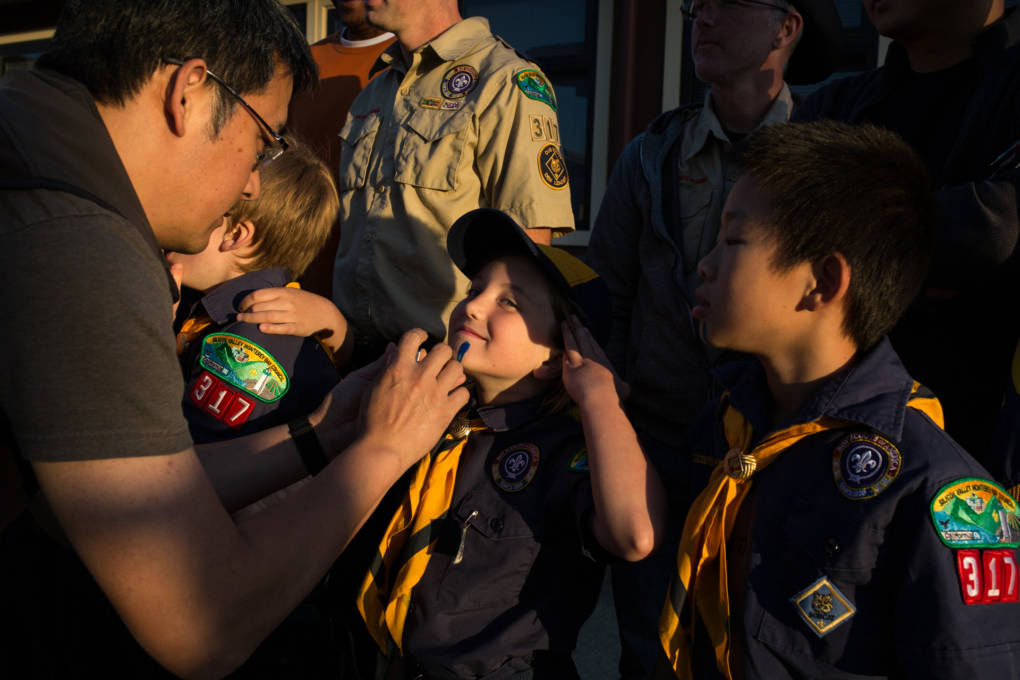
"caption": "When asked what she wanted to show the world now that she was in Cub Scouts, Katia Dyrby said: “That girls can be a part of things, too.” Her friend and fellow Cub Scout, Paige, chimed in: “That girls can be brave and they can be strong and they could do what boys can do.” Standing next to her is fellow Cub Scout Leo Zhou.",
"description": null,
"title": "cs_10-qut",
"credit": "Samantha Shanahan/KQED",
"status": "inherit",
"isLoading": false,
"fetchFailed": false
},
"news_11679459": {
"type": "attachments",
"id": "news_11679459",
"meta": {
"index": "attachments_1716263798",
"site": "news",
"id": "11679459",
"found": true
},
"parent": 11679230,
"imgSizes": {
"small": {
"file": "https://ww2.kqed.org/app/uploads/sites/10/2018/07/therethere-520x347.jpg",
"width": 520,
"mimeType": "image/jpeg",
"height": 347
},
"twentyfourteen-full-width": {
"file": "https://ww2.kqed.org/app/uploads/sites/10/2018/07/therethere-1038x576.jpg",
"width": 1038,
"mimeType": "image/jpeg",
"height": 576
},
"thumbnail": {
"file": "https://ww2.kqed.org/app/uploads/sites/10/2018/07/therethere-160x107.jpg",
"width": 160,
"mimeType": "image/jpeg",
"height": 107
},
"fd-sm": {
"file": "https://ww2.kqed.org/app/uploads/sites/10/2018/07/therethere-960x640.jpg",
"width": 960,
"mimeType": "image/jpeg",
"height": 640
},
"post-thumbnail": {
"file": "https://ww2.kqed.org/app/uploads/sites/10/2018/07/therethere-672x372.jpg",
"width": 672,
"mimeType": "image/jpeg",
"height": 372
},
"xsmall": {
"file": "https://ww2.kqed.org/app/uploads/sites/10/2018/07/therethere-375x250.jpg",
"width": 375,
"mimeType": "image/jpeg",
"height": 250
},
"kqedFullSize": {
"file": "https://ww2.kqed.org/app/uploads/sites/10/2018/07/therethere-e1530998322524.jpg",
"width": 1920,
"height": 1280
},
"large": {
"file": "https://ww2.kqed.org/app/uploads/sites/10/2018/07/therethere-1020x680.jpg",
"width": 1020,
"mimeType": "image/jpeg",
"height": 680
},
"xlarge": {
"file": "https://ww2.kqed.org/app/uploads/sites/10/2018/07/therethere-1180x787.jpg",
"width": 1180,
"mimeType": "image/jpeg",
"height": 787
},
"complete_open_graph": {
"file": "https://ww2.kqed.org/app/uploads/sites/10/2018/07/therethere-1200x800.jpg",
"width": 1200,
"mimeType": "image/jpeg",
"height": 800
},
"guest-author-50": {
"file": "https://ww2.kqed.org/app/uploads/sites/10/2018/07/therethere-50x50.jpg",
"width": 50,
"mimeType": "image/jpeg",
"height": 50
},
"guest-author-96": {
"file": "https://ww2.kqed.org/app/uploads/sites/10/2018/07/therethere-96x96.jpg",
"width": 96,
"mimeType": "image/jpeg",
"height": 96
},
"medium": {
"file": "https://ww2.kqed.org/app/uploads/sites/10/2018/07/therethere-800x533.jpg",
"width": 800,
"mimeType": "image/jpeg",
"height": 533
},
"guest-author-64": {
"file": "https://ww2.kqed.org/app/uploads/sites/10/2018/07/therethere-64x64.jpg",
"width": 64,
"mimeType": "image/jpeg",
"height": 64
},
"guest-author-32": {
"file": "https://ww2.kqed.org/app/uploads/sites/10/2018/07/therethere-32x32.jpg",
"width": 32,
"mimeType": "image/jpeg",
"height": 32
},
"fd-lrg": {
"file": "https://ww2.kqed.org/app/uploads/sites/10/2018/07/therethere-1920x1280.jpg",
"width": 1920,
"mimeType": "image/jpeg",
"height": 1280
},
"fd-med": {
"file": "https://ww2.kqed.org/app/uploads/sites/10/2018/07/therethere-1180x787.jpg",
"width": 1180,
"mimeType": "image/jpeg",
"height": 787
},
"full-width": {
"file": "https://ww2.kqed.org/app/uploads/sites/10/2018/07/therethere-1920x1280.jpg",
"width": 1920,
"mimeType": "image/jpeg",
"height": 1280
},
"detail": {
"file": "https://ww2.kqed.org/app/uploads/sites/10/2018/07/therethere-150x150.jpg",
"width": 150,
"mimeType": "image/jpeg",
"height": 150
},
"guest-author-128": {
"file": "https://ww2.kqed.org/app/uploads/sites/10/2018/07/therethere-128x128.jpg",
"width": 128,
"mimeType": "image/jpeg",
"height": 128
},
"xxsmall": {
"file": "https://ww2.kqed.org/app/uploads/sites/10/2018/07/therethere-240x160.jpg",
"width": 240,
"mimeType": "image/jpeg",
"height": 160
}
},
"publishDate": 1530998272,
"modified": 1530998459,
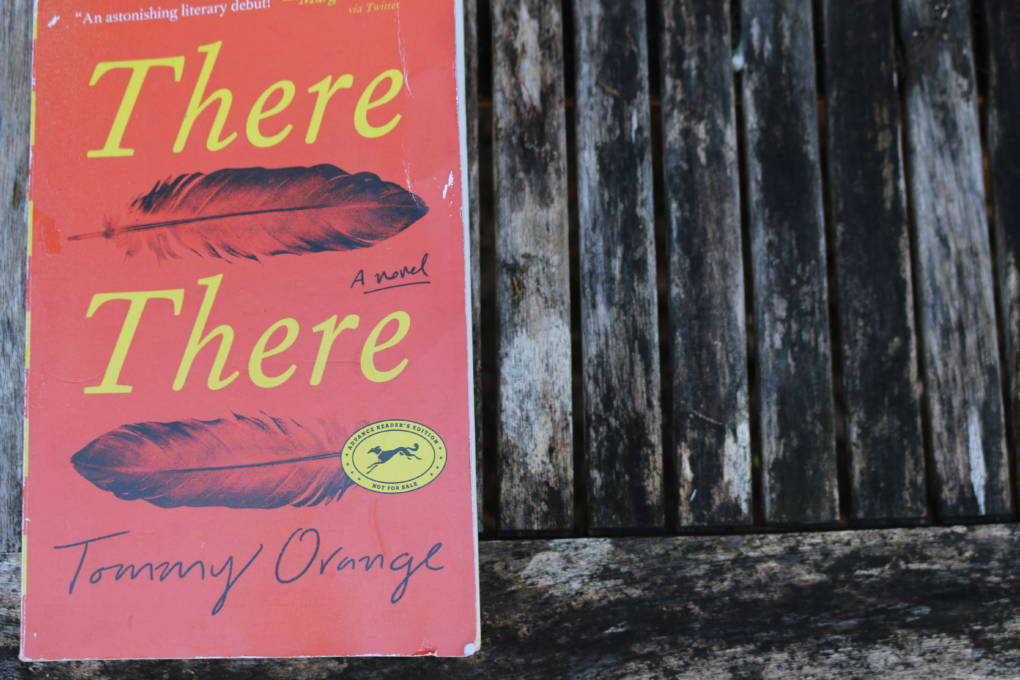
"caption": "A copy of Tommy Orange's \"There There,\" a first novel from the author, which has been on the New York Times Best Sellers list for the past month.",
"description": "A copy of Tommy Orange's \"There There,\" a first novel from the author, which has been on the New York Times Best Sellers list for the past month.",
"title": "therethere",
"credit": "Sandhya Dirks/KQED",
"status": "inherit",
"isLoading": false,
"fetchFailed": false
},
"news_11678588": {
"type": "attachments",
"id": "news_11678588",
"meta": {
"index": "attachments_1716263798",
"site": "news",
"id": "11678588",
"found": true
},
"parent": 11678574,
"imgSizes": {
"small": {
"file": "https://ww2.kqed.org/app/uploads/sites/10/2018/07/IMG_20180701_123300-1-520x390.jpg",
"width": 520,
"mimeType": "image/jpeg",
"height": 390
},
"twentyfourteen-full-width": {
"file": "https://ww2.kqed.org/app/uploads/sites/10/2018/07/IMG_20180701_123300-1-1038x576.jpg",
"width": 1038,
"mimeType": "image/jpeg",
"height": 576
},
"thumbnail": {
"file": "https://ww2.kqed.org/app/uploads/sites/10/2018/07/IMG_20180701_123300-1-160x120.jpg",
"width": 160,
"mimeType": "image/jpeg",
"height": 120
},
"fd-sm": {
"file": "https://ww2.kqed.org/app/uploads/sites/10/2018/07/IMG_20180701_123300-1-960x720.jpg",
"width": 960,
"mimeType": "image/jpeg",
"height": 720
},
"post-thumbnail": {
"file": "https://ww2.kqed.org/app/uploads/sites/10/2018/07/IMG_20180701_123300-1-672x372.jpg",
"width": 672,
"mimeType": "image/jpeg",
"height": 372
},
"xsmall": {
"file": "https://ww2.kqed.org/app/uploads/sites/10/2018/07/IMG_20180701_123300-1-375x281.jpg",
"width": 375,
"mimeType": "image/jpeg",
"height": 281
},
"kqedFullSize": {
"file": "https://ww2.kqed.org/app/uploads/sites/10/2018/07/IMG_20180701_123300-1.jpg",
"width": 4032,
"height": 3024
},
"large": {
"file": "https://ww2.kqed.org/app/uploads/sites/10/2018/07/IMG_20180701_123300-1-1020x765.jpg",
"width": 1020,
"mimeType": "image/jpeg",
"height": 765
},
"xlarge": {
"file": "https://ww2.kqed.org/app/uploads/sites/10/2018/07/IMG_20180701_123300-1-1180x885.jpg",
"width": 1180,
"mimeType": "image/jpeg",
"height": 885
},
"complete_open_graph": {
"file": "https://ww2.kqed.org/app/uploads/sites/10/2018/07/IMG_20180701_123300-1-1200x900.jpg",
"width": 1200,
"mimeType": "image/jpeg",
"height": 900
},
"guest-author-50": {
"file": "https://ww2.kqed.org/app/uploads/sites/10/2018/07/IMG_20180701_123300-1-50x50.jpg",
"width": 50,
"mimeType": "image/jpeg",
"height": 50
},
"guest-author-96": {
"file": "https://ww2.kqed.org/app/uploads/sites/10/2018/07/IMG_20180701_123300-1-96x96.jpg",
"width": 96,
"mimeType": "image/jpeg",
"height": 96
},
"medium": {
"file": "https://ww2.kqed.org/app/uploads/sites/10/2018/07/IMG_20180701_123300-1-800x600.jpg",
"width": 800,
"mimeType": "image/jpeg",
"height": 600
},
"guest-author-64": {
"file": "https://ww2.kqed.org/app/uploads/sites/10/2018/07/IMG_20180701_123300-1-64x64.jpg",
"width": 64,
"mimeType": "image/jpeg",
"height": 64
},
"guest-author-32": {
"file": "https://ww2.kqed.org/app/uploads/sites/10/2018/07/IMG_20180701_123300-1-32x32.jpg",
"width": 32,
"mimeType": "image/jpeg",
"height": 32
},
"fd-lrg": {
"file": "https://ww2.kqed.org/app/uploads/sites/10/2018/07/IMG_20180701_123300-1-1920x1440.jpg",
"width": 1920,
"mimeType": "image/jpeg",
"height": 1440
},
"fd-med": {
"file": "https://ww2.kqed.org/app/uploads/sites/10/2018/07/IMG_20180701_123300-1-1180x885.jpg",
"width": 1180,
"mimeType": "image/jpeg",
"height": 885
},
"full-width": {
"file": "https://ww2.kqed.org/app/uploads/sites/10/2018/07/IMG_20180701_123300-1-1920x1440.jpg",
"width": 1920,
"mimeType": "image/jpeg",
"height": 1440
},
"detail": {
"file": "https://ww2.kqed.org/app/uploads/sites/10/2018/07/IMG_20180701_123300-1-150x150.jpg",
"width": 150,
"mimeType": "image/jpeg",
"height": 150
},
"guest-author-128": {
"file": "https://ww2.kqed.org/app/uploads/sites/10/2018/07/IMG_20180701_123300-1-128x128.jpg",
"width": 128,
"mimeType": "image/jpeg",
"height": 128
},
"xxsmall": {
"file": "https://ww2.kqed.org/app/uploads/sites/10/2018/07/IMG_20180701_123300-1-240x180.jpg",
"width": 240,
"mimeType": "image/jpeg",
"height": 180
}
},
"publishDate": 1530491335,
"modified": 1530492939,
"caption": "Logan Cortez was born and raised in Oakland. She says she helped organize the first 'BBQing While Black' event to bring a message of joy and unity to the lake. 'We are not people to be feared. We are not people to be discriminated against or to call the police on. I think everybody wanted to come out and say that in such a positive and loving way and eat ribs at the same time. I mean who doesn’t wanna come out and eat ribs?'",
"description": "Logan Cortez was born and raised in Oakland. She says she helped organize the first 'BBQing While Black' event to bring a message of joy and unity to the lake. 'We are not people to be feared. We are not people to be discriminated against or to call the police on. I think everybody wanted to come out and say that in such a positive and loving way and eat ribs at the same time. I mean who doesn’t wanna come out and eat ribs?'",
"title": "IMG_20180701_123300 (1)",
"credit": "Muna Danish/KQED",
"status": "inherit",
"isLoading": false,
"fetchFailed": false
},
"news_11678018": {
"type": "attachments",
"id": "news_11678018",
"meta": {
"index": "attachments_1716263798",
"site": "news",
"id": "11678018",
"found": true
},
"parent": 11677912,
"imgSizes": {
"small": {
"file": "https://ww2.kqed.org/app/uploads/sites/10/2018/06/RS31647_IMG_0864-qut-520x390.jpg",
"width": 520,
"mimeType": "image/jpeg",
"height": 390
},
"twentyfourteen-full-width": {
"file": "https://ww2.kqed.org/app/uploads/sites/10/2018/06/RS31647_IMG_0864-qut-1038x576.jpg",
"width": 1038,
"mimeType": "image/jpeg",
"height": 576
},
"thumbnail": {
"file": "https://ww2.kqed.org/app/uploads/sites/10/2018/06/RS31647_IMG_0864-qut-160x120.jpg",
"width": 160,
"mimeType": "image/jpeg",
"height": 120
},
"fd-sm": {
"file": "https://ww2.kqed.org/app/uploads/sites/10/2018/06/RS31647_IMG_0864-qut-960x720.jpg",
"width": 960,
"mimeType": "image/jpeg",
"height": 720
},
"post-thumbnail": {
"file": "https://ww2.kqed.org/app/uploads/sites/10/2018/06/RS31647_IMG_0864-qut-672x372.jpg",
"width": 672,
"mimeType": "image/jpeg",
"height": 372
},
"xsmall": {
"file": "https://ww2.kqed.org/app/uploads/sites/10/2018/06/RS31647_IMG_0864-qut-375x281.jpg",
"width": 375,
"mimeType": "image/jpeg",
"height": 281
},
"kqedFullSize": {
"file": "https://ww2.kqed.org/app/uploads/sites/10/2018/06/RS31647_IMG_0864-qut.jpg",
"width": 1920,
"height": 1440
},
"large": {
"file": "https://ww2.kqed.org/app/uploads/sites/10/2018/06/RS31647_IMG_0864-qut-1020x765.jpg",
"width": 1020,
"mimeType": "image/jpeg",
"height": 765
},
"xlarge": {
"file": "https://ww2.kqed.org/app/uploads/sites/10/2018/06/RS31647_IMG_0864-qut-1180x885.jpg",
"width": 1180,
"mimeType": "image/jpeg",
"height": 885
},
"complete_open_graph": {
"file": "https://ww2.kqed.org/app/uploads/sites/10/2018/06/RS31647_IMG_0864-qut-1200x900.jpg",
"width": 1200,
"mimeType": "image/jpeg",
"height": 900
},
"guest-author-50": {
"file": "https://ww2.kqed.org/app/uploads/sites/10/2018/06/RS31647_IMG_0864-qut-50x50.jpg",
"width": 50,
"mimeType": "image/jpeg",
"height": 50
},
"guest-author-96": {
"file": "https://ww2.kqed.org/app/uploads/sites/10/2018/06/RS31647_IMG_0864-qut-96x96.jpg",
"width": 96,
"mimeType": "image/jpeg",
"height": 96
},
"medium": {
"file": "https://ww2.kqed.org/app/uploads/sites/10/2018/06/RS31647_IMG_0864-qut-800x600.jpg",
"width": 800,
"mimeType": "image/jpeg",
"height": 600
},
"guest-author-64": {
"file": "https://ww2.kqed.org/app/uploads/sites/10/2018/06/RS31647_IMG_0864-qut-64x64.jpg",
"width": 64,
"mimeType": "image/jpeg",
"height": 64
},
"guest-author-32": {
"file": "https://ww2.kqed.org/app/uploads/sites/10/2018/06/RS31647_IMG_0864-qut-32x32.jpg",
"width": 32,
"mimeType": "image/jpeg",
"height": 32
},
"fd-lrg": {
"file": "https://ww2.kqed.org/app/uploads/sites/10/2018/06/RS31647_IMG_0864-qut-1920x1440.jpg",
"width": 1920,
"mimeType": "image/jpeg",
"height": 1440
},
"fd-med": {
"file": "https://ww2.kqed.org/app/uploads/sites/10/2018/06/RS31647_IMG_0864-qut-1180x885.jpg",
"width": 1180,
"mimeType": "image/jpeg",
"height": 885
},
"full-width": {
"file": "https://ww2.kqed.org/app/uploads/sites/10/2018/06/RS31647_IMG_0864-qut-1920x1440.jpg",
"width": 1920,
"mimeType": "image/jpeg",
"height": 1440
},
"detail": {
"file": "https://ww2.kqed.org/app/uploads/sites/10/2018/06/RS31647_IMG_0864-qut-150x150.jpg",
"width": 150,
"mimeType": "image/jpeg",
"height": 150
},
"guest-author-128": {
"file": "https://ww2.kqed.org/app/uploads/sites/10/2018/06/RS31647_IMG_0864-qut-128x128.jpg",
"width": 128,
"mimeType": "image/jpeg",
"height": 128
},
"xxsmall": {
"file": "https://ww2.kqed.org/app/uploads/sites/10/2018/06/RS31647_IMG_0864-qut-240x180.jpg",
"width": 240,
"mimeType": "image/jpeg",
"height": 180
}
},
"publishDate": 1530226208,
"modified": 1530665682,
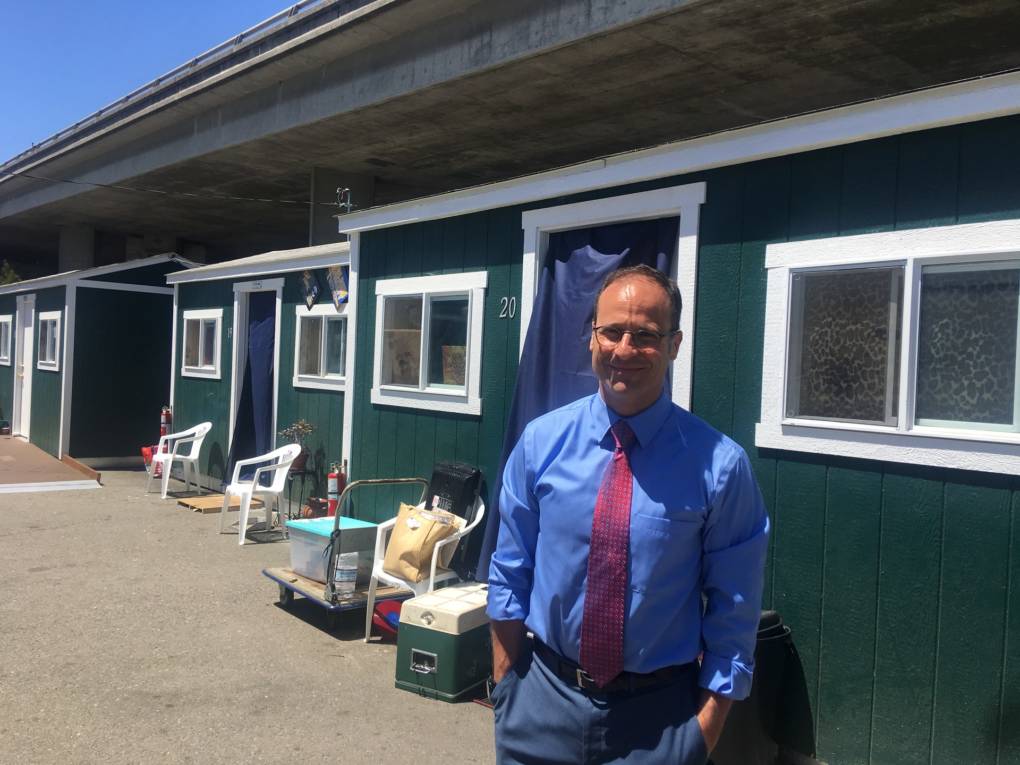
"caption": "Joe DeVries, assistant to Oakland's city administrator, stands in front of one of the cabins where the city has created a community for homeless residents to help them get shelter while they get back on their feet.",
"description": null,
"title": "RS31647_IMG_0864-qut",
"credit": "Brian Watt/KQED",
"status": "inherit",
"isLoading": false,
"fetchFailed": false
},
"news_11677116": {
"type": "attachments",
"id": "news_11677116",
"meta": {
"index": "attachments_1716263798",
"site": "news",
"id": "11677116",
"found": true
},
"parent": 11677080,
"imgSizes": {
"small": {
"file": "https://ww2.kqed.org/app/uploads/sites/10/2018/06/IMG_3962-520x390.jpg",
"width": 520,
"mimeType": "image/jpeg",
"height": 390
},
"twentyfourteen-full-width": {
"file": "https://ww2.kqed.org/app/uploads/sites/10/2018/06/IMG_3962-1038x576.jpg",
"width": 1038,
"mimeType": "image/jpeg",
"height": 576
},
"thumbnail": {
"file": "https://ww2.kqed.org/app/uploads/sites/10/2018/06/IMG_3962-160x120.jpg",
"width": 160,
"mimeType": "image/jpeg",
"height": 120
},
"fd-sm": {
"file": "https://ww2.kqed.org/app/uploads/sites/10/2018/06/IMG_3962-960x720.jpg",
"width": 960,
"mimeType": "image/jpeg",
"height": 720
},
"post-thumbnail": {
"file": "https://ww2.kqed.org/app/uploads/sites/10/2018/06/IMG_3962-672x372.jpg",
"width": 672,
"mimeType": "image/jpeg",
"height": 372
},
"xsmall": {
"file": "https://ww2.kqed.org/app/uploads/sites/10/2018/06/IMG_3962-375x281.jpg",
"width": 375,
"mimeType": "image/jpeg",
"height": 281
},
"kqedFullSize": {
"file": "https://ww2.kqed.org/app/uploads/sites/10/2018/06/IMG_3962-e1530127852297.jpg",
"width": 1920,
"height": 1440
},
"large": {
"file": "https://ww2.kqed.org/app/uploads/sites/10/2018/06/IMG_3962-1020x765.jpg",
"width": 1020,
"mimeType": "image/jpeg",
"height": 765
},
"xlarge": {
"file": "https://ww2.kqed.org/app/uploads/sites/10/2018/06/IMG_3962-1180x885.jpg",
"width": 1180,
"mimeType": "image/jpeg",
"height": 885
},
"complete_open_graph": {
"file": "https://ww2.kqed.org/app/uploads/sites/10/2018/06/IMG_3962-1200x900.jpg",
"width": 1200,
"mimeType": "image/jpeg",
"height": 900
},
"guest-author-50": {
"file": "https://ww2.kqed.org/app/uploads/sites/10/2018/06/IMG_3962-50x50.jpg",
"width": 50,
"mimeType": "image/jpeg",
"height": 50
},
"guest-author-96": {
"file": "https://ww2.kqed.org/app/uploads/sites/10/2018/06/IMG_3962-96x96.jpg",
"width": 96,
"mimeType": "image/jpeg",
"height": 96
},
"medium": {
"file": "https://ww2.kqed.org/app/uploads/sites/10/2018/06/IMG_3962-800x600.jpg",
"width": 800,
"mimeType": "image/jpeg",
"height": 600
},
"guest-author-64": {
"file": "https://ww2.kqed.org/app/uploads/sites/10/2018/06/IMG_3962-64x64.jpg",
"width": 64,
"mimeType": "image/jpeg",
"height": 64
},
"guest-author-32": {
"file": "https://ww2.kqed.org/app/uploads/sites/10/2018/06/IMG_3962-32x32.jpg",
"width": 32,
"mimeType": "image/jpeg",
"height": 32
},
"fd-lrg": {
"file": "https://ww2.kqed.org/app/uploads/sites/10/2018/06/IMG_3962-1920x1440.jpg",
"width": 1920,
"mimeType": "image/jpeg",
"height": 1440
},
"fd-med": {
"file": "https://ww2.kqed.org/app/uploads/sites/10/2018/06/IMG_3962-1180x885.jpg",
"width": 1180,
"mimeType": "image/jpeg",
"height": 885
},
"full-width": {
"file": "https://ww2.kqed.org/app/uploads/sites/10/2018/06/IMG_3962-1920x1440.jpg",
"width": 1920,
"mimeType": "image/jpeg",
"height": 1440
},
"detail": {
"file": "https://ww2.kqed.org/app/uploads/sites/10/2018/06/IMG_3962-150x150.jpg",
"width": 150,
"mimeType": "image/jpeg",
"height": 150
},
"guest-author-128": {
"file": "https://ww2.kqed.org/app/uploads/sites/10/2018/06/IMG_3962-128x128.jpg",
"width": 128,
"mimeType": "image/jpeg",
"height": 128
},
"xxsmall": {
"file": "https://ww2.kqed.org/app/uploads/sites/10/2018/06/IMG_3962-240x180.jpg",
"width": 240,
"mimeType": "image/jpeg",
"height": 180
}
},
"publishDate": 1529957292,
"modified": 1530142950,
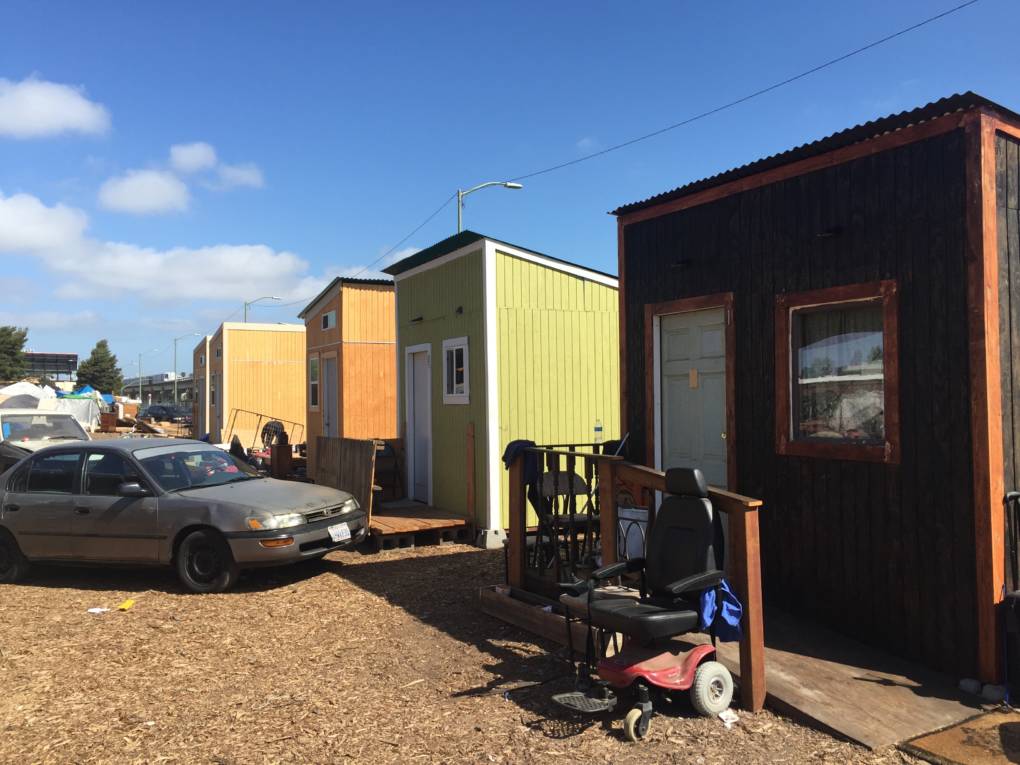
"caption": "A homeless encampment called \"The Village\" is located at East 12th Street and 23rd Avenue in Oakland.",
"description": null,
"title": "IMG_3962",
"credit": "Tara Siler/KQED",
"status": "inherit",
"isLoading": false,
"fetchFailed": false
},
"news_11675390": {
"type": "attachments",
"id": "news_11675390",
"meta": {
"index": "attachments_1716263798",
"site": "news",
"id": "11675390",
"found": true
},
"parent": 11675389,
"imgSizes": {
"small": {
"file": "https://ww2.kqed.org/app/uploads/sites/10/2018/06/GettyImages-682136284-520x347.jpg",
"width": 520,
"mimeType": "image/jpeg",
"height": 347
},
"twentyfourteen-full-width": {
"file": "https://ww2.kqed.org/app/uploads/sites/10/2018/06/GettyImages-682136284-1038x576.jpg",
"width": 1038,
"mimeType": "image/jpeg",
"height": 576
},
"thumbnail": {
"file": "https://ww2.kqed.org/app/uploads/sites/10/2018/06/GettyImages-682136284-160x107.jpg",
"width": 160,
"mimeType": "image/jpeg",
"height": 107
},
"fd-sm": {
"file": "https://ww2.kqed.org/app/uploads/sites/10/2018/06/GettyImages-682136284-960x640.jpg",
"width": 960,
"mimeType": "image/jpeg",
"height": 640
},
"post-thumbnail": {
"file": "https://ww2.kqed.org/app/uploads/sites/10/2018/06/GettyImages-682136284-672x372.jpg",
"width": 672,
"mimeType": "image/jpeg",
"height": 372
},
"xsmall": {
"file": "https://ww2.kqed.org/app/uploads/sites/10/2018/06/GettyImages-682136284-375x250.jpg",
"width": 375,
"mimeType": "image/jpeg",
"height": 250
},
"kqedFullSize": {
"file": "https://ww2.kqed.org/app/uploads/sites/10/2018/06/GettyImages-682136284-e1529246723373.jpg",
"width": 1920,
"height": 1280
},
"large": {
"file": "https://ww2.kqed.org/app/uploads/sites/10/2018/06/GettyImages-682136284-1020x680.jpg",
"width": 1020,
"mimeType": "image/jpeg",
"height": 680
},
"xlarge": {
"file": "https://ww2.kqed.org/app/uploads/sites/10/2018/06/GettyImages-682136284-1180x787.jpg",
"width": 1180,
"mimeType": "image/jpeg",
"height": 787
},
"complete_open_graph": {
"file": "https://ww2.kqed.org/app/uploads/sites/10/2018/06/GettyImages-682136284-1200x800.jpg",
"width": 1200,
"mimeType": "image/jpeg",
"height": 800
},
"guest-author-50": {
"file": "https://ww2.kqed.org/app/uploads/sites/10/2018/06/GettyImages-682136284-50x50.jpg",
"width": 50,
"mimeType": "image/jpeg",
"height": 50
},
"guest-author-96": {
"file": "https://ww2.kqed.org/app/uploads/sites/10/2018/06/GettyImages-682136284-96x96.jpg",
"width": 96,
"mimeType": "image/jpeg",
"height": 96
},
"medium": {
"file": "https://ww2.kqed.org/app/uploads/sites/10/2018/06/GettyImages-682136284-800x533.jpg",
"width": 800,
"mimeType": "image/jpeg",
"height": 533
},
"guest-author-64": {
"file": "https://ww2.kqed.org/app/uploads/sites/10/2018/06/GettyImages-682136284-64x64.jpg",
"width": 64,
"mimeType": "image/jpeg",
"height": 64
},
"guest-author-32": {
"file": "https://ww2.kqed.org/app/uploads/sites/10/2018/06/GettyImages-682136284-32x32.jpg",
"width": 32,
"mimeType": "image/jpeg",
"height": 32
},
"fd-lrg": {
"file": "https://ww2.kqed.org/app/uploads/sites/10/2018/06/GettyImages-682136284-1920x1280.jpg",
"width": 1920,
"mimeType": "image/jpeg",
"height": 1280
},
"fd-med": {
"file": "https://ww2.kqed.org/app/uploads/sites/10/2018/06/GettyImages-682136284-1180x787.jpg",
"width": 1180,
"mimeType": "image/jpeg",
"height": 787
},
"full-width": {
"file": "https://ww2.kqed.org/app/uploads/sites/10/2018/06/GettyImages-682136284-1920x1280.jpg",
"width": 1920,
"mimeType": "image/jpeg",
"height": 1280
},
"detail": {
"file": "https://ww2.kqed.org/app/uploads/sites/10/2018/06/GettyImages-682136284-150x150.jpg",
"width": 150,
"mimeType": "image/jpeg",
"height": 150
},
"guest-author-128": {
"file": "https://ww2.kqed.org/app/uploads/sites/10/2018/06/GettyImages-682136284-128x128.jpg",
"width": 128,
"mimeType": "image/jpeg",
"height": 128
},
"xxsmall": {
"file": "https://ww2.kqed.org/app/uploads/sites/10/2018/06/GettyImages-682136284-240x160.jpg",
"width": 240,
"mimeType": "image/jpeg",
"height": 160
}
},
"publishDate": 1529246701,
"modified": 1529246744,
"caption": "Silicon Valley officials are naming a new elementary school after Vargas. Mountain View Whisman School District board voted Thursday, June 14, 2018 to name the school after Jose Antonio Vargas. ",
"description": "Silicon Valley officials are naming a new elementary school after Vargas. Mountain View Whisman School District board voted Thursday, June 14, 2018 to name the school after Jose Antonio Vargas. ",
"title": "Define American Film Festival (DAFF) 2017, Presented By TheHarvey B. Gantt Center for African- American Arts + Culture",
"credit": " Jeff Hahne/Getty Images for Define American",
"status": "inherit",
"isLoading": false,
"fetchFailed": false
},
"news_11674626": {
"type": "attachments",
"id": "news_11674626",
"meta": {
"index": "attachments_1716263798",
"site": "news",
"id": "11674626",
"found": true
},
"parent": 11674607,
"imgSizes": {
"small": {
"file": "https://ww2.kqed.org/app/uploads/sites/10/2018/06/Screen-Shot-2018-06-13-at-11.15.03-AM-520x484.png",
"width": 520,
"mimeType": "image/png",
"height": 484
},
"twentyfourteen-full-width": {
"file": "https://ww2.kqed.org/app/uploads/sites/10/2018/06/Screen-Shot-2018-06-13-at-11.15.03-AM-774x576.png",
"width": 774,
"mimeType": "image/png",
"height": 576
},
"thumbnail": {
"file": "https://ww2.kqed.org/app/uploads/sites/10/2018/06/Screen-Shot-2018-06-13-at-11.15.03-AM-160x149.png",
"width": 160,
"mimeType": "image/png",
"height": 149
},
"post-thumbnail": {
"file": "https://ww2.kqed.org/app/uploads/sites/10/2018/06/Screen-Shot-2018-06-13-at-11.15.03-AM-672x372.png",
"width": 672,
"mimeType": "image/png",
"height": 372
},
"xsmall": {
"file": "https://ww2.kqed.org/app/uploads/sites/10/2018/06/Screen-Shot-2018-06-13-at-11.15.03-AM-375x349.png",
"width": 375,
"mimeType": "image/png",
"height": 349
},
"kqedFullSize": {
"file": "https://ww2.kqed.org/app/uploads/sites/10/2018/06/Screen-Shot-2018-06-13-at-11.15.03-AM.png",
"width": 774,
"height": 720
},
"guest-author-50": {
"file": "https://ww2.kqed.org/app/uploads/sites/10/2018/06/Screen-Shot-2018-06-13-at-11.15.03-AM-50x50.png",
"width": 50,
"mimeType": "image/png",
"height": 50
},
"guest-author-96": {
"file": "https://ww2.kqed.org/app/uploads/sites/10/2018/06/Screen-Shot-2018-06-13-at-11.15.03-AM-96x96.png",
"width": 96,
"mimeType": "image/png",
"height": 96
},
"guest-author-64": {
"file": "https://ww2.kqed.org/app/uploads/sites/10/2018/06/Screen-Shot-2018-06-13-at-11.15.03-AM-64x64.png",
"width": 64,
"mimeType": "image/png",
"height": 64
},
"guest-author-32": {
"file": "https://ww2.kqed.org/app/uploads/sites/10/2018/06/Screen-Shot-2018-06-13-at-11.15.03-AM-32x32.png",
"width": 32,
"mimeType": "image/png",
"height": 32
},
"detail": {
"file": "https://ww2.kqed.org/app/uploads/sites/10/2018/06/Screen-Shot-2018-06-13-at-11.15.03-AM-150x150.png",
"width": 150,
"mimeType": "image/png",
"height": 150
},
"guest-author-128": {
"file": "https://ww2.kqed.org/app/uploads/sites/10/2018/06/Screen-Shot-2018-06-13-at-11.15.03-AM-128x128.png",
"width": 128,
"mimeType": "image/png",
"height": 128
},
"xxsmall": {
"file": "https://ww2.kqed.org/app/uploads/sites/10/2018/06/Screen-Shot-2018-06-13-at-11.15.03-AM-240x223.png",
"width": 240,
"mimeType": "image/png",
"height": 223
}
},
"publishDate": 1528915396,
"modified": 1528915421,
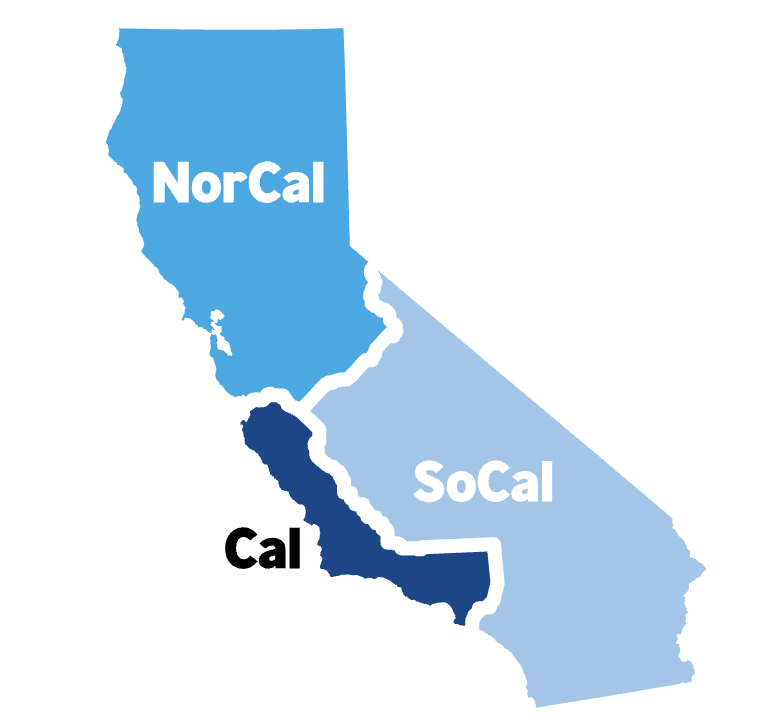
"caption": "Cal 3's projected map of the three states.",
"description": "Cal 3's projected map of the three states.",
"title": "Screen Shot 2018-06-13 at 11.15.03 AM",
"credit": "Courtesy of Cal 3",
"status": "inherit",
"isLoading": false,
"fetchFailed": false
},
"news_11668077": {
"type": "attachments",
"id": "news_11668077",
"meta": {
"index": "attachments_1716263798",
"site": "news",
"id": "11668077",
"found": true
},
"parent": 11668070,
"imgSizes": {
"small": {
"file": "https://ww2.kqed.org/app/uploads/sites/10/2018/05/RS9671_2631101-1180x1107-520x488.jpg",
"width": 520,
"mimeType": "image/jpeg",
"height": 488
},
"twentyfourteen-full-width": {
"file": "https://ww2.kqed.org/app/uploads/sites/10/2018/05/RS9671_2631101-1180x1107-1038x576.jpg",
"width": 1038,
"mimeType": "image/jpeg",
"height": 576
},
"thumbnail": {
"file": "https://ww2.kqed.org/app/uploads/sites/10/2018/05/RS9671_2631101-1180x1107-160x150.jpg",
"width": 160,
"mimeType": "image/jpeg",
"height": 150
},
"fd-sm": {
"file": "https://ww2.kqed.org/app/uploads/sites/10/2018/05/RS9671_2631101-1180x1107-960x901.jpg",
"width": 960,
"mimeType": "image/jpeg",
"height": 901
},
"post-thumbnail": {
"file": "https://ww2.kqed.org/app/uploads/sites/10/2018/05/RS9671_2631101-1180x1107-672x372.jpg",
"width": 672,
"mimeType": "image/jpeg",
"height": 372
},
"xsmall": {
"file": "https://ww2.kqed.org/app/uploads/sites/10/2018/05/RS9671_2631101-1180x1107-375x352.jpg",
"width": 375,
"mimeType": "image/jpeg",
"height": 352
},
"kqedFullSize": {
"file": "https://ww2.kqed.org/app/uploads/sites/10/2018/05/RS9671_2631101-1180x1107.jpg",
"width": 1180,
"height": 1107
},
"large": {
"file": "https://ww2.kqed.org/app/uploads/sites/10/2018/05/RS9671_2631101-1180x1107-1020x957.jpg",
"width": 1020,
"mimeType": "image/jpeg",
"height": 957
},
"xlarge": {
"file": "https://ww2.kqed.org/app/uploads/sites/10/2018/05/RS9671_2631101-1180x1107-1180x1107.jpg",
"width": 1180,
"mimeType": "image/jpeg",
"height": 1107
},
"guest-author-50": {
"file": "https://ww2.kqed.org/app/uploads/sites/10/2018/05/RS9671_2631101-1180x1107-50x50.jpg",
"width": 50,
"mimeType": "image/jpeg",
"height": 50
},
"guest-author-96": {
"file": "https://ww2.kqed.org/app/uploads/sites/10/2018/05/RS9671_2631101-1180x1107-96x96.jpg",
"width": 96,
"mimeType": "image/jpeg",
"height": 96
},
"medium": {
"file": "https://ww2.kqed.org/app/uploads/sites/10/2018/05/RS9671_2631101-1180x1107-800x751.jpg",
"width": 800,
"mimeType": "image/jpeg",
"height": 751
},
"guest-author-64": {
"file": "https://ww2.kqed.org/app/uploads/sites/10/2018/05/RS9671_2631101-1180x1107-64x64.jpg",
"width": 64,
"mimeType": "image/jpeg",
"height": 64
},
"guest-author-32": {
"file": "https://ww2.kqed.org/app/uploads/sites/10/2018/05/RS9671_2631101-1180x1107-32x32.jpg",
"width": 32,
"mimeType": "image/jpeg",
"height": 32
},
"fd-med": {
"file": "https://ww2.kqed.org/app/uploads/sites/10/2018/05/RS9671_2631101-1180x1107-1180x1107.jpg",
"width": 1180,
"mimeType": "image/jpeg",
"height": 1107
},
"detail": {
"file": "https://ww2.kqed.org/app/uploads/sites/10/2018/05/RS9671_2631101-1180x1107-150x150.jpg",
"width": 150,
"mimeType": "image/jpeg",
"height": 150
},
"guest-author-128": {
"file": "https://ww2.kqed.org/app/uploads/sites/10/2018/05/RS9671_2631101-1180x1107-128x128.jpg",
"width": 128,
"mimeType": "image/jpeg",
"height": 128
},
"xxsmall": {
"file": "https://ww2.kqed.org/app/uploads/sites/10/2018/05/RS9671_2631101-1180x1107-240x225.jpg",
"width": 240,
"mimeType": "image/jpeg",
"height": 225
}
},
"publishDate": 1526225784,
"modified": 1560533071,
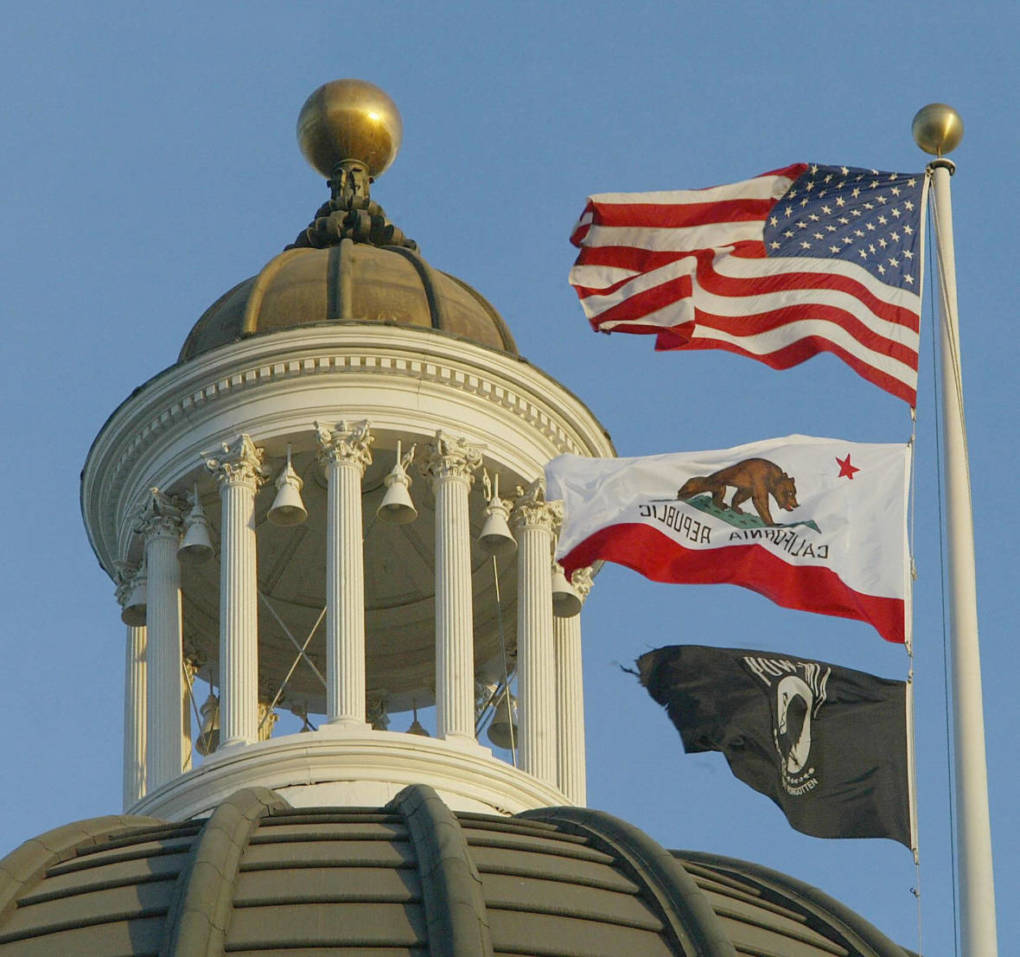
"caption": "A view of the top of the California Capitol building in Sacramento.",
"description": "A view of the top of the California Capitol building in Sacramento.",
"title": "A detail of the top of the dome of the C",
"credit": "Robyn Beck/AFP/Getty Images",
"status": "inherit",
"isLoading": false,
"fetchFailed": false
},
"news_11673839": {
"type": "attachments",
"id": "news_11673839",
"meta": {
"index": "attachments_1716263798",
"site": "news",
"id": "11673839",
"found": true
},
"parent": 11673837,
"imgSizes": {
"small": {
"file": "https://ww2.kqed.org/app/uploads/sites/10/2018/06/Warriors-40-of-71-520x347.jpg",
"width": 520,
"mimeType": "image/jpeg",
"height": 347
},
"twentyfourteen-full-width": {
"file": "https://ww2.kqed.org/app/uploads/sites/10/2018/06/Warriors-40-of-71-1038x576.jpg",
"width": 1038,
"mimeType": "image/jpeg",
"height": 576
},
"thumbnail": {
"file": "https://ww2.kqed.org/app/uploads/sites/10/2018/06/Warriors-40-of-71-160x107.jpg",
"width": 160,
"mimeType": "image/jpeg",
"height": 107
},
"fd-sm": {
"file": "https://ww2.kqed.org/app/uploads/sites/10/2018/06/Warriors-40-of-71-960x640.jpg",
"width": 960,
"mimeType": "image/jpeg",
"height": 640
},
"post-thumbnail": {
"file": "https://ww2.kqed.org/app/uploads/sites/10/2018/06/Warriors-40-of-71-672x372.jpg",
"width": 672,
"mimeType": "image/jpeg",
"height": 372
},
"xsmall": {
"file": "https://ww2.kqed.org/app/uploads/sites/10/2018/06/Warriors-40-of-71-375x250.jpg",
"width": 375,
"mimeType": "image/jpeg",
"height": 250
},
"kqedFullSize": {
"file": "https://ww2.kqed.org/app/uploads/sites/10/2018/06/Warriors-40-of-71-e1528565434715.jpg",
"width": 1920,
"height": 1280
},
"large": {
"file": "https://ww2.kqed.org/app/uploads/sites/10/2018/06/Warriors-40-of-71-1020x680.jpg",
"width": 1020,
"mimeType": "image/jpeg",
"height": 680
},
"xlarge": {
"file": "https://ww2.kqed.org/app/uploads/sites/10/2018/06/Warriors-40-of-71-1180x787.jpg",
"width": 1180,
"mimeType": "image/jpeg",
"height": 787
},
"complete_open_graph": {
"file": "https://ww2.kqed.org/app/uploads/sites/10/2018/06/Warriors-40-of-71-1200x800.jpg",
"width": 1200,
"mimeType": "image/jpeg",
"height": 800
},
"guest-author-50": {
"file": "https://ww2.kqed.org/app/uploads/sites/10/2018/06/Warriors-40-of-71-50x50.jpg",
"width": 50,
"mimeType": "image/jpeg",
"height": 50
},
"guest-author-96": {
"file": "https://ww2.kqed.org/app/uploads/sites/10/2018/06/Warriors-40-of-71-96x96.jpg",
"width": 96,
"mimeType": "image/jpeg",
"height": 96
},
"medium": {
"file": "https://ww2.kqed.org/app/uploads/sites/10/2018/06/Warriors-40-of-71-800x533.jpg",
"width": 800,
"mimeType": "image/jpeg",
"height": 533
},
"guest-author-64": {
"file": "https://ww2.kqed.org/app/uploads/sites/10/2018/06/Warriors-40-of-71-64x64.jpg",
"width": 64,
"mimeType": "image/jpeg",
"height": 64
},
"guest-author-32": {
"file": "https://ww2.kqed.org/app/uploads/sites/10/2018/06/Warriors-40-of-71-32x32.jpg",
"width": 32,
"mimeType": "image/jpeg",
"height": 32
},
"fd-lrg": {
"file": "https://ww2.kqed.org/app/uploads/sites/10/2018/06/Warriors-40-of-71-1920x1280.jpg",
"width": 1920,
"mimeType": "image/jpeg",
"height": 1280
},
"fd-med": {
"file": "https://ww2.kqed.org/app/uploads/sites/10/2018/06/Warriors-40-of-71-1180x787.jpg",
"width": 1180,
"mimeType": "image/jpeg",
"height": 787
},
"full-width": {
"file": "https://ww2.kqed.org/app/uploads/sites/10/2018/06/Warriors-40-of-71-1920x1280.jpg",
"width": 1920,
"mimeType": "image/jpeg",
"height": 1280
},
"detail": {
"file": "https://ww2.kqed.org/app/uploads/sites/10/2018/06/Warriors-40-of-71-150x150.jpg",
"width": 150,
"mimeType": "image/jpeg",
"height": 150
},
"guest-author-128": {
"file": "https://ww2.kqed.org/app/uploads/sites/10/2018/06/Warriors-40-of-71-128x128.jpg",
"width": 128,
"mimeType": "image/jpeg",
"height": 128
},
"xxsmall": {
"file": "https://ww2.kqed.org/app/uploads/sites/10/2018/06/Warriors-40-of-71-240x160.jpg",
"width": 240,
"mimeType": "image/jpeg",
"height": 160
}
},
"publishDate": 1528538913,
"modified": 1528565463,
"caption": "Urias Escudero of San Jose cheers as the Warriors secure their win over the Cleveland Cavaliers on June 8, 2018 at the Warrior Watch Party at Oracle Arena in Oakland.",
"description": "Urias Escudero of San Jose cheers as the Warriors secure their win over the Cleveland Cavaliers on June 8, 2018 at the Warrior Watch Party at Oracle Arena in Oakland.",
"title": "Warriors (40 of 71)",
"credit": "Samantha Shanahan/KQED",
"status": "inherit",
"isLoading": false,
"fetchFailed": false
},
"news_11672202": {
"type": "attachments",
"id": "news_11672202",
"meta": {
"index": "attachments_1716263798",
"site": "news",
"id": "11672202",
"found": true
},
"parent": 11666530,
"imgSizes": {
"small": {
"file": "https://ww2.kqed.org/app/uploads/sites/10/2018/06/RS18948_DSC_0203-qut-520x346.jpg",
"width": 520,
"mimeType": "image/jpeg",
"height": 346
},
"twentyfourteen-full-width": {
"file": "https://ww2.kqed.org/app/uploads/sites/10/2018/06/RS18948_DSC_0203-qut-1038x576.jpg",
"width": 1038,
"mimeType": "image/jpeg",
"height": 576
},
"thumbnail": {
"file": "https://ww2.kqed.org/app/uploads/sites/10/2018/06/RS18948_DSC_0203-qut-160x106.jpg",
"width": 160,
"mimeType": "image/jpeg",
"height": 106
},
"fd-sm": {
"file": "https://ww2.kqed.org/app/uploads/sites/10/2018/06/RS18948_DSC_0203-qut-960x639.jpg",
"width": 960,
"mimeType": "image/jpeg",
"height": 639
},
"post-thumbnail": {
"file": "https://ww2.kqed.org/app/uploads/sites/10/2018/06/RS18948_DSC_0203-qut-672x372.jpg",
"width": 672,
"mimeType": "image/jpeg",
"height": 372
},
"xsmall": {
"file": "https://ww2.kqed.org/app/uploads/sites/10/2018/06/RS18948_DSC_0203-qut-375x249.jpg",
"width": 375,
"mimeType": "image/jpeg",
"height": 249
},
"kqedFullSize": {
"file": "https://ww2.kqed.org/app/uploads/sites/10/2018/06/RS18948_DSC_0203-qut.jpg",
"width": 1920,
"height": 1277
},
"large": {
"file": "https://ww2.kqed.org/app/uploads/sites/10/2018/06/RS18948_DSC_0203-qut-1020x678.jpg",
"width": 1020,
"mimeType": "image/jpeg",
"height": 678
},
"xlarge": {
"file": "https://ww2.kqed.org/app/uploads/sites/10/2018/06/RS18948_DSC_0203-qut-1180x785.jpg",
"width": 1180,
"mimeType": "image/jpeg",
"height": 785
},
"complete_open_graph": {
"file": "https://ww2.kqed.org/app/uploads/sites/10/2018/06/RS18948_DSC_0203-qut-1200x798.jpg",
"width": 1200,
"mimeType": "image/jpeg",
"height": 798
},
"guest-author-50": {
"file": "https://ww2.kqed.org/app/uploads/sites/10/2018/06/RS18948_DSC_0203-qut-50x50.jpg",
"width": 50,
"mimeType": "image/jpeg",
"height": 50
},
"guest-author-96": {
"file": "https://ww2.kqed.org/app/uploads/sites/10/2018/06/RS18948_DSC_0203-qut-96x96.jpg",
"width": 96,
"mimeType": "image/jpeg",
"height": 96
},
"medium": {
"file": "https://ww2.kqed.org/app/uploads/sites/10/2018/06/RS18948_DSC_0203-qut-800x532.jpg",
"width": 800,
"mimeType": "image/jpeg",
"height": 532
},
"guest-author-64": {
"file": "https://ww2.kqed.org/app/uploads/sites/10/2018/06/RS18948_DSC_0203-qut-64x64.jpg",
"width": 64,
"mimeType": "image/jpeg",
"height": 64
},
"guest-author-32": {
"file": "https://ww2.kqed.org/app/uploads/sites/10/2018/06/RS18948_DSC_0203-qut-32x32.jpg",
"width": 32,
"mimeType": "image/jpeg",
"height": 32
},
"fd-lrg": {
"file": "https://ww2.kqed.org/app/uploads/sites/10/2018/06/RS18948_DSC_0203-qut-1920x1277.jpg",
"width": 1920,
"mimeType": "image/jpeg",
"height": 1277
},
"fd-med": {
"file": "https://ww2.kqed.org/app/uploads/sites/10/2018/06/RS18948_DSC_0203-qut-1180x785.jpg",
"width": 1180,
"mimeType": "image/jpeg",
"height": 785
},
"full-width": {
"file": "https://ww2.kqed.org/app/uploads/sites/10/2018/06/RS18948_DSC_0203-qut-1920x1277.jpg",
"width": 1920,
"mimeType": "image/jpeg",
"height": 1277
},
"detail": {
"file": "https://ww2.kqed.org/app/uploads/sites/10/2018/06/RS18948_DSC_0203-qut-150x150.jpg",
"width": 150,
"mimeType": "image/jpeg",
"height": 150
},
"guest-author-128": {
"file": "https://ww2.kqed.org/app/uploads/sites/10/2018/06/RS18948_DSC_0203-qut-128x128.jpg",
"width": 128,
"mimeType": "image/jpeg",
"height": 128
},
"xxsmall": {
"file": "https://ww2.kqed.org/app/uploads/sites/10/2018/06/RS18948_DSC_0203-qut-240x160.jpg",
"width": 240,
"mimeType": "image/jpeg",
"height": 160
}
},
"publishDate": 1527975106,
"modified": 1527975141,
"caption": "The election dynamic is familiar: It pits the teachers’ union against a self-styled education reformer. ",
"description": "The election dynamic is familiar: It pits the teachers’ union against a self-styled education reformer. ",
"title": "RS18948_DSC_0203-qut",
"credit": "Gabriel Salcedo/KQED",
"status": "inherit",
"isLoading": false,
"fetchFailed": false
},
"news_11669542": {
"type": "attachments",
"id": "news_11669542",
"meta": {
"index": "attachments_1716263798",
"site": "news",
"id": "11669542",
"found": true
},
"parent": 11669540,
"imgSizes": {
"small": {
"file": "https://ww2.kqed.org/app/uploads/sites/10/2018/05/RS31068_black-panther.jpg-qut-520x390.jpg",
"width": 520,
"mimeType": "image/jpeg",
"height": 390
},
"twentyfourteen-full-width": {
"file": "https://ww2.kqed.org/app/uploads/sites/10/2018/05/RS31068_black-panther.jpg-qut-1038x576.jpg",
"width": 1038,
"mimeType": "image/jpeg",
"height": 576
},
"thumbnail": {
"file": "https://ww2.kqed.org/app/uploads/sites/10/2018/05/RS31068_black-panther.jpg-qut-160x120.jpg",
"width": 160,
"mimeType": "image/jpeg",
"height": 120
},
"fd-sm": {
"file": "https://ww2.kqed.org/app/uploads/sites/10/2018/05/RS31068_black-panther.jpg-qut-960x720.jpg",
"width": 960,
"mimeType": "image/jpeg",
"height": 720
},
"post-thumbnail": {
"file": "https://ww2.kqed.org/app/uploads/sites/10/2018/05/RS31068_black-panther.jpg-qut-672x372.jpg",
"width": 672,
"mimeType": "image/jpeg",
"height": 372
},
"xsmall": {
"file": "https://ww2.kqed.org/app/uploads/sites/10/2018/05/RS31068_black-panther.jpg-qut-375x281.jpg",
"width": 375,
"mimeType": "image/jpeg",
"height": 281
},
"kqedFullSize": {
"file": "https://ww2.kqed.org/app/uploads/sites/10/2018/05/RS31068_black-panther.jpg-qut.jpg",
"width": 1920,
"height": 1440
},
"large": {
"file": "https://ww2.kqed.org/app/uploads/sites/10/2018/05/RS31068_black-panther.jpg-qut-1020x765.jpg",
"width": 1020,
"mimeType": "image/jpeg",
"height": 765
},
"xlarge": {
"file": "https://ww2.kqed.org/app/uploads/sites/10/2018/05/RS31068_black-panther.jpg-qut-1180x885.jpg",
"width": 1180,
"mimeType": "image/jpeg",
"height": 885
},
"complete_open_graph": {
"file": "https://ww2.kqed.org/app/uploads/sites/10/2018/05/RS31068_black-panther.jpg-qut-1200x900.jpg",
"width": 1200,
"mimeType": "image/jpeg",
"height": 900
},
"guest-author-50": {
"file": "https://ww2.kqed.org/app/uploads/sites/10/2018/05/RS31068_black-panther.jpg-qut-50x50.jpg",
"width": 50,
"mimeType": "image/jpeg",
"height": 50
},
"guest-author-96": {
"file": "https://ww2.kqed.org/app/uploads/sites/10/2018/05/RS31068_black-panther.jpg-qut-96x96.jpg",
"width": 96,
"mimeType": "image/jpeg",
"height": 96
},
"medium": {
"file": "https://ww2.kqed.org/app/uploads/sites/10/2018/05/RS31068_black-panther.jpg-qut-800x600.jpg",
"width": 800,
"mimeType": "image/jpeg",
"height": 600
},
"guest-author-64": {
"file": "https://ww2.kqed.org/app/uploads/sites/10/2018/05/RS31068_black-panther.jpg-qut-64x64.jpg",
"width": 64,
"mimeType": "image/jpeg",
"height": 64
},
"guest-author-32": {
"file": "https://ww2.kqed.org/app/uploads/sites/10/2018/05/RS31068_black-panther.jpg-qut-32x32.jpg",
"width": 32,
"mimeType": "image/jpeg",
"height": 32
},
"fd-lrg": {
"file": "https://ww2.kqed.org/app/uploads/sites/10/2018/05/RS31068_black-panther.jpg-qut-1920x1440.jpg",
"width": 1920,
"mimeType": "image/jpeg",
"height": 1440
},
"fd-med": {
"file": "https://ww2.kqed.org/app/uploads/sites/10/2018/05/RS31068_black-panther.jpg-qut-1180x885.jpg",
"width": 1180,
"mimeType": "image/jpeg",
"height": 885
},
"full-width": {
"file": "https://ww2.kqed.org/app/uploads/sites/10/2018/05/RS31068_black-panther.jpg-qut-1920x1440.jpg",
"width": 1920,
"mimeType": "image/jpeg",
"height": 1440
},
"detail": {
"file": "https://ww2.kqed.org/app/uploads/sites/10/2018/05/RS31068_black-panther.jpg-qut-150x150.jpg",
"width": 150,
"mimeType": "image/jpeg",
"height": 150
},
"guest-author-128": {
"file": "https://ww2.kqed.org/app/uploads/sites/10/2018/05/RS31068_black-panther.jpg-qut-128x128.jpg",
"width": 128,
"mimeType": "image/jpeg",
"height": 128
},
"xxsmall": {
"file": "https://ww2.kqed.org/app/uploads/sites/10/2018/05/RS31068_black-panther.jpg-qut-240x180.jpg",
"width": 240,
"mimeType": "image/jpeg",
"height": 180
}
},
"publishDate": 1526857907,
"modified": 1526937345,
"caption": "Eitan Manhoff, the owner of Cape & Cowl comic book store in Oakland, stands next to a poster advertising a special edition of Marvel's Black Panther #1 with an Oakland-specific cover. It is the only store where the special edition will be sold.",
"description": "Eitan Manhoff, the owner of Cape and Cowl comic book store in Oakland, stands next to a poster advertising a special edition of Marvel's Black Panther #1 with an Oakland-specific cover. It is the only store where the special edition will be sold.",
"title": "RS31068_black panther.jpg-qut",
"credit": "Shia Levitt/KQED",
"status": "inherit",
"isLoading": false,
"fetchFailed": false
},
"news_11669311": {
"type": "attachments",
"id": "news_11669311",
"meta": {
"index": "attachments_1716263798",
"site": "news",
"id": "11669311",
"found": true
},
"parent": 11669242,
"imgSizes": {
"small": {
"file": "https://ww2.kqed.org/app/uploads/sites/10/2018/05/DeadWhale-520x298.jpg",
"width": 520,
"mimeType": "image/jpeg",
"height": 298
},
"twentyfourteen-full-width": {
"file": "https://ww2.kqed.org/app/uploads/sites/10/2018/05/DeadWhale-1038x576.jpg",
"width": 1038,
"mimeType": "image/jpeg",
"height": 576
},
"thumbnail": {
"file": "https://ww2.kqed.org/app/uploads/sites/10/2018/05/DeadWhale-160x92.jpg",
"width": 160,
"mimeType": "image/jpeg",
"height": 92
},
"fd-sm": {
"file": "https://ww2.kqed.org/app/uploads/sites/10/2018/05/DeadWhale-960x550.jpg",
"width": 960,
"mimeType": "image/jpeg",
"height": 550
},
"post-thumbnail": {
"file": "https://ww2.kqed.org/app/uploads/sites/10/2018/05/DeadWhale-672x372.jpg",
"width": 672,
"mimeType": "image/jpeg",
"height": 372
},
"xsmall": {
"file": "https://ww2.kqed.org/app/uploads/sites/10/2018/05/DeadWhale-375x215.jpg",
"width": 375,
"mimeType": "image/jpeg",
"height": 215
},
"kqedFullSize": {
"file": "https://ww2.kqed.org/app/uploads/sites/10/2018/05/DeadWhale.jpg",
"width": 1920,
"height": 1099
},
"large": {
"file": "https://ww2.kqed.org/app/uploads/sites/10/2018/05/DeadWhale-1020x584.jpg",
"width": 1020,
"mimeType": "image/jpeg",
"height": 584
},
"xlarge": {
"file": "https://ww2.kqed.org/app/uploads/sites/10/2018/05/DeadWhale-1180x675.jpg",
"width": 1180,
"mimeType": "image/jpeg",
"height": 675
},
"complete_open_graph": {
"file": "https://ww2.kqed.org/app/uploads/sites/10/2018/05/DeadWhale-1200x687.jpg",
"width": 1200,
"mimeType": "image/jpeg",
"height": 687
},
"guest-author-50": {
"file": "https://ww2.kqed.org/app/uploads/sites/10/2018/05/DeadWhale-50x50.jpg",
"width": 50,
"mimeType": "image/jpeg",
"height": 50
},
"guest-author-96": {
"file": "https://ww2.kqed.org/app/uploads/sites/10/2018/05/DeadWhale-96x96.jpg",
"width": 96,
"mimeType": "image/jpeg",
"height": 96
},
"medium": {
"file": "https://ww2.kqed.org/app/uploads/sites/10/2018/05/DeadWhale-800x458.jpg",
"width": 800,
"mimeType": "image/jpeg",
"height": 458
},
"guest-author-64": {
"file": "https://ww2.kqed.org/app/uploads/sites/10/2018/05/DeadWhale-64x64.jpg",
"width": 64,
"mimeType": "image/jpeg",
"height": 64
},
"guest-author-32": {
"file": "https://ww2.kqed.org/app/uploads/sites/10/2018/05/DeadWhale-32x32.jpg",
"width": 32,
"mimeType": "image/jpeg",
"height": 32
},
"fd-lrg": {
"file": "https://ww2.kqed.org/app/uploads/sites/10/2018/05/DeadWhale-1920x1099.jpg",
"width": 1920,
"mimeType": "image/jpeg",
"height": 1099
},
"fd-med": {
"file": "https://ww2.kqed.org/app/uploads/sites/10/2018/05/DeadWhale-1180x675.jpg",
"width": 1180,
"mimeType": "image/jpeg",
"height": 675
},
"full-width": {
"file": "https://ww2.kqed.org/app/uploads/sites/10/2018/05/DeadWhale-1920x1099.jpg",
"width": 1920,
"mimeType": "image/jpeg",
"height": 1099
},
"detail": {
"file": "https://ww2.kqed.org/app/uploads/sites/10/2018/05/DeadWhale-150x150.jpg",
"width": 150,
"mimeType": "image/jpeg",
"height": 150
},
"guest-author-128": {
"file": "https://ww2.kqed.org/app/uploads/sites/10/2018/05/DeadWhale-128x128.jpg",
"width": 128,
"mimeType": "image/jpeg",
"height": 128
},
"xxsmall": {
"file": "https://ww2.kqed.org/app/uploads/sites/10/2018/05/DeadWhale-240x137.jpg",
"width": 240,
"mimeType": "image/jpeg",
"height": 137
}
},
"publishDate": 1526686139,
"modified": 1553885510,
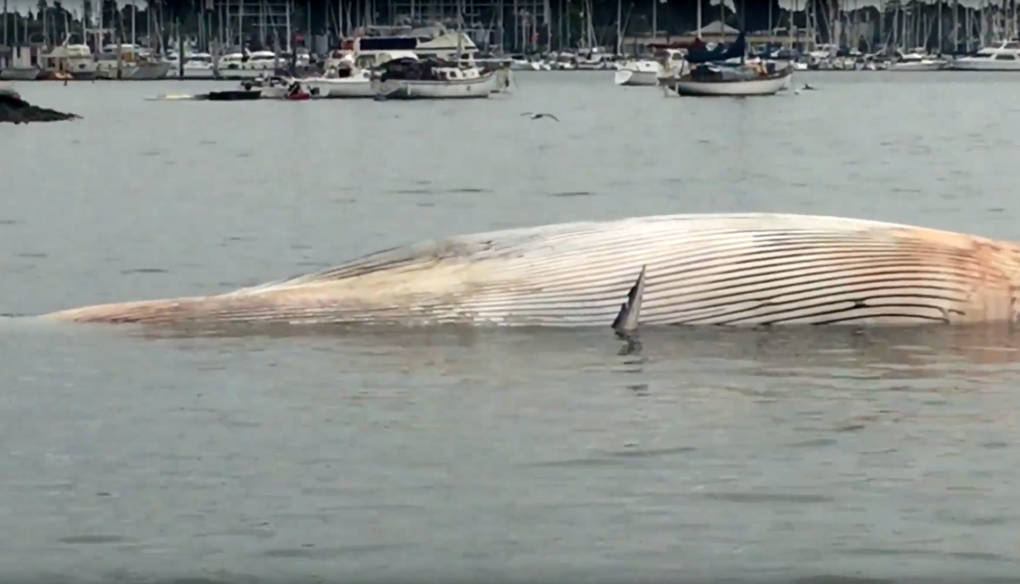
"caption": "A whale carcass is towed out of the Oakland estuary near Jack London Square on Friday.",
"description": "A whale carcass is towed out of the Oakland estuary near Jack London Square last year. ",
"title": "DeadWhale",
"credit": "Christian Carrera/YouTube",
"status": "inherit",
"isLoading": false,
"fetchFailed": false
}
},
"audioPlayerReducer": {
"postId": "stream_live",
"isPaused": true,
"isPlaying": false,
"pfsActive": false,
"pledgeModalIsOpen": true,
"playerDrawerIsOpen": false,
"liveAudioPlayStartedAt": 0,
"liveAudioPlayContext": ""
},
"authorsReducer": {
"byline_news_11675389": {
"type": "authors",
"id": "byline_news_11675389",
"meta": {
"override": true
},
"slug": "byline_news_11675389",
"name": "Associated Press",
"isLoading": false
},
"byline_news_11674607": {
"type": "authors",
"id": "byline_news_11674607",
"meta": {
"override": true
},
"slug": "byline_news_11674607",
"name": "Associated Press",
"isLoading": false
},
"byline_news_11669540": {
"type": "authors",
"id": "byline_news_11669540",
"meta": {
"override": true
},
"slug": "byline_news_11669540",
"name": "\u003cstrong>Shia Levitt\u003c/strong>",
"isLoading": false
},
"gmarzorati": {
"type": "authors",
"id": "227",
"meta": {
"index": "authors_1716337520",
"id": "227",
"found": true
},
"name": "Guy Marzorati",
"firstName": "Guy",
"lastName": "Marzorati",
"slug": "gmarzorati",
"email": "gmarzorati@KQED.org",
"display_author_email": true,
"staff_mastheads": [
"news"
],
"title": "Correspondent",
"bio": "Guy Marzorati is a correspondent on KQED's California Politics and Government Desk, based in San Jose. A graduate of Santa Clara University, Guy joined KQED in 2013. He reports on state and local politics and produces KQED's digital voter guide.",
"avatar": "https://secure.gravatar.com/avatar/e7038b8dbfd55b104369b76b1cd0b9de?s=600&d=blank&r=g",
"twitter": "guymarzorati",
"facebook": null,
"instagram": null,
"linkedin": null,
"sites": [
{
"site": "",
"roles": [
"editor"
]
},
{
"site": "news",
"roles": [
"editor"
]
},
{
"site": "science",
"roles": [
"editor"
]
},
{
"site": "forum",
"roles": [
"editor"
]
},
{
"site": "elections",
"roles": [
"editor"
]
},
{
"site": "liveblog",
"roles": [
"editor"
]
}
],
"headData": {
"title": "Guy Marzorati | KQED",
"description": "Correspondent",
"ogImgSrc": "https://secure.gravatar.com/avatar/e7038b8dbfd55b104369b76b1cd0b9de?s=600&d=blank&r=g",
"twImgSrc": "https://secure.gravatar.com/avatar/e7038b8dbfd55b104369b76b1cd0b9de?s=600&d=blank&r=g"
},
"isLoading": false,
"link": "/author/gmarzorati"
},
"tarasiler": {
"type": "authors",
"id": "257",
"meta": {
"index": "authors_1716337520",
"id": "257",
"found": true
},
"name": "Tara Siler",
"firstName": "Tara",
"lastName": "Siler",
"slug": "tarasiler",
"email": "tsiler@kqed.org",
"display_author_email": false,
"staff_mastheads": [
"news"
],
"title": "KQED Contributor",
"bio": "Tara reports and anchors for KQED news. She covers a range of issues from community-police relations to local politics. Tara started out in community radio in the Bay Area, where she was raised. She eventually moved to Washington DC where she covered Congress for eight years for Pacifica and Monitor Radio. Her stories have also been heard on NPR's All Things Considered, Morning Edition and The World.\r\n\r\nTara lives with her husband in Oakland-- where they raised their two sons. She enjoys spending time with her family, gardening and hiking in the Oakland hills... and keeping up with the news.",
"avatar": "https://secure.gravatar.com/avatar/99802f9746fb80b65fd8ec6c57954450?s=600&d=blank&r=g",
"twitter": null,
"facebook": null,
"instagram": null,
"linkedin": null,
"sites": [
{
"site": "news",
"roles": [
"contributor",
"edit_others_posts"
]
},
{
"site": "stateofhealth",
"roles": [
"author"
]
}
],
"headData": {
"title": "Tara Siler | KQED",
"description": "KQED Contributor",
"ogImgSrc": "https://secure.gravatar.com/avatar/99802f9746fb80b65fd8ec6c57954450?s=600&d=blank&r=g",
"twImgSrc": "https://secure.gravatar.com/avatar/99802f9746fb80b65fd8ec6c57954450?s=600&d=blank&r=g"
},
"isLoading": false,
"link": "/author/tarasiler"
},
"ekelly": {
"type": "authors",
"id": "3211",
"meta": {
"index": "authors_1716337520",
"id": "3211",
"found": true
},
"name": "Erika Kelly",
"firstName": "Erika",
"lastName": "Kelly",
"slug": "ekelly",
"email": "ekelly@KQED.org",
"display_author_email": true,
"staff_mastheads": [
"news"
],
"title": "Deputy Managing Editor",
"bio": "Erika Kelly is deputy managing editor of KQED's newsroom, working with teams covering housing, climate, health, labor and the arts. Previously, she was the senior editor of KQED’s housing affordability desk, leading the team that produced the award winning podcast Sold Out: Rethinking Housing in America. She is a graduate of the Medill School of Journalism and a native of the Greater Chicagoland Area.",
"avatar": "https://secure.gravatar.com/avatar/3653973f475e2af06d52444628a0023a48f83905a9d7ce3a4e45e5ecebcb4230?s=600&d=blank&r=g",
"twitter": null,
"bluesky": null,
"facebook": null,
"instagram": null,
"linkedin": null,
"sites": [
{
"site": "",
"roles": [
"editor"
]
},
{
"site": "arts",
"roles": [
"administrator"
]
},
{
"site": "news",
"roles": [
"administrator"
]
},
{
"site": "science",
"roles": [
"administrator"
]
},
{
"site": "liveblog",
"roles": [
"administrator"
]
}
],
"headData": {
"title": "Erika Kelly | KQED",
"description": "Deputy Managing Editor",
"ogImgSrc": "https://secure.gravatar.com/avatar/3653973f475e2af06d52444628a0023a48f83905a9d7ce3a4e45e5ecebcb4230?s=600&d=blank&r=g",
"twImgSrc": "https://secure.gravatar.com/avatar/3653973f475e2af06d52444628a0023a48f83905a9d7ce3a4e45e5ecebcb4230?s=600&d=blank&r=g"
},
"isLoading": false,
"link": "/author/ekelly"
},
"sdirks": {
"type": "authors",
"id": "7239",
"meta": {
"index": "authors_1716337520",
"id": "7239",
"found": true
},
"name": "Sandhya Dirks",
"firstName": "Sandhya",
"lastName": "Dirks",
"slug": "sdirks",
"email": "sdirks@kqed.org",
"display_author_email": true,
"staff_mastheads": [],
"title": null,
"bio": "Sandhya Dirks was the race and equity reporter at KQED. She approaches race and equity not as a beat, but as a fundamental lens for all investigative and explanatory reporting.\r\n\r\nSandhya covered policing, housing, social justice movements, and the shifting demographics of cities and suburbs.\r\n\r\nShe was the creator and co-host of the podcast American Suburb, about the transformation of suburbia into the most diverse space in American life. She was the editor for Truth Be Told, an advice show for and by people of color. \r\n\r\nHer stories about race, space, and belonging were part of KQED's So Well Spoken project, which won RNDTA's Kaleidoscope award, honoring outstanding achievements in the coverage of diversity.\r\n\r\nPrior to joining KQED in 2015, Sandhya covered the 2012 presidential election from the swing state of Iowa for Iowa Public Radio. At KPBS in San Diego, she broke the story of a sexual harassment scandal that led to the mayor's resignation.\r\n\r\nShe got her start in radio working on documentaries about Oakland that investigated the high drop-out rate in public schools and mistrust between the police and the community.\r\n\r\nSandhya lives in Oakland and believes all stories are stories about power.",
"avatar": "https://secure.gravatar.com/avatar/c0247cb15929cd4c197672fd73d45300?s=600&d=blank&r=g",
"twitter": "audiosand",
"facebook": null,
"instagram": null,
"linkedin": null,
"sites": [
{
"site": "news",
"roles": [
"subscriber"
]
},
{
"site": "stateofhealth",
"roles": [
"author"
]
}
],
"headData": {
"title": "Sandhya Dirks | KQED",
"description": null,
"ogImgSrc": "https://secure.gravatar.com/avatar/c0247cb15929cd4c197672fd73d45300?s=600&d=blank&r=g",
"twImgSrc": "https://secure.gravatar.com/avatar/c0247cb15929cd4c197672fd73d45300?s=600&d=blank&r=g"
},
"isLoading": false,
"link": "/author/sdirks"
},
"bwatt": {
"type": "authors",
"id": "11238",
"meta": {
"index": "authors_1716337520",
"id": "11238",
"found": true
},
"name": "Brian Watt",
"firstName": "Brian",
"lastName": "Watt",
"slug": "bwatt",
"email": "bwatt@KQED.org",
"display_author_email": false,
"staff_mastheads": [
"news"
],
"title": "Morning News Anchor",
"bio": "Brian Watt is KQED's morning radio news anchor. He joined the KQED News team in April of 2016. Prior to that, he worked as a Reporter for KPCC in Los Angeles and a producer at \u003cem>Marketplace.\u003c/em>\r\n\r\nDuring eight years at KPCC, Brian covered business and economics, and his work won several awards. In 2008, he won the Los Angeles Press Club’s first-place award for Business and Financial Reporting, Broadcast. He’s also received honorable mention and been first runner up for the Press Club’s Radio Journalist of the Year. He won two Golden Mike awards from the Radio and TV News Association of Southern California.\r\n\r\nBrian holds degrees in theater from Yale University and the Sorbonne, and has worked as an actor in France, Italy, Brazil, Hungary and . . . Hollywood. He appeared in a few television shows, including \u003cem>The West Wing, Judging Amy\u003c/em> and \u003cem>The District.\u003c/em>\r\n\r\nEmail: bwatt@KQED.org Twitter: @RadioBWatt",
"avatar": "https://secure.gravatar.com/avatar/55393ff57ed34e2be773ba4789dd6a19?s=600&d=blank&r=g",
"twitter": "@RadioBWatt",
"facebook": null,
"instagram": null,
"linkedin": null,
"sites": [
{
"site": "arts",
"roles": [
"contributor"
]
},
{
"site": "news",
"roles": [
"editor"
]
}
],
"headData": {
"title": "Brian Watt | KQED",
"description": "Morning News Anchor",
"ogImgSrc": "https://secure.gravatar.com/avatar/55393ff57ed34e2be773ba4789dd6a19?s=600&d=blank&r=g",
"twImgSrc": "https://secure.gravatar.com/avatar/55393ff57ed34e2be773ba4789dd6a19?s=600&d=blank&r=g"
},
"isLoading": false,
"link": "/author/bwatt"
},
"vrancano": {
"type": "authors",
"id": "11276",
"meta": {
"index": "authors_1716337520",
"id": "11276",
"found": true
},
"name": "Vanessa Rancaño",
"firstName": "Vanessa",
"lastName": "Rancaño",
"slug": "vrancano",
"email": "vrancano@kqed.org",
"display_author_email": false,
"staff_mastheads": [
"news"
],
"title": "Reporter",
"bio": "Vanessa Rancaño is a features reporter for KQED. She’s also covered homelessness and education for the station and reported from the Central Valley. Her work has aired across public radio, from flagship national news shows to longform narrative podcasts. Before taking up a mic, she worked as a freelance print journalist. She’s been recognized with a number of national and regional awards. Vanessa grew up in California's Central Valley. She's a former NPR Kroc Fellow, and a graduate of the UC Berkeley Graduate School of Journalism.",
"avatar": "https://secure.gravatar.com/avatar/b3a383dfb0e7ee1c17568f2cf067904ab654d6e3de9743fc661f3c788ade1bed?s=600&d=blank&r=g",
"twitter": "vanessarancano",
"bluesky": null,
"facebook": null,
"instagram": null,
"linkedin": null,
"sites": [
{
"site": "arts",
"roles": [
"editor"
]
},
{
"site": "news",
"roles": [
"editor"
]
},
{
"site": "liveblog",
"roles": [
"contributor"
]
}
],
"headData": {
"title": "Vanessa Rancaño | KQED",
"description": "Reporter",
"ogImgSrc": "https://secure.gravatar.com/avatar/b3a383dfb0e7ee1c17568f2cf067904ab654d6e3de9743fc661f3c788ade1bed?s=600&d=blank&r=g",
"twImgSrc": "https://secure.gravatar.com/avatar/b3a383dfb0e7ee1c17568f2cf067904ab654d6e3de9743fc661f3c788ade1bed?s=600&d=blank&r=g"
},
"isLoading": false,
"link": "/author/vrancano"
},
"mleitsinger": {
"type": "authors",
"id": "11310",
"meta": {
"index": "authors_1716337520",
"id": "11310",
"found": true
},
"name": "Miranda Leitsinger",
"firstName": "Miranda",
"lastName": "Leitsinger",
"slug": "mleitsinger",
"email": "mleitsinger@KQED.org",
"display_author_email": false,
"staff_mastheads": [
"news"
],
"title": "KQED Contributor",
"bio": "Miranda Leitsinger has worked in journalism as a reporter and editor since 2000, including seven years at The Associated Press in locales such as Cambodia and Puerto Rico, four years at NBC News Digital in New York and 2.5 years at CNN.com International in Hong Kong. Major stories she has covered included sexual abuse in the yoga community, the rise of women in local politics post-2016 election, the struggle over LGBTQ inclusion in the Boy Scouts, aftermath of the 2004 and 2011 tsunamis, the Aurora movie theater attack, the Newtown school shooting, Superstorm Sandy and the Boston Marathon bombing.",
"avatar": "https://secure.gravatar.com/avatar/cdd00de7be92aab3b7fd3d915e02033d?s=600&d=blank&r=g",
"twitter": "mimileitsinger",
"facebook": null,
"instagram": null,
"linkedin": null,
"sites": [
{
"site": "arts",
"roles": [
"author"
]
},
{
"site": "news",
"roles": [
"subscriber"
]
},
{
"site": "futureofyou",
"roles": [
"editor"
]
},
{
"site": "stateofhealth",
"roles": [
"editor"
]
}
],
"headData": {
"title": "Miranda Leitsinger | KQED",
"description": "KQED Contributor",
"ogImgSrc": "https://secure.gravatar.com/avatar/cdd00de7be92aab3b7fd3d915e02033d?s=600&d=blank&r=g",
"twImgSrc": "https://secure.gravatar.com/avatar/cdd00de7be92aab3b7fd3d915e02033d?s=600&d=blank&r=g"
},
"isLoading": false,
"link": "/author/mleitsinger"
},
"sshanahan": {
"type": "authors",
"id": "11409",
"meta": {
"index": "authors_1716337520",
"id": "11409",
"found": true
},
"name": "Samantha Shanahan",
"firstName": "Samantha",
"lastName": "Shanahan",
"slug": "sshanahan",
"email": "sshanahan@kqed.org",
"display_author_email": false,
"staff_mastheads": [],
"title": "KQED Contributor",
"bio": null,
"avatar": "https://secure.gravatar.com/avatar/fa52d5af105ea4981f8e7d8f922740a1?s=600&d=blank&r=g",
"twitter": null,
"facebook": null,
"instagram": null,
"linkedin": null,
"sites": [
{
"site": "arts",
"roles": [
"author"
]
},
{
"site": "news",
"roles": [
"create_posts",
"read_private_posts",
"author"
]
}
],
"headData": {
"title": "Samantha Shanahan | KQED",
"description": "KQED Contributor",
"ogImgSrc": "https://secure.gravatar.com/avatar/fa52d5af105ea4981f8e7d8f922740a1?s=600&d=blank&r=g",
"twImgSrc": "https://secure.gravatar.com/avatar/fa52d5af105ea4981f8e7d8f922740a1?s=600&d=blank&r=g"
},
"isLoading": false,
"link": "/author/sshanahan"
},
"mdanish": {
"type": "authors",
"id": "11504",
"meta": {
"index": "authors_1716337520",
"id": "11504",
"found": true
},
"name": "Muna Danish",
"firstName": "Muna",
"lastName": "Danish",
"slug": "mdanish",
"email": "mdanish@KQED.org",
"display_author_email": false,
"staff_mastheads": [],
"title": null,
"bio": null,
"avatar": "https://secure.gravatar.com/avatar/0f9eb78572eb14a36d9324eae714d52e?s=600&d=blank&r=g",
"twitter": null,
"facebook": null,
"instagram": null,
"linkedin": null,
"sites": [
{
"site": "news",
"roles": [
"author"
]
}
],
"headData": {
"title": "Muna Danish | KQED",
"description": null,
"ogImgSrc": "https://secure.gravatar.com/avatar/0f9eb78572eb14a36d9324eae714d52e?s=600&d=blank&r=g",
"twImgSrc": "https://secure.gravatar.com/avatar/0f9eb78572eb14a36d9324eae714d52e?s=600&d=blank&r=g"
},
"isLoading": false,
"link": "/author/mdanish"
}
},
"pagesReducer": {
"news_tag_education": {
"type": "terms",
"id": "news_20013",
"meta": {
"index": "terms_1716263798",
"site": "news",
"id": "20013",
"score": 6.970053
},
"featImg": null,
"name": "education",
"description": null,
"taxonomy": "tag",
"headData": {
"twImgId": null,
"twTitle": null,
"ogTitle": null,
"ogImgId": null,
"twDescription": null,
"description": null,
"title": "education Archives | KQED News",
"ogDescription": null
},
"ttid": 20030,
"slug": "education",
"isLoading": false,
"title": "education",
"pageMeta": {
"site": "news",
"WpPageTemplate": "page-topic-editorial",
"currentPage": 108
},
"blocks": [
{
"blockName": "kqed/post-list",
"attrs": {
"layout": "cardArticle2",
"query": "posts/news?tag=education",
"seeMore": false,
"paginated": true,
"page": 108
}
},
{
"blockName": "kqed/ad"
}
]
}
},
"pfsSessionReducer": {},
"postsReducer": {
"stream_live": {
"type": "live",
"id": "stream_live",
"audioUrl": "https://streams.kqed.org/kqedradio",
"title": "Live Stream",
"excerpt": "Live Stream information currently unavailable.",
"link": "/radio",
"featImg": "",
"label": {
"name": "KQED Live",
"link": "/"
}
},
"stream_kqedNewscast": {
"type": "posts",
"id": "stream_kqedNewscast",
"audioUrl": "https://www.kqed.org/.stream/anon/radio/RDnews/newscast.mp3?_=1",
"title": "KQED Newscast",
"featImg": "",
"label": {
"name": "88.5 FM",
"link": "/"
}
},
"news_11680276": {
"type": "posts",
"id": "news_11680276",
"meta": {
"index": "posts_1716263798",
"site": "news",
"id": "11680276",
"score": null,
"sort": [
1531758773000
]
},
"guestAuthors": [],
"slug": "photos-first-bay-area-girls-join-the-cub-scout-ranks",
"title": "PHOTOS: First Bay Area Girls Join the Cub Scout Ranks",
"publishDate": 1531758773,
"format": "standard",
"headTitle": "PHOTOS: First Bay Area Girls Join the Cub Scout Ranks | KQED",
"labelTerm": {
"term": 72,
"site": "news"
},
"content": "\u003cp>Graduation day for Cub Scout Pack 317 in San Jose was different from in years past: For the first time, girls were advancing through the ranks, following a historic decision by the Boy Scouts to let them participate in what had been, for more than a century, a boys-only program.\u003c/p>\n\u003cp>The pack was one of many Scouting units to make the change earlier this year before girls could officially enroll in June in all Cub Scouts programs nationwide. Pack 317 Cubmaster Chris Webb first broached the idea with the boys.\u003c/p>\n\u003cp>“There were a couple of them that gave me kind of a goofy, ‘yuck girls,’ kind of a response. But there wasn’t a really big objection to it,” he said. “The parents were totally on board and we just decided this is the right thing to do. And so far, it’s been great.”\u003c/p>\n\u003cp>“These girls are excited to be some of the first involved,” he said, adding that one of them could be the first Eagle Scout — Scouting’s highest honor.\u003c/p>\n\u003cp>That excitement was palpable on graduation day at Baker Elementary School in May, when the girls — like the boys — got their faces painted, received new badges and swapped out their neckerchiefs to show that they’d graduated to the next level.\u003c/p>\n\u003cfigure id=\"attachment_11680277\" class=\"wp-caption alignnone\" style=\"max-width: 800px\">\u003cimg loading=\"lazy\" decoding=\"async\" class=\"wp-image-11680277 size-medium\" src=\"https://ww2.kqed.org/news/wp-content/uploads/sites/10/2018/07/cs_1-qut-800x533.jpg\" alt=\"\" width=\"800\" height=\"533\" srcset=\"https://cdn.kqed.org/wp-content/uploads/sites/10/2018/07/cs_1-qut-800x533.jpg 800w, https://cdn.kqed.org/wp-content/uploads/sites/10/2018/07/cs_1-qut-160x107.jpg 160w, https://cdn.kqed.org/wp-content/uploads/sites/10/2018/07/cs_1-qut-1020x680.jpg 1020w, https://cdn.kqed.org/wp-content/uploads/sites/10/2018/07/cs_1-qut-1200x800.jpg 1200w, https://cdn.kqed.org/wp-content/uploads/sites/10/2018/07/cs_1-qut.jpg 1920w, https://cdn.kqed.org/wp-content/uploads/sites/10/2018/07/cs_1-qut-1180x787.jpg 1180w, https://cdn.kqed.org/wp-content/uploads/sites/10/2018/07/cs_1-qut-960x640.jpg 960w, https://cdn.kqed.org/wp-content/uploads/sites/10/2018/07/cs_1-qut-240x160.jpg 240w, https://cdn.kqed.org/wp-content/uploads/sites/10/2018/07/cs_1-qut-375x250.jpg 375w, https://cdn.kqed.org/wp-content/uploads/sites/10/2018/07/cs_1-qut-520x347.jpg 520w\" sizes=\"(max-width: 800px) 100vw, 800px\">\u003cfigcaption class=\"wp-caption-text\">Some fun at Baker Elementary School in San Jose with Paige Elorreaga testing out a pogo stick before the graduation festivities began. The girls integrated easily into the pack since they’d already been attending meetings with their brothers who were members and doing a lot of the same activities, said Cubmaster Chris Webb. “But since they weren’t registered, they couldn’t get recognition for the stuff that they were doing,” he said. Now that they are, they can “get the patches and earn the ranks, just like their brothers can.” \u003ccite>(Samantha Shanahan/KQED)\u003c/cite>\u003c/figcaption>\u003c/figure>\n\u003cfigure id=\"attachment_11680278\" class=\"wp-caption alignnone\" style=\"max-width: 800px\">\u003cimg loading=\"lazy\" decoding=\"async\" class=\"wp-image-11680278 size-medium\" src=\"https://ww2.kqed.org/news/wp-content/uploads/sites/10/2018/07/cs_2-qut-800x533.jpg\" alt=\"\" width=\"800\" height=\"533\" srcset=\"https://cdn.kqed.org/wp-content/uploads/sites/10/2018/07/cs_2-qut-800x533.jpg 800w, https://cdn.kqed.org/wp-content/uploads/sites/10/2018/07/cs_2-qut-160x107.jpg 160w, https://cdn.kqed.org/wp-content/uploads/sites/10/2018/07/cs_2-qut-1020x680.jpg 1020w, https://cdn.kqed.org/wp-content/uploads/sites/10/2018/07/cs_2-qut-1200x800.jpg 1200w, https://cdn.kqed.org/wp-content/uploads/sites/10/2018/07/cs_2-qut.jpg 1920w, https://cdn.kqed.org/wp-content/uploads/sites/10/2018/07/cs_2-qut-1180x787.jpg 1180w, https://cdn.kqed.org/wp-content/uploads/sites/10/2018/07/cs_2-qut-960x640.jpg 960w, https://cdn.kqed.org/wp-content/uploads/sites/10/2018/07/cs_2-qut-240x160.jpg 240w, https://cdn.kqed.org/wp-content/uploads/sites/10/2018/07/cs_2-qut-375x250.jpg 375w, https://cdn.kqed.org/wp-content/uploads/sites/10/2018/07/cs_2-qut-520x347.jpg 520w\" sizes=\"(max-width: 800px) 100vw, 800px\">\u003cfigcaption class=\"wp-caption-text\">Katia Dyrby, 9, graduated from wolf to bear rank (a pronouncement she made with a growl). “It’s been a great year and I really loved it,” she said. “I love the outdoors activities and the things about nature.” Her brother, Alessio, is in Scouting and said of his sister: “She is an amazing Cub Scout and she’s good at camping and hiking and everything.” When asked if she might one day achieve Eagle rank, Scouting’s highest honor, he said: “Probably.” \u003cem>(Samantha Shanahan/KQED)\u003c/em>\u003c/figcaption>\u003c/figure>\n\u003cfigure id=\"attachment_11680280\" class=\"wp-caption alignnone\" style=\"max-width: 800px\">\u003cimg loading=\"lazy\" decoding=\"async\" class=\"wp-image-11680280 size-medium\" src=\"https://ww2.kqed.org/news/wp-content/uploads/sites/10/2018/07/cs_3-qut-800x533.jpg\" alt=\"\" width=\"800\" height=\"533\" srcset=\"https://cdn.kqed.org/wp-content/uploads/sites/10/2018/07/cs_3-qut-800x533.jpg 800w, https://cdn.kqed.org/wp-content/uploads/sites/10/2018/07/cs_3-qut-160x107.jpg 160w, https://cdn.kqed.org/wp-content/uploads/sites/10/2018/07/cs_3-qut-1020x680.jpg 1020w, https://cdn.kqed.org/wp-content/uploads/sites/10/2018/07/cs_3-qut-1200x800.jpg 1200w, https://cdn.kqed.org/wp-content/uploads/sites/10/2018/07/cs_3-qut.jpg 1920w, https://cdn.kqed.org/wp-content/uploads/sites/10/2018/07/cs_3-qut-1180x787.jpg 1180w, https://cdn.kqed.org/wp-content/uploads/sites/10/2018/07/cs_3-qut-960x640.jpg 960w, https://cdn.kqed.org/wp-content/uploads/sites/10/2018/07/cs_3-qut-240x160.jpg 240w, https://cdn.kqed.org/wp-content/uploads/sites/10/2018/07/cs_3-qut-375x250.jpg 375w, https://cdn.kqed.org/wp-content/uploads/sites/10/2018/07/cs_3-qut-520x347.jpg 520w\" sizes=\"(max-width: 800px) 100vw, 800px\">\u003cfigcaption class=\"wp-caption-text\">Shivam Singhal and Samuel Tong prepare the flag for graduation. Under the system set up by the national organization, there are now three types of Cub Scout packs: all-boy packs, all-girl packs and packs that include a mix of girl dens and boy dens — the same model will be used for the older youth in the Boy Scouts (now known as Scouts BSA). Webb, however, said that system wasn’t practical for Pack 317. “I took the initiative to say, ‘Hey, we’re going to fully integrate,’ which is a little outside of the BSA guidelines,” he said. “It’s been fine.” \u003ccite>(Samantha Shanahan/KQED)\u003c/cite>\u003c/figcaption>\u003c/figure>\n\u003cfigure id=\"attachment_11680281\" class=\"wp-caption alignnone\" style=\"max-width: 800px\">\u003cimg loading=\"lazy\" decoding=\"async\" class=\"wp-image-11680281 size-medium\" src=\"https://ww2.kqed.org/news/wp-content/uploads/sites/10/2018/07/cs_4-qut-800x533.jpg\" alt=\"\" width=\"800\" height=\"533\" srcset=\"https://cdn.kqed.org/wp-content/uploads/sites/10/2018/07/cs_4-qut-800x533.jpg 800w, https://cdn.kqed.org/wp-content/uploads/sites/10/2018/07/cs_4-qut-160x107.jpg 160w, https://cdn.kqed.org/wp-content/uploads/sites/10/2018/07/cs_4-qut-1020x680.jpg 1020w, https://cdn.kqed.org/wp-content/uploads/sites/10/2018/07/cs_4-qut-1200x800.jpg 1200w, https://cdn.kqed.org/wp-content/uploads/sites/10/2018/07/cs_4-qut.jpg 1920w, https://cdn.kqed.org/wp-content/uploads/sites/10/2018/07/cs_4-qut-1180x787.jpg 1180w, https://cdn.kqed.org/wp-content/uploads/sites/10/2018/07/cs_4-qut-960x640.jpg 960w, https://cdn.kqed.org/wp-content/uploads/sites/10/2018/07/cs_4-qut-240x160.jpg 240w, https://cdn.kqed.org/wp-content/uploads/sites/10/2018/07/cs_4-qut-375x250.jpg 375w, https://cdn.kqed.org/wp-content/uploads/sites/10/2018/07/cs_4-qut-520x347.jpg 520w\" sizes=\"(max-width: 800px) 100vw, 800px\">\u003cfigcaption class=\"wp-caption-text\">Justin Webb prepares the neckerchiefs for the graduates. Scouts enter the tent with the neckerchiefs of their current rank and exit with next year’s rank on their uniforms to signify advancement to the next level. Part of Pack 317’s signing up to be a part of the pilot program is they had to give the girls the opportunity to do their rank advancement, which normally occurs over the period of a school year. With the first girls joining in January, the pack had to condense the advancement program into a few months, Webb said. “We made sure that the den leaders (dens make up a pack) — the parents that are putting on the program — were willing to go through some of the material a second time to make sure that the girls had a chance to finish. And they did great. They actually got through the stuff really quickly.” \u003cem>(Samantha Shanahan/KQED)\u003c/em>\u003c/figcaption>\u003c/figure>\n\u003cfigure id=\"attachment_11680282\" class=\"wp-caption alignnone\" style=\"max-width: 800px\">\u003cimg loading=\"lazy\" decoding=\"async\" class=\"wp-image-11680282 size-medium\" src=\"https://ww2.kqed.org/news/wp-content/uploads/sites/10/2018/07/cs_5-qut-800x533.jpg\" alt=\"\" width=\"800\" height=\"533\" srcset=\"https://cdn.kqed.org/wp-content/uploads/sites/10/2018/07/cs_5-qut-800x533.jpg 800w, https://cdn.kqed.org/wp-content/uploads/sites/10/2018/07/cs_5-qut-160x107.jpg 160w, https://cdn.kqed.org/wp-content/uploads/sites/10/2018/07/cs_5-qut-1020x680.jpg 1020w, https://cdn.kqed.org/wp-content/uploads/sites/10/2018/07/cs_5-qut-1200x800.jpg 1200w, https://cdn.kqed.org/wp-content/uploads/sites/10/2018/07/cs_5-qut.jpg 1920w, https://cdn.kqed.org/wp-content/uploads/sites/10/2018/07/cs_5-qut-1180x787.jpg 1180w, https://cdn.kqed.org/wp-content/uploads/sites/10/2018/07/cs_5-qut-960x640.jpg 960w, https://cdn.kqed.org/wp-content/uploads/sites/10/2018/07/cs_5-qut-240x160.jpg 240w, https://cdn.kqed.org/wp-content/uploads/sites/10/2018/07/cs_5-qut-375x250.jpg 375w, https://cdn.kqed.org/wp-content/uploads/sites/10/2018/07/cs_5-qut-520x347.jpg 520w\" sizes=\"(max-width: 800px) 100vw, 800px\">\u003cfigcaption class=\"wp-caption-text\">Paige, 9, said her brother, Logan, inspired her to join Cub Scouts. She likes learning about badges, knots, putting up a tent and making fires. She said she and her parents spoke about how she “could make history by joining Boy Scouts. That feels really good and really awesome.” Logan quipped that the change has made it easier for parents so they can do the Scouting activities together as a family. “It’s better for the parents, too,” his dad, Brian agreed, chuckling. \u003cem>(Samantha Shanahan/KQED)\u003c/em>\u003c/figcaption>\u003c/figure>\n\u003cfigure id=\"attachment_11680283\" class=\"wp-caption alignnone\" style=\"max-width: 800px\">\u003cimg loading=\"lazy\" decoding=\"async\" class=\"wp-image-11680283 size-medium\" src=\"https://ww2.kqed.org/news/wp-content/uploads/sites/10/2018/07/cs_7-qut-800x533.jpg\" alt=\"\" width=\"800\" height=\"533\" srcset=\"https://cdn.kqed.org/wp-content/uploads/sites/10/2018/07/cs_7-qut-800x533.jpg 800w, https://cdn.kqed.org/wp-content/uploads/sites/10/2018/07/cs_7-qut-160x107.jpg 160w, https://cdn.kqed.org/wp-content/uploads/sites/10/2018/07/cs_7-qut-1020x680.jpg 1020w, https://cdn.kqed.org/wp-content/uploads/sites/10/2018/07/cs_7-qut-1200x800.jpg 1200w, https://cdn.kqed.org/wp-content/uploads/sites/10/2018/07/cs_7-qut.jpg 1920w, https://cdn.kqed.org/wp-content/uploads/sites/10/2018/07/cs_7-qut-1180x787.jpg 1180w, https://cdn.kqed.org/wp-content/uploads/sites/10/2018/07/cs_7-qut-960x640.jpg 960w, https://cdn.kqed.org/wp-content/uploads/sites/10/2018/07/cs_7-qut-240x160.jpg 240w, https://cdn.kqed.org/wp-content/uploads/sites/10/2018/07/cs_7-qut-375x250.jpg 375w, https://cdn.kqed.org/wp-content/uploads/sites/10/2018/07/cs_7-qut-520x347.jpg 520w\" sizes=\"(max-width: 800px) 100vw, 800px\">\u003cfigcaption class=\"wp-caption-text\">“I think it’s (being in Scouting) going to give Paige (coming out of tent) a lot of confidence, a lot of good values and morals for growing up and being a strong, powerful woman,” said her father, Brian. \u003cem>(Samantha Shanahan/KQED)\u003c/em>\u003c/figcaption>\u003c/figure>\n\u003cfigure id=\"attachment_11680573\" class=\"wp-caption aligncenter\" style=\"max-width: 5760px\">\u003cimg loading=\"lazy\" decoding=\"async\" class=\"size-full wp-image-11680573\" src=\"https://ww2.kqed.org/news/wp-content/uploads/sites/10/2018/07/180516untitled-4.jpg\" alt=\"\" width=\"5760\" height=\"3840\" srcset=\"https://cdn.kqed.org/wp-content/uploads/sites/10/2018/07/180516untitled-4.jpg 5760w, https://cdn.kqed.org/wp-content/uploads/sites/10/2018/07/180516untitled-4-160x107.jpg 160w, https://cdn.kqed.org/wp-content/uploads/sites/10/2018/07/180516untitled-4-800x533.jpg 800w, https://cdn.kqed.org/wp-content/uploads/sites/10/2018/07/180516untitled-4-1020x680.jpg 1020w, https://cdn.kqed.org/wp-content/uploads/sites/10/2018/07/180516untitled-4-1200x800.jpg 1200w, https://cdn.kqed.org/wp-content/uploads/sites/10/2018/07/180516untitled-4-1920x1280.jpg 1920w, https://cdn.kqed.org/wp-content/uploads/sites/10/2018/07/180516untitled-4-1180x787.jpg 1180w, https://cdn.kqed.org/wp-content/uploads/sites/10/2018/07/180516untitled-4-960x640.jpg 960w, https://cdn.kqed.org/wp-content/uploads/sites/10/2018/07/180516untitled-4-240x160.jpg 240w, https://cdn.kqed.org/wp-content/uploads/sites/10/2018/07/180516untitled-4-375x250.jpg 375w, https://cdn.kqed.org/wp-content/uploads/sites/10/2018/07/180516untitled-4-520x347.jpg 520w\" sizes=\"(max-width: 5760px) 100vw, 5760px\">\u003cfigcaption class=\"wp-caption-text\">Jenny Barelli, left, used to informally join her brothers at Cub Scouts before the program opened to girls. “She thought all the things that the boys were doing was a lot of fun. When they opened it up to girls we asked her if she wanted to do it and she said, ‘sure.’ We all come, all together on Wednesday night, and it’s really been a fun, fun family activity,” said her mom, Nicole Barelli. Scouting provides her “opportunities to try new things and she’s a very athletic, active girl. They play a lot of games and it just gives her more opportunities to play with kids from our neighborhood.” (Samantha Shanahan/KQED)\u003c/figcaption>\u003c/figure>\n\u003cfigure id=\"attachment_11680286\" class=\"wp-caption alignnone\" style=\"max-width: 800px\">\u003cimg loading=\"lazy\" decoding=\"async\" class=\"wp-image-11680286 size-medium\" src=\"https://ww2.kqed.org/news/wp-content/uploads/sites/10/2018/07/cs_11-qut-800x533.jpg\" alt=\"\" width=\"800\" height=\"533\" srcset=\"https://cdn.kqed.org/wp-content/uploads/sites/10/2018/07/cs_11-qut-800x533.jpg 800w, https://cdn.kqed.org/wp-content/uploads/sites/10/2018/07/cs_11-qut-160x107.jpg 160w, https://cdn.kqed.org/wp-content/uploads/sites/10/2018/07/cs_11-qut-1020x680.jpg 1020w, https://cdn.kqed.org/wp-content/uploads/sites/10/2018/07/cs_11-qut-1200x800.jpg 1200w, https://cdn.kqed.org/wp-content/uploads/sites/10/2018/07/cs_11-qut.jpg 1920w, https://cdn.kqed.org/wp-content/uploads/sites/10/2018/07/cs_11-qut-1180x787.jpg 1180w, https://cdn.kqed.org/wp-content/uploads/sites/10/2018/07/cs_11-qut-960x640.jpg 960w, https://cdn.kqed.org/wp-content/uploads/sites/10/2018/07/cs_11-qut-240x160.jpg 240w, https://cdn.kqed.org/wp-content/uploads/sites/10/2018/07/cs_11-qut-375x250.jpg 375w, https://cdn.kqed.org/wp-content/uploads/sites/10/2018/07/cs_11-qut-520x347.jpg 520w\" sizes=\"(max-width: 800px) 100vw, 800px\">\u003cfigcaption class=\"wp-caption-text\">Cubmaster Chris Webb gives Katia Dyrby the Cub Scout handshake. Girls can join Scouts BSA — the program formerly known as Boy Scouts — in early 2019. Webb said the only concern he has heard from boys about that upcoming change is “maybe the girls might take over some of the leadership positions and take charge. A lot of the boys in that age want to stand back and don’t want to take on those leadership roles. And so now they’ll have to put their game on and compete, right, because the girls are going to come in and really do well.” \u003cem>(Samantha Shanahan/KQED)\u003c/em>\u003c/figcaption>\u003c/figure>\n\u003cp>[ad fullwidth]\u003c/p>\u003cp>\u003c/p>\n",
"blocks": [],
"excerpt": "The pack was one of many Scouting units to make the change earlier this year before girls could officially enroll in June in all Cub Scouts programs nationwide.",
"status": "publish",
"parent": 0,
"modified": 1721116220,
"stats": {
"hasAudio": false,
"hasVideo": false,
"hasChartOrMap": false,
"iframeSrcs": [],
"hasGoogleForm": false,
"hasGallery": false,
"hasHearkenModule": false,
"hasPolis": false,
"paragraphCount": 7,
"wordCount": 1086
},
"headData": {
"title": "PHOTOS: First Bay Area Girls Join the Cub Scout Ranks | KQED",
"description": "The pack was one of many Scouting units to make the change earlier this year before girls could officially enroll in June in all Cub Scouts programs nationwide.",
"ogTitle": "",
"ogDescription": "",
"ogImgId": "",
"twTitle": "",
"twDescription": "",
"twImgId": "",
"schema": {
"@context": "https://schema.org",
"@type": "NewsArticle",
"headline": "PHOTOS: First Bay Area Girls Join the Cub Scout Ranks",
"datePublished": "2018-07-16T09:32:53-07:00",
"dateModified": "2024-07-16T00:50:20-07:00",
"image": "https://cdn.kqed.org/wp-content/uploads/2020/02/KQED-OG-Image@1x.png",
"isAccessibleForFree": "True",
"publisher": {
"@type": "NewsMediaOrganization",
"@id": "https://www.kqed.org/#organization",
"name": "KQED",
"logo": "https://cdn.kqed.org/wp-content/uploads/2020/02/KQED-OG-Image@1x.png",
"url": "https://www.kqed.org",
"sameAs": [
"https://www.facebook.com/KQED",
"https://twitter.com/KQED",
"https://www.instagram.com/kqed/",
"https://www.tiktok.com/@kqedofficial",
"https://www.linkedin.com/company/kqed",
"https://www.youtube.com/channel/UCeC0IOo7i1P_61zVUWbJ4nw"
]
}
}
},
"sticky": false,
"path": "/news/11680276/photos-first-bay-area-girls-join-the-cub-scout-ranks",
"audioTrackLength": null,
"parsedContent": [
{
"type": "contentString",
"content": "\u003cdiv class=\"post-body\">\u003cp>\u003cp>Graduation day for Cub Scout Pack 317 in San Jose was different from in years past: For the first time, girls were advancing through the ranks, following a historic decision by the Boy Scouts to let them participate in what had been, for more than a century, a boys-only program.\u003c/p>\n\u003cp>The pack was one of many Scouting units to make the change earlier this year before girls could officially enroll in June in all Cub Scouts programs nationwide. Pack 317 Cubmaster Chris Webb first broached the idea with the boys.\u003c/p>\n\u003cp>“There were a couple of them that gave me kind of a goofy, ‘yuck girls,’ kind of a response. But there wasn’t a really big objection to it,” he said. “The parents were totally on board and we just decided this is the right thing to do. And so far, it’s been great.”\u003c/p>\n\u003cp>“These girls are excited to be some of the first involved,” he said, adding that one of them could be the first Eagle Scout — Scouting’s highest honor.\u003c/p>\n\u003cp>That excitement was palpable on graduation day at Baker Elementary School in May, when the girls — like the boys — got their faces painted, received new badges and swapped out their neckerchiefs to show that they’d graduated to the next level.\u003c/p>\n\u003cfigure id=\"attachment_11680277\" class=\"wp-caption alignnone\" style=\"max-width: 800px\">\u003cimg loading=\"lazy\" decoding=\"async\" class=\"wp-image-11680277 size-medium\" src=\"https://ww2.kqed.org/news/wp-content/uploads/sites/10/2018/07/cs_1-qut-800x533.jpg\" alt=\"\" width=\"800\" height=\"533\" srcset=\"https://cdn.kqed.org/wp-content/uploads/sites/10/2018/07/cs_1-qut-800x533.jpg 800w, https://cdn.kqed.org/wp-content/uploads/sites/10/2018/07/cs_1-qut-160x107.jpg 160w, https://cdn.kqed.org/wp-content/uploads/sites/10/2018/07/cs_1-qut-1020x680.jpg 1020w, https://cdn.kqed.org/wp-content/uploads/sites/10/2018/07/cs_1-qut-1200x800.jpg 1200w, https://cdn.kqed.org/wp-content/uploads/sites/10/2018/07/cs_1-qut.jpg 1920w, https://cdn.kqed.org/wp-content/uploads/sites/10/2018/07/cs_1-qut-1180x787.jpg 1180w, https://cdn.kqed.org/wp-content/uploads/sites/10/2018/07/cs_1-qut-960x640.jpg 960w, https://cdn.kqed.org/wp-content/uploads/sites/10/2018/07/cs_1-qut-240x160.jpg 240w, https://cdn.kqed.org/wp-content/uploads/sites/10/2018/07/cs_1-qut-375x250.jpg 375w, https://cdn.kqed.org/wp-content/uploads/sites/10/2018/07/cs_1-qut-520x347.jpg 520w\" sizes=\"(max-width: 800px) 100vw, 800px\">\u003cfigcaption class=\"wp-caption-text\">Some fun at Baker Elementary School in San Jose with Paige Elorreaga testing out a pogo stick before the graduation festivities began. The girls integrated easily into the pack since they’d already been attending meetings with their brothers who were members and doing a lot of the same activities, said Cubmaster Chris Webb. “But since they weren’t registered, they couldn’t get recognition for the stuff that they were doing,” he said. Now that they are, they can “get the patches and earn the ranks, just like their brothers can.” \u003ccite>(Samantha Shanahan/KQED)\u003c/cite>\u003c/figcaption>\u003c/figure>\n\u003cfigure id=\"attachment_11680278\" class=\"wp-caption alignnone\" style=\"max-width: 800px\">\u003cimg loading=\"lazy\" decoding=\"async\" class=\"wp-image-11680278 size-medium\" src=\"https://ww2.kqed.org/news/wp-content/uploads/sites/10/2018/07/cs_2-qut-800x533.jpg\" alt=\"\" width=\"800\" height=\"533\" srcset=\"https://cdn.kqed.org/wp-content/uploads/sites/10/2018/07/cs_2-qut-800x533.jpg 800w, https://cdn.kqed.org/wp-content/uploads/sites/10/2018/07/cs_2-qut-160x107.jpg 160w, https://cdn.kqed.org/wp-content/uploads/sites/10/2018/07/cs_2-qut-1020x680.jpg 1020w, https://cdn.kqed.org/wp-content/uploads/sites/10/2018/07/cs_2-qut-1200x800.jpg 1200w, https://cdn.kqed.org/wp-content/uploads/sites/10/2018/07/cs_2-qut.jpg 1920w, https://cdn.kqed.org/wp-content/uploads/sites/10/2018/07/cs_2-qut-1180x787.jpg 1180w, https://cdn.kqed.org/wp-content/uploads/sites/10/2018/07/cs_2-qut-960x640.jpg 960w, https://cdn.kqed.org/wp-content/uploads/sites/10/2018/07/cs_2-qut-240x160.jpg 240w, https://cdn.kqed.org/wp-content/uploads/sites/10/2018/07/cs_2-qut-375x250.jpg 375w, https://cdn.kqed.org/wp-content/uploads/sites/10/2018/07/cs_2-qut-520x347.jpg 520w\" sizes=\"(max-width: 800px) 100vw, 800px\">\u003cfigcaption class=\"wp-caption-text\">Katia Dyrby, 9, graduated from wolf to bear rank (a pronouncement she made with a growl). “It’s been a great year and I really loved it,” she said. “I love the outdoors activities and the things about nature.” Her brother, Alessio, is in Scouting and said of his sister: “She is an amazing Cub Scout and she’s good at camping and hiking and everything.” When asked if she might one day achieve Eagle rank, Scouting’s highest honor, he said: “Probably.” \u003cem>(Samantha Shanahan/KQED)\u003c/em>\u003c/figcaption>\u003c/figure>\n\u003cfigure id=\"attachment_11680280\" class=\"wp-caption alignnone\" style=\"max-width: 800px\">\u003cimg loading=\"lazy\" decoding=\"async\" class=\"wp-image-11680280 size-medium\" src=\"https://ww2.kqed.org/news/wp-content/uploads/sites/10/2018/07/cs_3-qut-800x533.jpg\" alt=\"\" width=\"800\" height=\"533\" srcset=\"https://cdn.kqed.org/wp-content/uploads/sites/10/2018/07/cs_3-qut-800x533.jpg 800w, https://cdn.kqed.org/wp-content/uploads/sites/10/2018/07/cs_3-qut-160x107.jpg 160w, https://cdn.kqed.org/wp-content/uploads/sites/10/2018/07/cs_3-qut-1020x680.jpg 1020w, https://cdn.kqed.org/wp-content/uploads/sites/10/2018/07/cs_3-qut-1200x800.jpg 1200w, https://cdn.kqed.org/wp-content/uploads/sites/10/2018/07/cs_3-qut.jpg 1920w, https://cdn.kqed.org/wp-content/uploads/sites/10/2018/07/cs_3-qut-1180x787.jpg 1180w, https://cdn.kqed.org/wp-content/uploads/sites/10/2018/07/cs_3-qut-960x640.jpg 960w, https://cdn.kqed.org/wp-content/uploads/sites/10/2018/07/cs_3-qut-240x160.jpg 240w, https://cdn.kqed.org/wp-content/uploads/sites/10/2018/07/cs_3-qut-375x250.jpg 375w, https://cdn.kqed.org/wp-content/uploads/sites/10/2018/07/cs_3-qut-520x347.jpg 520w\" sizes=\"(max-width: 800px) 100vw, 800px\">\u003cfigcaption class=\"wp-caption-text\">Shivam Singhal and Samuel Tong prepare the flag for graduation. Under the system set up by the national organization, there are now three types of Cub Scout packs: all-boy packs, all-girl packs and packs that include a mix of girl dens and boy dens — the same model will be used for the older youth in the Boy Scouts (now known as Scouts BSA). Webb, however, said that system wasn’t practical for Pack 317. “I took the initiative to say, ‘Hey, we’re going to fully integrate,’ which is a little outside of the BSA guidelines,” he said. “It’s been fine.” \u003ccite>(Samantha Shanahan/KQED)\u003c/cite>\u003c/figcaption>\u003c/figure>\n\u003cfigure id=\"attachment_11680281\" class=\"wp-caption alignnone\" style=\"max-width: 800px\">\u003cimg loading=\"lazy\" decoding=\"async\" class=\"wp-image-11680281 size-medium\" src=\"https://ww2.kqed.org/news/wp-content/uploads/sites/10/2018/07/cs_4-qut-800x533.jpg\" alt=\"\" width=\"800\" height=\"533\" srcset=\"https://cdn.kqed.org/wp-content/uploads/sites/10/2018/07/cs_4-qut-800x533.jpg 800w, https://cdn.kqed.org/wp-content/uploads/sites/10/2018/07/cs_4-qut-160x107.jpg 160w, https://cdn.kqed.org/wp-content/uploads/sites/10/2018/07/cs_4-qut-1020x680.jpg 1020w, https://cdn.kqed.org/wp-content/uploads/sites/10/2018/07/cs_4-qut-1200x800.jpg 1200w, https://cdn.kqed.org/wp-content/uploads/sites/10/2018/07/cs_4-qut.jpg 1920w, https://cdn.kqed.org/wp-content/uploads/sites/10/2018/07/cs_4-qut-1180x787.jpg 1180w, https://cdn.kqed.org/wp-content/uploads/sites/10/2018/07/cs_4-qut-960x640.jpg 960w, https://cdn.kqed.org/wp-content/uploads/sites/10/2018/07/cs_4-qut-240x160.jpg 240w, https://cdn.kqed.org/wp-content/uploads/sites/10/2018/07/cs_4-qut-375x250.jpg 375w, https://cdn.kqed.org/wp-content/uploads/sites/10/2018/07/cs_4-qut-520x347.jpg 520w\" sizes=\"(max-width: 800px) 100vw, 800px\">\u003cfigcaption class=\"wp-caption-text\">Justin Webb prepares the neckerchiefs for the graduates. Scouts enter the tent with the neckerchiefs of their current rank and exit with next year’s rank on their uniforms to signify advancement to the next level. Part of Pack 317’s signing up to be a part of the pilot program is they had to give the girls the opportunity to do their rank advancement, which normally occurs over the period of a school year. With the first girls joining in January, the pack had to condense the advancement program into a few months, Webb said. “We made sure that the den leaders (dens make up a pack) — the parents that are putting on the program — were willing to go through some of the material a second time to make sure that the girls had a chance to finish. And they did great. They actually got through the stuff really quickly.” \u003cem>(Samantha Shanahan/KQED)\u003c/em>\u003c/figcaption>\u003c/figure>\n\u003cfigure id=\"attachment_11680282\" class=\"wp-caption alignnone\" style=\"max-width: 800px\">\u003cimg loading=\"lazy\" decoding=\"async\" class=\"wp-image-11680282 size-medium\" src=\"https://ww2.kqed.org/news/wp-content/uploads/sites/10/2018/07/cs_5-qut-800x533.jpg\" alt=\"\" width=\"800\" height=\"533\" srcset=\"https://cdn.kqed.org/wp-content/uploads/sites/10/2018/07/cs_5-qut-800x533.jpg 800w, https://cdn.kqed.org/wp-content/uploads/sites/10/2018/07/cs_5-qut-160x107.jpg 160w, https://cdn.kqed.org/wp-content/uploads/sites/10/2018/07/cs_5-qut-1020x680.jpg 1020w, https://cdn.kqed.org/wp-content/uploads/sites/10/2018/07/cs_5-qut-1200x800.jpg 1200w, https://cdn.kqed.org/wp-content/uploads/sites/10/2018/07/cs_5-qut.jpg 1920w, https://cdn.kqed.org/wp-content/uploads/sites/10/2018/07/cs_5-qut-1180x787.jpg 1180w, https://cdn.kqed.org/wp-content/uploads/sites/10/2018/07/cs_5-qut-960x640.jpg 960w, https://cdn.kqed.org/wp-content/uploads/sites/10/2018/07/cs_5-qut-240x160.jpg 240w, https://cdn.kqed.org/wp-content/uploads/sites/10/2018/07/cs_5-qut-375x250.jpg 375w, https://cdn.kqed.org/wp-content/uploads/sites/10/2018/07/cs_5-qut-520x347.jpg 520w\" sizes=\"(max-width: 800px) 100vw, 800px\">\u003cfigcaption class=\"wp-caption-text\">Paige, 9, said her brother, Logan, inspired her to join Cub Scouts. She likes learning about badges, knots, putting up a tent and making fires. She said she and her parents spoke about how she “could make history by joining Boy Scouts. That feels really good and really awesome.” Logan quipped that the change has made it easier for parents so they can do the Scouting activities together as a family. “It’s better for the parents, too,” his dad, Brian agreed, chuckling. \u003cem>(Samantha Shanahan/KQED)\u003c/em>\u003c/figcaption>\u003c/figure>\n\u003cfigure id=\"attachment_11680283\" class=\"wp-caption alignnone\" style=\"max-width: 800px\">\u003cimg loading=\"lazy\" decoding=\"async\" class=\"wp-image-11680283 size-medium\" src=\"https://ww2.kqed.org/news/wp-content/uploads/sites/10/2018/07/cs_7-qut-800x533.jpg\" alt=\"\" width=\"800\" height=\"533\" srcset=\"https://cdn.kqed.org/wp-content/uploads/sites/10/2018/07/cs_7-qut-800x533.jpg 800w, https://cdn.kqed.org/wp-content/uploads/sites/10/2018/07/cs_7-qut-160x107.jpg 160w, https://cdn.kqed.org/wp-content/uploads/sites/10/2018/07/cs_7-qut-1020x680.jpg 1020w, https://cdn.kqed.org/wp-content/uploads/sites/10/2018/07/cs_7-qut-1200x800.jpg 1200w, https://cdn.kqed.org/wp-content/uploads/sites/10/2018/07/cs_7-qut.jpg 1920w, https://cdn.kqed.org/wp-content/uploads/sites/10/2018/07/cs_7-qut-1180x787.jpg 1180w, https://cdn.kqed.org/wp-content/uploads/sites/10/2018/07/cs_7-qut-960x640.jpg 960w, https://cdn.kqed.org/wp-content/uploads/sites/10/2018/07/cs_7-qut-240x160.jpg 240w, https://cdn.kqed.org/wp-content/uploads/sites/10/2018/07/cs_7-qut-375x250.jpg 375w, https://cdn.kqed.org/wp-content/uploads/sites/10/2018/07/cs_7-qut-520x347.jpg 520w\" sizes=\"(max-width: 800px) 100vw, 800px\">\u003cfigcaption class=\"wp-caption-text\">“I think it’s (being in Scouting) going to give Paige (coming out of tent) a lot of confidence, a lot of good values and morals for growing up and being a strong, powerful woman,” said her father, Brian. \u003cem>(Samantha Shanahan/KQED)\u003c/em>\u003c/figcaption>\u003c/figure>\n\u003cfigure id=\"attachment_11680573\" class=\"wp-caption aligncenter\" style=\"max-width: 5760px\">\u003cimg loading=\"lazy\" decoding=\"async\" class=\"size-full wp-image-11680573\" src=\"https://ww2.kqed.org/news/wp-content/uploads/sites/10/2018/07/180516untitled-4.jpg\" alt=\"\" width=\"5760\" height=\"3840\" srcset=\"https://cdn.kqed.org/wp-content/uploads/sites/10/2018/07/180516untitled-4.jpg 5760w, https://cdn.kqed.org/wp-content/uploads/sites/10/2018/07/180516untitled-4-160x107.jpg 160w, https://cdn.kqed.org/wp-content/uploads/sites/10/2018/07/180516untitled-4-800x533.jpg 800w, https://cdn.kqed.org/wp-content/uploads/sites/10/2018/07/180516untitled-4-1020x680.jpg 1020w, https://cdn.kqed.org/wp-content/uploads/sites/10/2018/07/180516untitled-4-1200x800.jpg 1200w, https://cdn.kqed.org/wp-content/uploads/sites/10/2018/07/180516untitled-4-1920x1280.jpg 1920w, https://cdn.kqed.org/wp-content/uploads/sites/10/2018/07/180516untitled-4-1180x787.jpg 1180w, https://cdn.kqed.org/wp-content/uploads/sites/10/2018/07/180516untitled-4-960x640.jpg 960w, https://cdn.kqed.org/wp-content/uploads/sites/10/2018/07/180516untitled-4-240x160.jpg 240w, https://cdn.kqed.org/wp-content/uploads/sites/10/2018/07/180516untitled-4-375x250.jpg 375w, https://cdn.kqed.org/wp-content/uploads/sites/10/2018/07/180516untitled-4-520x347.jpg 520w\" sizes=\"(max-width: 5760px) 100vw, 5760px\">\u003cfigcaption class=\"wp-caption-text\">Jenny Barelli, left, used to informally join her brothers at Cub Scouts before the program opened to girls. “She thought all the things that the boys were doing was a lot of fun. When they opened it up to girls we asked her if she wanted to do it and she said, ‘sure.’ We all come, all together on Wednesday night, and it’s really been a fun, fun family activity,” said her mom, Nicole Barelli. Scouting provides her “opportunities to try new things and she’s a very athletic, active girl. They play a lot of games and it just gives her more opportunities to play with kids from our neighborhood.” (Samantha Shanahan/KQED)\u003c/figcaption>\u003c/figure>\n\u003cfigure id=\"attachment_11680286\" class=\"wp-caption alignnone\" style=\"max-width: 800px\">\u003cimg loading=\"lazy\" decoding=\"async\" class=\"wp-image-11680286 size-medium\" src=\"https://ww2.kqed.org/news/wp-content/uploads/sites/10/2018/07/cs_11-qut-800x533.jpg\" alt=\"\" width=\"800\" height=\"533\" srcset=\"https://cdn.kqed.org/wp-content/uploads/sites/10/2018/07/cs_11-qut-800x533.jpg 800w, https://cdn.kqed.org/wp-content/uploads/sites/10/2018/07/cs_11-qut-160x107.jpg 160w, https://cdn.kqed.org/wp-content/uploads/sites/10/2018/07/cs_11-qut-1020x680.jpg 1020w, https://cdn.kqed.org/wp-content/uploads/sites/10/2018/07/cs_11-qut-1200x800.jpg 1200w, https://cdn.kqed.org/wp-content/uploads/sites/10/2018/07/cs_11-qut.jpg 1920w, https://cdn.kqed.org/wp-content/uploads/sites/10/2018/07/cs_11-qut-1180x787.jpg 1180w, https://cdn.kqed.org/wp-content/uploads/sites/10/2018/07/cs_11-qut-960x640.jpg 960w, https://cdn.kqed.org/wp-content/uploads/sites/10/2018/07/cs_11-qut-240x160.jpg 240w, https://cdn.kqed.org/wp-content/uploads/sites/10/2018/07/cs_11-qut-375x250.jpg 375w, https://cdn.kqed.org/wp-content/uploads/sites/10/2018/07/cs_11-qut-520x347.jpg 520w\" sizes=\"(max-width: 800px) 100vw, 800px\">\u003cfigcaption class=\"wp-caption-text\">Cubmaster Chris Webb gives Katia Dyrby the Cub Scout handshake. Girls can join Scouts BSA — the program formerly known as Boy Scouts — in early 2019. Webb said the only concern he has heard from boys about that upcoming change is “maybe the girls might take over some of the leadership positions and take charge. A lot of the boys in that age want to stand back and don’t want to take on those leadership roles. And so now they’ll have to put their game on and compete, right, because the girls are going to come in and really do well.” \u003cem>(Samantha Shanahan/KQED)\u003c/em>\u003c/figcaption>\u003c/figure>\n\u003cp>\u003c/p>\u003c/div>",
"attributes": {
"named": {},
"numeric": []
}
},
{
"type": "component",
"content": "",
"name": "ad",
"attributes": {
"named": {
"label": "fullwidth"
},
"numeric": [
"fullwidth"
]
}
},
{
"type": "contentString",
"content": "\u003cdiv class=\"post-body\">\u003cp>\u003c/p>\u003cp>\u003c/p>\n\u003c/div>\u003c/p>",
"attributes": {
"named": {},
"numeric": []
}
}
],
"link": "/news/11680276/photos-first-bay-area-girls-join-the-cub-scout-ranks",
"authors": [
"11310",
"11409"
],
"programs": [
"news_72"
],
"categories": [
"news_8"
],
"tags": [
"news_3812",
"news_20013"
],
"featImg": "news_11680285",
"label": "news_72"
},
"news_11679230": {
"type": "posts",
"id": "news_11679230",
"meta": {
"index": "posts_1716263798",
"site": "news",
"id": "11679230",
"score": null,
"sort": [
1531000011000
]
},
"guestAuthors": [],
"slug": "boots-riley-tommy-orange-and-the-summer-of-the-oakland-artist",
"title": "Boots Riley, Tommy Orange and the Summer of the Oakland Artist",
"publishDate": 1531000011,
"format": "video",
"headTitle": "Boots Riley, Tommy Orange and the Summer of the Oakland Artist | KQED",
"labelTerm": {
"term": 72,
"site": "news"
},
"content": "\u003cp>\u003cem>“What was the use of my having come from Oakland it was not natural to have come from there yes write about it if I like or any-thing if I like but not there, there is no there there.”\u003c/em>\u003c/p>\n\u003cp>— Gertrude Stein, 1937, “Everybody’s Autobiography”\u003c/p>\n\u003cp>That quote, much abused and shortened, taken out of context and misunderstood, has long been misapplied to Oakland. You’ve probably heard it, maybe even said it yourself, “there is no there there.” But Stein wasn’t talking about some lacunae at the heart of the town. She was talking about her own childhood home, her own neighborhood, that feeling we have when we return to the place where we were young only to find it no longer there.\u003c/p>\n\u003cp>“She was talking nostalgically, that the Oakland she knew no longer existed,” Ishmael Reed, the prolific \u003ca href=\"http://ishmaelreed.org/\" target=\"_blank\" rel=\"noopener\">Oakland-based novelist\u003c/a>, said, “a lot of people have taken that as a put down.”\u003c/p>\n\u003cp>Other writers have been clearly insulting in their takes on Oakland. “Bret Harte, when the earthquake hit, he said it didn’t do much damage in Oakland, because there are some places even the earth won’t swallow,” Reed said. “I mean that’s the kind of hit you get on Oakland.”\u003c/p>\n\u003cp>[ad fullwidth]\u003c/p>\n\u003cp>Reed has written around a dozen novels, and that does not include his \u003ca href=\"https://www.poetryfoundation.org/poets/ishmael-reed\" target=\"_blank\" rel=\"noopener\">countless books\u003c/a> of history, poems, criticism and plays. His latest, \u003ca href=\"https://africasacountry.com/2018/06/soul-brother-krishna\" target=\"_blank\" rel=\"noopener\">“Conjugating Hindi”\u003c/a>, set in part in California and Oakland, was published this year.\u003c/p>\n\u003cp>Writer Tommy Orange has also just published a book, his first novel, “There There.” It’s been heaped with praise by reviewers and has been on the \u003ca href=\"https://www.nytimes.com/2018/05/31/books/tommy-orange-there-there-native-american.html\" target=\"_blank\" rel=\"noopener\">New York Times\u003c/a> Best Sellers list for the past month.\u003c/p>\n\u003cp>https://twitter.com/AAKnopf/status/1007274371923234816\u003c/p>\n\u003cp>Orange said he set out to write an Oakland novel, a novel that contained the city he grew up in, which is why he picked the Stein quote. “’There, there’ has been used to say it doesn’t have culture. Or it doesn’t have place, or it doesn’t have a feel to it,” Orange said.\u003c/p>\n\u003cp>“It’s a very convenient quote if you’re gentrifying some place, to be like ‘there’s no place there anyway,’ or ‘nobodys from Oakland’,” Orange said. “All the new people here, all the new white people gentrifying, it’s very convenient to have that feeling.”\u003c/p>\n\u003cp>That feeling, Orange said, is just wrong.\u003c/p>\n\u003cp>This summer, Oakland artists are pushing back against the narrative of an invisible city, for all the world to see. They are portraying the place and the people from here with spectacular and sweeping visions, from a film that uses satirical science fiction to take on capitalism, racism and gentrification, to a story spanning the intertwining lives of urban Native Americans and their deep history in Oakland.\u003c/p>\n\u003cp>\u003cstrong>Sorry To Bother You\u003c/strong>\u003c/p>\n\u003cp>Boots Riley, musician with The Coup, \u003ca href=\"https://www.nytimes.com/2018/05/22/magazine/how-boots-riley-infiltrated-hollywood.html\" target=\"_blank\" rel=\"noopener\">activist, local intellectual and man-about-The-Town\u003c/a>, filmed his movie “Sorry To Bother You” over 28 days last summer in Oakland. Now, after getting attention on the festival circuit, it’s opening nationally.\u003c/p>\n\u003cp>https://www.youtube.com/watch?v=XeISaoQDh2g\u003c/p>\n\u003cp>Riley said growing up in Oakland, he would endlessly \u003ca href=\"https://www.vanityfair.com/hollywood/2018/07/sorry-to-bother-you-boots-riley-oakland\" target=\"_blank\" rel=\"noopener\">ride the bus back and forth through the flatlands of the city\u003c/a>. From San Leandro, through East Oakland, all the way down Telegraph Avenue and into Berkeley.\u003c/p>\n\u003cp>“The Oakland that I grew up in was one in which we were constantly wanting to be engaged with something bigger than us,” Riley said. “We felt like there was nothing to do, we felt like there weren’t things available to us.”\u003c/p>\n\u003cp>Later, when they got older, they would drive in cars, “we didn’t get on the freeway because that trip was what it was all about, looking for signs of life.”\u003c/p>\n\u003cp>On those long car rides, they would pass boarded up buildings, neighborhoods abandoned by infrastructure, places and people in which the city did not invest. They would also find others like them, say hello while stopped at red lights, whole streams of young people driving in cars, looking for life and each other. It sounds like a scene out of “American Graffiti,” or any of our childhoods, before social media. But Riley said because these were black teenagers, Oakland passed anti-cruising laws, making what for so many was a rite of passage into an illegal activity.\u003c/p>\n\u003cp>That didn’t stop culture and creativity from creeping up through cracks in the concrete. The young people of Oakland made music, \u003ca href=\"https://www.kqed.org/news/11668394/spinning-rims-spinning-cars-the-history-of-the-oakland-sideshow\" target=\"_blank\" rel=\"noopener\">staged sideshows\u003c/a>, invented \u003ca href=\"https://www.youtube.com/watch?v=JQRRnAhmB58\" target=\"_blank\" rel=\"noopener\">turfing\u003c/a>, a specific style of street dancing known for its fluid and hypnotic movements, and created a new genre of hip-hop that came to be called hyphy.\u003c/p>\n\u003cp>Riley said the city and local businesses continually put up bars to access and inclusion. Even when they had the artists and wanted to set up shows, the city wouldn’t approve permits for them, or would make them prohibitively expensive to put on. There was a fear of black people gathering en masse, he said. It wasn’t just the anti-cruising laws, it was also clamp downs on events like Festival at The Lake.\u003c/p>\n\u003cp>“Refusing access to places, has been a big part of my growing up,” Riley said. He said that was especially true when it came to music.\u003c/p>\n\u003cp>The most glaring example for Riley is \u003ca href=\"https://www.sfgate.com/news/article/Oakland-Pulls-Plug-on-Rap-Concert-City-rejects-2983526.php\" target=\"_blank\" rel=\"noopener\">Tupac Shakur\u003c/a>, who many claim as Oakland’s own. “Tupac couldn’t perform in Oakland,” Riley said. “They wouldn’t let it happen. The venues that existed in Oakland, wouldn’t do hip-hop.”\u003c/p>\n\u003cp>It was not that there was “no there there” for Riley, it was that systems of power and economic forces were working very hard against people being anywhere. If they were black.\u003c/p>\n\u003cp>https://youtu.be/X3mUlxpeLUg\u003c/p>\n\u003cp>\u003cstrong>Fighting Cliched Representation \u003c/strong>\u003c/p>\n\u003cp>Boots Riley’s film is now available to audiences across the country, representing Oakland to the world at large.\u003c/p>\n\u003cp>Feeling represented, feeling seen, is important, Riley said. He remembers when Sheila E. came back to her high school, Oakland High, where Riley was a student, to pass out tickets to her new movie, \u003ca href=\"https://www.youtube.com/watch?v=yjEJ5UqH0pY\" target=\"_blank\" rel=\"noopener\">Krush Groove\u003c/a>.\u003c/p>\n\u003cp>“She came to the school in her full Prince-style regalia,” he said. “It seemed like there was a light around her as she walked through the hall, like of your high school!”\u003c/p>\n\u003cp>“That meant that we meant something,” he said. “We were told so much that we are insignificant. Through life, and what we see on television or in the movies.”\u003c/p>\n\u003cp>Representation is important, but for Riley making this movie is about more than reflecting Oakland back to the people who live here. Representation is also about how Oakland appears to the outside world. Not just with images of the city and its residents, but the radical politics that thrive here, from the Black Panthers to Occupy Oakland to Black Lives Matter.\u003c/p>\n\u003cp>“I’m fighting cliche,” Riley said. “Usually when we make something, we tend to fall into the conventions of the people that have done it before.”\u003c/p>\n\u003cp>Representation on the left has problems of its own, Riley said. For him, diversifying representation is not enough. “Even on the left, we’ve moved away from class struggle in the last 50 years and started talking about things in terms of people’s personalities,” he said. “As an effect of the McCarthy era, even in places like public radio, people won’t put out an idea that makes them look like they might be a communist. So they water down their philosophy so much, that we lie to people, we tell each other that the way to change things is by letting our voice be heard.” This perpetuates a myth that representation — that ‘\u003ca href=\"http://www.pulitzer.org/article/not-giving-voice-voiceless\">giving voice to the voiceless\u003c/a>‘ as the cliche has it — is enough. For Riley, representation without rigorous class analysis, without tools for reshaping the power dynamics that cage the working class from the ruling class, can never be enough.\u003c/p>\n\u003cp>Art, Riley said, has the power to reshape our conceptions, even to spread the message that power structures can be dismantled by the withholding of labor. “Much of what we believe about the world, like what we envision of the world, is formed by works of art: Movies, TV.”\u003c/p>\n\u003cp>And yes, sometimes that does start with the way we see places. “Like I’ve never been to Delhi,” Riley said. “I’ve a picture in my head of what it looks like and that picture is not even from the news, it’s probably from James Bond movies, with really racist ideas about it.”\u003c/p>\n\u003cp>Oakland has not been immune from these kinds of racist, outsider representations. When President Donald Trump was a candidate, he was asked by the \u003ca href=\"https://www.nytimes.com/2016/05/22/magazine/donald-trump-primary-win.html?_r=1\" target=\"_blank\" rel=\"noopener\">New York Times where the most dangerous place he had ever been to was\u003c/a>:\u003c/p>\n\u003cblockquote>\u003cp>“There are places in America that are among the most dangerous in the world,” Trump responded. “You go to places like Oakland. Or Ferguson. The crime numbers are worse. Seriously.”\u003c/p>\u003c/blockquote>\n\u003cp>Oakland did have a high crime rate in the 1990’s and in the 2000’s, but the crime, and murder rate, has dropped significantly in recent years. It is not, by these statistics, one of the most dangerous cities in the United States, let alone the entire world.\u003c/p>\n\u003cp>But those broad brush strokes have shaped Oakland’s image for a long time, often erasing the culture, political and artistic, of people here.\u003c/p>\n\u003cp>Writer Tommy Orange is all too familiar with that myth of Oakland. “People know of Oakland, but it was like the murder capital in the 90’s and sort of has that representation,” he said.\u003c/p>\n\u003cp>Orange wanted to find different representations of his hometown. He searched for Oakland novels while writing his book, and was surprised to find so few.\u003c/p>\n\u003cp>“A lot of writing this,” Orange said, “came from the native invisibility, and then the Oakland invisibility thing.”\u003c/p>\n\u003cp>\u003cstrong>There There\u003c/strong>\u003c/p>\n\u003cp>For Orange, the Gertrude Stein quote speaks not just to the invisibility of Oakland, but the invisibility of native people, especially in cities. “For native people, similarly, we live on land that has been changed from what it was,” Orange said. “The novel is about identity and native identity, and figuring out how we make sense of living in the city.”\u003c/p>\n\u003cp>Orange came into an understanding of his identity, as what he calls an urban Indian, over time. Urban Indian is a term that has come to refer to native people who have moved and relocated, whether by force or choice, to cities and metropolitan areas.\u003c/p>\n\u003cp>“I would always say I’m native, but I’d probably say I’m half,” he said. “Because as a native person you’re constantly have to qualify yourself, or how much, or you’re actually being directly asked how much you are.”\u003c/p>\n\u003cp>“I knew my mom was white and my dad was Indian,” he said. “It was a conflict in the house to some extent, and I knew it was a deep conflict based on history, and that was just something that I always knew.”\u003c/p>\n\u003cp>But what he didn’t always know was where he fit. “There’s a difference identity-wise, if you were born on the rez, and you’re part of…” he pauses. “If you’re from a reservation you’re surrounded by people of your same tribe. People from the city, who grew up in the city, not only are you not around your tribe, you’re around a lot of non-Indian people.”\u003c/p>\n\u003cp>Orange’s parents divorced when he was 13-years-old, and he said his teenage years were hard. But in 2005, he got a job at the \u003ca href=\"http://www.nativehealth.org/\" target=\"_blank\" rel=\"noopener\">Native American Health Center\u003c/a> in Oakland, and found the urban Indian community here, “I felt that sense of belonging again, and belonging to a community of people that were like me,” he said. “I didn’t even know that community existed.”\u003c/p>\n\u003cp>“It definitely changed me in a big way to feel like, oh there’s other people like me here, and there’s a long history of us being here,” he said.\u003c/p>\n\u003cfigure id=\"attachment_11679459\" class=\"wp-caption aligncenter\" style=\"max-width: 800px\">\u003cimg loading=\"lazy\" decoding=\"async\" class=\"size-medium wp-image-11679459\" src=\"https://ww2.kqed.org/news/wp-content/uploads/sites/10/2018/07/therethere-800x533.jpg\" alt=\"A copy of Tommy Orange's "There There," a first novel from the author, which has been on the New York Times Best Sellers list for the past month.\" width=\"800\" height=\"533\">\u003cfigcaption class=\"wp-caption-text\">A copy of Tommy Orange’s “There There,” a first novel from the author, which has been on the New York Times Best Sellers list for the past month. \u003ccite>(Sandhya Dirks/KQED)\u003c/cite>\u003c/figcaption>\u003c/figure>\n\u003cp>He writes of that community in “There There”:\u003c/p>\n\u003cp>“We bought and rented homes, slept on the streets, under freeways, we went to school, joined the armed forces, populated Indian bars in the Fruitvale in Oakland, and in the Mission in San Francisco. We lived in boxcar villages in Richmond. We made art and we made babies and we made way for our people to go back and forth between reservation and city. We did not move to cities to die. The sidewalks and streets, the concrete absorbed our heaviness. The glass, metal, rubber and wires, the speed, the hurtling masses—the city took us in.”\u003c/p>\n\u003cp>Giving representation to the urban Indian, Orange said, is a big part of why he wrote this book. “It’s a totally different experience being an urban Indian than it is being a rez Indian, and so much of representation is based on reservation Indians or historical Indians,” he said.\u003c/p>\n\u003cp>“It risks being erased, if all you can refer to as self is historical — then you’re basically already gone.”\u003c/p>\n\u003cp>Gone, as in not there at all.\u003c/p>\n\u003cp>\u003cstrong>Here, Here\u003c/strong>\u003c/p>\n\u003cp>There are these subtle parallels between the experiences of exclusion and the search for significance and belonging in both Riley’s and Orange’s childhoods, and in their paths to storytelling.\u003c/p>\n\u003cp>But of course, the biggest parallel, is that they are both telling stories grounded in their Oaklands, which both are, and are not, the same place. Maybe it is a coincidence, that in the same summer, their work is finding acclaim before a national audience. Oakland seems to be having a moment in the zeitgeist.\u003c/p>\n\u003cp>Riley said that isn’t just happening in books and movies. His socialist and communist ideologies, of dismantling capitalism through withholding labor, are finding a foothold in national politics. Which is why Riley said despite everything that is happening in American politics right now, he is hopeful. “The population is much more radical than the democratic party,” Riley said. “There was a right wing think tank that did this study of millennials and they were \u003ca href=\"http://www.foxnews.com/us/2017/11/03/millennials-think-socialism-would-create-great-safe-space-study-finds.html\">up in arms\u003c/a> at the results,” Riley said. “The results were that \u003ca href=\"https://www.theguardian.com/us-news/2017/sep/02/socialism-young-americans-bernie-sanders\">one in two millennials think this should be a socialist society\u003c/a>, and that gives me hope.”\u003c/p>\n\u003cfigure id=\"attachment_11679334\" class=\"wp-caption aligncenter\" style=\"max-width: 800px\">\u003cimg loading=\"lazy\" decoding=\"async\" class=\"size-medium wp-image-11679334\" src=\"https://ww2.kqed.org/news/wp-content/uploads/sites/10/2018/07/GettyImages-986802002-800x533.jpg\" alt=\"Director Boots Riley attends the Film Independent At LACMA Presents Screening And Q&A Of 'Sorry To Bother You' at Bing Theater At LACMA on June 28, 2018 in Los Angeles, California.\" width=\"800\" height=\"533\">\u003cfigcaption class=\"wp-caption-text\">Director Boots Riley attends the Film Independent At LACMA Presents Screening And Q&A Of ‘Sorry To Bother You’ at Bing Theater At LACMA on June 28, 2018 in Los Angeles, California. \u003ccite>(Tommaso Boddi/Getty Images)\u003c/cite>\u003c/figcaption>\u003c/figure>\n\u003cp>Riley sees artists like himself being embraced as part of a deeper change in radical representation. Tommy Orange also sees his success as part of a larger phenomenon, both of Native writers, and of the city he is from.\u003c/p>\n\u003cp>“Oakland’s having a great year,” Orange said. He’s referring not only to Riley and himself, but also a certain hometown basketball team. “And hopefully that will not be a wave that comes and goes and recedes.”\u003c/p>\n\u003cp>Recently Orange had his own Gertrude Stein moment, going back to the street he grew up on. But unlike with Stein, his house was still there. He took his wife and son, and they had a picnic near his childhood home.\u003c/p>\n\u003cp>“It looked totally small, because when you go back to things from your childhood you just feel big, because you are bigger,” he said. “But there’s also something about memory and the way size and scope changes.”\u003c/p>\n\u003cp>There was another change he noticed too, “the money that has come into Oakland, has changed the street. It was a lot nicer than I remember it,” he laughed.\u003c/p>\n\u003cp>Orange said the people still felt very much the same. But that isn’t true for everyone.\u003c/p>\n\u003cp>Oakland writer Ishmael Reed said he doesn’t recognize his neighborhood anymore. “This used to be a black neighborhood,” he said. “It’s now, no longer that. Everybody knew everybody, it was like more of a family neighborhood. But now, people seem to be alienated.”\u003c/p>\n\u003cp>Here comes the classic moment in any Oakland story, that always turns the knife. The city in which both Riley and Orange were raised is changing. And for many Native and black people, it is no longer affordable. At the same moment that these storytellers are gaining national attention for their work about diverse and complicated Oakland, it has become less and less possible for black and Native people to afford to live here. In the glow of all this representation, of them showing the \u003cem>there\u003c/em> that is \u003cem>here\u003c/em>, the people that have been here all along, can’t always stay.\u003c/p>\n\u003cp>Tommy Orange and his family do not live in Oakland, because he has not been able to afford the steadily rising rents.\u003c/p>\n\u003cp>“We’re currently live out in Angels Camp,” he said. “Were thinking of moving back in the fall, because now we can afford it. And we haven’t been able to move back, because we haven’t been able to afford it.”\u003c/p>\n\u003cp>Now, with the success of his new book, he may just be able to come back. Writing a book about his beloved Oakland, may have provided him the resources to return home.\u003c/p>\n\u003cp>[ad floatright]\u003c/p>\n\u003cp>“If we make it back in the fall,” Orange said, “I’ll think of it like that. Like Oakland allowed me to come back.”\u003c/p>\n\n",
"blocks": [],
"excerpt": "Oakland is ready for its closeup. We take a little tour through Oakland's cinematic and literary history to see how the summer of 2018 is different.",
"status": "publish",
"parent": 0,
"modified": 1721115139,
"stats": {
"hasAudio": false,
"hasVideo": true,
"hasChartOrMap": false,
"iframeSrcs": [],
"hasGoogleForm": false,
"hasGallery": false,
"hasHearkenModule": false,
"hasPolis": false,
"paragraphCount": 70,
"wordCount": 3138
},
"headData": {
"title": "Boots Riley, Tommy Orange and the Summer of the Oakland Artist | KQED",
"description": "Oakland is ready for its closeup. We take a little tour through Oakland's cinematic and literary history to see how the summer of 2018 is different.",
"ogTitle": "",
"ogDescription": "",
"ogImgId": "",
"twTitle": "",
"twDescription": "",
"twImgId": "",
"schema": {
"@context": "https://schema.org",
"@type": "NewsArticle",
"headline": "Boots Riley, Tommy Orange and the Summer of the Oakland Artist",
"datePublished": "2018-07-07T14:46:51-07:00",
"dateModified": "2024-07-16T00:32:19-07:00",
"image": "https://cdn.kqed.org/wp-content/uploads/2020/02/KQED-OG-Image@1x.png",
"isAccessibleForFree": "True",
"publisher": {
"@type": "NewsMediaOrganization",
"@id": "https://www.kqed.org/#organization",
"name": "KQED",
"logo": "https://cdn.kqed.org/wp-content/uploads/2020/02/KQED-OG-Image@1x.png",
"url": "https://www.kqed.org",
"sameAs": [
"https://www.facebook.com/KQED",
"https://twitter.com/KQED",
"https://www.instagram.com/kqed/",
"https://www.tiktok.com/@kqedofficial",
"https://www.linkedin.com/company/kqed",
"https://www.youtube.com/channel/UCeC0IOo7i1P_61zVUWbJ4nw"
]
}
}
},
"videoEmbed": "https://vimeo.com/278727750",
"sticky": false,
"audioTrackLength": 447,
"path": "/news/11679230/boots-riley-tommy-orange-and-the-summer-of-the-oakland-artist",
"audioUrl": "https://www.kqed.org/.stream/anon/radio/RDnews/2018/07/DirksOaklandCreative.mp3",
"audioDuration": 448000,
"parsedContent": [
{
"type": "contentString",
"content": "\u003cdiv class=\"post-body\">\u003cp>\u003cp>\u003cem>“What was the use of my having come from Oakland it was not natural to have come from there yes write about it if I like or any-thing if I like but not there, there is no there there.”\u003c/em>\u003c/p>\n\u003cp>— Gertrude Stein, 1937, “Everybody’s Autobiography”\u003c/p>\n\u003cp>That quote, much abused and shortened, taken out of context and misunderstood, has long been misapplied to Oakland. You’ve probably heard it, maybe even said it yourself, “there is no there there.” But Stein wasn’t talking about some lacunae at the heart of the town. She was talking about her own childhood home, her own neighborhood, that feeling we have when we return to the place where we were young only to find it no longer there.\u003c/p>\n\u003cp>“She was talking nostalgically, that the Oakland she knew no longer existed,” Ishmael Reed, the prolific \u003ca href=\"http://ishmaelreed.org/\" target=\"_blank\" rel=\"noopener\">Oakland-based novelist\u003c/a>, said, “a lot of people have taken that as a put down.”\u003c/p>\n\u003cp>Other writers have been clearly insulting in their takes on Oakland. “Bret Harte, when the earthquake hit, he said it didn’t do much damage in Oakland, because there are some places even the earth won’t swallow,” Reed said. “I mean that’s the kind of hit you get on Oakland.”\u003c/p>\n\u003cp>\u003c/p>\u003c/div>",
"attributes": {
"named": {},
"numeric": []
}
},
{
"type": "component",
"content": "",
"name": "ad",
"attributes": {
"named": {
"label": "fullwidth"
},
"numeric": [
"fullwidth"
]
}
},
{
"type": "contentString",
"content": "\u003cdiv class=\"post-body\">\u003cp>\u003c/p>\n\u003cp>Reed has written around a dozen novels, and that does not include his \u003ca href=\"https://www.poetryfoundation.org/poets/ishmael-reed\" target=\"_blank\" rel=\"noopener\">countless books\u003c/a> of history, poems, criticism and plays. His latest, \u003ca href=\"https://africasacountry.com/2018/06/soul-brother-krishna\" target=\"_blank\" rel=\"noopener\">“Conjugating Hindi”\u003c/a>, set in part in California and Oakland, was published this year.\u003c/p>\n\u003cp>Writer Tommy Orange has also just published a book, his first novel, “There There.” It’s been heaped with praise by reviewers and has been on the \u003ca href=\"https://www.nytimes.com/2018/05/31/books/tommy-orange-there-there-native-american.html\" target=\"_blank\" rel=\"noopener\">New York Times\u003c/a> Best Sellers list for the past month.\u003c/p>\u003c/p>\u003c/div>",
"attributes": {
"named": {},
"numeric": []
}
},
{
"type": "component",
"content": "",
"name": "singleTwitterStatus",
"attributes": {
"named": {
"id": "1007274371923234816"
},
"numeric": []
}
},
{
"type": "contentString",
"content": "\u003cdiv class=\"post-body\">\u003cp>\n\u003cp>Orange said he set out to write an Oakland novel, a novel that contained the city he grew up in, which is why he picked the Stein quote. “’There, there’ has been used to say it doesn’t have culture. Or it doesn’t have place, or it doesn’t have a feel to it,” Orange said.\u003c/p>\n\u003cp>“It’s a very convenient quote if you’re gentrifying some place, to be like ‘there’s no place there anyway,’ or ‘nobodys from Oakland’,” Orange said. “All the new people here, all the new white people gentrifying, it’s very convenient to have that feeling.”\u003c/p>\n\u003cp>That feeling, Orange said, is just wrong.\u003c/p>\n\u003cp>This summer, Oakland artists are pushing back against the narrative of an invisible city, for all the world to see. They are portraying the place and the people from here with spectacular and sweeping visions, from a film that uses satirical science fiction to take on capitalism, racism and gentrification, to a story spanning the intertwining lives of urban Native Americans and their deep history in Oakland.\u003c/p>\n\u003cp>\u003cstrong>Sorry To Bother You\u003c/strong>\u003c/p>\n\u003cp>Boots Riley, musician with The Coup, \u003ca href=\"https://www.nytimes.com/2018/05/22/magazine/how-boots-riley-infiltrated-hollywood.html\" target=\"_blank\" rel=\"noopener\">activist, local intellectual and man-about-The-Town\u003c/a>, filmed his movie “Sorry To Bother You” over 28 days last summer in Oakland. Now, after getting attention on the festival circuit, it’s opening nationally.\u003c/p>\u003c/p>\u003cp>\u003cspan class='utils-parseShortcode-shortcodes-__youtubeShortcode__embedYoutube'>\n \u003cspan class='utils-parseShortcode-shortcodes-__youtubeShortcode__embedYoutubeInside'>\n \u003ciframe\n loading='lazy'\n class='utils-parseShortcode-shortcodes-__youtubeShortcode__youtubePlayer'\n type='text/html'\n src='//www.youtube.com/embed/XeISaoQDh2g'\n title='//www.youtube.com/embed/XeISaoQDh2g'\n allowfullscreen='true'\n style='border:0;'>\u003c/iframe>\n \u003c/span>\n \u003c/span>\u003c/p>\u003cp>\u003cp>Riley said growing up in Oakland, he would endlessly \u003ca href=\"https://www.vanityfair.com/hollywood/2018/07/sorry-to-bother-you-boots-riley-oakland\" target=\"_blank\" rel=\"noopener\">ride the bus back and forth through the flatlands of the city\u003c/a>. From San Leandro, through East Oakland, all the way down Telegraph Avenue and into Berkeley.\u003c/p>\n\u003cp>“The Oakland that I grew up in was one in which we were constantly wanting to be engaged with something bigger than us,” Riley said. “We felt like there was nothing to do, we felt like there weren’t things available to us.”\u003c/p>\n\u003cp>Later, when they got older, they would drive in cars, “we didn’t get on the freeway because that trip was what it was all about, looking for signs of life.”\u003c/p>\n\u003cp>On those long car rides, they would pass boarded up buildings, neighborhoods abandoned by infrastructure, places and people in which the city did not invest. They would also find others like them, say hello while stopped at red lights, whole streams of young people driving in cars, looking for life and each other. It sounds like a scene out of “American Graffiti,” or any of our childhoods, before social media. But Riley said because these were black teenagers, Oakland passed anti-cruising laws, making what for so many was a rite of passage into an illegal activity.\u003c/p>\n\u003cp>That didn’t stop culture and creativity from creeping up through cracks in the concrete. The young people of Oakland made music, \u003ca href=\"https://www.kqed.org/news/11668394/spinning-rims-spinning-cars-the-history-of-the-oakland-sideshow\" target=\"_blank\" rel=\"noopener\">staged sideshows\u003c/a>, invented \u003ca href=\"https://www.youtube.com/watch?v=JQRRnAhmB58\" target=\"_blank\" rel=\"noopener\">turfing\u003c/a>, a specific style of street dancing known for its fluid and hypnotic movements, and created a new genre of hip-hop that came to be called hyphy.\u003c/p>\n\u003cp>Riley said the city and local businesses continually put up bars to access and inclusion. Even when they had the artists and wanted to set up shows, the city wouldn’t approve permits for them, or would make them prohibitively expensive to put on. There was a fear of black people gathering en masse, he said. It wasn’t just the anti-cruising laws, it was also clamp downs on events like Festival at The Lake.\u003c/p>\n\u003cp>“Refusing access to places, has been a big part of my growing up,” Riley said. He said that was especially true when it came to music.\u003c/p>\n\u003cp>The most glaring example for Riley is \u003ca href=\"https://www.sfgate.com/news/article/Oakland-Pulls-Plug-on-Rap-Concert-City-rejects-2983526.php\" target=\"_blank\" rel=\"noopener\">Tupac Shakur\u003c/a>, who many claim as Oakland’s own. “Tupac couldn’t perform in Oakland,” Riley said. “They wouldn’t let it happen. The venues that existed in Oakland, wouldn’t do hip-hop.”\u003c/p>\n\u003cp>It was not that there was “no there there” for Riley, it was that systems of power and economic forces were working very hard against people being anywhere. If they were black.\u003c/p>\u003c/p>\u003cp>\u003cspan class='utils-parseShortcode-shortcodes-__youtubeShortcode__embedYoutube'>\n \u003cspan class='utils-parseShortcode-shortcodes-__youtubeShortcode__embedYoutubeInside'>\n \u003ciframe\n loading='lazy'\n class='utils-parseShortcode-shortcodes-__youtubeShortcode__youtubePlayer'\n type='text/html'\n src='//www.youtube.com/embed/X3mUlxpeLUg'\n title='//www.youtube.com/embed/X3mUlxpeLUg'\n allowfullscreen='true'\n style='border:0;'>\u003c/iframe>\n \u003c/span>\n \u003c/span>\u003c/p>\u003cp>\u003cp>\u003cstrong>Fighting Cliched Representation \u003c/strong>\u003c/p>\n\u003cp>Boots Riley’s film is now available to audiences across the country, representing Oakland to the world at large.\u003c/p>\n\u003cp>Feeling represented, feeling seen, is important, Riley said. He remembers when Sheila E. came back to her high school, Oakland High, where Riley was a student, to pass out tickets to her new movie, \u003ca href=\"https://www.youtube.com/watch?v=yjEJ5UqH0pY\" target=\"_blank\" rel=\"noopener\">Krush Groove\u003c/a>.\u003c/p>\n\u003cp>“She came to the school in her full Prince-style regalia,” he said. “It seemed like there was a light around her as she walked through the hall, like of your high school!”\u003c/p>\n\u003cp>“That meant that we meant something,” he said. “We were told so much that we are insignificant. Through life, and what we see on television or in the movies.”\u003c/p>\n\u003cp>Representation is important, but for Riley making this movie is about more than reflecting Oakland back to the people who live here. Representation is also about how Oakland appears to the outside world. Not just with images of the city and its residents, but the radical politics that thrive here, from the Black Panthers to Occupy Oakland to Black Lives Matter.\u003c/p>\n\u003cp>“I’m fighting cliche,” Riley said. “Usually when we make something, we tend to fall into the conventions of the people that have done it before.”\u003c/p>\n\u003cp>Representation on the left has problems of its own, Riley said. For him, diversifying representation is not enough. “Even on the left, we’ve moved away from class struggle in the last 50 years and started talking about things in terms of people’s personalities,” he said. “As an effect of the McCarthy era, even in places like public radio, people won’t put out an idea that makes them look like they might be a communist. So they water down their philosophy so much, that we lie to people, we tell each other that the way to change things is by letting our voice be heard.” This perpetuates a myth that representation — that ‘\u003ca href=\"http://www.pulitzer.org/article/not-giving-voice-voiceless\">giving voice to the voiceless\u003c/a>‘ as the cliche has it — is enough. For Riley, representation without rigorous class analysis, without tools for reshaping the power dynamics that cage the working class from the ruling class, can never be enough.\u003c/p>\n\u003cp>Art, Riley said, has the power to reshape our conceptions, even to spread the message that power structures can be dismantled by the withholding of labor. “Much of what we believe about the world, like what we envision of the world, is formed by works of art: Movies, TV.”\u003c/p>\n\u003cp>And yes, sometimes that does start with the way we see places. “Like I’ve never been to Delhi,” Riley said. “I’ve a picture in my head of what it looks like and that picture is not even from the news, it’s probably from James Bond movies, with really racist ideas about it.”\u003c/p>\n\u003cp>Oakland has not been immune from these kinds of racist, outsider representations. When President Donald Trump was a candidate, he was asked by the \u003ca href=\"https://www.nytimes.com/2016/05/22/magazine/donald-trump-primary-win.html?_r=1\" target=\"_blank\" rel=\"noopener\">New York Times where the most dangerous place he had ever been to was\u003c/a>:\u003c/p>\n\u003cblockquote>\u003cp>“There are places in America that are among the most dangerous in the world,” Trump responded. “You go to places like Oakland. Or Ferguson. The crime numbers are worse. Seriously.”\u003c/p>\u003c/blockquote>\n\u003cp>Oakland did have a high crime rate in the 1990’s and in the 2000’s, but the crime, and murder rate, has dropped significantly in recent years. It is not, by these statistics, one of the most dangerous cities in the United States, let alone the entire world.\u003c/p>\n\u003cp>But those broad brush strokes have shaped Oakland’s image for a long time, often erasing the culture, political and artistic, of people here.\u003c/p>\n\u003cp>Writer Tommy Orange is all too familiar with that myth of Oakland. “People know of Oakland, but it was like the murder capital in the 90’s and sort of has that representation,” he said.\u003c/p>\n\u003cp>Orange wanted to find different representations of his hometown. He searched for Oakland novels while writing his book, and was surprised to find so few.\u003c/p>\n\u003cp>“A lot of writing this,” Orange said, “came from the native invisibility, and then the Oakland invisibility thing.”\u003c/p>\n\u003cp>\u003cstrong>There There\u003c/strong>\u003c/p>\n\u003cp>For Orange, the Gertrude Stein quote speaks not just to the invisibility of Oakland, but the invisibility of native people, especially in cities. “For native people, similarly, we live on land that has been changed from what it was,” Orange said. “The novel is about identity and native identity, and figuring out how we make sense of living in the city.”\u003c/p>\n\u003cp>Orange came into an understanding of his identity, as what he calls an urban Indian, over time. Urban Indian is a term that has come to refer to native people who have moved and relocated, whether by force or choice, to cities and metropolitan areas.\u003c/p>\n\u003cp>“I would always say I’m native, but I’d probably say I’m half,” he said. “Because as a native person you’re constantly have to qualify yourself, or how much, or you’re actually being directly asked how much you are.”\u003c/p>\n\u003cp>“I knew my mom was white and my dad was Indian,” he said. “It was a conflict in the house to some extent, and I knew it was a deep conflict based on history, and that was just something that I always knew.”\u003c/p>\n\u003cp>But what he didn’t always know was where he fit. “There’s a difference identity-wise, if you were born on the rez, and you’re part of…” he pauses. “If you’re from a reservation you’re surrounded by people of your same tribe. People from the city, who grew up in the city, not only are you not around your tribe, you’re around a lot of non-Indian people.”\u003c/p>\n\u003cp>Orange’s parents divorced when he was 13-years-old, and he said his teenage years were hard. But in 2005, he got a job at the \u003ca href=\"http://www.nativehealth.org/\" target=\"_blank\" rel=\"noopener\">Native American Health Center\u003c/a> in Oakland, and found the urban Indian community here, “I felt that sense of belonging again, and belonging to a community of people that were like me,” he said. “I didn’t even know that community existed.”\u003c/p>\n\u003cp>“It definitely changed me in a big way to feel like, oh there’s other people like me here, and there’s a long history of us being here,” he said.\u003c/p>\n\u003cfigure id=\"attachment_11679459\" class=\"wp-caption aligncenter\" style=\"max-width: 800px\">\u003cimg loading=\"lazy\" decoding=\"async\" class=\"size-medium wp-image-11679459\" src=\"https://ww2.kqed.org/news/wp-content/uploads/sites/10/2018/07/therethere-800x533.jpg\" alt=\"A copy of Tommy Orange's "There There," a first novel from the author, which has been on the New York Times Best Sellers list for the past month.\" width=\"800\" height=\"533\">\u003cfigcaption class=\"wp-caption-text\">A copy of Tommy Orange’s “There There,” a first novel from the author, which has been on the New York Times Best Sellers list for the past month. \u003ccite>(Sandhya Dirks/KQED)\u003c/cite>\u003c/figcaption>\u003c/figure>\n\u003cp>He writes of that community in “There There”:\u003c/p>\n\u003cp>“We bought and rented homes, slept on the streets, under freeways, we went to school, joined the armed forces, populated Indian bars in the Fruitvale in Oakland, and in the Mission in San Francisco. We lived in boxcar villages in Richmond. We made art and we made babies and we made way for our people to go back and forth between reservation and city. We did not move to cities to die. The sidewalks and streets, the concrete absorbed our heaviness. The glass, metal, rubber and wires, the speed, the hurtling masses—the city took us in.”\u003c/p>\n\u003cp>Giving representation to the urban Indian, Orange said, is a big part of why he wrote this book. “It’s a totally different experience being an urban Indian than it is being a rez Indian, and so much of representation is based on reservation Indians or historical Indians,” he said.\u003c/p>\n\u003cp>“It risks being erased, if all you can refer to as self is historical — then you’re basically already gone.”\u003c/p>\n\u003cp>Gone, as in not there at all.\u003c/p>\n\u003cp>\u003cstrong>Here, Here\u003c/strong>\u003c/p>\n\u003cp>There are these subtle parallels between the experiences of exclusion and the search for significance and belonging in both Riley’s and Orange’s childhoods, and in their paths to storytelling.\u003c/p>\n\u003cp>But of course, the biggest parallel, is that they are both telling stories grounded in their Oaklands, which both are, and are not, the same place. Maybe it is a coincidence, that in the same summer, their work is finding acclaim before a national audience. Oakland seems to be having a moment in the zeitgeist.\u003c/p>\n\u003cp>Riley said that isn’t just happening in books and movies. His socialist and communist ideologies, of dismantling capitalism through withholding labor, are finding a foothold in national politics. Which is why Riley said despite everything that is happening in American politics right now, he is hopeful. “The population is much more radical than the democratic party,” Riley said. “There was a right wing think tank that did this study of millennials and they were \u003ca href=\"http://www.foxnews.com/us/2017/11/03/millennials-think-socialism-would-create-great-safe-space-study-finds.html\">up in arms\u003c/a> at the results,” Riley said. “The results were that \u003ca href=\"https://www.theguardian.com/us-news/2017/sep/02/socialism-young-americans-bernie-sanders\">one in two millennials think this should be a socialist society\u003c/a>, and that gives me hope.”\u003c/p>\n\u003cfigure id=\"attachment_11679334\" class=\"wp-caption aligncenter\" style=\"max-width: 800px\">\u003cimg loading=\"lazy\" decoding=\"async\" class=\"size-medium wp-image-11679334\" src=\"https://ww2.kqed.org/news/wp-content/uploads/sites/10/2018/07/GettyImages-986802002-800x533.jpg\" alt=\"Director Boots Riley attends the Film Independent At LACMA Presents Screening And Q&A Of 'Sorry To Bother You' at Bing Theater At LACMA on June 28, 2018 in Los Angeles, California.\" width=\"800\" height=\"533\">\u003cfigcaption class=\"wp-caption-text\">Director Boots Riley attends the Film Independent At LACMA Presents Screening And Q&A Of ‘Sorry To Bother You’ at Bing Theater At LACMA on June 28, 2018 in Los Angeles, California. \u003ccite>(Tommaso Boddi/Getty Images)\u003c/cite>\u003c/figcaption>\u003c/figure>\n\u003cp>Riley sees artists like himself being embraced as part of a deeper change in radical representation. Tommy Orange also sees his success as part of a larger phenomenon, both of Native writers, and of the city he is from.\u003c/p>\n\u003cp>“Oakland’s having a great year,” Orange said. He’s referring not only to Riley and himself, but also a certain hometown basketball team. “And hopefully that will not be a wave that comes and goes and recedes.”\u003c/p>\n\u003cp>Recently Orange had his own Gertrude Stein moment, going back to the street he grew up on. But unlike with Stein, his house was still there. He took his wife and son, and they had a picnic near his childhood home.\u003c/p>\n\u003cp>“It looked totally small, because when you go back to things from your childhood you just feel big, because you are bigger,” he said. “But there’s also something about memory and the way size and scope changes.”\u003c/p>\n\u003cp>There was another change he noticed too, “the money that has come into Oakland, has changed the street. It was a lot nicer than I remember it,” he laughed.\u003c/p>\n\u003cp>Orange said the people still felt very much the same. But that isn’t true for everyone.\u003c/p>\n\u003cp>Oakland writer Ishmael Reed said he doesn’t recognize his neighborhood anymore. “This used to be a black neighborhood,” he said. “It’s now, no longer that. Everybody knew everybody, it was like more of a family neighborhood. But now, people seem to be alienated.”\u003c/p>\n\u003cp>Here comes the classic moment in any Oakland story, that always turns the knife. The city in which both Riley and Orange were raised is changing. And for many Native and black people, it is no longer affordable. At the same moment that these storytellers are gaining national attention for their work about diverse and complicated Oakland, it has become less and less possible for black and Native people to afford to live here. In the glow of all this representation, of them showing the \u003cem>there\u003c/em> that is \u003cem>here\u003c/em>, the people that have been here all along, can’t always stay.\u003c/p>\n\u003cp>Tommy Orange and his family do not live in Oakland, because he has not been able to afford the steadily rising rents.\u003c/p>\n\u003cp>“We’re currently live out in Angels Camp,” he said. “Were thinking of moving back in the fall, because now we can afford it. And we haven’t been able to move back, because we haven’t been able to afford it.”\u003c/p>\n\u003cp>Now, with the success of his new book, he may just be able to come back. Writing a book about his beloved Oakland, may have provided him the resources to return home.\u003c/p>\n\u003cp>\u003c/p>\u003c/div>",
"attributes": {
"named": {},
"numeric": []
}
},
{
"type": "component",
"content": "",
"name": "ad",
"attributes": {
"named": {
"label": "floatright"
},
"numeric": [
"floatright"
]
}
},
{
"type": "contentString",
"content": "\u003cdiv class=\"post-body\">\u003cp>\u003c/p>\n\u003cp>“If we make it back in the fall,” Orange said, “I’ll think of it like that. Like Oakland allowed me to come back.”\u003c/p>\n\n\u003c/div>\u003c/p>",
"attributes": {
"named": {},
"numeric": []
}
}
],
"link": "/news/11679230/boots-riley-tommy-orange-and-the-summer-of-the-oakland-artist",
"authors": [
"7239"
],
"programs": [
"news_72"
],
"categories": [
"news_223",
"news_8"
],
"tags": [
"news_21334",
"news_19133",
"news_22872",
"news_20013",
"news_19542",
"news_17041",
"news_150"
],
"featImg": "news_11679459",
"label": "news_72"
},
"news_11678574": {
"type": "posts",
"id": "news_11678574",
"meta": {
"index": "posts_1716263798",
"site": "news",
"id": "11678574",
"score": null,
"sort": [
1530493155000
]
},
"guestAuthors": [],
"slug": "photos-bbqing-while-black-comes-back-as-monthly-event-at-lake-merritt",
"title": "PHOTOS: 'BBQ’n While Black' Comes Back as Monthly Event at Lake Merritt",
"publishDate": 1530493155,
"format": "standard",
"headTitle": "PHOTOS: ‘BBQ’n While Black’ Comes Back as Monthly Event at Lake Merritt | KQED",
"labelTerm": {
"term": 72,
"site": "news"
},
"content": "\u003cp>A large group of people gathered at Lake Merritt in Oakland on Sunday for what organizers say will be a monthly event throughout the summer: “BBQ’n While Black.”\u003c/p>\n\u003cp>The \u003ca href=\"https://www.kqed.org/arts/13832886/were-still-here-bbqn-while-black-draws-out-oaklanders-in-force\">first “BBQ’n While Black” event\u003c/a> happened in May after an incident in which a white woman called the police on a black Oakland resident who was barbecuing at the lake.\u003c/p>\n\u003cp>While that first event was a kind of protest, organizers say the goal has evolved. Now, they want to remind people that Oakland’s identity is rooted strongly in black community and culture.\u003c/p>\n\u003cp>“People have been barbecuing at the lake since the beginning of the lake’s creation,” says organizer Logan Cortez, who was born and raised in Oakland. “So it’s just really a celebration of what we’ve always been doing.”\u003c/p>\n\u003cp>Throughout the cloudy afternoon, families grilled burgers and hot dogs; DJs played music; and local vendors sold clothes, food and artwork.\u003c/p>\n\u003cfigure id=\"attachment_11678578\" class=\"wp-caption aligncenter\" style=\"max-width: 800px\">\u003cimg loading=\"lazy\" decoding=\"async\" class=\"wp-image-11678578 size-medium\" src=\"https://ww2.kqed.org/news/wp-content/uploads/sites/10/2018/07/1-800x600.jpg\" alt=\"Imani Baylor runs a vintage clothing business called Eccentric Vibes. She says the event feels like a family reunion. 'It's magnetic. People are walking down the street and you hear, "Hey queen! What up, cousin! Hey, nephew!" It’s like we are all family here.'\" width=\"800\" height=\"600\" srcset=\"https://cdn.kqed.org/wp-content/uploads/sites/10/2018/07/1-800x600.jpg 800w, https://cdn.kqed.org/wp-content/uploads/sites/10/2018/07/1-160x120.jpg 160w, https://cdn.kqed.org/wp-content/uploads/sites/10/2018/07/1-1020x765.jpg 1020w, https://cdn.kqed.org/wp-content/uploads/sites/10/2018/07/1-1200x900.jpg 1200w, https://cdn.kqed.org/wp-content/uploads/sites/10/2018/07/1-1920x1440.jpg 1920w, https://cdn.kqed.org/wp-content/uploads/sites/10/2018/07/1-1180x885.jpg 1180w, https://cdn.kqed.org/wp-content/uploads/sites/10/2018/07/1-960x720.jpg 960w, https://cdn.kqed.org/wp-content/uploads/sites/10/2018/07/1-240x180.jpg 240w, https://cdn.kqed.org/wp-content/uploads/sites/10/2018/07/1-375x281.jpg 375w, https://cdn.kqed.org/wp-content/uploads/sites/10/2018/07/1-520x390.jpg 520w\" sizes=\"(max-width: 800px) 100vw, 800px\">\u003cfigcaption class=\"wp-caption-text\">Imani Baylor runs a vintage clothing business called Eccentric Vibes. She says the event feels like a family reunion. ‘It’s magnetic. People are walking down the street and you hear, “Hey queen! What up, cousin! Hey, nephew!” It’s like we are all family here.’ \u003ccite>(Muna Danish/KQED)\u003c/cite>\u003c/figcaption>\u003c/figure>\n\u003cfigure id=\"attachment_11678579\" class=\"wp-caption aligncenter\" style=\"max-width: 800px\">\u003cimg loading=\"lazy\" decoding=\"async\" class=\"wp-image-11678579 size-medium\" src=\"https://ww2.kqed.org/news/wp-content/uploads/sites/10/2018/07/2-800x600.jpg\" alt=\"(L-R) Terrance Smith, Brandon Dawkins and Will Morrison grill some burgers at Lake Merritt on Sunday. Smith moved here from Louisiana 20 years ago. 'No matter where we’re from, we are all Oakland, and we’re not going anywhere, and there’s nothing they can do to change that.'\" width=\"800\" height=\"600\" srcset=\"https://cdn.kqed.org/wp-content/uploads/sites/10/2018/07/2-800x600.jpg 800w, https://cdn.kqed.org/wp-content/uploads/sites/10/2018/07/2-160x120.jpg 160w, https://cdn.kqed.org/wp-content/uploads/sites/10/2018/07/2-1020x765.jpg 1020w, https://cdn.kqed.org/wp-content/uploads/sites/10/2018/07/2-1200x900.jpg 1200w, https://cdn.kqed.org/wp-content/uploads/sites/10/2018/07/2-1920x1440.jpg 1920w, https://cdn.kqed.org/wp-content/uploads/sites/10/2018/07/2-1180x885.jpg 1180w, https://cdn.kqed.org/wp-content/uploads/sites/10/2018/07/2-960x720.jpg 960w, https://cdn.kqed.org/wp-content/uploads/sites/10/2018/07/2-240x180.jpg 240w, https://cdn.kqed.org/wp-content/uploads/sites/10/2018/07/2-375x281.jpg 375w, https://cdn.kqed.org/wp-content/uploads/sites/10/2018/07/2-520x390.jpg 520w\" sizes=\"(max-width: 800px) 100vw, 800px\">\u003cfigcaption class=\"wp-caption-text\">(L-R) Terrance Smith, Brandon Dawkins and Will Morrison grill some burgers at Lake Merritt on Sunday. Smith moved here from Louisiana 20 years ago. ‘No matter where we’re from, we are all Oakland, and we’re not going anywhere, and there’s nothing they can do to change that.’ \u003ccite>(Muna Danish/KQED)\u003c/cite>\u003c/figcaption>\u003c/figure>\n\u003cfigure id=\"attachment_11678580\" class=\"wp-caption aligncenter\" style=\"max-width: 800px\">\u003cimg loading=\"lazy\" decoding=\"async\" class=\"wp-image-11678580 size-medium\" src=\"https://ww2.kqed.org/news/wp-content/uploads/sites/10/2018/07/3-800x600.jpg\" alt=\"Sharon Myatt is 56 years old and moved to San Ramon from Oakland six years ago. She says she grew up skating around the lake. After leaving Oakland she says the incident in April has helped reunite black people at the lake. 'I’m from San Ramon, and you can see I came back ... This is where I was born.'\" width=\"800\" height=\"600\" srcset=\"https://cdn.kqed.org/wp-content/uploads/sites/10/2018/07/3-800x600.jpg 800w, https://cdn.kqed.org/wp-content/uploads/sites/10/2018/07/3-160x120.jpg 160w, https://cdn.kqed.org/wp-content/uploads/sites/10/2018/07/3-1020x765.jpg 1020w, https://cdn.kqed.org/wp-content/uploads/sites/10/2018/07/3-1200x900.jpg 1200w, https://cdn.kqed.org/wp-content/uploads/sites/10/2018/07/3-1920x1440.jpg 1920w, https://cdn.kqed.org/wp-content/uploads/sites/10/2018/07/3-1180x885.jpg 1180w, https://cdn.kqed.org/wp-content/uploads/sites/10/2018/07/3-960x720.jpg 960w, https://cdn.kqed.org/wp-content/uploads/sites/10/2018/07/3-240x180.jpg 240w, https://cdn.kqed.org/wp-content/uploads/sites/10/2018/07/3-375x281.jpg 375w, https://cdn.kqed.org/wp-content/uploads/sites/10/2018/07/3-520x390.jpg 520w\" sizes=\"(max-width: 800px) 100vw, 800px\">\u003cfigcaption class=\"wp-caption-text\">Sharon Myatt is 56 years old and moved to San Ramon from Oakland six years ago. She says she grew up skating around the lake. After leaving Oakland she says the incident in April has helped reunite black people at the lake. ‘I’m from San Ramon, and you can see I came back … This is where I was born.’ \u003ccite>(Muna Danish/KQED)\u003c/cite>\u003c/figcaption>\u003c/figure>\n\u003cfigure id=\"attachment_11678581\" class=\"wp-caption aligncenter\" style=\"max-width: 800px\">\u003cimg loading=\"lazy\" decoding=\"async\" class=\"wp-image-11678581 size-medium\" src=\"https://ww2.kqed.org/news/wp-content/uploads/sites/10/2018/07/4-800x600.jpg\" alt=\"(L-R) Organizer Jhamel Morrison and DJ Gas Ken. Morrison: 'We didn't want to just make it about an issue, but you can just come and hang out and now people look forward to something. It's an opportunity for us to mingle.' He says people from all over the Bay Area came to the event on Sunday. \" width=\"800\" height=\"600\" srcset=\"https://cdn.kqed.org/wp-content/uploads/sites/10/2018/07/4-800x600.jpg 800w, https://cdn.kqed.org/wp-content/uploads/sites/10/2018/07/4-160x120.jpg 160w, https://cdn.kqed.org/wp-content/uploads/sites/10/2018/07/4-1020x765.jpg 1020w, https://cdn.kqed.org/wp-content/uploads/sites/10/2018/07/4-1200x900.jpg 1200w, https://cdn.kqed.org/wp-content/uploads/sites/10/2018/07/4-1920x1440.jpg 1920w, https://cdn.kqed.org/wp-content/uploads/sites/10/2018/07/4-1180x885.jpg 1180w, https://cdn.kqed.org/wp-content/uploads/sites/10/2018/07/4-960x720.jpg 960w, https://cdn.kqed.org/wp-content/uploads/sites/10/2018/07/4-240x180.jpg 240w, https://cdn.kqed.org/wp-content/uploads/sites/10/2018/07/4-375x281.jpg 375w, https://cdn.kqed.org/wp-content/uploads/sites/10/2018/07/4-520x390.jpg 520w\" sizes=\"(max-width: 800px) 100vw, 800px\">\u003cfigcaption class=\"wp-caption-text\">(L-R) Organizer Jhamel Morrison and DJ Gas Ken. Morrison: ‘We didn’t want to just make it about an issue, but you can just come and hang out and now people look forward to something. It’s an opportunity for us to mingle.’ He says people from all over the Bay Area came to the event on Sunday. \u003ccite>(Muna Danish/KQED)\u003c/cite>\u003c/figcaption>\u003c/figure>\n\u003cfigure id=\"attachment_11678583\" class=\"wp-caption aligncenter\" style=\"max-width: 800px\">\u003cimg loading=\"lazy\" decoding=\"async\" class=\"wp-image-11678583 size-medium\" src=\"https://ww2.kqed.org/news/wp-content/uploads/sites/10/2018/07/6-800x600.jpg\" alt=\"(L-R) Aljernon Olden and Martha Olden are both from Oakland and celebrated getting married last week. They came to the event for the 'good energy, good positive vibes and a lot of black people.' \" width=\"800\" height=\"600\" srcset=\"https://cdn.kqed.org/wp-content/uploads/sites/10/2018/07/6-800x600.jpg 800w, https://cdn.kqed.org/wp-content/uploads/sites/10/2018/07/6-160x120.jpg 160w, https://cdn.kqed.org/wp-content/uploads/sites/10/2018/07/6-1020x765.jpg 1020w, https://cdn.kqed.org/wp-content/uploads/sites/10/2018/07/6-1200x900.jpg 1200w, https://cdn.kqed.org/wp-content/uploads/sites/10/2018/07/6-1920x1440.jpg 1920w, https://cdn.kqed.org/wp-content/uploads/sites/10/2018/07/6-1180x885.jpg 1180w, https://cdn.kqed.org/wp-content/uploads/sites/10/2018/07/6-960x720.jpg 960w, https://cdn.kqed.org/wp-content/uploads/sites/10/2018/07/6-240x180.jpg 240w, https://cdn.kqed.org/wp-content/uploads/sites/10/2018/07/6-375x281.jpg 375w, https://cdn.kqed.org/wp-content/uploads/sites/10/2018/07/6-520x390.jpg 520w\" sizes=\"(max-width: 800px) 100vw, 800px\">\u003cfigcaption class=\"wp-caption-text\">(L-R) Aljernon Olden and Martha Olden are both from Oakland and celebrated getting married last week. They came to the event for the ‘good energy, good positive vibes and a lot of black people.’ \u003ccite>(Muna Danish/KQED)\u003c/cite>\u003c/figcaption>\u003c/figure>\n\u003cfigure id=\"attachment_11678584\" class=\"wp-caption aligncenter\" style=\"max-width: 800px\">\u003cimg loading=\"lazy\" decoding=\"async\" class=\"wp-image-11678584 size-medium\" src=\"https://ww2.kqed.org/news/wp-content/uploads/sites/10/2018/07/7-800x600.jpg\" alt=\"Kumi Rauf is selling t-shirts with his business 'I Love Being Black' that he started in the '90s. 'We can’t complain about not enough positivity out there if we are not creating it ourselves.'\" width=\"800\" height=\"600\" srcset=\"https://cdn.kqed.org/wp-content/uploads/sites/10/2018/07/7-800x600.jpg 800w, https://cdn.kqed.org/wp-content/uploads/sites/10/2018/07/7-160x120.jpg 160w, https://cdn.kqed.org/wp-content/uploads/sites/10/2018/07/7-1020x765.jpg 1020w, https://cdn.kqed.org/wp-content/uploads/sites/10/2018/07/7-1200x900.jpg 1200w, https://cdn.kqed.org/wp-content/uploads/sites/10/2018/07/7-1920x1440.jpg 1920w, https://cdn.kqed.org/wp-content/uploads/sites/10/2018/07/7-1180x885.jpg 1180w, https://cdn.kqed.org/wp-content/uploads/sites/10/2018/07/7-960x720.jpg 960w, https://cdn.kqed.org/wp-content/uploads/sites/10/2018/07/7-240x180.jpg 240w, https://cdn.kqed.org/wp-content/uploads/sites/10/2018/07/7-375x281.jpg 375w, https://cdn.kqed.org/wp-content/uploads/sites/10/2018/07/7-520x390.jpg 520w\" sizes=\"(max-width: 800px) 100vw, 800px\">\u003cfigcaption class=\"wp-caption-text\">Kumi Rauf is selling t-shirts with his business ‘I Love Being Black’ that he started in the ’90s. ‘We can’t complain about not enough positivity out there if we are not creating it ourselves.’ \u003ccite>(Muna Danish/KQED)\u003c/cite>\u003c/figcaption>\u003c/figure>\n\u003cfigure id=\"attachment_11678585\" class=\"wp-caption aligncenter\" style=\"max-width: 800px\">\u003cimg loading=\"lazy\" decoding=\"async\" class=\"wp-image-11678585 size-medium\" src=\"https://ww2.kqed.org/news/wp-content/uploads/sites/10/2018/07/8-800x600.jpg\" alt=\"People gathered at Lake Merritt on Sunday to celebrate black community and culture.\" width=\"800\" height=\"600\" srcset=\"https://cdn.kqed.org/wp-content/uploads/sites/10/2018/07/8-800x600.jpg 800w, https://cdn.kqed.org/wp-content/uploads/sites/10/2018/07/8-160x120.jpg 160w, https://cdn.kqed.org/wp-content/uploads/sites/10/2018/07/8-1020x765.jpg 1020w, https://cdn.kqed.org/wp-content/uploads/sites/10/2018/07/8-1200x900.jpg 1200w, https://cdn.kqed.org/wp-content/uploads/sites/10/2018/07/8-1920x1440.jpg 1920w, https://cdn.kqed.org/wp-content/uploads/sites/10/2018/07/8-1180x885.jpg 1180w, https://cdn.kqed.org/wp-content/uploads/sites/10/2018/07/8-960x720.jpg 960w, https://cdn.kqed.org/wp-content/uploads/sites/10/2018/07/8-240x180.jpg 240w, https://cdn.kqed.org/wp-content/uploads/sites/10/2018/07/8-375x281.jpg 375w, https://cdn.kqed.org/wp-content/uploads/sites/10/2018/07/8-520x390.jpg 520w\" sizes=\"(max-width: 800px) 100vw, 800px\">\u003cfigcaption class=\"wp-caption-text\">People gathered at Lake Merritt on Sunday to celebrate black community and culture. \u003ccite>(Muna Danish/KQED)\u003c/cite>\u003c/figcaption>\u003c/figure>\n\u003cp>[ad fullwidth]\u003c/p>\u003cp>\u003c/p>\n",
"blocks": [],
"excerpt": "Organizers say they had an overwhelmingly positive response to their first event at the lake in May.",
"status": "publish",
"parent": 0,
"modified": 1721117076,
"stats": {
"hasAudio": false,
"hasVideo": false,
"hasChartOrMap": false,
"iframeSrcs": [],
"hasGoogleForm": false,
"hasGallery": false,
"hasHearkenModule": false,
"hasPolis": false,
"paragraphCount": 7,
"wordCount": 519
},
"headData": {
"title": "PHOTOS: 'BBQ’n While Black' Comes Back as Monthly Event at Lake Merritt | KQED",
"description": "Organizers say they had an overwhelmingly positive response to their first event at the lake in May.",
"ogTitle": "",
"ogDescription": "",
"ogImgId": "",
"twTitle": "",
"twDescription": "",
"twImgId": "",
"schema": {
"@context": "https://schema.org",
"@type": "NewsArticle",
"headline": "PHOTOS: 'BBQ’n While Black' Comes Back as Monthly Event at Lake Merritt",
"datePublished": "2018-07-01T17:59:15-07:00",
"dateModified": "2024-07-16T01:04:36-07:00",
"image": "https://cdn.kqed.org/wp-content/uploads/2020/02/KQED-OG-Image@1x.png",
"isAccessibleForFree": "True",
"publisher": {
"@type": "NewsMediaOrganization",
"@id": "https://www.kqed.org/#organization",
"name": "KQED",
"logo": "https://cdn.kqed.org/wp-content/uploads/2020/02/KQED-OG-Image@1x.png",
"url": "https://www.kqed.org",
"sameAs": [
"https://www.facebook.com/KQED",
"https://twitter.com/KQED",
"https://www.instagram.com/kqed/",
"https://www.tiktok.com/@kqedofficial",
"https://www.linkedin.com/company/kqed",
"https://www.youtube.com/channel/UCeC0IOo7i1P_61zVUWbJ4nw"
]
}
}
},
"sticky": false,
"path": "/news/11678574/photos-bbqing-while-black-comes-back-as-monthly-event-at-lake-merritt",
"audioTrackLength": null,
"parsedContent": [
{
"type": "contentString",
"content": "\u003cdiv class=\"post-body\">\u003cp>\u003cp>A large group of people gathered at Lake Merritt in Oakland on Sunday for what organizers say will be a monthly event throughout the summer: “BBQ’n While Black.”\u003c/p>\n\u003cp>The \u003ca href=\"https://www.kqed.org/arts/13832886/were-still-here-bbqn-while-black-draws-out-oaklanders-in-force\">first “BBQ’n While Black” event\u003c/a> happened in May after an incident in which a white woman called the police on a black Oakland resident who was barbecuing at the lake.\u003c/p>\n\u003cp>While that first event was a kind of protest, organizers say the goal has evolved. Now, they want to remind people that Oakland’s identity is rooted strongly in black community and culture.\u003c/p>\n\u003cp>“People have been barbecuing at the lake since the beginning of the lake’s creation,” says organizer Logan Cortez, who was born and raised in Oakland. “So it’s just really a celebration of what we’ve always been doing.”\u003c/p>\n\u003cp>Throughout the cloudy afternoon, families grilled burgers and hot dogs; DJs played music; and local vendors sold clothes, food and artwork.\u003c/p>\n\u003cfigure id=\"attachment_11678578\" class=\"wp-caption aligncenter\" style=\"max-width: 800px\">\u003cimg loading=\"lazy\" decoding=\"async\" class=\"wp-image-11678578 size-medium\" src=\"https://ww2.kqed.org/news/wp-content/uploads/sites/10/2018/07/1-800x600.jpg\" alt=\"Imani Baylor runs a vintage clothing business called Eccentric Vibes. She says the event feels like a family reunion. 'It's magnetic. People are walking down the street and you hear, "Hey queen! What up, cousin! Hey, nephew!" It’s like we are all family here.'\" width=\"800\" height=\"600\" srcset=\"https://cdn.kqed.org/wp-content/uploads/sites/10/2018/07/1-800x600.jpg 800w, https://cdn.kqed.org/wp-content/uploads/sites/10/2018/07/1-160x120.jpg 160w, https://cdn.kqed.org/wp-content/uploads/sites/10/2018/07/1-1020x765.jpg 1020w, https://cdn.kqed.org/wp-content/uploads/sites/10/2018/07/1-1200x900.jpg 1200w, https://cdn.kqed.org/wp-content/uploads/sites/10/2018/07/1-1920x1440.jpg 1920w, https://cdn.kqed.org/wp-content/uploads/sites/10/2018/07/1-1180x885.jpg 1180w, https://cdn.kqed.org/wp-content/uploads/sites/10/2018/07/1-960x720.jpg 960w, https://cdn.kqed.org/wp-content/uploads/sites/10/2018/07/1-240x180.jpg 240w, https://cdn.kqed.org/wp-content/uploads/sites/10/2018/07/1-375x281.jpg 375w, https://cdn.kqed.org/wp-content/uploads/sites/10/2018/07/1-520x390.jpg 520w\" sizes=\"(max-width: 800px) 100vw, 800px\">\u003cfigcaption class=\"wp-caption-text\">Imani Baylor runs a vintage clothing business called Eccentric Vibes. She says the event feels like a family reunion. ‘It’s magnetic. People are walking down the street and you hear, “Hey queen! What up, cousin! Hey, nephew!” It’s like we are all family here.’ \u003ccite>(Muna Danish/KQED)\u003c/cite>\u003c/figcaption>\u003c/figure>\n\u003cfigure id=\"attachment_11678579\" class=\"wp-caption aligncenter\" style=\"max-width: 800px\">\u003cimg loading=\"lazy\" decoding=\"async\" class=\"wp-image-11678579 size-medium\" src=\"https://ww2.kqed.org/news/wp-content/uploads/sites/10/2018/07/2-800x600.jpg\" alt=\"(L-R) Terrance Smith, Brandon Dawkins and Will Morrison grill some burgers at Lake Merritt on Sunday. Smith moved here from Louisiana 20 years ago. 'No matter where we’re from, we are all Oakland, and we’re not going anywhere, and there’s nothing they can do to change that.'\" width=\"800\" height=\"600\" srcset=\"https://cdn.kqed.org/wp-content/uploads/sites/10/2018/07/2-800x600.jpg 800w, https://cdn.kqed.org/wp-content/uploads/sites/10/2018/07/2-160x120.jpg 160w, https://cdn.kqed.org/wp-content/uploads/sites/10/2018/07/2-1020x765.jpg 1020w, https://cdn.kqed.org/wp-content/uploads/sites/10/2018/07/2-1200x900.jpg 1200w, https://cdn.kqed.org/wp-content/uploads/sites/10/2018/07/2-1920x1440.jpg 1920w, https://cdn.kqed.org/wp-content/uploads/sites/10/2018/07/2-1180x885.jpg 1180w, https://cdn.kqed.org/wp-content/uploads/sites/10/2018/07/2-960x720.jpg 960w, https://cdn.kqed.org/wp-content/uploads/sites/10/2018/07/2-240x180.jpg 240w, https://cdn.kqed.org/wp-content/uploads/sites/10/2018/07/2-375x281.jpg 375w, https://cdn.kqed.org/wp-content/uploads/sites/10/2018/07/2-520x390.jpg 520w\" sizes=\"(max-width: 800px) 100vw, 800px\">\u003cfigcaption class=\"wp-caption-text\">(L-R) Terrance Smith, Brandon Dawkins and Will Morrison grill some burgers at Lake Merritt on Sunday. Smith moved here from Louisiana 20 years ago. ‘No matter where we’re from, we are all Oakland, and we’re not going anywhere, and there’s nothing they can do to change that.’ \u003ccite>(Muna Danish/KQED)\u003c/cite>\u003c/figcaption>\u003c/figure>\n\u003cfigure id=\"attachment_11678580\" class=\"wp-caption aligncenter\" style=\"max-width: 800px\">\u003cimg loading=\"lazy\" decoding=\"async\" class=\"wp-image-11678580 size-medium\" src=\"https://ww2.kqed.org/news/wp-content/uploads/sites/10/2018/07/3-800x600.jpg\" alt=\"Sharon Myatt is 56 years old and moved to San Ramon from Oakland six years ago. She says she grew up skating around the lake. After leaving Oakland she says the incident in April has helped reunite black people at the lake. 'I’m from San Ramon, and you can see I came back ... This is where I was born.'\" width=\"800\" height=\"600\" srcset=\"https://cdn.kqed.org/wp-content/uploads/sites/10/2018/07/3-800x600.jpg 800w, https://cdn.kqed.org/wp-content/uploads/sites/10/2018/07/3-160x120.jpg 160w, https://cdn.kqed.org/wp-content/uploads/sites/10/2018/07/3-1020x765.jpg 1020w, https://cdn.kqed.org/wp-content/uploads/sites/10/2018/07/3-1200x900.jpg 1200w, https://cdn.kqed.org/wp-content/uploads/sites/10/2018/07/3-1920x1440.jpg 1920w, https://cdn.kqed.org/wp-content/uploads/sites/10/2018/07/3-1180x885.jpg 1180w, https://cdn.kqed.org/wp-content/uploads/sites/10/2018/07/3-960x720.jpg 960w, https://cdn.kqed.org/wp-content/uploads/sites/10/2018/07/3-240x180.jpg 240w, https://cdn.kqed.org/wp-content/uploads/sites/10/2018/07/3-375x281.jpg 375w, https://cdn.kqed.org/wp-content/uploads/sites/10/2018/07/3-520x390.jpg 520w\" sizes=\"(max-width: 800px) 100vw, 800px\">\u003cfigcaption class=\"wp-caption-text\">Sharon Myatt is 56 years old and moved to San Ramon from Oakland six years ago. She says she grew up skating around the lake. After leaving Oakland she says the incident in April has helped reunite black people at the lake. ‘I’m from San Ramon, and you can see I came back … This is where I was born.’ \u003ccite>(Muna Danish/KQED)\u003c/cite>\u003c/figcaption>\u003c/figure>\n\u003cfigure id=\"attachment_11678581\" class=\"wp-caption aligncenter\" style=\"max-width: 800px\">\u003cimg loading=\"lazy\" decoding=\"async\" class=\"wp-image-11678581 size-medium\" src=\"https://ww2.kqed.org/news/wp-content/uploads/sites/10/2018/07/4-800x600.jpg\" alt=\"(L-R) Organizer Jhamel Morrison and DJ Gas Ken. Morrison: 'We didn't want to just make it about an issue, but you can just come and hang out and now people look forward to something. It's an opportunity for us to mingle.' He says people from all over the Bay Area came to the event on Sunday. \" width=\"800\" height=\"600\" srcset=\"https://cdn.kqed.org/wp-content/uploads/sites/10/2018/07/4-800x600.jpg 800w, https://cdn.kqed.org/wp-content/uploads/sites/10/2018/07/4-160x120.jpg 160w, https://cdn.kqed.org/wp-content/uploads/sites/10/2018/07/4-1020x765.jpg 1020w, https://cdn.kqed.org/wp-content/uploads/sites/10/2018/07/4-1200x900.jpg 1200w, https://cdn.kqed.org/wp-content/uploads/sites/10/2018/07/4-1920x1440.jpg 1920w, https://cdn.kqed.org/wp-content/uploads/sites/10/2018/07/4-1180x885.jpg 1180w, https://cdn.kqed.org/wp-content/uploads/sites/10/2018/07/4-960x720.jpg 960w, https://cdn.kqed.org/wp-content/uploads/sites/10/2018/07/4-240x180.jpg 240w, https://cdn.kqed.org/wp-content/uploads/sites/10/2018/07/4-375x281.jpg 375w, https://cdn.kqed.org/wp-content/uploads/sites/10/2018/07/4-520x390.jpg 520w\" sizes=\"(max-width: 800px) 100vw, 800px\">\u003cfigcaption class=\"wp-caption-text\">(L-R) Organizer Jhamel Morrison and DJ Gas Ken. Morrison: ‘We didn’t want to just make it about an issue, but you can just come and hang out and now people look forward to something. It’s an opportunity for us to mingle.’ He says people from all over the Bay Area came to the event on Sunday. \u003ccite>(Muna Danish/KQED)\u003c/cite>\u003c/figcaption>\u003c/figure>\n\u003cfigure id=\"attachment_11678583\" class=\"wp-caption aligncenter\" style=\"max-width: 800px\">\u003cimg loading=\"lazy\" decoding=\"async\" class=\"wp-image-11678583 size-medium\" src=\"https://ww2.kqed.org/news/wp-content/uploads/sites/10/2018/07/6-800x600.jpg\" alt=\"(L-R) Aljernon Olden and Martha Olden are both from Oakland and celebrated getting married last week. They came to the event for the 'good energy, good positive vibes and a lot of black people.' \" width=\"800\" height=\"600\" srcset=\"https://cdn.kqed.org/wp-content/uploads/sites/10/2018/07/6-800x600.jpg 800w, https://cdn.kqed.org/wp-content/uploads/sites/10/2018/07/6-160x120.jpg 160w, https://cdn.kqed.org/wp-content/uploads/sites/10/2018/07/6-1020x765.jpg 1020w, https://cdn.kqed.org/wp-content/uploads/sites/10/2018/07/6-1200x900.jpg 1200w, https://cdn.kqed.org/wp-content/uploads/sites/10/2018/07/6-1920x1440.jpg 1920w, https://cdn.kqed.org/wp-content/uploads/sites/10/2018/07/6-1180x885.jpg 1180w, https://cdn.kqed.org/wp-content/uploads/sites/10/2018/07/6-960x720.jpg 960w, https://cdn.kqed.org/wp-content/uploads/sites/10/2018/07/6-240x180.jpg 240w, https://cdn.kqed.org/wp-content/uploads/sites/10/2018/07/6-375x281.jpg 375w, https://cdn.kqed.org/wp-content/uploads/sites/10/2018/07/6-520x390.jpg 520w\" sizes=\"(max-width: 800px) 100vw, 800px\">\u003cfigcaption class=\"wp-caption-text\">(L-R) Aljernon Olden and Martha Olden are both from Oakland and celebrated getting married last week. They came to the event for the ‘good energy, good positive vibes and a lot of black people.’ \u003ccite>(Muna Danish/KQED)\u003c/cite>\u003c/figcaption>\u003c/figure>\n\u003cfigure id=\"attachment_11678584\" class=\"wp-caption aligncenter\" style=\"max-width: 800px\">\u003cimg loading=\"lazy\" decoding=\"async\" class=\"wp-image-11678584 size-medium\" src=\"https://ww2.kqed.org/news/wp-content/uploads/sites/10/2018/07/7-800x600.jpg\" alt=\"Kumi Rauf is selling t-shirts with his business 'I Love Being Black' that he started in the '90s. 'We can’t complain about not enough positivity out there if we are not creating it ourselves.'\" width=\"800\" height=\"600\" srcset=\"https://cdn.kqed.org/wp-content/uploads/sites/10/2018/07/7-800x600.jpg 800w, https://cdn.kqed.org/wp-content/uploads/sites/10/2018/07/7-160x120.jpg 160w, https://cdn.kqed.org/wp-content/uploads/sites/10/2018/07/7-1020x765.jpg 1020w, https://cdn.kqed.org/wp-content/uploads/sites/10/2018/07/7-1200x900.jpg 1200w, https://cdn.kqed.org/wp-content/uploads/sites/10/2018/07/7-1920x1440.jpg 1920w, https://cdn.kqed.org/wp-content/uploads/sites/10/2018/07/7-1180x885.jpg 1180w, https://cdn.kqed.org/wp-content/uploads/sites/10/2018/07/7-960x720.jpg 960w, https://cdn.kqed.org/wp-content/uploads/sites/10/2018/07/7-240x180.jpg 240w, https://cdn.kqed.org/wp-content/uploads/sites/10/2018/07/7-375x281.jpg 375w, https://cdn.kqed.org/wp-content/uploads/sites/10/2018/07/7-520x390.jpg 520w\" sizes=\"(max-width: 800px) 100vw, 800px\">\u003cfigcaption class=\"wp-caption-text\">Kumi Rauf is selling t-shirts with his business ‘I Love Being Black’ that he started in the ’90s. ‘We can’t complain about not enough positivity out there if we are not creating it ourselves.’ \u003ccite>(Muna Danish/KQED)\u003c/cite>\u003c/figcaption>\u003c/figure>\n\u003cfigure id=\"attachment_11678585\" class=\"wp-caption aligncenter\" style=\"max-width: 800px\">\u003cimg loading=\"lazy\" decoding=\"async\" class=\"wp-image-11678585 size-medium\" src=\"https://ww2.kqed.org/news/wp-content/uploads/sites/10/2018/07/8-800x600.jpg\" alt=\"People gathered at Lake Merritt on Sunday to celebrate black community and culture.\" width=\"800\" height=\"600\" srcset=\"https://cdn.kqed.org/wp-content/uploads/sites/10/2018/07/8-800x600.jpg 800w, https://cdn.kqed.org/wp-content/uploads/sites/10/2018/07/8-160x120.jpg 160w, https://cdn.kqed.org/wp-content/uploads/sites/10/2018/07/8-1020x765.jpg 1020w, https://cdn.kqed.org/wp-content/uploads/sites/10/2018/07/8-1200x900.jpg 1200w, https://cdn.kqed.org/wp-content/uploads/sites/10/2018/07/8-1920x1440.jpg 1920w, https://cdn.kqed.org/wp-content/uploads/sites/10/2018/07/8-1180x885.jpg 1180w, https://cdn.kqed.org/wp-content/uploads/sites/10/2018/07/8-960x720.jpg 960w, https://cdn.kqed.org/wp-content/uploads/sites/10/2018/07/8-240x180.jpg 240w, https://cdn.kqed.org/wp-content/uploads/sites/10/2018/07/8-375x281.jpg 375w, https://cdn.kqed.org/wp-content/uploads/sites/10/2018/07/8-520x390.jpg 520w\" sizes=\"(max-width: 800px) 100vw, 800px\">\u003cfigcaption class=\"wp-caption-text\">People gathered at Lake Merritt on Sunday to celebrate black community and culture. \u003ccite>(Muna Danish/KQED)\u003c/cite>\u003c/figcaption>\u003c/figure>\n\u003cp>\u003c/p>\u003c/div>",
"attributes": {
"named": {},
"numeric": []
}
},
{
"type": "component",
"content": "",
"name": "ad",
"attributes": {
"named": {
"label": "fullwidth"
},
"numeric": [
"fullwidth"
]
}
},
{
"type": "contentString",
"content": "\u003cdiv class=\"post-body\">\u003cp>\u003c/p>\u003cp>\u003c/p>\n\u003c/div>\u003c/p>",
"attributes": {
"named": {},
"numeric": []
}
}
],
"link": "/news/11678574/photos-bbqing-while-black-comes-back-as-monthly-event-at-lake-merritt",
"authors": [
"11504"
],
"programs": [
"news_72"
],
"categories": [
"news_223",
"news_8"
],
"tags": [
"news_20013",
"news_19542",
"news_1604",
"news_19216"
],
"featImg": "news_11678588",
"label": "news_72"
},
"news_11677912": {
"type": "posts",
"id": "news_11677912",
"meta": {
"index": "posts_1716263798",
"site": "news",
"id": "11677912",
"score": null,
"sort": [
1530227208000
]
},
"guestAuthors": [],
"slug": "inside-one-of-oaklands-tuff-shed-homeless-communities",
"title": "Inside One of Oakland's 'Tuff Shed' Homeless Communities",
"publishDate": 1530227208,
"format": "audio",
"headTitle": "Inside One of Oakland’s ‘Tuff Shed’ Homeless Communities | KQED",
"labelTerm": {
"term": 72,
"site": "news"
},
"content": "\u003cp>They look like tool sheds, but in two spots in Oakland, they’re serving as temporary homes.\u003c/p>\n\u003cp>The city of Oakland has been experimenting with using Tuff Sheds as transitional housing for people who’ve been living in tents on the streets. Joe DeVries, assistant to Oakland’s city administrator, prefers to call the sheds “cabins.” People began moving into the first cabin community in Oakland, between Castro and Brush streets, in the first days of 2018, after what DeVries says was some pretty heated discussion.\u003c/p>\n\u003caside class=\"alignright\">\n\u003ch4 style=\"text-align: center\">\u003ca href=\"https://www.kqed.org/news/series/sf-homeless-project\" target=\"_blank\" rel=\"noopener\">\u003cspan style=\"color: #000000\">Read More of KQED’s Coverage for the SF Homeless Project\u003c/span>\u003c/a>\u003c/h4>\n\u003cfigure>\u003ca href=\"https://www.kqed.org/news/series/sf-homeless-project\" target=\"_blank\" rel=\"noopener\">\u003cimg decoding=\"async\" src=\"https://ww2.kqed.org/news/wp-content/uploads/sites/10/2016/06/SFHomeless_long_Horizontal-02-e1467163328567.png\" alt=\"\">\u003c/a>\u003c/figure>\n\u003c/aside>\n\u003cp>“It was not as readily accepted at first because no one knew what we were doing,” DeVries says. But since then, he says the place has served at least 57 homeless people and gotten more than 20 into more stable housing. DeVries says one participant recently moved into a transitional housing center and told him, “I’m ready for walls. I don’t want to go back to living in a tent.”\u003c/p>\n\u003cp>The second cabin community is now about a month old. Twenty cabins were built under Interstate 980, where one of Oakland’s largest and most dangerous homeless encampments had grown. The cabins are insulated, with double-pane windows, to keep out cold, heat and noise from nearby BART tracks. Priority was given to people who had been camping out in the area the longest.\u003c/p>\n\u003cp>One resident, who would identify himself only as “Jermaine,” lived on the streets in the area for four years. During that time, he says he was never ready to enter a program, never ready for walls.\u003c/p>\n\u003cp>[ad fullwidth]\u003c/p>\n\u003cp>“I wasn’t ready for the drug programs. I just wasn’t ready,” he says.\u003c/p>\n\u003cfigure id=\"attachment_11677932\" class=\"wp-caption alignright\" style=\"max-width: 640px\">\u003cimg loading=\"lazy\" decoding=\"async\" class=\"size-full wp-image-11677932\" src=\"https://ww2.kqed.org/news/wp-content/uploads/sites/10/2018/06/RS31639_Tuf-Sheds-From-The-Outside-qut.jpg\" alt=\"\" width=\"640\" height=\"480\" srcset=\"https://cdn.kqed.org/wp-content/uploads/sites/10/2018/06/RS31639_Tuf-Sheds-From-The-Outside-qut.jpg 640w, https://cdn.kqed.org/wp-content/uploads/sites/10/2018/06/RS31639_Tuf-Sheds-From-The-Outside-qut-160x120.jpg 160w, https://cdn.kqed.org/wp-content/uploads/sites/10/2018/06/RS31639_Tuf-Sheds-From-The-Outside-qut-240x180.jpg 240w, https://cdn.kqed.org/wp-content/uploads/sites/10/2018/06/RS31639_Tuf-Sheds-From-The-Outside-qut-375x281.jpg 375w, https://cdn.kqed.org/wp-content/uploads/sites/10/2018/06/RS31639_Tuf-Sheds-From-The-Outside-qut-520x390.jpg 520w\" sizes=\"auto, (max-width: 640px) 100vw, 640px\">\u003cfigcaption class=\"wp-caption-text\">Oakland’s Tuff Shed homeless community, at 27th Street and Northgate Avenue, beneath Interstate 980 and BART tracks. \u003ccite>(Erika Kelly/KQED)\u003c/cite>\u003c/figcaption>\u003c/figure>\n\u003cp>But he says three weeks of living in the community changed his outlook. When he recently became very ill, his fellow residents urged him to seek medical treatment.\u003c/p>\n\u003cp>“I was sick, very sick. I didn’t realize how many people still loved me,” Jermaine says.\u003c/p>\n\u003cp>So, is he finally “ready for walls”?\u003c/p>\n\u003cp>\u003c/p>\n\u003cp>“I’m still arguing with my god about it, so to speak,” Jermaine says. “But he’ll let me know something when he’s finished playing with me. I’ll cross that bridge when I get to it.”\u003c/p>\n\n",
"blocks": [],
"excerpt": "The city of Oakland has been experimenting with using Tuff Sheds as transitional housing for people who've been living in tents on the streets.",
"status": "publish",
"parent": 0,
"modified": 1740517640,
"stats": {
"hasAudio": false,
"hasVideo": false,
"hasChartOrMap": false,
"iframeSrcs": [],
"hasGoogleForm": false,
"hasGallery": false,
"hasHearkenModule": false,
"hasPolis": false,
"paragraphCount": 12,
"wordCount": 430
},
"headData": {
"title": "Inside One of Oakland's 'Tuff Shed' Homeless Communities | KQED",
"description": "The city of Oakland has been experimenting with using Tuff Sheds as transitional housing for people who've been living in tents on the streets.",
"ogTitle": "",
"ogDescription": "",
"ogImgId": "",
"twTitle": "",
"twDescription": "",
"twImgId": "",
"schema": {
"@context": "https://schema.org",
"@type": "NewsArticle",
"headline": "Inside One of Oakland's 'Tuff Shed' Homeless Communities",
"datePublished": "2018-06-28T16:06:48-07:00",
"dateModified": "2025-02-25T13:07:20-08:00",
"image": "https://cdn.kqed.org/wp-content/uploads/2020/02/KQED-OG-Image@1x.png",
"isAccessibleForFree": "True",
"publisher": {
"@type": "NewsMediaOrganization",
"@id": "https://www.kqed.org/#organization",
"name": "KQED",
"logo": "https://cdn.kqed.org/wp-content/uploads/2020/02/KQED-OG-Image@1x.png",
"url": "https://www.kqed.org",
"sameAs": [
"https://www.facebook.com/KQED",
"https://twitter.com/KQED",
"https://www.instagram.com/kqed/",
"https://www.tiktok.com/@kqedofficial",
"https://www.linkedin.com/company/kqed",
"https://www.youtube.com/channel/UCeC0IOo7i1P_61zVUWbJ4nw"
]
}
}
},
"audioUrl": "https://www.kqed.org/.stream/anon/radio/RDnews/2018/06/WattOaklandSheds.mp3",
"sticky": false,
"path": "/news/11677912/inside-one-of-oaklands-tuff-shed-homeless-communities",
"audioTrackLength": null,
"parsedContent": [
{
"type": "contentString",
"content": "\u003cdiv class=\"post-body\">\u003cp>\u003cp>They look like tool sheds, but in two spots in Oakland, they’re serving as temporary homes.\u003c/p>\n\u003cp>The city of Oakland has been experimenting with using Tuff Sheds as transitional housing for people who’ve been living in tents on the streets. Joe DeVries, assistant to Oakland’s city administrator, prefers to call the sheds “cabins.” People began moving into the first cabin community in Oakland, between Castro and Brush streets, in the first days of 2018, after what DeVries says was some pretty heated discussion.\u003c/p>\n\u003caside class=\"alignright\">\n\u003ch4 style=\"text-align: center\">\u003ca href=\"https://www.kqed.org/news/series/sf-homeless-project\" target=\"_blank\" rel=\"noopener\">\u003cspan style=\"color: #000000\">Read More of KQED’s Coverage for the SF Homeless Project\u003c/span>\u003c/a>\u003c/h4>\n\u003cfigure>\u003ca href=\"https://www.kqed.org/news/series/sf-homeless-project\" target=\"_blank\" rel=\"noopener\">\u003cimg decoding=\"async\" src=\"https://ww2.kqed.org/news/wp-content/uploads/sites/10/2016/06/SFHomeless_long_Horizontal-02-e1467163328567.png\" alt=\"\">\u003c/a>\u003c/figure>\n\u003c/aside>\n\u003cp>“It was not as readily accepted at first because no one knew what we were doing,” DeVries says. But since then, he says the place has served at least 57 homeless people and gotten more than 20 into more stable housing. DeVries says one participant recently moved into a transitional housing center and told him, “I’m ready for walls. I don’t want to go back to living in a tent.”\u003c/p>\n\u003cp>The second cabin community is now about a month old. Twenty cabins were built under Interstate 980, where one of Oakland’s largest and most dangerous homeless encampments had grown. The cabins are insulated, with double-pane windows, to keep out cold, heat and noise from nearby BART tracks. Priority was given to people who had been camping out in the area the longest.\u003c/p>\n\u003cp>One resident, who would identify himself only as “Jermaine,” lived on the streets in the area for four years. During that time, he says he was never ready to enter a program, never ready for walls.\u003c/p>\n\u003cp>\u003c/p>\u003c/div>",
"attributes": {
"named": {},
"numeric": []
}
},
{
"type": "component",
"content": "",
"name": "ad",
"attributes": {
"named": {
"label": "fullwidth"
},
"numeric": [
"fullwidth"
]
}
},
{
"type": "contentString",
"content": "\u003cdiv class=\"post-body\">\u003cp>\u003c/p>\n\u003cp>“I wasn’t ready for the drug programs. I just wasn’t ready,” he says.\u003c/p>\n\u003cfigure id=\"attachment_11677932\" class=\"wp-caption alignright\" style=\"max-width: 640px\">\u003cimg loading=\"lazy\" decoding=\"async\" class=\"size-full wp-image-11677932\" src=\"https://ww2.kqed.org/news/wp-content/uploads/sites/10/2018/06/RS31639_Tuf-Sheds-From-The-Outside-qut.jpg\" alt=\"\" width=\"640\" height=\"480\" srcset=\"https://cdn.kqed.org/wp-content/uploads/sites/10/2018/06/RS31639_Tuf-Sheds-From-The-Outside-qut.jpg 640w, https://cdn.kqed.org/wp-content/uploads/sites/10/2018/06/RS31639_Tuf-Sheds-From-The-Outside-qut-160x120.jpg 160w, https://cdn.kqed.org/wp-content/uploads/sites/10/2018/06/RS31639_Tuf-Sheds-From-The-Outside-qut-240x180.jpg 240w, https://cdn.kqed.org/wp-content/uploads/sites/10/2018/06/RS31639_Tuf-Sheds-From-The-Outside-qut-375x281.jpg 375w, https://cdn.kqed.org/wp-content/uploads/sites/10/2018/06/RS31639_Tuf-Sheds-From-The-Outside-qut-520x390.jpg 520w\" sizes=\"auto, (max-width: 640px) 100vw, 640px\">\u003cfigcaption class=\"wp-caption-text\">Oakland’s Tuff Shed homeless community, at 27th Street and Northgate Avenue, beneath Interstate 980 and BART tracks. \u003ccite>(Erika Kelly/KQED)\u003c/cite>\u003c/figcaption>\u003c/figure>\n\u003cp>But he says three weeks of living in the community changed his outlook. When he recently became very ill, his fellow residents urged him to seek medical treatment.\u003c/p>\n\u003cp>“I was sick, very sick. I didn’t realize how many people still loved me,” Jermaine says.\u003c/p>\n\u003cp>So, is he finally “ready for walls”?\u003c/p>\n\u003cp>\u003c/p>\n\u003cp>“I’m still arguing with my god about it, so to speak,” Jermaine says. “But he’ll let me know something when he’s finished playing with me. I’ll cross that bridge when I get to it.”\u003c/p>\n\n\u003c/div>\u003c/p>",
"attributes": {
"named": {},
"numeric": []
}
}
],
"link": "/news/11677912/inside-one-of-oaklands-tuff-shed-homeless-communities",
"authors": [
"3211",
"11238"
],
"programs": [
"news_72"
],
"series": [
"news_19491"
],
"categories": [
"news_18540",
"news_6266",
"news_8",
"news_33520"
],
"tags": [
"news_20013",
"news_4020"
],
"featImg": "news_11678018",
"label": "news_72"
},
"news_11677080": {
"type": "posts",
"id": "news_11677080",
"meta": {
"index": "posts_1716263798",
"site": "news",
"id": "11677080",
"score": null,
"sort": [
1530194403000
]
},
"guestAuthors": [],
"slug": "oakland-searches-to-find-new-home-for-homeless-village",
"title": "Oakland Searches to Find New Home for Homeless 'Village'",
"publishDate": 1530194403,
"format": "audio",
"headTitle": "Oakland Searches to Find New Home for Homeless ‘Village’ | KQED",
"labelTerm": {
"term": 72,
"site": "news"
},
"content": "\u003cp>Oakland officials are searching for at least two sites to relocate an estimated 100 homeless people living at the city’s largest encampment, according to Joe DeVries, assistant to the city administrator.\u003c/p>\n\u003cp>Everyone must be out by November when the 23rd Avenue bridge, which passes over the East 12th Street encampment, is scheduled to be retrofitted.\u003c/p>\n\u003caside class=\"alignright\">\n\u003ch4 style=\"text-align: center\">\u003ca href=\"https://www.kqed.org/news/series/sf-homeless-project\" target=\"_blank\" rel=\"noopener\">\u003cspan style=\"color: #000000\">Read More of KQED’s Coverage for the SF Homeless Project\u003c/span>\u003c/a>\u003c/h4>\n\u003cfigure>\u003ca href=\"https://www.kqed.org/news/series/sf-homeless-project\" target=\"_blank\" rel=\"noopener\">\u003cimg decoding=\"async\" src=\"https://ww2.kqed.org/news/wp-content/uploads/sites/10/2016/06/SFHomeless_long_Horizontal-02-e1467163328567.png\" alt=\"\">\u003c/a>\u003c/figure>\n\u003c/aside>\n\u003cp>But the pending move is complicated by ongoing tensions between Oakland and activists with \u003ca href=\"https://www.facebook.com/TheVillageInOakland/\" target=\"_blank\" rel=\"noopener\">The Village\u003c/a>, whose volunteers are building cabins for homeless people at the current site.\u003c/p>\n\u003cp>The encampment is a sprawling collection of tents, tarps and lean-tos. But at the southern end, The Village has constructed six one-room wood cabins providing some order to the surrounding chaos.\u003c/p>\n\u003cfigure id=\"attachment_11677114\" class=\"wp-caption aligncenter\" style=\"max-width: 800px\">\u003cimg loading=\"lazy\" decoding=\"async\" class=\"wp-image-11677114 size-medium\" src=\"https://ww2.kqed.org/news/wp-content/uploads/sites/10/2018/06/IMG_0810-800x600.jpg\" alt=\"\" width=\"800\" height=\"600\" srcset=\"https://cdn.kqed.org/wp-content/uploads/sites/10/2018/06/IMG_0810-800x600.jpg 800w, https://cdn.kqed.org/wp-content/uploads/sites/10/2018/06/IMG_0810-160x120.jpg 160w, https://cdn.kqed.org/wp-content/uploads/sites/10/2018/06/IMG_0810-1020x765.jpg 1020w, https://cdn.kqed.org/wp-content/uploads/sites/10/2018/06/IMG_0810-1200x900.jpg 1200w, https://cdn.kqed.org/wp-content/uploads/sites/10/2018/06/IMG_0810-1920x1440.jpg 1920w, https://cdn.kqed.org/wp-content/uploads/sites/10/2018/06/IMG_0810-1180x885.jpg 1180w, https://cdn.kqed.org/wp-content/uploads/sites/10/2018/06/IMG_0810-960x720.jpg 960w, https://cdn.kqed.org/wp-content/uploads/sites/10/2018/06/IMG_0810-240x180.jpg 240w, https://cdn.kqed.org/wp-content/uploads/sites/10/2018/06/IMG_0810-375x281.jpg 375w, https://cdn.kqed.org/wp-content/uploads/sites/10/2018/06/IMG_0810-520x390.jpg 520w\" sizes=\"auto, (max-width: 800px) 100vw, 800px\">\u003cfigcaption class=\"wp-caption-text\">An area of the East 12th Street encampment, under the 23rd Street bridge — which is scheduled to be retrofitted. \u003ccite>(Tara Siler/KQED)\u003c/cite>\u003c/figcaption>\u003c/figure>\n\u003cp>The Village, a city-sanctioned grass-roots project, is aiming to build a total of 40 of these cabins.\u003c/p>\n\u003cp>[ad fullwidth]\u003c/p>\n\u003cp>“The day I moved in it was beautiful,” says Leonard Williams, who is 57.\u003c/p>\n\u003cfigure id=\"attachment_11677548\" class=\"wp-caption alignright\" style=\"max-width: 800px\">\u003cimg loading=\"lazy\" decoding=\"async\" class=\"wp-image-11677548 size-medium\" src=\"https://ww2.kqed.org/news/wp-content/uploads/sites/10/2018/06/fortara-800x679.jpg\" alt=\"\" width=\"800\" height=\"679\" srcset=\"https://cdn.kqed.org/wp-content/uploads/sites/10/2018/06/fortara-800x679.jpg 800w, https://cdn.kqed.org/wp-content/uploads/sites/10/2018/06/fortara-160x136.jpg 160w, https://cdn.kqed.org/wp-content/uploads/sites/10/2018/06/fortara-1020x866.jpg 1020w, https://cdn.kqed.org/wp-content/uploads/sites/10/2018/06/fortara-1200x1019.jpg 1200w, https://cdn.kqed.org/wp-content/uploads/sites/10/2018/06/fortara-1920x1630.jpg 1920w, https://cdn.kqed.org/wp-content/uploads/sites/10/2018/06/fortara-1180x1002.jpg 1180w, https://cdn.kqed.org/wp-content/uploads/sites/10/2018/06/fortara-960x815.jpg 960w, https://cdn.kqed.org/wp-content/uploads/sites/10/2018/06/fortara-240x204.jpg 240w, https://cdn.kqed.org/wp-content/uploads/sites/10/2018/06/fortara-375x318.jpg 375w, https://cdn.kqed.org/wp-content/uploads/sites/10/2018/06/fortara-520x442.jpg 520w\" sizes=\"auto, (max-width: 800px) 100vw, 800px\">\u003cfigcaption class=\"wp-caption-text\">Leonard Williams recently moved into one of the cabins built by The Village. \u003ccite>(Tara Siler/KQED)\u003c/cite>\u003c/figcaption>\u003c/figure>\n\u003cp>Williams, a former heroin addict, is cradling a tall Colt 45 Malt Liquor. He says he’s been on the streets or in prison nearly his whole life. In a way, this cabin is a step up. “I don’t have to worry about rats coming in,” he says.\u003c/p>\n\u003cp>He says he grew up just a couple of miles from this encampment. His roots are inked across his body — from a “Bay Area” tattoo on his abdomen to an homage to the Raiders spanning his entire back.\u003c/p>\n\u003cp>William is among the more than 85 percent of Oakland’s homeless who are from Alameda County, according to the most recent \u003ca href=\"http://everyonehome.org/everyone-counts/\">Point-In-Time homeless survey.\u003c/a>\u003c/p>\n\u003cp>But now the future of Williams’ small shelter is in question due to the pending bridge construction. At this point he seems resigned to moving again — he’s just hoping the city finds The Village its own site. He also warns that putting too many people in one spot will “cause friction.”\u003c/p>\n\u003cp>Williams knows what he’s talking about — there has been plenty of friction at this encampment — including several rapes and beatings, according to residents.\u003c/p>\n\u003cp>Then there’s friction between The Village and the city.\u003c/p>\n\u003cp>The mistrust began when the city tore down a \u003ca href=\"https://www.kqed.org/news/11299819/oakland-dismantles-tiny-houses-at-homeless-village\" target=\"_blank\" rel=\"noopener\">different Village encampment\u003c/a> at Grove Shafter Park in West Oakland in February 2017. That encampment went up without official permission, and the city deemed it unsafe.\u003c/p>\n\u003cp>Then last fall, the City Council granted The Village the 23rd Avenue site for an encampment. But Village lead organizer Anita De Asis, who goes by the name Needa Bee, says that before organizers had arrived, the city dropped scores of homeless people at the site — far more than they could manage.\u003c/p>\n\u003cp>Since then the numbers at the site have exploded.\u003c/p>\n\u003cp>“I’m very frustrated,” says Bee, who accuses the city of trying to sabotage their grassroots effort.\u003c/p>\n\u003cfigure id=\"attachment_11677112\" class=\"wp-caption aligncenter\" style=\"max-width: 800px\">\u003cimg loading=\"lazy\" decoding=\"async\" class=\"size-medium wp-image-11677112\" src=\"https://ww2.kqed.org/news/wp-content/uploads/sites/10/2018/06/IMG_3961-800x600.jpg\" alt=\"\" width=\"800\" height=\"600\">\u003cfigcaption class=\"wp-caption-text\">Needa Bee, lead organizer for The Village. \u003ccite>(Tara Siler/KQED)\u003c/cite>\u003c/figcaption>\u003c/figure>\n\u003cp>The latest blow to The Village came when the city told the group it would have to move again within a year of arriving — because of the bridge construction.\u003c/p>\n\u003cp>“You’re incompetent or you’re lying,” Bee says. “And either way, it sucks because what you were supposed to do was vet the land.”\u003c/p>\n\u003cp>DeVries, the assistant to the city administrator, says he understands why it might look like incompetence or sabotage. But he explains that it’s hard to predict the schedule of the Department of Transportation.\u003c/p>\n\u003cp>It’s a big city with “a lot of moving parts,” DeVries says.\u003c/p>\n\u003cp>As for moving other homeless people to the East 12th Street site, DeVries says the city only relocated one group of about a dozen people from a nearby median for safety reasons.\u003c/p>\n\u003cp>“We’re trying to solve this homeless crisis together,” DeVries says. “We’re all doing it with good intention.”\u003c/p>\n\u003cp>Despite the skepticism, DeVries says the city is actively searching for new sites: One to be managed by \u003ca href=\"https://www.facebook.com/TheVillageInOakland/\" target=\"_blank\" rel=\"noopener\">The Village\u003c/a> and a second for people with higher needs that would be managed by the city.\u003c/p>\n\u003cp>He’s also hoping to partner with Village organizers to make the transition as smooth as possible.\u003c/p>\n\u003cp>“Because they’ve built relationships with people out there and we do know that those relationships are really critical to get people to seek or accept services,” DeVries says.\u003c/p>\n\u003cp>He says case managers will be starting the intake process soon — interviewing each person to determine their needs and the best path toward more permanent housing.\u003c/p>\n\u003cp>That’s what Leonard Williams says he wants, too. “What I like to do is use this as a stepping stone to get me into a better spot.”\u003c/p>\n\u003cp>\u003c/p>\n\u003cp>Until all this is worked out, Village volunteers plan to keep building more cabins at the current site. Then the next task will be to figure out how these wood structures will be transported to a new home.\u003c/p>\n\n",
"blocks": [],
"excerpt": "The encampment is a sprawling collection of tents, tarps and lean-tos. But at the southern end, The Village has constructed six one-room wood cabins providing some order to the surrounding chaos.",
"status": "publish",
"parent": 0,
"modified": 1740611962,
"stats": {
"hasAudio": false,
"hasVideo": false,
"hasChartOrMap": false,
"iframeSrcs": [],
"hasGoogleForm": false,
"hasGallery": false,
"hasHearkenModule": false,
"hasPolis": false,
"paragraphCount": 30,
"wordCount": 914
},
"headData": {
"title": "Oakland Searches to Find New Home for Homeless 'Village' | KQED",
"description": "The encampment is a sprawling collection of tents, tarps and lean-tos. But at the southern end, The Village has constructed six one-room wood cabins providing some order to the surrounding chaos.",
"ogTitle": "",
"ogDescription": "",
"ogImgId": "",
"twTitle": "",
"twDescription": "",
"twImgId": "",
"schema": {
"@context": "https://schema.org",
"@type": "NewsArticle",
"headline": "Oakland Searches to Find New Home for Homeless 'Village'",
"datePublished": "2018-06-28T07:00:03-07:00",
"dateModified": "2025-02-26T15:19:22-08:00",
"image": "https://cdn.kqed.org/wp-content/uploads/2020/02/KQED-OG-Image@1x.png",
"isAccessibleForFree": "True",
"publisher": {
"@type": "NewsMediaOrganization",
"@id": "https://www.kqed.org/#organization",
"name": "KQED",
"logo": "https://cdn.kqed.org/wp-content/uploads/2020/02/KQED-OG-Image@1x.png",
"url": "https://www.kqed.org",
"sameAs": [
"https://www.facebook.com/KQED",
"https://twitter.com/KQED",
"https://www.instagram.com/kqed/",
"https://www.tiktok.com/@kqedofficial",
"https://www.linkedin.com/company/kqed",
"https://www.youtube.com/channel/UCeC0IOo7i1P_61zVUWbJ4nw"
]
}
}
},
"audioUrl": "https://www.kqed.org/.stream/anon/radio/RDnews/2018/06/SilerOaklandHomeless2.mp3",
"sticky": false,
"path": "/news/11677080/oakland-searches-to-find-new-home-for-homeless-village",
"audioTrackLength": null,
"parsedContent": [
{
"type": "contentString",
"content": "\u003cdiv class=\"post-body\">\u003cp>\u003cp>Oakland officials are searching for at least two sites to relocate an estimated 100 homeless people living at the city’s largest encampment, according to Joe DeVries, assistant to the city administrator.\u003c/p>\n\u003cp>Everyone must be out by November when the 23rd Avenue bridge, which passes over the East 12th Street encampment, is scheduled to be retrofitted.\u003c/p>\n\u003caside class=\"alignright\">\n\u003ch4 style=\"text-align: center\">\u003ca href=\"https://www.kqed.org/news/series/sf-homeless-project\" target=\"_blank\" rel=\"noopener\">\u003cspan style=\"color: #000000\">Read More of KQED’s Coverage for the SF Homeless Project\u003c/span>\u003c/a>\u003c/h4>\n\u003cfigure>\u003ca href=\"https://www.kqed.org/news/series/sf-homeless-project\" target=\"_blank\" rel=\"noopener\">\u003cimg decoding=\"async\" src=\"https://ww2.kqed.org/news/wp-content/uploads/sites/10/2016/06/SFHomeless_long_Horizontal-02-e1467163328567.png\" alt=\"\">\u003c/a>\u003c/figure>\n\u003c/aside>\n\u003cp>But the pending move is complicated by ongoing tensions between Oakland and activists with \u003ca href=\"https://www.facebook.com/TheVillageInOakland/\" target=\"_blank\" rel=\"noopener\">The Village\u003c/a>, whose volunteers are building cabins for homeless people at the current site.\u003c/p>\n\u003cp>The encampment is a sprawling collection of tents, tarps and lean-tos. But at the southern end, The Village has constructed six one-room wood cabins providing some order to the surrounding chaos.\u003c/p>\n\u003cfigure id=\"attachment_11677114\" class=\"wp-caption aligncenter\" style=\"max-width: 800px\">\u003cimg loading=\"lazy\" decoding=\"async\" class=\"wp-image-11677114 size-medium\" src=\"https://ww2.kqed.org/news/wp-content/uploads/sites/10/2018/06/IMG_0810-800x600.jpg\" alt=\"\" width=\"800\" height=\"600\" srcset=\"https://cdn.kqed.org/wp-content/uploads/sites/10/2018/06/IMG_0810-800x600.jpg 800w, https://cdn.kqed.org/wp-content/uploads/sites/10/2018/06/IMG_0810-160x120.jpg 160w, https://cdn.kqed.org/wp-content/uploads/sites/10/2018/06/IMG_0810-1020x765.jpg 1020w, https://cdn.kqed.org/wp-content/uploads/sites/10/2018/06/IMG_0810-1200x900.jpg 1200w, https://cdn.kqed.org/wp-content/uploads/sites/10/2018/06/IMG_0810-1920x1440.jpg 1920w, https://cdn.kqed.org/wp-content/uploads/sites/10/2018/06/IMG_0810-1180x885.jpg 1180w, https://cdn.kqed.org/wp-content/uploads/sites/10/2018/06/IMG_0810-960x720.jpg 960w, https://cdn.kqed.org/wp-content/uploads/sites/10/2018/06/IMG_0810-240x180.jpg 240w, https://cdn.kqed.org/wp-content/uploads/sites/10/2018/06/IMG_0810-375x281.jpg 375w, https://cdn.kqed.org/wp-content/uploads/sites/10/2018/06/IMG_0810-520x390.jpg 520w\" sizes=\"auto, (max-width: 800px) 100vw, 800px\">\u003cfigcaption class=\"wp-caption-text\">An area of the East 12th Street encampment, under the 23rd Street bridge — which is scheduled to be retrofitted. \u003ccite>(Tara Siler/KQED)\u003c/cite>\u003c/figcaption>\u003c/figure>\n\u003cp>The Village, a city-sanctioned grass-roots project, is aiming to build a total of 40 of these cabins.\u003c/p>\n\u003cp>\u003c/p>\u003c/div>",
"attributes": {
"named": {},
"numeric": []
}
},
{
"type": "component",
"content": "",
"name": "ad",
"attributes": {
"named": {
"label": "fullwidth"
},
"numeric": [
"fullwidth"
]
}
},
{
"type": "contentString",
"content": "\u003cdiv class=\"post-body\">\u003cp>\u003c/p>\n\u003cp>“The day I moved in it was beautiful,” says Leonard Williams, who is 57.\u003c/p>\n\u003cfigure id=\"attachment_11677548\" class=\"wp-caption alignright\" style=\"max-width: 800px\">\u003cimg loading=\"lazy\" decoding=\"async\" class=\"wp-image-11677548 size-medium\" src=\"https://ww2.kqed.org/news/wp-content/uploads/sites/10/2018/06/fortara-800x679.jpg\" alt=\"\" width=\"800\" height=\"679\" srcset=\"https://cdn.kqed.org/wp-content/uploads/sites/10/2018/06/fortara-800x679.jpg 800w, https://cdn.kqed.org/wp-content/uploads/sites/10/2018/06/fortara-160x136.jpg 160w, https://cdn.kqed.org/wp-content/uploads/sites/10/2018/06/fortara-1020x866.jpg 1020w, https://cdn.kqed.org/wp-content/uploads/sites/10/2018/06/fortara-1200x1019.jpg 1200w, https://cdn.kqed.org/wp-content/uploads/sites/10/2018/06/fortara-1920x1630.jpg 1920w, https://cdn.kqed.org/wp-content/uploads/sites/10/2018/06/fortara-1180x1002.jpg 1180w, https://cdn.kqed.org/wp-content/uploads/sites/10/2018/06/fortara-960x815.jpg 960w, https://cdn.kqed.org/wp-content/uploads/sites/10/2018/06/fortara-240x204.jpg 240w, https://cdn.kqed.org/wp-content/uploads/sites/10/2018/06/fortara-375x318.jpg 375w, https://cdn.kqed.org/wp-content/uploads/sites/10/2018/06/fortara-520x442.jpg 520w\" sizes=\"auto, (max-width: 800px) 100vw, 800px\">\u003cfigcaption class=\"wp-caption-text\">Leonard Williams recently moved into one of the cabins built by The Village. \u003ccite>(Tara Siler/KQED)\u003c/cite>\u003c/figcaption>\u003c/figure>\n\u003cp>Williams, a former heroin addict, is cradling a tall Colt 45 Malt Liquor. He says he’s been on the streets or in prison nearly his whole life. In a way, this cabin is a step up. “I don’t have to worry about rats coming in,” he says.\u003c/p>\n\u003cp>He says he grew up just a couple of miles from this encampment. His roots are inked across his body — from a “Bay Area” tattoo on his abdomen to an homage to the Raiders spanning his entire back.\u003c/p>\n\u003cp>William is among the more than 85 percent of Oakland’s homeless who are from Alameda County, according to the most recent \u003ca href=\"http://everyonehome.org/everyone-counts/\">Point-In-Time homeless survey.\u003c/a>\u003c/p>\n\u003cp>But now the future of Williams’ small shelter is in question due to the pending bridge construction. At this point he seems resigned to moving again — he’s just hoping the city finds The Village its own site. He also warns that putting too many people in one spot will “cause friction.”\u003c/p>\n\u003cp>Williams knows what he’s talking about — there has been plenty of friction at this encampment — including several rapes and beatings, according to residents.\u003c/p>\n\u003cp>Then there’s friction between The Village and the city.\u003c/p>\n\u003cp>The mistrust began when the city tore down a \u003ca href=\"https://www.kqed.org/news/11299819/oakland-dismantles-tiny-houses-at-homeless-village\" target=\"_blank\" rel=\"noopener\">different Village encampment\u003c/a> at Grove Shafter Park in West Oakland in February 2017. That encampment went up without official permission, and the city deemed it unsafe.\u003c/p>\n\u003cp>Then last fall, the City Council granted The Village the 23rd Avenue site for an encampment. But Village lead organizer Anita De Asis, who goes by the name Needa Bee, says that before organizers had arrived, the city dropped scores of homeless people at the site — far more than they could manage.\u003c/p>\n\u003cp>Since then the numbers at the site have exploded.\u003c/p>\n\u003cp>“I’m very frustrated,” says Bee, who accuses the city of trying to sabotage their grassroots effort.\u003c/p>\n\u003cfigure id=\"attachment_11677112\" class=\"wp-caption aligncenter\" style=\"max-width: 800px\">\u003cimg loading=\"lazy\" decoding=\"async\" class=\"size-medium wp-image-11677112\" src=\"https://ww2.kqed.org/news/wp-content/uploads/sites/10/2018/06/IMG_3961-800x600.jpg\" alt=\"\" width=\"800\" height=\"600\">\u003cfigcaption class=\"wp-caption-text\">Needa Bee, lead organizer for The Village. \u003ccite>(Tara Siler/KQED)\u003c/cite>\u003c/figcaption>\u003c/figure>\n\u003cp>The latest blow to The Village came when the city told the group it would have to move again within a year of arriving — because of the bridge construction.\u003c/p>\n\u003cp>“You’re incompetent or you’re lying,” Bee says. “And either way, it sucks because what you were supposed to do was vet the land.”\u003c/p>\n\u003cp>DeVries, the assistant to the city administrator, says he understands why it might look like incompetence or sabotage. But he explains that it’s hard to predict the schedule of the Department of Transportation.\u003c/p>\n\u003cp>It’s a big city with “a lot of moving parts,” DeVries says.\u003c/p>\n\u003cp>As for moving other homeless people to the East 12th Street site, DeVries says the city only relocated one group of about a dozen people from a nearby median for safety reasons.\u003c/p>\n\u003cp>“We’re trying to solve this homeless crisis together,” DeVries says. “We’re all doing it with good intention.”\u003c/p>\n\u003cp>Despite the skepticism, DeVries says the city is actively searching for new sites: One to be managed by \u003ca href=\"https://www.facebook.com/TheVillageInOakland/\" target=\"_blank\" rel=\"noopener\">The Village\u003c/a> and a second for people with higher needs that would be managed by the city.\u003c/p>\n\u003cp>He’s also hoping to partner with Village organizers to make the transition as smooth as possible.\u003c/p>\n\u003cp>“Because they’ve built relationships with people out there and we do know that those relationships are really critical to get people to seek or accept services,” DeVries says.\u003c/p>\n\u003cp>He says case managers will be starting the intake process soon — interviewing each person to determine their needs and the best path toward more permanent housing.\u003c/p>\n\u003cp>That’s what Leonard Williams says he wants, too. “What I like to do is use this as a stepping stone to get me into a better spot.”\u003c/p>\n\u003cp>\u003c/p>\n\u003cp>Until all this is worked out, Village volunteers plan to keep building more cabins at the current site. Then the next task will be to figure out how these wood structures will be transported to a new home.\u003c/p>\n\n\u003c/div>\u003c/p>",
"attributes": {
"named": {},
"numeric": []
}
}
],
"link": "/news/11677080/oakland-searches-to-find-new-home-for-homeless-village",
"authors": [
"257"
],
"programs": [
"news_72"
],
"series": [
"news_19491"
],
"categories": [
"news_18540",
"news_6266",
"news_8",
"news_33520"
],
"tags": [
"news_20013",
"news_4020"
],
"featImg": "news_11677116",
"label": "news_72"
},
"news_11675389": {
"type": "posts",
"id": "news_11675389",
"meta": {
"index": "posts_1716263798",
"site": "news",
"id": "11675389",
"score": null,
"sort": [
1529247056000
]
},
"parent": 0,
"labelTerm": {},
"blocks": [],
"publishDate": 1529247056,
"format": "standard",
"disqusTitle": "School to be Named After Journalist, Undocumented Immigrant",
"title": "School to be Named After Journalist, Undocumented Immigrant",
"headTitle": "The California Report | KQED News",
"content": "\u003cp>At a divisive time for U.S. immigration policies, a school board has decided to name a new elementary school after an award-winning journalist who disclosed in 2011 that he had been living in the U.S. illegally.\u003c/p>\n\u003cp>The Mountain View Whisman School District board voted Thursday to name the as-yet-unopened school after Jose Antonio Vargas, bypassing Steve Jobs and other technology giants with ties to the San Francisco Bay Area's high-tech Silicon Valley.\u003c/p>\n\u003cp>\"We wanted to pick someone who embodied the values of what you can do with an education, as Jose does,\" school board president Laura Blakely told the San Francisco Chronicle.\u003c/p>\n\u003cp>The move comes as the Trump administration faces a growing backlash from human-rights adocates over its immigration practices.\u003c/p>\n\u003cp>Nearly 2,000 minors have been separated from their families at the U.S. border over a six-week period during a crackdown on illegal crossings, the Associated Press found.\u003c/p>\n\u003cp>[ad fullwidth]\u003c/p>\n\u003cp>U.S. Attorney General Jeff Sessions also announced that asylum protections will no longer be offered to victims of domestic violence and gang violence.\u003c/p>\n\u003cp>Vargas emigrated with his family from the Philippines to the U.S. when he was 12 years old. The Chronicle was among the places he worked in his early career. Vargas went on to earn a Pulitzer Prize for journalism and then took on the role of immigration activist.\u003c/p>\n\u003cp>He revealed his undocumented status in a New York Times Magazine essay in 2011.\u003c/p>\n\u003cp>\"As a proud product of the Bay Area's public school system, I am overwhelmed by this totally unexpected and deeply meaningful honor,\" Vargas said in a statement.\u003c/p>\n\u003cp>The school will open in August 2019. Blakely said Vargas' name was initially floated about a year ago.\u003c/p>\n\u003cp>\u003c/p>\n\u003cp>\"He's been the face of the American dream for so many students who came here as children, and really grew up as Americans without having citizenship,\" she said.\u003c/p>\n\n",
"disqusIdentifier": "11675389 https://ww2.kqed.org/news/?p=11675389",
"disqusUrl": "https://ww2.kqed.org/news/2018/06/17/school-to-be-named-after-journalist-undocumented-immigrant/",
"stats": {
"hasVideo": false,
"hasChartOrMap": false,
"hasAudio": false,
"hasPolis": false,
"wordCount": 322,
"hasGoogleForm": false,
"hasGallery": false,
"hasHearkenModule": false,
"iframeSrcs": [],
"paragraphCount": 13
},
"modified": 1529247056,
"excerpt": "Silicon Valley officials are naming a new elementary school after Vargas.",
"headData": {
"twImgId": "",
"twTitle": "",
"ogTitle": "",
"ogImgId": "",
"twDescription": "",
"description": "Silicon Valley officials are naming a new elementary school after Vargas.",
"title": "School to be Named After Journalist, Undocumented Immigrant | KQED",
"ogDescription": "",
"schema": {
"@context": "https://schema.org",
"@type": "NewsArticle",
"headline": "School to be Named After Journalist, Undocumented Immigrant",
"datePublished": "2018-06-17T07:50:56-07:00",
"dateModified": "2018-06-17T07:50:56-07:00",
"image": "https://cdn.kqed.org/wp-content/uploads/2020/02/KQED-OG-Image@1x.png",
"isAccessibleForFree": "True",
"publisher": {
"@type": "NewsMediaOrganization",
"@id": "https://www.kqed.org/#organization",
"name": "KQED",
"logo": "https://cdn.kqed.org/wp-content/uploads/2020/02/KQED-OG-Image@1x.png",
"url": "https://www.kqed.org",
"sameAs": [
"https://www.facebook.com/KQED",
"https://twitter.com/KQED",
"https://www.instagram.com/kqed/",
"https://www.tiktok.com/@kqedofficial",
"https://www.linkedin.com/company/kqed",
"https://www.youtube.com/channel/UCeC0IOo7i1P_61zVUWbJ4nw"
]
}
}
},
"guestAuthors": [],
"slug": "school-to-be-named-after-journalist-undocumented-immigrant",
"status": "publish",
"nprByline": "Associated Press",
"source": "Associated Press",
"path": "/news/11675389/school-to-be-named-after-journalist-undocumented-immigrant",
"audioTrackLength": null,
"parsedContent": [
{
"type": "contentString",
"content": "\u003cdiv class=\"post-body\">\u003cp>\u003cp>At a divisive time for U.S. immigration policies, a school board has decided to name a new elementary school after an award-winning journalist who disclosed in 2011 that he had been living in the U.S. illegally.\u003c/p>\n\u003cp>The Mountain View Whisman School District board voted Thursday to name the as-yet-unopened school after Jose Antonio Vargas, bypassing Steve Jobs and other technology giants with ties to the San Francisco Bay Area's high-tech Silicon Valley.\u003c/p>\n\u003cp>\"We wanted to pick someone who embodied the values of what you can do with an education, as Jose does,\" school board president Laura Blakely told the San Francisco Chronicle.\u003c/p>\n\u003cp>The move comes as the Trump administration faces a growing backlash from human-rights adocates over its immigration practices.\u003c/p>\n\u003cp>Nearly 2,000 minors have been separated from their families at the U.S. border over a six-week period during a crackdown on illegal crossings, the Associated Press found.\u003c/p>\n\u003cp>\u003c/p>\u003c/div>",
"attributes": {
"named": {},
"numeric": []
}
},
{
"type": "component",
"content": "",
"name": "ad",
"attributes": {
"named": {
"label": "fullwidth"
},
"numeric": [
"fullwidth"
]
}
},
{
"type": "contentString",
"content": "\u003cdiv class=\"post-body\">\u003cp>\u003c/p>\n\u003cp>U.S. Attorney General Jeff Sessions also announced that asylum protections will no longer be offered to victims of domestic violence and gang violence.\u003c/p>\n\u003cp>Vargas emigrated with his family from the Philippines to the U.S. when he was 12 years old. The Chronicle was among the places he worked in his early career. Vargas went on to earn a Pulitzer Prize for journalism and then took on the role of immigration activist.\u003c/p>\n\u003cp>He revealed his undocumented status in a New York Times Magazine essay in 2011.\u003c/p>\n\u003cp>\"As a proud product of the Bay Area's public school system, I am overwhelmed by this totally unexpected and deeply meaningful honor,\" Vargas said in a statement.\u003c/p>\n\u003cp>The school will open in August 2019. Blakely said Vargas' name was initially floated about a year ago.\u003c/p>\n\u003cp>\u003c/p>\n\u003cp>\"He's been the face of the American dream for so many students who came here as children, and really grew up as Americans without having citizenship,\" she said.\u003c/p>\n\n\u003c/div>\u003c/p>",
"attributes": {
"named": {},
"numeric": []
}
}
],
"link": "/news/11675389/school-to-be-named-after-journalist-undocumented-immigrant",
"authors": [
"byline_news_11675389"
],
"programs": [
"news_72"
],
"categories": [
"news_18540",
"news_1169",
"news_8"
],
"tags": [
"news_20013",
"news_20202"
],
"featImg": "news_11675390",
"label": "source_news_11675389"
},
"news_11674665": {
"type": "posts",
"id": "news_11674665",
"meta": {
"index": "posts_1716263798",
"site": "news",
"id": "11674665",
"score": null,
"sort": [
1528955654000
]
},
"guestAuthors": [],
"slug": "breaking-up-is-hard-to-do-what-the-proposal-to-split-california-could-learn-from-the-past",
"title": "Breaking Up is Hard to Do: What the Proposal to Split California Could Learn From the Past",
"publishDate": 1528955654,
"format": "standard",
"headTitle": "Breaking Up is Hard to Do: What the Proposal to Split California Could Learn From the Past | KQED",
"labelTerm": {
"site": "news"
},
"content": "\u003cp>With a complicated path to reality and the state’s political and business establishment lined up firmly against it, the proposal to \u003ca href=\"https://www.kqed.org/news/11674607/plan-to-split-up-california-likely-to-make-november-ballot\" target=\"_blank\" rel=\"noopener\">split California\u003c/a> into three separate states appears to be the longest of political longshots.\u003c/p>\n\u003cp>But the move would not be completely unprecedented.\u003c/p>\n\u003cp>The states proposed by Cal 3 proponent Timothy Draper (Northern California, Southern California, and California) would be the first states formed out of an existing state since West Virginia was carved out of Virginia in 1863. But Virginians didn’t have complete say in that decision; the Commonwealth had seceded from the Union in 1861.\u003c/p>\n\u003cp>For a more apt example, you’d have to look back to 1820, when Maine was admitted to the union by splitting from Massachusetts, where the legislature approved of the move.\u003c/p>\n\u003cp>Maine’s statehood lays bare two overwhelming hurdles to the Cal 3 proposal: meeting a legal standard for popular support, and gaining the required political support in Congress.\u003c/p>\n\u003cp>[ad fullwidth]\u003c/p>\n\u003cp>Those are far from the only roadblocks that the initiative faces. The idea would first have to be approved by voters in November, and potentially by the state Senate and Assembly, although the U.S. Supreme Court \u003ca href=\"https://www.npr.org/sections/thetwo-way/2015/06/29/418521823/supreme-court-backs-arizonas-redistricting-commission-targeting-gridlock\" target=\"_blank\" rel=\"noopener\">has recognized\u003c/a> initiative votes as a constitutional substitute for the legislature.\u003c/p>\n\u003cp>There’s also the issue of whether a major ‘revision’ to the state constitution can be initiated by voters.\u003c/p>\n\u003cp>But let’s say the measure remains on the ballot and is approved by voters. Would each of the newly created states then need to approve of their own existence?\u003c/p>\n\u003cp>That wasn’t a problem for the residents of early-19th century Maine, who felt the Massachusetts state government didn’t do enough to protect the area from the invading British during the War of 1812.\u003c/p>\n\u003cp>“The effect of actually having the government in Boston not defend the District of Maine in time of war really changed public perceptions in Maine,” said Colin Woodard, author of \u003cem>T\u003c/em>\u003cem>he Lobster Coast: Rebels, Rusticators & the \u003c/em>\u003cem>Struggle for a Forgotten Frontier,\u003c/em> a history of early Maine. “That culminated very quickly into a successful vote for statehood.\u003ci>” \u003c/i>\u003c/p>\n\u003cp>The Cal 3 proponents are hoping for a similar sentiment from voters in California.\u003c/p>\n\u003cp>“All Californians deserve more from their state, and with Cal 3,\u003cbr>\nmore regional responsiveness and more meaningful results will create a promising future for everyone,” initiative spokesperson Peggy Grande said in a statement on Tuesday, when the measure was approved to appear on the fall ballot.\u003c/p>\n\u003cp>A majority of Californians could approve the Cal 3 idea even if, for example, the residents of the new ‘Southern California’ (covering the Central Valley, the Inland Empire, and San Diego) vote against it.\u003c/p>\n\u003cp>To create a new state, Article IV of the U.S. Constitution requires “Consent of the Legislatures of the States concerned.” It’s an open question whether that includes the consent of the new states being formed.\u003c/p>\n\u003cp>“Arguably the legislative body of each of those new states might have to weigh in as well,” said Vikram Amar, Dean of the University of Illinois College of Law, who has been following Draper’s proposal.\u003c/p>\n\u003cp>If it makes its way through the legal minefield at the state level, the Cal 3 measure would head to Congress for approval.\u003c/p>\n\u003cp>In Congress, the effort to split California would be viewed through a national political lens.\u003c/p>\n\u003cp>That worked in Maine’s favor in 1820, when Congress used the bid for statehood to maintain the balance of free and slave states. The Missouri Compromise allowed the entrance of free-state Maine into the union, balanced with the creation of new slave-state Missouri.\u003c/p>\n\u003cp>\u003cb>\u003c/b>“Maine presented a solution to a problem on the federal stage, whereas California splitting into three states wouldn’t,” said Woodard.\u003c/p>\n\u003cp>Republicans in Congress would likely be horrified by the idea of six senators coming from present-day California. Two Democrats would likely represent the proposed ‘Northern California’ (running from Santa Cruz to the Oregon border), joined by two more Democrats from the new ‘California,’ which would encompass the Central Coast and Los Angeles.\u003c/p>\n\u003cp>Hypothetical ‘Southern California’ is more politically split, but the possibility of six Democratic senators between the three states is not out of the question.\u003c/p>\n\u003cp>The bad news for Democrats is that the politically balanced ‘Southern California’ could go for a Republican presidential candidate. That would suddenly fracture the guaranteed 55 electoral votes that Democrats count on from the Golden State.\u003c/p>\n\u003cp>“The stakes in presidential elections are so high that I can’t imagine many Democrats being really enamored of this idea,” said Amar.\u003c/p>\n\u003cp>Amar added that there could be bipartisan concern that the entrance of the new states would dilute the voting power of all sitting Senators.\u003c/p>\n\u003cp>\u003c/p>\n\u003cp>In 1820, Maine’s exit from Massachusetts was aided by a perfect storm of popular support and political opportunity. There’s a reason the feat hasn’t been repeated for nearly 200 years.\u003c/p>\n\n",
"blocks": [],
"excerpt": "The idea to split the state into California, Nothern California, and Southern California faces a number of legal hurdles. ",
"status": "publish",
"parent": 0,
"modified": 1721115575,
"stats": {
"hasAudio": false,
"hasVideo": false,
"hasChartOrMap": false,
"iframeSrcs": [],
"hasGoogleForm": false,
"hasGallery": false,
"hasHearkenModule": false,
"hasPolis": false,
"paragraphCount": 27,
"wordCount": 864
},
"headData": {
"title": "Breaking Up is Hard to Do: What the Proposal to Split California Could Learn From the Past | KQED",
"description": "The idea to split the state into California, Nothern California, and Southern California faces a number of legal hurdles. ",
"ogTitle": "",
"ogDescription": "",
"ogImgId": "",
"twTitle": "",
"twDescription": "",
"twImgId": "",
"schema": {
"@context": "https://schema.org",
"@type": "NewsArticle",
"headline": "Breaking Up is Hard to Do: What the Proposal to Split California Could Learn From the Past",
"datePublished": "2018-06-13T22:54:14-07:00",
"dateModified": "2024-07-16T00:39:35-07:00",
"image": "https://cdn.kqed.org/wp-content/uploads/2020/02/KQED-OG-Image@1x.png",
"isAccessibleForFree": "True",
"publisher": {
"@type": "NewsMediaOrganization",
"@id": "https://www.kqed.org/#organization",
"name": "KQED",
"logo": "https://cdn.kqed.org/wp-content/uploads/2020/02/KQED-OG-Image@1x.png",
"url": "https://www.kqed.org",
"sameAs": [
"https://www.facebook.com/KQED",
"https://twitter.com/KQED",
"https://www.instagram.com/kqed/",
"https://www.tiktok.com/@kqedofficial",
"https://www.linkedin.com/company/kqed",
"https://www.youtube.com/channel/UCeC0IOo7i1P_61zVUWbJ4nw"
]
}
}
},
"sticky": false,
"path": "/news/11674665/breaking-up-is-hard-to-do-what-the-proposal-to-split-california-could-learn-from-the-past",
"audioTrackLength": null,
"parsedContent": [
{
"type": "contentString",
"content": "\u003cdiv class=\"post-body\">\u003cp>\u003cp>With a complicated path to reality and the state’s political and business establishment lined up firmly against it, the proposal to \u003ca href=\"https://www.kqed.org/news/11674607/plan-to-split-up-california-likely-to-make-november-ballot\" target=\"_blank\" rel=\"noopener\">split California\u003c/a> into three separate states appears to be the longest of political longshots.\u003c/p>\n\u003cp>But the move would not be completely unprecedented.\u003c/p>\n\u003cp>The states proposed by Cal 3 proponent Timothy Draper (Northern California, Southern California, and California) would be the first states formed out of an existing state since West Virginia was carved out of Virginia in 1863. But Virginians didn’t have complete say in that decision; the Commonwealth had seceded from the Union in 1861.\u003c/p>\n\u003cp>For a more apt example, you’d have to look back to 1820, when Maine was admitted to the union by splitting from Massachusetts, where the legislature approved of the move.\u003c/p>\n\u003cp>Maine’s statehood lays bare two overwhelming hurdles to the Cal 3 proposal: meeting a legal standard for popular support, and gaining the required political support in Congress.\u003c/p>\n\u003cp>\u003c/p>\u003c/div>",
"attributes": {
"named": {},
"numeric": []
}
},
{
"type": "component",
"content": "",
"name": "ad",
"attributes": {
"named": {
"label": "fullwidth"
},
"numeric": [
"fullwidth"
]
}
},
{
"type": "contentString",
"content": "\u003cdiv class=\"post-body\">\u003cp>\u003c/p>\n\u003cp>Those are far from the only roadblocks that the initiative faces. The idea would first have to be approved by voters in November, and potentially by the state Senate and Assembly, although the U.S. Supreme Court \u003ca href=\"https://www.npr.org/sections/thetwo-way/2015/06/29/418521823/supreme-court-backs-arizonas-redistricting-commission-targeting-gridlock\" target=\"_blank\" rel=\"noopener\">has recognized\u003c/a> initiative votes as a constitutional substitute for the legislature.\u003c/p>\n\u003cp>There’s also the issue of whether a major ‘revision’ to the state constitution can be initiated by voters.\u003c/p>\n\u003cp>But let’s say the measure remains on the ballot and is approved by voters. Would each of the newly created states then need to approve of their own existence?\u003c/p>\n\u003cp>That wasn’t a problem for the residents of early-19th century Maine, who felt the Massachusetts state government didn’t do enough to protect the area from the invading British during the War of 1812.\u003c/p>\n\u003cp>“The effect of actually having the government in Boston not defend the District of Maine in time of war really changed public perceptions in Maine,” said Colin Woodard, author of \u003cem>T\u003c/em>\u003cem>he Lobster Coast: Rebels, Rusticators & the \u003c/em>\u003cem>Struggle for a Forgotten Frontier,\u003c/em> a history of early Maine. “That culminated very quickly into a successful vote for statehood.\u003ci>” \u003c/i>\u003c/p>\n\u003cp>The Cal 3 proponents are hoping for a similar sentiment from voters in California.\u003c/p>\n\u003cp>“All Californians deserve more from their state, and with Cal 3,\u003cbr>\nmore regional responsiveness and more meaningful results will create a promising future for everyone,” initiative spokesperson Peggy Grande said in a statement on Tuesday, when the measure was approved to appear on the fall ballot.\u003c/p>\n\u003cp>A majority of Californians could approve the Cal 3 idea even if, for example, the residents of the new ‘Southern California’ (covering the Central Valley, the Inland Empire, and San Diego) vote against it.\u003c/p>\n\u003cp>To create a new state, Article IV of the U.S. Constitution requires “Consent of the Legislatures of the States concerned.” It’s an open question whether that includes the consent of the new states being formed.\u003c/p>\n\u003cp>“Arguably the legislative body of each of those new states might have to weigh in as well,” said Vikram Amar, Dean of the University of Illinois College of Law, who has been following Draper’s proposal.\u003c/p>\n\u003cp>If it makes its way through the legal minefield at the state level, the Cal 3 measure would head to Congress for approval.\u003c/p>\n\u003cp>In Congress, the effort to split California would be viewed through a national political lens.\u003c/p>\n\u003cp>That worked in Maine’s favor in 1820, when Congress used the bid for statehood to maintain the balance of free and slave states. The Missouri Compromise allowed the entrance of free-state Maine into the union, balanced with the creation of new slave-state Missouri.\u003c/p>\n\u003cp>\u003cb>\u003c/b>“Maine presented a solution to a problem on the federal stage, whereas California splitting into three states wouldn’t,” said Woodard.\u003c/p>\n\u003cp>Republicans in Congress would likely be horrified by the idea of six senators coming from present-day California. Two Democrats would likely represent the proposed ‘Northern California’ (running from Santa Cruz to the Oregon border), joined by two more Democrats from the new ‘California,’ which would encompass the Central Coast and Los Angeles.\u003c/p>\n\u003cp>Hypothetical ‘Southern California’ is more politically split, but the possibility of six Democratic senators between the three states is not out of the question.\u003c/p>\n\u003cp>The bad news for Democrats is that the politically balanced ‘Southern California’ could go for a Republican presidential candidate. That would suddenly fracture the guaranteed 55 electoral votes that Democrats count on from the Golden State.\u003c/p>\n\u003cp>“The stakes in presidential elections are so high that I can’t imagine many Democrats being really enamored of this idea,” said Amar.\u003c/p>\n\u003cp>Amar added that there could be bipartisan concern that the entrance of the new states would dilute the voting power of all sitting Senators.\u003c/p>\n\u003cp>\u003c/p>\n\u003cp>In 1820, Maine’s exit from Massachusetts was aided by a perfect storm of popular support and political opportunity. There’s a reason the feat hasn’t been repeated for nearly 200 years.\u003c/p>\n\n\u003c/div>\u003c/p>",
"attributes": {
"named": {},
"numeric": []
}
}
],
"link": "/news/11674665/breaking-up-is-hard-to-do-what-the-proposal-to-split-california-could-learn-from-the-past",
"authors": [
"227"
],
"categories": [
"news_8",
"news_13"
],
"tags": [
"news_20013",
"news_20191",
"news_17968",
"news_17041"
],
"featImg": "news_11674626",
"label": "news"
},
"news_11674607": {
"type": "posts",
"id": "news_11674607",
"meta": {
"index": "posts_1716263798",
"site": "news",
"id": "11674607",
"score": null,
"sort": [
1528915551000
]
},
"guestAuthors": [],
"slug": "plan-to-split-up-california-likely-to-make-november-ballot",
"title": "Plan to Split Up California Likely to Make November Ballot",
"publishDate": 1528915551,
"format": "standard",
"headTitle": "Plan to Split Up California Likely to Make November Ballot | KQED",
"labelTerm": {
"term": 72,
"site": "news"
},
"content": "\u003cp>An initiative that seeks to split California into three states is projected to qualify for the state’s November ballot.\u003c/p>\n\u003cp>California Secretary of State Alex Padilla said late Tuesday the initiative needed 365,880 valid petition signatures to qualify and random sampling projects a number of valid signatures greater than 110 percent of the requirement.\u003c/p>\n\u003cfigure id=\"attachment_11674626\" class=\"wp-caption alignright\" style=\"max-width: 774px\">\u003ca href=\"https://ww2.kqed.org/news/wp-content/uploads/sites/10/2018/06/Screen-Shot-2018-06-13-at-11.15.03-AM.png\">\u003cimg loading=\"lazy\" decoding=\"async\" src=\"https://ww2.kqed.org/news/wp-content/uploads/sites/10/2018/06/Screen-Shot-2018-06-13-at-11.15.03-AM.png\" alt=\"\" width=\"774\" height=\"720\" class=\"size-full wp-image-11674626\" srcset=\"https://cdn.kqed.org/wp-content/uploads/sites/10/2018/06/Screen-Shot-2018-06-13-at-11.15.03-AM.png 774w, https://cdn.kqed.org/wp-content/uploads/sites/10/2018/06/Screen-Shot-2018-06-13-at-11.15.03-AM-160x149.png 160w, https://cdn.kqed.org/wp-content/uploads/sites/10/2018/06/Screen-Shot-2018-06-13-at-11.15.03-AM-240x223.png 240w, https://cdn.kqed.org/wp-content/uploads/sites/10/2018/06/Screen-Shot-2018-06-13-at-11.15.03-AM-375x349.png 375w, https://cdn.kqed.org/wp-content/uploads/sites/10/2018/06/Screen-Shot-2018-06-13-at-11.15.03-AM-520x484.png 520w\" sizes=\"(max-width: 774px) 100vw, 774px\">\u003c/a>\u003cfigcaption class=\"wp-caption-text\">Cal 3’s projected map of the three states. \u003ccite>(Courtesy of Cal 3)\u003c/cite>\u003c/figcaption>\u003c/figure>\n\u003cp>The latest proposal for splitting up the Golden State is promoted by \u003ca href=\"https://www.kqed.org/news/11661950/billionaire-seeks-to-split-california-into-3-states\" rel=\"noopener\" target=\"_blank\">Silicon Valley venture capitalist Timothy Draper\u003c/a>. It would create the states of Northern California, Southern California, which includes much of of the Central Valley and San Diego, and a coastal strip that includes Los Angeles and retains the name California. \u003c/p>\n\u003cp>Even if voters approve the initiative, an actual split would still require the approval of the state Legislature and Congress. The proposal, called \u003ca href=\"https://cal3.com/\" rel=\"noopener\" target=\"_blank\">Cal 3\u003c/a>, would require the Governor to ask Congress to divide the state into three states and increase the number of U.S. Senate from 100 senators to 104.\u003c/p>\n\u003cp>Certification that the initiative has qualified for the ballot will come on June 28.\u003c/p>\n\u003cp>[ad fullwidth]\u003c/p>\u003cp>\u003c/p>\n",
"blocks": [],
"excerpt": "A proposal to split the state into Southern California, Northern California and California is likely headed to the ballot.",
"status": "publish",
"parent": 0,
"modified": 1721115579,
"stats": {
"hasAudio": false,
"hasVideo": false,
"hasChartOrMap": false,
"iframeSrcs": [],
"hasGoogleForm": false,
"hasGallery": false,
"hasHearkenModule": false,
"hasPolis": false,
"paragraphCount": 7,
"wordCount": 190
},
"headData": {
"title": "Plan to Split Up California Likely to Make November Ballot | KQED",
"description": "A proposal to split the state into Southern California, Northern California and California is likely headed to the ballot.",
"ogTitle": "",
"ogDescription": "",
"ogImgId": "",
"twTitle": "",
"twDescription": "",
"twImgId": "",
"schema": {
"@context": "https://schema.org",
"@type": "NewsArticle",
"headline": "Plan to Split Up California Likely to Make November Ballot",
"datePublished": "2018-06-13T11:45:51-07:00",
"dateModified": "2024-07-16T00:39:39-07:00",
"image": "https://cdn.kqed.org/wp-content/uploads/2020/02/KQED-OG-Image@1x.png",
"isAccessibleForFree": "True",
"publisher": {
"@type": "NewsMediaOrganization",
"@id": "https://www.kqed.org/#organization",
"name": "KQED",
"logo": "https://cdn.kqed.org/wp-content/uploads/2020/02/KQED-OG-Image@1x.png",
"url": "https://www.kqed.org",
"sameAs": [
"https://www.facebook.com/KQED",
"https://twitter.com/KQED",
"https://www.instagram.com/kqed/",
"https://www.tiktok.com/@kqedofficial",
"https://www.linkedin.com/company/kqed",
"https://www.youtube.com/channel/UCeC0IOo7i1P_61zVUWbJ4nw"
]
}
}
},
"sticky": false,
"nprByline": "Associated Press",
"path": "/news/11674607/plan-to-split-up-california-likely-to-make-november-ballot",
"audioTrackLength": null,
"parsedContent": [
{
"type": "contentString",
"content": "\u003cdiv class=\"post-body\">\u003cp>\u003cp>An initiative that seeks to split California into three states is projected to qualify for the state’s November ballot.\u003c/p>\n\u003cp>California Secretary of State Alex Padilla said late Tuesday the initiative needed 365,880 valid petition signatures to qualify and random sampling projects a number of valid signatures greater than 110 percent of the requirement.\u003c/p>\n\u003cfigure id=\"attachment_11674626\" class=\"wp-caption alignright\" style=\"max-width: 774px\">\u003ca href=\"https://ww2.kqed.org/news/wp-content/uploads/sites/10/2018/06/Screen-Shot-2018-06-13-at-11.15.03-AM.png\">\u003cimg loading=\"lazy\" decoding=\"async\" src=\"https://ww2.kqed.org/news/wp-content/uploads/sites/10/2018/06/Screen-Shot-2018-06-13-at-11.15.03-AM.png\" alt=\"\" width=\"774\" height=\"720\" class=\"size-full wp-image-11674626\" srcset=\"https://cdn.kqed.org/wp-content/uploads/sites/10/2018/06/Screen-Shot-2018-06-13-at-11.15.03-AM.png 774w, https://cdn.kqed.org/wp-content/uploads/sites/10/2018/06/Screen-Shot-2018-06-13-at-11.15.03-AM-160x149.png 160w, https://cdn.kqed.org/wp-content/uploads/sites/10/2018/06/Screen-Shot-2018-06-13-at-11.15.03-AM-240x223.png 240w, https://cdn.kqed.org/wp-content/uploads/sites/10/2018/06/Screen-Shot-2018-06-13-at-11.15.03-AM-375x349.png 375w, https://cdn.kqed.org/wp-content/uploads/sites/10/2018/06/Screen-Shot-2018-06-13-at-11.15.03-AM-520x484.png 520w\" sizes=\"(max-width: 774px) 100vw, 774px\">\u003c/a>\u003cfigcaption class=\"wp-caption-text\">Cal 3’s projected map of the three states. \u003ccite>(Courtesy of Cal 3)\u003c/cite>\u003c/figcaption>\u003c/figure>\n\u003cp>The latest proposal for splitting up the Golden State is promoted by \u003ca href=\"https://www.kqed.org/news/11661950/billionaire-seeks-to-split-california-into-3-states\" rel=\"noopener\" target=\"_blank\">Silicon Valley venture capitalist Timothy Draper\u003c/a>. It would create the states of Northern California, Southern California, which includes much of of the Central Valley and San Diego, and a coastal strip that includes Los Angeles and retains the name California. \u003c/p>\n\u003cp>Even if voters approve the initiative, an actual split would still require the approval of the state Legislature and Congress. The proposal, called \u003ca href=\"https://cal3.com/\" rel=\"noopener\" target=\"_blank\">Cal 3\u003c/a>, would require the Governor to ask Congress to divide the state into three states and increase the number of U.S. Senate from 100 senators to 104.\u003c/p>\n\u003cp>Certification that the initiative has qualified for the ballot will come on June 28.\u003c/p>\n\u003cp>\u003c/p>\u003c/div>",
"attributes": {
"named": {},
"numeric": []
}
},
{
"type": "component",
"content": "",
"name": "ad",
"attributes": {
"named": {
"label": "fullwidth"
},
"numeric": [
"fullwidth"
]
}
},
{
"type": "contentString",
"content": "\u003cdiv class=\"post-body\">\u003cp>\u003c/p>\u003cp>\u003c/p>\n\u003c/div>\u003c/p>",
"attributes": {
"named": {},
"numeric": []
}
}
],
"link": "/news/11674607/plan-to-split-up-california-likely-to-make-november-ballot",
"authors": [
"byline_news_11674607"
],
"programs": [
"news_72"
],
"categories": [
"news_8",
"news_13"
],
"tags": [
"news_20013",
"news_20191"
],
"featImg": "news_11668077",
"label": "news_72"
},
"news_11673837": {
"type": "posts",
"id": "news_11673837",
"meta": {
"index": "posts_1716263798",
"site": "news",
"id": "11673837",
"score": null,
"sort": [
1528567677000
]
},
"guestAuthors": [],
"slug": "photos-this-is-how-oakland-parties-for-a-warriors-championship-win",
"title": "PHOTOS: This is How Oakland Celebrates a Warriors Championship Win",
"publishDate": 1528567677,
"format": "image",
"headTitle": "PHOTOS: This is How Oakland Celebrates a Warriors Championship Win | KQED",
"labelTerm": {
"term": 72,
"site": "news"
},
"content": "\u003cp>That’s right, the Golden State Warriors are the \u003ca href=\"https://www.kqed.org/news/11673812/dub-dynasty-warriors-sweep-cavs-for-second-straight-title\" target=\"_blank\" rel=\"noopener\">NBA champions once again\u003c/a>, wiping out the Cleveland Cavaliers Friday night in Cleveland, 108-85, to sweep the series and claim their third title in four years.\u003c/p>\n\u003cp>Bay Area fans were able to live every second of the action at the Oracle Arena watch party. The festivities included dancing, a musical performance by Montell Jordan and, by the end of the night, a whole lot of celebrating.\u003c/p>\n\u003cp>If you missed the party, you can experience it all over again here.\u003c/p>\n\u003cfigure id=\"attachment_11673840\" class=\"wp-caption aligncenter\" style=\"max-width: 800px\">\u003cimg loading=\"lazy\" decoding=\"async\" class=\"wp-image-11673840 size-medium\" src=\"https://ww2.kqed.org/news/wp-content/uploads/sites/10/2018/06/Warriors-22-of-71-800x533.jpg\" alt=\"The Warriors defeated the Cleveland Cavaliers 108-85 to cap a 4-0 series sweep and win the NBA Finals for the second year in a row. Fans gathered at Oracle Arena in Oakland for a Golden State Warrior Watch Party on Friday, June 8, 2018.\" width=\"800\" height=\"533\">\u003cfigcaption class=\"wp-caption-text\">The Warriors defeated the Cleveland Cavaliers 108-85 to cap a 4-0 series sweep and win the NBA Finals for the second year in a row. Fans gathered at Oracle Arena in Oakland for a Golden State Warrior Watch Party on Friday, June 8, 2018. \u003ccite>(Samantha Shanahan/KQED)\u003c/cite>\u003c/figcaption>\u003c/figure>\n\u003cfigure id=\"attachment_11673841\" class=\"wp-caption aligncenter\" style=\"max-width: 800px\">\u003cimg loading=\"lazy\" decoding=\"async\" class=\"wp-image-11673841 size-medium\" src=\"https://ww2.kqed.org/news/wp-content/uploads/sites/10/2018/06/Warriors-24-of-71-800x533.jpg\" alt=\"Fans danced and cheered throughout the The Warrior Watch Party for Game 4 of the NBA Finals at Oracle Arena in Oakland.\" width=\"800\" height=\"533\">\u003cfigcaption class=\"wp-caption-text\">Fans danced and cheered throughout The Warrior Watch Party for Game 4 of the NBA Finals at Oracle Arena in Oakland. \u003ccite>(Samantha Shanahan/KQED)\u003c/cite>\u003c/figcaption>\u003c/figure>\n\u003cfigure id=\"attachment_11673842\" class=\"wp-caption aligncenter\" style=\"max-width: 800px\">\u003cimg loading=\"lazy\" decoding=\"async\" class=\"wp-image-11673842 size-medium\" src=\"https://ww2.kqed.org/news/wp-content/uploads/sites/10/2018/06/Warriors-27-of-71-800x533.jpg\" alt=\"Fans young and old watched the Warriors win their third NBA title in four years.\" width=\"800\" height=\"533\">\u003cfigcaption class=\"wp-caption-text\">Fans young and old watched the Warriors win their third NBA title in four years. \u003ccite>(Samantha Shanahan/KQED)\u003c/cite>\u003c/figcaption>\u003c/figure>\n\u003cfigure id=\"attachment_11673843\" class=\"wp-caption aligncenter\" style=\"max-width: 800px\">\u003cimg loading=\"lazy\" decoding=\"async\" class=\"wp-image-11673843 size-medium\" src=\"https://ww2.kqed.org/news/wp-content/uploads/sites/10/2018/06/Warriors-3-of-71-800x533.jpg\" alt='The halftime show of the Warrior Watch Party at Oracle Arena included dancing and a surprise musical performance by California-born Montell Jordan singing his hit, \"This Is How We Do It\".' width=\"800\" height=\"533\">\u003cfigcaption class=\"wp-caption-text\">The halftime show of the Warrior Watch Party at Oracle Arena included dancing and a surprise musical performance by California-born Montell Jordan singing his hit ‘This Is How We Do It.’ \u003ccite>(Samantha Shanahan/KQED)\u003c/cite>\u003c/figcaption>\u003c/figure>\n\u003cfigure id=\"attachment_11673846\" class=\"wp-caption aligncenter\" style=\"max-width: 800px\">\u003cimg loading=\"lazy\" decoding=\"async\" class=\"size-medium wp-image-11673846\" src=\"https://ww2.kqed.org/news/wp-content/uploads/sites/10/2018/06/Warriors-32-of-71-800x533.jpg\" alt=\"Fans react to the last minutes of the 4th quarter as the Warriors secure their win over the Cleveland Cavaliers on June 8, 2018.\" width=\"800\" height=\"533\">\u003cfigcaption class=\"wp-caption-text\">Fans react to the last minutes of the 4th quarter as the Warriors secure their win over the Cleveland Cavaliers on June 8, 2018. \u003ccite>(Samantha Shanahan/KQED)\u003c/cite>\u003c/figcaption>\u003c/figure>\n\u003cfigure id=\"attachment_11673847\" class=\"wp-caption aligncenter\" style=\"max-width: 800px\">\u003cimg loading=\"lazy\" decoding=\"async\" class=\"size-medium wp-image-11673847\" src=\"https://ww2.kqed.org/news/wp-content/uploads/sites/10/2018/06/Warriors-37-of-71-800x533.jpg\" alt=\"\" width=\"800\" height=\"533\">\u003cfigcaption class=\"wp-caption-text\">(Samantha Shanahan/KQED)\u003c/figcaption>\u003c/figure>\n\u003cfigure id=\"attachment_11673849\" class=\"wp-caption aligncenter\" style=\"max-width: 800px\">\u003cimg loading=\"lazy\" decoding=\"async\" class=\"wp-image-11673849 size-medium\" src=\"https://ww2.kqed.org/news/wp-content/uploads/sites/10/2018/06/Warriors-40-of-71-1-800x533.jpg\" alt=\"Urias Escudero of San Jose cheers as the Warriors secure their win over the Cleveland Cavaliers on June 8, 2018 at the Warrior Watch Party at Oracle Arena in Oakland.\" width=\"800\" height=\"533\">\u003cfigcaption class=\"wp-caption-text\">Urias Escudero of San Jose cheers as the Warriors secure their win over the Cleveland Cavaliers on June 8, 2018 at the Warrior Watch Party at Oracle Arena in Oakland. \u003ccite>(Samantha Shanahan/KQED)\u003c/cite>\u003c/figcaption>\u003c/figure>\n\u003cfigure id=\"attachment_11673850\" class=\"wp-caption aligncenter\" style=\"max-width: 800px\">\u003cimg loading=\"lazy\" decoding=\"async\" class=\"wp-image-11673850 size-medium\" src=\"https://ww2.kqed.org/news/wp-content/uploads/sites/10/2018/06/Warriors-42-of-71-800x533.jpg\" alt=\"The Golden State Warriors defeated the Cleveland Cavaliers for their third NBA Championship title in four years. \" width=\"800\" height=\"533\">\u003cfigcaption class=\"wp-caption-text\">The Golden State Warriors defeated the Cleveland Cavaliers for their third NBA Championship title in four years. \u003ccite>(Samantha Shanahan/KQED)\u003c/cite>\u003c/figcaption>\u003c/figure>\n\u003cfigure id=\"attachment_11673845\" class=\"wp-caption aligncenter\" style=\"max-width: 800px\">\u003cimg loading=\"lazy\" decoding=\"async\" class=\"wp-image-11673845 size-medium\" src=\"https://ww2.kqed.org/news/wp-content/uploads/sites/10/2018/06/Warriors-17-of-71-800x533.jpg\" alt=\"Confetti flew through the air to celebrate the Warriors NBA Finals sweep against the Cavaliers at the Oracle Arena in Oakland. \" width=\"800\" height=\"533\">\u003cfigcaption class=\"wp-caption-text\">Confetti flew through the air to celebrate the Warriors NBA Finals sweep against the Cavaliers at the Oracle Arena in Oakland. \u003ccite>(Samantha Shanahan/KQED)\u003c/cite>\u003c/figcaption>\u003c/figure>\n\u003cfigure id=\"attachment_11673851\" class=\"wp-caption aligncenter\" style=\"max-width: 800px\">\u003cimg loading=\"lazy\" decoding=\"async\" class=\"wp-image-11673851 size-medium\" src=\"https://ww2.kqed.org/news/wp-content/uploads/sites/10/2018/06/Warriors-44-of-71-800x533.jpg\" alt=\"Fans young and old celebrated together at Oracle Arena in Oakland as the Warriors capped off their third NBA title in four years.\" width=\"800\" height=\"533\">\u003cfigcaption class=\"wp-caption-text\">Fans young and old celebrated together at Oracle Arena in Oakland as the Warriors capped off their third NBA title in four years. \u003ccite>(Samantha Shanahan/KQED)\u003c/cite>\u003c/figcaption>\u003c/figure>\n\u003cfigure id=\"attachment_11673852\" class=\"wp-caption aligncenter\" style=\"max-width: 800px\">\u003cimg loading=\"lazy\" decoding=\"async\" class=\"wp-image-11673852 size-medium\" src=\"https://ww2.kqed.org/news/wp-content/uploads/sites/10/2018/06/Warriors-58-of-71-800x533.jpg\" alt=\"Fans celebrate and dance to 1990s hip-hop throwback hits in the plaza outside of Oracle Arena in Oakland following the Warriors win.\" width=\"800\" height=\"533\">\u003cfigcaption class=\"wp-caption-text\">Fans celebrate and dance to 1990s hip-hop throwback hits in the plaza outside of Oracle Arena in Oakland following the Warriors win. \u003ccite>(Samantha Shanahan/KQED)\u003c/cite>\u003c/figcaption>\u003c/figure>\n\u003cfigure id=\"attachment_11673853\" class=\"wp-caption aligncenter\" style=\"max-width: 800px\">\u003cimg loading=\"lazy\" decoding=\"async\" class=\"size-medium wp-image-11673853\" src=\"https://ww2.kqed.org/news/wp-content/uploads/sites/10/2018/06/Warriors-69-of-71-800x533.jpg\" alt=\"\" width=\"800\" height=\"533\">\u003cfigcaption class=\"wp-caption-text\">(Samantha Shanahan/KQED)\u003c/figcaption>\u003c/figure>\n\u003cfigure id=\"attachment_11673854\" class=\"wp-caption aligncenter\" style=\"max-width: 800px\">\u003cimg loading=\"lazy\" decoding=\"async\" class=\"size-medium wp-image-11673854\" src=\"https://ww2.kqed.org/news/wp-content/uploads/sites/10/2018/06/Warriors-72-of-71-800x533.jpg\" alt=\"Fans leaving the Oracle Arena after the Warriors defeat the Cleveland Cavaliers for their second straight NBA Championship title. This is the last season the Warriors will play in Oakland- their new stadium in San Francisco will open for the 2019-2020 season.\" width=\"800\" height=\"533\">\u003cfigcaption class=\"wp-caption-text\">Fans leaving the Oracle Arena after the Warriors defeat the Cleveland Cavaliers for their second straight NBA Championship title. This is the last season the Warriors will play in Oakland- their new stadium in San Francisco will open for the 2019-2020 season. \u003ccite>(Samantha Shanahan/KQED)\u003c/cite>\u003c/figcaption>\u003c/figure>\n\u003cp>[ad fullwidth]\u003c/p>\u003cp>\u003c/p>\n",
"blocks": [],
"excerpt": "Bay Area fans were able to live every second of the action at the Oracle Arena watch party.",
"status": "publish",
"parent": 0,
"modified": 1721150063,
"stats": {
"hasAudio": false,
"hasVideo": false,
"hasChartOrMap": false,
"iframeSrcs": [],
"hasGoogleForm": false,
"hasGallery": false,
"hasHearkenModule": false,
"hasPolis": false,
"paragraphCount": 5,
"wordCount": 427
},
"headData": {
"title": "PHOTOS: This is How Oakland Celebrates a Warriors Championship Win | KQED",
"description": "Bay Area fans were able to live every second of the action at the Oracle Arena watch party.",
"ogTitle": "",
"ogDescription": "",
"ogImgId": "",
"twTitle": "",
"twDescription": "",
"twImgId": "",
"schema": {
"@context": "https://schema.org",
"@type": "NewsArticle",
"headline": "PHOTOS: This is How Oakland Celebrates a Warriors Championship Win",
"datePublished": "2018-06-09T11:07:57-07:00",
"dateModified": "2024-07-16T10:14:23-07:00",
"image": "https://cdn.kqed.org/wp-content/uploads/2020/02/KQED-OG-Image@1x.png",
"isAccessibleForFree": "True",
"publisher": {
"@type": "NewsMediaOrganization",
"@id": "https://www.kqed.org/#organization",
"name": "KQED",
"logo": "https://cdn.kqed.org/wp-content/uploads/2020/02/KQED-OG-Image@1x.png",
"url": "https://www.kqed.org",
"sameAs": [
"https://www.facebook.com/KQED",
"https://twitter.com/KQED",
"https://www.instagram.com/kqed/",
"https://www.tiktok.com/@kqedofficial",
"https://www.linkedin.com/company/kqed",
"https://www.youtube.com/channel/UCeC0IOo7i1P_61zVUWbJ4nw"
]
}
}
},
"sticky": false,
"path": "/news/11673837/photos-this-is-how-oakland-parties-for-a-warriors-championship-win",
"audioTrackLength": null,
"parsedContent": [
{
"type": "contentString",
"content": "\u003cdiv class=\"post-body\">\u003cp>\u003cp>That’s right, the Golden State Warriors are the \u003ca href=\"https://www.kqed.org/news/11673812/dub-dynasty-warriors-sweep-cavs-for-second-straight-title\" target=\"_blank\" rel=\"noopener\">NBA champions once again\u003c/a>, wiping out the Cleveland Cavaliers Friday night in Cleveland, 108-85, to sweep the series and claim their third title in four years.\u003c/p>\n\u003cp>Bay Area fans were able to live every second of the action at the Oracle Arena watch party. The festivities included dancing, a musical performance by Montell Jordan and, by the end of the night, a whole lot of celebrating.\u003c/p>\n\u003cp>If you missed the party, you can experience it all over again here.\u003c/p>\n\u003cfigure id=\"attachment_11673840\" class=\"wp-caption aligncenter\" style=\"max-width: 800px\">\u003cimg loading=\"lazy\" decoding=\"async\" class=\"wp-image-11673840 size-medium\" src=\"https://ww2.kqed.org/news/wp-content/uploads/sites/10/2018/06/Warriors-22-of-71-800x533.jpg\" alt=\"The Warriors defeated the Cleveland Cavaliers 108-85 to cap a 4-0 series sweep and win the NBA Finals for the second year in a row. Fans gathered at Oracle Arena in Oakland for a Golden State Warrior Watch Party on Friday, June 8, 2018.\" width=\"800\" height=\"533\">\u003cfigcaption class=\"wp-caption-text\">The Warriors defeated the Cleveland Cavaliers 108-85 to cap a 4-0 series sweep and win the NBA Finals for the second year in a row. Fans gathered at Oracle Arena in Oakland for a Golden State Warrior Watch Party on Friday, June 8, 2018. \u003ccite>(Samantha Shanahan/KQED)\u003c/cite>\u003c/figcaption>\u003c/figure>\n\u003cfigure id=\"attachment_11673841\" class=\"wp-caption aligncenter\" style=\"max-width: 800px\">\u003cimg loading=\"lazy\" decoding=\"async\" class=\"wp-image-11673841 size-medium\" src=\"https://ww2.kqed.org/news/wp-content/uploads/sites/10/2018/06/Warriors-24-of-71-800x533.jpg\" alt=\"Fans danced and cheered throughout the The Warrior Watch Party for Game 4 of the NBA Finals at Oracle Arena in Oakland.\" width=\"800\" height=\"533\">\u003cfigcaption class=\"wp-caption-text\">Fans danced and cheered throughout The Warrior Watch Party for Game 4 of the NBA Finals at Oracle Arena in Oakland. \u003ccite>(Samantha Shanahan/KQED)\u003c/cite>\u003c/figcaption>\u003c/figure>\n\u003cfigure id=\"attachment_11673842\" class=\"wp-caption aligncenter\" style=\"max-width: 800px\">\u003cimg loading=\"lazy\" decoding=\"async\" class=\"wp-image-11673842 size-medium\" src=\"https://ww2.kqed.org/news/wp-content/uploads/sites/10/2018/06/Warriors-27-of-71-800x533.jpg\" alt=\"Fans young and old watched the Warriors win their third NBA title in four years.\" width=\"800\" height=\"533\">\u003cfigcaption class=\"wp-caption-text\">Fans young and old watched the Warriors win their third NBA title in four years. \u003ccite>(Samantha Shanahan/KQED)\u003c/cite>\u003c/figcaption>\u003c/figure>\n\u003cfigure id=\"attachment_11673843\" class=\"wp-caption aligncenter\" style=\"max-width: 800px\">\u003cimg loading=\"lazy\" decoding=\"async\" class=\"wp-image-11673843 size-medium\" src=\"https://ww2.kqed.org/news/wp-content/uploads/sites/10/2018/06/Warriors-3-of-71-800x533.jpg\" alt='The halftime show of the Warrior Watch Party at Oracle Arena included dancing and a surprise musical performance by California-born Montell Jordan singing his hit, \"This Is How We Do It\".' width=\"800\" height=\"533\">\u003cfigcaption class=\"wp-caption-text\">The halftime show of the Warrior Watch Party at Oracle Arena included dancing and a surprise musical performance by California-born Montell Jordan singing his hit ‘This Is How We Do It.’ \u003ccite>(Samantha Shanahan/KQED)\u003c/cite>\u003c/figcaption>\u003c/figure>\n\u003cfigure id=\"attachment_11673846\" class=\"wp-caption aligncenter\" style=\"max-width: 800px\">\u003cimg loading=\"lazy\" decoding=\"async\" class=\"size-medium wp-image-11673846\" src=\"https://ww2.kqed.org/news/wp-content/uploads/sites/10/2018/06/Warriors-32-of-71-800x533.jpg\" alt=\"Fans react to the last minutes of the 4th quarter as the Warriors secure their win over the Cleveland Cavaliers on June 8, 2018.\" width=\"800\" height=\"533\">\u003cfigcaption class=\"wp-caption-text\">Fans react to the last minutes of the 4th quarter as the Warriors secure their win over the Cleveland Cavaliers on June 8, 2018. \u003ccite>(Samantha Shanahan/KQED)\u003c/cite>\u003c/figcaption>\u003c/figure>\n\u003cfigure id=\"attachment_11673847\" class=\"wp-caption aligncenter\" style=\"max-width: 800px\">\u003cimg loading=\"lazy\" decoding=\"async\" class=\"size-medium wp-image-11673847\" src=\"https://ww2.kqed.org/news/wp-content/uploads/sites/10/2018/06/Warriors-37-of-71-800x533.jpg\" alt=\"\" width=\"800\" height=\"533\">\u003cfigcaption class=\"wp-caption-text\">(Samantha Shanahan/KQED)\u003c/figcaption>\u003c/figure>\n\u003cfigure id=\"attachment_11673849\" class=\"wp-caption aligncenter\" style=\"max-width: 800px\">\u003cimg loading=\"lazy\" decoding=\"async\" class=\"wp-image-11673849 size-medium\" src=\"https://ww2.kqed.org/news/wp-content/uploads/sites/10/2018/06/Warriors-40-of-71-1-800x533.jpg\" alt=\"Urias Escudero of San Jose cheers as the Warriors secure their win over the Cleveland Cavaliers on June 8, 2018 at the Warrior Watch Party at Oracle Arena in Oakland.\" width=\"800\" height=\"533\">\u003cfigcaption class=\"wp-caption-text\">Urias Escudero of San Jose cheers as the Warriors secure their win over the Cleveland Cavaliers on June 8, 2018 at the Warrior Watch Party at Oracle Arena in Oakland. \u003ccite>(Samantha Shanahan/KQED)\u003c/cite>\u003c/figcaption>\u003c/figure>\n\u003cfigure id=\"attachment_11673850\" class=\"wp-caption aligncenter\" style=\"max-width: 800px\">\u003cimg loading=\"lazy\" decoding=\"async\" class=\"wp-image-11673850 size-medium\" src=\"https://ww2.kqed.org/news/wp-content/uploads/sites/10/2018/06/Warriors-42-of-71-800x533.jpg\" alt=\"The Golden State Warriors defeated the Cleveland Cavaliers for their third NBA Championship title in four years. \" width=\"800\" height=\"533\">\u003cfigcaption class=\"wp-caption-text\">The Golden State Warriors defeated the Cleveland Cavaliers for their third NBA Championship title in four years. \u003ccite>(Samantha Shanahan/KQED)\u003c/cite>\u003c/figcaption>\u003c/figure>\n\u003cfigure id=\"attachment_11673845\" class=\"wp-caption aligncenter\" style=\"max-width: 800px\">\u003cimg loading=\"lazy\" decoding=\"async\" class=\"wp-image-11673845 size-medium\" src=\"https://ww2.kqed.org/news/wp-content/uploads/sites/10/2018/06/Warriors-17-of-71-800x533.jpg\" alt=\"Confetti flew through the air to celebrate the Warriors NBA Finals sweep against the Cavaliers at the Oracle Arena in Oakland. \" width=\"800\" height=\"533\">\u003cfigcaption class=\"wp-caption-text\">Confetti flew through the air to celebrate the Warriors NBA Finals sweep against the Cavaliers at the Oracle Arena in Oakland. \u003ccite>(Samantha Shanahan/KQED)\u003c/cite>\u003c/figcaption>\u003c/figure>\n\u003cfigure id=\"attachment_11673851\" class=\"wp-caption aligncenter\" style=\"max-width: 800px\">\u003cimg loading=\"lazy\" decoding=\"async\" class=\"wp-image-11673851 size-medium\" src=\"https://ww2.kqed.org/news/wp-content/uploads/sites/10/2018/06/Warriors-44-of-71-800x533.jpg\" alt=\"Fans young and old celebrated together at Oracle Arena in Oakland as the Warriors capped off their third NBA title in four years.\" width=\"800\" height=\"533\">\u003cfigcaption class=\"wp-caption-text\">Fans young and old celebrated together at Oracle Arena in Oakland as the Warriors capped off their third NBA title in four years. \u003ccite>(Samantha Shanahan/KQED)\u003c/cite>\u003c/figcaption>\u003c/figure>\n\u003cfigure id=\"attachment_11673852\" class=\"wp-caption aligncenter\" style=\"max-width: 800px\">\u003cimg loading=\"lazy\" decoding=\"async\" class=\"wp-image-11673852 size-medium\" src=\"https://ww2.kqed.org/news/wp-content/uploads/sites/10/2018/06/Warriors-58-of-71-800x533.jpg\" alt=\"Fans celebrate and dance to 1990s hip-hop throwback hits in the plaza outside of Oracle Arena in Oakland following the Warriors win.\" width=\"800\" height=\"533\">\u003cfigcaption class=\"wp-caption-text\">Fans celebrate and dance to 1990s hip-hop throwback hits in the plaza outside of Oracle Arena in Oakland following the Warriors win. \u003ccite>(Samantha Shanahan/KQED)\u003c/cite>\u003c/figcaption>\u003c/figure>\n\u003cfigure id=\"attachment_11673853\" class=\"wp-caption aligncenter\" style=\"max-width: 800px\">\u003cimg loading=\"lazy\" decoding=\"async\" class=\"size-medium wp-image-11673853\" src=\"https://ww2.kqed.org/news/wp-content/uploads/sites/10/2018/06/Warriors-69-of-71-800x533.jpg\" alt=\"\" width=\"800\" height=\"533\">\u003cfigcaption class=\"wp-caption-text\">(Samantha Shanahan/KQED)\u003c/figcaption>\u003c/figure>\n\u003cfigure id=\"attachment_11673854\" class=\"wp-caption aligncenter\" style=\"max-width: 800px\">\u003cimg loading=\"lazy\" decoding=\"async\" class=\"size-medium wp-image-11673854\" src=\"https://ww2.kqed.org/news/wp-content/uploads/sites/10/2018/06/Warriors-72-of-71-800x533.jpg\" alt=\"Fans leaving the Oracle Arena after the Warriors defeat the Cleveland Cavaliers for their second straight NBA Championship title. This is the last season the Warriors will play in Oakland- their new stadium in San Francisco will open for the 2019-2020 season.\" width=\"800\" height=\"533\">\u003cfigcaption class=\"wp-caption-text\">Fans leaving the Oracle Arena after the Warriors defeat the Cleveland Cavaliers for their second straight NBA Championship title. This is the last season the Warriors will play in Oakland- their new stadium in San Francisco will open for the 2019-2020 season. \u003ccite>(Samantha Shanahan/KQED)\u003c/cite>\u003c/figcaption>\u003c/figure>\n\u003cp>\u003c/p>\u003c/div>",
"attributes": {
"named": {},
"numeric": []
}
},
{
"type": "component",
"content": "",
"name": "ad",
"attributes": {
"named": {
"label": "fullwidth"
},
"numeric": [
"fullwidth"
]
}
},
{
"type": "contentString",
"content": "\u003cdiv class=\"post-body\">\u003cp>\u003c/p>\u003cp>\u003c/p>\n\u003c/div>\u003c/p>",
"attributes": {
"named": {},
"numeric": []
}
}
],
"link": "/news/11673837/photos-this-is-how-oakland-parties-for-a-warriors-championship-win",
"authors": [
"11409"
],
"programs": [
"news_72"
],
"categories": [
"news_8",
"news_10"
],
"tags": [
"news_20013",
"news_935",
"news_23464"
],
"featImg": "news_11673839",
"label": "news_72"
},
"news_11666530": {
"type": "posts",
"id": "news_11666530",
"meta": {
"index": "posts_1716263798",
"site": "news",
"id": "11666530",
"score": null,
"sort": [
1527975187000
]
},
"guestAuthors": [],
"slug": "whos-running-for-state-schools-chief-and-whats-with-all-that-money",
"title": "Who's Running for State Schools Chief and What's with All That Money?",
"publishDate": 1527975187,
"format": "audio",
"headTitle": "Who’s Running for State Schools Chief and What’s with All That Money? | KQED",
"labelTerm": {
"term": 72,
"site": "news"
},
"content": "\u003cp>California’s primary is just a few days away and education is proving to be a key issue in the governor’s race — \u003ca href=\"http://www.latimes.com/politics/la-pol-ca-antonio-villaraigosa-charter-school-money-governor-20180514-story.html\" target=\"_blank\" rel=\"noopener\">driving millions\u003c/a> in funding and \u003ca href=\"http://www.ppic.org/publication/ppic-statewide-survey-californians-and-education-april-2018/\" target=\"_blank\" rel=\"noopener\">rising to the top\u003c/a> of voters lists of concerns.\u003c/p>\n\u003cp>But when it comes to the state’s top education official — the \u003ca href=\"https://edsource.org/2018/what-does-californias-superintendent-of-public-instruction-do-a-quick-guide/596576\" target=\"_blank\" rel=\"noopener\">Superintendent of Public Instruction\u003c/a> — most voters \u003ca href=\"http://www.ppic.org/press-release/majorities-concerned-school-shootings-oppose-arming-teachers/\" target=\"_blank\" rel=\"noopener\">have said\u003c/a> they don’t know how to cast their ballot.\u003c/p>\n\u003cp>Yet the top two candidates and their supporters have already pulled in over $15 million — more than any race but the governor’s.\u003c/p>\n\u003cp>\u003cstrong>Teachers’ Union vs the Charters\u003c/strong>\u003c/p>\n\u003cp>The dynamic is familiar: It pits the teachers’ union, The California Teachers Association, against a self-styled education reformer with pro-charter school backers.\u003c/p>\n\u003cp>[ad fullwidth]\u003c/p>\n\u003cp>The state superintendent position doesn’t carry the policy-making might of legislators or the State Board of Education, nor the budget-shaping power of the governor, but as head of the Department of Education, the superintendent determines how education policies are carried out, doles out money to districts and ensures they’re following the law.\u003c/p>\n\u003cp>The job also gives the person who holds it a megaphone to highlight certain issues, or influence policy.\u003c/p>\n\u003cp>\u003ca href=\"https://marshalltuck.com/\" target=\"_blank\" rel=\"noopener\">Marshall Tuck\u003c/a> is pitching himself as the guy who wants to shake things up.\u003c/p>\n\u003cp>“We need real change,” he says. “The status quo in our public schools is not working. California has built massive bureaucracy around public education and it’s taken the creativity and innovation out of our schools.”\u003c/p>\n\u003cfigure id=\"attachment_11669944\" class=\"wp-caption aligncenter\" style=\"max-width: 800px\">\u003cimg loading=\"lazy\" decoding=\"async\" class=\"wp-image-11669944 size-medium\" src=\"https://ww2.kqed.org/news/wp-content/uploads/sites/10/2018/05/Tuck1-tcr-800x533.jpg\" alt=\"\" width=\"800\" height=\"533\" srcset=\"https://cdn.kqed.org/wp-content/uploads/sites/10/2018/05/Tuck1-tcr-800x533.jpg 800w, https://cdn.kqed.org/wp-content/uploads/sites/10/2018/05/Tuck1-tcr-160x107.jpg 160w, https://cdn.kqed.org/wp-content/uploads/sites/10/2018/05/Tuck1-tcr-1020x680.jpg 1020w, https://cdn.kqed.org/wp-content/uploads/sites/10/2018/05/Tuck1-tcr-1200x800.jpg 1200w, https://cdn.kqed.org/wp-content/uploads/sites/10/2018/05/Tuck1-tcr.jpg 1920w, https://cdn.kqed.org/wp-content/uploads/sites/10/2018/05/Tuck1-tcr-1180x787.jpg 1180w, https://cdn.kqed.org/wp-content/uploads/sites/10/2018/05/Tuck1-tcr-960x640.jpg 960w, https://cdn.kqed.org/wp-content/uploads/sites/10/2018/05/Tuck1-tcr-240x160.jpg 240w, https://cdn.kqed.org/wp-content/uploads/sites/10/2018/05/Tuck1-tcr-375x250.jpg 375w, https://cdn.kqed.org/wp-content/uploads/sites/10/2018/05/Tuck1-tcr-520x347.jpg 520w\" sizes=\"(max-width: 800px) 100vw, 800px\">\u003cfigcaption class=\"wp-caption-text\">Marshall Tuck\u003c/figcaption>\u003c/figure>\n\u003cp>Tuck ran four years ago and narrowly lost to current Superintendent \u003ca href=\"https://www.cde.ca.gov/eo/bo/tt/\" target=\"_blank\" rel=\"noopener\">Tom Torlakson\u003c/a> in a runoff that led to some \u003ca href=\"https://edsource.org/2014/app-details-state-superintendent-race-spending/69030\" target=\"_blank\" rel=\"noopener\">$25 million\u003c/a> in spending.\u003c/p>\n\u003cp>So far, Tuck and his supporters have raised over $10 million dollars: The campaign received close to $3 million in direct campaign contributions, and independent expenditure committees spent over $7 million on his behalf.\u003c/p>\n\u003cp>His primary competitor, \u003ca href=\"https://www.tonythurmond.com/\" target=\"_blank\" rel=\"noopener\">Tony Thurmond\u003c/a>, is a state lawmaker with the teachers’ union behind him.\u003c/p>\n\u003cp>“I want to be the kind of superintendent who helps to use the relationships that I have with legislators, in the governor’s office to really move more resources to our school districts and to make sure that we lift up those best practices that will close our achievement gap,” he says.\u003c/p>\n\u003cfigure id=\"attachment_11669942\" class=\"wp-caption aligncenter\" style=\"max-width: 800px\">\u003cimg loading=\"lazy\" decoding=\"async\" class=\"wp-image-11669942 size-medium\" src=\"https://ww2.kqed.org/news/wp-content/uploads/sites/10/2018/05/Thurmond1-tcr-800x533.jpg\" alt=\"\" width=\"800\" height=\"533\" srcset=\"https://cdn.kqed.org/wp-content/uploads/sites/10/2018/05/Thurmond1-tcr-800x533.jpg 800w, https://cdn.kqed.org/wp-content/uploads/sites/10/2018/05/Thurmond1-tcr-160x107.jpg 160w, https://cdn.kqed.org/wp-content/uploads/sites/10/2018/05/Thurmond1-tcr-1020x680.jpg 1020w, https://cdn.kqed.org/wp-content/uploads/sites/10/2018/05/Thurmond1-tcr-1200x800.jpg 1200w, https://cdn.kqed.org/wp-content/uploads/sites/10/2018/05/Thurmond1-tcr.jpg 1920w, https://cdn.kqed.org/wp-content/uploads/sites/10/2018/05/Thurmond1-tcr-1180x787.jpg 1180w, https://cdn.kqed.org/wp-content/uploads/sites/10/2018/05/Thurmond1-tcr-960x640.jpg 960w, https://cdn.kqed.org/wp-content/uploads/sites/10/2018/05/Thurmond1-tcr-240x160.jpg 240w, https://cdn.kqed.org/wp-content/uploads/sites/10/2018/05/Thurmond1-tcr-375x250.jpg 375w, https://cdn.kqed.org/wp-content/uploads/sites/10/2018/05/Thurmond1-tcr-520x347.jpg 520w\" sizes=\"(max-width: 800px) 100vw, 800px\">\u003cfigcaption class=\"wp-caption-text\">Tony Thurmond \u003ccite>(Courtesy Tony Thurmond campaign)\u003c/cite>\u003c/figcaption>\u003c/figure>\n\u003cp>Thurmond and his supporters have raised more than $5 million taking in close to $2 million in direct contributions. Independent expenditure committees spent over $3 million on his behalf.\u003c/p>\n\u003cp>The position is nonpartisan, but both leading candidates are Democrats. Thurmond represents parts of the East Bay in the State Assembly. He used to be a Richmond city council member, school board member and social worker. He grew up poor and credits public education for saving his life.\u003c/p>\n\u003cp>\u003cb>Two Very Different Backgrounds, A Lot in Common\u003c/b>\u003c/p>\n\u003cp>Marshall Tuck has a background in management. He helped found the charter network \u003ca href=\"http://greendot.org/\" target=\"_blank\" rel=\"noopener\">Green Dot Public Schools\u003c/a> in Los Angeles and ran it. He later helped create and run \u003ca href=\"https://partnershipla.org/\" target=\"_blank\" rel=\"noopener\">The Partnership for Los Angeles Schools\u003c/a>, a nonprofit that works to improve underserved LA Unified schools. He started out in the world of finance after college, then says he found his passion in education.\u003c/p>\n\u003cp>While the two differ markedly in their backgrounds, the distinctions in their visions are more subtle. Tuck emphasizes innovation, collaboration and the reform of some teacher protections, like tenure laws. Thurmond highlights his personal connection to public schools, presenting himself as a champion for vulnerable students, and the defender of the state against the assaults of the federal government.\u003c/p>\n\u003cp>The differences show up in their views on charter schools. Both Tuck and Thurmond say they want to make for-profit charters illegal and both call for greater accountability and transparency of public charter schools.\u003c/p>\n\u003cp>But while \u003ca href=\"https://www.tonythurmond.com/tonys-plan\" target=\"_blank\" rel=\"noopener\">Thurmond stresses\u003c/a> a “crisis of accountability” and calls himself the only candidate who is “fully committed to reforming charter schools,” \u003ca href=\"https://marshalltuck.com/issues/introduction/\" target=\"_blank\" rel=\"noopener\">Tuck describes\u003c/a> charters as important partners in public education.\u003c/p>\n\u003cp>“It is our neediest that have been hurt the most by underperforming schools,” Tuck’s plan reads, “and we should support quality public charter schools that can give our highest-need families an additional public school opportunity.” He emphasizes focusing on how charters can collaborate with and support traditional public schools.\u003c/p>\n\u003cp>Both Tuck and Thurmond oppose private school vouchers.\u003c/p>\n\u003cp>[youtube https://www.youtube.com/watch?v=rIPPbJWwOPw&w=560&h=315]\u003c/p>\n\u003cp>When it comes to work rules, Tuck has a lot to say, while Thurmond’s plan doesn’t touch on the issue. Tuck calls for reform of the state’s teacher dismissal process, arguing it’s too difficult to get rid of teachers who perform poorly or engage in misconduct. He also wants to see changes to the tenure process in California, which currently allows teachers to be tenured after two years. The law has been \u003ca href=\"https://www.npr.org/sections/thetwo-way/2016/08/22/490991086/california-teacher-tenure-laws-upheld\" target=\"_blank\" rel=\"noopener\">challenged in court and upheld\u003c/a>.\u003c/p>\n\u003cp>“We need to give our teachers and schools more time before making such consequential decisions,” Tuck’s plan reads. “Neither the teacher nor the student is served by having to make such a high-stakes decision after such a short period of time.”\u003c/p>\n\u003cp>Tuck has said he supports extending the probationary period to four years; Thurmond has said he would support upping it to three, though he has \u003ca href=\"https://edsource.org/2017/author-shelves-teacher-tenure-bill-union-backed-alternative-emerges/584760\" target=\"_blank\" rel=\"noopener\">sided with the teachers union\u003c/a> in laying out what that might look like.\u003c/p>\n\u003cp>Under current law, seniority largely determines layoffs for teachers. Tuck wants districts to have more flexibility, and be able to consider other factors when layoffs are necessary.\u003c/p>\n\u003cp>Tuck also emphasizes paring down regulations he sees as stifling creativity. He calls the California Education Code “overly prescriptive” and says he wants to build on the Local Control Funding Formula to gain greater flexibility from the ed code. In the short term, he aims to help districts get waivers from the code.\u003c/p>\n\u003cp>Thurmond says any incoming superintendent should review the rules, and he calls for flexibility in curriculum, but likens Tuck’s critique of the educational code to Education Secretary Betsy DeVos’ attitude toward regulations.\u003c/p>\n\u003cp>“The result has been the rollback of protections and rights for disabled students, sexual assault survivors, transgender students and student loan borrowers,” Thurmond says. “Because it’s a cheap way to score political points with voters on the right.”\u003c/p>\n\u003cp>Stanford-based education policy expert \u003ca href=\"https://cepa.stanford.edu/david-plank\" target=\"_blank\" rel=\"noopener\">David Plank\u003c/a> says the most significant difference between the two doesn’t show up in their plans for the state.\u003c/p>\n\u003cp>“They themselves are not very far apart,” Plank says. “They have very different friends. The friends of one are the enemies of the other and vice versa, so the political contest gives the impression that the stakes are larger than they are.”\u003c/p>\n\u003cp>Thurmond has the \u003ca href=\"https://www.tonythurmond.com/endorsements\" target=\"_blank\" rel=\"noopener\">support\u003c/a> of the state’s major unions, the California Democratic Party, which has put over $500,000 behind him, and Senator Kamala Harris and Congresswoman Barbara Lee. The California Teachers Association has pumped over $2 million into his campaign.\u003c/p>\n\u003cp>Tuck has the Association of School Administrators and California Charter School Association behind him. His biggest fundraiser, The \u003ca href=\"http://cal-access.sos.ca.gov/Campaign/Committees/Detail.aspx?id=1243091&view=general\" target=\"_blank\" rel=\"noopener\">Ed Voice for the Kids PAC\u003c/a>, got major contributions from billionaire charter advocates Arthur Rock, \u003ca href=\"https://broadfoundation.org/education/\" target=\"_blank\" rel=\"noopener\">Eli Broad\u003c/a> and the \u003ca href=\"https://www.waltonfamilyfoundation.org/about-us\" target=\"_blank\" rel=\"noopener\">Walton family\u003c/a>.\u003c/p>\n\u003cp>California Teachers Association president Eric Heins is quick to take issue with these supporters, arguing they represent the interests of the few.\u003c/p>\n\u003cp>“It’s clear that we have a very unaccountable industry that is almost completely unregulated,” Heins says of charter schools, “and that’s draining money from our public school system that actually needs it the most.”\u003c/p>\n\u003cp>\u003ca href=\"https://www.cta.org/About-CTA/Leadership/Officers/President-Eric-Heins.aspx\" target=\"_blank\" rel=\"noopener\">Heins\u003c/a> also says Thurmond’s track record lines up with voter’s values.\u003c/p>\n\u003cp>“He’s continued to work throughout his career as a social worker working with at risk students,” Heins says. “He has passed legislation to \u003ca href=\"https://leginfo.legislature.ca.gov/faces/billNavClient.xhtml?bill_id=201520160AB1014\" target=\"_blank\" rel=\"noopener\">provide millions to keep kids in school\u003c/a> and for giving \u003ca href=\"https://leginfo.legislature.ca.gov/faces/billNavClient.xhtml?bill_id=201520160AB2506\" target=\"_blank\" rel=\"noopener\">foster kids the opportunity to go to college\u003c/a>. These are all things that California voters want.”\u003c/p>\n\u003cp>For Tuck supporter Ben Austin, a former member of the State Board of Education and former consultant for Tuck’s Green Dot Public Schools, Heins and his union colleagues are a big problem. He argues these backers hem Thurmond in.\u003c/p>\n\u003cp>“He doesn’t have the political latitude to stand up for kids because he’s funded by very powerful adult special interests whose interests sometimes clash with the interests of kids,” Austin says.”You can guess who wins when when that happens.”\u003c/p>\n\u003cp>At a recent forum hosted by EdSource, \u003ca href=\"https://edsource.org/2018/california-superintendent-candidates-oppose-big-money-from-independent-committees/598132\" target=\"_blank\" rel=\"noopener\">both candidates decried\u003c/a> the influence of outside money in politics and vowed, if elected, to operate beyond the influence of their bankrollers.\u003c/p>\n\u003cp>[youtube https://www.youtube.com/watch?v=XDzXl7d-otg&w=560&h=315]\u003c/p>\n\u003cp>Despite the clash between their supporters, Tuck and Thurmond have a lot in common. Both say they want to increase teacher pay and provide more mentoring and coaching opportunities for new teachers. Tuck advocates free college and credentialing for anyone who commits to teaching for five years and higher pay for school employees who work in high-needs communities, while Thurmond says he’d like to make college cheaper for future teachers, streamline the credentialing process and \u003ca href=\"https://leginfo.legislature.ca.gov/faces/billTextClient.xhtml?bill_id=201720180AB45\" target=\"_blank\" rel=\"noopener\">provide affordable housing\u003c/a>.\u003c/p>\n\u003cp>Both prioritize boosting per-pupil funding for the state’s public schools. Thurmond touts a plan to bring California into the top 10 states in per-pupil funding by 2022, and to number one in the nation by 2026. Like Tuck, he aims to steer money away from prisons into schools, and make it easier to pass local school taxes and fight cuts to federal funding.\u003c/p>\n\u003cp>Both men say they’ll work towards universal pre-K in the state, and want to see schools act as community hubs, providing healthcare services to those who need them. Both are calling for greater funding for special education and expanded bilingual education.\u003c/p>\n\u003cp>Both herald the Local Control Funding Formula as an important step toward equity in the state, but say they want to see greater transparency, in the form of public data, and more accountability.\u003c/p>\n\u003cp>Thurmond has called for a thorough review of the LCFF to “ensure that funding is spent as efficiently and effectively as possible.” Meanwhile Tuck is advocating what he calls a “school equity audit” — a sprawling review not only of how districts allocate funding, but of teacher experience and turnover, access to college prep classes, learning time, and arts and music curriculum.\u003c/p>\n\u003cp>Two other candidates for the post are on the ballot, but neither has mounted a significant campaign. They are Lily Ploski and Steven Ireland.\u003c/p>\n\u003cp>[ad floatright]\u003c/p>\n\u003cp>If no candidate gets a majority of the votes in next month’s primary, there will be a runoff in November.\u003c/p>\n\n",
"blocks": [],
"excerpt": "The election dynamic is familiar: It pits the teachers’ union against a self-styled education reformer. ",
"status": "publish",
"parent": 0,
"modified": 1721116594,
"stats": {
"hasAudio": false,
"hasVideo": true,
"hasChartOrMap": false,
"iframeSrcs": [],
"hasGoogleForm": false,
"hasGallery": false,
"hasHearkenModule": false,
"hasPolis": false,
"paragraphCount": 51,
"wordCount": 1860
},
"headData": {
"title": "Who's Running for State Schools Chief and What's with All That Money? | KQED",
"description": "The election dynamic is familiar: It pits the teachers’ union against a self-styled education reformer. ",
"ogTitle": "",
"ogDescription": "",
"ogImgId": "",
"twTitle": "",
"twDescription": "",
"twImgId": "",
"schema": {
"@context": "https://schema.org",
"@type": "NewsArticle",
"headline": "Who's Running for State Schools Chief and What's with All That Money?",
"datePublished": "2018-06-02T14:33:07-07:00",
"dateModified": "2024-07-16T00:56:34-07:00",
"image": "https://cdn.kqed.org/wp-content/uploads/2020/02/KQED-OG-Image@1x.png",
"isAccessibleForFree": "True",
"publisher": {
"@type": "NewsMediaOrganization",
"@id": "https://www.kqed.org/#organization",
"name": "KQED",
"logo": "https://cdn.kqed.org/wp-content/uploads/2020/02/KQED-OG-Image@1x.png",
"url": "https://www.kqed.org",
"sameAs": [
"https://www.facebook.com/KQED",
"https://twitter.com/KQED",
"https://www.instagram.com/kqed/",
"https://www.tiktok.com/@kqedofficial",
"https://www.linkedin.com/company/kqed",
"https://www.youtube.com/channel/UCeC0IOo7i1P_61zVUWbJ4nw"
]
}
}
},
"audioUrl": "https://www.kqed.org/.stream/anon/radio/tcr/2018/06/SuperintendentRaceRancano180601.mp3",
"sticky": false,
"audioTrackLength": 204,
"path": "/news/11666530/whos-running-for-state-schools-chief-and-whats-with-all-that-money",
"parsedContent": [
{
"type": "contentString",
"content": "\u003cdiv class=\"post-body\">\u003cp>\u003cp>California’s primary is just a few days away and education is proving to be a key issue in the governor’s race — \u003ca href=\"http://www.latimes.com/politics/la-pol-ca-antonio-villaraigosa-charter-school-money-governor-20180514-story.html\" target=\"_blank\" rel=\"noopener\">driving millions\u003c/a> in funding and \u003ca href=\"http://www.ppic.org/publication/ppic-statewide-survey-californians-and-education-april-2018/\" target=\"_blank\" rel=\"noopener\">rising to the top\u003c/a> of voters lists of concerns.\u003c/p>\n\u003cp>But when it comes to the state’s top education official — the \u003ca href=\"https://edsource.org/2018/what-does-californias-superintendent-of-public-instruction-do-a-quick-guide/596576\" target=\"_blank\" rel=\"noopener\">Superintendent of Public Instruction\u003c/a> — most voters \u003ca href=\"http://www.ppic.org/press-release/majorities-concerned-school-shootings-oppose-arming-teachers/\" target=\"_blank\" rel=\"noopener\">have said\u003c/a> they don’t know how to cast their ballot.\u003c/p>\n\u003cp>Yet the top two candidates and their supporters have already pulled in over $15 million — more than any race but the governor’s.\u003c/p>\n\u003cp>\u003cstrong>Teachers’ Union vs the Charters\u003c/strong>\u003c/p>\n\u003cp>The dynamic is familiar: It pits the teachers’ union, The California Teachers Association, against a self-styled education reformer with pro-charter school backers.\u003c/p>\n\u003cp>\u003c/p>\u003c/div>",
"attributes": {
"named": {},
"numeric": []
}
},
{
"type": "component",
"content": "",
"name": "ad",
"attributes": {
"named": {
"label": "fullwidth"
},
"numeric": [
"fullwidth"
]
}
},
{
"type": "contentString",
"content": "\u003cdiv class=\"post-body\">\u003cp>\u003c/p>\n\u003cp>The state superintendent position doesn’t carry the policy-making might of legislators or the State Board of Education, nor the budget-shaping power of the governor, but as head of the Department of Education, the superintendent determines how education policies are carried out, doles out money to districts and ensures they’re following the law.\u003c/p>\n\u003cp>The job also gives the person who holds it a megaphone to highlight certain issues, or influence policy.\u003c/p>\n\u003cp>\u003ca href=\"https://marshalltuck.com/\" target=\"_blank\" rel=\"noopener\">Marshall Tuck\u003c/a> is pitching himself as the guy who wants to shake things up.\u003c/p>\n\u003cp>“We need real change,” he says. “The status quo in our public schools is not working. California has built massive bureaucracy around public education and it’s taken the creativity and innovation out of our schools.”\u003c/p>\n\u003cfigure id=\"attachment_11669944\" class=\"wp-caption aligncenter\" style=\"max-width: 800px\">\u003cimg loading=\"lazy\" decoding=\"async\" class=\"wp-image-11669944 size-medium\" src=\"https://ww2.kqed.org/news/wp-content/uploads/sites/10/2018/05/Tuck1-tcr-800x533.jpg\" alt=\"\" width=\"800\" height=\"533\" srcset=\"https://cdn.kqed.org/wp-content/uploads/sites/10/2018/05/Tuck1-tcr-800x533.jpg 800w, https://cdn.kqed.org/wp-content/uploads/sites/10/2018/05/Tuck1-tcr-160x107.jpg 160w, https://cdn.kqed.org/wp-content/uploads/sites/10/2018/05/Tuck1-tcr-1020x680.jpg 1020w, https://cdn.kqed.org/wp-content/uploads/sites/10/2018/05/Tuck1-tcr-1200x800.jpg 1200w, https://cdn.kqed.org/wp-content/uploads/sites/10/2018/05/Tuck1-tcr.jpg 1920w, https://cdn.kqed.org/wp-content/uploads/sites/10/2018/05/Tuck1-tcr-1180x787.jpg 1180w, https://cdn.kqed.org/wp-content/uploads/sites/10/2018/05/Tuck1-tcr-960x640.jpg 960w, https://cdn.kqed.org/wp-content/uploads/sites/10/2018/05/Tuck1-tcr-240x160.jpg 240w, https://cdn.kqed.org/wp-content/uploads/sites/10/2018/05/Tuck1-tcr-375x250.jpg 375w, https://cdn.kqed.org/wp-content/uploads/sites/10/2018/05/Tuck1-tcr-520x347.jpg 520w\" sizes=\"(max-width: 800px) 100vw, 800px\">\u003cfigcaption class=\"wp-caption-text\">Marshall Tuck\u003c/figcaption>\u003c/figure>\n\u003cp>Tuck ran four years ago and narrowly lost to current Superintendent \u003ca href=\"https://www.cde.ca.gov/eo/bo/tt/\" target=\"_blank\" rel=\"noopener\">Tom Torlakson\u003c/a> in a runoff that led to some \u003ca href=\"https://edsource.org/2014/app-details-state-superintendent-race-spending/69030\" target=\"_blank\" rel=\"noopener\">$25 million\u003c/a> in spending.\u003c/p>\n\u003cp>So far, Tuck and his supporters have raised over $10 million dollars: The campaign received close to $3 million in direct campaign contributions, and independent expenditure committees spent over $7 million on his behalf.\u003c/p>\n\u003cp>His primary competitor, \u003ca href=\"https://www.tonythurmond.com/\" target=\"_blank\" rel=\"noopener\">Tony Thurmond\u003c/a>, is a state lawmaker with the teachers’ union behind him.\u003c/p>\n\u003cp>“I want to be the kind of superintendent who helps to use the relationships that I have with legislators, in the governor’s office to really move more resources to our school districts and to make sure that we lift up those best practices that will close our achievement gap,” he says.\u003c/p>\n\u003cfigure id=\"attachment_11669942\" class=\"wp-caption aligncenter\" style=\"max-width: 800px\">\u003cimg loading=\"lazy\" decoding=\"async\" class=\"wp-image-11669942 size-medium\" src=\"https://ww2.kqed.org/news/wp-content/uploads/sites/10/2018/05/Thurmond1-tcr-800x533.jpg\" alt=\"\" width=\"800\" height=\"533\" srcset=\"https://cdn.kqed.org/wp-content/uploads/sites/10/2018/05/Thurmond1-tcr-800x533.jpg 800w, https://cdn.kqed.org/wp-content/uploads/sites/10/2018/05/Thurmond1-tcr-160x107.jpg 160w, https://cdn.kqed.org/wp-content/uploads/sites/10/2018/05/Thurmond1-tcr-1020x680.jpg 1020w, https://cdn.kqed.org/wp-content/uploads/sites/10/2018/05/Thurmond1-tcr-1200x800.jpg 1200w, https://cdn.kqed.org/wp-content/uploads/sites/10/2018/05/Thurmond1-tcr.jpg 1920w, https://cdn.kqed.org/wp-content/uploads/sites/10/2018/05/Thurmond1-tcr-1180x787.jpg 1180w, https://cdn.kqed.org/wp-content/uploads/sites/10/2018/05/Thurmond1-tcr-960x640.jpg 960w, https://cdn.kqed.org/wp-content/uploads/sites/10/2018/05/Thurmond1-tcr-240x160.jpg 240w, https://cdn.kqed.org/wp-content/uploads/sites/10/2018/05/Thurmond1-tcr-375x250.jpg 375w, https://cdn.kqed.org/wp-content/uploads/sites/10/2018/05/Thurmond1-tcr-520x347.jpg 520w\" sizes=\"(max-width: 800px) 100vw, 800px\">\u003cfigcaption class=\"wp-caption-text\">Tony Thurmond \u003ccite>(Courtesy Tony Thurmond campaign)\u003c/cite>\u003c/figcaption>\u003c/figure>\n\u003cp>Thurmond and his supporters have raised more than $5 million taking in close to $2 million in direct contributions. Independent expenditure committees spent over $3 million on his behalf.\u003c/p>\n\u003cp>The position is nonpartisan, but both leading candidates are Democrats. Thurmond represents parts of the East Bay in the State Assembly. He used to be a Richmond city council member, school board member and social worker. He grew up poor and credits public education for saving his life.\u003c/p>\n\u003cp>\u003cb>Two Very Different Backgrounds, A Lot in Common\u003c/b>\u003c/p>\n\u003cp>Marshall Tuck has a background in management. He helped found the charter network \u003ca href=\"http://greendot.org/\" target=\"_blank\" rel=\"noopener\">Green Dot Public Schools\u003c/a> in Los Angeles and ran it. He later helped create and run \u003ca href=\"https://partnershipla.org/\" target=\"_blank\" rel=\"noopener\">The Partnership for Los Angeles Schools\u003c/a>, a nonprofit that works to improve underserved LA Unified schools. He started out in the world of finance after college, then says he found his passion in education.\u003c/p>\n\u003cp>While the two differ markedly in their backgrounds, the distinctions in their visions are more subtle. Tuck emphasizes innovation, collaboration and the reform of some teacher protections, like tenure laws. Thurmond highlights his personal connection to public schools, presenting himself as a champion for vulnerable students, and the defender of the state against the assaults of the federal government.\u003c/p>\n\u003cp>The differences show up in their views on charter schools. Both Tuck and Thurmond say they want to make for-profit charters illegal and both call for greater accountability and transparency of public charter schools.\u003c/p>\n\u003cp>But while \u003ca href=\"https://www.tonythurmond.com/tonys-plan\" target=\"_blank\" rel=\"noopener\">Thurmond stresses\u003c/a> a “crisis of accountability” and calls himself the only candidate who is “fully committed to reforming charter schools,” \u003ca href=\"https://marshalltuck.com/issues/introduction/\" target=\"_blank\" rel=\"noopener\">Tuck describes\u003c/a> charters as important partners in public education.\u003c/p>\n\u003cp>“It is our neediest that have been hurt the most by underperforming schools,” Tuck’s plan reads, “and we should support quality public charter schools that can give our highest-need families an additional public school opportunity.” He emphasizes focusing on how charters can collaborate with and support traditional public schools.\u003c/p>\n\u003cp>Both Tuck and Thurmond oppose private school vouchers.\u003c/p>\n\u003cp>\u003c/p>\u003cp>\u003cspan class='utils-parseShortcode-shortcodes-__youtubeShortcode__embedYoutube'>\n \u003cspan class='utils-parseShortcode-shortcodes-__youtubeShortcode__embedYoutubeInside'>\n \u003ciframe\n loading='lazy'\n class='utils-parseShortcode-shortcodes-__youtubeShortcode__youtubePlayer'\n type='text/html'\n src='//www.youtube.com/embed/rIPPbJWwOPw'\n title='//www.youtube.com/embed/rIPPbJWwOPw'\n allowfullscreen='true'\n style='border:0;'>\u003c/iframe>\n \u003c/span>\n \u003c/span>\u003c/p>\u003cp>\u003c/p>\n\u003cp>When it comes to work rules, Tuck has a lot to say, while Thurmond’s plan doesn’t touch on the issue. Tuck calls for reform of the state’s teacher dismissal process, arguing it’s too difficult to get rid of teachers who perform poorly or engage in misconduct. He also wants to see changes to the tenure process in California, which currently allows teachers to be tenured after two years. The law has been \u003ca href=\"https://www.npr.org/sections/thetwo-way/2016/08/22/490991086/california-teacher-tenure-laws-upheld\" target=\"_blank\" rel=\"noopener\">challenged in court and upheld\u003c/a>.\u003c/p>\n\u003cp>“We need to give our teachers and schools more time before making such consequential decisions,” Tuck’s plan reads. “Neither the teacher nor the student is served by having to make such a high-stakes decision after such a short period of time.”\u003c/p>\n\u003cp>Tuck has said he supports extending the probationary period to four years; Thurmond has said he would support upping it to three, though he has \u003ca href=\"https://edsource.org/2017/author-shelves-teacher-tenure-bill-union-backed-alternative-emerges/584760\" target=\"_blank\" rel=\"noopener\">sided with the teachers union\u003c/a> in laying out what that might look like.\u003c/p>\n\u003cp>Under current law, seniority largely determines layoffs for teachers. Tuck wants districts to have more flexibility, and be able to consider other factors when layoffs are necessary.\u003c/p>\n\u003cp>Tuck also emphasizes paring down regulations he sees as stifling creativity. He calls the California Education Code “overly prescriptive” and says he wants to build on the Local Control Funding Formula to gain greater flexibility from the ed code. In the short term, he aims to help districts get waivers from the code.\u003c/p>\n\u003cp>Thurmond says any incoming superintendent should review the rules, and he calls for flexibility in curriculum, but likens Tuck’s critique of the educational code to Education Secretary Betsy DeVos’ attitude toward regulations.\u003c/p>\n\u003cp>“The result has been the rollback of protections and rights for disabled students, sexual assault survivors, transgender students and student loan borrowers,” Thurmond says. “Because it’s a cheap way to score political points with voters on the right.”\u003c/p>\n\u003cp>Stanford-based education policy expert \u003ca href=\"https://cepa.stanford.edu/david-plank\" target=\"_blank\" rel=\"noopener\">David Plank\u003c/a> says the most significant difference between the two doesn’t show up in their plans for the state.\u003c/p>\n\u003cp>“They themselves are not very far apart,” Plank says. “They have very different friends. The friends of one are the enemies of the other and vice versa, so the political contest gives the impression that the stakes are larger than they are.”\u003c/p>\n\u003cp>Thurmond has the \u003ca href=\"https://www.tonythurmond.com/endorsements\" target=\"_blank\" rel=\"noopener\">support\u003c/a> of the state’s major unions, the California Democratic Party, which has put over $500,000 behind him, and Senator Kamala Harris and Congresswoman Barbara Lee. The California Teachers Association has pumped over $2 million into his campaign.\u003c/p>\n\u003cp>Tuck has the Association of School Administrators and California Charter School Association behind him. His biggest fundraiser, The \u003ca href=\"http://cal-access.sos.ca.gov/Campaign/Committees/Detail.aspx?id=1243091&view=general\" target=\"_blank\" rel=\"noopener\">Ed Voice for the Kids PAC\u003c/a>, got major contributions from billionaire charter advocates Arthur Rock, \u003ca href=\"https://broadfoundation.org/education/\" target=\"_blank\" rel=\"noopener\">Eli Broad\u003c/a> and the \u003ca href=\"https://www.waltonfamilyfoundation.org/about-us\" target=\"_blank\" rel=\"noopener\">Walton family\u003c/a>.\u003c/p>\n\u003cp>California Teachers Association president Eric Heins is quick to take issue with these supporters, arguing they represent the interests of the few.\u003c/p>\n\u003cp>“It’s clear that we have a very unaccountable industry that is almost completely unregulated,” Heins says of charter schools, “and that’s draining money from our public school system that actually needs it the most.”\u003c/p>\n\u003cp>\u003ca href=\"https://www.cta.org/About-CTA/Leadership/Officers/President-Eric-Heins.aspx\" target=\"_blank\" rel=\"noopener\">Heins\u003c/a> also says Thurmond’s track record lines up with voter’s values.\u003c/p>\n\u003cp>“He’s continued to work throughout his career as a social worker working with at risk students,” Heins says. “He has passed legislation to \u003ca href=\"https://leginfo.legislature.ca.gov/faces/billNavClient.xhtml?bill_id=201520160AB1014\" target=\"_blank\" rel=\"noopener\">provide millions to keep kids in school\u003c/a> and for giving \u003ca href=\"https://leginfo.legislature.ca.gov/faces/billNavClient.xhtml?bill_id=201520160AB2506\" target=\"_blank\" rel=\"noopener\">foster kids the opportunity to go to college\u003c/a>. These are all things that California voters want.”\u003c/p>\n\u003cp>For Tuck supporter Ben Austin, a former member of the State Board of Education and former consultant for Tuck’s Green Dot Public Schools, Heins and his union colleagues are a big problem. He argues these backers hem Thurmond in.\u003c/p>\n\u003cp>“He doesn’t have the political latitude to stand up for kids because he’s funded by very powerful adult special interests whose interests sometimes clash with the interests of kids,” Austin says.”You can guess who wins when when that happens.”\u003c/p>\n\u003cp>At a recent forum hosted by EdSource, \u003ca href=\"https://edsource.org/2018/california-superintendent-candidates-oppose-big-money-from-independent-committees/598132\" target=\"_blank\" rel=\"noopener\">both candidates decried\u003c/a> the influence of outside money in politics and vowed, if elected, to operate beyond the influence of their bankrollers.\u003c/p>\n\u003cp>\u003c/p>\u003cp>\u003cspan class='utils-parseShortcode-shortcodes-__youtubeShortcode__embedYoutube'>\n \u003cspan class='utils-parseShortcode-shortcodes-__youtubeShortcode__embedYoutubeInside'>\n \u003ciframe\n loading='lazy'\n class='utils-parseShortcode-shortcodes-__youtubeShortcode__youtubePlayer'\n type='text/html'\n src='//www.youtube.com/embed/XDzXl7d-otg'\n title='//www.youtube.com/embed/XDzXl7d-otg'\n allowfullscreen='true'\n style='border:0;'>\u003c/iframe>\n \u003c/span>\n \u003c/span>\u003c/p>\u003cp>\u003c/p>\n\u003cp>Despite the clash between their supporters, Tuck and Thurmond have a lot in common. Both say they want to increase teacher pay and provide more mentoring and coaching opportunities for new teachers. Tuck advocates free college and credentialing for anyone who commits to teaching for five years and higher pay for school employees who work in high-needs communities, while Thurmond says he’d like to make college cheaper for future teachers, streamline the credentialing process and \u003ca href=\"https://leginfo.legislature.ca.gov/faces/billTextClient.xhtml?bill_id=201720180AB45\" target=\"_blank\" rel=\"noopener\">provide affordable housing\u003c/a>.\u003c/p>\n\u003cp>Both prioritize boosting per-pupil funding for the state’s public schools. Thurmond touts a plan to bring California into the top 10 states in per-pupil funding by 2022, and to number one in the nation by 2026. Like Tuck, he aims to steer money away from prisons into schools, and make it easier to pass local school taxes and fight cuts to federal funding.\u003c/p>\n\u003cp>Both men say they’ll work towards universal pre-K in the state, and want to see schools act as community hubs, providing healthcare services to those who need them. Both are calling for greater funding for special education and expanded bilingual education.\u003c/p>\n\u003cp>Both herald the Local Control Funding Formula as an important step toward equity in the state, but say they want to see greater transparency, in the form of public data, and more accountability.\u003c/p>\n\u003cp>Thurmond has called for a thorough review of the LCFF to “ensure that funding is spent as efficiently and effectively as possible.” Meanwhile Tuck is advocating what he calls a “school equity audit” — a sprawling review not only of how districts allocate funding, but of teacher experience and turnover, access to college prep classes, learning time, and arts and music curriculum.\u003c/p>\n\u003cp>Two other candidates for the post are on the ballot, but neither has mounted a significant campaign. They are Lily Ploski and Steven Ireland.\u003c/p>\n\u003cp>\u003c/p>\u003c/div>",
"attributes": {
"named": {},
"numeric": []
}
},
{
"type": "component",
"content": "",
"name": "ad",
"attributes": {
"named": {
"label": "floatright"
},
"numeric": [
"floatright"
]
}
},
{
"type": "contentString",
"content": "\u003cdiv class=\"post-body\">\u003cp>\u003c/p>\n\u003cp>If no candidate gets a majority of the votes in next month’s primary, there will be a runoff in November.\u003c/p>\n\n\u003c/div>\u003c/p>",
"attributes": {
"named": {},
"numeric": []
}
}
],
"link": "/news/11666530/whos-running-for-state-schools-chief-and-whats-with-all-that-money",
"authors": [
"11276"
],
"programs": [
"news_72"
],
"categories": [
"news_18540",
"news_8",
"news_13"
],
"tags": [
"news_20013",
"news_23394",
"news_17968",
"news_2998",
"news_17041",
"news_23313"
],
"featImg": "news_11672202",
"label": "news_72"
},
"news_11669540": {
"type": "posts",
"id": "news_11669540",
"meta": {
"index": "posts_1716263798",
"site": "news",
"id": "11669540",
"score": null,
"sort": [
1526887803000
]
},
"guestAuthors": [],
"slug": "this-hella-oakland-black-panther-comic-is-only-available-at-one-store",
"title": "This Hella Oakland 'Black Panther' Comic Book Is Only Available at One Store",
"publishDate": 1526887803,
"format": "audio",
"headTitle": "This Hella Oakland ‘Black Panther’ Comic Book Is Only Available at One Store | KQED",
"labelTerm": {
"term": 72,
"site": "news"
},
"content": "\u003cp>Starting this week, Oakland comic book store Cape & Cowl will be the only place in the world you can buy an exclusive edition of Marvel’s newest “Black Panther” comic book.\u003c/p>\n\u003cp>What’s so special about it? It has an Oakland-themed variant cover, designed by artist Jamal Campbell.\u003c/p>\n\u003cp>Fans of the blockbuster “Black Panther” movie know it starts — and ends –- with \u003ca href=\"https://www.kqed.org/news/11650511/if-you-hella-love-oakland-youll-hella-love-black-panther\" target=\"_blank\" rel=\"noopener\">scenes in Oakland.\u003c/a> The city is also the hometown of director Ryan Coogler.\u003c/p>\n\u003cp>So when Marvel offered stores the chance to commission special covers for certain comic books, Cape & Cowl jumped at the chance. The shop ordered 3,000 copies of Marvel’s new “Black Panther #1” with the Oakland-themed variant cover.\u003c/p>\n\u003cfigure id=\"attachment_11669543\" class=\"wp-caption alignright\" style=\"max-width: 800px\">\u003cimg loading=\"lazy\" decoding=\"async\" class=\"size-medium wp-image-11669543\" src=\"https://ww2.kqed.org/news/wp-content/uploads/sites/10/2018/05/RS31069_black-panther-2.jpg-qut-e1526857969310-800x1067.jpg\" alt=\"A poster advertising the special edition of Marvel's Black Panther #1 with an Oakland-specific cover. The Cape and Cowl in downtown Oakland will be the only place fans will be able to buy the book.\" width=\"800\" height=\"1067\" srcset=\"https://cdn.kqed.org/wp-content/uploads/sites/10/2018/05/RS31069_black-panther-2.jpg-qut-e1526857969310-800x1067.jpg 800w, https://cdn.kqed.org/wp-content/uploads/sites/10/2018/05/RS31069_black-panther-2.jpg-qut-e1526857969310-160x213.jpg 160w, https://cdn.kqed.org/wp-content/uploads/sites/10/2018/05/RS31069_black-panther-2.jpg-qut-e1526857969310-1020x1360.jpg 1020w, https://cdn.kqed.org/wp-content/uploads/sites/10/2018/05/RS31069_black-panther-2.jpg-qut-e1526857969310-900x1200.jpg 900w, https://cdn.kqed.org/wp-content/uploads/sites/10/2018/05/RS31069_black-panther-2.jpg-qut-e1526857969310-1180x1573.jpg 1180w, https://cdn.kqed.org/wp-content/uploads/sites/10/2018/05/RS31069_black-panther-2.jpg-qut-e1526857969310-960x1280.jpg 960w, https://cdn.kqed.org/wp-content/uploads/sites/10/2018/05/RS31069_black-panther-2.jpg-qut-e1526857969310-240x320.jpg 240w, https://cdn.kqed.org/wp-content/uploads/sites/10/2018/05/RS31069_black-panther-2.jpg-qut-e1526857969310-375x500.jpg 375w, https://cdn.kqed.org/wp-content/uploads/sites/10/2018/05/RS31069_black-panther-2.jpg-qut-e1526857969310-520x693.jpg 520w, https://cdn.kqed.org/wp-content/uploads/sites/10/2018/05/RS31069_black-panther-2.jpg-qut-e1526857969310.jpg 1440w\" sizes=\"(max-width: 800px) 100vw, 800px\">\u003cfigcaption class=\"wp-caption-text\">A poster advertising the special edition of Marvel’s Black Panther #1 with an Oakland-specific cover. The Cape & Cowl in downtown Oakland will be the only place fans will be able to buy the book. \u003ccite>(Shia Levitt/KQED)\u003c/cite>\u003c/figcaption>\u003c/figure>\n\u003cp>“Along the right-hand side, we’ve got the cranes from the Port of Oakland,” says Cape & Cowl owner Eitan Manhoff, describing the special cover. “Down at the bottom, we’ve got the ‘Welcome to Oakland’ sign. Front and center is Black Panther on this futuristic Wakandan ski-do thing, and right there with him is Storm from the ‘X-Men.’ ”\u003c/p>\n\u003cp>[ad fullwidth]\u003c/p>\n\u003cp>The comic book is the latest issue of the series by author Ta-Nehisi Coates and artist Daniel Acuña. Manhoff says he was nervous at first about selling all 3,000 comic books since the store has never sold even close to 1,000 copies of a single issue. But he says the store has received a large and enthusiastic response from the community.\u003c/p>\n\u003cp>“I get Twitter messages, Facebook messages,” Manhoff said. “My phone is just constantly buzzing right now.”\u003c/p>\n\u003cp>Manhoff says there have been 1,500 \u003ca href=\"http://www.capeandcowlcomics.com/black-panther-order-form\" target=\"_blank\" rel=\"noopener\">pre-orders\u003c/a> as of Sunday, including orders by phone, in person and online, with most orders coming from locals.\u003c/p>\n\u003cp>https://twitter.com/capecowlcomics/status/997733842529075200\u003c/p>\n\u003cp>Oakland resident Johnny Morales ordered three copies of the comic book, including one for his 13-year-old daughter.\u003c/p>\n\u003cp>“Seeing the city of Oakland represented on this magnitude is just awesome, and it’s inspiring and it’s important for me,” Morales said.\u003c/p>\n\u003cp>Fellow Oaklander Brian Jaton was also excited about the local tie-in.\u003c/p>\n\u003cp>“After seeing the movie, and with the \u003ca href=\"https://www.kqed.org/news/11650235/oaklands-two-black-panthers-the-movie-and-the-movement\" target=\"_blank\" rel=\"noopener\">Black Panther Party itself starting in Oakland\u003c/a>, it’s especially cool that there’s a special copy for the Cape & Cowl,” said Jaton, who pre-ordered copies for himself and a friend in San Diego.\u003c/p>\n\u003cp>Manhoff has been pleased by the overwhelmingly positive response.\u003c/p>\n\u003cp>“We just wanted to keep the excitement from the movie and the town pride from the Black Panther movie going,” he said.\u003c/p>\n\u003cp>\u003c/p>\n\u003cp>The comic book will sell for $4.99 and hits the shelf on Wednesday.\u003c/p>\n\n",
"blocks": [],
"excerpt": "The Cape & Cowl comic book store in downtown Oakland has ordered 3,000 copies of 'Black Panther' with a special Oakland-themed variant cover.",
"status": "publish",
"parent": 0,
"modified": 1721116161,
"stats": {
"hasAudio": false,
"hasVideo": false,
"hasChartOrMap": false,
"iframeSrcs": [],
"hasGoogleForm": false,
"hasGallery": false,
"hasHearkenModule": false,
"hasPolis": false,
"paragraphCount": 17,
"wordCount": 514
},
"headData": {
"title": "This Hella Oakland 'Black Panther' Comic Book Is Only Available at One Store | KQED",
"description": "The Cape & Cowl comic book store in downtown Oakland has ordered 3,000 copies of 'Black Panther' with a special Oakland-themed variant cover.",
"ogTitle": "",
"ogDescription": "",
"ogImgId": "",
"twTitle": "",
"twDescription": "",
"twImgId": "",
"schema": {
"@context": "https://schema.org",
"@type": "NewsArticle",
"headline": "This Hella Oakland 'Black Panther' Comic Book Is Only Available at One Store",
"datePublished": "2018-05-21T00:30:03-07:00",
"dateModified": "2024-07-16T00:49:21-07:00",
"image": "https://cdn.kqed.org/wp-content/uploads/2020/02/KQED-OG-Image@1x.png",
"isAccessibleForFree": "True",
"publisher": {
"@type": "NewsMediaOrganization",
"@id": "https://www.kqed.org/#organization",
"name": "KQED",
"logo": "https://cdn.kqed.org/wp-content/uploads/2020/02/KQED-OG-Image@1x.png",
"url": "https://www.kqed.org",
"sameAs": [
"https://www.facebook.com/KQED",
"https://twitter.com/KQED",
"https://www.instagram.com/kqed/",
"https://www.tiktok.com/@kqedofficial",
"https://www.linkedin.com/company/kqed",
"https://www.youtube.com/channel/UCeC0IOo7i1P_61zVUWbJ4nw"
]
}
}
},
"audioUrl": "https://www.kqed.org/.stream/anon/radio/RDnews/2018/05/OaklandBlackPantherComic.mp3",
"sticky": false,
"nprByline": "\u003cstrong>Shia Levitt\u003c/strong>",
"path": "/news/11669540/this-hella-oakland-black-panther-comic-is-only-available-at-one-store",
"audioDuration": 89000,
"audioTrackLength": null,
"parsedContent": [
{
"type": "contentString",
"content": "\u003cdiv class=\"post-body\">\u003cp>\u003cp>Starting this week, Oakland comic book store Cape & Cowl will be the only place in the world you can buy an exclusive edition of Marvel’s newest “Black Panther” comic book.\u003c/p>\n\u003cp>What’s so special about it? It has an Oakland-themed variant cover, designed by artist Jamal Campbell.\u003c/p>\n\u003cp>Fans of the blockbuster “Black Panther” movie know it starts — and ends –- with \u003ca href=\"https://www.kqed.org/news/11650511/if-you-hella-love-oakland-youll-hella-love-black-panther\" target=\"_blank\" rel=\"noopener\">scenes in Oakland.\u003c/a> The city is also the hometown of director Ryan Coogler.\u003c/p>\n\u003cp>So when Marvel offered stores the chance to commission special covers for certain comic books, Cape & Cowl jumped at the chance. The shop ordered 3,000 copies of Marvel’s new “Black Panther #1” with the Oakland-themed variant cover.\u003c/p>\n\u003cfigure id=\"attachment_11669543\" class=\"wp-caption alignright\" style=\"max-width: 800px\">\u003cimg loading=\"lazy\" decoding=\"async\" class=\"size-medium wp-image-11669543\" src=\"https://ww2.kqed.org/news/wp-content/uploads/sites/10/2018/05/RS31069_black-panther-2.jpg-qut-e1526857969310-800x1067.jpg\" alt=\"A poster advertising the special edition of Marvel's Black Panther #1 with an Oakland-specific cover. The Cape and Cowl in downtown Oakland will be the only place fans will be able to buy the book.\" width=\"800\" height=\"1067\" srcset=\"https://cdn.kqed.org/wp-content/uploads/sites/10/2018/05/RS31069_black-panther-2.jpg-qut-e1526857969310-800x1067.jpg 800w, https://cdn.kqed.org/wp-content/uploads/sites/10/2018/05/RS31069_black-panther-2.jpg-qut-e1526857969310-160x213.jpg 160w, https://cdn.kqed.org/wp-content/uploads/sites/10/2018/05/RS31069_black-panther-2.jpg-qut-e1526857969310-1020x1360.jpg 1020w, https://cdn.kqed.org/wp-content/uploads/sites/10/2018/05/RS31069_black-panther-2.jpg-qut-e1526857969310-900x1200.jpg 900w, https://cdn.kqed.org/wp-content/uploads/sites/10/2018/05/RS31069_black-panther-2.jpg-qut-e1526857969310-1180x1573.jpg 1180w, https://cdn.kqed.org/wp-content/uploads/sites/10/2018/05/RS31069_black-panther-2.jpg-qut-e1526857969310-960x1280.jpg 960w, https://cdn.kqed.org/wp-content/uploads/sites/10/2018/05/RS31069_black-panther-2.jpg-qut-e1526857969310-240x320.jpg 240w, https://cdn.kqed.org/wp-content/uploads/sites/10/2018/05/RS31069_black-panther-2.jpg-qut-e1526857969310-375x500.jpg 375w, https://cdn.kqed.org/wp-content/uploads/sites/10/2018/05/RS31069_black-panther-2.jpg-qut-e1526857969310-520x693.jpg 520w, https://cdn.kqed.org/wp-content/uploads/sites/10/2018/05/RS31069_black-panther-2.jpg-qut-e1526857969310.jpg 1440w\" sizes=\"(max-width: 800px) 100vw, 800px\">\u003cfigcaption class=\"wp-caption-text\">A poster advertising the special edition of Marvel’s Black Panther #1 with an Oakland-specific cover. The Cape & Cowl in downtown Oakland will be the only place fans will be able to buy the book. \u003ccite>(Shia Levitt/KQED)\u003c/cite>\u003c/figcaption>\u003c/figure>\n\u003cp>“Along the right-hand side, we’ve got the cranes from the Port of Oakland,” says Cape & Cowl owner Eitan Manhoff, describing the special cover. “Down at the bottom, we’ve got the ‘Welcome to Oakland’ sign. Front and center is Black Panther on this futuristic Wakandan ski-do thing, and right there with him is Storm from the ‘X-Men.’ ”\u003c/p>\n\u003cp>\u003c/p>\u003c/div>",
"attributes": {
"named": {},
"numeric": []
}
},
{
"type": "component",
"content": "",
"name": "ad",
"attributes": {
"named": {
"label": "fullwidth"
},
"numeric": [
"fullwidth"
]
}
},
{
"type": "contentString",
"content": "\u003cdiv class=\"post-body\">\u003cp>\u003c/p>\n\u003cp>The comic book is the latest issue of the series by author Ta-Nehisi Coates and artist Daniel Acuña. Manhoff says he was nervous at first about selling all 3,000 comic books since the store has never sold even close to 1,000 copies of a single issue. But he says the store has received a large and enthusiastic response from the community.\u003c/p>\n\u003cp>“I get Twitter messages, Facebook messages,” Manhoff said. “My phone is just constantly buzzing right now.”\u003c/p>\n\u003cp>Manhoff says there have been 1,500 \u003ca href=\"http://www.capeandcowlcomics.com/black-panther-order-form\" target=\"_blank\" rel=\"noopener\">pre-orders\u003c/a> as of Sunday, including orders by phone, in person and online, with most orders coming from locals.\u003c/p>\u003c/p>\u003c/div>",
"attributes": {
"named": {},
"numeric": []
}
},
{
"type": "component",
"content": "",
"name": "singleTwitterStatus",
"attributes": {
"named": {
"id": "997733842529075200"
},
"numeric": []
}
},
{
"type": "contentString",
"content": "\u003cdiv class=\"post-body\">\u003cp>\n\u003cp>Oakland resident Johnny Morales ordered three copies of the comic book, including one for his 13-year-old daughter.\u003c/p>\n\u003cp>“Seeing the city of Oakland represented on this magnitude is just awesome, and it’s inspiring and it’s important for me,” Morales said.\u003c/p>\n\u003cp>Fellow Oaklander Brian Jaton was also excited about the local tie-in.\u003c/p>\n\u003cp>“After seeing the movie, and with the \u003ca href=\"https://www.kqed.org/news/11650235/oaklands-two-black-panthers-the-movie-and-the-movement\" target=\"_blank\" rel=\"noopener\">Black Panther Party itself starting in Oakland\u003c/a>, it’s especially cool that there’s a special copy for the Cape & Cowl,” said Jaton, who pre-ordered copies for himself and a friend in San Diego.\u003c/p>\n\u003cp>Manhoff has been pleased by the overwhelmingly positive response.\u003c/p>\n\u003cp>“We just wanted to keep the excitement from the movie and the town pride from the Black Panther movie going,” he said.\u003c/p>\n\u003cp>\u003c/p>\n\u003cp>The comic book will sell for $4.99 and hits the shelf on Wednesday.\u003c/p>\n\n\u003c/div>\u003c/p>",
"attributes": {
"named": {},
"numeric": []
}
}
],
"link": "/news/11669540/this-hella-oakland-black-panther-comic-is-only-available-at-one-store",
"authors": [
"byline_news_11669540"
],
"programs": [
"news_72"
],
"categories": [
"news_223",
"news_8"
],
"tags": [
"news_19133",
"news_22591",
"news_20013",
"news_19542"
],
"featImg": "news_11669542",
"label": "news_72"
},
"news_11669242": {
"type": "posts",
"id": "news_11669242",
"meta": {
"index": "posts_1716263798",
"site": "news",
"id": "11669242",
"score": null,
"sort": [
1526691311000
]
},
"guestAuthors": [],
"slug": "two-whales-found-dead-in-bay-area",
"title": "Two Whales Found Dead in Bay Area",
"publishDate": 1526691311,
"format": "standard",
"headTitle": "Two Whales Found Dead in Bay Area | KQED",
"labelTerm": {
"site": "news"
},
"content": "\u003cp>Scientists are looking into the cause of death of two whales found Friday — one a fin whale at Oakland’s waterfront and the other a gray whale at Tennessee Valley Beach in Marin.\u003c/p>\n\u003cp>The whale found in Oakland was partially submerged in an estuary near Jack London Square. The carcasses are the fourth and fifth, respectively, to be found in the Bay this year by the Marine Mammal Center, which rescues animals across 600 miles of state coastline.\u003c/p>\n\u003cp>Dave Zahniser, rescue and response manager at the center, says whales may be found close to shore because of migratory patterns or food sources.\u003c/p>\n\u003cp>“We’ll see animals in areas where we haven’t seen them in decades simply because that’s where food moved at this particular time,” Zahniser says. “If that happens with areas of high human activity, we’re going to have more interactions.”\u003c/p>\n\u003cp>Whales commonly die from malnutrition, collisions with ships and entanglement in rope or fishing nets, according to researchers. Three gray whales have recently been struck by ships, says Zahniser.\u003c/p>\n\u003cp>[ad fullwidth]\u003c/p>\n\u003cp>The \u003ca href=\"http://www.marinemammalcenter.org/\" target=\"_blank\" rel=\"noopener\">Marine Mammal Center\u003c/a> reported that on Wednesday, May 16, a ship entering the bay had a deceased whale draped across its bow. Zahniser says it may be the same whale that was found in Oakland.\u003c/p>\n\u003cp>The fin whale is being towed to Angel Island State Park, where scientists can examine the carcass early next week to determine its cause of death. Afterwards it will likely be left to its natural decaying process at Angel Island.\u003c/p>\n\u003cp>The gray whale in Marin was, “apparently hit by a ship with clear, precise cuts along its back and side,” says Mary Jane Schramm, spokesperson at the Greater Farallones National Marine Sanctuary. The Marine Mammal Center confirmed that scientists were on-scene Friday afternoon and plan to thoroughly examine the carcass on Saturday, May 19.\u003c/p>\n\u003cp>https://twitter.com/janellewang/status/997616027998404608\u003c/p>\n\u003cp>Gray whales are making their annual spring migration from Mexico to Alaska and are the most frequently sighted whale in California, according to Schramm.\u003c/p>\n\u003cp>\u003c/p>\n\u003cp>Through March of this year, nine dead whales have been found along the California coastline, according to data from the National Oceanic and Atmospheric Administration. Last year there were 24 dead whales found in total.\u003c/p>\n\n",
"blocks": [],
"excerpt": "A fin whale carcass at Oakland's waterfront was towed to Angel Island, while a dead gray whale washed up on the coast in Marin. ",
"status": "publish",
"parent": 0,
"modified": 1721116551,
"stats": {
"hasAudio": false,
"hasVideo": false,
"hasChartOrMap": false,
"iframeSrcs": [],
"hasGoogleForm": false,
"hasGallery": false,
"hasHearkenModule": false,
"hasPolis": false,
"paragraphCount": 12,
"wordCount": 384
},
"headData": {
"title": "Two Whales Found Dead in Bay Area | KQED",
"description": "A fin whale carcass at Oakland's waterfront was towed to Angel Island, while a dead gray whale washed up on the coast in Marin. ",
"ogTitle": "",
"ogDescription": "",
"ogImgId": "",
"twTitle": "",
"twDescription": "",
"twImgId": "",
"schema": {
"@context": "https://schema.org",
"@type": "NewsArticle",
"headline": "Two Whales Found Dead in Bay Area",
"datePublished": "2018-05-18T17:55:11-07:00",
"dateModified": "2024-07-16T00:55:51-07:00",
"image": "https://cdn.kqed.org/wp-content/uploads/2020/02/KQED-OG-Image@1x.png",
"isAccessibleForFree": "True",
"publisher": {
"@type": "NewsMediaOrganization",
"@id": "https://www.kqed.org/#organization",
"name": "KQED",
"logo": "https://cdn.kqed.org/wp-content/uploads/2020/02/KQED-OG-Image@1x.png",
"url": "https://www.kqed.org",
"sameAs": [
"https://www.facebook.com/KQED",
"https://twitter.com/KQED",
"https://www.instagram.com/kqed/",
"https://www.tiktok.com/@kqedofficial",
"https://www.linkedin.com/company/kqed",
"https://www.youtube.com/channel/UCeC0IOo7i1P_61zVUWbJ4nw"
]
}
}
},
"sticky": false,
"path": "/news/11669242/two-whales-found-dead-in-bay-area",
"audioTrackLength": null,
"parsedContent": [
{
"type": "contentString",
"content": "\u003cdiv class=\"post-body\">\u003cp>\u003cp>Scientists are looking into the cause of death of two whales found Friday — one a fin whale at Oakland’s waterfront and the other a gray whale at Tennessee Valley Beach in Marin.\u003c/p>\n\u003cp>The whale found in Oakland was partially submerged in an estuary near Jack London Square. The carcasses are the fourth and fifth, respectively, to be found in the Bay this year by the Marine Mammal Center, which rescues animals across 600 miles of state coastline.\u003c/p>\n\u003cp>Dave Zahniser, rescue and response manager at the center, says whales may be found close to shore because of migratory patterns or food sources.\u003c/p>\n\u003cp>“We’ll see animals in areas where we haven’t seen them in decades simply because that’s where food moved at this particular time,” Zahniser says. “If that happens with areas of high human activity, we’re going to have more interactions.”\u003c/p>\n\u003cp>Whales commonly die from malnutrition, collisions with ships and entanglement in rope or fishing nets, according to researchers. Three gray whales have recently been struck by ships, says Zahniser.\u003c/p>\n\u003cp>\u003c/p>\u003c/div>",
"attributes": {
"named": {},
"numeric": []
}
},
{
"type": "component",
"content": "",
"name": "ad",
"attributes": {
"named": {
"label": "fullwidth"
},
"numeric": [
"fullwidth"
]
}
},
{
"type": "contentString",
"content": "\u003cdiv class=\"post-body\">\u003cp>\u003c/p>\n\u003cp>The \u003ca href=\"http://www.marinemammalcenter.org/\" target=\"_blank\" rel=\"noopener\">Marine Mammal Center\u003c/a> reported that on Wednesday, May 16, a ship entering the bay had a deceased whale draped across its bow. Zahniser says it may be the same whale that was found in Oakland.\u003c/p>\n\u003cp>The fin whale is being towed to Angel Island State Park, where scientists can examine the carcass early next week to determine its cause of death. Afterwards it will likely be left to its natural decaying process at Angel Island.\u003c/p>\n\u003cp>The gray whale in Marin was, “apparently hit by a ship with clear, precise cuts along its back and side,” says Mary Jane Schramm, spokesperson at the Greater Farallones National Marine Sanctuary. The Marine Mammal Center confirmed that scientists were on-scene Friday afternoon and plan to thoroughly examine the carcass on Saturday, May 19.\u003c/p>\u003c/p>\u003c/div>",
"attributes": {
"named": {},
"numeric": []
}
},
{
"type": "component",
"content": "",
"name": "singleTwitterStatus",
"attributes": {
"named": {
"id": "997616027998404608"
},
"numeric": []
}
},
{
"type": "contentString",
"content": "\u003cdiv class=\"post-body\">\u003cp>\n\u003cp>Gray whales are making their annual spring migration from Mexico to Alaska and are the most frequently sighted whale in California, according to Schramm.\u003c/p>\n\u003cp>\u003c/p>\n\u003cp>Through March of this year, nine dead whales have been found along the California coastline, according to data from the National Oceanic and Atmospheric Administration. Last year there were 24 dead whales found in total.\u003c/p>\n\n\u003c/div>\u003c/p>",
"attributes": {
"named": {},
"numeric": []
}
}
],
"link": "/news/11669242/two-whales-found-dead-in-bay-area",
"authors": [
"11504"
],
"categories": [
"news_19906",
"news_8",
"news_356"
],
"tags": [
"news_18132",
"news_20013",
"news_23288",
"news_4213",
"news_19956",
"news_6505",
"news_901",
"news_3187"
],
"featImg": "news_11669311",
"label": "news"
}
},
"podcastsReducer": {
"isFetching": false,
"fetchFailed": false,
"hasFetched": false,
"podcasts": {}
},
"radioProgramsReducer": {
"isFetching": false,
"fetchFailed": false,
"hasFetched": false,
"radioPrograms": {}
},
"radioSearchSegmentsReducer": {},
"programsReducer": {
"all-things-considered": {
"id": "all-things-considered",
"title": "All Things Considered",
"info": "Every weekday, \u003cem>All Things Considered\u003c/em> hosts Robert Siegel, Audie Cornish, Ari Shapiro, and Kelly McEvers present the program's trademark mix of news, interviews, commentaries, reviews, and offbeat features. Michel Martin hosts on the weekends.",
"airtime": "MON-FRI 1pm-2pm, 4:30pm-6:30pm\u003cbr />SAT-SUN 5pm-6pm",
"imageSrc": "https://cdn.kqed.org/wp-content/uploads/2024/04/All-Things-Considered-Podcast-Tile-360x360-1.jpg",
"officialWebsiteLink": "https://www.npr.org/programs/all-things-considered/",
"meta": {
"site": "news",
"source": "npr"
},
"link": "/radio/program/all-things-considered"
},
"american-suburb-podcast": {
"id": "american-suburb-podcast",
"title": "American Suburb: The Podcast",
"tagline": "The flip side of gentrification, told through one town",
"info": "Gentrification is changing cities across America, forcing people from neighborhoods they have long called home. Call them the displaced. Now those priced out of the Bay Area are looking for a better life in an unlikely place. American Suburb follows this migration to one California town along the Delta, 45 miles from San Francisco. But is this once sleepy suburb ready for them?",
"imageSrc": "https://cdn.kqed.org/wp-content/uploads/2024/04/American-Suburb-Podcast-Tile-703x703-1.jpg",
"officialWebsiteLink": "/news/series/american-suburb-podcast",
"meta": {
"site": "news",
"source": "kqed",
"order": 19
},
"link": "/news/series/american-suburb-podcast/",
"subscribe": {
"npr": "https://rpb3r.app.goo.gl/RBrW",
"apple": "https://itunes.apple.com/WebObjects/MZStore.woa/wa/viewPodcast?mt=2&id=1287748328",
"tuneIn": "https://tunein.com/radio/American-Suburb-p1086805/",
"rss": "https://ww2.kqed.org/news/series/american-suburb-podcast/feed/podcast",
"google": "https://podcasts.google.com/feed/aHR0cHM6Ly9mZWVkcy5tZWdhcGhvbmUuZm0vS1FJTkMzMDExODgxNjA5"
}
},
"baycurious": {
"id": "baycurious",
"title": "Bay Curious",
"tagline": "Exploring the Bay Area, one question at a time",
"info": "KQED’s new podcast, Bay Curious, gets to the bottom of the mysteries — both profound and peculiar — that give the Bay Area its unique identity. And we’ll do it with your help! You ask the questions. You decide what Bay Curious investigates. And you join us on the journey to find the answers.",
"imageSrc": "https://cdn.kqed.org/wp-content/uploads/2024/04/Bay-Curious-Podcast-Tile-703x703-1.jpg",
"imageAlt": "KQED Bay Curious",
"officialWebsiteLink": "/news/series/baycurious",
"meta": {
"site": "news",
"source": "kqed",
"order": 3
},
"link": "/podcasts/baycurious",
"subscribe": {
"apple": "https://podcasts.apple.com/us/podcast/bay-curious/id1172473406",
"npr": "https://www.npr.org/podcasts/500557090/bay-curious",
"rss": "https://ww2.kqed.org/news/category/bay-curious-podcast/feed/podcast",
"amazon": "https://music.amazon.com/podcasts/9a90d476-aa04-455d-9a4c-0871ed6216d4/bay-curious",
"stitcher": "https://www.stitcher.com/podcast/kqed/bay-curious",
"spotify": "https://open.spotify.com/show/6O76IdmhixfijmhTZLIJ8k"
}
},
"bbc-world-service": {
"id": "bbc-world-service",
"title": "BBC World Service",
"info": "The day's top stories from BBC News compiled twice daily in the week, once at weekends.",
"airtime": "MON-FRI 9pm-10pm, TUE-FRI 1am-2am",
"imageSrc": "https://cdn.kqed.org/wp-content/uploads/2024/04/BBC-World-Service-Podcast-Tile-360x360-1.jpg",
"officialWebsiteLink": "https://www.bbc.co.uk/sounds/play/live:bbc_world_service",
"meta": {
"site": "news",
"source": "BBC World Service"
},
"link": "/radio/program/bbc-world-service",
"subscribe": {
"apple": "https://itunes.apple.com/us/podcast/global-news-podcast/id135067274?mt=2",
"tuneIn": "https://tunein.com/radio/BBC-World-Service-p455581/",
"rss": "https://podcasts.files.bbci.co.uk/p02nq0gn.rss"
}
},
"californiareport": {
"id": "californiareport",
"title": "The California Report",
"tagline": "California, day by day",
"info": "KQED’s statewide radio news program providing daily coverage of issues, trends and public policy decisions.",
"imageSrc": "https://cdn.kqed.org/wp-content/uploads/2024/04/The-California-Report-Podcast-Tile-703x703-1.jpg",
"imageAlt": "KQED The California Report",
"officialWebsiteLink": "/californiareport",
"meta": {
"site": "news",
"source": "kqed",
"order": 8
},
"link": "/californiareport",
"subscribe": {
"apple": "https://podcasts.apple.com/us/podcast/kqeds-the-california-report/id79681292",
"amazon": "https://music.amazon.com/podcasts/26099305-72af-4542-9dde-ac1807fe36d5/kqed-s-the-california-report",
"npr": "https://www.npr.org/podcasts/432285393/the-california-report",
"stitcher": "https://www.stitcher.com/podcast/kqedfm-kqeds-the-california-report-podcast-8838",
"rss": "https://ww2.kqed.org/news/tag/tcram/feed/podcast"
}
},
"californiareportmagazine": {
"id": "californiareportmagazine",
"title": "The California Report Magazine",
"tagline": "Your state, your stories",
"info": "Every week, The California Report Magazine takes you on a road trip for the ears: to visit the places and meet the people who make California unique. The in-depth storytelling podcast from the California Report.",
"airtime": "FRI 4:30pm-5pm, 6:30pm-7pm, 11pm-11:30pm",
"imageSrc": "https://cdn.kqed.org/wp-content/uploads/2024/04/The-California-Report-Magazine-Podcast-Tile-703x703-1.jpg",
"imageAlt": "KQED The California Report Magazine",
"officialWebsiteLink": "/californiareportmagazine",
"meta": {
"site": "news",
"source": "kqed",
"order": 10
},
"link": "/californiareportmagazine",
"subscribe": {
"apple": "https://podcasts.apple.com/us/podcast/the-california-report-magazine/id1314750545",
"google": "https://podcasts.google.com/feed/aHR0cHM6Ly9mZWVkcy5tZWdhcGhvbmUuZm0vS1FJTkM3NjkwNjk1OTAz",
"npr": "https://www.npr.org/podcasts/564733126/the-california-report-magazine",
"stitcher": "https://www.stitcher.com/podcast/kqed/the-california-report-magazine",
"rss": "https://ww2.kqed.org/news/tag/tcrmag/feed/podcast"
}
},
"city-arts": {
"id": "city-arts",
"title": "City Arts & Lectures",
"info": "A one-hour radio program to hear celebrated writers, artists and thinkers address contemporary ideas and values, often discussing the creative process. Please note: tapes or transcripts are not available",
"imageSrc": "https://ww2.kqed.org/radio/wp-content/uploads/sites/50/2018/05/cityartsandlecture-300x300.jpg",
"officialWebsiteLink": "https://www.cityarts.net/",
"airtime": "SUN 1pm-2pm, TUE 10pm, WED 1am",
"meta": {
"site": "news",
"source": "City Arts & Lectures"
},
"link": "https://www.cityarts.net",
"subscribe": {
"tuneIn": "https://tunein.com/radio/City-Arts-and-Lectures-p692/",
"rss": "https://www.cityarts.net/feed/"
}
},
"closealltabs": {
"id": "closealltabs",
"title": "Close All Tabs",
"tagline": "Your irreverent guide to the trends redefining our world",
"info": "Close All Tabs breaks down how digital culture shapes our world through thoughtful insights and irreverent humor.",
"imageSrc": "https://cdn.kqed.org/wp-content/uploads/2025/02/CAT_2_Tile-scaled.jpg",
"imageAlt": "KQED Close All Tabs",
"officialWebsiteLink": "/podcasts/closealltabs",
"meta": {
"site": "news",
"source": "kqed",
"order": 1
},
"link": "/podcasts/closealltabs",
"subscribe": {
"apple": "https://podcasts.apple.com/us/podcast/close-all-tabs/id214663465",
"rss": "https://feeds.megaphone.fm/KQINC6993880386",
"amazon": "https://music.amazon.com/podcasts/92d9d4ac-67a3-4eed-b10a-fb45d45b1ef2/close-all-tabs",
"spotify": "https://open.spotify.com/show/6LAJFHnGK1pYXYzv6SIol6?si=deb0cae19813417c"
}
},
"code-switch-life-kit": {
"id": "code-switch-life-kit",
"title": "Code Switch / Life Kit",
"info": "\u003cem>Code Switch\u003c/em>, which listeners will hear in the first part of the hour, has fearless and much-needed conversations about race. Hosted by journalists of color, the show tackles the subject of race head-on, exploring how it impacts every part of society — from politics and pop culture to history, sports and more.\u003cbr />\u003cbr />\u003cem>Life Kit\u003c/em>, which will be in the second part of the hour, guides you through spaces and feelings no one prepares you for — from finances to mental health, from workplace microaggressions to imposter syndrome, from relationships to parenting. The show features experts with real world experience and shares their knowledge. Because everyone needs a little help being human.\u003cbr />\u003cbr />\u003ca href=\"https://www.npr.org/podcasts/510312/codeswitch\">\u003cem>Code Switch\u003c/em> offical site and podcast\u003c/a>\u003cbr />\u003ca href=\"https://www.npr.org/lifekit\">\u003cem>Life Kit\u003c/em> offical site and podcast\u003c/a>\u003cbr />",
"airtime": "SUN 9pm-10pm",
"imageSrc": "https://cdn.kqed.org/wp-content/uploads/2024/04/Code-Switch-Life-Kit-Podcast-Tile-360x360-1.jpg",
"meta": {
"site": "radio",
"source": "npr"
},
"link": "/radio/program/code-switch-life-kit",
"subscribe": {
"apple": "https://podcasts.apple.com/podcast/1112190608?mt=2&at=11l79Y&ct=nprdirectory",
"google": "https://podcasts.google.com/feed/aHR0cHM6Ly93d3cubnByLm9yZy9yc3MvcG9kY2FzdC5waHA_aWQ9NTEwMzEy",
"spotify": "https://open.spotify.com/show/3bExJ9JQpkwNhoHvaIIuyV",
"rss": "https://feeds.npr.org/510312/podcast.xml"
}
},
"commonwealth-club": {
"id": "commonwealth-club",
"title": "Commonwealth Club of California Podcast",
"info": "The Commonwealth Club of California is the nation's oldest and largest public affairs forum. As a non-partisan forum, The Club brings to the public airwaves diverse viewpoints on important topics. The Club's weekly radio broadcast - the oldest in the U.S., dating back to 1924 - is carried across the nation on public radio stations and is now podcasting. Our website archive features audio of our recent programs, as well as selected speeches from our long and distinguished history. This podcast feed is usually updated twice a week and is always un-edited.",
"airtime": "THU 10pm, FRI 1am",
"imageSrc": "https://cdn.kqed.org/wp-content/uploads/2024/04/Commonwealth-Club-Podcast-Tile-360x360-1.jpg",
"officialWebsiteLink": "https://www.commonwealthclub.org/podcasts",
"meta": {
"site": "news",
"source": "Commonwealth Club of California"
},
"link": "/radio/program/commonwealth-club",
"subscribe": {
"apple": "https://itunes.apple.com/us/podcast/commonwealth-club-of-california-podcast/id976334034?mt=2",
"google": "https://podcasts.google.com/feed/aHR0cDovL3d3dy5jb21tb253ZWFsdGhjbHViLm9yZy9hdWRpby9wb2RjYXN0L3dlZWtseS54bWw",
"tuneIn": "https://tunein.com/radio/Commonwealth-Club-of-California-p1060/"
}
},
"forum": {
"id": "forum",
"title": "Forum",
"tagline": "The conversation starts here",
"info": "KQED’s live call-in program discussing local, state, national and international issues, as well as in-depth interviews.",
"airtime": "MON-FRI 9am-11am, 10pm-11pm",
"imageSrc": "https://cdn.kqed.org/wp-content/uploads/2024/04/Forum-Podcast-Tile-703x703-1.jpg",
"imageAlt": "KQED Forum with Mina Kim and Alexis Madrigal",
"officialWebsiteLink": "/forum",
"meta": {
"site": "news",
"source": "kqed",
"order": 9
},
"link": "/forum",
"subscribe": {
"apple": "https://podcasts.apple.com/us/podcast/kqeds-forum/id73329719",
"google": "https://podcasts.google.com/feed/aHR0cHM6Ly9mZWVkcy5tZWdhcGhvbmUuZm0vS1FJTkM5NTU3MzgxNjMz",
"npr": "https://www.npr.org/podcasts/432307980/forum",
"stitcher": "https://www.stitcher.com/podcast/kqedfm-kqeds-forum-podcast",
"rss": "https://feeds.megaphone.fm/KQINC9557381633"
}
},
"freakonomics-radio": {
"id": "freakonomics-radio",
"title": "Freakonomics Radio",
"info": "Freakonomics Radio is a one-hour award-winning podcast and public-radio project hosted by Stephen Dubner, with co-author Steve Levitt as a regular guest. It is produced in partnership with WNYC.",
"imageSrc": "https://ww2.kqed.org/news/wp-content/uploads/sites/10/2018/05/freakonomicsRadio.png",
"officialWebsiteLink": "http://freakonomics.com/",
"airtime": "SUN 1am-2am, SAT 3pm-4pm",
"meta": {
"site": "radio",
"source": "WNYC"
},
"link": "/radio/program/freakonomics-radio",
"subscribe": {
"npr": "https://rpb3r.app.goo.gl/4s8b",
"apple": "https://itunes.apple.com/us/podcast/freakonomics-radio/id354668519",
"tuneIn": "https://tunein.com/podcasts/WNYC-Podcasts/Freakonomics-Radio-p272293/",
"rss": "https://feeds.feedburner.com/freakonomicsradio"
}
},
"fresh-air": {
"id": "fresh-air",
"title": "Fresh Air",
"info": "Hosted by Terry Gross, \u003cem>Fresh Air from WHYY\u003c/em> is the Peabody Award-winning weekday magazine of contemporary arts and issues. One of public radio's most popular programs, Fresh Air features intimate conversations with today's biggest luminaries.",
"airtime": "MON-FRI 7pm-8pm",
"imageSrc": "https://cdn.kqed.org/wp-content/uploads/2024/04/Fresh-Air-Podcast-Tile-360x360-1.jpg",
"officialWebsiteLink": "https://www.npr.org/programs/fresh-air/",
"meta": {
"site": "radio",
"source": "npr"
},
"link": "/radio/program/fresh-air",
"subscribe": {
"npr": "https://rpb3r.app.goo.gl/4s8b",
"apple": "https://itunes.apple.com/WebObjects/MZStore.woa/wa/viewPodcast?s=143441&mt=2&id=214089682&at=11l79Y&ct=nprdirectory",
"tuneIn": "https://tunein.com/radio/Fresh-Air-p17/",
"rss": "https://feeds.npr.org/381444908/podcast.xml"
}
},
"here-and-now": {
"id": "here-and-now",
"title": "Here & Now",
"info": "A live production of NPR and WBUR Boston, in collaboration with stations across the country, Here & Now reflects the fluid world of news as it's happening in the middle of the day, with timely, in-depth news, interviews and conversation. Hosted by Robin Young, Jeremy Hobson and Tonya Mosley.",
"airtime": "MON-THU 11am-12pm",
"imageSrc": "https://cdn.kqed.org/wp-content/uploads/2024/04/Here-And-Now-Podcast-Tile-360x360-1.jpg",
"officialWebsiteLink": "http://www.wbur.org/hereandnow",
"meta": {
"site": "news",
"source": "npr"
},
"link": "/radio/program/here-and-now",
"subsdcribe": {
"apple": "https://itunes.apple.com/WebObjects/MZStore.woa/wa/viewPodcast?mt=2&id=426698661",
"tuneIn": "https://tunein.com/radio/Here--Now-p211/",
"rss": "https://feeds.npr.org/510051/podcast.xml"
}
},
"hidden-brain": {
"id": "hidden-brain",
"title": "Hidden Brain",
"info": "Shankar Vedantam uses science and storytelling to reveal the unconscious patterns that drive human behavior, shape our choices and direct our relationships.",
"imageSrc": "https://ww2.kqed.org/radio/wp-content/uploads/sites/50/2018/05/hiddenbrain.jpg",
"officialWebsiteLink": "https://www.npr.org/series/423302056/hidden-brain",
"airtime": "SUN 7pm-8pm",
"meta": {
"site": "news",
"source": "NPR"
},
"link": "/radio/program/hidden-brain",
"subscribe": {
"apple": "https://itunes.apple.com/us/podcast/hidden-brain/id1028908750?mt=2",
"tuneIn": "https://tunein.com/podcasts/Science-Podcasts/Hidden-Brain-p787503/",
"rss": "https://feeds.npr.org/510308/podcast.xml"
}
},
"how-i-built-this": {
"id": "how-i-built-this",
"title": "How I Built This with Guy Raz",
"info": "Guy Raz dives into the stories behind some of the world's best known companies. How I Built This weaves a narrative journey about innovators, entrepreneurs and idealists—and the movements they built.",
"imageSrc": "https://ww2.kqed.org/news/wp-content/uploads/sites/10/2018/05/howIBuiltThis.png",
"officialWebsiteLink": "https://www.npr.org/podcasts/510313/how-i-built-this",
"airtime": "SUN 7:30pm-8pm",
"meta": {
"site": "news",
"source": "npr"
},
"link": "/radio/program/how-i-built-this",
"subscribe": {
"npr": "https://rpb3r.app.goo.gl/3zxy",
"apple": "https://itunes.apple.com/us/podcast/how-i-built-this-with-guy-raz/id1150510297?mt=2",
"tuneIn": "https://tunein.com/podcasts/Arts--Culture-Podcasts/How-I-Built-This-p910896/",
"rss": "https://feeds.npr.org/510313/podcast.xml"
}
},
"hyphenacion": {
"id": "hyphenacion",
"title": "Hyphenación",
"tagline": "Where conversation and cultura meet",
"info": "What kind of no sabo word is Hyphenación? For us, it’s about living within a hyphenation. Like being a third-gen Mexican-American from the Texas border now living that Bay Area Chicano life. Like Xorje! Each week we bring together a couple of hyphenated Latinos to talk all about personal life choices: family, careers, relationships, belonging … everything is on the table. ",
"imageSrc": "https://cdn.kqed.org/wp-content/uploads/2025/03/Hyphenacion_FinalAssets_PodcastTile.png",
"imageAlt": "KQED Hyphenación",
"officialWebsiteLink": "/podcasts/hyphenacion",
"meta": {
"site": "news",
"source": "kqed",
"order": 15
},
"link": "/podcasts/hyphenacion",
"subscribe": {
"apple": "https://podcasts.apple.com/us/podcast/hyphenaci%C3%B3n/id1191591838",
"spotify": "https://open.spotify.com/show/2p3Fifq96nw9BPcmFdIq0o?si=39209f7b25774f38",
"youtube": "https://www.youtube.com/c/kqedarts",
"amazon": "https://music.amazon.com/podcasts/6c3dd23c-93fb-4aab-97ba-1725fa6315f1/hyphenaci%C3%B3n",
"rss": "https://feeds.megaphone.fm/KQINC2275451163"
}
},
"jerrybrown": {
"id": "jerrybrown",
"title": "The Political Mind of Jerry Brown",
"tagline": "Lessons from a lifetime in politics",
"info": "The Political Mind of Jerry Brown brings listeners the wisdom of the former Governor, Mayor, and presidential candidate. Scott Shafer interviewed Brown for more than 40 hours, covering the former governor's life and half-century in the political game – and Brown has some lessons he'd like to share. ",
"imageSrc": "https://cdn.kqed.org/wp-content/uploads/2024/04/The-Political-Mind-of-Jerry-Brown-Podcast-Tile-703x703-1.jpg",
"imageAlt": "KQED The Political Mind of Jerry Brown",
"officialWebsiteLink": "/podcasts/jerrybrown",
"meta": {
"site": "news",
"source": "kqed",
"order": 18
},
"link": "/podcasts/jerrybrown",
"subscribe": {
"npr": "https://www.npr.org/podcasts/790253322/the-political-mind-of-jerry-brown",
"apple": "https://itunes.apple.com/us/podcast/id1492194549",
"rss": "https://ww2.kqed.org/news/series/jerrybrown/feed/podcast/",
"tuneIn": "http://tun.in/pjGcK",
"stitcher": "https://www.stitcher.com/podcast/kqed/the-political-mind-of-jerry-brown",
"spotify": "https://open.spotify.com/show/54C1dmuyFyKMFttY6X2j6r?si=K8SgRCoISNK6ZbjpXrX5-w",
"amazon": "https://music.amazon.com/podcasts/44420f75-3b0e-4301-ab3b-16da6b09e543/the-political-mind-of-jerry-brown"
}
},
"latino-usa": {
"id": "latino-usa",
"title": "Latino USA",
"airtime": "MON 1am-2am, SUN 6pm-7pm",
"info": "Latino USA, the radio journal of news and culture, is the only national, English-language radio program produced from a Latino perspective.",
"imageSrc": "https://ww2.kqed.org/radio/wp-content/uploads/sites/50/2018/04/latinoUsa.jpg",
"officialWebsiteLink": "http://latinousa.org/",
"meta": {
"site": "news",
"source": "npr"
},
"link": "/radio/program/latino-usa",
"subscribe": {
"npr": "https://rpb3r.app.goo.gl/xtTd",
"apple": "https://itunes.apple.com/WebObjects/MZStore.woa/wa/viewPodcast?s=143441&mt=2&id=79681317&at=11l79Y&ct=nprdirectory",
"tuneIn": "https://tunein.com/radio/Latino-USA-p621/",
"rss": "https://feeds.npr.org/510016/podcast.xml"
}
},
"marketplace": {
"id": "marketplace",
"title": "Marketplace",
"info": "Our flagship program, helmed by Kai Ryssdal, examines what the day in money delivered, through stories, conversations, newsworthy numbers and more. Updated Monday through Friday at about 3:30 p.m. PT.",
"airtime": "MON-FRI 4pm-4:30pm, MON-WED 6:30pm-7pm",
"imageSrc": "https://cdn.kqed.org/wp-content/uploads/2024/04/Marketplace-Podcast-Tile-360x360-1.jpg",
"officialWebsiteLink": "https://www.marketplace.org/",
"meta": {
"site": "news",
"source": "American Public Media"
},
"link": "/radio/program/marketplace",
"subscribe": {
"apple": "https://itunes.apple.com/WebObjects/MZStore.woa/wa/viewPodcast?s=143441&mt=2&id=201853034&at=11l79Y&ct=nprdirectory",
"tuneIn": "https://tunein.com/radio/APM-Marketplace-p88/",
"rss": "https://feeds.publicradio.org/public_feeds/marketplace-pm/rss/rss"
}
},
"masters-of-scale": {
"id": "masters-of-scale",
"title": "Masters of Scale",
"info": "Masters of Scale is an original podcast in which LinkedIn co-founder and Greylock Partner Reid Hoffman sets out to describe and prove theories that explain how great entrepreneurs take their companies from zero to a gazillion in ingenious fashion.",
"airtime": "Every other Wednesday June 12 through October 16 at 8pm (repeats Thursdays at 2am)",
"imageSrc": "https://cdn.kqed.org/wp-content/uploads/2024/04/Masters-of-Scale-Podcast-Tile-360x360-1.jpg",
"officialWebsiteLink": "https://mastersofscale.com/",
"meta": {
"site": "radio",
"source": "WaitWhat"
},
"link": "/radio/program/masters-of-scale",
"subscribe": {
"apple": "http://mastersofscale.app.link/",
"rss": "https://rss.art19.com/masters-of-scale"
}
},
"mindshift": {
"id": "mindshift",
"title": "MindShift",
"tagline": "A podcast about the future of learning and how we raise our kids",
"info": "The MindShift podcast explores the innovations in education that are shaping how kids learn. Hosts Ki Sung and Katrina Schwartz introduce listeners to educators, researchers, parents and students who are developing effective ways to improve how kids learn. We cover topics like how fed-up administrators are developing surprising tactics to deal with classroom disruptions; how listening to podcasts are helping kids develop reading skills; the consequences of overparenting; and why interdisciplinary learning can engage students on all ends of the traditional achievement spectrum. This podcast is part of the MindShift education site, a division of KQED News. KQED is an NPR/PBS member station based in San Francisco. You can also visit the MindShift website for episodes and supplemental blog posts or tweet us \u003ca href=\"https://twitter.com/MindShiftKQED\">@MindShiftKQED\u003c/a> or visit us at \u003ca href=\"/mindshift\">MindShift.KQED.org\u003c/a>",
"imageSrc": "https://cdn.kqed.org/wp-content/uploads/2024/04/Mindshift-Podcast-Tile-703x703-1.jpg",
"imageAlt": "KQED MindShift: How We Will Learn",
"officialWebsiteLink": "/mindshift/",
"meta": {
"site": "news",
"source": "kqed",
"order": 12
},
"link": "/podcasts/mindshift",
"subscribe": {
"apple": "https://podcasts.apple.com/us/podcast/mindshift-podcast/id1078765985",
"google": "https://podcasts.google.com/feed/aHR0cHM6Ly9mZWVkcy5tZWdhcGhvbmUuZm0vS1FJTkM1NzY0NjAwNDI5",
"npr": "https://www.npr.org/podcasts/464615685/mind-shift-podcast",
"stitcher": "https://www.stitcher.com/podcast/kqed/stories-teachers-share",
"spotify": "https://open.spotify.com/show/0MxSpNYZKNprFLCl7eEtyx"
}
},
"morning-edition": {
"id": "morning-edition",
"title": "Morning Edition",
"info": "\u003cem>Morning Edition\u003c/em> takes listeners around the country and the world with multi-faceted stories and commentaries every weekday. Hosts Steve Inskeep, David Greene and Rachel Martin bring you the latest breaking news and features to prepare you for the day.",
"airtime": "MON-FRI 3am-9am",
"imageSrc": "https://cdn.kqed.org/wp-content/uploads/2024/04/Morning-Edition-Podcast-Tile-360x360-1.jpg",
"officialWebsiteLink": "https://www.npr.org/programs/morning-edition/",
"meta": {
"site": "news",
"source": "npr"
},
"link": "/radio/program/morning-edition"
},
"onourwatch": {
"id": "onourwatch",
"title": "On Our Watch",
"tagline": "Deeply-reported investigative journalism",
"info": "For decades, the process for how police police themselves has been inconsistent – if not opaque. In some states, like California, these proceedings were completely hidden. After a new police transparency law unsealed scores of internal affairs files, our reporters set out to examine these cases and the shadow world of police discipline. On Our Watch brings listeners into the rooms where officers are questioned and witnesses are interrogated to find out who this system is really protecting. Is it the officers, or the public they've sworn to serve?",
"imageSrc": "https://cdn.kqed.org/wp-content/uploads/2024/04/On-Our-Watch-Podcast-Tile-703x703-1.jpg",
"imageAlt": "On Our Watch from NPR and KQED",
"officialWebsiteLink": "/podcasts/onourwatch",
"meta": {
"site": "news",
"source": "kqed",
"order": 11
},
"link": "/podcasts/onourwatch",
"subscribe": {
"apple": "https://podcasts.apple.com/podcast/id1567098962",
"google": "https://podcasts.google.com/feed/aHR0cHM6Ly9mZWVkcy5ucHIub3JnLzUxMDM2MC9wb2RjYXN0LnhtbD9zYz1nb29nbGVwb2RjYXN0cw",
"npr": "https://rpb3r.app.goo.gl/onourwatch",
"spotify": "https://open.spotify.com/show/0OLWoyizopu6tY1XiuX70x",
"tuneIn": "https://tunein.com/radio/On-Our-Watch-p1436229/",
"stitcher": "https://www.stitcher.com/show/on-our-watch",
"rss": "https://feeds.npr.org/510360/podcast.xml"
}
},
"on-the-media": {
"id": "on-the-media",
"title": "On The Media",
"info": "Our weekly podcast explores how the media 'sausage' is made, casts an incisive eye on fluctuations in the marketplace of ideas, and examines threats to the freedom of information and expression in America and abroad. For one hour a week, the show tries to lift the veil from the process of \"making media,\" especially news media, because it's through that lens that we see the world and the world sees us",
"airtime": "SUN 2pm-3pm, MON 12am-1am",
"imageSrc": "https://ww2.kqed.org/radio/wp-content/uploads/sites/50/2018/04/onTheMedia.png",
"officialWebsiteLink": "https://www.wnycstudios.org/shows/otm",
"meta": {
"site": "news",
"source": "wnyc"
},
"link": "/radio/program/on-the-media",
"subscribe": {
"apple": "https://itunes.apple.com/us/podcast/on-the-media/id73330715?mt=2",
"tuneIn": "https://tunein.com/radio/On-the-Media-p69/",
"rss": "http://feeds.wnyc.org/onthemedia"
}
},
"pbs-newshour": {
"id": "pbs-newshour",
"title": "PBS NewsHour",
"info": "Analysis, background reports and updates from the PBS NewsHour putting today's news in context.",
"airtime": "MON-FRI 3pm-4pm",
"imageSrc": "https://cdn.kqed.org/wp-content/uploads/2024/04/PBS-News-Hour-Podcast-Tile-360x360-1.jpg",
"officialWebsiteLink": "https://www.pbs.org/newshour/",
"meta": {
"site": "news",
"source": "pbs"
},
"link": "/radio/program/pbs-newshour",
"subscribe": {
"apple": "https://itunes.apple.com/us/podcast/pbs-newshour-full-show/id394432287?mt=2",
"tuneIn": "https://tunein.com/radio/PBS-NewsHour---Full-Show-p425698/",
"rss": "https://www.pbs.org/newshour/feeds/rss/podcasts/show"
}
},
"perspectives": {
"id": "perspectives",
"title": "Perspectives",
"tagline": "KQED's series of daily listener commentaries since 1991",
"info": "KQED's series of daily listener commentaries since 1991.",
"imageSrc": "https://cdn.kqed.org/wp-content/uploads/2025/01/Perspectives_Tile_Final.jpg",
"imageAlt": "KQED Perspectives",
"officialWebsiteLink": "/perspectives/",
"meta": {
"site": "radio",
"source": "kqed",
"order": 14
},
"link": "/perspectives",
"subscribe": {
"apple": "https://podcasts.apple.com/us/podcast/id73801135",
"npr": "https://www.npr.org/podcasts/432309616/perspectives",
"rss": "https://ww2.kqed.org/perspectives/category/perspectives/feed/",
"google": "https://podcasts.google.com/feed/aHR0cHM6Ly93dzIua3FlZC5vcmcvcGVyc3BlY3RpdmVzL2NhdGVnb3J5L3BlcnNwZWN0aXZlcy9mZWVkLw"
}
},
"planet-money": {
"id": "planet-money",
"title": "Planet Money",
"info": "The economy explained. Imagine you could call up a friend and say, Meet me at the bar and tell me what's going on with the economy. Now imagine that's actually a fun evening.",
"airtime": "SUN 3pm-4pm",
"imageSrc": "https://ww2.kqed.org/radio/wp-content/uploads/sites/50/2018/04/planetmoney.jpg",
"officialWebsiteLink": "https://www.npr.org/sections/money/",
"meta": {
"site": "news",
"source": "npr"
},
"link": "/radio/program/planet-money",
"subscribe": {
"npr": "https://rpb3r.app.goo.gl/M4f5",
"apple": "https://itunes.apple.com/us/podcast/planet-money/id290783428?mt=2",
"tuneIn": "https://tunein.com/podcasts/Business--Economics-Podcasts/Planet-Money-p164680/",
"rss": "https://feeds.npr.org/510289/podcast.xml"
}
},
"politicalbreakdown": {
"id": "politicalbreakdown",
"title": "Political Breakdown",
"tagline": "Politics from a personal perspective",
"info": "Political Breakdown is a new series that explores the political intersection of California and the nation. Each week hosts Scott Shafer and Marisa Lagos are joined with a new special guest to unpack politics -- with personality — and offer an insider’s glimpse at how politics happens.",
"airtime": "THU 6:30pm-7pm",
"imageSrc": "https://cdn.kqed.org/wp-content/uploads/2024/04/Political-Breakdown-2024-Podcast-Tile-703x703-1.jpg",
"imageAlt": "KQED Political Breakdown",
"officialWebsiteLink": "/podcasts/politicalbreakdown",
"meta": {
"site": "radio",
"source": "kqed",
"order": 5
},
"link": "/podcasts/politicalbreakdown",
"subscribe": {
"apple": "https://podcasts.apple.com/us/podcast/political-breakdown/id1327641087",
"amazon": "https://music.amazon.com/podcasts/e0c2d153-ad36-4c8d-901d-f1da6a724824/political-breakdown",
"npr": "https://www.npr.org/podcasts/572155894/political-breakdown",
"stitcher": "https://www.stitcher.com/podcast/kqed/political-breakdown",
"spotify": "https://open.spotify.com/show/07RVyIjIdk2WDuVehvBMoN",
"rss": "https://ww2.kqed.org/news/tag/political-breakdown/feed/podcast"
}
},
"possible": {
"id": "possible",
"title": "Possible",
"info": "Possible is hosted by entrepreneur Reid Hoffman and writer Aria Finger. Together in Possible, Hoffman and Finger lead enlightening discussions about building a brighter collective future. The show features interviews with visionary guests like Trevor Noah, Sam Altman and Janette Sadik-Khan. Possible paints an optimistic portrait of the world we can create through science, policy, business, art and our shared humanity. It asks: What if everything goes right for once? How can we get there? Each episode also includes a short fiction story generated by advanced AI GPT-4, serving as a thought-provoking springboard to speculate how humanity could leverage technology for good.",
"airtime": "SUN 2pm",
"imageSrc": "https://cdn.kqed.org/wp-content/uploads/2024/04/Possible-Podcast-Tile-360x360-1.jpg",
"officialWebsiteLink": "https://www.possible.fm/",
"meta": {
"site": "news",
"source": "Possible"
},
"link": "/radio/program/possible",
"subscribe": {
"apple": "https://podcasts.apple.com/us/podcast/possible/id1677184070",
"spotify": "https://open.spotify.com/show/730YpdUSNlMyPQwNnyjp4k"
}
},
"pri-the-world": {
"id": "pri-the-world",
"title": "PRI's The World: Latest Edition",
"info": "Each weekday, host Marco Werman and his team of producers bring you the world's most interesting stories in an hour of radio that reminds us just how small our planet really is.",
"airtime": "MON-FRI 2pm-3pm",
"imageSrc": "https://cdn.kqed.org/wp-content/uploads/2024/04/The-World-Podcast-Tile-360x360-1.jpg",
"officialWebsiteLink": "https://www.pri.org/programs/the-world",
"meta": {
"site": "news",
"source": "PRI"
},
"link": "/radio/program/pri-the-world",
"subscribe": {
"apple": "https://itunes.apple.com/us/podcast/pris-the-world-latest-edition/id278196007?mt=2",
"tuneIn": "https://tunein.com/podcasts/News--Politics-Podcasts/PRIs-The-World-p24/",
"rss": "http://feeds.feedburner.com/pri/theworld"
}
},
"radiolab": {
"id": "radiolab",
"title": "Radiolab",
"info": "A two-time Peabody Award-winner, Radiolab is an investigation told through sounds and stories, and centered around one big idea. In the Radiolab world, information sounds like music and science and culture collide. Hosted by Jad Abumrad and Robert Krulwich, the show is designed for listeners who demand skepticism, but appreciate wonder. WNYC Studios is the producer of other leading podcasts including Freakonomics Radio, Death, Sex & Money, On the Media and many more.",
"airtime": "SUN 12am-1am, SAT 2pm-3pm",
"imageSrc": "https://ww2.kqed.org/radio/wp-content/uploads/sites/50/2018/04/radiolab1400.png",
"officialWebsiteLink": "https://www.wnycstudios.org/shows/radiolab/",
"meta": {
"site": "science",
"source": "WNYC"
},
"link": "/radio/program/radiolab",
"subscribe": {
"apple": "https://itunes.apple.com/us/podcast/radiolab/id152249110?mt=2",
"tuneIn": "https://tunein.com/radio/RadioLab-p68032/",
"rss": "https://feeds.wnyc.org/radiolab"
}
},
"reveal": {
"id": "reveal",
"title": "Reveal",
"info": "Created by The Center for Investigative Reporting and PRX, Reveal is public radios first one-hour weekly radio show and podcast dedicated to investigative reporting. Credible, fact based and without a partisan agenda, Reveal combines the power and artistry of driveway moment storytelling with data-rich reporting on critically important issues. The result is stories that inform and inspire, arming our listeners with information to right injustices, hold the powerful accountable and improve lives.Reveal is hosted by Al Letson and showcases the award-winning work of CIR and newsrooms large and small across the nation. In a radio and podcast market crowded with choices, Reveal focuses on important and often surprising stories that illuminate the world for our listeners.",
"airtime": "SAT 4pm-5pm",
"imageSrc": "https://ww2.kqed.org/radio/wp-content/uploads/sites/50/2018/04/reveal300px.png",
"officialWebsiteLink": "https://www.revealnews.org/episodes/",
"meta": {
"site": "news",
"source": "npr"
},
"link": "/radio/program/reveal",
"subscribe": {
"apple": "https://itunes.apple.com/us/podcast/reveal/id886009669",
"tuneIn": "https://tunein.com/radio/Reveal-p679597/",
"rss": "http://feeds.revealradio.org/revealpodcast"
}
},
"rightnowish": {
"id": "rightnowish",
"title": "Rightnowish",
"tagline": "Art is where you find it",
"info": "Rightnowish digs into life in the Bay Area right now… ish. Journalist Pendarvis Harshaw takes us to galleries painted on the sides of liquor stores in West Oakland. We'll dance in warehouses in the Bayview, make smoothies with kids in South Berkeley, and listen to classical music in a 1984 Cutlass Supreme in Richmond. Every week, Pen talks to movers and shakers about how the Bay Area shapes what they create, and how they shape the place we call home.",
"imageSrc": "https://cdn.kqed.org/wp-content/uploads/2024/04/Rightnowish-Podcast-Tile-500x500-1.jpg",
"imageAlt": "KQED Rightnowish with Pendarvis Harshaw",
"officialWebsiteLink": "/podcasts/rightnowish",
"meta": {
"site": "arts",
"source": "kqed",
"order": 16
},
"link": "/podcasts/rightnowish",
"subscribe": {
"npr": "https://www.npr.org/podcasts/721590300/rightnowish",
"rss": "https://ww2.kqed.org/arts/programs/rightnowish/feed/podcast",
"apple": "https://podcasts.apple.com/us/podcast/rightnowish/id1482187648",
"stitcher": "https://www.stitcher.com/podcast/kqed/rightnowish",
"google": "https://podcasts.google.com/feed/aHR0cHM6Ly9mZWVkcy5tZWdhcGhvbmUuZm0vS1FJTkMxMjU5MTY3NDc4",
"spotify": "https://open.spotify.com/show/7kEJuafTzTVan7B78ttz1I"
}
},
"science-friday": {
"id": "science-friday",
"title": "Science Friday",
"info": "Science Friday is a weekly science talk show, broadcast live over public radio stations nationwide. Each week, the show focuses on science topics that are in the news and tries to bring an educated, balanced discussion to bear on the scientific issues at hand. Panels of expert guests join host Ira Flatow, a veteran science journalist, to discuss science and to take questions from listeners during the call-in portion of the program.",
"airtime": "FRI 11am-1pm",
"imageSrc": "https://cdn.kqed.org/wp-content/uploads/2024/04/Science-Friday-Podcast-Tile-360x360-1.jpg",
"officialWebsiteLink": "https://www.wnycstudios.org/shows/science-friday",
"meta": {
"site": "news",
"source": "npr"
},
"link": "/radio/program/science-friday",
"subscribe": {
"apple": "https://itunes.apple.com/WebObjects/MZStore.woa/wa/viewPodcast?s=143441&mt=2&id=73329284&at=11l79Y&ct=nprdirectory",
"tuneIn": "https://tunein.com/radio/Science-Friday-p394/",
"rss": "http://feeds.wnyc.org/science-friday"
}
},
"snap-judgment": {
"id": "snap-judgment",
"title": "Snap Judgment",
"tagline": "Real stories with killer beats",
"info": "The Snap Judgment radio show and podcast mixes real stories with killer beats to produce cinematic, dramatic radio. Snap's musical brand of storytelling dares listeners to see the world through the eyes of another. This is storytelling... with a BEAT!! Snap first aired on public radio stations nationwide in July 2010. Today, Snap Judgment airs on over 450 public radio stations and is brought to the airwaves by KQED & PRX.",
"airtime": "SAT 1pm-2pm, 9pm-10pm",
"imageSrc": "https://cdn.kqed.org/wp-content/uploads/2024/05/Snap-Judgment-Podcast-Tile-703x703-1.jpg",
"imageAlt": "KQED Snap Judgment",
"officialWebsiteLink": "https://snapjudgment.org",
"meta": {
"site": "arts",
"source": "kqed",
"order": 4
},
"link": "https://snapjudgment.org",
"subscribe": {
"apple": "https://podcasts.apple.com/us/podcast/snap-judgment/id283657561",
"npr": "https://www.npr.org/podcasts/449018144/snap-judgment",
"stitcher": "https://www.pandora.com/podcast/snap-judgment/PC:241?source=stitcher-sunset",
"spotify": "https://open.spotify.com/show/3Cct7ZWmxHNAtLgBTqjC5v",
"rss": "https://snap.feed.snapjudgment.org/"
}
},
"soldout": {
"id": "soldout",
"title": "SOLD OUT: Rethinking Housing in America",
"tagline": "A new future for housing",
"info": "Sold Out: Rethinking Housing in America",
"imageSrc": "https://cdn.kqed.org/wp-content/uploads/2024/04/Sold-Out-Podcast-Tile-703x703-1.jpg",
"imageAlt": "KQED Sold Out: Rethinking Housing in America",
"officialWebsiteLink": "/podcasts/soldout",
"meta": {
"site": "news",
"source": "kqed",
"order": 13
},
"link": "/podcasts/soldout",
"subscribe": {
"npr": "https://www.npr.org/podcasts/911586047/s-o-l-d-o-u-t-a-new-future-for-housing",
"apple": "https://podcasts.apple.com/us/podcast/introducing-sold-out-rethinking-housing-in-america/id1531354937",
"rss": "https://feeds.megaphone.fm/soldout",
"spotify": "https://open.spotify.com/show/38dTBSk2ISFoPiyYNoKn1X",
"stitcher": "https://www.stitcher.com/podcast/kqed/sold-out-rethinking-housing-in-america",
"tunein": "https://tunein.com/radio/SOLD-OUT-Rethinking-Housing-in-America-p1365871/"
}
},
"spooked": {
"id": "spooked",
"title": "Spooked",
"tagline": "True-life supernatural stories",
"info": "",
"imageSrc": "https://cdn.kqed.org/wp-content/uploads/2024/10/Spooked-Podcast-Tile-703x703-1.jpg",
"imageAlt": "KQED Spooked",
"officialWebsiteLink": "https://spookedpodcast.org/",
"meta": {
"site": "news",
"source": "kqed",
"order": 7
},
"link": "https://spookedpodcast.org/",
"subscribe": {
"apple": "https://podcasts.apple.com/us/podcast/spooked/id1279361017",
"npr": "https://www.npr.org/podcasts/549547848/snap-judgment-presents-spooked",
"spotify": "https://open.spotify.com/show/76571Rfl3m7PLJQZKQIGCT",
"rss": "https://feeds.simplecast.com/TBotaapn"
}
},
"tech-nation": {
"id": "tech-nation",
"title": "Tech Nation Radio Podcast",
"info": "Tech Nation is a weekly public radio program, hosted by Dr. Moira Gunn. Founded in 1993, it has grown from a simple interview show to a multi-faceted production, featuring conversations with noted technology and science leaders, and a weekly science and technology-related commentary.",
"airtime": "FRI 10pm",
"imageSrc": "https://cdn.kqed.org/wp-content/uploads/2024/04/Tech-Nation-Radio-Podcast-Tile-360x360-1.jpg",
"officialWebsiteLink": "http://technation.podomatic.com/",
"meta": {
"site": "science",
"source": "Tech Nation Media"
},
"link": "/radio/program/tech-nation",
"subscribe": {
"rss": "https://technation.podomatic.com/rss2.xml"
}
},
"ted-radio-hour": {
"id": "ted-radio-hour",
"title": "TED Radio Hour",
"info": "The TED Radio Hour is a journey through fascinating ideas, astonishing inventions, fresh approaches to old problems, and new ways to think and create.",
"airtime": "SUN 3pm-4pm, SAT 10pm-11pm",
"imageSrc": "https://ww2.kqed.org/radio/wp-content/uploads/sites/50/2018/04/tedRadioHour.jpg",
"officialWebsiteLink": "https://www.npr.org/programs/ted-radio-hour/?showDate=2018-06-22",
"meta": {
"site": "news",
"source": "npr"
},
"link": "/radio/program/ted-radio-hour",
"subscribe": {
"npr": "https://rpb3r.app.goo.gl/8vsS",
"apple": "https://itunes.apple.com/WebObjects/MZStore.woa/wa/viewPodcast?s=143441&mt=2&id=523121474&at=11l79Y&ct=nprdirectory",
"tuneIn": "https://tunein.com/radio/TED-Radio-Hour-p418021/",
"rss": "https://feeds.npr.org/510298/podcast.xml"
}
},
"thebay": {
"id": "thebay",
"title": "The Bay",
"tagline": "Local news to keep you rooted",
"info": "Host Devin Katayama walks you through the biggest story of the day with reporters and newsmakers.",
"imageSrc": "https://cdn.kqed.org/wp-content/uploads/2024/04/The-Bay-Podcast-Tile-703x703-1.jpg",
"imageAlt": "KQED The Bay",
"officialWebsiteLink": "/podcasts/thebay",
"meta": {
"site": "radio",
"source": "kqed",
"order": 2
},
"link": "/podcasts/thebay",
"subscribe": {
"apple": "https://podcasts.apple.com/us/podcast/the-bay/id1350043452",
"amazon": "https://music.amazon.com/podcasts/d800ea4c-7a2c-42f2-b861-edaf78a5db0b/the-bay",
"npr": "https://www.npr.org/podcasts/586725995/the-bay",
"stitcher": "https://www.stitcher.com/podcast/kqed/the-bay",
"spotify": "https://open.spotify.com/show/4BIKBKIujizLHlIlBNaAqQ",
"rss": "https://feeds.megaphone.fm/KQINC8259786327"
}
},
"thelatest": {
"id": "thelatest",
"title": "The Latest",
"tagline": "Trusted local news in real time",
"info": "",
"imageSrc": "https://cdn.kqed.org/wp-content/uploads/2025/05/The-Latest-2025-Podcast-Tile-703x703-1.jpg",
"imageAlt": "KQED The Latest",
"officialWebsiteLink": "/thelatest",
"meta": {
"site": "news",
"source": "kqed",
"order": 6
},
"link": "/thelatest",
"subscribe": {
"apple": "https://podcasts.apple.com/us/podcast/the-latest-from-kqed/id1197721799",
"npr": "https://www.npr.org/podcasts/1257949365/the-latest-from-k-q-e-d",
"spotify": "https://open.spotify.com/show/5KIIXMgM9GTi5AepwOYvIZ?si=bd3053fec7244dba",
"rss": "https://feeds.megaphone.fm/KQINC9137121918"
}
},
"theleap": {
"id": "theleap",
"title": "The Leap",
"tagline": "What if you closed your eyes, and jumped?",
"info": "Stories about people making dramatic, risky changes, told by award-winning public radio reporter Judy Campbell.",
"imageSrc": "https://cdn.kqed.org/wp-content/uploads/2024/04/The-Leap-Podcast-Tile-703x703-1.jpg",
"imageAlt": "KQED The Leap",
"officialWebsiteLink": "/podcasts/theleap",
"meta": {
"site": "news",
"source": "kqed",
"order": 17
},
"link": "/podcasts/theleap",
"subscribe": {
"apple": "https://podcasts.apple.com/us/podcast/the-leap/id1046668171",
"npr": "https://www.npr.org/podcasts/447248267/the-leap",
"stitcher": "https://www.stitcher.com/podcast/kqed/the-leap",
"spotify": "https://open.spotify.com/show/3sSlVHHzU0ytLwuGs1SD1U",
"rss": "https://ww2.kqed.org/news/programs/the-leap/feed/podcast"
}
},
"the-moth-radio-hour": {
"id": "the-moth-radio-hour",
"title": "The Moth Radio Hour",
"info": "Since its launch in 1997, The Moth has presented thousands of true stories, told live and without notes, to standing-room-only crowds worldwide. Moth storytellers stand alone, under a spotlight, with only a microphone and a roomful of strangers. The storyteller and the audience embark on a high-wire act of shared experience which is both terrifying and exhilarating. Since 2008, The Moth podcast has featured many of our favorite stories told live on Moth stages around the country. For information on all of our programs and live events, visit themoth.org.",
"airtime": "SAT 8pm-9pm and SUN 11am-12pm",
"imageSrc": "https://ww2.kqed.org/radio/wp-content/uploads/sites/50/2018/04/theMoth.jpg",
"officialWebsiteLink": "https://themoth.org/",
"meta": {
"site": "arts",
"source": "prx"
},
"link": "/radio/program/the-moth-radio-hour",
"subscribe": {
"apple": "https://itunes.apple.com/us/podcast/the-moth-podcast/id275699983?mt=2",
"tuneIn": "https://tunein.com/radio/The-Moth-p273888/",
"rss": "http://feeds.themoth.org/themothpodcast"
}
},
"the-new-yorker-radio-hour": {
"id": "the-new-yorker-radio-hour",
"title": "The New Yorker Radio Hour",
"info": "The New Yorker Radio Hour is a weekly program presented by the magazine's editor, David Remnick, and produced by WNYC Studios and The New Yorker. Each episode features a diverse mix of interviews, profiles, storytelling, and an occasional burst of humor inspired by the magazine, and shaped by its writers, artists, and editors. This isn't a radio version of a magazine, but something all its own, reflecting the rich possibilities of audio storytelling and conversation. Theme music for the show was composed and performed by Merrill Garbus of tUnE-YArDs.",
"airtime": "SAT 10am-11am",
"imageSrc": "https://cdn.kqed.org/wp-content/uploads/2024/04/The-New-Yorker-Podcast-Tile-360x360-1.jpg",
"officialWebsiteLink": "https://www.wnycstudios.org/shows/tnyradiohour",
"meta": {
"site": "arts",
"source": "WNYC"
},
"link": "/radio/program/the-new-yorker-radio-hour",
"subscribe": {
"apple": "https://itunes.apple.com/us/podcast/id1050430296",
"tuneIn": "https://tunein.com/podcasts/WNYC-Podcasts/New-Yorker-Radio-Hour-p803804/",
"rss": "https://feeds.feedburner.com/newyorkerradiohour"
}
},
"the-sam-sanders-show": {
"id": "the-sam-sanders-show",
"title": "The Sam Sanders Show",
"info": "One of public radio's most dynamic voices, Sam Sanders helped launch The NPR Politics Podcast and hosted NPR's hit show It's Been A Minute. Now, the award-winning host returns with something brand new, The Sam Sanders Show. Every week, Sam Sanders and friends dig into the culture that shapes our lives: what's driving the biggest trends, how artists really think, and even the memes you can't stop scrolling past. Sam is beloved for his way of unpacking the world and bringing you up close to fresh currents and engaging conversations. The Sam Sanders Show is smart, funny and always a good time.",
"airtime": "FRI 12-1pm AND SAT 11am-12pm",
"imageSrc": "https://cdn.kqed.org/wp-content/uploads/2025/11/The-Sam-Sanders-Show-Podcast-Tile-400x400-1.jpg",
"officialWebsiteLink": "https://www.kcrw.com/shows/the-sam-sanders-show/latest",
"meta": {
"site": "arts",
"source": "KCRW"
},
"link": "https://www.kcrw.com/shows/the-sam-sanders-show/latest",
"subscribe": {
"rss": "https://feed.cdnstream1.com/zjb/feed/download/ac/28/59/ac28594c-e1d0-4231-8728-61865cdc80e8.xml"
}
},
"the-splendid-table": {
"id": "the-splendid-table",
"title": "The Splendid Table",
"info": "\u003cem>The Splendid Table\u003c/em> hosts our nation's conversations about cooking, sustainability and food culture.",
"imageSrc": "https://cdn.kqed.org/wp-content/uploads/2024/04/The-Splendid-Table-Podcast-Tile-360x360-1.jpg",
"officialWebsiteLink": "https://www.splendidtable.org/",
"airtime": "SUN 10-11 pm",
"meta": {
"site": "radio",
"source": "npr"
},
"link": "/radio/program/the-splendid-table"
},
"this-american-life": {
"id": "this-american-life",
"title": "This American Life",
"info": "This American Life is a weekly public radio show, heard by 2.2 million people on more than 500 stations. Another 2.5 million people download the weekly podcast. It is hosted by Ira Glass, produced in collaboration with Chicago Public Media, delivered to stations by PRX The Public Radio Exchange, and has won all of the major broadcasting awards.",
"airtime": "SAT 12pm-1pm, 7pm-8pm",
"imageSrc": "https://ww2.kqed.org/radio/wp-content/uploads/sites/50/2018/04/thisAmericanLife.png",
"officialWebsiteLink": "https://www.thisamericanlife.org/",
"meta": {
"site": "news",
"source": "wbez"
},
"link": "/radio/program/this-american-life",
"subscribe": {
"apple": "https://itunes.apple.com/WebObjects/MZStore.woa/wa/viewPodcast?s=143441&mt=2&id=201671138&at=11l79Y&ct=nprdirectory",
"rss": "https://www.thisamericanlife.org/podcast/rss.xml"
}
},
"tinydeskradio": {
"id": "tinydeskradio",
"title": "Tiny Desk Radio",
"info": "We're bringing the best of Tiny Desk to the airwaves, only on public radio.",
"airtime": "SUN 8pm and SAT 9pm",
"imageSrc": "https://cdn.kqed.org/wp-content/uploads/2025/04/300x300-For-Member-Station-Logo-Tiny-Desk-Radio-@2x.png",
"officialWebsiteLink": "https://www.npr.org/series/g-s1-52030/tiny-desk-radio",
"meta": {
"site": "news",
"source": "npr"
},
"link": "/radio/program/tinydeskradio",
"subscribe": {
"rss": "https://feeds.npr.org/g-s1-52030/rss.xml"
}
},
"wait-wait-dont-tell-me": {
"id": "wait-wait-dont-tell-me",
"title": "Wait Wait... Don't Tell Me!",
"info": "Peter Sagal and Bill Kurtis host the weekly NPR News quiz show alongside some of the best and brightest news and entertainment personalities.",
"airtime": "SUN 10am-11am, SAT 11am-12pm, SAT 6pm-7pm",
"imageSrc": "https://cdn.kqed.org/wp-content/uploads/2024/04/Wait-Wait-Podcast-Tile-300x300-1.jpg",
"officialWebsiteLink": "https://www.npr.org/programs/wait-wait-dont-tell-me/",
"meta": {
"site": "news",
"source": "npr"
},
"link": "/radio/program/wait-wait-dont-tell-me",
"subscribe": {
"npr": "https://rpb3r.app.goo.gl/Xogv",
"apple": "https://itunes.apple.com/WebObjects/MZStore.woa/wa/viewPodcast?s=143441&mt=2&id=121493804&at=11l79Y&ct=nprdirectory",
"tuneIn": "https://tunein.com/radio/Wait-Wait-Dont-Tell-Me-p46/",
"rss": "https://feeds.npr.org/344098539/podcast.xml"
}
},
"weekend-edition-saturday": {
"id": "weekend-edition-saturday",
"title": "Weekend Edition Saturday",
"info": "Weekend Edition Saturday wraps up the week's news and offers a mix of analysis and features on a wide range of topics, including arts, sports, entertainment, and human interest stories. The two-hour program is hosted by NPR's Peabody Award-winning Scott Simon.",
"airtime": "SAT 5am-10am",
"imageSrc": "https://cdn.kqed.org/wp-content/uploads/2024/04/Weekend-Edition-Podcast-Tile-360x360-1.jpg",
"officialWebsiteLink": "https://www.npr.org/programs/weekend-edition-saturday/",
"meta": {
"site": "news",
"source": "npr"
},
"link": "/radio/program/weekend-edition-saturday"
},
"weekend-edition-sunday": {
"id": "weekend-edition-sunday",
"title": "Weekend Edition Sunday",
"info": "Weekend Edition Sunday features interviews with newsmakers, artists, scientists, politicians, musicians, writers, theologians and historians. The program has covered news events from Nelson Mandela's 1990 release from a South African prison to the capture of Saddam Hussein.",
"airtime": "SUN 5am-10am",
"imageSrc": "https://cdn.kqed.org/wp-content/uploads/2024/04/Weekend-Edition-Podcast-Tile-360x360-1.jpg",
"officialWebsiteLink": "https://www.npr.org/programs/weekend-edition-sunday/",
"meta": {
"site": "news",
"source": "npr"
},
"link": "/radio/program/weekend-edition-sunday"
}
},
"racesReducer": {},
"racesGenElectionReducer": {},
"racesGenElection2026Reducer": {},
"radioSchedulesReducer": {},
"listsReducer": {
"posts/news?tag=education": {
"isFetching": false,
"latestQuery": {
"from": 1284,
"size": 12
},
"vitalsOnly": false,
"totalRequested": 12,
"isLoading": false,
"isLoadingMore": true,
"total": {
"value": 1523,
"relation": "eq"
},
"items": [
"news_11680276",
"news_11679230",
"news_11678574",
"news_11677912",
"news_11677080",
"news_11675389",
"news_11674665",
"news_11674607",
"news_11673837",
"news_11666530",
"news_11669540",
"news_11669242"
],
"complete": true
}
},
"recallGuideReducer": {
"intros": {},
"policy": {},
"candidates": {}
},
"savedArticleReducer": {
"articles": [],
"status": {}
},
"newslettersReducer": {
"isFetching": false,
"fetchFailed": false,
"hasFetched": false,
"newsletters": {},
"isSubscribing": false,
"isUnsubscribing": false,
"subscribedNewsletters": {}
},
"termsReducer": {
"about": {
"name": "About",
"type": "terms",
"id": "about",
"slug": "about",
"link": "/about",
"taxonomy": "site"
},
"arts": {
"name": "Arts & Culture",
"grouping": [
"arts",
"pop",
"trulyca"
],
"description": "KQED Arts provides daily in-depth coverage of the Bay Area's music, art, film, performing arts, literature and arts news, as well as cultural commentary and criticism.",
"type": "terms",
"id": "arts",
"slug": "arts",
"link": "/arts",
"taxonomy": "site"
},
"artschool": {
"name": "Art School",
"parent": "arts",
"type": "terms",
"id": "artschool",
"slug": "artschool",
"link": "/artschool",
"taxonomy": "site"
},
"bayareabites": {
"name": "KQED food",
"grouping": [
"food",
"bayareabites",
"checkplease"
],
"parent": "food",
"type": "terms",
"id": "bayareabites",
"slug": "bayareabites",
"link": "/food",
"taxonomy": "site"
},
"bayareahiphop": {
"name": "Bay Area Hiphop",
"type": "terms",
"id": "bayareahiphop",
"slug": "bayareahiphop",
"link": "/bayareahiphop",
"taxonomy": "site"
},
"campaign21": {
"name": "Campaign 21",
"type": "terms",
"id": "campaign21",
"slug": "campaign21",
"link": "/campaign21",
"taxonomy": "site"
},
"careers": {
"name": "Careers",
"type": "terms",
"id": "careers",
"slug": "careers",
"link": "/careers",
"taxonomy": "site"
},
"checkplease": {
"name": "KQED food",
"grouping": [
"food",
"bayareabites",
"checkplease"
],
"parent": "food",
"type": "terms",
"id": "checkplease",
"slug": "checkplease",
"link": "/food",
"taxonomy": "site"
},
"education": {
"name": "Education",
"grouping": [
"education"
],
"type": "terms",
"id": "education",
"slug": "education",
"link": "/education",
"taxonomy": "site"
},
"elections": {
"name": "Elections",
"type": "terms",
"id": "elections",
"slug": "elections",
"link": "/elections",
"taxonomy": "site"
},
"events": {
"name": "Events",
"type": "terms",
"id": "events",
"slug": "events",
"link": "/events",
"taxonomy": "site"
},
"event": {
"name": "Event",
"alias": "events",
"type": "terms",
"id": "event",
"slug": "event",
"link": "/event",
"taxonomy": "site"
},
"filmschoolshorts": {
"name": "Film School Shorts",
"type": "terms",
"id": "filmschoolshorts",
"slug": "filmschoolshorts",
"link": "/filmschoolshorts",
"taxonomy": "site"
},
"food": {
"name": "KQED food",
"grouping": [
"food",
"bayareabites",
"checkplease"
],
"type": "terms",
"id": "food",
"slug": "food",
"link": "/food",
"taxonomy": "site"
},
"forum": {
"name": "Forum",
"relatedContentQuery": "posts/forum?",
"parent": "news",
"type": "terms",
"id": "forum",
"slug": "forum",
"link": "/forum",
"taxonomy": "site"
},
"futureofyou": {
"name": "Future of You",
"grouping": [
"science",
"futureofyou"
],
"parent": "science",
"type": "terms",
"id": "futureofyou",
"slug": "futureofyou",
"link": "/futureofyou",
"taxonomy": "site"
},
"jpepinheart": {
"name": "KQED food",
"relatedContentQuery": "posts/food,bayareabites,checkplease",
"parent": "food",
"type": "terms",
"id": "jpepinheart",
"slug": "jpepinheart",
"link": "/food",
"taxonomy": "site"
},
"liveblog": {
"name": "Live Blog",
"type": "terms",
"id": "liveblog",
"slug": "liveblog",
"link": "/liveblog",
"taxonomy": "site"
},
"livetv": {
"name": "Live TV",
"parent": "tv",
"type": "terms",
"id": "livetv",
"slug": "livetv",
"link": "/livetv",
"taxonomy": "site"
},
"lowdown": {
"name": "The Lowdown",
"relatedContentQuery": "posts/lowdown?",
"parent": "news",
"type": "terms",
"id": "lowdown",
"slug": "lowdown",
"link": "/lowdown",
"taxonomy": "site"
},
"mindshift": {
"name": "Mindshift",
"parent": "news",
"description": "MindShift explores the future of education by highlighting the innovative – and sometimes counterintuitive – ways educators and parents are helping all children succeed.",
"type": "terms",
"id": "mindshift",
"slug": "mindshift",
"link": "/mindshift",
"taxonomy": "site"
},
"news": {
"name": "News",
"grouping": [
"news",
"forum"
],
"type": "terms",
"id": "news",
"slug": "news",
"link": "/news",
"taxonomy": "site"
},
"newsletters": {
"name": "newsletters",
"type": "terms",
"id": "newsletters",
"slug": "newsletters",
"link": "/newsletters",
"taxonomy": "site"
},
"perspectives": {
"name": "Perspectives",
"parent": "radio",
"type": "terms",
"id": "perspectives",
"slug": "perspectives",
"link": "/perspectives",
"taxonomy": "site"
},
"podcasts": {
"name": "Podcasts",
"type": "terms",
"id": "podcasts",
"slug": "podcasts",
"link": "/podcasts",
"taxonomy": "site"
},
"pop": {
"name": "Pop",
"parent": "arts",
"type": "terms",
"id": "pop",
"slug": "pop",
"link": "/pop",
"taxonomy": "site"
},
"pressroom": {
"name": "Pressroom",
"type": "terms",
"id": "pressroom",
"slug": "pressroom",
"link": "/pressroom",
"taxonomy": "site"
},
"quest": {
"name": "Quest",
"parent": "science",
"type": "terms",
"id": "quest",
"slug": "quest",
"link": "/quest",
"taxonomy": "site"
},
"radio": {
"name": "Radio",
"grouping": [
"forum",
"perspectives"
],
"description": "Listen to KQED Public Radio – home of Forum and The California Report – on 88.5 FM in San Francisco, 89.3 FM in Sacramento, 88.3 FM in Santa Rosa and 88.1 FM in Martinez.",
"type": "terms",
"id": "radio",
"slug": "radio",
"link": "/radio",
"taxonomy": "site"
},
"root": {
"name": "KQED",
"image": "https://ww2.kqed.org/app/uploads/2020/02/KQED-OG-Image@1x.png",
"imageWidth": 1200,
"imageHeight": 630,
"headData": {
"title": "KQED | News, Radio, Podcasts, TV | Public Media for Northern California",
"description": "KQED provides public radio, television, and independent reporting on issues that matter to the Bay Area. We’re the NPR and PBS member station for Northern California."
},
"type": "terms",
"id": "root",
"slug": "root",
"link": "/root",
"taxonomy": "site"
},
"science": {
"name": "Science",
"grouping": [
"science",
"futureofyou"
],
"description": "KQED Science brings you award-winning science and environment coverage from the Bay Area and beyond.",
"type": "terms",
"id": "science",
"slug": "science",
"link": "/science",
"taxonomy": "site"
},
"stateofhealth": {
"name": "State of Health",
"parent": "science",
"type": "terms",
"id": "stateofhealth",
"slug": "stateofhealth",
"link": "/stateofhealth",
"taxonomy": "site"
},
"support": {
"name": "Support",
"type": "terms",
"id": "support",
"slug": "support",
"link": "/support",
"taxonomy": "site"
},
"thedolist": {
"name": "The Do List",
"parent": "arts",
"type": "terms",
"id": "thedolist",
"slug": "thedolist",
"link": "/thedolist",
"taxonomy": "site"
},
"trulyca": {
"name": "Truly CA",
"grouping": [
"arts",
"pop",
"trulyca"
],
"parent": "arts",
"type": "terms",
"id": "trulyca",
"slug": "trulyca",
"link": "/trulyca",
"taxonomy": "site"
},
"tv": {
"name": "TV",
"type": "terms",
"id": "tv",
"slug": "tv",
"link": "/tv",
"taxonomy": "site"
},
"voterguide": {
"name": "Voter Guide",
"parent": "elections",
"alias": "elections",
"type": "terms",
"id": "voterguide",
"slug": "voterguide",
"link": "/voterguide",
"taxonomy": "site"
},
"guiaelectoral": {
"name": "Guia Electoral",
"parent": "elections",
"alias": "elections",
"type": "terms",
"id": "guiaelectoral",
"slug": "guiaelectoral",
"link": "/guiaelectoral",
"taxonomy": "site"
},
"news_tag_education": {
"isLoading": true
},
"news_20013": {
"type": "terms",
"id": "news_20013",
"meta": {
"index": "terms_1716263798",
"site": "news",
"id": "20013",
"found": true
},
"relationships": {},
"featImg": null,
"name": "education",
"description": null,
"taxonomy": "tag",
"headData": {
"twImgId": null,
"twTitle": null,
"ogTitle": null,
"ogImgId": null,
"twDescription": null,
"description": null,
"title": "education Archives | KQED News",
"ogDescription": null
},
"ttid": 20030,
"slug": "education",
"isLoading": false,
"link": "/news/tag/education"
},
"source_news_11675389": {
"type": "terms",
"id": "source_news_11675389",
"meta": {
"override": true
},
"name": "Associated Press",
"isLoading": false
},
"news_72": {
"type": "terms",
"id": "news_72",
"meta": {
"index": "terms_1716263798",
"site": "news",
"id": "72",
"found": true
},
"relationships": {},
"featImg": "https://ww2.kqed.org/app/uploads/sites/10/2014/10/TCR-2-Logo-Web-Banners-03.png",
"name": "The California Report",
"description": null,
"taxonomy": "program",
"headData": {
"twImgId": null,
"twTitle": null,
"ogTitle": null,
"ogImgId": null,
"twDescription": null,
"description": null,
"title": "The California Report Archives | KQED News",
"ogDescription": null
},
"ttid": 6969,
"slug": "the-california-report",
"isLoading": false,
"link": "/news/program/the-california-report"
},
"news_8": {
"type": "terms",
"id": "news_8",
"meta": {
"index": "terms_1716263798",
"site": "news",
"id": "8",
"found": true
},
"relationships": {},
"featImg": null,
"name": "News",
"description": null,
"taxonomy": "category",
"headData": {
"twImgId": null,
"twTitle": null,
"ogTitle": null,
"ogImgId": null,
"twDescription": null,
"description": null,
"title": "News Archives | KQED News",
"ogDescription": null
},
"ttid": 8,
"slug": "news",
"isLoading": false,
"link": "/news/category/news"
},
"news_3812": {
"type": "terms",
"id": "news_3812",
"meta": {
"index": "terms_1716263798",
"site": "news",
"id": "3812",
"found": true
},
"relationships": {},
"featImg": null,
"name": "Boy Scouts of America",
"description": null,
"taxonomy": "tag",
"headData": {
"twImgId": null,
"twTitle": null,
"ogTitle": null,
"ogImgId": null,
"twDescription": null,
"description": null,
"title": "Boy Scouts of America Archives | KQED News",
"ogDescription": null
},
"ttid": 3831,
"slug": "boy-scouts-of-america",
"isLoading": false,
"link": "/news/tag/boy-scouts-of-america"
},
"news_223": {
"type": "terms",
"id": "news_223",
"meta": {
"index": "terms_1716263798",
"site": "news",
"id": "223",
"found": true
},
"relationships": {},
"featImg": null,
"name": "Arts and Culture",
"description": null,
"taxonomy": "category",
"headData": {
"twImgId": null,
"twTitle": null,
"ogTitle": null,
"ogImgId": null,
"twDescription": null,
"description": null,
"title": "Arts and Culture Archives | KQED News",
"ogDescription": null
},
"ttid": 231,
"slug": "arts-and-culture",
"isLoading": false,
"link": "/news/category/arts-and-culture"
},
"news_21334": {
"type": "terms",
"id": "news_21334",
"meta": {
"index": "terms_1716263798",
"site": "news",
"id": "21334",
"found": true
},
"relationships": {},
"featImg": null,
"name": "artists",
"description": null,
"taxonomy": "tag",
"headData": {
"twImgId": null,
"twTitle": null,
"ogTitle": null,
"ogImgId": null,
"twDescription": null,
"description": null,
"title": "artists Archives | KQED News",
"ogDescription": null
},
"ttid": 21351,
"slug": "artists",
"isLoading": false,
"link": "/news/tag/artists"
},
"news_19133": {
"type": "terms",
"id": "news_19133",
"meta": {
"index": "terms_1716263798",
"site": "news",
"id": "19133",
"found": true
},
"relationships": {},
"featImg": null,
"name": "Arts",
"description": null,
"taxonomy": "tag",
"headData": {
"twImgId": null,
"twTitle": null,
"ogTitle": null,
"ogImgId": null,
"twDescription": null,
"description": null,
"title": "Arts Archives | KQED News",
"ogDescription": null
},
"ttid": 19150,
"slug": "arts",
"isLoading": false,
"link": "/news/tag/arts"
},
"news_22872": {
"type": "terms",
"id": "news_22872",
"meta": {
"index": "terms_1716263798",
"site": "news",
"id": "22872",
"found": true
},
"relationships": {},
"name": "boots riley",
"slug": "boots-riley",
"taxonomy": "tag",
"description": null,
"featImg": null,
"headData": {
"title": "boots riley | KQED News",
"description": null,
"ogTitle": null,
"ogDescription": null,
"ogImgId": null,
"twTitle": null,
"twDescription": null,
"twImgId": null,
"metaRobotsNoIndex": "noindex"
},
"ttid": 22889,
"isLoading": false,
"link": "/news/tag/boots-riley"
},
"news_19542": {
"type": "terms",
"id": "news_19542",
"meta": {
"index": "terms_1716263798",
"site": "news",
"id": "19542",
"found": true
},
"relationships": {},
"featImg": null,
"name": "featured",
"description": null,
"taxonomy": "tag",
"headData": {
"twImgId": null,
"twTitle": null,
"ogTitle": null,
"ogImgId": null,
"twDescription": null,
"description": null,
"title": "featured Archives | KQED News",
"ogDescription": null
},
"ttid": 19559,
"slug": "featured",
"isLoading": false,
"link": "/news/tag/featured"
},
"news_17041": {
"type": "terms",
"id": "news_17041",
"meta": {
"index": "terms_1716263798",
"site": "news",
"id": "17041",
"found": true
},
"relationships": {},
"featImg": null,
"name": "the-california-report-featured",
"description": null,
"taxonomy": "tag",
"headData": {
"twImgId": null,
"twTitle": null,
"ogTitle": null,
"ogImgId": null,
"twDescription": null,
"description": null,
"title": "the-california-report-featured Archives | KQED News",
"ogDescription": null
},
"ttid": 17067,
"slug": "the-california-report-featured",
"isLoading": false,
"link": "/news/tag/the-california-report-featured"
},
"news_150": {
"type": "terms",
"id": "news_150",
"meta": {
"index": "terms_1716263798",
"site": "news",
"id": "150",
"found": true
},
"relationships": {},
"featImg": null,
"name": "video",
"description": null,
"taxonomy": "tag",
"headData": {
"twImgId": null,
"twTitle": null,
"ogTitle": null,
"ogImgId": null,
"twDescription": null,
"description": null,
"title": "video Archives | KQED News",
"ogDescription": null
},
"ttid": 157,
"slug": "video",
"isLoading": false,
"link": "/news/tag/video"
},
"news_1604": {
"type": "terms",
"id": "news_1604",
"meta": {
"index": "terms_1716263798",
"site": "news",
"id": "1604",
"found": true
},
"relationships": {},
"featImg": null,
"name": "Lake Merritt",
"description": null,
"taxonomy": "tag",
"headData": {
"twImgId": null,
"twTitle": null,
"ogTitle": null,
"ogImgId": null,
"twDescription": null,
"description": null,
"title": "Lake Merritt Archives | KQED News",
"ogDescription": null
},
"ttid": 1616,
"slug": "lake-merritt",
"isLoading": false,
"link": "/news/tag/lake-merritt"
},
"news_19216": {
"type": "terms",
"id": "news_19216",
"meta": {
"index": "terms_1716263798",
"site": "news",
"id": "19216",
"found": true
},
"relationships": {},
"featImg": null,
"name": "racism",
"description": null,
"taxonomy": "tag",
"headData": {
"twImgId": null,
"twTitle": null,
"ogTitle": null,
"ogImgId": null,
"twDescription": null,
"description": null,
"title": "racism Archives | KQED News",
"ogDescription": null
},
"ttid": 19233,
"slug": "racism",
"isLoading": false,
"link": "/news/tag/racism"
},
"news_19491": {
"type": "terms",
"id": "news_19491",
"meta": {
"index": "terms_1716263798",
"site": "news",
"id": "19491",
"found": true
},
"relationships": {},
"featImg": "https://ww2.kqed.org/app/uploads/sites/10/2016/06/SFHomeless_long_Horizontal-02-e1467163328567.png",
"name": "SF Homeless Project",
"description": "Thousands of people are homeless in San Francisco, and even more throughout the Bay Area. Despite years of concern and millions of dollars of investment, the problem persists.\r\n\r\nWho are the people who live on the streets and on the edge of homelessness? Why have we failed to create lasting change? And are there solutions that offer hope for the future? \u003cstrong>As part of a collaboration with dozens of Bay Area news organizations, KQED is exploring these questions, and more.\u003c/strong>",
"taxonomy": "series",
"headData": {
"twImgId": null,
"twTitle": null,
"ogTitle": null,
"ogImgId": null,
"twDescription": null,
"description": "KQED's SF Homeless Project is an in-depth look at homelessness in SF. We explore the causes, the challenges, and the efforts being made to address this crisis.",
"title": "SF Homeless Project: Diving into Homelessness in SF | KQED",
"ogDescription": null
},
"ttid": 19508,
"slug": "sf-homeless-project",
"isLoading": false,
"link": "/news/series/sf-homeless-project"
},
"news_18540": {
"type": "terms",
"id": "news_18540",
"meta": {
"index": "terms_1716263798",
"site": "news",
"id": "18540",
"found": true
},
"relationships": {},
"featImg": null,
"name": "Education",
"description": null,
"taxonomy": "category",
"headData": {
"twImgId": null,
"twTitle": null,
"ogTitle": null,
"ogImgId": null,
"twDescription": null,
"description": null,
"title": "Education Archives | KQED News",
"ogDescription": null
},
"ttid": 2595,
"slug": "education",
"isLoading": false,
"link": "/news/category/education"
},
"news_6266": {
"type": "terms",
"id": "news_6266",
"meta": {
"index": "terms_1716263798",
"site": "news",
"id": "6266",
"found": true
},
"relationships": {},
"featImg": null,
"name": "Housing",
"description": null,
"taxonomy": "category",
"headData": {
"twImgId": null,
"twTitle": null,
"ogTitle": null,
"ogImgId": null,
"twDescription": null,
"description": null,
"title": "Housing Archives | KQED News",
"ogDescription": null
},
"ttid": 6290,
"slug": "housing",
"isLoading": false,
"link": "/news/category/housing"
},
"news_33520": {
"type": "terms",
"id": "news_33520",
"meta": {
"index": "terms_1716263798",
"site": "news",
"id": "33520",
"found": true
},
"relationships": {},
"featImg": null,
"name": "Podcast",
"description": null,
"taxonomy": "category",
"headData": {
"twImgId": null,
"twTitle": null,
"ogTitle": null,
"ogImgId": null,
"twDescription": null,
"description": null,
"title": "Podcast Archives | KQED News",
"ogDescription": null
},
"ttid": 33537,
"slug": "podcast",
"isLoading": false,
"link": "/news/category/podcast"
},
"news_4020": {
"type": "terms",
"id": "news_4020",
"meta": {
"index": "terms_1716263798",
"site": "news",
"id": "4020",
"found": true
},
"relationships": {},
"name": "Homelessness",
"slug": "homelessness",
"taxonomy": "tag",
"description": null,
"featImg": null,
"headData": {
"title": "Homelessness | KQED News",
"description": null,
"ogTitle": null,
"ogDescription": null,
"ogImgId": null,
"twTitle": null,
"twDescription": null,
"twImgId": null,
"metaRobotsNoIndex": "index"
},
"ttid": 4039,
"isLoading": false,
"link": "/news/tag/homelessness"
},
"news_1169": {
"type": "terms",
"id": "news_1169",
"meta": {
"index": "terms_1716263798",
"site": "news",
"id": "1169",
"found": true
},
"relationships": {},
"featImg": null,
"name": "Immigration",
"description": null,
"taxonomy": "category",
"headData": {
"twImgId": null,
"twTitle": null,
"ogTitle": null,
"ogImgId": null,
"twDescription": null,
"description": null,
"title": "Immigration Archives | KQED News",
"ogDescription": null
},
"ttid": 1180,
"slug": "immigration",
"isLoading": false,
"link": "/news/category/immigration"
},
"news_20202": {
"type": "terms",
"id": "news_20202",
"meta": {
"index": "terms_1716263798",
"site": "news",
"id": "20202",
"found": true
},
"relationships": {},
"featImg": null,
"name": "immigration",
"description": null,
"taxonomy": "tag",
"headData": {
"twImgId": null,
"twTitle": null,
"ogTitle": null,
"ogImgId": null,
"twDescription": null,
"description": null,
"title": "immigration Archives | KQED News",
"ogDescription": null
},
"ttid": 20219,
"slug": "immigration",
"isLoading": false,
"link": "/news/tag/immigration"
},
"news_13": {
"type": "terms",
"id": "news_13",
"meta": {
"index": "terms_1716263798",
"site": "news",
"id": "13",
"found": true
},
"relationships": {},
"name": "Politics",
"slug": "politics",
"taxonomy": "category",
"description": null,
"featImg": null,
"headData": {
"title": "Politics | KQED News",
"description": null,
"ogTitle": null,
"ogDescription": null,
"ogImgId": null,
"twTitle": null,
"twDescription": null,
"twImgId": null
},
"ttid": 13,
"isLoading": false,
"link": "/news/category/politics"
},
"news_20191": {
"type": "terms",
"id": "news_20191",
"meta": {
"index": "terms_1716263798",
"site": "news",
"id": "20191",
"found": true
},
"relationships": {},
"featImg": null,
"name": "election 2018",
"description": null,
"taxonomy": "tag",
"headData": {
"twImgId": null,
"twTitle": null,
"ogTitle": null,
"ogImgId": null,
"twDescription": null,
"description": null,
"title": "election 2018 Archives | KQED News",
"ogDescription": null
},
"ttid": 20208,
"slug": "election-2018",
"isLoading": false,
"link": "/news/tag/election-2018"
},
"news_17968": {
"type": "terms",
"id": "news_17968",
"meta": {
"index": "terms_1716263798",
"site": "news",
"id": "17968",
"found": true
},
"relationships": {},
"name": "Politics",
"slug": "politics",
"taxonomy": "tag",
"description": null,
"featImg": null,
"headData": {
"title": "Politics | KQED News",
"description": null,
"ogTitle": null,
"ogDescription": null,
"ogImgId": null,
"twTitle": null,
"twDescription": null,
"twImgId": null
},
"ttid": 18002,
"isLoading": false,
"link": "/news/tag/politics"
},
"news_10": {
"type": "terms",
"id": "news_10",
"meta": {
"index": "terms_1716263798",
"site": "news",
"id": "10",
"found": true
},
"relationships": {},
"featImg": null,
"name": "Sports",
"description": null,
"taxonomy": "category",
"headData": {
"twImgId": null,
"twTitle": null,
"ogTitle": null,
"ogImgId": null,
"twDescription": null,
"description": null,
"title": "Sports Archives | KQED News",
"ogDescription": null
},
"ttid": 10,
"slug": "sports",
"isLoading": false,
"link": "/news/category/sports"
},
"news_935": {
"type": "terms",
"id": "news_935",
"meta": {
"index": "terms_1716263798",
"site": "news",
"id": "935",
"found": true
},
"relationships": {},
"featImg": null,
"name": "golden state warriors",
"description": null,
"taxonomy": "tag",
"headData": {
"twImgId": null,
"twTitle": null,
"ogTitle": null,
"ogImgId": null,
"twDescription": null,
"description": null,
"title": "golden state warriors Archives | KQED News",
"ogDescription": null
},
"ttid": 945,
"slug": "golden-state-warriors",
"isLoading": false,
"link": "/news/tag/golden-state-warriors"
},
"news_23464": {
"type": "terms",
"id": "news_23464",
"meta": {
"index": "terms_1716263798",
"site": "news",
"id": "23464",
"found": true
},
"relationships": {},
"name": "Oracle Arena",
"slug": "oracle-arena",
"taxonomy": "tag",
"description": null,
"featImg": null,
"headData": {
"title": "Oracle Arena | KQED News",
"description": null,
"ogTitle": null,
"ogDescription": null,
"ogImgId": null,
"twTitle": null,
"twDescription": null,
"twImgId": null,
"metaRobotsNoIndex": "noindex"
},
"ttid": 23481,
"isLoading": false,
"link": "/news/tag/oracle-arena"
},
"news_23394": {
"type": "terms",
"id": "news_23394",
"meta": {
"index": "terms_1716263798",
"site": "news",
"id": "23394",
"found": true
},
"relationships": {},
"featImg": null,
"name": "elections",
"description": null,
"taxonomy": "tag",
"headData": {
"twImgId": null,
"twTitle": null,
"ogTitle": null,
"ogImgId": null,
"twDescription": null,
"description": null,
"title": "elections Archives | KQED News",
"ogDescription": null
},
"ttid": 23411,
"slug": "elections",
"isLoading": false,
"link": "/news/tag/elections"
},
"news_2998": {
"type": "terms",
"id": "news_2998",
"meta": {
"index": "terms_1716263798",
"site": "news",
"id": "2998",
"found": true
},
"relationships": {},
"featImg": null,
"name": "schools",
"description": null,
"taxonomy": "tag",
"headData": {
"twImgId": null,
"twTitle": null,
"ogTitle": null,
"ogImgId": null,
"twDescription": null,
"description": null,
"title": "schools Archives | KQED News",
"ogDescription": null
},
"ttid": 3016,
"slug": "schools",
"isLoading": false,
"link": "/news/tag/schools"
},
"news_23313": {
"type": "terms",
"id": "news_23313",
"meta": {
"index": "terms_1716263798",
"site": "news",
"id": "23313",
"found": true
},
"relationships": {},
"featImg": null,
"name": "Tony Thurmond",
"description": null,
"taxonomy": "tag",
"headData": {
"twImgId": null,
"twTitle": null,
"ogTitle": null,
"ogImgId": null,
"twDescription": null,
"description": null,
"title": "Tony Thurmond Archives | KQED News",
"ogDescription": null
},
"ttid": 23330,
"slug": "tony-thurmond",
"isLoading": false,
"link": "/news/tag/tony-thurmond"
},
"news_22591": {
"type": "terms",
"id": "news_22591",
"meta": {
"index": "terms_1716263798",
"site": "news",
"id": "22591",
"found": true
},
"relationships": {},
"featImg": null,
"name": "Black Panther",
"description": null,
"taxonomy": "tag",
"headData": {
"twImgId": null,
"twTitle": null,
"ogTitle": null,
"ogImgId": null,
"twDescription": null,
"description": null,
"title": "Black Panther Archives | KQED News",
"ogDescription": null
},
"ttid": 22608,
"slug": "black-panther",
"isLoading": false,
"link": "/news/tag/black-panther"
},
"news_19906": {
"type": "terms",
"id": "news_19906",
"meta": {
"index": "terms_1716263798",
"site": "news",
"id": "19906",
"found": true
},
"relationships": {},
"featImg": null,
"name": "Environment",
"description": null,
"taxonomy": "category",
"headData": {
"twImgId": null,
"twTitle": null,
"ogTitle": null,
"ogImgId": null,
"twDescription": null,
"description": null,
"title": "Environment Archives | KQED News",
"ogDescription": null
},
"ttid": 19923,
"slug": "environment",
"isLoading": false,
"link": "/news/category/environment"
},
"news_356": {
"type": "terms",
"id": "news_356",
"meta": {
"index": "terms_1716263798",
"site": "news",
"id": "356",
"found": true
},
"relationships": {},
"featImg": null,
"name": "Science",
"description": null,
"taxonomy": "category",
"headData": {
"twImgId": null,
"twTitle": null,
"ogTitle": null,
"ogImgId": null,
"twDescription": null,
"description": null,
"title": "Science Archives | KQED News",
"ogDescription": null
},
"ttid": 364,
"slug": "science",
"isLoading": false,
"link": "/news/category/science"
},
"news_18132": {
"type": "terms",
"id": "news_18132",
"meta": {
"index": "terms_1716263798",
"site": "news",
"id": "18132",
"found": true
},
"relationships": {},
"featImg": null,
"name": "animals",
"description": null,
"taxonomy": "tag",
"headData": {
"twImgId": null,
"twTitle": null,
"ogTitle": null,
"ogImgId": null,
"twDescription": null,
"description": null,
"title": "animals Archives | KQED News",
"ogDescription": null
},
"ttid": 18166,
"slug": "animals",
"isLoading": false,
"link": "/news/tag/animals"
},
"news_23288": {
"type": "terms",
"id": "news_23288",
"meta": {
"index": "terms_1716263798",
"site": "news",
"id": "23288",
"found": true
},
"relationships": {},
"featImg": null,
"name": "gray whale",
"description": null,
"taxonomy": "tag",
"headData": {
"twImgId": null,
"twTitle": null,
"ogTitle": null,
"ogImgId": null,
"twDescription": null,
"description": null,
"title": "gray whale Archives | KQED News",
"ogDescription": null
},
"ttid": 23305,
"slug": "gray-whale",
"isLoading": false,
"link": "/news/tag/gray-whale"
},
"news_4213": {
"type": "terms",
"id": "news_4213",
"meta": {
"index": "terms_1716263798",
"site": "news",
"id": "4213",
"found": true
},
"relationships": {},
"featImg": null,
"name": "Jack London Square",
"description": null,
"taxonomy": "tag",
"headData": {
"twImgId": null,
"twTitle": null,
"ogTitle": null,
"ogImgId": null,
"twDescription": null,
"description": null,
"title": "Jack London Square Archives | KQED News",
"ogDescription": null
},
"ttid": 4232,
"slug": "jack-london-square",
"isLoading": false,
"link": "/news/tag/jack-london-square"
},
"news_19956": {
"type": "terms",
"id": "news_19956",
"meta": {
"index": "terms_1716263798",
"site": "news",
"id": "19956",
"found": true
},
"relationships": {},
"featImg": null,
"name": "kqedscience",
"description": null,
"taxonomy": "tag",
"headData": {
"twImgId": null,
"twTitle": null,
"ogTitle": null,
"ogImgId": null,
"twDescription": null,
"description": null,
"title": "kqedscience Archives | KQED News",
"ogDescription": null
},
"ttid": 19973,
"slug": "kqedscience",
"isLoading": false,
"link": "/news/tag/kqedscience"
},
"news_6505": {
"type": "terms",
"id": "news_6505",
"meta": {
"index": "terms_1716263798",
"site": "news",
"id": "6505",
"found": true
},
"relationships": {},
"featImg": null,
"name": "Marin",
"description": null,
"taxonomy": "tag",
"headData": {
"twImgId": null,
"twTitle": null,
"ogTitle": null,
"ogImgId": null,
"twDescription": null,
"description": null,
"title": "Marin Archives | KQED News",
"ogDescription": null
},
"ttid": 6529,
"slug": "marin",
"isLoading": false,
"link": "/news/tag/marin"
},
"news_901": {
"type": "terms",
"id": "news_901",
"meta": {
"index": "terms_1716263798",
"site": "news",
"id": "901",
"found": true
},
"relationships": {},
"featImg": null,
"name": "Marine Mammal Center",
"description": null,
"taxonomy": "tag",
"headData": {
"twImgId": null,
"twTitle": null,
"ogTitle": null,
"ogImgId": null,
"twDescription": null,
"description": null,
"title": "Marine Mammal Center Archives | KQED News",
"ogDescription": null
},
"ttid": 911,
"slug": "marine-mammal-center",
"isLoading": false,
"link": "/news/tag/marine-mammal-center"
},
"news_3187": {
"type": "terms",
"id": "news_3187",
"meta": {
"index": "terms_1716263798",
"site": "news",
"id": "3187",
"found": true
},
"relationships": {},
"featImg": null,
"name": "science",
"description": null,
"taxonomy": "tag",
"headData": {
"twImgId": null,
"twTitle": null,
"ogTitle": null,
"ogImgId": null,
"twDescription": null,
"description": null,
"title": "science Archives | KQED News",
"ogDescription": null
},
"ttid": 3205,
"slug": "science-2",
"isLoading": false,
"link": "/news/tag/science-2"
}
},
"userPermissionsReducer": {
"wpLoggedIn": false
},
"eventsReducer": {},
"fssReducer": {},
"tvDailyScheduleReducer": {},
"tvWeeklyScheduleReducer": {},
"tvPrimetimeScheduleReducer": {},
"tvMonthlyScheduleReducer": {},
"userAccountReducer": {
"user": {
"email": null,
"emailStatus": "EMAIL_UNVALIDATED",
"loggedStatus": "LOGGED_OUT",
"loggingChecked": false,
"articles": [],
"firstName": null,
"lastName": null,
"phoneNumber": null,
"fetchingMembership": false,
"membershipError": false,
"memberships": [
{
"id": null,
"startDate": null,
"firstName": null,
"lastName": null,
"familyNumber": null,
"memberNumber": null,
"memberSince": null,
"expirationDate": null,
"pfsEligible": false,
"isSustaining": false,
"membershipLevel": "Prospect",
"membershipStatus": "Non Member",
"lastGiftDate": null,
"renewalDate": null,
"lastDonationAmount": null
}
]
},
"authModal": {
"isOpen": false,
"view": "LANDING_VIEW"
},
"error": null
},
"youthMediaReducer": {},
"checkPleaseReducer": {
"filterData": {
"region": {
"key": "Restaurant Region",
"filters": [
"Any Region"
]
},
"cuisine": {
"key": "Restaurant Cuisine",
"filters": [
"Any Cuisine"
]
}
},
"restaurantDataById": {},
"restaurantIdsSorted": [],
"error": null
},
"userAgentReducer": {
"userAgent": "Mozilla/5.0 AppleWebKit/537.36 (KHTML, like Gecko; compatible; ClaudeBot/1.0; +claudebot@anthropic.com)",
"isBot": true
},
"requestOutcomesReducer": {
"notFound": []
}
}