window.__IS_SSR__=true
window.__INITIAL_STATE__={
"attachmentsReducer": {
"audio_0": {
"type": "attachments",
"id": "audio_0",
"imgSizes": {
"kqedFullSize": {
"file": "https://ww2.kqed.org/news/wp-content/themes/KQED-unified/img/audio_bgs/background0.jpg"
}
}
},
"audio_1": {
"type": "attachments",
"id": "audio_1",
"imgSizes": {
"kqedFullSize": {
"file": "https://ww2.kqed.org/news/wp-content/themes/KQED-unified/img/audio_bgs/background1.jpg"
}
}
},
"audio_2": {
"type": "attachments",
"id": "audio_2",
"imgSizes": {
"kqedFullSize": {
"file": "https://ww2.kqed.org/news/wp-content/themes/KQED-unified/img/audio_bgs/background2.jpg"
}
}
},
"audio_3": {
"type": "attachments",
"id": "audio_3",
"imgSizes": {
"kqedFullSize": {
"file": "https://ww2.kqed.org/news/wp-content/themes/KQED-unified/img/audio_bgs/background3.jpg"
}
}
},
"audio_4": {
"type": "attachments",
"id": "audio_4",
"imgSizes": {
"kqedFullSize": {
"file": "https://ww2.kqed.org/news/wp-content/themes/KQED-unified/img/audio_bgs/background4.jpg"
}
}
},
"placeholder": {
"type": "attachments",
"id": "placeholder",
"imgSizes": {
"thumbnail": {
"file": "https://cdn.kqed.org/wp-content/uploads/2024/12/KQED-Default-Image-816638274-2000x1333-1-160x107.jpg",
"width": 160,
"height": 107,
"mimeType": "image/jpeg"
},
"medium": {
"file": "https://cdn.kqed.org/wp-content/uploads/2024/12/KQED-Default-Image-816638274-2000x1333-1-800x533.jpg",
"width": 800,
"height": 533,
"mimeType": "image/jpeg"
},
"medium_large": {
"file": "https://cdn.kqed.org/wp-content/uploads/2024/12/KQED-Default-Image-816638274-2000x1333-1-768x512.jpg",
"width": 768,
"height": 512,
"mimeType": "image/jpeg"
},
"large": {
"file": "https://cdn.kqed.org/wp-content/uploads/2024/12/KQED-Default-Image-816638274-2000x1333-1-1020x680.jpg",
"width": 1020,
"height": 680,
"mimeType": "image/jpeg"
},
"1536x1536": {
"file": "https://cdn.kqed.org/wp-content/uploads/2024/12/KQED-Default-Image-816638274-2000x1333-1-1536x1024.jpg",
"width": 1536,
"height": 1024,
"mimeType": "image/jpeg"
},
"fd-lrg": {
"file": "https://cdn.kqed.org/wp-content/uploads/2024/12/KQED-Default-Image-816638274-2000x1333-1-1536x1024.jpg",
"width": 1536,
"height": 1024,
"mimeType": "image/jpeg"
},
"fd-med": {
"file": "https://cdn.kqed.org/wp-content/uploads/2024/12/KQED-Default-Image-816638274-2000x1333-1-1020x680.jpg",
"width": 1020,
"height": 680,
"mimeType": "image/jpeg"
},
"fd-sm": {
"file": "https://cdn.kqed.org/wp-content/uploads/2024/12/KQED-Default-Image-816638274-2000x1333-1-800x533.jpg",
"width": 800,
"height": 533,
"mimeType": "image/jpeg"
},
"post-thumbnail": {
"file": "https://cdn.kqed.org/wp-content/uploads/2024/12/KQED-Default-Image-816638274-2000x1333-1-672x372.jpg",
"width": 672,
"height": 372,
"mimeType": "image/jpeg"
},
"twentyfourteen-full-width": {
"file": "https://cdn.kqed.org/wp-content/uploads/2024/12/KQED-Default-Image-816638274-2000x1333-1-1038x576.jpg",
"width": 1038,
"height": 576,
"mimeType": "image/jpeg"
},
"xxsmall": {
"file": "https://cdn.kqed.org/wp-content/uploads/2024/12/KQED-Default-Image-816638274-2000x1333-1-160x107.jpg",
"width": 160,
"height": 107,
"mimeType": "image/jpeg"
},
"xsmall": {
"file": "https://cdn.kqed.org/wp-content/uploads/2024/12/KQED-Default-Image-816638274-2000x1333-1-672x372.jpg",
"width": 672,
"height": 372,
"mimeType": "image/jpeg"
},
"small": {
"file": "https://cdn.kqed.org/wp-content/uploads/2024/12/KQED-Default-Image-816638274-2000x1333-1-672x372.jpg",
"width": 672,
"height": 372,
"mimeType": "image/jpeg"
},
"xlarge": {
"file": "https://cdn.kqed.org/wp-content/uploads/2024/12/KQED-Default-Image-816638274-2000x1333-1-1020x680.jpg",
"width": 1020,
"height": 680,
"mimeType": "image/jpeg"
},
"full-width": {
"file": "https://cdn.kqed.org/wp-content/uploads/2024/12/KQED-Default-Image-816638274-2000x1333-1-1920x1280.jpg",
"width": 1920,
"height": 1280,
"mimeType": "image/jpeg"
},
"guest-author-32": {
"file": "https://cdn.kqed.org/wp-content/uploads/2025/01/KQED-Default-Image-816638274-1333x1333-1-160x160.jpg",
"width": 32,
"height": 32,
"mimeType": "image/jpeg"
},
"guest-author-50": {
"file": "https://cdn.kqed.org/wp-content/uploads/2025/01/KQED-Default-Image-816638274-1333x1333-1-160x160.jpg",
"width": 50,
"height": 50,
"mimeType": "image/jpeg"
},
"guest-author-64": {
"file": "https://cdn.kqed.org/wp-content/uploads/2025/01/KQED-Default-Image-816638274-1333x1333-1-160x160.jpg",
"width": 64,
"height": 64,
"mimeType": "image/jpeg"
},
"guest-author-96": {
"file": "https://cdn.kqed.org/wp-content/uploads/2025/01/KQED-Default-Image-816638274-1333x1333-1-160x160.jpg",
"width": 96,
"height": 96,
"mimeType": "image/jpeg"
},
"guest-author-128": {
"file": "https://cdn.kqed.org/wp-content/uploads/2025/01/KQED-Default-Image-816638274-1333x1333-1-160x160.jpg",
"width": 128,
"height": 128,
"mimeType": "image/jpeg"
},
"detail": {
"file": "https://cdn.kqed.org/wp-content/uploads/2025/01/KQED-Default-Image-816638274-1333x1333-1-160x160.jpg",
"width": 160,
"height": 160,
"mimeType": "image/jpeg"
},
"kqedFullSize": {
"file": "https://cdn.kqed.org/wp-content/uploads/2024/12/KQED-Default-Image-816638274-2000x1333-1.jpg",
"width": 2000,
"height": 1333
}
}
},
"news_11693737": {
"type": "attachments",
"id": "news_11693737",
"meta": {
"index": "attachments_1716263798",
"site": "news",
"id": "11693737",
"found": true
},
"parent": 11693730,
"imgSizes": {
"small": {
"file": "https://ww2.kqed.org/app/uploads/sites/10/2018/09/headdesk-520x347.jpg",
"width": 520,
"mimeType": "image/jpeg",
"height": 347
},
"twentyfourteen-full-width": {
"file": "https://ww2.kqed.org/app/uploads/sites/10/2018/09/headdesk-1038x576.jpg",
"width": 1038,
"mimeType": "image/jpeg",
"height": 576
},
"thumbnail": {
"file": "https://ww2.kqed.org/app/uploads/sites/10/2018/09/headdesk-160x107.jpg",
"width": 160,
"mimeType": "image/jpeg",
"height": 107
},
"fd-sm": {
"file": "https://ww2.kqed.org/app/uploads/sites/10/2018/09/headdesk-960x640.jpg",
"width": 960,
"mimeType": "image/jpeg",
"height": 640
},
"post-thumbnail": {
"file": "https://ww2.kqed.org/app/uploads/sites/10/2018/09/headdesk-672x372.jpg",
"width": 672,
"mimeType": "image/jpeg",
"height": 372
},
"xsmall": {
"file": "https://ww2.kqed.org/app/uploads/sites/10/2018/09/headdesk-375x250.jpg",
"width": 375,
"mimeType": "image/jpeg",
"height": 250
},
"kqedFullSize": {
"file": "https://ww2.kqed.org/app/uploads/sites/10/2018/09/headdesk.jpg",
"width": 1920,
"height": 1280
},
"large": {
"file": "https://ww2.kqed.org/app/uploads/sites/10/2018/09/headdesk-1020x680.jpg",
"width": 1020,
"mimeType": "image/jpeg",
"height": 680
},
"xlarge": {
"file": "https://ww2.kqed.org/app/uploads/sites/10/2018/09/headdesk-1180x787.jpg",
"width": 1180,
"mimeType": "image/jpeg",
"height": 787
},
"complete_open_graph": {
"file": "https://ww2.kqed.org/app/uploads/sites/10/2018/09/headdesk-1200x800.jpg",
"width": 1200,
"mimeType": "image/jpeg",
"height": 800
},
"guest-author-50": {
"file": "https://ww2.kqed.org/app/uploads/sites/10/2018/09/headdesk-50x50.jpg",
"width": 50,
"mimeType": "image/jpeg",
"height": 50
},
"guest-author-96": {
"file": "https://ww2.kqed.org/app/uploads/sites/10/2018/09/headdesk-96x96.jpg",
"width": 96,
"mimeType": "image/jpeg",
"height": 96
},
"medium": {
"file": "https://ww2.kqed.org/app/uploads/sites/10/2018/09/headdesk-800x533.jpg",
"width": 800,
"mimeType": "image/jpeg",
"height": 533
},
"guest-author-64": {
"file": "https://ww2.kqed.org/app/uploads/sites/10/2018/09/headdesk-64x64.jpg",
"width": 64,
"mimeType": "image/jpeg",
"height": 64
},
"guest-author-32": {
"file": "https://ww2.kqed.org/app/uploads/sites/10/2018/09/headdesk-32x32.jpg",
"width": 32,
"mimeType": "image/jpeg",
"height": 32
},
"fd-lrg": {
"file": "https://ww2.kqed.org/app/uploads/sites/10/2018/09/headdesk-1920x1280.jpg",
"width": 1920,
"mimeType": "image/jpeg",
"height": 1280
},
"fd-med": {
"file": "https://ww2.kqed.org/app/uploads/sites/10/2018/09/headdesk-1180x787.jpg",
"width": 1180,
"mimeType": "image/jpeg",
"height": 787
},
"full-width": {
"file": "https://ww2.kqed.org/app/uploads/sites/10/2018/09/headdesk-1920x1280.jpg",
"width": 1920,
"mimeType": "image/jpeg",
"height": 1280
},
"detail": {
"file": "https://ww2.kqed.org/app/uploads/sites/10/2018/09/headdesk-150x150.jpg",
"width": 150,
"mimeType": "image/jpeg",
"height": 150
},
"guest-author-128": {
"file": "https://ww2.kqed.org/app/uploads/sites/10/2018/09/headdesk-128x128.jpg",
"width": 128,
"mimeType": "image/jpeg",
"height": 128
},
"xxsmall": {
"file": "https://ww2.kqed.org/app/uploads/sites/10/2018/09/headdesk-240x160.jpg",
"width": 240,
"mimeType": "image/jpeg",
"height": 160
}
},
"publishDate": 1537481922,
"modified": 1537482027,
"caption": "California's teenagers won't be getting any extra sleep under Senate Bill 328, which would have made California the first state in the nation to prohibit public middle and high schools from starting any earlier than 8:30 a.m. Gov. Brown vetoed the bill on Thursday.",
"description": "California's teenagers won't be getting any extra sleep under Senate Bill 328, which would have made California the first state in the nation to prohibit public middle and high schools from starting any earlier than 8:30 a.m. Gov. Brown vetoed the bill on Thursday.",
"title": "headdesk",
"credit": "Getty Images",
"status": "inherit",
"isLoading": false,
"fetchFailed": false
},
"news_11693583": {
"type": "attachments",
"id": "news_11693583",
"meta": {
"index": "attachments_1716263798",
"site": "news",
"id": "11693583",
"found": true
},
"parent": 11693522,
"imgSizes": {
"small": {
"file": "https://ww2.kqed.org/app/uploads/sites/10/2018/09/RS1394_57641874-520x346.jpg",
"width": 520,
"mimeType": "image/jpeg",
"height": 346
},
"twentyfourteen-full-width": {
"file": "https://ww2.kqed.org/app/uploads/sites/10/2018/09/RS1394_57641874-1038x576.jpg",
"width": 1038,
"mimeType": "image/jpeg",
"height": 576
},
"thumbnail": {
"file": "https://ww2.kqed.org/app/uploads/sites/10/2018/09/RS1394_57641874-160x106.jpg",
"width": 160,
"mimeType": "image/jpeg",
"height": 106
},
"fd-sm": {
"file": "https://ww2.kqed.org/app/uploads/sites/10/2018/09/RS1394_57641874-960x638.jpg",
"width": 960,
"mimeType": "image/jpeg",
"height": 638
},
"post-thumbnail": {
"file": "https://ww2.kqed.org/app/uploads/sites/10/2018/09/RS1394_57641874-672x372.jpg",
"width": 672,
"mimeType": "image/jpeg",
"height": 372
},
"xsmall": {
"file": "https://ww2.kqed.org/app/uploads/sites/10/2018/09/RS1394_57641874-375x249.jpg",
"width": 375,
"mimeType": "image/jpeg",
"height": 249
},
"kqedFullSize": {
"file": "https://ww2.kqed.org/app/uploads/sites/10/2018/09/RS1394_57641874-e1537407358611.jpg",
"width": 1920,
"height": 1277
},
"large": {
"file": "https://ww2.kqed.org/app/uploads/sites/10/2018/09/RS1394_57641874-1020x678.jpg",
"width": 1020,
"mimeType": "image/jpeg",
"height": 678
},
"xlarge": {
"file": "https://ww2.kqed.org/app/uploads/sites/10/2018/09/RS1394_57641874-1180x785.jpg",
"width": 1180,
"mimeType": "image/jpeg",
"height": 785
},
"complete_open_graph": {
"file": "https://ww2.kqed.org/app/uploads/sites/10/2018/09/RS1394_57641874-1200x798.jpg",
"width": 1200,
"mimeType": "image/jpeg",
"height": 798
},
"guest-author-50": {
"file": "https://ww2.kqed.org/app/uploads/sites/10/2018/09/RS1394_57641874-50x50.jpg",
"width": 50,
"mimeType": "image/jpeg",
"height": 50
},
"guest-author-96": {
"file": "https://ww2.kqed.org/app/uploads/sites/10/2018/09/RS1394_57641874-96x96.jpg",
"width": 96,
"mimeType": "image/jpeg",
"height": 96
},
"medium": {
"file": "https://ww2.kqed.org/app/uploads/sites/10/2018/09/RS1394_57641874-800x532.jpg",
"width": 800,
"mimeType": "image/jpeg",
"height": 532
},
"guest-author-64": {
"file": "https://ww2.kqed.org/app/uploads/sites/10/2018/09/RS1394_57641874-64x64.jpg",
"width": 64,
"mimeType": "image/jpeg",
"height": 64
},
"guest-author-32": {
"file": "https://ww2.kqed.org/app/uploads/sites/10/2018/09/RS1394_57641874-32x32.jpg",
"width": 32,
"mimeType": "image/jpeg",
"height": 32
},
"fd-lrg": {
"file": "https://ww2.kqed.org/app/uploads/sites/10/2018/09/RS1394_57641874-1920x1277.jpg",
"width": 1920,
"mimeType": "image/jpeg",
"height": 1277
},
"fd-med": {
"file": "https://ww2.kqed.org/app/uploads/sites/10/2018/09/RS1394_57641874-1180x785.jpg",
"width": 1180,
"mimeType": "image/jpeg",
"height": 785
},
"full-width": {
"file": "https://ww2.kqed.org/app/uploads/sites/10/2018/09/RS1394_57641874-1920x1277.jpg",
"width": 1920,
"mimeType": "image/jpeg",
"height": 1277
},
"detail": {
"file": "https://ww2.kqed.org/app/uploads/sites/10/2018/09/RS1394_57641874-150x150.jpg",
"width": 150,
"mimeType": "image/jpeg",
"height": 150
},
"guest-author-128": {
"file": "https://ww2.kqed.org/app/uploads/sites/10/2018/09/RS1394_57641874-128x128.jpg",
"width": 128,
"mimeType": "image/jpeg",
"height": 128
},
"xxsmall": {
"file": "https://ww2.kqed.org/app/uploads/sites/10/2018/09/RS1394_57641874-240x160.jpg",
"width": 240,
"mimeType": "image/jpeg",
"height": 160
}
},
"publishDate": 1537405421,
"modified": 1537405484,
"caption": "A worker takes a lunch break during construction of a new school.",
"description": null,
"title": "California Town A 'Sanctuary' For Illegal Immigrants",
"credit": "David McNew/Getty Images",
"status": "inherit",
"isLoading": false,
"fetchFailed": false
},
"news_11693416": {
"type": "attachments",
"id": "news_11693416",
"meta": {
"index": "attachments_1716263798",
"site": "news",
"id": "11693416",
"found": true
},
"parent": 11693409,
"imgSizes": {
"small": {
"file": "https://ww2.kqed.org/app/uploads/sites/10/2018/09/iStock-824257318-520x347.jpg",
"width": 520,
"mimeType": "image/jpeg",
"height": 347
},
"twentyfourteen-full-width": {
"file": "https://ww2.kqed.org/app/uploads/sites/10/2018/09/iStock-824257318-1038x576.jpg",
"width": 1038,
"mimeType": "image/jpeg",
"height": 576
},
"thumbnail": {
"file": "https://ww2.kqed.org/app/uploads/sites/10/2018/09/iStock-824257318-160x107.jpg",
"width": 160,
"mimeType": "image/jpeg",
"height": 107
},
"fd-sm": {
"file": "https://ww2.kqed.org/app/uploads/sites/10/2018/09/iStock-824257318-960x640.jpg",
"width": 960,
"mimeType": "image/jpeg",
"height": 640
},
"post-thumbnail": {
"file": "https://ww2.kqed.org/app/uploads/sites/10/2018/09/iStock-824257318-672x372.jpg",
"width": 672,
"mimeType": "image/jpeg",
"height": 372
},
"xsmall": {
"file": "https://ww2.kqed.org/app/uploads/sites/10/2018/09/iStock-824257318-375x250.jpg",
"width": 375,
"mimeType": "image/jpeg",
"height": 250
},
"kqedFullSize": {
"file": "https://ww2.kqed.org/app/uploads/sites/10/2018/09/iStock-824257318.jpg",
"width": 2121,
"height": 1414
},
"large": {
"file": "https://ww2.kqed.org/app/uploads/sites/10/2018/09/iStock-824257318-1020x680.jpg",
"width": 1020,
"mimeType": "image/jpeg",
"height": 680
},
"xlarge": {
"file": "https://ww2.kqed.org/app/uploads/sites/10/2018/09/iStock-824257318-1180x787.jpg",
"width": 1180,
"mimeType": "image/jpeg",
"height": 787
},
"complete_open_graph": {
"file": "https://ww2.kqed.org/app/uploads/sites/10/2018/09/iStock-824257318-1200x800.jpg",
"width": 1200,
"mimeType": "image/jpeg",
"height": 800
},
"guest-author-50": {
"file": "https://ww2.kqed.org/app/uploads/sites/10/2018/09/iStock-824257318-50x50.jpg",
"width": 50,
"mimeType": "image/jpeg",
"height": 50
},
"guest-author-96": {
"file": "https://ww2.kqed.org/app/uploads/sites/10/2018/09/iStock-824257318-96x96.jpg",
"width": 96,
"mimeType": "image/jpeg",
"height": 96
},
"medium": {
"file": "https://ww2.kqed.org/app/uploads/sites/10/2018/09/iStock-824257318-800x533.jpg",
"width": 800,
"mimeType": "image/jpeg",
"height": 533
},
"guest-author-64": {
"file": "https://ww2.kqed.org/app/uploads/sites/10/2018/09/iStock-824257318-64x64.jpg",
"width": 64,
"mimeType": "image/jpeg",
"height": 64
},
"guest-author-32": {
"file": "https://ww2.kqed.org/app/uploads/sites/10/2018/09/iStock-824257318-32x32.jpg",
"width": 32,
"mimeType": "image/jpeg",
"height": 32
},
"fd-lrg": {
"file": "https://ww2.kqed.org/app/uploads/sites/10/2018/09/iStock-824257318-1920x1280.jpg",
"width": 1920,
"mimeType": "image/jpeg",
"height": 1280
},
"fd-med": {
"file": "https://ww2.kqed.org/app/uploads/sites/10/2018/09/iStock-824257318-1180x787.jpg",
"width": 1180,
"mimeType": "image/jpeg",
"height": 787
},
"full-width": {
"file": "https://ww2.kqed.org/app/uploads/sites/10/2018/09/iStock-824257318-1920x1280.jpg",
"width": 1920,
"mimeType": "image/jpeg",
"height": 1280
},
"detail": {
"file": "https://ww2.kqed.org/app/uploads/sites/10/2018/09/iStock-824257318-150x150.jpg",
"width": 150,
"mimeType": "image/jpeg",
"height": 150
},
"guest-author-128": {
"file": "https://ww2.kqed.org/app/uploads/sites/10/2018/09/iStock-824257318-128x128.jpg",
"width": 128,
"mimeType": "image/jpeg",
"height": 128
},
"xxsmall": {
"file": "https://ww2.kqed.org/app/uploads/sites/10/2018/09/iStock-824257318-240x160.jpg",
"width": 240,
"mimeType": "image/jpeg",
"height": 160
}
},
"publishDate": 1537376249,
"modified": 1537376279,
"caption": null,
"description": null,
"title": "Unrecognizable teenage students in high school hall.",
"credit": "iStock",
"status": "inherit",
"isLoading": false,
"fetchFailed": false
},
"news_11692911": {
"type": "attachments",
"id": "news_11692911",
"meta": {
"index": "attachments_1716263798",
"site": "news",
"id": "11692911",
"found": true
},
"parent": 11692906,
"imgSizes": {
"small": {
"file": "https://cdn.kqed.org/wp-content/uploads/sites/10/2018/09/GettyImages-998366012-520x367.jpg",
"width": 520,
"mimeType": "image/jpeg",
"height": 367
},
"twentyfourteen-full-width": {
"file": "https://cdn.kqed.org/wp-content/uploads/sites/10/2018/09/GettyImages-998366012-1038x576.jpg",
"width": 1038,
"mimeType": "image/jpeg",
"height": 576
},
"thumbnail": {
"file": "https://cdn.kqed.org/wp-content/uploads/sites/10/2018/09/GettyImages-998366012-160x113.jpg",
"width": 160,
"mimeType": "image/jpeg",
"height": 113
},
"fd-sm": {
"file": "https://cdn.kqed.org/wp-content/uploads/sites/10/2018/09/GettyImages-998366012-960x678.jpg",
"width": 960,
"mimeType": "image/jpeg",
"height": 678
},
"post-thumbnail": {
"file": "https://cdn.kqed.org/wp-content/uploads/sites/10/2018/09/GettyImages-998366012-672x372.jpg",
"width": 672,
"mimeType": "image/jpeg",
"height": 372
},
"xsmall": {
"file": "https://cdn.kqed.org/wp-content/uploads/sites/10/2018/09/GettyImages-998366012-375x265.jpg",
"width": 375,
"mimeType": "image/jpeg",
"height": 265
},
"kqedFullSize": {
"file": "https://cdn.kqed.org/wp-content/uploads/sites/10/2018/09/GettyImages-998366012-e1537167179316.jpg",
"width": 1920,
"height": 1356
},
"large": {
"file": "https://cdn.kqed.org/wp-content/uploads/sites/10/2018/09/GettyImages-998366012-1020x721.jpg",
"width": 1020,
"mimeType": "image/jpeg",
"height": 721
},
"xlarge": {
"file": "https://cdn.kqed.org/wp-content/uploads/sites/10/2018/09/GettyImages-998366012-1180x834.jpg",
"width": 1180,
"mimeType": "image/jpeg",
"height": 834
},
"complete_open_graph": {
"file": "https://cdn.kqed.org/wp-content/uploads/sites/10/2018/09/GettyImages-998366012-1200x848.jpg",
"width": 1200,
"mimeType": "image/jpeg",
"height": 848
},
"guest-author-50": {
"file": "https://cdn.kqed.org/wp-content/uploads/sites/10/2018/09/GettyImages-998366012-50x50.jpg",
"width": 50,
"mimeType": "image/jpeg",
"height": 50
},
"guest-author-96": {
"file": "https://cdn.kqed.org/wp-content/uploads/sites/10/2018/09/GettyImages-998366012-96x96.jpg",
"width": 96,
"mimeType": "image/jpeg",
"height": 96
},
"medium": {
"file": "https://cdn.kqed.org/wp-content/uploads/sites/10/2018/09/GettyImages-998366012-800x565.jpg",
"width": 800,
"mimeType": "image/jpeg",
"height": 565
},
"guest-author-64": {
"file": "https://cdn.kqed.org/wp-content/uploads/sites/10/2018/09/GettyImages-998366012-64x64.jpg",
"width": 64,
"mimeType": "image/jpeg",
"height": 64
},
"guest-author-32": {
"file": "https://cdn.kqed.org/wp-content/uploads/sites/10/2018/09/GettyImages-998366012-32x32.jpg",
"width": 32,
"mimeType": "image/jpeg",
"height": 32
},
"fd-lrg": {
"file": "https://cdn.kqed.org/wp-content/uploads/sites/10/2018/09/GettyImages-998366012-1920x1356.jpg",
"width": 1920,
"mimeType": "image/jpeg",
"height": 1356
},
"fd-med": {
"file": "https://cdn.kqed.org/wp-content/uploads/sites/10/2018/09/GettyImages-998366012-1180x834.jpg",
"width": 1180,
"mimeType": "image/jpeg",
"height": 834
},
"full-width": {
"file": "https://cdn.kqed.org/wp-content/uploads/sites/10/2018/09/GettyImages-998366012-1920x1356.jpg",
"width": 1920,
"mimeType": "image/jpeg",
"height": 1356
},
"detail": {
"file": "https://cdn.kqed.org/wp-content/uploads/sites/10/2018/09/GettyImages-998366012-150x150.jpg",
"width": 150,
"mimeType": "image/jpeg",
"height": 150
},
"guest-author-128": {
"file": "https://cdn.kqed.org/wp-content/uploads/sites/10/2018/09/GettyImages-998366012-128x128.jpg",
"width": 128,
"mimeType": "image/jpeg",
"height": 128
},
"xxsmall": {
"file": "https://cdn.kqed.org/wp-content/uploads/sites/10/2018/09/GettyImages-998366012-240x170.jpg",
"width": 240,
"mimeType": "image/jpeg",
"height": 170
}
},
"publishDate": 1537167029,
"modified": 1710182256,
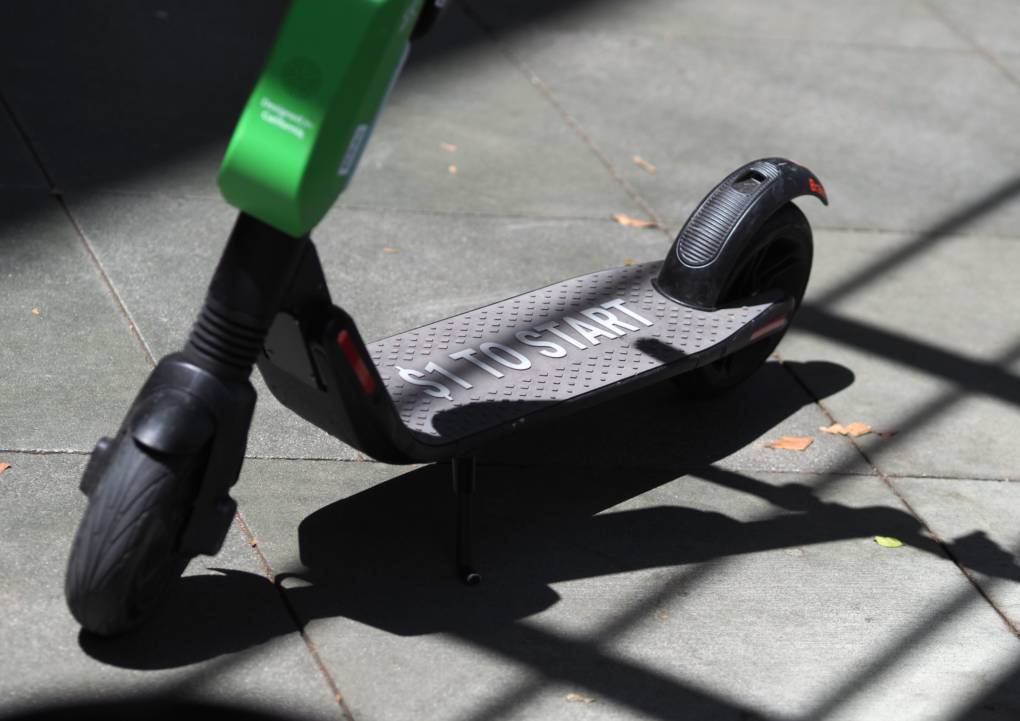
"caption": "San Francisco fire officials say there’s been a dramatic increase in fires associated with lithium-ion batteries found in electric scooters and bicycles.",
"description": null,
"title": "Lime Scooter",
"credit": "Robyn Beck/AFP-Getty Images",
"status": "inherit",
"altTag": null,
"isLoading": false,
"fetchFailed": false
},
"news_11692159": {
"type": "attachments",
"id": "news_11692159",
"meta": {
"index": "attachments_1716263798",
"site": "news",
"id": "11692159",
"found": true
},
"parent": 11690787,
"imgSizes": {
"small": {
"file": "https://ww2.kqed.org/app/uploads/sites/10/2018/09/sandhya8-520x292.jpg",
"width": 520,
"mimeType": "image/jpeg",
"height": 292
},
"twentyfourteen-full-width": {
"file": "https://ww2.kqed.org/app/uploads/sites/10/2018/09/sandhya8-1038x576.jpg",
"width": 1038,
"mimeType": "image/jpeg",
"height": 576
},
"thumbnail": {
"file": "https://ww2.kqed.org/app/uploads/sites/10/2018/09/sandhya8-160x90.jpg",
"width": 160,
"mimeType": "image/jpeg",
"height": 90
},
"fd-sm": {
"file": "https://ww2.kqed.org/app/uploads/sites/10/2018/09/sandhya8-960x540.jpg",
"width": 960,
"mimeType": "image/jpeg",
"height": 540
},
"post-thumbnail": {
"file": "https://ww2.kqed.org/app/uploads/sites/10/2018/09/sandhya8-672x372.jpg",
"width": 672,
"mimeType": "image/jpeg",
"height": 372
},
"xsmall": {
"file": "https://ww2.kqed.org/app/uploads/sites/10/2018/09/sandhya8-375x211.jpg",
"width": 375,
"mimeType": "image/jpeg",
"height": 211
},
"kqedFullSize": {
"file": "https://ww2.kqed.org/app/uploads/sites/10/2018/09/sandhya8.jpg",
"width": 1080,
"height": 607
},
"large": {
"file": "https://ww2.kqed.org/app/uploads/sites/10/2018/09/sandhya8-1020x573.jpg",
"width": 1020,
"mimeType": "image/jpeg",
"height": 573
},
"guest-author-50": {
"file": "https://ww2.kqed.org/app/uploads/sites/10/2018/09/sandhya8-50x50.jpg",
"width": 50,
"mimeType": "image/jpeg",
"height": 50
},
"guest-author-96": {
"file": "https://ww2.kqed.org/app/uploads/sites/10/2018/09/sandhya8-96x96.jpg",
"width": 96,
"mimeType": "image/jpeg",
"height": 96
},
"medium": {
"file": "https://ww2.kqed.org/app/uploads/sites/10/2018/09/sandhya8-800x450.jpg",
"width": 800,
"mimeType": "image/jpeg",
"height": 450
},
"guest-author-64": {
"file": "https://ww2.kqed.org/app/uploads/sites/10/2018/09/sandhya8-64x64.jpg",
"width": 64,
"mimeType": "image/jpeg",
"height": 64
},
"guest-author-32": {
"file": "https://ww2.kqed.org/app/uploads/sites/10/2018/09/sandhya8-32x32.jpg",
"width": 32,
"mimeType": "image/jpeg",
"height": 32
},
"detail": {
"file": "https://ww2.kqed.org/app/uploads/sites/10/2018/09/sandhya8-150x150.jpg",
"width": 150,
"mimeType": "image/jpeg",
"height": 150
},
"guest-author-128": {
"file": "https://ww2.kqed.org/app/uploads/sites/10/2018/09/sandhya8-128x128.jpg",
"width": 128,
"mimeType": "image/jpeg",
"height": 128
},
"xxsmall": {
"file": "https://ww2.kqed.org/app/uploads/sites/10/2018/09/sandhya8-240x135.jpg",
"width": 240,
"mimeType": "image/jpeg",
"height": 135
}
},
"publishDate": 1536863441,
"modified": 1537107797,
"caption": "\"This was when Lake Merrit used to be poppin'!\" writes @liljohn1tdk in an Instagram post about his experience at Festival at the Lake in the '80s.",
"description": "\"This was when Lake Merrit used to be poppin'!\" writes @liljohn1tdk in an Instagram post about his experience at Festival at the Lake in the 80's.",
"title": "sandhya8",
"credit": "Courtesy of @liljohn1tdk ",
"status": "inherit",
"isLoading": false,
"fetchFailed": false
},
"news_11691256": {
"type": "attachments",
"id": "news_11691256",
"meta": {
"index": "attachments_1716263798",
"site": "news",
"id": "11691256",
"found": true
},
"parent": 11691252,
"imgSizes": {
"small": {
"file": "https://ww2.kqed.org/app/uploads/sites/10/2018/09/RS11908_10372873_10152331249946939_6849988152875933650_o-659x456-520x360.jpg",
"width": 520,
"mimeType": "image/jpeg",
"height": 360
},
"twentyfourteen-full-width": {
"file": "https://ww2.kqed.org/app/uploads/sites/10/2018/09/RS11908_10372873_10152331249946939_6849988152875933650_o-659x456-1038x576.jpg",
"width": 1038,
"mimeType": "image/jpeg",
"height": 576
},
"thumbnail": {
"file": "https://ww2.kqed.org/app/uploads/sites/10/2018/09/RS11908_10372873_10152331249946939_6849988152875933650_o-659x456-160x111.jpg",
"width": 160,
"mimeType": "image/jpeg",
"height": 111
},
"fd-sm": {
"file": "https://ww2.kqed.org/app/uploads/sites/10/2018/09/RS11908_10372873_10152331249946939_6849988152875933650_o-659x456-960x664.jpg",
"width": 960,
"mimeType": "image/jpeg",
"height": 664
},
"post-thumbnail": {
"file": "https://ww2.kqed.org/app/uploads/sites/10/2018/09/RS11908_10372873_10152331249946939_6849988152875933650_o-659x456-672x372.jpg",
"width": 672,
"mimeType": "image/jpeg",
"height": 372
},
"xsmall": {
"file": "https://ww2.kqed.org/app/uploads/sites/10/2018/09/RS11908_10372873_10152331249946939_6849988152875933650_o-659x456-375x259.jpg",
"width": 375,
"mimeType": "image/jpeg",
"height": 259
},
"kqedFullSize": {
"file": "https://ww2.kqed.org/app/uploads/sites/10/2018/09/RS11908_10372873_10152331249946939_6849988152875933650_o-659x456.jpg",
"width": 1920,
"height": 1328
},
"large": {
"file": "https://ww2.kqed.org/app/uploads/sites/10/2018/09/RS11908_10372873_10152331249946939_6849988152875933650_o-659x456-1020x706.jpg",
"width": 1020,
"mimeType": "image/jpeg",
"height": 706
},
"xlarge": {
"file": "https://ww2.kqed.org/app/uploads/sites/10/2018/09/RS11908_10372873_10152331249946939_6849988152875933650_o-659x456-1180x816.jpg",
"width": 1180,
"mimeType": "image/jpeg",
"height": 816
},
"complete_open_graph": {
"file": "https://ww2.kqed.org/app/uploads/sites/10/2018/09/RS11908_10372873_10152331249946939_6849988152875933650_o-659x456-1200x830.jpg",
"width": 1200,
"mimeType": "image/jpeg",
"height": 830
},
"guest-author-50": {
"file": "https://ww2.kqed.org/app/uploads/sites/10/2018/09/RS11908_10372873_10152331249946939_6849988152875933650_o-659x456-50x50.jpg",
"width": 50,
"mimeType": "image/jpeg",
"height": 50
},
"guest-author-96": {
"file": "https://ww2.kqed.org/app/uploads/sites/10/2018/09/RS11908_10372873_10152331249946939_6849988152875933650_o-659x456-96x96.jpg",
"width": 96,
"mimeType": "image/jpeg",
"height": 96
},
"medium": {
"file": "https://ww2.kqed.org/app/uploads/sites/10/2018/09/RS11908_10372873_10152331249946939_6849988152875933650_o-659x456-800x553.jpg",
"width": 800,
"mimeType": "image/jpeg",
"height": 553
},
"guest-author-64": {
"file": "https://ww2.kqed.org/app/uploads/sites/10/2018/09/RS11908_10372873_10152331249946939_6849988152875933650_o-659x456-64x64.jpg",
"width": 64,
"mimeType": "image/jpeg",
"height": 64
},
"guest-author-32": {
"file": "https://ww2.kqed.org/app/uploads/sites/10/2018/09/RS11908_10372873_10152331249946939_6849988152875933650_o-659x456-32x32.jpg",
"width": 32,
"mimeType": "image/jpeg",
"height": 32
},
"fd-lrg": {
"file": "https://ww2.kqed.org/app/uploads/sites/10/2018/09/RS11908_10372873_10152331249946939_6849988152875933650_o-659x456-1920x1328.jpg",
"width": 1920,
"mimeType": "image/jpeg",
"height": 1328
},
"fd-med": {
"file": "https://ww2.kqed.org/app/uploads/sites/10/2018/09/RS11908_10372873_10152331249946939_6849988152875933650_o-659x456-1180x816.jpg",
"width": 1180,
"mimeType": "image/jpeg",
"height": 816
},
"full-width": {
"file": "https://ww2.kqed.org/app/uploads/sites/10/2018/09/RS11908_10372873_10152331249946939_6849988152875933650_o-659x456-1920x1328.jpg",
"width": 1920,
"mimeType": "image/jpeg",
"height": 1328
},
"detail": {
"file": "https://ww2.kqed.org/app/uploads/sites/10/2018/09/RS11908_10372873_10152331249946939_6849988152875933650_o-659x456-150x150.jpg",
"width": 150,
"mimeType": "image/jpeg",
"height": 150
},
"guest-author-128": {
"file": "https://ww2.kqed.org/app/uploads/sites/10/2018/09/RS11908_10372873_10152331249946939_6849988152875933650_o-659x456-128x128.jpg",
"width": 128,
"mimeType": "image/jpeg",
"height": 128
},
"xxsmall": {
"file": "https://ww2.kqed.org/app/uploads/sites/10/2018/09/RS11908_10372873_10152331249946939_6849988152875933650_o-659x456-240x166.jpg",
"width": 240,
"mimeType": "image/jpeg",
"height": 166
}
},
"publishDate": 1536439032,
"modified": 1536445556,
"caption": "Oakland Pride will take place this Sunday.",
"description": "Oakland Pride will take place Sunday. ",
"title": "RS11908_10372873_10152331249946939_6849988152875933650_o-659x456",
"credit": "Guy Marzorati/KQED",
"status": "inherit",
"isLoading": false,
"fetchFailed": false
},
"news_11689754": {
"type": "attachments",
"id": "news_11689754",
"meta": {
"index": "attachments_1716263798",
"site": "news",
"id": "11689754",
"found": true
},
"parent": 0,
"imgSizes": {
"small": {
"file": "https://ww2.kqed.org/app/uploads/sites/10/2018/08/Photo-1-520x347.jpg",
"width": 520,
"mimeType": "image/jpeg",
"height": 347
},
"twentyfourteen-full-width": {
"file": "https://ww2.kqed.org/app/uploads/sites/10/2018/08/Photo-1-1038x576.jpg",
"width": 1038,
"mimeType": "image/jpeg",
"height": 576
},
"thumbnail": {
"file": "https://ww2.kqed.org/app/uploads/sites/10/2018/08/Photo-1-160x107.jpg",
"width": 160,
"mimeType": "image/jpeg",
"height": 107
},
"fd-sm": {
"file": "https://ww2.kqed.org/app/uploads/sites/10/2018/08/Photo-1-960x640.jpg",
"width": 960,
"mimeType": "image/jpeg",
"height": 640
},
"post-thumbnail": {
"file": "https://ww2.kqed.org/app/uploads/sites/10/2018/08/Photo-1-672x372.jpg",
"width": 672,
"mimeType": "image/jpeg",
"height": 372
},
"xsmall": {
"file": "https://ww2.kqed.org/app/uploads/sites/10/2018/08/Photo-1-375x250.jpg",
"width": 375,
"mimeType": "image/jpeg",
"height": 250
},
"kqedFullSize": {
"file": "https://ww2.kqed.org/app/uploads/sites/10/2018/08/Photo-1-e1535740862793.jpg",
"width": 1920,
"height": 1280
},
"large": {
"file": "https://ww2.kqed.org/app/uploads/sites/10/2018/08/Photo-1-1020x680.jpg",
"width": 1020,
"mimeType": "image/jpeg",
"height": 680
},
"xlarge": {
"file": "https://ww2.kqed.org/app/uploads/sites/10/2018/08/Photo-1-1180x787.jpg",
"width": 1180,
"mimeType": "image/jpeg",
"height": 787
},
"complete_open_graph": {
"file": "https://ww2.kqed.org/app/uploads/sites/10/2018/08/Photo-1-1200x800.jpg",
"width": 1200,
"mimeType": "image/jpeg",
"height": 800
},
"guest-author-50": {
"file": "https://ww2.kqed.org/app/uploads/sites/10/2018/08/Photo-1-50x50.jpg",
"width": 50,
"mimeType": "image/jpeg",
"height": 50
},
"guest-author-96": {
"file": "https://ww2.kqed.org/app/uploads/sites/10/2018/08/Photo-1-96x96.jpg",
"width": 96,
"mimeType": "image/jpeg",
"height": 96
},
"medium": {
"file": "https://ww2.kqed.org/app/uploads/sites/10/2018/08/Photo-1-800x533.jpg",
"width": 800,
"mimeType": "image/jpeg",
"height": 533
},
"guest-author-64": {
"file": "https://ww2.kqed.org/app/uploads/sites/10/2018/08/Photo-1-64x64.jpg",
"width": 64,
"mimeType": "image/jpeg",
"height": 64
},
"guest-author-32": {
"file": "https://ww2.kqed.org/app/uploads/sites/10/2018/08/Photo-1-32x32.jpg",
"width": 32,
"mimeType": "image/jpeg",
"height": 32
},
"fd-lrg": {
"file": "https://ww2.kqed.org/app/uploads/sites/10/2018/08/Photo-1-1920x1280.jpg",
"width": 1920,
"mimeType": "image/jpeg",
"height": 1280
},
"fd-med": {
"file": "https://ww2.kqed.org/app/uploads/sites/10/2018/08/Photo-1-1180x787.jpg",
"width": 1180,
"mimeType": "image/jpeg",
"height": 787
},
"full-width": {
"file": "https://ww2.kqed.org/app/uploads/sites/10/2018/08/Photo-1-1920x1280.jpg",
"width": 1920,
"mimeType": "image/jpeg",
"height": 1280
},
"detail": {
"file": "https://ww2.kqed.org/app/uploads/sites/10/2018/08/Photo-1-150x150.jpg",
"width": 150,
"mimeType": "image/jpeg",
"height": 150
},
"guest-author-128": {
"file": "https://ww2.kqed.org/app/uploads/sites/10/2018/08/Photo-1-128x128.jpg",
"width": 128,
"mimeType": "image/jpeg",
"height": 128
},
"xxsmall": {
"file": "https://ww2.kqed.org/app/uploads/sites/10/2018/08/Photo-1-240x160.jpg",
"width": 240,
"mimeType": "image/jpeg",
"height": 160
}
},
"publishDate": 1535740762,
"modified": 1535822469,
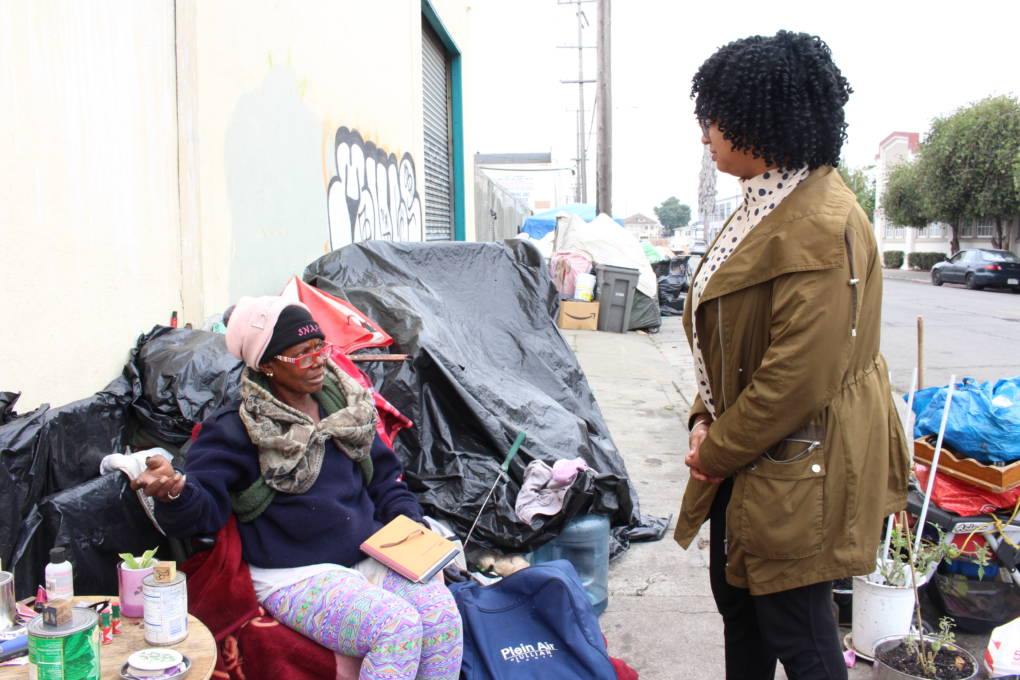
"caption": "Homeless advocate Candice Elder, 34, checks in with Dorothy Smith, 65, at an encampment in Oakland on Aug. 24, 2018. Smith, who raised her children in the city, said her disability benefits are not enough to afford housing. 'It just don’t support me,' she said.\n",
"description": null,
"title": "Photo 1",
"credit": "Farida Jhabvala Romero/KQED",
"status": "inherit",
"isLoading": false,
"fetchFailed": false
},
"news_11686485": {
"type": "attachments",
"id": "news_11686485",
"meta": {
"index": "attachments_1716263798",
"site": "news",
"id": "11686485",
"found": true
},
"parent": 11686484,
"imgSizes": {
"small": {
"file": "https://ww2.kqed.org/app/uploads/sites/10/2018/08/tapestry7_wide-8720d69c1c33838953d096b5b0b79783f4ad2795-520x292.jpg",
"width": 520,
"mimeType": "image/jpeg",
"height": 292
},
"twentyfourteen-full-width": {
"file": "https://ww2.kqed.org/app/uploads/sites/10/2018/08/tapestry7_wide-8720d69c1c33838953d096b5b0b79783f4ad2795-1038x576.jpg",
"width": 1038,
"mimeType": "image/jpeg",
"height": 576
},
"thumbnail": {
"file": "https://ww2.kqed.org/app/uploads/sites/10/2018/08/tapestry7_wide-8720d69c1c33838953d096b5b0b79783f4ad2795-160x90.jpg",
"width": 160,
"mimeType": "image/jpeg",
"height": 90
},
"fd-sm": {
"file": "https://ww2.kqed.org/app/uploads/sites/10/2018/08/tapestry7_wide-8720d69c1c33838953d096b5b0b79783f4ad2795-960x540.jpg",
"width": 960,
"mimeType": "image/jpeg",
"height": 540
},
"post-thumbnail": {
"file": "https://ww2.kqed.org/app/uploads/sites/10/2018/08/tapestry7_wide-8720d69c1c33838953d096b5b0b79783f4ad2795-672x372.jpg",
"width": 672,
"mimeType": "image/jpeg",
"height": 372
},
"xsmall": {
"file": "https://ww2.kqed.org/app/uploads/sites/10/2018/08/tapestry7_wide-8720d69c1c33838953d096b5b0b79783f4ad2795-375x211.jpg",
"width": 375,
"mimeType": "image/jpeg",
"height": 211
},
"kqedFullSize": {
"file": "https://ww2.kqed.org/app/uploads/sites/10/2018/08/tapestry7_wide-8720d69c1c33838953d096b5b0b79783f4ad2795.jpg",
"width": 4483,
"height": 2521
},
"large": {
"file": "https://ww2.kqed.org/app/uploads/sites/10/2018/08/tapestry7_wide-8720d69c1c33838953d096b5b0b79783f4ad2795-1020x574.jpg",
"width": 1020,
"mimeType": "image/jpeg",
"height": 574
},
"xlarge": {
"file": "https://ww2.kqed.org/app/uploads/sites/10/2018/08/tapestry7_wide-8720d69c1c33838953d096b5b0b79783f4ad2795-1180x664.jpg",
"width": 1180,
"mimeType": "image/jpeg",
"height": 664
},
"complete_open_graph": {
"file": "https://ww2.kqed.org/app/uploads/sites/10/2018/08/tapestry7_wide-8720d69c1c33838953d096b5b0b79783f4ad2795-1200x675.jpg",
"width": 1200,
"mimeType": "image/jpeg",
"height": 675
},
"guest-author-50": {
"file": "https://ww2.kqed.org/app/uploads/sites/10/2018/08/tapestry7_wide-8720d69c1c33838953d096b5b0b79783f4ad2795-50x50.jpg",
"width": 50,
"mimeType": "image/jpeg",
"height": 50
},
"guest-author-96": {
"file": "https://ww2.kqed.org/app/uploads/sites/10/2018/08/tapestry7_wide-8720d69c1c33838953d096b5b0b79783f4ad2795-96x96.jpg",
"width": 96,
"mimeType": "image/jpeg",
"height": 96
},
"medium": {
"file": "https://ww2.kqed.org/app/uploads/sites/10/2018/08/tapestry7_wide-8720d69c1c33838953d096b5b0b79783f4ad2795-800x450.jpg",
"width": 800,
"mimeType": "image/jpeg",
"height": 450
},
"guest-author-64": {
"file": "https://ww2.kqed.org/app/uploads/sites/10/2018/08/tapestry7_wide-8720d69c1c33838953d096b5b0b79783f4ad2795-64x64.jpg",
"width": 64,
"mimeType": "image/jpeg",
"height": 64
},
"guest-author-32": {
"file": "https://ww2.kqed.org/app/uploads/sites/10/2018/08/tapestry7_wide-8720d69c1c33838953d096b5b0b79783f4ad2795-32x32.jpg",
"width": 32,
"mimeType": "image/jpeg",
"height": 32
},
"fd-lrg": {
"file": "https://ww2.kqed.org/app/uploads/sites/10/2018/08/tapestry7_wide-8720d69c1c33838953d096b5b0b79783f4ad2795-1920x1080.jpg",
"width": 1920,
"mimeType": "image/jpeg",
"height": 1080
},
"fd-med": {
"file": "https://ww2.kqed.org/app/uploads/sites/10/2018/08/tapestry7_wide-8720d69c1c33838953d096b5b0b79783f4ad2795-1180x664.jpg",
"width": 1180,
"mimeType": "image/jpeg",
"height": 664
},
"full-width": {
"file": "https://ww2.kqed.org/app/uploads/sites/10/2018/08/tapestry7_wide-8720d69c1c33838953d096b5b0b79783f4ad2795-1920x1080.jpg",
"width": 1920,
"mimeType": "image/jpeg",
"height": 1080
},
"detail": {
"file": "https://ww2.kqed.org/app/uploads/sites/10/2018/08/tapestry7_wide-8720d69c1c33838953d096b5b0b79783f4ad2795-150x150.jpg",
"width": 150,
"mimeType": "image/jpeg",
"height": 150
},
"guest-author-128": {
"file": "https://ww2.kqed.org/app/uploads/sites/10/2018/08/tapestry7_wide-8720d69c1c33838953d096b5b0b79783f4ad2795-128x128.jpg",
"width": 128,
"mimeType": "image/jpeg",
"height": 128
},
"xxsmall": {
"file": "https://ww2.kqed.org/app/uploads/sites/10/2018/08/tapestry7_wide-8720d69c1c33838953d096b5b0b79783f4ad2795-240x135.jpg",
"width": 240,
"mimeType": "image/jpeg",
"height": 135
}
},
"publishDate": 1534020240,
"modified": 1534020240,
"caption": null,
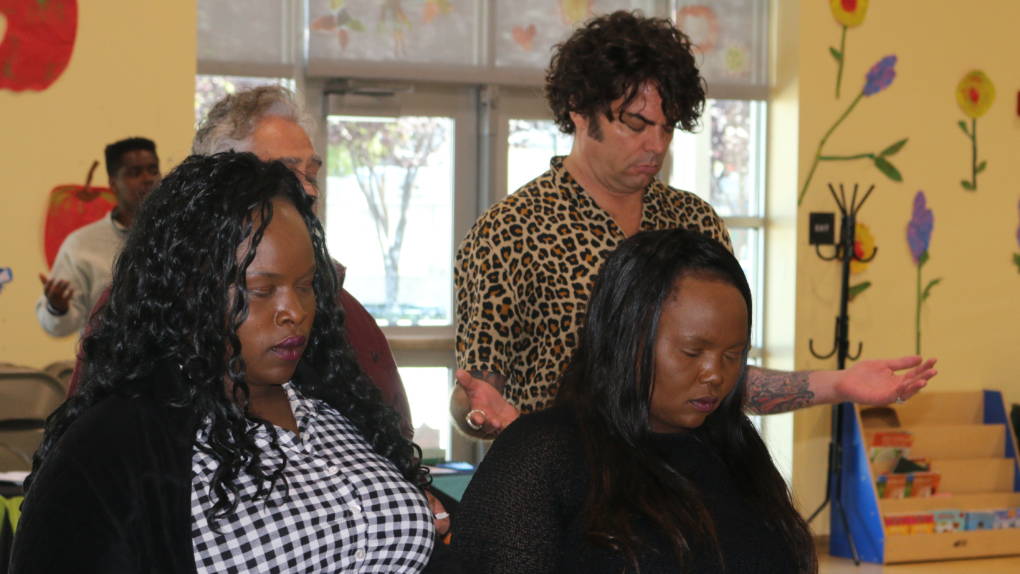
"description": "Congregants stand and pray, at the end of the Sunday service at Tapestry Church, an newly, and intentionally, multi-ethnic church.",
"title": "Congregants stand and pray, at the end of the Sunday service at Tapestry Church, an newly, and intentionally, multi-ethnic church.",
"credit": null,
"status": "inherit",
"isLoading": false,
"fetchFailed": false
},
"news_11682062": {
"type": "attachments",
"id": "news_11682062",
"meta": {
"index": "attachments_1716263798",
"site": "news",
"id": "11682062",
"found": true
},
"parent": 11682006,
"imgSizes": {
"small": {
"file": "https://ww2.kqed.org/app/uploads/sites/10/2018/07/cowell-520x345.jpg",
"width": 520,
"mimeType": "image/jpeg",
"height": 345
},
"thumbnail": {
"file": "https://ww2.kqed.org/app/uploads/sites/10/2018/07/cowell-160x106.jpg",
"width": 160,
"mimeType": "image/jpeg",
"height": 106
},
"xsmall": {
"file": "https://ww2.kqed.org/app/uploads/sites/10/2018/07/cowell-375x249.jpg",
"width": 375,
"mimeType": "image/jpeg",
"height": 249
},
"kqedFullSize": {
"file": "https://ww2.kqed.org/app/uploads/sites/10/2018/07/cowell.jpg",
"width": 550,
"height": 365
},
"guest-author-50": {
"file": "https://ww2.kqed.org/app/uploads/sites/10/2018/07/cowell-50x50.jpg",
"width": 50,
"mimeType": "image/jpeg",
"height": 50
},
"guest-author-96": {
"file": "https://ww2.kqed.org/app/uploads/sites/10/2018/07/cowell-96x96.jpg",
"width": 96,
"mimeType": "image/jpeg",
"height": 96
},
"guest-author-64": {
"file": "https://ww2.kqed.org/app/uploads/sites/10/2018/07/cowell-64x64.jpg",
"width": 64,
"mimeType": "image/jpeg",
"height": 64
},
"detail": {
"file": "https://ww2.kqed.org/app/uploads/sites/10/2018/07/cowell-150x150.jpg",
"width": 150,
"mimeType": "image/jpeg",
"height": 150
},
"guest-author-32": {
"file": "https://ww2.kqed.org/app/uploads/sites/10/2018/07/cowell-32x32.jpg",
"width": 32,
"mimeType": "image/jpeg",
"height": 32
},
"guest-author-128": {
"file": "https://ww2.kqed.org/app/uploads/sites/10/2018/07/cowell-128x128.jpg",
"width": 128,
"mimeType": "image/jpeg",
"height": 128
},
"xxsmall": {
"file": "https://ww2.kqed.org/app/uploads/sites/10/2018/07/cowell-240x159.jpg",
"width": 240,
"mimeType": "image/jpeg",
"height": 159
}
},
"publishDate": 1532374617,
"modified": 1563399959,
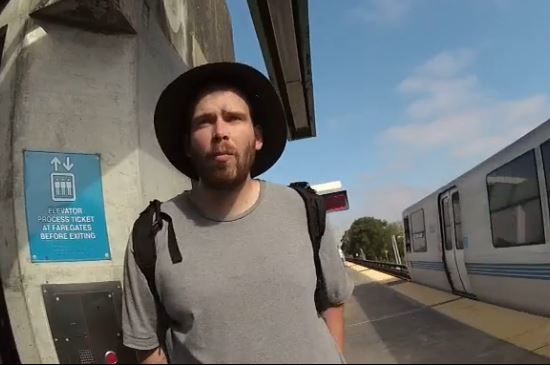
"caption": "John Lee Cowell was arrested for murder in the fatal July 22, 2018, stabbing of Nia Wilson, 18, of Oakland, at the MacArthur BART Station.",
"description": null,
"title": "BART-John Lee Cowell",
"credit": "BART",
"status": "inherit",
"isLoading": false,
"fetchFailed": false
},
"news_11681978": {
"type": "attachments",
"id": "news_11681978",
"meta": {
"index": "attachments_1716263798",
"site": "news",
"id": "11681978",
"found": true
},
"parent": 11681975,
"imgSizes": {
"small": {
"file": "https://ww2.kqed.org/app/uploads/sites/10/2018/07/IMG_6637-520x347.jpg",
"width": 520,
"mimeType": "image/jpeg",
"height": 347
},
"twentyfourteen-full-width": {
"file": "https://ww2.kqed.org/app/uploads/sites/10/2018/07/IMG_6637-1038x576.jpg",
"width": 1038,
"mimeType": "image/jpeg",
"height": 576
},
"thumbnail": {
"file": "https://ww2.kqed.org/app/uploads/sites/10/2018/07/IMG_6637-160x107.jpg",
"width": 160,
"mimeType": "image/jpeg",
"height": 107
},
"fd-sm": {
"file": "https://ww2.kqed.org/app/uploads/sites/10/2018/07/IMG_6637-960x640.jpg",
"width": 960,
"mimeType": "image/jpeg",
"height": 640
},
"post-thumbnail": {
"file": "https://ww2.kqed.org/app/uploads/sites/10/2018/07/IMG_6637-672x372.jpg",
"width": 672,
"mimeType": "image/jpeg",
"height": 372
},
"xsmall": {
"file": "https://ww2.kqed.org/app/uploads/sites/10/2018/07/IMG_6637-375x250.jpg",
"width": 375,
"mimeType": "image/jpeg",
"height": 250
},
"kqedFullSize": {
"file": "https://ww2.kqed.org/app/uploads/sites/10/2018/07/IMG_6637-e1532358346452.jpg",
"width": 1920,
"height": 1280
},
"large": {
"file": "https://ww2.kqed.org/app/uploads/sites/10/2018/07/IMG_6637-1020x680.jpg",
"width": 1020,
"mimeType": "image/jpeg",
"height": 680
},
"xlarge": {
"file": "https://ww2.kqed.org/app/uploads/sites/10/2018/07/IMG_6637-1180x787.jpg",
"width": 1180,
"mimeType": "image/jpeg",
"height": 787
},
"complete_open_graph": {
"file": "https://ww2.kqed.org/app/uploads/sites/10/2018/07/IMG_6637-1200x800.jpg",
"width": 1200,
"mimeType": "image/jpeg",
"height": 800
},
"guest-author-50": {
"file": "https://ww2.kqed.org/app/uploads/sites/10/2018/07/IMG_6637-50x50.jpg",
"width": 50,
"mimeType": "image/jpeg",
"height": 50
},
"guest-author-96": {
"file": "https://ww2.kqed.org/app/uploads/sites/10/2018/07/IMG_6637-96x96.jpg",
"width": 96,
"mimeType": "image/jpeg",
"height": 96
},
"medium": {
"file": "https://ww2.kqed.org/app/uploads/sites/10/2018/07/IMG_6637-800x533.jpg",
"width": 800,
"mimeType": "image/jpeg",
"height": 533
},
"guest-author-64": {
"file": "https://ww2.kqed.org/app/uploads/sites/10/2018/07/IMG_6637-64x64.jpg",
"width": 64,
"mimeType": "image/jpeg",
"height": 64
},
"guest-author-32": {
"file": "https://ww2.kqed.org/app/uploads/sites/10/2018/07/IMG_6637-32x32.jpg",
"width": 32,
"mimeType": "image/jpeg",
"height": 32
},
"fd-lrg": {
"file": "https://ww2.kqed.org/app/uploads/sites/10/2018/07/IMG_6637-1920x1280.jpg",
"width": 1920,
"mimeType": "image/jpeg",
"height": 1280
},
"fd-med": {
"file": "https://ww2.kqed.org/app/uploads/sites/10/2018/07/IMG_6637-1180x787.jpg",
"width": 1180,
"mimeType": "image/jpeg",
"height": 787
},
"full-width": {
"file": "https://ww2.kqed.org/app/uploads/sites/10/2018/07/IMG_6637-1920x1280.jpg",
"width": 1920,
"mimeType": "image/jpeg",
"height": 1280
},
"detail": {
"file": "https://ww2.kqed.org/app/uploads/sites/10/2018/07/IMG_6637-150x150.jpg",
"width": 150,
"mimeType": "image/jpeg",
"height": 150
},
"guest-author-128": {
"file": "https://ww2.kqed.org/app/uploads/sites/10/2018/07/IMG_6637-128x128.jpg",
"width": 128,
"mimeType": "image/jpeg",
"height": 128
},
"xxsmall": {
"file": "https://ww2.kqed.org/app/uploads/sites/10/2018/07/IMG_6637-240x160.jpg",
"width": 240,
"mimeType": "image/jpeg",
"height": 160
}
},
"publishDate": 1532313399,
"modified": 1532362585,
"caption": "Artwork at the March for Our Lives Barbecue in Oakland, July 22, 2018.",
"description": null,
"title": "IMG_6637",
"credit": "Sara Hossaini/KQED",
"status": "inherit",
"isLoading": false,
"fetchFailed": false
},
"news_11674626": {
"type": "attachments",
"id": "news_11674626",
"meta": {
"index": "attachments_1716263798",
"site": "news",
"id": "11674626",
"found": true
},
"parent": 11674607,
"imgSizes": {
"small": {
"file": "https://ww2.kqed.org/app/uploads/sites/10/2018/06/Screen-Shot-2018-06-13-at-11.15.03-AM-520x484.png",
"width": 520,
"mimeType": "image/png",
"height": 484
},
"twentyfourteen-full-width": {
"file": "https://ww2.kqed.org/app/uploads/sites/10/2018/06/Screen-Shot-2018-06-13-at-11.15.03-AM-774x576.png",
"width": 774,
"mimeType": "image/png",
"height": 576
},
"thumbnail": {
"file": "https://ww2.kqed.org/app/uploads/sites/10/2018/06/Screen-Shot-2018-06-13-at-11.15.03-AM-160x149.png",
"width": 160,
"mimeType": "image/png",
"height": 149
},
"post-thumbnail": {
"file": "https://ww2.kqed.org/app/uploads/sites/10/2018/06/Screen-Shot-2018-06-13-at-11.15.03-AM-672x372.png",
"width": 672,
"mimeType": "image/png",
"height": 372
},
"xsmall": {
"file": "https://ww2.kqed.org/app/uploads/sites/10/2018/06/Screen-Shot-2018-06-13-at-11.15.03-AM-375x349.png",
"width": 375,
"mimeType": "image/png",
"height": 349
},
"kqedFullSize": {
"file": "https://ww2.kqed.org/app/uploads/sites/10/2018/06/Screen-Shot-2018-06-13-at-11.15.03-AM.png",
"width": 774,
"height": 720
},
"guest-author-50": {
"file": "https://ww2.kqed.org/app/uploads/sites/10/2018/06/Screen-Shot-2018-06-13-at-11.15.03-AM-50x50.png",
"width": 50,
"mimeType": "image/png",
"height": 50
},
"guest-author-96": {
"file": "https://ww2.kqed.org/app/uploads/sites/10/2018/06/Screen-Shot-2018-06-13-at-11.15.03-AM-96x96.png",
"width": 96,
"mimeType": "image/png",
"height": 96
},
"guest-author-64": {
"file": "https://ww2.kqed.org/app/uploads/sites/10/2018/06/Screen-Shot-2018-06-13-at-11.15.03-AM-64x64.png",
"width": 64,
"mimeType": "image/png",
"height": 64
},
"guest-author-32": {
"file": "https://ww2.kqed.org/app/uploads/sites/10/2018/06/Screen-Shot-2018-06-13-at-11.15.03-AM-32x32.png",
"width": 32,
"mimeType": "image/png",
"height": 32
},
"detail": {
"file": "https://ww2.kqed.org/app/uploads/sites/10/2018/06/Screen-Shot-2018-06-13-at-11.15.03-AM-150x150.png",
"width": 150,
"mimeType": "image/png",
"height": 150
},
"guest-author-128": {
"file": "https://ww2.kqed.org/app/uploads/sites/10/2018/06/Screen-Shot-2018-06-13-at-11.15.03-AM-128x128.png",
"width": 128,
"mimeType": "image/png",
"height": 128
},
"xxsmall": {
"file": "https://ww2.kqed.org/app/uploads/sites/10/2018/06/Screen-Shot-2018-06-13-at-11.15.03-AM-240x223.png",
"width": 240,
"mimeType": "image/png",
"height": 223
}
},
"publishDate": 1528915396,
"modified": 1528915421,
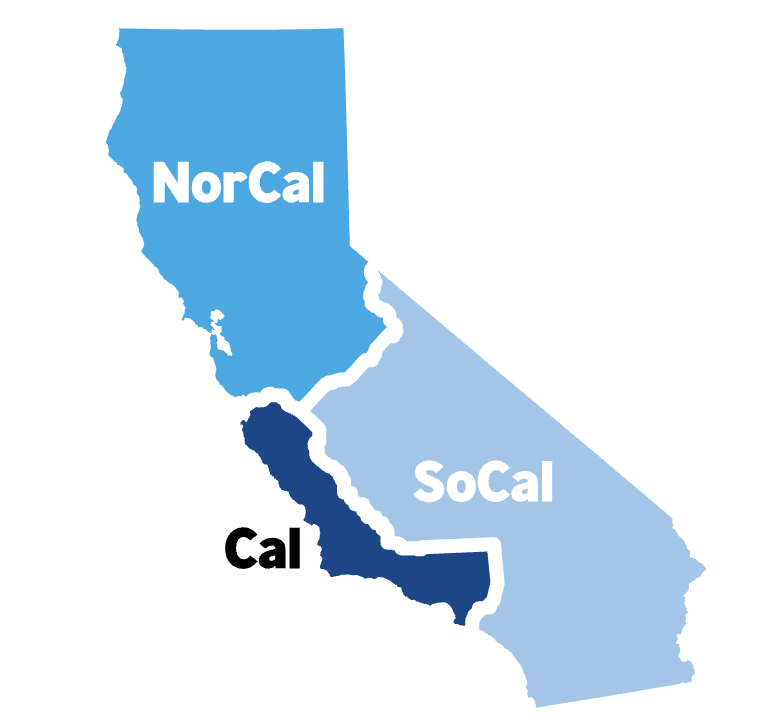
"caption": "Cal 3's projected map of the three states.",
"description": "Cal 3's projected map of the three states.",
"title": "Screen Shot 2018-06-13 at 11.15.03 AM",
"credit": "Courtesy of Cal 3",
"status": "inherit",
"isLoading": false,
"fetchFailed": false
}
},
"audioPlayerReducer": {
"postId": "stream_live",
"isPaused": true,
"isPlaying": false,
"pfsActive": false,
"pledgeModalIsOpen": true,
"playerDrawerIsOpen": false,
"liveAudioPlayStartedAt": 0,
"liveAudioPlayContext": ""
},
"authorsReducer": {
"byline_news_11693730": {
"type": "authors",
"id": "byline_news_11693730",
"meta": {
"override": true
},
"slug": "byline_news_11693730",
"name": "Jocelyn Gecker \u003cbr> Associated Press",
"isLoading": false
},
"byline_news_11693409": {
"type": "authors",
"id": "byline_news_11693409",
"meta": {
"override": true
},
"slug": "byline_news_11693409",
"name": "Jocelyn Gecker\u003cbr>\u003cstrong>Associated Press\u003c/strong>",
"isLoading": false
},
"byline_news_11682614": {
"type": "authors",
"id": "byline_news_11682614",
"meta": {
"override": true
},
"slug": "byline_news_11682614",
"name": "\u003cstrong>KQED News Staff and Wires\u003c/strong>",
"isLoading": false
},
"dclyde": {
"type": "authors",
"id": "104",
"meta": {
"index": "authors_1716337520",
"id": "104",
"found": true
},
"name": "Don Clyde",
"firstName": "Don",
"lastName": "Clyde",
"slug": "dclyde",
"email": "dclyde@kqed.org",
"display_author_email": false,
"staff_mastheads": [],
"title": "KQED Contributor",
"bio": "Don Clyde is an online producer, reporter and copy editor for KQED News. Before venturing into journalism, he worked as a medical device engineer and scientist for nearly a decade after earning a degree in physics from UC Berkeley. He loves travel, reading, living in Oakland, and most importantly, a good walk. Email him at dclyde@kqed.org or follow him @clydedon.",
"avatar": "https://secure.gravatar.com/avatar/decd3e640c3eedbd0a574275aebb2d19?s=600&d=blank&r=g",
"twitter": "clydedon",
"facebook": null,
"instagram": null,
"linkedin": null,
"sites": [
{
"site": "artschool",
"roles": [
"editor"
]
},
{
"site": "news",
"roles": [
"administrator"
]
},
{
"site": "futureofyou",
"roles": [
"editor"
]
},
{
"site": "about",
"roles": [
"editor"
]
},
{
"site": "mindshift",
"roles": [
"contributor"
]
},
{
"site": "bayareabites",
"roles": [
"contributor"
]
},
{
"site": "lowdown",
"roles": [
"editor"
]
},
{
"site": "stateofhealth",
"roles": [
"administrator"
]
},
{
"site": "spark",
"roles": [
"administrator"
]
},
{
"site": "trulyca",
"roles": [
"administrator"
]
},
{
"site": "imagemakers",
"roles": [
"administrator"
]
},
{
"site": "science",
"roles": []
},
{
"site": "education",
"roles": [
"editor"
]
},
{
"site": "quest",
"roles": [
"subscriber"
]
},
{
"site": "checkplease",
"roles": [
"subscriber"
]
},
{
"site": "forum",
"roles": [
"editor"
]
},
{
"site": "perspectives",
"roles": [
"editor"
]
}
],
"headData": {
"title": "Don Clyde | KQED",
"description": "KQED Contributor",
"ogImgSrc": "https://secure.gravatar.com/avatar/decd3e640c3eedbd0a574275aebb2d19?s=600&d=blank&r=g",
"twImgSrc": "https://secure.gravatar.com/avatar/decd3e640c3eedbd0a574275aebb2d19?s=600&d=blank&r=g"
},
"isLoading": false,
"link": "/author/dclyde"
},
"danbrekke": {
"type": "authors",
"id": "222",
"meta": {
"index": "authors_1716337520",
"id": "222",
"found": true
},
"name": "Dan Brekke",
"firstName": "Dan",
"lastName": "Brekke",
"slug": "danbrekke",
"email": "dbrekke@kqed.org",
"display_author_email": true,
"staff_mastheads": [
"news",
"science"
],
"title": "KQED Editor and Reporter",
"bio": "Dan Brekke is a reporter and editor for KQED News, responsible for coverage of topics ranging from California water issues to the Bay Area's transportation challenges. In a newsroom career that began in Chicago in 1972, Dan has worked for \u003cem>The San Francisco Examiner,\u003c/em> Wired and TechTV and has been published in The New York Times, The New York Times Magazine, Business 2.0, Salon and elsewhere.\r\n\r\nSince joining KQED in 2007, Dan has reported, edited and produced both radio and online features and breaking news pieces. He has shared as both editor and reporter in four Society of Professional Journalists Norcal Excellence in Journalism awards and one Edward R. Murrow regional award. He was chosen for a spring 2017 residency at the Mesa Refuge to advance his research on California salmon.\r\n\r\nEmail Dan at: \u003ca href=\"mailto:dbrekke@kqed.org\">dbrekke@kqed.org\u003c/a>\r\n\r\n\u003cstrong>Twitter:\u003c/strong> \u003ca href=\"https://twitter.com/danbrekke\" rel=\"noopener noreferrer\">twitter.com/danbrekke\u003c/a>\r\n\u003cstrong>Facebook:\u003c/strong> \u003ca href=\"https://www.facebook.com/danbrekke\" rel=\"noopener noreferrer\">www.facebook.com/danbrekke\u003c/a>\r\n\u003cstrong>LinkedIn:\u003c/strong> \u003ca href=\"https://www.linkedin.com/in/danbrekke\" rel=\"noopener noreferrer\">www.linkedin.com/in/danbrekke\u003c/a>",
"avatar": "https://secure.gravatar.com/avatar/8f1f0d2a978fb3b23426c922c7e2af558fa36905b49c4ce76a97dc3c72d27226?s=600&d=mm&r=g",
"twitter": "danbrekke",
"bluesky": null,
"facebook": null,
"instagram": "https://www.instagram.com/dan.brekke/",
"linkedin": "https://www.linkedin.com/in/danbrekke/",
"sites": [
{
"site": "news",
"roles": [
"administrator",
"create_posts"
]
},
{
"site": "stateofhealth",
"roles": [
"editor"
]
},
{
"site": "science",
"roles": [
"editor"
]
},
{
"site": "quest",
"roles": [
"contributor"
]
},
{
"site": "food",
"roles": [
"contributor"
]
},
{
"site": "forum",
"roles": [
"contributor"
]
},
{
"site": "elections",
"roles": [
"editor"
]
},
{
"site": "liveblog",
"roles": [
"editor"
]
}
],
"headData": {
"title": "Dan Brekke | KQED",
"description": "KQED Editor and Reporter",
"ogImgSrc": "https://secure.gravatar.com/avatar/8f1f0d2a978fb3b23426c922c7e2af558fa36905b49c4ce76a97dc3c72d27226?s=600&d=mm&r=g",
"twImgSrc": "https://secure.gravatar.com/avatar/8f1f0d2a978fb3b23426c922c7e2af558fa36905b49c4ce76a97dc3c72d27226?s=600&d=mm&r=g"
},
"isLoading": false,
"link": "/author/danbrekke"
},
"gmarzorati": {
"type": "authors",
"id": "227",
"meta": {
"index": "authors_1716337520",
"id": "227",
"found": true
},
"name": "Guy Marzorati",
"firstName": "Guy",
"lastName": "Marzorati",
"slug": "gmarzorati",
"email": "gmarzorati@KQED.org",
"display_author_email": true,
"staff_mastheads": [
"news"
],
"title": "Correspondent",
"bio": "Guy Marzorati is a correspondent on KQED's California Politics and Government Desk, based in San Jose. A graduate of Santa Clara University, Guy joined KQED in 2013. He reports on state and local politics and produces KQED's digital voter guide.",
"avatar": "https://secure.gravatar.com/avatar/e7038b8dbfd55b104369b76b1cd0b9de?s=600&d=blank&r=g",
"twitter": "guymarzorati",
"facebook": null,
"instagram": null,
"linkedin": null,
"sites": [
{
"site": "",
"roles": [
"editor"
]
},
{
"site": "news",
"roles": [
"editor"
]
},
{
"site": "science",
"roles": [
"editor"
]
},
{
"site": "forum",
"roles": [
"editor"
]
},
{
"site": "elections",
"roles": [
"editor"
]
},
{
"site": "liveblog",
"roles": [
"editor"
]
}
],
"headData": {
"title": "Guy Marzorati | KQED",
"description": "Correspondent",
"ogImgSrc": "https://secure.gravatar.com/avatar/e7038b8dbfd55b104369b76b1cd0b9de?s=600&d=blank&r=g",
"twImgSrc": "https://secure.gravatar.com/avatar/e7038b8dbfd55b104369b76b1cd0b9de?s=600&d=blank&r=g"
},
"isLoading": false,
"link": "/author/gmarzorati"
},
"katrinaschwartz": {
"type": "authors",
"id": "234",
"meta": {
"index": "authors_1716337520",
"id": "234",
"found": true
},
"name": "Katrina Schwartz",
"firstName": "Katrina",
"lastName": "Schwartz",
"slug": "katrinaschwartz",
"email": "kschwartz@kqed.org",
"display_author_email": false,
"staff_mastheads": [
"news"
],
"title": "Producer",
"bio": "Katrina Schwartz is a journalist based in San Francisco. She's worked at KPCC public radio in LA and has reported on air and online for KQED since 2010. She covered how teaching and learning is changing for MindShift between 2012 and 2020. She is the co-host of the MindShift podcast and now produces KQED's Bay Curious podcast.",
"avatar": "https://secure.gravatar.com/avatar/edb4ee79070447a018538c9aae6eeecf28786515b8a0c30e43b6b7dce5aa44c8?s=600&d=blank&r=g",
"twitter": "kschwart",
"bluesky": null,
"facebook": null,
"instagram": null,
"linkedin": null,
"sites": [
{
"site": "",
"roles": [
"editor"
]
},
{
"site": "news",
"roles": [
"editor"
]
},
{
"site": "mindshift",
"roles": [
"administrator"
]
},
{
"site": "stateofhealth",
"roles": [
"author"
]
},
{
"site": "science",
"roles": [
"editor"
]
}
],
"headData": {
"title": "Katrina Schwartz | KQED",
"description": "Producer",
"ogImgSrc": "https://secure.gravatar.com/avatar/edb4ee79070447a018538c9aae6eeecf28786515b8a0c30e43b6b7dce5aa44c8?s=600&d=blank&r=g",
"twImgSrc": "https://secure.gravatar.com/avatar/edb4ee79070447a018538c9aae6eeecf28786515b8a0c30e43b6b7dce5aa44c8?s=600&d=blank&r=g"
},
"isLoading": false,
"link": "/author/katrinaschwartz"
},
"scottshafer": {
"type": "authors",
"id": "255",
"meta": {
"index": "authors_1716337520",
"id": "255",
"found": true
},
"name": "Scott Shafer",
"firstName": "Scott",
"lastName": "Shafer",
"slug": "scottshafer",
"email": "sshafer@kqed.org",
"display_author_email": false,
"staff_mastheads": [
"news"
],
"title": "KQED Contributor",
"bio": "Scott Shafer is a senior editor with the KQED Politics and Government desk. He is co-host of Political Breakdown, the award-winning radio show and podcast with a personal take on the world of politics. Scott came to KQED in 1998 to host the statewide\u003cem> California Report\u003c/em>. Prior to that he had extended stints in politics and government\u003cem>.\u003c/em> He uses that inside experience at KQED in his, reporting, hosting and analysis for the politics desk. Scott collaborated \u003cem>Political Breakdown a\u003c/em>nd on \u003cem>The Political Mind of Jerry Brown, \u003c/em>an eight-part series about the life and extraordinary political career of the former governor. For fun, he plays water polo with the San Francisco Tsunami.",
"avatar": "https://secure.gravatar.com/avatar/a62ebae45b79d7aed1a39a0e3bf68104?s=600&d=blank&r=g",
"twitter": "scottshafer",
"bluesky": null,
"facebook": null,
"instagram": null,
"linkedin": null,
"sites": [
{
"site": "news",
"roles": [
"editor"
]
},
{
"site": "stateofhealth",
"roles": [
"author"
]
},
{
"site": "science",
"roles": [
"author"
]
},
{
"site": "forum",
"roles": [
"subscriber"
]
},
{
"site": "liveblog",
"roles": [
"author"
]
}
],
"headData": {
"title": "Scott Shafer | KQED",
"description": "KQED Contributor",
"ogImgSrc": "https://secure.gravatar.com/avatar/a62ebae45b79d7aed1a39a0e3bf68104?s=600&d=blank&r=g",
"twImgSrc": "https://secure.gravatar.com/avatar/a62ebae45b79d7aed1a39a0e3bf68104?s=600&d=blank&r=g"
},
"isLoading": false,
"link": "/author/scottshafer"
},
"shossaini": {
"type": "authors",
"id": "3214",
"meta": {
"index": "authors_1716337520",
"id": "3214",
"found": true
},
"name": "Sara Hossaini",
"firstName": "Sara",
"lastName": "Hossaini",
"slug": "shossaini",
"email": "shossaini@kqed.org",
"display_author_email": true,
"staff_mastheads": [
"news"
],
"title": "KQED Reporter",
"bio": "Sara Hossaini came to general assignment reporting at KQED in 2013 after two winters reporting at Wyoming Public Radio. She holds a bachelor's degree in broadcast journalism from the University of Nebraska-Lincoln. Her radio romance began after a bitter breakup with documentary film (Ok, maybe it's still complicated). Her first simultaneous jobs in San Francisco were as Associate Producer on a PBS film series through the Center for Asian American Media and as a butler. She likes to trot, plot and make things with her hands.",
"avatar": "https://secure.gravatar.com/avatar/060e9f56b9554e17942e89f413242774?s=600&d=blank&r=g",
"twitter": "mshossaini",
"facebook": null,
"instagram": null,
"linkedin": null,
"sites": [
{
"site": "news",
"roles": [
"author"
]
},
{
"site": "stateofhealth",
"roles": [
"author"
]
}
],
"headData": {
"title": "Sara Hossaini | KQED",
"description": "KQED Reporter",
"ogImgSrc": "https://secure.gravatar.com/avatar/060e9f56b9554e17942e89f413242774?s=600&d=blank&r=g",
"twImgSrc": "https://secure.gravatar.com/avatar/060e9f56b9554e17942e89f413242774?s=600&d=blank&r=g"
},
"isLoading": false,
"link": "/author/shossaini"
},
"sdirks": {
"type": "authors",
"id": "7239",
"meta": {
"index": "authors_1716337520",
"id": "7239",
"found": true
},
"name": "Sandhya Dirks",
"firstName": "Sandhya",
"lastName": "Dirks",
"slug": "sdirks",
"email": "sdirks@kqed.org",
"display_author_email": true,
"staff_mastheads": [],
"title": null,
"bio": "Sandhya Dirks was the race and equity reporter at KQED. She approaches race and equity not as a beat, but as a fundamental lens for all investigative and explanatory reporting.\r\n\r\nSandhya covered policing, housing, social justice movements, and the shifting demographics of cities and suburbs.\r\n\r\nShe was the creator and co-host of the podcast American Suburb, about the transformation of suburbia into the most diverse space in American life. She was the editor for Truth Be Told, an advice show for and by people of color. \r\n\r\nHer stories about race, space, and belonging were part of KQED's So Well Spoken project, which won RNDTA's Kaleidoscope award, honoring outstanding achievements in the coverage of diversity.\r\n\r\nPrior to joining KQED in 2015, Sandhya covered the 2012 presidential election from the swing state of Iowa for Iowa Public Radio. At KPBS in San Diego, she broke the story of a sexual harassment scandal that led to the mayor's resignation.\r\n\r\nShe got her start in radio working on documentaries about Oakland that investigated the high drop-out rate in public schools and mistrust between the police and the community.\r\n\r\nSandhya lives in Oakland and believes all stories are stories about power.",
"avatar": "https://secure.gravatar.com/avatar/c0247cb15929cd4c197672fd73d45300?s=600&d=blank&r=g",
"twitter": "audiosand",
"facebook": null,
"instagram": null,
"linkedin": null,
"sites": [
{
"site": "news",
"roles": [
"subscriber"
]
},
{
"site": "stateofhealth",
"roles": [
"author"
]
}
],
"headData": {
"title": "Sandhya Dirks | KQED",
"description": null,
"ogImgSrc": "https://secure.gravatar.com/avatar/c0247cb15929cd4c197672fd73d45300?s=600&d=blank&r=g",
"twImgSrc": "https://secure.gravatar.com/avatar/c0247cb15929cd4c197672fd73d45300?s=600&d=blank&r=g"
},
"isLoading": false,
"link": "/author/sdirks"
},
"fjhabvala": {
"type": "authors",
"id": "8659",
"meta": {
"index": "authors_1716337520",
"id": "8659",
"found": true
},
"name": "Farida Jhabvala Romero",
"firstName": "Farida",
"lastName": "Jhabvala Romero",
"slug": "fjhabvala",
"email": "fjhabvala@kqed.org",
"display_author_email": true,
"staff_mastheads": [
"news"
],
"title": "KQED Contributor",
"bio": "Farida Jhabvala Romero is a Labor Correspondent for KQED. She previously covered immigration. Farida was \u003ca href=\"https://www.ccnma.org/2022-most-influential-latina-journalists\">named\u003c/a> one of the 10 Most Influential Latina Journalists in California in 2022 by the California Chicano News Media Association. Her work has won awards from the Society of Professional Journalists (Northern California), as well as a national and regional Edward M. Murrow Award for the collaborative reporting projects “Dangerous Air” and “Graying California.” Before joining KQED, Farida worked as a producer at Radio Bilingüe, a national public radio network. Farida earned her master’s degree in journalism from Stanford University.",
"avatar": "https://secure.gravatar.com/avatar/f9f022d4e2609741874222a1e9d41f48fea74011aa7c615eef91d9a50c944ebe?s=600&d=blank&r=g",
"twitter": "FaridaJhabvala",
"bluesky": null,
"facebook": null,
"instagram": null,
"linkedin": "https://www.linkedin.com/in/faridajhabvala/",
"sites": [
{
"site": "news",
"roles": [
"editor"
]
},
{
"site": "stateofhealth",
"roles": [
"author"
]
},
{
"site": "liveblog",
"roles": [
"author"
]
}
],
"headData": {
"title": "Farida Jhabvala Romero | KQED",
"description": "KQED Contributor",
"ogImgSrc": "https://secure.gravatar.com/avatar/f9f022d4e2609741874222a1e9d41f48fea74011aa7c615eef91d9a50c944ebe?s=600&d=blank&r=g",
"twImgSrc": "https://secure.gravatar.com/avatar/f9f022d4e2609741874222a1e9d41f48fea74011aa7c615eef91d9a50c944ebe?s=600&d=blank&r=g"
},
"isLoading": false,
"link": "/author/fjhabvala"
},
"rlevi": {
"type": "authors",
"id": "11260",
"meta": {
"index": "authors_1716337520",
"id": "11260",
"found": true
},
"name": "Ryan Levi",
"firstName": "Ryan",
"lastName": "Levi",
"slug": "rlevi",
"email": "rlevi@KQED.org",
"display_author_email": false,
"staff_mastheads": [],
"title": "KQED Contributor",
"bio": "Ryan Levi was a reporter and podcast producer at KQED News from 2016-2019. He worked on \u003ca href=\"https://www.kqed.org/news/series/baycurious\">Bay Curious\u003c/a>, \u003ca href=\"https://www.kqed.org/news/tag/the-bay/\">The Bay, \u003c/a>and \u003ca href=\"https://podcasts.apple.com/us/podcast/the-california-report-magazine/id1314750545\">The California Report Magazine\u003c/a>, as well as hosting and producing the weekly \u003ca href=\"https://www.kqed.org/news/program/qedup/\">Q'ed Up podcast. \u003c/a>He also helped inaugurate KQED's weekend news coverage in 2017 as one of two original digital producers. Ryan holds degrees in multimedia journalism and Spanish from the University of Missouri.",
"avatar": "https://secure.gravatar.com/avatar/4cb2ddd028ac8807d1adf09609c5555d?s=600&d=blank&r=g",
"twitter": "ryan_levi",
"facebook": null,
"instagram": null,
"linkedin": null,
"sites": [
{
"site": "arts",
"roles": [
"editor"
]
},
{
"site": "news",
"roles": [
"subscriber"
]
},
{
"site": "stateofhealth",
"roles": [
"editor"
]
},
{
"site": "science",
"roles": [
"editor"
]
},
{
"site": "forum",
"roles": [
"administrator"
]
},
{
"site": "perspectives",
"roles": [
"administrator"
]
}
],
"headData": {
"title": "Ryan Levi | KQED",
"description": "KQED Contributor",
"ogImgSrc": "https://secure.gravatar.com/avatar/4cb2ddd028ac8807d1adf09609c5555d?s=600&d=blank&r=g",
"twImgSrc": "https://secure.gravatar.com/avatar/4cb2ddd028ac8807d1adf09609c5555d?s=600&d=blank&r=g"
},
"isLoading": false,
"link": "/author/rlevi"
},
"bhernandez": {
"type": "authors",
"id": "11359",
"meta": {
"index": "authors_1716337520",
"id": "11359",
"found": true
},
"name": "Bianca Hernandez",
"firstName": "Bianca",
"lastName": "Hernandez",
"slug": "bhernandez",
"email": "bhernandez@kqed.org",
"display_author_email": false,
"staff_mastheads": [],
"title": "KQED Contributor",
"bio": "Bianca Hernandez is a former Interactive Producer for KQED. She has produced at KGPE, KSEE24 and Sierra Magazine. In 2011 she received an undergraduate degree in Journalism and Anthropology from CSU, Chico . She earned a Master's from the University of Southern California in 2013, where she completed a documentary on teenage farmworkers. She is an avid Jane Austen fan and takes lightsaber combat class for fun.",
"avatar": "https://secure.gravatar.com/avatar/75b3424851e2f9fa131f2cb6a051aeac?s=600&d=blank&r=g",
"twitter": "bookhoarding",
"facebook": null,
"instagram": null,
"linkedin": null,
"sites": [
{
"site": "arts",
"roles": []
},
{
"site": "news",
"roles": []
},
{
"site": "science",
"roles": []
},
{
"site": "forum",
"roles": []
}
],
"headData": {
"title": "Bianca Hernandez | KQED",
"description": "KQED Contributor",
"ogImgSrc": "https://secure.gravatar.com/avatar/75b3424851e2f9fa131f2cb6a051aeac?s=600&d=blank&r=g",
"twImgSrc": "https://secure.gravatar.com/avatar/75b3424851e2f9fa131f2cb6a051aeac?s=600&d=blank&r=g"
},
"isLoading": false,
"link": "/author/bhernandez"
}
},
"pagesReducer": {
"news_tag_education": {
"type": "terms",
"id": "news_20013",
"meta": {
"index": "terms_1716263798",
"site": "news",
"id": "20013",
"score": 6.970073
},
"featImg": null,
"name": "education",
"description": null,
"taxonomy": "tag",
"headData": {
"twImgId": null,
"twTitle": null,
"ogTitle": null,
"ogImgId": null,
"twDescription": null,
"description": null,
"title": "education Archives | KQED News",
"ogDescription": null
},
"ttid": 20030,
"slug": "education",
"isLoading": false,
"title": "education",
"pageMeta": {
"site": "news",
"WpPageTemplate": "page-topic-editorial",
"currentPage": 107
},
"blocks": [
{
"blockName": "kqed/post-list",
"attrs": {
"layout": "cardArticle2",
"query": "posts/news?tag=education",
"seeMore": false,
"paginated": true,
"page": 107
}
},
{
"blockName": "kqed/ad"
}
]
}
},
"pfsSessionReducer": {},
"postsReducer": {
"stream_live": {
"type": "live",
"id": "stream_live",
"audioUrl": "https://streams.kqed.org/kqedradio",
"title": "Live Stream",
"excerpt": "Live Stream information currently unavailable.",
"link": "/radio",
"featImg": "",
"label": {
"name": "KQED Live",
"link": "/"
}
},
"stream_kqedNewscast": {
"type": "posts",
"id": "stream_kqedNewscast",
"audioUrl": "https://www.kqed.org/.stream/anon/radio/RDnews/newscast.mp3?_=1",
"title": "KQED Newscast",
"featImg": "",
"label": {
"name": "88.5 FM",
"link": "/"
}
},
"news_11693730": {
"type": "posts",
"id": "news_11693730",
"meta": {
"index": "posts_1716263798",
"site": "news",
"id": "11693730",
"score": null,
"sort": [
1537482245000
]
},
"guestAuthors": [],
"slug": "jerry-brown-vetoes-bill-requiring-later-school-start-times",
"title": "Jerry Brown Vetoes Bill Requiring Later School Start Times",
"publishDate": 1537482245,
"format": "standard",
"headTitle": "Jerry Brown Vetoes Bill Requiring Later School Start Times | KQED",
"labelTerm": {
"term": 72,
"site": "news"
},
"content": "\u003cp>Gov. Jerry Brown rejected legislation on Thursday requiring that California middle and high schools start no earlier than 8:30 a.m.\u003c/p>\n\u003cp>Supporters of the bill cited research that says delaying school start times could result in better grades, attendance and graduation rates.\u003c/p>\n\u003cp>A study by the American Academy of Pediatrics said insufficient sleep for teens was “an important public health issue that significantly affects the health and safety” of adolescents.\u003c/p>\n\u003cp>State Sen. Anthony Portantino, \u003ca href=\"https://www.kqed.org/news/11611028/a-later-start-to-the-school-day-why-california-could-delay-the-bell\" target=\"_blank\" rel=\"noopener\">who carried SB 328\u003c/a>, cited that study and one by the Centers for Disease Control and Prevention that both suggested schools start at 8:30 a.m. or later to help students get the optimal amount of sleep of at least eight hours a night.\u003c/p>\n\u003cp>Middle and high schools in California start their school day on average at 8:07 a.m., according to the CDC study.\u003c/p>\n\u003cp>[ad fullwidth]\u003c/p>\n\u003cp>Critics of the La Canada-Flintridge Democrat’s legislation say kids could just go to bed earlier.\u003c/p>\n\u003cp>But it’s not so simple, the CDC study said, noting that as adolescents go through puberty, their biological rhythms typically shift, so they get sleepy later at night.\u003c/p>\n\u003cp>“The combination of delayed bedtimes and early school start times results in inadequate sleep for a large portion of the adolescent population,” said the CDC study. It found that approximately 70 percent of high schoolers do not get sufficient sleep.\u003c/p>\n\u003cp>Opponents of the bill don’t dispute the research but say school boards should decide how to run their schools.\u003c/p>\n\u003cp>The California School Boards Association and the California Teachers Association were among those that fought the legislation. They argued for local control, saying schools, not the state, should assess their communities’ needs, given the diversity of California’s school districts.\u003c/p>\n\u003cp>“What we oppose is a one-size-fits-all statewide mandate,” said Eric Heins, president of the CTA, which pressured lawmakers to reject a different version of the legislation last year.\u003c/p>\n\u003cp>A revised bill, which added an exemption for rural school districts, passed the Legislature in August, with the CTA still opposed.\u003c/p>\n\u003cp>Heins and other opponents say later start times could result in unintended costs and consequences, particularly for working parents, who may have to arrange child care or struggle to get to work on time if dropping their kids at school later.\u003c/p>\n\u003cp>\u003c/p>\n\u003cp>There could also be added costs for school districts if they need to pay for additional buses to accommodate the time changes, he said.\u003c/p>\n\n",
"blocks": [],
"excerpt": "California's teens won't be getting any extra sleep under SB 328. Gov. Brown rejected the bill, which would have made California the first state to prohibit public middle and high schools from starting any earlier than 8:30 a.m.",
"status": "publish",
"parent": 0,
"modified": 1740613389,
"stats": {
"hasAudio": false,
"hasVideo": false,
"hasChartOrMap": false,
"iframeSrcs": [],
"hasGoogleForm": false,
"hasGallery": false,
"hasHearkenModule": false,
"hasPolis": false,
"paragraphCount": 16,
"wordCount": 418
},
"headData": {
"title": "Jerry Brown Vetoes Bill Requiring Later School Start Times | KQED",
"description": "California's teens won't be getting any extra sleep under SB 328. Gov. Brown rejected the bill, which would have made California the first state to prohibit public middle and high schools from starting any earlier than 8:30 a.m.",
"ogTitle": "",
"ogDescription": "",
"ogImgId": "",
"twTitle": "",
"twDescription": "",
"twImgId": "",
"schema": {
"@context": "https://schema.org",
"@type": "NewsArticle",
"headline": "Jerry Brown Vetoes Bill Requiring Later School Start Times",
"datePublished": "2018-09-20T15:24:05-07:00",
"dateModified": "2025-02-26T15:43:09-08:00",
"image": "https://cdn.kqed.org/wp-content/uploads/2020/02/KQED-OG-Image@1x.png",
"isAccessibleForFree": "True",
"publisher": {
"@type": "NewsMediaOrganization",
"@id": "https://www.kqed.org/#organization",
"name": "KQED",
"logo": "https://cdn.kqed.org/wp-content/uploads/2020/02/KQED-OG-Image@1x.png",
"url": "https://www.kqed.org",
"sameAs": [
"https://www.facebook.com/KQED",
"https://twitter.com/KQED",
"https://www.instagram.com/kqed/",
"https://www.tiktok.com/@kqedofficial",
"https://www.linkedin.com/company/kqed",
"https://www.youtube.com/channel/UCeC0IOo7i1P_61zVUWbJ4nw"
]
}
}
},
"sticky": false,
"nprByline": "Jocelyn Gecker \u003cbr> Associated Press",
"path": "/news/11693730/jerry-brown-vetoes-bill-requiring-later-school-start-times",
"audioTrackLength": null,
"parsedContent": [
{
"type": "contentString",
"content": "\u003cdiv class=\"post-body\">\u003cp>\u003cp>Gov. Jerry Brown rejected legislation on Thursday requiring that California middle and high schools start no earlier than 8:30 a.m.\u003c/p>\n\u003cp>Supporters of the bill cited research that says delaying school start times could result in better grades, attendance and graduation rates.\u003c/p>\n\u003cp>A study by the American Academy of Pediatrics said insufficient sleep for teens was “an important public health issue that significantly affects the health and safety” of adolescents.\u003c/p>\n\u003cp>State Sen. Anthony Portantino, \u003ca href=\"https://www.kqed.org/news/11611028/a-later-start-to-the-school-day-why-california-could-delay-the-bell\" target=\"_blank\" rel=\"noopener\">who carried SB 328\u003c/a>, cited that study and one by the Centers for Disease Control and Prevention that both suggested schools start at 8:30 a.m. or later to help students get the optimal amount of sleep of at least eight hours a night.\u003c/p>\n\u003cp>Middle and high schools in California start their school day on average at 8:07 a.m., according to the CDC study.\u003c/p>\n\u003cp>\u003c/p>\u003c/div>",
"attributes": {
"named": {},
"numeric": []
}
},
{
"type": "component",
"content": "",
"name": "ad",
"attributes": {
"named": {
"label": "fullwidth"
},
"numeric": [
"fullwidth"
]
}
},
{
"type": "contentString",
"content": "\u003cdiv class=\"post-body\">\u003cp>\u003c/p>\n\u003cp>Critics of the La Canada-Flintridge Democrat’s legislation say kids could just go to bed earlier.\u003c/p>\n\u003cp>But it’s not so simple, the CDC study said, noting that as adolescents go through puberty, their biological rhythms typically shift, so they get sleepy later at night.\u003c/p>\n\u003cp>“The combination of delayed bedtimes and early school start times results in inadequate sleep for a large portion of the adolescent population,” said the CDC study. It found that approximately 70 percent of high schoolers do not get sufficient sleep.\u003c/p>\n\u003cp>Opponents of the bill don’t dispute the research but say school boards should decide how to run their schools.\u003c/p>\n\u003cp>The California School Boards Association and the California Teachers Association were among those that fought the legislation. They argued for local control, saying schools, not the state, should assess their communities’ needs, given the diversity of California’s school districts.\u003c/p>\n\u003cp>“What we oppose is a one-size-fits-all statewide mandate,” said Eric Heins, president of the CTA, which pressured lawmakers to reject a different version of the legislation last year.\u003c/p>\n\u003cp>A revised bill, which added an exemption for rural school districts, passed the Legislature in August, with the CTA still opposed.\u003c/p>\n\u003cp>Heins and other opponents say later start times could result in unintended costs and consequences, particularly for working parents, who may have to arrange child care or struggle to get to work on time if dropping their kids at school later.\u003c/p>\n\u003cp>\u003c/p>\n\u003cp>There could also be added costs for school districts if they need to pay for additional buses to accommodate the time changes, he said.\u003c/p>\n\n\u003c/div>\u003c/p>",
"attributes": {
"named": {},
"numeric": []
}
}
],
"link": "/news/11693730/jerry-brown-vetoes-bill-requiring-later-school-start-times",
"authors": [
"byline_news_11693730"
],
"programs": [
"news_72"
],
"categories": [
"news_18540",
"news_457",
"news_8",
"news_33520",
"news_13"
],
"tags": [
"news_20013",
"news_30",
"news_3457",
"news_21121"
],
"featImg": "news_11693737",
"label": "news_72"
},
"news_11693522": {
"type": "posts",
"id": "news_11693522",
"meta": {
"index": "posts_1716263798",
"site": "news",
"id": "11693522",
"score": null,
"sort": [
1537448496000
]
},
"guestAuthors": [],
"slug": "two-s-f-school-board-commissioners-to-introduce-resolution-ending-lottery-system",
"title": "Two S.F. School Board Members to Introduce Resolution to End 'Lottery' System",
"publishDate": 1537448496,
"format": "audio",
"headTitle": "Two S.F. School Board Members to Introduce Resolution to End ‘Lottery’ System | KQED",
"labelTerm": {
"term": 72,
"site": "news"
},
"content": "\u003cp>San Francisco’s process for assigning kindergartners to public school is notoriously complicated. It’s often called the “lottery,” and some \u003ca href=\"https://www.kqed.org/news/11641238/how-the-san-francisco-school-lottery-works-and-how-it-doesnt-2\" target=\"_blank\" rel=\"noopener\">parents have long complained that it’s a stressful and opaque process\u003c/a>. Now, two San Francisco Unified School District Board of Education members are proposing the district come up with a better plan.\u003c/p>\n\u003cp>On Tuesday, Sept. 25, Board Commissioner Matt Haney and Board Vice President Stevon Cook plan to introduce a resolution calling for the end of the current all-choice-based student assignment system.\u003c/p>\n\u003caside class=\"alignright\">\u003ca href=\"https://www.kqed.org/news/11641238/how-the-san-francisco-school-lottery-works-and-how-it-doesnt-2\" target=\"_blank\" rel=\"noopener\">Bay Curious: How the San Francisco School Lottery Works, And How It Doesn’t\u003c/a>\u003c/aside>\n\u003cp>“No more tinkering; no more sticking with the current approach,” Haney said. “We set out a couple of clear goals this system was supposed to accomplish, and it has accomplished none of those. It has not desegregated our schools. It has not provided equity in choice. And it has not been transparent or accountable to families.”\u003c/p>\n\u003cp>The resolution calls for the district superintendent to lead a process to develop a “community-based student assignment system” that ensures students have access to an elementary school within a reasonable distance of their home, that is high quality and diverse.\u003c/p>\n\u003cp>“What we want to do is to have the superintendent come up with a timeline and a process to take feedback from families, to develop an analysis of what can be done to develop a better system, and to present that to the board,” Haney said.\u003c/p>\n\u003cp>[ad fullwidth]\u003c/p>\n\u003cp>If this resolution passes, it would ultimately be up to the next school board to determine how the new system would work. Haney is running for District 6 supervisor and may not even be on the school board after November. He doesn’t think it’s his place to dictate a new system.\u003c/p>\n\u003cp>But “I do think it’s my responsibility to say, ‘Hey, I’ve seen lots of analysis, I’ve heard from thousands of families, and what I can tell you for sure is that it’s time to move on,’ ” Haney said.\u003c/p>\n\u003cp>While the specifics of a new system are left open in the resolution, it does lay out a few options the district could take, including:\u003c/p>\n\u003col>\n\u003cli>An initial or home-based assignment with choice of citywide or specialized options\u003c/li>\n\u003cli>Individualized choice based on a family’s home address\u003c/li>\n\u003cli>A zone-based assignment within which they will have guaranteed access to a set of schools\u003c/li>\n\u003cli>Some blended approach that best meets the needs of San Francisco families\u003c/li>\n\u003c/ol>\n\u003cp>Haney does see some non-negotiables: “Families should have access to schools that are within a reasonable distance to where they live at the elementary school level. They should have greater predictability and simplicity on how the assignment process works. And we should move forward with a system that does a better job of desegregating our schools.”\u003c/p>\n\u003cp>When asked if he supported the resolution, SFUSD Superintendent Vincent Matthews wrote: “As a district we’re constantly looking for ways to improve our services for students and families. The board decides whether or not to move or not to move forward with resolutions proposed by Board members.”\u003c/p>\n\u003cp>In the current system, \u003ca href=\"https://www.kqed.org/news/11641019/s-f-s-kindergarten-lottery-do-parents-tricks-work\" target=\"_blank\" rel=\"noopener\">families submit an ordered list of preferences\u003c/a> to the school district in January and the district uses an algorithm to assign students to schools. There are preferences for students who live in low test-score areas, students who have a sibling at a school and students who live in the attendance zone of the school. The district sends assignments in March, which kicks off frenzied jockeying as parents accept the offer, enter a second round of the assignment process in hopes of getting a preferable assignment, or opt out altogether.\u003c/p>\n\u003cp>“Right now, what we’ve seen is that our current system actually facilitates segregation,” Haney said. “That our neighborhoods are less segregated than our schools, and that our lottery system is actually fueling segregation. That’s the great shame of all of this is that we actually designed with the best of intentions a system that we thought might desegregate, but has done the opposite.”\u003c/p>\n\u003cp>Haney’s resolution says that in the 2015-2016 school year, 30 schools had student populations with over 60 percent one race, or what the district calls “racial isolation.” Since then, the number of \u003ca href=\"http://www.sfusd.edu/en/assets/sfusd-staff/enroll/files/Presentation_Dec_7_2017_reduced_size.pdf\" target=\"_blank\" rel=\"noopener\">racially isolated schools has fallen\u003c/a>, though that may be related to demographic shifts in the city.\u003c/p>\n\u003cp>Haney’s ideas about a community-based student assignment system are based on what he has seen in cities like Berkeley and Boston. \u003ca href=\"https://www.kqed.org/news/11069225/berkeley-parent-tells-how-school-integration-plan-got-done-it-was-like-civil-war\" target=\"_blank\" rel=\"noopener\">Berkeley has attendance zones\u003c/a> whose boundaries are carefully drawn to provide socioeconomic, family education level, and racial diversity.\u003c/p>\n\u003cp>“The reality is that San Francisco is a pretty small city,” Haney said. “We can draw lines that cross neighborhoods and actually create very diverse attendance areas or zones, and we can, I believe, do a better job of desegregating our schools.”\u003c/p>\n\u003cp>Haney points to the middle school feeder model as a successful example of the positive changes that can happen when families have more predictability. He says when families know where they’ll be going ahead of time, they can coordinate with neighbors and work together to improve the quality of the schools.\u003c/p>\n\u003cp>“Right now, we’re incentivizing people to make individualized choices,” he said. “To do whatever they can to get to the ‘best school’ they can get into themselves — as opposed to working together with your neighbors and with the school district to make sure that it’s a high-quality environment for everybody.”\u003c/p>\n\u003cp>There are certainly many families who dislike the student assignment system, but others benefit from the ability to leave neighborhoods where the schools are low-performing and attend schools in other neighborhoods. Most people would prefer to have high-quality schools nearby, making travel across the city unnecessary, but many don’t believe that’s a reality yet. Haney says admitting that the current system isn’t working would be the first step toward a more equitable system.\u003c/p>\n\u003cp>“When I first got on the board I thought, hey, let’s give this a chance. I like the goals. I think what we’re trying to achieve here is the right thing,” Haney said. “But meeting after meeting after meeting of sitting on the Student Assignment Committee, and talking to families, I’ve come to the conclusion that it’s not working, and that an all-choice all-lottery-based system is not the best way to achieve desegregation, is not the best way to achieve diverse learning environments, and is incredibly burdensome for families.”\u003c/p>\n\u003cp>[ad floatright]\u003c/p>\n\u003cp>After the resolution is introduced on Sept. 25 it will be referred to the full board for discussion and eventually a vote. Haney hopes that vote will happen before the end of the year, and feels confident that his colleagues on the school board agree with him that it’s time for a change to the student-assignment process.\u003c/p>\n\n",
"blocks": [],
"excerpt": "Two San Francisco school board commissioners plan to introduce a resolution directing the superintendent to drop the choice-based 'lottery' it uses to assign kindergarten students.",
"status": "publish",
"parent": 0,
"modified": 1721118100,
"stats": {
"hasAudio": false,
"hasVideo": false,
"hasChartOrMap": false,
"iframeSrcs": [],
"hasGoogleForm": false,
"hasGallery": false,
"hasHearkenModule": false,
"hasPolis": false,
"paragraphCount": 22,
"wordCount": 1218
},
"headData": {
"title": "Two S.F. School Board Members to Introduce Resolution to End 'Lottery' System | KQED",
"description": "Two San Francisco school board commissioners plan to introduce a resolution directing the superintendent to drop the choice-based 'lottery' it uses to assign kindergarten students.",
"ogTitle": "",
"ogDescription": "",
"ogImgId": "",
"twTitle": "",
"twDescription": "",
"twImgId": "",
"schema": {
"@context": "https://schema.org",
"@type": "NewsArticle",
"headline": "Two S.F. School Board Members to Introduce Resolution to End 'Lottery' System",
"datePublished": "2018-09-20T06:01:36-07:00",
"dateModified": "2024-07-16T01:21:40-07:00",
"image": "https://cdn.kqed.org/wp-content/uploads/2020/02/KQED-OG-Image@1x.png",
"isAccessibleForFree": "True",
"publisher": {
"@type": "NewsMediaOrganization",
"@id": "https://www.kqed.org/#organization",
"name": "KQED",
"logo": "https://cdn.kqed.org/wp-content/uploads/2020/02/KQED-OG-Image@1x.png",
"url": "https://www.kqed.org",
"sameAs": [
"https://www.facebook.com/KQED",
"https://twitter.com/KQED",
"https://www.instagram.com/kqed/",
"https://www.tiktok.com/@kqedofficial",
"https://www.linkedin.com/company/kqed",
"https://www.youtube.com/channel/UCeC0IOo7i1P_61zVUWbJ4nw"
]
}
}
},
"audioUrl": "https://od1.kqed.org/anon.kqed/radio/thebay/2018/09/Sfschoolslottery.mp3",
"sticky": false,
"audioTrackLength": 579,
"path": "/news/11693522/two-s-f-school-board-commissioners-to-introduce-resolution-ending-lottery-system",
"audioDuration": 578000,
"parsedContent": [
{
"type": "contentString",
"content": "\u003cdiv class=\"post-body\">\u003cp>\u003cp>San Francisco’s process for assigning kindergartners to public school is notoriously complicated. It’s often called the “lottery,” and some \u003ca href=\"https://www.kqed.org/news/11641238/how-the-san-francisco-school-lottery-works-and-how-it-doesnt-2\" target=\"_blank\" rel=\"noopener\">parents have long complained that it’s a stressful and opaque process\u003c/a>. Now, two San Francisco Unified School District Board of Education members are proposing the district come up with a better plan.\u003c/p>\n\u003cp>On Tuesday, Sept. 25, Board Commissioner Matt Haney and Board Vice President Stevon Cook plan to introduce a resolution calling for the end of the current all-choice-based student assignment system.\u003c/p>\n\u003caside class=\"alignright\">\u003ca href=\"https://www.kqed.org/news/11641238/how-the-san-francisco-school-lottery-works-and-how-it-doesnt-2\" target=\"_blank\" rel=\"noopener\">Bay Curious: How the San Francisco School Lottery Works, And How It Doesn’t\u003c/a>\u003c/aside>\n\u003cp>“No more tinkering; no more sticking with the current approach,” Haney said. “We set out a couple of clear goals this system was supposed to accomplish, and it has accomplished none of those. It has not desegregated our schools. It has not provided equity in choice. And it has not been transparent or accountable to families.”\u003c/p>\n\u003cp>The resolution calls for the district superintendent to lead a process to develop a “community-based student assignment system” that ensures students have access to an elementary school within a reasonable distance of their home, that is high quality and diverse.\u003c/p>\n\u003cp>“What we want to do is to have the superintendent come up with a timeline and a process to take feedback from families, to develop an analysis of what can be done to develop a better system, and to present that to the board,” Haney said.\u003c/p>\n\u003cp>\u003c/p>\u003c/div>",
"attributes": {
"named": {},
"numeric": []
}
},
{
"type": "component",
"content": "",
"name": "ad",
"attributes": {
"named": {
"label": "fullwidth"
},
"numeric": [
"fullwidth"
]
}
},
{
"type": "contentString",
"content": "\u003cdiv class=\"post-body\">\u003cp>\u003c/p>\n\u003cp>If this resolution passes, it would ultimately be up to the next school board to determine how the new system would work. Haney is running for District 6 supervisor and may not even be on the school board after November. He doesn’t think it’s his place to dictate a new system.\u003c/p>\n\u003cp>But “I do think it’s my responsibility to say, ‘Hey, I’ve seen lots of analysis, I’ve heard from thousands of families, and what I can tell you for sure is that it’s time to move on,’ ” Haney said.\u003c/p>\n\u003cp>While the specifics of a new system are left open in the resolution, it does lay out a few options the district could take, including:\u003c/p>\n\u003col>\n\u003cli>An initial or home-based assignment with choice of citywide or specialized options\u003c/li>\n\u003cli>Individualized choice based on a family’s home address\u003c/li>\n\u003cli>A zone-based assignment within which they will have guaranteed access to a set of schools\u003c/li>\n\u003cli>Some blended approach that best meets the needs of San Francisco families\u003c/li>\n\u003c/ol>\n\u003cp>Haney does see some non-negotiables: “Families should have access to schools that are within a reasonable distance to where they live at the elementary school level. They should have greater predictability and simplicity on how the assignment process works. And we should move forward with a system that does a better job of desegregating our schools.”\u003c/p>\n\u003cp>When asked if he supported the resolution, SFUSD Superintendent Vincent Matthews wrote: “As a district we’re constantly looking for ways to improve our services for students and families. The board decides whether or not to move or not to move forward with resolutions proposed by Board members.”\u003c/p>\n\u003cp>In the current system, \u003ca href=\"https://www.kqed.org/news/11641019/s-f-s-kindergarten-lottery-do-parents-tricks-work\" target=\"_blank\" rel=\"noopener\">families submit an ordered list of preferences\u003c/a> to the school district in January and the district uses an algorithm to assign students to schools. There are preferences for students who live in low test-score areas, students who have a sibling at a school and students who live in the attendance zone of the school. The district sends assignments in March, which kicks off frenzied jockeying as parents accept the offer, enter a second round of the assignment process in hopes of getting a preferable assignment, or opt out altogether.\u003c/p>\n\u003cp>“Right now, what we’ve seen is that our current system actually facilitates segregation,” Haney said. “That our neighborhoods are less segregated than our schools, and that our lottery system is actually fueling segregation. That’s the great shame of all of this is that we actually designed with the best of intentions a system that we thought might desegregate, but has done the opposite.”\u003c/p>\n\u003cp>Haney’s resolution says that in the 2015-2016 school year, 30 schools had student populations with over 60 percent one race, or what the district calls “racial isolation.” Since then, the number of \u003ca href=\"http://www.sfusd.edu/en/assets/sfusd-staff/enroll/files/Presentation_Dec_7_2017_reduced_size.pdf\" target=\"_blank\" rel=\"noopener\">racially isolated schools has fallen\u003c/a>, though that may be related to demographic shifts in the city.\u003c/p>\n\u003cp>Haney’s ideas about a community-based student assignment system are based on what he has seen in cities like Berkeley and Boston. \u003ca href=\"https://www.kqed.org/news/11069225/berkeley-parent-tells-how-school-integration-plan-got-done-it-was-like-civil-war\" target=\"_blank\" rel=\"noopener\">Berkeley has attendance zones\u003c/a> whose boundaries are carefully drawn to provide socioeconomic, family education level, and racial diversity.\u003c/p>\n\u003cp>“The reality is that San Francisco is a pretty small city,” Haney said. “We can draw lines that cross neighborhoods and actually create very diverse attendance areas or zones, and we can, I believe, do a better job of desegregating our schools.”\u003c/p>\n\u003cp>Haney points to the middle school feeder model as a successful example of the positive changes that can happen when families have more predictability. He says when families know where they’ll be going ahead of time, they can coordinate with neighbors and work together to improve the quality of the schools.\u003c/p>\n\u003cp>“Right now, we’re incentivizing people to make individualized choices,” he said. “To do whatever they can to get to the ‘best school’ they can get into themselves — as opposed to working together with your neighbors and with the school district to make sure that it’s a high-quality environment for everybody.”\u003c/p>\n\u003cp>There are certainly many families who dislike the student assignment system, but others benefit from the ability to leave neighborhoods where the schools are low-performing and attend schools in other neighborhoods. Most people would prefer to have high-quality schools nearby, making travel across the city unnecessary, but many don’t believe that’s a reality yet. Haney says admitting that the current system isn’t working would be the first step toward a more equitable system.\u003c/p>\n\u003cp>“When I first got on the board I thought, hey, let’s give this a chance. I like the goals. I think what we’re trying to achieve here is the right thing,” Haney said. “But meeting after meeting after meeting of sitting on the Student Assignment Committee, and talking to families, I’ve come to the conclusion that it’s not working, and that an all-choice all-lottery-based system is not the best way to achieve desegregation, is not the best way to achieve diverse learning environments, and is incredibly burdensome for families.”\u003c/p>\n\u003cp>\u003c/p>\u003c/div>",
"attributes": {
"named": {},
"numeric": []
}
},
{
"type": "component",
"content": "",
"name": "ad",
"attributes": {
"named": {
"label": "floatright"
},
"numeric": [
"floatright"
]
}
},
{
"type": "contentString",
"content": "\u003cdiv class=\"post-body\">\u003cp>\u003c/p>\n\u003cp>After the resolution is introduced on Sept. 25 it will be referred to the full board for discussion and eventually a vote. Haney hopes that vote will happen before the end of the year, and feels confident that his colleagues on the school board agree with him that it’s time for a change to the student-assignment process.\u003c/p>\n\n\u003c/div>\u003c/p>",
"attributes": {
"named": {},
"numeric": []
}
}
],
"link": "/news/11693522/two-s-f-school-board-commissioners-to-introduce-resolution-ending-lottery-system",
"authors": [
"234"
],
"programs": [
"news_72"
],
"categories": [
"news_18540",
"news_8"
],
"tags": [
"news_20013",
"news_19542",
"news_38"
],
"featImg": "news_11693583",
"label": "news_72"
},
"news_11693409": {
"type": "posts",
"id": "news_11693409",
"meta": {
"index": "posts_1716263798",
"site": "news",
"id": "11693409",
"score": null,
"sort": [
1537376538000
]
},
"guestAuthors": [],
"slug": "alameda-is-latest-city-to-redo-sexist-school-dress-code",
"title": "Alameda Is Latest City to Redo 'Sexist' School Dress Code",
"publishDate": 1537376538,
"format": "standard",
"headTitle": "Alameda Is Latest City to Redo ‘Sexist’ School Dress Code | KQED",
"labelTerm": {
"term": 72,
"site": "news"
},
"content": "\u003cp>The relaxed new dress code at public schools in Alameda is intentionally specific: Midriff-baring shirts are acceptable attire, so are tank tops with spaghetti straps and other once-banned items like micro-mini skirts and short shorts.\u003c/p>\n\u003cp>As students settle into the new school term, gone are restrictions on ripped jeans and hoodies in class. If students want to come to school in pajamas, that’s OK, too.\u003c/p>\n\u003cp>The new policy amounts to a sweeping reversal of the modern school dress code and makes Alameda the latest school district in the country to adopt a more permissive policy it says is less sexist.\u003c/p>\n\u003cp>Students who initiated the change say many of the old rules that barred too much skin disproportionately targeted girls, while language calling such attire “distracting” sent the wrong message.\u003c/p>\n\u003cp>“If someone is wearing a short shirt and you can see her stomach, it’s not her fault that she’s distracting other people,” said Henry Mills, 14, an incoming freshman at Alameda High School who worked with a committee of middle school students and teacher advisers to revise the policy. “There was language that mainly affected girls, and that wasn’t OK.”\u003c/p>\n\u003cp>[ad fullwidth]\u003c/p>\n\u003cp>Dress codes have long been the territory of contention and rebellion, but the reversal in Alameda shows a generational shift that students and teachers say was partly influenced by broader conversations on gender stemming from the #MeToo movement against sexual misconduct and a national resurgence of student activism.\u003c/p>\n\u003cp>Approved by the school board on a trial basis over summer break, the new dress code is stirring back-to-school discussions about what role schools should have in socializing children. There are also sharply critical voices of the new dress code.\u003c/p>\n\u003caside class=\"alignright\">\n\u003ch3>Listen to KQED’s Forum\u003c/h3>\n\u003cp>\u003c/p>\n\u003cul>\n\u003cli>\n\u003ca href=\"https://www.kqed.org/forum/2010101866857/alameda-schools-try-on-more-permissive-dress-codes\" target=\"_blank\" rel=\"noopener\">Alameda Schools Try On More Permissive Dress Codes\u003c/a>\n\u003c/li>\n\u003c/ul>\n\u003c/aside>\n\u003cp>Math teacher Marie Hsu said she’s all for equity but that the new rules send an unintentional message that it’s fine, even appropriate, to “sex it up.” “It’s good not to punish girls for being distractions. I fully, fully get that,” said Hsu, who teaches at Lincoln Middle School and is an Alameda resident with two young children. “But I think it’s extraordinarily misled.”\u003c/p>\n\u003cp>Alameda mother Paula Walker says she may be “old school,” but she didn’t mind the bans against revealing clothing. “They say kids are starting everything younger, and I’m like, well, that’s because you’re throwing it in their faces,” Walker said.\u003c/p>\n\u003cp>Dress codes and their severity vary widely nationwide. Twenty-four states have policies that give local school districts the power to adopt their own dress codes or uniform policies, according to \u003ca href=\"https://www.ecs.org/\" rel=\"noopener\" target=\"_blank\">the Education Commission of the States\u003c/a>, a nonprofit that tracks education policy.\u003c/p>\n\u003cp>Some have statewide policies, like Arkansas, which passed a 2011 law requiring school districts “to prohibit the wearing of clothing that exposes underwear, buttocks, or the breast of a female.”\u003c/p>\n\u003cp>A Texas high school was recently criticized for \u003ca href=\"https://twitter.com/catmoring/status/1030188393588813825\" rel=\"noopener\" target=\"_blank\">a back-to-school video on dress codes that only featured girls\u003c/a>. The video shown at Marcus High School in a Dallas suburb showed girls in shorts getting reprimanded as the song “Bad Girls” by M.I.A. played in the background. Students slammed it as sexist on social media, prompting the principal to apologize, saying the video “absolutely missed the mark.”\u003c/p>\n\u003cp>Alameda’s new dress code was modeled after \u003ca href=\"https://noworegon.org/issues/model-student-dress-code/\" rel=\"noopener\" target=\"_blank\">a suggested policy by the Oregon chapter of the National Organization for Women\u003c/a>, drafted in 2016 to “update and improve” dress codes, avoid rules that reinforce gender stereotypes and minimize unnecessary discipline or “body shaming.”\u003c/p>\n\u003cp>Portland, Oregon’s public school district adopted a new policy in 2016, followed by Evanston, Illinois, in 2017, both of which incorporated NOW’s suggestions.\u003c/p>\n\u003caside class=\"alignright\">\n\u003ch3>Listen to KQED’s The Bay\u003c/h3>\n\u003cp>\u003c/p>\n\u003cul>\n\u003cli>\n\u003ca href=\"https://www.kqed.org/news/11688147/cover-the-important-bits-alameda-schools-change-their-dress-code\" target=\"_blank\" rel=\"noopener\">‘Cover the Important Bits’: Alameda Schools Change Their Dress Code\u003c/a>\n\u003c/li>\n\u003c/ul>\n\u003c/aside>\n\u003cp>Portland’s relaxed dress code is considered a success, said Carol Campbell, principal at Grant High School.\u003c/p>\n\u003cp>Campbell said students wear appropriate clothing most of the time and it was “a huge relief” that staff could now focus on teaching, rather than necklines and hemlines.\u003c/p>\n\u003cp>“It’s changed the culture of how students view each other,” she said. “When we have rules and dress codes that particularly target one group it sounds like we’re blaming that group, which always tended to be women.”\u003c/p>\n\u003cp>Students in Alameda, Portland and Evanston have freedom to wear mostly anything as long as it includes a bottom, top, shoes, covers private parts and does not contain violent images, hate speech, profanity or pornography.\u003c/p>\n\u003cp>Vague language in the old Alameda policy caused confusion, which led to arbitrary enforcement, students and teachers said. There was, for example, a “three-finger” rule on the width of tank top straps and a ban on shorts and skirts shorter than “mid-thigh” and a rule against “low-cut tank tops.”\u003c/p>\n\u003cp>Girls with more developed bodies often were singled out for discipline ranging from lunch detention, picking up trash on campus, a phone call home or having to change into baggy clothing.\u003c/p>\n\u003cp>Stella Bourgoin said she makes her sixth-grade daughter dress modestly but she supports the policy mainly for convenience.\u003c/p>\n\u003cp>“If you go to a store, every pair of jeans has a rip in it. It’s easier this way,” Bourgoin said.\u003c/p>\n\u003cp>\u003c/p>\n\u003cp>\u003cem>Associated Press writer Gillian Flaccus in Portland, Oregon contributed to this report.\u003c/em>\u003c/p>\n\n",
"blocks": [],
"excerpt": "The new policy amounts to a sweeping reversal and makes Alameda the latest school district in the country to adopt a policy it says is less sexist.",
"status": "publish",
"parent": 0,
"modified": 1721150957,
"stats": {
"hasAudio": false,
"hasVideo": false,
"hasChartOrMap": false,
"iframeSrcs": [],
"hasGoogleForm": false,
"hasGallery": false,
"hasHearkenModule": false,
"hasPolis": false,
"paragraphCount": 27,
"wordCount": 958
},
"headData": {
"title": "Alameda Is Latest City to Redo 'Sexist' School Dress Code | KQED",
"description": "The new policy amounts to a sweeping reversal and makes Alameda the latest school district in the country to adopt a policy it says is less sexist.",
"ogTitle": "",
"ogDescription": "",
"ogImgId": "",
"twTitle": "",
"twDescription": "",
"twImgId": "",
"schema": {
"@context": "https://schema.org",
"@type": "NewsArticle",
"headline": "Alameda Is Latest City to Redo 'Sexist' School Dress Code",
"datePublished": "2018-09-19T10:02:18-07:00",
"dateModified": "2024-07-16T10:29:17-07:00",
"image": "https://cdn.kqed.org/wp-content/uploads/2020/02/KQED-OG-Image@1x.png",
"isAccessibleForFree": "True",
"publisher": {
"@type": "NewsMediaOrganization",
"@id": "https://www.kqed.org/#organization",
"name": "KQED",
"logo": "https://cdn.kqed.org/wp-content/uploads/2020/02/KQED-OG-Image@1x.png",
"url": "https://www.kqed.org",
"sameAs": [
"https://www.facebook.com/KQED",
"https://twitter.com/KQED",
"https://www.instagram.com/kqed/",
"https://www.tiktok.com/@kqedofficial",
"https://www.linkedin.com/company/kqed",
"https://www.youtube.com/channel/UCeC0IOo7i1P_61zVUWbJ4nw"
]
}
}
},
"sticky": false,
"nprByline": "Jocelyn Gecker\u003cbr>\u003cstrong>Associated Press\u003c/strong>",
"path": "/news/11693409/alameda-is-latest-city-to-redo-sexist-school-dress-code",
"audioTrackLength": null,
"parsedContent": [
{
"type": "contentString",
"content": "\u003cdiv class=\"post-body\">\u003cp>\u003cp>The relaxed new dress code at public schools in Alameda is intentionally specific: Midriff-baring shirts are acceptable attire, so are tank tops with spaghetti straps and other once-banned items like micro-mini skirts and short shorts.\u003c/p>\n\u003cp>As students settle into the new school term, gone are restrictions on ripped jeans and hoodies in class. If students want to come to school in pajamas, that’s OK, too.\u003c/p>\n\u003cp>The new policy amounts to a sweeping reversal of the modern school dress code and makes Alameda the latest school district in the country to adopt a more permissive policy it says is less sexist.\u003c/p>\n\u003cp>Students who initiated the change say many of the old rules that barred too much skin disproportionately targeted girls, while language calling such attire “distracting” sent the wrong message.\u003c/p>\n\u003cp>“If someone is wearing a short shirt and you can see her stomach, it’s not her fault that she’s distracting other people,” said Henry Mills, 14, an incoming freshman at Alameda High School who worked with a committee of middle school students and teacher advisers to revise the policy. “There was language that mainly affected girls, and that wasn’t OK.”\u003c/p>\n\u003cp>\u003c/p>\u003c/div>",
"attributes": {
"named": {},
"numeric": []
}
},
{
"type": "component",
"content": "",
"name": "ad",
"attributes": {
"named": {
"label": "fullwidth"
},
"numeric": [
"fullwidth"
]
}
},
{
"type": "contentString",
"content": "\u003cdiv class=\"post-body\">\u003cp>\u003c/p>\n\u003cp>Dress codes have long been the territory of contention and rebellion, but the reversal in Alameda shows a generational shift that students and teachers say was partly influenced by broader conversations on gender stemming from the #MeToo movement against sexual misconduct and a national resurgence of student activism.\u003c/p>\n\u003cp>Approved by the school board on a trial basis over summer break, the new dress code is stirring back-to-school discussions about what role schools should have in socializing children. There are also sharply critical voices of the new dress code.\u003c/p>\n\u003caside class=\"alignright\">\n\u003ch3>Listen to KQED’s Forum\u003c/h3>\n\u003cp>\u003c/p>\n\u003cul>\n\u003cli>\n\u003ca href=\"https://www.kqed.org/forum/2010101866857/alameda-schools-try-on-more-permissive-dress-codes\" target=\"_blank\" rel=\"noopener\">Alameda Schools Try On More Permissive Dress Codes\u003c/a>\n\u003c/li>\n\u003c/ul>\n\u003c/aside>\n\u003cp>Math teacher Marie Hsu said she’s all for equity but that the new rules send an unintentional message that it’s fine, even appropriate, to “sex it up.” “It’s good not to punish girls for being distractions. I fully, fully get that,” said Hsu, who teaches at Lincoln Middle School and is an Alameda resident with two young children. “But I think it’s extraordinarily misled.”\u003c/p>\n\u003cp>Alameda mother Paula Walker says she may be “old school,” but she didn’t mind the bans against revealing clothing. “They say kids are starting everything younger, and I’m like, well, that’s because you’re throwing it in their faces,” Walker said.\u003c/p>\n\u003cp>Dress codes and their severity vary widely nationwide. Twenty-four states have policies that give local school districts the power to adopt their own dress codes or uniform policies, according to \u003ca href=\"https://www.ecs.org/\" rel=\"noopener\" target=\"_blank\">the Education Commission of the States\u003c/a>, a nonprofit that tracks education policy.\u003c/p>\n\u003cp>Some have statewide policies, like Arkansas, which passed a 2011 law requiring school districts “to prohibit the wearing of clothing that exposes underwear, buttocks, or the breast of a female.”\u003c/p>\n\u003cp>A Texas high school was recently criticized for \u003ca href=\"https://twitter.com/catmoring/status/1030188393588813825\" rel=\"noopener\" target=\"_blank\">a back-to-school video on dress codes that only featured girls\u003c/a>. The video shown at Marcus High School in a Dallas suburb showed girls in shorts getting reprimanded as the song “Bad Girls” by M.I.A. played in the background. Students slammed it as sexist on social media, prompting the principal to apologize, saying the video “absolutely missed the mark.”\u003c/p>\n\u003cp>Alameda’s new dress code was modeled after \u003ca href=\"https://noworegon.org/issues/model-student-dress-code/\" rel=\"noopener\" target=\"_blank\">a suggested policy by the Oregon chapter of the National Organization for Women\u003c/a>, drafted in 2016 to “update and improve” dress codes, avoid rules that reinforce gender stereotypes and minimize unnecessary discipline or “body shaming.”\u003c/p>\n\u003cp>Portland, Oregon’s public school district adopted a new policy in 2016, followed by Evanston, Illinois, in 2017, both of which incorporated NOW’s suggestions.\u003c/p>\n\u003caside class=\"alignright\">\n\u003ch3>Listen to KQED’s The Bay\u003c/h3>\n\u003cp>\u003c/p>\n\u003cul>\n\u003cli>\n\u003ca href=\"https://www.kqed.org/news/11688147/cover-the-important-bits-alameda-schools-change-their-dress-code\" target=\"_blank\" rel=\"noopener\">‘Cover the Important Bits’: Alameda Schools Change Their Dress Code\u003c/a>\n\u003c/li>\n\u003c/ul>\n\u003c/aside>\n\u003cp>Portland’s relaxed dress code is considered a success, said Carol Campbell, principal at Grant High School.\u003c/p>\n\u003cp>Campbell said students wear appropriate clothing most of the time and it was “a huge relief” that staff could now focus on teaching, rather than necklines and hemlines.\u003c/p>\n\u003cp>“It’s changed the culture of how students view each other,” she said. “When we have rules and dress codes that particularly target one group it sounds like we’re blaming that group, which always tended to be women.”\u003c/p>\n\u003cp>Students in Alameda, Portland and Evanston have freedom to wear mostly anything as long as it includes a bottom, top, shoes, covers private parts and does not contain violent images, hate speech, profanity or pornography.\u003c/p>\n\u003cp>Vague language in the old Alameda policy caused confusion, which led to arbitrary enforcement, students and teachers said. There was, for example, a “three-finger” rule on the width of tank top straps and a ban on shorts and skirts shorter than “mid-thigh” and a rule against “low-cut tank tops.”\u003c/p>\n\u003cp>Girls with more developed bodies often were singled out for discipline ranging from lunch detention, picking up trash on campus, a phone call home or having to change into baggy clothing.\u003c/p>\n\u003cp>Stella Bourgoin said she makes her sixth-grade daughter dress modestly but she supports the policy mainly for convenience.\u003c/p>\n\u003cp>“If you go to a store, every pair of jeans has a rip in it. It’s easier this way,” Bourgoin said.\u003c/p>\n\u003cp>\u003c/p>\n\u003cp>\u003cem>Associated Press writer Gillian Flaccus in Portland, Oregon contributed to this report.\u003c/em>\u003c/p>\n\n\u003c/div>\u003c/p>",
"attributes": {
"named": {},
"numeric": []
}
}
],
"link": "/news/11693409/alameda-is-latest-city-to-redo-sexist-school-dress-code",
"authors": [
"byline_news_11693409"
],
"programs": [
"news_72"
],
"categories": [
"news_18540",
"news_8"
],
"tags": [
"news_20013",
"news_22464"
],
"featImg": "news_11693416",
"label": "news_72"
},
"news_11692906": {
"type": "posts",
"id": "news_11692906",
"meta": {
"index": "posts_1716263798",
"site": "news",
"id": "11692906",
"score": null,
"sort": [
1537292317000
]
},
"guestAuthors": [],
"slug": "oaklands-proposed-scooter-rules-focus-on-access-for-underserved-neighborhoods",
"title": "Oakland City Council Approves New Electric Scooter Regulations",
"publishDate": 1537292317,
"format": "standard",
"headTitle": "Oakland City Council Approves New Electric Scooter Regulations | KQED",
"labelTerm": {
"site": "news"
},
"content": "\u003cp>\u003cstrong>Updated 10:30 a.m. Tuesday\u003c/strong>\u003c/p>\n\u003cp>The Oakland City Council approved an ordinance Monday night that will establish regulations on electric stand-up rental scooters in the city, including making scooter firms responsible for ensuring their customers ride them safely and park them legally.\u003c/p>\n\u003cp>The ordinance also requires the firms to distribute scooters equitably throughout the city, with half of all their machines being placed in neighborhoods based on the percentage of low-income and minority residents and households without vehicles, among other factors.\u003c/p>\n\u003cp>“This ordinance will provide responsible guidelines for scooter companies as they do business in Oakland,” Oakland Councilwoman Rebecca Kaplan wrote in a press release. Kaplan co-authored the ordinance with Councilman Noel Gallo. “The requirements deal with a range of problems and potential problems that have occurred — including prohibiting threatening noises, requiring liability insurance, and where they can be deployed,” she wrote.\u003c/p>\n\u003cp>Kaplan also provided \u003ca href=\"https://assets.documentcloud.org/documents/4895590/Suggested-Interim-Scooter-Regulations-2.pdf\" target=\"_blank\" rel=\"noopener\">a set of additional suggestions\u003c/a> moving forward on the city’s scooter permits.\u003c/p>\n\u003cp>[ad fullwidth]\u003c/p>\n\u003cp>The ordinance also creates low-income memberships for low-income riders with a rate “equivalent to” $5 for 12 months of unlimited 30-minute rides.\u003c/p>\n\u003cp>Several people told the City Council Monday night that the scooters were a nuisance and had been causing problems. Councilman Larry Reid, who was the sole council member to vote against the ordinance, concurred, saying “one of them almost hit me on the sidewalk.”\u003c/p>\n\u003cp>\u003cstrong>Original Post, Monday, Sept. 17:\u003c/strong> Oakland is about to join the growing number of cities around the country imposing regulations on electric stand-up rental scooters — the two-wheel transportation craze some hail as a delightful solution to traffic congestion and others condemn as an out-of-control urban nuisance.\u003c/p>\n\u003cp>The Oakland City Council is expected to vote Monday evening to approve an ordinance that will start the process of creating formal rules for operators who have distributed hundreds of scooters — or perhaps thousands — on the city’s streets.\u003c/p>\n\u003cp>The \u003ca href=\"https://assets.documentcloud.org/documents/4895591/Oakland-ScooterOrdinance.pdf\" target=\"_blank\" rel=\"noopener\">legislation\u003c/a>, which passed its first reading in July, is sponsored by council members Rebecca Kaplan and Noel Gallo and also covers dockless rental bicycles.\u003c/p>\n\u003cp>It promotes rules similar in many respects to regulations \u003ca href=\"https://www.sfmta.com/sites/default/files/reports-and-documents/2018/08/scooter_policy_directive_08.28.2018.pdf\" target=\"_blank\" rel=\"noopener\">still under development\u003c/a> in San Francisco.\u003c/p>\n\u003cp>The scooter firms operating in Oakland would be responsible for ensuring their customers ride the vehicles legally and park them properly, for instance, and they could be penalized with reductions in their fleet size or loss of their permit for failing to do so.\u003c/p>\n\u003cp>But the ordinance also includes some requirements for the companies — Bird, Lime and Skip are currently operating there — that go well beyond what San Francisco has required so far.\u003c/p>\n\u003cp>For example, the law would require scooter operators to distribute their machines throughout the city, with half of all their machines being placed in neighborhoods that the Metropolitan Transportation Commission defines as “communities of concern” based on percentage of low-income and minority residents and households without vehicles, among other factors. In Oakland, that’s virtually the entire city below Interstate 580.\u003c/p>\n\u003cp>“It’s a significant portion of Oakland that has really been underserved historically,” Kaplan said in an interview. “We want to make sure that as new options like the shared scooters come about, that everybody has a chance to benefit from that new option.”\u003c/p>\n\u003cp>The ordinance would also create low-income memberships for low-income riders with a rate “equivalent to” $5 for 12 months of unlimited 30-minute rides. That would be virtually identical to the low-income membership offered by the Ford GoBike shared-bicycle system. The law would also require companies to provide access to those who don’t have smartphones or credit cards.\u003c/p>\n\u003cp>All three of the companies currently operating in Oakland offer low-income discounts from the usual fees — $1 to unlock a scooter and 15 cents a minute to ride. Lime and Skip both offer a 50 percent discount to low-income riders; Bird waives the initial $1 fee for low-income patrons.\u003c/p>\n\u003cp>In addition to those provisions, Kaplan is suggesting \u003ca href=\"https://assets.documentcloud.org/documents/4895590/Suggested-Interim-Scooter-Regulations-2.pdf\" target=\"_blank\" rel=\"noopener\">a series of other conditions\u003c/a> be attached to the city’s scooter permits.\u003c/p>\n\u003cp>She’d like to see scooter speeds limited to 12 mph to 15 mph. She also wants the scooter firms to be required to take steps to avoid “charging wars” — the situation where people being paid to charge the machines get in battles over securing vehicles at the end of the day.\u003c/p>\n\u003cp>Unlike San Francisco — where the city forced scooters off the streets while developing a one-year pilot project, then awarded permits to two firms that officials said filed the best applications — Oakland will not impose a limit on the number of scooter firms in the city and will allow them to continue to operate while its regulations are finalized.\u003c/p>\n\u003cp>Processes like the one in San Francisco “have seemed to yield a lot of antagonism,” Kaplan said. “Each company accuses the city of bias if they don’t get to be the chosen one.”\u003c/p>\n\u003cp>She said the new ordinance will create “a fairly serious set of rules … If the companies can follow them, they can operate, and that way the city personnel don’t have to pick winners and losers.”\u003c/p>\n\u003cp>\u003c/p>\n\u003cp>\u003cem>Bay City News contributed to this report.\u003c/em>\u003c/p>\n\n",
"blocks": [],
"excerpt": "The ordinance requires firms to distribute scooters throughout city and to offer an inexpensive yearly membership for low-income riders. ",
"status": "publish",
"parent": 0,
"modified": 1721118067,
"stats": {
"hasAudio": false,
"hasVideo": false,
"hasChartOrMap": false,
"iframeSrcs": [],
"hasGoogleForm": false,
"hasGallery": false,
"hasHearkenModule": false,
"hasPolis": false,
"paragraphCount": 25,
"wordCount": 909
},
"headData": {
"title": "Oakland City Council Approves New Electric Scooter Regulations | KQED",
"description": "The ordinance requires firms to distribute scooters throughout city and to offer an inexpensive yearly membership for low-income riders. ",
"ogTitle": "",
"ogDescription": "",
"ogImgId": "",
"twTitle": "",
"twDescription": "",
"twImgId": "",
"schema": {
"@context": "https://schema.org",
"@type": "NewsArticle",
"headline": "Oakland City Council Approves New Electric Scooter Regulations",
"datePublished": "2018-09-18T10:38:37-07:00",
"dateModified": "2024-07-16T01:21:07-07:00",
"image": "https://cdn.kqed.org/wp-content/uploads/2020/02/KQED-OG-Image@1x.png",
"isAccessibleForFree": "True",
"publisher": {
"@type": "NewsMediaOrganization",
"@id": "https://www.kqed.org/#organization",
"name": "KQED",
"logo": "https://cdn.kqed.org/wp-content/uploads/2020/02/KQED-OG-Image@1x.png",
"url": "https://www.kqed.org",
"sameAs": [
"https://www.facebook.com/KQED",
"https://twitter.com/KQED",
"https://www.instagram.com/kqed/",
"https://www.tiktok.com/@kqedofficial",
"https://www.linkedin.com/company/kqed",
"https://www.youtube.com/channel/UCeC0IOo7i1P_61zVUWbJ4nw"
]
}
}
},
"sticky": false,
"path": "/news/11692906/oaklands-proposed-scooter-rules-focus-on-access-for-underserved-neighborhoods",
"audioTrackLength": null,
"parsedContent": [
{
"type": "contentString",
"content": "\u003cdiv class=\"post-body\">\u003cp>\u003cp>\u003cstrong>Updated 10:30 a.m. Tuesday\u003c/strong>\u003c/p>\n\u003cp>The Oakland City Council approved an ordinance Monday night that will establish regulations on electric stand-up rental scooters in the city, including making scooter firms responsible for ensuring their customers ride them safely and park them legally.\u003c/p>\n\u003cp>The ordinance also requires the firms to distribute scooters equitably throughout the city, with half of all their machines being placed in neighborhoods based on the percentage of low-income and minority residents and households without vehicles, among other factors.\u003c/p>\n\u003cp>“This ordinance will provide responsible guidelines for scooter companies as they do business in Oakland,” Oakland Councilwoman Rebecca Kaplan wrote in a press release. Kaplan co-authored the ordinance with Councilman Noel Gallo. “The requirements deal with a range of problems and potential problems that have occurred — including prohibiting threatening noises, requiring liability insurance, and where they can be deployed,” she wrote.\u003c/p>\n\u003cp>Kaplan also provided \u003ca href=\"https://assets.documentcloud.org/documents/4895590/Suggested-Interim-Scooter-Regulations-2.pdf\" target=\"_blank\" rel=\"noopener\">a set of additional suggestions\u003c/a> moving forward on the city’s scooter permits.\u003c/p>\n\u003cp>\u003c/p>\u003c/div>",
"attributes": {
"named": {},
"numeric": []
}
},
{
"type": "component",
"content": "",
"name": "ad",
"attributes": {
"named": {
"label": "fullwidth"
},
"numeric": [
"fullwidth"
]
}
},
{
"type": "contentString",
"content": "\u003cdiv class=\"post-body\">\u003cp>\u003c/p>\n\u003cp>The ordinance also creates low-income memberships for low-income riders with a rate “equivalent to” $5 for 12 months of unlimited 30-minute rides.\u003c/p>\n\u003cp>Several people told the City Council Monday night that the scooters were a nuisance and had been causing problems. Councilman Larry Reid, who was the sole council member to vote against the ordinance, concurred, saying “one of them almost hit me on the sidewalk.”\u003c/p>\n\u003cp>\u003cstrong>Original Post, Monday, Sept. 17:\u003c/strong> Oakland is about to join the growing number of cities around the country imposing regulations on electric stand-up rental scooters — the two-wheel transportation craze some hail as a delightful solution to traffic congestion and others condemn as an out-of-control urban nuisance.\u003c/p>\n\u003cp>The Oakland City Council is expected to vote Monday evening to approve an ordinance that will start the process of creating formal rules for operators who have distributed hundreds of scooters — or perhaps thousands — on the city’s streets.\u003c/p>\n\u003cp>The \u003ca href=\"https://assets.documentcloud.org/documents/4895591/Oakland-ScooterOrdinance.pdf\" target=\"_blank\" rel=\"noopener\">legislation\u003c/a>, which passed its first reading in July, is sponsored by council members Rebecca Kaplan and Noel Gallo and also covers dockless rental bicycles.\u003c/p>\n\u003cp>It promotes rules similar in many respects to regulations \u003ca href=\"https://www.sfmta.com/sites/default/files/reports-and-documents/2018/08/scooter_policy_directive_08.28.2018.pdf\" target=\"_blank\" rel=\"noopener\">still under development\u003c/a> in San Francisco.\u003c/p>\n\u003cp>The scooter firms operating in Oakland would be responsible for ensuring their customers ride the vehicles legally and park them properly, for instance, and they could be penalized with reductions in their fleet size or loss of their permit for failing to do so.\u003c/p>\n\u003cp>But the ordinance also includes some requirements for the companies — Bird, Lime and Skip are currently operating there — that go well beyond what San Francisco has required so far.\u003c/p>\n\u003cp>For example, the law would require scooter operators to distribute their machines throughout the city, with half of all their machines being placed in neighborhoods that the Metropolitan Transportation Commission defines as “communities of concern” based on percentage of low-income and minority residents and households without vehicles, among other factors. In Oakland, that’s virtually the entire city below Interstate 580.\u003c/p>\n\u003cp>“It’s a significant portion of Oakland that has really been underserved historically,” Kaplan said in an interview. “We want to make sure that as new options like the shared scooters come about, that everybody has a chance to benefit from that new option.”\u003c/p>\n\u003cp>The ordinance would also create low-income memberships for low-income riders with a rate “equivalent to” $5 for 12 months of unlimited 30-minute rides. That would be virtually identical to the low-income membership offered by the Ford GoBike shared-bicycle system. The law would also require companies to provide access to those who don’t have smartphones or credit cards.\u003c/p>\n\u003cp>All three of the companies currently operating in Oakland offer low-income discounts from the usual fees — $1 to unlock a scooter and 15 cents a minute to ride. Lime and Skip both offer a 50 percent discount to low-income riders; Bird waives the initial $1 fee for low-income patrons.\u003c/p>\n\u003cp>In addition to those provisions, Kaplan is suggesting \u003ca href=\"https://assets.documentcloud.org/documents/4895590/Suggested-Interim-Scooter-Regulations-2.pdf\" target=\"_blank\" rel=\"noopener\">a series of other conditions\u003c/a> be attached to the city’s scooter permits.\u003c/p>\n\u003cp>She’d like to see scooter speeds limited to 12 mph to 15 mph. She also wants the scooter firms to be required to take steps to avoid “charging wars” — the situation where people being paid to charge the machines get in battles over securing vehicles at the end of the day.\u003c/p>\n\u003cp>Unlike San Francisco — where the city forced scooters off the streets while developing a one-year pilot project, then awarded permits to two firms that officials said filed the best applications — Oakland will not impose a limit on the number of scooter firms in the city and will allow them to continue to operate while its regulations are finalized.\u003c/p>\n\u003cp>Processes like the one in San Francisco “have seemed to yield a lot of antagonism,” Kaplan said. “Each company accuses the city of bias if they don’t get to be the chosen one.”\u003c/p>\n\u003cp>She said the new ordinance will create “a fairly serious set of rules … If the companies can follow them, they can operate, and that way the city personnel don’t have to pick winners and losers.”\u003c/p>\n\u003cp>\u003c/p>\n\u003cp>\u003cem>Bay City News contributed to this report.\u003c/em>\u003c/p>\n\n\u003c/div>\u003c/p>",
"attributes": {
"named": {},
"numeric": []
}
}
],
"link": "/news/11692906/oaklands-proposed-scooter-rules-focus-on-access-for-underserved-neighborhoods",
"authors": [
"222",
"104"
],
"categories": [
"news_8",
"news_1397"
],
"tags": [
"news_24620",
"news_20013",
"news_19542",
"news_643",
"news_22983",
"news_20517"
],
"featImg": "news_11692911",
"label": "news"
},
"news_11692711": {
"type": "posts",
"id": "news_11692711",
"meta": {
"index": "posts_1716263798",
"site": "news",
"id": "11692711",
"score": null,
"sort": [
1537092011000
]
},
"guestAuthors": [],
"slug": "looking-back-at-oaklands-festival-at-the-lake",
"title": "Looking Back at Oakland's Festival at the Lake",
"publishDate": 1537092011,
"format": "audio",
"headTitle": "Looking Back at Oakland’s Festival at the Lake | KQED",
"labelTerm": {
"term": 20407,
"site": "news"
},
"content": "\u003cp>\u003cem>Stay caught up with the best of KQED’s reporting each week by subscribing to the \u003ca href=\"https://itunes.apple.com/us/podcast/qed-up/id1197721799?mt=2\" target=\"_blank\" rel=\"noopener\">Q’ed Up podcast\u003c/a>.\u003c/em>\u003c/p>\n\u003ch2>1. \u003ca href=\"https://www.kqed.org/news/11690787/when-oakland-was-a-chocolate-city-a-brief-history-of-festival-at-the-lake\" rel=\"noopener\" target=\"_blank\">When Oakland Was a ‘Chocolate City’: A Brief History of Festival at the Lake\u003c/a>\u003c/h2>\n\u003cfigure id=\"attachment_11692134\" class=\"wp-caption aligncenter\" style=\"max-width: 800px\">\u003cimg loading=\"lazy\" decoding=\"async\" src=\"https://ww2.kqed.org/news/wp-content/uploads/sites/10/2018/09/sandhya2-800x639.jpg\" alt='\"#Oakland’s finest at Festival at the Lake 1994,\" writes @noblesaa in an Instagram post about the Festival at the Lake.' width=\"800\" height=\"639\" class=\"size-medium wp-image-11692134\" srcset=\"https://cdn.kqed.org/wp-content/uploads/sites/10/2018/09/sandhya2-800x639.jpg 800w, https://cdn.kqed.org/wp-content/uploads/sites/10/2018/09/sandhya2-160x128.jpg 160w, https://cdn.kqed.org/wp-content/uploads/sites/10/2018/09/sandhya2-1020x815.jpg 1020w, https://cdn.kqed.org/wp-content/uploads/sites/10/2018/09/sandhya2-960x767.jpg 960w, https://cdn.kqed.org/wp-content/uploads/sites/10/2018/09/sandhya2-240x192.jpg 240w, https://cdn.kqed.org/wp-content/uploads/sites/10/2018/09/sandhya2-375x300.jpg 375w, https://cdn.kqed.org/wp-content/uploads/sites/10/2018/09/sandhya2-520x416.jpg 520w, https://cdn.kqed.org/wp-content/uploads/sites/10/2018/09/sandhya2.jpg 1080w\" sizes=\"(max-width: 800px) 100vw, 800px\">\u003cfigcaption class=\"wp-caption-text\">‘#Oakland’s finest at Festival at the Lake 1994,’ writes @noblesaa in an Instagram post about the Festival at the Lake. \u003ccite>(Courtesy of @noblesaa)\u003c/cite>\u003c/figcaption>\u003c/figure>\n\u003cp>I moved to Oakland about a month ago, and I love it. \u003c/p>\n\u003cp>One of my favorite things to do is go for a run around Lake Merritt. The views of the city over the water are beautiful, and it really feels like the heart of the city.\u003c/p>\n\u003cp>Lake Merritt has been a witness — and some would say a big player — in the city’s ongoing story of race and space. Earlier in the year, the lake went viral when a white woman \u003ca href=\"https://www.youtube.com/watch?v=Fh9D_PUe7QI\" rel=\"noopener\" target=\"_blank\">called the police\u003c/a> on two black men for barbecuing there. Black Oakland responded with a massive “\u003ca href=\"https://www.kqed.org/arts/13832886/were-still-here-bbqn-while-black-draws-out-oaklanders-in-force\" rel=\"noopener\" target=\"_blank\">BBQ’n While Black\u003c/a>” event, which reminded some people of a Lake Merritt summer event that was the place to be in the 1980s and 1990s: \u003ca href=\"https://www.kqed.org/news/11690787/when-oakland-was-a-chocolate-city-a-brief-history-of-festival-at-the-lake\" rel=\"noopener\" target=\"_blank\">Festival at the Lake\u003c/a>.\u003c/p>\n\u003cp>KQED’s Sandhya Dirks talked to the people who were there to reminisce about Festival at the Lake and what the lake means to people today.\u003c/p>\n\u003ch2>2. \u003ca href=\"https://www.kqed.org/news/11692380/brennans-berkeley-closing-september-15-2018\" rel=\"noopener\" target=\"_blank\">Saying goodbye to Brennan’s, a Berkeley institution\u003c/a>\u003c/h2>\n\u003cfigure id=\"attachment_11692434\" class=\"wp-caption aligncenter\" style=\"max-width: 800px\">\u003cimg loading=\"lazy\" decoding=\"async\" src=\"https://ww2.kqed.org/news/wp-content/uploads/sites/10/2018/09/brennans180913b-800x625.jpg\" alt=\"Irish coffee was the signature offering at Brennan's, a bar closing Saturday, Sept. 15, just short of its 60th anniversary. \" width=\"800\" height=\"625\" class=\"size-medium wp-image-11692434\" srcset=\"https://cdn.kqed.org/wp-content/uploads/sites/10/2018/09/brennans180913b-800x625.jpg 800w, https://cdn.kqed.org/wp-content/uploads/sites/10/2018/09/brennans180913b-160x125.jpg 160w, https://cdn.kqed.org/wp-content/uploads/sites/10/2018/09/brennans180913b-1020x796.jpg 1020w, https://cdn.kqed.org/wp-content/uploads/sites/10/2018/09/brennans180913b-1200x937.jpg 1200w, https://cdn.kqed.org/wp-content/uploads/sites/10/2018/09/brennans180913b.jpg 1920w, https://cdn.kqed.org/wp-content/uploads/sites/10/2018/09/brennans180913b-1180x921.jpg 1180w, https://cdn.kqed.org/wp-content/uploads/sites/10/2018/09/brennans180913b-960x750.jpg 960w, https://cdn.kqed.org/wp-content/uploads/sites/10/2018/09/brennans180913b-240x187.jpg 240w, https://cdn.kqed.org/wp-content/uploads/sites/10/2018/09/brennans180913b-375x293.jpg 375w, https://cdn.kqed.org/wp-content/uploads/sites/10/2018/09/brennans180913b-520x406.jpg 520w\" sizes=\"(max-width: 800px) 100vw, 800px\">\u003cfigcaption class=\"wp-caption-text\">Irish coffee was the signature offering at Brennan’s, a bar closing Saturday, Sept. 15, just short of its 60th anniversary. \u003ccite>(Dan Brekke/KQED)\u003c/cite>\u003c/figcaption>\u003c/figure>\n\u003cp>KQED’s Dan Brekke is our resident Bay Area historian (see his fantastic piece on the mysterious \u003ca href=\"https://www.kqed.org/news/11689504/uncovering-the-real-story-behind-the-mysterious-east-bay-walls\" rel=\"noopener\" target=\"_blank\">East Bay Walls\u003c/a>), and if I were a Bay Area institution, Dan is the man I would want to write my eulogy. \u003c/p>\n\u003cp>[ad fullwidth]\u003c/p>\n\u003cp>Brennan’s in Berkeley, which closed this weekend, \u003ca href=\"https://www.kqed.org/news/11692380/brennans-berkeley-closing-september-15-2018\" rel=\"noopener\" target=\"_blank\">received that honor\u003c/a>. It’s worth a read even if, like me, you’ve never been to Brennan’s and now, never will.\u003c/p>\n\u003ch2>3. \u003ca href=\"https://www.kqed.org/news/11691757/golden-state-plate-the-unsavory-history-of-green-goddess-dressing\" rel=\"noopener\" target=\"_blank\">Turns out Green Goddess Dressing has a kind of racist past\u003c/a>\u003c/h2>\n\u003cfigure id=\"attachment_11691806\" class=\"wp-caption aligncenter\" style=\"max-width: 800px\">\u003cimg loading=\"lazy\" decoding=\"async\" src=\"https://ww2.kqed.org/news/wp-content/uploads/sites/10/2018/09/RS32764_Screening_at_a_country_town_1931_6297430030-qut-800x672.jpg\" alt='British actor George Arliss starred in the play and film versions of \"The Green Goddess.\"' width=\"800\" height=\"672\" class=\"size-medium wp-image-11691806\" srcset=\"https://cdn.kqed.org/wp-content/uploads/sites/10/2018/09/RS32764_Screening_at_a_country_town_1931_6297430030-qut-800x672.jpg 800w, https://cdn.kqed.org/wp-content/uploads/sites/10/2018/09/RS32764_Screening_at_a_country_town_1931_6297430030-qut-160x134.jpg 160w, https://cdn.kqed.org/wp-content/uploads/sites/10/2018/09/RS32764_Screening_at_a_country_town_1931_6297430030-qut-1020x857.jpg 1020w, https://cdn.kqed.org/wp-content/uploads/sites/10/2018/09/RS32764_Screening_at_a_country_town_1931_6297430030-qut-1200x1008.jpg 1200w, https://cdn.kqed.org/wp-content/uploads/sites/10/2018/09/RS32764_Screening_at_a_country_town_1931_6297430030-qut.jpg 1920w, https://cdn.kqed.org/wp-content/uploads/sites/10/2018/09/RS32764_Screening_at_a_country_town_1931_6297430030-qut-1180x991.jpg 1180w, https://cdn.kqed.org/wp-content/uploads/sites/10/2018/09/RS32764_Screening_at_a_country_town_1931_6297430030-qut-960x807.jpg 960w, https://cdn.kqed.org/wp-content/uploads/sites/10/2018/09/RS32764_Screening_at_a_country_town_1931_6297430030-qut-240x202.jpg 240w, https://cdn.kqed.org/wp-content/uploads/sites/10/2018/09/RS32764_Screening_at_a_country_town_1931_6297430030-qut-375x315.jpg 375w, https://cdn.kqed.org/wp-content/uploads/sites/10/2018/09/RS32764_Screening_at_a_country_town_1931_6297430030-qut-520x437.jpg 520w\" sizes=\"(max-width: 800px) 100vw, 800px\">\u003cfigcaption class=\"wp-caption-text\">British actor George Arliss starred in the play and film versions of ‘The Green Goddess.’ \u003ccite>(Flickr: National Library NZ on The Commons)\u003c/cite>\u003c/figcaption>\u003c/figure>\n\u003cp>They tell you to never meet your heroes, you’ll just be disappointed. \u003c/p>\n\u003cp>For Sasha Khokha, the amazing host of the California Report Magazine, that hero was \u003ca href=\"https://www.kqed.org/news/11691757/golden-state-plate-the-unsavory-history-of-green-goddess-dressing\" rel=\"noopener\" target=\"_blank\">Green Goddess Dressing\u003c/a>. She grew up thinking of it as “hippie salad dressing” that she got at the health food store.\u003c/p>\n\u003cp>But now she knows that it was inspired by a 1920s play and film called “The Green Goddess” featuring a lot of British white guys playing Indians. Not great. \u003c/p>\n\u003ch2>4. \u003ca href=\"https://www.kqed.org/news/11692123/criminal-convictions-vex-8-million-californians-advocates-see-hope-for-relief\" rel=\"noopener\" target=\"_blank\">‘They won’t hire felons’\u003c/a>\u003c/h2>\n\u003cfigure id=\"attachment_11692164\" class=\"wp-caption aligncenter\" style=\"max-width: 800px\">\u003cimg loading=\"lazy\" decoding=\"async\" src=\"https://ww2.kqed.org/news/wp-content/uploads/sites/10/2018/09/amika-1-800x600.jpeg\" alt=\"Amika Mota with her 3-month-old daughter in Oakland. Mota was a firefighter in prison but can’t get a similar job on the outside because she’s one of 8 million Californians with a criminal conviction on their record.\" width=\"800\" height=\"600\" class=\"size-medium wp-image-11692164\">\u003cfigcaption class=\"wp-caption-text\">Amika Mota with her 3-month-old daughter in Oakland. Mota was a firefighter in prison but can’t get a similar job on the outside because she’s one of 8 million Californians with a criminal conviction on their record. \u003ccite>(Marisa Lagos/KQED)\u003c/cite>\u003c/figcaption>\u003c/figure>\n\u003cp>It’s been a \u003ca href=\"https://www.kqed.org/news/11689707/in-shift-california-lawmakers-embrace-some-ambitious-criminal-justice-reforms\" rel=\"noopener\" target=\"_blank\">good year\u003c/a> for supporters of criminal justice reform in California. Several major pieces of legislation — ending cash bail, opening up police records and making it harder to prosecute teens as adults, to name a few — passed the state Legislature and await Gov. Jerry Brown’s signature.\u003c/p>\n\u003cp>But for the 8 million Californians (that’s one out of every five people in the state) with a criminal conviction on their record, there are thousands of other laws that make their \u003ca href=\"https://www.kqed.org/news/11692123/criminal-convictions-vex-8-million-californians-advocates-see-hope-for-relief\" rel=\"noopener\" target=\"_blank\">lives very hard\u003c/a>.\u003c/p>\n\u003cp>A new report shows just how hard things can be for Californians with criminal convictions, and some advocates are hoping the report acts as a call to push for even more reforms.\u003c/p>\n\u003ch2>5. \u003ca href=\"https://www.kqed.org/news/11691500/could-creating-one-bay-area-city-solve-the-housing-crisis\" rel=\"noopener\" target=\"_blank\">Should the Bay Area become one megacity?\u003c/a>\u003c/h2>\n\u003cfigure id=\"attachment_11691517\" class=\"wp-caption aligncenter\" style=\"max-width: 800px\">\u003cimg loading=\"lazy\" decoding=\"async\" src=\"https://ww2.kqed.org/news/wp-content/uploads/sites/10/2018/09/GettyImages-492064780-800x540.jpg\" alt=\"The Golden Gate Bridge and the San Francisco Bay are seen from above in San Francisco, California.\" width=\"800\" height=\"540\" class=\"size-medium wp-image-11691517\">\u003cfigcaption class=\"wp-caption-text\">The Golden Gate Bridge and San Francisco Bay are seen from above in San Francisco, California. \u003ccite>(Josh Edelson/AFP/Getty Images)\u003c/cite>\u003c/figcaption>\u003c/figure>\n\u003cp>Here’s a wild solution to the Bay Area’s affordable housing crisis: turn the region into \u003ca href=\"https://www.kqed.org/news/11691500/could-creating-one-bay-area-city-solve-the-housing-crisis\" rel=\"noopener\" target=\"_blank\">one giant megacity\u003c/a>.\u003c/p>\n\u003cp>Instead of leaving it up to the region’s 101 cities to try and solve — or ignore — the housing issues in their communities, a megacity in theory could direct resources where they need to go across the region. \u003c/p>\n\u003cp>It could bypass local NIMBYism and finally make a dent in the housing problem. While it’s at it, it could build a truly regional transit system that connects us all in a way that makes commuting easier and better for the environment.\u003c/p>\n\u003cp>Or, communities could still find ways to block development and public transit in the major cities might actually get worse with resources diverted to other parts of the region.\u003c/p>\n\u003cp>\u003c/p>\n\u003cp>Whatever the result would be, it’s highly unlikely that it would ever happen. But it’s a fascinating thought experiment.\u003c/p>\n\n",
"blocks": [],
"excerpt": "Lake Merritt is a witness to many of the hardest battles and greatest celebrations in Oakland.",
"status": "publish",
"parent": 0,
"modified": 1721118035,
"stats": {
"hasAudio": false,
"hasVideo": false,
"hasChartOrMap": false,
"iframeSrcs": [],
"hasGoogleForm": false,
"hasGallery": false,
"hasHearkenModule": false,
"hasPolis": false,
"paragraphCount": 20,
"wordCount": 823
},
"headData": {
"title": "Looking Back at Oakland's Festival at the Lake | KQED",
"description": "Lake Merritt is a witness to many of the hardest battles and greatest celebrations in Oakland.",
"ogTitle": "",
"ogDescription": "",
"ogImgId": "",
"twTitle": "",
"twDescription": "",
"twImgId": "",
"schema": {
"@context": "https://schema.org",
"@type": "NewsArticle",
"headline": "Looking Back at Oakland's Festival at the Lake",
"datePublished": "2018-09-16T03:00:11-07:00",
"dateModified": "2024-07-16T01:20:35-07:00",
"image": "https://cdn.kqed.org/wp-content/uploads/2020/02/KQED-OG-Image@1x.png",
"isAccessibleForFree": "True",
"publisher": {
"@type": "NewsMediaOrganization",
"@id": "https://www.kqed.org/#organization",
"name": "KQED",
"logo": "https://cdn.kqed.org/wp-content/uploads/2020/02/KQED-OG-Image@1x.png",
"url": "https://www.kqed.org",
"sameAs": [
"https://www.facebook.com/KQED",
"https://twitter.com/KQED",
"https://www.instagram.com/kqed/",
"https://www.tiktok.com/@kqedofficial",
"https://www.linkedin.com/company/kqed",
"https://www.youtube.com/channel/UCeC0IOo7i1P_61zVUWbJ4nw"
]
}
}
},
"audioUrl": "https://www.kqed.org/.stream/anon/radio/qed-up/2018/09/QEDUP180916FINAL2.mp3",
"sticky": false,
"audioTrackLength": 483,
"path": "/news/11692711/looking-back-at-oaklands-festival-at-the-lake",
"audioDuration": 484000,
"parsedContent": [
{
"type": "contentString",
"content": "\u003cdiv class=\"post-body\">\u003cp>\u003cp>\u003cem>Stay caught up with the best of KQED’s reporting each week by subscribing to the \u003ca href=\"https://itunes.apple.com/us/podcast/qed-up/id1197721799?mt=2\" target=\"_blank\" rel=\"noopener\">Q’ed Up podcast\u003c/a>.\u003c/em>\u003c/p>\n\u003ch2>1. \u003ca href=\"https://www.kqed.org/news/11690787/when-oakland-was-a-chocolate-city-a-brief-history-of-festival-at-the-lake\" rel=\"noopener\" target=\"_blank\">When Oakland Was a ‘Chocolate City’: A Brief History of Festival at the Lake\u003c/a>\u003c/h2>\n\u003cfigure id=\"attachment_11692134\" class=\"wp-caption aligncenter\" style=\"max-width: 800px\">\u003cimg loading=\"lazy\" decoding=\"async\" src=\"https://ww2.kqed.org/news/wp-content/uploads/sites/10/2018/09/sandhya2-800x639.jpg\" alt='\"#Oakland’s finest at Festival at the Lake 1994,\" writes @noblesaa in an Instagram post about the Festival at the Lake.' width=\"800\" height=\"639\" class=\"size-medium wp-image-11692134\" srcset=\"https://cdn.kqed.org/wp-content/uploads/sites/10/2018/09/sandhya2-800x639.jpg 800w, https://cdn.kqed.org/wp-content/uploads/sites/10/2018/09/sandhya2-160x128.jpg 160w, https://cdn.kqed.org/wp-content/uploads/sites/10/2018/09/sandhya2-1020x815.jpg 1020w, https://cdn.kqed.org/wp-content/uploads/sites/10/2018/09/sandhya2-960x767.jpg 960w, https://cdn.kqed.org/wp-content/uploads/sites/10/2018/09/sandhya2-240x192.jpg 240w, https://cdn.kqed.org/wp-content/uploads/sites/10/2018/09/sandhya2-375x300.jpg 375w, https://cdn.kqed.org/wp-content/uploads/sites/10/2018/09/sandhya2-520x416.jpg 520w, https://cdn.kqed.org/wp-content/uploads/sites/10/2018/09/sandhya2.jpg 1080w\" sizes=\"(max-width: 800px) 100vw, 800px\">\u003cfigcaption class=\"wp-caption-text\">‘#Oakland’s finest at Festival at the Lake 1994,’ writes @noblesaa in an Instagram post about the Festival at the Lake. \u003ccite>(Courtesy of @noblesaa)\u003c/cite>\u003c/figcaption>\u003c/figure>\n\u003cp>I moved to Oakland about a month ago, and I love it. \u003c/p>\n\u003cp>One of my favorite things to do is go for a run around Lake Merritt. The views of the city over the water are beautiful, and it really feels like the heart of the city.\u003c/p>\n\u003cp>Lake Merritt has been a witness — and some would say a big player — in the city’s ongoing story of race and space. Earlier in the year, the lake went viral when a white woman \u003ca href=\"https://www.youtube.com/watch?v=Fh9D_PUe7QI\" rel=\"noopener\" target=\"_blank\">called the police\u003c/a> on two black men for barbecuing there. Black Oakland responded with a massive “\u003ca href=\"https://www.kqed.org/arts/13832886/were-still-here-bbqn-while-black-draws-out-oaklanders-in-force\" rel=\"noopener\" target=\"_blank\">BBQ’n While Black\u003c/a>” event, which reminded some people of a Lake Merritt summer event that was the place to be in the 1980s and 1990s: \u003ca href=\"https://www.kqed.org/news/11690787/when-oakland-was-a-chocolate-city-a-brief-history-of-festival-at-the-lake\" rel=\"noopener\" target=\"_blank\">Festival at the Lake\u003c/a>.\u003c/p>\n\u003cp>KQED’s Sandhya Dirks talked to the people who were there to reminisce about Festival at the Lake and what the lake means to people today.\u003c/p>\n\u003ch2>2. \u003ca href=\"https://www.kqed.org/news/11692380/brennans-berkeley-closing-september-15-2018\" rel=\"noopener\" target=\"_blank\">Saying goodbye to Brennan’s, a Berkeley institution\u003c/a>\u003c/h2>\n\u003cfigure id=\"attachment_11692434\" class=\"wp-caption aligncenter\" style=\"max-width: 800px\">\u003cimg loading=\"lazy\" decoding=\"async\" src=\"https://ww2.kqed.org/news/wp-content/uploads/sites/10/2018/09/brennans180913b-800x625.jpg\" alt=\"Irish coffee was the signature offering at Brennan's, a bar closing Saturday, Sept. 15, just short of its 60th anniversary. \" width=\"800\" height=\"625\" class=\"size-medium wp-image-11692434\" srcset=\"https://cdn.kqed.org/wp-content/uploads/sites/10/2018/09/brennans180913b-800x625.jpg 800w, https://cdn.kqed.org/wp-content/uploads/sites/10/2018/09/brennans180913b-160x125.jpg 160w, https://cdn.kqed.org/wp-content/uploads/sites/10/2018/09/brennans180913b-1020x796.jpg 1020w, https://cdn.kqed.org/wp-content/uploads/sites/10/2018/09/brennans180913b-1200x937.jpg 1200w, https://cdn.kqed.org/wp-content/uploads/sites/10/2018/09/brennans180913b.jpg 1920w, https://cdn.kqed.org/wp-content/uploads/sites/10/2018/09/brennans180913b-1180x921.jpg 1180w, https://cdn.kqed.org/wp-content/uploads/sites/10/2018/09/brennans180913b-960x750.jpg 960w, https://cdn.kqed.org/wp-content/uploads/sites/10/2018/09/brennans180913b-240x187.jpg 240w, https://cdn.kqed.org/wp-content/uploads/sites/10/2018/09/brennans180913b-375x293.jpg 375w, https://cdn.kqed.org/wp-content/uploads/sites/10/2018/09/brennans180913b-520x406.jpg 520w\" sizes=\"(max-width: 800px) 100vw, 800px\">\u003cfigcaption class=\"wp-caption-text\">Irish coffee was the signature offering at Brennan’s, a bar closing Saturday, Sept. 15, just short of its 60th anniversary. \u003ccite>(Dan Brekke/KQED)\u003c/cite>\u003c/figcaption>\u003c/figure>\n\u003cp>KQED’s Dan Brekke is our resident Bay Area historian (see his fantastic piece on the mysterious \u003ca href=\"https://www.kqed.org/news/11689504/uncovering-the-real-story-behind-the-mysterious-east-bay-walls\" rel=\"noopener\" target=\"_blank\">East Bay Walls\u003c/a>), and if I were a Bay Area institution, Dan is the man I would want to write my eulogy. \u003c/p>\n\u003cp>\u003c/p>\u003c/div>",
"attributes": {
"named": {},
"numeric": []
}
},
{
"type": "component",
"content": "",
"name": "ad",
"attributes": {
"named": {
"label": "fullwidth"
},
"numeric": [
"fullwidth"
]
}
},
{
"type": "contentString",
"content": "\u003cdiv class=\"post-body\">\u003cp>\u003c/p>\n\u003cp>Brennan’s in Berkeley, which closed this weekend, \u003ca href=\"https://www.kqed.org/news/11692380/brennans-berkeley-closing-september-15-2018\" rel=\"noopener\" target=\"_blank\">received that honor\u003c/a>. It’s worth a read even if, like me, you’ve never been to Brennan’s and now, never will.\u003c/p>\n\u003ch2>3. \u003ca href=\"https://www.kqed.org/news/11691757/golden-state-plate-the-unsavory-history-of-green-goddess-dressing\" rel=\"noopener\" target=\"_blank\">Turns out Green Goddess Dressing has a kind of racist past\u003c/a>\u003c/h2>\n\u003cfigure id=\"attachment_11691806\" class=\"wp-caption aligncenter\" style=\"max-width: 800px\">\u003cimg loading=\"lazy\" decoding=\"async\" src=\"https://ww2.kqed.org/news/wp-content/uploads/sites/10/2018/09/RS32764_Screening_at_a_country_town_1931_6297430030-qut-800x672.jpg\" alt='British actor George Arliss starred in the play and film versions of \"The Green Goddess.\"' width=\"800\" height=\"672\" class=\"size-medium wp-image-11691806\" srcset=\"https://cdn.kqed.org/wp-content/uploads/sites/10/2018/09/RS32764_Screening_at_a_country_town_1931_6297430030-qut-800x672.jpg 800w, https://cdn.kqed.org/wp-content/uploads/sites/10/2018/09/RS32764_Screening_at_a_country_town_1931_6297430030-qut-160x134.jpg 160w, https://cdn.kqed.org/wp-content/uploads/sites/10/2018/09/RS32764_Screening_at_a_country_town_1931_6297430030-qut-1020x857.jpg 1020w, https://cdn.kqed.org/wp-content/uploads/sites/10/2018/09/RS32764_Screening_at_a_country_town_1931_6297430030-qut-1200x1008.jpg 1200w, https://cdn.kqed.org/wp-content/uploads/sites/10/2018/09/RS32764_Screening_at_a_country_town_1931_6297430030-qut.jpg 1920w, https://cdn.kqed.org/wp-content/uploads/sites/10/2018/09/RS32764_Screening_at_a_country_town_1931_6297430030-qut-1180x991.jpg 1180w, https://cdn.kqed.org/wp-content/uploads/sites/10/2018/09/RS32764_Screening_at_a_country_town_1931_6297430030-qut-960x807.jpg 960w, https://cdn.kqed.org/wp-content/uploads/sites/10/2018/09/RS32764_Screening_at_a_country_town_1931_6297430030-qut-240x202.jpg 240w, https://cdn.kqed.org/wp-content/uploads/sites/10/2018/09/RS32764_Screening_at_a_country_town_1931_6297430030-qut-375x315.jpg 375w, https://cdn.kqed.org/wp-content/uploads/sites/10/2018/09/RS32764_Screening_at_a_country_town_1931_6297430030-qut-520x437.jpg 520w\" sizes=\"(max-width: 800px) 100vw, 800px\">\u003cfigcaption class=\"wp-caption-text\">British actor George Arliss starred in the play and film versions of ‘The Green Goddess.’ \u003ccite>(Flickr: National Library NZ on The Commons)\u003c/cite>\u003c/figcaption>\u003c/figure>\n\u003cp>They tell you to never meet your heroes, you’ll just be disappointed. \u003c/p>\n\u003cp>For Sasha Khokha, the amazing host of the California Report Magazine, that hero was \u003ca href=\"https://www.kqed.org/news/11691757/golden-state-plate-the-unsavory-history-of-green-goddess-dressing\" rel=\"noopener\" target=\"_blank\">Green Goddess Dressing\u003c/a>. She grew up thinking of it as “hippie salad dressing” that she got at the health food store.\u003c/p>\n\u003cp>But now she knows that it was inspired by a 1920s play and film called “The Green Goddess” featuring a lot of British white guys playing Indians. Not great. \u003c/p>\n\u003ch2>4. \u003ca href=\"https://www.kqed.org/news/11692123/criminal-convictions-vex-8-million-californians-advocates-see-hope-for-relief\" rel=\"noopener\" target=\"_blank\">‘They won’t hire felons’\u003c/a>\u003c/h2>\n\u003cfigure id=\"attachment_11692164\" class=\"wp-caption aligncenter\" style=\"max-width: 800px\">\u003cimg loading=\"lazy\" decoding=\"async\" src=\"https://ww2.kqed.org/news/wp-content/uploads/sites/10/2018/09/amika-1-800x600.jpeg\" alt=\"Amika Mota with her 3-month-old daughter in Oakland. Mota was a firefighter in prison but can’t get a similar job on the outside because she’s one of 8 million Californians with a criminal conviction on their record.\" width=\"800\" height=\"600\" class=\"size-medium wp-image-11692164\">\u003cfigcaption class=\"wp-caption-text\">Amika Mota with her 3-month-old daughter in Oakland. Mota was a firefighter in prison but can’t get a similar job on the outside because she’s one of 8 million Californians with a criminal conviction on their record. \u003ccite>(Marisa Lagos/KQED)\u003c/cite>\u003c/figcaption>\u003c/figure>\n\u003cp>It’s been a \u003ca href=\"https://www.kqed.org/news/11689707/in-shift-california-lawmakers-embrace-some-ambitious-criminal-justice-reforms\" rel=\"noopener\" target=\"_blank\">good year\u003c/a> for supporters of criminal justice reform in California. Several major pieces of legislation — ending cash bail, opening up police records and making it harder to prosecute teens as adults, to name a few — passed the state Legislature and await Gov. Jerry Brown’s signature.\u003c/p>\n\u003cp>But for the 8 million Californians (that’s one out of every five people in the state) with a criminal conviction on their record, there are thousands of other laws that make their \u003ca href=\"https://www.kqed.org/news/11692123/criminal-convictions-vex-8-million-californians-advocates-see-hope-for-relief\" rel=\"noopener\" target=\"_blank\">lives very hard\u003c/a>.\u003c/p>\n\u003cp>A new report shows just how hard things can be for Californians with criminal convictions, and some advocates are hoping the report acts as a call to push for even more reforms.\u003c/p>\n\u003ch2>5. \u003ca href=\"https://www.kqed.org/news/11691500/could-creating-one-bay-area-city-solve-the-housing-crisis\" rel=\"noopener\" target=\"_blank\">Should the Bay Area become one megacity?\u003c/a>\u003c/h2>\n\u003cfigure id=\"attachment_11691517\" class=\"wp-caption aligncenter\" style=\"max-width: 800px\">\u003cimg loading=\"lazy\" decoding=\"async\" src=\"https://ww2.kqed.org/news/wp-content/uploads/sites/10/2018/09/GettyImages-492064780-800x540.jpg\" alt=\"The Golden Gate Bridge and the San Francisco Bay are seen from above in San Francisco, California.\" width=\"800\" height=\"540\" class=\"size-medium wp-image-11691517\">\u003cfigcaption class=\"wp-caption-text\">The Golden Gate Bridge and San Francisco Bay are seen from above in San Francisco, California. \u003ccite>(Josh Edelson/AFP/Getty Images)\u003c/cite>\u003c/figcaption>\u003c/figure>\n\u003cp>Here’s a wild solution to the Bay Area’s affordable housing crisis: turn the region into \u003ca href=\"https://www.kqed.org/news/11691500/could-creating-one-bay-area-city-solve-the-housing-crisis\" rel=\"noopener\" target=\"_blank\">one giant megacity\u003c/a>.\u003c/p>\n\u003cp>Instead of leaving it up to the region’s 101 cities to try and solve — or ignore — the housing issues in their communities, a megacity in theory could direct resources where they need to go across the region. \u003c/p>\n\u003cp>It could bypass local NIMBYism and finally make a dent in the housing problem. While it’s at it, it could build a truly regional transit system that connects us all in a way that makes commuting easier and better for the environment.\u003c/p>\n\u003cp>Or, communities could still find ways to block development and public transit in the major cities might actually get worse with resources diverted to other parts of the region.\u003c/p>\n\u003cp>\u003c/p>\n\u003cp>Whatever the result would be, it’s highly unlikely that it would ever happen. But it’s a fascinating thought experiment.\u003c/p>\n\n\u003c/div>\u003c/p>",
"attributes": {
"named": {},
"numeric": []
}
}
],
"link": "/news/11692711/looking-back-at-oaklands-festival-at-the-lake",
"authors": [
"11260"
],
"programs": [
"news_20407"
],
"categories": [
"news_223",
"news_8"
],
"tags": [
"news_20013",
"news_34081",
"news_19542",
"news_20564"
],
"featImg": "news_11692159",
"label": "news_20407"
},
"news_11691252": {
"type": "posts",
"id": "news_11691252",
"meta": {
"index": "posts_1716263798",
"site": "news",
"id": "11691252",
"score": null,
"sort": [
1536445918000
]
},
"guestAuthors": [],
"slug": "know-before-you-go-oakland-pride",
"title": "Know Before You Go: Oakland Pride",
"publishDate": 1536445918,
"format": "standard",
"headTitle": "Know Before You Go: Oakland Pride | KQED",
"labelTerm": {
"site": "news"
},
"content": "\u003cp>The ninth annual \u003ca href=\"https://www.oaklandpride.org/page/about-oakland-pride/\" target=\"_blank\" rel=\"noopener\">Oakland Pride\u003c/a> will be taking over downtown Oakland on Sunday. Here’s what you need to know before you go.\u003c/p>\n\u003cp>\u003cstrong>What is Oakland Pride?\u003c/strong>\u003c/p>\n\u003cp>Part parade and part festival, the event is dedicated to showcasing “the cultures and diversity of the Lesbian, Gay, Bisexual, Transgender, and Queer (LGBTQ) community in Oakland and the East Bay” through education and community building.\u003c/p>\n\u003cp>\u003cstrong>When is it?\u003c/strong>\u003c/p>\n\u003cp>The parade and festival both open on Sunday, Sept. 9 from 11 a.m. to 7 p.m.\u003c/p>\n\u003cp>\u003cstrong>Where is it?\u003c/strong>\u003c/p>\n\u003cp>The parade goes up Broadway, starting at 14th Street and ending at 20th Street in downtown Oakland.\u003c/p>\n\u003cfigure id=\"attachment_11691255\" class=\"wp-caption aligncenter\" style=\"max-width: 800px\">\u003cimg loading=\"lazy\" decoding=\"async\" class=\"wp-image-11691255 size-medium\" src=\"https://ww2.kqed.org/news/wp-content/uploads/sites/10/2018/09/a.jpg-800x407.jpg\" alt=\"The Oakland Pride parade route.\" width=\"800\" height=\"407\" srcset=\"https://cdn.kqed.org/wp-content/uploads/sites/10/2018/09/a.jpg-800x407.jpg 800w, https://cdn.kqed.org/wp-content/uploads/sites/10/2018/09/a.jpg-160x81.jpg 160w, https://cdn.kqed.org/wp-content/uploads/sites/10/2018/09/a.jpg-1020x520.jpg 1020w, https://cdn.kqed.org/wp-content/uploads/sites/10/2018/09/a.jpg-1200x611.jpg 1200w, https://cdn.kqed.org/wp-content/uploads/sites/10/2018/09/a.jpg-1180x601.jpg 1180w, https://cdn.kqed.org/wp-content/uploads/sites/10/2018/09/a.jpg-960x489.jpg 960w, https://cdn.kqed.org/wp-content/uploads/sites/10/2018/09/a.jpg-240x122.jpg 240w, https://cdn.kqed.org/wp-content/uploads/sites/10/2018/09/a.jpg-375x191.jpg 375w, https://cdn.kqed.org/wp-content/uploads/sites/10/2018/09/a.jpg-520x265.jpg 520w, https://cdn.kqed.org/wp-content/uploads/sites/10/2018/09/a.jpg.jpg 1500w\" sizes=\"(max-width: 800px) 100vw, 800px\">\u003cfigcaption class=\"wp-caption-text\">The Oakland Pride parade route. \u003ccite>(Oakland Pride)\u003c/cite>\u003c/figcaption>\u003c/figure>\n\u003cp>The festival is right next to the parade finish area, with a main entrance at Broadway and 20th Street. The festival includes a “Family and Children’s Garden,” and there will be four stages with their own unique lineups.\u003c/p>\n\u003cp>\u003cstrong>Does it cost to attend?\u003c/strong>\u003c/p>\n\u003cp>General admission to the festival is $10, and tickets for children under 12 are $5. The parade is free unless you want VIP seating.\u003c/p>\n\u003cp>\u003cstrong>What should you bring?\u003c/strong>\u003c/p>\n\u003cp>Phone, money for admission, sunscreen and transit cards.\u003c/p>\n\u003cp>\u003cstrong>Are there any age restrictions?\u003c/strong>\u003c/p>\n\u003cp>There are no age restrictions at Oakland Pride, which calls itself one of the “most diverse and family friendly” pride celebrations in the country. The \u003ca href=\"https://www.oaklandpride.org/page/pride-family-fun-zone/\" target=\"_blank\" rel=\"noopener\">Family and Children’s Garden\u003c/a> will be open from 11 a.m.-4 p.m., featuring programs and activities specially designed for children and their family.\u003c/p>\n\u003cfigure id=\"attachment_11691283\" class=\"wp-caption aligncenter\" style=\"max-width: 800px\">\u003cimg loading=\"lazy\" decoding=\"async\" class=\"wp-image-11691283 size-medium\" src=\"https://ww2.kqed.org/news/wp-content/uploads/sites/10/2018/09/Oakland-Pride-Family.jpeg-800x800.jpeg\" alt=\"The Family and Children's Garden at Oakland Pride.\" width=\"800\" height=\"800\" srcset=\"https://cdn.kqed.org/wp-content/uploads/sites/10/2018/09/Oakland-Pride-Family.jpeg-800x800.jpeg 800w, https://cdn.kqed.org/wp-content/uploads/sites/10/2018/09/Oakland-Pride-Family.jpeg-160x160.jpeg 160w, https://cdn.kqed.org/wp-content/uploads/sites/10/2018/09/Oakland-Pride-Family.jpeg.jpeg 960w, https://cdn.kqed.org/wp-content/uploads/sites/10/2018/09/Oakland-Pride-Family.jpeg-240x240.jpeg 240w, https://cdn.kqed.org/wp-content/uploads/sites/10/2018/09/Oakland-Pride-Family.jpeg-375x375.jpeg 375w, https://cdn.kqed.org/wp-content/uploads/sites/10/2018/09/Oakland-Pride-Family.jpeg-520x520.jpeg 520w, https://cdn.kqed.org/wp-content/uploads/sites/10/2018/09/Oakland-Pride-Family.jpeg-32x32.jpeg 32w, https://cdn.kqed.org/wp-content/uploads/sites/10/2018/09/Oakland-Pride-Family.jpeg-50x50.jpeg 50w, https://cdn.kqed.org/wp-content/uploads/sites/10/2018/09/Oakland-Pride-Family.jpeg-64x64.jpeg 64w, https://cdn.kqed.org/wp-content/uploads/sites/10/2018/09/Oakland-Pride-Family.jpeg-96x96.jpeg 96w, https://cdn.kqed.org/wp-content/uploads/sites/10/2018/09/Oakland-Pride-Family.jpeg-128x128.jpeg 128w, https://cdn.kqed.org/wp-content/uploads/sites/10/2018/09/Oakland-Pride-Family.jpeg-150x150.jpeg 150w\" sizes=\"(max-width: 800px) 100vw, 800px\">\u003cfigcaption class=\"wp-caption-text\">The Family and Children’s Garden at Oakland Pride. \u003ccite>(Oakland Pride)\u003c/cite>\u003c/figcaption>\u003c/figure>\n\u003cp>\u003cstrong>How should you get there?\u003c/strong>\u003c/p>\n\u003cp>BART is your best bet to get Oakland Pride, with the 12th Street/Oakland City Center and 19th Street stations in Oakland being the closest stops. There will be very limited parking near the event.\u003c/p>\n\u003cp>https://twitter.com/SFBARTable/status/1038487176277839873\u003c/p>\n\u003cp>AC Transit will have \u003ca href=\"http://www.actransit.org/2018/08/31/oakland-pride-downtown-detours-september-8-to-10/\" target=\"_blank\" rel=\"noopener\">detours in place\u003c/a> for routes that go through the area. Some of these closures began Saturday morning.\u003c/p>\n\u003cp>https://twitter.com/rideact/status/1038517588744126464\u003c/p>\n\u003cp>\u003cstrong>What hashtag should people use on social media?\u003c/strong>\u003c/p>\n\u003cp>#OaklandPride\u003c/p>\n\u003cp>[ad fullwidth]\u003c/p>\n\u003cp>\u003c/p>\n",
"blocks": [],
"excerpt": "Oakland Pride's parade and festival will be taking over downtown Oakland Sunday. ",
"status": "publish",
"parent": 0,
"modified": 1721117893,
"stats": {
"hasAudio": false,
"hasVideo": false,
"hasChartOrMap": false,
"iframeSrcs": [],
"hasGoogleForm": false,
"hasGallery": false,
"hasHearkenModule": false,
"hasPolis": false,
"paragraphCount": 21,
"wordCount": 352
},
"headData": {
"title": "Know Before You Go: Oakland Pride | KQED",
"description": "Oakland Pride's parade and festival will be taking over downtown Oakland Sunday. ",
"ogTitle": "",
"ogDescription": "",
"ogImgId": "",
"twTitle": "",
"twDescription": "",
"twImgId": "",
"schema": {
"@context": "https://schema.org",
"@type": "NewsArticle",
"headline": "Know Before You Go: Oakland Pride",
"datePublished": "2018-09-08T15:31:58-07:00",
"dateModified": "2024-07-16T01:18:13-07:00",
"image": "https://cdn.kqed.org/wp-content/uploads/2020/02/KQED-OG-Image@1x.png",
"isAccessibleForFree": "True",
"publisher": {
"@type": "NewsMediaOrganization",
"@id": "https://www.kqed.org/#organization",
"name": "KQED",
"logo": "https://cdn.kqed.org/wp-content/uploads/2020/02/KQED-OG-Image@1x.png",
"url": "https://www.kqed.org",
"sameAs": [
"https://www.facebook.com/KQED",
"https://twitter.com/KQED",
"https://www.instagram.com/kqed/",
"https://www.tiktok.com/@kqedofficial",
"https://www.linkedin.com/company/kqed",
"https://www.youtube.com/channel/UCeC0IOo7i1P_61zVUWbJ4nw"
]
}
}
},
"sticky": false,
"path": "/news/11691252/know-before-you-go-oakland-pride",
"audioTrackLength": null,
"parsedContent": [
{
"type": "contentString",
"content": "\u003cdiv class=\"post-body\">\u003cp>\u003cp>The ninth annual \u003ca href=\"https://www.oaklandpride.org/page/about-oakland-pride/\" target=\"_blank\" rel=\"noopener\">Oakland Pride\u003c/a> will be taking over downtown Oakland on Sunday. Here’s what you need to know before you go.\u003c/p>\n\u003cp>\u003cstrong>What is Oakland Pride?\u003c/strong>\u003c/p>\n\u003cp>Part parade and part festival, the event is dedicated to showcasing “the cultures and diversity of the Lesbian, Gay, Bisexual, Transgender, and Queer (LGBTQ) community in Oakland and the East Bay” through education and community building.\u003c/p>\n\u003cp>\u003cstrong>When is it?\u003c/strong>\u003c/p>\n\u003cp>The parade and festival both open on Sunday, Sept. 9 from 11 a.m. to 7 p.m.\u003c/p>\n\u003cp>\u003cstrong>Where is it?\u003c/strong>\u003c/p>\n\u003cp>The parade goes up Broadway, starting at 14th Street and ending at 20th Street in downtown Oakland.\u003c/p>\n\u003cfigure id=\"attachment_11691255\" class=\"wp-caption aligncenter\" style=\"max-width: 800px\">\u003cimg loading=\"lazy\" decoding=\"async\" class=\"wp-image-11691255 size-medium\" src=\"https://ww2.kqed.org/news/wp-content/uploads/sites/10/2018/09/a.jpg-800x407.jpg\" alt=\"The Oakland Pride parade route.\" width=\"800\" height=\"407\" srcset=\"https://cdn.kqed.org/wp-content/uploads/sites/10/2018/09/a.jpg-800x407.jpg 800w, https://cdn.kqed.org/wp-content/uploads/sites/10/2018/09/a.jpg-160x81.jpg 160w, https://cdn.kqed.org/wp-content/uploads/sites/10/2018/09/a.jpg-1020x520.jpg 1020w, https://cdn.kqed.org/wp-content/uploads/sites/10/2018/09/a.jpg-1200x611.jpg 1200w, https://cdn.kqed.org/wp-content/uploads/sites/10/2018/09/a.jpg-1180x601.jpg 1180w, https://cdn.kqed.org/wp-content/uploads/sites/10/2018/09/a.jpg-960x489.jpg 960w, https://cdn.kqed.org/wp-content/uploads/sites/10/2018/09/a.jpg-240x122.jpg 240w, https://cdn.kqed.org/wp-content/uploads/sites/10/2018/09/a.jpg-375x191.jpg 375w, https://cdn.kqed.org/wp-content/uploads/sites/10/2018/09/a.jpg-520x265.jpg 520w, https://cdn.kqed.org/wp-content/uploads/sites/10/2018/09/a.jpg.jpg 1500w\" sizes=\"(max-width: 800px) 100vw, 800px\">\u003cfigcaption class=\"wp-caption-text\">The Oakland Pride parade route. \u003ccite>(Oakland Pride)\u003c/cite>\u003c/figcaption>\u003c/figure>\n\u003cp>The festival is right next to the parade finish area, with a main entrance at Broadway and 20th Street. The festival includes a “Family and Children’s Garden,” and there will be four stages with their own unique lineups.\u003c/p>\n\u003cp>\u003cstrong>Does it cost to attend?\u003c/strong>\u003c/p>\n\u003cp>General admission to the festival is $10, and tickets for children under 12 are $5. The parade is free unless you want VIP seating.\u003c/p>\n\u003cp>\u003cstrong>What should you bring?\u003c/strong>\u003c/p>\n\u003cp>Phone, money for admission, sunscreen and transit cards.\u003c/p>\n\u003cp>\u003cstrong>Are there any age restrictions?\u003c/strong>\u003c/p>\n\u003cp>There are no age restrictions at Oakland Pride, which calls itself one of the “most diverse and family friendly” pride celebrations in the country. The \u003ca href=\"https://www.oaklandpride.org/page/pride-family-fun-zone/\" target=\"_blank\" rel=\"noopener\">Family and Children’s Garden\u003c/a> will be open from 11 a.m.-4 p.m., featuring programs and activities specially designed for children and their family.\u003c/p>\n\u003cfigure id=\"attachment_11691283\" class=\"wp-caption aligncenter\" style=\"max-width: 800px\">\u003cimg loading=\"lazy\" decoding=\"async\" class=\"wp-image-11691283 size-medium\" src=\"https://ww2.kqed.org/news/wp-content/uploads/sites/10/2018/09/Oakland-Pride-Family.jpeg-800x800.jpeg\" alt=\"The Family and Children's Garden at Oakland Pride.\" width=\"800\" height=\"800\" srcset=\"https://cdn.kqed.org/wp-content/uploads/sites/10/2018/09/Oakland-Pride-Family.jpeg-800x800.jpeg 800w, https://cdn.kqed.org/wp-content/uploads/sites/10/2018/09/Oakland-Pride-Family.jpeg-160x160.jpeg 160w, https://cdn.kqed.org/wp-content/uploads/sites/10/2018/09/Oakland-Pride-Family.jpeg.jpeg 960w, https://cdn.kqed.org/wp-content/uploads/sites/10/2018/09/Oakland-Pride-Family.jpeg-240x240.jpeg 240w, https://cdn.kqed.org/wp-content/uploads/sites/10/2018/09/Oakland-Pride-Family.jpeg-375x375.jpeg 375w, https://cdn.kqed.org/wp-content/uploads/sites/10/2018/09/Oakland-Pride-Family.jpeg-520x520.jpeg 520w, https://cdn.kqed.org/wp-content/uploads/sites/10/2018/09/Oakland-Pride-Family.jpeg-32x32.jpeg 32w, https://cdn.kqed.org/wp-content/uploads/sites/10/2018/09/Oakland-Pride-Family.jpeg-50x50.jpeg 50w, https://cdn.kqed.org/wp-content/uploads/sites/10/2018/09/Oakland-Pride-Family.jpeg-64x64.jpeg 64w, https://cdn.kqed.org/wp-content/uploads/sites/10/2018/09/Oakland-Pride-Family.jpeg-96x96.jpeg 96w, https://cdn.kqed.org/wp-content/uploads/sites/10/2018/09/Oakland-Pride-Family.jpeg-128x128.jpeg 128w, https://cdn.kqed.org/wp-content/uploads/sites/10/2018/09/Oakland-Pride-Family.jpeg-150x150.jpeg 150w\" sizes=\"(max-width: 800px) 100vw, 800px\">\u003cfigcaption class=\"wp-caption-text\">The Family and Children’s Garden at Oakland Pride. \u003ccite>(Oakland Pride)\u003c/cite>\u003c/figcaption>\u003c/figure>\n\u003cp>\u003cstrong>How should you get there?\u003c/strong>\u003c/p>\n\u003cp>BART is your best bet to get Oakland Pride, with the 12th Street/Oakland City Center and 19th Street stations in Oakland being the closest stops. There will be very limited parking near the event.\u003c/p>\u003c/p>\u003c/div>",
"attributes": {
"named": {},
"numeric": []
}
},
{
"type": "component",
"content": "",
"name": "singleTwitterStatus",
"attributes": {
"named": {
"id": "1038487176277839873"
},
"numeric": []
}
},
{
"type": "contentString",
"content": "\u003cdiv class=\"post-body\">\u003cp>\n\u003cp>AC Transit will have \u003ca href=\"http://www.actransit.org/2018/08/31/oakland-pride-downtown-detours-september-8-to-10/\" target=\"_blank\" rel=\"noopener\">detours in place\u003c/a> for routes that go through the area. Some of these closures began Saturday morning.\u003c/p>\u003c/p>\u003c/div>",
"attributes": {
"named": {},
"numeric": []
}
},
{
"type": "component",
"content": "",
"name": "singleTwitterStatus",
"attributes": {
"named": {
"id": "1038517588744126464"
},
"numeric": []
}
},
{
"type": "contentString",
"content": "\u003cdiv class=\"post-body\">\u003cp>\n\u003cp>\u003cstrong>What hashtag should people use on social media?\u003c/strong>\u003c/p>\n\u003cp>#OaklandPride\u003c/p>\n\u003cp>\u003c/p>\u003c/div>",
"attributes": {
"named": {},
"numeric": []
}
},
{
"type": "component",
"content": "",
"name": "ad",
"attributes": {
"named": {
"label": "fullwidth"
},
"numeric": [
"fullwidth"
]
}
},
{
"type": "contentString",
"content": "\u003cdiv class=\"post-body\">\u003cp>\u003c/p>\n\u003cp>\u003c/p>\n\u003c/div>\u003c/p>",
"attributes": {
"named": {},
"numeric": []
}
}
],
"link": "/news/11691252/know-before-you-go-oakland-pride",
"authors": [
"11359"
],
"categories": [
"news_223",
"news_8"
],
"tags": [
"news_20013",
"news_20004"
],
"featImg": "news_11691256",
"label": "news"
},
"news_11689739": {
"type": "posts",
"id": "news_11689739",
"meta": {
"index": "posts_1716263798",
"site": "news",
"id": "11689739",
"score": null,
"sort": [
1535822619000
]
},
"guestAuthors": [],
"slug": "oakland-wants-to-tax-vacant-properties-to-help-ease-homelessness",
"title": "Oakland Wants to Tax Vacant Properties to Help Ease Homelessness",
"publishDate": 1535822619,
"format": "image",
"headTitle": "Oakland Wants to Tax Vacant Properties to Help Ease Homelessness | KQED",
"labelTerm": {
"term": 72,
"site": "news"
},
"content": "\u003cp>Like many Oakland residents, Candice Elder, 34, is alarmed at the rapidly increasing number of people pitching tents on sidewalks and under freeways in the city.\u003c/p>\n\u003cp>Unlike most residents, Elder has worked at dozens of homeless encampments as part of a team providing “rapid response services on call 24-7,” including food, crisis management and medical assistance.\u003c/p>\n\u003cp>“The rate of homelessness has dramatically increased in the last few years. And you can correlate that to the affordability crisis,” said Elder, founder and director of \u003ca href=\"http://www.eastoaklandcollective.com/\" target=\"_blank\" rel=\"noopener\">The East Oakland Collective\u003c/a> nonprofit, as she visited a 65-year old woman sitting on a corner, surrounded by piles of belongings.\u003c/p>\n\u003cp>It could take years to build more affordable housing, but Elder sees a faster way to relieve homelessness in the city.\u003c/p>\n\u003cp>“There’s a lot of vacant properties that haven’t been used for years,” said Elder, as she pointed to a fenced, empty parcel next to the encampment she visited on a recent morning. “As a city and as a community, we need to take a look at these vacant public and private lands and see how we can use them.”\u003c/p>\n\u003cp>[ad fullwidth]\u003c/p>\n\u003cp>\u003cstrong>Voters To Decide on Taxing Owners of Vacant Properties\u003c/strong>\u003c/p>\n\u003cp>Oakland voters could approve the state’s first tax on privately-owned vacant properties in November. The city estimates the tax could raise as much as $10 million annually for homeless services, blight remediation and to stem illegal dumping. Tax revenue would also go toward new affordable housing.\u003c/p>\n\u003cfigure id=\"attachment_11689756\" class=\"wp-caption aligncenter\" style=\"max-width: 800px\">\u003cimg loading=\"lazy\" decoding=\"async\" class=\"size-medium wp-image-11689756\" src=\"https://ww2.kqed.org/news/wp-content/uploads/sites/10/2018/08/Photo-3-800x533.jpg\" alt=\"\" width=\"800\" height=\"533\">\u003cfigcaption class=\"wp-caption-text\">The belongings of people living on a sidewalk in East Oakland sprawl next to an empty lot on Aug. 24, 2018. Homeless advocate Candice Elder, 34, said vacant properties dot the area. “A lot of properties were vacant when I was growing up, and they are still vacant now,” said Elder, a native of the city. \u003ccite>(Farida Jhabvala Romero/KQED)\u003c/cite>\u003c/figcaption>\u003c/figure>\n\u003cp>Owners of properties in use fewer than 50 days per year would be taxed as much as $6,000 per parcel annually, if two-thirds of voters approve \u003ca href=\"https://www.documentcloud.org/documents/4801970-Vacant-Property-Tax-Measure-2018-07-24.html\" target=\"_blank\" rel=\"noopener\">the measure\u003c/a> in November.\u003c/p>\n\u003cp>Two weeks after the Oakland City Council voted 6-2 to place the tax on the ballot, officials in the neighboring city of Richmond greenlighted a similar proposal.\u003c/p>\n\u003cp>Owners of vacant properties would pay the same amount of additional tax, regardless of the size or worth of their property. Under California law, cities cannot legally tie a parcel tax to market values.\u003c/p>\n\u003cp>Critics worry the tax could disproportionately hurt small landowners, pushing some to sell their property to investors that can pay Oakland’s skyrocketing market values. But proponents praise the tax as a creative incentive to transform thousands of vacant lots and buildings into homes or businesses, and at the same time decrease blight.\u003c/p>\n\u003cp>“We are looking not only to get rid of the trash, the weeds, the types of problems you might see, but also to encourage people to do something that would be of benefit to the community,” said Councilwoman Rebecca Kaplan, who authored the measure.\u003c/p>\n\u003cp>In just two years, the city’s homeless population increased by 25 percent to nearly 2,800 people, according to the most \u003ca href=\"http://everyonehome.org/wp-content/uploads/2016/02/City-of-Oakland-ES.pdf\" target=\"_blank\" rel=\"noopener\">recent survey\u003c/a> of Alameda County. But some homeless advocates say that’s a severe undercount because many people who are couch surfing or sleeping in cars were not included.\u003c/p>\n\u003cp>\u003cstrong>Property Owner Sees Benefits, but Objects to Tax\u003c/strong>\u003c/p>\n\u003cp>Oakland resident Francisco Acosta agrees with the goal of encouraging more productive uses for vacant properties.\u003c/p>\n\u003cp>The father of three said an empty parcel next to his home attracts trash and drug use. A gunfight in the lot once sent a stray bullet through a bedroom in his house, he said.\u003c/p>\n\u003cfigure id=\"attachment_11689766\" class=\"wp-caption aligncenter\" style=\"max-width: 800px\">\u003cimg loading=\"lazy\" decoding=\"async\" class=\"size-medium wp-image-11689766\" src=\"https://ww2.kqed.org/news/wp-content/uploads/sites/10/2018/08/Photo4-800x533.jpg\" alt=\"\" width=\"800\" height=\"533\">\u003cfigcaption class=\"wp-caption-text\">Councilmember Rebecca Kaplan speaks with property owner Francisco Acosta in front of a vacant lot in West Oakland on Aug. 20, 2018. Kaplan authored a proposed tax on vacant properties to help ease homelessness in the city. \u003ccite>(Farida Jhabvala Romero/KQED)\u003c/cite>\u003c/figcaption>\u003c/figure>\n\u003cp>But Acosta, who also owns a lot labeled as vacant by the county assessor’s office, doubted the tax would encourage him to build the duplex he previously planned for his land. He was dismayed after learning city permits would cost about $35,000 and take a year to process.\u003c/p>\n\u003cp>“It doesn’t make sense to just try to penalize people with taxes for not having something built on their lot when they are making it difficult for everybody to build something,” said Acosta, who is growing potatoes, bell peppers and other vegetables on the plot instead.\u003c/p>\n\u003cp>He might not be subject to the tax if the city defines gardening as an active use of property. But Acosta contemplated that if he is faced with a new $6,000 tax assessment each year, he would likely sell.\u003c/p>\n\u003cp>“It’d be too much money to pay,” he said. “The tax will pressure people into selling or building, but most likely selling for those who don’t have time, money and energy to deal with the tax.”\u003c/p>\n\u003cp>Building new housing in Oakland is an expensive proposition. While construction costs can vary significantly based on the size and amenities of a project, the city estimates 1,000 square feet of new construction costs about $200,000.\u003c/p>\n\u003cp>Permitting fees for a three-bedroom home can total more than $25,000, according to Oakland’s planning and building department.\u003c/p>\n\u003cp>Councilwoman Kaplan said she understands small property owners face barriers to build housing the city desperately needs. Her tax measure would give them financial assistance to design and construct affordable units.\u003c/p>\n\u003cp>Nonprofits and low-income owners would be exempt from the tax, as well as others who can prove financial hardship.\u003c/p>\n\u003cp>Kaplan suspects the majority of vacant properties are being held by owners as a speculative investment in Oakland’s hot real estate market.\u003c/p>\n\u003cp>“People who may not have the connection and the motivation to do something with them, and especially a lot of big corporate speculators,” Kaplan said. “And so the vacant property tax will help us keep track of who owns them, what they’re doing with them.”\u003c/p>\n\u003cp>\u003cstrong>Measure Lacks Clarity, Critics Say\u003c/strong>\u003c/p>\n\u003cp>About 4,400 bare lots could be subject to the tax plus an unknown number of vacant residential, commercial and industrial buildings, according to \u003ca href=\"https://www.documentcloud.org/documents/4797561-View-Supplemental-Report-5-11-218.html\" target=\"_blank\" rel=\"noopener\">a report\u003c/a> by Katano Kasaine, Oakland’s finance director.\u003c/p>\n\u003cp>Critics decried that lack of clarity, arguing it’s unfair to ask voters to decide on the tax in November.\u003c/p>\n\u003cp>“It’d be great to have a list first before you went about taxing people on it,” said Kiran Shenoy, government affairs director for the \u003ca href=\"http://oaklandberkeleyaor.com/\" target=\"_blank\" rel=\"noopener\">Oakland Berkeley Association of Realtors\u003c/a>. “We don’t know whether or not this is going to end up disenfranchising a lot of small Oakland property owners.”\u003c/p>\n\u003cp>He stressed that although the measure has several exemptions, it will be up to the landowners to prove they qualify.\u003c/p>\n\u003cp>A recent \u003ca href=\"http://ternercenter.berkeley.edu/uploads/H.Raetz_Vacant_Parcels_Final.pdf\" target=\"_blank\" rel=\"noopener\">study\u003c/a> by the Terner Center for Housing Innovation at UC Berkeley found most vacant parcels in the city are small, fit for a single family house or duplex.\u003c/p>\n\u003cp>Author Hayley Raetz dug through county data that suggests 57 percent of vacant land owners in the city only hold one parcel. But she cautions that percentage is likely overblown in part because owners can create individual LLCs or limited liability companies for each property they buy.\u003c/p>\n\u003cp>“That’s where it gets tricky unfortunately. Sometimes you see lots that have owners with different first names and the same last name. But it’s hard to tell if that’s a family or if it’s just a common last name,” Raetz said.\u003c/p>\n\u003cp>\u003cstrong>Implementing Tax Measure Will Be Key\u003c/strong>\u003c/p>\n\u003cp>Land use experts and others following the debate said that while they support the concept of the tax, much of the proposal’s effectiveness depends on how the city would put it into action.\u003c/p>\n\u003cp>“We do have some concerns about how it will be implemented, starting with the definition of what constitutes vacancy,” said Sarah Karlinsky, senior policy adviser at SPUR, a think tank focused on urban planning in the San Francisco Bay Area. The organization sent \u003ca href=\"https://www.spur.org/publications/policy-letter/2018-05-07/spur-comments-vacant-parcel-tax-oakland\" target=\"_blank\" rel=\"noopener\">a letter\u003c/a> to city leaders recommending they clarify that definition.\u003c/p>\n\u003cp>A parcel that hosts a farmers market once a week would be considered active, said Councilwoman Kaplan. But Karlinsky said enforcement even in that scenario could prove difficult.\u003c/p>\n\u003cp>“Monitoring that from the public sector side is really tough,” she said. “Like, are they going to send people out every week to make sure Joe had his farmers market?”\u003c/p>\n\u003cp>Proponents for the tax point to other cities that have tried taxing empty homes and blighted properties, such as \u003ca href=\"https://vancouver.ca/home-property-development/empty-homes-tax.aspx\" target=\"_blank\" rel=\"noopener\">Vancouver, British Columbia\u003c/a> and \u003ca href=\"https://otr.cfo.dc.gov/page/otr-vacant-real-property\" target=\"_blank\" rel=\"noopener\">Washington, D.C.\u003c/a> as examples of efforts to make land more productive while funding city services.\u003c/p>\n\u003cp>“I think this vacant property tax is brilliant,” said Paula Hawthorn, adding that she is tired of walking by abandoned-looking storefronts near her Oakland home. “It’s a good way to stop people from holding on to their property for speculation.”\u003c/p>\n\u003cfigure id=\"attachment_11689759\" class=\"wp-caption aligncenter\" style=\"max-width: 800px\">\u003cimg loading=\"lazy\" decoding=\"async\" class=\"size-medium wp-image-11689759\" src=\"https://ww2.kqed.org/news/wp-content/uploads/sites/10/2018/08/Photo-5-800x533.jpg\" alt=\"\" width=\"800\" height=\"533\">\u003cfigcaption class=\"wp-caption-text\">James Vann, a retired architect who pushed for the proposed tax on vacant properties, near downtown Oakland on Aug. 23, 2018. “We’ve got to tackle homelessness now with whatever means we can,” he said. \u003ccite>(Farida Jhabvala Romero/KQED)\u003c/cite>\u003c/figcaption>\u003c/figure>\n\u003cp>For James Vann, a retired architect who pushed for the tax, the exemptions in Oakland’s measure, and the city’s promise to work out the details, are enough to move forward.\u003c/p>\n\u003cp>The tax would be in place no sooner than 2020, giving the city time to ramp up the effort and create a registry of properties.\u003c/p>\n\u003cp>Vann believes the measure, which would expire in 20 years, represents an opportunity to fund homeless services the city is struggling to afford.\u003c/p>\n\u003cp>“There’s just no money there in the budget,” said Vann, a member of the Homeless Advocacy Working Group. “The homelessness problem is one that we are facing now, that is critical. We can’t wait.”\u003c/p>\n\u003cp>\u003cem>\u003ca href=\"https://www.kqed.org/news/series/californiadream/\" target=\"_blank\" rel=\"noopener\">The California Dream series\u003c/a> is a statewide media collaboration of CALmatters, KPBS, KPCC, KQED and Capital Public Radio with support from the Corporation for Public Broadcasting, the James Irvine Foundation and the College Futures Foundation.\u003c/em>\u003c/p>\n\u003cp>[ad floatright]\u003c/p>\n\u003cp>\u003cimg loading=\"lazy\" decoding=\"async\" class=\"aligncenter size-full wp-image-11660142\" src=\"https://ww2.kqed.org/news/wp-content/uploads/sites/10/2018/04/CADreamBanner.jpg\" alt=\"\" width=\"1867\" height=\"512\" srcset=\"https://cdn.kqed.org/wp-content/uploads/sites/10/2018/04/CADreamBanner.jpg 1867w, https://cdn.kqed.org/wp-content/uploads/sites/10/2018/04/CADreamBanner-160x44.jpg 160w, https://cdn.kqed.org/wp-content/uploads/sites/10/2018/04/CADreamBanner-800x219.jpg 800w, https://cdn.kqed.org/wp-content/uploads/sites/10/2018/04/CADreamBanner-1020x280.jpg 1020w, https://cdn.kqed.org/wp-content/uploads/sites/10/2018/04/CADreamBanner-1180x324.jpg 1180w, https://cdn.kqed.org/wp-content/uploads/sites/10/2018/04/CADreamBanner-960x263.jpg 960w, https://cdn.kqed.org/wp-content/uploads/sites/10/2018/04/CADreamBanner-240x66.jpg 240w, https://cdn.kqed.org/wp-content/uploads/sites/10/2018/04/CADreamBanner-375x103.jpg 375w, https://cdn.kqed.org/wp-content/uploads/sites/10/2018/04/CADreamBanner-520x143.jpg 520w\" sizes=\"auto, (max-width: 1867px) 100vw, 1867px\">\u003c/p>\n\n",
"blocks": [],
"excerpt": "Oakland voters could approve the state’s first tax on privately owned vacant properties in November.",
"status": "publish",
"parent": 0,
"modified": 1740517619,
"stats": {
"hasAudio": false,
"hasVideo": false,
"hasChartOrMap": false,
"iframeSrcs": [],
"hasGoogleForm": false,
"hasGallery": false,
"hasHearkenModule": false,
"hasPolis": false,
"paragraphCount": 49,
"wordCount": 1750
},
"headData": {
"title": "Oakland Wants to Tax Vacant Properties to Help Ease Homelessness | KQED",
"description": "Oakland voters could approve the state’s first tax on privately owned vacant properties in November.",
"ogTitle": "",
"ogDescription": "",
"ogImgId": "",
"twTitle": "",
"twDescription": "",
"twImgId": "",
"schema": {
"@context": "https://schema.org",
"@type": "NewsArticle",
"headline": "Oakland Wants to Tax Vacant Properties to Help Ease Homelessness",
"datePublished": "2018-09-01T10:23:39-07:00",
"dateModified": "2025-02-25T13:06:59-08:00",
"image": "https://cdn.kqed.org/wp-content/uploads/2020/02/KQED-OG-Image@1x.png",
"isAccessibleForFree": "True",
"publisher": {
"@type": "NewsMediaOrganization",
"@id": "https://www.kqed.org/#organization",
"name": "KQED",
"logo": "https://cdn.kqed.org/wp-content/uploads/2020/02/KQED-OG-Image@1x.png",
"url": "https://www.kqed.org",
"sameAs": [
"https://www.facebook.com/KQED",
"https://twitter.com/KQED",
"https://www.instagram.com/kqed/",
"https://www.tiktok.com/@kqedofficial",
"https://www.linkedin.com/company/kqed",
"https://www.youtube.com/channel/UCeC0IOo7i1P_61zVUWbJ4nw"
]
}
}
},
"sticky": false,
"audioTrackLength": 256,
"path": "/news/11689739/oakland-wants-to-tax-vacant-properties-to-help-ease-homelessness",
"audioUrl": "https://www.kqed.org/.stream/anon/radio/RDnews/2018/09/RomeroOaklandVacantTax.mp3",
"audioDuration": 243000,
"parsedContent": [
{
"type": "contentString",
"content": "\u003cdiv class=\"post-body\">\u003cp>\u003cp>Like many Oakland residents, Candice Elder, 34, is alarmed at the rapidly increasing number of people pitching tents on sidewalks and under freeways in the city.\u003c/p>\n\u003cp>Unlike most residents, Elder has worked at dozens of homeless encampments as part of a team providing “rapid response services on call 24-7,” including food, crisis management and medical assistance.\u003c/p>\n\u003cp>“The rate of homelessness has dramatically increased in the last few years. And you can correlate that to the affordability crisis,” said Elder, founder and director of \u003ca href=\"http://www.eastoaklandcollective.com/\" target=\"_blank\" rel=\"noopener\">The East Oakland Collective\u003c/a> nonprofit, as she visited a 65-year old woman sitting on a corner, surrounded by piles of belongings.\u003c/p>\n\u003cp>It could take years to build more affordable housing, but Elder sees a faster way to relieve homelessness in the city.\u003c/p>\n\u003cp>“There’s a lot of vacant properties that haven’t been used for years,” said Elder, as she pointed to a fenced, empty parcel next to the encampment she visited on a recent morning. “As a city and as a community, we need to take a look at these vacant public and private lands and see how we can use them.”\u003c/p>\n\u003cp>\u003c/p>\u003c/div>",
"attributes": {
"named": {},
"numeric": []
}
},
{
"type": "component",
"content": "",
"name": "ad",
"attributes": {
"named": {
"label": "fullwidth"
},
"numeric": [
"fullwidth"
]
}
},
{
"type": "contentString",
"content": "\u003cdiv class=\"post-body\">\u003cp>\u003c/p>\n\u003cp>\u003cstrong>Voters To Decide on Taxing Owners of Vacant Properties\u003c/strong>\u003c/p>\n\u003cp>Oakland voters could approve the state’s first tax on privately-owned vacant properties in November. The city estimates the tax could raise as much as $10 million annually for homeless services, blight remediation and to stem illegal dumping. Tax revenue would also go toward new affordable housing.\u003c/p>\n\u003cfigure id=\"attachment_11689756\" class=\"wp-caption aligncenter\" style=\"max-width: 800px\">\u003cimg loading=\"lazy\" decoding=\"async\" class=\"size-medium wp-image-11689756\" src=\"https://ww2.kqed.org/news/wp-content/uploads/sites/10/2018/08/Photo-3-800x533.jpg\" alt=\"\" width=\"800\" height=\"533\">\u003cfigcaption class=\"wp-caption-text\">The belongings of people living on a sidewalk in East Oakland sprawl next to an empty lot on Aug. 24, 2018. Homeless advocate Candice Elder, 34, said vacant properties dot the area. “A lot of properties were vacant when I was growing up, and they are still vacant now,” said Elder, a native of the city. \u003ccite>(Farida Jhabvala Romero/KQED)\u003c/cite>\u003c/figcaption>\u003c/figure>\n\u003cp>Owners of properties in use fewer than 50 days per year would be taxed as much as $6,000 per parcel annually, if two-thirds of voters approve \u003ca href=\"https://www.documentcloud.org/documents/4801970-Vacant-Property-Tax-Measure-2018-07-24.html\" target=\"_blank\" rel=\"noopener\">the measure\u003c/a> in November.\u003c/p>\n\u003cp>Two weeks after the Oakland City Council voted 6-2 to place the tax on the ballot, officials in the neighboring city of Richmond greenlighted a similar proposal.\u003c/p>\n\u003cp>Owners of vacant properties would pay the same amount of additional tax, regardless of the size or worth of their property. Under California law, cities cannot legally tie a parcel tax to market values.\u003c/p>\n\u003cp>Critics worry the tax could disproportionately hurt small landowners, pushing some to sell their property to investors that can pay Oakland’s skyrocketing market values. But proponents praise the tax as a creative incentive to transform thousands of vacant lots and buildings into homes or businesses, and at the same time decrease blight.\u003c/p>\n\u003cp>“We are looking not only to get rid of the trash, the weeds, the types of problems you might see, but also to encourage people to do something that would be of benefit to the community,” said Councilwoman Rebecca Kaplan, who authored the measure.\u003c/p>\n\u003cp>In just two years, the city’s homeless population increased by 25 percent to nearly 2,800 people, according to the most \u003ca href=\"http://everyonehome.org/wp-content/uploads/2016/02/City-of-Oakland-ES.pdf\" target=\"_blank\" rel=\"noopener\">recent survey\u003c/a> of Alameda County. But some homeless advocates say that’s a severe undercount because many people who are couch surfing or sleeping in cars were not included.\u003c/p>\n\u003cp>\u003cstrong>Property Owner Sees Benefits, but Objects to Tax\u003c/strong>\u003c/p>\n\u003cp>Oakland resident Francisco Acosta agrees with the goal of encouraging more productive uses for vacant properties.\u003c/p>\n\u003cp>The father of three said an empty parcel next to his home attracts trash and drug use. A gunfight in the lot once sent a stray bullet through a bedroom in his house, he said.\u003c/p>\n\u003cfigure id=\"attachment_11689766\" class=\"wp-caption aligncenter\" style=\"max-width: 800px\">\u003cimg loading=\"lazy\" decoding=\"async\" class=\"size-medium wp-image-11689766\" src=\"https://ww2.kqed.org/news/wp-content/uploads/sites/10/2018/08/Photo4-800x533.jpg\" alt=\"\" width=\"800\" height=\"533\">\u003cfigcaption class=\"wp-caption-text\">Councilmember Rebecca Kaplan speaks with property owner Francisco Acosta in front of a vacant lot in West Oakland on Aug. 20, 2018. Kaplan authored a proposed tax on vacant properties to help ease homelessness in the city. \u003ccite>(Farida Jhabvala Romero/KQED)\u003c/cite>\u003c/figcaption>\u003c/figure>\n\u003cp>But Acosta, who also owns a lot labeled as vacant by the county assessor’s office, doubted the tax would encourage him to build the duplex he previously planned for his land. He was dismayed after learning city permits would cost about $35,000 and take a year to process.\u003c/p>\n\u003cp>“It doesn’t make sense to just try to penalize people with taxes for not having something built on their lot when they are making it difficult for everybody to build something,” said Acosta, who is growing potatoes, bell peppers and other vegetables on the plot instead.\u003c/p>\n\u003cp>He might not be subject to the tax if the city defines gardening as an active use of property. But Acosta contemplated that if he is faced with a new $6,000 tax assessment each year, he would likely sell.\u003c/p>\n\u003cp>“It’d be too much money to pay,” he said. “The tax will pressure people into selling or building, but most likely selling for those who don’t have time, money and energy to deal with the tax.”\u003c/p>\n\u003cp>Building new housing in Oakland is an expensive proposition. While construction costs can vary significantly based on the size and amenities of a project, the city estimates 1,000 square feet of new construction costs about $200,000.\u003c/p>\n\u003cp>Permitting fees for a three-bedroom home can total more than $25,000, according to Oakland’s planning and building department.\u003c/p>\n\u003cp>Councilwoman Kaplan said she understands small property owners face barriers to build housing the city desperately needs. Her tax measure would give them financial assistance to design and construct affordable units.\u003c/p>\n\u003cp>Nonprofits and low-income owners would be exempt from the tax, as well as others who can prove financial hardship.\u003c/p>\n\u003cp>Kaplan suspects the majority of vacant properties are being held by owners as a speculative investment in Oakland’s hot real estate market.\u003c/p>\n\u003cp>“People who may not have the connection and the motivation to do something with them, and especially a lot of big corporate speculators,” Kaplan said. “And so the vacant property tax will help us keep track of who owns them, what they’re doing with them.”\u003c/p>\n\u003cp>\u003cstrong>Measure Lacks Clarity, Critics Say\u003c/strong>\u003c/p>\n\u003cp>About 4,400 bare lots could be subject to the tax plus an unknown number of vacant residential, commercial and industrial buildings, according to \u003ca href=\"https://www.documentcloud.org/documents/4797561-View-Supplemental-Report-5-11-218.html\" target=\"_blank\" rel=\"noopener\">a report\u003c/a> by Katano Kasaine, Oakland’s finance director.\u003c/p>\n\u003cp>Critics decried that lack of clarity, arguing it’s unfair to ask voters to decide on the tax in November.\u003c/p>\n\u003cp>“It’d be great to have a list first before you went about taxing people on it,” said Kiran Shenoy, government affairs director for the \u003ca href=\"http://oaklandberkeleyaor.com/\" target=\"_blank\" rel=\"noopener\">Oakland Berkeley Association of Realtors\u003c/a>. “We don’t know whether or not this is going to end up disenfranchising a lot of small Oakland property owners.”\u003c/p>\n\u003cp>He stressed that although the measure has several exemptions, it will be up to the landowners to prove they qualify.\u003c/p>\n\u003cp>A recent \u003ca href=\"http://ternercenter.berkeley.edu/uploads/H.Raetz_Vacant_Parcels_Final.pdf\" target=\"_blank\" rel=\"noopener\">study\u003c/a> by the Terner Center for Housing Innovation at UC Berkeley found most vacant parcels in the city are small, fit for a single family house or duplex.\u003c/p>\n\u003cp>Author Hayley Raetz dug through county data that suggests 57 percent of vacant land owners in the city only hold one parcel. But she cautions that percentage is likely overblown in part because owners can create individual LLCs or limited liability companies for each property they buy.\u003c/p>\n\u003cp>“That’s where it gets tricky unfortunately. Sometimes you see lots that have owners with different first names and the same last name. But it’s hard to tell if that’s a family or if it’s just a common last name,” Raetz said.\u003c/p>\n\u003cp>\u003cstrong>Implementing Tax Measure Will Be Key\u003c/strong>\u003c/p>\n\u003cp>Land use experts and others following the debate said that while they support the concept of the tax, much of the proposal’s effectiveness depends on how the city would put it into action.\u003c/p>\n\u003cp>“We do have some concerns about how it will be implemented, starting with the definition of what constitutes vacancy,” said Sarah Karlinsky, senior policy adviser at SPUR, a think tank focused on urban planning in the San Francisco Bay Area. The organization sent \u003ca href=\"https://www.spur.org/publications/policy-letter/2018-05-07/spur-comments-vacant-parcel-tax-oakland\" target=\"_blank\" rel=\"noopener\">a letter\u003c/a> to city leaders recommending they clarify that definition.\u003c/p>\n\u003cp>A parcel that hosts a farmers market once a week would be considered active, said Councilwoman Kaplan. But Karlinsky said enforcement even in that scenario could prove difficult.\u003c/p>\n\u003cp>“Monitoring that from the public sector side is really tough,” she said. “Like, are they going to send people out every week to make sure Joe had his farmers market?”\u003c/p>\n\u003cp>Proponents for the tax point to other cities that have tried taxing empty homes and blighted properties, such as \u003ca href=\"https://vancouver.ca/home-property-development/empty-homes-tax.aspx\" target=\"_blank\" rel=\"noopener\">Vancouver, British Columbia\u003c/a> and \u003ca href=\"https://otr.cfo.dc.gov/page/otr-vacant-real-property\" target=\"_blank\" rel=\"noopener\">Washington, D.C.\u003c/a> as examples of efforts to make land more productive while funding city services.\u003c/p>\n\u003cp>“I think this vacant property tax is brilliant,” said Paula Hawthorn, adding that she is tired of walking by abandoned-looking storefronts near her Oakland home. “It’s a good way to stop people from holding on to their property for speculation.”\u003c/p>\n\u003cfigure id=\"attachment_11689759\" class=\"wp-caption aligncenter\" style=\"max-width: 800px\">\u003cimg loading=\"lazy\" decoding=\"async\" class=\"size-medium wp-image-11689759\" src=\"https://ww2.kqed.org/news/wp-content/uploads/sites/10/2018/08/Photo-5-800x533.jpg\" alt=\"\" width=\"800\" height=\"533\">\u003cfigcaption class=\"wp-caption-text\">James Vann, a retired architect who pushed for the proposed tax on vacant properties, near downtown Oakland on Aug. 23, 2018. “We’ve got to tackle homelessness now with whatever means we can,” he said. \u003ccite>(Farida Jhabvala Romero/KQED)\u003c/cite>\u003c/figcaption>\u003c/figure>\n\u003cp>For James Vann, a retired architect who pushed for the tax, the exemptions in Oakland’s measure, and the city’s promise to work out the details, are enough to move forward.\u003c/p>\n\u003cp>The tax would be in place no sooner than 2020, giving the city time to ramp up the effort and create a registry of properties.\u003c/p>\n\u003cp>Vann believes the measure, which would expire in 20 years, represents an opportunity to fund homeless services the city is struggling to afford.\u003c/p>\n\u003cp>“There’s just no money there in the budget,” said Vann, a member of the Homeless Advocacy Working Group. “The homelessness problem is one that we are facing now, that is critical. We can’t wait.”\u003c/p>\n\u003cp>\u003cem>\u003ca href=\"https://www.kqed.org/news/series/californiadream/\" target=\"_blank\" rel=\"noopener\">The California Dream series\u003c/a> is a statewide media collaboration of CALmatters, KPBS, KPCC, KQED and Capital Public Radio with support from the Corporation for Public Broadcasting, the James Irvine Foundation and the College Futures Foundation.\u003c/em>\u003c/p>\n\u003cp>\u003c/p>\u003c/div>",
"attributes": {
"named": {},
"numeric": []
}
},
{
"type": "component",
"content": "",
"name": "ad",
"attributes": {
"named": {
"label": "floatright"
},
"numeric": [
"floatright"
]
}
},
{
"type": "contentString",
"content": "\u003cdiv class=\"post-body\">\u003cp>\u003c/p>\n\u003cp>\u003cimg loading=\"lazy\" decoding=\"async\" class=\"aligncenter size-full wp-image-11660142\" src=\"https://ww2.kqed.org/news/wp-content/uploads/sites/10/2018/04/CADreamBanner.jpg\" alt=\"\" width=\"1867\" height=\"512\" srcset=\"https://cdn.kqed.org/wp-content/uploads/sites/10/2018/04/CADreamBanner.jpg 1867w, https://cdn.kqed.org/wp-content/uploads/sites/10/2018/04/CADreamBanner-160x44.jpg 160w, https://cdn.kqed.org/wp-content/uploads/sites/10/2018/04/CADreamBanner-800x219.jpg 800w, https://cdn.kqed.org/wp-content/uploads/sites/10/2018/04/CADreamBanner-1020x280.jpg 1020w, https://cdn.kqed.org/wp-content/uploads/sites/10/2018/04/CADreamBanner-1180x324.jpg 1180w, https://cdn.kqed.org/wp-content/uploads/sites/10/2018/04/CADreamBanner-960x263.jpg 960w, https://cdn.kqed.org/wp-content/uploads/sites/10/2018/04/CADreamBanner-240x66.jpg 240w, https://cdn.kqed.org/wp-content/uploads/sites/10/2018/04/CADreamBanner-375x103.jpg 375w, https://cdn.kqed.org/wp-content/uploads/sites/10/2018/04/CADreamBanner-520x143.jpg 520w\" sizes=\"auto, (max-width: 1867px) 100vw, 1867px\">\u003c/p>\n\n\u003c/div>\u003c/p>",
"attributes": {
"named": {},
"numeric": []
}
}
],
"link": "/news/11689739/oakland-wants-to-tax-vacant-properties-to-help-ease-homelessness",
"authors": [
"8659"
],
"programs": [
"news_72"
],
"series": [
"news_21879"
],
"categories": [
"news_1758",
"news_18540",
"news_6266",
"news_8",
"news_33520"
],
"tags": [
"news_20013",
"news_20191",
"news_19542",
"news_4020",
"news_1775",
"news_24446",
"news_2679",
"news_17041"
],
"featImg": "news_11689754",
"label": "news_72"
},
"news_11686484": {
"type": "posts",
"id": "news_11686484",
"meta": {
"index": "posts_1716263798",
"site": "news",
"id": "11686484",
"score": null,
"sort": [
1534020931000
]
},
"guestAuthors": [],
"slug": "integrating-sunday-morning-church-service-a-prayer-answered",
"title": "Integrating Sunday Morning Church Service — A Prayer Answered",
"publishDate": 1534020931,
"format": "audio",
"headTitle": "Integrating Sunday Morning Church Service — A Prayer Answered | KQED",
"labelTerm": {
"site": "news"
},
"content": "\u003cp>Churches are some of the most segregated places in America. But two pastors in Oakland are trying an experiment — to merge a white congregation and a black congregation into one house of worship, called Tapestry Church.\u003c/p>\n\u003cp>It all began one day when Kyle Brooks was running late.\u003c/p>\n\u003cp>Brooks was the pastor of Oakland Communion, a small mostly white church of newcomers to the city. He was attending the Bay Area Clergy Cohort, a social justice conference for Christian leaders, and stumbled into a group exercise after it had already started.\u003c/p>\n\u003cp>A facilitator had placed chairs in a pyramid shape. One at the front, then two behind it, then three, and four, and so on. The instructions were simple, sit in the chair that represents your place in society.\u003c/p>\n\u003cp>Bernard Emerson, the pastor of a small black church called The Way, was on time. He knew exactly where he would sit. As a black man in America, Emerson took a seat in the back row.\u003c/p>\n\u003cp>[ad fullwidth]\u003c/p>\n\u003cp>By the time Brooks got there, there was only one seat left for him to take as a young white man, the single one right at the front. Right at the top of the privilege pyramid.\u003c/p>\n\u003cp>“If I’m sitting all the way in the front,” Brooks said, “the people I need to be talking to are the people all the way in the back.” Bernard Emerson just happened to be there, in the back row.\u003c/p>\n\u003cp>That is the “meet-cute” story of their bromance, the one they like to tell. The two started talking and soon realized they were spiritual soulmates. They even quote the same passages from the Bible, like Jesus’ prayer in John 17: “Father make them one, as you and I are one.”\u003c/p>\n\u003cp>The two men came from different faith traditions. Brooks was steeped in the Christian Reformed Church and Emerson, whose father was also a pastor, was raised in the American Baptist church.\u003c/p>\n\u003cp>Emerson said they made a conscious decision to put their friendship and shared love for God ahead of any differences in their spiritual traditions. “We decided then that we would be better brothers than we were pastors,” Emerson said.\u003c/p>\n\u003cp>It was not just bible passages the two had in common. They shared a dream of leading a multi-ethnic church. They talked a lot about what it would mean to create a church in the way that they had created their friendship, rooted in mutual respect and love.\u003c/p>\n\u003cp>“The point of the church,” Brooks said, “is to be a display of God’s love for the world. And we can not do that effectively if we do not love each other.”\u003c/p>\n\u003cp>“It was always the intent of our Lord that the church be multi-ethnic,” said Emerson. But that is not been the way church has historically been in America.\u003c/p>\n\u003cp>There is an infamous \u003ca href=\"https://www.youtube.com/watch?v=1q881g1L_d8\">Martin Luther King Jr quote\u003c/a> about exactly this, made in an appearance on NBC’s Meet The Press in 1960. “I think it is one of the tragedies of our nation,” King said, “one of the shameful tragedies of our nation, that 11 o’clock on a Sunday morning is one of the most segregated hours, if not the most segregated hours, in Christian America.”\u003c/p>\n\u003cp>Things have changed slightly since King said that, but not a lot.\u003c/p>\n\u003cp>“The vast majority of people who go to church, go to church that is racially and ethnically homogeneous,” says Brooks. According to a \u003ca href=\"http://www.soc.duke.edu/natcong/about.html\">National Congregation Study\u003c/a>, funded by Pew Research, 8 out of 10 American church-goers attend a congregation that looks just like them.\u003c/p>\n\u003cp>That was the case at both Brooks’ and Emerson’s small churches. For Pastor Emerson, it was especially true; a lot of his congregants are actually members of his extended family, so they really do look like him.\u003c/p>\n\u003cp>While that Martin Luther King Jr. quote is often paraphrased and repeated, it’s not all he said that day. “Any church that stands against integration and that has a segregated body, is standing against the spirit of Jesus Christ and it fails to be a true witness,” he said. He admitted his own church was also not integrated. It was King’s belief that the church would not, like schools in America, be integrated through legal processes or outside pressure. American churches would only integrate if they decided to do the work themselves.\u003c/p>\n\u003cp>\u003cstrong>Facing Fears \u003c/strong>\u003c/p>\n\u003cfigure id=\"attachment_11686490\" class=\"wp-caption alignright\" style=\"max-width: 800px\">\u003cimg loading=\"lazy\" decoding=\"async\" class=\"size-medium wp-image-11686490\" src=\"https://ww2.kqed.org/news/wp-content/uploads/sites/10/2018/08/tapestry-pastors_wide-4508afc003cd2c943e8945059b02026cae4b1f52-s1200-800x450.jpg\" alt=\"\" width=\"800\" height=\"450\" srcset=\"https://cdn.kqed.org/wp-content/uploads/sites/10/2018/08/tapestry-pastors_wide-4508afc003cd2c943e8945059b02026cae4b1f52-s1200-800x450.jpg 800w, https://cdn.kqed.org/wp-content/uploads/sites/10/2018/08/tapestry-pastors_wide-4508afc003cd2c943e8945059b02026cae4b1f52-s1200-160x90.jpg 160w, https://cdn.kqed.org/wp-content/uploads/sites/10/2018/08/tapestry-pastors_wide-4508afc003cd2c943e8945059b02026cae4b1f52-s1200-1020x574.jpg 1020w, https://cdn.kqed.org/wp-content/uploads/sites/10/2018/08/tapestry-pastors_wide-4508afc003cd2c943e8945059b02026cae4b1f52-s1200.jpg 1200w, https://cdn.kqed.org/wp-content/uploads/sites/10/2018/08/tapestry-pastors_wide-4508afc003cd2c943e8945059b02026cae4b1f52-s1200-1180x664.jpg 1180w, https://cdn.kqed.org/wp-content/uploads/sites/10/2018/08/tapestry-pastors_wide-4508afc003cd2c943e8945059b02026cae4b1f52-s1200-960x540.jpg 960w, https://cdn.kqed.org/wp-content/uploads/sites/10/2018/08/tapestry-pastors_wide-4508afc003cd2c943e8945059b02026cae4b1f52-s1200-240x135.jpg 240w, https://cdn.kqed.org/wp-content/uploads/sites/10/2018/08/tapestry-pastors_wide-4508afc003cd2c943e8945059b02026cae4b1f52-s1200-375x211.jpg 375w, https://cdn.kqed.org/wp-content/uploads/sites/10/2018/08/tapestry-pastors_wide-4508afc003cd2c943e8945059b02026cae4b1f52-s1200-520x293.jpg 520w\" sizes=\"(max-width: 800px) 100vw, 800px\">\u003cfigcaption class=\"wp-caption-text\">Pastor Bernard Emerson (left) and Pastor Kyle Brooks (right) standing in front of Brook’s East Oakland house. \u003ccite>(Sandhya Dirks/KQED)\u003c/cite>\u003c/figcaption>\u003c/figure>\n\u003cp>Which brings us to Pastor Kyle Brooks and Pastor Bernard Emerson. They knew creating an inter-racial church was not going to be easy, but they kept kicking the idea around. They would take long walks through Oakland’s Dimond District and dream about it out loud. Maybe at some point in the future, they thought.\u003c/p>\n\u003cp>Then a year ago, Neo-Nazis marched in Charlottesville, Virginia, and they felt like they could no longer wait.\u003c/p>\n\u003cp>First, they had to break it to their congregations.\u003c/p>\n\u003cp>“I saw it on facebook, and instantly I typed back, ‘oh my god, this is exactly what I’ve been looking for,'” said LaSonya Brown, who had been attending Emerson’s church, The Way, for about a year. “I’ll be the first one to join,” she said.\u003c/p>\n\u003cp>Brown was raised in a black church with only two white people in it. One was her godfather, who had married into the black community, the other was a white woman who would “speak in tongues, and then translate the tongue.”\u003c/p>\n\u003cp>“I never knew her name, but I’ll never forget her,” Brown said. Despite it being different than what she had known before, Brown welcomed the idea of an inclusive congregregation. “I think it was something that I wanted, but I didn’t realize that I wanted it until I saw his post,” she said.\u003c/p>\n\u003cp>At first she thought it was going to happen instantly, just everyone showing up to church together. But it is not that easy to flip the switch on hundreds of years of segregated worship.\u003c/p>\n\u003cp>“It’s much more complicated than that,” Brown said. “You don’t think that your life is different than somebody else,” but it can be. In an ideal world, she said, people want to think about what they have in common and not their differences.\u003c/p>\n\u003cp>But we do not live in that ideal world of race relations. “There’s a lot of things that we don’t do in common,” she said. “But we do want to know how to be together.”\u003c/p>\n\u003cp>Each church individually went through months of workshops and classes, owning up to their own fears about what merging would mean.\u003c/p>\n\u003cp>Many people in Pastor Brooks’ white congregation were afraid of being uncomfortable. There was a feeling of discomfort around everything from different hymns, to the service being in a different neighborhood, to different styles of worship. There was also discomfort in having to face up to their responsibility, as white people, in ongoing American racism. Everyone in the church was excited about the merger, but that did not make it easy.\u003c/p>\n\u003cp>Pastor Emerson’s congregation was also supportive, and not just because they are largely family. The black congregants of The Way had different fears, fears that they might not be welcomed. Emerson said some of them asked, “will they accept us for who we are?”\u003c/p>\n\u003cp>“I was afraid that the person that I think I am, is not the person that I really am,” said LaSonya Brown. She worried she might find out she was not as open to difference as she wanted to be, that she might not be the person who saw her Pastor’s post on facebook and declared she would be the first to sign to up for an integrated church.\u003c/p>\n\u003cp>There have been tests, like tensions over what kind of food to serve at coffee hour. A couple of interactions came off as rude. Brown said she thinks it may be similar to people speaking different languages, and things get lost in translation. They are still learning how to talk to each other.\u003c/p>\n\u003cp>“I remember telling my momma, ‘momma, you know this happened, I might find another church,’ but then every Sunday I go, every Sunday I go,” Brown said. “And I can’t leave my church because I love my church.”\u003c/p>\n\u003cp>Her church now, the church she loves, is no longer The Way, because after months of talking and getting to know each other and learning each other’s songs, this past June, the two churches became one: \u003ca href=\"https://www.tapestryoakland.org/\">Tapestry Church\u003c/a>.\u003c/p>\n\u003cfigure id=\"attachment_11686487\" class=\"wp-caption alignright\" style=\"max-width: 800px\">\u003cimg loading=\"lazy\" decoding=\"async\" class=\"size-medium wp-image-11686487\" src=\"https://ww2.kqed.org/news/wp-content/uploads/sites/10/2018/08/tapestry4_wide-ad4738568a24b0beb932ad6a703f1bedaa646f4d-800x450.jpg\" alt=\"\" width=\"800\" height=\"450\" srcset=\"https://cdn.kqed.org/wp-content/uploads/sites/10/2018/08/tapestry4_wide-ad4738568a24b0beb932ad6a703f1bedaa646f4d-800x450.jpg 800w, https://cdn.kqed.org/wp-content/uploads/sites/10/2018/08/tapestry4_wide-ad4738568a24b0beb932ad6a703f1bedaa646f4d-160x90.jpg 160w, https://cdn.kqed.org/wp-content/uploads/sites/10/2018/08/tapestry4_wide-ad4738568a24b0beb932ad6a703f1bedaa646f4d-1020x574.jpg 1020w, https://cdn.kqed.org/wp-content/uploads/sites/10/2018/08/tapestry4_wide-ad4738568a24b0beb932ad6a703f1bedaa646f4d-1200x675.jpg 1200w, https://cdn.kqed.org/wp-content/uploads/sites/10/2018/08/tapestry4_wide-ad4738568a24b0beb932ad6a703f1bedaa646f4d-1920x1080.jpg 1920w, https://cdn.kqed.org/wp-content/uploads/sites/10/2018/08/tapestry4_wide-ad4738568a24b0beb932ad6a703f1bedaa646f4d-1180x664.jpg 1180w, https://cdn.kqed.org/wp-content/uploads/sites/10/2018/08/tapestry4_wide-ad4738568a24b0beb932ad6a703f1bedaa646f4d-960x540.jpg 960w, https://cdn.kqed.org/wp-content/uploads/sites/10/2018/08/tapestry4_wide-ad4738568a24b0beb932ad6a703f1bedaa646f4d-240x135.jpg 240w, https://cdn.kqed.org/wp-content/uploads/sites/10/2018/08/tapestry4_wide-ad4738568a24b0beb932ad6a703f1bedaa646f4d-375x211.jpg 375w, https://cdn.kqed.org/wp-content/uploads/sites/10/2018/08/tapestry4_wide-ad4738568a24b0beb932ad6a703f1bedaa646f4d-520x293.jpg 520w\" sizes=\"(max-width: 800px) 100vw, 800px\">\u003cfigcaption class=\"wp-caption-text\">Pastor Kyle Brooks preaches the Sunday sermon, while Pastor Bernard Emerson listens intently. \u003ccite>(Sandhya Dirks/KQED)\u003c/cite>\u003c/figcaption>\u003c/figure>\n\u003cp>\u003cstrong>Tapestry \u003c/strong>\u003c/p>\n\u003cp>On a recent Sunday morning, about 25 people gathered in an East Oakland school cafeteria with children’s paintings of flowers on the walls.\u003c/p>\n\u003cp>The pastors say they’ve retained most of their original congregants. Not everyone comes every Sunday. They are still a small church.\u003c/p>\n\u003cp>Brooks and Emerson take turns preaching, but they talk through their sermons together. There’s a melding of worship styles on display. The black church is well known for a vociferous call and response, something Brooks is really excited about. “It helps!” he said. “It’s a dialogue and a feedback.”\u003c/p>\n\u003cp>“One of the cool things I love is that there are some people who have never done it, but inspired by some else, they yell out,” Brooks said.\u003c/p>\n\u003cp>“This has been a prayer answered,” said Kim Emerson, Pastor Emerson’s wife. “It was always our dream to have a multi-ethnic church and that wasn’t happening. It sometimes seems like you draw like-minded, or like-looking, people.”\u003c/p>\n\u003cp>Now, they are drawing some new congregants. After service they hold events like ‘Pizza with Pastors,’ trying to get newcomers to stick around. The pastors tell their origin story, and people stay and eat and talk with each other.\u003c/p>\n\u003cp>Dwight Davis and his husband moved to Oakland 14 years ago. Davis says they have probably visited every church in Oakland, but they keep coming back to Tapestry.\u003c/p>\n\u003cp>“We’re gay people,” Davis said. “So it’s nice to come into a place and not feel everybody’s like, ‘you’re going to burn before me,’ you know?”\u003c/p>\n\u003cp>They had been searching for a diverse congregation, “where the communities came together and we could be apart of both.”\u003c/p>\n\u003cp>But Davis says it felt awkward to show up at a traditionally black church, especially with so many African American residents being displaced from Oakland by waves of mostly white newcomers. “You know with the gentrification and everything” Davis said, he felt uncomfortable at some churches, like he was “treading on somebody’s territory.”\u003c/p>\n\u003cp>“In these times you want to be sensitive to people’s sanctuary,” he said. “I don’t want to be that one person who interrupts someone’s sanctuary.”\u003c/p>\n\u003cp>The pastors say that integrating America’s most segregated hour is not an easy, one-step process. It can be uncomfortable. There is no magic spell that allows you to snap your fingers and have it all be harmonious overnight.\u003c/p>\n\u003cp>“You’re actually bringing people together who have deep and long and somewhat painful, traumatic histories with each other,” said Brooks.\u003c/p>\n\u003cp>[ad floatright]\u003c/p>\n\u003cp>It will take time and love, alongside a willingness to be uncomfortable and honest. It will take people coming back Sunday after Sunday.\u003c/p>\n\u003chr>\n\n",
"blocks": [],
"excerpt": "The 11 o'clock hour on a Sunday morning is one of the most segregated hours in America, Martin Luther King famously said. Now, one church in Oakland is trying to change that.",
"status": "publish",
"parent": 0,
"modified": 1721112220,
"stats": {
"hasAudio": false,
"hasVideo": false,
"hasChartOrMap": false,
"iframeSrcs": [],
"hasGoogleForm": false,
"hasGallery": false,
"hasHearkenModule": false,
"hasPolis": false,
"paragraphCount": 52,
"wordCount": 2030
},
"headData": {
"title": "Integrating Sunday Morning Church Service — A Prayer Answered | KQED",
"description": "The 11 o'clock hour on a Sunday morning is one of the most segregated hours in America, Martin Luther King famously said. Now, one church in Oakland is trying to change that.",
"ogTitle": "",
"ogDescription": "",
"ogImgId": "",
"twTitle": "",
"twDescription": "",
"twImgId": "",
"schema": {
"@context": "https://schema.org",
"@type": "NewsArticle",
"headline": "Integrating Sunday Morning Church Service — A Prayer Answered",
"datePublished": "2018-08-11T13:55:31-07:00",
"dateModified": "2024-07-15T23:43:40-07:00",
"image": "https://cdn.kqed.org/wp-content/uploads/2020/02/KQED-OG-Image@1x.png",
"isAccessibleForFree": "True",
"publisher": {
"@type": "NewsMediaOrganization",
"@id": "https://www.kqed.org/#organization",
"name": "KQED",
"logo": "https://cdn.kqed.org/wp-content/uploads/2020/02/KQED-OG-Image@1x.png",
"url": "https://www.kqed.org",
"sameAs": [
"https://www.facebook.com/KQED",
"https://twitter.com/KQED",
"https://www.instagram.com/kqed/",
"https://www.tiktok.com/@kqedofficial",
"https://www.linkedin.com/company/kqed",
"https://www.youtube.com/channel/UCeC0IOo7i1P_61zVUWbJ4nw"
]
}
}
},
"audioUrl": "https://www.kqed.org/.stream/anon/radio//2018/08/DirksChurchMerge.mp3",
"sticky": false,
"nprImageCredit": "Sandhya Dirks",
"nprImageAgency": "KQED",
"nprStoryId": "637552132",
"nprApiLink": "http://api.npr.org/query?id=637552132&apiKey=MDAxOTAwOTE4MDEyMTkxMDAzNjczZDljZA004",
"nprHtmlLink": "https://www.npr.org/2018/08/11/637552132/integrating-sunday-morning-church-service-a-prayer-answered?ft=nprml&f=637552132",
"nprRetrievedStory": "1",
"nprPubDate": "Sat, 11 Aug 2018 08:19:00 -0400",
"nprStoryDate": "Sat, 11 Aug 2018 08:19:08 -0400",
"nprLastModifiedDate": "Sat, 11 Aug 2018 08:19:08 -0400",
"nprAudio": "https://ondemand.npr.org/anon.npr-mp3/npr/wesat/2018/08/20180811_wesat_integrating_sunday_morning_church_service_a_prayer_answered.mp3?orgId=1&topicId=1016&d=271&p=7&story=637552132&ft=nprml&f=637552132",
"nprAudioM3u": "http://api.npr.org/m3u/1637780649-efd174.m3u?orgId=1&topicId=1016&d=271&p=7&story=637552132&ft=nprml&f=637552132",
"audioTrackLength": 302,
"path": "/news/11686484/integrating-sunday-morning-church-service-a-prayer-answered",
"audioDuration": 302000,
"parsedContent": [
{
"type": "contentString",
"content": "\u003cdiv class=\"post-body\">\u003cp>\u003cp>Churches are some of the most segregated places in America. But two pastors in Oakland are trying an experiment — to merge a white congregation and a black congregation into one house of worship, called Tapestry Church.\u003c/p>\n\u003cp>It all began one day when Kyle Brooks was running late.\u003c/p>\n\u003cp>Brooks was the pastor of Oakland Communion, a small mostly white church of newcomers to the city. He was attending the Bay Area Clergy Cohort, a social justice conference for Christian leaders, and stumbled into a group exercise after it had already started.\u003c/p>\n\u003cp>A facilitator had placed chairs in a pyramid shape. One at the front, then two behind it, then three, and four, and so on. The instructions were simple, sit in the chair that represents your place in society.\u003c/p>\n\u003cp>Bernard Emerson, the pastor of a small black church called The Way, was on time. He knew exactly where he would sit. As a black man in America, Emerson took a seat in the back row.\u003c/p>\n\u003cp>\u003c/p>\u003c/div>",
"attributes": {
"named": {},
"numeric": []
}
},
{
"type": "component",
"content": "",
"name": "ad",
"attributes": {
"named": {
"label": "fullwidth"
},
"numeric": [
"fullwidth"
]
}
},
{
"type": "contentString",
"content": "\u003cdiv class=\"post-body\">\u003cp>\u003c/p>\n\u003cp>By the time Brooks got there, there was only one seat left for him to take as a young white man, the single one right at the front. Right at the top of the privilege pyramid.\u003c/p>\n\u003cp>“If I’m sitting all the way in the front,” Brooks said, “the people I need to be talking to are the people all the way in the back.” Bernard Emerson just happened to be there, in the back row.\u003c/p>\n\u003cp>That is the “meet-cute” story of their bromance, the one they like to tell. The two started talking and soon realized they were spiritual soulmates. They even quote the same passages from the Bible, like Jesus’ prayer in John 17: “Father make them one, as you and I are one.”\u003c/p>\n\u003cp>The two men came from different faith traditions. Brooks was steeped in the Christian Reformed Church and Emerson, whose father was also a pastor, was raised in the American Baptist church.\u003c/p>\n\u003cp>Emerson said they made a conscious decision to put their friendship and shared love for God ahead of any differences in their spiritual traditions. “We decided then that we would be better brothers than we were pastors,” Emerson said.\u003c/p>\n\u003cp>It was not just bible passages the two had in common. They shared a dream of leading a multi-ethnic church. They talked a lot about what it would mean to create a church in the way that they had created their friendship, rooted in mutual respect and love.\u003c/p>\n\u003cp>“The point of the church,” Brooks said, “is to be a display of God’s love for the world. And we can not do that effectively if we do not love each other.”\u003c/p>\n\u003cp>“It was always the intent of our Lord that the church be multi-ethnic,” said Emerson. But that is not been the way church has historically been in America.\u003c/p>\n\u003cp>There is an infamous \u003ca href=\"https://www.youtube.com/watch?v=1q881g1L_d8\">Martin Luther King Jr quote\u003c/a> about exactly this, made in an appearance on NBC’s Meet The Press in 1960. “I think it is one of the tragedies of our nation,” King said, “one of the shameful tragedies of our nation, that 11 o’clock on a Sunday morning is one of the most segregated hours, if not the most segregated hours, in Christian America.”\u003c/p>\n\u003cp>Things have changed slightly since King said that, but not a lot.\u003c/p>\n\u003cp>“The vast majority of people who go to church, go to church that is racially and ethnically homogeneous,” says Brooks. According to a \u003ca href=\"http://www.soc.duke.edu/natcong/about.html\">National Congregation Study\u003c/a>, funded by Pew Research, 8 out of 10 American church-goers attend a congregation that looks just like them.\u003c/p>\n\u003cp>That was the case at both Brooks’ and Emerson’s small churches. For Pastor Emerson, it was especially true; a lot of his congregants are actually members of his extended family, so they really do look like him.\u003c/p>\n\u003cp>While that Martin Luther King Jr. quote is often paraphrased and repeated, it’s not all he said that day. “Any church that stands against integration and that has a segregated body, is standing against the spirit of Jesus Christ and it fails to be a true witness,” he said. He admitted his own church was also not integrated. It was King’s belief that the church would not, like schools in America, be integrated through legal processes or outside pressure. American churches would only integrate if they decided to do the work themselves.\u003c/p>\n\u003cp>\u003cstrong>Facing Fears \u003c/strong>\u003c/p>\n\u003cfigure id=\"attachment_11686490\" class=\"wp-caption alignright\" style=\"max-width: 800px\">\u003cimg loading=\"lazy\" decoding=\"async\" class=\"size-medium wp-image-11686490\" src=\"https://ww2.kqed.org/news/wp-content/uploads/sites/10/2018/08/tapestry-pastors_wide-4508afc003cd2c943e8945059b02026cae4b1f52-s1200-800x450.jpg\" alt=\"\" width=\"800\" height=\"450\" srcset=\"https://cdn.kqed.org/wp-content/uploads/sites/10/2018/08/tapestry-pastors_wide-4508afc003cd2c943e8945059b02026cae4b1f52-s1200-800x450.jpg 800w, https://cdn.kqed.org/wp-content/uploads/sites/10/2018/08/tapestry-pastors_wide-4508afc003cd2c943e8945059b02026cae4b1f52-s1200-160x90.jpg 160w, https://cdn.kqed.org/wp-content/uploads/sites/10/2018/08/tapestry-pastors_wide-4508afc003cd2c943e8945059b02026cae4b1f52-s1200-1020x574.jpg 1020w, https://cdn.kqed.org/wp-content/uploads/sites/10/2018/08/tapestry-pastors_wide-4508afc003cd2c943e8945059b02026cae4b1f52-s1200.jpg 1200w, https://cdn.kqed.org/wp-content/uploads/sites/10/2018/08/tapestry-pastors_wide-4508afc003cd2c943e8945059b02026cae4b1f52-s1200-1180x664.jpg 1180w, https://cdn.kqed.org/wp-content/uploads/sites/10/2018/08/tapestry-pastors_wide-4508afc003cd2c943e8945059b02026cae4b1f52-s1200-960x540.jpg 960w, https://cdn.kqed.org/wp-content/uploads/sites/10/2018/08/tapestry-pastors_wide-4508afc003cd2c943e8945059b02026cae4b1f52-s1200-240x135.jpg 240w, https://cdn.kqed.org/wp-content/uploads/sites/10/2018/08/tapestry-pastors_wide-4508afc003cd2c943e8945059b02026cae4b1f52-s1200-375x211.jpg 375w, https://cdn.kqed.org/wp-content/uploads/sites/10/2018/08/tapestry-pastors_wide-4508afc003cd2c943e8945059b02026cae4b1f52-s1200-520x293.jpg 520w\" sizes=\"(max-width: 800px) 100vw, 800px\">\u003cfigcaption class=\"wp-caption-text\">Pastor Bernard Emerson (left) and Pastor Kyle Brooks (right) standing in front of Brook’s East Oakland house. \u003ccite>(Sandhya Dirks/KQED)\u003c/cite>\u003c/figcaption>\u003c/figure>\n\u003cp>Which brings us to Pastor Kyle Brooks and Pastor Bernard Emerson. They knew creating an inter-racial church was not going to be easy, but they kept kicking the idea around. They would take long walks through Oakland’s Dimond District and dream about it out loud. Maybe at some point in the future, they thought.\u003c/p>\n\u003cp>Then a year ago, Neo-Nazis marched in Charlottesville, Virginia, and they felt like they could no longer wait.\u003c/p>\n\u003cp>First, they had to break it to their congregations.\u003c/p>\n\u003cp>“I saw it on facebook, and instantly I typed back, ‘oh my god, this is exactly what I’ve been looking for,'” said LaSonya Brown, who had been attending Emerson’s church, The Way, for about a year. “I’ll be the first one to join,” she said.\u003c/p>\n\u003cp>Brown was raised in a black church with only two white people in it. One was her godfather, who had married into the black community, the other was a white woman who would “speak in tongues, and then translate the tongue.”\u003c/p>\n\u003cp>“I never knew her name, but I’ll never forget her,” Brown said. Despite it being different than what she had known before, Brown welcomed the idea of an inclusive congregregation. “I think it was something that I wanted, but I didn’t realize that I wanted it until I saw his post,” she said.\u003c/p>\n\u003cp>At first she thought it was going to happen instantly, just everyone showing up to church together. But it is not that easy to flip the switch on hundreds of years of segregated worship.\u003c/p>\n\u003cp>“It’s much more complicated than that,” Brown said. “You don’t think that your life is different than somebody else,” but it can be. In an ideal world, she said, people want to think about what they have in common and not their differences.\u003c/p>\n\u003cp>But we do not live in that ideal world of race relations. “There’s a lot of things that we don’t do in common,” she said. “But we do want to know how to be together.”\u003c/p>\n\u003cp>Each church individually went through months of workshops and classes, owning up to their own fears about what merging would mean.\u003c/p>\n\u003cp>Many people in Pastor Brooks’ white congregation were afraid of being uncomfortable. There was a feeling of discomfort around everything from different hymns, to the service being in a different neighborhood, to different styles of worship. There was also discomfort in having to face up to their responsibility, as white people, in ongoing American racism. Everyone in the church was excited about the merger, but that did not make it easy.\u003c/p>\n\u003cp>Pastor Emerson’s congregation was also supportive, and not just because they are largely family. The black congregants of The Way had different fears, fears that they might not be welcomed. Emerson said some of them asked, “will they accept us for who we are?”\u003c/p>\n\u003cp>“I was afraid that the person that I think I am, is not the person that I really am,” said LaSonya Brown. She worried she might find out she was not as open to difference as she wanted to be, that she might not be the person who saw her Pastor’s post on facebook and declared she would be the first to sign to up for an integrated church.\u003c/p>\n\u003cp>There have been tests, like tensions over what kind of food to serve at coffee hour. A couple of interactions came off as rude. Brown said she thinks it may be similar to people speaking different languages, and things get lost in translation. They are still learning how to talk to each other.\u003c/p>\n\u003cp>“I remember telling my momma, ‘momma, you know this happened, I might find another church,’ but then every Sunday I go, every Sunday I go,” Brown said. “And I can’t leave my church because I love my church.”\u003c/p>\n\u003cp>Her church now, the church she loves, is no longer The Way, because after months of talking and getting to know each other and learning each other’s songs, this past June, the two churches became one: \u003ca href=\"https://www.tapestryoakland.org/\">Tapestry Church\u003c/a>.\u003c/p>\n\u003cfigure id=\"attachment_11686487\" class=\"wp-caption alignright\" style=\"max-width: 800px\">\u003cimg loading=\"lazy\" decoding=\"async\" class=\"size-medium wp-image-11686487\" src=\"https://ww2.kqed.org/news/wp-content/uploads/sites/10/2018/08/tapestry4_wide-ad4738568a24b0beb932ad6a703f1bedaa646f4d-800x450.jpg\" alt=\"\" width=\"800\" height=\"450\" srcset=\"https://cdn.kqed.org/wp-content/uploads/sites/10/2018/08/tapestry4_wide-ad4738568a24b0beb932ad6a703f1bedaa646f4d-800x450.jpg 800w, https://cdn.kqed.org/wp-content/uploads/sites/10/2018/08/tapestry4_wide-ad4738568a24b0beb932ad6a703f1bedaa646f4d-160x90.jpg 160w, https://cdn.kqed.org/wp-content/uploads/sites/10/2018/08/tapestry4_wide-ad4738568a24b0beb932ad6a703f1bedaa646f4d-1020x574.jpg 1020w, https://cdn.kqed.org/wp-content/uploads/sites/10/2018/08/tapestry4_wide-ad4738568a24b0beb932ad6a703f1bedaa646f4d-1200x675.jpg 1200w, https://cdn.kqed.org/wp-content/uploads/sites/10/2018/08/tapestry4_wide-ad4738568a24b0beb932ad6a703f1bedaa646f4d-1920x1080.jpg 1920w, https://cdn.kqed.org/wp-content/uploads/sites/10/2018/08/tapestry4_wide-ad4738568a24b0beb932ad6a703f1bedaa646f4d-1180x664.jpg 1180w, https://cdn.kqed.org/wp-content/uploads/sites/10/2018/08/tapestry4_wide-ad4738568a24b0beb932ad6a703f1bedaa646f4d-960x540.jpg 960w, https://cdn.kqed.org/wp-content/uploads/sites/10/2018/08/tapestry4_wide-ad4738568a24b0beb932ad6a703f1bedaa646f4d-240x135.jpg 240w, https://cdn.kqed.org/wp-content/uploads/sites/10/2018/08/tapestry4_wide-ad4738568a24b0beb932ad6a703f1bedaa646f4d-375x211.jpg 375w, https://cdn.kqed.org/wp-content/uploads/sites/10/2018/08/tapestry4_wide-ad4738568a24b0beb932ad6a703f1bedaa646f4d-520x293.jpg 520w\" sizes=\"(max-width: 800px) 100vw, 800px\">\u003cfigcaption class=\"wp-caption-text\">Pastor Kyle Brooks preaches the Sunday sermon, while Pastor Bernard Emerson listens intently. \u003ccite>(Sandhya Dirks/KQED)\u003c/cite>\u003c/figcaption>\u003c/figure>\n\u003cp>\u003cstrong>Tapestry \u003c/strong>\u003c/p>\n\u003cp>On a recent Sunday morning, about 25 people gathered in an East Oakland school cafeteria with children’s paintings of flowers on the walls.\u003c/p>\n\u003cp>The pastors say they’ve retained most of their original congregants. Not everyone comes every Sunday. They are still a small church.\u003c/p>\n\u003cp>Brooks and Emerson take turns preaching, but they talk through their sermons together. There’s a melding of worship styles on display. The black church is well known for a vociferous call and response, something Brooks is really excited about. “It helps!” he said. “It’s a dialogue and a feedback.”\u003c/p>\n\u003cp>“One of the cool things I love is that there are some people who have never done it, but inspired by some else, they yell out,” Brooks said.\u003c/p>\n\u003cp>“This has been a prayer answered,” said Kim Emerson, Pastor Emerson’s wife. “It was always our dream to have a multi-ethnic church and that wasn’t happening. It sometimes seems like you draw like-minded, or like-looking, people.”\u003c/p>\n\u003cp>Now, they are drawing some new congregants. After service they hold events like ‘Pizza with Pastors,’ trying to get newcomers to stick around. The pastors tell their origin story, and people stay and eat and talk with each other.\u003c/p>\n\u003cp>Dwight Davis and his husband moved to Oakland 14 years ago. Davis says they have probably visited every church in Oakland, but they keep coming back to Tapestry.\u003c/p>\n\u003cp>“We’re gay people,” Davis said. “So it’s nice to come into a place and not feel everybody’s like, ‘you’re going to burn before me,’ you know?”\u003c/p>\n\u003cp>They had been searching for a diverse congregation, “where the communities came together and we could be apart of both.”\u003c/p>\n\u003cp>But Davis says it felt awkward to show up at a traditionally black church, especially with so many African American residents being displaced from Oakland by waves of mostly white newcomers. “You know with the gentrification and everything” Davis said, he felt uncomfortable at some churches, like he was “treading on somebody’s territory.”\u003c/p>\n\u003cp>“In these times you want to be sensitive to people’s sanctuary,” he said. “I don’t want to be that one person who interrupts someone’s sanctuary.”\u003c/p>\n\u003cp>The pastors say that integrating America’s most segregated hour is not an easy, one-step process. It can be uncomfortable. There is no magic spell that allows you to snap your fingers and have it all be harmonious overnight.\u003c/p>\n\u003cp>“You’re actually bringing people together who have deep and long and somewhat painful, traumatic histories with each other,” said Brooks.\u003c/p>\n\u003cp>\u003c/p>\u003c/div>",
"attributes": {
"named": {},
"numeric": []
}
},
{
"type": "component",
"content": "",
"name": "ad",
"attributes": {
"named": {
"label": "floatright"
},
"numeric": [
"floatright"
]
}
},
{
"type": "contentString",
"content": "\u003cdiv class=\"post-body\">\u003cp>\u003c/p>\n\u003cp>It will take time and love, alongside a willingness to be uncomfortable and honest. It will take people coming back Sunday after Sunday.\u003c/p>\n\u003chr>\n\n\u003c/div>\u003c/p>",
"attributes": {
"named": {},
"numeric": []
}
}
],
"link": "/news/11686484/integrating-sunday-morning-church-service-a-prayer-answered",
"authors": [
"7239"
],
"categories": [
"news_8"
],
"tags": [
"news_22060",
"news_20013",
"news_856"
],
"featImg": "news_11686485",
"label": "news"
},
"news_11682614": {
"type": "posts",
"id": "news_11682614",
"meta": {
"index": "posts_1716263798",
"site": "news",
"id": "11682614",
"score": null,
"sort": [
1532556319000
]
},
"guestAuthors": [],
"slug": "bart-stabbing-suspect-charged-with-murder",
"title": "BART Stabbing Suspect Charged With Murder",
"publishDate": 1532556319,
"format": "standard",
"headTitle": "BART Stabbing Suspect Charged With Murder | KQED",
"labelTerm": {
"term": 72,
"site": "news"
},
"content": "\u003cp>John Lee Cowell, the paroled robber arrested in Sunday night’s fatal knife attack at BART’s MacArthur Station, was formally charged with murder and attempted murder in Oakland on Wednesday.\u003c/p>\n\u003cp>Cowell, 27, was charged in the stabbing that killed Nia Wilson, 18, of Oakland, and wounded her 26-year-old sister, Lahtifa.\u003c/p>\n\u003cp>Cowell was arrested Monday evening on an Antioch-bound BART train stopped at Pleasant Hill Station. Cowell made a brief appearance in Alameda County Superior Court and pleaded not guilty. \u003c/p>\n\u003cp>Cowell’s family told KRON-TV in a statement that he has suffered from mental illness “most of his life.” \u003c/p>\n\u003cp>Nia Wilson’s father, Ansar Muhammad, said Wednesday he believed his daughters were attacked because they are black. Cowell is white.\u003c/p>\n\u003cp>[ad fullwidth]\u003c/p>\n\u003cp>“I think it’s an excuse. I hate to say that, but, you know, why would you choose two black girls?” Muhammad said Wednesday.\u003c/p>\n\u003cp>Alameda County District Attorney Nancy O’Malley said outside court that prosecutors are still investigating if Cowell was motivated by hate. \u003c/p>\n\u003cp>“It’s a very, very troubling case,” she said. “It’s a brutal, horrific murder and attempted murder, and for our whole community it’s an awful situation. And that’s why were treating it with the seriousness that we have.”\u003c/p>\n\u003cp>Cowell did not enter a plea and his arraignment on murder and attempted murder charges was set over to a future date.\u003c/p>\n\u003cp>Muhammad said his daughter was going to graduate “with very high honors” from Dewey Academy in December and planned to join the military.\u003c/p>\n\u003cp>“I should be planning her graduation, not her funeral,” he said.\u003c/p>\n\u003cp>The San Francisco Chronicle on Tuesday \u003ca href=\"https://www.sfchronicle.com/crime/article/Former-victim-of-alleged-BART-killer-I-wish-13102052.php\" rel=\"noopener\" target=\"_blank\">detailed Cowell’s violent past\u003c/a>, a history that includes repeated episodes of violence and convictions for robbery, battery, assault with a deadly weapons and being under the influence of a controlled substance.\u003c/p>\n\u003cp>Cowell’s family said in their statement he had been diagnosed with bipolar disorder and schizophrenia.\u003c/p>\n\u003cp>He was released from the Atascadero state mental hospital in May, but “there was not a place for him to go with most of the mental institutions being shut down,” the family said. They added that “the system has failed in this instance.”\u003c/p>\n\u003cp>“We had to get a restraining order at one time as well for our own protection. He was living on the streets without the proper treatment,” the family said. “This is in no way an excuse for this senseless and vicious attack.”\u003c/p>\n\u003cp>Cowell’s mother, Anne Cowell, is serving a three-year sentence for setting fire to a transitional housing shelter in Santa Rosa, the Sonoma County Sheriff’s Office said.\u003c/p>\n\u003cp>California Department of Corrections and Rehabilitation spokeswoman Vicky Waters said John Cowell had been under “active parole supervision and had no arrest warrants.”\u003c/p>\n\u003cp>She said the agency is conducting a review and also cooperating with BART and local law enforcement in their investigation.\u003c/p>\n\u003cp>Cowell’s family said it was “heartbroken” and mourning for the victims’ family.\u003c/p>\n\u003cp>\u003c/p>\n\u003cp>“This horrific tragedy never should have happened,” the statement said.\u003c/p>\n\n",
"blocks": [],
"excerpt": "Suspect's family says he has long suffered from mental illness -- a claim victim's father dismisses as 'an excuse.'",
"status": "publish",
"parent": 0,
"modified": 1730493771,
"stats": {
"hasAudio": false,
"hasVideo": false,
"hasChartOrMap": false,
"iframeSrcs": [],
"hasGoogleForm": false,
"hasGallery": false,
"hasHearkenModule": false,
"hasPolis": false,
"paragraphCount": 22,
"wordCount": 545
},
"headData": {
"title": "BART Stabbing Suspect Charged With Murder | KQED",
"description": "Suspect's family says he has long suffered from mental illness -- a claim victim's father dismisses as 'an excuse.'",
"ogTitle": "",
"ogDescription": "",
"ogImgId": "",
"twTitle": "",
"twDescription": "",
"twImgId": "",
"schema": {
"@context": "https://schema.org",
"@type": "NewsArticle",
"headline": "BART Stabbing Suspect Charged With Murder",
"datePublished": "2018-07-25T15:05:19-07:00",
"dateModified": "2024-11-01T13:42:51-07:00",
"image": "https://cdn.kqed.org/wp-content/uploads/2020/02/KQED-OG-Image@1x.png",
"isAccessibleForFree": "True",
"publisher": {
"@type": "NewsMediaOrganization",
"@id": "https://www.kqed.org/#organization",
"name": "KQED",
"logo": "https://cdn.kqed.org/wp-content/uploads/2020/02/KQED-OG-Image@1x.png",
"url": "https://www.kqed.org",
"sameAs": [
"https://www.facebook.com/KQED",
"https://twitter.com/KQED",
"https://www.instagram.com/kqed/",
"https://www.tiktok.com/@kqedofficial",
"https://www.linkedin.com/company/kqed",
"https://www.youtube.com/channel/UCeC0IOo7i1P_61zVUWbJ4nw"
]
}
}
},
"sticky": false,
"nprByline": "\u003cstrong>KQED News Staff and Wires\u003c/strong>",
"path": "/news/11682614/bart-stabbing-suspect-charged-with-murder",
"audioTrackLength": null,
"parsedContent": [
{
"type": "contentString",
"content": "\u003cdiv class=\"post-body\">\u003cp>\u003cp>John Lee Cowell, the paroled robber arrested in Sunday night’s fatal knife attack at BART’s MacArthur Station, was formally charged with murder and attempted murder in Oakland on Wednesday.\u003c/p>\n\u003cp>Cowell, 27, was charged in the stabbing that killed Nia Wilson, 18, of Oakland, and wounded her 26-year-old sister, Lahtifa.\u003c/p>\n\u003cp>Cowell was arrested Monday evening on an Antioch-bound BART train stopped at Pleasant Hill Station. Cowell made a brief appearance in Alameda County Superior Court and pleaded not guilty. \u003c/p>\n\u003cp>Cowell’s family told KRON-TV in a statement that he has suffered from mental illness “most of his life.” \u003c/p>\n\u003cp>Nia Wilson’s father, Ansar Muhammad, said Wednesday he believed his daughters were attacked because they are black. Cowell is white.\u003c/p>\n\u003cp>\u003c/p>\u003c/div>",
"attributes": {
"named": {},
"numeric": []
}
},
{
"type": "component",
"content": "",
"name": "ad",
"attributes": {
"named": {
"label": "fullwidth"
},
"numeric": [
"fullwidth"
]
}
},
{
"type": "contentString",
"content": "\u003cdiv class=\"post-body\">\u003cp>\u003c/p>\n\u003cp>“I think it’s an excuse. I hate to say that, but, you know, why would you choose two black girls?” Muhammad said Wednesday.\u003c/p>\n\u003cp>Alameda County District Attorney Nancy O’Malley said outside court that prosecutors are still investigating if Cowell was motivated by hate. \u003c/p>\n\u003cp>“It’s a very, very troubling case,” she said. “It’s a brutal, horrific murder and attempted murder, and for our whole community it’s an awful situation. And that’s why were treating it with the seriousness that we have.”\u003c/p>\n\u003cp>Cowell did not enter a plea and his arraignment on murder and attempted murder charges was set over to a future date.\u003c/p>\n\u003cp>Muhammad said his daughter was going to graduate “with very high honors” from Dewey Academy in December and planned to join the military.\u003c/p>\n\u003cp>“I should be planning her graduation, not her funeral,” he said.\u003c/p>\n\u003cp>The San Francisco Chronicle on Tuesday \u003ca href=\"https://www.sfchronicle.com/crime/article/Former-victim-of-alleged-BART-killer-I-wish-13102052.php\" rel=\"noopener\" target=\"_blank\">detailed Cowell’s violent past\u003c/a>, a history that includes repeated episodes of violence and convictions for robbery, battery, assault with a deadly weapons and being under the influence of a controlled substance.\u003c/p>\n\u003cp>Cowell’s family said in their statement he had been diagnosed with bipolar disorder and schizophrenia.\u003c/p>\n\u003cp>He was released from the Atascadero state mental hospital in May, but “there was not a place for him to go with most of the mental institutions being shut down,” the family said. They added that “the system has failed in this instance.”\u003c/p>\n\u003cp>“We had to get a restraining order at one time as well for our own protection. He was living on the streets without the proper treatment,” the family said. “This is in no way an excuse for this senseless and vicious attack.”\u003c/p>\n\u003cp>Cowell’s mother, Anne Cowell, is serving a three-year sentence for setting fire to a transitional housing shelter in Santa Rosa, the Sonoma County Sheriff’s Office said.\u003c/p>\n\u003cp>California Department of Corrections and Rehabilitation spokeswoman Vicky Waters said John Cowell had been under “active parole supervision and had no arrest warrants.”\u003c/p>\n\u003cp>She said the agency is conducting a review and also cooperating with BART and local law enforcement in their investigation.\u003c/p>\n\u003cp>Cowell’s family said it was “heartbroken” and mourning for the victims’ family.\u003c/p>\n\u003cp>\u003c/p>\n\u003cp>“This horrific tragedy never should have happened,” the statement said.\u003c/p>\n\n\u003c/div>\u003c/p>",
"attributes": {
"named": {},
"numeric": []
}
}
],
"link": "/news/11682614/bart-stabbing-suspect-charged-with-murder",
"authors": [
"byline_news_11682614"
],
"programs": [
"news_72"
],
"categories": [
"news_18540",
"news_6188",
"news_8",
"news_33520"
],
"tags": [
"news_269",
"news_17626",
"news_24620",
"news_20013",
"news_23776"
],
"featImg": "news_11682062",
"label": "news_72"
},
"news_11682006": {
"type": "posts",
"id": "news_11682006",
"meta": {
"index": "posts_1716263798",
"site": "news",
"id": "11682006",
"score": null,
"sort": [
1532397618000
]
},
"guestAuthors": [],
"slug": "one-killed-one-wounded-in-oakland-bart-stabbing",
"title": "BART Police Arrest Suspect in Fatal MacArthur Station Knife Attack",
"publishDate": 1532397618,
"format": "standard",
"headTitle": "BART Police Arrest Suspect in Fatal MacArthur Station Knife Attack | KQED",
"labelTerm": {
"term": 72,
"site": "news"
},
"content": "\u003cp>\u003cstrong>Later coverage:\u003c/strong> \u003ca href=\"https://www.kqed.org/news/11682614/bart-stabbing-suspect-charged-with-murder\" rel=\"noopener\" target=\"_blank\">BART Stabbing Suspect Charged With Murder\u003c/a>\u003c/p>\n\u003cp>\u003cstrong>Update, 1:10 p.m. Tuesday:\u003c/strong> John Lee Cowell has been booked under suspicion of first-degree murder and assault with a deadly weapon not a firearm following a fatal stabbing at Oakland’s MacArthur BART Station on Sunday night.\u003c/p>\n\u003cp>Cowell is accused of stabbing Nia Wilson, 18, and her sister, Lahtifa Wilson, 26. Nia died at the scene. Lahtifa was critically injured and has been released from the hospital.\u003c/p>\n\u003cp>Alameda County sheriff’s Sgt. Ray Kelly said Cowell is being held in protective custody at Santa Rita Jail “based on the severity of his charges and the amount of public attention this case is getting.”\u003c/p>\n\u003cp>“There’s people within the jail, I’m sure if they could take a shot at Mr. Cowell, they probably would based on a lot of the sentiment that’s out there right now,” Kelly said.\u003c/p>\n\u003cp>[ad fullwidth]\u003c/p>\n\u003cp>Cowell is expected to be arraigned on Wednesday morning. Kelly said the Sheriff’s Department expects the arraignment will draw large crowds, and the department will likely have extra deputies at the courthouse for security.\u003c/p>\n\u003cp>\u003cstrong>Update, 8:30 p.m. Monday:\u003c/strong> BART says its police officers arrested murder suspect John Lee Cowell at the system’s Pleasant Hill Station.\u003c/p>\n\u003cp>BART said officers took Cowell into custody “without incident” after an anonymous tip from a passenger. Cowell, who police say was captured on surveillance video Sunday night stabbing two women at Oakland’s MacArthur Station, was aboard an Antioch-bound train when he was arrested.\u003c/p>\n\u003cp>Nia Wilson, 18, of Oakland, died in the Sunday night attack. Her sister, Lahtifa Wilson, 26, was critically injured.\u003c/p>\n\u003cp>BART Police Chief Carlos Rojas said during a media briefing in Oakland that two officers found Cowell during a search of the train, which had been held at Pleasant Hill following a passenger’s call that the murder suspect was aboard.\u003c/p>\n\u003cp>Rojas said that Cowell readily admitted his identity and provided a California ID card when officers requested it. Rojas added that Cowell was unarmed when officers detained him around 6:30 p.m.\u003c/p>\n\u003cp>Meantime, a vigil for the stabbing victims at MacArthur Station early Monday evening was followed by a march to downtown Oakland. East Bay Express reporter Darwin BondGraham estimated the crowd that moved south on Telegraph Avenue at 1,000.\u003c/p>\n\u003cp>https://twitter.com/DarwinBondGraha/status/1021568669002825728\u003c/p>\n\u003cp>KQED’s Alex Helmick said several dozen people later gathered at 20th and Broadway, shouting “Pigs go home,” prompting a contingent of five BART police officers to leave the area.\u003c/p>\n\u003cp>Helicopter video from KTVU and ABC7 showed about 50 people gathered nearby, at 17th Street and Telegraph Avenue, with dozens more facing a police line farther down Broadway.\u003c/p>\n\u003cfigure id=\"attachment_11682187\" class=\"wp-caption alignnone\" style=\"max-width: 800px\">\u003ca href=\"https://ww2.kqed.org/news/wp-content/uploads/sites/10/2018/07/wilsonvigil180723.jpg\">\u003cimg loading=\"lazy\" decoding=\"async\" class=\"size-medium wp-image-11682187\" src=\"https://ww2.kqed.org/news/wp-content/uploads/sites/10/2018/07/wilsonvigil180723-800x563.jpg\" alt=\"\" width=\"800\" height=\"563\" srcset=\"https://cdn.kqed.org/wp-content/uploads/sites/10/2018/07/wilsonvigil180723-800x563.jpg 800w, https://cdn.kqed.org/wp-content/uploads/sites/10/2018/07/wilsonvigil180723-160x113.jpg 160w, https://cdn.kqed.org/wp-content/uploads/sites/10/2018/07/wilsonvigil180723-1020x718.jpg 1020w, https://cdn.kqed.org/wp-content/uploads/sites/10/2018/07/wilsonvigil180723-1200x844.jpg 1200w, https://cdn.kqed.org/wp-content/uploads/sites/10/2018/07/wilsonvigil180723.jpg 1920w, https://cdn.kqed.org/wp-content/uploads/sites/10/2018/07/wilsonvigil180723-1180x830.jpg 1180w, https://cdn.kqed.org/wp-content/uploads/sites/10/2018/07/wilsonvigil180723-960x676.jpg 960w, https://cdn.kqed.org/wp-content/uploads/sites/10/2018/07/wilsonvigil180723-240x169.jpg 240w, https://cdn.kqed.org/wp-content/uploads/sites/10/2018/07/wilsonvigil180723-375x264.jpg 375w, https://cdn.kqed.org/wp-content/uploads/sites/10/2018/07/wilsonvigil180723-520x366.jpg 520w\" sizes=\"(max-width: 800px) 100vw, 800px\">\u003c/a>\u003cfigcaption class=\"wp-caption-text\">A vigil for BART stabbing victim Nia Wilson at MacArthur BART turned into a march downtown. Small crowds like this one at 20th Street and Broadway gathered at several locations early Monday evening. \u003ccite>(Alex Helmick/KQED)\u003c/cite>\u003c/figcaption>\u003c/figure>\n\u003cp>\u003cstrong>Original post, last updated 3:30 p.m. Monday:\u003c/strong> Police are searching for a 27-year-old man they say escaped after fatally stabbing an Oakland teenager and seriously wounding her sister at the transit agency’s MacArthur Station.\u003c/p>\n\u003cp>BART Police Chief Carlos Rojas said in a media briefing Monday afternoon that the suspect, identified as John Lee Cowell, was seen in surveillance video attacking the two victims, then changing clothes as he fled through a nearby parking structure.\u003c/p>\n\u003cp>BART also disclosed Monday the deaths of two other patrons that occurred in unrelated incidents over the past week.\u003c/p>\n\u003cp>According to a BART statement on the Sunday night stabbing, the suspect boarded a train with the victims at the system’s Concord Station.\u003c/p>\n\u003cp>BART said transit police officers who were already at MacArthur were alerted at 9:36 p.m. Sunday about a man with a knife on one the station’s two platforms. When they responded, they found Nia Wilson, 18, of Oakland, and her 26-year-old sister, Lahtifa, suffering from stab wounds.\u003c/p>\n\u003cp>Rojas said the two women, along with a third sister, were on the platform to transfer to another train when the suspect approached them with a knife and “struck very rapidly.” He called it “one of the most vicious attacks I’ve seen” in nearly 30 years of police experience.\u003c/p>\n\u003cp>“It was reminiscent of a prison yard assault, where you have an individual with a sharp object or a shank,” Rojas said. “And they do their attack so quickly that before anybody can really react, the person takes off running.”\u003c/p>\n\u003cp>Nia Wilson died at the scene. Her sister was rushed to a hospital with life-threatening injuries.\u003c/p>\n\u003cp>https://twitter.com/meganrcassidy/status/1021296996697559040\u003c/p>\n\u003cp>BART said officers identified Cowell from surveillance images captured by onboard and station platform cameras. They described Cowell as white, 5 feet 8 inches tall, weighing 190 pounds, with short, dark hair and a closely cropped beard and mustache.\u003c/p>\n\u003cp>Rojas said Cowell, who was described as a transient, is “a violent felon who is currently on parole.” He said officers had found a knife they believe to be the weapon used in the attack from a construction site adjacent to MacArthur Station.\u003c/p>\n\u003cfigure id=\"attachment_11682082\" class=\"wp-caption alignright\" style=\"max-width: 204px\">\u003ca href=\"https://ww2.kqed.org/news/wp-content/uploads/sites/10/2018/07/macarthur-murder-suspect-on-platform_original.png\">\u003cimg loading=\"lazy\" decoding=\"async\" class=\"size-full wp-image-11682082\" src=\"https://ww2.kqed.org/news/wp-content/uploads/sites/10/2018/07/macarthur-murder-suspect-on-platform_original.png\" alt=\"\" width=\"204\" height=\"416\" srcset=\"https://cdn.kqed.org/wp-content/uploads/sites/10/2018/07/macarthur-murder-suspect-on-platform_original.png 204w, https://cdn.kqed.org/wp-content/uploads/sites/10/2018/07/macarthur-murder-suspect-on-platform_original-160x326.png 160w\" sizes=\"(max-width: 204px) 100vw, 204px\">\u003c/a>\u003cfigcaption class=\"wp-caption-text\">BART released this surveillance image of John Lee Cowell, named as the suspect in a fatal Sunday night knife attack at Oakland’s MacArthur Station. \u003ccite>(BART)\u003c/cite>\u003c/figcaption>\u003c/figure>\n\u003cp>BART police said Cowell should be considered dangerous and anyone who sees him should immediately call 911.\u003c/p>\n\u003cp>Rojas said the motive for the attack was unknown.\u003c/p>\n\u003cp>Daryle Allums, Nia Wilson’s godfather and a member of Oakland’s “Stop Killing Our Kids” anti-violence group, appeared with Rojas at the media briefing. He said Nia Wilson and her sister “didn’t ask to get cut or stabbed. Those are baby girls. Those are our children.”\u003c/p>\n\u003cp>In the midst of social media threads that have pointed to a possible racial motive for a white suspect’s attack on black women, Allums said, “We need the community, especially the African-American community, to stand down. … I’m in fear right now. We don’t know if this was racist, we don’t know if it was random, we don’t know what it was.”\u003c/p>\n\u003cp>He said Stop Killing Our Kids would hold a vigil at MacArthur Station from 4 p.m. to 7 p.m. Monday.\u003c/p>\n\u003cp>In answer to a reporter’s question, Rojas said police don’t have any information connecting Cowell to hate groups.\u003c/p>\n\u003cp>“But that’s something we haven’t taken off the table, and we’ll look into that,” he said. “I know there’s been a lot of conversation on social media regarding that, but I don’t have one piece of evidence that this is race-related.”\u003c/p>\n\u003ch3>BART Discloses Fatalities in Two Other Incidents\u003c/h3>\n\u003cp>BART police also reported Monday that they were working to identify a suspect seen in a fatal assault early Saturday at Bay Fair Station in San Leandro. They said that at 1:20 a.m. Saturday, officers responded to a report of a man injured on the station platform.\u003c/p>\n\u003cp>The transit agency said a review of surveillance images showed that a man struck Don Stevens, 47, on the side of the head with a closed fist after an argument. Stevens struck his head on the concrete floor of the platform.\u003c/p>\n\u003cp>“The best way I could describe it is cold-cocking him in the side of the head,” Rojas said. “It’s completely unexpected.”\u003c/p>\n\u003cp>Police officers performed CPR until paramedics arrived, BART said, but Stevens was declared brain-dead at a local hospital. He was removed from life support and died Sunday afternoon.\u003c/p>\n\u003cp>BART police describe the suspect as a black male, 5 feet 8 inches tall with a medium build, shoulder-length dreadlocks in a ponytail, and a scruffy beard. The suspect was wearing a white T-shirt and a green jacket at the time of the incident.\u003c/p>\n\u003cfigure id=\"attachment_11682071\" class=\"wp-caption alignnone\" style=\"max-width: 606px\">\u003ca href=\"https://ww2.kqed.org/news/wp-content/uploads/sites/10/2018/07/bayfairsuspect.png\">\u003cimg loading=\"lazy\" decoding=\"async\" class=\"size-full wp-image-11682071\" src=\"https://ww2.kqed.org/news/wp-content/uploads/sites/10/2018/07/bayfairsuspect.png\" alt=\"\" width=\"606\" height=\"743\">\u003c/a>\u003cfigcaption class=\"wp-caption-text\">BART police released this surveillance image of a man they say is a suspect in a fatal assault on another man early Saturday at Bay Fair Station in San Leandro. \u003ccite>(BART)\u003c/cite>\u003c/figcaption>\u003c/figure>\n\u003cp>In a third incident, BART reported that Gerald Busbee, 51, of Pittsburg, died last week two days after suffering what appeared to be minor injuries in an altercation at the Pleasant Hill Station with a fellow passenger identified as Abdul Bey, 20.\u003c/p>\n\u003cp>Rojas said that Busbee was injured in a fight last Wednesday apparently provoked by what he described as “mad-dogging” — a staredown — between the two passengers. Busbee suffered a cut lip and a cut on his knee that Rojas described as about one-eighth of an inch long.\u003c/p>\n\u003cp>Bey was arrested after a lengthy foot pursuit, Rojas said. He was charged at the time with one count of battery on a transit passenger and five counts of resisting arrest.\u003c/p>\n\u003cp>Busbee later went to a local hospital, complaining he wasn’t feeling well, Rojas said. He was sent home after an examination, but was found dead in bed at his home on Friday.\u003c/p>\n\u003cp>The BART chief said an autopsy had determined that the cause of death appeared to be an infection arising from the cut on Busbee’s knee. He said the investigation is ongoing and BART police are conferring with Contra Costa authorities about charges in the case.\u003c/p>\n\u003cp>The three fatal incidents in less than a week appear unprecedented in BART history. The last incident in which a BART passenger died as a result of an attack by a fellow rider occurred in January 2016.\u003c/p>\n\u003cp>That’s when Carlos Misael Funez-Romero, 19, of Antioch was \u003ca href=\"https://www.kqed.org/news/10827994/suspect-escaped-after-fatal-bart-shooting-on-saturday-night\" target=\"_blank\" rel=\"noopener\">shot and killed\u003c/a> aboard a San Francisco-bound train pulling into the West Oakland station.\u003c/p>\n\u003cp>Prior to that killing, the most recent homicide aboard BART was believed to have occurred in the late 1990s.\u003c/p>\n\u003cp>The Funez-Romero killing has not been solved. However, the incident brought to light the fact that virtually all of the “cameras” aboard BART’s train fleet were actually decoys.\u003c/p>\n\u003cp>[ad floatright]\u003c/p>\n\u003cp>The agency has since installed working cameras on all its cars.\u003c/p>\n\n",
"blocks": [],
"excerpt": "Agency says its officers took 27-year-old suspect into custody aboard train at Pleasant Hill station. ",
"status": "publish",
"parent": 0,
"modified": 1730493777,
"stats": {
"hasAudio": false,
"hasVideo": false,
"hasChartOrMap": false,
"iframeSrcs": [],
"hasGoogleForm": false,
"hasGallery": false,
"hasHearkenModule": false,
"hasPolis": false,
"paragraphCount": 48,
"wordCount": 1739
},
"headData": {
"title": "BART Police Arrest Suspect in Fatal MacArthur Station Knife Attack | KQED",
"description": "Agency says its officers took 27-year-old suspect into custody aboard train at Pleasant Hill station. ",
"ogTitle": "",
"ogDescription": "",
"ogImgId": "",
"twTitle": "",
"twDescription": "",
"twImgId": "",
"schema": {
"@context": "https://schema.org",
"@type": "NewsArticle",
"headline": "BART Police Arrest Suspect in Fatal MacArthur Station Knife Attack",
"datePublished": "2018-07-23T19:00:18-07:00",
"dateModified": "2024-11-01T13:42:57-07:00",
"image": "https://cdn.kqed.org/wp-content/uploads/2020/02/KQED-OG-Image@1x.png",
"isAccessibleForFree": "True",
"publisher": {
"@type": "NewsMediaOrganization",
"@id": "https://www.kqed.org/#organization",
"name": "KQED",
"logo": "https://cdn.kqed.org/wp-content/uploads/2020/02/KQED-OG-Image@1x.png",
"url": "https://www.kqed.org",
"sameAs": [
"https://www.facebook.com/KQED",
"https://twitter.com/KQED",
"https://www.instagram.com/kqed/",
"https://www.tiktok.com/@kqedofficial",
"https://www.linkedin.com/company/kqed",
"https://www.youtube.com/channel/UCeC0IOo7i1P_61zVUWbJ4nw"
]
}
}
},
"sticky": false,
"path": "/news/11682006/one-killed-one-wounded-in-oakland-bart-stabbing",
"audioTrackLength": null,
"parsedContent": [
{
"type": "contentString",
"content": "\u003cdiv class=\"post-body\">\u003cp>\u003cp>\u003cstrong>Later coverage:\u003c/strong> \u003ca href=\"https://www.kqed.org/news/11682614/bart-stabbing-suspect-charged-with-murder\" rel=\"noopener\" target=\"_blank\">BART Stabbing Suspect Charged With Murder\u003c/a>\u003c/p>\n\u003cp>\u003cstrong>Update, 1:10 p.m. Tuesday:\u003c/strong> John Lee Cowell has been booked under suspicion of first-degree murder and assault with a deadly weapon not a firearm following a fatal stabbing at Oakland’s MacArthur BART Station on Sunday night.\u003c/p>\n\u003cp>Cowell is accused of stabbing Nia Wilson, 18, and her sister, Lahtifa Wilson, 26. Nia died at the scene. Lahtifa was critically injured and has been released from the hospital.\u003c/p>\n\u003cp>Alameda County sheriff’s Sgt. Ray Kelly said Cowell is being held in protective custody at Santa Rita Jail “based on the severity of his charges and the amount of public attention this case is getting.”\u003c/p>\n\u003cp>“There’s people within the jail, I’m sure if they could take a shot at Mr. Cowell, they probably would based on a lot of the sentiment that’s out there right now,” Kelly said.\u003c/p>\n\u003cp>\u003c/p>\u003c/div>",
"attributes": {
"named": {},
"numeric": []
}
},
{
"type": "component",
"content": "",
"name": "ad",
"attributes": {
"named": {
"label": "fullwidth"
},
"numeric": [
"fullwidth"
]
}
},
{
"type": "contentString",
"content": "\u003cdiv class=\"post-body\">\u003cp>\u003c/p>\n\u003cp>Cowell is expected to be arraigned on Wednesday morning. Kelly said the Sheriff’s Department expects the arraignment will draw large crowds, and the department will likely have extra deputies at the courthouse for security.\u003c/p>\n\u003cp>\u003cstrong>Update, 8:30 p.m. Monday:\u003c/strong> BART says its police officers arrested murder suspect John Lee Cowell at the system’s Pleasant Hill Station.\u003c/p>\n\u003cp>BART said officers took Cowell into custody “without incident” after an anonymous tip from a passenger. Cowell, who police say was captured on surveillance video Sunday night stabbing two women at Oakland’s MacArthur Station, was aboard an Antioch-bound train when he was arrested.\u003c/p>\n\u003cp>Nia Wilson, 18, of Oakland, died in the Sunday night attack. Her sister, Lahtifa Wilson, 26, was critically injured.\u003c/p>\n\u003cp>BART Police Chief Carlos Rojas said during a media briefing in Oakland that two officers found Cowell during a search of the train, which had been held at Pleasant Hill following a passenger’s call that the murder suspect was aboard.\u003c/p>\n\u003cp>Rojas said that Cowell readily admitted his identity and provided a California ID card when officers requested it. Rojas added that Cowell was unarmed when officers detained him around 6:30 p.m.\u003c/p>\n\u003cp>Meantime, a vigil for the stabbing victims at MacArthur Station early Monday evening was followed by a march to downtown Oakland. East Bay Express reporter Darwin BondGraham estimated the crowd that moved south on Telegraph Avenue at 1,000.\u003c/p>\u003c/p>\u003c/div>",
"attributes": {
"named": {},
"numeric": []
}
},
{
"type": "component",
"content": "",
"name": "singleTwitterStatus",
"attributes": {
"named": {
"id": "1021568669002825728"
},
"numeric": []
}
},
{
"type": "contentString",
"content": "\u003cdiv class=\"post-body\">\u003cp>\n\u003cp>KQED’s Alex Helmick said several dozen people later gathered at 20th and Broadway, shouting “Pigs go home,” prompting a contingent of five BART police officers to leave the area.\u003c/p>\n\u003cp>Helicopter video from KTVU and ABC7 showed about 50 people gathered nearby, at 17th Street and Telegraph Avenue, with dozens more facing a police line farther down Broadway.\u003c/p>\n\u003cfigure id=\"attachment_11682187\" class=\"wp-caption alignnone\" style=\"max-width: 800px\">\u003ca href=\"https://ww2.kqed.org/news/wp-content/uploads/sites/10/2018/07/wilsonvigil180723.jpg\">\u003cimg loading=\"lazy\" decoding=\"async\" class=\"size-medium wp-image-11682187\" src=\"https://ww2.kqed.org/news/wp-content/uploads/sites/10/2018/07/wilsonvigil180723-800x563.jpg\" alt=\"\" width=\"800\" height=\"563\" srcset=\"https://cdn.kqed.org/wp-content/uploads/sites/10/2018/07/wilsonvigil180723-800x563.jpg 800w, https://cdn.kqed.org/wp-content/uploads/sites/10/2018/07/wilsonvigil180723-160x113.jpg 160w, https://cdn.kqed.org/wp-content/uploads/sites/10/2018/07/wilsonvigil180723-1020x718.jpg 1020w, https://cdn.kqed.org/wp-content/uploads/sites/10/2018/07/wilsonvigil180723-1200x844.jpg 1200w, https://cdn.kqed.org/wp-content/uploads/sites/10/2018/07/wilsonvigil180723.jpg 1920w, https://cdn.kqed.org/wp-content/uploads/sites/10/2018/07/wilsonvigil180723-1180x830.jpg 1180w, https://cdn.kqed.org/wp-content/uploads/sites/10/2018/07/wilsonvigil180723-960x676.jpg 960w, https://cdn.kqed.org/wp-content/uploads/sites/10/2018/07/wilsonvigil180723-240x169.jpg 240w, https://cdn.kqed.org/wp-content/uploads/sites/10/2018/07/wilsonvigil180723-375x264.jpg 375w, https://cdn.kqed.org/wp-content/uploads/sites/10/2018/07/wilsonvigil180723-520x366.jpg 520w\" sizes=\"(max-width: 800px) 100vw, 800px\">\u003c/a>\u003cfigcaption class=\"wp-caption-text\">A vigil for BART stabbing victim Nia Wilson at MacArthur BART turned into a march downtown. Small crowds like this one at 20th Street and Broadway gathered at several locations early Monday evening. \u003ccite>(Alex Helmick/KQED)\u003c/cite>\u003c/figcaption>\u003c/figure>\n\u003cp>\u003cstrong>Original post, last updated 3:30 p.m. Monday:\u003c/strong> Police are searching for a 27-year-old man they say escaped after fatally stabbing an Oakland teenager and seriously wounding her sister at the transit agency’s MacArthur Station.\u003c/p>\n\u003cp>BART Police Chief Carlos Rojas said in a media briefing Monday afternoon that the suspect, identified as John Lee Cowell, was seen in surveillance video attacking the two victims, then changing clothes as he fled through a nearby parking structure.\u003c/p>\n\u003cp>BART also disclosed Monday the deaths of two other patrons that occurred in unrelated incidents over the past week.\u003c/p>\n\u003cp>According to a BART statement on the Sunday night stabbing, the suspect boarded a train with the victims at the system’s Concord Station.\u003c/p>\n\u003cp>BART said transit police officers who were already at MacArthur were alerted at 9:36 p.m. Sunday about a man with a knife on one the station’s two platforms. When they responded, they found Nia Wilson, 18, of Oakland, and her 26-year-old sister, Lahtifa, suffering from stab wounds.\u003c/p>\n\u003cp>Rojas said the two women, along with a third sister, were on the platform to transfer to another train when the suspect approached them with a knife and “struck very rapidly.” He called it “one of the most vicious attacks I’ve seen” in nearly 30 years of police experience.\u003c/p>\n\u003cp>“It was reminiscent of a prison yard assault, where you have an individual with a sharp object or a shank,” Rojas said. “And they do their attack so quickly that before anybody can really react, the person takes off running.”\u003c/p>\n\u003cp>Nia Wilson died at the scene. Her sister was rushed to a hospital with life-threatening injuries.\u003c/p>\u003c/p>\u003c/div>",
"attributes": {
"named": {},
"numeric": []
}
},
{
"type": "component",
"content": "",
"name": "singleTwitterStatus",
"attributes": {
"named": {
"id": "1021296996697559040"
},
"numeric": []
}
},
{
"type": "contentString",
"content": "\u003cdiv class=\"post-body\">\u003cp>\n\u003cp>BART said officers identified Cowell from surveillance images captured by onboard and station platform cameras. They described Cowell as white, 5 feet 8 inches tall, weighing 190 pounds, with short, dark hair and a closely cropped beard and mustache.\u003c/p>\n\u003cp>Rojas said Cowell, who was described as a transient, is “a violent felon who is currently on parole.” He said officers had found a knife they believe to be the weapon used in the attack from a construction site adjacent to MacArthur Station.\u003c/p>\n\u003cfigure id=\"attachment_11682082\" class=\"wp-caption alignright\" style=\"max-width: 204px\">\u003ca href=\"https://ww2.kqed.org/news/wp-content/uploads/sites/10/2018/07/macarthur-murder-suspect-on-platform_original.png\">\u003cimg loading=\"lazy\" decoding=\"async\" class=\"size-full wp-image-11682082\" src=\"https://ww2.kqed.org/news/wp-content/uploads/sites/10/2018/07/macarthur-murder-suspect-on-platform_original.png\" alt=\"\" width=\"204\" height=\"416\" srcset=\"https://cdn.kqed.org/wp-content/uploads/sites/10/2018/07/macarthur-murder-suspect-on-platform_original.png 204w, https://cdn.kqed.org/wp-content/uploads/sites/10/2018/07/macarthur-murder-suspect-on-platform_original-160x326.png 160w\" sizes=\"(max-width: 204px) 100vw, 204px\">\u003c/a>\u003cfigcaption class=\"wp-caption-text\">BART released this surveillance image of John Lee Cowell, named as the suspect in a fatal Sunday night knife attack at Oakland’s MacArthur Station. \u003ccite>(BART)\u003c/cite>\u003c/figcaption>\u003c/figure>\n\u003cp>BART police said Cowell should be considered dangerous and anyone who sees him should immediately call 911.\u003c/p>\n\u003cp>Rojas said the motive for the attack was unknown.\u003c/p>\n\u003cp>Daryle Allums, Nia Wilson’s godfather and a member of Oakland’s “Stop Killing Our Kids” anti-violence group, appeared with Rojas at the media briefing. He said Nia Wilson and her sister “didn’t ask to get cut or stabbed. Those are baby girls. Those are our children.”\u003c/p>\n\u003cp>In the midst of social media threads that have pointed to a possible racial motive for a white suspect’s attack on black women, Allums said, “We need the community, especially the African-American community, to stand down. … I’m in fear right now. We don’t know if this was racist, we don’t know if it was random, we don’t know what it was.”\u003c/p>\n\u003cp>He said Stop Killing Our Kids would hold a vigil at MacArthur Station from 4 p.m. to 7 p.m. Monday.\u003c/p>\n\u003cp>In answer to a reporter’s question, Rojas said police don’t have any information connecting Cowell to hate groups.\u003c/p>\n\u003cp>“But that’s something we haven’t taken off the table, and we’ll look into that,” he said. “I know there’s been a lot of conversation on social media regarding that, but I don’t have one piece of evidence that this is race-related.”\u003c/p>\n\u003ch3>BART Discloses Fatalities in Two Other Incidents\u003c/h3>\n\u003cp>BART police also reported Monday that they were working to identify a suspect seen in a fatal assault early Saturday at Bay Fair Station in San Leandro. They said that at 1:20 a.m. Saturday, officers responded to a report of a man injured on the station platform.\u003c/p>\n\u003cp>The transit agency said a review of surveillance images showed that a man struck Don Stevens, 47, on the side of the head with a closed fist after an argument. Stevens struck his head on the concrete floor of the platform.\u003c/p>\n\u003cp>“The best way I could describe it is cold-cocking him in the side of the head,” Rojas said. “It’s completely unexpected.”\u003c/p>\n\u003cp>Police officers performed CPR until paramedics arrived, BART said, but Stevens was declared brain-dead at a local hospital. He was removed from life support and died Sunday afternoon.\u003c/p>\n\u003cp>BART police describe the suspect as a black male, 5 feet 8 inches tall with a medium build, shoulder-length dreadlocks in a ponytail, and a scruffy beard. The suspect was wearing a white T-shirt and a green jacket at the time of the incident.\u003c/p>\n\u003cfigure id=\"attachment_11682071\" class=\"wp-caption alignnone\" style=\"max-width: 606px\">\u003ca href=\"https://ww2.kqed.org/news/wp-content/uploads/sites/10/2018/07/bayfairsuspect.png\">\u003cimg loading=\"lazy\" decoding=\"async\" class=\"size-full wp-image-11682071\" src=\"https://ww2.kqed.org/news/wp-content/uploads/sites/10/2018/07/bayfairsuspect.png\" alt=\"\" width=\"606\" height=\"743\">\u003c/a>\u003cfigcaption class=\"wp-caption-text\">BART police released this surveillance image of a man they say is a suspect in a fatal assault on another man early Saturday at Bay Fair Station in San Leandro. \u003ccite>(BART)\u003c/cite>\u003c/figcaption>\u003c/figure>\n\u003cp>In a third incident, BART reported that Gerald Busbee, 51, of Pittsburg, died last week two days after suffering what appeared to be minor injuries in an altercation at the Pleasant Hill Station with a fellow passenger identified as Abdul Bey, 20.\u003c/p>\n\u003cp>Rojas said that Busbee was injured in a fight last Wednesday apparently provoked by what he described as “mad-dogging” — a staredown — between the two passengers. Busbee suffered a cut lip and a cut on his knee that Rojas described as about one-eighth of an inch long.\u003c/p>\n\u003cp>Bey was arrested after a lengthy foot pursuit, Rojas said. He was charged at the time with one count of battery on a transit passenger and five counts of resisting arrest.\u003c/p>\n\u003cp>Busbee later went to a local hospital, complaining he wasn’t feeling well, Rojas said. He was sent home after an examination, but was found dead in bed at his home on Friday.\u003c/p>\n\u003cp>The BART chief said an autopsy had determined that the cause of death appeared to be an infection arising from the cut on Busbee’s knee. He said the investigation is ongoing and BART police are conferring with Contra Costa authorities about charges in the case.\u003c/p>\n\u003cp>The three fatal incidents in less than a week appear unprecedented in BART history. The last incident in which a BART passenger died as a result of an attack by a fellow rider occurred in January 2016.\u003c/p>\n\u003cp>That’s when Carlos Misael Funez-Romero, 19, of Antioch was \u003ca href=\"https://www.kqed.org/news/10827994/suspect-escaped-after-fatal-bart-shooting-on-saturday-night\" target=\"_blank\" rel=\"noopener\">shot and killed\u003c/a> aboard a San Francisco-bound train pulling into the West Oakland station.\u003c/p>\n\u003cp>Prior to that killing, the most recent homicide aboard BART was believed to have occurred in the late 1990s.\u003c/p>\n\u003cp>The Funez-Romero killing has not been solved. However, the incident brought to light the fact that virtually all of the “cameras” aboard BART’s train fleet were actually decoys.\u003c/p>\n\u003cp>\u003c/p>\u003c/div>",
"attributes": {
"named": {},
"numeric": []
}
},
{
"type": "component",
"content": "",
"name": "ad",
"attributes": {
"named": {
"label": "floatright"
},
"numeric": [
"floatright"
]
}
},
{
"type": "contentString",
"content": "\u003cdiv class=\"post-body\">\u003cp>\u003c/p>\n\u003cp>The agency has since installed working cameras on all its cars.\u003c/p>\n\n\u003c/div>\u003c/p>",
"attributes": {
"named": {},
"numeric": []
}
}
],
"link": "/news/11682006/one-killed-one-wounded-in-oakland-bart-stabbing",
"authors": [
"222"
],
"programs": [
"news_72"
],
"categories": [
"news_18540",
"news_8",
"news_33520",
"news_1397"
],
"tags": [
"news_269",
"news_17626",
"news_24620",
"news_20013",
"news_19542",
"news_23776"
],
"featImg": "news_11682062",
"label": "news_72"
},
"news_11681975": {
"type": "posts",
"id": "news_11681975",
"meta": {
"index": "posts_1716263798",
"site": "news",
"id": "11681975",
"score": null,
"sort": [
1532369756000
]
},
"guestAuthors": [],
"slug": "march-for-our-lives-comes-to-oakland",
"title": "'March for Our Lives' Comes to Oakland",
"publishDate": 1532369756,
"format": "image",
"headTitle": "‘March for Our Lives’ Comes to Oakland | KQED",
"labelTerm": {
"term": 72,
"site": "news"
},
"content": "\u003cp>Student survivors of the Parkland, Florida school shooting were in West Oakland Sunday as part of an anti-gun violence bus tour.\u003c/p>\n\u003cp>The point of the tour is to register voters and put a spotlight on communities plagued by a range of gun violence, which is how they ended up in West Oakland and hosting a barbecue.\u003c/p>\n\u003cfigure id=\"attachment_11681982\" class=\"wp-caption aligncenter\" style=\"max-width: 640px\">\u003cimg loading=\"lazy\" decoding=\"async\" class=\"size-large wp-image-11681982\" src=\"https://ww2.kqed.org/news/wp-content/uploads/sites/10/2018/07/IMG_6653-1020x680.jpg\" alt=\"Zoe Oreopoulos asked to volunteer serving up ribs at the March for Our Lives event in Oakland while visiting from Germany.\" width=\"640\" height=\"427\">\u003cfigcaption class=\"wp-caption-text\">Zoe Oreopoulos asked to volunteer serving up ribs at the “March for Our Lives” event in Oakland while visiting from Germany. \u003ccite>(Sara Hossaini/KQED)\u003c/cite>\u003c/figcaption>\u003c/figure>\n\u003cp>Former Marjory Stoneman Douglas High School student Matt Deitsch was at the barbecue on Sunday.\u003c/p>\n\u003cp>“I just registered two people to vote, and I’m about to eat some good food, and so I’m feeling super American right now,” Deitsch said.\u003c/p>\n\u003cp>He’s one of a half dozen Parkland youth who’ve crossed the nation on a bus to mobilize their peers around gun reform. Along the way, they’re picking up other young leaders, like Bria Smith of Milwaukee, Wisconsin.\u003c/p>\n\u003cp>[ad fullwidth]\u003c/p>\n\u003cp>“When I was growing up, I’d hear gun shots and I’d be accustomed to it. Me and my friends would make jokes about what kind of gun it was, and that shouldn’t be a reality for any children, whether you go to a white suburban high school or a high school that’s in the inner city,” Smith said.\u003c/p>\n\u003cfigure id=\"attachment_11681984\" class=\"wp-caption aligncenter\" style=\"max-width: 640px\">\u003cimg loading=\"lazy\" decoding=\"async\" class=\"size-large wp-image-11681984\" src=\"https://ww2.kqed.org/news/wp-content/uploads/sites/10/2018/07/IMG_6650-1020x680.jpg\" alt='(L-R) Bria Smith of Milwaukee, Wisconsin (17) and fellow March for Our Lives tour participant Ariel Hobbs of Houston, Texas (20) greet their Oakland hosts, Kenzie Smith and Onsayo Abram, of \"barbecuing while black\" notoriety.' width=\"640\" height=\"427\">\u003cfigcaption class=\"wp-caption-text\">(L-R) Bria Smith of Milwaukee, Wisconsin (17) and fellow “March for Our Lives” tour participant Ariel Hobbs of Houston, Texas (20) greet their Oakland hosts, Kenzie Smith and Onsayo Abram, of “barbecuing while black” notoriety. \u003ccite>(Sara Hossaini/KQED)\u003c/cite>\u003c/figcaption>\u003c/figure>\n\u003cp>\u003c/p>\n\u003cp>“March for Our Lives” is also visiting cities where \u003ca href=\"https://www.kqed.org/news/11657594/after-parkland-shooting-worldwide-march-for-our-lives\" target=\"_blank\" rel=\"noopener\">youth turnout\u003c/a> could swing a district toward pro-gun control candidates.\u003c/p>\n\u003cfigure id=\"attachment_11681983\" class=\"wp-caption aligncenter\" style=\"max-width: 640px\">\u003cimg loading=\"lazy\" decoding=\"async\" class=\"size-large wp-image-11681983\" src=\"https://ww2.kqed.org/news/wp-content/uploads/sites/10/2018/07/IMG_6652-1020x680.jpg\" alt=\"Members of Urban Peace Movement, L-R Erik Wright, Roy Terry, Ronnie Coleman and Jamel Patterson rap "3am in Oakland" at the March for Our Lives barbecue. Wright says, "I hope we do all the things we're talking about at the barbecue, vote, and positivity."\" width=\"640\" height=\"427\">\u003cfigcaption class=\"wp-caption-text\">Members of Urban Peace Movement, L-R Erik Wright, Roy Terry, Ronnie Coleman and Jamel Patterson rap “3am in Oakland” at the “March for Our Lives” barbecue. Wright says, “I hope we do all the things we’re talking about at the barbecue, vote and positivity.” \u003ccite>(Sara Hossaini/KQED)\u003c/cite>\u003c/figcaption>\u003c/figure>\n\u003cfigure id=\"attachment_11681985\" class=\"wp-caption aligncenter\" style=\"max-width: 640px\">\u003cimg loading=\"lazy\" decoding=\"async\" class=\"size-large wp-image-11681985\" src=\"https://ww2.kqed.org/news/wp-content/uploads/sites/10/2018/07/IMG_6645-1020x680.jpg\" alt='Carmen Le (17) and Anu Srinkanth (17) of San Jose await \"to celebrate\" the arrival of the March for Our Lives tour bus in West Oakland.' width=\"640\" height=\"427\">\u003cfigcaption class=\"wp-caption-text\">Carmen Le (17) and Anu Srinkanth (17) of San Jose await “to celebrate” the arrival of the March for Our Lives tour bus in West Oakland. \u003ccite>(Sara Hossaini/KQED)\u003c/cite>\u003c/figcaption>\u003c/figure>\n\u003cfigure id=\"attachment_11681986\" class=\"wp-caption aligncenter\" style=\"max-width: 640px\">\u003cimg loading=\"lazy\" decoding=\"async\" class=\"size-large wp-image-11681986\" src=\"https://ww2.kqed.org/news/wp-content/uploads/sites/10/2018/07/IMG_6640-1020x680.jpg\" alt=\"The March for Our Lives tour bus arrives with 15 youth survivors of the Parkland, Florida school shooting and gun violence elsewhere in the nation. The teens and young adults say they're energized from their previous stop in Irvine, CA--a church event that organizers say drew 2,000 people.\" width=\"640\" height=\"427\">\u003cfigcaption class=\"wp-caption-text\">The March for Our Lives tour bus arrived with 15 youth survivors of the Parkland, Florida school shooting and gun violence elsewhere in the nation. The teens and young adults say they’re energized from their previous stop in Irvine, a church event that organizers say drew 2,000 people. \u003ccite>(Sara Hossaini/KQED)\u003c/cite>\u003c/figcaption>\u003c/figure>\n\n",
"blocks": [],
"excerpt": "Student survivors of the Parkland, Florida school shooting were in West Oakland Sunday as part of an anti-gun violence bus tour.",
"status": "publish",
"parent": 0,
"modified": 1721114759,
"stats": {
"hasAudio": false,
"hasVideo": false,
"hasChartOrMap": false,
"iframeSrcs": [],
"hasGoogleForm": false,
"hasGallery": false,
"hasHearkenModule": false,
"hasPolis": false,
"paragraphCount": 9,
"wordCount": 448
},
"headData": {
"title": "'March for Our Lives' Comes to Oakland | KQED",
"description": "Student survivors of the Parkland, Florida school shooting were in West Oakland Sunday as part of an anti-gun violence bus tour.",
"ogTitle": "",
"ogDescription": "",
"ogImgId": "",
"twTitle": "",
"twDescription": "",
"twImgId": "",
"schema": {
"@context": "https://schema.org",
"@type": "NewsArticle",
"headline": "'March for Our Lives' Comes to Oakland",
"datePublished": "2018-07-23T11:15:56-07:00",
"dateModified": "2024-07-16T00:25:59-07:00",
"image": "https://cdn.kqed.org/wp-content/uploads/2020/02/KQED-OG-Image@1x.png",
"isAccessibleForFree": "True",
"publisher": {
"@type": "NewsMediaOrganization",
"@id": "https://www.kqed.org/#organization",
"name": "KQED",
"logo": "https://cdn.kqed.org/wp-content/uploads/2020/02/KQED-OG-Image@1x.png",
"url": "https://www.kqed.org",
"sameAs": [
"https://www.facebook.com/KQED",
"https://twitter.com/KQED",
"https://www.instagram.com/kqed/",
"https://www.tiktok.com/@kqedofficial",
"https://www.linkedin.com/company/kqed",
"https://www.youtube.com/channel/UCeC0IOo7i1P_61zVUWbJ4nw"
]
}
}
},
"sticky": false,
"path": "/news/11681975/march-for-our-lives-comes-to-oakland",
"audioTrackLength": null,
"parsedContent": [
{
"type": "contentString",
"content": "\u003cdiv class=\"post-body\">\u003cp>\u003cp>Student survivors of the Parkland, Florida school shooting were in West Oakland Sunday as part of an anti-gun violence bus tour.\u003c/p>\n\u003cp>The point of the tour is to register voters and put a spotlight on communities plagued by a range of gun violence, which is how they ended up in West Oakland and hosting a barbecue.\u003c/p>\n\u003cfigure id=\"attachment_11681982\" class=\"wp-caption aligncenter\" style=\"max-width: 640px\">\u003cimg loading=\"lazy\" decoding=\"async\" class=\"size-large wp-image-11681982\" src=\"https://ww2.kqed.org/news/wp-content/uploads/sites/10/2018/07/IMG_6653-1020x680.jpg\" alt=\"Zoe Oreopoulos asked to volunteer serving up ribs at the March for Our Lives event in Oakland while visiting from Germany.\" width=\"640\" height=\"427\">\u003cfigcaption class=\"wp-caption-text\">Zoe Oreopoulos asked to volunteer serving up ribs at the “March for Our Lives” event in Oakland while visiting from Germany. \u003ccite>(Sara Hossaini/KQED)\u003c/cite>\u003c/figcaption>\u003c/figure>\n\u003cp>Former Marjory Stoneman Douglas High School student Matt Deitsch was at the barbecue on Sunday.\u003c/p>\n\u003cp>“I just registered two people to vote, and I’m about to eat some good food, and so I’m feeling super American right now,” Deitsch said.\u003c/p>\n\u003cp>He’s one of a half dozen Parkland youth who’ve crossed the nation on a bus to mobilize their peers around gun reform. Along the way, they’re picking up other young leaders, like Bria Smith of Milwaukee, Wisconsin.\u003c/p>\n\u003cp>\u003c/p>\u003c/div>",
"attributes": {
"named": {},
"numeric": []
}
},
{
"type": "component",
"content": "",
"name": "ad",
"attributes": {
"named": {
"label": "fullwidth"
},
"numeric": [
"fullwidth"
]
}
},
{
"type": "contentString",
"content": "\u003cdiv class=\"post-body\">\u003cp>\u003c/p>\n\u003cp>“When I was growing up, I’d hear gun shots and I’d be accustomed to it. Me and my friends would make jokes about what kind of gun it was, and that shouldn’t be a reality for any children, whether you go to a white suburban high school or a high school that’s in the inner city,” Smith said.\u003c/p>\n\u003cfigure id=\"attachment_11681984\" class=\"wp-caption aligncenter\" style=\"max-width: 640px\">\u003cimg loading=\"lazy\" decoding=\"async\" class=\"size-large wp-image-11681984\" src=\"https://ww2.kqed.org/news/wp-content/uploads/sites/10/2018/07/IMG_6650-1020x680.jpg\" alt='(L-R) Bria Smith of Milwaukee, Wisconsin (17) and fellow March for Our Lives tour participant Ariel Hobbs of Houston, Texas (20) greet their Oakland hosts, Kenzie Smith and Onsayo Abram, of \"barbecuing while black\" notoriety.' width=\"640\" height=\"427\">\u003cfigcaption class=\"wp-caption-text\">(L-R) Bria Smith of Milwaukee, Wisconsin (17) and fellow “March for Our Lives” tour participant Ariel Hobbs of Houston, Texas (20) greet their Oakland hosts, Kenzie Smith and Onsayo Abram, of “barbecuing while black” notoriety. \u003ccite>(Sara Hossaini/KQED)\u003c/cite>\u003c/figcaption>\u003c/figure>\n\u003cp>\u003c/p>\n\u003cp>“March for Our Lives” is also visiting cities where \u003ca href=\"https://www.kqed.org/news/11657594/after-parkland-shooting-worldwide-march-for-our-lives\" target=\"_blank\" rel=\"noopener\">youth turnout\u003c/a> could swing a district toward pro-gun control candidates.\u003c/p>\n\u003cfigure id=\"attachment_11681983\" class=\"wp-caption aligncenter\" style=\"max-width: 640px\">\u003cimg loading=\"lazy\" decoding=\"async\" class=\"size-large wp-image-11681983\" src=\"https://ww2.kqed.org/news/wp-content/uploads/sites/10/2018/07/IMG_6652-1020x680.jpg\" alt=\"Members of Urban Peace Movement, L-R Erik Wright, Roy Terry, Ronnie Coleman and Jamel Patterson rap "3am in Oakland" at the March for Our Lives barbecue. Wright says, "I hope we do all the things we're talking about at the barbecue, vote, and positivity."\" width=\"640\" height=\"427\">\u003cfigcaption class=\"wp-caption-text\">Members of Urban Peace Movement, L-R Erik Wright, Roy Terry, Ronnie Coleman and Jamel Patterson rap “3am in Oakland” at the “March for Our Lives” barbecue. Wright says, “I hope we do all the things we’re talking about at the barbecue, vote and positivity.” \u003ccite>(Sara Hossaini/KQED)\u003c/cite>\u003c/figcaption>\u003c/figure>\n\u003cfigure id=\"attachment_11681985\" class=\"wp-caption aligncenter\" style=\"max-width: 640px\">\u003cimg loading=\"lazy\" decoding=\"async\" class=\"size-large wp-image-11681985\" src=\"https://ww2.kqed.org/news/wp-content/uploads/sites/10/2018/07/IMG_6645-1020x680.jpg\" alt='Carmen Le (17) and Anu Srinkanth (17) of San Jose await \"to celebrate\" the arrival of the March for Our Lives tour bus in West Oakland.' width=\"640\" height=\"427\">\u003cfigcaption class=\"wp-caption-text\">Carmen Le (17) and Anu Srinkanth (17) of San Jose await “to celebrate” the arrival of the March for Our Lives tour bus in West Oakland. \u003ccite>(Sara Hossaini/KQED)\u003c/cite>\u003c/figcaption>\u003c/figure>\n\u003cfigure id=\"attachment_11681986\" class=\"wp-caption aligncenter\" style=\"max-width: 640px\">\u003cimg loading=\"lazy\" decoding=\"async\" class=\"size-large wp-image-11681986\" src=\"https://ww2.kqed.org/news/wp-content/uploads/sites/10/2018/07/IMG_6640-1020x680.jpg\" alt=\"The March for Our Lives tour bus arrives with 15 youth survivors of the Parkland, Florida school shooting and gun violence elsewhere in the nation. The teens and young adults say they're energized from their previous stop in Irvine, CA--a church event that organizers say drew 2,000 people.\" width=\"640\" height=\"427\">\u003cfigcaption class=\"wp-caption-text\">The March for Our Lives tour bus arrived with 15 youth survivors of the Parkland, Florida school shooting and gun violence elsewhere in the nation. The teens and young adults say they’re energized from their previous stop in Irvine, a church event that organizers say drew 2,000 people. \u003ccite>(Sara Hossaini/KQED)\u003c/cite>\u003c/figcaption>\u003c/figure>\n\n\u003c/div>\u003c/p>",
"attributes": {
"named": {},
"numeric": []
}
}
],
"link": "/news/11681975/march-for-our-lives-comes-to-oakland",
"authors": [
"3214"
],
"programs": [
"news_72"
],
"categories": [
"news_8"
],
"tags": [
"news_17725",
"news_20013",
"news_2795",
"news_22822",
"news_21616"
],
"featImg": "news_11681978",
"label": "news_72"
},
"news_11681239": {
"type": "posts",
"id": "news_11681239",
"meta": {
"index": "posts_1716263798",
"site": "news",
"id": "11681239",
"score": null,
"sort": [
1531950467000
]
},
"guestAuthors": [],
"slug": "lets-stay-together-state-supreme-court-pulls-ballot-measure-to-break-up-california",
"title": "Let's Stay Together: State Supreme Court Pulls Ballot Measure to Break Up California",
"publishDate": 1531950467,
"format": "audio",
"headTitle": "Let’s Stay Together: State Supreme Court Pulls Ballot Measure to Break Up California | KQED",
"labelTerm": {
"term": 72,
"site": "news"
},
"content": "\u003cp>The California Supreme Court on Wednesday blocked a \u003ca href=\"https://www.oag.ca.gov/system/files/initiatives/pdfs/17-0018%20%28Three%20Californias%29_1.pdf\" target=\"_blank\" rel=\"noopener\">ballot initiative, \u003c/a>which proposed splitting California into three separate states, from appearing on the November ballot.\u003c/p>\n\u003cp>The measure was challenged by the Planning and Conservation League, which argued that the split constituted a “major revision” to the state constitution. Such changes can be placed in front of voters only by the state Legislature or a constitutional convention.\u003c/p>\n\u003cp>In a \u003ca href=\"https://www.documentcloud.org/documents/4610515-3-Ca.html\" target=\"_blank\" rel=\"noopener\">brief order\u003c/a>, the court stated it was pulling the initiative, “because significant questions have been raised regarding the proposition’s validity, and because we conclude that the potential harm in permitting the measure to remain on the ballot outweighs the potential harm in delaying the proposition to a future election.”\u003c/p>\n\u003cp>“The order is very unusual and dramatic because it takes the opposition off the ballot,” said Planning and Conservation League executive director Howard Penn in a statement. “The court has done that sparingly in the past.”\u003c/p>\n\u003cp>The initiative, dubbed “Cal 3” by its author, venture capitalist Timothy Draper, proposed breaking the current state into Northern California (from the Oregon border to Santa Cruz), California (the Central Coast and Los Angeles) and Southern California (the Central Valley, Inland Empire and San Diego). Draper collected nearly \u003ca href=\"https://www.kqed.org/news/11661950/billionaire-seeks-to-split-california-into-3-states\" target=\"_blank\" rel=\"noopener\">double the number of signatures\u003c/a> needed to place most ballot measures before voters.\u003c/p>\n\u003cp>[ad fullwidth]\u003c/p>\n\u003cp>Gaining voter approval in November would have been just the first step in a long road to reality for Draper’s idea, with plenty of \u003ca href=\"https://www.kqed.org/news/11674665/breaking-up-is-hard-to-do-what-the-proposal-to-split-california-could-learn-from-the-past\" target=\"_blank\" rel=\"noopener\">legal and political hurdles\u003c/a> along the way.\u003c/p>\n\u003cp>Draper’s push for the split centered on the promise of a smaller, more responsive state government.\u003c/p>\n\u003cp>“Whether you agree or not with this initiative, this is not the way democracies are supposed to work,” Draper said in Facebook statement responding to the court’s move. “This kind of corruption is what happens in third world countries.”\u003c/p>\n\u003cp>Opponents of the measure argued that few changes to the constitution are as significant as splitting up the state.\u003c/p>\n\u003cp>“We’d have to write three new constitutions, we’d have to rewrite thousands of laws and regulations, new legislatures, new courts, prisons,” said Steve Maviglio, spokesman for the group opposing Cal 3. “That would amount to billions and billions of dollars.”\u003c/p>\n\u003cp>The court’s order does not rule out the possibility of the measure going before voters in the future.\u003c/p>\n\u003cp>But the justices were unwilling to allow the initiative, labeled Proposition 9, to go before voters while they determined whether such a change could be placed on the ballot through the usual signature-gathering process.\u003c/p>\n\u003cp>In a filing last week, Draper told the court that the lawsuit came too late for him to have a “full opportunity to respond,” and that the court should consider the challenge after November.\u003c/p>\n\u003cp>The lawyers challenging Proposition 9 said the justices had enough information on hand to decide whether the measure should be removed.\u003c/p>\n\u003cp>\u003c/p>\n\u003cp>\u003cem>This post has been updated to include a statement from the initiative’s author.\u003c/em>\u003c/p>\n\n",
"blocks": [],
"excerpt": "The California Supreme Court ordered Proposition 9 removed from the ballot 'because significant questions have been raised regarding the proposition’s validity.'",
"status": "publish",
"parent": 0,
"modified": 1721115571,
"stats": {
"hasAudio": false,
"hasVideo": false,
"hasChartOrMap": false,
"iframeSrcs": [],
"hasGoogleForm": false,
"hasGallery": false,
"hasHearkenModule": false,
"hasPolis": false,
"paragraphCount": 17,
"wordCount": 519
},
"headData": {
"title": "Let's Stay Together: State Supreme Court Pulls Ballot Measure to Break Up California | KQED",
"description": "The California Supreme Court ordered Proposition 9 removed from the ballot 'because significant questions have been raised regarding the proposition’s validity.'",
"ogTitle": "",
"ogDescription": "",
"ogImgId": "",
"twTitle": "",
"twDescription": "",
"twImgId": "",
"schema": {
"@context": "https://schema.org",
"@type": "NewsArticle",
"headline": "Let's Stay Together: State Supreme Court Pulls Ballot Measure to Break Up California",
"datePublished": "2018-07-18T14:47:47-07:00",
"dateModified": "2024-07-16T00:39:31-07:00",
"image": "https://cdn.kqed.org/wp-content/uploads/2020/02/KQED-OG-Image@1x.png",
"isAccessibleForFree": "True",
"publisher": {
"@type": "NewsMediaOrganization",
"@id": "https://www.kqed.org/#organization",
"name": "KQED",
"logo": "https://cdn.kqed.org/wp-content/uploads/2020/02/KQED-OG-Image@1x.png",
"url": "https://www.kqed.org",
"sameAs": [
"https://www.facebook.com/KQED",
"https://twitter.com/KQED",
"https://www.instagram.com/kqed/",
"https://www.tiktok.com/@kqedofficial",
"https://www.linkedin.com/company/kqed",
"https://www.youtube.com/channel/UCeC0IOo7i1P_61zVUWbJ4nw"
]
}
}
},
"audioUrl": "https://www.kqed.org/.stream/anon/radio/RDnews/2018/07/Shafer2way3CAsBallotRemoval.mp3",
"sticky": false,
"path": "/news/11681239/lets-stay-together-state-supreme-court-pulls-ballot-measure-to-break-up-california",
"audioTrackLength": null,
"parsedContent": [
{
"type": "contentString",
"content": "\u003cdiv class=\"post-body\">\u003cp>\u003cp>The California Supreme Court on Wednesday blocked a \u003ca href=\"https://www.oag.ca.gov/system/files/initiatives/pdfs/17-0018%20%28Three%20Californias%29_1.pdf\" target=\"_blank\" rel=\"noopener\">ballot initiative, \u003c/a>which proposed splitting California into three separate states, from appearing on the November ballot.\u003c/p>\n\u003cp>The measure was challenged by the Planning and Conservation League, which argued that the split constituted a “major revision” to the state constitution. Such changes can be placed in front of voters only by the state Legislature or a constitutional convention.\u003c/p>\n\u003cp>In a \u003ca href=\"https://www.documentcloud.org/documents/4610515-3-Ca.html\" target=\"_blank\" rel=\"noopener\">brief order\u003c/a>, the court stated it was pulling the initiative, “because significant questions have been raised regarding the proposition’s validity, and because we conclude that the potential harm in permitting the measure to remain on the ballot outweighs the potential harm in delaying the proposition to a future election.”\u003c/p>\n\u003cp>“The order is very unusual and dramatic because it takes the opposition off the ballot,” said Planning and Conservation League executive director Howard Penn in a statement. “The court has done that sparingly in the past.”\u003c/p>\n\u003cp>The initiative, dubbed “Cal 3” by its author, venture capitalist Timothy Draper, proposed breaking the current state into Northern California (from the Oregon border to Santa Cruz), California (the Central Coast and Los Angeles) and Southern California (the Central Valley, Inland Empire and San Diego). Draper collected nearly \u003ca href=\"https://www.kqed.org/news/11661950/billionaire-seeks-to-split-california-into-3-states\" target=\"_blank\" rel=\"noopener\">double the number of signatures\u003c/a> needed to place most ballot measures before voters.\u003c/p>\n\u003cp>\u003c/p>\u003c/div>",
"attributes": {
"named": {},
"numeric": []
}
},
{
"type": "component",
"content": "",
"name": "ad",
"attributes": {
"named": {
"label": "fullwidth"
},
"numeric": [
"fullwidth"
]
}
},
{
"type": "contentString",
"content": "\u003cdiv class=\"post-body\">\u003cp>\u003c/p>\n\u003cp>Gaining voter approval in November would have been just the first step in a long road to reality for Draper’s idea, with plenty of \u003ca href=\"https://www.kqed.org/news/11674665/breaking-up-is-hard-to-do-what-the-proposal-to-split-california-could-learn-from-the-past\" target=\"_blank\" rel=\"noopener\">legal and political hurdles\u003c/a> along the way.\u003c/p>\n\u003cp>Draper’s push for the split centered on the promise of a smaller, more responsive state government.\u003c/p>\n\u003cp>“Whether you agree or not with this initiative, this is not the way democracies are supposed to work,” Draper said in Facebook statement responding to the court’s move. “This kind of corruption is what happens in third world countries.”\u003c/p>\n\u003cp>Opponents of the measure argued that few changes to the constitution are as significant as splitting up the state.\u003c/p>\n\u003cp>“We’d have to write three new constitutions, we’d have to rewrite thousands of laws and regulations, new legislatures, new courts, prisons,” said Steve Maviglio, spokesman for the group opposing Cal 3. “That would amount to billions and billions of dollars.”\u003c/p>\n\u003cp>The court’s order does not rule out the possibility of the measure going before voters in the future.\u003c/p>\n\u003cp>But the justices were unwilling to allow the initiative, labeled Proposition 9, to go before voters while they determined whether such a change could be placed on the ballot through the usual signature-gathering process.\u003c/p>\n\u003cp>In a filing last week, Draper told the court that the lawsuit came too late for him to have a “full opportunity to respond,” and that the court should consider the challenge after November.\u003c/p>\n\u003cp>The lawyers challenging Proposition 9 said the justices had enough information on hand to decide whether the measure should be removed.\u003c/p>\n\u003cp>\u003c/p>\n\u003cp>\u003cem>This post has been updated to include a statement from the initiative’s author.\u003c/em>\u003c/p>\n\n\u003c/div>\u003c/p>",
"attributes": {
"named": {},
"numeric": []
}
}
],
"link": "/news/11681239/lets-stay-together-state-supreme-court-pulls-ballot-measure-to-break-up-california",
"authors": [
"227",
"255"
],
"programs": [
"news_72"
],
"categories": [
"news_8",
"news_13"
],
"tags": [
"news_20013",
"news_20191",
"news_19542",
"news_17968",
"news_17041"
],
"featImg": "news_11674626",
"label": "news_72"
}
},
"podcastsReducer": {
"isFetching": false,
"fetchFailed": false,
"hasFetched": false,
"podcasts": {}
},
"radioProgramsReducer": {
"isFetching": false,
"fetchFailed": false,
"hasFetched": false,
"radioPrograms": {}
},
"radioSearchSegmentsReducer": {},
"programsReducer": {
"all-things-considered": {
"id": "all-things-considered",
"title": "All Things Considered",
"info": "Every weekday, \u003cem>All Things Considered\u003c/em> hosts Robert Siegel, Audie Cornish, Ari Shapiro, and Kelly McEvers present the program's trademark mix of news, interviews, commentaries, reviews, and offbeat features. Michel Martin hosts on the weekends.",
"airtime": "MON-FRI 1pm-2pm, 4:30pm-6:30pm\u003cbr />SAT-SUN 5pm-6pm",
"imageSrc": "https://cdn.kqed.org/wp-content/uploads/2024/04/All-Things-Considered-Podcast-Tile-360x360-1.jpg",
"officialWebsiteLink": "https://www.npr.org/programs/all-things-considered/",
"meta": {
"site": "news",
"source": "npr"
},
"link": "/radio/program/all-things-considered"
},
"american-suburb-podcast": {
"id": "american-suburb-podcast",
"title": "American Suburb: The Podcast",
"tagline": "The flip side of gentrification, told through one town",
"info": "Gentrification is changing cities across America, forcing people from neighborhoods they have long called home. Call them the displaced. Now those priced out of the Bay Area are looking for a better life in an unlikely place. American Suburb follows this migration to one California town along the Delta, 45 miles from San Francisco. But is this once sleepy suburb ready for them?",
"imageSrc": "https://cdn.kqed.org/wp-content/uploads/2024/04/American-Suburb-Podcast-Tile-703x703-1.jpg",
"officialWebsiteLink": "/news/series/american-suburb-podcast",
"meta": {
"site": "news",
"source": "kqed",
"order": 19
},
"link": "/news/series/american-suburb-podcast/",
"subscribe": {
"npr": "https://rpb3r.app.goo.gl/RBrW",
"apple": "https://itunes.apple.com/WebObjects/MZStore.woa/wa/viewPodcast?mt=2&id=1287748328",
"tuneIn": "https://tunein.com/radio/American-Suburb-p1086805/",
"rss": "https://ww2.kqed.org/news/series/american-suburb-podcast/feed/podcast",
"google": "https://podcasts.google.com/feed/aHR0cHM6Ly9mZWVkcy5tZWdhcGhvbmUuZm0vS1FJTkMzMDExODgxNjA5"
}
},
"baycurious": {
"id": "baycurious",
"title": "Bay Curious",
"tagline": "Exploring the Bay Area, one question at a time",
"info": "KQED’s new podcast, Bay Curious, gets to the bottom of the mysteries — both profound and peculiar — that give the Bay Area its unique identity. And we’ll do it with your help! You ask the questions. You decide what Bay Curious investigates. And you join us on the journey to find the answers.",
"imageSrc": "https://cdn.kqed.org/wp-content/uploads/2024/04/Bay-Curious-Podcast-Tile-703x703-1.jpg",
"imageAlt": "KQED Bay Curious",
"officialWebsiteLink": "/news/series/baycurious",
"meta": {
"site": "news",
"source": "kqed",
"order": 3
},
"link": "/podcasts/baycurious",
"subscribe": {
"apple": "https://podcasts.apple.com/us/podcast/bay-curious/id1172473406",
"npr": "https://www.npr.org/podcasts/500557090/bay-curious",
"rss": "https://ww2.kqed.org/news/category/bay-curious-podcast/feed/podcast",
"amazon": "https://music.amazon.com/podcasts/9a90d476-aa04-455d-9a4c-0871ed6216d4/bay-curious",
"stitcher": "https://www.stitcher.com/podcast/kqed/bay-curious",
"spotify": "https://open.spotify.com/show/6O76IdmhixfijmhTZLIJ8k"
}
},
"bbc-world-service": {
"id": "bbc-world-service",
"title": "BBC World Service",
"info": "The day's top stories from BBC News compiled twice daily in the week, once at weekends.",
"airtime": "MON-FRI 9pm-10pm, TUE-FRI 1am-2am",
"imageSrc": "https://cdn.kqed.org/wp-content/uploads/2024/04/BBC-World-Service-Podcast-Tile-360x360-1.jpg",
"officialWebsiteLink": "https://www.bbc.co.uk/sounds/play/live:bbc_world_service",
"meta": {
"site": "news",
"source": "BBC World Service"
},
"link": "/radio/program/bbc-world-service",
"subscribe": {
"apple": "https://itunes.apple.com/us/podcast/global-news-podcast/id135067274?mt=2",
"tuneIn": "https://tunein.com/radio/BBC-World-Service-p455581/",
"rss": "https://podcasts.files.bbci.co.uk/p02nq0gn.rss"
}
},
"californiareport": {
"id": "californiareport",
"title": "The California Report",
"tagline": "California, day by day",
"info": "KQED’s statewide radio news program providing daily coverage of issues, trends and public policy decisions.",
"imageSrc": "https://cdn.kqed.org/wp-content/uploads/2024/04/The-California-Report-Podcast-Tile-703x703-1.jpg",
"imageAlt": "KQED The California Report",
"officialWebsiteLink": "/californiareport",
"meta": {
"site": "news",
"source": "kqed",
"order": 8
},
"link": "/californiareport",
"subscribe": {
"apple": "https://podcasts.apple.com/us/podcast/kqeds-the-california-report/id79681292",
"amazon": "https://music.amazon.com/podcasts/26099305-72af-4542-9dde-ac1807fe36d5/kqed-s-the-california-report",
"npr": "https://www.npr.org/podcasts/432285393/the-california-report",
"stitcher": "https://www.stitcher.com/podcast/kqedfm-kqeds-the-california-report-podcast-8838",
"rss": "https://ww2.kqed.org/news/tag/tcram/feed/podcast"
}
},
"californiareportmagazine": {
"id": "californiareportmagazine",
"title": "The California Report Magazine",
"tagline": "Your state, your stories",
"info": "Every week, The California Report Magazine takes you on a road trip for the ears: to visit the places and meet the people who make California unique. The in-depth storytelling podcast from the California Report.",
"airtime": "FRI 4:30pm-5pm, 6:30pm-7pm, 11pm-11:30pm",
"imageSrc": "https://cdn.kqed.org/wp-content/uploads/2024/04/The-California-Report-Magazine-Podcast-Tile-703x703-1.jpg",
"imageAlt": "KQED The California Report Magazine",
"officialWebsiteLink": "/californiareportmagazine",
"meta": {
"site": "news",
"source": "kqed",
"order": 10
},
"link": "/californiareportmagazine",
"subscribe": {
"apple": "https://podcasts.apple.com/us/podcast/the-california-report-magazine/id1314750545",
"google": "https://podcasts.google.com/feed/aHR0cHM6Ly9mZWVkcy5tZWdhcGhvbmUuZm0vS1FJTkM3NjkwNjk1OTAz",
"npr": "https://www.npr.org/podcasts/564733126/the-california-report-magazine",
"stitcher": "https://www.stitcher.com/podcast/kqed/the-california-report-magazine",
"rss": "https://ww2.kqed.org/news/tag/tcrmag/feed/podcast"
}
},
"city-arts": {
"id": "city-arts",
"title": "City Arts & Lectures",
"info": "A one-hour radio program to hear celebrated writers, artists and thinkers address contemporary ideas and values, often discussing the creative process. Please note: tapes or transcripts are not available",
"imageSrc": "https://ww2.kqed.org/radio/wp-content/uploads/sites/50/2018/05/cityartsandlecture-300x300.jpg",
"officialWebsiteLink": "https://www.cityarts.net/",
"airtime": "SUN 1pm-2pm, TUE 10pm, WED 1am",
"meta": {
"site": "news",
"source": "City Arts & Lectures"
},
"link": "https://www.cityarts.net",
"subscribe": {
"tuneIn": "https://tunein.com/radio/City-Arts-and-Lectures-p692/",
"rss": "https://www.cityarts.net/feed/"
}
},
"closealltabs": {
"id": "closealltabs",
"title": "Close All Tabs",
"tagline": "Your irreverent guide to the trends redefining our world",
"info": "Close All Tabs breaks down how digital culture shapes our world through thoughtful insights and irreverent humor.",
"imageSrc": "https://cdn.kqed.org/wp-content/uploads/2025/02/CAT_2_Tile-scaled.jpg",
"imageAlt": "KQED Close All Tabs",
"officialWebsiteLink": "/podcasts/closealltabs",
"meta": {
"site": "news",
"source": "kqed",
"order": 1
},
"link": "/podcasts/closealltabs",
"subscribe": {
"apple": "https://podcasts.apple.com/us/podcast/close-all-tabs/id214663465",
"rss": "https://feeds.megaphone.fm/KQINC6993880386",
"amazon": "https://music.amazon.com/podcasts/92d9d4ac-67a3-4eed-b10a-fb45d45b1ef2/close-all-tabs",
"spotify": "https://open.spotify.com/show/6LAJFHnGK1pYXYzv6SIol6?si=deb0cae19813417c"
}
},
"code-switch-life-kit": {
"id": "code-switch-life-kit",
"title": "Code Switch / Life Kit",
"info": "\u003cem>Code Switch\u003c/em>, which listeners will hear in the first part of the hour, has fearless and much-needed conversations about race. Hosted by journalists of color, the show tackles the subject of race head-on, exploring how it impacts every part of society — from politics and pop culture to history, sports and more.\u003cbr />\u003cbr />\u003cem>Life Kit\u003c/em>, which will be in the second part of the hour, guides you through spaces and feelings no one prepares you for — from finances to mental health, from workplace microaggressions to imposter syndrome, from relationships to parenting. The show features experts with real world experience and shares their knowledge. Because everyone needs a little help being human.\u003cbr />\u003cbr />\u003ca href=\"https://www.npr.org/podcasts/510312/codeswitch\">\u003cem>Code Switch\u003c/em> offical site and podcast\u003c/a>\u003cbr />\u003ca href=\"https://www.npr.org/lifekit\">\u003cem>Life Kit\u003c/em> offical site and podcast\u003c/a>\u003cbr />",
"airtime": "SUN 9pm-10pm",
"imageSrc": "https://cdn.kqed.org/wp-content/uploads/2024/04/Code-Switch-Life-Kit-Podcast-Tile-360x360-1.jpg",
"meta": {
"site": "radio",
"source": "npr"
},
"link": "/radio/program/code-switch-life-kit",
"subscribe": {
"apple": "https://podcasts.apple.com/podcast/1112190608?mt=2&at=11l79Y&ct=nprdirectory",
"google": "https://podcasts.google.com/feed/aHR0cHM6Ly93d3cubnByLm9yZy9yc3MvcG9kY2FzdC5waHA_aWQ9NTEwMzEy",
"spotify": "https://open.spotify.com/show/3bExJ9JQpkwNhoHvaIIuyV",
"rss": "https://feeds.npr.org/510312/podcast.xml"
}
},
"commonwealth-club": {
"id": "commonwealth-club",
"title": "Commonwealth Club of California Podcast",
"info": "The Commonwealth Club of California is the nation's oldest and largest public affairs forum. As a non-partisan forum, The Club brings to the public airwaves diverse viewpoints on important topics. The Club's weekly radio broadcast - the oldest in the U.S., dating back to 1924 - is carried across the nation on public radio stations and is now podcasting. Our website archive features audio of our recent programs, as well as selected speeches from our long and distinguished history. This podcast feed is usually updated twice a week and is always un-edited.",
"airtime": "THU 10pm, FRI 1am",
"imageSrc": "https://cdn.kqed.org/wp-content/uploads/2024/04/Commonwealth-Club-Podcast-Tile-360x360-1.jpg",
"officialWebsiteLink": "https://www.commonwealthclub.org/podcasts",
"meta": {
"site": "news",
"source": "Commonwealth Club of California"
},
"link": "/radio/program/commonwealth-club",
"subscribe": {
"apple": "https://itunes.apple.com/us/podcast/commonwealth-club-of-california-podcast/id976334034?mt=2",
"google": "https://podcasts.google.com/feed/aHR0cDovL3d3dy5jb21tb253ZWFsdGhjbHViLm9yZy9hdWRpby9wb2RjYXN0L3dlZWtseS54bWw",
"tuneIn": "https://tunein.com/radio/Commonwealth-Club-of-California-p1060/"
}
},
"forum": {
"id": "forum",
"title": "Forum",
"tagline": "The conversation starts here",
"info": "KQED’s live call-in program discussing local, state, national and international issues, as well as in-depth interviews.",
"airtime": "MON-FRI 9am-11am, 10pm-11pm",
"imageSrc": "https://cdn.kqed.org/wp-content/uploads/2024/04/Forum-Podcast-Tile-703x703-1.jpg",
"imageAlt": "KQED Forum with Mina Kim and Alexis Madrigal",
"officialWebsiteLink": "/forum",
"meta": {
"site": "news",
"source": "kqed",
"order": 9
},
"link": "/forum",
"subscribe": {
"apple": "https://podcasts.apple.com/us/podcast/kqeds-forum/id73329719",
"google": "https://podcasts.google.com/feed/aHR0cHM6Ly9mZWVkcy5tZWdhcGhvbmUuZm0vS1FJTkM5NTU3MzgxNjMz",
"npr": "https://www.npr.org/podcasts/432307980/forum",
"stitcher": "https://www.stitcher.com/podcast/kqedfm-kqeds-forum-podcast",
"rss": "https://feeds.megaphone.fm/KQINC9557381633"
}
},
"freakonomics-radio": {
"id": "freakonomics-radio",
"title": "Freakonomics Radio",
"info": "Freakonomics Radio is a one-hour award-winning podcast and public-radio project hosted by Stephen Dubner, with co-author Steve Levitt as a regular guest. It is produced in partnership with WNYC.",
"imageSrc": "https://ww2.kqed.org/news/wp-content/uploads/sites/10/2018/05/freakonomicsRadio.png",
"officialWebsiteLink": "http://freakonomics.com/",
"airtime": "SUN 1am-2am, SAT 3pm-4pm",
"meta": {
"site": "radio",
"source": "WNYC"
},
"link": "/radio/program/freakonomics-radio",
"subscribe": {
"npr": "https://rpb3r.app.goo.gl/4s8b",
"apple": "https://itunes.apple.com/us/podcast/freakonomics-radio/id354668519",
"tuneIn": "https://tunein.com/podcasts/WNYC-Podcasts/Freakonomics-Radio-p272293/",
"rss": "https://feeds.feedburner.com/freakonomicsradio"
}
},
"fresh-air": {
"id": "fresh-air",
"title": "Fresh Air",
"info": "Hosted by Terry Gross, \u003cem>Fresh Air from WHYY\u003c/em> is the Peabody Award-winning weekday magazine of contemporary arts and issues. One of public radio's most popular programs, Fresh Air features intimate conversations with today's biggest luminaries.",
"airtime": "MON-FRI 7pm-8pm",
"imageSrc": "https://cdn.kqed.org/wp-content/uploads/2024/04/Fresh-Air-Podcast-Tile-360x360-1.jpg",
"officialWebsiteLink": "https://www.npr.org/programs/fresh-air/",
"meta": {
"site": "radio",
"source": "npr"
},
"link": "/radio/program/fresh-air",
"subscribe": {
"npr": "https://rpb3r.app.goo.gl/4s8b",
"apple": "https://itunes.apple.com/WebObjects/MZStore.woa/wa/viewPodcast?s=143441&mt=2&id=214089682&at=11l79Y&ct=nprdirectory",
"tuneIn": "https://tunein.com/radio/Fresh-Air-p17/",
"rss": "https://feeds.npr.org/381444908/podcast.xml"
}
},
"here-and-now": {
"id": "here-and-now",
"title": "Here & Now",
"info": "A live production of NPR and WBUR Boston, in collaboration with stations across the country, Here & Now reflects the fluid world of news as it's happening in the middle of the day, with timely, in-depth news, interviews and conversation. Hosted by Robin Young, Jeremy Hobson and Tonya Mosley.",
"airtime": "MON-THU 11am-12pm",
"imageSrc": "https://cdn.kqed.org/wp-content/uploads/2024/04/Here-And-Now-Podcast-Tile-360x360-1.jpg",
"officialWebsiteLink": "http://www.wbur.org/hereandnow",
"meta": {
"site": "news",
"source": "npr"
},
"link": "/radio/program/here-and-now",
"subsdcribe": {
"apple": "https://itunes.apple.com/WebObjects/MZStore.woa/wa/viewPodcast?mt=2&id=426698661",
"tuneIn": "https://tunein.com/radio/Here--Now-p211/",
"rss": "https://feeds.npr.org/510051/podcast.xml"
}
},
"hidden-brain": {
"id": "hidden-brain",
"title": "Hidden Brain",
"info": "Shankar Vedantam uses science and storytelling to reveal the unconscious patterns that drive human behavior, shape our choices and direct our relationships.",
"imageSrc": "https://ww2.kqed.org/radio/wp-content/uploads/sites/50/2018/05/hiddenbrain.jpg",
"officialWebsiteLink": "https://www.npr.org/series/423302056/hidden-brain",
"airtime": "SUN 7pm-8pm",
"meta": {
"site": "news",
"source": "NPR"
},
"link": "/radio/program/hidden-brain",
"subscribe": {
"apple": "https://itunes.apple.com/us/podcast/hidden-brain/id1028908750?mt=2",
"tuneIn": "https://tunein.com/podcasts/Science-Podcasts/Hidden-Brain-p787503/",
"rss": "https://feeds.npr.org/510308/podcast.xml"
}
},
"how-i-built-this": {
"id": "how-i-built-this",
"title": "How I Built This with Guy Raz",
"info": "Guy Raz dives into the stories behind some of the world's best known companies. How I Built This weaves a narrative journey about innovators, entrepreneurs and idealists—and the movements they built.",
"imageSrc": "https://ww2.kqed.org/news/wp-content/uploads/sites/10/2018/05/howIBuiltThis.png",
"officialWebsiteLink": "https://www.npr.org/podcasts/510313/how-i-built-this",
"airtime": "SUN 7:30pm-8pm",
"meta": {
"site": "news",
"source": "npr"
},
"link": "/radio/program/how-i-built-this",
"subscribe": {
"npr": "https://rpb3r.app.goo.gl/3zxy",
"apple": "https://itunes.apple.com/us/podcast/how-i-built-this-with-guy-raz/id1150510297?mt=2",
"tuneIn": "https://tunein.com/podcasts/Arts--Culture-Podcasts/How-I-Built-This-p910896/",
"rss": "https://feeds.npr.org/510313/podcast.xml"
}
},
"hyphenacion": {
"id": "hyphenacion",
"title": "Hyphenación",
"tagline": "Where conversation and cultura meet",
"info": "What kind of no sabo word is Hyphenación? For us, it’s about living within a hyphenation. Like being a third-gen Mexican-American from the Texas border now living that Bay Area Chicano life. Like Xorje! Each week we bring together a couple of hyphenated Latinos to talk all about personal life choices: family, careers, relationships, belonging … everything is on the table. ",
"imageSrc": "https://cdn.kqed.org/wp-content/uploads/2025/03/Hyphenacion_FinalAssets_PodcastTile.png",
"imageAlt": "KQED Hyphenación",
"officialWebsiteLink": "/podcasts/hyphenacion",
"meta": {
"site": "news",
"source": "kqed",
"order": 15
},
"link": "/podcasts/hyphenacion",
"subscribe": {
"apple": "https://podcasts.apple.com/us/podcast/hyphenaci%C3%B3n/id1191591838",
"spotify": "https://open.spotify.com/show/2p3Fifq96nw9BPcmFdIq0o?si=39209f7b25774f38",
"youtube": "https://www.youtube.com/c/kqedarts",
"amazon": "https://music.amazon.com/podcasts/6c3dd23c-93fb-4aab-97ba-1725fa6315f1/hyphenaci%C3%B3n",
"rss": "https://feeds.megaphone.fm/KQINC2275451163"
}
},
"jerrybrown": {
"id": "jerrybrown",
"title": "The Political Mind of Jerry Brown",
"tagline": "Lessons from a lifetime in politics",
"info": "The Political Mind of Jerry Brown brings listeners the wisdom of the former Governor, Mayor, and presidential candidate. Scott Shafer interviewed Brown for more than 40 hours, covering the former governor's life and half-century in the political game – and Brown has some lessons he'd like to share. ",
"imageSrc": "https://cdn.kqed.org/wp-content/uploads/2024/04/The-Political-Mind-of-Jerry-Brown-Podcast-Tile-703x703-1.jpg",
"imageAlt": "KQED The Political Mind of Jerry Brown",
"officialWebsiteLink": "/podcasts/jerrybrown",
"meta": {
"site": "news",
"source": "kqed",
"order": 18
},
"link": "/podcasts/jerrybrown",
"subscribe": {
"npr": "https://www.npr.org/podcasts/790253322/the-political-mind-of-jerry-brown",
"apple": "https://itunes.apple.com/us/podcast/id1492194549",
"rss": "https://ww2.kqed.org/news/series/jerrybrown/feed/podcast/",
"tuneIn": "http://tun.in/pjGcK",
"stitcher": "https://www.stitcher.com/podcast/kqed/the-political-mind-of-jerry-brown",
"spotify": "https://open.spotify.com/show/54C1dmuyFyKMFttY6X2j6r?si=K8SgRCoISNK6ZbjpXrX5-w",
"amazon": "https://music.amazon.com/podcasts/44420f75-3b0e-4301-ab3b-16da6b09e543/the-political-mind-of-jerry-brown"
}
},
"latino-usa": {
"id": "latino-usa",
"title": "Latino USA",
"airtime": "MON 1am-2am, SUN 6pm-7pm",
"info": "Latino USA, the radio journal of news and culture, is the only national, English-language radio program produced from a Latino perspective.",
"imageSrc": "https://ww2.kqed.org/radio/wp-content/uploads/sites/50/2018/04/latinoUsa.jpg",
"officialWebsiteLink": "http://latinousa.org/",
"meta": {
"site": "news",
"source": "npr"
},
"link": "/radio/program/latino-usa",
"subscribe": {
"npr": "https://rpb3r.app.goo.gl/xtTd",
"apple": "https://itunes.apple.com/WebObjects/MZStore.woa/wa/viewPodcast?s=143441&mt=2&id=79681317&at=11l79Y&ct=nprdirectory",
"tuneIn": "https://tunein.com/radio/Latino-USA-p621/",
"rss": "https://feeds.npr.org/510016/podcast.xml"
}
},
"marketplace": {
"id": "marketplace",
"title": "Marketplace",
"info": "Our flagship program, helmed by Kai Ryssdal, examines what the day in money delivered, through stories, conversations, newsworthy numbers and more. Updated Monday through Friday at about 3:30 p.m. PT.",
"airtime": "MON-FRI 4pm-4:30pm, MON-WED 6:30pm-7pm",
"imageSrc": "https://cdn.kqed.org/wp-content/uploads/2024/04/Marketplace-Podcast-Tile-360x360-1.jpg",
"officialWebsiteLink": "https://www.marketplace.org/",
"meta": {
"site": "news",
"source": "American Public Media"
},
"link": "/radio/program/marketplace",
"subscribe": {
"apple": "https://itunes.apple.com/WebObjects/MZStore.woa/wa/viewPodcast?s=143441&mt=2&id=201853034&at=11l79Y&ct=nprdirectory",
"tuneIn": "https://tunein.com/radio/APM-Marketplace-p88/",
"rss": "https://feeds.publicradio.org/public_feeds/marketplace-pm/rss/rss"
}
},
"masters-of-scale": {
"id": "masters-of-scale",
"title": "Masters of Scale",
"info": "Masters of Scale is an original podcast in which LinkedIn co-founder and Greylock Partner Reid Hoffman sets out to describe and prove theories that explain how great entrepreneurs take their companies from zero to a gazillion in ingenious fashion.",
"airtime": "Every other Wednesday June 12 through October 16 at 8pm (repeats Thursdays at 2am)",
"imageSrc": "https://cdn.kqed.org/wp-content/uploads/2024/04/Masters-of-Scale-Podcast-Tile-360x360-1.jpg",
"officialWebsiteLink": "https://mastersofscale.com/",
"meta": {
"site": "radio",
"source": "WaitWhat"
},
"link": "/radio/program/masters-of-scale",
"subscribe": {
"apple": "http://mastersofscale.app.link/",
"rss": "https://rss.art19.com/masters-of-scale"
}
},
"mindshift": {
"id": "mindshift",
"title": "MindShift",
"tagline": "A podcast about the future of learning and how we raise our kids",
"info": "The MindShift podcast explores the innovations in education that are shaping how kids learn. Hosts Ki Sung and Katrina Schwartz introduce listeners to educators, researchers, parents and students who are developing effective ways to improve how kids learn. We cover topics like how fed-up administrators are developing surprising tactics to deal with classroom disruptions; how listening to podcasts are helping kids develop reading skills; the consequences of overparenting; and why interdisciplinary learning can engage students on all ends of the traditional achievement spectrum. This podcast is part of the MindShift education site, a division of KQED News. KQED is an NPR/PBS member station based in San Francisco. You can also visit the MindShift website for episodes and supplemental blog posts or tweet us \u003ca href=\"https://twitter.com/MindShiftKQED\">@MindShiftKQED\u003c/a> or visit us at \u003ca href=\"/mindshift\">MindShift.KQED.org\u003c/a>",
"imageSrc": "https://cdn.kqed.org/wp-content/uploads/2024/04/Mindshift-Podcast-Tile-703x703-1.jpg",
"imageAlt": "KQED MindShift: How We Will Learn",
"officialWebsiteLink": "/mindshift/",
"meta": {
"site": "news",
"source": "kqed",
"order": 12
},
"link": "/podcasts/mindshift",
"subscribe": {
"apple": "https://podcasts.apple.com/us/podcast/mindshift-podcast/id1078765985",
"google": "https://podcasts.google.com/feed/aHR0cHM6Ly9mZWVkcy5tZWdhcGhvbmUuZm0vS1FJTkM1NzY0NjAwNDI5",
"npr": "https://www.npr.org/podcasts/464615685/mind-shift-podcast",
"stitcher": "https://www.stitcher.com/podcast/kqed/stories-teachers-share",
"spotify": "https://open.spotify.com/show/0MxSpNYZKNprFLCl7eEtyx"
}
},
"morning-edition": {
"id": "morning-edition",
"title": "Morning Edition",
"info": "\u003cem>Morning Edition\u003c/em> takes listeners around the country and the world with multi-faceted stories and commentaries every weekday. Hosts Steve Inskeep, David Greene and Rachel Martin bring you the latest breaking news and features to prepare you for the day.",
"airtime": "MON-FRI 3am-9am",
"imageSrc": "https://cdn.kqed.org/wp-content/uploads/2024/04/Morning-Edition-Podcast-Tile-360x360-1.jpg",
"officialWebsiteLink": "https://www.npr.org/programs/morning-edition/",
"meta": {
"site": "news",
"source": "npr"
},
"link": "/radio/program/morning-edition"
},
"onourwatch": {
"id": "onourwatch",
"title": "On Our Watch",
"tagline": "Deeply-reported investigative journalism",
"info": "For decades, the process for how police police themselves has been inconsistent – if not opaque. In some states, like California, these proceedings were completely hidden. After a new police transparency law unsealed scores of internal affairs files, our reporters set out to examine these cases and the shadow world of police discipline. On Our Watch brings listeners into the rooms where officers are questioned and witnesses are interrogated to find out who this system is really protecting. Is it the officers, or the public they've sworn to serve?",
"imageSrc": "https://cdn.kqed.org/wp-content/uploads/2024/04/On-Our-Watch-Podcast-Tile-703x703-1.jpg",
"imageAlt": "On Our Watch from NPR and KQED",
"officialWebsiteLink": "/podcasts/onourwatch",
"meta": {
"site": "news",
"source": "kqed",
"order": 11
},
"link": "/podcasts/onourwatch",
"subscribe": {
"apple": "https://podcasts.apple.com/podcast/id1567098962",
"google": "https://podcasts.google.com/feed/aHR0cHM6Ly9mZWVkcy5ucHIub3JnLzUxMDM2MC9wb2RjYXN0LnhtbD9zYz1nb29nbGVwb2RjYXN0cw",
"npr": "https://rpb3r.app.goo.gl/onourwatch",
"spotify": "https://open.spotify.com/show/0OLWoyizopu6tY1XiuX70x",
"tuneIn": "https://tunein.com/radio/On-Our-Watch-p1436229/",
"stitcher": "https://www.stitcher.com/show/on-our-watch",
"rss": "https://feeds.npr.org/510360/podcast.xml"
}
},
"on-the-media": {
"id": "on-the-media",
"title": "On The Media",
"info": "Our weekly podcast explores how the media 'sausage' is made, casts an incisive eye on fluctuations in the marketplace of ideas, and examines threats to the freedom of information and expression in America and abroad. For one hour a week, the show tries to lift the veil from the process of \"making media,\" especially news media, because it's through that lens that we see the world and the world sees us",
"airtime": "SUN 2pm-3pm, MON 12am-1am",
"imageSrc": "https://ww2.kqed.org/radio/wp-content/uploads/sites/50/2018/04/onTheMedia.png",
"officialWebsiteLink": "https://www.wnycstudios.org/shows/otm",
"meta": {
"site": "news",
"source": "wnyc"
},
"link": "/radio/program/on-the-media",
"subscribe": {
"apple": "https://itunes.apple.com/us/podcast/on-the-media/id73330715?mt=2",
"tuneIn": "https://tunein.com/radio/On-the-Media-p69/",
"rss": "http://feeds.wnyc.org/onthemedia"
}
},
"pbs-newshour": {
"id": "pbs-newshour",
"title": "PBS NewsHour",
"info": "Analysis, background reports and updates from the PBS NewsHour putting today's news in context.",
"airtime": "MON-FRI 3pm-4pm",
"imageSrc": "https://cdn.kqed.org/wp-content/uploads/2024/04/PBS-News-Hour-Podcast-Tile-360x360-1.jpg",
"officialWebsiteLink": "https://www.pbs.org/newshour/",
"meta": {
"site": "news",
"source": "pbs"
},
"link": "/radio/program/pbs-newshour",
"subscribe": {
"apple": "https://itunes.apple.com/us/podcast/pbs-newshour-full-show/id394432287?mt=2",
"tuneIn": "https://tunein.com/radio/PBS-NewsHour---Full-Show-p425698/",
"rss": "https://www.pbs.org/newshour/feeds/rss/podcasts/show"
}
},
"perspectives": {
"id": "perspectives",
"title": "Perspectives",
"tagline": "KQED's series of daily listener commentaries since 1991",
"info": "KQED's series of daily listener commentaries since 1991.",
"imageSrc": "https://cdn.kqed.org/wp-content/uploads/2025/01/Perspectives_Tile_Final.jpg",
"imageAlt": "KQED Perspectives",
"officialWebsiteLink": "/perspectives/",
"meta": {
"site": "radio",
"source": "kqed",
"order": 14
},
"link": "/perspectives",
"subscribe": {
"apple": "https://podcasts.apple.com/us/podcast/id73801135",
"npr": "https://www.npr.org/podcasts/432309616/perspectives",
"rss": "https://ww2.kqed.org/perspectives/category/perspectives/feed/",
"google": "https://podcasts.google.com/feed/aHR0cHM6Ly93dzIua3FlZC5vcmcvcGVyc3BlY3RpdmVzL2NhdGVnb3J5L3BlcnNwZWN0aXZlcy9mZWVkLw"
}
},
"planet-money": {
"id": "planet-money",
"title": "Planet Money",
"info": "The economy explained. Imagine you could call up a friend and say, Meet me at the bar and tell me what's going on with the economy. Now imagine that's actually a fun evening.",
"airtime": "SUN 3pm-4pm",
"imageSrc": "https://ww2.kqed.org/radio/wp-content/uploads/sites/50/2018/04/planetmoney.jpg",
"officialWebsiteLink": "https://www.npr.org/sections/money/",
"meta": {
"site": "news",
"source": "npr"
},
"link": "/radio/program/planet-money",
"subscribe": {
"npr": "https://rpb3r.app.goo.gl/M4f5",
"apple": "https://itunes.apple.com/us/podcast/planet-money/id290783428?mt=2",
"tuneIn": "https://tunein.com/podcasts/Business--Economics-Podcasts/Planet-Money-p164680/",
"rss": "https://feeds.npr.org/510289/podcast.xml"
}
},
"politicalbreakdown": {
"id": "politicalbreakdown",
"title": "Political Breakdown",
"tagline": "Politics from a personal perspective",
"info": "Political Breakdown is a new series that explores the political intersection of California and the nation. Each week hosts Scott Shafer and Marisa Lagos are joined with a new special guest to unpack politics -- with personality — and offer an insider’s glimpse at how politics happens.",
"airtime": "THU 6:30pm-7pm",
"imageSrc": "https://cdn.kqed.org/wp-content/uploads/2024/04/Political-Breakdown-2024-Podcast-Tile-703x703-1.jpg",
"imageAlt": "KQED Political Breakdown",
"officialWebsiteLink": "/podcasts/politicalbreakdown",
"meta": {
"site": "radio",
"source": "kqed",
"order": 5
},
"link": "/podcasts/politicalbreakdown",
"subscribe": {
"apple": "https://podcasts.apple.com/us/podcast/political-breakdown/id1327641087",
"amazon": "https://music.amazon.com/podcasts/e0c2d153-ad36-4c8d-901d-f1da6a724824/political-breakdown",
"npr": "https://www.npr.org/podcasts/572155894/political-breakdown",
"stitcher": "https://www.stitcher.com/podcast/kqed/political-breakdown",
"spotify": "https://open.spotify.com/show/07RVyIjIdk2WDuVehvBMoN",
"rss": "https://ww2.kqed.org/news/tag/political-breakdown/feed/podcast"
}
},
"possible": {
"id": "possible",
"title": "Possible",
"info": "Possible is hosted by entrepreneur Reid Hoffman and writer Aria Finger. Together in Possible, Hoffman and Finger lead enlightening discussions about building a brighter collective future. The show features interviews with visionary guests like Trevor Noah, Sam Altman and Janette Sadik-Khan. Possible paints an optimistic portrait of the world we can create through science, policy, business, art and our shared humanity. It asks: What if everything goes right for once? How can we get there? Each episode also includes a short fiction story generated by advanced AI GPT-4, serving as a thought-provoking springboard to speculate how humanity could leverage technology for good.",
"airtime": "SUN 2pm",
"imageSrc": "https://cdn.kqed.org/wp-content/uploads/2024/04/Possible-Podcast-Tile-360x360-1.jpg",
"officialWebsiteLink": "https://www.possible.fm/",
"meta": {
"site": "news",
"source": "Possible"
},
"link": "/radio/program/possible",
"subscribe": {
"apple": "https://podcasts.apple.com/us/podcast/possible/id1677184070",
"spotify": "https://open.spotify.com/show/730YpdUSNlMyPQwNnyjp4k"
}
},
"pri-the-world": {
"id": "pri-the-world",
"title": "PRI's The World: Latest Edition",
"info": "Each weekday, host Marco Werman and his team of producers bring you the world's most interesting stories in an hour of radio that reminds us just how small our planet really is.",
"airtime": "MON-FRI 2pm-3pm",
"imageSrc": "https://cdn.kqed.org/wp-content/uploads/2024/04/The-World-Podcast-Tile-360x360-1.jpg",
"officialWebsiteLink": "https://www.pri.org/programs/the-world",
"meta": {
"site": "news",
"source": "PRI"
},
"link": "/radio/program/pri-the-world",
"subscribe": {
"apple": "https://itunes.apple.com/us/podcast/pris-the-world-latest-edition/id278196007?mt=2",
"tuneIn": "https://tunein.com/podcasts/News--Politics-Podcasts/PRIs-The-World-p24/",
"rss": "http://feeds.feedburner.com/pri/theworld"
}
},
"radiolab": {
"id": "radiolab",
"title": "Radiolab",
"info": "A two-time Peabody Award-winner, Radiolab is an investigation told through sounds and stories, and centered around one big idea. In the Radiolab world, information sounds like music and science and culture collide. Hosted by Jad Abumrad and Robert Krulwich, the show is designed for listeners who demand skepticism, but appreciate wonder. WNYC Studios is the producer of other leading podcasts including Freakonomics Radio, Death, Sex & Money, On the Media and many more.",
"airtime": "SUN 12am-1am, SAT 2pm-3pm",
"imageSrc": "https://ww2.kqed.org/radio/wp-content/uploads/sites/50/2018/04/radiolab1400.png",
"officialWebsiteLink": "https://www.wnycstudios.org/shows/radiolab/",
"meta": {
"site": "science",
"source": "WNYC"
},
"link": "/radio/program/radiolab",
"subscribe": {
"apple": "https://itunes.apple.com/us/podcast/radiolab/id152249110?mt=2",
"tuneIn": "https://tunein.com/radio/RadioLab-p68032/",
"rss": "https://feeds.wnyc.org/radiolab"
}
},
"reveal": {
"id": "reveal",
"title": "Reveal",
"info": "Created by The Center for Investigative Reporting and PRX, Reveal is public radios first one-hour weekly radio show and podcast dedicated to investigative reporting. Credible, fact based and without a partisan agenda, Reveal combines the power and artistry of driveway moment storytelling with data-rich reporting on critically important issues. The result is stories that inform and inspire, arming our listeners with information to right injustices, hold the powerful accountable and improve lives.Reveal is hosted by Al Letson and showcases the award-winning work of CIR and newsrooms large and small across the nation. In a radio and podcast market crowded with choices, Reveal focuses on important and often surprising stories that illuminate the world for our listeners.",
"airtime": "SAT 4pm-5pm",
"imageSrc": "https://ww2.kqed.org/radio/wp-content/uploads/sites/50/2018/04/reveal300px.png",
"officialWebsiteLink": "https://www.revealnews.org/episodes/",
"meta": {
"site": "news",
"source": "npr"
},
"link": "/radio/program/reveal",
"subscribe": {
"apple": "https://itunes.apple.com/us/podcast/reveal/id886009669",
"tuneIn": "https://tunein.com/radio/Reveal-p679597/",
"rss": "http://feeds.revealradio.org/revealpodcast"
}
},
"rightnowish": {
"id": "rightnowish",
"title": "Rightnowish",
"tagline": "Art is where you find it",
"info": "Rightnowish digs into life in the Bay Area right now… ish. Journalist Pendarvis Harshaw takes us to galleries painted on the sides of liquor stores in West Oakland. We'll dance in warehouses in the Bayview, make smoothies with kids in South Berkeley, and listen to classical music in a 1984 Cutlass Supreme in Richmond. Every week, Pen talks to movers and shakers about how the Bay Area shapes what they create, and how they shape the place we call home.",
"imageSrc": "https://cdn.kqed.org/wp-content/uploads/2024/04/Rightnowish-Podcast-Tile-500x500-1.jpg",
"imageAlt": "KQED Rightnowish with Pendarvis Harshaw",
"officialWebsiteLink": "/podcasts/rightnowish",
"meta": {
"site": "arts",
"source": "kqed",
"order": 16
},
"link": "/podcasts/rightnowish",
"subscribe": {
"npr": "https://www.npr.org/podcasts/721590300/rightnowish",
"rss": "https://ww2.kqed.org/arts/programs/rightnowish/feed/podcast",
"apple": "https://podcasts.apple.com/us/podcast/rightnowish/id1482187648",
"stitcher": "https://www.stitcher.com/podcast/kqed/rightnowish",
"google": "https://podcasts.google.com/feed/aHR0cHM6Ly9mZWVkcy5tZWdhcGhvbmUuZm0vS1FJTkMxMjU5MTY3NDc4",
"spotify": "https://open.spotify.com/show/7kEJuafTzTVan7B78ttz1I"
}
},
"science-friday": {
"id": "science-friday",
"title": "Science Friday",
"info": "Science Friday is a weekly science talk show, broadcast live over public radio stations nationwide. Each week, the show focuses on science topics that are in the news and tries to bring an educated, balanced discussion to bear on the scientific issues at hand. Panels of expert guests join host Ira Flatow, a veteran science journalist, to discuss science and to take questions from listeners during the call-in portion of the program.",
"airtime": "FRI 11am-1pm",
"imageSrc": "https://cdn.kqed.org/wp-content/uploads/2024/04/Science-Friday-Podcast-Tile-360x360-1.jpg",
"officialWebsiteLink": "https://www.wnycstudios.org/shows/science-friday",
"meta": {
"site": "news",
"source": "npr"
},
"link": "/radio/program/science-friday",
"subscribe": {
"apple": "https://itunes.apple.com/WebObjects/MZStore.woa/wa/viewPodcast?s=143441&mt=2&id=73329284&at=11l79Y&ct=nprdirectory",
"tuneIn": "https://tunein.com/radio/Science-Friday-p394/",
"rss": "http://feeds.wnyc.org/science-friday"
}
},
"snap-judgment": {
"id": "snap-judgment",
"title": "Snap Judgment",
"tagline": "Real stories with killer beats",
"info": "The Snap Judgment radio show and podcast mixes real stories with killer beats to produce cinematic, dramatic radio. Snap's musical brand of storytelling dares listeners to see the world through the eyes of another. This is storytelling... with a BEAT!! Snap first aired on public radio stations nationwide in July 2010. Today, Snap Judgment airs on over 450 public radio stations and is brought to the airwaves by KQED & PRX.",
"airtime": "SAT 1pm-2pm, 9pm-10pm",
"imageSrc": "https://cdn.kqed.org/wp-content/uploads/2024/05/Snap-Judgment-Podcast-Tile-703x703-1.jpg",
"imageAlt": "KQED Snap Judgment",
"officialWebsiteLink": "https://snapjudgment.org",
"meta": {
"site": "arts",
"source": "kqed",
"order": 4
},
"link": "https://snapjudgment.org",
"subscribe": {
"apple": "https://podcasts.apple.com/us/podcast/snap-judgment/id283657561",
"npr": "https://www.npr.org/podcasts/449018144/snap-judgment",
"stitcher": "https://www.pandora.com/podcast/snap-judgment/PC:241?source=stitcher-sunset",
"spotify": "https://open.spotify.com/show/3Cct7ZWmxHNAtLgBTqjC5v",
"rss": "https://snap.feed.snapjudgment.org/"
}
},
"soldout": {
"id": "soldout",
"title": "SOLD OUT: Rethinking Housing in America",
"tagline": "A new future for housing",
"info": "Sold Out: Rethinking Housing in America",
"imageSrc": "https://cdn.kqed.org/wp-content/uploads/2024/04/Sold-Out-Podcast-Tile-703x703-1.jpg",
"imageAlt": "KQED Sold Out: Rethinking Housing in America",
"officialWebsiteLink": "/podcasts/soldout",
"meta": {
"site": "news",
"source": "kqed",
"order": 13
},
"link": "/podcasts/soldout",
"subscribe": {
"npr": "https://www.npr.org/podcasts/911586047/s-o-l-d-o-u-t-a-new-future-for-housing",
"apple": "https://podcasts.apple.com/us/podcast/introducing-sold-out-rethinking-housing-in-america/id1531354937",
"rss": "https://feeds.megaphone.fm/soldout",
"spotify": "https://open.spotify.com/show/38dTBSk2ISFoPiyYNoKn1X",
"stitcher": "https://www.stitcher.com/podcast/kqed/sold-out-rethinking-housing-in-america",
"tunein": "https://tunein.com/radio/SOLD-OUT-Rethinking-Housing-in-America-p1365871/"
}
},
"spooked": {
"id": "spooked",
"title": "Spooked",
"tagline": "True-life supernatural stories",
"info": "",
"imageSrc": "https://cdn.kqed.org/wp-content/uploads/2024/10/Spooked-Podcast-Tile-703x703-1.jpg",
"imageAlt": "KQED Spooked",
"officialWebsiteLink": "https://spookedpodcast.org/",
"meta": {
"site": "news",
"source": "kqed",
"order": 7
},
"link": "https://spookedpodcast.org/",
"subscribe": {
"apple": "https://podcasts.apple.com/us/podcast/spooked/id1279361017",
"npr": "https://www.npr.org/podcasts/549547848/snap-judgment-presents-spooked",
"spotify": "https://open.spotify.com/show/76571Rfl3m7PLJQZKQIGCT",
"rss": "https://feeds.simplecast.com/TBotaapn"
}
},
"tech-nation": {
"id": "tech-nation",
"title": "Tech Nation Radio Podcast",
"info": "Tech Nation is a weekly public radio program, hosted by Dr. Moira Gunn. Founded in 1993, it has grown from a simple interview show to a multi-faceted production, featuring conversations with noted technology and science leaders, and a weekly science and technology-related commentary.",
"airtime": "FRI 10pm",
"imageSrc": "https://cdn.kqed.org/wp-content/uploads/2024/04/Tech-Nation-Radio-Podcast-Tile-360x360-1.jpg",
"officialWebsiteLink": "http://technation.podomatic.com/",
"meta": {
"site": "science",
"source": "Tech Nation Media"
},
"link": "/radio/program/tech-nation",
"subscribe": {
"rss": "https://technation.podomatic.com/rss2.xml"
}
},
"ted-radio-hour": {
"id": "ted-radio-hour",
"title": "TED Radio Hour",
"info": "The TED Radio Hour is a journey through fascinating ideas, astonishing inventions, fresh approaches to old problems, and new ways to think and create.",
"airtime": "SUN 3pm-4pm, SAT 10pm-11pm",
"imageSrc": "https://ww2.kqed.org/radio/wp-content/uploads/sites/50/2018/04/tedRadioHour.jpg",
"officialWebsiteLink": "https://www.npr.org/programs/ted-radio-hour/?showDate=2018-06-22",
"meta": {
"site": "news",
"source": "npr"
},
"link": "/radio/program/ted-radio-hour",
"subscribe": {
"npr": "https://rpb3r.app.goo.gl/8vsS",
"apple": "https://itunes.apple.com/WebObjects/MZStore.woa/wa/viewPodcast?s=143441&mt=2&id=523121474&at=11l79Y&ct=nprdirectory",
"tuneIn": "https://tunein.com/radio/TED-Radio-Hour-p418021/",
"rss": "https://feeds.npr.org/510298/podcast.xml"
}
},
"thebay": {
"id": "thebay",
"title": "The Bay",
"tagline": "Local news to keep you rooted",
"info": "Host Devin Katayama walks you through the biggest story of the day with reporters and newsmakers.",
"imageSrc": "https://cdn.kqed.org/wp-content/uploads/2024/04/The-Bay-Podcast-Tile-703x703-1.jpg",
"imageAlt": "KQED The Bay",
"officialWebsiteLink": "/podcasts/thebay",
"meta": {
"site": "radio",
"source": "kqed",
"order": 2
},
"link": "/podcasts/thebay",
"subscribe": {
"apple": "https://podcasts.apple.com/us/podcast/the-bay/id1350043452",
"amazon": "https://music.amazon.com/podcasts/d800ea4c-7a2c-42f2-b861-edaf78a5db0b/the-bay",
"npr": "https://www.npr.org/podcasts/586725995/the-bay",
"stitcher": "https://www.stitcher.com/podcast/kqed/the-bay",
"spotify": "https://open.spotify.com/show/4BIKBKIujizLHlIlBNaAqQ",
"rss": "https://feeds.megaphone.fm/KQINC8259786327"
}
},
"thelatest": {
"id": "thelatest",
"title": "The Latest",
"tagline": "Trusted local news in real time",
"info": "",
"imageSrc": "https://cdn.kqed.org/wp-content/uploads/2025/05/The-Latest-2025-Podcast-Tile-703x703-1.jpg",
"imageAlt": "KQED The Latest",
"officialWebsiteLink": "/thelatest",
"meta": {
"site": "news",
"source": "kqed",
"order": 6
},
"link": "/thelatest",
"subscribe": {
"apple": "https://podcasts.apple.com/us/podcast/the-latest-from-kqed/id1197721799",
"npr": "https://www.npr.org/podcasts/1257949365/the-latest-from-k-q-e-d",
"spotify": "https://open.spotify.com/show/5KIIXMgM9GTi5AepwOYvIZ?si=bd3053fec7244dba",
"rss": "https://feeds.megaphone.fm/KQINC9137121918"
}
},
"theleap": {
"id": "theleap",
"title": "The Leap",
"tagline": "What if you closed your eyes, and jumped?",
"info": "Stories about people making dramatic, risky changes, told by award-winning public radio reporter Judy Campbell.",
"imageSrc": "https://cdn.kqed.org/wp-content/uploads/2024/04/The-Leap-Podcast-Tile-703x703-1.jpg",
"imageAlt": "KQED The Leap",
"officialWebsiteLink": "/podcasts/theleap",
"meta": {
"site": "news",
"source": "kqed",
"order": 17
},
"link": "/podcasts/theleap",
"subscribe": {
"apple": "https://podcasts.apple.com/us/podcast/the-leap/id1046668171",
"npr": "https://www.npr.org/podcasts/447248267/the-leap",
"stitcher": "https://www.stitcher.com/podcast/kqed/the-leap",
"spotify": "https://open.spotify.com/show/3sSlVHHzU0ytLwuGs1SD1U",
"rss": "https://ww2.kqed.org/news/programs/the-leap/feed/podcast"
}
},
"the-moth-radio-hour": {
"id": "the-moth-radio-hour",
"title": "The Moth Radio Hour",
"info": "Since its launch in 1997, The Moth has presented thousands of true stories, told live and without notes, to standing-room-only crowds worldwide. Moth storytellers stand alone, under a spotlight, with only a microphone and a roomful of strangers. The storyteller and the audience embark on a high-wire act of shared experience which is both terrifying and exhilarating. Since 2008, The Moth podcast has featured many of our favorite stories told live on Moth stages around the country. For information on all of our programs and live events, visit themoth.org.",
"airtime": "SAT 8pm-9pm and SUN 11am-12pm",
"imageSrc": "https://ww2.kqed.org/radio/wp-content/uploads/sites/50/2018/04/theMoth.jpg",
"officialWebsiteLink": "https://themoth.org/",
"meta": {
"site": "arts",
"source": "prx"
},
"link": "/radio/program/the-moth-radio-hour",
"subscribe": {
"apple": "https://itunes.apple.com/us/podcast/the-moth-podcast/id275699983?mt=2",
"tuneIn": "https://tunein.com/radio/The-Moth-p273888/",
"rss": "http://feeds.themoth.org/themothpodcast"
}
},
"the-new-yorker-radio-hour": {
"id": "the-new-yorker-radio-hour",
"title": "The New Yorker Radio Hour",
"info": "The New Yorker Radio Hour is a weekly program presented by the magazine's editor, David Remnick, and produced by WNYC Studios and The New Yorker. Each episode features a diverse mix of interviews, profiles, storytelling, and an occasional burst of humor inspired by the magazine, and shaped by its writers, artists, and editors. This isn't a radio version of a magazine, but something all its own, reflecting the rich possibilities of audio storytelling and conversation. Theme music for the show was composed and performed by Merrill Garbus of tUnE-YArDs.",
"airtime": "SAT 10am-11am",
"imageSrc": "https://cdn.kqed.org/wp-content/uploads/2024/04/The-New-Yorker-Podcast-Tile-360x360-1.jpg",
"officialWebsiteLink": "https://www.wnycstudios.org/shows/tnyradiohour",
"meta": {
"site": "arts",
"source": "WNYC"
},
"link": "/radio/program/the-new-yorker-radio-hour",
"subscribe": {
"apple": "https://itunes.apple.com/us/podcast/id1050430296",
"tuneIn": "https://tunein.com/podcasts/WNYC-Podcasts/New-Yorker-Radio-Hour-p803804/",
"rss": "https://feeds.feedburner.com/newyorkerradiohour"
}
},
"the-sam-sanders-show": {
"id": "the-sam-sanders-show",
"title": "The Sam Sanders Show",
"info": "One of public radio's most dynamic voices, Sam Sanders helped launch The NPR Politics Podcast and hosted NPR's hit show It's Been A Minute. Now, the award-winning host returns with something brand new, The Sam Sanders Show. Every week, Sam Sanders and friends dig into the culture that shapes our lives: what's driving the biggest trends, how artists really think, and even the memes you can't stop scrolling past. Sam is beloved for his way of unpacking the world and bringing you up close to fresh currents and engaging conversations. The Sam Sanders Show is smart, funny and always a good time.",
"airtime": "FRI 12-1pm AND SAT 11am-12pm",
"imageSrc": "https://cdn.kqed.org/wp-content/uploads/2025/11/The-Sam-Sanders-Show-Podcast-Tile-400x400-1.jpg",
"officialWebsiteLink": "https://www.kcrw.com/shows/the-sam-sanders-show/latest",
"meta": {
"site": "arts",
"source": "KCRW"
},
"link": "https://www.kcrw.com/shows/the-sam-sanders-show/latest",
"subscribe": {
"rss": "https://feed.cdnstream1.com/zjb/feed/download/ac/28/59/ac28594c-e1d0-4231-8728-61865cdc80e8.xml"
}
},
"the-splendid-table": {
"id": "the-splendid-table",
"title": "The Splendid Table",
"info": "\u003cem>The Splendid Table\u003c/em> hosts our nation's conversations about cooking, sustainability and food culture.",
"imageSrc": "https://cdn.kqed.org/wp-content/uploads/2024/04/The-Splendid-Table-Podcast-Tile-360x360-1.jpg",
"officialWebsiteLink": "https://www.splendidtable.org/",
"airtime": "SUN 10-11 pm",
"meta": {
"site": "radio",
"source": "npr"
},
"link": "/radio/program/the-splendid-table"
},
"this-american-life": {
"id": "this-american-life",
"title": "This American Life",
"info": "This American Life is a weekly public radio show, heard by 2.2 million people on more than 500 stations. Another 2.5 million people download the weekly podcast. It is hosted by Ira Glass, produced in collaboration with Chicago Public Media, delivered to stations by PRX The Public Radio Exchange, and has won all of the major broadcasting awards.",
"airtime": "SAT 12pm-1pm, 7pm-8pm",
"imageSrc": "https://ww2.kqed.org/radio/wp-content/uploads/sites/50/2018/04/thisAmericanLife.png",
"officialWebsiteLink": "https://www.thisamericanlife.org/",
"meta": {
"site": "news",
"source": "wbez"
},
"link": "/radio/program/this-american-life",
"subscribe": {
"apple": "https://itunes.apple.com/WebObjects/MZStore.woa/wa/viewPodcast?s=143441&mt=2&id=201671138&at=11l79Y&ct=nprdirectory",
"rss": "https://www.thisamericanlife.org/podcast/rss.xml"
}
},
"tinydeskradio": {
"id": "tinydeskradio",
"title": "Tiny Desk Radio",
"info": "We're bringing the best of Tiny Desk to the airwaves, only on public radio.",
"airtime": "SUN 8pm and SAT 9pm",
"imageSrc": "https://cdn.kqed.org/wp-content/uploads/2025/04/300x300-For-Member-Station-Logo-Tiny-Desk-Radio-@2x.png",
"officialWebsiteLink": "https://www.npr.org/series/g-s1-52030/tiny-desk-radio",
"meta": {
"site": "news",
"source": "npr"
},
"link": "/radio/program/tinydeskradio",
"subscribe": {
"rss": "https://feeds.npr.org/g-s1-52030/rss.xml"
}
},
"wait-wait-dont-tell-me": {
"id": "wait-wait-dont-tell-me",
"title": "Wait Wait... Don't Tell Me!",
"info": "Peter Sagal and Bill Kurtis host the weekly NPR News quiz show alongside some of the best and brightest news and entertainment personalities.",
"airtime": "SUN 10am-11am, SAT 11am-12pm, SAT 6pm-7pm",
"imageSrc": "https://cdn.kqed.org/wp-content/uploads/2024/04/Wait-Wait-Podcast-Tile-300x300-1.jpg",
"officialWebsiteLink": "https://www.npr.org/programs/wait-wait-dont-tell-me/",
"meta": {
"site": "news",
"source": "npr"
},
"link": "/radio/program/wait-wait-dont-tell-me",
"subscribe": {
"npr": "https://rpb3r.app.goo.gl/Xogv",
"apple": "https://itunes.apple.com/WebObjects/MZStore.woa/wa/viewPodcast?s=143441&mt=2&id=121493804&at=11l79Y&ct=nprdirectory",
"tuneIn": "https://tunein.com/radio/Wait-Wait-Dont-Tell-Me-p46/",
"rss": "https://feeds.npr.org/344098539/podcast.xml"
}
},
"weekend-edition-saturday": {
"id": "weekend-edition-saturday",
"title": "Weekend Edition Saturday",
"info": "Weekend Edition Saturday wraps up the week's news and offers a mix of analysis and features on a wide range of topics, including arts, sports, entertainment, and human interest stories. The two-hour program is hosted by NPR's Peabody Award-winning Scott Simon.",
"airtime": "SAT 5am-10am",
"imageSrc": "https://cdn.kqed.org/wp-content/uploads/2024/04/Weekend-Edition-Podcast-Tile-360x360-1.jpg",
"officialWebsiteLink": "https://www.npr.org/programs/weekend-edition-saturday/",
"meta": {
"site": "news",
"source": "npr"
},
"link": "/radio/program/weekend-edition-saturday"
},
"weekend-edition-sunday": {
"id": "weekend-edition-sunday",
"title": "Weekend Edition Sunday",
"info": "Weekend Edition Sunday features interviews with newsmakers, artists, scientists, politicians, musicians, writers, theologians and historians. The program has covered news events from Nelson Mandela's 1990 release from a South African prison to the capture of Saddam Hussein.",
"airtime": "SUN 5am-10am",
"imageSrc": "https://cdn.kqed.org/wp-content/uploads/2024/04/Weekend-Edition-Podcast-Tile-360x360-1.jpg",
"officialWebsiteLink": "https://www.npr.org/programs/weekend-edition-sunday/",
"meta": {
"site": "news",
"source": "npr"
},
"link": "/radio/program/weekend-edition-sunday"
}
},
"racesReducer": {},
"racesGenElectionReducer": {},
"racesGenElection2026Reducer": {},
"radioSchedulesReducer": {},
"listsReducer": {
"posts/news?tag=education": {
"isFetching": false,
"latestQuery": {
"from": 1272,
"size": 12
},
"vitalsOnly": false,
"totalRequested": 12,
"isLoading": false,
"isLoadingMore": true,
"total": {
"value": 1523,
"relation": "eq"
},
"items": [
"news_11693730",
"news_11693522",
"news_11693409",
"news_11692906",
"news_11692711",
"news_11691252",
"news_11689739",
"news_11686484",
"news_11682614",
"news_11682006",
"news_11681975",
"news_11681239"
],
"complete": true
}
},
"recallGuideReducer": {
"intros": {},
"policy": {},
"candidates": {}
},
"savedArticleReducer": {
"articles": [],
"status": {}
},
"newslettersReducer": {
"isFetching": false,
"fetchFailed": false,
"hasFetched": false,
"newsletters": {},
"isSubscribing": false,
"isUnsubscribing": false,
"subscribedNewsletters": {}
},
"termsReducer": {
"about": {
"name": "About",
"type": "terms",
"id": "about",
"slug": "about",
"link": "/about",
"taxonomy": "site"
},
"arts": {
"name": "Arts & Culture",
"grouping": [
"arts",
"pop",
"trulyca"
],
"description": "KQED Arts provides daily in-depth coverage of the Bay Area's music, art, film, performing arts, literature and arts news, as well as cultural commentary and criticism.",
"type": "terms",
"id": "arts",
"slug": "arts",
"link": "/arts",
"taxonomy": "site"
},
"artschool": {
"name": "Art School",
"parent": "arts",
"type": "terms",
"id": "artschool",
"slug": "artschool",
"link": "/artschool",
"taxonomy": "site"
},
"bayareabites": {
"name": "KQED food",
"grouping": [
"food",
"bayareabites",
"checkplease"
],
"parent": "food",
"type": "terms",
"id": "bayareabites",
"slug": "bayareabites",
"link": "/food",
"taxonomy": "site"
},
"bayareahiphop": {
"name": "Bay Area Hiphop",
"type": "terms",
"id": "bayareahiphop",
"slug": "bayareahiphop",
"link": "/bayareahiphop",
"taxonomy": "site"
},
"campaign21": {
"name": "Campaign 21",
"type": "terms",
"id": "campaign21",
"slug": "campaign21",
"link": "/campaign21",
"taxonomy": "site"
},
"careers": {
"name": "Careers",
"type": "terms",
"id": "careers",
"slug": "careers",
"link": "/careers",
"taxonomy": "site"
},
"checkplease": {
"name": "KQED food",
"grouping": [
"food",
"bayareabites",
"checkplease"
],
"parent": "food",
"type": "terms",
"id": "checkplease",
"slug": "checkplease",
"link": "/food",
"taxonomy": "site"
},
"education": {
"name": "Education",
"grouping": [
"education"
],
"type": "terms",
"id": "education",
"slug": "education",
"link": "/education",
"taxonomy": "site"
},
"elections": {
"name": "Elections",
"type": "terms",
"id": "elections",
"slug": "elections",
"link": "/elections",
"taxonomy": "site"
},
"events": {
"name": "Events",
"type": "terms",
"id": "events",
"slug": "events",
"link": "/events",
"taxonomy": "site"
},
"event": {
"name": "Event",
"alias": "events",
"type": "terms",
"id": "event",
"slug": "event",
"link": "/event",
"taxonomy": "site"
},
"filmschoolshorts": {
"name": "Film School Shorts",
"type": "terms",
"id": "filmschoolshorts",
"slug": "filmschoolshorts",
"link": "/filmschoolshorts",
"taxonomy": "site"
},
"food": {
"name": "KQED food",
"grouping": [
"food",
"bayareabites",
"checkplease"
],
"type": "terms",
"id": "food",
"slug": "food",
"link": "/food",
"taxonomy": "site"
},
"forum": {
"name": "Forum",
"relatedContentQuery": "posts/forum?",
"parent": "news",
"type": "terms",
"id": "forum",
"slug": "forum",
"link": "/forum",
"taxonomy": "site"
},
"futureofyou": {
"name": "Future of You",
"grouping": [
"science",
"futureofyou"
],
"parent": "science",
"type": "terms",
"id": "futureofyou",
"slug": "futureofyou",
"link": "/futureofyou",
"taxonomy": "site"
},
"jpepinheart": {
"name": "KQED food",
"relatedContentQuery": "posts/food,bayareabites,checkplease",
"parent": "food",
"type": "terms",
"id": "jpepinheart",
"slug": "jpepinheart",
"link": "/food",
"taxonomy": "site"
},
"liveblog": {
"name": "Live Blog",
"type": "terms",
"id": "liveblog",
"slug": "liveblog",
"link": "/liveblog",
"taxonomy": "site"
},
"livetv": {
"name": "Live TV",
"parent": "tv",
"type": "terms",
"id": "livetv",
"slug": "livetv",
"link": "/livetv",
"taxonomy": "site"
},
"lowdown": {
"name": "The Lowdown",
"relatedContentQuery": "posts/lowdown?",
"parent": "news",
"type": "terms",
"id": "lowdown",
"slug": "lowdown",
"link": "/lowdown",
"taxonomy": "site"
},
"mindshift": {
"name": "Mindshift",
"parent": "news",
"description": "MindShift explores the future of education by highlighting the innovative – and sometimes counterintuitive – ways educators and parents are helping all children succeed.",
"type": "terms",
"id": "mindshift",
"slug": "mindshift",
"link": "/mindshift",
"taxonomy": "site"
},
"news": {
"name": "News",
"grouping": [
"news",
"forum"
],
"type": "terms",
"id": "news",
"slug": "news",
"link": "/news",
"taxonomy": "site"
},
"newsletters": {
"name": "newsletters",
"type": "terms",
"id": "newsletters",
"slug": "newsletters",
"link": "/newsletters",
"taxonomy": "site"
},
"perspectives": {
"name": "Perspectives",
"parent": "radio",
"type": "terms",
"id": "perspectives",
"slug": "perspectives",
"link": "/perspectives",
"taxonomy": "site"
},
"podcasts": {
"name": "Podcasts",
"type": "terms",
"id": "podcasts",
"slug": "podcasts",
"link": "/podcasts",
"taxonomy": "site"
},
"pop": {
"name": "Pop",
"parent": "arts",
"type": "terms",
"id": "pop",
"slug": "pop",
"link": "/pop",
"taxonomy": "site"
},
"pressroom": {
"name": "Pressroom",
"type": "terms",
"id": "pressroom",
"slug": "pressroom",
"link": "/pressroom",
"taxonomy": "site"
},
"quest": {
"name": "Quest",
"parent": "science",
"type": "terms",
"id": "quest",
"slug": "quest",
"link": "/quest",
"taxonomy": "site"
},
"radio": {
"name": "Radio",
"grouping": [
"forum",
"perspectives"
],
"description": "Listen to KQED Public Radio – home of Forum and The California Report – on 88.5 FM in San Francisco, 89.3 FM in Sacramento, 88.3 FM in Santa Rosa and 88.1 FM in Martinez.",
"type": "terms",
"id": "radio",
"slug": "radio",
"link": "/radio",
"taxonomy": "site"
},
"root": {
"name": "KQED",
"image": "https://ww2.kqed.org/app/uploads/2020/02/KQED-OG-Image@1x.png",
"imageWidth": 1200,
"imageHeight": 630,
"headData": {
"title": "KQED | News, Radio, Podcasts, TV | Public Media for Northern California",
"description": "KQED provides public radio, television, and independent reporting on issues that matter to the Bay Area. We’re the NPR and PBS member station for Northern California."
},
"type": "terms",
"id": "root",
"slug": "root",
"link": "/root",
"taxonomy": "site"
},
"science": {
"name": "Science",
"grouping": [
"science",
"futureofyou"
],
"description": "KQED Science brings you award-winning science and environment coverage from the Bay Area and beyond.",
"type": "terms",
"id": "science",
"slug": "science",
"link": "/science",
"taxonomy": "site"
},
"stateofhealth": {
"name": "State of Health",
"parent": "science",
"type": "terms",
"id": "stateofhealth",
"slug": "stateofhealth",
"link": "/stateofhealth",
"taxonomy": "site"
},
"support": {
"name": "Support",
"type": "terms",
"id": "support",
"slug": "support",
"link": "/support",
"taxonomy": "site"
},
"thedolist": {
"name": "The Do List",
"parent": "arts",
"type": "terms",
"id": "thedolist",
"slug": "thedolist",
"link": "/thedolist",
"taxonomy": "site"
},
"trulyca": {
"name": "Truly CA",
"grouping": [
"arts",
"pop",
"trulyca"
],
"parent": "arts",
"type": "terms",
"id": "trulyca",
"slug": "trulyca",
"link": "/trulyca",
"taxonomy": "site"
},
"tv": {
"name": "TV",
"type": "terms",
"id": "tv",
"slug": "tv",
"link": "/tv",
"taxonomy": "site"
},
"voterguide": {
"name": "Voter Guide",
"parent": "elections",
"alias": "elections",
"type": "terms",
"id": "voterguide",
"slug": "voterguide",
"link": "/voterguide",
"taxonomy": "site"
},
"guiaelectoral": {
"name": "Guia Electoral",
"parent": "elections",
"alias": "elections",
"type": "terms",
"id": "guiaelectoral",
"slug": "guiaelectoral",
"link": "/guiaelectoral",
"taxonomy": "site"
},
"news_tag_education": {
"isLoading": true
},
"news_20013": {
"type": "terms",
"id": "news_20013",
"meta": {
"index": "terms_1716263798",
"site": "news",
"id": "20013",
"found": true
},
"relationships": {},
"featImg": null,
"name": "education",
"description": null,
"taxonomy": "tag",
"headData": {
"twImgId": null,
"twTitle": null,
"ogTitle": null,
"ogImgId": null,
"twDescription": null,
"description": null,
"title": "education Archives | KQED News",
"ogDescription": null
},
"ttid": 20030,
"slug": "education",
"isLoading": false,
"link": "/news/tag/education"
},
"news_72": {
"type": "terms",
"id": "news_72",
"meta": {
"index": "terms_1716263798",
"site": "news",
"id": "72",
"found": true
},
"relationships": {},
"featImg": "https://ww2.kqed.org/app/uploads/sites/10/2014/10/TCR-2-Logo-Web-Banners-03.png",
"name": "The California Report",
"description": null,
"taxonomy": "program",
"headData": {
"twImgId": null,
"twTitle": null,
"ogTitle": null,
"ogImgId": null,
"twDescription": null,
"description": null,
"title": "The California Report Archives | KQED News",
"ogDescription": null
},
"ttid": 6969,
"slug": "the-california-report",
"isLoading": false,
"link": "/news/program/the-california-report"
},
"news_18540": {
"type": "terms",
"id": "news_18540",
"meta": {
"index": "terms_1716263798",
"site": "news",
"id": "18540",
"found": true
},
"relationships": {},
"featImg": null,
"name": "Education",
"description": null,
"taxonomy": "category",
"headData": {
"twImgId": null,
"twTitle": null,
"ogTitle": null,
"ogImgId": null,
"twDescription": null,
"description": null,
"title": "Education Archives | KQED News",
"ogDescription": null
},
"ttid": 2595,
"slug": "education",
"isLoading": false,
"link": "/news/category/education"
},
"news_457": {
"type": "terms",
"id": "news_457",
"meta": {
"index": "terms_1716263798",
"site": "news",
"id": "457",
"found": true
},
"relationships": {},
"featImg": null,
"name": "Health",
"description": null,
"taxonomy": "category",
"headData": {
"twImgId": null,
"twTitle": null,
"ogTitle": null,
"ogImgId": null,
"twDescription": null,
"description": null,
"title": "Health Archives | KQED News",
"ogDescription": null
},
"ttid": 16998,
"slug": "health",
"isLoading": false,
"link": "/news/category/health"
},
"news_8": {
"type": "terms",
"id": "news_8",
"meta": {
"index": "terms_1716263798",
"site": "news",
"id": "8",
"found": true
},
"relationships": {},
"featImg": null,
"name": "News",
"description": null,
"taxonomy": "category",
"headData": {
"twImgId": null,
"twTitle": null,
"ogTitle": null,
"ogImgId": null,
"twDescription": null,
"description": null,
"title": "News Archives | KQED News",
"ogDescription": null
},
"ttid": 8,
"slug": "news",
"isLoading": false,
"link": "/news/category/news"
},
"news_33520": {
"type": "terms",
"id": "news_33520",
"meta": {
"index": "terms_1716263798",
"site": "news",
"id": "33520",
"found": true
},
"relationships": {},
"featImg": null,
"name": "Podcast",
"description": null,
"taxonomy": "category",
"headData": {
"twImgId": null,
"twTitle": null,
"ogTitle": null,
"ogImgId": null,
"twDescription": null,
"description": null,
"title": "Podcast Archives | KQED News",
"ogDescription": null
},
"ttid": 33537,
"slug": "podcast",
"isLoading": false,
"link": "/news/category/podcast"
},
"news_13": {
"type": "terms",
"id": "news_13",
"meta": {
"index": "terms_1716263798",
"site": "news",
"id": "13",
"found": true
},
"relationships": {},
"name": "Politics",
"slug": "politics",
"taxonomy": "category",
"description": null,
"featImg": null,
"headData": {
"title": "Politics | KQED News",
"description": null,
"ogTitle": null,
"ogDescription": null,
"ogImgId": null,
"twTitle": null,
"twDescription": null,
"twImgId": null
},
"ttid": 13,
"isLoading": false,
"link": "/news/category/politics"
},
"news_30": {
"type": "terms",
"id": "news_30",
"meta": {
"index": "terms_1716263798",
"site": "news",
"id": "30",
"found": true
},
"relationships": {},
"featImg": null,
"name": "Jerry Brown",
"description": null,
"taxonomy": "tag",
"headData": {
"twImgId": null,
"twTitle": null,
"ogTitle": null,
"ogImgId": null,
"twDescription": null,
"description": null,
"title": "Jerry Brown Archives | KQED News",
"ogDescription": null
},
"ttid": 30,
"slug": "jerry-brown",
"isLoading": false,
"link": "/news/tag/jerry-brown"
},
"news_3457": {
"type": "terms",
"id": "news_3457",
"meta": {
"index": "terms_1716263798",
"site": "news",
"id": "3457",
"found": true
},
"relationships": {},
"name": "Students",
"slug": "students",
"taxonomy": "tag",
"description": null,
"featImg": null,
"headData": {
"title": "Students | KQED News",
"description": null,
"ogTitle": null,
"ogDescription": null,
"ogImgId": null,
"twTitle": null,
"twDescription": null,
"twImgId": null
},
"ttid": 3475,
"isLoading": false,
"link": "/news/tag/students"
},
"news_21121": {
"type": "terms",
"id": "news_21121",
"meta": {
"index": "terms_1716263798",
"site": "news",
"id": "21121",
"found": true
},
"relationships": {},
"featImg": null,
"name": "Teenagers",
"description": null,
"taxonomy": "tag",
"headData": {
"twImgId": null,
"twTitle": null,
"ogTitle": null,
"ogImgId": null,
"twDescription": null,
"description": null,
"title": "Teenagers Archives | KQED News",
"ogDescription": null
},
"ttid": 21138,
"slug": "teenagers",
"isLoading": false,
"link": "/news/tag/teenagers"
},
"news_19542": {
"type": "terms",
"id": "news_19542",
"meta": {
"index": "terms_1716263798",
"site": "news",
"id": "19542",
"found": true
},
"relationships": {},
"featImg": null,
"name": "featured",
"description": null,
"taxonomy": "tag",
"headData": {
"twImgId": null,
"twTitle": null,
"ogTitle": null,
"ogImgId": null,
"twDescription": null,
"description": null,
"title": "featured Archives | KQED News",
"ogDescription": null
},
"ttid": 19559,
"slug": "featured",
"isLoading": false,
"link": "/news/tag/featured"
},
"news_38": {
"type": "terms",
"id": "news_38",
"meta": {
"index": "terms_1716263798",
"site": "news",
"id": "38",
"found": true
},
"relationships": {},
"featImg": null,
"name": "San Francisco",
"description": null,
"taxonomy": "tag",
"headData": {
"twImgId": null,
"twTitle": null,
"ogTitle": null,
"ogImgId": null,
"twDescription": null,
"description": null,
"title": "San Francisco Archives | KQED News",
"ogDescription": null
},
"ttid": 58,
"slug": "san-francisco",
"isLoading": false,
"link": "/news/tag/san-francisco"
},
"news_22464": {
"type": "terms",
"id": "news_22464",
"meta": {
"index": "terms_1716263798",
"site": "news",
"id": "22464",
"found": true
},
"relationships": {},
"featImg": null,
"name": "Me Too",
"description": null,
"taxonomy": "tag",
"headData": {
"twImgId": null,
"twTitle": null,
"ogTitle": null,
"ogImgId": null,
"twDescription": null,
"description": null,
"title": "Me Too Archives | KQED News",
"ogDescription": null
},
"ttid": 22481,
"slug": "me-too",
"isLoading": false,
"link": "/news/tag/me-too"
},
"news_1397": {
"type": "terms",
"id": "news_1397",
"meta": {
"index": "terms_1716263798",
"site": "news",
"id": "1397",
"found": true
},
"relationships": {},
"featImg": null,
"name": "Transportation",
"description": null,
"taxonomy": "category",
"headData": {
"twImgId": null,
"twTitle": null,
"ogTitle": null,
"ogImgId": null,
"twDescription": null,
"description": null,
"title": "Transportation Archives | KQED News",
"ogDescription": null
},
"ttid": 1409,
"slug": "transportation",
"isLoading": false,
"link": "/news/category/transportation"
},
"news_24620": {
"type": "terms",
"id": "news_24620",
"meta": {
"index": "terms_1716263798",
"site": "news",
"id": "24620",
"found": true
},
"relationships": {},
"featImg": null,
"name": "Dan Brekke",
"description": null,
"taxonomy": "tag",
"headData": {
"twImgId": null,
"twTitle": null,
"ogTitle": null,
"ogImgId": null,
"twDescription": null,
"description": null,
"title": "Dan Brekke Archives | KQED News",
"ogDescription": null
},
"ttid": 24637,
"slug": "dan-brekke",
"isLoading": false,
"link": "/news/tag/dan-brekke"
},
"news_643": {
"type": "terms",
"id": "news_643",
"meta": {
"index": "terms_1716263798",
"site": "news",
"id": "643",
"found": true
},
"relationships": {},
"featImg": null,
"name": "Oakland City Council",
"description": null,
"taxonomy": "tag",
"headData": {
"twImgId": null,
"twTitle": null,
"ogTitle": null,
"ogImgId": null,
"twDescription": null,
"description": null,
"title": "Oakland City Council Archives | KQED News",
"ogDescription": null
},
"ttid": 652,
"slug": "oakland-city-council",
"isLoading": false,
"link": "/news/tag/oakland-city-council"
},
"news_22983": {
"type": "terms",
"id": "news_22983",
"meta": {
"index": "terms_1716263798",
"site": "news",
"id": "22983",
"found": true
},
"relationships": {},
"featImg": null,
"name": "scooters",
"description": null,
"taxonomy": "tag",
"headData": {
"twImgId": null,
"twTitle": null,
"ogTitle": null,
"ogImgId": null,
"twDescription": null,
"description": null,
"title": "scooters Archives | KQED News",
"ogDescription": null
},
"ttid": 23000,
"slug": "scooters",
"isLoading": false,
"link": "/news/tag/scooters"
},
"news_20517": {
"type": "terms",
"id": "news_20517",
"meta": {
"index": "terms_1716263798",
"site": "news",
"id": "20517",
"found": true
},
"relationships": {},
"featImg": null,
"name": "transportation",
"description": null,
"taxonomy": "tag",
"headData": {
"twImgId": null,
"twTitle": null,
"ogTitle": null,
"ogImgId": null,
"twDescription": null,
"description": null,
"title": "transportation Archives | KQED News",
"ogDescription": null
},
"ttid": 20534,
"slug": "transportation",
"isLoading": false,
"link": "/news/tag/transportation"
},
"news_20407": {
"type": "terms",
"id": "news_20407",
"meta": {
"index": "terms_1716263798",
"site": "news",
"id": "20407",
"found": true
},
"relationships": {},
"featImg": "https://ww2.kqed.org/app/uploads/sites/10/2017/01/QedUp_HorizontalEdit_014.png",
"name": "Q'ed Up",
"description": "\u003caside>\r\n\u003cdiv style=\"width: 100%;padding-right: 20px\">\r\n\r\nQ’ed Up is a weekly podcast that delivers the best local news stories from KQED News directly to your ears. There’s a lot of news happening, and it can be easy to tune out or miss what’s going on outside of Washington D.C. Make sure you don’t miss the voices and stories that are important to your community by listening to Q’ed Up every week.\r\n\r\n\u003cspan class=\"alignleft\">\u003ca href=\"https://itunes.apple.com/us/podcast/id1197721799\">\u003cimg src=\"https://ww2.kqed.org/news/wp-content/uploads/sites/10/2016/11/DownloadOniTunes_100x100.png\" width=\"75px\" />\u003c/a> \u003ca href=\"https://play.google.com/music/m/Izrkn6uu75zcpstnzechu2pnqzu?t=Qed_Up\">\u003cimg src=\"https://ww2.kqed.org/news/wp-content/uploads/sites/10/2016/11/Google_Play_100x100.png\" width=\"75px\" />\u003c/a>\u003c/span>\r\n\r\n\u003c/div>\r\n\u003c/aside>",
"taxonomy": "program",
"headData": {
"twImgId": null,
"twTitle": null,
"ogTitle": null,
"ogImgId": null,
"twDescription": null,
"description": "Q'ed Up is a weekly podcast that delivers a comprehensive look at the week's local news and provides insights to break down what's happening in your community.",
"title": "Q'ed Up - Bay Area's Most Important Issues | KQED",
"ogDescription": null
},
"ttid": 20424,
"slug": "qedup",
"isLoading": false,
"link": "/news/program/qedup"
},
"news_223": {
"type": "terms",
"id": "news_223",
"meta": {
"index": "terms_1716263798",
"site": "news",
"id": "223",
"found": true
},
"relationships": {},
"featImg": null,
"name": "Arts and Culture",
"description": null,
"taxonomy": "category",
"headData": {
"twImgId": null,
"twTitle": null,
"ogTitle": null,
"ogImgId": null,
"twDescription": null,
"description": null,
"title": "Arts and Culture Archives | KQED News",
"ogDescription": null
},
"ttid": 231,
"slug": "arts-and-culture",
"isLoading": false,
"link": "/news/category/arts-and-culture"
},
"news_34081": {
"type": "terms",
"id": "news_34081",
"meta": {
"index": "terms_1716263798",
"site": "news",
"id": "34081",
"found": true
},
"relationships": {},
"featImg": null,
"name": "events",
"description": null,
"taxonomy": "tag",
"headData": {
"twImgId": null,
"twTitle": null,
"ogTitle": null,
"ogImgId": null,
"twDescription": null,
"description": null,
"title": "events Archives | KQED News",
"ogDescription": null
},
"ttid": 34098,
"slug": "events",
"isLoading": false,
"link": "/news/tag/events"
},
"news_20564": {
"type": "terms",
"id": "news_20564",
"meta": {
"index": "terms_1716263798",
"site": "news",
"id": "20564",
"found": true
},
"relationships": {},
"featImg": null,
"name": "Q'ed Up",
"description": null,
"taxonomy": "tag",
"headData": {
"twImgId": null,
"twTitle": null,
"ogTitle": null,
"ogImgId": null,
"twDescription": null,
"description": null,
"title": "Q'ed Up Archives | KQED News",
"ogDescription": null
},
"ttid": 20581,
"slug": "qed-up",
"isLoading": false,
"link": "/news/tag/qed-up"
},
"news_20004": {
"type": "terms",
"id": "news_20004",
"meta": {
"index": "terms_1716263798",
"site": "news",
"id": "20004",
"found": true
},
"relationships": {},
"featImg": null,
"name": "LGBTQ",
"description": null,
"taxonomy": "tag",
"headData": {
"twImgId": null,
"twTitle": null,
"ogTitle": null,
"ogImgId": null,
"twDescription": null,
"description": null,
"title": "LGBTQ Archives | KQED News",
"ogDescription": null
},
"ttid": 20021,
"slug": "lgbtq",
"isLoading": false,
"link": "/news/tag/lgbtq"
},
"news_21879": {
"type": "terms",
"id": "news_21879",
"meta": {
"index": "terms_1716263798",
"site": "news",
"id": "21879",
"found": true
},
"relationships": {},
"featImg": "https://ww2.kqed.org/app/uploads/sites/10/2017/10/interstate-1920x1080-tight-crop.jpg",
"name": "The California Dream",
"description": "\u003ch1>The California Dream\u003c/h1>\r\nYou became a Californian because someone in your family believed in a dream. A strong public education. The promise of a job. The weather. (Ahhh, the weather.) In its long history, the California Dream has meant different things to different people. Today, the state’s identity is in marked contrast to the rest of the country. The dream may still be alive, but it’s challenged at every corner.\r\n\r\nWhat does it mean today?\r\n\r\nKQED and mission-driven media organizations around the state will explore the California Dream starting this year. Reporters and producers will tell the personal stories and discuss the ideas that make up the history, future and current state of the California Dream.\r\n\r\nIs the dream still attainable for most people who live here? \u003ca href=\"https://www.kqed.org/news/11671006/what-was-your-familys-california-dream\">\u003cstrong>Tell us your California Dream story\u003c/strong>\u003c/a>.\r\n\r\n\u003ca href=\"https://www.kqed.org/news/11671006/what-was-your-familys-california-dream\">\u003cimg class=\"aligncenter size-medium wp-image-11660152\" src=\"https://ww2.kqed.org/news/wp-content/uploads/sites/10/2018/04/CADreamBanner-1-800x219.jpg\" alt=\"\" width=\"800\" height=\"219\" />\u003c/a>",
"taxonomy": "series",
"headData": {
"twImgId": null,
"twTitle": null,
"ogTitle": null,
"ogImgId": null,
"twDescription": null,
"description": "The California Dream You became a Californian because someone in your family believed in a dream. A strong public education. The promise of a job. The weather. (Ahhh, the weather.) In its long history, the California Dream has meant different things to different people. Today, the state’s identity is in marked contrast to the rest of the country. The dream may still be alive, but it’s challenged at every corner. What does it mean today? KQED and mission-driven media organizations around the state will explore the California Dream starting this year. Reporters and producers will tell the personal stories and discuss the ideas that make up the history, future and current state of the California Dream. Is the dream still attainable for most people who live here? Tell us your California Dream story.",
"title": "The California Dream Archives | KQED News",
"ogDescription": null
},
"ttid": 21896,
"slug": "californiadream",
"isLoading": false,
"link": "/news/series/californiadream"
},
"news_1758": {
"type": "terms",
"id": "news_1758",
"meta": {
"index": "terms_1716263798",
"site": "news",
"id": "1758",
"found": true
},
"relationships": {},
"featImg": null,
"name": "Economy",
"description": null,
"taxonomy": "category",
"headData": {
"twImgId": null,
"twTitle": null,
"ogTitle": null,
"ogImgId": null,
"twDescription": null,
"description": "Full coverage of the economy",
"title": "Economy Archives | KQED News",
"ogDescription": null
},
"ttid": 2648,
"slug": "economy",
"isLoading": false,
"link": "/news/category/economy"
},
"news_6266": {
"type": "terms",
"id": "news_6266",
"meta": {
"index": "terms_1716263798",
"site": "news",
"id": "6266",
"found": true
},
"relationships": {},
"featImg": null,
"name": "Housing",
"description": null,
"taxonomy": "category",
"headData": {
"twImgId": null,
"twTitle": null,
"ogTitle": null,
"ogImgId": null,
"twDescription": null,
"description": null,
"title": "Housing Archives | KQED News",
"ogDescription": null
},
"ttid": 6290,
"slug": "housing",
"isLoading": false,
"link": "/news/category/housing"
},
"news_20191": {
"type": "terms",
"id": "news_20191",
"meta": {
"index": "terms_1716263798",
"site": "news",
"id": "20191",
"found": true
},
"relationships": {},
"featImg": null,
"name": "election 2018",
"description": null,
"taxonomy": "tag",
"headData": {
"twImgId": null,
"twTitle": null,
"ogTitle": null,
"ogImgId": null,
"twDescription": null,
"description": null,
"title": "election 2018 Archives | KQED News",
"ogDescription": null
},
"ttid": 20208,
"slug": "election-2018",
"isLoading": false,
"link": "/news/tag/election-2018"
},
"news_4020": {
"type": "terms",
"id": "news_4020",
"meta": {
"index": "terms_1716263798",
"site": "news",
"id": "4020",
"found": true
},
"relationships": {},
"name": "Homelessness",
"slug": "homelessness",
"taxonomy": "tag",
"description": null,
"featImg": null,
"headData": {
"title": "Homelessness | KQED News",
"description": null,
"ogTitle": null,
"ogDescription": null,
"ogImgId": null,
"twTitle": null,
"twDescription": null,
"twImgId": null,
"metaRobotsNoIndex": "index"
},
"ttid": 4039,
"isLoading": false,
"link": "/news/tag/homelessness"
},
"news_1775": {
"type": "terms",
"id": "news_1775",
"meta": {
"index": "terms_1716263798",
"site": "news",
"id": "1775",
"found": true
},
"relationships": {},
"featImg": null,
"name": "housing",
"description": null,
"taxonomy": "tag",
"headData": {
"twImgId": null,
"twTitle": null,
"ogTitle": null,
"ogImgId": null,
"twDescription": null,
"description": null,
"title": "housing Archives | KQED News",
"ogDescription": null
},
"ttid": 1790,
"slug": "housing",
"isLoading": false,
"link": "/news/tag/housing"
},
"news_24446": {
"type": "terms",
"id": "news_24446",
"meta": {
"index": "terms_1716263798",
"site": "news",
"id": "24446",
"found": true
},
"relationships": {},
"featImg": null,
"name": "local 2018",
"description": null,
"taxonomy": "tag",
"headData": {
"twImgId": null,
"twTitle": null,
"ogTitle": null,
"ogImgId": null,
"twDescription": null,
"description": null,
"title": "local 2018 Archives | KQED News",
"ogDescription": null
},
"ttid": 24463,
"slug": "local-2018",
"isLoading": false,
"link": "/news/tag/local-2018"
},
"news_2679": {
"type": "terms",
"id": "news_2679",
"meta": {
"index": "terms_1716263798",
"site": "news",
"id": "2679",
"found": true
},
"relationships": {},
"featImg": null,
"name": "tax",
"description": null,
"taxonomy": "tag",
"headData": {
"twImgId": null,
"twTitle": null,
"ogTitle": null,
"ogImgId": null,
"twDescription": null,
"description": null,
"title": "tax Archives | KQED News",
"ogDescription": null
},
"ttid": 2696,
"slug": "tax",
"isLoading": false,
"link": "/news/tag/tax"
},
"news_17041": {
"type": "terms",
"id": "news_17041",
"meta": {
"index": "terms_1716263798",
"site": "news",
"id": "17041",
"found": true
},
"relationships": {},
"featImg": null,
"name": "the-california-report-featured",
"description": null,
"taxonomy": "tag",
"headData": {
"twImgId": null,
"twTitle": null,
"ogTitle": null,
"ogImgId": null,
"twDescription": null,
"description": null,
"title": "the-california-report-featured Archives | KQED News",
"ogDescription": null
},
"ttid": 17067,
"slug": "the-california-report-featured",
"isLoading": false,
"link": "/news/tag/the-california-report-featured"
},
"news_22060": {
"type": "terms",
"id": "news_22060",
"meta": {
"index": "terms_1716263798",
"site": "news",
"id": "22060",
"found": true
},
"relationships": {},
"featImg": null,
"name": "church",
"description": null,
"taxonomy": "tag",
"headData": {
"twImgId": null,
"twTitle": null,
"ogTitle": null,
"ogImgId": null,
"twDescription": null,
"description": null,
"title": "church Archives | KQED News",
"ogDescription": null
},
"ttid": 22077,
"slug": "church",
"isLoading": false,
"link": "/news/tag/church"
},
"news_856": {
"type": "terms",
"id": "news_856",
"meta": {
"index": "terms_1716263798",
"site": "news",
"id": "856",
"found": true
},
"relationships": {},
"featImg": null,
"name": "Religion",
"description": null,
"taxonomy": "tag",
"headData": {
"twImgId": null,
"twTitle": null,
"ogTitle": null,
"ogImgId": null,
"twDescription": null,
"description": null,
"title": "Religion Archives | KQED News",
"ogDescription": null
},
"ttid": 866,
"slug": "religion",
"isLoading": false,
"link": "/news/tag/religion"
},
"news_6188": {
"type": "terms",
"id": "news_6188",
"meta": {
"index": "terms_1716263798",
"site": "news",
"id": "6188",
"found": true
},
"relationships": {},
"featImg": null,
"name": "Law and Justice",
"description": null,
"taxonomy": "category",
"headData": {
"twImgId": null,
"twTitle": null,
"ogTitle": null,
"ogImgId": null,
"twDescription": null,
"description": null,
"title": "Law and Justice Archives | KQED News",
"ogDescription": null
},
"ttid": 6212,
"slug": "law-and-justice",
"isLoading": false,
"link": "/news/category/law-and-justice"
},
"news_269": {
"type": "terms",
"id": "news_269",
"meta": {
"index": "terms_1716263798",
"site": "news",
"id": "269",
"found": true
},
"relationships": {},
"featImg": null,
"name": "BART",
"description": null,
"taxonomy": "tag",
"headData": {
"twImgId": null,
"twTitle": null,
"ogTitle": null,
"ogImgId": null,
"twDescription": null,
"description": null,
"title": "BART Archives | KQED News",
"ogDescription": null
},
"ttid": 277,
"slug": "bart",
"isLoading": false,
"link": "/news/tag/bart"
},
"news_17626": {
"type": "terms",
"id": "news_17626",
"meta": {
"index": "terms_1716263798",
"site": "news",
"id": "17626",
"found": true
},
"relationships": {},
"featImg": null,
"name": "crime",
"description": null,
"taxonomy": "tag",
"headData": {
"twImgId": null,
"twTitle": null,
"ogTitle": null,
"ogImgId": null,
"twDescription": null,
"description": null,
"title": "crime Archives | KQED News",
"ogDescription": null
},
"ttid": 17660,
"slug": "crime",
"isLoading": false,
"link": "/news/tag/crime"
},
"news_23776": {
"type": "terms",
"id": "news_23776",
"meta": {
"index": "terms_1716263798",
"site": "news",
"id": "23776",
"found": true
},
"relationships": {},
"featImg": null,
"name": "Nia Wilson",
"description": null,
"taxonomy": "tag",
"headData": {
"twImgId": null,
"twTitle": null,
"ogTitle": null,
"ogImgId": null,
"twDescription": null,
"description": null,
"title": "Nia Wilson Archives | KQED News",
"ogDescription": null
},
"ttid": 23793,
"slug": "nia-wilson",
"isLoading": false,
"link": "/news/tag/nia-wilson"
},
"news_17725": {
"type": "terms",
"id": "news_17725",
"meta": {
"index": "terms_1716263798",
"site": "news",
"id": "17725",
"found": true
},
"relationships": {},
"featImg": null,
"name": "criminal justice",
"description": null,
"taxonomy": "tag",
"headData": {
"twImgId": null,
"twTitle": null,
"ogTitle": null,
"ogImgId": null,
"twDescription": null,
"description": null,
"title": "criminal justice Archives | KQED News",
"ogDescription": null
},
"ttid": 17759,
"slug": "criminal-justice",
"isLoading": false,
"link": "/news/tag/criminal-justice"
},
"news_2795": {
"type": "terms",
"id": "news_2795",
"meta": {
"index": "terms_1716263798",
"site": "news",
"id": "2795",
"found": true
},
"relationships": {},
"featImg": null,
"name": "gun control",
"description": null,
"taxonomy": "tag",
"headData": {
"twImgId": null,
"twTitle": null,
"ogTitle": null,
"ogImgId": null,
"twDescription": null,
"description": null,
"title": "gun control Archives | KQED News",
"ogDescription": null
},
"ttid": 2813,
"slug": "gun-control",
"isLoading": false,
"link": "/news/tag/gun-control"
},
"news_22822": {
"type": "terms",
"id": "news_22822",
"meta": {
"index": "terms_1716263798",
"site": "news",
"id": "22822",
"found": true
},
"relationships": {},
"featImg": null,
"name": "March For Our Lives",
"description": null,
"taxonomy": "tag",
"headData": {
"twImgId": null,
"twTitle": null,
"ogTitle": null,
"ogImgId": null,
"twDescription": null,
"description": null,
"title": "March For Our Lives Archives | KQED News",
"ogDescription": null
},
"ttid": 22839,
"slug": "march-for-our-lives",
"isLoading": false,
"link": "/news/tag/march-for-our-lives"
},
"news_21616": {
"type": "terms",
"id": "news_21616",
"meta": {
"index": "terms_1716263798",
"site": "news",
"id": "21616",
"found": true
},
"relationships": {},
"featImg": null,
"name": "vote",
"description": null,
"taxonomy": "tag",
"headData": {
"twImgId": null,
"twTitle": null,
"ogTitle": null,
"ogImgId": null,
"twDescription": null,
"description": null,
"title": "vote Archives | KQED News",
"ogDescription": null
},
"ttid": 21633,
"slug": "vote",
"isLoading": false,
"link": "/news/tag/vote"
},
"news_17968": {
"type": "terms",
"id": "news_17968",
"meta": {
"index": "terms_1716263798",
"site": "news",
"id": "17968",
"found": true
},
"relationships": {},
"name": "Politics",
"slug": "politics",
"taxonomy": "tag",
"description": null,
"featImg": null,
"headData": {
"title": "Politics | KQED News",
"description": null,
"ogTitle": null,
"ogDescription": null,
"ogImgId": null,
"twTitle": null,
"twDescription": null,
"twImgId": null
},
"ttid": 18002,
"isLoading": false,
"link": "/news/tag/politics"
}
},
"userPermissionsReducer": {
"wpLoggedIn": false
},
"eventsReducer": {},
"fssReducer": {},
"tvDailyScheduleReducer": {},
"tvWeeklyScheduleReducer": {},
"tvPrimetimeScheduleReducer": {},
"tvMonthlyScheduleReducer": {},
"userAccountReducer": {
"user": {
"email": null,
"emailStatus": "EMAIL_UNVALIDATED",
"loggedStatus": "LOGGED_OUT",
"loggingChecked": false,
"articles": [],
"firstName": null,
"lastName": null,
"phoneNumber": null,
"fetchingMembership": false,
"membershipError": false,
"memberships": [
{
"id": null,
"startDate": null,
"firstName": null,
"lastName": null,
"familyNumber": null,
"memberNumber": null,
"memberSince": null,
"expirationDate": null,
"pfsEligible": false,
"isSustaining": false,
"membershipLevel": "Prospect",
"membershipStatus": "Non Member",
"lastGiftDate": null,
"renewalDate": null,
"lastDonationAmount": null
}
]
},
"authModal": {
"isOpen": false,
"view": "LANDING_VIEW"
},
"error": null
},
"youthMediaReducer": {},
"checkPleaseReducer": {
"filterData": {
"region": {
"key": "Restaurant Region",
"filters": [
"Any Region"
]
},
"cuisine": {
"key": "Restaurant Cuisine",
"filters": [
"Any Cuisine"
]
}
},
"restaurantDataById": {},
"restaurantIdsSorted": [],
"error": null
},
"userAgentReducer": {
"userAgent": "Mozilla/5.0 AppleWebKit/537.36 (KHTML, like Gecko; compatible; ClaudeBot/1.0; +claudebot@anthropic.com)",
"isBot": true
},
"requestOutcomesReducer": {
"notFound": []
}
}