window.__IS_SSR__=true
window.__INITIAL_STATE__={
"attachmentsReducer": {
"audio_0": {
"type": "attachments",
"id": "audio_0",
"imgSizes": {
"kqedFullSize": {
"file": "https://ww2.kqed.org/news/wp-content/themes/KQED-unified/img/audio_bgs/background0.jpg"
}
}
},
"audio_1": {
"type": "attachments",
"id": "audio_1",
"imgSizes": {
"kqedFullSize": {
"file": "https://ww2.kqed.org/news/wp-content/themes/KQED-unified/img/audio_bgs/background1.jpg"
}
}
},
"audio_2": {
"type": "attachments",
"id": "audio_2",
"imgSizes": {
"kqedFullSize": {
"file": "https://ww2.kqed.org/news/wp-content/themes/KQED-unified/img/audio_bgs/background2.jpg"
}
}
},
"audio_3": {
"type": "attachments",
"id": "audio_3",
"imgSizes": {
"kqedFullSize": {
"file": "https://ww2.kqed.org/news/wp-content/themes/KQED-unified/img/audio_bgs/background3.jpg"
}
}
},
"audio_4": {
"type": "attachments",
"id": "audio_4",
"imgSizes": {
"kqedFullSize": {
"file": "https://ww2.kqed.org/news/wp-content/themes/KQED-unified/img/audio_bgs/background4.jpg"
}
}
},
"placeholder": {
"type": "attachments",
"id": "placeholder",
"imgSizes": {
"thumbnail": {
"file": "https://cdn.kqed.org/wp-content/uploads/2024/12/KQED-Default-Image-816638274-2000x1333-1-160x107.jpg",
"width": 160,
"height": 107,
"mimeType": "image/jpeg"
},
"medium": {
"file": "https://cdn.kqed.org/wp-content/uploads/2024/12/KQED-Default-Image-816638274-2000x1333-1-800x533.jpg",
"width": 800,
"height": 533,
"mimeType": "image/jpeg"
},
"medium_large": {
"file": "https://cdn.kqed.org/wp-content/uploads/2024/12/KQED-Default-Image-816638274-2000x1333-1-768x512.jpg",
"width": 768,
"height": 512,
"mimeType": "image/jpeg"
},
"large": {
"file": "https://cdn.kqed.org/wp-content/uploads/2024/12/KQED-Default-Image-816638274-2000x1333-1-1020x680.jpg",
"width": 1020,
"height": 680,
"mimeType": "image/jpeg"
},
"1536x1536": {
"file": "https://cdn.kqed.org/wp-content/uploads/2024/12/KQED-Default-Image-816638274-2000x1333-1-1536x1024.jpg",
"width": 1536,
"height": 1024,
"mimeType": "image/jpeg"
},
"fd-lrg": {
"file": "https://cdn.kqed.org/wp-content/uploads/2024/12/KQED-Default-Image-816638274-2000x1333-1-1536x1024.jpg",
"width": 1536,
"height": 1024,
"mimeType": "image/jpeg"
},
"fd-med": {
"file": "https://cdn.kqed.org/wp-content/uploads/2024/12/KQED-Default-Image-816638274-2000x1333-1-1020x680.jpg",
"width": 1020,
"height": 680,
"mimeType": "image/jpeg"
},
"fd-sm": {
"file": "https://cdn.kqed.org/wp-content/uploads/2024/12/KQED-Default-Image-816638274-2000x1333-1-800x533.jpg",
"width": 800,
"height": 533,
"mimeType": "image/jpeg"
},
"post-thumbnail": {
"file": "https://cdn.kqed.org/wp-content/uploads/2024/12/KQED-Default-Image-816638274-2000x1333-1-672x372.jpg",
"width": 672,
"height": 372,
"mimeType": "image/jpeg"
},
"twentyfourteen-full-width": {
"file": "https://cdn.kqed.org/wp-content/uploads/2024/12/KQED-Default-Image-816638274-2000x1333-1-1038x576.jpg",
"width": 1038,
"height": 576,
"mimeType": "image/jpeg"
},
"xxsmall": {
"file": "https://cdn.kqed.org/wp-content/uploads/2024/12/KQED-Default-Image-816638274-2000x1333-1-160x107.jpg",
"width": 160,
"height": 107,
"mimeType": "image/jpeg"
},
"xsmall": {
"file": "https://cdn.kqed.org/wp-content/uploads/2024/12/KQED-Default-Image-816638274-2000x1333-1-672x372.jpg",
"width": 672,
"height": 372,
"mimeType": "image/jpeg"
},
"small": {
"file": "https://cdn.kqed.org/wp-content/uploads/2024/12/KQED-Default-Image-816638274-2000x1333-1-672x372.jpg",
"width": 672,
"height": 372,
"mimeType": "image/jpeg"
},
"xlarge": {
"file": "https://cdn.kqed.org/wp-content/uploads/2024/12/KQED-Default-Image-816638274-2000x1333-1-1020x680.jpg",
"width": 1020,
"height": 680,
"mimeType": "image/jpeg"
},
"full-width": {
"file": "https://cdn.kqed.org/wp-content/uploads/2024/12/KQED-Default-Image-816638274-2000x1333-1-1920x1280.jpg",
"width": 1920,
"height": 1280,
"mimeType": "image/jpeg"
},
"guest-author-32": {
"file": "https://cdn.kqed.org/wp-content/uploads/2025/01/KQED-Default-Image-816638274-1333x1333-1-160x160.jpg",
"width": 32,
"height": 32,
"mimeType": "image/jpeg"
},
"guest-author-50": {
"file": "https://cdn.kqed.org/wp-content/uploads/2025/01/KQED-Default-Image-816638274-1333x1333-1-160x160.jpg",
"width": 50,
"height": 50,
"mimeType": "image/jpeg"
},
"guest-author-64": {
"file": "https://cdn.kqed.org/wp-content/uploads/2025/01/KQED-Default-Image-816638274-1333x1333-1-160x160.jpg",
"width": 64,
"height": 64,
"mimeType": "image/jpeg"
},
"guest-author-96": {
"file": "https://cdn.kqed.org/wp-content/uploads/2025/01/KQED-Default-Image-816638274-1333x1333-1-160x160.jpg",
"width": 96,
"height": 96,
"mimeType": "image/jpeg"
},
"guest-author-128": {
"file": "https://cdn.kqed.org/wp-content/uploads/2025/01/KQED-Default-Image-816638274-1333x1333-1-160x160.jpg",
"width": 128,
"height": 128,
"mimeType": "image/jpeg"
},
"detail": {
"file": "https://cdn.kqed.org/wp-content/uploads/2025/01/KQED-Default-Image-816638274-1333x1333-1-160x160.jpg",
"width": 160,
"height": 160,
"mimeType": "image/jpeg"
},
"kqedFullSize": {
"file": "https://cdn.kqed.org/wp-content/uploads/2024/12/KQED-Default-Image-816638274-2000x1333-1.jpg",
"width": 2000,
"height": 1333
}
}
},
"news_12095145": {
"type": "attachments",
"id": "news_12095145",
"meta": {
"index": "attachments_1716263798",
"site": "news",
"id": "12095145",
"found": true
},
"title": "20260805_RichmondPlungeDay2_GC-4",
"publishDate": 1786646625,
"status": "inherit",
"parent": 0,
"modified": 1786652273,
"caption": "Swimmers with the Richmond Sailfish, a youth swim team, practice at the Richmond Plunge, a public indoor pool, in Richmond on Aug. 5, 2026.",
"credit": "Gina Castro for KQED",
"altTag": null,
"description": null,
"imgSizes": {
"thumbnail": {
"file": "https://cdn.kqed.org/wp-content/uploads/sites/10/2026/08/20260805_RichmondPlungeDay2_GC-4-160x107.jpg",
"width": 160,
"height": 107,
"mimeType": "image/jpeg"
},
"1536x1536": {
"file": "https://cdn.kqed.org/wp-content/uploads/sites/10/2026/08/20260805_RichmondPlungeDay2_GC-4-1536x1024.jpg",
"width": 1536,
"height": 1024,
"mimeType": "image/jpeg"
},
"post-thumbnail": {
"file": "https://cdn.kqed.org/wp-content/uploads/sites/10/2026/08/20260805_RichmondPlungeDay2_GC-4-672x372.jpg",
"width": 672,
"height": 372,
"mimeType": "image/jpeg"
},
"twentyfourteen-full-width": {
"file": "https://cdn.kqed.org/wp-content/uploads/sites/10/2026/08/20260805_RichmondPlungeDay2_GC-4-1038x576.jpg",
"width": 1038,
"height": 576,
"mimeType": "image/jpeg"
},
"npr-cds-wide": {
"file": "https://cdn.kqed.org/wp-content/uploads/sites/10/2026/08/20260805_RichmondPlungeDay2_GC-4-1200x675.jpg",
"width": 1200,
"height": 675,
"mimeType": "image/jpeg"
},
"npr-cds-square": {
"file": "https://cdn.kqed.org/wp-content/uploads/sites/10/2026/08/20260805_RichmondPlungeDay2_GC-4-600x600.jpg",
"width": 600,
"height": 600,
"mimeType": "image/jpeg"
},
"kqedFullSize": {
"file": "https://cdn.kqed.org/wp-content/uploads/sites/10/2026/08/20260805_RichmondPlungeDay2_GC-4.jpg",
"width": 2000,
"height": 1333
}
},
"isLoading": false,
"fetchFailed": false
},
"news_12095122": {
"type": "attachments",
"id": "news_12095122",
"meta": {
"index": "attachments_1716263798",
"site": "news",
"id": "12095122",
"found": true
},
"title": "260813-OPDShootingFolo-01",
"publishDate": 1786643518,
"status": "inherit",
"parent": 0,
"modified": 1786668072,
"caption": "A still from officer-worn video footage of a fatal shooting in Fruitvale on July 13.",
"credit": "Courtesy of Oakland Police Department",
"altTag": null,
"description": null,
"imgSizes": {
"thumbnail": {
"file": "https://cdn.kqed.org/wp-content/uploads/sites/10/2026/08/260813-OPDShootingFolo-01-160x98.jpg",
"width": 160,
"height": 98,
"mimeType": "image/jpeg"
},
"1536x1536": {
"file": "https://cdn.kqed.org/wp-content/uploads/sites/10/2026/08/260813-OPDShootingFolo-01-1536x945.jpg",
"width": 1536,
"height": 945,
"mimeType": "image/jpeg"
},
"post-thumbnail": {
"file": "https://cdn.kqed.org/wp-content/uploads/sites/10/2026/08/260813-OPDShootingFolo-01-672x372.jpg",
"width": 672,
"height": 372,
"mimeType": "image/jpeg"
},
"twentyfourteen-full-width": {
"file": "https://cdn.kqed.org/wp-content/uploads/sites/10/2026/08/260813-OPDShootingFolo-01-1038x576.jpg",
"width": 1038,
"height": 576,
"mimeType": "image/jpeg"
},
"npr-cds-wide": {
"file": "https://cdn.kqed.org/wp-content/uploads/sites/10/2026/08/260813-OPDShootingFolo-01-1200x675.jpg",
"width": 1200,
"height": 675,
"mimeType": "image/jpeg"
},
"npr-cds-square": {
"file": "https://cdn.kqed.org/wp-content/uploads/sites/10/2026/08/260813-OPDShootingFolo-01-600x600.jpg",
"width": 600,
"height": 600,
"mimeType": "image/jpeg"
},
"kqedFullSize": {
"file": "https://cdn.kqed.org/wp-content/uploads/sites/10/2026/08/260813-OPDShootingFolo-01.jpg",
"width": 2000,
"height": 1230
}
},
"isLoading": false,
"fetchFailed": false
},
"news_12095098": {
"type": "attachments",
"id": "news_12095098",
"meta": {
"index": "attachments_1716263798",
"site": "news",
"id": "12095098",
"found": true
},
"title": "260813-Earthquake-01",
"publishDate": 1786638902,
"status": "inherit",
"parent": 0,
"modified": 1791998770,
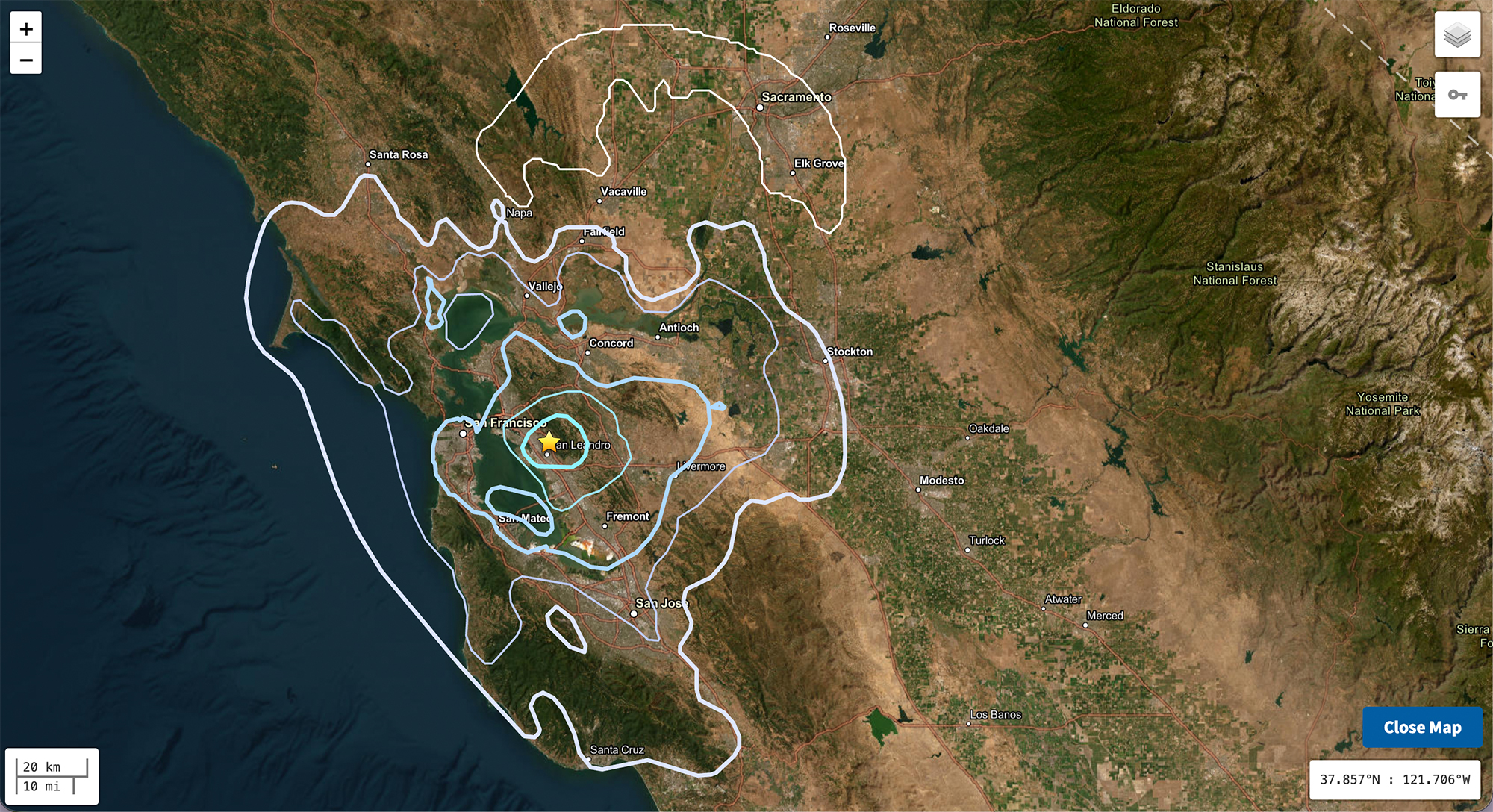
"caption": "A 3.8 magnitude earthquake struck about 2.5 miles north of San Leandro in August 2026, according to data from the U.S. Geological Survey.",
"credit": "Courtesy of USGS",
"altTag": null,
"description": null,
"imgSizes": {
"thumbnail": {
"file": "https://cdn.kqed.org/wp-content/uploads/sites/10/2026/08/260813-Earthquake-01-160x87.jpg",
"width": 160,
"height": 87,
"mimeType": "image/jpeg"
},
"1536x1536": {
"file": "https://cdn.kqed.org/wp-content/uploads/sites/10/2026/08/260813-Earthquake-01-1536x836.jpg",
"width": 1536,
"height": 836,
"mimeType": "image/jpeg"
},
"post-thumbnail": {
"file": "https://cdn.kqed.org/wp-content/uploads/sites/10/2026/08/260813-Earthquake-01-672x372.jpg",
"width": 672,
"height": 372,
"mimeType": "image/jpeg"
},
"twentyfourteen-full-width": {
"file": "https://cdn.kqed.org/wp-content/uploads/sites/10/2026/08/260813-Earthquake-01-1038x576.jpg",
"width": 1038,
"height": 576,
"mimeType": "image/jpeg"
},
"npr-cds-wide": {
"file": "https://cdn.kqed.org/wp-content/uploads/sites/10/2026/08/260813-Earthquake-01-1200x675.jpg",
"width": 1200,
"height": 675,
"mimeType": "image/jpeg"
},
"npr-cds-square": {
"file": "https://cdn.kqed.org/wp-content/uploads/sites/10/2026/08/260813-Earthquake-01-600x600.jpg",
"width": 600,
"height": 600,
"mimeType": "image/jpeg"
},
"kqedFullSize": {
"file": "https://cdn.kqed.org/wp-content/uploads/sites/10/2026/08/260813-Earthquake-01.jpg",
"width": 2000,
"height": 1088
}
},
"isLoading": false,
"fetchFailed": false
},
"news_12094624": {
"type": "attachments",
"id": "news_12094624",
"meta": {
"index": "attachments_1716263798",
"site": "news",
"id": "12094624",
"found": true
},
"title": "Bishop O'Dowd High School in Oakland on Aug. 10, 2026.",
"publishDate": 1786393239,
"status": "inherit",
"parent": 0,
"modified": 1786393284,
"caption": "Bishop O'Dowd High School in Oakland on Aug. 10, 2026.",
"credit": "Martin do Nascimento/KQED",
"altTag": null,
"description": null,
"imgSizes": {
"thumbnail": {
"file": "https://cdn.kqed.org/wp-content/uploads/sites/10/2026/08/260810-INCLUSIVE-O-MD-03-KQED-160x107.jpg",
"width": 160,
"height": 107,
"mimeType": "image/jpeg"
},
"1536x1536": {
"file": "https://cdn.kqed.org/wp-content/uploads/sites/10/2026/08/260810-INCLUSIVE-O-MD-03-KQED-1536x1025.jpg",
"width": 1536,
"height": 1025,
"mimeType": "image/jpeg"
},
"post-thumbnail": {
"file": "https://cdn.kqed.org/wp-content/uploads/sites/10/2026/08/260810-INCLUSIVE-O-MD-03-KQED-672x372.jpg",
"width": 672,
"height": 372,
"mimeType": "image/jpeg"
},
"twentyfourteen-full-width": {
"file": "https://cdn.kqed.org/wp-content/uploads/sites/10/2026/08/260810-INCLUSIVE-O-MD-03-KQED-1038x576.jpg",
"width": 1038,
"height": 576,
"mimeType": "image/jpeg"
},
"npr-cds-wide": {
"file": "https://cdn.kqed.org/wp-content/uploads/sites/10/2026/08/260810-INCLUSIVE-O-MD-03-KQED-1200x675.jpg",
"width": 1200,
"height": 675,
"mimeType": "image/jpeg"
},
"npr-cds-square": {
"file": "https://cdn.kqed.org/wp-content/uploads/sites/10/2026/08/260810-INCLUSIVE-O-MD-03-KQED-600x600.jpg",
"width": 600,
"height": 600,
"mimeType": "image/jpeg"
},
"kqedFullSize": {
"file": "https://cdn.kqed.org/wp-content/uploads/sites/10/2026/08/260810-INCLUSIVE-O-MD-03-KQED.jpg",
"width": 2000,
"height": 1334
}
},
"isLoading": false,
"fetchFailed": false
},
"news_11992395": {
"type": "attachments",
"id": "news_11992395",
"meta": {
"index": "attachments_1716263798",
"site": "news",
"id": "11992395",
"found": true
},
"title": "101023-AI-College-Toby-Reed-LA-CM-21 copy",
"publishDate": 1719601285,
"status": "inherit",
"parent": 11992394,
"modified": 1719601308,
"caption": "Students walk down a hallway at Fremont High School in Oakland on Oct. 10, 2023. ",
"credit": "Laure Andrillon for CalMatters",
"altTag": null,
"description": null,
"imgSizes": {
"medium": {
"file": "https://cdn.kqed.org/wp-content/uploads/sites/10/2024/06/101023-AI-College-Toby-Reed-LA-CM-21-copy-800x534.jpg",
"width": 800,
"height": 534,
"mimeType": "image/jpeg"
},
"large": {
"file": "https://cdn.kqed.org/wp-content/uploads/sites/10/2024/06/101023-AI-College-Toby-Reed-LA-CM-21-copy-1020x681.jpg",
"width": 1020,
"height": 681,
"mimeType": "image/jpeg"
},
"thumbnail": {
"file": "https://cdn.kqed.org/wp-content/uploads/sites/10/2024/06/101023-AI-College-Toby-Reed-LA-CM-21-copy-160x107.jpg",
"width": 160,
"height": 107,
"mimeType": "image/jpeg"
},
"1536x1536": {
"file": "https://cdn.kqed.org/wp-content/uploads/sites/10/2024/06/101023-AI-College-Toby-Reed-LA-CM-21-copy-1536x1025.jpg",
"width": 1536,
"height": 1025,
"mimeType": "image/jpeg"
},
"post-thumbnail": {
"file": "https://cdn.kqed.org/wp-content/uploads/sites/10/2024/06/101023-AI-College-Toby-Reed-LA-CM-21-copy-672x372.jpg",
"width": 672,
"height": 372,
"mimeType": "image/jpeg"
},
"twentyfourteen-full-width": {
"file": "https://cdn.kqed.org/wp-content/uploads/sites/10/2024/06/101023-AI-College-Toby-Reed-LA-CM-21-copy-1038x576.jpg",
"width": 1038,
"height": 576,
"mimeType": "image/jpeg"
},
"full-width": {
"file": "https://cdn.kqed.org/wp-content/uploads/sites/10/2024/06/101023-AI-College-Toby-Reed-LA-CM-21-copy-1920x1282.jpg",
"width": 1920,
"height": 1282,
"mimeType": "image/jpeg"
},
"kqedFullSize": {
"file": "https://cdn.kqed.org/wp-content/uploads/sites/10/2024/06/101023-AI-College-Toby-Reed-LA-CM-21-copy.jpg",
"width": 2000,
"height": 1335
}
},
"isLoading": false,
"fetchFailed": false
},
"news_12094387": {
"type": "attachments",
"id": "news_12094387",
"meta": {
"index": "attachments_1716263798",
"site": "news",
"id": "12094387",
"found": true
},
"title": "260807-Kennedy-High-BK-04-KQED",
"publishDate": 1786135450,
"status": "inherit",
"parent": 0,
"modified": 1786141886,
"caption": "The campus of John F. Kennedy High School in Richmond is closed on Aug. 7, 2026, as school district officials await air-testing results from the California Department of Toxic Substances Control. Soil samples detected the presence of PCE, a carcinogenic solvent that is used in dry cleaning. ",
"credit": "Brian Krans/KQED",
"altTag": null,
"description": null,
"imgSizes": {
"thumbnail": {
"file": "https://cdn.kqed.org/wp-content/uploads/sites/10/2026/08/260807-Kennedy-High-BK-04-KQED-160x107.jpg",
"width": 160,
"height": 107,
"mimeType": "image/jpeg"
},
"1536x1536": {
"file": "https://cdn.kqed.org/wp-content/uploads/sites/10/2026/08/260807-Kennedy-High-BK-04-KQED-1536x1024.jpg",
"width": 1536,
"height": 1024,
"mimeType": "image/jpeg"
},
"post-thumbnail": {
"file": "https://cdn.kqed.org/wp-content/uploads/sites/10/2026/08/260807-Kennedy-High-BK-04-KQED-672x372.jpg",
"width": 672,
"height": 372,
"mimeType": "image/jpeg"
},
"twentyfourteen-full-width": {
"file": "https://cdn.kqed.org/wp-content/uploads/sites/10/2026/08/260807-Kennedy-High-BK-04-KQED-1038x576.jpg",
"width": 1038,
"height": 576,
"mimeType": "image/jpeg"
},
"npr-cds-wide": {
"file": "https://cdn.kqed.org/wp-content/uploads/sites/10/2026/08/260807-Kennedy-High-BK-04-KQED-1200x675.jpg",
"width": 1200,
"height": 675,
"mimeType": "image/jpeg"
},
"npr-cds-square": {
"file": "https://cdn.kqed.org/wp-content/uploads/sites/10/2026/08/260807-Kennedy-High-BK-04-KQED-600x600.jpg",
"width": 600,
"height": 600,
"mimeType": "image/jpeg"
},
"kqedFullSize": {
"file": "https://cdn.kqed.org/wp-content/uploads/sites/10/2026/08/260807-Kennedy-High-BK-04-KQED.jpg",
"width": 2000,
"height": 1333
}
},
"isLoading": false,
"fetchFailed": false
},
"news_11946252": {
"type": "attachments",
"id": "news_11946252",
"meta": {
"index": "attachments_1716263798",
"site": "news",
"id": "11946252",
"found": true
},
"parent": 11946168,
"imgSizes": {
"twentyfourteen-full-width": {
"file": "https://ww2.kqed.org/app/uploads/sites/10/2023/04/Screenshot-2023-04-09-at-11.47.36-AM-1038x576.png",
"width": 1038,
"mimeType": "image/png",
"height": 576
},
"thumbnail": {
"file": "https://ww2.kqed.org/app/uploads/sites/10/2023/04/Screenshot-2023-04-09-at-11.47.36-AM-160x81.png",
"width": 160,
"mimeType": "image/png",
"height": 81
},
"post-thumbnail": {
"file": "https://ww2.kqed.org/app/uploads/sites/10/2023/04/Screenshot-2023-04-09-at-11.47.36-AM-672x372.png",
"width": 672,
"mimeType": "image/png",
"height": 372
},
"kqedFullSize": {
"file": "https://ww2.kqed.org/app/uploads/sites/10/2023/04/Screenshot-2023-04-09-at-11.47.36-AM.png",
"width": 3050,
"height": 1546
},
"2048x2048": {
"file": "https://ww2.kqed.org/app/uploads/sites/10/2023/04/Screenshot-2023-04-09-at-11.47.36-AM-2048x1038.png",
"width": 2048,
"mimeType": "image/png",
"height": 1038
},
"large": {
"file": "https://ww2.kqed.org/app/uploads/sites/10/2023/04/Screenshot-2023-04-09-at-11.47.36-AM-1020x517.png",
"width": 1020,
"mimeType": "image/png",
"height": 517
},
"1536x1536": {
"file": "https://ww2.kqed.org/app/uploads/sites/10/2023/04/Screenshot-2023-04-09-at-11.47.36-AM-1536x779.png",
"width": 1536,
"mimeType": "image/png",
"height": 779
},
"full-width": {
"file": "https://ww2.kqed.org/app/uploads/sites/10/2023/04/Screenshot-2023-04-09-at-11.47.36-AM-1920x973.png",
"width": 1920,
"mimeType": "image/png",
"height": 973
},
"medium": {
"file": "https://ww2.kqed.org/app/uploads/sites/10/2023/04/Screenshot-2023-04-09-at-11.47.36-AM-800x406.png",
"width": 800,
"mimeType": "image/png",
"height": 406
}
},
"publishDate": 1681160957,
"modified": 1681165429,
"caption": "A screenshot of Antioch Mayor Lamar Thorpe during his recorded statements regarding the disclosure of racist texts made by police officers on April 8, 2023.",
"description": null,
"title": "Screenshot 2023-04-09 at 11.47.36 AM",
"credit": "Courtesy of YouTube",
"status": "inherit",
"altTag": "An African American man wearing glasses. a white dress shirt and blue suit stands behind a podium with a microphone with an American flag to the left and a California flag to the right.",
"isLoading": false,
"fetchFailed": false
},
"news_11922192": {
"type": "attachments",
"id": "news_11922192",
"meta": {
"index": "attachments_1716263798",
"site": "news",
"id": "11922192",
"found": true
},
"title": "Property-Russell-City-sized",
"publishDate": 1660166611,
"status": "inherit",
"parent": 11922175,
"modified": 1785972308,
"caption": "A Russell City home circa 1950.",
"credit": "Courtesy of the Hayward Area Historical Society",
"altTag": "A black-and-white photograph of several wooden buildings, including a home, a large shed or garage and several small structures.",
"description": null,
"imgSizes": {
"medium": {
"file": "https://cdn.kqed.org/wp-content/uploads/sites/10/2022/08/Property-Russell-City-sized-800x653.jpg",
"width": 800,
"height": 653,
"mimeType": "image/jpeg"
},
"large": {
"file": "https://cdn.kqed.org/wp-content/uploads/sites/10/2022/08/Property-Russell-City-sized-1020x833.jpg",
"width": 1020,
"height": 833,
"mimeType": "image/jpeg"
},
"thumbnail": {
"file": "https://cdn.kqed.org/wp-content/uploads/sites/10/2022/08/Property-Russell-City-sized-160x131.jpg",
"width": 160,
"height": 131,
"mimeType": "image/jpeg"
},
"1536x1536": {
"file": "https://cdn.kqed.org/wp-content/uploads/sites/10/2022/08/Property-Russell-City-sized-1536x1254.jpg",
"width": 1536,
"height": 1254,
"mimeType": "image/jpeg"
},
"post-thumbnail": {
"file": "https://cdn.kqed.org/wp-content/uploads/sites/10/2022/08/Property-Russell-City-sized-672x372.jpg",
"width": 672,
"height": 372,
"mimeType": "image/jpeg"
},
"twentyfourteen-full-width": {
"file": "https://cdn.kqed.org/wp-content/uploads/sites/10/2022/08/Property-Russell-City-sized-1038x576.jpg",
"width": 1038,
"height": 576,
"mimeType": "image/jpeg"
},
"kqedFullSize": {
"file": "https://cdn.kqed.org/wp-content/uploads/sites/10/2022/08/Property-Russell-City-sized.jpg",
"width": 1920,
"height": 1568
}
},
"isLoading": false,
"fetchFailed": false
},
"news_11992506": {
"type": "attachments",
"id": "news_11992506",
"meta": {
"index": "attachments_1716263798",
"site": "news",
"id": "11992506",
"found": true
},
"title": "010_KQED_DomesticWorkerSocorroDiaz_01232023_scr",
"publishDate": 1719618778,
"status": "inherit",
"parent": 11992472,
"modified": 1731706433,
"caption": "Across the board, cities are raising the minimum wage by a small percentage. ",
"credit": "Beth LaBerge/KQED",
"altTag": null,
"description": null,
"imgSizes": {
"medium": {
"file": "https://cdn.kqed.org/wp-content/uploads/sites/10/2024/07/010_KQED_DomesticWorkerSocorroDiaz_01232023_scr-800x533.jpg",
"width": 800,
"height": 533,
"mimeType": "image/jpeg"
},
"large": {
"file": "https://cdn.kqed.org/wp-content/uploads/sites/10/2024/07/010_KQED_DomesticWorkerSocorroDiaz_01232023_scr-1020x680.jpg",
"width": 1020,
"height": 680,
"mimeType": "image/jpeg"
},
"thumbnail": {
"file": "https://cdn.kqed.org/wp-content/uploads/sites/10/2024/07/010_KQED_DomesticWorkerSocorroDiaz_01232023_scr-160x107.jpg",
"width": 160,
"height": 107,
"mimeType": "image/jpeg"
},
"post-thumbnail": {
"file": "https://cdn.kqed.org/wp-content/uploads/sites/10/2024/07/010_KQED_DomesticWorkerSocorroDiaz_01232023_scr-672x372.jpg",
"width": 672,
"height": 372,
"mimeType": "image/jpeg"
},
"twentyfourteen-full-width": {
"file": "https://cdn.kqed.org/wp-content/uploads/sites/10/2024/07/010_KQED_DomesticWorkerSocorroDiaz_01232023_scr-1038x576.jpg",
"width": 1038,
"height": 576,
"mimeType": "image/jpeg"
},
"kqedFullSize": {
"file": "https://cdn.kqed.org/wp-content/uploads/sites/10/2024/07/010_KQED_DomesticWorkerSocorroDiaz_01232023_scr.jpg",
"width": 1200,
"height": 800
}
},
"isLoading": false,
"fetchFailed": false
},
"news_12083273": {
"type": "attachments",
"id": "news_12083273",
"meta": {
"index": "attachments_1716263798",
"site": "news",
"id": "12083273",
"found": true
},
"title": "260512-Lyle Prijoles-04-KQED",
"publishDate": 1778604540,
"status": "inherit",
"parent": 0,
"modified": 1785522309,
"caption": "Activists in the Bay Area hold a memorial for activist Lyle Prijoles. Families of the slain human rights advocates have urged the Philippine Government for an independent investigation, sharing testimonies of their loved ones and putting into question what the AFP has called a “legitimate military operation.”",
"credit": "Courtesy of Bayan USA",
"altTag": null,
"description": null,
"imgSizes": {
"thumbnail": {
"file": "https://cdn.kqed.org/wp-content/uploads/sites/10/2026/05/260512-Lyle-Prijoles-04-KQED-160x107.jpg",
"width": 160,
"height": 107,
"mimeType": "image/jpeg"
},
"1536x1536": {
"file": "https://cdn.kqed.org/wp-content/uploads/sites/10/2026/05/260512-Lyle-Prijoles-04-KQED-1536x1024.jpg",
"width": 1536,
"height": 1024,
"mimeType": "image/jpeg"
},
"post-thumbnail": {
"file": "https://cdn.kqed.org/wp-content/uploads/sites/10/2026/05/260512-Lyle-Prijoles-04-KQED-672x372.jpg",
"width": 672,
"height": 372,
"mimeType": "image/jpeg"
},
"twentyfourteen-full-width": {
"file": "https://cdn.kqed.org/wp-content/uploads/sites/10/2026/05/260512-Lyle-Prijoles-04-KQED-1038x576.jpg",
"width": 1038,
"height": 576,
"mimeType": "image/jpeg"
},
"npr-cds-wide": {
"file": "https://cdn.kqed.org/wp-content/uploads/sites/10/2026/05/260512-Lyle-Prijoles-04-KQED-1200x675.jpg",
"width": 1200,
"height": 675,
"mimeType": "image/jpeg"
},
"npr-cds-square": {
"file": "https://cdn.kqed.org/wp-content/uploads/sites/10/2026/05/260512-Lyle-Prijoles-04-KQED-600x600.jpg",
"width": 600,
"height": 600,
"mimeType": "image/jpeg"
},
"kqedFullSize": {
"file": "https://cdn.kqed.org/wp-content/uploads/sites/10/2026/05/260512-Lyle-Prijoles-04-KQED.jpg",
"width": 2000,
"height": 1333
}
},
"isLoading": false,
"fetchFailed": false
},
"news_12093340": {
"type": "attachments",
"id": "news_12093340",
"meta": {
"index": "attachments_1716263798",
"site": "news",
"id": "12093340",
"found": true
},
"title": "260729-POWER HOUSE-MD-07-KQED",
"publishDate": 1785445517,
"status": "inherit",
"parent": 0,
"modified": 1785445765,
"caption": "The PG&E PowerHouse in San Ramon on July 30, 2026.",
"credit": "Martin do Nascimento/KQED",
"altTag": null,
"description": null,
"imgSizes": {
"thumbnail": {
"file": "https://cdn.kqed.org/wp-content/uploads/sites/10/2026/07/260729-POWER-HOUSE-MD-07-KQED-160x107.jpg",
"width": 160,
"height": 107,
"mimeType": "image/jpeg"
},
"1536x1536": {
"file": "https://cdn.kqed.org/wp-content/uploads/sites/10/2026/07/260729-POWER-HOUSE-MD-07-KQED-1536x1025.jpg",
"width": 1536,
"height": 1025,
"mimeType": "image/jpeg"
},
"post-thumbnail": {
"file": "https://cdn.kqed.org/wp-content/uploads/sites/10/2026/07/260729-POWER-HOUSE-MD-07-KQED-672x372.jpg",
"width": 672,
"height": 372,
"mimeType": "image/jpeg"
},
"twentyfourteen-full-width": {
"file": "https://cdn.kqed.org/wp-content/uploads/sites/10/2026/07/260729-POWER-HOUSE-MD-07-KQED-1038x576.jpg",
"width": 1038,
"height": 576,
"mimeType": "image/jpeg"
},
"npr-cds-wide": {
"file": "https://cdn.kqed.org/wp-content/uploads/sites/10/2026/07/260729-POWER-HOUSE-MD-07-KQED-1200x675.jpg",
"width": 1200,
"height": 675,
"mimeType": "image/jpeg"
},
"npr-cds-square": {
"file": "https://cdn.kqed.org/wp-content/uploads/sites/10/2026/07/260729-POWER-HOUSE-MD-07-KQED-600x600.jpg",
"width": 600,
"height": 600,
"mimeType": "image/jpeg"
},
"kqedFullSize": {
"file": "https://cdn.kqed.org/wp-content/uploads/sites/10/2026/07/260729-POWER-HOUSE-MD-07-KQED.jpg",
"width": 2000,
"height": 1334
}
},
"isLoading": false,
"fetchFailed": false
},
"news_12061256": {
"type": "attachments",
"id": "news_12061256",
"meta": {
"index": "attachments_1716263798",
"site": "news",
"id": "12061256",
"found": true
},
"title": "251023-MAYOR LEE PRESSER-MD-09-KQED",
"publishDate": 1761245641,
"status": "inherit",
"parent": 12061224,
"modified": 1783638320,
"caption": "James Beere, assistant chief of police with the Oakland Police Department, speaks at a press conference at Oakland City Hall on Oct. 23, 2025.",
"credit": "Martin do Nascimento/KQED",
"altTag": null,
"description": null,
"imgSizes": {
"thumbnail": {
"file": "https://cdn.kqed.org/wp-content/uploads/sites/10/2025/10/251023-MAYOR-LEE-PRESSER-MD-09-KQED-160x107.jpg",
"width": 160,
"height": 107,
"mimeType": "image/jpeg"
},
"1536x1536": {
"file": "https://cdn.kqed.org/wp-content/uploads/sites/10/2025/10/251023-MAYOR-LEE-PRESSER-MD-09-KQED-1536x1024.jpg",
"width": 1536,
"height": 1024,
"mimeType": "image/jpeg"
},
"post-thumbnail": {
"file": "https://cdn.kqed.org/wp-content/uploads/sites/10/2025/10/251023-MAYOR-LEE-PRESSER-MD-09-KQED-672x372.jpg",
"width": 672,
"height": 372,
"mimeType": "image/jpeg"
},
"twentyfourteen-full-width": {
"file": "https://cdn.kqed.org/wp-content/uploads/sites/10/2025/10/251023-MAYOR-LEE-PRESSER-MD-09-KQED-1038x576.jpg",
"width": 1038,
"height": 576,
"mimeType": "image/jpeg"
},
"npr-cds-wide": {
"file": "https://cdn.kqed.org/wp-content/uploads/sites/10/2025/10/251023-MAYOR-LEE-PRESSER-MD-09-KQED-1600x900.jpg",
"width": 1600,
"height": 900,
"mimeType": "image/jpeg"
},
"kqedFullSize": {
"file": "https://cdn.kqed.org/wp-content/uploads/sites/10/2025/10/251023-MAYOR-LEE-PRESSER-MD-09-KQED.jpg",
"width": 2000,
"height": 1333
}
},
"isLoading": false,
"fetchFailed": false
}
},
"audioPlayerReducer": {
"postId": "stream_live",
"isPaused": true,
"isPlaying": false,
"pfsActive": false,
"pledgeModalIsOpen": true,
"playerDrawerIsOpen": false,
"liveAudioPlayStartedAt": 0,
"liveAudioPlayContext": ""
},
"authorsReducer": {
"fjhabvala": {
"type": "authors",
"id": "8659",
"meta": {
"index": "authors_1716337520",
"id": "8659",
"found": true
},
"name": "Farida Jhabvala Romero",
"firstName": "Farida",
"lastName": "Jhabvala Romero",
"slug": "fjhabvala",
"email": "fjhabvala@kqed.org",
"display_author_email": true,
"staff_mastheads": [
"news"
],
"title": "KQED Contributor",
"bio": "Farida Jhabvala Romero is a Labor Correspondent for KQED. She previously covered immigration. Farida was \u003ca href=\"https://www.ccnma.org/2022-most-influential-latina-journalists\">named\u003c/a> one of the 10 Most Influential Latina Journalists in California in 2022 by the California Chicano News Media Association. Her work has won awards from the Society of Professional Journalists (Northern California), as well as a national and regional Edward M. Murrow Award for the collaborative reporting projects “Dangerous Air” and “Graying California.” Before joining KQED, Farida worked as a producer at Radio Bilingüe, a national public radio network. Farida earned her master’s degree in journalism from Stanford University.",
"avatar": "https://secure.gravatar.com/avatar/f9f022d4e2609741874222a1e9d41f48fea74011aa7c615eef91d9a50c944ebe?s=600&d=blank&r=g",
"twitter": "FaridaJhabvala",
"bluesky": null,
"facebook": null,
"instagram": null,
"linkedin": "https://www.linkedin.com/in/faridajhabvala/",
"sites": [
{
"site": "news",
"roles": [
"editor"
]
},
{
"site": "stateofhealth",
"roles": [
"author"
]
},
{
"site": "liveblog",
"roles": [
"author"
]
}
],
"headData": {
"title": "Farida Jhabvala Romero | KQED",
"description": "KQED Contributor",
"ogImgSrc": "https://secure.gravatar.com/avatar/f9f022d4e2609741874222a1e9d41f48fea74011aa7c615eef91d9a50c944ebe?s=600&d=blank&r=g",
"twImgSrc": "https://secure.gravatar.com/avatar/f9f022d4e2609741874222a1e9d41f48fea74011aa7c615eef91d9a50c944ebe?s=600&d=blank&r=g"
},
"isLoading": false,
"link": "/author/fjhabvala"
},
"adahlstromeckman": {
"type": "authors",
"id": "11785",
"meta": {
"index": "authors_1716337520",
"id": "11785",
"found": true
},
"name": "Azul Dahlstrom-Eckman",
"firstName": "Azul",
"lastName": "Dahlstrom-Eckman",
"slug": "adahlstromeckman",
"email": "adahlstrom-eckman@kqed.org",
"display_author_email": true,
"staff_mastheads": [],
"title": "Reporter",
"bio": "Azul is a reporter for KQED focusing on transportation and features. He joined KQED in 2021 as an alumnus of KALW's Audio Academy radio journalism training program.",
"avatar": "https://secure.gravatar.com/avatar/9cb750298435add7815a777f55bf1f46845c1386bb8452555c60a7b820b5aba3?s=600&d=blank&r=g",
"twitter": "@zuliemann",
"bluesky": "@azul415.bsky.social",
"facebook": null,
"instagram": null,
"linkedin": null,
"sites": [
{
"site": "arts",
"roles": [
"editor"
]
},
{
"site": "news",
"roles": [
"editor"
]
},
{
"site": "science",
"roles": [
"editor"
]
},
{
"site": "liveblog",
"roles": [
"author"
]
}
],
"headData": {
"title": "Azul Dahlstrom-Eckman | KQED",
"description": "Reporter",
"ogImgSrc": "https://secure.gravatar.com/avatar/9cb750298435add7815a777f55bf1f46845c1386bb8452555c60a7b820b5aba3?s=600&d=blank&r=g",
"twImgSrc": "https://secure.gravatar.com/avatar/9cb750298435add7815a777f55bf1f46845c1386bb8452555c60a7b820b5aba3?s=600&d=blank&r=g"
},
"isLoading": false,
"link": "/author/adahlstromeckman"
},
"kdebenedetti": {
"type": "authors",
"id": "11913",
"meta": {
"index": "authors_1716337520",
"id": "11913",
"found": true
},
"name": "Katie DeBenedetti",
"firstName": "Katie",
"lastName": "DeBenedetti",
"slug": "kdebenedetti",
"email": "kdebenedetti@kqed.org",
"display_author_email": false,
"staff_mastheads": [
"news",
"science"
],
"title": "KQED Contributor",
"bio": "Katie DeBenedetti is a digital reporter covering daily news for the Express Desk. Prior to joining KQED as a culture reporting intern in January 2024, she covered education and city government for the Napa Valley Register.",
"avatar": "https://secure.gravatar.com/avatar/6e31073cb8f7e4214ab03f42771d0f45?s=600&d=blank&r=g",
"twitter": null,
"facebook": null,
"instagram": null,
"linkedin": null,
"sites": [
{
"site": "news",
"roles": [
"author"
]
},
{
"site": "science",
"roles": [
"author"
]
},
{
"site": "liveblog",
"roles": [
"author"
]
}
],
"headData": {
"title": "Katie DeBenedetti | KQED",
"description": "KQED Contributor",
"ogImgSrc": "https://secure.gravatar.com/avatar/6e31073cb8f7e4214ab03f42771d0f45?s=600&d=blank&r=g",
"twImgSrc": "https://secure.gravatar.com/avatar/6e31073cb8f7e4214ab03f42771d0f45?s=600&d=blank&r=g"
},
"isLoading": false,
"link": "/author/kdebenedetti"
},
"bkrans": {
"type": "authors",
"id": "11923",
"meta": {
"index": "authors_1716337520",
"id": "11923",
"found": true
},
"name": "Brian Krans",
"firstName": "Brian",
"lastName": "Krans",
"slug": "bkrans",
"email": "bkrans@kqed.org",
"display_author_email": false,
"staff_mastheads": [
"news"
],
"title": "KQED Contributing Reporter",
"bio": "Brian Krans is an award-winning local news and investigative reporter who has been proudly working as a general assignment reporter for KQED since August 2023. He lives in Richmond, where he also reports on air pollution for Richmondside. He is also a founding member of the Vallejo Sun.",
"avatar": "https://secure.gravatar.com/avatar/71fa91f931774612559f7640390b53d9c2840ff72b20f195a25239aab2d9fbb9?s=600&d=blank&r=g",
"twitter": "citizenkrans",
"bluesky": null,
"facebook": null,
"instagram": null,
"linkedin": null,
"sites": [
{
"site": "news",
"roles": [
"editor"
]
}
],
"headData": {
"title": "Brian Krans | KQED",
"description": "KQED Contributing Reporter",
"ogImgSrc": "https://secure.gravatar.com/avatar/71fa91f931774612559f7640390b53d9c2840ff72b20f195a25239aab2d9fbb9?s=600&d=blank&r=g",
"twImgSrc": "https://secure.gravatar.com/avatar/71fa91f931774612559f7640390b53d9c2840ff72b20f195a25239aab2d9fbb9?s=600&d=blank&r=g"
},
"isLoading": false,
"link": "/author/bkrans"
},
"aaliahmad": {
"type": "authors",
"id": "11986",
"meta": {
"index": "authors_1716337520",
"id": "11986",
"found": true
},
"name": "Ayah Ali-Ahmad",
"firstName": "Ayah",
"lastName": "Ali-Ahmad",
"slug": "aaliahmad",
"email": "aaliahmad@KQED.org",
"display_author_email": false,
"staff_mastheads": [],
"title": "KQED Contributor",
"bio": null,
"avatar": "https://secure.gravatar.com/avatar/1cf54f187a5e1064b2cfef3f3d2f1e4f93e453395d56912aca6382a6071ec3ed?s=600&d=blank&r=g",
"twitter": "ayahaliahmad",
"bluesky": null,
"facebook": null,
"instagram": null,
"linkedin": null,
"sites": [
{
"site": "news",
"roles": [
"subscriber"
]
}
],
"headData": {
"title": "Ayah Ali-Ahmad | KQED",
"description": "KQED Contributor",
"ogImgSrc": "https://secure.gravatar.com/avatar/1cf54f187a5e1064b2cfef3f3d2f1e4f93e453395d56912aca6382a6071ec3ed?s=600&d=blank&r=g",
"twImgSrc": "https://secure.gravatar.com/avatar/1cf54f187a5e1064b2cfef3f3d2f1e4f93e453395d56912aca6382a6071ec3ed?s=600&d=blank&r=g"
},
"isLoading": false,
"link": "/author/aaliahmad"
},
"ejackson": {
"type": "authors",
"id": "12003",
"meta": {
"index": "authors_1716337520",
"id": "12003",
"found": true
},
"name": "Ella Jackson",
"firstName": "Ella",
"lastName": "Jackson",
"slug": "ejackson",
"email": "ejackson@kqed.org",
"display_author_email": false,
"staff_mastheads": [],
"title": "KQED Contributor",
"bio": null,
"avatar": "https://secure.gravatar.com/avatar/3c688edc62aec1dcae096e1475956d245f72bde99cff316455871c9b22a7205b?s=600&d=blank&r=g",
"twitter": null,
"bluesky": null,
"facebook": null,
"instagram": null,
"linkedin": null,
"sites": [
{
"site": "news",
"roles": [
"author"
]
},
{
"site": "science",
"roles": [
"author"
]
}
],
"headData": {
"title": "Ella Jackson | KQED",
"description": "KQED Contributor",
"ogImgSrc": "https://secure.gravatar.com/avatar/3c688edc62aec1dcae096e1475956d245f72bde99cff316455871c9b22a7205b?s=600&d=blank&r=g",
"twImgSrc": "https://secure.gravatar.com/avatar/3c688edc62aec1dcae096e1475956d245f72bde99cff316455871c9b22a7205b?s=600&d=blank&r=g"
},
"isLoading": false,
"link": "/author/ejackson"
}
},
"pagesReducer": {
"news_tag_east-bay": {
"type": "terms",
"id": "news_18352",
"meta": {
"index": "terms_1716263798",
"site": "news",
"id": "18352",
"score": 7.017371
},
"featImg": null,
"name": "East Bay",
"description": null,
"taxonomy": "tag",
"headData": {
"twImgId": null,
"twTitle": null,
"ogTitle": null,
"ogImgId": null,
"twDescription": null,
"description": null,
"title": "East Bay Archives | KQED News",
"ogDescription": null
},
"ttid": 18386,
"slug": "east-bay",
"isLoading": false,
"title": "East Bay",
"pageMeta": {
"site": "news",
"WpPageTemplate": "page-topic-editorial",
"currentPage": 5
},
"blocks": [
{
"blockName": "kqed/post-list",
"attrs": {
"layout": "cardArticle2",
"query": "posts/news?tag=east-bay",
"seeMore": false,
"paginated": true,
"page": 5
}
},
{
"blockName": "kqed/ad"
}
]
}
},
"pfsSessionReducer": {},
"postsReducer": {
"stream_live": {
"type": "live",
"id": "stream_live",
"audioUrl": "https://hls.kqed.org/hls/kqed_app/playlist.m3u8",
"title": "Live Stream",
"excerpt": "Live Stream information currently unavailable.",
"link": "/radio",
"featImg": "",
"label": {
"name": "KQED Live",
"link": "/"
}
},
"stream_kqedNewscast": {
"type": "posts",
"id": "stream_kqedNewscast",
"audioUrl": "https://www.kqed.org/.stream/anon/radio/RDnews/newscast.mp3?_=1",
"title": "KQED Newscast",
"featImg": "",
"label": {
"name": "88.5 FM",
"link": "/"
}
},
"news_12094592": {
"type": "posts",
"id": "news_12094592",
"meta": {
"index": "posts_1716263798",
"site": "news",
"id": "12094592",
"score": null,
"sort": [
1786723200000
]
},
"guestAuthors": [],
"slug": "historic-richmond-pool-keeps-on-swimming-100-years-later",
"title": "Historic Richmond Pool Keeps on Swimming, 100 Years Later",
"publishDate": 1786723200,
"format": "standard",
"headTitle": "Historic Richmond Pool Keeps on Swimming, 100 Years Later | KQED",
"labelTerm": {
"site": "news"
},
"content": "\u003cp>The city of \u003ca href=\"https://www.kqed.org/news/tag/richmond\">Richmond\u003c/a> is throwing a pool party on Saturday to mark the 100th birthday of a beloved community gathering space.\u003c/p>\n\n\n\n\u003cp>The celebration for the Richmond Municipal Natatorium, more commonly known as the Richmond Plunge, marks a significant milestone because the centenarian indoor pool almost didn’t make it. The Plunge was shuttered for years and slated for demolition until a group of community volunteers organized to save it.\u003c/p>\n\n\n\n\u003cp>“You just don’t see 100-year-old pools,” said John Schonder, head coach of the Richmond Sailfish swim team, which practices at the pool. “ Almost every week, I meet someone who comes in and says, ‘Oh, I haven’t been here for 50 years,’ or, ‘I used to swim here in the ’70s when I was a kid.’” \u003c/p>\n\n\n\u003cdiv class=\"wp-block-image\">\n\u003cfigure class=\"aligncenter size-full\">\u003cimg loading=\"lazy\" decoding=\"async\" width=\"2000\" height=\"1333\" src=\"https://cdn.kqed.org/wp-content/uploads/sites/10/2026/08/20260731_RichmondPlunge100_GC-3-KQED.jpg\" alt=\"\" class=\"wp-image-12093731\" srcset=\"https://cdn.kqed.org/wp-content/uploads/sites/10/2026/08/20260731_RichmondPlunge100_GC-3-KQED.jpg 2000w, https://cdn.kqed.org/wp-content/uploads/sites/10/2026/08/20260731_RichmondPlunge100_GC-3-KQED-160x107.jpg 160w, https://cdn.kqed.org/wp-content/uploads/sites/10/2026/08/20260731_RichmondPlunge100_GC-3-KQED-1536x1024.jpg 1536w\" sizes=\"auto, (max-width: 2000px) 100vw, 2000px\">\u003cfigcaption class=\"wp-element-caption\">The Richmond Municipal Natatorium, also known as the Richmond Plunge, on July 31, 2026. (Gina Castro for KQED)\u003c/figcaption>\u003c/figure>\n\u003c/div>\n\n\n\u003cfigure class=\"wp-block-gallery has-nested-images columns-default is-cropped wp-block-gallery-13 is-layout-flex wp-block-gallery-is-layout-flex\">\n\u003cfigure class=\"wp-block-image size-large\">\u003cimg loading=\"lazy\" decoding=\"async\" width=\"2000\" height=\"1333\" data-id=\"12093763\" src=\"https://cdn.kqed.org/wp-content/uploads/sites/10/2026/08/20260731_RichmondPlunge100_GC-18-KQED-1.jpg\" alt=\"\" class=\"wp-image-12093763\" srcset=\"https://cdn.kqed.org/wp-content/uploads/sites/10/2026/08/20260731_RichmondPlunge100_GC-18-KQED-1.jpg 2000w, https://cdn.kqed.org/wp-content/uploads/sites/10/2026/08/20260731_RichmondPlunge100_GC-18-KQED-1-160x107.jpg 160w, https://cdn.kqed.org/wp-content/uploads/sites/10/2026/08/20260731_RichmondPlunge100_GC-18-KQED-1-1536x1024.jpg 1536w\" sizes=\"auto, (max-width: 2000px) 100vw, 2000px\">\u003cfigcaption class=\"wp-element-caption\">Shantel Jackson and her son Maison, 7, on July 31, 2026.\u003cbr>\u003cbr> (Gina Castro for KQED)\u003c/figcaption>\u003c/figure>\n\n\n\n\u003cfigure class=\"wp-block-image size-large\">\u003cimg loading=\"lazy\" decoding=\"async\" width=\"1999\" height=\"1333\" data-id=\"12095157\" src=\"https://cdn.kqed.org/wp-content/uploads/sites/10/2026/08/20260805_RichmondPlungeDay2_GC-13_qed.jpg\" alt=\"\" class=\"wp-image-12095157\" srcset=\"https://cdn.kqed.org/wp-content/uploads/sites/10/2026/08/20260805_RichmondPlungeDay2_GC-13_qed.jpg 1999w, https://cdn.kqed.org/wp-content/uploads/sites/10/2026/08/20260805_RichmondPlungeDay2_GC-13_qed-160x107.jpg 160w, https://cdn.kqed.org/wp-content/uploads/sites/10/2026/08/20260805_RichmondPlungeDay2_GC-13_qed-1536x1024.jpg 1536w\" sizes=\"auto, (max-width: 1999px) 100vw, 1999px\">\u003cfigcaption class=\"wp-element-caption\">From left, Richmond Plunge Masters swimmers Jane Randolph, John Ajero, Leo Tarasov and Ling Hsieh enjoy the pool on Aug. 5, 2026.\u003cbr> (Gina Castro for KQED)\u003c/figcaption>\u003c/figure>\n\u003c/figure>\n\n\n\n\u003cp>The Plunge opened in 1926, and it still harkens back to a time when indoor pools were a major public attraction. The city of Richmond compares the pool to Sutro Baths in San Francisco, another historic public swimming pool that’s now long gone. Just like Sutro Baths, which sourced its water from the ocean, the Plunge was once filled with saltwater from the bay. \u003c/p>\n\n\n\n\u003cp>The bright, airy space has over a hundred operable windows and a white, vaulted ceiling with exposed steel beams. Mosaic tiles adorn the entrances to the bathrooms. The Plunge also once had a bandshell, so spectators could watch synchronized swimming performances with live music from the second-story balcony, which exists today. \u003c/p>\n\n\n\n\u003cp>[ad fullwidth]\u003c/p>\n\u003cp>The Plunge’s history inspired Berkeley architect Todd Jersey to help save it. \u003c/p>\n\n\n\n\u003cfigure class=\"wp-block-gallery has-nested-images columns-default is-cropped wp-block-gallery-14 is-layout-flex wp-block-gallery-is-layout-flex\">\n\u003cfigure class=\"wp-block-image size-large\">\u003cimg loading=\"lazy\" decoding=\"async\" width=\"1999\" height=\"1333\" data-id=\"12095151\" src=\"https://cdn.kqed.org/wp-content/uploads/sites/10/2026/08/20260805_RichmondPlungeDay2_GC-3_qed.jpg\" alt=\"\" class=\"wp-image-12095151\" srcset=\"https://cdn.kqed.org/wp-content/uploads/sites/10/2026/08/20260805_RichmondPlungeDay2_GC-3_qed.jpg 1999w, https://cdn.kqed.org/wp-content/uploads/sites/10/2026/08/20260805_RichmondPlungeDay2_GC-3_qed-160x107.jpg 160w, https://cdn.kqed.org/wp-content/uploads/sites/10/2026/08/20260805_RichmondPlungeDay2_GC-3_qed-1536x1024.jpg 1536w\" sizes=\"auto, (max-width: 1999px) 100vw, 1999px\">\u003cfigcaption class=\"wp-element-caption\">John Schonder, head coach of the Richmond Sailfish, instructs the team. \u003cbr> (Gina Castro for KQED)\u003c/figcaption>\u003c/figure>\n\n\n\n\u003cfigure class=\"wp-block-image size-large\">\u003cimg loading=\"lazy\" decoding=\"async\" width=\"1999\" height=\"1333\" data-id=\"12095154\" src=\"https://cdn.kqed.org/wp-content/uploads/sites/10/2026/08/20260805_RichmondPlungeDay2_GC-1_qed.jpg\" alt=\"\" class=\"wp-image-12095154\" srcset=\"https://cdn.kqed.org/wp-content/uploads/sites/10/2026/08/20260805_RichmondPlungeDay2_GC-1_qed.jpg 1999w, https://cdn.kqed.org/wp-content/uploads/sites/10/2026/08/20260805_RichmondPlungeDay2_GC-1_qed-160x107.jpg 160w, https://cdn.kqed.org/wp-content/uploads/sites/10/2026/08/20260805_RichmondPlungeDay2_GC-1_qed-1536x1024.jpg 1536w\" sizes=\"auto, (max-width: 1999px) 100vw, 1999px\">\u003cfigcaption class=\"wp-element-caption\">A Richmond Sailfish swimmer practices his form.\u003cbr> (Gina Castro for KQED)\u003c/figcaption>\u003c/figure>\n\u003c/figure>\n\n\n\n\u003cp>“ When I first walked into this place, I was really taken with the sheer size of it, and the amount of light and air from these wonderful windows,” he said. The Plunge’s original design featured one single pool double the size of an Olympic-size swimming pool. Today, the pool is split into two separate areas, one for lap swimming and the other for recreation.\u003c/p>\n\n\n\n\u003cp>Over the years, the building fell into disrepair, including damage from the 1989 Loma Prieta earthquake. Repairs would have been expensive, and after voters rejected a bond measure in 1997 to reinforce the pool, the city decided to \u003ca href=\"https://www.ci.richmond.ca.us/4975/Plunge-100-Year-Anniversary\">close\u003c/a> it. \u003c/p>\n\n\n\n\u003cp>Still, people were allowed to swim in it, as the Plunge bore a “swim at your own risk” sign. Finally, the city shut down the site in 2001. \u003c/p>\n\n\n\u003cdiv class=\"wp-block-image\">\n\u003cfigure class=\"aligncenter size-full\">\u003cimg loading=\"lazy\" decoding=\"async\" width=\"2000\" height=\"1333\" src=\"https://cdn.kqed.org/wp-content/uploads/sites/10/2026/08/20260731_RichmondPlunge100_GC-10-KQED.jpg\" alt=\"\" class=\"wp-image-12093737\" srcset=\"https://cdn.kqed.org/wp-content/uploads/sites/10/2026/08/20260731_RichmondPlunge100_GC-10-KQED.jpg 2000w, https://cdn.kqed.org/wp-content/uploads/sites/10/2026/08/20260731_RichmondPlunge100_GC-10-KQED-160x107.jpg 160w, https://cdn.kqed.org/wp-content/uploads/sites/10/2026/08/20260731_RichmondPlunge100_GC-10-KQED-1536x1024.jpg 1536w\" sizes=\"auto, (max-width: 2000px) 100vw, 2000px\">\u003cfigcaption class=\"wp-element-caption\">The interior of the Richmond Plunge on July 31, 2026. (Gina Castro for KQED)\u003c/figcaption>\u003c/figure>\n\u003c/div>\n\n\n\u003cp>In 2005, Jersey said he saw a \u003ca href=\"https://americanarchive.org/catalog/cpb-aacip_55-79v16cst\">documentary\u003c/a> about the pool and thought he could help. Working with the nonprofit Richmond Friends of Recreation, he came up with a plan to reopen it for $1.3 million, far less than an approximately $12 million prior bid from another architect, he said.\u003c/p>\n\n\n\n\u003cp>It was the momentum the nonprofit needed to begin fundraising to renovate the Plunge. It finally reopened in 2010 after sitting unused for nine years with a total restoration cost of around $8 million, Jersey said. \u003c/p>\n\n\n\n\u003cp>The work involved repairing wooden window frames, strengthening cracked walls and putting in the necessary infrastructure to run a pool. Because of its many windows, the Plunge doesn’t require the large ventilation systems typical of modern pools, reducing its energy bill, Jersey said. The roof also now has electrical solar panels. \u003c/p>\n\n\n\u003cdiv class=\"wp-block-image\">\n\u003cfigure class=\"aligncenter size-full\">\u003cimg loading=\"lazy\" decoding=\"async\" width=\"2000\" height=\"1333\" src=\"https://cdn.kqed.org/wp-content/uploads/sites/10/2026/08/20260731_RichmondPlunge100_GC-17-KQED.jpg\" alt=\"\" class=\"wp-image-12093741\" srcset=\"https://cdn.kqed.org/wp-content/uploads/sites/10/2026/08/20260731_RichmondPlunge100_GC-17-KQED.jpg 2000w, https://cdn.kqed.org/wp-content/uploads/sites/10/2026/08/20260731_RichmondPlunge100_GC-17-KQED-160x107.jpg 160w, https://cdn.kqed.org/wp-content/uploads/sites/10/2026/08/20260731_RichmondPlunge100_GC-17-KQED-1536x1024.jpg 1536w\" sizes=\"auto, (max-width: 2000px) 100vw, 2000px\">\u003cfigcaption class=\"wp-element-caption\">Berkeley architect Todd Jersey poses for a photo at the Plunge on July 31, 2026. (Gina Castro for KQED)\u003c/figcaption>\u003c/figure>\n\u003c/div>\n\n\n\u003cfigure class=\"wp-block-gallery has-nested-images columns-default is-cropped wp-block-gallery-15 is-layout-flex wp-block-gallery-is-layout-flex\">\n\u003cfigure class=\"wp-block-image size-large\">\u003cimg loading=\"lazy\" decoding=\"async\" width=\"2000\" height=\"1380\" data-id=\"12093732\" src=\"https://cdn.kqed.org/wp-content/uploads/sites/10/2026/08/20260731_RichmondPlunge100_GC-4-KQED.jpg\" alt=\"\" class=\"wp-image-12093732\" srcset=\"https://cdn.kqed.org/wp-content/uploads/sites/10/2026/08/20260731_RichmondPlunge100_GC-4-KQED.jpg 2000w, https://cdn.kqed.org/wp-content/uploads/sites/10/2026/08/20260731_RichmondPlunge100_GC-4-KQED-160x110.jpg 160w, https://cdn.kqed.org/wp-content/uploads/sites/10/2026/08/20260731_RichmondPlunge100_GC-4-KQED-1536x1060.jpg 1536w\" sizes=\"auto, (max-width: 2000px) 100vw, 2000px\">\u003cfigcaption class=\"wp-element-caption\">Lifeguard Rafa Arteaga watches swimmers on July 31, 2026. (Gina Castro for KQED)\u003c/figcaption>\u003c/figure>\n\n\n\n\u003cfigure class=\"wp-block-image size-large\">\u003cimg loading=\"lazy\" decoding=\"async\" width=\"2000\" height=\"1333\" data-id=\"12093747\" src=\"https://cdn.kqed.org/wp-content/uploads/sites/10/2026/08/20260731_RichmondPlunge100_GC-24-KQED.jpg\" alt=\"\" class=\"wp-image-12093747\" srcset=\"https://cdn.kqed.org/wp-content/uploads/sites/10/2026/08/20260731_RichmondPlunge100_GC-24-KQED.jpg 2000w, https://cdn.kqed.org/wp-content/uploads/sites/10/2026/08/20260731_RichmondPlunge100_GC-24-KQED-160x107.jpg 160w, https://cdn.kqed.org/wp-content/uploads/sites/10/2026/08/20260731_RichmondPlunge100_GC-24-KQED-1536x1024.jpg 1536w\" sizes=\"auto, (max-width: 2000px) 100vw, 2000px\">\u003cfigcaption class=\"wp-element-caption\">Swimmers enjoy the Plunge on July 31, 2026. (Gina Castro for KQED)\u003c/figcaption>\u003c/figure>\n\u003c/figure>\n\n\n\n\u003cp>“ Kind of a ridiculous amount of love and care went into this building,” Jersey said. \u003c/p>\n\n\n\n\u003cp>On a recent Friday afternoon, 62-year-old Otis Mobley of Richmond sat on the pool deck and watched his 12-year-old granddaughter Naomi swim in the deep end for the first time after passing her swim test. \u003c/p>\n\n\n\n\u003cp>“ We bring her here to refresh some memories and give her some for her future,” he said. \u003c/p>\n\n\n\n\u003cfigure class=\"wp-block-gallery has-nested-images columns-default is-cropped wp-block-gallery-16 is-layout-flex wp-block-gallery-is-layout-flex\">\n\u003cfigure class=\"wp-block-image size-large\">\u003cimg loading=\"lazy\" decoding=\"async\" width=\"2000\" height=\"1333\" data-id=\"12093745\" src=\"https://cdn.kqed.org/wp-content/uploads/sites/10/2026/08/20260731_RichmondPlunge100_GC-20-KQED.jpg\" alt=\"\" class=\"wp-image-12093745\" srcset=\"https://cdn.kqed.org/wp-content/uploads/sites/10/2026/08/20260731_RichmondPlunge100_GC-20-KQED.jpg 2000w, https://cdn.kqed.org/wp-content/uploads/sites/10/2026/08/20260731_RichmondPlunge100_GC-20-KQED-160x107.jpg 160w, https://cdn.kqed.org/wp-content/uploads/sites/10/2026/08/20260731_RichmondPlunge100_GC-20-KQED-1536x1024.jpg 1536w\" sizes=\"auto, (max-width: 2000px) 100vw, 2000px\">\u003cfigcaption class=\"wp-element-caption\">Otis Mobley, 62, watches his granddaughter Naomi, 12, swim.\u003cbr> (Gina Castro for KQED)\u003c/figcaption>\u003c/figure>\n\n\n\n\u003cfigure class=\"wp-block-image size-large\">\u003cimg loading=\"lazy\" decoding=\"async\" width=\"1999\" height=\"1333\" data-id=\"12095155\" src=\"https://cdn.kqed.org/wp-content/uploads/sites/10/2026/08/20260731_RichmondPlunge100_GC-2_qed.jpg\" alt=\"\" class=\"wp-image-12095155\" srcset=\"https://cdn.kqed.org/wp-content/uploads/sites/10/2026/08/20260731_RichmondPlunge100_GC-2_qed.jpg 1999w, https://cdn.kqed.org/wp-content/uploads/sites/10/2026/08/20260731_RichmondPlunge100_GC-2_qed-160x107.jpg 160w, https://cdn.kqed.org/wp-content/uploads/sites/10/2026/08/20260731_RichmondPlunge100_GC-2_qed-1536x1024.jpg 1536w\" sizes=\"auto, (max-width: 1999px) 100vw, 1999px\">\u003cfigcaption class=\"wp-element-caption\">Naomi Mobley swims in the deep end. (Gina Castro for KQED)\u003c/figcaption>\u003c/figure>\n\u003c/figure>\n\n\n\n\u003cp>Mobley said he came to the Plunge “almost every day during the summer,” when he was a child in the 1970s.\u003c/p>\n\n\n\n\u003cp>Lisa Klein, 73, makes the trip to the Plunge from Oakland a few times a month.\u003c/p>\n\n\n\n\u003cp>“ I love the beauty of the mural. I love the history of it, this big old building. And as soon as I get in the water and start swimming, whatever problems or things I’m working on dissolves, and I’m just here,” Klein said.\u003c/p>\n\n\n\n\u003cfigure class=\"wp-block-gallery has-nested-images columns-default is-cropped wp-block-gallery-17 is-layout-flex wp-block-gallery-is-layout-flex\">\n\u003cfigure class=\"wp-block-image size-large\">\u003cimg loading=\"lazy\" decoding=\"async\" width=\"2000\" height=\"1333\" data-id=\"12093746\" src=\"https://cdn.kqed.org/wp-content/uploads/sites/10/2026/08/20260731_RichmondPlunge100_GC-21-KQED.jpg\" alt=\"\" class=\"wp-image-12093746\" srcset=\"https://cdn.kqed.org/wp-content/uploads/sites/10/2026/08/20260731_RichmondPlunge100_GC-21-KQED.jpg 2000w, https://cdn.kqed.org/wp-content/uploads/sites/10/2026/08/20260731_RichmondPlunge100_GC-21-KQED-160x107.jpg 160w, https://cdn.kqed.org/wp-content/uploads/sites/10/2026/08/20260731_RichmondPlunge100_GC-21-KQED-1536x1024.jpg 1536w\" sizes=\"auto, (max-width: 2000px) 100vw, 2000px\">\u003cfigcaption class=\"wp-element-caption\">Lisa Klein, 73, swims at the Plunge on July 31, 2026. (Gina Castro for KQED)\u003c/figcaption>\u003c/figure>\n\n\n\n\u003cfigure class=\"wp-block-image size-large\">\u003cimg loading=\"lazy\" decoding=\"async\" width=\"2000\" height=\"1333\" data-id=\"12095153\" src=\"https://cdn.kqed.org/wp-content/uploads/sites/10/2026/08/20260805_RichmondPlungeDay2_GC-7_qed.jpg\" alt=\"\" class=\"wp-image-12095153\" srcset=\"https://cdn.kqed.org/wp-content/uploads/sites/10/2026/08/20260805_RichmondPlungeDay2_GC-7_qed.jpg 2000w, https://cdn.kqed.org/wp-content/uploads/sites/10/2026/08/20260805_RichmondPlungeDay2_GC-7_qed-160x107.jpg 160w, https://cdn.kqed.org/wp-content/uploads/sites/10/2026/08/20260805_RichmondPlungeDay2_GC-7_qed-1536x1024.jpg 1536w\" sizes=\"auto, (max-width: 2000px) 100vw, 2000px\">\u003cfigcaption class=\"wp-element-caption\">Richmond Sailfish swimmers practice diving on Aug. 5, 2026. (Gina Castro for KQED)\u003c/figcaption>\u003c/figure>\n\u003c/figure>\n\n\n\n\u003cfigure class=\"wp-block-gallery has-nested-images columns-default is-cropped wp-block-gallery-18 is-layout-flex wp-block-gallery-is-layout-flex\">\n\u003cfigure class=\"wp-block-image size-large\">\u003cimg loading=\"lazy\" decoding=\"async\" width=\"2000\" height=\"1333\" data-id=\"12095152\" src=\"https://cdn.kqed.org/wp-content/uploads/sites/10/2026/08/20260805_RichmondPlungeDay2_GC-16_qed.jpg\" alt=\"\" class=\"wp-image-12095152\" srcset=\"https://cdn.kqed.org/wp-content/uploads/sites/10/2026/08/20260805_RichmondPlungeDay2_GC-16_qed.jpg 2000w, https://cdn.kqed.org/wp-content/uploads/sites/10/2026/08/20260805_RichmondPlungeDay2_GC-16_qed-160x107.jpg 160w, https://cdn.kqed.org/wp-content/uploads/sites/10/2026/08/20260805_RichmondPlungeDay2_GC-16_qed-1536x1024.jpg 1536w\" sizes=\"auto, (max-width: 2000px) 100vw, 2000px\">\u003cfigcaption class=\"wp-element-caption\">Oscar Solano Jr. leads an aqua Zumba class on Aug. 5, 2026. (Gina Castro for KQED)\u003c/figcaption>\u003c/figure>\n\n\n\n\u003cfigure class=\"wp-block-image size-large\">\u003cimg loading=\"lazy\" decoding=\"async\" width=\"1999\" height=\"1333\" data-id=\"12095156\" src=\"https://cdn.kqed.org/wp-content/uploads/sites/10/2026/08/20260805_RichmondPlungeDay2_GC-14_qed.jpg\" alt=\"\" class=\"wp-image-12095156\" srcset=\"https://cdn.kqed.org/wp-content/uploads/sites/10/2026/08/20260805_RichmondPlungeDay2_GC-14_qed.jpg 1999w, https://cdn.kqed.org/wp-content/uploads/sites/10/2026/08/20260805_RichmondPlungeDay2_GC-14_qed-160x107.jpg 160w, https://cdn.kqed.org/wp-content/uploads/sites/10/2026/08/20260805_RichmondPlungeDay2_GC-14_qed-1536x1024.jpg 1536w\" sizes=\"auto, (max-width: 1999px) 100vw, 1999px\">\u003cfigcaption class=\"wp-element-caption\">A participant of aqua Zumba strikes a pose. (Gina Castro for KQED)\u003c/figcaption>\u003c/figure>\n\u003c/figure>\n\n\n\n\u003cp>In addition to recreational and lap swimming, in its two pools, these days the Plunge hosts aqua Zumba and kayaking classes. \u003c/p>\n\n\n\n\u003cp>“ It’s used pretty much all day long and all year long,” Schonder said. \u003c/p>\n\n\n\n\u003cp>\u003c/p>\n\u003cp>Saturday’s \u003ca href=\"https://www.ci.richmond.ca.us/4975/Plunge-100-Year-Anniversary\">celebration\u003c/a> will feature a building dedication with speeches, offering two hours of family recreation swim for $1.\u003c/p>\n\n",
"blocks": [
{
"blockName": "core/paragraph",
"attrs": {
"dropCap": false
},
"innerHTML": "\n\u003cp>The city of \u003ca href=\"https://www.kqed.org/news/tag/richmond\">Richmond\u003c/a> is throwing a pool party on Saturday to mark the 100th birthday of a beloved community gathering space.\u003c/p>\n",
"innerContent": [
"\n\u003cp>The city of \u003ca href=\"https://www.kqed.org/news/tag/richmond\">Richmond\u003c/a> is throwing a pool party on Saturday to mark the 100th birthday of a beloved community gathering space.\u003c/p>\n"
],
"innerBlocks": []
},
{
"blockName": "core/paragraph",
"attrs": {
"dropCap": false
},
"innerHTML": "\n\u003cp>The celebration for the Richmond Municipal Natatorium, more commonly known as the Richmond Plunge, marks a significant milestone because the centenarian indoor pool almost didn’t make it. The Plunge was shuttered for years and slated for demolition until a group of community volunteers organized to save it.\u003c/p>\n",
"innerContent": [
"\n\u003cp>The celebration for the Richmond Municipal Natatorium, more commonly known as the Richmond Plunge, marks a significant milestone because the centenarian indoor pool almost didn’t make it. The Plunge was shuttered for years and slated for demolition until a group of community volunteers organized to save it.\u003c/p>\n"
],
"innerBlocks": []
},
{
"blockName": "core/paragraph",
"attrs": {
"dropCap": false
},
"innerHTML": "\n\u003cp>“You just don’t see 100-year-old pools,” said John Schonder, head coach of the Richmond Sailfish swim team, which practices at the pool. “ Almost every week, I meet someone who comes in and says, ‘Oh, I haven’t been here for 50 years,’ or, ‘I used to swim here in the ’70s when I was a kid.’” \u003c/p>\n",
"innerContent": [
"\n\u003cp>“You just don’t see 100-year-old pools,” said John Schonder, head coach of the Richmond Sailfish swim team, which practices at the pool. “ Almost every week, I meet someone who comes in and says, ‘Oh, I haven’t been here for 50 years,’ or, ‘I used to swim here in the ’70s when I was a kid.’” \u003c/p>\n"
],
"innerBlocks": []
},
{
"blockName": "core/image",
"attrs": {
"id": 12093731,
"sizeSlug": "full",
"linkDestination": "none",
"align": "center",
"imageCredit": "Gina Castro for KQED",
"srcset": "https://cdn.kqed.org/wp-content/uploads/sites/10/2026/08/20260731_RichmondPlunge100_GC-3-KQED.jpg 2000w, https://cdn.kqed.org/wp-content/uploads/sites/10/2026/08/20260731_RichmondPlunge100_GC-3-KQED-160x107.jpg 160w, https://cdn.kqed.org/wp-content/uploads/sites/10/2026/08/20260731_RichmondPlunge100_GC-3-KQED-1536x1024.jpg 1536w",
"sizes": "(min-width: 992px) min(100vw, 1536px), (min-width: 768px) min(100vw, 1280px), min(100vw, 1020px)",
"alt": ""
},
"innerHTML": "\n\u003cfigure class=\"wp-block-image aligncenter size-full\">\u003cimg src=\"https://cdn.kqed.org/wp-content/uploads/sites/10/2026/08/20260731_RichmondPlunge100_GC-3-KQED.jpg\" alt=\"\" class=\"wp-image-12093731\" srcset=\"https://cdn.kqed.org/wp-content/uploads/sites/10/2026/08/20260731_RichmondPlunge100_GC-3-KQED.jpg 2000w, https://cdn.kqed.org/wp-content/uploads/sites/10/2026/08/20260731_RichmondPlunge100_GC-3-KQED-160x107.jpg 160w, https://cdn.kqed.org/wp-content/uploads/sites/10/2026/08/20260731_RichmondPlunge100_GC-3-KQED-1536x1024.jpg 1536w\" sizes=\"(min-width: 992px) min(100vw, 1536px), (min-width: 768px) min(100vw, 1280px), min(100vw, 1020px)\" />\u003cfigcaption class=\"wp-element-caption\">The Richmond Municipal Natatorium, also known as the Richmond Plunge, on July 31, 2026.\u003c/figcaption>\u003c/figure>\n",
"innerContent": [
"\n\u003cfigure class=\"wp-block-image aligncenter size-full\">\u003cimg src=\"https://cdn.kqed.org/wp-content/uploads/sites/10/2026/08/20260731_RichmondPlunge100_GC-3-KQED.jpg\" alt=\"\" class=\"wp-image-12093731\" />\u003cfigcaption class=\"wp-element-caption\">The Richmond Municipal Natatorium, also known as the Richmond Plunge, on July 31, 2026.\u003c/figcaption>\u003c/figure>\n"
],
"innerBlocks": []
},
{
"blockName": "core/gallery",
"attrs": {
"linkTo": "none",
"images": [],
"ids": [],
"shortCodeTransforms": [],
"imageCrop": true,
"randomOrder": false,
"fixedHeight": true,
"sizeSlug": "large",
"allowResize": false,
"aspectRatio": "auto"
},
"innerHTML": "\n\u003cfigure class=\"wp-block-gallery has-nested-images columns-default is-cropped\">\n\n\u003c/figure>\n",
"innerContent": [
"\n\u003cfigure class=\"wp-block-gallery has-nested-images columns-default is-cropped\">",
null,
"\n\n",
null,
"\u003c/figure>\n"
],
"innerBlocks": [
{
"blockName": "core/image",
"attrs": {
"id": 12093763,
"sizeSlug": "large",
"linkDestination": "none",
"alt": ""
},
"innerBlocks": [],
"innerHTML": "\n\u003cfigure class=\"wp-block-image size-large\">\u003cimg src=\"https://cdn.kqed.org/wp-content/uploads/sites/10/2026/08/20260731_RichmondPlunge100_GC-18-KQED-1.jpg\" alt=\"\" class=\"wp-image-12093763\" />\u003cfigcaption class=\"wp-element-caption\">Shantel Jackson and her son Maison, 7, on July 31, 2026.\u003cbr>\u003cbr>\u003c/figcaption>\u003c/figure>\n",
"innerContent": [
"\n\u003cfigure class=\"wp-block-image size-large\">\u003cimg src=\"https://cdn.kqed.org/wp-content/uploads/sites/10/2026/08/20260731_RichmondPlunge100_GC-18-KQED-1.jpg\" alt=\"\" class=\"wp-image-12093763\" />\u003cfigcaption class=\"wp-element-caption\">Shantel Jackson and her son Maison, 7, on July 31, 2026.\u003cbr>\u003cbr>\u003c/figcaption>\u003c/figure>\n"
]
},
{
"blockName": "core/image",
"attrs": {
"id": 12095157,
"sizeSlug": "large",
"linkDestination": "none",
"alt": ""
},
"innerBlocks": [],
"innerHTML": "\n\u003cfigure class=\"wp-block-image size-large\">\u003cimg src=\"https://cdn.kqed.org/wp-content/uploads/sites/10/2026/08/20260805_RichmondPlungeDay2_GC-13_qed.jpg\" alt=\"\" class=\"wp-image-12095157\" />\u003cfigcaption class=\"wp-element-caption\">From left, Richmond Plunge Masters swimmers Jane Randolph, John Ajero, Leo Tarasov and Ling Hsieh enjoy the pool on Aug. 5, 2026.\u003cbr>\u003c/figcaption>\u003c/figure>\n",
"innerContent": [
"\n\u003cfigure class=\"wp-block-image size-large\">\u003cimg src=\"https://cdn.kqed.org/wp-content/uploads/sites/10/2026/08/20260805_RichmondPlungeDay2_GC-13_qed.jpg\" alt=\"\" class=\"wp-image-12095157\" />\u003cfigcaption class=\"wp-element-caption\">From left, Richmond Plunge Masters swimmers Jane Randolph, John Ajero, Leo Tarasov and Ling Hsieh enjoy the pool on Aug. 5, 2026.\u003cbr>\u003c/figcaption>\u003c/figure>\n"
]
}
]
},
{
"blockName": "core/paragraph",
"attrs": {
"dropCap": false
},
"innerHTML": "\n\u003cp>The Plunge opened in 1926, and it still harkens back to a time when indoor pools were a major public attraction. The city of Richmond compares the pool to Sutro Baths in San Francisco, another historic public swimming pool that’s now long gone. Just like Sutro Baths, which sourced its water from the ocean, the Plunge was once filled with saltwater from the bay. \u003c/p>\n",
"innerContent": [
"\n\u003cp>The Plunge opened in 1926, and it still harkens back to a time when indoor pools were a major public attraction. The city of Richmond compares the pool to Sutro Baths in San Francisco, another historic public swimming pool that’s now long gone. Just like Sutro Baths, which sourced its water from the ocean, the Plunge was once filled with saltwater from the bay. \u003c/p>\n"
],
"innerBlocks": []
},
{
"blockName": "core/paragraph",
"attrs": {
"dropCap": false
},
"innerHTML": "\n\u003cp>The bright, airy space has over a hundred operable windows and a white, vaulted ceiling with exposed steel beams. Mosaic tiles adorn the entrances to the bathrooms. The Plunge also once had a bandshell, so spectators could watch synchronized swimming performances with live music from the second-story balcony, which exists today. \u003c/p>\n",
"innerContent": [
"\n\u003cp>The bright, airy space has over a hundred operable windows and a white, vaulted ceiling with exposed steel beams. Mosaic tiles adorn the entrances to the bathrooms. The Plunge also once had a bandshell, so spectators could watch synchronized swimming performances with live music from the second-story balcony, which exists today. \u003c/p>\n"
],
"innerBlocks": []
},
{
"blockName": "kqed/ad",
"attrs": {
"format": "fullwidth"
},
"innerBlocks": [],
"innerHTML": "",
"innerContent": []
},
{
"blockName": "core/paragraph",
"attrs": {
"dropCap": false
},
"innerHTML": "\n\u003cp>The Plunge’s history inspired Berkeley architect Todd Jersey to help save it. \u003c/p>\n",
"innerContent": [
"\n\u003cp>The Plunge’s history inspired Berkeley architect Todd Jersey to help save it. \u003c/p>\n"
],
"innerBlocks": []
},
{
"blockName": "core/gallery",
"attrs": {
"linkTo": "none",
"images": [],
"ids": [],
"shortCodeTransforms": [],
"imageCrop": true,
"randomOrder": false,
"fixedHeight": true,
"sizeSlug": "large",
"allowResize": false,
"aspectRatio": "auto"
},
"innerHTML": "\n\u003cfigure class=\"wp-block-gallery has-nested-images columns-default is-cropped\">\n\n\u003c/figure>\n",
"innerContent": [
"\n\u003cfigure class=\"wp-block-gallery has-nested-images columns-default is-cropped\">",
null,
"\n\n",
null,
"\u003c/figure>\n"
],
"innerBlocks": [
{
"blockName": "core/image",
"attrs": {
"id": 12095151,
"sizeSlug": "large",
"linkDestination": "none",
"alt": ""
},
"innerBlocks": [],
"innerHTML": "\n\u003cfigure class=\"wp-block-image size-large\">\u003cimg src=\"https://cdn.kqed.org/wp-content/uploads/sites/10/2026/08/20260805_RichmondPlungeDay2_GC-3_qed.jpg\" alt=\"\" class=\"wp-image-12095151\" />\u003cfigcaption class=\"wp-element-caption\">John Schonder, head coach of the Richmond Sailfish, instructs the team. \u003cbr>\u003c/figcaption>\u003c/figure>\n",
"innerContent": [
"\n\u003cfigure class=\"wp-block-image size-large\">\u003cimg src=\"https://cdn.kqed.org/wp-content/uploads/sites/10/2026/08/20260805_RichmondPlungeDay2_GC-3_qed.jpg\" alt=\"\" class=\"wp-image-12095151\" />\u003cfigcaption class=\"wp-element-caption\">John Schonder, head coach of the Richmond Sailfish, instructs the team. \u003cbr>\u003c/figcaption>\u003c/figure>\n"
]
},
{
"blockName": "core/image",
"attrs": {
"id": 12095154,
"sizeSlug": "large",
"linkDestination": "none",
"alt": ""
},
"innerBlocks": [],
"innerHTML": "\n\u003cfigure class=\"wp-block-image size-large\">\u003cimg src=\"https://cdn.kqed.org/wp-content/uploads/sites/10/2026/08/20260805_RichmondPlungeDay2_GC-1_qed.jpg\" alt=\"\" class=\"wp-image-12095154\" />\u003cfigcaption class=\"wp-element-caption\">A Richmond Sailfish swimmer practices his form.\u003cbr>\u003c/figcaption>\u003c/figure>\n",
"innerContent": [
"\n\u003cfigure class=\"wp-block-image size-large\">\u003cimg src=\"https://cdn.kqed.org/wp-content/uploads/sites/10/2026/08/20260805_RichmondPlungeDay2_GC-1_qed.jpg\" alt=\"\" class=\"wp-image-12095154\" />\u003cfigcaption class=\"wp-element-caption\">A Richmond Sailfish swimmer practices his form.\u003cbr>\u003c/figcaption>\u003c/figure>\n"
]
}
]
},
{
"blockName": "core/paragraph",
"attrs": {
"dropCap": false
},
"innerHTML": "\n\u003cp>“ When I first walked into this place, I was really taken with the sheer size of it, and the amount of light and air from these wonderful windows,” he said. The Plunge’s original design featured one single pool double the size of an Olympic-size swimming pool. Today, the pool is split into two separate areas, one for lap swimming and the other for recreation.\u003c/p>\n",
"innerContent": [
"\n\u003cp>“ When I first walked into this place, I was really taken with the sheer size of it, and the amount of light and air from these wonderful windows,” he said. The Plunge’s original design featured one single pool double the size of an Olympic-size swimming pool. Today, the pool is split into two separate areas, one for lap swimming and the other for recreation.\u003c/p>\n"
],
"innerBlocks": []
},
{
"blockName": "core/paragraph",
"attrs": {
"dropCap": false
},
"innerHTML": "\n\u003cp>Over the years, the building fell into disrepair, including damage from the 1989 Loma Prieta earthquake. Repairs would have been expensive, and after voters rejected a bond measure in 1997 to reinforce the pool, the city decided to \u003ca href=\"https://www.ci.richmond.ca.us/4975/Plunge-100-Year-Anniversary\">close\u003c/a> it. \u003c/p>\n",
"innerContent": [
"\n\u003cp>Over the years, the building fell into disrepair, including damage from the 1989 Loma Prieta earthquake. Repairs would have been expensive, and after voters rejected a bond measure in 1997 to reinforce the pool, the city decided to \u003ca href=\"https://www.ci.richmond.ca.us/4975/Plunge-100-Year-Anniversary\">close\u003c/a> it. \u003c/p>\n"
],
"innerBlocks": []
},
{
"blockName": "core/paragraph",
"attrs": {
"dropCap": false
},
"innerHTML": "\n\u003cp>Still, people were allowed to swim in it, as the Plunge bore a “swim at your own risk” sign. Finally, the city shut down the site in 2001. \u003c/p>\n",
"innerContent": [
"\n\u003cp>Still, people were allowed to swim in it, as the Plunge bore a “swim at your own risk” sign. Finally, the city shut down the site in 2001. \u003c/p>\n"
],
"innerBlocks": []
},
{
"blockName": "core/image",
"attrs": {
"id": 12093737,
"sizeSlug": "full",
"linkDestination": "none",
"align": "center",
"imageCredit": "Gina Castro for KQED",
"srcset": "https://cdn.kqed.org/wp-content/uploads/sites/10/2026/08/20260731_RichmondPlunge100_GC-10-KQED.jpg 2000w, https://cdn.kqed.org/wp-content/uploads/sites/10/2026/08/20260731_RichmondPlunge100_GC-10-KQED-160x107.jpg 160w, https://cdn.kqed.org/wp-content/uploads/sites/10/2026/08/20260731_RichmondPlunge100_GC-10-KQED-1536x1024.jpg 1536w",
"sizes": "(min-width: 992px) min(100vw, 1536px), (min-width: 768px) min(100vw, 1280px), min(100vw, 1020px)",
"alt": ""
},
"innerHTML": "\n\u003cfigure class=\"wp-block-image aligncenter size-full\">\u003cimg src=\"https://cdn.kqed.org/wp-content/uploads/sites/10/2026/08/20260731_RichmondPlunge100_GC-10-KQED.jpg\" alt=\"\" class=\"wp-image-12093737\" srcset=\"https://cdn.kqed.org/wp-content/uploads/sites/10/2026/08/20260731_RichmondPlunge100_GC-10-KQED.jpg 2000w, https://cdn.kqed.org/wp-content/uploads/sites/10/2026/08/20260731_RichmondPlunge100_GC-10-KQED-160x107.jpg 160w, https://cdn.kqed.org/wp-content/uploads/sites/10/2026/08/20260731_RichmondPlunge100_GC-10-KQED-1536x1024.jpg 1536w\" sizes=\"(min-width: 992px) min(100vw, 1536px), (min-width: 768px) min(100vw, 1280px), min(100vw, 1020px)\" />\u003cfigcaption class=\"wp-element-caption\">The interior of the Richmond Plunge on July 31, 2026.\u003c/figcaption>\u003c/figure>\n",
"innerContent": [
"\n\u003cfigure class=\"wp-block-image aligncenter size-full\">\u003cimg src=\"https://cdn.kqed.org/wp-content/uploads/sites/10/2026/08/20260731_RichmondPlunge100_GC-10-KQED.jpg\" alt=\"\" class=\"wp-image-12093737\" />\u003cfigcaption class=\"wp-element-caption\">The interior of the Richmond Plunge on July 31, 2026.\u003c/figcaption>\u003c/figure>\n"
],
"innerBlocks": []
},
{
"blockName": "core/paragraph",
"attrs": {
"dropCap": false
},
"innerHTML": "\n\u003cp>In 2005, Jersey said he saw a \u003ca href=\"https://americanarchive.org/catalog/cpb-aacip_55-79v16cst\">documentary\u003c/a> about the pool and thought he could help. Working with the nonprofit Richmond Friends of Recreation, he came up with a plan to reopen it for $1.3 million, far less than an approximately $12 million prior bid from another architect, he said.\u003c/p>\n",
"innerContent": [
"\n\u003cp>In 2005, Jersey said he saw a \u003ca href=\"https://americanarchive.org/catalog/cpb-aacip_55-79v16cst\">documentary\u003c/a> about the pool and thought he could help. Working with the nonprofit Richmond Friends of Recreation, he came up with a plan to reopen it for $1.3 million, far less than an approximately $12 million prior bid from another architect, he said.\u003c/p>\n"
],
"innerBlocks": []
},
{
"blockName": "core/paragraph",
"attrs": {
"dropCap": false
},
"innerHTML": "\n\u003cp>It was the momentum the nonprofit needed to begin fundraising to renovate the Plunge. It finally reopened in 2010 after sitting unused for nine years with a total restoration cost of around $8 million, Jersey said. \u003c/p>\n",
"innerContent": [
"\n\u003cp>It was the momentum the nonprofit needed to begin fundraising to renovate the Plunge. It finally reopened in 2010 after sitting unused for nine years with a total restoration cost of around $8 million, Jersey said. \u003c/p>\n"
],
"innerBlocks": []
},
{
"blockName": "core/paragraph",
"attrs": {
"dropCap": false
},
"innerHTML": "\n\u003cp>The work involved repairing wooden window frames, strengthening cracked walls and putting in the necessary infrastructure to run a pool. Because of its many windows, the Plunge doesn’t require the large ventilation systems typical of modern pools, reducing its energy bill, Jersey said. The roof also now has electrical solar panels. \u003c/p>\n",
"innerContent": [
"\n\u003cp>The work involved repairing wooden window frames, strengthening cracked walls and putting in the necessary infrastructure to run a pool. Because of its many windows, the Plunge doesn’t require the large ventilation systems typical of modern pools, reducing its energy bill, Jersey said. The roof also now has electrical solar panels. \u003c/p>\n"
],
"innerBlocks": []
},
{
"blockName": "core/image",
"attrs": {
"id": 12093741,
"sizeSlug": "full",
"linkDestination": "none",
"align": "center",
"imageCredit": "Gina Castro for KQED",
"srcset": "https://cdn.kqed.org/wp-content/uploads/sites/10/2026/08/20260731_RichmondPlunge100_GC-17-KQED.jpg 2000w, https://cdn.kqed.org/wp-content/uploads/sites/10/2026/08/20260731_RichmondPlunge100_GC-17-KQED-160x107.jpg 160w, https://cdn.kqed.org/wp-content/uploads/sites/10/2026/08/20260731_RichmondPlunge100_GC-17-KQED-1536x1024.jpg 1536w",
"sizes": "(min-width: 992px) min(100vw, 1536px), (min-width: 768px) min(100vw, 1280px), min(100vw, 1020px)",
"alt": ""
},
"innerHTML": "\n\u003cfigure class=\"wp-block-image aligncenter size-full\">\u003cimg src=\"https://cdn.kqed.org/wp-content/uploads/sites/10/2026/08/20260731_RichmondPlunge100_GC-17-KQED.jpg\" alt=\"\" class=\"wp-image-12093741\" srcset=\"https://cdn.kqed.org/wp-content/uploads/sites/10/2026/08/20260731_RichmondPlunge100_GC-17-KQED.jpg 2000w, https://cdn.kqed.org/wp-content/uploads/sites/10/2026/08/20260731_RichmondPlunge100_GC-17-KQED-160x107.jpg 160w, https://cdn.kqed.org/wp-content/uploads/sites/10/2026/08/20260731_RichmondPlunge100_GC-17-KQED-1536x1024.jpg 1536w\" sizes=\"(min-width: 992px) min(100vw, 1536px), (min-width: 768px) min(100vw, 1280px), min(100vw, 1020px)\" />\u003cfigcaption class=\"wp-element-caption\">Berkeley architect Todd Jersey poses for a photo at the Plunge on July 31, 2026.\u003c/figcaption>\u003c/figure>\n",
"innerContent": [
"\n\u003cfigure class=\"wp-block-image aligncenter size-full\">\u003cimg src=\"https://cdn.kqed.org/wp-content/uploads/sites/10/2026/08/20260731_RichmondPlunge100_GC-17-KQED.jpg\" alt=\"\" class=\"wp-image-12093741\" />\u003cfigcaption class=\"wp-element-caption\">Berkeley architect Todd Jersey poses for a photo at the Plunge on July 31, 2026.\u003c/figcaption>\u003c/figure>\n"
],
"innerBlocks": []
},
{
"blockName": "core/gallery",
"attrs": {
"linkTo": "none",
"images": [],
"ids": [],
"shortCodeTransforms": [],
"imageCrop": true,
"randomOrder": false,
"fixedHeight": true,
"sizeSlug": "large",
"allowResize": false,
"aspectRatio": "auto"
},
"innerHTML": "\n\u003cfigure class=\"wp-block-gallery has-nested-images columns-default is-cropped\">\n\n\u003c/figure>\n",
"innerContent": [
"\n\u003cfigure class=\"wp-block-gallery has-nested-images columns-default is-cropped\">",
null,
"\n\n",
null,
"\u003c/figure>\n"
],
"innerBlocks": [
{
"blockName": "core/image",
"attrs": {
"id": 12093732,
"sizeSlug": "large",
"linkDestination": "none",
"alt": ""
},
"innerBlocks": [],
"innerHTML": "\n\u003cfigure class=\"wp-block-image size-large\">\u003cimg src=\"https://cdn.kqed.org/wp-content/uploads/sites/10/2026/08/20260731_RichmondPlunge100_GC-4-KQED.jpg\" alt=\"\" class=\"wp-image-12093732\" />\u003cfigcaption class=\"wp-element-caption\">Lifeguard Rafa Arteaga watches swimmers on July 31, 2026. \u003c/figcaption>\u003c/figure>\n",
"innerContent": [
"\n\u003cfigure class=\"wp-block-image size-large\">\u003cimg src=\"https://cdn.kqed.org/wp-content/uploads/sites/10/2026/08/20260731_RichmondPlunge100_GC-4-KQED.jpg\" alt=\"\" class=\"wp-image-12093732\" />\u003cfigcaption class=\"wp-element-caption\">Lifeguard Rafa Arteaga watches swimmers on July 31, 2026. \u003c/figcaption>\u003c/figure>\n"
]
},
{
"blockName": "core/image",
"attrs": {
"id": 12093747,
"sizeSlug": "large",
"linkDestination": "none",
"alt": ""
},
"innerBlocks": [],
"innerHTML": "\n\u003cfigure class=\"wp-block-image size-large\">\u003cimg src=\"https://cdn.kqed.org/wp-content/uploads/sites/10/2026/08/20260731_RichmondPlunge100_GC-24-KQED.jpg\" alt=\"\" class=\"wp-image-12093747\" />\u003cfigcaption class=\"wp-element-caption\">Swimmers enjoy the Plunge on July 31, 2026.\u003c/figcaption>\u003c/figure>\n",
"innerContent": [
"\n\u003cfigure class=\"wp-block-image size-large\">\u003cimg src=\"https://cdn.kqed.org/wp-content/uploads/sites/10/2026/08/20260731_RichmondPlunge100_GC-24-KQED.jpg\" alt=\"\" class=\"wp-image-12093747\" />\u003cfigcaption class=\"wp-element-caption\">Swimmers enjoy the Plunge on July 31, 2026.\u003c/figcaption>\u003c/figure>\n"
]
}
]
},
{
"blockName": "core/paragraph",
"attrs": {
"dropCap": false
},
"innerHTML": "\n\u003cp>“ Kind of a ridiculous amount of love and care went into this building,” Jersey said. \u003c/p>\n",
"innerContent": [
"\n\u003cp>“ Kind of a ridiculous amount of love and care went into this building,” Jersey said. \u003c/p>\n"
],
"innerBlocks": []
},
{
"blockName": "core/paragraph",
"attrs": {
"dropCap": false
},
"innerHTML": "\n\u003cp>On a recent Friday afternoon, 62-year-old Otis Mobley of Richmond sat on the pool deck and watched his 12-year-old granddaughter Naomi swim in the deep end for the first time after passing her swim test. \u003c/p>\n",
"innerContent": [
"\n\u003cp>On a recent Friday afternoon, 62-year-old Otis Mobley of Richmond sat on the pool deck and watched his 12-year-old granddaughter Naomi swim in the deep end for the first time after passing her swim test. \u003c/p>\n"
],
"innerBlocks": []
},
{
"blockName": "core/paragraph",
"attrs": {
"dropCap": false
},
"innerHTML": "\n\u003cp>“ We bring her here to refresh some memories and give her some for her future,” he said. \u003c/p>\n",
"innerContent": [
"\n\u003cp>“ We bring her here to refresh some memories and give her some for her future,” he said. \u003c/p>\n"
],
"innerBlocks": []
},
{
"blockName": "core/gallery",
"attrs": {
"linkTo": "none",
"images": [],
"ids": [],
"shortCodeTransforms": [],
"imageCrop": true,
"randomOrder": false,
"fixedHeight": true,
"sizeSlug": "large",
"allowResize": false,
"aspectRatio": "auto"
},
"innerHTML": "\n\u003cfigure class=\"wp-block-gallery has-nested-images columns-default is-cropped\">\n\n\u003c/figure>\n",
"innerContent": [
"\n\u003cfigure class=\"wp-block-gallery has-nested-images columns-default is-cropped\">",
null,
"\n\n",
null,
"\u003c/figure>\n"
],
"innerBlocks": [
{
"blockName": "core/image",
"attrs": {
"id": 12093745,
"sizeSlug": "large",
"linkDestination": "none",
"alt": ""
},
"innerBlocks": [],
"innerHTML": "\n\u003cfigure class=\"wp-block-image size-large\">\u003cimg src=\"https://cdn.kqed.org/wp-content/uploads/sites/10/2026/08/20260731_RichmondPlunge100_GC-20-KQED.jpg\" alt=\"\" class=\"wp-image-12093745\" />\u003cfigcaption class=\"wp-element-caption\">Otis Mobley, 62, watches his granddaughter Naomi, 12, swim.\u003cbr>\u003c/figcaption>\u003c/figure>\n",
"innerContent": [
"\n\u003cfigure class=\"wp-block-image size-large\">\u003cimg src=\"https://cdn.kqed.org/wp-content/uploads/sites/10/2026/08/20260731_RichmondPlunge100_GC-20-KQED.jpg\" alt=\"\" class=\"wp-image-12093745\" />\u003cfigcaption class=\"wp-element-caption\">Otis Mobley, 62, watches his granddaughter Naomi, 12, swim.\u003cbr>\u003c/figcaption>\u003c/figure>\n"
]
},
{
"blockName": "core/image",
"attrs": {
"id": 12095155,
"sizeSlug": "large",
"linkDestination": "none",
"alt": ""
},
"innerBlocks": [],
"innerHTML": "\n\u003cfigure class=\"wp-block-image size-large\">\u003cimg src=\"https://cdn.kqed.org/wp-content/uploads/sites/10/2026/08/20260731_RichmondPlunge100_GC-2_qed.jpg\" alt=\"\" class=\"wp-image-12095155\" />\u003cfigcaption class=\"wp-element-caption\">Naomi Mobley swims in the deep end.\u003c/figcaption>\u003c/figure>\n",
"innerContent": [
"\n\u003cfigure class=\"wp-block-image size-large\">\u003cimg src=\"https://cdn.kqed.org/wp-content/uploads/sites/10/2026/08/20260731_RichmondPlunge100_GC-2_qed.jpg\" alt=\"\" class=\"wp-image-12095155\" />\u003cfigcaption class=\"wp-element-caption\">Naomi Mobley swims in the deep end.\u003c/figcaption>\u003c/figure>\n"
]
}
]
},
{
"blockName": "core/paragraph",
"attrs": {
"dropCap": false
},
"innerHTML": "\n\u003cp>Mobley said he came to the Plunge “almost every day during the summer,” when he was a child in the 1970s.\u003c/p>\n",
"innerContent": [
"\n\u003cp>Mobley said he came to the Plunge “almost every day during the summer,” when he was a child in the 1970s.\u003c/p>\n"
],
"innerBlocks": []
},
{
"blockName": "core/paragraph",
"attrs": {
"dropCap": false
},
"innerHTML": "\n\u003cp>Lisa Klein, 73, makes the trip to the Plunge from Oakland a few times a month.\u003c/p>\n",
"innerContent": [
"\n\u003cp>Lisa Klein, 73, makes the trip to the Plunge from Oakland a few times a month.\u003c/p>\n"
],
"innerBlocks": []
},
{
"blockName": "core/paragraph",
"attrs": {
"dropCap": false
},
"innerHTML": "\n\u003cp>“ I love the beauty of the mural. I love the history of it, this big old building. And as soon as I get in the water and start swimming, whatever problems or things I’m working on dissolves, and I’m just here,” Klein said.\u003c/p>\n",
"innerContent": [
"\n\u003cp>“ I love the beauty of the mural. I love the history of it, this big old building. And as soon as I get in the water and start swimming, whatever problems or things I’m working on dissolves, and I’m just here,” Klein said.\u003c/p>\n"
],
"innerBlocks": []
},
{
"blockName": "core/gallery",
"attrs": {
"linkTo": "none",
"images": [],
"ids": [],
"shortCodeTransforms": [],
"imageCrop": true,
"randomOrder": false,
"fixedHeight": true,
"sizeSlug": "large",
"allowResize": false,
"aspectRatio": "auto"
},
"innerHTML": "\n\u003cfigure class=\"wp-block-gallery has-nested-images columns-default is-cropped\">\n\n\u003c/figure>\n",
"innerContent": [
"\n\u003cfigure class=\"wp-block-gallery has-nested-images columns-default is-cropped\">",
null,
"\n\n",
null,
"\u003c/figure>\n"
],
"innerBlocks": [
{
"blockName": "core/image",
"attrs": {
"id": 12093746,
"sizeSlug": "large",
"linkDestination": "none",
"alt": ""
},
"innerBlocks": [],
"innerHTML": "\n\u003cfigure class=\"wp-block-image size-large\">\u003cimg src=\"https://cdn.kqed.org/wp-content/uploads/sites/10/2026/08/20260731_RichmondPlunge100_GC-21-KQED.jpg\" alt=\"\" class=\"wp-image-12093746\" />\u003cfigcaption class=\"wp-element-caption\">Lisa Klein, 73, swims at the Plunge on July 31, 2026.\u003c/figcaption>\u003c/figure>\n",
"innerContent": [
"\n\u003cfigure class=\"wp-block-image size-large\">\u003cimg src=\"https://cdn.kqed.org/wp-content/uploads/sites/10/2026/08/20260731_RichmondPlunge100_GC-21-KQED.jpg\" alt=\"\" class=\"wp-image-12093746\" />\u003cfigcaption class=\"wp-element-caption\">Lisa Klein, 73, swims at the Plunge on July 31, 2026.\u003c/figcaption>\u003c/figure>\n"
]
},
{
"blockName": "core/image",
"attrs": {
"id": 12095153,
"sizeSlug": "large",
"linkDestination": "none",
"alt": ""
},
"innerBlocks": [],
"innerHTML": "\n\u003cfigure class=\"wp-block-image size-large\">\u003cimg src=\"https://cdn.kqed.org/wp-content/uploads/sites/10/2026/08/20260805_RichmondPlungeDay2_GC-7_qed.jpg\" alt=\"\" class=\"wp-image-12095153\" />\u003cfigcaption class=\"wp-element-caption\">Richmond Sailfish swimmers practice diving on Aug. 5, 2026.\u003c/figcaption>\u003c/figure>\n",
"innerContent": [
"\n\u003cfigure class=\"wp-block-image size-large\">\u003cimg src=\"https://cdn.kqed.org/wp-content/uploads/sites/10/2026/08/20260805_RichmondPlungeDay2_GC-7_qed.jpg\" alt=\"\" class=\"wp-image-12095153\" />\u003cfigcaption class=\"wp-element-caption\">Richmond Sailfish swimmers practice diving on Aug. 5, 2026.\u003c/figcaption>\u003c/figure>\n"
]
}
]
},
{
"blockName": "core/gallery",
"attrs": {
"linkTo": "none",
"images": [],
"ids": [],
"shortCodeTransforms": [],
"imageCrop": true,
"randomOrder": false,
"fixedHeight": true,
"sizeSlug": "large",
"allowResize": false,
"aspectRatio": "auto"
},
"innerHTML": "\n\u003cfigure class=\"wp-block-gallery has-nested-images columns-default is-cropped\">\n\n\u003c/figure>\n",
"innerContent": [
"\n\u003cfigure class=\"wp-block-gallery has-nested-images columns-default is-cropped\">",
null,
"\n\n",
null,
"\u003c/figure>\n"
],
"innerBlocks": [
{
"blockName": "core/image",
"attrs": {
"id": 12095152,
"sizeSlug": "large",
"linkDestination": "none",
"alt": ""
},
"innerBlocks": [],
"innerHTML": "\n\u003cfigure class=\"wp-block-image size-large\">\u003cimg src=\"https://cdn.kqed.org/wp-content/uploads/sites/10/2026/08/20260805_RichmondPlungeDay2_GC-16_qed.jpg\" alt=\"\" class=\"wp-image-12095152\" />\u003cfigcaption class=\"wp-element-caption\">Oscar Solano Jr. leads an aqua Zumba class on Aug. 5, 2026.\u003c/figcaption>\u003c/figure>\n",
"innerContent": [
"\n\u003cfigure class=\"wp-block-image size-large\">\u003cimg src=\"https://cdn.kqed.org/wp-content/uploads/sites/10/2026/08/20260805_RichmondPlungeDay2_GC-16_qed.jpg\" alt=\"\" class=\"wp-image-12095152\" />\u003cfigcaption class=\"wp-element-caption\">Oscar Solano Jr. leads an aqua Zumba class on Aug. 5, 2026.\u003c/figcaption>\u003c/figure>\n"
]
},
{
"blockName": "core/image",
"attrs": {
"id": 12095156,
"sizeSlug": "large",
"linkDestination": "none",
"alt": ""
},
"innerBlocks": [],
"innerHTML": "\n\u003cfigure class=\"wp-block-image size-large\">\u003cimg src=\"https://cdn.kqed.org/wp-content/uploads/sites/10/2026/08/20260805_RichmondPlungeDay2_GC-14_qed.jpg\" alt=\"\" class=\"wp-image-12095156\" />\u003cfigcaption class=\"wp-element-caption\">A participant of aqua Zumba strikes a pose.\u003c/figcaption>\u003c/figure>\n",
"innerContent": [
"\n\u003cfigure class=\"wp-block-image size-large\">\u003cimg src=\"https://cdn.kqed.org/wp-content/uploads/sites/10/2026/08/20260805_RichmondPlungeDay2_GC-14_qed.jpg\" alt=\"\" class=\"wp-image-12095156\" />\u003cfigcaption class=\"wp-element-caption\">A participant of aqua Zumba strikes a pose.\u003c/figcaption>\u003c/figure>\n"
]
}
]
},
{
"blockName": "core/paragraph",
"attrs": {
"dropCap": false
},
"innerHTML": "\n\u003cp>In addition to recreational and lap swimming, in its two pools, these days the Plunge hosts aqua Zumba and kayaking classes. \u003c/p>\n",
"innerContent": [
"\n\u003cp>In addition to recreational and lap swimming, in its two pools, these days the Plunge hosts aqua Zumba and kayaking classes. \u003c/p>\n"
],
"innerBlocks": []
},
{
"blockName": "core/paragraph",
"attrs": {
"dropCap": false
},
"innerHTML": "\n\u003cp>“ It’s used pretty much all day long and all year long,” Schonder said. \u003c/p>\n",
"innerContent": [
"\n\u003cp>“ It’s used pretty much all day long and all year long,” Schonder said. \u003c/p>\n"
],
"innerBlocks": []
},
{
"blockName": "kqed/ad",
"attrs": {
"format": "floatright"
},
"innerBlocks": [],
"innerHTML": "",
"innerContent": []
},
{
"blockName": "core/paragraph",
"attrs": {
"dropCap": false
},
"innerHTML": "\n\u003cp>Saturday’s \u003ca href=\"https://www.ci.richmond.ca.us/4975/Plunge-100-Year-Anniversary\">celebration\u003c/a> will feature a building dedication with speeches, offering two hours of family recreation swim for $1.\u003c/p>\n",
"innerContent": [
"\n\u003cp>Saturday’s \u003ca href=\"https://www.ci.richmond.ca.us/4975/Plunge-100-Year-Anniversary\">celebration\u003c/a> will feature a building dedication with speeches, offering two hours of family recreation swim for $1.\u003c/p>\n"
],
"innerBlocks": []
}
],
"excerpt": "The Richmond Plunge, a fixture for generations, was once slated for demolition until a community effort intervened to reopen it.",
"status": "publish",
"parent": 0,
"modified": 1786730168,
"stats": {
"hasAudio": false,
"hasVideo": false,
"hasChartOrMap": false,
"iframeSrcs": [],
"hasGoogleForm": false,
"hasGallery": false,
"hasHearkenModule": false,
"hasPolis": false,
"paragraphCount": 23,
"wordCount": 1016
},
"headData": {
"title": "Historic Richmond Pool Keeps on Swimming, 100 Years Later | KQED",
"description": "The Richmond Plunge, a fixture for generations, was once slated for demolition until a community effort intervened to reopen it.",
"ogTitle": "",
"ogDescription": "",
"ogImgId": "",
"twTitle": "",
"twDescription": "",
"twImgId": "",
"schema": {
"@context": "https://schema.org",
"@type": "NewsArticle",
"headline": "Historic Richmond Pool Keeps on Swimming, 100 Years Later",
"datePublished": "2026-08-14T09:00:00-07:00",
"dateModified": "2026-08-14T10:56:08-07:00",
"image": "https://cdn.kqed.org/wp-content/uploads/2020/02/KQED-OG-Image@1x.png",
"isAccessibleForFree": "True",
"publisher": {
"@type": "NewsMediaOrganization",
"@id": "https://www.kqed.org/#organization",
"name": "KQED",
"logo": "https://cdn.kqed.org/wp-content/uploads/2020/02/KQED-OG-Image@1x.png",
"url": "https://www.kqed.org",
"sameAs": [
"https://www.facebook.com/KQED",
"https://twitter.com/KQED",
"https://www.instagram.com/kqed/",
"https://www.tiktok.com/@kqedofficial",
"https://www.linkedin.com/company/kqed",
"https://www.youtube.com/channel/UCeC0IOo7i1P_61zVUWbJ4nw"
]
}
}
},
"primaryCategory": {
"termId": 28250,
"slug": "local",
"name": "Local"
},
"audioUrl": "https://traffic.omny.fm/d/clips/0af137ef-751e-4b19-a055-aaef00d2d578/ffca7e9f-6831-41c5-bcaf-aaef00f5a073/de2e5be6-518c-447b-8a5e-b4a6011a8cbd/audio.mp3",
"sticky": false,
"nprStoryId": "kqed-12094592",
"templateType": "standard",
"featuredImageType": "standard",
"excludeFromSiteSearch": "Include",
"articleAge": "0",
"path": "/news/12094592/historic-richmond-pool-keeps-on-swimming-100-years-later",
"audioTrackLength": null,
"parsedContent": [
{
"type": "contentString",
"content": "\u003cdiv class=\"post-body\">\u003cp>\u003cp>The city of \u003ca href=\"https://www.kqed.org/news/tag/richmond\">Richmond\u003c/a> is throwing a pool party on Saturday to mark the 100th birthday of a beloved community gathering space.\u003c/p>\n\n\n\n\u003cp>The celebration for the Richmond Municipal Natatorium, more commonly known as the Richmond Plunge, marks a significant milestone because the centenarian indoor pool almost didn’t make it. The Plunge was shuttered for years and slated for demolition until a group of community volunteers organized to save it.\u003c/p>\n\n\n\n\u003cp>“You just don’t see 100-year-old pools,” said John Schonder, head coach of the Richmond Sailfish swim team, which practices at the pool. “ Almost every week, I meet someone who comes in and says, ‘Oh, I haven’t been here for 50 years,’ or, ‘I used to swim here in the ’70s when I was a kid.’” \u003c/p>\n\n\n\u003cdiv class=\"wp-block-image\">\n\u003cfigure class=\"aligncenter size-full\">\u003cimg loading=\"lazy\" decoding=\"async\" width=\"2000\" height=\"1333\" src=\"https://cdn.kqed.org/wp-content/uploads/sites/10/2026/08/20260731_RichmondPlunge100_GC-3-KQED.jpg\" alt=\"\" class=\"wp-image-12093731\" srcset=\"https://cdn.kqed.org/wp-content/uploads/sites/10/2026/08/20260731_RichmondPlunge100_GC-3-KQED.jpg 2000w, https://cdn.kqed.org/wp-content/uploads/sites/10/2026/08/20260731_RichmondPlunge100_GC-3-KQED-160x107.jpg 160w, https://cdn.kqed.org/wp-content/uploads/sites/10/2026/08/20260731_RichmondPlunge100_GC-3-KQED-1536x1024.jpg 1536w\" sizes=\"auto, (max-width: 2000px) 100vw, 2000px\">\u003cfigcaption class=\"wp-element-caption\">The Richmond Municipal Natatorium, also known as the Richmond Plunge, on July 31, 2026. (Gina Castro for KQED)\u003c/figcaption>\u003c/figure>\n\u003c/div>\n\n\n\u003cfigure class=\"wp-block-gallery has-nested-images columns-default is-cropped wp-block-gallery-13 is-layout-flex wp-block-gallery-is-layout-flex\">\n\u003cfigure class=\"wp-block-image size-large\">\u003cimg loading=\"lazy\" decoding=\"async\" width=\"2000\" height=\"1333\" data-id=\"12093763\" src=\"https://cdn.kqed.org/wp-content/uploads/sites/10/2026/08/20260731_RichmondPlunge100_GC-18-KQED-1.jpg\" alt=\"\" class=\"wp-image-12093763\" srcset=\"https://cdn.kqed.org/wp-content/uploads/sites/10/2026/08/20260731_RichmondPlunge100_GC-18-KQED-1.jpg 2000w, https://cdn.kqed.org/wp-content/uploads/sites/10/2026/08/20260731_RichmondPlunge100_GC-18-KQED-1-160x107.jpg 160w, https://cdn.kqed.org/wp-content/uploads/sites/10/2026/08/20260731_RichmondPlunge100_GC-18-KQED-1-1536x1024.jpg 1536w\" sizes=\"auto, (max-width: 2000px) 100vw, 2000px\">\u003cfigcaption class=\"wp-element-caption\">Shantel Jackson and her son Maison, 7, on July 31, 2026.\u003cbr>\u003cbr> (Gina Castro for KQED)\u003c/figcaption>\u003c/figure>\n\n\n\n\u003cfigure class=\"wp-block-image size-large\">\u003cimg loading=\"lazy\" decoding=\"async\" width=\"1999\" height=\"1333\" data-id=\"12095157\" src=\"https://cdn.kqed.org/wp-content/uploads/sites/10/2026/08/20260805_RichmondPlungeDay2_GC-13_qed.jpg\" alt=\"\" class=\"wp-image-12095157\" srcset=\"https://cdn.kqed.org/wp-content/uploads/sites/10/2026/08/20260805_RichmondPlungeDay2_GC-13_qed.jpg 1999w, https://cdn.kqed.org/wp-content/uploads/sites/10/2026/08/20260805_RichmondPlungeDay2_GC-13_qed-160x107.jpg 160w, https://cdn.kqed.org/wp-content/uploads/sites/10/2026/08/20260805_RichmondPlungeDay2_GC-13_qed-1536x1024.jpg 1536w\" sizes=\"auto, (max-width: 1999px) 100vw, 1999px\">\u003cfigcaption class=\"wp-element-caption\">From left, Richmond Plunge Masters swimmers Jane Randolph, John Ajero, Leo Tarasov and Ling Hsieh enjoy the pool on Aug. 5, 2026.\u003cbr> (Gina Castro for KQED)\u003c/figcaption>\u003c/figure>\n\u003c/figure>\n\n\n\n\u003cp>The Plunge opened in 1926, and it still harkens back to a time when indoor pools were a major public attraction. The city of Richmond compares the pool to Sutro Baths in San Francisco, another historic public swimming pool that’s now long gone. Just like Sutro Baths, which sourced its water from the ocean, the Plunge was once filled with saltwater from the bay. \u003c/p>\n\n\n\n\u003cp>The bright, airy space has over a hundred operable windows and a white, vaulted ceiling with exposed steel beams. Mosaic tiles adorn the entrances to the bathrooms. The Plunge also once had a bandshell, so spectators could watch synchronized swimming performances with live music from the second-story balcony, which exists today. \u003c/p>\n\n\n\n\u003cp>\u003c/p>\u003c/div>",
"attributes": {
"named": {},
"numeric": []
}
},
{
"type": "component",
"content": "",
"name": "ad",
"attributes": {
"named": {
"label": "fullwidth"
},
"numeric": [
"fullwidth"
]
}
},
{
"type": "contentString",
"content": "\u003cdiv class=\"post-body\">\u003cp>\u003c/p>\n\u003cp>The Plunge’s history inspired Berkeley architect Todd Jersey to help save it. \u003c/p>\n\n\n\n\u003cfigure class=\"wp-block-gallery has-nested-images columns-default is-cropped wp-block-gallery-14 is-layout-flex wp-block-gallery-is-layout-flex\">\n\u003cfigure class=\"wp-block-image size-large\">\u003cimg loading=\"lazy\" decoding=\"async\" width=\"1999\" height=\"1333\" data-id=\"12095151\" src=\"https://cdn.kqed.org/wp-content/uploads/sites/10/2026/08/20260805_RichmondPlungeDay2_GC-3_qed.jpg\" alt=\"\" class=\"wp-image-12095151\" srcset=\"https://cdn.kqed.org/wp-content/uploads/sites/10/2026/08/20260805_RichmondPlungeDay2_GC-3_qed.jpg 1999w, https://cdn.kqed.org/wp-content/uploads/sites/10/2026/08/20260805_RichmondPlungeDay2_GC-3_qed-160x107.jpg 160w, https://cdn.kqed.org/wp-content/uploads/sites/10/2026/08/20260805_RichmondPlungeDay2_GC-3_qed-1536x1024.jpg 1536w\" sizes=\"auto, (max-width: 1999px) 100vw, 1999px\">\u003cfigcaption class=\"wp-element-caption\">John Schonder, head coach of the Richmond Sailfish, instructs the team. \u003cbr> (Gina Castro for KQED)\u003c/figcaption>\u003c/figure>\n\n\n\n\u003cfigure class=\"wp-block-image size-large\">\u003cimg loading=\"lazy\" decoding=\"async\" width=\"1999\" height=\"1333\" data-id=\"12095154\" src=\"https://cdn.kqed.org/wp-content/uploads/sites/10/2026/08/20260805_RichmondPlungeDay2_GC-1_qed.jpg\" alt=\"\" class=\"wp-image-12095154\" srcset=\"https://cdn.kqed.org/wp-content/uploads/sites/10/2026/08/20260805_RichmondPlungeDay2_GC-1_qed.jpg 1999w, https://cdn.kqed.org/wp-content/uploads/sites/10/2026/08/20260805_RichmondPlungeDay2_GC-1_qed-160x107.jpg 160w, https://cdn.kqed.org/wp-content/uploads/sites/10/2026/08/20260805_RichmondPlungeDay2_GC-1_qed-1536x1024.jpg 1536w\" sizes=\"auto, (max-width: 1999px) 100vw, 1999px\">\u003cfigcaption class=\"wp-element-caption\">A Richmond Sailfish swimmer practices his form.\u003cbr> (Gina Castro for KQED)\u003c/figcaption>\u003c/figure>\n\u003c/figure>\n\n\n\n\u003cp>“ When I first walked into this place, I was really taken with the sheer size of it, and the amount of light and air from these wonderful windows,” he said. The Plunge’s original design featured one single pool double the size of an Olympic-size swimming pool. Today, the pool is split into two separate areas, one for lap swimming and the other for recreation.\u003c/p>\n\n\n\n\u003cp>Over the years, the building fell into disrepair, including damage from the 1989 Loma Prieta earthquake. Repairs would have been expensive, and after voters rejected a bond measure in 1997 to reinforce the pool, the city decided to \u003ca href=\"https://www.ci.richmond.ca.us/4975/Plunge-100-Year-Anniversary\">close\u003c/a> it. \u003c/p>\n\n\n\n\u003cp>Still, people were allowed to swim in it, as the Plunge bore a “swim at your own risk” sign. Finally, the city shut down the site in 2001. \u003c/p>\n\n\n\u003cdiv class=\"wp-block-image\">\n\u003cfigure class=\"aligncenter size-full\">\u003cimg loading=\"lazy\" decoding=\"async\" width=\"2000\" height=\"1333\" src=\"https://cdn.kqed.org/wp-content/uploads/sites/10/2026/08/20260731_RichmondPlunge100_GC-10-KQED.jpg\" alt=\"\" class=\"wp-image-12093737\" srcset=\"https://cdn.kqed.org/wp-content/uploads/sites/10/2026/08/20260731_RichmondPlunge100_GC-10-KQED.jpg 2000w, https://cdn.kqed.org/wp-content/uploads/sites/10/2026/08/20260731_RichmondPlunge100_GC-10-KQED-160x107.jpg 160w, https://cdn.kqed.org/wp-content/uploads/sites/10/2026/08/20260731_RichmondPlunge100_GC-10-KQED-1536x1024.jpg 1536w\" sizes=\"auto, (max-width: 2000px) 100vw, 2000px\">\u003cfigcaption class=\"wp-element-caption\">The interior of the Richmond Plunge on July 31, 2026. (Gina Castro for KQED)\u003c/figcaption>\u003c/figure>\n\u003c/div>\n\n\n\u003cp>In 2005, Jersey said he saw a \u003ca href=\"https://americanarchive.org/catalog/cpb-aacip_55-79v16cst\">documentary\u003c/a> about the pool and thought he could help. Working with the nonprofit Richmond Friends of Recreation, he came up with a plan to reopen it for $1.3 million, far less than an approximately $12 million prior bid from another architect, he said.\u003c/p>\n\n\n\n\u003cp>It was the momentum the nonprofit needed to begin fundraising to renovate the Plunge. It finally reopened in 2010 after sitting unused for nine years with a total restoration cost of around $8 million, Jersey said. \u003c/p>\n\n\n\n\u003cp>The work involved repairing wooden window frames, strengthening cracked walls and putting in the necessary infrastructure to run a pool. Because of its many windows, the Plunge doesn’t require the large ventilation systems typical of modern pools, reducing its energy bill, Jersey said. The roof also now has electrical solar panels. \u003c/p>\n\n\n\u003cdiv class=\"wp-block-image\">\n\u003cfigure class=\"aligncenter size-full\">\u003cimg loading=\"lazy\" decoding=\"async\" width=\"2000\" height=\"1333\" src=\"https://cdn.kqed.org/wp-content/uploads/sites/10/2026/08/20260731_RichmondPlunge100_GC-17-KQED.jpg\" alt=\"\" class=\"wp-image-12093741\" srcset=\"https://cdn.kqed.org/wp-content/uploads/sites/10/2026/08/20260731_RichmondPlunge100_GC-17-KQED.jpg 2000w, https://cdn.kqed.org/wp-content/uploads/sites/10/2026/08/20260731_RichmondPlunge100_GC-17-KQED-160x107.jpg 160w, https://cdn.kqed.org/wp-content/uploads/sites/10/2026/08/20260731_RichmondPlunge100_GC-17-KQED-1536x1024.jpg 1536w\" sizes=\"auto, (max-width: 2000px) 100vw, 2000px\">\u003cfigcaption class=\"wp-element-caption\">Berkeley architect Todd Jersey poses for a photo at the Plunge on July 31, 2026. (Gina Castro for KQED)\u003c/figcaption>\u003c/figure>\n\u003c/div>\n\n\n\u003cfigure class=\"wp-block-gallery has-nested-images columns-default is-cropped wp-block-gallery-15 is-layout-flex wp-block-gallery-is-layout-flex\">\n\u003cfigure class=\"wp-block-image size-large\">\u003cimg loading=\"lazy\" decoding=\"async\" width=\"2000\" height=\"1380\" data-id=\"12093732\" src=\"https://cdn.kqed.org/wp-content/uploads/sites/10/2026/08/20260731_RichmondPlunge100_GC-4-KQED.jpg\" alt=\"\" class=\"wp-image-12093732\" srcset=\"https://cdn.kqed.org/wp-content/uploads/sites/10/2026/08/20260731_RichmondPlunge100_GC-4-KQED.jpg 2000w, https://cdn.kqed.org/wp-content/uploads/sites/10/2026/08/20260731_RichmondPlunge100_GC-4-KQED-160x110.jpg 160w, https://cdn.kqed.org/wp-content/uploads/sites/10/2026/08/20260731_RichmondPlunge100_GC-4-KQED-1536x1060.jpg 1536w\" sizes=\"auto, (max-width: 2000px) 100vw, 2000px\">\u003cfigcaption class=\"wp-element-caption\">Lifeguard Rafa Arteaga watches swimmers on July 31, 2026. (Gina Castro for KQED)\u003c/figcaption>\u003c/figure>\n\n\n\n\u003cfigure class=\"wp-block-image size-large\">\u003cimg loading=\"lazy\" decoding=\"async\" width=\"2000\" height=\"1333\" data-id=\"12093747\" src=\"https://cdn.kqed.org/wp-content/uploads/sites/10/2026/08/20260731_RichmondPlunge100_GC-24-KQED.jpg\" alt=\"\" class=\"wp-image-12093747\" srcset=\"https://cdn.kqed.org/wp-content/uploads/sites/10/2026/08/20260731_RichmondPlunge100_GC-24-KQED.jpg 2000w, https://cdn.kqed.org/wp-content/uploads/sites/10/2026/08/20260731_RichmondPlunge100_GC-24-KQED-160x107.jpg 160w, https://cdn.kqed.org/wp-content/uploads/sites/10/2026/08/20260731_RichmondPlunge100_GC-24-KQED-1536x1024.jpg 1536w\" sizes=\"auto, (max-width: 2000px) 100vw, 2000px\">\u003cfigcaption class=\"wp-element-caption\">Swimmers enjoy the Plunge on July 31, 2026. (Gina Castro for KQED)\u003c/figcaption>\u003c/figure>\n\u003c/figure>\n\n\n\n\u003cp>“ Kind of a ridiculous amount of love and care went into this building,” Jersey said. \u003c/p>\n\n\n\n\u003cp>On a recent Friday afternoon, 62-year-old Otis Mobley of Richmond sat on the pool deck and watched his 12-year-old granddaughter Naomi swim in the deep end for the first time after passing her swim test. \u003c/p>\n\n\n\n\u003cp>“ We bring her here to refresh some memories and give her some for her future,” he said. \u003c/p>\n\n\n\n\u003cfigure class=\"wp-block-gallery has-nested-images columns-default is-cropped wp-block-gallery-16 is-layout-flex wp-block-gallery-is-layout-flex\">\n\u003cfigure class=\"wp-block-image size-large\">\u003cimg loading=\"lazy\" decoding=\"async\" width=\"2000\" height=\"1333\" data-id=\"12093745\" src=\"https://cdn.kqed.org/wp-content/uploads/sites/10/2026/08/20260731_RichmondPlunge100_GC-20-KQED.jpg\" alt=\"\" class=\"wp-image-12093745\" srcset=\"https://cdn.kqed.org/wp-content/uploads/sites/10/2026/08/20260731_RichmondPlunge100_GC-20-KQED.jpg 2000w, https://cdn.kqed.org/wp-content/uploads/sites/10/2026/08/20260731_RichmondPlunge100_GC-20-KQED-160x107.jpg 160w, https://cdn.kqed.org/wp-content/uploads/sites/10/2026/08/20260731_RichmondPlunge100_GC-20-KQED-1536x1024.jpg 1536w\" sizes=\"auto, (max-width: 2000px) 100vw, 2000px\">\u003cfigcaption class=\"wp-element-caption\">Otis Mobley, 62, watches his granddaughter Naomi, 12, swim.\u003cbr> (Gina Castro for KQED)\u003c/figcaption>\u003c/figure>\n\n\n\n\u003cfigure class=\"wp-block-image size-large\">\u003cimg loading=\"lazy\" decoding=\"async\" width=\"1999\" height=\"1333\" data-id=\"12095155\" src=\"https://cdn.kqed.org/wp-content/uploads/sites/10/2026/08/20260731_RichmondPlunge100_GC-2_qed.jpg\" alt=\"\" class=\"wp-image-12095155\" srcset=\"https://cdn.kqed.org/wp-content/uploads/sites/10/2026/08/20260731_RichmondPlunge100_GC-2_qed.jpg 1999w, https://cdn.kqed.org/wp-content/uploads/sites/10/2026/08/20260731_RichmondPlunge100_GC-2_qed-160x107.jpg 160w, https://cdn.kqed.org/wp-content/uploads/sites/10/2026/08/20260731_RichmondPlunge100_GC-2_qed-1536x1024.jpg 1536w\" sizes=\"auto, (max-width: 1999px) 100vw, 1999px\">\u003cfigcaption class=\"wp-element-caption\">Naomi Mobley swims in the deep end. (Gina Castro for KQED)\u003c/figcaption>\u003c/figure>\n\u003c/figure>\n\n\n\n\u003cp>Mobley said he came to the Plunge “almost every day during the summer,” when he was a child in the 1970s.\u003c/p>\n\n\n\n\u003cp>Lisa Klein, 73, makes the trip to the Plunge from Oakland a few times a month.\u003c/p>\n\n\n\n\u003cp>“ I love the beauty of the mural. I love the history of it, this big old building. And as soon as I get in the water and start swimming, whatever problems or things I’m working on dissolves, and I’m just here,” Klein said.\u003c/p>\n\n\n\n\u003cfigure class=\"wp-block-gallery has-nested-images columns-default is-cropped wp-block-gallery-17 is-layout-flex wp-block-gallery-is-layout-flex\">\n\u003cfigure class=\"wp-block-image size-large\">\u003cimg loading=\"lazy\" decoding=\"async\" width=\"2000\" height=\"1333\" data-id=\"12093746\" src=\"https://cdn.kqed.org/wp-content/uploads/sites/10/2026/08/20260731_RichmondPlunge100_GC-21-KQED.jpg\" alt=\"\" class=\"wp-image-12093746\" srcset=\"https://cdn.kqed.org/wp-content/uploads/sites/10/2026/08/20260731_RichmondPlunge100_GC-21-KQED.jpg 2000w, https://cdn.kqed.org/wp-content/uploads/sites/10/2026/08/20260731_RichmondPlunge100_GC-21-KQED-160x107.jpg 160w, https://cdn.kqed.org/wp-content/uploads/sites/10/2026/08/20260731_RichmondPlunge100_GC-21-KQED-1536x1024.jpg 1536w\" sizes=\"auto, (max-width: 2000px) 100vw, 2000px\">\u003cfigcaption class=\"wp-element-caption\">Lisa Klein, 73, swims at the Plunge on July 31, 2026. (Gina Castro for KQED)\u003c/figcaption>\u003c/figure>\n\n\n\n\u003cfigure class=\"wp-block-image size-large\">\u003cimg loading=\"lazy\" decoding=\"async\" width=\"2000\" height=\"1333\" data-id=\"12095153\" src=\"https://cdn.kqed.org/wp-content/uploads/sites/10/2026/08/20260805_RichmondPlungeDay2_GC-7_qed.jpg\" alt=\"\" class=\"wp-image-12095153\" srcset=\"https://cdn.kqed.org/wp-content/uploads/sites/10/2026/08/20260805_RichmondPlungeDay2_GC-7_qed.jpg 2000w, https://cdn.kqed.org/wp-content/uploads/sites/10/2026/08/20260805_RichmondPlungeDay2_GC-7_qed-160x107.jpg 160w, https://cdn.kqed.org/wp-content/uploads/sites/10/2026/08/20260805_RichmondPlungeDay2_GC-7_qed-1536x1024.jpg 1536w\" sizes=\"auto, (max-width: 2000px) 100vw, 2000px\">\u003cfigcaption class=\"wp-element-caption\">Richmond Sailfish swimmers practice diving on Aug. 5, 2026. (Gina Castro for KQED)\u003c/figcaption>\u003c/figure>\n\u003c/figure>\n\n\n\n\u003cfigure class=\"wp-block-gallery has-nested-images columns-default is-cropped wp-block-gallery-18 is-layout-flex wp-block-gallery-is-layout-flex\">\n\u003cfigure class=\"wp-block-image size-large\">\u003cimg loading=\"lazy\" decoding=\"async\" width=\"2000\" height=\"1333\" data-id=\"12095152\" src=\"https://cdn.kqed.org/wp-content/uploads/sites/10/2026/08/20260805_RichmondPlungeDay2_GC-16_qed.jpg\" alt=\"\" class=\"wp-image-12095152\" srcset=\"https://cdn.kqed.org/wp-content/uploads/sites/10/2026/08/20260805_RichmondPlungeDay2_GC-16_qed.jpg 2000w, https://cdn.kqed.org/wp-content/uploads/sites/10/2026/08/20260805_RichmondPlungeDay2_GC-16_qed-160x107.jpg 160w, https://cdn.kqed.org/wp-content/uploads/sites/10/2026/08/20260805_RichmondPlungeDay2_GC-16_qed-1536x1024.jpg 1536w\" sizes=\"auto, (max-width: 2000px) 100vw, 2000px\">\u003cfigcaption class=\"wp-element-caption\">Oscar Solano Jr. leads an aqua Zumba class on Aug. 5, 2026. (Gina Castro for KQED)\u003c/figcaption>\u003c/figure>\n\n\n\n\u003cfigure class=\"wp-block-image size-large\">\u003cimg loading=\"lazy\" decoding=\"async\" width=\"1999\" height=\"1333\" data-id=\"12095156\" src=\"https://cdn.kqed.org/wp-content/uploads/sites/10/2026/08/20260805_RichmondPlungeDay2_GC-14_qed.jpg\" alt=\"\" class=\"wp-image-12095156\" srcset=\"https://cdn.kqed.org/wp-content/uploads/sites/10/2026/08/20260805_RichmondPlungeDay2_GC-14_qed.jpg 1999w, https://cdn.kqed.org/wp-content/uploads/sites/10/2026/08/20260805_RichmondPlungeDay2_GC-14_qed-160x107.jpg 160w, https://cdn.kqed.org/wp-content/uploads/sites/10/2026/08/20260805_RichmondPlungeDay2_GC-14_qed-1536x1024.jpg 1536w\" sizes=\"auto, (max-width: 1999px) 100vw, 1999px\">\u003cfigcaption class=\"wp-element-caption\">A participant of aqua Zumba strikes a pose. (Gina Castro for KQED)\u003c/figcaption>\u003c/figure>\n\u003c/figure>\n\n\n\n\u003cp>In addition to recreational and lap swimming, in its two pools, these days the Plunge hosts aqua Zumba and kayaking classes. \u003c/p>\n\n\n\n\u003cp>“ It’s used pretty much all day long and all year long,” Schonder said. \u003c/p>\n\n\n\n\u003cp>\u003c/p>\n\u003cp>Saturday’s \u003ca href=\"https://www.ci.richmond.ca.us/4975/Plunge-100-Year-Anniversary\">celebration\u003c/a> will feature a building dedication with speeches, offering two hours of family recreation swim for $1.\u003c/p>\n\n\u003c/div>\u003c/p>",
"attributes": {
"named": {},
"numeric": []
}
}
],
"link": "/news/12094592/historic-richmond-pool-keeps-on-swimming-100-years-later",
"authors": [
"11785"
],
"categories": [
"news_31795",
"news_28250",
"news_8"
],
"tags": [
"news_29692",
"news_37207",
"news_18352",
"news_23333",
"news_27626",
"news_2672",
"news_383",
"news_579",
"news_25798",
"news_18383"
],
"featImg": "news_12095145",
"label": "news"
},
"news_12095092": {
"type": "posts",
"id": "news_12095092",
"meta": {
"index": "posts_1716263798",
"site": "news",
"id": "12095092",
"score": null,
"sort": [
1786667144000
]
},
"guestAuthors": [],
"slug": "oakland-police-release-body-camera-footage-showing-fatal-fruitvale-shooting",
"title": "Oakland Police Release Body Camera Footage Showing Fatal Fruitvale Shooting",
"publishDate": 1786667144,
"format": "standard",
"headTitle": "Oakland Police Release Body Camera Footage Showing Fatal Fruitvale Shooting | KQED",
"labelTerm": {
"site": "news"
},
"content": "\u003cp>Oakland Police released body camera footage from a fatal July 13 shooting of a man in the Fruitvale neighborhood on Wednesday, a month after \u003ca href=\"https://www.kqed.org/news/12091598/after-third-opd-shooting-this-year-advocates-demand-body-cam-footage\">advocates demanded the department \u003c/a>make the video public.\u003c/p>\n\n\n\n\u003cp>The release comes a month after OPD’s \u003ca href=\"https://www.oaklandca.gov/News-Releases/Police/Officer-Involved-Shooting-in-the-4000-block-of-International-Boulevard\">initial account\u003c/a> of the shooting, which said only that officers “located an armed individual” who “lunged at officers with a weapon.” The department did not describe the weapon publicly at the time, which activists criticized, calling for transparency around the use of force.\u003c/p>\n\n\n\n\u003cp>Police identified the man as José Ángel Castillo, 43. The department said that it is waiting on the Alameda County Coroner’s office to formally verify his identity.\u003c/p>\n\n\n\n\u003cp>The footage shows what the department calls “homemade weapons”: two long poles with blades affixed to the ends, one in each of Castillo’s hands. The footage shows officers with their guns drawn following Castillo down an East Oakland street for roughly a minute, firing Tasers at him as he stood in a parking lot, then shooting him seconds later as he swung one of two bladed poles he was carrying.\u003c/p>\n\n\n\n\u003cp>The videos do not capture every angle of the encounter, and CHP has not released footage from its officers, but OPD’s release offers more insight into the moments leading up to Castillo’s death. The videos can be publicly viewed \u003ca href=\"https://oaklandca.nextrequest.com/documents?folder_filter=26-0708_OIS\">here\u003c/a>, with a warning that they contain graphic content. \u003c/p>\n\n\n\n\u003ch2 class=\"wp-block-heading\">Video footage\u003c/h2>\n\n\n\n\u003cp>The footage shows California Highway Patrol officers first encountering Castillo at a homeless encampment near 40th Avenue and International Boulevard after 2 p.m. He is holding a hammer and complies when officers tell him to drop it. Castillo then raises the two bladed poles toward the officers, one of whom points a gun at him. He then walks away from the encampment toward the street.\u003c/p>\n\n\n\n\u003cp>[ad fullwidth]\u003c/p>\n\u003cp>When Oakland officers arrive at East 12th Street and 41st Avenue, Castillo is still carrying both poles. Officers get out of their cars and order him to drop the weapons. He keeps walking. One officer can be heard telling him, “Just stop and talk to us.” \u003c/p>\n\n\n\n\u003cp>Castillo yells back, but most of what he says is difficult to make out.\u003c/p>\n\n\n\n\u003cfigure class=\"wp-block-image size-full\">\u003cimg loading=\"lazy\" decoding=\"async\" width=\"2000\" height=\"1334\" src=\"https://cdn.kqed.org/wp-content/uploads/sites/10/2025/07/250702-OAKLAND-POLICE-DEPARTMENT-MD-01-KQED.jpg\" alt=\"\" class=\"wp-image-12046794\" srcset=\"https://cdn.kqed.org/wp-content/uploads/sites/10/2025/07/250702-OAKLAND-POLICE-DEPARTMENT-MD-01-KQED.jpg 2000w, https://cdn.kqed.org/wp-content/uploads/sites/10/2025/07/250702-OAKLAND-POLICE-DEPARTMENT-MD-01-KQED-160x107.jpg 160w, https://cdn.kqed.org/wp-content/uploads/sites/10/2025/07/250702-OAKLAND-POLICE-DEPARTMENT-MD-01-KQED-1536x1025.jpg 1536w\" sizes=\"auto, (max-width: 2000px) 100vw, 2000px\">\u003cfigcaption class=\"wp-element-caption\">An Oakland Police Department Vehicle in Oakland on July 1, 2025. (Martin do Nascimento/KQED)\u003c/figcaption>\u003c/figure>\n\n\n\n\u003cp>As Castillo walks up 41st Avenue toward International Boulevard, footage from a second officer’s camera and a nearby security camera shows two adults and a child walking past Castillo on the sidewalk. An officer waves them along. Roughly 20 seconds later, as Castillo continues walking toward International Boulevard on 41st Avenue, one of the officers says, “We are going to use force. Just stop.” \u003c/p>\n\n\n\n\u003cp>Castillo walks into a parking lot on 41st Avenue, connected to businesses on International Boulevard. Around five officers follow him at a walking pace. Tasers are deployed — an officer can be heard saying, “Hit him again,” before a second Taser is heard. \u003c/p>\n\n\n\n\u003cp>Castillo swings one pole. Immediately, multiple gunshots follow, and he falls forward. One more shot is heard. In the footage, no officer appears to be within arm’s reach of him when he swings.\u003c/p>\n\n\n\n\n\n\u003cp>A wider angle from the parking lot shows nine officers in view. Text on one video states that two officers fired their weapons. After a resuscitation attempt, Castillo died on scene.\u003c/p>\n\n\n\n\u003cp>The officers who fired were placed on paid administrative leave. The department is conducting criminal and internal affairs investigations. The Alameda County District Attorney’s Office is also conducting an independent investigation, and the city’s civilian Community Police Review Agency has been notified. \u003c/p>\n\n\n\n\u003cp>OPD told KQED the investigation remains ongoing and that no additional information is being provided at this time.\u003c/p>\n\n\n\n\u003cp>The shooting is the third by Oakland officers this year and the second that was fatal, following an April 27 shooting in the 1800 block of 89th Avenue that left one dead, and a May 8 shooting near Ninth Avenue that wounded a man police said dragged one officer and pinned another against a parked car. \u003c/p>\n\n\n\n\u003cp>It also lands seven weeks before U.S. District Judge William H. Orrick is scheduled to decide whether to end more than \u003ca href=\"https://www.kqed.org/news/12085228/oakland-police-judge-clears-path-for-possible-end-to-federal-oversight\">two decades of federal oversight\u003c/a> of the department. Federal monitor Robert Warshaw found in a May 22 report that OPD had met all 51 court-ordered reforms for the first time, and Orrick has said he will close the case at a Sept. 29 hearing as long as the department stays in compliance. \u003c/p>\n\n\n\n\u003ch2 class=\"wp-block-heading\">Community response\u003c/h2>\n\n\n\n\u003cp>Cat Brooks, co-founder and executive director of the Anti Police-Terror Project, questioned the role of CHP on the scene and said the man visible in the footage appeared to be in crisis.\u003c/p>\n\n\n\n\u003cp>“He needed help,” Brooks said. “He needed somebody that knows how to talk to people that are in elevated states of mental health crisis.”\u003c/p>\n\n\n\n\u003cfigure class=\"wp-block-image size-full\">\u003cimg loading=\"lazy\" decoding=\"async\" width=\"2000\" height=\"1500\" src=\"https://cdn.kqed.org/wp-content/uploads/sites/10/2024/12/OaklandPoliceDepartment2.jpg\" alt=\"\" class=\"wp-image-12017328\" srcset=\"https://cdn.kqed.org/wp-content/uploads/sites/10/2024/12/OaklandPoliceDepartment2.jpg 2000w, https://cdn.kqed.org/wp-content/uploads/sites/10/2024/12/OaklandPoliceDepartment2-800x600.jpg 800w, https://cdn.kqed.org/wp-content/uploads/sites/10/2024/12/OaklandPoliceDepartment2-1020x765.jpg 1020w, https://cdn.kqed.org/wp-content/uploads/sites/10/2024/12/OaklandPoliceDepartment2-160x120.jpg 160w, https://cdn.kqed.org/wp-content/uploads/sites/10/2024/12/OaklandPoliceDepartment2-1536x1152.jpg 1536w, https://cdn.kqed.org/wp-content/uploads/sites/10/2024/12/OaklandPoliceDepartment2-1920x1440.jpg 1920w\" sizes=\"auto, (max-width: 2000px) 100vw, 2000px\">\u003cfigcaption class=\"wp-element-caption\">The Oakland Police Department on Nov. 12, 2016. (Alex Emslie/KQED)\u003c/figcaption>\u003c/figure>\n\n\n\n\u003cp>Brooks said officers could have backed off instead of following Castillo and called a non-police crisis responder. She added that she did not believe the shooting was justified.\u003c/p>\n\n\n\n\u003cp>APTP said it is still trying to reach Castillo’s family, and OPD is asking the public for help locating his next of kin. Brooks said the organization is holding a protest at 5 p.m. Friday at Oscar Grant Plaza in Oakland.\u003c/p>\n\n\n\n\u003cp>\u003c/p>\n\u003cp>“That was somebody’s son,” she said. “Probably somebody’s brother, father. Whether he lived outside or he lived inside, he was one of us.”\u003c/p>\n\n",
"blocks": [
{
"blockName": "core/paragraph",
"attrs": [],
"innerHTML": "\n\u003cp>Oakland Police released body camera footage from a fatal July 13 shooting of a man in the Fruitvale neighborhood on Wednesday, a month after \u003ca href=\"https://www.kqed.org/news/12091598/after-third-opd-shooting-this-year-advocates-demand-body-cam-footage\">advocates demanded the department \u003c/a>make the video public.\u003c/p>\n",
"innerContent": [
"\n\u003cp>Oakland Police released body camera footage from a fatal July 13 shooting of a man in the Fruitvale neighborhood on Wednesday, a month after \u003ca href=\"https://www.kqed.org/news/12091598/after-third-opd-shooting-this-year-advocates-demand-body-cam-footage\">advocates demanded the department \u003c/a>make the video public.\u003c/p>\n"
],
"innerBlocks": []
},
{
"blockName": "core/paragraph",
"attrs": [],
"innerHTML": "\n\u003cp>The release comes a month after OPD’s \u003ca href=\"https://www.oaklandca.gov/News-Releases/Police/Officer-Involved-Shooting-in-the-4000-block-of-International-Boulevard\">initial account\u003c/a> of the shooting, which said only that officers “located an armed individual” who “lunged at officers with a weapon.” The department did not describe the weapon publicly at the time, which activists criticized, calling for transparency around the use of force.\u003c/p>\n",
"innerContent": [
"\n\u003cp>The release comes a month after OPD’s \u003ca href=\"https://www.oaklandca.gov/News-Releases/Police/Officer-Involved-Shooting-in-the-4000-block-of-International-Boulevard\">initial account\u003c/a> of the shooting, which said only that officers “located an armed individual” who “lunged at officers with a weapon.” The department did not describe the weapon publicly at the time, which activists criticized, calling for transparency around the use of force.\u003c/p>\n"
],
"innerBlocks": []
},
{
"blockName": "core/paragraph",
"attrs": [],
"innerHTML": "\n\u003cp>Police identified the man as José Ángel Castillo, 43. The department said that it is waiting on the Alameda County Coroner’s office to formally verify his identity.\u003c/p>\n",
"innerContent": [
"\n\u003cp>Police identified the man as José Ángel Castillo, 43. The department said that it is waiting on the Alameda County Coroner’s office to formally verify his identity.\u003c/p>\n"
],
"innerBlocks": []
},
{
"blockName": "core/paragraph",
"attrs": [],
"innerHTML": "\n\u003cp>The footage shows what the department calls “homemade weapons”: two long poles with blades affixed to the ends, one in each of Castillo’s hands. The footage shows officers with their guns drawn following Castillo down an East Oakland street for roughly a minute, firing Tasers at him as he stood in a parking lot, then shooting him seconds later as he swung one of two bladed poles he was carrying.\u003c/p>\n",
"innerContent": [
"\n\u003cp>The footage shows what the department calls “homemade weapons”: two long poles with blades affixed to the ends, one in each of Castillo’s hands. The footage shows officers with their guns drawn following Castillo down an East Oakland street for roughly a minute, firing Tasers at him as he stood in a parking lot, then shooting him seconds later as he swung one of two bladed poles he was carrying.\u003c/p>\n"
],
"innerBlocks": []
},
{
"blockName": "core/paragraph",
"attrs": [],
"innerHTML": "\n\u003cp>The videos do not capture every angle of the encounter, and CHP has not released footage from its officers, but OPD’s release offers more insight into the moments leading up to Castillo’s death. The videos can be publicly viewed \u003ca href=\"https://oaklandca.nextrequest.com/documents?folder_filter=26-0708_OIS\">here\u003c/a>, with a warning that they contain graphic content. \u003c/p>\n",
"innerContent": [
"\n\u003cp>The videos do not capture every angle of the encounter, and CHP has not released footage from its officers, but OPD’s release offers more insight into the moments leading up to Castillo’s death. The videos can be publicly viewed \u003ca href=\"https://oaklandca.nextrequest.com/documents?folder_filter=26-0708_OIS\">here\u003c/a>, with a warning that they contain graphic content. \u003c/p>\n"
],
"innerBlocks": []
},
{
"blockName": "core/heading",
"attrs": {
"text": "Video footage",
"level": 2
},
"innerHTML": "\n\u003ch2 class=\"wp-block-heading\">Video footage\u003c/h2>\n",
"innerContent": [
"\n\u003ch2 class=\"wp-block-heading\">Video footage\u003c/h2>\n"
],
"innerBlocks": []
},
{
"blockName": "core/paragraph",
"attrs": [],
"innerHTML": "\n\u003cp>The footage shows California Highway Patrol officers first encountering Castillo at a homeless encampment near 40th Avenue and International Boulevard after 2 p.m. He is holding a hammer and complies when officers tell him to drop it. Castillo then raises the two bladed poles toward the officers, one of whom points a gun at him. He then walks away from the encampment toward the street.\u003c/p>\n",
"innerContent": [
"\n\u003cp>The footage shows California Highway Patrol officers first encountering Castillo at a homeless encampment near 40th Avenue and International Boulevard after 2 p.m. He is holding a hammer and complies when officers tell him to drop it. Castillo then raises the two bladed poles toward the officers, one of whom points a gun at him. He then walks away from the encampment toward the street.\u003c/p>\n"
],
"innerBlocks": []
},
{
"blockName": "kqed/ad",
"attrs": {
"format": "fullwidth"
},
"innerBlocks": [],
"innerHTML": "",
"innerContent": []
},
{
"blockName": "core/paragraph",
"attrs": [],
"innerHTML": "\n\u003cp>When Oakland officers arrive at East 12th Street and 41st Avenue, Castillo is still carrying both poles. Officers get out of their cars and order him to drop the weapons. He keeps walking. One officer can be heard telling him, “Just stop and talk to us.” \u003c/p>\n",
"innerContent": [
"\n\u003cp>When Oakland officers arrive at East 12th Street and 41st Avenue, Castillo is still carrying both poles. Officers get out of their cars and order him to drop the weapons. He keeps walking. One officer can be heard telling him, “Just stop and talk to us.” \u003c/p>\n"
],
"innerBlocks": []
},
{
"blockName": "core/paragraph",
"attrs": [],
"innerHTML": "\n\u003cp>Castillo yells back, but most of what he says is difficult to make out.\u003c/p>\n",
"innerContent": [
"\n\u003cp>Castillo yells back, but most of what he says is difficult to make out.\u003c/p>\n"
],
"innerBlocks": []
},
{
"blockName": "core/image",
"attrs": {
"id": 12046794,
"sizeSlug": "full",
"linkDestination": "none",
"imageCredit": "Martin do Nascimento/KQED",
"srcset": "https://cdn.kqed.org/wp-content/uploads/sites/10/2025/07/250702-OAKLAND-POLICE-DEPARTMENT-MD-01-KQED.jpg 2000w, https://cdn.kqed.org/wp-content/uploads/sites/10/2025/07/250702-OAKLAND-POLICE-DEPARTMENT-MD-01-KQED-160x107.jpg 160w, https://cdn.kqed.org/wp-content/uploads/sites/10/2025/07/250702-OAKLAND-POLICE-DEPARTMENT-MD-01-KQED-1536x1025.jpg 1536w",
"sizes": "(min-width: 992px) min(100vw, 1536px), (min-width: 768px) min(100vw, 1280px), min(100vw, 1020px)"
},
"innerHTML": "\n\u003cfigure class=\"wp-block-image size-full\">\u003cimg src=\"https://cdn.kqed.org/wp-content/uploads/sites/10/2025/07/250702-OAKLAND-POLICE-DEPARTMENT-MD-01-KQED.jpg\" alt=\"\" class=\"wp-image-12046794\" srcset=\"https://cdn.kqed.org/wp-content/uploads/sites/10/2025/07/250702-OAKLAND-POLICE-DEPARTMENT-MD-01-KQED.jpg 2000w, https://cdn.kqed.org/wp-content/uploads/sites/10/2025/07/250702-OAKLAND-POLICE-DEPARTMENT-MD-01-KQED-160x107.jpg 160w, https://cdn.kqed.org/wp-content/uploads/sites/10/2025/07/250702-OAKLAND-POLICE-DEPARTMENT-MD-01-KQED-1536x1025.jpg 1536w\" sizes=\"(min-width: 992px) min(100vw, 1536px), (min-width: 768px) min(100vw, 1280px), min(100vw, 1020px)\" />\u003cfigcaption class=\"wp-element-caption\">An Oakland Police Department Vehicle in Oakland on July 1, 2025.\u003c/figcaption>\u003c/figure>\n",
"innerContent": [
"\n\u003cfigure class=\"wp-block-image size-full\">\u003cimg src=\"https://cdn.kqed.org/wp-content/uploads/sites/10/2025/07/250702-OAKLAND-POLICE-DEPARTMENT-MD-01-KQED.jpg\" alt=\"\" class=\"wp-image-12046794\" />\u003cfigcaption class=\"wp-element-caption\">An Oakland Police Department Vehicle in Oakland on July 1, 2025.\u003c/figcaption>\u003c/figure>\n"
],
"innerBlocks": []
},
{
"blockName": "core/paragraph",
"attrs": [],
"innerHTML": "\n\u003cp>As Castillo walks up 41st Avenue toward International Boulevard, footage from a second officer’s camera and a nearby security camera shows two adults and a child walking past Castillo on the sidewalk. An officer waves them along. Roughly 20 seconds later, as Castillo continues walking toward International Boulevard on 41st Avenue, one of the officers says, “We are going to use force. Just stop.” \u003c/p>\n",
"innerContent": [
"\n\u003cp>As Castillo walks up 41st Avenue toward International Boulevard, footage from a second officer’s camera and a nearby security camera shows two adults and a child walking past Castillo on the sidewalk. An officer waves them along. Roughly 20 seconds later, as Castillo continues walking toward International Boulevard on 41st Avenue, one of the officers says, “We are going to use force. Just stop.” \u003c/p>\n"
],
"innerBlocks": []
},
{
"blockName": "core/paragraph",
"attrs": [],
"innerHTML": "\n\u003cp>Castillo walks into a parking lot on 41st Avenue, connected to businesses on International Boulevard. Around five officers follow him at a walking pace. Tasers are deployed — an officer can be heard saying, “Hit him again,” before a second Taser is heard. \u003c/p>\n",
"innerContent": [
"\n\u003cp>Castillo walks into a parking lot on 41st Avenue, connected to businesses on International Boulevard. Around five officers follow him at a walking pace. Tasers are deployed — an officer can be heard saying, “Hit him again,” before a second Taser is heard. \u003c/p>\n"
],
"innerBlocks": []
},
{
"blockName": "core/paragraph",
"attrs": [],
"innerHTML": "\n\u003cp>Castillo swings one pole. Immediately, multiple gunshots follow, and he falls forward. One more shot is heard. In the footage, no officer appears to be within arm’s reach of him when he swings.\u003c/p>\n",
"innerContent": [
"\n\u003cp>Castillo swings one pole. Immediately, multiple gunshots follow, and he falls forward. One more shot is heard. In the footage, no officer appears to be within arm’s reach of him when he swings.\u003c/p>\n"
],
"innerBlocks": []
},
{
"blockName": "kqed-v2/related-articles",
"attrs": {
"postIds": [
"news_12095020"
],
"label": "Related Articles",
"maxPosts": 1,
"showImages": false,
"heroImage": "https://cdn.kqed.org/wp-content/uploads/sites/10/2023/10/GettyImages-1246541284-scaled-e1760983873339.jpg"
},
"innerHTML": "",
"innerContent": [],
"innerBlocks": []
},
{
"blockName": "core/paragraph",
"attrs": [],
"innerHTML": "\n\u003cp>A wider angle from the parking lot shows nine officers in view. Text on one video states that two officers fired their weapons. After a resuscitation attempt, Castillo died on scene.\u003c/p>\n",
"innerContent": [
"\n\u003cp>A wider angle from the parking lot shows nine officers in view. Text on one video states that two officers fired their weapons. After a resuscitation attempt, Castillo died on scene.\u003c/p>\n"
],
"innerBlocks": []
},
{
"blockName": "core/paragraph",
"attrs": [],
"innerHTML": "\n\u003cp>The officers who fired were placed on paid administrative leave. The department is conducting criminal and internal affairs investigations. The Alameda County District Attorney’s Office is also conducting an independent investigation, and the city’s civilian Community Police Review Agency has been notified. \u003c/p>\n",
"innerContent": [
"\n\u003cp>The officers who fired were placed on paid administrative leave. The department is conducting criminal and internal affairs investigations. The Alameda County District Attorney’s Office is also conducting an independent investigation, and the city’s civilian Community Police Review Agency has been notified. \u003c/p>\n"
],
"innerBlocks": []
},
{
"blockName": "core/paragraph",
"attrs": [],
"innerHTML": "\n\u003cp>OPD told KQED the investigation remains ongoing and that no additional information is being provided at this time.\u003c/p>\n",
"innerContent": [
"\n\u003cp>OPD told KQED the investigation remains ongoing and that no additional information is being provided at this time.\u003c/p>\n"
],
"innerBlocks": []
},
{
"blockName": "core/paragraph",
"attrs": [],
"innerHTML": "\n\u003cp>The shooting is the third by Oakland officers this year and the second that was fatal, following an April 27 shooting in the 1800 block of 89th Avenue that left one dead, and a May 8 shooting near Ninth Avenue that wounded a man police said dragged one officer and pinned another against a parked car. \u003c/p>\n",
"innerContent": [
"\n\u003cp>The shooting is the third by Oakland officers this year and the second that was fatal, following an April 27 shooting in the 1800 block of 89th Avenue that left one dead, and a May 8 shooting near Ninth Avenue that wounded a man police said dragged one officer and pinned another against a parked car. \u003c/p>\n"
],
"innerBlocks": []
},
{
"blockName": "core/paragraph",
"attrs": [],
"innerHTML": "\n\u003cp>It also lands seven weeks before U.S. District Judge William H. Orrick is scheduled to decide whether to end more than \u003ca href=\"https://www.kqed.org/news/12085228/oakland-police-judge-clears-path-for-possible-end-to-federal-oversight\">two decades of federal oversight\u003c/a> of the department. Federal monitor Robert Warshaw found in a May 22 report that OPD had met all 51 court-ordered reforms for the first time, and Orrick has said he will close the case at a Sept. 29 hearing as long as the department stays in compliance. \u003c/p>\n",
"innerContent": [
"\n\u003cp>It also lands seven weeks before U.S. District Judge William H. Orrick is scheduled to decide whether to end more than \u003ca href=\"https://www.kqed.org/news/12085228/oakland-police-judge-clears-path-for-possible-end-to-federal-oversight\">two decades of federal oversight\u003c/a> of the department. Federal monitor Robert Warshaw found in a May 22 report that OPD had met all 51 court-ordered reforms for the first time, and Orrick has said he will close the case at a Sept. 29 hearing as long as the department stays in compliance. \u003c/p>\n"
],
"innerBlocks": []
},
{
"blockName": "core/heading",
"attrs": {
"text": "Community response",
"level": 2
},
"innerHTML": "\n\u003ch2 class=\"wp-block-heading\">Community response\u003c/h2>\n",
"innerContent": [
"\n\u003ch2 class=\"wp-block-heading\">Community response\u003c/h2>\n"
],
"innerBlocks": []
},
{
"blockName": "core/paragraph",
"attrs": [],
"innerHTML": "\n\u003cp>Cat Brooks, co-founder and executive director of the Anti Police-Terror Project, questioned the role of CHP on the scene and said the man visible in the footage appeared to be in crisis.\u003c/p>\n",
"innerContent": [
"\n\u003cp>Cat Brooks, co-founder and executive director of the Anti Police-Terror Project, questioned the role of CHP on the scene and said the man visible in the footage appeared to be in crisis.\u003c/p>\n"
],
"innerBlocks": []
},
{
"blockName": "core/paragraph",
"attrs": [],
"innerHTML": "\n\u003cp>“He needed help,” Brooks said. “He needed somebody that knows how to talk to people that are in elevated states of mental health crisis.”\u003c/p>\n",
"innerContent": [
"\n\u003cp>“He needed help,” Brooks said. “He needed somebody that knows how to talk to people that are in elevated states of mental health crisis.”\u003c/p>\n"
],
"innerBlocks": []
},
{
"blockName": "core/image",
"attrs": {
"id": 12017328,
"sizeSlug": "full",
"linkDestination": "none",
"imageCredit": "Alex Emslie/KQED",
"srcset": "https://cdn.kqed.org/wp-content/uploads/sites/10/2024/12/OaklandPoliceDepartment2.jpg 2000w, https://cdn.kqed.org/wp-content/uploads/sites/10/2024/12/OaklandPoliceDepartment2-800x600.jpg 800w, https://cdn.kqed.org/wp-content/uploads/sites/10/2024/12/OaklandPoliceDepartment2-1020x765.jpg 1020w, https://cdn.kqed.org/wp-content/uploads/sites/10/2024/12/OaklandPoliceDepartment2-160x120.jpg 160w, https://cdn.kqed.org/wp-content/uploads/sites/10/2024/12/OaklandPoliceDepartment2-1536x1152.jpg 1536w, https://cdn.kqed.org/wp-content/uploads/sites/10/2024/12/OaklandPoliceDepartment2-1920x1440.jpg 1920w",
"sizes": "(min-width: 992px) min(100vw, 1536px), (min-width: 768px) min(100vw, 1280px), min(100vw, 1020px)"
},
"innerHTML": "\n\u003cfigure class=\"wp-block-image size-full\">\u003cimg src=\"https://cdn.kqed.org/wp-content/uploads/sites/10/2024/12/OaklandPoliceDepartment2.jpg\" alt=\"\" class=\"wp-image-12017328\" srcset=\"https://cdn.kqed.org/wp-content/uploads/sites/10/2024/12/OaklandPoliceDepartment2.jpg 2000w, https://cdn.kqed.org/wp-content/uploads/sites/10/2024/12/OaklandPoliceDepartment2-800x600.jpg 800w, https://cdn.kqed.org/wp-content/uploads/sites/10/2024/12/OaklandPoliceDepartment2-1020x765.jpg 1020w, https://cdn.kqed.org/wp-content/uploads/sites/10/2024/12/OaklandPoliceDepartment2-160x120.jpg 160w, https://cdn.kqed.org/wp-content/uploads/sites/10/2024/12/OaklandPoliceDepartment2-1536x1152.jpg 1536w, https://cdn.kqed.org/wp-content/uploads/sites/10/2024/12/OaklandPoliceDepartment2-1920x1440.jpg 1920w\" sizes=\"(min-width: 992px) min(100vw, 1536px), (min-width: 768px) min(100vw, 1280px), min(100vw, 1020px)\" />\u003cfigcaption class=\"wp-element-caption\">The Oakland Police Department on Nov. 12, 2016.\u003c/figcaption>\u003c/figure>\n",
"innerContent": [
"\n\u003cfigure class=\"wp-block-image size-full\">\u003cimg src=\"https://cdn.kqed.org/wp-content/uploads/sites/10/2024/12/OaklandPoliceDepartment2.jpg\" alt=\"\" class=\"wp-image-12017328\" />\u003cfigcaption class=\"wp-element-caption\">The Oakland Police Department on Nov. 12, 2016.\u003c/figcaption>\u003c/figure>\n"
],
"innerBlocks": []
},
{
"blockName": "core/paragraph",
"attrs": [],
"innerHTML": "\n\u003cp>Brooks said officers could have backed off instead of following Castillo and called a non-police crisis responder. She added that she did not believe the shooting was justified.\u003c/p>\n",
"innerContent": [
"\n\u003cp>Brooks said officers could have backed off instead of following Castillo and called a non-police crisis responder. She added that she did not believe the shooting was justified.\u003c/p>\n"
],
"innerBlocks": []
},
{
"blockName": "core/paragraph",
"attrs": [],
"innerHTML": "\n\u003cp>APTP said it is still trying to reach Castillo’s family, and OPD is asking the public for help locating his next of kin. Brooks said the organization is holding a protest at 5 p.m. Friday at Oscar Grant Plaza in Oakland.\u003c/p>\n",
"innerContent": [
"\n\u003cp>APTP said it is still trying to reach Castillo’s family, and OPD is asking the public for help locating his next of kin. Brooks said the organization is holding a protest at 5 p.m. Friday at Oscar Grant Plaza in Oakland.\u003c/p>\n"
],
"innerBlocks": []
},
{
"blockName": "kqed/ad",
"attrs": {
"format": "floatright"
},
"innerBlocks": [],
"innerHTML": "",
"innerContent": []
},
{
"blockName": "core/paragraph",
"attrs": [],
"innerHTML": "\n\u003cp>“That was somebody’s son,” she said. “Probably somebody’s brother, father. Whether he lived outside or he lived inside, he was one of us.”\u003c/p>\n",
"innerContent": [
"\n\u003cp>“That was somebody’s son,” she said. “Probably somebody’s brother, father. Whether he lived outside or he lived inside, he was one of us.”\u003c/p>\n"
],
"innerBlocks": []
}
],
"excerpt": "Footage released Wednesday shows a man carrying two bladed poles down an East Oakland street before officers open fire. ",
"status": "publish",
"parent": 0,
"modified": 1786728548,
"stats": {
"hasAudio": false,
"hasVideo": false,
"hasChartOrMap": false,
"iframeSrcs": [],
"hasGoogleForm": false,
"hasGallery": false,
"hasHearkenModule": false,
"hasPolis": false,
"paragraphCount": 23,
"wordCount": 952
},
"headData": {
"title": "Oakland Police Release Body Camera Footage Showing Fatal Fruitvale Shooting | KQED",
"description": "Footage released Wednesday shows a man carrying two bladed poles down an East Oakland street before officers open fire. ",
"ogTitle": "",
"ogDescription": "",
"ogImgId": "",
"twTitle": "",
"twDescription": "",
"twImgId": "",
"schema": {
"@context": "https://schema.org",
"@type": "NewsArticle",
"headline": "Oakland Police Release Body Camera Footage Showing Fatal Fruitvale Shooting",
"datePublished": "2026-08-13T17:25:44-07:00",
"dateModified": "2026-08-14T10:29:08-07:00",
"image": "https://cdn.kqed.org/wp-content/uploads/2020/02/KQED-OG-Image@1x.png",
"isAccessibleForFree": "True",
"publisher": {
"@type": "NewsMediaOrganization",
"@id": "https://www.kqed.org/#organization",
"name": "KQED",
"logo": "https://cdn.kqed.org/wp-content/uploads/2020/02/KQED-OG-Image@1x.png",
"url": "https://www.kqed.org",
"sameAs": [
"https://www.facebook.com/KQED",
"https://twitter.com/KQED",
"https://www.instagram.com/kqed/",
"https://www.tiktok.com/@kqedofficial",
"https://www.linkedin.com/company/kqed",
"https://www.youtube.com/channel/UCeC0IOo7i1P_61zVUWbJ4nw"
]
}
}
},
"primaryCategory": {
"termId": 34167,
"slug": "criminal-justice",
"name": "Criminal Justice"
},
"sticky": false,
"nprStoryId": "kqed-12095092",
"templateType": "standard",
"featuredImageType": "standard",
"excludeFromSiteSearch": "Include",
"articleAge": "0",
"path": "/news/12095092/oakland-police-release-body-camera-footage-showing-fatal-fruitvale-shooting",
"audioTrackLength": null,
"parsedContent": [
{
"type": "contentString",
"content": "\u003cdiv class=\"post-body\">\u003cp>\u003cp>Oakland Police released body camera footage from a fatal July 13 shooting of a man in the Fruitvale neighborhood on Wednesday, a month after \u003ca href=\"https://www.kqed.org/news/12091598/after-third-opd-shooting-this-year-advocates-demand-body-cam-footage\">advocates demanded the department \u003c/a>make the video public.\u003c/p>\n\n\n\n\u003cp>The release comes a month after OPD’s \u003ca href=\"https://www.oaklandca.gov/News-Releases/Police/Officer-Involved-Shooting-in-the-4000-block-of-International-Boulevard\">initial account\u003c/a> of the shooting, which said only that officers “located an armed individual” who “lunged at officers with a weapon.” The department did not describe the weapon publicly at the time, which activists criticized, calling for transparency around the use of force.\u003c/p>\n\n\n\n\u003cp>Police identified the man as José Ángel Castillo, 43. The department said that it is waiting on the Alameda County Coroner’s office to formally verify his identity.\u003c/p>\n\n\n\n\u003cp>The footage shows what the department calls “homemade weapons”: two long poles with blades affixed to the ends, one in each of Castillo’s hands. The footage shows officers with their guns drawn following Castillo down an East Oakland street for roughly a minute, firing Tasers at him as he stood in a parking lot, then shooting him seconds later as he swung one of two bladed poles he was carrying.\u003c/p>\n\n\n\n\u003cp>The videos do not capture every angle of the encounter, and CHP has not released footage from its officers, but OPD’s release offers more insight into the moments leading up to Castillo’s death. The videos can be publicly viewed \u003ca href=\"https://oaklandca.nextrequest.com/documents?folder_filter=26-0708_OIS\">here\u003c/a>, with a warning that they contain graphic content. \u003c/p>\n\n\n\n\u003ch2 class=\"wp-block-heading\">Video footage\u003c/h2>\n\n\n\n\u003cp>The footage shows California Highway Patrol officers first encountering Castillo at a homeless encampment near 40th Avenue and International Boulevard after 2 p.m. He is holding a hammer and complies when officers tell him to drop it. Castillo then raises the two bladed poles toward the officers, one of whom points a gun at him. He then walks away from the encampment toward the street.\u003c/p>\n\n\n\n\u003cp>\u003c/p>\u003c/div>",
"attributes": {
"named": {},
"numeric": []
}
},
{
"type": "component",
"content": "",
"name": "ad",
"attributes": {
"named": {
"label": "fullwidth"
},
"numeric": [
"fullwidth"
]
}
},
{
"type": "contentString",
"content": "\u003cdiv class=\"post-body\">\u003cp>\u003c/p>\n\u003cp>When Oakland officers arrive at East 12th Street and 41st Avenue, Castillo is still carrying both poles. Officers get out of their cars and order him to drop the weapons. He keeps walking. One officer can be heard telling him, “Just stop and talk to us.” \u003c/p>\n\n\n\n\u003cp>Castillo yells back, but most of what he says is difficult to make out.\u003c/p>\n\n\n\n\u003cfigure class=\"wp-block-image size-full\">\u003cimg loading=\"lazy\" decoding=\"async\" width=\"2000\" height=\"1334\" src=\"https://cdn.kqed.org/wp-content/uploads/sites/10/2025/07/250702-OAKLAND-POLICE-DEPARTMENT-MD-01-KQED.jpg\" alt=\"\" class=\"wp-image-12046794\" srcset=\"https://cdn.kqed.org/wp-content/uploads/sites/10/2025/07/250702-OAKLAND-POLICE-DEPARTMENT-MD-01-KQED.jpg 2000w, https://cdn.kqed.org/wp-content/uploads/sites/10/2025/07/250702-OAKLAND-POLICE-DEPARTMENT-MD-01-KQED-160x107.jpg 160w, https://cdn.kqed.org/wp-content/uploads/sites/10/2025/07/250702-OAKLAND-POLICE-DEPARTMENT-MD-01-KQED-1536x1025.jpg 1536w\" sizes=\"auto, (max-width: 2000px) 100vw, 2000px\">\u003cfigcaption class=\"wp-element-caption\">An Oakland Police Department Vehicle in Oakland on July 1, 2025. (Martin do Nascimento/KQED)\u003c/figcaption>\u003c/figure>\n\n\n\n\u003cp>As Castillo walks up 41st Avenue toward International Boulevard, footage from a second officer’s camera and a nearby security camera shows two adults and a child walking past Castillo on the sidewalk. An officer waves them along. Roughly 20 seconds later, as Castillo continues walking toward International Boulevard on 41st Avenue, one of the officers says, “We are going to use force. Just stop.” \u003c/p>\n\n\n\n\u003cp>Castillo walks into a parking lot on 41st Avenue, connected to businesses on International Boulevard. Around five officers follow him at a walking pace. Tasers are deployed — an officer can be heard saying, “Hit him again,” before a second Taser is heard. \u003c/p>\n\n\n\n\u003cp>Castillo swings one pole. Immediately, multiple gunshots follow, and he falls forward. One more shot is heard. In the footage, no officer appears to be within arm’s reach of him when he swings.\u003c/p>\n\n\n\n\n\n\u003cp>A wider angle from the parking lot shows nine officers in view. Text on one video states that two officers fired their weapons. After a resuscitation attempt, Castillo died on scene.\u003c/p>\n\n\n\n\u003cp>The officers who fired were placed on paid administrative leave. The department is conducting criminal and internal affairs investigations. The Alameda County District Attorney’s Office is also conducting an independent investigation, and the city’s civilian Community Police Review Agency has been notified. \u003c/p>\n\n\n\n\u003cp>OPD told KQED the investigation remains ongoing and that no additional information is being provided at this time.\u003c/p>\n\n\n\n\u003cp>The shooting is the third by Oakland officers this year and the second that was fatal, following an April 27 shooting in the 1800 block of 89th Avenue that left one dead, and a May 8 shooting near Ninth Avenue that wounded a man police said dragged one officer and pinned another against a parked car. \u003c/p>\n\n\n\n\u003cp>It also lands seven weeks before U.S. District Judge William H. Orrick is scheduled to decide whether to end more than \u003ca href=\"https://www.kqed.org/news/12085228/oakland-police-judge-clears-path-for-possible-end-to-federal-oversight\">two decades of federal oversight\u003c/a> of the department. Federal monitor Robert Warshaw found in a May 22 report that OPD had met all 51 court-ordered reforms for the first time, and Orrick has said he will close the case at a Sept. 29 hearing as long as the department stays in compliance. \u003c/p>\n\n\n\n\u003ch2 class=\"wp-block-heading\">Community response\u003c/h2>\n\n\n\n\u003cp>Cat Brooks, co-founder and executive director of the Anti Police-Terror Project, questioned the role of CHP on the scene and said the man visible in the footage appeared to be in crisis.\u003c/p>\n\n\n\n\u003cp>“He needed help,” Brooks said. “He needed somebody that knows how to talk to people that are in elevated states of mental health crisis.”\u003c/p>\n\n\n\n\u003cfigure class=\"wp-block-image size-full\">\u003cimg loading=\"lazy\" decoding=\"async\" width=\"2000\" height=\"1500\" src=\"https://cdn.kqed.org/wp-content/uploads/sites/10/2024/12/OaklandPoliceDepartment2.jpg\" alt=\"\" class=\"wp-image-12017328\" srcset=\"https://cdn.kqed.org/wp-content/uploads/sites/10/2024/12/OaklandPoliceDepartment2.jpg 2000w, https://cdn.kqed.org/wp-content/uploads/sites/10/2024/12/OaklandPoliceDepartment2-800x600.jpg 800w, https://cdn.kqed.org/wp-content/uploads/sites/10/2024/12/OaklandPoliceDepartment2-1020x765.jpg 1020w, https://cdn.kqed.org/wp-content/uploads/sites/10/2024/12/OaklandPoliceDepartment2-160x120.jpg 160w, https://cdn.kqed.org/wp-content/uploads/sites/10/2024/12/OaklandPoliceDepartment2-1536x1152.jpg 1536w, https://cdn.kqed.org/wp-content/uploads/sites/10/2024/12/OaklandPoliceDepartment2-1920x1440.jpg 1920w\" sizes=\"auto, (max-width: 2000px) 100vw, 2000px\">\u003cfigcaption class=\"wp-element-caption\">The Oakland Police Department on Nov. 12, 2016. (Alex Emslie/KQED)\u003c/figcaption>\u003c/figure>\n\n\n\n\u003cp>Brooks said officers could have backed off instead of following Castillo and called a non-police crisis responder. She added that she did not believe the shooting was justified.\u003c/p>\n\n\n\n\u003cp>APTP said it is still trying to reach Castillo’s family, and OPD is asking the public for help locating his next of kin. Brooks said the organization is holding a protest at 5 p.m. Friday at Oscar Grant Plaza in Oakland.\u003c/p>\n\n\n\n\u003cp>\u003c/p>\n\u003cp>“That was somebody’s son,” she said. “Probably somebody’s brother, father. Whether he lived outside or he lived inside, he was one of us.”\u003c/p>\n\n\u003c/div>\u003c/p>",
"attributes": {
"named": {},
"numeric": []
}
}
],
"link": "/news/12095092/oakland-police-release-body-camera-footage-showing-fatal-fruitvale-shooting",
"authors": [
"11986"
],
"categories": [
"news_34167",
"news_6188",
"news_28250",
"news_8"
],
"tags": [
"news_260",
"news_23318",
"news_17725",
"news_18352",
"news_27626",
"news_85",
"news_4598",
"news_35784",
"news_34054",
"news_416",
"news_20038",
"news_1526",
"news_23074"
],
"featImg": "news_12095122",
"label": "news"
},
"news_12095090": {
"type": "posts",
"id": "news_12095090",
"meta": {
"index": "posts_1716263798",
"site": "news",
"id": "12095090",
"score": null,
"sort": [
1786639920000
]
},
"guestAuthors": [],
"slug": "3-8-magnitude-earthquake-rattles-san-francisco-and-the-east-bay",
"title": "3.8 Magnitude Earthquake Rattles San Francisco and the East Bay",
"publishDate": 1786639920,
"format": "standard",
"headTitle": "3.8 Magnitude Earthquake Rattles San Francisco and the East Bay | KQED",
"labelTerm": {
"site": "news"
},
"content": "\u003cp>A series of \u003ca href=\"https://www.kqed.org/earthquakes\">earthquakes\u003c/a> struck the Bay Area on Thursday morning.\u003c/p>\n\n\n\n\u003cp>The first and largest hit at 8:30 a.m., centered about \u003ca href=\"https://earthquake.usgs.gov/earthquakes/eventpage/nc75417557/executive\">2.4 miles north of San Leandro\u003c/a>, according to the U.S. Geological Survey. The agency initially put it at magnitude 4.1, then revised it down to 3.9 and later to 3.8.\u003c/p>\n\n\n\n\u003cp>Residents reported feeling strong shaking in the East Bay, with rumblings across the water into San Francisco, according to social media \u003ca href=\"https://www.reddit.com/r/bayarea/comments/1vne0os/that_was_a_big_earthquake/\">posts\u003c/a> on Reddit. \u003c/p>\n\n\n\n\n\n\u003cp>Two smaller quakes followed at 9:07 a.m., four seconds apart. The USGS recorded one at \u003ca href=\"https://earthquake.usgs.gov/earthquakes/eventpage/nc75417577/executive\">magnitude 3.0\u003c/a> and a \u003ca href=\"https://earthquake.usgs.gov/earthquakes/eventpage/nc75417582/executive\">second at 2.8\u003c/a>, also centered about 2 miles north of San Leandro.\u003c/p>\n\n\n\n\u003cp>There were no immediate reports of damage or injuries.\u003c/p>\n\n\n\n\u003cp>[ad fullwidth]\u003c/p>\n\u003cp>BART slowed service systemwide. The agency said trains were running at reduced speeds while crews completed safety track inspections and told riders to expect residual delays of up to 20 minutes.\u003c/p>\n\n\n\n\u003cp>The Hayward Fault runs through the area, from San Pablo Bay south to Fremont. The USGS said the initial quake was strong enough to trigger ShakeAlert, the West Coast early warning system, which issued its first message 3.7 seconds after the quake began. \u003c/p>\n\n\n\n\u003cp>\u003c/p>\n\u003cp>No wireless emergency alerts went out to phones because the system only sends those when a quake is estimated at magnitude 5.0 or higher.\u003c/p>\n\n",
"blocks": [
{
"blockName": "core/paragraph",
"attrs": [],
"innerHTML": "\n\u003cp>A series of \u003ca href=\"https://www.kqed.org/earthquakes\">earthquakes\u003c/a> struck the Bay Area on Thursday morning.\u003c/p>\n",
"innerContent": [
"\n\u003cp>A series of \u003ca href=\"https://www.kqed.org/earthquakes\">earthquakes\u003c/a> struck the Bay Area on Thursday morning.\u003c/p>\n"
],
"innerBlocks": []
},
{
"blockName": "core/paragraph",
"attrs": [],
"innerHTML": "\n\u003cp>The first and largest hit at 8:30 a.m., centered about \u003ca href=\"https://earthquake.usgs.gov/earthquakes/eventpage/nc75417557/executive\">2.4 miles north of San Leandro\u003c/a>, according to the U.S. Geological Survey. The agency initially put it at magnitude 4.1, then revised it down to 3.9 and later to 3.8.\u003c/p>\n",
"innerContent": [
"\n\u003cp>The first and largest hit at 8:30 a.m., centered about \u003ca href=\"https://earthquake.usgs.gov/earthquakes/eventpage/nc75417557/executive\">2.4 miles north of San Leandro\u003c/a>, according to the U.S. Geological Survey. The agency initially put it at magnitude 4.1, then revised it down to 3.9 and later to 3.8.\u003c/p>\n"
],
"innerBlocks": []
},
{
"blockName": "core/paragraph",
"attrs": [],
"innerHTML": "\n\u003cp>Residents reported feeling strong shaking in the East Bay, with rumblings across the water into San Francisco, according to social media \u003ca href=\"https://www.reddit.com/r/bayarea/comments/1vne0os/that_was_a_big_earthquake/\">posts\u003c/a> on Reddit. \u003c/p>\n",
"innerContent": [
"\n\u003cp>Residents reported feeling strong shaking in the East Bay, with rumblings across the water into San Francisco, according to social media \u003ca href=\"https://www.reddit.com/r/bayarea/comments/1vne0os/that_was_a_big_earthquake/\">posts\u003c/a> on Reddit. \u003c/p>\n"
],
"innerBlocks": []
},
{
"blockName": "kqed-v2/related-articles",
"attrs": {
"postIds": [
"news_12080455"
],
"label": "Related Articles",
"maxPosts": 1,
"showImages": false,
"heroImage": "https://cdn.kqed.org/wp-content/uploads/sites/10/2026/04/260415-SPUREARTHQUAKE-06-BL-KQED.jpg"
},
"innerHTML": "",
"innerContent": [],
"innerBlocks": []
},
{
"blockName": "core/paragraph",
"attrs": [],
"innerHTML": "\n\u003cp>Two smaller quakes followed at 9:07 a.m., four seconds apart. The USGS recorded one at \u003ca href=\"https://earthquake.usgs.gov/earthquakes/eventpage/nc75417577/executive\">magnitude 3.0\u003c/a> and a \u003ca href=\"https://earthquake.usgs.gov/earthquakes/eventpage/nc75417582/executive\">second at 2.8\u003c/a>, also centered about 2 miles north of San Leandro.\u003c/p>\n",
"innerContent": [
"\n\u003cp>Two smaller quakes followed at 9:07 a.m., four seconds apart. The USGS recorded one at \u003ca href=\"https://earthquake.usgs.gov/earthquakes/eventpage/nc75417577/executive\">magnitude 3.0\u003c/a> and a \u003ca href=\"https://earthquake.usgs.gov/earthquakes/eventpage/nc75417582/executive\">second at 2.8\u003c/a>, also centered about 2 miles north of San Leandro.\u003c/p>\n"
],
"innerBlocks": []
},
{
"blockName": "core/paragraph",
"attrs": [],
"innerHTML": "\n\u003cp>There were no immediate reports of damage or injuries.\u003c/p>\n",
"innerContent": [
"\n\u003cp>There were no immediate reports of damage or injuries.\u003c/p>\n"
],
"innerBlocks": []
},
{
"blockName": "kqed/ad",
"attrs": {
"format": "fullwidth"
},
"innerBlocks": [],
"innerHTML": "",
"innerContent": []
},
{
"blockName": "core/paragraph",
"attrs": [],
"innerHTML": "\n\u003cp>BART slowed service systemwide. The agency said trains were running at reduced speeds while crews completed safety track inspections and told riders to expect residual delays of up to 20 minutes.\u003c/p>\n",
"innerContent": [
"\n\u003cp>BART slowed service systemwide. The agency said trains were running at reduced speeds while crews completed safety track inspections and told riders to expect residual delays of up to 20 minutes.\u003c/p>\n"
],
"innerBlocks": []
},
{
"blockName": "core/paragraph",
"attrs": [],
"innerHTML": "\n\u003cp>The Hayward Fault runs through the area, from San Pablo Bay south to Fremont. The USGS said the initial quake was strong enough to trigger ShakeAlert, the West Coast early warning system, which issued its first message 3.7 seconds after the quake began. \u003c/p>\n",
"innerContent": [
"\n\u003cp>The Hayward Fault runs through the area, from San Pablo Bay south to Fremont. The USGS said the initial quake was strong enough to trigger ShakeAlert, the West Coast early warning system, which issued its first message 3.7 seconds after the quake began. \u003c/p>\n"
],
"innerBlocks": []
},
{
"blockName": "core/paragraph",
"attrs": [],
"innerHTML": "\n\u003cp>No wireless emergency alerts went out to phones because the system only sends those when a quake is estimated at magnitude 5.0 or higher.\u003c/p>\n",
"innerContent": [
"\n\u003cp>No wireless emergency alerts went out to phones because the system only sends those when a quake is estimated at magnitude 5.0 or higher.\u003c/p>\n"
],
"innerBlocks": []
}
],
"excerpt": "The quake, which struck near San Leandro Thursday morning, was followed by two smaller ones about 37 minutes later. BART slowed trains for track inspections.",
"status": "publish",
"parent": 0,
"modified": 1786643049,
"stats": {
"hasAudio": false,
"hasVideo": false,
"hasChartOrMap": false,
"iframeSrcs": [],
"hasGoogleForm": false,
"hasGallery": false,
"hasHearkenModule": false,
"hasPolis": false,
"paragraphCount": 10,
"wordCount": 228
},
"headData": {
"title": "3.8 Magnitude Earthquake Rattles San Francisco and the East Bay | KQED",
"description": "The quake, which struck near San Leandro Thursday morning, was followed by two smaller ones about 37 minutes later. BART slowed trains for track inspections.",
"ogTitle": "",
"ogDescription": "",
"ogImgId": "",
"twTitle": "",
"twDescription": "",
"twImgId": "",
"schema": {
"@context": "https://schema.org",
"@type": "NewsArticle",
"headline": "3.8 Magnitude Earthquake Rattles San Francisco and the East Bay",
"datePublished": "2026-08-13T09:52:00-07:00",
"dateModified": "2026-08-13T10:44:09-07:00",
"image": "https://cdn.kqed.org/wp-content/uploads/2020/02/KQED-OG-Image@1x.png",
"isAccessibleForFree": "True",
"publisher": {
"@type": "NewsMediaOrganization",
"@id": "https://www.kqed.org/#organization",
"name": "KQED",
"logo": "https://cdn.kqed.org/wp-content/uploads/2020/02/KQED-OG-Image@1x.png",
"url": "https://www.kqed.org",
"sameAs": [
"https://www.facebook.com/KQED",
"https://twitter.com/KQED",
"https://www.instagram.com/kqed/",
"https://www.tiktok.com/@kqedofficial",
"https://www.linkedin.com/company/kqed",
"https://www.youtube.com/channel/UCeC0IOo7i1P_61zVUWbJ4nw"
]
}
}
},
"primaryCategory": {
"termId": 28250,
"slug": "local",
"name": "Local"
},
"sticky": false,
"nprStoryId": "kqed-12095090",
"templateType": "standard",
"featuredImageType": "standard",
"excludeFromSiteSearch": "Include",
"articleAge": "0",
"path": "/news/12095090/3-8-magnitude-earthquake-rattles-san-francisco-and-the-east-bay",
"audioTrackLength": null,
"parsedContent": [
{
"type": "contentString",
"content": "\u003cdiv class=\"post-body\">\u003cp>\u003cp>A series of \u003ca href=\"https://www.kqed.org/earthquakes\">earthquakes\u003c/a> struck the Bay Area on Thursday morning.\u003c/p>\n\n\n\n\u003cp>The first and largest hit at 8:30 a.m., centered about \u003ca href=\"https://earthquake.usgs.gov/earthquakes/eventpage/nc75417557/executive\">2.4 miles north of San Leandro\u003c/a>, according to the U.S. Geological Survey. The agency initially put it at magnitude 4.1, then revised it down to 3.9 and later to 3.8.\u003c/p>\n\n\n\n\u003cp>Residents reported feeling strong shaking in the East Bay, with rumblings across the water into San Francisco, according to social media \u003ca href=\"https://www.reddit.com/r/bayarea/comments/1vne0os/that_was_a_big_earthquake/\">posts\u003c/a> on Reddit. \u003c/p>\n\n\n\n\n\n\u003cp>Two smaller quakes followed at 9:07 a.m., four seconds apart. The USGS recorded one at \u003ca href=\"https://earthquake.usgs.gov/earthquakes/eventpage/nc75417577/executive\">magnitude 3.0\u003c/a> and a \u003ca href=\"https://earthquake.usgs.gov/earthquakes/eventpage/nc75417582/executive\">second at 2.8\u003c/a>, also centered about 2 miles north of San Leandro.\u003c/p>\n\n\n\n\u003cp>There were no immediate reports of damage or injuries.\u003c/p>\n\n\n\n\u003cp>\u003c/p>\u003c/div>",
"attributes": {
"named": {},
"numeric": []
}
},
{
"type": "component",
"content": "",
"name": "ad",
"attributes": {
"named": {
"label": "fullwidth"
},
"numeric": [
"fullwidth"
]
}
},
{
"type": "contentString",
"content": "\u003cdiv class=\"post-body\">\u003cp>\u003c/p>\n\u003cp>BART slowed service systemwide. The agency said trains were running at reduced speeds while crews completed safety track inspections and told riders to expect residual delays of up to 20 minutes.\u003c/p>\n\n\n\n\u003cp>The Hayward Fault runs through the area, from San Pablo Bay south to Fremont. The USGS said the initial quake was strong enough to trigger ShakeAlert, the West Coast early warning system, which issued its first message 3.7 seconds after the quake began. \u003c/p>\n\n\n\n\u003cp>\u003c/p>\n\u003cp>No wireless emergency alerts went out to phones because the system only sends those when a quake is estimated at magnitude 5.0 or higher.\u003c/p>\n\n\u003c/div>\u003c/p>",
"attributes": {
"named": {},
"numeric": []
}
}
],
"link": "/news/12095090/3-8-magnitude-earthquake-rattles-san-francisco-and-the-east-bay",
"authors": [
"11986"
],
"categories": [
"news_31795",
"news_34165",
"news_28250",
"news_8",
"news_356"
],
"tags": [
"news_1386",
"news_18538",
"news_17826",
"news_18352",
"news_20023",
"news_27626",
"news_38",
"news_23276",
"news_3187"
],
"featImg": "news_12095098",
"label": "news"
},
"news_12094507": {
"type": "posts",
"id": "news_12094507",
"meta": {
"index": "posts_1716263798",
"site": "news",
"id": "12094507",
"score": null,
"sort": [
1786393608000
]
},
"guestAuthors": [],
"slug": "east-bay-catholic-high-school-removes-and-replaces-pride-flag-with-new-symbol",
"title": "East Bay Catholic High School Removes and Replaces Pride Flag With New Symbol",
"publishDate": 1786393608,
"format": "standard",
"headTitle": "East Bay Catholic High School Removes and Replaces Pride Flag With New Symbol | KQED",
"labelTerm": {
"site": "news"
},
"content": "\u003cp>A Catholic high school in the East Bay removed \u003ca href=\"https://www.kqed.org/news/tag/lgbtq\">pride flags\u003c/a> ahead of students’ return to campus this week, replacing them with a new symbol that it said affirms the LGBTQ+ community. \u003c/p>\n\n\n\n\u003cp>In a \u003ca href=\"https://www.bishopodowd.org/inclusive-o\">letter\u003c/a> to families last week, Bishop O’Dowd High School President Kim Walsh said the school would introduce the “Inclusive O,” a blocky letter washed in rainbow pride colors, after the classic flags became a “lightning rod” on campus last year. \u003c/p>\n\n\n\n\u003cp>Walsh wrote that the new “O” will be displayed across the Oakland Hills campus and is meant to “affirm that our LGBTQ+ students, families, faculty, and staff are seen, known, loved, and belong here.”\u003c/p>\n\n\n\n\u003cfigure class=\"wp-block-image size-full\">\u003cimg loading=\"lazy\" decoding=\"async\" width=\"2000\" height=\"1334\" src=\"https://cdn.kqed.org/wp-content/uploads/sites/10/2026/08/260810-INCLUSIVE-O-MD-05-KQED.jpg\" alt=\"\" class=\"wp-image-12094626\" srcset=\"https://cdn.kqed.org/wp-content/uploads/sites/10/2026/08/260810-INCLUSIVE-O-MD-05-KQED.jpg 2000w, https://cdn.kqed.org/wp-content/uploads/sites/10/2026/08/260810-INCLUSIVE-O-MD-05-KQED-160x107.jpg 160w, https://cdn.kqed.org/wp-content/uploads/sites/10/2026/08/260810-INCLUSIVE-O-MD-05-KQED-1536x1025.jpg 1536w\" sizes=\"auto, (max-width: 2000px) 100vw, 2000px\">\u003cfigcaption class=\"wp-element-caption\">Bishop O’Dowd High School in Oakland on Aug. 10, 2026. (Martin do Nascimento/KQED)\u003c/figcaption>\u003c/figure>\n\n\n\n\u003cp>The Diocese of Oakland asked the school to remove the pride flags after someone in the community saw a “progress” flag — which includes the traditional six pride colors, plus a chevron-shaped overlay to the left side in the transgender pride colors, and black and brown — on campus and reported it to Oakland Archbishop Michael Barber.\u003c/p>\n\n\n\n\u003cp>The school did not immediately comply with the order, but removed flags just before summer break, featuring them in a ceremony in the school’s chapel and replacing them with posters and shirts featuring the “Inclusive O.” \u003c/p>\n\n\n\n\u003cp>[ad fullwidth]\u003c/p>\n\u003cp>Walsh wrote that developing the alternative symbol was a “yearlong process,” during which school leaders “engaged faculty and staff, counselors, parents, the Board of Regents, LGBTQ+ community members, and student leaders” to ask “How do we continue to visibly communicate that every student belongs?”\u003c/p>\n\n\n\n\n\n\u003cp>She said that in recent years, the Catholic Church across the U.S. has begun discussing the flags.\u003c/p>\n\n\n\n\u003cp>In 2023, Barber and Archbishop of San Francisco Salvatore Cordileone issued a joint letter on gender ideology, saying that it “denies certain fundamental aspects of human existence,” including the differences between men and women, and is, as a concept, “opposed to reason, to science, and to a Christian view of the human person.”\u003c/p>\n\n\n\n\u003cp>Walsh wrote that the “Inclusive O,” introduced to students at orientation on Thursday, expresses unwavering commitment to LGBTQ+ members of O’Dowd’s community, which has included openly gay educators for decades, according to previous reporting by \u003ca href=\"https://oaklandside.org/2023/07/20/oakland-catholic-diocese-st-josephs-lgbtq-students-concerned-gender-identity-guidance/\">\u003cem>The\u003c/em> \u003cem>Oaklandside\u003c/em>\u003c/a>. \u003c/p>\n\n\n\n\u003cp>A spokesperson for the school said it has had a unity club for queer students for more than a decade and hosts an annual family day for LGBTQ+ families. \u003c/p>\n\n\n\n\u003cp>\u003c/p>\n\u003cp>Still, alumni who created a social media profile opposed to the decision said replacing the traditional flags “directly affects the LGBTQ+ population of the school by removing pieces of representation.”\u003c/p>\n\n",
"blocks": [
{
"blockName": "core/paragraph",
"attrs": [],
"innerHTML": "\n\u003cp>A Catholic high school in the East Bay removed \u003ca href=\"https://www.kqed.org/news/tag/lgbtq\">pride flags\u003c/a> ahead of students’ return to campus this week, replacing them with a new symbol that it said affirms the LGBTQ+ community. \u003c/p>\n",
"innerContent": [
"\n\u003cp>A Catholic high school in the East Bay removed \u003ca href=\"https://www.kqed.org/news/tag/lgbtq\">pride flags\u003c/a> ahead of students’ return to campus this week, replacing them with a new symbol that it said affirms the LGBTQ+ community. \u003c/p>\n"
],
"innerBlocks": []
},
{
"blockName": "core/paragraph",
"attrs": [],
"innerHTML": "\n\u003cp>In a \u003ca href=\"https://www.bishopodowd.org/inclusive-o\">letter\u003c/a> to families last week, Bishop O’Dowd High School President Kim Walsh said the school would introduce the “Inclusive O,” a blocky letter washed in rainbow pride colors, after the classic flags became a “lightning rod” on campus last year. \u003c/p>\n",
"innerContent": [
"\n\u003cp>In a \u003ca href=\"https://www.bishopodowd.org/inclusive-o\">letter\u003c/a> to families last week, Bishop O’Dowd High School President Kim Walsh said the school would introduce the “Inclusive O,” a blocky letter washed in rainbow pride colors, after the classic flags became a “lightning rod” on campus last year. \u003c/p>\n"
],
"innerBlocks": []
},
{
"blockName": "core/paragraph",
"attrs": [],
"innerHTML": "\n\u003cp>Walsh wrote that the new “O” will be displayed across the Oakland Hills campus and is meant to “affirm that our LGBTQ+ students, families, faculty, and staff are seen, known, loved, and belong here.”\u003c/p>\n",
"innerContent": [
"\n\u003cp>Walsh wrote that the new “O” will be displayed across the Oakland Hills campus and is meant to “affirm that our LGBTQ+ students, families, faculty, and staff are seen, known, loved, and belong here.”\u003c/p>\n"
],
"innerBlocks": []
},
{
"blockName": "core/image",
"attrs": {
"id": 12094626,
"sizeSlug": "full",
"linkDestination": "none",
"imageCredit": "Martin do Nascimento/KQED",
"srcset": "https://cdn.kqed.org/wp-content/uploads/sites/10/2026/08/260810-INCLUSIVE-O-MD-05-KQED.jpg 2000w, https://cdn.kqed.org/wp-content/uploads/sites/10/2026/08/260810-INCLUSIVE-O-MD-05-KQED-160x107.jpg 160w, https://cdn.kqed.org/wp-content/uploads/sites/10/2026/08/260810-INCLUSIVE-O-MD-05-KQED-1536x1025.jpg 1536w",
"sizes": "(min-width: 992px) min(100vw, 1536px), (min-width: 768px) min(100vw, 1280px), min(100vw, 1020px)"
},
"innerHTML": "\n\u003cfigure class=\"wp-block-image size-full\">\u003cimg src=\"https://cdn.kqed.org/wp-content/uploads/sites/10/2026/08/260810-INCLUSIVE-O-MD-05-KQED.jpg\" alt=\"\" class=\"wp-image-12094626\" srcset=\"https://cdn.kqed.org/wp-content/uploads/sites/10/2026/08/260810-INCLUSIVE-O-MD-05-KQED.jpg 2000w, https://cdn.kqed.org/wp-content/uploads/sites/10/2026/08/260810-INCLUSIVE-O-MD-05-KQED-160x107.jpg 160w, https://cdn.kqed.org/wp-content/uploads/sites/10/2026/08/260810-INCLUSIVE-O-MD-05-KQED-1536x1025.jpg 1536w\" sizes=\"(min-width: 992px) min(100vw, 1536px), (min-width: 768px) min(100vw, 1280px), min(100vw, 1020px)\" />\u003cfigcaption class=\"wp-element-caption\">Bishop O’Dowd High School in Oakland on Aug. 10, 2026.\u003c/figcaption>\u003c/figure>\n",
"innerContent": [
"\n\u003cfigure class=\"wp-block-image size-full\">\u003cimg src=\"https://cdn.kqed.org/wp-content/uploads/sites/10/2026/08/260810-INCLUSIVE-O-MD-05-KQED.jpg\" alt=\"\" class=\"wp-image-12094626\" />\u003cfigcaption class=\"wp-element-caption\">Bishop O’Dowd High School in Oakland on Aug. 10, 2026.\u003c/figcaption>\u003c/figure>\n"
],
"innerBlocks": []
},
{
"blockName": "core/paragraph",
"attrs": [],
"innerHTML": "\n\u003cp>The Diocese of Oakland asked the school to remove the pride flags after someone in the community saw a “progress” flag — which includes the traditional six pride colors, plus a chevron-shaped overlay to the left side in the transgender pride colors, and black and brown — on campus and reported it to Oakland Archbishop Michael Barber.\u003c/p>\n",
"innerContent": [
"\n\u003cp>The Diocese of Oakland asked the school to remove the pride flags after someone in the community saw a “progress” flag — which includes the traditional six pride colors, plus a chevron-shaped overlay to the left side in the transgender pride colors, and black and brown — on campus and reported it to Oakland Archbishop Michael Barber.\u003c/p>\n"
],
"innerBlocks": []
},
{
"blockName": "core/paragraph",
"attrs": [],
"innerHTML": "\n\u003cp>The school did not immediately comply with the order, but removed flags just before summer break, featuring them in a ceremony in the school’s chapel and replacing them with posters and shirts featuring the “Inclusive O.” \u003c/p>\n",
"innerContent": [
"\n\u003cp>The school did not immediately comply with the order, but removed flags just before summer break, featuring them in a ceremony in the school’s chapel and replacing them with posters and shirts featuring the “Inclusive O.” \u003c/p>\n"
],
"innerBlocks": []
},
{
"blockName": "kqed/ad",
"attrs": {
"format": "fullwidth"
},
"innerBlocks": [],
"innerHTML": "",
"innerContent": []
},
{
"blockName": "core/paragraph",
"attrs": [],
"innerHTML": "\n\u003cp>Walsh wrote that developing the alternative symbol was a “yearlong process,” during which school leaders “engaged faculty and staff, counselors, parents, the Board of Regents, LGBTQ+ community members, and student leaders” to ask “How do we continue to visibly communicate that every student belongs?”\u003c/p>\n",
"innerContent": [
"\n\u003cp>Walsh wrote that developing the alternative symbol was a “yearlong process,” during which school leaders “engaged faculty and staff, counselors, parents, the Board of Regents, LGBTQ+ community members, and student leaders” to ask “How do we continue to visibly communicate that every student belongs?”\u003c/p>\n"
],
"innerBlocks": []
},
{
"blockName": "kqed-v2/related-articles",
"attrs": {
"postIds": [
"news_12094226"
],
"label": "Related Articles",
"maxPosts": 1,
"showImages": false,
"heroImage": "https://cdn.kqed.org/wp-content/uploads/sites/10/2024/06/101023-AI-College-Toby-Reed-LA-CM-21-copy.jpg"
},
"innerHTML": "",
"innerContent": [],
"innerBlocks": []
},
{
"blockName": "core/paragraph",
"attrs": [],
"innerHTML": "\n\u003cp>She said that in recent years, the Catholic Church across the U.S. has begun discussing the flags.\u003c/p>\n",
"innerContent": [
"\n\u003cp>She said that in recent years, the Catholic Church across the U.S. has begun discussing the flags.\u003c/p>\n"
],
"innerBlocks": []
},
{
"blockName": "core/paragraph",
"attrs": [],
"innerHTML": "\n\u003cp>In 2023, Barber and Archbishop of San Francisco Salvatore Cordileone issued a joint letter on gender ideology, saying that it “denies certain fundamental aspects of human existence,” including the differences between men and women, and is, as a concept, “opposed to reason, to science, and to a Christian view of the human person.”\u003c/p>\n",
"innerContent": [
"\n\u003cp>In 2023, Barber and Archbishop of San Francisco Salvatore Cordileone issued a joint letter on gender ideology, saying that it “denies certain fundamental aspects of human existence,” including the differences between men and women, and is, as a concept, “opposed to reason, to science, and to a Christian view of the human person.”\u003c/p>\n"
],
"innerBlocks": []
},
{
"blockName": "core/paragraph",
"attrs": [],
"innerHTML": "\n\u003cp>Walsh wrote that the “Inclusive O,” introduced to students at orientation on Thursday, expresses unwavering commitment to LGBTQ+ members of O’Dowd’s community, which has included openly gay educators for decades, according to previous reporting by \u003ca href=\"https://oaklandside.org/2023/07/20/oakland-catholic-diocese-st-josephs-lgbtq-students-concerned-gender-identity-guidance/\">\u003cem>The\u003c/em> \u003cem>Oaklandside\u003c/em>\u003c/a>. \u003c/p>\n",
"innerContent": [
"\n\u003cp>Walsh wrote that the “Inclusive O,” introduced to students at orientation on Thursday, expresses unwavering commitment to LGBTQ+ members of O’Dowd’s community, which has included openly gay educators for decades, according to previous reporting by \u003ca href=\"https://oaklandside.org/2023/07/20/oakland-catholic-diocese-st-josephs-lgbtq-students-concerned-gender-identity-guidance/\">\u003cem>The\u003c/em> \u003cem>Oaklandside\u003c/em>\u003c/a>. \u003c/p>\n"
],
"innerBlocks": []
},
{
"blockName": "core/paragraph",
"attrs": [],
"innerHTML": "\n\u003cp>A spokesperson for the school said it has had a unity club for queer students for more than a decade and hosts an annual family day for LGBTQ+ families. \u003c/p>\n",
"innerContent": [
"\n\u003cp>A spokesperson for the school said it has had a unity club for queer students for more than a decade and hosts an annual family day for LGBTQ+ families. \u003c/p>\n"
],
"innerBlocks": []
},
{
"blockName": "core/paragraph",
"attrs": [],
"innerHTML": "\n\u003cp>Still, alumni who created a social media profile opposed to the decision said replacing the traditional flags “directly affects the LGBTQ+ population of the school by removing pieces of representation.”\u003c/p>\n",
"innerContent": [
"\n\u003cp>Still, alumni who created a social media profile opposed to the decision said replacing the traditional flags “directly affects the LGBTQ+ population of the school by removing pieces of representation.”\u003c/p>\n"
],
"innerBlocks": []
}
],
"excerpt": "Bishop O’Dowd High School introduced a rainbow-colored letter “O” after the Oakland Archdiocese asked the school to take the rainbow flags down. ",
"status": "publish",
"parent": 0,
"modified": 1786399915,
"stats": {
"hasAudio": false,
"hasVideo": false,
"hasChartOrMap": false,
"iframeSrcs": [],
"hasGoogleForm": false,
"hasGallery": false,
"hasHearkenModule": false,
"hasPolis": false,
"paragraphCount": 13,
"wordCount": 471
},
"headData": {
"title": "East Bay Catholic High School Removes and Replaces Pride Flag With New Symbol | KQED",
"description": "Bishop O’Dowd High School introduced a rainbow-colored letter “O” after the Oakland Archdiocese asked the school to take the rainbow flags down. ",
"ogTitle": "",
"ogDescription": "",
"ogImgId": "",
"twTitle": "",
"twDescription": "",
"twImgId": "",
"schema": {
"@context": "https://schema.org",
"@type": "NewsArticle",
"headline": "East Bay Catholic High School Removes and Replaces Pride Flag With New Symbol",
"datePublished": "2026-08-10T13:26:48-07:00",
"dateModified": "2026-08-10T15:11:55-07:00",
"image": "https://cdn.kqed.org/wp-content/uploads/2020/02/KQED-OG-Image@1x.png",
"isAccessibleForFree": "True",
"publisher": {
"@type": "NewsMediaOrganization",
"@id": "https://www.kqed.org/#organization",
"name": "KQED",
"logo": "https://cdn.kqed.org/wp-content/uploads/2020/02/KQED-OG-Image@1x.png",
"url": "https://www.kqed.org",
"sameAs": [
"https://www.facebook.com/KQED",
"https://twitter.com/KQED",
"https://www.instagram.com/kqed/",
"https://www.tiktok.com/@kqedofficial",
"https://www.linkedin.com/company/kqed",
"https://www.youtube.com/channel/UCeC0IOo7i1P_61zVUWbJ4nw"
]
}
}
},
"primaryCategory": {
"termId": 18540,
"slug": "education",
"name": "Education"
},
"sticky": false,
"nprStoryId": "kqed-12094507",
"templateType": "standard",
"featuredImageType": "standard",
"excludeFromSiteSearch": "Include",
"articleAge": "0",
"path": "/news/12094507/east-bay-catholic-high-school-removes-and-replaces-pride-flag-with-new-symbol",
"audioTrackLength": null,
"parsedContent": [
{
"type": "contentString",
"content": "\u003cdiv class=\"post-body\">\u003cp>\u003cp>A Catholic high school in the East Bay removed \u003ca href=\"https://www.kqed.org/news/tag/lgbtq\">pride flags\u003c/a> ahead of students’ return to campus this week, replacing them with a new symbol that it said affirms the LGBTQ+ community. \u003c/p>\n\n\n\n\u003cp>In a \u003ca href=\"https://www.bishopodowd.org/inclusive-o\">letter\u003c/a> to families last week, Bishop O’Dowd High School President Kim Walsh said the school would introduce the “Inclusive O,” a blocky letter washed in rainbow pride colors, after the classic flags became a “lightning rod” on campus last year. \u003c/p>\n\n\n\n\u003cp>Walsh wrote that the new “O” will be displayed across the Oakland Hills campus and is meant to “affirm that our LGBTQ+ students, families, faculty, and staff are seen, known, loved, and belong here.”\u003c/p>\n\n\n\n\u003cfigure class=\"wp-block-image size-full\">\u003cimg loading=\"lazy\" decoding=\"async\" width=\"2000\" height=\"1334\" src=\"https://cdn.kqed.org/wp-content/uploads/sites/10/2026/08/260810-INCLUSIVE-O-MD-05-KQED.jpg\" alt=\"\" class=\"wp-image-12094626\" srcset=\"https://cdn.kqed.org/wp-content/uploads/sites/10/2026/08/260810-INCLUSIVE-O-MD-05-KQED.jpg 2000w, https://cdn.kqed.org/wp-content/uploads/sites/10/2026/08/260810-INCLUSIVE-O-MD-05-KQED-160x107.jpg 160w, https://cdn.kqed.org/wp-content/uploads/sites/10/2026/08/260810-INCLUSIVE-O-MD-05-KQED-1536x1025.jpg 1536w\" sizes=\"auto, (max-width: 2000px) 100vw, 2000px\">\u003cfigcaption class=\"wp-element-caption\">Bishop O’Dowd High School in Oakland on Aug. 10, 2026. (Martin do Nascimento/KQED)\u003c/figcaption>\u003c/figure>\n\n\n\n\u003cp>The Diocese of Oakland asked the school to remove the pride flags after someone in the community saw a “progress” flag — which includes the traditional six pride colors, plus a chevron-shaped overlay to the left side in the transgender pride colors, and black and brown — on campus and reported it to Oakland Archbishop Michael Barber.\u003c/p>\n\n\n\n\u003cp>The school did not immediately comply with the order, but removed flags just before summer break, featuring them in a ceremony in the school’s chapel and replacing them with posters and shirts featuring the “Inclusive O.” \u003c/p>\n\n\n\n\u003cp>\u003c/p>\u003c/div>",
"attributes": {
"named": {},
"numeric": []
}
},
{
"type": "component",
"content": "",
"name": "ad",
"attributes": {
"named": {
"label": "fullwidth"
},
"numeric": [
"fullwidth"
]
}
},
{
"type": "contentString",
"content": "\u003cdiv class=\"post-body\">\u003cp>\u003c/p>\n\u003cp>Walsh wrote that developing the alternative symbol was a “yearlong process,” during which school leaders “engaged faculty and staff, counselors, parents, the Board of Regents, LGBTQ+ community members, and student leaders” to ask “How do we continue to visibly communicate that every student belongs?”\u003c/p>\n\n\n\n\n\n\u003cp>She said that in recent years, the Catholic Church across the U.S. has begun discussing the flags.\u003c/p>\n\n\n\n\u003cp>In 2023, Barber and Archbishop of San Francisco Salvatore Cordileone issued a joint letter on gender ideology, saying that it “denies certain fundamental aspects of human existence,” including the differences between men and women, and is, as a concept, “opposed to reason, to science, and to a Christian view of the human person.”\u003c/p>\n\n\n\n\u003cp>Walsh wrote that the “Inclusive O,” introduced to students at orientation on Thursday, expresses unwavering commitment to LGBTQ+ members of O’Dowd’s community, which has included openly gay educators for decades, according to previous reporting by \u003ca href=\"https://oaklandside.org/2023/07/20/oakland-catholic-diocese-st-josephs-lgbtq-students-concerned-gender-identity-guidance/\">\u003cem>The\u003c/em> \u003cem>Oaklandside\u003c/em>\u003c/a>. \u003c/p>\n\n\n\n\u003cp>A spokesperson for the school said it has had a unity club for queer students for more than a decade and hosts an annual family day for LGBTQ+ families. \u003c/p>\n\n\n\n\u003cp>\u003c/p>\n\u003cp>Still, alumni who created a social media profile opposed to the decision said replacing the traditional flags “directly affects the LGBTQ+ population of the school by removing pieces of representation.”\u003c/p>\n\n\u003c/div>\u003c/p>",
"attributes": {
"named": {},
"numeric": []
}
}
],
"link": "/news/12094507/east-bay-catholic-high-school-removes-and-replaces-pride-flag-with-new-symbol",
"authors": [
"11913"
],
"categories": [
"news_18540",
"news_28250",
"news_8"
],
"tags": [
"news_2824",
"news_18352",
"news_20013",
"news_20004",
"news_34054",
"news_33256",
"news_2439"
],
"featImg": "news_12094624",
"label": "news"
},
"news_12094226": {
"type": "posts",
"id": "news_12094226",
"meta": {
"index": "posts_1716263798",
"site": "news",
"id": "12094226",
"score": null,
"sort": [
1786370400000
]
},
"guestAuthors": [],
"slug": "ousd-cellphone-ban-for-students-takes-effect-on-the-first-day-of-the-school-year",
"title": "OUSD Cellphone Ban for Students Takes Effect on the First Day of the School Year",
"publishDate": 1786370400,
"format": "standard",
"headTitle": "OUSD Cellphone Ban for Students Takes Effect on the First Day of the School Year | KQED",
"labelTerm": {
"site": "news"
},
"content": "\u003cp>As \u003ca href=\"https://www.kqed.org/news/tag/oakland-unified-school-district\">Oakland students\u003c/a> arrive back on campus on Monday, they’ll start their school year with a new daily routine — locking their cellphones away in boxes and pouches, instead of having access to them on campus. \u003c/p>\n\n\n\n\u003cp>The Oakland Unified School District in June approved a cellphone ban on its 80 campuses, in line with a state mandate that took effect over the summer. \u003c/p>\n\n\n\n\u003cp>OUSD’s policy, according to Superintendent Denise Saddler, is simple: “Every school day is now a Cell Phone Free Day.”\u003c/p>\n\n\n\n\u003cfigure class=\"wp-block-image size-full\">\u003cimg loading=\"lazy\" decoding=\"async\" width=\"2000\" height=\"1333\" src=\"https://cdn.kqed.org/wp-content/uploads/sites/10/2025/06/250428-OUSD-OFFICE-FILE-MD-04_qed.jpg\" alt=\"\" class=\"wp-image-12043210\" srcset=\"https://cdn.kqed.org/wp-content/uploads/sites/10/2025/06/250428-OUSD-OFFICE-FILE-MD-04_qed.jpg 2000w, https://cdn.kqed.org/wp-content/uploads/sites/10/2025/06/250428-OUSD-OFFICE-FILE-MD-04_qed-160x107.jpg 160w, https://cdn.kqed.org/wp-content/uploads/sites/10/2025/06/250428-OUSD-OFFICE-FILE-MD-04_qed-1536x1024.jpg 1536w\" sizes=\"auto, (max-width: 2000px) 100vw, 2000px\">\u003cfigcaption class=\"wp-element-caption\">The Oakland Unified School District Offices in Oakland on April 28, 2025. (Martin do Nascimento/KQED)\u003c/figcaption>\u003c/figure>\n\n\n\n\u003cp>“During class, between classes, and during lunch, students will not be allowed to use their cell phones except in limited circumstances,” she wrote in a letter to families in July. \u003c/p>\n\n\n\n\u003cp>How schools restrict cellphones on campus has become a controversial issue for districts across the state, as they balance concerns about distraction and cyberbullying with some parents’ desire to maintain communication with their children throughout the day. \u003c/p>\n\n\n\n\u003cp>[ad fullwidth]\u003c/p>\n\u003cp>Bay Area school districts in San Mateo, San José and Marin have tightened cellphone restrictions in recent years, and in 2024, Gov. Gavin Newsom signed new \u003ca href=\"https://www.gov.ca.gov/2024/09/23/governor-newsom-signs-legislation-to-limit-the-use-of-smartphones-during-school-hours/\">legislation\u003c/a> requiring districts to develop rules restricting student cellphone use during school by July 1. \u003c/p>\n\n\n\n\n\n\u003cp>Oakland’s enforcement methods will be two-fold: at most elementary campuses, students will be required to put their phones in classroom lockboxes, while at the secondary level, students will put their devices in individual pouches, called Yondr Pouches, that lock during school hours. \u003c/p>\n\n\n\n\u003cp>Phone bans have already been in effect at some campuses, including Life Academy in East Oakland, which piloted the Yondr Pouch system during the 2025-26 school year. \u003c/p>\n\n\n\n\u003cp>At the sixth through eighth grade campus in East Oakland, students are required to put their phone in the lockable, fabric bag at the start of the school day.\u003c/p>\n\n\n\n\u003cp>Their first period teacher — which for middle schoolers is an advisory and varies for high schoolers depending on their schedule — is required to do a pouch check each morning, according to eighth grade humanities teacher Gabriel Kahn. \u003c/p>\n\n\n\n\u003cp>Students keep their devices, which are locked in their pouch, throughout the day. It is unlocked at dismissal, according to OUSD.\u003c/p>\n\n\n\n\u003cfigure class=\"wp-block-image size-full\">\u003cimg loading=\"lazy\" decoding=\"async\" width=\"2000\" height=\"1333\" src=\"https://cdn.kqed.org/wp-content/uploads/sites/10/2026/07/AIGetty.jpg\" alt=\"\" class=\"wp-image-12092171\" srcset=\"https://cdn.kqed.org/wp-content/uploads/sites/10/2026/07/AIGetty.jpg 2000w, https://cdn.kqed.org/wp-content/uploads/sites/10/2026/07/AIGetty-160x107.jpg 160w, https://cdn.kqed.org/wp-content/uploads/sites/10/2026/07/AIGetty-1536x1024.jpg 1536w\" sizes=\"auto, (max-width: 2000px) 100vw, 2000px\">\u003cfigcaption class=\"wp-element-caption\">A 14-year-old boy looks at an iPhone screen displaying various social media and messaging apps on March 29, 2026, in Bath, England. (Anna Barclay/Getty Images)\u003c/figcaption>\u003c/figure>\n\n\n\n\u003cp>“The results were phenomenal,” Kahn said. “We saw a decrease in school drama, we saw an increase in focus, we saw an increase in attention from our students.”\u003c/p>\n\n\n\n\u003cp>One of the biggest differences, he said, is how often students left class to use the restroom. He said in his classroom, student bathroom use decreased by about 80% compared to previous years.\u003c/p>\n\n\n\n\u003cp>“We do a pretty good job of making sure kids aren’t on their phones in the room, but when they go to the bathroom, it’s an unmonitored space,” Kahn said. “If their phone isn’t put away in a Yondr Pouch, you can best believe that they’re on their phone.”\u003c/p>\n\n\n\n\u003cp>Blake Rodgers, a rising senior at Oakland Tech, said she understands the district’s desire to eliminate distractions, but worries about safety without her phone, especially after a shooting and other recent violence on OUSD campuses. \u003c/p>\n\n\n\n\u003cp>“It’s really hard to get in contact with people, even with your phone,” she said. “Without a phone, I think people will be completely left in the dark, and that is a scary thing to be in.”\u003c/p>\n\n\n\n\u003cp>While OUSD’s policy rolls out next week, other districts have been using Yondr Pouches for years, including the San Mateo-Foster City School District, which rolled out the technology in the fall of 2022. San Mateo’s high school district also utilizes the pouches on multiple campuses. \u003c/p>\n\n\n\n\u003cfigure class=\"wp-block-image size-full\">\u003cimg loading=\"lazy\" decoding=\"async\" width=\"1999\" height=\"1333\" src=\"https://cdn.kqed.org/wp-content/uploads/sites/10/2025/06/250418-SFUSD-01-BL_qed.jpg\" alt=\"\" class=\"wp-image-12046126\" srcset=\"https://cdn.kqed.org/wp-content/uploads/sites/10/2025/06/250418-SFUSD-01-BL_qed.jpg 1999w, https://cdn.kqed.org/wp-content/uploads/sites/10/2025/06/250418-SFUSD-01-BL_qed-160x107.jpg 160w, https://cdn.kqed.org/wp-content/uploads/sites/10/2025/06/250418-SFUSD-01-BL_qed-1536x1024.jpg 1536w\" sizes=\"auto, (max-width: 1999px) 100vw, 1999px\">\u003cfigcaption class=\"wp-element-caption\">The San Francisco Unified School District Administrative Offices in San Francisco on April 18, 2025. (Beth LaBerge/KQED)\u003c/figcaption>\u003c/figure>\n\n\n\n\u003cp>In Marin, the Tam Unified School District has required students to put their phones in numbered pouches during class periods since 2024, but strengthened its policy ahead of this fall, introducing locked plastic storage boxes that will block all use during the school day. \u003c/p>\n\n\n\n\u003cp>San Francisco’s school district avoided implementing a full ban, opting instead to maintain its existing cellphone policy, which states that “mobile communication devices shall be turned off and put away during instructional time, including during passing period.”\u003c/p>\n\n\n\n\u003cp>\u003c/p>\n\u003cp>According to Saddler’s letter, Oakland students will be allowed to access their phones under multiple circumstances per the state law, including if they have a health or safety emergency, or when a teacher, administrator or doctor authorizes it.\u003c/p>\n\n",
"blocks": [
{
"blockName": "core/paragraph",
"attrs": [],
"innerHTML": "\n\u003cp>As \u003ca href=\"https://www.kqed.org/news/tag/oakland-unified-school-district\">Oakland students\u003c/a> arrive back on campus on Monday, they’ll start their school year with a new daily routine — locking their cellphones away in boxes and pouches, instead of having access to them on campus. \u003c/p>\n",
"innerContent": [
"\n\u003cp>As \u003ca href=\"https://www.kqed.org/news/tag/oakland-unified-school-district\">Oakland students\u003c/a> arrive back on campus on Monday, they’ll start their school year with a new daily routine — locking their cellphones away in boxes and pouches, instead of having access to them on campus. \u003c/p>\n"
],
"innerBlocks": []
},
{
"blockName": "core/paragraph",
"attrs": [],
"innerHTML": "\n\u003cp>The Oakland Unified School District in June approved a cellphone ban on its 80 campuses, in line with a state mandate that took effect over the summer. \u003c/p>\n",
"innerContent": [
"\n\u003cp>The Oakland Unified School District in June approved a cellphone ban on its 80 campuses, in line with a state mandate that took effect over the summer. \u003c/p>\n"
],
"innerBlocks": []
},
{
"blockName": "core/paragraph",
"attrs": [],
"innerHTML": "\n\u003cp>OUSD’s policy, according to Superintendent Denise Saddler, is simple: “Every school day is now a Cell Phone Free Day.”\u003c/p>\n",
"innerContent": [
"\n\u003cp>OUSD’s policy, according to Superintendent Denise Saddler, is simple: “Every school day is now a Cell Phone Free Day.”\u003c/p>\n"
],
"innerBlocks": []
},
{
"blockName": "core/image",
"attrs": {
"id": 12043210,
"sizeSlug": "full",
"linkDestination": "none",
"imageCredit": "Martin do Nascimento/KQED",
"srcset": "https://cdn.kqed.org/wp-content/uploads/sites/10/2025/06/250428-OUSD-OFFICE-FILE-MD-04_qed.jpg 2000w, https://cdn.kqed.org/wp-content/uploads/sites/10/2025/06/250428-OUSD-OFFICE-FILE-MD-04_qed-160x107.jpg 160w, https://cdn.kqed.org/wp-content/uploads/sites/10/2025/06/250428-OUSD-OFFICE-FILE-MD-04_qed-1536x1024.jpg 1536w",
"sizes": "(min-width: 992px) min(100vw, 1536px), (min-width: 768px) min(100vw, 1280px), min(100vw, 1020px)"
},
"innerHTML": "\n\u003cfigure class=\"wp-block-image size-full\">\u003cimg src=\"https://cdn.kqed.org/wp-content/uploads/sites/10/2025/06/250428-OUSD-OFFICE-FILE-MD-04_qed.jpg\" alt=\"\" class=\"wp-image-12043210\" srcset=\"https://cdn.kqed.org/wp-content/uploads/sites/10/2025/06/250428-OUSD-OFFICE-FILE-MD-04_qed.jpg 2000w, https://cdn.kqed.org/wp-content/uploads/sites/10/2025/06/250428-OUSD-OFFICE-FILE-MD-04_qed-160x107.jpg 160w, https://cdn.kqed.org/wp-content/uploads/sites/10/2025/06/250428-OUSD-OFFICE-FILE-MD-04_qed-1536x1024.jpg 1536w\" sizes=\"(min-width: 992px) min(100vw, 1536px), (min-width: 768px) min(100vw, 1280px), min(100vw, 1020px)\" />\u003cfigcaption class=\"wp-element-caption\">The Oakland Unified School District Offices in Oakland on April 28, 2025.\u003c/figcaption>\u003c/figure>\n",
"innerContent": [
"\n\u003cfigure class=\"wp-block-image size-full\">\u003cimg src=\"https://cdn.kqed.org/wp-content/uploads/sites/10/2025/06/250428-OUSD-OFFICE-FILE-MD-04_qed.jpg\" alt=\"\" class=\"wp-image-12043210\" />\u003cfigcaption class=\"wp-element-caption\">The Oakland Unified School District Offices in Oakland on April 28, 2025.\u003c/figcaption>\u003c/figure>\n"
],
"innerBlocks": []
},
{
"blockName": "core/paragraph",
"attrs": [],
"innerHTML": "\n\u003cp>“During class, between classes, and during lunch, students will not be allowed to use their cell phones except in limited circumstances,” she wrote in a letter to families in July. \u003c/p>\n",
"innerContent": [
"\n\u003cp>“During class, between classes, and during lunch, students will not be allowed to use their cell phones except in limited circumstances,” she wrote in a letter to families in July. \u003c/p>\n"
],
"innerBlocks": []
},
{
"blockName": "core/paragraph",
"attrs": [],
"innerHTML": "\n\u003cp>How schools restrict cellphones on campus has become a controversial issue for districts across the state, as they balance concerns about distraction and cyberbullying with some parents’ desire to maintain communication with their children throughout the day. \u003c/p>\n",
"innerContent": [
"\n\u003cp>How schools restrict cellphones on campus has become a controversial issue for districts across the state, as they balance concerns about distraction and cyberbullying with some parents’ desire to maintain communication with their children throughout the day. \u003c/p>\n"
],
"innerBlocks": []
},
{
"blockName": "kqed/ad",
"attrs": {
"format": "fullwidth"
},
"innerBlocks": [],
"innerHTML": "",
"innerContent": []
},
{
"blockName": "core/paragraph",
"attrs": [],
"innerHTML": "\n\u003cp>Bay Area school districts in San Mateo, San José and Marin have tightened cellphone restrictions in recent years, and in 2024, Gov. Gavin Newsom signed new \u003ca href=\"https://www.gov.ca.gov/2024/09/23/governor-newsom-signs-legislation-to-limit-the-use-of-smartphones-during-school-hours/\">legislation\u003c/a> requiring districts to develop rules restricting student cellphone use during school by July 1. \u003c/p>\n",
"innerContent": [
"\n\u003cp>Bay Area school districts in San Mateo, San José and Marin have tightened cellphone restrictions in recent years, and in 2024, Gov. Gavin Newsom signed new \u003ca href=\"https://www.gov.ca.gov/2024/09/23/governor-newsom-signs-legislation-to-limit-the-use-of-smartphones-during-school-hours/\">legislation\u003c/a> requiring districts to develop rules restricting student cellphone use during school by July 1. \u003c/p>\n"
],
"innerBlocks": []
},
{
"blockName": "kqed-v2/related-articles",
"attrs": {
"postIds": [
"news_12080861"
],
"label": "Related Articles",
"maxPosts": 1,
"showImages": false,
"heroImage": "https://cdn.kqed.org/wp-content/uploads/sites/10/2026/04/027_KQED_GrassValleyElementarySchoolOakland_04282022_qed.jpg"
},
"innerHTML": "",
"innerContent": [],
"innerBlocks": []
},
{
"blockName": "core/paragraph",
"attrs": [],
"innerHTML": "\n\u003cp>Oakland’s enforcement methods will be two-fold: at most elementary campuses, students will be required to put their phones in classroom lockboxes, while at the secondary level, students will put their devices in individual pouches, called Yondr Pouches, that lock during school hours. \u003c/p>\n",
"innerContent": [
"\n\u003cp>Oakland’s enforcement methods will be two-fold: at most elementary campuses, students will be required to put their phones in classroom lockboxes, while at the secondary level, students will put their devices in individual pouches, called Yondr Pouches, that lock during school hours. \u003c/p>\n"
],
"innerBlocks": []
},
{
"blockName": "core/paragraph",
"attrs": [],
"innerHTML": "\n\u003cp>Phone bans have already been in effect at some campuses, including Life Academy in East Oakland, which piloted the Yondr Pouch system during the 2025-26 school year. \u003c/p>\n",
"innerContent": [
"\n\u003cp>Phone bans have already been in effect at some campuses, including Life Academy in East Oakland, which piloted the Yondr Pouch system during the 2025-26 school year. \u003c/p>\n"
],
"innerBlocks": []
},
{
"blockName": "core/paragraph",
"attrs": [],
"innerHTML": "\n\u003cp>At the sixth through eighth grade campus in East Oakland, students are required to put their phone in the lockable, fabric bag at the start of the school day.\u003c/p>\n",
"innerContent": [
"\n\u003cp>At the sixth through eighth grade campus in East Oakland, students are required to put their phone in the lockable, fabric bag at the start of the school day.\u003c/p>\n"
],
"innerBlocks": []
},
{
"blockName": "core/paragraph",
"attrs": [],
"innerHTML": "\n\u003cp>Their first period teacher — which for middle schoolers is an advisory and varies for high schoolers depending on their schedule — is required to do a pouch check each morning, according to eighth grade humanities teacher Gabriel Kahn. \u003c/p>\n",
"innerContent": [
"\n\u003cp>Their first period teacher — which for middle schoolers is an advisory and varies for high schoolers depending on their schedule — is required to do a pouch check each morning, according to eighth grade humanities teacher Gabriel Kahn. \u003c/p>\n"
],
"innerBlocks": []
},
{
"blockName": "core/paragraph",
"attrs": [],
"innerHTML": "\n\u003cp>Students keep their devices, which are locked in their pouch, throughout the day. It is unlocked at dismissal, according to OUSD.\u003c/p>\n",
"innerContent": [
"\n\u003cp>Students keep their devices, which are locked in their pouch, throughout the day. It is unlocked at dismissal, according to OUSD.\u003c/p>\n"
],
"innerBlocks": []
},
{
"blockName": "core/image",
"attrs": {
"id": 12092171,
"sizeSlug": "full",
"linkDestination": "none",
"imageCredit": "Anna Barclay/Getty Images",
"srcset": "https://cdn.kqed.org/wp-content/uploads/sites/10/2026/07/AIGetty.jpg 2000w, https://cdn.kqed.org/wp-content/uploads/sites/10/2026/07/AIGetty-160x107.jpg 160w, https://cdn.kqed.org/wp-content/uploads/sites/10/2026/07/AIGetty-1536x1024.jpg 1536w",
"sizes": "(min-width: 992px) min(100vw, 1536px), (min-width: 768px) min(100vw, 1280px), min(100vw, 1020px)"
},
"innerHTML": "\n\u003cfigure class=\"wp-block-image size-full\">\u003cimg src=\"https://cdn.kqed.org/wp-content/uploads/sites/10/2026/07/AIGetty.jpg\" alt=\"\" class=\"wp-image-12092171\" srcset=\"https://cdn.kqed.org/wp-content/uploads/sites/10/2026/07/AIGetty.jpg 2000w, https://cdn.kqed.org/wp-content/uploads/sites/10/2026/07/AIGetty-160x107.jpg 160w, https://cdn.kqed.org/wp-content/uploads/sites/10/2026/07/AIGetty-1536x1024.jpg 1536w\" sizes=\"(min-width: 992px) min(100vw, 1536px), (min-width: 768px) min(100vw, 1280px), min(100vw, 1020px)\" />\u003cfigcaption class=\"wp-element-caption\">A 14-year-old boy looks at an iPhone screen displaying various social media and messaging apps on March 29, 2026, in Bath, England.\u003c/figcaption>\u003c/figure>\n",
"innerContent": [
"\n\u003cfigure class=\"wp-block-image size-full\">\u003cimg src=\"https://cdn.kqed.org/wp-content/uploads/sites/10/2026/07/AIGetty.jpg\" alt=\"\" class=\"wp-image-12092171\" />\u003cfigcaption class=\"wp-element-caption\">A 14-year-old boy looks at an iPhone screen displaying various social media and messaging apps on March 29, 2026, in Bath, England.\u003c/figcaption>\u003c/figure>\n"
],
"innerBlocks": []
},
{
"blockName": "core/paragraph",
"attrs": [],
"innerHTML": "\n\u003cp>“The results were phenomenal,” Kahn said. “We saw a decrease in school drama, we saw an increase in focus, we saw an increase in attention from our students.”\u003c/p>\n",
"innerContent": [
"\n\u003cp>“The results were phenomenal,” Kahn said. “We saw a decrease in school drama, we saw an increase in focus, we saw an increase in attention from our students.”\u003c/p>\n"
],
"innerBlocks": []
},
{
"blockName": "core/paragraph",
"attrs": [],
"innerHTML": "\n\u003cp>One of the biggest differences, he said, is how often students left class to use the restroom. He said in his classroom, student bathroom use decreased by about 80% compared to previous years.\u003c/p>\n",
"innerContent": [
"\n\u003cp>One of the biggest differences, he said, is how often students left class to use the restroom. He said in his classroom, student bathroom use decreased by about 80% compared to previous years.\u003c/p>\n"
],
"innerBlocks": []
},
{
"blockName": "core/paragraph",
"attrs": [],
"innerHTML": "\n\u003cp>“We do a pretty good job of making sure kids aren’t on their phones in the room, but when they go to the bathroom, it’s an unmonitored space,” Kahn said. “If their phone isn’t put away in a Yondr Pouch, you can best believe that they’re on their phone.”\u003c/p>\n",
"innerContent": [
"\n\u003cp>“We do a pretty good job of making sure kids aren’t on their phones in the room, but when they go to the bathroom, it’s an unmonitored space,” Kahn said. “If their phone isn’t put away in a Yondr Pouch, you can best believe that they’re on their phone.”\u003c/p>\n"
],
"innerBlocks": []
},
{
"blockName": "core/paragraph",
"attrs": [],
"innerHTML": "\n\u003cp>Blake Rodgers, a rising senior at Oakland Tech, said she understands the district’s desire to eliminate distractions, but worries about safety without her phone, especially after a shooting and other recent violence on OUSD campuses. \u003c/p>\n",
"innerContent": [
"\n\u003cp>Blake Rodgers, a rising senior at Oakland Tech, said she understands the district’s desire to eliminate distractions, but worries about safety without her phone, especially after a shooting and other recent violence on OUSD campuses. \u003c/p>\n"
],
"innerBlocks": []
},
{
"blockName": "core/paragraph",
"attrs": [],
"innerHTML": "\n\u003cp>“It’s really hard to get in contact with people, even with your phone,” she said. “Without a phone, I think people will be completely left in the dark, and that is a scary thing to be in.”\u003c/p>\n",
"innerContent": [
"\n\u003cp>“It’s really hard to get in contact with people, even with your phone,” she said. “Without a phone, I think people will be completely left in the dark, and that is a scary thing to be in.”\u003c/p>\n"
],
"innerBlocks": []
},
{
"blockName": "core/paragraph",
"attrs": [],
"innerHTML": "\n\u003cp>While OUSD’s policy rolls out next week, other districts have been using Yondr Pouches for years, including the San Mateo-Foster City School District, which rolled out the technology in the fall of 2022. San Mateo’s high school district also utilizes the pouches on multiple campuses. \u003c/p>\n",
"innerContent": [
"\n\u003cp>While OUSD’s policy rolls out next week, other districts have been using Yondr Pouches for years, including the San Mateo-Foster City School District, which rolled out the technology in the fall of 2022. San Mateo’s high school district also utilizes the pouches on multiple campuses. \u003c/p>\n"
],
"innerBlocks": []
},
{
"blockName": "core/image",
"attrs": {
"id": 12046126,
"sizeSlug": "full",
"linkDestination": "none",
"imageCredit": "Beth LaBerge/KQED",
"srcset": "https://cdn.kqed.org/wp-content/uploads/sites/10/2025/06/250418-SFUSD-01-BL_qed.jpg 1999w, https://cdn.kqed.org/wp-content/uploads/sites/10/2025/06/250418-SFUSD-01-BL_qed-160x107.jpg 160w, https://cdn.kqed.org/wp-content/uploads/sites/10/2025/06/250418-SFUSD-01-BL_qed-1536x1024.jpg 1536w",
"sizes": "(min-width: 992px) min(100vw, 1536px), (min-width: 768px) min(100vw, 1280px), min(100vw, 1020px)"
},
"innerHTML": "\n\u003cfigure class=\"wp-block-image size-full\">\u003cimg src=\"https://cdn.kqed.org/wp-content/uploads/sites/10/2025/06/250418-SFUSD-01-BL_qed.jpg\" alt=\"\" class=\"wp-image-12046126\" srcset=\"https://cdn.kqed.org/wp-content/uploads/sites/10/2025/06/250418-SFUSD-01-BL_qed.jpg 1999w, https://cdn.kqed.org/wp-content/uploads/sites/10/2025/06/250418-SFUSD-01-BL_qed-160x107.jpg 160w, https://cdn.kqed.org/wp-content/uploads/sites/10/2025/06/250418-SFUSD-01-BL_qed-1536x1024.jpg 1536w\" sizes=\"(min-width: 992px) min(100vw, 1536px), (min-width: 768px) min(100vw, 1280px), min(100vw, 1020px)\" />\u003cfigcaption class=\"wp-element-caption\">The San Francisco Unified School District Administrative Offices in San Francisco on April 18, 2025.\u003c/figcaption>\u003c/figure>\n",
"innerContent": [
"\n\u003cfigure class=\"wp-block-image size-full\">\u003cimg src=\"https://cdn.kqed.org/wp-content/uploads/sites/10/2025/06/250418-SFUSD-01-BL_qed.jpg\" alt=\"\" class=\"wp-image-12046126\" />\u003cfigcaption class=\"wp-element-caption\">The San Francisco Unified School District Administrative Offices in San Francisco on April 18, 2025.\u003c/figcaption>\u003c/figure>\n"
],
"innerBlocks": []
},
{
"blockName": "core/paragraph",
"attrs": [],
"innerHTML": "\n\u003cp>In Marin, the Tam Unified School District has required students to put their phones in numbered pouches during class periods since 2024, but strengthened its policy ahead of this fall, introducing locked plastic storage boxes that will block all use during the school day. \u003c/p>\n",
"innerContent": [
"\n\u003cp>In Marin, the Tam Unified School District has required students to put their phones in numbered pouches during class periods since 2024, but strengthened its policy ahead of this fall, introducing locked plastic storage boxes that will block all use during the school day. \u003c/p>\n"
],
"innerBlocks": []
},
{
"blockName": "core/paragraph",
"attrs": [],
"innerHTML": "\n\u003cp>San Francisco’s school district avoided implementing a full ban, opting instead to maintain its existing cellphone policy, which states that “mobile communication devices shall be turned off and put away during instructional time, including during passing period.”\u003c/p>\n",
"innerContent": [
"\n\u003cp>San Francisco’s school district avoided implementing a full ban, opting instead to maintain its existing cellphone policy, which states that “mobile communication devices shall be turned off and put away during instructional time, including during passing period.”\u003c/p>\n"
],
"innerBlocks": []
},
{
"blockName": "kqed/ad",
"attrs": {
"format": "floatright"
},
"innerBlocks": [],
"innerHTML": "",
"innerContent": []
},
{
"blockName": "core/paragraph",
"attrs": [],
"innerHTML": "\n\u003cp>According to Saddler’s letter, Oakland students will be allowed to access their phones under multiple circumstances per the state law, including if they have a health or safety emergency, or when a teacher, administrator or doctor authorizes it.\u003c/p>\n",
"innerContent": [
"\n\u003cp>According to Saddler’s letter, Oakland students will be allowed to access their phones under multiple circumstances per the state law, including if they have a health or safety emergency, or when a teacher, administrator or doctor authorizes it.\u003c/p>\n"
],
"innerBlocks": []
}
],
"excerpt": "A new California law means school districts must develop new policies prohibiting phone use during school days.",
"status": "publish",
"parent": 0,
"modified": 1786381007,
"stats": {
"hasAudio": false,
"hasVideo": false,
"hasChartOrMap": false,
"iframeSrcs": [],
"hasGoogleForm": false,
"hasGallery": false,
"hasHearkenModule": false,
"hasPolis": false,
"paragraphCount": 22,
"wordCount": 818
},
"headData": {
"title": "OUSD Cellphone Ban for Students Takes Effect on the First Day of the School Year | KQED",
"description": "A new California law means school districts must develop new policies prohibiting phone use during school days.",
"ogTitle": "",
"ogDescription": "",
"ogImgId": "",
"twTitle": "",
"twDescription": "",
"twImgId": "",
"schema": {
"@context": "https://schema.org",
"@type": "NewsArticle",
"headline": "OUSD Cellphone Ban for Students Takes Effect on the First Day of the School Year",
"datePublished": "2026-08-10T07:00:00-07:00",
"dateModified": "2026-08-10T09:56:47-07:00",
"image": "https://cdn.kqed.org/wp-content/uploads/2020/02/KQED-OG-Image@1x.png",
"isAccessibleForFree": "True",
"publisher": {
"@type": "NewsMediaOrganization",
"@id": "https://www.kqed.org/#organization",
"name": "KQED",
"logo": "https://cdn.kqed.org/wp-content/uploads/2020/02/KQED-OG-Image@1x.png",
"url": "https://www.kqed.org",
"sameAs": [
"https://www.facebook.com/KQED",
"https://twitter.com/KQED",
"https://www.instagram.com/kqed/",
"https://www.tiktok.com/@kqedofficial",
"https://www.linkedin.com/company/kqed",
"https://www.youtube.com/channel/UCeC0IOo7i1P_61zVUWbJ4nw"
]
}
}
},
"primaryCategory": {
"termId": 18540,
"slug": "education",
"name": "Education"
},
"audioUrl": "https://traffic.omny.fm/d/clips/0af137ef-751e-4b19-a055-aaef00d2d578/ffca7e9f-6831-41c5-bcaf-aaef00f5a073/fd7ee72b-9ac6-47c2-95c6-b4a2011266c7/audio.mp3",
"sticky": false,
"nprStoryId": "kqed-12094226",
"templateType": "standard",
"featuredImageType": "standard",
"excludeFromSiteSearch": "Include",
"articleAge": "0",
"path": "/news/12094226/ousd-cellphone-ban-for-students-takes-effect-on-the-first-day-of-the-school-year",
"audioTrackLength": null,
"parsedContent": [
{
"type": "contentString",
"content": "\u003cdiv class=\"post-body\">\u003cp>\u003cp>As \u003ca href=\"https://www.kqed.org/news/tag/oakland-unified-school-district\">Oakland students\u003c/a> arrive back on campus on Monday, they’ll start their school year with a new daily routine — locking their cellphones away in boxes and pouches, instead of having access to them on campus. \u003c/p>\n\n\n\n\u003cp>The Oakland Unified School District in June approved a cellphone ban on its 80 campuses, in line with a state mandate that took effect over the summer. \u003c/p>\n\n\n\n\u003cp>OUSD’s policy, according to Superintendent Denise Saddler, is simple: “Every school day is now a Cell Phone Free Day.”\u003c/p>\n\n\n\n\u003cfigure class=\"wp-block-image size-full\">\u003cimg loading=\"lazy\" decoding=\"async\" width=\"2000\" height=\"1333\" src=\"https://cdn.kqed.org/wp-content/uploads/sites/10/2025/06/250428-OUSD-OFFICE-FILE-MD-04_qed.jpg\" alt=\"\" class=\"wp-image-12043210\" srcset=\"https://cdn.kqed.org/wp-content/uploads/sites/10/2025/06/250428-OUSD-OFFICE-FILE-MD-04_qed.jpg 2000w, https://cdn.kqed.org/wp-content/uploads/sites/10/2025/06/250428-OUSD-OFFICE-FILE-MD-04_qed-160x107.jpg 160w, https://cdn.kqed.org/wp-content/uploads/sites/10/2025/06/250428-OUSD-OFFICE-FILE-MD-04_qed-1536x1024.jpg 1536w\" sizes=\"auto, (max-width: 2000px) 100vw, 2000px\">\u003cfigcaption class=\"wp-element-caption\">The Oakland Unified School District Offices in Oakland on April 28, 2025. (Martin do Nascimento/KQED)\u003c/figcaption>\u003c/figure>\n\n\n\n\u003cp>“During class, between classes, and during lunch, students will not be allowed to use their cell phones except in limited circumstances,” she wrote in a letter to families in July. \u003c/p>\n\n\n\n\u003cp>How schools restrict cellphones on campus has become a controversial issue for districts across the state, as they balance concerns about distraction and cyberbullying with some parents’ desire to maintain communication with their children throughout the day. \u003c/p>\n\n\n\n\u003cp>\u003c/p>\u003c/div>",
"attributes": {
"named": {},
"numeric": []
}
},
{
"type": "component",
"content": "",
"name": "ad",
"attributes": {
"named": {
"label": "fullwidth"
},
"numeric": [
"fullwidth"
]
}
},
{
"type": "contentString",
"content": "\u003cdiv class=\"post-body\">\u003cp>\u003c/p>\n\u003cp>Bay Area school districts in San Mateo, San José and Marin have tightened cellphone restrictions in recent years, and in 2024, Gov. Gavin Newsom signed new \u003ca href=\"https://www.gov.ca.gov/2024/09/23/governor-newsom-signs-legislation-to-limit-the-use-of-smartphones-during-school-hours/\">legislation\u003c/a> requiring districts to develop rules restricting student cellphone use during school by July 1. \u003c/p>\n\n\n\n\n\n\u003cp>Oakland’s enforcement methods will be two-fold: at most elementary campuses, students will be required to put their phones in classroom lockboxes, while at the secondary level, students will put their devices in individual pouches, called Yondr Pouches, that lock during school hours. \u003c/p>\n\n\n\n\u003cp>Phone bans have already been in effect at some campuses, including Life Academy in East Oakland, which piloted the Yondr Pouch system during the 2025-26 school year. \u003c/p>\n\n\n\n\u003cp>At the sixth through eighth grade campus in East Oakland, students are required to put their phone in the lockable, fabric bag at the start of the school day.\u003c/p>\n\n\n\n\u003cp>Their first period teacher — which for middle schoolers is an advisory and varies for high schoolers depending on their schedule — is required to do a pouch check each morning, according to eighth grade humanities teacher Gabriel Kahn. \u003c/p>\n\n\n\n\u003cp>Students keep their devices, which are locked in their pouch, throughout the day. It is unlocked at dismissal, according to OUSD.\u003c/p>\n\n\n\n\u003cfigure class=\"wp-block-image size-full\">\u003cimg loading=\"lazy\" decoding=\"async\" width=\"2000\" height=\"1333\" src=\"https://cdn.kqed.org/wp-content/uploads/sites/10/2026/07/AIGetty.jpg\" alt=\"\" class=\"wp-image-12092171\" srcset=\"https://cdn.kqed.org/wp-content/uploads/sites/10/2026/07/AIGetty.jpg 2000w, https://cdn.kqed.org/wp-content/uploads/sites/10/2026/07/AIGetty-160x107.jpg 160w, https://cdn.kqed.org/wp-content/uploads/sites/10/2026/07/AIGetty-1536x1024.jpg 1536w\" sizes=\"auto, (max-width: 2000px) 100vw, 2000px\">\u003cfigcaption class=\"wp-element-caption\">A 14-year-old boy looks at an iPhone screen displaying various social media and messaging apps on March 29, 2026, in Bath, England. (Anna Barclay/Getty Images)\u003c/figcaption>\u003c/figure>\n\n\n\n\u003cp>“The results were phenomenal,” Kahn said. “We saw a decrease in school drama, we saw an increase in focus, we saw an increase in attention from our students.”\u003c/p>\n\n\n\n\u003cp>One of the biggest differences, he said, is how often students left class to use the restroom. He said in his classroom, student bathroom use decreased by about 80% compared to previous years.\u003c/p>\n\n\n\n\u003cp>“We do a pretty good job of making sure kids aren’t on their phones in the room, but when they go to the bathroom, it’s an unmonitored space,” Kahn said. “If their phone isn’t put away in a Yondr Pouch, you can best believe that they’re on their phone.”\u003c/p>\n\n\n\n\u003cp>Blake Rodgers, a rising senior at Oakland Tech, said she understands the district’s desire to eliminate distractions, but worries about safety without her phone, especially after a shooting and other recent violence on OUSD campuses. \u003c/p>\n\n\n\n\u003cp>“It’s really hard to get in contact with people, even with your phone,” she said. “Without a phone, I think people will be completely left in the dark, and that is a scary thing to be in.”\u003c/p>\n\n\n\n\u003cp>While OUSD’s policy rolls out next week, other districts have been using Yondr Pouches for years, including the San Mateo-Foster City School District, which rolled out the technology in the fall of 2022. San Mateo’s high school district also utilizes the pouches on multiple campuses. \u003c/p>\n\n\n\n\u003cfigure class=\"wp-block-image size-full\">\u003cimg loading=\"lazy\" decoding=\"async\" width=\"1999\" height=\"1333\" src=\"https://cdn.kqed.org/wp-content/uploads/sites/10/2025/06/250418-SFUSD-01-BL_qed.jpg\" alt=\"\" class=\"wp-image-12046126\" srcset=\"https://cdn.kqed.org/wp-content/uploads/sites/10/2025/06/250418-SFUSD-01-BL_qed.jpg 1999w, https://cdn.kqed.org/wp-content/uploads/sites/10/2025/06/250418-SFUSD-01-BL_qed-160x107.jpg 160w, https://cdn.kqed.org/wp-content/uploads/sites/10/2025/06/250418-SFUSD-01-BL_qed-1536x1024.jpg 1536w\" sizes=\"auto, (max-width: 1999px) 100vw, 1999px\">\u003cfigcaption class=\"wp-element-caption\">The San Francisco Unified School District Administrative Offices in San Francisco on April 18, 2025. (Beth LaBerge/KQED)\u003c/figcaption>\u003c/figure>\n\n\n\n\u003cp>In Marin, the Tam Unified School District has required students to put their phones in numbered pouches during class periods since 2024, but strengthened its policy ahead of this fall, introducing locked plastic storage boxes that will block all use during the school day. \u003c/p>\n\n\n\n\u003cp>San Francisco’s school district avoided implementing a full ban, opting instead to maintain its existing cellphone policy, which states that “mobile communication devices shall be turned off and put away during instructional time, including during passing period.”\u003c/p>\n\n\n\n\u003cp>\u003c/p>\n\u003cp>According to Saddler’s letter, Oakland students will be allowed to access their phones under multiple circumstances per the state law, including if they have a health or safety emergency, or when a teacher, administrator or doctor authorizes it.\u003c/p>\n\n\u003c/div>\u003c/p>",
"attributes": {
"named": {},
"numeric": []
}
}
],
"link": "/news/12094226/ousd-cellphone-ban-for-students-takes-effect-on-the-first-day-of-the-school-year",
"authors": [
"11913"
],
"categories": [
"news_18540",
"news_28250",
"news_8"
],
"tags": [
"news_2958",
"news_18352",
"news_20013",
"news_27626",
"news_34054",
"news_1826",
"news_3366",
"news_20516",
"news_1631"
],
"featImg": "news_11992395",
"label": "news"
},
"news_12094345": {
"type": "posts",
"id": "news_12094345",
"meta": {
"index": "posts_1716263798",
"site": "news",
"id": "12094345",
"score": null,
"sort": [
1786140390000
]
},
"guestAuthors": [],
"slug": "richmonds-kennedy-high-to-stay-closed-pending-test-for-toxic-chemical",
"title": "Richmond’s Kennedy High to Stay Closed Pending Test for Toxic Chemical",
"publishDate": 1786140390,
"format": "standard",
"headTitle": "Richmond’s Kennedy High to Stay Closed Pending Test for Toxic Chemical | KQED",
"labelTerm": {
"site": "news"
},
"content": "\u003cp>Students and staff may not be returning to John F. Kennedy High School campus in Richmond for the new school year as the state carries out more testing for tetrachloroethylene — a \u003ca href=\"https://www.kqed.org/news/tag/pollution\">carcinogenic solvent\u003c/a> once common in the dry-cleaning process. \u003c/p>\n\n\n\n\u003cp>The West Contra Costa Unified School District closed Kennedy out of what it called an abundance of caution after underground soil samples detected “varying levels” of the solvent otherwise known as PCE on July 31. Kennedy is \u003ca href=\"https://richmondside.org/2026/08/05/richmond-has-6-pce-chemical-sources-under-investigation/\">one of six\u003c/a> PCE sources in Richmond under investigation, and, along with the former headquarters of the pharmaceutical giant AstraZeneca, is one of \u003ca href=\"https://www.kqed.org/science/1981077/state-regulators-scrutinize-climate-plan-for-controversial-richmond-housing-development\">115 toxic spots across the city\u003c/a>.\u003c/p>\n\n\n\n\u003cp>Kennedy High School’s soil may have become contaminated from a PCE plume linked to a dry cleaner that operated at its San Pablo Avenue location for 40 years, officials with the Department of Toxic Substances Control said Thursday at a town hall in the Richmond Memorial Auditorium.\u003c/p>\n\n\n\n\u003cfigure class=\"wp-block-image size-full\">\u003cimg loading=\"lazy\" decoding=\"async\" width=\"2000\" height=\"1333\" src=\"https://cdn.kqed.org/wp-content/uploads/sites/10/2026/08/260807-Kennedy-High-BK-02-KQED.jpg\" alt=\"\" class=\"wp-image-12094385\" srcset=\"https://cdn.kqed.org/wp-content/uploads/sites/10/2026/08/260807-Kennedy-High-BK-02-KQED.jpg 2000w, https://cdn.kqed.org/wp-content/uploads/sites/10/2026/08/260807-Kennedy-High-BK-02-KQED-160x107.jpg 160w, https://cdn.kqed.org/wp-content/uploads/sites/10/2026/08/260807-Kennedy-High-BK-02-KQED-1536x1024.jpg 1536w\" sizes=\"auto, (max-width: 2000px) 100vw, 2000px\">\u003cfigcaption class=\"wp-element-caption\">The campus of John F. Kennedy High School in Richmond is closed on Aug. 7, 2026. The campus has been under construction since 2025. (Brian Krans/KQED)\u003c/figcaption>\u003c/figure>\n\n\n\n\u003cp>The current and former owners of Omo’s Fabricare Dry Cleaners reached \u003ca href=\"https://dtsc.ca.gov/2026/03/26/dtsc-secures-more-than-100000-settlement-with-former-bay-area-dry-cleaner-for-cleanup-violations/\">a $100,800 settlement\u003c/a> with the state in March for failing to effectively clean up the site. A \u003ca href=\"http://envirostor.dtsc.ca.gov/getfile?filename=/public%2Fdeliverable_documents%2F4800373673%2F20231006%20OMO%20ORDER_enc_signed.pdf\">cleanup order from 2023\u003c/a> said the dry cleaner transitioned to safer solvents in the early 2000s before closing in 2015. The site has been fenced off and unoccupied since 2017. \u003c/p>\n\n\n\n\u003cp>State officials told the school district there is no immediate danger to students or staff. On Friday afternoon, the school nevertheless remained closed until further notice.\u003c/p>\n\n\n\n\u003cp>[ad fullwidth]\u003c/p>\n\u003cp>The campus has been \u003ca href=\"https://www.wccusd.net/departments-and-areas/facilities-construction-projects/kennedy-modernization\">under construction\u003c/a> following the July 2025 demolition of Kennedy High School’s main building as part of a school modernization plan. \u003c/p>\n\n\n\n\n\n\u003cp>At the town hall on Thursday, Jeff Carter, assistant superintendent of business services for the school district, said WCCUSD has chosen alternative sites for Kennedy students to begin their school year if air-sample testing shows a danger. Those sites include Contra Costa College in San Pablo, the Craneway Pavilion on the waterfront next to the ferry terminal, or some other district-owned site.\u003c/p>\n\n\n\n\u003cp>“We are planning for no delays for the start of the school year for Kennedy High School,” Carter said. “The test results will help us determine where we will open for the start of school.”\u003c/p>\n\n\n\n\u003cp>Carter said testing of the site will continue through Saturday, with results expected by Wednesday of next week. \u003c/p>\n\n\n\n\u003cp>The first day of school for the district is Aug. 18.\u003c/p>\n\n\n\n\u003cp>Ian Utz, a DTSC senior environmental scientist and project manager, said there is no immediate risk to neighbors of the Kennedy campus, and that testing will show if PCE made it indoors where students and staff could be exposed. \u003c/p>\n\n\n\n\u003cfigure class=\"wp-block-image size-full\">\u003cimg loading=\"lazy\" decoding=\"async\" width=\"2000\" height=\"1333\" src=\"https://cdn.kqed.org/wp-content/uploads/sites/10/2026/08/260807-Kennedy-High-BK-03-KQED.jpg\" alt=\"\" class=\"wp-image-12094386\" srcset=\"https://cdn.kqed.org/wp-content/uploads/sites/10/2026/08/260807-Kennedy-High-BK-03-KQED.jpg 2000w, https://cdn.kqed.org/wp-content/uploads/sites/10/2026/08/260807-Kennedy-High-BK-03-KQED-160x107.jpg 160w, https://cdn.kqed.org/wp-content/uploads/sites/10/2026/08/260807-Kennedy-High-BK-03-KQED-1536x1024.jpg 1536w\" sizes=\"auto, (max-width: 2000px) 100vw, 2000px\">\u003cfigcaption class=\"wp-element-caption\">Posters announce the closure of John F. Kennedy High School in Richmond on Aug. 7, 2026, a week after soil samples detected the presence of PCE, a carcinogenic solvent used in dry cleaning. (Brian Krans/KQED)\u003c/figcaption>\u003c/figure>\n\n\n\n\u003cp>Utz said concerns over contamination date back two decades before PCE was detected on July 31. He said it was unclear when PCE first entered the campus, but it was detected in five out of six soil samples taken along Cutting Boulevard and 45th Street.\u003c/p>\n\n\n\n\u003cp>“Additional steps may be warranted,” Utz said. “In the meantime, DTSC continues its investigation to determine the source of the contamination and the extent of impacts on both the school site and the surrounding neighborhood.”\u003c/p>\n\n\n\n\u003cp>In addition to the Kennedy campus, city officials closed the adjacent Richmond Swim Center until further notice. \u003c/p>\n\n\n\n\u003cp>\u003c/p>\n\u003cp>LaShonda White, Richmond’s deputy city manager for community services, said The Plunge in Point Richmond, which is open seven days a week, will host all registered classes at the swim center until the city and school district deem the swim center safe to reopen.\u003c/p>\n\n",
"blocks": [
{
"blockName": "core/paragraph",
"attrs": [],
"innerHTML": "\n\u003cp>Students and staff may not be returning to John F. Kennedy High School campus in Richmond for the new school year as the state carries out more testing for tetrachloroethylene — a \u003ca href=\"https://www.kqed.org/news/tag/pollution\">carcinogenic solvent\u003c/a> once common in the dry-cleaning process. \u003c/p>\n",
"innerContent": [
"\n\u003cp>Students and staff may not be returning to John F. Kennedy High School campus in Richmond for the new school year as the state carries out more testing for tetrachloroethylene — a \u003ca href=\"https://www.kqed.org/news/tag/pollution\">carcinogenic solvent\u003c/a> once common in the dry-cleaning process. \u003c/p>\n"
],
"innerBlocks": []
},
{
"blockName": "core/paragraph",
"attrs": [],
"innerHTML": "\n\u003cp>The West Contra Costa Unified School District closed Kennedy out of what it called an abundance of caution after underground soil samples detected “varying levels” of the solvent otherwise known as PCE on July 31. Kennedy is \u003ca href=\"https://richmondside.org/2026/08/05/richmond-has-6-pce-chemical-sources-under-investigation/\">one of six\u003c/a> PCE sources in Richmond under investigation, and, along with the former headquarters of the pharmaceutical giant AstraZeneca, is one of \u003ca href=\"https://www.kqed.org/science/1981077/state-regulators-scrutinize-climate-plan-for-controversial-richmond-housing-development\">115 toxic spots across the city\u003c/a>.\u003c/p>\n",
"innerContent": [
"\n\u003cp>The West Contra Costa Unified School District closed Kennedy out of what it called an abundance of caution after underground soil samples detected “varying levels” of the solvent otherwise known as PCE on July 31. Kennedy is \u003ca href=\"https://richmondside.org/2026/08/05/richmond-has-6-pce-chemical-sources-under-investigation/\">one of six\u003c/a> PCE sources in Richmond under investigation, and, along with the former headquarters of the pharmaceutical giant AstraZeneca, is one of \u003ca href=\"https://www.kqed.org/science/1981077/state-regulators-scrutinize-climate-plan-for-controversial-richmond-housing-development\">115 toxic spots across the city\u003c/a>.\u003c/p>\n"
],
"innerBlocks": []
},
{
"blockName": "core/paragraph",
"attrs": [],
"innerHTML": "\n\u003cp>Kennedy High School’s soil may have become contaminated from a PCE plume linked to a dry cleaner that operated at its San Pablo Avenue location for 40 years, officials with the Department of Toxic Substances Control said Thursday at a town hall in the Richmond Memorial Auditorium.\u003c/p>\n",
"innerContent": [
"\n\u003cp>Kennedy High School’s soil may have become contaminated from a PCE plume linked to a dry cleaner that operated at its San Pablo Avenue location for 40 years, officials with the Department of Toxic Substances Control said Thursday at a town hall in the Richmond Memorial Auditorium.\u003c/p>\n"
],
"innerBlocks": []
},
{
"blockName": "core/image",
"attrs": {
"id": 12094385,
"sizeSlug": "full",
"linkDestination": "none",
"imageCredit": "Brian Krans/KQED",
"srcset": "https://cdn.kqed.org/wp-content/uploads/sites/10/2026/08/260807-Kennedy-High-BK-02-KQED.jpg 2000w, https://cdn.kqed.org/wp-content/uploads/sites/10/2026/08/260807-Kennedy-High-BK-02-KQED-160x107.jpg 160w, https://cdn.kqed.org/wp-content/uploads/sites/10/2026/08/260807-Kennedy-High-BK-02-KQED-1536x1024.jpg 1536w",
"sizes": "(min-width: 992px) min(100vw, 1536px), (min-width: 768px) min(100vw, 1280px), min(100vw, 1020px)"
},
"innerHTML": "\n\u003cfigure class=\"wp-block-image size-full\">\u003cimg src=\"https://cdn.kqed.org/wp-content/uploads/sites/10/2026/08/260807-Kennedy-High-BK-02-KQED.jpg\" alt=\"\" class=\"wp-image-12094385\" srcset=\"https://cdn.kqed.org/wp-content/uploads/sites/10/2026/08/260807-Kennedy-High-BK-02-KQED.jpg 2000w, https://cdn.kqed.org/wp-content/uploads/sites/10/2026/08/260807-Kennedy-High-BK-02-KQED-160x107.jpg 160w, https://cdn.kqed.org/wp-content/uploads/sites/10/2026/08/260807-Kennedy-High-BK-02-KQED-1536x1024.jpg 1536w\" sizes=\"(min-width: 992px) min(100vw, 1536px), (min-width: 768px) min(100vw, 1280px), min(100vw, 1020px)\" />\u003cfigcaption class=\"wp-element-caption\">The campus of John F. Kennedy High School in Richmond is closed on Aug. 7, 2026. The campus has been under construction since 2025. \u003c/figcaption>\u003c/figure>\n",
"innerContent": [
"\n\u003cfigure class=\"wp-block-image size-full\">\u003cimg src=\"https://cdn.kqed.org/wp-content/uploads/sites/10/2026/08/260807-Kennedy-High-BK-02-KQED.jpg\" alt=\"\" class=\"wp-image-12094385\" />\u003cfigcaption class=\"wp-element-caption\">The campus of John F. Kennedy High School in Richmond is closed on Aug. 7, 2026. The campus has been under construction since 2025. \u003c/figcaption>\u003c/figure>\n"
],
"innerBlocks": []
},
{
"blockName": "core/paragraph",
"attrs": [],
"innerHTML": "\n\u003cp>The current and former owners of Omo’s Fabricare Dry Cleaners reached \u003ca href=\"https://dtsc.ca.gov/2026/03/26/dtsc-secures-more-than-100000-settlement-with-former-bay-area-dry-cleaner-for-cleanup-violations/\">a $100,800 settlement\u003c/a> with the state in March for failing to effectively clean up the site. A \u003ca href=\"http://envirostor.dtsc.ca.gov/getfile?filename=/public%2Fdeliverable_documents%2F4800373673%2F20231006%20OMO%20ORDER_enc_signed.pdf\">cleanup order from 2023\u003c/a> said the dry cleaner transitioned to safer solvents in the early 2000s before closing in 2015. The site has been fenced off and unoccupied since 2017. \u003c/p>\n",
"innerContent": [
"\n\u003cp>The current and former owners of Omo’s Fabricare Dry Cleaners reached \u003ca href=\"https://dtsc.ca.gov/2026/03/26/dtsc-secures-more-than-100000-settlement-with-former-bay-area-dry-cleaner-for-cleanup-violations/\">a $100,800 settlement\u003c/a> with the state in March for failing to effectively clean up the site. A \u003ca href=\"http://envirostor.dtsc.ca.gov/getfile?filename=/public%2Fdeliverable_documents%2F4800373673%2F20231006%20OMO%20ORDER_enc_signed.pdf\">cleanup order from 2023\u003c/a> said the dry cleaner transitioned to safer solvents in the early 2000s before closing in 2015. The site has been fenced off and unoccupied since 2017. \u003c/p>\n"
],
"innerBlocks": []
},
{
"blockName": "core/paragraph",
"attrs": [],
"innerHTML": "\n\u003cp>State officials told the school district there is no immediate danger to students or staff. On Friday afternoon, the school nevertheless remained closed until further notice.\u003c/p>\n",
"innerContent": [
"\n\u003cp>State officials told the school district there is no immediate danger to students or staff. On Friday afternoon, the school nevertheless remained closed until further notice.\u003c/p>\n"
],
"innerBlocks": []
},
{
"blockName": "kqed/ad",
"attrs": {
"format": "fullwidth"
},
"innerBlocks": [],
"innerHTML": "",
"innerContent": []
},
{
"blockName": "core/paragraph",
"attrs": [],
"innerHTML": "\n\u003cp>The campus has been \u003ca href=\"https://www.wccusd.net/departments-and-areas/facilities-construction-projects/kennedy-modernization\">under construction\u003c/a> following the July 2025 demolition of Kennedy High School’s main building as part of a school modernization plan. \u003c/p>\n",
"innerContent": [
"\n\u003cp>The campus has been \u003ca href=\"https://www.wccusd.net/departments-and-areas/facilities-construction-projects/kennedy-modernization\">under construction\u003c/a> following the July 2025 demolition of Kennedy High School’s main building as part of a school modernization plan. \u003c/p>\n"
],
"innerBlocks": []
},
{
"blockName": "kqed-v2/related-articles",
"attrs": {
"postIds": [
"news_12094176"
],
"label": "Related Articles",
"maxPosts": 1,
"showImages": false,
"heroImage": "https://cdn.kqed.org/wp-content/uploads/sites/10/2026/08/20260806_SFUSDNEWSCHOOL_GC-34-KQED.jpg"
},
"innerHTML": "",
"innerContent": [],
"innerBlocks": []
},
{
"blockName": "core/paragraph",
"attrs": [],
"innerHTML": "\n\u003cp>At the town hall on Thursday, Jeff Carter, assistant superintendent of business services for the school district, said WCCUSD has chosen alternative sites for Kennedy students to begin their school year if air-sample testing shows a danger. Those sites include Contra Costa College in San Pablo, the Craneway Pavilion on the waterfront next to the ferry terminal, or some other district-owned site.\u003c/p>\n",
"innerContent": [
"\n\u003cp>At the town hall on Thursday, Jeff Carter, assistant superintendent of business services for the school district, said WCCUSD has chosen alternative sites for Kennedy students to begin their school year if air-sample testing shows a danger. Those sites include Contra Costa College in San Pablo, the Craneway Pavilion on the waterfront next to the ferry terminal, or some other district-owned site.\u003c/p>\n"
],
"innerBlocks": []
},
{
"blockName": "core/paragraph",
"attrs": [],
"innerHTML": "\n\u003cp>“We are planning for no delays for the start of the school year for Kennedy High School,” Carter said. “The test results will help us determine where we will open for the start of school.”\u003c/p>\n",
"innerContent": [
"\n\u003cp>“We are planning for no delays for the start of the school year for Kennedy High School,” Carter said. “The test results will help us determine where we will open for the start of school.”\u003c/p>\n"
],
"innerBlocks": []
},
{
"blockName": "core/paragraph",
"attrs": [],
"innerHTML": "\n\u003cp>Carter said testing of the site will continue through Saturday, with results expected by Wednesday of next week. \u003c/p>\n",
"innerContent": [
"\n\u003cp>Carter said testing of the site will continue through Saturday, with results expected by Wednesday of next week. \u003c/p>\n"
],
"innerBlocks": []
},
{
"blockName": "core/paragraph",
"attrs": [],
"innerHTML": "\n\u003cp>The first day of school for the district is Aug. 18.\u003c/p>\n",
"innerContent": [
"\n\u003cp>The first day of school for the district is Aug. 18.\u003c/p>\n"
],
"innerBlocks": []
},
{
"blockName": "core/paragraph",
"attrs": [],
"innerHTML": "\n\u003cp>Ian Utz, a DTSC senior environmental scientist and project manager, said there is no immediate risk to neighbors of the Kennedy campus, and that testing will show if PCE made it indoors where students and staff could be exposed. \u003c/p>\n",
"innerContent": [
"\n\u003cp>Ian Utz, a DTSC senior environmental scientist and project manager, said there is no immediate risk to neighbors of the Kennedy campus, and that testing will show if PCE made it indoors where students and staff could be exposed. \u003c/p>\n"
],
"innerBlocks": []
},
{
"blockName": "core/image",
"attrs": {
"id": 12094386,
"sizeSlug": "full",
"linkDestination": "none",
"imageCredit": "Brian Krans/KQED",
"srcset": "https://cdn.kqed.org/wp-content/uploads/sites/10/2026/08/260807-Kennedy-High-BK-03-KQED.jpg 2000w, https://cdn.kqed.org/wp-content/uploads/sites/10/2026/08/260807-Kennedy-High-BK-03-KQED-160x107.jpg 160w, https://cdn.kqed.org/wp-content/uploads/sites/10/2026/08/260807-Kennedy-High-BK-03-KQED-1536x1024.jpg 1536w",
"sizes": "(min-width: 992px) min(100vw, 1536px), (min-width: 768px) min(100vw, 1280px), min(100vw, 1020px)"
},
"innerHTML": "\n\u003cfigure class=\"wp-block-image size-full\">\u003cimg src=\"https://cdn.kqed.org/wp-content/uploads/sites/10/2026/08/260807-Kennedy-High-BK-03-KQED.jpg\" alt=\"\" class=\"wp-image-12094386\" srcset=\"https://cdn.kqed.org/wp-content/uploads/sites/10/2026/08/260807-Kennedy-High-BK-03-KQED.jpg 2000w, https://cdn.kqed.org/wp-content/uploads/sites/10/2026/08/260807-Kennedy-High-BK-03-KQED-160x107.jpg 160w, https://cdn.kqed.org/wp-content/uploads/sites/10/2026/08/260807-Kennedy-High-BK-03-KQED-1536x1024.jpg 1536w\" sizes=\"(min-width: 992px) min(100vw, 1536px), (min-width: 768px) min(100vw, 1280px), min(100vw, 1020px)\" />\u003cfigcaption class=\"wp-element-caption\">Posters announce the closure of John F. Kennedy High School in Richmond on Aug. 7, 2026, a week after soil samples detected the presence of PCE, a carcinogenic solvent used in dry cleaning.\u003c/figcaption>\u003c/figure>\n",
"innerContent": [
"\n\u003cfigure class=\"wp-block-image size-full\">\u003cimg src=\"https://cdn.kqed.org/wp-content/uploads/sites/10/2026/08/260807-Kennedy-High-BK-03-KQED.jpg\" alt=\"\" class=\"wp-image-12094386\" />\u003cfigcaption class=\"wp-element-caption\">Posters announce the closure of John F. Kennedy High School in Richmond on Aug. 7, 2026, a week after soil samples detected the presence of PCE, a carcinogenic solvent used in dry cleaning.\u003c/figcaption>\u003c/figure>\n"
],
"innerBlocks": []
},
{
"blockName": "core/paragraph",
"attrs": [],
"innerHTML": "\n\u003cp>Utz said concerns over contamination date back two decades before PCE was detected on July 31. He said it was unclear when PCE first entered the campus, but it was detected in five out of six soil samples taken along Cutting Boulevard and 45th Street.\u003c/p>\n",
"innerContent": [
"\n\u003cp>Utz said concerns over contamination date back two decades before PCE was detected on July 31. He said it was unclear when PCE first entered the campus, but it was detected in five out of six soil samples taken along Cutting Boulevard and 45th Street.\u003c/p>\n"
],
"innerBlocks": []
},
{
"blockName": "core/paragraph",
"attrs": [],
"innerHTML": "\n\u003cp>“Additional steps may be warranted,” Utz said. “In the meantime, DTSC continues its investigation to determine the source of the contamination and the extent of impacts on both the school site and the surrounding neighborhood.”\u003c/p>\n",
"innerContent": [
"\n\u003cp>“Additional steps may be warranted,” Utz said. “In the meantime, DTSC continues its investigation to determine the source of the contamination and the extent of impacts on both the school site and the surrounding neighborhood.”\u003c/p>\n"
],
"innerBlocks": []
},
{
"blockName": "core/paragraph",
"attrs": [],
"innerHTML": "\n\u003cp>In addition to the Kennedy campus, city officials closed the adjacent Richmond Swim Center until further notice. \u003c/p>\n",
"innerContent": [
"\n\u003cp>In addition to the Kennedy campus, city officials closed the adjacent Richmond Swim Center until further notice. \u003c/p>\n"
],
"innerBlocks": []
},
{
"blockName": "kqed/ad",
"attrs": {
"format": "floatright"
},
"innerBlocks": [],
"innerHTML": "",
"innerContent": []
},
{
"blockName": "core/paragraph",
"attrs": [],
"innerHTML": "\n\u003cp>LaShonda White, Richmond’s deputy city manager for community services, said The Plunge in Point Richmond, which is open seven days a week, will host all registered classes at the swim center until the city and school district deem the swim center safe to reopen.\u003c/p>\n",
"innerContent": [
"\n\u003cp>LaShonda White, Richmond’s deputy city manager for community services, said The Plunge in Point Richmond, which is open seven days a week, will host all registered classes at the swim center until the city and school district deem the swim center safe to reopen.\u003c/p>\n"
],
"innerBlocks": []
}
],
"excerpt": "The West Contra Costa Unified School District wants to know if the same carcinogenic solvent that turned up in soil samples is also in the air.",
"status": "publish",
"parent": 0,
"modified": 1786143621,
"stats": {
"hasAudio": false,
"hasVideo": false,
"hasChartOrMap": false,
"iframeSrcs": [],
"hasGoogleForm": false,
"hasGallery": false,
"hasHearkenModule": false,
"hasPolis": false,
"paragraphCount": 17,
"wordCount": 660
},
"headData": {
"title": "Richmond’s Kennedy High to Stay Closed Pending Test for Toxic Chemical | KQED",
"description": "The West Contra Costa Unified School District wants to know if the same carcinogenic solvent that turned up in soil samples is also in the air.",
"ogTitle": "",
"ogDescription": "",
"ogImgId": "",
"twTitle": "",
"twDescription": "",
"twImgId": "",
"schema": {
"@context": "https://schema.org",
"@type": "NewsArticle",
"headline": "Richmond’s Kennedy High to Stay Closed Pending Test for Toxic Chemical",
"datePublished": "2026-08-07T15:06:30-07:00",
"dateModified": "2026-08-07T16:00:21-07:00",
"image": "https://cdn.kqed.org/wp-content/uploads/2020/02/KQED-OG-Image@1x.png",
"isAccessibleForFree": "True",
"publisher": {
"@type": "NewsMediaOrganization",
"@id": "https://www.kqed.org/#organization",
"name": "KQED",
"logo": "https://cdn.kqed.org/wp-content/uploads/2020/02/KQED-OG-Image@1x.png",
"url": "https://www.kqed.org",
"sameAs": [
"https://www.facebook.com/KQED",
"https://twitter.com/KQED",
"https://www.instagram.com/kqed/",
"https://www.tiktok.com/@kqedofficial",
"https://www.linkedin.com/company/kqed",
"https://www.youtube.com/channel/UCeC0IOo7i1P_61zVUWbJ4nw"
]
}
}
},
"primaryCategory": {
"termId": 18540,
"slug": "education",
"name": "Education"
},
"sticky": false,
"nprStoryId": "kqed-12094345",
"templateType": "standard",
"featuredImageType": "standard",
"excludeFromSiteSearch": "Include",
"articleAge": "0",
"path": "/news/12094345/richmonds-kennedy-high-to-stay-closed-pending-test-for-toxic-chemical",
"audioTrackLength": null,
"parsedContent": [
{
"type": "contentString",
"content": "\u003cdiv class=\"post-body\">\u003cp>\u003cp>Students and staff may not be returning to John F. Kennedy High School campus in Richmond for the new school year as the state carries out more testing for tetrachloroethylene — a \u003ca href=\"https://www.kqed.org/news/tag/pollution\">carcinogenic solvent\u003c/a> once common in the dry-cleaning process. \u003c/p>\n\n\n\n\u003cp>The West Contra Costa Unified School District closed Kennedy out of what it called an abundance of caution after underground soil samples detected “varying levels” of the solvent otherwise known as PCE on July 31. Kennedy is \u003ca href=\"https://richmondside.org/2026/08/05/richmond-has-6-pce-chemical-sources-under-investigation/\">one of six\u003c/a> PCE sources in Richmond under investigation, and, along with the former headquarters of the pharmaceutical giant AstraZeneca, is one of \u003ca href=\"https://www.kqed.org/science/1981077/state-regulators-scrutinize-climate-plan-for-controversial-richmond-housing-development\">115 toxic spots across the city\u003c/a>.\u003c/p>\n\n\n\n\u003cp>Kennedy High School’s soil may have become contaminated from a PCE plume linked to a dry cleaner that operated at its San Pablo Avenue location for 40 years, officials with the Department of Toxic Substances Control said Thursday at a town hall in the Richmond Memorial Auditorium.\u003c/p>\n\n\n\n\u003cfigure class=\"wp-block-image size-full\">\u003cimg loading=\"lazy\" decoding=\"async\" width=\"2000\" height=\"1333\" src=\"https://cdn.kqed.org/wp-content/uploads/sites/10/2026/08/260807-Kennedy-High-BK-02-KQED.jpg\" alt=\"\" class=\"wp-image-12094385\" srcset=\"https://cdn.kqed.org/wp-content/uploads/sites/10/2026/08/260807-Kennedy-High-BK-02-KQED.jpg 2000w, https://cdn.kqed.org/wp-content/uploads/sites/10/2026/08/260807-Kennedy-High-BK-02-KQED-160x107.jpg 160w, https://cdn.kqed.org/wp-content/uploads/sites/10/2026/08/260807-Kennedy-High-BK-02-KQED-1536x1024.jpg 1536w\" sizes=\"auto, (max-width: 2000px) 100vw, 2000px\">\u003cfigcaption class=\"wp-element-caption\">The campus of John F. Kennedy High School in Richmond is closed on Aug. 7, 2026. The campus has been under construction since 2025. (Brian Krans/KQED)\u003c/figcaption>\u003c/figure>\n\n\n\n\u003cp>The current and former owners of Omo’s Fabricare Dry Cleaners reached \u003ca href=\"https://dtsc.ca.gov/2026/03/26/dtsc-secures-more-than-100000-settlement-with-former-bay-area-dry-cleaner-for-cleanup-violations/\">a $100,800 settlement\u003c/a> with the state in March for failing to effectively clean up the site. A \u003ca href=\"http://envirostor.dtsc.ca.gov/getfile?filename=/public%2Fdeliverable_documents%2F4800373673%2F20231006%20OMO%20ORDER_enc_signed.pdf\">cleanup order from 2023\u003c/a> said the dry cleaner transitioned to safer solvents in the early 2000s before closing in 2015. The site has been fenced off and unoccupied since 2017. \u003c/p>\n\n\n\n\u003cp>State officials told the school district there is no immediate danger to students or staff. On Friday afternoon, the school nevertheless remained closed until further notice.\u003c/p>\n\n\n\n\u003cp>\u003c/p>\u003c/div>",
"attributes": {
"named": {},
"numeric": []
}
},
{
"type": "component",
"content": "",
"name": "ad",
"attributes": {
"named": {
"label": "fullwidth"
},
"numeric": [
"fullwidth"
]
}
},
{
"type": "contentString",
"content": "\u003cdiv class=\"post-body\">\u003cp>\u003c/p>\n\u003cp>The campus has been \u003ca href=\"https://www.wccusd.net/departments-and-areas/facilities-construction-projects/kennedy-modernization\">under construction\u003c/a> following the July 2025 demolition of Kennedy High School’s main building as part of a school modernization plan. \u003c/p>\n\n\n\n\n\n\u003cp>At the town hall on Thursday, Jeff Carter, assistant superintendent of business services for the school district, said WCCUSD has chosen alternative sites for Kennedy students to begin their school year if air-sample testing shows a danger. Those sites include Contra Costa College in San Pablo, the Craneway Pavilion on the waterfront next to the ferry terminal, or some other district-owned site.\u003c/p>\n\n\n\n\u003cp>“We are planning for no delays for the start of the school year for Kennedy High School,” Carter said. “The test results will help us determine where we will open for the start of school.”\u003c/p>\n\n\n\n\u003cp>Carter said testing of the site will continue through Saturday, with results expected by Wednesday of next week. \u003c/p>\n\n\n\n\u003cp>The first day of school for the district is Aug. 18.\u003c/p>\n\n\n\n\u003cp>Ian Utz, a DTSC senior environmental scientist and project manager, said there is no immediate risk to neighbors of the Kennedy campus, and that testing will show if PCE made it indoors where students and staff could be exposed. \u003c/p>\n\n\n\n\u003cfigure class=\"wp-block-image size-full\">\u003cimg loading=\"lazy\" decoding=\"async\" width=\"2000\" height=\"1333\" src=\"https://cdn.kqed.org/wp-content/uploads/sites/10/2026/08/260807-Kennedy-High-BK-03-KQED.jpg\" alt=\"\" class=\"wp-image-12094386\" srcset=\"https://cdn.kqed.org/wp-content/uploads/sites/10/2026/08/260807-Kennedy-High-BK-03-KQED.jpg 2000w, https://cdn.kqed.org/wp-content/uploads/sites/10/2026/08/260807-Kennedy-High-BK-03-KQED-160x107.jpg 160w, https://cdn.kqed.org/wp-content/uploads/sites/10/2026/08/260807-Kennedy-High-BK-03-KQED-1536x1024.jpg 1536w\" sizes=\"auto, (max-width: 2000px) 100vw, 2000px\">\u003cfigcaption class=\"wp-element-caption\">Posters announce the closure of John F. Kennedy High School in Richmond on Aug. 7, 2026, a week after soil samples detected the presence of PCE, a carcinogenic solvent used in dry cleaning. (Brian Krans/KQED)\u003c/figcaption>\u003c/figure>\n\n\n\n\u003cp>Utz said concerns over contamination date back two decades before PCE was detected on July 31. He said it was unclear when PCE first entered the campus, but it was detected in five out of six soil samples taken along Cutting Boulevard and 45th Street.\u003c/p>\n\n\n\n\u003cp>“Additional steps may be warranted,” Utz said. “In the meantime, DTSC continues its investigation to determine the source of the contamination and the extent of impacts on both the school site and the surrounding neighborhood.”\u003c/p>\n\n\n\n\u003cp>In addition to the Kennedy campus, city officials closed the adjacent Richmond Swim Center until further notice. \u003c/p>\n\n\n\n\u003cp>\u003c/p>\n\u003cp>LaShonda White, Richmond’s deputy city manager for community services, said The Plunge in Point Richmond, which is open seven days a week, will host all registered classes at the swim center until the city and school district deem the swim center safe to reopen.\u003c/p>\n\n\u003c/div>\u003c/p>",
"attributes": {
"named": {},
"numeric": []
}
}
],
"link": "/news/12094345/richmonds-kennedy-high-to-stay-closed-pending-test-for-toxic-chemical",
"authors": [
"11923"
],
"categories": [
"news_18540",
"news_19906",
"news_457",
"news_28250",
"news_8"
],
"tags": [
"news_1467",
"news_18352",
"news_20013",
"news_20023",
"news_27626",
"news_18543",
"news_579"
],
"featImg": "news_12094387",
"label": "news"
},
"news_12093970": {
"type": "posts",
"id": "news_12093970",
"meta": {
"index": "posts_1716263798",
"site": "news",
"id": "12093970",
"score": null,
"sort": [
1786045180000
]
},
"guestAuthors": [],
"slug": "former-antioch-mayor-says-he-expects-to-be-indicted-by-trump-doj",
"title": "Former Antioch Mayor Says He Expects to Be Indicted by Trump DOJ",
"publishDate": 1786045180,
"format": "standard",
"headTitle": "Former Antioch Mayor Says He Expects to Be Indicted by Trump DOJ | KQED",
"labelTerm": {
"site": "news"
},
"content": "\u003cp>A former \u003ca href=\"https://www.kqed.org/news/tag/antioch\">Antioch\u003c/a> mayor said Wednesday that he expects the U.S. Department of Justice to indict him as part of a federal investigation, which he described as politically motivated.\u003c/p>\n\n\n\n\u003cp>Lamar Hernandez-Thorpe, a progressive politician who led the Contra Costa County city from 2020 to 2024, said in a video statement that his attorneys have turned over documents requested by federal investigators. \u003c/p>\n\n\n\n\u003cp>“For nearly six years I have lived under the weight of political attacks and relentless public scrutiny,” Hernandez-Thorpe said in the three-and-a-half-minute video. “I want you to hear something from me before you hear it from anyone else. It is my understanding that the Trump Justice Department intends to seek an indictment against me.”\u003c/p>\n\n\n\n\u003cp>Hernandez-Thorpe did not directly address what the investigation might be about, but spoke about the “difficult issues” his administration handled in office, including leading police department reform after a massive \u003ca href=\"https://www.kqed.org/news/11985781/antioch-police-targeted-black-people-with-dogs-and-40mm-launchers-suit-alleges\">corruption and civil rights scandal\u003c/a>, managing the COVID-19 pandemic and civil unrest of 2020 and becoming the first city to issue a \u003ca href=\"https://www.kqed.org/news/11979945/antioch-confronts-history-of-discrimination-against-chinese-immigrants\">public apology for anti-Chinese policies\u003c/a> and destruction of its Chinatown in the 1870s.\u003c/p>\n\n\n\n\n\n\u003cp>“Those efforts were not always popular,” he said. “But I believed in my heart that they were the necessary changes that we needed.”\u003c/p>\n\n\n\n\u003cp>[ad fullwidth]\u003c/p>\n\u003cp>Hernandez-Thorpe’s term, which ended after a failed 2024 reelection bid, was not without controversy.\u003c/p>\n\n\n\n\u003cp>The former mayor faced a recall campaign during his first year in office, launched by a group of Antioch residents concerned about what they described as a lack of support for the city’s police department and disrespecting council members during disagreements, among other issues. The effort failed to garner enough signatures to qualify for the November 2022 ballot.\u003c/p>\n\n\n\n\u003cp>In 2021, Hernandez-Thorpe was accused of sexually harassing an employee while serving as the executive director of the Los Medanos Community Healthcare District, according to an investigation report \u003ca href=\"https://www.scribd.com/document/598928130/Los-MeDanos-Community-Healthcare-District-Report#from_embed\">published by the \u003cem>Bay Area News Group\u003c/em>\u003c/a>. In 2022, he \u003ca href=\"https://www.eastbaytimes.com/2022/12/13/antioch-mayor-pleads-no-contest-to-misdemeanor-dui-charges/\">pled no contest\u003c/a> to a misdemeanor DUI charge.\u003c/p>\n\n\n\n\u003cp>Hernandez-Thorpe is one of a number of East Bay political figures who have been embroiled in federal investigations in recent years. \u003c/p>\n\n\n\n\u003cp>Former Oakland Mayor Sheng Thao and the operators of the city’s recycling contractor are set to go to trial this fall for their roles in a large-scale corruption scheme, and former San Leandro Councilmember Bryan Azevedo pled guilty to conspiracy to commit fraud charges in February. The FBI also raided \u003ca href=\"https://www.mercurynews.com/2025/03/14/fbi-raids-home-of-contra-costa-political-power-player/\">multiple \u003c/a>Contra Costa County officials’ homes in 2025 and 2026, including that of former \u003ca href=\"https://www.kqed.org/news/12086725/fbi-raids-contra-costa-county-tax-officials-homes-and-office\">Tax Assessor Gus Kramer\u003c/a>, whose tenure was dogged by questionable assessments, real estate deals and use of gift deeds to acquire property in the county.\u003c/p>\n\n\n\n\u003cp>\u003c/p>\n\u003cp>The DOJ did not respond to a request for comment.\u003c/p>\n\n",
"blocks": [
{
"blockName": "core/paragraph",
"attrs": [],
"innerHTML": "\n\u003cp>A former \u003ca href=\"https://www.kqed.org/news/tag/antioch\">Antioch\u003c/a> mayor said Wednesday that he expects the U.S. Department of Justice to indict him as part of a federal investigation, which he described as politically motivated.\u003c/p>\n",
"innerContent": [
"\n\u003cp>A former \u003ca href=\"https://www.kqed.org/news/tag/antioch\">Antioch\u003c/a> mayor said Wednesday that he expects the U.S. Department of Justice to indict him as part of a federal investigation, which he described as politically motivated.\u003c/p>\n"
],
"innerBlocks": []
},
{
"blockName": "core/paragraph",
"attrs": [],
"innerHTML": "\n\u003cp>Lamar Hernandez-Thorpe, a progressive politician who led the Contra Costa County city from 2020 to 2024, said in a video statement that his attorneys have turned over documents requested by federal investigators. \u003c/p>\n",
"innerContent": [
"\n\u003cp>Lamar Hernandez-Thorpe, a progressive politician who led the Contra Costa County city from 2020 to 2024, said in a video statement that his attorneys have turned over documents requested by federal investigators. \u003c/p>\n"
],
"innerBlocks": []
},
{
"blockName": "core/paragraph",
"attrs": [],
"innerHTML": "\n\u003cp>“For nearly six years I have lived under the weight of political attacks and relentless public scrutiny,” Hernandez-Thorpe said in the three-and-a-half-minute video. “I want you to hear something from me before you hear it from anyone else. It is my understanding that the Trump Justice Department intends to seek an indictment against me.”\u003c/p>\n",
"innerContent": [
"\n\u003cp>“For nearly six years I have lived under the weight of political attacks and relentless public scrutiny,” Hernandez-Thorpe said in the three-and-a-half-minute video. “I want you to hear something from me before you hear it from anyone else. It is my understanding that the Trump Justice Department intends to seek an indictment against me.”\u003c/p>\n"
],
"innerBlocks": []
},
{
"blockName": "core/paragraph",
"attrs": [],
"innerHTML": "\n\u003cp>Hernandez-Thorpe did not directly address what the investigation might be about, but spoke about the “difficult issues” his administration handled in office, including leading police department reform after a massive \u003ca href=\"https://www.kqed.org/news/11985781/antioch-police-targeted-black-people-with-dogs-and-40mm-launchers-suit-alleges\">corruption and civil rights scandal\u003c/a>, managing the COVID-19 pandemic and civil unrest of 2020 and becoming the first city to issue a \u003ca href=\"https://www.kqed.org/news/11979945/antioch-confronts-history-of-discrimination-against-chinese-immigrants\">public apology for anti-Chinese policies\u003c/a> and destruction of its Chinatown in the 1870s.\u003c/p>\n",
"innerContent": [
"\n\u003cp>Hernandez-Thorpe did not directly address what the investigation might be about, but spoke about the “difficult issues” his administration handled in office, including leading police department reform after a massive \u003ca href=\"https://www.kqed.org/news/11985781/antioch-police-targeted-black-people-with-dogs-and-40mm-launchers-suit-alleges\">corruption and civil rights scandal\u003c/a>, managing the COVID-19 pandemic and civil unrest of 2020 and becoming the first city to issue a \u003ca href=\"https://www.kqed.org/news/11979945/antioch-confronts-history-of-discrimination-against-chinese-immigrants\">public apology for anti-Chinese policies\u003c/a> and destruction of its Chinatown in the 1870s.\u003c/p>\n"
],
"innerBlocks": []
},
{
"blockName": "kqed-v2/related-articles",
"attrs": {
"postIds": [
"news_12093847"
],
"label": "Related Articles",
"maxPosts": 1,
"showImages": false,
"heroImage": "https://cdn.kqed.org/wp-content/uploads/sites/10/2026/07/GettyImages-2285787606-scaled.jpg"
},
"innerHTML": "",
"innerContent": [],
"innerBlocks": []
},
{
"blockName": "core/paragraph",
"attrs": [],
"innerHTML": "\n\u003cp>“Those efforts were not always popular,” he said. “But I believed in my heart that they were the necessary changes that we needed.”\u003c/p>\n",
"innerContent": [
"\n\u003cp>“Those efforts were not always popular,” he said. “But I believed in my heart that they were the necessary changes that we needed.”\u003c/p>\n"
],
"innerBlocks": []
},
{
"blockName": "kqed/ad",
"attrs": {
"format": "fullwidth"
},
"innerBlocks": [],
"innerHTML": "",
"innerContent": []
},
{
"blockName": "core/paragraph",
"attrs": [],
"innerHTML": "\n\u003cp>Hernandez-Thorpe’s term, which ended after a failed 2024 reelection bid, was not without controversy.\u003c/p>\n",
"innerContent": [
"\n\u003cp>Hernandez-Thorpe’s term, which ended after a failed 2024 reelection bid, was not without controversy.\u003c/p>\n"
],
"innerBlocks": []
},
{
"blockName": "core/paragraph",
"attrs": [],
"innerHTML": "\n\u003cp>The former mayor faced a recall campaign during his first year in office, launched by a group of Antioch residents concerned about what they described as a lack of support for the city’s police department and disrespecting council members during disagreements, among other issues. The effort failed to garner enough signatures to qualify for the November 2022 ballot.\u003c/p>\n",
"innerContent": [
"\n\u003cp>The former mayor faced a recall campaign during his first year in office, launched by a group of Antioch residents concerned about what they described as a lack of support for the city’s police department and disrespecting council members during disagreements, among other issues. The effort failed to garner enough signatures to qualify for the November 2022 ballot.\u003c/p>\n"
],
"innerBlocks": []
},
{
"blockName": "core/paragraph",
"attrs": [],
"innerHTML": "\n\u003cp>In 2021, Hernandez-Thorpe was accused of sexually harassing an employee while serving as the executive director of the Los Medanos Community Healthcare District, according to an investigation report \u003ca href=\"https://www.scribd.com/document/598928130/Los-MeDanos-Community-Healthcare-District-Report#from_embed\">published by the \u003cem>Bay Area News Group\u003c/em>\u003c/a>. In 2022, he \u003ca href=\"https://www.eastbaytimes.com/2022/12/13/antioch-mayor-pleads-no-contest-to-misdemeanor-dui-charges/\">pled no contest\u003c/a> to a misdemeanor DUI charge.\u003c/p>\n",
"innerContent": [
"\n\u003cp>In 2021, Hernandez-Thorpe was accused of sexually harassing an employee while serving as the executive director of the Los Medanos Community Healthcare District, according to an investigation report \u003ca href=\"https://www.scribd.com/document/598928130/Los-MeDanos-Community-Healthcare-District-Report#from_embed\">published by the \u003cem>Bay Area News Group\u003c/em>\u003c/a>. In 2022, he \u003ca href=\"https://www.eastbaytimes.com/2022/12/13/antioch-mayor-pleads-no-contest-to-misdemeanor-dui-charges/\">pled no contest\u003c/a> to a misdemeanor DUI charge.\u003c/p>\n"
],
"innerBlocks": []
},
{
"blockName": "core/paragraph",
"attrs": [],
"innerHTML": "\n\u003cp>Hernandez-Thorpe is one of a number of East Bay political figures who have been embroiled in federal investigations in recent years. \u003c/p>\n",
"innerContent": [
"\n\u003cp>Hernandez-Thorpe is one of a number of East Bay political figures who have been embroiled in federal investigations in recent years. \u003c/p>\n"
],
"innerBlocks": []
},
{
"blockName": "core/paragraph",
"attrs": [],
"innerHTML": "\n\u003cp>Former Oakland Mayor Sheng Thao and the operators of the city’s recycling contractor are set to go to trial this fall for their roles in a large-scale corruption scheme, and former San Leandro Councilmember Bryan Azevedo pled guilty to conspiracy to commit fraud charges in February. The FBI also raided \u003ca href=\"https://www.mercurynews.com/2025/03/14/fbi-raids-home-of-contra-costa-political-power-player/\">multiple \u003c/a>Contra Costa County officials’ homes in 2025 and 2026, including that of former \u003ca href=\"https://www.kqed.org/news/12086725/fbi-raids-contra-costa-county-tax-officials-homes-and-office\">Tax Assessor Gus Kramer\u003c/a>, whose tenure was dogged by questionable assessments, real estate deals and use of gift deeds to acquire property in the county.\u003c/p>\n",
"innerContent": [
"\n\u003cp>Former Oakland Mayor Sheng Thao and the operators of the city’s recycling contractor are set to go to trial this fall for their roles in a large-scale corruption scheme, and former San Leandro Councilmember Bryan Azevedo pled guilty to conspiracy to commit fraud charges in February. The FBI also raided \u003ca href=\"https://www.mercurynews.com/2025/03/14/fbi-raids-home-of-contra-costa-political-power-player/\">multiple \u003c/a>Contra Costa County officials’ homes in 2025 and 2026, including that of former \u003ca href=\"https://www.kqed.org/news/12086725/fbi-raids-contra-costa-county-tax-officials-homes-and-office\">Tax Assessor Gus Kramer\u003c/a>, whose tenure was dogged by questionable assessments, real estate deals and use of gift deeds to acquire property in the county.\u003c/p>\n"
],
"innerBlocks": []
},
{
"blockName": "core/paragraph",
"attrs": [],
"innerHTML": "\n\u003cp>The DOJ did not respond to a request for comment.\u003c/p>\n",
"innerContent": [
"\n\u003cp>The DOJ did not respond to a request for comment.\u003c/p>\n"
],
"innerBlocks": []
}
],
"excerpt": "The former East Bay politician said the investigation is politically motivated. ",
"status": "publish",
"parent": 0,
"modified": 1786047805,
"stats": {
"hasAudio": false,
"hasVideo": false,
"hasChartOrMap": false,
"iframeSrcs": [],
"hasGoogleForm": false,
"hasGallery": false,
"hasHearkenModule": false,
"hasPolis": false,
"paragraphCount": 13,
"wordCount": 476
},
"headData": {
"title": "Former Antioch Mayor Says He Expects to Be Indicted by Trump DOJ | KQED",
"description": "The former East Bay politician said the investigation is politically motivated. ",
"ogTitle": "",
"ogDescription": "",
"ogImgId": "",
"twTitle": "",
"twDescription": "",
"twImgId": "",
"schema": {
"@context": "https://schema.org",
"@type": "NewsArticle",
"headline": "Former Antioch Mayor Says He Expects to Be Indicted by Trump DOJ",
"datePublished": "2026-08-06T12:39:40-07:00",
"dateModified": "2026-08-06T13:23:25-07:00",
"image": "https://cdn.kqed.org/wp-content/uploads/2020/02/KQED-OG-Image@1x.png",
"isAccessibleForFree": "True",
"publisher": {
"@type": "NewsMediaOrganization",
"@id": "https://www.kqed.org/#organization",
"name": "KQED",
"logo": "https://cdn.kqed.org/wp-content/uploads/2020/02/KQED-OG-Image@1x.png",
"url": "https://www.kqed.org",
"sameAs": [
"https://www.facebook.com/KQED",
"https://twitter.com/KQED",
"https://www.instagram.com/kqed/",
"https://www.tiktok.com/@kqedofficial",
"https://www.linkedin.com/company/kqed",
"https://www.youtube.com/channel/UCeC0IOo7i1P_61zVUWbJ4nw"
]
}
}
},
"primaryCategory": {
"termId": 13,
"slug": "politics",
"name": "Politics"
},
"sticky": false,
"nprStoryId": "kqed-12093970",
"templateType": "standard",
"featuredImageType": "standard",
"excludeFromSiteSearch": "Include",
"articleAge": "0",
"path": "/news/12093970/former-antioch-mayor-says-he-expects-to-be-indicted-by-trump-doj",
"audioTrackLength": null,
"parsedContent": [
{
"type": "contentString",
"content": "\u003cdiv class=\"post-body\">\u003cp>\u003cp>A former \u003ca href=\"https://www.kqed.org/news/tag/antioch\">Antioch\u003c/a> mayor said Wednesday that he expects the U.S. Department of Justice to indict him as part of a federal investigation, which he described as politically motivated.\u003c/p>\n\n\n\n\u003cp>Lamar Hernandez-Thorpe, a progressive politician who led the Contra Costa County city from 2020 to 2024, said in a video statement that his attorneys have turned over documents requested by federal investigators. \u003c/p>\n\n\n\n\u003cp>“For nearly six years I have lived under the weight of political attacks and relentless public scrutiny,” Hernandez-Thorpe said in the three-and-a-half-minute video. “I want you to hear something from me before you hear it from anyone else. It is my understanding that the Trump Justice Department intends to seek an indictment against me.”\u003c/p>\n\n\n\n\u003cp>Hernandez-Thorpe did not directly address what the investigation might be about, but spoke about the “difficult issues” his administration handled in office, including leading police department reform after a massive \u003ca href=\"https://www.kqed.org/news/11985781/antioch-police-targeted-black-people-with-dogs-and-40mm-launchers-suit-alleges\">corruption and civil rights scandal\u003c/a>, managing the COVID-19 pandemic and civil unrest of 2020 and becoming the first city to issue a \u003ca href=\"https://www.kqed.org/news/11979945/antioch-confronts-history-of-discrimination-against-chinese-immigrants\">public apology for anti-Chinese policies\u003c/a> and destruction of its Chinatown in the 1870s.\u003c/p>\n\n\n\n\n\n\u003cp>“Those efforts were not always popular,” he said. “But I believed in my heart that they were the necessary changes that we needed.”\u003c/p>\n\n\n\n\u003cp>\u003c/p>\u003c/div>",
"attributes": {
"named": {},
"numeric": []
}
},
{
"type": "component",
"content": "",
"name": "ad",
"attributes": {
"named": {
"label": "fullwidth"
},
"numeric": [
"fullwidth"
]
}
},
{
"type": "contentString",
"content": "\u003cdiv class=\"post-body\">\u003cp>\u003c/p>\n\u003cp>Hernandez-Thorpe’s term, which ended after a failed 2024 reelection bid, was not without controversy.\u003c/p>\n\n\n\n\u003cp>The former mayor faced a recall campaign during his first year in office, launched by a group of Antioch residents concerned about what they described as a lack of support for the city’s police department and disrespecting council members during disagreements, among other issues. The effort failed to garner enough signatures to qualify for the November 2022 ballot.\u003c/p>\n\n\n\n\u003cp>In 2021, Hernandez-Thorpe was accused of sexually harassing an employee while serving as the executive director of the Los Medanos Community Healthcare District, according to an investigation report \u003ca href=\"https://www.scribd.com/document/598928130/Los-MeDanos-Community-Healthcare-District-Report#from_embed\">published by the \u003cem>Bay Area News Group\u003c/em>\u003c/a>. In 2022, he \u003ca href=\"https://www.eastbaytimes.com/2022/12/13/antioch-mayor-pleads-no-contest-to-misdemeanor-dui-charges/\">pled no contest\u003c/a> to a misdemeanor DUI charge.\u003c/p>\n\n\n\n\u003cp>Hernandez-Thorpe is one of a number of East Bay political figures who have been embroiled in federal investigations in recent years. \u003c/p>\n\n\n\n\u003cp>Former Oakland Mayor Sheng Thao and the operators of the city’s recycling contractor are set to go to trial this fall for their roles in a large-scale corruption scheme, and former San Leandro Councilmember Bryan Azevedo pled guilty to conspiracy to commit fraud charges in February. The FBI also raided \u003ca href=\"https://www.mercurynews.com/2025/03/14/fbi-raids-home-of-contra-costa-political-power-player/\">multiple \u003c/a>Contra Costa County officials’ homes in 2025 and 2026, including that of former \u003ca href=\"https://www.kqed.org/news/12086725/fbi-raids-contra-costa-county-tax-officials-homes-and-office\">Tax Assessor Gus Kramer\u003c/a>, whose tenure was dogged by questionable assessments, real estate deals and use of gift deeds to acquire property in the county.\u003c/p>\n\n\n\n\u003cp>\u003c/p>\n\u003cp>The DOJ did not respond to a request for comment.\u003c/p>\n\n\u003c/div>\u003c/p>",
"attributes": {
"named": {},
"numeric": []
}
}
],
"link": "/news/12093970/former-antioch-mayor-says-he-expects-to-be-indicted-by-trump-doj",
"authors": [
"11913"
],
"categories": [
"news_6188",
"news_28250",
"news_8",
"news_13"
],
"tags": [
"news_19122",
"news_1386",
"news_32894",
"news_1323",
"news_18352",
"news_34377",
"news_19954",
"news_17968"
],
"featImg": "news_11946252",
"label": "news"
},
"news_12093939": {
"type": "posts",
"id": "news_12093939",
"meta": {
"index": "posts_1716263798",
"site": "news",
"id": "12093939",
"score": null,
"sort": [
1786024800000
]
},
"guestAuthors": [],
"slug": "alameda-county-approves-1-3-million-in-reparations-for-displaced-black-hayward-families",
"title": "Alameda County Approves $1.3 Million in Reparations for Displaced Black Hayward Families",
"publishDate": 1786024800,
"format": "standard",
"headTitle": "Alameda County Approves $1.3 Million in Reparations for Displaced Black Hayward Families | KQED",
"labelTerm": {
"site": "news"
},
"content": "\u003cp>Alameda County supervisors unanimously voted Tuesday to begin sending \u003ca href=\"https://www.kqed.org/reparations\">cash payments\u003c/a> to the last surviving homeowners forced out of Russell City, the unincorporated community dismantled by the county and the city of Hayward six decades ago.\u003c/p>\n\n\n\n\u003cp>The vote approved a memorandum of understanding with Hayward that sets up shared governance of a $1.3 million \u003ca href=\"https://reparations.alamedacountyca.gov/reparations-for-wrongfully-evicted-russell-city-residents-nbc-bay-area/\">redress fund\u003c/a>, seeded by all five supervisors, the city and the Alameda County Office of Education, to make amends to residents who had property seized during the 1960s. \u003c/p>\n\n\n\n\u003cp>Supervisors also authorized the county to issue a first round of payments of up to $25,000 per household. Russell City \u003ca href=\"https://www.kqed.org/news/11922175/remembering-russell-city-a-thriving-east-bay-town-razed-by-racist-government\">once stood on the Hayward shoreline\u003c/a>, south of the modern Hayward Regional Shoreline Park. \u003c/p>\n\n\n\n\u003cp>In the 1960s, county authorities declared Russell City blighted and used eminent domain to acquire close to 700 parcels, displacing roughly 1,400 residents and converting the land into an industrial park annexed by Hayward in 1964. Today, nothing of \u003ca href=\"https://www.kqed.org/news/12051329/displaced-russell-city-residents-set-to-receive-cash-reparations\">the historic Black and Latino community\u003c/a> survives, except the name of the Calpine Russell City Energy Center, a natural gas power plant.\u003c/p>\n\n\n\n\u003cfigure class=\"wp-block-image size-full\">\u003cimg loading=\"lazy\" decoding=\"async\" width=\"1920\" height=\"1440\" src=\"https://cdn.kqed.org/wp-content/uploads/sites/10/2021/12/IMG_2829-scaled-e1638419681640.jpg\" alt='A board reads, \"Russell City: The city may be gone, but the memories live on.\"' class=\"wp-image-11897865\">\u003cfigcaption class=\"wp-element-caption\">A board honoring the families that lived in Russell City is displayed during the annual Russell City reunion picnic at Kennedy Park in Hayward on Sept. 3, 2017. (Courtesy of Aisha Knowles)\u003c/figcaption>\u003c/figure>\n\n\n\n\u003cp>The Fifth Amendment allows the government to seize private property for public use and requires it to pay “just compensation” in return. Research by the city of Hayward found some Russell City homeowners received around $2,000 for their homes, and some as little as $250.\u003c/p>\n\n\n\n\u003cp>[ad fullwidth]\u003c/p>\n\u003cp>Founded in 1853, Russell City was named for a Gold Rush-era schoolteacher, Joel Russell. The neighborhood filled in as World War II drew workers to nearby factories. \u003c/p>\n\n\n\n\u003cp>At a time when racial covenants and redlining shut Black and Latino families out elsewhere, unincorporated Russell City became one of the few places in the East Bay where they could buy property and build. Families kept sheep, chickens, pigs and rabbits, and tended gardens big enough to feed neighbors.\u003c/p>\n\n\n\n\u003cfigure class=\"wp-block-embed is-type-wp-embed is-provider-megaphone wp-block-embed-megaphone\">\u003cdiv class=\"wp-block-embed__wrapper\">\nhttps://playlist.megaphone.fm?e=KQINC4087576125&light=true\n\u003c/div>\u003c/figure>\n\n\n\n\u003cp>Decades later, Hayward and Alameda County issued formal \u003ca href=\"https://www.hayward-ca.gov/discover/news/nov21/hayward-city-council-issues-formal-apology-citys-role-racial-discrimination-0\">apologies\u003c/a> to community members in 2021 and 2023, respectively.\u003c/p>\n\n\n\n\u003cp>Alameda County Supervisor Elisa Márquez, who represents Hayward, Newark, Union City and parts of Fremont, and who supported the reparations plan, said the vote moves the county toward action.\u003c/p>\n\n\n\n\u003cp>“No payment can fully repair the harm caused by the destruction of Russell City,” she said. “But these first redress payments represent an important step toward acknowledging that harm, honoring the resilience of former residents and advancing justice for their families.”\u003c/p>\n\n\n\n\u003cp>Márquez’s voice broke as she explained why the first round goes only to the oldest survivors. \u003c/p>\n\n\n\n\u003cp>“When families come together, we don’t ask elders to get in line,” she said. “They are served first.”\u003c/p>\n\n\n\n\u003cfigure class=\"wp-block-image size-full\">\u003cimg loading=\"lazy\" decoding=\"async\" width=\"2000\" height=\"1334\" src=\"https://cdn.kqed.org/wp-content/uploads/sites/10/2026/08/Elisa-Marquez-Getty.jpg\" alt=\"\" class=\"wp-image-12094035\" srcset=\"https://cdn.kqed.org/wp-content/uploads/sites/10/2026/08/Elisa-Marquez-Getty.jpg 2000w, https://cdn.kqed.org/wp-content/uploads/sites/10/2026/08/Elisa-Marquez-Getty-160x107.jpg 160w, https://cdn.kqed.org/wp-content/uploads/sites/10/2026/08/Elisa-Marquez-Getty-1536x1025.jpg 1536w\" sizes=\"auto, (max-width: 2000px) 100vw, 2000px\">\u003cfigcaption class=\"wp-element-caption\">Alameda County Supervisor Elisa Márquez speaks during a press conference in Hayward, California, on March 2, 2026. (Jessica Christian/San Francisco Chronicle via Getty Images)\u003c/figcaption>\u003c/figure>\n\n\n\n\u003cp>\u003ca href=\"https://alamedacountyca.gov/board/bos_calendar/documents/RussellCMOU\">The first phase\u003c/a> of reparations is deliberately narrow. To qualify, an applicant must have both lived in and personally owned a home in Russell City between Jan. 1, 1961, and Dec. 31, 1964, and had that property taken by eminent domain during those years. Money is allocated by household rather than by person, and split evenly among qualifying residents of the same home. \u003c/p>\n\n\n\n\u003cp>Márquez said the county is “not anticipating a large number this first round” because applicants must still be living and must have owned their home. Once those payments go out, she said, the working group will release criteria for a second phase that includes descendants, though that will require another board vote.\u003c/p>\n\n\n\n\u003cp>Several speakers pressed the board on how the money will be divided. Priscilla Figueroa, a \u003ca href=\"https://www.hayward-ca.gov/your-government/staff/priscilla-figueroa\">Hayward resident\u003c/a> whose late husband’s family lived in Russell City, noted that $1.3 million divided by $25,000 covers only 52 households, and questioned how the county would determine who receives the full amount. \u003c/p>\n\n\n\n\u003cp>Deborah Harris, who grew up in Russell City with her parents, asked how the county will handle households where the original landowner has died, adding that “probably all of the original landowners are deceased at this point.” \u003c/p>\n\n\n\n\n\n\u003cp>Hayward Councilmember \u003ca href=\"https://www.alamedacountyca.gov/board/bos_calendar/documents/DocsAgendaReg_08_04_26/GENERAL%20ADMINISTRATION/Set%20Matter%20Calendar/Supervisor%20M%c3%a1rquez_409832.pdf\">Angela Andrews\u003c/a>, who spoke at the meeting on Hayward’s behalf, said the city’s 2021 apology was not enough on its own. \u003c/p>\n\n\n\n\u003cp>“An apology is nothing without action,” she said. She urged philanthropic partners, the real estate industry and the business community to contribute to the fund, saying they benefited from the displacement.\u003c/p>\n\n\n\n\u003cp>Supervisor Nate Miley committed another $250,000, and Márquez said she would match it, which would bring the fund to $1.8 million. Both stressed the pledges are not binding yet and will have to return to the board, likely in the fall.\u003c/p>\n\n\n\n\u003cp>Aisha Knowles, a Russell City descendant who chaired Hayward’s steering committee — and who produced a documentary on the community’s displacement, \u003ca href=\"https://www.theapologyfilm.com/\">\u003cem>The Apology\u003c/em>\u003c/a> — asked the county to aim higher, arguing the fund should eventually match what Russell City land sold for. \u003c/p>\n\n\n\n\u003cp>She told supervisors her grandfather never recovered from the loss.\u003c/p>\n\n\n\n\u003cp>“My grandfather did not live to be 50,” she said. “I am a year older than he was able to live and enjoy his life after Russell City.”\u003c/p>\n\n\n\n\u003cp>\u003c/p>\n\u003cp>She urged the board not to stop at phase one. “For those who are needing something to interrupt the trauma that they’ve held onto for the past 70 to 80 years, I encourage you to continue this work, and I thank you for staying in the fight.”\u003c/p>\n\n",
"blocks": [
{
"blockName": "core/paragraph",
"attrs": [],
"innerHTML": "\n\u003cp>Alameda County supervisors unanimously voted Tuesday to begin sending \u003ca href=\"https://www.kqed.org/reparations\">cash payments\u003c/a> to the last surviving homeowners forced out of Russell City, the unincorporated community dismantled by the county and the city of Hayward six decades ago.\u003c/p>\n",
"innerContent": [
"\n\u003cp>Alameda County supervisors unanimously voted Tuesday to begin sending \u003ca href=\"https://www.kqed.org/reparations\">cash payments\u003c/a> to the last surviving homeowners forced out of Russell City, the unincorporated community dismantled by the county and the city of Hayward six decades ago.\u003c/p>\n"
],
"innerBlocks": []
},
{
"blockName": "core/paragraph",
"attrs": [],
"innerHTML": "\n\u003cp>The vote approved a memorandum of understanding with Hayward that sets up shared governance of a $1.3 million \u003ca href=\"https://reparations.alamedacountyca.gov/reparations-for-wrongfully-evicted-russell-city-residents-nbc-bay-area/\">redress fund\u003c/a>, seeded by all five supervisors, the city and the Alameda County Office of Education, to make amends to residents who had property seized during the 1960s. \u003c/p>\n",
"innerContent": [
"\n\u003cp>The vote approved a memorandum of understanding with Hayward that sets up shared governance of a $1.3 million \u003ca href=\"https://reparations.alamedacountyca.gov/reparations-for-wrongfully-evicted-russell-city-residents-nbc-bay-area/\">redress fund\u003c/a>, seeded by all five supervisors, the city and the Alameda County Office of Education, to make amends to residents who had property seized during the 1960s. \u003c/p>\n"
],
"innerBlocks": []
},
{
"blockName": "core/paragraph",
"attrs": [],
"innerHTML": "\n\u003cp>Supervisors also authorized the county to issue a first round of payments of up to $25,000 per household. Russell City \u003ca href=\"https://www.kqed.org/news/11922175/remembering-russell-city-a-thriving-east-bay-town-razed-by-racist-government\">once stood on the Hayward shoreline\u003c/a>, south of the modern Hayward Regional Shoreline Park. \u003c/p>\n",
"innerContent": [
"\n\u003cp>Supervisors also authorized the county to issue a first round of payments of up to $25,000 per household. Russell City \u003ca href=\"https://www.kqed.org/news/11922175/remembering-russell-city-a-thriving-east-bay-town-razed-by-racist-government\">once stood on the Hayward shoreline\u003c/a>, south of the modern Hayward Regional Shoreline Park. \u003c/p>\n"
],
"innerBlocks": []
},
{
"blockName": "core/paragraph",
"attrs": [],
"innerHTML": "\n\u003cp>In the 1960s, county authorities declared Russell City blighted and used eminent domain to acquire close to 700 parcels, displacing roughly 1,400 residents and converting the land into an industrial park annexed by Hayward in 1964. Today, nothing of \u003ca href=\"https://www.kqed.org/news/12051329/displaced-russell-city-residents-set-to-receive-cash-reparations\">the historic Black and Latino community\u003c/a> survives, except the name of the Calpine Russell City Energy Center, a natural gas power plant.\u003c/p>\n",
"innerContent": [
"\n\u003cp>In the 1960s, county authorities declared Russell City blighted and used eminent domain to acquire close to 700 parcels, displacing roughly 1,400 residents and converting the land into an industrial park annexed by Hayward in 1964. Today, nothing of \u003ca href=\"https://www.kqed.org/news/12051329/displaced-russell-city-residents-set-to-receive-cash-reparations\">the historic Black and Latino community\u003c/a> survives, except the name of the Calpine Russell City Energy Center, a natural gas power plant.\u003c/p>\n"
],
"innerBlocks": []
},
{
"blockName": "core/image",
"attrs": {
"id": 11897865,
"sizeSlug": "full",
"linkDestination": "none",
"imageCredit": "Courtesy of Aisha Knowles"
},
"innerHTML": "\n\u003cfigure class=\"wp-block-image size-full\">\u003cimg src=\"https://cdn.kqed.org/wp-content/uploads/sites/10/2021/12/IMG_2829-scaled-e1638419681640.jpg\" alt=\"A board reads, "Russell City: The city may be gone, but the memories live on."\" class=\"wp-image-11897865\" />\u003cfigcaption class=\"wp-element-caption\">A board honoring the families that lived in Russell City is displayed during the annual Russell City reunion picnic at Kennedy Park in Hayward on Sept. 3, 2017.\u003c/figcaption>\u003c/figure>\n",
"innerContent": [
"\n\u003cfigure class=\"wp-block-image size-full\">\u003cimg src=\"https://cdn.kqed.org/wp-content/uploads/sites/10/2021/12/IMG_2829-scaled-e1638419681640.jpg\" alt=\"A board reads, "Russell City: The city may be gone, but the memories live on."\" class=\"wp-image-11897865\" />\u003cfigcaption class=\"wp-element-caption\">A board honoring the families that lived in Russell City is displayed during the annual Russell City reunion picnic at Kennedy Park in Hayward on Sept. 3, 2017.\u003c/figcaption>\u003c/figure>\n"
],
"innerBlocks": []
},
{
"blockName": "core/paragraph",
"attrs": [],
"innerHTML": "\n\u003cp>The Fifth Amendment allows the government to seize private property for public use and requires it to pay “just compensation” in return. Research by the city of Hayward found some Russell City homeowners received around $2,000 for their homes, and some as little as $250.\u003c/p>\n",
"innerContent": [
"\n\u003cp>The Fifth Amendment allows the government to seize private property for public use and requires it to pay “just compensation” in return. Research by the city of Hayward found some Russell City homeowners received around $2,000 for their homes, and some as little as $250.\u003c/p>\n"
],
"innerBlocks": []
},
{
"blockName": "kqed/ad",
"attrs": {
"format": "fullwidth"
},
"innerBlocks": [],
"innerHTML": "",
"innerContent": []
},
{
"blockName": "core/paragraph",
"attrs": [],
"innerHTML": "\n\u003cp>Founded in 1853, Russell City was named for a Gold Rush-era schoolteacher, Joel Russell. The neighborhood filled in as World War II drew workers to nearby factories. \u003c/p>\n",
"innerContent": [
"\n\u003cp>Founded in 1853, Russell City was named for a Gold Rush-era schoolteacher, Joel Russell. The neighborhood filled in as World War II drew workers to nearby factories. \u003c/p>\n"
],
"innerBlocks": []
},
{
"blockName": "core/paragraph",
"attrs": [],
"innerHTML": "\n\u003cp>At a time when racial covenants and redlining shut Black and Latino families out elsewhere, unincorporated Russell City became one of the few places in the East Bay where they could buy property and build. Families kept sheep, chickens, pigs and rabbits, and tended gardens big enough to feed neighbors.\u003c/p>\n",
"innerContent": [
"\n\u003cp>At a time when racial covenants and redlining shut Black and Latino families out elsewhere, unincorporated Russell City became one of the few places in the East Bay where they could buy property and build. Families kept sheep, chickens, pigs and rabbits, and tended gardens big enough to feed neighbors.\u003c/p>\n"
],
"innerBlocks": []
},
{
"blockName": "core/embed",
"attrs": {
"url": "https://playlist.megaphone.fm?e=KQINC4087576125&light=true",
"type": "wp-embed",
"providerNameSlug": "megaphone"
},
"innerHTML": "\n\u003cfigure class=\"wp-block-embed is-type-wp-embed is-provider-megaphone wp-block-embed-megaphone\">\u003cdiv class=\"wp-block-embed__wrapper\">\nhttps://playlist.megaphone.fm?e=KQINC4087576125&light=true\n\u003c/div>\u003c/figure>\n",
"innerContent": [
"\n\u003cfigure class=\"wp-block-embed is-type-wp-embed is-provider-megaphone wp-block-embed-megaphone\">\u003cdiv class=\"wp-block-embed__wrapper\">\nhttps://playlist.megaphone.fm?e=KQINC4087576125&light=true\n\u003c/div>\u003c/figure>\n"
],
"innerBlocks": []
},
{
"blockName": "core/paragraph",
"attrs": [],
"innerHTML": "\n\u003cp>Decades later, Hayward and Alameda County issued formal \u003ca href=\"https://www.hayward-ca.gov/discover/news/nov21/hayward-city-council-issues-formal-apology-citys-role-racial-discrimination-0\">apologies\u003c/a> to community members in 2021 and 2023, respectively.\u003c/p>\n",
"innerContent": [
"\n\u003cp>Decades later, Hayward and Alameda County issued formal \u003ca href=\"https://www.hayward-ca.gov/discover/news/nov21/hayward-city-council-issues-formal-apology-citys-role-racial-discrimination-0\">apologies\u003c/a> to community members in 2021 and 2023, respectively.\u003c/p>\n"
],
"innerBlocks": []
},
{
"blockName": "core/paragraph",
"attrs": [],
"innerHTML": "\n\u003cp>Alameda County Supervisor Elisa Márquez, who represents Hayward, Newark, Union City and parts of Fremont, and who supported the reparations plan, said the vote moves the county toward action.\u003c/p>\n",
"innerContent": [
"\n\u003cp>Alameda County Supervisor Elisa Márquez, who represents Hayward, Newark, Union City and parts of Fremont, and who supported the reparations plan, said the vote moves the county toward action.\u003c/p>\n"
],
"innerBlocks": []
},
{
"blockName": "core/paragraph",
"attrs": [],
"innerHTML": "\n\u003cp>“No payment can fully repair the harm caused by the destruction of Russell City,” she said. “But these first redress payments represent an important step toward acknowledging that harm, honoring the resilience of former residents and advancing justice for their families.”\u003c/p>\n",
"innerContent": [
"\n\u003cp>“No payment can fully repair the harm caused by the destruction of Russell City,” she said. “But these first redress payments represent an important step toward acknowledging that harm, honoring the resilience of former residents and advancing justice for their families.”\u003c/p>\n"
],
"innerBlocks": []
},
{
"blockName": "core/paragraph",
"attrs": [],
"innerHTML": "\n\u003cp>Márquez’s voice broke as she explained why the first round goes only to the oldest survivors. \u003c/p>\n",
"innerContent": [
"\n\u003cp>Márquez’s voice broke as she explained why the first round goes only to the oldest survivors. \u003c/p>\n"
],
"innerBlocks": []
},
{
"blockName": "core/paragraph",
"attrs": [],
"innerHTML": "\n\u003cp>“When families come together, we don’t ask elders to get in line,” she said. “They are served first.”\u003c/p>\n",
"innerContent": [
"\n\u003cp>“When families come together, we don’t ask elders to get in line,” she said. “They are served first.”\u003c/p>\n"
],
"innerBlocks": []
},
{
"blockName": "core/image",
"attrs": {
"id": 12094035,
"sizeSlug": "full",
"linkDestination": "none",
"imageCredit": "Jessica Christian/San Francisco Chronicle via Getty Images",
"srcset": "https://cdn.kqed.org/wp-content/uploads/sites/10/2026/08/Elisa-Marquez-Getty.jpg 2000w, https://cdn.kqed.org/wp-content/uploads/sites/10/2026/08/Elisa-Marquez-Getty-160x107.jpg 160w, https://cdn.kqed.org/wp-content/uploads/sites/10/2026/08/Elisa-Marquez-Getty-1536x1025.jpg 1536w",
"sizes": "(min-width: 992px) min(100vw, 1536px), (min-width: 768px) min(100vw, 1280px), min(100vw, 1020px)"
},
"innerHTML": "\n\u003cfigure class=\"wp-block-image size-full\">\u003cimg src=\"https://cdn.kqed.org/wp-content/uploads/sites/10/2026/08/Elisa-Marquez-Getty.jpg\" alt=\"\" class=\"wp-image-12094035\" srcset=\"https://cdn.kqed.org/wp-content/uploads/sites/10/2026/08/Elisa-Marquez-Getty.jpg 2000w, https://cdn.kqed.org/wp-content/uploads/sites/10/2026/08/Elisa-Marquez-Getty-160x107.jpg 160w, https://cdn.kqed.org/wp-content/uploads/sites/10/2026/08/Elisa-Marquez-Getty-1536x1025.jpg 1536w\" sizes=\"(min-width: 992px) min(100vw, 1536px), (min-width: 768px) min(100vw, 1280px), min(100vw, 1020px)\" />\u003cfigcaption class=\"wp-element-caption\">Alameda County Supervisor Elisa Márquez speaks during a press conference in Hayward, California, on March 2, 2026. \u003c/figcaption>\u003c/figure>\n",
"innerContent": [
"\n\u003cfigure class=\"wp-block-image size-full\">\u003cimg src=\"https://cdn.kqed.org/wp-content/uploads/sites/10/2026/08/Elisa-Marquez-Getty.jpg\" alt=\"\" class=\"wp-image-12094035\" />\u003cfigcaption class=\"wp-element-caption\">Alameda County Supervisor Elisa Márquez speaks during a press conference in Hayward, California, on March 2, 2026. \u003c/figcaption>\u003c/figure>\n"
],
"innerBlocks": []
},
{
"blockName": "core/paragraph",
"attrs": [],
"innerHTML": "\n\u003cp>\u003ca href=\"https://alamedacountyca.gov/board/bos_calendar/documents/RussellCMOU\">The first phase\u003c/a> of reparations is deliberately narrow. To qualify, an applicant must have both lived in and personally owned a home in Russell City between Jan. 1, 1961, and Dec. 31, 1964, and had that property taken by eminent domain during those years. Money is allocated by household rather than by person, and split evenly among qualifying residents of the same home. \u003c/p>\n",
"innerContent": [
"\n\u003cp>\u003ca href=\"https://alamedacountyca.gov/board/bos_calendar/documents/RussellCMOU\">The first phase\u003c/a> of reparations is deliberately narrow. To qualify, an applicant must have both lived in and personally owned a home in Russell City between Jan. 1, 1961, and Dec. 31, 1964, and had that property taken by eminent domain during those years. Money is allocated by household rather than by person, and split evenly among qualifying residents of the same home. \u003c/p>\n"
],
"innerBlocks": []
},
{
"blockName": "core/paragraph",
"attrs": [],
"innerHTML": "\n\u003cp>Márquez said the county is “not anticipating a large number this first round” because applicants must still be living and must have owned their home. Once those payments go out, she said, the working group will release criteria for a second phase that includes descendants, though that will require another board vote.\u003c/p>\n",
"innerContent": [
"\n\u003cp>Márquez said the county is “not anticipating a large number this first round” because applicants must still be living and must have owned their home. Once those payments go out, she said, the working group will release criteria for a second phase that includes descendants, though that will require another board vote.\u003c/p>\n"
],
"innerBlocks": []
},
{
"blockName": "core/paragraph",
"attrs": [],
"innerHTML": "\n\u003cp>Several speakers pressed the board on how the money will be divided. Priscilla Figueroa, a \u003ca href=\"https://www.hayward-ca.gov/your-government/staff/priscilla-figueroa\">Hayward resident\u003c/a> whose late husband’s family lived in Russell City, noted that $1.3 million divided by $25,000 covers only 52 households, and questioned how the county would determine who receives the full amount. \u003c/p>\n",
"innerContent": [
"\n\u003cp>Several speakers pressed the board on how the money will be divided. Priscilla Figueroa, a \u003ca href=\"https://www.hayward-ca.gov/your-government/staff/priscilla-figueroa\">Hayward resident\u003c/a> whose late husband’s family lived in Russell City, noted that $1.3 million divided by $25,000 covers only 52 households, and questioned how the county would determine who receives the full amount. \u003c/p>\n"
],
"innerBlocks": []
},
{
"blockName": "core/paragraph",
"attrs": [],
"innerHTML": "\n\u003cp>Deborah Harris, who grew up in Russell City with her parents, asked how the county will handle households where the original landowner has died, adding that “probably all of the original landowners are deceased at this point.” \u003c/p>\n",
"innerContent": [
"\n\u003cp>Deborah Harris, who grew up in Russell City with her parents, asked how the county will handle households where the original landowner has died, adding that “probably all of the original landowners are deceased at this point.” \u003c/p>\n"
],
"innerBlocks": []
},
{
"blockName": "kqed-v2/related-articles",
"attrs": {
"postIds": [
"news_12093422"
],
"label": "Related Articles",
"maxPosts": 1,
"showImages": false,
"heroImage": "https://cdn.kqed.org/wp-content/uploads/sites/10/2026/05/260512-Lyle-Prijoles-04-KQED.jpg"
},
"innerHTML": "",
"innerContent": [],
"innerBlocks": []
},
{
"blockName": "core/paragraph",
"attrs": [],
"innerHTML": "\n\u003cp>Hayward Councilmember \u003ca href=\"https://www.alamedacountyca.gov/board/bos_calendar/documents/DocsAgendaReg_08_04_26/GENERAL%20ADMINISTRATION/Set%20Matter%20Calendar/Supervisor%20M%c3%a1rquez_409832.pdf\">Angela Andrews\u003c/a>, who spoke at the meeting on Hayward’s behalf, said the city’s 2021 apology was not enough on its own. \u003c/p>\n",
"innerContent": [
"\n\u003cp>Hayward Councilmember \u003ca href=\"https://www.alamedacountyca.gov/board/bos_calendar/documents/DocsAgendaReg_08_04_26/GENERAL%20ADMINISTRATION/Set%20Matter%20Calendar/Supervisor%20M%c3%a1rquez_409832.pdf\">Angela Andrews\u003c/a>, who spoke at the meeting on Hayward’s behalf, said the city’s 2021 apology was not enough on its own. \u003c/p>\n"
],
"innerBlocks": []
},
{
"blockName": "core/paragraph",
"attrs": [],
"innerHTML": "\n\u003cp>“An apology is nothing without action,” she said. She urged philanthropic partners, the real estate industry and the business community to contribute to the fund, saying they benefited from the displacement.\u003c/p>\n",
"innerContent": [
"\n\u003cp>“An apology is nothing without action,” she said. She urged philanthropic partners, the real estate industry and the business community to contribute to the fund, saying they benefited from the displacement.\u003c/p>\n"
],
"innerBlocks": []
},
{
"blockName": "core/paragraph",
"attrs": [],
"innerHTML": "\n\u003cp>Supervisor Nate Miley committed another $250,000, and Márquez said she would match it, which would bring the fund to $1.8 million. Both stressed the pledges are not binding yet and will have to return to the board, likely in the fall.\u003c/p>\n",
"innerContent": [
"\n\u003cp>Supervisor Nate Miley committed another $250,000, and Márquez said she would match it, which would bring the fund to $1.8 million. Both stressed the pledges are not binding yet and will have to return to the board, likely in the fall.\u003c/p>\n"
],
"innerBlocks": []
},
{
"blockName": "core/paragraph",
"attrs": [],
"innerHTML": "\n\u003cp>Aisha Knowles, a Russell City descendant who chaired Hayward’s steering committee — and who produced a documentary on the community’s displacement, \u003ca href=\"https://www.theapologyfilm.com/\">\u003cem>The Apology\u003c/em>\u003c/a> — asked the county to aim higher, arguing the fund should eventually match what Russell City land sold for. \u003c/p>\n",
"innerContent": [
"\n\u003cp>Aisha Knowles, a Russell City descendant who chaired Hayward’s steering committee — and who produced a documentary on the community’s displacement, \u003ca href=\"https://www.theapologyfilm.com/\">\u003cem>The Apology\u003c/em>\u003c/a> — asked the county to aim higher, arguing the fund should eventually match what Russell City land sold for. \u003c/p>\n"
],
"innerBlocks": []
},
{
"blockName": "core/paragraph",
"attrs": [],
"innerHTML": "\n\u003cp>She told supervisors her grandfather never recovered from the loss.\u003c/p>\n",
"innerContent": [
"\n\u003cp>She told supervisors her grandfather never recovered from the loss.\u003c/p>\n"
],
"innerBlocks": []
},
{
"blockName": "core/paragraph",
"attrs": [],
"innerHTML": "\n\u003cp>“My grandfather did not live to be 50,” she said. “I am a year older than he was able to live and enjoy his life after Russell City.”\u003c/p>\n",
"innerContent": [
"\n\u003cp>“My grandfather did not live to be 50,” she said. “I am a year older than he was able to live and enjoy his life after Russell City.”\u003c/p>\n"
],
"innerBlocks": []
},
{
"blockName": "kqed/ad",
"attrs": {
"format": "floatright"
},
"innerBlocks": [],
"innerHTML": "",
"innerContent": []
},
{
"blockName": "core/paragraph",
"attrs": [],
"innerHTML": "\n\u003cp>She urged the board not to stop at phase one. “For those who are needing something to interrupt the trauma that they’ve held onto for the past 70 to 80 years, I encourage you to continue this work, and I thank you for staying in the fight.”\u003c/p>\n",
"innerContent": [
"\n\u003cp>She urged the board not to stop at phase one. “For those who are needing something to interrupt the trauma that they’ve held onto for the past 70 to 80 years, I encourage you to continue this work, and I thank you for staying in the fight.”\u003c/p>\n"
],
"innerBlocks": []
}
],
"excerpt": "Surviving homeowners of the East Bay neighborhood, whose property the county seized by eminent domain in the early 1960s, can receive up to $25,000 per household.\n",
"status": "publish",
"parent": 0,
"modified": 1785973551,
"stats": {
"hasAudio": false,
"hasVideo": false,
"hasChartOrMap": false,
"iframeSrcs": [],
"hasGoogleForm": false,
"hasGallery": false,
"hasHearkenModule": false,
"hasPolis": false,
"paragraphCount": 25,
"wordCount": 976
},
"headData": {
"title": "Alameda County Approves $1.3 Million in Reparations for Displaced Black Hayward Families | KQED",
"description": "Surviving homeowners of the East Bay neighborhood, whose property the county seized by eminent domain in the early 1960s, can receive up to $25,000 per household.\n",
"ogTitle": "",
"ogDescription": "",
"ogImgId": "",
"twTitle": "",
"twDescription": "",
"twImgId": "",
"schema": {
"@context": "https://schema.org",
"@type": "NewsArticle",
"headline": "Alameda County Approves $1.3 Million in Reparations for Displaced Black Hayward Families",
"datePublished": "2026-08-06T07:00:00-07:00",
"dateModified": "2026-08-05T16:45:51-07:00",
"image": "https://cdn.kqed.org/wp-content/uploads/2020/02/KQED-OG-Image@1x.png",
"isAccessibleForFree": "True",
"publisher": {
"@type": "NewsMediaOrganization",
"@id": "https://www.kqed.org/#organization",
"name": "KQED",
"logo": "https://cdn.kqed.org/wp-content/uploads/2020/02/KQED-OG-Image@1x.png",
"url": "https://www.kqed.org",
"sameAs": [
"https://www.facebook.com/KQED",
"https://twitter.com/KQED",
"https://www.instagram.com/kqed/",
"https://www.tiktok.com/@kqedofficial",
"https://www.linkedin.com/company/kqed",
"https://www.youtube.com/channel/UCeC0IOo7i1P_61zVUWbJ4nw"
]
}
}
},
"primaryCategory": {
"termId": 34199,
"slug": "reparations",
"name": "Reparations"
},
"sticky": false,
"templateType": "standard",
"featuredImageType": "standard",
"excludeFromSiteSearch": "Include",
"articleAge": "0",
"path": "/news/12093939/alameda-county-approves-1-3-million-in-reparations-for-displaced-black-hayward-families",
"audioTrackLength": null,
"parsedContent": [
{
"type": "contentString",
"content": "\u003cdiv class=\"post-body\">\u003cp>\u003cp>Alameda County supervisors unanimously voted Tuesday to begin sending \u003ca href=\"https://www.kqed.org/reparations\">cash payments\u003c/a> to the last surviving homeowners forced out of Russell City, the unincorporated community dismantled by the county and the city of Hayward six decades ago.\u003c/p>\n\n\n\n\u003cp>The vote approved a memorandum of understanding with Hayward that sets up shared governance of a $1.3 million \u003ca href=\"https://reparations.alamedacountyca.gov/reparations-for-wrongfully-evicted-russell-city-residents-nbc-bay-area/\">redress fund\u003c/a>, seeded by all five supervisors, the city and the Alameda County Office of Education, to make amends to residents who had property seized during the 1960s. \u003c/p>\n\n\n\n\u003cp>Supervisors also authorized the county to issue a first round of payments of up to $25,000 per household. Russell City \u003ca href=\"https://www.kqed.org/news/11922175/remembering-russell-city-a-thriving-east-bay-town-razed-by-racist-government\">once stood on the Hayward shoreline\u003c/a>, south of the modern Hayward Regional Shoreline Park. \u003c/p>\n\n\n\n\u003cp>In the 1960s, county authorities declared Russell City blighted and used eminent domain to acquire close to 700 parcels, displacing roughly 1,400 residents and converting the land into an industrial park annexed by Hayward in 1964. Today, nothing of \u003ca href=\"https://www.kqed.org/news/12051329/displaced-russell-city-residents-set-to-receive-cash-reparations\">the historic Black and Latino community\u003c/a> survives, except the name of the Calpine Russell City Energy Center, a natural gas power plant.\u003c/p>\n\n\n\n\u003cfigure class=\"wp-block-image size-full\">\u003cimg loading=\"lazy\" decoding=\"async\" width=\"1920\" height=\"1440\" src=\"https://cdn.kqed.org/wp-content/uploads/sites/10/2021/12/IMG_2829-scaled-e1638419681640.jpg\" alt='A board reads, \"Russell City: The city may be gone, but the memories live on.\"' class=\"wp-image-11897865\">\u003cfigcaption class=\"wp-element-caption\">A board honoring the families that lived in Russell City is displayed during the annual Russell City reunion picnic at Kennedy Park in Hayward on Sept. 3, 2017. (Courtesy of Aisha Knowles)\u003c/figcaption>\u003c/figure>\n\n\n\n\u003cp>The Fifth Amendment allows the government to seize private property for public use and requires it to pay “just compensation” in return. Research by the city of Hayward found some Russell City homeowners received around $2,000 for their homes, and some as little as $250.\u003c/p>\n\n\n\n\u003cp>\u003c/p>\u003c/div>",
"attributes": {
"named": {},
"numeric": []
}
},
{
"type": "component",
"content": "",
"name": "ad",
"attributes": {
"named": {
"label": "fullwidth"
},
"numeric": [
"fullwidth"
]
}
},
{
"type": "contentString",
"content": "\u003cdiv class=\"post-body\">\u003cp>\u003c/p>\n\u003cp>Founded in 1853, Russell City was named for a Gold Rush-era schoolteacher, Joel Russell. The neighborhood filled in as World War II drew workers to nearby factories. \u003c/p>\n\n\n\n\u003cp>At a time when racial covenants and redlining shut Black and Latino families out elsewhere, unincorporated Russell City became one of the few places in the East Bay where they could buy property and build. Families kept sheep, chickens, pigs and rabbits, and tended gardens big enough to feed neighbors.\u003c/p>\n\n\n\n\u003cfigure class=\"wp-block-embed is-type-wp-embed is-provider-megaphone wp-block-embed-megaphone\">\u003cdiv class=\"wp-block-embed__wrapper\">\nhttps://playlist.megaphone.fm?e=KQINC4087576125&light=true\n\u003c/div>\u003c/figure>\n\n\n\n\u003cp>Decades later, Hayward and Alameda County issued formal \u003ca href=\"https://www.hayward-ca.gov/discover/news/nov21/hayward-city-council-issues-formal-apology-citys-role-racial-discrimination-0\">apologies\u003c/a> to community members in 2021 and 2023, respectively.\u003c/p>\n\n\n\n\u003cp>Alameda County Supervisor Elisa Márquez, who represents Hayward, Newark, Union City and parts of Fremont, and who supported the reparations plan, said the vote moves the county toward action.\u003c/p>\n\n\n\n\u003cp>“No payment can fully repair the harm caused by the destruction of Russell City,” she said. “But these first redress payments represent an important step toward acknowledging that harm, honoring the resilience of former residents and advancing justice for their families.”\u003c/p>\n\n\n\n\u003cp>Márquez’s voice broke as she explained why the first round goes only to the oldest survivors. \u003c/p>\n\n\n\n\u003cp>“When families come together, we don’t ask elders to get in line,” she said. “They are served first.”\u003c/p>\n\n\n\n\u003cfigure class=\"wp-block-image size-full\">\u003cimg loading=\"lazy\" decoding=\"async\" width=\"2000\" height=\"1334\" src=\"https://cdn.kqed.org/wp-content/uploads/sites/10/2026/08/Elisa-Marquez-Getty.jpg\" alt=\"\" class=\"wp-image-12094035\" srcset=\"https://cdn.kqed.org/wp-content/uploads/sites/10/2026/08/Elisa-Marquez-Getty.jpg 2000w, https://cdn.kqed.org/wp-content/uploads/sites/10/2026/08/Elisa-Marquez-Getty-160x107.jpg 160w, https://cdn.kqed.org/wp-content/uploads/sites/10/2026/08/Elisa-Marquez-Getty-1536x1025.jpg 1536w\" sizes=\"auto, (max-width: 2000px) 100vw, 2000px\">\u003cfigcaption class=\"wp-element-caption\">Alameda County Supervisor Elisa Márquez speaks during a press conference in Hayward, California, on March 2, 2026. (Jessica Christian/San Francisco Chronicle via Getty Images)\u003c/figcaption>\u003c/figure>\n\n\n\n\u003cp>\u003ca href=\"https://alamedacountyca.gov/board/bos_calendar/documents/RussellCMOU\">The first phase\u003c/a> of reparations is deliberately narrow. To qualify, an applicant must have both lived in and personally owned a home in Russell City between Jan. 1, 1961, and Dec. 31, 1964, and had that property taken by eminent domain during those years. Money is allocated by household rather than by person, and split evenly among qualifying residents of the same home. \u003c/p>\n\n\n\n\u003cp>Márquez said the county is “not anticipating a large number this first round” because applicants must still be living and must have owned their home. Once those payments go out, she said, the working group will release criteria for a second phase that includes descendants, though that will require another board vote.\u003c/p>\n\n\n\n\u003cp>Several speakers pressed the board on how the money will be divided. Priscilla Figueroa, a \u003ca href=\"https://www.hayward-ca.gov/your-government/staff/priscilla-figueroa\">Hayward resident\u003c/a> whose late husband’s family lived in Russell City, noted that $1.3 million divided by $25,000 covers only 52 households, and questioned how the county would determine who receives the full amount. \u003c/p>\n\n\n\n\u003cp>Deborah Harris, who grew up in Russell City with her parents, asked how the county will handle households where the original landowner has died, adding that “probably all of the original landowners are deceased at this point.” \u003c/p>\n\n\n\n\n\n\u003cp>Hayward Councilmember \u003ca href=\"https://www.alamedacountyca.gov/board/bos_calendar/documents/DocsAgendaReg_08_04_26/GENERAL%20ADMINISTRATION/Set%20Matter%20Calendar/Supervisor%20M%c3%a1rquez_409832.pdf\">Angela Andrews\u003c/a>, who spoke at the meeting on Hayward’s behalf, said the city’s 2021 apology was not enough on its own. \u003c/p>\n\n\n\n\u003cp>“An apology is nothing without action,” she said. She urged philanthropic partners, the real estate industry and the business community to contribute to the fund, saying they benefited from the displacement.\u003c/p>\n\n\n\n\u003cp>Supervisor Nate Miley committed another $250,000, and Márquez said she would match it, which would bring the fund to $1.8 million. Both stressed the pledges are not binding yet and will have to return to the board, likely in the fall.\u003c/p>\n\n\n\n\u003cp>Aisha Knowles, a Russell City descendant who chaired Hayward’s steering committee — and who produced a documentary on the community’s displacement, \u003ca href=\"https://www.theapologyfilm.com/\">\u003cem>The Apology\u003c/em>\u003c/a> — asked the county to aim higher, arguing the fund should eventually match what Russell City land sold for. \u003c/p>\n\n\n\n\u003cp>She told supervisors her grandfather never recovered from the loss.\u003c/p>\n\n\n\n\u003cp>“My grandfather did not live to be 50,” she said. “I am a year older than he was able to live and enjoy his life after Russell City.”\u003c/p>\n\n\n\n\u003cp>\u003c/p>\n\u003cp>She urged the board not to stop at phase one. “For those who are needing something to interrupt the trauma that they’ve held onto for the past 70 to 80 years, I encourage you to continue this work, and I thank you for staying in the fight.”\u003c/p>\n\n\u003c/div>\u003c/p>",
"attributes": {
"named": {},
"numeric": []
}
}
],
"link": "/news/12093939/alameda-county-approves-1-3-million-in-reparations-for-displaced-black-hayward-families",
"authors": [
"11986"
],
"categories": [
"news_31795",
"news_6266",
"news_28250",
"news_8",
"news_34199"
],
"tags": [
"news_260",
"news_34150",
"news_1386",
"news_28272",
"news_37061",
"news_18352",
"news_33935",
"news_27626",
"news_34512",
"news_1775",
"news_2923"
],
"featImg": "news_11922192",
"label": "news"
},
"news_12093947": {
"type": "posts",
"id": "news_12093947",
"meta": {
"index": "posts_1716263798",
"site": "news",
"id": "12093947",
"score": null,
"sort": [
1785969178000
]
},
"guestAuthors": [],
"slug": "alameda-county-supervisors-delay-30-minimum-wage-ballot-initiative",
"title": "Alameda County Supervisors Delay $30 Minimum Wage Ballot Initiative",
"publishDate": 1785969178,
"format": "standard",
"headTitle": "Alameda County Supervisors Delay $30 Minimum Wage Ballot Initiative | KQED",
"labelTerm": {
"site": "news"
},
"content": "\u003cp>An initiative to establish the nation’s highest minimum wage in parts of \u003ca href=\"https://www.kqed.org/news/tag/alameda-county\">Alameda County\u003c/a> will not make it onto the November ballot, after the county’s Board of Supervisors voted Tuesday to further study its economic impact.\u003c/p>\n\n\n\n\u003cp>The measure, which would gradually raise the minimum wage in unincorporated areas and county buildings to $30 an hour, will now miss a deadline to go before voters on Nov. 3, even though proponents collected more than the 49,000 required voter signatures. Voters could still decide the proposal in March 2028 or sooner, if a special election is called. \u003c/p>\n\n\n\n\u003cp>Under the initiative by the Living Wage for All coalition, large employers with 100 or more employees and annual revenues exceeding $1 billion and janitorial firms would have until July 2030 to make the full jump. Smaller employers would have additional years to adjust.\u003cbr>\u003cbr>Supervisor Nate Miley, whose district includes parts of Oakland and the unincorporated communities of Ashland and Castro Valley, called the board’s decision “the prudent thing to do.\u003c/p>\n\n\n\n\u003cp>“I don’t want to do anything that’s going to impact the quality of life in unincorporated areas without a study … so we can get all questions answered,” he said.\u003c/p>\n\n\n\n\u003cfigure class=\"wp-block-image size-large\">\u003cimg loading=\"lazy\" decoding=\"async\" width=\"1020\" height=\"680\" src=\"https://cdn.kqed.org/wp-content/uploads/sites/10/2024/06/018_KQED_OaklandReparationsListeningSession_05282022_qut-1020x680.jpg\" alt=\"\" class=\"wp-image-11989385\" srcset=\"https://cdn.kqed.org/wp-content/uploads/sites/10/2024/06/018_KQED_OaklandReparationsListeningSession_05282022_qut-1020x680.jpg 1020w, https://cdn.kqed.org/wp-content/uploads/sites/10/2024/06/018_KQED_OaklandReparationsListeningSession_05282022_qut-800x533.jpg 800w, https://cdn.kqed.org/wp-content/uploads/sites/10/2024/06/018_KQED_OaklandReparationsListeningSession_05282022_qut-160x107.jpg 160w, https://cdn.kqed.org/wp-content/uploads/sites/10/2024/06/018_KQED_OaklandReparationsListeningSession_05282022_qut-1536x1024.jpg 1536w, https://cdn.kqed.org/wp-content/uploads/sites/10/2024/06/018_KQED_OaklandReparationsListeningSession_05282022_qut.jpg 1920w\" sizes=\"auto, (max-width: 1020px) 100vw, 1020px\">\u003cfigcaption class=\"wp-element-caption\">Nate Miley of the Alameda County Board of Supervisors speaks during a California Reparations Listening Session at the California Ballroom in Oakland on May 28, 2022. (Beth LaBerge/KQED)\u003c/figcaption>\u003c/figure>\n\n\n\n\u003cp>A full-time worker without dependents must make at least $32.31 to support themselves in Alameda County, according to the MIT Living Wage Calculator. The highest minimum wage countywide is the city of Emeryville’s $20.34 per hour.\u003c/p>\n\n\n\n\u003cp>[ad fullwidth]\u003c/p>\n\u003cp>Low-income workers said they increasingly struggled to afford the basics in one of the country’s most expensive regions. But many local restaurant owners, retailers and other small business representatives urged supervisors to better understand the potential impacts of the proposed measure before sending it to voters. \u003c/p>\n\n\n\n\u003cp>“I would respectfully ask that this board do its fiduciary responsibility to the voters, the workers, and the business owners of Alameda in seeking a full and well-regarded economic study as to the repercussions,” Scott Rodrick, a second-generation business owner, said during the 90-minute public comment. \u003c/p>\n\n\n\n\u003cp>Supervisors Miley, David Haubert and Lena Tam directed county staff to bring back a report within a month examining the measure’s effects, including on jobs, consumer prices, and the county’s own finances. Supervisors Elisa Márquez and Nikki Fortunato Bas said they shared their colleagues’ concerns, but voted to approve placing the coalition’s petition on this year’s ballot — noting that they did not want to interfere with the will of voters.\u003c/p>\n\n\n\n\n\n\u003cp>“The coalition followed our democratic processes, which is why the registrar is bringing this item forward to us,” Fortunato Bas said. “We should honor the will of those voters and place this on the ballot in November.”\u003c/p>\n\n\n\n\u003cp>During the lengthy and at times contentious meeting, Board President Haubert sparred with worker advocates in pink “Alameda County $30 living wage for all” T-shirts. He threatened to clear the room and at one point, called for a brief recess. \u003c/p>\n\n\n\n\u003cp>Micole Edwards, a single parent of three, was one in a long line of people telling supervisors that workers urgently need higher wages to continue living in the county.\u003c/p>\n\n\n\n\u003cp>“Poverty simply says we don’t have enough,” Edwards said. “I have one child. Her father is dead due to poverty. I have another child. Her dad is incarcerated, facing 10 to life because of poverty.”\u003cbr>\u003cbr>“I really beg you, please push this forward now,” she said.\u003c/p>\n\n\n\n\u003cp>Living Wage for All also submitted signatures for a similar measure in Oakland that has yet to be certified. The nationwide alliance pointed to a study by Movement Economics that suggested more than 182,000 workers in Alameda County — about one in five — would get a raise, while the number of jobs would grow, although the findings were questioned by small business owners at the meeting. \u003c/p>\n\n\n\n\u003cp>“Workers do not need another study to tell them that their wages are too low to afford groceries and rent,” the Alameda County Living Wage for All Steering Committee said in a statement. “Yesterday’s procedural vote will not prevent a living wage for all from reaching the ballot in Alameda County. It simply means voters will pass these critical reforms in the next election.”\u003c/p>\n\n\n\n\u003cp>In recent years, California has tried to boost pay for struggling working people. Lawmakers mandated a wage hike for most \u003ca href=\"https://www.kqed.org/news/11985277/impact-of-california-fast-food-worker-wage-increase-still-too-early-to-gauge\">fast food restaurant employees\u003c/a> to at least $20 an hour in 2024, as well as additional raises for the lowest-paid \u003ca href=\"https://www.kqed.org/news/12009797/california-health-care-employers-required-raise-minimum-pay\">healthcare workers\u003c/a>. But that same year, voters turned down a ballot initiative that would have pushed the statewide minimum wage to $18 an hour, amid \u003ca href=\"https://www.kqed.org/news/12010912/california-minimum-wage-voter-support-falters-as-inflation-worries-linger\">inflation concerns\u003c/a>. \u003c/p>\n\n\n\n\u003cp>\u003c/p>\n\u003cp>The fast food and healthcare industries have since seemingly absorbed the higher payroll costs, but economists debate the extent of the move’s impact on jobs, working hours and consumer prices.\u003c/p>\n\n",
"blocks": [
{
"blockName": "core/paragraph",
"attrs": [],
"innerHTML": "\n\u003cp>An initiative to establish the nation’s highest minimum wage in parts of \u003ca href=\"https://www.kqed.org/news/tag/alameda-county\">Alameda County\u003c/a> will not make it onto the November ballot, after the county’s Board of Supervisors voted Tuesday to further study its economic impact.\u003c/p>\n",
"innerContent": [
"\n\u003cp>An initiative to establish the nation’s highest minimum wage in parts of \u003ca href=\"https://www.kqed.org/news/tag/alameda-county\">Alameda County\u003c/a> will not make it onto the November ballot, after the county’s Board of Supervisors voted Tuesday to further study its economic impact.\u003c/p>\n"
],
"innerBlocks": []
},
{
"blockName": "core/paragraph",
"attrs": [],
"innerHTML": "\n\u003cp>The measure, which would gradually raise the minimum wage in unincorporated areas and county buildings to $30 an hour, will now miss a deadline to go before voters on Nov. 3, even though proponents collected more than the 49,000 required voter signatures. Voters could still decide the proposal in March 2028 or sooner, if a special election is called. \u003c/p>\n",
"innerContent": [
"\n\u003cp>The measure, which would gradually raise the minimum wage in unincorporated areas and county buildings to $30 an hour, will now miss a deadline to go before voters on Nov. 3, even though proponents collected more than the 49,000 required voter signatures. Voters could still decide the proposal in March 2028 or sooner, if a special election is called. \u003c/p>\n"
],
"innerBlocks": []
},
{
"blockName": "core/paragraph",
"attrs": [],
"innerHTML": "\n\u003cp>Under the initiative by the Living Wage for All coalition, large employers with 100 or more employees and annual revenues exceeding $1 billion and janitorial firms would have until July 2030 to make the full jump. Smaller employers would have additional years to adjust.\u003cbr>\u003cbr>Supervisor Nate Miley, whose district includes parts of Oakland and the unincorporated communities of Ashland and Castro Valley, called the board’s decision “the prudent thing to do.\u003c/p>\n",
"innerContent": [
"\n\u003cp>Under the initiative by the Living Wage for All coalition, large employers with 100 or more employees and annual revenues exceeding $1 billion and janitorial firms would have until July 2030 to make the full jump. Smaller employers would have additional years to adjust.\u003cbr>\u003cbr>Supervisor Nate Miley, whose district includes parts of Oakland and the unincorporated communities of Ashland and Castro Valley, called the board’s decision “the prudent thing to do.\u003c/p>\n"
],
"innerBlocks": []
},
{
"blockName": "core/paragraph",
"attrs": [],
"innerHTML": "\n\u003cp>“I don’t want to do anything that’s going to impact the quality of life in unincorporated areas without a study … so we can get all questions answered,” he said.\u003c/p>\n",
"innerContent": [
"\n\u003cp>“I don’t want to do anything that’s going to impact the quality of life in unincorporated areas without a study … so we can get all questions answered,” he said.\u003c/p>\n"
],
"innerBlocks": []
},
{
"blockName": "core/image",
"attrs": {
"id": 11989385,
"sizeSlug": "large",
"linkDestination": "none",
"imageCredit": "Beth LaBerge/KQED",
"srcset": "https://cdn.kqed.org/wp-content/uploads/sites/10/2024/06/018_KQED_OaklandReparationsListeningSession_05282022_qut-1020x680.jpg 1020w, https://cdn.kqed.org/wp-content/uploads/sites/10/2024/06/018_KQED_OaklandReparationsListeningSession_05282022_qut-800x533.jpg 800w, https://cdn.kqed.org/wp-content/uploads/sites/10/2024/06/018_KQED_OaklandReparationsListeningSession_05282022_qut-160x107.jpg 160w, https://cdn.kqed.org/wp-content/uploads/sites/10/2024/06/018_KQED_OaklandReparationsListeningSession_05282022_qut-1536x1024.jpg 1536w, https://cdn.kqed.org/wp-content/uploads/sites/10/2024/06/018_KQED_OaklandReparationsListeningSession_05282022_qut.jpg 1920w",
"sizes": "(min-width: 992px) min(100vw, 1536px), (min-width: 768px) min(100vw, 1280px), min(100vw, 1020px)"
},
"innerHTML": "\n\u003cfigure class=\"wp-block-image size-large\">\u003cimg src=\"https://cdn.kqed.org/wp-content/uploads/sites/10/2024/06/018_KQED_OaklandReparationsListeningSession_05282022_qut-1020x680.jpg\" alt=\"\" class=\"wp-image-11989385\" srcset=\"https://cdn.kqed.org/wp-content/uploads/sites/10/2024/06/018_KQED_OaklandReparationsListeningSession_05282022_qut-1020x680.jpg 1020w, https://cdn.kqed.org/wp-content/uploads/sites/10/2024/06/018_KQED_OaklandReparationsListeningSession_05282022_qut-800x533.jpg 800w, https://cdn.kqed.org/wp-content/uploads/sites/10/2024/06/018_KQED_OaklandReparationsListeningSession_05282022_qut-160x107.jpg 160w, https://cdn.kqed.org/wp-content/uploads/sites/10/2024/06/018_KQED_OaklandReparationsListeningSession_05282022_qut-1536x1024.jpg 1536w, https://cdn.kqed.org/wp-content/uploads/sites/10/2024/06/018_KQED_OaklandReparationsListeningSession_05282022_qut.jpg 1920w\" sizes=\"(min-width: 992px) min(100vw, 1536px), (min-width: 768px) min(100vw, 1280px), min(100vw, 1020px)\" />\u003cfigcaption class=\"wp-element-caption\">Nate Miley of the Alameda County Board of Supervisors speaks during a California Reparations Listening Session at the California Ballroom in Oakland on May 28, 2022. \u003c/figcaption>\u003c/figure>\n",
"innerContent": [
"\n\u003cfigure class=\"wp-block-image size-large\">\u003cimg src=\"https://cdn.kqed.org/wp-content/uploads/sites/10/2024/06/018_KQED_OaklandReparationsListeningSession_05282022_qut-1020x680.jpg\" alt=\"\" class=\"wp-image-11989385\" />\u003cfigcaption class=\"wp-element-caption\">Nate Miley of the Alameda County Board of Supervisors speaks during a California Reparations Listening Session at the California Ballroom in Oakland on May 28, 2022. \u003c/figcaption>\u003c/figure>\n"
],
"innerBlocks": []
},
{
"blockName": "core/paragraph",
"attrs": [],
"innerHTML": "\n\u003cp>A full-time worker without dependents must make at least $32.31 to support themselves in Alameda County, according to the MIT Living Wage Calculator. The highest minimum wage countywide is the city of Emeryville’s $20.34 per hour.\u003c/p>\n",
"innerContent": [
"\n\u003cp>A full-time worker without dependents must make at least $32.31 to support themselves in Alameda County, according to the MIT Living Wage Calculator. The highest minimum wage countywide is the city of Emeryville’s $20.34 per hour.\u003c/p>\n"
],
"innerBlocks": []
},
{
"blockName": "kqed/ad",
"attrs": {
"format": "fullwidth"
},
"innerBlocks": [],
"innerHTML": "",
"innerContent": []
},
{
"blockName": "core/paragraph",
"attrs": [],
"innerHTML": "\n\u003cp>Low-income workers said they increasingly struggled to afford the basics in one of the country’s most expensive regions. But many local restaurant owners, retailers and other small business representatives urged supervisors to better understand the potential impacts of the proposed measure before sending it to voters. \u003c/p>\n",
"innerContent": [
"\n\u003cp>Low-income workers said they increasingly struggled to afford the basics in one of the country’s most expensive regions. But many local restaurant owners, retailers and other small business representatives urged supervisors to better understand the potential impacts of the proposed measure before sending it to voters. \u003c/p>\n"
],
"innerBlocks": []
},
{
"blockName": "core/paragraph",
"attrs": [],
"innerHTML": "\n\u003cp>“I would respectfully ask that this board do its fiduciary responsibility to the voters, the workers, and the business owners of Alameda in seeking a full and well-regarded economic study as to the repercussions,” Scott Rodrick, a second-generation business owner, said during the 90-minute public comment. \u003c/p>\n",
"innerContent": [
"\n\u003cp>“I would respectfully ask that this board do its fiduciary responsibility to the voters, the workers, and the business owners of Alameda in seeking a full and well-regarded economic study as to the repercussions,” Scott Rodrick, a second-generation business owner, said during the 90-minute public comment. \u003c/p>\n"
],
"innerBlocks": []
},
{
"blockName": "core/paragraph",
"attrs": [],
"innerHTML": "\n\u003cp>Supervisors Miley, David Haubert and Lena Tam directed county staff to bring back a report within a month examining the measure’s effects, including on jobs, consumer prices, and the county’s own finances. Supervisors Elisa Márquez and Nikki Fortunato Bas said they shared their colleagues’ concerns, but voted to approve placing the coalition’s petition on this year’s ballot — noting that they did not want to interfere with the will of voters.\u003c/p>\n",
"innerContent": [
"\n\u003cp>Supervisors Miley, David Haubert and Lena Tam directed county staff to bring back a report within a month examining the measure’s effects, including on jobs, consumer prices, and the county’s own finances. Supervisors Elisa Márquez and Nikki Fortunato Bas said they shared their colleagues’ concerns, but voted to approve placing the coalition’s petition on this year’s ballot — noting that they did not want to interfere with the will of voters.\u003c/p>\n"
],
"innerBlocks": []
},
{
"blockName": "kqed-v2/related-articles",
"attrs": {
"postIds": [
"news_12092485"
],
"label": "Related Articles",
"maxPosts": 1,
"showImages": false,
"heroImage": "https://cdn.kqed.org/wp-content/uploads/sites/10/2026/07/UCDoctors2.jpg"
},
"innerHTML": "",
"innerContent": [],
"innerBlocks": []
},
{
"blockName": "core/paragraph",
"attrs": [],
"innerHTML": "\n\u003cp>“The coalition followed our democratic processes, which is why the registrar is bringing this item forward to us,” Fortunato Bas said. “We should honor the will of those voters and place this on the ballot in November.”\u003c/p>\n",
"innerContent": [
"\n\u003cp>“The coalition followed our democratic processes, which is why the registrar is bringing this item forward to us,” Fortunato Bas said. “We should honor the will of those voters and place this on the ballot in November.”\u003c/p>\n"
],
"innerBlocks": []
},
{
"blockName": "core/paragraph",
"attrs": [],
"innerHTML": "\n\u003cp>During the lengthy and at times contentious meeting, Board President Haubert sparred with worker advocates in pink “Alameda County $30 living wage for all” T-shirts. He threatened to clear the room and at one point, called for a brief recess. \u003c/p>\n",
"innerContent": [
"\n\u003cp>During the lengthy and at times contentious meeting, Board President Haubert sparred with worker advocates in pink “Alameda County $30 living wage for all” T-shirts. He threatened to clear the room and at one point, called for a brief recess. \u003c/p>\n"
],
"innerBlocks": []
},
{
"blockName": "core/paragraph",
"attrs": [],
"innerHTML": "\n\u003cp>Micole Edwards, a single parent of three, was one in a long line of people telling supervisors that workers urgently need higher wages to continue living in the county.\u003c/p>\n",
"innerContent": [
"\n\u003cp>Micole Edwards, a single parent of three, was one in a long line of people telling supervisors that workers urgently need higher wages to continue living in the county.\u003c/p>\n"
],
"innerBlocks": []
},
{
"blockName": "core/paragraph",
"attrs": [],
"innerHTML": "\n\u003cp>“Poverty simply says we don’t have enough,” Edwards said. “I have one child. Her father is dead due to poverty. I have another child. Her dad is incarcerated, facing 10 to life because of poverty.”\u003cbr>\u003cbr>“I really beg you, please push this forward now,” she said.\u003c/p>\n",
"innerContent": [
"\n\u003cp>“Poverty simply says we don’t have enough,” Edwards said. “I have one child. Her father is dead due to poverty. I have another child. Her dad is incarcerated, facing 10 to life because of poverty.”\u003cbr>\u003cbr>“I really beg you, please push this forward now,” she said.\u003c/p>\n"
],
"innerBlocks": []
},
{
"blockName": "core/paragraph",
"attrs": [],
"innerHTML": "\n\u003cp>Living Wage for All also submitted signatures for a similar measure in Oakland that has yet to be certified. The nationwide alliance pointed to a study by Movement Economics that suggested more than 182,000 workers in Alameda County — about one in five — would get a raise, while the number of jobs would grow, although the findings were questioned by small business owners at the meeting. \u003c/p>\n",
"innerContent": [
"\n\u003cp>Living Wage for All also submitted signatures for a similar measure in Oakland that has yet to be certified. The nationwide alliance pointed to a study by Movement Economics that suggested more than 182,000 workers in Alameda County — about one in five — would get a raise, while the number of jobs would grow, although the findings were questioned by small business owners at the meeting. \u003c/p>\n"
],
"innerBlocks": []
},
{
"blockName": "core/paragraph",
"attrs": [],
"innerHTML": "\n\u003cp>“Workers do not need another study to tell them that their wages are too low to afford groceries and rent,” the Alameda County Living Wage for All Steering Committee said in a statement. “Yesterday’s procedural vote will not prevent a living wage for all from reaching the ballot in Alameda County. It simply means voters will pass these critical reforms in the next election.”\u003c/p>\n",
"innerContent": [
"\n\u003cp>“Workers do not need another study to tell them that their wages are too low to afford groceries and rent,” the Alameda County Living Wage for All Steering Committee said in a statement. “Yesterday’s procedural vote will not prevent a living wage for all from reaching the ballot in Alameda County. It simply means voters will pass these critical reforms in the next election.”\u003c/p>\n"
],
"innerBlocks": []
},
{
"blockName": "core/paragraph",
"attrs": [],
"innerHTML": "\n\u003cp>In recent years, California has tried to boost pay for struggling working people. Lawmakers mandated a wage hike for most \u003ca href=\"https://www.kqed.org/news/11985277/impact-of-california-fast-food-worker-wage-increase-still-too-early-to-gauge\">fast food restaurant employees\u003c/a> to at least $20 an hour in 2024, as well as additional raises for the lowest-paid \u003ca href=\"https://www.kqed.org/news/12009797/california-health-care-employers-required-raise-minimum-pay\">healthcare workers\u003c/a>. But that same year, voters turned down a ballot initiative that would have pushed the statewide minimum wage to $18 an hour, amid \u003ca href=\"https://www.kqed.org/news/12010912/california-minimum-wage-voter-support-falters-as-inflation-worries-linger\">inflation concerns\u003c/a>. \u003c/p>\n",
"innerContent": [
"\n\u003cp>In recent years, California has tried to boost pay for struggling working people. Lawmakers mandated a wage hike for most \u003ca href=\"https://www.kqed.org/news/11985277/impact-of-california-fast-food-worker-wage-increase-still-too-early-to-gauge\">fast food restaurant employees\u003c/a> to at least $20 an hour in 2024, as well as additional raises for the lowest-paid \u003ca href=\"https://www.kqed.org/news/12009797/california-health-care-employers-required-raise-minimum-pay\">healthcare workers\u003c/a>. But that same year, voters turned down a ballot initiative that would have pushed the statewide minimum wage to $18 an hour, amid \u003ca href=\"https://www.kqed.org/news/12010912/california-minimum-wage-voter-support-falters-as-inflation-worries-linger\">inflation concerns\u003c/a>. \u003c/p>\n"
],
"innerBlocks": []
},
{
"blockName": "kqed/ad",
"attrs": {
"format": "floatright"
},
"innerBlocks": [],
"innerHTML": "",
"innerContent": []
},
{
"blockName": "core/paragraph",
"attrs": [],
"innerHTML": "\n\u003cp>The fast food and healthcare industries have since seemingly absorbed the higher payroll costs, but economists debate the extent of the move’s impact on jobs, working hours and consumer prices.\u003c/p>\n",
"innerContent": [
"\n\u003cp>The fast food and healthcare industries have since seemingly absorbed the higher payroll costs, but economists debate the extent of the move’s impact on jobs, working hours and consumer prices.\u003c/p>\n"
],
"innerBlocks": []
}
],
"excerpt": "Supervisors voted 3-2 to study the economic impacts of the initiative, which would raise the minimum wage to $30 an hour in unincorporated areas and on county property, before sending it to voters.",
"status": "publish",
"parent": 0,
"modified": 1786116621,
"stats": {
"hasAudio": false,
"hasVideo": false,
"hasChartOrMap": false,
"iframeSrcs": [],
"hasGoogleForm": false,
"hasGallery": false,
"hasHearkenModule": false,
"hasPolis": false,
"paragraphCount": 18,
"wordCount": 875
},
"headData": {
"title": "Alameda County Supervisors Delay $30 Minimum Wage Ballot Initiative | KQED",
"description": "Supervisors voted 3-2 to study the economic impacts of the initiative, which would raise the minimum wage to $30 an hour in unincorporated areas and on county property, before sending it to voters.",
"ogTitle": "",
"ogDescription": "",
"ogImgId": "",
"twTitle": "",
"twDescription": "",
"twImgId": "",
"schema": {
"@context": "https://schema.org",
"@type": "NewsArticle",
"headline": "Alameda County Supervisors Delay $30 Minimum Wage Ballot Initiative",
"datePublished": "2026-08-05T15:32:58-07:00",
"dateModified": "2026-08-07T08:30:21-07:00",
"image": "https://cdn.kqed.org/wp-content/uploads/2020/02/KQED-OG-Image@1x.png",
"isAccessibleForFree": "True",
"publisher": {
"@type": "NewsMediaOrganization",
"@id": "https://www.kqed.org/#organization",
"name": "KQED",
"logo": "https://cdn.kqed.org/wp-content/uploads/2020/02/KQED-OG-Image@1x.png",
"url": "https://www.kqed.org",
"sameAs": [
"https://www.facebook.com/KQED",
"https://twitter.com/KQED",
"https://www.instagram.com/kqed/",
"https://www.tiktok.com/@kqedofficial",
"https://www.linkedin.com/company/kqed",
"https://www.youtube.com/channel/UCeC0IOo7i1P_61zVUWbJ4nw"
]
}
}
},
"primaryCategory": {
"termId": 34551,
"slug": "labor",
"name": "Labor"
},
"sticky": false,
"nprStoryId": "kqed-12093947",
"templateType": "standard",
"featuredImageType": "standard",
"excludeFromSiteSearch": "Include",
"articleAge": "0",
"path": "/news/12093947/alameda-county-supervisors-delay-30-minimum-wage-ballot-initiative",
"audioTrackLength": null,
"parsedContent": [
{
"type": "contentString",
"content": "\u003cdiv class=\"post-body\">\u003cp>\u003cp>An initiative to establish the nation’s highest minimum wage in parts of \u003ca href=\"https://www.kqed.org/news/tag/alameda-county\">Alameda County\u003c/a> will not make it onto the November ballot, after the county’s Board of Supervisors voted Tuesday to further study its economic impact.\u003c/p>\n\n\n\n\u003cp>The measure, which would gradually raise the minimum wage in unincorporated areas and county buildings to $30 an hour, will now miss a deadline to go before voters on Nov. 3, even though proponents collected more than the 49,000 required voter signatures. Voters could still decide the proposal in March 2028 or sooner, if a special election is called. \u003c/p>\n\n\n\n\u003cp>Under the initiative by the Living Wage for All coalition, large employers with 100 or more employees and annual revenues exceeding $1 billion and janitorial firms would have until July 2030 to make the full jump. Smaller employers would have additional years to adjust.\u003cbr>\u003cbr>Supervisor Nate Miley, whose district includes parts of Oakland and the unincorporated communities of Ashland and Castro Valley, called the board’s decision “the prudent thing to do.\u003c/p>\n\n\n\n\u003cp>“I don’t want to do anything that’s going to impact the quality of life in unincorporated areas without a study … so we can get all questions answered,” he said.\u003c/p>\n\n\n\n\u003cfigure class=\"wp-block-image size-large\">\u003cimg loading=\"lazy\" decoding=\"async\" width=\"1020\" height=\"680\" src=\"https://cdn.kqed.org/wp-content/uploads/sites/10/2024/06/018_KQED_OaklandReparationsListeningSession_05282022_qut-1020x680.jpg\" alt=\"\" class=\"wp-image-11989385\" srcset=\"https://cdn.kqed.org/wp-content/uploads/sites/10/2024/06/018_KQED_OaklandReparationsListeningSession_05282022_qut-1020x680.jpg 1020w, https://cdn.kqed.org/wp-content/uploads/sites/10/2024/06/018_KQED_OaklandReparationsListeningSession_05282022_qut-800x533.jpg 800w, https://cdn.kqed.org/wp-content/uploads/sites/10/2024/06/018_KQED_OaklandReparationsListeningSession_05282022_qut-160x107.jpg 160w, https://cdn.kqed.org/wp-content/uploads/sites/10/2024/06/018_KQED_OaklandReparationsListeningSession_05282022_qut-1536x1024.jpg 1536w, https://cdn.kqed.org/wp-content/uploads/sites/10/2024/06/018_KQED_OaklandReparationsListeningSession_05282022_qut.jpg 1920w\" sizes=\"auto, (max-width: 1020px) 100vw, 1020px\">\u003cfigcaption class=\"wp-element-caption\">Nate Miley of the Alameda County Board of Supervisors speaks during a California Reparations Listening Session at the California Ballroom in Oakland on May 28, 2022. (Beth LaBerge/KQED)\u003c/figcaption>\u003c/figure>\n\n\n\n\u003cp>A full-time worker without dependents must make at least $32.31 to support themselves in Alameda County, according to the MIT Living Wage Calculator. The highest minimum wage countywide is the city of Emeryville’s $20.34 per hour.\u003c/p>\n\n\n\n\u003cp>\u003c/p>\u003c/div>",
"attributes": {
"named": {},
"numeric": []
}
},
{
"type": "component",
"content": "",
"name": "ad",
"attributes": {
"named": {
"label": "fullwidth"
},
"numeric": [
"fullwidth"
]
}
},
{
"type": "contentString",
"content": "\u003cdiv class=\"post-body\">\u003cp>\u003c/p>\n\u003cp>Low-income workers said they increasingly struggled to afford the basics in one of the country’s most expensive regions. But many local restaurant owners, retailers and other small business representatives urged supervisors to better understand the potential impacts of the proposed measure before sending it to voters. \u003c/p>\n\n\n\n\u003cp>“I would respectfully ask that this board do its fiduciary responsibility to the voters, the workers, and the business owners of Alameda in seeking a full and well-regarded economic study as to the repercussions,” Scott Rodrick, a second-generation business owner, said during the 90-minute public comment. \u003c/p>\n\n\n\n\u003cp>Supervisors Miley, David Haubert and Lena Tam directed county staff to bring back a report within a month examining the measure’s effects, including on jobs, consumer prices, and the county’s own finances. Supervisors Elisa Márquez and Nikki Fortunato Bas said they shared their colleagues’ concerns, but voted to approve placing the coalition’s petition on this year’s ballot — noting that they did not want to interfere with the will of voters.\u003c/p>\n\n\n\n\n\n\u003cp>“The coalition followed our democratic processes, which is why the registrar is bringing this item forward to us,” Fortunato Bas said. “We should honor the will of those voters and place this on the ballot in November.”\u003c/p>\n\n\n\n\u003cp>During the lengthy and at times contentious meeting, Board President Haubert sparred with worker advocates in pink “Alameda County $30 living wage for all” T-shirts. He threatened to clear the room and at one point, called for a brief recess. \u003c/p>\n\n\n\n\u003cp>Micole Edwards, a single parent of three, was one in a long line of people telling supervisors that workers urgently need higher wages to continue living in the county.\u003c/p>\n\n\n\n\u003cp>“Poverty simply says we don’t have enough,” Edwards said. “I have one child. Her father is dead due to poverty. I have another child. Her dad is incarcerated, facing 10 to life because of poverty.”\u003cbr>\u003cbr>“I really beg you, please push this forward now,” she said.\u003c/p>\n\n\n\n\u003cp>Living Wage for All also submitted signatures for a similar measure in Oakland that has yet to be certified. The nationwide alliance pointed to a study by Movement Economics that suggested more than 182,000 workers in Alameda County — about one in five — would get a raise, while the number of jobs would grow, although the findings were questioned by small business owners at the meeting. \u003c/p>\n\n\n\n\u003cp>“Workers do not need another study to tell them that their wages are too low to afford groceries and rent,” the Alameda County Living Wage for All Steering Committee said in a statement. “Yesterday’s procedural vote will not prevent a living wage for all from reaching the ballot in Alameda County. It simply means voters will pass these critical reforms in the next election.”\u003c/p>\n\n\n\n\u003cp>In recent years, California has tried to boost pay for struggling working people. Lawmakers mandated a wage hike for most \u003ca href=\"https://www.kqed.org/news/11985277/impact-of-california-fast-food-worker-wage-increase-still-too-early-to-gauge\">fast food restaurant employees\u003c/a> to at least $20 an hour in 2024, as well as additional raises for the lowest-paid \u003ca href=\"https://www.kqed.org/news/12009797/california-health-care-employers-required-raise-minimum-pay\">healthcare workers\u003c/a>. But that same year, voters turned down a ballot initiative that would have pushed the statewide minimum wage to $18 an hour, amid \u003ca href=\"https://www.kqed.org/news/12010912/california-minimum-wage-voter-support-falters-as-inflation-worries-linger\">inflation concerns\u003c/a>. \u003c/p>\n\n\n\n\u003cp>\u003c/p>\n\u003cp>The fast food and healthcare industries have since seemingly absorbed the higher payroll costs, but economists debate the extent of the move’s impact on jobs, working hours and consumer prices.\u003c/p>\n\n\u003c/div>\u003c/p>",
"attributes": {
"named": {},
"numeric": []
}
}
],
"link": "/news/12093947/alameda-county-supervisors-delay-30-minimum-wage-ballot-initiative",
"authors": [
"8659"
],
"categories": [
"news_34551",
"news_28250",
"news_8"
],
"tags": [
"news_260",
"news_20332",
"news_18352",
"news_32885",
"news_19904",
"news_3733"
],
"featImg": "news_11992506",
"label": "news"
},
"news_12093422": {
"type": "posts",
"id": "news_12093422",
"meta": {
"index": "posts_1716263798",
"site": "news",
"id": "12093422",
"score": null,
"sort": [
1785791340000
]
},
"guestAuthors": [],
"slug": "congress-probes-hayward-mans-death-in-philippines-military-operation",
"title": "A Hayward Man Died in a Philippine Military Operation. Members of Congress Want Answers",
"publishDate": 1785791340,
"format": "standard",
"headTitle": "A Hayward Man Died in a Philippine Military Operation. Members of Congress Want Answers | KQED",
"labelTerm": {
"site": "news"
},
"content": "\u003cp>\u003ca href=\"https://www.kqed.org/news/tag/east-bay\">Hayward\u003c/a> resident Lyle Prijoles was 40 years old when he was killed in a military operation in the Philippines, along with 18 other people. \u003c/p>\n\n\n\n\u003cp>Lyle spent years traveling to the Philippines to document the conditions impacting rural farming communities. In April, he went to Negros Occidental, planning to stay for about three months and live among sugarcane workers. On April 19, he was killed there in a Philippine Army operation. Another American, 26-year-old Kai Sorem of Seattle, was also killed.\u003c/p>\n\n\n\n\u003cp>Three months later, in a \u003ca href=\"https://jayapal.house.gov/wp-content/uploads/2026/07/Toboso-Killings-Letter.pdf\">letter\u003c/a> delivered to Philippine Ambassador Jose Manuel Romualdez, U.S. Rep. Pramila Jayapal, D-Seattle, and 10 other members of Congress urged the Philippine government to ensure an “independent, impartial, and credible” inquiry into the killings.\u003c/p>\n\n\n\n\u003cp>What exactly happened in Toboso remains disputed. According to reporting by \u003ca href=\"https://apnews.com/article/communist-new-peoples-army-rebels-philippines-americans-71d868ad48c27476348ea2ae16ee7b97\">\u003cem>the Associated Press\u003c/em>,\u003c/a> the Philippine government’s National Task Force to End Local Communist Armed Conflict suspected those 19 people to be part of the New People’s Army — the armed wing of the Philippines’ communist insurgency. \u003c/p>\n\n\n\n\u003cp>The 79th Infantry Battalion of the Philippine Army’s 3rd Infantry Division carried out the operation, according to Troy Osaki with the People’s Lawyers of the Philippines. Osaki added that reports indicate up to nine of those killed were civilians, including a local journalist, a university student, two land rights activists and two minors.\u003c/p>\n\n\n\n\u003cfigure class=\"wp-block-image size-full\">\u003cimg loading=\"lazy\" decoding=\"async\" width=\"2000\" height=\"1333\" src=\"https://cdn.kqed.org/wp-content/uploads/sites/10/2026/05/260512-Lyle-Prijoles-06-KQED.jpg\" alt=\"\" class=\"wp-image-12083275\" srcset=\"https://cdn.kqed.org/wp-content/uploads/sites/10/2026/05/260512-Lyle-Prijoles-06-KQED.jpg 2000w, https://cdn.kqed.org/wp-content/uploads/sites/10/2026/05/260512-Lyle-Prijoles-06-KQED-160x107.jpg 160w, https://cdn.kqed.org/wp-content/uploads/sites/10/2026/05/260512-Lyle-Prijoles-06-KQED-1536x1024.jpg 1536w\" sizes=\"auto, (max-width: 2000px) 100vw, 2000px\">\u003cfigcaption class=\"wp-element-caption\">Activists in the Bay Area remember Lyle Prijoles. Lawmakers signed a letter demanding an independent and credible investigation from an entity outside of the Philippine government. (Courtesy of Bayan USA)\u003c/figcaption>\u003c/figure>\n\n\n\n\u003cp>Sen. Adam Schiff signed the July 21 letter, along with Sens. Jeff Merkley, Chris Van Hollen and eight U.S. House members. Families of both Prijoles and Sorem, along with human rights lawyers and union members, held an online press conference on Thursday to push the letter into public view. \u003c/p>\n\n\n\n\u003cp>[ad fullwidth]\u003c/p>\n\u003cp>Human rights organizations, including the International Coalition for Human Rights in the Philippines, BAYAN USA and Malaya Movement USA, described the operation as a “massacre executed by the Armed Forces of the Philippines who conducted indiscriminate firing.” \u003c/p>\n\n\n\n\u003cp>The Philippine Commission on Human Rights opened its own \u003ca href=\"https://chr.gov.ph/statement-of-the-commission-on-human-rights-on-the-armed-clash-in-negros-occidental/\">investigation\u003c/a> on April 26, citing “inconsistencies in the identities of those dead” and reports that more than a hundred families were displaced. \u003c/p>\n\n\n\n\u003cp>Prijoles was the youngest of three siblings in a family that settled in San Diego. He followed his sister, Lily, to the Bay Area and enrolled at San Francisco State University, where he joined the League of Filipino Students on campus. He also worked as a box office manager at Bindlestiff Studio, a Filipino American theater in San Francisco.\u003c/p>\n\n\n\n\u003cp>The family first traveled to the Philippines together in 2000, Lily told KQED. “He just wanted to make the Philippines a better place,” she said. \u003c/p>\n\n\n\n\n\n\u003cp>She rejects any suggestion that her brother wandered into something he did not understand. \u003c/p>\n\n\n\n\u003cp>“This is the work he dedicated his heart to,” she said. “He understood the sacrifice he might have to make.” \u003c/p>\n\n\n\n\u003cp>The family learned of his death two days after it happened, when Lyle’s wife got word through Filipino community organizations. She then drove from Union City to Lily’s home in Hercules at 3 a.m, to deliver the news of Lyle’s passing.\u003c/p>\n\n\n\n\u003cp>Lily and her sister-in-law flew to the Philippines to identify and claim his body. \u003c/p>\n\n\n\n\u003cp>“Our family has come to terms that we will never get the type of justice found with a jury and a judge or even jail time,” she said at the press conference. “The Philippine Army should not be shooting at civilians and hiding their mistakes.” \u003c/p>\n\n\n\n\u003cp>International Longshore and Warehouse Union Local 10 passed a resolution condemning the Army’s actions in Negros, where sugar farmers have long organized. The resolution passed during ILWU Local 6’s strike at the C&H sugar refinery in Crockett, California, which sources sugar from Negros. \u003c/p>\n\n\n\n\u003cp>Negros produces more than 2 million metric tons of sugar a year, and the Crockett refinery sources close to 100,000 metric tons of it annually, according to Local 10’s resolution. The union passed it during a strike by Local 6 warehouse workers in Crockett that began June 15.\u003c/p>\n\n\n\n\u003cp>Jayapal’s letter argued that inquiry from within the Philippine government cannot stand on its own, pointing to a lack of cooperation from security forces and their refusal to hand over key evidence. \u003c/p>\n\n\n\n\u003cp>“We really cannot expect a fair and independent and thorough investigation from these agencies,” said AK Guillen, an attorney with the National Union of Peoples’ Lawyers in the Philippines, “because any investigation conducted by the Philippine government is spearheaded by the very same agencies leading the Philippine counterinsurgency campaign.” \u003c/p>\n\n\n\n\u003cp>Both families describe a chaotic recovery. Lily Prijoles said relatives were told that if her brother’s body remained unclaimed, it would be placed in a mass grave, and that a local organizer was the only person permitted at the scene after two days of restricted access. She said her brother’s body had been dressed in a shirt that was not his, and that she was never able to obtain his clothing or belongings.\u003c/p>\n\n\n\n\u003cfigure class=\"wp-block-image size-full\">\u003cimg loading=\"lazy\" decoding=\"async\" width=\"2000\" height=\"1333\" src=\"https://cdn.kqed.org/wp-content/uploads/sites/10/2026/05/260512-Lyle-Prijoles-03-KQED.jpg\" alt=\"\" class=\"wp-image-12083272\" srcset=\"https://cdn.kqed.org/wp-content/uploads/sites/10/2026/05/260512-Lyle-Prijoles-03-KQED.jpg 2000w, https://cdn.kqed.org/wp-content/uploads/sites/10/2026/05/260512-Lyle-Prijoles-03-KQED-160x107.jpg 160w, https://cdn.kqed.org/wp-content/uploads/sites/10/2026/05/260512-Lyle-Prijoles-03-KQED-1536x1024.jpg 1536w\" sizes=\"auto, (max-width: 2000px) 100vw, 2000px\">\u003cfigcaption class=\"wp-element-caption\">Activists in the Bay Area hold a memorial for activist Lyle Prijoles. (Courtesy of Bayan USA)\u003c/figcaption>\u003c/figure>\n\n\n\n\u003cp>PJ Sorem, Kai’s sibling, said their sister’s body was wrapped in a sheet with no clothing when the family identified her. Both families confirmed that another family affected had received the wrong body entirely.\u003c/p>\n\n\n\n\u003cp>“Her humanity was stripped from her along with her clothes,” PJ Sorem said. Neither family says it received meaningful help from the U.S. government. Lily Prijoles said the embassy was “not much help.” PJ said the embassy in Manila made contact but misspelled the family’s name, and that community organizations and Filipino human rights lawyers did the work of locating the bodies and handling paperwork.\u003c/p>\n\n\n\n\u003cp>Independent investigators were denied access to the scene immediately after the killings, according to a statement from the Robert & Ethel Kennedy Human Rights Center, read at the press conference. Dr. Raquel Fortun, a forensic pathologist, conducted autopsies in April, at the request of victims’ relatives, presenting her initial findings on May 7. She said the bodies were decomposed, misidentified, left in water and missing clothing. \u003c/p>\n\n\n\n\u003cp>For Filipino Americans in the Bay Area, the case is not the first of its kind. Prijoles met\u003c/p>\n\n\n\n\u003cp>Brandon Lee, a San Francisco activist, in an Asian American studies class in 2004. Lee moved to the Philippines and was \u003ca href=\"https://www.kqed.org/news/11767453/bay-area-filipinos-stand-up-for-activist-shot-in-the-philippines\">shot outside his home in 2019\u003c/a>, an attack that left him quadriplegic.. \u003c/p>\n\n\n\n\u003cp>Rev. Sadie Stone, pastor of Jones Memorial United Methodist Church in San Francisco and a friend of Prijoles for more than a decade, said she flew to Manila on May 12 to join an international fact-finding mission into the killings and was stopped at immigration, questioned about her human rights work and denied entry. \u003c/p>\n\n\n\n\u003cp>“I carry a Bible and a passport, not a weapon,” Stone said. “You shut out witnesses when you are afraid of what they will find.” \u003c/p>\n\n\n\n\u003cp>According to \u003ca href=\"https://ph.usembassy.gov/fact-sheet-u-s-philippines-defense-and-security-partnership/\">U.S. Embassy data\u003c/a>, the Philippines is the largest recipient of U.S. military assistance in the Indo-Pacific region. Since 2015, it has received more than $1.14 billion (the equivalent of 57 billion Philippine pesos) in equipment, training and defense funding.\u003c/p>\n\n\n\n\u003cp>PJ said justice would mean answers through an impartial investigation, and an end to U.S. military funding of the Philippine armed forces. \u003c/p>\n\n\n\n\u003cp>For Lily, she said she wants to see actual evidence, including the shirt her brother was wearing when he was shot. \u003c/p>\n\n\n\n\u003cp>“We just want someone to acknowledge your family member matters,” she said. \u003c/p>\n\n\n\n\u003cp>[ad floatright]\u003c/p>\n\u003cp>\u003cem>KQED’s \u003c/em>\u003ca href=\"https://www.kqed.org/author/ccabreralomeli\">\u003cem>Carlos Cabrera-Lomelí\u003c/em>\u003c/a>\u003cem> contributed to this reporting.\u003c/em>\u003c/p>\n\n",
"blocks": [
{
"blockName": "core/paragraph",
"attrs": [],
"innerHTML": "\n\u003cp>\u003ca href=\"https://www.kqed.org/news/tag/east-bay\">Hayward\u003c/a> resident Lyle Prijoles was 40 years old when he was killed in a military operation in the Philippines, along with 18 other people. \u003c/p>\n",
"innerContent": [
"\n\u003cp>\u003ca href=\"https://www.kqed.org/news/tag/east-bay\">Hayward\u003c/a> resident Lyle Prijoles was 40 years old when he was killed in a military operation in the Philippines, along with 18 other people. \u003c/p>\n"
],
"innerBlocks": []
},
{
"blockName": "core/paragraph",
"attrs": [],
"innerHTML": "\n\u003cp>Lyle spent years traveling to the Philippines to document the conditions impacting rural farming communities. In April, he went to Negros Occidental, planning to stay for about three months and live among sugarcane workers. On April 19, he was killed there in a Philippine Army operation. Another American, 26-year-old Kai Sorem of Seattle, was also killed.\u003c/p>\n",
"innerContent": [
"\n\u003cp>Lyle spent years traveling to the Philippines to document the conditions impacting rural farming communities. In April, he went to Negros Occidental, planning to stay for about three months and live among sugarcane workers. On April 19, he was killed there in a Philippine Army operation. Another American, 26-year-old Kai Sorem of Seattle, was also killed.\u003c/p>\n"
],
"innerBlocks": []
},
{
"blockName": "core/paragraph",
"attrs": [],
"innerHTML": "\n\u003cp>Three months later, in a \u003ca href=\"https://jayapal.house.gov/wp-content/uploads/2026/07/Toboso-Killings-Letter.pdf\">letter\u003c/a> delivered to Philippine Ambassador Jose Manuel Romualdez, U.S. Rep. Pramila Jayapal, D-Seattle, and 10 other members of Congress urged the Philippine government to ensure an “independent, impartial, and credible” inquiry into the killings.\u003c/p>\n",
"innerContent": [
"\n\u003cp>Three months later, in a \u003ca href=\"https://jayapal.house.gov/wp-content/uploads/2026/07/Toboso-Killings-Letter.pdf\">letter\u003c/a> delivered to Philippine Ambassador Jose Manuel Romualdez, U.S. Rep. Pramila Jayapal, D-Seattle, and 10 other members of Congress urged the Philippine government to ensure an “independent, impartial, and credible” inquiry into the killings.\u003c/p>\n"
],
"innerBlocks": []
},
{
"blockName": "core/paragraph",
"attrs": [],
"innerHTML": "\n\u003cp>What exactly happened in Toboso remains disputed. According to reporting by \u003ca href=\"https://apnews.com/article/communist-new-peoples-army-rebels-philippines-americans-71d868ad48c27476348ea2ae16ee7b97\">\u003cem>the Associated Press\u003c/em>,\u003c/a> the Philippine government’s National Task Force to End Local Communist Armed Conflict suspected those 19 people to be part of the New People’s Army — the armed wing of the Philippines’ communist insurgency. \u003c/p>\n",
"innerContent": [
"\n\u003cp>What exactly happened in Toboso remains disputed. According to reporting by \u003ca href=\"https://apnews.com/article/communist-new-peoples-army-rebels-philippines-americans-71d868ad48c27476348ea2ae16ee7b97\">\u003cem>the Associated Press\u003c/em>,\u003c/a> the Philippine government’s National Task Force to End Local Communist Armed Conflict suspected those 19 people to be part of the New People’s Army — the armed wing of the Philippines’ communist insurgency. \u003c/p>\n"
],
"innerBlocks": []
},
{
"blockName": "core/paragraph",
"attrs": [],
"innerHTML": "\n\u003cp>The 79th Infantry Battalion of the Philippine Army’s 3rd Infantry Division carried out the operation, according to Troy Osaki with the People’s Lawyers of the Philippines. Osaki added that reports indicate up to nine of those killed were civilians, including a local journalist, a university student, two land rights activists and two minors.\u003c/p>\n",
"innerContent": [
"\n\u003cp>The 79th Infantry Battalion of the Philippine Army’s 3rd Infantry Division carried out the operation, according to Troy Osaki with the People’s Lawyers of the Philippines. Osaki added that reports indicate up to nine of those killed were civilians, including a local journalist, a university student, two land rights activists and two minors.\u003c/p>\n"
],
"innerBlocks": []
},
{
"blockName": "core/image",
"attrs": {
"id": 12083275,
"sizeSlug": "full",
"linkDestination": "none",
"imageCredit": "Courtesy of Bayan USA",
"srcset": "https://cdn.kqed.org/wp-content/uploads/sites/10/2026/05/260512-Lyle-Prijoles-06-KQED.jpg 2000w, https://cdn.kqed.org/wp-content/uploads/sites/10/2026/05/260512-Lyle-Prijoles-06-KQED-160x107.jpg 160w, https://cdn.kqed.org/wp-content/uploads/sites/10/2026/05/260512-Lyle-Prijoles-06-KQED-1536x1024.jpg 1536w",
"sizes": "(min-width: 992px) min(100vw, 1536px), (min-width: 768px) min(100vw, 1280px), min(100vw, 1020px)"
},
"innerHTML": "\n\u003cfigure class=\"wp-block-image size-full\">\u003cimg src=\"https://cdn.kqed.org/wp-content/uploads/sites/10/2026/05/260512-Lyle-Prijoles-06-KQED.jpg\" alt=\"\" class=\"wp-image-12083275\" srcset=\"https://cdn.kqed.org/wp-content/uploads/sites/10/2026/05/260512-Lyle-Prijoles-06-KQED.jpg 2000w, https://cdn.kqed.org/wp-content/uploads/sites/10/2026/05/260512-Lyle-Prijoles-06-KQED-160x107.jpg 160w, https://cdn.kqed.org/wp-content/uploads/sites/10/2026/05/260512-Lyle-Prijoles-06-KQED-1536x1024.jpg 1536w\" sizes=\"(min-width: 992px) min(100vw, 1536px), (min-width: 768px) min(100vw, 1280px), min(100vw, 1020px)\"/>\u003cfigcaption class=\"wp-element-caption\">Activists in the Bay Area remember Lyle Prijoles. Lawmakers signed a letter demanding an independent and credible investigation from an entity outside of the Philippine government.\u003c/figcaption>\u003c/figure>\n",
"innerContent": [
"\n\u003cfigure class=\"wp-block-image size-full\">\u003cimg src=\"https://cdn.kqed.org/wp-content/uploads/sites/10/2026/05/260512-Lyle-Prijoles-06-KQED.jpg\" alt=\"\" class=\"wp-image-12083275\"/>\u003cfigcaption class=\"wp-element-caption\">Activists in the Bay Area remember Lyle Prijoles. Lawmakers signed a letter demanding an independent and credible investigation from an entity outside of the Philippine government.\u003c/figcaption>\u003c/figure>\n"
],
"innerBlocks": []
},
{
"blockName": "core/paragraph",
"attrs": [],
"innerHTML": "\n\u003cp>Sen. Adam Schiff signed the July 21 letter, along with Sens. Jeff Merkley, Chris Van Hollen and eight U.S. House members. Families of both Prijoles and Sorem, along with human rights lawyers and union members, held an online press conference on Thursday to push the letter into public view. \u003c/p>\n",
"innerContent": [
"\n\u003cp>Sen. Adam Schiff signed the July 21 letter, along with Sens. Jeff Merkley, Chris Van Hollen and eight U.S. House members. Families of both Prijoles and Sorem, along with human rights lawyers and union members, held an online press conference on Thursday to push the letter into public view. \u003c/p>\n"
],
"innerBlocks": []
},
{
"blockName": "kqed/ad",
"attrs": {
"format": "fullwidth"
},
"innerBlocks": [],
"innerHTML": "",
"innerContent": []
},
{
"blockName": "core/paragraph",
"attrs": [],
"innerHTML": "\n\u003cp>Human rights organizations, including the International Coalition for Human Rights in the Philippines, BAYAN USA and Malaya Movement USA, described the operation as a “massacre executed by the Armed Forces of the Philippines who conducted indiscriminate firing.” \u003c/p>\n",
"innerContent": [
"\n\u003cp>Human rights organizations, including the International Coalition for Human Rights in the Philippines, BAYAN USA and Malaya Movement USA, described the operation as a “massacre executed by the Armed Forces of the Philippines who conducted indiscriminate firing.” \u003c/p>\n"
],
"innerBlocks": []
},
{
"blockName": "core/paragraph",
"attrs": [],
"innerHTML": "\n\u003cp>The Philippine Commission on Human Rights opened its own \u003ca href=\"https://chr.gov.ph/statement-of-the-commission-on-human-rights-on-the-armed-clash-in-negros-occidental/\">investigation\u003c/a> on April 26, citing “inconsistencies in the identities of those dead” and reports that more than a hundred families were displaced. \u003c/p>\n",
"innerContent": [
"\n\u003cp>The Philippine Commission on Human Rights opened its own \u003ca href=\"https://chr.gov.ph/statement-of-the-commission-on-human-rights-on-the-armed-clash-in-negros-occidental/\">investigation\u003c/a> on April 26, citing “inconsistencies in the identities of those dead” and reports that more than a hundred families were displaced. \u003c/p>\n"
],
"innerBlocks": []
},
{
"blockName": "core/paragraph",
"attrs": [],
"innerHTML": "\n\u003cp>Prijoles was the youngest of three siblings in a family that settled in San Diego. He followed his sister, Lily, to the Bay Area and enrolled at San Francisco State University, where he joined the League of Filipino Students on campus. He also worked as a box office manager at Bindlestiff Studio, a Filipino American theater in San Francisco.\u003c/p>\n",
"innerContent": [
"\n\u003cp>Prijoles was the youngest of three siblings in a family that settled in San Diego. He followed his sister, Lily, to the Bay Area and enrolled at San Francisco State University, where he joined the League of Filipino Students on campus. He also worked as a box office manager at Bindlestiff Studio, a Filipino American theater in San Francisco.\u003c/p>\n"
],
"innerBlocks": []
},
{
"blockName": "core/paragraph",
"attrs": [],
"innerHTML": "\n\u003cp>The family first traveled to the Philippines together in 2000, Lily told KQED. “He just wanted to make the Philippines a better place,” she said. \u003c/p>\n",
"innerContent": [
"\n\u003cp>The family first traveled to the Philippines together in 2000, Lily told KQED. “He just wanted to make the Philippines a better place,” she said. \u003c/p>\n"
],
"innerBlocks": []
},
{
"blockName": "kqed-v2/related-articles",
"attrs": {
"postIds": [
"news_12093249"
],
"label": "Related Articles",
"maxPosts": 1,
"showImages": false,
"heroImage": "https://cdn.kqed.org/wp-content/uploads/sites/10/2026/07/IMG_1585.jpg"
},
"innerHTML": "",
"innerContent": [],
"innerBlocks": []
},
{
"blockName": "core/paragraph",
"attrs": [],
"innerHTML": "\n\u003cp>She rejects any suggestion that her brother wandered into something he did not understand. \u003c/p>\n",
"innerContent": [
"\n\u003cp>She rejects any suggestion that her brother wandered into something he did not understand. \u003c/p>\n"
],
"innerBlocks": []
},
{
"blockName": "core/paragraph",
"attrs": [],
"innerHTML": "\n\u003cp>“This is the work he dedicated his heart to,” she said. “He understood the sacrifice he might have to make.” \u003c/p>\n",
"innerContent": [
"\n\u003cp>“This is the work he dedicated his heart to,” she said. “He understood the sacrifice he might have to make.” \u003c/p>\n"
],
"innerBlocks": []
},
{
"blockName": "core/paragraph",
"attrs": [],
"innerHTML": "\n\u003cp>The family learned of his death two days after it happened, when Lyle’s wife got word through Filipino community organizations. She then drove from Union City to Lily’s home in Hercules at 3 a.m, to deliver the news of Lyle’s passing.\u003c/p>\n",
"innerContent": [
"\n\u003cp>The family learned of his death two days after it happened, when Lyle’s wife got word through Filipino community organizations. She then drove from Union City to Lily’s home in Hercules at 3 a.m, to deliver the news of Lyle’s passing.\u003c/p>\n"
],
"innerBlocks": []
},
{
"blockName": "core/paragraph",
"attrs": [],
"innerHTML": "\n\u003cp>Lily and her sister-in-law flew to the Philippines to identify and claim his body. \u003c/p>\n",
"innerContent": [
"\n\u003cp>Lily and her sister-in-law flew to the Philippines to identify and claim his body. \u003c/p>\n"
],
"innerBlocks": []
},
{
"blockName": "core/paragraph",
"attrs": [],
"innerHTML": "\n\u003cp>“Our family has come to terms that we will never get the type of justice found with a jury and a judge or even jail time,” she said at the press conference. “The Philippine Army should not be shooting at civilians and hiding their mistakes.” \u003c/p>\n",
"innerContent": [
"\n\u003cp>“Our family has come to terms that we will never get the type of justice found with a jury and a judge or even jail time,” she said at the press conference. “The Philippine Army should not be shooting at civilians and hiding their mistakes.” \u003c/p>\n"
],
"innerBlocks": []
},
{
"blockName": "core/paragraph",
"attrs": [],
"innerHTML": "\n\u003cp>International Longshore and Warehouse Union Local 10 passed a resolution condemning the Army’s actions in Negros, where sugar farmers have long organized. The resolution passed during ILWU Local 6’s strike at the C&H sugar refinery in Crockett, California, which sources sugar from Negros. \u003c/p>\n",
"innerContent": [
"\n\u003cp>International Longshore and Warehouse Union Local 10 passed a resolution condemning the Army’s actions in Negros, where sugar farmers have long organized. The resolution passed during ILWU Local 6’s strike at the C&H sugar refinery in Crockett, California, which sources sugar from Negros. \u003c/p>\n"
],
"innerBlocks": []
},
{
"blockName": "core/paragraph",
"attrs": [],
"innerHTML": "\n\u003cp>Negros produces more than 2 million metric tons of sugar a year, and the Crockett refinery sources close to 100,000 metric tons of it annually, according to Local 10’s resolution. The union passed it during a strike by Local 6 warehouse workers in Crockett that began June 15.\u003c/p>\n",
"innerContent": [
"\n\u003cp>Negros produces more than 2 million metric tons of sugar a year, and the Crockett refinery sources close to 100,000 metric tons of it annually, according to Local 10’s resolution. The union passed it during a strike by Local 6 warehouse workers in Crockett that began June 15.\u003c/p>\n"
],
"innerBlocks": []
},
{
"blockName": "core/paragraph",
"attrs": [],
"innerHTML": "\n\u003cp>Jayapal’s letter argued that inquiry from within the Philippine government cannot stand on its own, pointing to a lack of cooperation from security forces and their refusal to hand over key evidence. \u003c/p>\n",
"innerContent": [
"\n\u003cp>Jayapal’s letter argued that inquiry from within the Philippine government cannot stand on its own, pointing to a lack of cooperation from security forces and their refusal to hand over key evidence. \u003c/p>\n"
],
"innerBlocks": []
},
{
"blockName": "core/paragraph",
"attrs": [],
"innerHTML": "\n\u003cp>“We really cannot expect a fair and independent and thorough investigation from these agencies,” said AK Guillen, an attorney with the National Union of Peoples’ Lawyers in the Philippines, “because any investigation conducted by the Philippine government is spearheaded by the very same agencies leading the Philippine counterinsurgency campaign.” \u003c/p>\n",
"innerContent": [
"\n\u003cp>“We really cannot expect a fair and independent and thorough investigation from these agencies,” said AK Guillen, an attorney with the National Union of Peoples’ Lawyers in the Philippines, “because any investigation conducted by the Philippine government is spearheaded by the very same agencies leading the Philippine counterinsurgency campaign.” \u003c/p>\n"
],
"innerBlocks": []
},
{
"blockName": "core/paragraph",
"attrs": [],
"innerHTML": "\n\u003cp>Both families describe a chaotic recovery. Lily Prijoles said relatives were told that if her brother’s body remained unclaimed, it would be placed in a mass grave, and that a local organizer was the only person permitted at the scene after two days of restricted access. She said her brother’s body had been dressed in a shirt that was not his, and that she was never able to obtain his clothing or belongings.\u003c/p>\n",
"innerContent": [
"\n\u003cp>Both families describe a chaotic recovery. Lily Prijoles said relatives were told that if her brother’s body remained unclaimed, it would be placed in a mass grave, and that a local organizer was the only person permitted at the scene after two days of restricted access. She said her brother’s body had been dressed in a shirt that was not his, and that she was never able to obtain his clothing or belongings.\u003c/p>\n"
],
"innerBlocks": []
},
{
"blockName": "core/image",
"attrs": {
"id": 12083272,
"sizeSlug": "full",
"linkDestination": "none",
"imageCredit": "Courtesy of Bayan USA",
"srcset": "https://cdn.kqed.org/wp-content/uploads/sites/10/2026/05/260512-Lyle-Prijoles-03-KQED.jpg 2000w, https://cdn.kqed.org/wp-content/uploads/sites/10/2026/05/260512-Lyle-Prijoles-03-KQED-160x107.jpg 160w, https://cdn.kqed.org/wp-content/uploads/sites/10/2026/05/260512-Lyle-Prijoles-03-KQED-1536x1024.jpg 1536w",
"sizes": "(min-width: 992px) min(100vw, 1536px), (min-width: 768px) min(100vw, 1280px), min(100vw, 1020px)"
},
"innerHTML": "\n\u003cfigure class=\"wp-block-image size-full\">\u003cimg src=\"https://cdn.kqed.org/wp-content/uploads/sites/10/2026/05/260512-Lyle-Prijoles-03-KQED.jpg\" alt=\"\" class=\"wp-image-12083272\" srcset=\"https://cdn.kqed.org/wp-content/uploads/sites/10/2026/05/260512-Lyle-Prijoles-03-KQED.jpg 2000w, https://cdn.kqed.org/wp-content/uploads/sites/10/2026/05/260512-Lyle-Prijoles-03-KQED-160x107.jpg 160w, https://cdn.kqed.org/wp-content/uploads/sites/10/2026/05/260512-Lyle-Prijoles-03-KQED-1536x1024.jpg 1536w\" sizes=\"(min-width: 992px) min(100vw, 1536px), (min-width: 768px) min(100vw, 1280px), min(100vw, 1020px)\"/>\u003cfigcaption class=\"wp-element-caption\">Activists in the Bay Area hold a memorial for activist Lyle Prijoles. \u003c/figcaption>\u003c/figure>\n",
"innerContent": [
"\n\u003cfigure class=\"wp-block-image size-full\">\u003cimg src=\"https://cdn.kqed.org/wp-content/uploads/sites/10/2026/05/260512-Lyle-Prijoles-03-KQED.jpg\" alt=\"\" class=\"wp-image-12083272\"/>\u003cfigcaption class=\"wp-element-caption\">Activists in the Bay Area hold a memorial for activist Lyle Prijoles. \u003c/figcaption>\u003c/figure>\n"
],
"innerBlocks": []
},
{
"blockName": "core/paragraph",
"attrs": [],
"innerHTML": "\n\u003cp>PJ Sorem, Kai’s sibling, said their sister’s body was wrapped in a sheet with no clothing when the family identified her. Both families confirmed that another family affected had received the wrong body entirely.\u003c/p>\n",
"innerContent": [
"\n\u003cp>PJ Sorem, Kai’s sibling, said their sister’s body was wrapped in a sheet with no clothing when the family identified her. Both families confirmed that another family affected had received the wrong body entirely.\u003c/p>\n"
],
"innerBlocks": []
},
{
"blockName": "core/paragraph",
"attrs": [],
"innerHTML": "\n\u003cp>“Her humanity was stripped from her along with her clothes,” PJ Sorem said. Neither family says it received meaningful help from the U.S. government. Lily Prijoles said the embassy was “not much help.” PJ said the embassy in Manila made contact but misspelled the family’s name, and that community organizations and Filipino human rights lawyers did the work of locating the bodies and handling paperwork.\u003c/p>\n",
"innerContent": [
"\n\u003cp>“Her humanity was stripped from her along with her clothes,” PJ Sorem said. Neither family says it received meaningful help from the U.S. government. Lily Prijoles said the embassy was “not much help.” PJ said the embassy in Manila made contact but misspelled the family’s name, and that community organizations and Filipino human rights lawyers did the work of locating the bodies and handling paperwork.\u003c/p>\n"
],
"innerBlocks": []
},
{
"blockName": "core/paragraph",
"attrs": [],
"innerHTML": "\n\u003cp>Independent investigators were denied access to the scene immediately after the killings, according to a statement from the Robert & Ethel Kennedy Human Rights Center, read at the press conference. Dr. Raquel Fortun, a forensic pathologist, conducted autopsies in April, at the request of victims’ relatives, presenting her initial findings on May 7. She said the bodies were decomposed, misidentified, left in water and missing clothing. \u003c/p>\n",
"innerContent": [
"\n\u003cp>Independent investigators were denied access to the scene immediately after the killings, according to a statement from the Robert & Ethel Kennedy Human Rights Center, read at the press conference. Dr. Raquel Fortun, a forensic pathologist, conducted autopsies in April, at the request of victims’ relatives, presenting her initial findings on May 7. She said the bodies were decomposed, misidentified, left in water and missing clothing. \u003c/p>\n"
],
"innerBlocks": []
},
{
"blockName": "core/paragraph",
"attrs": [],
"innerHTML": "\n\u003cp>For Filipino Americans in the Bay Area, the case is not the first of its kind. Prijoles met\u003c/p>\n",
"innerContent": [
"\n\u003cp>For Filipino Americans in the Bay Area, the case is not the first of its kind. Prijoles met\u003c/p>\n"
],
"innerBlocks": []
},
{
"blockName": "core/paragraph",
"attrs": [],
"innerHTML": "\n\u003cp>Brandon Lee, a San Francisco activist, in an Asian American studies class in 2004. Lee moved to the Philippines and was \u003ca href=\"https://www.kqed.org/news/11767453/bay-area-filipinos-stand-up-for-activist-shot-in-the-philippines\">shot outside his home in 2019\u003c/a>, an attack that left him quadriplegic.. \u003c/p>\n",
"innerContent": [
"\n\u003cp>Brandon Lee, a San Francisco activist, in an Asian American studies class in 2004. Lee moved to the Philippines and was \u003ca href=\"https://www.kqed.org/news/11767453/bay-area-filipinos-stand-up-for-activist-shot-in-the-philippines\">shot outside his home in 2019\u003c/a>, an attack that left him quadriplegic.. \u003c/p>\n"
],
"innerBlocks": []
},
{
"blockName": "core/paragraph",
"attrs": [],
"innerHTML": "\n\u003cp>Rev. Sadie Stone, pastor of Jones Memorial United Methodist Church in San Francisco and a friend of Prijoles for more than a decade, said she flew to Manila on May 12 to join an international fact-finding mission into the killings and was stopped at immigration, questioned about her human rights work and denied entry. \u003c/p>\n",
"innerContent": [
"\n\u003cp>Rev. Sadie Stone, pastor of Jones Memorial United Methodist Church in San Francisco and a friend of Prijoles for more than a decade, said she flew to Manila on May 12 to join an international fact-finding mission into the killings and was stopped at immigration, questioned about her human rights work and denied entry. \u003c/p>\n"
],
"innerBlocks": []
},
{
"blockName": "core/paragraph",
"attrs": [],
"innerHTML": "\n\u003cp>“I carry a Bible and a passport, not a weapon,” Stone said. “You shut out witnesses when you are afraid of what they will find.” \u003c/p>\n",
"innerContent": [
"\n\u003cp>“I carry a Bible and a passport, not a weapon,” Stone said. “You shut out witnesses when you are afraid of what they will find.” \u003c/p>\n"
],
"innerBlocks": []
},
{
"blockName": "core/paragraph",
"attrs": [],
"innerHTML": "\n\u003cp>According to \u003ca href=\"https://ph.usembassy.gov/fact-sheet-u-s-philippines-defense-and-security-partnership/\">U.S. Embassy data\u003c/a>, the Philippines is the largest recipient of U.S. military assistance in the Indo-Pacific region. Since 2015, it has received more than $1.14 billion (the equivalent of 57 billion Philippine pesos) in equipment, training and defense funding.\u003c/p>\n",
"innerContent": [
"\n\u003cp>According to \u003ca href=\"https://ph.usembassy.gov/fact-sheet-u-s-philippines-defense-and-security-partnership/\">U.S. Embassy data\u003c/a>, the Philippines is the largest recipient of U.S. military assistance in the Indo-Pacific region. Since 2015, it has received more than $1.14 billion (the equivalent of 57 billion Philippine pesos) in equipment, training and defense funding.\u003c/p>\n"
],
"innerBlocks": []
},
{
"blockName": "core/paragraph",
"attrs": [],
"innerHTML": "\n\u003cp>PJ said justice would mean answers through an impartial investigation, and an end to U.S. military funding of the Philippine armed forces. \u003c/p>\n",
"innerContent": [
"\n\u003cp>PJ said justice would mean answers through an impartial investigation, and an end to U.S. military funding of the Philippine armed forces. \u003c/p>\n"
],
"innerBlocks": []
},
{
"blockName": "core/paragraph",
"attrs": [],
"innerHTML": "\n\u003cp>For Lily, she said she wants to see actual evidence, including the shirt her brother was wearing when he was shot. \u003c/p>\n",
"innerContent": [
"\n\u003cp>For Lily, she said she wants to see actual evidence, including the shirt her brother was wearing when he was shot. \u003c/p>\n"
],
"innerBlocks": []
},
{
"blockName": "core/paragraph",
"attrs": [],
"innerHTML": "\n\u003cp>“We just want someone to acknowledge your family member matters,” she said. \u003c/p>\n",
"innerContent": [
"\n\u003cp>“We just want someone to acknowledge your family member matters,” she said. \u003c/p>\n"
],
"innerBlocks": []
},
{
"blockName": "kqed/ad",
"attrs": {
"format": "floatright"
},
"innerBlocks": [],
"innerHTML": "",
"innerContent": []
},
{
"blockName": "core/paragraph",
"attrs": [],
"innerHTML": "\n\u003cp>\u003cem>KQED’s \u003c/em>\u003ca href=\"https://www.kqed.org/author/ccabreralomeli\">\u003cem>Carlos Cabrera-Lomelí\u003c/em>\u003c/a>\u003cem> contributed to this reporting.\u003c/em>\u003c/p>\n",
"innerContent": [
"\n\u003cp>\u003cem>KQED’s \u003c/em>\u003ca href=\"https://www.kqed.org/author/ccabreralomeli\">\u003cem>Carlos Cabrera-Lomelí\u003c/em>\u003c/a>\u003cem> contributed to this reporting.\u003c/em>\u003c/p>\n"
],
"innerBlocks": []
}
],
"excerpt": "Lyle Prijoles of Hayward was one of 19 people killed by the Philippine military in an April operation, and 11 members of Congress are now pushing for an investigation.",
"status": "publish",
"parent": 0,
"modified": 1785792596,
"stats": {
"hasAudio": false,
"hasVideo": false,
"hasChartOrMap": false,
"iframeSrcs": [],
"hasGoogleForm": false,
"hasGallery": false,
"hasHearkenModule": false,
"hasPolis": false,
"paragraphCount": 34,
"wordCount": 1353
},
"headData": {
"title": "A Hayward Man Died in a Philippine Military Operation. Members of Congress Want Answers | KQED",
"description": "Lyle Prijoles of Hayward was one of 19 people killed by the Philippine military in an April operation, and 11 members of Congress are now pushing for an investigation.",
"ogTitle": "",
"ogDescription": "",
"ogImgId": "",
"twTitle": "",
"twDescription": "",
"twImgId": "",
"schema": {
"@context": "https://schema.org",
"@type": "NewsArticle",
"headline": "A Hayward Man Died in a Philippine Military Operation. Members of Congress Want Answers",
"datePublished": "2026-08-03T14:09:00-07:00",
"dateModified": "2026-08-03T14:29:56-07:00",
"image": "https://cdn.kqed.org/wp-content/uploads/2020/02/KQED-OG-Image@1x.png",
"isAccessibleForFree": "True",
"publisher": {
"@type": "NewsMediaOrganization",
"@id": "https://www.kqed.org/#organization",
"name": "KQED",
"logo": "https://cdn.kqed.org/wp-content/uploads/2020/02/KQED-OG-Image@1x.png",
"url": "https://www.kqed.org",
"sameAs": [
"https://www.facebook.com/KQED",
"https://twitter.com/KQED",
"https://www.instagram.com/kqed/",
"https://www.tiktok.com/@kqedofficial",
"https://www.linkedin.com/company/kqed",
"https://www.youtube.com/channel/UCeC0IOo7i1P_61zVUWbJ4nw"
]
}
}
},
"primaryCategory": {
"termId": 6188,
"slug": "law-and-justice",
"name": "Law and Justice"
},
"sticky": false,
"nprStoryId": "kqed-12093422",
"templateType": "standard",
"featuredImageType": "standard",
"excludeFromSiteSearch": "Include",
"articleAge": "0",
"path": "/news/12093422/congress-probes-hayward-mans-death-in-philippines-military-operation",
"audioTrackLength": null,
"parsedContent": [
{
"type": "contentString",
"content": "\u003cdiv class=\"post-body\">\u003cp>\u003cp>\u003ca href=\"https://www.kqed.org/news/tag/east-bay\">Hayward\u003c/a> resident Lyle Prijoles was 40 years old when he was killed in a military operation in the Philippines, along with 18 other people. \u003c/p>\n\n\n\n\u003cp>Lyle spent years traveling to the Philippines to document the conditions impacting rural farming communities. In April, he went to Negros Occidental, planning to stay for about three months and live among sugarcane workers. On April 19, he was killed there in a Philippine Army operation. Another American, 26-year-old Kai Sorem of Seattle, was also killed.\u003c/p>\n\n\n\n\u003cp>Three months later, in a \u003ca href=\"https://jayapal.house.gov/wp-content/uploads/2026/07/Toboso-Killings-Letter.pdf\">letter\u003c/a> delivered to Philippine Ambassador Jose Manuel Romualdez, U.S. Rep. Pramila Jayapal, D-Seattle, and 10 other members of Congress urged the Philippine government to ensure an “independent, impartial, and credible” inquiry into the killings.\u003c/p>\n\n\n\n\u003cp>What exactly happened in Toboso remains disputed. According to reporting by \u003ca href=\"https://apnews.com/article/communist-new-peoples-army-rebels-philippines-americans-71d868ad48c27476348ea2ae16ee7b97\">\u003cem>the Associated Press\u003c/em>,\u003c/a> the Philippine government’s National Task Force to End Local Communist Armed Conflict suspected those 19 people to be part of the New People’s Army — the armed wing of the Philippines’ communist insurgency. \u003c/p>\n\n\n\n\u003cp>The 79th Infantry Battalion of the Philippine Army’s 3rd Infantry Division carried out the operation, according to Troy Osaki with the People’s Lawyers of the Philippines. Osaki added that reports indicate up to nine of those killed were civilians, including a local journalist, a university student, two land rights activists and two minors.\u003c/p>\n\n\n\n\u003cfigure class=\"wp-block-image size-full\">\u003cimg loading=\"lazy\" decoding=\"async\" width=\"2000\" height=\"1333\" src=\"https://cdn.kqed.org/wp-content/uploads/sites/10/2026/05/260512-Lyle-Prijoles-06-KQED.jpg\" alt=\"\" class=\"wp-image-12083275\" srcset=\"https://cdn.kqed.org/wp-content/uploads/sites/10/2026/05/260512-Lyle-Prijoles-06-KQED.jpg 2000w, https://cdn.kqed.org/wp-content/uploads/sites/10/2026/05/260512-Lyle-Prijoles-06-KQED-160x107.jpg 160w, https://cdn.kqed.org/wp-content/uploads/sites/10/2026/05/260512-Lyle-Prijoles-06-KQED-1536x1024.jpg 1536w\" sizes=\"auto, (max-width: 2000px) 100vw, 2000px\">\u003cfigcaption class=\"wp-element-caption\">Activists in the Bay Area remember Lyle Prijoles. Lawmakers signed a letter demanding an independent and credible investigation from an entity outside of the Philippine government. (Courtesy of Bayan USA)\u003c/figcaption>\u003c/figure>\n\n\n\n\u003cp>Sen. Adam Schiff signed the July 21 letter, along with Sens. Jeff Merkley, Chris Van Hollen and eight U.S. House members. Families of both Prijoles and Sorem, along with human rights lawyers and union members, held an online press conference on Thursday to push the letter into public view. \u003c/p>\n\n\n\n\u003cp>\u003c/p>\u003c/div>",
"attributes": {
"named": {},
"numeric": []
}
},
{
"type": "component",
"content": "",
"name": "ad",
"attributes": {
"named": {
"label": "fullwidth"
},
"numeric": [
"fullwidth"
]
}
},
{
"type": "contentString",
"content": "\u003cdiv class=\"post-body\">\u003cp>\u003c/p>\n\u003cp>Human rights organizations, including the International Coalition for Human Rights in the Philippines, BAYAN USA and Malaya Movement USA, described the operation as a “massacre executed by the Armed Forces of the Philippines who conducted indiscriminate firing.” \u003c/p>\n\n\n\n\u003cp>The Philippine Commission on Human Rights opened its own \u003ca href=\"https://chr.gov.ph/statement-of-the-commission-on-human-rights-on-the-armed-clash-in-negros-occidental/\">investigation\u003c/a> on April 26, citing “inconsistencies in the identities of those dead” and reports that more than a hundred families were displaced. \u003c/p>\n\n\n\n\u003cp>Prijoles was the youngest of three siblings in a family that settled in San Diego. He followed his sister, Lily, to the Bay Area and enrolled at San Francisco State University, where he joined the League of Filipino Students on campus. He also worked as a box office manager at Bindlestiff Studio, a Filipino American theater in San Francisco.\u003c/p>\n\n\n\n\u003cp>The family first traveled to the Philippines together in 2000, Lily told KQED. “He just wanted to make the Philippines a better place,” she said. \u003c/p>\n\n\n\n\n\n\u003cp>She rejects any suggestion that her brother wandered into something he did not understand. \u003c/p>\n\n\n\n\u003cp>“This is the work he dedicated his heart to,” she said. “He understood the sacrifice he might have to make.” \u003c/p>\n\n\n\n\u003cp>The family learned of his death two days after it happened, when Lyle’s wife got word through Filipino community organizations. She then drove from Union City to Lily’s home in Hercules at 3 a.m, to deliver the news of Lyle’s passing.\u003c/p>\n\n\n\n\u003cp>Lily and her sister-in-law flew to the Philippines to identify and claim his body. \u003c/p>\n\n\n\n\u003cp>“Our family has come to terms that we will never get the type of justice found with a jury and a judge or even jail time,” she said at the press conference. “The Philippine Army should not be shooting at civilians and hiding their mistakes.” \u003c/p>\n\n\n\n\u003cp>International Longshore and Warehouse Union Local 10 passed a resolution condemning the Army’s actions in Negros, where sugar farmers have long organized. The resolution passed during ILWU Local 6’s strike at the C&H sugar refinery in Crockett, California, which sources sugar from Negros. \u003c/p>\n\n\n\n\u003cp>Negros produces more than 2 million metric tons of sugar a year, and the Crockett refinery sources close to 100,000 metric tons of it annually, according to Local 10’s resolution. The union passed it during a strike by Local 6 warehouse workers in Crockett that began June 15.\u003c/p>\n\n\n\n\u003cp>Jayapal’s letter argued that inquiry from within the Philippine government cannot stand on its own, pointing to a lack of cooperation from security forces and their refusal to hand over key evidence. \u003c/p>\n\n\n\n\u003cp>“We really cannot expect a fair and independent and thorough investigation from these agencies,” said AK Guillen, an attorney with the National Union of Peoples’ Lawyers in the Philippines, “because any investigation conducted by the Philippine government is spearheaded by the very same agencies leading the Philippine counterinsurgency campaign.” \u003c/p>\n\n\n\n\u003cp>Both families describe a chaotic recovery. Lily Prijoles said relatives were told that if her brother’s body remained unclaimed, it would be placed in a mass grave, and that a local organizer was the only person permitted at the scene after two days of restricted access. She said her brother’s body had been dressed in a shirt that was not his, and that she was never able to obtain his clothing or belongings.\u003c/p>\n\n\n\n\u003cfigure class=\"wp-block-image size-full\">\u003cimg loading=\"lazy\" decoding=\"async\" width=\"2000\" height=\"1333\" src=\"https://cdn.kqed.org/wp-content/uploads/sites/10/2026/05/260512-Lyle-Prijoles-03-KQED.jpg\" alt=\"\" class=\"wp-image-12083272\" srcset=\"https://cdn.kqed.org/wp-content/uploads/sites/10/2026/05/260512-Lyle-Prijoles-03-KQED.jpg 2000w, https://cdn.kqed.org/wp-content/uploads/sites/10/2026/05/260512-Lyle-Prijoles-03-KQED-160x107.jpg 160w, https://cdn.kqed.org/wp-content/uploads/sites/10/2026/05/260512-Lyle-Prijoles-03-KQED-1536x1024.jpg 1536w\" sizes=\"auto, (max-width: 2000px) 100vw, 2000px\">\u003cfigcaption class=\"wp-element-caption\">Activists in the Bay Area hold a memorial for activist Lyle Prijoles. (Courtesy of Bayan USA)\u003c/figcaption>\u003c/figure>\n\n\n\n\u003cp>PJ Sorem, Kai’s sibling, said their sister’s body was wrapped in a sheet with no clothing when the family identified her. Both families confirmed that another family affected had received the wrong body entirely.\u003c/p>\n\n\n\n\u003cp>“Her humanity was stripped from her along with her clothes,” PJ Sorem said. Neither family says it received meaningful help from the U.S. government. Lily Prijoles said the embassy was “not much help.” PJ said the embassy in Manila made contact but misspelled the family’s name, and that community organizations and Filipino human rights lawyers did the work of locating the bodies and handling paperwork.\u003c/p>\n\n\n\n\u003cp>Independent investigators were denied access to the scene immediately after the killings, according to a statement from the Robert & Ethel Kennedy Human Rights Center, read at the press conference. Dr. Raquel Fortun, a forensic pathologist, conducted autopsies in April, at the request of victims’ relatives, presenting her initial findings on May 7. She said the bodies were decomposed, misidentified, left in water and missing clothing. \u003c/p>\n\n\n\n\u003cp>For Filipino Americans in the Bay Area, the case is not the first of its kind. Prijoles met\u003c/p>\n\n\n\n\u003cp>Brandon Lee, a San Francisco activist, in an Asian American studies class in 2004. Lee moved to the Philippines and was \u003ca href=\"https://www.kqed.org/news/11767453/bay-area-filipinos-stand-up-for-activist-shot-in-the-philippines\">shot outside his home in 2019\u003c/a>, an attack that left him quadriplegic.. \u003c/p>\n\n\n\n\u003cp>Rev. Sadie Stone, pastor of Jones Memorial United Methodist Church in San Francisco and a friend of Prijoles for more than a decade, said she flew to Manila on May 12 to join an international fact-finding mission into the killings and was stopped at immigration, questioned about her human rights work and denied entry. \u003c/p>\n\n\n\n\u003cp>“I carry a Bible and a passport, not a weapon,” Stone said. “You shut out witnesses when you are afraid of what they will find.” \u003c/p>\n\n\n\n\u003cp>According to \u003ca href=\"https://ph.usembassy.gov/fact-sheet-u-s-philippines-defense-and-security-partnership/\">U.S. Embassy data\u003c/a>, the Philippines is the largest recipient of U.S. military assistance in the Indo-Pacific region. Since 2015, it has received more than $1.14 billion (the equivalent of 57 billion Philippine pesos) in equipment, training and defense funding.\u003c/p>\n\n\n\n\u003cp>PJ said justice would mean answers through an impartial investigation, and an end to U.S. military funding of the Philippine armed forces. \u003c/p>\n\n\n\n\u003cp>For Lily, she said she wants to see actual evidence, including the shirt her brother was wearing when he was shot. \u003c/p>\n\n\n\n\u003cp>“We just want someone to acknowledge your family member matters,” she said. \u003c/p>\n\n\n\n\u003cp>\u003c/p>\u003c/div>",
"attributes": {
"named": {},
"numeric": []
}
},
{
"type": "component",
"content": "",
"name": "ad",
"attributes": {
"named": {
"label": "floatright"
},
"numeric": [
"floatright"
]
}
},
{
"type": "contentString",
"content": "\u003cdiv class=\"post-body\">\u003cp>\u003c/p>\n\u003cp>\u003cem>KQED’s \u003c/em>\u003ca href=\"https://www.kqed.org/author/ccabreralomeli\">\u003cem>Carlos Cabrera-Lomelí\u003c/em>\u003c/a>\u003cem> contributed to this reporting.\u003c/em>\u003c/p>\n\n\u003c/div>\u003c/p>",
"attributes": {
"named": {},
"numeric": []
}
}
],
"link": "/news/12093422/congress-probes-hayward-mans-death-in-philippines-military-operation",
"authors": [
"12003",
"11986"
],
"categories": [
"news_31795",
"news_34167",
"news_6188",
"news_28250",
"news_8"
],
"tags": [
"news_1386",
"news_18538",
"news_17626",
"news_17725",
"news_22434",
"news_18352",
"news_35354",
"news_2997",
"news_19954",
"news_5055",
"news_17968"
],
"featImg": "news_12083273",
"label": "news"
},
"news_12093253": {
"type": "posts",
"id": "news_12093253",
"meta": {
"index": "posts_1716263798",
"site": "news",
"id": "12093253",
"score": null,
"sort": [
1785582000000
]
},
"guestAuthors": [],
"slug": "could-smart-homes-make-electrification-more-affordable-for-californians",
"title": "Could Smart Homes Make Electrification More Affordable for Californians?",
"publishDate": 1785582000,
"format": "standard",
"headTitle": "Could Smart Homes Make Electrification More Affordable for Californians? | KQED",
"labelTerm": {
"site": "news"
},
"content": "\n\u003cp>\u003cem>This story is part of KQED’s series “Flipping the Switch,” examining California’s transition to clean energy and what it means for you. Find more of the series \u003ca href=\"https://www.kqed.org/flippingtheswitch\">here\u003c/a>. \u003c/em>\u003c/p>\n\n\n\n\u003cp>Tucked away in the East Bay foothills, a sleek white room houses the appliances of the \u003ca href=\"https://www.kqed.org/science/2000695/california-is-transitioning-from-fossil-fuels-to-electric-power-its-going-to-get-messy\">future\u003c/a> — an induction stove, a battery-powered HVAC system, a fridge with a thin black box resting on top. \u003c/p>\n\n\n\n\u003cp>Though these devices may seem average, behind the scenes, the machines are sharing more than wires — including information about how much energy they’re using, whether or not the refrigerator door is open and increasingly, how to help balance the power grid. \u003c/p>\n\n\n\n\u003cp>Utilities and technology companies say this kind of “smart home” could make the transition to an all-electric future cheaper, more reliable and more resilient during power outages.\u003c/p>\n\n\n\n\u003cp>As part of the state’s ambitious climate agenda, California wants millions of residents to \u003ca href=\"https://www.kqed.org/science/2000695/california-is-transitioning-from-fossil-fuels-to-electric-power-its-going-to-get-messy\">electrify\u003c/a> their homes and shift away from gas-powered vehicles. But every new electric appliance increases \u003ca href=\"https://www.energy.ca.gov/filebrowser/download/9328?fid=9328\">demand\u003c/a> on a grid already under pressure from increased use, expanding data centers and more frequent extreme weather. \u003c/p>\n\n\n\n\u003cfigure class=\"wp-block-gallery has-nested-images columns-default is-cropped wp-block-gallery-3 is-layout-flex wp-block-gallery-is-layout-flex\">\n\u003cfigure class=\"wp-block-image size-large\">\u003cimg loading=\"lazy\" decoding=\"async\" width=\"2000\" height=\"1334\" data-id=\"12093339\" src=\"https://cdn.kqed.org/wp-content/uploads/sites/10/2026/07/260729-POWER-HOUSE-MD-06-KQED.jpg\" alt=\"\" class=\"wp-image-12093339\" srcset=\"https://cdn.kqed.org/wp-content/uploads/sites/10/2026/07/260729-POWER-HOUSE-MD-06-KQED.jpg 2000w, https://cdn.kqed.org/wp-content/uploads/sites/10/2026/07/260729-POWER-HOUSE-MD-06-KQED-160x107.jpg 160w, https://cdn.kqed.org/wp-content/uploads/sites/10/2026/07/260729-POWER-HOUSE-MD-06-KQED-1536x1025.jpg 1536w\" sizes=\"auto, (max-width: 2000px) 100vw, 2000px\" />\u003cfigcaption class=\"wp-element-caption\">A wall of demonstration EV Chargers and smart electrical panels made by Tesla, GM and Span are on display at PG&E’s PowerHouse in San Ramon on July 30, 2026. (Martin do Nascimento/KQED)\u003c/figcaption>\u003c/figure>\n\n\n\n\u003cfigure class=\"wp-block-image size-large\">\u003cimg loading=\"lazy\" decoding=\"async\" width=\"2000\" height=\"1334\" data-id=\"12093337\" src=\"https://cdn.kqed.org/wp-content/uploads/sites/10/2026/07/260729-POWER-HOUSE-MD-04-KQED.jpg\" alt=\"\" class=\"wp-image-12093337\" srcset=\"https://cdn.kqed.org/wp-content/uploads/sites/10/2026/07/260729-POWER-HOUSE-MD-04-KQED.jpg 2000w, https://cdn.kqed.org/wp-content/uploads/sites/10/2026/07/260729-POWER-HOUSE-MD-04-KQED-160x107.jpg 160w, https://cdn.kqed.org/wp-content/uploads/sites/10/2026/07/260729-POWER-HOUSE-MD-04-KQED-1536x1025.jpg 1536w\" sizes=\"auto, (max-width: 2000px) 100vw, 2000px\" />\u003cfigcaption class=\"wp-element-caption\">The interior of the PG&E PowerHouse in San Ramon on July 30, 2026. (Martin do Nascimento/KQED)\u003c/figcaption>\u003c/figure>\n\u003c/figure>\n\n\n\n\u003cp>Building enough infrastructure to meet that demand is expensive, with \u003ca href=\"https://www.kqed.org/news/12081882/san-francisco-has-been-trying-to-leave-pge-for-100-years-will-this-time-be-different\">costs often falling on consumers\u003c/a>. Instead of making costly grid upgrades, utilities are increasingly searching for ways to use the existing grid more efficiently. \u003c/p>\n\n\n\n\u003cp>At the PG&E Applied Technology Services Center, an all-electric home in San Ramon, the utility works with private companies to show how advanced energy management technologies can work together to make electrification easier and more affordable. \u003c/p>\n\n\n\n\u003cp>“PG&E doesn’t make money off of energy; they make money off of stuff,” said Robert Stafford, a researcher at the World Resources Institute working on transportation electrification and grid resiliency. “Once all of those chargers and transformers and wires are out in the world, it is in everyone’s best interest to use them as efficiently as possible.”\u003c/p>\n\n\n\n\n\n\u003cp>Because the grid is built to meet the highest periods of electricity demand, most of the time, we actually only use 40% or 50% of its capacity, said Paul Doherty, a PG&E spokesperson. \u003c/p>\n\n\n\n\u003cp>The utility already offers \u003ca href=\"https://www.pge.com/en/account/rate-plans/time-of-use-rate-plans.html\">“time-of-use”\u003c/a> plans to encourage customers to run appliances overnight or during off-peak hours. Smart devices would automate, or run this process quietly in the background, according to Doherty. \u003c/p>\n\n\n\n\u003cp>Rather than physically turning off lights or turning down thermostats, customers would be able to set their energy preferences and the system would take care of the rest. \u003c/p>\n\n\n\n\u003cp>“If they’re running their air conditioning and their dishwasher, lights are on, TV’s on, dishwasher, the laundry is running — that EV charger may say, ‘Hey, there’s a lot going on within the home, we got to keep that down within capacity,” Doherty said. \u003c/p>\n\n\n\n\u003cp>Another example: the thin black box on top of the fridge in PG&E’s smart home. The device is a Pila battery, which can power most household appliances.\u003c/p>\n\n\n\n\u003cp>Pila CEO Cole Ashman describes the tool as a way for both renters and homeowners to access “seamless” backup power during outages and to shift their power consumption to cheaper times of day. \u003c/p>\n\n\n\u003cdiv class=\"wp-block-image\">\n\u003cfigure class=\"aligncenter size-full\">\u003cimg loading=\"lazy\" decoding=\"async\" width=\"2000\" height=\"1334\" src=\"https://cdn.kqed.org/wp-content/uploads/sites/10/2026/07/260729-POWER-HOUSE-MD-05-KQED.jpg\" alt=\"\" class=\"wp-image-12093338\" srcset=\"https://cdn.kqed.org/wp-content/uploads/sites/10/2026/07/260729-POWER-HOUSE-MD-05-KQED.jpg 2000w, https://cdn.kqed.org/wp-content/uploads/sites/10/2026/07/260729-POWER-HOUSE-MD-05-KQED-160x107.jpg 160w, https://cdn.kqed.org/wp-content/uploads/sites/10/2026/07/260729-POWER-HOUSE-MD-05-KQED-1536x1025.jpg 1536w\" sizes=\"auto, (max-width: 2000px) 100vw, 2000px\" />\u003cfigcaption class=\"wp-element-caption\">Paul Doherty, Manager of Clean Energy & Innovation Communications at PG&E, opens the Span smart electrical panel that operates the PowerHouse at PG&E’s Applied Technology Services Center in San Ramon on July 30, 2026. (Martin do Nascimento/KQED)\u003c/figcaption>\u003c/figure>\n\u003c/div>\n\n\n\u003cp>“All of these batteries kind of have a turbocharged brain inside of them,” Ashman said. “It’s going to work for you in the background, store energy when it’s cheap, charge up at night, and then, when power prices get expensive in the late afternoon, it seamlessly switches to start to run your refrigerator, your window AC, whatever is connected.” \u003c/p>\n\n\n\n\u003cp>Some customers may be put off, however, or concerned by the potential privacy or cybersecurity risks posed by these technologies. International researchers, in collaboration with NYU, \u003ca href=\"https://engineering.nyu.edu/news/new-research-reveals-alarming-privacy-and-security-threats-smart-homes\">found\u003c/a> that potential threats include the exposure of unique device names and even household geolocation data, all of which can be harvested by external companies without user awareness. \u003c/p>\n\n\n\u003cdiv class=\"wp-block-image\">\n\u003cfigure class=\"aligncenter size-full\">\u003cimg loading=\"lazy\" decoding=\"async\" width=\"2000\" height=\"1334\" src=\"https://cdn.kqed.org/wp-content/uploads/sites/10/2026/07/260729-POWER-HOUSE-MD-08-KQED.jpg\" alt=\"\" class=\"wp-image-12093341\" srcset=\"https://cdn.kqed.org/wp-content/uploads/sites/10/2026/07/260729-POWER-HOUSE-MD-08-KQED.jpg 2000w, https://cdn.kqed.org/wp-content/uploads/sites/10/2026/07/260729-POWER-HOUSE-MD-08-KQED-160x107.jpg 160w, https://cdn.kqed.org/wp-content/uploads/sites/10/2026/07/260729-POWER-HOUSE-MD-08-KQED-1536x1025.jpg 1536w\" sizes=\"auto, (max-width: 2000px) 100vw, 2000px\" />\u003cfigcaption class=\"wp-element-caption\">PG&E’s Applied Technology Services Center in San Ramon on July 30, 2026. (Martin do Nascimento/KQED)\u003c/figcaption>\u003c/figure>\n\u003c/div>\n\n\n\u003cp>With his company’s own technology, Ashman emphasized that consumers own all their own data and that the batteries are “local first,” which means they can opt in to wifi connection or cloud data sharing. \u003c/p>\n\n\n\n\u003cp>“Our phones are getting smarter, our computers are getting smarter, and the appliances in our home are also getting smarter,” Ashman said. \u003c/p>\n\n\n\n\u003cp>“While that might sound scary to some folks … that can be really exciting if done well,” Ashman continued. “These things are going to be able to take care of you even when the data center goes down, or Google goes down or the power goes out.”\u003c/p>\n",
"blocks": [
{
"blockName": "core/paragraph",
"attrs": {
"dropCap": false
},
"innerHTML": "\n\u003cp>\u003cem>This story is part of KQED’s series “Flipping the Switch,” examining California’s transition to clean energy and what it means for you. Find more of the series \u003ca href=\"https://www.kqed.org/flippingtheswitch\">here\u003c/a>. \u003c/em>\u003c/p>\n",
"innerContent": [
"\n\u003cp>\u003cem>This story is part of KQED’s series “Flipping the Switch,” examining California’s transition to clean energy and what it means for you. Find more of the series \u003ca href=\"https://www.kqed.org/flippingtheswitch\">here\u003c/a>. \u003c/em>\u003c/p>\n"
],
"innerBlocks": []
},
{
"blockName": "core/paragraph",
"attrs": {
"dropCap": false
},
"innerHTML": "\n\u003cp>Tucked away in the East Bay foothills, a sleek white room houses the appliances of the \u003ca href=\"https://www.kqed.org/science/2000695/california-is-transitioning-from-fossil-fuels-to-electric-power-its-going-to-get-messy\">future\u003c/a> — an induction stove, a battery-powered HVAC system, a fridge with a thin black box resting on top. \u003c/p>\n",
"innerContent": [
"\n\u003cp>Tucked away in the East Bay foothills, a sleek white room houses the appliances of the \u003ca href=\"https://www.kqed.org/science/2000695/california-is-transitioning-from-fossil-fuels-to-electric-power-its-going-to-get-messy\">future\u003c/a> — an induction stove, a battery-powered HVAC system, a fridge with a thin black box resting on top. \u003c/p>\n"
],
"innerBlocks": []
},
{
"blockName": "core/paragraph",
"attrs": {
"dropCap": false
},
"innerHTML": "\n\u003cp>Though these devices may seem average, behind the scenes, the machines are sharing more than wires — including information about how much energy they’re using, whether or not the refrigerator door is open and increasingly, how to help balance the power grid. \u003c/p>\n",
"innerContent": [
"\n\u003cp>Though these devices may seem average, behind the scenes, the machines are sharing more than wires — including information about how much energy they’re using, whether or not the refrigerator door is open and increasingly, how to help balance the power grid. \u003c/p>\n"
],
"innerBlocks": []
},
{
"blockName": "core/paragraph",
"attrs": {
"dropCap": false
},
"innerHTML": "\n\u003cp>Utilities and technology companies say this kind of “smart home” could make the transition to an all-electric future cheaper, more reliable and more resilient during power outages.\u003c/p>\n",
"innerContent": [
"\n\u003cp>Utilities and technology companies say this kind of “smart home” could make the transition to an all-electric future cheaper, more reliable and more resilient during power outages.\u003c/p>\n"
],
"innerBlocks": []
},
{
"blockName": "core/paragraph",
"attrs": {
"dropCap": false
},
"innerHTML": "\n\u003cp>As part of the state’s ambitious climate agenda, California wants millions of residents to \u003ca href=\"https://www.kqed.org/science/2000695/california-is-transitioning-from-fossil-fuels-to-electric-power-its-going-to-get-messy\">electrify\u003c/a> their homes and shift away from gas-powered vehicles. But every new electric appliance increases \u003ca href=\"https://www.energy.ca.gov/filebrowser/download/9328?fid=9328\">demand\u003c/a> on a grid already under pressure from increased use, expanding data centers and more frequent extreme weather. \u003c/p>\n",
"innerContent": [
"\n\u003cp>As part of the state’s ambitious climate agenda, California wants millions of residents to \u003ca href=\"https://www.kqed.org/science/2000695/california-is-transitioning-from-fossil-fuels-to-electric-power-its-going-to-get-messy\">electrify\u003c/a> their homes and shift away from gas-powered vehicles. But every new electric appliance increases \u003ca href=\"https://www.energy.ca.gov/filebrowser/download/9328?fid=9328\">demand\u003c/a> on a grid already under pressure from increased use, expanding data centers and more frequent extreme weather. \u003c/p>\n"
],
"innerBlocks": []
},
{
"blockName": "core/gallery",
"attrs": {
"linkTo": "none",
"images": [],
"ids": [],
"shortCodeTransforms": [],
"imageCrop": true,
"randomOrder": false,
"fixedHeight": true,
"sizeSlug": "large",
"allowResize": false,
"aspectRatio": "auto"
},
"innerHTML": "\n\u003cfigure class=\"wp-block-gallery has-nested-images columns-default is-cropped\">\n\n\u003c/figure>\n",
"innerContent": [
"\n\u003cfigure class=\"wp-block-gallery has-nested-images columns-default is-cropped\">",
null,
"\n\n",
null,
"\u003c/figure>\n"
],
"innerBlocks": [
{
"blockName": "core/image",
"attrs": {
"id": 12093339,
"sizeSlug": "large",
"linkDestination": "none",
"alt": ""
},
"innerBlocks": [],
"innerHTML": "\n\u003cfigure class=\"wp-block-image size-large\">\u003cimg src=\"https://cdn.kqed.org/wp-content/uploads/sites/10/2026/07/260729-POWER-HOUSE-MD-06-KQED.jpg\" alt=\"\" class=\"wp-image-12093339\"/>\u003cfigcaption class=\"wp-element-caption\">A wall of demonstration EV Chargers and smart electrical panels made by Tesla, GM and Span are on display at PG&E’s PowerHouse in San Ramon on July 30, 2026.\u003c/figcaption>\u003c/figure>\n",
"innerContent": [
"\n\u003cfigure class=\"wp-block-image size-large\">\u003cimg src=\"https://cdn.kqed.org/wp-content/uploads/sites/10/2026/07/260729-POWER-HOUSE-MD-06-KQED.jpg\" alt=\"\" class=\"wp-image-12093339\"/>\u003cfigcaption class=\"wp-element-caption\">A wall of demonstration EV Chargers and smart electrical panels made by Tesla, GM and Span are on display at PG&E’s PowerHouse in San Ramon on July 30, 2026.\u003c/figcaption>\u003c/figure>\n"
]
},
{
"blockName": "core/image",
"attrs": {
"id": 12093337,
"sizeSlug": "large",
"linkDestination": "none",
"alt": ""
},
"innerBlocks": [],
"innerHTML": "\n\u003cfigure class=\"wp-block-image size-large\">\u003cimg src=\"https://cdn.kqed.org/wp-content/uploads/sites/10/2026/07/260729-POWER-HOUSE-MD-04-KQED.jpg\" alt=\"\" class=\"wp-image-12093337\"/>\u003cfigcaption class=\"wp-element-caption\">The interior of the PG&E PowerHouse in San Ramon on July 30, 2026.\u003c/figcaption>\u003c/figure>\n",
"innerContent": [
"\n\u003cfigure class=\"wp-block-image size-large\">\u003cimg src=\"https://cdn.kqed.org/wp-content/uploads/sites/10/2026/07/260729-POWER-HOUSE-MD-04-KQED.jpg\" alt=\"\" class=\"wp-image-12093337\"/>\u003cfigcaption class=\"wp-element-caption\">The interior of the PG&E PowerHouse in San Ramon on July 30, 2026.\u003c/figcaption>\u003c/figure>\n"
]
}
]
},
{
"blockName": "core/paragraph",
"attrs": {
"dropCap": false
},
"innerHTML": "\n\u003cp>Building enough infrastructure to meet that demand is expensive, with \u003ca href=\"https://www.kqed.org/news/12081882/san-francisco-has-been-trying-to-leave-pge-for-100-years-will-this-time-be-different\">costs often falling on consumers\u003c/a>. Instead of making costly grid upgrades, utilities are increasingly searching for ways to use the existing grid more efficiently. \u003c/p>\n",
"innerContent": [
"\n\u003cp>Building enough infrastructure to meet that demand is expensive, with \u003ca href=\"https://www.kqed.org/news/12081882/san-francisco-has-been-trying-to-leave-pge-for-100-years-will-this-time-be-different\">costs often falling on consumers\u003c/a>. Instead of making costly grid upgrades, utilities are increasingly searching for ways to use the existing grid more efficiently. \u003c/p>\n"
],
"innerBlocks": []
},
{
"blockName": "core/paragraph",
"attrs": {
"dropCap": false
},
"innerHTML": "\n\u003cp>At the PG&E Applied Technology Services Center, an all-electric home in San Ramon, the utility works with private companies to show how advanced energy management technologies can work together to make electrification easier and more affordable. \u003c/p>\n",
"innerContent": [
"\n\u003cp>At the PG&E Applied Technology Services Center, an all-electric home in San Ramon, the utility works with private companies to show how advanced energy management technologies can work together to make electrification easier and more affordable. \u003c/p>\n"
],
"innerBlocks": []
},
{
"blockName": "core/paragraph",
"attrs": {
"dropCap": false
},
"innerHTML": "\n\u003cp>“PG&E doesn’t make money off of energy; they make money off of stuff,” said Robert Stafford, a researcher at the World Resources Institute working on transportation electrification and grid resiliency. “Once all of those chargers and transformers and wires are out in the world, it is in everyone’s best interest to use them as efficiently as possible.”\u003c/p>\n",
"innerContent": [
"\n\u003cp>“PG&E doesn’t make money off of energy; they make money off of stuff,” said Robert Stafford, a researcher at the World Resources Institute working on transportation electrification and grid resiliency. “Once all of those chargers and transformers and wires are out in the world, it is in everyone’s best interest to use them as efficiently as possible.”\u003c/p>\n"
],
"innerBlocks": []
},
{
"blockName": "kqed-v2/related-articles",
"attrs": {
"postIds": [
"news_12091812"
],
"label": "Related Articles",
"maxPosts": 1,
"showImages": false,
"heroImage": "https://cdn.kqed.org/wp-content/uploads/sites/10/2020/09/RS43113_GettyImages-1188966941-qut.jpg",
"query": "",
"labelWasCleared": false,
"heroImageAlt": "",
"heroImageLink": "",
"labelLink": "",
"alignment": "right",
"target": "_self",
"manualLinks": [],
"posts": []
},
"innerHTML": "",
"innerContent": [],
"innerBlocks": []
},
{
"blockName": "core/paragraph",
"attrs": {
"dropCap": false
},
"innerHTML": "\n\u003cp>Because the grid is built to meet the highest periods of electricity demand, most of the time, we actually only use 40% or 50% of its capacity, said Paul Doherty, a PG&E spokesperson. \u003c/p>\n",
"innerContent": [
"\n\u003cp>Because the grid is built to meet the highest periods of electricity demand, most of the time, we actually only use 40% or 50% of its capacity, said Paul Doherty, a PG&E spokesperson. \u003c/p>\n"
],
"innerBlocks": []
},
{
"blockName": "core/paragraph",
"attrs": {
"dropCap": false
},
"innerHTML": "\n\u003cp>The utility already offers \u003ca href=\"https://www.pge.com/en/account/rate-plans/time-of-use-rate-plans.html\">“time-of-use”\u003c/a> plans to encourage customers to run appliances overnight or during off-peak hours. Smart devices would automate, or run this process quietly in the background, according to Doherty. \u003c/p>\n",
"innerContent": [
"\n\u003cp>The utility already offers \u003ca href=\"https://www.pge.com/en/account/rate-plans/time-of-use-rate-plans.html\">“time-of-use”\u003c/a> plans to encourage customers to run appliances overnight or during off-peak hours. Smart devices would automate, or run this process quietly in the background, according to Doherty. \u003c/p>\n"
],
"innerBlocks": []
},
{
"blockName": "core/paragraph",
"attrs": {
"dropCap": false
},
"innerHTML": "\n\u003cp>Rather than physically turning off lights or turning down thermostats, customers would be able to set their energy preferences and the system would take care of the rest. \u003c/p>\n",
"innerContent": [
"\n\u003cp>Rather than physically turning off lights or turning down thermostats, customers would be able to set their energy preferences and the system would take care of the rest. \u003c/p>\n"
],
"innerBlocks": []
},
{
"blockName": "core/paragraph",
"attrs": {
"dropCap": false
},
"innerHTML": "\n\u003cp>“If they’re running their air conditioning and their dishwasher, lights are on, TV’s on, dishwasher, the laundry is running — that EV charger may say, ‘Hey, there’s a lot going on within the home, we got to keep that down within capacity,” Doherty said. \u003c/p>\n",
"innerContent": [
"\n\u003cp>“If they’re running their air conditioning and their dishwasher, lights are on, TV’s on, dishwasher, the laundry is running — that EV charger may say, ‘Hey, there’s a lot going on within the home, we got to keep that down within capacity,” Doherty said. \u003c/p>\n"
],
"innerBlocks": []
},
{
"blockName": "core/paragraph",
"attrs": {
"dropCap": false
},
"innerHTML": "\n\u003cp>Another example: the thin black box on top of the fridge in PG&E’s smart home. The device is a Pila battery, which can power most household appliances.\u003c/p>\n",
"innerContent": [
"\n\u003cp>Another example: the thin black box on top of the fridge in PG&E’s smart home. The device is a Pila battery, which can power most household appliances.\u003c/p>\n"
],
"innerBlocks": []
},
{
"blockName": "core/paragraph",
"attrs": {
"dropCap": false
},
"innerHTML": "\n\u003cp>Pila CEO Cole Ashman describes the tool as a way for both renters and homeowners to access “seamless” backup power during outages and to shift their power consumption to cheaper times of day. \u003c/p>\n",
"innerContent": [
"\n\u003cp>Pila CEO Cole Ashman describes the tool as a way for both renters and homeowners to access “seamless” backup power during outages and to shift their power consumption to cheaper times of day. \u003c/p>\n"
],
"innerBlocks": []
},
{
"blockName": "core/image",
"attrs": {
"id": 12093338,
"sizeSlug": "full",
"linkDestination": "none",
"align": "center",
"alt": "",
"srcset": "https://cdn.kqed.org/wp-content/uploads/sites/10/2026/07/260729-POWER-HOUSE-MD-05-KQED.jpg 2000w, https://cdn.kqed.org/wp-content/uploads/sites/10/2026/07/260729-POWER-HOUSE-MD-05-KQED-160x107.jpg 160w, https://cdn.kqed.org/wp-content/uploads/sites/10/2026/07/260729-POWER-HOUSE-MD-05-KQED-1536x1025.jpg 1536w",
"sizes": "(min-width: 992px) min(100vw, 1536px), (min-width: 768px) min(100vw, 1280px), min(100vw, 1020px)"
},
"innerHTML": "\n\u003cfigure class=\"wp-block-image aligncenter size-full\">\u003cimg src=\"https://cdn.kqed.org/wp-content/uploads/sites/10/2026/07/260729-POWER-HOUSE-MD-05-KQED.jpg\" alt=\"\" class=\"wp-image-12093338\" srcset=\"https://cdn.kqed.org/wp-content/uploads/sites/10/2026/07/260729-POWER-HOUSE-MD-05-KQED.jpg 2000w, https://cdn.kqed.org/wp-content/uploads/sites/10/2026/07/260729-POWER-HOUSE-MD-05-KQED-160x107.jpg 160w, https://cdn.kqed.org/wp-content/uploads/sites/10/2026/07/260729-POWER-HOUSE-MD-05-KQED-1536x1025.jpg 1536w\" sizes=\"(min-width: 992px) min(100vw, 1536px), (min-width: 768px) min(100vw, 1280px), min(100vw, 1020px)\"/>\u003cfigcaption class=\"wp-element-caption\">Paul Doherty, Manager of Clean Energy & Innovation Communications at PG&E, opens the Span smart electrical panel that operates the PowerHouse at PG&E’s Applied Technology Services Center in San Ramon on July 30, 2026.\u003ccite class=\"wp-inline-image-credit\"> (Martin do Nascimento/KQED)\u003c/cite>\u003c/figcaption>\u003c/figure>\n",
"innerContent": [
"\n\u003cfigure class=\"wp-block-image aligncenter size-full\">\u003cimg src=\"https://cdn.kqed.org/wp-content/uploads/sites/10/2026/07/260729-POWER-HOUSE-MD-05-KQED.jpg\" alt=\"\" class=\"wp-image-12093338\"/>\u003cfigcaption class=\"wp-element-caption\">Paul Doherty, Manager of Clean Energy & Innovation Communications at PG&E, opens the Span smart electrical panel that operates the PowerHouse at PG&E’s Applied Technology Services Center in San Ramon on July 30, 2026.\u003ccite class=\"wp-inline-image-credit\"> (Martin do Nascimento/KQED)\u003c/cite>\u003c/figcaption>\u003c/figure>\n"
],
"innerBlocks": []
},
{
"blockName": "core/paragraph",
"attrs": {
"dropCap": false
},
"innerHTML": "\n\u003cp>“All of these batteries kind of have a turbocharged brain inside of them,” Ashman said. “It’s going to work for you in the background, store energy when it’s cheap, charge up at night, and then, when power prices get expensive in the late afternoon, it seamlessly switches to start to run your refrigerator, your window AC, whatever is connected.” \u003c/p>\n",
"innerContent": [
"\n\u003cp>“All of these batteries kind of have a turbocharged brain inside of them,” Ashman said. “It’s going to work for you in the background, store energy when it’s cheap, charge up at night, and then, when power prices get expensive in the late afternoon, it seamlessly switches to start to run your refrigerator, your window AC, whatever is connected.” \u003c/p>\n"
],
"innerBlocks": []
},
{
"blockName": "core/paragraph",
"attrs": {
"dropCap": false
},
"innerHTML": "\n\u003cp>Some customers may be put off, however, or concerned by the potential privacy or cybersecurity risks posed by these technologies. International researchers, in collaboration with NYU, \u003ca href=\"https://engineering.nyu.edu/news/new-research-reveals-alarming-privacy-and-security-threats-smart-homes\">found\u003c/a> that potential threats include the exposure of unique device names and even household geolocation data, all of which can be harvested by external companies without user awareness. \u003c/p>\n",
"innerContent": [
"\n\u003cp>Some customers may be put off, however, or concerned by the potential privacy or cybersecurity risks posed by these technologies. International researchers, in collaboration with NYU, \u003ca href=\"https://engineering.nyu.edu/news/new-research-reveals-alarming-privacy-and-security-threats-smart-homes\">found\u003c/a> that potential threats include the exposure of unique device names and even household geolocation data, all of which can be harvested by external companies without user awareness. \u003c/p>\n"
],
"innerBlocks": []
},
{
"blockName": "core/image",
"attrs": {
"id": 12093341,
"sizeSlug": "full",
"linkDestination": "none",
"align": "center",
"alt": "",
"srcset": "https://cdn.kqed.org/wp-content/uploads/sites/10/2026/07/260729-POWER-HOUSE-MD-08-KQED.jpg 2000w, https://cdn.kqed.org/wp-content/uploads/sites/10/2026/07/260729-POWER-HOUSE-MD-08-KQED-160x107.jpg 160w, https://cdn.kqed.org/wp-content/uploads/sites/10/2026/07/260729-POWER-HOUSE-MD-08-KQED-1536x1025.jpg 1536w",
"sizes": "(min-width: 992px) min(100vw, 1536px), (min-width: 768px) min(100vw, 1280px), min(100vw, 1020px)"
},
"innerHTML": "\n\u003cfigure class=\"wp-block-image aligncenter size-full\">\u003cimg src=\"https://cdn.kqed.org/wp-content/uploads/sites/10/2026/07/260729-POWER-HOUSE-MD-08-KQED.jpg\" alt=\"\" class=\"wp-image-12093341\" srcset=\"https://cdn.kqed.org/wp-content/uploads/sites/10/2026/07/260729-POWER-HOUSE-MD-08-KQED.jpg 2000w, https://cdn.kqed.org/wp-content/uploads/sites/10/2026/07/260729-POWER-HOUSE-MD-08-KQED-160x107.jpg 160w, https://cdn.kqed.org/wp-content/uploads/sites/10/2026/07/260729-POWER-HOUSE-MD-08-KQED-1536x1025.jpg 1536w\" sizes=\"(min-width: 992px) min(100vw, 1536px), (min-width: 768px) min(100vw, 1280px), min(100vw, 1020px)\"/>\u003cfigcaption class=\"wp-element-caption\">PG&E’s Applied Technology Services Center in San Ramon on July 30, 2026.\u003ccite class=\"wp-inline-image-credit\"> (Martin do Nascimento/KQED)\u003c/cite>\u003c/figcaption>\u003c/figure>\n",
"innerContent": [
"\n\u003cfigure class=\"wp-block-image aligncenter size-full\">\u003cimg src=\"https://cdn.kqed.org/wp-content/uploads/sites/10/2026/07/260729-POWER-HOUSE-MD-08-KQED.jpg\" alt=\"\" class=\"wp-image-12093341\"/>\u003cfigcaption class=\"wp-element-caption\">PG&E’s Applied Technology Services Center in San Ramon on July 30, 2026.\u003ccite class=\"wp-inline-image-credit\"> (Martin do Nascimento/KQED)\u003c/cite>\u003c/figcaption>\u003c/figure>\n"
],
"innerBlocks": []
},
{
"blockName": "core/paragraph",
"attrs": {
"dropCap": false
},
"innerHTML": "\n\u003cp>With his company’s own technology, Ashman emphasized that consumers own all their own data and that the batteries are “local first,” which means they can opt in to wifi connection or cloud data sharing. \u003c/p>\n",
"innerContent": [
"\n\u003cp>With his company’s own technology, Ashman emphasized that consumers own all their own data and that the batteries are “local first,” which means they can opt in to wifi connection or cloud data sharing. \u003c/p>\n"
],
"innerBlocks": []
},
{
"blockName": "core/paragraph",
"attrs": {
"dropCap": false
},
"innerHTML": "\n\u003cp>“Our phones are getting smarter, our computers are getting smarter, and the appliances in our home are also getting smarter,” Ashman said. \u003c/p>\n",
"innerContent": [
"\n\u003cp>“Our phones are getting smarter, our computers are getting smarter, and the appliances in our home are also getting smarter,” Ashman said. \u003c/p>\n"
],
"innerBlocks": []
},
{
"blockName": "core/paragraph",
"attrs": {
"dropCap": false
},
"innerHTML": "\n\u003cp>“While that might sound scary to some folks … that can be really exciting if done well,” Ashman continued. “These things are going to be able to take care of you even when the data center goes down, or Google goes down or the power goes out.”\u003c/p>\n",
"innerContent": [
"\n\u003cp>“While that might sound scary to some folks … that can be really exciting if done well,” Ashman continued. “These things are going to be able to take care of you even when the data center goes down, or Google goes down or the power goes out.”\u003c/p>\n"
],
"innerBlocks": []
}
],
"excerpt": "The state's largest utility is testing new technology to lower energy bills and improve reliability.",
"status": "publish",
"parent": 0,
"modified": 1791570394,
"stats": {
"hasAudio": false,
"hasVideo": false,
"hasChartOrMap": false,
"iframeSrcs": [],
"hasGoogleForm": false,
"hasGallery": false,
"hasHearkenModule": false,
"hasPolis": false,
"paragraphCount": 19,
"wordCount": 888
},
"headData": {
"title": "Could Smart Homes Make Electrification More Affordable for Californians? | KQED",
"description": "The state's largest utility is testing new technology to lower energy bills and improve reliability.",
"ogTitle": "",
"ogDescription": "",
"ogImgId": "",
"twTitle": "",
"twDescription": "",
"twImgId": "",
"schema": {
"@context": "https://schema.org",
"@type": "NewsArticle",
"headline": "Could Smart Homes Make Electrification More Affordable for Californians?",
"datePublished": "2026-08-01T04:00:00-07:00",
"dateModified": "2026-10-09T11:26:34-07:00",
"image": "https://cdn.kqed.org/wp-content/uploads/2020/02/KQED-OG-Image@1x.png",
"isAccessibleForFree": "True",
"publisher": {
"@type": "NewsMediaOrganization",
"@id": "https://www.kqed.org/#organization",
"name": "KQED",
"logo": "https://cdn.kqed.org/wp-content/uploads/2020/02/KQED-OG-Image@1x.png",
"url": "https://www.kqed.org",
"sameAs": [
"https://www.facebook.com/KQED",
"https://twitter.com/KQED",
"https://www.instagram.com/kqed/",
"https://www.tiktok.com/@kqedofficial",
"https://www.linkedin.com/company/kqed",
"https://www.youtube.com/channel/UCeC0IOo7i1P_61zVUWbJ4nw"
]
}
}
},
"primaryCategory": {
"termId": 6266,
"slug": "housing",
"name": "Housing"
},
"sticky": false,
"nprStoryId": "kqed-12093253",
"templateType": "standard",
"featuredImageType": "standard",
"excludeFromSiteSearch": "Include",
"articleAge": "0",
"path": "/news/12093253/could-smart-homes-make-electrification-more-affordable-for-californians",
"audioTrackLength": null,
"parsedContent": [
{
"type": "contentString",
"content": "\u003cdiv class=\"post-body\">\u003cp>\n\u003cp>\u003cem>This story is part of KQED’s series “Flipping the Switch,” examining California’s transition to clean energy and what it means for you. Find more of the series \u003ca href=\"https://www.kqed.org/flippingtheswitch\">here\u003c/a>. \u003c/em>\u003c/p>\n\n\n\n\u003cp>Tucked away in the East Bay foothills, a sleek white room houses the appliances of the \u003ca href=\"https://www.kqed.org/science/2000695/california-is-transitioning-from-fossil-fuels-to-electric-power-its-going-to-get-messy\">future\u003c/a> — an induction stove, a battery-powered HVAC system, a fridge with a thin black box resting on top. \u003c/p>\n\n\n\n\u003cp>Though these devices may seem average, behind the scenes, the machines are sharing more than wires — including information about how much energy they’re using, whether or not the refrigerator door is open and increasingly, how to help balance the power grid. \u003c/p>\n\n\n\n\u003cp>Utilities and technology companies say this kind of “smart home” could make the transition to an all-electric future cheaper, more reliable and more resilient during power outages.\u003c/p>\n\n\n\n\u003cp>As part of the state’s ambitious climate agenda, California wants millions of residents to \u003ca href=\"https://www.kqed.org/science/2000695/california-is-transitioning-from-fossil-fuels-to-electric-power-its-going-to-get-messy\">electrify\u003c/a> their homes and shift away from gas-powered vehicles. But every new electric appliance increases \u003ca href=\"https://www.energy.ca.gov/filebrowser/download/9328?fid=9328\">demand\u003c/a> on a grid already under pressure from increased use, expanding data centers and more frequent extreme weather. \u003c/p>\n\n\n\n\u003cfigure class=\"wp-block-gallery has-nested-images columns-default is-cropped wp-block-gallery-3 is-layout-flex wp-block-gallery-is-layout-flex\">\n\u003cfigure class=\"wp-block-image size-large\">\u003cimg loading=\"lazy\" decoding=\"async\" width=\"2000\" height=\"1334\" data-id=\"12093339\" src=\"https://cdn.kqed.org/wp-content/uploads/sites/10/2026/07/260729-POWER-HOUSE-MD-06-KQED.jpg\" alt=\"\" class=\"wp-image-12093339\" srcset=\"https://cdn.kqed.org/wp-content/uploads/sites/10/2026/07/260729-POWER-HOUSE-MD-06-KQED.jpg 2000w, https://cdn.kqed.org/wp-content/uploads/sites/10/2026/07/260729-POWER-HOUSE-MD-06-KQED-160x107.jpg 160w, https://cdn.kqed.org/wp-content/uploads/sites/10/2026/07/260729-POWER-HOUSE-MD-06-KQED-1536x1025.jpg 1536w\" sizes=\"auto, (max-width: 2000px) 100vw, 2000px\" />\u003cfigcaption class=\"wp-element-caption\">A wall of demonstration EV Chargers and smart electrical panels made by Tesla, GM and Span are on display at PG&E’s PowerHouse in San Ramon on July 30, 2026. (Martin do Nascimento/KQED)\u003c/figcaption>\u003c/figure>\n\n\n\n\u003cfigure class=\"wp-block-image size-large\">\u003cimg loading=\"lazy\" decoding=\"async\" width=\"2000\" height=\"1334\" data-id=\"12093337\" src=\"https://cdn.kqed.org/wp-content/uploads/sites/10/2026/07/260729-POWER-HOUSE-MD-04-KQED.jpg\" alt=\"\" class=\"wp-image-12093337\" srcset=\"https://cdn.kqed.org/wp-content/uploads/sites/10/2026/07/260729-POWER-HOUSE-MD-04-KQED.jpg 2000w, https://cdn.kqed.org/wp-content/uploads/sites/10/2026/07/260729-POWER-HOUSE-MD-04-KQED-160x107.jpg 160w, https://cdn.kqed.org/wp-content/uploads/sites/10/2026/07/260729-POWER-HOUSE-MD-04-KQED-1536x1025.jpg 1536w\" sizes=\"auto, (max-width: 2000px) 100vw, 2000px\" />\u003cfigcaption class=\"wp-element-caption\">The interior of the PG&E PowerHouse in San Ramon on July 30, 2026. (Martin do Nascimento/KQED)\u003c/figcaption>\u003c/figure>\n\u003c/figure>\n\n\n\n\u003cp>Building enough infrastructure to meet that demand is expensive, with \u003ca href=\"https://www.kqed.org/news/12081882/san-francisco-has-been-trying-to-leave-pge-for-100-years-will-this-time-be-different\">costs often falling on consumers\u003c/a>. Instead of making costly grid upgrades, utilities are increasingly searching for ways to use the existing grid more efficiently. \u003c/p>\n\n\n\n\u003cp>At the PG&E Applied Technology Services Center, an all-electric home in San Ramon, the utility works with private companies to show how advanced energy management technologies can work together to make electrification easier and more affordable. \u003c/p>\n\n\n\n\u003cp>“PG&E doesn’t make money off of energy; they make money off of stuff,” said Robert Stafford, a researcher at the World Resources Institute working on transportation electrification and grid resiliency. “Once all of those chargers and transformers and wires are out in the world, it is in everyone’s best interest to use them as efficiently as possible.”\u003c/p>\n\n\n\n\n\n\u003cp>Because the grid is built to meet the highest periods of electricity demand, most of the time, we actually only use 40% or 50% of its capacity, said Paul Doherty, a PG&E spokesperson. \u003c/p>\n\n\n\n\u003cp>The utility already offers \u003ca href=\"https://www.pge.com/en/account/rate-plans/time-of-use-rate-plans.html\">“time-of-use”\u003c/a> plans to encourage customers to run appliances overnight or during off-peak hours. Smart devices would automate, or run this process quietly in the background, according to Doherty. \u003c/p>\n\n\n\n\u003cp>Rather than physically turning off lights or turning down thermostats, customers would be able to set their energy preferences and the system would take care of the rest. \u003c/p>\n\n\n\n\u003cp>“If they’re running their air conditioning and their dishwasher, lights are on, TV’s on, dishwasher, the laundry is running — that EV charger may say, ‘Hey, there’s a lot going on within the home, we got to keep that down within capacity,” Doherty said. \u003c/p>\n\n\n\n\u003cp>Another example: the thin black box on top of the fridge in PG&E’s smart home. The device is a Pila battery, which can power most household appliances.\u003c/p>\n\n\n\n\u003cp>Pila CEO Cole Ashman describes the tool as a way for both renters and homeowners to access “seamless” backup power during outages and to shift their power consumption to cheaper times of day. \u003c/p>\n\n\n\u003cdiv class=\"wp-block-image\">\n\u003cfigure class=\"aligncenter size-full\">\u003cimg loading=\"lazy\" decoding=\"async\" width=\"2000\" height=\"1334\" src=\"https://cdn.kqed.org/wp-content/uploads/sites/10/2026/07/260729-POWER-HOUSE-MD-05-KQED.jpg\" alt=\"\" class=\"wp-image-12093338\" srcset=\"https://cdn.kqed.org/wp-content/uploads/sites/10/2026/07/260729-POWER-HOUSE-MD-05-KQED.jpg 2000w, https://cdn.kqed.org/wp-content/uploads/sites/10/2026/07/260729-POWER-HOUSE-MD-05-KQED-160x107.jpg 160w, https://cdn.kqed.org/wp-content/uploads/sites/10/2026/07/260729-POWER-HOUSE-MD-05-KQED-1536x1025.jpg 1536w\" sizes=\"auto, (max-width: 2000px) 100vw, 2000px\" />\u003cfigcaption class=\"wp-element-caption\">Paul Doherty, Manager of Clean Energy & Innovation Communications at PG&E, opens the Span smart electrical panel that operates the PowerHouse at PG&E’s Applied Technology Services Center in San Ramon on July 30, 2026. (Martin do Nascimento/KQED)\u003c/figcaption>\u003c/figure>\n\u003c/div>\n\n\n\u003cp>“All of these batteries kind of have a turbocharged brain inside of them,” Ashman said. “It’s going to work for you in the background, store energy when it’s cheap, charge up at night, and then, when power prices get expensive in the late afternoon, it seamlessly switches to start to run your refrigerator, your window AC, whatever is connected.” \u003c/p>\n\n\n\n\u003cp>Some customers may be put off, however, or concerned by the potential privacy or cybersecurity risks posed by these technologies. International researchers, in collaboration with NYU, \u003ca href=\"https://engineering.nyu.edu/news/new-research-reveals-alarming-privacy-and-security-threats-smart-homes\">found\u003c/a> that potential threats include the exposure of unique device names and even household geolocation data, all of which can be harvested by external companies without user awareness. \u003c/p>\n\n\n\u003cdiv class=\"wp-block-image\">\n\u003cfigure class=\"aligncenter size-full\">\u003cimg loading=\"lazy\" decoding=\"async\" width=\"2000\" height=\"1334\" src=\"https://cdn.kqed.org/wp-content/uploads/sites/10/2026/07/260729-POWER-HOUSE-MD-08-KQED.jpg\" alt=\"\" class=\"wp-image-12093341\" srcset=\"https://cdn.kqed.org/wp-content/uploads/sites/10/2026/07/260729-POWER-HOUSE-MD-08-KQED.jpg 2000w, https://cdn.kqed.org/wp-content/uploads/sites/10/2026/07/260729-POWER-HOUSE-MD-08-KQED-160x107.jpg 160w, https://cdn.kqed.org/wp-content/uploads/sites/10/2026/07/260729-POWER-HOUSE-MD-08-KQED-1536x1025.jpg 1536w\" sizes=\"auto, (max-width: 2000px) 100vw, 2000px\" />\u003cfigcaption class=\"wp-element-caption\">PG&E’s Applied Technology Services Center in San Ramon on July 30, 2026. (Martin do Nascimento/KQED)\u003c/figcaption>\u003c/figure>\n\u003c/div>\n\n\n\u003cp>With his company’s own technology, Ashman emphasized that consumers own all their own data and that the batteries are “local first,” which means they can opt in to wifi connection or cloud data sharing. \u003c/p>\n\n\n\n\u003cp>“Our phones are getting smarter, our computers are getting smarter, and the appliances in our home are also getting smarter,” Ashman said. \u003c/p>\n\n\n\n\u003cp>“While that might sound scary to some folks … that can be really exciting if done well,” Ashman continued. “These things are going to be able to take care of you even when the data center goes down, or Google goes down or the power goes out.”\u003c/p>\n\u003c/div>\u003c/p>",
"attributes": {
"named": {},
"numeric": []
}
}
],
"link": "/news/12093253/could-smart-homes-make-electrification-more-affordable-for-californians",
"authors": [
"12003"
],
"categories": [
"news_31795",
"news_6266",
"news_8",
"news_356",
"news_248"
],
"tags": [
"news_3921",
"news_255",
"news_34353",
"news_18352",
"news_36077",
"news_30472",
"news_35070",
"news_21973",
"news_20023",
"news_37270",
"news_27626",
"news_37376",
"news_2790",
"news_1775",
"news_140",
"news_20592",
"news_3187",
"news_1955",
"news_1631"
],
"featImg": "news_12093340",
"label": "news"
},
"news_12093536": {
"type": "posts",
"id": "news_12093536",
"meta": {
"index": "posts_1716263798",
"site": "news",
"id": "12093536",
"score": null,
"sort": [
1785540014000
]
},
"guestAuthors": [],
"slug": "east-oakland-school-shooting-leaves-1-student-dead-another-injured",
"title": "East Oakland School Shooting Leaves 1 Student Dead, Another Injured",
"publishDate": 1785540014,
"format": "standard",
"headTitle": "East Oakland School Shooting Leaves 1 Student Dead, Another Injured | KQED",
"labelTerm": {
"site": "news"
},
"content": "\u003cp>One person is dead and another injured after a shooting on an \u003ca href=\"https://www.kqed.org/news/tag/east-oakland\">East Oakland\u003c/a> school campus on Friday morning. \u003c/p>\n\n\n\n\u003cp>Oakland Police said that just before 9 a.m., they responded to shots fired at the Parker Community Resource Center on Ney Avenue, where Oakland Unified School District operates an adult education program. \u003c/p>\n\n\n\n\u003cp>On the scene, officers located two victims in their 20s with gunshot wounds. \u003c/p>\n\n\n\n\u003cp>According to Police Chief James Beere, officers attempted to administer lifesaving support before one of the victims was pronounced dead. The other victim was transferred to a local hospital and is in stable condition. \u003c/p>\n\n\n\n\u003cp>“This is a very tragic incident; it’s heartbreaking,” Beere said at a news conference on Friday afternoon. \u003c/p>\n\n\n\n\n\n\u003cp>[ad fullwidth]\u003c/p>\n\u003cp>He said police are investigating the incident and have multiple leads on suspects. According to Beere, the shooting was not a random act. \u003c/p>\n\n\n\n\u003cp>“This was a very intentional crime,” he said, adding that because it is an active investigation, he could not discuss the motive. \u003c/p>\n\n\n\n\u003cp>OUSD spokesperson John Sasaki said that immediately after the shooting, the district locked down the campus, securing people in classrooms and the site’s office.\u003c/p>\n\n\n\n\u003cp>He said he believes about 20 people, including students, were at the resource center during the incident. OUSD operates its Adult and Career Education program on the campus, which offers high school graduation and equivalency courses, career technical education and other programs for adults.\u003c/p>\n\n\n\n\u003cp>The shooting comes after multiple violent events on Oakland school campuses in recent years, including a \u003ca href=\"https://www.kqed.org/news/12063886/at-least-1-person-shot-at-oaklands-skyline-high-school\">shooting at Skyline High School \u003c/a>last fall, which led to a large \u003ca href=\"https://www.kqed.org/news/12064511/after-back-to-back-school-shootings-in-oakland-skyline-high-students-walk-out-of-class\">student walkout\u003c/a> over safety concerns. \u003c/p>\n\n\n\n\u003cp>\u003c/p>\n\u003cp>“Every day we are focused on improving the safety of our campuses – whether it’s an elementary school, middle school, high school, adult school,” Sasaki said Friday. “We’re gonna look at everything we can here to make sure that we’re doing what we can to keep guns, weapons of any kind, off our campuses.”\u003c/p>\n\n",
"blocks": [
{
"blockName": "core/paragraph",
"attrs": [],
"innerHTML": "\n\u003cp>One person is dead and another injured after a shooting on an \u003ca href=\"https://www.kqed.org/news/tag/east-oakland\">East Oakland\u003c/a> school campus on Friday morning. \u003c/p>\n",
"innerContent": [
"\n\u003cp>One person is dead and another injured after a shooting on an \u003ca href=\"https://www.kqed.org/news/tag/east-oakland\">East Oakland\u003c/a> school campus on Friday morning. \u003c/p>\n"
],
"innerBlocks": []
},
{
"blockName": "core/paragraph",
"attrs": [],
"innerHTML": "\n\u003cp>Oakland Police said that just before 9 a.m., they responded to shots fired at the Parker Community Resource Center on Ney Avenue, where Oakland Unified School District operates an adult education program. \u003c/p>\n",
"innerContent": [
"\n\u003cp>Oakland Police said that just before 9 a.m., they responded to shots fired at the Parker Community Resource Center on Ney Avenue, where Oakland Unified School District operates an adult education program. \u003c/p>\n"
],
"innerBlocks": []
},
{
"blockName": "core/paragraph",
"attrs": [],
"innerHTML": "\n\u003cp>On the scene, officers located two victims in their 20s with gunshot wounds. \u003c/p>\n",
"innerContent": [
"\n\u003cp>On the scene, officers located two victims in their 20s with gunshot wounds. \u003c/p>\n"
],
"innerBlocks": []
},
{
"blockName": "core/paragraph",
"attrs": [],
"innerHTML": "\n\u003cp>According to Police Chief James Beere, officers attempted to administer lifesaving support before one of the victims was pronounced dead. The other victim was transferred to a local hospital and is in stable condition. \u003c/p>\n",
"innerContent": [
"\n\u003cp>According to Police Chief James Beere, officers attempted to administer lifesaving support before one of the victims was pronounced dead. The other victim was transferred to a local hospital and is in stable condition. \u003c/p>\n"
],
"innerBlocks": []
},
{
"blockName": "core/paragraph",
"attrs": [],
"innerHTML": "\n\u003cp>“This is a very tragic incident; it’s heartbreaking,” Beere said at a news conference on Friday afternoon. \u003c/p>\n",
"innerContent": [
"\n\u003cp>“This is a very tragic incident; it’s heartbreaking,” Beere said at a news conference on Friday afternoon. \u003c/p>\n"
],
"innerBlocks": []
},
{
"blockName": "kqed-v2/related-articles",
"attrs": {
"postIds": [
"news_12093422"
],
"label": "Related Articles",
"maxPosts": 1,
"showImages": false,
"heroImage": "https://cdn.kqed.org/wp-content/uploads/sites/10/2026/05/260512-Lyle-Prijoles-04-KQED.jpg"
},
"innerHTML": "",
"innerContent": [],
"innerBlocks": []
},
{
"blockName": "core/paragraph",
"attrs": [],
"innerHTML": "\n\u003cp>He said police are investigating the incident and have multiple leads on suspects. According to Beere, the shooting was not a random act. \u003c/p>\n",
"innerContent": [
"\n\u003cp>He said police are investigating the incident and have multiple leads on suspects. According to Beere, the shooting was not a random act. \u003c/p>\n"
],
"innerBlocks": []
},
{
"blockName": "kqed/ad",
"attrs": {
"format": "fullwidth"
},
"innerBlocks": [],
"innerHTML": "",
"innerContent": []
},
{
"blockName": "core/paragraph",
"attrs": [],
"innerHTML": "\n\u003cp>“This was a very intentional crime,” he said, adding that because it is an active investigation, he could not discuss the motive. \u003c/p>\n",
"innerContent": [
"\n\u003cp>“This was a very intentional crime,” he said, adding that because it is an active investigation, he could not discuss the motive. \u003c/p>\n"
],
"innerBlocks": []
},
{
"blockName": "core/paragraph",
"attrs": [],
"innerHTML": "\n\u003cp>OUSD spokesperson John Sasaki said that immediately after the shooting, the district locked down the campus, securing people in classrooms and the site’s office.\u003c/p>\n",
"innerContent": [
"\n\u003cp>OUSD spokesperson John Sasaki said that immediately after the shooting, the district locked down the campus, securing people in classrooms and the site’s office.\u003c/p>\n"
],
"innerBlocks": []
},
{
"blockName": "core/paragraph",
"attrs": [],
"innerHTML": "\n\u003cp>He said he believes about 20 people, including students, were at the resource center during the incident. OUSD operates its Adult and Career Education program on the campus, which offers high school graduation and equivalency courses, career technical education and other programs for adults.\u003c/p>\n",
"innerContent": [
"\n\u003cp>He said he believes about 20 people, including students, were at the resource center during the incident. OUSD operates its Adult and Career Education program on the campus, which offers high school graduation and equivalency courses, career technical education and other programs for adults.\u003c/p>\n"
],
"innerBlocks": []
},
{
"blockName": "core/paragraph",
"attrs": [],
"innerHTML": "\n\u003cp>The shooting comes after multiple violent events on Oakland school campuses in recent years, including a \u003ca href=\"https://www.kqed.org/news/12063886/at-least-1-person-shot-at-oaklands-skyline-high-school\">shooting at Skyline High School \u003c/a>last fall, which led to a large \u003ca href=\"https://www.kqed.org/news/12064511/after-back-to-back-school-shootings-in-oakland-skyline-high-students-walk-out-of-class\">student walkout\u003c/a> over safety concerns. \u003c/p>\n",
"innerContent": [
"\n\u003cp>The shooting comes after multiple violent events on Oakland school campuses in recent years, including a \u003ca href=\"https://www.kqed.org/news/12063886/at-least-1-person-shot-at-oaklands-skyline-high-school\">shooting at Skyline High School \u003c/a>last fall, which led to a large \u003ca href=\"https://www.kqed.org/news/12064511/after-back-to-back-school-shootings-in-oakland-skyline-high-students-walk-out-of-class\">student walkout\u003c/a> over safety concerns. \u003c/p>\n"
],
"innerBlocks": []
},
{
"blockName": "core/paragraph",
"attrs": [],
"innerHTML": "\n\u003cp>“Every day we are focused on improving the safety of our campuses – whether it’s an elementary school, middle school, high school, adult school,” Sasaki said Friday. “We’re gonna look at everything we can here to make sure that we’re doing what we can to keep guns, weapons of any kind, off our campuses.”\u003c/p>\n",
"innerContent": [
"\n\u003cp>“Every day we are focused on improving the safety of our campuses – whether it’s an elementary school, middle school, high school, adult school,” Sasaki said Friday. “We’re gonna look at everything we can here to make sure that we’re doing what we can to keep guns, weapons of any kind, off our campuses.”\u003c/p>\n"
],
"innerBlocks": []
}
],
"excerpt": "The campus is operated by Oakland Unified School District as an adult school. Twenty people were at the resource center during the incident.\n",
"status": "publish",
"parent": 0,
"modified": 1785544996,
"stats": {
"hasAudio": false,
"hasVideo": false,
"hasChartOrMap": false,
"iframeSrcs": [],
"hasGoogleForm": false,
"hasGallery": false,
"hasHearkenModule": false,
"hasPolis": false,
"paragraphCount": 13,
"wordCount": 344
},
"headData": {
"title": "East Oakland School Shooting Leaves 1 Student Dead, Another Injured | KQED",
"description": "The campus is operated by Oakland Unified School District as an adult school. Twenty people were at the resource center during the incident.\n",
"ogTitle": "",
"ogDescription": "",
"ogImgId": "",
"twTitle": "",
"twDescription": "",
"twImgId": "",
"schema": {
"@context": "https://schema.org",
"@type": "NewsArticle",
"headline": "East Oakland School Shooting Leaves 1 Student Dead, Another Injured",
"datePublished": "2026-07-31T16:20:14-07:00",
"dateModified": "2026-07-31T17:43:16-07:00",
"image": "https://cdn.kqed.org/wp-content/uploads/2020/02/KQED-OG-Image@1x.png",
"isAccessibleForFree": "True",
"publisher": {
"@type": "NewsMediaOrganization",
"@id": "https://www.kqed.org/#organization",
"name": "KQED",
"logo": "https://cdn.kqed.org/wp-content/uploads/2020/02/KQED-OG-Image@1x.png",
"url": "https://www.kqed.org",
"sameAs": [
"https://www.facebook.com/KQED",
"https://twitter.com/KQED",
"https://www.instagram.com/kqed/",
"https://www.tiktok.com/@kqedofficial",
"https://www.linkedin.com/company/kqed",
"https://www.youtube.com/channel/UCeC0IOo7i1P_61zVUWbJ4nw"
]
}
}
},
"primaryCategory": {
"termId": 28250,
"slug": "local",
"name": "Local"
},
"sticky": false,
"nprStoryId": "kqed-12093536",
"templateType": "standard",
"featuredImageType": "standard",
"excludeFromSiteSearch": "Include",
"articleAge": "0",
"path": "/news/12093536/east-oakland-school-shooting-leaves-1-student-dead-another-injured",
"audioTrackLength": null,
"parsedContent": [
{
"type": "contentString",
"content": "\u003cdiv class=\"post-body\">\u003cp>\u003cp>One person is dead and another injured after a shooting on an \u003ca href=\"https://www.kqed.org/news/tag/east-oakland\">East Oakland\u003c/a> school campus on Friday morning. \u003c/p>\n\n\n\n\u003cp>Oakland Police said that just before 9 a.m., they responded to shots fired at the Parker Community Resource Center on Ney Avenue, where Oakland Unified School District operates an adult education program. \u003c/p>\n\n\n\n\u003cp>On the scene, officers located two victims in their 20s with gunshot wounds. \u003c/p>\n\n\n\n\u003cp>According to Police Chief James Beere, officers attempted to administer lifesaving support before one of the victims was pronounced dead. The other victim was transferred to a local hospital and is in stable condition. \u003c/p>\n\n\n\n\u003cp>“This is a very tragic incident; it’s heartbreaking,” Beere said at a news conference on Friday afternoon. \u003c/p>\n\n\n\n\n\n\u003cp>\u003c/p>\u003c/div>",
"attributes": {
"named": {},
"numeric": []
}
},
{
"type": "component",
"content": "",
"name": "ad",
"attributes": {
"named": {
"label": "fullwidth"
},
"numeric": [
"fullwidth"
]
}
},
{
"type": "contentString",
"content": "\u003cdiv class=\"post-body\">\u003cp>\u003c/p>\n\u003cp>He said police are investigating the incident and have multiple leads on suspects. According to Beere, the shooting was not a random act. \u003c/p>\n\n\n\n\u003cp>“This was a very intentional crime,” he said, adding that because it is an active investigation, he could not discuss the motive. \u003c/p>\n\n\n\n\u003cp>OUSD spokesperson John Sasaki said that immediately after the shooting, the district locked down the campus, securing people in classrooms and the site’s office.\u003c/p>\n\n\n\n\u003cp>He said he believes about 20 people, including students, were at the resource center during the incident. OUSD operates its Adult and Career Education program on the campus, which offers high school graduation and equivalency courses, career technical education and other programs for adults.\u003c/p>\n\n\n\n\u003cp>The shooting comes after multiple violent events on Oakland school campuses in recent years, including a \u003ca href=\"https://www.kqed.org/news/12063886/at-least-1-person-shot-at-oaklands-skyline-high-school\">shooting at Skyline High School \u003c/a>last fall, which led to a large \u003ca href=\"https://www.kqed.org/news/12064511/after-back-to-back-school-shootings-in-oakland-skyline-high-students-walk-out-of-class\">student walkout\u003c/a> over safety concerns. \u003c/p>\n\n\n\n\u003cp>\u003c/p>\n\u003cp>“Every day we are focused on improving the safety of our campuses – whether it’s an elementary school, middle school, high school, adult school,” Sasaki said Friday. “We’re gonna look at everything we can here to make sure that we’re doing what we can to keep guns, weapons of any kind, off our campuses.”\u003c/p>\n\n\u003c/div>\u003c/p>",
"attributes": {
"named": {},
"numeric": []
}
}
],
"link": "/news/12093536/east-oakland-school-shooting-leaves-1-student-dead-another-injured",
"authors": [
"11913"
],
"categories": [
"news_34167",
"news_28250",
"news_8"
],
"tags": [
"news_17626",
"news_17725",
"news_22434",
"news_18352",
"news_18066",
"news_35784",
"news_34054",
"news_412",
"news_416"
],
"featImg": "news_12061256",
"label": "news"
}
},
"podcastsReducer": {
"isFetching": false,
"fetchFailed": false,
"hasFetched": false,
"podcasts": {}
},
"radioProgramsReducer": {
"isFetching": false,
"fetchFailed": false,
"hasFetched": false,
"radioPrograms": {}
},
"radioSearchSegmentsReducer": {},
"programsReducer": {
"all-things-considered": {
"id": "all-things-considered",
"title": "All Things Considered",
"info": "Every weekday, \u003cem>All Things Considered\u003c/em> hosts Robert Siegel, Audie Cornish, Ari Shapiro, and Kelly McEvers present the program's trademark mix of news, interviews, commentaries, reviews, and offbeat features. Michel Martin hosts on the weekends.",
"airtime": "MON-FRI 1pm-2pm, 4:30pm-6:30pm\u003cbr />SAT-SUN 5pm-6pm",
"imageSrc": "https://cdn.kqed.org/wp-content/uploads/2024/04/All-Things-Considered-Podcast-Tile-360x360-1.jpg",
"officialWebsiteLink": "https://www.npr.org/programs/all-things-considered/",
"meta": {
"site": "news",
"source": "npr"
},
"link": "/radio/program/all-things-considered"
},
"american-suburb-podcast": {
"id": "american-suburb-podcast",
"title": "American Suburb: The Podcast",
"tagline": "The flip side of gentrification, told through one town",
"info": "Gentrification is changing cities across America, forcing people from neighborhoods they have long called home. Call them the displaced. Now those priced out of the Bay Area are looking for a better life in an unlikely place. American Suburb follows this migration to one California town along the Delta, 45 miles from San Francisco. But is this once sleepy suburb ready for them?",
"imageSrc": "https://cdn.kqed.org/wp-content/uploads/2024/04/American-Suburb-Podcast-Tile-703x703-1.jpg",
"officialWebsiteLink": "/news/series/american-suburb-podcast",
"meta": {
"site": "news",
"source": "kqed",
"order": 19
},
"link": "/news/series/american-suburb-podcast/",
"subscribe": {
"npr": "https://rpb3r.app.goo.gl/RBrW",
"apple": "https://itunes.apple.com/WebObjects/MZStore.woa/wa/viewPodcast?mt=2&id=1287748328",
"tuneIn": "https://tunein.com/radio/American-Suburb-p1086805/",
"rss": "https://ww2.kqed.org/news/series/american-suburb-podcast/feed/podcast",
"google": "https://podcasts.google.com/feed/aHR0cHM6Ly9mZWVkcy5tZWdhcGhvbmUuZm0vS1FJTkMzMDExODgxNjA5"
}
},
"baycurious": {
"id": "baycurious",
"title": "Bay Curious",
"tagline": "Exploring the Bay Area, one question at a time",
"info": "KQED’s new podcast, Bay Curious, gets to the bottom of the mysteries — both profound and peculiar — that give the Bay Area its unique identity. And we’ll do it with your help! You ask the questions. You decide what Bay Curious investigates. And you join us on the journey to find the answers.",
"imageSrc": "https://cdn.kqed.org/wp-content/uploads/2024/04/Bay-Curious-Podcast-Tile-703x703-1.jpg",
"imageAlt": "KQED Bay Curious",
"officialWebsiteLink": "/news/series/baycurious",
"meta": {
"site": "news",
"source": "kqed",
"order": 3
},
"link": "/podcasts/baycurious",
"subscribe": {
"apple": "https://podcasts.apple.com/us/podcast/bay-curious/id1172473406",
"npr": "https://www.npr.org/podcasts/500557090/bay-curious",
"rss": "https://ww2.kqed.org/news/category/bay-curious-podcast/feed/podcast",
"amazon": "https://music.amazon.com/podcasts/9a90d476-aa04-455d-9a4c-0871ed6216d4/bay-curious",
"stitcher": "https://www.stitcher.com/podcast/kqed/bay-curious",
"spotify": "https://open.spotify.com/show/6O76IdmhixfijmhTZLIJ8k"
}
},
"bbc-world-service": {
"id": "bbc-world-service",
"title": "BBC World Service",
"info": "The day's top stories from BBC News compiled twice daily in the week, once at weekends.",
"airtime": "MON-FRI 9pm-10pm, TUE-FRI 1am-2am",
"imageSrc": "https://cdn.kqed.org/wp-content/uploads/2024/04/BBC-World-Service-Podcast-Tile-360x360-1.jpg",
"officialWebsiteLink": "https://www.bbc.co.uk/sounds/play/live:bbc_world_service",
"meta": {
"site": "news",
"source": "BBC World Service"
},
"link": "/radio/program/bbc-world-service",
"subscribe": {
"apple": "https://itunes.apple.com/us/podcast/global-news-podcast/id135067274?mt=2",
"tuneIn": "https://tunein.com/radio/BBC-World-Service-p455581/",
"rss": "https://podcasts.files.bbci.co.uk/p02nq0gn.rss"
}
},
"californiareport": {
"id": "californiareport",
"title": "The California Report",
"tagline": "California, day by day",
"info": "KQED’s statewide radio news program providing daily coverage of issues, trends and public policy decisions.",
"imageSrc": "https://cdn.kqed.org/wp-content/uploads/2024/04/The-California-Report-Podcast-Tile-703x703-1.jpg",
"imageAlt": "KQED The California Report",
"officialWebsiteLink": "/californiareport",
"meta": {
"site": "news",
"source": "kqed",
"order": 8
},
"link": "/californiareport",
"subscribe": {
"apple": "https://podcasts.apple.com/us/podcast/kqeds-the-california-report/id79681292",
"amazon": "https://music.amazon.com/podcasts/26099305-72af-4542-9dde-ac1807fe36d5/kqed-s-the-california-report",
"npr": "https://www.npr.org/podcasts/432285393/the-california-report",
"stitcher": "https://www.stitcher.com/podcast/kqedfm-kqeds-the-california-report-podcast-8838",
"rss": "https://ww2.kqed.org/news/tag/tcram/feed/podcast"
}
},
"californiareportmagazine": {
"id": "californiareportmagazine",
"title": "The California Report Magazine",
"tagline": "Your state, your stories",
"info": "Every week, The California Report Magazine takes you on a road trip for the ears: to visit the places and meet the people who make California unique. The in-depth storytelling podcast from the California Report.",
"airtime": "FRI 4:30pm-5pm, 6:30pm-7pm, 11pm-11:30pm",
"imageSrc": "https://cdn.kqed.org/wp-content/uploads/2024/04/The-California-Report-Magazine-Podcast-Tile-703x703-1.jpg",
"imageAlt": "KQED The California Report Magazine",
"officialWebsiteLink": "/californiareportmagazine",
"meta": {
"site": "news",
"source": "kqed",
"order": 10
},
"link": "/californiareportmagazine",
"subscribe": {
"apple": "https://podcasts.apple.com/us/podcast/the-california-report-magazine/id1314750545",
"google": "https://podcasts.google.com/feed/aHR0cHM6Ly9mZWVkcy5tZWdhcGhvbmUuZm0vS1FJTkM3NjkwNjk1OTAz",
"npr": "https://www.npr.org/podcasts/564733126/the-california-report-magazine",
"stitcher": "https://www.stitcher.com/podcast/kqed/the-california-report-magazine",
"rss": "https://ww2.kqed.org/news/tag/tcrmag/feed/podcast"
}
},
"city-arts": {
"id": "city-arts",
"title": "City Arts & Lectures",
"info": "A one-hour radio program to hear celebrated writers, artists and thinkers address contemporary ideas and values, often discussing the creative process. Please note: tapes or transcripts are not available",
"imageSrc": "https://ww2.kqed.org/radio/wp-content/uploads/sites/50/2018/05/cityartsandlecture-300x300.jpg",
"officialWebsiteLink": "https://www.cityarts.net/",
"airtime": "SUN 1pm-2pm, TUE 10pm, WED 1am",
"meta": {
"site": "news",
"source": "City Arts & Lectures"
},
"link": "https://www.cityarts.net",
"subscribe": {
"tuneIn": "https://tunein.com/radio/City-Arts-and-Lectures-p692/",
"rss": "https://www.cityarts.net/feed/"
}
},
"closealltabs": {
"id": "closealltabs",
"title": "Close All Tabs",
"tagline": "Your irreverent guide to the trends redefining our world",
"info": "Close All Tabs breaks down how digital culture shapes our world through thoughtful insights and irreverent humor.",
"imageSrc": "https://cdn.kqed.org/wp-content/uploads/2025/02/CAT_2_Tile-scaled.jpg",
"imageAlt": "KQED Close All Tabs",
"officialWebsiteLink": "/podcasts/closealltabs",
"meta": {
"site": "news",
"source": "kqed",
"order": 1
},
"link": "/podcasts/closealltabs",
"subscribe": {
"apple": "https://podcasts.apple.com/us/podcast/close-all-tabs/id214663465",
"rss": "https://feeds.megaphone.fm/KQINC6993880386",
"amazon": "https://music.amazon.com/podcasts/92d9d4ac-67a3-4eed-b10a-fb45d45b1ef2/close-all-tabs",
"spotify": "https://open.spotify.com/show/6LAJFHnGK1pYXYzv6SIol6?si=deb0cae19813417c"
}
},
"code-switch-life-kit": {
"id": "code-switch-life-kit",
"title": "Code Switch / Life Kit",
"info": "\u003cem>Code Switch\u003c/em>, which listeners will hear in the first part of the hour, has fearless and much-needed conversations about race. Hosted by journalists of color, the show tackles the subject of race head-on, exploring how it impacts every part of society — from politics and pop culture to history, sports and more.\u003cbr />\u003cbr />\u003cem>Life Kit\u003c/em>, which will be in the second part of the hour, guides you through spaces and feelings no one prepares you for — from finances to mental health, from workplace microaggressions to imposter syndrome, from relationships to parenting. The show features experts with real world experience and shares their knowledge. Because everyone needs a little help being human.\u003cbr />\u003cbr />\u003ca href=\"https://www.npr.org/podcasts/510312/codeswitch\">\u003cem>Code Switch\u003c/em> offical site and podcast\u003c/a>\u003cbr />\u003ca href=\"https://www.npr.org/lifekit\">\u003cem>Life Kit\u003c/em> offical site and podcast\u003c/a>\u003cbr />",
"airtime": "SUN 9pm-10pm",
"imageSrc": "https://cdn.kqed.org/wp-content/uploads/2024/04/Code-Switch-Life-Kit-Podcast-Tile-360x360-1.jpg",
"meta": {
"site": "radio",
"source": "npr"
},
"link": "/radio/program/code-switch-life-kit",
"subscribe": {
"apple": "https://podcasts.apple.com/podcast/1112190608?mt=2&at=11l79Y&ct=nprdirectory",
"google": "https://podcasts.google.com/feed/aHR0cHM6Ly93d3cubnByLm9yZy9yc3MvcG9kY2FzdC5waHA_aWQ9NTEwMzEy",
"spotify": "https://open.spotify.com/show/3bExJ9JQpkwNhoHvaIIuyV",
"rss": "https://feeds.npr.org/510312/podcast.xml"
}
},
"commonwealth-club": {
"id": "commonwealth-club",
"title": "Commonwealth Club of California Podcast",
"info": "The Commonwealth Club of California is the nation's oldest and largest public affairs forum. As a non-partisan forum, The Club brings to the public airwaves diverse viewpoints on important topics. The Club's weekly radio broadcast - the oldest in the U.S., dating back to 1924 - is carried across the nation on public radio stations and is now podcasting. Our website archive features audio of our recent programs, as well as selected speeches from our long and distinguished history. This podcast feed is usually updated twice a week and is always un-edited.",
"airtime": "THU 10pm, FRI 1am",
"imageSrc": "https://cdn.kqed.org/wp-content/uploads/2024/04/Commonwealth-Club-Podcast-Tile-360x360-1.jpg",
"officialWebsiteLink": "https://www.commonwealthclub.org/podcasts",
"meta": {
"site": "news",
"source": "Commonwealth Club of California"
},
"link": "/radio/program/commonwealth-club",
"subscribe": {
"apple": "https://itunes.apple.com/us/podcast/commonwealth-club-of-california-podcast/id976334034?mt=2",
"google": "https://podcasts.google.com/feed/aHR0cDovL3d3dy5jb21tb253ZWFsdGhjbHViLm9yZy9hdWRpby9wb2RjYXN0L3dlZWtseS54bWw",
"tuneIn": "https://tunein.com/radio/Commonwealth-Club-of-California-p1060/"
}
},
"forum": {
"id": "forum",
"title": "Forum",
"tagline": "The conversation starts here",
"info": "KQED’s live call-in program discussing local, state, national and international issues, as well as in-depth interviews.",
"airtime": "MON-FRI 9am-11am, 10pm-11pm",
"imageSrc": "https://cdn.kqed.org/wp-content/uploads/2024/04/Forum-Podcast-Tile-703x703-1.jpg",
"imageAlt": "KQED Forum with Mina Kim and Alexis Madrigal",
"officialWebsiteLink": "/forum",
"meta": {
"site": "news",
"source": "kqed",
"order": 9
},
"link": "/forum",
"subscribe": {
"apple": "https://podcasts.apple.com/us/podcast/kqeds-forum/id73329719",
"google": "https://podcasts.google.com/feed/aHR0cHM6Ly9mZWVkcy5tZWdhcGhvbmUuZm0vS1FJTkM5NTU3MzgxNjMz",
"npr": "https://www.npr.org/podcasts/432307980/forum",
"stitcher": "https://www.stitcher.com/podcast/kqedfm-kqeds-forum-podcast",
"rss": "https://feeds.megaphone.fm/KQINC9557381633"
}
},
"freakonomics-radio": {
"id": "freakonomics-radio",
"title": "Freakonomics Radio",
"info": "Freakonomics Radio is a one-hour award-winning podcast and public-radio project hosted by Stephen Dubner, with co-author Steve Levitt as a regular guest. It is produced in partnership with WNYC.",
"imageSrc": "https://ww2.kqed.org/news/wp-content/uploads/sites/10/2018/05/freakonomicsRadio.png",
"officialWebsiteLink": "http://freakonomics.com/",
"airtime": "SUN 1am-2am, SAT 3pm-4pm",
"meta": {
"site": "radio",
"source": "WNYC"
},
"link": "/radio/program/freakonomics-radio",
"subscribe": {
"npr": "https://rpb3r.app.goo.gl/4s8b",
"apple": "https://itunes.apple.com/us/podcast/freakonomics-radio/id354668519",
"tuneIn": "https://tunein.com/podcasts/WNYC-Podcasts/Freakonomics-Radio-p272293/",
"rss": "https://feeds.feedburner.com/freakonomicsradio"
}
},
"fresh-air": {
"id": "fresh-air",
"title": "Fresh Air",
"info": "Hosted by Terry Gross, \u003cem>Fresh Air from WHYY\u003c/em> is the Peabody Award-winning weekday magazine of contemporary arts and issues. One of public radio's most popular programs, Fresh Air features intimate conversations with today's biggest luminaries.",
"airtime": "MON-FRI 7pm-8pm",
"imageSrc": "https://cdn.kqed.org/wp-content/uploads/2024/04/Fresh-Air-Podcast-Tile-360x360-1.jpg",
"officialWebsiteLink": "https://www.npr.org/programs/fresh-air/",
"meta": {
"site": "radio",
"source": "npr"
},
"link": "/radio/program/fresh-air",
"subscribe": {
"npr": "https://rpb3r.app.goo.gl/4s8b",
"apple": "https://itunes.apple.com/WebObjects/MZStore.woa/wa/viewPodcast?s=143441&mt=2&id=214089682&at=11l79Y&ct=nprdirectory",
"tuneIn": "https://tunein.com/radio/Fresh-Air-p17/",
"rss": "https://feeds.npr.org/381444908/podcast.xml"
}
},
"here-and-now": {
"id": "here-and-now",
"title": "Here & Now",
"info": "A live production of NPR and WBUR Boston, in collaboration with stations across the country, Here & Now reflects the fluid world of news as it's happening in the middle of the day, with timely, in-depth news, interviews and conversation. Hosted by Robin Young, Jeremy Hobson and Tonya Mosley.",
"airtime": "MON-THU 11am-12pm",
"imageSrc": "https://cdn.kqed.org/wp-content/uploads/2024/04/Here-And-Now-Podcast-Tile-360x360-1.jpg",
"officialWebsiteLink": "http://www.wbur.org/hereandnow",
"meta": {
"site": "news",
"source": "npr"
},
"link": "/radio/program/here-and-now",
"subsdcribe": {
"apple": "https://itunes.apple.com/WebObjects/MZStore.woa/wa/viewPodcast?mt=2&id=426698661",
"tuneIn": "https://tunein.com/radio/Here--Now-p211/",
"rss": "https://feeds.npr.org/510051/podcast.xml"
}
},
"hidden-brain": {
"id": "hidden-brain",
"title": "Hidden Brain",
"info": "Shankar Vedantam uses science and storytelling to reveal the unconscious patterns that drive human behavior, shape our choices and direct our relationships.",
"imageSrc": "https://ww2.kqed.org/radio/wp-content/uploads/sites/50/2018/05/hiddenbrain.jpg",
"officialWebsiteLink": "https://www.npr.org/series/423302056/hidden-brain",
"airtime": "SUN 7pm-8pm",
"meta": {
"site": "news",
"source": "NPR"
},
"link": "/radio/program/hidden-brain",
"subscribe": {
"apple": "https://itunes.apple.com/us/podcast/hidden-brain/id1028908750?mt=2",
"tuneIn": "https://tunein.com/podcasts/Science-Podcasts/Hidden-Brain-p787503/",
"rss": "https://feeds.npr.org/510308/podcast.xml"
}
},
"how-i-built-this": {
"id": "how-i-built-this",
"title": "How I Built This with Guy Raz",
"info": "Guy Raz dives into the stories behind some of the world's best known companies. How I Built This weaves a narrative journey about innovators, entrepreneurs and idealists—and the movements they built.",
"imageSrc": "https://ww2.kqed.org/news/wp-content/uploads/sites/10/2018/05/howIBuiltThis.png",
"officialWebsiteLink": "https://www.npr.org/podcasts/510313/how-i-built-this",
"airtime": "SUN 7:30pm-8pm",
"meta": {
"site": "news",
"source": "npr"
},
"link": "/radio/program/how-i-built-this",
"subscribe": {
"npr": "https://rpb3r.app.goo.gl/3zxy",
"apple": "https://itunes.apple.com/us/podcast/how-i-built-this-with-guy-raz/id1150510297?mt=2",
"tuneIn": "https://tunein.com/podcasts/Arts--Culture-Podcasts/How-I-Built-This-p910896/",
"rss": "https://feeds.npr.org/510313/podcast.xml"
}
},
"hyphenacion": {
"id": "hyphenacion",
"title": "Hyphenación",
"tagline": "Where conversation and cultura meet",
"info": "What kind of no sabo word is Hyphenación? For us, it’s about living within a hyphenation. Like being a third-gen Mexican-American from the Texas border now living that Bay Area Chicano life. Like Xorje! Each week we bring together a couple of hyphenated Latinos to talk all about personal life choices: family, careers, relationships, belonging … everything is on the table. ",
"imageSrc": "https://cdn.kqed.org/wp-content/uploads/2025/03/Hyphenacion_FinalAssets_PodcastTile.png",
"imageAlt": "KQED Hyphenación",
"officialWebsiteLink": "/podcasts/hyphenacion",
"meta": {
"site": "news",
"source": "kqed",
"order": 15
},
"link": "/podcasts/hyphenacion",
"subscribe": {
"apple": "https://podcasts.apple.com/us/podcast/hyphenaci%C3%B3n/id1191591838",
"spotify": "https://open.spotify.com/show/2p3Fifq96nw9BPcmFdIq0o?si=39209f7b25774f38",
"youtube": "https://www.youtube.com/c/kqedarts",
"amazon": "https://music.amazon.com/podcasts/6c3dd23c-93fb-4aab-97ba-1725fa6315f1/hyphenaci%C3%B3n",
"rss": "https://feeds.megaphone.fm/KQINC2275451163"
}
},
"jerrybrown": {
"id": "jerrybrown",
"title": "The Political Mind of Jerry Brown",
"tagline": "Lessons from a lifetime in politics",
"info": "The Political Mind of Jerry Brown brings listeners the wisdom of the former Governor, Mayor, and presidential candidate. Scott Shafer interviewed Brown for more than 40 hours, covering the former governor's life and half-century in the political game – and Brown has some lessons he'd like to share. ",
"imageSrc": "https://cdn.kqed.org/wp-content/uploads/2024/04/The-Political-Mind-of-Jerry-Brown-Podcast-Tile-703x703-1.jpg",
"imageAlt": "KQED The Political Mind of Jerry Brown",
"officialWebsiteLink": "/podcasts/jerrybrown",
"meta": {
"site": "news",
"source": "kqed",
"order": 18
},
"link": "/podcasts/jerrybrown",
"subscribe": {
"npr": "https://www.npr.org/podcasts/790253322/the-political-mind-of-jerry-brown",
"apple": "https://itunes.apple.com/us/podcast/id1492194549",
"rss": "https://ww2.kqed.org/news/series/jerrybrown/feed/podcast/",
"tuneIn": "http://tun.in/pjGcK",
"stitcher": "https://www.stitcher.com/podcast/kqed/the-political-mind-of-jerry-brown",
"spotify": "https://open.spotify.com/show/54C1dmuyFyKMFttY6X2j6r?si=K8SgRCoISNK6ZbjpXrX5-w",
"amazon": "https://music.amazon.com/podcasts/44420f75-3b0e-4301-ab3b-16da6b09e543/the-political-mind-of-jerry-brown"
}
},
"latino-usa": {
"id": "latino-usa",
"title": "Latino USA",
"airtime": "MON 1am-2am, SUN 6pm-7pm",
"info": "Latino USA, the radio journal of news and culture, is the only national, English-language radio program produced from a Latino perspective.",
"imageSrc": "https://ww2.kqed.org/radio/wp-content/uploads/sites/50/2018/04/latinoUsa.jpg",
"officialWebsiteLink": "http://latinousa.org/",
"meta": {
"site": "news",
"source": "npr"
},
"link": "/radio/program/latino-usa",
"subscribe": {
"npr": "https://rpb3r.app.goo.gl/xtTd",
"apple": "https://itunes.apple.com/WebObjects/MZStore.woa/wa/viewPodcast?s=143441&mt=2&id=79681317&at=11l79Y&ct=nprdirectory",
"tuneIn": "https://tunein.com/radio/Latino-USA-p621/",
"rss": "https://feeds.npr.org/510016/podcast.xml"
}
},
"marketplace": {
"id": "marketplace",
"title": "Marketplace",
"info": "Our flagship program, helmed by Kai Ryssdal, examines what the day in money delivered, through stories, conversations, newsworthy numbers and more. Updated Monday through Friday at about 3:30 p.m. PT.",
"airtime": "MON-FRI 4pm-4:30pm, MON-WED 6:30pm-7pm",
"imageSrc": "https://cdn.kqed.org/wp-content/uploads/2024/04/Marketplace-Podcast-Tile-360x360-1.jpg",
"officialWebsiteLink": "https://www.marketplace.org/",
"meta": {
"site": "news",
"source": "American Public Media"
},
"link": "/radio/program/marketplace",
"subscribe": {
"apple": "https://itunes.apple.com/WebObjects/MZStore.woa/wa/viewPodcast?s=143441&mt=2&id=201853034&at=11l79Y&ct=nprdirectory",
"tuneIn": "https://tunein.com/radio/APM-Marketplace-p88/",
"rss": "https://feeds.publicradio.org/public_feeds/marketplace-pm/rss/rss"
}
},
"masters-of-scale": {
"id": "masters-of-scale",
"title": "Masters of Scale",
"info": "Masters of Scale is an original podcast in which LinkedIn co-founder and Greylock Partner Reid Hoffman sets out to describe and prove theories that explain how great entrepreneurs take their companies from zero to a gazillion in ingenious fashion.",
"airtime": "Every other Wednesday June 12 through October 16 at 8pm (repeats Thursdays at 2am)",
"imageSrc": "https://cdn.kqed.org/wp-content/uploads/2024/04/Masters-of-Scale-Podcast-Tile-360x360-1.jpg",
"officialWebsiteLink": "https://mastersofscale.com/",
"meta": {
"site": "radio",
"source": "WaitWhat"
},
"link": "/radio/program/masters-of-scale",
"subscribe": {
"apple": "http://mastersofscale.app.link/",
"rss": "https://rss.art19.com/masters-of-scale"
}
},
"mindshift": {
"id": "mindshift",
"title": "MindShift",
"tagline": "A podcast about the future of learning and how we raise our kids",
"info": "The MindShift podcast explores the innovations in education that are shaping how kids learn. Hosts Ki Sung and Katrina Schwartz introduce listeners to educators, researchers, parents and students who are developing effective ways to improve how kids learn. We cover topics like how fed-up administrators are developing surprising tactics to deal with classroom disruptions; how listening to podcasts are helping kids develop reading skills; the consequences of overparenting; and why interdisciplinary learning can engage students on all ends of the traditional achievement spectrum. This podcast is part of the MindShift education site, a division of KQED News. KQED is an NPR/PBS member station based in San Francisco. You can also visit the MindShift website for episodes and supplemental blog posts or tweet us \u003ca href=\"https://twitter.com/MindShiftKQED\">@MindShiftKQED\u003c/a> or visit us at \u003ca href=\"/mindshift\">MindShift.KQED.org\u003c/a>",
"imageSrc": "https://cdn.kqed.org/wp-content/uploads/2024/04/Mindshift-Podcast-Tile-703x703-1.jpg",
"imageAlt": "KQED MindShift: How We Will Learn",
"officialWebsiteLink": "/mindshift/",
"meta": {
"site": "news",
"source": "kqed",
"order": 12
},
"link": "/podcasts/mindshift",
"subscribe": {
"apple": "https://podcasts.apple.com/us/podcast/mindshift-podcast/id1078765985",
"google": "https://podcasts.google.com/feed/aHR0cHM6Ly9mZWVkcy5tZWdhcGhvbmUuZm0vS1FJTkM1NzY0NjAwNDI5",
"npr": "https://www.npr.org/podcasts/464615685/mind-shift-podcast",
"stitcher": "https://www.stitcher.com/podcast/kqed/stories-teachers-share",
"spotify": "https://open.spotify.com/show/0MxSpNYZKNprFLCl7eEtyx"
}
},
"morning-edition": {
"id": "morning-edition",
"title": "Morning Edition",
"info": "\u003cem>Morning Edition\u003c/em> takes listeners around the country and the world with multi-faceted stories and commentaries every weekday. Hosts Steve Inskeep, David Greene and Rachel Martin bring you the latest breaking news and features to prepare you for the day.",
"airtime": "MON-FRI 3am-9am",
"imageSrc": "https://cdn.kqed.org/wp-content/uploads/2024/04/Morning-Edition-Podcast-Tile-360x360-1.jpg",
"officialWebsiteLink": "https://www.npr.org/programs/morning-edition/",
"meta": {
"site": "news",
"source": "npr"
},
"link": "/radio/program/morning-edition"
},
"onourwatch": {
"id": "onourwatch",
"title": "On Our Watch",
"tagline": "Deeply-reported investigative journalism",
"info": "For decades, the process for how police police themselves has been inconsistent – if not opaque. In some states, like California, these proceedings were completely hidden. After a new police transparency law unsealed scores of internal affairs files, our reporters set out to examine these cases and the shadow world of police discipline. On Our Watch brings listeners into the rooms where officers are questioned and witnesses are interrogated to find out who this system is really protecting. Is it the officers, or the public they've sworn to serve?",
"imageSrc": "https://cdn.kqed.org/wp-content/uploads/2024/04/On-Our-Watch-Podcast-Tile-703x703-1.jpg",
"imageAlt": "On Our Watch from NPR and KQED",
"officialWebsiteLink": "/podcasts/onourwatch",
"meta": {
"site": "news",
"source": "kqed",
"order": 11
},
"link": "/podcasts/onourwatch",
"subscribe": {
"apple": "https://podcasts.apple.com/podcast/id1567098962",
"google": "https://podcasts.google.com/feed/aHR0cHM6Ly9mZWVkcy5ucHIub3JnLzUxMDM2MC9wb2RjYXN0LnhtbD9zYz1nb29nbGVwb2RjYXN0cw",
"npr": "https://rpb3r.app.goo.gl/onourwatch",
"spotify": "https://open.spotify.com/show/0OLWoyizopu6tY1XiuX70x",
"tuneIn": "https://tunein.com/radio/On-Our-Watch-p1436229/",
"stitcher": "https://www.stitcher.com/show/on-our-watch",
"rss": "https://feeds.npr.org/510360/podcast.xml"
}
},
"on-the-media": {
"id": "on-the-media",
"title": "On The Media",
"info": "Our weekly podcast explores how the media 'sausage' is made, casts an incisive eye on fluctuations in the marketplace of ideas, and examines threats to the freedom of information and expression in America and abroad. For one hour a week, the show tries to lift the veil from the process of \"making media,\" especially news media, because it's through that lens that we see the world and the world sees us",
"airtime": "SUN 2pm-3pm, MON 12am-1am",
"imageSrc": "https://ww2.kqed.org/radio/wp-content/uploads/sites/50/2018/04/onTheMedia.png",
"officialWebsiteLink": "https://www.wnycstudios.org/shows/otm",
"meta": {
"site": "news",
"source": "wnyc"
},
"link": "/radio/program/on-the-media",
"subscribe": {
"apple": "https://itunes.apple.com/us/podcast/on-the-media/id73330715?mt=2",
"tuneIn": "https://tunein.com/radio/On-the-Media-p69/",
"rss": "http://feeds.wnyc.org/onthemedia"
}
},
"pbs-newshour": {
"id": "pbs-newshour",
"title": "PBS NewsHour",
"info": "Analysis, background reports and updates from the PBS NewsHour putting today's news in context.",
"airtime": "MON-FRI 3pm-4pm",
"imageSrc": "https://cdn.kqed.org/wp-content/uploads/2024/04/PBS-News-Hour-Podcast-Tile-360x360-1.jpg",
"officialWebsiteLink": "https://www.pbs.org/newshour/",
"meta": {
"site": "news",
"source": "pbs"
},
"link": "/radio/program/pbs-newshour",
"subscribe": {
"apple": "https://itunes.apple.com/us/podcast/pbs-newshour-full-show/id394432287?mt=2",
"tuneIn": "https://tunein.com/radio/PBS-NewsHour---Full-Show-p425698/",
"rss": "https://www.pbs.org/newshour/feeds/rss/podcasts/show"
}
},
"perspectives": {
"id": "perspectives",
"title": "Perspectives",
"tagline": "KQED's series of daily listener commentaries since 1991",
"info": "KQED's series of daily listener commentaries since 1991.",
"imageSrc": "https://cdn.kqed.org/wp-content/uploads/2025/01/Perspectives_Tile_Final.jpg",
"imageAlt": "KQED Perspectives",
"officialWebsiteLink": "/perspectives/",
"meta": {
"site": "radio",
"source": "kqed",
"order": 14
},
"link": "/perspectives",
"subscribe": {
"apple": "https://podcasts.apple.com/us/podcast/id73801135",
"npr": "https://www.npr.org/podcasts/432309616/perspectives",
"rss": "https://ww2.kqed.org/perspectives/category/perspectives/feed/",
"google": "https://podcasts.google.com/feed/aHR0cHM6Ly93dzIua3FlZC5vcmcvcGVyc3BlY3RpdmVzL2NhdGVnb3J5L3BlcnNwZWN0aXZlcy9mZWVkLw"
}
},
"planet-money": {
"id": "planet-money",
"title": "Planet Money",
"info": "The economy explained. Imagine you could call up a friend and say, Meet me at the bar and tell me what's going on with the economy. Now imagine that's actually a fun evening.",
"airtime": "SUN 3pm-4pm",
"imageSrc": "https://ww2.kqed.org/radio/wp-content/uploads/sites/50/2018/04/planetmoney.jpg",
"officialWebsiteLink": "https://www.npr.org/sections/money/",
"meta": {
"site": "news",
"source": "npr"
},
"link": "/radio/program/planet-money",
"subscribe": {
"npr": "https://rpb3r.app.goo.gl/M4f5",
"apple": "https://itunes.apple.com/us/podcast/planet-money/id290783428?mt=2",
"tuneIn": "https://tunein.com/podcasts/Business--Economics-Podcasts/Planet-Money-p164680/",
"rss": "https://feeds.npr.org/510289/podcast.xml"
}
},
"politicalbreakdown": {
"id": "politicalbreakdown",
"title": "Political Breakdown",
"tagline": "Politics from a personal perspective",
"info": "Political Breakdown is a new series that explores the political intersection of California and the nation. Each week hosts Scott Shafer and Marisa Lagos are joined with a new special guest to unpack politics -- with personality — and offer an insider’s glimpse at how politics happens.",
"airtime": "THU 6:30pm-7pm",
"imageSrc": "https://cdn.kqed.org/wp-content/uploads/2024/04/Political-Breakdown-2024-Podcast-Tile-703x703-1.jpg",
"imageAlt": "KQED Political Breakdown",
"officialWebsiteLink": "/podcasts/politicalbreakdown",
"meta": {
"site": "radio",
"source": "kqed",
"order": 5
},
"link": "/podcasts/politicalbreakdown",
"subscribe": {
"apple": "https://podcasts.apple.com/us/podcast/political-breakdown/id1327641087",
"amazon": "https://music.amazon.com/podcasts/e0c2d153-ad36-4c8d-901d-f1da6a724824/political-breakdown",
"npr": "https://www.npr.org/podcasts/572155894/political-breakdown",
"stitcher": "https://www.stitcher.com/podcast/kqed/political-breakdown",
"spotify": "https://open.spotify.com/show/07RVyIjIdk2WDuVehvBMoN",
"rss": "https://ww2.kqed.org/news/tag/political-breakdown/feed/podcast"
}
},
"possible": {
"id": "possible",
"title": "Possible",
"info": "Possible is hosted by entrepreneur Reid Hoffman and writer Aria Finger. Together in Possible, Hoffman and Finger lead enlightening discussions about building a brighter collective future. The show features interviews with visionary guests like Trevor Noah, Sam Altman and Janette Sadik-Khan. Possible paints an optimistic portrait of the world we can create through science, policy, business, art and our shared humanity. It asks: What if everything goes right for once? How can we get there? Each episode also includes a short fiction story generated by advanced AI GPT-4, serving as a thought-provoking springboard to speculate how humanity could leverage technology for good.",
"airtime": "SUN 2pm",
"imageSrc": "https://cdn.kqed.org/wp-content/uploads/2024/04/Possible-Podcast-Tile-360x360-1.jpg",
"officialWebsiteLink": "https://www.possible.fm/",
"meta": {
"site": "news",
"source": "Possible"
},
"link": "/radio/program/possible",
"subscribe": {
"apple": "https://podcasts.apple.com/us/podcast/possible/id1677184070",
"spotify": "https://open.spotify.com/show/730YpdUSNlMyPQwNnyjp4k"
}
},
"pri-the-world": {
"id": "pri-the-world",
"title": "PRI's The World: Latest Edition",
"info": "Each weekday, host Marco Werman and his team of producers bring you the world's most interesting stories in an hour of radio that reminds us just how small our planet really is.",
"airtime": "MON-FRI 2pm-3pm",
"imageSrc": "https://cdn.kqed.org/wp-content/uploads/2024/04/The-World-Podcast-Tile-360x360-1.jpg",
"officialWebsiteLink": "https://www.pri.org/programs/the-world",
"meta": {
"site": "news",
"source": "PRI"
},
"link": "/radio/program/pri-the-world",
"subscribe": {
"apple": "https://itunes.apple.com/us/podcast/pris-the-world-latest-edition/id278196007?mt=2",
"tuneIn": "https://tunein.com/podcasts/News--Politics-Podcasts/PRIs-The-World-p24/",
"rss": "http://feeds.feedburner.com/pri/theworld"
}
},
"radiolab": {
"id": "radiolab",
"title": "Radiolab",
"info": "A two-time Peabody Award-winner, Radiolab is an investigation told through sounds and stories, and centered around one big idea. In the Radiolab world, information sounds like music and science and culture collide. Hosted by Jad Abumrad and Robert Krulwich, the show is designed for listeners who demand skepticism, but appreciate wonder. WNYC Studios is the producer of other leading podcasts including Freakonomics Radio, Death, Sex & Money, On the Media and many more.",
"airtime": "SUN 12am-1am, SAT 2pm-3pm",
"imageSrc": "https://ww2.kqed.org/radio/wp-content/uploads/sites/50/2018/04/radiolab1400.png",
"officialWebsiteLink": "https://www.wnycstudios.org/shows/radiolab/",
"meta": {
"site": "science",
"source": "WNYC"
},
"link": "/radio/program/radiolab",
"subscribe": {
"apple": "https://itunes.apple.com/us/podcast/radiolab/id152249110?mt=2",
"tuneIn": "https://tunein.com/radio/RadioLab-p68032/",
"rss": "https://feeds.wnyc.org/radiolab"
}
},
"reveal": {
"id": "reveal",
"title": "Reveal",
"info": "Created by The Center for Investigative Reporting and PRX, Reveal is public radios first one-hour weekly radio show and podcast dedicated to investigative reporting. Credible, fact based and without a partisan agenda, Reveal combines the power and artistry of driveway moment storytelling with data-rich reporting on critically important issues. The result is stories that inform and inspire, arming our listeners with information to right injustices, hold the powerful accountable and improve lives.Reveal is hosted by Al Letson and showcases the award-winning work of CIR and newsrooms large and small across the nation. In a radio and podcast market crowded with choices, Reveal focuses on important and often surprising stories that illuminate the world for our listeners.",
"airtime": "SAT 4pm-5pm",
"imageSrc": "https://ww2.kqed.org/radio/wp-content/uploads/sites/50/2018/04/reveal300px.png",
"officialWebsiteLink": "https://www.revealnews.org/episodes/",
"meta": {
"site": "news",
"source": "npr"
},
"link": "/radio/program/reveal",
"subscribe": {
"apple": "https://itunes.apple.com/us/podcast/reveal/id886009669",
"tuneIn": "https://tunein.com/radio/Reveal-p679597/",
"rss": "http://feeds.revealradio.org/revealpodcast"
}
},
"rightnowish": {
"id": "rightnowish",
"title": "Rightnowish",
"tagline": "Art is where you find it",
"info": "Rightnowish digs into life in the Bay Area right now… ish. Journalist Pendarvis Harshaw takes us to galleries painted on the sides of liquor stores in West Oakland. We'll dance in warehouses in the Bayview, make smoothies with kids in South Berkeley, and listen to classical music in a 1984 Cutlass Supreme in Richmond. Every week, Pen talks to movers and shakers about how the Bay Area shapes what they create, and how they shape the place we call home.",
"imageSrc": "https://cdn.kqed.org/wp-content/uploads/2024/04/Rightnowish-Podcast-Tile-500x500-1.jpg",
"imageAlt": "KQED Rightnowish with Pendarvis Harshaw",
"officialWebsiteLink": "/podcasts/rightnowish",
"meta": {
"site": "arts",
"source": "kqed",
"order": 16
},
"link": "/podcasts/rightnowish",
"subscribe": {
"npr": "https://www.npr.org/podcasts/721590300/rightnowish",
"rss": "https://ww2.kqed.org/arts/programs/rightnowish/feed/podcast",
"apple": "https://podcasts.apple.com/us/podcast/rightnowish/id1482187648",
"stitcher": "https://www.stitcher.com/podcast/kqed/rightnowish",
"google": "https://podcasts.google.com/feed/aHR0cHM6Ly9mZWVkcy5tZWdhcGhvbmUuZm0vS1FJTkMxMjU5MTY3NDc4",
"spotify": "https://open.spotify.com/show/7kEJuafTzTVan7B78ttz1I"
}
},
"science-friday": {
"id": "science-friday",
"title": "Science Friday",
"info": "Science Friday is a weekly science talk show, broadcast live over public radio stations nationwide. Each week, the show focuses on science topics that are in the news and tries to bring an educated, balanced discussion to bear on the scientific issues at hand. Panels of expert guests join host Ira Flatow, a veteran science journalist, to discuss science and to take questions from listeners during the call-in portion of the program.",
"airtime": "FRI 11am-1pm",
"imageSrc": "https://cdn.kqed.org/wp-content/uploads/2024/04/Science-Friday-Podcast-Tile-360x360-1.jpg",
"officialWebsiteLink": "https://www.wnycstudios.org/shows/science-friday",
"meta": {
"site": "news",
"source": "npr"
},
"link": "/radio/program/science-friday",
"subscribe": {
"apple": "https://itunes.apple.com/WebObjects/MZStore.woa/wa/viewPodcast?s=143441&mt=2&id=73329284&at=11l79Y&ct=nprdirectory",
"tuneIn": "https://tunein.com/radio/Science-Friday-p394/",
"rss": "http://feeds.wnyc.org/science-friday"
}
},
"snap-judgment": {
"id": "snap-judgment",
"title": "Snap Judgment",
"tagline": "Real stories with killer beats",
"info": "The Snap Judgment radio show and podcast mixes real stories with killer beats to produce cinematic, dramatic radio. Snap's musical brand of storytelling dares listeners to see the world through the eyes of another. This is storytelling... with a BEAT!! Snap first aired on public radio stations nationwide in July 2010. Today, Snap Judgment airs on over 450 public radio stations and is brought to the airwaves by KQED & PRX.",
"airtime": "SAT 1pm-2pm, 9pm-10pm",
"imageSrc": "https://cdn.kqed.org/wp-content/uploads/2024/05/Snap-Judgment-Podcast-Tile-703x703-1.jpg",
"imageAlt": "KQED Snap Judgment",
"officialWebsiteLink": "https://snapjudgment.org",
"meta": {
"site": "arts",
"source": "kqed",
"order": 4
},
"link": "https://snapjudgment.org",
"subscribe": {
"apple": "https://podcasts.apple.com/us/podcast/snap-judgment/id283657561",
"npr": "https://www.npr.org/podcasts/449018144/snap-judgment",
"stitcher": "https://www.pandora.com/podcast/snap-judgment/PC:241?source=stitcher-sunset",
"spotify": "https://open.spotify.com/show/3Cct7ZWmxHNAtLgBTqjC5v",
"rss": "https://snap.feed.snapjudgment.org/"
}
},
"soldout": {
"id": "soldout",
"title": "SOLD OUT: Rethinking Housing in America",
"tagline": "A new future for housing",
"info": "Sold Out: Rethinking Housing in America",
"imageSrc": "https://cdn.kqed.org/wp-content/uploads/2024/04/Sold-Out-Podcast-Tile-703x703-1.jpg",
"imageAlt": "KQED Sold Out: Rethinking Housing in America",
"officialWebsiteLink": "/podcasts/soldout",
"meta": {
"site": "news",
"source": "kqed",
"order": 13
},
"link": "/podcasts/soldout",
"subscribe": {
"npr": "https://www.npr.org/podcasts/911586047/s-o-l-d-o-u-t-a-new-future-for-housing",
"apple": "https://podcasts.apple.com/us/podcast/introducing-sold-out-rethinking-housing-in-america/id1531354937",
"rss": "https://feeds.megaphone.fm/soldout",
"spotify": "https://open.spotify.com/show/38dTBSk2ISFoPiyYNoKn1X",
"stitcher": "https://www.stitcher.com/podcast/kqed/sold-out-rethinking-housing-in-america",
"tunein": "https://tunein.com/radio/SOLD-OUT-Rethinking-Housing-in-America-p1365871/"
}
},
"spooked": {
"id": "spooked",
"title": "Spooked",
"tagline": "True-life supernatural stories",
"info": "",
"imageSrc": "https://cdn.kqed.org/wp-content/uploads/2024/10/Spooked-Podcast-Tile-703x703-1.jpg",
"imageAlt": "KQED Spooked",
"officialWebsiteLink": "https://spookedpodcast.org/",
"meta": {
"site": "news",
"source": "kqed",
"order": 7
},
"link": "https://spookedpodcast.org/",
"subscribe": {
"apple": "https://podcasts.apple.com/us/podcast/spooked/id1279361017",
"npr": "https://www.npr.org/podcasts/549547848/snap-judgment-presents-spooked",
"spotify": "https://open.spotify.com/show/76571Rfl3m7PLJQZKQIGCT",
"rss": "https://feeds.simplecast.com/TBotaapn"
}
},
"tech-nation": {
"id": "tech-nation",
"title": "Tech Nation Radio Podcast",
"info": "Tech Nation is a weekly public radio program, hosted by Dr. Moira Gunn. Founded in 1993, it has grown from a simple interview show to a multi-faceted production, featuring conversations with noted technology and science leaders, and a weekly science and technology-related commentary.",
"airtime": "FRI 10pm",
"imageSrc": "https://cdn.kqed.org/wp-content/uploads/2024/04/Tech-Nation-Radio-Podcast-Tile-360x360-1.jpg",
"officialWebsiteLink": "http://technation.podomatic.com/",
"meta": {
"site": "science",
"source": "Tech Nation Media"
},
"link": "/radio/program/tech-nation",
"subscribe": {
"rss": "https://technation.podomatic.com/rss2.xml"
}
},
"ted-radio-hour": {
"id": "ted-radio-hour",
"title": "TED Radio Hour",
"info": "The TED Radio Hour is a journey through fascinating ideas, astonishing inventions, fresh approaches to old problems, and new ways to think and create.",
"airtime": "SUN 3pm-4pm, SAT 10pm-11pm",
"imageSrc": "https://ww2.kqed.org/radio/wp-content/uploads/sites/50/2018/04/tedRadioHour.jpg",
"officialWebsiteLink": "https://www.npr.org/programs/ted-radio-hour/?showDate=2018-06-22",
"meta": {
"site": "news",
"source": "npr"
},
"link": "/radio/program/ted-radio-hour",
"subscribe": {
"npr": "https://rpb3r.app.goo.gl/8vsS",
"apple": "https://itunes.apple.com/WebObjects/MZStore.woa/wa/viewPodcast?s=143441&mt=2&id=523121474&at=11l79Y&ct=nprdirectory",
"tuneIn": "https://tunein.com/radio/TED-Radio-Hour-p418021/",
"rss": "https://feeds.npr.org/510298/podcast.xml"
}
},
"thebay": {
"id": "thebay",
"title": "The Bay",
"tagline": "Local news to keep you rooted",
"info": "Host Devin Katayama walks you through the biggest story of the day with reporters and newsmakers.",
"imageSrc": "https://cdn.kqed.org/wp-content/uploads/2024/04/The-Bay-Podcast-Tile-703x703-1.jpg",
"imageAlt": "KQED The Bay",
"officialWebsiteLink": "/podcasts/thebay",
"meta": {
"site": "radio",
"source": "kqed",
"order": 2
},
"link": "/podcasts/thebay",
"subscribe": {
"apple": "https://podcasts.apple.com/us/podcast/the-bay/id1350043452",
"amazon": "https://music.amazon.com/podcasts/d800ea4c-7a2c-42f2-b861-edaf78a5db0b/the-bay",
"npr": "https://www.npr.org/podcasts/586725995/the-bay",
"stitcher": "https://www.stitcher.com/podcast/kqed/the-bay",
"spotify": "https://open.spotify.com/show/4BIKBKIujizLHlIlBNaAqQ",
"rss": "https://feeds.megaphone.fm/KQINC8259786327"
}
},
"thelatest": {
"id": "thelatest",
"title": "The Latest",
"tagline": "Trusted local news in real time",
"info": "",
"imageSrc": "https://cdn.kqed.org/wp-content/uploads/2025/05/The-Latest-2025-Podcast-Tile-703x703-1.jpg",
"imageAlt": "KQED The Latest",
"officialWebsiteLink": "/thelatest",
"meta": {
"site": "news",
"source": "kqed",
"order": 6
},
"link": "/thelatest",
"subscribe": {
"apple": "https://podcasts.apple.com/us/podcast/the-latest-from-kqed/id1197721799",
"npr": "https://www.npr.org/podcasts/1257949365/the-latest-from-k-q-e-d",
"spotify": "https://open.spotify.com/show/5KIIXMgM9GTi5AepwOYvIZ?si=bd3053fec7244dba",
"rss": "https://feeds.megaphone.fm/KQINC9137121918"
}
},
"theleap": {
"id": "theleap",
"title": "The Leap",
"tagline": "What if you closed your eyes, and jumped?",
"info": "Stories about people making dramatic, risky changes, told by award-winning public radio reporter Judy Campbell.",
"imageSrc": "https://cdn.kqed.org/wp-content/uploads/2024/04/The-Leap-Podcast-Tile-703x703-1.jpg",
"imageAlt": "KQED The Leap",
"officialWebsiteLink": "/podcasts/theleap",
"meta": {
"site": "news",
"source": "kqed",
"order": 17
},
"link": "/podcasts/theleap",
"subscribe": {
"apple": "https://podcasts.apple.com/us/podcast/the-leap/id1046668171",
"npr": "https://www.npr.org/podcasts/447248267/the-leap",
"stitcher": "https://www.stitcher.com/podcast/kqed/the-leap",
"spotify": "https://open.spotify.com/show/3sSlVHHzU0ytLwuGs1SD1U",
"rss": "https://ww2.kqed.org/news/programs/the-leap/feed/podcast"
}
},
"the-moth-radio-hour": {
"id": "the-moth-radio-hour",
"title": "The Moth Radio Hour",
"info": "Since its launch in 1997, The Moth has presented thousands of true stories, told live and without notes, to standing-room-only crowds worldwide. Moth storytellers stand alone, under a spotlight, with only a microphone and a roomful of strangers. The storyteller and the audience embark on a high-wire act of shared experience which is both terrifying and exhilarating. Since 2008, The Moth podcast has featured many of our favorite stories told live on Moth stages around the country. For information on all of our programs and live events, visit themoth.org.",
"airtime": "SAT 8pm-9pm and SUN 11am-12pm",
"imageSrc": "https://ww2.kqed.org/radio/wp-content/uploads/sites/50/2018/04/theMoth.jpg",
"officialWebsiteLink": "https://themoth.org/",
"meta": {
"site": "arts",
"source": "prx"
},
"link": "/radio/program/the-moth-radio-hour",
"subscribe": {
"apple": "https://itunes.apple.com/us/podcast/the-moth-podcast/id275699983?mt=2",
"tuneIn": "https://tunein.com/radio/The-Moth-p273888/",
"rss": "http://feeds.themoth.org/themothpodcast"
}
},
"the-new-yorker-radio-hour": {
"id": "the-new-yorker-radio-hour",
"title": "The New Yorker Radio Hour",
"info": "The New Yorker Radio Hour is a weekly program presented by the magazine's editor, David Remnick, and produced by WNYC Studios and The New Yorker. Each episode features a diverse mix of interviews, profiles, storytelling, and an occasional burst of humor inspired by the magazine, and shaped by its writers, artists, and editors. This isn't a radio version of a magazine, but something all its own, reflecting the rich possibilities of audio storytelling and conversation. Theme music for the show was composed and performed by Merrill Garbus of tUnE-YArDs.",
"airtime": "SAT 10am-11am",
"imageSrc": "https://cdn.kqed.org/wp-content/uploads/2024/04/The-New-Yorker-Podcast-Tile-360x360-1.jpg",
"officialWebsiteLink": "https://www.wnycstudios.org/shows/tnyradiohour",
"meta": {
"site": "arts",
"source": "WNYC"
},
"link": "/radio/program/the-new-yorker-radio-hour",
"subscribe": {
"apple": "https://itunes.apple.com/us/podcast/id1050430296",
"tuneIn": "https://tunein.com/podcasts/WNYC-Podcasts/New-Yorker-Radio-Hour-p803804/",
"rss": "https://feeds.feedburner.com/newyorkerradiohour"
}
},
"the-sam-sanders-show": {
"id": "the-sam-sanders-show",
"title": "The Sam Sanders Show",
"info": "One of public radio's most dynamic voices, Sam Sanders helped launch The NPR Politics Podcast and hosted NPR's hit show It's Been A Minute. Now, the award-winning host returns with something brand new, The Sam Sanders Show. Every week, Sam Sanders and friends dig into the culture that shapes our lives: what's driving the biggest trends, how artists really think, and even the memes you can't stop scrolling past. Sam is beloved for his way of unpacking the world and bringing you up close to fresh currents and engaging conversations. The Sam Sanders Show is smart, funny and always a good time.",
"airtime": "FRI 12-1pm AND SAT 11am-12pm",
"imageSrc": "https://cdn.kqed.org/wp-content/uploads/2025/11/The-Sam-Sanders-Show-Podcast-Tile-400x400-1.jpg",
"officialWebsiteLink": "https://www.kcrw.com/shows/the-sam-sanders-show/latest",
"meta": {
"site": "arts",
"source": "KCRW"
},
"link": "https://www.kcrw.com/shows/the-sam-sanders-show/latest",
"subscribe": {
"rss": "https://feed.cdnstream1.com/zjb/feed/download/ac/28/59/ac28594c-e1d0-4231-8728-61865cdc80e8.xml"
}
},
"the-splendid-table": {
"id": "the-splendid-table",
"title": "The Splendid Table",
"info": "\u003cem>The Splendid Table\u003c/em> hosts our nation's conversations about cooking, sustainability and food culture.",
"imageSrc": "https://cdn.kqed.org/wp-content/uploads/2024/04/The-Splendid-Table-Podcast-Tile-360x360-1.jpg",
"officialWebsiteLink": "https://www.splendidtable.org/",
"airtime": "SUN 10-11 pm",
"meta": {
"site": "radio",
"source": "npr"
},
"link": "/radio/program/the-splendid-table"
},
"this-american-life": {
"id": "this-american-life",
"title": "This American Life",
"info": "This American Life is a weekly public radio show, heard by 2.2 million people on more than 500 stations. Another 2.5 million people download the weekly podcast. It is hosted by Ira Glass, produced in collaboration with Chicago Public Media, delivered to stations by PRX The Public Radio Exchange, and has won all of the major broadcasting awards.",
"airtime": "SAT 12pm-1pm, 7pm-8pm",
"imageSrc": "https://ww2.kqed.org/radio/wp-content/uploads/sites/50/2018/04/thisAmericanLife.png",
"officialWebsiteLink": "https://www.thisamericanlife.org/",
"meta": {
"site": "news",
"source": "wbez"
},
"link": "/radio/program/this-american-life",
"subscribe": {
"apple": "https://itunes.apple.com/WebObjects/MZStore.woa/wa/viewPodcast?s=143441&mt=2&id=201671138&at=11l79Y&ct=nprdirectory",
"rss": "https://www.thisamericanlife.org/podcast/rss.xml"
}
},
"tinydeskradio": {
"id": "tinydeskradio",
"title": "Tiny Desk Radio",
"info": "We're bringing the best of Tiny Desk to the airwaves, only on public radio.",
"airtime": "SUN 8pm and SAT 9pm",
"imageSrc": "https://cdn.kqed.org/wp-content/uploads/2025/04/300x300-For-Member-Station-Logo-Tiny-Desk-Radio-@2x.png",
"officialWebsiteLink": "https://www.npr.org/series/g-s1-52030/tiny-desk-radio",
"meta": {
"site": "news",
"source": "npr"
},
"link": "/radio/program/tinydeskradio",
"subscribe": {
"rss": "https://feeds.npr.org/g-s1-52030/rss.xml"
}
},
"wait-wait-dont-tell-me": {
"id": "wait-wait-dont-tell-me",
"title": "Wait Wait... Don't Tell Me!",
"info": "Peter Sagal and Bill Kurtis host the weekly NPR News quiz show alongside some of the best and brightest news and entertainment personalities.",
"airtime": "SUN 10am-11am, SAT 11am-12pm, SAT 6pm-7pm",
"imageSrc": "https://cdn.kqed.org/wp-content/uploads/2024/04/Wait-Wait-Podcast-Tile-300x300-1.jpg",
"officialWebsiteLink": "https://www.npr.org/programs/wait-wait-dont-tell-me/",
"meta": {
"site": "news",
"source": "npr"
},
"link": "/radio/program/wait-wait-dont-tell-me",
"subscribe": {
"npr": "https://rpb3r.app.goo.gl/Xogv",
"apple": "https://itunes.apple.com/WebObjects/MZStore.woa/wa/viewPodcast?s=143441&mt=2&id=121493804&at=11l79Y&ct=nprdirectory",
"tuneIn": "https://tunein.com/radio/Wait-Wait-Dont-Tell-Me-p46/",
"rss": "https://feeds.npr.org/344098539/podcast.xml"
}
},
"weekend-edition-saturday": {
"id": "weekend-edition-saturday",
"title": "Weekend Edition Saturday",
"info": "Weekend Edition Saturday wraps up the week's news and offers a mix of analysis and features on a wide range of topics, including arts, sports, entertainment, and human interest stories. The two-hour program is hosted by NPR's Peabody Award-winning Scott Simon.",
"airtime": "SAT 5am-10am",
"imageSrc": "https://cdn.kqed.org/wp-content/uploads/2024/04/Weekend-Edition-Podcast-Tile-360x360-1.jpg",
"officialWebsiteLink": "https://www.npr.org/programs/weekend-edition-saturday/",
"meta": {
"site": "news",
"source": "npr"
},
"link": "/radio/program/weekend-edition-saturday"
},
"weekend-edition-sunday": {
"id": "weekend-edition-sunday",
"title": "Weekend Edition Sunday",
"info": "Weekend Edition Sunday features interviews with newsmakers, artists, scientists, politicians, musicians, writers, theologians and historians. The program has covered news events from Nelson Mandela's 1990 release from a South African prison to the capture of Saddam Hussein.",
"airtime": "SUN 5am-10am",
"imageSrc": "https://cdn.kqed.org/wp-content/uploads/2024/04/Weekend-Edition-Podcast-Tile-360x360-1.jpg",
"officialWebsiteLink": "https://www.npr.org/programs/weekend-edition-sunday/",
"meta": {
"site": "news",
"source": "npr"
},
"link": "/radio/program/weekend-edition-sunday"
}
},
"racesReducer": {},
"racesGenElectionReducer": {},
"racesGenElection2026Reducer": {},
"racesGeneralEl2026Reducer": {},
"radioSchedulesReducer": {},
"listsReducer": {
"posts/news?tag=east-bay": {
"isFetching": false,
"latestQuery": {
"from": 48,
"size": 12
},
"vitalsOnly": false,
"totalRequested": 12,
"isLoading": false,
"isLoadingMore": true,
"total": {
"value": 362,
"relation": "eq"
},
"items": [
"news_12094592",
"news_12095092",
"news_12095090",
"news_12094507",
"news_12094226",
"news_12094345",
"news_12093970",
"news_12093939",
"news_12093947",
"news_12093422",
"news_12093253",
"news_12093536"
],
"complete": true
}
},
"recallGuideReducer": {
"intros": {},
"policy": {},
"candidates": {}
},
"savedArticleReducer": {
"articles": [],
"status": {}
},
"newslettersReducer": {
"isFetching": false,
"fetchFailed": false,
"hasFetched": false,
"newsletters": {},
"isSubscribing": false,
"isUnsubscribing": false,
"subscribedNewsletters": {}
},
"termsReducer": {
"about": {
"name": "About",
"type": "terms",
"id": "about",
"slug": "about",
"link": "/about",
"taxonomy": "site"
},
"arts": {
"name": "Arts & Culture",
"grouping": [
"arts",
"pop",
"trulyca"
],
"description": "KQED Arts provides daily in-depth coverage of the Bay Area's music, art, film, performing arts, literature and arts news, as well as cultural commentary and criticism.",
"type": "terms",
"id": "arts",
"slug": "arts",
"link": "/arts",
"taxonomy": "site"
},
"artschool": {
"name": "Art School",
"parent": "arts",
"type": "terms",
"id": "artschool",
"slug": "artschool",
"link": "/artschool",
"taxonomy": "site"
},
"bayareabites": {
"name": "KQED food",
"grouping": [
"food",
"bayareabites",
"checkplease"
],
"parent": "food",
"type": "terms",
"id": "bayareabites",
"slug": "bayareabites",
"link": "/food",
"taxonomy": "site"
},
"bayareahiphop": {
"name": "Bay Area Hiphop",
"type": "terms",
"id": "bayareahiphop",
"slug": "bayareahiphop",
"link": "/bayareahiphop",
"taxonomy": "site"
},
"campaign21": {
"name": "Campaign 21",
"type": "terms",
"id": "campaign21",
"slug": "campaign21",
"link": "/campaign21",
"taxonomy": "site"
},
"careers": {
"name": "Careers",
"type": "terms",
"id": "careers",
"slug": "careers",
"link": "/careers",
"taxonomy": "site"
},
"checkplease": {
"name": "KQED food",
"grouping": [
"food",
"bayareabites",
"checkplease"
],
"parent": "food",
"type": "terms",
"id": "checkplease",
"slug": "checkplease",
"link": "/food",
"taxonomy": "site"
},
"education": {
"name": "Education",
"grouping": [
"education"
],
"type": "terms",
"id": "education",
"slug": "education",
"link": "/education",
"taxonomy": "site"
},
"elections": {
"name": "Elections",
"type": "terms",
"id": "elections",
"slug": "elections",
"link": "/elections",
"taxonomy": "site"
},
"events": {
"name": "Events",
"type": "terms",
"id": "events",
"slug": "events",
"link": "/events",
"taxonomy": "site"
},
"event": {
"name": "Event",
"alias": "events",
"type": "terms",
"id": "event",
"slug": "event",
"link": "/event",
"taxonomy": "site"
},
"filmschoolshorts": {
"name": "Film School Shorts",
"type": "terms",
"id": "filmschoolshorts",
"slug": "filmschoolshorts",
"link": "/filmschoolshorts",
"taxonomy": "site"
},
"food": {
"name": "KQED food",
"grouping": [
"food",
"bayareabites",
"checkplease"
],
"type": "terms",
"id": "food",
"slug": "food",
"link": "/food",
"taxonomy": "site"
},
"forum": {
"name": "Forum",
"relatedContentQuery": "posts/forum?",
"parent": "news",
"type": "terms",
"id": "forum",
"slug": "forum",
"link": "/forum",
"taxonomy": "site"
},
"futureofyou": {
"name": "Future of You",
"grouping": [
"science",
"futureofyou"
],
"parent": "science",
"type": "terms",
"id": "futureofyou",
"slug": "futureofyou",
"link": "/futureofyou",
"taxonomy": "site"
},
"jpepinheart": {
"name": "KQED food",
"relatedContentQuery": "posts/food,bayareabites,checkplease",
"parent": "food",
"type": "terms",
"id": "jpepinheart",
"slug": "jpepinheart",
"link": "/food",
"taxonomy": "site"
},
"liveblog": {
"name": "Live Blog",
"type": "terms",
"id": "liveblog",
"slug": "liveblog",
"link": "/liveblog",
"taxonomy": "site"
},
"livetv": {
"name": "Live TV",
"parent": "tv",
"type": "terms",
"id": "livetv",
"slug": "livetv",
"link": "/livetv",
"taxonomy": "site"
},
"lowdown": {
"name": "The Lowdown",
"relatedContentQuery": "posts/lowdown?",
"parent": "news",
"type": "terms",
"id": "lowdown",
"slug": "lowdown",
"link": "/lowdown",
"taxonomy": "site"
},
"mindshift": {
"name": "Mindshift",
"parent": "news",
"description": "MindShift explores the future of education by highlighting the innovative – and sometimes counterintuitive – ways educators and parents are helping all children succeed.",
"type": "terms",
"id": "mindshift",
"slug": "mindshift",
"link": "/mindshift",
"taxonomy": "site"
},
"news": {
"name": "News",
"grouping": [
"news",
"forum"
],
"type": "terms",
"id": "news",
"slug": "news",
"link": "/news",
"taxonomy": "site"
},
"newsletters": {
"name": "newsletters",
"type": "terms",
"id": "newsletters",
"slug": "newsletters",
"link": "/newsletters",
"taxonomy": "site"
},
"perspectives": {
"name": "Perspectives",
"parent": "radio",
"type": "terms",
"id": "perspectives",
"slug": "perspectives",
"link": "/perspectives",
"taxonomy": "site"
},
"podcasts": {
"name": "Podcasts",
"type": "terms",
"id": "podcasts",
"slug": "podcasts",
"link": "/podcasts",
"taxonomy": "site"
},
"pop": {
"name": "Pop",
"parent": "arts",
"type": "terms",
"id": "pop",
"slug": "pop",
"link": "/pop",
"taxonomy": "site"
},
"pressroom": {
"name": "Pressroom",
"type": "terms",
"id": "pressroom",
"slug": "pressroom",
"link": "/pressroom",
"taxonomy": "site"
},
"quest": {
"name": "Quest",
"parent": "science",
"type": "terms",
"id": "quest",
"slug": "quest",
"link": "/quest",
"taxonomy": "site"
},
"radio": {
"name": "Radio",
"grouping": [
"forum",
"perspectives"
],
"description": "Listen to KQED Public Radio – home of Forum and The California Report – on 88.5 FM in San Francisco, 89.3 FM in Sacramento, 88.3 FM in Santa Rosa and 88.1 FM in Martinez.",
"type": "terms",
"id": "radio",
"slug": "radio",
"link": "/radio",
"taxonomy": "site"
},
"root": {
"name": "KQED",
"image": "https://ww2.kqed.org/app/uploads/2020/02/KQED-OG-Image@1x.png",
"imageWidth": 1200,
"imageHeight": 630,
"headData": {
"title": "KQED | News, Radio, Podcasts, TV | Public Media for Northern California",
"description": "KQED provides public radio, television, and independent reporting on issues that matter to the Bay Area. We’re the NPR and PBS member station for Northern California."
},
"type": "terms",
"id": "root",
"slug": "root",
"link": "/root",
"taxonomy": "site"
},
"science": {
"name": "Science",
"grouping": [
"science",
"futureofyou"
],
"description": "KQED Science brings you award-winning science and environment coverage from the Bay Area and beyond.",
"type": "terms",
"id": "science",
"slug": "science",
"link": "/science",
"taxonomy": "site"
},
"stateofhealth": {
"name": "State of Health",
"parent": "science",
"type": "terms",
"id": "stateofhealth",
"slug": "stateofhealth",
"link": "/stateofhealth",
"taxonomy": "site"
},
"support": {
"name": "Support",
"type": "terms",
"id": "support",
"slug": "support",
"link": "/support",
"taxonomy": "site"
},
"thedolist": {
"name": "The Do List",
"parent": "arts",
"type": "terms",
"id": "thedolist",
"slug": "thedolist",
"link": "/thedolist",
"taxonomy": "site"
},
"trulyca": {
"name": "Truly CA",
"grouping": [
"arts",
"pop",
"trulyca"
],
"parent": "arts",
"type": "terms",
"id": "trulyca",
"slug": "trulyca",
"link": "/trulyca",
"taxonomy": "site"
},
"tv": {
"name": "TV",
"type": "terms",
"id": "tv",
"slug": "tv",
"link": "/tv",
"taxonomy": "site"
},
"voterguide": {
"name": "Voter Guide",
"parent": "elections",
"alias": "elections",
"type": "terms",
"id": "voterguide",
"slug": "voterguide",
"link": "/voterguide",
"taxonomy": "site"
},
"guiaelectoral": {
"name": "Guia Electoral",
"parent": "elections",
"alias": "elections",
"type": "terms",
"id": "guiaelectoral",
"slug": "guiaelectoral",
"link": "/guiaelectoral",
"taxonomy": "site"
},
"news_tag_east-bay": {
"isLoading": true
},
"news_18352": {
"type": "terms",
"id": "news_18352",
"meta": {
"index": "terms_1716263798",
"site": "news",
"id": "18352",
"found": true
},
"relationships": {},
"featImg": null,
"name": "East Bay",
"description": null,
"taxonomy": "tag",
"headData": {
"twImgId": null,
"twTitle": null,
"ogTitle": null,
"ogImgId": null,
"twDescription": null,
"description": null,
"title": "East Bay Archives | KQED News",
"ogDescription": null
},
"ttid": 18386,
"slug": "east-bay",
"isLoading": false,
"link": "/news/tag/east-bay"
},
"news_31795": {
"type": "terms",
"id": "news_31795",
"meta": {
"index": "terms_1716263798",
"site": "news",
"id": "31795",
"found": true
},
"relationships": {},
"featImg": null,
"name": "California",
"description": null,
"taxonomy": "category",
"headData": {
"twImgId": null,
"twTitle": null,
"ogTitle": null,
"ogImgId": null,
"twDescription": null,
"description": null,
"title": "California Archives | KQED News",
"ogDescription": null
},
"ttid": 31812,
"slug": "california",
"isLoading": false,
"link": "/news/category/california"
},
"news_28250": {
"type": "terms",
"id": "news_28250",
"meta": {
"index": "terms_1716263798",
"site": "news",
"id": "28250",
"found": true
},
"relationships": {},
"featImg": null,
"name": "Local",
"description": null,
"taxonomy": "category",
"headData": {
"twImgId": null,
"twTitle": null,
"ogTitle": null,
"ogImgId": null,
"twDescription": null,
"description": null,
"title": "Local Archives | KQED News",
"ogDescription": null
},
"ttid": 28267,
"slug": "local",
"isLoading": false,
"link": "/news/category/local"
},
"news_8": {
"type": "terms",
"id": "news_8",
"meta": {
"index": "terms_1716263798",
"site": "news",
"id": "8",
"found": true
},
"relationships": {},
"featImg": null,
"name": "News",
"description": null,
"taxonomy": "category",
"headData": {
"twImgId": null,
"twTitle": null,
"ogTitle": null,
"ogImgId": null,
"twDescription": null,
"description": null,
"title": "News Archives | KQED News",
"ogDescription": null
},
"ttid": 8,
"slug": "news",
"isLoading": false,
"link": "/news/category/news"
},
"news_29692": {
"type": "terms",
"id": "news_29692",
"meta": {
"index": "terms_1716263798",
"site": "news",
"id": "29692",
"found": true
},
"relationships": {},
"featImg": null,
"name": "Athletics",
"description": null,
"taxonomy": "tag",
"headData": {
"twImgId": null,
"twTitle": null,
"ogTitle": null,
"ogImgId": null,
"twDescription": null,
"description": null,
"title": "Athletics Archives | KQED News",
"ogDescription": null
},
"ttid": 29709,
"slug": "athletics",
"isLoading": false,
"link": "/news/tag/athletics"
},
"news_37207": {
"type": "terms",
"id": "news_37207",
"meta": {
"index": "terms_1716263798",
"site": "news",
"id": "37207",
"found": true
},
"relationships": {},
"name": "community pool",
"slug": "community-pool",
"taxonomy": "tag",
"description": null,
"featImg": null,
"headData": {
"title": "community pool | KQED News",
"description": null,
"ogTitle": null,
"ogDescription": null,
"ogImgId": null,
"twTitle": null,
"twDescription": null,
"twImgId": null
},
"ttid": 37224,
"isLoading": false,
"link": "/news/tag/community-pool"
},
"news_23333": {
"type": "terms",
"id": "news_23333",
"meta": {
"index": "terms_1716263798",
"site": "news",
"id": "23333",
"found": true
},
"relationships": {},
"featImg": null,
"name": "families",
"description": null,
"taxonomy": "tag",
"headData": {
"twImgId": null,
"twTitle": null,
"ogTitle": null,
"ogImgId": null,
"twDescription": null,
"description": null,
"title": "families Archives | KQED News",
"ogDescription": null
},
"ttid": 23350,
"slug": "families",
"isLoading": false,
"link": "/news/tag/families"
},
"news_27626": {
"type": "terms",
"id": "news_27626",
"meta": {
"index": "terms_1716263798",
"site": "news",
"id": "27626",
"found": true
},
"relationships": {},
"featImg": null,
"name": "featured-news",
"description": null,
"taxonomy": "tag",
"headData": {
"twImgId": null,
"twTitle": null,
"ogTitle": null,
"ogImgId": null,
"twDescription": null,
"description": null,
"title": "featured-news Archives | KQED News",
"ogDescription": null
},
"ttid": 27643,
"slug": "featured-news",
"isLoading": false,
"link": "/news/tag/featured-news"
},
"news_2672": {
"type": "terms",
"id": "news_2672",
"meta": {
"index": "terms_1716263798",
"site": "news",
"id": "2672",
"found": true
},
"relationships": {},
"featImg": null,
"name": "Photography",
"description": "Witness the Bay Area through captivating images and compelling narratives. Explore the latest visually-driven storytelling by KQED and immerse yourself in the heart of our community.",
"taxonomy": "tag",
"headData": {
"twImgId": null,
"twTitle": null,
"ogTitle": null,
"ogImgId": null,
"twDescription": null,
"description": "Witness the Bay Area through captivating images and compelling narratives. Explore the latest visually-driven storytelling by KQED and immerse yourself in the heart of our community.",
"title": "Photography Archives | KQED News",
"ogDescription": null
},
"ttid": 2689,
"slug": "photography",
"isLoading": false,
"link": "/news/tag/photography"
},
"news_383": {
"type": "terms",
"id": "news_383",
"meta": {
"index": "terms_1716263798",
"site": "news",
"id": "383",
"found": true
},
"relationships": {},
"featImg": null,
"name": "Recreation",
"description": null,
"taxonomy": "tag",
"headData": {
"twImgId": null,
"twTitle": null,
"ogTitle": null,
"ogImgId": null,
"twDescription": null,
"description": null,
"title": "Recreation Archives | KQED News",
"ogDescription": null
},
"ttid": 391,
"slug": "recreation",
"isLoading": false,
"link": "/news/tag/recreation"
},
"news_579": {
"type": "terms",
"id": "news_579",
"meta": {
"index": "terms_1716263798",
"site": "news",
"id": "579",
"found": true
},
"relationships": {},
"featImg": null,
"name": "Richmond",
"description": null,
"taxonomy": "tag",
"headData": {
"twImgId": null,
"twTitle": null,
"ogTitle": null,
"ogImgId": null,
"twDescription": null,
"description": null,
"title": "Richmond Archives | KQED News",
"ogDescription": null
},
"ttid": 2717,
"slug": "richmond",
"isLoading": false,
"link": "/news/tag/richmond"
},
"news_25798": {
"type": "terms",
"id": "news_25798",
"meta": {
"index": "terms_1716263798",
"site": "news",
"id": "25798",
"found": true
},
"relationships": {},
"featImg": null,
"name": "senior citizens",
"description": null,
"taxonomy": "tag",
"headData": {
"twImgId": null,
"twTitle": null,
"ogTitle": null,
"ogImgId": null,
"twDescription": null,
"description": null,
"title": "senior citizens Archives | KQED News",
"ogDescription": null
},
"ttid": 25815,
"slug": "senior-citizens",
"isLoading": false,
"link": "/news/tag/senior-citizens"
},
"news_18383": {
"type": "terms",
"id": "news_18383",
"meta": {
"index": "terms_1716263798",
"site": "news",
"id": "18383",
"found": true
},
"relationships": {},
"featImg": null,
"name": "swimming",
"description": null,
"taxonomy": "tag",
"headData": {
"twImgId": null,
"twTitle": null,
"ogTitle": null,
"ogImgId": null,
"twDescription": null,
"description": null,
"title": "swimming Archives | KQED News",
"ogDescription": null
},
"ttid": 18417,
"slug": "swimming",
"isLoading": false,
"link": "/news/tag/swimming"
},
"news_33741": {
"type": "terms",
"id": "news_33741",
"meta": {
"index": "terms_1716263798",
"site": "news",
"id": "33741",
"found": true
},
"relationships": {},
"featImg": null,
"name": "East Bay",
"description": null,
"taxonomy": "interest",
"headData": {
"twImgId": null,
"twTitle": null,
"ogTitle": null,
"ogImgId": null,
"twDescription": null,
"description": null,
"title": "East Bay Archives | KQED News",
"ogDescription": null
},
"ttid": 33758,
"slug": "east-bay",
"isLoading": false,
"link": "/news/interest/east-bay"
},
"news_33733": {
"type": "terms",
"id": "news_33733",
"meta": {
"index": "terms_1716263798",
"site": "news",
"id": "33733",
"found": true
},
"relationships": {},
"featImg": null,
"name": "News",
"description": null,
"taxonomy": "interest",
"headData": {
"twImgId": null,
"twTitle": null,
"ogTitle": null,
"ogImgId": null,
"twDescription": null,
"description": null,
"title": "News Archives | KQED News",
"ogDescription": null
},
"ttid": 33750,
"slug": "news",
"isLoading": false,
"link": "/news/interest/news"
},
"news_34167": {
"type": "terms",
"id": "news_34167",
"meta": {
"index": "terms_1716263798",
"site": "news",
"id": "34167",
"found": true
},
"relationships": {},
"name": "Criminal Justice",
"slug": "criminal-justice",
"taxonomy": "category",
"description": null,
"featImg": null,
"headData": {
"title": "Criminal Justice Archives | KQED News",
"description": null,
"ogTitle": null,
"ogDescription": null,
"ogImgId": null,
"twTitle": null,
"twDescription": null,
"twImgId": null
},
"ttid": 34184,
"isLoading": false,
"link": "/news/category/criminal-justice"
},
"news_6188": {
"type": "terms",
"id": "news_6188",
"meta": {
"index": "terms_1716263798",
"site": "news",
"id": "6188",
"found": true
},
"relationships": {},
"featImg": null,
"name": "Law and Justice",
"description": null,
"taxonomy": "category",
"headData": {
"twImgId": null,
"twTitle": null,
"ogTitle": null,
"ogImgId": null,
"twDescription": null,
"description": null,
"title": "Law and Justice Archives | KQED News",
"ogDescription": null
},
"ttid": 6212,
"slug": "law-and-justice",
"isLoading": false,
"link": "/news/category/law-and-justice"
},
"news_260": {
"type": "terms",
"id": "news_260",
"meta": {
"index": "terms_1716263798",
"site": "news",
"id": "260",
"found": true
},
"relationships": {},
"featImg": null,
"name": "Alameda County",
"description": null,
"taxonomy": "tag",
"headData": {
"twImgId": null,
"twTitle": null,
"ogTitle": null,
"ogImgId": null,
"twDescription": null,
"description": null,
"title": "Alameda County Archives | KQED News",
"ogDescription": null
},
"ttid": 268,
"slug": "alameda-county",
"isLoading": false,
"link": "/news/tag/alameda-county"
},
"news_23318": {
"type": "terms",
"id": "news_23318",
"meta": {
"index": "terms_1716263798",
"site": "news",
"id": "23318",
"found": true
},
"relationships": {},
"featImg": null,
"name": "Alameda County District Attorney's Office",
"description": null,
"taxonomy": "tag",
"headData": {
"twImgId": null,
"twTitle": null,
"ogTitle": null,
"ogImgId": null,
"twDescription": null,
"description": null,
"title": "Alameda County District Attorney's Office Archives | KQED News",
"ogDescription": null
},
"ttid": 23335,
"slug": "alameda-county-district-attorneys-office",
"isLoading": false,
"link": "/news/tag/alameda-county-district-attorneys-office"
},
"news_17725": {
"type": "terms",
"id": "news_17725",
"meta": {
"index": "terms_1716263798",
"site": "news",
"id": "17725",
"found": true
},
"relationships": {},
"featImg": null,
"name": "criminal justice",
"description": null,
"taxonomy": "tag",
"headData": {
"twImgId": null,
"twTitle": null,
"ogTitle": null,
"ogImgId": null,
"twDescription": null,
"description": null,
"title": "criminal justice Archives | KQED News",
"ogDescription": null
},
"ttid": 17759,
"slug": "criminal-justice",
"isLoading": false,
"link": "/news/tag/criminal-justice"
},
"news_85": {
"type": "terms",
"id": "news_85",
"meta": {
"index": "terms_1716263798",
"site": "news",
"id": "85",
"found": true
},
"relationships": {},
"featImg": null,
"name": "Fruitvale",
"description": null,
"taxonomy": "tag",
"headData": {
"twImgId": null,
"twTitle": null,
"ogTitle": null,
"ogImgId": null,
"twDescription": null,
"description": null,
"title": "Fruitvale Archives | KQED News",
"ogDescription": null
},
"ttid": 87,
"slug": "fruitvale",
"isLoading": false,
"link": "/news/tag/fruitvale"
},
"news_4598": {
"type": "terms",
"id": "news_4598",
"meta": {
"index": "terms_1716263798",
"site": "news",
"id": "4598",
"found": true
},
"relationships": {},
"name": "fruitvale station",
"slug": "fruitvale-station",
"taxonomy": "tag",
"description": null,
"featImg": null,
"headData": {
"title": "fruitvale station | KQED News",
"description": null,
"ogTitle": null,
"ogDescription": null,
"ogImgId": null,
"twTitle": null,
"twDescription": null,
"twImgId": null,
"metaRobotsNoIndex": "noindex"
},
"ttid": 4617,
"isLoading": false,
"link": "/news/tag/fruitvale-station"
},
"news_35784": {
"type": "terms",
"id": "news_35784",
"meta": {
"index": "terms_1716263798",
"site": "news",
"id": "35784",
"found": true
},
"relationships": {},
"name": "gun violence",
"slug": "gun-violence",
"taxonomy": "tag",
"description": null,
"featImg": null,
"headData": {
"title": "gun violence | KQED News",
"description": null,
"ogTitle": null,
"ogDescription": null,
"ogImgId": null,
"twTitle": null,
"twDescription": null,
"twImgId": null
},
"ttid": 35801,
"isLoading": false,
"link": "/news/tag/gun-violence"
},
"news_34054": {
"type": "terms",
"id": "news_34054",
"meta": {
"index": "terms_1716263798",
"site": "news",
"id": "34054",
"found": true
},
"relationships": {},
"featImg": null,
"name": "oakland",
"description": null,
"taxonomy": "tag",
"headData": {
"twImgId": null,
"twTitle": null,
"ogTitle": null,
"ogImgId": null,
"twDescription": null,
"description": null,
"title": "oakland Archives | KQED News",
"ogDescription": null
},
"ttid": 34071,
"slug": "oakland",
"isLoading": false,
"link": "/news/tag/oakland"
},
"news_416": {
"type": "terms",
"id": "news_416",
"meta": {
"index": "terms_1716263798",
"site": "news",
"id": "416",
"found": true
},
"relationships": {},
"featImg": null,
"name": "Oakland Police Department",
"description": null,
"taxonomy": "tag",
"headData": {
"twImgId": null,
"twTitle": null,
"ogTitle": null,
"ogImgId": null,
"twDescription": null,
"description": null,
"title": "Oakland Police Department Archives | KQED News",
"ogDescription": null
},
"ttid": 425,
"slug": "oakland-police-department",
"isLoading": false,
"link": "/news/tag/oakland-police-department"
},
"news_20038": {
"type": "terms",
"id": "news_20038",
"meta": {
"index": "terms_1716263798",
"site": "news",
"id": "20038",
"found": true
},
"relationships": {},
"featImg": null,
"name": "officer-involed shooting",
"description": null,
"taxonomy": "tag",
"headData": {
"twImgId": null,
"twTitle": null,
"ogTitle": null,
"ogImgId": null,
"twDescription": null,
"description": null,
"title": "officer-involed shooting Archives | KQED News",
"ogDescription": null
},
"ttid": 20055,
"slug": "officer-involed-shooting",
"isLoading": false,
"link": "/news/tag/officer-involed-shooting"
},
"news_1526": {
"type": "terms",
"id": "news_1526",
"meta": {
"index": "terms_1716263798",
"site": "news",
"id": "1526",
"found": true
},
"relationships": {},
"featImg": null,
"name": "OPD",
"description": null,
"taxonomy": "tag",
"headData": {
"twImgId": null,
"twTitle": null,
"ogTitle": null,
"ogImgId": null,
"twDescription": null,
"description": null,
"title": "OPD Archives | KQED News",
"ogDescription": null
},
"ttid": 1538,
"slug": "opd",
"isLoading": false,
"link": "/news/tag/opd"
},
"news_23074": {
"type": "terms",
"id": "news_23074",
"meta": {
"index": "terms_1716263798",
"site": "news",
"id": "23074",
"found": true
},
"relationships": {},
"featImg": null,
"name": "shootings",
"description": null,
"taxonomy": "tag",
"headData": {
"twImgId": null,
"twTitle": null,
"ogTitle": null,
"ogImgId": null,
"twDescription": null,
"description": null,
"title": "shootings Archives | KQED News",
"ogDescription": null
},
"ttid": 23091,
"slug": "shootings",
"isLoading": false,
"link": "/news/tag/shootings"
},
"news_33745": {
"type": "terms",
"id": "news_33745",
"meta": {
"index": "terms_1716263798",
"site": "news",
"id": "33745",
"found": true
},
"relationships": {},
"featImg": null,
"name": "Criminal Justice",
"description": null,
"taxonomy": "interest",
"headData": {
"twImgId": null,
"twTitle": null,
"ogTitle": null,
"ogImgId": null,
"twDescription": null,
"description": null,
"title": "Criminal Justice Archives | KQED News",
"ogDescription": null
},
"ttid": 33762,
"slug": "criminal-justice",
"isLoading": false,
"link": "/news/interest/criminal-justice"
},
"news_33730": {
"type": "terms",
"id": "news_33730",
"meta": {
"index": "terms_1716263798",
"site": "news",
"id": "33730",
"found": true
},
"relationships": {},
"featImg": null,
"name": "Oakland",
"description": null,
"taxonomy": "interest",
"headData": {
"twImgId": null,
"twTitle": null,
"ogTitle": null,
"ogImgId": null,
"twDescription": null,
"description": null,
"title": "Oakland Archives | KQED News",
"ogDescription": null
},
"ttid": 33747,
"slug": "oakland",
"isLoading": false,
"link": "/news/interest/oakland"
},
"news_34165": {
"type": "terms",
"id": "news_34165",
"meta": {
"index": "terms_1716263798",
"site": "news",
"id": "34165",
"found": true
},
"relationships": {},
"name": "Climate",
"slug": "climate",
"taxonomy": "category",
"description": null,
"featImg": null,
"headData": {
"title": "Climate Archives | KQED News",
"description": null,
"ogTitle": null,
"ogDescription": null,
"ogImgId": null,
"twTitle": null,
"twDescription": null,
"twImgId": null
},
"ttid": 34182,
"isLoading": false,
"link": "/news/category/climate"
},
"news_356": {
"type": "terms",
"id": "news_356",
"meta": {
"index": "terms_1716263798",
"site": "news",
"id": "356",
"found": true
},
"relationships": {},
"featImg": null,
"name": "Science",
"description": null,
"taxonomy": "category",
"headData": {
"twImgId": null,
"twTitle": null,
"ogTitle": null,
"ogImgId": null,
"twDescription": null,
"description": null,
"title": "Science Archives | KQED News",
"ogDescription": null
},
"ttid": 364,
"slug": "science",
"isLoading": false,
"link": "/news/category/science"
},
"news_1386": {
"type": "terms",
"id": "news_1386",
"meta": {
"index": "terms_1716263798",
"site": "news",
"id": "1386",
"found": true
},
"relationships": {},
"featImg": null,
"name": "Bay Area",
"description": null,
"taxonomy": "tag",
"headData": {
"twImgId": null,
"twTitle": null,
"ogTitle": null,
"ogImgId": null,
"twDescription": null,
"description": null,
"title": "Bay Area Archives | KQED News",
"ogDescription": null
},
"ttid": 1398,
"slug": "bay-area",
"isLoading": false,
"link": "/news/tag/bay-area"
},
"news_18538": {
"type": "terms",
"id": "news_18538",
"meta": {
"index": "terms_1716263798",
"site": "news",
"id": "18538",
"found": true
},
"relationships": {},
"featImg": null,
"name": "California",
"description": null,
"taxonomy": "tag",
"headData": {
"twImgId": null,
"twTitle": null,
"ogTitle": null,
"ogImgId": null,
"twDescription": null,
"description": null,
"title": "California Archives | KQED News",
"ogDescription": null
},
"ttid": 31,
"slug": "california",
"isLoading": false,
"link": "/news/tag/california"
},
"news_17826": {
"type": "terms",
"id": "news_17826",
"meta": {
"index": "terms_1716263798",
"site": "news",
"id": "17826",
"found": true
},
"relationships": {},
"featImg": null,
"name": "earthquakes",
"description": null,
"taxonomy": "tag",
"headData": {
"twImgId": null,
"twTitle": null,
"ogTitle": null,
"ogImgId": null,
"twDescription": null,
"description": null,
"title": "earthquakes Archives | KQED News",
"ogDescription": null
},
"ttid": 17860,
"slug": "earthquakes",
"isLoading": false,
"link": "/news/tag/earthquakes"
},
"news_20023": {
"type": "terms",
"id": "news_20023",
"meta": {
"index": "terms_1716263798",
"site": "news",
"id": "20023",
"found": true
},
"relationships": {},
"featImg": null,
"name": "environment",
"description": null,
"taxonomy": "tag",
"headData": {
"twImgId": null,
"twTitle": null,
"ogTitle": null,
"ogImgId": null,
"twDescription": null,
"description": null,
"title": "environment Archives | KQED News",
"ogDescription": null
},
"ttid": 20040,
"slug": "environment",
"isLoading": false,
"link": "/news/tag/environment"
},
"news_38": {
"type": "terms",
"id": "news_38",
"meta": {
"index": "terms_1716263798",
"site": "news",
"id": "38",
"found": true
},
"relationships": {},
"featImg": null,
"name": "San Francisco",
"description": null,
"taxonomy": "tag",
"headData": {
"twImgId": null,
"twTitle": null,
"ogTitle": null,
"ogImgId": null,
"twDescription": null,
"description": null,
"title": "San Francisco Archives | KQED News",
"ogDescription": null
},
"ttid": 58,
"slug": "san-francisco",
"isLoading": false,
"link": "/news/tag/san-francisco"
},
"news_23276": {
"type": "terms",
"id": "news_23276",
"meta": {
"index": "terms_1716263798",
"site": "news",
"id": "23276",
"found": true
},
"relationships": {},
"featImg": null,
"name": "San Leandro",
"description": null,
"taxonomy": "tag",
"headData": {
"twImgId": null,
"twTitle": null,
"ogTitle": null,
"ogImgId": null,
"twDescription": null,
"description": null,
"title": "San Leandro Archives | KQED News",
"ogDescription": null
},
"ttid": 23293,
"slug": "san-leandro",
"isLoading": false,
"link": "/news/tag/san-leandro"
},
"news_3187": {
"type": "terms",
"id": "news_3187",
"meta": {
"index": "terms_1716263798",
"site": "news",
"id": "3187",
"found": true
},
"relationships": {},
"featImg": null,
"name": "science",
"description": null,
"taxonomy": "tag",
"headData": {
"twImgId": null,
"twTitle": null,
"ogTitle": null,
"ogImgId": null,
"twDescription": null,
"description": null,
"title": "science Archives | KQED News",
"ogDescription": null
},
"ttid": 3205,
"slug": "science-2",
"isLoading": false,
"link": "/news/tag/science-2"
},
"news_33729": {
"type": "terms",
"id": "news_33729",
"meta": {
"index": "terms_1716263798",
"site": "news",
"id": "33729",
"found": true
},
"relationships": {},
"featImg": null,
"name": "San Francisco",
"description": null,
"taxonomy": "interest",
"headData": {
"twImgId": null,
"twTitle": null,
"ogTitle": null,
"ogImgId": null,
"twDescription": null,
"description": null,
"title": "San Francisco Archives | KQED News",
"ogDescription": null
},
"ttid": 33746,
"slug": "san-francisco",
"isLoading": false,
"link": "/news/interest/san-francisco"
},
"news_18540": {
"type": "terms",
"id": "news_18540",
"meta": {
"index": "terms_1716263798",
"site": "news",
"id": "18540",
"found": true
},
"relationships": {},
"featImg": null,
"name": "Education",
"description": null,
"taxonomy": "category",
"headData": {
"twImgId": null,
"twTitle": null,
"ogTitle": null,
"ogImgId": null,
"twDescription": null,
"description": null,
"title": "Education Archives | KQED News",
"ogDescription": null
},
"ttid": 2595,
"slug": "education",
"isLoading": false,
"link": "/news/category/education"
},
"news_2824": {
"type": "terms",
"id": "news_2824",
"meta": {
"index": "terms_1716263798",
"site": "news",
"id": "2824",
"found": true
},
"relationships": {},
"featImg": null,
"name": "Catholic",
"description": null,
"taxonomy": "tag",
"headData": {
"twImgId": null,
"twTitle": null,
"ogTitle": null,
"ogImgId": null,
"twDescription": null,
"description": null,
"title": "Catholic Archives | KQED News",
"ogDescription": null
},
"ttid": 2842,
"slug": "catholic",
"isLoading": false,
"link": "/news/tag/catholic"
},
"news_20013": {
"type": "terms",
"id": "news_20013",
"meta": {
"index": "terms_1716263798",
"site": "news",
"id": "20013",
"found": true
},
"relationships": {},
"featImg": null,
"name": "education",
"description": null,
"taxonomy": "tag",
"headData": {
"twImgId": null,
"twTitle": null,
"ogTitle": null,
"ogImgId": null,
"twDescription": null,
"description": null,
"title": "education Archives | KQED News",
"ogDescription": null
},
"ttid": 20030,
"slug": "education",
"isLoading": false,
"link": "/news/tag/education"
},
"news_20004": {
"type": "terms",
"id": "news_20004",
"meta": {
"index": "terms_1716263798",
"site": "news",
"id": "20004",
"found": true
},
"relationships": {},
"featImg": null,
"name": "LGBTQ",
"description": null,
"taxonomy": "tag",
"headData": {
"twImgId": null,
"twTitle": null,
"ogTitle": null,
"ogImgId": null,
"twDescription": null,
"description": null,
"title": "LGBTQ Archives | KQED News",
"ogDescription": null
},
"ttid": 20021,
"slug": "lgbtq",
"isLoading": false,
"link": "/news/tag/lgbtq"
},
"news_33256": {
"type": "terms",
"id": "news_33256",
"meta": {
"index": "terms_1716263798",
"site": "news",
"id": "33256",
"found": true
},
"relationships": {},
"name": "pride flag",
"slug": "pride-flag",
"taxonomy": "tag",
"description": null,
"featImg": null,
"headData": {
"title": "pride flag | KQED News",
"description": null,
"ogTitle": null,
"ogDescription": null,
"ogImgId": null,
"twTitle": null,
"twDescription": null,
"twImgId": null,
"metaRobotsNoIndex": "noindex"
},
"ttid": 33273,
"isLoading": false,
"link": "/news/tag/pride-flag"
},
"news_2439": {
"type": "terms",
"id": "news_2439",
"meta": {
"index": "terms_1716263798",
"site": "news",
"id": "2439",
"found": true
},
"relationships": {},
"featImg": null,
"name": "San Francisco Archdiocese",
"description": null,
"taxonomy": "tag",
"headData": {
"twImgId": null,
"twTitle": null,
"ogTitle": null,
"ogImgId": null,
"twDescription": null,
"description": null,
"title": "San Francisco Archdiocese Archives | KQED News",
"ogDescription": null
},
"ttid": 2454,
"slug": "san-francisco-archdiocese",
"isLoading": false,
"link": "/news/tag/san-francisco-archdiocese"
},
"news_33746": {
"type": "terms",
"id": "news_33746",
"meta": {
"index": "terms_1716263798",
"site": "news",
"id": "33746",
"found": true
},
"relationships": {},
"featImg": null,
"name": "Education",
"description": null,
"taxonomy": "interest",
"headData": {
"twImgId": null,
"twTitle": null,
"ogTitle": null,
"ogImgId": null,
"twDescription": null,
"description": null,
"title": "Education Archives | KQED News",
"ogDescription": null
},
"ttid": 33763,
"slug": "education",
"isLoading": false,
"link": "/news/interest/education"
},
"news_2958": {
"type": "terms",
"id": "news_2958",
"meta": {
"index": "terms_1716263798",
"site": "news",
"id": "2958",
"found": true
},
"relationships": {},
"featImg": null,
"name": "cell phones",
"description": null,
"taxonomy": "tag",
"headData": {
"twImgId": null,
"twTitle": null,
"ogTitle": null,
"ogImgId": null,
"twDescription": null,
"description": null,
"title": "cell phones Archives | KQED News",
"ogDescription": null
},
"ttid": 2976,
"slug": "cell-phones",
"isLoading": false,
"link": "/news/tag/cell-phones"
},
"news_1826": {
"type": "terms",
"id": "news_1826",
"meta": {
"index": "terms_1716263798",
"site": "news",
"id": "1826",
"found": true
},
"relationships": {},
"featImg": null,
"name": "Oakland Unified School District",
"description": null,
"taxonomy": "tag",
"headData": {
"twImgId": null,
"twTitle": null,
"ogTitle": null,
"ogImgId": null,
"twDescription": null,
"description": null,
"title": "Oakland Unified School District Archives | KQED News",
"ogDescription": null
},
"ttid": 1841,
"slug": "oakland-unified-school-district",
"isLoading": false,
"link": "/news/tag/oakland-unified-school-district"
},
"news_3366": {
"type": "terms",
"id": "news_3366",
"meta": {
"index": "terms_1716263798",
"site": "news",
"id": "3366",
"found": true
},
"relationships": {},
"featImg": null,
"name": "OUSD",
"description": null,
"taxonomy": "tag",
"headData": {
"twImgId": null,
"twTitle": null,
"ogTitle": null,
"ogImgId": null,
"twDescription": null,
"description": null,
"title": "OUSD Archives | KQED News",
"ogDescription": null
},
"ttid": 3384,
"slug": "ousd",
"isLoading": false,
"link": "/news/tag/ousd"
},
"news_20516": {
"type": "terms",
"id": "news_20516",
"meta": {
"index": "terms_1716263798",
"site": "news",
"id": "20516",
"found": true
},
"relationships": {},
"featImg": null,
"name": "public schools",
"description": null,
"taxonomy": "tag",
"headData": {
"twImgId": null,
"twTitle": null,
"ogTitle": null,
"ogImgId": null,
"twDescription": null,
"description": null,
"title": "public schools Archives | KQED News",
"ogDescription": null
},
"ttid": 20533,
"slug": "public-schools",
"isLoading": false,
"link": "/news/tag/public-schools"
},
"news_1631": {
"type": "terms",
"id": "news_1631",
"meta": {
"index": "terms_1716263798",
"site": "news",
"id": "1631",
"found": true
},
"relationships": {},
"name": "Technology",
"slug": "technology",
"taxonomy": "tag",
"description": null,
"featImg": null,
"headData": {
"title": "Technology | KQED News",
"description": null,
"ogTitle": null,
"ogDescription": null,
"ogImgId": null,
"twTitle": null,
"twDescription": null,
"twImgId": null
},
"ttid": 1643,
"isLoading": false,
"link": "/news/tag/technology"
},
"news_19906": {
"type": "terms",
"id": "news_19906",
"meta": {
"index": "terms_1716263798",
"site": "news",
"id": "19906",
"found": true
},
"relationships": {},
"featImg": null,
"name": "Environment",
"description": null,
"taxonomy": "category",
"headData": {
"twImgId": null,
"twTitle": null,
"ogTitle": null,
"ogImgId": null,
"twDescription": null,
"description": null,
"title": "Environment Archives | KQED News",
"ogDescription": null
},
"ttid": 19923,
"slug": "environment",
"isLoading": false,
"link": "/news/category/environment"
},
"news_457": {
"type": "terms",
"id": "news_457",
"meta": {
"index": "terms_1716263798",
"site": "news",
"id": "457",
"found": true
},
"relationships": {},
"featImg": null,
"name": "Health",
"description": null,
"taxonomy": "category",
"headData": {
"twImgId": null,
"twTitle": null,
"ogTitle": null,
"ogImgId": null,
"twDescription": null,
"description": null,
"title": "Health Archives | KQED News",
"ogDescription": null
},
"ttid": 16998,
"slug": "health",
"isLoading": false,
"link": "/news/category/health"
},
"news_1467": {
"type": "terms",
"id": "news_1467",
"meta": {
"index": "terms_1716263798",
"site": "news",
"id": "1467",
"found": true
},
"relationships": {},
"featImg": null,
"name": "Contra Costa County",
"description": null,
"taxonomy": "tag",
"headData": {
"twImgId": null,
"twTitle": null,
"ogTitle": null,
"ogImgId": null,
"twDescription": null,
"description": null,
"title": "Contra Costa County Archives | KQED News",
"ogDescription": null
},
"ttid": 1479,
"slug": "contra-costa-county",
"isLoading": false,
"link": "/news/tag/contra-costa-county"
},
"news_18543": {
"type": "terms",
"id": "news_18543",
"meta": {
"index": "terms_1716263798",
"site": "news",
"id": "18543",
"found": true
},
"relationships": {},
"featImg": null,
"name": "Health",
"description": null,
"taxonomy": "tag",
"headData": {
"twImgId": null,
"twTitle": null,
"ogTitle": null,
"ogImgId": null,
"twDescription": null,
"description": null,
"title": "Health Archives | KQED News",
"ogDescription": null
},
"ttid": 466,
"slug": "health",
"isLoading": false,
"link": "/news/tag/health"
},
"news_13": {
"type": "terms",
"id": "news_13",
"meta": {
"index": "terms_1716263798",
"site": "news",
"id": "13",
"found": true
},
"relationships": {},
"name": "Politics",
"slug": "politics",
"taxonomy": "category",
"description": null,
"featImg": null,
"headData": {
"title": "Politics | KQED News",
"description": null,
"ogTitle": null,
"ogDescription": null,
"ogImgId": null,
"twTitle": null,
"twDescription": null,
"twImgId": null
},
"ttid": 13,
"isLoading": false,
"link": "/news/category/politics"
},
"news_19122": {
"type": "terms",
"id": "news_19122",
"meta": {
"index": "terms_1716263798",
"site": "news",
"id": "19122",
"found": true
},
"relationships": {},
"featImg": null,
"name": "Antioch",
"description": null,
"taxonomy": "tag",
"headData": {
"twImgId": null,
"twTitle": null,
"ogTitle": null,
"ogImgId": null,
"twDescription": null,
"description": null,
"title": "Antioch Archives | KQED News",
"ogDescription": null
},
"ttid": 19139,
"slug": "antioch",
"isLoading": false,
"link": "/news/tag/antioch"
},
"news_32894": {
"type": "terms",
"id": "news_32894",
"meta": {
"index": "terms_1716263798",
"site": "news",
"id": "32894",
"found": true
},
"relationships": {},
"name": "DOJ",
"slug": "doj",
"taxonomy": "tag",
"description": null,
"featImg": null,
"headData": {
"title": "DOJ | KQED News",
"description": null,
"ogTitle": null,
"ogDescription": null,
"ogImgId": null,
"twTitle": null,
"twDescription": null,
"twImgId": null,
"metaRobotsNoIndex": "noindex"
},
"ttid": 32911,
"isLoading": false,
"link": "/news/tag/doj"
},
"news_1323": {
"type": "terms",
"id": "news_1323",
"meta": {
"index": "terms_1716263798",
"site": "news",
"id": "1323",
"found": true
},
"relationships": {},
"featImg": null,
"name": "Donald Trump",
"description": null,
"taxonomy": "tag",
"headData": {
"twImgId": null,
"twTitle": null,
"ogTitle": null,
"ogImgId": null,
"twDescription": null,
"description": null,
"title": "Donald Trump Archives | KQED News",
"ogDescription": null
},
"ttid": 1335,
"slug": "donald-trump",
"isLoading": false,
"link": "/news/tag/donald-trump"
},
"news_34377": {
"type": "terms",
"id": "news_34377",
"meta": {
"index": "terms_1716263798",
"site": "news",
"id": "34377",
"found": true
},
"relationships": {},
"name": "featured-politics",
"slug": "featured-politics",
"taxonomy": "tag",
"description": null,
"featImg": null,
"headData": {
"title": "featured-politics Archives | KQED News",
"description": null,
"ogTitle": null,
"ogDescription": null,
"ogImgId": null,
"twTitle": null,
"twDescription": null,
"twImgId": null
},
"ttid": 34394,
"isLoading": false,
"link": "/news/tag/featured-politics"
},
"news_19954": {
"type": "terms",
"id": "news_19954",
"meta": {
"index": "terms_1716263798",
"site": "news",
"id": "19954",
"found": true
},
"relationships": {},
"featImg": null,
"name": "Law and Justice",
"description": null,
"taxonomy": "tag",
"headData": {
"twImgId": null,
"twTitle": null,
"ogTitle": null,
"ogImgId": null,
"twDescription": null,
"description": null,
"title": "Law and Justice Archives | KQED News",
"ogDescription": null
},
"ttid": 19971,
"slug": "law-and-justice",
"isLoading": false,
"link": "/news/tag/law-and-justice"
},
"news_17968": {
"type": "terms",
"id": "news_17968",
"meta": {
"index": "terms_1716263798",
"site": "news",
"id": "17968",
"found": true
},
"relationships": {},
"name": "Politics",
"slug": "politics",
"taxonomy": "tag",
"description": null,
"featImg": null,
"headData": {
"title": "Politics | KQED News",
"description": null,
"ogTitle": null,
"ogDescription": null,
"ogImgId": null,
"twTitle": null,
"twDescription": null,
"twImgId": null
},
"ttid": 18002,
"isLoading": false,
"link": "/news/tag/politics"
},
"news_33734": {
"type": "terms",
"id": "news_33734",
"meta": {
"index": "terms_1716263798",
"site": "news",
"id": "33734",
"found": true
},
"relationships": {},
"featImg": null,
"name": "Local Politics",
"description": null,
"taxonomy": "interest",
"headData": {
"twImgId": null,
"twTitle": null,
"ogTitle": null,
"ogImgId": null,
"twDescription": null,
"description": null,
"title": "Local Politics Archives | KQED News",
"ogDescription": null
},
"ttid": 33751,
"slug": "local-politics",
"isLoading": false,
"link": "/news/interest/local-politics"
},
"news_6266": {
"type": "terms",
"id": "news_6266",
"meta": {
"index": "terms_1716263798",
"site": "news",
"id": "6266",
"found": true
},
"relationships": {},
"featImg": null,
"name": "Housing",
"description": null,
"taxonomy": "category",
"headData": {
"twImgId": null,
"twTitle": null,
"ogTitle": null,
"ogImgId": null,
"twDescription": null,
"description": null,
"title": "Housing Archives | KQED News",
"ogDescription": null
},
"ttid": 6290,
"slug": "housing",
"isLoading": false,
"link": "/news/category/housing"
},
"news_34199": {
"type": "terms",
"id": "news_34199",
"meta": {
"index": "terms_1716263798",
"site": "news",
"id": "34199",
"found": true
},
"relationships": {},
"name": "Reparations",
"slug": "reparations",
"taxonomy": "category",
"description": null,
"featImg": null,
"headData": {
"title": "Reparations Archives | KQED News",
"description": null,
"ogTitle": null,
"ogDescription": null,
"ogImgId": null,
"twTitle": null,
"twDescription": null,
"twImgId": null
},
"ttid": 34216,
"isLoading": false,
"link": "/news/category/reparations"
},
"news_34150": {
"type": "terms",
"id": "news_34150",
"meta": {
"index": "terms_1716263798",
"site": "news",
"id": "34150",
"found": true
},
"relationships": {},
"name": "Alameda County Supervisors",
"slug": "alameda-county-supervisors",
"taxonomy": "tag",
"description": null,
"featImg": null,
"headData": {
"title": "Alameda County Supervisors | KQED News",
"description": null,
"ogTitle": null,
"ogDescription": null,
"ogImgId": null,
"twTitle": null,
"twDescription": null,
"twImgId": null,
"metaRobotsNoIndex": "noindex"
},
"ttid": 34167,
"isLoading": false,
"link": "/news/tag/alameda-county-supervisors"
},
"news_28272": {
"type": "terms",
"id": "news_28272",
"meta": {
"index": "terms_1716263798",
"site": "news",
"id": "28272",
"found": true
},
"relationships": {},
"featImg": null,
"name": "black californians",
"description": null,
"taxonomy": "tag",
"headData": {
"twImgId": null,
"twTitle": null,
"ogTitle": null,
"ogImgId": null,
"twDescription": null,
"description": null,
"title": "black californians Archives | KQED News",
"ogDescription": null
},
"ttid": 28289,
"slug": "black-californians",
"isLoading": false,
"link": "/news/tag/black-californians"
},
"news_37061": {
"type": "terms",
"id": "news_37061",
"meta": {
"index": "terms_1716263798",
"site": "news",
"id": "37061",
"found": true
},
"relationships": {},
"name": "black community",
"slug": "black-community",
"taxonomy": "tag",
"description": null,
"featImg": null,
"headData": {
"title": "black community | KQED News",
"description": null,
"ogTitle": null,
"ogDescription": null,
"ogImgId": null,
"twTitle": null,
"twDescription": null,
"twImgId": null
},
"ttid": 37078,
"isLoading": false,
"link": "/news/tag/black-community"
},
"news_33935": {
"type": "terms",
"id": "news_33935",
"meta": {
"index": "terms_1716263798",
"site": "news",
"id": "33935",
"found": true
},
"relationships": {},
"featImg": null,
"name": "featured-california-reparations",
"description": null,
"taxonomy": "tag",
"headData": {
"twImgId": null,
"twTitle": null,
"ogTitle": null,
"ogImgId": null,
"twDescription": null,
"description": null,
"title": "featured-california-reparations Archives | KQED News",
"ogDescription": null
},
"ttid": 33952,
"slug": "featured-california-reparations",
"isLoading": false,
"link": "/news/tag/featured-california-reparations"
},
"news_34512": {
"type": "terms",
"id": "news_34512",
"meta": {
"index": "terms_1716263798",
"site": "news",
"id": "34512",
"found": true
},
"relationships": {},
"name": "featured-reparations",
"slug": "featured-reparations",
"taxonomy": "tag",
"description": null,
"featImg": null,
"headData": {
"title": "featured-reparations | KQED News",
"description": null,
"ogTitle": null,
"ogDescription": null,
"ogImgId": null,
"twTitle": null,
"twDescription": null,
"twImgId": null
},
"ttid": 34529,
"isLoading": false,
"link": "/news/tag/featured-reparations"
},
"news_1775": {
"type": "terms",
"id": "news_1775",
"meta": {
"index": "terms_1716263798",
"site": "news",
"id": "1775",
"found": true
},
"relationships": {},
"featImg": null,
"name": "housing",
"description": null,
"taxonomy": "tag",
"headData": {
"twImgId": null,
"twTitle": null,
"ogTitle": null,
"ogImgId": null,
"twDescription": null,
"description": null,
"title": "housing Archives | KQED News",
"ogDescription": null
},
"ttid": 1790,
"slug": "housing",
"isLoading": false,
"link": "/news/tag/housing"
},
"news_2923": {
"type": "terms",
"id": "news_2923",
"meta": {
"index": "terms_1716263798",
"site": "news",
"id": "2923",
"found": true
},
"relationships": {},
"featImg": null,
"name": "reparations",
"description": null,
"taxonomy": "tag",
"headData": {
"twImgId": null,
"twTitle": null,
"ogTitle": null,
"ogImgId": null,
"twDescription": null,
"description": null,
"title": "reparations Archives | KQED News",
"ogDescription": null
},
"ttid": 2941,
"slug": "reparations",
"isLoading": false,
"link": "/news/tag/reparations"
},
"news_33738": {
"type": "terms",
"id": "news_33738",
"meta": {
"index": "terms_1716263798",
"site": "news",
"id": "33738",
"found": true
},
"relationships": {},
"featImg": null,
"name": "California",
"description": null,
"taxonomy": "interest",
"headData": {
"twImgId": null,
"twTitle": null,
"ogTitle": null,
"ogImgId": null,
"twDescription": null,
"description": null,
"title": "California Archives | KQED News",
"ogDescription": null
},
"ttid": 33755,
"slug": "california",
"isLoading": false,
"link": "/news/interest/california"
},
"news_34551": {
"type": "terms",
"id": "news_34551",
"meta": {
"index": "terms_1716263798",
"site": "news",
"id": "34551",
"found": true
},
"relationships": {},
"name": "Labor",
"slug": "labor",
"taxonomy": "category",
"description": "We examine worker safety, workplace regulation, employment trends and union organizing.",
"featImg": null,
"headData": {
"title": "Labor | KQED News",
"description": "We examine worker safety, workplace regulation, employment trends and union organizing.",
"ogTitle": null,
"ogDescription": null,
"ogImgId": null,
"twTitle": null,
"twDescription": null,
"twImgId": null
},
"ttid": 34568,
"isLoading": false,
"link": "/news/category/labor"
},
"news_20332": {
"type": "terms",
"id": "news_20332",
"meta": {
"index": "terms_1716263798",
"site": "news",
"id": "20332",
"found": true
},
"relationships": {},
"featImg": null,
"name": "Board of Supervisors",
"description": null,
"taxonomy": "tag",
"headData": {
"twImgId": null,
"twTitle": null,
"ogTitle": null,
"ogImgId": null,
"twDescription": null,
"description": null,
"title": "Board of Supervisors Archives | KQED News",
"ogDescription": null
},
"ttid": 20349,
"slug": "board-of-supervisors",
"isLoading": false,
"link": "/news/tag/board-of-supervisors"
},
"news_32885": {
"type": "terms",
"id": "news_32885",
"meta": {
"index": "terms_1716263798",
"site": "news",
"id": "32885",
"found": true
},
"relationships": {},
"featImg": null,
"name": "higher wages",
"description": null,
"taxonomy": "tag",
"headData": {
"twImgId": null,
"twTitle": null,
"ogTitle": null,
"ogImgId": null,
"twDescription": null,
"description": null,
"title": "higher wages Archives | KQED News",
"ogDescription": null
},
"ttid": 32902,
"slug": "higher-wages",
"isLoading": false,
"link": "/news/tag/higher-wages"
},
"news_19904": {
"type": "terms",
"id": "news_19904",
"meta": {
"index": "terms_1716263798",
"site": "news",
"id": "19904",
"found": true
},
"relationships": {},
"name": "Labor",
"slug": "labor",
"taxonomy": "tag",
"description": null,
"featImg": null,
"headData": {
"title": "Labor | KQED News",
"description": null,
"ogTitle": null,
"ogDescription": null,
"ogImgId": null,
"twTitle": null,
"twDescription": null,
"twImgId": null
},
"ttid": 19921,
"isLoading": false,
"link": "/news/tag/labor"
},
"news_3733": {
"type": "terms",
"id": "news_3733",
"meta": {
"index": "terms_1716263798",
"site": "news",
"id": "3733",
"found": true
},
"relationships": {},
"featImg": null,
"name": "wages",
"description": null,
"taxonomy": "tag",
"headData": {
"twImgId": null,
"twTitle": null,
"ogTitle": null,
"ogImgId": null,
"twDescription": null,
"description": null,
"title": "wages Archives | KQED News",
"ogDescription": null
},
"ttid": 3751,
"slug": "wages",
"isLoading": false,
"link": "/news/tag/wages"
},
"news_17626": {
"type": "terms",
"id": "news_17626",
"meta": {
"index": "terms_1716263798",
"site": "news",
"id": "17626",
"found": true
},
"relationships": {},
"featImg": null,
"name": "crime",
"description": null,
"taxonomy": "tag",
"headData": {
"twImgId": null,
"twTitle": null,
"ogTitle": null,
"ogImgId": null,
"twDescription": null,
"description": null,
"title": "crime Archives | KQED News",
"ogDescription": null
},
"ttid": 17660,
"slug": "crime",
"isLoading": false,
"link": "/news/tag/crime"
},
"news_22434": {
"type": "terms",
"id": "news_22434",
"meta": {
"index": "terms_1716263798",
"site": "news",
"id": "22434",
"found": true
},
"relationships": {},
"featImg": null,
"name": "death",
"description": null,
"taxonomy": "tag",
"headData": {
"twImgId": null,
"twTitle": null,
"ogTitle": null,
"ogImgId": null,
"twDescription": null,
"description": null,
"title": "death Archives | KQED News",
"ogDescription": null
},
"ttid": 22451,
"slug": "death",
"isLoading": false,
"link": "/news/tag/death"
},
"news_35354": {
"type": "terms",
"id": "news_35354",
"meta": {
"index": "terms_1716263798",
"site": "news",
"id": "35354",
"found": true
},
"relationships": {},
"name": "investigation",
"slug": "investigation",
"taxonomy": "tag",
"description": null,
"featImg": null,
"headData": {
"title": "investigation | KQED News",
"description": null,
"ogTitle": null,
"ogDescription": null,
"ogImgId": null,
"twTitle": null,
"twDescription": null,
"twImgId": null
},
"ttid": 35371,
"isLoading": false,
"link": "/news/tag/investigation"
},
"news_2997": {
"type": "terms",
"id": "news_2997",
"meta": {
"index": "terms_1716263798",
"site": "news",
"id": "2997",
"found": true
},
"relationships": {},
"featImg": null,
"name": "justice",
"description": null,
"taxonomy": "tag",
"headData": {
"twImgId": null,
"twTitle": null,
"ogTitle": null,
"ogImgId": null,
"twDescription": null,
"description": null,
"title": "justice Archives | KQED News",
"ogDescription": null
},
"ttid": 3015,
"slug": "justice",
"isLoading": false,
"link": "/news/tag/justice"
},
"news_5055": {
"type": "terms",
"id": "news_5055",
"meta": {
"index": "terms_1716263798",
"site": "news",
"id": "5055",
"found": true
},
"relationships": {},
"featImg": null,
"name": "Philippines",
"description": null,
"taxonomy": "tag",
"headData": {
"twImgId": null,
"twTitle": null,
"ogTitle": null,
"ogImgId": null,
"twDescription": null,
"description": null,
"title": "Philippines Archives | KQED News",
"ogDescription": null
},
"ttid": 5076,
"slug": "philippines",
"isLoading": false,
"link": "/news/tag/philippines"
},
"news_248": {
"type": "terms",
"id": "news_248",
"meta": {
"index": "terms_1716263798",
"site": "news",
"id": "248",
"found": true
},
"relationships": {},
"featImg": null,
"name": "Technology",
"description": null,
"taxonomy": "category",
"headData": {
"twImgId": null,
"twTitle": null,
"ogTitle": null,
"ogImgId": null,
"twDescription": null,
"description": null,
"title": "Technology Archives | KQED News",
"ogDescription": null
},
"ttid": 256,
"slug": "technology",
"isLoading": false,
"link": "/news/category/technology"
},
"news_3921": {
"type": "terms",
"id": "news_3921",
"meta": {
"index": "terms_1716263798",
"site": "news",
"id": "3921",
"found": true
},
"relationships": {},
"featImg": null,
"name": "affordable housing",
"description": null,
"taxonomy": "tag",
"headData": {
"twImgId": null,
"twTitle": null,
"ogTitle": null,
"ogImgId": null,
"twDescription": null,
"description": null,
"title": "affordable housing Archives | KQED News",
"ogDescription": null
},
"ttid": 3940,
"slug": "affordable-housing",
"isLoading": false,
"link": "/news/tag/affordable-housing"
},
"news_255": {
"type": "terms",
"id": "news_255",
"meta": {
"index": "terms_1716263798",
"site": "news",
"id": "255",
"found": true
},
"relationships": {},
"featImg": null,
"name": "climate change",
"description": null,
"taxonomy": "tag",
"headData": {
"twImgId": null,
"twTitle": null,
"ogTitle": null,
"ogImgId": null,
"twDescription": null,
"description": null,
"title": "climate change Archives | KQED News",
"ogDescription": null
},
"ttid": 263,
"slug": "climate-change",
"isLoading": false,
"link": "/news/tag/climate-change"
},
"news_34353": {
"type": "terms",
"id": "news_34353",
"meta": {
"index": "terms_1716263798",
"site": "news",
"id": "34353",
"found": true
},
"relationships": {},
"name": "climate solutions",
"slug": "climate-solutions",
"taxonomy": "tag",
"description": null,
"featImg": null,
"headData": {
"title": "climate solutions | KQED News",
"description": null,
"ogTitle": null,
"ogDescription": null,
"ogImgId": null,
"twTitle": null,
"twDescription": null,
"twImgId": null,
"metaRobotsNoIndex": "noindex"
},
"ttid": 34370,
"isLoading": false,
"link": "/news/tag/climate-solutions"
},
"news_36077": {
"type": "terms",
"id": "news_36077",
"meta": {
"index": "terms_1716263798",
"site": "news",
"id": "36077",
"found": true
},
"relationships": {},
"name": "electric home improvements",
"slug": "electric-home-improvements",
"taxonomy": "tag",
"description": null,
"featImg": null,
"headData": {
"title": "electric home improvements | KQED News",
"description": null,
"ogTitle": null,
"ogDescription": null,
"ogImgId": null,
"twTitle": null,
"twDescription": null,
"twImgId": null
},
"ttid": 36094,
"isLoading": false,
"link": "/news/tag/electric-home-improvements"
},
"news_30472": {
"type": "terms",
"id": "news_30472",
"meta": {
"index": "terms_1716263798",
"site": "news",
"id": "30472",
"found": true
},
"relationships": {},
"featImg": null,
"name": "electrical grid",
"description": null,
"taxonomy": "tag",
"headData": {
"twImgId": null,
"twTitle": null,
"ogTitle": null,
"ogImgId": null,
"twDescription": null,
"description": null,
"title": "electrical grid Archives | KQED News",
"ogDescription": null
},
"ttid": 30489,
"slug": "electrical-grid",
"isLoading": false,
"link": "/news/tag/electrical-grid"
},
"news_35070": {
"type": "terms",
"id": "news_35070",
"meta": {
"index": "terms_1716263798",
"site": "news",
"id": "35070",
"found": true
},
"relationships": {},
"name": "electricity bills",
"slug": "electricity-bills",
"taxonomy": "tag",
"description": null,
"featImg": null,
"headData": {
"title": "electricity bills | KQED News",
"description": null,
"ogTitle": null,
"ogDescription": null,
"ogImgId": null,
"twTitle": null,
"twDescription": null,
"twImgId": null
},
"ttid": 35087,
"isLoading": false,
"link": "/news/tag/electricity-bills"
},
"news_21973": {
"type": "terms",
"id": "news_21973",
"meta": {
"index": "terms_1716263798",
"site": "news",
"id": "21973",
"found": true
},
"relationships": {},
"featImg": null,
"name": "energy",
"description": null,
"taxonomy": "tag",
"headData": {
"twImgId": null,
"twTitle": null,
"ogTitle": null,
"ogImgId": null,
"twDescription": null,
"description": null,
"title": "energy Archives | KQED News",
"ogDescription": null
},
"ttid": 21990,
"slug": "energy",
"isLoading": false,
"link": "/news/tag/energy"
},
"news_37270": {
"type": "terms",
"id": "news_37270",
"meta": {
"index": "terms_1716263798",
"site": "news",
"id": "37270",
"found": true
},
"relationships": {},
"name": "featured-climate",
"slug": "featured-climate",
"taxonomy": "tag",
"description": null,
"featImg": null,
"headData": {
"title": "featured-climate | KQED News",
"description": null,
"ogTitle": null,
"ogDescription": null,
"ogImgId": null,
"twTitle": null,
"twDescription": null,
"twImgId": null
},
"ttid": 37287,
"isLoading": false,
"link": "/news/tag/featured-climate"
},
"news_37376": {
"type": "terms",
"id": "news_37376",
"meta": {
"index": "terms_1716263798",
"site": "news",
"id": "37376",
"found": true
},
"relationships": {},
"name": "Flipping the Switch",
"slug": "flipping-the-switch",
"taxonomy": "tag",
"description": null,
"featImg": null,
"headData": {
"title": "Flipping the Switch | KQED News",
"description": null,
"ogTitle": null,
"ogDescription": null,
"ogImgId": null,
"twTitle": null,
"twDescription": null,
"twImgId": null
},
"ttid": 37393,
"isLoading": false,
"link": "/news/tag/flipping-the-switch"
},
"news_2790": {
"type": "terms",
"id": "news_2790",
"meta": {
"index": "terms_1716263798",
"site": "news",
"id": "2790",
"found": true
},
"relationships": {},
"featImg": null,
"name": "Green homes",
"description": null,
"taxonomy": "tag",
"headData": {
"twImgId": null,
"twTitle": null,
"ogTitle": null,
"ogImgId": null,
"twDescription": null,
"description": null,
"title": "Green homes Archives | KQED News",
"ogDescription": null
},
"ttid": 2808,
"slug": "green-homes",
"isLoading": false,
"link": "/news/tag/green-homes"
},
"news_140": {
"type": "terms",
"id": "news_140",
"meta": {
"index": "terms_1716263798",
"site": "news",
"id": "140",
"found": true
},
"relationships": {},
"featImg": null,
"name": "PG&E",
"description": null,
"taxonomy": "tag",
"headData": {
"twImgId": null,
"twTitle": null,
"ogTitle": null,
"ogImgId": null,
"twDescription": null,
"description": null,
"title": "PG&E Archives | KQED News",
"ogDescription": null
},
"ttid": 144,
"slug": "pge",
"isLoading": false,
"link": "/news/tag/pge"
},
"news_20592": {
"type": "terms",
"id": "news_20592",
"meta": {
"index": "terms_1716263798",
"site": "news",
"id": "20592",
"found": true
},
"relationships": {},
"featImg": null,
"name": "power",
"description": null,
"taxonomy": "tag",
"headData": {
"twImgId": null,
"twTitle": null,
"ogTitle": null,
"ogImgId": null,
"twDescription": null,
"description": null,
"title": "power Archives | KQED News",
"ogDescription": null
},
"ttid": 20609,
"slug": "power",
"isLoading": false,
"link": "/news/tag/power"
},
"news_1955": {
"type": "terms",
"id": "news_1955",
"meta": {
"index": "terms_1716263798",
"site": "news",
"id": "1955",
"found": true
},
"relationships": {},
"name": "smart grid",
"slug": "smart-grid",
"taxonomy": "tag",
"description": null,
"featImg": null,
"headData": {
"title": "smart grid | KQED News",
"description": null,
"ogTitle": null,
"ogDescription": null,
"ogImgId": null,
"twTitle": null,
"twDescription": null,
"twImgId": null,
"metaRobotsNoIndex": "noindex"
},
"ttid": 1970,
"isLoading": false,
"link": "/news/tag/smart-grid"
},
"news_33739": {
"type": "terms",
"id": "news_33739",
"meta": {
"index": "terms_1716263798",
"site": "news",
"id": "33739",
"found": true
},
"relationships": {},
"featImg": null,
"name": "Housing",
"description": null,
"taxonomy": "interest",
"headData": {
"twImgId": null,
"twTitle": null,
"ogTitle": null,
"ogImgId": null,
"twDescription": null,
"description": null,
"title": "Housing Archives | KQED News",
"ogDescription": null
},
"ttid": 33756,
"slug": "housing",
"isLoading": false,
"link": "/news/interest/housing"
},
"news_18066": {
"type": "terms",
"id": "news_18066",
"meta": {
"index": "terms_1716263798",
"site": "news",
"id": "18066",
"found": true
},
"relationships": {},
"featImg": null,
"name": "east oakland",
"description": null,
"taxonomy": "tag",
"headData": {
"twImgId": null,
"twTitle": null,
"ogTitle": null,
"ogImgId": null,
"twDescription": null,
"description": null,
"title": "east oakland Archives | KQED News",
"ogDescription": null
},
"ttid": 18100,
"slug": "east-oakland",
"isLoading": false,
"link": "/news/tag/east-oakland"
},
"news_412": {
"type": "terms",
"id": "news_412",
"meta": {
"index": "terms_1716263798",
"site": "news",
"id": "412",
"found": true
},
"relationships": {},
"featImg": null,
"name": "Oakland police",
"description": null,
"taxonomy": "tag",
"headData": {
"twImgId": null,
"twTitle": null,
"ogTitle": null,
"ogImgId": null,
"twDescription": null,
"description": null,
"title": "Oakland police Archives | KQED News",
"ogDescription": null
},
"ttid": 421,
"slug": "oakland-police",
"isLoading": false,
"link": "/news/tag/oakland-police"
}
},
"userPermissionsReducer": {
"wpLoggedIn": false
},
"eventsReducer": {},
"fssReducer": {},
"tvDailyScheduleReducer": {},
"tvWeeklyScheduleReducer": {},
"tvPrimetimeScheduleReducer": {},
"tvMonthlyScheduleReducer": {},
"userAccountReducer": {
"user": {
"email": null,
"emailStatus": "EMAIL_UNVALIDATED",
"loggedStatus": "LOGGED_OUT",
"loggingChecked": false,
"articles": [],
"firstName": null,
"lastName": null,
"phoneNumber": null,
"fetchingMembership": false,
"membershipError": false,
"memberships": [
{
"id": null,
"startDate": null,
"firstName": null,
"lastName": null,
"familyNumber": null,
"memberNumber": null,
"memberSince": null,
"expirationDate": null,
"pfsEligible": false,
"isSustaining": false,
"membershipLevel": "Prospect",
"membershipStatus": "Non Member",
"lastGiftDate": null,
"renewalDate": null,
"lastDonationAmount": null
}
]
},
"authModal": {
"isOpen": false,
"view": "LANDING_VIEW"
},
"error": null
},
"youthMediaReducer": {},
"checkPleaseReducer": {
"filterData": {
"region": {
"key": "Restaurant Region",
"filters": [
"Any Region"
]
},
"cuisine": {
"key": "Restaurant Cuisine",
"filters": [
"Any Cuisine"
]
}
},
"restaurantDataById": {},
"restaurantIdsSorted": [],
"error": null
},
"userAgentReducer": {
"userAgent": "Mozilla/5.0 AppleWebKit/537.36 (KHTML, like Gecko; compatible; ClaudeBot/1.0; +claudebot@anthropic.com)",
"isBot": true
},
"requestOutcomesReducer": {
"notFound": []
},
"navPromosReducer": {
"isFetching": false,
"fetchFailed": false,
"hasFetched": true,
"promos": {
"news": {
"name": "2026 Voter Guide",
"link": "/voterguide",
"imageURL": "https://cdn.kqed.org/wp-content/uploads/2026/10/Nav-News-Nov2026ElectionCoverage@2x-7bd4aad4.png",
"description": "Get informed in minutes with our Voter Guide for California’s November 3 election."
},
"podcasts-radio": {},
"video-tv": {},
"events": {},
"support": {}
}
}
}