Alameda County Supervisors Delay $30 Minimum Wage Ballot Initiative
An initiative to establish the nation’s highest minimum wage in parts of Alameda County will not make it onto the November ballot, after the county’s Board of Supervisors voted Tuesday to further study its economic impact.
The measure, which would gradually raise the minimum wage in unincorporated areas and county buildings to $30 an hour, will now miss a deadline to go before voters on Nov. 3, even though proponents collected more than the 49,000 required voter signatures. Voters could still decide the proposal in March 2028 or sooner, if a special election is called.
Under the initiative by the Living Wage for All coalition, large employers with 100 or more employees and annual revenues exceeding $1 billion and janitorial firms would have until July 2030 to make the full jump. Smaller employers would have additional years to adjust.
Supervisor Nate Miley, whose district includes parts of Oakland and the unincorporated communities of Ashland and Castro Valley, called the board’s decision “the prudent thing to do.
“I don’t want to do anything that’s going to impact the quality of life in unincorporated areas without a study … so we can get all questions answered,” he said.
A full-time worker without dependents must make at least $32.31 to support themselves in Alameda County, according to the MIT Living Wage Calculator. The highest minimum wage countywide is the city of Emeryville’s $20.34 per hour.
Low-income workers said they increasingly struggled to afford the basics in one of the country’s most expensive regions. But many local restaurant owners, retailers and other small business representatives urged supervisors to better understand the potential impacts of the proposed measure before sending it to voters.
“I would respectfully ask that this board do its fiduciary responsibility to the voters, the workers, and the business owners of Alameda in seeking a full and well-regarded economic study as to the repercussions,” Scott Rodrick, a second-generation business owner, said during the 90-minute public comment.
Supervisors Miley, David Haubert and Lena Tam directed county staff to bring back a report within a month examining the measure’s effects, including on jobs, consumer prices, and the county’s own finances. Supervisors Elisa Márquez and Nikki Fortunato Bas said they shared their colleagues’ concerns, but voted to approve placing the coalition’s petition on this year’s ballot — noting that they did not want to interfere with the will of voters.
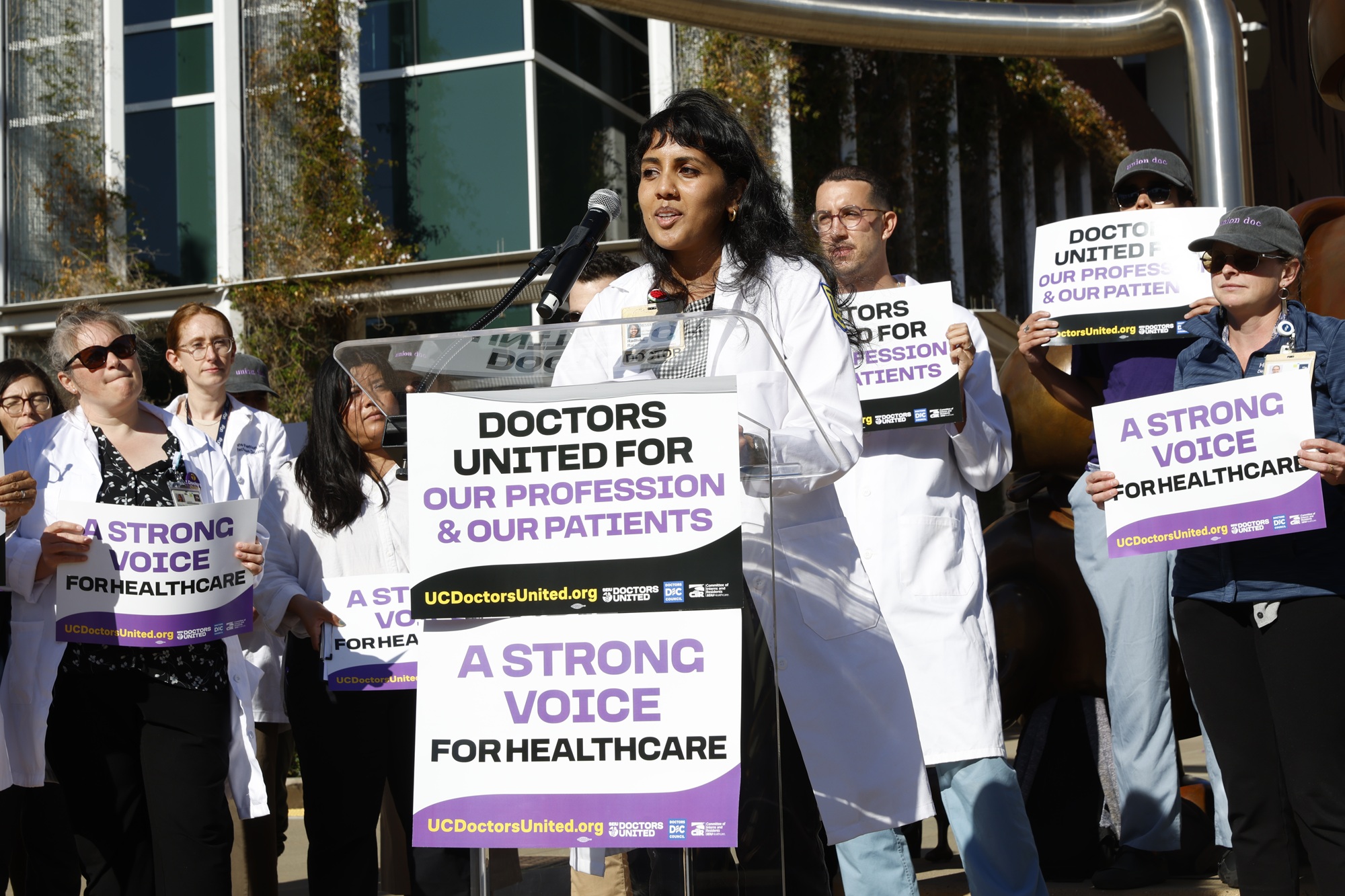
“The coalition followed our democratic processes, which is why the registrar is bringing this item forward to us,” Fortunato Bas said. “We should honor the will of those voters and place this on the ballot in November.”
During the lengthy and at times contentious meeting, Board President Haubert sparred with worker advocates in pink “Alameda County $30 living wage for all” T-shirts. He threatened to clear the room and at one point, called for a brief recess.
Micole Edwards, a single parent of three, was one in a long line of people telling supervisors that workers urgently need higher wages to continue living in the county.
“Poverty simply says we don’t have enough,” Edwards said. “I have one child. Her father is dead due to poverty. I have another child. Her dad is incarcerated, facing 10 to life because of poverty.”
“I really beg you, please push this forward now,” she said.
Living Wage for All also submitted signatures for a similar measure in Oakland that has yet to be certified. The nationwide alliance pointed to a study by Movement Economics that suggested more than 182,000 workers in Alameda County — about one in five — would get a raise, while the number of jobs would grow, although the findings were questioned by small business owners at the meeting.
“Workers do not need another study to tell them that their wages are too low to afford groceries and rent,” the Alameda County Living Wage for All Steering Committee said in a statement. “Yesterday’s procedural vote will not prevent a living wage for all from reaching the ballot in Alameda County. It simply means voters will pass these critical reforms in the next election.”
In recent years, California has tried to boost pay for struggling working people. Lawmakers mandated a wage hike for most fast food restaurant employees to at least $20 an hour in 2024, as well as additional raises for the lowest-paid healthcare workers. But that same year, voters turned down a ballot initiative that would have pushed the statewide minimum wage to $18 an hour, amid inflation concerns.
The fast food and healthcare industries have since seemingly absorbed the higher payroll costs, but economists debate the extent of the move’s impact on jobs, working hours and consumer prices.