A Hayward Man Died in a Philippine Military Operation. Members of Congress Want Answers
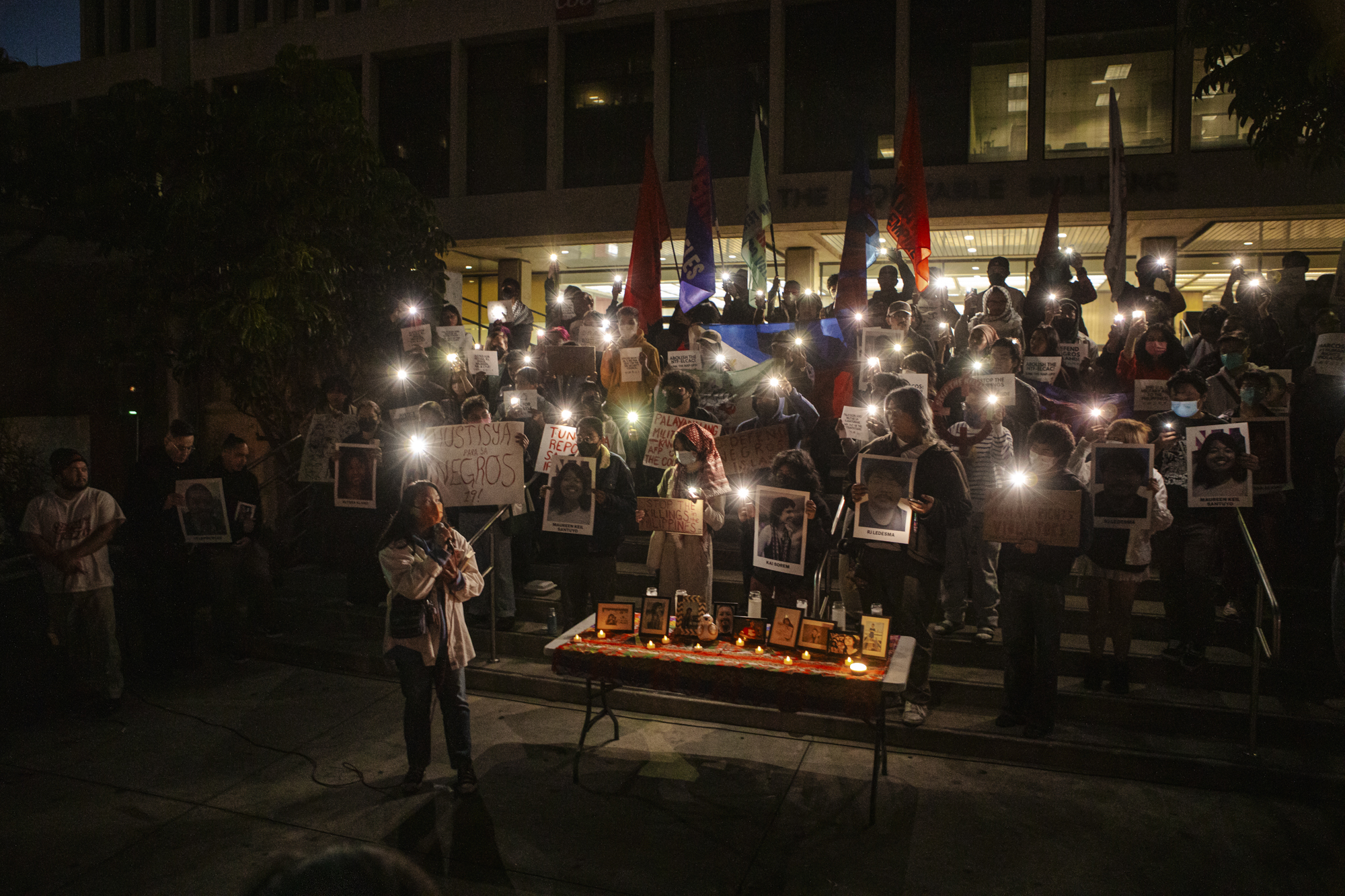
Hayward resident Lyle Prijoles was 40 years old when he was killed in a military operation in the Philippines, along with 18 other people.
Lyle spent years traveling to the Philippines to document the conditions impacting rural farming communities. In April, he went to Negros Occidental, planning to stay for about three months and live among sugarcane workers. On April 19, he was killed there in a Philippine Army operation. Another American, 26-year-old Kai Sorem of Seattle, was also killed.
Three months later, in a letter delivered to Philippine Ambassador Jose Manuel Romualdez, U.S. Rep. Pramila Jayapal, D-Seattle, and 10 other members of Congress urged the Philippine government to ensure an “independent, impartial, and credible” inquiry into the killings.
What exactly happened in Toboso remains disputed. According to reporting by the Associated Press, the Philippine government’s National Task Force to End Local Communist Armed Conflict suspected those 19 people to be part of the New People’s Army — the armed wing of the Philippines’ communist insurgency.
The 79th Infantry Battalion of the Philippine Army’s 3rd Infantry Division carried out the operation, according to Troy Osaki with the People’s Lawyers of the Philippines. Osaki added that reports indicate up to nine of those killed were civilians, including a local journalist, a university student, two land rights activists and two minors.
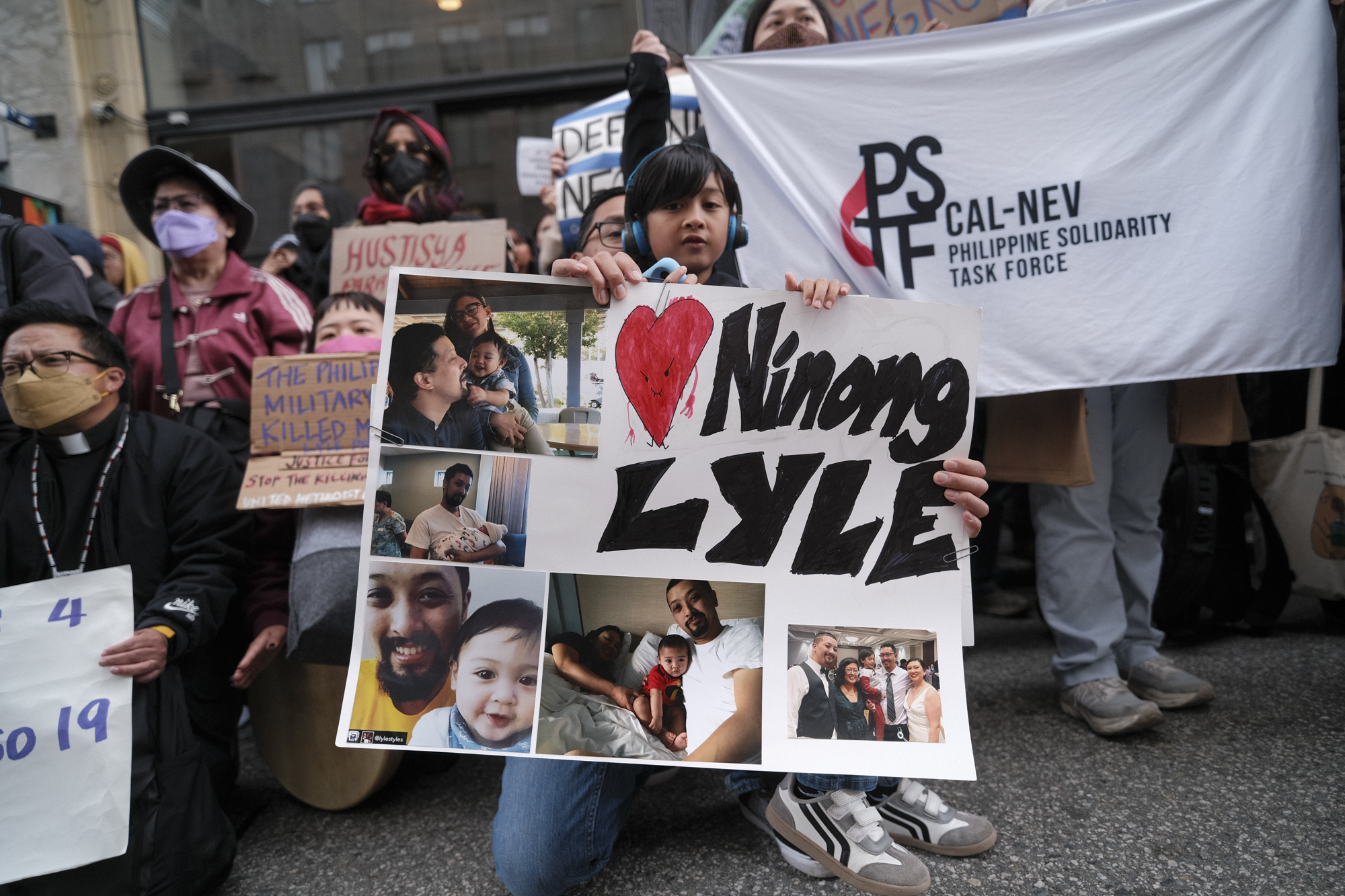
Sen. Adam Schiff signed the July 21 letter, along with Sens. Jeff Merkley, Chris Van Hollen and eight U.S. House members. Families of both Prijoles and Sorem, along with human rights lawyers and union members, held an online press conference on Thursday to push the letter into public view.
Human rights organizations, including the International Coalition for Human Rights in the Philippines, BAYAN USA and Malaya Movement USA, described the operation as a “massacre executed by the Armed Forces of the Philippines who conducted indiscriminate firing.”
The Philippine Commission on Human Rights opened its own investigation on April 26, citing “inconsistencies in the identities of those dead” and reports that more than a hundred families were displaced.
Prijoles was the youngest of three siblings in a family that settled in San Diego. He followed his sister, Lily, to the Bay Area and enrolled at San Francisco State University, where he joined the League of Filipino Students on campus. He also worked as a box office manager at Bindlestiff Studio, a Filipino American theater in San Francisco.
The family first traveled to the Philippines together in 2000, Lily told KQED. “He just wanted to make the Philippines a better place,” she said.

She rejects any suggestion that her brother wandered into something he did not understand.
“This is the work he dedicated his heart to,” she said. “He understood the sacrifice he might have to make.”
The family learned of his death two days after it happened, when Lyle’s wife got word through Filipino community organizations. She then drove from Union City to Lily’s home in Hercules at 3 a.m, to deliver the news of Lyle’s passing.
Lily and her sister-in-law flew to the Philippines to identify and claim his body.
“Our family has come to terms that we will never get the type of justice found with a jury and a judge or even jail time,” she said at the press conference. “The Philippine Army should not be shooting at civilians and hiding their mistakes.”
International Longshore and Warehouse Union Local 10 passed a resolution condemning the Army’s actions in Negros, where sugar farmers have long organized. The resolution passed during ILWU Local 6’s strike at the C&H sugar refinery in Crockett, California, which sources sugar from Negros.
Negros produces more than 2 million metric tons of sugar a year, and the Crockett refinery sources close to 100,000 metric tons of it annually, according to Local 10’s resolution. The union passed it during a strike by Local 6 warehouse workers in Crockett that began June 15.
Jayapal’s letter argued that inquiry from within the Philippine government cannot stand on its own, pointing to a lack of cooperation from security forces and their refusal to hand over key evidence.
“We really cannot expect a fair and independent and thorough investigation from these agencies,” said AK Guillen, an attorney with the National Union of Peoples’ Lawyers in the Philippines, “because any investigation conducted by the Philippine government is spearheaded by the very same agencies leading the Philippine counterinsurgency campaign.”
Both families describe a chaotic recovery. Lily Prijoles said relatives were told that if her brother’s body remained unclaimed, it would be placed in a mass grave, and that a local organizer was the only person permitted at the scene after two days of restricted access. She said her brother’s body had been dressed in a shirt that was not his, and that she was never able to obtain his clothing or belongings.
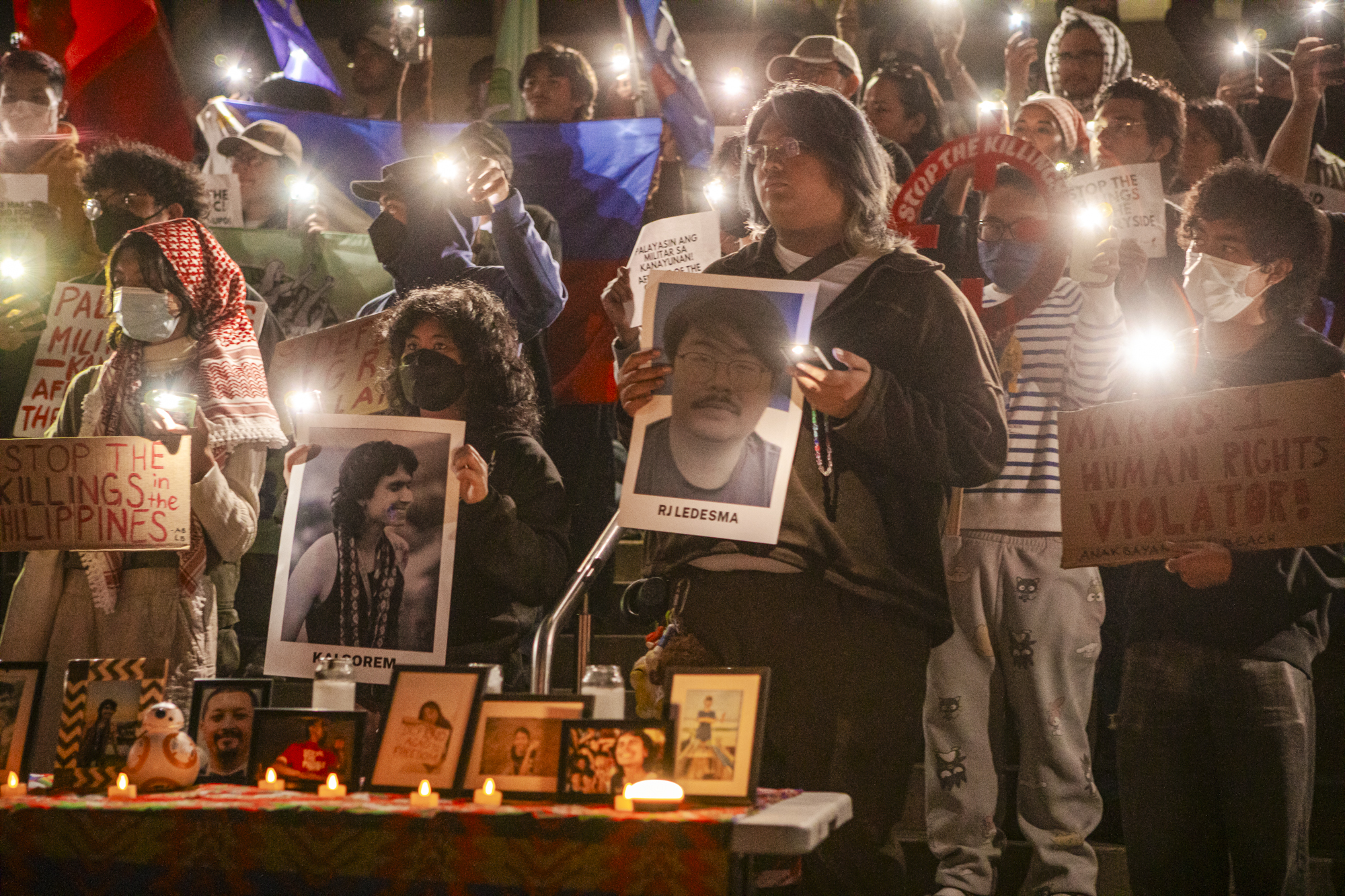
PJ Sorem, Kai’s sibling, said their sister’s body was wrapped in a sheet with no clothing when the family identified her. Both families confirmed that another family affected had received the wrong body entirely.
“Her humanity was stripped from her along with her clothes,” PJ Sorem said. Neither family says it received meaningful help from the U.S. government. Lily Prijoles said the embassy was “not much help.” PJ said the embassy in Manila made contact but misspelled the family’s name, and that community organizations and Filipino human rights lawyers did the work of locating the bodies and handling paperwork.
Independent investigators were denied access to the scene immediately after the killings, according to a statement from the Robert & Ethel Kennedy Human Rights Center, read at the press conference. Dr. Raquel Fortun, a forensic pathologist, conducted autopsies in April, at the request of victims’ relatives, presenting her initial findings on May 7. She said the bodies were decomposed, misidentified, left in water and missing clothing.
For Filipino Americans in the Bay Area, the case is not the first of its kind. Prijoles met
Brandon Lee, a San Francisco activist, in an Asian American studies class in 2004. Lee moved to the Philippines and was shot outside his home in 2019, an attack that left him quadriplegic..
Rev. Sadie Stone, pastor of Jones Memorial United Methodist Church in San Francisco and a friend of Prijoles for more than a decade, said she flew to Manila on May 12 to join an international fact-finding mission into the killings and was stopped at immigration, questioned about her human rights work and denied entry.
“I carry a Bible and a passport, not a weapon,” Stone said. “You shut out witnesses when you are afraid of what they will find.”
According to U.S. Embassy data, the Philippines is the largest recipient of U.S. military assistance in the Indo-Pacific region. Since 2015, it has received more than $1.14 billion (the equivalent of 57 billion Philippine pesos) in equipment, training and defense funding.
PJ said justice would mean answers through an impartial investigation, and an end to U.S. military funding of the Philippine armed forces.
For Lily, she said she wants to see actual evidence, including the shirt her brother was wearing when he was shot.
“We just want someone to acknowledge your family member matters,” she said.
KQED’s Carlos Cabrera-Lomelí contributed to this reporting.