window.__IS_SSR__=true
window.__INITIAL_STATE__={
"attachmentsReducer": {
"audio_0": {
"type": "attachments",
"id": "audio_0",
"imgSizes": {
"kqedFullSize": {
"file": "https://ww2.kqed.org/news/wp-content/themes/KQED-unified/img/audio_bgs/background0.jpg"
}
}
},
"audio_1": {
"type": "attachments",
"id": "audio_1",
"imgSizes": {
"kqedFullSize": {
"file": "https://ww2.kqed.org/news/wp-content/themes/KQED-unified/img/audio_bgs/background1.jpg"
}
}
},
"audio_2": {
"type": "attachments",
"id": "audio_2",
"imgSizes": {
"kqedFullSize": {
"file": "https://ww2.kqed.org/news/wp-content/themes/KQED-unified/img/audio_bgs/background2.jpg"
}
}
},
"audio_3": {
"type": "attachments",
"id": "audio_3",
"imgSizes": {
"kqedFullSize": {
"file": "https://ww2.kqed.org/news/wp-content/themes/KQED-unified/img/audio_bgs/background3.jpg"
}
}
},
"audio_4": {
"type": "attachments",
"id": "audio_4",
"imgSizes": {
"kqedFullSize": {
"file": "https://ww2.kqed.org/news/wp-content/themes/KQED-unified/img/audio_bgs/background4.jpg"
}
}
},
"placeholder": {
"type": "attachments",
"id": "placeholder",
"imgSizes": {
"thumbnail": {
"file": "https://cdn.kqed.org/wp-content/uploads/2024/12/KQED-Default-Image-816638274-2000x1333-1-160x107.jpg",
"width": 160,
"height": 107,
"mimeType": "image/jpeg"
},
"medium": {
"file": "https://cdn.kqed.org/wp-content/uploads/2024/12/KQED-Default-Image-816638274-2000x1333-1-800x533.jpg",
"width": 800,
"height": 533,
"mimeType": "image/jpeg"
},
"medium_large": {
"file": "https://cdn.kqed.org/wp-content/uploads/2024/12/KQED-Default-Image-816638274-2000x1333-1-768x512.jpg",
"width": 768,
"height": 512,
"mimeType": "image/jpeg"
},
"large": {
"file": "https://cdn.kqed.org/wp-content/uploads/2024/12/KQED-Default-Image-816638274-2000x1333-1-1020x680.jpg",
"width": 1020,
"height": 680,
"mimeType": "image/jpeg"
},
"1536x1536": {
"file": "https://cdn.kqed.org/wp-content/uploads/2024/12/KQED-Default-Image-816638274-2000x1333-1-1536x1024.jpg",
"width": 1536,
"height": 1024,
"mimeType": "image/jpeg"
},
"fd-lrg": {
"file": "https://cdn.kqed.org/wp-content/uploads/2024/12/KQED-Default-Image-816638274-2000x1333-1-1536x1024.jpg",
"width": 1536,
"height": 1024,
"mimeType": "image/jpeg"
},
"fd-med": {
"file": "https://cdn.kqed.org/wp-content/uploads/2024/12/KQED-Default-Image-816638274-2000x1333-1-1020x680.jpg",
"width": 1020,
"height": 680,
"mimeType": "image/jpeg"
},
"fd-sm": {
"file": "https://cdn.kqed.org/wp-content/uploads/2024/12/KQED-Default-Image-816638274-2000x1333-1-800x533.jpg",
"width": 800,
"height": 533,
"mimeType": "image/jpeg"
},
"post-thumbnail": {
"file": "https://cdn.kqed.org/wp-content/uploads/2024/12/KQED-Default-Image-816638274-2000x1333-1-672x372.jpg",
"width": 672,
"height": 372,
"mimeType": "image/jpeg"
},
"twentyfourteen-full-width": {
"file": "https://cdn.kqed.org/wp-content/uploads/2024/12/KQED-Default-Image-816638274-2000x1333-1-1038x576.jpg",
"width": 1038,
"height": 576,
"mimeType": "image/jpeg"
},
"xxsmall": {
"file": "https://cdn.kqed.org/wp-content/uploads/2024/12/KQED-Default-Image-816638274-2000x1333-1-160x107.jpg",
"width": 160,
"height": 107,
"mimeType": "image/jpeg"
},
"xsmall": {
"file": "https://cdn.kqed.org/wp-content/uploads/2024/12/KQED-Default-Image-816638274-2000x1333-1-672x372.jpg",
"width": 672,
"height": 372,
"mimeType": "image/jpeg"
},
"small": {
"file": "https://cdn.kqed.org/wp-content/uploads/2024/12/KQED-Default-Image-816638274-2000x1333-1-672x372.jpg",
"width": 672,
"height": 372,
"mimeType": "image/jpeg"
},
"xlarge": {
"file": "https://cdn.kqed.org/wp-content/uploads/2024/12/KQED-Default-Image-816638274-2000x1333-1-1020x680.jpg",
"width": 1020,
"height": 680,
"mimeType": "image/jpeg"
},
"full-width": {
"file": "https://cdn.kqed.org/wp-content/uploads/2024/12/KQED-Default-Image-816638274-2000x1333-1-1920x1280.jpg",
"width": 1920,
"height": 1280,
"mimeType": "image/jpeg"
},
"guest-author-32": {
"file": "https://cdn.kqed.org/wp-content/uploads/2025/01/KQED-Default-Image-816638274-1333x1333-1-160x160.jpg",
"width": 32,
"height": 32,
"mimeType": "image/jpeg"
},
"guest-author-50": {
"file": "https://cdn.kqed.org/wp-content/uploads/2025/01/KQED-Default-Image-816638274-1333x1333-1-160x160.jpg",
"width": 50,
"height": 50,
"mimeType": "image/jpeg"
},
"guest-author-64": {
"file": "https://cdn.kqed.org/wp-content/uploads/2025/01/KQED-Default-Image-816638274-1333x1333-1-160x160.jpg",
"width": 64,
"height": 64,
"mimeType": "image/jpeg"
},
"guest-author-96": {
"file": "https://cdn.kqed.org/wp-content/uploads/2025/01/KQED-Default-Image-816638274-1333x1333-1-160x160.jpg",
"width": 96,
"height": 96,
"mimeType": "image/jpeg"
},
"guest-author-128": {
"file": "https://cdn.kqed.org/wp-content/uploads/2025/01/KQED-Default-Image-816638274-1333x1333-1-160x160.jpg",
"width": 128,
"height": 128,
"mimeType": "image/jpeg"
},
"detail": {
"file": "https://cdn.kqed.org/wp-content/uploads/2025/01/KQED-Default-Image-816638274-1333x1333-1-160x160.jpg",
"width": 160,
"height": 160,
"mimeType": "image/jpeg"
},
"kqedFullSize": {
"file": "https://cdn.kqed.org/wp-content/uploads/2024/12/KQED-Default-Image-816638274-2000x1333-1.jpg",
"width": 2000,
"height": 1333
}
}
},
"news_12065558": {
"type": "attachments",
"id": "news_12065558",
"meta": {
"index": "attachments_1716263798",
"site": "news",
"id": "12065558",
"found": true
},
"title": "National Guard Shooting",
"publishDate": 1764202109,
"status": "inherit",
"parent": 12065556,
"modified": 1764204277,
"caption": "National Guard patrols on the National Mall near the U.S. Capitol, Wednesday, Nov. 26, 2025, in Washington. ",
"credit": "AP Photo/Rahmat Gul",
"altTag": null,
"description": null,
"imgSizes": {
"medium": {
"file": "https://cdn.kqed.org/wp-content/uploads/sites/10/2025/11/AP25330800211311-2000x1333.jpg",
"width": 2000,
"height": 1333,
"mimeType": "image/jpeg"
},
"large": {
"file": "https://cdn.kqed.org/wp-content/uploads/sites/10/2025/11/AP25330800211311-2000x1333.jpg",
"width": 2000,
"height": 1333,
"mimeType": "image/jpeg"
},
"thumbnail": {
"file": "https://cdn.kqed.org/wp-content/uploads/sites/10/2025/11/AP25330800211311-160x107.jpg",
"width": 160,
"height": 107,
"mimeType": "image/jpeg"
},
"1536x1536": {
"file": "https://cdn.kqed.org/wp-content/uploads/sites/10/2025/11/AP25330800211311-1536x1024.jpg",
"width": 1536,
"height": 1024,
"mimeType": "image/jpeg"
},
"2048x2048": {
"file": "https://cdn.kqed.org/wp-content/uploads/sites/10/2025/11/AP25330800211311-2048x1365.jpg",
"width": 2048,
"height": 1365,
"mimeType": "image/jpeg"
},
"post-thumbnail": {
"file": "https://cdn.kqed.org/wp-content/uploads/sites/10/2025/11/AP25330800211311-672x372.jpg",
"width": 672,
"height": 372,
"mimeType": "image/jpeg"
},
"twentyfourteen-full-width": {
"file": "https://cdn.kqed.org/wp-content/uploads/sites/10/2025/11/AP25330800211311-1038x576.jpg",
"width": 1038,
"height": 576,
"mimeType": "image/jpeg"
},
"full-width": {
"file": "https://cdn.kqed.org/wp-content/uploads/sites/10/2025/11/AP25330800211311-2000x1333.jpg",
"width": 2000,
"height": 1333,
"mimeType": "image/jpeg"
},
"npr-cds-wide": {
"file": "https://cdn.kqed.org/wp-content/uploads/sites/10/2025/11/AP25330800211311-1200x675.jpg",
"width": 1200,
"height": 675,
"mimeType": "image/jpeg"
},
"kqedFullSize": {
"file": "https://cdn.kqed.org/wp-content/uploads/sites/10/2025/11/AP25330800211311-scaled-e1764202146303.jpg",
"width": 2000,
"height": 1334
}
},
"isLoading": false,
"fetchFailed": false
},
"news_12064105": {
"type": "attachments",
"id": "news_12064105",
"meta": {
"index": "attachments_1716263798",
"site": "news",
"id": "12064105",
"found": true
},
"title": "Daisy1",
"publishDate": 1763141260,
"status": "inherit",
"parent": 12063796,
"modified": 1763141300,
"caption": "A shuttered Head Start center.",
"credit": "Daisy Nguyen/KQED",
"altTag": null,
"description": null,
"imgSizes": {
"thumbnail": {
"file": "https://cdn.kqed.org/wp-content/uploads/sites/10/2025/11/Daisy1-160x120.jpg",
"width": 160,
"height": 120,
"mimeType": "image/jpeg"
},
"1536x1536": {
"file": "https://cdn.kqed.org/wp-content/uploads/sites/10/2025/11/Daisy1-1536x1152.jpg",
"width": 1536,
"height": 1152,
"mimeType": "image/jpeg"
},
"post-thumbnail": {
"file": "https://cdn.kqed.org/wp-content/uploads/sites/10/2025/11/Daisy1-672x372.jpg",
"width": 672,
"height": 372,
"mimeType": "image/jpeg"
},
"twentyfourteen-full-width": {
"file": "https://cdn.kqed.org/wp-content/uploads/sites/10/2025/11/Daisy1-1038x576.jpg",
"width": 1038,
"height": 576,
"mimeType": "image/jpeg"
},
"npr-cds-wide": {
"file": "https://cdn.kqed.org/wp-content/uploads/sites/10/2025/11/Daisy1-1200x675.jpg",
"width": 1200,
"height": 675,
"mimeType": "image/jpeg"
},
"kqedFullSize": {
"file": "https://cdn.kqed.org/wp-content/uploads/sites/10/2025/11/Daisy1.jpg",
"width": 2000,
"height": 1500
}
},
"isLoading": false,
"fetchFailed": false
},
"news_12065387": {
"type": "attachments",
"id": "news_12065387",
"meta": {
"index": "attachments_1716263798",
"site": "news",
"id": "12065387",
"found": true
},
"title": "251124-SJHUDCUTS-JG-05-KQED",
"publishDate": 1764111364,
"status": "inherit",
"parent": 0,
"modified": 1764111398,
"caption": "Kaytana Alvarido, center, with her son Lucius and her husband Alberto Barragan, speaks during a press conference in San José about changes to a federal housing program’s funding by the Trump administration on Nov. 24, 2025, shortly before moving into a new, affordable apartment complex.",
"credit": "Joseph Geha/KQED",
"altTag": null,
"description": null,
"imgSizes": {
"thumbnail": {
"file": "https://cdn.kqed.org/wp-content/uploads/sites/10/2025/11/251124-SJHUDCUTS-JG-05-KQED-160x107.jpg",
"width": 160,
"height": 107,
"mimeType": "image/jpeg"
},
"1536x1536": {
"file": "https://cdn.kqed.org/wp-content/uploads/sites/10/2025/11/251124-SJHUDCUTS-JG-05-KQED-1536x1024.jpg",
"width": 1536,
"height": 1024,
"mimeType": "image/jpeg"
},
"post-thumbnail": {
"file": "https://cdn.kqed.org/wp-content/uploads/sites/10/2025/11/251124-SJHUDCUTS-JG-05-KQED-672x372.jpg",
"width": 672,
"height": 372,
"mimeType": "image/jpeg"
},
"twentyfourteen-full-width": {
"file": "https://cdn.kqed.org/wp-content/uploads/sites/10/2025/11/251124-SJHUDCUTS-JG-05-KQED-1038x576.jpg",
"width": 1038,
"height": 576,
"mimeType": "image/jpeg"
},
"npr-cds-wide": {
"file": "https://cdn.kqed.org/wp-content/uploads/sites/10/2025/11/251124-SJHUDCUTS-JG-05-KQED-1200x675.jpg",
"width": 1200,
"height": 675,
"mimeType": "image/jpeg"
},
"kqedFullSize": {
"file": "https://cdn.kqed.org/wp-content/uploads/sites/10/2025/11/251124-SJHUDCUTS-JG-05-KQED.jpg",
"width": 2000,
"height": 1333
}
},
"isLoading": false,
"fetchFailed": false
},
"news_12064468": {
"type": "attachments",
"id": "news_12064468",
"meta": {
"index": "attachments_1716263798",
"site": "news",
"id": "12064468",
"found": true
},
"title": "251113-SNAPdelaysfeature01143_TV_qed",
"publishDate": 1763421252,
"status": "inherit",
"parent": 0,
"modified": 1763659404,
"caption": "Trozalla Smith rides the 96 bus while holding a loaf of bread in Alameda on Friday, Nov. 14, 2025. The government shutdown has delayed the distribution of SNAP benefits to recipients such as Ana Hoover and Trozalla Smith, who have had to turn to food pantries as an alternative.",
"credit": "Tâm Vũ/KQED",
"altTag": null,
"description": null,
"imgSizes": {
"thumbnail": {
"file": "https://cdn.kqed.org/wp-content/uploads/sites/10/2025/11/251113-SNAPdelaysfeature01143_TV_qed-160x107.jpg",
"width": 160,
"height": 107,
"mimeType": "image/jpeg"
},
"1536x1536": {
"file": "https://cdn.kqed.org/wp-content/uploads/sites/10/2025/11/251113-SNAPdelaysfeature01143_TV_qed-1536x1024.jpg",
"width": 1536,
"height": 1024,
"mimeType": "image/jpeg"
},
"post-thumbnail": {
"file": "https://cdn.kqed.org/wp-content/uploads/sites/10/2025/11/251113-SNAPdelaysfeature01143_TV_qed-672x372.jpg",
"width": 672,
"height": 372,
"mimeType": "image/jpeg"
},
"twentyfourteen-full-width": {
"file": "https://cdn.kqed.org/wp-content/uploads/sites/10/2025/11/251113-SNAPdelaysfeature01143_TV_qed-1038x576.jpg",
"width": 1038,
"height": 576,
"mimeType": "image/jpeg"
},
"npr-cds-wide": {
"file": "https://cdn.kqed.org/wp-content/uploads/sites/10/2025/11/251113-SNAPdelaysfeature01143_TV_qed-1200x675.jpg",
"width": 1200,
"height": 675,
"mimeType": "image/jpeg"
},
"kqedFullSize": {
"file": "https://cdn.kqed.org/wp-content/uploads/sites/10/2025/11/251113-SNAPdelaysfeature01143_TV_qed.jpg",
"width": 1999,
"height": 1333
}
},
"isLoading": false,
"fetchFailed": false
},
"news_11902344": {
"type": "attachments",
"id": "news_11902344",
"meta": {
"index": "attachments_1716263798",
"site": "news",
"id": "11902344",
"found": true
},
"title": "IMG_4486",
"publishDate": 1642797019,
"status": "inherit",
"parent": 11902290,
"modified": 1764031599,
"caption": "People line up to go through security at 630 Sansome St. in San Francisco on Dec. 15, 2021, where the Executive Office for Immigration Review holds hearings for immigrants held in detention.",
"credit": "Tyche Hendricks/KQED",
"altTag": "People stand in line outside of a court building.",
"description": null,
"imgSizes": {
"medium": {
"file": "https://cdn.kqed.org/wp-content/uploads/sites/10/2022/01/IMG_4486-800x600.jpeg",
"width": 800,
"height": 600,
"mimeType": "image/jpeg"
},
"large": {
"file": "https://cdn.kqed.org/wp-content/uploads/sites/10/2022/01/IMG_4486-1020x765.jpeg",
"width": 1020,
"height": 765,
"mimeType": "image/jpeg"
},
"thumbnail": {
"file": "https://cdn.kqed.org/wp-content/uploads/sites/10/2022/01/IMG_4486-160x120.jpeg",
"width": 160,
"height": 120,
"mimeType": "image/jpeg"
},
"1536x1536": {
"file": "https://cdn.kqed.org/wp-content/uploads/sites/10/2022/01/IMG_4486-1536x1152.jpeg",
"width": 1536,
"height": 1152,
"mimeType": "image/jpeg"
},
"2048x2048": {
"file": "https://cdn.kqed.org/wp-content/uploads/sites/10/2022/01/IMG_4486-2048x1536.jpeg",
"width": 2048,
"height": 1536,
"mimeType": "image/jpeg"
},
"post-thumbnail": {
"file": "https://cdn.kqed.org/wp-content/uploads/sites/10/2022/01/IMG_4486-672x372.jpeg",
"width": 672,
"height": 372,
"mimeType": "image/jpeg"
},
"twentyfourteen-full-width": {
"file": "https://cdn.kqed.org/wp-content/uploads/sites/10/2022/01/IMG_4486-1038x576.jpeg",
"width": 1038,
"height": 576,
"mimeType": "image/jpeg"
},
"full-width": {
"file": "https://cdn.kqed.org/wp-content/uploads/sites/10/2022/01/IMG_4486-1920x1440.jpeg",
"width": 1920,
"height": 1440,
"mimeType": "image/jpeg"
},
"kqedFullSize": {
"file": "https://cdn.kqed.org/wp-content/uploads/sites/10/2022/01/IMG_4486-scaled-e1642797113744.jpeg",
"width": 1920,
"height": 1440
}
},
"isLoading": false,
"fetchFailed": false
},
"news_12064810": {
"type": "attachments",
"id": "news_12064810",
"meta": {
"index": "attachments_1716263798",
"site": "news",
"id": "12064810",
"found": true
},
"title": "U.S. Customs and Border Protection Agent",
"publishDate": 1763595140,
"status": "inherit",
"parent": 12064801,
"modified": 1763595174,
"caption": "A U.S. Customs and Border Protection logo is seen on a vest worn by an agent at MCAS Miramar on Sept. 26, 2025, in San Diego, California.",
"credit": "Kevin Carter/Getty Images",
"altTag": null,
"description": null,
"imgSizes": {
"thumbnail": {
"file": "https://cdn.kqed.org/wp-content/uploads/sites/10/2025/11/ICEGetty-160x107.jpg",
"width": 160,
"height": 107,
"mimeType": "image/jpeg"
},
"1536x1536": {
"file": "https://cdn.kqed.org/wp-content/uploads/sites/10/2025/11/ICEGetty-1536x1024.jpg",
"width": 1536,
"height": 1024,
"mimeType": "image/jpeg"
},
"post-thumbnail": {
"file": "https://cdn.kqed.org/wp-content/uploads/sites/10/2025/11/ICEGetty-672x372.jpg",
"width": 672,
"height": 372,
"mimeType": "image/jpeg"
},
"twentyfourteen-full-width": {
"file": "https://cdn.kqed.org/wp-content/uploads/sites/10/2025/11/ICEGetty-1038x576.jpg",
"width": 1038,
"height": 576,
"mimeType": "image/jpeg"
},
"npr-cds-wide": {
"file": "https://cdn.kqed.org/wp-content/uploads/sites/10/2025/11/ICEGetty-1200x675.jpg",
"width": 1200,
"height": 675,
"mimeType": "image/jpeg"
},
"kqedFullSize": {
"file": "https://cdn.kqed.org/wp-content/uploads/sites/10/2025/11/ICEGetty.jpg",
"width": 2000,
"height": 1333
}
},
"isLoading": false,
"fetchFailed": false
},
"news_12035639": {
"type": "attachments",
"id": "news_12035639",
"meta": {
"index": "attachments_1716263798",
"site": "news",
"id": "12035639",
"found": true
},
"title": "Trump Administration Reciprocal Tariffs Affect Goods Around The World",
"publishDate": 1744391742,
"status": "inherit",
"parent": 12035636,
"modified": 1744391759,
"caption": "OAKLAND, CALIFORNIA - APRIL 09: In an aerial view, shipping containers are seen stacked on a dock at the Port of Oakland on April 09, 2025 in Oakland, California. (Photo by Justin Sullivan/Getty Images)",
"credit": null,
"altTag": null,
"description": null,
"imgSizes": {
"medium": {
"file": "https://cdn.kqed.org/wp-content/uploads/sites/10/2025/04/GettyImages-2209401664-800x563.jpg",
"width": 800,
"height": 563,
"mimeType": "image/jpeg"
},
"large": {
"file": "https://cdn.kqed.org/wp-content/uploads/sites/10/2025/04/GettyImages-2209401664-1020x718.jpg",
"width": 1020,
"height": 718,
"mimeType": "image/jpeg"
},
"thumbnail": {
"file": "https://cdn.kqed.org/wp-content/uploads/sites/10/2025/04/GettyImages-2209401664-160x113.jpg",
"width": 160,
"height": 113,
"mimeType": "image/jpeg"
},
"1536x1536": {
"file": "https://cdn.kqed.org/wp-content/uploads/sites/10/2025/04/GettyImages-2209401664-1536x1081.jpg",
"width": 1536,
"height": 1081,
"mimeType": "image/jpeg"
},
"2048x2048": {
"file": "https://cdn.kqed.org/wp-content/uploads/sites/10/2025/04/GettyImages-2209401664-2048x1441.jpg",
"width": 2048,
"height": 1441,
"mimeType": "image/jpeg"
},
"post-thumbnail": {
"file": "https://cdn.kqed.org/wp-content/uploads/sites/10/2025/04/GettyImages-2209401664-672x372.jpg",
"width": 672,
"height": 372,
"mimeType": "image/jpeg"
},
"twentyfourteen-full-width": {
"file": "https://cdn.kqed.org/wp-content/uploads/sites/10/2025/04/GettyImages-2209401664-1038x576.jpg",
"width": 1038,
"height": 576,
"mimeType": "image/jpeg"
},
"full-width": {
"file": "https://cdn.kqed.org/wp-content/uploads/sites/10/2025/04/GettyImages-2209401664-1920x1351.jpg",
"width": 1920,
"height": 1351,
"mimeType": "image/jpeg"
},
"kqedFullSize": {
"file": "https://cdn.kqed.org/wp-content/uploads/sites/10/2025/04/GettyImages-2209401664-scaled.jpg",
"width": 2560,
"height": 1801
}
},
"isLoading": false,
"fetchFailed": false
},
"news_11963529": {
"type": "attachments",
"id": "news_11963529",
"meta": {
"index": "attachments_1716263798",
"site": "news",
"id": "11963529",
"found": true
},
"title": "18 wheeler semi truck on road at sunrise",
"publishDate": 1696525955,
"status": "inherit",
"parent": 11963514,
"modified": 1763164813,
"caption": "A semitrailer on a freeway.",
"credit": "Getty Images",
"altTag": "A semitrailer on a freeway.",
"description": null,
"imgSizes": {
"medium": {
"file": "https://cdn.kqed.org/wp-content/uploads/sites/10/2023/10/231005-TRUCK-GETTY-KQED-800x534.jpg",
"width": 800,
"height": 534,
"mimeType": "image/jpeg"
},
"large": {
"file": "https://cdn.kqed.org/wp-content/uploads/sites/10/2023/10/231005-TRUCK-GETTY-KQED-1020x680.jpg",
"width": 1020,
"height": 680,
"mimeType": "image/jpeg"
},
"thumbnail": {
"file": "https://cdn.kqed.org/wp-content/uploads/sites/10/2023/10/231005-TRUCK-GETTY-KQED-160x107.jpg",
"width": 160,
"height": 107,
"mimeType": "image/jpeg"
},
"1536x1536": {
"file": "https://cdn.kqed.org/wp-content/uploads/sites/10/2023/10/231005-TRUCK-GETTY-KQED-1536x1025.jpg",
"width": 1536,
"height": 1025,
"mimeType": "image/jpeg"
},
"post-thumbnail": {
"file": "https://cdn.kqed.org/wp-content/uploads/sites/10/2023/10/231005-TRUCK-GETTY-KQED-672x372.jpg",
"width": 672,
"height": 372,
"mimeType": "image/jpeg"
},
"twentyfourteen-full-width": {
"file": "https://cdn.kqed.org/wp-content/uploads/sites/10/2023/10/231005-TRUCK-GETTY-KQED-1038x576.jpg",
"width": 1038,
"height": 576,
"mimeType": "image/jpeg"
},
"full-width": {
"file": "https://cdn.kqed.org/wp-content/uploads/sites/10/2023/10/231005-TRUCK-GETTY-KQED-1920x1281.jpg",
"width": 1920,
"height": 1281,
"mimeType": "image/jpeg"
},
"kqedFullSize": {
"file": "https://cdn.kqed.org/wp-content/uploads/sites/10/2023/10/231005-TRUCK-GETTY-KQED.jpg",
"width": 2000,
"height": 1334
}
},
"isLoading": false,
"fetchFailed": false
},
"news_12064086": {
"type": "attachments",
"id": "news_12064086",
"meta": {
"index": "attachments_1716263798",
"site": "news",
"id": "12064086",
"found": true
},
"title": "Election 2025 Redistricting California",
"publishDate": 1763081131,
"status": "inherit",
"parent": 12064030,
"modified": 1763081171,
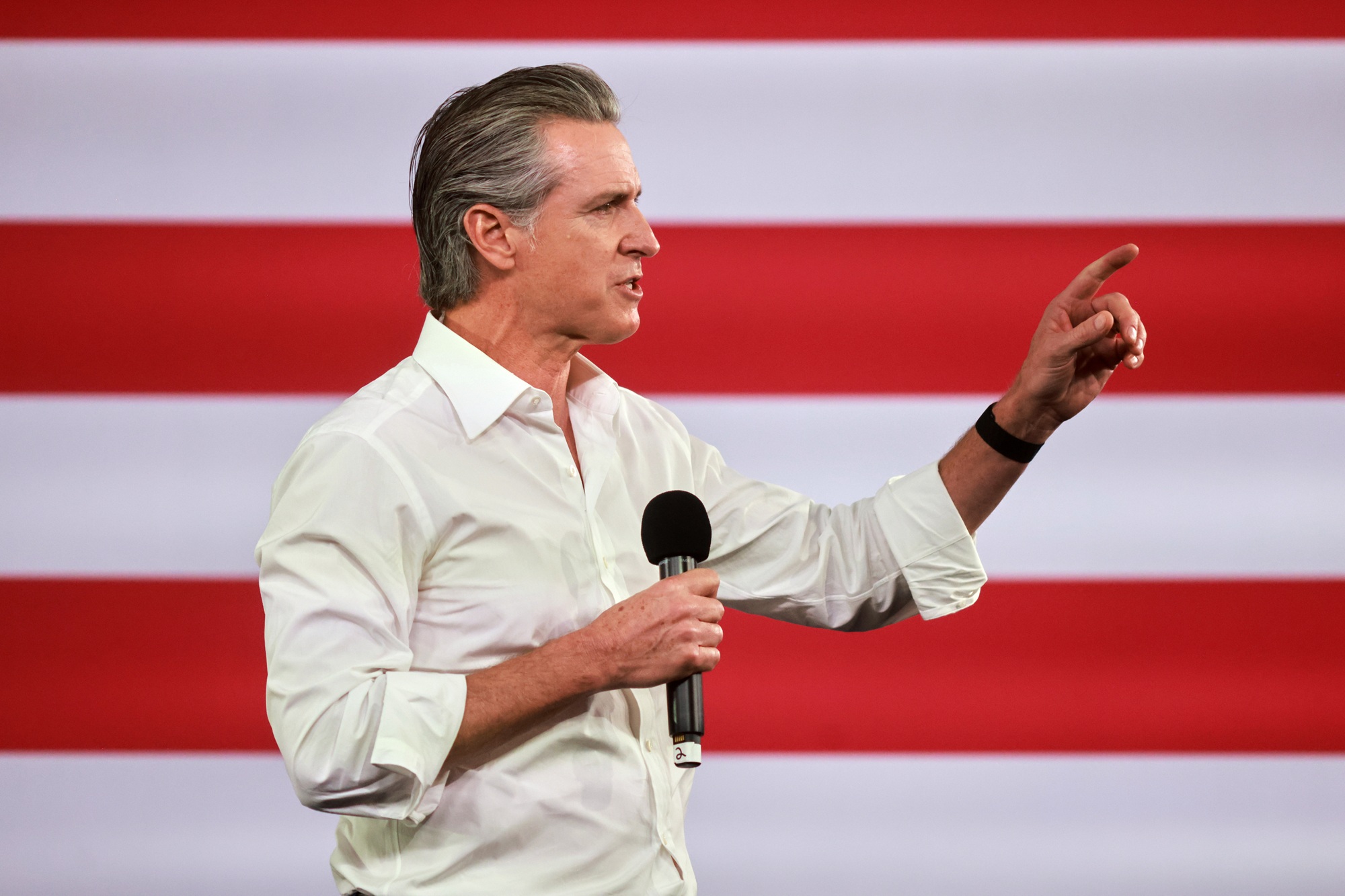
"caption": "Gov. Gavin Newsom speaks during a campaign event on Proposition 50 on Nov. 1, 2025, in Los Angeles, California.",
"credit": "Ethan Swope/AP Photo",
"altTag": null,
"description": null,
"imgSizes": {
"thumbnail": {
"file": "https://cdn.kqed.org/wp-content/uploads/sites/10/2025/11/GavinNewsomProp50AP-160x107.jpg",
"width": 160,
"height": 107,
"mimeType": "image/jpeg"
},
"1536x1536": {
"file": "https://cdn.kqed.org/wp-content/uploads/sites/10/2025/11/GavinNewsomProp50AP-1536x1024.jpg",
"width": 1536,
"height": 1024,
"mimeType": "image/jpeg"
},
"post-thumbnail": {
"file": "https://cdn.kqed.org/wp-content/uploads/sites/10/2025/11/GavinNewsomProp50AP-672x372.jpg",
"width": 672,
"height": 372,
"mimeType": "image/jpeg"
},
"twentyfourteen-full-width": {
"file": "https://cdn.kqed.org/wp-content/uploads/sites/10/2025/11/GavinNewsomProp50AP-1038x576.jpg",
"width": 1038,
"height": 576,
"mimeType": "image/jpeg"
},
"npr-cds-wide": {
"file": "https://cdn.kqed.org/wp-content/uploads/sites/10/2025/11/GavinNewsomProp50AP-1200x675.jpg",
"width": 1200,
"height": 675,
"mimeType": "image/jpeg"
},
"kqedFullSize": {
"file": "https://cdn.kqed.org/wp-content/uploads/sites/10/2025/11/GavinNewsomProp50AP.jpg",
"width": 2000,
"height": 1333
}
},
"isLoading": false,
"fetchFailed": false
},
"news_12064027": {
"type": "attachments",
"id": "news_12064027",
"meta": {
"index": "attachments_1716263798",
"site": "news",
"id": "12064027",
"found": true
},
"title": "Immigration Commentator Detained",
"publishDate": 1763070004,
"status": "inherit",
"parent": 12063851,
"modified": 1763070053,
"caption": "British political commentator Sami Hamdi speaks to the media in London on Thursday, Nov. 13, 2025, upon his return to the U.K. after he was arrested by Immigration and Customs Enforcement on Oct. 26, while on a speaking tour in the U.S.",
"credit": "Thomas Krych/AP Photo",
"altTag": null,
"description": null,
"imgSizes": {
"thumbnail": {
"file": "https://cdn.kqed.org/wp-content/uploads/sites/10/2025/11/SamiHamdiLondonAP-160x107.jpg",
"width": 160,
"height": 107,
"mimeType": "image/jpeg"
},
"1536x1536": {
"file": "https://cdn.kqed.org/wp-content/uploads/sites/10/2025/11/SamiHamdiLondonAP-1536x1024.jpg",
"width": 1536,
"height": 1024,
"mimeType": "image/jpeg"
},
"post-thumbnail": {
"file": "https://cdn.kqed.org/wp-content/uploads/sites/10/2025/11/SamiHamdiLondonAP-672x372.jpg",
"width": 672,
"height": 372,
"mimeType": "image/jpeg"
},
"twentyfourteen-full-width": {
"file": "https://cdn.kqed.org/wp-content/uploads/sites/10/2025/11/SamiHamdiLondonAP-1038x576.jpg",
"width": 1038,
"height": 576,
"mimeType": "image/jpeg"
},
"npr-cds-wide": {
"file": "https://cdn.kqed.org/wp-content/uploads/sites/10/2025/11/SamiHamdiLondonAP-1200x675.jpg",
"width": 1200,
"height": 675,
"mimeType": "image/jpeg"
},
"kqedFullSize": {
"file": "https://cdn.kqed.org/wp-content/uploads/sites/10/2025/11/SamiHamdiLondonAP.jpg",
"width": 2000,
"height": 1333
}
},
"isLoading": false,
"fetchFailed": false
},
"news_12064004": {
"type": "attachments",
"id": "news_12064004",
"meta": {
"index": "attachments_1716263798",
"site": "news",
"id": "12064004",
"found": true
},
"title": "082125_Redistricting-Newsom_MG_CM_20",
"publishDate": 1763064441,
"status": "inherit",
"parent": 12063984,
"modified": 1763064805,
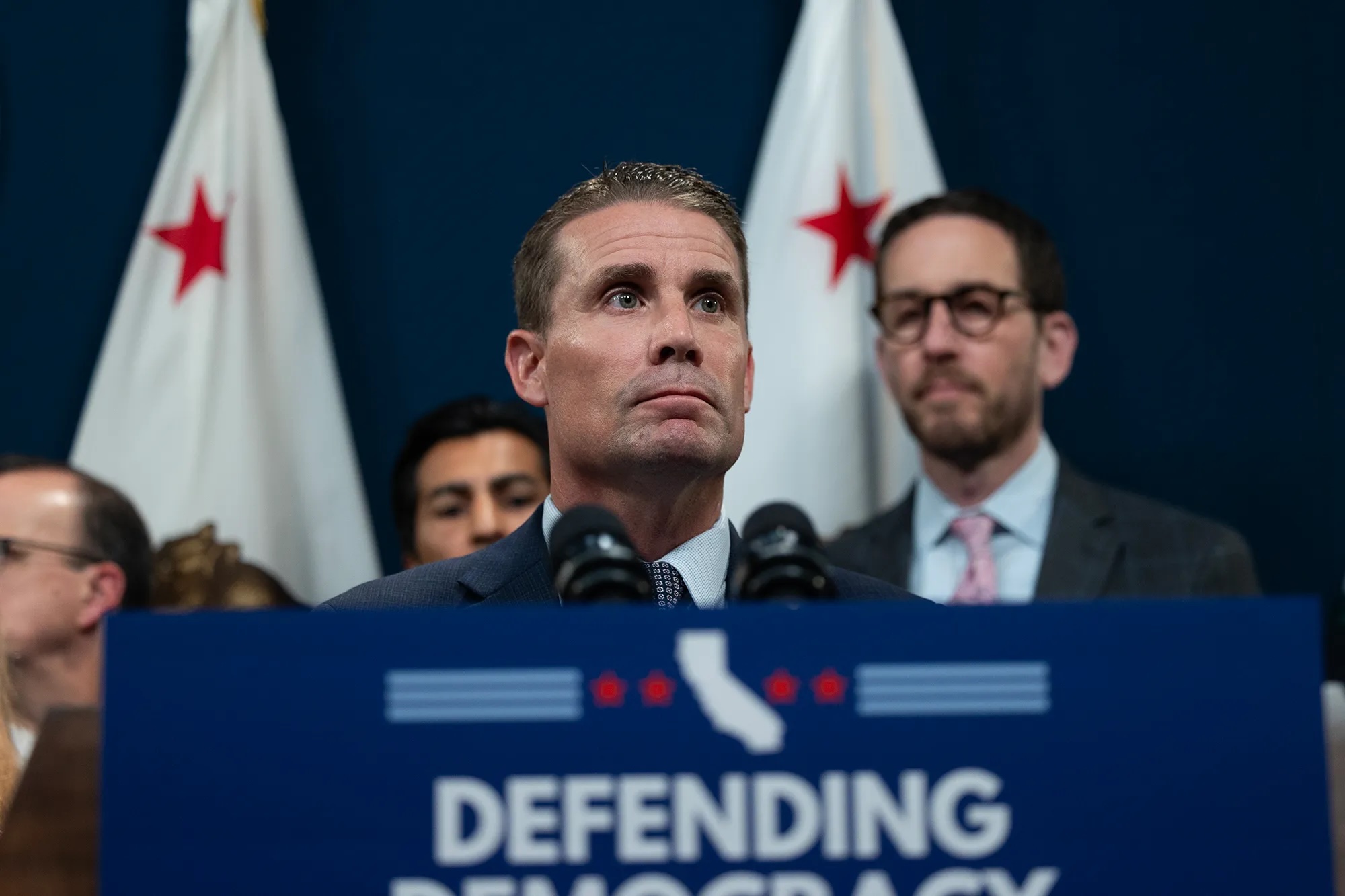
"caption": "Senate President Pro Tem Mike McGuire speaks during a press conference, before Gov. Gavin Newsom signs the Election Rigging Response Act in Sacramento on Aug. 21, 2025. ",
"credit": "Miguel Gutierrez Jr./CalMatters",
"altTag": null,
"description": null,
"imgSizes": {
"thumbnail": {
"file": "https://cdn.kqed.org/wp-content/uploads/sites/10/2025/11/082125_Redistricting-Newsom_MG_CM_20-160x107.jpg",
"width": 160,
"height": 107,
"mimeType": "image/jpeg"
},
"1536x1536": {
"file": "https://cdn.kqed.org/wp-content/uploads/sites/10/2025/11/082125_Redistricting-Newsom_MG_CM_20-1536x1024.jpg",
"width": 1536,
"height": 1024,
"mimeType": "image/jpeg"
},
"post-thumbnail": {
"file": "https://cdn.kqed.org/wp-content/uploads/sites/10/2025/11/082125_Redistricting-Newsom_MG_CM_20-672x372.jpg",
"width": 672,
"height": 372,
"mimeType": "image/jpeg"
},
"twentyfourteen-full-width": {
"file": "https://cdn.kqed.org/wp-content/uploads/sites/10/2025/11/082125_Redistricting-Newsom_MG_CM_20-1038x576.jpg",
"width": 1038,
"height": 576,
"mimeType": "image/jpeg"
},
"npr-cds-wide": {
"file": "https://cdn.kqed.org/wp-content/uploads/sites/10/2025/11/082125_Redistricting-Newsom_MG_CM_20-1200x675.jpg",
"width": 1200,
"height": 675,
"mimeType": "image/jpeg"
},
"kqedFullSize": {
"file": "https://cdn.kqed.org/wp-content/uploads/sites/10/2025/11/082125_Redistricting-Newsom_MG_CM_20.jpg",
"width": 2000,
"height": 1333
}
},
"isLoading": false,
"fetchFailed": false
},
"news_12063649": {
"type": "attachments",
"id": "news_12063649",
"meta": {
"index": "attachments_1716263798",
"site": "news",
"id": "12063649",
"found": true
},
"title": "Kaylee Jensen at Santa Clara University on Nov. 10., 2025.",
"publishDate": 1762807440,
"status": "inherit",
"parent": 0,
"modified": 1762842169,
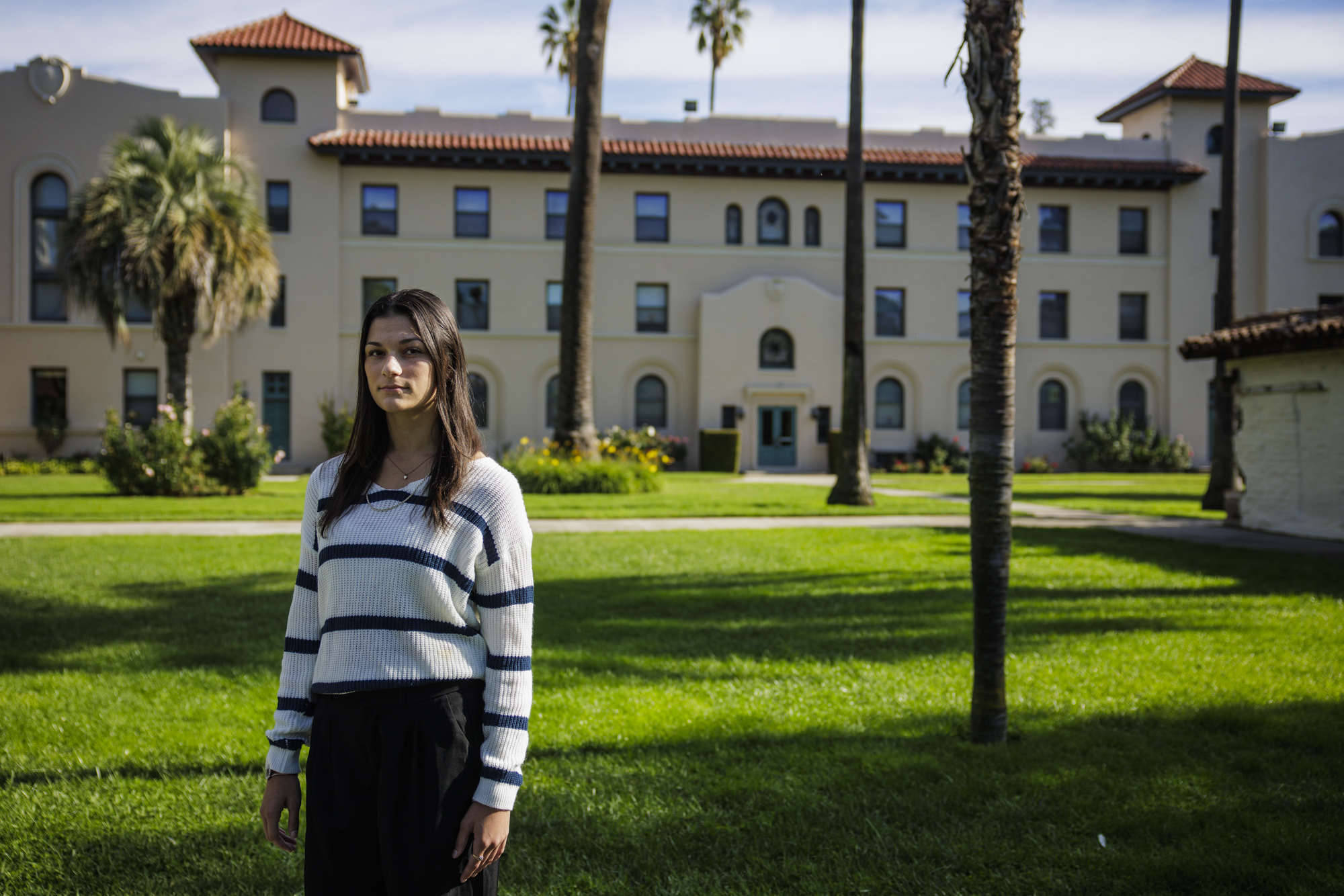
"caption": "Kaylee Jensen at Santa Clara University on Nov. 10, 2025.",
"credit": "Martin do Nascimento/KQED",
"altTag": null,
"description": null,
"imgSizes": {
"thumbnail": {
"file": "https://cdn.kqed.org/wp-content/uploads/sites/10/2025/11/251110-COLLEGE-STUDENTS-CALFRESH-MD-01-KQED-160x107.jpg",
"width": 160,
"height": 107,
"mimeType": "image/jpeg"
},
"1536x1536": {
"file": "https://cdn.kqed.org/wp-content/uploads/sites/10/2025/11/251110-COLLEGE-STUDENTS-CALFRESH-MD-01-KQED-1536x1025.jpg",
"width": 1536,
"height": 1025,
"mimeType": "image/jpeg"
},
"post-thumbnail": {
"file": "https://cdn.kqed.org/wp-content/uploads/sites/10/2025/11/251110-COLLEGE-STUDENTS-CALFRESH-MD-01-KQED-672x372.jpg",
"width": 672,
"height": 372,
"mimeType": "image/jpeg"
},
"twentyfourteen-full-width": {
"file": "https://cdn.kqed.org/wp-content/uploads/sites/10/2025/11/251110-COLLEGE-STUDENTS-CALFRESH-MD-01-KQED-1038x576.jpg",
"width": 1038,
"height": 576,
"mimeType": "image/jpeg"
},
"npr-cds-wide": {
"file": "https://cdn.kqed.org/wp-content/uploads/sites/10/2025/11/251110-COLLEGE-STUDENTS-CALFRESH-MD-01-KQED-1200x675.jpg",
"width": 1200,
"height": 675,
"mimeType": "image/jpeg"
},
"kqedFullSize": {
"file": "https://cdn.kqed.org/wp-content/uploads/sites/10/2025/11/251110-COLLEGE-STUDENTS-CALFRESH-MD-01-KQED.jpg",
"width": 2000,
"height": 1334
}
},
"isLoading": false,
"fetchFailed": false
}
},
"audioPlayerReducer": {
"postId": "stream_live",
"isPaused": true,
"isPlaying": false,
"pfsActive": false,
"pledgeModalIsOpen": true,
"playerDrawerIsOpen": false,
"liveAudioPlayStartedAt": 0,
"liveAudioPlayContext": ""
},
"authorsReducer": {
"byline_news_12063984": {
"type": "authors",
"id": "byline_news_12063984",
"meta": {
"override": true
},
"slug": "byline_news_12063984",
"name": "Maya C. Miller, CalMatters",
"isLoading": false
},
"gmarzorati": {
"type": "authors",
"id": "227",
"meta": {
"index": "authors_1716337520",
"id": "227",
"found": true
},
"name": "Guy Marzorati",
"firstName": "Guy",
"lastName": "Marzorati",
"slug": "gmarzorati",
"email": "gmarzorati@KQED.org",
"display_author_email": true,
"staff_mastheads": [
"news"
],
"title": "Correspondent",
"bio": "Guy Marzorati is a correspondent on KQED's California Politics and Government Desk, based in San Jose. A graduate of Santa Clara University, Guy joined KQED in 2013. He reports on state and local politics and produces KQED's digital voter guide.",
"avatar": "https://secure.gravatar.com/avatar/e7038b8dbfd55b104369b76b1cd0b9de?s=600&d=blank&r=g",
"twitter": "guymarzorati",
"facebook": null,
"instagram": null,
"linkedin": null,
"sites": [
{
"site": "",
"roles": [
"editor"
]
},
{
"site": "news",
"roles": [
"editor"
]
},
{
"site": "science",
"roles": [
"editor"
]
},
{
"site": "forum",
"roles": [
"editor"
]
},
{
"site": "elections",
"roles": [
"editor"
]
},
{
"site": "liveblog",
"roles": [
"editor"
]
}
],
"headData": {
"title": "Guy Marzorati | KQED",
"description": "Correspondent",
"ogImgSrc": "https://secure.gravatar.com/avatar/e7038b8dbfd55b104369b76b1cd0b9de?s=600&d=blank&r=g",
"twImgSrc": "https://secure.gravatar.com/avatar/e7038b8dbfd55b104369b76b1cd0b9de?s=600&d=blank&r=g"
},
"isLoading": false,
"link": "/author/gmarzorati"
},
"ecruzguevarra": {
"type": "authors",
"id": "8654",
"meta": {
"index": "authors_1716337520",
"id": "8654",
"found": true
},
"name": "Ericka Cruz Guevarra",
"firstName": "Ericka",
"lastName": "Cruz Guevarra",
"slug": "ecruzguevarra",
"email": "ecruzguevarra@kqed.org",
"display_author_email": true,
"staff_mastheads": [
"news"
],
"title": "Producer, The Bay Podcast",
"bio": "Ericka Cruz Guevarra is host of \u003ca href=\"https://www.kqed.org/podcasts/thebay\">\u003cem>The Bay\u003c/em>\u003c/a> podcast at KQED. Before host, she was the show’s producer. Her work in that capacity includes a three-part reported series on policing in Vallejo, which won a 2020 excellence in journalism award from the Society of Professional Journalists. Ericka has worked as a breaking news reporter at Oregon Public Broadcasting, helped produce the Code Switch podcast, and was KQED’s inaugural Raul Ramirez Diversity Fund intern. She’s also an alumna of NPR’s Next Generation Radio program. Send her an email if you have strong feelings about whether Fairfield and Suisun City are the Bay. Ericka is represented by SAG-AFTRA.",
"avatar": "https://secure.gravatar.com/avatar/accefc1de4bafc7e234b69bcb9b6f6536c130fd84709bc3069ef11a78787e1bb?s=600&d=blank&r=g",
"twitter": "NotoriousECG",
"bluesky": null,
"facebook": null,
"instagram": null,
"linkedin": null,
"sites": [
{
"site": "arts",
"roles": [
"subscriber"
]
},
{
"site": "news",
"roles": [
"editor",
"manage_categories"
]
},
{
"site": "futureofyou",
"roles": [
"subscriber"
]
},
{
"site": "stateofhealth",
"roles": [
"subscriber"
]
},
{
"site": "science",
"roles": [
"editor"
]
},
{
"site": "forum",
"roles": [
"subscriber"
]
}
],
"headData": {
"title": "Ericka Cruz Guevarra | KQED",
"description": "Producer, The Bay Podcast",
"ogImgSrc": "https://secure.gravatar.com/avatar/accefc1de4bafc7e234b69bcb9b6f6536c130fd84709bc3069ef11a78787e1bb?s=600&d=blank&r=g",
"twImgSrc": "https://secure.gravatar.com/avatar/accefc1de4bafc7e234b69bcb9b6f6536c130fd84709bc3069ef11a78787e1bb?s=600&d=blank&r=g"
},
"isLoading": false,
"link": "/author/ecruzguevarra"
},
"amontecillo": {
"type": "authors",
"id": "11649",
"meta": {
"index": "authors_1716337520",
"id": "11649",
"found": true
},
"name": "Alan Montecillo",
"firstName": "Alan",
"lastName": "Montecillo",
"slug": "amontecillo",
"email": "amontecillo@kqed.org",
"display_author_email": false,
"staff_mastheads": [
"news"
],
"title": "KQED Contributor",
"bio": "Alan Montecillo is the senior editor of \u003cem>\u003ca href=\"http://kqed.org/thebay\">The Bay\u003c/a>, \u003c/em> KQED's local news podcast. Before moving to the Bay Area, he worked as a senior talk show producer for WILL in Champaign-Urbana, Illinois and at Oregon Public Broadcasting in Portland, Oregon. He has won journalism awards from the Society of Professional Journalists Northern California, the Public Media Journalists Association, The Signal Awards, and has also received a regional Edward R. Murrow award. Alan is a Filipino American from Hong Kong and a graduate of Reed College.",
"avatar": "https://secure.gravatar.com/avatar/268f53a2066899ea9efdd8a5900218b17c822d9862cbc9326cccec53ef41d349?s=600&d=blank&r=g",
"twitter": "alanmontecillo",
"bluesky": null,
"facebook": null,
"instagram": null,
"linkedin": null,
"sites": [
{
"site": "",
"roles": [
"editor"
]
},
{
"site": "news",
"roles": [
"editor",
"manage_categories"
]
}
],
"headData": {
"title": "Alan Montecillo | KQED",
"description": "KQED Contributor",
"ogImgSrc": "https://secure.gravatar.com/avatar/268f53a2066899ea9efdd8a5900218b17c822d9862cbc9326cccec53ef41d349?s=600&d=blank&r=g",
"twImgSrc": "https://secure.gravatar.com/avatar/268f53a2066899ea9efdd8a5900218b17c822d9862cbc9326cccec53ef41d349?s=600&d=blank&r=g"
},
"isLoading": false,
"link": "/author/amontecillo"
},
"ccabreralomeli": {
"type": "authors",
"id": "11708",
"meta": {
"index": "authors_1716337520",
"id": "11708",
"found": true
},
"name": "Carlos Cabrera-Lomelí",
"firstName": "Carlos",
"lastName": "Cabrera-Lomelí",
"slug": "ccabreralomeli",
"email": "ccabreralomeli@KQED.org",
"display_author_email": true,
"staff_mastheads": [
"news"
],
"title": "Community Reporter",
"bio": "Carlos Cabrera-Lomelí is a community reporter with KQED's digital engagement team. He also reports and co-produces for KQED's bilingual news hub KQED en Español. He grew up in San Francisco's Mission District and has previously worked with Univision, 48 Hills and REFORMA in Mexico City.",
"avatar": "https://secure.gravatar.com/avatar/c309be9665e484f887b818c89e273ecc673004f426f36b24d00a4d813a2e0518?s=600&d=blank&r=g",
"twitter": "@LomeliCabrera",
"bluesky": null,
"facebook": null,
"instagram": null,
"linkedin": null,
"sites": [
{
"site": "arts",
"roles": [
"editor"
]
},
{
"site": "news",
"roles": [
"editor"
]
},
{
"site": "about",
"roles": [
"editor"
]
},
{
"site": "science",
"roles": [
"editor"
]
},
{
"site": "perspectives",
"roles": [
"editor"
]
},
{
"site": "elections",
"roles": [
"editor"
]
},
{
"site": "liveblog",
"roles": [
"contributor"
]
}
],
"headData": {
"title": "Carlos Cabrera-Lomelí | KQED",
"description": "Community Reporter",
"ogImgSrc": "https://secure.gravatar.com/avatar/c309be9665e484f887b818c89e273ecc673004f426f36b24d00a4d813a2e0518?s=600&d=blank&r=g",
"twImgSrc": "https://secure.gravatar.com/avatar/c309be9665e484f887b818c89e273ecc673004f426f36b24d00a4d813a2e0518?s=600&d=blank&r=g"
},
"isLoading": false,
"link": "/author/ccabreralomeli"
},
"jlara": {
"type": "authors",
"id": "11761",
"meta": {
"index": "authors_1716337520",
"id": "11761",
"found": true
},
"name": "Juan Carlos Lara",
"firstName": "Juan Carlos",
"lastName": "Lara",
"slug": "jlara",
"email": "jlara@kqed.org",
"display_author_email": false,
"staff_mastheads": [],
"title": "KQED Contributor",
"bio": null,
"avatar": "https://secure.gravatar.com/avatar/19e2052b9b05657c5ff2af2121846e9c?s=600&d=blank&r=g",
"twitter": null,
"facebook": null,
"instagram": null,
"linkedin": null,
"sites": [
{
"site": "arts",
"roles": [
"editor"
]
},
{
"site": "news",
"roles": [
"editor"
]
},
{
"site": "forum",
"roles": [
"editor"
]
},
{
"site": "liveblog",
"roles": [
"contributor"
]
}
],
"headData": {
"title": "Juan Carlos Lara | KQED",
"description": "KQED Contributor",
"ogImgSrc": "https://secure.gravatar.com/avatar/19e2052b9b05657c5ff2af2121846e9c?s=600&d=blank&r=g",
"twImgSrc": "https://secure.gravatar.com/avatar/19e2052b9b05657c5ff2af2121846e9c?s=600&d=blank&r=g"
},
"isLoading": false,
"link": "/author/jlara"
},
"daisynguyen": {
"type": "authors",
"id": "11829",
"meta": {
"index": "authors_1716337520",
"id": "11829",
"found": true
},
"name": "Daisy Nguyen",
"firstName": "Daisy",
"lastName": "Nguyen",
"slug": "daisynguyen",
"email": "daisynguyen@kqed.org",
"display_author_email": true,
"staff_mastheads": [
"news"
],
"title": "KQED Contributor",
"bio": "I have covered early childhood education and child care for KQED since 2022. I focus on policies aimed at increasing access to early care and education and how they shape individual lives. I've been a journalist for more than two decades, with most of that time devoted to covering breaking news throughout California for The Associated Press. I grew up in San Francisco and studied at UC Davis and Columbia University's Graduate School of Journalism. I live in Oakland with my husband and two kids.",
"avatar": "https://secure.gravatar.com/avatar/2da2127c27f7143b53ebd419800fd55f?s=600&d=blank&r=g",
"twitter": null,
"facebook": null,
"instagram": null,
"linkedin": "https://www.linkedin.com/in/daisynguyen/",
"sites": [
{
"site": "news",
"roles": [
"author"
]
},
{
"site": "liveblog",
"roles": [
"author"
]
}
],
"headData": {
"title": "Daisy Nguyen | KQED",
"description": "KQED Contributor",
"ogImgSrc": "https://secure.gravatar.com/avatar/2da2127c27f7143b53ebd419800fd55f?s=600&d=blank&r=g",
"twImgSrc": "https://secure.gravatar.com/avatar/2da2127c27f7143b53ebd419800fd55f?s=600&d=blank&r=g"
},
"isLoading": false,
"link": "/author/daisynguyen"
},
"jessicakariisa": {
"type": "authors",
"id": "11831",
"meta": {
"index": "authors_1716337520",
"id": "11831",
"found": true
},
"name": "Jessica Kariisa",
"firstName": "Jessica",
"lastName": "Kariisa",
"slug": "jessicakariisa",
"email": "jkariisa@kqed.org",
"display_author_email": false,
"staff_mastheads": [],
"title": "Producer, The Bay",
"bio": "Jessica Kariisa is the producer of The Bay. She first joined KQED as an intern for The California Report Magazine, after which she became an on-call producer. She reported a Bay Curious episode on the use of rap lyrics in criminal trials which won a Society of Professional Journalists award in 2023 for Excellence in Features Journalism and the 2023 Signal Award for Best Conversation Starter. She’s worked on podcasts for Snap Judgment and American Public Media. Before embarking on her audio career, she was a music journalist.\r\n\r\nJessica Kariisa is represented by SAG-AFTRA.",
"avatar": "https://secure.gravatar.com/avatar/522e97b28ac0b3d411621c0fde8f3419c7b71ea2c5c262c57c4bb600963f328c?s=600&d=blank&r=g",
"twitter": null,
"bluesky": null,
"facebook": null,
"instagram": null,
"linkedin": null,
"sites": [
{
"site": "arts",
"roles": [
"author"
]
},
{
"site": "news",
"roles": [
"editor",
"manage_categories"
]
}
],
"headData": {
"title": "Jessica Kariisa | KQED",
"description": "Producer, The Bay",
"ogImgSrc": "https://secure.gravatar.com/avatar/522e97b28ac0b3d411621c0fde8f3419c7b71ea2c5c262c57c4bb600963f328c?s=600&d=blank&r=g",
"twImgSrc": "https://secure.gravatar.com/avatar/522e97b28ac0b3d411621c0fde8f3419c7b71ea2c5c262c57c4bb600963f328c?s=600&d=blank&r=g"
},
"isLoading": false,
"link": "/author/jessicakariisa"
},
"sjohnson": {
"type": "authors",
"id": "11840",
"meta": {
"index": "authors_1716337520",
"id": "11840",
"found": true
},
"name": "Sydney Johnson",
"firstName": "Sydney",
"lastName": "Johnson",
"slug": "sjohnson",
"email": "sjohnson@kqed.org",
"display_author_email": false,
"staff_mastheads": [
"news"
],
"title": "KQED Reporter",
"bio": "Sydney Johnson is a general assignment reporter at KQED. She previously reported on public health and city government at the San Francisco Examiner, and before that, she covered statewide education policy for EdSource. Her reporting has won multiple local, state and national awards. Sydney is a graduate of the University of California, Berkeley and lives in San Francisco.",
"avatar": "https://secure.gravatar.com/avatar/97855f2719b72ad6190b7c535fe642c8?s=600&d=blank&r=g",
"twitter": "sydneyfjohnson",
"facebook": null,
"instagram": null,
"linkedin": null,
"sites": [
{
"site": "news",
"roles": [
"editor"
]
}
],
"headData": {
"title": "Sydney Johnson | KQED",
"description": "KQED Reporter",
"ogImgSrc": "https://secure.gravatar.com/avatar/97855f2719b72ad6190b7c535fe642c8?s=600&d=blank&r=g",
"twImgSrc": "https://secure.gravatar.com/avatar/97855f2719b72ad6190b7c535fe642c8?s=600&d=blank&r=g"
},
"isLoading": false,
"link": "/author/sjohnson"
},
"nkhan": {
"type": "authors",
"id": "11867",
"meta": {
"index": "authors_1716337520",
"id": "11867",
"found": true
},
"name": "Nisa Khan",
"firstName": "Nisa",
"lastName": "Khan",
"slug": "nkhan",
"email": "nkhan@kqed.org",
"display_author_email": false,
"staff_mastheads": [],
"title": "KQED Contributor",
"bio": "Nisa Khan is a reporter for KQED's Audience News Desk. She was formerly a data reporter at Michigan Radio. She earned a Bachelor of Science in Information from the University of Michigan and a Master of Arts in Communication from Stanford University.",
"avatar": "https://secure.gravatar.com/avatar/8720459eef081ff64582b3506b124d58523e80e120704a0cbd9892533c914991?s=600&d=blank&r=g",
"twitter": "mnisakhan",
"bluesky": null,
"facebook": null,
"instagram": null,
"linkedin": null,
"sites": [
{
"site": "arts",
"roles": [
"editor"
]
},
{
"site": "news",
"roles": [
"editor"
]
},
{
"site": "science",
"roles": [
"editor",
"author"
]
},
{
"site": "forum",
"roles": [
"editor"
]
},
{
"site": "liveblog",
"roles": [
"contributor"
]
}
],
"headData": {
"title": "Nisa Khan | KQED",
"description": "KQED Contributor",
"ogImgSrc": "https://secure.gravatar.com/avatar/8720459eef081ff64582b3506b124d58523e80e120704a0cbd9892533c914991?s=600&d=blank&r=g",
"twImgSrc": "https://secure.gravatar.com/avatar/8720459eef081ff64582b3506b124d58523e80e120704a0cbd9892533c914991?s=600&d=blank&r=g"
},
"isLoading": false,
"link": "/author/nkhan"
},
"jgeha": {
"type": "authors",
"id": "11906",
"meta": {
"index": "authors_1716337520",
"id": "11906",
"found": true
},
"name": "Joseph Geha",
"firstName": "Joseph",
"lastName": "Geha",
"slug": "jgeha",
"email": "jgeha@kqed.org",
"display_author_email": false,
"staff_mastheads": [
"news",
"science"
],
"title": "KQED Contributor",
"bio": null,
"avatar": "https://secure.gravatar.com/avatar/ea84d2b6dd93d6369d453edf19dd583f117cd1759d2d9c9c92f9de77017354fe?s=600&d=blank&r=g",
"twitter": null,
"bluesky": null,
"facebook": null,
"instagram": null,
"linkedin": null,
"sites": [
{
"site": "news",
"roles": [
"editor"
]
},
{
"site": "liveblog",
"roles": [
"author"
]
}
],
"headData": {
"title": "Joseph Geha | KQED",
"description": "KQED Contributor",
"ogImgSrc": "https://secure.gravatar.com/avatar/ea84d2b6dd93d6369d453edf19dd583f117cd1759d2d9c9c92f9de77017354fe?s=600&d=blank&r=g",
"twImgSrc": "https://secure.gravatar.com/avatar/ea84d2b6dd93d6369d453edf19dd583f117cd1759d2d9c9c92f9de77017354fe?s=600&d=blank&r=g"
},
"isLoading": false,
"link": "/author/jgeha"
},
"kdebenedetti": {
"type": "authors",
"id": "11913",
"meta": {
"index": "authors_1716337520",
"id": "11913",
"found": true
},
"name": "Katie DeBenedetti",
"firstName": "Katie",
"lastName": "DeBenedetti",
"slug": "kdebenedetti",
"email": "kdebenedetti@kqed.org",
"display_author_email": false,
"staff_mastheads": [
"news",
"science"
],
"title": "KQED Contributor",
"bio": "Katie DeBenedetti is a digital reporter covering daily news for the Express Desk. Prior to joining KQED as a culture reporting intern in January 2024, she covered education and city government for the Napa Valley Register.",
"avatar": "https://secure.gravatar.com/avatar/6e31073cb8f7e4214ab03f42771d0f45?s=600&d=blank&r=g",
"twitter": null,
"facebook": null,
"instagram": null,
"linkedin": null,
"sites": [
{
"site": "news",
"roles": [
"author"
]
},
{
"site": "science",
"roles": [
"author"
]
},
{
"site": "liveblog",
"roles": [
"author"
]
}
],
"headData": {
"title": "Katie DeBenedetti | KQED",
"description": "KQED Contributor",
"ogImgSrc": "https://secure.gravatar.com/avatar/6e31073cb8f7e4214ab03f42771d0f45?s=600&d=blank&r=g",
"twImgSrc": "https://secure.gravatar.com/avatar/6e31073cb8f7e4214ab03f42771d0f45?s=600&d=blank&r=g"
},
"isLoading": false,
"link": "/author/kdebenedetti"
}
},
"pagesReducer": {
"news_tag_donald-trump": {
"type": "terms",
"id": "news_1323",
"meta": {
"index": "terms_1716263798",
"site": "news",
"id": "1323",
"score": 8.557341
},
"featImg": null,
"name": "Donald Trump",
"description": null,
"taxonomy": "tag",
"headData": {
"twImgId": null,
"twTitle": null,
"ogTitle": null,
"ogImgId": null,
"twDescription": null,
"description": null,
"title": "Donald Trump Archives | KQED News",
"ogDescription": null
},
"ttid": 1335,
"slug": "donald-trump",
"isLoading": false,
"title": "Donald Trump",
"pageMeta": {
"site": "news",
"WpPageTemplate": "page-topic-editorial",
"currentPage": 15
},
"blocks": [
{
"blockName": "kqed/post-list",
"attrs": {
"layout": "cardArticle2",
"query": "posts/news?tag=donald-trump",
"seeMore": false,
"paginated": true,
"page": 15
}
},
{
"blockName": "kqed/ad"
}
]
}
},
"pfsSessionReducer": {},
"postsReducer": {
"stream_live": {
"type": "live",
"id": "stream_live",
"audioUrl": "https://streams.kqed.org/kqedradio",
"title": "Live Stream",
"excerpt": "Live Stream information currently unavailable.",
"link": "/radio",
"featImg": "",
"label": {
"name": "KQED Live",
"link": "/"
}
},
"stream_kqedNewscast": {
"type": "posts",
"id": "stream_kqedNewscast",
"audioUrl": "https://www.kqed.org/.stream/anon/radio/RDnews/newscast.mp3?_=1",
"title": "KQED Newscast",
"featImg": "",
"label": {
"name": "88.5 FM",
"link": "/"
}
},
"news_12065556": {
"type": "posts",
"id": "news_12065556",
"meta": {
"index": "posts_1716263798",
"site": "news",
"id": "12065556",
"score": null,
"sort": [
1764203889000
]
},
"guestAuthors": [],
"slug": "newsom-condemns-violence-of-any-kind-after-national-guard-troops-are-shot-in-d-c",
"title": "Newsom Condemns Violence ‘Of Any Kind’ After National Guard Troops Are Shot in DC",
"publishDate": 1764203889,
"format": "standard",
"headTitle": "Newsom Condemns Violence ‘Of Any Kind’ After National Guard Troops Are Shot in DC | KQED",
"labelTerm": {
"site": "news"
},
"content": "\u003cp>California lawmakers are condemning \u003ca href=\"https://www.kqed.org/forum/2010101911337/mourning-charlie-kirk-trump-blames-the-left-for-political-violence\">political violence\u003c/a> after two National Guard troops were shot near the White House on Wednesday.\u003c/p>\n\u003cp>According to West Virginia Gov. Patrick Morrisey, both of the troops were \u003ca href=\"https://x.com/wvgovernor/status/1993782336056357214\">members of the state’s National Guard contingent\u003c/a>. He initially said both had died, but later walked back the statement to say his office was “receiving conflicting reports” about their condition.\u003c/p>\n\u003cp>FBI Director Kash Patel and Washington, D.C., Mayor Muriel Bowser said the Guard members were hospitalized in critical condition.\u003c/p>\n\u003cp>[ad fullwidth]\u003c/p>\n\u003cp>“There must be zero tolerance for violence — of any kind — against the brave men and women in uniform who selflessly serve our communities and our country,” California Gov. Gavin Newsom said in a statement on social media. He called the shooting “horrific and unacceptable.”\u003c/p>\n\u003cp>The guardsmen were shot shortly after 2 p.m. Eastern time on the corner of 17th and H streets, near a Washington Metro station just two blocks northwest of the White House. \u003ca href=\"https://apnews.com/article/national-guard-shooting-dc-c5785dd8920d2d1ac7d71fab769faf5f\">According to the \u003cem>Associated Press\u003c/em>\u003c/a>, one of the officers was shot in the head.\u003c/p>\n\u003cfigure id=\"attachment_12065563\" class=\"wp-caption aligncenter\" style=\"max-width: 2560px\">\u003ca href=\"https://cdn.kqed.org/wp-content/uploads/sites/10/2025/11/AP25330788632315-scaled.jpg\">\u003cimg loading=\"lazy\" decoding=\"async\" class=\"size-full wp-image-12065563\" src=\"https://cdn.kqed.org/wp-content/uploads/sites/10/2025/11/AP25330788632315-scaled.jpg\" alt=\"\" width=\"2560\" height=\"1707\" srcset=\"https://cdn.kqed.org/wp-content/uploads/sites/10/2025/11/AP25330788632315-scaled.jpg 2560w, https://cdn.kqed.org/wp-content/uploads/sites/10/2025/11/AP25330788632315-2000x1334.jpg 2000w, https://cdn.kqed.org/wp-content/uploads/sites/10/2025/11/AP25330788632315-160x107.jpg 160w, https://cdn.kqed.org/wp-content/uploads/sites/10/2025/11/AP25330788632315-1536x1024.jpg 1536w, https://cdn.kqed.org/wp-content/uploads/sites/10/2025/11/AP25330788632315-2048x1366.jpg 2048w\" sizes=\"auto, (max-width: 2560px) 100vw, 2560px\">\u003c/a>\u003cfigcaption class=\"wp-caption-text\">Streets are blocked after reports that two National Guard soldiers were shot near the White House in Washington, Nov. 26, 2025. \u003ccite>(AP Photo/Anthony Peltier)\u003c/cite>\u003c/figcaption>\u003c/figure>\n\u003cp>Jeffrey Carroll, an executive assistant D.C. police chief, said investigators had no information on a motive. He said the assailant “came around the corner” and immediately started firing at the troops, citing video reviewed by investigators.\u003c/p>\n\u003cp>“This was a targeted shooting,” Bowser said.\u003c/p>\n\u003cp>In a post on Truth Social, President Donald Trump, who is in Florida, said the gunman was also injured. He called the perpetrator an “animal” and said they would “pay a very steep price.”\u003c/p>\n\u003cp>The Trump administration quickly ordered 500 more National Guard members to Washington following the shooting. Defense Secretary Pete Hegseth said Trump asked him to send the extra troops.\u003c/p>\n\u003cp>After hearing the gunfire, other troops in the area ran over and held down the shooter after he was shot, Carroll said.\u003c/p>\n\u003cp>“It appears to be a lone gunman that raised a firearm and ambushed these members of the National Guard,” Carroll said, adding that it was not clear whether one of the Guard members or a law enforcement officer shot the suspect.[aside postID=news_12065240 hero='https://cdn.kqed.org/wp-content/uploads/sites/10/2022/01/IMG_4486-1020x765.jpeg']“At this point, we have no other suspects,” Carroll said at a news conference.\u003c/p>\n\u003cp>At least one of the Guard members exchanged gunfire with the shooter, said another law enforcement official who was not authorized to discuss the matter publicly and spoke to the AP on condition of anonymity.\u003c/p>\n\u003cp>Social media video shared in the immediate aftermath showed first responders performing CPR on one of the troops and treating the other on a glass-covered sidewalk.\u003c/p>\n\u003cp>“Our family is praying for the West Virginia Guardsmen, their loved ones and their unit, after today’s horrific shooting in D.C.,” Speaker Emerita Nancy Pelosi \u003ca href=\"https://x.com/SpeakerPelosi/status/1993829984847433877?ref_src=twsrc%5Egoogle%7Ctwcamp%5Eserp%7Ctwgr%5Etweet\">said on social media\u003c/a>. “We condemn this violent act and thank the heroic first responders for rushing to the scene.”\u003c/p>\n\u003cp>East Bay Rep. Eric Swalwell, who launched a 2026 gubernatorial campaign last week, also denounced the incident.\u003c/p>\n\u003cp>“My thoughts are with the victims, their families, and all emergency responders on the scene,” \u003ca href=\"https://x.com/RepSwalwell/status/1993777830044553353\">he wrote on the social media platform X\u003c/a>.\u003c/p>\n\u003cp>“There is no place for violence like this in America,” Sen. Alex Padilla \u003ca href=\"https://x.com/SenAlexPadilla/status/1993799236429963748\">wrote\u003c/a>.\u003c/p>\n\u003cp>The shooting comes amid concerns of escalating political violence after multiple high-profile assassinations this year, and months after the \u003ca href=\"https://www.whitehouse.gov/presidential-actions/2025/08/restoring-law-and-order-in-the-district-of-columbia/\">Trump administration deployed National Guard troops\u003c/a> to the D.C. area, citing high crime and calling the condition of the city “a national disgrace.”\u003c/p>\n\u003cp>“The local government of the District of Columbia has lost control of public order and safety in the city,” the White House memorandum from August said. Washington is one of nine cities where the administration has sent federal officers, ostensibly to control crime issues.\u003c/p>\n\u003cp>The deployments, which included Los Angeles, raised criticism from Democratic leaders that they would only serve to inflame tensions.\u003c/p>\n\u003cp>In June, when Trump ordered 2,000 troops to L.A., Newsom \u003ca href=\"https://x.com/CAgovernor/status/1931504803487879617\">wrote on social media\u003c/a> that it was “the wrong mission and will erode public trust.”\u003c/p>\n\u003cp>“That move is purposefully inflammatory and will only escalate tensions,” Newsom wrote.\u003c/p>\n\u003cp>In Washington, Trump’s \u003ca href=\"https://apnews.com/article/trump-washington-crime-national-guard-homelessness-655bc22834223c7dc93115bbcb2b215c\">emergency order\u003c/a> in August federalized the local police force and sent in National Guard troops from eight states and the District of Columbia. The order expired a month later, but the troops remained.\u003c/p>\n\u003cp>Nearly 2,200 troops are currently assigned to the joint task force operating in the city, according to the government’s latest update.\u003c/p>\n\u003cp>Last week, a federal judge ordered an end to the deployment but also put her order on hold for 21 days to allow the Trump administration time to either remove the troops or appeal the decision.\u003c/p>\n\u003cp>The Guard members have patrolled neighborhoods, train stations and other locations, participated in highway checkpoints and been assigned to pick up trash and to guard sports events.\u003c/p>\n\u003cp>\u003cem>The Associated Press contributed to this report.\u003c/em>\u003c/p>\n\u003cp>\u003c/p>\n",
"blocks": [],
"excerpt": "California leaders spoke out after a gunman ambushed two West Virginia National Guard members stationed blocks from the White House.",
"status": "publish",
"parent": 0,
"modified": 1764205267,
"stats": {
"hasAudio": false,
"hasVideo": false,
"hasChartOrMap": false,
"iframeSrcs": [],
"hasGoogleForm": false,
"hasGallery": false,
"hasHearkenModule": false,
"hasPolis": false,
"paragraphCount": 29,
"wordCount": 879
},
"headData": {
"title": "Newsom Condemns Violence ‘Of Any Kind’ After National Guard Troops Are Shot in DC | KQED",
"description": "California leaders spoke out after a gunman ambushed two West Virginia National Guard members stationed blocks from the White House.",
"ogTitle": "",
"ogDescription": "",
"ogImgId": "",
"twTitle": "",
"twDescription": "",
"twImgId": "",
"schema": {
"@context": "https://schema.org",
"@type": "NewsArticle",
"headline": "Newsom Condemns Violence ‘Of Any Kind’ After National Guard Troops Are Shot in DC",
"datePublished": "2025-11-26T16:38:09-08:00",
"dateModified": "2025-11-26T17:01:07-08:00",
"image": "https://cdn.kqed.org/wp-content/uploads/2020/02/KQED-OG-Image@1x.png",
"isAccessibleForFree": "True",
"publisher": {
"@type": "NewsMediaOrganization",
"@id": "https://www.kqed.org/#organization",
"name": "KQED",
"logo": "https://cdn.kqed.org/wp-content/uploads/2020/02/KQED-OG-Image@1x.png",
"url": "https://www.kqed.org",
"sameAs": [
"https://www.facebook.com/KQED",
"https://twitter.com/KQED",
"https://www.instagram.com/kqed/",
"https://www.tiktok.com/@kqedofficial",
"https://www.linkedin.com/company/kqed",
"https://www.youtube.com/channel/UCeC0IOo7i1P_61zVUWbJ4nw"
]
}
}
},
"primaryCategory": {
"termId": 13,
"slug": "politics",
"name": "Politics"
},
"sticky": false,
"nprStoryId": "kqed-12065556",
"templateType": "standard",
"featuredImageType": "standard",
"excludeFromSiteSearch": "Include",
"articleAge": "0",
"path": "/news/12065556/newsom-condemns-violence-of-any-kind-after-national-guard-troops-are-shot-in-d-c",
"audioTrackLength": null,
"parsedContent": [
{
"type": "contentString",
"content": "\u003cdiv class=\"post-body\">\u003cp>\u003cp>California lawmakers are condemning \u003ca href=\"https://www.kqed.org/forum/2010101911337/mourning-charlie-kirk-trump-blames-the-left-for-political-violence\">political violence\u003c/a> after two National Guard troops were shot near the White House on Wednesday.\u003c/p>\n\u003cp>According to West Virginia Gov. Patrick Morrisey, both of the troops were \u003ca href=\"https://x.com/wvgovernor/status/1993782336056357214\">members of the state’s National Guard contingent\u003c/a>. He initially said both had died, but later walked back the statement to say his office was “receiving conflicting reports” about their condition.\u003c/p>\n\u003cp>FBI Director Kash Patel and Washington, D.C., Mayor Muriel Bowser said the Guard members were hospitalized in critical condition.\u003c/p>\n\u003cp>\u003c/p>\u003c/div>",
"attributes": {
"named": {},
"numeric": []
}
},
{
"type": "component",
"content": "",
"name": "ad",
"attributes": {
"named": {
"label": "fullwidth"
},
"numeric": [
"fullwidth"
]
}
},
{
"type": "contentString",
"content": "\u003cdiv class=\"post-body\">\u003cp>\u003c/p>\n\u003cp>“There must be zero tolerance for violence — of any kind — against the brave men and women in uniform who selflessly serve our communities and our country,” California Gov. Gavin Newsom said in a statement on social media. He called the shooting “horrific and unacceptable.”\u003c/p>\n\u003cp>The guardsmen were shot shortly after 2 p.m. Eastern time on the corner of 17th and H streets, near a Washington Metro station just two blocks northwest of the White House. \u003ca href=\"https://apnews.com/article/national-guard-shooting-dc-c5785dd8920d2d1ac7d71fab769faf5f\">According to the \u003cem>Associated Press\u003c/em>\u003c/a>, one of the officers was shot in the head.\u003c/p>\n\u003cfigure id=\"attachment_12065563\" class=\"wp-caption aligncenter\" style=\"max-width: 2560px\">\u003ca href=\"https://cdn.kqed.org/wp-content/uploads/sites/10/2025/11/AP25330788632315-scaled.jpg\">\u003cimg loading=\"lazy\" decoding=\"async\" class=\"size-full wp-image-12065563\" src=\"https://cdn.kqed.org/wp-content/uploads/sites/10/2025/11/AP25330788632315-scaled.jpg\" alt=\"\" width=\"2560\" height=\"1707\" srcset=\"https://cdn.kqed.org/wp-content/uploads/sites/10/2025/11/AP25330788632315-scaled.jpg 2560w, https://cdn.kqed.org/wp-content/uploads/sites/10/2025/11/AP25330788632315-2000x1334.jpg 2000w, https://cdn.kqed.org/wp-content/uploads/sites/10/2025/11/AP25330788632315-160x107.jpg 160w, https://cdn.kqed.org/wp-content/uploads/sites/10/2025/11/AP25330788632315-1536x1024.jpg 1536w, https://cdn.kqed.org/wp-content/uploads/sites/10/2025/11/AP25330788632315-2048x1366.jpg 2048w\" sizes=\"auto, (max-width: 2560px) 100vw, 2560px\">\u003c/a>\u003cfigcaption class=\"wp-caption-text\">Streets are blocked after reports that two National Guard soldiers were shot near the White House in Washington, Nov. 26, 2025. \u003ccite>(AP Photo/Anthony Peltier)\u003c/cite>\u003c/figcaption>\u003c/figure>\n\u003cp>Jeffrey Carroll, an executive assistant D.C. police chief, said investigators had no information on a motive. He said the assailant “came around the corner” and immediately started firing at the troops, citing video reviewed by investigators.\u003c/p>\n\u003cp>“This was a targeted shooting,” Bowser said.\u003c/p>\n\u003cp>In a post on Truth Social, President Donald Trump, who is in Florida, said the gunman was also injured. He called the perpetrator an “animal” and said they would “pay a very steep price.”\u003c/p>\n\u003cp>The Trump administration quickly ordered 500 more National Guard members to Washington following the shooting. Defense Secretary Pete Hegseth said Trump asked him to send the extra troops.\u003c/p>\n\u003cp>After hearing the gunfire, other troops in the area ran over and held down the shooter after he was shot, Carroll said.\u003c/p>\n\u003cp>“It appears to be a lone gunman that raised a firearm and ambushed these members of the National Guard,” Carroll said, adding that it was not clear whether one of the Guard members or a law enforcement officer shot the suspect.\u003c/p>\u003c/div>",
"attributes": {
"named": {},
"numeric": []
}
},
{
"type": "component",
"content": "",
"name": "aside",
"attributes": {
"named": {
"postid": "news_12065240",
"hero": "https://cdn.kqed.org/wp-content/uploads/sites/10/2022/01/IMG_4486-1020x765.jpeg",
"label": ""
},
"numeric": []
}
},
{
"type": "contentString",
"content": "\u003cdiv class=\"post-body\">\u003cp>“At this point, we have no other suspects,” Carroll said at a news conference.\u003c/p>\n\u003cp>At least one of the Guard members exchanged gunfire with the shooter, said another law enforcement official who was not authorized to discuss the matter publicly and spoke to the AP on condition of anonymity.\u003c/p>\n\u003cp>Social media video shared in the immediate aftermath showed first responders performing CPR on one of the troops and treating the other on a glass-covered sidewalk.\u003c/p>\n\u003cp>“Our family is praying for the West Virginia Guardsmen, their loved ones and their unit, after today’s horrific shooting in D.C.,” Speaker Emerita Nancy Pelosi \u003ca href=\"https://x.com/SpeakerPelosi/status/1993829984847433877?ref_src=twsrc%5Egoogle%7Ctwcamp%5Eserp%7Ctwgr%5Etweet\">said on social media\u003c/a>. “We condemn this violent act and thank the heroic first responders for rushing to the scene.”\u003c/p>\n\u003cp>East Bay Rep. Eric Swalwell, who launched a 2026 gubernatorial campaign last week, also denounced the incident.\u003c/p>\n\u003cp>“My thoughts are with the victims, their families, and all emergency responders on the scene,” \u003ca href=\"https://x.com/RepSwalwell/status/1993777830044553353\">he wrote on the social media platform X\u003c/a>.\u003c/p>\n\u003cp>“There is no place for violence like this in America,” Sen. Alex Padilla \u003ca href=\"https://x.com/SenAlexPadilla/status/1993799236429963748\">wrote\u003c/a>.\u003c/p>\n\u003cp>The shooting comes amid concerns of escalating political violence after multiple high-profile assassinations this year, and months after the \u003ca href=\"https://www.whitehouse.gov/presidential-actions/2025/08/restoring-law-and-order-in-the-district-of-columbia/\">Trump administration deployed National Guard troops\u003c/a> to the D.C. area, citing high crime and calling the condition of the city “a national disgrace.”\u003c/p>\n\u003cp>“The local government of the District of Columbia has lost control of public order and safety in the city,” the White House memorandum from August said. Washington is one of nine cities where the administration has sent federal officers, ostensibly to control crime issues.\u003c/p>\n\u003cp>The deployments, which included Los Angeles, raised criticism from Democratic leaders that they would only serve to inflame tensions.\u003c/p>\n\u003cp>In June, when Trump ordered 2,000 troops to L.A., Newsom \u003ca href=\"https://x.com/CAgovernor/status/1931504803487879617\">wrote on social media\u003c/a> that it was “the wrong mission and will erode public trust.”\u003c/p>\n\u003cp>“That move is purposefully inflammatory and will only escalate tensions,” Newsom wrote.\u003c/p>\n\u003cp>In Washington, Trump’s \u003ca href=\"https://apnews.com/article/trump-washington-crime-national-guard-homelessness-655bc22834223c7dc93115bbcb2b215c\">emergency order\u003c/a> in August federalized the local police force and sent in National Guard troops from eight states and the District of Columbia. The order expired a month later, but the troops remained.\u003c/p>\n\u003cp>Nearly 2,200 troops are currently assigned to the joint task force operating in the city, according to the government’s latest update.\u003c/p>\n\u003cp>Last week, a federal judge ordered an end to the deployment but also put her order on hold for 21 days to allow the Trump administration time to either remove the troops or appeal the decision.\u003c/p>\n\u003cp>The Guard members have patrolled neighborhoods, train stations and other locations, participated in highway checkpoints and been assigned to pick up trash and to guard sports events.\u003c/p>\n\u003cp>\u003cem>The Associated Press contributed to this report.\u003c/em>\u003c/p>\n\u003cp>\u003c/p>\n\u003c/div>\u003c/p>",
"attributes": {
"named": {},
"numeric": []
}
}
],
"link": "/news/12065556/newsom-condemns-violence-of-any-kind-after-national-guard-troops-are-shot-in-d-c",
"authors": [
"11913"
],
"categories": [
"news_28250",
"news_8",
"news_13"
],
"tags": [
"news_1323",
"news_27626",
"news_16",
"news_79",
"news_17968"
],
"featImg": "news_12065558",
"label": "news"
},
"news_12065306": {
"type": "posts",
"id": "news_12065306",
"meta": {
"index": "posts_1716263798",
"site": "news",
"id": "12065306",
"score": null,
"sort": [
1764114479000
]
},
"guestAuthors": [],
"slug": "santa-cruz-county-head-start-to-be-run-by-new-agency-following-shutdown-crisis",
"title": "Santa Cruz County Head Start to be Run by New Agency, Following Shutdown Crisis",
"publishDate": 1764114479,
"format": "standard",
"headTitle": "Santa Cruz County Head Start to be Run by New Agency, Following Shutdown Crisis | KQED",
"labelTerm": {
"site": "news"
},
"content": "\u003cp>The agency that operates the only \u003ca href=\"https://www.kqed.org/news/tag/head-start\">Head Start\u003c/a> program in \u003ca href=\"https://www.kqed.org/news/tag/santa-cruz\">Santa Cruz\u003c/a> County is stepping away, paving the way for a federal contractor to take over and reopen classrooms for more than 200 families who have been without child care for a month.\u003c/p>\n\u003cp>Encompass Community Services \u003ca href=\"https://www.kqed.org/news/12063796/government-reopens-but-santa-cruz-head-start-families-still-face-child-care-crisis\">shuttered classrooms and laid off 95 teachers and staffers\u003c/a> on Oct. 31 after running low on cash. The agency was due to receive a fresh batch of funds on Nov. 1, but the 43-day federal government shutdown delayed the payments.\u003c/p>\n\u003cp>“In response to the extended federal shutdown, the delayed funding decisions, and the urgent need for stability for the families we serve, we concluded that stepping away from this grant now is the most responsible way to ensure that Head Start services resume as quickly as possible,” the agency’s interim CEO, Kim Morrison, wrote in a letter to parents on Monday.\u003c/p>\n\u003cp>[ad fullwidth]\u003c/p>\n\u003cp>She said when the government reopened, the federal Office of Head Start gave Encompass 72 hours to meet “a set of unrealistic requirements” in order to receive payments. They include a new operational plan and budget to provide care for more than 400 children. Morrison said Encompass was serving under 250 children before the shutdown and didn’t have enough staff to safely meet that demand.\u003c/p>\n\u003cp>Encompass was initially awarded $10 million to serve about 420 children, but since the pandemic, it and other Head Start programs have seen a decline in enrollment and struggled with staff turnover.\u003c/p>\n\u003cfigure id=\"attachment_12044135\" class=\"wp-caption aligncenter\" style=\"max-width: 2000px\">\u003cimg loading=\"lazy\" decoding=\"async\" class=\"size-full wp-image-12044135\" src=\"https://cdn.kqed.org/wp-content/uploads/sites/10/2025/06/250610-HEADSTARTPROGRAMS-01-BL-KQED.jpg\" alt=\"\" width=\"2000\" height=\"1333\" srcset=\"https://cdn.kqed.org/wp-content/uploads/sites/10/2025/06/250610-HEADSTARTPROGRAMS-01-BL-KQED.jpg 2000w, https://cdn.kqed.org/wp-content/uploads/sites/10/2025/06/250610-HEADSTARTPROGRAMS-01-BL-KQED-160x107.jpg 160w, https://cdn.kqed.org/wp-content/uploads/sites/10/2025/06/250610-HEADSTARTPROGRAMS-01-BL-KQED-1536x1024.jpg 1536w\" sizes=\"auto, (max-width: 2000px) 100vw, 2000px\">\u003cfigcaption class=\"wp-caption-text\">Students play on the playground outside a Head Start in Hollister, California, on June 10, 2025. \u003ccite>(Beth LaBerge/KQED)\u003c/cite>\u003c/figcaption>\u003c/figure>\n\u003cp>“This is not the outcome we wanted; however, this decision is a painful but necessary step to ensure that early education services continue in our community,” she wrote.\u003c/p>\n\u003cp>The Office of Head Start appointed the nonprofit Community Development Institute to temporarily run Head Start services in Santa Cruz County until it conducts a bidding process for a new grant. The contractor plans to announce a timeline for reopening next week, Morrison said.\u003c/p>\n\u003cp>Email messages to the institute and the Office of Head Start were not immediately returned on Tuesday.[aside postID=news_12063796 hero='https://cdn.kqed.org/wp-content/uploads/sites/10/2025/11/20251112_HEADSTART_SANTACRUZ_GH-1-KQED.jpg']The union representing the laid-off staff said they haven’t heard from them either, but they’ll work closely with the Office of Head Start to ensure a smooth transition.\u003c/p>\n\u003cp>“Our focus is restoring high-quality early childhood education as quickly as possible and ensuring SEIU 521 members can return to the work they love,” the union said in a statement.\u003c/p>\n\u003cp>Local nonprofits, community action agencies or school districts typically operate Head Start programs. The Office of Head Start administers grant funding and provides oversight to the local operators.\u003c/p>\n\u003cp>Morrison said that by walking away, Encompass can compete for a new grant to operate Head Start programs in the county again.\u003c/p>\n\u003cp>The Santa Cruz County Office of Education, which gave some money to help keep the Head Start program operating through the month of October, is looking into bidding for the grant, Faris Sabbah, the county Superintendent of Schools, said.\u003c/p>\n\u003cp>“It’s important for us to know that the programs are gonna be in the right hands,” he said. “I do have to say, though, that this is part of a pattern of our federal government to strip away our safety net systems by making it more difficult for us to provide services to our most vulnerable communities.”\u003c/p>\n\u003cp>\u003c/p>\n",
"blocks": [],
"excerpt": "The move paves the way for a federal contractor to reopen classrooms for more than 200 families who have been without child care for a month, but a reopening date remains unknown.",
"status": "publish",
"parent": 0,
"modified": 1764117565,
"stats": {
"hasAudio": false,
"hasVideo": false,
"hasChartOrMap": false,
"iframeSrcs": [],
"hasGoogleForm": false,
"hasGallery": false,
"hasHearkenModule": false,
"hasPolis": false,
"paragraphCount": 15,
"wordCount": 603
},
"headData": {
"title": "Santa Cruz County Head Start to be Run by New Agency, Following Shutdown Crisis | KQED",
"description": "The move paves the way for a federal contractor to reopen classrooms for more than 200 families who have been without child care for a month, but a reopening date remains unknown.",
"ogTitle": "",
"ogDescription": "",
"ogImgId": "",
"twTitle": "",
"twDescription": "",
"twImgId": "",
"schema": {
"@context": "https://schema.org",
"@type": "NewsArticle",
"headline": "Santa Cruz County Head Start to be Run by New Agency, Following Shutdown Crisis",
"datePublished": "2025-11-25T15:47:59-08:00",
"dateModified": "2025-11-25T16:39:25-08:00",
"image": "https://cdn.kqed.org/wp-content/uploads/2020/02/KQED-OG-Image@1x.png",
"isAccessibleForFree": "True",
"publisher": {
"@type": "NewsMediaOrganization",
"@id": "https://www.kqed.org/#organization",
"name": "KQED",
"logo": "https://cdn.kqed.org/wp-content/uploads/2020/02/KQED-OG-Image@1x.png",
"url": "https://www.kqed.org",
"sameAs": [
"https://www.facebook.com/KQED",
"https://twitter.com/KQED",
"https://www.instagram.com/kqed/",
"https://www.tiktok.com/@kqedofficial",
"https://www.linkedin.com/company/kqed",
"https://www.youtube.com/channel/UCeC0IOo7i1P_61zVUWbJ4nw"
]
}
}
},
"primaryCategory": {
"termId": 8,
"slug": "news",
"name": "News"
},
"sticky": false,
"nprStoryId": "kqed-12065306",
"templateType": "standard",
"featuredImageType": "standard",
"excludeFromSiteSearch": "Include",
"articleAge": "0",
"path": "/news/12065306/santa-cruz-county-head-start-to-be-run-by-new-agency-following-shutdown-crisis",
"audioTrackLength": null,
"parsedContent": [
{
"type": "contentString",
"content": "\u003cdiv class=\"post-body\">\u003cp>\u003cp>The agency that operates the only \u003ca href=\"https://www.kqed.org/news/tag/head-start\">Head Start\u003c/a> program in \u003ca href=\"https://www.kqed.org/news/tag/santa-cruz\">Santa Cruz\u003c/a> County is stepping away, paving the way for a federal contractor to take over and reopen classrooms for more than 200 families who have been without child care for a month.\u003c/p>\n\u003cp>Encompass Community Services \u003ca href=\"https://www.kqed.org/news/12063796/government-reopens-but-santa-cruz-head-start-families-still-face-child-care-crisis\">shuttered classrooms and laid off 95 teachers and staffers\u003c/a> on Oct. 31 after running low on cash. The agency was due to receive a fresh batch of funds on Nov. 1, but the 43-day federal government shutdown delayed the payments.\u003c/p>\n\u003cp>“In response to the extended federal shutdown, the delayed funding decisions, and the urgent need for stability for the families we serve, we concluded that stepping away from this grant now is the most responsible way to ensure that Head Start services resume as quickly as possible,” the agency’s interim CEO, Kim Morrison, wrote in a letter to parents on Monday.\u003c/p>\n\u003cp>\u003c/p>\u003c/div>",
"attributes": {
"named": {},
"numeric": []
}
},
{
"type": "component",
"content": "",
"name": "ad",
"attributes": {
"named": {
"label": "fullwidth"
},
"numeric": [
"fullwidth"
]
}
},
{
"type": "contentString",
"content": "\u003cdiv class=\"post-body\">\u003cp>\u003c/p>\n\u003cp>She said when the government reopened, the federal Office of Head Start gave Encompass 72 hours to meet “a set of unrealistic requirements” in order to receive payments. They include a new operational plan and budget to provide care for more than 400 children. Morrison said Encompass was serving under 250 children before the shutdown and didn’t have enough staff to safely meet that demand.\u003c/p>\n\u003cp>Encompass was initially awarded $10 million to serve about 420 children, but since the pandemic, it and other Head Start programs have seen a decline in enrollment and struggled with staff turnover.\u003c/p>\n\u003cfigure id=\"attachment_12044135\" class=\"wp-caption aligncenter\" style=\"max-width: 2000px\">\u003cimg loading=\"lazy\" decoding=\"async\" class=\"size-full wp-image-12044135\" src=\"https://cdn.kqed.org/wp-content/uploads/sites/10/2025/06/250610-HEADSTARTPROGRAMS-01-BL-KQED.jpg\" alt=\"\" width=\"2000\" height=\"1333\" srcset=\"https://cdn.kqed.org/wp-content/uploads/sites/10/2025/06/250610-HEADSTARTPROGRAMS-01-BL-KQED.jpg 2000w, https://cdn.kqed.org/wp-content/uploads/sites/10/2025/06/250610-HEADSTARTPROGRAMS-01-BL-KQED-160x107.jpg 160w, https://cdn.kqed.org/wp-content/uploads/sites/10/2025/06/250610-HEADSTARTPROGRAMS-01-BL-KQED-1536x1024.jpg 1536w\" sizes=\"auto, (max-width: 2000px) 100vw, 2000px\">\u003cfigcaption class=\"wp-caption-text\">Students play on the playground outside a Head Start in Hollister, California, on June 10, 2025. \u003ccite>(Beth LaBerge/KQED)\u003c/cite>\u003c/figcaption>\u003c/figure>\n\u003cp>“This is not the outcome we wanted; however, this decision is a painful but necessary step to ensure that early education services continue in our community,” she wrote.\u003c/p>\n\u003cp>The Office of Head Start appointed the nonprofit Community Development Institute to temporarily run Head Start services in Santa Cruz County until it conducts a bidding process for a new grant. The contractor plans to announce a timeline for reopening next week, Morrison said.\u003c/p>\n\u003cp>Email messages to the institute and the Office of Head Start were not immediately returned on Tuesday.\u003c/p>\u003c/div>",
"attributes": {
"named": {},
"numeric": []
}
},
{
"type": "component",
"content": "",
"name": "aside",
"attributes": {
"named": {
"postid": "news_12063796",
"hero": "https://cdn.kqed.org/wp-content/uploads/sites/10/2025/11/20251112_HEADSTART_SANTACRUZ_GH-1-KQED.jpg",
"label": ""
},
"numeric": []
}
},
{
"type": "contentString",
"content": "\u003cdiv class=\"post-body\">\u003cp>The union representing the laid-off staff said they haven’t heard from them either, but they’ll work closely with the Office of Head Start to ensure a smooth transition.\u003c/p>\n\u003cp>“Our focus is restoring high-quality early childhood education as quickly as possible and ensuring SEIU 521 members can return to the work they love,” the union said in a statement.\u003c/p>\n\u003cp>Local nonprofits, community action agencies or school districts typically operate Head Start programs. The Office of Head Start administers grant funding and provides oversight to the local operators.\u003c/p>\n\u003cp>Morrison said that by walking away, Encompass can compete for a new grant to operate Head Start programs in the county again.\u003c/p>\n\u003cp>The Santa Cruz County Office of Education, which gave some money to help keep the Head Start program operating through the month of October, is looking into bidding for the grant, Faris Sabbah, the county Superintendent of Schools, said.\u003c/p>\n\u003cp>“It’s important for us to know that the programs are gonna be in the right hands,” he said. “I do have to say, though, that this is part of a pattern of our federal government to strip away our safety net systems by making it more difficult for us to provide services to our most vulnerable communities.”\u003c/p>\n\u003cp>\u003c/p>\n\u003c/div>\u003c/p>",
"attributes": {
"named": {},
"numeric": []
}
}
],
"link": "/news/12065306/santa-cruz-county-head-start-to-be-run-by-new-agency-following-shutdown-crisis",
"authors": [
"11829"
],
"categories": [
"news_18540",
"news_28250",
"news_8",
"news_13"
],
"tags": [
"news_25647",
"news_20754",
"news_32768",
"news_25966",
"news_1323",
"news_32102",
"news_32928",
"news_35063",
"news_1204",
"news_33388",
"news_17968",
"news_721",
"news_20527"
],
"featImg": "news_12064105",
"label": "news"
},
"news_12065271": {
"type": "posts",
"id": "news_12065271",
"meta": {
"index": "posts_1716263798",
"site": "news",
"id": "12065271",
"score": null,
"sort": [
1764112304000
]
},
"guestAuthors": [],
"slug": "trump-hud-cuts-dampen-new-affordable-apartment-openings-in-south-bay",
"title": "Trump HUD Cuts Dampen New Affordable Apartment Openings in South Bay",
"publishDate": 1764112304,
"format": "standard",
"headTitle": "Trump HUD Cuts Dampen New Affordable Apartment Openings in South Bay | KQED",
"labelTerm": {
"site": "news"
},
"content": "\u003cp>\u003ca href=\"https://www.kqed.org/news/tag/south-bay\">South Bay\u003c/a> housing officials are cheering the opening of a new affordable apartment complex adjacent to a once massive homeless encampment in \u003ca href=\"https://www.kqed.org/news/tag/san-jose\">San José\u003c/a>, but the celebration has been dampened by looming cuts to federal housing funding by the \u003ca href=\"https://www.kqed.org/news/tag/donald-trump\">Trump administration\u003c/a>.\u003c/p>\n\u003cp>Elected leaders and advocates for the unhoused in the region say changes to a longstanding federal homelessness support program will make it harder to get and keep people housed, and threaten the stability of thousands of families in pricey Silicon Valley.\u003c/p>\n\u003cp>“We are not going to get more people off the street by pushing others onto it,” Rep. Sam Liccardo said Monday while standing in front of a new building for formerly homeless and lower-income families in the Little Saigon district. “This strategy by the Trump administration amounts to cutting one end of the fabric and stapling it onto the other and calling it one big, beautiful blanket. It is not going to cover us.”\u003c/p>\n\u003cp>[ad fullwidth]\u003c/p>\n\u003cp>Liccardo, a Democrat whose district runs from Los Gatos up through parts of the Peninsula, made the comments this week outside The Charles, a new building opening for occupancy this month, just minutes before 23-year-old Kaytana Alvarido and her family were shown their brand-new, two-bedroom apartment for the first time.\u003c/p>\n\u003cp>Alvarido teared up with joy as she and her husband, Alberto Barragan, 28, and their 1-year-old son Lucius walked through the door into the living room.\u003c/p>\n\u003cp>“Wow, it’s beautiful. This is your new home, baby,” Alvarido said to the toddler.\u003c/p>\n\u003cfigure id=\"attachment_12065390\" class=\"wp-caption aligncenter\" style=\"max-width: 2000px\">\u003cimg loading=\"lazy\" decoding=\"async\" class=\"size-full wp-image-12065390\" src=\"https://cdn.kqed.org/wp-content/uploads/sites/10/2025/11/251124-SJHUDCUTS-JG-13-KQED.jpg\" alt=\"\" width=\"2000\" height=\"1333\" srcset=\"https://cdn.kqed.org/wp-content/uploads/sites/10/2025/11/251124-SJHUDCUTS-JG-13-KQED.jpg 2000w, https://cdn.kqed.org/wp-content/uploads/sites/10/2025/11/251124-SJHUDCUTS-JG-13-KQED-160x107.jpg 160w, https://cdn.kqed.org/wp-content/uploads/sites/10/2025/11/251124-SJHUDCUTS-JG-13-KQED-1536x1024.jpg 1536w\" sizes=\"auto, (max-width: 2000px) 100vw, 2000px\">\u003cfigcaption class=\"wp-caption-text\">A view of The Charles, a 99-unit affordable apartment complex in San José, on Nov. 24, 2025. \u003ccite>(Joseph Geha/KQED)\u003c/cite>\u003c/figcaption>\u003c/figure>\n\u003cp>The family’s apartment is one of 99 at the complex, which is named in honor of the late Dr. Charles Preston, the former Director of Psychology Services for the Valley Homeless Healthcare Program in Santa Clara County.\u003c/p>\n\u003cp>“I think the most important thing I’m looking forward to is setting up our son’s room because we never thought that we would even have the space for that,” Alvarido said. “Just having his own space to play and be free is so important and so exciting.”\u003c/p>\n\u003cp>She and Barragan lived in a shelter for the past year with Lucius, and before that, the couple spent time living on the streets, in their car, and in motels while Alvarido was pregnant.\u003c/p>\n\u003cp>“There were a lot of times where my husband would go even without eating to make sure that I would eat and that we could pay for a room to not have to sleep outside,” Alvarido said.[aside postID=news_12064324 hero='https://cdn.kqed.org/wp-content/uploads/sites/10/2025/11/240522-ERPressure-09-BL_qed.jpg']The building is located less than a block away from the site of a formerly sprawling homeless encampment infamously dubbed The Jungle, where hundreds of people lived in rough conditions, exemplifying the region’s harsh wealth gaps and intense unaffordability.\u003c/p>\n\u003cp>While The Charles was built using a substantial mix of funding from a local homelessness tax measure, state and city grants and credits, officials say the money to support rental subsidies for tenants and building operations is largely paid for by the federal funding that is being redirected.\u003c/p>\n\u003cp>The move hangs a cloud of uncertainty around the future of existing housing projects like The Charles, and could prevent other similar projects in the region from opening.\u003c/p>\n\u003cp>The U.S. Department of Housing and Urban Development, headed by Secretary Scott Turner, issued new guidelines earlier this month that will shift the majority of the $3.9 billion program\u003c/p>\n\u003cp>funding away from permanent housing and rapid rehousing efforts, toward more temporary or transitional housing and supportive services for substance abuse and mental health.\u003c/p>\n\u003cp>In Santa Clara and San Mateo counties, that could amount to as much as a cumulative $35 million loss annually, amid a potential $100 million hit across the entire Bay Area.\u003c/p>\n\u003cp>Turner, in a statement, called the program a “Biden-era slush fund that fueled the homelessness crisis,” and said the change “restores accountability to homelessness programs and promotes self-sufficiency among vulnerable Americans.”\u003c/p>\n\u003cfigure id=\"attachment_12065392\" class=\"wp-caption aligncenter\" style=\"max-width: 1999px\">\u003cimg loading=\"lazy\" decoding=\"async\" class=\"size-full wp-image-12065392\" src=\"https://cdn.kqed.org/wp-content/uploads/sites/10/2025/11/251124-SJHUDCUTS-JG-06_qed.jpg\" alt=\"\" width=\"1999\" height=\"1333\" srcset=\"https://cdn.kqed.org/wp-content/uploads/sites/10/2025/11/251124-SJHUDCUTS-JG-06_qed.jpg 1999w, https://cdn.kqed.org/wp-content/uploads/sites/10/2025/11/251124-SJHUDCUTS-JG-06_qed-160x107.jpg 160w, https://cdn.kqed.org/wp-content/uploads/sites/10/2025/11/251124-SJHUDCUTS-JG-06_qed-1536x1024.jpg 1536w\" sizes=\"auto, (max-width: 1999px) 100vw, 1999px\">\u003cfigcaption class=\"wp-caption-text\">Vivian Wan, CEO of the nonprofit housing provider Abode Services, speaks about the impacts of changes to a federal housing program’s funding by the Trump administration on Nov. 24, 2025, during a press conference in San José. \u003ccite>(Joseph Geha/KQED)\u003c/cite>\u003c/figcaption>\u003c/figure>\n\u003cp>Vivian Wan, the CEO of Abode Services, a Fremont-based nonprofit housing provider in the Bay Area, said the federal government’s move away from “housing first” approaches to helping people get off the street isn’t just a policy change, it’s a moral shift.\u003c/p>\n\u003cp>“Everyone in our community deserves a stable place to call home, regardless of how much money they make,” Wan said during a press conference on Monday. “We must continue to invest in permanent housing solutions or people will just get stuck in shelters, transitional housing, interim housing, and many people will stay outside and be pushed outside.”\u003c/p>\n\u003cp>Liccardo sent a letter to federal housing officials on Monday. More than 30 other members of Congress, including Zoe Lofgren and Speaker Emerita Nancy Pelosi, signed onto the letter, which challenges the administration’s decision and asks for more information.\u003c/p>\n\u003cp>“It does not move the ball forward a single inch to be pushing hundreds of thousands of people out of their existing homes and claiming that we’re going to come up with better solutions for homelessness,” Liccardo said. “We need to keep people housed while we are working on these more intractable challenges.”\u003c/p>\n\u003cfigure id=\"attachment_12065389\" class=\"wp-caption aligncenter\" style=\"max-width: 2000px\">\u003cimg loading=\"lazy\" decoding=\"async\" class=\"size-full wp-image-12065389\" src=\"https://cdn.kqed.org/wp-content/uploads/sites/10/2025/11/251124-SJHUDCUTS-JG-07-KQED.jpg\" alt=\"\" width=\"2000\" height=\"1333\" srcset=\"https://cdn.kqed.org/wp-content/uploads/sites/10/2025/11/251124-SJHUDCUTS-JG-07-KQED.jpg 2000w, https://cdn.kqed.org/wp-content/uploads/sites/10/2025/11/251124-SJHUDCUTS-JG-07-KQED-160x107.jpg 160w, https://cdn.kqed.org/wp-content/uploads/sites/10/2025/11/251124-SJHUDCUTS-JG-07-KQED-1536x1024.jpg 1536w\" sizes=\"auto, (max-width: 2000px) 100vw, 2000px\">\u003cfigcaption class=\"wp-caption-text\">Rep. Sam Liccardo speaks during a press conference in San José about changes to a federal housing program’s funding by the Trump administration on Nov. 24, 2025. \u003ccite>(Joseph Geha/KQED)\u003c/cite>\u003c/figcaption>\u003c/figure>\n\u003cp>He also said he plans to talk to his Republican counterparts whose districts are also affected by the changes to “see if we could put together legislation to reverse the administration’s decision.”\u003c/p>\n\u003cp>Gov. Gavin Newsom on Tuesday announced that California, as part of a 20-state coalition, filed a lawsuit over the changes.\u003c/p>\n\u003cp>“The Trump administration’s callous and unlawful decision threatens to upend generational progress and strategies that are making a difference in turning the nationwide homelessness crisis around and jeopardize housing access for American families,” Newsom’s office said in a statement.\u003c/p>\n\u003cp>Alvarido said she hopes the funding for programs like the one supporting her family can continue.\u003c/p>\n\u003cp>“Because all families, especially families with children, they deserve to have a chance to have this security and the feeling of safety that we get to feel now,” she said.\u003c/p>\n\u003cp>The first day in their new home was one filled with excitement and possibilities. She and Barragan talked about how important it is to have a space they can properly baby-proof, how she is looking forward to making a big batch of brownies in their new kitchen, and taking a shower in a private bathroom.\u003c/p>\n\u003cp>“My husband was saying that we should host Christmas, so I guess that might be on the table,” Alvarido said. “And definitely having our friends and family over to enjoy the new space with us and start creating memories.”\u003c/p>\n\u003cp>[ad floatright]\u003c/p>\n",
"blocks": [],
"excerpt": "Regional leaders say housing for thousands of people in Silicon Valley is threatened by the Trump administration’s new homeless funding changes. ",
"status": "publish",
"parent": 0,
"modified": 1764114341,
"stats": {
"hasAudio": false,
"hasVideo": false,
"hasChartOrMap": false,
"iframeSrcs": [],
"hasGoogleForm": false,
"hasGallery": false,
"hasHearkenModule": false,
"hasPolis": false,
"paragraphCount": 29,
"wordCount": 1252
},
"headData": {
"title": "Trump HUD Cuts Dampen New Affordable Apartment Openings in South Bay | KQED",
"description": "Regional leaders say housing for thousands of people in Silicon Valley is threatened by the Trump administration’s new homeless funding changes. ",
"ogTitle": "",
"ogDescription": "",
"ogImgId": "",
"twTitle": "",
"twDescription": "",
"twImgId": "",
"schema": {
"@context": "https://schema.org",
"@type": "NewsArticle",
"headline": "Trump HUD Cuts Dampen New Affordable Apartment Openings in South Bay",
"datePublished": "2025-11-25T15:11:44-08:00",
"dateModified": "2025-11-25T15:45:41-08:00",
"image": "https://cdn.kqed.org/wp-content/uploads/2020/02/KQED-OG-Image@1x.png",
"isAccessibleForFree": "True",
"publisher": {
"@type": "NewsMediaOrganization",
"@id": "https://www.kqed.org/#organization",
"name": "KQED",
"logo": "https://cdn.kqed.org/wp-content/uploads/2020/02/KQED-OG-Image@1x.png",
"url": "https://www.kqed.org",
"sameAs": [
"https://www.facebook.com/KQED",
"https://twitter.com/KQED",
"https://www.instagram.com/kqed/",
"https://www.tiktok.com/@kqedofficial",
"https://www.linkedin.com/company/kqed",
"https://www.youtube.com/channel/UCeC0IOo7i1P_61zVUWbJ4nw"
]
}
}
},
"primaryCategory": {
"termId": 6266,
"slug": "housing",
"name": "Housing"
},
"sticky": false,
"nprStoryId": "kqed-12065271",
"templateType": "standard",
"featuredImageType": "standard",
"excludeFromSiteSearch": "Include",
"articleAge": "0",
"path": "/news/12065271/trump-hud-cuts-dampen-new-affordable-apartment-openings-in-south-bay",
"audioTrackLength": null,
"parsedContent": [
{
"type": "contentString",
"content": "\u003cdiv class=\"post-body\">\u003cp>\u003cp>\u003ca href=\"https://www.kqed.org/news/tag/south-bay\">South Bay\u003c/a> housing officials are cheering the opening of a new affordable apartment complex adjacent to a once massive homeless encampment in \u003ca href=\"https://www.kqed.org/news/tag/san-jose\">San José\u003c/a>, but the celebration has been dampened by looming cuts to federal housing funding by the \u003ca href=\"https://www.kqed.org/news/tag/donald-trump\">Trump administration\u003c/a>.\u003c/p>\n\u003cp>Elected leaders and advocates for the unhoused in the region say changes to a longstanding federal homelessness support program will make it harder to get and keep people housed, and threaten the stability of thousands of families in pricey Silicon Valley.\u003c/p>\n\u003cp>“We are not going to get more people off the street by pushing others onto it,” Rep. Sam Liccardo said Monday while standing in front of a new building for formerly homeless and lower-income families in the Little Saigon district. “This strategy by the Trump administration amounts to cutting one end of the fabric and stapling it onto the other and calling it one big, beautiful blanket. It is not going to cover us.”\u003c/p>\n\u003cp>\u003c/p>\u003c/div>",
"attributes": {
"named": {},
"numeric": []
}
},
{
"type": "component",
"content": "",
"name": "ad",
"attributes": {
"named": {
"label": "fullwidth"
},
"numeric": [
"fullwidth"
]
}
},
{
"type": "contentString",
"content": "\u003cdiv class=\"post-body\">\u003cp>\u003c/p>\n\u003cp>Liccardo, a Democrat whose district runs from Los Gatos up through parts of the Peninsula, made the comments this week outside The Charles, a new building opening for occupancy this month, just minutes before 23-year-old Kaytana Alvarido and her family were shown their brand-new, two-bedroom apartment for the first time.\u003c/p>\n\u003cp>Alvarido teared up with joy as she and her husband, Alberto Barragan, 28, and their 1-year-old son Lucius walked through the door into the living room.\u003c/p>\n\u003cp>“Wow, it’s beautiful. This is your new home, baby,” Alvarido said to the toddler.\u003c/p>\n\u003cfigure id=\"attachment_12065390\" class=\"wp-caption aligncenter\" style=\"max-width: 2000px\">\u003cimg loading=\"lazy\" decoding=\"async\" class=\"size-full wp-image-12065390\" src=\"https://cdn.kqed.org/wp-content/uploads/sites/10/2025/11/251124-SJHUDCUTS-JG-13-KQED.jpg\" alt=\"\" width=\"2000\" height=\"1333\" srcset=\"https://cdn.kqed.org/wp-content/uploads/sites/10/2025/11/251124-SJHUDCUTS-JG-13-KQED.jpg 2000w, https://cdn.kqed.org/wp-content/uploads/sites/10/2025/11/251124-SJHUDCUTS-JG-13-KQED-160x107.jpg 160w, https://cdn.kqed.org/wp-content/uploads/sites/10/2025/11/251124-SJHUDCUTS-JG-13-KQED-1536x1024.jpg 1536w\" sizes=\"auto, (max-width: 2000px) 100vw, 2000px\">\u003cfigcaption class=\"wp-caption-text\">A view of The Charles, a 99-unit affordable apartment complex in San José, on Nov. 24, 2025. \u003ccite>(Joseph Geha/KQED)\u003c/cite>\u003c/figcaption>\u003c/figure>\n\u003cp>The family’s apartment is one of 99 at the complex, which is named in honor of the late Dr. Charles Preston, the former Director of Psychology Services for the Valley Homeless Healthcare Program in Santa Clara County.\u003c/p>\n\u003cp>“I think the most important thing I’m looking forward to is setting up our son’s room because we never thought that we would even have the space for that,” Alvarido said. “Just having his own space to play and be free is so important and so exciting.”\u003c/p>\n\u003cp>She and Barragan lived in a shelter for the past year with Lucius, and before that, the couple spent time living on the streets, in their car, and in motels while Alvarido was pregnant.\u003c/p>\n\u003cp>“There were a lot of times where my husband would go even without eating to make sure that I would eat and that we could pay for a room to not have to sleep outside,” Alvarido said.\u003c/p>\u003c/div>",
"attributes": {
"named": {},
"numeric": []
}
},
{
"type": "component",
"content": "",
"name": "aside",
"attributes": {
"named": {
"postid": "news_12064324",
"hero": "https://cdn.kqed.org/wp-content/uploads/sites/10/2025/11/240522-ERPressure-09-BL_qed.jpg",
"label": ""
},
"numeric": []
}
},
{
"type": "contentString",
"content": "\u003cdiv class=\"post-body\">\u003cp>The building is located less than a block away from the site of a formerly sprawling homeless encampment infamously dubbed The Jungle, where hundreds of people lived in rough conditions, exemplifying the region’s harsh wealth gaps and intense unaffordability.\u003c/p>\n\u003cp>While The Charles was built using a substantial mix of funding from a local homelessness tax measure, state and city grants and credits, officials say the money to support rental subsidies for tenants and building operations is largely paid for by the federal funding that is being redirected.\u003c/p>\n\u003cp>The move hangs a cloud of uncertainty around the future of existing housing projects like The Charles, and could prevent other similar projects in the region from opening.\u003c/p>\n\u003cp>The U.S. Department of Housing and Urban Development, headed by Secretary Scott Turner, issued new guidelines earlier this month that will shift the majority of the $3.9 billion program\u003c/p>\n\u003cp>funding away from permanent housing and rapid rehousing efforts, toward more temporary or transitional housing and supportive services for substance abuse and mental health.\u003c/p>\n\u003cp>In Santa Clara and San Mateo counties, that could amount to as much as a cumulative $35 million loss annually, amid a potential $100 million hit across the entire Bay Area.\u003c/p>\n\u003cp>Turner, in a statement, called the program a “Biden-era slush fund that fueled the homelessness crisis,” and said the change “restores accountability to homelessness programs and promotes self-sufficiency among vulnerable Americans.”\u003c/p>\n\u003cfigure id=\"attachment_12065392\" class=\"wp-caption aligncenter\" style=\"max-width: 1999px\">\u003cimg loading=\"lazy\" decoding=\"async\" class=\"size-full wp-image-12065392\" src=\"https://cdn.kqed.org/wp-content/uploads/sites/10/2025/11/251124-SJHUDCUTS-JG-06_qed.jpg\" alt=\"\" width=\"1999\" height=\"1333\" srcset=\"https://cdn.kqed.org/wp-content/uploads/sites/10/2025/11/251124-SJHUDCUTS-JG-06_qed.jpg 1999w, https://cdn.kqed.org/wp-content/uploads/sites/10/2025/11/251124-SJHUDCUTS-JG-06_qed-160x107.jpg 160w, https://cdn.kqed.org/wp-content/uploads/sites/10/2025/11/251124-SJHUDCUTS-JG-06_qed-1536x1024.jpg 1536w\" sizes=\"auto, (max-width: 1999px) 100vw, 1999px\">\u003cfigcaption class=\"wp-caption-text\">Vivian Wan, CEO of the nonprofit housing provider Abode Services, speaks about the impacts of changes to a federal housing program’s funding by the Trump administration on Nov. 24, 2025, during a press conference in San José. \u003ccite>(Joseph Geha/KQED)\u003c/cite>\u003c/figcaption>\u003c/figure>\n\u003cp>Vivian Wan, the CEO of Abode Services, a Fremont-based nonprofit housing provider in the Bay Area, said the federal government’s move away from “housing first” approaches to helping people get off the street isn’t just a policy change, it’s a moral shift.\u003c/p>\n\u003cp>“Everyone in our community deserves a stable place to call home, regardless of how much money they make,” Wan said during a press conference on Monday. “We must continue to invest in permanent housing solutions or people will just get stuck in shelters, transitional housing, interim housing, and many people will stay outside and be pushed outside.”\u003c/p>\n\u003cp>Liccardo sent a letter to federal housing officials on Monday. More than 30 other members of Congress, including Zoe Lofgren and Speaker Emerita Nancy Pelosi, signed onto the letter, which challenges the administration’s decision and asks for more information.\u003c/p>\n\u003cp>“It does not move the ball forward a single inch to be pushing hundreds of thousands of people out of their existing homes and claiming that we’re going to come up with better solutions for homelessness,” Liccardo said. “We need to keep people housed while we are working on these more intractable challenges.”\u003c/p>\n\u003cfigure id=\"attachment_12065389\" class=\"wp-caption aligncenter\" style=\"max-width: 2000px\">\u003cimg loading=\"lazy\" decoding=\"async\" class=\"size-full wp-image-12065389\" src=\"https://cdn.kqed.org/wp-content/uploads/sites/10/2025/11/251124-SJHUDCUTS-JG-07-KQED.jpg\" alt=\"\" width=\"2000\" height=\"1333\" srcset=\"https://cdn.kqed.org/wp-content/uploads/sites/10/2025/11/251124-SJHUDCUTS-JG-07-KQED.jpg 2000w, https://cdn.kqed.org/wp-content/uploads/sites/10/2025/11/251124-SJHUDCUTS-JG-07-KQED-160x107.jpg 160w, https://cdn.kqed.org/wp-content/uploads/sites/10/2025/11/251124-SJHUDCUTS-JG-07-KQED-1536x1024.jpg 1536w\" sizes=\"auto, (max-width: 2000px) 100vw, 2000px\">\u003cfigcaption class=\"wp-caption-text\">Rep. Sam Liccardo speaks during a press conference in San José about changes to a federal housing program’s funding by the Trump administration on Nov. 24, 2025. \u003ccite>(Joseph Geha/KQED)\u003c/cite>\u003c/figcaption>\u003c/figure>\n\u003cp>He also said he plans to talk to his Republican counterparts whose districts are also affected by the changes to “see if we could put together legislation to reverse the administration’s decision.”\u003c/p>\n\u003cp>Gov. Gavin Newsom on Tuesday announced that California, as part of a 20-state coalition, filed a lawsuit over the changes.\u003c/p>\n\u003cp>“The Trump administration’s callous and unlawful decision threatens to upend generational progress and strategies that are making a difference in turning the nationwide homelessness crisis around and jeopardize housing access for American families,” Newsom’s office said in a statement.\u003c/p>\n\u003cp>Alvarido said she hopes the funding for programs like the one supporting her family can continue.\u003c/p>\n\u003cp>“Because all families, especially families with children, they deserve to have a chance to have this security and the feeling of safety that we get to feel now,” she said.\u003c/p>\n\u003cp>The first day in their new home was one filled with excitement and possibilities. She and Barragan talked about how important it is to have a space they can properly baby-proof, how she is looking forward to making a big batch of brownies in their new kitchen, and taking a shower in a private bathroom.\u003c/p>\n\u003cp>“My husband was saying that we should host Christmas, so I guess that might be on the table,” Alvarido said. “And definitely having our friends and family over to enjoy the new space with us and start creating memories.”\u003c/p>\n\u003cp>\u003c/p>\u003c/div>",
"attributes": {
"named": {},
"numeric": []
}
},
{
"type": "component",
"content": "",
"name": "ad",
"attributes": {
"named": {
"label": "floatright"
},
"numeric": [
"floatright"
]
}
},
{
"type": "contentString",
"content": "\u003cdiv class=\"post-body\">\u003cp>\u003c/p>\n\u003c/div>\u003c/p>",
"attributes": {
"named": {},
"numeric": []
}
}
],
"link": "/news/12065271/trump-hud-cuts-dampen-new-affordable-apartment-openings-in-south-bay",
"authors": [
"11906"
],
"categories": [
"news_6266",
"news_28250",
"news_8"
],
"tags": [
"news_3921",
"news_1323",
"news_35063",
"news_35213",
"news_4020",
"news_1775",
"news_17968",
"news_18188",
"news_21285"
],
"featImg": "news_12065387",
"label": "news"
},
"news_12065310": {
"type": "posts",
"id": "news_12065310",
"meta": {
"index": "posts_1716263798",
"site": "news",
"id": "12065310",
"score": null,
"sort": [
1764099840000
]
},
"guestAuthors": [],
"slug": "trumps-big-beautiful-bill-to-cost-san-francisco-400m-end-care-for-thousands",
"title": "Trump’s Big Beautiful Bill to Cost San Francisco $400 Million, End Care for Thousands",
"publishDate": 1764099840,
"format": "standard",
"headTitle": "Trump’s Big Beautiful Bill to Cost San Francisco $400 Million, End Care for Thousands | KQED",
"labelTerm": {
"site": "news"
},
"content": "\u003cp>President \u003ca href=\"https://www.kqed.org/news/tag/donald-trump\">Donald Trump\u003c/a>’s One Big Beautiful Bill Act is expected to cut hundreds of millions of dollars annually from \u003ca href=\"https://www.kqed.org/news/tag/san-francisco\">San Francisco\u003c/a>’s budget, with up to 50,000 people potentially losing access to public benefits.\u003c/p>\n\u003cp>That’s according to a new report from the San Francisco Department of Public Health and Human Services, which estimates the federal budget could cost the city up to $400 million annually once fully implemented in 2038.\u003c/p>\n\u003cp>“Our economy is recovering, and we made real progress eliminating hundreds of millions of dollars every year from our structural deficit,” Mayor Daniel Lurie said in a statement. “But these changes at the state and federal level represent a real threat to San Francisco, to our residents and to our budget.”\u003c/p>\n\u003cp>[ad fullwidth]\u003c/p>\n\u003cp>Signed into law on July 4, the Big Beautiful Bill, as it’s officially known, strips federal funding for a variety of public healthcare programs and the Supplemental Nutrition Assistance Program, while cutting taxes for the wealthiest Americans by tens of thousands of dollars.\u003c/p>\n\u003cp>The Department of Public Health stands to lose $315 million in 2027–28 alone, and the city’s Department of Human Services, which administers CalFresh, the state’s food stamp program, estimates it will lose $81 million annually. Around 21,000 San Franciscans could lose food benefits by 2027 if they do not have an income, largely due to newly imposed work requirements.\u003c/p>\n\u003cp>About 112,000 San Franciscans receive food assistance through CalFresh, according to the report.[aside postID=news_12064551 hero='https://cdn.kqed.org/wp-content/uploads/sites/10/2025/11/GettyImages-1352132356-2000x1333.jpg']“The strict work and paperwork requirements are really about layering on a whole lot of red tape,” said Tanis Crosby, executive director of the San Francisco-Marin Food Bank, adding that CalFresh and other SNAP programs already have income limits and work requirements. “This will all make a big administrative entanglement and create more burden and disinventive for people who need and deserve benefits to even apply.”\u003c/p>\n\u003cp>Between 25,000 and 50,000 San Franciscans are also projected to lose access to Medi-Cal, the report shows. Undocumented residents are particularly vulnerable to the cuts, and starting in January, Medi-Cal recipients will have more hurdles to jump through for benefits, including verifying their eligibility every six months rather than once per year.\u003c/p>\n\u003cp>The city is already charting out mitigation strategies, including keeping residents enrolled in benefits programs. It is also looking to expand programs like Healthy San Francisco, a city program that provides health coverage for residents who are not eligible for Medi-Cal and Medicare.\u003c/p>\n\u003cp>“Despite these actions, the City and County will face difficult financial decisions, and we will need to prioritize programs, services and staffing,” the report reads.\u003c/p>\n\u003cp>The dramatic projections come after the city earlier this year cut millions from its own budget in order to balance an $800 million shortfall.\u003c/p>\n\u003cp>“We are really concerned about what this means for people who are just struggling to make ends meet,” Crosby said. “We have among the highest rates of food insecurity … There is a lot of opportunity for bold change that we can make within our state.”\u003c/p>\n\u003cp>Lurie’s budget, passed earlier this year, anticipated federal cuts and included $400 million in reserves to help combat future shortfalls. The city is now preparing to start developing its next annual budget.\u003c/p>\n\u003cp>“Over the next several months, I will work with the Board of Supervisors, community leaders, and residents across the city to ensure we take care of San Franciscans and deliver another responsible budget that supports our residents and strengthens our recovery,” Lurie said.\u003c/p>\n\u003cp>\u003c/p>\n",
"blocks": [],
"excerpt": "President Donald Trump’s major budget bill is slated to cut $400 million annually in federal funding for San Francisco by 2038, according to a city report. ",
"status": "publish",
"parent": 0,
"modified": 1764112590,
"stats": {
"hasAudio": false,
"hasVideo": false,
"hasChartOrMap": false,
"iframeSrcs": [],
"hasGoogleForm": false,
"hasGallery": false,
"hasHearkenModule": false,
"hasPolis": false,
"paragraphCount": 15,
"wordCount": 629
},
"headData": {
"title": "Trump’s Big Beautiful Bill to Cost San Francisco $400 Million, End Care for Thousands | KQED",
"description": "President Donald Trump’s major budget bill is slated to cut $400 million annually in federal funding for San Francisco by 2038, according to a city report. ",
"ogTitle": "",
"ogDescription": "",
"ogImgId": "",
"twTitle": "",
"twDescription": "",
"twImgId": "",
"schema": {
"@context": "https://schema.org",
"@type": "NewsArticle",
"headline": "Trump’s Big Beautiful Bill to Cost San Francisco $400 Million, End Care for Thousands",
"datePublished": "2025-11-25T11:44:00-08:00",
"dateModified": "2025-11-25T15:16:30-08:00",
"image": "https://cdn.kqed.org/wp-content/uploads/2020/02/KQED-OG-Image@1x.png",
"isAccessibleForFree": "True",
"publisher": {
"@type": "NewsMediaOrganization",
"@id": "https://www.kqed.org/#organization",
"name": "KQED",
"logo": "https://cdn.kqed.org/wp-content/uploads/2020/02/KQED-OG-Image@1x.png",
"url": "https://www.kqed.org",
"sameAs": [
"https://www.facebook.com/KQED",
"https://twitter.com/KQED",
"https://www.instagram.com/kqed/",
"https://www.tiktok.com/@kqedofficial",
"https://www.linkedin.com/company/kqed",
"https://www.youtube.com/channel/UCeC0IOo7i1P_61zVUWbJ4nw"
]
}
}
},
"primaryCategory": {
"termId": 13,
"slug": "politics",
"name": "Politics"
},
"sticky": false,
"nprStoryId": "kqed-12065310",
"templateType": "standard",
"featuredImageType": "standard",
"excludeFromSiteSearch": "Include",
"articleAge": "0",
"path": "/news/12065310/trumps-big-beautiful-bill-to-cost-san-francisco-400m-end-care-for-thousands",
"audioTrackLength": null,
"parsedContent": [
{
"type": "contentString",
"content": "\u003cdiv class=\"post-body\">\u003cp>\u003cp>President \u003ca href=\"https://www.kqed.org/news/tag/donald-trump\">Donald Trump\u003c/a>’s One Big Beautiful Bill Act is expected to cut hundreds of millions of dollars annually from \u003ca href=\"https://www.kqed.org/news/tag/san-francisco\">San Francisco\u003c/a>’s budget, with up to 50,000 people potentially losing access to public benefits.\u003c/p>\n\u003cp>That’s according to a new report from the San Francisco Department of Public Health and Human Services, which estimates the federal budget could cost the city up to $400 million annually once fully implemented in 2038.\u003c/p>\n\u003cp>“Our economy is recovering, and we made real progress eliminating hundreds of millions of dollars every year from our structural deficit,” Mayor Daniel Lurie said in a statement. “But these changes at the state and federal level represent a real threat to San Francisco, to our residents and to our budget.”\u003c/p>\n\u003cp>\u003c/p>\u003c/div>",
"attributes": {
"named": {},
"numeric": []
}
},
{
"type": "component",
"content": "",
"name": "ad",
"attributes": {
"named": {
"label": "fullwidth"
},
"numeric": [
"fullwidth"
]
}
},
{
"type": "contentString",
"content": "\u003cdiv class=\"post-body\">\u003cp>\u003c/p>\n\u003cp>Signed into law on July 4, the Big Beautiful Bill, as it’s officially known, strips federal funding for a variety of public healthcare programs and the Supplemental Nutrition Assistance Program, while cutting taxes for the wealthiest Americans by tens of thousands of dollars.\u003c/p>\n\u003cp>The Department of Public Health stands to lose $315 million in 2027–28 alone, and the city’s Department of Human Services, which administers CalFresh, the state’s food stamp program, estimates it will lose $81 million annually. Around 21,000 San Franciscans could lose food benefits by 2027 if they do not have an income, largely due to newly imposed work requirements.\u003c/p>\n\u003cp>About 112,000 San Franciscans receive food assistance through CalFresh, according to the report.\u003c/p>\u003c/div>",
"attributes": {
"named": {},
"numeric": []
}
},
{
"type": "component",
"content": "",
"name": "aside",
"attributes": {
"named": {
"postid": "news_12064551",
"hero": "https://cdn.kqed.org/wp-content/uploads/sites/10/2025/11/GettyImages-1352132356-2000x1333.jpg",
"label": ""
},
"numeric": []
}
},
{
"type": "contentString",
"content": "\u003cdiv class=\"post-body\">\u003cp>“The strict work and paperwork requirements are really about layering on a whole lot of red tape,” said Tanis Crosby, executive director of the San Francisco-Marin Food Bank, adding that CalFresh and other SNAP programs already have income limits and work requirements. “This will all make a big administrative entanglement and create more burden and disinventive for people who need and deserve benefits to even apply.”\u003c/p>\n\u003cp>Between 25,000 and 50,000 San Franciscans are also projected to lose access to Medi-Cal, the report shows. Undocumented residents are particularly vulnerable to the cuts, and starting in January, Medi-Cal recipients will have more hurdles to jump through for benefits, including verifying their eligibility every six months rather than once per year.\u003c/p>\n\u003cp>The city is already charting out mitigation strategies, including keeping residents enrolled in benefits programs. It is also looking to expand programs like Healthy San Francisco, a city program that provides health coverage for residents who are not eligible for Medi-Cal and Medicare.\u003c/p>\n\u003cp>“Despite these actions, the City and County will face difficult financial decisions, and we will need to prioritize programs, services and staffing,” the report reads.\u003c/p>\n\u003cp>The dramatic projections come after the city earlier this year cut millions from its own budget in order to balance an $800 million shortfall.\u003c/p>\n\u003cp>“We are really concerned about what this means for people who are just struggling to make ends meet,” Crosby said. “We have among the highest rates of food insecurity … There is a lot of opportunity for bold change that we can make within our state.”\u003c/p>\n\u003cp>Lurie’s budget, passed earlier this year, anticipated federal cuts and included $400 million in reserves to help combat future shortfalls. The city is now preparing to start developing its next annual budget.\u003c/p>\n\u003cp>“Over the next several months, I will work with the Board of Supervisors, community leaders, and residents across the city to ensure we take care of San Franciscans and deliver another responsible budget that supports our residents and strengthens our recovery,” Lurie said.\u003c/p>\n\u003cp>\u003c/p>\n\u003c/div>\u003c/p>",
"attributes": {
"named": {},
"numeric": []
}
}
],
"link": "/news/12065310/trumps-big-beautiful-bill-to-cost-san-francisco-400m-end-care-for-thousands",
"authors": [
"11840"
],
"categories": [
"news_457",
"news_28250",
"news_8",
"news_13"
],
"tags": [
"news_34055",
"news_1323",
"news_29806",
"news_34377",
"news_35063",
"news_34927",
"news_23122",
"news_20337",
"news_21602",
"news_35118",
"news_2605",
"news_20666",
"news_17968",
"news_19960",
"news_38",
"news_22992"
],
"featImg": "news_12064468",
"label": "news"
},
"news_12065240": {
"type": "posts",
"id": "news_12065240",
"meta": {
"index": "posts_1716263798",
"site": "news",
"id": "12065240",
"score": null,
"sort": [
1764031362000
]
},
"guestAuthors": [],
"slug": "after-trump-fires-5-more-sf-immigration-judges-legal-scholars-fear-a-more-partisan-system",
"title": "After Trump Fires 5 More SF Immigration Judges, Legal Scholars Fear a More Partisan System",
"publishDate": 1764031362,
"format": "standard",
"headTitle": "After Trump Fires 5 More SF Immigration Judges, Legal Scholars Fear a More Partisan System | KQED",
"labelTerm": {
"site": "news"
},
"content": "\u003cp>After five federal judges were fired last week in San Francisco, legal scholars and advocates are warning that t\u003ca href=\"https://www.kqed.org/news/tag/donald-trump\">he Trump administration\u003c/a> is taking unprecedented steps to remake the \u003ca href=\"https://www.kqed.org/news/tag/immigration-court\">immigration court system\u003c/a>.\u003c/p>\n\u003cp>Friday’s firings bring the total number of immigration court judges removed by the Trump Administration to 90 across the country, including 12 on the Bay Area’s bench, according to the National Association of Immigration Judges. This overhaul comes amid a nationwide backlog of immigration cases — with about 120,000 currently pending in the Bay Area alone.\u003c/p>\n\u003cp>UC Davis Law Professor Kevin Johnson said that it’s not uncommon for presidents to appoint judges whose philosophy matches their own, but that the current administration appears to be not only at hiring, but firing, the federal judges based on their immigration ideology.\u003c/p>\n\u003cp>“It’s very aggressive, and it’s like nothing we’ve seen in any of the previous five or six administrations. I don’t remember it ever happening in U.S. history,” he told KQED. “But it’s happening now.”\u003c/p>\n\u003cp>[ad fullwidth]\u003c/p>\n\u003cp>On Friday, Judges Amber George, Jeremiah Johnson, Louis Gordon, Shuting Chen and Patrick Savage were fired from San Francisco’s immigration court, which at the start of the year had more than 20 judges, according to Milli Atkinson, the director of the Immigrant Legal Defense Program with the Bar Association of San Francisco.\u003c/p>\n\u003cp>Now, she said, the bench is down to just nine judges.\u003c/p>\n\u003cp>Earlier this year, at least \u003ca href=\"https://www.kqed.org/news/12054620/despite-a-growing-case-backlog-trump-fires-6th-san-francisco-immigration-judge\">seven other Bay Area judges were fired\u003c/a>, including the \u003ca href=\"https://www.kqed.org/news/12055416/trump-fires-san-franciscos-top-immigration-judge\">city’s top judge, Loi McCleskey, who was terminated\u003c/a> after just over a year on the job in September.\u003c/p>\n\u003cfigure id=\"attachment_12063685\" class=\"wp-caption aligncenter\" style=\"max-width: 2000px\">\u003cimg loading=\"lazy\" decoding=\"async\" class=\"size-full wp-image-12063685\" src=\"https://cdn.kqed.org/wp-content/uploads/sites/10/2025/11/20251106_ICE-Vigil_GH-15_qed.jpg\" alt=\"\" width=\"2000\" height=\"1333\" srcset=\"https://cdn.kqed.org/wp-content/uploads/sites/10/2025/11/20251106_ICE-Vigil_GH-15_qed.jpg 2000w, https://cdn.kqed.org/wp-content/uploads/sites/10/2025/11/20251106_ICE-Vigil_GH-15_qed-160x107.jpg 160w, https://cdn.kqed.org/wp-content/uploads/sites/10/2025/11/20251106_ICE-Vigil_GH-15_qed-1536x1024.jpg 1536w\" sizes=\"auto, (max-width: 2000px) 100vw, 2000px\">\u003cfigcaption class=\"wp-caption-text\">A demonstrator holds a sign reading “Santuario: Manteniendo Familias Unidas” (“Sanctuary: Keeping Families United”) during the Faith in Action “Walking Our Faith” vigil outside the San Francisco Immigration Court on Nov. 6, 2025. The multi-faith gathering called for compassion and protection for immigrant families. \u003ccite>(Gustavo Hernandez/KQED)\u003c/cite>\u003c/figcaption>\u003c/figure>\n\u003cp>The firings of longstanding adjudicators have been without explanation from the DOJ, according to Atkinson.\u003c/p>\n\u003cp>“The general belief among the immigration legal community is that they are trying to remove judges who’ve been longstanding civil servants who’ve been very experienced in adjudicating these cases here in San Francisco and filling the bench with judges who are more aligned with the political beliefs of this administration and are going to follow policy memos and directives from the administration,” she said.\u003c/p>\n\u003cp>The Department of Justice did not respond to a request for comment on Monday.\u003c/p>\n\u003cp>San Francisco’s immigration court has historically granted asylum at higher rates than the national average, and 11 of the 12 judges who have lost their jobs have higher-than-average asylum-granting rates. The three San Francisco judges with the highest rates of asylum were all terminated earlier this year.[aside postID=news_12065068 hero='https://cdn.kqed.org/wp-content/uploads/sites/10/2025/11/HooverElementaryGetty.jpg']Attorneys told KQED in September that the discrepancy between rates across jurisdictions is likely due to a multitude of factors, including that asylum seekers in San Francisco are more likely to have representation and required to meet different standards than in some other states.\u003c/p>\n\u003cp>Former immigration judge Dana Leigh Marks told KQED at the time that the firings also appear to be targeting those who have previously worked in immigrant advocacy rights, private practice or public interest law, while others who rose through the ranks as prosecutors for the Immigration and Customs Enforcement Division of the Department of Homeland Security have kept their appointments.\u003c/p>\n\u003cp>“This is an effort to change things by removing people as well as selecting new people who are going to be with their party line,” Professor Kevin Johnson said.\u003c/p>\n\u003cp>Atkinson said that the firings will require a major reshuffling of scheduled proceedings, which will make attorneys’ jobs more difficult, since they usually know how the presiding judge runs proceedings and tailor preparation and testimony and preparation to fit their style.\u003c/p>\n\u003cp>It is also jarring for asylum seekers.\u003c/p>\n\u003cfigure id=\"attachment_12003275\" class=\"wp-caption aligncenter\" style=\"max-width: 2000px\">\u003cimg loading=\"lazy\" decoding=\"async\" class=\"wp-image-12003275 size-full\" src=\"https://cdn.kqed.org/wp-content/uploads/sites/10/2024/09/USDeptofJusticeGetty.jpg\" alt=\"\" width=\"2000\" height=\"1333\" srcset=\"https://cdn.kqed.org/wp-content/uploads/sites/10/2024/09/USDeptofJusticeGetty.jpg 2000w, https://cdn.kqed.org/wp-content/uploads/sites/10/2024/09/USDeptofJusticeGetty-800x533.jpg 800w, https://cdn.kqed.org/wp-content/uploads/sites/10/2024/09/USDeptofJusticeGetty-1020x680.jpg 1020w, https://cdn.kqed.org/wp-content/uploads/sites/10/2024/09/USDeptofJusticeGetty-160x107.jpg 160w, https://cdn.kqed.org/wp-content/uploads/sites/10/2024/09/USDeptofJusticeGetty-1536x1024.jpg 1536w, https://cdn.kqed.org/wp-content/uploads/sites/10/2024/09/USDeptofJusticeGetty-1920x1280.jpg 1920w\" sizes=\"auto, (max-width: 2000px) 100vw, 2000px\">\u003cfigcaption class=\"wp-caption-text\">In August, the U.S. Department of Justice lowered the prerequisites to qualify for temporary judge positions, removing the requirement that candidates have prior experience. \u003ccite>(J. David Ake/Getty Images)\u003c/cite>\u003c/figcaption>\u003c/figure>\n\u003cp>“People are being arrested when they go to their hearings. They’re being arrested when they show up for appointments. So, they’re already terrified,” Atkinson said. “Now, everything that they’d been working towards and kind of building themselves up for mentally to prepare for — to suddenly have that taken out from under them is really challenging.”\u003c/p>\n\u003cp>The shake-up will also add more strain to an overloaded immigration system, especially as temporary judges filling in remotely are no longer required to have a background in immigration law.\u003c/p>\n\u003cp>In August, the DOJ lowered the prerequisites to qualify for temporary judge positions, removing the requirement that candidates have prior experience. The following week, the federal government authorized 600 military lawyers to serve as temporary immigration judges, NPR reported.[aside postID=news_12063980 hero='https://cdn.kqed.org/wp-content/uploads/sites/10/2023/10/231005-TRUCK-GETTY-KQED-1020x680.jpg']Experts who spoke with KQED worried more, though, that in the long term, the firings could be making way for a more partisan immigration court system.\u003c/p>\n\u003cp>“This has just been so extreme that it really is a radical departure from past experiences in terms of people being fired despite good performance,” Marks said.\u003c/p>\n\u003cp>While the court’s enforcement priorities typically shift with each administration, since it is housed within the Department of Justice, Atkinson said sitting judges are now under unprecedented pressure to make decisions that the DOJ agrees with, or face possible termination.\u003c/p>\n\u003cp>New immigration judge job\u003ca href=\"https://join.justice.gov/\"> postings\u003c/a> in San Francisco and other cities, \u003ca href=\"https://x.com/Sec_Noem\">advertised\u003c/a> on social media by Homeland Security Secretary Kristi Noem the day before the firings, seek candidates to apply for roles as “deportation judges,” who would “restore integrity and honor to our Nation’s Immigration Court system” and ensure that “only aliens with legally meritorious claims are allowed to remain.”\u003c/p>\n\u003cp>“I think immigration judges are the canaries in the coal mine of the judicial system in America, they are the early warning system,” Marks said. “I fear that this kind of erratic, irrational and probably illegal behavior by the administration is just starting at the immigration courts. And I worry as to how it’s going to affect the legal system writ large.”\u003c/p>\n\u003cp>\u003cem>KQED’s \u003c/em>\u003ca href=\"https://www.kqed.org/author/wcruz\">\u003cem>Billy Cruz\u003c/em>\u003c/a>\u003cem> contributed to this report.\u003c/em>\u003c/p>\n\u003cp>[ad floatright]\u003c/p>\n",
"blocks": [],
"excerpt": "Legal experts who spoke with KQED worried that sitting judges are now under unprecedented pressure to make decisions that the DOJ agrees with or face possible termination. ",
"status": "publish",
"parent": 0,
"modified": 1764032943,
"stats": {
"hasAudio": false,
"hasVideo": false,
"hasChartOrMap": false,
"iframeSrcs": [],
"hasGoogleForm": false,
"hasGallery": false,
"hasHearkenModule": false,
"hasPolis": false,
"paragraphCount": 25,
"wordCount": 1124
},
"headData": {
"title": "After Trump Fires 5 More SF Immigration Judges, Legal Scholars Fear a More Partisan System | KQED",
"description": "Legal experts who spoke with KQED worried that sitting judges are now under unprecedented pressure to make decisions that the DOJ agrees with or face possible termination. ",
"ogTitle": "",
"ogDescription": "",
"ogImgId": "",
"twTitle": "",
"twDescription": "",
"twImgId": "",
"schema": {
"@context": "https://schema.org",
"@type": "NewsArticle",
"headline": "After Trump Fires 5 More SF Immigration Judges, Legal Scholars Fear a More Partisan System",
"datePublished": "2025-11-24T16:42:42-08:00",
"dateModified": "2025-11-24T17:09:03-08:00",
"image": "https://cdn.kqed.org/wp-content/uploads/2020/02/KQED-OG-Image@1x.png",
"isAccessibleForFree": "True",
"publisher": {
"@type": "NewsMediaOrganization",
"@id": "https://www.kqed.org/#organization",
"name": "KQED",
"logo": "https://cdn.kqed.org/wp-content/uploads/2020/02/KQED-OG-Image@1x.png",
"url": "https://www.kqed.org",
"sameAs": [
"https://www.facebook.com/KQED",
"https://twitter.com/KQED",
"https://www.instagram.com/kqed/",
"https://www.tiktok.com/@kqedofficial",
"https://www.linkedin.com/company/kqed",
"https://www.youtube.com/channel/UCeC0IOo7i1P_61zVUWbJ4nw"
]
}
}
},
"primaryCategory": {
"termId": 1169,
"slug": "immigration",
"name": "Immigration"
},
"sticky": false,
"nprStoryId": "kqed-12065240",
"templateType": "standard",
"featuredImageType": "standard",
"excludeFromSiteSearch": "Include",
"articleAge": "0",
"path": "/news/12065240/after-trump-fires-5-more-sf-immigration-judges-legal-scholars-fear-a-more-partisan-system",
"audioTrackLength": null,
"parsedContent": [
{
"type": "contentString",
"content": "\u003cdiv class=\"post-body\">\u003cp>\u003cp>After five federal judges were fired last week in San Francisco, legal scholars and advocates are warning that t\u003ca href=\"https://www.kqed.org/news/tag/donald-trump\">he Trump administration\u003c/a> is taking unprecedented steps to remake the \u003ca href=\"https://www.kqed.org/news/tag/immigration-court\">immigration court system\u003c/a>.\u003c/p>\n\u003cp>Friday’s firings bring the total number of immigration court judges removed by the Trump Administration to 90 across the country, including 12 on the Bay Area’s bench, according to the National Association of Immigration Judges. This overhaul comes amid a nationwide backlog of immigration cases — with about 120,000 currently pending in the Bay Area alone.\u003c/p>\n\u003cp>UC Davis Law Professor Kevin Johnson said that it’s not uncommon for presidents to appoint judges whose philosophy matches their own, but that the current administration appears to be not only at hiring, but firing, the federal judges based on their immigration ideology.\u003c/p>\n\u003cp>“It’s very aggressive, and it’s like nothing we’ve seen in any of the previous five or six administrations. I don’t remember it ever happening in U.S. history,” he told KQED. “But it’s happening now.”\u003c/p>\n\u003cp>\u003c/p>\u003c/div>",
"attributes": {
"named": {},
"numeric": []
}
},
{
"type": "component",
"content": "",
"name": "ad",
"attributes": {
"named": {
"label": "fullwidth"
},
"numeric": [
"fullwidth"
]
}
},
{
"type": "contentString",
"content": "\u003cdiv class=\"post-body\">\u003cp>\u003c/p>\n\u003cp>On Friday, Judges Amber George, Jeremiah Johnson, Louis Gordon, Shuting Chen and Patrick Savage were fired from San Francisco’s immigration court, which at the start of the year had more than 20 judges, according to Milli Atkinson, the director of the Immigrant Legal Defense Program with the Bar Association of San Francisco.\u003c/p>\n\u003cp>Now, she said, the bench is down to just nine judges.\u003c/p>\n\u003cp>Earlier this year, at least \u003ca href=\"https://www.kqed.org/news/12054620/despite-a-growing-case-backlog-trump-fires-6th-san-francisco-immigration-judge\">seven other Bay Area judges were fired\u003c/a>, including the \u003ca href=\"https://www.kqed.org/news/12055416/trump-fires-san-franciscos-top-immigration-judge\">city’s top judge, Loi McCleskey, who was terminated\u003c/a> after just over a year on the job in September.\u003c/p>\n\u003cfigure id=\"attachment_12063685\" class=\"wp-caption aligncenter\" style=\"max-width: 2000px\">\u003cimg loading=\"lazy\" decoding=\"async\" class=\"size-full wp-image-12063685\" src=\"https://cdn.kqed.org/wp-content/uploads/sites/10/2025/11/20251106_ICE-Vigil_GH-15_qed.jpg\" alt=\"\" width=\"2000\" height=\"1333\" srcset=\"https://cdn.kqed.org/wp-content/uploads/sites/10/2025/11/20251106_ICE-Vigil_GH-15_qed.jpg 2000w, https://cdn.kqed.org/wp-content/uploads/sites/10/2025/11/20251106_ICE-Vigil_GH-15_qed-160x107.jpg 160w, https://cdn.kqed.org/wp-content/uploads/sites/10/2025/11/20251106_ICE-Vigil_GH-15_qed-1536x1024.jpg 1536w\" sizes=\"auto, (max-width: 2000px) 100vw, 2000px\">\u003cfigcaption class=\"wp-caption-text\">A demonstrator holds a sign reading “Santuario: Manteniendo Familias Unidas” (“Sanctuary: Keeping Families United”) during the Faith in Action “Walking Our Faith” vigil outside the San Francisco Immigration Court on Nov. 6, 2025. The multi-faith gathering called for compassion and protection for immigrant families. \u003ccite>(Gustavo Hernandez/KQED)\u003c/cite>\u003c/figcaption>\u003c/figure>\n\u003cp>The firings of longstanding adjudicators have been without explanation from the DOJ, according to Atkinson.\u003c/p>\n\u003cp>“The general belief among the immigration legal community is that they are trying to remove judges who’ve been longstanding civil servants who’ve been very experienced in adjudicating these cases here in San Francisco and filling the bench with judges who are more aligned with the political beliefs of this administration and are going to follow policy memos and directives from the administration,” she said.\u003c/p>\n\u003cp>The Department of Justice did not respond to a request for comment on Monday.\u003c/p>\n\u003cp>San Francisco’s immigration court has historically granted asylum at higher rates than the national average, and 11 of the 12 judges who have lost their jobs have higher-than-average asylum-granting rates. The three San Francisco judges with the highest rates of asylum were all terminated earlier this year.\u003c/p>\u003c/div>",
"attributes": {
"named": {},
"numeric": []
}
},
{
"type": "component",
"content": "",
"name": "aside",
"attributes": {
"named": {
"postid": "news_12065068",
"hero": "https://cdn.kqed.org/wp-content/uploads/sites/10/2025/11/HooverElementaryGetty.jpg",
"label": ""
},
"numeric": []
}
},
{
"type": "contentString",
"content": "\u003cdiv class=\"post-body\">\u003cp>Attorneys told KQED in September that the discrepancy between rates across jurisdictions is likely due to a multitude of factors, including that asylum seekers in San Francisco are more likely to have representation and required to meet different standards than in some other states.\u003c/p>\n\u003cp>Former immigration judge Dana Leigh Marks told KQED at the time that the firings also appear to be targeting those who have previously worked in immigrant advocacy rights, private practice or public interest law, while others who rose through the ranks as prosecutors for the Immigration and Customs Enforcement Division of the Department of Homeland Security have kept their appointments.\u003c/p>\n\u003cp>“This is an effort to change things by removing people as well as selecting new people who are going to be with their party line,” Professor Kevin Johnson said.\u003c/p>\n\u003cp>Atkinson said that the firings will require a major reshuffling of scheduled proceedings, which will make attorneys’ jobs more difficult, since they usually know how the presiding judge runs proceedings and tailor preparation and testimony and preparation to fit their style.\u003c/p>\n\u003cp>It is also jarring for asylum seekers.\u003c/p>\n\u003cfigure id=\"attachment_12003275\" class=\"wp-caption aligncenter\" style=\"max-width: 2000px\">\u003cimg loading=\"lazy\" decoding=\"async\" class=\"wp-image-12003275 size-full\" src=\"https://cdn.kqed.org/wp-content/uploads/sites/10/2024/09/USDeptofJusticeGetty.jpg\" alt=\"\" width=\"2000\" height=\"1333\" srcset=\"https://cdn.kqed.org/wp-content/uploads/sites/10/2024/09/USDeptofJusticeGetty.jpg 2000w, https://cdn.kqed.org/wp-content/uploads/sites/10/2024/09/USDeptofJusticeGetty-800x533.jpg 800w, https://cdn.kqed.org/wp-content/uploads/sites/10/2024/09/USDeptofJusticeGetty-1020x680.jpg 1020w, https://cdn.kqed.org/wp-content/uploads/sites/10/2024/09/USDeptofJusticeGetty-160x107.jpg 160w, https://cdn.kqed.org/wp-content/uploads/sites/10/2024/09/USDeptofJusticeGetty-1536x1024.jpg 1536w, https://cdn.kqed.org/wp-content/uploads/sites/10/2024/09/USDeptofJusticeGetty-1920x1280.jpg 1920w\" sizes=\"auto, (max-width: 2000px) 100vw, 2000px\">\u003cfigcaption class=\"wp-caption-text\">In August, the U.S. Department of Justice lowered the prerequisites to qualify for temporary judge positions, removing the requirement that candidates have prior experience. \u003ccite>(J. David Ake/Getty Images)\u003c/cite>\u003c/figcaption>\u003c/figure>\n\u003cp>“People are being arrested when they go to their hearings. They’re being arrested when they show up for appointments. So, they’re already terrified,” Atkinson said. “Now, everything that they’d been working towards and kind of building themselves up for mentally to prepare for — to suddenly have that taken out from under them is really challenging.”\u003c/p>\n\u003cp>The shake-up will also add more strain to an overloaded immigration system, especially as temporary judges filling in remotely are no longer required to have a background in immigration law.\u003c/p>\n\u003cp>In August, the DOJ lowered the prerequisites to qualify for temporary judge positions, removing the requirement that candidates have prior experience. The following week, the federal government authorized 600 military lawyers to serve as temporary immigration judges, NPR reported.\u003c/p>\u003c/div>",
"attributes": {
"named": {},
"numeric": []
}
},
{
"type": "component",
"content": "",
"name": "aside",
"attributes": {
"named": {
"postid": "news_12063980",
"hero": "https://cdn.kqed.org/wp-content/uploads/sites/10/2023/10/231005-TRUCK-GETTY-KQED-1020x680.jpg",
"label": ""
},
"numeric": []
}
},
{
"type": "contentString",
"content": "\u003cdiv class=\"post-body\">\u003cp>Experts who spoke with KQED worried more, though, that in the long term, the firings could be making way for a more partisan immigration court system.\u003c/p>\n\u003cp>“This has just been so extreme that it really is a radical departure from past experiences in terms of people being fired despite good performance,” Marks said.\u003c/p>\n\u003cp>While the court’s enforcement priorities typically shift with each administration, since it is housed within the Department of Justice, Atkinson said sitting judges are now under unprecedented pressure to make decisions that the DOJ agrees with, or face possible termination.\u003c/p>\n\u003cp>New immigration judge job\u003ca href=\"https://join.justice.gov/\"> postings\u003c/a> in San Francisco and other cities, \u003ca href=\"https://x.com/Sec_Noem\">advertised\u003c/a> on social media by Homeland Security Secretary Kristi Noem the day before the firings, seek candidates to apply for roles as “deportation judges,” who would “restore integrity and honor to our Nation’s Immigration Court system” and ensure that “only aliens with legally meritorious claims are allowed to remain.”\u003c/p>\n\u003cp>“I think immigration judges are the canaries in the coal mine of the judicial system in America, they are the early warning system,” Marks said. “I fear that this kind of erratic, irrational and probably illegal behavior by the administration is just starting at the immigration courts. And I worry as to how it’s going to affect the legal system writ large.”\u003c/p>\n\u003cp>\u003cem>KQED’s \u003c/em>\u003ca href=\"https://www.kqed.org/author/wcruz\">\u003cem>Billy Cruz\u003c/em>\u003c/a>\u003cem> contributed to this report.\u003c/em>\u003c/p>\n\u003cp>\u003c/p>\u003c/div>",
"attributes": {
"named": {},
"numeric": []
}
},
{
"type": "component",
"content": "",
"name": "ad",
"attributes": {
"named": {
"label": "floatright"
},
"numeric": [
"floatright"
]
}
},
{
"type": "contentString",
"content": "\u003cdiv class=\"post-body\">\u003cp>\u003c/p>\n\u003c/div>\u003c/p>",
"attributes": {
"named": {},
"numeric": []
}
}
],
"link": "/news/12065240/after-trump-fires-5-more-sf-immigration-judges-legal-scholars-fear-a-more-partisan-system",
"authors": [
"11913"
],
"categories": [
"news_1169",
"news_6188",
"news_28250",
"news_8"
],
"tags": [
"news_1386",
"news_1323",
"news_35606",
"news_17708",
"news_20202",
"news_6883",
"news_38",
"news_20529",
"news_244"
],
"featImg": "news_11902344",
"label": "news"
},
"news_12064801": {
"type": "posts",
"id": "news_12064801",
"meta": {
"index": "posts_1716263798",
"site": "news",
"id": "12064801",
"score": null,
"sort": [
1763598504000
]
},
"guestAuthors": [],
"slug": "heres-what-we-know-about-ice-activity-near-west-oakland-schools",
"title": "Here’s What We Know About ICE Activity Near West Oakland Schools",
"publishDate": 1763598504,
"format": "standard",
"headTitle": "Here’s What We Know About ICE Activity Near West Oakland Schools | KQED",
"labelTerm": {
"site": "news"
},
"content": "\u003cp>Two schools in \u003ca href=\"https://www.kqed.org/news/tag/west-oakland\">West Oakland\u003c/a> and concerned neighbors were on alert Wednesday after an immigration enforcement operation appeared to have led to a car crash near the campuses.\u003c/p>\n\u003cp>Though the schools followed the district’s “\u003ca href=\"https://docs.google.com/document/d/1uvwTgGIS_2SFTspbEnU7oPMTggaP8QOS6ieKHCDEh2c/edit?tab=t.0\">secure protocol\u003c/a>” for Immigration and Customs Enforcement activity, the Oakland Unified School District and Alameda County’s rapid response network said the sites were not targeted by ICE and remained safe.\u003c/p>\n\u003cp>Here’s what we know, and don’t know, about the incident.\u003c/p>\n\u003cp>[ad fullwidth]\u003c/p>\n\u003ch2>Enforcement activity in West Oakland\u003c/h2>\n\u003cp>According to the Alameda County Immigration Legal Education Partnership, federal immigration officers were conducting targeted enforcement activity in the area on Wednesday morning when a vehicle crashed.\u003c/p>\n\u003cp>The crash happened just before 10 a.m. on the 800 block of 31st Street as “an outside law enforcement agency was conducting an investigation within the City of Oakland,” according to the Oakland Police Department, which is investigating the collision.\u003c/p>\n\u003cfigure id=\"attachment_12043210\" class=\"wp-caption aligncenter\" style=\"max-width: 2000px\">\u003cimg loading=\"lazy\" decoding=\"async\" class=\"size-full wp-image-12043210\" src=\"https://cdn.kqed.org/wp-content/uploads/sites/10/2025/06/250428-OUSD-OFFICE-FILE-MD-04_qed.jpg\" alt=\"\" width=\"2000\" height=\"1333\" srcset=\"https://cdn.kqed.org/wp-content/uploads/sites/10/2025/06/250428-OUSD-OFFICE-FILE-MD-04_qed.jpg 2000w, https://cdn.kqed.org/wp-content/uploads/sites/10/2025/06/250428-OUSD-OFFICE-FILE-MD-04_qed-160x107.jpg 160w, https://cdn.kqed.org/wp-content/uploads/sites/10/2025/06/250428-OUSD-OFFICE-FILE-MD-04_qed-1536x1024.jpg 1536w\" sizes=\"auto, (max-width: 2000px) 100vw, 2000px\">\u003cfigcaption class=\"wp-caption-text\">The Oakland Unified School District Offices in Oakland on April 28, 2025. \u003ccite>(Martin do Nascimento/KQED)\u003c/cite>\u003c/figcaption>\u003c/figure>\n\u003cp>The outside agency — presumed to be ICE — was trying to contact a vehicle involved in its case, Oakland police said. That vehicle collided with another vehicle, which was not involved in the operation.\u003c/p>\n\u003cp>Councilmember Carroll Fife \u003ca href=\"https://www.instagram.com/p/DRQJ6nGEk8E/?hl=en\">said in a video on social media\u003c/a> that the crash happened as a parent dropping their child off at school was “chased by masked men” believed to be ICE officers.\u003c/p>\n\u003cp>Monique Berlanga, who heads Centro Legal de la Raza in Oakland, said the collision scared people in the neighborhood, where there are multiple OUSD campuses.\u003c/p>\n\u003ch2>Schools respond\u003c/h2>\n\u003cp>The district said in a message to parents on Wednesday that it placed Hoover Elementary School and Harriet Tubman Child Development Center under its secure school protocol after hearing reports of ICE activity in their vicinity.\u003c/p>\n\u003cp>“Your child is safe in school,” the message continued, adding that other campuses were following standard protocol for ICE activity.\u003c/p>\n\u003cfigure id=\"attachment_12013785\" class=\"wp-caption aligncenter\" style=\"max-width: 2000px\">\u003cimg loading=\"lazy\" decoding=\"async\" class=\"wp-image-12013785 size-full\" src=\"https://cdn.kqed.org/wp-content/uploads/sites/10/2024/11/030_KQEDScience_IntCommunitySchoolOakland_10202022_qed.jpg\" alt=\"\" width=\"2000\" height=\"1333\" srcset=\"https://cdn.kqed.org/wp-content/uploads/sites/10/2024/11/030_KQEDScience_IntCommunitySchoolOakland_10202022_qed.jpg 2000w, https://cdn.kqed.org/wp-content/uploads/sites/10/2024/11/030_KQEDScience_IntCommunitySchoolOakland_10202022_qed-800x533.jpg 800w, https://cdn.kqed.org/wp-content/uploads/sites/10/2024/11/030_KQEDScience_IntCommunitySchoolOakland_10202022_qed-1020x680.jpg 1020w, https://cdn.kqed.org/wp-content/uploads/sites/10/2024/11/030_KQEDScience_IntCommunitySchoolOakland_10202022_qed-160x107.jpg 160w, https://cdn.kqed.org/wp-content/uploads/sites/10/2024/11/030_KQEDScience_IntCommunitySchoolOakland_10202022_qed-1536x1024.jpg 1536w, https://cdn.kqed.org/wp-content/uploads/sites/10/2024/11/030_KQEDScience_IntCommunitySchoolOakland_10202022_qed-1920x1280.jpg 1920w\" sizes=\"auto, (max-width: 2000px) 100vw, 2000px\">\u003cfigcaption class=\"wp-caption-text\">Students at recess at an Oakland school on Oct. 20, 2022. \u003ccite>(Beth LaBerge/KQED)\u003c/cite>\u003c/figcaption>\u003c/figure>\n\u003cp>Berlanga said the Alameda County Immigration Legal Education Partnership got reports that staff at Hoover questioned the officers and asked them to identify themselves, but that they had not been able to confirm what agency they were with. She said the network had no reason to believe that either school was the target of enforcement activity.\u003c/p>\n\u003cp>“It appears likely that this was targeted ICE enforcement nearby the school, which may have been related to a collision nearby,” she said.\u003c/p>\n\u003cp>Still, the incident rattled community members and sparked a protest of about 50 people, including Oakland teachers and teachers union staff, outside Hoover in the late morning.\u003c/p>\n\u003cp>They told KQED they were gathered to support families and school staff if there was increased ICE presence, especially around pickup time.\u003c/p>\n\u003cp>Olivia Udovic, a kindergarten teacher and Oakland Education Association officer, said principals were driving some students home from school.\u003c/p>\n\u003ch2>What we don’t know\u003c/h2>\n\u003cp>Oakland police said their investigation into the crash is ongoing, and they did not specify which outside law enforcement agency was involved.[aside postID=news_12063793 hero='https://cdn.kqed.org/wp-content/uploads/sites/10/2025/10/20251028_IMMIGRANT-MASS-_HERNANDEZ-17-KQED.jpg']OUSD said it had heard reports of ICE presence in other Oakland neighborhoods, including between 71st and 81st avenues and International Boulevard, but those had not been confirmed. ICE did not immediately respond to a request for comment.\u003c/p>\n\u003cp>Fife said that after the collision, neighbors surrounded the immigration officials’ vehicle and prevented them from making any arrest, though that has not been confirmed. Berlanga said ACILEP was still determining whether the morning’s enforcement activity had led to any arrests.\u003c/p>\n\u003cp>Mayor Barbara Lee said in a statement that her office was in communication with the school district and police about the reports.\u003c/p>\n\u003cp>“I want to reiterate to our immigrant community: Oakland stands firmly with you — this is who we are and what we believe. You are not alone, and we will not be intimidated by federal operations designed to create fear and division,” she wrote.\u003c/p>\n\u003cp>\u003cem>KQED’s \u003c/em>\u003ca href=\"https://www.kqed.org/author/jlara\">\u003cem>Juan Carlos Lara\u003c/em>\u003c/a>\u003cem> contributed to this report.\u003c/em>\u003c/p>\n\u003cp>\u003c/p>\n",
"blocks": [],
"excerpt": "Oakland school officials and immigration advocates believe a targeted enforcement operation led to a car crash near Hoover Elementary School and the Harriet Tubman preschool.",
"status": "publish",
"parent": 0,
"modified": 1763600480,
"stats": {
"hasAudio": false,
"hasVideo": false,
"hasChartOrMap": false,
"iframeSrcs": [],
"hasGoogleForm": false,
"hasGallery": false,
"hasHearkenModule": false,
"hasPolis": false,
"paragraphCount": 22,
"wordCount": 704
},
"headData": {
"title": "Here’s What We Know About ICE Activity Near West Oakland Schools | KQED",
"description": "Oakland school officials and immigration advocates believe a targeted enforcement operation led to a car crash near Hoover Elementary School and the Harriet Tubman preschool.",
"ogTitle": "",
"ogDescription": "",
"ogImgId": "",
"twTitle": "",
"twDescription": "",
"twImgId": "",
"schema": {
"@context": "https://schema.org",
"@type": "NewsArticle",
"headline": "Here’s What We Know About ICE Activity Near West Oakland Schools",
"datePublished": "2025-11-19T16:28:24-08:00",
"dateModified": "2025-11-19T17:01:20-08:00",
"image": "https://cdn.kqed.org/wp-content/uploads/2020/02/KQED-OG-Image@1x.png",
"isAccessibleForFree": "True",
"publisher": {
"@type": "NewsMediaOrganization",
"@id": "https://www.kqed.org/#organization",
"name": "KQED",
"logo": "https://cdn.kqed.org/wp-content/uploads/2020/02/KQED-OG-Image@1x.png",
"url": "https://www.kqed.org",
"sameAs": [
"https://www.facebook.com/KQED",
"https://twitter.com/KQED",
"https://www.instagram.com/kqed/",
"https://www.tiktok.com/@kqedofficial",
"https://www.linkedin.com/company/kqed",
"https://www.youtube.com/channel/UCeC0IOo7i1P_61zVUWbJ4nw"
]
}
}
},
"primaryCategory": {
"termId": 1169,
"slug": "immigration",
"name": "Immigration"
},
"sticky": false,
"nprStoryId": "kqed-12064801",
"templateType": "standard",
"featuredImageType": "standard",
"excludeFromSiteSearch": "Include",
"articleAge": "0",
"path": "/news/12064801/heres-what-we-know-about-ice-activity-near-west-oakland-schools",
"audioTrackLength": null,
"parsedContent": [
{
"type": "contentString",
"content": "\u003cdiv class=\"post-body\">\u003cp>\u003cp>Two schools in \u003ca href=\"https://www.kqed.org/news/tag/west-oakland\">West Oakland\u003c/a> and concerned neighbors were on alert Wednesday after an immigration enforcement operation appeared to have led to a car crash near the campuses.\u003c/p>\n\u003cp>Though the schools followed the district’s “\u003ca href=\"https://docs.google.com/document/d/1uvwTgGIS_2SFTspbEnU7oPMTggaP8QOS6ieKHCDEh2c/edit?tab=t.0\">secure protocol\u003c/a>” for Immigration and Customs Enforcement activity, the Oakland Unified School District and Alameda County’s rapid response network said the sites were not targeted by ICE and remained safe.\u003c/p>\n\u003cp>Here’s what we know, and don’t know, about the incident.\u003c/p>\n\u003cp>\u003c/p>\u003c/div>",
"attributes": {
"named": {},
"numeric": []
}
},
{
"type": "component",
"content": "",
"name": "ad",
"attributes": {
"named": {
"label": "fullwidth"
},
"numeric": [
"fullwidth"
]
}
},
{
"type": "contentString",
"content": "\u003cdiv class=\"post-body\">\u003cp>\u003c/p>\n\u003ch2>Enforcement activity in West Oakland\u003c/h2>\n\u003cp>According to the Alameda County Immigration Legal Education Partnership, federal immigration officers were conducting targeted enforcement activity in the area on Wednesday morning when a vehicle crashed.\u003c/p>\n\u003cp>The crash happened just before 10 a.m. on the 800 block of 31st Street as “an outside law enforcement agency was conducting an investigation within the City of Oakland,” according to the Oakland Police Department, which is investigating the collision.\u003c/p>\n\u003cfigure id=\"attachment_12043210\" class=\"wp-caption aligncenter\" style=\"max-width: 2000px\">\u003cimg loading=\"lazy\" decoding=\"async\" class=\"size-full wp-image-12043210\" src=\"https://cdn.kqed.org/wp-content/uploads/sites/10/2025/06/250428-OUSD-OFFICE-FILE-MD-04_qed.jpg\" alt=\"\" width=\"2000\" height=\"1333\" srcset=\"https://cdn.kqed.org/wp-content/uploads/sites/10/2025/06/250428-OUSD-OFFICE-FILE-MD-04_qed.jpg 2000w, https://cdn.kqed.org/wp-content/uploads/sites/10/2025/06/250428-OUSD-OFFICE-FILE-MD-04_qed-160x107.jpg 160w, https://cdn.kqed.org/wp-content/uploads/sites/10/2025/06/250428-OUSD-OFFICE-FILE-MD-04_qed-1536x1024.jpg 1536w\" sizes=\"auto, (max-width: 2000px) 100vw, 2000px\">\u003cfigcaption class=\"wp-caption-text\">The Oakland Unified School District Offices in Oakland on April 28, 2025. \u003ccite>(Martin do Nascimento/KQED)\u003c/cite>\u003c/figcaption>\u003c/figure>\n\u003cp>The outside agency — presumed to be ICE — was trying to contact a vehicle involved in its case, Oakland police said. That vehicle collided with another vehicle, which was not involved in the operation.\u003c/p>\n\u003cp>Councilmember Carroll Fife \u003ca href=\"https://www.instagram.com/p/DRQJ6nGEk8E/?hl=en\">said in a video on social media\u003c/a> that the crash happened as a parent dropping their child off at school was “chased by masked men” believed to be ICE officers.\u003c/p>\n\u003cp>Monique Berlanga, who heads Centro Legal de la Raza in Oakland, said the collision scared people in the neighborhood, where there are multiple OUSD campuses.\u003c/p>\n\u003ch2>Schools respond\u003c/h2>\n\u003cp>The district said in a message to parents on Wednesday that it placed Hoover Elementary School and Harriet Tubman Child Development Center under its secure school protocol after hearing reports of ICE activity in their vicinity.\u003c/p>\n\u003cp>“Your child is safe in school,” the message continued, adding that other campuses were following standard protocol for ICE activity.\u003c/p>\n\u003cfigure id=\"attachment_12013785\" class=\"wp-caption aligncenter\" style=\"max-width: 2000px\">\u003cimg loading=\"lazy\" decoding=\"async\" class=\"wp-image-12013785 size-full\" src=\"https://cdn.kqed.org/wp-content/uploads/sites/10/2024/11/030_KQEDScience_IntCommunitySchoolOakland_10202022_qed.jpg\" alt=\"\" width=\"2000\" height=\"1333\" srcset=\"https://cdn.kqed.org/wp-content/uploads/sites/10/2024/11/030_KQEDScience_IntCommunitySchoolOakland_10202022_qed.jpg 2000w, https://cdn.kqed.org/wp-content/uploads/sites/10/2024/11/030_KQEDScience_IntCommunitySchoolOakland_10202022_qed-800x533.jpg 800w, https://cdn.kqed.org/wp-content/uploads/sites/10/2024/11/030_KQEDScience_IntCommunitySchoolOakland_10202022_qed-1020x680.jpg 1020w, https://cdn.kqed.org/wp-content/uploads/sites/10/2024/11/030_KQEDScience_IntCommunitySchoolOakland_10202022_qed-160x107.jpg 160w, https://cdn.kqed.org/wp-content/uploads/sites/10/2024/11/030_KQEDScience_IntCommunitySchoolOakland_10202022_qed-1536x1024.jpg 1536w, https://cdn.kqed.org/wp-content/uploads/sites/10/2024/11/030_KQEDScience_IntCommunitySchoolOakland_10202022_qed-1920x1280.jpg 1920w\" sizes=\"auto, (max-width: 2000px) 100vw, 2000px\">\u003cfigcaption class=\"wp-caption-text\">Students at recess at an Oakland school on Oct. 20, 2022. \u003ccite>(Beth LaBerge/KQED)\u003c/cite>\u003c/figcaption>\u003c/figure>\n\u003cp>Berlanga said the Alameda County Immigration Legal Education Partnership got reports that staff at Hoover questioned the officers and asked them to identify themselves, but that they had not been able to confirm what agency they were with. She said the network had no reason to believe that either school was the target of enforcement activity.\u003c/p>\n\u003cp>“It appears likely that this was targeted ICE enforcement nearby the school, which may have been related to a collision nearby,” she said.\u003c/p>\n\u003cp>Still, the incident rattled community members and sparked a protest of about 50 people, including Oakland teachers and teachers union staff, outside Hoover in the late morning.\u003c/p>\n\u003cp>They told KQED they were gathered to support families and school staff if there was increased ICE presence, especially around pickup time.\u003c/p>\n\u003cp>Olivia Udovic, a kindergarten teacher and Oakland Education Association officer, said principals were driving some students home from school.\u003c/p>\n\u003ch2>What we don’t know\u003c/h2>\n\u003cp>Oakland police said their investigation into the crash is ongoing, and they did not specify which outside law enforcement agency was involved.\u003c/p>\u003c/div>",
"attributes": {
"named": {},
"numeric": []
}
},
{
"type": "component",
"content": "",
"name": "aside",
"attributes": {
"named": {
"postid": "news_12063793",
"hero": "https://cdn.kqed.org/wp-content/uploads/sites/10/2025/10/20251028_IMMIGRANT-MASS-_HERNANDEZ-17-KQED.jpg",
"label": ""
},
"numeric": []
}
},
{
"type": "contentString",
"content": "\u003cdiv class=\"post-body\">\u003cp>OUSD said it had heard reports of ICE presence in other Oakland neighborhoods, including between 71st and 81st avenues and International Boulevard, but those had not been confirmed. ICE did not immediately respond to a request for comment.\u003c/p>\n\u003cp>Fife said that after the collision, neighbors surrounded the immigration officials’ vehicle and prevented them from making any arrest, though that has not been confirmed. Berlanga said ACILEP was still determining whether the morning’s enforcement activity had led to any arrests.\u003c/p>\n\u003cp>Mayor Barbara Lee said in a statement that her office was in communication with the school district and police about the reports.\u003c/p>\n\u003cp>“I want to reiterate to our immigrant community: Oakland stands firmly with you — this is who we are and what we believe. You are not alone, and we will not be intimidated by federal operations designed to create fear and division,” she wrote.\u003c/p>\n\u003cp>\u003cem>KQED’s \u003c/em>\u003ca href=\"https://www.kqed.org/author/jlara\">\u003cem>Juan Carlos Lara\u003c/em>\u003c/a>\u003cem> contributed to this report.\u003c/em>\u003c/p>\n\u003cp>\u003c/p>\n\u003c/div>\u003c/p>",
"attributes": {
"named": {},
"numeric": []
}
}
],
"link": "/news/12064801/heres-what-we-know-about-ice-activity-near-west-oakland-schools",
"authors": [
"11913"
],
"categories": [
"news_31795",
"news_1169",
"news_28250",
"news_8",
"news_13"
],
"tags": [
"news_1386",
"news_1323",
"news_18352",
"news_18066",
"news_35606",
"news_35558",
"news_17708",
"news_20202",
"news_34054",
"news_20529",
"news_244",
"news_2318"
],
"featImg": "news_12064810",
"label": "news"
},
"news_12064613": {
"type": "posts",
"id": "news_12064613",
"meta": {
"index": "posts_1716263798",
"site": "news",
"id": "12064613",
"score": null,
"sort": [
1763550030000
]
},
"guestAuthors": [],
"slug": "2025-bay-area-business-trump-tariffs-hit",
"title": "Inside One Bay Area Business Rocked by Trump’s Tariffs",
"publishDate": 1763550030,
"format": "audio",
"headTitle": "Inside One Bay Area Business Rocked by Trump’s Tariffs | KQED",
"labelTerm": {},
"content": "\u003cp>\u003cspan style=\"font-weight: 400\">President Donald Trump promised to curb inflation and uplift American businesses and the economy when he announced tariffs on hundreds of goods and products earlier this year. Today we talk with The San Francisco Standard’s \u003c/span>\u003ca href=\"https://sfstandard.com/author/jillian-donfro/\">Jillian D’Onfro\u003c/a>, \u003cspan style=\"font-weight: 400\">about whether Bay Area businesses say the tariffs have lived up to their promise. \u003c/span>\u003c/p>\n\u003cp>\u003cstrong>Links:\u003c/strong>\u003c/p>\n\u003cul>\n\u003cli style=\"font-weight: 400\">\u003ca href=\"https://sfstandard.com/2025/10/27/diaspora-spice-tariffs-india-smbs-trump/\">\u003cspan style=\"font-weight: 400\">SF Standard: ‘Devastating’: What 7 months of tariffs have done to one popular business\u003c/span>\u003c/a>\u003c/li>\n\u003c/ul>\n\u003cp>\u003ci>\u003cspan style=\"font-weight: 400\">Some members of the KQED podcast team are represented by The Screen Actors Guild, American Federation of Television and Radio Artists, San Francisco-Northern California Local.\u003c/span>\u003c/i>\u003c/p>\n\u003cp>\u003c!-- iframe plugin v.4.3 wordpress.org/plugins/iframe/ -->\u003cbr>\n\u003ciframe loading=\"lazy\" frameborder=\"0\" height=\"200\" scrolling=\"no\" src=\"https://playlist.megaphone.fm?e=KQINC1456636847&light=true\" width=\"100%\" class=\"iframe-class\">\u003c/iframe>\u003c/p>\n\u003cp>\u003cstrong>Donald Trump \u003c/strong>[00:00:05] My fellow Americans, this is Liberation Day. Waiting for a long time.\u003c/p>\n\u003cp>[ad fullwidth]\u003c/p>\n\u003cp>\u003cstrong>Ericka Cruz Guevarra \u003c/strong>[00:00:12] Back in April, President Donald Trump stood at a podium with at least five large American flags draped behind him to announce what he called a Declaration of Economic Independence, aka broad and wide-ranging tariffs on hundreds of goods and countries. Trump promised the tariffs would bring back jobs and manufacturing to the US. And that American businesses, we’re going to reap the benefits.\u003c/p>\n\u003cp>\u003cstrong>Donald Trump \u003c/strong>[00:00:45] And ultimately, more production at home will mean stronger competition and lower prices for consumers. This will be indeed the golden age of Americans coming back, and we’re going to come back very strongly.\u003c/p>\n\u003cp>\u003cstrong>Ericka Cruz Guevarra \u003c/strong>[00:01:02] It’s been months of back and forth over tariffs since Trump took office. And between promises of new jobs and thriving American businesses, the San Francisco Standard’s business reporter Jillian D’Ontro wondered, have Bay Area businesses reaped the benefits?\u003c/p>\n\u003cp>\u003cstrong>Jillian D’Onfro \u003c/strong>[00:01:22] By and large, it feels like the folks that I’ve talked to are suffering, not benefiting from these tariffs.\u003c/p>\n\u003cp>\u003cstrong>Ericka Cruz Guevarra \u003c/strong>[00:01:30] Today we talk with Jillian about how one beloved food business in the Bay Area is doing in the year of tariffs.\u003c/p>\n\u003cp>\u003cstrong>Jillian D’Onfro \u003c/strong>[00:01:46] When Trump first announced these so-called Liberation Day tariffs, they were incredibly broad.\u003c/p>\n\u003cp>\u003cstrong>Jillian D’Onfro \u003c/strong>[00:01:56] There were two main missions. One was to sort of fix the US trade deficit. And the other was ostensibly to help American manufacturers by making it more attractive for folks not to import things from other countries, but to use American manufacturers to source their goods. Almost every country was slapped with some sort of increased tariff. There were certain products that had higher tariffs, steel and aluminum in particular. There were certain countries as well. So China and India were actually two that stuck out with really high tariffs. Basically, they impacted everyone. Every small business that I’d been talking to, every consumer was gonna see the impact of these tariffs in some way. So it was definitely a big story.\u003c/p>\n\u003cp>\u003cstrong>Ericka Cruz Guevarra \u003c/strong>[00:02:41] But it wasn’t just that, it was also, I feel like just so much chaos, just months and months of back and forth and uncertainty around these tariffs.\u003c/p>\n\u003cp>\u003cstrong>Jillian D’Onfro \u003c/strong>[00:02:54] There were, you know, tariffs that were announced at one price point and then negotiations would happen and then maybe they were gonna be lowered to another percentage, but oh wait, just kidding. Those are gonna stay at their original tariff amount. Unless you are following this religiously, it could be really hard to keep track of. If you think about a small business owner who’s being impacted. They’re dealing with a million things as part of running their business and then now they also have to add on paying attention to geopolitics.\u003c/p>\n\u003cp>\u003cstrong>Ericka Cruz Guevarra \u003c/strong>[00:03:31] You’re reporting focused on food businesses specifically. Why food businesses?\u003c/p>\n\u003cp>\u003cstrong>Jillian D’Onfro \u003c/strong>[00:03:37] Yeah, I think some of the headline grabbing tariffs were on things like cars, which maybe you’re not buying very often, or goods that might be used to make a house, but not everyone is really going through a new home purchase very often. So those just felt less relevant than food, which is universal, and it’s something that not only does everyone think about every day because we all need food to survive, but something that you’re buying often. And so if you’re… Going to see impacts on food prices, you’re going to feel that very concretely in your day-to-day life as a consumer.\u003c/p>\n\u003cp>\u003cstrong>Sana Javeri Kadri \u003c/strong>[00:04:09] I am an American who runs an American company who has American children. I would love for American manufacturing to flourish, but we also all want cinnamon. Cinnamon comes from India and Sri Lanka. Why are we taxing that?\u003c/p>\n\u003cp>\u003cstrong>Jillian D’Onfro \u003c/strong>[00:04:23] I talked to a local business owner, Sana Javeri Kadri, the founder and CEO of Diaspora Spice, who has been importing spices from India and Sri Lanka.\u003c/p>\n\u003cp>\u003cstrong>Sana Javeri Kadri \u003c/strong>[00:04:34] We’re a very Bay Area business to start, but then orders started pouring in from all over the country.\u003c/p>\n\u003cp>\u003cstrong>Jillian D’Onfro \u003c/strong>[00:04:40] She’s been running Diaspora Co. For about eight years, and the whole vision is really to have high quality single source spices, which are purchased from local family farms in India and Sri Lanka, where the farmers who are producing those spices are paid a lot better than they would be if they were selling to the commodity markets.\u003c/p>\n\u003cp>\u003cstrong>Sana Javeri Kadri \u003c/strong>[00:05:03] People were like, wait, we want nice turmeric too. Like you have freshly harvested turmeric from a regenerative like family farm in India. Yes, we would like that.\u003c/p>\n\u003cp>\u003cstrong>Ericka Cruz Guevarra \u003c/strong>[00:05:14] And who are her customers? Like, who is she selling these spices to?\u003c/p>\n\u003cp>\u003cstrong>Jillian D’Onfro \u003c/strong>[00:05:19] Yeah, so a lot of her sales actually come from people like you and me, direct to consumers. So she has a website where she sells her spices directly to people who really want to buy them. And then the other side is she has the wholesale business. So you could be in a specialty grocery store and see Diaspora Spice Co. Products on the shelves. And she has smaller part of her business where she sales to certain chefs or restaurants as well.\u003c/p>\n\u003cp>\u003cstrong>Ericka Cruz Guevarra \u003c/strong>[00:05:44] Like Chez Panisse in Berkeley, right? Yeah, big customer. So she really is focused on these really high quality spices and on paying farmers well. And then Trump announced these tariffs. Where was Sana when she heard the news of the tariffs? Yeah.\u003c/p>\n\u003cp>\u003cstrong>Jillian D’Onfro \u003c/strong>[00:06:10] She was actually on a rare vacation in South Korea.\u003c/p>\n\u003cp>\u003cstrong>Sana Javeri Kadri \u003c/strong>[00:06:14] I think I had just had a facial, which was like, I hadn’t had a face in five years, or maybe six years. And I had come out of this like magical spa day being like, the world is our oyster and we’re gonna take over. And was hit with, you know, I think back then it was 26% tariffs for India and 44% tariffs from Sri Lanka.\u003c/p>\n\u003cp>\u003cstrong>Jillian D’Onfro \u003c/strong>[00:06:40] The two countries that she exports from India and Sri Lanka were both initially hit with pretty high tariffs. So Sri Lanka’s tariffs ended up being lowered after some negotiations, but India’s tariffs actually went up. So it had a very big impact on our business.\u003c/p>\n\u003cp>\u003cstrong>Sana Javeri Kadri \u003c/strong>[00:06:57] And even with those numbers, I was like, I can’t sustain that, I won’t survive that.\u003c/p>\n\u003cp>\u003cstrong>Ericka Cruz Guevarra \u003c/strong>[00:07:05] I mean, just to sort of walk through how tariffs like this really trickle down and affect a business, like how exactly do these tariffs get passed down to someone like Sana?\u003c/p>\n\u003cp>\u003cstrong>Jillian D’Onfro \u003c/strong>[00:07:19] Yeah, so when I was trying to visualize this myself, I kind of started with the idea of a container ship. Like, think of Sana’s imports coming on this big container ship, and when it gets from, say, India to the U.S., she then has to pay an import tax or that tariff on the goods to get them off the ship and bring them basically into America where she can then sell them.\u003c/p>\n\u003cp>\u003cstrong>Ericka Cruz Guevarra \u003c/strong>[00:07:42] And how much was that looking like for her?\u003c/p>\n\u003cp>\u003cstrong>Jillian D’Onfro \u003c/strong>[00:07:44] It was very high. So again, tariffs on India went up to about 50%.\u003c/p>\n\u003cp>\u003cstrong>Sana Javeri Kadri \u003c/strong>[00:07:51] Before that, we paid a 2.4% tariff on some products, if that, and became 50% tariffs from India. So if I’m bringing a container of spices, which is like 15,000 kilograms of spices into the country, I’m paying a tariff from that entire container. So that tariff right off the bat is maybe 60K, 70K that I have to pay upfront to the U.S. Government to get my product in.\u003c/p>\n\u003cp>\u003cstrong>Jillian D’Onfro \u003c/strong>[00:08:16] All in, Sana told me that she spent about $200,000 that she wasn’t expecting to spend on tariffs.\u003c/p>\n\u003cp>\u003cstrong>Ericka Cruz Guevarra \u003c/strong>[00:08:22] Oh my god. And for a small business, I just can’t even imagine how.\u003c/p>\n\u003cp>\u003cstrong>Jillian D’Onfro \u003c/strong>[00:08:29] Yeah, especially when you weren’t building it into your financial planning from the beginning of the year. She had really expected 2025 to be a year that was very successful for Diaspora, where they were finally gonna hit profitability and she had all these big plans and then suddenly, boom, tariffs.\u003c/p>\n\u003cp>\u003cstrong>Sana Javeri Kadri \u003c/strong>[00:08:51] We were gonna do three more blends that we just couldn’t develop or source. We were going to hire a couple of roles that we didn’t hire. I took a pay cut. Like we just had to freeze things.\u003c/p>\n\u003cp>\u003cstrong>Ericka Cruz Guevarra \u003c/strong>[00:09:07] So how is Sana swinging this? I’m assuming this means that she’s raising her prices.\u003c/p>\n\u003cp>\u003cstrong>Jillian D’Onfro \u003c/strong>[00:09:33] Yes. When we talked, she reflected that if she had not been on that family vacation, she might have asked her loyal customers to stock up right away and then raise prices sooner.\u003c/p>\n\u003cp>\u003cstrong>Sana Javeri Kadri \u003c/strong>[00:09:46] Terrified to raise prices because I was like, what if all my customers leave? What if nobody buys from us anymore? We were already expensive. Inflation is really high. All of our paychecks don’t go as far as they used to. I’m doing what I can barely afford to buy.\u003c/p>\n\u003cp>\u003cstrong>Jillian D’Onfro \u003c/strong>[00:10:01] Instead of doing that, she just swallowed the increased price for a while. And while she did eventually increase prices, it wasn’t for months. And so she had already spent a lot of money on these tariffs.\u003c/p>\n\u003cp>\u003cstrong>Sana Javeri Kadri \u003c/strong>[00:10:15] Late September, early October, we increased our prices about 15%. And I think the heartbreaking thing about that is that like, even that doesn’t cover it.\u003c/p>\n\u003cp>\u003cstrong>Ericka Cruz Guevarra \u003c/strong>[00:10:28] How are her consumers or her customers responding to these price increases?\u003c/p>\n\u003cp>\u003cstrong>Jillian D’Onfro \u003c/strong>[00:10:34] I watched the Instagram video where she first announced price increases and I was actually shocked by how positive a lot of the comments on that post were.\u003c/p>\n\u003cp>\u003cstrong>Sana Javeri Kadri \u003c/strong>[00:10:44] We had to pay a 60K tariff bill, I think in August, and I talked to our community about it, and they raised well, well above that.\u003c/p>\n\u003cp>\u003cstrong>Jillian D’Onfro \u003c/strong>[00:11:00] Talking to her, I understood that she really has felt that her loyal customers have supported her through it. I think the challenge is what customers don’t you gain who would have been new customers and then maybe they see the price point and decide they can’t afford it right now. But certainly it sounds like customers who have been buying from her and using her spices for years really stepped up and supported despite the price increases.\u003c/p>\n\u003cp>\u003cstrong>Ericka Cruz Guevarra \u003c/strong>[00:11:29] And you talked at the top about how President Trump’s rationale for the tariffs is really about bringing back American manufacturing, helping American businesses. How does that logic hold up when talking about a food business or a business like Sana’s, which is an American small business?\u003c/p>\n\u003cp>\u003cstrong>Jillian D’Onfro \u003c/strong>[00:11:52] Yeah, by and large, it feels like the folks that I’ve talked to are suffering, not benefiting from these tariffs. In addition to Sana, I talked to Fellow Coffee, who’s a maker of artisanal coffee tools in the Bay Area. And he’s suffered hugely as well, because even though he is American company selling products here, he has some things that he can only import from China. This year, his profitability, like Sana’s, has been completely wiped off the map. And he had to import a lot less than he expected to because of these new tariffs. So instead of feeling empowered by these tariffs, the small business owners that I’ve talked to are feeling really threatened. Because in a lot of cases, there just isn’t manufacturing capability here in the US to supply the products that they need. They feel like they can only get them from abroad.\u003c/p>\n\u003cp>\u003cstrong>Ericka Cruz Guevarra \u003c/strong>[00:12:49] It seems like that’s just the reality of our economy, is it does rely on this sort of global system, and you can’t grow every spice in the US.\u003c/p>\n\u003cp>\u003cstrong>Jillian D’Onfro \u003c/strong>[00:13:00] Totally. And in fact, like pretty much none of diaspora spices can grow in the US.\u003c/p>\n\u003cp>\u003cstrong>Sana Javeri Kadri \u003c/strong>[00:13:06] Most spices are not indigenous to the Americas, right? Vanilla is indigenous to be Americas, nothing else is. So if you want cinnamon, it has to come from somewhere else. If you want coriander, which is one of the primary ingredients in hot dogs, it has come from someone else. I think a lot of folks, you know, initially were like, okay, we don’t need those exotic ingredients, but nobody stopped drinking coffee or baking apple pie. Highly American dishes require globalized ingredients.\u003c/p>\n\u003cp>\u003cstrong>Ericka Cruz Guevarra \u003c/strong>[00:13:42] Jillian, I feel like one aspect of this whole tariff saga is just like how quickly things can change out of nowhere. So what is Sana’s situation at this point?\u003c/p>\n\u003cp>\u003cstrong>Jillian D’Onfro \u003c/strong>[00:13:52] Yeah, she actually got some really good news. The latest out of the Trump administration is there actually are going to be some exemptions to tariffs on certain foods, and so beef, certain fruits, and spices. So it’s actually a huge Hail Mary for diaspora, because now a lot of the things that have been taxed so highly or have really high import tax no longer will.\u003c/p>\n\u003cp>\u003cstrong>Sana Javeri Kadri \u003c/strong>[00:14:17] Of course it’s joyous, like it means that for the future we are not like so existentially terrified and constantly having panic attacks about like how we’re going to run things. Now I just want to refund on all the money we’ve already paid them.\u003c/p>\n\u003cp>\u003cstrong>Jillian D’Onfro \u003c/strong>[00:14:39] Not just for food businesses, but for businesses overall. There is a case that just heard oral arguments with the Supreme Court earlier this month that was brought by a group of small businesses arguing that Trump’s Liberation Day tariffs actually weren’t legal, that the emergency law that he used to put them in place doesn’t actually apply. And so that case is ongoing. If this case does go through in such a way that Trumps’ tariffs were deemed illegal. Businesses have a chance of seeing refunds on those tariffs that they have already paid.\u003c/p>\n\u003cp>\u003cstrong>Ericka Cruz Guevarra \u003c/strong>[00:15:12] Oh wow, I imagine that would be a huge deal for someone like Sana.\u003c/p>\n\u003cp>\u003cstrong>Jillian D’Onfro \u003c/strong>[00:15:17] It would be a huge deal. It would also have a lot of uncertainty about when any sort of refund might come. The process of refunding businesses would be incredibly complicated and probably take a long time. So there’s definitely hope, but a lot uncertainty about what that hope could actually manifest itself like.\u003c/p>\n\u003cp>\u003cstrong>Ericka Cruz Guevarra \u003c/strong>[00:15:37] Right, I can’t even imagine who’s, whoever’s job that is. I don’t want it. Me neither. What does that mean for her? Is she out of the water now or how is she feeling?\u003c/p>\n\u003cp>\u003cstrong>Jillian D’Onfro \u003c/strong>[00:15:49] I wouldn’t say out of the water. For one thing, she has already spent that $200,000 on tariffs already.\u003c/p>\n\u003cp>\u003cstrong>Sana Javeri Kadri \u003c/strong>[00:16:00] Yeah, we don’t automatically get to rewind to March. We are now having to like re-accelerate after like a forced slow down. I’m really hopeful that we can do that, but it’s gonna take sometime.\u003c/p>\n\u003cp>\u003cstrong>Jillian D’Onfro \u003c/strong>[00:16:14] This exemption will be helpful for some, but there are a lot of things that are not included. So I think food businesses in the Bay Area are still going to be feeling all the other tariffs that aren’t part of these exemptions. And consumers are still going to being seeing a lot things that they’re buying at the grocery store of higher prices than they did at this time last year.\u003c/p>\n\u003cp>\u003cstrong>Ericka Cruz Guevarra \u003c/strong>[00:16:38] They’re going to feel it and, so will we. Through Christmas and the holidays. And I mean, it seems like in some ways the damage has already been done. And I can’t imagine how some businesses might even have survived.\u003c/p>\n\u003cp>\u003cstrong>Jillian D’Onfro \u003c/strong>[00:16:54] Oh, yeah. I mean, we got to talk to DiasporaCo because they still exist, but there’s businesses that probably had to fold.\u003c/p>\n\u003cp>\u003cstrong>Ericka Cruz Guevarra \u003c/strong>[00:17:07] Have you been out holiday shopping yet? Like what’s your sense of the vibes and the climate, especially at local businesses this holiday season?\u003c/p>\n\u003cp>[ad floatright]\u003c/p>\n\u003cp>\u003cstrong>Jillian D’Onfro \u003c/strong>[00:17:17] Yeah, I would say I’ve not done my holiday shopping yet. I’m not that early. But I actually think the vibe at small businesses is that for them, they’re hoping that there can be sort of a rallying cry of consumers this holiday season to support them, because they have had such a tough year with these tariffs. And so shop locals always sort of an anthem that comes out around the holidays, but I think in particular this year.\u003c/p>\n\n",
"blocks": [],
"excerpt": "Have Trump's tariffs lived up to their promise for local food businesses?",
"status": "publish",
"parent": 0,
"modified": 1763580340,
"stats": {
"hasAudio": true,
"hasVideo": false,
"hasChartOrMap": false,
"iframeSrcs": [],
"hasGoogleForm": false,
"hasGallery": false,
"hasHearkenModule": false,
"hasPolis": false,
"paragraphCount": 67,
"wordCount": 3257
},
"headData": {
"title": "Inside One Bay Area Business Rocked by Trump’s Tariffs | KQED",
"description": "Have Trump's tariffs lived up to their promise for local food businesses?",
"ogTitle": "",
"ogDescription": "",
"ogImgId": "",
"twTitle": "",
"twDescription": "",
"twImgId": "",
"schema": {
"@context": "https://schema.org",
"@type": "NewsArticle",
"headline": "Inside One Bay Area Business Rocked by Trump’s Tariffs",
"datePublished": "2025-11-19T03:00:30-08:00",
"dateModified": "2025-11-19T11:25:40-08:00",
"image": "https://cdn.kqed.org/wp-content/uploads/2020/02/KQED-OG-Image@1x.png",
"isAccessibleForFree": "True",
"publisher": {
"@type": "NewsMediaOrganization",
"@id": "https://www.kqed.org/#organization",
"name": "KQED",
"logo": "https://cdn.kqed.org/wp-content/uploads/2020/02/KQED-OG-Image@1x.png",
"url": "https://www.kqed.org",
"sameAs": [
"https://www.facebook.com/KQED",
"https://twitter.com/KQED",
"https://www.instagram.com/kqed/",
"https://www.tiktok.com/@kqedofficial",
"https://www.linkedin.com/company/kqed",
"https://www.youtube.com/channel/UCeC0IOo7i1P_61zVUWbJ4nw"
]
}
}
},
"primaryCategory": {
"termId": 8,
"slug": "news",
"name": "News"
},
"source": "The Bay",
"sourceUrl": "https://www.kqed.org/podcasts/thebay",
"audioUrl": "https://www.podtrac.com/pts/redirect.mp3/chrt.fm/track/G6C7C3/traffic.megaphone.fm/KQINC1456636847.mp3",
"sticky": false,
"nprStoryId": "kqed-12064613",
"templateType": "standard",
"featuredImageType": "standard",
"excludeFromSiteSearch": "Include",
"articleAge": "0",
"path": "/news/12064613/2025-bay-area-business-trump-tariffs-hit",
"audioTrackLength": null,
"parsedContent": [
{
"type": "contentString",
"content": "\u003cdiv class=\"post-body\">\u003cp>\u003cp>\u003cspan style=\"font-weight: 400\">President Donald Trump promised to curb inflation and uplift American businesses and the economy when he announced tariffs on hundreds of goods and products earlier this year. Today we talk with The San Francisco Standard’s \u003c/span>\u003ca href=\"https://sfstandard.com/author/jillian-donfro/\">Jillian D’Onfro\u003c/a>, \u003cspan style=\"font-weight: 400\">about whether Bay Area businesses say the tariffs have lived up to their promise. \u003c/span>\u003c/p>\n\u003cp>\u003cstrong>Links:\u003c/strong>\u003c/p>\n\u003cul>\n\u003cli style=\"font-weight: 400\">\u003ca href=\"https://sfstandard.com/2025/10/27/diaspora-spice-tariffs-india-smbs-trump/\">\u003cspan style=\"font-weight: 400\">SF Standard: ‘Devastating’: What 7 months of tariffs have done to one popular business\u003c/span>\u003c/a>\u003c/li>\n\u003c/ul>\n\u003cp>\u003ci>\u003cspan style=\"font-weight: 400\">Some members of the KQED podcast team are represented by The Screen Actors Guild, American Federation of Television and Radio Artists, San Francisco-Northern California Local.\u003c/span>\u003c/i>\u003c/p>\n\u003cp>\u003c!-- iframe plugin v.4.3 wordpress.org/plugins/iframe/ -->\u003cbr>\n\u003ciframe loading=\"lazy\" frameborder=\"0\" height=\"200\" scrolling=\"no\" src=\"https://playlist.megaphone.fm?e=KQINC1456636847&light=true\" width=\"100%\" class=\"iframe-class\">\u003c/iframe>\u003c/p>\n\u003cp>\u003cstrong>Donald Trump \u003c/strong>[00:00:05] My fellow Americans, this is Liberation Day. Waiting for a long time.\u003c/p>\n\u003cp>\u003c/p>\u003c/div>",
"attributes": {
"named": {},
"numeric": []
}
},
{
"type": "component",
"content": "",
"name": "ad",
"attributes": {
"named": {
"label": "fullwidth"
},
"numeric": [
"fullwidth"
]
}
},
{
"type": "contentString",
"content": "\u003cdiv class=\"post-body\">\u003cp>\u003c/p>\n\u003cp>\u003cstrong>Ericka Cruz Guevarra \u003c/strong>[00:00:12] Back in April, President Donald Trump stood at a podium with at least five large American flags draped behind him to announce what he called a Declaration of Economic Independence, aka broad and wide-ranging tariffs on hundreds of goods and countries. Trump promised the tariffs would bring back jobs and manufacturing to the US. And that American businesses, we’re going to reap the benefits.\u003c/p>\n\u003cp>\u003cstrong>Donald Trump \u003c/strong>[00:00:45] And ultimately, more production at home will mean stronger competition and lower prices for consumers. This will be indeed the golden age of Americans coming back, and we’re going to come back very strongly.\u003c/p>\n\u003cp>\u003cstrong>Ericka Cruz Guevarra \u003c/strong>[00:01:02] It’s been months of back and forth over tariffs since Trump took office. And between promises of new jobs and thriving American businesses, the San Francisco Standard’s business reporter Jillian D’Ontro wondered, have Bay Area businesses reaped the benefits?\u003c/p>\n\u003cp>\u003cstrong>Jillian D’Onfro \u003c/strong>[00:01:22] By and large, it feels like the folks that I’ve talked to are suffering, not benefiting from these tariffs.\u003c/p>\n\u003cp>\u003cstrong>Ericka Cruz Guevarra \u003c/strong>[00:01:30] Today we talk with Jillian about how one beloved food business in the Bay Area is doing in the year of tariffs.\u003c/p>\n\u003cp>\u003cstrong>Jillian D’Onfro \u003c/strong>[00:01:46] When Trump first announced these so-called Liberation Day tariffs, they were incredibly broad.\u003c/p>\n\u003cp>\u003cstrong>Jillian D’Onfro \u003c/strong>[00:01:56] There were two main missions. One was to sort of fix the US trade deficit. And the other was ostensibly to help American manufacturers by making it more attractive for folks not to import things from other countries, but to use American manufacturers to source their goods. Almost every country was slapped with some sort of increased tariff. There were certain products that had higher tariffs, steel and aluminum in particular. There were certain countries as well. So China and India were actually two that stuck out with really high tariffs. Basically, they impacted everyone. Every small business that I’d been talking to, every consumer was gonna see the impact of these tariffs in some way. So it was definitely a big story.\u003c/p>\n\u003cp>\u003cstrong>Ericka Cruz Guevarra \u003c/strong>[00:02:41] But it wasn’t just that, it was also, I feel like just so much chaos, just months and months of back and forth and uncertainty around these tariffs.\u003c/p>\n\u003cp>\u003cstrong>Jillian D’Onfro \u003c/strong>[00:02:54] There were, you know, tariffs that were announced at one price point and then negotiations would happen and then maybe they were gonna be lowered to another percentage, but oh wait, just kidding. Those are gonna stay at their original tariff amount. Unless you are following this religiously, it could be really hard to keep track of. If you think about a small business owner who’s being impacted. They’re dealing with a million things as part of running their business and then now they also have to add on paying attention to geopolitics.\u003c/p>\n\u003cp>\u003cstrong>Ericka Cruz Guevarra \u003c/strong>[00:03:31] You’re reporting focused on food businesses specifically. Why food businesses?\u003c/p>\n\u003cp>\u003cstrong>Jillian D’Onfro \u003c/strong>[00:03:37] Yeah, I think some of the headline grabbing tariffs were on things like cars, which maybe you’re not buying very often, or goods that might be used to make a house, but not everyone is really going through a new home purchase very often. So those just felt less relevant than food, which is universal, and it’s something that not only does everyone think about every day because we all need food to survive, but something that you’re buying often. And so if you’re… Going to see impacts on food prices, you’re going to feel that very concretely in your day-to-day life as a consumer.\u003c/p>\n\u003cp>\u003cstrong>Sana Javeri Kadri \u003c/strong>[00:04:09] I am an American who runs an American company who has American children. I would love for American manufacturing to flourish, but we also all want cinnamon. Cinnamon comes from India and Sri Lanka. Why are we taxing that?\u003c/p>\n\u003cp>\u003cstrong>Jillian D’Onfro \u003c/strong>[00:04:23] I talked to a local business owner, Sana Javeri Kadri, the founder and CEO of Diaspora Spice, who has been importing spices from India and Sri Lanka.\u003c/p>\n\u003cp>\u003cstrong>Sana Javeri Kadri \u003c/strong>[00:04:34] We’re a very Bay Area business to start, but then orders started pouring in from all over the country.\u003c/p>\n\u003cp>\u003cstrong>Jillian D’Onfro \u003c/strong>[00:04:40] She’s been running Diaspora Co. For about eight years, and the whole vision is really to have high quality single source spices, which are purchased from local family farms in India and Sri Lanka, where the farmers who are producing those spices are paid a lot better than they would be if they were selling to the commodity markets.\u003c/p>\n\u003cp>\u003cstrong>Sana Javeri Kadri \u003c/strong>[00:05:03] People were like, wait, we want nice turmeric too. Like you have freshly harvested turmeric from a regenerative like family farm in India. Yes, we would like that.\u003c/p>\n\u003cp>\u003cstrong>Ericka Cruz Guevarra \u003c/strong>[00:05:14] And who are her customers? Like, who is she selling these spices to?\u003c/p>\n\u003cp>\u003cstrong>Jillian D’Onfro \u003c/strong>[00:05:19] Yeah, so a lot of her sales actually come from people like you and me, direct to consumers. So she has a website where she sells her spices directly to people who really want to buy them. And then the other side is she has the wholesale business. So you could be in a specialty grocery store and see Diaspora Spice Co. Products on the shelves. And she has smaller part of her business where she sales to certain chefs or restaurants as well.\u003c/p>\n\u003cp>\u003cstrong>Ericka Cruz Guevarra \u003c/strong>[00:05:44] Like Chez Panisse in Berkeley, right? Yeah, big customer. So she really is focused on these really high quality spices and on paying farmers well. And then Trump announced these tariffs. Where was Sana when she heard the news of the tariffs? Yeah.\u003c/p>\n\u003cp>\u003cstrong>Jillian D’Onfro \u003c/strong>[00:06:10] She was actually on a rare vacation in South Korea.\u003c/p>\n\u003cp>\u003cstrong>Sana Javeri Kadri \u003c/strong>[00:06:14] I think I had just had a facial, which was like, I hadn’t had a face in five years, or maybe six years. And I had come out of this like magical spa day being like, the world is our oyster and we’re gonna take over. And was hit with, you know, I think back then it was 26% tariffs for India and 44% tariffs from Sri Lanka.\u003c/p>\n\u003cp>\u003cstrong>Jillian D’Onfro \u003c/strong>[00:06:40] The two countries that she exports from India and Sri Lanka were both initially hit with pretty high tariffs. So Sri Lanka’s tariffs ended up being lowered after some negotiations, but India’s tariffs actually went up. So it had a very big impact on our business.\u003c/p>\n\u003cp>\u003cstrong>Sana Javeri Kadri \u003c/strong>[00:06:57] And even with those numbers, I was like, I can’t sustain that, I won’t survive that.\u003c/p>\n\u003cp>\u003cstrong>Ericka Cruz Guevarra \u003c/strong>[00:07:05] I mean, just to sort of walk through how tariffs like this really trickle down and affect a business, like how exactly do these tariffs get passed down to someone like Sana?\u003c/p>\n\u003cp>\u003cstrong>Jillian D’Onfro \u003c/strong>[00:07:19] Yeah, so when I was trying to visualize this myself, I kind of started with the idea of a container ship. Like, think of Sana’s imports coming on this big container ship, and when it gets from, say, India to the U.S., she then has to pay an import tax or that tariff on the goods to get them off the ship and bring them basically into America where she can then sell them.\u003c/p>\n\u003cp>\u003cstrong>Ericka Cruz Guevarra \u003c/strong>[00:07:42] And how much was that looking like for her?\u003c/p>\n\u003cp>\u003cstrong>Jillian D’Onfro \u003c/strong>[00:07:44] It was very high. So again, tariffs on India went up to about 50%.\u003c/p>\n\u003cp>\u003cstrong>Sana Javeri Kadri \u003c/strong>[00:07:51] Before that, we paid a 2.4% tariff on some products, if that, and became 50% tariffs from India. So if I’m bringing a container of spices, which is like 15,000 kilograms of spices into the country, I’m paying a tariff from that entire container. So that tariff right off the bat is maybe 60K, 70K that I have to pay upfront to the U.S. Government to get my product in.\u003c/p>\n\u003cp>\u003cstrong>Jillian D’Onfro \u003c/strong>[00:08:16] All in, Sana told me that she spent about $200,000 that she wasn’t expecting to spend on tariffs.\u003c/p>\n\u003cp>\u003cstrong>Ericka Cruz Guevarra \u003c/strong>[00:08:22] Oh my god. And for a small business, I just can’t even imagine how.\u003c/p>\n\u003cp>\u003cstrong>Jillian D’Onfro \u003c/strong>[00:08:29] Yeah, especially when you weren’t building it into your financial planning from the beginning of the year. She had really expected 2025 to be a year that was very successful for Diaspora, where they were finally gonna hit profitability and she had all these big plans and then suddenly, boom, tariffs.\u003c/p>\n\u003cp>\u003cstrong>Sana Javeri Kadri \u003c/strong>[00:08:51] We were gonna do three more blends that we just couldn’t develop or source. We were going to hire a couple of roles that we didn’t hire. I took a pay cut. Like we just had to freeze things.\u003c/p>\n\u003cp>\u003cstrong>Ericka Cruz Guevarra \u003c/strong>[00:09:07] So how is Sana swinging this? I’m assuming this means that she’s raising her prices.\u003c/p>\n\u003cp>\u003cstrong>Jillian D’Onfro \u003c/strong>[00:09:33] Yes. When we talked, she reflected that if she had not been on that family vacation, she might have asked her loyal customers to stock up right away and then raise prices sooner.\u003c/p>\n\u003cp>\u003cstrong>Sana Javeri Kadri \u003c/strong>[00:09:46] Terrified to raise prices because I was like, what if all my customers leave? What if nobody buys from us anymore? We were already expensive. Inflation is really high. All of our paychecks don’t go as far as they used to. I’m doing what I can barely afford to buy.\u003c/p>\n\u003cp>\u003cstrong>Jillian D’Onfro \u003c/strong>[00:10:01] Instead of doing that, she just swallowed the increased price for a while. And while she did eventually increase prices, it wasn’t for months. And so she had already spent a lot of money on these tariffs.\u003c/p>\n\u003cp>\u003cstrong>Sana Javeri Kadri \u003c/strong>[00:10:15] Late September, early October, we increased our prices about 15%. And I think the heartbreaking thing about that is that like, even that doesn’t cover it.\u003c/p>\n\u003cp>\u003cstrong>Ericka Cruz Guevarra \u003c/strong>[00:10:28] How are her consumers or her customers responding to these price increases?\u003c/p>\n\u003cp>\u003cstrong>Jillian D’Onfro \u003c/strong>[00:10:34] I watched the Instagram video where she first announced price increases and I was actually shocked by how positive a lot of the comments on that post were.\u003c/p>\n\u003cp>\u003cstrong>Sana Javeri Kadri \u003c/strong>[00:10:44] We had to pay a 60K tariff bill, I think in August, and I talked to our community about it, and they raised well, well above that.\u003c/p>\n\u003cp>\u003cstrong>Jillian D’Onfro \u003c/strong>[00:11:00] Talking to her, I understood that she really has felt that her loyal customers have supported her through it. I think the challenge is what customers don’t you gain who would have been new customers and then maybe they see the price point and decide they can’t afford it right now. But certainly it sounds like customers who have been buying from her and using her spices for years really stepped up and supported despite the price increases.\u003c/p>\n\u003cp>\u003cstrong>Ericka Cruz Guevarra \u003c/strong>[00:11:29] And you talked at the top about how President Trump’s rationale for the tariffs is really about bringing back American manufacturing, helping American businesses. How does that logic hold up when talking about a food business or a business like Sana’s, which is an American small business?\u003c/p>\n\u003cp>\u003cstrong>Jillian D’Onfro \u003c/strong>[00:11:52] Yeah, by and large, it feels like the folks that I’ve talked to are suffering, not benefiting from these tariffs. In addition to Sana, I talked to Fellow Coffee, who’s a maker of artisanal coffee tools in the Bay Area. And he’s suffered hugely as well, because even though he is American company selling products here, he has some things that he can only import from China. This year, his profitability, like Sana’s, has been completely wiped off the map. And he had to import a lot less than he expected to because of these new tariffs. So instead of feeling empowered by these tariffs, the small business owners that I’ve talked to are feeling really threatened. Because in a lot of cases, there just isn’t manufacturing capability here in the US to supply the products that they need. They feel like they can only get them from abroad.\u003c/p>\n\u003cp>\u003cstrong>Ericka Cruz Guevarra \u003c/strong>[00:12:49] It seems like that’s just the reality of our economy, is it does rely on this sort of global system, and you can’t grow every spice in the US.\u003c/p>\n\u003cp>\u003cstrong>Jillian D’Onfro \u003c/strong>[00:13:00] Totally. And in fact, like pretty much none of diaspora spices can grow in the US.\u003c/p>\n\u003cp>\u003cstrong>Sana Javeri Kadri \u003c/strong>[00:13:06] Most spices are not indigenous to the Americas, right? Vanilla is indigenous to be Americas, nothing else is. So if you want cinnamon, it has to come from somewhere else. If you want coriander, which is one of the primary ingredients in hot dogs, it has come from someone else. I think a lot of folks, you know, initially were like, okay, we don’t need those exotic ingredients, but nobody stopped drinking coffee or baking apple pie. Highly American dishes require globalized ingredients.\u003c/p>\n\u003cp>\u003cstrong>Ericka Cruz Guevarra \u003c/strong>[00:13:42] Jillian, I feel like one aspect of this whole tariff saga is just like how quickly things can change out of nowhere. So what is Sana’s situation at this point?\u003c/p>\n\u003cp>\u003cstrong>Jillian D’Onfro \u003c/strong>[00:13:52] Yeah, she actually got some really good news. The latest out of the Trump administration is there actually are going to be some exemptions to tariffs on certain foods, and so beef, certain fruits, and spices. So it’s actually a huge Hail Mary for diaspora, because now a lot of the things that have been taxed so highly or have really high import tax no longer will.\u003c/p>\n\u003cp>\u003cstrong>Sana Javeri Kadri \u003c/strong>[00:14:17] Of course it’s joyous, like it means that for the future we are not like so existentially terrified and constantly having panic attacks about like how we’re going to run things. Now I just want to refund on all the money we’ve already paid them.\u003c/p>\n\u003cp>\u003cstrong>Jillian D’Onfro \u003c/strong>[00:14:39] Not just for food businesses, but for businesses overall. There is a case that just heard oral arguments with the Supreme Court earlier this month that was brought by a group of small businesses arguing that Trump’s Liberation Day tariffs actually weren’t legal, that the emergency law that he used to put them in place doesn’t actually apply. And so that case is ongoing. If this case does go through in such a way that Trumps’ tariffs were deemed illegal. Businesses have a chance of seeing refunds on those tariffs that they have already paid.\u003c/p>\n\u003cp>\u003cstrong>Ericka Cruz Guevarra \u003c/strong>[00:15:12] Oh wow, I imagine that would be a huge deal for someone like Sana.\u003c/p>\n\u003cp>\u003cstrong>Jillian D’Onfro \u003c/strong>[00:15:17] It would be a huge deal. It would also have a lot of uncertainty about when any sort of refund might come. The process of refunding businesses would be incredibly complicated and probably take a long time. So there’s definitely hope, but a lot uncertainty about what that hope could actually manifest itself like.\u003c/p>\n\u003cp>\u003cstrong>Ericka Cruz Guevarra \u003c/strong>[00:15:37] Right, I can’t even imagine who’s, whoever’s job that is. I don’t want it. Me neither. What does that mean for her? Is she out of the water now or how is she feeling?\u003c/p>\n\u003cp>\u003cstrong>Jillian D’Onfro \u003c/strong>[00:15:49] I wouldn’t say out of the water. For one thing, she has already spent that $200,000 on tariffs already.\u003c/p>\n\u003cp>\u003cstrong>Sana Javeri Kadri \u003c/strong>[00:16:00] Yeah, we don’t automatically get to rewind to March. We are now having to like re-accelerate after like a forced slow down. I’m really hopeful that we can do that, but it’s gonna take sometime.\u003c/p>\n\u003cp>\u003cstrong>Jillian D’Onfro \u003c/strong>[00:16:14] This exemption will be helpful for some, but there are a lot of things that are not included. So I think food businesses in the Bay Area are still going to be feeling all the other tariffs that aren’t part of these exemptions. And consumers are still going to being seeing a lot things that they’re buying at the grocery store of higher prices than they did at this time last year.\u003c/p>\n\u003cp>\u003cstrong>Ericka Cruz Guevarra \u003c/strong>[00:16:38] They’re going to feel it and, so will we. Through Christmas and the holidays. And I mean, it seems like in some ways the damage has already been done. And I can’t imagine how some businesses might even have survived.\u003c/p>\n\u003cp>\u003cstrong>Jillian D’Onfro \u003c/strong>[00:16:54] Oh, yeah. I mean, we got to talk to DiasporaCo because they still exist, but there’s businesses that probably had to fold.\u003c/p>\n\u003cp>\u003cstrong>Ericka Cruz Guevarra \u003c/strong>[00:17:07] Have you been out holiday shopping yet? Like what’s your sense of the vibes and the climate, especially at local businesses this holiday season?\u003c/p>\n\u003cp>\u003c/p>\u003c/div>",
"attributes": {
"named": {},
"numeric": []
}
},
{
"type": "component",
"content": "",
"name": "ad",
"attributes": {
"named": {
"label": "floatright"
},
"numeric": [
"floatright"
]
}
},
{
"type": "contentString",
"content": "\u003cdiv class=\"post-body\">\u003cp>\u003c/p>\n\u003cp>\u003cstrong>Jillian D’Onfro \u003c/strong>[00:17:17] Yeah, I would say I’ve not done my holiday shopping yet. I’m not that early. But I actually think the vibe at small businesses is that for them, they’re hoping that there can be sort of a rallying cry of consumers this holiday season to support them, because they have had such a tough year with these tariffs. And so shop locals always sort of an anthem that comes out around the holidays, but I think in particular this year.\u003c/p>\n\n\u003c/div>\u003c/p>",
"attributes": {
"named": {},
"numeric": []
}
}
],
"link": "/news/12064613/2025-bay-area-business-trump-tariffs-hit",
"authors": [
"8654",
"11831",
"11649"
],
"categories": [
"news_8"
],
"tags": [
"news_36119",
"news_1323",
"news_36120",
"news_33812",
"news_20920",
"news_23908",
"news_22598"
],
"featImg": "news_12035639",
"label": "source_news_12064613"
},
"news_12063980": {
"type": "posts",
"id": "news_12063980",
"meta": {
"index": "posts_1716263798",
"site": "news",
"id": "12063980",
"score": null,
"sort": [
1763164577000
]
},
"guestAuthors": [],
"slug": "california-is-revoking-licenses-of-17000-immigrant-truckers-amid-federal-pressure",
"title": "California Is Revoking Licenses of 17,000 Immigrant Truckers Amid Federal Pressure",
"publishDate": 1763164577,
"format": "standard",
"headTitle": "California Is Revoking Licenses of 17,000 Immigrant Truckers Amid Federal Pressure | KQED",
"labelTerm": {
"site": "news"
},
"content": "\u003cp>Around 17,000 immigrant truck drivers in California are set to have their commercial driver’s licenses revoked by the \u003ca href=\"https://www.kqed.org/news/tag/department-of-motor-vehicles\">Department of Motor Vehicles\u003c/a>, raising concerns from truckers and advocates for their livelihood and the effect on the state’s economy.\u003c/p>\n\u003cp>According to the DMV, the expiration dates of these licenses go past the time drivers are legally allowed to be in the U.S. The agency notified drivers of the move in letters sent out in the last week.\u003c/p>\n\u003cp>Drivers will lose their licenses 60 days after receiving the letter, which also affects their personal licenses. Commercial truckers, many of them immigrants, make up a crucial part of the state’s transportation and distribution system.\u003c/p>\n\u003cp>[ad fullwidth]\u003c/p>\n\u003cp>“How are you going to support your family when you’ve lost your job?” said Bill Aboudi, owner of the AB Trucking Company, based out of the Port of Oakland.\u003c/p>\n\u003cp>Aboudi said an overwhelming majority of the truckers he works with have recently immigrated from places such as Ukraine and Afghanistan and have a temporary work permit while they apply for asylum — a process with a timeline they cannot control.\u003c/p>\n\u003cp>The license revocations come amid pressure from the Trump administration. In September, the DMV began \u003ca href=\"https://www.dmv.ca.gov/portal/important-changes-to-limited-term-legal-presence-cdl-requirements/\">a review\u003c/a> of licenses held by non-domiciled commercial drivers — immigrant drivers in the country with certain work visas — after the federal Department of Transportation \u003ca href=\"https://www.fmcsa.dot.gov/sites/fmcsa.dot.gov/files/2025-09/Interim%20Final%20Rule_Restoring%20Integrity%20to%20the%20Issuance%20of%20Non-Domiciled%20Commercial%20Drivers%20Licenses.pdf\">issued stricter rules\u003c/a> that limit which lawfully present foreigners qualify for commercial licenses.\u003c/p>\n\u003cfigure id=\"attachment_12036220\" class=\"wp-caption aligncenter\" style=\"max-width: 2000px\">\u003cimg loading=\"lazy\" decoding=\"async\" class=\"size-full wp-image-12036220\" src=\"https://cdn.kqed.org/wp-content/uploads/sites/10/2025/04/250306-PORT-OF-OAKLAND-MD-04_qed.jpg\" alt=\"\" width=\"2000\" height=\"1333\" srcset=\"https://cdn.kqed.org/wp-content/uploads/sites/10/2025/04/250306-PORT-OF-OAKLAND-MD-04_qed.jpg 2000w, https://cdn.kqed.org/wp-content/uploads/sites/10/2025/04/250306-PORT-OF-OAKLAND-MD-04_qed-800x533.jpg 800w, https://cdn.kqed.org/wp-content/uploads/sites/10/2025/04/250306-PORT-OF-OAKLAND-MD-04_qed-1020x680.jpg 1020w, https://cdn.kqed.org/wp-content/uploads/sites/10/2025/04/250306-PORT-OF-OAKLAND-MD-04_qed-160x107.jpg 160w, https://cdn.kqed.org/wp-content/uploads/sites/10/2025/04/250306-PORT-OF-OAKLAND-MD-04_qed-1536x1024.jpg 1536w, https://cdn.kqed.org/wp-content/uploads/sites/10/2025/04/250306-PORT-OF-OAKLAND-MD-04_qed-1920x1280.jpg 1920w\" sizes=\"auto, (max-width: 2000px) 100vw, 2000px\">\u003cfigcaption class=\"wp-caption-text\">The Port of Oakland on March 6, 2025. \u003ccite>(Martin do Nascimento/KQED)\u003c/cite>\u003c/figcaption>\u003c/figure>\n\u003cp>Last month, administration officials pointed to \u003ca href=\"https://apnews.com/article/crash-jashanpreet-singh-california-ad268515fbe4ff67d9376c141e8995c5\">a fiery crash\u003c/a> that killed three people in San Bernardino County when a truck slammed into several vehicles on the 10 Freeway. Jashanpreet Singh, 21, was accused of driving while intoxicated, and soon after, Trump administration officials shared on social media that he has no legal immigration status.\u003c/p>\n\u003cp>“This is exactly why I set new restrictions that prohibit ILLEGAL IMMIGRANTS from operating trucks,” \u003ca href=\"https://x.com/SecDuffy/status/1981348481345475014\">wrote\u003c/a> Secretary of Transportation Sean Duffy, who has also threatened to \u003ca href=\"https://apnews.com/article/california-truck-licenses-immigration-aafb6807c1f40158d705ee116df53ad0\">pull $160 million\u003c/a> in federal funding from California for what he called the state’s refusal to follow his agency’s new rules for commercial licenses.\u003c/p>\n\u003cp>After confirming that thousands of immigrant truckers will lose their licenses, Duffy claimed victory on Thursday. “This is just the tip of the iceberg,” he said in a statement. “My team will continue to force California to prove they have removed every illegal immigrant from behind the wheel of semitrucks and school buses.”[aside postID=news_12062811 hero='https://cdn.kqed.org/wp-content/uploads/sites/10/2025/11/CostcoTruckGetty.jpg']State officials have pushed back against Duffy’s declaration, noting that the drivers who will lose their licenses are not in the country illegally and have some form of work permit from the federal government.\u003c/p>\n\u003cp>“Once again, Sean ‘Road Rules’ Duffy fails to share the truth — spreading easily disproven falsehoods in a sad and desperate attempt to please his dear leader,” said Brandon Richards, spokesperson for Gov. Gavin Newsom.\u003c/p>\n\u003cp>Labor groups, however, have criticized the state’s decision to revoke these licenses.\u003c/p>\n\u003cp>“They should have pushed back harder on the federal government,” said Shane Gusman, legislative director for Teamsters California, adding that in the letters that the DMV sent out to truckers, it justified its actions by pointing to the Trump administration’s new rules.\u003c/p>\n\u003cp>But on Thursday, a federal judge issued an emergency stay blocking the White House from enforcing these regulations until the courts reach a final decision about their legality. With this latest update, California should rescind the letters it has already sent out, Gusman said: “Those federal rules are not in effect right now. … There’s no authority for the letter.”\u003c/p>\n\u003cfigure id=\"attachment_12052396\" class=\"wp-caption aligncenter\" style=\"max-width: 2000px\">\u003cimg loading=\"lazy\" decoding=\"async\" class=\"size-full wp-image-12052396\" src=\"https://cdn.kqed.org/wp-content/uploads/sites/10/2025/08/230928-EAGLE-ROCK-SETTLE-MD-07_qed.jpg\" alt=\"\" width=\"2000\" height=\"1333\" srcset=\"https://cdn.kqed.org/wp-content/uploads/sites/10/2025/08/230928-EAGLE-ROCK-SETTLE-MD-07_qed.jpg 2000w, https://cdn.kqed.org/wp-content/uploads/sites/10/2025/08/230928-EAGLE-ROCK-SETTLE-MD-07_qed-160x107.jpg 160w, https://cdn.kqed.org/wp-content/uploads/sites/10/2025/08/230928-EAGLE-ROCK-SETTLE-MD-07_qed-1536x1024.jpg 1536w\" sizes=\"auto, (max-width: 2000px) 100vw, 2000px\">\u003cfigcaption class=\"wp-caption-text\">Trucks leave the Port of Oakland on Sept. 28, 2023. \u003ccite>(Martin do Nascimento/KQED)\u003c/cite>\u003c/figcaption>\u003c/figure>\n\u003cp>Newsom’s office did not respond to questions from KQED on how it plans to move forward while the federal rules remain frozen.\u003c/p>\n\u003cp>But not taking action to bring these drivers back into the workforce could have serious consequences for the state’s economy, Gusman said.\u003c/p>\n\u003cp>“If you just look at any one of our major ports where cargo is coming in and out, it is a largely immigrant workforce from the driver’s side of things,” he said.\u003c/p>\n\u003cp>And consumers could potentially see higher prices in the future.\u003c/p>\n\u003cp>“When you have a pool of drivers pulled out, the trucking industry will have to balance it out,” said Aboudi of the AB Trucking Company. “That is going to weaken our trucking system in the state, applying demand, and of course, costs will go up.”\u003c/p>\n\u003cp>\u003c/p>\n",
"blocks": [],
"excerpt": "The commercial licenses expire in 60 days, but labor groups contend that the courts have temporarily frozen the federal rules restricting which foreigners can drive trucks.",
"status": "publish",
"parent": 0,
"modified": 1763165617,
"stats": {
"hasAudio": false,
"hasVideo": false,
"hasChartOrMap": false,
"iframeSrcs": [],
"hasGoogleForm": false,
"hasGallery": false,
"hasHearkenModule": false,
"hasPolis": false,
"paragraphCount": 20,
"wordCount": 802
},
"headData": {
"title": "California Is Revoking Licenses of 17,000 Immigrant Truckers Amid Federal Pressure | KQED",
"description": "The commercial licenses expire in 60 days, but labor groups contend that the courts have temporarily frozen the federal rules restricting which foreigners can drive trucks.",
"ogTitle": "",
"ogDescription": "",
"ogImgId": "",
"twTitle": "",
"twDescription": "",
"twImgId": "",
"schema": {
"@context": "https://schema.org",
"@type": "NewsArticle",
"headline": "California Is Revoking Licenses of 17,000 Immigrant Truckers Amid Federal Pressure",
"datePublished": "2025-11-14T15:56:17-08:00",
"dateModified": "2025-11-14T16:13:37-08:00",
"image": "https://cdn.kqed.org/wp-content/uploads/2020/02/KQED-OG-Image@1x.png",
"isAccessibleForFree": "True",
"publisher": {
"@type": "NewsMediaOrganization",
"@id": "https://www.kqed.org/#organization",
"name": "KQED",
"logo": "https://cdn.kqed.org/wp-content/uploads/2020/02/KQED-OG-Image@1x.png",
"url": "https://www.kqed.org",
"sameAs": [
"https://www.facebook.com/KQED",
"https://twitter.com/KQED",
"https://www.instagram.com/kqed/",
"https://www.tiktok.com/@kqedofficial",
"https://www.linkedin.com/company/kqed",
"https://www.youtube.com/channel/UCeC0IOo7i1P_61zVUWbJ4nw"
]
}
}
},
"primaryCategory": {
"termId": 1169,
"slug": "immigration",
"name": "Immigration"
},
"sticky": false,
"nprStoryId": "kqed-12063980",
"templateType": "standard",
"featuredImageType": "standard",
"excludeFromSiteSearch": "Include",
"articleAge": "0",
"path": "/news/12063980/california-is-revoking-licenses-of-17000-immigrant-truckers-amid-federal-pressure",
"audioTrackLength": null,
"parsedContent": [
{
"type": "contentString",
"content": "\u003cdiv class=\"post-body\">\u003cp>\u003cp>Around 17,000 immigrant truck drivers in California are set to have their commercial driver’s licenses revoked by the \u003ca href=\"https://www.kqed.org/news/tag/department-of-motor-vehicles\">Department of Motor Vehicles\u003c/a>, raising concerns from truckers and advocates for their livelihood and the effect on the state’s economy.\u003c/p>\n\u003cp>According to the DMV, the expiration dates of these licenses go past the time drivers are legally allowed to be in the U.S. The agency notified drivers of the move in letters sent out in the last week.\u003c/p>\n\u003cp>Drivers will lose their licenses 60 days after receiving the letter, which also affects their personal licenses. Commercial truckers, many of them immigrants, make up a crucial part of the state’s transportation and distribution system.\u003c/p>\n\u003cp>\u003c/p>\u003c/div>",
"attributes": {
"named": {},
"numeric": []
}
},
{
"type": "component",
"content": "",
"name": "ad",
"attributes": {
"named": {
"label": "fullwidth"
},
"numeric": [
"fullwidth"
]
}
},
{
"type": "contentString",
"content": "\u003cdiv class=\"post-body\">\u003cp>\u003c/p>\n\u003cp>“How are you going to support your family when you’ve lost your job?” said Bill Aboudi, owner of the AB Trucking Company, based out of the Port of Oakland.\u003c/p>\n\u003cp>Aboudi said an overwhelming majority of the truckers he works with have recently immigrated from places such as Ukraine and Afghanistan and have a temporary work permit while they apply for asylum — a process with a timeline they cannot control.\u003c/p>\n\u003cp>The license revocations come amid pressure from the Trump administration. In September, the DMV began \u003ca href=\"https://www.dmv.ca.gov/portal/important-changes-to-limited-term-legal-presence-cdl-requirements/\">a review\u003c/a> of licenses held by non-domiciled commercial drivers — immigrant drivers in the country with certain work visas — after the federal Department of Transportation \u003ca href=\"https://www.fmcsa.dot.gov/sites/fmcsa.dot.gov/files/2025-09/Interim%20Final%20Rule_Restoring%20Integrity%20to%20the%20Issuance%20of%20Non-Domiciled%20Commercial%20Drivers%20Licenses.pdf\">issued stricter rules\u003c/a> that limit which lawfully present foreigners qualify for commercial licenses.\u003c/p>\n\u003cfigure id=\"attachment_12036220\" class=\"wp-caption aligncenter\" style=\"max-width: 2000px\">\u003cimg loading=\"lazy\" decoding=\"async\" class=\"size-full wp-image-12036220\" src=\"https://cdn.kqed.org/wp-content/uploads/sites/10/2025/04/250306-PORT-OF-OAKLAND-MD-04_qed.jpg\" alt=\"\" width=\"2000\" height=\"1333\" srcset=\"https://cdn.kqed.org/wp-content/uploads/sites/10/2025/04/250306-PORT-OF-OAKLAND-MD-04_qed.jpg 2000w, https://cdn.kqed.org/wp-content/uploads/sites/10/2025/04/250306-PORT-OF-OAKLAND-MD-04_qed-800x533.jpg 800w, https://cdn.kqed.org/wp-content/uploads/sites/10/2025/04/250306-PORT-OF-OAKLAND-MD-04_qed-1020x680.jpg 1020w, https://cdn.kqed.org/wp-content/uploads/sites/10/2025/04/250306-PORT-OF-OAKLAND-MD-04_qed-160x107.jpg 160w, https://cdn.kqed.org/wp-content/uploads/sites/10/2025/04/250306-PORT-OF-OAKLAND-MD-04_qed-1536x1024.jpg 1536w, https://cdn.kqed.org/wp-content/uploads/sites/10/2025/04/250306-PORT-OF-OAKLAND-MD-04_qed-1920x1280.jpg 1920w\" sizes=\"auto, (max-width: 2000px) 100vw, 2000px\">\u003cfigcaption class=\"wp-caption-text\">The Port of Oakland on March 6, 2025. \u003ccite>(Martin do Nascimento/KQED)\u003c/cite>\u003c/figcaption>\u003c/figure>\n\u003cp>Last month, administration officials pointed to \u003ca href=\"https://apnews.com/article/crash-jashanpreet-singh-california-ad268515fbe4ff67d9376c141e8995c5\">a fiery crash\u003c/a> that killed three people in San Bernardino County when a truck slammed into several vehicles on the 10 Freeway. Jashanpreet Singh, 21, was accused of driving while intoxicated, and soon after, Trump administration officials shared on social media that he has no legal immigration status.\u003c/p>\n\u003cp>“This is exactly why I set new restrictions that prohibit ILLEGAL IMMIGRANTS from operating trucks,” \u003ca href=\"https://x.com/SecDuffy/status/1981348481345475014\">wrote\u003c/a> Secretary of Transportation Sean Duffy, who has also threatened to \u003ca href=\"https://apnews.com/article/california-truck-licenses-immigration-aafb6807c1f40158d705ee116df53ad0\">pull $160 million\u003c/a> in federal funding from California for what he called the state’s refusal to follow his agency’s new rules for commercial licenses.\u003c/p>\n\u003cp>After confirming that thousands of immigrant truckers will lose their licenses, Duffy claimed victory on Thursday. “This is just the tip of the iceberg,” he said in a statement. “My team will continue to force California to prove they have removed every illegal immigrant from behind the wheel of semitrucks and school buses.”\u003c/p>\u003c/div>",
"attributes": {
"named": {},
"numeric": []
}
},
{
"type": "component",
"content": "",
"name": "aside",
"attributes": {
"named": {
"postid": "news_12062811",
"hero": "https://cdn.kqed.org/wp-content/uploads/sites/10/2025/11/CostcoTruckGetty.jpg",
"label": ""
},
"numeric": []
}
},
{
"type": "contentString",
"content": "\u003cdiv class=\"post-body\">\u003cp>State officials have pushed back against Duffy’s declaration, noting that the drivers who will lose their licenses are not in the country illegally and have some form of work permit from the federal government.\u003c/p>\n\u003cp>“Once again, Sean ‘Road Rules’ Duffy fails to share the truth — spreading easily disproven falsehoods in a sad and desperate attempt to please his dear leader,” said Brandon Richards, spokesperson for Gov. Gavin Newsom.\u003c/p>\n\u003cp>Labor groups, however, have criticized the state’s decision to revoke these licenses.\u003c/p>\n\u003cp>“They should have pushed back harder on the federal government,” said Shane Gusman, legislative director for Teamsters California, adding that in the letters that the DMV sent out to truckers, it justified its actions by pointing to the Trump administration’s new rules.\u003c/p>\n\u003cp>But on Thursday, a federal judge issued an emergency stay blocking the White House from enforcing these regulations until the courts reach a final decision about their legality. With this latest update, California should rescind the letters it has already sent out, Gusman said: “Those federal rules are not in effect right now. … There’s no authority for the letter.”\u003c/p>\n\u003cfigure id=\"attachment_12052396\" class=\"wp-caption aligncenter\" style=\"max-width: 2000px\">\u003cimg loading=\"lazy\" decoding=\"async\" class=\"size-full wp-image-12052396\" src=\"https://cdn.kqed.org/wp-content/uploads/sites/10/2025/08/230928-EAGLE-ROCK-SETTLE-MD-07_qed.jpg\" alt=\"\" width=\"2000\" height=\"1333\" srcset=\"https://cdn.kqed.org/wp-content/uploads/sites/10/2025/08/230928-EAGLE-ROCK-SETTLE-MD-07_qed.jpg 2000w, https://cdn.kqed.org/wp-content/uploads/sites/10/2025/08/230928-EAGLE-ROCK-SETTLE-MD-07_qed-160x107.jpg 160w, https://cdn.kqed.org/wp-content/uploads/sites/10/2025/08/230928-EAGLE-ROCK-SETTLE-MD-07_qed-1536x1024.jpg 1536w\" sizes=\"auto, (max-width: 2000px) 100vw, 2000px\">\u003cfigcaption class=\"wp-caption-text\">Trucks leave the Port of Oakland on Sept. 28, 2023. \u003ccite>(Martin do Nascimento/KQED)\u003c/cite>\u003c/figcaption>\u003c/figure>\n\u003cp>Newsom’s office did not respond to questions from KQED on how it plans to move forward while the federal rules remain frozen.\u003c/p>\n\u003cp>But not taking action to bring these drivers back into the workforce could have serious consequences for the state’s economy, Gusman said.\u003c/p>\n\u003cp>“If you just look at any one of our major ports where cargo is coming in and out, it is a largely immigrant workforce from the driver’s side of things,” he said.\u003c/p>\n\u003cp>And consumers could potentially see higher prices in the future.\u003c/p>\n\u003cp>“When you have a pool of drivers pulled out, the trucking industry will have to balance it out,” said Aboudi of the AB Trucking Company. “That is going to weaken our trucking system in the state, applying demand, and of course, costs will go up.”\u003c/p>\n\u003cp>\u003c/p>\n\u003c/div>\u003c/p>",
"attributes": {
"named": {},
"numeric": []
}
}
],
"link": "/news/12063980/california-is-revoking-licenses-of-17000-immigrant-truckers-amid-federal-pressure",
"authors": [
"11708",
"11761"
],
"categories": [
"news_31795",
"news_1169",
"news_34551",
"news_8",
"news_13"
],
"tags": [
"news_18538",
"news_3651",
"news_1323",
"news_17940",
"news_18545",
"news_16",
"news_35825",
"news_20202",
"news_19904",
"news_32380"
],
"featImg": "news_11963529",
"label": "news"
},
"news_12064030": {
"type": "posts",
"id": "news_12064030",
"meta": {
"index": "posts_1716263798",
"site": "news",
"id": "12064030",
"score": null,
"sort": [
1763081346000
]
},
"guestAuthors": [],
"slug": "justice-department-joins-gop-lawsuit-to-block-proposition-50-map",
"title": "Justice Department Joins GOP Lawsuit to Block Proposition 50 Map",
"publishDate": 1763081346,
"format": "standard",
"headTitle": "Justice Department Joins GOP Lawsuit to Block Proposition 50 Map | KQED",
"labelTerm": {
"site": "news"
},
"content": "\u003cp>The Department of Justice on Thursday joined a \u003ca href=\"https://www.kqed.org/news/12063055/california-republicans-sue-over-proposition-50-alleging-unconstitutional-racial-bias\">lawsuit to block\u003c/a> new congressional district lines approved by California voters last week through \u003ca href=\"https://www.kqed.org/news/12062781/proposition-50-passes-in-california-boosting-democrats-in-fight-for-us-house-control\">Proposition 50\u003c/a>.\u003c/p>\n\u003cp>Gov. Gavin Newsom \u003ca href=\"https://www.kqed.org/news/12063005/california-overwhelmingly-approves-prop-50-democrats-celebrate\">championed the congressional maps\u003c/a> as an attempt to help Democrats win more seats in the House of Representatives, countering Republican-led gerrymandering in states such as Texas. But California Republicans argued in a suit filed last week \u003ca href=\"https://www.kqed.org/news/12063016/how-prop-50s-win-reshapes-californias-2026-elections\">that the maps\u003c/a> unfairly advantage Latino voters over other Californians.\u003c/p>\n\u003cp>The Trump administration joined that lawsuit, asking a judge in the Central District of California to block the new map from taking effect for the 2026 midterm elections.\u003c/p>\n\u003cp>[ad fullwidth]\u003c/p>\n\u003cp>“California Democrats are openly gerrymandering by race in this case,” Attorney General Pam Bondi wrote on social media platform X. “That’s immoral and illegal.”\u003c/p>\n\u003cp>Proposition 50 was overwhelmingly approved last week, winning support from 64% of voters. The measure sets aside political lines drawn by an independent citizens commission and enacts a map that could help Democrats flip up to five seats currently held by Republicans — and protect a handful of incumbent Democrats from competitive challenges.\u003c/p>\n\u003cp>The measure’s passage was \u003ca href=\"https://www.kqed.org/news/12063016/how-prop-50s-win-reshapes-californias-2026-elections\">a political win for Newsom and Democrats\u003c/a> in the midst of a nationwide fight over political maps. New district lines in Texas, Missouri and North Carolina could net Republicans a handful of additional seats, while states including Virginia, Indiana and Florida are considering their redistricting plans.[aside postID=news_12063016 hero='https://cdn.kqed.org/wp-content/uploads/sites/10/2025/11/251103-NewsomProp50Rally-44-BL.jpg']The lawsuit against the Proposition 50 map argues the new lines were designed to maximize the voting power of Latino residents, thereby violating the equal protection and voting rights of non-Latino voters. The DOJ argues that it is not necessary to draw districts where a majority of voters are Latino because white California voters often prefer candidates of various races and ethnicities.\u003c/p>\n\u003cp>“Recent elections show that Hispanics have not struggled to elect politicians of their choice in California,” the complaint said. “That is because results in California are largely driven by party-bloc voting, not race-bloc voting.”\u003c/p>\n\u003cp>An \u003ca href=\"https://www.ppic.org/blog/how-would-the-prop-50-redistricting-plan-affect-racial-and-geographic-representation/\">analysis\u003c/a> by the Public Policy Institute of California found that the Proposition 50 map has the same number of majority-Latino districts (16) as the maps enacted by the independent commission in 2021, which have been used in the last two congressional elections.\u003c/p>\n\u003cp>While the lawsuit quotes supporters of Proposition 50 touting the Latino-majority districts, Newsom and Democratic leaders in the state Legislature argued throughout the campaign that the purpose of the maps was explicitly partisan: to help Democrats retake the House. That could help the state thwart a challenge under the 14th Amendment’s Equal Protection Clause.\u003c/p>\n\u003cp>“These losers lost at the ballot box and soon they will also lose in court,” said Brandon Richards, a spokesman for Newsom, in a statement.\u003c/p>\n\u003cp>The passage of Proposition 50 has scrambled the electoral playing field ahead of California’s June primary. Sonoma State University professor David McCuan said the measure could face more legal challenges from Republicans facing political headwinds.\u003c/p>\n\u003cp>“You could see half a dozen to a dozen [lawsuits]. … challenging both the process of how Prop. 50 got to the ballot and the constitutional legal questions related to Proposition 50 itself,” he said.\u003c/p>\n\u003cp>\u003c/p>\n",
"blocks": [],
"excerpt": "The Trump administration joined a lawsuit brought by California’s Republican Party after voters approved new congressional maps favoring Democrats. ",
"status": "publish",
"parent": 0,
"modified": 1763083591,
"stats": {
"hasAudio": false,
"hasVideo": false,
"hasChartOrMap": false,
"iframeSrcs": [],
"hasGoogleForm": false,
"hasGallery": false,
"hasHearkenModule": false,
"hasPolis": false,
"paragraphCount": 14,
"wordCount": 564
},
"headData": {
"title": "Justice Department Joins GOP Lawsuit to Block Proposition 50 Map | KQED",
"description": "The Trump administration joined a lawsuit brought by California’s Republican Party after voters approved new congressional maps favoring Democrats. ",
"ogTitle": "",
"ogDescription": "",
"ogImgId": "",
"twTitle": "",
"twDescription": "",
"twImgId": "",
"schema": {
"@context": "https://schema.org",
"@type": "NewsArticle",
"headline": "Justice Department Joins GOP Lawsuit to Block Proposition 50 Map",
"datePublished": "2025-11-13T16:49:06-08:00",
"dateModified": "2025-11-13T17:26:31-08:00",
"image": "https://cdn.kqed.org/wp-content/uploads/2020/02/KQED-OG-Image@1x.png",
"isAccessibleForFree": "True",
"publisher": {
"@type": "NewsMediaOrganization",
"@id": "https://www.kqed.org/#organization",
"name": "KQED",
"logo": "https://cdn.kqed.org/wp-content/uploads/2020/02/KQED-OG-Image@1x.png",
"url": "https://www.kqed.org",
"sameAs": [
"https://www.facebook.com/KQED",
"https://twitter.com/KQED",
"https://www.instagram.com/kqed/",
"https://www.tiktok.com/@kqedofficial",
"https://www.linkedin.com/company/kqed",
"https://www.youtube.com/channel/UCeC0IOo7i1P_61zVUWbJ4nw"
]
}
}
},
"primaryCategory": {
"termId": 13,
"slug": "politics",
"name": "Politics"
},
"sticky": false,
"nprStoryId": "kqed-12064030",
"templateType": "standard",
"featuredImageType": "standard",
"excludeFromSiteSearch": "Include",
"articleAge": "0",
"path": "/news/12064030/justice-department-joins-gop-lawsuit-to-block-proposition-50-map",
"audioTrackLength": null,
"parsedContent": [
{
"type": "contentString",
"content": "\u003cdiv class=\"post-body\">\u003cp>\u003cp>The Department of Justice on Thursday joined a \u003ca href=\"https://www.kqed.org/news/12063055/california-republicans-sue-over-proposition-50-alleging-unconstitutional-racial-bias\">lawsuit to block\u003c/a> new congressional district lines approved by California voters last week through \u003ca href=\"https://www.kqed.org/news/12062781/proposition-50-passes-in-california-boosting-democrats-in-fight-for-us-house-control\">Proposition 50\u003c/a>.\u003c/p>\n\u003cp>Gov. Gavin Newsom \u003ca href=\"https://www.kqed.org/news/12063005/california-overwhelmingly-approves-prop-50-democrats-celebrate\">championed the congressional maps\u003c/a> as an attempt to help Democrats win more seats in the House of Representatives, countering Republican-led gerrymandering in states such as Texas. But California Republicans argued in a suit filed last week \u003ca href=\"https://www.kqed.org/news/12063016/how-prop-50s-win-reshapes-californias-2026-elections\">that the maps\u003c/a> unfairly advantage Latino voters over other Californians.\u003c/p>\n\u003cp>The Trump administration joined that lawsuit, asking a judge in the Central District of California to block the new map from taking effect for the 2026 midterm elections.\u003c/p>\n\u003cp>\u003c/p>\u003c/div>",
"attributes": {
"named": {},
"numeric": []
}
},
{
"type": "component",
"content": "",
"name": "ad",
"attributes": {
"named": {
"label": "fullwidth"
},
"numeric": [
"fullwidth"
]
}
},
{
"type": "contentString",
"content": "\u003cdiv class=\"post-body\">\u003cp>\u003c/p>\n\u003cp>“California Democrats are openly gerrymandering by race in this case,” Attorney General Pam Bondi wrote on social media platform X. “That’s immoral and illegal.”\u003c/p>\n\u003cp>Proposition 50 was overwhelmingly approved last week, winning support from 64% of voters. The measure sets aside political lines drawn by an independent citizens commission and enacts a map that could help Democrats flip up to five seats currently held by Republicans — and protect a handful of incumbent Democrats from competitive challenges.\u003c/p>\n\u003cp>The measure’s passage was \u003ca href=\"https://www.kqed.org/news/12063016/how-prop-50s-win-reshapes-californias-2026-elections\">a political win for Newsom and Democrats\u003c/a> in the midst of a nationwide fight over political maps. New district lines in Texas, Missouri and North Carolina could net Republicans a handful of additional seats, while states including Virginia, Indiana and Florida are considering their redistricting plans.\u003c/p>\u003c/div>",
"attributes": {
"named": {},
"numeric": []
}
},
{
"type": "component",
"content": "",
"name": "aside",
"attributes": {
"named": {
"postid": "news_12063016",
"hero": "https://cdn.kqed.org/wp-content/uploads/sites/10/2025/11/251103-NewsomProp50Rally-44-BL.jpg",
"label": ""
},
"numeric": []
}
},
{
"type": "contentString",
"content": "\u003cdiv class=\"post-body\">\u003cp>The lawsuit against the Proposition 50 map argues the new lines were designed to maximize the voting power of Latino residents, thereby violating the equal protection and voting rights of non-Latino voters. The DOJ argues that it is not necessary to draw districts where a majority of voters are Latino because white California voters often prefer candidates of various races and ethnicities.\u003c/p>\n\u003cp>“Recent elections show that Hispanics have not struggled to elect politicians of their choice in California,” the complaint said. “That is because results in California are largely driven by party-bloc voting, not race-bloc voting.”\u003c/p>\n\u003cp>An \u003ca href=\"https://www.ppic.org/blog/how-would-the-prop-50-redistricting-plan-affect-racial-and-geographic-representation/\">analysis\u003c/a> by the Public Policy Institute of California found that the Proposition 50 map has the same number of majority-Latino districts (16) as the maps enacted by the independent commission in 2021, which have been used in the last two congressional elections.\u003c/p>\n\u003cp>While the lawsuit quotes supporters of Proposition 50 touting the Latino-majority districts, Newsom and Democratic leaders in the state Legislature argued throughout the campaign that the purpose of the maps was explicitly partisan: to help Democrats retake the House. That could help the state thwart a challenge under the 14th Amendment’s Equal Protection Clause.\u003c/p>\n\u003cp>“These losers lost at the ballot box and soon they will also lose in court,” said Brandon Richards, a spokesman for Newsom, in a statement.\u003c/p>\n\u003cp>The passage of Proposition 50 has scrambled the electoral playing field ahead of California’s June primary. Sonoma State University professor David McCuan said the measure could face more legal challenges from Republicans facing political headwinds.\u003c/p>\n\u003cp>“You could see half a dozen to a dozen [lawsuits]. … challenging both the process of how Prop. 50 got to the ballot and the constitutional legal questions related to Proposition 50 itself,” he said.\u003c/p>\n\u003cp>\u003c/p>\n\u003c/div>\u003c/p>",
"attributes": {
"named": {},
"numeric": []
}
}
],
"link": "/news/12064030/justice-department-joins-gop-lawsuit-to-block-proposition-50-map",
"authors": [
"227"
],
"categories": [
"news_31795",
"news_8",
"news_13"
],
"tags": [
"news_18538",
"news_20251",
"news_3976",
"news_1323",
"news_35929",
"news_34377",
"news_16",
"news_21891",
"news_17968",
"news_35928",
"news_282",
"news_20058"
],
"featImg": "news_12064086",
"label": "news"
},
"news_12063851": {
"type": "posts",
"id": "news_12063851",
"meta": {
"index": "posts_1716263798",
"site": "news",
"id": "12063851",
"score": null,
"sort": [
1763074674000
]
},
"guestAuthors": [],
"slug": "weeks-after-sfo-arrest-political-commentator-sami-hamdi-is-released-and-leaves-us",
"title": "Weeks After SFO Arrest, Political Commentator Sami Hamdi Is Released and Leaves US",
"publishDate": 1763074674,
"format": "standard",
"headTitle": "Weeks After SFO Arrest, Political Commentator Sami Hamdi Is Released and Leaves US | KQED",
"labelTerm": {
"site": "news"
},
"content": "\u003cp>British political commentator Sami Hamdi voluntarily left the U.S. on Wednesday after more than two weeks in federal immigration detention following his arrest \u003ca href=\"https://www.kqed.org/news/12061703/british-commentator-sami-hamdis-detention-at-sfo-raises-alarms-over-free-speech\">at San Francisco International Airport\u003c/a>.\u003c/p>\n\u003cp>Hamdi, who is Muslim and a vocal critic of the Israeli government, was on a national speaking tour at the time of his detainment. The Department of Homeland Security accused him of being a supporter of terrorism and cheering on Hamas after its attack on Israel on Oct. 7, 2023.\u003c/p>\n\u003cp>Hamdi’s detention is part of a larger effort by the Trump administration to crack down on adversarial speech by noncitizens, particularly surrounding Israel and the war in Gaza, raising concerns about the erosion of First Amendment rights.\u003c/p>\n\u003cp>[ad fullwidth]\u003c/p>\n\u003cp>“This administration has made it clear that if you are critical of Israel and its policies in Gaza, you’re subject to efforts at removal of you from the United States,” UC Davis law professor Kevin Johnson said.\u003c/p>\n\u003cp>Immigration and Customs Enforcement officers detained Hamdi at SFO on Oct. 26, just a day after he spoke at the annual gala of the Council on American-Islamic Relations’ Sacramento chapter. He was headed to Florida, where he was scheduled to appear at another CAIR event later that evening.\u003c/p>\n\u003cp>Hamdi, who was taken to the Golden State Annex detention facility in McFarland after his arrest, said he was transported in shackles at least twice during his detention without notice, crowded into rooms with dozens of men and forced to wait hours for medical attention.[aside postID=news_12061703 hero='https://cdn.kqed.org/wp-content/uploads/sites/10/2025/10/SamiHamdiGetty.jpg']Following Hamdi’s arrest, Department of Homeland Security Assistant Secretary Tricia McLaughlin \u003ca href=\"https://x.com/TriciaOhio/status/1982514569307197749\">announced on social media platform X \u003c/a>that his visa had been revoked and that he was in ICE custody pending removal from the U.S., but his departure this week was voluntary rather than a deportation.\u003c/p>\n\u003cp>“Under President Trump, those who support terrorism and undermine American national security will not be allowed to work or visit this country,” McLaughlin said.\u003c/p>\n\u003cp>But according to CAIR’s California chapter, the government did not file criminal charges against Hamdi or allege in court that he posed any security threat. The organization said that the government brought only a claim that he had overstayed his visa, which was possible because DHS revoked his visa during his visit.\u003c/p>\n\u003cp>Hamdi’s attorneys said the detention was a show of political retaliation and a violation of his First Amendment rights that sought to suppress his future speech.\u003c/p>\n\u003cp>In a statement, the California chapter of CAIR said Hamdi was detained “at the urging of well-known anti-Muslim, anti-Palestinian extremists,” and added that his arrest occurred after a set of public appearances where Hamdi was vocal on Palestinian human rights.\u003c/p>\n\u003cp>“Hamdi’s case is part of a broader pattern of authorities targeting journalists and advocates who speak out for Palestinian human rights and criticize Israeli government policies,” it continued.\u003c/p>\n\u003cfigure id=\"attachment_12041614\" class=\"wp-caption aligncenter\" style=\"max-width: 1800px\">\u003cimg loading=\"lazy\" decoding=\"async\" class=\"size-full wp-image-12041614\" src=\"https://cdn.kqed.org/wp-content/uploads/sites/10/2025/05/npr.brightspotcdn-copy-15.jpg\" alt=\"\" width=\"1800\" height=\"1200\" srcset=\"https://cdn.kqed.org/wp-content/uploads/sites/10/2025/05/npr.brightspotcdn-copy-15.jpg 1800w, https://cdn.kqed.org/wp-content/uploads/sites/10/2025/05/npr.brightspotcdn-copy-15-800x533.jpg 800w, https://cdn.kqed.org/wp-content/uploads/sites/10/2025/05/npr.brightspotcdn-copy-15-1020x680.jpg 1020w, https://cdn.kqed.org/wp-content/uploads/sites/10/2025/05/npr.brightspotcdn-copy-15-160x107.jpg 160w, https://cdn.kqed.org/wp-content/uploads/sites/10/2025/05/npr.brightspotcdn-copy-15-1536x1024.jpg 1536w\" sizes=\"auto, (max-width: 1800px) 100vw, 1800px\">\u003cfigcaption class=\"wp-caption-text\">Mahmoud Khalil has asked an immigration judge to grant him asylum, saying he feared being targeted by Israel if he’s deported to Syria or Algeria. \u003ccite>(Spencer Platt/Getty Images)\u003c/cite>\u003c/figcaption>\u003c/figure>\n\u003cp>In March, ICE officers arrested Columbia University student \u003ca href=\"https://www.kqed.org/news/12040160/sf-immigration-attorney-says-first-amendment-should-protect-mahmoud-khalil-from-deportation\">Mahmoud Khalil\u003c/a>, an Algerian American legal permanent resident. Khalil was one of the most vocal spokespeople and negotiators at Columbia’s high-profile Gaza solidarity encampment in spring 2024.\u003c/p>\n\u003cp>The same month, Tufts student Rümeysa Öztürk was detained, though she was released after a federal judge found her arrest was likely in retaliation for a student newspaper op-ed she wrote that was critical of the campus’ response to the war in Gaza.\u003c/p>\n\u003cp>The State Department detained and initiated deportation hearings against another Columbia student activist, Mohsen Mahdawi, a lawful permanent resident, based on claims that his actions were harmful to foreign policy.[aside postID=news_12038872 hero='https://cdn.kqed.org/wp-content/uploads/sites/10/2025/04/gettyimages-2210243092-1020x680.jpeg']Johnson, the UC Davis law professor, said the Trump administration is unlike any other modern presidency in “using the immigration laws to target political dissenters, to target Muslims, to target Latinos, and using immigration laws in ways that are really extraordinary.”\u003c/p>\n\u003cp>The laws surrounding free speech for immigrants and noncitizens are not firmly established and have been much more restricted in the past, he said.\u003c/p>\n\u003cp>During the McCarthy-era rise of anti-communism fear and paranoia, the Supreme Court ruled in a number of cases that immigrants could be deported for expressing views sympathetic toward the Communist Party or its figures.\u003c/p>\n\u003cp>The Trump administration has also invoked the Alien Enemies Act of 1798, a wartime law that allows the president to remove people from the country without a hearing. The move came in an attempt to \u003ca href=\"https://www.kqed.org/news/12033527/trump-asks-supreme-court-to-allow-deportations-under-alien-enemies-act\">deport Venezuelan nationals\u003c/a> who Trump alleged were part of Tren de Aragua, a criminal organization on the administration’s foreign terrorist list.\u003c/p>\n\u003cp>Such a measure has only been taken three times in U.S. history — during the War of 1812 and the first and second World Wars — and can only be employed by a president if they determine that a foreign government is conducting an “invasion” outside of wartime, \u003ca href=\"https://www.congress.gov/crs-product/LSB11269\">according to Congress\u003c/a>.\u003c/p>\n\u003cp>“It appears that this administration is returning to an effort to regulate ideology among non-civilians in this country,” Johnson said.\u003c/p>\n\u003cfigure id=\"attachment_12040480\" class=\"wp-caption aligncenter\" style=\"max-width: 1600px\">\u003cimg loading=\"lazy\" decoding=\"async\" class=\"size-full wp-image-12040480\" src=\"https://cdn.kqed.org/wp-content/uploads/sites/10/2025/05/npr.brightspotcdn-copy-5.jpg\" alt=\"\" width=\"1600\" height=\"1067\" srcset=\"https://cdn.kqed.org/wp-content/uploads/sites/10/2025/05/npr.brightspotcdn-copy-5.jpg 1600w, https://cdn.kqed.org/wp-content/uploads/sites/10/2025/05/npr.brightspotcdn-copy-5-800x534.jpg 800w, https://cdn.kqed.org/wp-content/uploads/sites/10/2025/05/npr.brightspotcdn-copy-5-1020x680.jpg 1020w, https://cdn.kqed.org/wp-content/uploads/sites/10/2025/05/npr.brightspotcdn-copy-5-160x107.jpg 160w, https://cdn.kqed.org/wp-content/uploads/sites/10/2025/05/npr.brightspotcdn-copy-5-1536x1024.jpg 1536w\" sizes=\"auto, (max-width: 1600px) 100vw, 1600px\">\u003cfigcaption class=\"wp-caption-text\">The U.S. Supreme Court heard arguments on May 15, 2025, in a case challenging the Trump administration’s effort to limit who gets birthright citizenship. \u003ccite>(Andrew Harnik/Getty Images)\u003c/cite>\u003c/figcaption>\u003c/figure>\n\u003cp>An immigration judge in September ordered that Khalil should be deported for withholding information in his green card application, but his case is still undergoing an appeal. While federal judges have ordered that Öztürk and Mahdawi be freed from detention, the Trump administration is still pursuing deportation.\u003c/p>\n\u003cp>Trump’s invocation of the Alien Enemies Act has faced a slew of legal challenges from the Supreme Court and federal appeals courts, but the high court hasn’t yet ruled directly on whether his use of the law to deport Venezuelan nationals is legal.\u003c/p>\n\u003cp>Soon, Johnson said, it’s likely that the Supreme Court will revisit the question of how protected noncitizen speech in the country is.\u003c/p>\n\u003cp>“We’ll have to see what the Supreme Court decides,” he said.\u003c/p>\n\u003cp>\u003cem>KQED’s \u003c/em>\u003ca href=\"https://www.kqed.org/author/shossaini\">\u003cem>Sara Hossaini\u003c/em>\u003c/a>\u003cem> contributed to this report.\u003c/em>\u003c/p>\n\u003cp>[ad floatright]\u003c/p>\n",
"blocks": [],
"excerpt": "British commentator Sami Hamdi, who is Muslim and a vocal critic of the Israeli government, was on a U.S. speaking tour when ICE officers detained him at San Francisco International Airport last month.",
"status": "publish",
"parent": 0,
"modified": 1763077164,
"stats": {
"hasAudio": false,
"hasVideo": false,
"hasChartOrMap": false,
"iframeSrcs": [],
"hasGoogleForm": false,
"hasGallery": false,
"hasHearkenModule": false,
"hasPolis": false,
"paragraphCount": 26,
"wordCount": 1091
},
"headData": {
"title": "Weeks After SFO Arrest, Political Commentator Sami Hamdi Is Released and Leaves US | KQED",
"description": "British commentator Sami Hamdi, who is Muslim and a vocal critic of the Israeli government, was on a U.S. speaking tour when ICE officers detained him at San Francisco International Airport last month.",
"ogTitle": "",
"ogDescription": "",
"ogImgId": "",
"twTitle": "",
"twDescription": "",
"twImgId": "",
"schema": {
"@context": "https://schema.org",
"@type": "NewsArticle",
"headline": "Weeks After SFO Arrest, Political Commentator Sami Hamdi Is Released and Leaves US",
"datePublished": "2025-11-13T14:57:54-08:00",
"dateModified": "2025-11-13T15:39:24-08:00",
"image": "https://cdn.kqed.org/wp-content/uploads/2020/02/KQED-OG-Image@1x.png",
"isAccessibleForFree": "True",
"publisher": {
"@type": "NewsMediaOrganization",
"@id": "https://www.kqed.org/#organization",
"name": "KQED",
"logo": "https://cdn.kqed.org/wp-content/uploads/2020/02/KQED-OG-Image@1x.png",
"url": "https://www.kqed.org",
"sameAs": [
"https://www.facebook.com/KQED",
"https://twitter.com/KQED",
"https://www.instagram.com/kqed/",
"https://www.tiktok.com/@kqedofficial",
"https://www.linkedin.com/company/kqed",
"https://www.youtube.com/channel/UCeC0IOo7i1P_61zVUWbJ4nw"
]
}
}
},
"primaryCategory": {
"termId": 1169,
"slug": "immigration",
"name": "Immigration"
},
"sticky": false,
"nprStoryId": "kqed-12063851",
"templateType": "standard",
"featuredImageType": "standard",
"excludeFromSiteSearch": "Include",
"articleAge": "0",
"path": "/news/12063851/weeks-after-sfo-arrest-political-commentator-sami-hamdi-is-released-and-leaves-us",
"audioTrackLength": null,
"parsedContent": [
{
"type": "contentString",
"content": "\u003cdiv class=\"post-body\">\u003cp>\u003cp>British political commentator Sami Hamdi voluntarily left the U.S. on Wednesday after more than two weeks in federal immigration detention following his arrest \u003ca href=\"https://www.kqed.org/news/12061703/british-commentator-sami-hamdis-detention-at-sfo-raises-alarms-over-free-speech\">at San Francisco International Airport\u003c/a>.\u003c/p>\n\u003cp>Hamdi, who is Muslim and a vocal critic of the Israeli government, was on a national speaking tour at the time of his detainment. The Department of Homeland Security accused him of being a supporter of terrorism and cheering on Hamas after its attack on Israel on Oct. 7, 2023.\u003c/p>\n\u003cp>Hamdi’s detention is part of a larger effort by the Trump administration to crack down on adversarial speech by noncitizens, particularly surrounding Israel and the war in Gaza, raising concerns about the erosion of First Amendment rights.\u003c/p>\n\u003cp>\u003c/p>\u003c/div>",
"attributes": {
"named": {},
"numeric": []
}
},
{
"type": "component",
"content": "",
"name": "ad",
"attributes": {
"named": {
"label": "fullwidth"
},
"numeric": [
"fullwidth"
]
}
},
{
"type": "contentString",
"content": "\u003cdiv class=\"post-body\">\u003cp>\u003c/p>\n\u003cp>“This administration has made it clear that if you are critical of Israel and its policies in Gaza, you’re subject to efforts at removal of you from the United States,” UC Davis law professor Kevin Johnson said.\u003c/p>\n\u003cp>Immigration and Customs Enforcement officers detained Hamdi at SFO on Oct. 26, just a day after he spoke at the annual gala of the Council on American-Islamic Relations’ Sacramento chapter. He was headed to Florida, where he was scheduled to appear at another CAIR event later that evening.\u003c/p>\n\u003cp>Hamdi, who was taken to the Golden State Annex detention facility in McFarland after his arrest, said he was transported in shackles at least twice during his detention without notice, crowded into rooms with dozens of men and forced to wait hours for medical attention.\u003c/p>\u003c/div>",
"attributes": {
"named": {},
"numeric": []
}
},
{
"type": "component",
"content": "",
"name": "aside",
"attributes": {
"named": {
"postid": "news_12061703",
"hero": "https://cdn.kqed.org/wp-content/uploads/sites/10/2025/10/SamiHamdiGetty.jpg",
"label": ""
},
"numeric": []
}
},
{
"type": "contentString",
"content": "\u003cdiv class=\"post-body\">\u003cp>Following Hamdi’s arrest, Department of Homeland Security Assistant Secretary Tricia McLaughlin \u003ca href=\"https://x.com/TriciaOhio/status/1982514569307197749\">announced on social media platform X \u003c/a>that his visa had been revoked and that he was in ICE custody pending removal from the U.S., but his departure this week was voluntary rather than a deportation.\u003c/p>\n\u003cp>“Under President Trump, those who support terrorism and undermine American national security will not be allowed to work or visit this country,” McLaughlin said.\u003c/p>\n\u003cp>But according to CAIR’s California chapter, the government did not file criminal charges against Hamdi or allege in court that he posed any security threat. The organization said that the government brought only a claim that he had overstayed his visa, which was possible because DHS revoked his visa during his visit.\u003c/p>\n\u003cp>Hamdi’s attorneys said the detention was a show of political retaliation and a violation of his First Amendment rights that sought to suppress his future speech.\u003c/p>\n\u003cp>In a statement, the California chapter of CAIR said Hamdi was detained “at the urging of well-known anti-Muslim, anti-Palestinian extremists,” and added that his arrest occurred after a set of public appearances where Hamdi was vocal on Palestinian human rights.\u003c/p>\n\u003cp>“Hamdi’s case is part of a broader pattern of authorities targeting journalists and advocates who speak out for Palestinian human rights and criticize Israeli government policies,” it continued.\u003c/p>\n\u003cfigure id=\"attachment_12041614\" class=\"wp-caption aligncenter\" style=\"max-width: 1800px\">\u003cimg loading=\"lazy\" decoding=\"async\" class=\"size-full wp-image-12041614\" src=\"https://cdn.kqed.org/wp-content/uploads/sites/10/2025/05/npr.brightspotcdn-copy-15.jpg\" alt=\"\" width=\"1800\" height=\"1200\" srcset=\"https://cdn.kqed.org/wp-content/uploads/sites/10/2025/05/npr.brightspotcdn-copy-15.jpg 1800w, https://cdn.kqed.org/wp-content/uploads/sites/10/2025/05/npr.brightspotcdn-copy-15-800x533.jpg 800w, https://cdn.kqed.org/wp-content/uploads/sites/10/2025/05/npr.brightspotcdn-copy-15-1020x680.jpg 1020w, https://cdn.kqed.org/wp-content/uploads/sites/10/2025/05/npr.brightspotcdn-copy-15-160x107.jpg 160w, https://cdn.kqed.org/wp-content/uploads/sites/10/2025/05/npr.brightspotcdn-copy-15-1536x1024.jpg 1536w\" sizes=\"auto, (max-width: 1800px) 100vw, 1800px\">\u003cfigcaption class=\"wp-caption-text\">Mahmoud Khalil has asked an immigration judge to grant him asylum, saying he feared being targeted by Israel if he’s deported to Syria or Algeria. \u003ccite>(Spencer Platt/Getty Images)\u003c/cite>\u003c/figcaption>\u003c/figure>\n\u003cp>In March, ICE officers arrested Columbia University student \u003ca href=\"https://www.kqed.org/news/12040160/sf-immigration-attorney-says-first-amendment-should-protect-mahmoud-khalil-from-deportation\">Mahmoud Khalil\u003c/a>, an Algerian American legal permanent resident. Khalil was one of the most vocal spokespeople and negotiators at Columbia’s high-profile Gaza solidarity encampment in spring 2024.\u003c/p>\n\u003cp>The same month, Tufts student Rümeysa Öztürk was detained, though she was released after a federal judge found her arrest was likely in retaliation for a student newspaper op-ed she wrote that was critical of the campus’ response to the war in Gaza.\u003c/p>\n\u003cp>The State Department detained and initiated deportation hearings against another Columbia student activist, Mohsen Mahdawi, a lawful permanent resident, based on claims that his actions were harmful to foreign policy.\u003c/p>\u003c/div>",
"attributes": {
"named": {},
"numeric": []
}
},
{
"type": "component",
"content": "",
"name": "aside",
"attributes": {
"named": {
"postid": "news_12038872",
"hero": "https://cdn.kqed.org/wp-content/uploads/sites/10/2025/04/gettyimages-2210243092-1020x680.jpeg",
"label": ""
},
"numeric": []
}
},
{
"type": "contentString",
"content": "\u003cdiv class=\"post-body\">\u003cp>Johnson, the UC Davis law professor, said the Trump administration is unlike any other modern presidency in “using the immigration laws to target political dissenters, to target Muslims, to target Latinos, and using immigration laws in ways that are really extraordinary.”\u003c/p>\n\u003cp>The laws surrounding free speech for immigrants and noncitizens are not firmly established and have been much more restricted in the past, he said.\u003c/p>\n\u003cp>During the McCarthy-era rise of anti-communism fear and paranoia, the Supreme Court ruled in a number of cases that immigrants could be deported for expressing views sympathetic toward the Communist Party or its figures.\u003c/p>\n\u003cp>The Trump administration has also invoked the Alien Enemies Act of 1798, a wartime law that allows the president to remove people from the country without a hearing. The move came in an attempt to \u003ca href=\"https://www.kqed.org/news/12033527/trump-asks-supreme-court-to-allow-deportations-under-alien-enemies-act\">deport Venezuelan nationals\u003c/a> who Trump alleged were part of Tren de Aragua, a criminal organization on the administration’s foreign terrorist list.\u003c/p>\n\u003cp>Such a measure has only been taken three times in U.S. history — during the War of 1812 and the first and second World Wars — and can only be employed by a president if they determine that a foreign government is conducting an “invasion” outside of wartime, \u003ca href=\"https://www.congress.gov/crs-product/LSB11269\">according to Congress\u003c/a>.\u003c/p>\n\u003cp>“It appears that this administration is returning to an effort to regulate ideology among non-civilians in this country,” Johnson said.\u003c/p>\n\u003cfigure id=\"attachment_12040480\" class=\"wp-caption aligncenter\" style=\"max-width: 1600px\">\u003cimg loading=\"lazy\" decoding=\"async\" class=\"size-full wp-image-12040480\" src=\"https://cdn.kqed.org/wp-content/uploads/sites/10/2025/05/npr.brightspotcdn-copy-5.jpg\" alt=\"\" width=\"1600\" height=\"1067\" srcset=\"https://cdn.kqed.org/wp-content/uploads/sites/10/2025/05/npr.brightspotcdn-copy-5.jpg 1600w, https://cdn.kqed.org/wp-content/uploads/sites/10/2025/05/npr.brightspotcdn-copy-5-800x534.jpg 800w, https://cdn.kqed.org/wp-content/uploads/sites/10/2025/05/npr.brightspotcdn-copy-5-1020x680.jpg 1020w, https://cdn.kqed.org/wp-content/uploads/sites/10/2025/05/npr.brightspotcdn-copy-5-160x107.jpg 160w, https://cdn.kqed.org/wp-content/uploads/sites/10/2025/05/npr.brightspotcdn-copy-5-1536x1024.jpg 1536w\" sizes=\"auto, (max-width: 1600px) 100vw, 1600px\">\u003cfigcaption class=\"wp-caption-text\">The U.S. Supreme Court heard arguments on May 15, 2025, in a case challenging the Trump administration’s effort to limit who gets birthright citizenship. \u003ccite>(Andrew Harnik/Getty Images)\u003c/cite>\u003c/figcaption>\u003c/figure>\n\u003cp>An immigration judge in September ordered that Khalil should be deported for withholding information in his green card application, but his case is still undergoing an appeal. While federal judges have ordered that Öztürk and Mahdawi be freed from detention, the Trump administration is still pursuing deportation.\u003c/p>\n\u003cp>Trump’s invocation of the Alien Enemies Act has faced a slew of legal challenges from the Supreme Court and federal appeals courts, but the high court hasn’t yet ruled directly on whether his use of the law to deport Venezuelan nationals is legal.\u003c/p>\n\u003cp>Soon, Johnson said, it’s likely that the Supreme Court will revisit the question of how protected noncitizen speech in the country is.\u003c/p>\n\u003cp>“We’ll have to see what the Supreme Court decides,” he said.\u003c/p>\n\u003cp>\u003cem>KQED’s \u003c/em>\u003ca href=\"https://www.kqed.org/author/shossaini\">\u003cem>Sara Hossaini\u003c/em>\u003c/a>\u003cem> contributed to this report.\u003c/em>\u003c/p>\n\u003cp>\u003c/p>\u003c/div>",
"attributes": {
"named": {},
"numeric": []
}
},
{
"type": "component",
"content": "",
"name": "ad",
"attributes": {
"named": {
"label": "floatright"
},
"numeric": [
"floatright"
]
}
},
{
"type": "contentString",
"content": "\u003cdiv class=\"post-body\">\u003cp>\u003c/p>\n\u003c/div>\u003c/p>",
"attributes": {
"named": {},
"numeric": []
}
}
],
"link": "/news/12063851/weeks-after-sfo-arrest-political-commentator-sami-hamdi-is-released-and-leaves-us",
"authors": [
"11913"
],
"categories": [
"news_31795",
"news_1169",
"news_6188",
"news_28250",
"news_8",
"news_13"
],
"tags": [
"news_21200",
"news_1323",
"news_6631",
"news_20202",
"news_20584",
"news_33333",
"news_17968",
"news_38",
"news_2767",
"news_20529"
],
"featImg": "news_12064027",
"label": "news"
},
"news_12063984": {
"type": "posts",
"id": "news_12063984",
"meta": {
"index": "posts_1716263798",
"site": "news",
"id": "12063984",
"score": null,
"sort": [
1763067630000
]
},
"guestAuthors": [],
"slug": "democrat-mike-mcguire-challenges-gop-rep-doug-lamalfa-for-new-prop-50-seat",
"title": "Democrat Mike McGuire Challenges GOP Rep. Doug LaMalfa for New Prop. 50 Seat",
"publishDate": 1763067630,
"format": "standard",
"headTitle": "Democrat Mike McGuire Challenges GOP Rep. Doug LaMalfa for New Prop. 50 Seat | KQED",
"labelTerm": {},
"content": "\u003cp>\u003c!-- Creative Commons Attribution-NonCommercial-NoDerivatives https://creativecommons.org/licenses/by-nc-nd/4.0/ -->\u003c/p>\n\u003cp>\u003cem>This story was originally published by \u003ca href=\"https://calmatters.org/\">CalMatters\u003c/a>. \u003ca href=\"https://calmatters.org/subscribe-to-calmatters/\">Sign up\u003c/a> for their newsletters.\u003c/em>\u003c/p>\n\u003cp>California Senate President Pro Tem Mike McGuire has officially launched his challenge to longtime Republican Rep. Doug LaMalfa in a congressional district \u003ca href=\"https://www.kqed.org/news/12063016/how-prop-50s-win-reshapes-californias-2026-elections\">drastically redrawn \u003c/a>by Proposition 50.\u003c/p>\n\u003cp>The Santa Rosa Democrat, who will hit his 12-year term limit in the Legislature next year, was widely viewed once the new maps were drawn as a prospective challenger to LaMalfa, a rice farmer from Oroville who has represented the North State in Congress since 2013.\u003c/p>\n\u003cp>LaMalfa’s current district stretches from Siskiyou County and much of the Oregon-California border down through rural Shasta and Sutter Counties.\u003c/p>\n\u003cp>[ad fullwidth]\u003c/p>\n\u003cp>Under the \u003ca href=\"https://www.kqed.org/proposition-50\">new voter-approved\u003c/a> Prop. 50 maps, the district shifts south out of Modoc County and jogs westward to pick up parts of Sonoma County and McGuire’s home base of Santa Rosa.\u003c/p>\n\u003cp>McGuire will face heavy skepticism from some northern rural residents in the 1st Congressional District, who just a few years ago tried to secede from liberal California to form the conservative “state of Jefferson” with rural parts of southern Oregon.\u003c/p>\n\u003cp>In an apparent effort to head off inevitable accusations of being out of touch with rural life, McGuire spent much of \u003ca href=\"https://x.com/ilike_mike/status/1988984850825519432\">his launch video\u003c/a> doubling down on promises to prioritize farmers’ needs and “make sure rural communities get their fair share.”[aside postID=news_12063055 hero='https://cdn.kqed.org/wp-content/uploads/sites/10/2025/11/AP25309664191702-KQED.jpg']“I know these roads. I know these towns,” McGuire says as he strolls down a tree-lined country road, a white pickup truck clearly visible in the background. “This district is big, it’s rural, and now more than ever, it needs a fighter.”\u003c/p>\n\u003cp>After devastating wildfires that wiped out thousands of homes and killed dozens in Sonoma and Napa counties in 2017, McGuire made wildfire prevention his signature issue in the Legislature.\u003c/p>\n\u003cp>Following the Palisades and Eaton fires in January, McGuire ushered through an ambitious 13-bill package that expanded insurance coverage and sped up rebuilding of damaged homes after destructive fires.\u003c/p>\n\u003cp>His critics have said McGuire’s singular focus on wildfire issues sometimes clouded his ability to balance and prioritize other policy areas, especially once he ascended to the role of pro tem last February, succeeding the well-regarded former Sen. Toni Atkins and becoming the chief traffic cop for which bills could come to the Senate floor.\u003c/p>\n\u003cp>McGuire also developed a reputation for holding out on negotiations until he could extract a win for his policy priorities or his constituents: He was the \u003ca href=\"https://calmatters.org/politics/2025/11/california-budget-earmarks-2025/\">top recipient of budget “earmarks”\u003c/a> for local projects back home, funds that he will surely tout as major wins during his campaign.\u003c/p>\n\u003cfigure id=\"attachment_12060675\" class=\"wp-caption aligncenter\" style=\"max-width: 2000px\">\u003cimg loading=\"lazy\" decoding=\"async\" class=\"size-full wp-image-12060675\" src=\"https://cdn.kqed.org/wp-content/uploads/sites/10/2025/10/GettyImages-2230160972-scaled-e1760990148740.jpg\" alt=\"\" width=\"2000\" height=\"1356\">\u003cfigcaption class=\"wp-caption-text\">California Gov. Gavin Newsom speaks about California redistricting plans at a press conference at the Democracy Center, Japanese American Museum on August 14, 2025 in Los Angeles, California. Newsom spoke about a possible California referendum on redistricting to counter the legislative effort to add five Republican House seats in the state of Texas. \u003ccite>(Mario Tama/Getty Images)\u003c/cite>\u003c/figcaption>\u003c/figure>\n\u003cp>During \u003ca href=\"https://www.kqed.org/news/12055461/california-lawmakers-reach-last-minute-deals-on-climate-energy\">last-minute negotiations\u003c/a> on a multi-pronged climate and energy policy deal earlier this fall, Gov. Gavin Newsom had to make an eleventh hour visit to the Capitol to push McGuire and his team onto the same page as him and Assembly leadership.\u003c/p>\n\u003cp>McGuire promised in his launch video to deliver “no drama, no BS, no gimmicks” if elected to Congress.\u003c/p>\n\u003cp>And while he mostly shied away from the argument that he would flip a seat from Republican to Democratic control, he did acknowledge that he would push back on the Trump administration.\u003c/p>\n\u003cp>“Don’t worry, I will always stand up to the destructive policies of Donald Trump,” he said in the video. “I’m all in — every damn day.”\u003c/p>\n\u003cp>\u003cem>This article was \u003ca href=\"https://calmatters.org/politics/2025/11/mcguire-1st-congressional-district/\">originally published on CalMatters\u003c/a> and was republished under the \u003ca href=\"https://creativecommons.org/licenses/by-nc-nd/4.0/\">Creative Commons Attribution-NonCommercial-NoDerivatives\u003c/a> license.\u003c/em>\u003c/p>\n\u003cp>\u003c/p>\n",
"blocks": [],
"excerpt": "McGuire, who terms out of the Legislature next year, hopes to capitalize on Democrats’ new voter registration advantage in LaMalfa’s post-Prop. 50 district to flip a congressional seat from red to blue. His launch video appears to preemptively address the criticism that he’s out of touch with rural Californians.",
"status": "publish",
"parent": 0,
"modified": 1763064973,
"stats": {
"hasAudio": false,
"hasVideo": false,
"hasChartOrMap": false,
"iframeSrcs": [],
"hasGoogleForm": false,
"hasGallery": false,
"hasHearkenModule": false,
"hasPolis": false,
"paragraphCount": 19,
"wordCount": 671
},
"headData": {
"title": "Democrat Mike McGuire Challenges GOP Rep. Doug LaMalfa for New Prop. 50 Seat | KQED",
"description": "McGuire, who terms out of the Legislature next year, hopes to capitalize on Democrats’ new voter registration advantage in LaMalfa’s post-Prop. 50 district to flip a congressional seat from red to blue. His launch video appears to preemptively address the criticism that he’s out of touch with rural Californians.",
"ogTitle": "",
"ogDescription": "",
"ogImgId": "",
"twTitle": "",
"twDescription": "",
"twImgId": "",
"schema": {
"@context": "https://schema.org",
"@type": "NewsArticle",
"headline": "Democrat Mike McGuire Challenges GOP Rep. Doug LaMalfa for New Prop. 50 Seat",
"datePublished": "2025-11-13T13:00:30-08:00",
"dateModified": "2025-11-13T12:16:13-08:00",
"image": "https://cdn.kqed.org/wp-content/uploads/2020/02/KQED-OG-Image@1x.png",
"isAccessibleForFree": "True",
"publisher": {
"@type": "NewsMediaOrganization",
"@id": "https://www.kqed.org/#organization",
"name": "KQED",
"logo": "https://cdn.kqed.org/wp-content/uploads/2020/02/KQED-OG-Image@1x.png",
"url": "https://www.kqed.org",
"sameAs": [
"https://www.facebook.com/KQED",
"https://twitter.com/KQED",
"https://www.instagram.com/kqed/",
"https://www.tiktok.com/@kqedofficial",
"https://www.linkedin.com/company/kqed",
"https://www.youtube.com/channel/UCeC0IOo7i1P_61zVUWbJ4nw"
]
}
}
},
"primaryCategory": {
"termId": 13,
"slug": "politics",
"name": "Politics"
},
"source": "CalMatters",
"sourceUrl": "https://calmatters.org/",
"sticky": false,
"nprByline": "Maya C. Miller, CalMatters",
"templateType": "standard",
"featuredImageType": "standard",
"excludeFromSiteSearch": "Include",
"showOnAuthorArchivePages": "No",
"articleAge": "0",
"path": "/news/12063984/democrat-mike-mcguire-challenges-gop-rep-doug-lamalfa-for-new-prop-50-seat",
"audioTrackLength": null,
"parsedContent": [
{
"type": "contentString",
"content": "\u003cdiv class=\"post-body\">\u003cp>\u003cp>\u003c!-- Creative Commons Attribution-NonCommercial-NoDerivatives https://creativecommons.org/licenses/by-nc-nd/4.0/ -->\u003c/p>\n\u003cp>\u003cem>This story was originally published by \u003ca href=\"https://calmatters.org/\">CalMatters\u003c/a>. \u003ca href=\"https://calmatters.org/subscribe-to-calmatters/\">Sign up\u003c/a> for their newsletters.\u003c/em>\u003c/p>\n\u003cp>California Senate President Pro Tem Mike McGuire has officially launched his challenge to longtime Republican Rep. Doug LaMalfa in a congressional district \u003ca href=\"https://www.kqed.org/news/12063016/how-prop-50s-win-reshapes-californias-2026-elections\">drastically redrawn \u003c/a>by Proposition 50.\u003c/p>\n\u003cp>The Santa Rosa Democrat, who will hit his 12-year term limit in the Legislature next year, was widely viewed once the new maps were drawn as a prospective challenger to LaMalfa, a rice farmer from Oroville who has represented the North State in Congress since 2013.\u003c/p>\n\u003cp>LaMalfa’s current district stretches from Siskiyou County and much of the Oregon-California border down through rural Shasta and Sutter Counties.\u003c/p>\n\u003cp>\u003c/p>\u003c/div>",
"attributes": {
"named": {},
"numeric": []
}
},
{
"type": "component",
"content": "",
"name": "ad",
"attributes": {
"named": {
"label": "fullwidth"
},
"numeric": [
"fullwidth"
]
}
},
{
"type": "contentString",
"content": "\u003cdiv class=\"post-body\">\u003cp>\u003c/p>\n\u003cp>Under the \u003ca href=\"https://www.kqed.org/proposition-50\">new voter-approved\u003c/a> Prop. 50 maps, the district shifts south out of Modoc County and jogs westward to pick up parts of Sonoma County and McGuire’s home base of Santa Rosa.\u003c/p>\n\u003cp>McGuire will face heavy skepticism from some northern rural residents in the 1st Congressional District, who just a few years ago tried to secede from liberal California to form the conservative “state of Jefferson” with rural parts of southern Oregon.\u003c/p>\n\u003cp>In an apparent effort to head off inevitable accusations of being out of touch with rural life, McGuire spent much of \u003ca href=\"https://x.com/ilike_mike/status/1988984850825519432\">his launch video\u003c/a> doubling down on promises to prioritize farmers’ needs and “make sure rural communities get their fair share.”\u003c/p>\u003c/div>",
"attributes": {
"named": {},
"numeric": []
}
},
{
"type": "component",
"content": "",
"name": "aside",
"attributes": {
"named": {
"postid": "news_12063055",
"hero": "https://cdn.kqed.org/wp-content/uploads/sites/10/2025/11/AP25309664191702-KQED.jpg",
"label": ""
},
"numeric": []
}
},
{
"type": "contentString",
"content": "\u003cdiv class=\"post-body\">\u003cp>“I know these roads. I know these towns,” McGuire says as he strolls down a tree-lined country road, a white pickup truck clearly visible in the background. “This district is big, it’s rural, and now more than ever, it needs a fighter.”\u003c/p>\n\u003cp>After devastating wildfires that wiped out thousands of homes and killed dozens in Sonoma and Napa counties in 2017, McGuire made wildfire prevention his signature issue in the Legislature.\u003c/p>\n\u003cp>Following the Palisades and Eaton fires in January, McGuire ushered through an ambitious 13-bill package that expanded insurance coverage and sped up rebuilding of damaged homes after destructive fires.\u003c/p>\n\u003cp>His critics have said McGuire’s singular focus on wildfire issues sometimes clouded his ability to balance and prioritize other policy areas, especially once he ascended to the role of pro tem last February, succeeding the well-regarded former Sen. Toni Atkins and becoming the chief traffic cop for which bills could come to the Senate floor.\u003c/p>\n\u003cp>McGuire also developed a reputation for holding out on negotiations until he could extract a win for his policy priorities or his constituents: He was the \u003ca href=\"https://calmatters.org/politics/2025/11/california-budget-earmarks-2025/\">top recipient of budget “earmarks”\u003c/a> for local projects back home, funds that he will surely tout as major wins during his campaign.\u003c/p>\n\u003cfigure id=\"attachment_12060675\" class=\"wp-caption aligncenter\" style=\"max-width: 2000px\">\u003cimg loading=\"lazy\" decoding=\"async\" class=\"size-full wp-image-12060675\" src=\"https://cdn.kqed.org/wp-content/uploads/sites/10/2025/10/GettyImages-2230160972-scaled-e1760990148740.jpg\" alt=\"\" width=\"2000\" height=\"1356\">\u003cfigcaption class=\"wp-caption-text\">California Gov. Gavin Newsom speaks about California redistricting plans at a press conference at the Democracy Center, Japanese American Museum on August 14, 2025 in Los Angeles, California. Newsom spoke about a possible California referendum on redistricting to counter the legislative effort to add five Republican House seats in the state of Texas. \u003ccite>(Mario Tama/Getty Images)\u003c/cite>\u003c/figcaption>\u003c/figure>\n\u003cp>During \u003ca href=\"https://www.kqed.org/news/12055461/california-lawmakers-reach-last-minute-deals-on-climate-energy\">last-minute negotiations\u003c/a> on a multi-pronged climate and energy policy deal earlier this fall, Gov. Gavin Newsom had to make an eleventh hour visit to the Capitol to push McGuire and his team onto the same page as him and Assembly leadership.\u003c/p>\n\u003cp>McGuire promised in his launch video to deliver “no drama, no BS, no gimmicks” if elected to Congress.\u003c/p>\n\u003cp>And while he mostly shied away from the argument that he would flip a seat from Republican to Democratic control, he did acknowledge that he would push back on the Trump administration.\u003c/p>\n\u003cp>“Don’t worry, I will always stand up to the destructive policies of Donald Trump,” he said in the video. “I’m all in — every damn day.”\u003c/p>\n\u003cp>\u003cem>This article was \u003ca href=\"https://calmatters.org/politics/2025/11/mcguire-1st-congressional-district/\">originally published on CalMatters\u003c/a> and was republished under the \u003ca href=\"https://creativecommons.org/licenses/by-nc-nd/4.0/\">Creative Commons Attribution-NonCommercial-NoDerivatives\u003c/a> license.\u003c/em>\u003c/p>\n\u003cp>\u003c/p>\n\u003c/div>\u003c/p>",
"attributes": {
"named": {},
"numeric": []
}
}
],
"link": "/news/12063984/democrat-mike-mcguire-challenges-gop-rep-doug-lamalfa-for-new-prop-50-seat",
"authors": [
"byline_news_12063984"
],
"categories": [
"news_31795",
"news_28250",
"news_8",
"news_13"
],
"tags": [
"news_1323",
"news_35746",
"news_35929",
"news_16",
"news_17996",
"news_17968",
"news_35928",
"news_36057"
],
"affiliates": [
"news_18481"
],
"featImg": "news_12064004",
"label": "source_news_12063984"
},
"news_12063723": {
"type": "posts",
"id": "news_12063723",
"meta": {
"index": "posts_1716263798",
"site": "news",
"id": "12063723",
"score": null,
"sort": [
1762891200000
]
},
"guestAuthors": [],
"slug": "food-insecurity-on-campus-how-snap-is-a-lifeline-for-many-students",
"title": "Food Insecurity on Campus: How SNAP is a 'Lifeline' for Many Students",
"publishDate": 1762891200,
"format": "standard",
"headTitle": "Food Insecurity on Campus: How SNAP is a ‘Lifeline’ for Many Students | KQED",
"labelTerm": {
"site": "news"
},
"content": "\u003cp>Before she applied for food assistance through the federal Supplemental Nutrition Assistance Program, Santa Clara University student Kaylee Jensen remembers the anxiety she felt when thinking about how she was going to juggle paying for her rent with affording her next meal — all while studying miles from home.\u003c/p>\n\u003cp>But when a staff member from her college’s basic needs program helped her apply for CalFresh, California’s version of SNAP, Jensen said, “it was like ‘night and day’ difference.”\u003c/p>\n\u003cp>“I could eat so much better,” Jensen, now 20, said. As a supplementary program, CalFresh is “not something you can really rely on fully, but it honestly changed so much for me,” she said.\u003c/p>\n\u003cp>[ad fullwidth]\u003c/p>\n\u003cp>And when it came to finally being able to afford certain kinds of fresh food, CalFresh “really just unlocked a whole new level of eating for me,” Jensen said.\u003c/p>\n\u003cp>At SCU, a private college, \u003ca href=\"https://www.nytimes.com/interactive/projects/college-mobility/santa-clara-university\">71% of students come from families in the top 20% of earners. \u003c/a>Jensen, a first-generation college student, said she told virtually no one that she was receiving benefits — including her friends.\u003c/p>\n\u003cfigure id=\"attachment_12063651\" class=\"wp-caption aligncenter\" style=\"max-width: 2000px\">\u003ca href=\"https://cdn.kqed.org/wp-content/uploads/sites/10/2025/11/251110-COLLEGE-STUDENTS-CALFRESH-MD-07-KQED.jpg\">\u003cimg loading=\"lazy\" decoding=\"async\" class=\"size-full wp-image-12063651\" src=\"https://cdn.kqed.org/wp-content/uploads/sites/10/2025/11/251110-COLLEGE-STUDENTS-CALFRESH-MD-07-KQED.jpg\" alt=\"\" width=\"2000\" height=\"1334\" srcset=\"https://cdn.kqed.org/wp-content/uploads/sites/10/2025/11/251110-COLLEGE-STUDENTS-CALFRESH-MD-07-KQED.jpg 2000w, https://cdn.kqed.org/wp-content/uploads/sites/10/2025/11/251110-COLLEGE-STUDENTS-CALFRESH-MD-07-KQED-160x107.jpg 160w, https://cdn.kqed.org/wp-content/uploads/sites/10/2025/11/251110-COLLEGE-STUDENTS-CALFRESH-MD-07-KQED-1536x1025.jpg 1536w\" sizes=\"auto, (max-width: 2000px) 100vw, 2000px\">\u003c/a>\u003cfigcaption class=\"wp-caption-text\">Students on campus at Santa Clara University on Nov. 10, 2025. \u003ccite>(Martin do Nascimento/KQED)\u003c/cite>\u003c/figcaption>\u003c/figure>\n\u003cp>“SNAP or EBT is almost like a bad word,” she said. “It’s almost an embarrassing part of shame that you’re holding within you … Like, oh, ‘I’m trying to catch up to everyone else, but I can barely afford to live, let alone to eat.’”\u003c/p>\n\u003cp>While Jensen is no longer using CalFresh, she was one of over \u003ca href=\"https://www.ers.usda.gov/data-products/chart-gallery/chart-detail?chartId=55416\">41 million people\u003c/a> nationwide who depend on SNAP to put food on the table — a group that’s seen \u003ca href=\"https://www.kqed.org/news/12060770/snap-calfresh-food-stamps-government-shutdown-november-payments-ebt\">their November benefits delayed\u003c/a> due to what is now the longest \u003ca href=\"https://www.kqed.org/news/tag/government-shutdown\">federal government shutdown\u003c/a> in U.S. history.\u003c/p>\n\u003cp>And even as \u003ca href=\"https://www.gov.ca.gov/2025/11/06/californians-are-beginning-to-see-cash-on-their-snap-cards-following-major-win-against-the-trump-administration/\">CalFresh recipients in the state have finally begun receiving this month’s benefits \u003c/a>after \u003ca href=\"https://apnews.com/live/donald-trump-news-updates-11-6-2025#0000019a-5af9-d003-addb-deffec620000\">a federal judge’s ruling, and Congress discusses a deal to end the shutdown, President Donald Trump’s administration is now fighting the states in the courts to\u003c/a>\u003ca href=\"https://www.kqed.org/news/12063660/california-moves-to-protect-calfresh-payments-from-federal-confusion-and-chaos\"> “undo” this month’s SNAP money\u003c/a> — leaving recipients in even more confusion and anxiety.\u003c/p>\n\u003cp>The shutdown delays have sharply highlighted just how many people in California — \u003ca href=\"https://www.gov.ca.gov/2025/11/06/californians-are-beginning-to-see-cash-on-their-snap-cards-following-major-win-against-the-trump-administration/\">around 5.5 million people\u003c/a> — rely on SNAP. But among the program’s seniors, families, single parents and veterans, college students like Jensen are a group that’s often overlooked when it comes to depending on CalFresh to eat.\u003c/p>\n\u003ch2>\u003cstrong>Hunger on campus\u003c/strong>\u003c/h2>\n\u003cp>Over 400,000 public university and college students participate in CalFresh statewide — a number that surprises people, according to Jennifer Hogg, a senior research manager at the California Policy Lab at UC Berkeley.\u003c/p>\n\u003cp>“Many people don’t think of college students when they think of who is impacted by the SNAP shut off,” Hogg said. “But today’s college student is largely lower-income — potentially first-generation — and doesn’t have a ton of financial support from home.” And as \u003ca href=\"https://www.cnn.com/2025/11/07/politics/fact-check-beef-grocery-prices-trump-vis\">groceries have become more and more expensive\u003c/a>, some colleges are also \u003ca href=\"https://pmc.ncbi.nlm.nih.gov/articles/PMC6520682/\">located in food deserts\u003c/a>, making it even harder to find fresh, substantial meals.[aside postID=news_12063660 hero='https://cdn.kqed.org/wp-content/uploads/sites/10/2025/11/RobBontaAP.jpg']Jensen noted it’s common for college students to darkly joke among themselves about how little they’ve eaten that day, as they juggle studies and extracurriculars. But that could normalize the hunger, she said. According to \u003ca href=\"https://healthpolicy.ucla.edu/newsroom/blog/calfresh-college-students-food-insecurity\">a UCLA study\u003c/a> from earlier this year, half of the California college students surveyed said they experienced food insecurity, and 28% of respondents said they’d skipped a meal in the past because they couldn’t afford to eat.\u003c/p>\n\u003cp>“When you’re having to deal with those things, it’s impossible to think about the larger academic responsibilities that you have,” Jensen said. “I couldn’t focus on anything else.”\u003c/p>\n\u003cp>The \u003ca href=\"https://capolicylab.org/news/analysis-shows-govt-shutdown-could-lead-to-at-least-414000-college-students-not-receiving-their-nov-calfresh-benefits/\">California Policy Lab’s data\u003c/a> includes students from the 2022 to 2023 academic school year at California Community Colleges, the University of California and the California State University systems. The data does not include students like Jensen, who attend private schools.\u003c/p>\n\u003cp>According to the data, over 58,000 CalFresh recipients are within the University of California system, including Berkeley transfer student LisaMarie Fusco, who \u003ca href=\"https://www.kqed.org/news/12062685/eating-for-survival-with-november-snap-delays-how-will-bay-area-families-cope\">told KQED she was “broken-hearted” by the SNAP delays\u003c/a>.\u003c/p>\n\u003cp>“I’m devastated,” she said. “People are really tired. We’re done.”\u003c/p>\n\u003cp>When it comes to juggling the demands of her academic studies with reduced access to school, “I’ll have to bite the bullet and maybe just continue writing and not think about food,” Fusco said.\u003c/p>\n\u003cp>The November delays in SNAP payments due to the government shutdown are keeping around $56 million from the hundreds of thousands of students on CalFresh this month, according to the California Policy Lab’s estimates.\u003c/p>\n\u003cp>“It’s just a huge amount of money that we’re talking about — that families and individuals across our state aren’t getting this month, and that isn’t going to support our economy,” Hogg said.\u003c/p>\n\u003ch2>The view from community colleges\u003cstrong> \u003c/strong>\u003c/h2>\n\u003cp>As the government shutdown stretched into October, some college administrators and experts began warning about a possible delay in benefits — and planning for the consequences.\u003c/p>\n\u003cp>Schools like Chabot College were immediately “trying to brainstorm how to respond …. even before students were receiving letters from the county about their benefits being impacted,” explained Muna Taqi-Eddin, the college’s CalFresh Outreach Specialist.[aside postID=news_12062743 hero='https://cdn.kqed.org/wp-content/uploads/sites/10/2025/10/251031-SFMARINFOODBANK-03-BL-KQED.jpg']College campuses quickly \u003ca href=\"https://www.calstate.edu/csu-system/news/Pages/CSU-Steps-Up-to-Support-Students-Amid-CalFresh-Delays.aspx\">deployed resources\u003c/a> for students, including expanding existing food pantries on campus and distributing grocery gift cards and fresh food.\u003c/p>\n\u003cp>Some colleges have also made emergency grants available to affected students. Evergreen Valley College in San Jose secured $100,000 worth of emergency funding for 250 students, according to a college spokesperson. It’s money that the college hopes could help alleviate some pressures facing students, said Sean Dickerson, Evergreen Valley College’s Interim Director of Student Development, Engagement, & Inclusion.\u003c/p>\n\u003cp>In his role, Dickerson has encountered students who’ve told him they’ve been unable to focus and engage fully in their studies as they miss their November payments, ahead of their upcoming midterm exams.\u003c/p>\n\u003cp>“It’s just the increase of stress and anxiety,” he said — and students are wondering if they need to decide between “rent or gas or food.”\u003c/p>\n\u003cp>Like all community colleges, Evergreen Valley is required to provide a \u003ca href=\"https://www.evc.edu/basic-needs\">basic needs program\u003c/a> to help provide resources regarding food, housing and transportation for their students, including those on CalFresh. According to the California Policy Lab, around 276,000 students attending a California community college use CalFresh.\u003c/p>\n\u003cp>One such student on CalFresh is 61-year-old Salimah Shabazz of Chabot College. Shabazz — known to friends and family as Mrs. Mak — recalled walking into her school’s resource center in tears when learning of the delayed November benefits.\u003c/p>\n\u003cp>“I suffer from different health problems also. It was in limbo. I didn’t know what I was going to do,” she said. “Thank God for the student resource hub.”\u003c/p>\n\u003cp>At the start of the shutdown, the Foundation for California Community Colleges \u003ca href=\"https://give.foundationccc.org/campaign/738630/donate\">launched a fundraising campaign\u003c/a> to assist students during the shutdown and beyond, and “to directly support our students regardless of what happens at the national level,” said Marisela Hernandez, a manager with the foundation.\u003c/p>\n\u003cp>“The reality is that their financial aid is not enough to cover all of their living expenses in California,” Hernandez said. “Often our students are having to choose between going to class, or going to work, or being able to provide for their families.”\u003c/p>\n\u003ch2>Community organizations step up\u003c/h2>\n\u003cp>UC Berkeley student Fusco said she already relies on the \u003ca href=\"https://www.berkeleyfoodnetwork.org/\">Berkeley Food Network\u003c/a>, which operates food pantries and deliveries in the region. And community resources have been a vital lifeline for many CalFresh recipients during an unprecedented moment.\u003c/p>\n\u003cp>\u003ca href=\"https://www.kqed.org/news/12061440/calfresh-snap-ebt-shutdown-find-food-banks-near-me-san-francisco-bay-area-alameda-oakland-contra-costa-newsom-national-guard#find-food-bank-near-me\">Food banks across the Bay Area\u003c/a> have prepared for the expected surges of people visiting their distribution sites, and local restaurants are providing \u003ca href=\"https://www.kqed.org/arts/13982957/snap-calfresh-ebt-november-shutdown-meals-food-assistance-san-francisco-bay-area\">free or discounted meals\u003c/a> for impacted residents, with many focusing on families. And continuing a history of \u003ca href=\"https://www.nokidhungry.org/blog/black-activists-remember-radical-origins-food-justice-movement\">food justice in schools\u003c/a>, students themselves are collaborating to offer mutual aid.\u003c/p>\n\u003cfigure id=\"attachment_12063730\" class=\"wp-caption aligncenter\" style=\"max-width: 2000px\">\u003ca href=\"https://cdn.kqed.org/wp-content/uploads/sites/10/2025/11/20251110_College_students_CalFresh_GH-2_qed.jpg\">\u003cimg loading=\"lazy\" decoding=\"async\" class=\"size-full wp-image-12063730\" src=\"https://cdn.kqed.org/wp-content/uploads/sites/10/2025/11/20251110_College_students_CalFresh_GH-2_qed.jpg\" alt=\"\" width=\"2000\" height=\"1333\" srcset=\"https://cdn.kqed.org/wp-content/uploads/sites/10/2025/11/20251110_College_students_CalFresh_GH-2_qed.jpg 2000w, https://cdn.kqed.org/wp-content/uploads/sites/10/2025/11/20251110_College_students_CalFresh_GH-2_qed-160x107.jpg 160w, https://cdn.kqed.org/wp-content/uploads/sites/10/2025/11/20251110_College_students_CalFresh_GH-2_qed-1536x1024.jpg 1536w\" sizes=\"auto, (max-width: 2000px) 100vw, 2000px\">\u003c/a>\u003cfigcaption class=\"wp-caption-text\">From left to right: staff members of The Berkeley Student Food Collective, Yesenik Alfaro Puga, Emily Torres-Zepeda, Sadie Muller, Amory Marten and David Cho, at the co-op’s storefront in Berkeley on Nov. 10, 2025. The student-run grocery aims to provide healthy and low-cost food options to the campus community. \u003ccite>(Gustavo Hernandez/KQED)\u003c/cite>\u003c/figcaption>\u003c/figure>\n\u003cp>The \u003ca href=\"https://www.foodcollective.org/\">Berkeley Student Food Collective\u003c/a> is a non-profit “student-governed grocery co-op” located next to the UC Berkeley campus, led by J. Noven, the organization’s executive director. For Noven, the shutdown has highlighted existing problems, from “widespread food insecurity” to a “hollowing out of benefits for students and young people” — but the CalFresh delays were an additional blow to students already struggling to make ends meet.\u003c/p>\n\u003cp>“Already, we’ve seen a significant downturn in utilization of EBT at the storefront,” Noven said — from students with dwindling or zero CalFresh funds to use.\u003c/p>\n\u003cp>But despite Noven’s determination to help students and Berkeley residents at this time, the food collective still has its restrictions. A month into the shutdown, the U.S. Department of Agriculture told retailers — including grocery stores or corner stores — that providing discounts to EBT cardholders would be considered a \u003ca href=\"https://www.fns.usda.gov/snap/ebt/retailer/retailer-notice/reminder-snap-equal-treatment\">“SNAP violation.”\u003c/a>\u003c/p>\n\u003cp>“We are one of a network of individual or independent grocery stores that really want to be stepping up to support communities that use SNAP, and our hands are being tied by the USDA,” they said.\u003c/p>\n\u003ch2>How \u003cstrong>‘a lifeline’ can still be out of reach\u003c/strong>\u003c/h2>\n\u003cp>Jensen, the Santa Clara University student, said she got off CalFresh a few months ago. But her experience led her to study food insecurity at her own institution’s basic needs office, learning more about the cost-of-living in one of the most expensive regions in the country.\u003c/p>\n\u003cp>“I felt very alone at this school, in my issues,” Jensen said — but in the course of her research, she said she realized, “‘Wow, there’s a lot of students who are dealing with this.’”[aside postID=news_12063395 hero='https://cdn.kqed.org/wp-content/uploads/sites/10/2025/11/calfresh-students.jpg']In \u003ca href=\"https://www.scu.edu/media/environmental-justice-initiative/2023-24-SCU-Food-Security-and-Basic-Needs-Report.pdf\">a survey of around 830 SCU students\u003c/a>, over a quarter reported “having very low or low food security in 2023.” “It should never be something that anyone’s ashamed of,” Jensen said.\u003c/p>\n\u003cp>According to \u003ca href=\"https://healthpolicy.ucla.edu/newsroom/blog/calfresh-college-students-food-insecurity\">the UCLA study\u003c/a>, student subpopulations that were most likely to report being food insecure were those who have been in the foster care system, first-generation students and disabled students — disparities that the study’s lead author said showed “food security is also a matter of educational equity.”\u003c/p>\n\u003cp>In her own studies, Jensen also delved deeper into systemic detriments of going without food as a student: \u003ca href=\"https://pmc.ncbi.nlm.nih.gov/articles/PMC9370637/\">the lower GPAs\u003c/a>, the higher rates of anxiety and depression, the disproportionate impacts on first-generation students and people of color.\u003c/p>\n\u003cp>But for many students, even just getting onto CalFresh is an issue.\u003c/p>\n\u003cp>According to the UCLA study, over a quarter of food-insecure students who have heard of CalFresh but never used it said they did not know how to apply. Half of them said they hadn’t applied because \u003ca href=\"https://healthpolicy.ucla.edu/newsroom/blog/calfresh-college-students-food-insecurity\">they didn’t think they’d qualify\u003c/a>.\u003c/p>\n\u003cp>But, in fact, many more students are eligible for CalFresh than are actually using it. According to Hogg’s UC Berkeley research, 1 in 3 UC undergrads qualify for SNAP benefits, as do 1 in 5 community college students.\u003c/p>\n\u003cp>What’s more, according to 2019 data, “over a quarter of California high school students participated in CalFresh at some point during high school,” said Hogg. But those numbers then drop off after high school graduation — and a major factor is the \u003ca href=\"https://www.cdss.ca.gov/calfreshoutreach/res/toolkit/quickreference/regulationquickreference_e_students.pdf\">additional eligibility criteria\u003c/a> college students need to meet to stay on CalFresh, Hogg said.\u003c/p>\n\u003cfigure id=\"attachment_12063728\" class=\"wp-caption aligncenter\" style=\"max-width: 1999px\">\u003ca href=\"https://cdn.kqed.org/wp-content/uploads/sites/10/2025/11/20251110_College_students_CalFresh_GH-4_qed.jpg\">\u003cimg loading=\"lazy\" decoding=\"async\" class=\"size-full wp-image-12063728\" src=\"https://cdn.kqed.org/wp-content/uploads/sites/10/2025/11/20251110_College_students_CalFresh_GH-4_qed.jpg\" alt=\"\" width=\"1999\" height=\"1333\" srcset=\"https://cdn.kqed.org/wp-content/uploads/sites/10/2025/11/20251110_College_students_CalFresh_GH-4_qed.jpg 1999w, https://cdn.kqed.org/wp-content/uploads/sites/10/2025/11/20251110_College_students_CalFresh_GH-4_qed-160x107.jpg 160w, https://cdn.kqed.org/wp-content/uploads/sites/10/2025/11/20251110_College_students_CalFresh_GH-4_qed-1536x1024.jpg 1536w\" sizes=\"auto, (max-width: 1999px) 100vw, 1999px\">\u003c/a>\u003cfigcaption class=\"wp-caption-text\">Pedestrians pass The Berkeley Student Food Collective on Bancroft Way in Berkeley on Nov. 10, 2025. The co-op, known for its focus on affordability and sustainability, displays local produce outside its storefront. \u003ccite>(Gustavo Hernandez/KQED)\u003c/cite>\u003c/figcaption>\u003c/figure>\n\u003cp>Students need to be either a parent, working for 20 hours a week or participating in work-study to keep receiving food benefits when they get to college. Some students may also lose eligibility for CalFresh if they live with their parents. Overall, “there’s a list of things that students have to do — above and beyond the general population — to be eligible for CalFresh,” Hogg said.\u003c/p>\n\u003cp>Jensen said that thinking about the back-and-forth court battles still happening over SNAP, and what she called “food benefits being used as a political pawn,” she gets mad. Institutions — the government and colleges alike — need to provide for their students, she said.\u003c/p>\n\u003cp>“The UN has quite literally delegated \u003ca href=\"https://geneva.usmission.gov/2017/03/24/u-s-explanation-of-vote-on-the-right-to-food/\">food security as a human right\u003c/a>,” Jensen said. “And it’s a right that Americans aren’t getting … It’s genuinely a lifeline in an extremely unaffordable country.”\u003c/p>\n\u003cp>“Now I need to use my voice to speak up for those who can’t, because I was able to not rely on SNAP anymore,” she added. “And that’s something I did hold a lot of pride in myself for — but I also held a lot of pride when I did use SNAP.”\u003c/p>\n\u003cp>\u003cem>KQED’s \u003ca href=\"https://www.kqed.org/author/carlysevern\">Carly Severn\u003c/a> contributed to this report. \u003c/em>\u003c/p>\n\u003cp>[ad floatright]\u003c/p>\n",
"blocks": [],
"excerpt": "Among California’s 5.5 million SNAP recipients, over 400,000 college students use CalFresh too — and they’re an often-overlooked group affected by the shutdown’s delay in benefits.\r\n",
"status": "publish",
"parent": 0,
"modified": 1764965249,
"stats": {
"hasAudio": false,
"hasVideo": false,
"hasChartOrMap": false,
"iframeSrcs": [],
"hasGoogleForm": false,
"hasGallery": false,
"hasHearkenModule": false,
"hasPolis": false,
"paragraphCount": 49,
"wordCount": 2410
},
"headData": {
"title": "Food Insecurity on Campus: How SNAP is a 'Lifeline' for Many Students | KQED",
"description": "Among California’s 5.5 million SNAP recipients, over 400,000 college students use CalFresh too — and they’re an often-overlooked group affected by the shutdown’s delay in benefits.\r\n",
"ogTitle": "",
"ogDescription": "",
"ogImgId": "",
"twTitle": "",
"twDescription": "",
"twImgId": "",
"schema": {
"@context": "https://schema.org",
"@type": "NewsArticle",
"headline": "Food Insecurity on Campus: How SNAP is a 'Lifeline' for Many Students",
"datePublished": "2025-11-11T12:00:00-08:00",
"dateModified": "2025-12-05T12:07:29-08:00",
"image": "https://cdn.kqed.org/wp-content/uploads/2020/02/KQED-OG-Image@1x.png",
"isAccessibleForFree": "True",
"publisher": {
"@type": "NewsMediaOrganization",
"@id": "https://www.kqed.org/#organization",
"name": "KQED",
"logo": "https://cdn.kqed.org/wp-content/uploads/2020/02/KQED-OG-Image@1x.png",
"url": "https://www.kqed.org",
"sameAs": [
"https://www.facebook.com/KQED",
"https://twitter.com/KQED",
"https://www.instagram.com/kqed/",
"https://www.tiktok.com/@kqedofficial",
"https://www.linkedin.com/company/kqed",
"https://www.youtube.com/channel/UCeC0IOo7i1P_61zVUWbJ4nw"
]
}
}
},
"primaryCategory": {
"termId": 13,
"slug": "politics",
"name": "Politics"
},
"sticky": false,
"nprStoryId": "kqed-12063723",
"templateType": "standard",
"featuredImageType": "standard",
"excludeFromSiteSearch": "Include",
"articleAge": "0",
"path": "/news/12063723/food-insecurity-on-campus-how-snap-is-a-lifeline-for-many-students",
"audioTrackLength": null,
"parsedContent": [
{
"type": "contentString",
"content": "\u003cdiv class=\"post-body\">\u003cp>\u003cp>Before she applied for food assistance through the federal Supplemental Nutrition Assistance Program, Santa Clara University student Kaylee Jensen remembers the anxiety she felt when thinking about how she was going to juggle paying for her rent with affording her next meal — all while studying miles from home.\u003c/p>\n\u003cp>But when a staff member from her college’s basic needs program helped her apply for CalFresh, California’s version of SNAP, Jensen said, “it was like ‘night and day’ difference.”\u003c/p>\n\u003cp>“I could eat so much better,” Jensen, now 20, said. As a supplementary program, CalFresh is “not something you can really rely on fully, but it honestly changed so much for me,” she said.\u003c/p>\n\u003cp>\u003c/p>\u003c/div>",
"attributes": {
"named": {},
"numeric": []
}
},
{
"type": "component",
"content": "",
"name": "ad",
"attributes": {
"named": {
"label": "fullwidth"
},
"numeric": [
"fullwidth"
]
}
},
{
"type": "contentString",
"content": "\u003cdiv class=\"post-body\">\u003cp>\u003c/p>\n\u003cp>And when it came to finally being able to afford certain kinds of fresh food, CalFresh “really just unlocked a whole new level of eating for me,” Jensen said.\u003c/p>\n\u003cp>At SCU, a private college, \u003ca href=\"https://www.nytimes.com/interactive/projects/college-mobility/santa-clara-university\">71% of students come from families in the top 20% of earners. \u003c/a>Jensen, a first-generation college student, said she told virtually no one that she was receiving benefits — including her friends.\u003c/p>\n\u003cfigure id=\"attachment_12063651\" class=\"wp-caption aligncenter\" style=\"max-width: 2000px\">\u003ca href=\"https://cdn.kqed.org/wp-content/uploads/sites/10/2025/11/251110-COLLEGE-STUDENTS-CALFRESH-MD-07-KQED.jpg\">\u003cimg loading=\"lazy\" decoding=\"async\" class=\"size-full wp-image-12063651\" src=\"https://cdn.kqed.org/wp-content/uploads/sites/10/2025/11/251110-COLLEGE-STUDENTS-CALFRESH-MD-07-KQED.jpg\" alt=\"\" width=\"2000\" height=\"1334\" srcset=\"https://cdn.kqed.org/wp-content/uploads/sites/10/2025/11/251110-COLLEGE-STUDENTS-CALFRESH-MD-07-KQED.jpg 2000w, https://cdn.kqed.org/wp-content/uploads/sites/10/2025/11/251110-COLLEGE-STUDENTS-CALFRESH-MD-07-KQED-160x107.jpg 160w, https://cdn.kqed.org/wp-content/uploads/sites/10/2025/11/251110-COLLEGE-STUDENTS-CALFRESH-MD-07-KQED-1536x1025.jpg 1536w\" sizes=\"auto, (max-width: 2000px) 100vw, 2000px\">\u003c/a>\u003cfigcaption class=\"wp-caption-text\">Students on campus at Santa Clara University on Nov. 10, 2025. \u003ccite>(Martin do Nascimento/KQED)\u003c/cite>\u003c/figcaption>\u003c/figure>\n\u003cp>“SNAP or EBT is almost like a bad word,” she said. “It’s almost an embarrassing part of shame that you’re holding within you … Like, oh, ‘I’m trying to catch up to everyone else, but I can barely afford to live, let alone to eat.’”\u003c/p>\n\u003cp>While Jensen is no longer using CalFresh, she was one of over \u003ca href=\"https://www.ers.usda.gov/data-products/chart-gallery/chart-detail?chartId=55416\">41 million people\u003c/a> nationwide who depend on SNAP to put food on the table — a group that’s seen \u003ca href=\"https://www.kqed.org/news/12060770/snap-calfresh-food-stamps-government-shutdown-november-payments-ebt\">their November benefits delayed\u003c/a> due to what is now the longest \u003ca href=\"https://www.kqed.org/news/tag/government-shutdown\">federal government shutdown\u003c/a> in U.S. history.\u003c/p>\n\u003cp>And even as \u003ca href=\"https://www.gov.ca.gov/2025/11/06/californians-are-beginning-to-see-cash-on-their-snap-cards-following-major-win-against-the-trump-administration/\">CalFresh recipients in the state have finally begun receiving this month’s benefits \u003c/a>after \u003ca href=\"https://apnews.com/live/donald-trump-news-updates-11-6-2025#0000019a-5af9-d003-addb-deffec620000\">a federal judge’s ruling, and Congress discusses a deal to end the shutdown, President Donald Trump’s administration is now fighting the states in the courts to\u003c/a>\u003ca href=\"https://www.kqed.org/news/12063660/california-moves-to-protect-calfresh-payments-from-federal-confusion-and-chaos\"> “undo” this month’s SNAP money\u003c/a> — leaving recipients in even more confusion and anxiety.\u003c/p>\n\u003cp>The shutdown delays have sharply highlighted just how many people in California — \u003ca href=\"https://www.gov.ca.gov/2025/11/06/californians-are-beginning-to-see-cash-on-their-snap-cards-following-major-win-against-the-trump-administration/\">around 5.5 million people\u003c/a> — rely on SNAP. But among the program’s seniors, families, single parents and veterans, college students like Jensen are a group that’s often overlooked when it comes to depending on CalFresh to eat.\u003c/p>\n\u003ch2>\u003cstrong>Hunger on campus\u003c/strong>\u003c/h2>\n\u003cp>Over 400,000 public university and college students participate in CalFresh statewide — a number that surprises people, according to Jennifer Hogg, a senior research manager at the California Policy Lab at UC Berkeley.\u003c/p>\n\u003cp>“Many people don’t think of college students when they think of who is impacted by the SNAP shut off,” Hogg said. “But today’s college student is largely lower-income — potentially first-generation — and doesn’t have a ton of financial support from home.” And as \u003ca href=\"https://www.cnn.com/2025/11/07/politics/fact-check-beef-grocery-prices-trump-vis\">groceries have become more and more expensive\u003c/a>, some colleges are also \u003ca href=\"https://pmc.ncbi.nlm.nih.gov/articles/PMC6520682/\">located in food deserts\u003c/a>, making it even harder to find fresh, substantial meals.\u003c/p>\u003c/div>",
"attributes": {
"named": {},
"numeric": []
}
},
{
"type": "component",
"content": "",
"name": "aside",
"attributes": {
"named": {
"postid": "news_12063660",
"hero": "https://cdn.kqed.org/wp-content/uploads/sites/10/2025/11/RobBontaAP.jpg",
"label": ""
},
"numeric": []
}
},
{
"type": "contentString",
"content": "\u003cdiv class=\"post-body\">\u003cp>Jensen noted it’s common for college students to darkly joke among themselves about how little they’ve eaten that day, as they juggle studies and extracurriculars. But that could normalize the hunger, she said. According to \u003ca href=\"https://healthpolicy.ucla.edu/newsroom/blog/calfresh-college-students-food-insecurity\">a UCLA study\u003c/a> from earlier this year, half of the California college students surveyed said they experienced food insecurity, and 28% of respondents said they’d skipped a meal in the past because they couldn’t afford to eat.\u003c/p>\n\u003cp>“When you’re having to deal with those things, it’s impossible to think about the larger academic responsibilities that you have,” Jensen said. “I couldn’t focus on anything else.”\u003c/p>\n\u003cp>The \u003ca href=\"https://capolicylab.org/news/analysis-shows-govt-shutdown-could-lead-to-at-least-414000-college-students-not-receiving-their-nov-calfresh-benefits/\">California Policy Lab’s data\u003c/a> includes students from the 2022 to 2023 academic school year at California Community Colleges, the University of California and the California State University systems. The data does not include students like Jensen, who attend private schools.\u003c/p>\n\u003cp>According to the data, over 58,000 CalFresh recipients are within the University of California system, including Berkeley transfer student LisaMarie Fusco, who \u003ca href=\"https://www.kqed.org/news/12062685/eating-for-survival-with-november-snap-delays-how-will-bay-area-families-cope\">told KQED she was “broken-hearted” by the SNAP delays\u003c/a>.\u003c/p>\n\u003cp>“I’m devastated,” she said. “People are really tired. We’re done.”\u003c/p>\n\u003cp>When it comes to juggling the demands of her academic studies with reduced access to school, “I’ll have to bite the bullet and maybe just continue writing and not think about food,” Fusco said.\u003c/p>\n\u003cp>The November delays in SNAP payments due to the government shutdown are keeping around $56 million from the hundreds of thousands of students on CalFresh this month, according to the California Policy Lab’s estimates.\u003c/p>\n\u003cp>“It’s just a huge amount of money that we’re talking about — that families and individuals across our state aren’t getting this month, and that isn’t going to support our economy,” Hogg said.\u003c/p>\n\u003ch2>The view from community colleges\u003cstrong> \u003c/strong>\u003c/h2>\n\u003cp>As the government shutdown stretched into October, some college administrators and experts began warning about a possible delay in benefits — and planning for the consequences.\u003c/p>\n\u003cp>Schools like Chabot College were immediately “trying to brainstorm how to respond …. even before students were receiving letters from the county about their benefits being impacted,” explained Muna Taqi-Eddin, the college’s CalFresh Outreach Specialist.\u003c/p>\u003c/div>",
"attributes": {
"named": {},
"numeric": []
}
},
{
"type": "component",
"content": "",
"name": "aside",
"attributes": {
"named": {
"postid": "news_12062743",
"hero": "https://cdn.kqed.org/wp-content/uploads/sites/10/2025/10/251031-SFMARINFOODBANK-03-BL-KQED.jpg",
"label": ""
},
"numeric": []
}
},
{
"type": "contentString",
"content": "\u003cdiv class=\"post-body\">\u003cp>College campuses quickly \u003ca href=\"https://www.calstate.edu/csu-system/news/Pages/CSU-Steps-Up-to-Support-Students-Amid-CalFresh-Delays.aspx\">deployed resources\u003c/a> for students, including expanding existing food pantries on campus and distributing grocery gift cards and fresh food.\u003c/p>\n\u003cp>Some colleges have also made emergency grants available to affected students. Evergreen Valley College in San Jose secured $100,000 worth of emergency funding for 250 students, according to a college spokesperson. It’s money that the college hopes could help alleviate some pressures facing students, said Sean Dickerson, Evergreen Valley College’s Interim Director of Student Development, Engagement, & Inclusion.\u003c/p>\n\u003cp>In his role, Dickerson has encountered students who’ve told him they’ve been unable to focus and engage fully in their studies as they miss their November payments, ahead of their upcoming midterm exams.\u003c/p>\n\u003cp>“It’s just the increase of stress and anxiety,” he said — and students are wondering if they need to decide between “rent or gas or food.”\u003c/p>\n\u003cp>Like all community colleges, Evergreen Valley is required to provide a \u003ca href=\"https://www.evc.edu/basic-needs\">basic needs program\u003c/a> to help provide resources regarding food, housing and transportation for their students, including those on CalFresh. According to the California Policy Lab, around 276,000 students attending a California community college use CalFresh.\u003c/p>\n\u003cp>One such student on CalFresh is 61-year-old Salimah Shabazz of Chabot College. Shabazz — known to friends and family as Mrs. Mak — recalled walking into her school’s resource center in tears when learning of the delayed November benefits.\u003c/p>\n\u003cp>“I suffer from different health problems also. It was in limbo. I didn’t know what I was going to do,” she said. “Thank God for the student resource hub.”\u003c/p>\n\u003cp>At the start of the shutdown, the Foundation for California Community Colleges \u003ca href=\"https://give.foundationccc.org/campaign/738630/donate\">launched a fundraising campaign\u003c/a> to assist students during the shutdown and beyond, and “to directly support our students regardless of what happens at the national level,” said Marisela Hernandez, a manager with the foundation.\u003c/p>\n\u003cp>“The reality is that their financial aid is not enough to cover all of their living expenses in California,” Hernandez said. “Often our students are having to choose between going to class, or going to work, or being able to provide for their families.”\u003c/p>\n\u003ch2>Community organizations step up\u003c/h2>\n\u003cp>UC Berkeley student Fusco said she already relies on the \u003ca href=\"https://www.berkeleyfoodnetwork.org/\">Berkeley Food Network\u003c/a>, which operates food pantries and deliveries in the region. And community resources have been a vital lifeline for many CalFresh recipients during an unprecedented moment.\u003c/p>\n\u003cp>\u003ca href=\"https://www.kqed.org/news/12061440/calfresh-snap-ebt-shutdown-find-food-banks-near-me-san-francisco-bay-area-alameda-oakland-contra-costa-newsom-national-guard#find-food-bank-near-me\">Food banks across the Bay Area\u003c/a> have prepared for the expected surges of people visiting their distribution sites, and local restaurants are providing \u003ca href=\"https://www.kqed.org/arts/13982957/snap-calfresh-ebt-november-shutdown-meals-food-assistance-san-francisco-bay-area\">free or discounted meals\u003c/a> for impacted residents, with many focusing on families. And continuing a history of \u003ca href=\"https://www.nokidhungry.org/blog/black-activists-remember-radical-origins-food-justice-movement\">food justice in schools\u003c/a>, students themselves are collaborating to offer mutual aid.\u003c/p>\n\u003cfigure id=\"attachment_12063730\" class=\"wp-caption aligncenter\" style=\"max-width: 2000px\">\u003ca href=\"https://cdn.kqed.org/wp-content/uploads/sites/10/2025/11/20251110_College_students_CalFresh_GH-2_qed.jpg\">\u003cimg loading=\"lazy\" decoding=\"async\" class=\"size-full wp-image-12063730\" src=\"https://cdn.kqed.org/wp-content/uploads/sites/10/2025/11/20251110_College_students_CalFresh_GH-2_qed.jpg\" alt=\"\" width=\"2000\" height=\"1333\" srcset=\"https://cdn.kqed.org/wp-content/uploads/sites/10/2025/11/20251110_College_students_CalFresh_GH-2_qed.jpg 2000w, https://cdn.kqed.org/wp-content/uploads/sites/10/2025/11/20251110_College_students_CalFresh_GH-2_qed-160x107.jpg 160w, https://cdn.kqed.org/wp-content/uploads/sites/10/2025/11/20251110_College_students_CalFresh_GH-2_qed-1536x1024.jpg 1536w\" sizes=\"auto, (max-width: 2000px) 100vw, 2000px\">\u003c/a>\u003cfigcaption class=\"wp-caption-text\">From left to right: staff members of The Berkeley Student Food Collective, Yesenik Alfaro Puga, Emily Torres-Zepeda, Sadie Muller, Amory Marten and David Cho, at the co-op’s storefront in Berkeley on Nov. 10, 2025. The student-run grocery aims to provide healthy and low-cost food options to the campus community. \u003ccite>(Gustavo Hernandez/KQED)\u003c/cite>\u003c/figcaption>\u003c/figure>\n\u003cp>The \u003ca href=\"https://www.foodcollective.org/\">Berkeley Student Food Collective\u003c/a> is a non-profit “student-governed grocery co-op” located next to the UC Berkeley campus, led by J. Noven, the organization’s executive director. For Noven, the shutdown has highlighted existing problems, from “widespread food insecurity” to a “hollowing out of benefits for students and young people” — but the CalFresh delays were an additional blow to students already struggling to make ends meet.\u003c/p>\n\u003cp>“Already, we’ve seen a significant downturn in utilization of EBT at the storefront,” Noven said — from students with dwindling or zero CalFresh funds to use.\u003c/p>\n\u003cp>But despite Noven’s determination to help students and Berkeley residents at this time, the food collective still has its restrictions. A month into the shutdown, the U.S. Department of Agriculture told retailers — including grocery stores or corner stores — that providing discounts to EBT cardholders would be considered a \u003ca href=\"https://www.fns.usda.gov/snap/ebt/retailer/retailer-notice/reminder-snap-equal-treatment\">“SNAP violation.”\u003c/a>\u003c/p>\n\u003cp>“We are one of a network of individual or independent grocery stores that really want to be stepping up to support communities that use SNAP, and our hands are being tied by the USDA,” they said.\u003c/p>\n\u003ch2>How \u003cstrong>‘a lifeline’ can still be out of reach\u003c/strong>\u003c/h2>\n\u003cp>Jensen, the Santa Clara University student, said she got off CalFresh a few months ago. But her experience led her to study food insecurity at her own institution’s basic needs office, learning more about the cost-of-living in one of the most expensive regions in the country.\u003c/p>\n\u003cp>“I felt very alone at this school, in my issues,” Jensen said — but in the course of her research, she said she realized, “‘Wow, there’s a lot of students who are dealing with this.’”\u003c/p>\u003c/div>",
"attributes": {
"named": {},
"numeric": []
}
},
{
"type": "component",
"content": "",
"name": "aside",
"attributes": {
"named": {
"postid": "news_12063395",
"hero": "https://cdn.kqed.org/wp-content/uploads/sites/10/2025/11/calfresh-students.jpg",
"label": ""
},
"numeric": []
}
},
{
"type": "contentString",
"content": "\u003cdiv class=\"post-body\">\u003cp>In \u003ca href=\"https://www.scu.edu/media/environmental-justice-initiative/2023-24-SCU-Food-Security-and-Basic-Needs-Report.pdf\">a survey of around 830 SCU students\u003c/a>, over a quarter reported “having very low or low food security in 2023.” “It should never be something that anyone’s ashamed of,” Jensen said.\u003c/p>\n\u003cp>According to \u003ca href=\"https://healthpolicy.ucla.edu/newsroom/blog/calfresh-college-students-food-insecurity\">the UCLA study\u003c/a>, student subpopulations that were most likely to report being food insecure were those who have been in the foster care system, first-generation students and disabled students — disparities that the study’s lead author said showed “food security is also a matter of educational equity.”\u003c/p>\n\u003cp>In her own studies, Jensen also delved deeper into systemic detriments of going without food as a student: \u003ca href=\"https://pmc.ncbi.nlm.nih.gov/articles/PMC9370637/\">the lower GPAs\u003c/a>, the higher rates of anxiety and depression, the disproportionate impacts on first-generation students and people of color.\u003c/p>\n\u003cp>But for many students, even just getting onto CalFresh is an issue.\u003c/p>\n\u003cp>According to the UCLA study, over a quarter of food-insecure students who have heard of CalFresh but never used it said they did not know how to apply. Half of them said they hadn’t applied because \u003ca href=\"https://healthpolicy.ucla.edu/newsroom/blog/calfresh-college-students-food-insecurity\">they didn’t think they’d qualify\u003c/a>.\u003c/p>\n\u003cp>But, in fact, many more students are eligible for CalFresh than are actually using it. According to Hogg’s UC Berkeley research, 1 in 3 UC undergrads qualify for SNAP benefits, as do 1 in 5 community college students.\u003c/p>\n\u003cp>What’s more, according to 2019 data, “over a quarter of California high school students participated in CalFresh at some point during high school,” said Hogg. But those numbers then drop off after high school graduation — and a major factor is the \u003ca href=\"https://www.cdss.ca.gov/calfreshoutreach/res/toolkit/quickreference/regulationquickreference_e_students.pdf\">additional eligibility criteria\u003c/a> college students need to meet to stay on CalFresh, Hogg said.\u003c/p>\n\u003cfigure id=\"attachment_12063728\" class=\"wp-caption aligncenter\" style=\"max-width: 1999px\">\u003ca href=\"https://cdn.kqed.org/wp-content/uploads/sites/10/2025/11/20251110_College_students_CalFresh_GH-4_qed.jpg\">\u003cimg loading=\"lazy\" decoding=\"async\" class=\"size-full wp-image-12063728\" src=\"https://cdn.kqed.org/wp-content/uploads/sites/10/2025/11/20251110_College_students_CalFresh_GH-4_qed.jpg\" alt=\"\" width=\"1999\" height=\"1333\" srcset=\"https://cdn.kqed.org/wp-content/uploads/sites/10/2025/11/20251110_College_students_CalFresh_GH-4_qed.jpg 1999w, https://cdn.kqed.org/wp-content/uploads/sites/10/2025/11/20251110_College_students_CalFresh_GH-4_qed-160x107.jpg 160w, https://cdn.kqed.org/wp-content/uploads/sites/10/2025/11/20251110_College_students_CalFresh_GH-4_qed-1536x1024.jpg 1536w\" sizes=\"auto, (max-width: 1999px) 100vw, 1999px\">\u003c/a>\u003cfigcaption class=\"wp-caption-text\">Pedestrians pass The Berkeley Student Food Collective on Bancroft Way in Berkeley on Nov. 10, 2025. The co-op, known for its focus on affordability and sustainability, displays local produce outside its storefront. \u003ccite>(Gustavo Hernandez/KQED)\u003c/cite>\u003c/figcaption>\u003c/figure>\n\u003cp>Students need to be either a parent, working for 20 hours a week or participating in work-study to keep receiving food benefits when they get to college. Some students may also lose eligibility for CalFresh if they live with their parents. Overall, “there’s a list of things that students have to do — above and beyond the general population — to be eligible for CalFresh,” Hogg said.\u003c/p>\n\u003cp>Jensen said that thinking about the back-and-forth court battles still happening over SNAP, and what she called “food benefits being used as a political pawn,” she gets mad. Institutions — the government and colleges alike — need to provide for their students, she said.\u003c/p>\n\u003cp>“The UN has quite literally delegated \u003ca href=\"https://geneva.usmission.gov/2017/03/24/u-s-explanation-of-vote-on-the-right-to-food/\">food security as a human right\u003c/a>,” Jensen said. “And it’s a right that Americans aren’t getting … It’s genuinely a lifeline in an extremely unaffordable country.”\u003c/p>\n\u003cp>“Now I need to use my voice to speak up for those who can’t, because I was able to not rely on SNAP anymore,” she added. “And that’s something I did hold a lot of pride in myself for — but I also held a lot of pride when I did use SNAP.”\u003c/p>\n\u003cp>\u003cem>KQED’s \u003ca href=\"https://www.kqed.org/author/carlysevern\">Carly Severn\u003c/a> contributed to this report. \u003c/em>\u003c/p>\n\u003cp>\u003c/p>\u003c/div>",
"attributes": {
"named": {},
"numeric": []
}
},
{
"type": "component",
"content": "",
"name": "ad",
"attributes": {
"named": {
"label": "floatright"
},
"numeric": [
"floatright"
]
}
},
{
"type": "contentString",
"content": "\u003cdiv class=\"post-body\">\u003cp>\u003c/p>\n\u003c/div>\u003c/p>",
"attributes": {
"named": {},
"numeric": []
}
}
],
"link": "/news/12063723/food-insecurity-on-campus-how-snap-is-a-lifeline-for-many-students",
"authors": [
"11867"
],
"categories": [
"news_31795",
"news_24114",
"news_8",
"news_13"
],
"tags": [
"news_32707",
"news_36020",
"news_22578",
"news_18538",
"news_1323",
"news_29806",
"news_18545",
"news_35397",
"news_23122",
"news_20337",
"news_21602",
"news_1204",
"news_17968",
"news_3674",
"news_22992"
],
"featImg": "news_12063649",
"label": "news"
}
},
"podcastsReducer": {
"isFetching": false,
"fetchFailed": false,
"hasFetched": false,
"podcasts": {}
},
"radioProgramsReducer": {
"isFetching": false,
"fetchFailed": false,
"hasFetched": false,
"radioPrograms": {}
},
"radioSearchSegmentsReducer": {},
"programsReducer": {
"all-things-considered": {
"id": "all-things-considered",
"title": "All Things Considered",
"info": "Every weekday, \u003cem>All Things Considered\u003c/em> hosts Robert Siegel, Audie Cornish, Ari Shapiro, and Kelly McEvers present the program's trademark mix of news, interviews, commentaries, reviews, and offbeat features. Michel Martin hosts on the weekends.",
"airtime": "MON-FRI 1pm-2pm, 4:30pm-6:30pm\u003cbr />SAT-SUN 5pm-6pm",
"imageSrc": "https://cdn.kqed.org/wp-content/uploads/2024/04/All-Things-Considered-Podcast-Tile-360x360-1.jpg",
"officialWebsiteLink": "https://www.npr.org/programs/all-things-considered/",
"meta": {
"site": "news",
"source": "npr"
},
"link": "/radio/program/all-things-considered"
},
"american-suburb-podcast": {
"id": "american-suburb-podcast",
"title": "American Suburb: The Podcast",
"tagline": "The flip side of gentrification, told through one town",
"info": "Gentrification is changing cities across America, forcing people from neighborhoods they have long called home. Call them the displaced. Now those priced out of the Bay Area are looking for a better life in an unlikely place. American Suburb follows this migration to one California town along the Delta, 45 miles from San Francisco. But is this once sleepy suburb ready for them?",
"imageSrc": "https://cdn.kqed.org/wp-content/uploads/2024/04/American-Suburb-Podcast-Tile-703x703-1.jpg",
"officialWebsiteLink": "/news/series/american-suburb-podcast",
"meta": {
"site": "news",
"source": "kqed",
"order": 19
},
"link": "/news/series/american-suburb-podcast/",
"subscribe": {
"npr": "https://rpb3r.app.goo.gl/RBrW",
"apple": "https://itunes.apple.com/WebObjects/MZStore.woa/wa/viewPodcast?mt=2&id=1287748328",
"tuneIn": "https://tunein.com/radio/American-Suburb-p1086805/",
"rss": "https://ww2.kqed.org/news/series/american-suburb-podcast/feed/podcast",
"google": "https://podcasts.google.com/feed/aHR0cHM6Ly9mZWVkcy5tZWdhcGhvbmUuZm0vS1FJTkMzMDExODgxNjA5"
}
},
"baycurious": {
"id": "baycurious",
"title": "Bay Curious",
"tagline": "Exploring the Bay Area, one question at a time",
"info": "KQED’s new podcast, Bay Curious, gets to the bottom of the mysteries — both profound and peculiar — that give the Bay Area its unique identity. And we’ll do it with your help! You ask the questions. You decide what Bay Curious investigates. And you join us on the journey to find the answers.",
"imageSrc": "https://cdn.kqed.org/wp-content/uploads/2024/04/Bay-Curious-Podcast-Tile-703x703-1.jpg",
"imageAlt": "KQED Bay Curious",
"officialWebsiteLink": "/news/series/baycurious",
"meta": {
"site": "news",
"source": "kqed",
"order": 3
},
"link": "/podcasts/baycurious",
"subscribe": {
"apple": "https://podcasts.apple.com/us/podcast/bay-curious/id1172473406",
"npr": "https://www.npr.org/podcasts/500557090/bay-curious",
"rss": "https://ww2.kqed.org/news/category/bay-curious-podcast/feed/podcast",
"amazon": "https://music.amazon.com/podcasts/9a90d476-aa04-455d-9a4c-0871ed6216d4/bay-curious",
"stitcher": "https://www.stitcher.com/podcast/kqed/bay-curious",
"spotify": "https://open.spotify.com/show/6O76IdmhixfijmhTZLIJ8k"
}
},
"bbc-world-service": {
"id": "bbc-world-service",
"title": "BBC World Service",
"info": "The day's top stories from BBC News compiled twice daily in the week, once at weekends.",
"airtime": "MON-FRI 9pm-10pm, TUE-FRI 1am-2am",
"imageSrc": "https://cdn.kqed.org/wp-content/uploads/2024/04/BBC-World-Service-Podcast-Tile-360x360-1.jpg",
"officialWebsiteLink": "https://www.bbc.co.uk/sounds/play/live:bbc_world_service",
"meta": {
"site": "news",
"source": "BBC World Service"
},
"link": "/radio/program/bbc-world-service",
"subscribe": {
"apple": "https://itunes.apple.com/us/podcast/global-news-podcast/id135067274?mt=2",
"tuneIn": "https://tunein.com/radio/BBC-World-Service-p455581/",
"rss": "https://podcasts.files.bbci.co.uk/p02nq0gn.rss"
}
},
"californiareport": {
"id": "californiareport",
"title": "The California Report",
"tagline": "California, day by day",
"info": "KQED’s statewide radio news program providing daily coverage of issues, trends and public policy decisions.",
"imageSrc": "https://cdn.kqed.org/wp-content/uploads/2024/04/The-California-Report-Podcast-Tile-703x703-1.jpg",
"imageAlt": "KQED The California Report",
"officialWebsiteLink": "/californiareport",
"meta": {
"site": "news",
"source": "kqed",
"order": 8
},
"link": "/californiareport",
"subscribe": {
"apple": "https://podcasts.apple.com/us/podcast/kqeds-the-california-report/id79681292",
"amazon": "https://music.amazon.com/podcasts/26099305-72af-4542-9dde-ac1807fe36d5/kqed-s-the-california-report",
"npr": "https://www.npr.org/podcasts/432285393/the-california-report",
"stitcher": "https://www.stitcher.com/podcast/kqedfm-kqeds-the-california-report-podcast-8838",
"rss": "https://ww2.kqed.org/news/tag/tcram/feed/podcast"
}
},
"californiareportmagazine": {
"id": "californiareportmagazine",
"title": "The California Report Magazine",
"tagline": "Your state, your stories",
"info": "Every week, The California Report Magazine takes you on a road trip for the ears: to visit the places and meet the people who make California unique. The in-depth storytelling podcast from the California Report.",
"airtime": "FRI 4:30pm-5pm, 6:30pm-7pm, 11pm-11:30pm",
"imageSrc": "https://cdn.kqed.org/wp-content/uploads/2024/04/The-California-Report-Magazine-Podcast-Tile-703x703-1.jpg",
"imageAlt": "KQED The California Report Magazine",
"officialWebsiteLink": "/californiareportmagazine",
"meta": {
"site": "news",
"source": "kqed",
"order": 10
},
"link": "/californiareportmagazine",
"subscribe": {
"apple": "https://podcasts.apple.com/us/podcast/the-california-report-magazine/id1314750545",
"google": "https://podcasts.google.com/feed/aHR0cHM6Ly9mZWVkcy5tZWdhcGhvbmUuZm0vS1FJTkM3NjkwNjk1OTAz",
"npr": "https://www.npr.org/podcasts/564733126/the-california-report-magazine",
"stitcher": "https://www.stitcher.com/podcast/kqed/the-california-report-magazine",
"rss": "https://ww2.kqed.org/news/tag/tcrmag/feed/podcast"
}
},
"city-arts": {
"id": "city-arts",
"title": "City Arts & Lectures",
"info": "A one-hour radio program to hear celebrated writers, artists and thinkers address contemporary ideas and values, often discussing the creative process. Please note: tapes or transcripts are not available",
"imageSrc": "https://ww2.kqed.org/radio/wp-content/uploads/sites/50/2018/05/cityartsandlecture-300x300.jpg",
"officialWebsiteLink": "https://www.cityarts.net/",
"airtime": "SUN 1pm-2pm, TUE 10pm, WED 1am",
"meta": {
"site": "news",
"source": "City Arts & Lectures"
},
"link": "https://www.cityarts.net",
"subscribe": {
"tuneIn": "https://tunein.com/radio/City-Arts-and-Lectures-p692/",
"rss": "https://www.cityarts.net/feed/"
}
},
"closealltabs": {
"id": "closealltabs",
"title": "Close All Tabs",
"tagline": "Your irreverent guide to the trends redefining our world",
"info": "Close All Tabs breaks down how digital culture shapes our world through thoughtful insights and irreverent humor.",
"imageSrc": "https://cdn.kqed.org/wp-content/uploads/2025/02/CAT_2_Tile-scaled.jpg",
"imageAlt": "KQED Close All Tabs",
"officialWebsiteLink": "/podcasts/closealltabs",
"meta": {
"site": "news",
"source": "kqed",
"order": 1
},
"link": "/podcasts/closealltabs",
"subscribe": {
"apple": "https://podcasts.apple.com/us/podcast/close-all-tabs/id214663465",
"rss": "https://feeds.megaphone.fm/KQINC6993880386",
"amazon": "https://music.amazon.com/podcasts/92d9d4ac-67a3-4eed-b10a-fb45d45b1ef2/close-all-tabs",
"spotify": "https://open.spotify.com/show/6LAJFHnGK1pYXYzv6SIol6?si=deb0cae19813417c"
}
},
"code-switch-life-kit": {
"id": "code-switch-life-kit",
"title": "Code Switch / Life Kit",
"info": "\u003cem>Code Switch\u003c/em>, which listeners will hear in the first part of the hour, has fearless and much-needed conversations about race. Hosted by journalists of color, the show tackles the subject of race head-on, exploring how it impacts every part of society — from politics and pop culture to history, sports and more.\u003cbr />\u003cbr />\u003cem>Life Kit\u003c/em>, which will be in the second part of the hour, guides you through spaces and feelings no one prepares you for — from finances to mental health, from workplace microaggressions to imposter syndrome, from relationships to parenting. The show features experts with real world experience and shares their knowledge. Because everyone needs a little help being human.\u003cbr />\u003cbr />\u003ca href=\"https://www.npr.org/podcasts/510312/codeswitch\">\u003cem>Code Switch\u003c/em> offical site and podcast\u003c/a>\u003cbr />\u003ca href=\"https://www.npr.org/lifekit\">\u003cem>Life Kit\u003c/em> offical site and podcast\u003c/a>\u003cbr />",
"airtime": "SUN 9pm-10pm",
"imageSrc": "https://cdn.kqed.org/wp-content/uploads/2024/04/Code-Switch-Life-Kit-Podcast-Tile-360x360-1.jpg",
"meta": {
"site": "radio",
"source": "npr"
},
"link": "/radio/program/code-switch-life-kit",
"subscribe": {
"apple": "https://podcasts.apple.com/podcast/1112190608?mt=2&at=11l79Y&ct=nprdirectory",
"google": "https://podcasts.google.com/feed/aHR0cHM6Ly93d3cubnByLm9yZy9yc3MvcG9kY2FzdC5waHA_aWQ9NTEwMzEy",
"spotify": "https://open.spotify.com/show/3bExJ9JQpkwNhoHvaIIuyV",
"rss": "https://feeds.npr.org/510312/podcast.xml"
}
},
"commonwealth-club": {
"id": "commonwealth-club",
"title": "Commonwealth Club of California Podcast",
"info": "The Commonwealth Club of California is the nation's oldest and largest public affairs forum. As a non-partisan forum, The Club brings to the public airwaves diverse viewpoints on important topics. The Club's weekly radio broadcast - the oldest in the U.S., dating back to 1924 - is carried across the nation on public radio stations and is now podcasting. Our website archive features audio of our recent programs, as well as selected speeches from our long and distinguished history. This podcast feed is usually updated twice a week and is always un-edited.",
"airtime": "THU 10pm, FRI 1am",
"imageSrc": "https://cdn.kqed.org/wp-content/uploads/2024/04/Commonwealth-Club-Podcast-Tile-360x360-1.jpg",
"officialWebsiteLink": "https://www.commonwealthclub.org/podcasts",
"meta": {
"site": "news",
"source": "Commonwealth Club of California"
},
"link": "/radio/program/commonwealth-club",
"subscribe": {
"apple": "https://itunes.apple.com/us/podcast/commonwealth-club-of-california-podcast/id976334034?mt=2",
"google": "https://podcasts.google.com/feed/aHR0cDovL3d3dy5jb21tb253ZWFsdGhjbHViLm9yZy9hdWRpby9wb2RjYXN0L3dlZWtseS54bWw",
"tuneIn": "https://tunein.com/radio/Commonwealth-Club-of-California-p1060/"
}
},
"forum": {
"id": "forum",
"title": "Forum",
"tagline": "The conversation starts here",
"info": "KQED’s live call-in program discussing local, state, national and international issues, as well as in-depth interviews.",
"airtime": "MON-FRI 9am-11am, 10pm-11pm",
"imageSrc": "https://cdn.kqed.org/wp-content/uploads/2024/04/Forum-Podcast-Tile-703x703-1.jpg",
"imageAlt": "KQED Forum with Mina Kim and Alexis Madrigal",
"officialWebsiteLink": "/forum",
"meta": {
"site": "news",
"source": "kqed",
"order": 9
},
"link": "/forum",
"subscribe": {
"apple": "https://podcasts.apple.com/us/podcast/kqeds-forum/id73329719",
"google": "https://podcasts.google.com/feed/aHR0cHM6Ly9mZWVkcy5tZWdhcGhvbmUuZm0vS1FJTkM5NTU3MzgxNjMz",
"npr": "https://www.npr.org/podcasts/432307980/forum",
"stitcher": "https://www.stitcher.com/podcast/kqedfm-kqeds-forum-podcast",
"rss": "https://feeds.megaphone.fm/KQINC9557381633"
}
},
"freakonomics-radio": {
"id": "freakonomics-radio",
"title": "Freakonomics Radio",
"info": "Freakonomics Radio is a one-hour award-winning podcast and public-radio project hosted by Stephen Dubner, with co-author Steve Levitt as a regular guest. It is produced in partnership with WNYC.",
"imageSrc": "https://ww2.kqed.org/news/wp-content/uploads/sites/10/2018/05/freakonomicsRadio.png",
"officialWebsiteLink": "http://freakonomics.com/",
"airtime": "SUN 1am-2am, SAT 3pm-4pm",
"meta": {
"site": "radio",
"source": "WNYC"
},
"link": "/radio/program/freakonomics-radio",
"subscribe": {
"npr": "https://rpb3r.app.goo.gl/4s8b",
"apple": "https://itunes.apple.com/us/podcast/freakonomics-radio/id354668519",
"tuneIn": "https://tunein.com/podcasts/WNYC-Podcasts/Freakonomics-Radio-p272293/",
"rss": "https://feeds.feedburner.com/freakonomicsradio"
}
},
"fresh-air": {
"id": "fresh-air",
"title": "Fresh Air",
"info": "Hosted by Terry Gross, \u003cem>Fresh Air from WHYY\u003c/em> is the Peabody Award-winning weekday magazine of contemporary arts and issues. One of public radio's most popular programs, Fresh Air features intimate conversations with today's biggest luminaries.",
"airtime": "MON-FRI 7pm-8pm",
"imageSrc": "https://cdn.kqed.org/wp-content/uploads/2024/04/Fresh-Air-Podcast-Tile-360x360-1.jpg",
"officialWebsiteLink": "https://www.npr.org/programs/fresh-air/",
"meta": {
"site": "radio",
"source": "npr"
},
"link": "/radio/program/fresh-air",
"subscribe": {
"npr": "https://rpb3r.app.goo.gl/4s8b",
"apple": "https://itunes.apple.com/WebObjects/MZStore.woa/wa/viewPodcast?s=143441&mt=2&id=214089682&at=11l79Y&ct=nprdirectory",
"tuneIn": "https://tunein.com/radio/Fresh-Air-p17/",
"rss": "https://feeds.npr.org/381444908/podcast.xml"
}
},
"here-and-now": {
"id": "here-and-now",
"title": "Here & Now",
"info": "A live production of NPR and WBUR Boston, in collaboration with stations across the country, Here & Now reflects the fluid world of news as it's happening in the middle of the day, with timely, in-depth news, interviews and conversation. Hosted by Robin Young, Jeremy Hobson and Tonya Mosley.",
"airtime": "MON-THU 11am-12pm",
"imageSrc": "https://cdn.kqed.org/wp-content/uploads/2024/04/Here-And-Now-Podcast-Tile-360x360-1.jpg",
"officialWebsiteLink": "http://www.wbur.org/hereandnow",
"meta": {
"site": "news",
"source": "npr"
},
"link": "/radio/program/here-and-now",
"subsdcribe": {
"apple": "https://itunes.apple.com/WebObjects/MZStore.woa/wa/viewPodcast?mt=2&id=426698661",
"tuneIn": "https://tunein.com/radio/Here--Now-p211/",
"rss": "https://feeds.npr.org/510051/podcast.xml"
}
},
"hidden-brain": {
"id": "hidden-brain",
"title": "Hidden Brain",
"info": "Shankar Vedantam uses science and storytelling to reveal the unconscious patterns that drive human behavior, shape our choices and direct our relationships.",
"imageSrc": "https://ww2.kqed.org/radio/wp-content/uploads/sites/50/2018/05/hiddenbrain.jpg",
"officialWebsiteLink": "https://www.npr.org/series/423302056/hidden-brain",
"airtime": "SUN 7pm-8pm",
"meta": {
"site": "news",
"source": "NPR"
},
"link": "/radio/program/hidden-brain",
"subscribe": {
"apple": "https://itunes.apple.com/us/podcast/hidden-brain/id1028908750?mt=2",
"tuneIn": "https://tunein.com/podcasts/Science-Podcasts/Hidden-Brain-p787503/",
"rss": "https://feeds.npr.org/510308/podcast.xml"
}
},
"how-i-built-this": {
"id": "how-i-built-this",
"title": "How I Built This with Guy Raz",
"info": "Guy Raz dives into the stories behind some of the world's best known companies. How I Built This weaves a narrative journey about innovators, entrepreneurs and idealists—and the movements they built.",
"imageSrc": "https://ww2.kqed.org/news/wp-content/uploads/sites/10/2018/05/howIBuiltThis.png",
"officialWebsiteLink": "https://www.npr.org/podcasts/510313/how-i-built-this",
"airtime": "SUN 7:30pm-8pm",
"meta": {
"site": "news",
"source": "npr"
},
"link": "/radio/program/how-i-built-this",
"subscribe": {
"npr": "https://rpb3r.app.goo.gl/3zxy",
"apple": "https://itunes.apple.com/us/podcast/how-i-built-this-with-guy-raz/id1150510297?mt=2",
"tuneIn": "https://tunein.com/podcasts/Arts--Culture-Podcasts/How-I-Built-This-p910896/",
"rss": "https://feeds.npr.org/510313/podcast.xml"
}
},
"hyphenacion": {
"id": "hyphenacion",
"title": "Hyphenación",
"tagline": "Where conversation and cultura meet",
"info": "What kind of no sabo word is Hyphenación? For us, it’s about living within a hyphenation. Like being a third-gen Mexican-American from the Texas border now living that Bay Area Chicano life. Like Xorje! Each week we bring together a couple of hyphenated Latinos to talk all about personal life choices: family, careers, relationships, belonging … everything is on the table. ",
"imageSrc": "https://cdn.kqed.org/wp-content/uploads/2025/03/Hyphenacion_FinalAssets_PodcastTile.png",
"imageAlt": "KQED Hyphenación",
"officialWebsiteLink": "/podcasts/hyphenacion",
"meta": {
"site": "news",
"source": "kqed",
"order": 15
},
"link": "/podcasts/hyphenacion",
"subscribe": {
"apple": "https://podcasts.apple.com/us/podcast/hyphenaci%C3%B3n/id1191591838",
"spotify": "https://open.spotify.com/show/2p3Fifq96nw9BPcmFdIq0o?si=39209f7b25774f38",
"youtube": "https://www.youtube.com/c/kqedarts",
"amazon": "https://music.amazon.com/podcasts/6c3dd23c-93fb-4aab-97ba-1725fa6315f1/hyphenaci%C3%B3n",
"rss": "https://feeds.megaphone.fm/KQINC2275451163"
}
},
"jerrybrown": {
"id": "jerrybrown",
"title": "The Political Mind of Jerry Brown",
"tagline": "Lessons from a lifetime in politics",
"info": "The Political Mind of Jerry Brown brings listeners the wisdom of the former Governor, Mayor, and presidential candidate. Scott Shafer interviewed Brown for more than 40 hours, covering the former governor's life and half-century in the political game – and Brown has some lessons he'd like to share. ",
"imageSrc": "https://cdn.kqed.org/wp-content/uploads/2024/04/The-Political-Mind-of-Jerry-Brown-Podcast-Tile-703x703-1.jpg",
"imageAlt": "KQED The Political Mind of Jerry Brown",
"officialWebsiteLink": "/podcasts/jerrybrown",
"meta": {
"site": "news",
"source": "kqed",
"order": 18
},
"link": "/podcasts/jerrybrown",
"subscribe": {
"npr": "https://www.npr.org/podcasts/790253322/the-political-mind-of-jerry-brown",
"apple": "https://itunes.apple.com/us/podcast/id1492194549",
"rss": "https://ww2.kqed.org/news/series/jerrybrown/feed/podcast/",
"tuneIn": "http://tun.in/pjGcK",
"stitcher": "https://www.stitcher.com/podcast/kqed/the-political-mind-of-jerry-brown",
"spotify": "https://open.spotify.com/show/54C1dmuyFyKMFttY6X2j6r?si=K8SgRCoISNK6ZbjpXrX5-w",
"amazon": "https://music.amazon.com/podcasts/44420f75-3b0e-4301-ab3b-16da6b09e543/the-political-mind-of-jerry-brown"
}
},
"latino-usa": {
"id": "latino-usa",
"title": "Latino USA",
"airtime": "MON 1am-2am, SUN 6pm-7pm",
"info": "Latino USA, the radio journal of news and culture, is the only national, English-language radio program produced from a Latino perspective.",
"imageSrc": "https://ww2.kqed.org/radio/wp-content/uploads/sites/50/2018/04/latinoUsa.jpg",
"officialWebsiteLink": "http://latinousa.org/",
"meta": {
"site": "news",
"source": "npr"
},
"link": "/radio/program/latino-usa",
"subscribe": {
"npr": "https://rpb3r.app.goo.gl/xtTd",
"apple": "https://itunes.apple.com/WebObjects/MZStore.woa/wa/viewPodcast?s=143441&mt=2&id=79681317&at=11l79Y&ct=nprdirectory",
"tuneIn": "https://tunein.com/radio/Latino-USA-p621/",
"rss": "https://feeds.npr.org/510016/podcast.xml"
}
},
"marketplace": {
"id": "marketplace",
"title": "Marketplace",
"info": "Our flagship program, helmed by Kai Ryssdal, examines what the day in money delivered, through stories, conversations, newsworthy numbers and more. Updated Monday through Friday at about 3:30 p.m. PT.",
"airtime": "MON-FRI 4pm-4:30pm, MON-WED 6:30pm-7pm",
"imageSrc": "https://cdn.kqed.org/wp-content/uploads/2024/04/Marketplace-Podcast-Tile-360x360-1.jpg",
"officialWebsiteLink": "https://www.marketplace.org/",
"meta": {
"site": "news",
"source": "American Public Media"
},
"link": "/radio/program/marketplace",
"subscribe": {
"apple": "https://itunes.apple.com/WebObjects/MZStore.woa/wa/viewPodcast?s=143441&mt=2&id=201853034&at=11l79Y&ct=nprdirectory",
"tuneIn": "https://tunein.com/radio/APM-Marketplace-p88/",
"rss": "https://feeds.publicradio.org/public_feeds/marketplace-pm/rss/rss"
}
},
"masters-of-scale": {
"id": "masters-of-scale",
"title": "Masters of Scale",
"info": "Masters of Scale is an original podcast in which LinkedIn co-founder and Greylock Partner Reid Hoffman sets out to describe and prove theories that explain how great entrepreneurs take their companies from zero to a gazillion in ingenious fashion.",
"airtime": "Every other Wednesday June 12 through October 16 at 8pm (repeats Thursdays at 2am)",
"imageSrc": "https://cdn.kqed.org/wp-content/uploads/2024/04/Masters-of-Scale-Podcast-Tile-360x360-1.jpg",
"officialWebsiteLink": "https://mastersofscale.com/",
"meta": {
"site": "radio",
"source": "WaitWhat"
},
"link": "/radio/program/masters-of-scale",
"subscribe": {
"apple": "http://mastersofscale.app.link/",
"rss": "https://rss.art19.com/masters-of-scale"
}
},
"mindshift": {
"id": "mindshift",
"title": "MindShift",
"tagline": "A podcast about the future of learning and how we raise our kids",
"info": "The MindShift podcast explores the innovations in education that are shaping how kids learn. Hosts Ki Sung and Katrina Schwartz introduce listeners to educators, researchers, parents and students who are developing effective ways to improve how kids learn. We cover topics like how fed-up administrators are developing surprising tactics to deal with classroom disruptions; how listening to podcasts are helping kids develop reading skills; the consequences of overparenting; and why interdisciplinary learning can engage students on all ends of the traditional achievement spectrum. This podcast is part of the MindShift education site, a division of KQED News. KQED is an NPR/PBS member station based in San Francisco. You can also visit the MindShift website for episodes and supplemental blog posts or tweet us \u003ca href=\"https://twitter.com/MindShiftKQED\">@MindShiftKQED\u003c/a> or visit us at \u003ca href=\"/mindshift\">MindShift.KQED.org\u003c/a>",
"imageSrc": "https://cdn.kqed.org/wp-content/uploads/2024/04/Mindshift-Podcast-Tile-703x703-1.jpg",
"imageAlt": "KQED MindShift: How We Will Learn",
"officialWebsiteLink": "/mindshift/",
"meta": {
"site": "news",
"source": "kqed",
"order": 12
},
"link": "/podcasts/mindshift",
"subscribe": {
"apple": "https://podcasts.apple.com/us/podcast/mindshift-podcast/id1078765985",
"google": "https://podcasts.google.com/feed/aHR0cHM6Ly9mZWVkcy5tZWdhcGhvbmUuZm0vS1FJTkM1NzY0NjAwNDI5",
"npr": "https://www.npr.org/podcasts/464615685/mind-shift-podcast",
"stitcher": "https://www.stitcher.com/podcast/kqed/stories-teachers-share",
"spotify": "https://open.spotify.com/show/0MxSpNYZKNprFLCl7eEtyx"
}
},
"morning-edition": {
"id": "morning-edition",
"title": "Morning Edition",
"info": "\u003cem>Morning Edition\u003c/em> takes listeners around the country and the world with multi-faceted stories and commentaries every weekday. Hosts Steve Inskeep, David Greene and Rachel Martin bring you the latest breaking news and features to prepare you for the day.",
"airtime": "MON-FRI 3am-9am",
"imageSrc": "https://cdn.kqed.org/wp-content/uploads/2024/04/Morning-Edition-Podcast-Tile-360x360-1.jpg",
"officialWebsiteLink": "https://www.npr.org/programs/morning-edition/",
"meta": {
"site": "news",
"source": "npr"
},
"link": "/radio/program/morning-edition"
},
"onourwatch": {
"id": "onourwatch",
"title": "On Our Watch",
"tagline": "Deeply-reported investigative journalism",
"info": "For decades, the process for how police police themselves has been inconsistent – if not opaque. In some states, like California, these proceedings were completely hidden. After a new police transparency law unsealed scores of internal affairs files, our reporters set out to examine these cases and the shadow world of police discipline. On Our Watch brings listeners into the rooms where officers are questioned and witnesses are interrogated to find out who this system is really protecting. Is it the officers, or the public they've sworn to serve?",
"imageSrc": "https://cdn.kqed.org/wp-content/uploads/2024/04/On-Our-Watch-Podcast-Tile-703x703-1.jpg",
"imageAlt": "On Our Watch from NPR and KQED",
"officialWebsiteLink": "/podcasts/onourwatch",
"meta": {
"site": "news",
"source": "kqed",
"order": 11
},
"link": "/podcasts/onourwatch",
"subscribe": {
"apple": "https://podcasts.apple.com/podcast/id1567098962",
"google": "https://podcasts.google.com/feed/aHR0cHM6Ly9mZWVkcy5ucHIub3JnLzUxMDM2MC9wb2RjYXN0LnhtbD9zYz1nb29nbGVwb2RjYXN0cw",
"npr": "https://rpb3r.app.goo.gl/onourwatch",
"spotify": "https://open.spotify.com/show/0OLWoyizopu6tY1XiuX70x",
"tuneIn": "https://tunein.com/radio/On-Our-Watch-p1436229/",
"stitcher": "https://www.stitcher.com/show/on-our-watch",
"rss": "https://feeds.npr.org/510360/podcast.xml"
}
},
"on-the-media": {
"id": "on-the-media",
"title": "On The Media",
"info": "Our weekly podcast explores how the media 'sausage' is made, casts an incisive eye on fluctuations in the marketplace of ideas, and examines threats to the freedom of information and expression in America and abroad. For one hour a week, the show tries to lift the veil from the process of \"making media,\" especially news media, because it's through that lens that we see the world and the world sees us",
"airtime": "SUN 2pm-3pm, MON 12am-1am",
"imageSrc": "https://ww2.kqed.org/radio/wp-content/uploads/sites/50/2018/04/onTheMedia.png",
"officialWebsiteLink": "https://www.wnycstudios.org/shows/otm",
"meta": {
"site": "news",
"source": "wnyc"
},
"link": "/radio/program/on-the-media",
"subscribe": {
"apple": "https://itunes.apple.com/us/podcast/on-the-media/id73330715?mt=2",
"tuneIn": "https://tunein.com/radio/On-the-Media-p69/",
"rss": "http://feeds.wnyc.org/onthemedia"
}
},
"pbs-newshour": {
"id": "pbs-newshour",
"title": "PBS NewsHour",
"info": "Analysis, background reports and updates from the PBS NewsHour putting today's news in context.",
"airtime": "MON-FRI 3pm-4pm",
"imageSrc": "https://cdn.kqed.org/wp-content/uploads/2024/04/PBS-News-Hour-Podcast-Tile-360x360-1.jpg",
"officialWebsiteLink": "https://www.pbs.org/newshour/",
"meta": {
"site": "news",
"source": "pbs"
},
"link": "/radio/program/pbs-newshour",
"subscribe": {
"apple": "https://itunes.apple.com/us/podcast/pbs-newshour-full-show/id394432287?mt=2",
"tuneIn": "https://tunein.com/radio/PBS-NewsHour---Full-Show-p425698/",
"rss": "https://www.pbs.org/newshour/feeds/rss/podcasts/show"
}
},
"perspectives": {
"id": "perspectives",
"title": "Perspectives",
"tagline": "KQED's series of daily listener commentaries since 1991",
"info": "KQED's series of daily listener commentaries since 1991.",
"imageSrc": "https://cdn.kqed.org/wp-content/uploads/2025/01/Perspectives_Tile_Final.jpg",
"imageAlt": "KQED Perspectives",
"officialWebsiteLink": "/perspectives/",
"meta": {
"site": "radio",
"source": "kqed",
"order": 14
},
"link": "/perspectives",
"subscribe": {
"apple": "https://podcasts.apple.com/us/podcast/id73801135",
"npr": "https://www.npr.org/podcasts/432309616/perspectives",
"rss": "https://ww2.kqed.org/perspectives/category/perspectives/feed/",
"google": "https://podcasts.google.com/feed/aHR0cHM6Ly93dzIua3FlZC5vcmcvcGVyc3BlY3RpdmVzL2NhdGVnb3J5L3BlcnNwZWN0aXZlcy9mZWVkLw"
}
},
"planet-money": {
"id": "planet-money",
"title": "Planet Money",
"info": "The economy explained. Imagine you could call up a friend and say, Meet me at the bar and tell me what's going on with the economy. Now imagine that's actually a fun evening.",
"airtime": "SUN 3pm-4pm",
"imageSrc": "https://ww2.kqed.org/radio/wp-content/uploads/sites/50/2018/04/planetmoney.jpg",
"officialWebsiteLink": "https://www.npr.org/sections/money/",
"meta": {
"site": "news",
"source": "npr"
},
"link": "/radio/program/planet-money",
"subscribe": {
"npr": "https://rpb3r.app.goo.gl/M4f5",
"apple": "https://itunes.apple.com/us/podcast/planet-money/id290783428?mt=2",
"tuneIn": "https://tunein.com/podcasts/Business--Economics-Podcasts/Planet-Money-p164680/",
"rss": "https://feeds.npr.org/510289/podcast.xml"
}
},
"politicalbreakdown": {
"id": "politicalbreakdown",
"title": "Political Breakdown",
"tagline": "Politics from a personal perspective",
"info": "Political Breakdown is a new series that explores the political intersection of California and the nation. Each week hosts Scott Shafer and Marisa Lagos are joined with a new special guest to unpack politics -- with personality — and offer an insider’s glimpse at how politics happens.",
"airtime": "THU 6:30pm-7pm",
"imageSrc": "https://cdn.kqed.org/wp-content/uploads/2024/04/Political-Breakdown-2024-Podcast-Tile-703x703-1.jpg",
"imageAlt": "KQED Political Breakdown",
"officialWebsiteLink": "/podcasts/politicalbreakdown",
"meta": {
"site": "radio",
"source": "kqed",
"order": 5
},
"link": "/podcasts/politicalbreakdown",
"subscribe": {
"apple": "https://podcasts.apple.com/us/podcast/political-breakdown/id1327641087",
"amazon": "https://music.amazon.com/podcasts/e0c2d153-ad36-4c8d-901d-f1da6a724824/political-breakdown",
"npr": "https://www.npr.org/podcasts/572155894/political-breakdown",
"stitcher": "https://www.stitcher.com/podcast/kqed/political-breakdown",
"spotify": "https://open.spotify.com/show/07RVyIjIdk2WDuVehvBMoN",
"rss": "https://ww2.kqed.org/news/tag/political-breakdown/feed/podcast"
}
},
"possible": {
"id": "possible",
"title": "Possible",
"info": "Possible is hosted by entrepreneur Reid Hoffman and writer Aria Finger. Together in Possible, Hoffman and Finger lead enlightening discussions about building a brighter collective future. The show features interviews with visionary guests like Trevor Noah, Sam Altman and Janette Sadik-Khan. Possible paints an optimistic portrait of the world we can create through science, policy, business, art and our shared humanity. It asks: What if everything goes right for once? How can we get there? Each episode also includes a short fiction story generated by advanced AI GPT-4, serving as a thought-provoking springboard to speculate how humanity could leverage technology for good.",
"airtime": "SUN 2pm",
"imageSrc": "https://cdn.kqed.org/wp-content/uploads/2024/04/Possible-Podcast-Tile-360x360-1.jpg",
"officialWebsiteLink": "https://www.possible.fm/",
"meta": {
"site": "news",
"source": "Possible"
},
"link": "/radio/program/possible",
"subscribe": {
"apple": "https://podcasts.apple.com/us/podcast/possible/id1677184070",
"spotify": "https://open.spotify.com/show/730YpdUSNlMyPQwNnyjp4k"
}
},
"pri-the-world": {
"id": "pri-the-world",
"title": "PRI's The World: Latest Edition",
"info": "Each weekday, host Marco Werman and his team of producers bring you the world's most interesting stories in an hour of radio that reminds us just how small our planet really is.",
"airtime": "MON-FRI 2pm-3pm",
"imageSrc": "https://cdn.kqed.org/wp-content/uploads/2024/04/The-World-Podcast-Tile-360x360-1.jpg",
"officialWebsiteLink": "https://www.pri.org/programs/the-world",
"meta": {
"site": "news",
"source": "PRI"
},
"link": "/radio/program/pri-the-world",
"subscribe": {
"apple": "https://itunes.apple.com/us/podcast/pris-the-world-latest-edition/id278196007?mt=2",
"tuneIn": "https://tunein.com/podcasts/News--Politics-Podcasts/PRIs-The-World-p24/",
"rss": "http://feeds.feedburner.com/pri/theworld"
}
},
"radiolab": {
"id": "radiolab",
"title": "Radiolab",
"info": "A two-time Peabody Award-winner, Radiolab is an investigation told through sounds and stories, and centered around one big idea. In the Radiolab world, information sounds like music and science and culture collide. Hosted by Jad Abumrad and Robert Krulwich, the show is designed for listeners who demand skepticism, but appreciate wonder. WNYC Studios is the producer of other leading podcasts including Freakonomics Radio, Death, Sex & Money, On the Media and many more.",
"airtime": "SUN 12am-1am, SAT 2pm-3pm",
"imageSrc": "https://ww2.kqed.org/radio/wp-content/uploads/sites/50/2018/04/radiolab1400.png",
"officialWebsiteLink": "https://www.wnycstudios.org/shows/radiolab/",
"meta": {
"site": "science",
"source": "WNYC"
},
"link": "/radio/program/radiolab",
"subscribe": {
"apple": "https://itunes.apple.com/us/podcast/radiolab/id152249110?mt=2",
"tuneIn": "https://tunein.com/radio/RadioLab-p68032/",
"rss": "https://feeds.wnyc.org/radiolab"
}
},
"reveal": {
"id": "reveal",
"title": "Reveal",
"info": "Created by The Center for Investigative Reporting and PRX, Reveal is public radios first one-hour weekly radio show and podcast dedicated to investigative reporting. Credible, fact based and without a partisan agenda, Reveal combines the power and artistry of driveway moment storytelling with data-rich reporting on critically important issues. The result is stories that inform and inspire, arming our listeners with information to right injustices, hold the powerful accountable and improve lives.Reveal is hosted by Al Letson and showcases the award-winning work of CIR and newsrooms large and small across the nation. In a radio and podcast market crowded with choices, Reveal focuses on important and often surprising stories that illuminate the world for our listeners.",
"airtime": "SAT 4pm-5pm",
"imageSrc": "https://ww2.kqed.org/radio/wp-content/uploads/sites/50/2018/04/reveal300px.png",
"officialWebsiteLink": "https://www.revealnews.org/episodes/",
"meta": {
"site": "news",
"source": "npr"
},
"link": "/radio/program/reveal",
"subscribe": {
"apple": "https://itunes.apple.com/us/podcast/reveal/id886009669",
"tuneIn": "https://tunein.com/radio/Reveal-p679597/",
"rss": "http://feeds.revealradio.org/revealpodcast"
}
},
"rightnowish": {
"id": "rightnowish",
"title": "Rightnowish",
"tagline": "Art is where you find it",
"info": "Rightnowish digs into life in the Bay Area right now… ish. Journalist Pendarvis Harshaw takes us to galleries painted on the sides of liquor stores in West Oakland. We'll dance in warehouses in the Bayview, make smoothies with kids in South Berkeley, and listen to classical music in a 1984 Cutlass Supreme in Richmond. Every week, Pen talks to movers and shakers about how the Bay Area shapes what they create, and how they shape the place we call home.",
"imageSrc": "https://cdn.kqed.org/wp-content/uploads/2024/04/Rightnowish-Podcast-Tile-500x500-1.jpg",
"imageAlt": "KQED Rightnowish with Pendarvis Harshaw",
"officialWebsiteLink": "/podcasts/rightnowish",
"meta": {
"site": "arts",
"source": "kqed",
"order": 16
},
"link": "/podcasts/rightnowish",
"subscribe": {
"npr": "https://www.npr.org/podcasts/721590300/rightnowish",
"rss": "https://ww2.kqed.org/arts/programs/rightnowish/feed/podcast",
"apple": "https://podcasts.apple.com/us/podcast/rightnowish/id1482187648",
"stitcher": "https://www.stitcher.com/podcast/kqed/rightnowish",
"google": "https://podcasts.google.com/feed/aHR0cHM6Ly9mZWVkcy5tZWdhcGhvbmUuZm0vS1FJTkMxMjU5MTY3NDc4",
"spotify": "https://open.spotify.com/show/7kEJuafTzTVan7B78ttz1I"
}
},
"science-friday": {
"id": "science-friday",
"title": "Science Friday",
"info": "Science Friday is a weekly science talk show, broadcast live over public radio stations nationwide. Each week, the show focuses on science topics that are in the news and tries to bring an educated, balanced discussion to bear on the scientific issues at hand. Panels of expert guests join host Ira Flatow, a veteran science journalist, to discuss science and to take questions from listeners during the call-in portion of the program.",
"airtime": "FRI 11am-1pm",
"imageSrc": "https://cdn.kqed.org/wp-content/uploads/2024/04/Science-Friday-Podcast-Tile-360x360-1.jpg",
"officialWebsiteLink": "https://www.wnycstudios.org/shows/science-friday",
"meta": {
"site": "news",
"source": "npr"
},
"link": "/radio/program/science-friday",
"subscribe": {
"apple": "https://itunes.apple.com/WebObjects/MZStore.woa/wa/viewPodcast?s=143441&mt=2&id=73329284&at=11l79Y&ct=nprdirectory",
"tuneIn": "https://tunein.com/radio/Science-Friday-p394/",
"rss": "http://feeds.wnyc.org/science-friday"
}
},
"snap-judgment": {
"id": "snap-judgment",
"title": "Snap Judgment",
"tagline": "Real stories with killer beats",
"info": "The Snap Judgment radio show and podcast mixes real stories with killer beats to produce cinematic, dramatic radio. Snap's musical brand of storytelling dares listeners to see the world through the eyes of another. This is storytelling... with a BEAT!! Snap first aired on public radio stations nationwide in July 2010. Today, Snap Judgment airs on over 450 public radio stations and is brought to the airwaves by KQED & PRX.",
"airtime": "SAT 1pm-2pm, 9pm-10pm",
"imageSrc": "https://cdn.kqed.org/wp-content/uploads/2024/05/Snap-Judgment-Podcast-Tile-703x703-1.jpg",
"imageAlt": "KQED Snap Judgment",
"officialWebsiteLink": "https://snapjudgment.org",
"meta": {
"site": "arts",
"source": "kqed",
"order": 4
},
"link": "https://snapjudgment.org",
"subscribe": {
"apple": "https://podcasts.apple.com/us/podcast/snap-judgment/id283657561",
"npr": "https://www.npr.org/podcasts/449018144/snap-judgment",
"stitcher": "https://www.pandora.com/podcast/snap-judgment/PC:241?source=stitcher-sunset",
"spotify": "https://open.spotify.com/show/3Cct7ZWmxHNAtLgBTqjC5v",
"rss": "https://snap.feed.snapjudgment.org/"
}
},
"soldout": {
"id": "soldout",
"title": "SOLD OUT: Rethinking Housing in America",
"tagline": "A new future for housing",
"info": "Sold Out: Rethinking Housing in America",
"imageSrc": "https://cdn.kqed.org/wp-content/uploads/2024/04/Sold-Out-Podcast-Tile-703x703-1.jpg",
"imageAlt": "KQED Sold Out: Rethinking Housing in America",
"officialWebsiteLink": "/podcasts/soldout",
"meta": {
"site": "news",
"source": "kqed",
"order": 13
},
"link": "/podcasts/soldout",
"subscribe": {
"npr": "https://www.npr.org/podcasts/911586047/s-o-l-d-o-u-t-a-new-future-for-housing",
"apple": "https://podcasts.apple.com/us/podcast/introducing-sold-out-rethinking-housing-in-america/id1531354937",
"rss": "https://feeds.megaphone.fm/soldout",
"spotify": "https://open.spotify.com/show/38dTBSk2ISFoPiyYNoKn1X",
"stitcher": "https://www.stitcher.com/podcast/kqed/sold-out-rethinking-housing-in-america",
"tunein": "https://tunein.com/radio/SOLD-OUT-Rethinking-Housing-in-America-p1365871/"
}
},
"spooked": {
"id": "spooked",
"title": "Spooked",
"tagline": "True-life supernatural stories",
"info": "",
"imageSrc": "https://cdn.kqed.org/wp-content/uploads/2024/10/Spooked-Podcast-Tile-703x703-1.jpg",
"imageAlt": "KQED Spooked",
"officialWebsiteLink": "https://spookedpodcast.org/",
"meta": {
"site": "news",
"source": "kqed",
"order": 7
},
"link": "https://spookedpodcast.org/",
"subscribe": {
"apple": "https://podcasts.apple.com/us/podcast/spooked/id1279361017",
"npr": "https://www.npr.org/podcasts/549547848/snap-judgment-presents-spooked",
"spotify": "https://open.spotify.com/show/76571Rfl3m7PLJQZKQIGCT",
"rss": "https://feeds.simplecast.com/TBotaapn"
}
},
"tech-nation": {
"id": "tech-nation",
"title": "Tech Nation Radio Podcast",
"info": "Tech Nation is a weekly public radio program, hosted by Dr. Moira Gunn. Founded in 1993, it has grown from a simple interview show to a multi-faceted production, featuring conversations with noted technology and science leaders, and a weekly science and technology-related commentary.",
"airtime": "FRI 10pm",
"imageSrc": "https://cdn.kqed.org/wp-content/uploads/2024/04/Tech-Nation-Radio-Podcast-Tile-360x360-1.jpg",
"officialWebsiteLink": "http://technation.podomatic.com/",
"meta": {
"site": "science",
"source": "Tech Nation Media"
},
"link": "/radio/program/tech-nation",
"subscribe": {
"rss": "https://technation.podomatic.com/rss2.xml"
}
},
"ted-radio-hour": {
"id": "ted-radio-hour",
"title": "TED Radio Hour",
"info": "The TED Radio Hour is a journey through fascinating ideas, astonishing inventions, fresh approaches to old problems, and new ways to think and create.",
"airtime": "SUN 3pm-4pm, SAT 10pm-11pm",
"imageSrc": "https://ww2.kqed.org/radio/wp-content/uploads/sites/50/2018/04/tedRadioHour.jpg",
"officialWebsiteLink": "https://www.npr.org/programs/ted-radio-hour/?showDate=2018-06-22",
"meta": {
"site": "news",
"source": "npr"
},
"link": "/radio/program/ted-radio-hour",
"subscribe": {
"npr": "https://rpb3r.app.goo.gl/8vsS",
"apple": "https://itunes.apple.com/WebObjects/MZStore.woa/wa/viewPodcast?s=143441&mt=2&id=523121474&at=11l79Y&ct=nprdirectory",
"tuneIn": "https://tunein.com/radio/TED-Radio-Hour-p418021/",
"rss": "https://feeds.npr.org/510298/podcast.xml"
}
},
"thebay": {
"id": "thebay",
"title": "The Bay",
"tagline": "Local news to keep you rooted",
"info": "Host Devin Katayama walks you through the biggest story of the day with reporters and newsmakers.",
"imageSrc": "https://cdn.kqed.org/wp-content/uploads/2024/04/The-Bay-Podcast-Tile-703x703-1.jpg",
"imageAlt": "KQED The Bay",
"officialWebsiteLink": "/podcasts/thebay",
"meta": {
"site": "radio",
"source": "kqed",
"order": 2
},
"link": "/podcasts/thebay",
"subscribe": {
"apple": "https://podcasts.apple.com/us/podcast/the-bay/id1350043452",
"amazon": "https://music.amazon.com/podcasts/d800ea4c-7a2c-42f2-b861-edaf78a5db0b/the-bay",
"npr": "https://www.npr.org/podcasts/586725995/the-bay",
"stitcher": "https://www.stitcher.com/podcast/kqed/the-bay",
"spotify": "https://open.spotify.com/show/4BIKBKIujizLHlIlBNaAqQ",
"rss": "https://feeds.megaphone.fm/KQINC8259786327"
}
},
"thelatest": {
"id": "thelatest",
"title": "The Latest",
"tagline": "Trusted local news in real time",
"info": "",
"imageSrc": "https://cdn.kqed.org/wp-content/uploads/2025/05/The-Latest-2025-Podcast-Tile-703x703-1.jpg",
"imageAlt": "KQED The Latest",
"officialWebsiteLink": "/thelatest",
"meta": {
"site": "news",
"source": "kqed",
"order": 6
},
"link": "/thelatest",
"subscribe": {
"apple": "https://podcasts.apple.com/us/podcast/the-latest-from-kqed/id1197721799",
"npr": "https://www.npr.org/podcasts/1257949365/the-latest-from-k-q-e-d",
"spotify": "https://open.spotify.com/show/5KIIXMgM9GTi5AepwOYvIZ?si=bd3053fec7244dba",
"rss": "https://feeds.megaphone.fm/KQINC9137121918"
}
},
"theleap": {
"id": "theleap",
"title": "The Leap",
"tagline": "What if you closed your eyes, and jumped?",
"info": "Stories about people making dramatic, risky changes, told by award-winning public radio reporter Judy Campbell.",
"imageSrc": "https://cdn.kqed.org/wp-content/uploads/2024/04/The-Leap-Podcast-Tile-703x703-1.jpg",
"imageAlt": "KQED The Leap",
"officialWebsiteLink": "/podcasts/theleap",
"meta": {
"site": "news",
"source": "kqed",
"order": 17
},
"link": "/podcasts/theleap",
"subscribe": {
"apple": "https://podcasts.apple.com/us/podcast/the-leap/id1046668171",
"npr": "https://www.npr.org/podcasts/447248267/the-leap",
"stitcher": "https://www.stitcher.com/podcast/kqed/the-leap",
"spotify": "https://open.spotify.com/show/3sSlVHHzU0ytLwuGs1SD1U",
"rss": "https://ww2.kqed.org/news/programs/the-leap/feed/podcast"
}
},
"the-moth-radio-hour": {
"id": "the-moth-radio-hour",
"title": "The Moth Radio Hour",
"info": "Since its launch in 1997, The Moth has presented thousands of true stories, told live and without notes, to standing-room-only crowds worldwide. Moth storytellers stand alone, under a spotlight, with only a microphone and a roomful of strangers. The storyteller and the audience embark on a high-wire act of shared experience which is both terrifying and exhilarating. Since 2008, The Moth podcast has featured many of our favorite stories told live on Moth stages around the country. For information on all of our programs and live events, visit themoth.org.",
"airtime": "SAT 8pm-9pm and SUN 11am-12pm",
"imageSrc": "https://ww2.kqed.org/radio/wp-content/uploads/sites/50/2018/04/theMoth.jpg",
"officialWebsiteLink": "https://themoth.org/",
"meta": {
"site": "arts",
"source": "prx"
},
"link": "/radio/program/the-moth-radio-hour",
"subscribe": {
"apple": "https://itunes.apple.com/us/podcast/the-moth-podcast/id275699983?mt=2",
"tuneIn": "https://tunein.com/radio/The-Moth-p273888/",
"rss": "http://feeds.themoth.org/themothpodcast"
}
},
"the-new-yorker-radio-hour": {
"id": "the-new-yorker-radio-hour",
"title": "The New Yorker Radio Hour",
"info": "The New Yorker Radio Hour is a weekly program presented by the magazine's editor, David Remnick, and produced by WNYC Studios and The New Yorker. Each episode features a diverse mix of interviews, profiles, storytelling, and an occasional burst of humor inspired by the magazine, and shaped by its writers, artists, and editors. This isn't a radio version of a magazine, but something all its own, reflecting the rich possibilities of audio storytelling and conversation. Theme music for the show was composed and performed by Merrill Garbus of tUnE-YArDs.",
"airtime": "SAT 10am-11am",
"imageSrc": "https://cdn.kqed.org/wp-content/uploads/2024/04/The-New-Yorker-Podcast-Tile-360x360-1.jpg",
"officialWebsiteLink": "https://www.wnycstudios.org/shows/tnyradiohour",
"meta": {
"site": "arts",
"source": "WNYC"
},
"link": "/radio/program/the-new-yorker-radio-hour",
"subscribe": {
"apple": "https://itunes.apple.com/us/podcast/id1050430296",
"tuneIn": "https://tunein.com/podcasts/WNYC-Podcasts/New-Yorker-Radio-Hour-p803804/",
"rss": "https://feeds.feedburner.com/newyorkerradiohour"
}
},
"the-sam-sanders-show": {
"id": "the-sam-sanders-show",
"title": "The Sam Sanders Show",
"info": "One of public radio's most dynamic voices, Sam Sanders helped launch The NPR Politics Podcast and hosted NPR's hit show It's Been A Minute. Now, the award-winning host returns with something brand new, The Sam Sanders Show. Every week, Sam Sanders and friends dig into the culture that shapes our lives: what's driving the biggest trends, how artists really think, and even the memes you can't stop scrolling past. Sam is beloved for his way of unpacking the world and bringing you up close to fresh currents and engaging conversations. The Sam Sanders Show is smart, funny and always a good time.",
"airtime": "FRI 12-1pm AND SAT 11am-12pm",
"imageSrc": "https://cdn.kqed.org/wp-content/uploads/2025/11/The-Sam-Sanders-Show-Podcast-Tile-400x400-1.jpg",
"officialWebsiteLink": "https://www.kcrw.com/shows/the-sam-sanders-show/latest",
"meta": {
"site": "arts",
"source": "KCRW"
},
"link": "https://www.kcrw.com/shows/the-sam-sanders-show/latest",
"subscribe": {
"rss": "https://feed.cdnstream1.com/zjb/feed/download/ac/28/59/ac28594c-e1d0-4231-8728-61865cdc80e8.xml"
}
},
"the-splendid-table": {
"id": "the-splendid-table",
"title": "The Splendid Table",
"info": "\u003cem>The Splendid Table\u003c/em> hosts our nation's conversations about cooking, sustainability and food culture.",
"imageSrc": "https://cdn.kqed.org/wp-content/uploads/2024/04/The-Splendid-Table-Podcast-Tile-360x360-1.jpg",
"officialWebsiteLink": "https://www.splendidtable.org/",
"airtime": "SUN 10-11 pm",
"meta": {
"site": "radio",
"source": "npr"
},
"link": "/radio/program/the-splendid-table"
},
"this-american-life": {
"id": "this-american-life",
"title": "This American Life",
"info": "This American Life is a weekly public radio show, heard by 2.2 million people on more than 500 stations. Another 2.5 million people download the weekly podcast. It is hosted by Ira Glass, produced in collaboration with Chicago Public Media, delivered to stations by PRX The Public Radio Exchange, and has won all of the major broadcasting awards.",
"airtime": "SAT 12pm-1pm, 7pm-8pm",
"imageSrc": "https://ww2.kqed.org/radio/wp-content/uploads/sites/50/2018/04/thisAmericanLife.png",
"officialWebsiteLink": "https://www.thisamericanlife.org/",
"meta": {
"site": "news",
"source": "wbez"
},
"link": "/radio/program/this-american-life",
"subscribe": {
"apple": "https://itunes.apple.com/WebObjects/MZStore.woa/wa/viewPodcast?s=143441&mt=2&id=201671138&at=11l79Y&ct=nprdirectory",
"rss": "https://www.thisamericanlife.org/podcast/rss.xml"
}
},
"tinydeskradio": {
"id": "tinydeskradio",
"title": "Tiny Desk Radio",
"info": "We're bringing the best of Tiny Desk to the airwaves, only on public radio.",
"airtime": "SUN 8pm and SAT 9pm",
"imageSrc": "https://cdn.kqed.org/wp-content/uploads/2025/04/300x300-For-Member-Station-Logo-Tiny-Desk-Radio-@2x.png",
"officialWebsiteLink": "https://www.npr.org/series/g-s1-52030/tiny-desk-radio",
"meta": {
"site": "news",
"source": "npr"
},
"link": "/radio/program/tinydeskradio",
"subscribe": {
"rss": "https://feeds.npr.org/g-s1-52030/rss.xml"
}
},
"wait-wait-dont-tell-me": {
"id": "wait-wait-dont-tell-me",
"title": "Wait Wait... Don't Tell Me!",
"info": "Peter Sagal and Bill Kurtis host the weekly NPR News quiz show alongside some of the best and brightest news and entertainment personalities.",
"airtime": "SUN 10am-11am, SAT 11am-12pm, SAT 6pm-7pm",
"imageSrc": "https://cdn.kqed.org/wp-content/uploads/2024/04/Wait-Wait-Podcast-Tile-300x300-1.jpg",
"officialWebsiteLink": "https://www.npr.org/programs/wait-wait-dont-tell-me/",
"meta": {
"site": "news",
"source": "npr"
},
"link": "/radio/program/wait-wait-dont-tell-me",
"subscribe": {
"npr": "https://rpb3r.app.goo.gl/Xogv",
"apple": "https://itunes.apple.com/WebObjects/MZStore.woa/wa/viewPodcast?s=143441&mt=2&id=121493804&at=11l79Y&ct=nprdirectory",
"tuneIn": "https://tunein.com/radio/Wait-Wait-Dont-Tell-Me-p46/",
"rss": "https://feeds.npr.org/344098539/podcast.xml"
}
},
"weekend-edition-saturday": {
"id": "weekend-edition-saturday",
"title": "Weekend Edition Saturday",
"info": "Weekend Edition Saturday wraps up the week's news and offers a mix of analysis and features on a wide range of topics, including arts, sports, entertainment, and human interest stories. The two-hour program is hosted by NPR's Peabody Award-winning Scott Simon.",
"airtime": "SAT 5am-10am",
"imageSrc": "https://cdn.kqed.org/wp-content/uploads/2024/04/Weekend-Edition-Podcast-Tile-360x360-1.jpg",
"officialWebsiteLink": "https://www.npr.org/programs/weekend-edition-saturday/",
"meta": {
"site": "news",
"source": "npr"
},
"link": "/radio/program/weekend-edition-saturday"
},
"weekend-edition-sunday": {
"id": "weekend-edition-sunday",
"title": "Weekend Edition Sunday",
"info": "Weekend Edition Sunday features interviews with newsmakers, artists, scientists, politicians, musicians, writers, theologians and historians. The program has covered news events from Nelson Mandela's 1990 release from a South African prison to the capture of Saddam Hussein.",
"airtime": "SUN 5am-10am",
"imageSrc": "https://cdn.kqed.org/wp-content/uploads/2024/04/Weekend-Edition-Podcast-Tile-360x360-1.jpg",
"officialWebsiteLink": "https://www.npr.org/programs/weekend-edition-sunday/",
"meta": {
"site": "news",
"source": "npr"
},
"link": "/radio/program/weekend-edition-sunday"
}
},
"racesReducer": {},
"racesGenElectionReducer": {},
"racesGenElection2026Reducer": {},
"radioSchedulesReducer": {},
"listsReducer": {
"posts/news?tag=donald-trump": {
"isFetching": false,
"latestQuery": {
"from": 168,
"size": 12
},
"vitalsOnly": false,
"totalRequested": 12,
"isLoading": false,
"isLoadingMore": true,
"total": {
"value": 2292,
"relation": "eq"
},
"items": [
"news_12065556",
"news_12065306",
"news_12065271",
"news_12065310",
"news_12065240",
"news_12064801",
"news_12064613",
"news_12063980",
"news_12064030",
"news_12063851",
"news_12063984",
"news_12063723"
],
"complete": true
}
},
"recallGuideReducer": {
"intros": {},
"policy": {},
"candidates": {}
},
"savedArticleReducer": {
"articles": [],
"status": {}
},
"newslettersReducer": {
"isFetching": false,
"fetchFailed": false,
"hasFetched": false,
"newsletters": {},
"isSubscribing": false,
"isUnsubscribing": false,
"subscribedNewsletters": {}
},
"termsReducer": {
"about": {
"name": "About",
"type": "terms",
"id": "about",
"slug": "about",
"link": "/about",
"taxonomy": "site"
},
"arts": {
"name": "Arts & Culture",
"grouping": [
"arts",
"pop",
"trulyca"
],
"description": "KQED Arts provides daily in-depth coverage of the Bay Area's music, art, film, performing arts, literature and arts news, as well as cultural commentary and criticism.",
"type": "terms",
"id": "arts",
"slug": "arts",
"link": "/arts",
"taxonomy": "site"
},
"artschool": {
"name": "Art School",
"parent": "arts",
"type": "terms",
"id": "artschool",
"slug": "artschool",
"link": "/artschool",
"taxonomy": "site"
},
"bayareabites": {
"name": "KQED food",
"grouping": [
"food",
"bayareabites",
"checkplease"
],
"parent": "food",
"type": "terms",
"id": "bayareabites",
"slug": "bayareabites",
"link": "/food",
"taxonomy": "site"
},
"bayareahiphop": {
"name": "Bay Area Hiphop",
"type": "terms",
"id": "bayareahiphop",
"slug": "bayareahiphop",
"link": "/bayareahiphop",
"taxonomy": "site"
},
"campaign21": {
"name": "Campaign 21",
"type": "terms",
"id": "campaign21",
"slug": "campaign21",
"link": "/campaign21",
"taxonomy": "site"
},
"careers": {
"name": "Careers",
"type": "terms",
"id": "careers",
"slug": "careers",
"link": "/careers",
"taxonomy": "site"
},
"checkplease": {
"name": "KQED food",
"grouping": [
"food",
"bayareabites",
"checkplease"
],
"parent": "food",
"type": "terms",
"id": "checkplease",
"slug": "checkplease",
"link": "/food",
"taxonomy": "site"
},
"education": {
"name": "Education",
"grouping": [
"education"
],
"type": "terms",
"id": "education",
"slug": "education",
"link": "/education",
"taxonomy": "site"
},
"elections": {
"name": "Elections",
"type": "terms",
"id": "elections",
"slug": "elections",
"link": "/elections",
"taxonomy": "site"
},
"events": {
"name": "Events",
"type": "terms",
"id": "events",
"slug": "events",
"link": "/events",
"taxonomy": "site"
},
"event": {
"name": "Event",
"alias": "events",
"type": "terms",
"id": "event",
"slug": "event",
"link": "/event",
"taxonomy": "site"
},
"filmschoolshorts": {
"name": "Film School Shorts",
"type": "terms",
"id": "filmschoolshorts",
"slug": "filmschoolshorts",
"link": "/filmschoolshorts",
"taxonomy": "site"
},
"food": {
"name": "KQED food",
"grouping": [
"food",
"bayareabites",
"checkplease"
],
"type": "terms",
"id": "food",
"slug": "food",
"link": "/food",
"taxonomy": "site"
},
"forum": {
"name": "Forum",
"relatedContentQuery": "posts/forum?",
"parent": "news",
"type": "terms",
"id": "forum",
"slug": "forum",
"link": "/forum",
"taxonomy": "site"
},
"futureofyou": {
"name": "Future of You",
"grouping": [
"science",
"futureofyou"
],
"parent": "science",
"type": "terms",
"id": "futureofyou",
"slug": "futureofyou",
"link": "/futureofyou",
"taxonomy": "site"
},
"jpepinheart": {
"name": "KQED food",
"relatedContentQuery": "posts/food,bayareabites,checkplease",
"parent": "food",
"type": "terms",
"id": "jpepinheart",
"slug": "jpepinheart",
"link": "/food",
"taxonomy": "site"
},
"liveblog": {
"name": "Live Blog",
"type": "terms",
"id": "liveblog",
"slug": "liveblog",
"link": "/liveblog",
"taxonomy": "site"
},
"livetv": {
"name": "Live TV",
"parent": "tv",
"type": "terms",
"id": "livetv",
"slug": "livetv",
"link": "/livetv",
"taxonomy": "site"
},
"lowdown": {
"name": "The Lowdown",
"relatedContentQuery": "posts/lowdown?",
"parent": "news",
"type": "terms",
"id": "lowdown",
"slug": "lowdown",
"link": "/lowdown",
"taxonomy": "site"
},
"mindshift": {
"name": "Mindshift",
"parent": "news",
"description": "MindShift explores the future of education by highlighting the innovative – and sometimes counterintuitive – ways educators and parents are helping all children succeed.",
"type": "terms",
"id": "mindshift",
"slug": "mindshift",
"link": "/mindshift",
"taxonomy": "site"
},
"news": {
"name": "News",
"grouping": [
"news",
"forum"
],
"type": "terms",
"id": "news",
"slug": "news",
"link": "/news",
"taxonomy": "site"
},
"newsletters": {
"name": "newsletters",
"type": "terms",
"id": "newsletters",
"slug": "newsletters",
"link": "/newsletters",
"taxonomy": "site"
},
"perspectives": {
"name": "Perspectives",
"parent": "radio",
"type": "terms",
"id": "perspectives",
"slug": "perspectives",
"link": "/perspectives",
"taxonomy": "site"
},
"podcasts": {
"name": "Podcasts",
"type": "terms",
"id": "podcasts",
"slug": "podcasts",
"link": "/podcasts",
"taxonomy": "site"
},
"pop": {
"name": "Pop",
"parent": "arts",
"type": "terms",
"id": "pop",
"slug": "pop",
"link": "/pop",
"taxonomy": "site"
},
"pressroom": {
"name": "Pressroom",
"type": "terms",
"id": "pressroom",
"slug": "pressroom",
"link": "/pressroom",
"taxonomy": "site"
},
"quest": {
"name": "Quest",
"parent": "science",
"type": "terms",
"id": "quest",
"slug": "quest",
"link": "/quest",
"taxonomy": "site"
},
"radio": {
"name": "Radio",
"grouping": [
"forum",
"perspectives"
],
"description": "Listen to KQED Public Radio – home of Forum and The California Report – on 88.5 FM in San Francisco, 89.3 FM in Sacramento, 88.3 FM in Santa Rosa and 88.1 FM in Martinez.",
"type": "terms",
"id": "radio",
"slug": "radio",
"link": "/radio",
"taxonomy": "site"
},
"root": {
"name": "KQED",
"image": "https://ww2.kqed.org/app/uploads/2020/02/KQED-OG-Image@1x.png",
"imageWidth": 1200,
"imageHeight": 630,
"headData": {
"title": "KQED | News, Radio, Podcasts, TV | Public Media for Northern California",
"description": "KQED provides public radio, television, and independent reporting on issues that matter to the Bay Area. We’re the NPR and PBS member station for Northern California."
},
"type": "terms",
"id": "root",
"slug": "root",
"link": "/root",
"taxonomy": "site"
},
"science": {
"name": "Science",
"grouping": [
"science",
"futureofyou"
],
"description": "KQED Science brings you award-winning science and environment coverage from the Bay Area and beyond.",
"type": "terms",
"id": "science",
"slug": "science",
"link": "/science",
"taxonomy": "site"
},
"stateofhealth": {
"name": "State of Health",
"parent": "science",
"type": "terms",
"id": "stateofhealth",
"slug": "stateofhealth",
"link": "/stateofhealth",
"taxonomy": "site"
},
"support": {
"name": "Support",
"type": "terms",
"id": "support",
"slug": "support",
"link": "/support",
"taxonomy": "site"
},
"thedolist": {
"name": "The Do List",
"parent": "arts",
"type": "terms",
"id": "thedolist",
"slug": "thedolist",
"link": "/thedolist",
"taxonomy": "site"
},
"trulyca": {
"name": "Truly CA",
"grouping": [
"arts",
"pop",
"trulyca"
],
"parent": "arts",
"type": "terms",
"id": "trulyca",
"slug": "trulyca",
"link": "/trulyca",
"taxonomy": "site"
},
"tv": {
"name": "TV",
"type": "terms",
"id": "tv",
"slug": "tv",
"link": "/tv",
"taxonomy": "site"
},
"voterguide": {
"name": "Voter Guide",
"parent": "elections",
"alias": "elections",
"type": "terms",
"id": "voterguide",
"slug": "voterguide",
"link": "/voterguide",
"taxonomy": "site"
},
"guiaelectoral": {
"name": "Guia Electoral",
"parent": "elections",
"alias": "elections",
"type": "terms",
"id": "guiaelectoral",
"slug": "guiaelectoral",
"link": "/guiaelectoral",
"taxonomy": "site"
},
"news_tag_donald-trump": {
"isLoading": true
},
"news_1323": {
"type": "terms",
"id": "news_1323",
"meta": {
"index": "terms_1716263798",
"site": "news",
"id": "1323",
"found": true
},
"relationships": {},
"featImg": null,
"name": "Donald Trump",
"description": null,
"taxonomy": "tag",
"headData": {
"twImgId": null,
"twTitle": null,
"ogTitle": null,
"ogImgId": null,
"twDescription": null,
"description": null,
"title": "Donald Trump Archives | KQED News",
"ogDescription": null
},
"ttid": 1335,
"slug": "donald-trump",
"isLoading": false,
"link": "/news/tag/donald-trump"
},
"source_news_12064613": {
"type": "terms",
"id": "source_news_12064613",
"meta": {
"override": true
},
"name": "The Bay",
"link": "https://www.kqed.org/podcasts/thebay",
"isLoading": false
},
"source_news_12063984": {
"type": "terms",
"id": "source_news_12063984",
"meta": {
"override": true
},
"name": "CalMatters",
"link": "https://calmatters.org/",
"isLoading": false
},
"news_28250": {
"type": "terms",
"id": "news_28250",
"meta": {
"index": "terms_1716263798",
"site": "news",
"id": "28250",
"found": true
},
"relationships": {},
"featImg": null,
"name": "Local",
"description": null,
"taxonomy": "category",
"headData": {
"twImgId": null,
"twTitle": null,
"ogTitle": null,
"ogImgId": null,
"twDescription": null,
"description": null,
"title": "Local Archives | KQED News",
"ogDescription": null
},
"ttid": 28267,
"slug": "local",
"isLoading": false,
"link": "/news/category/local"
},
"news_8": {
"type": "terms",
"id": "news_8",
"meta": {
"index": "terms_1716263798",
"site": "news",
"id": "8",
"found": true
},
"relationships": {},
"featImg": null,
"name": "News",
"description": null,
"taxonomy": "category",
"headData": {
"twImgId": null,
"twTitle": null,
"ogTitle": null,
"ogImgId": null,
"twDescription": null,
"description": null,
"title": "News Archives | KQED News",
"ogDescription": null
},
"ttid": 8,
"slug": "news",
"isLoading": false,
"link": "/news/category/news"
},
"news_13": {
"type": "terms",
"id": "news_13",
"meta": {
"index": "terms_1716263798",
"site": "news",
"id": "13",
"found": true
},
"relationships": {},
"name": "Politics",
"slug": "politics",
"taxonomy": "category",
"description": null,
"featImg": null,
"headData": {
"title": "Politics | KQED News",
"description": null,
"ogTitle": null,
"ogDescription": null,
"ogImgId": null,
"twTitle": null,
"twDescription": null,
"twImgId": null
},
"ttid": 13,
"isLoading": false,
"link": "/news/category/politics"
},
"news_27626": {
"type": "terms",
"id": "news_27626",
"meta": {
"index": "terms_1716263798",
"site": "news",
"id": "27626",
"found": true
},
"relationships": {},
"featImg": null,
"name": "featured-news",
"description": null,
"taxonomy": "tag",
"headData": {
"twImgId": null,
"twTitle": null,
"ogTitle": null,
"ogImgId": null,
"twDescription": null,
"description": null,
"title": "featured-news Archives | KQED News",
"ogDescription": null
},
"ttid": 27643,
"slug": "featured-news",
"isLoading": false,
"link": "/news/tag/featured-news"
},
"news_16": {
"type": "terms",
"id": "news_16",
"meta": {
"index": "terms_1716263798",
"site": "news",
"id": "16",
"found": true
},
"relationships": {},
"featImg": null,
"name": "Gavin Newsom",
"description": null,
"taxonomy": "tag",
"headData": {
"twImgId": null,
"twTitle": null,
"ogTitle": null,
"ogImgId": null,
"twDescription": null,
"description": null,
"title": "Gavin Newsom Archives | KQED News",
"ogDescription": null
},
"ttid": 16,
"slug": "gavin-newsom",
"isLoading": false,
"link": "/news/tag/gavin-newsom"
},
"news_79": {
"type": "terms",
"id": "news_79",
"meta": {
"index": "terms_1716263798",
"site": "news",
"id": "79",
"found": true
},
"relationships": {},
"featImg": null,
"name": "National Guard",
"description": null,
"taxonomy": "tag",
"headData": {
"twImgId": null,
"twTitle": null,
"ogTitle": null,
"ogImgId": null,
"twDescription": null,
"description": null,
"title": "National Guard Archives | KQED News",
"ogDescription": null
},
"ttid": 80,
"slug": "national-guard",
"isLoading": false,
"link": "/news/tag/national-guard"
},
"news_17968": {
"type": "terms",
"id": "news_17968",
"meta": {
"index": "terms_1716263798",
"site": "news",
"id": "17968",
"found": true
},
"relationships": {},
"name": "Politics",
"slug": "politics",
"taxonomy": "tag",
"description": null,
"featImg": null,
"headData": {
"title": "Politics | KQED News",
"description": null,
"ogTitle": null,
"ogDescription": null,
"ogImgId": null,
"twTitle": null,
"twDescription": null,
"twImgId": null
},
"ttid": 18002,
"isLoading": false,
"link": "/news/tag/politics"
},
"news_33734": {
"type": "terms",
"id": "news_33734",
"meta": {
"index": "terms_1716263798",
"site": "news",
"id": "33734",
"found": true
},
"relationships": {},
"featImg": null,
"name": "Local Politics",
"description": null,
"taxonomy": "interest",
"headData": {
"twImgId": null,
"twTitle": null,
"ogTitle": null,
"ogImgId": null,
"twDescription": null,
"description": null,
"title": "Local Politics Archives | KQED News",
"ogDescription": null
},
"ttid": 33751,
"slug": "local-politics",
"isLoading": false,
"link": "/news/interest/local-politics"
},
"news_33733": {
"type": "terms",
"id": "news_33733",
"meta": {
"index": "terms_1716263798",
"site": "news",
"id": "33733",
"found": true
},
"relationships": {},
"featImg": null,
"name": "News",
"description": null,
"taxonomy": "interest",
"headData": {
"twImgId": null,
"twTitle": null,
"ogTitle": null,
"ogImgId": null,
"twDescription": null,
"description": null,
"title": "News Archives | KQED News",
"ogDescription": null
},
"ttid": 33750,
"slug": "news",
"isLoading": false,
"link": "/news/interest/news"
},
"news_33729": {
"type": "terms",
"id": "news_33729",
"meta": {
"index": "terms_1716263798",
"site": "news",
"id": "33729",
"found": true
},
"relationships": {},
"featImg": null,
"name": "San Francisco",
"description": null,
"taxonomy": "interest",
"headData": {
"twImgId": null,
"twTitle": null,
"ogTitle": null,
"ogImgId": null,
"twDescription": null,
"description": null,
"title": "San Francisco Archives | KQED News",
"ogDescription": null
},
"ttid": 33746,
"slug": "san-francisco",
"isLoading": false,
"link": "/news/interest/san-francisco"
},
"news_18540": {
"type": "terms",
"id": "news_18540",
"meta": {
"index": "terms_1716263798",
"site": "news",
"id": "18540",
"found": true
},
"relationships": {},
"featImg": null,
"name": "Education",
"description": null,
"taxonomy": "category",
"headData": {
"twImgId": null,
"twTitle": null,
"ogTitle": null,
"ogImgId": null,
"twDescription": null,
"description": null,
"title": "Education Archives | KQED News",
"ogDescription": null
},
"ttid": 2595,
"slug": "education",
"isLoading": false,
"link": "/news/category/education"
},
"news_25647": {
"type": "terms",
"id": "news_25647",
"meta": {
"index": "terms_1716263798",
"site": "news",
"id": "25647",
"found": true
},
"relationships": {},
"name": "affordable child care",
"slug": "affordable-child-care",
"taxonomy": "tag",
"description": null,
"featImg": null,
"headData": {
"title": "affordable child care | KQED News",
"description": null,
"ogTitle": null,
"ogDescription": null,
"ogImgId": null,
"twTitle": null,
"twDescription": null,
"twImgId": null,
"metaRobotsNoIndex": "noindex"
},
"ttid": 25664,
"isLoading": false,
"link": "/news/tag/affordable-child-care"
},
"news_20754": {
"type": "terms",
"id": "news_20754",
"meta": {
"index": "terms_1716263798",
"site": "news",
"id": "20754",
"found": true
},
"relationships": {},
"featImg": null,
"name": "child care",
"description": null,
"taxonomy": "tag",
"headData": {
"twImgId": null,
"twTitle": null,
"ogTitle": null,
"ogImgId": null,
"twDescription": null,
"description": null,
"title": "child care Archives | KQED News",
"ogDescription": null
},
"ttid": 20771,
"slug": "child-care",
"isLoading": false,
"link": "/news/tag/child-care"
},
"news_32768": {
"type": "terms",
"id": "news_32768",
"meta": {
"index": "terms_1716263798",
"site": "news",
"id": "32768",
"found": true
},
"relationships": {},
"featImg": null,
"name": "child care centers",
"description": null,
"taxonomy": "tag",
"headData": {
"twImgId": null,
"twTitle": null,
"ogTitle": null,
"ogImgId": null,
"twDescription": null,
"description": null,
"title": "child care centers Archives | KQED News",
"ogDescription": null
},
"ttid": 32785,
"slug": "child-care-centers",
"isLoading": false,
"link": "/news/tag/child-care-centers"
},
"news_25966": {
"type": "terms",
"id": "news_25966",
"meta": {
"index": "terms_1716263798",
"site": "news",
"id": "25966",
"found": true
},
"relationships": {},
"featImg": null,
"name": "child care providers",
"description": null,
"taxonomy": "tag",
"headData": {
"twImgId": null,
"twTitle": null,
"ogTitle": null,
"ogImgId": null,
"twDescription": null,
"description": null,
"title": "child care providers Archives | KQED News",
"ogDescription": null
},
"ttid": 25983,
"slug": "child-care-providers",
"isLoading": false,
"link": "/news/tag/child-care-providers"
},
"news_32102": {
"type": "terms",
"id": "news_32102",
"meta": {
"index": "terms_1716263798",
"site": "news",
"id": "32102",
"found": true
},
"relationships": {},
"featImg": null,
"name": "early childhood education and care",
"description": null,
"taxonomy": "tag",
"headData": {
"twImgId": null,
"twTitle": null,
"ogTitle": null,
"ogImgId": null,
"twDescription": null,
"description": null,
"title": "early childhood education and care Archives | KQED News",
"ogDescription": null
},
"ttid": 32119,
"slug": "early-childhood-education-and-care",
"isLoading": false,
"link": "/news/tag/early-childhood-education-and-care"
},
"news_32928": {
"type": "terms",
"id": "news_32928",
"meta": {
"index": "terms_1716263798",
"site": "news",
"id": "32928",
"found": true
},
"relationships": {},
"featImg": null,
"name": "early childhood services",
"description": null,
"taxonomy": "tag",
"headData": {
"twImgId": null,
"twTitle": null,
"ogTitle": null,
"ogImgId": null,
"twDescription": null,
"description": null,
"title": "early childhood services Archives | KQED News",
"ogDescription": null
},
"ttid": 32945,
"slug": "early-childhood-services",
"isLoading": false,
"link": "/news/tag/early-childhood-services"
},
"news_35063": {
"type": "terms",
"id": "news_35063",
"meta": {
"index": "terms_1716263798",
"site": "news",
"id": "35063",
"found": true
},
"relationships": {},
"name": "federal funding",
"slug": "federal-funding",
"taxonomy": "tag",
"description": null,
"featImg": null,
"headData": {
"title": "federal funding | KQED News",
"description": null,
"ogTitle": null,
"ogDescription": null,
"ogImgId": null,
"twTitle": null,
"twDescription": null,
"twImgId": null
},
"ttid": 35080,
"isLoading": false,
"link": "/news/tag/federal-funding"
},
"news_1204": {
"type": "terms",
"id": "news_1204",
"meta": {
"index": "terms_1716263798",
"site": "news",
"id": "1204",
"found": true
},
"relationships": {},
"featImg": null,
"name": "government shutdown",
"description": null,
"taxonomy": "tag",
"headData": {
"twImgId": null,
"twTitle": null,
"ogTitle": null,
"ogImgId": null,
"twDescription": null,
"description": null,
"title": "government shutdown Archives | KQED News",
"ogDescription": null
},
"ttid": 1216,
"slug": "government-shutdown",
"isLoading": false,
"link": "/news/tag/government-shutdown"
},
"news_33388": {
"type": "terms",
"id": "news_33388",
"meta": {
"index": "terms_1716263798",
"site": "news",
"id": "33388",
"found": true
},
"relationships": {},
"featImg": null,
"name": "Head Start",
"description": null,
"taxonomy": "tag",
"headData": {
"twImgId": null,
"twTitle": null,
"ogTitle": null,
"ogImgId": null,
"twDescription": null,
"description": null,
"title": "Head Start Archives | KQED News",
"ogDescription": null
},
"ttid": 33405,
"slug": "head-start",
"isLoading": false,
"link": "/news/tag/head-start"
},
"news_721": {
"type": "terms",
"id": "news_721",
"meta": {
"index": "terms_1716263798",
"site": "news",
"id": "721",
"found": true
},
"relationships": {},
"featImg": null,
"name": "Santa Cruz",
"description": null,
"taxonomy": "tag",
"headData": {
"twImgId": null,
"twTitle": null,
"ogTitle": null,
"ogImgId": null,
"twDescription": null,
"description": null,
"title": "Santa Cruz Archives | KQED News",
"ogDescription": null
},
"ttid": 730,
"slug": "santa-cruz",
"isLoading": false,
"link": "/news/tag/santa-cruz"
},
"news_20527": {
"type": "terms",
"id": "news_20527",
"meta": {
"index": "terms_1716263798",
"site": "news",
"id": "20527",
"found": true
},
"relationships": {},
"featImg": null,
"name": "Santa Cruz County",
"description": null,
"taxonomy": "tag",
"headData": {
"twImgId": null,
"twTitle": null,
"ogTitle": null,
"ogImgId": null,
"twDescription": null,
"description": null,
"title": "Santa Cruz County Archives | KQED News",
"ogDescription": null
},
"ttid": 20544,
"slug": "santa-cruz-county",
"isLoading": false,
"link": "/news/tag/santa-cruz-county"
},
"news_33738": {
"type": "terms",
"id": "news_33738",
"meta": {
"index": "terms_1716263798",
"site": "news",
"id": "33738",
"found": true
},
"relationships": {},
"featImg": null,
"name": "California",
"description": null,
"taxonomy": "interest",
"headData": {
"twImgId": null,
"twTitle": null,
"ogTitle": null,
"ogImgId": null,
"twDescription": null,
"description": null,
"title": "California Archives | KQED News",
"ogDescription": null
},
"ttid": 33755,
"slug": "california",
"isLoading": false,
"link": "/news/interest/california"
},
"news_33746": {
"type": "terms",
"id": "news_33746",
"meta": {
"index": "terms_1716263798",
"site": "news",
"id": "33746",
"found": true
},
"relationships": {},
"featImg": null,
"name": "Education",
"description": null,
"taxonomy": "interest",
"headData": {
"twImgId": null,
"twTitle": null,
"ogTitle": null,
"ogImgId": null,
"twDescription": null,
"description": null,
"title": "Education Archives | KQED News",
"ogDescription": null
},
"ttid": 33763,
"slug": "education",
"isLoading": false,
"link": "/news/interest/education"
},
"news_6266": {
"type": "terms",
"id": "news_6266",
"meta": {
"index": "terms_1716263798",
"site": "news",
"id": "6266",
"found": true
},
"relationships": {},
"featImg": null,
"name": "Housing",
"description": null,
"taxonomy": "category",
"headData": {
"twImgId": null,
"twTitle": null,
"ogTitle": null,
"ogImgId": null,
"twDescription": null,
"description": null,
"title": "Housing Archives | KQED News",
"ogDescription": null
},
"ttid": 6290,
"slug": "housing",
"isLoading": false,
"link": "/news/category/housing"
},
"news_3921": {
"type": "terms",
"id": "news_3921",
"meta": {
"index": "terms_1716263798",
"site": "news",
"id": "3921",
"found": true
},
"relationships": {},
"featImg": null,
"name": "affordable housing",
"description": null,
"taxonomy": "tag",
"headData": {
"twImgId": null,
"twTitle": null,
"ogTitle": null,
"ogImgId": null,
"twDescription": null,
"description": null,
"title": "affordable housing Archives | KQED News",
"ogDescription": null
},
"ttid": 3940,
"slug": "affordable-housing",
"isLoading": false,
"link": "/news/tag/affordable-housing"
},
"news_35213": {
"type": "terms",
"id": "news_35213",
"meta": {
"index": "terms_1716263798",
"site": "news",
"id": "35213",
"found": true
},
"relationships": {},
"name": "homeless shelters",
"slug": "homeless-shelters",
"taxonomy": "tag",
"description": null,
"featImg": null,
"headData": {
"title": "homeless shelters | KQED News",
"description": null,
"ogTitle": null,
"ogDescription": null,
"ogImgId": null,
"twTitle": null,
"twDescription": null,
"twImgId": null
},
"ttid": 35230,
"isLoading": false,
"link": "/news/tag/homeless-shelters"
},
"news_4020": {
"type": "terms",
"id": "news_4020",
"meta": {
"index": "terms_1716263798",
"site": "news",
"id": "4020",
"found": true
},
"relationships": {},
"name": "Homelessness",
"slug": "homelessness",
"taxonomy": "tag",
"description": null,
"featImg": null,
"headData": {
"title": "Homelessness | KQED News",
"description": null,
"ogTitle": null,
"ogDescription": null,
"ogImgId": null,
"twTitle": null,
"twDescription": null,
"twImgId": null,
"metaRobotsNoIndex": "index"
},
"ttid": 4039,
"isLoading": false,
"link": "/news/tag/homelessness"
},
"news_1775": {
"type": "terms",
"id": "news_1775",
"meta": {
"index": "terms_1716263798",
"site": "news",
"id": "1775",
"found": true
},
"relationships": {},
"featImg": null,
"name": "housing",
"description": null,
"taxonomy": "tag",
"headData": {
"twImgId": null,
"twTitle": null,
"ogTitle": null,
"ogImgId": null,
"twDescription": null,
"description": null,
"title": "housing Archives | KQED News",
"ogDescription": null
},
"ttid": 1790,
"slug": "housing",
"isLoading": false,
"link": "/news/tag/housing"
},
"news_18188": {
"type": "terms",
"id": "news_18188",
"meta": {
"index": "terms_1716263798",
"site": "news",
"id": "18188",
"found": true
},
"relationships": {},
"featImg": null,
"name": "Santa Clara County",
"description": null,
"taxonomy": "tag",
"headData": {
"twImgId": null,
"twTitle": null,
"ogTitle": null,
"ogImgId": null,
"twDescription": null,
"description": null,
"title": "Santa Clara County Archives | KQED News",
"ogDescription": null
},
"ttid": 18222,
"slug": "santa-clara-county",
"isLoading": false,
"link": "/news/tag/santa-clara-county"
},
"news_21285": {
"type": "terms",
"id": "news_21285",
"meta": {
"index": "terms_1716263798",
"site": "news",
"id": "21285",
"found": true
},
"relationships": {},
"featImg": null,
"name": "South Bay",
"description": null,
"taxonomy": "tag",
"headData": {
"twImgId": null,
"twTitle": null,
"ogTitle": null,
"ogImgId": null,
"twDescription": null,
"description": null,
"title": "South Bay Archives | KQED News",
"ogDescription": null
},
"ttid": 21302,
"slug": "south-bay",
"isLoading": false,
"link": "/news/tag/south-bay"
},
"news_33739": {
"type": "terms",
"id": "news_33739",
"meta": {
"index": "terms_1716263798",
"site": "news",
"id": "33739",
"found": true
},
"relationships": {},
"featImg": null,
"name": "Housing",
"description": null,
"taxonomy": "interest",
"headData": {
"twImgId": null,
"twTitle": null,
"ogTitle": null,
"ogImgId": null,
"twDescription": null,
"description": null,
"title": "Housing Archives | KQED News",
"ogDescription": null
},
"ttid": 33756,
"slug": "housing",
"isLoading": false,
"link": "/news/interest/housing"
},
"news_33731": {
"type": "terms",
"id": "news_33731",
"meta": {
"index": "terms_1716263798",
"site": "news",
"id": "33731",
"found": true
},
"relationships": {},
"featImg": null,
"name": "South Bay",
"description": null,
"taxonomy": "interest",
"headData": {
"twImgId": null,
"twTitle": null,
"ogTitle": null,
"ogImgId": null,
"twDescription": null,
"description": null,
"title": "South Bay Archives | KQED News",
"ogDescription": null
},
"ttid": 33748,
"slug": "south-bay",
"isLoading": false,
"link": "/news/interest/south-bay"
},
"news_457": {
"type": "terms",
"id": "news_457",
"meta": {
"index": "terms_1716263798",
"site": "news",
"id": "457",
"found": true
},
"relationships": {},
"featImg": null,
"name": "Health",
"description": null,
"taxonomy": "category",
"headData": {
"twImgId": null,
"twTitle": null,
"ogTitle": null,
"ogImgId": null,
"twDescription": null,
"description": null,
"title": "Health Archives | KQED News",
"ogDescription": null
},
"ttid": 16998,
"slug": "health",
"isLoading": false,
"link": "/news/category/health"
},
"news_34055": {
"type": "terms",
"id": "news_34055",
"meta": {
"index": "terms_1716263798",
"site": "news",
"id": "34055",
"found": true
},
"relationships": {},
"name": "Daniel Lurie",
"slug": "daniel-lurie",
"taxonomy": "tag",
"description": null,
"featImg": null,
"headData": {
"title": "Daniel Lurie | KQED News",
"description": null,
"ogTitle": null,
"ogDescription": null,
"ogImgId": null,
"twTitle": null,
"twDescription": null,
"twImgId": null
},
"ttid": 34072,
"isLoading": false,
"link": "/news/tag/daniel-lurie"
},
"news_29806": {
"type": "terms",
"id": "news_29806",
"meta": {
"index": "terms_1716263798",
"site": "news",
"id": "29806",
"found": true
},
"relationships": {},
"name": "EBT",
"slug": "ebt",
"taxonomy": "tag",
"description": null,
"featImg": null,
"headData": {
"title": "EBT | KQED News",
"description": null,
"ogTitle": null,
"ogDescription": null,
"ogImgId": null,
"twTitle": null,
"twDescription": null,
"twImgId": null,
"metaRobotsNoIndex": "noindex"
},
"ttid": 29823,
"isLoading": false,
"link": "/news/tag/ebt"
},
"news_34377": {
"type": "terms",
"id": "news_34377",
"meta": {
"index": "terms_1716263798",
"site": "news",
"id": "34377",
"found": true
},
"relationships": {},
"name": "featured-politics",
"slug": "featured-politics",
"taxonomy": "tag",
"description": null,
"featImg": null,
"headData": {
"title": "featured-politics Archives | KQED News",
"description": null,
"ogTitle": null,
"ogDescription": null,
"ogImgId": null,
"twTitle": null,
"twDescription": null,
"twImgId": null
},
"ttid": 34394,
"isLoading": false,
"link": "/news/tag/featured-politics"
},
"news_34927": {
"type": "terms",
"id": "news_34927",
"meta": {
"index": "terms_1716263798",
"site": "news",
"id": "34927",
"found": true
},
"relationships": {},
"name": "federal funds",
"slug": "federal-funds",
"taxonomy": "tag",
"description": null,
"featImg": null,
"headData": {
"title": "federal funds | KQED News",
"description": null,
"ogTitle": null,
"ogDescription": null,
"ogImgId": null,
"twTitle": null,
"twDescription": null,
"twImgId": null
},
"ttid": 34944,
"isLoading": false,
"link": "/news/tag/federal-funds"
},
"news_23122": {
"type": "terms",
"id": "news_23122",
"meta": {
"index": "terms_1716263798",
"site": "news",
"id": "23122",
"found": true
},
"relationships": {},
"featImg": null,
"name": "food assistance",
"description": null,
"taxonomy": "tag",
"headData": {
"twImgId": null,
"twTitle": null,
"ogTitle": null,
"ogImgId": null,
"twDescription": null,
"description": null,
"title": "food assistance Archives | KQED News",
"ogDescription": null
},
"ttid": 23139,
"slug": "food-assistance",
"isLoading": false,
"link": "/news/tag/food-assistance"
},
"news_20337": {
"type": "terms",
"id": "news_20337",
"meta": {
"index": "terms_1716263798",
"site": "news",
"id": "20337",
"found": true
},
"relationships": {},
"featImg": null,
"name": "food banks",
"description": null,
"taxonomy": "tag",
"headData": {
"twImgId": null,
"twTitle": null,
"ogTitle": null,
"ogImgId": null,
"twDescription": null,
"description": null,
"title": "food banks Archives | KQED News",
"ogDescription": null
},
"ttid": 20354,
"slug": "food-banks",
"isLoading": false,
"link": "/news/tag/food-banks"
},
"news_21602": {
"type": "terms",
"id": "news_21602",
"meta": {
"index": "terms_1716263798",
"site": "news",
"id": "21602",
"found": true
},
"relationships": {},
"featImg": null,
"name": "food insecurity",
"description": null,
"taxonomy": "tag",
"headData": {
"twImgId": null,
"twTitle": null,
"ogTitle": null,
"ogImgId": null,
"twDescription": null,
"description": null,
"title": "food insecurity Archives | KQED News",
"ogDescription": null
},
"ttid": 21619,
"slug": "food-insecurity",
"isLoading": false,
"link": "/news/tag/food-insecurity"
},
"news_35118": {
"type": "terms",
"id": "news_35118",
"meta": {
"index": "terms_1716263798",
"site": "news",
"id": "35118",
"found": true
},
"relationships": {},
"name": "health care",
"slug": "health-care",
"taxonomy": "tag",
"description": null,
"featImg": null,
"headData": {
"title": "health care | KQED News",
"description": null,
"ogTitle": null,
"ogDescription": null,
"ogImgId": null,
"twTitle": null,
"twDescription": null,
"twImgId": null
},
"ttid": 35135,
"isLoading": false,
"link": "/news/tag/health-care"
},
"news_2605": {
"type": "terms",
"id": "news_2605",
"meta": {
"index": "terms_1716263798",
"site": "news",
"id": "2605",
"found": true
},
"relationships": {},
"featImg": null,
"name": "Medi-Cal",
"description": null,
"taxonomy": "tag",
"headData": {
"twImgId": null,
"twTitle": null,
"ogTitle": null,
"ogImgId": null,
"twDescription": null,
"description": null,
"title": "Medi-Cal Archives | KQED News",
"ogDescription": null
},
"ttid": 2621,
"slug": "medi-cal",
"isLoading": false,
"link": "/news/tag/medi-cal"
},
"news_20666": {
"type": "terms",
"id": "news_20666",
"meta": {
"index": "terms_1716263798",
"site": "news",
"id": "20666",
"found": true
},
"relationships": {},
"featImg": null,
"name": "Medicaid",
"description": null,
"taxonomy": "tag",
"headData": {
"twImgId": null,
"twTitle": null,
"ogTitle": null,
"ogImgId": null,
"twDescription": null,
"description": null,
"title": "Medicaid Archives | KQED News",
"ogDescription": null
},
"ttid": 20683,
"slug": "medicaid",
"isLoading": false,
"link": "/news/tag/medicaid"
},
"news_19960": {
"type": "terms",
"id": "news_19960",
"meta": {
"index": "terms_1716263798",
"site": "news",
"id": "19960",
"found": true
},
"relationships": {},
"featImg": null,
"name": "public health",
"description": null,
"taxonomy": "tag",
"headData": {
"twImgId": null,
"twTitle": null,
"ogTitle": null,
"ogImgId": null,
"twDescription": null,
"description": null,
"title": "public health Archives | KQED News",
"ogDescription": null
},
"ttid": 19977,
"slug": "public-health",
"isLoading": false,
"link": "/news/tag/public-health"
},
"news_38": {
"type": "terms",
"id": "news_38",
"meta": {
"index": "terms_1716263798",
"site": "news",
"id": "38",
"found": true
},
"relationships": {},
"featImg": null,
"name": "San Francisco",
"description": null,
"taxonomy": "tag",
"headData": {
"twImgId": null,
"twTitle": null,
"ogTitle": null,
"ogImgId": null,
"twDescription": null,
"description": null,
"title": "San Francisco Archives | KQED News",
"ogDescription": null
},
"ttid": 58,
"slug": "san-francisco",
"isLoading": false,
"link": "/news/tag/san-francisco"
},
"news_22992": {
"type": "terms",
"id": "news_22992",
"meta": {
"index": "terms_1716263798",
"site": "news",
"id": "22992",
"found": true
},
"relationships": {},
"featImg": null,
"name": "snap",
"description": null,
"taxonomy": "tag",
"headData": {
"twImgId": null,
"twTitle": null,
"ogTitle": null,
"ogImgId": null,
"twDescription": null,
"description": null,
"title": "snap Archives | KQED News",
"ogDescription": null
},
"ttid": 23009,
"slug": "snap",
"isLoading": false,
"link": "/news/tag/snap"
},
"news_1169": {
"type": "terms",
"id": "news_1169",
"meta": {
"index": "terms_1716263798",
"site": "news",
"id": "1169",
"found": true
},
"relationships": {},
"featImg": null,
"name": "Immigration",
"description": null,
"taxonomy": "category",
"headData": {
"twImgId": null,
"twTitle": null,
"ogTitle": null,
"ogImgId": null,
"twDescription": null,
"description": null,
"title": "Immigration Archives | KQED News",
"ogDescription": null
},
"ttid": 1180,
"slug": "immigration",
"isLoading": false,
"link": "/news/category/immigration"
},
"news_6188": {
"type": "terms",
"id": "news_6188",
"meta": {
"index": "terms_1716263798",
"site": "news",
"id": "6188",
"found": true
},
"relationships": {},
"featImg": null,
"name": "Law and Justice",
"description": null,
"taxonomy": "category",
"headData": {
"twImgId": null,
"twTitle": null,
"ogTitle": null,
"ogImgId": null,
"twDescription": null,
"description": null,
"title": "Law and Justice Archives | KQED News",
"ogDescription": null
},
"ttid": 6212,
"slug": "law-and-justice",
"isLoading": false,
"link": "/news/category/law-and-justice"
},
"news_1386": {
"type": "terms",
"id": "news_1386",
"meta": {
"index": "terms_1716263798",
"site": "news",
"id": "1386",
"found": true
},
"relationships": {},
"featImg": null,
"name": "Bay Area",
"description": null,
"taxonomy": "tag",
"headData": {
"twImgId": null,
"twTitle": null,
"ogTitle": null,
"ogImgId": null,
"twDescription": null,
"description": null,
"title": "Bay Area Archives | KQED News",
"ogDescription": null
},
"ttid": 1398,
"slug": "bay-area",
"isLoading": false,
"link": "/news/tag/bay-area"
},
"news_35606": {
"type": "terms",
"id": "news_35606",
"meta": {
"index": "terms_1716263798",
"site": "news",
"id": "35606",
"found": true
},
"relationships": {},
"name": "ICE raids",
"slug": "ice-raids",
"taxonomy": "tag",
"description": null,
"featImg": null,
"headData": {
"title": "ICE raids | KQED News",
"description": null,
"ogTitle": null,
"ogDescription": null,
"ogImgId": null,
"twTitle": null,
"twDescription": null,
"twImgId": null
},
"ttid": 35623,
"isLoading": false,
"link": "/news/tag/ice-raids"
},
"news_17708": {
"type": "terms",
"id": "news_17708",
"meta": {
"index": "terms_1716263798",
"site": "news",
"id": "17708",
"found": true
},
"relationships": {},
"featImg": null,
"name": "immigrants",
"description": null,
"taxonomy": "tag",
"headData": {
"twImgId": null,
"twTitle": null,
"ogTitle": null,
"ogImgId": null,
"twDescription": null,
"description": null,
"title": "immigrants Archives | KQED News",
"ogDescription": null
},
"ttid": 17742,
"slug": "immigrants",
"isLoading": false,
"link": "/news/tag/immigrants"
},
"news_20202": {
"type": "terms",
"id": "news_20202",
"meta": {
"index": "terms_1716263798",
"site": "news",
"id": "20202",
"found": true
},
"relationships": {},
"featImg": null,
"name": "immigration",
"description": null,
"taxonomy": "tag",
"headData": {
"twImgId": null,
"twTitle": null,
"ogTitle": null,
"ogImgId": null,
"twDescription": null,
"description": null,
"title": "immigration Archives | KQED News",
"ogDescription": null
},
"ttid": 20219,
"slug": "immigration",
"isLoading": false,
"link": "/news/tag/immigration"
},
"news_6883": {
"type": "terms",
"id": "news_6883",
"meta": {
"index": "terms_1716263798",
"site": "news",
"id": "6883",
"found": true
},
"relationships": {},
"featImg": null,
"name": "immigration courts",
"description": null,
"taxonomy": "tag",
"headData": {
"twImgId": null,
"twTitle": null,
"ogTitle": null,
"ogImgId": null,
"twDescription": null,
"description": null,
"title": "immigration courts Archives | KQED News",
"ogDescription": null
},
"ttid": 6907,
"slug": "immigration-courts",
"isLoading": false,
"link": "/news/tag/immigration-courts"
},
"news_20529": {
"type": "terms",
"id": "news_20529",
"meta": {
"index": "terms_1716263798",
"site": "news",
"id": "20529",
"found": true
},
"relationships": {},
"featImg": null,
"name": "U.S. Immigration and Customs Enforcement",
"description": null,
"taxonomy": "tag",
"headData": {
"twImgId": null,
"twTitle": null,
"ogTitle": null,
"ogImgId": null,
"twDescription": null,
"description": null,
"title": "U.S. Immigration and Customs Enforcement Archives | KQED News",
"ogDescription": null
},
"ttid": 20546,
"slug": "u-s-immigration-and-customs-enforcement",
"isLoading": false,
"link": "/news/tag/u-s-immigration-and-customs-enforcement"
},
"news_244": {
"type": "terms",
"id": "news_244",
"meta": {
"index": "terms_1716263798",
"site": "news",
"id": "244",
"found": true
},
"relationships": {},
"featImg": null,
"name": "undocumented immigrants",
"description": null,
"taxonomy": "tag",
"headData": {
"twImgId": null,
"twTitle": null,
"ogTitle": null,
"ogImgId": null,
"twDescription": null,
"description": null,
"title": "undocumented immigrants Archives | KQED News",
"ogDescription": null
},
"ttid": 252,
"slug": "undocumented-immigrants",
"isLoading": false,
"link": "/news/tag/undocumented-immigrants"
},
"news_33748": {
"type": "terms",
"id": "news_33748",
"meta": {
"index": "terms_1716263798",
"site": "news",
"id": "33748",
"found": true
},
"relationships": {},
"featImg": null,
"name": "Immigration",
"description": null,
"taxonomy": "interest",
"headData": {
"twImgId": null,
"twTitle": null,
"ogTitle": null,
"ogImgId": null,
"twDescription": null,
"description": null,
"title": "Immigration Archives | KQED News",
"ogDescription": null
},
"ttid": 33765,
"slug": "immigration",
"isLoading": false,
"link": "/news/interest/immigration"
},
"news_31795": {
"type": "terms",
"id": "news_31795",
"meta": {
"index": "terms_1716263798",
"site": "news",
"id": "31795",
"found": true
},
"relationships": {},
"featImg": null,
"name": "California",
"description": null,
"taxonomy": "category",
"headData": {
"twImgId": null,
"twTitle": null,
"ogTitle": null,
"ogImgId": null,
"twDescription": null,
"description": null,
"title": "California Archives | KQED News",
"ogDescription": null
},
"ttid": 31812,
"slug": "california",
"isLoading": false,
"link": "/news/category/california"
},
"news_18352": {
"type": "terms",
"id": "news_18352",
"meta": {
"index": "terms_1716263798",
"site": "news",
"id": "18352",
"found": true
},
"relationships": {},
"featImg": null,
"name": "East Bay",
"description": null,
"taxonomy": "tag",
"headData": {
"twImgId": null,
"twTitle": null,
"ogTitle": null,
"ogImgId": null,
"twDescription": null,
"description": null,
"title": "East Bay Archives | KQED News",
"ogDescription": null
},
"ttid": 18386,
"slug": "east-bay",
"isLoading": false,
"link": "/news/tag/east-bay"
},
"news_18066": {
"type": "terms",
"id": "news_18066",
"meta": {
"index": "terms_1716263798",
"site": "news",
"id": "18066",
"found": true
},
"relationships": {},
"featImg": null,
"name": "east oakland",
"description": null,
"taxonomy": "tag",
"headData": {
"twImgId": null,
"twTitle": null,
"ogTitle": null,
"ogImgId": null,
"twDescription": null,
"description": null,
"title": "east oakland Archives | KQED News",
"ogDescription": null
},
"ttid": 18100,
"slug": "east-oakland",
"isLoading": false,
"link": "/news/tag/east-oakland"
},
"news_35558": {
"type": "terms",
"id": "news_35558",
"meta": {
"index": "terms_1716263798",
"site": "news",
"id": "35558",
"found": true
},
"relationships": {},
"name": "immigrant families",
"slug": "immigrant-families",
"taxonomy": "tag",
"description": null,
"featImg": null,
"headData": {
"title": "immigrant families | KQED News",
"description": null,
"ogTitle": null,
"ogDescription": null,
"ogImgId": null,
"twTitle": null,
"twDescription": null,
"twImgId": null
},
"ttid": 35575,
"isLoading": false,
"link": "/news/tag/immigrant-families"
},
"news_34054": {
"type": "terms",
"id": "news_34054",
"meta": {
"index": "terms_1716263798",
"site": "news",
"id": "34054",
"found": true
},
"relationships": {},
"featImg": null,
"name": "oakland",
"description": null,
"taxonomy": "tag",
"headData": {
"twImgId": null,
"twTitle": null,
"ogTitle": null,
"ogImgId": null,
"twDescription": null,
"description": null,
"title": "oakland Archives | KQED News",
"ogDescription": null
},
"ttid": 34071,
"slug": "oakland",
"isLoading": false,
"link": "/news/tag/oakland"
},
"news_2318": {
"type": "terms",
"id": "news_2318",
"meta": {
"index": "terms_1716263798",
"site": "news",
"id": "2318",
"found": true
},
"relationships": {},
"featImg": null,
"name": "West Oakland",
"description": null,
"taxonomy": "tag",
"headData": {
"twImgId": null,
"twTitle": null,
"ogTitle": null,
"ogImgId": null,
"twDescription": null,
"description": null,
"title": "West Oakland Archives | KQED News",
"ogDescription": null
},
"ttid": 2333,
"slug": "west-oakland",
"isLoading": false,
"link": "/news/tag/west-oakland"
},
"news_33730": {
"type": "terms",
"id": "news_33730",
"meta": {
"index": "terms_1716263798",
"site": "news",
"id": "33730",
"found": true
},
"relationships": {},
"featImg": null,
"name": "Oakland",
"description": null,
"taxonomy": "interest",
"headData": {
"twImgId": null,
"twTitle": null,
"ogTitle": null,
"ogImgId": null,
"twDescription": null,
"description": null,
"title": "Oakland Archives | KQED News",
"ogDescription": null
},
"ttid": 33747,
"slug": "oakland",
"isLoading": false,
"link": "/news/interest/oakland"
},
"news_36119": {
"type": "terms",
"id": "news_36119",
"meta": {
"index": "terms_1716263798",
"site": "news",
"id": "36119",
"found": true
},
"relationships": {},
"name": "diaspora spice co",
"slug": "diaspora-spice-co",
"taxonomy": "tag",
"description": null,
"featImg": null,
"headData": {
"title": "diaspora spice co | KQED News",
"description": null,
"ogTitle": null,
"ogDescription": null,
"ogImgId": null,
"twTitle": null,
"twDescription": null,
"twImgId": null
},
"ttid": 36136,
"isLoading": false,
"link": "/news/tag/diaspora-spice-co"
},
"news_36120": {
"type": "terms",
"id": "news_36120",
"meta": {
"index": "terms_1716263798",
"site": "news",
"id": "36120",
"found": true
},
"relationships": {},
"name": "food business",
"slug": "food-business",
"taxonomy": "tag",
"description": null,
"featImg": null,
"headData": {
"title": "food business | KQED News",
"description": null,
"ogTitle": null,
"ogDescription": null,
"ogImgId": null,
"twTitle": null,
"twDescription": null,
"twImgId": null
},
"ttid": 36137,
"isLoading": false,
"link": "/news/tag/food-business"
},
"news_33812": {
"type": "terms",
"id": "news_33812",
"meta": {
"index": "terms_1716263798",
"site": "news",
"id": "33812",
"found": true
},
"relationships": {},
"featImg": null,
"name": "Interests",
"description": null,
"taxonomy": "tag",
"headData": {
"twImgId": null,
"twTitle": null,
"ogTitle": null,
"ogImgId": null,
"twDescription": null,
"description": null,
"title": "Interests Archives | KQED News",
"ogDescription": null
},
"ttid": 33829,
"slug": "interests",
"isLoading": false,
"link": "/news/tag/interests"
},
"news_20920": {
"type": "terms",
"id": "news_20920",
"meta": {
"index": "terms_1716263798",
"site": "news",
"id": "20920",
"found": true
},
"relationships": {},
"featImg": null,
"name": "small business",
"description": null,
"taxonomy": "tag",
"headData": {
"twImgId": null,
"twTitle": null,
"ogTitle": null,
"ogImgId": null,
"twDescription": null,
"description": null,
"title": "small business Archives | KQED News",
"ogDescription": null
},
"ttid": 20937,
"slug": "small-business",
"isLoading": false,
"link": "/news/tag/small-business"
},
"news_23908": {
"type": "terms",
"id": "news_23908",
"meta": {
"index": "terms_1716263798",
"site": "news",
"id": "23908",
"found": true
},
"relationships": {},
"featImg": null,
"name": "tariffs",
"description": null,
"taxonomy": "tag",
"headData": {
"twImgId": null,
"twTitle": null,
"ogTitle": null,
"ogImgId": null,
"twDescription": null,
"description": null,
"title": "tariffs Archives | KQED News",
"ogDescription": null
},
"ttid": 23925,
"slug": "tariffs",
"isLoading": false,
"link": "/news/tag/tariffs"
},
"news_22598": {
"type": "terms",
"id": "news_22598",
"meta": {
"index": "terms_1716263798",
"site": "news",
"id": "22598",
"found": true
},
"relationships": {},
"featImg": null,
"name": "The Bay",
"description": "\u003cimg class=\"alignnone size-medium wp-image-11638190\" src=\"https://ww2.kqed.org/news/wp-content/uploads/sites/10/2018/02/TheBay_1200x6301.png\" alt=\"\" />\r\n\u003cbr/>\r\n\r\nEvery good story starts local. So that’s where we start. \u003ci>The Bay\u003c/i> is storytelling for daily news. KQED host Devin Katayama talks with reporters to help us make sense of what’s happening in the Bay Area. One story. One conversation. One idea.\r\n\r\n\u003cstrong>Subscribe to The Bay:\u003c/strong>\r\n\r\n\u003ca href=\"https://itunes.apple.com/us/podcast/the-bay/id1350043452?mt=2\">\u003cimg src=\"https://ww2.kqed.org/news/wp-content/uploads/sites/10/2018/01/Listen_on_Apple_Podcasts_sRGB_US-e1515635079510.png\" />\u003c/a>",
"taxonomy": "tag",
"headData": {
"twImgId": null,
"twTitle": null,
"ogTitle": null,
"ogImgId": null,
"twDescription": null,
"description": "Every good story starts local. So that’s where we start. The Bay is storytelling for daily news. KQED host Devin Katayama talks with reporters to help us make sense of what’s happening in the Bay Area. One story. One conversation. One idea. Subscribe to The Bay:",
"title": "The Bay Archives | KQED News",
"ogDescription": null
},
"ttid": 22615,
"slug": "the-bay",
"isLoading": false,
"link": "/news/tag/the-bay"
},
"news_34551": {
"type": "terms",
"id": "news_34551",
"meta": {
"index": "terms_1716263798",
"site": "news",
"id": "34551",
"found": true
},
"relationships": {},
"name": "Labor",
"slug": "labor",
"taxonomy": "category",
"description": "We examine worker safety, workplace regulation, employment trends and union organizing.",
"featImg": null,
"headData": {
"title": "Labor | KQED News",
"description": "We examine worker safety, workplace regulation, employment trends and union organizing.",
"ogTitle": null,
"ogDescription": null,
"ogImgId": null,
"twTitle": null,
"twDescription": null,
"twImgId": null
},
"ttid": 34568,
"isLoading": false,
"link": "/news/category/labor"
},
"news_18538": {
"type": "terms",
"id": "news_18538",
"meta": {
"index": "terms_1716263798",
"site": "news",
"id": "18538",
"found": true
},
"relationships": {},
"featImg": null,
"name": "California",
"description": null,
"taxonomy": "tag",
"headData": {
"twImgId": null,
"twTitle": null,
"ogTitle": null,
"ogImgId": null,
"twDescription": null,
"description": null,
"title": "California Archives | KQED News",
"ogDescription": null
},
"ttid": 31,
"slug": "california",
"isLoading": false,
"link": "/news/tag/california"
},
"news_3651": {
"type": "terms",
"id": "news_3651",
"meta": {
"index": "terms_1716263798",
"site": "news",
"id": "3651",
"found": true
},
"relationships": {},
"featImg": null,
"name": "California economy",
"description": null,
"taxonomy": "tag",
"headData": {
"twImgId": null,
"twTitle": null,
"ogTitle": null,
"ogImgId": null,
"twDescription": null,
"description": null,
"title": "California economy Archives | KQED News",
"ogDescription": null
},
"ttid": 3669,
"slug": "california-economy",
"isLoading": false,
"link": "/news/tag/california-economy"
},
"news_17940": {
"type": "terms",
"id": "news_17940",
"meta": {
"index": "terms_1716263798",
"site": "news",
"id": "17940",
"found": true
},
"relationships": {},
"featImg": null,
"name": "Drivers' Licenses",
"description": null,
"taxonomy": "tag",
"headData": {
"twImgId": null,
"twTitle": null,
"ogTitle": null,
"ogImgId": null,
"twDescription": null,
"description": null,
"title": "Drivers' Licenses Archives | KQED News",
"ogDescription": null
},
"ttid": 17974,
"slug": "drivers-licenses",
"isLoading": false,
"link": "/news/tag/drivers-licenses"
},
"news_18545": {
"type": "terms",
"id": "news_18545",
"meta": {
"index": "terms_1716263798",
"site": "news",
"id": "18545",
"found": true
},
"relationships": {},
"featImg": null,
"name": "Economy",
"description": null,
"taxonomy": "tag",
"headData": {
"twImgId": null,
"twTitle": null,
"ogTitle": null,
"ogImgId": null,
"twDescription": null,
"description": null,
"title": "Economy Archives | KQED News",
"ogDescription": null
},
"ttid": 1771,
"slug": "economy",
"isLoading": false,
"link": "/news/tag/economy"
},
"news_35825": {
"type": "terms",
"id": "news_35825",
"meta": {
"index": "terms_1716263798",
"site": "news",
"id": "35825",
"found": true
},
"relationships": {},
"name": "immigrant workers",
"slug": "immigrant-workers",
"taxonomy": "tag",
"description": null,
"featImg": null,
"headData": {
"title": "immigrant workers | KQED News",
"description": null,
"ogTitle": null,
"ogDescription": null,
"ogImgId": null,
"twTitle": null,
"twDescription": null,
"twImgId": null
},
"ttid": 35842,
"isLoading": false,
"link": "/news/tag/immigrant-workers"
},
"news_19904": {
"type": "terms",
"id": "news_19904",
"meta": {
"index": "terms_1716263798",
"site": "news",
"id": "19904",
"found": true
},
"relationships": {},
"name": "Labor",
"slug": "labor",
"taxonomy": "tag",
"description": null,
"featImg": null,
"headData": {
"title": "Labor | KQED News",
"description": null,
"ogTitle": null,
"ogDescription": null,
"ogImgId": null,
"twTitle": null,
"twDescription": null,
"twImgId": null
},
"ttid": 19921,
"isLoading": false,
"link": "/news/tag/labor"
},
"news_32380": {
"type": "terms",
"id": "news_32380",
"meta": {
"index": "terms_1716263798",
"site": "news",
"id": "32380",
"found": true
},
"relationships": {},
"featImg": null,
"name": "undocumented workers",
"description": null,
"taxonomy": "tag",
"headData": {
"twImgId": null,
"twTitle": null,
"ogTitle": null,
"ogImgId": null,
"twDescription": null,
"description": null,
"title": "undocumented workers Archives | KQED News",
"ogDescription": null
},
"ttid": 32397,
"slug": "undocumented-workers",
"isLoading": false,
"link": "/news/tag/undocumented-workers"
},
"news_20251": {
"type": "terms",
"id": "news_20251",
"meta": {
"index": "terms_1716263798",
"site": "news",
"id": "20251",
"found": true
},
"relationships": {},
"featImg": null,
"name": "California Democrats",
"description": null,
"taxonomy": "tag",
"headData": {
"twImgId": null,
"twTitle": null,
"ogTitle": null,
"ogImgId": null,
"twDescription": null,
"description": null,
"title": "California Democrats Archives | KQED News",
"ogDescription": null
},
"ttid": 20268,
"slug": "california-democrats",
"isLoading": false,
"link": "/news/tag/california-democrats"
},
"news_3976": {
"type": "terms",
"id": "news_3976",
"meta": {
"index": "terms_1716263798",
"site": "news",
"id": "3976",
"found": true
},
"relationships": {},
"featImg": null,
"name": "California Republicans",
"description": null,
"taxonomy": "tag",
"headData": {
"twImgId": null,
"twTitle": null,
"ogTitle": null,
"ogImgId": null,
"twDescription": null,
"description": null,
"title": "California Republicans Archives | KQED News",
"ogDescription": null
},
"ttid": 3995,
"slug": "california-republicans",
"isLoading": false,
"link": "/news/tag/california-republicans"
},
"news_35929": {
"type": "terms",
"id": "news_35929",
"meta": {
"index": "terms_1716263798",
"site": "news",
"id": "35929",
"found": true
},
"relationships": {},
"name": "Election 2025",
"slug": "election-2025",
"taxonomy": "tag",
"description": null,
"featImg": null,
"headData": {
"title": "Election 2025 | KQED News",
"description": null,
"ogTitle": null,
"ogDescription": null,
"ogImgId": null,
"twTitle": null,
"twDescription": null,
"twImgId": null
},
"ttid": 35946,
"isLoading": false,
"link": "/news/tag/election-2025"
},
"news_21891": {
"type": "terms",
"id": "news_21891",
"meta": {
"index": "terms_1716263798",
"site": "news",
"id": "21891",
"found": true
},
"relationships": {},
"featImg": null,
"name": "lawsuits",
"description": null,
"taxonomy": "tag",
"headData": {
"twImgId": null,
"twTitle": null,
"ogTitle": null,
"ogImgId": null,
"twDescription": null,
"description": null,
"title": "lawsuits Archives | KQED News",
"ogDescription": null
},
"ttid": 21908,
"slug": "lawsuits",
"isLoading": false,
"link": "/news/tag/lawsuits"
},
"news_35928": {
"type": "terms",
"id": "news_35928",
"meta": {
"index": "terms_1716263798",
"site": "news",
"id": "35928",
"found": true
},
"relationships": {},
"name": "Proposition 50",
"slug": "proposition-50",
"taxonomy": "tag",
"description": null,
"featImg": null,
"headData": {
"title": "Proposition 50 | KQED News",
"description": null,
"ogTitle": null,
"ogDescription": null,
"ogImgId": null,
"twTitle": null,
"twDescription": null,
"twImgId": null
},
"ttid": 35945,
"isLoading": false,
"link": "/news/tag/proposition-50"
},
"news_282": {
"type": "terms",
"id": "news_282",
"meta": {
"index": "terms_1716263798",
"site": "news",
"id": "282",
"found": true
},
"relationships": {},
"featImg": null,
"name": "redistricting",
"description": null,
"taxonomy": "tag",
"headData": {
"twImgId": null,
"twTitle": null,
"ogTitle": null,
"ogImgId": null,
"twDescription": null,
"description": null,
"title": "redistricting Archives | KQED News",
"ogDescription": null
},
"ttid": 290,
"slug": "redistricting",
"isLoading": false,
"link": "/news/tag/redistricting"
},
"news_20058": {
"type": "terms",
"id": "news_20058",
"meta": {
"index": "terms_1716263798",
"site": "news",
"id": "20058",
"found": true
},
"relationships": {},
"featImg": null,
"name": "U.S. Department of Justice",
"description": null,
"taxonomy": "tag",
"headData": {
"twImgId": null,
"twTitle": null,
"ogTitle": null,
"ogImgId": null,
"twDescription": null,
"description": null,
"title": "U.S. Department of Justice Archives | KQED News",
"ogDescription": null
},
"ttid": 20075,
"slug": "u-s-department-of-justice",
"isLoading": false,
"link": "/news/tag/u-s-department-of-justice"
},
"news_21200": {
"type": "terms",
"id": "news_21200",
"meta": {
"index": "terms_1716263798",
"site": "news",
"id": "21200",
"found": true
},
"relationships": {},
"featImg": null,
"name": "Customs and Border Protection",
"description": null,
"taxonomy": "tag",
"headData": {
"twImgId": null,
"twTitle": null,
"ogTitle": null,
"ogImgId": null,
"twDescription": null,
"description": null,
"title": "Customs and Border Protection Archives | KQED News",
"ogDescription": null
},
"ttid": 21217,
"slug": "customs-and-border-protection",
"isLoading": false,
"link": "/news/tag/customs-and-border-protection"
},
"news_6631": {
"type": "terms",
"id": "news_6631",
"meta": {
"index": "terms_1716263798",
"site": "news",
"id": "6631",
"found": true
},
"relationships": {},
"featImg": null,
"name": "Gaza",
"description": null,
"taxonomy": "tag",
"headData": {
"twImgId": null,
"twTitle": null,
"ogTitle": null,
"ogImgId": null,
"twDescription": null,
"description": null,
"title": "Gaza Archives | KQED News",
"ogDescription": null
},
"ttid": 6655,
"slug": "gaza",
"isLoading": false,
"link": "/news/tag/gaza"
},
"news_20584": {
"type": "terms",
"id": "news_20584",
"meta": {
"index": "terms_1716263798",
"site": "news",
"id": "20584",
"found": true
},
"relationships": {},
"featImg": null,
"name": "immigration detention",
"description": null,
"taxonomy": "tag",
"headData": {
"twImgId": null,
"twTitle": null,
"ogTitle": null,
"ogImgId": null,
"twDescription": null,
"description": null,
"title": "immigration detention Archives | KQED News",
"ogDescription": null
},
"ttid": 20601,
"slug": "immigration-detention",
"isLoading": false,
"link": "/news/tag/immigration-detention"
},
"news_33333": {
"type": "terms",
"id": "news_33333",
"meta": {
"index": "terms_1716263798",
"site": "news",
"id": "33333",
"found": true
},
"relationships": {},
"featImg": null,
"name": "Israel-Hamas War",
"description": null,
"taxonomy": "tag",
"headData": {
"twImgId": null,
"twTitle": null,
"ogTitle": null,
"ogImgId": null,
"twDescription": null,
"description": null,
"title": "Israel-Hamas War Archives | KQED News",
"ogDescription": null
},
"ttid": 33350,
"slug": "israel-hamas-war",
"isLoading": false,
"link": "/news/tag/israel-hamas-war"
},
"news_2767": {
"type": "terms",
"id": "news_2767",
"meta": {
"index": "terms_1716263798",
"site": "news",
"id": "2767",
"found": true
},
"relationships": {},
"featImg": null,
"name": "San Francisco international Airport",
"description": null,
"taxonomy": "tag",
"headData": {
"twImgId": null,
"twTitle": null,
"ogTitle": null,
"ogImgId": null,
"twDescription": null,
"description": null,
"title": "San Francisco international Airport Archives | KQED News",
"ogDescription": null
},
"ttid": 2785,
"slug": "san-francisco-international-airport",
"isLoading": false,
"link": "/news/tag/san-francisco-international-airport"
},
"news_35746": {
"type": "terms",
"id": "news_35746",
"meta": {
"index": "terms_1716263798",
"site": "news",
"id": "35746",
"found": true
},
"relationships": {},
"name": "Doug LaMalfa",
"slug": "doug-lamalfa",
"taxonomy": "tag",
"description": null,
"featImg": null,
"headData": {
"title": "Doug LaMalfa | KQED News",
"description": null,
"ogTitle": null,
"ogDescription": null,
"ogImgId": null,
"twTitle": null,
"twDescription": null,
"twImgId": null
},
"ttid": 35763,
"isLoading": false,
"link": "/news/tag/doug-lamalfa"
},
"news_17996": {
"type": "terms",
"id": "news_17996",
"meta": {
"index": "terms_1716263798",
"site": "news",
"id": "17996",
"found": true
},
"relationships": {},
"featImg": null,
"name": "News",
"description": null,
"taxonomy": "tag",
"headData": {
"twImgId": null,
"twTitle": null,
"ogTitle": null,
"ogImgId": null,
"twDescription": null,
"description": null,
"title": "News Archives | KQED News",
"ogDescription": null
},
"ttid": 18030,
"slug": "news",
"isLoading": false,
"link": "/news/tag/news"
},
"news_36057": {
"type": "terms",
"id": "news_36057",
"meta": {
"index": "terms_1716263798",
"site": "news",
"id": "36057",
"found": true
},
"relationships": {},
"name": "redrawing",
"slug": "redrawing",
"taxonomy": "tag",
"description": null,
"featImg": null,
"headData": {
"title": "redrawing | KQED News",
"description": null,
"ogTitle": null,
"ogDescription": null,
"ogImgId": null,
"twTitle": null,
"twDescription": null,
"twImgId": null
},
"ttid": 36074,
"isLoading": false,
"link": "/news/tag/redrawing"
},
"news_18481": {
"type": "terms",
"id": "news_18481",
"meta": {
"index": "terms_1716263798",
"site": "news",
"id": "18481",
"found": true
},
"relationships": {},
"featImg": null,
"name": "CALmatters",
"description": null,
"taxonomy": "affiliate",
"headData": {
"twImgId": null,
"twTitle": null,
"ogTitle": null,
"ogImgId": null,
"twDescription": null,
"description": null,
"title": "CALmatters Archives | KQED Arts",
"ogDescription": null
},
"ttid": 18515,
"slug": "calmatters",
"isLoading": false,
"link": "/news/affiliate/calmatters"
},
"news_33743": {
"type": "terms",
"id": "news_33743",
"meta": {
"index": "terms_1716263798",
"site": "news",
"id": "33743",
"found": true
},
"relationships": {},
"featImg": null,
"name": "North Bay",
"description": null,
"taxonomy": "interest",
"headData": {
"twImgId": null,
"twTitle": null,
"ogTitle": null,
"ogImgId": null,
"twDescription": null,
"description": null,
"title": "North Bay Archives | KQED News",
"ogDescription": null
},
"ttid": 33760,
"slug": "north-bay",
"isLoading": false,
"link": "/news/interest/north-bay"
},
"news_24114": {
"type": "terms",
"id": "news_24114",
"meta": {
"index": "terms_1716263798",
"site": "news",
"id": "24114",
"found": true
},
"relationships": {},
"featImg": null,
"name": "Food",
"description": null,
"taxonomy": "category",
"headData": {
"twImgId": null,
"twTitle": null,
"ogTitle": null,
"ogImgId": null,
"twDescription": null,
"description": null,
"title": "Food Archives | KQED News",
"ogDescription": null
},
"ttid": 24131,
"slug": "food",
"isLoading": false,
"link": "/news/category/food"
},
"news_32707": {
"type": "terms",
"id": "news_32707",
"meta": {
"index": "terms_1716263798",
"site": "news",
"id": "32707",
"found": true
},
"relationships": {},
"featImg": null,
"name": "audience-news",
"description": null,
"taxonomy": "tag",
"headData": {
"twImgId": null,
"twTitle": null,
"ogTitle": null,
"ogImgId": null,
"twDescription": null,
"description": null,
"title": "audience-news Archives | KQED News",
"ogDescription": null
},
"ttid": 32724,
"slug": "audience-news",
"isLoading": false,
"link": "/news/tag/audience-news"
},
"news_36020": {
"type": "terms",
"id": "news_36020",
"meta": {
"index": "terms_1716263798",
"site": "news",
"id": "36020",
"found": true
},
"relationships": {},
"name": "audience-shutdown",
"slug": "audience-shutdown",
"taxonomy": "tag",
"description": null,
"featImg": null,
"headData": {
"title": "audience-shutdown | KQED News",
"description": null,
"ogTitle": null,
"ogDescription": null,
"ogImgId": null,
"twTitle": null,
"twDescription": null,
"twImgId": null
},
"ttid": 36037,
"isLoading": false,
"link": "/news/tag/audience-shutdown"
},
"news_22578": {
"type": "terms",
"id": "news_22578",
"meta": {
"index": "terms_1716263798",
"site": "news",
"id": "22578",
"found": true
},
"relationships": {},
"featImg": null,
"name": "CalFresh",
"description": null,
"taxonomy": "tag",
"headData": {
"twImgId": null,
"twTitle": null,
"ogTitle": null,
"ogImgId": null,
"twDescription": null,
"description": null,
"title": "CalFresh Archives | KQED News",
"ogDescription": null
},
"ttid": 22595,
"slug": "calfresh",
"isLoading": false,
"link": "/news/tag/calfresh"
},
"news_35397": {
"type": "terms",
"id": "news_35397",
"meta": {
"index": "terms_1716263798",
"site": "news",
"id": "35397",
"found": true
},
"relationships": {},
"name": "federal government",
"slug": "federal-government",
"taxonomy": "tag",
"description": null,
"featImg": null,
"headData": {
"title": "federal government | KQED News",
"description": null,
"ogTitle": null,
"ogDescription": null,
"ogImgId": null,
"twTitle": null,
"twDescription": null,
"twImgId": null
},
"ttid": 35414,
"isLoading": false,
"link": "/news/tag/federal-government"
},
"news_3674": {
"type": "terms",
"id": "news_3674",
"meta": {
"index": "terms_1716263798",
"site": "news",
"id": "3674",
"found": true
},
"relationships": {},
"featImg": null,
"name": "Rob Bonta",
"description": null,
"taxonomy": "tag",
"headData": {
"twImgId": null,
"twTitle": null,
"ogTitle": null,
"ogImgId": null,
"twDescription": null,
"description": null,
"title": "Rob Bonta Archives | KQED News",
"ogDescription": null
},
"ttid": 3692,
"slug": "rob-bonta",
"isLoading": false,
"link": "/news/tag/rob-bonta"
}
},
"userPermissionsReducer": {
"wpLoggedIn": false
},
"eventsReducer": {},
"fssReducer": {},
"tvDailyScheduleReducer": {},
"tvWeeklyScheduleReducer": {},
"tvPrimetimeScheduleReducer": {},
"tvMonthlyScheduleReducer": {},
"userAccountReducer": {
"user": {
"email": null,
"emailStatus": "EMAIL_UNVALIDATED",
"loggedStatus": "LOGGED_OUT",
"loggingChecked": false,
"articles": [],
"firstName": null,
"lastName": null,
"phoneNumber": null,
"fetchingMembership": false,
"membershipError": false,
"memberships": [
{
"id": null,
"startDate": null,
"firstName": null,
"lastName": null,
"familyNumber": null,
"memberNumber": null,
"memberSince": null,
"expirationDate": null,
"pfsEligible": false,
"isSustaining": false,
"membershipLevel": "Prospect",
"membershipStatus": "Non Member",
"lastGiftDate": null,
"renewalDate": null,
"lastDonationAmount": null
}
]
},
"authModal": {
"isOpen": false,
"view": "LANDING_VIEW"
},
"error": null
},
"youthMediaReducer": {},
"checkPleaseReducer": {
"filterData": {
"region": {
"key": "Restaurant Region",
"filters": [
"Any Region"
]
},
"cuisine": {
"key": "Restaurant Cuisine",
"filters": [
"Any Cuisine"
]
}
},
"restaurantDataById": {},
"restaurantIdsSorted": [],
"error": null
},
"userAgentReducer": {
"userAgent": "Mozilla/5.0 AppleWebKit/537.36 (KHTML, like Gecko; compatible; ClaudeBot/1.0; +claudebot@anthropic.com)",
"isBot": true
},
"requestOutcomesReducer": {
"notFound": []
}
}