window.__IS_SSR__=true
window.__INITIAL_STATE__={
"attachmentsReducer": {
"audio_0": {
"type": "attachments",
"id": "audio_0",
"imgSizes": {
"kqedFullSize": {
"file": "https://ww2.kqed.org/news/wp-content/themes/KQED-unified/img/audio_bgs/background0.jpg"
}
}
},
"audio_1": {
"type": "attachments",
"id": "audio_1",
"imgSizes": {
"kqedFullSize": {
"file": "https://ww2.kqed.org/news/wp-content/themes/KQED-unified/img/audio_bgs/background1.jpg"
}
}
},
"audio_2": {
"type": "attachments",
"id": "audio_2",
"imgSizes": {
"kqedFullSize": {
"file": "https://ww2.kqed.org/news/wp-content/themes/KQED-unified/img/audio_bgs/background2.jpg"
}
}
},
"audio_3": {
"type": "attachments",
"id": "audio_3",
"imgSizes": {
"kqedFullSize": {
"file": "https://ww2.kqed.org/news/wp-content/themes/KQED-unified/img/audio_bgs/background3.jpg"
}
}
},
"audio_4": {
"type": "attachments",
"id": "audio_4",
"imgSizes": {
"kqedFullSize": {
"file": "https://ww2.kqed.org/news/wp-content/themes/KQED-unified/img/audio_bgs/background4.jpg"
}
}
},
"placeholder": {
"type": "attachments",
"id": "placeholder",
"imgSizes": {
"thumbnail": {
"file": "https://cdn.kqed.org/wp-content/uploads/2024/12/KQED-Default-Image-816638274-2000x1333-1-160x107.jpg",
"width": 160,
"height": 107,
"mimeType": "image/jpeg"
},
"medium": {
"file": "https://cdn.kqed.org/wp-content/uploads/2024/12/KQED-Default-Image-816638274-2000x1333-1-800x533.jpg",
"width": 800,
"height": 533,
"mimeType": "image/jpeg"
},
"medium_large": {
"file": "https://cdn.kqed.org/wp-content/uploads/2024/12/KQED-Default-Image-816638274-2000x1333-1-768x512.jpg",
"width": 768,
"height": 512,
"mimeType": "image/jpeg"
},
"large": {
"file": "https://cdn.kqed.org/wp-content/uploads/2024/12/KQED-Default-Image-816638274-2000x1333-1-1020x680.jpg",
"width": 1020,
"height": 680,
"mimeType": "image/jpeg"
},
"1536x1536": {
"file": "https://cdn.kqed.org/wp-content/uploads/2024/12/KQED-Default-Image-816638274-2000x1333-1-1536x1024.jpg",
"width": 1536,
"height": 1024,
"mimeType": "image/jpeg"
},
"fd-lrg": {
"file": "https://cdn.kqed.org/wp-content/uploads/2024/12/KQED-Default-Image-816638274-2000x1333-1-1536x1024.jpg",
"width": 1536,
"height": 1024,
"mimeType": "image/jpeg"
},
"fd-med": {
"file": "https://cdn.kqed.org/wp-content/uploads/2024/12/KQED-Default-Image-816638274-2000x1333-1-1020x680.jpg",
"width": 1020,
"height": 680,
"mimeType": "image/jpeg"
},
"fd-sm": {
"file": "https://cdn.kqed.org/wp-content/uploads/2024/12/KQED-Default-Image-816638274-2000x1333-1-800x533.jpg",
"width": 800,
"height": 533,
"mimeType": "image/jpeg"
},
"post-thumbnail": {
"file": "https://cdn.kqed.org/wp-content/uploads/2024/12/KQED-Default-Image-816638274-2000x1333-1-672x372.jpg",
"width": 672,
"height": 372,
"mimeType": "image/jpeg"
},
"twentyfourteen-full-width": {
"file": "https://cdn.kqed.org/wp-content/uploads/2024/12/KQED-Default-Image-816638274-2000x1333-1-1038x576.jpg",
"width": 1038,
"height": 576,
"mimeType": "image/jpeg"
},
"xxsmall": {
"file": "https://cdn.kqed.org/wp-content/uploads/2024/12/KQED-Default-Image-816638274-2000x1333-1-160x107.jpg",
"width": 160,
"height": 107,
"mimeType": "image/jpeg"
},
"xsmall": {
"file": "https://cdn.kqed.org/wp-content/uploads/2024/12/KQED-Default-Image-816638274-2000x1333-1-672x372.jpg",
"width": 672,
"height": 372,
"mimeType": "image/jpeg"
},
"small": {
"file": "https://cdn.kqed.org/wp-content/uploads/2024/12/KQED-Default-Image-816638274-2000x1333-1-672x372.jpg",
"width": 672,
"height": 372,
"mimeType": "image/jpeg"
},
"xlarge": {
"file": "https://cdn.kqed.org/wp-content/uploads/2024/12/KQED-Default-Image-816638274-2000x1333-1-1020x680.jpg",
"width": 1020,
"height": 680,
"mimeType": "image/jpeg"
},
"full-width": {
"file": "https://cdn.kqed.org/wp-content/uploads/2024/12/KQED-Default-Image-816638274-2000x1333-1-1920x1280.jpg",
"width": 1920,
"height": 1280,
"mimeType": "image/jpeg"
},
"guest-author-32": {
"file": "https://cdn.kqed.org/wp-content/uploads/2025/01/KQED-Default-Image-816638274-1333x1333-1-160x160.jpg",
"width": 32,
"height": 32,
"mimeType": "image/jpeg"
},
"guest-author-50": {
"file": "https://cdn.kqed.org/wp-content/uploads/2025/01/KQED-Default-Image-816638274-1333x1333-1-160x160.jpg",
"width": 50,
"height": 50,
"mimeType": "image/jpeg"
},
"guest-author-64": {
"file": "https://cdn.kqed.org/wp-content/uploads/2025/01/KQED-Default-Image-816638274-1333x1333-1-160x160.jpg",
"width": 64,
"height": 64,
"mimeType": "image/jpeg"
},
"guest-author-96": {
"file": "https://cdn.kqed.org/wp-content/uploads/2025/01/KQED-Default-Image-816638274-1333x1333-1-160x160.jpg",
"width": 96,
"height": 96,
"mimeType": "image/jpeg"
},
"guest-author-128": {
"file": "https://cdn.kqed.org/wp-content/uploads/2025/01/KQED-Default-Image-816638274-1333x1333-1-160x160.jpg",
"width": 128,
"height": 128,
"mimeType": "image/jpeg"
},
"detail": {
"file": "https://cdn.kqed.org/wp-content/uploads/2025/01/KQED-Default-Image-816638274-1333x1333-1-160x160.jpg",
"width": 160,
"height": 160,
"mimeType": "image/jpeg"
},
"kqedFullSize": {
"file": "https://cdn.kqed.org/wp-content/uploads/2024/12/KQED-Default-Image-816638274-2000x1333-1.jpg",
"width": 2000,
"height": 1333
}
}
},
"news_11812807": {
"type": "attachments",
"id": "news_11812807",
"meta": {
"index": "attachments_1716263798",
"site": "news",
"id": "11812807",
"found": true
},
"parent": 11812701,
"imgSizes": {
"apple_news_ca_landscape_5_5": {
"file": "https://ww2.kqed.org/app/uploads/sites/10/2020/04/otay-1044x720.png",
"width": 1044,
"mimeType": "image/png",
"height": 720
},
"apple_news_ca_square_4_0": {
"file": "https://ww2.kqed.org/app/uploads/sites/10/2020/04/otay-470x470.png",
"width": 470,
"mimeType": "image/png",
"height": 470
},
"twentyfourteen-full-width": {
"file": "https://ww2.kqed.org/app/uploads/sites/10/2020/04/otay-1038x576.png",
"width": 1038,
"mimeType": "image/png",
"height": 576
},
"thumbnail": {
"file": "https://ww2.kqed.org/app/uploads/sites/10/2020/04/otay-160x106.png",
"width": 160,
"mimeType": "image/png",
"height": 106
},
"post-thumbnail": {
"file": "https://ww2.kqed.org/app/uploads/sites/10/2020/04/otay-672x372.png",
"width": 672,
"mimeType": "image/png",
"height": 372
},
"kqedFullSize": {
"file": "https://ww2.kqed.org/app/uploads/sites/10/2020/04/otay.png",
"width": 1083,
"height": 720
},
"apple_news_ca_landscape_4_7": {
"file": "https://ww2.kqed.org/app/uploads/sites/10/2020/04/otay-632x474.png",
"width": 632,
"mimeType": "image/png",
"height": 474
},
"large": {
"file": "https://ww2.kqed.org/app/uploads/sites/10/2020/04/otay-1020x678.png",
"width": 1020,
"mimeType": "image/png",
"height": 678
},
"apple_news_ca_landscape_4_0": {
"file": "https://ww2.kqed.org/app/uploads/sites/10/2020/04/otay-536x402.png",
"width": 536,
"mimeType": "image/png",
"height": 402
},
"medium": {
"file": "https://ww2.kqed.org/app/uploads/sites/10/2020/04/otay-800x532.png",
"width": 800,
"mimeType": "image/png",
"height": 532
},
"apple_news_ca_portrait_4_0": {
"file": "https://ww2.kqed.org/app/uploads/sites/10/2020/04/otay-354x472.png",
"width": 354,
"mimeType": "image/png",
"height": 472
},
"apple_news_ca_portrait_9_7": {
"file": "https://ww2.kqed.org/app/uploads/sites/10/2020/04/otay-840x720.png",
"width": 840,
"mimeType": "image/png",
"height": 720
},
"apple_news_ca_portrait_4_7": {
"file": "https://ww2.kqed.org/app/uploads/sites/10/2020/04/otay-414x552.png",
"width": 414,
"mimeType": "image/png",
"height": 552
},
"apple_news_ca_portrait_5_5": {
"file": "https://ww2.kqed.org/app/uploads/sites/10/2020/04/otay-687x720.png",
"width": 687,
"mimeType": "image/png",
"height": 720
},
"apple_news_ca_square_4_7": {
"file": "https://ww2.kqed.org/app/uploads/sites/10/2020/04/otay-550x550.png",
"width": 550,
"mimeType": "image/png",
"height": 550
},
"apple_news_ca_square_5_5": {
"file": "https://ww2.kqed.org/app/uploads/sites/10/2020/04/otay-912x720.png",
"width": 912,
"mimeType": "image/png",
"height": 720
}
},
"publishDate": 1587102827,
"modified": 1587102935,
"caption": "Otay Mesa Detention Center, where 17 detainees and 14 staff members have tested positive for COVID-19, more than at any other immigration detention facility in the country.",
"description": null,
"title": "otay",
"credit": "Courtesy of CoreCivic",
"status": "inherit",
"isLoading": false,
"fetchFailed": false
},
"news_11812769": {
"type": "attachments",
"id": "news_11812769",
"meta": {
"index": "attachments_1716263798",
"site": "news",
"id": "11812769",
"found": true
},
"parent": 11812716,
"imgSizes": {
"apple_news_ca_landscape_5_5": {
"file": "https://ww2.kqed.org/app/uploads/sites/10/2020/04/RS42804_002_KQED_Oakland_Rent_JamieBagley_04162020-qut-1044x783.jpg",
"width": 1044,
"mimeType": "image/jpeg",
"height": 783
},
"apple_news_ca_square_4_0": {
"file": "https://ww2.kqed.org/app/uploads/sites/10/2020/04/RS42804_002_KQED_Oakland_Rent_JamieBagley_04162020-qut-470x470.jpg",
"width": 470,
"mimeType": "image/jpeg",
"height": 470
},
"twentyfourteen-full-width": {
"file": "https://ww2.kqed.org/app/uploads/sites/10/2020/04/RS42804_002_KQED_Oakland_Rent_JamieBagley_04162020-qut-1038x576.jpg",
"width": 1038,
"mimeType": "image/jpeg",
"height": 576
},
"thumbnail": {
"file": "https://ww2.kqed.org/app/uploads/sites/10/2020/04/RS42804_002_KQED_Oakland_Rent_JamieBagley_04162020-qut-160x107.jpg",
"width": 160,
"mimeType": "image/jpeg",
"height": 107
},
"post-thumbnail": {
"file": "https://ww2.kqed.org/app/uploads/sites/10/2020/04/RS42804_002_KQED_Oakland_Rent_JamieBagley_04162020-qut-672x372.jpg",
"width": 672,
"mimeType": "image/jpeg",
"height": 372
},
"kqedFullSize": {
"file": "https://ww2.kqed.org/app/uploads/sites/10/2020/04/RS42804_002_KQED_Oakland_Rent_JamieBagley_04162020-qut.jpg",
"width": 1920,
"height": 1280
},
"apple_news_ca_landscape_4_7": {
"file": "https://ww2.kqed.org/app/uploads/sites/10/2020/04/RS42804_002_KQED_Oakland_Rent_JamieBagley_04162020-qut-632x474.jpg",
"width": 632,
"mimeType": "image/jpeg",
"height": 474
},
"large": {
"file": "https://ww2.kqed.org/app/uploads/sites/10/2020/04/RS42804_002_KQED_Oakland_Rent_JamieBagley_04162020-qut-1020x680.jpg",
"width": 1020,
"mimeType": "image/jpeg",
"height": 680
},
"apple_news_ca_landscape_4_0": {
"file": "https://ww2.kqed.org/app/uploads/sites/10/2020/04/RS42804_002_KQED_Oakland_Rent_JamieBagley_04162020-qut-536x402.jpg",
"width": 536,
"mimeType": "image/jpeg",
"height": 402
},
"apple_news_ca_portrait_12_9": {
"file": "https://ww2.kqed.org/app/uploads/sites/10/2020/04/RS42804_002_KQED_Oakland_Rent_JamieBagley_04162020-qut-1122x1280.jpg",
"width": 1122,
"mimeType": "image/jpeg",
"height": 1280
},
"medium": {
"file": "https://ww2.kqed.org/app/uploads/sites/10/2020/04/RS42804_002_KQED_Oakland_Rent_JamieBagley_04162020-qut-800x533.jpg",
"width": 800,
"mimeType": "image/jpeg",
"height": 533
},
"apple_news_ca_portrait_4_0": {
"file": "https://ww2.kqed.org/app/uploads/sites/10/2020/04/RS42804_002_KQED_Oakland_Rent_JamieBagley_04162020-qut-354x472.jpg",
"width": 354,
"mimeType": "image/jpeg",
"height": 472
},
"apple_news_ca_portrait_9_7": {
"file": "https://ww2.kqed.org/app/uploads/sites/10/2020/04/RS42804_002_KQED_Oakland_Rent_JamieBagley_04162020-qut-840x1120.jpg",
"width": 840,
"mimeType": "image/jpeg",
"height": 1120
},
"apple_news_ca_landscape_12_9": {
"file": "https://ww2.kqed.org/app/uploads/sites/10/2020/04/RS42804_002_KQED_Oakland_Rent_JamieBagley_04162020-qut-1832x1280.jpg",
"width": 1832,
"mimeType": "image/jpeg",
"height": 1280
},
"apple_news_ca_square_9_7": {
"file": "https://ww2.kqed.org/app/uploads/sites/10/2020/04/RS42804_002_KQED_Oakland_Rent_JamieBagley_04162020-qut-1104x1104.jpg",
"width": 1104,
"mimeType": "image/jpeg",
"height": 1104
},
"apple_news_ca_portrait_4_7": {
"file": "https://ww2.kqed.org/app/uploads/sites/10/2020/04/RS42804_002_KQED_Oakland_Rent_JamieBagley_04162020-qut-414x552.jpg",
"width": 414,
"mimeType": "image/jpeg",
"height": 552
},
"apple_news_ca_square_12_9": {
"file": "https://ww2.kqed.org/app/uploads/sites/10/2020/04/RS42804_002_KQED_Oakland_Rent_JamieBagley_04162020-qut-1472x1280.jpg",
"width": 1472,
"mimeType": "image/jpeg",
"height": 1280
},
"apple_news_ca_portrait_5_5": {
"file": "https://ww2.kqed.org/app/uploads/sites/10/2020/04/RS42804_002_KQED_Oakland_Rent_JamieBagley_04162020-qut-687x916.jpg",
"width": 687,
"mimeType": "image/jpeg",
"height": 916
},
"full-width": {
"file": "https://ww2.kqed.org/app/uploads/sites/10/2020/04/RS42804_002_KQED_Oakland_Rent_JamieBagley_04162020-qut-1920x1280.jpg",
"width": 1920,
"mimeType": "image/jpeg",
"height": 1280
},
"apple_news_ca_square_4_7": {
"file": "https://ww2.kqed.org/app/uploads/sites/10/2020/04/RS42804_002_KQED_Oakland_Rent_JamieBagley_04162020-qut-550x550.jpg",
"width": 550,
"mimeType": "image/jpeg",
"height": 550
},
"apple_news_ca_landscape_9_7": {
"file": "https://ww2.kqed.org/app/uploads/sites/10/2020/04/RS42804_002_KQED_Oakland_Rent_JamieBagley_04162020-qut-1376x1032.jpg",
"width": 1376,
"mimeType": "image/jpeg",
"height": 1032
},
"apple_news_ca_square_5_5": {
"file": "https://ww2.kqed.org/app/uploads/sites/10/2020/04/RS42804_002_KQED_Oakland_Rent_JamieBagley_04162020-qut-912x912.jpg",
"width": 912,
"mimeType": "image/jpeg",
"height": 912
}
},
"publishDate": 1587089734,
"modified": 1587089797,
"caption": "Jamie Bagley at her apartment in Oakland on April 16, 2020.",
"description": null,
"title": "Jamie Bagley at her apartment in Oakland on April 16, 2020.",
"credit": "Beth LaBerge/KQED",
"status": "inherit",
"isLoading": false,
"fetchFailed": false
},
"news_11812652": {
"type": "attachments",
"id": "news_11812652",
"meta": {
"index": "attachments_1716263798",
"site": "news",
"id": "11812652",
"found": true
},
"parent": 11812153,
"imgSizes": {
"apple_news_ca_landscape_5_5": {
"file": "https://ww2.kqed.org/app/uploads/sites/10/2020/04/RS42790_GettyImages-1217681445-qut-1044x783.jpg",
"width": 1044,
"mimeType": "image/jpeg",
"height": 783
},
"apple_news_ca_square_4_0": {
"file": "https://ww2.kqed.org/app/uploads/sites/10/2020/04/RS42790_GettyImages-1217681445-qut-470x470.jpg",
"width": 470,
"mimeType": "image/jpeg",
"height": 470
},
"twentyfourteen-full-width": {
"file": "https://ww2.kqed.org/app/uploads/sites/10/2020/04/RS42790_GettyImages-1217681445-qut-1038x576.jpg",
"width": 1038,
"mimeType": "image/jpeg",
"height": 576
},
"thumbnail": {
"file": "https://ww2.kqed.org/app/uploads/sites/10/2020/04/RS42790_GettyImages-1217681445-qut-160x107.jpg",
"width": 160,
"mimeType": "image/jpeg",
"height": 107
},
"post-thumbnail": {
"file": "https://ww2.kqed.org/app/uploads/sites/10/2020/04/RS42790_GettyImages-1217681445-qut-672x372.jpg",
"width": 672,
"mimeType": "image/jpeg",
"height": 372
},
"kqedFullSize": {
"file": "https://ww2.kqed.org/app/uploads/sites/10/2020/04/RS42790_GettyImages-1217681445-qut.jpg",
"width": 1920,
"height": 1280
},
"apple_news_ca_landscape_4_7": {
"file": "https://ww2.kqed.org/app/uploads/sites/10/2020/04/RS42790_GettyImages-1217681445-qut-632x474.jpg",
"width": 632,
"mimeType": "image/jpeg",
"height": 474
},
"large": {
"file": "https://ww2.kqed.org/app/uploads/sites/10/2020/04/RS42790_GettyImages-1217681445-qut-1020x680.jpg",
"width": 1020,
"mimeType": "image/jpeg",
"height": 680
},
"apple_news_ca_landscape_4_0": {
"file": "https://ww2.kqed.org/app/uploads/sites/10/2020/04/RS42790_GettyImages-1217681445-qut-536x402.jpg",
"width": 536,
"mimeType": "image/jpeg",
"height": 402
},
"apple_news_ca_portrait_12_9": {
"file": "https://ww2.kqed.org/app/uploads/sites/10/2020/04/RS42790_GettyImages-1217681445-qut-1122x1280.jpg",
"width": 1122,
"mimeType": "image/jpeg",
"height": 1280
},
"medium": {
"file": "https://ww2.kqed.org/app/uploads/sites/10/2020/04/RS42790_GettyImages-1217681445-qut-800x533.jpg",
"width": 800,
"mimeType": "image/jpeg",
"height": 533
},
"apple_news_ca_portrait_4_0": {
"file": "https://ww2.kqed.org/app/uploads/sites/10/2020/04/RS42790_GettyImages-1217681445-qut-354x472.jpg",
"width": 354,
"mimeType": "image/jpeg",
"height": 472
},
"apple_news_ca_portrait_9_7": {
"file": "https://ww2.kqed.org/app/uploads/sites/10/2020/04/RS42790_GettyImages-1217681445-qut-840x1120.jpg",
"width": 840,
"mimeType": "image/jpeg",
"height": 1120
},
"apple_news_ca_landscape_12_9": {
"file": "https://ww2.kqed.org/app/uploads/sites/10/2020/04/RS42790_GettyImages-1217681445-qut-1832x1280.jpg",
"width": 1832,
"mimeType": "image/jpeg",
"height": 1280
},
"apple_news_ca_square_9_7": {
"file": "https://ww2.kqed.org/app/uploads/sites/10/2020/04/RS42790_GettyImages-1217681445-qut-1104x1104.jpg",
"width": 1104,
"mimeType": "image/jpeg",
"height": 1104
},
"apple_news_ca_portrait_4_7": {
"file": "https://ww2.kqed.org/app/uploads/sites/10/2020/04/RS42790_GettyImages-1217681445-qut-414x552.jpg",
"width": 414,
"mimeType": "image/jpeg",
"height": 552
},
"apple_news_ca_square_12_9": {
"file": "https://ww2.kqed.org/app/uploads/sites/10/2020/04/RS42790_GettyImages-1217681445-qut-1472x1280.jpg",
"width": 1472,
"mimeType": "image/jpeg",
"height": 1280
},
"apple_news_ca_portrait_5_5": {
"file": "https://ww2.kqed.org/app/uploads/sites/10/2020/04/RS42790_GettyImages-1217681445-qut-687x916.jpg",
"width": 687,
"mimeType": "image/jpeg",
"height": 916
},
"full-width": {
"file": "https://ww2.kqed.org/app/uploads/sites/10/2020/04/RS42790_GettyImages-1217681445-qut-1920x1280.jpg",
"width": 1920,
"mimeType": "image/jpeg",
"height": 1280
},
"apple_news_ca_square_4_7": {
"file": "https://ww2.kqed.org/app/uploads/sites/10/2020/04/RS42790_GettyImages-1217681445-qut-550x550.jpg",
"width": 550,
"mimeType": "image/jpeg",
"height": 550
},
"apple_news_ca_landscape_9_7": {
"file": "https://ww2.kqed.org/app/uploads/sites/10/2020/04/RS42790_GettyImages-1217681445-qut-1376x1032.jpg",
"width": 1376,
"mimeType": "image/jpeg",
"height": 1032
},
"apple_news_ca_square_5_5": {
"file": "https://ww2.kqed.org/app/uploads/sites/10/2020/04/RS42790_GettyImages-1217681445-qut-912x912.jpg",
"width": 912,
"mimeType": "image/jpeg",
"height": 912
}
},
"publishDate": 1587065876,
"modified": 1587085998,
"caption": "Businesses along Fillmore Street are seen boarded up on April 8, 2020, in San Francisco. ",
"description": null,
"title": "Coronavirus Pandemic Causes Climate Of Anxiety And Changing Routines In America",
"credit": "Justin Sullivan/Getty Images",
"status": "inherit",
"isLoading": false,
"fetchFailed": false
},
"news_11812656": {
"type": "attachments",
"id": "news_11812656",
"meta": {
"index": "attachments_1716263798",
"site": "news",
"id": "11812656",
"found": true
},
"parent": 11812627,
"imgSizes": {
"apple_news_ca_landscape_5_5": {
"file": "https://ww2.kqed.org/app/uploads/sites/10/2020/04/RS42791_COLA-STRIKE-photo-1-qut-1044x783.jpg",
"width": 1044,
"mimeType": "image/jpeg",
"height": 783
},
"apple_news_ca_square_4_0": {
"file": "https://ww2.kqed.org/app/uploads/sites/10/2020/04/RS42791_COLA-STRIKE-photo-1-qut-470x470.jpg",
"width": 470,
"mimeType": "image/jpeg",
"height": 470
},
"twentyfourteen-full-width": {
"file": "https://ww2.kqed.org/app/uploads/sites/10/2020/04/RS42791_COLA-STRIKE-photo-1-qut-1038x576.jpg",
"width": 1038,
"mimeType": "image/jpeg",
"height": 576
},
"thumbnail": {
"file": "https://ww2.kqed.org/app/uploads/sites/10/2020/04/RS42791_COLA-STRIKE-photo-1-qut-160x107.jpg",
"width": 160,
"mimeType": "image/jpeg",
"height": 107
},
"post-thumbnail": {
"file": "https://ww2.kqed.org/app/uploads/sites/10/2020/04/RS42791_COLA-STRIKE-photo-1-qut-672x372.jpg",
"width": 672,
"mimeType": "image/jpeg",
"height": 372
},
"kqedFullSize": {
"file": "https://ww2.kqed.org/app/uploads/sites/10/2020/04/RS42791_COLA-STRIKE-photo-1-qut.jpg",
"width": 1920,
"height": 1280
},
"apple_news_ca_landscape_4_7": {
"file": "https://ww2.kqed.org/app/uploads/sites/10/2020/04/RS42791_COLA-STRIKE-photo-1-qut-632x474.jpg",
"width": 632,
"mimeType": "image/jpeg",
"height": 474
},
"large": {
"file": "https://ww2.kqed.org/app/uploads/sites/10/2020/04/RS42791_COLA-STRIKE-photo-1-qut-1020x680.jpg",
"width": 1020,
"mimeType": "image/jpeg",
"height": 680
},
"apple_news_ca_landscape_4_0": {
"file": "https://ww2.kqed.org/app/uploads/sites/10/2020/04/RS42791_COLA-STRIKE-photo-1-qut-536x402.jpg",
"width": 536,
"mimeType": "image/jpeg",
"height": 402
},
"apple_news_ca_portrait_12_9": {
"file": "https://ww2.kqed.org/app/uploads/sites/10/2020/04/RS42791_COLA-STRIKE-photo-1-qut-1122x1280.jpg",
"width": 1122,
"mimeType": "image/jpeg",
"height": 1280
},
"medium": {
"file": "https://ww2.kqed.org/app/uploads/sites/10/2020/04/RS42791_COLA-STRIKE-photo-1-qut-800x533.jpg",
"width": 800,
"mimeType": "image/jpeg",
"height": 533
},
"apple_news_ca_portrait_4_0": {
"file": "https://ww2.kqed.org/app/uploads/sites/10/2020/04/RS42791_COLA-STRIKE-photo-1-qut-354x472.jpg",
"width": 354,
"mimeType": "image/jpeg",
"height": 472
},
"apple_news_ca_portrait_9_7": {
"file": "https://ww2.kqed.org/app/uploads/sites/10/2020/04/RS42791_COLA-STRIKE-photo-1-qut-840x1120.jpg",
"width": 840,
"mimeType": "image/jpeg",
"height": 1120
},
"apple_news_ca_landscape_12_9": {
"file": "https://ww2.kqed.org/app/uploads/sites/10/2020/04/RS42791_COLA-STRIKE-photo-1-qut-1832x1280.jpg",
"width": 1832,
"mimeType": "image/jpeg",
"height": 1280
},
"apple_news_ca_square_9_7": {
"file": "https://ww2.kqed.org/app/uploads/sites/10/2020/04/RS42791_COLA-STRIKE-photo-1-qut-1104x1104.jpg",
"width": 1104,
"mimeType": "image/jpeg",
"height": 1104
},
"apple_news_ca_portrait_4_7": {
"file": "https://ww2.kqed.org/app/uploads/sites/10/2020/04/RS42791_COLA-STRIKE-photo-1-qut-414x552.jpg",
"width": 414,
"mimeType": "image/jpeg",
"height": 552
},
"apple_news_ca_square_12_9": {
"file": "https://ww2.kqed.org/app/uploads/sites/10/2020/04/RS42791_COLA-STRIKE-photo-1-qut-1472x1280.jpg",
"width": 1472,
"mimeType": "image/jpeg",
"height": 1280
},
"apple_news_ca_portrait_5_5": {
"file": "https://ww2.kqed.org/app/uploads/sites/10/2020/04/RS42791_COLA-STRIKE-photo-1-qut-687x916.jpg",
"width": 687,
"mimeType": "image/jpeg",
"height": 916
},
"full-width": {
"file": "https://ww2.kqed.org/app/uploads/sites/10/2020/04/RS42791_COLA-STRIKE-photo-1-qut-1920x1280.jpg",
"width": 1920,
"mimeType": "image/jpeg",
"height": 1280
},
"apple_news_ca_square_4_7": {
"file": "https://ww2.kqed.org/app/uploads/sites/10/2020/04/RS42791_COLA-STRIKE-photo-1-qut-550x550.jpg",
"width": 550,
"mimeType": "image/jpeg",
"height": 550
},
"apple_news_ca_landscape_9_7": {
"file": "https://ww2.kqed.org/app/uploads/sites/10/2020/04/RS42791_COLA-STRIKE-photo-1-qut-1376x1032.jpg",
"width": 1376,
"mimeType": "image/jpeg",
"height": 1032
},
"apple_news_ca_square_5_5": {
"file": "https://ww2.kqed.org/app/uploads/sites/10/2020/04/RS42791_COLA-STRIKE-photo-1-qut-912x912.jpg",
"width": 912,
"mimeType": "image/jpeg",
"height": 912
}
},
"publishDate": 1587066578,
"modified": 1667570911,
"caption": null,
"description": null,
"title": null,
"credit": "Anne Wernikoff/CalMatters",
"status": "inherit",
"altTag": "Students hold signs for student worker strike",
"isLoading": false,
"fetchFailed": false
},
"news_11812522": {
"type": "attachments",
"id": "news_11812522",
"meta": {
"index": "attachments_1716263798",
"site": "news",
"id": "11812522",
"found": true
},
"parent": 11812519,
"imgSizes": {
"apple_news_ca_landscape_5_5": {
"file": "https://ww2.kqed.org/app/uploads/sites/10/2020/04/RS42746_054_KQED_SanFrancisco_Recology_04092020-qut-1044x783.jpg",
"width": 1044,
"mimeType": "image/jpeg",
"height": 783
},
"apple_news_ca_square_4_0": {
"file": "https://ww2.kqed.org/app/uploads/sites/10/2020/04/RS42746_054_KQED_SanFrancisco_Recology_04092020-qut-470x470.jpg",
"width": 470,
"mimeType": "image/jpeg",
"height": 470
},
"twentyfourteen-full-width": {
"file": "https://ww2.kqed.org/app/uploads/sites/10/2020/04/RS42746_054_KQED_SanFrancisco_Recology_04092020-qut-1038x576.jpg",
"width": 1038,
"mimeType": "image/jpeg",
"height": 576
},
"thumbnail": {
"file": "https://ww2.kqed.org/app/uploads/sites/10/2020/04/RS42746_054_KQED_SanFrancisco_Recology_04092020-qut-160x107.jpg",
"width": 160,
"mimeType": "image/jpeg",
"height": 107
},
"post-thumbnail": {
"file": "https://ww2.kqed.org/app/uploads/sites/10/2020/04/RS42746_054_KQED_SanFrancisco_Recology_04092020-qut-672x372.jpg",
"width": 672,
"mimeType": "image/jpeg",
"height": 372
},
"kqedFullSize": {
"file": "https://ww2.kqed.org/app/uploads/sites/10/2020/04/RS42746_054_KQED_SanFrancisco_Recology_04092020-qut.jpg",
"width": 1920,
"height": 1278
},
"apple_news_ca_landscape_4_7": {
"file": "https://ww2.kqed.org/app/uploads/sites/10/2020/04/RS42746_054_KQED_SanFrancisco_Recology_04092020-qut-632x474.jpg",
"width": 632,
"mimeType": "image/jpeg",
"height": 474
},
"large": {
"file": "https://ww2.kqed.org/app/uploads/sites/10/2020/04/RS42746_054_KQED_SanFrancisco_Recology_04092020-qut-1020x679.jpg",
"width": 1020,
"mimeType": "image/jpeg",
"height": 679
},
"apple_news_ca_landscape_4_0": {
"file": "https://ww2.kqed.org/app/uploads/sites/10/2020/04/RS42746_054_KQED_SanFrancisco_Recology_04092020-qut-536x402.jpg",
"width": 536,
"mimeType": "image/jpeg",
"height": 402
},
"apple_news_ca_portrait_12_9": {
"file": "https://ww2.kqed.org/app/uploads/sites/10/2020/04/RS42746_054_KQED_SanFrancisco_Recology_04092020-qut-1122x1278.jpg",
"width": 1122,
"mimeType": "image/jpeg",
"height": 1278
},
"medium": {
"file": "https://ww2.kqed.org/app/uploads/sites/10/2020/04/RS42746_054_KQED_SanFrancisco_Recology_04092020-qut-800x533.jpg",
"width": 800,
"mimeType": "image/jpeg",
"height": 533
},
"apple_news_ca_portrait_4_0": {
"file": "https://ww2.kqed.org/app/uploads/sites/10/2020/04/RS42746_054_KQED_SanFrancisco_Recology_04092020-qut-354x472.jpg",
"width": 354,
"mimeType": "image/jpeg",
"height": 472
},
"apple_news_ca_portrait_9_7": {
"file": "https://ww2.kqed.org/app/uploads/sites/10/2020/04/RS42746_054_KQED_SanFrancisco_Recology_04092020-qut-840x1120.jpg",
"width": 840,
"mimeType": "image/jpeg",
"height": 1120
},
"apple_news_ca_landscape_12_9": {
"file": "https://ww2.kqed.org/app/uploads/sites/10/2020/04/RS42746_054_KQED_SanFrancisco_Recology_04092020-qut-1832x1278.jpg",
"width": 1832,
"mimeType": "image/jpeg",
"height": 1278
},
"apple_news_ca_square_9_7": {
"file": "https://ww2.kqed.org/app/uploads/sites/10/2020/04/RS42746_054_KQED_SanFrancisco_Recology_04092020-qut-1104x1104.jpg",
"width": 1104,
"mimeType": "image/jpeg",
"height": 1104
},
"apple_news_ca_portrait_4_7": {
"file": "https://ww2.kqed.org/app/uploads/sites/10/2020/04/RS42746_054_KQED_SanFrancisco_Recology_04092020-qut-414x552.jpg",
"width": 414,
"mimeType": "image/jpeg",
"height": 552
},
"apple_news_ca_square_12_9": {
"file": "https://ww2.kqed.org/app/uploads/sites/10/2020/04/RS42746_054_KQED_SanFrancisco_Recology_04092020-qut-1472x1278.jpg",
"width": 1472,
"mimeType": "image/jpeg",
"height": 1278
},
"apple_news_ca_portrait_5_5": {
"file": "https://ww2.kqed.org/app/uploads/sites/10/2020/04/RS42746_054_KQED_SanFrancisco_Recology_04092020-qut-687x916.jpg",
"width": 687,
"mimeType": "image/jpeg",
"height": 916
},
"full-width": {
"file": "https://ww2.kqed.org/app/uploads/sites/10/2020/04/RS42746_054_KQED_SanFrancisco_Recology_04092020-qut-1920x1278.jpg",
"width": 1920,
"mimeType": "image/jpeg",
"height": 1278
},
"apple_news_ca_square_4_7": {
"file": "https://ww2.kqed.org/app/uploads/sites/10/2020/04/RS42746_054_KQED_SanFrancisco_Recology_04092020-qut-550x550.jpg",
"width": 550,
"mimeType": "image/jpeg",
"height": 550
},
"apple_news_ca_landscape_9_7": {
"file": "https://ww2.kqed.org/app/uploads/sites/10/2020/04/RS42746_054_KQED_SanFrancisco_Recology_04092020-qut-1376x1032.jpg",
"width": 1376,
"mimeType": "image/jpeg",
"height": 1032
},
"apple_news_ca_square_5_5": {
"file": "https://ww2.kqed.org/app/uploads/sites/10/2020/04/RS42746_054_KQED_SanFrancisco_Recology_04092020-qut-912x912.jpg",
"width": 912,
"mimeType": "image/jpeg",
"height": 912
}
},
"publishDate": 1586991976,
"modified": 1627601995,
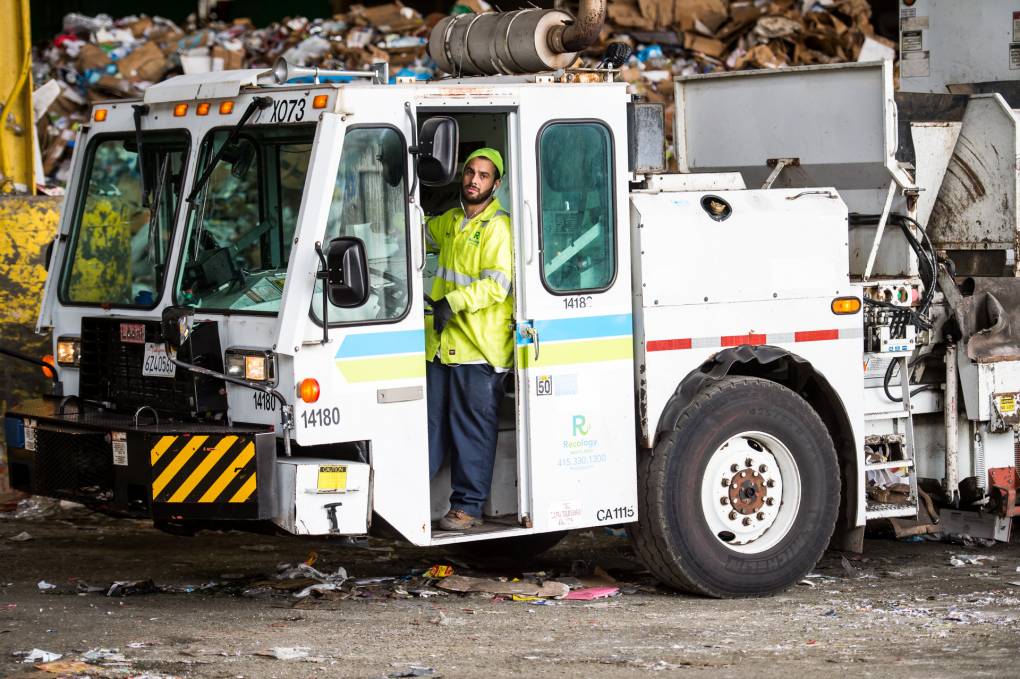
"caption": "A truck full of recyclables unloads its contents onto the 'tipping floor' at Recology's processing facility in San Francisco on April 9, 2020.",
"description": "A truck full of recyclables unloads its contents onto the \"tipping floor\" at Recology's processing facility in San Francisco on April 9, 2020.",
"title": "RS42746_054_KQED_SanFrancisco_Recology_04092020-qut",
"credit": "Beth LaBerge/KQED",
"status": "inherit",
"altTag": "A truck full of recyclables unloads its contents onto the \"tipping floor\" at Recology's processing facility in San Francisco on April 9, 2020.",
"isLoading": false,
"fetchFailed": false
},
"news_11812564": {
"type": "attachments",
"id": "news_11812564",
"meta": {
"index": "attachments_1716263798",
"site": "news",
"id": "11812564",
"found": true
},
"parent": 11812557,
"imgSizes": {
"apple_news_ca_landscape_5_5": {
"file": "https://ww2.kqed.org/app/uploads/sites/10/2020/04/AOUON-StopGapHousing-Santa-Rita-02-1-1044x783.jpg",
"width": 1044,
"mimeType": "image/jpeg",
"height": 783
},
"apple_news_ca_square_4_0": {
"file": "https://ww2.kqed.org/app/uploads/sites/10/2020/04/AOUON-StopGapHousing-Santa-Rita-02-1-470x470.jpg",
"width": 470,
"mimeType": "image/jpeg",
"height": 470
},
"twentyfourteen-full-width": {
"file": "https://ww2.kqed.org/app/uploads/sites/10/2020/04/AOUON-StopGapHousing-Santa-Rita-02-1-1038x576.jpg",
"width": 1038,
"mimeType": "image/jpeg",
"height": 576
},
"thumbnail": {
"file": "https://ww2.kqed.org/app/uploads/sites/10/2020/04/AOUON-StopGapHousing-Santa-Rita-02-1-160x107.jpg",
"width": 160,
"mimeType": "image/jpeg",
"height": 107
},
"post-thumbnail": {
"file": "https://ww2.kqed.org/app/uploads/sites/10/2020/04/AOUON-StopGapHousing-Santa-Rita-02-1-672x372.jpg",
"width": 672,
"mimeType": "image/jpeg",
"height": 372
},
"kqedFullSize": {
"file": "https://ww2.kqed.org/app/uploads/sites/10/2020/04/AOUON-StopGapHousing-Santa-Rita-02-1.jpg",
"width": 1920,
"height": 1281
},
"apple_news_ca_landscape_4_7": {
"file": "https://ww2.kqed.org/app/uploads/sites/10/2020/04/AOUON-StopGapHousing-Santa-Rita-02-1-632x474.jpg",
"width": 632,
"mimeType": "image/jpeg",
"height": 474
},
"large": {
"file": "https://ww2.kqed.org/app/uploads/sites/10/2020/04/AOUON-StopGapHousing-Santa-Rita-02-1-1020x681.jpg",
"width": 1020,
"mimeType": "image/jpeg",
"height": 681
},
"apple_news_ca_landscape_4_0": {
"file": "https://ww2.kqed.org/app/uploads/sites/10/2020/04/AOUON-StopGapHousing-Santa-Rita-02-1-536x402.jpg",
"width": 536,
"mimeType": "image/jpeg",
"height": 402
},
"apple_news_ca_portrait_12_9": {
"file": "https://ww2.kqed.org/app/uploads/sites/10/2020/04/AOUON-StopGapHousing-Santa-Rita-02-1-1122x1281.jpg",
"width": 1122,
"mimeType": "image/jpeg",
"height": 1281
},
"medium": {
"file": "https://ww2.kqed.org/app/uploads/sites/10/2020/04/AOUON-StopGapHousing-Santa-Rita-02-1-800x534.jpg",
"width": 800,
"mimeType": "image/jpeg",
"height": 534
},
"apple_news_ca_portrait_4_0": {
"file": "https://ww2.kqed.org/app/uploads/sites/10/2020/04/AOUON-StopGapHousing-Santa-Rita-02-1-354x472.jpg",
"width": 354,
"mimeType": "image/jpeg",
"height": 472
},
"apple_news_ca_portrait_9_7": {
"file": "https://ww2.kqed.org/app/uploads/sites/10/2020/04/AOUON-StopGapHousing-Santa-Rita-02-1-840x1120.jpg",
"width": 840,
"mimeType": "image/jpeg",
"height": 1120
},
"apple_news_ca_landscape_12_9": {
"file": "https://ww2.kqed.org/app/uploads/sites/10/2020/04/AOUON-StopGapHousing-Santa-Rita-02-1-1832x1281.jpg",
"width": 1832,
"mimeType": "image/jpeg",
"height": 1281
},
"apple_news_ca_square_9_7": {
"file": "https://ww2.kqed.org/app/uploads/sites/10/2020/04/AOUON-StopGapHousing-Santa-Rita-02-1-1104x1104.jpg",
"width": 1104,
"mimeType": "image/jpeg",
"height": 1104
},
"apple_news_ca_portrait_4_7": {
"file": "https://ww2.kqed.org/app/uploads/sites/10/2020/04/AOUON-StopGapHousing-Santa-Rita-02-1-414x552.jpg",
"width": 414,
"mimeType": "image/jpeg",
"height": 552
},
"apple_news_ca_square_12_9": {
"file": "https://ww2.kqed.org/app/uploads/sites/10/2020/04/AOUON-StopGapHousing-Santa-Rita-02-1-1472x1281.jpg",
"width": 1472,
"mimeType": "image/jpeg",
"height": 1281
},
"apple_news_ca_portrait_5_5": {
"file": "https://ww2.kqed.org/app/uploads/sites/10/2020/04/AOUON-StopGapHousing-Santa-Rita-02-1-687x916.jpg",
"width": 687,
"mimeType": "image/jpeg",
"height": 916
},
"full-width": {
"file": "https://ww2.kqed.org/app/uploads/sites/10/2020/04/AOUON-StopGapHousing-Santa-Rita-02-1-1920x1281.jpg",
"width": 1920,
"mimeType": "image/jpeg",
"height": 1281
},
"apple_news_ca_square_4_7": {
"file": "https://ww2.kqed.org/app/uploads/sites/10/2020/04/AOUON-StopGapHousing-Santa-Rita-02-1-550x550.jpg",
"width": 550,
"mimeType": "image/jpeg",
"height": 550
},
"apple_news_ca_landscape_9_7": {
"file": "https://ww2.kqed.org/app/uploads/sites/10/2020/04/AOUON-StopGapHousing-Santa-Rita-02-1-1376x1032.jpg",
"width": 1376,
"mimeType": "image/jpeg",
"height": 1032
},
"apple_news_ca_square_5_5": {
"file": "https://ww2.kqed.org/app/uploads/sites/10/2020/04/AOUON-StopGapHousing-Santa-Rita-02-1-912x912.jpg",
"width": 912,
"mimeType": "image/jpeg",
"height": 912
}
},
"publishDate": 1587000790,
"modified": 1587058053,
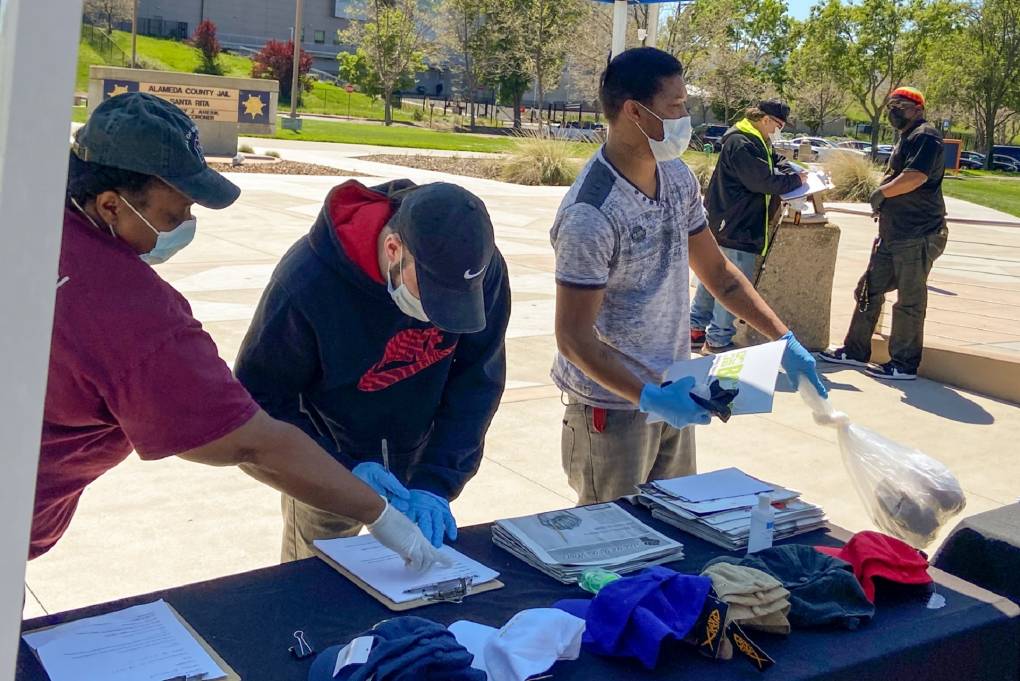
"caption": "Organizers with Legal Services for Prisoners with Children offer hotel vouchers and other assistance to people released from Santa Rita Jail on April 14, 2020.",
"description": "Organizers with Legal Services for Prisoners with Children offer hotel vouchers and other assistance to people released from Santa Rita Jail on Tuesday.",
"title": "AOUON StopGapHousing - Santa Rita - 02 (1)",
"credit": "Courtesy of Legal Services for Prisoners with Children",
"status": "inherit",
"isLoading": false,
"fetchFailed": false
},
"news_11812584": {
"type": "attachments",
"id": "news_11812584",
"meta": {
"index": "attachments_1716263798",
"site": "news",
"id": "11812584",
"found": true
},
"parent": 11812489,
"imgSizes": {
"apple_news_ca_landscape_5_5": {
"file": "https://ww2.kqed.org/app/uploads/sites/10/2020/04/Trump-Getty-1219056307-1044x783.jpg",
"width": 1044,
"mimeType": "image/jpeg",
"height": 783
},
"apple_news_ca_square_4_0": {
"file": "https://ww2.kqed.org/app/uploads/sites/10/2020/04/Trump-Getty-1219056307-470x470.jpg",
"width": 470,
"mimeType": "image/jpeg",
"height": 470
},
"twentyfourteen-full-width": {
"file": "https://ww2.kqed.org/app/uploads/sites/10/2020/04/Trump-Getty-1219056307-1038x576.jpg",
"width": 1038,
"mimeType": "image/jpeg",
"height": 576
},
"thumbnail": {
"file": "https://ww2.kqed.org/app/uploads/sites/10/2020/04/Trump-Getty-1219056307-160x125.jpg",
"width": 160,
"mimeType": "image/jpeg",
"height": 125
},
"post-thumbnail": {
"file": "https://ww2.kqed.org/app/uploads/sites/10/2020/04/Trump-Getty-1219056307-672x372.jpg",
"width": 672,
"mimeType": "image/jpeg",
"height": 372
},
"kqedFullSize": {
"file": "https://ww2.kqed.org/app/uploads/sites/10/2020/04/Trump-Getty-1219056307.jpg",
"width": 1920,
"height": 1504
},
"apple_news_ca_landscape_4_7": {
"file": "https://ww2.kqed.org/app/uploads/sites/10/2020/04/Trump-Getty-1219056307-632x474.jpg",
"width": 632,
"mimeType": "image/jpeg",
"height": 474
},
"large": {
"file": "https://ww2.kqed.org/app/uploads/sites/10/2020/04/Trump-Getty-1219056307-1020x799.jpg",
"width": 1020,
"mimeType": "image/jpeg",
"height": 799
},
"apple_news_ca_landscape_4_0": {
"file": "https://ww2.kqed.org/app/uploads/sites/10/2020/04/Trump-Getty-1219056307-536x402.jpg",
"width": 536,
"mimeType": "image/jpeg",
"height": 402
},
"apple_news_ca_portrait_12_9": {
"file": "https://ww2.kqed.org/app/uploads/sites/10/2020/04/Trump-Getty-1219056307-1122x1496.jpg",
"width": 1122,
"mimeType": "image/jpeg",
"height": 1496
},
"medium": {
"file": "https://ww2.kqed.org/app/uploads/sites/10/2020/04/Trump-Getty-1219056307-800x627.jpg",
"width": 800,
"mimeType": "image/jpeg",
"height": 627
},
"apple_news_ca_portrait_4_0": {
"file": "https://ww2.kqed.org/app/uploads/sites/10/2020/04/Trump-Getty-1219056307-354x472.jpg",
"width": 354,
"mimeType": "image/jpeg",
"height": 472
},
"apple_news_ca_portrait_9_7": {
"file": "https://ww2.kqed.org/app/uploads/sites/10/2020/04/Trump-Getty-1219056307-840x1120.jpg",
"width": 840,
"mimeType": "image/jpeg",
"height": 1120
},
"apple_news_ca_landscape_12_9": {
"file": "https://ww2.kqed.org/app/uploads/sites/10/2020/04/Trump-Getty-1219056307-1832x1374.jpg",
"width": 1832,
"mimeType": "image/jpeg",
"height": 1374
},
"apple_news_ca_square_9_7": {
"file": "https://ww2.kqed.org/app/uploads/sites/10/2020/04/Trump-Getty-1219056307-1104x1104.jpg",
"width": 1104,
"mimeType": "image/jpeg",
"height": 1104
},
"apple_news_ca_portrait_4_7": {
"file": "https://ww2.kqed.org/app/uploads/sites/10/2020/04/Trump-Getty-1219056307-414x552.jpg",
"width": 414,
"mimeType": "image/jpeg",
"height": 552
},
"apple_news_ca_square_12_9": {
"file": "https://ww2.kqed.org/app/uploads/sites/10/2020/04/Trump-Getty-1219056307-1472x1472.jpg",
"width": 1472,
"mimeType": "image/jpeg",
"height": 1472
},
"apple_news_ca_portrait_5_5": {
"file": "https://ww2.kqed.org/app/uploads/sites/10/2020/04/Trump-Getty-1219056307-687x916.jpg",
"width": 687,
"mimeType": "image/jpeg",
"height": 916
},
"full-width": {
"file": "https://ww2.kqed.org/app/uploads/sites/10/2020/04/Trump-Getty-1219056307-1920x1504.jpg",
"width": 1920,
"mimeType": "image/jpeg",
"height": 1504
},
"apple_news_ca_square_4_7": {
"file": "https://ww2.kqed.org/app/uploads/sites/10/2020/04/Trump-Getty-1219056307-550x550.jpg",
"width": 550,
"mimeType": "image/jpeg",
"height": 550
},
"apple_news_ca_landscape_9_7": {
"file": "https://ww2.kqed.org/app/uploads/sites/10/2020/04/Trump-Getty-1219056307-1376x1032.jpg",
"width": 1376,
"mimeType": "image/jpeg",
"height": 1032
},
"apple_news_ca_square_5_5": {
"file": "https://ww2.kqed.org/app/uploads/sites/10/2020/04/Trump-Getty-1219056307-912x912.jpg",
"width": 912,
"mimeType": "image/jpeg",
"height": 912
}
},
"publishDate": 1587007177,
"modified": 1587062897,
"caption": "President Trump speaks at the daily briefing of the White House Coronavirus Task Force in the Rose Garden at the White House April 15, 2020, in Washington, D.C. The Treasury Department has ordered the IRS to put Trump’s signature on the stimulus checks that are being sent to all Americans due to the nation's shutdown in response to the COVID-19 pandemic. ",
"description": null,
"title": "Trump-Getty-1219056307",
"credit": "Alex Wong/Getty Images",
"status": "inherit",
"isLoading": false,
"fetchFailed": false
},
"news_11812593": {
"type": "attachments",
"id": "news_11812593",
"meta": {
"index": "attachments_1716263798",
"site": "news",
"id": "11812593",
"found": true
},
"parent": 11812445,
"imgSizes": {
"apple_news_ca_landscape_5_5": {
"file": "https://ww2.kqed.org/app/uploads/sites/10/2020/04/PatriciaWilson-1044x783.jpg",
"width": 1044,
"mimeType": "image/jpeg",
"height": 783
},
"apple_news_ca_square_4_0": {
"file": "https://ww2.kqed.org/app/uploads/sites/10/2020/04/PatriciaWilson-470x470.jpg",
"width": 470,
"mimeType": "image/jpeg",
"height": 470
},
"twentyfourteen-full-width": {
"file": "https://ww2.kqed.org/app/uploads/sites/10/2020/04/PatriciaWilson-1038x576.jpg",
"width": 1038,
"mimeType": "image/jpeg",
"height": 576
},
"thumbnail": {
"file": "https://ww2.kqed.org/app/uploads/sites/10/2020/04/PatriciaWilson-160x120.jpg",
"width": 160,
"mimeType": "image/jpeg",
"height": 120
},
"post-thumbnail": {
"file": "https://ww2.kqed.org/app/uploads/sites/10/2020/04/PatriciaWilson-672x372.jpg",
"width": 672,
"mimeType": "image/jpeg",
"height": 372
},
"kqedFullSize": {
"file": "https://ww2.kqed.org/app/uploads/sites/10/2020/04/PatriciaWilson.jpg",
"width": 1920,
"height": 1440
},
"apple_news_ca_landscape_4_7": {
"file": "https://ww2.kqed.org/app/uploads/sites/10/2020/04/PatriciaWilson-632x474.jpg",
"width": 632,
"mimeType": "image/jpeg",
"height": 474
},
"large": {
"file": "https://ww2.kqed.org/app/uploads/sites/10/2020/04/PatriciaWilson-1020x765.jpg",
"width": 1020,
"mimeType": "image/jpeg",
"height": 765
},
"apple_news_ca_landscape_4_0": {
"file": "https://ww2.kqed.org/app/uploads/sites/10/2020/04/PatriciaWilson-536x402.jpg",
"width": 536,
"mimeType": "image/jpeg",
"height": 402
},
"apple_news_ca_portrait_12_9": {
"file": "https://ww2.kqed.org/app/uploads/sites/10/2020/04/PatriciaWilson-1122x1440.jpg",
"width": 1122,
"mimeType": "image/jpeg",
"height": 1440
},
"medium": {
"file": "https://ww2.kqed.org/app/uploads/sites/10/2020/04/PatriciaWilson-800x600.jpg",
"width": 800,
"mimeType": "image/jpeg",
"height": 600
},
"apple_news_ca_portrait_4_0": {
"file": "https://ww2.kqed.org/app/uploads/sites/10/2020/04/PatriciaWilson-354x472.jpg",
"width": 354,
"mimeType": "image/jpeg",
"height": 472
},
"apple_news_ca_portrait_9_7": {
"file": "https://ww2.kqed.org/app/uploads/sites/10/2020/04/PatriciaWilson-840x1120.jpg",
"width": 840,
"mimeType": "image/jpeg",
"height": 1120
},
"apple_news_ca_landscape_12_9": {
"file": "https://ww2.kqed.org/app/uploads/sites/10/2020/04/PatriciaWilson-1832x1374.jpg",
"width": 1832,
"mimeType": "image/jpeg",
"height": 1374
},
"apple_news_ca_square_9_7": {
"file": "https://ww2.kqed.org/app/uploads/sites/10/2020/04/PatriciaWilson-1104x1104.jpg",
"width": 1104,
"mimeType": "image/jpeg",
"height": 1104
},
"apple_news_ca_portrait_4_7": {
"file": "https://ww2.kqed.org/app/uploads/sites/10/2020/04/PatriciaWilson-414x552.jpg",
"width": 414,
"mimeType": "image/jpeg",
"height": 552
},
"apple_news_ca_square_12_9": {
"file": "https://ww2.kqed.org/app/uploads/sites/10/2020/04/PatriciaWilson-1472x1440.jpg",
"width": 1472,
"mimeType": "image/jpeg",
"height": 1440
},
"apple_news_ca_portrait_5_5": {
"file": "https://ww2.kqed.org/app/uploads/sites/10/2020/04/PatriciaWilson-687x916.jpg",
"width": 687,
"mimeType": "image/jpeg",
"height": 916
},
"full-width": {
"file": "https://ww2.kqed.org/app/uploads/sites/10/2020/04/PatriciaWilson-1920x1440.jpg",
"width": 1920,
"mimeType": "image/jpeg",
"height": 1440
},
"apple_news_ca_square_4_7": {
"file": "https://ww2.kqed.org/app/uploads/sites/10/2020/04/PatriciaWilson-550x550.jpg",
"width": 550,
"mimeType": "image/jpeg",
"height": 550
},
"apple_news_ca_landscape_9_7": {
"file": "https://ww2.kqed.org/app/uploads/sites/10/2020/04/PatriciaWilson-1376x1032.jpg",
"width": 1376,
"mimeType": "image/jpeg",
"height": 1032
},
"apple_news_ca_square_5_5": {
"file": "https://ww2.kqed.org/app/uploads/sites/10/2020/04/PatriciaWilson-912x912.jpg",
"width": 912,
"mimeType": "image/jpeg",
"height": 912
}
},
"publishDate": 1587009301,
"modified": 1587009433,
"caption": "Patricia Suflita Wilson planned to move from San Francisco to Arizona to be a volunteer for the Democratic election campaigns for the November election. But the shelter-in-place orders both in California and Arizona has upended some of her plans. ",
"description": null,
"title": "PatriciaWilson",
"credit": "Marisa Lagos/KQED",
"status": "inherit",
"isLoading": false,
"fetchFailed": false
},
"news_11812495": {
"type": "attachments",
"id": "news_11812495",
"meta": {
"index": "attachments_1716263798",
"site": "news",
"id": "11812495",
"found": true
},
"parent": 11812293,
"imgSizes": {
"apple_news_ca_landscape_5_5": {
"file": "https://ww2.kqed.org/app/uploads/sites/10/2021/04/Brian-Watt-At-Home-1044x783.jpg",
"width": 1044,
"mimeType": "image/jpeg",
"height": 783
},
"apple_news_ca_square_4_0": {
"file": "https://ww2.kqed.org/app/uploads/sites/10/2021/04/Brian-Watt-At-Home-470x470.jpg",
"width": 470,
"mimeType": "image/jpeg",
"height": 470
},
"twentyfourteen-full-width": {
"file": "https://ww2.kqed.org/app/uploads/sites/10/2021/04/Brian-Watt-At-Home-1038x576.jpg",
"width": 1038,
"mimeType": "image/jpeg",
"height": 576
},
"thumbnail": {
"file": "https://ww2.kqed.org/app/uploads/sites/10/2021/04/Brian-Watt-At-Home-160x116.jpg",
"width": 160,
"mimeType": "image/jpeg",
"height": 116
},
"post-thumbnail": {
"file": "https://ww2.kqed.org/app/uploads/sites/10/2021/04/Brian-Watt-At-Home-672x372.jpg",
"width": 672,
"mimeType": "image/jpeg",
"height": 372
},
"kqedFullSize": {
"file": "https://ww2.kqed.org/app/uploads/sites/10/2021/04/Brian-Watt-At-Home.jpg",
"width": 1200,
"height": 871
},
"apple_news_ca_landscape_4_7": {
"file": "https://ww2.kqed.org/app/uploads/sites/10/2021/04/Brian-Watt-At-Home-632x474.jpg",
"width": 632,
"mimeType": "image/jpeg",
"height": 474
},
"large": {
"file": "https://ww2.kqed.org/app/uploads/sites/10/2021/04/Brian-Watt-At-Home-1020x740.jpg",
"width": 1020,
"mimeType": "image/jpeg",
"height": 740
},
"apple_news_ca_landscape_4_0": {
"file": "https://ww2.kqed.org/app/uploads/sites/10/2021/04/Brian-Watt-At-Home-536x402.jpg",
"width": 536,
"mimeType": "image/jpeg",
"height": 402
},
"apple_news_ca_portrait_12_9": {
"file": "https://ww2.kqed.org/app/uploads/sites/10/2021/04/Brian-Watt-At-Home-1122x871.jpg",
"width": 1122,
"mimeType": "image/jpeg",
"height": 871
},
"medium": {
"file": "https://ww2.kqed.org/app/uploads/sites/10/2021/04/Brian-Watt-At-Home-800x581.jpg",
"width": 800,
"mimeType": "image/jpeg",
"height": 581
},
"apple_news_ca_portrait_4_0": {
"file": "https://ww2.kqed.org/app/uploads/sites/10/2021/04/Brian-Watt-At-Home-354x472.jpg",
"width": 354,
"mimeType": "image/jpeg",
"height": 472
},
"apple_news_ca_portrait_9_7": {
"file": "https://ww2.kqed.org/app/uploads/sites/10/2021/04/Brian-Watt-At-Home-840x871.jpg",
"width": 840,
"mimeType": "image/jpeg",
"height": 871
},
"apple_news_ca_square_9_7": {
"file": "https://ww2.kqed.org/app/uploads/sites/10/2021/04/Brian-Watt-At-Home-1104x871.jpg",
"width": 1104,
"mimeType": "image/jpeg",
"height": 871
},
"apple_news_ca_portrait_4_7": {
"file": "https://ww2.kqed.org/app/uploads/sites/10/2021/04/Brian-Watt-At-Home-414x552.jpg",
"width": 414,
"mimeType": "image/jpeg",
"height": 552
},
"apple_news_ca_portrait_5_5": {
"file": "https://ww2.kqed.org/app/uploads/sites/10/2021/04/Brian-Watt-At-Home-687x871.jpg",
"width": 687,
"mimeType": "image/jpeg",
"height": 871
},
"apple_news_ca_square_4_7": {
"file": "https://ww2.kqed.org/app/uploads/sites/10/2021/04/Brian-Watt-At-Home-550x550.jpg",
"width": 550,
"mimeType": "image/jpeg",
"height": 550
},
"apple_news_ca_square_5_5": {
"file": "https://ww2.kqed.org/app/uploads/sites/10/2021/04/Brian-Watt-At-Home-912x871.jpg",
"width": 912,
"mimeType": "image/jpeg",
"height": 871
}
},
"publishDate": 1586987285,
"modified": 1586987423,
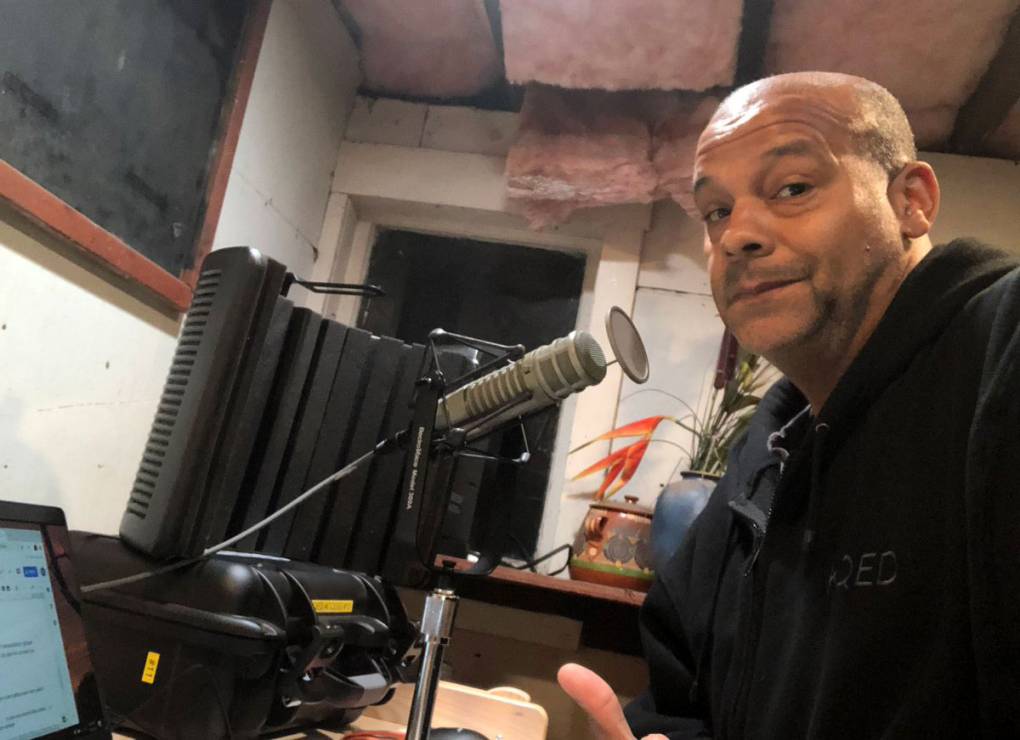
"caption": "KQED's morning news anchor Brian Watt, working in his home studio (aka basement/garage).",
"description": "KQED's morning news anchor Brian Watt, working in his home studio (aka basement/garage).",
"title": "Brian-Watt-At-Home",
"credit": "Brian Watt/KQED",
"status": "inherit",
"isLoading": false,
"fetchFailed": false
},
"news_11812532": {
"type": "attachments",
"id": "news_11812532",
"meta": {
"index": "attachments_1716263798",
"site": "news",
"id": "11812532",
"found": true
},
"parent": 11812527,
"imgSizes": {
"apple_news_ca_landscape_5_5": {
"file": "https://ww2.kqed.org/app/uploads/sites/10/2020/04/comingsoon_041520_final-1044x783.png",
"width": 1044,
"mimeType": "image/png",
"height": 783
},
"apple_news_ca_square_4_0": {
"file": "https://ww2.kqed.org/app/uploads/sites/10/2020/04/comingsoon_041520_final-470x470.png",
"width": 470,
"mimeType": "image/png",
"height": 470
},
"twentyfourteen-full-width": {
"file": "https://ww2.kqed.org/app/uploads/sites/10/2020/04/comingsoon_041520_final-1038x576.png",
"width": 1038,
"mimeType": "image/png",
"height": 576
},
"thumbnail": {
"file": "https://ww2.kqed.org/app/uploads/sites/10/2020/04/comingsoon_041520_final-160x105.png",
"width": 160,
"mimeType": "image/png",
"height": 105
},
"post-thumbnail": {
"file": "https://ww2.kqed.org/app/uploads/sites/10/2020/04/comingsoon_041520_final-672x372.png",
"width": 672,
"mimeType": "image/png",
"height": 372
},
"kqedFullSize": {
"file": "https://ww2.kqed.org/app/uploads/sites/10/2020/04/comingsoon_041520_final.png",
"width": 1920,
"height": 1263
},
"apple_news_ca_landscape_4_7": {
"file": "https://ww2.kqed.org/app/uploads/sites/10/2020/04/comingsoon_041520_final-632x474.png",
"width": 632,
"mimeType": "image/png",
"height": 474
},
"large": {
"file": "https://ww2.kqed.org/app/uploads/sites/10/2020/04/comingsoon_041520_final-1020x671.png",
"width": 1020,
"mimeType": "image/png",
"height": 671
},
"apple_news_ca_landscape_4_0": {
"file": "https://ww2.kqed.org/app/uploads/sites/10/2020/04/comingsoon_041520_final-536x402.png",
"width": 536,
"mimeType": "image/png",
"height": 402
},
"apple_news_ca_portrait_12_9": {
"file": "https://ww2.kqed.org/app/uploads/sites/10/2020/04/comingsoon_041520_final-1122x1263.png",
"width": 1122,
"mimeType": "image/png",
"height": 1263
},
"medium": {
"file": "https://ww2.kqed.org/app/uploads/sites/10/2020/04/comingsoon_041520_final-800x526.png",
"width": 800,
"mimeType": "image/png",
"height": 526
},
"apple_news_ca_portrait_4_0": {
"file": "https://ww2.kqed.org/app/uploads/sites/10/2020/04/comingsoon_041520_final-354x472.png",
"width": 354,
"mimeType": "image/png",
"height": 472
},
"apple_news_ca_portrait_9_7": {
"file": "https://ww2.kqed.org/app/uploads/sites/10/2020/04/comingsoon_041520_final-840x1120.png",
"width": 840,
"mimeType": "image/png",
"height": 1120
},
"apple_news_ca_landscape_12_9": {
"file": "https://ww2.kqed.org/app/uploads/sites/10/2020/04/comingsoon_041520_final-1832x1263.png",
"width": 1832,
"mimeType": "image/png",
"height": 1263
},
"apple_news_ca_square_9_7": {
"file": "https://ww2.kqed.org/app/uploads/sites/10/2020/04/comingsoon_041520_final-1104x1104.png",
"width": 1104,
"mimeType": "image/png",
"height": 1104
},
"apple_news_ca_portrait_4_7": {
"file": "https://ww2.kqed.org/app/uploads/sites/10/2020/04/comingsoon_041520_final-414x552.png",
"width": 414,
"mimeType": "image/png",
"height": 552
},
"apple_news_ca_square_12_9": {
"file": "https://ww2.kqed.org/app/uploads/sites/10/2020/04/comingsoon_041520_final-1472x1263.png",
"width": 1472,
"mimeType": "image/png",
"height": 1263
},
"apple_news_ca_portrait_5_5": {
"file": "https://ww2.kqed.org/app/uploads/sites/10/2020/04/comingsoon_041520_final-687x916.png",
"width": 687,
"mimeType": "image/png",
"height": 916
},
"full-width": {
"file": "https://ww2.kqed.org/app/uploads/sites/10/2020/04/comingsoon_041520_final-1920x1263.png",
"width": 1920,
"mimeType": "image/png",
"height": 1263
},
"apple_news_ca_square_4_7": {
"file": "https://ww2.kqed.org/app/uploads/sites/10/2020/04/comingsoon_041520_final-550x550.png",
"width": 550,
"mimeType": "image/png",
"height": 550
},
"apple_news_ca_landscape_9_7": {
"file": "https://ww2.kqed.org/app/uploads/sites/10/2020/04/comingsoon_041520_final-1376x1032.png",
"width": 1376,
"mimeType": "image/png",
"height": 1032
},
"apple_news_ca_square_5_5": {
"file": "https://ww2.kqed.org/app/uploads/sites/10/2020/04/comingsoon_041520_final-912x912.png",
"width": 912,
"mimeType": "image/png",
"height": 912
}
},
"publishDate": 1586993207,
"modified": 1586993248,
"caption": null,
"description": null,
"title": "comingsoon_041520_final",
"credit": null,
"status": "inherit",
"isLoading": false,
"fetchFailed": false
},
"news_11812483": {
"type": "attachments",
"id": "news_11812483",
"meta": {
"index": "attachments_1716263798",
"site": "news",
"id": "11812483",
"found": true
},
"parent": 11812402,
"imgSizes": {
"apple_news_ca_landscape_5_5": {
"file": "https://ww2.kqed.org/app/uploads/sites/10/2020/04/Chico-Eye-Center-1044x783.jpg",
"width": 1044,
"mimeType": "image/jpeg",
"height": 783
},
"apple_news_ca_square_4_0": {
"file": "https://ww2.kqed.org/app/uploads/sites/10/2020/04/Chico-Eye-Center-470x470.jpg",
"width": 470,
"mimeType": "image/jpeg",
"height": 470
},
"twentyfourteen-full-width": {
"file": "https://ww2.kqed.org/app/uploads/sites/10/2020/04/Chico-Eye-Center-1038x576.jpg",
"width": 1038,
"mimeType": "image/jpeg",
"height": 576
},
"thumbnail": {
"file": "https://ww2.kqed.org/app/uploads/sites/10/2020/04/Chico-Eye-Center-160x106.jpg",
"width": 160,
"mimeType": "image/jpeg",
"height": 106
},
"post-thumbnail": {
"file": "https://ww2.kqed.org/app/uploads/sites/10/2020/04/Chico-Eye-Center-672x372.jpg",
"width": 672,
"mimeType": "image/jpeg",
"height": 372
},
"kqedFullSize": {
"file": "https://ww2.kqed.org/app/uploads/sites/10/2020/04/Chico-Eye-Center.jpg",
"width": 1920,
"height": 1275
},
"apple_news_ca_landscape_4_7": {
"file": "https://ww2.kqed.org/app/uploads/sites/10/2020/04/Chico-Eye-Center-632x474.jpg",
"width": 632,
"mimeType": "image/jpeg",
"height": 474
},
"large": {
"file": "https://ww2.kqed.org/app/uploads/sites/10/2020/04/Chico-Eye-Center-1020x677.jpg",
"width": 1020,
"mimeType": "image/jpeg",
"height": 677
},
"apple_news_ca_landscape_4_0": {
"file": "https://ww2.kqed.org/app/uploads/sites/10/2020/04/Chico-Eye-Center-536x402.jpg",
"width": 536,
"mimeType": "image/jpeg",
"height": 402
},
"apple_news_ca_portrait_12_9": {
"file": "https://ww2.kqed.org/app/uploads/sites/10/2020/04/Chico-Eye-Center-1122x1275.jpg",
"width": 1122,
"mimeType": "image/jpeg",
"height": 1275
},
"medium": {
"file": "https://ww2.kqed.org/app/uploads/sites/10/2020/04/Chico-Eye-Center-800x531.jpg",
"width": 800,
"mimeType": "image/jpeg",
"height": 531
},
"apple_news_ca_portrait_4_0": {
"file": "https://ww2.kqed.org/app/uploads/sites/10/2020/04/Chico-Eye-Center-354x472.jpg",
"width": 354,
"mimeType": "image/jpeg",
"height": 472
},
"apple_news_ca_portrait_9_7": {
"file": "https://ww2.kqed.org/app/uploads/sites/10/2020/04/Chico-Eye-Center-840x1120.jpg",
"width": 840,
"mimeType": "image/jpeg",
"height": 1120
},
"apple_news_ca_landscape_12_9": {
"file": "https://ww2.kqed.org/app/uploads/sites/10/2020/04/Chico-Eye-Center-1832x1275.jpg",
"width": 1832,
"mimeType": "image/jpeg",
"height": 1275
},
"apple_news_ca_square_9_7": {
"file": "https://ww2.kqed.org/app/uploads/sites/10/2020/04/Chico-Eye-Center-1104x1104.jpg",
"width": 1104,
"mimeType": "image/jpeg",
"height": 1104
},
"apple_news_ca_portrait_4_7": {
"file": "https://ww2.kqed.org/app/uploads/sites/10/2020/04/Chico-Eye-Center-414x552.jpg",
"width": 414,
"mimeType": "image/jpeg",
"height": 552
},
"apple_news_ca_square_12_9": {
"file": "https://ww2.kqed.org/app/uploads/sites/10/2020/04/Chico-Eye-Center-1472x1275.jpg",
"width": 1472,
"mimeType": "image/jpeg",
"height": 1275
},
"apple_news_ca_portrait_5_5": {
"file": "https://ww2.kqed.org/app/uploads/sites/10/2020/04/Chico-Eye-Center-687x916.jpg",
"width": 687,
"mimeType": "image/jpeg",
"height": 916
},
"full-width": {
"file": "https://ww2.kqed.org/app/uploads/sites/10/2020/04/Chico-Eye-Center-1920x1275.jpg",
"width": 1920,
"mimeType": "image/jpeg",
"height": 1275
},
"apple_news_ca_square_4_7": {
"file": "https://ww2.kqed.org/app/uploads/sites/10/2020/04/Chico-Eye-Center-550x550.jpg",
"width": 550,
"mimeType": "image/jpeg",
"height": 550
},
"apple_news_ca_landscape_9_7": {
"file": "https://ww2.kqed.org/app/uploads/sites/10/2020/04/Chico-Eye-Center-1376x1032.jpg",
"width": 1376,
"mimeType": "image/jpeg",
"height": 1032
},
"apple_news_ca_square_5_5": {
"file": "https://ww2.kqed.org/app/uploads/sites/10/2020/04/Chico-Eye-Center-912x912.jpg",
"width": 912,
"mimeType": "image/jpeg",
"height": 912
}
},
"publishDate": 1586983220,
"modified": 1586983311,
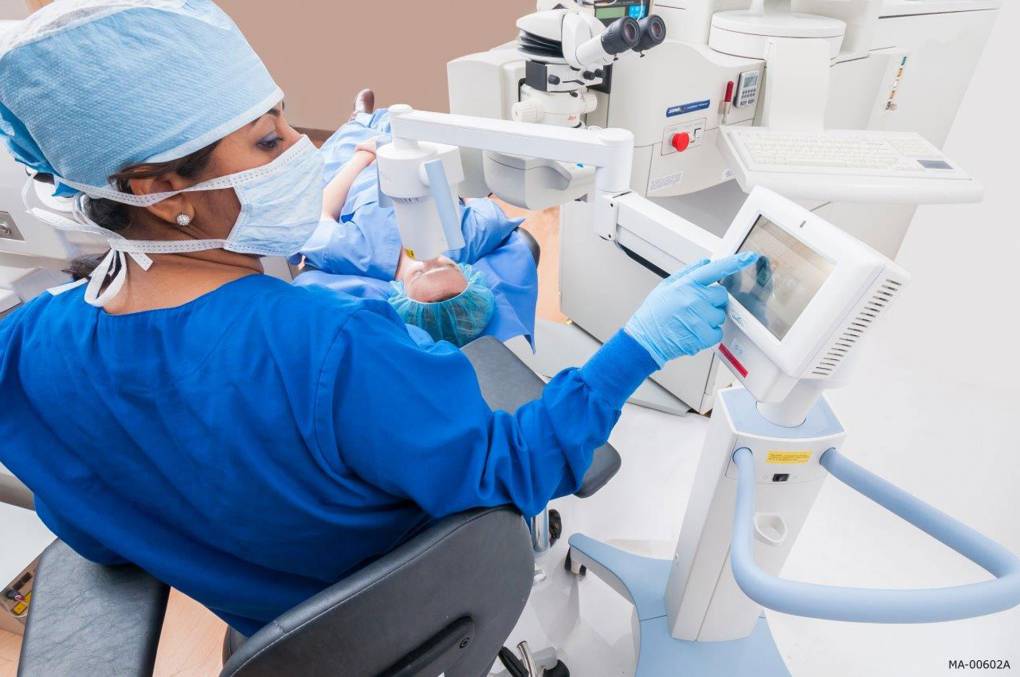
"caption": "The Chico Eye Center shut down its surgery center, furloughing 90% of the surgery staff.",
"description": "The Chico Eye Center shut down its surgery center, furloughing 90% of the surgery staff.",
"title": "Chico-Eye-Center",
"credit": "Courtesy Chico Eye Center",
"status": "inherit",
"isLoading": false,
"fetchFailed": false
},
"news_11812216": {
"type": "attachments",
"id": "news_11812216",
"meta": {
"index": "attachments_1716263798",
"site": "news",
"id": "11812216",
"found": true
},
"parent": 11812172,
"imgSizes": {
"apple_news_ca_landscape_5_5": {
"file": "https://ww2.kqed.org/app/uploads/sites/10/2020/04/RS42753_iStock-1152602550-qut-1044x783.jpg",
"width": 1044,
"mimeType": "image/jpeg",
"height": 783
},
"apple_news_ca_square_4_0": {
"file": "https://ww2.kqed.org/app/uploads/sites/10/2020/04/RS42753_iStock-1152602550-qut-470x470.jpg",
"width": 470,
"mimeType": "image/jpeg",
"height": 470
},
"twentyfourteen-full-width": {
"file": "https://ww2.kqed.org/app/uploads/sites/10/2020/04/RS42753_iStock-1152602550-qut-1038x576.jpg",
"width": 1038,
"mimeType": "image/jpeg",
"height": 576
},
"thumbnail": {
"file": "https://ww2.kqed.org/app/uploads/sites/10/2020/04/RS42753_iStock-1152602550-qut-160x107.jpg",
"width": 160,
"mimeType": "image/jpeg",
"height": 107
},
"post-thumbnail": {
"file": "https://ww2.kqed.org/app/uploads/sites/10/2020/04/RS42753_iStock-1152602550-qut-672x372.jpg",
"width": 672,
"mimeType": "image/jpeg",
"height": 372
},
"kqedFullSize": {
"file": "https://ww2.kqed.org/app/uploads/sites/10/2020/04/RS42753_iStock-1152602550-qut.jpg",
"width": 1920,
"height": 1279
},
"apple_news_ca_landscape_4_7": {
"file": "https://ww2.kqed.org/app/uploads/sites/10/2020/04/RS42753_iStock-1152602550-qut-632x474.jpg",
"width": 632,
"mimeType": "image/jpeg",
"height": 474
},
"large": {
"file": "https://ww2.kqed.org/app/uploads/sites/10/2020/04/RS42753_iStock-1152602550-qut-1020x679.jpg",
"width": 1020,
"mimeType": "image/jpeg",
"height": 679
},
"apple_news_ca_landscape_4_0": {
"file": "https://ww2.kqed.org/app/uploads/sites/10/2020/04/RS42753_iStock-1152602550-qut-536x402.jpg",
"width": 536,
"mimeType": "image/jpeg",
"height": 402
},
"apple_news_ca_portrait_12_9": {
"file": "https://ww2.kqed.org/app/uploads/sites/10/2020/04/RS42753_iStock-1152602550-qut-1122x1279.jpg",
"width": 1122,
"mimeType": "image/jpeg",
"height": 1279
},
"medium": {
"file": "https://ww2.kqed.org/app/uploads/sites/10/2020/04/RS42753_iStock-1152602550-qut-800x533.jpg",
"width": 800,
"mimeType": "image/jpeg",
"height": 533
},
"apple_news_ca_portrait_4_0": {
"file": "https://ww2.kqed.org/app/uploads/sites/10/2020/04/RS42753_iStock-1152602550-qut-354x472.jpg",
"width": 354,
"mimeType": "image/jpeg",
"height": 472
},
"apple_news_ca_portrait_9_7": {
"file": "https://ww2.kqed.org/app/uploads/sites/10/2020/04/RS42753_iStock-1152602550-qut-840x1120.jpg",
"width": 840,
"mimeType": "image/jpeg",
"height": 1120
},
"apple_news_ca_landscape_12_9": {
"file": "https://ww2.kqed.org/app/uploads/sites/10/2020/04/RS42753_iStock-1152602550-qut-1832x1279.jpg",
"width": 1832,
"mimeType": "image/jpeg",
"height": 1279
},
"apple_news_ca_square_9_7": {
"file": "https://ww2.kqed.org/app/uploads/sites/10/2020/04/RS42753_iStock-1152602550-qut-1104x1104.jpg",
"width": 1104,
"mimeType": "image/jpeg",
"height": 1104
},
"apple_news_ca_portrait_4_7": {
"file": "https://ww2.kqed.org/app/uploads/sites/10/2020/04/RS42753_iStock-1152602550-qut-414x552.jpg",
"width": 414,
"mimeType": "image/jpeg",
"height": 552
},
"apple_news_ca_square_12_9": {
"file": "https://ww2.kqed.org/app/uploads/sites/10/2020/04/RS42753_iStock-1152602550-qut-1472x1279.jpg",
"width": 1472,
"mimeType": "image/jpeg",
"height": 1279
},
"apple_news_ca_portrait_5_5": {
"file": "https://ww2.kqed.org/app/uploads/sites/10/2020/04/RS42753_iStock-1152602550-qut-687x916.jpg",
"width": 687,
"mimeType": "image/jpeg",
"height": 916
},
"full-width": {
"file": "https://ww2.kqed.org/app/uploads/sites/10/2020/04/RS42753_iStock-1152602550-qut-1920x1279.jpg",
"width": 1920,
"mimeType": "image/jpeg",
"height": 1279
},
"apple_news_ca_square_4_7": {
"file": "https://ww2.kqed.org/app/uploads/sites/10/2020/04/RS42753_iStock-1152602550-qut-550x550.jpg",
"width": 550,
"mimeType": "image/jpeg",
"height": 550
},
"apple_news_ca_landscape_9_7": {
"file": "https://ww2.kqed.org/app/uploads/sites/10/2020/04/RS42753_iStock-1152602550-qut-1376x1032.jpg",
"width": 1376,
"mimeType": "image/jpeg",
"height": 1032
},
"apple_news_ca_square_5_5": {
"file": "https://ww2.kqed.org/app/uploads/sites/10/2020/04/RS42753_iStock-1152602550-qut-912x912.jpg",
"width": 912,
"mimeType": "image/jpeg",
"height": 912
}
},
"publishDate": 1586820007,
"modified": 1586820371,
"caption": "Americans who are struggling to pay their bills during the coronavirus crisis may be able to access relief from their loan service, creditor or lender.",
"description": null,
"title": "Man hands using smartphone and holding receipt",
"credit": "iStock",
"status": "inherit",
"isLoading": false,
"fetchFailed": false
}
},
"audioPlayerReducer": {
"postId": "stream_live",
"isPaused": true,
"isPlaying": false,
"pfsActive": false,
"pledgeModalIsOpen": true,
"playerDrawerIsOpen": false,
"liveAudioPlayStartedAt": 0,
"liveAudioPlayContext": ""
},
"authorsReducer": {
"byline_news_11812627": {
"type": "authors",
"id": "byline_news_11812627",
"meta": {
"override": true
},
"slug": "byline_news_11812627",
"name": "Janelle Salanga, CalMatters College Journalism Network",
"isLoading": false
},
"byline_news_11812557": {
"type": "authors",
"id": "byline_news_11812557",
"meta": {
"override": true
},
"slug": "byline_news_11812557",
"name": "Susie Neilson",
"isLoading": false
},
"kqed": {
"type": "authors",
"id": "236",
"meta": {
"index": "authors_1716337520",
"id": "236",
"found": true
},
"name": "KQED News Staff",
"firstName": "KQED News Staff",
"lastName": null,
"slug": "kqed",
"email": "faq@kqed.org",
"display_author_email": false,
"staff_mastheads": [],
"title": null,
"bio": null,
"avatar": "https://secure.gravatar.com/avatar/ef0e801a68c4c54afa9180db14084167?s=600&d=blank&r=g",
"twitter": null,
"facebook": null,
"instagram": null,
"linkedin": null,
"sites": [
{
"site": "arts",
"roles": [
"contributor"
]
},
{
"site": "news",
"roles": [
"editor"
]
},
{
"site": "futureofyou",
"roles": [
"author"
]
}
],
"headData": {
"title": "KQED News Staff | KQED",
"description": null,
"ogImgSrc": "https://secure.gravatar.com/avatar/ef0e801a68c4c54afa9180db14084167?s=600&d=blank&r=g",
"twImgSrc": "https://secure.gravatar.com/avatar/ef0e801a68c4c54afa9180db14084167?s=600&d=blank&r=g"
},
"isLoading": false,
"link": "/author/kqed"
},
"mlam": {
"type": "authors",
"id": "244",
"meta": {
"index": "authors_1716337520",
"id": "244",
"found": true
},
"name": "Monica Lam",
"firstName": "Monica Z.",
"lastName": "Lam",
"slug": "mlam",
"email": "mlam@kqed.org",
"display_author_email": true,
"staff_mastheads": [
"news"
],
"title": "KQED Senior Producer",
"bio": "Monica is senior producer of the weekly current affairs program, \"KQED Newsroom.\" She's also served as senior editor of digital content at KQED. She likes to report and edit as well as produce video and take photos.\r\n\r\nBefore joining KQED, Monica worked at the Center for Investigative Reporting, where she examined conditions inside \u003cspan style=\"font-weight: 400;\">maximum security \u003c/span>prisons and abuse in state-run institutions for the developmentally disabled. Prior to that, she produced and directed \u003cem>Journey of the Bonesetter's Daughter,\u003c/em> a documentary that follows novelist Amy Tan as she creates an opera based on her family history.\r\n\r\nMonica's work has been honored with a duPont Award, five Emmys, regional and national Murrow Awards, and has been recognized by Investigative Reporters and Editors, the Society of Professional Journalists, Religion Newswriters Association and the San Francisco Peninsula Press Club. Monica studied urban studies at Stanford University and earned a master's in journalism at University of California at Berkeley. Follow her on twitter: @monicazlam",
"avatar": "https://secure.gravatar.com/avatar/018c474b2b71f43e0e6ca9b15a0ad36f?s=600&d=blank&r=g",
"twitter": "@monicazlam",
"facebook": null,
"instagram": null,
"linkedin": null,
"sites": [
{
"site": "arts",
"roles": [
"administrator"
]
},
{
"site": "news",
"roles": [
"editor"
]
},
{
"site": "trulyca",
"roles": [
"editor"
]
},
{
"site": "science",
"roles": [
"editor"
]
},
{
"site": "breakingnews",
"roles": [
"editor"
]
}
],
"headData": {
"title": "Monica Lam | KQED",
"description": "KQED Senior Producer",
"ogImgSrc": "https://secure.gravatar.com/avatar/018c474b2b71f43e0e6ca9b15a0ad36f?s=600&d=blank&r=g",
"twImgSrc": "https://secure.gravatar.com/avatar/018c474b2b71f43e0e6ca9b15a0ad36f?s=600&d=blank&r=g"
},
"isLoading": false,
"link": "/author/mlam"
},
"scottshafer": {
"type": "authors",
"id": "255",
"meta": {
"index": "authors_1716337520",
"id": "255",
"found": true
},
"name": "Scott Shafer",
"firstName": "Scott",
"lastName": "Shafer",
"slug": "scottshafer",
"email": "sshafer@kqed.org",
"display_author_email": false,
"staff_mastheads": [
"news"
],
"title": "KQED Contributor",
"bio": "Scott Shafer is a senior editor with the KQED Politics and Government desk. He is co-host of Political Breakdown, the award-winning radio show and podcast with a personal take on the world of politics. Scott came to KQED in 1998 to host the statewide\u003cem> California Report\u003c/em>. Prior to that he had extended stints in politics and government\u003cem>.\u003c/em> He uses that inside experience at KQED in his, reporting, hosting and analysis for the politics desk. Scott collaborated \u003cem>Political Breakdown a\u003c/em>nd on \u003cem>The Political Mind of Jerry Brown, \u003c/em>an eight-part series about the life and extraordinary political career of the former governor. For fun, he plays water polo with the San Francisco Tsunami.",
"avatar": "https://secure.gravatar.com/avatar/a62ebae45b79d7aed1a39a0e3bf68104?s=600&d=blank&r=g",
"twitter": "scottshafer",
"bluesky": null,
"facebook": null,
"instagram": null,
"linkedin": null,
"sites": [
{
"site": "news",
"roles": [
"editor"
]
},
{
"site": "stateofhealth",
"roles": [
"author"
]
},
{
"site": "science",
"roles": [
"author"
]
},
{
"site": "forum",
"roles": [
"subscriber"
]
},
{
"site": "liveblog",
"roles": [
"author"
]
}
],
"headData": {
"title": "Scott Shafer | KQED",
"description": "KQED Contributor",
"ogImgSrc": "https://secure.gravatar.com/avatar/a62ebae45b79d7aed1a39a0e3bf68104?s=600&d=blank&r=g",
"twImgSrc": "https://secure.gravatar.com/avatar/a62ebae45b79d7aed1a39a0e3bf68104?s=600&d=blank&r=g"
},
"isLoading": false,
"link": "/author/scottshafer"
},
"tychehendricks": {
"type": "authors",
"id": "259",
"meta": {
"index": "authors_1716337520",
"id": "259",
"found": true
},
"name": "Tyche Hendricks",
"firstName": "Tyche",
"lastName": "Hendricks",
"slug": "tychehendricks",
"email": "thendricks@kqed.org",
"display_author_email": true,
"staff_mastheads": [
"news"
],
"title": "KQED Senior Editor, Immigration",
"bio": "\u003cspan style=\"font-weight: 400;\">Tyche Hendricks is KQED’s senior editor for immigration, leading coverage of the policy and politics that affect California’s immigrant communities. Her work for KQED’s radio and online audiences is also carried on NPR and other national outlets. She has been recognized with awards from the Radio and Television News Directors Association, the Society for Professional Journalists; the Education Writers Association; the Best of the West and the National Federation of Community Broadcasters. Before joining KQED in 2010, Tyche spent more than a dozen years as a newspaper reporter, notably at the \u003c/span>\u003ci>\u003cspan style=\"font-weight: 400;\">San Francisco Chronicle\u003c/span>\u003c/i>\u003cspan style=\"font-weight: 400;\">. At different times she has covered criminal justice, government and politics and urban planning. Tyche has taught in the MFA Creative Writing program at the University of San Francisco and at UC Berkeley’s Graduate School of Journalism, where she was co-director of a national immigration symposium for professional journalists. She is the author of \u003c/span>\u003ci>\u003cspan style=\"font-weight: 400;\">The Wind Doesn't Need a Passport: Stories from the U.S.-Mexico Borderlands\u003c/span>\u003c/i>\u003cspan style=\"font-weight: 400;\"> (University of California Press). \u003c/span>",
"avatar": "https://secure.gravatar.com/avatar/b8ee458e2731c2d43df86882ce17267e?s=600&d=blank&r=g",
"twitter": "tychehendricks",
"facebook": null,
"instagram": null,
"linkedin": null,
"sites": [
{
"site": "news",
"roles": [
"editor"
]
},
{
"site": "stateofhealth",
"roles": [
"editor"
]
}
],
"headData": {
"title": "Tyche Hendricks | KQED",
"description": "KQED Senior Editor, Immigration",
"ogImgSrc": "https://secure.gravatar.com/avatar/b8ee458e2731c2d43df86882ce17267e?s=600&d=blank&r=g",
"twImgSrc": "https://secure.gravatar.com/avatar/b8ee458e2731c2d43df86882ce17267e?s=600&d=blank&r=g"
},
"isLoading": false,
"link": "/author/tychehendricks"
},
"adembosky": {
"type": "authors",
"id": "3205",
"meta": {
"index": "authors_1716337520",
"id": "3205",
"found": true
},
"name": "April Dembosky",
"firstName": "April",
"lastName": "Dembosky",
"slug": "adembosky",
"email": "adembosky@kqed.org",
"display_author_email": false,
"staff_mastheads": [
"news",
"science"
],
"title": "KQED Health Correspondent",
"bio": "April Dembosky is the health correspondent for KQED News and a regular contributor to NPR. She specializes in covering altered states of mind, from postpartum depression to methamphetamine-induced psychosis to the insanity defense. Her investigative series on insurance companies sidestepping mental health laws won multiple awards, including first place in beat reporting from the national Association of Health Care Journalists. She is the recipient of numerous other prizes and fellowships, including a national Edward R. Murrow award for investigative reporting, a Society of Professional Journalists award for long-form storytelling, and a Carter Center Fellowship for Mental Health Journalism.\r\n\r\nDembosky reported and produced \u003cem>Soundtrack of Silence\u003c/em>, an audio documentary about music and memory that is currently being made into a feature film by Paramount Pictures.\r\n\r\nBefore joining KQED in 2013, Dembosky covered technology and Silicon Valley for \u003cem>The Financial Times of London,\u003c/em> and contributed business and arts stories to \u003cem>Marketplace \u003c/em>and \u003cem>The New York Times.\u003c/em> She got her undergraduate degree in philosophy from Smith College and her master's in journalism from the University of California, Berkeley. She is a classically trained violinist and proud alum of the first symphony orchestra at Burning Man.",
"avatar": "https://secure.gravatar.com/avatar/ef92999be4ceb9ea60701e7dc276f813?s=600&d=blank&r=g",
"twitter": "adembosky",
"facebook": null,
"instagram": null,
"linkedin": null,
"sites": [
{
"site": "arts",
"roles": [
"author"
]
},
{
"site": "news",
"roles": [
"editor"
]
},
{
"site": "futureofyou",
"roles": [
"author"
]
},
{
"site": "stateofhealth",
"roles": [
"editor"
]
},
{
"site": "science",
"roles": [
"editor"
]
},
{
"site": "forum",
"roles": [
"editor"
]
}
],
"headData": {
"title": "April Dembosky | KQED",
"description": "KQED Health Correspondent",
"ogImgSrc": "https://secure.gravatar.com/avatar/ef92999be4ceb9ea60701e7dc276f813?s=600&d=blank&r=g",
"twImgSrc": "https://secure.gravatar.com/avatar/ef92999be4ceb9ea60701e7dc276f813?s=600&d=blank&r=g"
},
"isLoading": false,
"link": "/author/adembosky"
},
"markfiore": {
"type": "authors",
"id": "3236",
"meta": {
"index": "authors_1716337520",
"id": "3236",
"found": true
},
"name": "Mark Fiore",
"firstName": "Mark",
"lastName": "Fiore",
"slug": "markfiore",
"email": "mark@markfiore.com",
"display_author_email": false,
"staff_mastheads": [
"news"
],
"title": "KQED News Cartoonist",
"bio": "\u003ca href=\"http://www.MarkFiore.com\">MarkFiore.com\u003c/a> | \u003ca href=\"https://twitter.com/markfiore\">Follow on Twitter\u003c/a> | \u003ca href=\"https://www.facebook.com/pages/Mark-Fiore-Animated-Political-Cartoons/94451707396?ref=bookmarks\">Facebook\u003c/a> | \u003ca href=\"mailto:mark@markfiore.com\">email\u003c/a>\r\n\r\nPulitzer Prize-winner, Mark Fiore, who the Wall Street Journal has called “the undisputed guru of the form,” creates animated political cartoons in San Francisco, where his work has been featured regularly on the San Francisco Chronicle’s web site, SFGate.com. His work has appeared on Newsweek.com, Slate.com, CBSNews.com, MotherJones.com, DailyKos.com and NPR’s web site. Fiore’s political animation has appeared on CNN, Frontline, Bill Moyers Journal, Salon.com and cable and broadcast outlets across the globe.\r\n\r\nBeginning his professional life by drawing traditional political cartoons for newspapers, Fiore’s work appeared in publications ranging from the Washington Post to the Los Angeles Times. In the late 1990s, he began to experiment with animating political cartoons and, after a short stint at the San Jose Mercury News as their staff cartoonist, Fiore devoted all his energies to animation.\r\nGrowing up in California, Fiore also spent a good portion of his life in the backwoods of Idaho. It was this combination that shaped him politically. Mark majored in political science at Colorado College, where, in a perfect send-off for a cartoonist, he received his diploma in 1991 as commencement speaker Dick Cheney smiled approvingly.\r\nMark Fiore was awarded the Pulitzer Prize for political cartooning in 2010, a Robert F. Kennedy Journalism Award in 2004 and has twice received an Online Journalism Award for commentary from the Online News Association (2002, 2008). Fiore has received two awards for his work in new media from the National Cartoonists Society (2001, 2002), and in 2006 received The James Madison Freedom of Information Award from The Society of Professional Journalists.",
"avatar": "https://secure.gravatar.com/avatar/fc4e2a612b15b67bad0c6f0e1db4ca9b?s=600&d=blank&r=g",
"twitter": "MarkFiore",
"facebook": null,
"instagram": "https://www.instagram.com/markfiore/?hl=en",
"linkedin": null,
"sites": [
{
"site": "arts",
"roles": [
"contributor"
]
},
{
"site": "news",
"roles": [
"editor"
]
},
{
"site": "futureofyou",
"roles": [
"editor"
]
},
{
"site": "science",
"roles": [
"editor"
]
}
],
"headData": {
"title": "Mark Fiore | KQED",
"description": "KQED News Cartoonist",
"ogImgSrc": "https://secure.gravatar.com/avatar/fc4e2a612b15b67bad0c6f0e1db4ca9b?s=600&d=blank&r=g",
"twImgSrc": "https://secure.gravatar.com/avatar/fc4e2a612b15b67bad0c6f0e1db4ca9b?s=600&d=blank&r=g"
},
"isLoading": false,
"link": "/author/markfiore"
},
"mlagos": {
"type": "authors",
"id": "3239",
"meta": {
"index": "authors_1716337520",
"id": "3239",
"found": true
},
"name": "Marisa Lagos",
"firstName": "Marisa",
"lastName": "Lagos",
"slug": "mlagos",
"email": "mlagos@kqed.org",
"display_author_email": false,
"staff_mastheads": [
"news"
],
"title": "KQED Contributor",
"bio": "Marisa Lagos is a correspondent for KQED’s California Politics and Government Desk and co-hosts the award-winning show and podcast, Political Breakdown. At KQED, Lagos also conducts reporting, analysis and investigations into state, local and national politics for radio, TV, online and onstage. In 2022, she and co-host, Scott Shafer, moderated the only gubernatorial debate in California. In 2020, the \u003ci>Washington Post\u003c/i> named her one of the top political journalists in California; she was nominated for a Peabody and won several other awards for her work investigating the 2017 California wildfires. She has worked at the \u003ci>San Francisco Chronicle\u003c/i>, \u003ci>San Francisco Examiner\u003c/i> and \u003ci>Los Angeles Times\u003c/i>. A UC Santa Barbara graduate, she lives in San Francisco with her two sons and husband.",
"avatar": "https://secure.gravatar.com/avatar/a261a0d3696fc066871ef96b85b5e7d2?s=600&d=blank&r=g",
"twitter": "@mlagos",
"facebook": null,
"instagram": null,
"linkedin": null,
"sites": [
{
"site": "arts",
"roles": [
"author"
]
},
{
"site": "news",
"roles": [
"editor"
]
},
{
"site": "science",
"roles": [
"editor"
]
},
{
"site": "forum",
"roles": [
"author"
]
},
{
"site": "liveblog",
"roles": [
"author"
]
}
],
"headData": {
"title": "Marisa Lagos | KQED",
"description": "KQED Contributor",
"ogImgSrc": "https://secure.gravatar.com/avatar/a261a0d3696fc066871ef96b85b5e7d2?s=600&d=blank&r=g",
"twImgSrc": "https://secure.gravatar.com/avatar/a261a0d3696fc066871ef96b85b5e7d2?s=600&d=blank&r=g"
},
"isLoading": false,
"link": "/author/mlagos"
},
"agarces": {
"type": "authors",
"id": "11367",
"meta": {
"index": "authors_1716337520",
"id": "11367",
"found": true
},
"name": "Audrey Garces",
"firstName": "Audrey",
"lastName": "Garces",
"slug": "agarces",
"email": "agarces@kqed.org",
"display_author_email": false,
"staff_mastheads": [
"news"
],
"title": "Digital Producer",
"bio": "Audrey is a former digital producer at KQED News. Previously, she was a KQED Raul Ramirez Diversity Fund intern where she developed stories that focused on highlighting diverse voices in journalism. Prior to her work at KQED, she worked as a news intern at the San Francisco Examiner. Audrey graduated from San Francisco State University with a B.A. in journalism and a minor in political science.",
"avatar": "https://secure.gravatar.com/avatar/5211bc2e6a809b9956da169e35ce63d5?s=600&d=blank&r=g",
"twitter": "audgar",
"facebook": null,
"instagram": null,
"linkedin": null,
"sites": [
{
"site": "arts",
"roles": []
},
{
"site": "news",
"roles": [
"subscriber"
]
},
{
"site": "science",
"roles": [
"editor"
]
},
{
"site": "forum",
"roles": [
"editor"
]
},
{
"site": "perspectives",
"roles": [
"administrator"
]
}
],
"headData": {
"title": "Audrey Garces | KQED",
"description": "Digital Producer",
"ogImgSrc": "https://secure.gravatar.com/avatar/5211bc2e6a809b9956da169e35ce63d5?s=600&d=blank&r=g",
"twImgSrc": "https://secure.gravatar.com/avatar/5211bc2e6a809b9956da169e35ce63d5?s=600&d=blank&r=g"
},
"isLoading": false,
"link": "/author/agarces"
},
"mwiley": {
"type": "authors",
"id": "11526",
"meta": {
"index": "authors_1716337520",
"id": "11526",
"found": true
},
"name": "Michelle Wiley",
"firstName": "Michelle",
"lastName": "Wiley",
"slug": "mwiley",
"email": "mwiley@KQED.org",
"display_author_email": true,
"staff_mastheads": [],
"title": null,
"bio": "Michelle Wiley was the senior editor of weekends.",
"avatar": "https://secure.gravatar.com/avatar/3b897d82a09e8587e8e73fa69fbcc635?s=600&d=blank&r=g",
"twitter": "michelleewiley",
"facebook": null,
"instagram": null,
"linkedin": null,
"sites": [
{
"site": "",
"roles": [
"editor"
]
},
{
"site": "arts",
"roles": [
"editor"
]
},
{
"site": "news",
"roles": [
"subscriber"
]
},
{
"site": "lowdown",
"roles": [
"editor"
]
},
{
"site": "science",
"roles": [
"editor"
]
},
{
"site": "podcasts",
"roles": [
"editor"
]
}
],
"headData": {
"title": "Michelle Wiley | KQED",
"description": null,
"ogImgSrc": "https://secure.gravatar.com/avatar/3b897d82a09e8587e8e73fa69fbcc635?s=600&d=blank&r=g",
"twImgSrc": "https://secure.gravatar.com/avatar/3b897d82a09e8587e8e73fa69fbcc635?s=600&d=blank&r=g"
},
"isLoading": false,
"link": "/author/mwiley"
},
"msolomon": {
"type": "authors",
"id": "11651",
"meta": {
"index": "authors_1716337520",
"id": "11651",
"found": true
},
"name": "Molly Solomon",
"firstName": "Molly",
"lastName": "Solomon",
"slug": "msolomon",
"email": "msolomon@KQED.org",
"display_author_email": false,
"staff_mastheads": [
"news"
],
"title": "Senior Editor",
"bio": "Molly Solomon is the senior editor of KQED's California Politics and Government Desk. Previously, she was the station's editor-at-large, with a focus on editing early childhood education, politics, and criminal justice. Before that, she managed and edited statewide election coverage for The California Newsroom, a collaboration of local public radio stations, CalMatters and NPR. Molly joined KQED in 2019 to launch the station’s housing affordability desk, where she reported on homelessness, evictions and is the co-host of KQED’s housing podcast, SOLD OUT: Rethinking Housing in America. Before that, she was the Southwest Washington Bureau Chief for Oregon Public Broadcasting and a reporter at Hawaii Public Radio. Her stories have aired on NPR’s \u003cem>Morning Edition\u003c/em>, \u003cem>All Things Considered\u003c/em>, \u003cem>Here & Now\u003c/em>, \u003cem>Science Friday\u003c/em> and \u003cem>Marketplace\u003c/em>. Molly's award-winning reporting has been honored by the Best of the West, Edward R. Murrow awards, Society of Professional Journalists, National Headliner Awards, and the Asian American Journalists Association. Born and raised in Berkeley, Molly is a big fan of burritos and her scruffy terrier, Ollie.",
"avatar": "https://secure.gravatar.com/avatar/9ad9794616923d81c9a79897161545bd?s=600&d=blank&r=g",
"twitter": "solomonout",
"facebook": null,
"instagram": null,
"linkedin": null,
"sites": [
{
"site": "news",
"roles": [
"editor"
]
},
{
"site": "science",
"roles": [
"editor"
]
}
],
"headData": {
"title": "Molly Solomon | KQED",
"description": "Senior Editor",
"ogImgSrc": "https://secure.gravatar.com/avatar/9ad9794616923d81c9a79897161545bd?s=600&d=blank&r=g",
"twImgSrc": "https://secure.gravatar.com/avatar/9ad9794616923d81c9a79897161545bd?s=600&d=blank&r=g"
},
"isLoading": false,
"link": "/author/msolomon"
},
"ebaldassari": {
"type": "authors",
"id": "11652",
"meta": {
"index": "authors_1716337520",
"id": "11652",
"found": true
},
"name": "Erin Baldassari",
"firstName": "Erin",
"lastName": "Baldassari",
"slug": "ebaldassari",
"email": "ebaldassari@KQED.org",
"display_author_email": true,
"staff_mastheads": [
"news"
],
"title": "Staff Writer",
"bio": "Erin Baldassari covers housing for KQED. She's a former print journalist and most recently worked as the transportation reporter for the \u003cem>Mercury News\u003c/em> and \u003cem>East Bay Times. \u003c/em>There, she focused on how the Bay Area’s housing shortage has changed the way people move around the region. She also served on the \u003cem>East Bay Times\u003c/em>’ 2017 Pulitzer Prize-winning team for coverage of the Ghost Ship Fire in Oakland. Prior to that, Erin worked as a breaking news and general assignment reporter for a variety of outlets in the Bay Area and the greater Boston area. A Tufts University alumna, Erin grew up in the foothills of the Sierra Nevada mountains and in Sonoma County. She is a life-long KQED listener.",
"avatar": "https://secure.gravatar.com/avatar/5e95cad64a8ca08288082212e199d2b0cbeb4fd8e8ef5339395f361032bbe005?s=600&d=blank&r=g",
"twitter": "e_baldi",
"bluesky": null,
"facebook": null,
"instagram": null,
"linkedin": null,
"sites": [
{
"site": "news",
"roles": [
"edit_others_posts",
"editor"
]
},
{
"site": "science",
"roles": [
"editor"
]
},
{
"site": "liveblog",
"roles": [
"editor"
]
}
],
"headData": {
"title": "Erin Baldassari | KQED",
"description": "Staff Writer",
"ogImgSrc": "https://secure.gravatar.com/avatar/5e95cad64a8ca08288082212e199d2b0cbeb4fd8e8ef5339395f361032bbe005?s=600&d=blank&r=g",
"twImgSrc": "https://secure.gravatar.com/avatar/5e95cad64a8ca08288082212e199d2b0cbeb4fd8e8ef5339395f361032bbe005?s=600&d=blank&r=g"
},
"isLoading": false,
"link": "/author/ebaldassari"
}
},
"pagesReducer": {
"news_tag_covid-19": {
"type": "terms",
"id": "news_27504",
"meta": {
"index": "terms_1716263798",
"site": "news",
"id": "27504",
"score": 8.558313
},
"featImg": null,
"name": "covid-19",
"description": null,
"taxonomy": "tag",
"headData": {
"twImgId": null,
"twTitle": null,
"ogTitle": null,
"ogImgId": null,
"twDescription": null,
"description": null,
"title": "covid-19 Archives | KQED News",
"ogDescription": null
},
"ttid": 27521,
"slug": "covid-19",
"isLoading": false,
"title": "covid-19",
"pageMeta": {
"site": "news",
"WpPageTemplate": "page-topic-editorial",
"currentPage": 73
},
"blocks": [
{
"blockName": "kqed/post-list",
"attrs": {
"layout": "cardArticle2",
"query": "posts/news?tag=covid-19",
"seeMore": false,
"paginated": true,
"page": 73
}
},
{
"blockName": "kqed/ad"
}
]
}
},
"pfsSessionReducer": {},
"postsReducer": {
"stream_live": {
"type": "live",
"id": "stream_live",
"audioUrl": "https://streams.kqed.org/kqedradio",
"title": "Live Stream",
"excerpt": "Live Stream information currently unavailable.",
"link": "/radio",
"featImg": "",
"label": {
"name": "KQED Live",
"link": "/"
}
},
"stream_kqedNewscast": {
"type": "posts",
"id": "stream_kqedNewscast",
"audioUrl": "https://www.kqed.org/.stream/anon/radio/RDnews/newscast.mp3?_=1",
"title": "KQED Newscast",
"featImg": "",
"label": {
"name": "88.5 FM",
"link": "/"
}
},
"news_11812701": {
"type": "posts",
"id": "news_11812701",
"meta": {
"index": "posts_1716263798",
"site": "news",
"id": "11812701",
"score": null,
"sort": [
1587132318000
]
},
"guestAuthors": [],
"slug": "senators-want-to-know-if-ice-detainees-were-pepper-sprayed-after-requesting-masks",
"title": "Senators Want to Know if ICE Detainees Were Pepper Sprayed After Requesting Masks",
"publishDate": 1587132318,
"format": "audio",
"headTitle": "Senators Want to Know if ICE Detainees Were Pepper Sprayed After Requesting Masks | KQED",
"labelTerm": {},
"content": "\u003cp>Both U.S. senators from California are calling for an investigation into reports that detained women at a federal immigration facility in San Diego were pepper sprayed and handcuffed by guards after demanding protective masks.\u003c/p>\n\u003cp>Democratic Sens. Dianne Feinstein and Kamala Harris sent a letter Wednesday asking the U.S. Department of Homeland Security inspector general to look into “alarming reports of conduct by staff” during a recent incident at the Otay Mesa Detention Center.\u003c/p>\n\u003cp>The allegation comes amid mounting calls by public officials and advocates to release people from federal immigration detention facilities during the coronavirus pandemic to stem further spread of the disease.\u003c/p>\n\u003cp>Seventeen detainees at the Otay Mesa facility have already tested positive for COVID-19, along with 14 staff members from both U.S. Immigration and Customs Enforcement and private prison operator CoreCivic — far more cases than at any other ICE facility.\u003c/p>\n\u003cp>[pullquote align=\"right\" size=\"medium\" citation=\"Letter from Sens. Dianne Feinstein and Kamala Harris and Rep. Juan Vargas\"]‘People are fearful during this time, particularly those in U.S. custody who are especially vulnerable to infection but face limited access to information about how to protect themselves, limited ability to observe protective measures like social distancing and limited language access services.’[/pullquote]\u003c/p>\n\u003cp>They are among 100 inmates and 25 employees at two dozen ICE facilities nationwide who have contracted the virus, ICE \u003ca href=\"https://www.ice.gov/coronavirus\">reported\u003c/a> Thursday. No other ICE detention center in California has so far reported cases, although immigration lawyers say that few detainees are being tested for the coronavirus.\u003c/p>\n\u003cp>In their \u003ca href=\"https://www.harris.senate.gov/news/press-releases/harris-demands-dhs-oig-investigate-treatment-of-detained-individuals-at-otay-mesa-detention-center\">letter\u003c/a> to DHS Inspector General Joseph V. Cuffari, Feinstein and Harris — along with Democratic Rep. Juan Vargas whose district includes Otay Mesa — requested an immediate investigation into the April 10 incident, which reportedly began when guards told detainees they would have to sign documents in English in order to receive masks to protect against COVID-19.\u003c/p>\n\u003cp>“People are fearful during this time, particularly those in U.S. custody who are especially vulnerable to infection but face limited access to information about how to protect themselves, limited ability to observe protective measures like social distancing and limited language access services,” the three lawmakers wrote.\u003c/p>\n\u003cp>“These allegations are all the more troubling in light of your office’s consistent findings during the course of over two years that ICE has failed to adequately protect the health and safety of individuals in its custody.”\u003c/p>\n\u003cp>San Diego immigrant advocates told KQED that the Otay Mesa incident allegedly began after some female detainees cut up T-shirts to use as improvised masks and were then told by guards that they would have to sign liability release forms if they wanted real masks.\u003c/p>\n\u003cp>The form was provided in English only, and when one person translated its meaning, the women refused to sign, according to attorney Ian Seruelo, who represents one of the women, a Mexican asylum-seeker who has been detained for more than six months. Seruelo said his client told him a commotion ensued.\u003c/p>\n\u003cp>“That’s when they called in the male, stronger guards and pepper sprayed them,” said Seruelo. “[My client] said she was able to cover her face. She was handcuffed and taken to isolation. She saw two others handcuffed as well.”\u003c/p>\n\u003cp>[ad fullwidth]\u003c/p>\n\u003cp>Audio of the incident was also captured in a phone call recorded on April 10 by a volunteer with Pueblos Sin Fronteras, an immigration rights group, who was speaking with a detainee as the situation escalated.\u003c/p>\n\u003cp>On the recording, which was posted on \u003ca href=\"https://www.facebook.com/PuebloSF/videos/647580456025723/\">Facebook\u003c/a>, one of the women in Spanish says, “Please help us get out! They’re spraying pepper spray into the cells.”\u003c/p>\n\u003cp>Shortly after, she says, “They’re taking people out of the cells in handcuffs,” and then begins to shriek.\u003c/p>\n\u003cp>CoreCivic, the private prison operator that runs Otay Mesa under contract with ICE, denied that staff used force, and said in a statement, “regarding the pepper spray claim, those allegations are patently false.”\u003c/p>\n\u003cp>“The temporary removal of three detainees from one of the pods was in direct response to their being disruptive during the issuance of the face masks,” wrote Amanda Gilchrist, CoreCivic’s public affairs director. “At no time was any force used to remove these individuals, and they were returned to the pod a short while later.”\u003c/p>\n\u003cp>Gilchrist added that no signed waiver will be required to receive a mask, and that all detainees have been issued face masks. In her statement, she also said that CoreCivic is working with ICE medical staff to screen employees, disinfect surfaces, encourage social distancing and hand-washing and quarantine sick detainees and people they’ve had contact with.\u003c/p>\n\u003cp>But the company’s quarantine approach has raised concerns for another immigrant advocate. Attorney Dulce Garcia, executive director of the group Border Angels, said she’s been trying to post a bond for an asylum-seeker who has been approved for release but said officials told her he had to stay in his quarantined unit for 14 days, even though he’s not sick and hasn’t been tested for COVID-19.\u003c/p>\n\u003cp>“No one can get out of the cohort,” said Garcia. “Today we received notice that they moved someone who tested positive and had a fever last week into the cohort. Every time they put a new person in, the clock starts again. How will they ever get out?”\u003c/p>\n\u003cp>Garcia said her client has family in the U.S. with a home where he would be able to isolate himself upon his release. For now, she said, he is stuck in a unit with about 100 men sleeping in eight-person bunk rooms, eating together and sharing bathrooms.\u003c/p>\n\u003cp>“He’s afraid he’s going to die there,” said Garcia. “He’s desperate. He doesn’t know how to distance himself and he’s afraid everyone is going to give it to him.”\u003c/p>\n\u003cp>CoreCivic confirmed that housing pods at Otay Mesa with positive cases are under quarantine, and said “high-medical-risk detainees” are being separated. Gilchrist, the company spokeswoman, referred KQED to ICE for further comment, but they agency did not respond by press time.\u003c/p>\n\u003cp>ICE has reduced the number of people in custody nationally, from more than 38,000 three weeks ago to a total of just over 32,000 as of Saturday. There were 3,402 people in ICE’s four California detention facilities as of March 28, the most recent data available.\u003c/p>\n\u003cp>“Due to the unprecedented nature of COVID-19, U.S. Immigration and Customs Enforcement is reviewing cases of individuals in detention who may be vulnerable to the virus. Utilizing CDC guidance along with the advice of medical professionals, ICE may place individuals in a number of alternatives to detention options,” ICE said in a statement released by spokeswoman Paige Hughes.\u003c/p>\n\u003cp>Officials said they’ve released almost 700 medically-vulnerable immigrants, including pregnant women and people over 60.\u003c/p>\n\u003cp>[aside label=related coverage\" tag=\"immigration\"]Many of these releases have been ordered by courts responding to a series of lawsuits filed in recent week by advocates around the country. Federal judges in California have ordered the release of at least 10 ICE detainees. Courts have made similar rulings in Pennsylvania, New York, New Jersey and Massachusetts, and other cases are pending.\u003c/p>\n\u003cp>Some elected officials — including Harris and state Attorney General Xavier Becerra — are \u003ca href=\"https://oag.ca.gov/system/files/attachments/press-docs/4.13.20%20-%20Letter%20to%20DHS%20Acting%20Secretary.pdf\">asking ICE\u003c/a> to go further and release detainees who pose no threat to public safety. And this week, Sen. Cory Booker, D-New Jersey, and Rep. Pramila Jayapal, D-Washington, \u003ca href=\"https://www.booker.senate.gov/imo/media/doc/MDM20356.pdf\">introduced a bill \u003c/a>to move most inmates out of ICE detention and suspend most immigration enforcement during the current pandemic and future public health emergencies.\u003c/p>\n\u003cp>People in ICE custody are not serving criminal sentences; they are being held in administrative detention while awaiting hearings in immigration court. The detained population has swelled under President Trump, reaching more than 52,000 last spring.\u003c/p>\n\u003cp>Meanwhile lawyers for immigrants at Otay Mesa and other detention centers, including the large Mesa Verde ICE Processing Facility in Bakersfield, say their clients have launched hunger strikes to push for release or at least better protection.\u003c/p>\n\u003cp>In a recording made Saturday and obtained by KQED, Pablo Ramirez, a detained man at Mesa Verde, said he and others had started a hunger strike the day before.\u003c/p>\n\u003cp>“There’s virus in here. We have a feeling it might get in here,” said Ramirez. “They’re not treating us with the medical care that we need. They don’t test us for anything. They say they screen, but they don’t even take our temperatures.”\u003c/p>\n\u003cp>Susan Beaty, a lawyer with Oakland’s Centro Legal de la Raza, who is in touch with detained immigrants at Mesa Verde, said detainees there gave up their hunger strike after guards threatened to deny them access to the commissary, where they buy soap.\u003c/p>\n\u003cp>Seruelo, the San Diego immigration attorney, said he knew about 20 men at Otay Mesa who had started a hunger strike in early April to protest conditions during the outbreak. But he said most discontinued it after being placed in solitary confinement.\u003c/p>\n\u003cp>Meanwhile, he continues to push for the release of his client, the woman he said was pepper sprayed. The woman does not have any record of violence, he said, stressing that practically everyone released with an electronic ankle monitor shows up for court. He said his third request for her release, sent two weeks ago, has so far gone unanswered.\u003c/p>\n\u003cp>“ICE should really move quickly. It’s a very dangerous strain of virus,” said Seruelo. “I don’t understand why they are taking so much risk when we are talking about human lives here.”\u003c/p>\n\u003cp>[ad floatright]\u003c/p>\n",
"blocks": [],
"excerpt": "The controversy comes amid a swelling COVID-19 outbreak at a San Diego ICE detention center and mounting calls to release detainees during the pandemic.",
"status": "publish",
"parent": 0,
"modified": 1738715822,
"stats": {
"hasAudio": false,
"hasVideo": false,
"hasChartOrMap": false,
"iframeSrcs": [],
"hasGoogleForm": false,
"hasGallery": false,
"hasHearkenModule": false,
"hasPolis": false,
"paragraphCount": 38,
"wordCount": 1674
},
"headData": {
"title": "Senators Want to Know if ICE Detainees Were Pepper Sprayed After Requesting Masks | KQED",
"description": "The controversy comes amid a swelling COVID-19 outbreak at a San Diego ICE detention center and mounting calls to release detainees during the pandemic.",
"ogTitle": "",
"ogDescription": "",
"ogImgId": "",
"twTitle": "",
"twDescription": "",
"twImgId": "",
"schema": {
"@context": "https://schema.org",
"@type": "NewsArticle",
"headline": "Senators Want to Know if ICE Detainees Were Pepper Sprayed After Requesting Masks",
"datePublished": "2020-04-17T07:05:18-07:00",
"dateModified": "2025-02-04T16:37:02-08:00",
"image": "https://cdn.kqed.org/wp-content/uploads/2020/02/KQED-OG-Image@1x.png",
"isAccessibleForFree": "True",
"publisher": {
"@type": "NewsMediaOrganization",
"@id": "https://www.kqed.org/#organization",
"name": "KQED",
"logo": "https://cdn.kqed.org/wp-content/uploads/2020/02/KQED-OG-Image@1x.png",
"url": "https://www.kqed.org",
"sameAs": [
"https://www.facebook.com/KQED",
"https://twitter.com/KQED",
"https://www.instagram.com/kqed/",
"https://www.tiktok.com/@kqedofficial",
"https://www.linkedin.com/company/kqed",
"https://www.youtube.com/channel/UCeC0IOo7i1P_61zVUWbJ4nw"
]
}
}
},
"source": "coronavirus",
"sourceUrl": "https://www.kqed.org/coronavirus",
"audioUrl": "https://traffic.omny.fm/d/clips/0af137ef-751e-4b19-a055-aaef00d2d578/ffca7e9f-6831-41c5-bcaf-aaef00f5a073/e13d1bae-37a3-420a-8d9a-ab9f0107ffa2/audio.mp3",
"sticky": false,
"path": "/news/11812701/senators-want-to-know-if-ice-detainees-were-pepper-sprayed-after-requesting-masks",
"audioTrackLength": null,
"parsedContent": [
{
"type": "contentString",
"content": "\u003cdiv class=\"post-body\">\u003cp>\u003cp>Both U.S. senators from California are calling for an investigation into reports that detained women at a federal immigration facility in San Diego were pepper sprayed and handcuffed by guards after demanding protective masks.\u003c/p>\n\u003cp>Democratic Sens. Dianne Feinstein and Kamala Harris sent a letter Wednesday asking the U.S. Department of Homeland Security inspector general to look into “alarming reports of conduct by staff” during a recent incident at the Otay Mesa Detention Center.\u003c/p>\n\u003cp>The allegation comes amid mounting calls by public officials and advocates to release people from federal immigration detention facilities during the coronavirus pandemic to stem further spread of the disease.\u003c/p>\n\u003cp>Seventeen detainees at the Otay Mesa facility have already tested positive for COVID-19, along with 14 staff members from both U.S. Immigration and Customs Enforcement and private prison operator CoreCivic — far more cases than at any other ICE facility.\u003c/p>\n\u003cp>\u003c/p>\u003c/div>",
"attributes": {
"named": {},
"numeric": []
}
},
{
"type": "component",
"content": "‘People are fearful during this time, particularly those in U.S. custody who are especially vulnerable to infection but face limited access to information about how to protect themselves, limited ability to observe protective measures like social distancing and limited language access services.’",
"name": "pullquote",
"attributes": {
"named": {
"align": "right",
"size": "medium",
"citation": "Letter from Sens. Dianne Feinstein and Kamala Harris and Rep. Juan Vargas",
"label": ""
},
"numeric": []
}
},
{
"type": "contentString",
"content": "\u003cdiv class=\"post-body\">\u003cp>\u003c/p>\n\u003cp>They are among 100 inmates and 25 employees at two dozen ICE facilities nationwide who have contracted the virus, ICE \u003ca href=\"https://www.ice.gov/coronavirus\">reported\u003c/a> Thursday. No other ICE detention center in California has so far reported cases, although immigration lawyers say that few detainees are being tested for the coronavirus.\u003c/p>\n\u003cp>In their \u003ca href=\"https://www.harris.senate.gov/news/press-releases/harris-demands-dhs-oig-investigate-treatment-of-detained-individuals-at-otay-mesa-detention-center\">letter\u003c/a> to DHS Inspector General Joseph V. Cuffari, Feinstein and Harris — along with Democratic Rep. Juan Vargas whose district includes Otay Mesa — requested an immediate investigation into the April 10 incident, which reportedly began when guards told detainees they would have to sign documents in English in order to receive masks to protect against COVID-19.\u003c/p>\n\u003cp>“People are fearful during this time, particularly those in U.S. custody who are especially vulnerable to infection but face limited access to information about how to protect themselves, limited ability to observe protective measures like social distancing and limited language access services,” the three lawmakers wrote.\u003c/p>\n\u003cp>“These allegations are all the more troubling in light of your office’s consistent findings during the course of over two years that ICE has failed to adequately protect the health and safety of individuals in its custody.”\u003c/p>\n\u003cp>San Diego immigrant advocates told KQED that the Otay Mesa incident allegedly began after some female detainees cut up T-shirts to use as improvised masks and were then told by guards that they would have to sign liability release forms if they wanted real masks.\u003c/p>\n\u003cp>The form was provided in English only, and when one person translated its meaning, the women refused to sign, according to attorney Ian Seruelo, who represents one of the women, a Mexican asylum-seeker who has been detained for more than six months. Seruelo said his client told him a commotion ensued.\u003c/p>\n\u003cp>“That’s when they called in the male, stronger guards and pepper sprayed them,” said Seruelo. “[My client] said she was able to cover her face. She was handcuffed and taken to isolation. She saw two others handcuffed as well.”\u003c/p>\n\u003cp>\u003c/p>\u003c/div>",
"attributes": {
"named": {},
"numeric": []
}
},
{
"type": "component",
"content": "",
"name": "ad",
"attributes": {
"named": {
"label": "fullwidth"
},
"numeric": [
"fullwidth"
]
}
},
{
"type": "contentString",
"content": "\u003cdiv class=\"post-body\">\u003cp>\u003c/p>\n\u003cp>Audio of the incident was also captured in a phone call recorded on April 10 by a volunteer with Pueblos Sin Fronteras, an immigration rights group, who was speaking with a detainee as the situation escalated.\u003c/p>\n\u003cp>On the recording, which was posted on \u003ca href=\"https://www.facebook.com/PuebloSF/videos/647580456025723/\">Facebook\u003c/a>, one of the women in Spanish says, “Please help us get out! They’re spraying pepper spray into the cells.”\u003c/p>\n\u003cp>Shortly after, she says, “They’re taking people out of the cells in handcuffs,” and then begins to shriek.\u003c/p>\n\u003cp>CoreCivic, the private prison operator that runs Otay Mesa under contract with ICE, denied that staff used force, and said in a statement, “regarding the pepper spray claim, those allegations are patently false.”\u003c/p>\n\u003cp>“The temporary removal of three detainees from one of the pods was in direct response to their being disruptive during the issuance of the face masks,” wrote Amanda Gilchrist, CoreCivic’s public affairs director. “At no time was any force used to remove these individuals, and they were returned to the pod a short while later.”\u003c/p>\n\u003cp>Gilchrist added that no signed waiver will be required to receive a mask, and that all detainees have been issued face masks. In her statement, she also said that CoreCivic is working with ICE medical staff to screen employees, disinfect surfaces, encourage social distancing and hand-washing and quarantine sick detainees and people they’ve had contact with.\u003c/p>\n\u003cp>But the company’s quarantine approach has raised concerns for another immigrant advocate. Attorney Dulce Garcia, executive director of the group Border Angels, said she’s been trying to post a bond for an asylum-seeker who has been approved for release but said officials told her he had to stay in his quarantined unit for 14 days, even though he’s not sick and hasn’t been tested for COVID-19.\u003c/p>\n\u003cp>“No one can get out of the cohort,” said Garcia. “Today we received notice that they moved someone who tested positive and had a fever last week into the cohort. Every time they put a new person in, the clock starts again. How will they ever get out?”\u003c/p>\n\u003cp>Garcia said her client has family in the U.S. with a home where he would be able to isolate himself upon his release. For now, she said, he is stuck in a unit with about 100 men sleeping in eight-person bunk rooms, eating together and sharing bathrooms.\u003c/p>\n\u003cp>“He’s afraid he’s going to die there,” said Garcia. “He’s desperate. He doesn’t know how to distance himself and he’s afraid everyone is going to give it to him.”\u003c/p>\n\u003cp>CoreCivic confirmed that housing pods at Otay Mesa with positive cases are under quarantine, and said “high-medical-risk detainees” are being separated. Gilchrist, the company spokeswoman, referred KQED to ICE for further comment, but they agency did not respond by press time.\u003c/p>\n\u003cp>ICE has reduced the number of people in custody nationally, from more than 38,000 three weeks ago to a total of just over 32,000 as of Saturday. There were 3,402 people in ICE’s four California detention facilities as of March 28, the most recent data available.\u003c/p>\n\u003cp>“Due to the unprecedented nature of COVID-19, U.S. Immigration and Customs Enforcement is reviewing cases of individuals in detention who may be vulnerable to the virus. Utilizing CDC guidance along with the advice of medical professionals, ICE may place individuals in a number of alternatives to detention options,” ICE said in a statement released by spokeswoman Paige Hughes.\u003c/p>\n\u003cp>Officials said they’ve released almost 700 medically-vulnerable immigrants, including pregnant women and people over 60.\u003c/p>\n\u003cp>\u003c/p>\u003c/div>",
"attributes": {
"named": {},
"numeric": []
}
},
{
"type": "component",
"content": "",
"name": "aside",
"attributes": {
"named": {
"label": "related coverage\"",
"tag": "immigration"
},
"numeric": [
"coverage\""
]
}
},
{
"type": "contentString",
"content": "\u003cdiv class=\"post-body\">\u003cp>Many of these releases have been ordered by courts responding to a series of lawsuits filed in recent week by advocates around the country. Federal judges in California have ordered the release of at least 10 ICE detainees. Courts have made similar rulings in Pennsylvania, New York, New Jersey and Massachusetts, and other cases are pending.\u003c/p>\n\u003cp>Some elected officials — including Harris and state Attorney General Xavier Becerra — are \u003ca href=\"https://oag.ca.gov/system/files/attachments/press-docs/4.13.20%20-%20Letter%20to%20DHS%20Acting%20Secretary.pdf\">asking ICE\u003c/a> to go further and release detainees who pose no threat to public safety. And this week, Sen. Cory Booker, D-New Jersey, and Rep. Pramila Jayapal, D-Washington, \u003ca href=\"https://www.booker.senate.gov/imo/media/doc/MDM20356.pdf\">introduced a bill \u003c/a>to move most inmates out of ICE detention and suspend most immigration enforcement during the current pandemic and future public health emergencies.\u003c/p>\n\u003cp>People in ICE custody are not serving criminal sentences; they are being held in administrative detention while awaiting hearings in immigration court. The detained population has swelled under President Trump, reaching more than 52,000 last spring.\u003c/p>\n\u003cp>Meanwhile lawyers for immigrants at Otay Mesa and other detention centers, including the large Mesa Verde ICE Processing Facility in Bakersfield, say their clients have launched hunger strikes to push for release or at least better protection.\u003c/p>\n\u003cp>In a recording made Saturday and obtained by KQED, Pablo Ramirez, a detained man at Mesa Verde, said he and others had started a hunger strike the day before.\u003c/p>\n\u003cp>“There’s virus in here. We have a feeling it might get in here,” said Ramirez. “They’re not treating us with the medical care that we need. They don’t test us for anything. They say they screen, but they don’t even take our temperatures.”\u003c/p>\n\u003cp>Susan Beaty, a lawyer with Oakland’s Centro Legal de la Raza, who is in touch with detained immigrants at Mesa Verde, said detainees there gave up their hunger strike after guards threatened to deny them access to the commissary, where they buy soap.\u003c/p>\n\u003cp>Seruelo, the San Diego immigration attorney, said he knew about 20 men at Otay Mesa who had started a hunger strike in early April to protest conditions during the outbreak. But he said most discontinued it after being placed in solitary confinement.\u003c/p>\n\u003cp>Meanwhile, he continues to push for the release of his client, the woman he said was pepper sprayed. The woman does not have any record of violence, he said, stressing that practically everyone released with an electronic ankle monitor shows up for court. He said his third request for her release, sent two weeks ago, has so far gone unanswered.\u003c/p>\n\u003cp>“ICE should really move quickly. It’s a very dangerous strain of virus,” said Seruelo. “I don’t understand why they are taking so much risk when we are talking about human lives here.”\u003c/p>\n\u003cp>\u003c/p>\u003c/div>",
"attributes": {
"named": {},
"numeric": []
}
},
{
"type": "component",
"content": "",
"name": "ad",
"attributes": {
"named": {
"label": "floatright"
},
"numeric": [
"floatright"
]
}
},
{
"type": "contentString",
"content": "\u003cdiv class=\"post-body\">\u003cp>\u003c/p>\n\u003c/div>\u003c/p>",
"attributes": {
"named": {},
"numeric": []
}
}
],
"link": "/news/11812701/senators-want-to-know-if-ice-detainees-were-pepper-sprayed-after-requesting-masks",
"authors": [
"259"
],
"categories": [
"news_1169",
"news_8"
],
"tags": [
"news_27350",
"news_27504",
"news_274",
"news_21027",
"news_6884",
"news_20202",
"news_61",
"news_27797",
"news_23797",
"news_20378"
],
"featImg": "news_11812807",
"label": "source_news_11812701"
},
"news_11812716": {
"type": "posts",
"id": "news_11812716",
"meta": {
"index": "posts_1716263798",
"site": "news",
"id": "11812716",
"score": null,
"sort": [
1587128455000
]
},
"guestAuthors": [],
"slug": "a-renters-market-power-shifts-from-landlords-to-tenants-with-evictions-off-the-table-in-california",
"title": "‘A Renters’ Market:' Power Shifts From Landlords to Tenants With Evictions Off the Table in California",
"publishDate": 1587128455,
"format": "standard",
"headTitle": "‘A Renters’ Market:’ Power Shifts From Landlords to Tenants With Evictions Off the Table in California | KQED",
"labelTerm": {},
"content": "\u003cp>It was Jamie Bagley’s first apartment without roommates: a newly refurbished one-bedroom in downtown Oakland with sunlight streaming into the living room and a patio for her collection of outdoor plants.\u003c/p>\n\u003cp>At $2,195 per month, the veteran hairdresser felt like years of hard work were finally paying off. She moved in on February 9.\u003c/p>\n\u003cp>Then came the coronavirus, and, one by one, clients canceled appointments. Her income dried up. Now, Bagley, 42, is worried she may have to leave the apartment she worked so hard to rent.\u003c/p>\n\u003cp>“It seemed like I had just landed, that I finally had just come to this point in life where I was starting to get ahead,” Bagley said. “Now when I look into the future, it looks like I might have some hard decisions to make.”\u003c/p>\n\u003cp>Bagley is one of \u003ca href=\"https://www.kqed.org/news/11809833/stressed-about-paying-your-april-rent-check-here-first\">thousands of Californians who didn’t pay rent this month\u003c/a> — a number that’s only expected to grow the longer workers are ordered to stay home. She and fellow renters are safe for now: On April 6, \u003ca href=\"https://www.kqed.org/news/11811012/california-court-leaders-suspend-evictions-amid-pandemic\" target=\"_blank\" rel=\"noopener noreferrer\">the state Judicial Council suspended new eviction filings\u003c/a> for 90 days after the state of emergency is lifted.\u003c/p>\n\u003cp>[ad fullwidth]\u003c/p>\n\u003cp>It was a decision that tipped the balance of power in favor of tenants, according to attorneys who represent both landlords and renters, and one that property law experts and activists say could have major ripple effects across California’s housing market for months, if not years, to come.\u003c/p>\n\u003cp>“It used to be a landlords’ market, but now it’s a renters’ market,” said Gustavo Lopez, a realtor and property manager for a dozen rentals in the San Francisco Bay Area. “Nobody saw this coming.”\u003c/p>\n\u003cp>Tenant rights attorney Joseph Tobener said he’s been getting about 100 calls a week from people who’ve lost their jobs and won’t be able to pay rent. [aside postID=\"news_11810140\" label=\"More Related Coverage\"]\u003c/p>\n\u003cp>Tobener said the big shift came after the Judicial Council’s decision to halt eviction proceedings statewide.\u003c/p>\n\u003cp>“A lightbulb went off,” Tobener said. “I was like, ‘are you kidding me? What are people supposed to do?’”\u003c/p>\n\u003ch3>\u003cstrong>Power to the Tenants\u003c/strong>\u003c/h3>\n\u003cp>Tobener’s firm, Tobener Ravenscroft LLP, is recommending tenants negotiate a rent deferment plan — even rent forgiveness — during the health emergency. The firm \u003ca href=\"https://www.tobenerlaw.com/cant-afford-rent-covid-19/\" target=\"_blank\" rel=\"noopener noreferrer\">recently published a legal toolkit\u003c/a> for tenants who have been financially burdened because of COVID-19, which also advises tenants with no other options to stop paying rent and refuse to leave.\u003c/p>\n\u003cp>Tobener predicts tenants likely won’t see an eviction judgement until sometime in 2021, because even when the courts do open, there will be a huge backlog of cases and the potential limitations of holding jury trials.[pullquote size=\"medium\" align=\"right\" citation=\"Joseph Tobener, Tenant rights attorney\"]‘It’s a real mess… It’s like the perfect shitstorm with the courts being closed.’[/pullquote]\u003c/p>\n\u003cp>“It’s a real mess,” Tobener said. “It’s like the perfect shitstorm with the courts being closed.”\u003c/p>\n\u003cp>Jeff Woo, a San Francisco-based property attorney who represents landlords with Cooper White & Cooper LLP, also sees a backlog of cases in the courts’ future, and said that means time is now on the tenants’ side. The Judicial Council’s decision was just one more in a bevy of tenant protections cities and counties had already approved, he said.\u003c/p>\n\u003cp>“What this order has done is, it has shifted the whole timing to at least 120 days longer,” Woo said, “and that is to the advantage of the tenant.”\u003c/p>\n\u003cp>Evictions were one way to get tenants to negotiate a payment plan if they were not making rent, Woo said. But rent will be due eventually, and Woo is advising clients to work out a deal with their tenants to pay some rent now.\u003c/p>\n\u003cp>Some property management companies, however, have tried more aggressive tactics to get their tenants to pay. Greg August, of San Francisco, was laid off in March from his job as a hotel convention waiter and bartender. He’s applied for unemployment but still hasn’t received a payment yet.\u003c/p>\n\u003cp>The property managers for Normandy Apartments in San Francisco, where August lives, slipped a letter under the door asking for a phone number for tenants’ employers to verify they are unemployed. They also requested a statement, under penalty of perjury, declaring the tenant does not have sufficient savings to cover rent. Attorneys for tenants say that it’s illegal to request those items.\u003c/p>\n\u003cp>August said the letter made him really nervous.\u003c/p>\n\u003cp>“I don’t feel like getting up in the morning,” he said. “I’m afraid there will be a knock on my door demanding I pay, and I’m worried about someone approaching me in the laundry room.”\u003c/p>\n\u003cp>David Kimmel, one of the property managers for Normandy Apartments, said they’ve since agreed to only ask tenants for a letter from their employers stating their hours were reduced or that they were laid off. Then, like many other property managers, he’ll try to work out a payment plan when the tenants can go back to work.\u003c/p>\n\u003cp>“We’re all in the same boat here,” Kimmel said.\u003c/p>\n\u003ch3>\u003cstrong>Striking a Deal\u003c/strong>\u003c/h3>\n\u003cp>\u003ca href=\"https://www.apartmentlist.com/rentonomics/many-americans-couldnt-pay-april-rent/\">A recent survey by Apartment List\u003c/a> of nearly 1,000 California residents found nearly 11 percent of tenants were unable to pay any rent in April. Another 14 percent of renters could only make a partial payment.\u003c/p>\n\u003cp>That’s pretty consistent with what Bill Rosetti, the CEO of J & R Associates, an Oakland-based property management firm, said he’s seeing, with about 10 percent of the tenants in the 700 or 800 units his company owns unable to pay rent this month.\u003c/p>\n\u003cp>Rosetti is offering his tenants a 60-day deferral on rent and is using that time to figure out a payment plan. A five-decade veteran of the industry, Rosetti has seen recessions come and go. But he’s never experienced anything like this.\u003c/p>\n\u003cp>“This is way worse,” he said, “because in other cycles, it’s just a small percentage of people — 5 or 10 percent of tenants who can’t pay — but in this circumstance, every one of our tenants is impacted.”\u003c/p>\n\u003cp>He expects 30 percent of his tenants won’t be able to pay come June if the shelter in place continues, which will make it difficult to keep up with maintenance on the buildings and seismic retrofit work he had planned to do this year.\u003c/p>\n\u003cp>The burden falls especially hard on small landlords who have just a few properties they rent out.\u003c/p>\n\u003cp>Andy Kim and his wife purchased a four-unit apartment building in Oakland’s Eastmont neighborhood last year. Most of the tenants use Section 8 vouchers to subsidize their rents, Kim said. And two of them couldn’t make payments this month.\u003c/p>\n\u003cp>Kim said he has no plans to evict his tenants. But he doesn’t know how long he can cover his mortgage without their rent.\u003c/p>\n\u003cp>“We can do maybe six months, and then we’ll be forced to sell the building,” he said, adding that the time frame includes getting his bank to agree to a forbearance on the mortgage and taking out loans.\u003c/p>\n\u003cp>“If I don’t pay for April, May and June, my bank won’t charge interest, but come July, I have to pay in full,” he said. “And if I don’t pay anything until then, I will have a really big bill.”\u003c/p>\n\u003ch3>\u003cstrong>Ripple Effects\u003c/strong>\u003c/h3>\n\u003cp>If property owners can’t pay their mortgages or maintain their properties, a housing disaster could be looming.\u003c/p>\n\u003cp>“It’s not just renters that get hurt by this,” said Carol Galante, faculty director for the Terner Center for Housing Innovation at UC Berkeley and the former federal housing commissioner during the Obama administration. “I think people really don’t understand how much of the rent goes to covering the basics of owning and running a building.”\u003c/p>\n\u003cp>In a worst case scenario, Galante said that if landlords start missing their payments, we could see an extended drop in rents and home values. On top of that, a spike in unemployment and an uncertain economic forecast could spell bad news for the housing market.\u003c/p>\n\u003cp>“You don’t want to see a dramatic distressed market,” Galante said. “That’s not good for anybody.”\u003c/p>\n\u003cp>But just as landlords are feeling uncertain about being able to pay their mortgages, electricity bills and maintenance, tenants are uncertain when they will go back to work — or even if they will go back.\u003c/p>\n\u003cp>Jamie Bagley always thought hairdressing was a recession-proof profession. Even during the Great Depression, some people were getting their hair done, she said. Now, she’s not sure when she’ll be allowed to go back to work or what the economy will look like when she does.\u003c/p>\n\u003cp>In the meantime, she doesn’t want to use the little savings she has on rent.\u003c/p>\n\u003cp>[ad floatright]\u003c/p>\n\u003cp>“I feel better hanging on to what I have,” Bagley said, acknowledging that landlords are in a tough spot, too. “I feel like there has to be some sort of debt forgiveness here, otherwise everyone is going to end up in a really bad place.”\u003c/p>\n\u003ch3>Resources for Tenants\u003c/h3>\n\u003cul>\n\u003cli>KQED’s collection of resources for renters, with a breakdown by county are available \u003ca href=\"https://www.kqed.org/news/11809833/stressed-about-paying-your-april-rent-check-here-first\" target=\"_blank\" rel=\"noopener noreferrer\">here\u003c/a>.\u003c/li>\n\u003cli>For additional assistance with bills see KQED’s \u003ca href=\"https://www.kqed.org/news/11812172/how-to-navigate-bills-right-now-from-student-loans-to-phone-plans#4\" target=\"_blank\" rel=\"noopener noreferrer\">How to Navigate Bills Right Now, From Student Loans to Phone Plans. \u003c/a>\u003c/li>\n\u003cli>A \u003ca href=\"https://www.mynd.co/situation-room/tenant/coronavirus/\" target=\"_blank\" rel=\"noopener noreferrer\">collection of resources\u003c/a> on COVID-19 for renters and residents compiled by Mynd Property Management.\u003c/li>\n\u003cli>\u003ca href=\"https://docs.google.com/document/d/1R9y8KLbU-oZTJheoqobmqg6TJxkwSjTkJvm6WywHURk/edit\" target=\"_blank\" rel=\"noopener noreferrer\">Bay Area Mass Resource List\u003c/a> is a continuously updated document with additional housing and health information.\u003c/li>\n\u003c/ul>\n\n",
"blocks": [],
"excerpt": "A recent ruling by the state Judicial Council to suspend evictions could have ripple effects for months, if not years, to come. ",
"status": "publish",
"parent": 0,
"modified": 1725922934,
"stats": {
"hasAudio": false,
"hasVideo": false,
"hasChartOrMap": false,
"iframeSrcs": [],
"hasGoogleForm": false,
"hasGallery": false,
"hasHearkenModule": false,
"hasPolis": false,
"paragraphCount": 42,
"wordCount": 1709
},
"headData": {
"title": "‘A Renters’ Market:' Power Shifts From Landlords to Tenants With Evictions Off the Table in California | KQED",
"description": "A recent ruling by the state Judicial Council to suspend evictions could have ripple effects for months, if not years, to come. ",
"ogTitle": "",
"ogDescription": "",
"ogImgId": "",
"twTitle": "",
"twDescription": "",
"twImgId": "",
"schema": {
"@context": "https://schema.org",
"@type": "NewsArticle",
"headline": "‘A Renters’ Market:' Power Shifts From Landlords to Tenants With Evictions Off the Table in California",
"datePublished": "2020-04-17T06:00:55-07:00",
"dateModified": "2024-09-09T16:02:14-07:00",
"image": "https://cdn.kqed.org/wp-content/uploads/2020/02/KQED-OG-Image@1x.png",
"isAccessibleForFree": "True",
"publisher": {
"@type": "NewsMediaOrganization",
"@id": "https://www.kqed.org/#organization",
"name": "KQED",
"logo": "https://cdn.kqed.org/wp-content/uploads/2020/02/KQED-OG-Image@1x.png",
"url": "https://www.kqed.org",
"sameAs": [
"https://www.facebook.com/KQED",
"https://twitter.com/KQED",
"https://www.instagram.com/kqed/",
"https://www.tiktok.com/@kqedofficial",
"https://www.linkedin.com/company/kqed",
"https://www.youtube.com/channel/UCeC0IOo7i1P_61zVUWbJ4nw"
]
}
}
},
"source": "Coronavirus",
"sourceUrl": "https://www.kqed.org/coronavirus",
"sticky": false,
"path": "/news/11812716/a-renters-market-power-shifts-from-landlords-to-tenants-with-evictions-off-the-table-in-california",
"audioTrackLength": null,
"parsedContent": [
{
"type": "contentString",
"content": "\u003cdiv class=\"post-body\">\u003cp>\u003cp>It was Jamie Bagley’s first apartment without roommates: a newly refurbished one-bedroom in downtown Oakland with sunlight streaming into the living room and a patio for her collection of outdoor plants.\u003c/p>\n\u003cp>At $2,195 per month, the veteran hairdresser felt like years of hard work were finally paying off. She moved in on February 9.\u003c/p>\n\u003cp>Then came the coronavirus, and, one by one, clients canceled appointments. Her income dried up. Now, Bagley, 42, is worried she may have to leave the apartment she worked so hard to rent.\u003c/p>\n\u003cp>“It seemed like I had just landed, that I finally had just come to this point in life where I was starting to get ahead,” Bagley said. “Now when I look into the future, it looks like I might have some hard decisions to make.”\u003c/p>\n\u003cp>Bagley is one of \u003ca href=\"https://www.kqed.org/news/11809833/stressed-about-paying-your-april-rent-check-here-first\">thousands of Californians who didn’t pay rent this month\u003c/a> — a number that’s only expected to grow the longer workers are ordered to stay home. She and fellow renters are safe for now: On April 6, \u003ca href=\"https://www.kqed.org/news/11811012/california-court-leaders-suspend-evictions-amid-pandemic\" target=\"_blank\" rel=\"noopener noreferrer\">the state Judicial Council suspended new eviction filings\u003c/a> for 90 days after the state of emergency is lifted.\u003c/p>\n\u003cp>\u003c/p>\u003c/div>",
"attributes": {
"named": {},
"numeric": []
}
},
{
"type": "component",
"content": "",
"name": "ad",
"attributes": {
"named": {
"label": "fullwidth"
},
"numeric": [
"fullwidth"
]
}
},
{
"type": "contentString",
"content": "\u003cdiv class=\"post-body\">\u003cp>\u003c/p>\n\u003cp>It was a decision that tipped the balance of power in favor of tenants, according to attorneys who represent both landlords and renters, and one that property law experts and activists say could have major ripple effects across California’s housing market for months, if not years, to come.\u003c/p>\n\u003cp>“It used to be a landlords’ market, but now it’s a renters’ market,” said Gustavo Lopez, a realtor and property manager for a dozen rentals in the San Francisco Bay Area. “Nobody saw this coming.”\u003c/p>\n\u003cp>Tenant rights attorney Joseph Tobener said he’s been getting about 100 calls a week from people who’ve lost their jobs and won’t be able to pay rent. \u003c/p>\u003c/div>",
"attributes": {
"named": {},
"numeric": []
}
},
{
"type": "component",
"content": "",
"name": "aside",
"attributes": {
"named": {
"postid": "news_11810140",
"label": "More Related Coverage "
},
"numeric": []
}
},
{
"type": "contentString",
"content": "\u003cdiv class=\"post-body\">\u003cp>\u003c/p>\n\u003cp>Tobener said the big shift came after the Judicial Council’s decision to halt eviction proceedings statewide.\u003c/p>\n\u003cp>“A lightbulb went off,” Tobener said. “I was like, ‘are you kidding me? What are people supposed to do?’”\u003c/p>\n\u003ch3>\u003cstrong>Power to the Tenants\u003c/strong>\u003c/h3>\n\u003cp>Tobener’s firm, Tobener Ravenscroft LLP, is recommending tenants negotiate a rent deferment plan — even rent forgiveness — during the health emergency. The firm \u003ca href=\"https://www.tobenerlaw.com/cant-afford-rent-covid-19/\" target=\"_blank\" rel=\"noopener noreferrer\">recently published a legal toolkit\u003c/a> for tenants who have been financially burdened because of COVID-19, which also advises tenants with no other options to stop paying rent and refuse to leave.\u003c/p>\n\u003cp>Tobener predicts tenants likely won’t see an eviction judgement until sometime in 2021, because even when the courts do open, there will be a huge backlog of cases and the potential limitations of holding jury trials.\u003c/p>\u003c/div>",
"attributes": {
"named": {},
"numeric": []
}
},
{
"type": "component",
"content": "‘It’s a real mess… It’s like the perfect shitstorm with the courts being closed.’",
"name": "pullquote",
"attributes": {
"named": {
"size": "medium",
"align": "right",
"citation": "Joseph Tobener, Tenant rights attorney",
"label": ""
},
"numeric": []
}
},
{
"type": "contentString",
"content": "\u003cdiv class=\"post-body\">\u003cp>\u003c/p>\n\u003cp>“It’s a real mess,” Tobener said. “It’s like the perfect shitstorm with the courts being closed.”\u003c/p>\n\u003cp>Jeff Woo, a San Francisco-based property attorney who represents landlords with Cooper White & Cooper LLP, also sees a backlog of cases in the courts’ future, and said that means time is now on the tenants’ side. The Judicial Council’s decision was just one more in a bevy of tenant protections cities and counties had already approved, he said.\u003c/p>\n\u003cp>“What this order has done is, it has shifted the whole timing to at least 120 days longer,” Woo said, “and that is to the advantage of the tenant.”\u003c/p>\n\u003cp>Evictions were one way to get tenants to negotiate a payment plan if they were not making rent, Woo said. But rent will be due eventually, and Woo is advising clients to work out a deal with their tenants to pay some rent now.\u003c/p>\n\u003cp>Some property management companies, however, have tried more aggressive tactics to get their tenants to pay. Greg August, of San Francisco, was laid off in March from his job as a hotel convention waiter and bartender. He’s applied for unemployment but still hasn’t received a payment yet.\u003c/p>\n\u003cp>The property managers for Normandy Apartments in San Francisco, where August lives, slipped a letter under the door asking for a phone number for tenants’ employers to verify they are unemployed. They also requested a statement, under penalty of perjury, declaring the tenant does not have sufficient savings to cover rent. Attorneys for tenants say that it’s illegal to request those items.\u003c/p>\n\u003cp>August said the letter made him really nervous.\u003c/p>\n\u003cp>“I don’t feel like getting up in the morning,” he said. “I’m afraid there will be a knock on my door demanding I pay, and I’m worried about someone approaching me in the laundry room.”\u003c/p>\n\u003cp>David Kimmel, one of the property managers for Normandy Apartments, said they’ve since agreed to only ask tenants for a letter from their employers stating their hours were reduced or that they were laid off. Then, like many other property managers, he’ll try to work out a payment plan when the tenants can go back to work.\u003c/p>\n\u003cp>“We’re all in the same boat here,” Kimmel said.\u003c/p>\n\u003ch3>\u003cstrong>Striking a Deal\u003c/strong>\u003c/h3>\n\u003cp>\u003ca href=\"https://www.apartmentlist.com/rentonomics/many-americans-couldnt-pay-april-rent/\">A recent survey by Apartment List\u003c/a> of nearly 1,000 California residents found nearly 11 percent of tenants were unable to pay any rent in April. Another 14 percent of renters could only make a partial payment.\u003c/p>\n\u003cp>That’s pretty consistent with what Bill Rosetti, the CEO of J & R Associates, an Oakland-based property management firm, said he’s seeing, with about 10 percent of the tenants in the 700 or 800 units his company owns unable to pay rent this month.\u003c/p>\n\u003cp>Rosetti is offering his tenants a 60-day deferral on rent and is using that time to figure out a payment plan. A five-decade veteran of the industry, Rosetti has seen recessions come and go. But he’s never experienced anything like this.\u003c/p>\n\u003cp>“This is way worse,” he said, “because in other cycles, it’s just a small percentage of people — 5 or 10 percent of tenants who can’t pay — but in this circumstance, every one of our tenants is impacted.”\u003c/p>\n\u003cp>He expects 30 percent of his tenants won’t be able to pay come June if the shelter in place continues, which will make it difficult to keep up with maintenance on the buildings and seismic retrofit work he had planned to do this year.\u003c/p>\n\u003cp>The burden falls especially hard on small landlords who have just a few properties they rent out.\u003c/p>\n\u003cp>Andy Kim and his wife purchased a four-unit apartment building in Oakland’s Eastmont neighborhood last year. Most of the tenants use Section 8 vouchers to subsidize their rents, Kim said. And two of them couldn’t make payments this month.\u003c/p>\n\u003cp>Kim said he has no plans to evict his tenants. But he doesn’t know how long he can cover his mortgage without their rent.\u003c/p>\n\u003cp>“We can do maybe six months, and then we’ll be forced to sell the building,” he said, adding that the time frame includes getting his bank to agree to a forbearance on the mortgage and taking out loans.\u003c/p>\n\u003cp>“If I don’t pay for April, May and June, my bank won’t charge interest, but come July, I have to pay in full,” he said. “And if I don’t pay anything until then, I will have a really big bill.”\u003c/p>\n\u003ch3>\u003cstrong>Ripple Effects\u003c/strong>\u003c/h3>\n\u003cp>If property owners can’t pay their mortgages or maintain their properties, a housing disaster could be looming.\u003c/p>\n\u003cp>“It’s not just renters that get hurt by this,” said Carol Galante, faculty director for the Terner Center for Housing Innovation at UC Berkeley and the former federal housing commissioner during the Obama administration. “I think people really don’t understand how much of the rent goes to covering the basics of owning and running a building.”\u003c/p>\n\u003cp>In a worst case scenario, Galante said that if landlords start missing their payments, we could see an extended drop in rents and home values. On top of that, a spike in unemployment and an uncertain economic forecast could spell bad news for the housing market.\u003c/p>\n\u003cp>“You don’t want to see a dramatic distressed market,” Galante said. “That’s not good for anybody.”\u003c/p>\n\u003cp>But just as landlords are feeling uncertain about being able to pay their mortgages, electricity bills and maintenance, tenants are uncertain when they will go back to work — or even if they will go back.\u003c/p>\n\u003cp>Jamie Bagley always thought hairdressing was a recession-proof profession. Even during the Great Depression, some people were getting their hair done, she said. Now, she’s not sure when she’ll be allowed to go back to work or what the economy will look like when she does.\u003c/p>\n\u003cp>In the meantime, she doesn’t want to use the little savings she has on rent.\u003c/p>\n\u003cp>\u003c/p>\u003c/div>",
"attributes": {
"named": {},
"numeric": []
}
},
{
"type": "component",
"content": "",
"name": "ad",
"attributes": {
"named": {
"label": "floatright"
},
"numeric": [
"floatright"
]
}
},
{
"type": "contentString",
"content": "\u003cdiv class=\"post-body\">\u003cp>\u003c/p>\n\u003cp>“I feel better hanging on to what I have,” Bagley said, acknowledging that landlords are in a tough spot, too. “I feel like there has to be some sort of debt forgiveness here, otherwise everyone is going to end up in a really bad place.”\u003c/p>\n\u003ch3>Resources for Tenants\u003c/h3>\n\u003cul>\n\u003cli>KQED’s collection of resources for renters, with a breakdown by county are available \u003ca href=\"https://www.kqed.org/news/11809833/stressed-about-paying-your-april-rent-check-here-first\" target=\"_blank\" rel=\"noopener noreferrer\">here\u003c/a>.\u003c/li>\n\u003cli>For additional assistance with bills see KQED’s \u003ca href=\"https://www.kqed.org/news/11812172/how-to-navigate-bills-right-now-from-student-loans-to-phone-plans#4\" target=\"_blank\" rel=\"noopener noreferrer\">How to Navigate Bills Right Now, From Student Loans to Phone Plans. \u003c/a>\u003c/li>\n\u003cli>A \u003ca href=\"https://www.mynd.co/situation-room/tenant/coronavirus/\" target=\"_blank\" rel=\"noopener noreferrer\">collection of resources\u003c/a> on COVID-19 for renters and residents compiled by Mynd Property Management.\u003c/li>\n\u003cli>\u003ca href=\"https://docs.google.com/document/d/1R9y8KLbU-oZTJheoqobmqg6TJxkwSjTkJvm6WywHURk/edit\" target=\"_blank\" rel=\"noopener noreferrer\">Bay Area Mass Resource List\u003c/a> is a continuously updated document with additional housing and health information.\u003c/li>\n\u003c/ul>\n\n\u003c/div>\u003c/p>",
"attributes": {
"named": {},
"numeric": []
}
}
],
"link": "/news/11812716/a-renters-market-power-shifts-from-landlords-to-tenants-with-evictions-off-the-table-in-california",
"authors": [
"11652",
"11651"
],
"categories": [
"news_6266",
"news_8"
],
"tags": [
"news_3921",
"news_27350",
"news_27504",
"news_21883",
"news_27626",
"news_1775",
"news_20967",
"news_27707"
],
"featImg": "news_11812769",
"label": "source_news_11812716"
},
"news_11812153": {
"type": "posts",
"id": "news_11812153",
"meta": {
"index": "posts_1716263798",
"site": "news",
"id": "11812153",
"score": null,
"sort": [
1587124835000
]
},
"parent": 0,
"labelTerm": {},
"blocks": [],
"publishDate": 1587124835,
"format": "standard",
"disqusTitle": "Over 40% of California's Workers Face Unemployment Risk, New Study Finds",
"title": "Over 40% of California's Workers Face Unemployment Risk, New Study Finds",
"headTitle": "KQED News",
"content": "\u003cp>More than 40% of California's workforce — many of whom were already in precarious financial positions — are at high risk of unemployment due to the coronavirus pandemic.\u003c/p>\n\u003cp>That's according to a \u003ca href=\"https://economicrt.org/publication/in-harms-way/\">new report\u003c/a> from the Economic Roundtable, a Los Angeles-based nonprofit group that profiled the state's workforce using federal census and economic data.\u003c/p>\n\u003cp>The report underscores that the burden of unemployment is \"unequally distributed,\" resting most heavily on \"young adults, Latinos and workers in restaurant, hotel, personal care and janitorial jobs.\"\u003c/p>\n\u003cfigure id=\"attachment_11812651\" class=\"wp-caption aligncenter\" style=\"max-width: 1920px\">\u003cimg class=\"wp-image-11812651 size-full\" src=\"https://ww2.kqed.org/app/uploads/sites/10/2020/04/RS42789_Screen_Shot_2020-04-16_at_12.08.10_PM_1920x-qut.jpg\" alt=\"\" width=\"1920\" height=\"1329\" srcset=\"https://ww2.kqed.org/app/uploads/sites/10/2020/04/RS42789_Screen_Shot_2020-04-16_at_12.08.10_PM_1920x-qut.jpg 1920w, https://ww2.kqed.org/app/uploads/sites/10/2020/04/RS42789_Screen_Shot_2020-04-16_at_12.08.10_PM_1920x-qut-160x111.jpg 160w, https://ww2.kqed.org/app/uploads/sites/10/2020/04/RS42789_Screen_Shot_2020-04-16_at_12.08.10_PM_1920x-qut-800x554.jpg 800w, https://ww2.kqed.org/app/uploads/sites/10/2020/04/RS42789_Screen_Shot_2020-04-16_at_12.08.10_PM_1920x-qut-1020x706.jpg 1020w\" sizes=\"(max-width: 1920px) 100vw, 1920px\">\u003cfigcaption class=\"wp-caption-text\">Using these three predictive factors, researchers determined that 43% of California's workforce do not have any of these protections, and are at risk of losing — or in some cases have already lost — their jobs. \u003ccite>(Courtesy of Economic Roundtable)\u003c/cite>\u003c/figcaption>\u003c/figure>\n\u003cp>While these findings may come as little surprise given the staggering surge of new statewide \u003ca href=\"https://www.latimes.com/business/story/2020-04-02/california-unemployment-claims-surge\">unemployment claims\u003c/a> in the last month, the report is intended to serve as a kind of atlas to highlight where workers currently stand and help the state determine where to allocate resources, said Daniel Flaming, president of the Economic Roundtable and one of the report's authors.\u003c/p>\n\u003cp>\"The economic downturn has been so sudden that there's a lot of chaos. There's truly high levels of uncertainty of where it's all going to lead and when it's going to end and how far down the floor is,\" Flaming explained. \"So we're not trying to make a prediction of how many jobs will be lost. But we think it's important to understand who is most vulnerable and where we can find them.\"\u003c/p>\n\u003cp>[ad fullwidth]\u003c/p>\n\u003cp>Flaming said there is a \"real risk\" of many workers and communities being overlooked.\u003c/p>\n\u003cp>The report relies on three predictive factors established by the \u003ca href=\"https://www.stlouisfed.org\">Federal Reserve Bank of St. Louis\u003c/a> to determine the risk faced by different types of workers in California. It suggests that those least likely to lose work during the state's ongoing shelter-in-place restrictions have groups that are either essential to public health and safety, can be conducted remotely or are typically salaried positions.\u003c/p>\n\u003cp>Researchers determined that 43% of California's workforce do not fit within any of these categories and are at risk of losing — or in some cases have already lost — their jobs.\u003c/p>\n\u003cp>The report also notes that certain groups of typically low-wage workers — including those \"who prepare and serve food, do janitorial work, [and] provide personal care such as child care\" — are at extremely high risk of losing their jobs, with little likely savings to fall back on.\u003c/p>\n\u003cp>\u003ca href=\"https://ww2.kqed.org/app/uploads/sites/10/2020/04/Screen-Shot-2020-04-16-at-12.09.14-PM.png\">\u003cimg class=\"alignright wp-image-11812645\" src=\"https://ww2.kqed.org/app/uploads/sites/10/2020/04/Screen-Shot-2020-04-16-at-12.09.14-PM.png\" alt=\"\" width=\"500\" height=\"990\" srcset=\"https://ww2.kqed.org/app/uploads/sites/10/2020/04/Screen-Shot-2020-04-16-at-12.09.14-PM.png 676w, https://ww2.kqed.org/app/uploads/sites/10/2020/04/Screen-Shot-2020-04-16-at-12.09.14-PM-160x317.png 160w\" sizes=\"(max-width: 500px) 100vw, 500px\">\u003c/a>\u003c/p>\n\u003cp>And things could get worse, the report's authors caution, emphasizing that as \"many more workers in high-risk jobs will become unemployed in the coming months as demand for goods and services by both businesses and workers continues to shrink.\"\u003c/p>\n\u003cp>And Flaming says prospects for those entering the job market are also grim.\u003c/p>\n\u003cp>\"I think that's one thing that should be on our radar screen — is the needs of young people and, conceivably, the need to create programs that can employ them and use their talents and give them a chance to earn a livelihood,\" he said.\u003c/p>\n\u003cp>The unemployment threat is also highly concentrated in certain geographic areas, according to the report, which identifies Stockton, Bakersfield, the Los Angeles metropolitan area and the Inland Empire as the highest risk areas.\u003c/p>\n\u003cp>The report includes a list of recommendations of resources that federal, state and local leaders will need to provide to support the communities hardest hit during this prolonged period of crisis. For example, it stresses the importance of ensuring food banks have \"adequate food inventories and staffing in communities where there is a high need\" and providing legal aid and outreach staff who can help residents take advantage of full economic relief benefits.\u003c/p>\n\u003cp>Flaming said providing that financial support now could help mitigate some of the economic impact to the state down the road.\u003c/p>\n\u003cp>\"A lot of families don't have a financial cushion. And with sudden unemployment, families really can't put food on the table,\" he said. \"Food banks and community outreach and education and legal assistance services are a lot cheaper than income maintenance.\"\u003c/p>\n\u003chr>\n\u003cp>\u003c/p>\n\u003cp>\u003cstrong>Here's a list of KQED resource guides for workers impacted by the coronavirus:\u003c/strong>\u003c/p>\n\u003cul>\n\u003cli>\u003ca href=\"https://www.kqed.org/news/11806938/how-to-file-for-unemployment-in-california-during-the-coronavirus-pandemic\">How to File for Unemployment in California During the Coronavirus Pandemic\u003c/a>\u003c/li>\n\u003cli>\u003ca href=\"https://www.kqed.org/news/11812172/how-to-navigate-bills-right-now-from-student-loans-to-phone-plans\">How to Navigate Bills Right Now, From Student Loans to Phone Plans\u003c/a>\u003c/li>\n\u003cli>\u003ca href=\"https://www.kqed.org/news/11810146/need-money-during-the-coronavirus-pandemic-how-to-avoid-loan-sharks-and-debt-traps\">Need Money During the Coronavirus Pandemic? How to Avoid Loan Sharks and Debt Traps\u003c/a>\u003c/li>\n\u003cli>\u003ca href=\"https://www.kqed.org/news/11809833/stressed-about-paying-your-april-rent-check-here-first\">Stressed About Paying Rent? Check Here First\u003c/a>\u003c/li>\n\u003c/ul>\n\n",
"disqusIdentifier": "11812153 https://ww2.kqed.org/news/?p=11812153",
"disqusUrl": "https://ww2.kqed.org/news/2020/04/17/over-40-of-californias-workers-face-unemployment-risk-new-study-finds/",
"stats": {
"hasVideo": false,
"hasChartOrMap": false,
"hasAudio": false,
"hasPolis": false,
"wordCount": 763,
"hasGoogleForm": false,
"hasGallery": false,
"hasHearkenModule": false,
"iframeSrcs": [],
"paragraphCount": 20
},
"modified": 1587092245,
"excerpt": "The report underscores that the burden of unemployment is 'unequally distributed,' resting most heavily on young workers, Latinos and workers in restaurant, hotel, personal care and janitorial jobs.",
"headData": {
"twImgId": "",
"twTitle": "",
"ogTitle": "",
"ogImgId": "",
"twDescription": "",
"description": "The report underscores that the burden of unemployment is 'unequally distributed,' resting most heavily on young workers, Latinos and workers in restaurant, hotel, personal care and janitorial jobs.",
"title": "Over 40% of California's Workers Face Unemployment Risk, New Study Finds | KQED",
"ogDescription": "",
"schema": {
"@context": "https://schema.org",
"@type": "NewsArticle",
"headline": "Over 40% of California's Workers Face Unemployment Risk, New Study Finds",
"datePublished": "2020-04-17T05:00:35-07:00",
"dateModified": "2020-04-16T19:57:25-07:00",
"image": "https://cdn.kqed.org/wp-content/uploads/2020/02/KQED-OG-Image@1x.png",
"isAccessibleForFree": "True",
"publisher": {
"@type": "NewsMediaOrganization",
"@id": "https://www.kqed.org/#organization",
"name": "KQED",
"logo": "https://cdn.kqed.org/wp-content/uploads/2020/02/KQED-OG-Image@1x.png",
"url": "https://www.kqed.org",
"sameAs": [
"https://www.facebook.com/KQED",
"https://twitter.com/KQED",
"https://www.instagram.com/kqed/",
"https://www.tiktok.com/@kqedofficial",
"https://www.linkedin.com/company/kqed",
"https://www.youtube.com/channel/UCeC0IOo7i1P_61zVUWbJ4nw"
]
}
}
},
"guestAuthors": [],
"slug": "over-40-of-californias-workers-face-unemployment-risk-new-study-finds",
"status": "publish",
"sourceUrl": "https://www.kqed.org/coronavirus",
"source": "Coronavirus",
"path": "/news/11812153/over-40-of-californias-workers-face-unemployment-risk-new-study-finds",
"audioTrackLength": null,
"parsedContent": [
{
"type": "contentString",
"content": "\u003cdiv class=\"post-body\">\u003cp>\u003cp>More than 40% of California's workforce — many of whom were already in precarious financial positions — are at high risk of unemployment due to the coronavirus pandemic.\u003c/p>\n\u003cp>That's according to a \u003ca href=\"https://economicrt.org/publication/in-harms-way/\">new report\u003c/a> from the Economic Roundtable, a Los Angeles-based nonprofit group that profiled the state's workforce using federal census and economic data.\u003c/p>\n\u003cp>The report underscores that the burden of unemployment is \"unequally distributed,\" resting most heavily on \"young adults, Latinos and workers in restaurant, hotel, personal care and janitorial jobs.\"\u003c/p>\n\u003cfigure id=\"attachment_11812651\" class=\"wp-caption aligncenter\" style=\"max-width: 1920px\">\u003cimg class=\"wp-image-11812651 size-full\" src=\"https://ww2.kqed.org/app/uploads/sites/10/2020/04/RS42789_Screen_Shot_2020-04-16_at_12.08.10_PM_1920x-qut.jpg\" alt=\"\" width=\"1920\" height=\"1329\" srcset=\"https://ww2.kqed.org/app/uploads/sites/10/2020/04/RS42789_Screen_Shot_2020-04-16_at_12.08.10_PM_1920x-qut.jpg 1920w, https://ww2.kqed.org/app/uploads/sites/10/2020/04/RS42789_Screen_Shot_2020-04-16_at_12.08.10_PM_1920x-qut-160x111.jpg 160w, https://ww2.kqed.org/app/uploads/sites/10/2020/04/RS42789_Screen_Shot_2020-04-16_at_12.08.10_PM_1920x-qut-800x554.jpg 800w, https://ww2.kqed.org/app/uploads/sites/10/2020/04/RS42789_Screen_Shot_2020-04-16_at_12.08.10_PM_1920x-qut-1020x706.jpg 1020w\" sizes=\"(max-width: 1920px) 100vw, 1920px\">\u003cfigcaption class=\"wp-caption-text\">Using these three predictive factors, researchers determined that 43% of California's workforce do not have any of these protections, and are at risk of losing — or in some cases have already lost — their jobs. \u003ccite>(Courtesy of Economic Roundtable)\u003c/cite>\u003c/figcaption>\u003c/figure>\n\u003cp>While these findings may come as little surprise given the staggering surge of new statewide \u003ca href=\"https://www.latimes.com/business/story/2020-04-02/california-unemployment-claims-surge\">unemployment claims\u003c/a> in the last month, the report is intended to serve as a kind of atlas to highlight where workers currently stand and help the state determine where to allocate resources, said Daniel Flaming, president of the Economic Roundtable and one of the report's authors.\u003c/p>\n\u003cp>\"The economic downturn has been so sudden that there's a lot of chaos. There's truly high levels of uncertainty of where it's all going to lead and when it's going to end and how far down the floor is,\" Flaming explained. \"So we're not trying to make a prediction of how many jobs will be lost. But we think it's important to understand who is most vulnerable and where we can find them.\"\u003c/p>\n\u003cp>\u003c/p>\u003c/div>",
"attributes": {
"named": {},
"numeric": []
}
},
{
"type": "component",
"content": "",
"name": "ad",
"attributes": {
"named": {
"label": "fullwidth"
},
"numeric": [
"fullwidth"
]
}
},
{
"type": "contentString",
"content": "\u003cdiv class=\"post-body\">\u003cp>\u003c/p>\n\u003cp>Flaming said there is a \"real risk\" of many workers and communities being overlooked.\u003c/p>\n\u003cp>The report relies on three predictive factors established by the \u003ca href=\"https://www.stlouisfed.org\">Federal Reserve Bank of St. Louis\u003c/a> to determine the risk faced by different types of workers in California. It suggests that those least likely to lose work during the state's ongoing shelter-in-place restrictions have groups that are either essential to public health and safety, can be conducted remotely or are typically salaried positions.\u003c/p>\n\u003cp>Researchers determined that 43% of California's workforce do not fit within any of these categories and are at risk of losing — or in some cases have already lost — their jobs.\u003c/p>\n\u003cp>The report also notes that certain groups of typically low-wage workers — including those \"who prepare and serve food, do janitorial work, [and] provide personal care such as child care\" — are at extremely high risk of losing their jobs, with little likely savings to fall back on.\u003c/p>\n\u003cp>\u003ca href=\"https://ww2.kqed.org/app/uploads/sites/10/2020/04/Screen-Shot-2020-04-16-at-12.09.14-PM.png\">\u003cimg class=\"alignright wp-image-11812645\" src=\"https://ww2.kqed.org/app/uploads/sites/10/2020/04/Screen-Shot-2020-04-16-at-12.09.14-PM.png\" alt=\"\" width=\"500\" height=\"990\" srcset=\"https://ww2.kqed.org/app/uploads/sites/10/2020/04/Screen-Shot-2020-04-16-at-12.09.14-PM.png 676w, https://ww2.kqed.org/app/uploads/sites/10/2020/04/Screen-Shot-2020-04-16-at-12.09.14-PM-160x317.png 160w\" sizes=\"(max-width: 500px) 100vw, 500px\">\u003c/a>\u003c/p>\n\u003cp>And things could get worse, the report's authors caution, emphasizing that as \"many more workers in high-risk jobs will become unemployed in the coming months as demand for goods and services by both businesses and workers continues to shrink.\"\u003c/p>\n\u003cp>And Flaming says prospects for those entering the job market are also grim.\u003c/p>\n\u003cp>\"I think that's one thing that should be on our radar screen — is the needs of young people and, conceivably, the need to create programs that can employ them and use their talents and give them a chance to earn a livelihood,\" he said.\u003c/p>\n\u003cp>The unemployment threat is also highly concentrated in certain geographic areas, according to the report, which identifies Stockton, Bakersfield, the Los Angeles metropolitan area and the Inland Empire as the highest risk areas.\u003c/p>\n\u003cp>The report includes a list of recommendations of resources that federal, state and local leaders will need to provide to support the communities hardest hit during this prolonged period of crisis. For example, it stresses the importance of ensuring food banks have \"adequate food inventories and staffing in communities where there is a high need\" and providing legal aid and outreach staff who can help residents take advantage of full economic relief benefits.\u003c/p>\n\u003cp>Flaming said providing that financial support now could help mitigate some of the economic impact to the state down the road.\u003c/p>\n\u003cp>\"A lot of families don't have a financial cushion. And with sudden unemployment, families really can't put food on the table,\" he said. \"Food banks and community outreach and education and legal assistance services are a lot cheaper than income maintenance.\"\u003c/p>\n\u003chr>\n\u003cp>\u003c/p>\n\u003cp>\u003cstrong>Here's a list of KQED resource guides for workers impacted by the coronavirus:\u003c/strong>\u003c/p>\n\u003cul>\n\u003cli>\u003ca href=\"https://www.kqed.org/news/11806938/how-to-file-for-unemployment-in-california-during-the-coronavirus-pandemic\">How to File for Unemployment in California During the Coronavirus Pandemic\u003c/a>\u003c/li>\n\u003cli>\u003ca href=\"https://www.kqed.org/news/11812172/how-to-navigate-bills-right-now-from-student-loans-to-phone-plans\">How to Navigate Bills Right Now, From Student Loans to Phone Plans\u003c/a>\u003c/li>\n\u003cli>\u003ca href=\"https://www.kqed.org/news/11810146/need-money-during-the-coronavirus-pandemic-how-to-avoid-loan-sharks-and-debt-traps\">Need Money During the Coronavirus Pandemic? How to Avoid Loan Sharks and Debt Traps\u003c/a>\u003c/li>\n\u003cli>\u003ca href=\"https://www.kqed.org/news/11809833/stressed-about-paying-your-april-rent-check-here-first\">Stressed About Paying Rent? Check Here First\u003c/a>\u003c/li>\n\u003c/ul>\n\n\u003c/div>\u003c/p>",
"attributes": {
"named": {},
"numeric": []
}
}
],
"link": "/news/11812153/over-40-of-californias-workers-face-unemployment-risk-new-study-finds",
"authors": [
"11526"
],
"categories": [
"news_1758",
"news_8"
],
"tags": [
"news_27350",
"news_27504",
"news_19904",
"news_631"
],
"featImg": "news_11812652",
"label": "source_news_11812153"
},
"news_11812627": {
"type": "posts",
"id": "news_11812627",
"meta": {
"index": "posts_1716263798",
"site": "news",
"id": "11812627",
"score": null,
"sort": [
1587074995000
]
},
"guestAuthors": [],
"slug": "how-do-you-hold-a-strike-online-uc-teaching-assistants-are-finding-out",
"title": "How Do You Hold a Strike Online? UC Teaching Assistants Are Finding Out",
"publishDate": 1587074995,
"format": "standard",
"headTitle": "How Do You Hold a Strike Online? UC Teaching Assistants Are Finding Out | KQED",
"labelTerm": {},
"content": "\u003cp>Just a month ago, picket lines surrounded the base of the UC Santa Cruz campus, the halls of buildings filled with chants like “My neck, my back, the UC is whack.”\u003c/p>\n\u003cp>The graduate student strike calling for a cost of living adjustment (COLA) started in Santa Cruz but quickly sparked solidarity actions at University of California campuses across the state, garnering \u003ca href=\"https://www.nytimes.com/2020/02/11/us/ucsc-strike.html\">national attention\u003c/a>. It was a wildcat strike, meaning not officially endorsed by the students’ union. Teaching assistants argued they weren’t earning enough to afford California’s pricey rents. The university said they should wait until their union contract expired to negotiate — and sent police armed with riot gear to confront them.\u003c/p>\n\u003cp>Now, with the coronavirus emptying campuses and rallies impractical due to social distancing, graduate students are figuring out how to take their movement online.\u003c/p>\n\u003cp>At the end of March, strikers launched \u003ca href=\"https://strikeuniversity.org\">Strike University\u003c/a>, a series of online classes for activists covering subjects like “Graphic Design for Social Justice” and “Rethinking the Benevolent University.” The teach-ins aim to promote “free and accessible” public education, along with “critical thinking and skills not bound to the imperatives of the market,” the Strike University website reads.\u003c/p>\n\u003cp>Organizers are also holding epic Zoom calls in which hundreds of strikers across the state discuss strategy and tactics. [aside tag=\"coronavirus\" label=\"more coverage\"]\u003c/p>\n\u003cp>Graduate students had tried to gain leverage with the university by refusing to submit students’ grades, but that became harder during a pandemic, said Yulia Gilich, a cinema & digital media Ph.D. student at UC Santa Cruz.\u003c/p>\n\u003cp>“Because everything is digital now, we cannot physically withhold blue books and everyone has access,” they said. “If the faculty wants to do the extra labor, they can.”\u003c/p>\n\u003cp>At least 80 graduate students at UC San Diego who were withholding winter quarter grades recently voted to submit them, saying they didn’t want to cause undergraduates additional stress during a pandemic — though other campuses remain on strike.\u003c/p>\n\u003cp>The union that represents more than 19,000 UC graduate student workers, United Auto Workers (UAW) Local 2865, reached agreement on two points with the university in March: Eighty-two graduate students fired from UC Santa Cruz in February for participating in the strike will have their health coverage reinstated.\u003c/p>\n\u003cp>While the fired students were told in their dismissal letter that they would not be considered for a spring appointment, UC Santa Cruz allowed them to apply if they submitted last quarter’s grades and agreed not to strike again unless the union authorizes it.\u003c/p>\n\u003cp>“In the context of a global pandemic and mass joblessness, we felt it was crucial to do everything we could to preserve these jobs,” Kavitha Iyengar, the union’s president, said in a statement.\u003c/p>\n\u003cp>The strikers, however, said that the agreement didn’t go far enough, as it didn’t ensure compensation for those who could no longer find spring appointments. [ad fullwidth]\u003c/p>\n\u003cp>Other things have changed, too. UC Santa Cruz had been spending heavily to police the picket line, where 17 students were arrested in February. Not anymore.\u003c/p>\n\u003cp>Gilich and a dozen other UC Santa Cruz graduate students started their campaign nearly a year ago, after failed efforts to pass a rent control measure in the city of Santa Cruz and set up a safe overnight parking program for students living in their cars.\u003c/p>\n\u003cp>“There was just a feeling of defeat with every campaign that we ended up working on that failed,” Gilich said. “Our situations continue to get more and more dire.”\u003c/p>\n\u003cp>UC graduate students make $22,000 a year before taxes, on average, according to the university; the \u003ca href=\"https://data.census.gov/cedsci/table?q=median%20rent%20santa%20cruz,%20california&hidePreview=false&tid=ACSDT1Y2018.B25064&vintage=2018&layer=county&cid=DP04_0001E&g=0500000US06065&y=2018\">average monthly rent\u003c/a> in Santa Cruz County is $1,685.\u003c/p>\n\u003cp>Since coming to UC Santa Cruz from Russia four years ago, Gilich says they have consistently spent more than half of their paycheck on rent each month, though they live with multiple housemates. Because Gilich is in the United States on an international student visa, they can’t legally pick up additional jobs beyond their teaching appointment.\u003c/p>\n\u003cp>“I like research,” Gilich said. “UCSC was my first choice for my Ph.D. I like teaching. I really enjoy the work that I do. But I can’t live here and do it on the salary I’m being paid.”\u003c/p>\n\u003cfigure id=\"attachment_11812659\" class=\"wp-caption aligncenter\" style=\"max-width: 1920px\">\u003cimg loading=\"lazy\" decoding=\"async\" class=\"size-full wp-image-11812659\" src=\"https://ww2.kqed.org/app/uploads/sites/10/2020/04/RS42792_COLA-STRIKE-photo-2-qut.jpg\" alt=\"\" width=\"1920\" height=\"1284\" srcset=\"https://cdn.kqed.org/wp-content/uploads/sites/10/2020/04/RS42792_COLA-STRIKE-photo-2-qut.jpg 1920w, https://cdn.kqed.org/wp-content/uploads/sites/10/2020/04/RS42792_COLA-STRIKE-photo-2-qut-160x107.jpg 160w, https://cdn.kqed.org/wp-content/uploads/sites/10/2020/04/RS42792_COLA-STRIKE-photo-2-qut-800x535.jpg 800w, https://cdn.kqed.org/wp-content/uploads/sites/10/2020/04/RS42792_COLA-STRIKE-photo-2-qut-1020x682.jpg 1020w\" sizes=\"auto, (max-width: 1920px) 100vw, 1920px\">\u003cfigcaption class=\"wp-caption-text\">A poster supporting graduate student workers seeking higher wages is seen from a window near UC Berkeley campus on March 15, 2020. \u003ccite>(Anne Wernikoff/CalMatters)\u003c/cite>\u003c/figcaption>\u003c/figure>\n\u003cp>Supporters of the COLA campaign began refusing to submit grades in December, \u003ca href=\"https://payusmoreucsc.com/grade-request-flowchart/\">except in certain cases\u003c/a>, then stopped teaching and research in February. The strike was unsanctioned by their union because it came in the middle of a contract with a no-strike clause. But strikers’ demand for a $1,412 per month pay increase to cover the rising cost of living resonated with other UC graduate students. Some teaching assistants at UC Santa Barbara and UC Irvine are now also on full strike, withholding all labor. Others at UC Davis and UC Berkeley are withholding grades.\u003c/p>\n\u003cp>The COLA movement harnessed graduate students’ structural power, said Veena Dubal, an associate professor of law at UC Hastings with expertise in labor law.\u003c/p>\n\u003cp>“Graduate students carry much of the teaching load across the campuses, and yet, their work to this end is often seen as peripheral to their role as academic apprentices,” Dubal said in an email. “The labor is central — not just to them but also to the universities.”\u003c/p>\n\u003cp>UAW 2865 has also taken up the cause, filing two unfair labor practice charges with the National Labor Relations Board after the graduate student firings.\u003c/p>\n\u003cp>UC has declined to bargain with the union over a cost of living adjustment, though UC Santa Cruz now offers graduate students a $2,500 need-based housing grant.\u003c/p>\n\u003cp>“Striking while a collective bargaining agreement is in place undermines the collective bargaining process and erodes the ability of UC and its unions to enter into good-faith labor agreements,” the university said \u003ca href=\"https://www.universityofcalifornia.edu/graduate-student-protests\">in an online statement\u003c/a>. “This strike also hurts our undergraduates by disrupting their educational activities and preventing them from advancing to the next course level.”\u003c/p>\n\u003cp>Even before the coronavirus pandemic, graduate student life was stressful. A \u003ca href=\"https://www.ucop.edu/institutional-research-academic-planning/_files/survey-documents-graduate/graduate_well_being_survey_report.pdf\">UC Graduate Well-Being Survey\u003c/a> from 2017 found that over one-third of respondents reported symptoms indicating clinical depression. Two-thirds said they worried about money, with those who were confident about their finances more likely to be on track to complete their programs. [aside tag=\"graduate-student-strike\" label=\"related coverage\"]\u003c/p>\n\u003cp>The pandemic has exacerbated that stress, as campuses finish the academic year remotely and living conditions become working conditions. Graduate students say they are taking on additional work to help professors move classes online, while their educational and research experience has been upended by campus closures.\u003c/p>\n\u003cp>At UC Merced, teaching assistants have been helping science and math professors convert their courses into “flipped” classes, in which prerecorded lectures are given to students as homework and lecture time is used for students to split up into small groups facilitated by TAs, said Anh Diep, a graduate student and union representative.\u003c/p>\n\u003cp>“They’re becoming curriculum developers on top of being teaching assistants,” Diep said.\u003c/p>\n\u003cp>Diep added that those who left campus to live with their families now help run households, especially first-generation college students and those from immigrant backgrounds.\u003c/p>\n\u003cp>“Those students are caretakers — they’re helpers with siblings’ homework, elderly parents, relatives’ children, and they now have to do their homework and job while helping out the family,” they said. “I’ve seen [for those students] that the moment you come home, you become the point person to disseminate information to your family. You carry the mental burden of keeping up with the news, especially in this global pandemic, and needing to understand it and explain it to them.”\u003c/p>\n\u003cp>COLA organizers are trying to build bridges with undergraduates also affected by the pandemic. Some undergraduates have attended past COLA rallies, but others have expressed concerns about the movement affecting them.\u003c/p>\n\u003cp>When \u003ca href=\"https://www.reddit.com/r/UCSC/comments/faoh6o/the_cola_campaigns_response_to_the_cse102_midterm/fizkbp0/\">undergraduate allies\u003c/a> of the UC Santa Cruz COLA organizers \u003ca href=\"https://www.reddit.com/r/UCSC/comments/faoh6o/the_cola_campaigns_response_to_the_cse102_midterm/fizkbp0/\">disrupted\u003c/a> a computer science midterm in late February, it \u003ca href=\"https://www.reddit.com/r/UCSC/comments/faj0nd/disrupting_a_midterm_is_absolutely_crossing_the/\">drew the ire\u003c/a> of several students.\u003c/p>\n\u003cp>“It just appears to me that you’re having a [expletive] party complete with a live band every day on the lawn at the base of campus whilst I’m beating my brain against the wall through sleepless night after sleepless night to get a [expletive] undergrad degree at age 40, which feels humiliating enough when all my classmates are 20 years younger than me,” one commenter \u003ca href=\"https://www.reddit.com/r/UCSC/comments/faj0nd/disrupting_a_midterm_is_absolutely_crossing_the/fizm44r/?utm_source=share&utm_medium=ios_app&utm_name=iossmf\">wrote on Reddit\u003c/a>.\u003c/p>\n\u003cp>A subreddit dedicated to \u003ca href=\"https://www.reddit.com/r/ucscstac/\">UC Santa Cruz students against COLA\u003c/a> is filled with stories detailing students’ frustration with the protests’ effect on classes and research.\u003c/p>\n\u003cp>To strengthen ties with undergraduates, some graduate students at UC Irvine decided to hold a “social welfare” strike: Instead of teaching or grading, they’re compiling \u003ca href=\"https://uci4cola.com/?page_id=28\">resource lists\u003c/a> for students who need help with food, housing, child care or immigration cases. And they’re setting up mutual aid networks to \u003ca href=\"https://docs.google.com/forms/d/e/1FAIpQLSfRM2CrWuhqDRrmqPxjkDbjo6ukeKuG_JIwpMLWffYU9eSLFw/viewform\">connect\u003c/a> those who need support to those who can provide it.\u003c/p>\n\u003cp>“The COLA campaign is […] a matter of public health, as people living in cramped or inadequate housing conditions due to low wages and high rent costs do not have the privilege of implementing ‘social distancing,’ ” reads a press release from the UC Irvine strikers. “Many students are living paycheck to paycheck and cannot afford rent, medicine or even food.”\u003c/p>\n\u003cp>Though the movement has become less visible in the wake of the pandemic, UAW plans to hold a vote this month on whether to authorize an official statewide strike linked to the unfair labor practice charges. (Two-thirds of members would have to sign off.) Union officials say they’ll ask UC to bargain over a cost of living adjustment that varies by campus depending on rents in the region.\u003c/p>\n\u003cp>Whether or not they succeed, Gilich said the COLA movement has already drawn attention to structural barriers to higher education.\u003c/p>\n\u003cp>“If you are not independently wealthy or willing to go into debt to go to grad school, you cannot survive here,” Gilich said. “A fight for COLA is a fight for the future of higher education and who will have access to it.”\u003c/p>\n\u003cp>\u003cem>Janelle Salanga is a fellow with CalMatters’ \u003ca href=\"https://calmatters.org/projects/corona-on-campus/\">College Journalism Network\u003c/a>, a collaboration between CalMatters and student journalists across California. This story and other higher education coverage are supported by the College Futures Foundation.\u003c/em>\u003c/p>\n\u003cp>\u003ca href=\"https://calmatters.org\">CalMatters.org\u003c/a> is a nonprofit, nonpartisan media venture explaining California policies and politics.\u003c/p>\n\u003cp>[ad floatright]\u003c/p>\n",
"blocks": [],
"excerpt": "With the coronavirus emptying campuses and rallies impractical due to social distancing, graduate students are figuring out how to take their movement online.",
"status": "publish",
"parent": 0,
"modified": 1740612710,
"stats": {
"hasAudio": false,
"hasVideo": false,
"hasChartOrMap": false,
"iframeSrcs": [],
"hasGoogleForm": false,
"hasGallery": false,
"hasHearkenModule": false,
"hasPolis": false,
"paragraphCount": 42,
"wordCount": 1834
},
"headData": {
"title": "How Do You Hold a Strike Online? UC Teaching Assistants Are Finding Out | KQED",
"description": "With the coronavirus emptying campuses and rallies impractical due to social distancing, graduate students are figuring out how to take their movement online.",
"ogTitle": "",
"ogDescription": "",
"ogImgId": "",
"twTitle": "",
"twDescription": "",
"twImgId": "",
"schema": {
"@context": "https://schema.org",
"@type": "NewsArticle",
"headline": "How Do You Hold a Strike Online? UC Teaching Assistants Are Finding Out",
"datePublished": "2020-04-16T15:09:55-07:00",
"dateModified": "2025-02-26T15:31:50-08:00",
"image": "https://cdn.kqed.org/wp-content/uploads/2020/02/KQED-OG-Image@1x.png",
"isAccessibleForFree": "True",
"publisher": {
"@type": "NewsMediaOrganization",
"@id": "https://www.kqed.org/#organization",
"name": "KQED",
"logo": "https://cdn.kqed.org/wp-content/uploads/2020/02/KQED-OG-Image@1x.png",
"url": "https://www.kqed.org",
"sameAs": [
"https://www.facebook.com/KQED",
"https://twitter.com/KQED",
"https://www.instagram.com/kqed/",
"https://www.tiktok.com/@kqedofficial",
"https://www.linkedin.com/company/kqed",
"https://www.youtube.com/channel/UCeC0IOo7i1P_61zVUWbJ4nw"
]
}
}
},
"source": "CalMatters",
"sourceUrl": "https://calmatters.org",
"sticky": false,
"nprByline": "Janelle Salanga, CalMatters College Journalism Network",
"path": "/news/11812627/how-do-you-hold-a-strike-online-uc-teaching-assistants-are-finding-out",
"audioTrackLength": null,
"parsedContent": [
{
"type": "contentString",
"content": "\u003cdiv class=\"post-body\">\u003cp>\u003cp>Just a month ago, picket lines surrounded the base of the UC Santa Cruz campus, the halls of buildings filled with chants like “My neck, my back, the UC is whack.”\u003c/p>\n\u003cp>The graduate student strike calling for a cost of living adjustment (COLA) started in Santa Cruz but quickly sparked solidarity actions at University of California campuses across the state, garnering \u003ca href=\"https://www.nytimes.com/2020/02/11/us/ucsc-strike.html\">national attention\u003c/a>. It was a wildcat strike, meaning not officially endorsed by the students’ union. Teaching assistants argued they weren’t earning enough to afford California’s pricey rents. The university said they should wait until their union contract expired to negotiate — and sent police armed with riot gear to confront them.\u003c/p>\n\u003cp>Now, with the coronavirus emptying campuses and rallies impractical due to social distancing, graduate students are figuring out how to take their movement online.\u003c/p>\n\u003cp>At the end of March, strikers launched \u003ca href=\"https://strikeuniversity.org\">Strike University\u003c/a>, a series of online classes for activists covering subjects like “Graphic Design for Social Justice” and “Rethinking the Benevolent University.” The teach-ins aim to promote “free and accessible” public education, along with “critical thinking and skills not bound to the imperatives of the market,” the Strike University website reads.\u003c/p>\n\u003cp>Organizers are also holding epic Zoom calls in which hundreds of strikers across the state discuss strategy and tactics. \u003c/p>\u003c/div>",
"attributes": {
"named": {},
"numeric": []
}
},
{
"type": "component",
"content": "",
"name": "aside",
"attributes": {
"named": {
"tag": "coronavirus",
"label": "more coverage "
},
"numeric": []
}
},
{
"type": "contentString",
"content": "\u003cdiv class=\"post-body\">\u003cp>\u003c/p>\n\u003cp>Graduate students had tried to gain leverage with the university by refusing to submit students’ grades, but that became harder during a pandemic, said Yulia Gilich, a cinema & digital media Ph.D. student at UC Santa Cruz.\u003c/p>\n\u003cp>“Because everything is digital now, we cannot physically withhold blue books and everyone has access,” they said. “If the faculty wants to do the extra labor, they can.”\u003c/p>\n\u003cp>At least 80 graduate students at UC San Diego who were withholding winter quarter grades recently voted to submit them, saying they didn’t want to cause undergraduates additional stress during a pandemic — though other campuses remain on strike.\u003c/p>\n\u003cp>The union that represents more than 19,000 UC graduate student workers, United Auto Workers (UAW) Local 2865, reached agreement on two points with the university in March: Eighty-two graduate students fired from UC Santa Cruz in February for participating in the strike will have their health coverage reinstated.\u003c/p>\n\u003cp>While the fired students were told in their dismissal letter that they would not be considered for a spring appointment, UC Santa Cruz allowed them to apply if they submitted last quarter’s grades and agreed not to strike again unless the union authorizes it.\u003c/p>\n\u003cp>“In the context of a global pandemic and mass joblessness, we felt it was crucial to do everything we could to preserve these jobs,” Kavitha Iyengar, the union’s president, said in a statement.\u003c/p>\n\u003cp>The strikers, however, said that the agreement didn’t go far enough, as it didn’t ensure compensation for those who could no longer find spring appointments. \u003c/p>\u003c/div>",
"attributes": {
"named": {},
"numeric": []
}
},
{
"type": "component",
"content": "",
"name": "ad",
"attributes": {
"named": {
"label": "fullwidth"
},
"numeric": [
"fullwidth"
]
}
},
{
"type": "contentString",
"content": "\u003cdiv class=\"post-body\">\u003cp>\u003c/p>\n\u003cp>Other things have changed, too. UC Santa Cruz had been spending heavily to police the picket line, where 17 students were arrested in February. Not anymore.\u003c/p>\n\u003cp>Gilich and a dozen other UC Santa Cruz graduate students started their campaign nearly a year ago, after failed efforts to pass a rent control measure in the city of Santa Cruz and set up a safe overnight parking program for students living in their cars.\u003c/p>\n\u003cp>“There was just a feeling of defeat with every campaign that we ended up working on that failed,” Gilich said. “Our situations continue to get more and more dire.”\u003c/p>\n\u003cp>UC graduate students make $22,000 a year before taxes, on average, according to the university; the \u003ca href=\"https://data.census.gov/cedsci/table?q=median%20rent%20santa%20cruz,%20california&hidePreview=false&tid=ACSDT1Y2018.B25064&vintage=2018&layer=county&cid=DP04_0001E&g=0500000US06065&y=2018\">average monthly rent\u003c/a> in Santa Cruz County is $1,685.\u003c/p>\n\u003cp>Since coming to UC Santa Cruz from Russia four years ago, Gilich says they have consistently spent more than half of their paycheck on rent each month, though they live with multiple housemates. Because Gilich is in the United States on an international student visa, they can’t legally pick up additional jobs beyond their teaching appointment.\u003c/p>\n\u003cp>“I like research,” Gilich said. “UCSC was my first choice for my Ph.D. I like teaching. I really enjoy the work that I do. But I can’t live here and do it on the salary I’m being paid.”\u003c/p>\n\u003cfigure id=\"attachment_11812659\" class=\"wp-caption aligncenter\" style=\"max-width: 1920px\">\u003cimg loading=\"lazy\" decoding=\"async\" class=\"size-full wp-image-11812659\" src=\"https://ww2.kqed.org/app/uploads/sites/10/2020/04/RS42792_COLA-STRIKE-photo-2-qut.jpg\" alt=\"\" width=\"1920\" height=\"1284\" srcset=\"https://cdn.kqed.org/wp-content/uploads/sites/10/2020/04/RS42792_COLA-STRIKE-photo-2-qut.jpg 1920w, https://cdn.kqed.org/wp-content/uploads/sites/10/2020/04/RS42792_COLA-STRIKE-photo-2-qut-160x107.jpg 160w, https://cdn.kqed.org/wp-content/uploads/sites/10/2020/04/RS42792_COLA-STRIKE-photo-2-qut-800x535.jpg 800w, https://cdn.kqed.org/wp-content/uploads/sites/10/2020/04/RS42792_COLA-STRIKE-photo-2-qut-1020x682.jpg 1020w\" sizes=\"auto, (max-width: 1920px) 100vw, 1920px\">\u003cfigcaption class=\"wp-caption-text\">A poster supporting graduate student workers seeking higher wages is seen from a window near UC Berkeley campus on March 15, 2020. \u003ccite>(Anne Wernikoff/CalMatters)\u003c/cite>\u003c/figcaption>\u003c/figure>\n\u003cp>Supporters of the COLA campaign began refusing to submit grades in December, \u003ca href=\"https://payusmoreucsc.com/grade-request-flowchart/\">except in certain cases\u003c/a>, then stopped teaching and research in February. The strike was unsanctioned by their union because it came in the middle of a contract with a no-strike clause. But strikers’ demand for a $1,412 per month pay increase to cover the rising cost of living resonated with other UC graduate students. Some teaching assistants at UC Santa Barbara and UC Irvine are now also on full strike, withholding all labor. Others at UC Davis and UC Berkeley are withholding grades.\u003c/p>\n\u003cp>The COLA movement harnessed graduate students’ structural power, said Veena Dubal, an associate professor of law at UC Hastings with expertise in labor law.\u003c/p>\n\u003cp>“Graduate students carry much of the teaching load across the campuses, and yet, their work to this end is often seen as peripheral to their role as academic apprentices,” Dubal said in an email. “The labor is central — not just to them but also to the universities.”\u003c/p>\n\u003cp>UAW 2865 has also taken up the cause, filing two unfair labor practice charges with the National Labor Relations Board after the graduate student firings.\u003c/p>\n\u003cp>UC has declined to bargain with the union over a cost of living adjustment, though UC Santa Cruz now offers graduate students a $2,500 need-based housing grant.\u003c/p>\n\u003cp>“Striking while a collective bargaining agreement is in place undermines the collective bargaining process and erodes the ability of UC and its unions to enter into good-faith labor agreements,” the university said \u003ca href=\"https://www.universityofcalifornia.edu/graduate-student-protests\">in an online statement\u003c/a>. “This strike also hurts our undergraduates by disrupting their educational activities and preventing them from advancing to the next course level.”\u003c/p>\n\u003cp>Even before the coronavirus pandemic, graduate student life was stressful. A \u003ca href=\"https://www.ucop.edu/institutional-research-academic-planning/_files/survey-documents-graduate/graduate_well_being_survey_report.pdf\">UC Graduate Well-Being Survey\u003c/a> from 2017 found that over one-third of respondents reported symptoms indicating clinical depression. Two-thirds said they worried about money, with those who were confident about their finances more likely to be on track to complete their programs. \u003c/p>\u003c/div>",
"attributes": {
"named": {},
"numeric": []
}
},
{
"type": "component",
"content": "",
"name": "aside",
"attributes": {
"named": {
"tag": "graduate-student-strike",
"label": "related coverage "
},
"numeric": []
}
},
{
"type": "contentString",
"content": "\u003cdiv class=\"post-body\">\u003cp>\u003c/p>\n\u003cp>The pandemic has exacerbated that stress, as campuses finish the academic year remotely and living conditions become working conditions. Graduate students say they are taking on additional work to help professors move classes online, while their educational and research experience has been upended by campus closures.\u003c/p>\n\u003cp>At UC Merced, teaching assistants have been helping science and math professors convert their courses into “flipped” classes, in which prerecorded lectures are given to students as homework and lecture time is used for students to split up into small groups facilitated by TAs, said Anh Diep, a graduate student and union representative.\u003c/p>\n\u003cp>“They’re becoming curriculum developers on top of being teaching assistants,” Diep said.\u003c/p>\n\u003cp>Diep added that those who left campus to live with their families now help run households, especially first-generation college students and those from immigrant backgrounds.\u003c/p>\n\u003cp>“Those students are caretakers — they’re helpers with siblings’ homework, elderly parents, relatives’ children, and they now have to do their homework and job while helping out the family,” they said. “I’ve seen [for those students] that the moment you come home, you become the point person to disseminate information to your family. You carry the mental burden of keeping up with the news, especially in this global pandemic, and needing to understand it and explain it to them.”\u003c/p>\n\u003cp>COLA organizers are trying to build bridges with undergraduates also affected by the pandemic. Some undergraduates have attended past COLA rallies, but others have expressed concerns about the movement affecting them.\u003c/p>\n\u003cp>When \u003ca href=\"https://www.reddit.com/r/UCSC/comments/faoh6o/the_cola_campaigns_response_to_the_cse102_midterm/fizkbp0/\">undergraduate allies\u003c/a> of the UC Santa Cruz COLA organizers \u003ca href=\"https://www.reddit.com/r/UCSC/comments/faoh6o/the_cola_campaigns_response_to_the_cse102_midterm/fizkbp0/\">disrupted\u003c/a> a computer science midterm in late February, it \u003ca href=\"https://www.reddit.com/r/UCSC/comments/faj0nd/disrupting_a_midterm_is_absolutely_crossing_the/\">drew the ire\u003c/a> of several students.\u003c/p>\n\u003cp>“It just appears to me that you’re having a [expletive] party complete with a live band every day on the lawn at the base of campus whilst I’m beating my brain against the wall through sleepless night after sleepless night to get a [expletive] undergrad degree at age 40, which feels humiliating enough when all my classmates are 20 years younger than me,” one commenter \u003ca href=\"https://www.reddit.com/r/UCSC/comments/faj0nd/disrupting_a_midterm_is_absolutely_crossing_the/fizm44r/?utm_source=share&utm_medium=ios_app&utm_name=iossmf\">wrote on Reddit\u003c/a>.\u003c/p>\n\u003cp>A subreddit dedicated to \u003ca href=\"https://www.reddit.com/r/ucscstac/\">UC Santa Cruz students against COLA\u003c/a> is filled with stories detailing students’ frustration with the protests’ effect on classes and research.\u003c/p>\n\u003cp>To strengthen ties with undergraduates, some graduate students at UC Irvine decided to hold a “social welfare” strike: Instead of teaching or grading, they’re compiling \u003ca href=\"https://uci4cola.com/?page_id=28\">resource lists\u003c/a> for students who need help with food, housing, child care or immigration cases. And they’re setting up mutual aid networks to \u003ca href=\"https://docs.google.com/forms/d/e/1FAIpQLSfRM2CrWuhqDRrmqPxjkDbjo6ukeKuG_JIwpMLWffYU9eSLFw/viewform\">connect\u003c/a> those who need support to those who can provide it.\u003c/p>\n\u003cp>“The COLA campaign is […] a matter of public health, as people living in cramped or inadequate housing conditions due to low wages and high rent costs do not have the privilege of implementing ‘social distancing,’ ” reads a press release from the UC Irvine strikers. “Many students are living paycheck to paycheck and cannot afford rent, medicine or even food.”\u003c/p>\n\u003cp>Though the movement has become less visible in the wake of the pandemic, UAW plans to hold a vote this month on whether to authorize an official statewide strike linked to the unfair labor practice charges. (Two-thirds of members would have to sign off.) Union officials say they’ll ask UC to bargain over a cost of living adjustment that varies by campus depending on rents in the region.\u003c/p>\n\u003cp>Whether or not they succeed, Gilich said the COLA movement has already drawn attention to structural barriers to higher education.\u003c/p>\n\u003cp>“If you are not independently wealthy or willing to go into debt to go to grad school, you cannot survive here,” Gilich said. “A fight for COLA is a fight for the future of higher education and who will have access to it.”\u003c/p>\n\u003cp>\u003cem>Janelle Salanga is a fellow with CalMatters’ \u003ca href=\"https://calmatters.org/projects/corona-on-campus/\">College Journalism Network\u003c/a>, a collaboration between CalMatters and student journalists across California. This story and other higher education coverage are supported by the College Futures Foundation.\u003c/em>\u003c/p>\n\u003cp>\u003ca href=\"https://calmatters.org\">CalMatters.org\u003c/a> is a nonprofit, nonpartisan media venture explaining California policies and politics.\u003c/p>\n\u003cp>\u003c/p>\u003c/div>",
"attributes": {
"named": {},
"numeric": []
}
},
{
"type": "component",
"content": "",
"name": "ad",
"attributes": {
"named": {
"label": "floatright"
},
"numeric": [
"floatright"
]
}
},
{
"type": "contentString",
"content": "\u003cdiv class=\"post-body\">\u003cp>\u003c/p>\n\u003c/div>\u003c/p>",
"attributes": {
"named": {},
"numeric": []
}
}
],
"link": "/news/11812627/how-do-you-hold-a-strike-online-uc-teaching-assistants-are-finding-out",
"authors": [
"byline_news_11812627"
],
"categories": [
"news_18540",
"news_8"
],
"tags": [
"news_27350",
"news_27504",
"news_20013",
"news_19904",
"news_25682",
"news_23180"
],
"featImg": "news_11812656",
"label": "source_news_11812627"
},
"news_11812519": {
"type": "posts",
"id": "news_11812519",
"meta": {
"index": "posts_1716263798",
"site": "news",
"id": "11812519",
"score": null,
"sort": [
1587068589000
]
},
"parent": 0,
"labelTerm": {},
"blocks": [],
"publishDate": 1587068589,
"format": "standard",
"disqusTitle": "Even Garbage Is Under Threat From the Coronavirus' Impact on the Economy",
"title": "Even Garbage Is Under Threat From the Coronavirus' Impact on the Economy",
"headTitle": "KQED News",
"content": "\u003cp>They come once a week to haul away your trash, scoop up your recyclables and in many locations, pick up your compost. But as the coronavirus pandemic and \u003ca href=\"https://www.kqed.org/news/11806988/sheltering-in-place-what-you-need-to-know\">statewide shelter-in-place orders\u003c/a> have shut down businesses and caused millions of layoffs, garbage collectors are worried about their ability to keep the trucks rolling.\u003c/p>\n\u003cp>In a \u003ca href=\"https://d12v9rtnomnebu.cloudfront.net/diveimages/2020.04.03_CA_SOLID_WASTE_AND_RECYCLING_INDUSTRY_LETTER-FINAL.pdf\">letter\u003c/a> sent to Gov. Gavin Newsom in early April, 40 industry stakeholders, including large waste haulers and the Teamsters union, warned that they will soon need support from the state to continue providing solid waste collection services.\u003c/p>\n\u003cp>That’s because garbage companies are losing significant revenue from the sudden drop in business activity — revenue they rely on to fund their operations, from fueling and fixing trucks to keeping employees paid.\u003c/p>\n\u003cp>[pullquote size=”medium” align= “right” citation=\"Eric Potashner, Recology vice president\"]\"Basically everybody still needs their waste and recycling service, whether or not they can pay the bill.” [/pullquote]\u003c/p>\n\u003cp>Around the state, 10-20% of commercial accounts have been canceled or significantly reduced, said Eric Potashner, vice president at Recology, which serves areas from Sacramento to Monterey and which co-signed the letter to the governor. And while weekly garbage collection is mandated by state law, garbage companies are expected to figure out how to stay profitable and in business.\u003c/p>\n\u003cp>Potashner warned that at the current rate “the industry will start to get challenged in terms of being able to continue to provide the service at the level they're doing right now.”\u003c/p>\n\u003cp>“Basically, everybody still needs their waste and recycling service, whether or not they can pay the bill,” he said.\u003c/p>\n\u003cfigure id=\"attachment_11812524\" class=\"wp-caption alignnone\" style=\"max-width: 800px\">\u003cimg class=\"size-medium wp-image-11812524\" src=\"https://ww2.kqed.org/app/uploads/sites/10/2020/04/RS42741_049_KQED_SanFrancisco_Recology_04092020-qut-800x533.jpg\" alt=\"Recology employees separate garbage from recyclables at a processing facility at Pier 96 in San Francisco on April 9, 2020.\" width=\"800\" height=\"533\" srcset=\"https://ww2.kqed.org/app/uploads/sites/10/2020/04/RS42741_049_KQED_SanFrancisco_Recology_04092020-qut-800x533.jpg 800w, https://ww2.kqed.org/app/uploads/sites/10/2020/04/RS42741_049_KQED_SanFrancisco_Recology_04092020-qut-160x107.jpg 160w, https://ww2.kqed.org/app/uploads/sites/10/2020/04/RS42741_049_KQED_SanFrancisco_Recology_04092020-qut-1020x679.jpg 1020w, https://ww2.kqed.org/app/uploads/sites/10/2020/04/RS42741_049_KQED_SanFrancisco_Recology_04092020-qut.jpg 1920w\" sizes=\"(max-width: 800px) 100vw, 800px\">\u003cfigcaption class=\"wp-caption-text\">Recology employees separate garbage from recyclables at a processing facility at Pier 96 in San Francisco on April 9, 2020. \u003ccite>(Beth LaBerge/KQED)\u003c/cite>\u003c/figcaption>\u003c/figure>\n\u003cp>So far, the \u003ca href=\"https://cdn.ymaws.com/wasterecycling.org/resource/resmgr/hwi_minutes/HWI_COVID-2019_FAQs.pdf\">guidance from public health officials\u003c/a> suggests that collecting garbage doesn’t pose a major risk to workers as long as they follow social distancing and hygiene guidelines, including frequent hand washing and disinfecting.\u003c/p>\n\u003cp>“Keeping our workforce healthy through this pandemic is most important because if we had an outbreak ... among our employee base, it would significantly impact our ability to serve the city,” Potashner said. “That would create a whole other set of public health issues.”\u003c/p>\n\u003cp>While garbage collection is included on the state’s list of \u003ca href=\"https://covid19.ca.gov/img/EssentialCriticalInfrastructureWorkers.pdf\">Essential Critical Infrastructure Workers\u003c/a>, there have been some layoffs, said John Bouchard, a representative for Teamsters Local 350, which represents workers at almost every garbage collection company in the counties of San Francisco, San Mateo and Santa Clara.\u003c/p>\n\u003cp>[ad fullwidth]\u003c/p>\n\u003cp>The drop in garbage coming from businesses has meant that jobs for those who work at transfer stations — where garbage is amassed before being trucked to landfills — and transfer truck drivers have also been reduced, Bouchard said.\u003c/p>\n\u003cp>“What we're trying to do is secure funding from the state to help support the employers, because in turn, that supports our members,” Bouchard said. “These companies are losing money and we need to do something about that, to make sure they can continue to operate and function and keep everybody working and provide the service that's required to keep the garbage off the streets.”\u003c/p>\n\u003ch3>Recyclers Take Extra Precautions During Coronavirus\u003c/h3>\n\u003cfigure id=\"attachment_11812525\" class=\"wp-caption alignnone\" style=\"max-width: 800px\">\u003cimg class=\"size-medium wp-image-11812525\" src=\"https://ww2.kqed.org/app/uploads/sites/10/2020/04/RS42738_046_KQED_SanFrancisco_Recology_04092020-qut-800x533.jpg\" alt=\"Recology employee and union shop steward Ayanna Banks puts on three layers of gloves before going to work on a sorting line at Recology's processing facility in San Francisco on April 9, 2020.\" width=\"800\" height=\"533\" srcset=\"https://ww2.kqed.org/app/uploads/sites/10/2020/04/RS42738_046_KQED_SanFrancisco_Recology_04092020-qut-800x533.jpg 800w, https://ww2.kqed.org/app/uploads/sites/10/2020/04/RS42738_046_KQED_SanFrancisco_Recology_04092020-qut-160x107.jpg 160w, https://ww2.kqed.org/app/uploads/sites/10/2020/04/RS42738_046_KQED_SanFrancisco_Recology_04092020-qut-1020x680.jpg 1020w, https://ww2.kqed.org/app/uploads/sites/10/2020/04/RS42738_046_KQED_SanFrancisco_Recology_04092020-qut.jpg 1920w\" sizes=\"(max-width: 800px) 100vw, 800px\">\u003cfigcaption class=\"wp-caption-text\">Recology employee and union shop steward Ayanna Banks puts on three layers of gloves before going to work on a sorting line at Recology's processing facility in San Francisco on April 9, 2020. \u003ccite>(Beth LaBerge/KQED)\u003c/cite>\u003c/figcaption>\u003c/figure>\n\u003cp>Then there’s recycling, which is a large part of the waste stream in California. Even with the latest in high-tech machinery, recycling operations require a crew of workers to help sort a wide stream of glass, paper, plastic and metal.\u003c/p>\n\u003cp>At Recology’s San Francisco sorting facility, which occupies a sprawling 200,000 square feet on Pier 96, workers are being spaced farther apart, while some production lines have been slowed, said Robert Reed, Recology public relations manager. Vending machines that dispense gloves and other safety gear have been available for several years, and during the current public health crisis, workers are taking extra precautions.\u003c/p>\n\u003cp>[pullquote size=”medium” align= “right” citation=\"Ayanna Banks, sorter and shop steward at Recology\"]\"The virus, we don't know what it's on — cardboard or metal or anything. So we're risking ourselves every day.\"[/pullquote]\u003c/p>\n\u003cp>On a recent morning, Ayanna Banks prepared for her shift as a sorter. She donned a hard hat and a face mask and layered on three sets of protective gloves.\u003c/p>\n\u003cp>Even under normal circumstances, the work has its hazards — conveyor belts speed along, laden with recyclables mixed together with TV cables, bed sheets and syringes, to name a few of the items that don’t belong. Everywhere there are heavy machines, some with lightning-fast robotic arms, booming and humming.\u003c/p>\n\u003cp>Now, Banks says, going to work adds the additional risk of being exposed to the coronavirus.\u003c/p>\n\u003cp>“The virus, we don't know what it's on — cardboard or metal or anything. So we're risking ourselves every day,” Banks said.\u003c/p>\n\u003cp>Still, Banks, who has worked at Recology for 20 years and is a Teamsters shop steward, said the job of processing nearly 650 tons of recyclables daily is important for both public health and sanitation and the environment.\u003c/p>\n\u003cp>“We're out here making sure that the city of San Francisco, everything, is going as normal, even in this crisis right now,” she said. “We play a big role in the economy and in the atmosphere and the Earth.”\u003c/p>\n\u003cp>In fact, recyclers around the state say the need for recyclables hasn’t gone away with coronavirus: Recycled paper is needed for things like toilet paper and cardboard shipping boxes — both of which have been in high demand as people shelter in place and do more online shopping.\u003c/p>\n\u003ch3>Large Drop in Supply of Recyclables\u003c/h3>\n\u003cfigure id=\"attachment_11812523\" class=\"wp-caption alignnone\" style=\"max-width: 800px\">\u003cimg class=\"size-medium wp-image-11812523\" src=\"https://ww2.kqed.org/app/uploads/sites/10/2020/04/RS42696_004_KQED_SanFrancisco_Recology_04092020-qut-800x533.jpg\" alt=\"Conveyor belts speed along, laden with recyclables mixed together with TV cables, bed sheets, and syringes, to name a few of the items that don’t belong, at Recology's processing facility in San Francisco on April 9, 2020.\" width=\"800\" height=\"533\" srcset=\"https://ww2.kqed.org/app/uploads/sites/10/2020/04/RS42696_004_KQED_SanFrancisco_Recology_04092020-qut-800x533.jpg 800w, https://ww2.kqed.org/app/uploads/sites/10/2020/04/RS42696_004_KQED_SanFrancisco_Recology_04092020-qut-160x107.jpg 160w, https://ww2.kqed.org/app/uploads/sites/10/2020/04/RS42696_004_KQED_SanFrancisco_Recology_04092020-qut-1020x680.jpg 1020w, https://ww2.kqed.org/app/uploads/sites/10/2020/04/RS42696_004_KQED_SanFrancisco_Recology_04092020-qut.jpg 1920w\" sizes=\"(max-width: 800px) 100vw, 800px\">\u003cfigcaption class=\"wp-caption-text\">Conveyor belts speed along, laden with recyclables mixed together with TV cables, bed sheets and syringes, to name a few of the items that don’t belong, at Recology's processing facility in San Francisco on April 9, 2020. \u003ccite>(Beth LaBerge/KQED)\u003c/cite>\u003c/figcaption>\u003c/figure>\n\u003cp>While recycling operations are still going strong at Recology, that’s not the case everywhere. Many buy-back centers — where anyone can redeem bottles and cans for cash — have been shut down around the state because they are high-touch and high-interaction points, said Rich Costa, director of procurement and sustainability for major plastics recycler CarbonLite.\u003c/p>\n\u003cp>CarbonLite processes recycled plastic in Riverside and sells it to bottle manufacturers, including PepsiCo, Coca-Cola, Nestlé and Niagara Bottling, and typically handles 8-9 million pounds of #1 plastic (or PET) bottles per month from buy-back centers, Costa said.\u003c/p>\n\u003cp>That supply has dropped by 60% since California's shelter-in-place order began, he said.\u003c/p>\n\u003cp>[aside tag=\"coronavirus\" label=\"related coverage\"]\u003c/p>\n\u003cp>While most counties are continuing curbside recycling programs, a few counties in Southern California are collecting, \u003ca href=\"https://d12v9rtnomnebu.cloudfront.net/diveimages/COVID-19_Recycling_Suspensions_New.pdf\">but not processing\u003c/a> the recyclables, according to industry publication \u003ca href=\"https://www.wastedive.com/news/coronavirus-us-waste-recycling-disruption-tracker/574324/\">Waste Dive\u003c/a>.\u003c/p>\n\u003cp>Many recyclables are likely ending up in landfills, Costa said.\u003c/p>\n\u003cp>“We're gonna lose all those recyclables forever,” he said. “That's the last thing we want to have happen.”\u003c/p>\n\u003cp>If CarbonLite and other recyclers can’t provide enough clean, recycled plastic, bottle manufacturers will only have less incentive to keep using recycled plastic.\u003c/p>\n\u003cp>Costa’s plea to California residents? Please keep recycling your plastic bottles and other recyclables: “We need them!”\u003c/p>\n\u003ch3>How You Can Help\u003c/h3>\n\u003cp>Here’s a list of tips for how you can help:\u003c/p>\n\u003cul>\n\u003cli>Conserve space in your recycling bin: Break down cardboard boxes and flatten aluminum cans\u003c/li>\n\u003cli>Keep bins closed and don’t overstuff them. Don’t leave items lying next to bins. All of this helps drivers pick up your materials\u003c/li>\n\u003cli>Keep recyclables “loose” — that is, don’t put them into garbage bags, just straight into the bins\u003c/li>\n\u003cli>Don’t put plastic bags in recycling bins — they jam recycling machinery\u003c/li>\n\u003cli>Empty, and if possible, wash containers — the cleaner they are, the easier they are to sort and recycle\u003c/li>\n\u003cli>Do put your garbage into bags\u003c/li>\n\u003cli>In areas where municipal compost is accepted, keep composting\u003c/li>\n\u003cli>Finally, check out Recology’s guide on how to be “\u003ca href=\"https://www.recology.com/better-at-the-bin/better-at-the-bin/\">Better at the Bin\u003c/a>”\u003c/li>\n\u003c/ul>\n\u003cp>[ad floatright]\u003c/p>\n",
"disqusIdentifier": "11812519 https://ww2.kqed.org/news/?p=11812519",
"disqusUrl": "https://ww2.kqed.org/news/2020/04/16/even-garbage-is-under-threat-from-the-coronavirus-impact-on-the-economy/",
"stats": {
"hasVideo": false,
"hasChartOrMap": false,
"hasAudio": false,
"hasPolis": false,
"wordCount": 1424,
"hasGoogleForm": false,
"hasGallery": false,
"hasHearkenModule": false,
"iframeSrcs": [],
"paragraphCount": 34
},
"modified": 1587142170,
"excerpt": "In a letter to the governor, 40 solid waste industry stakeholders warned that they will soon need support from the state to continue providing solid waste collection services. Recycling volume is also significantly reduced due to the coronavirus pandemic.",
"headData": {
"twImgId": "",
"twTitle": "",
"ogTitle": "",
"ogImgId": "",
"twDescription": "",
"description": "In a letter to the governor, 40 solid waste industry stakeholders warned that they will soon need support from the state to continue providing solid waste collection services. Recycling volume is also significantly reduced due to the coronavirus pandemic.",
"title": "Even Garbage Is Under Threat From the Coronavirus' Impact on the Economy | KQED",
"ogDescription": "",
"schema": {
"@context": "https://schema.org",
"@type": "NewsArticle",
"headline": "Even Garbage Is Under Threat From the Coronavirus' Impact on the Economy",
"datePublished": "2020-04-16T13:23:09-07:00",
"dateModified": "2020-04-17T09:49:30-07:00",
"image": "https://cdn.kqed.org/wp-content/uploads/2020/02/KQED-OG-Image@1x.png",
"isAccessibleForFree": "True",
"publisher": {
"@type": "NewsMediaOrganization",
"@id": "https://www.kqed.org/#organization",
"name": "KQED",
"logo": "https://cdn.kqed.org/wp-content/uploads/2020/02/KQED-OG-Image@1x.png",
"url": "https://www.kqed.org",
"sameAs": [
"https://www.facebook.com/KQED",
"https://twitter.com/KQED",
"https://www.instagram.com/kqed/",
"https://www.tiktok.com/@kqedofficial",
"https://www.linkedin.com/company/kqed",
"https://www.youtube.com/channel/UCeC0IOo7i1P_61zVUWbJ4nw"
]
}
}
},
"guestAuthors": [],
"slug": "even-garbage-is-under-threat-from-the-coronavirus-impact-on-the-economy",
"status": "publish",
"sourceUrl": "https://www.kqed.org/coronavirus",
"source": "Coronavirus",
"path": "/news/11812519/even-garbage-is-under-threat-from-the-coronavirus-impact-on-the-economy",
"audioTrackLength": null,
"parsedContent": [
{
"type": "contentString",
"content": "\u003cdiv class=\"post-body\">\u003cp>\u003cp>They come once a week to haul away your trash, scoop up your recyclables and in many locations, pick up your compost. But as the coronavirus pandemic and \u003ca href=\"https://www.kqed.org/news/11806988/sheltering-in-place-what-you-need-to-know\">statewide shelter-in-place orders\u003c/a> have shut down businesses and caused millions of layoffs, garbage collectors are worried about their ability to keep the trucks rolling.\u003c/p>\n\u003cp>In a \u003ca href=\"https://d12v9rtnomnebu.cloudfront.net/diveimages/2020.04.03_CA_SOLID_WASTE_AND_RECYCLING_INDUSTRY_LETTER-FINAL.pdf\">letter\u003c/a> sent to Gov. Gavin Newsom in early April, 40 industry stakeholders, including large waste haulers and the Teamsters union, warned that they will soon need support from the state to continue providing solid waste collection services.\u003c/p>\n\u003cp>That’s because garbage companies are losing significant revenue from the sudden drop in business activity — revenue they rely on to fund their operations, from fueling and fixing trucks to keeping employees paid.\u003c/p>\n\u003cp>\u003c/p>\u003c/div>",
"attributes": {
"named": {},
"numeric": []
}
},
{
"type": "component",
"content": "\"Basically everybody still needs their waste and recycling service, whether or not they can pay the bill.” ",
"name": "pullquote",
"attributes": {
"named": {
"size": "”medium”",
"align": "“right”",
"citation": "Eric Potashner, Recology vice president",
"label": ""
},
"numeric": []
}
},
{
"type": "contentString",
"content": "\u003cdiv class=\"post-body\">\u003cp>\u003c/p>\n\u003cp>Around the state, 10-20% of commercial accounts have been canceled or significantly reduced, said Eric Potashner, vice president at Recology, which serves areas from Sacramento to Monterey and which co-signed the letter to the governor. And while weekly garbage collection is mandated by state law, garbage companies are expected to figure out how to stay profitable and in business.\u003c/p>\n\u003cp>Potashner warned that at the current rate “the industry will start to get challenged in terms of being able to continue to provide the service at the level they're doing right now.”\u003c/p>\n\u003cp>“Basically, everybody still needs their waste and recycling service, whether or not they can pay the bill,” he said.\u003c/p>\n\u003cfigure id=\"attachment_11812524\" class=\"wp-caption alignnone\" style=\"max-width: 800px\">\u003cimg class=\"size-medium wp-image-11812524\" src=\"https://ww2.kqed.org/app/uploads/sites/10/2020/04/RS42741_049_KQED_SanFrancisco_Recology_04092020-qut-800x533.jpg\" alt=\"Recology employees separate garbage from recyclables at a processing facility at Pier 96 in San Francisco on April 9, 2020.\" width=\"800\" height=\"533\" srcset=\"https://ww2.kqed.org/app/uploads/sites/10/2020/04/RS42741_049_KQED_SanFrancisco_Recology_04092020-qut-800x533.jpg 800w, https://ww2.kqed.org/app/uploads/sites/10/2020/04/RS42741_049_KQED_SanFrancisco_Recology_04092020-qut-160x107.jpg 160w, https://ww2.kqed.org/app/uploads/sites/10/2020/04/RS42741_049_KQED_SanFrancisco_Recology_04092020-qut-1020x679.jpg 1020w, https://ww2.kqed.org/app/uploads/sites/10/2020/04/RS42741_049_KQED_SanFrancisco_Recology_04092020-qut.jpg 1920w\" sizes=\"(max-width: 800px) 100vw, 800px\">\u003cfigcaption class=\"wp-caption-text\">Recology employees separate garbage from recyclables at a processing facility at Pier 96 in San Francisco on April 9, 2020. \u003ccite>(Beth LaBerge/KQED)\u003c/cite>\u003c/figcaption>\u003c/figure>\n\u003cp>So far, the \u003ca href=\"https://cdn.ymaws.com/wasterecycling.org/resource/resmgr/hwi_minutes/HWI_COVID-2019_FAQs.pdf\">guidance from public health officials\u003c/a> suggests that collecting garbage doesn’t pose a major risk to workers as long as they follow social distancing and hygiene guidelines, including frequent hand washing and disinfecting.\u003c/p>\n\u003cp>“Keeping our workforce healthy through this pandemic is most important because if we had an outbreak ... among our employee base, it would significantly impact our ability to serve the city,” Potashner said. “That would create a whole other set of public health issues.”\u003c/p>\n\u003cp>While garbage collection is included on the state’s list of \u003ca href=\"https://covid19.ca.gov/img/EssentialCriticalInfrastructureWorkers.pdf\">Essential Critical Infrastructure Workers\u003c/a>, there have been some layoffs, said John Bouchard, a representative for Teamsters Local 350, which represents workers at almost every garbage collection company in the counties of San Francisco, San Mateo and Santa Clara.\u003c/p>\n\u003cp>\u003c/p>\u003c/div>",
"attributes": {
"named": {},
"numeric": []
}
},
{
"type": "component",
"content": "",
"name": "ad",
"attributes": {
"named": {
"label": "fullwidth"
},
"numeric": [
"fullwidth"
]
}
},
{
"type": "contentString",
"content": "\u003cdiv class=\"post-body\">\u003cp>\u003c/p>\n\u003cp>The drop in garbage coming from businesses has meant that jobs for those who work at transfer stations — where garbage is amassed before being trucked to landfills — and transfer truck drivers have also been reduced, Bouchard said.\u003c/p>\n\u003cp>“What we're trying to do is secure funding from the state to help support the employers, because in turn, that supports our members,” Bouchard said. “These companies are losing money and we need to do something about that, to make sure they can continue to operate and function and keep everybody working and provide the service that's required to keep the garbage off the streets.”\u003c/p>\n\u003ch3>Recyclers Take Extra Precautions During Coronavirus\u003c/h3>\n\u003cfigure id=\"attachment_11812525\" class=\"wp-caption alignnone\" style=\"max-width: 800px\">\u003cimg class=\"size-medium wp-image-11812525\" src=\"https://ww2.kqed.org/app/uploads/sites/10/2020/04/RS42738_046_KQED_SanFrancisco_Recology_04092020-qut-800x533.jpg\" alt=\"Recology employee and union shop steward Ayanna Banks puts on three layers of gloves before going to work on a sorting line at Recology's processing facility in San Francisco on April 9, 2020.\" width=\"800\" height=\"533\" srcset=\"https://ww2.kqed.org/app/uploads/sites/10/2020/04/RS42738_046_KQED_SanFrancisco_Recology_04092020-qut-800x533.jpg 800w, https://ww2.kqed.org/app/uploads/sites/10/2020/04/RS42738_046_KQED_SanFrancisco_Recology_04092020-qut-160x107.jpg 160w, https://ww2.kqed.org/app/uploads/sites/10/2020/04/RS42738_046_KQED_SanFrancisco_Recology_04092020-qut-1020x680.jpg 1020w, https://ww2.kqed.org/app/uploads/sites/10/2020/04/RS42738_046_KQED_SanFrancisco_Recology_04092020-qut.jpg 1920w\" sizes=\"(max-width: 800px) 100vw, 800px\">\u003cfigcaption class=\"wp-caption-text\">Recology employee and union shop steward Ayanna Banks puts on three layers of gloves before going to work on a sorting line at Recology's processing facility in San Francisco on April 9, 2020. \u003ccite>(Beth LaBerge/KQED)\u003c/cite>\u003c/figcaption>\u003c/figure>\n\u003cp>Then there’s recycling, which is a large part of the waste stream in California. Even with the latest in high-tech machinery, recycling operations require a crew of workers to help sort a wide stream of glass, paper, plastic and metal.\u003c/p>\n\u003cp>At Recology’s San Francisco sorting facility, which occupies a sprawling 200,000 square feet on Pier 96, workers are being spaced farther apart, while some production lines have been slowed, said Robert Reed, Recology public relations manager. Vending machines that dispense gloves and other safety gear have been available for several years, and during the current public health crisis, workers are taking extra precautions.\u003c/p>\n\u003cp>\u003c/p>\u003c/div>",
"attributes": {
"named": {},
"numeric": []
}
},
{
"type": "component",
"content": "\"The virus, we don't know what it's on — cardboard or metal or anything. So we're risking ourselves every day.\"",
"name": "pullquote",
"attributes": {
"named": {
"size": "”medium”",
"align": "“right”",
"citation": "Ayanna Banks, sorter and shop steward at Recology",
"label": ""
},
"numeric": []
}
},
{
"type": "contentString",
"content": "\u003cdiv class=\"post-body\">\u003cp>\u003c/p>\n\u003cp>On a recent morning, Ayanna Banks prepared for her shift as a sorter. She donned a hard hat and a face mask and layered on three sets of protective gloves.\u003c/p>\n\u003cp>Even under normal circumstances, the work has its hazards — conveyor belts speed along, laden with recyclables mixed together with TV cables, bed sheets and syringes, to name a few of the items that don’t belong. Everywhere there are heavy machines, some with lightning-fast robotic arms, booming and humming.\u003c/p>\n\u003cp>Now, Banks says, going to work adds the additional risk of being exposed to the coronavirus.\u003c/p>\n\u003cp>“The virus, we don't know what it's on — cardboard or metal or anything. So we're risking ourselves every day,” Banks said.\u003c/p>\n\u003cp>Still, Banks, who has worked at Recology for 20 years and is a Teamsters shop steward, said the job of processing nearly 650 tons of recyclables daily is important for both public health and sanitation and the environment.\u003c/p>\n\u003cp>“We're out here making sure that the city of San Francisco, everything, is going as normal, even in this crisis right now,” she said. “We play a big role in the economy and in the atmosphere and the Earth.”\u003c/p>\n\u003cp>In fact, recyclers around the state say the need for recyclables hasn’t gone away with coronavirus: Recycled paper is needed for things like toilet paper and cardboard shipping boxes — both of which have been in high demand as people shelter in place and do more online shopping.\u003c/p>\n\u003ch3>Large Drop in Supply of Recyclables\u003c/h3>\n\u003cfigure id=\"attachment_11812523\" class=\"wp-caption alignnone\" style=\"max-width: 800px\">\u003cimg class=\"size-medium wp-image-11812523\" src=\"https://ww2.kqed.org/app/uploads/sites/10/2020/04/RS42696_004_KQED_SanFrancisco_Recology_04092020-qut-800x533.jpg\" alt=\"Conveyor belts speed along, laden with recyclables mixed together with TV cables, bed sheets, and syringes, to name a few of the items that don’t belong, at Recology's processing facility in San Francisco on April 9, 2020.\" width=\"800\" height=\"533\" srcset=\"https://ww2.kqed.org/app/uploads/sites/10/2020/04/RS42696_004_KQED_SanFrancisco_Recology_04092020-qut-800x533.jpg 800w, https://ww2.kqed.org/app/uploads/sites/10/2020/04/RS42696_004_KQED_SanFrancisco_Recology_04092020-qut-160x107.jpg 160w, https://ww2.kqed.org/app/uploads/sites/10/2020/04/RS42696_004_KQED_SanFrancisco_Recology_04092020-qut-1020x680.jpg 1020w, https://ww2.kqed.org/app/uploads/sites/10/2020/04/RS42696_004_KQED_SanFrancisco_Recology_04092020-qut.jpg 1920w\" sizes=\"(max-width: 800px) 100vw, 800px\">\u003cfigcaption class=\"wp-caption-text\">Conveyor belts speed along, laden with recyclables mixed together with TV cables, bed sheets and syringes, to name a few of the items that don’t belong, at Recology's processing facility in San Francisco on April 9, 2020. \u003ccite>(Beth LaBerge/KQED)\u003c/cite>\u003c/figcaption>\u003c/figure>\n\u003cp>While recycling operations are still going strong at Recology, that’s not the case everywhere. Many buy-back centers — where anyone can redeem bottles and cans for cash — have been shut down around the state because they are high-touch and high-interaction points, said Rich Costa, director of procurement and sustainability for major plastics recycler CarbonLite.\u003c/p>\n\u003cp>CarbonLite processes recycled plastic in Riverside and sells it to bottle manufacturers, including PepsiCo, Coca-Cola, Nestlé and Niagara Bottling, and typically handles 8-9 million pounds of #1 plastic (or PET) bottles per month from buy-back centers, Costa said.\u003c/p>\n\u003cp>That supply has dropped by 60% since California's shelter-in-place order began, he said.\u003c/p>\n\u003cp>\u003c/p>\u003c/div>",
"attributes": {
"named": {},
"numeric": []
}
},
{
"type": "component",
"content": "",
"name": "aside",
"attributes": {
"named": {
"tag": "coronavirus",
"label": "related coverage "
},
"numeric": []
}
},
{
"type": "contentString",
"content": "\u003cdiv class=\"post-body\">\u003cp>\u003c/p>\n\u003cp>While most counties are continuing curbside recycling programs, a few counties in Southern California are collecting, \u003ca href=\"https://d12v9rtnomnebu.cloudfront.net/diveimages/COVID-19_Recycling_Suspensions_New.pdf\">but not processing\u003c/a> the recyclables, according to industry publication \u003ca href=\"https://www.wastedive.com/news/coronavirus-us-waste-recycling-disruption-tracker/574324/\">Waste Dive\u003c/a>.\u003c/p>\n\u003cp>Many recyclables are likely ending up in landfills, Costa said.\u003c/p>\n\u003cp>“We're gonna lose all those recyclables forever,” he said. “That's the last thing we want to have happen.”\u003c/p>\n\u003cp>If CarbonLite and other recyclers can’t provide enough clean, recycled plastic, bottle manufacturers will only have less incentive to keep using recycled plastic.\u003c/p>\n\u003cp>Costa’s plea to California residents? Please keep recycling your plastic bottles and other recyclables: “We need them!”\u003c/p>\n\u003ch3>How You Can Help\u003c/h3>\n\u003cp>Here’s a list of tips for how you can help:\u003c/p>\n\u003cul>\n\u003cli>Conserve space in your recycling bin: Break down cardboard boxes and flatten aluminum cans\u003c/li>\n\u003cli>Keep bins closed and don’t overstuff them. Don’t leave items lying next to bins. All of this helps drivers pick up your materials\u003c/li>\n\u003cli>Keep recyclables “loose” — that is, don’t put them into garbage bags, just straight into the bins\u003c/li>\n\u003cli>Don’t put plastic bags in recycling bins — they jam recycling machinery\u003c/li>\n\u003cli>Empty, and if possible, wash containers — the cleaner they are, the easier they are to sort and recycle\u003c/li>\n\u003cli>Do put your garbage into bags\u003c/li>\n\u003cli>In areas where municipal compost is accepted, keep composting\u003c/li>\n\u003cli>Finally, check out Recology’s guide on how to be “\u003ca href=\"https://www.recology.com/better-at-the-bin/better-at-the-bin/\">Better at the Bin\u003c/a>”\u003c/li>\n\u003c/ul>\n\u003cp>\u003c/p>\u003c/div>",
"attributes": {
"named": {},
"numeric": []
}
},
{
"type": "component",
"content": "",
"name": "ad",
"attributes": {
"named": {
"label": "floatright"
},
"numeric": [
"floatright"
]
}
},
{
"type": "contentString",
"content": "\u003cdiv class=\"post-body\">\u003cp>\u003c/p>\n\u003c/div>\u003c/p>",
"attributes": {
"named": {},
"numeric": []
}
}
],
"link": "/news/11812519/even-garbage-is-under-threat-from-the-coronavirus-impact-on-the-economy",
"authors": [
"244"
],
"categories": [
"news_19906",
"news_457",
"news_8",
"news_356"
],
"tags": [
"news_27350",
"news_27504",
"news_4265",
"news_382"
],
"featImg": "news_11812522",
"label": "source_news_11812519"
},
"news_11812557": {
"type": "posts",
"id": "news_11812557",
"meta": {
"index": "posts_1716263798",
"site": "news",
"id": "11812557",
"score": null,
"sort": [
1587045615000
]
},
"parent": 0,
"labelTerm": {},
"blocks": [],
"publishDate": 1587045615,
"format": "standard",
"disqusTitle": "Oakland Nonprofit Helping to House Those Released From Jail Amid Pandemic",
"title": "Oakland Nonprofit Helping to House Those Released From Jail Amid Pandemic",
"headTitle": "KQED News",
"content": "\u003cp>Oakland-based nonprofit Legal Services for Prisoners with Children has long worked to secure permanent housing for the people recently released from prisons and jails — a need Executive Director Dorsey Nunn sees as particularly pressing in the Bay Area’s tight housing market.\u003c/p>\n\u003cp>So when Nunn and his organization learned that the Alameda County Sheriff’s Office would be releasing hundreds of people from Santa Rita Jail, they knew many of those released would need a place to stay. To date, he said, they have secured 50 hotel and motel rooms for people coming out of Santa Rita using their emergency fund, fueled by community donations.\u003c/p>\n\u003cp>They’re working to address what they see as a gap in state and local officials’ response to the coronavirus pandemic: As many counties release hundreds of people from jail, trying to reduce the spread of COVID-19, many of those people are at risk of winding up on the streets.\u003c/p>\n\u003cp>“This thing is happening all over the country, that they're being released because (counties are) trying to depress the county jail population and the prison population,” Nunn, who was once incarcerated himself, said. “It doesn't mean that they had a damn plan of what to do after you release them.”\u003c/p>\n\u003cp>While Gov. Gavin Newsom has pledged to provide 15,000 hotel rooms to homeless people particularly vulnerable to COVID-19, the state has \u003ca href=\"https://calmatters.org/housing/2020/04/california-coronavirus-homeless-hotels-motels-newsom/\" target=\"_blank\" rel=\"noopener noreferrer\">not come close\u003c/a> to filling those rooms. And Newsom's plan, Project Roomkey, does not explicitly address people recently released from county jails.\u003c/p>\n\u003cp>[ad fullwidth]\u003c/p>\n\u003cp>Sgt. Ray Kelly, a spokesman for the Alameda County Sheriff’s Office, said the department has been screening all newly released people and placing those they deem at-risk into hotel rooms, part of \u003ca href=\"http://www.acphd.org/2019-ncov/isolation-housing.aspx\" target=\"_blank\" rel=\"noopener noreferrer\">several countywide operations\u003c/a> to quarantine the most vulnerable members of the homeless population.\u003c/p>\n\u003cp>[aside label=\"More Coronavirus Coverage\" tag=\"coronavirus\"]\u003c/p>\n\u003cp>So far, the county has housed about 170 homeless people overall, Kelly said, including some released from Santa Rita Jail. But he added that the initiatives faced staffing shortages. Plus, these efforts don’t apply to people who are under 65 with healthy immune systems who have not tested positive for COVID-19.\u003c/p>\n\u003cp>The Sheriff’s Office has reduced the jail population by over 700 since March 1, trimming the number of people held by more than 25%.\u003c/p>\n\u003cp>So far this week, Nunn said, his organization has housed 20 people released from Santa Rita Jail in hotel rooms and spent about $35,500. He estimates they’ve raised enough money to house 50 people for two weeks.\u003c/p>\n\u003cp>Nunn’s team members, many of whom are formerly incarcerated, have stood outside of Santa Rita, waiting to give gift cards and hotel vouchers to people released from the jail.\u003c/p>\n\u003cp>Nunn plans on continuing this emergency work for as long as he has the funds — and said he hopes that the issues raised by the pandemic will resonate after the worst of the virus is over.\u003c/p>\n\u003cp>\u003c/p>\n\u003cp>“For many of us who have been fighting this fight for [the] long term, this is an I told you so moment,” he said. “Cuz we’ve been saying for years, y’all have not actually planned for people returning.”\u003c/p>\n\n",
"disqusIdentifier": "11812557 https://ww2.kqed.org/news/?p=11812557",
"disqusUrl": "https://ww2.kqed.org/news/2020/04/16/oakland-nonprofit-helping-to-house-those-released-from-jail-amid-pandemic/",
"stats": {
"hasVideo": false,
"hasChartOrMap": false,
"hasAudio": false,
"hasPolis": false,
"wordCount": 555,
"hasGoogleForm": false,
"hasGallery": false,
"hasHearkenModule": false,
"iframeSrcs": [],
"paragraphCount": 15
},
"modified": 1591143705,
"excerpt": "Some formerly incarcerated people are not eligible for temporary housing through state and county programs.",
"headData": {
"twImgId": "",
"twTitle": "",
"ogTitle": "",
"ogImgId": "",
"twDescription": "",
"description": "Some formerly incarcerated people are not eligible for temporary housing through state and county programs.",
"title": "Oakland Nonprofit Helping to House Those Released From Jail Amid Pandemic | KQED",
"ogDescription": "",
"schema": {
"@context": "https://schema.org",
"@type": "NewsArticle",
"headline": "Oakland Nonprofit Helping to House Those Released From Jail Amid Pandemic",
"datePublished": "2020-04-16T07:00:15-07:00",
"dateModified": "2020-06-02T17:21:45-07:00",
"image": "https://cdn.kqed.org/wp-content/uploads/2020/02/KQED-OG-Image@1x.png",
"isAccessibleForFree": "True",
"publisher": {
"@type": "NewsMediaOrganization",
"@id": "https://www.kqed.org/#organization",
"name": "KQED",
"logo": "https://cdn.kqed.org/wp-content/uploads/2020/02/KQED-OG-Image@1x.png",
"url": "https://www.kqed.org",
"sameAs": [
"https://www.facebook.com/KQED",
"https://twitter.com/KQED",
"https://www.instagram.com/kqed/",
"https://www.tiktok.com/@kqedofficial",
"https://www.linkedin.com/company/kqed",
"https://www.youtube.com/channel/UCeC0IOo7i1P_61zVUWbJ4nw"
]
}
}
},
"guestAuthors": [],
"slug": "oakland-nonprofit-helping-to-house-those-released-from-jail-amid-pandemic",
"status": "publish",
"sourceUrl": "https://www.kqed.org/coronavirus",
"templateType": "standard",
"nprByline": "Susie Neilson",
"featuredImageType": "standard",
"source": "Coronavirus",
"path": "/news/11812557/oakland-nonprofit-helping-to-house-those-released-from-jail-amid-pandemic",
"audioTrackLength": null,
"parsedContent": [
{
"type": "contentString",
"content": "\u003cdiv class=\"post-body\">\u003cp>\u003cp>Oakland-based nonprofit Legal Services for Prisoners with Children has long worked to secure permanent housing for the people recently released from prisons and jails — a need Executive Director Dorsey Nunn sees as particularly pressing in the Bay Area’s tight housing market.\u003c/p>\n\u003cp>So when Nunn and his organization learned that the Alameda County Sheriff’s Office would be releasing hundreds of people from Santa Rita Jail, they knew many of those released would need a place to stay. To date, he said, they have secured 50 hotel and motel rooms for people coming out of Santa Rita using their emergency fund, fueled by community donations.\u003c/p>\n\u003cp>They’re working to address what they see as a gap in state and local officials’ response to the coronavirus pandemic: As many counties release hundreds of people from jail, trying to reduce the spread of COVID-19, many of those people are at risk of winding up on the streets.\u003c/p>\n\u003cp>“This thing is happening all over the country, that they're being released because (counties are) trying to depress the county jail population and the prison population,” Nunn, who was once incarcerated himself, said. “It doesn't mean that they had a damn plan of what to do after you release them.”\u003c/p>\n\u003cp>While Gov. Gavin Newsom has pledged to provide 15,000 hotel rooms to homeless people particularly vulnerable to COVID-19, the state has \u003ca href=\"https://calmatters.org/housing/2020/04/california-coronavirus-homeless-hotels-motels-newsom/\" target=\"_blank\" rel=\"noopener noreferrer\">not come close\u003c/a> to filling those rooms. And Newsom's plan, Project Roomkey, does not explicitly address people recently released from county jails.\u003c/p>\n\u003cp>\u003c/p>\u003c/div>",
"attributes": {
"named": {},
"numeric": []
}
},
{
"type": "component",
"content": "",
"name": "ad",
"attributes": {
"named": {
"label": "fullwidth"
},
"numeric": [
"fullwidth"
]
}
},
{
"type": "contentString",
"content": "\u003cdiv class=\"post-body\">\u003cp>\u003c/p>\n\u003cp>Sgt. Ray Kelly, a spokesman for the Alameda County Sheriff’s Office, said the department has been screening all newly released people and placing those they deem at-risk into hotel rooms, part of \u003ca href=\"http://www.acphd.org/2019-ncov/isolation-housing.aspx\" target=\"_blank\" rel=\"noopener noreferrer\">several countywide operations\u003c/a> to quarantine the most vulnerable members of the homeless population.\u003c/p>\n\u003cp>\u003c/p>\u003c/div>",
"attributes": {
"named": {},
"numeric": []
}
},
{
"type": "component",
"content": "",
"name": "aside",
"attributes": {
"named": {
"label": "More Coronavirus Coverage ",
"tag": "coronavirus"
},
"numeric": []
}
},
{
"type": "contentString",
"content": "\u003cdiv class=\"post-body\">\u003cp>\u003c/p>\n\u003cp>So far, the county has housed about 170 homeless people overall, Kelly said, including some released from Santa Rita Jail. But he added that the initiatives faced staffing shortages. Plus, these efforts don’t apply to people who are under 65 with healthy immune systems who have not tested positive for COVID-19.\u003c/p>\n\u003cp>The Sheriff’s Office has reduced the jail population by over 700 since March 1, trimming the number of people held by more than 25%.\u003c/p>\n\u003cp>So far this week, Nunn said, his organization has housed 20 people released from Santa Rita Jail in hotel rooms and spent about $35,500. He estimates they’ve raised enough money to house 50 people for two weeks.\u003c/p>\n\u003cp>Nunn’s team members, many of whom are formerly incarcerated, have stood outside of Santa Rita, waiting to give gift cards and hotel vouchers to people released from the jail.\u003c/p>\n\u003cp>Nunn plans on continuing this emergency work for as long as he has the funds — and said he hopes that the issues raised by the pandemic will resonate after the worst of the virus is over.\u003c/p>\n\u003cp>\u003c/p>\n\u003cp>“For many of us who have been fighting this fight for [the] long term, this is an I told you so moment,” he said. “Cuz we’ve been saying for years, y’all have not actually planned for people returning.”\u003c/p>\n\n\u003c/div>\u003c/p>",
"attributes": {
"named": {},
"numeric": []
}
}
],
"link": "/news/11812557/oakland-nonprofit-helping-to-house-those-released-from-jail-amid-pandemic",
"authors": [
"byline_news_11812557"
],
"categories": [
"news_457",
"news_6266",
"news_6188",
"news_8"
],
"tags": [
"news_18906",
"news_27350",
"news_27504",
"news_27660",
"news_21568"
],
"featImg": "news_11812564",
"label": "source_news_11812557"
},
"news_11812489": {
"type": "posts",
"id": "news_11812489",
"meta": {
"index": "posts_1716263798",
"site": "news",
"id": "11812489",
"score": null,
"sort": [
1587022249000
]
},
"parent": 0,
"labelTerm": {
"site": "news",
"term": 72
},
"blocks": [],
"publishDate": 1587022249,
"format": "standard",
"disqusTitle": "Coronavirus Communication Could Make or Break Politicians",
"title": "Coronavirus Communication Could Make or Break Politicians",
"headTitle": "The California Report | KQED News",
"content": "\u003cp>Political fortunes of elected officials and candidates often rise and fall on how well they react in a crisis.\u003c/p>\n\u003cp>President George W. Bush soared after the terrorist attacks on 9/11, but his response to hurricane Katrina was deemed distant and ineffective. Remember, \u003cem>\"Brownie, you're doing a heckuva job\"?\u003c/em>\u003c/p>\n\u003cp>Many pundits think Barack Obama defeated John McCain in 2008 in part by showing a calm, steady \"I got this\" demeanor as the economy was melting down.\u003c/p>\n\u003cp>Now, with the coronavirus pandemic upending our lives, our leaders' responses could help define their images and political future.\u003c/p>\n\u003cp>On March 11, President Trump spoke to the nation from the White House. Trump insists he took the pandemic seriously from the start, but that night he seemed to be sharing some wishful thinking.\u003c/p>\n\u003cp>\"We will significantly reduce the threat to our citizens, and we will ultimately expeditiously defeat this virus,\" Trump said with an oddly flat tone in his voice.\u003c/p>\n\u003cp>The stock market crashed, and the president has been on the defensive for weeks.\u003c/p>\n\u003cp>For a president used to bragging about his accomplishments and mocking his opponents, the coronavirus is a different kind of adversary.\u003c/p>\n\u003cp>[ad fullwidth]\u003c/p>\n\u003cp>\"One of the hardest parts about this is you're having to give people a lot of bad news, which is normally not what a politician wants to do,\" said Matt James, former communications director for the Kaiser Family Foundation. He also worked for several elected officials and said the COVID-19 pandemic presents a unique set of challenges for all politicians.\u003c/p>\n\u003cp>\"We're wrestling with a political crisis like I've never seen in my lifetime. Having been around a lot of politicians for a long time, this one is certainly different than almost anything I've ever seen,\" James said.\u003c/p>\n\u003cp>Communications strategist Chris Lehane has managed his share of political crises, guiding Bill Clinton, Al Gore and many others through very choppy waters. He says in a situation like this, it’s all about an elected official’s credibility — and that people are drawn to leaders who are confident, realistic and focused on the common good.\u003c/p>\n\u003cp>\"Really understanding that we are in a moment where people are going to be looking for solutions, answers, leadership from government. And in particular, I do think that there is a togetherness here,\" Lehane said.\u003c/p>\n\u003cp>Lehane and many others say more than the president, it is the governors — like Andrew Cuomo in New York, Maryland's Larry Hogan and Gavin Newsom in California — who are transcending the usual political lines by sticking to facts without sugar coating them.\u003c/p>\n\u003cfigure id=\"attachment_11812580\" class=\"wp-caption aligncenter\" style=\"max-width: 1920px\">\u003cimg src=\"https://ww2.kqed.org/app/uploads/sites/10/2020/04/Newsom-Getty-1215224841.jpg\" alt=\"\" width=\"1920\" height=\"1280\" class=\"size-full wp-image-11812580\" srcset=\"https://ww2.kqed.org/app/uploads/sites/10/2020/04/Newsom-Getty-1215224841.jpg 1920w, https://ww2.kqed.org/app/uploads/sites/10/2020/04/Newsom-Getty-1215224841-160x107.jpg 160w, https://ww2.kqed.org/app/uploads/sites/10/2020/04/Newsom-Getty-1215224841-800x533.jpg 800w, https://ww2.kqed.org/app/uploads/sites/10/2020/04/Newsom-Getty-1215224841-1020x680.jpg 1020w\" sizes=\"(max-width: 1920px) 100vw, 1920px\">\u003cfigcaption class=\"wp-caption-text\">California Gov. Gavin Newsom speaks in front of the hospital ship USNS Mercy, which arrived into the Port of Los Angeles on March 27, 2020, to provide relief for Southland hospitals overwhelmed by the coronavirus pandemic. Also attending the press conference were Robert Fenton, FEMA regional administrator for Region 9, far left; Cal OES Director Mark Ghilarducci, second from left; Los Angeles Mayor Eric Garcetti, second from right; and Dr. Mark Ghaly, secretary of California Health and Human Services, far right.\u003cbr> \u003ccite>(Carolyn Cole-Pool/Getty Images)\u003c/cite>\u003c/figcaption>\u003c/figure>\n\u003cp>On March 19, Gov. Newsom made California the first state to issue a stay-at-home order.\u003c/p>\n\u003cp>\"This is a moment that we need to make some tough decisions, and this is a moment where we need some straight talk, and we need to tell people the truth,\" he said that day.\u003c/p>\n\u003cp>Since then, Lehane says Newsom's daily press briefings have shown discipline and focus while avoiding distractions, like arguments with President Trump.\u003c/p>\n\u003cp>\"Balancing, giving people optimism and hope, while still grounding them into reality and then giving them optimism and hope. I mean, we will get through this. There will be another side. Our institutions will be intact,\" Lehane said.\u003c/p>\n\u003cp>\"The organizing principle of everything that you're doing has to be anchored around public health and safety. And that is really the prism by which everything that you're doing needs to rise and fall around,\" he added.\u003c/p>\n\u003cp>Lehane, citing Winston Churchill during World War II, said effective handling of a crisis either changes the way leaders are perceived or brings new appreciation for qualities people didn't especially find likable before.\u003c/p>\n\u003cp>[aside label=\"More Coronavirus Coverage\" tag=\"coronavirus\"]\u003c/p>\n\u003cp>\"Churchill had a very checkered career and was perceived by many in not the most positive, flattering way, but his core strengths really were the right strengths for the moment,\" Lehane said.\u003c/p>\n\u003cp>James said the most effective communicators are those who show their humanity in a crisis — by letting down their guard a bit.\u003c/p>\n\u003cp>\"The Chris Cuomo/Andrew Cuomo exchanges that they've had about everything from playing basketball and how terrible Andrew apparently is to, you know, their mom's spaghetti sauce recipe,\" James said of the Cuomo brothers. (CNN anchor Chris Cuomo occasionally has New York Gov. Andrew Cuomo on his program.)\u003c/p>\n\u003cp>\"That takes a political figure from being just a figurehead or somebody that you don't trust, because maybe they don't represent the party that you represent or they're too liberal or they're too conservative, and all of a sudden they become a different person and become real to you,\" James said.\u003c/p>\n\u003cp>By contrast, President Trump has stuck to his usual playbook — a litany of misstatements, opinions and grievances — against China, Democrats and most recently the World Health Organization.\u003c/p>\n\u003cp>Shanto Iyengar, who studies political communication at Stanford University, says it doesn’t seem to be working. While presidents usually enjoy bipartisan approval bumps during a crisis, he says this time only Republicans are mostly pleased with the president.\u003c/p>\n\u003cp>\"So this idea that all you need is a crisis for the partisan divide to go away, I think that's history,\" Iyengar said, adding that research shows this remains true even when it endangers one's health.\u003c/p>\n\u003cp>\"There is a partisan divide on the questions like the efficacy of social distancing. How soon should the country reopen? And so that to me is indicating that people are willing to follow the party,\" Iyengar said.\u003c/p>\n\u003cp>Come November, voters will judge how well they think their elected officials performed. The COVID-19 pandemic may create political heroes and victims as well.\u003c/p>\n\u003cp>[ad floatright]\u003c/p>\n",
"disqusIdentifier": "11812489 https://ww2.kqed.org/news/?p=11812489",
"disqusUrl": "https://ww2.kqed.org/news/2020/04/16/coronavirus-communication-could-make-or-break-politicians/",
"stats": {
"hasVideo": false,
"hasChartOrMap": false,
"hasAudio": false,
"hasPolis": false,
"wordCount": 1048,
"hasGoogleForm": false,
"hasGallery": false,
"hasHearkenModule": false,
"iframeSrcs": [],
"paragraphCount": 31
},
"modified": 1587062903,
"excerpt": "How voters perceive an elected official's performance in a crisis could cement their image for decades.",
"headData": {
"twImgId": "",
"twTitle": "",
"ogTitle": "",
"ogImgId": "",
"twDescription": "",
"description": "How voters perceive an elected official's performance in a crisis could cement their image for decades.",
"title": "Coronavirus Communication Could Make or Break Politicians | KQED",
"ogDescription": "",
"schema": {
"@context": "https://schema.org",
"@type": "NewsArticle",
"headline": "Coronavirus Communication Could Make or Break Politicians",
"datePublished": "2020-04-16T00:30:49-07:00",
"dateModified": "2020-04-16T11:48:23-07:00",
"image": "https://cdn.kqed.org/wp-content/uploads/2020/02/KQED-OG-Image@1x.png",
"isAccessibleForFree": "True",
"publisher": {
"@type": "NewsMediaOrganization",
"@id": "https://www.kqed.org/#organization",
"name": "KQED",
"logo": "https://cdn.kqed.org/wp-content/uploads/2020/02/KQED-OG-Image@1x.png",
"url": "https://www.kqed.org",
"sameAs": [
"https://www.facebook.com/KQED",
"https://twitter.com/KQED",
"https://www.instagram.com/kqed/",
"https://www.tiktok.com/@kqedofficial",
"https://www.linkedin.com/company/kqed",
"https://www.youtube.com/channel/UCeC0IOo7i1P_61zVUWbJ4nw"
]
}
}
},
"guestAuthors": [],
"slug": "coronavirus-communication-could-make-or-break-politicians",
"status": "publish",
"path": "/news/11812489/coronavirus-communication-could-make-or-break-politicians",
"audioTrackLength": null,
"parsedContent": [
{
"type": "contentString",
"content": "\u003cdiv class=\"post-body\">\u003cp>\u003cp>Political fortunes of elected officials and candidates often rise and fall on how well they react in a crisis.\u003c/p>\n\u003cp>President George W. Bush soared after the terrorist attacks on 9/11, but his response to hurricane Katrina was deemed distant and ineffective. Remember, \u003cem>\"Brownie, you're doing a heckuva job\"?\u003c/em>\u003c/p>\n\u003cp>Many pundits think Barack Obama defeated John McCain in 2008 in part by showing a calm, steady \"I got this\" demeanor as the economy was melting down.\u003c/p>\n\u003cp>Now, with the coronavirus pandemic upending our lives, our leaders' responses could help define their images and political future.\u003c/p>\n\u003cp>On March 11, President Trump spoke to the nation from the White House. Trump insists he took the pandemic seriously from the start, but that night he seemed to be sharing some wishful thinking.\u003c/p>\n\u003cp>\"We will significantly reduce the threat to our citizens, and we will ultimately expeditiously defeat this virus,\" Trump said with an oddly flat tone in his voice.\u003c/p>\n\u003cp>The stock market crashed, and the president has been on the defensive for weeks.\u003c/p>\n\u003cp>For a president used to bragging about his accomplishments and mocking his opponents, the coronavirus is a different kind of adversary.\u003c/p>\n\u003cp>\u003c/p>\u003c/div>",
"attributes": {
"named": {},
"numeric": []
}
},
{
"type": "component",
"content": "",
"name": "ad",
"attributes": {
"named": {
"label": "fullwidth"
},
"numeric": [
"fullwidth"
]
}
},
{
"type": "contentString",
"content": "\u003cdiv class=\"post-body\">\u003cp>\u003c/p>\n\u003cp>\"One of the hardest parts about this is you're having to give people a lot of bad news, which is normally not what a politician wants to do,\" said Matt James, former communications director for the Kaiser Family Foundation. He also worked for several elected officials and said the COVID-19 pandemic presents a unique set of challenges for all politicians.\u003c/p>\n\u003cp>\"We're wrestling with a political crisis like I've never seen in my lifetime. Having been around a lot of politicians for a long time, this one is certainly different than almost anything I've ever seen,\" James said.\u003c/p>\n\u003cp>Communications strategist Chris Lehane has managed his share of political crises, guiding Bill Clinton, Al Gore and many others through very choppy waters. He says in a situation like this, it’s all about an elected official’s credibility — and that people are drawn to leaders who are confident, realistic and focused on the common good.\u003c/p>\n\u003cp>\"Really understanding that we are in a moment where people are going to be looking for solutions, answers, leadership from government. And in particular, I do think that there is a togetherness here,\" Lehane said.\u003c/p>\n\u003cp>Lehane and many others say more than the president, it is the governors — like Andrew Cuomo in New York, Maryland's Larry Hogan and Gavin Newsom in California — who are transcending the usual political lines by sticking to facts without sugar coating them.\u003c/p>\n\u003cfigure id=\"attachment_11812580\" class=\"wp-caption aligncenter\" style=\"max-width: 1920px\">\u003cimg src=\"https://ww2.kqed.org/app/uploads/sites/10/2020/04/Newsom-Getty-1215224841.jpg\" alt=\"\" width=\"1920\" height=\"1280\" class=\"size-full wp-image-11812580\" srcset=\"https://ww2.kqed.org/app/uploads/sites/10/2020/04/Newsom-Getty-1215224841.jpg 1920w, https://ww2.kqed.org/app/uploads/sites/10/2020/04/Newsom-Getty-1215224841-160x107.jpg 160w, https://ww2.kqed.org/app/uploads/sites/10/2020/04/Newsom-Getty-1215224841-800x533.jpg 800w, https://ww2.kqed.org/app/uploads/sites/10/2020/04/Newsom-Getty-1215224841-1020x680.jpg 1020w\" sizes=\"(max-width: 1920px) 100vw, 1920px\">\u003cfigcaption class=\"wp-caption-text\">California Gov. Gavin Newsom speaks in front of the hospital ship USNS Mercy, which arrived into the Port of Los Angeles on March 27, 2020, to provide relief for Southland hospitals overwhelmed by the coronavirus pandemic. Also attending the press conference were Robert Fenton, FEMA regional administrator for Region 9, far left; Cal OES Director Mark Ghilarducci, second from left; Los Angeles Mayor Eric Garcetti, second from right; and Dr. Mark Ghaly, secretary of California Health and Human Services, far right.\u003cbr> \u003ccite>(Carolyn Cole-Pool/Getty Images)\u003c/cite>\u003c/figcaption>\u003c/figure>\n\u003cp>On March 19, Gov. Newsom made California the first state to issue a stay-at-home order.\u003c/p>\n\u003cp>\"This is a moment that we need to make some tough decisions, and this is a moment where we need some straight talk, and we need to tell people the truth,\" he said that day.\u003c/p>\n\u003cp>Since then, Lehane says Newsom's daily press briefings have shown discipline and focus while avoiding distractions, like arguments with President Trump.\u003c/p>\n\u003cp>\"Balancing, giving people optimism and hope, while still grounding them into reality and then giving them optimism and hope. I mean, we will get through this. There will be another side. Our institutions will be intact,\" Lehane said.\u003c/p>\n\u003cp>\"The organizing principle of everything that you're doing has to be anchored around public health and safety. And that is really the prism by which everything that you're doing needs to rise and fall around,\" he added.\u003c/p>\n\u003cp>Lehane, citing Winston Churchill during World War II, said effective handling of a crisis either changes the way leaders are perceived or brings new appreciation for qualities people didn't especially find likable before.\u003c/p>\n\u003cp>\u003c/p>\u003c/div>",
"attributes": {
"named": {},
"numeric": []
}
},
{
"type": "component",
"content": "",
"name": "aside",
"attributes": {
"named": {
"label": "More Coronavirus Coverage ",
"tag": "coronavirus"
},
"numeric": []
}
},
{
"type": "contentString",
"content": "\u003cdiv class=\"post-body\">\u003cp>\u003c/p>\n\u003cp>\"Churchill had a very checkered career and was perceived by many in not the most positive, flattering way, but his core strengths really were the right strengths for the moment,\" Lehane said.\u003c/p>\n\u003cp>James said the most effective communicators are those who show their humanity in a crisis — by letting down their guard a bit.\u003c/p>\n\u003cp>\"The Chris Cuomo/Andrew Cuomo exchanges that they've had about everything from playing basketball and how terrible Andrew apparently is to, you know, their mom's spaghetti sauce recipe,\" James said of the Cuomo brothers. (CNN anchor Chris Cuomo occasionally has New York Gov. Andrew Cuomo on his program.)\u003c/p>\n\u003cp>\"That takes a political figure from being just a figurehead or somebody that you don't trust, because maybe they don't represent the party that you represent or they're too liberal or they're too conservative, and all of a sudden they become a different person and become real to you,\" James said.\u003c/p>\n\u003cp>By contrast, President Trump has stuck to his usual playbook — a litany of misstatements, opinions and grievances — against China, Democrats and most recently the World Health Organization.\u003c/p>\n\u003cp>Shanto Iyengar, who studies political communication at Stanford University, says it doesn’t seem to be working. While presidents usually enjoy bipartisan approval bumps during a crisis, he says this time only Republicans are mostly pleased with the president.\u003c/p>\n\u003cp>\"So this idea that all you need is a crisis for the partisan divide to go away, I think that's history,\" Iyengar said, adding that research shows this remains true even when it endangers one's health.\u003c/p>\n\u003cp>\"There is a partisan divide on the questions like the efficacy of social distancing. How soon should the country reopen? And so that to me is indicating that people are willing to follow the party,\" Iyengar said.\u003c/p>\n\u003cp>Come November, voters will judge how well they think their elected officials performed. The COVID-19 pandemic may create political heroes and victims as well.\u003c/p>\n\u003cp>\u003c/p>\u003c/div>",
"attributes": {
"named": {},
"numeric": []
}
},
{
"type": "component",
"content": "",
"name": "ad",
"attributes": {
"named": {
"label": "floatright"
},
"numeric": [
"floatright"
]
}
},
{
"type": "contentString",
"content": "\u003cdiv class=\"post-body\">\u003cp>\u003c/p>\n\u003c/div>\u003c/p>",
"attributes": {
"named": {},
"numeric": []
}
}
],
"link": "/news/11812489/coronavirus-communication-could-make-or-break-politicians",
"authors": [
"255"
],
"programs": [
"news_72"
],
"categories": [
"news_8",
"news_13"
],
"tags": [
"news_27350",
"news_27504",
"news_17968"
],
"featImg": "news_11812584",
"label": "news_72"
},
"news_11812445": {
"type": "posts",
"id": "news_11812445",
"meta": {
"index": "posts_1716263798",
"site": "news",
"id": "11812445",
"score": null,
"sort": [
1587020465000
]
},
"guestAuthors": [],
"slug": "how-one-womans-journey-to-help-elect-democrats-was-upended-by-the-pandemic",
"title": "How One Woman's Journey to Help Elect Democrats Was Upended by the Pandemic",
"publishDate": 1587020465,
"format": "standard",
"headTitle": "How One Woman’s Journey to Help Elect Democrats Was Upended by the Pandemic | KQED",
"labelTerm": {
"term": 72,
"site": "news"
},
"content": "\u003cp>In early March, Patricia Suflita Wilson was preparing to put her house on the market in San Francisco and move to Arizona.\u003c/p>\n\u003cp>Wilson, the former CEO of the Northern California chapter of Make-a-Wish Foundation, never considered herself political. Then, Donald Trump was elected. She felt like she needed to do something.\u003c/p>\n\u003cp>“And I don’t know what’s in my power to do. But I read, I think on Twitter, and somebody commented, ‘I wish a bunch of Californians would just move to some of the swing states.’ And I read that and thought — I began to think about that. OK. I could actually do that,” she said.\u003c/p>\n\u003cp>So, Wilson, who is divorced and whose kids are grown, decided to sell her Balboa Park neighborhood home and move to a state where she felt like she could make a difference, politically speaking.\u003c/p>\n\u003cp>“I’m moving to Arizona to help change the course of the election,” she said in March, after California’s primary election.\u003c/p>\n\u003cp>[ad fullwidth]\u003c/p>\n\u003cp>Wilson’s goals are twofold: Register voters and help elect Democrat Mark Kelly to the U.S. Senate. But she says she will help wherever she’s needed.\u003c/p>\n\u003cp>“My view is I would rather go door to door, engage people, get them to register to vote and to vote even if it’s not for the candidate I want. I want people to become engaged. And I think everything would be different if more people felt that they were that they had a voice and it mattered,” she said. “So that’s where I am. I’m doing things that are out of my comfort zone, moving out of the state I’ve known for 26 years. I was born in California. So, yeah, I’ll do whatever I’m asked to do.”\u003c/p>\n\u003cp>She’s just one person, but Wilson illustrates the motivation some Democrats feel this year. Arizona has traditionally been a Republican state that in recent years has become more blue, and Wilson is hoping to help Kelly beat Republican Sen. Martha McSally in a race for the U.S. Senate.\u003c/p>\n\u003cp>Back in March, Wilson thought it would be a smooth transition — sell her house in the red hot Bay Area market and be on her way to the Grand Canyon State by the end of the month. Then, the pandemic started shutting down both Arizona and California.\u003c/p>\n\u003cp>Since then, the coronavirus has upended nearly all aspects of life in America, including political campaigns.\u003c/p>\n\u003cp>So now, Wilson is still listing the house (it goes on the market April 15), but she won’t be able to move to Arizona until the shelter-in-place restrictions are lifted.\u003c/p>\n\u003cp>Still, her commitment hasn’t waned she told KQED recently.\u003c/p>\n\u003cp>[aside label=\"More Coronavirus Coverage\" tag=\"coronavirus\"]\u003c/p>\n\u003cp>“If anything, my resolve to do this, to move to a swing state and to help bring about a change, ideally in the Senate and the executive branch — I’m even more resolved to do so,” she said. “If this crisis hasn’t demonstrated how important it is to have the right leadership at the state level, at the federal level … if this wasn’t the wake-up call, we all needed to say, ‘This is why leadership is important.’ This is it.”\u003c/p>\n\u003cp>But how Wilson will be able to help once she moves to Arizona is an open question. Like California, the coronavirus pandemic has upended how political campaigns — normally reliant on face-to-face contact — are doing business, says Phoenix-based political consultant Catherine Alonzo.\u003c/p>\n\u003cp>Alonzo, whose firm Javelina represents political campaigns as well as businesses and nonprofits, says that normally politics is considered recession-proof. But the current downturn is proving a bit different than the last bust in 2009, she says.\u003c/p>\n\u003cp>“With social distancing and the expected economic, really sort of devastating, impact on people, that it is hitting politics in two of its very fundamental areas, which is in-person outreach to start with, and then also, of course, fundraising,” she said.\u003c/p>\n\u003cp>Alonzo says she’s giving all of her clients a few key pieces of advice. One is to stay flexible because things are changing quickly. The other advice is “to stay true to the guiding purpose of values of why you were running for office in the first place and to serve the people that you are seeking to serve.”\u003c/p>\n\u003cp>For some campaigns, she says, that’s meant switching from asking people for money, or their vote, to asking how they can be of help in this moment of crisis.\u003c/p>\n\u003cp>Bay Area Republican consultant Matt Shupe, whose firm Praetorian Public Relations is working on several legislative and congressional races, agrees that it’s a tough time. Normally, he says, this time of year is critical to ramping up fall campaigns — and making use of volunteers like Wilson.\u003c/p>\n\u003cp>“This is when you do aggressive fundraising infrastructure building, you start recruiting volunteers and … you raise funds,” he said.\u003c/p>\n\u003cp>Shupe said that money, and those volunteers, are how campaigns lay the groundwork in the spring for turning out their supporters in the fall.\u003c/p>\n\u003cp>“We aggressively go door to door and make phone calls and text message and email. And we try to identify supporters and opponents and people that are on the fence,” he said.\u003c/p>\n\u003cp>Gathering that information now, Shupe says, will allow campaigns to focus their efforts on supporters and swing voters once crunch time hits in the fall.\u003c/p>\n\u003cp>“But you really can’t effectively do that at the end of the election if you don’t have that data,” he said.\u003c/p>\n\u003cp>\u003c/p>\n\u003cp>So when Wilson arrives in Arizona, whenever that is, she’ll still have work to do, but it just may look a little different than it would have before the pandemic.\u003c/p>\n\n",
"blocks": [],
"excerpt": "The coronavirus has upended nearly all aspects of life in America, including political campaigns. ",
"status": "publish",
"parent": 0,
"modified": 1722892277,
"stats": {
"hasAudio": false,
"hasVideo": false,
"hasChartOrMap": false,
"iframeSrcs": [],
"hasGoogleForm": false,
"hasGallery": false,
"hasHearkenModule": false,
"hasPolis": false,
"paragraphCount": 28,
"wordCount": 1021
},
"headData": {
"title": "How One Woman's Journey to Help Elect Democrats Was Upended by the Pandemic | KQED",
"description": "The coronavirus has upended nearly all aspects of life in America, including political campaigns. ",
"ogTitle": "",
"ogDescription": "",
"ogImgId": "",
"twTitle": "",
"twDescription": "",
"twImgId": "",
"schema": {
"@context": "https://schema.org",
"@type": "NewsArticle",
"headline": "How One Woman's Journey to Help Elect Democrats Was Upended by the Pandemic",
"datePublished": "2020-04-16T00:01:05-07:00",
"dateModified": "2024-08-05T14:11:17-07:00",
"image": "https://cdn.kqed.org/wp-content/uploads/2020/02/KQED-OG-Image@1x.png",
"isAccessibleForFree": "True",
"publisher": {
"@type": "NewsMediaOrganization",
"@id": "https://www.kqed.org/#organization",
"name": "KQED",
"logo": "https://cdn.kqed.org/wp-content/uploads/2020/02/KQED-OG-Image@1x.png",
"url": "https://www.kqed.org",
"sameAs": [
"https://www.facebook.com/KQED",
"https://twitter.com/KQED",
"https://www.instagram.com/kqed/",
"https://www.tiktok.com/@kqedofficial",
"https://www.linkedin.com/company/kqed",
"https://www.youtube.com/channel/UCeC0IOo7i1P_61zVUWbJ4nw"
]
}
}
},
"audioUrl": "https://traffic.omny.fm/d/clips/0af137ef-751e-4b19-a055-aaef00d2d578/ffca7e9f-6831-41c5-bcaf-aaef00f5a073/c22fb995-c1e7-4cf1-b9be-ab9f0128724c/audio.mp3",
"sticky": false,
"path": "/news/11812445/how-one-womans-journey-to-help-elect-democrats-was-upended-by-the-pandemic",
"audioTrackLength": null,
"parsedContent": [
{
"type": "contentString",
"content": "\u003cdiv class=\"post-body\">\u003cp>\u003cp>In early March, Patricia Suflita Wilson was preparing to put her house on the market in San Francisco and move to Arizona.\u003c/p>\n\u003cp>Wilson, the former CEO of the Northern California chapter of Make-a-Wish Foundation, never considered herself political. Then, Donald Trump was elected. She felt like she needed to do something.\u003c/p>\n\u003cp>“And I don’t know what’s in my power to do. But I read, I think on Twitter, and somebody commented, ‘I wish a bunch of Californians would just move to some of the swing states.’ And I read that and thought — I began to think about that. OK. I could actually do that,” she said.\u003c/p>\n\u003cp>So, Wilson, who is divorced and whose kids are grown, decided to sell her Balboa Park neighborhood home and move to a state where she felt like she could make a difference, politically speaking.\u003c/p>\n\u003cp>“I’m moving to Arizona to help change the course of the election,” she said in March, after California’s primary election.\u003c/p>\n\u003cp>\u003c/p>\u003c/div>",
"attributes": {
"named": {},
"numeric": []
}
},
{
"type": "component",
"content": "",
"name": "ad",
"attributes": {
"named": {
"label": "fullwidth"
},
"numeric": [
"fullwidth"
]
}
},
{
"type": "contentString",
"content": "\u003cdiv class=\"post-body\">\u003cp>\u003c/p>\n\u003cp>Wilson’s goals are twofold: Register voters and help elect Democrat Mark Kelly to the U.S. Senate. But she says she will help wherever she’s needed.\u003c/p>\n\u003cp>“My view is I would rather go door to door, engage people, get them to register to vote and to vote even if it’s not for the candidate I want. I want people to become engaged. And I think everything would be different if more people felt that they were that they had a voice and it mattered,” she said. “So that’s where I am. I’m doing things that are out of my comfort zone, moving out of the state I’ve known for 26 years. I was born in California. So, yeah, I’ll do whatever I’m asked to do.”\u003c/p>\n\u003cp>She’s just one person, but Wilson illustrates the motivation some Democrats feel this year. Arizona has traditionally been a Republican state that in recent years has become more blue, and Wilson is hoping to help Kelly beat Republican Sen. Martha McSally in a race for the U.S. Senate.\u003c/p>\n\u003cp>Back in March, Wilson thought it would be a smooth transition — sell her house in the red hot Bay Area market and be on her way to the Grand Canyon State by the end of the month. Then, the pandemic started shutting down both Arizona and California.\u003c/p>\n\u003cp>Since then, the coronavirus has upended nearly all aspects of life in America, including political campaigns.\u003c/p>\n\u003cp>So now, Wilson is still listing the house (it goes on the market April 15), but she won’t be able to move to Arizona until the shelter-in-place restrictions are lifted.\u003c/p>\n\u003cp>Still, her commitment hasn’t waned she told KQED recently.\u003c/p>\n\u003cp>\u003c/p>\u003c/div>",
"attributes": {
"named": {},
"numeric": []
}
},
{
"type": "component",
"content": "",
"name": "aside",
"attributes": {
"named": {
"label": "More Coronavirus Coverage ",
"tag": "coronavirus"
},
"numeric": []
}
},
{
"type": "contentString",
"content": "\u003cdiv class=\"post-body\">\u003cp>\u003c/p>\n\u003cp>“If anything, my resolve to do this, to move to a swing state and to help bring about a change, ideally in the Senate and the executive branch — I’m even more resolved to do so,” she said. “If this crisis hasn’t demonstrated how important it is to have the right leadership at the state level, at the federal level … if this wasn’t the wake-up call, we all needed to say, ‘This is why leadership is important.’ This is it.”\u003c/p>\n\u003cp>But how Wilson will be able to help once she moves to Arizona is an open question. Like California, the coronavirus pandemic has upended how political campaigns — normally reliant on face-to-face contact — are doing business, says Phoenix-based political consultant Catherine Alonzo.\u003c/p>\n\u003cp>Alonzo, whose firm Javelina represents political campaigns as well as businesses and nonprofits, says that normally politics is considered recession-proof. But the current downturn is proving a bit different than the last bust in 2009, she says.\u003c/p>\n\u003cp>“With social distancing and the expected economic, really sort of devastating, impact on people, that it is hitting politics in two of its very fundamental areas, which is in-person outreach to start with, and then also, of course, fundraising,” she said.\u003c/p>\n\u003cp>Alonzo says she’s giving all of her clients a few key pieces of advice. One is to stay flexible because things are changing quickly. The other advice is “to stay true to the guiding purpose of values of why you were running for office in the first place and to serve the people that you are seeking to serve.”\u003c/p>\n\u003cp>For some campaigns, she says, that’s meant switching from asking people for money, or their vote, to asking how they can be of help in this moment of crisis.\u003c/p>\n\u003cp>Bay Area Republican consultant Matt Shupe, whose firm Praetorian Public Relations is working on several legislative and congressional races, agrees that it’s a tough time. Normally, he says, this time of year is critical to ramping up fall campaigns — and making use of volunteers like Wilson.\u003c/p>\n\u003cp>“This is when you do aggressive fundraising infrastructure building, you start recruiting volunteers and … you raise funds,” he said.\u003c/p>\n\u003cp>Shupe said that money, and those volunteers, are how campaigns lay the groundwork in the spring for turning out their supporters in the fall.\u003c/p>\n\u003cp>“We aggressively go door to door and make phone calls and text message and email. And we try to identify supporters and opponents and people that are on the fence,” he said.\u003c/p>\n\u003cp>Gathering that information now, Shupe says, will allow campaigns to focus their efforts on supporters and swing voters once crunch time hits in the fall.\u003c/p>\n\u003cp>“But you really can’t effectively do that at the end of the election if you don’t have that data,” he said.\u003c/p>\n\u003cp>\u003c/p>\n\u003cp>So when Wilson arrives in Arizona, whenever that is, she’ll still have work to do, but it just may look a little different than it would have before the pandemic.\u003c/p>\n\n\u003c/div>\u003c/p>",
"attributes": {
"named": {},
"numeric": []
}
}
],
"link": "/news/11812445/how-one-womans-journey-to-help-elect-democrats-was-upended-by-the-pandemic",
"authors": [
"3239"
],
"programs": [
"news_72"
],
"categories": [
"news_8",
"news_13"
],
"tags": [
"news_26256",
"news_27350",
"news_27504",
"news_28756",
"news_27660",
"news_17968",
"news_17628"
],
"featImg": "news_11812593",
"label": "news_72"
},
"news_11812293": {
"type": "posts",
"id": "news_11812293",
"meta": {
"index": "posts_1716263798",
"site": "news",
"id": "11812293",
"score": null,
"sort": [
1586996110000
]
},
"parent": 0,
"labelTerm": {},
"blocks": [],
"publishDate": 1586996110,
"format": "standard",
"disqusTitle": "Making the News When You Can't Leave the House: How KQED Is Reporting During COVID-19",
"title": "Making the News When You Can't Leave the House: How KQED Is Reporting During COVID-19",
"headTitle": "KQED News",
"content": "\u003cp>Now that Gov. Gavin Newsom has \u003ca href=\"https://www.kqed.org/news/11812296/newsoms-roadmap-to-guide-california-out-of-isolation\">released a roadmap\u003c/a> on how he plans to eventually unwind the restrictions California has enacted to slow the spread of the coronavirus, here at KQED we’re thinking about what that means for our journalism.\u003c/p>\n\u003cp>As we start to consider loosening up some of our reporting and travel restrictions for the newsroom, we wanted to explain what our thinking and guidelines have been during this critical time. To do that, we put some questions to KQED News Executive Editor Ethan Toven-Lindsey.\u003c/p>\n\u003cp>\u003cb>Q: We’ve been sheltering in place for about a month now. Thinking back to before we realized just how infectious this virus is, when do you feel things shifted to this level of worry?\u003c/b>\u003c/p>\n\u003cp>A: I feel like some of the folks in the KQED newsroom, and in the larger local and national media, knew what was really happening for weeks and months. Alexis Madrigal, an Oakland resident who works for The Atlantic and has been heading \u003ca href=\"https://covidtracking.com/\">the COVID Tracking Project\u003c/a>, was talking about how bad things were going to get relatively early on, and the rest of us kept getting signals, but couldn’t separate them from the noise. Looking back now, I feel like some of our KQED Science colleagues, such as science reporter Lesley McClurg, were sounding key warning bells, but none of us were ready for the massive mental and logistical shift we were about to encounter. Still, at KQED we’d started planning remote production work shifts and essential staff rotations in early March, but with the thinking that those efforts were worst-case scenario planning.\u003c/p>\n\u003cp>So, trying to think back, it feels like it was Wednesday, March 11 when the rest of us became believers. It was that day, with the stock market reacting the way it did, combined with the president’s Oval Office address, that confirmed our fears. The next day, we held a KQED editorial meeting and decided we needed to reframe how we were covering the crisis, and how we were staffing it. That Wednesday was probably the day when everyone in the newsroom became a coronavirus reporter.\u003c/p>\n\u003cp>[ad fullwidth]\u003c/p>\n\u003cp>\u003cb>Q: Some people are saying this is going to change everything, or accelerate what already exists in the world. How do you and your newsroom think about that possibility and all that uncertainty? How do you do journalism in a moment when everything is different?\u003c/b>\u003c/p>\n\u003cp>A: It does feel like everything is changing so fast, doesn’t it? But I think the news industry has been preparing for this moment for a generation. Our reporters and editors have been covering the shifting landscape of the Bay Area, and beyond, for years ... I do think that we had to challenge our assumptions and training and muscle memory during and after the 2016 election. We’ve also had to refocus our work and mindset as we’ve covered climate change and the state’s horrific wildfires.\u003c/p>\n\u003cp>In some sense, KQED journalists are well-suited for this moment. After our wildfire reporting, we worked with several organizations to explore and rethink how we cover trauma and traumatic events. And according to some research we’ve heard, journalists are actually people who are more able to process and deal with traumatic events. I think that’s true at KQED especially.\u003c/p>\n\u003cp>Finally, I think because of our public media mission, and our knowledge that our business is built on a nonprofit membership model, our reporters and editors have always seen themselves as advocates for and members of the broader community. Our journalism has always been centered with people — our region, our community — in mind, and so being willing and able to change the way we do things when our community demands it, is simply part of our DNA.\u003c/p>\n\u003cp>https://www.youtube.com/watch?v=ItvSVQ6A9zE\u003c/p>\n\u003cp>\u003cb>Q: How do you guide editors and reporters on how to avoid exposure while also getting their stories done? Will that change going forward?\u003c/b>\u003c/p>\n\u003cp>A: The safety and security of everyone at KQED is always central in our minds. Radio reporters, for eons — well, at least since I started cutting tape in the late 1990s with razor blades — have despised \"phone tape.\" That is an interview with someone recorded over a telephone line, as opposed to in person. For one thing, it reveals that the reporter didn’t sit down and look the interviewee in their eyes when asking the questions. But it also sounds weaker and less clear than in-person audio recordings. And because of that, editors and radio newsroom leaders have always preached that reporters don’t just get phone tape\u003c/p>\n\u003cp>Today, our reporters are expected to get phone tape. I do not believe our reporters should be going out into the field for interviews that they could be recording over a phone ... for their safety, for the safety of the person they are interviewing ... and for our collective public health. They could be the vector that spreads this thing, and so relying on phone tape is now a good thing. Plus, there is now technology that can allow an interview via phone to be recorded in better quality audio, and then uploaded to KQED.\u003c/p>\n\u003cp>Those technological changes are also allowing our hosts and anchors to produce and broadcast the news, and Forum and our other shows from their own homes. Most of the hosts and anchors you hear now on KQED are broadcasting from home. There is a “last mile” of audio production that needs to occur in our offices, but we are making every attempt to keep that staffing to a bare minimum.\u003c/p>\n\u003cp>https://twitter.com/mlagos/status/1240799803841241088\u003c/p>\n\u003cp>Finally, we will be trying to follow any governmental and medical advice as we change our reporting advice and guidelines in the future. You may start to hear and see our reporters in the field again, but when you do, know that we’ll only have made those decisions with the sober reality of the best standards from medical and public health professionals.\u003c/p>\n\u003cp>\u003cstrong>Q: What about photos and television? Are things any different for photographers and video producers?\u003c/strong>\u003c/p>\n\u003cp>A: As we've reported on, regional and state authorities deemed media and KQED as an \"essential service.\" As a mission-driven news team, we are deeply committed to serving our community and providing the Bay Area with information and inspiration.\u003c/p>\n\u003cp>What that means is while we have to make difficult decisions to limit the ability of reporters to go out into the field, we are also making difficult decisions to identify ways to produce and capture visuals and video.\u003c/p>\n\u003cp>For instance, the producers, journalists and staff of our weekly TV show \"KQED Newsroom\" have restructured the format and logistics of the production of the show, but the technical challenges of a studio show do require some sort of physical presence. Because of that, we have reduced but not eliminated the number of folks reporting on set on Friday, but are following social distancing and PPE (personal protective equipment) guidelines. Our producers are also going out into the field to collect and record footage for the show, but doing it in a safe and healthy way.\u003c/p>\n\u003cp>And finally, our photo intern \u003ca href=\"https://www.kqed.org/author/blaberge\">Beth LaBerge\u003c/a>, who shoots many of the photographs in our digital and written stories, is a critical member of the news team. We've worked closely with her to do it in a safe fashion, but she continues to photograph from the field for important stories on a case-by-case basis.\u003c/p>\n\u003cp>[aside postID=news_11808986 hero='https://ww2.kqed.org/app/uploads/sites/10/2020/03/RS42279_010_KQED_Oakland_CoronavirusHomelessRelief_03252020_0033-qut-1020x680.jpg']\u003c/p>\n\u003cp>During the crisis, she has photographed \u003ca href=\"https://www.kqed.org/news/11810376/nurses-at-daly-city-coronavirus-hospital-sound-alarm-over-shortage-of-n95-masks-medical-supplies\">nurses\u003c/a>, \u003ca href=\"https://www.kqed.org/news/11809643/the-many-challenges-of-being-an-essential-service-worker-in-a-pandemic\">gig workers\u003c/a> and \u003ca href=\"https://www.kqed.org/news/11809502/photos-gov-newsom-and-san-jose-mayor-sam-liccardo-tour-ventilator-refurbishing-site\">Gov. Gavin Newsom\u003c/a>. In fact, as an indication of how essential Beth has become, she was selected to be the only photographer let into the governor's \u003ca href=\"https://www.kqed.org/news/11809502/photos-gov-newsom-and-san-jose-mayor-sam-liccardo-tour-ventilator-refurbishing-site\">tour of the Bloom Energy factory\u003c/a> in Sunnyvale during his visit in March, and her photos were used by the New York Times for their coverage of the event.\u003c/p>\n\u003cp>\u003cb>Q: Is there a layer of social emotional scaffolding that you’ve felt has been needed in this new normal? What’s different this time?\u003c/b>\u003c/p>\n\u003cp>A: Reporters are now working from home with their kids and their partners. Editors are now being asked to assign and work on stories about how their own lives will be forever altered. And producers and audio engineers and announcers are working from an office that is designed for 400 people and is staffed, in person, by 5.\u003c/p>\n\u003cp>In the past 10 years, KQED’s reporters have covered wildfires, earthquakes, global financial collapse, political upheaval, immigration and asylum, climate change and so much more, but the story of a global pandemic and its impact on our lives and our local community call us to a different kind of work.\u003c/p>\n\u003cp>With all the previous work, even in catastrophic wildfires or political change, there was the knowledge — or at least hope — that when the reporting was done, and the story was told, that life would get back to normal. There is an understanding, already at this point in this crisis, that will be nearly impossible.\u003c/p>\n\u003cp>\u003cb>Q: What lessons from this pandemic do you think your newsroom will be able to apply in future disasters?\u003c/b>\u003c/p>\n\u003cp>A: Honestly, it is too early to consider that question. The work and the response to this pandemic may not apply to any future disasters. And the lessons we are learning right now still feel too new and fresh to even put into words. I guess the only lesson that comes to mind is simply be prepared to think about covering the unthinkable.\u003c/p>\n\u003cp>But how do you do that?\u003c/p>\n\u003cp>[ad floatright]\u003c/p>\n",
"disqusIdentifier": "11812293 https://ww2.kqed.org/news/?p=11812293",
"disqusUrl": "https://ww2.kqed.org/news/2020/04/15/making-the-news-when-you-cant-leave-the-house-how-kqed-is-reporting-during-covid-19/",
"stats": {
"hasVideo": true,
"hasChartOrMap": false,
"hasAudio": false,
"hasPolis": false,
"wordCount": 1641,
"hasGoogleForm": false,
"hasGallery": false,
"hasHearkenModule": false,
"iframeSrcs": [],
"paragraphCount": 30
},
"modified": 1587069715,
"excerpt": "As KQED weighs loosening some of our reporting and travel restrictions for the newsroom, we wanted to explain what our thinking and guidelines have been during this critical time.",
"headData": {
"twImgId": "",
"twTitle": "",
"ogTitle": "",
"ogImgId": "",
"twDescription": "",
"description": "As KQED weighs loosening some of our reporting and travel restrictions for the newsroom, we wanted to explain what our thinking and guidelines have been during this critical time.",
"title": "Making the News When You Can't Leave the House: How KQED Is Reporting During COVID-19 | KQED",
"ogDescription": "",
"schema": {
"@context": "https://schema.org",
"@type": "NewsArticle",
"headline": "Making the News When You Can't Leave the House: How KQED Is Reporting During COVID-19",
"datePublished": "2020-04-15T17:15:10-07:00",
"dateModified": "2020-04-16T13:41:55-07:00",
"image": "https://cdn.kqed.org/wp-content/uploads/2020/02/KQED-OG-Image@1x.png",
"isAccessibleForFree": "True",
"publisher": {
"@type": "NewsMediaOrganization",
"@id": "https://www.kqed.org/#organization",
"name": "KQED",
"logo": "https://cdn.kqed.org/wp-content/uploads/2020/02/KQED-OG-Image@1x.png",
"url": "https://www.kqed.org",
"sameAs": [
"https://www.facebook.com/KQED",
"https://twitter.com/KQED",
"https://www.instagram.com/kqed/",
"https://www.tiktok.com/@kqedofficial",
"https://www.linkedin.com/company/kqed",
"https://www.youtube.com/channel/UCeC0IOo7i1P_61zVUWbJ4nw"
]
}
}
},
"guestAuthors": [],
"slug": "making-the-news-when-you-cant-leave-the-house-how-kqed-is-reporting-during-covid-19",
"status": "publish",
"sourceUrl": "https://www.kqed.org/coronavirus",
"source": "Coronavirus",
"path": "/news/11812293/making-the-news-when-you-cant-leave-the-house-how-kqed-is-reporting-during-covid-19",
"audioTrackLength": null,
"parsedContent": [
{
"type": "contentString",
"content": "\u003cdiv class=\"post-body\">\u003cp>\u003cp>Now that Gov. Gavin Newsom has \u003ca href=\"https://www.kqed.org/news/11812296/newsoms-roadmap-to-guide-california-out-of-isolation\">released a roadmap\u003c/a> on how he plans to eventually unwind the restrictions California has enacted to slow the spread of the coronavirus, here at KQED we’re thinking about what that means for our journalism.\u003c/p>\n\u003cp>As we start to consider loosening up some of our reporting and travel restrictions for the newsroom, we wanted to explain what our thinking and guidelines have been during this critical time. To do that, we put some questions to KQED News Executive Editor Ethan Toven-Lindsey.\u003c/p>\n\u003cp>\u003cb>Q: We’ve been sheltering in place for about a month now. Thinking back to before we realized just how infectious this virus is, when do you feel things shifted to this level of worry?\u003c/b>\u003c/p>\n\u003cp>A: I feel like some of the folks in the KQED newsroom, and in the larger local and national media, knew what was really happening for weeks and months. Alexis Madrigal, an Oakland resident who works for The Atlantic and has been heading \u003ca href=\"https://covidtracking.com/\">the COVID Tracking Project\u003c/a>, was talking about how bad things were going to get relatively early on, and the rest of us kept getting signals, but couldn’t separate them from the noise. Looking back now, I feel like some of our KQED Science colleagues, such as science reporter Lesley McClurg, were sounding key warning bells, but none of us were ready for the massive mental and logistical shift we were about to encounter. Still, at KQED we’d started planning remote production work shifts and essential staff rotations in early March, but with the thinking that those efforts were worst-case scenario planning.\u003c/p>\n\u003cp>So, trying to think back, it feels like it was Wednesday, March 11 when the rest of us became believers. It was that day, with the stock market reacting the way it did, combined with the president’s Oval Office address, that confirmed our fears. The next day, we held a KQED editorial meeting and decided we needed to reframe how we were covering the crisis, and how we were staffing it. That Wednesday was probably the day when everyone in the newsroom became a coronavirus reporter.\u003c/p>\n\u003cp>\u003c/p>\u003c/div>",
"attributes": {
"named": {},
"numeric": []
}
},
{
"type": "component",
"content": "",
"name": "ad",
"attributes": {
"named": {
"label": "fullwidth"
},
"numeric": [
"fullwidth"
]
}
},
{
"type": "contentString",
"content": "\u003cdiv class=\"post-body\">\u003cp>\u003c/p>\n\u003cp>\u003cb>Q: Some people are saying this is going to change everything, or accelerate what already exists in the world. How do you and your newsroom think about that possibility and all that uncertainty? How do you do journalism in a moment when everything is different?\u003c/b>\u003c/p>\n\u003cp>A: It does feel like everything is changing so fast, doesn’t it? But I think the news industry has been preparing for this moment for a generation. Our reporters and editors have been covering the shifting landscape of the Bay Area, and beyond, for years ... I do think that we had to challenge our assumptions and training and muscle memory during and after the 2016 election. We’ve also had to refocus our work and mindset as we’ve covered climate change and the state’s horrific wildfires.\u003c/p>\n\u003cp>In some sense, KQED journalists are well-suited for this moment. After our wildfire reporting, we worked with several organizations to explore and rethink how we cover trauma and traumatic events. And according to some research we’ve heard, journalists are actually people who are more able to process and deal with traumatic events. I think that’s true at KQED especially.\u003c/p>\n\u003cp>Finally, I think because of our public media mission, and our knowledge that our business is built on a nonprofit membership model, our reporters and editors have always seen themselves as advocates for and members of the broader community. Our journalism has always been centered with people — our region, our community — in mind, and so being willing and able to change the way we do things when our community demands it, is simply part of our DNA.\u003c/p>\u003c/p>\u003cp>\u003cspan class='utils-parseShortcode-shortcodes-__youtubeShortcode__embedYoutube'>\n \u003cspan class='utils-parseShortcode-shortcodes-__youtubeShortcode__embedYoutubeInside'>\n \u003ciframe\n loading='lazy'\n class='utils-parseShortcode-shortcodes-__youtubeShortcode__youtubePlayer'\n type='text/html'\n src='//www.youtube.com/embed/ItvSVQ6A9zE'\n title='//www.youtube.com/embed/ItvSVQ6A9zE'\n allowfullscreen='true'\n style='border:0;'>\u003c/iframe>\n \u003c/span>\n \u003c/span>\u003c/p>\u003cp>\u003cp>\u003cb>Q: How do you guide editors and reporters on how to avoid exposure while also getting their stories done? Will that change going forward?\u003c/b>\u003c/p>\n\u003cp>A: The safety and security of everyone at KQED is always central in our minds. Radio reporters, for eons — well, at least since I started cutting tape in the late 1990s with razor blades — have despised \"phone tape.\" That is an interview with someone recorded over a telephone line, as opposed to in person. For one thing, it reveals that the reporter didn’t sit down and look the interviewee in their eyes when asking the questions. But it also sounds weaker and less clear than in-person audio recordings. And because of that, editors and radio newsroom leaders have always preached that reporters don’t just get phone tape\u003c/p>\n\u003cp>Today, our reporters are expected to get phone tape. I do not believe our reporters should be going out into the field for interviews that they could be recording over a phone ... for their safety, for the safety of the person they are interviewing ... and for our collective public health. They could be the vector that spreads this thing, and so relying on phone tape is now a good thing. Plus, there is now technology that can allow an interview via phone to be recorded in better quality audio, and then uploaded to KQED.\u003c/p>\n\u003cp>Those technological changes are also allowing our hosts and anchors to produce and broadcast the news, and Forum and our other shows from their own homes. Most of the hosts and anchors you hear now on KQED are broadcasting from home. There is a “last mile” of audio production that needs to occur in our offices, but we are making every attempt to keep that staffing to a bare minimum.\u003c/p>\u003c/p>\u003c/div>",
"attributes": {
"named": {},
"numeric": []
}
},
{
"type": "component",
"content": "",
"name": "singleTwitterStatus",
"attributes": {
"named": {
"id": "1240799803841241088"
},
"numeric": []
}
},
{
"type": "contentString",
"content": "\u003cdiv class=\"post-body\">\u003cp>\n\u003cp>Finally, we will be trying to follow any governmental and medical advice as we change our reporting advice and guidelines in the future. You may start to hear and see our reporters in the field again, but when you do, know that we’ll only have made those decisions with the sober reality of the best standards from medical and public health professionals.\u003c/p>\n\u003cp>\u003cstrong>Q: What about photos and television? Are things any different for photographers and video producers?\u003c/strong>\u003c/p>\n\u003cp>A: As we've reported on, regional and state authorities deemed media and KQED as an \"essential service.\" As a mission-driven news team, we are deeply committed to serving our community and providing the Bay Area with information and inspiration.\u003c/p>\n\u003cp>What that means is while we have to make difficult decisions to limit the ability of reporters to go out into the field, we are also making difficult decisions to identify ways to produce and capture visuals and video.\u003c/p>\n\u003cp>For instance, the producers, journalists and staff of our weekly TV show \"KQED Newsroom\" have restructured the format and logistics of the production of the show, but the technical challenges of a studio show do require some sort of physical presence. Because of that, we have reduced but not eliminated the number of folks reporting on set on Friday, but are following social distancing and PPE (personal protective equipment) guidelines. Our producers are also going out into the field to collect and record footage for the show, but doing it in a safe and healthy way.\u003c/p>\n\u003cp>And finally, our photo intern \u003ca href=\"https://www.kqed.org/author/blaberge\">Beth LaBerge\u003c/a>, who shoots many of the photographs in our digital and written stories, is a critical member of the news team. We've worked closely with her to do it in a safe fashion, but she continues to photograph from the field for important stories on a case-by-case basis.\u003c/p>\n\u003cp>\u003c/p>\u003c/div>",
"attributes": {
"named": {},
"numeric": []
}
},
{
"type": "component",
"content": "",
"name": "aside",
"attributes": {
"named": {
"postid": "news_11808986",
"hero": "https://ww2.kqed.org/app/uploads/sites/10/2020/03/RS42279_010_KQED_Oakland_CoronavirusHomelessRelief_03252020_0033-qut-1020x680.jpg",
"label": ""
},
"numeric": []
}
},
{
"type": "contentString",
"content": "\u003cdiv class=\"post-body\">\u003cp>\u003c/p>\n\u003cp>During the crisis, she has photographed \u003ca href=\"https://www.kqed.org/news/11810376/nurses-at-daly-city-coronavirus-hospital-sound-alarm-over-shortage-of-n95-masks-medical-supplies\">nurses\u003c/a>, \u003ca href=\"https://www.kqed.org/news/11809643/the-many-challenges-of-being-an-essential-service-worker-in-a-pandemic\">gig workers\u003c/a> and \u003ca href=\"https://www.kqed.org/news/11809502/photos-gov-newsom-and-san-jose-mayor-sam-liccardo-tour-ventilator-refurbishing-site\">Gov. Gavin Newsom\u003c/a>. In fact, as an indication of how essential Beth has become, she was selected to be the only photographer let into the governor's \u003ca href=\"https://www.kqed.org/news/11809502/photos-gov-newsom-and-san-jose-mayor-sam-liccardo-tour-ventilator-refurbishing-site\">tour of the Bloom Energy factory\u003c/a> in Sunnyvale during his visit in March, and her photos were used by the New York Times for their coverage of the event.\u003c/p>\n\u003cp>\u003cb>Q: Is there a layer of social emotional scaffolding that you’ve felt has been needed in this new normal? What’s different this time?\u003c/b>\u003c/p>\n\u003cp>A: Reporters are now working from home with their kids and their partners. Editors are now being asked to assign and work on stories about how their own lives will be forever altered. And producers and audio engineers and announcers are working from an office that is designed for 400 people and is staffed, in person, by 5.\u003c/p>\n\u003cp>In the past 10 years, KQED’s reporters have covered wildfires, earthquakes, global financial collapse, political upheaval, immigration and asylum, climate change and so much more, but the story of a global pandemic and its impact on our lives and our local community call us to a different kind of work.\u003c/p>\n\u003cp>With all the previous work, even in catastrophic wildfires or political change, there was the knowledge — or at least hope — that when the reporting was done, and the story was told, that life would get back to normal. There is an understanding, already at this point in this crisis, that will be nearly impossible.\u003c/p>\n\u003cp>\u003cb>Q: What lessons from this pandemic do you think your newsroom will be able to apply in future disasters?\u003c/b>\u003c/p>\n\u003cp>A: Honestly, it is too early to consider that question. The work and the response to this pandemic may not apply to any future disasters. And the lessons we are learning right now still feel too new and fresh to even put into words. I guess the only lesson that comes to mind is simply be prepared to think about covering the unthinkable.\u003c/p>\n\u003cp>But how do you do that?\u003c/p>\n\u003cp>\u003c/p>\u003c/div>",
"attributes": {
"named": {},
"numeric": []
}
},
{
"type": "component",
"content": "",
"name": "ad",
"attributes": {
"named": {
"label": "floatright"
},
"numeric": [
"floatright"
]
}
},
{
"type": "contentString",
"content": "\u003cdiv class=\"post-body\">\u003cp>\u003c/p>\n\u003c/div>\u003c/p>",
"attributes": {
"named": {},
"numeric": []
}
}
],
"link": "/news/11812293/making-the-news-when-you-cant-leave-the-house-how-kqed-is-reporting-during-covid-19",
"authors": [
"236"
],
"categories": [
"news_457",
"news_8"
],
"tags": [
"news_27350",
"news_27504",
"news_2670",
"news_9",
"news_205"
],
"featImg": "news_11812495",
"label": "source_news_11812293"
},
"news_11812527": {
"type": "posts",
"id": "news_11812527",
"meta": {
"index": "posts_1716263798",
"site": "news",
"id": "11812527",
"score": null,
"sort": [
1586995063000
]
},
"parent": 0,
"labelTerm": {
"site": "news",
"term": 18515
},
"blocks": [],
"publishDate": 1586995063,
"format": "standard",
"disqusTitle": "Not...So...Fast...",
"title": "Not...So...Fast...",
"headTitle": "Mark Fiore: Drawn to the Bay | KQED News",
"content": "\u003cp>While President Trump is pushing to ease restrictions quickly, Gov. Gavin Newsom said reopening businesses and easing social distancing will be \"\u003ca href=\"https://bit.ly/fioreeaserestrictions\">more like a dimmer\u003c/a>\" than flipping a light switch.\u003c/p>\n\u003cp>Never mind the household wiring analogies, some researchers are now saying we may be in for \u003ca href=\"https://www.kqed.org/science/1962089/some-physical-distancing-may-be-necessary-in-the-u-s-for-years-researchers-say\">years of physical distancing\u003c/a>.\u003c/p>\n\u003cp>I sure hope the world's dimmer switch doesn't take that long to get back to full power.\u003c/p>\n\u003cp>[ad fullwidth]\u003c/p>\n\u003cp>\u003c/p>\n",
"disqusIdentifier": "11812527 https://ww2.kqed.org/news/?p=11812527",
"disqusUrl": "https://ww2.kqed.org/news/2020/04/15/not-so-fast-3/",
"stats": {
"hasVideo": false,
"hasChartOrMap": false,
"hasAudio": false,
"hasPolis": false,
"wordCount": 71,
"hasGoogleForm": false,
"hasGallery": false,
"hasHearkenModule": false,
"iframeSrcs": [],
"paragraphCount": 5
},
"modified": 1586997426,
"excerpt": "While President Trump is pushing to ease restrictions quickly, Gov. Gavin Newsom said reopening businesses and easing social distancing will be 'more like a dimmer' than flipping a light switch.",
"headData": {
"twImgId": "",
"twTitle": "",
"ogTitle": "",
"ogImgId": "",
"twDescription": "",
"description": "While President Trump is pushing to ease restrictions quickly, Gov. Gavin Newsom said reopening businesses and easing social distancing will be 'more like a dimmer' than flipping a light switch.",
"title": "Not...So...Fast... | KQED",
"ogDescription": "",
"schema": {
"@context": "https://schema.org",
"@type": "NewsArticle",
"headline": "Not...So...Fast...",
"datePublished": "2020-04-15T16:57:43-07:00",
"dateModified": "2020-04-15T17:37:06-07:00",
"image": "https://cdn.kqed.org/wp-content/uploads/2020/02/KQED-OG-Image@1x.png",
"isAccessibleForFree": "True",
"publisher": {
"@type": "NewsMediaOrganization",
"@id": "https://www.kqed.org/#organization",
"name": "KQED",
"logo": "https://cdn.kqed.org/wp-content/uploads/2020/02/KQED-OG-Image@1x.png",
"url": "https://www.kqed.org",
"sameAs": [
"https://www.facebook.com/KQED",
"https://twitter.com/KQED",
"https://www.instagram.com/kqed/",
"https://www.tiktok.com/@kqedofficial",
"https://www.linkedin.com/company/kqed",
"https://www.youtube.com/channel/UCeC0IOo7i1P_61zVUWbJ4nw"
]
}
}
},
"guestAuthors": [],
"slug": "not-so-fast-3",
"status": "publish",
"path": "/news/11812527/not-so-fast-3",
"audioTrackLength": null,
"parsedContent": [
{
"type": "contentString",
"content": "\u003cdiv class=\"post-body\">\u003cp>\u003cp>While President Trump is pushing to ease restrictions quickly, Gov. Gavin Newsom said reopening businesses and easing social distancing will be \"\u003ca href=\"https://bit.ly/fioreeaserestrictions\">more like a dimmer\u003c/a>\" than flipping a light switch.\u003c/p>\n\u003cp>Never mind the household wiring analogies, some researchers are now saying we may be in for \u003ca href=\"https://www.kqed.org/science/1962089/some-physical-distancing-may-be-necessary-in-the-u-s-for-years-researchers-say\">years of physical distancing\u003c/a>.\u003c/p>\n\u003cp>I sure hope the world's dimmer switch doesn't take that long to get back to full power.\u003c/p>\n\u003cp>\u003c/p>\u003c/div>",
"attributes": {
"named": {},
"numeric": []
}
},
{
"type": "component",
"content": "",
"name": "ad",
"attributes": {
"named": {
"label": "fullwidth"
},
"numeric": [
"fullwidth"
]
}
},
{
"type": "contentString",
"content": "\u003cdiv class=\"post-body\">\u003cp>\u003c/p>\n\u003cp>\u003c/p>\n\u003c/div>\u003c/p>",
"attributes": {
"named": {},
"numeric": []
}
}
],
"link": "/news/11812527/not-so-fast-3",
"authors": [
"3236"
],
"series": [
"news_18515"
],
"categories": [
"news_1758",
"news_457",
"news_13"
],
"tags": [
"news_27350",
"news_27504",
"news_1323",
"news_16",
"news_20949",
"news_27638",
"news_27637"
],
"featImg": "news_11812532",
"label": "news_18515"
},
"news_11812402": {
"type": "posts",
"id": "news_11812402",
"meta": {
"index": "posts_1716263798",
"site": "news",
"id": "11812402",
"score": null,
"sort": [
1586959553000
]
},
"guestAuthors": [],
"slug": "doctors-offices-are-small-businesses-too-and-theyre-struggling-to-stay-afloat-during-the-pandemic",
"title": "Doctors Offices Are Small Businesses Too. And They're Struggling to Stay Afloat During the Pandemic",
"publishDate": 1586959553,
"format": "standard",
"headTitle": "Doctors Offices Are Small Businesses Too. And They’re Struggling to Stay Afloat During the Pandemic | KQED",
"labelTerm": {},
"content": "\u003cp>At a time when doctors are more in demand than ever because of COVID-19, they are also being laid off and struggling to keep their practices open.\u003c/p>\n\u003cp>Since hospitals began canceling non-essential surgeries in mid-March to preserve medical resources, and patients have been too afraid to see their doctor for routine care, physicians are watching their revenues plummet.\u003c/p>\n\u003cp>“We had such a decrease in patient volume, we had to furlough about 75% of our staff,” said Dr. Sean Liston, an ophthalmologist and partner at Chico Eye Center. “So we’re still paying their health insurance, but we’re not paying them for hours they’re not working.”\u003c/p>\n\u003cp>About half the medical care in California is delivered by solo and small practice physicians, according to the California Medical Association. In a recent survey of its members, 50% of doctors said they’ve had to lay off fellow physicians, nurses and office staff because of the downturn, and 11% closed down temporarily.\u003c/p>\n\u003cp>Liston specializes in corneal transplants, but he hasn’t done one in weeks. He shut down his surgery center, furloughing 90% of the surgery staff, and the medical office where he does eye exams is only open in the mornings now. The four doctors who own the business suspended their own salaries for March and are considering the same for April.\u003c/p>\n\u003cp>[ad fullwidth]\u003c/p>\n\u003cp>“We didn’t pay ourselves because we needed to make certain that we have enough cash reserves to be able to weather this,” Liston said.\u003c/p>\n\u003cp>They have had to weather a lot. They shut down their office in Paradise after the \u003ca href=\"https://www.kqed.org/news/tag/camp-fire\">2018 Camp Fire\u003c/a> burned through town, then watched dozens of doctors leave Chico when there was already a shortage.\u003c/p>\n\u003cp>“We had almost the same number of patients and significantly less physicians. So it was even worse,” said Liston, who recently served as the president of the local Butte-Glenn Medical Society.\u003c/p>\n\u003cp>He’s worried that another wave of doctors might close shop if the coronavirus shutdown lasts much longer. That could leave patients scrambling to find a primary care doctor, a pediatrician or a psychiatrist.\u003c/p>\n\u003cp>The California Medical Association is lobbying the governor to direct health insurance companies to give doctors “retention grants.” Patients are paying their premiums, but insurers aren’t paying claims, the association said, so why not share some of that money around to keep the physician network stable.\u003c/p>\n\u003cp>[aside label=\"More Coronavirus Coverage\" tag=\"coronavirus\"]\u003c/p>\n\u003cp>“Three months down the road, we’re going to have high demand for physician services, surgical and primary care, and we’ve got to be able to meet that,” said Dustin Corcoran, CEO of the California Medical Association. “Physician practices operate on very, very thin margins. They don’t have the reserves that payers have to weather the storm.”\u003c/p>\n\u003cp>Blue Shield of California is distributing $200 million to doctors in advance payments and loans, but they will have to be paid back. The federal government is depositing $30 billion in the bank accounts of ailing physician practices, but these grants are based on how many Medicare patients they typically see. So while the grants provided a welcome relief to some doctors, for others they only covered a fraction of their losses.\u003c/p>\n\u003cp>“If only one payer steps up, that’s not going to be enough to sustain physician practices,” Corcoran said. “That requires a state effort and private payers to do their part.”\u003c/p>\n\u003cp>Dr. George Scott, an OB-GYN in Manteca, sees very few patients over 65, so he got virtually nothing from the Medicare payment, according to his wife, Debbie Rood, who manages all the finances for the practice.\u003c/p>\n\u003cp>Their patient load has dropped by half, she said, as women skip their annual exams. Pre-natal visits are all over video now, which takes more time but pays less because there’s no physical contact. On top of everything, their landlord tripled the rent. Rood has been begging her husband and their three employees to conserve medical equipment and even electricity.\u003c/p>\n\u003cp>“For three weeks I have been telling them, ‘We are not going to have any money. ‘We’re not going to have any money’,” she said.\u003c/p>\n\u003cp>Insurance companies are sensitive to doctors’ struggles, but not to the point of handing out grants.\u003c/p>\n\u003cp>“It’s a pretty simple solution to a very complex problem — and we think too simple,” said Charles Bacchi, CEO of the California Association of Health Plans, a trade group for health insurance companies.\u003c/p>\n\u003cp>Insurers have their own financial obligations and government regulations they must abide by, Bacchi said, and they would rather decide on a case-by-case basis who to help and how. Advance payments or loans might make more sense than grants, because, eventually, patients will come back for their cancer screenings and cornea transplants.\u003c/p>\n\u003cp>“You can’t pay dollars now to keep this doctor’s office open and then pay again when someone comes in in four months to have their health care services,” Bacchi said.\u003c/p>\n\u003cp>But doctors like George Scott have to pay rent and salaries now and in four months, as well as the months in between. Scott and his wife really don’t want to lay off any of their staff.\u003c/p>\n\u003cp>“If we have to take out a second mortgage on our house, then we’ll have to take it out, and we just won’t be able to retire,” Scott said.\u003c/p>\n\u003cp>\u003c/p>\n\u003cp>Scott is 66. If he has to, he said, he’ll just keep delivering babies until he’s 80.\u003c/p>\n\n",
"blocks": [],
"excerpt": "When doctors don't do surgeries, they don't get paid. Canceled operations and appointments have three-quarters of California physicians worried about their finances. ",
"status": "publish",
"parent": 0,
"modified": 1721119639,
"stats": {
"hasAudio": false,
"hasVideo": false,
"hasChartOrMap": false,
"iframeSrcs": [],
"hasGoogleForm": false,
"hasGallery": false,
"hasHearkenModule": false,
"hasPolis": false,
"paragraphCount": 26,
"wordCount": 970
},
"headData": {
"title": "Doctors Offices Are Small Businesses Too. And They're Struggling to Stay Afloat During the Pandemic | KQED",
"description": "When doctors don't do surgeries, they don't get paid. Canceled operations and appointments have three-quarters of California physicians worried about their finances. ",
"ogTitle": "",
"ogDescription": "",
"ogImgId": "",
"twTitle": "",
"twDescription": "",
"twImgId": "",
"schema": {
"@context": "https://schema.org",
"@type": "NewsArticle",
"headline": "Doctors Offices Are Small Businesses Too. And They're Struggling to Stay Afloat During the Pandemic",
"datePublished": "2020-04-15T07:05:53-07:00",
"dateModified": "2024-07-16T01:47:19-07:00",
"image": "https://cdn.kqed.org/wp-content/uploads/2020/02/KQED-OG-Image@1x.png",
"isAccessibleForFree": "True",
"publisher": {
"@type": "NewsMediaOrganization",
"@id": "https://www.kqed.org/#organization",
"name": "KQED",
"logo": "https://cdn.kqed.org/wp-content/uploads/2020/02/KQED-OG-Image@1x.png",
"url": "https://www.kqed.org",
"sameAs": [
"https://www.facebook.com/KQED",
"https://twitter.com/KQED",
"https://www.instagram.com/kqed/",
"https://www.tiktok.com/@kqedofficial",
"https://www.linkedin.com/company/kqed",
"https://www.youtube.com/channel/UCeC0IOo7i1P_61zVUWbJ4nw"
]
}
}
},
"source": "Coronavirus",
"sourceUrl": "https://www.kqed.org/coronavirus",
"audioUrl": "https://traffic.omny.fm/d/clips/0af137ef-751e-4b19-a055-aaef00d2d578/ffca7e9f-6831-41c5-bcaf-aaef00f5a073/dd1e9583-0df9-47ed-8be8-ab9e0124b3d7/audio.mp3",
"sticky": false,
"path": "/news/11812402/doctors-offices-are-small-businesses-too-and-theyre-struggling-to-stay-afloat-during-the-pandemic",
"audioTrackLength": null,
"parsedContent": [
{
"type": "contentString",
"content": "\u003cdiv class=\"post-body\">\u003cp>\u003cp>At a time when doctors are more in demand than ever because of COVID-19, they are also being laid off and struggling to keep their practices open.\u003c/p>\n\u003cp>Since hospitals began canceling non-essential surgeries in mid-March to preserve medical resources, and patients have been too afraid to see their doctor for routine care, physicians are watching their revenues plummet.\u003c/p>\n\u003cp>“We had such a decrease in patient volume, we had to furlough about 75% of our staff,” said Dr. Sean Liston, an ophthalmologist and partner at Chico Eye Center. “So we’re still paying their health insurance, but we’re not paying them for hours they’re not working.”\u003c/p>\n\u003cp>About half the medical care in California is delivered by solo and small practice physicians, according to the California Medical Association. In a recent survey of its members, 50% of doctors said they’ve had to lay off fellow physicians, nurses and office staff because of the downturn, and 11% closed down temporarily.\u003c/p>\n\u003cp>Liston specializes in corneal transplants, but he hasn’t done one in weeks. He shut down his surgery center, furloughing 90% of the surgery staff, and the medical office where he does eye exams is only open in the mornings now. The four doctors who own the business suspended their own salaries for March and are considering the same for April.\u003c/p>\n\u003cp>\u003c/p>\u003c/div>",
"attributes": {
"named": {},
"numeric": []
}
},
{
"type": "component",
"content": "",
"name": "ad",
"attributes": {
"named": {
"label": "fullwidth"
},
"numeric": [
"fullwidth"
]
}
},
{
"type": "contentString",
"content": "\u003cdiv class=\"post-body\">\u003cp>\u003c/p>\n\u003cp>“We didn’t pay ourselves because we needed to make certain that we have enough cash reserves to be able to weather this,” Liston said.\u003c/p>\n\u003cp>They have had to weather a lot. They shut down their office in Paradise after the \u003ca href=\"https://www.kqed.org/news/tag/camp-fire\">2018 Camp Fire\u003c/a> burned through town, then watched dozens of doctors leave Chico when there was already a shortage.\u003c/p>\n\u003cp>“We had almost the same number of patients and significantly less physicians. So it was even worse,” said Liston, who recently served as the president of the local Butte-Glenn Medical Society.\u003c/p>\n\u003cp>He’s worried that another wave of doctors might close shop if the coronavirus shutdown lasts much longer. That could leave patients scrambling to find a primary care doctor, a pediatrician or a psychiatrist.\u003c/p>\n\u003cp>The California Medical Association is lobbying the governor to direct health insurance companies to give doctors “retention grants.” Patients are paying their premiums, but insurers aren’t paying claims, the association said, so why not share some of that money around to keep the physician network stable.\u003c/p>\n\u003cp>\u003c/p>\u003c/div>",
"attributes": {
"named": {},
"numeric": []
}
},
{
"type": "component",
"content": "",
"name": "aside",
"attributes": {
"named": {
"label": "More Coronavirus Coverage ",
"tag": "coronavirus"
},
"numeric": []
}
},
{
"type": "contentString",
"content": "\u003cdiv class=\"post-body\">\u003cp>\u003c/p>\n\u003cp>“Three months down the road, we’re going to have high demand for physician services, surgical and primary care, and we’ve got to be able to meet that,” said Dustin Corcoran, CEO of the California Medical Association. “Physician practices operate on very, very thin margins. They don’t have the reserves that payers have to weather the storm.”\u003c/p>\n\u003cp>Blue Shield of California is distributing $200 million to doctors in advance payments and loans, but they will have to be paid back. The federal government is depositing $30 billion in the bank accounts of ailing physician practices, but these grants are based on how many Medicare patients they typically see. So while the grants provided a welcome relief to some doctors, for others they only covered a fraction of their losses.\u003c/p>\n\u003cp>“If only one payer steps up, that’s not going to be enough to sustain physician practices,” Corcoran said. “That requires a state effort and private payers to do their part.”\u003c/p>\n\u003cp>Dr. George Scott, an OB-GYN in Manteca, sees very few patients over 65, so he got virtually nothing from the Medicare payment, according to his wife, Debbie Rood, who manages all the finances for the practice.\u003c/p>\n\u003cp>Their patient load has dropped by half, she said, as women skip their annual exams. Pre-natal visits are all over video now, which takes more time but pays less because there’s no physical contact. On top of everything, their landlord tripled the rent. Rood has been begging her husband and their three employees to conserve medical equipment and even electricity.\u003c/p>\n\u003cp>“For three weeks I have been telling them, ‘We are not going to have any money. ‘We’re not going to have any money’,” she said.\u003c/p>\n\u003cp>Insurance companies are sensitive to doctors’ struggles, but not to the point of handing out grants.\u003c/p>\n\u003cp>“It’s a pretty simple solution to a very complex problem — and we think too simple,” said Charles Bacchi, CEO of the California Association of Health Plans, a trade group for health insurance companies.\u003c/p>\n\u003cp>Insurers have their own financial obligations and government regulations they must abide by, Bacchi said, and they would rather decide on a case-by-case basis who to help and how. Advance payments or loans might make more sense than grants, because, eventually, patients will come back for their cancer screenings and cornea transplants.\u003c/p>\n\u003cp>“You can’t pay dollars now to keep this doctor’s office open and then pay again when someone comes in in four months to have their health care services,” Bacchi said.\u003c/p>\n\u003cp>But doctors like George Scott have to pay rent and salaries now and in four months, as well as the months in between. Scott and his wife really don’t want to lay off any of their staff.\u003c/p>\n\u003cp>“If we have to take out a second mortgage on our house, then we’ll have to take it out, and we just won’t be able to retire,” Scott said.\u003c/p>\n\u003cp>\u003c/p>\n\u003cp>Scott is 66. If he has to, he said, he’ll just keep delivering babies until he’s 80.\u003c/p>\n\n\u003c/div>\u003c/p>",
"attributes": {
"named": {},
"numeric": []
}
}
],
"link": "/news/11812402/doctors-offices-are-small-businesses-too-and-theyre-struggling-to-stay-afloat-during-the-pandemic",
"authors": [
"3205"
],
"programs": [
"news_72"
],
"categories": [
"news_1758",
"news_457",
"news_8"
],
"tags": [
"news_18538",
"news_27350",
"news_27504",
"news_17606",
"news_18543"
],
"featImg": "news_11812483",
"label": "source_news_11812402"
},
"news_11812172": {
"type": "posts",
"id": "news_11812172",
"meta": {
"index": "posts_1716263798",
"site": "news",
"id": "11812172",
"score": null,
"sort": [
1586959258000
]
},
"parent": 0,
"labelTerm": {},
"blocks": [],
"publishDate": 1586959258,
"format": "standard",
"disqusTitle": "How to Navigate Bills Right Now, From Student Loans to Phone Plans",
"title": "How to Navigate Bills Right Now, From Student Loans to Phone Plans",
"headTitle": "KQED News",
"content": "\u003cp>When officials began issuing local and statewide \u003ca href=\"https://www.kqed.org/news/11806988/sheltering-in-place-what-you-need-to-know\">shelter-in-place orders \u003c/a>in March to stem the spread of the coronavirus, scores of businesses across the country were forced to shutter, leaving \u003ca href=\"https://www.npr.org/sections/coronavirus-live-updates/2020/04/09/830216099/6-6-million-more-file-for-unemployment-as-coronavirus-keeps-economy-shut\">a historic number\u003c/a> of Americans unemployed and grappling with overwhelming financial loss.\u003c/p>\n\u003cp>To help soften the blow, Congress passed the \u003ca href=\"https://www.npr.org/2020/03/26/821457551/whats-inside-the-senate-s-2-trillion-coronavirus-aid-package\">CARES Act\u003c/a>, a massive $2.2 trillion stimulus package. Among many other things, the bill includes one-time payments of up to $1,200 per person for millions of Americans with adjusted gross incomes of up to $75,000, plus $500 for each qualifying child. On April 11, the Internal Revenue Service \u003ca href=\"https://twitter.com/IRSnews/status/1249062356077944832?ref_src=twsrc%5Etfw%7Ctwcamp%5Etweetembed%7Ctwterm%5E1249062356077944832&ref_url=about%3Asrcdoc\">announced\u003c/a> it had issued the first set of checks.\u003c/p>\n\u003cp>But $1,200 only goes so far — especially in the Bay Area — and if you find yourself still unable to pay your bills, there are other forms of financial assistance potentially available. But before contacting creditors and lenders, it's crucial to come up with a solid game plan.\u003c/p>\n\u003cp>“I think the very first step that you need to take is to sit down and look at all of your financial resources and take into account everything that you have available to survive a reduction or loss of income,” said Bruce McClary, a spokesperson for the \u003ca href=\"https://www.nfcc.org\">National Foundation for Credit Counseling\u003c/a>, a nationwide network of nonprofit financial counseling organizations.\u003c/p>\n\u003cp>McClary suggests that everyone — even those with substantial savings — implement an emergency budget and be aware of relief options. “Things are changing on this front, and there are more programs that are likely to be announced,” he said.\u003c/p>\n\u003cp>If you’re experiencing financial hardship due to the pandemic, navigating available relief options can be a downright overwhelming process. So, here’s what you need to know about paying the bills that might be on your plate:\u003c/p>\n\u003cul>\n\u003cli>\u003cstrong>\u003ca href=\"#1\">Calling About Payment Options? Read This First\u003c/a>\u003c/strong>\u003c/li>\n\u003cli>\u003cstrong>\u003ca href=\"#2\">Banks and Credit Card Lenders\u003c/a>\u003c/strong>\u003c/li>\n\u003cli>\u003cstrong>\u003ca href=\"#3\">Utilities\u003c/a>\u003c/strong>\u003c/li>\n\u003cli>\u003cstrong>\u003ca href=\"#4\">Phone and WiFi\u003c/a>\u003c/strong>\u003c/li>\n\u003cli>\u003cstrong>\u003ca href=\"#5\">Student Loans\u003c/a>\u003c/strong>\u003c/li>\n\u003cli>\u003cstrong>\u003ca href=\"#6\">Car Payments and Insurance\u003c/a>\u003c/strong>\u003c/li>\n\u003cli>\u003cstrong>\u003ca href=\"#7\">Rent, Mortgage and Property Taxes\u003c/a>\u003c/strong>\u003c/li>\n\u003c/ul>\n\u003ch3>\u003ca id=\"1\">\u003c/a> Calling About Payment Options? Read This First\u003c/h3>\n\u003cp>Before contacting your creditors or lenders, make sure you’re prepared and know what to say in order to access the full range of payment relief options available, whether it be loan deferments and fee waivers options or payment plans and continued service guarantees.\u003c/p>\n\u003cp>[aside postID=\"news_11806938\" label=\"Guide: Filing for Unemployment\" hero=\"https://cdn.kqed.org/wp-content/uploads/sites/10/2020/03/RS42106_004_KQED_EDD_UnemploymentApplication_03162020_8407-qut-1-1020x680.jpg\"]\u003c/p>\n\u003cp>“It could be a lot of phone calls, but it's very important that you start the process and that you're the one who initiates these conversations,” McClary said.\u003c/p>\n\u003cp>According to the\u003ca href=\"https://www.consumerfinance.gov/about-us/blog/protect-yourself-financially-from-impact-of-coronavirus/\"> Consumer Protection Finance Bureau\u003c/a>, you should have the following information in hand before contacting lenders:\u003c/p>\n\u003cul>\n\u003cli>Your financial and employment status\u003c/li>\n\u003cli>How much you can afford to pay\u003c/li>\n\u003cli>When you’re likely to be able to restart regular payments\u003c/li>\n\u003cli>Detailed information about your income, expenses and assets\u003c/li>\n\u003c/ul>\n\u003cp>“It's always best to enter into the conversation with a broader question about what programs are available for people who are experiencing financial hardships that are related to COVID- 19,\" McClary said.\u003c/p>\n\u003cp>Beginning the call with an open-ended question allows the lender or creditor the opportunity to tell you what kind of relief options are available. Explain your situation and be sure to explicitly say you’re experiencing financial hardship due to the coronavirus. Some lenders may have certain processes already in place for borrowers who are impacted by the crisis, but not necessarily for those experiencing unrelated financial hardship.\u003c/p>\n\u003cp>If possible, make sure you request in writing any assistance options that are offered by your financial institution, and at the very least, take good notes.\u003c/p>\n\u003cp>It could also be beneficial to consult a financial or housing counselor before reaching out to creditors to make sure you're prepared. You can access free or low-cost financial counseling through the \u003ca href=\"https://www.nfcc.org\">NFCC\u003c/a> or the \u003ca href=\"https://fcaa.org\">Financial Counseling Association of America\u003c/a>.\u003c/p>\n\u003cp>If you've lost a significant chunk of your income, one commonly offered form of relief is known as a forbearance program. It allows you to skip one or more bill or loan payments, usually without penalties like late fees or having services turned off.\u003c/p>\n\u003cp>If forbearance isn’t an option, other programs may also be available, like reduced payment plans.\u003c/p>\n\u003cp>“If someone says 'We don't have forbearance programs,' don't hang up the phone and think that you're out of options,” said McClary. “Ask leading questions to identify what other options are available.”\u003c/p>\n\u003cp>And if you don't think you're getting the assistance you're entitled to, some experts suggest filing a complaint to federal and state consumer protection agencies (which you can do \u003ca href=\"https://www.consumerfinance.gov/complaint/\">here \u003c/a>and \u003ca href=\"https://oag.ca.gov/consumers/general/financial-services\">here\u003c/a>).\u003c/p>\n\u003cp>\"Sometimes that can make a difference,\" said Kevin Stein, deputy director of the \u003ca href=\"http://calreinvest.org\">California Reinvestment Coalition\u003c/a>. \"And there are people in the agency who are supposed to be looking for trends and bad actors, so maybe it's information they would act upon.”\u003c/p>\n\u003cp>Below is a list of specific relief programs available if you're struggling to pay your bills. But remember, creditors and lenders may be able to provide relief on a case-by-case basis, even if certain options aren't listed on their websites.\u003c/p>\n\u003cp>[ad fullwidth]\u003c/p>\n\u003ch3>\u003ca id=\"2\">\u003c/a>Banks and Credit Card Lenders\u003c/h3>\n\u003cp>Many banks and credit card lenders are now offering forms of assistance to help borrowers impacted by the pandemic, including options like fee waivers and forbearance. Again, when speaking to a lender, make sure you explicitly explain you are suffering financial hardship due to the coronavirus pandemic and allow them to tell you what programs are available.\u003c/p>\n\u003cp>The American Banker Association compiled a \u003ca href=\"https://www.aba.com/about-us/press-room/industry-response-coronavirus\">directory of U.S. banks\u003c/a> and what they’re doing to assist customers who are financially impacted by the crisis. Even if a bank or credit card lender’s policy doesn’t explicitly outline the kind of assistance you’re looking for, relief may be available on a case-by-case basis.\u003c/p>\n\u003cp>If you do receive forbearance or other forms of assistance from a lender, routinely \u003ca href=\"https://www.consumerfinance.gov/ask-cfpb/how-do-i-get-a-copy-of-my-credit-reports-en-5/\">check your credit report\u003c/a> to ensure no inaccuracies are being reported. You can access a free credit report once a year from each of the following companies: \u003ca href=\"https://www.equifax.com/personal/\">Equifax\u003c/a>, \u003ca href=\"https://www.experian.com\">Experian\u003c/a> and \u003ca href=\"https://www.transunion.com\">TransUnion\u003c/a>.\u003c/p>\n\u003ch3>\u003ca id=\"3\">\u003c/a>Utilities\u003c/h3>\n\u003cp>Many of us are spending a lot more time at home these days and because of that, we're likely using more electricity than normal. Coupled with coronavirus-related financial pressure, you may find that you need assistance paying your monthly utility bill and making sure the lights stay on.\u003c/p>\n\u003cp>[aside postID=\"news_11810146, science_1961210\" label=\"How to Avoid Getting Scammed\" hero=\"https://ww2.kqed.org/app/uploads/sites/10/2020/04/002_KQED_SanFrancisco_CheckCashing_03202020-1020x680.jpg\"]\u003c/p>\n\u003cp>Across California, many utility companies — including Pacific Gas & Electric, Southern California Edison, San Diego Gas & Electric, Los Angeles Department of Water and Power and Sacramento Municipal Utility District — have all \u003ca href=\"https://calmatters.org/california-divide/2020/03/utilities-wont-shut-off-power-coronavirus/\">promised they won't shut off \u003c/a>power to customers who can't pay their bills during the coronavirus crisis.\u003c/p>\n\u003cp>Additionally, people who have lost their jobs due to COVID-19 may qualify for PG&E’s \u003ca href=\"https://www.pge.com/en_US/residential/save-energy-money/help-paying-your-bill/longer-term-assistance/care/care.page\">California Alternate Rates for Energy Program\u003c/a>, which provides a 20% to 35% discount on utility bills. Households with three or more people may also qualify for an 18% discount on electricity through the utility's Family Electric Rate Assistance Program. Text “CARE” to 20283 to find out if you’re eligible.\u003c/p>\n\u003ch3>\u003ca id=\"4\">\u003c/a>Phone and WiFi\u003c/h3>\n\u003cp>Federal Communications Commission Chairman Ajit Pai asked telephone and broadband service providers to take the Keep Americans Connected Pledge, which ensures a continuation of service to customers during the coronavirus crisis.\u003c/p>\n\u003cp>More than 700 companies have signed on to pledge so far. Here is a \u003ca href=\"https://www.fcc.gov/keep-americans-connected\">list\u003c/a>.\u003c/p>\n\u003cp>That means, for at least 60 days, those companies have promised to do the following:\u003c/p>\n\u003cul>\n\u003cli>Not terminate service to any residential or small business customers because of their inability to pay their bills due to disruptions caused by the coronavirus.\u003c/li>\n\u003cli>Waive any late fees that any residential or small business customers incur because of their economic circumstances related to the crisis\u003c/li>\n\u003cli>Open Wi-Fi hotspots to anyone who needs them\u003c/li>\n\u003c/ul>\n\u003cp>Below are some additional offerings available from the largest internet providers in the Bay Area for people who have been impacted by the coronavirus crisis. This list is not all-inclusive, so contact your WiFi provider to inquire about assistance available for your specific situation. All of the following companies are also promising no disconnects or late fees during this period:\u003c/p>\n\u003cul>\n\u003cli>\u003ca href=\"https://corporate.comcast.com/press/releases/internet-essentials-low-income-broadband-coronavirus-pandemic\">Comcast\u003c/a>: Comcast is making 1.5 million of its\u003ca href=\"https://www.xfinity.com/prepare\"> Xfinity WiFi hotspots free\u003c/a> across the country during the pandemic. To locate a hotspot near you, search \u003ca href=\"https://www.xfinity.com/mobile/network/map\">this interactive map\u003c/a>. Qualified new low-income customers can also get 60 days of free internet. The company is also giving customers unlimited data for 60 days with no additional charges.\u003c/li>\n\u003cli>\u003ca href=\"https://mobile.spectrum.com/support/article/360040980371/coronavirus-covid19-update\">Spectrum\u003c/a>: Spectrum is making its \u003ca href=\"https://www.spectrum.net/support/internet/spectrum-wifi\" target=\"_self\" rel=\"noopener noreferrer\">WiFi hotspots\u003c/a> available for public use. The company is also offering free internet access for 60 days to households with students and educators.\u003c/li>\n\u003cli>\u003ca href=\"https://about.att.com/pages/COVID-19.html\">AT&T\u003c/a>: AT&T is providing three months of free wireless service for frontline nurses and physicians nationwide.\u003c/li>\n\u003cli>\u003ca href=\"https://www.verizon.com/support/covid-19-faqs/\">Verizon\u003c/a>: Verizon is offering customers additional mobile hotspot data.\u003c/li>\n\u003cli>\u003ca href=\"https://www.sonic.com/cov19\">Sonic\u003c/a>: Sonic is offering three months of free internet access and unlimited nationwide home telephone service to households with students or residents 60 and older.\u003c/li>\n\u003c/ul>\n\u003ch3>\u003ca id=\"5\">\u003c/a>Student Loans\u003c/h3>\n\u003cp>Under the CARES Act, you may be able to suspend student loan payments through Sept. 30, 2020, but only \u003ca href=\"https://www.consumerfinance.gov/about-us/blog/what-you-need-to-know-about-student-loans-and-coronavirus-pandemic/\">if they’re federal loans\u003c/a>, not ones issued through private banks, credit unions, schools or other entities.\u003c/p>\n\u003cp>Payments for student loans owned by the federal government will be suspended automatically, so you don’t need to worry about contacting your loan-service provider. The interest rate is set to 0% through Sept. 30.\u003c/p>\n\u003cp>Many private lenders, however, are offering reduced payment plans or ways to postpone your payments. Contact your lender directly to find out about payment options.\u003c/p>\n\u003cp>If you don’t know who your loan servicer is, call the \u003ca href=\"https://studentaid.gov/manage-loans/repayment/servicers\">Federal Student Aid Information Center\u003c/a> at 1-800-433-3243 to find out.\u003c/p>\n\u003cp>You should never be asked to pay a fee to suspend your federal student loans. If this occurs, report it to the \u003ca href=\"https://www.ftccomplaintassistant.gov/#crnt&panel1-1\">Federal Trade Commission\u003c/a>.\u003c/p>\n\u003ch3>\u003ca id=\"6\">\u003c/a>Car payments and Insurance\u003c/h3>\n\u003cp>If you can't pay your auto loan, your lender may be able to work with you to provide some relief. Several major lenders have offered options to help people paying off a car or buying a new one, such as waiving late fees or allowing deferred payments.\u003c/p>\n\u003cp>The \u003ca href=\"https://www.consumerfinance.gov/about-us/blog/worried-about-making-your-auto-loan-payments-your-lender-may-have-options-to-help/\">Consumer Financial Protection Bureau recommends\u003c/a> following these steps:\u003c/p>\n\u003cul>\n\u003cli>Ask to change the date your payment is due\u003c/li>\n\u003cli>Request a payment plan\u003c/li>\n\u003cli>Ask for a payment extension/deferral\u003c/li>\n\u003cli>Consider refinancing your auto loan\u003c/li>\n\u003c/ul>\n\u003cp>For your auto insurance, you're likely eligible to receive a rebate or payment deferrals. As shelter-in-place orders have reduced traffic on the road, California insurance commissioner \u003ca href=\"http://www.insurance.ca.gov/0400-news/0100-press-releases/2020/release038-2020.cfm\">Ricardo Lara ordered\u003c/a> insurance companies to return premiums to drivers and businesses during the coronavirus crisis.\u003c/p>\n\u003cp>Reach out to your insurance company to find out the full range of financial relief they may be offering during the pandemic.\u003c/p>\n\u003ch3>\u003ca id=\"7\">\u003c/a>Rent, Mortgage and Property Taxes\u003c/h3>\n\u003cp>For tenants: \u003ca href=\"https://www.kqed.org/news/11809833/stressed-about-paying-your-april-rent-check-here-first\">KQED created a guide\u003c/a> outlining what to do and what protections are available if you can't pay rent during the coronavirus crisis.\u003c/p>\n\u003cp>If you can’t pay your mortgage, or can only pay part of it, you should reach out to your mortgage servicer, according to the Consumer Financial Protection Bureau, which has \u003ca href=\"https://www.consumerfinance.gov/about-us/blog/guide-coronavirus-mortgage-relief-options/\">a guide on mortgage relief options\u003c/a>, including information about protections through the CARES Act for homeowners with federally backed mortgages.\u003c/p>\n\u003cp>In most California counties, property taxes were due April 10, but nearly all counties in the state have agreed to waive penalties for late payments on a case-by-case basis if you can demonstrate that you've been financially impacted by the crisis.\u003c/p>\n\u003cp>San Mateo and San Francisco counties also both extended their property tax deadlines to May 4. Check out \u003ca href=\"https://www.kqed.org/news/11811552/most-property-taxes-are-still-due-april-10-heres-what-you-need-to-know\">KQED's guide to paying property taxes\u003c/a> in all nine Bay Area counties.\u003c/p>\n\u003cp>[ad floatright]\u003c/p>\n",
"disqusIdentifier": "11812172 https://ww2.kqed.org/news/?p=11812172",
"disqusUrl": "https://ww2.kqed.org/news/2020/04/15/how-to-navigate-bills-right-now-from-student-loans-to-phone-plans/",
"stats": {
"hasVideo": false,
"hasChartOrMap": false,
"hasAudio": false,
"hasPolis": false,
"wordCount": 2045,
"hasGoogleForm": false,
"hasGallery": false,
"hasHearkenModule": false,
"iframeSrcs": [],
"paragraphCount": 46
},
"modified": 1606332204,
"excerpt": "If you’re experiencing financial hardship due to the coronavirus pandemic, here are some key tips for how to pay (or not pay) your bills.",
"headData": {
"twImgId": "",
"twTitle": "",
"ogTitle": "",
"ogImgId": "",
"twDescription": "",
"description": "If you’re experiencing financial hardship due to the coronavirus pandemic, here are some key tips for how to pay (or not pay) your bills.",
"title": "How to Navigate Bills Right Now, From Student Loans to Phone Plans | KQED",
"ogDescription": "",
"schema": {
"@context": "https://schema.org",
"@type": "NewsArticle",
"headline": "How to Navigate Bills Right Now, From Student Loans to Phone Plans",
"datePublished": "2020-04-15T07:00:58-07:00",
"dateModified": "2020-11-25T11:23:24-08:00",
"image": "https://cdn.kqed.org/wp-content/uploads/2020/02/KQED-OG-Image@1x.png",
"isAccessibleForFree": "True",
"publisher": {
"@type": "NewsMediaOrganization",
"@id": "https://www.kqed.org/#organization",
"name": "KQED",
"logo": "https://cdn.kqed.org/wp-content/uploads/2020/02/KQED-OG-Image@1x.png",
"url": "https://www.kqed.org",
"sameAs": [
"https://www.facebook.com/KQED",
"https://twitter.com/KQED",
"https://www.instagram.com/kqed/",
"https://www.tiktok.com/@kqedofficial",
"https://www.linkedin.com/company/kqed",
"https://www.youtube.com/channel/UCeC0IOo7i1P_61zVUWbJ4nw"
]
}
}
},
"guestAuthors": [],
"slug": "how-to-navigate-bills-right-now-from-student-loans-to-phone-plans",
"status": "publish",
"sourceUrl": "htttps://www.kqed.org/coronavirus",
"source": "Coronavirus",
"path": "/news/11812172/how-to-navigate-bills-right-now-from-student-loans-to-phone-plans",
"audioTrackLength": null,
"parsedContent": [
{
"type": "contentString",
"content": "\u003cdiv class=\"post-body\">\u003cp>\u003cp>When officials began issuing local and statewide \u003ca href=\"https://www.kqed.org/news/11806988/sheltering-in-place-what-you-need-to-know\">shelter-in-place orders \u003c/a>in March to stem the spread of the coronavirus, scores of businesses across the country were forced to shutter, leaving \u003ca href=\"https://www.npr.org/sections/coronavirus-live-updates/2020/04/09/830216099/6-6-million-more-file-for-unemployment-as-coronavirus-keeps-economy-shut\">a historic number\u003c/a> of Americans unemployed and grappling with overwhelming financial loss.\u003c/p>\n\u003cp>To help soften the blow, Congress passed the \u003ca href=\"https://www.npr.org/2020/03/26/821457551/whats-inside-the-senate-s-2-trillion-coronavirus-aid-package\">CARES Act\u003c/a>, a massive $2.2 trillion stimulus package. Among many other things, the bill includes one-time payments of up to $1,200 per person for millions of Americans with adjusted gross incomes of up to $75,000, plus $500 for each qualifying child. On April 11, the Internal Revenue Service \u003ca href=\"https://twitter.com/IRSnews/status/1249062356077944832?ref_src=twsrc%5Etfw%7Ctwcamp%5Etweetembed%7Ctwterm%5E1249062356077944832&ref_url=about%3Asrcdoc\">announced\u003c/a> it had issued the first set of checks.\u003c/p>\n\u003cp>But $1,200 only goes so far — especially in the Bay Area — and if you find yourself still unable to pay your bills, there are other forms of financial assistance potentially available. But before contacting creditors and lenders, it's crucial to come up with a solid game plan.\u003c/p>\n\u003cp>“I think the very first step that you need to take is to sit down and look at all of your financial resources and take into account everything that you have available to survive a reduction or loss of income,” said Bruce McClary, a spokesperson for the \u003ca href=\"https://www.nfcc.org\">National Foundation for Credit Counseling\u003c/a>, a nationwide network of nonprofit financial counseling organizations.\u003c/p>\n\u003cp>McClary suggests that everyone — even those with substantial savings — implement an emergency budget and be aware of relief options. “Things are changing on this front, and there are more programs that are likely to be announced,” he said.\u003c/p>\n\u003cp>If you’re experiencing financial hardship due to the pandemic, navigating available relief options can be a downright overwhelming process. So, here’s what you need to know about paying the bills that might be on your plate:\u003c/p>\n\u003cul>\n\u003cli>\u003cstrong>\u003ca href=\"#1\">Calling About Payment Options? Read This First\u003c/a>\u003c/strong>\u003c/li>\n\u003cli>\u003cstrong>\u003ca href=\"#2\">Banks and Credit Card Lenders\u003c/a>\u003c/strong>\u003c/li>\n\u003cli>\u003cstrong>\u003ca href=\"#3\">Utilities\u003c/a>\u003c/strong>\u003c/li>\n\u003cli>\u003cstrong>\u003ca href=\"#4\">Phone and WiFi\u003c/a>\u003c/strong>\u003c/li>\n\u003cli>\u003cstrong>\u003ca href=\"#5\">Student Loans\u003c/a>\u003c/strong>\u003c/li>\n\u003cli>\u003cstrong>\u003ca href=\"#6\">Car Payments and Insurance\u003c/a>\u003c/strong>\u003c/li>\n\u003cli>\u003cstrong>\u003ca href=\"#7\">Rent, Mortgage and Property Taxes\u003c/a>\u003c/strong>\u003c/li>\n\u003c/ul>\n\u003ch3>\u003ca id=\"1\">\u003c/a> Calling About Payment Options? Read This First\u003c/h3>\n\u003cp>Before contacting your creditors or lenders, make sure you’re prepared and know what to say in order to access the full range of payment relief options available, whether it be loan deferments and fee waivers options or payment plans and continued service guarantees.\u003c/p>\n\u003cp>\u003c/p>\u003c/div>",
"attributes": {
"named": {},
"numeric": []
}
},
{
"type": "component",
"content": "",
"name": "aside",
"attributes": {
"named": {
"postid": "news_11806938",
"label": "Guide: Filing for Unemployment ",
"hero": "https://cdn.kqed.org/wp-content/uploads/sites/10/2020/03/RS42106_004_KQED_EDD_UnemploymentApplication_03162020_8407-qut-1-1020x680.jpg"
},
"numeric": []
}
},
{
"type": "contentString",
"content": "\u003cdiv class=\"post-body\">\u003cp>\u003c/p>\n\u003cp>“It could be a lot of phone calls, but it's very important that you start the process and that you're the one who initiates these conversations,” McClary said.\u003c/p>\n\u003cp>According to the\u003ca href=\"https://www.consumerfinance.gov/about-us/blog/protect-yourself-financially-from-impact-of-coronavirus/\"> Consumer Protection Finance Bureau\u003c/a>, you should have the following information in hand before contacting lenders:\u003c/p>\n\u003cul>\n\u003cli>Your financial and employment status\u003c/li>\n\u003cli>How much you can afford to pay\u003c/li>\n\u003cli>When you’re likely to be able to restart regular payments\u003c/li>\n\u003cli>Detailed information about your income, expenses and assets\u003c/li>\n\u003c/ul>\n\u003cp>“It's always best to enter into the conversation with a broader question about what programs are available for people who are experiencing financial hardships that are related to COVID- 19,\" McClary said.\u003c/p>\n\u003cp>Beginning the call with an open-ended question allows the lender or creditor the opportunity to tell you what kind of relief options are available. Explain your situation and be sure to explicitly say you’re experiencing financial hardship due to the coronavirus. Some lenders may have certain processes already in place for borrowers who are impacted by the crisis, but not necessarily for those experiencing unrelated financial hardship.\u003c/p>\n\u003cp>If possible, make sure you request in writing any assistance options that are offered by your financial institution, and at the very least, take good notes.\u003c/p>\n\u003cp>It could also be beneficial to consult a financial or housing counselor before reaching out to creditors to make sure you're prepared. You can access free or low-cost financial counseling through the \u003ca href=\"https://www.nfcc.org\">NFCC\u003c/a> or the \u003ca href=\"https://fcaa.org\">Financial Counseling Association of America\u003c/a>.\u003c/p>\n\u003cp>If you've lost a significant chunk of your income, one commonly offered form of relief is known as a forbearance program. It allows you to skip one or more bill or loan payments, usually without penalties like late fees or having services turned off.\u003c/p>\n\u003cp>If forbearance isn’t an option, other programs may also be available, like reduced payment plans.\u003c/p>\n\u003cp>“If someone says 'We don't have forbearance programs,' don't hang up the phone and think that you're out of options,” said McClary. “Ask leading questions to identify what other options are available.”\u003c/p>\n\u003cp>And if you don't think you're getting the assistance you're entitled to, some experts suggest filing a complaint to federal and state consumer protection agencies (which you can do \u003ca href=\"https://www.consumerfinance.gov/complaint/\">here \u003c/a>and \u003ca href=\"https://oag.ca.gov/consumers/general/financial-services\">here\u003c/a>).\u003c/p>\n\u003cp>\"Sometimes that can make a difference,\" said Kevin Stein, deputy director of the \u003ca href=\"http://calreinvest.org\">California Reinvestment Coalition\u003c/a>. \"And there are people in the agency who are supposed to be looking for trends and bad actors, so maybe it's information they would act upon.”\u003c/p>\n\u003cp>Below is a list of specific relief programs available if you're struggling to pay your bills. But remember, creditors and lenders may be able to provide relief on a case-by-case basis, even if certain options aren't listed on their websites.\u003c/p>\n\u003cp>\u003c/p>\u003c/div>",
"attributes": {
"named": {},
"numeric": []
}
},
{
"type": "component",
"content": "",
"name": "ad",
"attributes": {
"named": {
"label": "fullwidth"
},
"numeric": [
"fullwidth"
]
}
},
{
"type": "contentString",
"content": "\u003cdiv class=\"post-body\">\u003cp>\u003c/p>\n\u003ch3>\u003ca id=\"2\">\u003c/a>Banks and Credit Card Lenders\u003c/h3>\n\u003cp>Many banks and credit card lenders are now offering forms of assistance to help borrowers impacted by the pandemic, including options like fee waivers and forbearance. Again, when speaking to a lender, make sure you explicitly explain you are suffering financial hardship due to the coronavirus pandemic and allow them to tell you what programs are available.\u003c/p>\n\u003cp>The American Banker Association compiled a \u003ca href=\"https://www.aba.com/about-us/press-room/industry-response-coronavirus\">directory of U.S. banks\u003c/a> and what they’re doing to assist customers who are financially impacted by the crisis. Even if a bank or credit card lender’s policy doesn’t explicitly outline the kind of assistance you’re looking for, relief may be available on a case-by-case basis.\u003c/p>\n\u003cp>If you do receive forbearance or other forms of assistance from a lender, routinely \u003ca href=\"https://www.consumerfinance.gov/ask-cfpb/how-do-i-get-a-copy-of-my-credit-reports-en-5/\">check your credit report\u003c/a> to ensure no inaccuracies are being reported. You can access a free credit report once a year from each of the following companies: \u003ca href=\"https://www.equifax.com/personal/\">Equifax\u003c/a>, \u003ca href=\"https://www.experian.com\">Experian\u003c/a> and \u003ca href=\"https://www.transunion.com\">TransUnion\u003c/a>.\u003c/p>\n\u003ch3>\u003ca id=\"3\">\u003c/a>Utilities\u003c/h3>\n\u003cp>Many of us are spending a lot more time at home these days and because of that, we're likely using more electricity than normal. Coupled with coronavirus-related financial pressure, you may find that you need assistance paying your monthly utility bill and making sure the lights stay on.\u003c/p>\n\u003cp>\u003c/p>\u003c/div>",
"attributes": {
"named": {},
"numeric": []
}
},
{
"type": "component",
"content": "",
"name": "aside",
"attributes": {
"named": {
"postid": "news_11810146, science_1961210",
"label": "How to Avoid Getting Scammed ",
"hero": "https://ww2.kqed.org/app/uploads/sites/10/2020/04/002_KQED_SanFrancisco_CheckCashing_03202020-1020x680.jpg"
},
"numeric": []
}
},
{
"type": "contentString",
"content": "\u003cdiv class=\"post-body\">\u003cp>\u003c/p>\n\u003cp>Across California, many utility companies — including Pacific Gas & Electric, Southern California Edison, San Diego Gas & Electric, Los Angeles Department of Water and Power and Sacramento Municipal Utility District — have all \u003ca href=\"https://calmatters.org/california-divide/2020/03/utilities-wont-shut-off-power-coronavirus/\">promised they won't shut off \u003c/a>power to customers who can't pay their bills during the coronavirus crisis.\u003c/p>\n\u003cp>Additionally, people who have lost their jobs due to COVID-19 may qualify for PG&E’s \u003ca href=\"https://www.pge.com/en_US/residential/save-energy-money/help-paying-your-bill/longer-term-assistance/care/care.page\">California Alternate Rates for Energy Program\u003c/a>, which provides a 20% to 35% discount on utility bills. Households with three or more people may also qualify for an 18% discount on electricity through the utility's Family Electric Rate Assistance Program. Text “CARE” to 20283 to find out if you’re eligible.\u003c/p>\n\u003ch3>\u003ca id=\"4\">\u003c/a>Phone and WiFi\u003c/h3>\n\u003cp>Federal Communications Commission Chairman Ajit Pai asked telephone and broadband service providers to take the Keep Americans Connected Pledge, which ensures a continuation of service to customers during the coronavirus crisis.\u003c/p>\n\u003cp>More than 700 companies have signed on to pledge so far. Here is a \u003ca href=\"https://www.fcc.gov/keep-americans-connected\">list\u003c/a>.\u003c/p>\n\u003cp>That means, for at least 60 days, those companies have promised to do the following:\u003c/p>\n\u003cul>\n\u003cli>Not terminate service to any residential or small business customers because of their inability to pay their bills due to disruptions caused by the coronavirus.\u003c/li>\n\u003cli>Waive any late fees that any residential or small business customers incur because of their economic circumstances related to the crisis\u003c/li>\n\u003cli>Open Wi-Fi hotspots to anyone who needs them\u003c/li>\n\u003c/ul>\n\u003cp>Below are some additional offerings available from the largest internet providers in the Bay Area for people who have been impacted by the coronavirus crisis. This list is not all-inclusive, so contact your WiFi provider to inquire about assistance available for your specific situation. All of the following companies are also promising no disconnects or late fees during this period:\u003c/p>\n\u003cul>\n\u003cli>\u003ca href=\"https://corporate.comcast.com/press/releases/internet-essentials-low-income-broadband-coronavirus-pandemic\">Comcast\u003c/a>: Comcast is making 1.5 million of its\u003ca href=\"https://www.xfinity.com/prepare\"> Xfinity WiFi hotspots free\u003c/a> across the country during the pandemic. To locate a hotspot near you, search \u003ca href=\"https://www.xfinity.com/mobile/network/map\">this interactive map\u003c/a>. Qualified new low-income customers can also get 60 days of free internet. The company is also giving customers unlimited data for 60 days with no additional charges.\u003c/li>\n\u003cli>\u003ca href=\"https://mobile.spectrum.com/support/article/360040980371/coronavirus-covid19-update\">Spectrum\u003c/a>: Spectrum is making its \u003ca href=\"https://www.spectrum.net/support/internet/spectrum-wifi\" target=\"_self\" rel=\"noopener noreferrer\">WiFi hotspots\u003c/a> available for public use. The company is also offering free internet access for 60 days to households with students and educators.\u003c/li>\n\u003cli>\u003ca href=\"https://about.att.com/pages/COVID-19.html\">AT&T\u003c/a>: AT&T is providing three months of free wireless service for frontline nurses and physicians nationwide.\u003c/li>\n\u003cli>\u003ca href=\"https://www.verizon.com/support/covid-19-faqs/\">Verizon\u003c/a>: Verizon is offering customers additional mobile hotspot data.\u003c/li>\n\u003cli>\u003ca href=\"https://www.sonic.com/cov19\">Sonic\u003c/a>: Sonic is offering three months of free internet access and unlimited nationwide home telephone service to households with students or residents 60 and older.\u003c/li>\n\u003c/ul>\n\u003ch3>\u003ca id=\"5\">\u003c/a>Student Loans\u003c/h3>\n\u003cp>Under the CARES Act, you may be able to suspend student loan payments through Sept. 30, 2020, but only \u003ca href=\"https://www.consumerfinance.gov/about-us/blog/what-you-need-to-know-about-student-loans-and-coronavirus-pandemic/\">if they’re federal loans\u003c/a>, not ones issued through private banks, credit unions, schools or other entities.\u003c/p>\n\u003cp>Payments for student loans owned by the federal government will be suspended automatically, so you don’t need to worry about contacting your loan-service provider. The interest rate is set to 0% through Sept. 30.\u003c/p>\n\u003cp>Many private lenders, however, are offering reduced payment plans or ways to postpone your payments. Contact your lender directly to find out about payment options.\u003c/p>\n\u003cp>If you don’t know who your loan servicer is, call the \u003ca href=\"https://studentaid.gov/manage-loans/repayment/servicers\">Federal Student Aid Information Center\u003c/a> at 1-800-433-3243 to find out.\u003c/p>\n\u003cp>You should never be asked to pay a fee to suspend your federal student loans. If this occurs, report it to the \u003ca href=\"https://www.ftccomplaintassistant.gov/#crnt&panel1-1\">Federal Trade Commission\u003c/a>.\u003c/p>\n\u003ch3>\u003ca id=\"6\">\u003c/a>Car payments and Insurance\u003c/h3>\n\u003cp>If you can't pay your auto loan, your lender may be able to work with you to provide some relief. Several major lenders have offered options to help people paying off a car or buying a new one, such as waiving late fees or allowing deferred payments.\u003c/p>\n\u003cp>The \u003ca href=\"https://www.consumerfinance.gov/about-us/blog/worried-about-making-your-auto-loan-payments-your-lender-may-have-options-to-help/\">Consumer Financial Protection Bureau recommends\u003c/a> following these steps:\u003c/p>\n\u003cul>\n\u003cli>Ask to change the date your payment is due\u003c/li>\n\u003cli>Request a payment plan\u003c/li>\n\u003cli>Ask for a payment extension/deferral\u003c/li>\n\u003cli>Consider refinancing your auto loan\u003c/li>\n\u003c/ul>\n\u003cp>For your auto insurance, you're likely eligible to receive a rebate or payment deferrals. As shelter-in-place orders have reduced traffic on the road, California insurance commissioner \u003ca href=\"http://www.insurance.ca.gov/0400-news/0100-press-releases/2020/release038-2020.cfm\">Ricardo Lara ordered\u003c/a> insurance companies to return premiums to drivers and businesses during the coronavirus crisis.\u003c/p>\n\u003cp>Reach out to your insurance company to find out the full range of financial relief they may be offering during the pandemic.\u003c/p>\n\u003ch3>\u003ca id=\"7\">\u003c/a>Rent, Mortgage and Property Taxes\u003c/h3>\n\u003cp>For tenants: \u003ca href=\"https://www.kqed.org/news/11809833/stressed-about-paying-your-april-rent-check-here-first\">KQED created a guide\u003c/a> outlining what to do and what protections are available if you can't pay rent during the coronavirus crisis.\u003c/p>\n\u003cp>If you can’t pay your mortgage, or can only pay part of it, you should reach out to your mortgage servicer, according to the Consumer Financial Protection Bureau, which has \u003ca href=\"https://www.consumerfinance.gov/about-us/blog/guide-coronavirus-mortgage-relief-options/\">a guide on mortgage relief options\u003c/a>, including information about protections through the CARES Act for homeowners with federally backed mortgages.\u003c/p>\n\u003cp>In most California counties, property taxes were due April 10, but nearly all counties in the state have agreed to waive penalties for late payments on a case-by-case basis if you can demonstrate that you've been financially impacted by the crisis.\u003c/p>\n\u003cp>San Mateo and San Francisco counties also both extended their property tax deadlines to May 4. Check out \u003ca href=\"https://www.kqed.org/news/11811552/most-property-taxes-are-still-due-april-10-heres-what-you-need-to-know\">KQED's guide to paying property taxes\u003c/a> in all nine Bay Area counties.\u003c/p>\n\u003cp>\u003c/p>\u003c/div>",
"attributes": {
"named": {},
"numeric": []
}
},
{
"type": "component",
"content": "",
"name": "ad",
"attributes": {
"named": {
"label": "floatright"
},
"numeric": [
"floatright"
]
}
},
{
"type": "contentString",
"content": "\u003cdiv class=\"post-body\">\u003cp>\u003c/p>\n\u003c/div>\u003c/p>",
"attributes": {
"named": {},
"numeric": []
}
}
],
"link": "/news/11812172/how-to-navigate-bills-right-now-from-student-loans-to-phone-plans",
"authors": [
"11367"
],
"categories": [
"news_1758",
"news_8"
],
"tags": [
"news_27350",
"news_27504",
"news_27626",
"news_2619",
"news_27808",
"news_25523"
],
"featImg": "news_11812216",
"label": "source_news_11812172"
}
},
"podcastsReducer": {
"isFetching": false,
"fetchFailed": false,
"hasFetched": false,
"podcasts": {}
},
"radioProgramsReducer": {
"isFetching": false,
"fetchFailed": false,
"hasFetched": false,
"radioPrograms": {}
},
"radioSearchSegmentsReducer": {},
"programsReducer": {
"all-things-considered": {
"id": "all-things-considered",
"title": "All Things Considered",
"info": "Every weekday, \u003cem>All Things Considered\u003c/em> hosts Robert Siegel, Audie Cornish, Ari Shapiro, and Kelly McEvers present the program's trademark mix of news, interviews, commentaries, reviews, and offbeat features. Michel Martin hosts on the weekends.",
"airtime": "MON-FRI 1pm-2pm, 4:30pm-6:30pm\u003cbr />SAT-SUN 5pm-6pm",
"imageSrc": "https://cdn.kqed.org/wp-content/uploads/2024/04/All-Things-Considered-Podcast-Tile-360x360-1.jpg",
"officialWebsiteLink": "https://www.npr.org/programs/all-things-considered/",
"meta": {
"site": "news",
"source": "npr"
},
"link": "/radio/program/all-things-considered"
},
"american-suburb-podcast": {
"id": "american-suburb-podcast",
"title": "American Suburb: The Podcast",
"tagline": "The flip side of gentrification, told through one town",
"info": "Gentrification is changing cities across America, forcing people from neighborhoods they have long called home. Call them the displaced. Now those priced out of the Bay Area are looking for a better life in an unlikely place. American Suburb follows this migration to one California town along the Delta, 45 miles from San Francisco. But is this once sleepy suburb ready for them?",
"imageSrc": "https://cdn.kqed.org/wp-content/uploads/2024/04/American-Suburb-Podcast-Tile-703x703-1.jpg",
"officialWebsiteLink": "/news/series/american-suburb-podcast",
"meta": {
"site": "news",
"source": "kqed",
"order": 19
},
"link": "/news/series/american-suburb-podcast/",
"subscribe": {
"npr": "https://rpb3r.app.goo.gl/RBrW",
"apple": "https://itunes.apple.com/WebObjects/MZStore.woa/wa/viewPodcast?mt=2&id=1287748328",
"tuneIn": "https://tunein.com/radio/American-Suburb-p1086805/",
"rss": "https://ww2.kqed.org/news/series/american-suburb-podcast/feed/podcast",
"google": "https://podcasts.google.com/feed/aHR0cHM6Ly9mZWVkcy5tZWdhcGhvbmUuZm0vS1FJTkMzMDExODgxNjA5"
}
},
"baycurious": {
"id": "baycurious",
"title": "Bay Curious",
"tagline": "Exploring the Bay Area, one question at a time",
"info": "KQED’s new podcast, Bay Curious, gets to the bottom of the mysteries — both profound and peculiar — that give the Bay Area its unique identity. And we’ll do it with your help! You ask the questions. You decide what Bay Curious investigates. And you join us on the journey to find the answers.",
"imageSrc": "https://cdn.kqed.org/wp-content/uploads/2024/04/Bay-Curious-Podcast-Tile-703x703-1.jpg",
"imageAlt": "KQED Bay Curious",
"officialWebsiteLink": "/news/series/baycurious",
"meta": {
"site": "news",
"source": "kqed",
"order": 3
},
"link": "/podcasts/baycurious",
"subscribe": {
"apple": "https://podcasts.apple.com/us/podcast/bay-curious/id1172473406",
"npr": "https://www.npr.org/podcasts/500557090/bay-curious",
"rss": "https://ww2.kqed.org/news/category/bay-curious-podcast/feed/podcast",
"amazon": "https://music.amazon.com/podcasts/9a90d476-aa04-455d-9a4c-0871ed6216d4/bay-curious",
"stitcher": "https://www.stitcher.com/podcast/kqed/bay-curious",
"spotify": "https://open.spotify.com/show/6O76IdmhixfijmhTZLIJ8k"
}
},
"bbc-world-service": {
"id": "bbc-world-service",
"title": "BBC World Service",
"info": "The day's top stories from BBC News compiled twice daily in the week, once at weekends.",
"airtime": "MON-FRI 9pm-10pm, TUE-FRI 1am-2am",
"imageSrc": "https://cdn.kqed.org/wp-content/uploads/2024/04/BBC-World-Service-Podcast-Tile-360x360-1.jpg",
"officialWebsiteLink": "https://www.bbc.co.uk/sounds/play/live:bbc_world_service",
"meta": {
"site": "news",
"source": "BBC World Service"
},
"link": "/radio/program/bbc-world-service",
"subscribe": {
"apple": "https://itunes.apple.com/us/podcast/global-news-podcast/id135067274?mt=2",
"tuneIn": "https://tunein.com/radio/BBC-World-Service-p455581/",
"rss": "https://podcasts.files.bbci.co.uk/p02nq0gn.rss"
}
},
"californiareport": {
"id": "californiareport",
"title": "The California Report",
"tagline": "California, day by day",
"info": "KQED’s statewide radio news program providing daily coverage of issues, trends and public policy decisions.",
"imageSrc": "https://cdn.kqed.org/wp-content/uploads/2024/04/The-California-Report-Podcast-Tile-703x703-1.jpg",
"imageAlt": "KQED The California Report",
"officialWebsiteLink": "/californiareport",
"meta": {
"site": "news",
"source": "kqed",
"order": 8
},
"link": "/californiareport",
"subscribe": {
"apple": "https://podcasts.apple.com/us/podcast/kqeds-the-california-report/id79681292",
"amazon": "https://music.amazon.com/podcasts/26099305-72af-4542-9dde-ac1807fe36d5/kqed-s-the-california-report",
"npr": "https://www.npr.org/podcasts/432285393/the-california-report",
"stitcher": "https://www.stitcher.com/podcast/kqedfm-kqeds-the-california-report-podcast-8838",
"rss": "https://ww2.kqed.org/news/tag/tcram/feed/podcast"
}
},
"californiareportmagazine": {
"id": "californiareportmagazine",
"title": "The California Report Magazine",
"tagline": "Your state, your stories",
"info": "Every week, The California Report Magazine takes you on a road trip for the ears: to visit the places and meet the people who make California unique. The in-depth storytelling podcast from the California Report.",
"airtime": "FRI 4:30pm-5pm, 6:30pm-7pm, 11pm-11:30pm",
"imageSrc": "https://cdn.kqed.org/wp-content/uploads/2024/04/The-California-Report-Magazine-Podcast-Tile-703x703-1.jpg",
"imageAlt": "KQED The California Report Magazine",
"officialWebsiteLink": "/californiareportmagazine",
"meta": {
"site": "news",
"source": "kqed",
"order": 10
},
"link": "/californiareportmagazine",
"subscribe": {
"apple": "https://podcasts.apple.com/us/podcast/the-california-report-magazine/id1314750545",
"google": "https://podcasts.google.com/feed/aHR0cHM6Ly9mZWVkcy5tZWdhcGhvbmUuZm0vS1FJTkM3NjkwNjk1OTAz",
"npr": "https://www.npr.org/podcasts/564733126/the-california-report-magazine",
"stitcher": "https://www.stitcher.com/podcast/kqed/the-california-report-magazine",
"rss": "https://ww2.kqed.org/news/tag/tcrmag/feed/podcast"
}
},
"city-arts": {
"id": "city-arts",
"title": "City Arts & Lectures",
"info": "A one-hour radio program to hear celebrated writers, artists and thinkers address contemporary ideas and values, often discussing the creative process. Please note: tapes or transcripts are not available",
"imageSrc": "https://ww2.kqed.org/radio/wp-content/uploads/sites/50/2018/05/cityartsandlecture-300x300.jpg",
"officialWebsiteLink": "https://www.cityarts.net/",
"airtime": "SUN 1pm-2pm, TUE 10pm, WED 1am",
"meta": {
"site": "news",
"source": "City Arts & Lectures"
},
"link": "https://www.cityarts.net",
"subscribe": {
"tuneIn": "https://tunein.com/radio/City-Arts-and-Lectures-p692/",
"rss": "https://www.cityarts.net/feed/"
}
},
"closealltabs": {
"id": "closealltabs",
"title": "Close All Tabs",
"tagline": "Your irreverent guide to the trends redefining our world",
"info": "Close All Tabs breaks down how digital culture shapes our world through thoughtful insights and irreverent humor.",
"imageSrc": "https://cdn.kqed.org/wp-content/uploads/2025/02/CAT_2_Tile-scaled.jpg",
"imageAlt": "KQED Close All Tabs",
"officialWebsiteLink": "/podcasts/closealltabs",
"meta": {
"site": "news",
"source": "kqed",
"order": 1
},
"link": "/podcasts/closealltabs",
"subscribe": {
"apple": "https://podcasts.apple.com/us/podcast/close-all-tabs/id214663465",
"rss": "https://feeds.megaphone.fm/KQINC6993880386",
"amazon": "https://music.amazon.com/podcasts/92d9d4ac-67a3-4eed-b10a-fb45d45b1ef2/close-all-tabs",
"spotify": "https://open.spotify.com/show/6LAJFHnGK1pYXYzv6SIol6?si=deb0cae19813417c"
}
},
"code-switch-life-kit": {
"id": "code-switch-life-kit",
"title": "Code Switch / Life Kit",
"info": "\u003cem>Code Switch\u003c/em>, which listeners will hear in the first part of the hour, has fearless and much-needed conversations about race. Hosted by journalists of color, the show tackles the subject of race head-on, exploring how it impacts every part of society — from politics and pop culture to history, sports and more.\u003cbr />\u003cbr />\u003cem>Life Kit\u003c/em>, which will be in the second part of the hour, guides you through spaces and feelings no one prepares you for — from finances to mental health, from workplace microaggressions to imposter syndrome, from relationships to parenting. The show features experts with real world experience and shares their knowledge. Because everyone needs a little help being human.\u003cbr />\u003cbr />\u003ca href=\"https://www.npr.org/podcasts/510312/codeswitch\">\u003cem>Code Switch\u003c/em> offical site and podcast\u003c/a>\u003cbr />\u003ca href=\"https://www.npr.org/lifekit\">\u003cem>Life Kit\u003c/em> offical site and podcast\u003c/a>\u003cbr />",
"airtime": "SUN 9pm-10pm",
"imageSrc": "https://cdn.kqed.org/wp-content/uploads/2024/04/Code-Switch-Life-Kit-Podcast-Tile-360x360-1.jpg",
"meta": {
"site": "radio",
"source": "npr"
},
"link": "/radio/program/code-switch-life-kit",
"subscribe": {
"apple": "https://podcasts.apple.com/podcast/1112190608?mt=2&at=11l79Y&ct=nprdirectory",
"google": "https://podcasts.google.com/feed/aHR0cHM6Ly93d3cubnByLm9yZy9yc3MvcG9kY2FzdC5waHA_aWQ9NTEwMzEy",
"spotify": "https://open.spotify.com/show/3bExJ9JQpkwNhoHvaIIuyV",
"rss": "https://feeds.npr.org/510312/podcast.xml"
}
},
"commonwealth-club": {
"id": "commonwealth-club",
"title": "Commonwealth Club of California Podcast",
"info": "The Commonwealth Club of California is the nation's oldest and largest public affairs forum. As a non-partisan forum, The Club brings to the public airwaves diverse viewpoints on important topics. The Club's weekly radio broadcast - the oldest in the U.S., dating back to 1924 - is carried across the nation on public radio stations and is now podcasting. Our website archive features audio of our recent programs, as well as selected speeches from our long and distinguished history. This podcast feed is usually updated twice a week and is always un-edited.",
"airtime": "THU 10pm, FRI 1am",
"imageSrc": "https://cdn.kqed.org/wp-content/uploads/2024/04/Commonwealth-Club-Podcast-Tile-360x360-1.jpg",
"officialWebsiteLink": "https://www.commonwealthclub.org/podcasts",
"meta": {
"site": "news",
"source": "Commonwealth Club of California"
},
"link": "/radio/program/commonwealth-club",
"subscribe": {
"apple": "https://itunes.apple.com/us/podcast/commonwealth-club-of-california-podcast/id976334034?mt=2",
"google": "https://podcasts.google.com/feed/aHR0cDovL3d3dy5jb21tb253ZWFsdGhjbHViLm9yZy9hdWRpby9wb2RjYXN0L3dlZWtseS54bWw",
"tuneIn": "https://tunein.com/radio/Commonwealth-Club-of-California-p1060/"
}
},
"forum": {
"id": "forum",
"title": "Forum",
"tagline": "The conversation starts here",
"info": "KQED’s live call-in program discussing local, state, national and international issues, as well as in-depth interviews.",
"airtime": "MON-FRI 9am-11am, 10pm-11pm",
"imageSrc": "https://cdn.kqed.org/wp-content/uploads/2024/04/Forum-Podcast-Tile-703x703-1.jpg",
"imageAlt": "KQED Forum with Mina Kim and Alexis Madrigal",
"officialWebsiteLink": "/forum",
"meta": {
"site": "news",
"source": "kqed",
"order": 9
},
"link": "/forum",
"subscribe": {
"apple": "https://podcasts.apple.com/us/podcast/kqeds-forum/id73329719",
"google": "https://podcasts.google.com/feed/aHR0cHM6Ly9mZWVkcy5tZWdhcGhvbmUuZm0vS1FJTkM5NTU3MzgxNjMz",
"npr": "https://www.npr.org/podcasts/432307980/forum",
"stitcher": "https://www.stitcher.com/podcast/kqedfm-kqeds-forum-podcast",
"rss": "https://feeds.megaphone.fm/KQINC9557381633"
}
},
"freakonomics-radio": {
"id": "freakonomics-radio",
"title": "Freakonomics Radio",
"info": "Freakonomics Radio is a one-hour award-winning podcast and public-radio project hosted by Stephen Dubner, with co-author Steve Levitt as a regular guest. It is produced in partnership with WNYC.",
"imageSrc": "https://ww2.kqed.org/news/wp-content/uploads/sites/10/2018/05/freakonomicsRadio.png",
"officialWebsiteLink": "http://freakonomics.com/",
"airtime": "SUN 1am-2am, SAT 3pm-4pm",
"meta": {
"site": "radio",
"source": "WNYC"
},
"link": "/radio/program/freakonomics-radio",
"subscribe": {
"npr": "https://rpb3r.app.goo.gl/4s8b",
"apple": "https://itunes.apple.com/us/podcast/freakonomics-radio/id354668519",
"tuneIn": "https://tunein.com/podcasts/WNYC-Podcasts/Freakonomics-Radio-p272293/",
"rss": "https://feeds.feedburner.com/freakonomicsradio"
}
},
"fresh-air": {
"id": "fresh-air",
"title": "Fresh Air",
"info": "Hosted by Terry Gross, \u003cem>Fresh Air from WHYY\u003c/em> is the Peabody Award-winning weekday magazine of contemporary arts and issues. One of public radio's most popular programs, Fresh Air features intimate conversations with today's biggest luminaries.",
"airtime": "MON-FRI 7pm-8pm",
"imageSrc": "https://cdn.kqed.org/wp-content/uploads/2024/04/Fresh-Air-Podcast-Tile-360x360-1.jpg",
"officialWebsiteLink": "https://www.npr.org/programs/fresh-air/",
"meta": {
"site": "radio",
"source": "npr"
},
"link": "/radio/program/fresh-air",
"subscribe": {
"npr": "https://rpb3r.app.goo.gl/4s8b",
"apple": "https://itunes.apple.com/WebObjects/MZStore.woa/wa/viewPodcast?s=143441&mt=2&id=214089682&at=11l79Y&ct=nprdirectory",
"tuneIn": "https://tunein.com/radio/Fresh-Air-p17/",
"rss": "https://feeds.npr.org/381444908/podcast.xml"
}
},
"here-and-now": {
"id": "here-and-now",
"title": "Here & Now",
"info": "A live production of NPR and WBUR Boston, in collaboration with stations across the country, Here & Now reflects the fluid world of news as it's happening in the middle of the day, with timely, in-depth news, interviews and conversation. Hosted by Robin Young, Jeremy Hobson and Tonya Mosley.",
"airtime": "MON-THU 11am-12pm",
"imageSrc": "https://cdn.kqed.org/wp-content/uploads/2024/04/Here-And-Now-Podcast-Tile-360x360-1.jpg",
"officialWebsiteLink": "http://www.wbur.org/hereandnow",
"meta": {
"site": "news",
"source": "npr"
},
"link": "/radio/program/here-and-now",
"subsdcribe": {
"apple": "https://itunes.apple.com/WebObjects/MZStore.woa/wa/viewPodcast?mt=2&id=426698661",
"tuneIn": "https://tunein.com/radio/Here--Now-p211/",
"rss": "https://feeds.npr.org/510051/podcast.xml"
}
},
"hidden-brain": {
"id": "hidden-brain",
"title": "Hidden Brain",
"info": "Shankar Vedantam uses science and storytelling to reveal the unconscious patterns that drive human behavior, shape our choices and direct our relationships.",
"imageSrc": "https://ww2.kqed.org/radio/wp-content/uploads/sites/50/2018/05/hiddenbrain.jpg",
"officialWebsiteLink": "https://www.npr.org/series/423302056/hidden-brain",
"airtime": "SUN 7pm-8pm",
"meta": {
"site": "news",
"source": "NPR"
},
"link": "/radio/program/hidden-brain",
"subscribe": {
"apple": "https://itunes.apple.com/us/podcast/hidden-brain/id1028908750?mt=2",
"tuneIn": "https://tunein.com/podcasts/Science-Podcasts/Hidden-Brain-p787503/",
"rss": "https://feeds.npr.org/510308/podcast.xml"
}
},
"how-i-built-this": {
"id": "how-i-built-this",
"title": "How I Built This with Guy Raz",
"info": "Guy Raz dives into the stories behind some of the world's best known companies. How I Built This weaves a narrative journey about innovators, entrepreneurs and idealists—and the movements they built.",
"imageSrc": "https://ww2.kqed.org/news/wp-content/uploads/sites/10/2018/05/howIBuiltThis.png",
"officialWebsiteLink": "https://www.npr.org/podcasts/510313/how-i-built-this",
"airtime": "SUN 7:30pm-8pm",
"meta": {
"site": "news",
"source": "npr"
},
"link": "/radio/program/how-i-built-this",
"subscribe": {
"npr": "https://rpb3r.app.goo.gl/3zxy",
"apple": "https://itunes.apple.com/us/podcast/how-i-built-this-with-guy-raz/id1150510297?mt=2",
"tuneIn": "https://tunein.com/podcasts/Arts--Culture-Podcasts/How-I-Built-This-p910896/",
"rss": "https://feeds.npr.org/510313/podcast.xml"
}
},
"hyphenacion": {
"id": "hyphenacion",
"title": "Hyphenación",
"tagline": "Where conversation and cultura meet",
"info": "What kind of no sabo word is Hyphenación? For us, it’s about living within a hyphenation. Like being a third-gen Mexican-American from the Texas border now living that Bay Area Chicano life. Like Xorje! Each week we bring together a couple of hyphenated Latinos to talk all about personal life choices: family, careers, relationships, belonging … everything is on the table. ",
"imageSrc": "https://cdn.kqed.org/wp-content/uploads/2025/03/Hyphenacion_FinalAssets_PodcastTile.png",
"imageAlt": "KQED Hyphenación",
"officialWebsiteLink": "/podcasts/hyphenacion",
"meta": {
"site": "news",
"source": "kqed",
"order": 15
},
"link": "/podcasts/hyphenacion",
"subscribe": {
"apple": "https://podcasts.apple.com/us/podcast/hyphenaci%C3%B3n/id1191591838",
"spotify": "https://open.spotify.com/show/2p3Fifq96nw9BPcmFdIq0o?si=39209f7b25774f38",
"youtube": "https://www.youtube.com/c/kqedarts",
"amazon": "https://music.amazon.com/podcasts/6c3dd23c-93fb-4aab-97ba-1725fa6315f1/hyphenaci%C3%B3n",
"rss": "https://feeds.megaphone.fm/KQINC2275451163"
}
},
"jerrybrown": {
"id": "jerrybrown",
"title": "The Political Mind of Jerry Brown",
"tagline": "Lessons from a lifetime in politics",
"info": "The Political Mind of Jerry Brown brings listeners the wisdom of the former Governor, Mayor, and presidential candidate. Scott Shafer interviewed Brown for more than 40 hours, covering the former governor's life and half-century in the political game – and Brown has some lessons he'd like to share. ",
"imageSrc": "https://cdn.kqed.org/wp-content/uploads/2024/04/The-Political-Mind-of-Jerry-Brown-Podcast-Tile-703x703-1.jpg",
"imageAlt": "KQED The Political Mind of Jerry Brown",
"officialWebsiteLink": "/podcasts/jerrybrown",
"meta": {
"site": "news",
"source": "kqed",
"order": 18
},
"link": "/podcasts/jerrybrown",
"subscribe": {
"npr": "https://www.npr.org/podcasts/790253322/the-political-mind-of-jerry-brown",
"apple": "https://itunes.apple.com/us/podcast/id1492194549",
"rss": "https://ww2.kqed.org/news/series/jerrybrown/feed/podcast/",
"tuneIn": "http://tun.in/pjGcK",
"stitcher": "https://www.stitcher.com/podcast/kqed/the-political-mind-of-jerry-brown",
"spotify": "https://open.spotify.com/show/54C1dmuyFyKMFttY6X2j6r?si=K8SgRCoISNK6ZbjpXrX5-w",
"amazon": "https://music.amazon.com/podcasts/44420f75-3b0e-4301-ab3b-16da6b09e543/the-political-mind-of-jerry-brown"
}
},
"latino-usa": {
"id": "latino-usa",
"title": "Latino USA",
"airtime": "MON 1am-2am, SUN 6pm-7pm",
"info": "Latino USA, the radio journal of news and culture, is the only national, English-language radio program produced from a Latino perspective.",
"imageSrc": "https://ww2.kqed.org/radio/wp-content/uploads/sites/50/2018/04/latinoUsa.jpg",
"officialWebsiteLink": "http://latinousa.org/",
"meta": {
"site": "news",
"source": "npr"
},
"link": "/radio/program/latino-usa",
"subscribe": {
"npr": "https://rpb3r.app.goo.gl/xtTd",
"apple": "https://itunes.apple.com/WebObjects/MZStore.woa/wa/viewPodcast?s=143441&mt=2&id=79681317&at=11l79Y&ct=nprdirectory",
"tuneIn": "https://tunein.com/radio/Latino-USA-p621/",
"rss": "https://feeds.npr.org/510016/podcast.xml"
}
},
"marketplace": {
"id": "marketplace",
"title": "Marketplace",
"info": "Our flagship program, helmed by Kai Ryssdal, examines what the day in money delivered, through stories, conversations, newsworthy numbers and more. Updated Monday through Friday at about 3:30 p.m. PT.",
"airtime": "MON-FRI 4pm-4:30pm, MON-WED 6:30pm-7pm",
"imageSrc": "https://cdn.kqed.org/wp-content/uploads/2024/04/Marketplace-Podcast-Tile-360x360-1.jpg",
"officialWebsiteLink": "https://www.marketplace.org/",
"meta": {
"site": "news",
"source": "American Public Media"
},
"link": "/radio/program/marketplace",
"subscribe": {
"apple": "https://itunes.apple.com/WebObjects/MZStore.woa/wa/viewPodcast?s=143441&mt=2&id=201853034&at=11l79Y&ct=nprdirectory",
"tuneIn": "https://tunein.com/radio/APM-Marketplace-p88/",
"rss": "https://feeds.publicradio.org/public_feeds/marketplace-pm/rss/rss"
}
},
"masters-of-scale": {
"id": "masters-of-scale",
"title": "Masters of Scale",
"info": "Masters of Scale is an original podcast in which LinkedIn co-founder and Greylock Partner Reid Hoffman sets out to describe and prove theories that explain how great entrepreneurs take their companies from zero to a gazillion in ingenious fashion.",
"airtime": "Every other Wednesday June 12 through October 16 at 8pm (repeats Thursdays at 2am)",
"imageSrc": "https://cdn.kqed.org/wp-content/uploads/2024/04/Masters-of-Scale-Podcast-Tile-360x360-1.jpg",
"officialWebsiteLink": "https://mastersofscale.com/",
"meta": {
"site": "radio",
"source": "WaitWhat"
},
"link": "/radio/program/masters-of-scale",
"subscribe": {
"apple": "http://mastersofscale.app.link/",
"rss": "https://rss.art19.com/masters-of-scale"
}
},
"mindshift": {
"id": "mindshift",
"title": "MindShift",
"tagline": "A podcast about the future of learning and how we raise our kids",
"info": "The MindShift podcast explores the innovations in education that are shaping how kids learn. Hosts Ki Sung and Katrina Schwartz introduce listeners to educators, researchers, parents and students who are developing effective ways to improve how kids learn. We cover topics like how fed-up administrators are developing surprising tactics to deal with classroom disruptions; how listening to podcasts are helping kids develop reading skills; the consequences of overparenting; and why interdisciplinary learning can engage students on all ends of the traditional achievement spectrum. This podcast is part of the MindShift education site, a division of KQED News. KQED is an NPR/PBS member station based in San Francisco. You can also visit the MindShift website for episodes and supplemental blog posts or tweet us \u003ca href=\"https://twitter.com/MindShiftKQED\">@MindShiftKQED\u003c/a> or visit us at \u003ca href=\"/mindshift\">MindShift.KQED.org\u003c/a>",
"imageSrc": "https://cdn.kqed.org/wp-content/uploads/2024/04/Mindshift-Podcast-Tile-703x703-1.jpg",
"imageAlt": "KQED MindShift: How We Will Learn",
"officialWebsiteLink": "/mindshift/",
"meta": {
"site": "news",
"source": "kqed",
"order": 12
},
"link": "/podcasts/mindshift",
"subscribe": {
"apple": "https://podcasts.apple.com/us/podcast/mindshift-podcast/id1078765985",
"google": "https://podcasts.google.com/feed/aHR0cHM6Ly9mZWVkcy5tZWdhcGhvbmUuZm0vS1FJTkM1NzY0NjAwNDI5",
"npr": "https://www.npr.org/podcasts/464615685/mind-shift-podcast",
"stitcher": "https://www.stitcher.com/podcast/kqed/stories-teachers-share",
"spotify": "https://open.spotify.com/show/0MxSpNYZKNprFLCl7eEtyx"
}
},
"morning-edition": {
"id": "morning-edition",
"title": "Morning Edition",
"info": "\u003cem>Morning Edition\u003c/em> takes listeners around the country and the world with multi-faceted stories and commentaries every weekday. Hosts Steve Inskeep, David Greene and Rachel Martin bring you the latest breaking news and features to prepare you for the day.",
"airtime": "MON-FRI 3am-9am",
"imageSrc": "https://cdn.kqed.org/wp-content/uploads/2024/04/Morning-Edition-Podcast-Tile-360x360-1.jpg",
"officialWebsiteLink": "https://www.npr.org/programs/morning-edition/",
"meta": {
"site": "news",
"source": "npr"
},
"link": "/radio/program/morning-edition"
},
"onourwatch": {
"id": "onourwatch",
"title": "On Our Watch",
"tagline": "Deeply-reported investigative journalism",
"info": "For decades, the process for how police police themselves has been inconsistent – if not opaque. In some states, like California, these proceedings were completely hidden. After a new police transparency law unsealed scores of internal affairs files, our reporters set out to examine these cases and the shadow world of police discipline. On Our Watch brings listeners into the rooms where officers are questioned and witnesses are interrogated to find out who this system is really protecting. Is it the officers, or the public they've sworn to serve?",
"imageSrc": "https://cdn.kqed.org/wp-content/uploads/2024/04/On-Our-Watch-Podcast-Tile-703x703-1.jpg",
"imageAlt": "On Our Watch from NPR and KQED",
"officialWebsiteLink": "/podcasts/onourwatch",
"meta": {
"site": "news",
"source": "kqed",
"order": 11
},
"link": "/podcasts/onourwatch",
"subscribe": {
"apple": "https://podcasts.apple.com/podcast/id1567098962",
"google": "https://podcasts.google.com/feed/aHR0cHM6Ly9mZWVkcy5ucHIub3JnLzUxMDM2MC9wb2RjYXN0LnhtbD9zYz1nb29nbGVwb2RjYXN0cw",
"npr": "https://rpb3r.app.goo.gl/onourwatch",
"spotify": "https://open.spotify.com/show/0OLWoyizopu6tY1XiuX70x",
"tuneIn": "https://tunein.com/radio/On-Our-Watch-p1436229/",
"stitcher": "https://www.stitcher.com/show/on-our-watch",
"rss": "https://feeds.npr.org/510360/podcast.xml"
}
},
"on-the-media": {
"id": "on-the-media",
"title": "On The Media",
"info": "Our weekly podcast explores how the media 'sausage' is made, casts an incisive eye on fluctuations in the marketplace of ideas, and examines threats to the freedom of information and expression in America and abroad. For one hour a week, the show tries to lift the veil from the process of \"making media,\" especially news media, because it's through that lens that we see the world and the world sees us",
"airtime": "SUN 2pm-3pm, MON 12am-1am",
"imageSrc": "https://ww2.kqed.org/radio/wp-content/uploads/sites/50/2018/04/onTheMedia.png",
"officialWebsiteLink": "https://www.wnycstudios.org/shows/otm",
"meta": {
"site": "news",
"source": "wnyc"
},
"link": "/radio/program/on-the-media",
"subscribe": {
"apple": "https://itunes.apple.com/us/podcast/on-the-media/id73330715?mt=2",
"tuneIn": "https://tunein.com/radio/On-the-Media-p69/",
"rss": "http://feeds.wnyc.org/onthemedia"
}
},
"pbs-newshour": {
"id": "pbs-newshour",
"title": "PBS NewsHour",
"info": "Analysis, background reports and updates from the PBS NewsHour putting today's news in context.",
"airtime": "MON-FRI 3pm-4pm",
"imageSrc": "https://cdn.kqed.org/wp-content/uploads/2024/04/PBS-News-Hour-Podcast-Tile-360x360-1.jpg",
"officialWebsiteLink": "https://www.pbs.org/newshour/",
"meta": {
"site": "news",
"source": "pbs"
},
"link": "/radio/program/pbs-newshour",
"subscribe": {
"apple": "https://itunes.apple.com/us/podcast/pbs-newshour-full-show/id394432287?mt=2",
"tuneIn": "https://tunein.com/radio/PBS-NewsHour---Full-Show-p425698/",
"rss": "https://www.pbs.org/newshour/feeds/rss/podcasts/show"
}
},
"perspectives": {
"id": "perspectives",
"title": "Perspectives",
"tagline": "KQED's series of daily listener commentaries since 1991",
"info": "KQED's series of daily listener commentaries since 1991.",
"imageSrc": "https://cdn.kqed.org/wp-content/uploads/2025/01/Perspectives_Tile_Final.jpg",
"imageAlt": "KQED Perspectives",
"officialWebsiteLink": "/perspectives/",
"meta": {
"site": "radio",
"source": "kqed",
"order": 14
},
"link": "/perspectives",
"subscribe": {
"apple": "https://podcasts.apple.com/us/podcast/id73801135",
"npr": "https://www.npr.org/podcasts/432309616/perspectives",
"rss": "https://ww2.kqed.org/perspectives/category/perspectives/feed/",
"google": "https://podcasts.google.com/feed/aHR0cHM6Ly93dzIua3FlZC5vcmcvcGVyc3BlY3RpdmVzL2NhdGVnb3J5L3BlcnNwZWN0aXZlcy9mZWVkLw"
}
},
"planet-money": {
"id": "planet-money",
"title": "Planet Money",
"info": "The economy explained. Imagine you could call up a friend and say, Meet me at the bar and tell me what's going on with the economy. Now imagine that's actually a fun evening.",
"airtime": "SUN 3pm-4pm",
"imageSrc": "https://ww2.kqed.org/radio/wp-content/uploads/sites/50/2018/04/planetmoney.jpg",
"officialWebsiteLink": "https://www.npr.org/sections/money/",
"meta": {
"site": "news",
"source": "npr"
},
"link": "/radio/program/planet-money",
"subscribe": {
"npr": "https://rpb3r.app.goo.gl/M4f5",
"apple": "https://itunes.apple.com/us/podcast/planet-money/id290783428?mt=2",
"tuneIn": "https://tunein.com/podcasts/Business--Economics-Podcasts/Planet-Money-p164680/",
"rss": "https://feeds.npr.org/510289/podcast.xml"
}
},
"politicalbreakdown": {
"id": "politicalbreakdown",
"title": "Political Breakdown",
"tagline": "Politics from a personal perspective",
"info": "Political Breakdown is a new series that explores the political intersection of California and the nation. Each week hosts Scott Shafer and Marisa Lagos are joined with a new special guest to unpack politics -- with personality — and offer an insider’s glimpse at how politics happens.",
"airtime": "THU 6:30pm-7pm",
"imageSrc": "https://cdn.kqed.org/wp-content/uploads/2024/04/Political-Breakdown-2024-Podcast-Tile-703x703-1.jpg",
"imageAlt": "KQED Political Breakdown",
"officialWebsiteLink": "/podcasts/politicalbreakdown",
"meta": {
"site": "radio",
"source": "kqed",
"order": 5
},
"link": "/podcasts/politicalbreakdown",
"subscribe": {
"apple": "https://podcasts.apple.com/us/podcast/political-breakdown/id1327641087",
"amazon": "https://music.amazon.com/podcasts/e0c2d153-ad36-4c8d-901d-f1da6a724824/political-breakdown",
"npr": "https://www.npr.org/podcasts/572155894/political-breakdown",
"stitcher": "https://www.stitcher.com/podcast/kqed/political-breakdown",
"spotify": "https://open.spotify.com/show/07RVyIjIdk2WDuVehvBMoN",
"rss": "https://ww2.kqed.org/news/tag/political-breakdown/feed/podcast"
}
},
"possible": {
"id": "possible",
"title": "Possible",
"info": "Possible is hosted by entrepreneur Reid Hoffman and writer Aria Finger. Together in Possible, Hoffman and Finger lead enlightening discussions about building a brighter collective future. The show features interviews with visionary guests like Trevor Noah, Sam Altman and Janette Sadik-Khan. Possible paints an optimistic portrait of the world we can create through science, policy, business, art and our shared humanity. It asks: What if everything goes right for once? How can we get there? Each episode also includes a short fiction story generated by advanced AI GPT-4, serving as a thought-provoking springboard to speculate how humanity could leverage technology for good.",
"airtime": "SUN 2pm",
"imageSrc": "https://cdn.kqed.org/wp-content/uploads/2024/04/Possible-Podcast-Tile-360x360-1.jpg",
"officialWebsiteLink": "https://www.possible.fm/",
"meta": {
"site": "news",
"source": "Possible"
},
"link": "/radio/program/possible",
"subscribe": {
"apple": "https://podcasts.apple.com/us/podcast/possible/id1677184070",
"spotify": "https://open.spotify.com/show/730YpdUSNlMyPQwNnyjp4k"
}
},
"pri-the-world": {
"id": "pri-the-world",
"title": "PRI's The World: Latest Edition",
"info": "Each weekday, host Marco Werman and his team of producers bring you the world's most interesting stories in an hour of radio that reminds us just how small our planet really is.",
"airtime": "MON-FRI 2pm-3pm",
"imageSrc": "https://cdn.kqed.org/wp-content/uploads/2024/04/The-World-Podcast-Tile-360x360-1.jpg",
"officialWebsiteLink": "https://www.pri.org/programs/the-world",
"meta": {
"site": "news",
"source": "PRI"
},
"link": "/radio/program/pri-the-world",
"subscribe": {
"apple": "https://itunes.apple.com/us/podcast/pris-the-world-latest-edition/id278196007?mt=2",
"tuneIn": "https://tunein.com/podcasts/News--Politics-Podcasts/PRIs-The-World-p24/",
"rss": "http://feeds.feedburner.com/pri/theworld"
}
},
"radiolab": {
"id": "radiolab",
"title": "Radiolab",
"info": "A two-time Peabody Award-winner, Radiolab is an investigation told through sounds and stories, and centered around one big idea. In the Radiolab world, information sounds like music and science and culture collide. Hosted by Jad Abumrad and Robert Krulwich, the show is designed for listeners who demand skepticism, but appreciate wonder. WNYC Studios is the producer of other leading podcasts including Freakonomics Radio, Death, Sex & Money, On the Media and many more.",
"airtime": "SUN 12am-1am, SAT 2pm-3pm",
"imageSrc": "https://ww2.kqed.org/radio/wp-content/uploads/sites/50/2018/04/radiolab1400.png",
"officialWebsiteLink": "https://www.wnycstudios.org/shows/radiolab/",
"meta": {
"site": "science",
"source": "WNYC"
},
"link": "/radio/program/radiolab",
"subscribe": {
"apple": "https://itunes.apple.com/us/podcast/radiolab/id152249110?mt=2",
"tuneIn": "https://tunein.com/radio/RadioLab-p68032/",
"rss": "https://feeds.wnyc.org/radiolab"
}
},
"reveal": {
"id": "reveal",
"title": "Reveal",
"info": "Created by The Center for Investigative Reporting and PRX, Reveal is public radios first one-hour weekly radio show and podcast dedicated to investigative reporting. Credible, fact based and without a partisan agenda, Reveal combines the power and artistry of driveway moment storytelling with data-rich reporting on critically important issues. The result is stories that inform and inspire, arming our listeners with information to right injustices, hold the powerful accountable and improve lives.Reveal is hosted by Al Letson and showcases the award-winning work of CIR and newsrooms large and small across the nation. In a radio and podcast market crowded with choices, Reveal focuses on important and often surprising stories that illuminate the world for our listeners.",
"airtime": "SAT 4pm-5pm",
"imageSrc": "https://ww2.kqed.org/radio/wp-content/uploads/sites/50/2018/04/reveal300px.png",
"officialWebsiteLink": "https://www.revealnews.org/episodes/",
"meta": {
"site": "news",
"source": "npr"
},
"link": "/radio/program/reveal",
"subscribe": {
"apple": "https://itunes.apple.com/us/podcast/reveal/id886009669",
"tuneIn": "https://tunein.com/radio/Reveal-p679597/",
"rss": "http://feeds.revealradio.org/revealpodcast"
}
},
"rightnowish": {
"id": "rightnowish",
"title": "Rightnowish",
"tagline": "Art is where you find it",
"info": "Rightnowish digs into life in the Bay Area right now… ish. Journalist Pendarvis Harshaw takes us to galleries painted on the sides of liquor stores in West Oakland. We'll dance in warehouses in the Bayview, make smoothies with kids in South Berkeley, and listen to classical music in a 1984 Cutlass Supreme in Richmond. Every week, Pen talks to movers and shakers about how the Bay Area shapes what they create, and how they shape the place we call home.",
"imageSrc": "https://cdn.kqed.org/wp-content/uploads/2024/04/Rightnowish-Podcast-Tile-500x500-1.jpg",
"imageAlt": "KQED Rightnowish with Pendarvis Harshaw",
"officialWebsiteLink": "/podcasts/rightnowish",
"meta": {
"site": "arts",
"source": "kqed",
"order": 16
},
"link": "/podcasts/rightnowish",
"subscribe": {
"npr": "https://www.npr.org/podcasts/721590300/rightnowish",
"rss": "https://ww2.kqed.org/arts/programs/rightnowish/feed/podcast",
"apple": "https://podcasts.apple.com/us/podcast/rightnowish/id1482187648",
"stitcher": "https://www.stitcher.com/podcast/kqed/rightnowish",
"google": "https://podcasts.google.com/feed/aHR0cHM6Ly9mZWVkcy5tZWdhcGhvbmUuZm0vS1FJTkMxMjU5MTY3NDc4",
"spotify": "https://open.spotify.com/show/7kEJuafTzTVan7B78ttz1I"
}
},
"science-friday": {
"id": "science-friday",
"title": "Science Friday",
"info": "Science Friday is a weekly science talk show, broadcast live over public radio stations nationwide. Each week, the show focuses on science topics that are in the news and tries to bring an educated, balanced discussion to bear on the scientific issues at hand. Panels of expert guests join host Ira Flatow, a veteran science journalist, to discuss science and to take questions from listeners during the call-in portion of the program.",
"airtime": "FRI 11am-1pm",
"imageSrc": "https://cdn.kqed.org/wp-content/uploads/2024/04/Science-Friday-Podcast-Tile-360x360-1.jpg",
"officialWebsiteLink": "https://www.wnycstudios.org/shows/science-friday",
"meta": {
"site": "news",
"source": "npr"
},
"link": "/radio/program/science-friday",
"subscribe": {
"apple": "https://itunes.apple.com/WebObjects/MZStore.woa/wa/viewPodcast?s=143441&mt=2&id=73329284&at=11l79Y&ct=nprdirectory",
"tuneIn": "https://tunein.com/radio/Science-Friday-p394/",
"rss": "http://feeds.wnyc.org/science-friday"
}
},
"snap-judgment": {
"id": "snap-judgment",
"title": "Snap Judgment",
"tagline": "Real stories with killer beats",
"info": "The Snap Judgment radio show and podcast mixes real stories with killer beats to produce cinematic, dramatic radio. Snap's musical brand of storytelling dares listeners to see the world through the eyes of another. This is storytelling... with a BEAT!! Snap first aired on public radio stations nationwide in July 2010. Today, Snap Judgment airs on over 450 public radio stations and is brought to the airwaves by KQED & PRX.",
"airtime": "SAT 1pm-2pm, 9pm-10pm",
"imageSrc": "https://cdn.kqed.org/wp-content/uploads/2024/05/Snap-Judgment-Podcast-Tile-703x703-1.jpg",
"imageAlt": "KQED Snap Judgment",
"officialWebsiteLink": "https://snapjudgment.org",
"meta": {
"site": "arts",
"source": "kqed",
"order": 4
},
"link": "https://snapjudgment.org",
"subscribe": {
"apple": "https://podcasts.apple.com/us/podcast/snap-judgment/id283657561",
"npr": "https://www.npr.org/podcasts/449018144/snap-judgment",
"stitcher": "https://www.pandora.com/podcast/snap-judgment/PC:241?source=stitcher-sunset",
"spotify": "https://open.spotify.com/show/3Cct7ZWmxHNAtLgBTqjC5v",
"rss": "https://snap.feed.snapjudgment.org/"
}
},
"soldout": {
"id": "soldout",
"title": "SOLD OUT: Rethinking Housing in America",
"tagline": "A new future for housing",
"info": "Sold Out: Rethinking Housing in America",
"imageSrc": "https://cdn.kqed.org/wp-content/uploads/2024/04/Sold-Out-Podcast-Tile-703x703-1.jpg",
"imageAlt": "KQED Sold Out: Rethinking Housing in America",
"officialWebsiteLink": "/podcasts/soldout",
"meta": {
"site": "news",
"source": "kqed",
"order": 13
},
"link": "/podcasts/soldout",
"subscribe": {
"npr": "https://www.npr.org/podcasts/911586047/s-o-l-d-o-u-t-a-new-future-for-housing",
"apple": "https://podcasts.apple.com/us/podcast/introducing-sold-out-rethinking-housing-in-america/id1531354937",
"rss": "https://feeds.megaphone.fm/soldout",
"spotify": "https://open.spotify.com/show/38dTBSk2ISFoPiyYNoKn1X",
"stitcher": "https://www.stitcher.com/podcast/kqed/sold-out-rethinking-housing-in-america",
"tunein": "https://tunein.com/radio/SOLD-OUT-Rethinking-Housing-in-America-p1365871/"
}
},
"spooked": {
"id": "spooked",
"title": "Spooked",
"tagline": "True-life supernatural stories",
"info": "",
"imageSrc": "https://cdn.kqed.org/wp-content/uploads/2024/10/Spooked-Podcast-Tile-703x703-1.jpg",
"imageAlt": "KQED Spooked",
"officialWebsiteLink": "https://spookedpodcast.org/",
"meta": {
"site": "news",
"source": "kqed",
"order": 7
},
"link": "https://spookedpodcast.org/",
"subscribe": {
"apple": "https://podcasts.apple.com/us/podcast/spooked/id1279361017",
"npr": "https://www.npr.org/podcasts/549547848/snap-judgment-presents-spooked",
"spotify": "https://open.spotify.com/show/76571Rfl3m7PLJQZKQIGCT",
"rss": "https://feeds.simplecast.com/TBotaapn"
}
},
"tech-nation": {
"id": "tech-nation",
"title": "Tech Nation Radio Podcast",
"info": "Tech Nation is a weekly public radio program, hosted by Dr. Moira Gunn. Founded in 1993, it has grown from a simple interview show to a multi-faceted production, featuring conversations with noted technology and science leaders, and a weekly science and technology-related commentary.",
"airtime": "FRI 10pm",
"imageSrc": "https://cdn.kqed.org/wp-content/uploads/2024/04/Tech-Nation-Radio-Podcast-Tile-360x360-1.jpg",
"officialWebsiteLink": "http://technation.podomatic.com/",
"meta": {
"site": "science",
"source": "Tech Nation Media"
},
"link": "/radio/program/tech-nation",
"subscribe": {
"rss": "https://technation.podomatic.com/rss2.xml"
}
},
"ted-radio-hour": {
"id": "ted-radio-hour",
"title": "TED Radio Hour",
"info": "The TED Radio Hour is a journey through fascinating ideas, astonishing inventions, fresh approaches to old problems, and new ways to think and create.",
"airtime": "SUN 3pm-4pm, SAT 10pm-11pm",
"imageSrc": "https://ww2.kqed.org/radio/wp-content/uploads/sites/50/2018/04/tedRadioHour.jpg",
"officialWebsiteLink": "https://www.npr.org/programs/ted-radio-hour/?showDate=2018-06-22",
"meta": {
"site": "news",
"source": "npr"
},
"link": "/radio/program/ted-radio-hour",
"subscribe": {
"npr": "https://rpb3r.app.goo.gl/8vsS",
"apple": "https://itunes.apple.com/WebObjects/MZStore.woa/wa/viewPodcast?s=143441&mt=2&id=523121474&at=11l79Y&ct=nprdirectory",
"tuneIn": "https://tunein.com/radio/TED-Radio-Hour-p418021/",
"rss": "https://feeds.npr.org/510298/podcast.xml"
}
},
"thebay": {
"id": "thebay",
"title": "The Bay",
"tagline": "Local news to keep you rooted",
"info": "Host Devin Katayama walks you through the biggest story of the day with reporters and newsmakers.",
"imageSrc": "https://cdn.kqed.org/wp-content/uploads/2024/04/The-Bay-Podcast-Tile-703x703-1.jpg",
"imageAlt": "KQED The Bay",
"officialWebsiteLink": "/podcasts/thebay",
"meta": {
"site": "radio",
"source": "kqed",
"order": 2
},
"link": "/podcasts/thebay",
"subscribe": {
"apple": "https://podcasts.apple.com/us/podcast/the-bay/id1350043452",
"amazon": "https://music.amazon.com/podcasts/d800ea4c-7a2c-42f2-b861-edaf78a5db0b/the-bay",
"npr": "https://www.npr.org/podcasts/586725995/the-bay",
"stitcher": "https://www.stitcher.com/podcast/kqed/the-bay",
"spotify": "https://open.spotify.com/show/4BIKBKIujizLHlIlBNaAqQ",
"rss": "https://feeds.megaphone.fm/KQINC8259786327"
}
},
"thelatest": {
"id": "thelatest",
"title": "The Latest",
"tagline": "Trusted local news in real time",
"info": "",
"imageSrc": "https://cdn.kqed.org/wp-content/uploads/2025/05/The-Latest-2025-Podcast-Tile-703x703-1.jpg",
"imageAlt": "KQED The Latest",
"officialWebsiteLink": "/thelatest",
"meta": {
"site": "news",
"source": "kqed",
"order": 6
},
"link": "/thelatest",
"subscribe": {
"apple": "https://podcasts.apple.com/us/podcast/the-latest-from-kqed/id1197721799",
"npr": "https://www.npr.org/podcasts/1257949365/the-latest-from-k-q-e-d",
"spotify": "https://open.spotify.com/show/5KIIXMgM9GTi5AepwOYvIZ?si=bd3053fec7244dba",
"rss": "https://feeds.megaphone.fm/KQINC9137121918"
}
},
"theleap": {
"id": "theleap",
"title": "The Leap",
"tagline": "What if you closed your eyes, and jumped?",
"info": "Stories about people making dramatic, risky changes, told by award-winning public radio reporter Judy Campbell.",
"imageSrc": "https://cdn.kqed.org/wp-content/uploads/2024/04/The-Leap-Podcast-Tile-703x703-1.jpg",
"imageAlt": "KQED The Leap",
"officialWebsiteLink": "/podcasts/theleap",
"meta": {
"site": "news",
"source": "kqed",
"order": 17
},
"link": "/podcasts/theleap",
"subscribe": {
"apple": "https://podcasts.apple.com/us/podcast/the-leap/id1046668171",
"npr": "https://www.npr.org/podcasts/447248267/the-leap",
"stitcher": "https://www.stitcher.com/podcast/kqed/the-leap",
"spotify": "https://open.spotify.com/show/3sSlVHHzU0ytLwuGs1SD1U",
"rss": "https://ww2.kqed.org/news/programs/the-leap/feed/podcast"
}
},
"the-moth-radio-hour": {
"id": "the-moth-radio-hour",
"title": "The Moth Radio Hour",
"info": "Since its launch in 1997, The Moth has presented thousands of true stories, told live and without notes, to standing-room-only crowds worldwide. Moth storytellers stand alone, under a spotlight, with only a microphone and a roomful of strangers. The storyteller and the audience embark on a high-wire act of shared experience which is both terrifying and exhilarating. Since 2008, The Moth podcast has featured many of our favorite stories told live on Moth stages around the country. For information on all of our programs and live events, visit themoth.org.",
"airtime": "SAT 8pm-9pm and SUN 11am-12pm",
"imageSrc": "https://ww2.kqed.org/radio/wp-content/uploads/sites/50/2018/04/theMoth.jpg",
"officialWebsiteLink": "https://themoth.org/",
"meta": {
"site": "arts",
"source": "prx"
},
"link": "/radio/program/the-moth-radio-hour",
"subscribe": {
"apple": "https://itunes.apple.com/us/podcast/the-moth-podcast/id275699983?mt=2",
"tuneIn": "https://tunein.com/radio/The-Moth-p273888/",
"rss": "http://feeds.themoth.org/themothpodcast"
}
},
"the-new-yorker-radio-hour": {
"id": "the-new-yorker-radio-hour",
"title": "The New Yorker Radio Hour",
"info": "The New Yorker Radio Hour is a weekly program presented by the magazine's editor, David Remnick, and produced by WNYC Studios and The New Yorker. Each episode features a diverse mix of interviews, profiles, storytelling, and an occasional burst of humor inspired by the magazine, and shaped by its writers, artists, and editors. This isn't a radio version of a magazine, but something all its own, reflecting the rich possibilities of audio storytelling and conversation. Theme music for the show was composed and performed by Merrill Garbus of tUnE-YArDs.",
"airtime": "SAT 10am-11am",
"imageSrc": "https://cdn.kqed.org/wp-content/uploads/2024/04/The-New-Yorker-Podcast-Tile-360x360-1.jpg",
"officialWebsiteLink": "https://www.wnycstudios.org/shows/tnyradiohour",
"meta": {
"site": "arts",
"source": "WNYC"
},
"link": "/radio/program/the-new-yorker-radio-hour",
"subscribe": {
"apple": "https://itunes.apple.com/us/podcast/id1050430296",
"tuneIn": "https://tunein.com/podcasts/WNYC-Podcasts/New-Yorker-Radio-Hour-p803804/",
"rss": "https://feeds.feedburner.com/newyorkerradiohour"
}
},
"the-sam-sanders-show": {
"id": "the-sam-sanders-show",
"title": "The Sam Sanders Show",
"info": "One of public radio's most dynamic voices, Sam Sanders helped launch The NPR Politics Podcast and hosted NPR's hit show It's Been A Minute. Now, the award-winning host returns with something brand new, The Sam Sanders Show. Every week, Sam Sanders and friends dig into the culture that shapes our lives: what's driving the biggest trends, how artists really think, and even the memes you can't stop scrolling past. Sam is beloved for his way of unpacking the world and bringing you up close to fresh currents and engaging conversations. The Sam Sanders Show is smart, funny and always a good time.",
"airtime": "FRI 12-1pm AND SAT 11am-12pm",
"imageSrc": "https://cdn.kqed.org/wp-content/uploads/2025/11/The-Sam-Sanders-Show-Podcast-Tile-400x400-1.jpg",
"officialWebsiteLink": "https://www.kcrw.com/shows/the-sam-sanders-show/latest",
"meta": {
"site": "arts",
"source": "KCRW"
},
"link": "https://www.kcrw.com/shows/the-sam-sanders-show/latest",
"subscribe": {
"rss": "https://feed.cdnstream1.com/zjb/feed/download/ac/28/59/ac28594c-e1d0-4231-8728-61865cdc80e8.xml"
}
},
"the-splendid-table": {
"id": "the-splendid-table",
"title": "The Splendid Table",
"info": "\u003cem>The Splendid Table\u003c/em> hosts our nation's conversations about cooking, sustainability and food culture.",
"imageSrc": "https://cdn.kqed.org/wp-content/uploads/2024/04/The-Splendid-Table-Podcast-Tile-360x360-1.jpg",
"officialWebsiteLink": "https://www.splendidtable.org/",
"airtime": "SUN 10-11 pm",
"meta": {
"site": "radio",
"source": "npr"
},
"link": "/radio/program/the-splendid-table"
},
"this-american-life": {
"id": "this-american-life",
"title": "This American Life",
"info": "This American Life is a weekly public radio show, heard by 2.2 million people on more than 500 stations. Another 2.5 million people download the weekly podcast. It is hosted by Ira Glass, produced in collaboration with Chicago Public Media, delivered to stations by PRX The Public Radio Exchange, and has won all of the major broadcasting awards.",
"airtime": "SAT 12pm-1pm, 7pm-8pm",
"imageSrc": "https://ww2.kqed.org/radio/wp-content/uploads/sites/50/2018/04/thisAmericanLife.png",
"officialWebsiteLink": "https://www.thisamericanlife.org/",
"meta": {
"site": "news",
"source": "wbez"
},
"link": "/radio/program/this-american-life",
"subscribe": {
"apple": "https://itunes.apple.com/WebObjects/MZStore.woa/wa/viewPodcast?s=143441&mt=2&id=201671138&at=11l79Y&ct=nprdirectory",
"rss": "https://www.thisamericanlife.org/podcast/rss.xml"
}
},
"tinydeskradio": {
"id": "tinydeskradio",
"title": "Tiny Desk Radio",
"info": "We're bringing the best of Tiny Desk to the airwaves, only on public radio.",
"airtime": "SUN 8pm and SAT 9pm",
"imageSrc": "https://cdn.kqed.org/wp-content/uploads/2025/04/300x300-For-Member-Station-Logo-Tiny-Desk-Radio-@2x.png",
"officialWebsiteLink": "https://www.npr.org/series/g-s1-52030/tiny-desk-radio",
"meta": {
"site": "news",
"source": "npr"
},
"link": "/radio/program/tinydeskradio",
"subscribe": {
"rss": "https://feeds.npr.org/g-s1-52030/rss.xml"
}
},
"wait-wait-dont-tell-me": {
"id": "wait-wait-dont-tell-me",
"title": "Wait Wait... Don't Tell Me!",
"info": "Peter Sagal and Bill Kurtis host the weekly NPR News quiz show alongside some of the best and brightest news and entertainment personalities.",
"airtime": "SUN 10am-11am, SAT 11am-12pm, SAT 6pm-7pm",
"imageSrc": "https://cdn.kqed.org/wp-content/uploads/2024/04/Wait-Wait-Podcast-Tile-300x300-1.jpg",
"officialWebsiteLink": "https://www.npr.org/programs/wait-wait-dont-tell-me/",
"meta": {
"site": "news",
"source": "npr"
},
"link": "/radio/program/wait-wait-dont-tell-me",
"subscribe": {
"npr": "https://rpb3r.app.goo.gl/Xogv",
"apple": "https://itunes.apple.com/WebObjects/MZStore.woa/wa/viewPodcast?s=143441&mt=2&id=121493804&at=11l79Y&ct=nprdirectory",
"tuneIn": "https://tunein.com/radio/Wait-Wait-Dont-Tell-Me-p46/",
"rss": "https://feeds.npr.org/344098539/podcast.xml"
}
},
"weekend-edition-saturday": {
"id": "weekend-edition-saturday",
"title": "Weekend Edition Saturday",
"info": "Weekend Edition Saturday wraps up the week's news and offers a mix of analysis and features on a wide range of topics, including arts, sports, entertainment, and human interest stories. The two-hour program is hosted by NPR's Peabody Award-winning Scott Simon.",
"airtime": "SAT 5am-10am",
"imageSrc": "https://cdn.kqed.org/wp-content/uploads/2024/04/Weekend-Edition-Podcast-Tile-360x360-1.jpg",
"officialWebsiteLink": "https://www.npr.org/programs/weekend-edition-saturday/",
"meta": {
"site": "news",
"source": "npr"
},
"link": "/radio/program/weekend-edition-saturday"
},
"weekend-edition-sunday": {
"id": "weekend-edition-sunday",
"title": "Weekend Edition Sunday",
"info": "Weekend Edition Sunday features interviews with newsmakers, artists, scientists, politicians, musicians, writers, theologians and historians. The program has covered news events from Nelson Mandela's 1990 release from a South African prison to the capture of Saddam Hussein.",
"airtime": "SUN 5am-10am",
"imageSrc": "https://cdn.kqed.org/wp-content/uploads/2024/04/Weekend-Edition-Podcast-Tile-360x360-1.jpg",
"officialWebsiteLink": "https://www.npr.org/programs/weekend-edition-sunday/",
"meta": {
"site": "news",
"source": "npr"
},
"link": "/radio/program/weekend-edition-sunday"
}
},
"racesReducer": {},
"racesGenElectionReducer": {},
"racesGenElection2026Reducer": {},
"racesGenElection2026PresidentialReducer": {},
"radioSchedulesReducer": {},
"listsReducer": {
"posts/news?tag=covid-19": {
"isFetching": false,
"latestQuery": {
"from": 864,
"size": 12
},
"vitalsOnly": false,
"totalRequested": 12,
"isLoading": false,
"isLoadingMore": true,
"total": {
"value": 1100,
"relation": "eq"
},
"items": [
"news_11812701",
"news_11812716",
"news_11812153",
"news_11812627",
"news_11812519",
"news_11812557",
"news_11812489",
"news_11812445",
"news_11812293",
"news_11812527",
"news_11812402",
"news_11812172"
],
"complete": true
}
},
"recallGuideReducer": {
"intros": {},
"policy": {},
"candidates": {}
},
"savedArticleReducer": {
"articles": [],
"status": {}
},
"newslettersReducer": {
"isFetching": false,
"fetchFailed": false,
"hasFetched": false,
"newsletters": {},
"isSubscribing": false,
"isUnsubscribing": false,
"subscribedNewsletters": {}
},
"termsReducer": {
"about": {
"name": "About",
"type": "terms",
"id": "about",
"slug": "about",
"link": "/about",
"taxonomy": "site"
},
"arts": {
"name": "Arts & Culture",
"grouping": [
"arts",
"pop",
"trulyca"
],
"description": "KQED Arts provides daily in-depth coverage of the Bay Area's music, art, film, performing arts, literature and arts news, as well as cultural commentary and criticism.",
"type": "terms",
"id": "arts",
"slug": "arts",
"link": "/arts",
"taxonomy": "site"
},
"artschool": {
"name": "Art School",
"parent": "arts",
"type": "terms",
"id": "artschool",
"slug": "artschool",
"link": "/artschool",
"taxonomy": "site"
},
"bayareabites": {
"name": "KQED food",
"grouping": [
"food",
"bayareabites",
"checkplease"
],
"parent": "food",
"type": "terms",
"id": "bayareabites",
"slug": "bayareabites",
"link": "/food",
"taxonomy": "site"
},
"bayareahiphop": {
"name": "Bay Area Hiphop",
"type": "terms",
"id": "bayareahiphop",
"slug": "bayareahiphop",
"link": "/bayareahiphop",
"taxonomy": "site"
},
"campaign21": {
"name": "Campaign 21",
"type": "terms",
"id": "campaign21",
"slug": "campaign21",
"link": "/campaign21",
"taxonomy": "site"
},
"careers": {
"name": "Careers",
"type": "terms",
"id": "careers",
"slug": "careers",
"link": "/careers",
"taxonomy": "site"
},
"checkplease": {
"name": "KQED food",
"grouping": [
"food",
"bayareabites",
"checkplease"
],
"parent": "food",
"type": "terms",
"id": "checkplease",
"slug": "checkplease",
"link": "/food",
"taxonomy": "site"
},
"education": {
"name": "Education",
"grouping": [
"education"
],
"type": "terms",
"id": "education",
"slug": "education",
"link": "/education",
"taxonomy": "site"
},
"elections": {
"name": "Elections",
"type": "terms",
"id": "elections",
"slug": "elections",
"link": "/elections",
"taxonomy": "site"
},
"events": {
"name": "Events",
"type": "terms",
"id": "events",
"slug": "events",
"link": "/events",
"taxonomy": "site"
},
"event": {
"name": "Event",
"alias": "events",
"type": "terms",
"id": "event",
"slug": "event",
"link": "/event",
"taxonomy": "site"
},
"filmschoolshorts": {
"name": "Film School Shorts",
"type": "terms",
"id": "filmschoolshorts",
"slug": "filmschoolshorts",
"link": "/filmschoolshorts",
"taxonomy": "site"
},
"food": {
"name": "KQED food",
"grouping": [
"food",
"bayareabites",
"checkplease"
],
"type": "terms",
"id": "food",
"slug": "food",
"link": "/food",
"taxonomy": "site"
},
"forum": {
"name": "Forum",
"relatedContentQuery": "posts/forum?",
"parent": "news",
"type": "terms",
"id": "forum",
"slug": "forum",
"link": "/forum",
"taxonomy": "site"
},
"futureofyou": {
"name": "Future of You",
"grouping": [
"science",
"futureofyou"
],
"parent": "science",
"type": "terms",
"id": "futureofyou",
"slug": "futureofyou",
"link": "/futureofyou",
"taxonomy": "site"
},
"jpepinheart": {
"name": "KQED food",
"relatedContentQuery": "posts/food,bayareabites,checkplease",
"parent": "food",
"type": "terms",
"id": "jpepinheart",
"slug": "jpepinheart",
"link": "/food",
"taxonomy": "site"
},
"liveblog": {
"name": "Live Blog",
"type": "terms",
"id": "liveblog",
"slug": "liveblog",
"link": "/liveblog",
"taxonomy": "site"
},
"livetv": {
"name": "Live TV",
"parent": "tv",
"type": "terms",
"id": "livetv",
"slug": "livetv",
"link": "/livetv",
"taxonomy": "site"
},
"lowdown": {
"name": "The Lowdown",
"relatedContentQuery": "posts/lowdown?",
"parent": "news",
"type": "terms",
"id": "lowdown",
"slug": "lowdown",
"link": "/lowdown",
"taxonomy": "site"
},
"mindshift": {
"name": "Mindshift",
"parent": "news",
"description": "MindShift explores the future of education by highlighting the innovative – and sometimes counterintuitive – ways educators and parents are helping all children succeed.",
"type": "terms",
"id": "mindshift",
"slug": "mindshift",
"link": "/mindshift",
"taxonomy": "site"
},
"news": {
"name": "News",
"grouping": [
"news",
"forum"
],
"type": "terms",
"id": "news",
"slug": "news",
"link": "/news",
"taxonomy": "site"
},
"newsletters": {
"name": "newsletters",
"type": "terms",
"id": "newsletters",
"slug": "newsletters",
"link": "/newsletters",
"taxonomy": "site"
},
"perspectives": {
"name": "Perspectives",
"parent": "radio",
"type": "terms",
"id": "perspectives",
"slug": "perspectives",
"link": "/perspectives",
"taxonomy": "site"
},
"podcasts": {
"name": "Podcasts",
"type": "terms",
"id": "podcasts",
"slug": "podcasts",
"link": "/podcasts",
"taxonomy": "site"
},
"pop": {
"name": "Pop",
"parent": "arts",
"type": "terms",
"id": "pop",
"slug": "pop",
"link": "/pop",
"taxonomy": "site"
},
"pressroom": {
"name": "Pressroom",
"type": "terms",
"id": "pressroom",
"slug": "pressroom",
"link": "/pressroom",
"taxonomy": "site"
},
"quest": {
"name": "Quest",
"parent": "science",
"type": "terms",
"id": "quest",
"slug": "quest",
"link": "/quest",
"taxonomy": "site"
},
"radio": {
"name": "Radio",
"grouping": [
"forum",
"perspectives"
],
"description": "Listen to KQED Public Radio – home of Forum and The California Report – on 88.5 FM in San Francisco, 89.3 FM in Sacramento, 88.3 FM in Santa Rosa and 88.1 FM in Martinez.",
"type": "terms",
"id": "radio",
"slug": "radio",
"link": "/radio",
"taxonomy": "site"
},
"root": {
"name": "KQED",
"image": "https://ww2.kqed.org/app/uploads/2020/02/KQED-OG-Image@1x.png",
"imageWidth": 1200,
"imageHeight": 630,
"headData": {
"title": "KQED | News, Radio, Podcasts, TV | Public Media for Northern California",
"description": "KQED provides public radio, television, and independent reporting on issues that matter to the Bay Area. We’re the NPR and PBS member station for Northern California."
},
"type": "terms",
"id": "root",
"slug": "root",
"link": "/root",
"taxonomy": "site"
},
"science": {
"name": "Science",
"grouping": [
"science",
"futureofyou"
],
"description": "KQED Science brings you award-winning science and environment coverage from the Bay Area and beyond.",
"type": "terms",
"id": "science",
"slug": "science",
"link": "/science",
"taxonomy": "site"
},
"stateofhealth": {
"name": "State of Health",
"parent": "science",
"type": "terms",
"id": "stateofhealth",
"slug": "stateofhealth",
"link": "/stateofhealth",
"taxonomy": "site"
},
"support": {
"name": "Support",
"type": "terms",
"id": "support",
"slug": "support",
"link": "/support",
"taxonomy": "site"
},
"thedolist": {
"name": "The Do List",
"parent": "arts",
"type": "terms",
"id": "thedolist",
"slug": "thedolist",
"link": "/thedolist",
"taxonomy": "site"
},
"trulyca": {
"name": "Truly CA",
"grouping": [
"arts",
"pop",
"trulyca"
],
"parent": "arts",
"type": "terms",
"id": "trulyca",
"slug": "trulyca",
"link": "/trulyca",
"taxonomy": "site"
},
"tv": {
"name": "TV",
"type": "terms",
"id": "tv",
"slug": "tv",
"link": "/tv",
"taxonomy": "site"
},
"voterguide": {
"name": "Voter Guide",
"parent": "elections",
"alias": "elections",
"type": "terms",
"id": "voterguide",
"slug": "voterguide",
"link": "/voterguide",
"taxonomy": "site"
},
"guiaelectoral": {
"name": "Guia Electoral",
"parent": "elections",
"alias": "elections",
"type": "terms",
"id": "guiaelectoral",
"slug": "guiaelectoral",
"link": "/guiaelectoral",
"taxonomy": "site"
},
"news_tag_covid-19": {
"isLoading": true
},
"news_27504": {
"type": "terms",
"id": "news_27504",
"meta": {
"index": "terms_1716263798",
"site": "news",
"id": "27504",
"found": true
},
"relationships": {},
"featImg": null,
"name": "covid-19",
"description": null,
"taxonomy": "tag",
"headData": {
"twImgId": null,
"twTitle": null,
"ogTitle": null,
"ogImgId": null,
"twDescription": null,
"description": null,
"title": "covid-19 Archives | KQED News",
"ogDescription": null
},
"ttid": 27521,
"slug": "covid-19",
"isLoading": false,
"link": "/news/tag/covid-19"
},
"source_news_11812701": {
"type": "terms",
"id": "source_news_11812701",
"meta": {
"override": true
},
"name": "coronavirus",
"link": "https://www.kqed.org/coronavirus",
"isLoading": false
},
"source_news_11812716": {
"type": "terms",
"id": "source_news_11812716",
"meta": {
"override": true
},
"name": "Coronavirus",
"link": "https://www.kqed.org/coronavirus",
"isLoading": false
},
"source_news_11812153": {
"type": "terms",
"id": "source_news_11812153",
"meta": {
"override": true
},
"name": "Coronavirus",
"link": "https://www.kqed.org/coronavirus",
"isLoading": false
},
"source_news_11812627": {
"type": "terms",
"id": "source_news_11812627",
"meta": {
"override": true
},
"name": "CalMatters",
"link": "https://calmatters.org",
"isLoading": false
},
"source_news_11812519": {
"type": "terms",
"id": "source_news_11812519",
"meta": {
"override": true
},
"name": "Coronavirus",
"link": "https://www.kqed.org/coronavirus",
"isLoading": false
},
"source_news_11812557": {
"type": "terms",
"id": "source_news_11812557",
"meta": {
"override": true
},
"name": "Coronavirus",
"link": "https://www.kqed.org/coronavirus",
"isLoading": false
},
"source_news_11812293": {
"type": "terms",
"id": "source_news_11812293",
"meta": {
"override": true
},
"name": "Coronavirus",
"link": "https://www.kqed.org/coronavirus",
"isLoading": false
},
"source_news_11812402": {
"type": "terms",
"id": "source_news_11812402",
"meta": {
"override": true
},
"name": "Coronavirus",
"link": "https://www.kqed.org/coronavirus",
"isLoading": false
},
"source_news_11812172": {
"type": "terms",
"id": "source_news_11812172",
"meta": {
"override": true
},
"name": "Coronavirus",
"link": "htttps://www.kqed.org/coronavirus",
"isLoading": false
},
"news_1169": {
"type": "terms",
"id": "news_1169",
"meta": {
"index": "terms_1716263798",
"site": "news",
"id": "1169",
"found": true
},
"relationships": {},
"featImg": null,
"name": "Immigration",
"description": null,
"taxonomy": "category",
"headData": {
"twImgId": null,
"twTitle": null,
"ogTitle": null,
"ogImgId": null,
"twDescription": null,
"description": null,
"title": "Immigration Archives | KQED News",
"ogDescription": null
},
"ttid": 1180,
"slug": "immigration",
"isLoading": false,
"link": "/news/category/immigration"
},
"news_8": {
"type": "terms",
"id": "news_8",
"meta": {
"index": "terms_1716263798",
"site": "news",
"id": "8",
"found": true
},
"relationships": {},
"featImg": null,
"name": "News",
"description": null,
"taxonomy": "category",
"headData": {
"twImgId": null,
"twTitle": null,
"ogTitle": null,
"ogImgId": null,
"twDescription": null,
"description": null,
"title": "News Archives | KQED News",
"ogDescription": null
},
"ttid": 8,
"slug": "news",
"isLoading": false,
"link": "/news/category/news"
},
"news_27350": {
"type": "terms",
"id": "news_27350",
"meta": {
"index": "terms_1716263798",
"site": "news",
"id": "27350",
"found": true
},
"relationships": {},
"featImg": null,
"name": "coronavirus",
"description": null,
"taxonomy": "tag",
"headData": {
"twImgId": null,
"twTitle": null,
"ogTitle": null,
"ogImgId": null,
"twDescription": null,
"description": null,
"title": "coronavirus Archives | KQED News",
"ogDescription": null
},
"ttid": 27367,
"slug": "coronavirus",
"isLoading": false,
"link": "/news/tag/coronavirus"
},
"news_274": {
"type": "terms",
"id": "news_274",
"meta": {
"index": "terms_1716263798",
"site": "news",
"id": "274",
"found": true
},
"relationships": {},
"featImg": null,
"name": "Dianne Feinstein",
"description": null,
"taxonomy": "tag",
"headData": {
"twImgId": null,
"twTitle": null,
"ogTitle": null,
"ogImgId": null,
"twDescription": null,
"description": null,
"title": "Dianne Feinstein Archives | KQED News",
"ogDescription": null
},
"ttid": 282,
"slug": "dianne-feinstein",
"isLoading": false,
"link": "/news/tag/dianne-feinstein"
},
"news_21027": {
"type": "terms",
"id": "news_21027",
"meta": {
"index": "terms_1716263798",
"site": "news",
"id": "21027",
"found": true
},
"relationships": {},
"featImg": null,
"name": "ICE",
"description": null,
"taxonomy": "tag",
"headData": {
"twImgId": null,
"twTitle": null,
"ogTitle": null,
"ogImgId": null,
"twDescription": null,
"description": null,
"title": "ICE Archives | KQED News",
"ogDescription": null
},
"ttid": 21044,
"slug": "ice",
"isLoading": false,
"link": "/news/tag/ice"
},
"news_6884": {
"type": "terms",
"id": "news_6884",
"meta": {
"index": "terms_1716263798",
"site": "news",
"id": "6884",
"found": true
},
"relationships": {},
"featImg": null,
"name": "ICE detention",
"description": null,
"taxonomy": "tag",
"headData": {
"twImgId": null,
"twTitle": null,
"ogTitle": null,
"ogImgId": null,
"twDescription": null,
"description": null,
"title": "ICE detention Archives | KQED News",
"ogDescription": null
},
"ttid": 6908,
"slug": "ice-detention",
"isLoading": false,
"link": "/news/tag/ice-detention"
},
"news_20202": {
"type": "terms",
"id": "news_20202",
"meta": {
"index": "terms_1716263798",
"site": "news",
"id": "20202",
"found": true
},
"relationships": {},
"featImg": null,
"name": "immigration",
"description": null,
"taxonomy": "tag",
"headData": {
"twImgId": null,
"twTitle": null,
"ogTitle": null,
"ogImgId": null,
"twDescription": null,
"description": null,
"title": "immigration Archives | KQED News",
"ogDescription": null
},
"ttid": 20219,
"slug": "immigration",
"isLoading": false,
"link": "/news/tag/immigration"
},
"news_61": {
"type": "terms",
"id": "news_61",
"meta": {
"index": "terms_1716263798",
"site": "news",
"id": "61",
"found": true
},
"relationships": {},
"name": "Kamala Harris",
"slug": "kamala-harris",
"taxonomy": "tag",
"description": "Browse all our stories on Vice President Kamala Harris, including archive coverage of her accomplishments — and controversies — during her time in Bay Area and California politics before 2020.\r\n\r\nThe Oakland-born, Berkeley-raised Harris was San Francisco district attorney from 2004–10, California attorney general from 2011–17 and United States senator for California from 2017–21. In 2020, she became the first woman, the first Black woman and the first South Asian woman to be elected to vice president.",
"featImg": null,
"headData": {
"title": "Kamala Harris Archives | KQED News",
"description": "Browse all our stories on Vice President Kamala Harris, including archive coverage of her accomplishments — and controversies — during her time in Bay Area and California politics before 2020. The Oakland-born, Berkeley-raised Harris was San Francisco district attorney from 2004–10, California attorney general from 2011–17 and United States senator for California from 2017–21. In 2020, she became the first woman, the first Black woman and the first South Asian woman to be elected to vice president.",
"ogTitle": null,
"ogDescription": null,
"ogImgId": null,
"twTitle": null,
"twDescription": null,
"twImgId": null
},
"ttid": 62,
"isLoading": false,
"link": "/news/tag/kamala-harris"
},
"news_27797": {
"type": "terms",
"id": "news_27797",
"meta": {
"index": "terms_1716263798",
"site": "news",
"id": "27797",
"found": true
},
"relationships": {},
"featImg": null,
"name": "Mesa Verde",
"description": null,
"taxonomy": "tag",
"headData": {
"twImgId": null,
"twTitle": null,
"ogTitle": null,
"ogImgId": null,
"twDescription": null,
"description": null,
"title": "Mesa Verde Archives | KQED News",
"ogDescription": null
},
"ttid": 27814,
"slug": "mesa-verde",
"isLoading": false,
"link": "/news/tag/mesa-verde"
},
"news_23797": {
"type": "terms",
"id": "news_23797",
"meta": {
"index": "terms_1716263798",
"site": "news",
"id": "23797",
"found": true
},
"relationships": {},
"featImg": null,
"name": "Otay Mesa",
"description": null,
"taxonomy": "tag",
"headData": {
"twImgId": null,
"twTitle": null,
"ogTitle": null,
"ogImgId": null,
"twDescription": null,
"description": null,
"title": "Otay Mesa Archives | KQED News",
"ogDescription": null
},
"ttid": 23814,
"slug": "otay-mesa",
"isLoading": false,
"link": "/news/tag/otay-mesa"
},
"news_20378": {
"type": "terms",
"id": "news_20378",
"meta": {
"index": "terms_1716263798",
"site": "news",
"id": "20378",
"found": true
},
"relationships": {},
"featImg": null,
"name": "Xavier Becerra",
"description": null,
"taxonomy": "tag",
"headData": {
"twImgId": null,
"twTitle": null,
"ogTitle": null,
"ogImgId": null,
"twDescription": null,
"description": null,
"title": "Xavier Becerra Archives | KQED News",
"ogDescription": null
},
"ttid": 20395,
"slug": "xavier-becerra",
"isLoading": false,
"link": "/news/tag/xavier-becerra"
},
"news_6266": {
"type": "terms",
"id": "news_6266",
"meta": {
"index": "terms_1716263798",
"site": "news",
"id": "6266",
"found": true
},
"relationships": {},
"featImg": null,
"name": "Housing",
"description": null,
"taxonomy": "category",
"headData": {
"twImgId": null,
"twTitle": null,
"ogTitle": null,
"ogImgId": null,
"twDescription": null,
"description": null,
"title": "Housing Archives | KQED News",
"ogDescription": null
},
"ttid": 6290,
"slug": "housing",
"isLoading": false,
"link": "/news/category/housing"
},
"news_3921": {
"type": "terms",
"id": "news_3921",
"meta": {
"index": "terms_1716263798",
"site": "news",
"id": "3921",
"found": true
},
"relationships": {},
"featImg": null,
"name": "affordable housing",
"description": null,
"taxonomy": "tag",
"headData": {
"twImgId": null,
"twTitle": null,
"ogTitle": null,
"ogImgId": null,
"twDescription": null,
"description": null,
"title": "affordable housing Archives | KQED News",
"ogDescription": null
},
"ttid": 3940,
"slug": "affordable-housing",
"isLoading": false,
"link": "/news/tag/affordable-housing"
},
"news_21883": {
"type": "terms",
"id": "news_21883",
"meta": {
"index": "terms_1716263798",
"site": "news",
"id": "21883",
"found": true
},
"relationships": {},
"featImg": null,
"name": "eviction",
"description": null,
"taxonomy": "tag",
"headData": {
"twImgId": null,
"twTitle": null,
"ogTitle": null,
"ogImgId": null,
"twDescription": null,
"description": null,
"title": "eviction Archives | KQED News",
"ogDescription": null
},
"ttid": 21900,
"slug": "eviction",
"isLoading": false,
"link": "/news/tag/eviction"
},
"news_27626": {
"type": "terms",
"id": "news_27626",
"meta": {
"index": "terms_1716263798",
"site": "news",
"id": "27626",
"found": true
},
"relationships": {},
"featImg": null,
"name": "featured-news",
"description": null,
"taxonomy": "tag",
"headData": {
"twImgId": null,
"twTitle": null,
"ogTitle": null,
"ogImgId": null,
"twDescription": null,
"description": null,
"title": "featured-news Archives | KQED News",
"ogDescription": null
},
"ttid": 27643,
"slug": "featured-news",
"isLoading": false,
"link": "/news/tag/featured-news"
},
"news_1775": {
"type": "terms",
"id": "news_1775",
"meta": {
"index": "terms_1716263798",
"site": "news",
"id": "1775",
"found": true
},
"relationships": {},
"featImg": null,
"name": "housing",
"description": null,
"taxonomy": "tag",
"headData": {
"twImgId": null,
"twTitle": null,
"ogTitle": null,
"ogImgId": null,
"twDescription": null,
"description": null,
"title": "housing Archives | KQED News",
"ogDescription": null
},
"ttid": 1790,
"slug": "housing",
"isLoading": false,
"link": "/news/tag/housing"
},
"news_20967": {
"type": "terms",
"id": "news_20967",
"meta": {
"index": "terms_1716263798",
"site": "news",
"id": "20967",
"found": true
},
"relationships": {},
"featImg": null,
"name": "Rent",
"description": null,
"taxonomy": "tag",
"headData": {
"twImgId": null,
"twTitle": null,
"ogTitle": null,
"ogImgId": null,
"twDescription": null,
"description": null,
"title": "Rent Archives | KQED News",
"ogDescription": null
},
"ttid": 20984,
"slug": "rent",
"isLoading": false,
"link": "/news/tag/rent"
},
"news_27707": {
"type": "terms",
"id": "news_27707",
"meta": {
"index": "terms_1716263798",
"site": "news",
"id": "27707",
"found": true
},
"relationships": {},
"featImg": null,
"name": "tenants",
"description": null,
"taxonomy": "tag",
"headData": {
"twImgId": null,
"twTitle": null,
"ogTitle": null,
"ogImgId": null,
"twDescription": null,
"description": null,
"title": "tenants Archives | KQED News",
"ogDescription": null
},
"ttid": 27724,
"slug": "tenants",
"isLoading": false,
"link": "/news/tag/tenants"
},
"news_1758": {
"type": "terms",
"id": "news_1758",
"meta": {
"index": "terms_1716263798",
"site": "news",
"id": "1758",
"found": true
},
"relationships": {},
"featImg": null,
"name": "Economy",
"description": null,
"taxonomy": "category",
"headData": {
"twImgId": null,
"twTitle": null,
"ogTitle": null,
"ogImgId": null,
"twDescription": null,
"description": "Full coverage of the economy",
"title": "Economy Archives | KQED News",
"ogDescription": null
},
"ttid": 2648,
"slug": "economy",
"isLoading": false,
"link": "/news/category/economy"
},
"news_19904": {
"type": "terms",
"id": "news_19904",
"meta": {
"index": "terms_1716263798",
"site": "news",
"id": "19904",
"found": true
},
"relationships": {},
"name": "Labor",
"slug": "labor",
"taxonomy": "tag",
"description": null,
"featImg": null,
"headData": {
"title": "Labor | KQED News",
"description": null,
"ogTitle": null,
"ogDescription": null,
"ogImgId": null,
"twTitle": null,
"twDescription": null,
"twImgId": null
},
"ttid": 19921,
"isLoading": false,
"link": "/news/tag/labor"
},
"news_631": {
"type": "terms",
"id": "news_631",
"meta": {
"index": "terms_1716263798",
"site": "news",
"id": "631",
"found": true
},
"relationships": {},
"featImg": null,
"name": "unemployment",
"description": null,
"taxonomy": "tag",
"headData": {
"twImgId": null,
"twTitle": null,
"ogTitle": null,
"ogImgId": null,
"twDescription": null,
"description": null,
"title": "unemployment Archives | KQED News",
"ogDescription": null
},
"ttid": 640,
"slug": "unemployment",
"isLoading": false,
"link": "/news/tag/unemployment"
},
"news_18540": {
"type": "terms",
"id": "news_18540",
"meta": {
"index": "terms_1716263798",
"site": "news",
"id": "18540",
"found": true
},
"relationships": {},
"featImg": null,
"name": "Education",
"description": null,
"taxonomy": "category",
"headData": {
"twImgId": null,
"twTitle": null,
"ogTitle": null,
"ogImgId": null,
"twDescription": null,
"description": null,
"title": "Education Archives | KQED News",
"ogDescription": null
},
"ttid": 2595,
"slug": "education",
"isLoading": false,
"link": "/news/category/education"
},
"news_20013": {
"type": "terms",
"id": "news_20013",
"meta": {
"index": "terms_1716263798",
"site": "news",
"id": "20013",
"found": true
},
"relationships": {},
"featImg": null,
"name": "education",
"description": null,
"taxonomy": "tag",
"headData": {
"twImgId": null,
"twTitle": null,
"ogTitle": null,
"ogImgId": null,
"twDescription": null,
"description": null,
"title": "education Archives | KQED News",
"ogDescription": null
},
"ttid": 20030,
"slug": "education",
"isLoading": false,
"link": "/news/tag/education"
},
"news_25682": {
"type": "terms",
"id": "news_25682",
"meta": {
"index": "terms_1716263798",
"site": "news",
"id": "25682",
"found": true
},
"relationships": {},
"featImg": null,
"name": "UC Santa Cruz",
"description": null,
"taxonomy": "tag",
"headData": {
"twImgId": null,
"twTitle": null,
"ogTitle": null,
"ogImgId": null,
"twDescription": null,
"description": null,
"title": "UC Santa Cruz Archives | KQED News",
"ogDescription": null
},
"ttid": 25699,
"slug": "uc-santa-cruz",
"isLoading": false,
"link": "/news/tag/uc-santa-cruz"
},
"news_23180": {
"type": "terms",
"id": "news_23180",
"meta": {
"index": "terms_1716263798",
"site": "news",
"id": "23180",
"found": true
},
"relationships": {},
"featImg": null,
"name": "UC strike",
"description": null,
"taxonomy": "tag",
"headData": {
"twImgId": null,
"twTitle": null,
"ogTitle": null,
"ogImgId": null,
"twDescription": null,
"description": null,
"title": "UC strike Archives | KQED News",
"ogDescription": null
},
"ttid": 23197,
"slug": "uc-strike",
"isLoading": false,
"link": "/news/tag/uc-strike"
},
"news_19906": {
"type": "terms",
"id": "news_19906",
"meta": {
"index": "terms_1716263798",
"site": "news",
"id": "19906",
"found": true
},
"relationships": {},
"featImg": null,
"name": "Environment",
"description": null,
"taxonomy": "category",
"headData": {
"twImgId": null,
"twTitle": null,
"ogTitle": null,
"ogImgId": null,
"twDescription": null,
"description": null,
"title": "Environment Archives | KQED News",
"ogDescription": null
},
"ttid": 19923,
"slug": "environment",
"isLoading": false,
"link": "/news/category/environment"
},
"news_457": {
"type": "terms",
"id": "news_457",
"meta": {
"index": "terms_1716263798",
"site": "news",
"id": "457",
"found": true
},
"relationships": {},
"featImg": null,
"name": "Health",
"description": null,
"taxonomy": "category",
"headData": {
"twImgId": null,
"twTitle": null,
"ogTitle": null,
"ogImgId": null,
"twDescription": null,
"description": null,
"title": "Health Archives | KQED News",
"ogDescription": null
},
"ttid": 16998,
"slug": "health",
"isLoading": false,
"link": "/news/category/health"
},
"news_356": {
"type": "terms",
"id": "news_356",
"meta": {
"index": "terms_1716263798",
"site": "news",
"id": "356",
"found": true
},
"relationships": {},
"featImg": null,
"name": "Science",
"description": null,
"taxonomy": "category",
"headData": {
"twImgId": null,
"twTitle": null,
"ogTitle": null,
"ogImgId": null,
"twDescription": null,
"description": null,
"title": "Science Archives | KQED News",
"ogDescription": null
},
"ttid": 364,
"slug": "science",
"isLoading": false,
"link": "/news/category/science"
},
"news_4265": {
"type": "terms",
"id": "news_4265",
"meta": {
"index": "terms_1716263798",
"site": "news",
"id": "4265",
"found": true
},
"relationships": {},
"featImg": null,
"name": "garbage",
"description": null,
"taxonomy": "tag",
"headData": {
"twImgId": null,
"twTitle": null,
"ogTitle": null,
"ogImgId": null,
"twDescription": null,
"description": null,
"title": "garbage Archives | KQED News",
"ogDescription": null
},
"ttid": 4284,
"slug": "garbage",
"isLoading": false,
"link": "/news/tag/garbage"
},
"news_382": {
"type": "terms",
"id": "news_382",
"meta": {
"index": "terms_1716263798",
"site": "news",
"id": "382",
"found": true
},
"relationships": {},
"featImg": null,
"name": "recycling",
"description": null,
"taxonomy": "tag",
"headData": {
"twImgId": null,
"twTitle": null,
"ogTitle": null,
"ogImgId": null,
"twDescription": null,
"description": null,
"title": "recycling Archives | KQED News",
"ogDescription": null
},
"ttid": 390,
"slug": "recycling",
"isLoading": false,
"link": "/news/tag/recycling"
},
"news_6188": {
"type": "terms",
"id": "news_6188",
"meta": {
"index": "terms_1716263798",
"site": "news",
"id": "6188",
"found": true
},
"relationships": {},
"featImg": null,
"name": "Law and Justice",
"description": null,
"taxonomy": "category",
"headData": {
"twImgId": null,
"twTitle": null,
"ogTitle": null,
"ogImgId": null,
"twDescription": null,
"description": null,
"title": "Law and Justice Archives | KQED News",
"ogDescription": null
},
"ttid": 6212,
"slug": "law-and-justice",
"isLoading": false,
"link": "/news/category/law-and-justice"
},
"news_18906": {
"type": "terms",
"id": "news_18906",
"meta": {
"index": "terms_1716263798",
"site": "news",
"id": "18906",
"found": true
},
"relationships": {},
"featImg": null,
"name": "Alameda County Sheriff's Office",
"description": null,
"taxonomy": "tag",
"headData": {
"twImgId": null,
"twTitle": null,
"ogTitle": null,
"ogImgId": null,
"twDescription": null,
"description": null,
"title": "Alameda County Sheriff's Office Archives | KQED News",
"ogDescription": null
},
"ttid": 18923,
"slug": "alameda-county-sheriffs-office",
"isLoading": false,
"link": "/news/tag/alameda-county-sheriffs-office"
},
"news_27660": {
"type": "terms",
"id": "news_27660",
"meta": {
"index": "terms_1716263798",
"site": "news",
"id": "27660",
"found": true
},
"relationships": {},
"featImg": null,
"name": "pandemic",
"description": null,
"taxonomy": "tag",
"headData": {
"twImgId": null,
"twTitle": null,
"ogTitle": null,
"ogImgId": null,
"twDescription": null,
"description": null,
"title": "pandemic Archives | KQED News",
"ogDescription": null
},
"ttid": 27677,
"slug": "pandemic",
"isLoading": false,
"link": "/news/tag/pandemic"
},
"news_21568": {
"type": "terms",
"id": "news_21568",
"meta": {
"index": "terms_1716263798",
"site": "news",
"id": "21568",
"found": true
},
"relationships": {},
"featImg": null,
"name": "Santa Rita jail",
"description": null,
"taxonomy": "tag",
"headData": {
"twImgId": null,
"twTitle": null,
"ogTitle": null,
"ogImgId": null,
"twDescription": null,
"description": null,
"title": "Santa Rita jail Archives | KQED News",
"ogDescription": null
},
"ttid": 21585,
"slug": "santa-rita-jail",
"isLoading": false,
"link": "/news/tag/santa-rita-jail"
},
"news_72": {
"type": "terms",
"id": "news_72",
"meta": {
"index": "terms_1716263798",
"site": "news",
"id": "72",
"found": true
},
"relationships": {},
"featImg": "https://ww2.kqed.org/app/uploads/sites/10/2014/10/TCR-2-Logo-Web-Banners-03.png",
"name": "The California Report",
"description": null,
"taxonomy": "program",
"headData": {
"twImgId": null,
"twTitle": null,
"ogTitle": null,
"ogImgId": null,
"twDescription": null,
"description": null,
"title": "The California Report Archives | KQED News",
"ogDescription": null
},
"ttid": 6969,
"slug": "the-california-report",
"isLoading": false,
"link": "/news/program/the-california-report"
},
"news_13": {
"type": "terms",
"id": "news_13",
"meta": {
"index": "terms_1716263798",
"site": "news",
"id": "13",
"found": true
},
"relationships": {},
"name": "Politics",
"slug": "politics",
"taxonomy": "category",
"description": null,
"featImg": null,
"headData": {
"title": "Politics | KQED News",
"description": null,
"ogTitle": null,
"ogDescription": null,
"ogImgId": null,
"twTitle": null,
"twDescription": null,
"twImgId": null
},
"ttid": 13,
"isLoading": false,
"link": "/news/category/politics"
},
"news_17968": {
"type": "terms",
"id": "news_17968",
"meta": {
"index": "terms_1716263798",
"site": "news",
"id": "17968",
"found": true
},
"relationships": {},
"name": "Politics",
"slug": "politics",
"taxonomy": "tag",
"description": null,
"featImg": null,
"headData": {
"title": "Politics | KQED News",
"description": null,
"ogTitle": null,
"ogDescription": null,
"ogImgId": null,
"twTitle": null,
"twDescription": null,
"twImgId": null
},
"ttid": 18002,
"isLoading": false,
"link": "/news/tag/politics"
},
"news_26256": {
"type": "terms",
"id": "news_26256",
"meta": {
"index": "terms_1716263798",
"site": "news",
"id": "26256",
"found": true
},
"relationships": {},
"featImg": null,
"name": "campaign fundraising",
"description": null,
"taxonomy": "tag",
"headData": {
"twImgId": null,
"twTitle": null,
"ogTitle": null,
"ogImgId": null,
"twDescription": null,
"description": null,
"title": "campaign fundraising Archives | KQED News",
"ogDescription": null
},
"ttid": 26273,
"slug": "campaign-fundraising",
"isLoading": false,
"link": "/news/tag/campaign-fundraising"
},
"news_28756": {
"type": "terms",
"id": "news_28756",
"meta": {
"index": "terms_1716263798",
"site": "news",
"id": "28756",
"found": true
},
"relationships": {},
"name": "Election 2020",
"slug": "election-2020",
"taxonomy": "tag",
"description": null,
"featImg": null,
"headData": {
"title": "Election 2020 | KQED News",
"description": null,
"ogTitle": null,
"ogDescription": null,
"ogImgId": null,
"twTitle": null,
"twDescription": null,
"twImgId": null
},
"ttid": 28773,
"isLoading": false,
"link": "/news/tag/election-2020"
},
"news_17628": {
"type": "terms",
"id": "news_17628",
"meta": {
"index": "terms_1716263798",
"site": "news",
"id": "17628",
"found": true
},
"relationships": {},
"featImg": null,
"name": "U.S. Senate",
"description": null,
"taxonomy": "tag",
"headData": {
"twImgId": null,
"twTitle": null,
"ogTitle": null,
"ogImgId": null,
"twDescription": null,
"description": null,
"title": "U.S. Senate Archives | KQED News",
"ogDescription": null
},
"ttid": 17662,
"slug": "u-s-senate",
"isLoading": false,
"link": "/news/tag/u-s-senate"
},
"news_2670": {
"type": "terms",
"id": "news_2670",
"meta": {
"index": "terms_1716263798",
"site": "news",
"id": "2670",
"found": true
},
"relationships": {},
"featImg": null,
"name": "journalism",
"description": null,
"taxonomy": "tag",
"headData": {
"twImgId": null,
"twTitle": null,
"ogTitle": null,
"ogImgId": null,
"twDescription": null,
"description": null,
"title": "journalism Archives | KQED News",
"ogDescription": null
},
"ttid": 2687,
"slug": "journalism",
"isLoading": false,
"link": "/news/tag/journalism"
},
"news_9": {
"type": "terms",
"id": "news_9",
"meta": {
"index": "terms_1716263798",
"site": "news",
"id": "9",
"found": true
},
"relationships": {},
"featImg": null,
"name": "KQED",
"description": null,
"taxonomy": "tag",
"headData": {
"twImgId": null,
"twTitle": null,
"ogTitle": null,
"ogImgId": null,
"twDescription": null,
"description": null,
"title": "KQED Archives | KQED News",
"ogDescription": null
},
"ttid": 150,
"slug": "kqed",
"isLoading": false,
"link": "/news/tag/kqed"
},
"news_205": {
"type": "terms",
"id": "news_205",
"meta": {
"index": "terms_1716263798",
"site": "news",
"id": "205",
"found": true
},
"relationships": {},
"featImg": null,
"name": "Media",
"description": null,
"taxonomy": "tag",
"headData": {
"twImgId": null,
"twTitle": null,
"ogTitle": null,
"ogImgId": null,
"twDescription": null,
"description": null,
"title": "Media Archives | KQED News",
"ogDescription": null
},
"ttid": 213,
"slug": "media",
"isLoading": false,
"link": "/news/tag/media"
},
"news_18515": {
"type": "terms",
"id": "news_18515",
"meta": {
"index": "terms_1716263798",
"site": "news",
"id": "18515",
"found": true
},
"relationships": {},
"featImg": "https://ww2.kqed.org/app/uploads/sites/10/2015/09/DrawnBayHeader.jpg",
"name": "Mark Fiore: Drawn to the Bay",
"description": "\"Mark Fiore: Drawn to the Bay\" is a look at the Bay Area through the eyes of a longtime local cartoonist. Sometimes current, sometimes quirky, always interesting and engaging, you can find Drawn to the Bay here and on KQED’s Facebook, Twitter and Instagram feeds Monday through Friday. Mark Fiore is a Pulitzer Prize-winning political animator and cartoonist who hatched in California before the Intertubes were even invented.\r\n",
"taxonomy": "series",
"headData": {
"twImgId": null,
"twTitle": null,
"ogTitle": null,
"ogImgId": null,
"twDescription": null,
"description": "\"Mark Fiore: Drawn to the Bay\" is a look at the Bay Area through the eyes of a longtime local cartoonist. Sometimes current, sometimes quirky, always interesting and engaging, you can find Drawn to the Bay here and on KQED’s Facebook, Twitter and Instagram feeds Monday through Friday. Mark Fiore is a Pulitzer Prize-winning political animator and cartoonist who hatched in California before the Intertubes were even invented.",
"title": "Mark Fiore: Drawn to the Bay Archives | KQED News",
"ogDescription": null
},
"ttid": 18549,
"slug": "mark-fiore-drawn-to-the-bay",
"isLoading": false,
"link": "/news/series/mark-fiore-drawn-to-the-bay"
},
"news_1323": {
"type": "terms",
"id": "news_1323",
"meta": {
"index": "terms_1716263798",
"site": "news",
"id": "1323",
"found": true
},
"relationships": {},
"featImg": null,
"name": "Donald Trump",
"description": null,
"taxonomy": "tag",
"headData": {
"twImgId": null,
"twTitle": null,
"ogTitle": null,
"ogImgId": null,
"twDescription": null,
"description": null,
"title": "Donald Trump Archives | KQED News",
"ogDescription": null
},
"ttid": 1335,
"slug": "donald-trump",
"isLoading": false,
"link": "/news/tag/donald-trump"
},
"news_16": {
"type": "terms",
"id": "news_16",
"meta": {
"index": "terms_1716263798",
"site": "news",
"id": "16",
"found": true
},
"relationships": {},
"featImg": null,
"name": "Gavin Newsom",
"description": null,
"taxonomy": "tag",
"headData": {
"twImgId": null,
"twTitle": null,
"ogTitle": null,
"ogImgId": null,
"twDescription": null,
"description": null,
"title": "Gavin Newsom Archives | KQED News",
"ogDescription": null
},
"ttid": 16,
"slug": "gavin-newsom",
"isLoading": false,
"link": "/news/tag/gavin-newsom"
},
"news_20949": {
"type": "terms",
"id": "news_20949",
"meta": {
"index": "terms_1716263798",
"site": "news",
"id": "20949",
"found": true
},
"relationships": {},
"featImg": null,
"name": "mark-fiore-drawn-to-the-bay-featured",
"description": null,
"taxonomy": "tag",
"headData": {
"twImgId": null,
"twTitle": null,
"ogTitle": null,
"ogImgId": null,
"twDescription": null,
"description": null,
"title": "mark-fiore-drawn-to-the-bay-featured Archives | KQED News",
"ogDescription": null
},
"ttid": 20966,
"slug": "mark-fiore-drawn-to-the-bay-featured",
"isLoading": false,
"link": "/news/tag/mark-fiore-drawn-to-the-bay-featured"
},
"news_27638": {
"type": "terms",
"id": "news_27638",
"meta": {
"index": "terms_1716263798",
"site": "news",
"id": "27638",
"found": true
},
"relationships": {},
"featImg": null,
"name": "shelter-in-place",
"description": null,
"taxonomy": "tag",
"headData": {
"twImgId": null,
"twTitle": null,
"ogTitle": null,
"ogImgId": null,
"twDescription": null,
"description": null,
"title": "shelter-in-place Archives | KQED News",
"ogDescription": null
},
"ttid": 27655,
"slug": "shelter-in-place",
"isLoading": false,
"link": "/news/tag/shelter-in-place"
},
"news_27637": {
"type": "terms",
"id": "news_27637",
"meta": {
"index": "terms_1716263798",
"site": "news",
"id": "27637",
"found": true
},
"relationships": {},
"featImg": null,
"name": "social distancing",
"description": null,
"taxonomy": "tag",
"headData": {
"twImgId": null,
"twTitle": null,
"ogTitle": null,
"ogImgId": null,
"twDescription": null,
"description": null,
"title": "social distancing Archives | KQED News",
"ogDescription": null
},
"ttid": 27654,
"slug": "social-distancing",
"isLoading": false,
"link": "/news/tag/social-distancing"
},
"news_18538": {
"type": "terms",
"id": "news_18538",
"meta": {
"index": "terms_1716263798",
"site": "news",
"id": "18538",
"found": true
},
"relationships": {},
"featImg": null,
"name": "California",
"description": null,
"taxonomy": "tag",
"headData": {
"twImgId": null,
"twTitle": null,
"ogTitle": null,
"ogImgId": null,
"twDescription": null,
"description": null,
"title": "California Archives | KQED News",
"ogDescription": null
},
"ttid": 31,
"slug": "california",
"isLoading": false,
"link": "/news/tag/california"
},
"news_17606": {
"type": "terms",
"id": "news_17606",
"meta": {
"index": "terms_1716263798",
"site": "news",
"id": "17606",
"found": true
},
"relationships": {},
"featImg": null,
"name": "doctors",
"description": null,
"taxonomy": "tag",
"headData": {
"twImgId": null,
"twTitle": null,
"ogTitle": null,
"ogImgId": null,
"twDescription": null,
"description": null,
"title": "doctors Archives | KQED News",
"ogDescription": null
},
"ttid": 17640,
"slug": "doctors",
"isLoading": false,
"link": "/news/tag/doctors"
},
"news_18543": {
"type": "terms",
"id": "news_18543",
"meta": {
"index": "terms_1716263798",
"site": "news",
"id": "18543",
"found": true
},
"relationships": {},
"featImg": null,
"name": "Health",
"description": null,
"taxonomy": "tag",
"headData": {
"twImgId": null,
"twTitle": null,
"ogTitle": null,
"ogImgId": null,
"twDescription": null,
"description": null,
"title": "Health Archives | KQED News",
"ogDescription": null
},
"ttid": 466,
"slug": "health",
"isLoading": false,
"link": "/news/tag/health"
},
"news_2619": {
"type": "terms",
"id": "news_2619",
"meta": {
"index": "terms_1716263798",
"site": "news",
"id": "2619",
"found": true
},
"relationships": {},
"featImg": null,
"name": "finance",
"description": null,
"taxonomy": "tag",
"headData": {
"twImgId": null,
"twTitle": null,
"ogTitle": null,
"ogImgId": null,
"twDescription": null,
"description": null,
"title": "finance Archives | KQED News",
"ogDescription": null
},
"ttid": 2635,
"slug": "finance",
"isLoading": false,
"link": "/news/tag/finance"
},
"news_27808": {
"type": "terms",
"id": "news_27808",
"meta": {
"index": "terms_1716263798",
"site": "news",
"id": "27808",
"found": true
},
"relationships": {},
"featImg": null,
"name": "resource",
"description": null,
"taxonomy": "tag",
"headData": {
"twImgId": null,
"twTitle": null,
"ogTitle": null,
"ogImgId": null,
"twDescription": null,
"description": null,
"title": "resource Archives | KQED News",
"ogDescription": null
},
"ttid": 27825,
"slug": "resource",
"isLoading": false,
"link": "/news/tag/resource"
},
"news_25523": {
"type": "terms",
"id": "news_25523",
"meta": {
"index": "terms_1716263798",
"site": "news",
"id": "25523",
"found": true
},
"relationships": {},
"featImg": null,
"name": "student loans",
"description": null,
"taxonomy": "tag",
"headData": {
"twImgId": null,
"twTitle": null,
"ogTitle": null,
"ogImgId": null,
"twDescription": null,
"description": null,
"title": "student loans Archives | KQED News",
"ogDescription": null
},
"ttid": 25540,
"slug": "student-loans",
"isLoading": false,
"link": "/news/tag/student-loans"
}
},
"userPermissionsReducer": {
"wpLoggedIn": false
},
"eventsReducer": {},
"fssReducer": {},
"tvDailyScheduleReducer": {},
"tvWeeklyScheduleReducer": {},
"tvPrimetimeScheduleReducer": {},
"tvMonthlyScheduleReducer": {},
"userAccountReducer": {
"user": {
"email": null,
"emailStatus": "EMAIL_UNVALIDATED",
"loggedStatus": "LOGGED_OUT",
"loggingChecked": false,
"articles": [],
"firstName": null,
"lastName": null,
"phoneNumber": null,
"fetchingMembership": false,
"membershipError": false,
"memberships": [
{
"id": null,
"startDate": null,
"firstName": null,
"lastName": null,
"familyNumber": null,
"memberNumber": null,
"memberSince": null,
"expirationDate": null,
"pfsEligible": false,
"isSustaining": false,
"membershipLevel": "Prospect",
"membershipStatus": "Non Member",
"lastGiftDate": null,
"renewalDate": null,
"lastDonationAmount": null
}
]
},
"authModal": {
"isOpen": false,
"view": "LANDING_VIEW"
},
"error": null
},
"youthMediaReducer": {},
"checkPleaseReducer": {
"filterData": {
"region": {
"key": "Restaurant Region",
"filters": [
"Any Region"
]
},
"cuisine": {
"key": "Restaurant Cuisine",
"filters": [
"Any Cuisine"
]
}
},
"restaurantDataById": {},
"restaurantIdsSorted": [],
"error": null
},
"userAgentReducer": {
"userAgent": "Mozilla/5.0 AppleWebKit/537.36 (KHTML, like Gecko; compatible; ClaudeBot/1.0; +claudebot@anthropic.com)",
"isBot": true
},
"requestOutcomesReducer": {
"notFound": []
}
}