window.__IS_SSR__=true
window.__INITIAL_STATE__={
"attachmentsReducer": {
"audio_0": {
"type": "attachments",
"id": "audio_0",
"imgSizes": {
"kqedFullSize": {
"file": "https://ww2.kqed.org/news/wp-content/themes/KQED-unified/img/audio_bgs/background0.jpg"
}
}
},
"audio_1": {
"type": "attachments",
"id": "audio_1",
"imgSizes": {
"kqedFullSize": {
"file": "https://ww2.kqed.org/news/wp-content/themes/KQED-unified/img/audio_bgs/background1.jpg"
}
}
},
"audio_2": {
"type": "attachments",
"id": "audio_2",
"imgSizes": {
"kqedFullSize": {
"file": "https://ww2.kqed.org/news/wp-content/themes/KQED-unified/img/audio_bgs/background2.jpg"
}
}
},
"audio_3": {
"type": "attachments",
"id": "audio_3",
"imgSizes": {
"kqedFullSize": {
"file": "https://ww2.kqed.org/news/wp-content/themes/KQED-unified/img/audio_bgs/background3.jpg"
}
}
},
"audio_4": {
"type": "attachments",
"id": "audio_4",
"imgSizes": {
"kqedFullSize": {
"file": "https://ww2.kqed.org/news/wp-content/themes/KQED-unified/img/audio_bgs/background4.jpg"
}
}
},
"placeholder": {
"type": "attachments",
"id": "placeholder",
"imgSizes": {
"thumbnail": {
"file": "https://cdn.kqed.org/wp-content/uploads/2024/12/KQED-Default-Image-816638274-2000x1333-1-160x107.jpg",
"width": 160,
"height": 107,
"mimeType": "image/jpeg"
},
"medium": {
"file": "https://cdn.kqed.org/wp-content/uploads/2024/12/KQED-Default-Image-816638274-2000x1333-1-800x533.jpg",
"width": 800,
"height": 533,
"mimeType": "image/jpeg"
},
"medium_large": {
"file": "https://cdn.kqed.org/wp-content/uploads/2024/12/KQED-Default-Image-816638274-2000x1333-1-768x512.jpg",
"width": 768,
"height": 512,
"mimeType": "image/jpeg"
},
"large": {
"file": "https://cdn.kqed.org/wp-content/uploads/2024/12/KQED-Default-Image-816638274-2000x1333-1-1020x680.jpg",
"width": 1020,
"height": 680,
"mimeType": "image/jpeg"
},
"1536x1536": {
"file": "https://cdn.kqed.org/wp-content/uploads/2024/12/KQED-Default-Image-816638274-2000x1333-1-1536x1024.jpg",
"width": 1536,
"height": 1024,
"mimeType": "image/jpeg"
},
"fd-lrg": {
"file": "https://cdn.kqed.org/wp-content/uploads/2024/12/KQED-Default-Image-816638274-2000x1333-1-1536x1024.jpg",
"width": 1536,
"height": 1024,
"mimeType": "image/jpeg"
},
"fd-med": {
"file": "https://cdn.kqed.org/wp-content/uploads/2024/12/KQED-Default-Image-816638274-2000x1333-1-1020x680.jpg",
"width": 1020,
"height": 680,
"mimeType": "image/jpeg"
},
"fd-sm": {
"file": "https://cdn.kqed.org/wp-content/uploads/2024/12/KQED-Default-Image-816638274-2000x1333-1-800x533.jpg",
"width": 800,
"height": 533,
"mimeType": "image/jpeg"
},
"post-thumbnail": {
"file": "https://cdn.kqed.org/wp-content/uploads/2024/12/KQED-Default-Image-816638274-2000x1333-1-672x372.jpg",
"width": 672,
"height": 372,
"mimeType": "image/jpeg"
},
"twentyfourteen-full-width": {
"file": "https://cdn.kqed.org/wp-content/uploads/2024/12/KQED-Default-Image-816638274-2000x1333-1-1038x576.jpg",
"width": 1038,
"height": 576,
"mimeType": "image/jpeg"
},
"xxsmall": {
"file": "https://cdn.kqed.org/wp-content/uploads/2024/12/KQED-Default-Image-816638274-2000x1333-1-160x107.jpg",
"width": 160,
"height": 107,
"mimeType": "image/jpeg"
},
"xsmall": {
"file": "https://cdn.kqed.org/wp-content/uploads/2024/12/KQED-Default-Image-816638274-2000x1333-1-672x372.jpg",
"width": 672,
"height": 372,
"mimeType": "image/jpeg"
},
"small": {
"file": "https://cdn.kqed.org/wp-content/uploads/2024/12/KQED-Default-Image-816638274-2000x1333-1-672x372.jpg",
"width": 672,
"height": 372,
"mimeType": "image/jpeg"
},
"xlarge": {
"file": "https://cdn.kqed.org/wp-content/uploads/2024/12/KQED-Default-Image-816638274-2000x1333-1-1020x680.jpg",
"width": 1020,
"height": 680,
"mimeType": "image/jpeg"
},
"full-width": {
"file": "https://cdn.kqed.org/wp-content/uploads/2024/12/KQED-Default-Image-816638274-2000x1333-1-1920x1280.jpg",
"width": 1920,
"height": 1280,
"mimeType": "image/jpeg"
},
"guest-author-32": {
"file": "https://cdn.kqed.org/wp-content/uploads/2025/01/KQED-Default-Image-816638274-1333x1333-1-160x160.jpg",
"width": 32,
"height": 32,
"mimeType": "image/jpeg"
},
"guest-author-50": {
"file": "https://cdn.kqed.org/wp-content/uploads/2025/01/KQED-Default-Image-816638274-1333x1333-1-160x160.jpg",
"width": 50,
"height": 50,
"mimeType": "image/jpeg"
},
"guest-author-64": {
"file": "https://cdn.kqed.org/wp-content/uploads/2025/01/KQED-Default-Image-816638274-1333x1333-1-160x160.jpg",
"width": 64,
"height": 64,
"mimeType": "image/jpeg"
},
"guest-author-96": {
"file": "https://cdn.kqed.org/wp-content/uploads/2025/01/KQED-Default-Image-816638274-1333x1333-1-160x160.jpg",
"width": 96,
"height": 96,
"mimeType": "image/jpeg"
},
"guest-author-128": {
"file": "https://cdn.kqed.org/wp-content/uploads/2025/01/KQED-Default-Image-816638274-1333x1333-1-160x160.jpg",
"width": 128,
"height": 128,
"mimeType": "image/jpeg"
},
"detail": {
"file": "https://cdn.kqed.org/wp-content/uploads/2025/01/KQED-Default-Image-816638274-1333x1333-1-160x160.jpg",
"width": 160,
"height": 160,
"mimeType": "image/jpeg"
},
"kqedFullSize": {
"file": "https://cdn.kqed.org/wp-content/uploads/2024/12/KQED-Default-Image-816638274-2000x1333-1.jpg",
"width": 2000,
"height": 1333
}
}
},
"news_11814078": {
"type": "attachments",
"id": "news_11814078",
"meta": {
"index": "attachments_1716263798",
"site": "news",
"id": "11814078",
"found": true
},
"parent": 11814052,
"imgSizes": {
"apple_news_ca_landscape_5_5": {
"file": "https://ww2.kqed.org/app/uploads/sites/10/2020/04/RS42905_GettyImages-874654336-qut-1044x783.jpg",
"width": 1044,
"mimeType": "image/jpeg",
"height": 783
},
"apple_news_ca_square_4_0": {
"file": "https://ww2.kqed.org/app/uploads/sites/10/2020/04/RS42905_GettyImages-874654336-qut-470x470.jpg",
"width": 470,
"mimeType": "image/jpeg",
"height": 470
},
"twentyfourteen-full-width": {
"file": "https://ww2.kqed.org/app/uploads/sites/10/2020/04/RS42905_GettyImages-874654336-qut-1038x576.jpg",
"width": 1038,
"mimeType": "image/jpeg",
"height": 576
},
"thumbnail": {
"file": "https://ww2.kqed.org/app/uploads/sites/10/2020/04/RS42905_GettyImages-874654336-qut-160x107.jpg",
"width": 160,
"mimeType": "image/jpeg",
"height": 107
},
"post-thumbnail": {
"file": "https://ww2.kqed.org/app/uploads/sites/10/2020/04/RS42905_GettyImages-874654336-qut-672x372.jpg",
"width": 672,
"mimeType": "image/jpeg",
"height": 372
},
"kqedFullSize": {
"file": "https://ww2.kqed.org/app/uploads/sites/10/2020/04/RS42905_GettyImages-874654336-qut.jpg",
"width": 1920,
"height": 1280
},
"apple_news_ca_landscape_4_7": {
"file": "https://ww2.kqed.org/app/uploads/sites/10/2020/04/RS42905_GettyImages-874654336-qut-632x474.jpg",
"width": 632,
"mimeType": "image/jpeg",
"height": 474
},
"large": {
"file": "https://ww2.kqed.org/app/uploads/sites/10/2020/04/RS42905_GettyImages-874654336-qut-1020x680.jpg",
"width": 1020,
"mimeType": "image/jpeg",
"height": 680
},
"apple_news_ca_landscape_4_0": {
"file": "https://ww2.kqed.org/app/uploads/sites/10/2020/04/RS42905_GettyImages-874654336-qut-536x402.jpg",
"width": 536,
"mimeType": "image/jpeg",
"height": 402
},
"apple_news_ca_portrait_12_9": {
"file": "https://ww2.kqed.org/app/uploads/sites/10/2020/04/RS42905_GettyImages-874654336-qut-1122x1280.jpg",
"width": 1122,
"mimeType": "image/jpeg",
"height": 1280
},
"medium": {
"file": "https://ww2.kqed.org/app/uploads/sites/10/2020/04/RS42905_GettyImages-874654336-qut-800x533.jpg",
"width": 800,
"mimeType": "image/jpeg",
"height": 533
},
"apple_news_ca_portrait_4_0": {
"file": "https://ww2.kqed.org/app/uploads/sites/10/2020/04/RS42905_GettyImages-874654336-qut-354x472.jpg",
"width": 354,
"mimeType": "image/jpeg",
"height": 472
},
"apple_news_ca_portrait_9_7": {
"file": "https://ww2.kqed.org/app/uploads/sites/10/2020/04/RS42905_GettyImages-874654336-qut-840x1120.jpg",
"width": 840,
"mimeType": "image/jpeg",
"height": 1120
},
"apple_news_ca_landscape_12_9": {
"file": "https://ww2.kqed.org/app/uploads/sites/10/2020/04/RS42905_GettyImages-874654336-qut-1832x1280.jpg",
"width": 1832,
"mimeType": "image/jpeg",
"height": 1280
},
"apple_news_ca_square_9_7": {
"file": "https://ww2.kqed.org/app/uploads/sites/10/2020/04/RS42905_GettyImages-874654336-qut-1104x1104.jpg",
"width": 1104,
"mimeType": "image/jpeg",
"height": 1104
},
"apple_news_ca_portrait_4_7": {
"file": "https://ww2.kqed.org/app/uploads/sites/10/2020/04/RS42905_GettyImages-874654336-qut-414x552.jpg",
"width": 414,
"mimeType": "image/jpeg",
"height": 552
},
"apple_news_ca_square_12_9": {
"file": "https://ww2.kqed.org/app/uploads/sites/10/2020/04/RS42905_GettyImages-874654336-qut-1472x1280.jpg",
"width": 1472,
"mimeType": "image/jpeg",
"height": 1280
},
"apple_news_ca_portrait_5_5": {
"file": "https://ww2.kqed.org/app/uploads/sites/10/2020/04/RS42905_GettyImages-874654336-qut-687x916.jpg",
"width": 687,
"mimeType": "image/jpeg",
"height": 916
},
"full-width": {
"file": "https://ww2.kqed.org/app/uploads/sites/10/2020/04/RS42905_GettyImages-874654336-qut-1920x1280.jpg",
"width": 1920,
"mimeType": "image/jpeg",
"height": 1280
},
"apple_news_ca_square_4_7": {
"file": "https://ww2.kqed.org/app/uploads/sites/10/2020/04/RS42905_GettyImages-874654336-qut-550x550.jpg",
"width": 550,
"mimeType": "image/jpeg",
"height": 550
},
"apple_news_ca_landscape_9_7": {
"file": "https://ww2.kqed.org/app/uploads/sites/10/2020/04/RS42905_GettyImages-874654336-qut-1376x1032.jpg",
"width": 1376,
"mimeType": "image/jpeg",
"height": 1032
},
"apple_news_ca_square_5_5": {
"file": "https://ww2.kqed.org/app/uploads/sites/10/2020/04/RS42905_GettyImages-874654336-qut-912x912.jpg",
"width": 912,
"mimeType": "image/jpeg",
"height": 912
}
},
"publishDate": 1587688256,
"modified": 1596207969,
"caption": "A donated Foster Farms turkey in November 2017. ",
"description": null,
"title": "Food Bank In Area Hard Hit By Wildfires Donates Turkeys Ahead Of Thanksgiving",
"credit": "Justin Sullivan/Getty Image",
"status": "inherit",
"isLoading": false,
"fetchFailed": false
},
"news_11814081": {
"type": "attachments",
"id": "news_11814081",
"meta": {
"index": "attachments_1716263798",
"site": "news",
"id": "11814081",
"found": true
},
"parent": 11814049,
"imgSizes": {
"apple_news_ca_square_4_0": {
"file": "https://ww2.kqed.org/app/uploads/sites/10/2020/04/GettyImages-1209901728-470x470.jpg",
"width": 470,
"mimeType": "image/jpeg",
"height": 470
},
"twentyfourteen-full-width": {
"file": "https://ww2.kqed.org/app/uploads/sites/10/2020/04/GettyImages-1209901728-1024x576.jpg",
"width": 1024,
"mimeType": "image/jpeg",
"height": 576
},
"thumbnail": {
"file": "https://ww2.kqed.org/app/uploads/sites/10/2020/04/GettyImages-1209901728-160x106.jpg",
"width": 160,
"mimeType": "image/jpeg",
"height": 106
},
"post-thumbnail": {
"file": "https://ww2.kqed.org/app/uploads/sites/10/2020/04/GettyImages-1209901728-672x372.jpg",
"width": 672,
"mimeType": "image/jpeg",
"height": 372
},
"kqedFullSize": {
"file": "https://ww2.kqed.org/app/uploads/sites/10/2020/04/GettyImages-1209901728.jpg",
"width": 1024,
"height": 681
},
"apple_news_ca_landscape_4_7": {
"file": "https://ww2.kqed.org/app/uploads/sites/10/2020/04/GettyImages-1209901728-632x474.jpg",
"width": 632,
"mimeType": "image/jpeg",
"height": 474
},
"large": {
"file": "https://ww2.kqed.org/app/uploads/sites/10/2020/04/GettyImages-1209901728-1020x678.jpg",
"width": 1020,
"mimeType": "image/jpeg",
"height": 678
},
"apple_news_ca_landscape_4_0": {
"file": "https://ww2.kqed.org/app/uploads/sites/10/2020/04/GettyImages-1209901728-536x402.jpg",
"width": 536,
"mimeType": "image/jpeg",
"height": 402
},
"medium": {
"file": "https://ww2.kqed.org/app/uploads/sites/10/2020/04/GettyImages-1209901728-800x532.jpg",
"width": 800,
"mimeType": "image/jpeg",
"height": 532
},
"apple_news_ca_portrait_4_0": {
"file": "https://ww2.kqed.org/app/uploads/sites/10/2020/04/GettyImages-1209901728-354x472.jpg",
"width": 354,
"mimeType": "image/jpeg",
"height": 472
},
"apple_news_ca_portrait_9_7": {
"file": "https://ww2.kqed.org/app/uploads/sites/10/2020/04/GettyImages-1209901728-840x681.jpg",
"width": 840,
"mimeType": "image/jpeg",
"height": 681
},
"apple_news_ca_portrait_4_7": {
"file": "https://ww2.kqed.org/app/uploads/sites/10/2020/04/GettyImages-1209901728-414x552.jpg",
"width": 414,
"mimeType": "image/jpeg",
"height": 552
},
"apple_news_ca_portrait_5_5": {
"file": "https://ww2.kqed.org/app/uploads/sites/10/2020/04/GettyImages-1209901728-687x681.jpg",
"width": 687,
"mimeType": "image/jpeg",
"height": 681
},
"apple_news_ca_square_4_7": {
"file": "https://ww2.kqed.org/app/uploads/sites/10/2020/04/GettyImages-1209901728-550x550.jpg",
"width": 550,
"mimeType": "image/jpeg",
"height": 550
},
"apple_news_ca_square_5_5": {
"file": "https://ww2.kqed.org/app/uploads/sites/10/2020/04/GettyImages-1209901728-912x681.jpg",
"width": 912,
"mimeType": "image/jpeg",
"height": 681
}
},
"publishDate": 1587688488,
"modified": 1587690070,
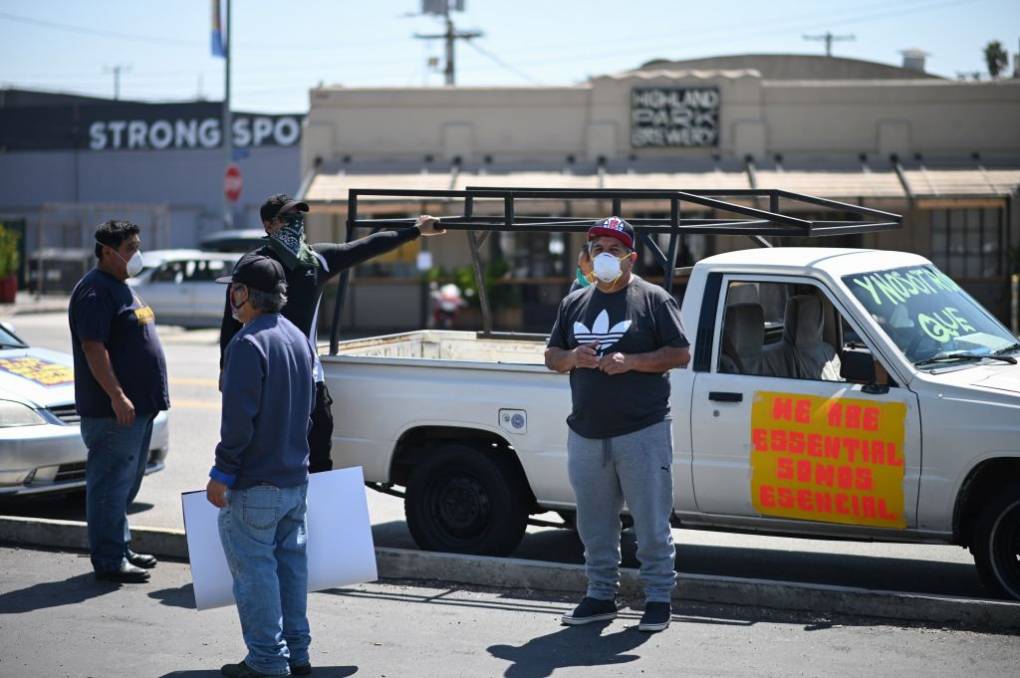
"caption": "Day laborers and their supporters demonstrate on April 14, 2020, in Los Angeles, calling on Gov. Gavin Newsom to provide coronavirus-related emergency financial aid to undocumented workers affected by the crisis.",
"description": null,
"title": "US-HEALTH-VIRUS",
"credit": "Robyn Beck/AFP via Getty Images",
"status": "inherit",
"isLoading": false,
"fetchFailed": false
},
"news_11814019": {
"type": "attachments",
"id": "news_11814019",
"meta": {
"index": "attachments_1716263798",
"site": "news",
"id": "11814019",
"found": true
},
"parent": 11814009,
"imgSizes": {
"apple_news_ca_landscape_5_5": {
"file": "https://ww2.kqed.org/app/uploads/sites/10/2020/04/iStock-1216351064-1044x783.jpg",
"width": 1044,
"mimeType": "image/jpeg",
"height": 783
},
"apple_news_ca_square_4_0": {
"file": "https://ww2.kqed.org/app/uploads/sites/10/2020/04/iStock-1216351064-470x470.jpg",
"width": 470,
"mimeType": "image/jpeg",
"height": 470
},
"twentyfourteen-full-width": {
"file": "https://ww2.kqed.org/app/uploads/sites/10/2020/04/iStock-1216351064-1038x576.jpg",
"width": 1038,
"mimeType": "image/jpeg",
"height": 576
},
"thumbnail": {
"file": "https://ww2.kqed.org/app/uploads/sites/10/2020/04/iStock-1216351064-160x88.jpg",
"width": 160,
"mimeType": "image/jpeg",
"height": 88
},
"post-thumbnail": {
"file": "https://ww2.kqed.org/app/uploads/sites/10/2020/04/iStock-1216351064-672x372.jpg",
"width": 672,
"mimeType": "image/jpeg",
"height": 372
},
"kqedFullSize": {
"file": "https://ww2.kqed.org/app/uploads/sites/10/2020/04/iStock-1216351064.jpg",
"width": 2332,
"height": 1286
},
"apple_news_ca_landscape_4_7": {
"file": "https://ww2.kqed.org/app/uploads/sites/10/2020/04/iStock-1216351064-632x474.jpg",
"width": 632,
"mimeType": "image/jpeg",
"height": 474
},
"large": {
"file": "https://ww2.kqed.org/app/uploads/sites/10/2020/04/iStock-1216351064-1020x562.jpg",
"width": 1020,
"mimeType": "image/jpeg",
"height": 562
},
"apple_news_ca_landscape_4_0": {
"file": "https://ww2.kqed.org/app/uploads/sites/10/2020/04/iStock-1216351064-536x402.jpg",
"width": 536,
"mimeType": "image/jpeg",
"height": 402
},
"apple_news_ca_portrait_12_9": {
"file": "https://ww2.kqed.org/app/uploads/sites/10/2020/04/iStock-1216351064-1122x1286.jpg",
"width": 1122,
"mimeType": "image/jpeg",
"height": 1286
},
"medium": {
"file": "https://ww2.kqed.org/app/uploads/sites/10/2020/04/iStock-1216351064-800x441.jpg",
"width": 800,
"mimeType": "image/jpeg",
"height": 441
},
"apple_news_ca_portrait_4_0": {
"file": "https://ww2.kqed.org/app/uploads/sites/10/2020/04/iStock-1216351064-354x472.jpg",
"width": 354,
"mimeType": "image/jpeg",
"height": 472
},
"apple_news_ca_portrait_9_7": {
"file": "https://ww2.kqed.org/app/uploads/sites/10/2020/04/iStock-1216351064-840x1120.jpg",
"width": 840,
"mimeType": "image/jpeg",
"height": 1120
},
"apple_news_ca_landscape_12_9": {
"file": "https://ww2.kqed.org/app/uploads/sites/10/2020/04/iStock-1216351064-1832x1286.jpg",
"width": 1832,
"mimeType": "image/jpeg",
"height": 1286
},
"apple_news_ca_square_9_7": {
"file": "https://ww2.kqed.org/app/uploads/sites/10/2020/04/iStock-1216351064-1104x1104.jpg",
"width": 1104,
"mimeType": "image/jpeg",
"height": 1104
},
"apple_news_ca_portrait_4_7": {
"file": "https://ww2.kqed.org/app/uploads/sites/10/2020/04/iStock-1216351064-414x552.jpg",
"width": 414,
"mimeType": "image/jpeg",
"height": 552
},
"apple_news_ca_square_12_9": {
"file": "https://ww2.kqed.org/app/uploads/sites/10/2020/04/iStock-1216351064-1472x1286.jpg",
"width": 1472,
"mimeType": "image/jpeg",
"height": 1286
},
"apple_news_ca_portrait_5_5": {
"file": "https://ww2.kqed.org/app/uploads/sites/10/2020/04/iStock-1216351064-687x916.jpg",
"width": 687,
"mimeType": "image/jpeg",
"height": 916
},
"full-width": {
"file": "https://ww2.kqed.org/app/uploads/sites/10/2020/04/iStock-1216351064-1920x1059.jpg",
"width": 1920,
"mimeType": "image/jpeg",
"height": 1059
},
"apple_news_ca_square_4_7": {
"file": "https://ww2.kqed.org/app/uploads/sites/10/2020/04/iStock-1216351064-550x550.jpg",
"width": 550,
"mimeType": "image/jpeg",
"height": 550
},
"apple_news_ca_landscape_9_7": {
"file": "https://ww2.kqed.org/app/uploads/sites/10/2020/04/iStock-1216351064-1376x1032.jpg",
"width": 1376,
"mimeType": "image/jpeg",
"height": 1032
},
"apple_news_ca_square_5_5": {
"file": "https://ww2.kqed.org/app/uploads/sites/10/2020/04/iStock-1216351064-912x912.jpg",
"width": 912,
"mimeType": "image/jpeg",
"height": 912
}
},
"publishDate": 1587679859,
"modified": 1587681048,
"caption": "Finding everyone who had contact with an infected person – known as contact tracing – is essential to curbing the spread of the virus, but also extremely resource intensive.",
"description": null,
"title": "Tracking coronavirus outbreak and people's location",
"credit": "iStock",
"status": "inherit",
"isLoading": false,
"fetchFailed": false
},
"news_11813962": {
"type": "attachments",
"id": "news_11813962",
"meta": {
"index": "attachments_1716263798",
"site": "news",
"id": "11813962",
"found": true
},
"parent": 11813888,
"imgSizes": {
"apple_news_ca_landscape_5_5": {
"file": "https://ww2.kqed.org/app/uploads/sites/10/2020/04/GettyImages-1206287512_1920x-1044x783.jpg",
"width": 1044,
"mimeType": "image/jpeg",
"height": 783
},
"apple_news_ca_square_4_0": {
"file": "https://ww2.kqed.org/app/uploads/sites/10/2020/04/GettyImages-1206287512_1920x-470x470.jpg",
"width": 470,
"mimeType": "image/jpeg",
"height": 470
},
"twentyfourteen-full-width": {
"file": "https://ww2.kqed.org/app/uploads/sites/10/2020/04/GettyImages-1206287512_1920x-1038x576.jpg",
"width": 1038,
"mimeType": "image/jpeg",
"height": 576
},
"thumbnail": {
"file": "https://ww2.kqed.org/app/uploads/sites/10/2020/04/GettyImages-1206287512_1920x-160x107.jpg",
"width": 160,
"mimeType": "image/jpeg",
"height": 107
},
"post-thumbnail": {
"file": "https://ww2.kqed.org/app/uploads/sites/10/2020/04/GettyImages-1206287512_1920x-672x372.jpg",
"width": 672,
"mimeType": "image/jpeg",
"height": 372
},
"kqedFullSize": {
"file": "https://ww2.kqed.org/app/uploads/sites/10/2020/04/GettyImages-1206287512_1920x.jpg",
"width": 1920,
"height": 1280
},
"apple_news_ca_landscape_4_7": {
"file": "https://ww2.kqed.org/app/uploads/sites/10/2020/04/GettyImages-1206287512_1920x-632x474.jpg",
"width": 632,
"mimeType": "image/jpeg",
"height": 474
},
"large": {
"file": "https://ww2.kqed.org/app/uploads/sites/10/2020/04/GettyImages-1206287512_1920x-1020x680.jpg",
"width": 1020,
"mimeType": "image/jpeg",
"height": 680
},
"apple_news_ca_landscape_4_0": {
"file": "https://ww2.kqed.org/app/uploads/sites/10/2020/04/GettyImages-1206287512_1920x-536x402.jpg",
"width": 536,
"mimeType": "image/jpeg",
"height": 402
},
"apple_news_ca_portrait_12_9": {
"file": "https://ww2.kqed.org/app/uploads/sites/10/2020/04/GettyImages-1206287512_1920x-1122x1280.jpg",
"width": 1122,
"mimeType": "image/jpeg",
"height": 1280
},
"medium": {
"file": "https://ww2.kqed.org/app/uploads/sites/10/2020/04/GettyImages-1206287512_1920x-800x533.jpg",
"width": 800,
"mimeType": "image/jpeg",
"height": 533
},
"apple_news_ca_portrait_4_0": {
"file": "https://ww2.kqed.org/app/uploads/sites/10/2020/04/GettyImages-1206287512_1920x-354x472.jpg",
"width": 354,
"mimeType": "image/jpeg",
"height": 472
},
"apple_news_ca_portrait_9_7": {
"file": "https://ww2.kqed.org/app/uploads/sites/10/2020/04/GettyImages-1206287512_1920x-840x1120.jpg",
"width": 840,
"mimeType": "image/jpeg",
"height": 1120
},
"apple_news_ca_landscape_12_9": {
"file": "https://ww2.kqed.org/app/uploads/sites/10/2020/04/GettyImages-1206287512_1920x-1832x1280.jpg",
"width": 1832,
"mimeType": "image/jpeg",
"height": 1280
},
"apple_news_ca_square_9_7": {
"file": "https://ww2.kqed.org/app/uploads/sites/10/2020/04/GettyImages-1206287512_1920x-1104x1104.jpg",
"width": 1104,
"mimeType": "image/jpeg",
"height": 1104
},
"apple_news_ca_portrait_4_7": {
"file": "https://ww2.kqed.org/app/uploads/sites/10/2020/04/GettyImages-1206287512_1920x-414x552.jpg",
"width": 414,
"mimeType": "image/jpeg",
"height": 552
},
"apple_news_ca_square_12_9": {
"file": "https://ww2.kqed.org/app/uploads/sites/10/2020/04/GettyImages-1206287512_1920x-1472x1280.jpg",
"width": 1472,
"mimeType": "image/jpeg",
"height": 1280
},
"apple_news_ca_portrait_5_5": {
"file": "https://ww2.kqed.org/app/uploads/sites/10/2020/04/GettyImages-1206287512_1920x-687x916.jpg",
"width": 687,
"mimeType": "image/jpeg",
"height": 916
},
"full-width": {
"file": "https://ww2.kqed.org/app/uploads/sites/10/2020/04/GettyImages-1206287512_1920x-1920x1280.jpg",
"width": 1920,
"mimeType": "image/jpeg",
"height": 1280
},
"apple_news_ca_square_4_7": {
"file": "https://ww2.kqed.org/app/uploads/sites/10/2020/04/GettyImages-1206287512_1920x-550x550.jpg",
"width": 550,
"mimeType": "image/jpeg",
"height": 550
},
"apple_news_ca_landscape_9_7": {
"file": "https://ww2.kqed.org/app/uploads/sites/10/2020/04/GettyImages-1206287512_1920x-1376x1032.jpg",
"width": 1376,
"mimeType": "image/jpeg",
"height": 1032
},
"apple_news_ca_square_5_5": {
"file": "https://ww2.kqed.org/app/uploads/sites/10/2020/04/GettyImages-1206287512_1920x-912x912.jpg",
"width": 912,
"mimeType": "image/jpeg",
"height": 912
}
},
"publishDate": 1587667826,
"modified": 1587669970,
"caption": "A person walks past archways during a quiet morning at Stanford University on March 9, 2020. ",
"description": "STANFORD, CA - MARCH 09: A person walks past archways during a quiet morning at Stanford University on March 9, 2020 in Stanford, California. ",
"title": "Stanford University Cancels On-Campus Classes After Faculty Member Tests Positive For Coronavirus",
"credit": "Philip Pacheco/Getty Images",
"status": "inherit",
"isLoading": false,
"fetchFailed": false
},
"news_11813975": {
"type": "attachments",
"id": "news_11813975",
"meta": {
"index": "attachments_1716263798",
"site": "news",
"id": "11813975",
"found": true
},
"parent": 11813696,
"imgSizes": {
"apple_news_ca_landscape_5_5": {
"file": "https://ww2.kqed.org/app/uploads/sites/10/2020/04/Mission-Street-pedestrians-1044x783.jpg",
"width": 1044,
"mimeType": "image/jpeg",
"height": 783
},
"apple_news_ca_square_4_0": {
"file": "https://ww2.kqed.org/app/uploads/sites/10/2020/04/Mission-Street-pedestrians-470x470.jpg",
"width": 470,
"mimeType": "image/jpeg",
"height": 470
},
"twentyfourteen-full-width": {
"file": "https://ww2.kqed.org/app/uploads/sites/10/2020/04/Mission-Street-pedestrians-1038x576.jpg",
"width": 1038,
"mimeType": "image/jpeg",
"height": 576
},
"thumbnail": {
"file": "https://ww2.kqed.org/app/uploads/sites/10/2020/04/Mission-Street-pedestrians-160x114.jpg",
"width": 160,
"mimeType": "image/jpeg",
"height": 114
},
"post-thumbnail": {
"file": "https://ww2.kqed.org/app/uploads/sites/10/2020/04/Mission-Street-pedestrians-672x372.jpg",
"width": 672,
"mimeType": "image/jpeg",
"height": 372
},
"kqedFullSize": {
"file": "https://ww2.kqed.org/app/uploads/sites/10/2020/04/Mission-Street-pedestrians.jpg",
"width": 1920,
"height": 1371
},
"apple_news_ca_landscape_4_7": {
"file": "https://ww2.kqed.org/app/uploads/sites/10/2020/04/Mission-Street-pedestrians-632x474.jpg",
"width": 632,
"mimeType": "image/jpeg",
"height": 474
},
"large": {
"file": "https://ww2.kqed.org/app/uploads/sites/10/2020/04/Mission-Street-pedestrians-1020x728.jpg",
"width": 1020,
"mimeType": "image/jpeg",
"height": 728
},
"apple_news_ca_landscape_4_0": {
"file": "https://ww2.kqed.org/app/uploads/sites/10/2020/04/Mission-Street-pedestrians-536x402.jpg",
"width": 536,
"mimeType": "image/jpeg",
"height": 402
},
"apple_news_ca_portrait_12_9": {
"file": "https://ww2.kqed.org/app/uploads/sites/10/2020/04/Mission-Street-pedestrians-1122x1371.jpg",
"width": 1122,
"mimeType": "image/jpeg",
"height": 1371
},
"medium": {
"file": "https://ww2.kqed.org/app/uploads/sites/10/2020/04/Mission-Street-pedestrians-800x571.jpg",
"width": 800,
"mimeType": "image/jpeg",
"height": 571
},
"apple_news_ca_portrait_4_0": {
"file": "https://ww2.kqed.org/app/uploads/sites/10/2020/04/Mission-Street-pedestrians-354x472.jpg",
"width": 354,
"mimeType": "image/jpeg",
"height": 472
},
"apple_news_ca_portrait_9_7": {
"file": "https://ww2.kqed.org/app/uploads/sites/10/2020/04/Mission-Street-pedestrians-840x1120.jpg",
"width": 840,
"mimeType": "image/jpeg",
"height": 1120
},
"apple_news_ca_landscape_12_9": {
"file": "https://ww2.kqed.org/app/uploads/sites/10/2020/04/Mission-Street-pedestrians-1832x1371.jpg",
"width": 1832,
"mimeType": "image/jpeg",
"height": 1371
},
"apple_news_ca_square_9_7": {
"file": "https://ww2.kqed.org/app/uploads/sites/10/2020/04/Mission-Street-pedestrians-1104x1104.jpg",
"width": 1104,
"mimeType": "image/jpeg",
"height": 1104
},
"apple_news_ca_portrait_4_7": {
"file": "https://ww2.kqed.org/app/uploads/sites/10/2020/04/Mission-Street-pedestrians-414x552.jpg",
"width": 414,
"mimeType": "image/jpeg",
"height": 552
},
"apple_news_ca_square_12_9": {
"file": "https://ww2.kqed.org/app/uploads/sites/10/2020/04/Mission-Street-pedestrians-1472x1371.jpg",
"width": 1472,
"mimeType": "image/jpeg",
"height": 1371
},
"apple_news_ca_portrait_5_5": {
"file": "https://ww2.kqed.org/app/uploads/sites/10/2020/04/Mission-Street-pedestrians-687x916.jpg",
"width": 687,
"mimeType": "image/jpeg",
"height": 916
},
"full-width": {
"file": "https://ww2.kqed.org/app/uploads/sites/10/2020/04/Mission-Street-pedestrians-1920x1371.jpg",
"width": 1920,
"mimeType": "image/jpeg",
"height": 1371
},
"apple_news_ca_square_4_7": {
"file": "https://ww2.kqed.org/app/uploads/sites/10/2020/04/Mission-Street-pedestrians-550x550.jpg",
"width": 550,
"mimeType": "image/jpeg",
"height": 550
},
"apple_news_ca_landscape_9_7": {
"file": "https://ww2.kqed.org/app/uploads/sites/10/2020/04/Mission-Street-pedestrians-1376x1032.jpg",
"width": 1376,
"mimeType": "image/jpeg",
"height": 1032
},
"apple_news_ca_square_5_5": {
"file": "https://ww2.kqed.org/app/uploads/sites/10/2020/04/Mission-Street-pedestrians-912x912.jpg",
"width": 912,
"mimeType": "image/jpeg",
"height": 912
}
},
"publishDate": 1587669760,
"modified": 1659982271,
"caption": "Pedestrians walk in San Francisco's Mission District.",
"description": "Pedestrians walk in San Francisco's Mission District.",
"title": "Mission-Street-pedestrians",
"credit": "Beth LaBerge/KQED",
"status": "inherit",
"altTag": "Two people photographed from behind walking down what is recognizably Mission Street in San Francisco, because of the New Mission theater sign in the background, in focus.",
"isLoading": false,
"fetchFailed": false
},
"news_11813769": {
"type": "attachments",
"id": "news_11813769",
"meta": {
"index": "attachments_1716263798",
"site": "news",
"id": "11813769",
"found": true
},
"parent": 11813744,
"imgSizes": {
"apple_news_ca_landscape_5_5": {
"file": "https://ww2.kqed.org/app/uploads/sites/10/2020/04/RS42883_family-becks-qut-1044x783.jpg",
"width": 1044,
"mimeType": "image/jpeg",
"height": 783
},
"apple_news_ca_square_4_0": {
"file": "https://ww2.kqed.org/app/uploads/sites/10/2020/04/RS42883_family-becks-qut-470x470.jpg",
"width": 470,
"mimeType": "image/jpeg",
"height": 470
},
"twentyfourteen-full-width": {
"file": "https://ww2.kqed.org/app/uploads/sites/10/2020/04/RS42883_family-becks-qut-1038x576.jpg",
"width": 1038,
"mimeType": "image/jpeg",
"height": 576
},
"thumbnail": {
"file": "https://ww2.kqed.org/app/uploads/sites/10/2020/04/RS42883_family-becks-qut-160x120.jpg",
"width": 160,
"mimeType": "image/jpeg",
"height": 120
},
"post-thumbnail": {
"file": "https://ww2.kqed.org/app/uploads/sites/10/2020/04/RS42883_family-becks-qut-672x372.jpg",
"width": 672,
"mimeType": "image/jpeg",
"height": 372
},
"kqedFullSize": {
"file": "https://ww2.kqed.org/app/uploads/sites/10/2020/04/RS42883_family-becks-qut.jpg",
"width": 1920,
"height": 1440
},
"apple_news_ca_landscape_4_7": {
"file": "https://ww2.kqed.org/app/uploads/sites/10/2020/04/RS42883_family-becks-qut-632x474.jpg",
"width": 632,
"mimeType": "image/jpeg",
"height": 474
},
"large": {
"file": "https://ww2.kqed.org/app/uploads/sites/10/2020/04/RS42883_family-becks-qut-1020x765.jpg",
"width": 1020,
"mimeType": "image/jpeg",
"height": 765
},
"apple_news_ca_landscape_4_0": {
"file": "https://ww2.kqed.org/app/uploads/sites/10/2020/04/RS42883_family-becks-qut-536x402.jpg",
"width": 536,
"mimeType": "image/jpeg",
"height": 402
},
"apple_news_ca_portrait_12_9": {
"file": "https://ww2.kqed.org/app/uploads/sites/10/2020/04/RS42883_family-becks-qut-1122x1440.jpg",
"width": 1122,
"mimeType": "image/jpeg",
"height": 1440
},
"medium": {
"file": "https://ww2.kqed.org/app/uploads/sites/10/2020/04/RS42883_family-becks-qut-800x600.jpg",
"width": 800,
"mimeType": "image/jpeg",
"height": 600
},
"apple_news_ca_portrait_4_0": {
"file": "https://ww2.kqed.org/app/uploads/sites/10/2020/04/RS42883_family-becks-qut-354x472.jpg",
"width": 354,
"mimeType": "image/jpeg",
"height": 472
},
"apple_news_ca_portrait_9_7": {
"file": "https://ww2.kqed.org/app/uploads/sites/10/2020/04/RS42883_family-becks-qut-840x1120.jpg",
"width": 840,
"mimeType": "image/jpeg",
"height": 1120
},
"apple_news_ca_landscape_12_9": {
"file": "https://ww2.kqed.org/app/uploads/sites/10/2020/04/RS42883_family-becks-qut-1832x1374.jpg",
"width": 1832,
"mimeType": "image/jpeg",
"height": 1374
},
"apple_news_ca_square_9_7": {
"file": "https://ww2.kqed.org/app/uploads/sites/10/2020/04/RS42883_family-becks-qut-1104x1104.jpg",
"width": 1104,
"mimeType": "image/jpeg",
"height": 1104
},
"apple_news_ca_portrait_4_7": {
"file": "https://ww2.kqed.org/app/uploads/sites/10/2020/04/RS42883_family-becks-qut-414x552.jpg",
"width": 414,
"mimeType": "image/jpeg",
"height": 552
},
"apple_news_ca_square_12_9": {
"file": "https://ww2.kqed.org/app/uploads/sites/10/2020/04/RS42883_family-becks-qut-1472x1440.jpg",
"width": 1472,
"mimeType": "image/jpeg",
"height": 1440
},
"apple_news_ca_portrait_5_5": {
"file": "https://ww2.kqed.org/app/uploads/sites/10/2020/04/RS42883_family-becks-qut-687x916.jpg",
"width": 687,
"mimeType": "image/jpeg",
"height": 916
},
"full-width": {
"file": "https://ww2.kqed.org/app/uploads/sites/10/2020/04/RS42883_family-becks-qut-1920x1440.jpg",
"width": 1920,
"mimeType": "image/jpeg",
"height": 1440
},
"apple_news_ca_square_4_7": {
"file": "https://ww2.kqed.org/app/uploads/sites/10/2020/04/RS42883_family-becks-qut-550x550.jpg",
"width": 550,
"mimeType": "image/jpeg",
"height": 550
},
"apple_news_ca_landscape_9_7": {
"file": "https://ww2.kqed.org/app/uploads/sites/10/2020/04/RS42883_family-becks-qut-1376x1032.jpg",
"width": 1376,
"mimeType": "image/jpeg",
"height": 1032
},
"apple_news_ca_square_5_5": {
"file": "https://ww2.kqed.org/app/uploads/sites/10/2020/04/RS42883_family-becks-qut-912x912.jpg",
"width": 912,
"mimeType": "image/jpeg",
"height": 912
}
},
"publishDate": 1587594063,
"modified": 1587618004,
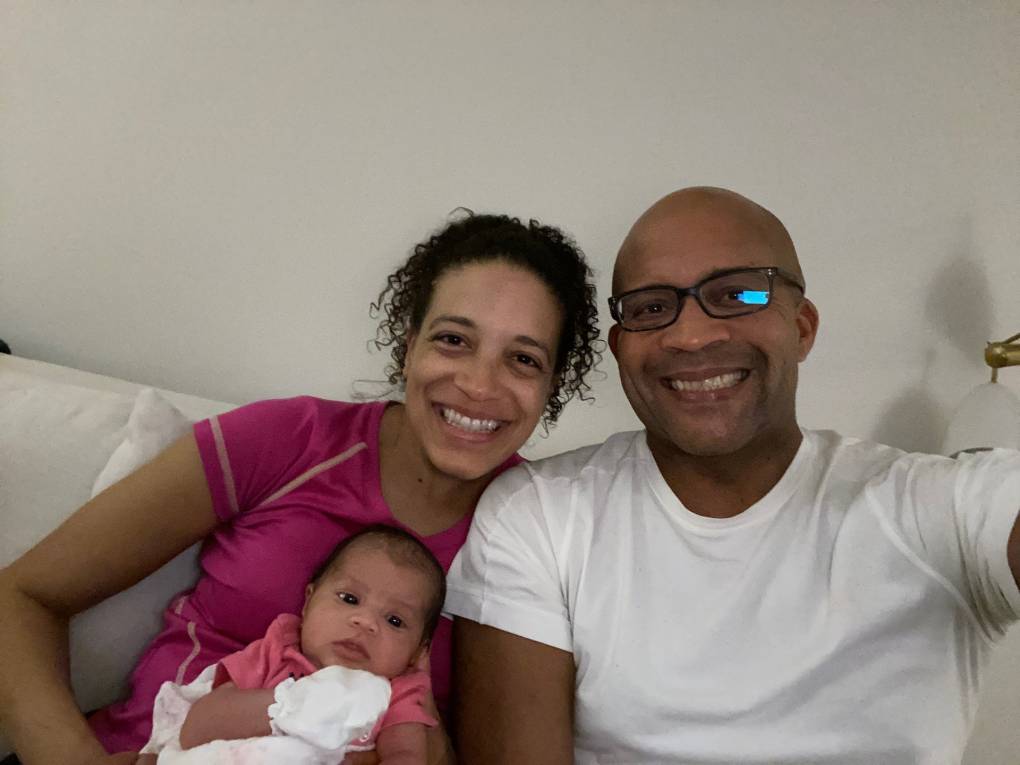
"caption": "New parents Erica Becks and Darryl Willis with their new baby daughter Emersyn Michelle Willis.",
"description": "New parents Erica Becks and Darryl Willis with their new baby daughter Emersyn Michelle Willis.",
"title": "RS42883_family becks-qut",
"credit": "Courtesy of Erica Becks",
"status": "inherit",
"isLoading": false,
"fetchFailed": false
},
"news_11754056": {
"type": "attachments",
"id": "news_11754056",
"meta": {
"index": "attachments_1716263798",
"site": "news",
"id": "11754056",
"found": true
},
"parent": 11754005,
"imgSizes": {
"apple_news_ca_landscape_5_5": {
"file": "https://ww2.kqed.org/app/uploads/sites/10/2019/06/Shell-Oil-Refinery-Martinez-1044x783.jpg",
"width": 1044,
"mimeType": "image/jpeg",
"height": 783
},
"apple_news_ca_square_4_0": {
"file": "https://ww2.kqed.org/app/uploads/sites/10/2019/06/Shell-Oil-Refinery-Martinez-470x470.jpg",
"width": 470,
"mimeType": "image/jpeg",
"height": 470
},
"twentyfourteen-full-width": {
"file": "https://ww2.kqed.org/app/uploads/sites/10/2019/06/Shell-Oil-Refinery-Martinez-1038x576.jpg",
"width": 1038,
"mimeType": "image/jpeg",
"height": 576
},
"thumbnail": {
"file": "https://ww2.kqed.org/app/uploads/sites/10/2019/06/Shell-Oil-Refinery-Martinez-160x107.jpg",
"width": 160,
"mimeType": "image/jpeg",
"height": 107
},
"post-thumbnail": {
"file": "https://ww2.kqed.org/app/uploads/sites/10/2019/06/Shell-Oil-Refinery-Martinez-672x372.jpg",
"width": 672,
"mimeType": "image/jpeg",
"height": 372
},
"kqedFullSize": {
"file": "https://ww2.kqed.org/app/uploads/sites/10/2019/06/Shell-Oil-Refinery-Martinez.jpg",
"width": 1920,
"height": 1280
},
"apple_news_ca_landscape_4_7": {
"file": "https://ww2.kqed.org/app/uploads/sites/10/2019/06/Shell-Oil-Refinery-Martinez-632x474.jpg",
"width": 632,
"mimeType": "image/jpeg",
"height": 474
},
"large": {
"file": "https://ww2.kqed.org/app/uploads/sites/10/2019/06/Shell-Oil-Refinery-Martinez-1020x680.jpg",
"width": 1020,
"mimeType": "image/jpeg",
"height": 680
},
"complete_open_graph": {
"file": "https://ww2.kqed.org/app/uploads/sites/10/2019/06/Shell-Oil-Refinery-Martinez-1200x800.jpg",
"width": 1200,
"mimeType": "image/jpeg",
"height": 800
},
"apple_news_ca_landscape_4_0": {
"file": "https://ww2.kqed.org/app/uploads/sites/10/2019/06/Shell-Oil-Refinery-Martinez-536x402.jpg",
"width": 536,
"mimeType": "image/jpeg",
"height": 402
},
"apple_news_ca_portrait_12_9": {
"file": "https://ww2.kqed.org/app/uploads/sites/10/2019/06/Shell-Oil-Refinery-Martinez-1122x1280.jpg",
"width": 1122,
"mimeType": "image/jpeg",
"height": 1280
},
"medium": {
"file": "https://ww2.kqed.org/app/uploads/sites/10/2019/06/Shell-Oil-Refinery-Martinez-800x533.jpg",
"width": 800,
"mimeType": "image/jpeg",
"height": 533
},
"apple_news_ca_portrait_4_0": {
"file": "https://ww2.kqed.org/app/uploads/sites/10/2019/06/Shell-Oil-Refinery-Martinez-354x472.jpg",
"width": 354,
"mimeType": "image/jpeg",
"height": 472
},
"apple_news_ca_portrait_9_7": {
"file": "https://ww2.kqed.org/app/uploads/sites/10/2019/06/Shell-Oil-Refinery-Martinez-840x1120.jpg",
"width": 840,
"mimeType": "image/jpeg",
"height": 1120
},
"apple_news_ca_landscape_12_9": {
"file": "https://ww2.kqed.org/app/uploads/sites/10/2019/06/Shell-Oil-Refinery-Martinez-1832x1280.jpg",
"width": 1832,
"mimeType": "image/jpeg",
"height": 1280
},
"apple_news_ca_square_9_7": {
"file": "https://ww2.kqed.org/app/uploads/sites/10/2019/06/Shell-Oil-Refinery-Martinez-1104x1104.jpg",
"width": 1104,
"mimeType": "image/jpeg",
"height": 1104
},
"apple_news_ca_portrait_4_7": {
"file": "https://ww2.kqed.org/app/uploads/sites/10/2019/06/Shell-Oil-Refinery-Martinez-414x552.jpg",
"width": 414,
"mimeType": "image/jpeg",
"height": 552
},
"apple_news_ca_square_12_9": {
"file": "https://ww2.kqed.org/app/uploads/sites/10/2019/06/Shell-Oil-Refinery-Martinez-1472x1280.jpg",
"width": 1472,
"mimeType": "image/jpeg",
"height": 1280
},
"apple_news_ca_portrait_5_5": {
"file": "https://ww2.kqed.org/app/uploads/sites/10/2019/06/Shell-Oil-Refinery-Martinez-687x916.jpg",
"width": 687,
"mimeType": "image/jpeg",
"height": 916
},
"full-width": {
"file": "https://ww2.kqed.org/app/uploads/sites/10/2019/06/Shell-Oil-Refinery-Martinez-1920x1280.jpg",
"width": 1920,
"mimeType": "image/jpeg",
"height": 1280
},
"apple_news_ca_square_4_7": {
"file": "https://ww2.kqed.org/app/uploads/sites/10/2019/06/Shell-Oil-Refinery-Martinez-550x550.jpg",
"width": 550,
"mimeType": "image/jpeg",
"height": 550
},
"apple_news_ca_landscape_9_7": {
"file": "https://ww2.kqed.org/app/uploads/sites/10/2019/06/Shell-Oil-Refinery-Martinez-1376x1032.jpg",
"width": 1376,
"mimeType": "image/jpeg",
"height": 1032
},
"apple_news_ca_square_5_5": {
"file": "https://ww2.kqed.org/app/uploads/sites/10/2019/06/Shell-Oil-Refinery-Martinez-912x912.jpg",
"width": 912,
"mimeType": "image/jpeg",
"height": 912
}
},
"publishDate": 1560297519,
"modified": 1587605233,
"caption": "The former Shell Oil refinery in Martinez, now owned and operated by New Jersey-based PBF Energy. ",
"description": "The Shell Oil refinery in Martinez.",
"title": "PBF Energy Refinery-Martinez",
"credit": "Justin Sullivan/Getty Images",
"status": "inherit",
"isLoading": false,
"fetchFailed": false
},
"news_11813828": {
"type": "attachments",
"id": "news_11813828",
"meta": {
"index": "attachments_1716263798",
"site": "news",
"id": "11813828",
"found": true
},
"parent": 11813685,
"imgSizes": {
"apple_news_ca_landscape_5_5": {
"file": "https://ww2.kqed.org/app/uploads/sites/10/2020/04/RS42892_alt_1008-1044x783.png",
"width": 1044,
"mimeType": "image/png",
"height": 783
},
"apple_news_ca_square_4_0": {
"file": "https://ww2.kqed.org/app/uploads/sites/10/2020/04/RS42892_alt_1008-470x470.png",
"width": 470,
"mimeType": "image/png",
"height": 470
},
"twentyfourteen-full-width": {
"file": "https://ww2.kqed.org/app/uploads/sites/10/2020/04/RS42892_alt_1008-1038x576.png",
"width": 1038,
"mimeType": "image/png",
"height": 576
},
"thumbnail": {
"file": "https://ww2.kqed.org/app/uploads/sites/10/2020/04/RS42892_alt_1008-160x102.png",
"width": 160,
"mimeType": "image/png",
"height": 102
},
"post-thumbnail": {
"file": "https://ww2.kqed.org/app/uploads/sites/10/2020/04/RS42892_alt_1008-672x372.png",
"width": 672,
"mimeType": "image/png",
"height": 372
},
"kqedFullSize": {
"file": "https://ww2.kqed.org/app/uploads/sites/10/2020/04/RS42892_alt_1008.png",
"width": 1240,
"height": 794
},
"apple_news_ca_landscape_4_7": {
"file": "https://ww2.kqed.org/app/uploads/sites/10/2020/04/RS42892_alt_1008-632x474.png",
"width": 632,
"mimeType": "image/png",
"height": 474
},
"large": {
"file": "https://ww2.kqed.org/app/uploads/sites/10/2020/04/RS42892_alt_1008-1020x653.png",
"width": 1020,
"mimeType": "image/png",
"height": 653
},
"apple_news_ca_landscape_4_0": {
"file": "https://ww2.kqed.org/app/uploads/sites/10/2020/04/RS42892_alt_1008-536x402.png",
"width": 536,
"mimeType": "image/png",
"height": 402
},
"apple_news_ca_portrait_12_9": {
"file": "https://ww2.kqed.org/app/uploads/sites/10/2020/04/RS42892_alt_1008-1122x794.png",
"width": 1122,
"mimeType": "image/png",
"height": 794
},
"medium": {
"file": "https://ww2.kqed.org/app/uploads/sites/10/2020/04/RS42892_alt_1008-800x512.png",
"width": 800,
"mimeType": "image/png",
"height": 512
},
"apple_news_ca_portrait_4_0": {
"file": "https://ww2.kqed.org/app/uploads/sites/10/2020/04/RS42892_alt_1008-354x472.png",
"width": 354,
"mimeType": "image/png",
"height": 472
},
"apple_news_ca_portrait_9_7": {
"file": "https://ww2.kqed.org/app/uploads/sites/10/2020/04/RS42892_alt_1008-840x794.png",
"width": 840,
"mimeType": "image/png",
"height": 794
},
"apple_news_ca_square_9_7": {
"file": "https://ww2.kqed.org/app/uploads/sites/10/2020/04/RS42892_alt_1008-1104x794.png",
"width": 1104,
"mimeType": "image/png",
"height": 794
},
"apple_news_ca_portrait_4_7": {
"file": "https://ww2.kqed.org/app/uploads/sites/10/2020/04/RS42892_alt_1008-414x552.png",
"width": 414,
"mimeType": "image/png",
"height": 552
},
"apple_news_ca_portrait_5_5": {
"file": "https://ww2.kqed.org/app/uploads/sites/10/2020/04/RS42892_alt_1008-687x794.png",
"width": 687,
"mimeType": "image/png",
"height": 794
},
"apple_news_ca_square_4_7": {
"file": "https://ww2.kqed.org/app/uploads/sites/10/2020/04/RS42892_alt_1008-550x550.png",
"width": 550,
"mimeType": "image/png",
"height": 550
},
"apple_news_ca_square_5_5": {
"file": "https://ww2.kqed.org/app/uploads/sites/10/2020/04/RS42892_alt_1008-912x794.png",
"width": 912,
"mimeType": "image/png",
"height": 794
}
},
"publishDate": 1587599351,
"modified": 1587599414,
"caption": "San Jose-based video data storage company Quantum Corp. received the maximum allowable amount under the program — $10 million — even though its business doesn't appear to be bracing for a significant financial hit from the COVID-19 pandemic.",
"description": "San Jose-based video data storage company Quantum Corp. received the maximum allowable amount under the program — $10 million — even though its business doesn't appear to be bracing for a significant financial hit from the COVID-19 pandemic.",
"title": "RS42892_alt_1008",
"credit": "Courtesy of Google Maps",
"status": "inherit",
"isLoading": false,
"fetchFailed": false
},
"news_11813717": {
"type": "attachments",
"id": "news_11813717",
"meta": {
"index": "attachments_1716263798",
"site": "news",
"id": "11813717",
"found": true
},
"parent": 11811205,
"imgSizes": {
"apple_news_ca_landscape_5_5": {
"file": "https://ww2.kqed.org/app/uploads/sites/10/2020/04/dreams-horizontal-1044x783.jpg",
"width": 1044,
"mimeType": "image/jpeg",
"height": 783
},
"apple_news_ca_square_4_0": {
"file": "https://ww2.kqed.org/app/uploads/sites/10/2020/04/dreams-horizontal-470x470.jpg",
"width": 470,
"mimeType": "image/jpeg",
"height": 470
},
"twentyfourteen-full-width": {
"file": "https://ww2.kqed.org/app/uploads/sites/10/2020/04/dreams-horizontal-1038x576.jpg",
"width": 1038,
"mimeType": "image/jpeg",
"height": 576
},
"thumbnail": {
"file": "https://ww2.kqed.org/app/uploads/sites/10/2020/04/dreams-horizontal-160x90.jpg",
"width": 160,
"mimeType": "image/jpeg",
"height": 90
},
"post-thumbnail": {
"file": "https://ww2.kqed.org/app/uploads/sites/10/2020/04/dreams-horizontal-672x372.jpg",
"width": 672,
"mimeType": "image/jpeg",
"height": 372
},
"kqedFullSize": {
"file": "https://ww2.kqed.org/app/uploads/sites/10/2020/04/dreams-horizontal.jpg",
"width": 1920,
"height": 1080
},
"apple_news_ca_landscape_4_7": {
"file": "https://ww2.kqed.org/app/uploads/sites/10/2020/04/dreams-horizontal-632x474.jpg",
"width": 632,
"mimeType": "image/jpeg",
"height": 474
},
"large": {
"file": "https://ww2.kqed.org/app/uploads/sites/10/2020/04/dreams-horizontal-1020x574.jpg",
"width": 1020,
"mimeType": "image/jpeg",
"height": 574
},
"apple_news_ca_landscape_4_0": {
"file": "https://ww2.kqed.org/app/uploads/sites/10/2020/04/dreams-horizontal-536x402.jpg",
"width": 536,
"mimeType": "image/jpeg",
"height": 402
},
"apple_news_ca_portrait_12_9": {
"file": "https://ww2.kqed.org/app/uploads/sites/10/2020/04/dreams-horizontal-1122x1080.jpg",
"width": 1122,
"mimeType": "image/jpeg",
"height": 1080
},
"medium": {
"file": "https://ww2.kqed.org/app/uploads/sites/10/2020/04/dreams-horizontal-800x450.jpg",
"width": 800,
"mimeType": "image/jpeg",
"height": 450
},
"apple_news_ca_portrait_4_0": {
"file": "https://ww2.kqed.org/app/uploads/sites/10/2020/04/dreams-horizontal-354x472.jpg",
"width": 354,
"mimeType": "image/jpeg",
"height": 472
},
"apple_news_ca_portrait_9_7": {
"file": "https://ww2.kqed.org/app/uploads/sites/10/2020/04/dreams-horizontal-840x1080.jpg",
"width": 840,
"mimeType": "image/jpeg",
"height": 1080
},
"apple_news_ca_landscape_12_9": {
"file": "https://ww2.kqed.org/app/uploads/sites/10/2020/04/dreams-horizontal-1832x1080.jpg",
"width": 1832,
"mimeType": "image/jpeg",
"height": 1080
},
"apple_news_ca_square_9_7": {
"file": "https://ww2.kqed.org/app/uploads/sites/10/2020/04/dreams-horizontal-1104x1080.jpg",
"width": 1104,
"mimeType": "image/jpeg",
"height": 1080
},
"apple_news_ca_portrait_4_7": {
"file": "https://ww2.kqed.org/app/uploads/sites/10/2020/04/dreams-horizontal-414x552.jpg",
"width": 414,
"mimeType": "image/jpeg",
"height": 552
},
"apple_news_ca_square_12_9": {
"file": "https://ww2.kqed.org/app/uploads/sites/10/2020/04/dreams-horizontal-1472x1080.jpg",
"width": 1472,
"mimeType": "image/jpeg",
"height": 1080
},
"apple_news_ca_portrait_5_5": {
"file": "https://ww2.kqed.org/app/uploads/sites/10/2020/04/dreams-horizontal-687x916.jpg",
"width": 687,
"mimeType": "image/jpeg",
"height": 916
},
"full-width": {
"file": "https://ww2.kqed.org/app/uploads/sites/10/2020/04/dreams-horizontal-1920x1080.jpg",
"width": 1920,
"mimeType": "image/jpeg",
"height": 1080
},
"apple_news_ca_square_4_7": {
"file": "https://ww2.kqed.org/app/uploads/sites/10/2020/04/dreams-horizontal-550x550.jpg",
"width": 550,
"mimeType": "image/jpeg",
"height": 550
},
"apple_news_ca_landscape_9_7": {
"file": "https://ww2.kqed.org/app/uploads/sites/10/2020/04/dreams-horizontal-1376x1032.jpg",
"width": 1376,
"mimeType": "image/jpeg",
"height": 1032
},
"apple_news_ca_square_5_5": {
"file": "https://ww2.kqed.org/app/uploads/sites/10/2020/04/dreams-horizontal-912x912.jpg",
"width": 912,
"mimeType": "image/jpeg",
"height": 912
}
},
"publishDate": 1587589030,
"modified": 1587664175,
"caption": "Terrible dreams? Can't sleep? Blame COVID-19.",
"description": "Terrible dreams? Can't sleep? Blame COVID-19.",
"title": "dreams - horizontal",
"credit": "Anna Vignet/KQED",
"status": "inherit",
"isLoading": false,
"fetchFailed": false
},
"news_11813876": {
"type": "attachments",
"id": "news_11813876",
"meta": {
"index": "attachments_1716263798",
"site": "news",
"id": "11813876",
"found": true
},
"parent": 11813875,
"imgSizes": {
"apple_news_ca_landscape_5_5": {
"file": "https://ww2.kqed.org/app/uploads/sites/10/2020/04/Protest-Getty-1210379262-1044x783.jpg",
"width": 1044,
"mimeType": "image/jpeg",
"height": 783
},
"apple_news_ca_square_4_0": {
"file": "https://ww2.kqed.org/app/uploads/sites/10/2020/04/Protest-Getty-1210379262-470x470.jpg",
"width": 470,
"mimeType": "image/jpeg",
"height": 470
},
"twentyfourteen-full-width": {
"file": "https://ww2.kqed.org/app/uploads/sites/10/2020/04/Protest-Getty-1210379262-1038x576.jpg",
"width": 1038,
"mimeType": "image/jpeg",
"height": 576
},
"thumbnail": {
"file": "https://ww2.kqed.org/app/uploads/sites/10/2020/04/Protest-Getty-1210379262-160x104.jpg",
"width": 160,
"mimeType": "image/jpeg",
"height": 104
},
"post-thumbnail": {
"file": "https://ww2.kqed.org/app/uploads/sites/10/2020/04/Protest-Getty-1210379262-672x372.jpg",
"width": 672,
"mimeType": "image/jpeg",
"height": 372
},
"kqedFullSize": {
"file": "https://ww2.kqed.org/app/uploads/sites/10/2020/04/Protest-Getty-1210379262.jpg",
"width": 1920,
"height": 1251
},
"apple_news_ca_landscape_4_7": {
"file": "https://ww2.kqed.org/app/uploads/sites/10/2020/04/Protest-Getty-1210379262-632x474.jpg",
"width": 632,
"mimeType": "image/jpeg",
"height": 474
},
"large": {
"file": "https://ww2.kqed.org/app/uploads/sites/10/2020/04/Protest-Getty-1210379262-1020x665.jpg",
"width": 1020,
"mimeType": "image/jpeg",
"height": 665
},
"apple_news_ca_landscape_4_0": {
"file": "https://ww2.kqed.org/app/uploads/sites/10/2020/04/Protest-Getty-1210379262-536x402.jpg",
"width": 536,
"mimeType": "image/jpeg",
"height": 402
},
"apple_news_ca_portrait_12_9": {
"file": "https://ww2.kqed.org/app/uploads/sites/10/2020/04/Protest-Getty-1210379262-1122x1251.jpg",
"width": 1122,
"mimeType": "image/jpeg",
"height": 1251
},
"medium": {
"file": "https://ww2.kqed.org/app/uploads/sites/10/2020/04/Protest-Getty-1210379262-800x521.jpg",
"width": 800,
"mimeType": "image/jpeg",
"height": 521
},
"apple_news_ca_portrait_4_0": {
"file": "https://ww2.kqed.org/app/uploads/sites/10/2020/04/Protest-Getty-1210379262-354x472.jpg",
"width": 354,
"mimeType": "image/jpeg",
"height": 472
},
"apple_news_ca_portrait_9_7": {
"file": "https://ww2.kqed.org/app/uploads/sites/10/2020/04/Protest-Getty-1210379262-840x1120.jpg",
"width": 840,
"mimeType": "image/jpeg",
"height": 1120
},
"apple_news_ca_landscape_12_9": {
"file": "https://ww2.kqed.org/app/uploads/sites/10/2020/04/Protest-Getty-1210379262-1832x1251.jpg",
"width": 1832,
"mimeType": "image/jpeg",
"height": 1251
},
"apple_news_ca_square_9_7": {
"file": "https://ww2.kqed.org/app/uploads/sites/10/2020/04/Protest-Getty-1210379262-1104x1104.jpg",
"width": 1104,
"mimeType": "image/jpeg",
"height": 1104
},
"apple_news_ca_portrait_4_7": {
"file": "https://ww2.kqed.org/app/uploads/sites/10/2020/04/Protest-Getty-1210379262-414x552.jpg",
"width": 414,
"mimeType": "image/jpeg",
"height": 552
},
"apple_news_ca_square_12_9": {
"file": "https://ww2.kqed.org/app/uploads/sites/10/2020/04/Protest-Getty-1210379262-1472x1251.jpg",
"width": 1472,
"mimeType": "image/jpeg",
"height": 1251
},
"apple_news_ca_portrait_5_5": {
"file": "https://ww2.kqed.org/app/uploads/sites/10/2020/04/Protest-Getty-1210379262-687x916.jpg",
"width": 687,
"mimeType": "image/jpeg",
"height": 916
},
"full-width": {
"file": "https://ww2.kqed.org/app/uploads/sites/10/2020/04/Protest-Getty-1210379262-1920x1251.jpg",
"width": 1920,
"mimeType": "image/jpeg",
"height": 1251
},
"apple_news_ca_square_4_7": {
"file": "https://ww2.kqed.org/app/uploads/sites/10/2020/04/Protest-Getty-1210379262-550x550.jpg",
"width": 550,
"mimeType": "image/jpeg",
"height": 550
},
"apple_news_ca_landscape_9_7": {
"file": "https://ww2.kqed.org/app/uploads/sites/10/2020/04/Protest-Getty-1210379262-1376x1032.jpg",
"width": 1376,
"mimeType": "image/jpeg",
"height": 1032
},
"apple_news_ca_square_5_5": {
"file": "https://ww2.kqed.org/app/uploads/sites/10/2020/04/Protest-Getty-1210379262-912x912.jpg",
"width": 912,
"mimeType": "image/jpeg",
"height": 912
}
},
"publishDate": 1587617072,
"modified": 1587662042,
"caption": "Demonstrators protest during a \"Freedom Rally\" against stay-at-home directives on April 18, 2020 in San Diego. Rallies were held at several state capitols across the country last week where mainly Republican protesters expressed their deep frustration with the stay-at-home orders that are meant to stem the spread of the novel coronavirus.\n",
"description": null,
"title": "Protest-Getty-1210379262",
"credit": "Sandy Huffaker/Getty Images",
"status": "inherit",
"isLoading": false,
"fetchFailed": false
},
"news_11813712": {
"type": "attachments",
"id": "news_11813712",
"meta": {
"index": "attachments_1716263798",
"site": "news",
"id": "11813712",
"found": true
},
"parent": 11813701,
"imgSizes": {
"apple_news_ca_landscape_5_5": {
"file": "https://ww2.kqed.org/app/uploads/sites/10/2020/04/earthday_042220_final-1044x783.png",
"width": 1044,
"mimeType": "image/png",
"height": 783
},
"apple_news_ca_square_4_0": {
"file": "https://ww2.kqed.org/app/uploads/sites/10/2020/04/earthday_042220_final-470x470.png",
"width": 470,
"mimeType": "image/png",
"height": 470
},
"twentyfourteen-full-width": {
"file": "https://ww2.kqed.org/app/uploads/sites/10/2020/04/earthday_042220_final-1038x576.png",
"width": 1038,
"mimeType": "image/png",
"height": 576
},
"thumbnail": {
"file": "https://ww2.kqed.org/app/uploads/sites/10/2020/04/earthday_042220_final-160x162.png",
"width": 160,
"mimeType": "image/png",
"height": 162
},
"post-thumbnail": {
"file": "https://ww2.kqed.org/app/uploads/sites/10/2020/04/earthday_042220_final-672x372.png",
"width": 672,
"mimeType": "image/png",
"height": 372
},
"kqedFullSize": {
"file": "https://ww2.kqed.org/app/uploads/sites/10/2020/04/earthday_042220_final.png",
"width": 1920,
"height": 1948
},
"apple_news_ca_landscape_4_7": {
"file": "https://ww2.kqed.org/app/uploads/sites/10/2020/04/earthday_042220_final-632x474.png",
"width": 632,
"mimeType": "image/png",
"height": 474
},
"large": {
"file": "https://ww2.kqed.org/app/uploads/sites/10/2020/04/earthday_042220_final-1020x1035.png",
"width": 1020,
"mimeType": "image/png",
"height": 1035
},
"apple_news_ca_landscape_4_0": {
"file": "https://ww2.kqed.org/app/uploads/sites/10/2020/04/earthday_042220_final-536x402.png",
"width": 536,
"mimeType": "image/png",
"height": 402
},
"apple_news_ca_portrait_12_9": {
"file": "https://ww2.kqed.org/app/uploads/sites/10/2020/04/earthday_042220_final-1122x1496.png",
"width": 1122,
"mimeType": "image/png",
"height": 1496
},
"medium": {
"file": "https://ww2.kqed.org/app/uploads/sites/10/2020/04/earthday_042220_final-800x812.png",
"width": 800,
"mimeType": "image/png",
"height": 812
},
"apple_news_ca_portrait_4_0": {
"file": "https://ww2.kqed.org/app/uploads/sites/10/2020/04/earthday_042220_final-354x472.png",
"width": 354,
"mimeType": "image/png",
"height": 472
},
"apple_news_ca_portrait_9_7": {
"file": "https://ww2.kqed.org/app/uploads/sites/10/2020/04/earthday_042220_final-840x1120.png",
"width": 840,
"mimeType": "image/png",
"height": 1120
},
"apple_news_ca_landscape_12_9": {
"file": "https://ww2.kqed.org/app/uploads/sites/10/2020/04/earthday_042220_final-1832x1374.png",
"width": 1832,
"mimeType": "image/png",
"height": 1374
},
"apple_news_ca_square_9_7": {
"file": "https://ww2.kqed.org/app/uploads/sites/10/2020/04/earthday_042220_final-1104x1104.png",
"width": 1104,
"mimeType": "image/png",
"height": 1104
},
"apple_news_ca_portrait_4_7": {
"file": "https://ww2.kqed.org/app/uploads/sites/10/2020/04/earthday_042220_final-414x552.png",
"width": 414,
"mimeType": "image/png",
"height": 552
},
"apple_news_ca_square_12_9": {
"file": "https://ww2.kqed.org/app/uploads/sites/10/2020/04/earthday_042220_final-1472x1472.png",
"width": 1472,
"mimeType": "image/png",
"height": 1472
},
"apple_news_ca_portrait_5_5": {
"file": "https://ww2.kqed.org/app/uploads/sites/10/2020/04/earthday_042220_final-687x916.png",
"width": 687,
"mimeType": "image/png",
"height": 916
},
"full-width": {
"file": "https://ww2.kqed.org/app/uploads/sites/10/2020/04/earthday_042220_final-1920x1948.png",
"width": 1920,
"mimeType": "image/png",
"height": 1948
},
"apple_news_ca_square_4_7": {
"file": "https://ww2.kqed.org/app/uploads/sites/10/2020/04/earthday_042220_final-550x550.png",
"width": 550,
"mimeType": "image/png",
"height": 550
},
"apple_news_ca_landscape_9_7": {
"file": "https://ww2.kqed.org/app/uploads/sites/10/2020/04/earthday_042220_final-1376x1032.png",
"width": 1376,
"mimeType": "image/png",
"height": 1032
},
"apple_news_ca_square_5_5": {
"file": "https://ww2.kqed.org/app/uploads/sites/10/2020/04/earthday_042220_final-912x912.png",
"width": 912,
"mimeType": "image/png",
"height": 912
}
},
"publishDate": 1587588549,
"modified": 1587588599,
"caption": null,
"description": null,
"title": "earthday_042220_final",
"credit": null,
"status": "inherit",
"isLoading": false,
"fetchFailed": false
},
"news_11813476": {
"type": "attachments",
"id": "news_11813476",
"meta": {
"index": "attachments_1716263798",
"site": "news",
"id": "11813476",
"found": true
},
"parent": 11813233,
"imgSizes": {
"apple_news_ca_landscape_5_5": {
"file": "https://ww2.kqed.org/app/uploads/sites/10/2020/04/RS42866_Campesina-qut-1044x783.jpg",
"width": 1044,
"mimeType": "image/jpeg",
"height": 783
},
"apple_news_ca_square_4_0": {
"file": "https://ww2.kqed.org/app/uploads/sites/10/2020/04/RS42866_Campesina-qut-470x470.jpg",
"width": 470,
"mimeType": "image/jpeg",
"height": 470
},
"twentyfourteen-full-width": {
"file": "https://ww2.kqed.org/app/uploads/sites/10/2020/04/RS42866_Campesina-qut-1038x576.jpg",
"width": 1038,
"mimeType": "image/jpeg",
"height": 576
},
"thumbnail": {
"file": "https://ww2.kqed.org/app/uploads/sites/10/2020/04/RS42866_Campesina-qut-160x101.jpg",
"width": 160,
"mimeType": "image/jpeg",
"height": 101
},
"post-thumbnail": {
"file": "https://ww2.kqed.org/app/uploads/sites/10/2020/04/RS42866_Campesina-qut-672x372.jpg",
"width": 672,
"mimeType": "image/jpeg",
"height": 372
},
"kqedFullSize": {
"file": "https://ww2.kqed.org/app/uploads/sites/10/2020/04/RS42866_Campesina-qut.jpg",
"width": 1920,
"height": 1214
},
"apple_news_ca_landscape_4_7": {
"file": "https://ww2.kqed.org/app/uploads/sites/10/2020/04/RS42866_Campesina-qut-632x474.jpg",
"width": 632,
"mimeType": "image/jpeg",
"height": 474
},
"large": {
"file": "https://ww2.kqed.org/app/uploads/sites/10/2020/04/RS42866_Campesina-qut-1020x645.jpg",
"width": 1020,
"mimeType": "image/jpeg",
"height": 645
},
"apple_news_ca_landscape_4_0": {
"file": "https://ww2.kqed.org/app/uploads/sites/10/2020/04/RS42866_Campesina-qut-536x402.jpg",
"width": 536,
"mimeType": "image/jpeg",
"height": 402
},
"apple_news_ca_portrait_12_9": {
"file": "https://ww2.kqed.org/app/uploads/sites/10/2020/04/RS42866_Campesina-qut-1122x1214.jpg",
"width": 1122,
"mimeType": "image/jpeg",
"height": 1214
},
"medium": {
"file": "https://ww2.kqed.org/app/uploads/sites/10/2020/04/RS42866_Campesina-qut-800x506.jpg",
"width": 800,
"mimeType": "image/jpeg",
"height": 506
},
"apple_news_ca_portrait_4_0": {
"file": "https://ww2.kqed.org/app/uploads/sites/10/2020/04/RS42866_Campesina-qut-354x472.jpg",
"width": 354,
"mimeType": "image/jpeg",
"height": 472
},
"apple_news_ca_portrait_9_7": {
"file": "https://ww2.kqed.org/app/uploads/sites/10/2020/04/RS42866_Campesina-qut-840x1120.jpg",
"width": 840,
"mimeType": "image/jpeg",
"height": 1120
},
"apple_news_ca_landscape_12_9": {
"file": "https://ww2.kqed.org/app/uploads/sites/10/2020/04/RS42866_Campesina-qut-1832x1214.jpg",
"width": 1832,
"mimeType": "image/jpeg",
"height": 1214
},
"apple_news_ca_square_9_7": {
"file": "https://ww2.kqed.org/app/uploads/sites/10/2020/04/RS42866_Campesina-qut-1104x1104.jpg",
"width": 1104,
"mimeType": "image/jpeg",
"height": 1104
},
"apple_news_ca_portrait_4_7": {
"file": "https://ww2.kqed.org/app/uploads/sites/10/2020/04/RS42866_Campesina-qut-414x552.jpg",
"width": 414,
"mimeType": "image/jpeg",
"height": 552
},
"apple_news_ca_square_12_9": {
"file": "https://ww2.kqed.org/app/uploads/sites/10/2020/04/RS42866_Campesina-qut-1472x1214.jpg",
"width": 1472,
"mimeType": "image/jpeg",
"height": 1214
},
"apple_news_ca_portrait_5_5": {
"file": "https://ww2.kqed.org/app/uploads/sites/10/2020/04/RS42866_Campesina-qut-687x916.jpg",
"width": 687,
"mimeType": "image/jpeg",
"height": 916
},
"full-width": {
"file": "https://ww2.kqed.org/app/uploads/sites/10/2020/04/RS42866_Campesina-qut-1920x1214.jpg",
"width": 1920,
"mimeType": "image/jpeg",
"height": 1214
},
"apple_news_ca_square_4_7": {
"file": "https://ww2.kqed.org/app/uploads/sites/10/2020/04/RS42866_Campesina-qut-550x550.jpg",
"width": 550,
"mimeType": "image/jpeg",
"height": 550
},
"apple_news_ca_landscape_9_7": {
"file": "https://ww2.kqed.org/app/uploads/sites/10/2020/04/RS42866_Campesina-qut-1376x1032.jpg",
"width": 1376,
"mimeType": "image/jpeg",
"height": 1032
},
"apple_news_ca_square_5_5": {
"file": "https://ww2.kqed.org/app/uploads/sites/10/2020/04/RS42866_Campesina-qut-912x912.jpg",
"width": 912,
"mimeType": "image/jpeg",
"height": 912
}
},
"publishDate": 1587515551,
"modified": 1587574070,
"caption": "Farmworker Monica Barragan stands in front of a field at a job site in Southern California. Immigrant communities need information about the coronavirus, and how to access resources during the pandemic, in a language they understand. ",
"description": null,
"title": "RS42866_Campesina-qut",
"credit": "Courtesy of Lideres Campesinas",
"status": "inherit",
"isLoading": false,
"fetchFailed": false
}
},
"audioPlayerReducer": {
"postId": "stream_live",
"isPaused": true,
"isPlaying": false,
"pfsActive": false,
"pledgeModalIsOpen": true,
"playerDrawerIsOpen": false,
"liveAudioPlayStartedAt": 0,
"liveAudioPlayContext": ""
},
"authorsReducer": {
"byline_news_11814009": {
"type": "authors",
"id": "byline_news_11814009",
"meta": {
"override": true
},
"slug": "byline_news_11814009",
"name": "\u003ca href=\"https://calmatters.org/author/rachel-becker/\" />Rachel Becker\u003c/a>",
"isLoading": false
},
"byline_news_11813875": {
"type": "authors",
"id": "byline_news_11813875",
"meta": {
"override": true
},
"slug": "byline_news_11813875",
"name": "Associated Press",
"isLoading": false
},
"lisapickoffwhite-2": {
"type": "authors",
"id": "199",
"meta": {
"index": "authors_1716337520",
"id": "199",
"found": true
},
"name": "Lisa Pickoff-White",
"firstName": "Lisa",
"lastName": "Pickoff-White",
"slug": "lisapickoffwhite-2",
"email": "lpickoffwhite@kqed.org",
"display_author_email": false,
"staff_mastheads": [
"news"
],
"title": "Data Journalist, Senior Producer",
"bio": "Lisa Pickoff-White is KQED's data reporter. Lisa specializes in simplifying complex topics and bringing them to life through compelling visuals, including photography and data visualizations. She previously has worked at the Center for Investigative Reporting and other national outlets. Her work has been honored with awards from the Online News Association, Investigative Reporters and Editors, the Society of Professional Journalists and SXSW Interactive. \u003cstrong> \u003c/strong>",
"avatar": "https://secure.gravatar.com/avatar/5513c5f3967df792aa65bee2501e84d6?s=600&d=blank&r=g",
"twitter": "pickoffwhite",
"facebook": null,
"instagram": null,
"linkedin": null,
"sites": [
{
"site": "",
"roles": [
"editor"
]
},
{
"site": "arts",
"roles": []
},
{
"site": "news",
"roles": [
"administrator"
]
},
{
"site": "about",
"roles": [
"editor"
]
},
{
"site": "stateofhealth",
"roles": [
"administrator"
]
},
{
"site": "science",
"roles": [
"editor"
]
},
{
"site": "quest",
"roles": [
"editor"
]
},
{
"site": "forum",
"roles": [
"editor"
]
}
],
"headData": {
"title": "Lisa Pickoff-White | KQED",
"description": "Data Journalist, Senior Producer",
"ogImgSrc": "https://secure.gravatar.com/avatar/5513c5f3967df792aa65bee2501e84d6?s=600&d=blank&r=g",
"twImgSrc": "https://secure.gravatar.com/avatar/5513c5f3967df792aa65bee2501e84d6?s=600&d=blank&r=g"
},
"isLoading": false,
"link": "/author/lisapickoffwhite-2"
},
"tychehendricks": {
"type": "authors",
"id": "259",
"meta": {
"index": "authors_1716337520",
"id": "259",
"found": true
},
"name": "Tyche Hendricks",
"firstName": "Tyche",
"lastName": "Hendricks",
"slug": "tychehendricks",
"email": "thendricks@kqed.org",
"display_author_email": true,
"staff_mastheads": [
"news"
],
"title": "KQED Senior Editor, Immigration",
"bio": "\u003cspan style=\"font-weight: 400;\">Tyche Hendricks is KQED’s senior editor for immigration, leading coverage of the policy and politics that affect California’s immigrant communities. Her work for KQED’s radio and online audiences is also carried on NPR and other national outlets. She has been recognized with awards from the Radio and Television News Directors Association, the Society for Professional Journalists; the Education Writers Association; the Best of the West and the National Federation of Community Broadcasters. Before joining KQED in 2010, Tyche spent more than a dozen years as a newspaper reporter, notably at the \u003c/span>\u003ci>\u003cspan style=\"font-weight: 400;\">San Francisco Chronicle\u003c/span>\u003c/i>\u003cspan style=\"font-weight: 400;\">. At different times she has covered criminal justice, government and politics and urban planning. Tyche has taught in the MFA Creative Writing program at the University of San Francisco and at UC Berkeley’s Graduate School of Journalism, where she was co-director of a national immigration symposium for professional journalists. She is the author of \u003c/span>\u003ci>\u003cspan style=\"font-weight: 400;\">The Wind Doesn't Need a Passport: Stories from the U.S.-Mexico Borderlands\u003c/span>\u003c/i>\u003cspan style=\"font-weight: 400;\"> (University of California Press). \u003c/span>",
"avatar": "https://secure.gravatar.com/avatar/b8ee458e2731c2d43df86882ce17267e?s=600&d=blank&r=g",
"twitter": "tychehendricks",
"facebook": null,
"instagram": null,
"linkedin": null,
"sites": [
{
"site": "news",
"roles": [
"editor"
]
},
{
"site": "stateofhealth",
"roles": [
"editor"
]
}
],
"headData": {
"title": "Tyche Hendricks | KQED",
"description": "KQED Senior Editor, Immigration",
"ogImgSrc": "https://secure.gravatar.com/avatar/b8ee458e2731c2d43df86882ce17267e?s=600&d=blank&r=g",
"twImgSrc": "https://secure.gravatar.com/avatar/b8ee458e2731c2d43df86882ce17267e?s=600&d=blank&r=g"
},
"isLoading": false,
"link": "/author/tychehendricks"
},
"markfiore": {
"type": "authors",
"id": "3236",
"meta": {
"index": "authors_1716337520",
"id": "3236",
"found": true
},
"name": "Mark Fiore",
"firstName": "Mark",
"lastName": "Fiore",
"slug": "markfiore",
"email": "mark@markfiore.com",
"display_author_email": false,
"staff_mastheads": [
"news"
],
"title": "KQED News Cartoonist",
"bio": "\u003ca href=\"http://www.MarkFiore.com\">MarkFiore.com\u003c/a> | \u003ca href=\"https://twitter.com/markfiore\">Follow on Twitter\u003c/a> | \u003ca href=\"https://www.facebook.com/pages/Mark-Fiore-Animated-Political-Cartoons/94451707396?ref=bookmarks\">Facebook\u003c/a> | \u003ca href=\"mailto:mark@markfiore.com\">email\u003c/a>\r\n\r\nPulitzer Prize-winner, Mark Fiore, who the Wall Street Journal has called “the undisputed guru of the form,” creates animated political cartoons in San Francisco, where his work has been featured regularly on the San Francisco Chronicle’s web site, SFGate.com. His work has appeared on Newsweek.com, Slate.com, CBSNews.com, MotherJones.com, DailyKos.com and NPR’s web site. Fiore’s political animation has appeared on CNN, Frontline, Bill Moyers Journal, Salon.com and cable and broadcast outlets across the globe.\r\n\r\nBeginning his professional life by drawing traditional political cartoons for newspapers, Fiore’s work appeared in publications ranging from the Washington Post to the Los Angeles Times. In the late 1990s, he began to experiment with animating political cartoons and, after a short stint at the San Jose Mercury News as their staff cartoonist, Fiore devoted all his energies to animation.\r\nGrowing up in California, Fiore also spent a good portion of his life in the backwoods of Idaho. It was this combination that shaped him politically. Mark majored in political science at Colorado College, where, in a perfect send-off for a cartoonist, he received his diploma in 1991 as commencement speaker Dick Cheney smiled approvingly.\r\nMark Fiore was awarded the Pulitzer Prize for political cartooning in 2010, a Robert F. Kennedy Journalism Award in 2004 and has twice received an Online Journalism Award for commentary from the Online News Association (2002, 2008). Fiore has received two awards for his work in new media from the National Cartoonists Society (2001, 2002), and in 2006 received The James Madison Freedom of Information Award from The Society of Professional Journalists.",
"avatar": "https://secure.gravatar.com/avatar/fc4e2a612b15b67bad0c6f0e1db4ca9b?s=600&d=blank&r=g",
"twitter": "MarkFiore",
"facebook": null,
"instagram": "https://www.instagram.com/markfiore/?hl=en",
"linkedin": null,
"sites": [
{
"site": "arts",
"roles": [
"contributor"
]
},
{
"site": "news",
"roles": [
"editor"
]
},
{
"site": "futureofyou",
"roles": [
"editor"
]
},
{
"site": "science",
"roles": [
"editor"
]
}
],
"headData": {
"title": "Mark Fiore | KQED",
"description": "KQED News Cartoonist",
"ogImgSrc": "https://secure.gravatar.com/avatar/fc4e2a612b15b67bad0c6f0e1db4ca9b?s=600&d=blank&r=g",
"twImgSrc": "https://secure.gravatar.com/avatar/fc4e2a612b15b67bad0c6f0e1db4ca9b?s=600&d=blank&r=g"
},
"isLoading": false,
"link": "/author/markfiore"
},
"cveltman": {
"type": "authors",
"id": "8608",
"meta": {
"index": "authors_1716337520",
"id": "8608",
"found": true
},
"name": "Chloe Veltman",
"firstName": "Chloe",
"lastName": "Veltman",
"slug": "cveltman",
"email": "cveltman@kqed.org",
"display_author_email": true,
"staff_mastheads": [],
"title": "Arts and Culture Reporter",
"bio": "Chloe Veltman is a former arts and culture reporter for KQED. Prior to joining the organization, she launched and led the arts bureau at Colorado Public Radio, served as the Bay Area's culture columnist for the New York Times, and was the founder, host and executive producer of VoiceBox, a national award-winning weekly podcast/radio show and live events series all about the human voice. Chloe is the recipient of numerous prizes, grants and fellowships including a Webby Award for her work on interactive storytelling, both the John S Knight Journalism Fellowship and Humanities Center Fellowship at Stanford University, the Sundance Arts Writing Fellowship and a Library of Congress Research Fellowship. She is the author of the book \"On Acting\" and has appeared as a guest lecturer at Yale University and the San Francisco Conservatory of Music among other institutions. She holds a BA in english literature from King's College, Cambridge, and a Masters in Dramaturgy from the Central School of Speech and Drama/Harvard Institute for Advanced Theater Training.\r\n\u003ca href=\"https://www.chloeveltman.com\">www.chloeveltman.com\u003c/a>",
"avatar": "https://secure.gravatar.com/avatar/55403394b00a1ddab683952c2eb2cf85?s=600&d=blank&r=g",
"twitter": "chloeveltman",
"facebook": null,
"instagram": null,
"linkedin": null,
"sites": [
{
"site": "arts",
"roles": []
},
{
"site": "news",
"roles": [
"author"
]
},
{
"site": "pop",
"roles": [
"editor"
]
},
{
"site": "science",
"roles": []
}
],
"headData": {
"title": "Chloe Veltman | KQED",
"description": "Arts and Culture Reporter",
"ogImgSrc": "https://secure.gravatar.com/avatar/55403394b00a1ddab683952c2eb2cf85?s=600&d=blank&r=g",
"twImgSrc": "https://secure.gravatar.com/avatar/55403394b00a1ddab683952c2eb2cf85?s=600&d=blank&r=g"
},
"isLoading": false,
"link": "/author/cveltman"
},
"ahall": {
"type": "authors",
"id": "11490",
"meta": {
"index": "authors_1716337520",
"id": "11490",
"found": true
},
"name": "Alex Hall",
"firstName": "Alex",
"lastName": "Hall",
"slug": "ahall",
"email": "ahall@kqed.org",
"display_author_email": false,
"staff_mastheads": [
"news"
],
"title": "KQED Enterprise & Accountability Reporter",
"bio": "Alex Hall is KQED's Enterprise and Accountability Reporter. She previously covered the Central Valley for five years from KQED's bureau in Fresno. Before joining KQED, Alex was an investigative reporting fellow at Wisconsin Public Radio and the Wisconsin Center for Investigative Journalism. She has also worked as a bilingual producer for NPR's investigative unit and freelance video producer for Reuters TV on the Latin America desk. She got her start in journalism in South America, where she worked as a radio producer and Spanish-English translator for CNN Chile. Her documentary and investigation into the series of deadly COVID-19 outbreaks at Foster Farms won a national Edward R. Murrow award and was named an Investigative Reporters & Editors award finalist. Alex's reporting for Reveal on the Wisconsin dairy industry's reliance on undocumented immigrant labor was made into a film, Los Lecheros, which won a regional Edward R. Murrow award for best news documentary.",
"avatar": "https://secure.gravatar.com/avatar/04c28ad4a7caa7ac2ef39c655c4030c993a3f331481d1da4799bb76ea85b9afa?s=600&d=blank&r=g",
"twitter": "@chalexhall",
"bluesky": null,
"facebook": null,
"instagram": null,
"linkedin": null,
"sites": [
{
"site": "news",
"roles": [
"editor"
]
},
{
"site": "liveblog",
"roles": [
"author"
]
}
],
"headData": {
"title": "Alex Hall | KQED",
"description": "KQED Enterprise & Accountability Reporter",
"ogImgSrc": "https://secure.gravatar.com/avatar/04c28ad4a7caa7ac2ef39c655c4030c993a3f331481d1da4799bb76ea85b9afa?s=600&d=blank&r=g",
"twImgSrc": "https://secure.gravatar.com/avatar/04c28ad4a7caa7ac2ef39c655c4030c993a3f331481d1da4799bb76ea85b9afa?s=600&d=blank&r=g"
},
"isLoading": false,
"link": "/author/ahall"
},
"mwiley": {
"type": "authors",
"id": "11526",
"meta": {
"index": "authors_1716337520",
"id": "11526",
"found": true
},
"name": "Michelle Wiley",
"firstName": "Michelle",
"lastName": "Wiley",
"slug": "mwiley",
"email": "mwiley@KQED.org",
"display_author_email": true,
"staff_mastheads": [],
"title": null,
"bio": "Michelle Wiley was the senior editor of weekends.",
"avatar": "https://secure.gravatar.com/avatar/3b897d82a09e8587e8e73fa69fbcc635?s=600&d=blank&r=g",
"twitter": "michelleewiley",
"facebook": null,
"instagram": null,
"linkedin": null,
"sites": [
{
"site": "",
"roles": [
"editor"
]
},
{
"site": "arts",
"roles": [
"editor"
]
},
{
"site": "news",
"roles": [
"subscriber"
]
},
{
"site": "lowdown",
"roles": [
"editor"
]
},
{
"site": "science",
"roles": [
"editor"
]
},
{
"site": "podcasts",
"roles": [
"editor"
]
}
],
"headData": {
"title": "Michelle Wiley | KQED",
"description": null,
"ogImgSrc": "https://secure.gravatar.com/avatar/3b897d82a09e8587e8e73fa69fbcc635?s=600&d=blank&r=g",
"twImgSrc": "https://secure.gravatar.com/avatar/3b897d82a09e8587e8e73fa69fbcc635?s=600&d=blank&r=g"
},
"isLoading": false,
"link": "/author/mwiley"
},
"ljamali": {
"type": "authors",
"id": "11552",
"meta": {
"index": "authors_1716337520",
"id": "11552",
"found": true
},
"name": "Lily Jamali",
"firstName": "Lily",
"lastName": "Jamali",
"slug": "ljamali",
"email": "ljamali@kqed.org",
"display_author_email": false,
"staff_mastheads": [],
"title": "KQED Contributor",
"bio": "Lily was the former co-host of the daily morning show, The California Report.",
"avatar": "https://secure.gravatar.com/avatar/dbf7b30d159e697731046a10d25a9e29?s=600&d=blank&r=g",
"twitter": "lilyjamali",
"facebook": null,
"instagram": null,
"linkedin": null,
"sites": [
{
"site": "news",
"roles": [
"create_posts",
"subscriber"
]
},
{
"site": "forum",
"roles": [
"editor"
]
}
],
"headData": {
"title": "Lily Jamali | KQED",
"description": "KQED Contributor",
"ogImgSrc": "https://secure.gravatar.com/avatar/dbf7b30d159e697731046a10d25a9e29?s=600&d=blank&r=g",
"twImgSrc": "https://secure.gravatar.com/avatar/dbf7b30d159e697731046a10d25a9e29?s=600&d=blank&r=g"
},
"isLoading": false,
"link": "/author/ljamali"
},
"nsparling": {
"type": "authors",
"id": "11655",
"meta": {
"index": "authors_1716337520",
"id": "11655",
"found": true
},
"name": "Nina Sparling",
"firstName": "Nina",
"lastName": "Sparling",
"slug": "nsparling",
"email": "nsparling@kqed.org",
"display_author_email": false,
"staff_mastheads": [],
"title": "KQED Contributor",
"bio": null,
"avatar": "https://secure.gravatar.com/avatar/4f605141f48bfba20520677de109f9bc?s=600&d=blank&r=g",
"twitter": null,
"facebook": null,
"instagram": null,
"linkedin": null,
"sites": [
{
"site": "",
"roles": [
"editor"
]
},
{
"site": "news",
"roles": [
"author"
]
},
{
"site": "forum",
"roles": [
"editor"
]
},
{
"site": "perspectives",
"roles": [
"editor"
]
}
],
"headData": {
"title": "Nina Sparling | KQED",
"description": "KQED Contributor",
"ogImgSrc": "https://secure.gravatar.com/avatar/4f605141f48bfba20520677de109f9bc?s=600&d=blank&r=g",
"twImgSrc": "https://secure.gravatar.com/avatar/4f605141f48bfba20520677de109f9bc?s=600&d=blank&r=g"
},
"isLoading": false,
"link": "/author/nsparling"
},
"abandlamudi": {
"type": "authors",
"id": "11672",
"meta": {
"index": "authors_1716337520",
"id": "11672",
"found": true
},
"name": "Adhiti Bandlamudi",
"firstName": "Adhiti",
"lastName": "Bandlamudi",
"slug": "abandlamudi",
"email": "abandlamudi@kqed.org",
"display_author_email": false,
"staff_mastheads": [
"news"
],
"title": "KQED Housing Reporter",
"bio": "Adhiti Bandlamudi reports for KQED's Housing desk. She focuses on how housing gets built across the Bay Area. Before joining KQED in 2020, she reported for WUNC in Durham, North Carolina, WABE in Atlanta, Georgia and Capital Public Radio in Sacramento. In 2017, she was awarded a Kroc Fellowship at NPR where she reported on everything from sprinkles to the Golden State Killer's arrest. When she's not reporting, she's baking new recipes in her kitchen or watching movies with friends and family. She's originally from Georgia and has strong opinions about Great British Bake Off.",
"avatar": "https://secure.gravatar.com/avatar/868129c8b257bb99a3500e2c86a65400?s=600&d=mm&r=g",
"twitter": "oddity_adhiti",
"facebook": null,
"instagram": null,
"linkedin": null,
"sites": [
{
"site": "arts",
"roles": [
"author"
]
},
{
"site": "news",
"roles": [
"editor"
]
},
{
"site": "liveblog",
"roles": [
"author"
]
}
],
"headData": {
"title": "Adhiti Bandlamudi | KQED",
"description": "KQED Housing Reporter",
"ogImgSrc": "https://secure.gravatar.com/avatar/868129c8b257bb99a3500e2c86a65400?s=600&d=mm&r=g",
"twImgSrc": "https://secure.gravatar.com/avatar/868129c8b257bb99a3500e2c86a65400?s=600&d=mm&r=g"
},
"isLoading": false,
"link": "/author/abandlamudi"
}
},
"pagesReducer": {
"news_tag_covid-19": {
"type": "terms",
"id": "news_27504",
"meta": {
"index": "terms_1716263798",
"site": "news",
"id": "27504",
"score": 8.558313
},
"featImg": null,
"name": "covid-19",
"description": null,
"taxonomy": "tag",
"headData": {
"twImgId": null,
"twTitle": null,
"ogTitle": null,
"ogImgId": null,
"twDescription": null,
"description": null,
"title": "covid-19 Archives | KQED News",
"ogDescription": null
},
"ttid": 27521,
"slug": "covid-19",
"isLoading": false,
"title": "covid-19",
"pageMeta": {
"site": "news",
"WpPageTemplate": "page-topic-editorial",
"currentPage": 70
},
"blocks": [
{
"blockName": "kqed/post-list",
"attrs": {
"layout": "cardArticle2",
"query": "posts/news?tag=covid-19",
"seeMore": false,
"paginated": true,
"page": 70
}
},
{
"blockName": "kqed/ad"
}
]
}
},
"pfsSessionReducer": {},
"postsReducer": {
"stream_live": {
"type": "live",
"id": "stream_live",
"audioUrl": "https://streams.kqed.org/kqedradio",
"title": "Live Stream",
"excerpt": "Live Stream information currently unavailable.",
"link": "/radio",
"featImg": "",
"label": {
"name": "KQED Live",
"link": "/"
}
},
"stream_kqedNewscast": {
"type": "posts",
"id": "stream_kqedNewscast",
"audioUrl": "https://www.kqed.org/.stream/anon/radio/RDnews/newscast.mp3?_=1",
"title": "KQED Newscast",
"featImg": "",
"label": {
"name": "88.5 FM",
"link": "/"
}
},
"news_11814052": {
"type": "posts",
"id": "news_11814052",
"meta": {
"index": "posts_1716263798",
"site": "news",
"id": "11814052",
"score": null,
"sort": [
1587729695000
]
},
"parent": 0,
"labelTerm": {},
"blocks": [],
"publishDate": 1587729695,
"format": "audio",
"disqusTitle": "Foster Farms Worker Tests Positive for COVID-19, Fresno Plant Stays Open",
"title": "Foster Farms Worker Tests Positive for COVID-19, Fresno Plant Stays Open",
"headTitle": "KQED News",
"content": "\u003cp>\u003cem>This report contains a \u003ca href=\"#correction\">correction\u003c/a>.\u003c/em>\u003c/p>\n\u003cp>Employees at a Foster Farms processing plant in south Fresno were notified this week that one of their coworkers tested positive for COVID-19.\u003c/p>\n\u003cp>In a \u003ca href=\"https://www.documentcloud.org/documents/6867212-Cherry-Plant-Letter.html\">letter\u003c/a> obtained by KQED, Operations Manager Scott Shows said the employee “has not worked since April 11th, as he was self-quarantined as a precautionary measure.”\u003c/p>\n\u003cp>It’s the first reported case among Foster Farms’ processing plants in California.\u003c/p>\n\u003cp>Ira Brill, vice president of communications for Foster Farms, said the employee worked on the processing line. Workers on the processing line might do a number of tasks, including eviscerating, cutting up and cleaning chickens, supervising or other jobs.\u003c/p>\n\u003cp>The company is now working to find out who else at the plant may have been exposed. Brill said other employees are in quarantine, but would not say how many.\u003c/p>\n\u003cp>“We run wellness checks at these plants, including the (plant in Fresno), where we’re monitoring every employee’s temperature. As they enter the plant, we are asking — have they had shortness of breath, coughing,” Brill said.\u003c/p>\n\u003cp>One plant employee, who asked not to be named because he feared he would lose his job, told KQED he was notified that a worker had tested positive while leaving work late Wednesday afternoon.\u003c/p>\n\u003cp>“Of course there is fear and worry, as we don’t want anyone to get sick,” the employee said. “Sometimes we don’t want to go to work because you don’t know what the person next to you might have, but we’re all dependent on a paycheck and have few options.”\u003c/p>\n\u003cp>A \u003ca href=\"https://www.documentcloud.org/documents/6867211-FF-COVID-19-Statement-4-22.html\">statement\u003c/a> released by Foster Farms on Wednesday said that the company has implemented measures to protect employees per guidance from the Centers for Disease Control and Prevention, including: expanded sanitation, wellness checks, encouraging employees to wear face coverings, installing dividers to maintain social distance in workspaces and break areas, among other steps.\u003c/p>\n\u003cp>Brill said the plant would stay open and would not curtail operations, as long as it does not pose a risk to the community where the company operates.\u003c/p>\n\u003cp>“One positive (diagnosis) does not constitute a risk,” Brill said. “It’s a positive that we hoped would not happen. We are doing everything possible, and have taken many of these steps before other companies have, to limit the impact on the workforce.”\u003c/p>\n\u003cp>Employees at other Foster Farms meat processing plants have tested positive for COVID-19, including facilities in \u003ca href=\"https://komonews.com/news/local/four-employees-at-foster-farms-facility-in-kelso-test-positive-for-coronavirus\">Kelso, Washington\u003c/a>, and \u003ca href=\"https://www.knoe.com/content/news/Farmerville-plant-employees-fearful-of-COVID-19-spread-569267771.html\">Farmerville, Louisiana\u003c/a>. Those plants also remain open.\u003c/p>\n\u003cp>[ad fullwidth]\u003c/p>\n\u003ch3>Other Plants Shut Down\u003c/h3>\n\u003cp>One of the largest outbreaks was at a Smithfield pork processing plant in Sioux Falls, South Dakota, where \u003ca href=\"https://www.documentcloud.org/documents/6876342-Smithfield-CDC-report.html\">more than 800 workers\u003c/a> contracted the virus. And Tyson Foods \u003ca href=\"https://www.cnn.com/2020/04/22/business/tyson-pork-plant-iowa-coronavirus/index.html\">closed its largest pork production plant\u003c/a>, in Waterloo, Iowa, on Wednesday after an outbreak among workers there.\u003c/p>\n\u003cp>“We are fearful because we’re hearing what’s happening worldwide, what the newspapers are saying about other meat plants,” the worker who spoke with KQED said.\u003c/p>\n\u003cp>Companies are facing the challenge of preventing transmission of the virus between employees working on the same line, according to Dr. Manpreet Singh, professor of poultry science and extension food safety specialist at the University of Georgia.\u003c/p>\n\u003cp>“They are doing the best they can, given what they have. The infrastructure of the plant ... is designed for where people work in fairly close proximity to each other,” Singh explained. “Now they’re trying to modify that into either putting a shield between lines, or trying to separate between lines, so that it’s not a bigger group of people who are all within this one big building.”\u003c/p>\n\u003cp>Brill said for positions in areas of the plant where complete social distancing is not possible, the company was installing dividers. [aside tag=\"coronavirus\" label=\"related coverage\"]\u003c/p>\n\u003cp>“We have installed, or are installing, partitions — both in the break rooms and in the workplace,” Brill said. “In those areas where the actual structure does not permit 6 feet of distance, at least we’re putting barriers in place that hopefully would contain a cough or something like that if somebody does that.”\u003c/p>\n\u003cp>There were no dividers installed by Wednesday afternoon, the worker said.\u003c/p>\n\u003cp>“Let’s see what they do,” the worker said. “I don’t think they’ll do anything because we stand right next to one another.”\u003c/p>\n\u003cp>Members of the community have also voiced concerns about worker safety. Naindeep Singh, executive director of the Jakara Movement, a Sikh community organizing nonprofit, sent two letters to Foster Farms — one in \u003ca href=\"https://www.documentcloud.org/documents/6876642-Foster-Farms-2-002.html\">mid-March\u003c/a> and another in \u003ca href=\"https://www.documentcloud.org/documents/6876643-Fosterfarms-1-1-002.html\">early April\u003c/a> — expressing concerns on behalf of workers about the lack of social distancing and other safety precautions not being taken at plants in the Central Valley.\u003c/p>\n\u003cp>Singh said many of the plant’s employees are immigrants aged 50 and older whose children have pressured them to stay home from work.\u003c/p>\n\u003cp>“All of us are paying attention to what’s happening across the country,” Singh said. “Meat plants are oftentimes the hot spots. So we’re looking at what happened in Smithfield, in South Dakota, at Tyson, at other plants. And workers are extremely concerned and their families are very nervous.”\u003c/p>\n\u003cp>In a statement, Brill said the company is \"committed to keeping our workforce safe and have taken all necessary steps to do so. We encourage employees with any concerns to discuss them with supervisors and HR managers, who stand ready to help.”\u003c/p>\n\u003cp>Food processing plants are considered “essential businesses” under California’s shelter-in-place order.\u003c/p>\n\u003cp>Foster Farms operates four processing plants in California’s Central Valley, including two in Fresno, one in Livingston and one in Turlock. The company employs 7,500 people across all facilities, including plants, logistics, transportation and distribution, management and administration, according to spokesperson for the company.\u003c/p>\n\u003cp>“Right now, this country faces a protein shortage,” Brill said. “The president, the vice president, the secretary of agriculture (have) said that poultry-processing plants essentially represent an essential part of our national infrastructure in order to keep food on the table.”\u003c/p>\n\u003cp>“We are trying to meet that need. Because there are probably 20 million families in California that include chicken as a regular part of their diet,” Brill said.\u003c/p>\n\u003cp>\u003cem>\u003ca id=\"correction\">\u003c/a>Correction: An earlier version of this story stated that Foster Farms facilities in Kelso, Washington, and Farmerville, Louisiana had closed due to coronavirus outbreaks among workers. While workers at both facilities have tested positive for COVID-19, the facilities remain open.\u003c/em>\u003c/p>\n\u003cp>[ad floatright]\u003c/p>\n",
"disqusIdentifier": "11814052 https://ww2.kqed.org/news/?p=11814052",
"disqusUrl": "https://ww2.kqed.org/news/2020/04/24/foster-farms-worker-tests-positive-for-covid-19-fresno-plant-stays-open/",
"stats": {
"hasVideo": false,
"hasChartOrMap": false,
"hasAudio": false,
"hasPolis": false,
"wordCount": 1134,
"hasGoogleForm": false,
"hasGallery": false,
"hasHearkenModule": false,
"iframeSrcs": [],
"paragraphCount": 32
},
"modified": 1587778087,
"excerpt": "The company is now working to find out who else at the plant in Fresno may have been exposed.",
"headData": {
"twImgId": "",
"twTitle": "",
"ogTitle": "",
"ogImgId": "",
"twDescription": "",
"description": "The company is now working to find out who else at the plant in Fresno may have been exposed.",
"title": "Foster Farms Worker Tests Positive for COVID-19, Fresno Plant Stays Open | KQED",
"ogDescription": "",
"schema": {
"@context": "https://schema.org",
"@type": "NewsArticle",
"headline": "Foster Farms Worker Tests Positive for COVID-19, Fresno Plant Stays Open",
"datePublished": "2020-04-24T05:01:35-07:00",
"dateModified": "2020-04-24T18:28:07-07:00",
"image": "https://cdn.kqed.org/wp-content/uploads/2020/02/KQED-OG-Image@1x.png",
"isAccessibleForFree": "True",
"publisher": {
"@type": "NewsMediaOrganization",
"@id": "https://www.kqed.org/#organization",
"name": "KQED",
"logo": "https://cdn.kqed.org/wp-content/uploads/2020/02/KQED-OG-Image@1x.png",
"url": "https://www.kqed.org",
"sameAs": [
"https://www.facebook.com/KQED",
"https://twitter.com/KQED",
"https://www.instagram.com/kqed/",
"https://www.tiktok.com/@kqedofficial",
"https://www.linkedin.com/company/kqed",
"https://www.youtube.com/channel/UCeC0IOo7i1P_61zVUWbJ4nw"
]
}
}
},
"guestAuthors": [],
"slug": "foster-farms-worker-tests-positive-for-covid-19-fresno-plant-stays-open",
"status": "publish",
"sourceUrl": "http://www.kqed.org/coronavirus",
"audioUrl": "https://traffic.omny.fm/d/clips/0af137ef-751e-4b19-a055-aaef00d2d578/ffca7e9f-6831-41c5-bcaf-aaef00f5a073/38805013-3c30-4725-bfcd-aba600fe38b1/audio.mp3",
"source": "coronavirus ",
"path": "/news/11814052/foster-farms-worker-tests-positive-for-covid-19-fresno-plant-stays-open",
"audioTrackLength": null,
"parsedContent": [
{
"type": "contentString",
"content": "\u003cdiv class=\"post-body\">\u003cp>\u003cp>\u003cem>This report contains a \u003ca href=\"#correction\">correction\u003c/a>.\u003c/em>\u003c/p>\n\u003cp>Employees at a Foster Farms processing plant in south Fresno were notified this week that one of their coworkers tested positive for COVID-19.\u003c/p>\n\u003cp>In a \u003ca href=\"https://www.documentcloud.org/documents/6867212-Cherry-Plant-Letter.html\">letter\u003c/a> obtained by KQED, Operations Manager Scott Shows said the employee “has not worked since April 11th, as he was self-quarantined as a precautionary measure.”\u003c/p>\n\u003cp>It’s the first reported case among Foster Farms’ processing plants in California.\u003c/p>\n\u003cp>Ira Brill, vice president of communications for Foster Farms, said the employee worked on the processing line. Workers on the processing line might do a number of tasks, including eviscerating, cutting up and cleaning chickens, supervising or other jobs.\u003c/p>\n\u003cp>The company is now working to find out who else at the plant may have been exposed. Brill said other employees are in quarantine, but would not say how many.\u003c/p>\n\u003cp>“We run wellness checks at these plants, including the (plant in Fresno), where we’re monitoring every employee’s temperature. As they enter the plant, we are asking — have they had shortness of breath, coughing,” Brill said.\u003c/p>\n\u003cp>One plant employee, who asked not to be named because he feared he would lose his job, told KQED he was notified that a worker had tested positive while leaving work late Wednesday afternoon.\u003c/p>\n\u003cp>“Of course there is fear and worry, as we don’t want anyone to get sick,” the employee said. “Sometimes we don’t want to go to work because you don’t know what the person next to you might have, but we’re all dependent on a paycheck and have few options.”\u003c/p>\n\u003cp>A \u003ca href=\"https://www.documentcloud.org/documents/6867211-FF-COVID-19-Statement-4-22.html\">statement\u003c/a> released by Foster Farms on Wednesday said that the company has implemented measures to protect employees per guidance from the Centers for Disease Control and Prevention, including: expanded sanitation, wellness checks, encouraging employees to wear face coverings, installing dividers to maintain social distance in workspaces and break areas, among other steps.\u003c/p>\n\u003cp>Brill said the plant would stay open and would not curtail operations, as long as it does not pose a risk to the community where the company operates.\u003c/p>\n\u003cp>“One positive (diagnosis) does not constitute a risk,” Brill said. “It’s a positive that we hoped would not happen. We are doing everything possible, and have taken many of these steps before other companies have, to limit the impact on the workforce.”\u003c/p>\n\u003cp>Employees at other Foster Farms meat processing plants have tested positive for COVID-19, including facilities in \u003ca href=\"https://komonews.com/news/local/four-employees-at-foster-farms-facility-in-kelso-test-positive-for-coronavirus\">Kelso, Washington\u003c/a>, and \u003ca href=\"https://www.knoe.com/content/news/Farmerville-plant-employees-fearful-of-COVID-19-spread-569267771.html\">Farmerville, Louisiana\u003c/a>. Those plants also remain open.\u003c/p>\n\u003cp>\u003c/p>\u003c/div>",
"attributes": {
"named": {},
"numeric": []
}
},
{
"type": "component",
"content": "",
"name": "ad",
"attributes": {
"named": {
"label": "fullwidth"
},
"numeric": [
"fullwidth"
]
}
},
{
"type": "contentString",
"content": "\u003cdiv class=\"post-body\">\u003cp>\u003c/p>\n\u003ch3>Other Plants Shut Down\u003c/h3>\n\u003cp>One of the largest outbreaks was at a Smithfield pork processing plant in Sioux Falls, South Dakota, where \u003ca href=\"https://www.documentcloud.org/documents/6876342-Smithfield-CDC-report.html\">more than 800 workers\u003c/a> contracted the virus. And Tyson Foods \u003ca href=\"https://www.cnn.com/2020/04/22/business/tyson-pork-plant-iowa-coronavirus/index.html\">closed its largest pork production plant\u003c/a>, in Waterloo, Iowa, on Wednesday after an outbreak among workers there.\u003c/p>\n\u003cp>“We are fearful because we’re hearing what’s happening worldwide, what the newspapers are saying about other meat plants,” the worker who spoke with KQED said.\u003c/p>\n\u003cp>Companies are facing the challenge of preventing transmission of the virus between employees working on the same line, according to Dr. Manpreet Singh, professor of poultry science and extension food safety specialist at the University of Georgia.\u003c/p>\n\u003cp>“They are doing the best they can, given what they have. The infrastructure of the plant ... is designed for where people work in fairly close proximity to each other,” Singh explained. “Now they’re trying to modify that into either putting a shield between lines, or trying to separate between lines, so that it’s not a bigger group of people who are all within this one big building.”\u003c/p>\n\u003cp>Brill said for positions in areas of the plant where complete social distancing is not possible, the company was installing dividers. \u003c/p>\u003c/div>",
"attributes": {
"named": {},
"numeric": []
}
},
{
"type": "component",
"content": "",
"name": "aside",
"attributes": {
"named": {
"tag": "coronavirus",
"label": "related coverage "
},
"numeric": []
}
},
{
"type": "contentString",
"content": "\u003cdiv class=\"post-body\">\u003cp>\u003c/p>\n\u003cp>“We have installed, or are installing, partitions — both in the break rooms and in the workplace,” Brill said. “In those areas where the actual structure does not permit 6 feet of distance, at least we’re putting barriers in place that hopefully would contain a cough or something like that if somebody does that.”\u003c/p>\n\u003cp>There were no dividers installed by Wednesday afternoon, the worker said.\u003c/p>\n\u003cp>“Let’s see what they do,” the worker said. “I don’t think they’ll do anything because we stand right next to one another.”\u003c/p>\n\u003cp>Members of the community have also voiced concerns about worker safety. Naindeep Singh, executive director of the Jakara Movement, a Sikh community organizing nonprofit, sent two letters to Foster Farms — one in \u003ca href=\"https://www.documentcloud.org/documents/6876642-Foster-Farms-2-002.html\">mid-March\u003c/a> and another in \u003ca href=\"https://www.documentcloud.org/documents/6876643-Fosterfarms-1-1-002.html\">early April\u003c/a> — expressing concerns on behalf of workers about the lack of social distancing and other safety precautions not being taken at plants in the Central Valley.\u003c/p>\n\u003cp>Singh said many of the plant’s employees are immigrants aged 50 and older whose children have pressured them to stay home from work.\u003c/p>\n\u003cp>“All of us are paying attention to what’s happening across the country,” Singh said. “Meat plants are oftentimes the hot spots. So we’re looking at what happened in Smithfield, in South Dakota, at Tyson, at other plants. And workers are extremely concerned and their families are very nervous.”\u003c/p>\n\u003cp>In a statement, Brill said the company is \"committed to keeping our workforce safe and have taken all necessary steps to do so. We encourage employees with any concerns to discuss them with supervisors and HR managers, who stand ready to help.”\u003c/p>\n\u003cp>Food processing plants are considered “essential businesses” under California’s shelter-in-place order.\u003c/p>\n\u003cp>Foster Farms operates four processing plants in California’s Central Valley, including two in Fresno, one in Livingston and one in Turlock. The company employs 7,500 people across all facilities, including plants, logistics, transportation and distribution, management and administration, according to spokesperson for the company.\u003c/p>\n\u003cp>“Right now, this country faces a protein shortage,” Brill said. “The president, the vice president, the secretary of agriculture (have) said that poultry-processing plants essentially represent an essential part of our national infrastructure in order to keep food on the table.”\u003c/p>\n\u003cp>“We are trying to meet that need. Because there are probably 20 million families in California that include chicken as a regular part of their diet,” Brill said.\u003c/p>\n\u003cp>\u003cem>\u003ca id=\"correction\">\u003c/a>Correction: An earlier version of this story stated that Foster Farms facilities in Kelso, Washington, and Farmerville, Louisiana had closed due to coronavirus outbreaks among workers. While workers at both facilities have tested positive for COVID-19, the facilities remain open.\u003c/em>\u003c/p>\n\u003cp>\u003c/p>\u003c/div>",
"attributes": {
"named": {},
"numeric": []
}
},
{
"type": "component",
"content": "",
"name": "ad",
"attributes": {
"named": {
"label": "floatright"
},
"numeric": [
"floatright"
]
}
},
{
"type": "contentString",
"content": "\u003cdiv class=\"post-body\">\u003cp>\u003c/p>\n\u003c/div>\u003c/p>",
"attributes": {
"named": {},
"numeric": []
}
}
],
"link": "/news/11814052/foster-farms-worker-tests-positive-for-covid-19-fresno-plant-stays-open",
"authors": [
"11490"
],
"categories": [
"news_24114",
"news_457",
"news_8"
],
"tags": [
"news_27350",
"news_27504",
"news_19904"
],
"featImg": "news_11814078",
"label": "source_news_11814052"
},
"news_11814049": {
"type": "posts",
"id": "news_11814049",
"meta": {
"index": "posts_1716263798",
"site": "news",
"id": "11814049",
"score": null,
"sort": [
1587689155000
]
},
"guestAuthors": [],
"slug": "conservative-group-sues-gov-newsom-over-coronavirus-relief-for-undocumented-workers",
"title": "Conservative Group Sues Gov. Newsom Over Coronavirus Relief for Undocumented Workers",
"publishDate": 1587689155,
"format": "standard",
"headTitle": "Conservative Group Sues Gov. Newsom Over Coronavirus Relief for Undocumented Workers | KQED",
"labelTerm": {
"site": "news"
},
"content": "\u003cp>A conservative legal group asked the California Supreme Court Thursday to block Gov. Gavin Newsom from using state funds to help undocumented immigrants impacted by the coronavirus crisis.\u003c/p>\n\u003cp>The nonprofit Center for American Liberty, whose CEO is Republican party official Harmeet Dhillon, filed an emergency \u003ca href=\"https://libertycenter.org/wp-content/uploads/2020/04/20200422_Benitez_Writ_Petition_Final.pdf\">petition\u003c/a> alleging that the governor’s plan to put $75 million into a state \u003ca href=\"https://www.immigrantfundca.org/\">disaster relief fund for undocumented workers\u003c/a> hard hit by job losses is illegal.\u003c/p>\n\u003cp>Newsom announced the fund on April 15, which he said would be supplemented with $50 million in private donations, and would help provide one-time $500 grants to about 150,000 unauthorized workers who are not eligible for unemployment insurance or federal stimulus checks.\u003c/p>\n\u003cp>“California is the most diverse state in the nation. Our diversity makes us stronger and more resilient,” Newsom said last week in \u003ca href=\"https://www.gov.ca.gov/2020/04/15/governor-newsom-announces-new-initiatives-to-support-california-workers-impacted-by-covid-19/\">announcing\u003c/a> the first-in-the nation fund. “Every Californian, including our undocumented neighbors and friends, should know that California is here to support them during this crisis. We are all in this together.”\u003c/p>\n\u003cp>The funds will be dispersed “through a community-based model of regional nonprofits with expertise and experience serving undocumented communities,” he said.\u003c/p>\n\u003cp>[ad fullwidth]\u003c/p>\n\u003cp>Thursday’s petition asks the court to stop the California Department of Finance from distributing the funds on the grounds that doing so will cause “irreparable injury” to California taxpayers.\u003c/p>\n\u003cp>“This is taxpayer money that may only be appropriated by the legislative branch,” Dhillon said. “This is not a slush fund for the governor to spend as he sees fit.”\u003c/p>\n\u003cp>[aside label=\"related coverage\" tag=\"immigration\"]The lawsuit questions the legality of distributing public funds through nonprofit groups, as the governor’s plan would do, and questions the legality of giving what it referred to as “unemployment benefits” to people who aren’t legally authorized to work.\u003c/p>\n\u003cp>In announcing the fund, however, Newsom did not refer to the money as unemployment insurance, and the finance director’s request for the appropriation called it a “a one-time disaster cash benefit to assist undocumented immigrants negatively impacted by COVID-19.”\u003c/p>\n\u003cp>Jesse Melgar, a spokesman for Newsom, called the action “legally justified and morally necessary.”\u003c/p>\n\u003cp>\u003c/p>\n\u003cp>“These actions benefit public health and the economic well-being of families and communities hit hardest by this pandemic,” Melgar said. “We look forward to defending what we know to be right in court.”\u003c/p>\n\n",
"blocks": [],
"excerpt": "A conservative group's lawsuit contends that aid for out-of-work unauthorized immigrants is illegal.",
"status": "publish",
"parent": 0,
"modified": 1721112156,
"stats": {
"hasAudio": false,
"hasVideo": false,
"hasChartOrMap": false,
"iframeSrcs": [],
"hasGoogleForm": false,
"hasGallery": false,
"hasHearkenModule": false,
"hasPolis": false,
"paragraphCount": 13,
"wordCount": 419
},
"headData": {
"title": "Conservative Group Sues Gov. Newsom Over Coronavirus Relief for Undocumented Workers | KQED",
"description": "A conservative group's lawsuit contends that aid for out-of-work unauthorized immigrants is illegal.",
"ogTitle": "",
"ogDescription": "",
"ogImgId": "",
"twTitle": "",
"twDescription": "",
"twImgId": "",
"schema": {
"@context": "https://schema.org",
"@type": "NewsArticle",
"headline": "Conservative Group Sues Gov. Newsom Over Coronavirus Relief for Undocumented Workers",
"datePublished": "2020-04-23T17:45:55-07:00",
"dateModified": "2024-07-15T23:42:36-07:00",
"image": "https://cdn.kqed.org/wp-content/uploads/2020/02/KQED-OG-Image@1x.png",
"isAccessibleForFree": "True",
"publisher": {
"@type": "NewsMediaOrganization",
"@id": "https://www.kqed.org/#organization",
"name": "KQED",
"logo": "https://cdn.kqed.org/wp-content/uploads/2020/02/KQED-OG-Image@1x.png",
"url": "https://www.kqed.org",
"sameAs": [
"https://www.facebook.com/KQED",
"https://twitter.com/KQED",
"https://www.instagram.com/kqed/",
"https://www.tiktok.com/@kqedofficial",
"https://www.linkedin.com/company/kqed",
"https://www.youtube.com/channel/UCeC0IOo7i1P_61zVUWbJ4nw"
]
}
}
},
"audioUrl": "https://www.kqed.org/.stream/anon/radio/RDnews/2020/04/HendricksUndocumentedCourt.mp3",
"sticky": false,
"path": "/news/11814049/conservative-group-sues-gov-newsom-over-coronavirus-relief-for-undocumented-workers",
"audioTrackLength": null,
"parsedContent": [
{
"type": "contentString",
"content": "\u003cdiv class=\"post-body\">\u003cp>\u003cp>A conservative legal group asked the California Supreme Court Thursday to block Gov. Gavin Newsom from using state funds to help undocumented immigrants impacted by the coronavirus crisis.\u003c/p>\n\u003cp>The nonprofit Center for American Liberty, whose CEO is Republican party official Harmeet Dhillon, filed an emergency \u003ca href=\"https://libertycenter.org/wp-content/uploads/2020/04/20200422_Benitez_Writ_Petition_Final.pdf\">petition\u003c/a> alleging that the governor’s plan to put $75 million into a state \u003ca href=\"https://www.immigrantfundca.org/\">disaster relief fund for undocumented workers\u003c/a> hard hit by job losses is illegal.\u003c/p>\n\u003cp>Newsom announced the fund on April 15, which he said would be supplemented with $50 million in private donations, and would help provide one-time $500 grants to about 150,000 unauthorized workers who are not eligible for unemployment insurance or federal stimulus checks.\u003c/p>\n\u003cp>“California is the most diverse state in the nation. Our diversity makes us stronger and more resilient,” Newsom said last week in \u003ca href=\"https://www.gov.ca.gov/2020/04/15/governor-newsom-announces-new-initiatives-to-support-california-workers-impacted-by-covid-19/\">announcing\u003c/a> the first-in-the nation fund. “Every Californian, including our undocumented neighbors and friends, should know that California is here to support them during this crisis. We are all in this together.”\u003c/p>\n\u003cp>The funds will be dispersed “through a community-based model of regional nonprofits with expertise and experience serving undocumented communities,” he said.\u003c/p>\n\u003cp>\u003c/p>\u003c/div>",
"attributes": {
"named": {},
"numeric": []
}
},
{
"type": "component",
"content": "",
"name": "ad",
"attributes": {
"named": {
"label": "fullwidth"
},
"numeric": [
"fullwidth"
]
}
},
{
"type": "contentString",
"content": "\u003cdiv class=\"post-body\">\u003cp>\u003c/p>\n\u003cp>Thursday’s petition asks the court to stop the California Department of Finance from distributing the funds on the grounds that doing so will cause “irreparable injury” to California taxpayers.\u003c/p>\n\u003cp>“This is taxpayer money that may only be appropriated by the legislative branch,” Dhillon said. “This is not a slush fund for the governor to spend as he sees fit.”\u003c/p>\n\u003cp>\u003c/p>\u003c/div>",
"attributes": {
"named": {},
"numeric": []
}
},
{
"type": "component",
"content": "",
"name": "aside",
"attributes": {
"named": {
"label": "related coverage ",
"tag": "immigration"
},
"numeric": []
}
},
{
"type": "contentString",
"content": "\u003cdiv class=\"post-body\">\u003cp>The lawsuit questions the legality of distributing public funds through nonprofit groups, as the governor’s plan would do, and questions the legality of giving what it referred to as “unemployment benefits” to people who aren’t legally authorized to work.\u003c/p>\n\u003cp>In announcing the fund, however, Newsom did not refer to the money as unemployment insurance, and the finance director’s request for the appropriation called it a “a one-time disaster cash benefit to assist undocumented immigrants negatively impacted by COVID-19.”\u003c/p>\n\u003cp>Jesse Melgar, a spokesman for Newsom, called the action “legally justified and morally necessary.”\u003c/p>\n\u003cp>\u003c/p>\n\u003cp>“These actions benefit public health and the economic well-being of families and communities hit hardest by this pandemic,” Melgar said. “We look forward to defending what we know to be right in court.”\u003c/p>\n\n\u003c/div>\u003c/p>",
"attributes": {
"named": {},
"numeric": []
}
}
],
"link": "/news/11814049/conservative-group-sues-gov-newsom-over-coronavirus-relief-for-undocumented-workers",
"authors": [
"259"
],
"categories": [
"news_1169",
"news_8",
"news_13"
],
"tags": [
"news_548",
"news_27350",
"news_27504",
"news_20023",
"news_16",
"news_20359",
"news_20202",
"news_244",
"news_27765"
],
"featImg": "news_11814081",
"label": "news"
},
"news_11814009": {
"type": "posts",
"id": "news_11814009",
"meta": {
"index": "posts_1716263798",
"site": "news",
"id": "11814009",
"score": null,
"sort": [
1587683246000
]
},
"parent": 0,
"labelTerm": {},
"blocks": [],
"publishDate": 1587683246,
"format": "standard",
"disqusTitle": "Coronavirus Detectives: Here’s How Counties Try to Track Everyone Exposed",
"title": "Coronavirus Detectives: Here’s How Counties Try to Track Everyone Exposed",
"headTitle": "KQED News",
"content": "\u003cp>By the time public health \u003ca href=\"https://www.solanocounty.com/depts/ph/about.asp\">officer Bela Matyas\u003c/a> learned that the novel coronavirus was spreading in Solano County, a\u003ca href=\"https://academic.oup.com/cid/article/doi/10.1093/cid/ciaa347/5813637\"> patient in her 40s\u003c/a> was already on a ventilator.\u003c/p>\n\u003cp>Back in February, the patient was the \u003ca href=\"https://academic.oup.com/cid/article/doi/10.1093/cid/ciaa347/5813637\">first in the nation\u003c/a> known to be infected without traveling or being around someone who was sick. But she was too ill to answer questions about where she’d been and who she had talked to, worked with or touched.\u003c/p>\n\u003cp>Dozens of public health investigators from local, state and federal agencies fanned out like detectives, questioning the family members who had visited her and the hospitals that had orchestrated her care — even staking out the store where she worked. Their mission: to piece together a list of people who could have been exposed to the virus.\u003c/p>\n\u003cp>[pullquote align=\"right\" size=\"medium\" citation=\"Bela Matyas, Solano County public health officer\"]'What we had to do was clear from the beginning,” Matyas said. “But actually being able to do it was very hard.'[/pullquote]\u003c/p>\n\u003cp>In the end, the list totaled more than 300 people spanning six counties in the state, Matyas estimated. Four of those people — including \u003ca href=\"https://www.sfchronicle.com/business/article/Uneasy-and-frustrated-California-health-15099994.php\">three health care workers\u003c/a> — tested positive, each prompting an investigation of their own.\u003c/p>\n\u003cp>This process, called contact tracing, is a critical element in containing the spread of the virus. But the ability of California’s 61 county and city public health departments varies greatly as they struggle to keep pace with rising numbers of patients.\u003c/p>\n\u003cp>“What we had to do was clear from the beginning,” Matyas said. “But actually being able to do it was very hard.”\u003c/p>\n\u003cp>Some local health departments, like the one in Madera County, have managed to trace the contacts of every person who tests positive for the coronavirus. Others, like the city of Long Beach and Placer County, are so overburdened that they are only trying to trace contacts that could put vulnerable people at risk, such as health care workers or people in nursing homes.\u003c/p>\n\u003cp>To handle the pandemic, the nation will need 30 contact tracers for every 100,000 Americans, according to the \u003ca href=\"https://www.naccho.org/uploads/downloadable-resources/Contact-Tracing-Position-Media-Release_4.16.20.pdf\">National Association of County and City Health Officials\u003c/a>. But no California city or county has anywhere near that many. Under that formula, for example, Long Beach would need 140 investigators, seven to nine times more than it has now.\u003c/p>\n\u003cp>Placer County, north of Sacramento, with a population of \u003ca href=\"https://www.census.gov/quickfacts/placercountycalifornia\">almost 400,000\u003c/a>, would need 120 tracers.\u003c/p>\n\u003cp>“It certainly illustrates the point that 18 — which is our expanded capacity, which is more than our baseline of six — is woefully inadequate,” said \u003ca href=\"https://www.placer.ca.gov/directory.aspx?EID=64\">Aimee Sisson\u003c/a>, Placer County’s public health director.\u003c/p>\n\u003cp>Contact tracing will become even more important as the state starts reopening parts of its economy. The concern is that more human interaction could cause flare-ups, especially since people can spread the virus \u003ca href=\"https://www.cdc.gov/mmwr/volumes/69/wr/mm6914e1.htm\">before feeling ill\u003c/a> and limited testing leaves people unaware they’re infectious.\u003c/p>\n\u003cp>“We need to make sure that there is capacity in every county to do adequate contact tracing. That’s part of containing the disease,” said \u003ca href=\"http://www.calhealthofficers.org/staff.html\">Kat DeBurgh\u003c/a>, executive director of the Health Officers Association of California. “Are we ready today? No. When will we be ready? I don’t know.”\u003c/p>\n\u003cp>Gov. Gavin Newsom addressed the concern about inadequate contact tracing on Wednesday, announcing plans to train 10,000 people to help local health departments. “The good news is we believe we have the capacity to build an army of tracers,” Newsom said, although he did not say when they’d be ready to deploy.\u003c/p>\n\u003cp>\u003ca href=\"https://profiles.ucsf.edu/jeffrey.n.martin\">Jeffrey Martin\u003c/a>, a professor of epidemiology and biostatistics at the UCSF, said that fighting an epidemic is like fighting a wildfire: The state can’t afford to mess up containment.\u003c/p>\n\u003cp>“[It’s] important to track all of those people down to extinguish all the embers in that brush fire,” Martin said. “If we don’t do it right, and if the brush fires are not extinguished, you’d have to be a magical, wishful thinker, to think that there would not be a raging wildfire.”\u003c/p>\n\u003ch3>Some Counties Keep Up, Others Can’t\u003c/h3>\n\u003cp>Madera County, in the San Joaquin Valley, typically has two to three people keeping tabs on tuberculosis and sexually transmitted infections among its \u003ca href=\"https://www.census.gov/quickfacts/maderacountycalifornia\">roughly 157,000 residents\u003c/a>.\u003c/p>\n\u003cp>[pullquote size=\"medium\" align=\"right\"]To handle the pandemic, the nation will need 30 contact tracers for every 100,000 Americans, according to the National Association of County and City Health Officials. But no California city or county has anywhere near that many.[/pullquote]\u003c/p>\n\u003cp>Then, the coronavirus hit — and the initial cluster encompassed about 200 patients and potential contacts, said Madera County Public Health Director \u003ca href=\"https://www.linkedin.com/in/sara-bosse-28727173\">Sara Bosse\u003c/a>. To date, \u003ca href=\"https://www.maderacounty.com/government/public-health/corona-virus-covid-19/covid-revised\">36 people\u003c/a> in the county have tested positive.\u003c/p>\n\u003cp>Still, by teaming with the sheriff’s department and probation investigators, the county has managed to keep up contact tracing, isolation and quarantine for everyone potentially exposed.\u003c/p>\n\u003cp>Madera is unusual in that investigators, typically in plain clothes, visit patients and their contacts in person — sort of. They drop off packets of information as well as a letter excusing work absences to employers. Then they get back into their cars and answer questions face to face through the window or over the phone.\u003c/p>\n\u003cp>“Then they can explain to them what’s going on,” Bosse said. “We understand that people are experiencing a lot of anxiety and it’s difficult for people to hear this news that they might have been exposed.”\u003c/p>\n\u003cp>[ad fullwidth]\u003c/p>\n\u003cp>For now, the spread of the virus \u003ca href=\"https://www.maderacounty.com/government/public-health/corona-virus-covid-19/covid-revised\">seems to be slowing\u003c/a>. “We’re really hopeful that it’s at least in part due to the active contact tracing that we’ve implemented,” Bosse said.\u003c/p>\n\u003cp>In Riverside County, cases are coming in faster than the county’s 30-plus person team can investigate them, according to \u003ca href=\"https://www.rivco-diseasecontrol.org/Contact-Us\">Barbara Cole\u003c/a>, branch chief of disease control for the county’s public health department. The county has \u003ca href=\"https://www.rivcoph.org/coronavirus\">3,218 confirmed cases \u003c/a>as of Thursday. It can take multiple phone calls to build enough trust to reconstruct someone’s string of contacts, Cole said.\u003c/p>\n\u003cp>“It’s about trying to establish a rapport, stressing how we’re going to protect their confidentiality,” she said. “The majority of people, they’re concerned about their friends and their family.”\u003c/p>\n\u003cp>In Northern California's Solano County, Matyas quickly realized that tracing and quarantining all contacts would be impossible for every case. To date, \u003ca href=\"https://doitgis.maps.arcgis.com/apps/opsdashboard/index.html#/6c83d8b0a564467a829bfa875e7437d8\">191 people have tested positive\u003c/a> in the county.\u003c/p>\n\u003cp>Instead, the county focuses on tracking the risk to vulnerable populations, including people who are older, have underlying medical conditions or live without shelter.\u003c/p>\n\u003cp>Solano County’s communicable disease team, which has shrunk to its original staff of six, first interviews anyone who tests positive about where they work and who they came in contact with. That in some cases is a long list: people who visit their homes, coworkers who sit close or share food.\u003c/p>\n\u003cp>Then a member of the team calls all of the contacts. The idea is to identify and isolate people who are feeling ill or whose jobs put them at risk of infecting others in nursing homes, hospitals or homeless shelters.\u003c/p>\n\u003cp>“We no longer pretend that we can do any kind of active quarantine,” Matyas said. “There’s no bandwidth to check on them to see if they’re doing it.”\u003c/p>\n\u003cp>Long Beach and Sacramento and Placer counties also are only tracing the virus’ spread through vulnerable populations.\u003c/p>\n\u003cp>“Instead of asking every place you went to, every person you came into contact with, we say, ‘Have you been in contact with vulnerable populations?’ ” said Sisson in Placer County. “We just have too many cases for that full interview.” In the county, which is home to the \u003ca href=\"https://www.sacbee.com/news/local/health-and-medicine/article240888821.html\">first person to die of the novel coronavirus in California\u003c/a>, \u003ca href=\"https://placer.maps.arcgis.com/apps/opsdashboard/index.html#/2e0154ae8a764c2fb8cccc5b58d5ce8e\">133 people\u003c/a> have tested positive.\u003c/p>\n\u003cp>[aside label=\"related coverage\" tag=\"coronavirus\"]In Long Beach, every case initially was tracked. But then people kept getting sick, with \u003ca href=\"https://www.latimes.com/california/story/2020-04-15/72-of-long-beach-coronavirus-deaths-are-at-nursing-homes-the-city-is-imposing-new-rules\">most of the deaths\u003c/a> in long-term care facilities. So, as people sheltered in place, contact tracing didn’t have to be as extensive.\u003c/p>\n\u003cp>“Now we’re to the point where we have more than 400 cases, and we’re really focusing on our health care worker cases, and our cases in our long-term care facilities,” said \u003ca href=\"https://www.linkedin.com/in/emily-holman-4686121a\">Emily Holman\u003c/a>, communicable disease controller for the city’s health department.\u003c/p>\n\u003cp>Tracing contacts of people in long-term care facilities is different than in the community at large. Instead of focusing on reconstructing a web of contacts, the aim is to rapidly identify and separate infected and potentially exposed people from healthy people. Speed is key, so if someone’s symptomatic, they’re treated as a case, even with no test results.\u003c/p>\n\u003cp>“Every minute in those facilities can be crucial and could prevent an exposure,” Holman said.\u003c/p>\n\u003ch3>Staffing up\u003c/h3>\n\u003cp>Former CDC Director Tom Frieden called for an army of more than 300,000 contact tracers \u003ca href=\"https://www.statnews.com/2020/04/13/coronavirus-health-agencies-need-army-of-contact-tracers/\">in an interview with STAT\u003c/a>. And current CDC head Robert Redfield announced plans to hire 650 more public health personnel, including to help with contact tracing, \u003ca href=\"https://www.washingtonpost.com/health/2020/04/21/coronavirus-secondwave-cdcdirector/\">the Washington Post reported\u003c/a>.\u003c/p>\n\u003cp>Local health departments have been bolstering their workforces on their own. San Francisco plans to recruit and train \u003ca href=\"https://www.npr.org/sections/health-shots/2020/04/16/835396565/san-francisco-ramps-up-back-to-basics-contact-tracing-to-stop-covid-19\">as many as 150 people\u003c/a> to conduct contact tracing, including \u003ca href=\"https://sfmayor.org/article/san-francisco-launches-innovative-contact-tracing-program-strengthen-coronavirus-response\">librarians, city attorney staff and medical students\u003c/a>.\u003c/p>\n\u003cp>Alameda County also has ramped up from just seven staff investigating cases of communicable disease to 60 people assigned to the coronavirus — including 18 who follow up with contacts. As the epidemic progresses, “we anticipate deploying as many as 300 staff for contact tracing,” said \u003ca href=\"https://www.linkedin.com/in/njmoss\">Nicholas Moss\u003c/a>, acting director of Alameda County’s Public Health Department.\u003c/p>\n\u003cp>Sacramento County is working to expand its six-person team to 30 by recruiting from other departments and training medical students to work with people who are homeless.\u003c/p>\n\u003cp>“We’re hoping that based on the modeling that’s occurring, that we will be ready — and actually, we’re hoping that there won’t be another wave,” said Public Health Officer \u003ca href=\"https://www.comstocksmag.com/article/follow-her-lead-olivia-kasirye\">Olivia Kasirye\u003c/a>.\u003c/p>\n\u003ch3>Is there an app for that?\u003c/h3>\n\u003cp>Some counties are looking to technological help. San Francisco, for instance, is training its contact tracers to use a platform that \u003ca href=\"https://www.sfdph.org/dph/alerts/files/Announcing_Director_Colfax_1.30.19.pdf\">Grant Colfax\u003c/a>, director of public health, called “an integral part of our efforts going forward.”\u003c/p>\n\u003cp>The platform, \u003ca href=\"https://dimagi.com/blog/sf-ucsf-contact-tracing-announcement/\">developed by a software company called Dimagi\u003c/a>, is not an app that people can download to their phones. Instead, it’s a web portal that public health workers can use to \u003ca href=\"https://confluence.dimagi.com/display/commcarepublic/U.S.+COVID-19+Local+Response+System?_ga=2.26599933.1940502423.1587403750-1007829162.1586986063\">keep tabs on\u003c/a> people with infections, list their contacts and keep in touch.\u003c/p>\n\u003cp>Apple and Google also have proposed tracking people’s proximities \u003ca href=\"https://www.theverge.com/2020/4/10/21216484/google-apple-coronavirus-contract-tracing-bluetooth-location-tracking-data-app\">using Bluetooth\u003c/a>. Newsom has\u003ca href=\"https://www.rev.com/blog/transcripts/gavin-newsom-california-briefing-transcript-april-14-unveils-plan-to-reopen-state\"> said\u003c/a> the state is vetting various technologies.\u003c/p>\n\u003cp>But Alameda County’s Moss is cautious about protecting the \u003ca href=\"https://calmatters.org/health/coronavirus/2020/04/privacy-california-covid-app-coronavirus-contact-tracing-pandemic-quarantine/\">privacy of residents. \u003c/a>\u003c/p>\n\u003cp>“We want to make sure that any technological tool we employ where people’s health information is going to be input, that there are adequate safeguards for privacy,” Moss said. Plus, the app has to be easy to use, and it has to produce the data needed to keep tabs on the virus’ spread.\u003c/p>\n\u003cp>\u003ca href=\"https://www.mariposacounty.org/directory.aspx?EID=308\">Eric Sergienko\u003c/a>, Mariposa County’s health officer, worries that if each local health department ends up using different software, it might be hard to trace contacts that cross county lines.\u003c/p>\n\u003cp>That’s where Sergienko hopes the state steps in and standardizes the platform California’s counties use. “What can the state do for us? Just by finding the best one,” he said.\u003c/p>\n\u003cp>State Health and Human Services Secretary \u003ca href=\"https://www.chhs.ca.gov/home/secretary/\">Mark Ghaly\u003c/a> said that California will need 10,000 more contact tracers as it modifies its stay-at-home order. Between 2,000 and 3,000 people could test positive per day. And each of them could have 10 contacts, he said.\u003c/p>\n\u003cp>California might not have needed to push quite so hard to ramp up during the crisis if it had funded enough public health workers to begin with. “We’ve been seeking increased funding for years,” said Kat DeBurgh, executive director of the Health Officers Association of California.\u003c/p>\n\u003cp>More trained health workers could be important in fending off the next pandemic.\u003c/p>\n\u003cp>“By having these trained contact tracing public health workers, we can actually prevent infections, prevent the severe disease from happening in the first place,” said \u003ca href=\"https://publichealth.berkeley.edu/people/lee-riley/\">Lee Riley\u003c/a>, a professor of epidemiology and infectious diseases at the UC Berkeley’s School of Public Health.\u003c/p>\n\u003cp>“But right now, everything that we’ve been doing is just reactive to what’s already happened.”\u003c/p>\n\u003cp>\u003cem>\u003ca href=\"http://calmatters.org/\">CalMatters.org\u003c/a> is a nonprofit, nonpartisan media venture explaining California policies and politics.\u003c/em>\u003c/p>\n\u003cp>[ad floatright]\u003c/p>\n",
"disqusIdentifier": "11814009 https://ww2.kqed.org/news/?p=11814009",
"disqusUrl": "https://ww2.kqed.org/news/2020/04/23/coronavirus-detectives-heres-how-counties-try-to-track-everyone-exposed/",
"stats": {
"hasVideo": false,
"hasChartOrMap": false,
"hasAudio": false,
"hasPolis": false,
"wordCount": 2233,
"hasGoogleForm": false,
"hasGallery": false,
"hasHearkenModule": false,
"iframeSrcs": [],
"paragraphCount": 56
},
"modified": 1587685969,
"excerpt": "Contact tracing – the process of tracking down every person who may have been exposed to someone with the coronavirus – is critical to containing the virus' spread. But some of California's 61 county and city public health departments lack the capacity to conduct thorough investigations. ",
"headData": {
"twImgId": "",
"twTitle": "",
"ogTitle": "",
"ogImgId": "",
"twDescription": "",
"description": "Contact tracing – the process of tracking down every person who may have been exposed to someone with the coronavirus – is critical to containing the virus' spread. But some of California's 61 county and city public health departments lack the capacity to conduct thorough investigations. ",
"title": "Coronavirus Detectives: Here’s How Counties Try to Track Everyone Exposed | KQED",
"ogDescription": "",
"schema": {
"@context": "https://schema.org",
"@type": "NewsArticle",
"headline": "Coronavirus Detectives: Here’s How Counties Try to Track Everyone Exposed",
"datePublished": "2020-04-23T16:07:26-07:00",
"dateModified": "2020-04-23T16:52:49-07:00",
"image": "https://cdn.kqed.org/wp-content/uploads/2020/02/KQED-OG-Image@1x.png",
"isAccessibleForFree": "True",
"publisher": {
"@type": "NewsMediaOrganization",
"@id": "https://www.kqed.org/#organization",
"name": "KQED",
"logo": "https://cdn.kqed.org/wp-content/uploads/2020/02/KQED-OG-Image@1x.png",
"url": "https://www.kqed.org",
"sameAs": [
"https://www.facebook.com/KQED",
"https://twitter.com/KQED",
"https://www.instagram.com/kqed/",
"https://www.tiktok.com/@kqedofficial",
"https://www.linkedin.com/company/kqed",
"https://www.youtube.com/channel/UCeC0IOo7i1P_61zVUWbJ4nw"
]
}
}
},
"guestAuthors": [],
"slug": "coronavirus-detectives-heres-how-counties-try-to-track-everyone-exposed",
"status": "publish",
"sourceUrl": "https://calmatters.org/",
"nprByline": "\u003ca href=\"https://calmatters.org/author/rachel-becker/\" />Rachel Becker\u003c/a>",
"source": "CalMatters",
"path": "/news/11814009/coronavirus-detectives-heres-how-counties-try-to-track-everyone-exposed",
"audioTrackLength": null,
"parsedContent": [
{
"type": "contentString",
"content": "\u003cdiv class=\"post-body\">\u003cp>\u003cp>By the time public health \u003ca href=\"https://www.solanocounty.com/depts/ph/about.asp\">officer Bela Matyas\u003c/a> learned that the novel coronavirus was spreading in Solano County, a\u003ca href=\"https://academic.oup.com/cid/article/doi/10.1093/cid/ciaa347/5813637\"> patient in her 40s\u003c/a> was already on a ventilator.\u003c/p>\n\u003cp>Back in February, the patient was the \u003ca href=\"https://academic.oup.com/cid/article/doi/10.1093/cid/ciaa347/5813637\">first in the nation\u003c/a> known to be infected without traveling or being around someone who was sick. But she was too ill to answer questions about where she’d been and who she had talked to, worked with or touched.\u003c/p>\n\u003cp>Dozens of public health investigators from local, state and federal agencies fanned out like detectives, questioning the family members who had visited her and the hospitals that had orchestrated her care — even staking out the store where she worked. Their mission: to piece together a list of people who could have been exposed to the virus.\u003c/p>\n\u003cp>\u003c/p>\u003c/div>",
"attributes": {
"named": {},
"numeric": []
}
},
{
"type": "component",
"content": "'What we had to do was clear from the beginning,” Matyas said. “But actually being able to do it was very hard.'",
"name": "pullquote",
"attributes": {
"named": {
"align": "right",
"size": "medium",
"citation": "Bela Matyas, Solano County public health officer",
"label": ""
},
"numeric": []
}
},
{
"type": "contentString",
"content": "\u003cdiv class=\"post-body\">\u003cp>\u003c/p>\n\u003cp>In the end, the list totaled more than 300 people spanning six counties in the state, Matyas estimated. Four of those people — including \u003ca href=\"https://www.sfchronicle.com/business/article/Uneasy-and-frustrated-California-health-15099994.php\">three health care workers\u003c/a> — tested positive, each prompting an investigation of their own.\u003c/p>\n\u003cp>This process, called contact tracing, is a critical element in containing the spread of the virus. But the ability of California’s 61 county and city public health departments varies greatly as they struggle to keep pace with rising numbers of patients.\u003c/p>\n\u003cp>“What we had to do was clear from the beginning,” Matyas said. “But actually being able to do it was very hard.”\u003c/p>\n\u003cp>Some local health departments, like the one in Madera County, have managed to trace the contacts of every person who tests positive for the coronavirus. Others, like the city of Long Beach and Placer County, are so overburdened that they are only trying to trace contacts that could put vulnerable people at risk, such as health care workers or people in nursing homes.\u003c/p>\n\u003cp>To handle the pandemic, the nation will need 30 contact tracers for every 100,000 Americans, according to the \u003ca href=\"https://www.naccho.org/uploads/downloadable-resources/Contact-Tracing-Position-Media-Release_4.16.20.pdf\">National Association of County and City Health Officials\u003c/a>. But no California city or county has anywhere near that many. Under that formula, for example, Long Beach would need 140 investigators, seven to nine times more than it has now.\u003c/p>\n\u003cp>Placer County, north of Sacramento, with a population of \u003ca href=\"https://www.census.gov/quickfacts/placercountycalifornia\">almost 400,000\u003c/a>, would need 120 tracers.\u003c/p>\n\u003cp>“It certainly illustrates the point that 18 — which is our expanded capacity, which is more than our baseline of six — is woefully inadequate,” said \u003ca href=\"https://www.placer.ca.gov/directory.aspx?EID=64\">Aimee Sisson\u003c/a>, Placer County’s public health director.\u003c/p>\n\u003cp>Contact tracing will become even more important as the state starts reopening parts of its economy. The concern is that more human interaction could cause flare-ups, especially since people can spread the virus \u003ca href=\"https://www.cdc.gov/mmwr/volumes/69/wr/mm6914e1.htm\">before feeling ill\u003c/a> and limited testing leaves people unaware they’re infectious.\u003c/p>\n\u003cp>“We need to make sure that there is capacity in every county to do adequate contact tracing. That’s part of containing the disease,” said \u003ca href=\"http://www.calhealthofficers.org/staff.html\">Kat DeBurgh\u003c/a>, executive director of the Health Officers Association of California. “Are we ready today? No. When will we be ready? I don’t know.”\u003c/p>\n\u003cp>Gov. Gavin Newsom addressed the concern about inadequate contact tracing on Wednesday, announcing plans to train 10,000 people to help local health departments. “The good news is we believe we have the capacity to build an army of tracers,” Newsom said, although he did not say when they’d be ready to deploy.\u003c/p>\n\u003cp>\u003ca href=\"https://profiles.ucsf.edu/jeffrey.n.martin\">Jeffrey Martin\u003c/a>, a professor of epidemiology and biostatistics at the UCSF, said that fighting an epidemic is like fighting a wildfire: The state can’t afford to mess up containment.\u003c/p>\n\u003cp>“[It’s] important to track all of those people down to extinguish all the embers in that brush fire,” Martin said. “If we don’t do it right, and if the brush fires are not extinguished, you’d have to be a magical, wishful thinker, to think that there would not be a raging wildfire.”\u003c/p>\n\u003ch3>Some Counties Keep Up, Others Can’t\u003c/h3>\n\u003cp>Madera County, in the San Joaquin Valley, typically has two to three people keeping tabs on tuberculosis and sexually transmitted infections among its \u003ca href=\"https://www.census.gov/quickfacts/maderacountycalifornia\">roughly 157,000 residents\u003c/a>.\u003c/p>\n\u003cp>\u003c/p>\u003c/div>",
"attributes": {
"named": {},
"numeric": []
}
},
{
"type": "component",
"content": "To handle the pandemic, the nation will need 30 contact tracers for every 100,000 Americans, according to the National Association of County and City Health Officials. But no California city or county has anywhere near that many.",
"name": "pullquote",
"attributes": {
"named": {
"size": "medium",
"align": "right",
"label": ""
},
"numeric": []
}
},
{
"type": "contentString",
"content": "\u003cdiv class=\"post-body\">\u003cp>\u003c/p>\n\u003cp>Then, the coronavirus hit — and the initial cluster encompassed about 200 patients and potential contacts, said Madera County Public Health Director \u003ca href=\"https://www.linkedin.com/in/sara-bosse-28727173\">Sara Bosse\u003c/a>. To date, \u003ca href=\"https://www.maderacounty.com/government/public-health/corona-virus-covid-19/covid-revised\">36 people\u003c/a> in the county have tested positive.\u003c/p>\n\u003cp>Still, by teaming with the sheriff’s department and probation investigators, the county has managed to keep up contact tracing, isolation and quarantine for everyone potentially exposed.\u003c/p>\n\u003cp>Madera is unusual in that investigators, typically in plain clothes, visit patients and their contacts in person — sort of. They drop off packets of information as well as a letter excusing work absences to employers. Then they get back into their cars and answer questions face to face through the window or over the phone.\u003c/p>\n\u003cp>“Then they can explain to them what’s going on,” Bosse said. “We understand that people are experiencing a lot of anxiety and it’s difficult for people to hear this news that they might have been exposed.”\u003c/p>\n\u003cp>\u003c/p>\u003c/div>",
"attributes": {
"named": {},
"numeric": []
}
},
{
"type": "component",
"content": "",
"name": "ad",
"attributes": {
"named": {
"label": "fullwidth"
},
"numeric": [
"fullwidth"
]
}
},
{
"type": "contentString",
"content": "\u003cdiv class=\"post-body\">\u003cp>\u003c/p>\n\u003cp>For now, the spread of the virus \u003ca href=\"https://www.maderacounty.com/government/public-health/corona-virus-covid-19/covid-revised\">seems to be slowing\u003c/a>. “We’re really hopeful that it’s at least in part due to the active contact tracing that we’ve implemented,” Bosse said.\u003c/p>\n\u003cp>In Riverside County, cases are coming in faster than the county’s 30-plus person team can investigate them, according to \u003ca href=\"https://www.rivco-diseasecontrol.org/Contact-Us\">Barbara Cole\u003c/a>, branch chief of disease control for the county’s public health department. The county has \u003ca href=\"https://www.rivcoph.org/coronavirus\">3,218 confirmed cases \u003c/a>as of Thursday. It can take multiple phone calls to build enough trust to reconstruct someone’s string of contacts, Cole said.\u003c/p>\n\u003cp>“It’s about trying to establish a rapport, stressing how we’re going to protect their confidentiality,” she said. “The majority of people, they’re concerned about their friends and their family.”\u003c/p>\n\u003cp>In Northern California's Solano County, Matyas quickly realized that tracing and quarantining all contacts would be impossible for every case. To date, \u003ca href=\"https://doitgis.maps.arcgis.com/apps/opsdashboard/index.html#/6c83d8b0a564467a829bfa875e7437d8\">191 people have tested positive\u003c/a> in the county.\u003c/p>\n\u003cp>Instead, the county focuses on tracking the risk to vulnerable populations, including people who are older, have underlying medical conditions or live without shelter.\u003c/p>\n\u003cp>Solano County’s communicable disease team, which has shrunk to its original staff of six, first interviews anyone who tests positive about where they work and who they came in contact with. That in some cases is a long list: people who visit their homes, coworkers who sit close or share food.\u003c/p>\n\u003cp>Then a member of the team calls all of the contacts. The idea is to identify and isolate people who are feeling ill or whose jobs put them at risk of infecting others in nursing homes, hospitals or homeless shelters.\u003c/p>\n\u003cp>“We no longer pretend that we can do any kind of active quarantine,” Matyas said. “There’s no bandwidth to check on them to see if they’re doing it.”\u003c/p>\n\u003cp>Long Beach and Sacramento and Placer counties also are only tracing the virus’ spread through vulnerable populations.\u003c/p>\n\u003cp>“Instead of asking every place you went to, every person you came into contact with, we say, ‘Have you been in contact with vulnerable populations?’ ” said Sisson in Placer County. “We just have too many cases for that full interview.” In the county, which is home to the \u003ca href=\"https://www.sacbee.com/news/local/health-and-medicine/article240888821.html\">first person to die of the novel coronavirus in California\u003c/a>, \u003ca href=\"https://placer.maps.arcgis.com/apps/opsdashboard/index.html#/2e0154ae8a764c2fb8cccc5b58d5ce8e\">133 people\u003c/a> have tested positive.\u003c/p>\n\u003cp>\u003c/p>\u003c/div>",
"attributes": {
"named": {},
"numeric": []
}
},
{
"type": "component",
"content": "",
"name": "aside",
"attributes": {
"named": {
"label": "related coverage ",
"tag": "coronavirus"
},
"numeric": []
}
},
{
"type": "contentString",
"content": "\u003cdiv class=\"post-body\">\u003cp>In Long Beach, every case initially was tracked. But then people kept getting sick, with \u003ca href=\"https://www.latimes.com/california/story/2020-04-15/72-of-long-beach-coronavirus-deaths-are-at-nursing-homes-the-city-is-imposing-new-rules\">most of the deaths\u003c/a> in long-term care facilities. So, as people sheltered in place, contact tracing didn’t have to be as extensive.\u003c/p>\n\u003cp>“Now we’re to the point where we have more than 400 cases, and we’re really focusing on our health care worker cases, and our cases in our long-term care facilities,” said \u003ca href=\"https://www.linkedin.com/in/emily-holman-4686121a\">Emily Holman\u003c/a>, communicable disease controller for the city’s health department.\u003c/p>\n\u003cp>Tracing contacts of people in long-term care facilities is different than in the community at large. Instead of focusing on reconstructing a web of contacts, the aim is to rapidly identify and separate infected and potentially exposed people from healthy people. Speed is key, so if someone’s symptomatic, they’re treated as a case, even with no test results.\u003c/p>\n\u003cp>“Every minute in those facilities can be crucial and could prevent an exposure,” Holman said.\u003c/p>\n\u003ch3>Staffing up\u003c/h3>\n\u003cp>Former CDC Director Tom Frieden called for an army of more than 300,000 contact tracers \u003ca href=\"https://www.statnews.com/2020/04/13/coronavirus-health-agencies-need-army-of-contact-tracers/\">in an interview with STAT\u003c/a>. And current CDC head Robert Redfield announced plans to hire 650 more public health personnel, including to help with contact tracing, \u003ca href=\"https://www.washingtonpost.com/health/2020/04/21/coronavirus-secondwave-cdcdirector/\">the Washington Post reported\u003c/a>.\u003c/p>\n\u003cp>Local health departments have been bolstering their workforces on their own. San Francisco plans to recruit and train \u003ca href=\"https://www.npr.org/sections/health-shots/2020/04/16/835396565/san-francisco-ramps-up-back-to-basics-contact-tracing-to-stop-covid-19\">as many as 150 people\u003c/a> to conduct contact tracing, including \u003ca href=\"https://sfmayor.org/article/san-francisco-launches-innovative-contact-tracing-program-strengthen-coronavirus-response\">librarians, city attorney staff and medical students\u003c/a>.\u003c/p>\n\u003cp>Alameda County also has ramped up from just seven staff investigating cases of communicable disease to 60 people assigned to the coronavirus — including 18 who follow up with contacts. As the epidemic progresses, “we anticipate deploying as many as 300 staff for contact tracing,” said \u003ca href=\"https://www.linkedin.com/in/njmoss\">Nicholas Moss\u003c/a>, acting director of Alameda County’s Public Health Department.\u003c/p>\n\u003cp>Sacramento County is working to expand its six-person team to 30 by recruiting from other departments and training medical students to work with people who are homeless.\u003c/p>\n\u003cp>“We’re hoping that based on the modeling that’s occurring, that we will be ready — and actually, we’re hoping that there won’t be another wave,” said Public Health Officer \u003ca href=\"https://www.comstocksmag.com/article/follow-her-lead-olivia-kasirye\">Olivia Kasirye\u003c/a>.\u003c/p>\n\u003ch3>Is there an app for that?\u003c/h3>\n\u003cp>Some counties are looking to technological help. San Francisco, for instance, is training its contact tracers to use a platform that \u003ca href=\"https://www.sfdph.org/dph/alerts/files/Announcing_Director_Colfax_1.30.19.pdf\">Grant Colfax\u003c/a>, director of public health, called “an integral part of our efforts going forward.”\u003c/p>\n\u003cp>The platform, \u003ca href=\"https://dimagi.com/blog/sf-ucsf-contact-tracing-announcement/\">developed by a software company called Dimagi\u003c/a>, is not an app that people can download to their phones. Instead, it’s a web portal that public health workers can use to \u003ca href=\"https://confluence.dimagi.com/display/commcarepublic/U.S.+COVID-19+Local+Response+System?_ga=2.26599933.1940502423.1587403750-1007829162.1586986063\">keep tabs on\u003c/a> people with infections, list their contacts and keep in touch.\u003c/p>\n\u003cp>Apple and Google also have proposed tracking people’s proximities \u003ca href=\"https://www.theverge.com/2020/4/10/21216484/google-apple-coronavirus-contract-tracing-bluetooth-location-tracking-data-app\">using Bluetooth\u003c/a>. Newsom has\u003ca href=\"https://www.rev.com/blog/transcripts/gavin-newsom-california-briefing-transcript-april-14-unveils-plan-to-reopen-state\"> said\u003c/a> the state is vetting various technologies.\u003c/p>\n\u003cp>But Alameda County’s Moss is cautious about protecting the \u003ca href=\"https://calmatters.org/health/coronavirus/2020/04/privacy-california-covid-app-coronavirus-contact-tracing-pandemic-quarantine/\">privacy of residents. \u003c/a>\u003c/p>\n\u003cp>“We want to make sure that any technological tool we employ where people’s health information is going to be input, that there are adequate safeguards for privacy,” Moss said. Plus, the app has to be easy to use, and it has to produce the data needed to keep tabs on the virus’ spread.\u003c/p>\n\u003cp>\u003ca href=\"https://www.mariposacounty.org/directory.aspx?EID=308\">Eric Sergienko\u003c/a>, Mariposa County’s health officer, worries that if each local health department ends up using different software, it might be hard to trace contacts that cross county lines.\u003c/p>\n\u003cp>That’s where Sergienko hopes the state steps in and standardizes the platform California’s counties use. “What can the state do for us? Just by finding the best one,” he said.\u003c/p>\n\u003cp>State Health and Human Services Secretary \u003ca href=\"https://www.chhs.ca.gov/home/secretary/\">Mark Ghaly\u003c/a> said that California will need 10,000 more contact tracers as it modifies its stay-at-home order. Between 2,000 and 3,000 people could test positive per day. And each of them could have 10 contacts, he said.\u003c/p>\n\u003cp>California might not have needed to push quite so hard to ramp up during the crisis if it had funded enough public health workers to begin with. “We’ve been seeking increased funding for years,” said Kat DeBurgh, executive director of the Health Officers Association of California.\u003c/p>\n\u003cp>More trained health workers could be important in fending off the next pandemic.\u003c/p>\n\u003cp>“By having these trained contact tracing public health workers, we can actually prevent infections, prevent the severe disease from happening in the first place,” said \u003ca href=\"https://publichealth.berkeley.edu/people/lee-riley/\">Lee Riley\u003c/a>, a professor of epidemiology and infectious diseases at the UC Berkeley’s School of Public Health.\u003c/p>\n\u003cp>“But right now, everything that we’ve been doing is just reactive to what’s already happened.”\u003c/p>\n\u003cp>\u003cem>\u003ca href=\"http://calmatters.org/\">CalMatters.org\u003c/a> is a nonprofit, nonpartisan media venture explaining California policies and politics.\u003c/em>\u003c/p>\n\u003cp>\u003c/p>\u003c/div>",
"attributes": {
"named": {},
"numeric": []
}
},
{
"type": "component",
"content": "",
"name": "ad",
"attributes": {
"named": {
"label": "floatright"
},
"numeric": [
"floatright"
]
}
},
{
"type": "contentString",
"content": "\u003cdiv class=\"post-body\">\u003cp>\u003c/p>\n\u003c/div>\u003c/p>",
"attributes": {
"named": {},
"numeric": []
}
}
],
"link": "/news/11814009/coronavirus-detectives-heres-how-counties-try-to-track-everyone-exposed",
"authors": [
"byline_news_11814009"
],
"categories": [
"news_457",
"news_8"
],
"tags": [
"news_27828",
"news_27350",
"news_27504"
],
"featImg": "news_11814019",
"label": "source_news_11814009"
},
"news_11813888": {
"type": "posts",
"id": "news_11813888",
"meta": {
"index": "posts_1716263798",
"site": "news",
"id": "11813888",
"score": null,
"sort": [
1587672023000
]
},
"guestAuthors": [],
"slug": "give-stanford-janitors-same-covid-19-benefits-as-staff-demand-students",
"title": "Give Stanford Janitors Same COVID-19 Benefits as Staff, Students Demand",
"publishDate": 1587672023,
"format": "standard",
"headTitle": "Give Stanford Janitors Same COVID-19 Benefits as Staff, Students Demand | KQED",
"labelTerm": {},
"content": "\u003cp>Throughout the COVID-19 pandemic, Stanford has continued to provide pay and benefits for its full-time and part-time employees. But some students at the university say those same protections don’t exist for some subcontracted employees.\u003c/p>\n\u003cp>Stanford is continuing to pay its employees through June 15, whether or not they’re working on campus. But subcontractors hired by UG2, a custodial service company that provides the university with roughly 200 janitorial and custodial staff, \u003ca href=\"https://stanforddaily.com/2020/03/22/stanford-contracted-workers-deserve-the-same-benefits-as-your-regular-employees/\">aren’t getting those same benefits.\u003c/a> [aside tag=\"coronavirus\" label=\"related coverage\"]\u003c/p>\n\u003cp>Stanford University Provost Persis Drell on April 14 released a \u003ca href=\"https://healthalerts.stanford.edu/2020/04/14/supporting-our-stanford-workforce/\">letter\u003c/a> to students and staff assuring them that employees, even those represented by a union, would receive pay continuation and access to a grant program that would help support employees who are facing financial hardship. Arushi Gupta, a freshman and member of \u003ca href=\"https://twitter.com/stanford_swr?lang=en\">Stanford Students for Workers’ Rights (SWR)\u003c/a>, believes the letter was a good step, but doesn’t go far enough.\u003c/p>\n\u003cp>“While we were happy to see them make that commitment after a month of pushing Stanford to do something, it’s been over a week since [the letter came out] and workers haven’t heard anything, unions haven’t heard anything, subcontractors haven’t heard anything,” Gupta said.\u003c/p>\n\u003cp>Gupta said her main frustration is that there doesn’t seem to be clear communication between the university, UG2 and SEIU United Service Workers West, the union organization which represents UG2 workers.\u003c/p>\n\u003cfigure id=\"attachment_11813960\" class=\"wp-caption aligncenter\" style=\"max-width: 1920px\">\u003cimg loading=\"lazy\" decoding=\"async\" class=\"size-full wp-image-11813960\" src=\"https://ww2.kqed.org/app/uploads/sites/10/2020/04/IMG_1677_1920x.jpeg\" alt=\"\" width=\"1920\" height=\"1280\" srcset=\"https://cdn.kqed.org/wp-content/uploads/sites/10/2020/04/IMG_1677_1920x.jpeg 1920w, https://cdn.kqed.org/wp-content/uploads/sites/10/2020/04/IMG_1677_1920x-160x107.jpeg 160w, https://cdn.kqed.org/wp-content/uploads/sites/10/2020/04/IMG_1677_1920x-800x533.jpeg 800w, https://cdn.kqed.org/wp-content/uploads/sites/10/2020/04/IMG_1677_1920x-1020x680.jpeg 1020w\" sizes=\"(max-width: 1920px) 100vw, 1920px\">\u003cfigcaption class=\"wp-caption-text\">Stanford students participated in a May Day Rally in 2019 to demand better pay and benefits for subcontractors on campus. Now, students want subcontractors to get pay and benefits whether or not they’re working during the pandemic. \u003ccite>(Courtesy of Jessicka Antonio)\u003c/cite>\u003c/figcaption>\u003c/figure>\n\u003cp>“What we really want is for Stanford to really stand by their workers and talk to them directly and work with unions,” Gupta said. “You know, treat their service workers the way that they treat students and faculty.”\u003c/p>\n\u003cp>SWR wants three things for contracted service workers:\u003c/p>\n\u003cul>\n\u003cli>Pay until June 15, like full-time and part-time university employees\u003c/li>\n\u003cli>Hazard pay of 10% for those who continue to work on campus\u003c/li>\n\u003cli>Additional sick leave\u003c/li>\n\u003c/ul>\n\u003cp>Junior Arielle DeVito points out that Stanford has one of the biggest endowments in the country, at nearly \u003ca href=\"https://news.stanford.edu/2019/10/02/stanford-releases-annual-financial-results-investment-return-endowment/\">$27.7 billion\u003c/a>.\u003c/p>\n\u003cp>“It would be, at this point, very easy for Stanford to provide for its subcontracted employees what it’s already providing for its direct hires,” DeVito said. “So, while we have sympathy that there are students, there are faculty, there are so many people that need help right now, it to me shows a lack of priorities rather than a lack of ability.” [ad fullwidth]\u003c/p>\n\u003cp>Stanford spokesman E.J. Miranda said the university cares about the health and safety of its employed and subcontracted service workers.\u003c/p>\n\u003cp>“We perform routine safety checks to ensure that our custodial contractor is providing its employees with the appropriate level of protective gear depending on the cleaning needs — including gloves, face masks, safety glasses and coveralls,” Miranda said.\u003c/p>\n\u003cp>The university is also providing health care for all its employees under COVID-19, regardless of whether they are working or not.\u003c/p>\n\u003cp>\u003c/p>\n",
"blocks": [],
"excerpt": "Stanford University has promised to provide benefits and pay to its employees through the pandemic. But some students argue that subcontracted employees aren't included. ",
"status": "publish",
"parent": 0,
"modified": 1729028551,
"stats": {
"hasAudio": false,
"hasVideo": false,
"hasChartOrMap": false,
"iframeSrcs": [],
"hasGoogleForm": false,
"hasGallery": false,
"hasHearkenModule": false,
"hasPolis": false,
"paragraphCount": 13,
"wordCount": 548
},
"headData": {
"title": "Give Stanford Janitors Same COVID-19 Benefits as Staff, Students Demand | KQED",
"description": "Stanford University has promised to provide benefits and pay to its employees through the pandemic. But some students argue that subcontracted employees aren't included. ",
"ogTitle": "",
"ogDescription": "",
"ogImgId": "",
"twTitle": "",
"twDescription": "",
"twImgId": "",
"schema": {
"@context": "https://schema.org",
"@type": "NewsArticle",
"headline": "Give Stanford Janitors Same COVID-19 Benefits as Staff, Students Demand",
"datePublished": "2020-04-23T13:00:23-07:00",
"dateModified": "2024-10-15T14:42:31-07:00",
"image": "https://cdn.kqed.org/wp-content/uploads/2020/02/KQED-OG-Image@1x.png",
"isAccessibleForFree": "True",
"publisher": {
"@type": "NewsMediaOrganization",
"@id": "https://www.kqed.org/#organization",
"name": "KQED",
"logo": "https://cdn.kqed.org/wp-content/uploads/2020/02/KQED-OG-Image@1x.png",
"url": "https://www.kqed.org",
"sameAs": [
"https://www.facebook.com/KQED",
"https://twitter.com/KQED",
"https://www.instagram.com/kqed/",
"https://www.tiktok.com/@kqedofficial",
"https://www.linkedin.com/company/kqed",
"https://www.youtube.com/channel/UCeC0IOo7i1P_61zVUWbJ4nw"
]
}
}
},
"source": "Coronavirus",
"sourceUrl": "http://www.kqed.org/coronavirus",
"sticky": false,
"path": "/news/11813888/give-stanford-janitors-same-covid-19-benefits-as-staff-demand-students",
"audioTrackLength": null,
"parsedContent": [
{
"type": "contentString",
"content": "\u003cdiv class=\"post-body\">\u003cp>\u003cp>Throughout the COVID-19 pandemic, Stanford has continued to provide pay and benefits for its full-time and part-time employees. But some students at the university say those same protections don’t exist for some subcontracted employees.\u003c/p>\n\u003cp>Stanford is continuing to pay its employees through June 15, whether or not they’re working on campus. But subcontractors hired by UG2, a custodial service company that provides the university with roughly 200 janitorial and custodial staff, \u003ca href=\"https://stanforddaily.com/2020/03/22/stanford-contracted-workers-deserve-the-same-benefits-as-your-regular-employees/\">aren’t getting those same benefits.\u003c/a> \u003c/p>\u003c/div>",
"attributes": {
"named": {},
"numeric": []
}
},
{
"type": "component",
"content": "",
"name": "aside",
"attributes": {
"named": {
"tag": "coronavirus",
"label": "related coverage "
},
"numeric": []
}
},
{
"type": "contentString",
"content": "\u003cdiv class=\"post-body\">\u003cp>\u003c/p>\n\u003cp>Stanford University Provost Persis Drell on April 14 released a \u003ca href=\"https://healthalerts.stanford.edu/2020/04/14/supporting-our-stanford-workforce/\">letter\u003c/a> to students and staff assuring them that employees, even those represented by a union, would receive pay continuation and access to a grant program that would help support employees who are facing financial hardship. Arushi Gupta, a freshman and member of \u003ca href=\"https://twitter.com/stanford_swr?lang=en\">Stanford Students for Workers’ Rights (SWR)\u003c/a>, believes the letter was a good step, but doesn’t go far enough.\u003c/p>\n\u003cp>“While we were happy to see them make that commitment after a month of pushing Stanford to do something, it’s been over a week since [the letter came out] and workers haven’t heard anything, unions haven’t heard anything, subcontractors haven’t heard anything,” Gupta said.\u003c/p>\n\u003cp>Gupta said her main frustration is that there doesn’t seem to be clear communication between the university, UG2 and SEIU United Service Workers West, the union organization which represents UG2 workers.\u003c/p>\n\u003cfigure id=\"attachment_11813960\" class=\"wp-caption aligncenter\" style=\"max-width: 1920px\">\u003cimg loading=\"lazy\" decoding=\"async\" class=\"size-full wp-image-11813960\" src=\"https://ww2.kqed.org/app/uploads/sites/10/2020/04/IMG_1677_1920x.jpeg\" alt=\"\" width=\"1920\" height=\"1280\" srcset=\"https://cdn.kqed.org/wp-content/uploads/sites/10/2020/04/IMG_1677_1920x.jpeg 1920w, https://cdn.kqed.org/wp-content/uploads/sites/10/2020/04/IMG_1677_1920x-160x107.jpeg 160w, https://cdn.kqed.org/wp-content/uploads/sites/10/2020/04/IMG_1677_1920x-800x533.jpeg 800w, https://cdn.kqed.org/wp-content/uploads/sites/10/2020/04/IMG_1677_1920x-1020x680.jpeg 1020w\" sizes=\"(max-width: 1920px) 100vw, 1920px\">\u003cfigcaption class=\"wp-caption-text\">Stanford students participated in a May Day Rally in 2019 to demand better pay and benefits for subcontractors on campus. Now, students want subcontractors to get pay and benefits whether or not they’re working during the pandemic. \u003ccite>(Courtesy of Jessicka Antonio)\u003c/cite>\u003c/figcaption>\u003c/figure>\n\u003cp>“What we really want is for Stanford to really stand by their workers and talk to them directly and work with unions,” Gupta said. “You know, treat their service workers the way that they treat students and faculty.”\u003c/p>\n\u003cp>SWR wants three things for contracted service workers:\u003c/p>\n\u003cul>\n\u003cli>Pay until June 15, like full-time and part-time university employees\u003c/li>\n\u003cli>Hazard pay of 10% for those who continue to work on campus\u003c/li>\n\u003cli>Additional sick leave\u003c/li>\n\u003c/ul>\n\u003cp>Junior Arielle DeVito points out that Stanford has one of the biggest endowments in the country, at nearly \u003ca href=\"https://news.stanford.edu/2019/10/02/stanford-releases-annual-financial-results-investment-return-endowment/\">$27.7 billion\u003c/a>.\u003c/p>\n\u003cp>“It would be, at this point, very easy for Stanford to provide for its subcontracted employees what it’s already providing for its direct hires,” DeVito said. “So, while we have sympathy that there are students, there are faculty, there are so many people that need help right now, it to me shows a lack of priorities rather than a lack of ability.” \u003c/p>\u003c/div>",
"attributes": {
"named": {},
"numeric": []
}
},
{
"type": "component",
"content": "",
"name": "ad",
"attributes": {
"named": {
"label": "fullwidth"
},
"numeric": [
"fullwidth"
]
}
},
{
"type": "contentString",
"content": "\u003cdiv class=\"post-body\">\u003cp>\u003c/p>\n\u003cp>Stanford spokesman E.J. Miranda said the university cares about the health and safety of its employed and subcontracted service workers.\u003c/p>\n\u003cp>“We perform routine safety checks to ensure that our custodial contractor is providing its employees with the appropriate level of protective gear depending on the cleaning needs — including gloves, face masks, safety glasses and coveralls,” Miranda said.\u003c/p>\n\u003cp>The university is also providing health care for all its employees under COVID-19, regardless of whether they are working or not.\u003c/p>\n\u003cp>\u003c/p>\n\u003c/div>\u003c/p>",
"attributes": {
"named": {},
"numeric": []
}
}
],
"link": "/news/11813888/give-stanford-janitors-same-covid-19-benefits-as-staff-demand-students",
"authors": [
"11672"
],
"categories": [
"news_1758",
"news_18540",
"news_34551",
"news_8",
"news_248"
],
"tags": [
"news_27510",
"news_27350",
"news_27504",
"news_20013",
"news_21405",
"news_19948",
"news_19904",
"news_214",
"news_178",
"news_1631"
],
"featImg": "news_11813962",
"label": "source_news_11813888"
},
"news_11813696": {
"type": "posts",
"id": "news_11813696",
"meta": {
"index": "posts_1716263798",
"site": "news",
"id": "11813696",
"score": null,
"sort": [
1587670256000
]
},
"parent": 0,
"labelTerm": {},
"blocks": [],
"publishDate": 1587670256,
"format": "standard",
"disqusTitle": "Latinos Around the Bay Area Are Disproportionately Affected by COVID-19",
"title": "Latinos Around the Bay Area Are Disproportionately Affected by COVID-19",
"headTitle": "KQED News",
"content": "\u003cp>\u003ca href=\"https://www.kqed.org/news/11814139/los-latinos-del-area-de-la-bahia-se-ven-desproporcionadamente-afectados-por-covid-19\" target=\"_blank\" rel=\"noopener noreferrer\">\u003cem>Leer en español. \u003c/em>\u003c/a>\u003c/p>\n\u003cp>Local data from public health departments reveal that Latinos are disproportionately affected by the coronavirus in the Bay Area, mirroring initial nationwide findings that the virus is hitting different racial groups unequally.\u003c/p>\n\u003cp>For instance, in San Francisco, Latinos account for 15% of the population, according to \u003ca href=\"https://data.census.gov/cedsci/table?q=San%20Francisco%20County%20%20DP05&g=0500000US06085,06075&tid=ACSDP5Y2018.DP05\">data from the U.S. Census Bureau\u003c/a>, but comprise 25% of confirmed COVID-19 cases, according to \u003ca href=\"https://data.sfgov.org/stories/s/fjki-2fab\">data accessed from the health department\u003c/a> on April 22.\u003c/p>\n\u003cp>In Santa Clara County, Latinos account for \u003ca href=\"https://data.census.gov/cedsci/table?q=Santa%20Clara%20County%20%20DP05&g=0500000US06085&tid=ACSDP5Y2018.DP05\">26% of the population\u003c/a>, and \u003ca href=\"https://www.sccgov.org/sites/covid19/Pages/dashboard.aspx\">36% of confirmed cases\u003c/a>; and in Alameda County, \u003ca href=\"https://data.census.gov/cedsci/table?q=Santa%20Clara%20County%20%20DP05&g=0500000US06085&tid=ACSDP5Y2018.DP05\">22.5% of the population\u003c/a> and \u003ca href=\"https://ac-hcsa.maps.arcgis.com/apps/opsdashboard/index.html#/948c67558cff414dbbee1a78fcbab1c9\">25% of confirmed cases\u003c/a>.\u003c/p>\n\u003cp>These three counties have some of the highest numbers and rates of confirmed cases in the Bay Area. Currently, in the nine-county Bay Area, only \u003ca href=\"https://ac-hcsa.maps.arcgis.com/apps/opsdashboard/index.html#/948c67558cff414dbbee1a78fcbab1c9\">Alameda\u003c/a>, \u003ca href=\"https://data.sfgov.org/stories/s/fjki-2fab\">San Francisco\u003c/a> and \u003ca href=\"https://www.sccgov.org/sites/covid19/Pages/dashboard.aspx\">Santa Clara\u003c/a> counties report detailed racial data. The \u003ca href=\"https://legacy.livestories.com/s/v2/coronavirus-report-for-napa-county-ca/9065d62d-f5a6-445f-b2a9-b7cf30b846dd/\">Napa County Public Health Department\u003c/a> reports cases by \"Hispanic,\" \"Non-Hispanic White,\" \"Other\" and \"Unknown.\"\u003c/p>\n\u003cp>For the purposes of this analysis, the charts below display the language used by each county, and KQED has compared them to the closest matching U.S. Census Bureau fields. The population data come from the 2018 5-year American Community Survey.\u003c/p>\n\u003cdiv>\n\u003c!-- iframe plugin v.4.3 wordpress.org/plugins/iframe/ -->\u003cbr>\n\u003ciframe title=\"Alameda County COVID-19 Cases By Race\" aria-label=\"Bullet Bars\" src=\"//datawrapper.dwcdn.net/qNtyJ/1/\" scrolling=\"no\" frameborder=\"0\" style=\"border: none;\" width=\"600\" height=\"372\" class=\"iframe-class\">\u003c/iframe>\n\u003c/div>\n\u003cp> \u003c/p>\n\u003cdiv>\n\u003c!-- iframe plugin v.4.3 wordpress.org/plugins/iframe/ -->\u003cbr>\n\u003ciframe title=\"San Francisco County COVID-19 Cases By Race\" aria-label=\"Bullet Bars\" src=\"//datawrapper.dwcdn.net/Nw7H4/1/\" scrolling=\"no\" frameborder=\"0\" style=\"border: none;\" width=\"600\" height=\"403\" class=\"iframe-class\">\u003c/iframe>\n\u003c/div>\n\u003cp> \u003c/p>\n\u003cdiv>\n\u003c!-- iframe plugin v.4.3 wordpress.org/plugins/iframe/ -->\u003cbr>\n\u003ciframe title=\"Santa Clara County COVID-19 Cases By Race\" aria-label=\"Bullet Bars\" src=\"//datawrapper.dwcdn.net/DkFBF/1/\" scrolling=\"no\" frameborder=\"0\" style=\"border: none;\" width=\"600\" height=\"310\" class=\"iframe-class\">\u003c/iframe>\n\u003c/div>\n\u003cp>[ad fullwidth]\u003c/p>\n\u003cp>Across the country, public health workers, academics and elected officials are starting to take notice of how COVID-19 is impacting people of color at higher rates.\u003c/p>\n\u003cp>Last week, the \u003ca href=\"https://www.census.gov/acs/www/data/data-tables-and-tools/data-profiles/\">Centers for Disease Control and Prevention released nationwide racial demographic data\u003c/a> that revealed 38% percent of COVID-19 patients are Latino, even though Latinos make up about 18% of the population of the United States. There was also \u003ca href=\"https://www.kqed.org/arts/13878615/on-hypertension-in-a-pandemic-and-health-challenges-for-the-black-community\">a stark difference among black people nationwide\u003c/a>, who comprised 29% of COVID-19 patients, but 13% of the national population.\u003c/p>\n\u003cp>However, there are a lot of gaps in what we know.\u003c/p>\n\u003cp>First, there's just missing information. Most health departments in California are not reporting racial demographic data. And when there are data, there are often a lot of \"unknowns.\" In San Francisco County, 30% of cases have an unknown race, in Alameda County 28% and in Santa Clara County 17%.\u003c/p>\n\u003cp>[aside postID=\"arts_13878615\"]Race and ethnicity are also complex concepts to reduce to basic, consistent data points – and health departments and the U.S. Census Bureau report race and ethnicity differently. For instance, the Alameda County Public Health Department combines \"Native Americans\" and \"multirace,\" whereas the U.S. Census Bureau reports \"American Indian and Alaska Native\" and \"Two or more races.\"\u003c/p>\n\u003cp>There's also the question of how to best \u003ca href=\"https://www.washingtonpost.com/news/monkey-cage/wp/2018/02/06/theres-a-big-problem-with-how-the-census-measures-race/\">collect\u003c/a> and \u003ca href=\"https://www.theatlantic.com/technology/archive/2017/11/how-racial-data-gets-cleaned/541575/\">clean\u003c/a> data on race \u003cem>and\u003c/em> ethnicity. The U.S. Census Bureau considers \"White,\" \"Black or African American,\" \"Asian,\" \"American Indian and Alaska Native\" and \"Native Hawaiian and Other Pacific Islander\" all races, \u003ca href=\"https://www.pewresearch.org/fact-tank/2015/06/15/is-being-hispanic-a-matter-of-race-ethnicity-or-both/\">but \"Hispanic or Latino\" as an ethnicity\u003c/a>. So someone who considers herself to be a white Latina could report her race and ethnicity in many different ways, including as \"White,\" \"Some other race\" or \"Two or more races.\"\u003c/p>\n\u003cp>San Francisco does \u003ca href=\"https://data.sfgov.org/COVID-19/COVID-19-Cases-Summarized-by-Race-and-Ethnicity/vqqm-nsqg\">offer detailed data\u003c/a> using the U.S. Census definitions.\u003c/p>\n\u003cdiv>\n\u003c!-- iframe plugin v.4.3 wordpress.org/plugins/iframe/ -->\u003cbr>\n\u003ciframe title=\"San Francisco Latinos With Confirmed COVID-19 Cases\" aria-label=\"Bar Chart\" src=\"//datawrapper.dwcdn.net/uuG2p/1/\" scrolling=\"no\" frameborder=\"0\" style=\"border: none;\" width=\"600\" height=\"149\" class=\"iframe-class\">\u003c/iframe>\n\u003c/div>\n\u003cp>All of this assumes that someone's race is also being accurately recorded. It's unclear how public health departments are recording someone's race and ethnicity. The \u003ca href=\"https://aspe.hhs.gov/basic-report/hhs-implementation-guidance-data-collection-standards-race-ethnicity-sex-primary-language-and-disability-status\">gold standard\u003c/a> is self-identification, but that's not always possible.\u003c/p>\n\u003cp>Along with examining the demographics of people with confirmed cases of COVID-19, experts say that it will also be important to investigate who is being hospitalized and dying. Currently, even fewer public health departments offer that data.\u003c/p>\n\u003cp>https://www.youtube.com/watch?v=Xgw5MbkGcGo&feature=youtu.be\u003c/p>\n\u003cp>\u003c/p>\n",
"disqusIdentifier": "11813696 https://ww2.kqed.org/news/?p=11813696",
"disqusUrl": "https://ww2.kqed.org/news/2020/04/23/latinos-around-the-bay-area-are-disproportionately-affected-by-covid-19/",
"stats": {
"hasVideo": true,
"hasChartOrMap": false,
"hasAudio": false,
"hasPolis": false,
"wordCount": 599,
"hasGoogleForm": false,
"hasGallery": false,
"hasHearkenModule": false,
"iframeSrcs": [],
"paragraphCount": 17
},
"modified": 1588203800,
"excerpt": "Data show Latinos in Alameda, San Francisco and Santa Clara counties have higher rates of coronavirus infection compared to their population sizes.",
"headData": {
"twImgId": "",
"twTitle": "",
"ogTitle": "",
"ogImgId": "",
"twDescription": "",
"description": "Data show Latinos in Alameda, San Francisco and Santa Clara counties have higher rates of coronavirus infection compared to their population sizes.",
"title": "Latinos Around the Bay Area Are Disproportionately Affected by COVID-19 | KQED",
"ogDescription": "",
"schema": {
"@context": "https://schema.org",
"@type": "NewsArticle",
"headline": "Latinos Around the Bay Area Are Disproportionately Affected by COVID-19",
"datePublished": "2020-04-23T12:30:56-07:00",
"dateModified": "2020-04-29T16:43:20-07:00",
"image": "https://cdn.kqed.org/wp-content/uploads/2020/02/KQED-OG-Image@1x.png",
"isAccessibleForFree": "True",
"publisher": {
"@type": "NewsMediaOrganization",
"@id": "https://www.kqed.org/#organization",
"name": "KQED",
"logo": "https://cdn.kqed.org/wp-content/uploads/2020/02/KQED-OG-Image@1x.png",
"url": "https://www.kqed.org",
"sameAs": [
"https://www.facebook.com/KQED",
"https://twitter.com/KQED",
"https://www.instagram.com/kqed/",
"https://www.tiktok.com/@kqedofficial",
"https://www.linkedin.com/company/kqed",
"https://www.youtube.com/channel/UCeC0IOo7i1P_61zVUWbJ4nw"
]
}
}
},
"guestAuthors": [],
"slug": "latinos-around-the-bay-area-are-disproportionately-affected-by-covid-19",
"status": "publish",
"sourceUrl": "https://www.kqed.org/coronavirus",
"source": "Coronavirus",
"path": "/news/11813696/latinos-around-the-bay-area-are-disproportionately-affected-by-covid-19",
"audioTrackLength": null,
"parsedContent": [
{
"type": "contentString",
"content": "\u003cdiv class=\"post-body\">\u003cp>\u003cp>\u003ca href=\"https://www.kqed.org/news/11814139/los-latinos-del-area-de-la-bahia-se-ven-desproporcionadamente-afectados-por-covid-19\" target=\"_blank\" rel=\"noopener noreferrer\">\u003cem>Leer en español. \u003c/em>\u003c/a>\u003c/p>\n\u003cp>Local data from public health departments reveal that Latinos are disproportionately affected by the coronavirus in the Bay Area, mirroring initial nationwide findings that the virus is hitting different racial groups unequally.\u003c/p>\n\u003cp>For instance, in San Francisco, Latinos account for 15% of the population, according to \u003ca href=\"https://data.census.gov/cedsci/table?q=San%20Francisco%20County%20%20DP05&g=0500000US06085,06075&tid=ACSDP5Y2018.DP05\">data from the U.S. Census Bureau\u003c/a>, but comprise 25% of confirmed COVID-19 cases, according to \u003ca href=\"https://data.sfgov.org/stories/s/fjki-2fab\">data accessed from the health department\u003c/a> on April 22.\u003c/p>\n\u003cp>In Santa Clara County, Latinos account for \u003ca href=\"https://data.census.gov/cedsci/table?q=Santa%20Clara%20County%20%20DP05&g=0500000US06085&tid=ACSDP5Y2018.DP05\">26% of the population\u003c/a>, and \u003ca href=\"https://www.sccgov.org/sites/covid19/Pages/dashboard.aspx\">36% of confirmed cases\u003c/a>; and in Alameda County, \u003ca href=\"https://data.census.gov/cedsci/table?q=Santa%20Clara%20County%20%20DP05&g=0500000US06085&tid=ACSDP5Y2018.DP05\">22.5% of the population\u003c/a> and \u003ca href=\"https://ac-hcsa.maps.arcgis.com/apps/opsdashboard/index.html#/948c67558cff414dbbee1a78fcbab1c9\">25% of confirmed cases\u003c/a>.\u003c/p>\n\u003cp>These three counties have some of the highest numbers and rates of confirmed cases in the Bay Area. Currently, in the nine-county Bay Area, only \u003ca href=\"https://ac-hcsa.maps.arcgis.com/apps/opsdashboard/index.html#/948c67558cff414dbbee1a78fcbab1c9\">Alameda\u003c/a>, \u003ca href=\"https://data.sfgov.org/stories/s/fjki-2fab\">San Francisco\u003c/a> and \u003ca href=\"https://www.sccgov.org/sites/covid19/Pages/dashboard.aspx\">Santa Clara\u003c/a> counties report detailed racial data. The \u003ca href=\"https://legacy.livestories.com/s/v2/coronavirus-report-for-napa-county-ca/9065d62d-f5a6-445f-b2a9-b7cf30b846dd/\">Napa County Public Health Department\u003c/a> reports cases by \"Hispanic,\" \"Non-Hispanic White,\" \"Other\" and \"Unknown.\"\u003c/p>\n\u003cp>For the purposes of this analysis, the charts below display the language used by each county, and KQED has compared them to the closest matching U.S. Census Bureau fields. The population data come from the 2018 5-year American Community Survey.\u003c/p>\n\u003cdiv>\n\u003c!-- iframe plugin v.4.3 wordpress.org/plugins/iframe/ -->\u003cbr>\n\u003ciframe title=\"Alameda County COVID-19 Cases By Race\" aria-label=\"Bullet Bars\" src=\"//datawrapper.dwcdn.net/qNtyJ/1/\" scrolling=\"no\" frameborder=\"0\" style=\"border: none;\" width=\"600\" height=\"372\" class=\"iframe-class\">\u003c/iframe>\n\u003c/div>\n\u003cp> \u003c/p>\n\u003cdiv>\n\u003c!-- iframe plugin v.4.3 wordpress.org/plugins/iframe/ -->\u003cbr>\n\u003ciframe title=\"San Francisco County COVID-19 Cases By Race\" aria-label=\"Bullet Bars\" src=\"//datawrapper.dwcdn.net/Nw7H4/1/\" scrolling=\"no\" frameborder=\"0\" style=\"border: none;\" width=\"600\" height=\"403\" class=\"iframe-class\">\u003c/iframe>\n\u003c/div>\n\u003cp> \u003c/p>\n\u003cdiv>\n\u003c!-- iframe plugin v.4.3 wordpress.org/plugins/iframe/ -->\u003cbr>\n\u003ciframe title=\"Santa Clara County COVID-19 Cases By Race\" aria-label=\"Bullet Bars\" src=\"//datawrapper.dwcdn.net/DkFBF/1/\" scrolling=\"no\" frameborder=\"0\" style=\"border: none;\" width=\"600\" height=\"310\" class=\"iframe-class\">\u003c/iframe>\n\u003c/div>\n\u003cp>\u003c/p>\u003c/div>",
"attributes": {
"named": {},
"numeric": []
}
},
{
"type": "component",
"content": "",
"name": "ad",
"attributes": {
"named": {
"label": "fullwidth"
},
"numeric": [
"fullwidth"
]
}
},
{
"type": "contentString",
"content": "\u003cdiv class=\"post-body\">\u003cp>\u003c/p>\n\u003cp>Across the country, public health workers, academics and elected officials are starting to take notice of how COVID-19 is impacting people of color at higher rates.\u003c/p>\n\u003cp>Last week, the \u003ca href=\"https://www.census.gov/acs/www/data/data-tables-and-tools/data-profiles/\">Centers for Disease Control and Prevention released nationwide racial demographic data\u003c/a> that revealed 38% percent of COVID-19 patients are Latino, even though Latinos make up about 18% of the population of the United States. There was also \u003ca href=\"https://www.kqed.org/arts/13878615/on-hypertension-in-a-pandemic-and-health-challenges-for-the-black-community\">a stark difference among black people nationwide\u003c/a>, who comprised 29% of COVID-19 patients, but 13% of the national population.\u003c/p>\n\u003cp>However, there are a lot of gaps in what we know.\u003c/p>\n\u003cp>First, there's just missing information. Most health departments in California are not reporting racial demographic data. And when there are data, there are often a lot of \"unknowns.\" In San Francisco County, 30% of cases have an unknown race, in Alameda County 28% and in Santa Clara County 17%.\u003c/p>\n\u003cp>\u003c/p>\u003c/div>",
"attributes": {
"named": {},
"numeric": []
}
},
{
"type": "component",
"content": "",
"name": "aside",
"attributes": {
"named": {
"postid": "arts_13878615",
"label": ""
},
"numeric": []
}
},
{
"type": "contentString",
"content": "\u003cdiv class=\"post-body\">\u003cp>Race and ethnicity are also complex concepts to reduce to basic, consistent data points – and health departments and the U.S. Census Bureau report race and ethnicity differently. For instance, the Alameda County Public Health Department combines \"Native Americans\" and \"multirace,\" whereas the U.S. Census Bureau reports \"American Indian and Alaska Native\" and \"Two or more races.\"\u003c/p>\n\u003cp>There's also the question of how to best \u003ca href=\"https://www.washingtonpost.com/news/monkey-cage/wp/2018/02/06/theres-a-big-problem-with-how-the-census-measures-race/\">collect\u003c/a> and \u003ca href=\"https://www.theatlantic.com/technology/archive/2017/11/how-racial-data-gets-cleaned/541575/\">clean\u003c/a> data on race \u003cem>and\u003c/em> ethnicity. The U.S. Census Bureau considers \"White,\" \"Black or African American,\" \"Asian,\" \"American Indian and Alaska Native\" and \"Native Hawaiian and Other Pacific Islander\" all races, \u003ca href=\"https://www.pewresearch.org/fact-tank/2015/06/15/is-being-hispanic-a-matter-of-race-ethnicity-or-both/\">but \"Hispanic or Latino\" as an ethnicity\u003c/a>. So someone who considers herself to be a white Latina could report her race and ethnicity in many different ways, including as \"White,\" \"Some other race\" or \"Two or more races.\"\u003c/p>\n\u003cp>San Francisco does \u003ca href=\"https://data.sfgov.org/COVID-19/COVID-19-Cases-Summarized-by-Race-and-Ethnicity/vqqm-nsqg\">offer detailed data\u003c/a> using the U.S. Census definitions.\u003c/p>\n\u003cdiv>\n\u003c!-- iframe plugin v.4.3 wordpress.org/plugins/iframe/ -->\u003cbr>\n\u003ciframe title=\"San Francisco Latinos With Confirmed COVID-19 Cases\" aria-label=\"Bar Chart\" src=\"//datawrapper.dwcdn.net/uuG2p/1/\" scrolling=\"no\" frameborder=\"0\" style=\"border: none;\" width=\"600\" height=\"149\" class=\"iframe-class\">\u003c/iframe>\n\u003c/div>\n\u003cp>All of this assumes that someone's race is also being accurately recorded. It's unclear how public health departments are recording someone's race and ethnicity. The \u003ca href=\"https://aspe.hhs.gov/basic-report/hhs-implementation-guidance-data-collection-standards-race-ethnicity-sex-primary-language-and-disability-status\">gold standard\u003c/a> is self-identification, but that's not always possible.\u003c/p>\n\u003cp>Along with examining the demographics of people with confirmed cases of COVID-19, experts say that it will also be important to investigate who is being hospitalized and dying. Currently, even fewer public health departments offer that data.\u003c/p>\u003c/p>\u003cp>\u003cspan class='utils-parseShortcode-shortcodes-__youtubeShortcode__embedYoutube'>\n \u003cspan class='utils-parseShortcode-shortcodes-__youtubeShortcode__embedYoutubeInside'>\n \u003ciframe\n loading='lazy'\n class='utils-parseShortcode-shortcodes-__youtubeShortcode__youtubePlayer'\n type='text/html'\n src='//www.youtube.com/embed/Xgw5MbkGcGo'\n title='//www.youtube.com/embed/Xgw5MbkGcGo'\n allowfullscreen='true'\n style='border:0;'>\u003c/iframe>\n \u003c/span>\n \u003c/span>\u003c/p>\u003cp>\u003cp>\u003c/p>\n\u003c/div>\u003c/p>",
"attributes": {
"named": {},
"numeric": []
}
}
],
"link": "/news/11813696/latinos-around-the-bay-area-are-disproportionately-affected-by-covid-19",
"authors": [
"199"
],
"categories": [
"news_457",
"news_8"
],
"tags": [
"news_260",
"news_27350",
"news_27504",
"news_27626",
"news_20605",
"news_18142",
"news_25409",
"news_38",
"news_18188"
],
"featImg": "news_11813975",
"label": "source_news_11813696"
},
"news_11813744": {
"type": "posts",
"id": "news_11813744",
"meta": {
"index": "posts_1716263798",
"site": "news",
"id": "11813744",
"score": null,
"sort": [
1587650409000
]
},
"parent": 0,
"labelTerm": {},
"blocks": [],
"publishDate": 1587650409,
"format": "standard",
"disqusTitle": "New Bay Area Parents Adapt to Changing Birth Landscape Under COVID-19",
"title": "New Bay Area Parents Adapt to Changing Birth Landscape Under COVID-19",
"headTitle": "The California Report | KQED News",
"content": "\u003cp>Erica Becks had it all planned out. The first-time San Mateo mom had organized an early baby shower, hired a doula and lined up all her people to be with her at the hospital for the birth.\u003c/p>\n\u003cp>\"I had this dream of having my best friend there, my partner there, my doula there and my sister there,\" Becks said in a video interview with KQED during the final days of her pregnancy. \"And now that has all been shattered.\"\u003c/p>\n\u003cp>Many activities have been canceled or put on hold during the coronavirus pandemic. But when it comes to giving birth, there’s no such thing as rescheduling, and expectant parents across the Bay Area have to adapt fast to these extraordinary times.\u003c/p>\n\u003cp>Due to the coronavirus pandemic, hospitals have been forced to change their maternity policies — like providing masks for women in labor and limiting access to delivery rooms. And as a result, pregnant mothers, like Becks, are dealing with a slew of unforeseen worries.\u003c/p>\n\u003cp>[ad fullwidth]\u003c/p>\n\u003cp>\"I'm getting anxious about weird things that I never thought I would be thinking about, like whether or not I want medical professionals to even be touching my baby,\" Becks said. \"Or does the baby also need to wear a mask? Is that overkill?\"\u003c/p>\n\u003cp>Becks says she turned to her \u003ca href=\"https://www.facebook.com/SanMateoParentsClub/?eid=ARBs8y-0CYVd7l8hMMCO5Fus3mxc8hswzPAtZJBYIMEF_jfBjOzahPS0rkAYNV4PLRQx7GW5Mo_a3bD6\" target=\"_blank\" rel=\"noopener noreferrer\">San Mateo parents Facebook group\u003c/a> for emotional support, like when it came to the tough decision of having to choose between her partner or doula’s company in the maternity ward.\u003c/p>\n\u003cp>\"It’s hard to find other women who are in the same situation,\" Becks said. \"And so I was actually really grateful that I found the group. Because I'm like, 'OK, I'm not alone.' \"\u003c/p>\n\u003cfigure id=\"attachment_11813772\" class=\"wp-caption alignright\" style=\"max-width: 800px\">\u003cimg class=\"wp-image-11813772 size-medium\" src=\"https://ww2.kqed.org/app/uploads/sites/10/2020/04/RS42884_Michele-Berrios-and-daughters-qut-800x799.jpg\" alt=\"\" width=\"800\" height=\"799\" srcset=\"https://ww2.kqed.org/app/uploads/sites/10/2020/04/RS42884_Michele-Berrios-and-daughters-qut-800x799.jpg 800w, https://ww2.kqed.org/app/uploads/sites/10/2020/04/RS42884_Michele-Berrios-and-daughters-qut-160x160.jpg 160w, https://ww2.kqed.org/app/uploads/sites/10/2020/04/RS42884_Michele-Berrios-and-daughters-qut-1020x1019.jpg 1020w, https://ww2.kqed.org/app/uploads/sites/10/2020/04/RS42884_Michele-Berrios-and-daughters-qut-1472x1472.jpg 1472w, https://ww2.kqed.org/app/uploads/sites/10/2020/04/RS42884_Michele-Berrios-and-daughters-qut-1104x1104.jpg 1104w, https://ww2.kqed.org/app/uploads/sites/10/2020/04/RS42884_Michele-Berrios-and-daughters-qut-912x912.jpg 912w, https://ww2.kqed.org/app/uploads/sites/10/2020/04/RS42884_Michele-Berrios-and-daughters-qut-550x550.jpg 550w, https://ww2.kqed.org/app/uploads/sites/10/2020/04/RS42884_Michele-Berrios-and-daughters-qut-470x470.jpg 470w, https://ww2.kqed.org/app/uploads/sites/10/2020/04/RS42884_Michele-Berrios-and-daughters-qut.jpg 1797w\" sizes=\"(max-width: 800px) 100vw, 800px\">\u003cfigcaption class=\"wp-caption-text\">Michele Berrios with her two daughters, 18-month-old Chiara Nazzarena Berrios, and newborn Francesca Carolyn Berrios \u003ccite>(Courtesy of Michele Berrios)\u003c/cite>\u003c/figcaption>\u003c/figure>\n\u003cp>Michele Berrios was also thrown for a loop by hospitals’ decisions to limit bedside support. The Alameda mom had been planning for a natural birth — birth without the use of pain medications — at \u003ca href=\"https://healthy.kaiserpermanente.org/northern-california/facilities/san-leandro-medical-center-301981\" target=\"_blank\" rel=\"noopener noreferrer\">Kaiser Permanente San Leandro Medical Center.\u003c/a>\u003c/p>\n\u003cp>Berrios had relied on the help of her husband to get her through the delivery of their first child, 18 months ago, also through natural birth.\u003c/p>\n\u003cp>\"I needed his support through every contraction of that 36-hour labor. He was there with me and was helping me through it,\" Berrios said. \"And I can't imagine doing it without him.\"\u003c/p>\n\u003cp>So when Berrios started hearing rumors that hospitals were restricting visitor access to the labor ward, she panicked. She even added an advance directive to her birth plan, stating that if something were to go wrong during the delivery, the hospital had to save the child first.\u003c/p>\n\u003cp>\"My husband was like, 'That's really scary.' But I said, 'It has to be done,' \" Berrios said.\u003c/p>\n\u003cp>Berrios also started to think about alternatives. She asked Kaiser Permanente about the possibility of switching to a home birth.\u003c/p>\n\u003cp>\"And they told me that if my gynecologist would deem it medically necessary and prescribe a midwife, that they would cover the home birth,\" she said.\u003c/p>\n\u003cp>Only about 1% of parents opt for home births in the United States. Most insurance policies won’t cover them, and they’re only advisable for low-risk pregnancies. But the coronavirus pandemic is fueling an interest in the time-honored tradition.\u003c/p>\n\u003cp>\"There's definitely a slight uptick in the number of home births that are happening right now,\" said Berkeley-based midwife \u003ca href=\"http://hummingbirdmidwifery.com/\" target=\"_blank\" rel=\"noopener noreferrer\">Morgan West\u003c/a>, \"but a massive uptick in the number of people inquiring about the possibility of a home birth.\"\u003c/p>\n\u003cfigure id=\"attachment_11813880\" class=\"wp-caption aligncenter\" style=\"max-width: 640px\">\u003cimg class=\"size-full wp-image-11813880\" src=\"https://ww2.kqed.org/app/uploads/sites/10/2020/04/DSC09920-1.jpg\" alt=\"\" width=\"640\" height=\"428\" srcset=\"https://ww2.kqed.org/app/uploads/sites/10/2020/04/DSC09920-1.jpg 640w, https://ww2.kqed.org/app/uploads/sites/10/2020/04/DSC09920-1-160x107.jpg 160w\" sizes=\"(max-width: 640px) 100vw, 640px\">\u003cfigcaption class=\"wp-caption-text\">Midwife Morgan West of Berkeley-based Hummingbird Midwifery says there's currently a spike in people interested in home births. \u003ccite>(Courtesy of Morgan West)\u003c/cite>\u003c/figcaption>\u003c/figure>\n\u003cp>Berrios quickly obtained letters of support from her gynecologist, found a midwife and got into gear to have her baby at home.\u003c/p>\n\u003cp>At 39 weeks and after 12 hours of labor, Berrios gave birth.\u003c/p>\n\u003cp>\"Our baby girl was born at 5:38 p.m. on Saturday, March 21,\" Berrios said. \"On my couch.\"\u003c/p>\n\u003cp>Shortly after baby Francesca was born, Berrios learned that she had been misinformed: Her health care provider does not, in fact, authorize home births. So Berrios and her husband may end up having to foot the $7,000 bill themselves.\u003c/p>\n\u003cp>Kaiser Permanente wouldn’t grant KQED an interview or comment directly on Berrios’ case.\u003c/p>\n\u003cp>But the company did issue a written statement rearticulating its no home birth policy.\u003c/p>\n\u003cp>\"Our providers and hospitals offer many patient-centered options for delivery of their babies, and we are confident that we can keep new mothers and babies safe at delivery,\" the statement said. \"We do not provide authorization for home births or other prenatal care outside of Kaiser Permanente.\"\u003c/p>\n\u003cp>[aside label=\"Related Stories\" tag=\"coronavirus\"]\u003c/p>\n\u003cp>Berrios is currently fighting the denial of service. But she is full of hope.\u003c/p>\n\u003cp>\"I feel so fortunate to not have fears and despair bogging us down,\" Berrios said. \"That could be the case, and we don't feel that way.\"\u003c/p>\n\u003cp>Meanwhile, Becks gave birth to her daughter, Emersyn Michelle, on April 14. She said despite her fears, the birth went surprisingly smoothly at \u003ca href=\"https://locations.dignityhealth.org/sequoia-hospital-redwood-city-ca?utm_source=LocalSearch&utm_medium=Facility&utm_campaign=BayArea&utm_term=SequoiaHospital\" target=\"_blank\" rel=\"noopener noreferrer\">Sequoia Hospital\u003c/a> in Redwood City with her partner by her side.\u003c/p>\n\u003cp>But there have been other complications since: Emersyn has trouble breastfeeding.\u003c/p>\n\u003cp>\"She's been crying and fussy, and she hasn't been able to eat,\" Becks said.\u003c/p>\n\u003cp>Under normal circumstances, Becks said the doctor would have seen her right away. But she said office hours for non-essential services are reduced because of COVID-19. So she’ll have to wait.\u003c/p>\n\u003cp>To complicate matters, it's been hard to track down baby formula. Becks said bottles have been flying off store shelves during the pandemic. Luckily, she got help from friends, and now has enough to get by.\u003c/p>\n\u003cp>Becks called these \"first-world problems\" and said they pale in comparison to the joy she feels as a new mom.\u003c/p>\n\u003cp>\"It's totally worth it, and I would do it all over again,\" she said. \"Even in the midst of global pandemic.\"\u003c/p>\n\u003cp>\u003c/p>\n",
"disqusIdentifier": "11813744 https://ww2.kqed.org/news/?p=11813744",
"disqusUrl": "https://ww2.kqed.org/news/2020/04/23/new-bay-area-parents-adapt-to-changing-birth-landscape-under-covid-19/",
"stats": {
"hasVideo": false,
"hasChartOrMap": false,
"hasAudio": false,
"hasPolis": false,
"wordCount": 1026,
"hasGoogleForm": false,
"hasGallery": false,
"hasHearkenModule": false,
"iframeSrcs": [],
"paragraphCount": 35
},
"modified": 1587672039,
"excerpt": "When it comes to giving birth, there’s no such thing as rescheduling. Expectant parents have to adapt because hospitals have changed some of their policies for deliveries.\r\n",
"headData": {
"twImgId": "",
"twTitle": "",
"ogTitle": "",
"ogImgId": "",
"twDescription": "",
"description": "When it comes to giving birth, there’s no such thing as rescheduling. Expectant parents have to adapt because hospitals have changed some of their policies for deliveries.\r\n",
"title": "New Bay Area Parents Adapt to Changing Birth Landscape Under COVID-19 | KQED",
"ogDescription": "",
"schema": {
"@context": "https://schema.org",
"@type": "NewsArticle",
"headline": "New Bay Area Parents Adapt to Changing Birth Landscape Under COVID-19",
"datePublished": "2020-04-23T07:00:09-07:00",
"dateModified": "2020-04-23T13:00:39-07:00",
"image": "https://cdn.kqed.org/wp-content/uploads/2020/02/KQED-OG-Image@1x.png",
"isAccessibleForFree": "True",
"publisher": {
"@type": "NewsMediaOrganization",
"@id": "https://www.kqed.org/#organization",
"name": "KQED",
"logo": "https://cdn.kqed.org/wp-content/uploads/2020/02/KQED-OG-Image@1x.png",
"url": "https://www.kqed.org",
"sameAs": [
"https://www.facebook.com/KQED",
"https://twitter.com/KQED",
"https://www.instagram.com/kqed/",
"https://www.tiktok.com/@kqedofficial",
"https://www.linkedin.com/company/kqed",
"https://www.youtube.com/channel/UCeC0IOo7i1P_61zVUWbJ4nw"
]
}
}
},
"guestAuthors": [],
"slug": "new-bay-area-parents-adapt-to-changing-birth-landscape-under-covid-19",
"status": "publish",
"sourceUrl": "https://www.kqed.org/coronavirus",
"audioUrl": "https://traffic.omny.fm/d/clips/0af137ef-751e-4b19-a055-aaef00d2d578/ffca7e9f-6831-41c5-bcaf-aaef00f5a073/261c0c91-9ea2-4415-a03b-aba6011fcfcf/audio.mp3",
"source": "Coronavirus",
"path": "/news/11813744/new-bay-area-parents-adapt-to-changing-birth-landscape-under-covid-19",
"audioDuration": 250000,
"audioTrackLength": null,
"parsedContent": [
{
"type": "contentString",
"content": "\u003cdiv class=\"post-body\">\u003cp>\u003cp>Erica Becks had it all planned out. The first-time San Mateo mom had organized an early baby shower, hired a doula and lined up all her people to be with her at the hospital for the birth.\u003c/p>\n\u003cp>\"I had this dream of having my best friend there, my partner there, my doula there and my sister there,\" Becks said in a video interview with KQED during the final days of her pregnancy. \"And now that has all been shattered.\"\u003c/p>\n\u003cp>Many activities have been canceled or put on hold during the coronavirus pandemic. But when it comes to giving birth, there’s no such thing as rescheduling, and expectant parents across the Bay Area have to adapt fast to these extraordinary times.\u003c/p>\n\u003cp>Due to the coronavirus pandemic, hospitals have been forced to change their maternity policies — like providing masks for women in labor and limiting access to delivery rooms. And as a result, pregnant mothers, like Becks, are dealing with a slew of unforeseen worries.\u003c/p>\n\u003cp>\u003c/p>\u003c/div>",
"attributes": {
"named": {},
"numeric": []
}
},
{
"type": "component",
"content": "",
"name": "ad",
"attributes": {
"named": {
"label": "fullwidth"
},
"numeric": [
"fullwidth"
]
}
},
{
"type": "contentString",
"content": "\u003cdiv class=\"post-body\">\u003cp>\u003c/p>\n\u003cp>\"I'm getting anxious about weird things that I never thought I would be thinking about, like whether or not I want medical professionals to even be touching my baby,\" Becks said. \"Or does the baby also need to wear a mask? Is that overkill?\"\u003c/p>\n\u003cp>Becks says she turned to her \u003ca href=\"https://www.facebook.com/SanMateoParentsClub/?eid=ARBs8y-0CYVd7l8hMMCO5Fus3mxc8hswzPAtZJBYIMEF_jfBjOzahPS0rkAYNV4PLRQx7GW5Mo_a3bD6\" target=\"_blank\" rel=\"noopener noreferrer\">San Mateo parents Facebook group\u003c/a> for emotional support, like when it came to the tough decision of having to choose between her partner or doula’s company in the maternity ward.\u003c/p>\n\u003cp>\"It’s hard to find other women who are in the same situation,\" Becks said. \"And so I was actually really grateful that I found the group. Because I'm like, 'OK, I'm not alone.' \"\u003c/p>\n\u003cfigure id=\"attachment_11813772\" class=\"wp-caption alignright\" style=\"max-width: 800px\">\u003cimg class=\"wp-image-11813772 size-medium\" src=\"https://ww2.kqed.org/app/uploads/sites/10/2020/04/RS42884_Michele-Berrios-and-daughters-qut-800x799.jpg\" alt=\"\" width=\"800\" height=\"799\" srcset=\"https://ww2.kqed.org/app/uploads/sites/10/2020/04/RS42884_Michele-Berrios-and-daughters-qut-800x799.jpg 800w, https://ww2.kqed.org/app/uploads/sites/10/2020/04/RS42884_Michele-Berrios-and-daughters-qut-160x160.jpg 160w, https://ww2.kqed.org/app/uploads/sites/10/2020/04/RS42884_Michele-Berrios-and-daughters-qut-1020x1019.jpg 1020w, https://ww2.kqed.org/app/uploads/sites/10/2020/04/RS42884_Michele-Berrios-and-daughters-qut-1472x1472.jpg 1472w, https://ww2.kqed.org/app/uploads/sites/10/2020/04/RS42884_Michele-Berrios-and-daughters-qut-1104x1104.jpg 1104w, https://ww2.kqed.org/app/uploads/sites/10/2020/04/RS42884_Michele-Berrios-and-daughters-qut-912x912.jpg 912w, https://ww2.kqed.org/app/uploads/sites/10/2020/04/RS42884_Michele-Berrios-and-daughters-qut-550x550.jpg 550w, https://ww2.kqed.org/app/uploads/sites/10/2020/04/RS42884_Michele-Berrios-and-daughters-qut-470x470.jpg 470w, https://ww2.kqed.org/app/uploads/sites/10/2020/04/RS42884_Michele-Berrios-and-daughters-qut.jpg 1797w\" sizes=\"(max-width: 800px) 100vw, 800px\">\u003cfigcaption class=\"wp-caption-text\">Michele Berrios with her two daughters, 18-month-old Chiara Nazzarena Berrios, and newborn Francesca Carolyn Berrios \u003ccite>(Courtesy of Michele Berrios)\u003c/cite>\u003c/figcaption>\u003c/figure>\n\u003cp>Michele Berrios was also thrown for a loop by hospitals’ decisions to limit bedside support. The Alameda mom had been planning for a natural birth — birth without the use of pain medications — at \u003ca href=\"https://healthy.kaiserpermanente.org/northern-california/facilities/san-leandro-medical-center-301981\" target=\"_blank\" rel=\"noopener noreferrer\">Kaiser Permanente San Leandro Medical Center.\u003c/a>\u003c/p>\n\u003cp>Berrios had relied on the help of her husband to get her through the delivery of their first child, 18 months ago, also through natural birth.\u003c/p>\n\u003cp>\"I needed his support through every contraction of that 36-hour labor. He was there with me and was helping me through it,\" Berrios said. \"And I can't imagine doing it without him.\"\u003c/p>\n\u003cp>So when Berrios started hearing rumors that hospitals were restricting visitor access to the labor ward, she panicked. She even added an advance directive to her birth plan, stating that if something were to go wrong during the delivery, the hospital had to save the child first.\u003c/p>\n\u003cp>\"My husband was like, 'That's really scary.' But I said, 'It has to be done,' \" Berrios said.\u003c/p>\n\u003cp>Berrios also started to think about alternatives. She asked Kaiser Permanente about the possibility of switching to a home birth.\u003c/p>\n\u003cp>\"And they told me that if my gynecologist would deem it medically necessary and prescribe a midwife, that they would cover the home birth,\" she said.\u003c/p>\n\u003cp>Only about 1% of parents opt for home births in the United States. Most insurance policies won’t cover them, and they’re only advisable for low-risk pregnancies. But the coronavirus pandemic is fueling an interest in the time-honored tradition.\u003c/p>\n\u003cp>\"There's definitely a slight uptick in the number of home births that are happening right now,\" said Berkeley-based midwife \u003ca href=\"http://hummingbirdmidwifery.com/\" target=\"_blank\" rel=\"noopener noreferrer\">Morgan West\u003c/a>, \"but a massive uptick in the number of people inquiring about the possibility of a home birth.\"\u003c/p>\n\u003cfigure id=\"attachment_11813880\" class=\"wp-caption aligncenter\" style=\"max-width: 640px\">\u003cimg class=\"size-full wp-image-11813880\" src=\"https://ww2.kqed.org/app/uploads/sites/10/2020/04/DSC09920-1.jpg\" alt=\"\" width=\"640\" height=\"428\" srcset=\"https://ww2.kqed.org/app/uploads/sites/10/2020/04/DSC09920-1.jpg 640w, https://ww2.kqed.org/app/uploads/sites/10/2020/04/DSC09920-1-160x107.jpg 160w\" sizes=\"(max-width: 640px) 100vw, 640px\">\u003cfigcaption class=\"wp-caption-text\">Midwife Morgan West of Berkeley-based Hummingbird Midwifery says there's currently a spike in people interested in home births. \u003ccite>(Courtesy of Morgan West)\u003c/cite>\u003c/figcaption>\u003c/figure>\n\u003cp>Berrios quickly obtained letters of support from her gynecologist, found a midwife and got into gear to have her baby at home.\u003c/p>\n\u003cp>At 39 weeks and after 12 hours of labor, Berrios gave birth.\u003c/p>\n\u003cp>\"Our baby girl was born at 5:38 p.m. on Saturday, March 21,\" Berrios said. \"On my couch.\"\u003c/p>\n\u003cp>Shortly after baby Francesca was born, Berrios learned that she had been misinformed: Her health care provider does not, in fact, authorize home births. So Berrios and her husband may end up having to foot the $7,000 bill themselves.\u003c/p>\n\u003cp>Kaiser Permanente wouldn’t grant KQED an interview or comment directly on Berrios’ case.\u003c/p>\n\u003cp>But the company did issue a written statement rearticulating its no home birth policy.\u003c/p>\n\u003cp>\"Our providers and hospitals offer many patient-centered options for delivery of their babies, and we are confident that we can keep new mothers and babies safe at delivery,\" the statement said. \"We do not provide authorization for home births or other prenatal care outside of Kaiser Permanente.\"\u003c/p>\n\u003cp>\u003c/p>\u003c/div>",
"attributes": {
"named": {},
"numeric": []
}
},
{
"type": "component",
"content": "",
"name": "aside",
"attributes": {
"named": {
"label": "Related Stories ",
"tag": "coronavirus"
},
"numeric": []
}
},
{
"type": "contentString",
"content": "\u003cdiv class=\"post-body\">\u003cp>\u003c/p>\n\u003cp>Berrios is currently fighting the denial of service. But she is full of hope.\u003c/p>\n\u003cp>\"I feel so fortunate to not have fears and despair bogging us down,\" Berrios said. \"That could be the case, and we don't feel that way.\"\u003c/p>\n\u003cp>Meanwhile, Becks gave birth to her daughter, Emersyn Michelle, on April 14. She said despite her fears, the birth went surprisingly smoothly at \u003ca href=\"https://locations.dignityhealth.org/sequoia-hospital-redwood-city-ca?utm_source=LocalSearch&utm_medium=Facility&utm_campaign=BayArea&utm_term=SequoiaHospital\" target=\"_blank\" rel=\"noopener noreferrer\">Sequoia Hospital\u003c/a> in Redwood City with her partner by her side.\u003c/p>\n\u003cp>But there have been other complications since: Emersyn has trouble breastfeeding.\u003c/p>\n\u003cp>\"She's been crying and fussy, and she hasn't been able to eat,\" Becks said.\u003c/p>\n\u003cp>Under normal circumstances, Becks said the doctor would have seen her right away. But she said office hours for non-essential services are reduced because of COVID-19. So she’ll have to wait.\u003c/p>\n\u003cp>To complicate matters, it's been hard to track down baby formula. Becks said bottles have been flying off store shelves during the pandemic. Luckily, she got help from friends, and now has enough to get by.\u003c/p>\n\u003cp>Becks called these \"first-world problems\" and said they pale in comparison to the joy she feels as a new mom.\u003c/p>\n\u003cp>\"It's totally worth it, and I would do it all over again,\" she said. \"Even in the midst of global pandemic.\"\u003c/p>\n\u003cp>\u003c/p>\n\u003c/div>\u003c/p>",
"attributes": {
"named": {},
"numeric": []
}
}
],
"link": "/news/11813744/new-bay-area-parents-adapt-to-changing-birth-landscape-under-covid-19",
"authors": [
"8608"
],
"programs": [
"news_72"
],
"categories": [
"news_8"
],
"tags": [
"news_18848",
"news_27350",
"news_27504",
"news_421",
"news_17867",
"news_19192"
],
"featImg": "news_11813769",
"label": "source_news_11813744"
},
"news_11813844": {
"type": "posts",
"id": "news_11813844",
"meta": {
"index": "posts_1716263798",
"site": "news",
"id": "11813844",
"score": null,
"sort": [
1587646807000
]
},
"parent": 0,
"labelTerm": {
"site": "news"
},
"blocks": [],
"publishDate": 1587646807,
"format": "standard",
"disqusTitle": "Unions Say Bay Area Refineries Have Dismissed More Than 1,000 Contract Workers",
"title": "Unions Say Bay Area Refineries Have Dismissed More Than 1,000 Contract Workers",
"headTitle": "KQED News",
"content": "\u003cp>With demand for gasoline plunging and global oil markets in turmoil, more than 1,000 electricians, pipefitters and other skilled workers have been let go from projects at Bay Area refineries.\u003c/p>\n\u003cp>The workers have been sent home as the refinery operators halt or slow down activity at their facilities due to fallout from the coronavirus crisis.\u003c/p>\n\u003cp>Bill Whitney, CEO of the Contra Costa Building and Construction Trades Council, said the slowdown’s impact has been immediate.\u003c/p>\n\u003cp>“There will be men and women of the building trades in Contra Costa that will be on the bench,” he said. “You don't get paid unless you work, so they'll not be receiving a paycheck.”\u003c/p>\n\u003cp>The refineries hire skilled workers on contract for both major maintenance and capital improvement projects, many of which are now on hold. Oil companies might hire several hundred workers for turnaround projects, where they take a major piece of equipment offline to clean and repair it. Much of that work has been put delayed for now, Whitney said.\u003c/p>\n\u003cp>[ad fullwidth]\u003c/p>\n\u003cp>Timothy Jefferies, business manager for the Boilermakers Local 549 union, said between 85% and 90% of the unit's 850 members are out of work, mostly because of the refinery slowdown.\u003c/p>\n\u003cp>Tom Hansen, president of the International Brotherhood of Electrical Workers Local 302, said about 150 of its members were in a similar situation.\u003c/p>\n\u003cp>“There won’t be any contractors in refineries for a little while,” he said.\u003c/p>\n\u003cp>Hansen says periodic unemployment is part of the construction business and that he's confident work will pick back up soon. Certain construction projects are still considered essential, like building affordable housing and schools.\u003c/p>\n\u003cp>Che Timmons, business manager for Plumbers and Steamfitters Local 342, said about 300 of the local’s members are out of work as oil refineries adjust to market conditions.\u003c/p>\n\u003cp>“We are being affected at the end of the day, but we’ll survive this by picking up other work,” Timmons said.\u003c/p>\n\u003cp>[aside label='Coronavirus Coverage' tag='coronavirus']The suspension of work is a direct result of the plummeting demand for gasoline and oil statewide. According to the California Energy Commission, demand for gasoline has declined 44% since mid-February, while demand for jet fuel has declined 63%. Diesel has taken less of a hit because trucks are still on the road.\u003c/p>\n\u003cp>Marathon Petroleum announced plans last week to indefinitely idle its Martinez refinery on April 27.\u003c/p>\n\u003cp>A Marathon spokesperson confirmed that the company is limiting the number of contractors at its facilities “to only those needed for critical support functions” to allow workers to maintain appropriate distancing.\u003c/p>\n\u003cp>The company has retained all of its direct employees for regular maintenance and operations, despite effectively stopping processing of transportation fuels and refined products. The facility normally processes 160,000 barrels of oil a day.\u003c/p>\n\u003cp>To manage the sharp decrease in demand, Marathon is holding its processing units in “standby mode” for the foreseeable future, the spokesperson said. Certain parts of the plant will remain in operation, like wastewater treatment, steam systems, and vapor recovery and flare systems.\u003c/p>\n\u003cp>The coronavirus crisis has affected operations at the four other Bay Area oil refineries.\u003c/p>\n\u003cp>Chevron has said it’s making adjustments to operational plans at refineries due to lower demand. But it has not specified what changes they are making at the Richmond refinery, or if any contracted workers have been let go.\u003c/p>\n\u003cp>Phillips 66 announced last month it was reducing all of its refineries, including its facility in Rodeo, to minimum production levels. Valero, which operates a refinery in Benicia, has cut its production by at least 15%.\u003c/p>\n\u003cp>And PBF Energy, which recently purchased Shell’s refinery in Martinez, has \u003ca href=\"//www.kqed.org/news/11810439/coronavirus-prompts-martinez-refinery-to-cut-back-sell-hydrogen-plants%E2%80%9D\" target=\"”_blank”\" rel=\"noopener noreferrer\">responded to the downturn\u003c/a> by cutting production to 30% of capacity and selling off hydrogen plants at the complex.\u003c/p>\n\u003cp>\u003c/p>\n",
"disqusIdentifier": "11813844 https://ww2.kqed.org/news/?p=11813844",
"disqusUrl": "https://ww2.kqed.org/news/2020/04/23/unions-say-bay-area-refineries-have-dismissed-more-than-1000-contract-workers/",
"stats": {
"hasVideo": false,
"hasChartOrMap": false,
"hasAudio": false,
"hasPolis": false,
"wordCount": 648,
"hasGoogleForm": false,
"hasGallery": false,
"hasHearkenModule": false,
"iframeSrcs": [],
"paragraphCount": 22
},
"modified": 1587666731,
"excerpt": "The coronavirus pandemic and accompanying shelter-in-place orders have driven down demand for gasoline and reduced refineries' need for electricians, pipefitters and other skilled workers. ",
"headData": {
"twImgId": "",
"twTitle": "",
"ogTitle": "",
"ogImgId": "",
"twDescription": "",
"description": "The coronavirus pandemic and accompanying shelter-in-place orders have driven down demand for gasoline and reduced refineries' need for electricians, pipefitters and other skilled workers. ",
"title": "Unions Say Bay Area Refineries Have Dismissed More Than 1,000 Contract Workers | KQED",
"ogDescription": "",
"schema": {
"@context": "https://schema.org",
"@type": "NewsArticle",
"headline": "Unions Say Bay Area Refineries Have Dismissed More Than 1,000 Contract Workers",
"datePublished": "2020-04-23T06:00:07-07:00",
"dateModified": "2020-04-23T11:32:11-07:00",
"image": "https://cdn.kqed.org/wp-content/uploads/2020/02/KQED-OG-Image@1x.png",
"isAccessibleForFree": "True",
"publisher": {
"@type": "NewsMediaOrganization",
"@id": "https://www.kqed.org/#organization",
"name": "KQED",
"logo": "https://cdn.kqed.org/wp-content/uploads/2020/02/KQED-OG-Image@1x.png",
"url": "https://www.kqed.org",
"sameAs": [
"https://www.facebook.com/KQED",
"https://twitter.com/KQED",
"https://www.instagram.com/kqed/",
"https://www.tiktok.com/@kqedofficial",
"https://www.linkedin.com/company/kqed",
"https://www.youtube.com/channel/UCeC0IOo7i1P_61zVUWbJ4nw"
]
}
}
},
"guestAuthors": [],
"slug": "unions-say-bay-area-refineries-have-dismissed-more-than-1000-contract-workers",
"status": "publish",
"path": "/news/11813844/unions-say-bay-area-refineries-have-dismissed-more-than-1000-contract-workers",
"audioTrackLength": null,
"parsedContent": [
{
"type": "contentString",
"content": "\u003cdiv class=\"post-body\">\u003cp>\u003cp>With demand for gasoline plunging and global oil markets in turmoil, more than 1,000 electricians, pipefitters and other skilled workers have been let go from projects at Bay Area refineries.\u003c/p>\n\u003cp>The workers have been sent home as the refinery operators halt or slow down activity at their facilities due to fallout from the coronavirus crisis.\u003c/p>\n\u003cp>Bill Whitney, CEO of the Contra Costa Building and Construction Trades Council, said the slowdown’s impact has been immediate.\u003c/p>\n\u003cp>“There will be men and women of the building trades in Contra Costa that will be on the bench,” he said. “You don't get paid unless you work, so they'll not be receiving a paycheck.”\u003c/p>\n\u003cp>The refineries hire skilled workers on contract for both major maintenance and capital improvement projects, many of which are now on hold. Oil companies might hire several hundred workers for turnaround projects, where they take a major piece of equipment offline to clean and repair it. Much of that work has been put delayed for now, Whitney said.\u003c/p>\n\u003cp>\u003c/p>\u003c/div>",
"attributes": {
"named": {},
"numeric": []
}
},
{
"type": "component",
"content": "",
"name": "ad",
"attributes": {
"named": {
"label": "fullwidth"
},
"numeric": [
"fullwidth"
]
}
},
{
"type": "contentString",
"content": "\u003cdiv class=\"post-body\">\u003cp>\u003c/p>\n\u003cp>Timothy Jefferies, business manager for the Boilermakers Local 549 union, said between 85% and 90% of the unit's 850 members are out of work, mostly because of the refinery slowdown.\u003c/p>\n\u003cp>Tom Hansen, president of the International Brotherhood of Electrical Workers Local 302, said about 150 of its members were in a similar situation.\u003c/p>\n\u003cp>“There won’t be any contractors in refineries for a little while,” he said.\u003c/p>\n\u003cp>Hansen says periodic unemployment is part of the construction business and that he's confident work will pick back up soon. Certain construction projects are still considered essential, like building affordable housing and schools.\u003c/p>\n\u003cp>Che Timmons, business manager for Plumbers and Steamfitters Local 342, said about 300 of the local’s members are out of work as oil refineries adjust to market conditions.\u003c/p>\n\u003cp>“We are being affected at the end of the day, but we’ll survive this by picking up other work,” Timmons said.\u003c/p>\n\u003cp>\u003c/p>\u003c/div>",
"attributes": {
"named": {},
"numeric": []
}
},
{
"type": "component",
"content": "",
"name": "aside",
"attributes": {
"named": {
"label": "Coronavirus Coverage ",
"tag": "coronavirus"
},
"numeric": []
}
},
{
"type": "contentString",
"content": "\u003cdiv class=\"post-body\">\u003cp>The suspension of work is a direct result of the plummeting demand for gasoline and oil statewide. According to the California Energy Commission, demand for gasoline has declined 44% since mid-February, while demand for jet fuel has declined 63%. Diesel has taken less of a hit because trucks are still on the road.\u003c/p>\n\u003cp>Marathon Petroleum announced plans last week to indefinitely idle its Martinez refinery on April 27.\u003c/p>\n\u003cp>A Marathon spokesperson confirmed that the company is limiting the number of contractors at its facilities “to only those needed for critical support functions” to allow workers to maintain appropriate distancing.\u003c/p>\n\u003cp>The company has retained all of its direct employees for regular maintenance and operations, despite effectively stopping processing of transportation fuels and refined products. The facility normally processes 160,000 barrels of oil a day.\u003c/p>\n\u003cp>To manage the sharp decrease in demand, Marathon is holding its processing units in “standby mode” for the foreseeable future, the spokesperson said. Certain parts of the plant will remain in operation, like wastewater treatment, steam systems, and vapor recovery and flare systems.\u003c/p>\n\u003cp>The coronavirus crisis has affected operations at the four other Bay Area oil refineries.\u003c/p>\n\u003cp>Chevron has said it’s making adjustments to operational plans at refineries due to lower demand. But it has not specified what changes they are making at the Richmond refinery, or if any contracted workers have been let go.\u003c/p>\n\u003cp>Phillips 66 announced last month it was reducing all of its refineries, including its facility in Rodeo, to minimum production levels. Valero, which operates a refinery in Benicia, has cut its production by at least 15%.\u003c/p>\n\u003cp>And PBF Energy, which recently purchased Shell’s refinery in Martinez, has \u003ca href=\"//www.kqed.org/news/11810439/coronavirus-prompts-martinez-refinery-to-cut-back-sell-hydrogen-plants%E2%80%9D\" target=\"”_blank”\" rel=\"noopener noreferrer\">responded to the downturn\u003c/a> by cutting production to 30% of capacity and selling off hydrogen plants at the complex.\u003c/p>\n\u003cp>\u003c/p>\n\u003c/div>\u003c/p>",
"attributes": {
"named": {},
"numeric": []
}
}
],
"link": "/news/11813844/unions-say-bay-area-refineries-have-dismissed-more-than-1000-contract-workers",
"authors": [
"11655"
],
"categories": [
"news_8",
"news_1397"
],
"tags": [
"news_27350",
"news_27504",
"news_19904",
"news_21390",
"news_26179"
],
"featImg": "news_11754056",
"label": "news"
},
"news_11813685": {
"type": "posts",
"id": "news_11813685",
"meta": {
"index": "posts_1716263798",
"site": "news",
"id": "11813685",
"score": null,
"sort": [
1587643292000
]
},
"guestAuthors": [],
"slug": "bay-area-tech-corp-nets-10m-in-covid-19-aid-package-but-does-it-need-the-money",
"title": "Bay Area Tech Corp Nets $10M in COVID-19 Aid Package — But Does It Need the Money?",
"publishDate": 1587643292,
"format": "standard",
"headTitle": "Bay Area Tech Corp Nets $10M in COVID-19 Aid Package — But Does It Need the Money? | KQED",
"labelTerm": {
"site": "news"
},
"content": "\u003cp>Count Quantum Corp. among the big winners in the first round of funding doled out by the U.S. Small Business Administration’s Paycheck Protection Program.\u003c/p>\n\u003cp>The San Jose-based video data storage company received the maximum allowable amount under the program — $10 million — even though its business doesn’t appear to be bracing for a significant financial hit from the COVID-19 pandemic.\u003c/p>\n\u003cp>On April 6 — 10 days before Quantum applied for help from the PPP — the company told investors it expected revenue for the fourth quarter ending on March 31 would fall to \u003ca href=\"https://investors.quantum.com/QMCO/press_releases?qmodStoryID=8640855878756812\">$87 million from the previous estimate of $90-$100 million.\u003c/a>\u003c/p>\n\u003cp>“Quantum equipment is relied on in disaster and crisis situations, and our solutions are core to many of our customers’ business continuity. As a result, we remain confident we have a business model that can weather the delays and disruption of a challenging pandemic,” Quantum CEO Jamie Lerner said at the time. [aside tag=\"coronavirus\" label=\"related coverage\"]\u003c/p>\n\u003cp>While bracing investors for production and shipping delays, Lerner signaled that the pandemic might actually be good for business.\u003c/p>\n\u003cp>“We also believe this crisis will be a driver for significant innovation,” Lerner continued.\u003c/p>\n\u003cp>The PPP was set up to help businesses with less than 500 workers cope with the COVID-19 pandemic. Quantum has 800 employees, with 550 working in the U.S. The company maintains the PPP loan is saving jobs.\u003c/p>\n\u003cp>“Without it, we would most certainly be forced to reduce headcount,” a company spokesperson told KQED in an email. “We owe it to our employees, who’ve stuck with us through a long and difficult turnaround, to do everything we can to save their jobs during this crisis.”\u003c/p>\n\u003cp>Quantum said it qualified for the program because it is \u003ca href=\"https://www.sba.gov/sites/default/files/2019-08/SBA%20Table%20of%20Size%20Standards_Effective%20Aug%2019%2C%202019_Rev.pdf\">classified\u003c/a> as a computer storage device manufacturing company, in which the cutoff is 1,250 employees. [ad fullwidth]\u003c/p>\n\u003cp>The company is coming under added scrutiny because of a U.S. Securities and Exchange Commission investigation into its accounting practices that prompted the New York Stock Exchange to delist Quantum stock last year. After a settlement, Quantum shares were listed on the Nasdaq this year.\u003c/p>\n\u003cp>Examples like this one have caused lawmakers to question the execution of the PPP, which was included in the federal relief package that was rushed through Congress last month.\u003c/p>\n\u003cp>“I am concerned by reports that the Trump administration is unfairly allocating funds to the benefit of big businesses, with millions for big corporations instead of Main Street,” said Democratic congresswoman Zoe Lofgren, who represents the Silicon Valley district where Quantum is located.\u003c/p>\n\u003cp>“It’s apparent that simply appropriating the funds without directing the Trump administration to get money into the hands of small businesses won’t work,” Lofgren said. [pullquote size='medium' align='right' citation='Ann Skeet']‘Some companies have had to face some fairly harsh realities and have decided that this is a moment in time to close up shop’[/pullquote]\u003c/p>\n\u003cp>Quantum wouldn’t comment on whether it plans to give the money back, like burger chain \u003ca href=\"https://www.nbcnews.com/news/us-news/shake-shack-returning-10-million-government-loan-meant-small-businesses-n1187541\">Shake Shack made headlines for doing last weekend.\u003c/a>\u003c/p>\n\u003cp>Ethics experts say companies should take a hard look at whether they need the money available through the PPP before they apply, given that funds are limited and many small businesses are operating on tight margins.\u003c/p>\n\u003cp>“Some companies have had to face some fairly harsh realities and have decided that this is a moment in time to close up shop,” said Ann Skeet, senior director of leadership ethics at the Markkula Center for Applied Ethics at Santa Clara University.\u003c/p>\n\u003cp>“The Small Business Administration says it’s not in a position to disclose fully what loans are being made and how they’re being made. And that’s really unfortunate,” Skeet said. “That’s crucial, especially right now, where trust is really the currency of the day.”\u003c/p>\n\u003cp>\u003cem>Editor’s note: KQED is among the local businesses and media organizations that have received a PPP loan. This helps us continue to provide essential information and service to our audiences during the COVID-19 pandemic.\u003c/em>\u003c/p>\n\u003cp>\u003c/p>\n",
"blocks": [],
"excerpt": "A San Jose-based video data storage company received the maximum allowable amount from the federal coronavirus relief bill, even though its business doesn't appear to be bracing for a significant financial hit from the pandemic.",
"status": "publish",
"parent": 0,
"modified": 1727475670,
"stats": {
"hasAudio": false,
"hasVideo": false,
"hasChartOrMap": false,
"iframeSrcs": [],
"hasGoogleForm": false,
"hasGallery": false,
"hasHearkenModule": false,
"hasPolis": false,
"paragraphCount": 19,
"wordCount": 713
},
"headData": {
"title": "Bay Area Tech Corp Nets $10M in COVID-19 Aid Package — But Does It Need the Money? | KQED",
"description": "A San Jose-based video data storage company received the maximum allowable amount from the federal coronavirus relief bill, even though its business doesn't appear to be bracing for a significant financial hit from the pandemic.",
"ogTitle": "",
"ogDescription": "",
"ogImgId": "",
"twTitle": "",
"twDescription": "",
"twImgId": "",
"schema": {
"@context": "https://schema.org",
"@type": "NewsArticle",
"headline": "Bay Area Tech Corp Nets $10M in COVID-19 Aid Package — But Does It Need the Money?",
"datePublished": "2020-04-23T05:01:32-07:00",
"dateModified": "2024-09-27T15:21:10-07:00",
"image": "https://cdn.kqed.org/wp-content/uploads/2020/02/KQED-OG-Image@1x.png",
"isAccessibleForFree": "True",
"publisher": {
"@type": "NewsMediaOrganization",
"@id": "https://www.kqed.org/#organization",
"name": "KQED",
"logo": "https://cdn.kqed.org/wp-content/uploads/2020/02/KQED-OG-Image@1x.png",
"url": "https://www.kqed.org",
"sameAs": [
"https://www.facebook.com/KQED",
"https://twitter.com/KQED",
"https://www.instagram.com/kqed/",
"https://www.tiktok.com/@kqedofficial",
"https://www.linkedin.com/company/kqed",
"https://www.youtube.com/channel/UCeC0IOo7i1P_61zVUWbJ4nw"
]
}
}
},
"sticky": false,
"path": "/news/11813685/bay-area-tech-corp-nets-10m-in-covid-19-aid-package-but-does-it-need-the-money",
"audioTrackLength": null,
"parsedContent": [
{
"type": "contentString",
"content": "\u003cdiv class=\"post-body\">\u003cp>\u003cp>Count Quantum Corp. among the big winners in the first round of funding doled out by the U.S. Small Business Administration’s Paycheck Protection Program.\u003c/p>\n\u003cp>The San Jose-based video data storage company received the maximum allowable amount under the program — $10 million — even though its business doesn’t appear to be bracing for a significant financial hit from the COVID-19 pandemic.\u003c/p>\n\u003cp>On April 6 — 10 days before Quantum applied for help from the PPP — the company told investors it expected revenue for the fourth quarter ending on March 31 would fall to \u003ca href=\"https://investors.quantum.com/QMCO/press_releases?qmodStoryID=8640855878756812\">$87 million from the previous estimate of $90-$100 million.\u003c/a>\u003c/p>\n\u003cp>“Quantum equipment is relied on in disaster and crisis situations, and our solutions are core to many of our customers’ business continuity. As a result, we remain confident we have a business model that can weather the delays and disruption of a challenging pandemic,” Quantum CEO Jamie Lerner said at the time. \u003c/p>\u003c/div>",
"attributes": {
"named": {},
"numeric": []
}
},
{
"type": "component",
"content": "",
"name": "aside",
"attributes": {
"named": {
"tag": "coronavirus",
"label": "related coverage "
},
"numeric": []
}
},
{
"type": "contentString",
"content": "\u003cdiv class=\"post-body\">\u003cp>\u003c/p>\n\u003cp>While bracing investors for production and shipping delays, Lerner signaled that the pandemic might actually be good for business.\u003c/p>\n\u003cp>“We also believe this crisis will be a driver for significant innovation,” Lerner continued.\u003c/p>\n\u003cp>The PPP was set up to help businesses with less than 500 workers cope with the COVID-19 pandemic. Quantum has 800 employees, with 550 working in the U.S. The company maintains the PPP loan is saving jobs.\u003c/p>\n\u003cp>“Without it, we would most certainly be forced to reduce headcount,” a company spokesperson told KQED in an email. “We owe it to our employees, who’ve stuck with us through a long and difficult turnaround, to do everything we can to save their jobs during this crisis.”\u003c/p>\n\u003cp>Quantum said it qualified for the program because it is \u003ca href=\"https://www.sba.gov/sites/default/files/2019-08/SBA%20Table%20of%20Size%20Standards_Effective%20Aug%2019%2C%202019_Rev.pdf\">classified\u003c/a> as a computer storage device manufacturing company, in which the cutoff is 1,250 employees. \u003c/p>\u003c/div>",
"attributes": {
"named": {},
"numeric": []
}
},
{
"type": "component",
"content": "",
"name": "ad",
"attributes": {
"named": {
"label": "fullwidth"
},
"numeric": [
"fullwidth"
]
}
},
{
"type": "contentString",
"content": "\u003cdiv class=\"post-body\">\u003cp>\u003c/p>\n\u003cp>The company is coming under added scrutiny because of a U.S. Securities and Exchange Commission investigation into its accounting practices that prompted the New York Stock Exchange to delist Quantum stock last year. After a settlement, Quantum shares were listed on the Nasdaq this year.\u003c/p>\n\u003cp>Examples like this one have caused lawmakers to question the execution of the PPP, which was included in the federal relief package that was rushed through Congress last month.\u003c/p>\n\u003cp>“I am concerned by reports that the Trump administration is unfairly allocating funds to the benefit of big businesses, with millions for big corporations instead of Main Street,” said Democratic congresswoman Zoe Lofgren, who represents the Silicon Valley district where Quantum is located.\u003c/p>\n\u003cp>“It’s apparent that simply appropriating the funds without directing the Trump administration to get money into the hands of small businesses won’t work,” Lofgren said. \u003c/p>\u003c/div>",
"attributes": {
"named": {},
"numeric": []
}
},
{
"type": "component",
"content": "‘Some companies have had to face some fairly harsh realities and have decided that this is a moment in time to close up shop’",
"name": "pullquote",
"attributes": {
"named": {
"size": "medium",
"align": "right",
"citation": "Ann Skeet",
"label": ""
},
"numeric": []
}
},
{
"type": "contentString",
"content": "\u003cdiv class=\"post-body\">\u003cp>\u003c/p>\n\u003cp>Quantum wouldn’t comment on whether it plans to give the money back, like burger chain \u003ca href=\"https://www.nbcnews.com/news/us-news/shake-shack-returning-10-million-government-loan-meant-small-businesses-n1187541\">Shake Shack made headlines for doing last weekend.\u003c/a>\u003c/p>\n\u003cp>Ethics experts say companies should take a hard look at whether they need the money available through the PPP before they apply, given that funds are limited and many small businesses are operating on tight margins.\u003c/p>\n\u003cp>“Some companies have had to face some fairly harsh realities and have decided that this is a moment in time to close up shop,” said Ann Skeet, senior director of leadership ethics at the Markkula Center for Applied Ethics at Santa Clara University.\u003c/p>\n\u003cp>“The Small Business Administration says it’s not in a position to disclose fully what loans are being made and how they’re being made. And that’s really unfortunate,” Skeet said. “That’s crucial, especially right now, where trust is really the currency of the day.”\u003c/p>\n\u003cp>\u003cem>Editor’s note: KQED is among the local businesses and media organizations that have received a PPP loan. This helps us continue to provide essential information and service to our audiences during the COVID-19 pandemic.\u003c/em>\u003c/p>\n\u003cp>\u003c/p>\n\u003c/div>\u003c/p>",
"attributes": {
"named": {},
"numeric": []
}
}
],
"link": "/news/11813685/bay-area-tech-corp-nets-10m-in-covid-19-aid-package-but-does-it-need-the-money",
"authors": [
"11552"
],
"categories": [
"news_1758",
"news_8",
"news_13"
],
"tags": [
"news_27350",
"news_27504",
"news_1323",
"news_27626",
"news_18541"
],
"featImg": "news_11813828",
"label": "news"
},
"news_11811205": {
"type": "posts",
"id": "news_11811205",
"meta": {
"index": "posts_1716263798",
"site": "news",
"id": "11811205",
"score": null,
"sort": [
1587636029000
]
},
"parent": 0,
"labelTerm": {},
"blocks": [],
"publishDate": 1587636029,
"format": "standard",
"title": "Feel Like COVID-19 Is Invading Your Dreams? You're Not Alone",
"headTitle": "Feel Like COVID-19 Is Invading Your Dreams? You’re Not Alone | KQED",
"content": "\u003cp>I’m standing in front of a stage, and right in front of me is country music superstar Dolly Parton. She’s performing a concert, and invites me on stage to sing her hit song \u003ca href=\"https://www.youtube.com/watch?v=Ixrje2rXLMA\">“Jolene”\u003c/a> with her.\u003c/p>\n\u003cp>Flattered by the offer, I joined her on stage prepared to show off my vocal talents when — to my surprise and horror — I can’t remember a single word.\u003c/p>\n\u003cp>Humiliated, I tried again. But no matter how many times I opened my mouth to sing, no sound comes out.\u003c/p>\n\u003cp>\u003cem>And then I woke up.\u003c/em>\u003c/p>\n\u003cp>Since the pandemic began, people around the world have taken to sites like \u003ca href=\"https://trends.google.com/trends/explore?date=today%201-m&geo=US&q=weird%20dreams\">Google\u003c/a> and Twitter saying they seem to be dreaming more frequently and remembering the dreams with acute detail.\u003c/p>\n\u003cp>https://twitter.com/MikeIsaac/status/1247233873886339074?s=20\u003c/p>\n\u003cp>For some, the dreams have unearthed long-forgotten places and experiences.\u003c/p>\n\u003cp>“I haven’t waited tables in maybe 30 years, but I’ve definitely been having waitressing dreams,” said Juliet Hope.\u003c/p>\n\u003cp>For others, the pandemic has brought on a wide variety of vivid nightmares.\u003c/p>\n\u003cp>“Recently, I had a dream that I traveled back in time to 2013 to warn a friend about the global pandemic occurring in 2020,” said Raymond Pun. “However, I also knew this friend would die, unexpectedly, in 2014 and would not live in the 2020 timeline.”\u003c/p>\n\u003cp>While the experience of increasingly vivid dreams and nightmares may add even more confusion and stress in uncertain times, don’t fret. Experts say that disrupted or unusual sleep patterns is to be expected right now.\u003c/p>\n\u003cp>“We’re in a unique time,” said Aric Prather, an associate professor of psychiatry at UCSF and the director of the behavioral sleep research program. “People are experiencing a level of stress and uncertainty that is fairly unprecedented … and that type of anxiety and angst doesn’t end when we close our eyes.”\u003cbr>\n[ad fullwidth]\u003c/p>\n\u003ch3>Where are these dreams coming from?\u003c/h3>\n\u003cp>It may feel like you’re dreaming more, but Prather said it’s more likely that you’re able to \u003cem>remember\u003c/em> the dreams with more clarity.\u003c/p>\n\u003cp>Most people experience dreaming-sleep in the second half of the night, when your sleep is less deep. “And so there’s a tendency to have more awakenings or intermittent light sleep,” he said.\u003c/p>\n\u003cp>If you wake up during this time — especially if you’re experiencing a “high-intense, negative, affective dream” — you may be more likely to remember it.\u003c/p>\n\u003cp>It may also be that our bodies are also responding to the coronavirus pandemic in unseen ways.\u003c/p>\n\u003cp>“We know that when people get acutely stressed, you can narrow your focus and remember things that are particularly relevant,” Prather said. “It could be that, during this time period, our brains are kind of on high alert and tagging [relevant] things more frequently. And this is resulting in remembering our dreams more vividly.”\u003c/p>\n\u003cp>And then, there’s just your mind trying to process everything that’s happening in this unprecedented time.\u003c/p>\n\u003cp>“Sleep serves a lot of different functions,” Prather said. “And one of [them] is trying to make sense of what happened during our day.”\u003c/p>\n\u003ch3>What if I can’t get to sleep at all?\u003c/h3>\n\u003cp>While some may be experiencing evenings full of evocative stories or horrifying nightmares, others say they’ve been experiencing prolonged periods of insomnia.\u003c/p>\n\u003cp>“Insomnia is already really prevalent in our population, but is only growing as a consequence of the amount of stress that people are experiencing,” Prather explained.\u003c/p>\n\u003cp>https://twitter.com/chriscoxrox/status/1248326855318372357?s=20\u003c/p>\n\u003cp>Prather said there are ways to take control of that stress and insomnia during these troubling times.\u003c/p>\n\u003ch3>How to get a better night’s sleep\u003c/h3>\n\u003cul>\n\u003cli>\u003cstrong>Unplug and unwind\u003c/strong>: Set aside a time each night for when you’re going to stop checking the news, stop checking social media and begin getting into your bedtime routine.\u003c/li>\n\u003cli>\u003cstrong>Practice relaxing activities\u003c/strong>: Stretching, taking a warm shower, watching TV that’s not \u003cem>too\u003c/em> engaging. “That will help your body and brain begin to kind of know that we’re moving into the night and starting to relax,” Prather said.\u003c/li>\n\u003cli>\u003cstrong>Sleep when you’re sleepy\u003c/strong>: This may seem obvious, but don’t go to bed until you’re actually tired. Don’t force yourself to try to fall asleep if you don’t \u003cem>feel\u003c/em> tired.\u003c/li>\n\u003cli>\u003cstrong>Don’t toss and turn\u003c/strong>: If you’ve been laying in bed for 30 minutes or more and you still can’t fall asleep, don’t force it. Prather recommends you get up and practice a quiet activity until you’re sleepy again.\u003c/li>\n\u003cli>\u003cstrong>Maintain a good relationship with your bed\u003c/strong>: “Oftentimes people with insomnia spend a lot of time tossing and turning in bed, and your body gets confused about what it’s supposed to be doing there,” Prather said. You want to make sure your brain associates your bed with sleep, not restlessness. So if you can’t sleep, get out of bed!\u003c/li>\n\u003cli>\u003cstrong>Find your routine\u003c/strong>: COVID-19 has upended our lives in numerous ways, including messing with our sleep cycle. Prather recommends that you “structure your day in a way that protects your night” by following general best practices: “being active, not napping, reducing caffeine use, reducing alcohol use in the evening.”\u003c/li>\n\u003c/ul>\n\u003cp>[baycuriousbug]\u003cbr>\nAnd if you’re still plagued by constant, stressful dreams? Here are a few things you can do:\u003c/p>\n\u003cul>\n\u003cli>\u003cstrong>Journal throughout the day\u003c/strong>: While it may be helpful to write down what you’re dreaming, it can also be cathartic to write down your worries and anxieties \u003cem>throughout\u003c/em> the day. That way you can get them out of your system before you go to bed and they have a place to live.\u003c/li>\n\u003cli>\u003cstrong>Schedule time to worry\u003c/strong>: “One of the things that most commonly happens to people with insomnia is that, for whatever reason, it seems like the middle of the night is the best time to try to solve all the world’s problems,” Prather said. Instead, he recommends setting aside some intentional time during the day to worry.\u003c/li>\n\u003cli>\u003cstrong>Meditate\u003c/strong>: Prather said meditation can be a great tool for increasing your parasympathetic nervous system, which is essential for falling asleep and staying asleep and may help combat negative dreams.\u003c/li>\n\u003c/ul>\n\u003cp>Last, whether you’re dreaming about Dolly Parton or the uncertainty of the COVID-19 pandemic, Prather said we shouldn’t place unnecessary weight or importance on the content of our dreams.\u003c/p>\n\u003cp>“People that have recurrent nightmares due to traumas and things like that, that’s certainly something that should be taken seriously. But, you know, the content of our dreams are fascinating and mystical and often random,” Prather said. “I think it’s better to just kind of reflect and maybe smile about the strange things that you dream, versus getting worked up and investing a lot of time and effort to try to uncover what is being held there under the subconscious level.”\u003c/p>\n\u003cp>[ad floatright]\u003c/p>\n",
"stats": {
"hasVideo": false,
"hasChartOrMap": false,
"hasAudio": false,
"hasPolis": false,
"wordCount": 1231,
"hasGoogleForm": false,
"hasGallery": false,
"hasHearkenModule": false,
"iframeSrcs": [],
"paragraphCount": 25
},
"modified": 1700590722,
"excerpt": "Since the pandemic began, people around the world have taken to sites like Google and Twitter saying they seem to be dreaming more frequently and remembering the dreams with acute detail.",
"headData": {
"twImgId": "",
"twTitle": "",
"ogTitle": "",
"ogImgId": "",
"twDescription": "",
"description": "Since the pandemic began, people around the world have taken to sites like Google and Twitter saying they seem to be dreaming more frequently and remembering the dreams with acute detail.",
"title": "Feel Like COVID-19 Is Invading Your Dreams? You're Not Alone | KQED",
"ogDescription": "",
"schema": {
"@context": "https://schema.org",
"@type": "NewsArticle",
"headline": "Feel Like COVID-19 Is Invading Your Dreams? You're Not Alone",
"datePublished": "2020-04-23T03:00:29-07:00",
"dateModified": "2023-11-21T10:18:42-08:00",
"image": "https://cdn.kqed.org/wp-content/uploads/2020/02/KQED-OG-Image@1x.png",
"isAccessibleForFree": "True",
"publisher": {
"@type": "NewsMediaOrganization",
"@id": "https://www.kqed.org/#organization",
"name": "KQED",
"logo": "https://cdn.kqed.org/wp-content/uploads/2020/02/KQED-OG-Image@1x.png",
"url": "https://www.kqed.org",
"sameAs": [
"https://www.facebook.com/KQED",
"https://twitter.com/KQED",
"https://www.instagram.com/kqed/",
"https://www.tiktok.com/@kqedofficial",
"https://www.linkedin.com/company/kqed",
"https://www.youtube.com/channel/UCeC0IOo7i1P_61zVUWbJ4nw"
]
}
}
},
"guestAuthors": [],
"slug": "feel-like-covid-19-is-invading-your-dreams-youre-not-alone",
"status": "publish",
"sourceUrl": "https://www.kqed.org/podcasts/baycurious",
"audioUrl": "https://traffic.megaphone.fm/KQINC3559038080.mp3",
"source": "Bay Curious",
"path": "/news/11811205/feel-like-covid-19-is-invading-your-dreams-youre-not-alone",
"audioTrackLength": null,
"parsedContent": [
{
"type": "contentString",
"content": "\u003cdiv class=\"post-body\">\u003cp>\u003cp>I’m standing in front of a stage, and right in front of me is country music superstar Dolly Parton. She’s performing a concert, and invites me on stage to sing her hit song \u003ca href=\"https://www.youtube.com/watch?v=Ixrje2rXLMA\">“Jolene”\u003c/a> with her.\u003c/p>\n\u003cp>Flattered by the offer, I joined her on stage prepared to show off my vocal talents when — to my surprise and horror — I can’t remember a single word.\u003c/p>\n\u003cp>Humiliated, I tried again. But no matter how many times I opened my mouth to sing, no sound comes out.\u003c/p>\n\u003cp>\u003cem>And then I woke up.\u003c/em>\u003c/p>\n\u003cp>Since the pandemic began, people around the world have taken to sites like \u003ca href=\"https://trends.google.com/trends/explore?date=today%201-m&geo=US&q=weird%20dreams\">Google\u003c/a> and Twitter saying they seem to be dreaming more frequently and remembering the dreams with acute detail.\u003c/p>\u003c/p>\u003c/div>",
"attributes": {
"named": {},
"numeric": []
}
},
{
"type": "component",
"content": "",
"name": "singleTwitterStatus",
"attributes": {
"named": {
"id": "1247233873886339074"
},
"numeric": []
}
},
{
"type": "contentString",
"content": "\u003cdiv class=\"post-body\">\u003cp>\n\u003cp>For some, the dreams have unearthed long-forgotten places and experiences.\u003c/p>\n\u003cp>“I haven’t waited tables in maybe 30 years, but I’ve definitely been having waitressing dreams,” said Juliet Hope.\u003c/p>\n\u003cp>For others, the pandemic has brought on a wide variety of vivid nightmares.\u003c/p>\n\u003cp>“Recently, I had a dream that I traveled back in time to 2013 to warn a friend about the global pandemic occurring in 2020,” said Raymond Pun. “However, I also knew this friend would die, unexpectedly, in 2014 and would not live in the 2020 timeline.”\u003c/p>\n\u003cp>While the experience of increasingly vivid dreams and nightmares may add even more confusion and stress in uncertain times, don’t fret. Experts say that disrupted or unusual sleep patterns is to be expected right now.\u003c/p>\n\u003cp>“We’re in a unique time,” said Aric Prather, an associate professor of psychiatry at UCSF and the director of the behavioral sleep research program. “People are experiencing a level of stress and uncertainty that is fairly unprecedented … and that type of anxiety and angst doesn’t end when we close our eyes.”\u003cbr>\n\u003c/p>\u003c/div>",
"attributes": {
"named": {},
"numeric": []
}
},
{
"type": "component",
"content": "",
"name": "ad",
"attributes": {
"named": {
"label": "fullwidth"
},
"numeric": [
"fullwidth"
]
}
},
{
"type": "contentString",
"content": "\u003cdiv class=\"post-body\">\u003cp>\u003c/p>\n\u003ch3>Where are these dreams coming from?\u003c/h3>\n\u003cp>It may feel like you’re dreaming more, but Prather said it’s more likely that you’re able to \u003cem>remember\u003c/em> the dreams with more clarity.\u003c/p>\n\u003cp>Most people experience dreaming-sleep in the second half of the night, when your sleep is less deep. “And so there’s a tendency to have more awakenings or intermittent light sleep,” he said.\u003c/p>\n\u003cp>If you wake up during this time — especially if you’re experiencing a “high-intense, negative, affective dream” — you may be more likely to remember it.\u003c/p>\n\u003cp>It may also be that our bodies are also responding to the coronavirus pandemic in unseen ways.\u003c/p>\n\u003cp>“We know that when people get acutely stressed, you can narrow your focus and remember things that are particularly relevant,” Prather said. “It could be that, during this time period, our brains are kind of on high alert and tagging [relevant] things more frequently. And this is resulting in remembering our dreams more vividly.”\u003c/p>\n\u003cp>And then, there’s just your mind trying to process everything that’s happening in this unprecedented time.\u003c/p>\n\u003cp>“Sleep serves a lot of different functions,” Prather said. “And one of [them] is trying to make sense of what happened during our day.”\u003c/p>\n\u003ch3>What if I can’t get to sleep at all?\u003c/h3>\n\u003cp>While some may be experiencing evenings full of evocative stories or horrifying nightmares, others say they’ve been experiencing prolonged periods of insomnia.\u003c/p>\n\u003cp>“Insomnia is already really prevalent in our population, but is only growing as a consequence of the amount of stress that people are experiencing,” Prather explained.\u003c/p>\u003c/p>\u003c/div>",
"attributes": {
"named": {},
"numeric": []
}
},
{
"type": "component",
"content": "",
"name": "singleTwitterStatus",
"attributes": {
"named": {
"id": "1248326855318372357"
},
"numeric": []
}
},
{
"type": "contentString",
"content": "\u003cdiv class=\"post-body\">\u003cp>\n\u003cp>Prather said there are ways to take control of that stress and insomnia during these troubling times.\u003c/p>\n\u003ch3>How to get a better night’s sleep\u003c/h3>\n\u003cul>\n\u003cli>\u003cstrong>Unplug and unwind\u003c/strong>: Set aside a time each night for when you’re going to stop checking the news, stop checking social media and begin getting into your bedtime routine.\u003c/li>\n\u003cli>\u003cstrong>Practice relaxing activities\u003c/strong>: Stretching, taking a warm shower, watching TV that’s not \u003cem>too\u003c/em> engaging. “That will help your body and brain begin to kind of know that we’re moving into the night and starting to relax,” Prather said.\u003c/li>\n\u003cli>\u003cstrong>Sleep when you’re sleepy\u003c/strong>: This may seem obvious, but don’t go to bed until you’re actually tired. Don’t force yourself to try to fall asleep if you don’t \u003cem>feel\u003c/em> tired.\u003c/li>\n\u003cli>\u003cstrong>Don’t toss and turn\u003c/strong>: If you’ve been laying in bed for 30 minutes or more and you still can’t fall asleep, don’t force it. Prather recommends you get up and practice a quiet activity until you’re sleepy again.\u003c/li>\n\u003cli>\u003cstrong>Maintain a good relationship with your bed\u003c/strong>: “Oftentimes people with insomnia spend a lot of time tossing and turning in bed, and your body gets confused about what it’s supposed to be doing there,” Prather said. You want to make sure your brain associates your bed with sleep, not restlessness. So if you can’t sleep, get out of bed!\u003c/li>\n\u003cli>\u003cstrong>Find your routine\u003c/strong>: COVID-19 has upended our lives in numerous ways, including messing with our sleep cycle. Prather recommends that you “structure your day in a way that protects your night” by following general best practices: “being active, not napping, reducing caffeine use, reducing alcohol use in the evening.”\u003c/li>\n\u003c/ul>\n\u003cp>\u003c/p>\u003cp>\u003caside class=\"alignleft utils-parseShortcode-shortcodes-__bayCuriousPodcastShortcode__bayCurious\">\u003cimg src=https://cdn.kqed.org/wp-content/uploads/2023/02/bayCuriousLogo.png alt=\"Bay Curious Podcast\" loading=\"lazy\" />\n What do you wonder about the Bay Area, its culture or people that you want KQED to investigate?\n \u003ca href=\"/news/series/baycurious\">Ask Bay Curious.\u003c/a>\u003c/aside>\u003c/p>\u003cp>\u003cbr>\nAnd if you’re still plagued by constant, stressful dreams? Here are a few things you can do:\u003c/p>\n\u003cul>\n\u003cli>\u003cstrong>Journal throughout the day\u003c/strong>: While it may be helpful to write down what you’re dreaming, it can also be cathartic to write down your worries and anxieties \u003cem>throughout\u003c/em> the day. That way you can get them out of your system before you go to bed and they have a place to live.\u003c/li>\n\u003cli>\u003cstrong>Schedule time to worry\u003c/strong>: “One of the things that most commonly happens to people with insomnia is that, for whatever reason, it seems like the middle of the night is the best time to try to solve all the world’s problems,” Prather said. Instead, he recommends setting aside some intentional time during the day to worry.\u003c/li>\n\u003cli>\u003cstrong>Meditate\u003c/strong>: Prather said meditation can be a great tool for increasing your parasympathetic nervous system, which is essential for falling asleep and staying asleep and may help combat negative dreams.\u003c/li>\n\u003c/ul>\n\u003cp>Last, whether you’re dreaming about Dolly Parton or the uncertainty of the COVID-19 pandemic, Prather said we shouldn’t place unnecessary weight or importance on the content of our dreams.\u003c/p>\n\u003cp>“People that have recurrent nightmares due to traumas and things like that, that’s certainly something that should be taken seriously. But, you know, the content of our dreams are fascinating and mystical and often random,” Prather said. “I think it’s better to just kind of reflect and maybe smile about the strange things that you dream, versus getting worked up and investing a lot of time and effort to try to uncover what is being held there under the subconscious level.”\u003c/p>\n\u003cp>\u003c/p>\u003c/div>",
"attributes": {
"named": {},
"numeric": []
}
},
{
"type": "component",
"content": "",
"name": "ad",
"attributes": {
"named": {
"label": "floatright"
},
"numeric": [
"floatright"
]
}
},
{
"type": "contentString",
"content": "\u003cdiv class=\"post-body\">\u003cp>\u003c/p>\n\u003c/div>\u003c/p>",
"attributes": {
"named": {},
"numeric": []
}
}
],
"link": "/news/11811205/feel-like-covid-19-is-invading-your-dreams-youre-not-alone",
"authors": [
"11526"
],
"programs": [
"news_33523"
],
"series": [
"news_17986"
],
"categories": [
"news_8",
"news_33520"
],
"tags": [
"news_27350",
"news_29029",
"news_27504"
],
"featImg": "news_11813717",
"label": "source_news_11811205"
},
"news_11813875": {
"type": "posts",
"id": "news_11813875",
"meta": {
"index": "posts_1716263798",
"site": "news",
"id": "11813875",
"score": null,
"sort": [
1587617376000
]
},
"guestAuthors": [],
"slug": "california-highway-patrol-bans-rallies-due-to-coronavirus-2",
"title": "California Highway Patrol Bans Rallies Due to Coronavirus",
"publishDate": 1587617376,
"format": "standard",
"headTitle": "California Highway Patrol Bans Rallies Due to Coronavirus | KQED",
"labelTerm": {},
"content": "\u003cp>The California Highway Patrol said Wednesday that it is temporarily banning rallies at the state Capitol and other state facilities because of the pandemic.\u003c/p>\n\u003cp>The change in policy came after hundreds of protesters gathered on the Capitol grounds in Sacramento on Monday, many without wearing masks or following recommendations to remain more than 6 feet apart to slow the spread of the coronavirus.\u003c/p>\n\u003cp>The same group had planned additional rallies in coming days against Gov. Gavin Newsom’s orders that people remain at home except for essential activities. Additional similar rallies have been happening across California and the nation, with more planned.\u003c/p>\n\u003cp>“In the interest of public safety and the health of all Californians during the COVID-19 pandemic, effective immediately the California Highway Patrol will deny any permit requests for events or activities at all state facilities, to include the state Capitol, until public health officials have determined it is safe to gather again,” the CHP said in a statement.\u003c/p>\n\u003cp>The CHP said it was caught by surprise when protesters ignored public safety recommendations.\u003c/p>\n\u003cp>[ad fullwidth]\u003c/p>\n\u003cp>The event permit “was issued with the understanding that the protest would be conducted in a manner consistent with the state’s public health guidance. That is not what occurred, and CHP will take this experience into account when considering permits for this or any other group,” it said.\u003c/p>\n\u003cp>For most people, the coronavirus causes mild or moderate symptoms, such as fever and cough, that clear up in two to three weeks. For some, especially older adults and people with existing health problems, it can cause more severe life-threatening illness, including pneumonia, and death.\u003c/p>\n\u003cp>[aside label=\"Related Stories\" tag=\"coronavirus\"]\u003c/p>\n\u003cp>At least 100 vehicles circled the Capitol, but another 200 or more protesters marched together Monday.\u003c/p>\n\u003cp>The protest was organized by a group called Freedom Angels, which did not respond to a request for comment.\u003c/p>\n\u003cp>The group previously organized rallies against California legislation restricting vaccine exemptions. While Monday’s rally was organized to protest the weeks-long shutdown that has paralyzed the economy, some participants said they fear that they could be forced to be vaccinated or tested for immunity to return to work or schools.\u003c/p>\n\u003cp>About a dozen protesters showed up at the Capitol on Wednesday, where they stayed on public sidewalks outside of newly erected temporary metal fences blocking the grounds. They again did not take precautions designed to prevent spread of the virus, but officers did not intervene.\u003c/p>\n\u003cp>In Los Angeles, there was a drive-through protest near City Hall, with people in cars honking horns and waving signs reading “Open Cali Now” and “Freedom is Contagious.”\u003c/p>\n\u003cp>\u003c/p>\n\u003cp>This week there were similar demonstrations in San Diego and Orange counties.\u003c/p>\n\n",
"blocks": [],
"excerpt": "The California Highway Patrol said the policy comes after hundreds of protesters gathered on the Capitol grounds in Sacramento on Monday, many without wearing masks or following recommendations to remain more than 6 feet apart to slow the spread of the coronavirus.",
"status": "publish",
"parent": 0,
"modified": 1721122816,
"stats": {
"hasAudio": false,
"hasVideo": false,
"hasChartOrMap": false,
"iframeSrcs": [],
"hasGoogleForm": false,
"hasGallery": false,
"hasHearkenModule": false,
"hasPolis": false,
"paragraphCount": 16,
"wordCount": 461
},
"headData": {
"title": "California Highway Patrol Bans Rallies Due to Coronavirus | KQED",
"description": "The California Highway Patrol said the policy comes after hundreds of protesters gathered on the Capitol grounds in Sacramento on Monday, many without wearing masks or following recommendations to remain more than 6 feet apart to slow the spread of the coronavirus.",
"ogTitle": "",
"ogDescription": "",
"ogImgId": "",
"twTitle": "",
"twDescription": "",
"twImgId": "",
"schema": {
"@context": "https://schema.org",
"@type": "NewsArticle",
"headline": "California Highway Patrol Bans Rallies Due to Coronavirus",
"datePublished": "2020-04-22T21:49:36-07:00",
"dateModified": "2024-07-16T02:40:16-07:00",
"image": "https://cdn.kqed.org/wp-content/uploads/2020/02/KQED-OG-Image@1x.png",
"isAccessibleForFree": "True",
"publisher": {
"@type": "NewsMediaOrganization",
"@id": "https://www.kqed.org/#organization",
"name": "KQED",
"logo": "https://cdn.kqed.org/wp-content/uploads/2020/02/KQED-OG-Image@1x.png",
"url": "https://www.kqed.org",
"sameAs": [
"https://www.facebook.com/KQED",
"https://twitter.com/KQED",
"https://www.instagram.com/kqed/",
"https://www.tiktok.com/@kqedofficial",
"https://www.linkedin.com/company/kqed",
"https://www.youtube.com/channel/UCeC0IOo7i1P_61zVUWbJ4nw"
]
}
}
},
"source": "Associated Press",
"sourceUrl": "https://apnews.com/353ff3a17328b577a820237aafb2fe4f",
"sticky": false,
"nprByline": "Associated Press",
"path": "/news/11813875/california-highway-patrol-bans-rallies-due-to-coronavirus-2",
"audioTrackLength": null,
"parsedContent": [
{
"type": "contentString",
"content": "\u003cdiv class=\"post-body\">\u003cp>\u003cp>The California Highway Patrol said Wednesday that it is temporarily banning rallies at the state Capitol and other state facilities because of the pandemic.\u003c/p>\n\u003cp>The change in policy came after hundreds of protesters gathered on the Capitol grounds in Sacramento on Monday, many without wearing masks or following recommendations to remain more than 6 feet apart to slow the spread of the coronavirus.\u003c/p>\n\u003cp>The same group had planned additional rallies in coming days against Gov. Gavin Newsom’s orders that people remain at home except for essential activities. Additional similar rallies have been happening across California and the nation, with more planned.\u003c/p>\n\u003cp>“In the interest of public safety and the health of all Californians during the COVID-19 pandemic, effective immediately the California Highway Patrol will deny any permit requests for events or activities at all state facilities, to include the state Capitol, until public health officials have determined it is safe to gather again,” the CHP said in a statement.\u003c/p>\n\u003cp>The CHP said it was caught by surprise when protesters ignored public safety recommendations.\u003c/p>\n\u003cp>\u003c/p>\u003c/div>",
"attributes": {
"named": {},
"numeric": []
}
},
{
"type": "component",
"content": "",
"name": "ad",
"attributes": {
"named": {
"label": "fullwidth"
},
"numeric": [
"fullwidth"
]
}
},
{
"type": "contentString",
"content": "\u003cdiv class=\"post-body\">\u003cp>\u003c/p>\n\u003cp>The event permit “was issued with the understanding that the protest would be conducted in a manner consistent with the state’s public health guidance. That is not what occurred, and CHP will take this experience into account when considering permits for this or any other group,” it said.\u003c/p>\n\u003cp>For most people, the coronavirus causes mild or moderate symptoms, such as fever and cough, that clear up in two to three weeks. For some, especially older adults and people with existing health problems, it can cause more severe life-threatening illness, including pneumonia, and death.\u003c/p>\n\u003cp>\u003c/p>\u003c/div>",
"attributes": {
"named": {},
"numeric": []
}
},
{
"type": "component",
"content": "",
"name": "aside",
"attributes": {
"named": {
"label": "Related Stories ",
"tag": "coronavirus"
},
"numeric": []
}
},
{
"type": "contentString",
"content": "\u003cdiv class=\"post-body\">\u003cp>\u003c/p>\n\u003cp>At least 100 vehicles circled the Capitol, but another 200 or more protesters marched together Monday.\u003c/p>\n\u003cp>The protest was organized by a group called Freedom Angels, which did not respond to a request for comment.\u003c/p>\n\u003cp>The group previously organized rallies against California legislation restricting vaccine exemptions. While Monday’s rally was organized to protest the weeks-long shutdown that has paralyzed the economy, some participants said they fear that they could be forced to be vaccinated or tested for immunity to return to work or schools.\u003c/p>\n\u003cp>About a dozen protesters showed up at the Capitol on Wednesday, where they stayed on public sidewalks outside of newly erected temporary metal fences blocking the grounds. They again did not take precautions designed to prevent spread of the virus, but officers did not intervene.\u003c/p>\n\u003cp>In Los Angeles, there was a drive-through protest near City Hall, with people in cars honking horns and waving signs reading “Open Cali Now” and “Freedom is Contagious.”\u003c/p>\n\u003cp>\u003c/p>\n\u003cp>This week there were similar demonstrations in San Diego and Orange counties.\u003c/p>\n\n\u003c/div>\u003c/p>",
"attributes": {
"named": {},
"numeric": []
}
}
],
"link": "/news/11813875/california-highway-patrol-bans-rallies-due-to-coronavirus-2",
"authors": [
"byline_news_11813875"
],
"programs": [
"news_72"
],
"categories": [
"news_8"
],
"tags": [
"news_18538",
"news_21546",
"news_4100",
"news_27350",
"news_27504",
"news_1100"
],
"featImg": "news_11813876",
"label": "source_news_11813875"
},
"news_11813701": {
"type": "posts",
"id": "news_11813701",
"meta": {
"index": "posts_1716263798",
"site": "news",
"id": "11813701",
"score": null,
"sort": [
1587590096000
]
},
"guestAuthors": [],
"slug": "happy-earth-day-bay-area",
"title": "Happy Earth Day, Bay Area!",
"publishDate": 1587590096,
"format": "standard",
"headTitle": "Happy Earth Day, Bay Area! | KQED",
"labelTerm": {
"term": 18515,
"site": "news"
},
"content": "\u003cp>While we’re all sheltering in place and \u003ca href=\"https://bit.ly/fiorevirtualearthday\">living more of our lives online\u003c/a>, it might help to know that Bay Area wildlife is out there as usual, still making this an amazing place to live.\u003c/p>\n\u003cp>Staying home to help save lives is made a little more difficult by the easy access to beautiful places that surround us.\u003c/p>\n\u003cp>Rest assured, though, that beauty and wildlife will still be there when we re-emerge from our coronavirus caves.\u003c/p>\n\u003cp>For now, we just have to look a little closer to home.\u003c/p>\n\u003cp>[ad fullwidth]\u003c/p>\n\u003cp>\u003c/p>\n",
"blocks": [],
"excerpt": "While we're all sheltering in place and living more of our lives online, it might help to know that Bay Area wildlife is out there as usual, still making this an amazing place to live.",
"status": "publish",
"parent": 0,
"modified": 1721113081,
"stats": {
"hasAudio": false,
"hasVideo": false,
"hasChartOrMap": false,
"iframeSrcs": [],
"hasGoogleForm": false,
"hasGallery": false,
"hasHearkenModule": false,
"hasPolis": false,
"paragraphCount": 6,
"wordCount": 92
},
"headData": {
"title": "Happy Earth Day, Bay Area! | KQED",
"description": "While we're all sheltering in place and living more of our lives online, it might help to know that Bay Area wildlife is out there as usual, still making this an amazing place to live.",
"ogTitle": "",
"ogDescription": "",
"ogImgId": "",
"twTitle": "",
"twDescription": "",
"twImgId": "",
"schema": {
"@context": "https://schema.org",
"@type": "NewsArticle",
"headline": "Happy Earth Day, Bay Area!",
"datePublished": "2020-04-22T14:14:56-07:00",
"dateModified": "2024-07-15T23:58:01-07:00",
"image": "https://cdn.kqed.org/wp-content/uploads/2020/02/KQED-OG-Image@1x.png",
"isAccessibleForFree": "True",
"publisher": {
"@type": "NewsMediaOrganization",
"@id": "https://www.kqed.org/#organization",
"name": "KQED",
"logo": "https://cdn.kqed.org/wp-content/uploads/2020/02/KQED-OG-Image@1x.png",
"url": "https://www.kqed.org",
"sameAs": [
"https://www.facebook.com/KQED",
"https://twitter.com/KQED",
"https://www.instagram.com/kqed/",
"https://www.tiktok.com/@kqedofficial",
"https://www.linkedin.com/company/kqed",
"https://www.youtube.com/channel/UCeC0IOo7i1P_61zVUWbJ4nw"
]
}
}
},
"sticky": false,
"path": "/news/11813701/happy-earth-day-bay-area",
"audioTrackLength": null,
"parsedContent": [
{
"type": "contentString",
"content": "\u003cdiv class=\"post-body\">\u003cp>\u003cp>While we’re all sheltering in place and \u003ca href=\"https://bit.ly/fiorevirtualearthday\">living more of our lives online\u003c/a>, it might help to know that Bay Area wildlife is out there as usual, still making this an amazing place to live.\u003c/p>\n\u003cp>Staying home to help save lives is made a little more difficult by the easy access to beautiful places that surround us.\u003c/p>\n\u003cp>Rest assured, though, that beauty and wildlife will still be there when we re-emerge from our coronavirus caves.\u003c/p>\n\u003cp>For now, we just have to look a little closer to home.\u003c/p>\n\u003cp>\u003c/p>\u003c/div>",
"attributes": {
"named": {},
"numeric": []
}
},
{
"type": "component",
"content": "",
"name": "ad",
"attributes": {
"named": {
"label": "fullwidth"
},
"numeric": [
"fullwidth"
]
}
},
{
"type": "contentString",
"content": "\u003cdiv class=\"post-body\">\u003cp>\u003c/p>\n\u003cp>\u003c/p>\n\u003c/div>\u003c/p>",
"attributes": {
"named": {},
"numeric": []
}
}
],
"link": "/news/11813701/happy-earth-day-bay-area",
"authors": [
"3236"
],
"series": [
"news_18515"
],
"categories": [
"news_19906",
"news_457"
],
"tags": [
"news_18132",
"news_27350",
"news_27504",
"news_19367",
"news_20949",
"news_841",
"news_1421"
],
"featImg": "news_11813712",
"label": "news_18515"
},
"news_11813233": {
"type": "posts",
"id": "news_11813233",
"meta": {
"index": "posts_1716263798",
"site": "news",
"id": "11813233",
"score": null,
"sort": [
1587578220000
]
},
"parent": 0,
"labelTerm": {
"site": "news"
},
"blocks": [],
"publishDate": 1587578220,
"format": "audio",
"disqusTitle": "Here's Why California's Immigrant Communities Need Coronavirus Information in Their Own Languages",
"title": "Here's Why California's Immigrant Communities Need Coronavirus Information in Their Own Languages",
"headTitle": "KQED News",
"content": "\u003cp>When the Thomas Fire hit Ventura County in 2017, it was clear to Genevieve Flores-Haro that Spanish-speaking residents weren’t getting the emergency information they needed.\u003c/p>\n\u003cp>At the time, the county didn’t have a public information officer who spoke Spanish, she said. She remembered seeing an advisory to boil water with a line in Spanish that said, \"If you don’t speak English, have someone explain this to you.\"\u003c/p>\n\u003cp>“I remember during the fires, just being so upset about that. It was hard to think that that hadn’t been on anybody’s radar before,” Flores-Haro said.\u003c/p>\n\u003cp>Flores-Haro is the associate director of the Mixteco/Indígena Community Organizing Project (MICOP), home of \u003ca href=\"http://mixteco.org/radio/\">Radio Indígena\u003c/a> — a community radio station in Oxnard. In a state where more than 40% of people speak a language other than English at home, MICOP is one of numerous community groups filling in the gaps as public health officials work to inform people about COVID-19 in a language they understand.\u003c/p>\n\u003cp>[aside label=\"KQED en Español\" hero=\"https://cdn.kqed.org/wp-content/uploads/sites/10/2020/04/Lorena-Zeruche-GettyImages-1208909845-1020x666-1020x666.jpg\" link1=\"https://www.kqed.org/elcoronavirus,Translated Resources and Information\"]\u003c/p>\n\u003cp>Among those who are often overlooked are the thousands of indigenous Mexican immigrants living and working in rural California — roughly 165,000 people in 2010, according to a California Rural Legal Assistance \u003ca href=\"http://www.indigenousfarmworkers.org/IFS%20Full%20Report%20_Jan2010.pdf\">study\u003c/a>.\u003c/p>\n\u003cp>Since the most recent wildfires, Flores-Haro said, Ventura County has made significant progress in how it communicates emergency information, not just \u003ca href=\"https://cdn.ventura.org/wp-content/uploads/2020/04/FlyerCOVIDFRPInformacionSpan041320.pdf\">in Spanish\u003c/a>, but also in the indigenous languages spoken by thousands of local farmworkers.\u003c/p>\n\u003cp>So when COVID-19 hit, MICOP and county officials were able to act quickly.\u003c/p>\n\u003cp>Since March, Radio Indígena has aired daily public safety announcements with information about the coronavirus in three Mexican indigenous languages: Zapoteca, Purépecha and Mixtec. Ventura County has also released videos through its \u003ca href=\"https://www.ventura.org/farmworker-resource-covid-19/\">Farmworker Resource Program\u003c/a>.\u003c/p>\n\u003cp>The first PSAs were, “Just the basics, what are the symptoms, that sort of thing. And then from there it grew,” Flores-Haro said.\u003c/p>\n\u003cfigure id=\"attachment_11813322\" class=\"wp-caption alignnone\" style=\"max-width: 800px\">\u003cimg class=\"size-medium wp-image-11813322\" src=\"https://ww2.kqed.org/app/uploads/sites/10/2020/04/RS42859_Radio-Indigena-qut-800x447.jpg\" alt=\"\" width=\"800\" height=\"447\" srcset=\"https://ww2.kqed.org/app/uploads/sites/10/2020/04/RS42859_Radio-Indigena-qut-800x447.jpg 800w, https://ww2.kqed.org/app/uploads/sites/10/2020/04/RS42859_Radio-Indigena-qut-160x89.jpg 160w, https://ww2.kqed.org/app/uploads/sites/10/2020/04/RS42859_Radio-Indigena-qut.jpg 810w\" sizes=\"(max-width: 800px) 100vw, 800px\">\u003cfigcaption class=\"wp-caption-text\">A message in Mixtec posted by Radio Indígena announces school closures in Santa Barbara County. \u003ccite>(Screenshot of video from Radio Indígena )\u003c/cite>\u003c/figcaption>\u003c/figure>\n\u003ch3>\u003cstrong>Google Translate ‘Pretty Much Unintelligible’\u003c/strong>\u003c/h3>\n\u003cp>In the Central Valley, the Fresno County Department of Public Health is working to communicate information about the coronavirus in Spanish and Hmong through local radio and TV, said Leticia Berber, a Fresno County health educator. But those aren’t the only languages Fresno County residents speak.\u003c/p>\n\u003cp>“Right now, our challenge is providing those languages,” Berber said.\u003c/p>\n\u003cp>Fresno County is home to large immigrant communities from Latin America, Southeast Asia and Europe, among other places.\u003c/p>\n\u003cp>[pullquote size=\"medium\" align=\"right\" citation=\"Christine Barker, executive director of Fresno Interdenominational Refugee Ministries\"]'Access to everything is kind of gated by knowledge of English and access to the internet. So if you don’t have access to those, then how do you know? And how do you keep your family safe?'[/pullquote]\u003c/p>\n\u003cp>“We have a request of having the website in Portuguese, we have a request to reach our migrant populations, our field workers. It’s a challenge because we don’t have Portuguese-speaking staff here,” Berber said.\u003c/p>\n\u003cp>Similar to MICOP’s work in Ventura County, community organizations in the Central Valley are also jumping in to supplement governmental efforts to reach immigrant communities during the pandemic.\u003c/p>\n\u003cp>“Access to everything is kind of gated by knowledge of English and access to the internet. So if you don’t have access to those, then how do you know? And how do you keep your family safe?” said Christine Barker, executive director of Fresno Interdenominational Refugee Ministries, or \u003ca href=\"https://www.firminc.org/\">FIRM\u003c/a>, a faith-based nonprofit that serves the area’s refugee communities.\u003c/p>\n\u003cp>Barker said her group began working with the county after a FIRM staff member noticed that COVID-19 information in Hmong on the county health department’s website was poorly translated.\u003c/p>\n\u003cp>The health department is now using infographics in Hmong, which FIRM staff have assisted in translating, Berber said. But much of the multilingual information about COVID-19 \u003ca href=\"https://www.co.fresno.ca.us/departments/public-health/covid-19\">on the website\u003c/a> is still English run through Google Translate.\u003c/p>\n\u003cp>“Google Translate is not even good with European Romantic languages like Spanish. For a language like Punjabi, which doesn’t even use a Latin-based script, it is just a total disaster,” said Naindeep Singh, executive director of the Jakara Movement, a Sikh community organizing nonprofit that works throughout the state.\u003c/p>\n\u003cp>Singh said the Kern County Public Health Department recently reached out to his organization for help translating coronavirus information into Punjabi. The group had already begun building a relationship with county officials in response to a recent earthquake.\u003c/p>\n\u003cp>[pullquote size=\"medium\" align=\"right\" citation=\"Cary Sanders, senior policy director of the California Pan-Ethnic Health Network\"]'In California, if you’re uninsured — and that can also include undocumented — you can still access free testing and treatment for COVID.'[/pullquote]\u003c/p>\n\u003cp>“That’s when groups were like, ‘Look at our emergency system here in Kern. We don’t even have it in different languages!’ And so obviously when this COVID-19 hit, they were already preparing and looking at it,” Singh said.\u003c/p>\n\u003cp>Barker and Singh both say the state’s efforts to get COVID-19 information out to non-English speakers also leaves room for improvement.\u003c/p>\n\u003cp>In the absence of a statewide system for disseminating information about COVID-19 in different languages, the quality and availability of materials varies widely from county to county. And that can have major impacts on populations that are already disenfranchised, said Cary Sanders, senior policy director of the California Pan-Ethnic Health Network.\u003c/p>\n\u003cp>“In California, if you’re uninsured — and that can also include undocumented — you can still access free testing and treatment for COVID,” Sanders said. “You don’t need to get a referral from a primary care doctor. You can go straight to urgent care or the ER to get this testing. And yet one of the things that our partners have raised is: In certain counties, that’s not clear in some of the materials. So people are not getting tested or not inquiring about getting tested because they think they need to get a doctor’s referral.”\u003c/p>\n\u003cp>[ad fullwidth]\u003c/p>\n\u003ch3>\u003cstrong>Translations Not Enough\u003c/strong>\u003c/h3>\n\u003cp>California Gov. Gavin Newsom’s office recently released a \u003ca href=\"https://covid19.ca.gov/img/wp/covid-19-immigrant-guidance-accessible-1.pdf\">guide for immigrants\u003c/a> in English and Spanish. A spokesperson for the governor’s office said staff are working on translating the materials into Tagalog, Korean, Vietnamese, Chinese and Arabic, and working with community partners, elected officials, news organizations and social media to get the word out to immigrant communities. The spokesperson said those languages were chosen based on census data and California Department of Education enrollment data.\u003c/p>\n\u003cp>[pullquote size=\"medium\" align=\"right\" citation=\"Mily Treviño-Sauceda, executive director of Alianza Nacional de Campesinas\"]'Many of these people that are giving out information in Spanish, may not be listening to what the community is going through.'[/pullquote]\u003c/p>\n\u003cp>But advocates say immigrant communities don’t just need translated guidance about the virus. They need to get the answers to their own questions about how to cope and how to access resources during the pandemic.\u003c/p>\n\u003cp>“Many of these people that are giving out information in Spanish, may not be listening to what the community is going through,” said Mily Treviño-Sauceda, executive director of Alianza Nacional de Campesinas.\u003c/p>\n\u003cp>“Even public officials have gotten into radio spots to give an announcement saying, ‘We’re here for you, we’re giving out information, go to this place.’ ... But they’re not getting information from the people themselves saying, ‘These are the problems we’re having to get to where the clinics are, to get to where the services are.’ ” said Treviño-Sauceda. “Most of the workers are working more hours and by the time they get off, places are closed. Or the merchandise or whatever is given out. And by the time that farmworkers try to arrive, there’s nothing for them.”\u003c/p>\n\u003cp>Flores-Haro is working to get answers to the questions raised by her Radio Indígena listeners.\u003c/p>\n\u003cp>“One thing that I still don’t have an answer for: What are the recommendations for someone to social distance when maybe it’s a whole family in a room, right? And there’s multiple families in a house,” Flores-Haro said.\u003c/p>\n\u003cfigure id=\"attachment_11813305\" class=\"wp-caption alignnone\" style=\"max-width: 800px\">\u003cimg class=\"size-medium wp-image-11813305\" src=\"https://ww2.kqed.org/app/uploads/sites/10/2020/04/RS42855_Purepecha-video-qut-800x444.jpg\" alt=\"\" width=\"800\" height=\"444\" srcset=\"https://ww2.kqed.org/app/uploads/sites/10/2020/04/RS42855_Purepecha-video-qut-800x444.jpg 800w, https://ww2.kqed.org/app/uploads/sites/10/2020/04/RS42855_Purepecha-video-qut-160x89.jpg 160w, https://ww2.kqed.org/app/uploads/sites/10/2020/04/RS42855_Purepecha-video-qut-1020x566.jpg 1020w, https://ww2.kqed.org/app/uploads/sites/10/2020/04/RS42855_Purepecha-video-qut-672x372.jpg 672w, https://ww2.kqed.org/app/uploads/sites/10/2020/04/RS42855_Purepecha-video-qut-1038x576.jpg 1038w, https://ww2.kqed.org/app/uploads/sites/10/2020/04/RS42855_Purepecha-video-qut.jpg 1284w\" sizes=\"(max-width: 800px) 100vw, 800px\">\u003cfigcaption class=\"wp-caption-text\">A video posted on Ventura County's Farmworker Resource Program website explains in Purépecha how to protect yourself from the novel coronavirus. \u003ccite>(Courtesy of Ventura County)\u003c/cite>\u003c/figcaption>\u003c/figure>\n\u003cp>She said her biggest challenge is deciding what information is the most important for people to know at a time when the deluge of information about the novel coronavirus is constantly changing.\u003c/p>\n\u003cp>Because COVID-19 is so contagious, said Singh, it’s in the interest of everyone that all communities have access to information they understand to prevent the spread of the disease. Breakdowns in communication can have dire consequences, he said.\u003c/p>\n\u003cp>According to Singh, the mother of a family that recently arrived in the Central Valley after flying from Punjab, India, went to a local hospital for a coronavirus test, but she didn’t have someone with her who could translate between English and Punjabi. When hospital staff sent her home after the test, she thought it meant that she was negative. But four days later, she learned otherwise.\u003c/p>\n\u003cp>“She got the call to tell her she was COVID-positive,” Singh said. “She ended up exposing her family. And her son ended up getting tested positive for COVID as well. So really making sure that all communities are getting the right information, it’s really imperative for the safety of the individual, the families and our entire community.”\u003c/p>\n\u003ch3>\u003cstrong>Wildfires Exposed Flaws in Emergency Notification System\u003c/strong>\u003c/h3>\n\u003cp>The ability of California’s state agencies to notify immigrant communities about emergency situations was put to the test during recent wildfire seasons.\u003c/p>\n\u003cp>A \u003ca href=\"https://www.auditor.ca.gov/reports/2019-103/summary.html\">December 2019 audit\u003c/a> examined government responses to the 2018 Camp Fire, the 2017 Sonoma Complex Fires and the 2017 Thomas Fire. It found that none of the counties impacted had issued evacuation warnings in languages other than English.\u003c/p>\n\u003cp>[aside postID=\"news_11812710\" label=\"Related coverage\" hero=\"https://ww2.kqed.org/app/uploads/sites/10/2020/04/1920_GettyImages-522274800-1-1020x680.jpg\"]\u003c/p>\n\u003cp>Last year, $50 million was approved to fund an initiative for disaster preparedness among the state’s most vulnerable communities. In the face of the global pandemic, the California Governor's Office of Emergency Services has now pivoted the campaign, known as “\u003ca href=\"https://www.listoscalifornia.org/\">Listos California\u003c/a>,” to also include COVID-19 preparedness.\u003c/p>\n\u003cp>“Listos California was set up to really educate our most vulnerable about natural disasters,” said Karen Baker, Listos California co-chair.\u003c/p>\n\u003cp>“When COVID-19 came along, the governor basically said, 'Hey, can you take this on as well?' ”\u003c/p>\n\u003cp>Listos California staff members are now phone banking and conducting webinars to reach and engage Spanish-speaking families and immigrant populations with COVID-19 information and natural disaster preparedness.\u003c/p>\n\u003cp>Staff are also encouraging vulnerable populations to stay home and for people to use their time sheltering in place to prepare for other disasters like wildfires, earthquakes and floods.\u003c/p>\n\u003cp>“If this pandemic has taught us anything, it’s that we need to get ready for other emergencies that could also impact our vulnerable communities,” said Baker’s co-chair, Justin Knighten.\u003c/p>\n\u003cp>[ad floatright]\u003c/p>\n",
"disqusIdentifier": "11813233 https://ww2.kqed.org/news/?p=11813233",
"disqusUrl": "https://ww2.kqed.org/news/2020/04/22/if-you-dont-speak-english-lifesaving-coronavirus-information-can-be-difficult-to-find/",
"stats": {
"hasVideo": false,
"hasChartOrMap": false,
"hasAudio": false,
"hasPolis": false,
"wordCount": 2003,
"hasGoogleForm": false,
"hasGallery": false,
"hasHearkenModule": false,
"iframeSrcs": [],
"paragraphCount": 48
},
"modified": 1587661874,
"excerpt": "Community groups are using a variety of methods to communicate information about COVID-19 in languages other than English in the absence of a centralized system. ",
"headData": {
"twImgId": "",
"twTitle": "",
"ogTitle": "",
"ogImgId": "",
"twDescription": "",
"description": "Community groups are using a variety of methods to communicate information about COVID-19 in languages other than English in the absence of a centralized system. ",
"title": "Here's Why California's Immigrant Communities Need Coronavirus Information in Their Own Languages | KQED",
"ogDescription": "",
"schema": {
"@context": "https://schema.org",
"@type": "NewsArticle",
"headline": "Here's Why California's Immigrant Communities Need Coronavirus Information in Their Own Languages",
"datePublished": "2020-04-22T10:57:00-07:00",
"dateModified": "2020-04-23T10:11:14-07:00",
"image": "https://cdn.kqed.org/wp-content/uploads/2020/02/KQED-OG-Image@1x.png",
"isAccessibleForFree": "True",
"publisher": {
"@type": "NewsMediaOrganization",
"@id": "https://www.kqed.org/#organization",
"name": "KQED",
"logo": "https://cdn.kqed.org/wp-content/uploads/2020/02/KQED-OG-Image@1x.png",
"url": "https://www.kqed.org",
"sameAs": [
"https://www.facebook.com/KQED",
"https://twitter.com/KQED",
"https://www.instagram.com/kqed/",
"https://www.tiktok.com/@kqedofficial",
"https://www.linkedin.com/company/kqed",
"https://www.youtube.com/channel/UCeC0IOo7i1P_61zVUWbJ4nw"
]
}
}
},
"guestAuthors": [],
"slug": "if-you-dont-speak-english-lifesaving-coronavirus-information-can-be-difficult-to-find",
"status": "publish",
"audioUrl": "https://traffic.omny.fm/d/clips/0af137ef-751e-4b19-a055-aaef00d2d578/ffca7e9f-6831-41c5-bcaf-aaef00f5a073/16b78d74-b6f4-497b-9e99-aba3010b03d0/audio.mp3",
"path": "/news/11813233/if-you-dont-speak-english-lifesaving-coronavirus-information-can-be-difficult-to-find",
"audioTrackLength": null,
"parsedContent": [
{
"type": "contentString",
"content": "\u003cdiv class=\"post-body\">\u003cp>\u003cp>When the Thomas Fire hit Ventura County in 2017, it was clear to Genevieve Flores-Haro that Spanish-speaking residents weren’t getting the emergency information they needed.\u003c/p>\n\u003cp>At the time, the county didn’t have a public information officer who spoke Spanish, she said. She remembered seeing an advisory to boil water with a line in Spanish that said, \"If you don’t speak English, have someone explain this to you.\"\u003c/p>\n\u003cp>“I remember during the fires, just being so upset about that. It was hard to think that that hadn’t been on anybody’s radar before,” Flores-Haro said.\u003c/p>\n\u003cp>Flores-Haro is the associate director of the Mixteco/Indígena Community Organizing Project (MICOP), home of \u003ca href=\"http://mixteco.org/radio/\">Radio Indígena\u003c/a> — a community radio station in Oxnard. In a state where more than 40% of people speak a language other than English at home, MICOP is one of numerous community groups filling in the gaps as public health officials work to inform people about COVID-19 in a language they understand.\u003c/p>\n\u003cp>\u003c/p>\u003c/div>",
"attributes": {
"named": {},
"numeric": []
}
},
{
"type": "component",
"content": "",
"name": "aside",
"attributes": {
"named": {
"label": "KQED en Español ",
"hero": "https://cdn.kqed.org/wp-content/uploads/sites/10/2020/04/Lorena-Zeruche-GettyImages-1208909845-1020x666-1020x666.jpg",
"link1": "https://www.kqed.org/elcoronavirus,Translated Resources and Information"
},
"numeric": []
}
},
{
"type": "contentString",
"content": "\u003cdiv class=\"post-body\">\u003cp>\u003c/p>\n\u003cp>Among those who are often overlooked are the thousands of indigenous Mexican immigrants living and working in rural California — roughly 165,000 people in 2010, according to a California Rural Legal Assistance \u003ca href=\"http://www.indigenousfarmworkers.org/IFS%20Full%20Report%20_Jan2010.pdf\">study\u003c/a>.\u003c/p>\n\u003cp>Since the most recent wildfires, Flores-Haro said, Ventura County has made significant progress in how it communicates emergency information, not just \u003ca href=\"https://cdn.ventura.org/wp-content/uploads/2020/04/FlyerCOVIDFRPInformacionSpan041320.pdf\">in Spanish\u003c/a>, but also in the indigenous languages spoken by thousands of local farmworkers.\u003c/p>\n\u003cp>So when COVID-19 hit, MICOP and county officials were able to act quickly.\u003c/p>\n\u003cp>Since March, Radio Indígena has aired daily public safety announcements with information about the coronavirus in three Mexican indigenous languages: Zapoteca, Purépecha and Mixtec. Ventura County has also released videos through its \u003ca href=\"https://www.ventura.org/farmworker-resource-covid-19/\">Farmworker Resource Program\u003c/a>.\u003c/p>\n\u003cp>The first PSAs were, “Just the basics, what are the symptoms, that sort of thing. And then from there it grew,” Flores-Haro said.\u003c/p>\n\u003cfigure id=\"attachment_11813322\" class=\"wp-caption alignnone\" style=\"max-width: 800px\">\u003cimg class=\"size-medium wp-image-11813322\" src=\"https://ww2.kqed.org/app/uploads/sites/10/2020/04/RS42859_Radio-Indigena-qut-800x447.jpg\" alt=\"\" width=\"800\" height=\"447\" srcset=\"https://ww2.kqed.org/app/uploads/sites/10/2020/04/RS42859_Radio-Indigena-qut-800x447.jpg 800w, https://ww2.kqed.org/app/uploads/sites/10/2020/04/RS42859_Radio-Indigena-qut-160x89.jpg 160w, https://ww2.kqed.org/app/uploads/sites/10/2020/04/RS42859_Radio-Indigena-qut.jpg 810w\" sizes=\"(max-width: 800px) 100vw, 800px\">\u003cfigcaption class=\"wp-caption-text\">A message in Mixtec posted by Radio Indígena announces school closures in Santa Barbara County. \u003ccite>(Screenshot of video from Radio Indígena )\u003c/cite>\u003c/figcaption>\u003c/figure>\n\u003ch3>\u003cstrong>Google Translate ‘Pretty Much Unintelligible’\u003c/strong>\u003c/h3>\n\u003cp>In the Central Valley, the Fresno County Department of Public Health is working to communicate information about the coronavirus in Spanish and Hmong through local radio and TV, said Leticia Berber, a Fresno County health educator. But those aren’t the only languages Fresno County residents speak.\u003c/p>\n\u003cp>“Right now, our challenge is providing those languages,” Berber said.\u003c/p>\n\u003cp>Fresno County is home to large immigrant communities from Latin America, Southeast Asia and Europe, among other places.\u003c/p>\n\u003cp>\u003c/p>\u003c/div>",
"attributes": {
"named": {},
"numeric": []
}
},
{
"type": "component",
"content": "'Access to everything is kind of gated by knowledge of English and access to the internet. So if you don’t have access to those, then how do you know? And how do you keep your family safe?'",
"name": "pullquote",
"attributes": {
"named": {
"size": "medium",
"align": "right",
"citation": "Christine Barker, executive director of Fresno Interdenominational Refugee Ministries",
"label": ""
},
"numeric": []
}
},
{
"type": "contentString",
"content": "\u003cdiv class=\"post-body\">\u003cp>\u003c/p>\n\u003cp>“We have a request of having the website in Portuguese, we have a request to reach our migrant populations, our field workers. It’s a challenge because we don’t have Portuguese-speaking staff here,” Berber said.\u003c/p>\n\u003cp>Similar to MICOP’s work in Ventura County, community organizations in the Central Valley are also jumping in to supplement governmental efforts to reach immigrant communities during the pandemic.\u003c/p>\n\u003cp>“Access to everything is kind of gated by knowledge of English and access to the internet. So if you don’t have access to those, then how do you know? And how do you keep your family safe?” said Christine Barker, executive director of Fresno Interdenominational Refugee Ministries, or \u003ca href=\"https://www.firminc.org/\">FIRM\u003c/a>, a faith-based nonprofit that serves the area’s refugee communities.\u003c/p>\n\u003cp>Barker said her group began working with the county after a FIRM staff member noticed that COVID-19 information in Hmong on the county health department’s website was poorly translated.\u003c/p>\n\u003cp>The health department is now using infographics in Hmong, which FIRM staff have assisted in translating, Berber said. But much of the multilingual information about COVID-19 \u003ca href=\"https://www.co.fresno.ca.us/departments/public-health/covid-19\">on the website\u003c/a> is still English run through Google Translate.\u003c/p>\n\u003cp>“Google Translate is not even good with European Romantic languages like Spanish. For a language like Punjabi, which doesn’t even use a Latin-based script, it is just a total disaster,” said Naindeep Singh, executive director of the Jakara Movement, a Sikh community organizing nonprofit that works throughout the state.\u003c/p>\n\u003cp>Singh said the Kern County Public Health Department recently reached out to his organization for help translating coronavirus information into Punjabi. The group had already begun building a relationship with county officials in response to a recent earthquake.\u003c/p>\n\u003cp>\u003c/p>\u003c/div>",
"attributes": {
"named": {},
"numeric": []
}
},
{
"type": "component",
"content": "'In California, if you’re uninsured — and that can also include undocumented — you can still access free testing and treatment for COVID.'",
"name": "pullquote",
"attributes": {
"named": {
"size": "medium",
"align": "right",
"citation": "Cary Sanders, senior policy director of the California Pan-Ethnic Health Network",
"label": ""
},
"numeric": []
}
},
{
"type": "contentString",
"content": "\u003cdiv class=\"post-body\">\u003cp>\u003c/p>\n\u003cp>“That’s when groups were like, ‘Look at our emergency system here in Kern. We don’t even have it in different languages!’ And so obviously when this COVID-19 hit, they were already preparing and looking at it,” Singh said.\u003c/p>\n\u003cp>Barker and Singh both say the state’s efforts to get COVID-19 information out to non-English speakers also leaves room for improvement.\u003c/p>\n\u003cp>In the absence of a statewide system for disseminating information about COVID-19 in different languages, the quality and availability of materials varies widely from county to county. And that can have major impacts on populations that are already disenfranchised, said Cary Sanders, senior policy director of the California Pan-Ethnic Health Network.\u003c/p>\n\u003cp>“In California, if you’re uninsured — and that can also include undocumented — you can still access free testing and treatment for COVID,” Sanders said. “You don’t need to get a referral from a primary care doctor. You can go straight to urgent care or the ER to get this testing. And yet one of the things that our partners have raised is: In certain counties, that’s not clear in some of the materials. So people are not getting tested or not inquiring about getting tested because they think they need to get a doctor’s referral.”\u003c/p>\n\u003cp>\u003c/p>\u003c/div>",
"attributes": {
"named": {},
"numeric": []
}
},
{
"type": "component",
"content": "",
"name": "ad",
"attributes": {
"named": {
"label": "fullwidth"
},
"numeric": [
"fullwidth"
]
}
},
{
"type": "contentString",
"content": "\u003cdiv class=\"post-body\">\u003cp>\u003c/p>\n\u003ch3>\u003cstrong>Translations Not Enough\u003c/strong>\u003c/h3>\n\u003cp>California Gov. Gavin Newsom’s office recently released a \u003ca href=\"https://covid19.ca.gov/img/wp/covid-19-immigrant-guidance-accessible-1.pdf\">guide for immigrants\u003c/a> in English and Spanish. A spokesperson for the governor’s office said staff are working on translating the materials into Tagalog, Korean, Vietnamese, Chinese and Arabic, and working with community partners, elected officials, news organizations and social media to get the word out to immigrant communities. The spokesperson said those languages were chosen based on census data and California Department of Education enrollment data.\u003c/p>\n\u003cp>\u003c/p>\u003c/div>",
"attributes": {
"named": {},
"numeric": []
}
},
{
"type": "component",
"content": "'Many of these people that are giving out information in Spanish, may not be listening to what the community is going through.'",
"name": "pullquote",
"attributes": {
"named": {
"size": "medium",
"align": "right",
"citation": "Mily Treviño-Sauceda, executive director of Alianza Nacional de Campesinas",
"label": ""
},
"numeric": []
}
},
{
"type": "contentString",
"content": "\u003cdiv class=\"post-body\">\u003cp>\u003c/p>\n\u003cp>But advocates say immigrant communities don’t just need translated guidance about the virus. They need to get the answers to their own questions about how to cope and how to access resources during the pandemic.\u003c/p>\n\u003cp>“Many of these people that are giving out information in Spanish, may not be listening to what the community is going through,” said Mily Treviño-Sauceda, executive director of Alianza Nacional de Campesinas.\u003c/p>\n\u003cp>“Even public officials have gotten into radio spots to give an announcement saying, ‘We’re here for you, we’re giving out information, go to this place.’ ... But they’re not getting information from the people themselves saying, ‘These are the problems we’re having to get to where the clinics are, to get to where the services are.’ ” said Treviño-Sauceda. “Most of the workers are working more hours and by the time they get off, places are closed. Or the merchandise or whatever is given out. And by the time that farmworkers try to arrive, there’s nothing for them.”\u003c/p>\n\u003cp>Flores-Haro is working to get answers to the questions raised by her Radio Indígena listeners.\u003c/p>\n\u003cp>“One thing that I still don’t have an answer for: What are the recommendations for someone to social distance when maybe it’s a whole family in a room, right? And there’s multiple families in a house,” Flores-Haro said.\u003c/p>\n\u003cfigure id=\"attachment_11813305\" class=\"wp-caption alignnone\" style=\"max-width: 800px\">\u003cimg class=\"size-medium wp-image-11813305\" src=\"https://ww2.kqed.org/app/uploads/sites/10/2020/04/RS42855_Purepecha-video-qut-800x444.jpg\" alt=\"\" width=\"800\" height=\"444\" srcset=\"https://ww2.kqed.org/app/uploads/sites/10/2020/04/RS42855_Purepecha-video-qut-800x444.jpg 800w, https://ww2.kqed.org/app/uploads/sites/10/2020/04/RS42855_Purepecha-video-qut-160x89.jpg 160w, https://ww2.kqed.org/app/uploads/sites/10/2020/04/RS42855_Purepecha-video-qut-1020x566.jpg 1020w, https://ww2.kqed.org/app/uploads/sites/10/2020/04/RS42855_Purepecha-video-qut-672x372.jpg 672w, https://ww2.kqed.org/app/uploads/sites/10/2020/04/RS42855_Purepecha-video-qut-1038x576.jpg 1038w, https://ww2.kqed.org/app/uploads/sites/10/2020/04/RS42855_Purepecha-video-qut.jpg 1284w\" sizes=\"(max-width: 800px) 100vw, 800px\">\u003cfigcaption class=\"wp-caption-text\">A video posted on Ventura County's Farmworker Resource Program website explains in Purépecha how to protect yourself from the novel coronavirus. \u003ccite>(Courtesy of Ventura County)\u003c/cite>\u003c/figcaption>\u003c/figure>\n\u003cp>She said her biggest challenge is deciding what information is the most important for people to know at a time when the deluge of information about the novel coronavirus is constantly changing.\u003c/p>\n\u003cp>Because COVID-19 is so contagious, said Singh, it’s in the interest of everyone that all communities have access to information they understand to prevent the spread of the disease. Breakdowns in communication can have dire consequences, he said.\u003c/p>\n\u003cp>According to Singh, the mother of a family that recently arrived in the Central Valley after flying from Punjab, India, went to a local hospital for a coronavirus test, but she didn’t have someone with her who could translate between English and Punjabi. When hospital staff sent her home after the test, she thought it meant that she was negative. But four days later, she learned otherwise.\u003c/p>\n\u003cp>“She got the call to tell her she was COVID-positive,” Singh said. “She ended up exposing her family. And her son ended up getting tested positive for COVID as well. So really making sure that all communities are getting the right information, it’s really imperative for the safety of the individual, the families and our entire community.”\u003c/p>\n\u003ch3>\u003cstrong>Wildfires Exposed Flaws in Emergency Notification System\u003c/strong>\u003c/h3>\n\u003cp>The ability of California’s state agencies to notify immigrant communities about emergency situations was put to the test during recent wildfire seasons.\u003c/p>\n\u003cp>A \u003ca href=\"https://www.auditor.ca.gov/reports/2019-103/summary.html\">December 2019 audit\u003c/a> examined government responses to the 2018 Camp Fire, the 2017 Sonoma Complex Fires and the 2017 Thomas Fire. It found that none of the counties impacted had issued evacuation warnings in languages other than English.\u003c/p>\n\u003cp>\u003c/p>\u003c/div>",
"attributes": {
"named": {},
"numeric": []
}
},
{
"type": "component",
"content": "",
"name": "aside",
"attributes": {
"named": {
"postid": "news_11812710",
"label": "Related coverage ",
"hero": "https://ww2.kqed.org/app/uploads/sites/10/2020/04/1920_GettyImages-522274800-1-1020x680.jpg"
},
"numeric": []
}
},
{
"type": "contentString",
"content": "\u003cdiv class=\"post-body\">\u003cp>\u003c/p>\n\u003cp>Last year, $50 million was approved to fund an initiative for disaster preparedness among the state’s most vulnerable communities. In the face of the global pandemic, the California Governor's Office of Emergency Services has now pivoted the campaign, known as “\u003ca href=\"https://www.listoscalifornia.org/\">Listos California\u003c/a>,” to also include COVID-19 preparedness.\u003c/p>\n\u003cp>“Listos California was set up to really educate our most vulnerable about natural disasters,” said Karen Baker, Listos California co-chair.\u003c/p>\n\u003cp>“When COVID-19 came along, the governor basically said, 'Hey, can you take this on as well?' ”\u003c/p>\n\u003cp>Listos California staff members are now phone banking and conducting webinars to reach and engage Spanish-speaking families and immigrant populations with COVID-19 information and natural disaster preparedness.\u003c/p>\n\u003cp>Staff are also encouraging vulnerable populations to stay home and for people to use their time sheltering in place to prepare for other disasters like wildfires, earthquakes and floods.\u003c/p>\n\u003cp>“If this pandemic has taught us anything, it’s that we need to get ready for other emergencies that could also impact our vulnerable communities,” said Baker’s co-chair, Justin Knighten.\u003c/p>\n\u003cp>\u003c/p>\u003c/div>",
"attributes": {
"named": {},
"numeric": []
}
},
{
"type": "component",
"content": "",
"name": "ad",
"attributes": {
"named": {
"label": "floatright"
},
"numeric": [
"floatright"
]
}
},
{
"type": "contentString",
"content": "\u003cdiv class=\"post-body\">\u003cp>\u003c/p>\n\u003c/div>\u003c/p>",
"attributes": {
"named": {},
"numeric": []
}
}
],
"link": "/news/11813233/if-you-dont-speak-english-lifesaving-coronavirus-information-can-be-difficult-to-find",
"authors": [
"11490"
],
"categories": [
"news_457",
"news_1169",
"news_8",
"news_13"
],
"tags": [
"news_27350",
"news_27504",
"news_27017",
"news_27160"
],
"featImg": "news_11813476",
"label": "news"
}
},
"podcastsReducer": {
"isFetching": false,
"fetchFailed": false,
"hasFetched": false,
"podcasts": {}
},
"radioProgramsReducer": {
"isFetching": false,
"fetchFailed": false,
"hasFetched": false,
"radioPrograms": {}
},
"radioSearchSegmentsReducer": {},
"programsReducer": {
"all-things-considered": {
"id": "all-things-considered",
"title": "All Things Considered",
"info": "Every weekday, \u003cem>All Things Considered\u003c/em> hosts Robert Siegel, Audie Cornish, Ari Shapiro, and Kelly McEvers present the program's trademark mix of news, interviews, commentaries, reviews, and offbeat features. Michel Martin hosts on the weekends.",
"airtime": "MON-FRI 1pm-2pm, 4:30pm-6:30pm\u003cbr />SAT-SUN 5pm-6pm",
"imageSrc": "https://cdn.kqed.org/wp-content/uploads/2024/04/All-Things-Considered-Podcast-Tile-360x360-1.jpg",
"officialWebsiteLink": "https://www.npr.org/programs/all-things-considered/",
"meta": {
"site": "news",
"source": "npr"
},
"link": "/radio/program/all-things-considered"
},
"american-suburb-podcast": {
"id": "american-suburb-podcast",
"title": "American Suburb: The Podcast",
"tagline": "The flip side of gentrification, told through one town",
"info": "Gentrification is changing cities across America, forcing people from neighborhoods they have long called home. Call them the displaced. Now those priced out of the Bay Area are looking for a better life in an unlikely place. American Suburb follows this migration to one California town along the Delta, 45 miles from San Francisco. But is this once sleepy suburb ready for them?",
"imageSrc": "https://cdn.kqed.org/wp-content/uploads/2024/04/American-Suburb-Podcast-Tile-703x703-1.jpg",
"officialWebsiteLink": "/news/series/american-suburb-podcast",
"meta": {
"site": "news",
"source": "kqed",
"order": 19
},
"link": "/news/series/american-suburb-podcast/",
"subscribe": {
"npr": "https://rpb3r.app.goo.gl/RBrW",
"apple": "https://itunes.apple.com/WebObjects/MZStore.woa/wa/viewPodcast?mt=2&id=1287748328",
"tuneIn": "https://tunein.com/radio/American-Suburb-p1086805/",
"rss": "https://ww2.kqed.org/news/series/american-suburb-podcast/feed/podcast",
"google": "https://podcasts.google.com/feed/aHR0cHM6Ly9mZWVkcy5tZWdhcGhvbmUuZm0vS1FJTkMzMDExODgxNjA5"
}
},
"baycurious": {
"id": "baycurious",
"title": "Bay Curious",
"tagline": "Exploring the Bay Area, one question at a time",
"info": "KQED’s new podcast, Bay Curious, gets to the bottom of the mysteries — both profound and peculiar — that give the Bay Area its unique identity. And we’ll do it with your help! You ask the questions. You decide what Bay Curious investigates. And you join us on the journey to find the answers.",
"imageSrc": "https://cdn.kqed.org/wp-content/uploads/2024/04/Bay-Curious-Podcast-Tile-703x703-1.jpg",
"imageAlt": "KQED Bay Curious",
"officialWebsiteLink": "/news/series/baycurious",
"meta": {
"site": "news",
"source": "kqed",
"order": 3
},
"link": "/podcasts/baycurious",
"subscribe": {
"apple": "https://podcasts.apple.com/us/podcast/bay-curious/id1172473406",
"npr": "https://www.npr.org/podcasts/500557090/bay-curious",
"rss": "https://ww2.kqed.org/news/category/bay-curious-podcast/feed/podcast",
"amazon": "https://music.amazon.com/podcasts/9a90d476-aa04-455d-9a4c-0871ed6216d4/bay-curious",
"stitcher": "https://www.stitcher.com/podcast/kqed/bay-curious",
"spotify": "https://open.spotify.com/show/6O76IdmhixfijmhTZLIJ8k"
}
},
"bbc-world-service": {
"id": "bbc-world-service",
"title": "BBC World Service",
"info": "The day's top stories from BBC News compiled twice daily in the week, once at weekends.",
"airtime": "MON-FRI 9pm-10pm, TUE-FRI 1am-2am",
"imageSrc": "https://cdn.kqed.org/wp-content/uploads/2024/04/BBC-World-Service-Podcast-Tile-360x360-1.jpg",
"officialWebsiteLink": "https://www.bbc.co.uk/sounds/play/live:bbc_world_service",
"meta": {
"site": "news",
"source": "BBC World Service"
},
"link": "/radio/program/bbc-world-service",
"subscribe": {
"apple": "https://itunes.apple.com/us/podcast/global-news-podcast/id135067274?mt=2",
"tuneIn": "https://tunein.com/radio/BBC-World-Service-p455581/",
"rss": "https://podcasts.files.bbci.co.uk/p02nq0gn.rss"
}
},
"californiareport": {
"id": "californiareport",
"title": "The California Report",
"tagline": "California, day by day",
"info": "KQED’s statewide radio news program providing daily coverage of issues, trends and public policy decisions.",
"imageSrc": "https://cdn.kqed.org/wp-content/uploads/2024/04/The-California-Report-Podcast-Tile-703x703-1.jpg",
"imageAlt": "KQED The California Report",
"officialWebsiteLink": "/californiareport",
"meta": {
"site": "news",
"source": "kqed",
"order": 8
},
"link": "/californiareport",
"subscribe": {
"apple": "https://podcasts.apple.com/us/podcast/kqeds-the-california-report/id79681292",
"amazon": "https://music.amazon.com/podcasts/26099305-72af-4542-9dde-ac1807fe36d5/kqed-s-the-california-report",
"npr": "https://www.npr.org/podcasts/432285393/the-california-report",
"stitcher": "https://www.stitcher.com/podcast/kqedfm-kqeds-the-california-report-podcast-8838",
"rss": "https://ww2.kqed.org/news/tag/tcram/feed/podcast"
}
},
"californiareportmagazine": {
"id": "californiareportmagazine",
"title": "The California Report Magazine",
"tagline": "Your state, your stories",
"info": "Every week, The California Report Magazine takes you on a road trip for the ears: to visit the places and meet the people who make California unique. The in-depth storytelling podcast from the California Report.",
"airtime": "FRI 4:30pm-5pm, 6:30pm-7pm, 11pm-11:30pm",
"imageSrc": "https://cdn.kqed.org/wp-content/uploads/2024/04/The-California-Report-Magazine-Podcast-Tile-703x703-1.jpg",
"imageAlt": "KQED The California Report Magazine",
"officialWebsiteLink": "/californiareportmagazine",
"meta": {
"site": "news",
"source": "kqed",
"order": 10
},
"link": "/californiareportmagazine",
"subscribe": {
"apple": "https://podcasts.apple.com/us/podcast/the-california-report-magazine/id1314750545",
"google": "https://podcasts.google.com/feed/aHR0cHM6Ly9mZWVkcy5tZWdhcGhvbmUuZm0vS1FJTkM3NjkwNjk1OTAz",
"npr": "https://www.npr.org/podcasts/564733126/the-california-report-magazine",
"stitcher": "https://www.stitcher.com/podcast/kqed/the-california-report-magazine",
"rss": "https://ww2.kqed.org/news/tag/tcrmag/feed/podcast"
}
},
"city-arts": {
"id": "city-arts",
"title": "City Arts & Lectures",
"info": "A one-hour radio program to hear celebrated writers, artists and thinkers address contemporary ideas and values, often discussing the creative process. Please note: tapes or transcripts are not available",
"imageSrc": "https://ww2.kqed.org/radio/wp-content/uploads/sites/50/2018/05/cityartsandlecture-300x300.jpg",
"officialWebsiteLink": "https://www.cityarts.net/",
"airtime": "SUN 1pm-2pm, TUE 10pm, WED 1am",
"meta": {
"site": "news",
"source": "City Arts & Lectures"
},
"link": "https://www.cityarts.net",
"subscribe": {
"tuneIn": "https://tunein.com/radio/City-Arts-and-Lectures-p692/",
"rss": "https://www.cityarts.net/feed/"
}
},
"closealltabs": {
"id": "closealltabs",
"title": "Close All Tabs",
"tagline": "Your irreverent guide to the trends redefining our world",
"info": "Close All Tabs breaks down how digital culture shapes our world through thoughtful insights and irreverent humor.",
"imageSrc": "https://cdn.kqed.org/wp-content/uploads/2025/02/CAT_2_Tile-scaled.jpg",
"imageAlt": "KQED Close All Tabs",
"officialWebsiteLink": "/podcasts/closealltabs",
"meta": {
"site": "news",
"source": "kqed",
"order": 1
},
"link": "/podcasts/closealltabs",
"subscribe": {
"apple": "https://podcasts.apple.com/us/podcast/close-all-tabs/id214663465",
"rss": "https://feeds.megaphone.fm/KQINC6993880386",
"amazon": "https://music.amazon.com/podcasts/92d9d4ac-67a3-4eed-b10a-fb45d45b1ef2/close-all-tabs",
"spotify": "https://open.spotify.com/show/6LAJFHnGK1pYXYzv6SIol6?si=deb0cae19813417c"
}
},
"code-switch-life-kit": {
"id": "code-switch-life-kit",
"title": "Code Switch / Life Kit",
"info": "\u003cem>Code Switch\u003c/em>, which listeners will hear in the first part of the hour, has fearless and much-needed conversations about race. Hosted by journalists of color, the show tackles the subject of race head-on, exploring how it impacts every part of society — from politics and pop culture to history, sports and more.\u003cbr />\u003cbr />\u003cem>Life Kit\u003c/em>, which will be in the second part of the hour, guides you through spaces and feelings no one prepares you for — from finances to mental health, from workplace microaggressions to imposter syndrome, from relationships to parenting. The show features experts with real world experience and shares their knowledge. Because everyone needs a little help being human.\u003cbr />\u003cbr />\u003ca href=\"https://www.npr.org/podcasts/510312/codeswitch\">\u003cem>Code Switch\u003c/em> offical site and podcast\u003c/a>\u003cbr />\u003ca href=\"https://www.npr.org/lifekit\">\u003cem>Life Kit\u003c/em> offical site and podcast\u003c/a>\u003cbr />",
"airtime": "SUN 9pm-10pm",
"imageSrc": "https://cdn.kqed.org/wp-content/uploads/2024/04/Code-Switch-Life-Kit-Podcast-Tile-360x360-1.jpg",
"meta": {
"site": "radio",
"source": "npr"
},
"link": "/radio/program/code-switch-life-kit",
"subscribe": {
"apple": "https://podcasts.apple.com/podcast/1112190608?mt=2&at=11l79Y&ct=nprdirectory",
"google": "https://podcasts.google.com/feed/aHR0cHM6Ly93d3cubnByLm9yZy9yc3MvcG9kY2FzdC5waHA_aWQ9NTEwMzEy",
"spotify": "https://open.spotify.com/show/3bExJ9JQpkwNhoHvaIIuyV",
"rss": "https://feeds.npr.org/510312/podcast.xml"
}
},
"commonwealth-club": {
"id": "commonwealth-club",
"title": "Commonwealth Club of California Podcast",
"info": "The Commonwealth Club of California is the nation's oldest and largest public affairs forum. As a non-partisan forum, The Club brings to the public airwaves diverse viewpoints on important topics. The Club's weekly radio broadcast - the oldest in the U.S., dating back to 1924 - is carried across the nation on public radio stations and is now podcasting. Our website archive features audio of our recent programs, as well as selected speeches from our long and distinguished history. This podcast feed is usually updated twice a week and is always un-edited.",
"airtime": "THU 10pm, FRI 1am",
"imageSrc": "https://cdn.kqed.org/wp-content/uploads/2024/04/Commonwealth-Club-Podcast-Tile-360x360-1.jpg",
"officialWebsiteLink": "https://www.commonwealthclub.org/podcasts",
"meta": {
"site": "news",
"source": "Commonwealth Club of California"
},
"link": "/radio/program/commonwealth-club",
"subscribe": {
"apple": "https://itunes.apple.com/us/podcast/commonwealth-club-of-california-podcast/id976334034?mt=2",
"google": "https://podcasts.google.com/feed/aHR0cDovL3d3dy5jb21tb253ZWFsdGhjbHViLm9yZy9hdWRpby9wb2RjYXN0L3dlZWtseS54bWw",
"tuneIn": "https://tunein.com/radio/Commonwealth-Club-of-California-p1060/"
}
},
"forum": {
"id": "forum",
"title": "Forum",
"tagline": "The conversation starts here",
"info": "KQED’s live call-in program discussing local, state, national and international issues, as well as in-depth interviews.",
"airtime": "MON-FRI 9am-11am, 10pm-11pm",
"imageSrc": "https://cdn.kqed.org/wp-content/uploads/2024/04/Forum-Podcast-Tile-703x703-1.jpg",
"imageAlt": "KQED Forum with Mina Kim and Alexis Madrigal",
"officialWebsiteLink": "/forum",
"meta": {
"site": "news",
"source": "kqed",
"order": 9
},
"link": "/forum",
"subscribe": {
"apple": "https://podcasts.apple.com/us/podcast/kqeds-forum/id73329719",
"google": "https://podcasts.google.com/feed/aHR0cHM6Ly9mZWVkcy5tZWdhcGhvbmUuZm0vS1FJTkM5NTU3MzgxNjMz",
"npr": "https://www.npr.org/podcasts/432307980/forum",
"stitcher": "https://www.stitcher.com/podcast/kqedfm-kqeds-forum-podcast",
"rss": "https://feeds.megaphone.fm/KQINC9557381633"
}
},
"freakonomics-radio": {
"id": "freakonomics-radio",
"title": "Freakonomics Radio",
"info": "Freakonomics Radio is a one-hour award-winning podcast and public-radio project hosted by Stephen Dubner, with co-author Steve Levitt as a regular guest. It is produced in partnership with WNYC.",
"imageSrc": "https://ww2.kqed.org/news/wp-content/uploads/sites/10/2018/05/freakonomicsRadio.png",
"officialWebsiteLink": "http://freakonomics.com/",
"airtime": "SUN 1am-2am, SAT 3pm-4pm",
"meta": {
"site": "radio",
"source": "WNYC"
},
"link": "/radio/program/freakonomics-radio",
"subscribe": {
"npr": "https://rpb3r.app.goo.gl/4s8b",
"apple": "https://itunes.apple.com/us/podcast/freakonomics-radio/id354668519",
"tuneIn": "https://tunein.com/podcasts/WNYC-Podcasts/Freakonomics-Radio-p272293/",
"rss": "https://feeds.feedburner.com/freakonomicsradio"
}
},
"fresh-air": {
"id": "fresh-air",
"title": "Fresh Air",
"info": "Hosted by Terry Gross, \u003cem>Fresh Air from WHYY\u003c/em> is the Peabody Award-winning weekday magazine of contemporary arts and issues. One of public radio's most popular programs, Fresh Air features intimate conversations with today's biggest luminaries.",
"airtime": "MON-FRI 7pm-8pm",
"imageSrc": "https://cdn.kqed.org/wp-content/uploads/2024/04/Fresh-Air-Podcast-Tile-360x360-1.jpg",
"officialWebsiteLink": "https://www.npr.org/programs/fresh-air/",
"meta": {
"site": "radio",
"source": "npr"
},
"link": "/radio/program/fresh-air",
"subscribe": {
"npr": "https://rpb3r.app.goo.gl/4s8b",
"apple": "https://itunes.apple.com/WebObjects/MZStore.woa/wa/viewPodcast?s=143441&mt=2&id=214089682&at=11l79Y&ct=nprdirectory",
"tuneIn": "https://tunein.com/radio/Fresh-Air-p17/",
"rss": "https://feeds.npr.org/381444908/podcast.xml"
}
},
"here-and-now": {
"id": "here-and-now",
"title": "Here & Now",
"info": "A live production of NPR and WBUR Boston, in collaboration with stations across the country, Here & Now reflects the fluid world of news as it's happening in the middle of the day, with timely, in-depth news, interviews and conversation. Hosted by Robin Young, Jeremy Hobson and Tonya Mosley.",
"airtime": "MON-THU 11am-12pm",
"imageSrc": "https://cdn.kqed.org/wp-content/uploads/2024/04/Here-And-Now-Podcast-Tile-360x360-1.jpg",
"officialWebsiteLink": "http://www.wbur.org/hereandnow",
"meta": {
"site": "news",
"source": "npr"
},
"link": "/radio/program/here-and-now",
"subsdcribe": {
"apple": "https://itunes.apple.com/WebObjects/MZStore.woa/wa/viewPodcast?mt=2&id=426698661",
"tuneIn": "https://tunein.com/radio/Here--Now-p211/",
"rss": "https://feeds.npr.org/510051/podcast.xml"
}
},
"hidden-brain": {
"id": "hidden-brain",
"title": "Hidden Brain",
"info": "Shankar Vedantam uses science and storytelling to reveal the unconscious patterns that drive human behavior, shape our choices and direct our relationships.",
"imageSrc": "https://ww2.kqed.org/radio/wp-content/uploads/sites/50/2018/05/hiddenbrain.jpg",
"officialWebsiteLink": "https://www.npr.org/series/423302056/hidden-brain",
"airtime": "SUN 7pm-8pm",
"meta": {
"site": "news",
"source": "NPR"
},
"link": "/radio/program/hidden-brain",
"subscribe": {
"apple": "https://itunes.apple.com/us/podcast/hidden-brain/id1028908750?mt=2",
"tuneIn": "https://tunein.com/podcasts/Science-Podcasts/Hidden-Brain-p787503/",
"rss": "https://feeds.npr.org/510308/podcast.xml"
}
},
"how-i-built-this": {
"id": "how-i-built-this",
"title": "How I Built This with Guy Raz",
"info": "Guy Raz dives into the stories behind some of the world's best known companies. How I Built This weaves a narrative journey about innovators, entrepreneurs and idealists—and the movements they built.",
"imageSrc": "https://ww2.kqed.org/news/wp-content/uploads/sites/10/2018/05/howIBuiltThis.png",
"officialWebsiteLink": "https://www.npr.org/podcasts/510313/how-i-built-this",
"airtime": "SUN 7:30pm-8pm",
"meta": {
"site": "news",
"source": "npr"
},
"link": "/radio/program/how-i-built-this",
"subscribe": {
"npr": "https://rpb3r.app.goo.gl/3zxy",
"apple": "https://itunes.apple.com/us/podcast/how-i-built-this-with-guy-raz/id1150510297?mt=2",
"tuneIn": "https://tunein.com/podcasts/Arts--Culture-Podcasts/How-I-Built-This-p910896/",
"rss": "https://feeds.npr.org/510313/podcast.xml"
}
},
"hyphenacion": {
"id": "hyphenacion",
"title": "Hyphenación",
"tagline": "Where conversation and cultura meet",
"info": "What kind of no sabo word is Hyphenación? For us, it’s about living within a hyphenation. Like being a third-gen Mexican-American from the Texas border now living that Bay Area Chicano life. Like Xorje! Each week we bring together a couple of hyphenated Latinos to talk all about personal life choices: family, careers, relationships, belonging … everything is on the table. ",
"imageSrc": "https://cdn.kqed.org/wp-content/uploads/2025/03/Hyphenacion_FinalAssets_PodcastTile.png",
"imageAlt": "KQED Hyphenación",
"officialWebsiteLink": "/podcasts/hyphenacion",
"meta": {
"site": "news",
"source": "kqed",
"order": 15
},
"link": "/podcasts/hyphenacion",
"subscribe": {
"apple": "https://podcasts.apple.com/us/podcast/hyphenaci%C3%B3n/id1191591838",
"spotify": "https://open.spotify.com/show/2p3Fifq96nw9BPcmFdIq0o?si=39209f7b25774f38",
"youtube": "https://www.youtube.com/c/kqedarts",
"amazon": "https://music.amazon.com/podcasts/6c3dd23c-93fb-4aab-97ba-1725fa6315f1/hyphenaci%C3%B3n",
"rss": "https://feeds.megaphone.fm/KQINC2275451163"
}
},
"jerrybrown": {
"id": "jerrybrown",
"title": "The Political Mind of Jerry Brown",
"tagline": "Lessons from a lifetime in politics",
"info": "The Political Mind of Jerry Brown brings listeners the wisdom of the former Governor, Mayor, and presidential candidate. Scott Shafer interviewed Brown for more than 40 hours, covering the former governor's life and half-century in the political game – and Brown has some lessons he'd like to share. ",
"imageSrc": "https://cdn.kqed.org/wp-content/uploads/2024/04/The-Political-Mind-of-Jerry-Brown-Podcast-Tile-703x703-1.jpg",
"imageAlt": "KQED The Political Mind of Jerry Brown",
"officialWebsiteLink": "/podcasts/jerrybrown",
"meta": {
"site": "news",
"source": "kqed",
"order": 18
},
"link": "/podcasts/jerrybrown",
"subscribe": {
"npr": "https://www.npr.org/podcasts/790253322/the-political-mind-of-jerry-brown",
"apple": "https://itunes.apple.com/us/podcast/id1492194549",
"rss": "https://ww2.kqed.org/news/series/jerrybrown/feed/podcast/",
"tuneIn": "http://tun.in/pjGcK",
"stitcher": "https://www.stitcher.com/podcast/kqed/the-political-mind-of-jerry-brown",
"spotify": "https://open.spotify.com/show/54C1dmuyFyKMFttY6X2j6r?si=K8SgRCoISNK6ZbjpXrX5-w",
"amazon": "https://music.amazon.com/podcasts/44420f75-3b0e-4301-ab3b-16da6b09e543/the-political-mind-of-jerry-brown"
}
},
"latino-usa": {
"id": "latino-usa",
"title": "Latino USA",
"airtime": "MON 1am-2am, SUN 6pm-7pm",
"info": "Latino USA, the radio journal of news and culture, is the only national, English-language radio program produced from a Latino perspective.",
"imageSrc": "https://ww2.kqed.org/radio/wp-content/uploads/sites/50/2018/04/latinoUsa.jpg",
"officialWebsiteLink": "http://latinousa.org/",
"meta": {
"site": "news",
"source": "npr"
},
"link": "/radio/program/latino-usa",
"subscribe": {
"npr": "https://rpb3r.app.goo.gl/xtTd",
"apple": "https://itunes.apple.com/WebObjects/MZStore.woa/wa/viewPodcast?s=143441&mt=2&id=79681317&at=11l79Y&ct=nprdirectory",
"tuneIn": "https://tunein.com/radio/Latino-USA-p621/",
"rss": "https://feeds.npr.org/510016/podcast.xml"
}
},
"marketplace": {
"id": "marketplace",
"title": "Marketplace",
"info": "Our flagship program, helmed by Kai Ryssdal, examines what the day in money delivered, through stories, conversations, newsworthy numbers and more. Updated Monday through Friday at about 3:30 p.m. PT.",
"airtime": "MON-FRI 4pm-4:30pm, MON-WED 6:30pm-7pm",
"imageSrc": "https://cdn.kqed.org/wp-content/uploads/2024/04/Marketplace-Podcast-Tile-360x360-1.jpg",
"officialWebsiteLink": "https://www.marketplace.org/",
"meta": {
"site": "news",
"source": "American Public Media"
},
"link": "/radio/program/marketplace",
"subscribe": {
"apple": "https://itunes.apple.com/WebObjects/MZStore.woa/wa/viewPodcast?s=143441&mt=2&id=201853034&at=11l79Y&ct=nprdirectory",
"tuneIn": "https://tunein.com/radio/APM-Marketplace-p88/",
"rss": "https://feeds.publicradio.org/public_feeds/marketplace-pm/rss/rss"
}
},
"masters-of-scale": {
"id": "masters-of-scale",
"title": "Masters of Scale",
"info": "Masters of Scale is an original podcast in which LinkedIn co-founder and Greylock Partner Reid Hoffman sets out to describe and prove theories that explain how great entrepreneurs take their companies from zero to a gazillion in ingenious fashion.",
"airtime": "Every other Wednesday June 12 through October 16 at 8pm (repeats Thursdays at 2am)",
"imageSrc": "https://cdn.kqed.org/wp-content/uploads/2024/04/Masters-of-Scale-Podcast-Tile-360x360-1.jpg",
"officialWebsiteLink": "https://mastersofscale.com/",
"meta": {
"site": "radio",
"source": "WaitWhat"
},
"link": "/radio/program/masters-of-scale",
"subscribe": {
"apple": "http://mastersofscale.app.link/",
"rss": "https://rss.art19.com/masters-of-scale"
}
},
"mindshift": {
"id": "mindshift",
"title": "MindShift",
"tagline": "A podcast about the future of learning and how we raise our kids",
"info": "The MindShift podcast explores the innovations in education that are shaping how kids learn. Hosts Ki Sung and Katrina Schwartz introduce listeners to educators, researchers, parents and students who are developing effective ways to improve how kids learn. We cover topics like how fed-up administrators are developing surprising tactics to deal with classroom disruptions; how listening to podcasts are helping kids develop reading skills; the consequences of overparenting; and why interdisciplinary learning can engage students on all ends of the traditional achievement spectrum. This podcast is part of the MindShift education site, a division of KQED News. KQED is an NPR/PBS member station based in San Francisco. You can also visit the MindShift website for episodes and supplemental blog posts or tweet us \u003ca href=\"https://twitter.com/MindShiftKQED\">@MindShiftKQED\u003c/a> or visit us at \u003ca href=\"/mindshift\">MindShift.KQED.org\u003c/a>",
"imageSrc": "https://cdn.kqed.org/wp-content/uploads/2024/04/Mindshift-Podcast-Tile-703x703-1.jpg",
"imageAlt": "KQED MindShift: How We Will Learn",
"officialWebsiteLink": "/mindshift/",
"meta": {
"site": "news",
"source": "kqed",
"order": 12
},
"link": "/podcasts/mindshift",
"subscribe": {
"apple": "https://podcasts.apple.com/us/podcast/mindshift-podcast/id1078765985",
"google": "https://podcasts.google.com/feed/aHR0cHM6Ly9mZWVkcy5tZWdhcGhvbmUuZm0vS1FJTkM1NzY0NjAwNDI5",
"npr": "https://www.npr.org/podcasts/464615685/mind-shift-podcast",
"stitcher": "https://www.stitcher.com/podcast/kqed/stories-teachers-share",
"spotify": "https://open.spotify.com/show/0MxSpNYZKNprFLCl7eEtyx"
}
},
"morning-edition": {
"id": "morning-edition",
"title": "Morning Edition",
"info": "\u003cem>Morning Edition\u003c/em> takes listeners around the country and the world with multi-faceted stories and commentaries every weekday. Hosts Steve Inskeep, David Greene and Rachel Martin bring you the latest breaking news and features to prepare you for the day.",
"airtime": "MON-FRI 3am-9am",
"imageSrc": "https://cdn.kqed.org/wp-content/uploads/2024/04/Morning-Edition-Podcast-Tile-360x360-1.jpg",
"officialWebsiteLink": "https://www.npr.org/programs/morning-edition/",
"meta": {
"site": "news",
"source": "npr"
},
"link": "/radio/program/morning-edition"
},
"onourwatch": {
"id": "onourwatch",
"title": "On Our Watch",
"tagline": "Deeply-reported investigative journalism",
"info": "For decades, the process for how police police themselves has been inconsistent – if not opaque. In some states, like California, these proceedings were completely hidden. After a new police transparency law unsealed scores of internal affairs files, our reporters set out to examine these cases and the shadow world of police discipline. On Our Watch brings listeners into the rooms where officers are questioned and witnesses are interrogated to find out who this system is really protecting. Is it the officers, or the public they've sworn to serve?",
"imageSrc": "https://cdn.kqed.org/wp-content/uploads/2024/04/On-Our-Watch-Podcast-Tile-703x703-1.jpg",
"imageAlt": "On Our Watch from NPR and KQED",
"officialWebsiteLink": "/podcasts/onourwatch",
"meta": {
"site": "news",
"source": "kqed",
"order": 11
},
"link": "/podcasts/onourwatch",
"subscribe": {
"apple": "https://podcasts.apple.com/podcast/id1567098962",
"google": "https://podcasts.google.com/feed/aHR0cHM6Ly9mZWVkcy5ucHIub3JnLzUxMDM2MC9wb2RjYXN0LnhtbD9zYz1nb29nbGVwb2RjYXN0cw",
"npr": "https://rpb3r.app.goo.gl/onourwatch",
"spotify": "https://open.spotify.com/show/0OLWoyizopu6tY1XiuX70x",
"tuneIn": "https://tunein.com/radio/On-Our-Watch-p1436229/",
"stitcher": "https://www.stitcher.com/show/on-our-watch",
"rss": "https://feeds.npr.org/510360/podcast.xml"
}
},
"on-the-media": {
"id": "on-the-media",
"title": "On The Media",
"info": "Our weekly podcast explores how the media 'sausage' is made, casts an incisive eye on fluctuations in the marketplace of ideas, and examines threats to the freedom of information and expression in America and abroad. For one hour a week, the show tries to lift the veil from the process of \"making media,\" especially news media, because it's through that lens that we see the world and the world sees us",
"airtime": "SUN 2pm-3pm, MON 12am-1am",
"imageSrc": "https://ww2.kqed.org/radio/wp-content/uploads/sites/50/2018/04/onTheMedia.png",
"officialWebsiteLink": "https://www.wnycstudios.org/shows/otm",
"meta": {
"site": "news",
"source": "wnyc"
},
"link": "/radio/program/on-the-media",
"subscribe": {
"apple": "https://itunes.apple.com/us/podcast/on-the-media/id73330715?mt=2",
"tuneIn": "https://tunein.com/radio/On-the-Media-p69/",
"rss": "http://feeds.wnyc.org/onthemedia"
}
},
"pbs-newshour": {
"id": "pbs-newshour",
"title": "PBS NewsHour",
"info": "Analysis, background reports and updates from the PBS NewsHour putting today's news in context.",
"airtime": "MON-FRI 3pm-4pm",
"imageSrc": "https://cdn.kqed.org/wp-content/uploads/2024/04/PBS-News-Hour-Podcast-Tile-360x360-1.jpg",
"officialWebsiteLink": "https://www.pbs.org/newshour/",
"meta": {
"site": "news",
"source": "pbs"
},
"link": "/radio/program/pbs-newshour",
"subscribe": {
"apple": "https://itunes.apple.com/us/podcast/pbs-newshour-full-show/id394432287?mt=2",
"tuneIn": "https://tunein.com/radio/PBS-NewsHour---Full-Show-p425698/",
"rss": "https://www.pbs.org/newshour/feeds/rss/podcasts/show"
}
},
"perspectives": {
"id": "perspectives",
"title": "Perspectives",
"tagline": "KQED's series of daily listener commentaries since 1991",
"info": "KQED's series of daily listener commentaries since 1991.",
"imageSrc": "https://cdn.kqed.org/wp-content/uploads/2025/01/Perspectives_Tile_Final.jpg",
"imageAlt": "KQED Perspectives",
"officialWebsiteLink": "/perspectives/",
"meta": {
"site": "radio",
"source": "kqed",
"order": 14
},
"link": "/perspectives",
"subscribe": {
"apple": "https://podcasts.apple.com/us/podcast/id73801135",
"npr": "https://www.npr.org/podcasts/432309616/perspectives",
"rss": "https://ww2.kqed.org/perspectives/category/perspectives/feed/",
"google": "https://podcasts.google.com/feed/aHR0cHM6Ly93dzIua3FlZC5vcmcvcGVyc3BlY3RpdmVzL2NhdGVnb3J5L3BlcnNwZWN0aXZlcy9mZWVkLw"
}
},
"planet-money": {
"id": "planet-money",
"title": "Planet Money",
"info": "The economy explained. Imagine you could call up a friend and say, Meet me at the bar and tell me what's going on with the economy. Now imagine that's actually a fun evening.",
"airtime": "SUN 3pm-4pm",
"imageSrc": "https://ww2.kqed.org/radio/wp-content/uploads/sites/50/2018/04/planetmoney.jpg",
"officialWebsiteLink": "https://www.npr.org/sections/money/",
"meta": {
"site": "news",
"source": "npr"
},
"link": "/radio/program/planet-money",
"subscribe": {
"npr": "https://rpb3r.app.goo.gl/M4f5",
"apple": "https://itunes.apple.com/us/podcast/planet-money/id290783428?mt=2",
"tuneIn": "https://tunein.com/podcasts/Business--Economics-Podcasts/Planet-Money-p164680/",
"rss": "https://feeds.npr.org/510289/podcast.xml"
}
},
"politicalbreakdown": {
"id": "politicalbreakdown",
"title": "Political Breakdown",
"tagline": "Politics from a personal perspective",
"info": "Political Breakdown is a new series that explores the political intersection of California and the nation. Each week hosts Scott Shafer and Marisa Lagos are joined with a new special guest to unpack politics -- with personality — and offer an insider’s glimpse at how politics happens.",
"airtime": "THU 6:30pm-7pm",
"imageSrc": "https://cdn.kqed.org/wp-content/uploads/2024/04/Political-Breakdown-2024-Podcast-Tile-703x703-1.jpg",
"imageAlt": "KQED Political Breakdown",
"officialWebsiteLink": "/podcasts/politicalbreakdown",
"meta": {
"site": "radio",
"source": "kqed",
"order": 5
},
"link": "/podcasts/politicalbreakdown",
"subscribe": {
"apple": "https://podcasts.apple.com/us/podcast/political-breakdown/id1327641087",
"amazon": "https://music.amazon.com/podcasts/e0c2d153-ad36-4c8d-901d-f1da6a724824/political-breakdown",
"npr": "https://www.npr.org/podcasts/572155894/political-breakdown",
"stitcher": "https://www.stitcher.com/podcast/kqed/political-breakdown",
"spotify": "https://open.spotify.com/show/07RVyIjIdk2WDuVehvBMoN",
"rss": "https://ww2.kqed.org/news/tag/political-breakdown/feed/podcast"
}
},
"possible": {
"id": "possible",
"title": "Possible",
"info": "Possible is hosted by entrepreneur Reid Hoffman and writer Aria Finger. Together in Possible, Hoffman and Finger lead enlightening discussions about building a brighter collective future. The show features interviews with visionary guests like Trevor Noah, Sam Altman and Janette Sadik-Khan. Possible paints an optimistic portrait of the world we can create through science, policy, business, art and our shared humanity. It asks: What if everything goes right for once? How can we get there? Each episode also includes a short fiction story generated by advanced AI GPT-4, serving as a thought-provoking springboard to speculate how humanity could leverage technology for good.",
"airtime": "SUN 2pm",
"imageSrc": "https://cdn.kqed.org/wp-content/uploads/2024/04/Possible-Podcast-Tile-360x360-1.jpg",
"officialWebsiteLink": "https://www.possible.fm/",
"meta": {
"site": "news",
"source": "Possible"
},
"link": "/radio/program/possible",
"subscribe": {
"apple": "https://podcasts.apple.com/us/podcast/possible/id1677184070",
"spotify": "https://open.spotify.com/show/730YpdUSNlMyPQwNnyjp4k"
}
},
"pri-the-world": {
"id": "pri-the-world",
"title": "PRI's The World: Latest Edition",
"info": "Each weekday, host Marco Werman and his team of producers bring you the world's most interesting stories in an hour of radio that reminds us just how small our planet really is.",
"airtime": "MON-FRI 2pm-3pm",
"imageSrc": "https://cdn.kqed.org/wp-content/uploads/2024/04/The-World-Podcast-Tile-360x360-1.jpg",
"officialWebsiteLink": "https://www.pri.org/programs/the-world",
"meta": {
"site": "news",
"source": "PRI"
},
"link": "/radio/program/pri-the-world",
"subscribe": {
"apple": "https://itunes.apple.com/us/podcast/pris-the-world-latest-edition/id278196007?mt=2",
"tuneIn": "https://tunein.com/podcasts/News--Politics-Podcasts/PRIs-The-World-p24/",
"rss": "http://feeds.feedburner.com/pri/theworld"
}
},
"radiolab": {
"id": "radiolab",
"title": "Radiolab",
"info": "A two-time Peabody Award-winner, Radiolab is an investigation told through sounds and stories, and centered around one big idea. In the Radiolab world, information sounds like music and science and culture collide. Hosted by Jad Abumrad and Robert Krulwich, the show is designed for listeners who demand skepticism, but appreciate wonder. WNYC Studios is the producer of other leading podcasts including Freakonomics Radio, Death, Sex & Money, On the Media and many more.",
"airtime": "SUN 12am-1am, SAT 2pm-3pm",
"imageSrc": "https://ww2.kqed.org/radio/wp-content/uploads/sites/50/2018/04/radiolab1400.png",
"officialWebsiteLink": "https://www.wnycstudios.org/shows/radiolab/",
"meta": {
"site": "science",
"source": "WNYC"
},
"link": "/radio/program/radiolab",
"subscribe": {
"apple": "https://itunes.apple.com/us/podcast/radiolab/id152249110?mt=2",
"tuneIn": "https://tunein.com/radio/RadioLab-p68032/",
"rss": "https://feeds.wnyc.org/radiolab"
}
},
"reveal": {
"id": "reveal",
"title": "Reveal",
"info": "Created by The Center for Investigative Reporting and PRX, Reveal is public radios first one-hour weekly radio show and podcast dedicated to investigative reporting. Credible, fact based and without a partisan agenda, Reveal combines the power and artistry of driveway moment storytelling with data-rich reporting on critically important issues. The result is stories that inform and inspire, arming our listeners with information to right injustices, hold the powerful accountable and improve lives.Reveal is hosted by Al Letson and showcases the award-winning work of CIR and newsrooms large and small across the nation. In a radio and podcast market crowded with choices, Reveal focuses on important and often surprising stories that illuminate the world for our listeners.",
"airtime": "SAT 4pm-5pm",
"imageSrc": "https://ww2.kqed.org/radio/wp-content/uploads/sites/50/2018/04/reveal300px.png",
"officialWebsiteLink": "https://www.revealnews.org/episodes/",
"meta": {
"site": "news",
"source": "npr"
},
"link": "/radio/program/reveal",
"subscribe": {
"apple": "https://itunes.apple.com/us/podcast/reveal/id886009669",
"tuneIn": "https://tunein.com/radio/Reveal-p679597/",
"rss": "http://feeds.revealradio.org/revealpodcast"
}
},
"rightnowish": {
"id": "rightnowish",
"title": "Rightnowish",
"tagline": "Art is where you find it",
"info": "Rightnowish digs into life in the Bay Area right now… ish. Journalist Pendarvis Harshaw takes us to galleries painted on the sides of liquor stores in West Oakland. We'll dance in warehouses in the Bayview, make smoothies with kids in South Berkeley, and listen to classical music in a 1984 Cutlass Supreme in Richmond. Every week, Pen talks to movers and shakers about how the Bay Area shapes what they create, and how they shape the place we call home.",
"imageSrc": "https://cdn.kqed.org/wp-content/uploads/2024/04/Rightnowish-Podcast-Tile-500x500-1.jpg",
"imageAlt": "KQED Rightnowish with Pendarvis Harshaw",
"officialWebsiteLink": "/podcasts/rightnowish",
"meta": {
"site": "arts",
"source": "kqed",
"order": 16
},
"link": "/podcasts/rightnowish",
"subscribe": {
"npr": "https://www.npr.org/podcasts/721590300/rightnowish",
"rss": "https://ww2.kqed.org/arts/programs/rightnowish/feed/podcast",
"apple": "https://podcasts.apple.com/us/podcast/rightnowish/id1482187648",
"stitcher": "https://www.stitcher.com/podcast/kqed/rightnowish",
"google": "https://podcasts.google.com/feed/aHR0cHM6Ly9mZWVkcy5tZWdhcGhvbmUuZm0vS1FJTkMxMjU5MTY3NDc4",
"spotify": "https://open.spotify.com/show/7kEJuafTzTVan7B78ttz1I"
}
},
"science-friday": {
"id": "science-friday",
"title": "Science Friday",
"info": "Science Friday is a weekly science talk show, broadcast live over public radio stations nationwide. Each week, the show focuses on science topics that are in the news and tries to bring an educated, balanced discussion to bear on the scientific issues at hand. Panels of expert guests join host Ira Flatow, a veteran science journalist, to discuss science and to take questions from listeners during the call-in portion of the program.",
"airtime": "FRI 11am-1pm",
"imageSrc": "https://cdn.kqed.org/wp-content/uploads/2024/04/Science-Friday-Podcast-Tile-360x360-1.jpg",
"officialWebsiteLink": "https://www.wnycstudios.org/shows/science-friday",
"meta": {
"site": "news",
"source": "npr"
},
"link": "/radio/program/science-friday",
"subscribe": {
"apple": "https://itunes.apple.com/WebObjects/MZStore.woa/wa/viewPodcast?s=143441&mt=2&id=73329284&at=11l79Y&ct=nprdirectory",
"tuneIn": "https://tunein.com/radio/Science-Friday-p394/",
"rss": "http://feeds.wnyc.org/science-friday"
}
},
"snap-judgment": {
"id": "snap-judgment",
"title": "Snap Judgment",
"tagline": "Real stories with killer beats",
"info": "The Snap Judgment radio show and podcast mixes real stories with killer beats to produce cinematic, dramatic radio. Snap's musical brand of storytelling dares listeners to see the world through the eyes of another. This is storytelling... with a BEAT!! Snap first aired on public radio stations nationwide in July 2010. Today, Snap Judgment airs on over 450 public radio stations and is brought to the airwaves by KQED & PRX.",
"airtime": "SAT 1pm-2pm, 9pm-10pm",
"imageSrc": "https://cdn.kqed.org/wp-content/uploads/2024/05/Snap-Judgment-Podcast-Tile-703x703-1.jpg",
"imageAlt": "KQED Snap Judgment",
"officialWebsiteLink": "https://snapjudgment.org",
"meta": {
"site": "arts",
"source": "kqed",
"order": 4
},
"link": "https://snapjudgment.org",
"subscribe": {
"apple": "https://podcasts.apple.com/us/podcast/snap-judgment/id283657561",
"npr": "https://www.npr.org/podcasts/449018144/snap-judgment",
"stitcher": "https://www.pandora.com/podcast/snap-judgment/PC:241?source=stitcher-sunset",
"spotify": "https://open.spotify.com/show/3Cct7ZWmxHNAtLgBTqjC5v",
"rss": "https://snap.feed.snapjudgment.org/"
}
},
"soldout": {
"id": "soldout",
"title": "SOLD OUT: Rethinking Housing in America",
"tagline": "A new future for housing",
"info": "Sold Out: Rethinking Housing in America",
"imageSrc": "https://cdn.kqed.org/wp-content/uploads/2024/04/Sold-Out-Podcast-Tile-703x703-1.jpg",
"imageAlt": "KQED Sold Out: Rethinking Housing in America",
"officialWebsiteLink": "/podcasts/soldout",
"meta": {
"site": "news",
"source": "kqed",
"order": 13
},
"link": "/podcasts/soldout",
"subscribe": {
"npr": "https://www.npr.org/podcasts/911586047/s-o-l-d-o-u-t-a-new-future-for-housing",
"apple": "https://podcasts.apple.com/us/podcast/introducing-sold-out-rethinking-housing-in-america/id1531354937",
"rss": "https://feeds.megaphone.fm/soldout",
"spotify": "https://open.spotify.com/show/38dTBSk2ISFoPiyYNoKn1X",
"stitcher": "https://www.stitcher.com/podcast/kqed/sold-out-rethinking-housing-in-america",
"tunein": "https://tunein.com/radio/SOLD-OUT-Rethinking-Housing-in-America-p1365871/"
}
},
"spooked": {
"id": "spooked",
"title": "Spooked",
"tagline": "True-life supernatural stories",
"info": "",
"imageSrc": "https://cdn.kqed.org/wp-content/uploads/2024/10/Spooked-Podcast-Tile-703x703-1.jpg",
"imageAlt": "KQED Spooked",
"officialWebsiteLink": "https://spookedpodcast.org/",
"meta": {
"site": "news",
"source": "kqed",
"order": 7
},
"link": "https://spookedpodcast.org/",
"subscribe": {
"apple": "https://podcasts.apple.com/us/podcast/spooked/id1279361017",
"npr": "https://www.npr.org/podcasts/549547848/snap-judgment-presents-spooked",
"spotify": "https://open.spotify.com/show/76571Rfl3m7PLJQZKQIGCT",
"rss": "https://feeds.simplecast.com/TBotaapn"
}
},
"tech-nation": {
"id": "tech-nation",
"title": "Tech Nation Radio Podcast",
"info": "Tech Nation is a weekly public radio program, hosted by Dr. Moira Gunn. Founded in 1993, it has grown from a simple interview show to a multi-faceted production, featuring conversations with noted technology and science leaders, and a weekly science and technology-related commentary.",
"airtime": "FRI 10pm",
"imageSrc": "https://cdn.kqed.org/wp-content/uploads/2024/04/Tech-Nation-Radio-Podcast-Tile-360x360-1.jpg",
"officialWebsiteLink": "http://technation.podomatic.com/",
"meta": {
"site": "science",
"source": "Tech Nation Media"
},
"link": "/radio/program/tech-nation",
"subscribe": {
"rss": "https://technation.podomatic.com/rss2.xml"
}
},
"ted-radio-hour": {
"id": "ted-radio-hour",
"title": "TED Radio Hour",
"info": "The TED Radio Hour is a journey through fascinating ideas, astonishing inventions, fresh approaches to old problems, and new ways to think and create.",
"airtime": "SUN 3pm-4pm, SAT 10pm-11pm",
"imageSrc": "https://ww2.kqed.org/radio/wp-content/uploads/sites/50/2018/04/tedRadioHour.jpg",
"officialWebsiteLink": "https://www.npr.org/programs/ted-radio-hour/?showDate=2018-06-22",
"meta": {
"site": "news",
"source": "npr"
},
"link": "/radio/program/ted-radio-hour",
"subscribe": {
"npr": "https://rpb3r.app.goo.gl/8vsS",
"apple": "https://itunes.apple.com/WebObjects/MZStore.woa/wa/viewPodcast?s=143441&mt=2&id=523121474&at=11l79Y&ct=nprdirectory",
"tuneIn": "https://tunein.com/radio/TED-Radio-Hour-p418021/",
"rss": "https://feeds.npr.org/510298/podcast.xml"
}
},
"thebay": {
"id": "thebay",
"title": "The Bay",
"tagline": "Local news to keep you rooted",
"info": "Host Devin Katayama walks you through the biggest story of the day with reporters and newsmakers.",
"imageSrc": "https://cdn.kqed.org/wp-content/uploads/2024/04/The-Bay-Podcast-Tile-703x703-1.jpg",
"imageAlt": "KQED The Bay",
"officialWebsiteLink": "/podcasts/thebay",
"meta": {
"site": "radio",
"source": "kqed",
"order": 2
},
"link": "/podcasts/thebay",
"subscribe": {
"apple": "https://podcasts.apple.com/us/podcast/the-bay/id1350043452",
"amazon": "https://music.amazon.com/podcasts/d800ea4c-7a2c-42f2-b861-edaf78a5db0b/the-bay",
"npr": "https://www.npr.org/podcasts/586725995/the-bay",
"stitcher": "https://www.stitcher.com/podcast/kqed/the-bay",
"spotify": "https://open.spotify.com/show/4BIKBKIujizLHlIlBNaAqQ",
"rss": "https://feeds.megaphone.fm/KQINC8259786327"
}
},
"thelatest": {
"id": "thelatest",
"title": "The Latest",
"tagline": "Trusted local news in real time",
"info": "",
"imageSrc": "https://cdn.kqed.org/wp-content/uploads/2025/05/The-Latest-2025-Podcast-Tile-703x703-1.jpg",
"imageAlt": "KQED The Latest",
"officialWebsiteLink": "/thelatest",
"meta": {
"site": "news",
"source": "kqed",
"order": 6
},
"link": "/thelatest",
"subscribe": {
"apple": "https://podcasts.apple.com/us/podcast/the-latest-from-kqed/id1197721799",
"npr": "https://www.npr.org/podcasts/1257949365/the-latest-from-k-q-e-d",
"spotify": "https://open.spotify.com/show/5KIIXMgM9GTi5AepwOYvIZ?si=bd3053fec7244dba",
"rss": "https://feeds.megaphone.fm/KQINC9137121918"
}
},
"theleap": {
"id": "theleap",
"title": "The Leap",
"tagline": "What if you closed your eyes, and jumped?",
"info": "Stories about people making dramatic, risky changes, told by award-winning public radio reporter Judy Campbell.",
"imageSrc": "https://cdn.kqed.org/wp-content/uploads/2024/04/The-Leap-Podcast-Tile-703x703-1.jpg",
"imageAlt": "KQED The Leap",
"officialWebsiteLink": "/podcasts/theleap",
"meta": {
"site": "news",
"source": "kqed",
"order": 17
},
"link": "/podcasts/theleap",
"subscribe": {
"apple": "https://podcasts.apple.com/us/podcast/the-leap/id1046668171",
"npr": "https://www.npr.org/podcasts/447248267/the-leap",
"stitcher": "https://www.stitcher.com/podcast/kqed/the-leap",
"spotify": "https://open.spotify.com/show/3sSlVHHzU0ytLwuGs1SD1U",
"rss": "https://ww2.kqed.org/news/programs/the-leap/feed/podcast"
}
},
"the-moth-radio-hour": {
"id": "the-moth-radio-hour",
"title": "The Moth Radio Hour",
"info": "Since its launch in 1997, The Moth has presented thousands of true stories, told live and without notes, to standing-room-only crowds worldwide. Moth storytellers stand alone, under a spotlight, with only a microphone and a roomful of strangers. The storyteller and the audience embark on a high-wire act of shared experience which is both terrifying and exhilarating. Since 2008, The Moth podcast has featured many of our favorite stories told live on Moth stages around the country. For information on all of our programs and live events, visit themoth.org.",
"airtime": "SAT 8pm-9pm and SUN 11am-12pm",
"imageSrc": "https://ww2.kqed.org/radio/wp-content/uploads/sites/50/2018/04/theMoth.jpg",
"officialWebsiteLink": "https://themoth.org/",
"meta": {
"site": "arts",
"source": "prx"
},
"link": "/radio/program/the-moth-radio-hour",
"subscribe": {
"apple": "https://itunes.apple.com/us/podcast/the-moth-podcast/id275699983?mt=2",
"tuneIn": "https://tunein.com/radio/The-Moth-p273888/",
"rss": "http://feeds.themoth.org/themothpodcast"
}
},
"the-new-yorker-radio-hour": {
"id": "the-new-yorker-radio-hour",
"title": "The New Yorker Radio Hour",
"info": "The New Yorker Radio Hour is a weekly program presented by the magazine's editor, David Remnick, and produced by WNYC Studios and The New Yorker. Each episode features a diverse mix of interviews, profiles, storytelling, and an occasional burst of humor inspired by the magazine, and shaped by its writers, artists, and editors. This isn't a radio version of a magazine, but something all its own, reflecting the rich possibilities of audio storytelling and conversation. Theme music for the show was composed and performed by Merrill Garbus of tUnE-YArDs.",
"airtime": "SAT 10am-11am",
"imageSrc": "https://cdn.kqed.org/wp-content/uploads/2024/04/The-New-Yorker-Podcast-Tile-360x360-1.jpg",
"officialWebsiteLink": "https://www.wnycstudios.org/shows/tnyradiohour",
"meta": {
"site": "arts",
"source": "WNYC"
},
"link": "/radio/program/the-new-yorker-radio-hour",
"subscribe": {
"apple": "https://itunes.apple.com/us/podcast/id1050430296",
"tuneIn": "https://tunein.com/podcasts/WNYC-Podcasts/New-Yorker-Radio-Hour-p803804/",
"rss": "https://feeds.feedburner.com/newyorkerradiohour"
}
},
"the-sam-sanders-show": {
"id": "the-sam-sanders-show",
"title": "The Sam Sanders Show",
"info": "One of public radio's most dynamic voices, Sam Sanders helped launch The NPR Politics Podcast and hosted NPR's hit show It's Been A Minute. Now, the award-winning host returns with something brand new, The Sam Sanders Show. Every week, Sam Sanders and friends dig into the culture that shapes our lives: what's driving the biggest trends, how artists really think, and even the memes you can't stop scrolling past. Sam is beloved for his way of unpacking the world and bringing you up close to fresh currents and engaging conversations. The Sam Sanders Show is smart, funny and always a good time.",
"airtime": "FRI 12-1pm AND SAT 11am-12pm",
"imageSrc": "https://cdn.kqed.org/wp-content/uploads/2025/11/The-Sam-Sanders-Show-Podcast-Tile-400x400-1.jpg",
"officialWebsiteLink": "https://www.kcrw.com/shows/the-sam-sanders-show/latest",
"meta": {
"site": "arts",
"source": "KCRW"
},
"link": "https://www.kcrw.com/shows/the-sam-sanders-show/latest",
"subscribe": {
"rss": "https://feed.cdnstream1.com/zjb/feed/download/ac/28/59/ac28594c-e1d0-4231-8728-61865cdc80e8.xml"
}
},
"the-splendid-table": {
"id": "the-splendid-table",
"title": "The Splendid Table",
"info": "\u003cem>The Splendid Table\u003c/em> hosts our nation's conversations about cooking, sustainability and food culture.",
"imageSrc": "https://cdn.kqed.org/wp-content/uploads/2024/04/The-Splendid-Table-Podcast-Tile-360x360-1.jpg",
"officialWebsiteLink": "https://www.splendidtable.org/",
"airtime": "SUN 10-11 pm",
"meta": {
"site": "radio",
"source": "npr"
},
"link": "/radio/program/the-splendid-table"
},
"this-american-life": {
"id": "this-american-life",
"title": "This American Life",
"info": "This American Life is a weekly public radio show, heard by 2.2 million people on more than 500 stations. Another 2.5 million people download the weekly podcast. It is hosted by Ira Glass, produced in collaboration with Chicago Public Media, delivered to stations by PRX The Public Radio Exchange, and has won all of the major broadcasting awards.",
"airtime": "SAT 12pm-1pm, 7pm-8pm",
"imageSrc": "https://ww2.kqed.org/radio/wp-content/uploads/sites/50/2018/04/thisAmericanLife.png",
"officialWebsiteLink": "https://www.thisamericanlife.org/",
"meta": {
"site": "news",
"source": "wbez"
},
"link": "/radio/program/this-american-life",
"subscribe": {
"apple": "https://itunes.apple.com/WebObjects/MZStore.woa/wa/viewPodcast?s=143441&mt=2&id=201671138&at=11l79Y&ct=nprdirectory",
"rss": "https://www.thisamericanlife.org/podcast/rss.xml"
}
},
"tinydeskradio": {
"id": "tinydeskradio",
"title": "Tiny Desk Radio",
"info": "We're bringing the best of Tiny Desk to the airwaves, only on public radio.",
"airtime": "SUN 8pm and SAT 9pm",
"imageSrc": "https://cdn.kqed.org/wp-content/uploads/2025/04/300x300-For-Member-Station-Logo-Tiny-Desk-Radio-@2x.png",
"officialWebsiteLink": "https://www.npr.org/series/g-s1-52030/tiny-desk-radio",
"meta": {
"site": "news",
"source": "npr"
},
"link": "/radio/program/tinydeskradio",
"subscribe": {
"rss": "https://feeds.npr.org/g-s1-52030/rss.xml"
}
},
"wait-wait-dont-tell-me": {
"id": "wait-wait-dont-tell-me",
"title": "Wait Wait... Don't Tell Me!",
"info": "Peter Sagal and Bill Kurtis host the weekly NPR News quiz show alongside some of the best and brightest news and entertainment personalities.",
"airtime": "SUN 10am-11am, SAT 11am-12pm, SAT 6pm-7pm",
"imageSrc": "https://cdn.kqed.org/wp-content/uploads/2024/04/Wait-Wait-Podcast-Tile-300x300-1.jpg",
"officialWebsiteLink": "https://www.npr.org/programs/wait-wait-dont-tell-me/",
"meta": {
"site": "news",
"source": "npr"
},
"link": "/radio/program/wait-wait-dont-tell-me",
"subscribe": {
"npr": "https://rpb3r.app.goo.gl/Xogv",
"apple": "https://itunes.apple.com/WebObjects/MZStore.woa/wa/viewPodcast?s=143441&mt=2&id=121493804&at=11l79Y&ct=nprdirectory",
"tuneIn": "https://tunein.com/radio/Wait-Wait-Dont-Tell-Me-p46/",
"rss": "https://feeds.npr.org/344098539/podcast.xml"
}
},
"weekend-edition-saturday": {
"id": "weekend-edition-saturday",
"title": "Weekend Edition Saturday",
"info": "Weekend Edition Saturday wraps up the week's news and offers a mix of analysis and features on a wide range of topics, including arts, sports, entertainment, and human interest stories. The two-hour program is hosted by NPR's Peabody Award-winning Scott Simon.",
"airtime": "SAT 5am-10am",
"imageSrc": "https://cdn.kqed.org/wp-content/uploads/2024/04/Weekend-Edition-Podcast-Tile-360x360-1.jpg",
"officialWebsiteLink": "https://www.npr.org/programs/weekend-edition-saturday/",
"meta": {
"site": "news",
"source": "npr"
},
"link": "/radio/program/weekend-edition-saturday"
},
"weekend-edition-sunday": {
"id": "weekend-edition-sunday",
"title": "Weekend Edition Sunday",
"info": "Weekend Edition Sunday features interviews with newsmakers, artists, scientists, politicians, musicians, writers, theologians and historians. The program has covered news events from Nelson Mandela's 1990 release from a South African prison to the capture of Saddam Hussein.",
"airtime": "SUN 5am-10am",
"imageSrc": "https://cdn.kqed.org/wp-content/uploads/2024/04/Weekend-Edition-Podcast-Tile-360x360-1.jpg",
"officialWebsiteLink": "https://www.npr.org/programs/weekend-edition-sunday/",
"meta": {
"site": "news",
"source": "npr"
},
"link": "/radio/program/weekend-edition-sunday"
}
},
"racesReducer": {},
"racesGenElectionReducer": {},
"racesGenElection2026Reducer": {},
"racesGenElection2026PresidentialReducer": {},
"radioSchedulesReducer": {},
"listsReducer": {
"posts/news?tag=covid-19": {
"isFetching": false,
"latestQuery": {
"from": 828,
"size": 12
},
"vitalsOnly": false,
"totalRequested": 12,
"isLoading": false,
"isLoadingMore": true,
"total": {
"value": 1100,
"relation": "eq"
},
"items": [
"news_11814052",
"news_11814049",
"news_11814009",
"news_11813888",
"news_11813696",
"news_11813744",
"news_11813844",
"news_11813685",
"news_11811205",
"news_11813875",
"news_11813701",
"news_11813233"
],
"complete": true
}
},
"recallGuideReducer": {
"intros": {},
"policy": {},
"candidates": {}
},
"savedArticleReducer": {
"articles": [],
"status": {}
},
"newslettersReducer": {
"isFetching": false,
"fetchFailed": false,
"hasFetched": false,
"newsletters": {},
"isSubscribing": false,
"isUnsubscribing": false,
"subscribedNewsletters": {}
},
"termsReducer": {
"about": {
"name": "About",
"type": "terms",
"id": "about",
"slug": "about",
"link": "/about",
"taxonomy": "site"
},
"arts": {
"name": "Arts & Culture",
"grouping": [
"arts",
"pop",
"trulyca"
],
"description": "KQED Arts provides daily in-depth coverage of the Bay Area's music, art, film, performing arts, literature and arts news, as well as cultural commentary and criticism.",
"type": "terms",
"id": "arts",
"slug": "arts",
"link": "/arts",
"taxonomy": "site"
},
"artschool": {
"name": "Art School",
"parent": "arts",
"type": "terms",
"id": "artschool",
"slug": "artschool",
"link": "/artschool",
"taxonomy": "site"
},
"bayareabites": {
"name": "KQED food",
"grouping": [
"food",
"bayareabites",
"checkplease"
],
"parent": "food",
"type": "terms",
"id": "bayareabites",
"slug": "bayareabites",
"link": "/food",
"taxonomy": "site"
},
"bayareahiphop": {
"name": "Bay Area Hiphop",
"type": "terms",
"id": "bayareahiphop",
"slug": "bayareahiphop",
"link": "/bayareahiphop",
"taxonomy": "site"
},
"campaign21": {
"name": "Campaign 21",
"type": "terms",
"id": "campaign21",
"slug": "campaign21",
"link": "/campaign21",
"taxonomy": "site"
},
"careers": {
"name": "Careers",
"type": "terms",
"id": "careers",
"slug": "careers",
"link": "/careers",
"taxonomy": "site"
},
"checkplease": {
"name": "KQED food",
"grouping": [
"food",
"bayareabites",
"checkplease"
],
"parent": "food",
"type": "terms",
"id": "checkplease",
"slug": "checkplease",
"link": "/food",
"taxonomy": "site"
},
"education": {
"name": "Education",
"grouping": [
"education"
],
"type": "terms",
"id": "education",
"slug": "education",
"link": "/education",
"taxonomy": "site"
},
"elections": {
"name": "Elections",
"type": "terms",
"id": "elections",
"slug": "elections",
"link": "/elections",
"taxonomy": "site"
},
"events": {
"name": "Events",
"type": "terms",
"id": "events",
"slug": "events",
"link": "/events",
"taxonomy": "site"
},
"event": {
"name": "Event",
"alias": "events",
"type": "terms",
"id": "event",
"slug": "event",
"link": "/event",
"taxonomy": "site"
},
"filmschoolshorts": {
"name": "Film School Shorts",
"type": "terms",
"id": "filmschoolshorts",
"slug": "filmschoolshorts",
"link": "/filmschoolshorts",
"taxonomy": "site"
},
"food": {
"name": "KQED food",
"grouping": [
"food",
"bayareabites",
"checkplease"
],
"type": "terms",
"id": "food",
"slug": "food",
"link": "/food",
"taxonomy": "site"
},
"forum": {
"name": "Forum",
"relatedContentQuery": "posts/forum?",
"parent": "news",
"type": "terms",
"id": "forum",
"slug": "forum",
"link": "/forum",
"taxonomy": "site"
},
"futureofyou": {
"name": "Future of You",
"grouping": [
"science",
"futureofyou"
],
"parent": "science",
"type": "terms",
"id": "futureofyou",
"slug": "futureofyou",
"link": "/futureofyou",
"taxonomy": "site"
},
"jpepinheart": {
"name": "KQED food",
"relatedContentQuery": "posts/food,bayareabites,checkplease",
"parent": "food",
"type": "terms",
"id": "jpepinheart",
"slug": "jpepinheart",
"link": "/food",
"taxonomy": "site"
},
"liveblog": {
"name": "Live Blog",
"type": "terms",
"id": "liveblog",
"slug": "liveblog",
"link": "/liveblog",
"taxonomy": "site"
},
"livetv": {
"name": "Live TV",
"parent": "tv",
"type": "terms",
"id": "livetv",
"slug": "livetv",
"link": "/livetv",
"taxonomy": "site"
},
"lowdown": {
"name": "The Lowdown",
"relatedContentQuery": "posts/lowdown?",
"parent": "news",
"type": "terms",
"id": "lowdown",
"slug": "lowdown",
"link": "/lowdown",
"taxonomy": "site"
},
"mindshift": {
"name": "Mindshift",
"parent": "news",
"description": "MindShift explores the future of education by highlighting the innovative – and sometimes counterintuitive – ways educators and parents are helping all children succeed.",
"type": "terms",
"id": "mindshift",
"slug": "mindshift",
"link": "/mindshift",
"taxonomy": "site"
},
"news": {
"name": "News",
"grouping": [
"news",
"forum"
],
"type": "terms",
"id": "news",
"slug": "news",
"link": "/news",
"taxonomy": "site"
},
"newsletters": {
"name": "newsletters",
"type": "terms",
"id": "newsletters",
"slug": "newsletters",
"link": "/newsletters",
"taxonomy": "site"
},
"perspectives": {
"name": "Perspectives",
"parent": "radio",
"type": "terms",
"id": "perspectives",
"slug": "perspectives",
"link": "/perspectives",
"taxonomy": "site"
},
"podcasts": {
"name": "Podcasts",
"type": "terms",
"id": "podcasts",
"slug": "podcasts",
"link": "/podcasts",
"taxonomy": "site"
},
"pop": {
"name": "Pop",
"parent": "arts",
"type": "terms",
"id": "pop",
"slug": "pop",
"link": "/pop",
"taxonomy": "site"
},
"pressroom": {
"name": "Pressroom",
"type": "terms",
"id": "pressroom",
"slug": "pressroom",
"link": "/pressroom",
"taxonomy": "site"
},
"quest": {
"name": "Quest",
"parent": "science",
"type": "terms",
"id": "quest",
"slug": "quest",
"link": "/quest",
"taxonomy": "site"
},
"radio": {
"name": "Radio",
"grouping": [
"forum",
"perspectives"
],
"description": "Listen to KQED Public Radio – home of Forum and The California Report – on 88.5 FM in San Francisco, 89.3 FM in Sacramento, 88.3 FM in Santa Rosa and 88.1 FM in Martinez.",
"type": "terms",
"id": "radio",
"slug": "radio",
"link": "/radio",
"taxonomy": "site"
},
"root": {
"name": "KQED",
"image": "https://ww2.kqed.org/app/uploads/2020/02/KQED-OG-Image@1x.png",
"imageWidth": 1200,
"imageHeight": 630,
"headData": {
"title": "KQED | News, Radio, Podcasts, TV | Public Media for Northern California",
"description": "KQED provides public radio, television, and independent reporting on issues that matter to the Bay Area. We’re the NPR and PBS member station for Northern California."
},
"type": "terms",
"id": "root",
"slug": "root",
"link": "/root",
"taxonomy": "site"
},
"science": {
"name": "Science",
"grouping": [
"science",
"futureofyou"
],
"description": "KQED Science brings you award-winning science and environment coverage from the Bay Area and beyond.",
"type": "terms",
"id": "science",
"slug": "science",
"link": "/science",
"taxonomy": "site"
},
"stateofhealth": {
"name": "State of Health",
"parent": "science",
"type": "terms",
"id": "stateofhealth",
"slug": "stateofhealth",
"link": "/stateofhealth",
"taxonomy": "site"
},
"support": {
"name": "Support",
"type": "terms",
"id": "support",
"slug": "support",
"link": "/support",
"taxonomy": "site"
},
"thedolist": {
"name": "The Do List",
"parent": "arts",
"type": "terms",
"id": "thedolist",
"slug": "thedolist",
"link": "/thedolist",
"taxonomy": "site"
},
"trulyca": {
"name": "Truly CA",
"grouping": [
"arts",
"pop",
"trulyca"
],
"parent": "arts",
"type": "terms",
"id": "trulyca",
"slug": "trulyca",
"link": "/trulyca",
"taxonomy": "site"
},
"tv": {
"name": "TV",
"type": "terms",
"id": "tv",
"slug": "tv",
"link": "/tv",
"taxonomy": "site"
},
"voterguide": {
"name": "Voter Guide",
"parent": "elections",
"alias": "elections",
"type": "terms",
"id": "voterguide",
"slug": "voterguide",
"link": "/voterguide",
"taxonomy": "site"
},
"guiaelectoral": {
"name": "Guia Electoral",
"parent": "elections",
"alias": "elections",
"type": "terms",
"id": "guiaelectoral",
"slug": "guiaelectoral",
"link": "/guiaelectoral",
"taxonomy": "site"
},
"news_tag_covid-19": {
"isLoading": true
},
"news_27504": {
"type": "terms",
"id": "news_27504",
"meta": {
"index": "terms_1716263798",
"site": "news",
"id": "27504",
"found": true
},
"relationships": {},
"featImg": null,
"name": "covid-19",
"description": null,
"taxonomy": "tag",
"headData": {
"twImgId": null,
"twTitle": null,
"ogTitle": null,
"ogImgId": null,
"twDescription": null,
"description": null,
"title": "covid-19 Archives | KQED News",
"ogDescription": null
},
"ttid": 27521,
"slug": "covid-19",
"isLoading": false,
"link": "/news/tag/covid-19"
},
"source_news_11814052": {
"type": "terms",
"id": "source_news_11814052",
"meta": {
"override": true
},
"name": "coronavirus ",
"link": "http://www.kqed.org/coronavirus",
"isLoading": false
},
"source_news_11814009": {
"type": "terms",
"id": "source_news_11814009",
"meta": {
"override": true
},
"name": "CalMatters",
"link": "https://calmatters.org/",
"isLoading": false
},
"source_news_11813888": {
"type": "terms",
"id": "source_news_11813888",
"meta": {
"override": true
},
"name": "Coronavirus",
"link": "http://www.kqed.org/coronavirus",
"isLoading": false
},
"source_news_11813696": {
"type": "terms",
"id": "source_news_11813696",
"meta": {
"override": true
},
"name": "Coronavirus",
"link": "https://www.kqed.org/coronavirus",
"isLoading": false
},
"source_news_11813744": {
"type": "terms",
"id": "source_news_11813744",
"meta": {
"override": true
},
"name": "Coronavirus",
"link": "https://www.kqed.org/coronavirus",
"isLoading": false
},
"source_news_11811205": {
"type": "terms",
"id": "source_news_11811205",
"meta": {
"override": true
},
"name": "Bay Curious",
"link": "https://www.kqed.org/podcasts/baycurious",
"isLoading": false
},
"source_news_11813875": {
"type": "terms",
"id": "source_news_11813875",
"meta": {
"override": true
},
"name": "Associated Press",
"link": "https://apnews.com/353ff3a17328b577a820237aafb2fe4f",
"isLoading": false
},
"news_24114": {
"type": "terms",
"id": "news_24114",
"meta": {
"index": "terms_1716263798",
"site": "news",
"id": "24114",
"found": true
},
"relationships": {},
"featImg": null,
"name": "Food",
"description": null,
"taxonomy": "category",
"headData": {
"twImgId": null,
"twTitle": null,
"ogTitle": null,
"ogImgId": null,
"twDescription": null,
"description": null,
"title": "Food Archives | KQED News",
"ogDescription": null
},
"ttid": 24131,
"slug": "food",
"isLoading": false,
"link": "/news/category/food"
},
"news_457": {
"type": "terms",
"id": "news_457",
"meta": {
"index": "terms_1716263798",
"site": "news",
"id": "457",
"found": true
},
"relationships": {},
"featImg": null,
"name": "Health",
"description": null,
"taxonomy": "category",
"headData": {
"twImgId": null,
"twTitle": null,
"ogTitle": null,
"ogImgId": null,
"twDescription": null,
"description": null,
"title": "Health Archives | KQED News",
"ogDescription": null
},
"ttid": 16998,
"slug": "health",
"isLoading": false,
"link": "/news/category/health"
},
"news_8": {
"type": "terms",
"id": "news_8",
"meta": {
"index": "terms_1716263798",
"site": "news",
"id": "8",
"found": true
},
"relationships": {},
"featImg": null,
"name": "News",
"description": null,
"taxonomy": "category",
"headData": {
"twImgId": null,
"twTitle": null,
"ogTitle": null,
"ogImgId": null,
"twDescription": null,
"description": null,
"title": "News Archives | KQED News",
"ogDescription": null
},
"ttid": 8,
"slug": "news",
"isLoading": false,
"link": "/news/category/news"
},
"news_27350": {
"type": "terms",
"id": "news_27350",
"meta": {
"index": "terms_1716263798",
"site": "news",
"id": "27350",
"found": true
},
"relationships": {},
"featImg": null,
"name": "coronavirus",
"description": null,
"taxonomy": "tag",
"headData": {
"twImgId": null,
"twTitle": null,
"ogTitle": null,
"ogImgId": null,
"twDescription": null,
"description": null,
"title": "coronavirus Archives | KQED News",
"ogDescription": null
},
"ttid": 27367,
"slug": "coronavirus",
"isLoading": false,
"link": "/news/tag/coronavirus"
},
"news_19904": {
"type": "terms",
"id": "news_19904",
"meta": {
"index": "terms_1716263798",
"site": "news",
"id": "19904",
"found": true
},
"relationships": {},
"name": "Labor",
"slug": "labor",
"taxonomy": "tag",
"description": null,
"featImg": null,
"headData": {
"title": "Labor | KQED News",
"description": null,
"ogTitle": null,
"ogDescription": null,
"ogImgId": null,
"twTitle": null,
"twDescription": null,
"twImgId": null
},
"ttid": 19921,
"isLoading": false,
"link": "/news/tag/labor"
},
"news_1169": {
"type": "terms",
"id": "news_1169",
"meta": {
"index": "terms_1716263798",
"site": "news",
"id": "1169",
"found": true
},
"relationships": {},
"featImg": null,
"name": "Immigration",
"description": null,
"taxonomy": "category",
"headData": {
"twImgId": null,
"twTitle": null,
"ogTitle": null,
"ogImgId": null,
"twDescription": null,
"description": null,
"title": "Immigration Archives | KQED News",
"ogDescription": null
},
"ttid": 1180,
"slug": "immigration",
"isLoading": false,
"link": "/news/category/immigration"
},
"news_13": {
"type": "terms",
"id": "news_13",
"meta": {
"index": "terms_1716263798",
"site": "news",
"id": "13",
"found": true
},
"relationships": {},
"name": "Politics",
"slug": "politics",
"taxonomy": "category",
"description": null,
"featImg": null,
"headData": {
"title": "Politics | KQED News",
"description": null,
"ogTitle": null,
"ogDescription": null,
"ogImgId": null,
"twTitle": null,
"twDescription": null,
"twImgId": null
},
"ttid": 13,
"isLoading": false,
"link": "/news/category/politics"
},
"news_548": {
"type": "terms",
"id": "news_548",
"meta": {
"index": "terms_1716263798",
"site": "news",
"id": "548",
"found": true
},
"relationships": {},
"featImg": null,
"name": "California Supreme Court",
"description": null,
"taxonomy": "tag",
"headData": {
"twImgId": null,
"twTitle": null,
"ogTitle": null,
"ogImgId": null,
"twDescription": null,
"description": null,
"title": "California Supreme Court Archives | KQED News",
"ogDescription": null
},
"ttid": 557,
"slug": "california-supreme-court",
"isLoading": false,
"link": "/news/tag/california-supreme-court"
},
"news_20023": {
"type": "terms",
"id": "news_20023",
"meta": {
"index": "terms_1716263798",
"site": "news",
"id": "20023",
"found": true
},
"relationships": {},
"featImg": null,
"name": "environment",
"description": null,
"taxonomy": "tag",
"headData": {
"twImgId": null,
"twTitle": null,
"ogTitle": null,
"ogImgId": null,
"twDescription": null,
"description": null,
"title": "environment Archives | KQED News",
"ogDescription": null
},
"ttid": 20040,
"slug": "environment",
"isLoading": false,
"link": "/news/tag/environment"
},
"news_16": {
"type": "terms",
"id": "news_16",
"meta": {
"index": "terms_1716263798",
"site": "news",
"id": "16",
"found": true
},
"relationships": {},
"featImg": null,
"name": "Gavin Newsom",
"description": null,
"taxonomy": "tag",
"headData": {
"twImgId": null,
"twTitle": null,
"ogTitle": null,
"ogImgId": null,
"twDescription": null,
"description": null,
"title": "Gavin Newsom Archives | KQED News",
"ogDescription": null
},
"ttid": 16,
"slug": "gavin-newsom",
"isLoading": false,
"link": "/news/tag/gavin-newsom"
},
"news_20359": {
"type": "terms",
"id": "news_20359",
"meta": {
"index": "terms_1716263798",
"site": "news",
"id": "20359",
"found": true
},
"relationships": {},
"featImg": null,
"name": "Harmeet Dhillon",
"description": null,
"taxonomy": "tag",
"headData": {
"twImgId": null,
"twTitle": null,
"ogTitle": null,
"ogImgId": null,
"twDescription": null,
"description": null,
"title": "Harmeet Dhillon Archives | KQED News",
"ogDescription": null
},
"ttid": 20376,
"slug": "harmeet-dhillon",
"isLoading": false,
"link": "/news/tag/harmeet-dhillon"
},
"news_20202": {
"type": "terms",
"id": "news_20202",
"meta": {
"index": "terms_1716263798",
"site": "news",
"id": "20202",
"found": true
},
"relationships": {},
"featImg": null,
"name": "immigration",
"description": null,
"taxonomy": "tag",
"headData": {
"twImgId": null,
"twTitle": null,
"ogTitle": null,
"ogImgId": null,
"twDescription": null,
"description": null,
"title": "immigration Archives | KQED News",
"ogDescription": null
},
"ttid": 20219,
"slug": "immigration",
"isLoading": false,
"link": "/news/tag/immigration"
},
"news_244": {
"type": "terms",
"id": "news_244",
"meta": {
"index": "terms_1716263798",
"site": "news",
"id": "244",
"found": true
},
"relationships": {},
"featImg": null,
"name": "undocumented immigrants",
"description": null,
"taxonomy": "tag",
"headData": {
"twImgId": null,
"twTitle": null,
"ogTitle": null,
"ogImgId": null,
"twDescription": null,
"description": null,
"title": "undocumented immigrants Archives | KQED News",
"ogDescription": null
},
"ttid": 252,
"slug": "undocumented-immigrants",
"isLoading": false,
"link": "/news/tag/undocumented-immigrants"
},
"news_27765": {
"type": "terms",
"id": "news_27765",
"meta": {
"index": "terms_1716263798",
"site": "news",
"id": "27765",
"found": true
},
"relationships": {},
"featImg": null,
"name": "unemployment insurance",
"description": null,
"taxonomy": "tag",
"headData": {
"twImgId": null,
"twTitle": null,
"ogTitle": null,
"ogImgId": null,
"twDescription": null,
"description": null,
"title": "unemployment insurance Archives | KQED News",
"ogDescription": null
},
"ttid": 27782,
"slug": "unemployment-insurance",
"isLoading": false,
"link": "/news/tag/unemployment-insurance"
},
"news_27828": {
"type": "terms",
"id": "news_27828",
"meta": {
"index": "terms_1716263798",
"site": "news",
"id": "27828",
"found": true
},
"relationships": {},
"featImg": null,
"name": "contact tracing",
"description": null,
"taxonomy": "tag",
"headData": {
"twImgId": null,
"twTitle": null,
"ogTitle": null,
"ogImgId": null,
"twDescription": null,
"description": null,
"title": "contact tracing Archives | KQED News",
"ogDescription": null
},
"ttid": 27845,
"slug": "contact-tracing",
"isLoading": false,
"link": "/news/tag/contact-tracing"
},
"news_1758": {
"type": "terms",
"id": "news_1758",
"meta": {
"index": "terms_1716263798",
"site": "news",
"id": "1758",
"found": true
},
"relationships": {},
"featImg": null,
"name": "Economy",
"description": null,
"taxonomy": "category",
"headData": {
"twImgId": null,
"twTitle": null,
"ogTitle": null,
"ogImgId": null,
"twDescription": null,
"description": "Full coverage of the economy",
"title": "Economy Archives | KQED News",
"ogDescription": null
},
"ttid": 2648,
"slug": "economy",
"isLoading": false,
"link": "/news/category/economy"
},
"news_18540": {
"type": "terms",
"id": "news_18540",
"meta": {
"index": "terms_1716263798",
"site": "news",
"id": "18540",
"found": true
},
"relationships": {},
"featImg": null,
"name": "Education",
"description": null,
"taxonomy": "category",
"headData": {
"twImgId": null,
"twTitle": null,
"ogTitle": null,
"ogImgId": null,
"twDescription": null,
"description": null,
"title": "Education Archives | KQED News",
"ogDescription": null
},
"ttid": 2595,
"slug": "education",
"isLoading": false,
"link": "/news/category/education"
},
"news_34551": {
"type": "terms",
"id": "news_34551",
"meta": {
"index": "terms_1716263798",
"site": "news",
"id": "34551",
"found": true
},
"relationships": {},
"name": "Labor",
"slug": "labor",
"taxonomy": "category",
"description": "We examine worker safety, workplace regulation, employment trends and union organizing.",
"featImg": null,
"headData": {
"title": "Labor | KQED News",
"description": "We examine worker safety, workplace regulation, employment trends and union organizing.",
"ogTitle": null,
"ogDescription": null,
"ogImgId": null,
"twTitle": null,
"twDescription": null,
"twImgId": null
},
"ttid": 34568,
"isLoading": false,
"link": "/news/category/labor"
},
"news_248": {
"type": "terms",
"id": "news_248",
"meta": {
"index": "terms_1716263798",
"site": "news",
"id": "248",
"found": true
},
"relationships": {},
"featImg": null,
"name": "Technology",
"description": null,
"taxonomy": "category",
"headData": {
"twImgId": null,
"twTitle": null,
"ogTitle": null,
"ogImgId": null,
"twDescription": null,
"description": null,
"title": "Technology Archives | KQED News",
"ogDescription": null
},
"ttid": 256,
"slug": "technology",
"isLoading": false,
"link": "/news/category/technology"
},
"news_27510": {
"type": "terms",
"id": "news_27510",
"meta": {
"index": "terms_1716263798",
"site": "news",
"id": "27510",
"found": true
},
"relationships": {},
"featImg": null,
"name": "Adhiti Bandlamudi",
"description": null,
"taxonomy": "tag",
"headData": {
"twImgId": null,
"twTitle": null,
"ogTitle": null,
"ogImgId": null,
"twDescription": null,
"description": null,
"title": "Adhiti Bandlamudi Archives | KQED News",
"ogDescription": null
},
"ttid": 27527,
"slug": "adhiti-bandlamudi",
"isLoading": false,
"link": "/news/tag/adhiti-bandlamudi"
},
"news_20013": {
"type": "terms",
"id": "news_20013",
"meta": {
"index": "terms_1716263798",
"site": "news",
"id": "20013",
"found": true
},
"relationships": {},
"featImg": null,
"name": "education",
"description": null,
"taxonomy": "tag",
"headData": {
"twImgId": null,
"twTitle": null,
"ogTitle": null,
"ogImgId": null,
"twDescription": null,
"description": null,
"title": "education Archives | KQED News",
"ogDescription": null
},
"ttid": 20030,
"slug": "education",
"isLoading": false,
"link": "/news/tag/education"
},
"news_21405": {
"type": "terms",
"id": "news_21405",
"meta": {
"index": "terms_1716263798",
"site": "news",
"id": "21405",
"found": true
},
"relationships": {},
"featImg": null,
"name": "equity",
"description": null,
"taxonomy": "tag",
"headData": {
"twImgId": null,
"twTitle": null,
"ogTitle": null,
"ogImgId": null,
"twDescription": null,
"description": null,
"title": "equity Archives | KQED News",
"ogDescription": null
},
"ttid": 21422,
"slug": "equity",
"isLoading": false,
"link": "/news/tag/equity"
},
"news_19948": {
"type": "terms",
"id": "news_19948",
"meta": {
"index": "terms_1716263798",
"site": "news",
"id": "19948",
"found": true
},
"relationships": {},
"featImg": null,
"name": "Janitors",
"description": null,
"taxonomy": "tag",
"headData": {
"twImgId": null,
"twTitle": null,
"ogTitle": null,
"ogImgId": null,
"twDescription": null,
"description": null,
"title": "Janitors Archives | KQED News",
"ogDescription": null
},
"ttid": 19965,
"slug": "janitors",
"isLoading": false,
"link": "/news/tag/janitors"
},
"news_214": {
"type": "terms",
"id": "news_214",
"meta": {
"index": "terms_1716263798",
"site": "news",
"id": "214",
"found": true
},
"relationships": {},
"featImg": null,
"name": "SEIU",
"description": null,
"taxonomy": "tag",
"headData": {
"twImgId": null,
"twTitle": null,
"ogTitle": null,
"ogImgId": null,
"twDescription": null,
"description": null,
"title": "SEIU Archives | KQED News",
"ogDescription": null
},
"ttid": 222,
"slug": "seiu",
"isLoading": false,
"link": "/news/tag/seiu"
},
"news_178": {
"type": "terms",
"id": "news_178",
"meta": {
"index": "terms_1716263798",
"site": "news",
"id": "178",
"found": true
},
"relationships": {},
"featImg": null,
"name": "Stanford",
"description": null,
"taxonomy": "tag",
"headData": {
"twImgId": null,
"twTitle": null,
"ogTitle": null,
"ogImgId": null,
"twDescription": null,
"description": null,
"title": "Stanford Archives | KQED News",
"ogDescription": null
},
"ttid": 185,
"slug": "stanford",
"isLoading": false,
"link": "/news/tag/stanford"
},
"news_1631": {
"type": "terms",
"id": "news_1631",
"meta": {
"index": "terms_1716263798",
"site": "news",
"id": "1631",
"found": true
},
"relationships": {},
"name": "Technology",
"slug": "technology",
"taxonomy": "tag",
"description": null,
"featImg": null,
"headData": {
"title": "Technology | KQED News",
"description": null,
"ogTitle": null,
"ogDescription": null,
"ogImgId": null,
"twTitle": null,
"twDescription": null,
"twImgId": null
},
"ttid": 1643,
"isLoading": false,
"link": "/news/tag/technology"
},
"news_260": {
"type": "terms",
"id": "news_260",
"meta": {
"index": "terms_1716263798",
"site": "news",
"id": "260",
"found": true
},
"relationships": {},
"featImg": null,
"name": "Alameda County",
"description": null,
"taxonomy": "tag",
"headData": {
"twImgId": null,
"twTitle": null,
"ogTitle": null,
"ogImgId": null,
"twDescription": null,
"description": null,
"title": "Alameda County Archives | KQED News",
"ogDescription": null
},
"ttid": 268,
"slug": "alameda-county",
"isLoading": false,
"link": "/news/tag/alameda-county"
},
"news_27626": {
"type": "terms",
"id": "news_27626",
"meta": {
"index": "terms_1716263798",
"site": "news",
"id": "27626",
"found": true
},
"relationships": {},
"featImg": null,
"name": "featured-news",
"description": null,
"taxonomy": "tag",
"headData": {
"twImgId": null,
"twTitle": null,
"ogTitle": null,
"ogImgId": null,
"twDescription": null,
"description": null,
"title": "featured-news Archives | KQED News",
"ogDescription": null
},
"ttid": 27643,
"slug": "featured-news",
"isLoading": false,
"link": "/news/tag/featured-news"
},
"news_20605": {
"type": "terms",
"id": "news_20605",
"meta": {
"index": "terms_1716263798",
"site": "news",
"id": "20605",
"found": true
},
"relationships": {},
"featImg": null,
"name": "Latino",
"description": null,
"taxonomy": "tag",
"headData": {
"twImgId": null,
"twTitle": null,
"ogTitle": null,
"ogImgId": null,
"twDescription": null,
"description": null,
"title": "Latino Archives | KQED News",
"ogDescription": null
},
"ttid": 20622,
"slug": "latino",
"isLoading": false,
"link": "/news/tag/latino"
},
"news_18142": {
"type": "terms",
"id": "news_18142",
"meta": {
"index": "terms_1716263798",
"site": "news",
"id": "18142",
"found": true
},
"relationships": {},
"featImg": null,
"name": "Latinos",
"description": null,
"taxonomy": "tag",
"headData": {
"twImgId": null,
"twTitle": null,
"ogTitle": null,
"ogImgId": null,
"twDescription": null,
"description": null,
"title": "Latinos Archives | KQED News",
"ogDescription": null
},
"ttid": 18176,
"slug": "latinos",
"isLoading": false,
"link": "/news/tag/latinos"
},
"news_25409": {
"type": "terms",
"id": "news_25409",
"meta": {
"index": "terms_1716263798",
"site": "news",
"id": "25409",
"found": true
},
"relationships": {},
"featImg": null,
"name": "Latinx",
"description": null,
"taxonomy": "tag",
"headData": {
"twImgId": null,
"twTitle": null,
"ogTitle": null,
"ogImgId": null,
"twDescription": null,
"description": null,
"title": "Latinx Archives | KQED News",
"ogDescription": null
},
"ttid": 25426,
"slug": "latinx",
"isLoading": false,
"link": "/news/tag/latinx"
},
"news_38": {
"type": "terms",
"id": "news_38",
"meta": {
"index": "terms_1716263798",
"site": "news",
"id": "38",
"found": true
},
"relationships": {},
"featImg": null,
"name": "San Francisco",
"description": null,
"taxonomy": "tag",
"headData": {
"twImgId": null,
"twTitle": null,
"ogTitle": null,
"ogImgId": null,
"twDescription": null,
"description": null,
"title": "San Francisco Archives | KQED News",
"ogDescription": null
},
"ttid": 58,
"slug": "san-francisco",
"isLoading": false,
"link": "/news/tag/san-francisco"
},
"news_18188": {
"type": "terms",
"id": "news_18188",
"meta": {
"index": "terms_1716263798",
"site": "news",
"id": "18188",
"found": true
},
"relationships": {},
"featImg": null,
"name": "Santa Clara County",
"description": null,
"taxonomy": "tag",
"headData": {
"twImgId": null,
"twTitle": null,
"ogTitle": null,
"ogImgId": null,
"twDescription": null,
"description": null,
"title": "Santa Clara County Archives | KQED News",
"ogDescription": null
},
"ttid": 18222,
"slug": "santa-clara-county",
"isLoading": false,
"link": "/news/tag/santa-clara-county"
},
"news_72": {
"type": "terms",
"id": "news_72",
"meta": {
"index": "terms_1716263798",
"site": "news",
"id": "72",
"found": true
},
"relationships": {},
"featImg": "https://ww2.kqed.org/app/uploads/sites/10/2014/10/TCR-2-Logo-Web-Banners-03.png",
"name": "The California Report",
"description": null,
"taxonomy": "program",
"headData": {
"twImgId": null,
"twTitle": null,
"ogTitle": null,
"ogImgId": null,
"twDescription": null,
"description": null,
"title": "The California Report Archives | KQED News",
"ogDescription": null
},
"ttid": 6969,
"slug": "the-california-report",
"isLoading": false,
"link": "/news/program/the-california-report"
},
"news_18848": {
"type": "terms",
"id": "news_18848",
"meta": {
"index": "terms_1716263798",
"site": "news",
"id": "18848",
"found": true
},
"relationships": {},
"featImg": null,
"name": "Alameda",
"description": null,
"taxonomy": "tag",
"headData": {
"twImgId": null,
"twTitle": null,
"ogTitle": null,
"ogImgId": null,
"twDescription": null,
"description": null,
"title": "Alameda Archives | KQED News",
"ogDescription": null
},
"ttid": 18865,
"slug": "alameda",
"isLoading": false,
"link": "/news/tag/alameda"
},
"news_421": {
"type": "terms",
"id": "news_421",
"meta": {
"index": "terms_1716263798",
"site": "news",
"id": "421",
"found": true
},
"relationships": {},
"featImg": null,
"name": "Kaiser Permanente",
"description": null,
"taxonomy": "tag",
"headData": {
"twImgId": null,
"twTitle": null,
"ogTitle": null,
"ogImgId": null,
"twDescription": null,
"description": null,
"title": "Kaiser Permanente Archives | KQED News",
"ogDescription": null
},
"ttid": 430,
"slug": "kaiser-permanente",
"isLoading": false,
"link": "/news/tag/kaiser-permanente"
},
"news_17867": {
"type": "terms",
"id": "news_17867",
"meta": {
"index": "terms_1716263798",
"site": "news",
"id": "17867",
"found": true
},
"relationships": {},
"featImg": null,
"name": "Redwood City",
"description": null,
"taxonomy": "tag",
"headData": {
"twImgId": null,
"twTitle": null,
"ogTitle": null,
"ogImgId": null,
"twDescription": null,
"description": null,
"title": "Redwood City Archives | KQED News",
"ogDescription": null
},
"ttid": 17901,
"slug": "redwood-city",
"isLoading": false,
"link": "/news/tag/redwood-city"
},
"news_19192": {
"type": "terms",
"id": "news_19192",
"meta": {
"index": "terms_1716263798",
"site": "news",
"id": "19192",
"found": true
},
"relationships": {},
"featImg": null,
"name": "San Mateo",
"description": null,
"taxonomy": "tag",
"headData": {
"twImgId": null,
"twTitle": null,
"ogTitle": null,
"ogImgId": null,
"twDescription": null,
"description": null,
"title": "San Mateo Archives | KQED News",
"ogDescription": null
},
"ttid": 19209,
"slug": "san-mateo",
"isLoading": false,
"link": "/news/tag/san-mateo"
},
"news_1397": {
"type": "terms",
"id": "news_1397",
"meta": {
"index": "terms_1716263798",
"site": "news",
"id": "1397",
"found": true
},
"relationships": {},
"featImg": null,
"name": "Transportation",
"description": null,
"taxonomy": "category",
"headData": {
"twImgId": null,
"twTitle": null,
"ogTitle": null,
"ogImgId": null,
"twDescription": null,
"description": null,
"title": "Transportation Archives | KQED News",
"ogDescription": null
},
"ttid": 1409,
"slug": "transportation",
"isLoading": false,
"link": "/news/category/transportation"
},
"news_21390": {
"type": "terms",
"id": "news_21390",
"meta": {
"index": "terms_1716263798",
"site": "news",
"id": "21390",
"found": true
},
"relationships": {},
"featImg": null,
"name": "oil industry",
"description": null,
"taxonomy": "tag",
"headData": {
"twImgId": null,
"twTitle": null,
"ogTitle": null,
"ogImgId": null,
"twDescription": null,
"description": null,
"title": "oil industry Archives | KQED News",
"ogDescription": null
},
"ttid": 21407,
"slug": "oil-industry",
"isLoading": false,
"link": "/news/tag/oil-industry"
},
"news_26179": {
"type": "terms",
"id": "news_26179",
"meta": {
"index": "terms_1716263798",
"site": "news",
"id": "26179",
"found": true
},
"relationships": {},
"featImg": null,
"name": "refineries",
"description": null,
"taxonomy": "tag",
"headData": {
"twImgId": null,
"twTitle": null,
"ogTitle": null,
"ogImgId": null,
"twDescription": null,
"description": null,
"title": "refineries Archives | KQED News",
"ogDescription": null
},
"ttid": 26196,
"slug": "refineries",
"isLoading": false,
"link": "/news/tag/refineries"
},
"news_1323": {
"type": "terms",
"id": "news_1323",
"meta": {
"index": "terms_1716263798",
"site": "news",
"id": "1323",
"found": true
},
"relationships": {},
"featImg": null,
"name": "Donald Trump",
"description": null,
"taxonomy": "tag",
"headData": {
"twImgId": null,
"twTitle": null,
"ogTitle": null,
"ogImgId": null,
"twDescription": null,
"description": null,
"title": "Donald Trump Archives | KQED News",
"ogDescription": null
},
"ttid": 1335,
"slug": "donald-trump",
"isLoading": false,
"link": "/news/tag/donald-trump"
},
"news_18541": {
"type": "terms",
"id": "news_18541",
"meta": {
"index": "terms_1716263798",
"site": "news",
"id": "18541",
"found": true
},
"relationships": {},
"featImg": null,
"name": "San Jose",
"description": null,
"taxonomy": "tag",
"headData": {
"twImgId": null,
"twTitle": null,
"ogTitle": null,
"ogImgId": null,
"twDescription": null,
"description": null,
"title": "San Jose Archives | KQED News",
"ogDescription": null
},
"ttid": 91,
"slug": "san-jose",
"isLoading": false,
"link": "/news/tag/san-jose"
},
"news_33523": {
"type": "terms",
"id": "news_33523",
"meta": {
"index": "terms_1716263798",
"site": "news",
"id": "33523",
"found": true
},
"relationships": {},
"featImg": null,
"name": "Bay Curious",
"description": null,
"taxonomy": "program",
"headData": {
"twImgId": null,
"twTitle": null,
"ogTitle": null,
"ogImgId": null,
"twDescription": null,
"description": null,
"title": "Bay Curious Archives | KQED News",
"ogDescription": null
},
"ttid": 33540,
"slug": "bay-curious",
"isLoading": false,
"link": "/news/program/bay-curious"
},
"news_17986": {
"type": "terms",
"id": "news_17986",
"meta": {
"index": "terms_1716263798",
"site": "news",
"id": "17986",
"found": true
},
"relationships": {},
"featImg": "https://ww2.kqed.org/app/uploads/sites/10/2016/11/BayCuriousLogoFinal01-e1493662037229.png",
"name": "Bay Curious",
"description": "\u003ch2>A podcast exploring the Bay Area one question at a time\u003c/h2>\r\n\r\n\u003caside>\r\n\u003cdiv style=\"width: 100%; padding-right: 20px;\">\r\n\r\nKQED’s \u003cstrong>Bay Curious\u003c/strong> gets to the bottom of the mysteries — both profound and peculiar — that give the Bay Area its unique identity. And we’ll do it with your help! You ask the questions. You decide what Bay Curious investigates. And you join us on the journey to find the answers.\r\n\u003cbr />\r\n\u003cspan class=\"alignleft\">\u003ca href=\"https://itunes.apple.com/us/podcast/id1172473406\">\u003cimg width=\"75px\" src=\"https://ww2.kqed.org/news/wp-content/uploads/sites/10/2016/11/DownloadOniTunes_100x100.png\">\u003c/a> \u003ca href=\"https://goo.gl/app/playmusic?ibi=com.google.PlayMusic&isi=691797987&ius=googleplaymusic&link=https://play.google.com/music/m/Ipi2mc5aqfen4nr2daayiziiyuy?t%3DBay_Curious\">\u003cimg width=\"75px\" src=\"https://ww2.kqed.org/news/wp-content/uploads/sites/10/2016/11/Google_Play_100x100.png\">\u003c/a>\u003c/span>\u003c/div>\r\n\u003c/aside> \r\n\u003ch2>What's your question?\u003c/h2>\r\n\u003cdiv id=\"huxq6\" class=\"curiosity-module\" data-pym-src=\"//modules.wearehearken.com/kqed/curiosity_modules/133\">\u003c/div>\r\n\u003cscript src=\"//assets.wearehearken.com/production/thirdparty/p.m.js\">\u003c/script>\r\n\u003ch2>Bay Curious monthly newsletter\u003c/h2>\r\nWe're launching it soon! \u003ca href=\"https://docs.google.com/forms/d/e/1FAIpQLSdEtzbyNbSQkRHCCAkKhoGiAl3Bd0zWxhk0ZseJ1KH_o_ZDjQ/viewform\" target=\"_blank\">Sign up\u003c/a> so you don't miss it when it drops.\r\n",
"taxonomy": "series",
"headData": {
"twImgId": null,
"twTitle": null,
"ogTitle": null,
"ogImgId": null,
"twDescription": null,
"description": "A podcast exploring the Bay Area one question at a time KQED’s Bay Curious gets to the bottom of the mysteries — both profound and peculiar — that give the Bay Area its unique identity. And we’ll do it with your help! You ask the questions. You decide what Bay Curious investigates. And you join us on the journey to find the answers. What's your question? Bay Curious monthly newsletter We're launching it soon! Sign up so you don't miss it when it drops.",
"title": "Bay Curious Archives | KQED News",
"ogDescription": null
},
"ttid": 18020,
"slug": "baycurious",
"isLoading": false,
"link": "/news/series/baycurious"
},
"news_33520": {
"type": "terms",
"id": "news_33520",
"meta": {
"index": "terms_1716263798",
"site": "news",
"id": "33520",
"found": true
},
"relationships": {},
"featImg": null,
"name": "Podcast",
"description": null,
"taxonomy": "category",
"headData": {
"twImgId": null,
"twTitle": null,
"ogTitle": null,
"ogImgId": null,
"twDescription": null,
"description": null,
"title": "Podcast Archives | KQED News",
"ogDescription": null
},
"ttid": 33537,
"slug": "podcast",
"isLoading": false,
"link": "/news/category/podcast"
},
"news_29029": {
"type": "terms",
"id": "news_29029",
"meta": {
"index": "terms_1716263798",
"site": "news",
"id": "29029",
"found": true
},
"relationships": {},
"featImg": null,
"name": "Coronavirus Resources and Explainers",
"description": null,
"taxonomy": "tag",
"headData": {
"twImgId": null,
"twTitle": null,
"ogTitle": null,
"ogImgId": null,
"twDescription": null,
"description": null,
"title": "Coronavirus Resources and Explainers Archives | KQED News",
"ogDescription": null
},
"ttid": 29046,
"slug": "coronavirus-resources-and-explainers",
"isLoading": false,
"link": "/news/tag/coronavirus-resources-and-explainers"
},
"news_18538": {
"type": "terms",
"id": "news_18538",
"meta": {
"index": "terms_1716263798",
"site": "news",
"id": "18538",
"found": true
},
"relationships": {},
"featImg": null,
"name": "California",
"description": null,
"taxonomy": "tag",
"headData": {
"twImgId": null,
"twTitle": null,
"ogTitle": null,
"ogImgId": null,
"twDescription": null,
"description": null,
"title": "California Archives | KQED News",
"ogDescription": null
},
"ttid": 31,
"slug": "california",
"isLoading": false,
"link": "/news/tag/california"
},
"news_21546": {
"type": "terms",
"id": "news_21546",
"meta": {
"index": "terms_1716263798",
"site": "news",
"id": "21546",
"found": true
},
"relationships": {},
"featImg": null,
"name": "California Highway Patrol",
"description": null,
"taxonomy": "tag",
"headData": {
"twImgId": null,
"twTitle": null,
"ogTitle": null,
"ogImgId": null,
"twDescription": null,
"description": null,
"title": "California Highway Patrol Archives | KQED News",
"ogDescription": null
},
"ttid": 21563,
"slug": "california-highway-patrol",
"isLoading": false,
"link": "/news/tag/california-highway-patrol"
},
"news_4100": {
"type": "terms",
"id": "news_4100",
"meta": {
"index": "terms_1716263798",
"site": "news",
"id": "4100",
"found": true
},
"relationships": {},
"featImg": null,
"name": "CHP",
"description": null,
"taxonomy": "tag",
"headData": {
"twImgId": null,
"twTitle": null,
"ogTitle": null,
"ogImgId": null,
"twDescription": null,
"description": null,
"title": "CHP Archives | KQED News",
"ogDescription": null
},
"ttid": 4119,
"slug": "chp",
"isLoading": false,
"link": "/news/tag/chp"
},
"news_1100": {
"type": "terms",
"id": "news_1100",
"meta": {
"index": "terms_1716263798",
"site": "news",
"id": "1100",
"found": true
},
"relationships": {},
"featImg": null,
"name": "protest",
"description": null,
"taxonomy": "tag",
"headData": {
"twImgId": null,
"twTitle": null,
"ogTitle": null,
"ogImgId": null,
"twDescription": null,
"description": null,
"title": "protest Archives | KQED News",
"ogDescription": null
},
"ttid": 1111,
"slug": "protest",
"isLoading": false,
"link": "/news/tag/protest"
},
"news_18515": {
"type": "terms",
"id": "news_18515",
"meta": {
"index": "terms_1716263798",
"site": "news",
"id": "18515",
"found": true
},
"relationships": {},
"featImg": "https://ww2.kqed.org/app/uploads/sites/10/2015/09/DrawnBayHeader.jpg",
"name": "Mark Fiore: Drawn to the Bay",
"description": "\"Mark Fiore: Drawn to the Bay\" is a look at the Bay Area through the eyes of a longtime local cartoonist. Sometimes current, sometimes quirky, always interesting and engaging, you can find Drawn to the Bay here and on KQED’s Facebook, Twitter and Instagram feeds Monday through Friday. Mark Fiore is a Pulitzer Prize-winning political animator and cartoonist who hatched in California before the Intertubes were even invented.\r\n",
"taxonomy": "series",
"headData": {
"twImgId": null,
"twTitle": null,
"ogTitle": null,
"ogImgId": null,
"twDescription": null,
"description": "\"Mark Fiore: Drawn to the Bay\" is a look at the Bay Area through the eyes of a longtime local cartoonist. Sometimes current, sometimes quirky, always interesting and engaging, you can find Drawn to the Bay here and on KQED’s Facebook, Twitter and Instagram feeds Monday through Friday. Mark Fiore is a Pulitzer Prize-winning political animator and cartoonist who hatched in California before the Intertubes were even invented.",
"title": "Mark Fiore: Drawn to the Bay Archives | KQED News",
"ogDescription": null
},
"ttid": 18549,
"slug": "mark-fiore-drawn-to-the-bay",
"isLoading": false,
"link": "/news/series/mark-fiore-drawn-to-the-bay"
},
"news_19906": {
"type": "terms",
"id": "news_19906",
"meta": {
"index": "terms_1716263798",
"site": "news",
"id": "19906",
"found": true
},
"relationships": {},
"featImg": null,
"name": "Environment",
"description": null,
"taxonomy": "category",
"headData": {
"twImgId": null,
"twTitle": null,
"ogTitle": null,
"ogImgId": null,
"twDescription": null,
"description": null,
"title": "Environment Archives | KQED News",
"ogDescription": null
},
"ttid": 19923,
"slug": "environment",
"isLoading": false,
"link": "/news/category/environment"
},
"news_18132": {
"type": "terms",
"id": "news_18132",
"meta": {
"index": "terms_1716263798",
"site": "news",
"id": "18132",
"found": true
},
"relationships": {},
"featImg": null,
"name": "animals",
"description": null,
"taxonomy": "tag",
"headData": {
"twImgId": null,
"twTitle": null,
"ogTitle": null,
"ogImgId": null,
"twDescription": null,
"description": null,
"title": "animals Archives | KQED News",
"ogDescription": null
},
"ttid": 18166,
"slug": "animals",
"isLoading": false,
"link": "/news/tag/animals"
},
"news_19367": {
"type": "terms",
"id": "news_19367",
"meta": {
"index": "terms_1716263798",
"site": "news",
"id": "19367",
"found": true
},
"relationships": {},
"featImg": null,
"name": "Earth Day",
"description": null,
"taxonomy": "tag",
"headData": {
"twImgId": null,
"twTitle": null,
"ogTitle": null,
"ogImgId": null,
"twDescription": null,
"description": null,
"title": "Earth Day Archives | KQED News",
"ogDescription": null
},
"ttid": 19384,
"slug": "earth-day",
"isLoading": false,
"link": "/news/tag/earth-day"
},
"news_20949": {
"type": "terms",
"id": "news_20949",
"meta": {
"index": "terms_1716263798",
"site": "news",
"id": "20949",
"found": true
},
"relationships": {},
"featImg": null,
"name": "mark-fiore-drawn-to-the-bay-featured",
"description": null,
"taxonomy": "tag",
"headData": {
"twImgId": null,
"twTitle": null,
"ogTitle": null,
"ogImgId": null,
"twDescription": null,
"description": null,
"title": "mark-fiore-drawn-to-the-bay-featured Archives | KQED News",
"ogDescription": null
},
"ttid": 20966,
"slug": "mark-fiore-drawn-to-the-bay-featured",
"isLoading": false,
"link": "/news/tag/mark-fiore-drawn-to-the-bay-featured"
},
"news_841": {
"type": "terms",
"id": "news_841",
"meta": {
"index": "terms_1716263798",
"site": "news",
"id": "841",
"found": true
},
"relationships": {},
"featImg": null,
"name": "whales",
"description": null,
"taxonomy": "tag",
"headData": {
"twImgId": null,
"twTitle": null,
"ogTitle": null,
"ogImgId": null,
"twDescription": null,
"description": null,
"title": "whales Archives | KQED News",
"ogDescription": null
},
"ttid": 851,
"slug": "whales",
"isLoading": false,
"link": "/news/tag/whales"
},
"news_1421": {
"type": "terms",
"id": "news_1421",
"meta": {
"index": "terms_1716263798",
"site": "news",
"id": "1421",
"found": true
},
"relationships": {},
"featImg": null,
"name": "wildlife",
"description": null,
"taxonomy": "tag",
"headData": {
"twImgId": null,
"twTitle": null,
"ogTitle": null,
"ogImgId": null,
"twDescription": null,
"description": null,
"title": "wildlife Archives | KQED News",
"ogDescription": null
},
"ttid": 1433,
"slug": "wildlife",
"isLoading": false,
"link": "/news/tag/wildlife"
},
"news_27017": {
"type": "terms",
"id": "news_27017",
"meta": {
"index": "terms_1716263798",
"site": "news",
"id": "27017",
"found": true
},
"relationships": {},
"featImg": null,
"name": "emergency preparedness",
"description": null,
"taxonomy": "tag",
"headData": {
"twImgId": null,
"twTitle": null,
"ogTitle": null,
"ogImgId": null,
"twDescription": null,
"description": null,
"title": "emergency preparedness Archives | KQED News",
"ogDescription": null
},
"ttid": 27034,
"slug": "emergency-preparedness",
"isLoading": false,
"link": "/news/tag/emergency-preparedness"
},
"news_27160": {
"type": "terms",
"id": "news_27160",
"meta": {
"index": "terms_1716263798",
"site": "news",
"id": "27160",
"found": true
},
"relationships": {},
"featImg": null,
"name": "Spanish",
"description": null,
"taxonomy": "tag",
"headData": {
"twImgId": null,
"twTitle": null,
"ogTitle": null,
"ogImgId": null,
"twDescription": null,
"description": null,
"title": "Spanish Archives | KQED News",
"ogDescription": null
},
"ttid": 27177,
"slug": "spanish",
"isLoading": false,
"link": "/news/tag/spanish"
}
},
"userPermissionsReducer": {
"wpLoggedIn": false
},
"eventsReducer": {},
"fssReducer": {},
"tvDailyScheduleReducer": {},
"tvWeeklyScheduleReducer": {},
"tvPrimetimeScheduleReducer": {},
"tvMonthlyScheduleReducer": {},
"userAccountReducer": {
"user": {
"email": null,
"emailStatus": "EMAIL_UNVALIDATED",
"loggedStatus": "LOGGED_OUT",
"loggingChecked": false,
"articles": [],
"firstName": null,
"lastName": null,
"phoneNumber": null,
"fetchingMembership": false,
"membershipError": false,
"memberships": [
{
"id": null,
"startDate": null,
"firstName": null,
"lastName": null,
"familyNumber": null,
"memberNumber": null,
"memberSince": null,
"expirationDate": null,
"pfsEligible": false,
"isSustaining": false,
"membershipLevel": "Prospect",
"membershipStatus": "Non Member",
"lastGiftDate": null,
"renewalDate": null,
"lastDonationAmount": null
}
]
},
"authModal": {
"isOpen": false,
"view": "LANDING_VIEW"
},
"error": null
},
"youthMediaReducer": {},
"checkPleaseReducer": {
"filterData": {
"region": {
"key": "Restaurant Region",
"filters": [
"Any Region"
]
},
"cuisine": {
"key": "Restaurant Cuisine",
"filters": [
"Any Cuisine"
]
}
},
"restaurantDataById": {},
"restaurantIdsSorted": [],
"error": null
},
"userAgentReducer": {
"userAgent": "Mozilla/5.0 AppleWebKit/537.36 (KHTML, like Gecko; compatible; ClaudeBot/1.0; +claudebot@anthropic.com)",
"isBot": true
},
"requestOutcomesReducer": {
"notFound": []
}
}