window.__IS_SSR__=true
window.__INITIAL_STATE__={
"attachmentsReducer": {
"audio_0": {
"type": "attachments",
"id": "audio_0",
"imgSizes": {
"kqedFullSize": {
"file": "https://ww2.kqed.org/news/wp-content/themes/KQED-unified/img/audio_bgs/background0.jpg"
}
}
},
"audio_1": {
"type": "attachments",
"id": "audio_1",
"imgSizes": {
"kqedFullSize": {
"file": "https://ww2.kqed.org/news/wp-content/themes/KQED-unified/img/audio_bgs/background1.jpg"
}
}
},
"audio_2": {
"type": "attachments",
"id": "audio_2",
"imgSizes": {
"kqedFullSize": {
"file": "https://ww2.kqed.org/news/wp-content/themes/KQED-unified/img/audio_bgs/background2.jpg"
}
}
},
"audio_3": {
"type": "attachments",
"id": "audio_3",
"imgSizes": {
"kqedFullSize": {
"file": "https://ww2.kqed.org/news/wp-content/themes/KQED-unified/img/audio_bgs/background3.jpg"
}
}
},
"audio_4": {
"type": "attachments",
"id": "audio_4",
"imgSizes": {
"kqedFullSize": {
"file": "https://ww2.kqed.org/news/wp-content/themes/KQED-unified/img/audio_bgs/background4.jpg"
}
}
},
"placeholder": {
"type": "attachments",
"id": "placeholder",
"imgSizes": {
"thumbnail": {
"file": "https://cdn.kqed.org/wp-content/uploads/2024/12/KQED-Default-Image-816638274-2000x1333-1-160x107.jpg",
"width": 160,
"height": 107,
"mimeType": "image/jpeg"
},
"medium": {
"file": "https://cdn.kqed.org/wp-content/uploads/2024/12/KQED-Default-Image-816638274-2000x1333-1-800x533.jpg",
"width": 800,
"height": 533,
"mimeType": "image/jpeg"
},
"medium_large": {
"file": "https://cdn.kqed.org/wp-content/uploads/2024/12/KQED-Default-Image-816638274-2000x1333-1-768x512.jpg",
"width": 768,
"height": 512,
"mimeType": "image/jpeg"
},
"large": {
"file": "https://cdn.kqed.org/wp-content/uploads/2024/12/KQED-Default-Image-816638274-2000x1333-1-1020x680.jpg",
"width": 1020,
"height": 680,
"mimeType": "image/jpeg"
},
"1536x1536": {
"file": "https://cdn.kqed.org/wp-content/uploads/2024/12/KQED-Default-Image-816638274-2000x1333-1-1536x1024.jpg",
"width": 1536,
"height": 1024,
"mimeType": "image/jpeg"
},
"fd-lrg": {
"file": "https://cdn.kqed.org/wp-content/uploads/2024/12/KQED-Default-Image-816638274-2000x1333-1-1536x1024.jpg",
"width": 1536,
"height": 1024,
"mimeType": "image/jpeg"
},
"fd-med": {
"file": "https://cdn.kqed.org/wp-content/uploads/2024/12/KQED-Default-Image-816638274-2000x1333-1-1020x680.jpg",
"width": 1020,
"height": 680,
"mimeType": "image/jpeg"
},
"fd-sm": {
"file": "https://cdn.kqed.org/wp-content/uploads/2024/12/KQED-Default-Image-816638274-2000x1333-1-800x533.jpg",
"width": 800,
"height": 533,
"mimeType": "image/jpeg"
},
"post-thumbnail": {
"file": "https://cdn.kqed.org/wp-content/uploads/2024/12/KQED-Default-Image-816638274-2000x1333-1-672x372.jpg",
"width": 672,
"height": 372,
"mimeType": "image/jpeg"
},
"twentyfourteen-full-width": {
"file": "https://cdn.kqed.org/wp-content/uploads/2024/12/KQED-Default-Image-816638274-2000x1333-1-1038x576.jpg",
"width": 1038,
"height": 576,
"mimeType": "image/jpeg"
},
"xxsmall": {
"file": "https://cdn.kqed.org/wp-content/uploads/2024/12/KQED-Default-Image-816638274-2000x1333-1-160x107.jpg",
"width": 160,
"height": 107,
"mimeType": "image/jpeg"
},
"xsmall": {
"file": "https://cdn.kqed.org/wp-content/uploads/2024/12/KQED-Default-Image-816638274-2000x1333-1-672x372.jpg",
"width": 672,
"height": 372,
"mimeType": "image/jpeg"
},
"small": {
"file": "https://cdn.kqed.org/wp-content/uploads/2024/12/KQED-Default-Image-816638274-2000x1333-1-672x372.jpg",
"width": 672,
"height": 372,
"mimeType": "image/jpeg"
},
"xlarge": {
"file": "https://cdn.kqed.org/wp-content/uploads/2024/12/KQED-Default-Image-816638274-2000x1333-1-1020x680.jpg",
"width": 1020,
"height": 680,
"mimeType": "image/jpeg"
},
"full-width": {
"file": "https://cdn.kqed.org/wp-content/uploads/2024/12/KQED-Default-Image-816638274-2000x1333-1-1920x1280.jpg",
"width": 1920,
"height": 1280,
"mimeType": "image/jpeg"
},
"guest-author-32": {
"file": "https://cdn.kqed.org/wp-content/uploads/2025/01/KQED-Default-Image-816638274-1333x1333-1-160x160.jpg",
"width": 32,
"height": 32,
"mimeType": "image/jpeg"
},
"guest-author-50": {
"file": "https://cdn.kqed.org/wp-content/uploads/2025/01/KQED-Default-Image-816638274-1333x1333-1-160x160.jpg",
"width": 50,
"height": 50,
"mimeType": "image/jpeg"
},
"guest-author-64": {
"file": "https://cdn.kqed.org/wp-content/uploads/2025/01/KQED-Default-Image-816638274-1333x1333-1-160x160.jpg",
"width": 64,
"height": 64,
"mimeType": "image/jpeg"
},
"guest-author-96": {
"file": "https://cdn.kqed.org/wp-content/uploads/2025/01/KQED-Default-Image-816638274-1333x1333-1-160x160.jpg",
"width": 96,
"height": 96,
"mimeType": "image/jpeg"
},
"guest-author-128": {
"file": "https://cdn.kqed.org/wp-content/uploads/2025/01/KQED-Default-Image-816638274-1333x1333-1-160x160.jpg",
"width": 128,
"height": 128,
"mimeType": "image/jpeg"
},
"detail": {
"file": "https://cdn.kqed.org/wp-content/uploads/2025/01/KQED-Default-Image-816638274-1333x1333-1-160x160.jpg",
"width": 160,
"height": 160,
"mimeType": "image/jpeg"
},
"kqedFullSize": {
"file": "https://cdn.kqed.org/wp-content/uploads/2024/12/KQED-Default-Image-816638274-2000x1333-1.jpg",
"width": 2000,
"height": 1333
}
}
},
"news_11755259": {
"type": "attachments",
"id": "news_11755259",
"meta": {
"index": "attachments_1716263798",
"site": "news",
"id": "11755259",
"found": true
},
"parent": 11754857,
"imgSizes": {
"apple_news_ca_landscape_5_5": {
"file": "https://ww2.kqed.org/app/uploads/sites/10/2019/06/kids-breakfast-1044x783.jpg",
"width": 1044,
"mimeType": "image/jpeg",
"height": 783
},
"apple_news_ca_square_4_0": {
"file": "https://ww2.kqed.org/app/uploads/sites/10/2019/06/kids-breakfast-470x470.jpg",
"width": 470,
"mimeType": "image/jpeg",
"height": 470
},
"twentyfourteen-full-width": {
"file": "https://ww2.kqed.org/app/uploads/sites/10/2019/06/kids-breakfast-1038x576.jpg",
"width": 1038,
"mimeType": "image/jpeg",
"height": 576
},
"thumbnail": {
"file": "https://ww2.kqed.org/app/uploads/sites/10/2019/06/kids-breakfast-160x120.jpg",
"width": 160,
"mimeType": "image/jpeg",
"height": 120
},
"post-thumbnail": {
"file": "https://ww2.kqed.org/app/uploads/sites/10/2019/06/kids-breakfast-672x372.jpg",
"width": 672,
"mimeType": "image/jpeg",
"height": 372
},
"kqedFullSize": {
"file": "https://ww2.kqed.org/app/uploads/sites/10/2019/06/kids-breakfast-e1591200497799.jpg",
"width": 1331,
"height": 998
},
"apple_news_ca_landscape_4_7": {
"file": "https://ww2.kqed.org/app/uploads/sites/10/2019/06/kids-breakfast-632x474.jpg",
"width": 632,
"mimeType": "image/jpeg",
"height": 474
},
"large": {
"file": "https://ww2.kqed.org/app/uploads/sites/10/2019/06/kids-breakfast-1020x765.jpg",
"width": 1020,
"mimeType": "image/jpeg",
"height": 765
},
"complete_open_graph": {
"file": "https://ww2.kqed.org/app/uploads/sites/10/2019/06/kids-breakfast-1200x900.jpg",
"width": 1200,
"mimeType": "image/jpeg",
"height": 900
},
"apple_news_ca_landscape_4_0": {
"file": "https://ww2.kqed.org/app/uploads/sites/10/2019/06/kids-breakfast-536x402.jpg",
"width": 536,
"mimeType": "image/jpeg",
"height": 402
},
"apple_news_ca_portrait_12_9": {
"file": "https://ww2.kqed.org/app/uploads/sites/10/2019/06/kids-breakfast-1122x1440.jpg",
"width": 1122,
"mimeType": "image/jpeg",
"height": 1440
},
"medium": {
"file": "https://ww2.kqed.org/app/uploads/sites/10/2019/06/kids-breakfast-800x600.jpg",
"width": 800,
"mimeType": "image/jpeg",
"height": 600
},
"apple_news_ca_portrait_4_0": {
"file": "https://ww2.kqed.org/app/uploads/sites/10/2019/06/kids-breakfast-354x472.jpg",
"width": 354,
"mimeType": "image/jpeg",
"height": 472
},
"apple_news_ca_portrait_9_7": {
"file": "https://ww2.kqed.org/app/uploads/sites/10/2019/06/kids-breakfast-840x1120.jpg",
"width": 840,
"mimeType": "image/jpeg",
"height": 1120
},
"apple_news_ca_landscape_12_9": {
"file": "https://ww2.kqed.org/app/uploads/sites/10/2019/06/kids-breakfast-1832x1374.jpg",
"width": 1832,
"mimeType": "image/jpeg",
"height": 1374
},
"apple_news_ca_square_9_7": {
"file": "https://ww2.kqed.org/app/uploads/sites/10/2019/06/kids-breakfast-1104x1104.jpg",
"width": 1104,
"mimeType": "image/jpeg",
"height": 1104
},
"apple_news_ca_portrait_4_7": {
"file": "https://ww2.kqed.org/app/uploads/sites/10/2019/06/kids-breakfast-414x552.jpg",
"width": 414,
"mimeType": "image/jpeg",
"height": 552
},
"apple_news_ca_square_12_9": {
"file": "https://ww2.kqed.org/app/uploads/sites/10/2019/06/kids-breakfast-1472x1440.jpg",
"width": 1472,
"mimeType": "image/jpeg",
"height": 1440
},
"apple_news_ca_portrait_5_5": {
"file": "https://ww2.kqed.org/app/uploads/sites/10/2019/06/kids-breakfast-687x916.jpg",
"width": 687,
"mimeType": "image/jpeg",
"height": 916
},
"full-width": {
"file": "https://ww2.kqed.org/app/uploads/sites/10/2019/06/kids-breakfast-1920x1440.jpg",
"width": 1920,
"mimeType": "image/jpeg",
"height": 1440
},
"apple_news_ca_square_4_7": {
"file": "https://ww2.kqed.org/app/uploads/sites/10/2019/06/kids-breakfast-550x550.jpg",
"width": 550,
"mimeType": "image/jpeg",
"height": 550
},
"apple_news_ca_landscape_9_7": {
"file": "https://ww2.kqed.org/app/uploads/sites/10/2019/06/kids-breakfast-1376x1032.jpg",
"width": 1376,
"mimeType": "image/jpeg",
"height": 1032
},
"apple_news_ca_square_5_5": {
"file": "https://ww2.kqed.org/app/uploads/sites/10/2019/06/kids-breakfast-912x912.jpg",
"width": 912,
"mimeType": "image/jpeg",
"height": 912
}
},
"publishDate": 1560811843,
"modified": 1563837592,
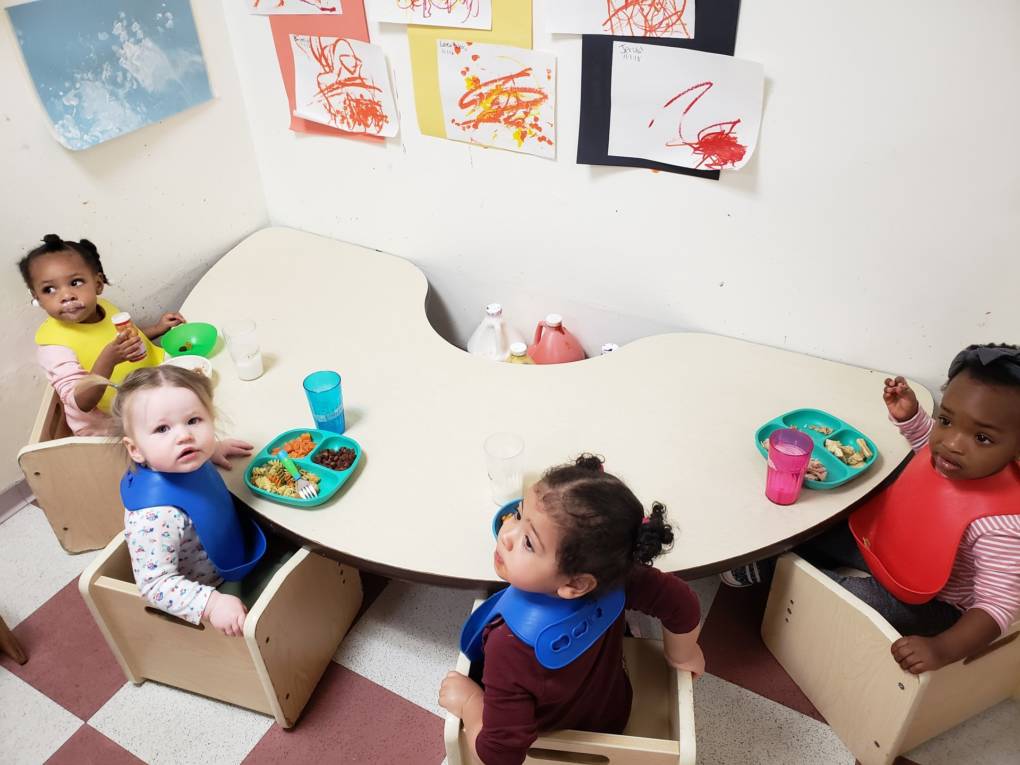
"caption": "Kids at Alexander Preschool and Child Care in Elk Grove eat breakfast.",
"description": "Kids at Alexander Preschool and Child Care in Elk Grove, CA eat breakfast.",
"title": "kids breakfast",
"credit": "Katie Orr/KQED",
"status": "inherit",
"isLoading": false,
"fetchFailed": false
},
"news_11777430": {
"type": "attachments",
"id": "news_11777430",
"meta": {
"index": "attachments_1716263798",
"site": "news",
"id": "11777430",
"found": true
},
"parent": 11777328,
"imgSizes": {
"apple_news_ca_landscape_5_5": {
"file": "https://ww2.kqed.org/app/uploads/sites/10/2019/09/iStock-1125881964-1044x783.jpg",
"width": 1044,
"mimeType": "image/jpeg",
"height": 783
},
"apple_news_ca_square_4_0": {
"file": "https://ww2.kqed.org/app/uploads/sites/10/2019/09/iStock-1125881964-470x470.jpg",
"width": 470,
"mimeType": "image/jpeg",
"height": 470
},
"twentyfourteen-full-width": {
"file": "https://ww2.kqed.org/app/uploads/sites/10/2019/09/iStock-1125881964-1038x576.jpg",
"width": 1038,
"mimeType": "image/jpeg",
"height": 576
},
"thumbnail": {
"file": "https://ww2.kqed.org/app/uploads/sites/10/2019/09/iStock-1125881964-160x105.jpg",
"width": 160,
"mimeType": "image/jpeg",
"height": 105
},
"post-thumbnail": {
"file": "https://ww2.kqed.org/app/uploads/sites/10/2019/09/iStock-1125881964-672x372.jpg",
"width": 672,
"mimeType": "image/jpeg",
"height": 372
},
"kqedFullSize": {
"file": "https://ww2.kqed.org/app/uploads/sites/10/2019/09/iStock-1125881964-e1569886516853.jpg",
"width": 1920,
"height": 1260
},
"apple_news_ca_landscape_4_7": {
"file": "https://ww2.kqed.org/app/uploads/sites/10/2019/09/iStock-1125881964-632x474.jpg",
"width": 632,
"mimeType": "image/jpeg",
"height": 474
},
"large": {
"file": "https://ww2.kqed.org/app/uploads/sites/10/2019/09/iStock-1125881964-1020x670.jpg",
"width": 1020,
"mimeType": "image/jpeg",
"height": 670
},
"complete_open_graph": {
"file": "https://ww2.kqed.org/app/uploads/sites/10/2019/09/iStock-1125881964-1200x788.jpg",
"width": 1200,
"mimeType": "image/jpeg",
"height": 788
},
"apple_news_ca_landscape_4_0": {
"file": "https://ww2.kqed.org/app/uploads/sites/10/2019/09/iStock-1125881964-536x402.jpg",
"width": 536,
"mimeType": "image/jpeg",
"height": 402
},
"apple_news_ca_portrait_12_9": {
"file": "https://ww2.kqed.org/app/uploads/sites/10/2019/09/iStock-1125881964-1122x1496.jpg",
"width": 1122,
"mimeType": "image/jpeg",
"height": 1496
},
"medium": {
"file": "https://ww2.kqed.org/app/uploads/sites/10/2019/09/iStock-1125881964-800x525.jpg",
"width": 800,
"mimeType": "image/jpeg",
"height": 525
},
"apple_news_ca_portrait_4_0": {
"file": "https://ww2.kqed.org/app/uploads/sites/10/2019/09/iStock-1125881964-354x472.jpg",
"width": 354,
"mimeType": "image/jpeg",
"height": 472
},
"apple_news_ca_portrait_9_7": {
"file": "https://ww2.kqed.org/app/uploads/sites/10/2019/09/iStock-1125881964-840x1120.jpg",
"width": 840,
"mimeType": "image/jpeg",
"height": 1120
},
"apple_news_ca_landscape_12_9": {
"file": "https://ww2.kqed.org/app/uploads/sites/10/2019/09/iStock-1125881964-1832x1374.jpg",
"width": 1832,
"mimeType": "image/jpeg",
"height": 1374
},
"apple_news_ca_square_9_7": {
"file": "https://ww2.kqed.org/app/uploads/sites/10/2019/09/iStock-1125881964-1104x1104.jpg",
"width": 1104,
"mimeType": "image/jpeg",
"height": 1104
},
"apple_news_ca_portrait_4_7": {
"file": "https://ww2.kqed.org/app/uploads/sites/10/2019/09/iStock-1125881964-414x552.jpg",
"width": 414,
"mimeType": "image/jpeg",
"height": 552
},
"apple_news_ca_square_12_9": {
"file": "https://ww2.kqed.org/app/uploads/sites/10/2019/09/iStock-1125881964-1472x1472.jpg",
"width": 1472,
"mimeType": "image/jpeg",
"height": 1472
},
"apple_news_ca_portrait_5_5": {
"file": "https://ww2.kqed.org/app/uploads/sites/10/2019/09/iStock-1125881964-687x916.jpg",
"width": 687,
"mimeType": "image/jpeg",
"height": 916
},
"full-width": {
"file": "https://ww2.kqed.org/app/uploads/sites/10/2019/09/iStock-1125881964-1920x1260.jpg",
"width": 1920,
"mimeType": "image/jpeg",
"height": 1260
},
"apple_news_ca_square_4_7": {
"file": "https://ww2.kqed.org/app/uploads/sites/10/2019/09/iStock-1125881964-550x550.jpg",
"width": 550,
"mimeType": "image/jpeg",
"height": 550
},
"apple_news_ca_landscape_9_7": {
"file": "https://ww2.kqed.org/app/uploads/sites/10/2019/09/iStock-1125881964-1376x1032.jpg",
"width": 1376,
"mimeType": "image/jpeg",
"height": 1032
},
"apple_news_ca_square_5_5": {
"file": "https://ww2.kqed.org/app/uploads/sites/10/2019/09/iStock-1125881964-912x912.jpg",
"width": 912,
"mimeType": "image/jpeg",
"height": 912
}
},
"publishDate": 1569886397,
"modified": 1605725349,
"caption": "A new California law allowed certain in-home child care providers to unionize.",
"description": null,
"title": "Nursery children playing with teacher in the classroom",
"credit": "Rawpixel/iStock",
"status": "inherit",
"isLoading": false,
"fetchFailed": false
},
"news_11755257": {
"type": "attachments",
"id": "news_11755257",
"meta": {
"index": "attachments_1716263798",
"site": "news",
"id": "11755257",
"found": true
},
"parent": 11754857,
"imgSizes": {
"apple_news_ca_landscape_5_5": {
"file": "https://ww2.kqed.org/app/uploads/sites/10/2019/06/Kids-sitting-1044x783.jpg",
"width": 1044,
"mimeType": "image/jpeg",
"height": 783
},
"apple_news_ca_square_4_0": {
"file": "https://ww2.kqed.org/app/uploads/sites/10/2019/06/Kids-sitting-470x470.jpg",
"width": 470,
"mimeType": "image/jpeg",
"height": 470
},
"twentyfourteen-full-width": {
"file": "https://ww2.kqed.org/app/uploads/sites/10/2019/06/Kids-sitting-1038x576.jpg",
"width": 1038,
"mimeType": "image/jpeg",
"height": 576
},
"thumbnail": {
"file": "https://ww2.kqed.org/app/uploads/sites/10/2019/06/Kids-sitting-160x120.jpg",
"width": 160,
"mimeType": "image/jpeg",
"height": 120
},
"post-thumbnail": {
"file": "https://ww2.kqed.org/app/uploads/sites/10/2019/06/Kids-sitting-672x372.jpg",
"width": 672,
"mimeType": "image/jpeg",
"height": 372
},
"kqedFullSize": {
"file": "https://ww2.kqed.org/app/uploads/sites/10/2019/06/Kids-sitting.jpg",
"width": 1920,
"height": 1440
},
"apple_news_ca_landscape_4_7": {
"file": "https://ww2.kqed.org/app/uploads/sites/10/2019/06/Kids-sitting-632x474.jpg",
"width": 632,
"mimeType": "image/jpeg",
"height": 474
},
"large": {
"file": "https://ww2.kqed.org/app/uploads/sites/10/2019/06/Kids-sitting-1020x765.jpg",
"width": 1020,
"mimeType": "image/jpeg",
"height": 765
},
"complete_open_graph": {
"file": "https://ww2.kqed.org/app/uploads/sites/10/2019/06/Kids-sitting-1200x900.jpg",
"width": 1200,
"mimeType": "image/jpeg",
"height": 900
},
"apple_news_ca_landscape_4_0": {
"file": "https://ww2.kqed.org/app/uploads/sites/10/2019/06/Kids-sitting-536x402.jpg",
"width": 536,
"mimeType": "image/jpeg",
"height": 402
},
"apple_news_ca_portrait_12_9": {
"file": "https://ww2.kqed.org/app/uploads/sites/10/2019/06/Kids-sitting-1122x1440.jpg",
"width": 1122,
"mimeType": "image/jpeg",
"height": 1440
},
"medium": {
"file": "https://ww2.kqed.org/app/uploads/sites/10/2019/06/Kids-sitting-800x600.jpg",
"width": 800,
"mimeType": "image/jpeg",
"height": 600
},
"apple_news_ca_portrait_4_0": {
"file": "https://ww2.kqed.org/app/uploads/sites/10/2019/06/Kids-sitting-354x472.jpg",
"width": 354,
"mimeType": "image/jpeg",
"height": 472
},
"apple_news_ca_portrait_9_7": {
"file": "https://ww2.kqed.org/app/uploads/sites/10/2019/06/Kids-sitting-840x1120.jpg",
"width": 840,
"mimeType": "image/jpeg",
"height": 1120
},
"apple_news_ca_landscape_12_9": {
"file": "https://ww2.kqed.org/app/uploads/sites/10/2019/06/Kids-sitting-1832x1374.jpg",
"width": 1832,
"mimeType": "image/jpeg",
"height": 1374
},
"apple_news_ca_square_9_7": {
"file": "https://ww2.kqed.org/app/uploads/sites/10/2019/06/Kids-sitting-1104x1104.jpg",
"width": 1104,
"mimeType": "image/jpeg",
"height": 1104
},
"apple_news_ca_portrait_4_7": {
"file": "https://ww2.kqed.org/app/uploads/sites/10/2019/06/Kids-sitting-414x552.jpg",
"width": 414,
"mimeType": "image/jpeg",
"height": 552
},
"apple_news_ca_square_12_9": {
"file": "https://ww2.kqed.org/app/uploads/sites/10/2019/06/Kids-sitting-1472x1440.jpg",
"width": 1472,
"mimeType": "image/jpeg",
"height": 1440
},
"apple_news_ca_portrait_5_5": {
"file": "https://ww2.kqed.org/app/uploads/sites/10/2019/06/Kids-sitting-687x916.jpg",
"width": 687,
"mimeType": "image/jpeg",
"height": 916
},
"full-width": {
"file": "https://ww2.kqed.org/app/uploads/sites/10/2019/06/Kids-sitting-1920x1440.jpg",
"width": 1920,
"mimeType": "image/jpeg",
"height": 1440
},
"apple_news_ca_square_4_7": {
"file": "https://ww2.kqed.org/app/uploads/sites/10/2019/06/Kids-sitting-550x550.jpg",
"width": 550,
"mimeType": "image/jpeg",
"height": 550
},
"apple_news_ca_landscape_9_7": {
"file": "https://ww2.kqed.org/app/uploads/sites/10/2019/06/Kids-sitting-1376x1032.jpg",
"width": 1376,
"mimeType": "image/jpeg",
"height": 1032
},
"apple_news_ca_square_5_5": {
"file": "https://ww2.kqed.org/app/uploads/sites/10/2019/06/Kids-sitting-912x912.jpg",
"width": 912,
"mimeType": "image/jpeg",
"height": 912
}
},
"publishDate": 1560811700,
"modified": 1561148155,
"caption": "Kids at Alexander Preschool and Child Care in Elk Grove prepare to start their day.",
"description": "Kids at Alexander Preschool and Child Care in Elk Grove, CA prepare to start their day.",
"title": "Kids sitting",
"credit": "Katie Orr/KQED",
"status": "inherit",
"isLoading": false,
"fetchFailed": false
},
"news_11746011": {
"type": "attachments",
"id": "news_11746011",
"meta": {
"index": "attachments_1716263798",
"site": "news",
"id": "11746011",
"found": true
},
"parent": 11745982,
"imgSizes": {
"apple_news_ca_landscape_5_5": {
"file": "https://ww2.kqed.org/app/uploads/sites/10/2019/05/RS37023_Jungle-gym-qut-1044x783.jpg",
"width": 1044,
"mimeType": "image/jpeg",
"height": 783
},
"apple_news_ca_square_4_0": {
"file": "https://ww2.kqed.org/app/uploads/sites/10/2019/05/RS37023_Jungle-gym-qut-470x470.jpg",
"width": 470,
"mimeType": "image/jpeg",
"height": 470
},
"twentyfourteen-full-width": {
"file": "https://ww2.kqed.org/app/uploads/sites/10/2019/05/RS37023_Jungle-gym-qut-1038x576.jpg",
"width": 1038,
"mimeType": "image/jpeg",
"height": 576
},
"thumbnail": {
"file": "https://ww2.kqed.org/app/uploads/sites/10/2019/05/RS37023_Jungle-gym-qut-160x120.jpg",
"width": 160,
"mimeType": "image/jpeg",
"height": 120
},
"post-thumbnail": {
"file": "https://ww2.kqed.org/app/uploads/sites/10/2019/05/RS37023_Jungle-gym-qut-672x372.jpg",
"width": 672,
"mimeType": "image/jpeg",
"height": 372
},
"kqedFullSize": {
"file": "https://ww2.kqed.org/app/uploads/sites/10/2019/05/RS37023_Jungle-gym-qut.jpg",
"width": 1920,
"height": 1440
},
"apple_news_ca_landscape_4_7": {
"file": "https://ww2.kqed.org/app/uploads/sites/10/2019/05/RS37023_Jungle-gym-qut-632x474.jpg",
"width": 632,
"mimeType": "image/jpeg",
"height": 474
},
"large": {
"file": "https://ww2.kqed.org/app/uploads/sites/10/2019/05/RS37023_Jungle-gym-qut-1020x765.jpg",
"width": 1020,
"mimeType": "image/jpeg",
"height": 765
},
"complete_open_graph": {
"file": "https://ww2.kqed.org/app/uploads/sites/10/2019/05/RS37023_Jungle-gym-qut-1200x900.jpg",
"width": 1200,
"mimeType": "image/jpeg",
"height": 900
},
"apple_news_ca_landscape_4_0": {
"file": "https://ww2.kqed.org/app/uploads/sites/10/2019/05/RS37023_Jungle-gym-qut-536x402.jpg",
"width": 536,
"mimeType": "image/jpeg",
"height": 402
},
"apple_news_ca_portrait_12_9": {
"file": "https://ww2.kqed.org/app/uploads/sites/10/2019/05/RS37023_Jungle-gym-qut-1122x1440.jpg",
"width": 1122,
"mimeType": "image/jpeg",
"height": 1440
},
"medium": {
"file": "https://ww2.kqed.org/app/uploads/sites/10/2019/05/RS37023_Jungle-gym-qut-800x600.jpg",
"width": 800,
"mimeType": "image/jpeg",
"height": 600
},
"apple_news_ca_portrait_4_0": {
"file": "https://ww2.kqed.org/app/uploads/sites/10/2019/05/RS37023_Jungle-gym-qut-354x472.jpg",
"width": 354,
"mimeType": "image/jpeg",
"height": 472
},
"apple_news_ca_portrait_9_7": {
"file": "https://ww2.kqed.org/app/uploads/sites/10/2019/05/RS37023_Jungle-gym-qut-840x1120.jpg",
"width": 840,
"mimeType": "image/jpeg",
"height": 1120
},
"apple_news_ca_landscape_12_9": {
"file": "https://ww2.kqed.org/app/uploads/sites/10/2019/05/RS37023_Jungle-gym-qut-1832x1374.jpg",
"width": 1832,
"mimeType": "image/jpeg",
"height": 1374
},
"apple_news_ca_square_9_7": {
"file": "https://ww2.kqed.org/app/uploads/sites/10/2019/05/RS37023_Jungle-gym-qut-1104x1104.jpg",
"width": 1104,
"mimeType": "image/jpeg",
"height": 1104
},
"apple_news_ca_portrait_4_7": {
"file": "https://ww2.kqed.org/app/uploads/sites/10/2019/05/RS37023_Jungle-gym-qut-414x552.jpg",
"width": 414,
"mimeType": "image/jpeg",
"height": 552
},
"apple_news_ca_square_12_9": {
"file": "https://ww2.kqed.org/app/uploads/sites/10/2019/05/RS37023_Jungle-gym-qut-1472x1440.jpg",
"width": 1472,
"mimeType": "image/jpeg",
"height": 1440
},
"apple_news_ca_portrait_5_5": {
"file": "https://ww2.kqed.org/app/uploads/sites/10/2019/05/RS37023_Jungle-gym-qut-687x916.jpg",
"width": 687,
"mimeType": "image/jpeg",
"height": 916
},
"full-width": {
"file": "https://ww2.kqed.org/app/uploads/sites/10/2019/05/RS37023_Jungle-gym-qut-1920x1440.jpg",
"width": 1920,
"mimeType": "image/jpeg",
"height": 1440
},
"apple_news_ca_square_4_7": {
"file": "https://ww2.kqed.org/app/uploads/sites/10/2019/05/RS37023_Jungle-gym-qut-550x550.jpg",
"width": 550,
"mimeType": "image/jpeg",
"height": 550
},
"apple_news_ca_landscape_9_7": {
"file": "https://ww2.kqed.org/app/uploads/sites/10/2019/05/RS37023_Jungle-gym-qut-1376x1032.jpg",
"width": 1376,
"mimeType": "image/jpeg",
"height": 1032
},
"apple_news_ca_square_5_5": {
"file": "https://ww2.kqed.org/app/uploads/sites/10/2019/05/RS37023_Jungle-gym-qut-912x912.jpg",
"width": 912,
"mimeType": "image/jpeg",
"height": 912
}
},
"publishDate": 1557354998,
"modified": 1557361727,
"caption": "Children from the Mission Kids Co-op play at a park near their child care center.",
"description": "Children from the Mission Kids Co-op play at a mark near their child care center.",
"title": "RS37023_Jungle gym-qut",
"credit": "Katie Orr/KQED",
"status": "inherit",
"isLoading": false,
"fetchFailed": false
},
"news_11744002": {
"type": "attachments",
"id": "news_11744002",
"meta": {
"index": "attachments_1716263798",
"site": "news",
"id": "11744002",
"found": true
},
"parent": 11743975,
"imgSizes": {
"twentyfourteen-full-width": {
"file": "https://ww2.kqed.org/app/uploads/sites/10/2019/04/RS10235_017-1038x576.jpg",
"width": 1038,
"mimeType": "image/jpeg",
"height": 576
},
"thumbnail": {
"file": "https://ww2.kqed.org/app/uploads/sites/10/2019/04/RS10235_017-160x107.jpg",
"width": 160,
"mimeType": "image/jpeg",
"height": 107
},
"post-thumbnail": {
"file": "https://ww2.kqed.org/app/uploads/sites/10/2019/04/RS10235_017-672x372.jpg",
"width": 672,
"mimeType": "image/jpeg",
"height": 372
},
"kqedFullSize": {
"file": "https://ww2.kqed.org/app/uploads/sites/10/2019/04/RS10235_017.jpg",
"width": 1200,
"height": 800
},
"large": {
"file": "https://ww2.kqed.org/app/uploads/sites/10/2019/04/RS10235_017-1020x680.jpg",
"width": 1020,
"mimeType": "image/jpeg",
"height": 680
},
"complete_open_graph": {
"file": "https://ww2.kqed.org/app/uploads/sites/10/2019/04/RS10235_017-1200x800.jpg",
"width": 1200,
"mimeType": "image/jpeg",
"height": 800
},
"medium": {
"file": "https://ww2.kqed.org/app/uploads/sites/10/2019/04/RS10235_017-800x533.jpg",
"width": 800,
"mimeType": "image/jpeg",
"height": 533
}
},
"publishDate": 1556665265,
"modified": 1556665635,
"caption": "Students at a preschool in West Oakland, where a significant number of children have asthma and bring inhalers to class.",
"description": null,
"title": "RS10235_017",
"credit": "Deborah Svoboda/KQED",
"status": "inherit",
"isLoading": false,
"fetchFailed": false
},
"news_11738006": {
"type": "attachments",
"id": "news_11738006",
"meta": {
"index": "attachments_1716263798",
"site": "news",
"id": "11738006",
"found": true
},
"parent": 11737431,
"imgSizes": {
"post-thumbnail": {
"file": "https://ww2.kqed.org/app/uploads/sites/10/2019/04/RS36410_Starting-Blocks-2-qut-672x372.jpg",
"width": 672,
"mimeType": "image/jpeg",
"height": 372
},
"kqedFullSize": {
"file": "https://ww2.kqed.org/app/uploads/sites/10/2019/04/RS36410_Starting-Blocks-2-qut.jpg",
"width": 1920,
"height": 1440
},
"guest-author-50": {
"file": "https://ww2.kqed.org/app/uploads/sites/10/2019/04/RS36410_Starting-Blocks-2-qut-50x50.jpg",
"width": 50,
"mimeType": "image/jpeg",
"height": 50
},
"guest-author-96": {
"file": "https://ww2.kqed.org/app/uploads/sites/10/2019/04/RS36410_Starting-Blocks-2-qut-96x96.jpg",
"width": 96,
"mimeType": "image/jpeg",
"height": 96
},
"apple_news_ca_portrait_12_9": {
"file": "https://ww2.kqed.org/app/uploads/sites/10/2019/04/RS36410_Starting-Blocks-2-qut-1122x1440.jpg",
"width": 1122,
"mimeType": "image/jpeg",
"height": 1440
},
"medium": {
"file": "https://ww2.kqed.org/app/uploads/sites/10/2019/04/RS36410_Starting-Blocks-2-qut-800x600.jpg",
"width": 800,
"mimeType": "image/jpeg",
"height": 600
},
"guest-author-32": {
"file": "https://ww2.kqed.org/app/uploads/sites/10/2019/04/RS36410_Starting-Blocks-2-qut-32x32.jpg",
"width": 32,
"mimeType": "image/jpeg",
"height": 32
},
"apple_news_ca_portrait_9_7": {
"file": "https://ww2.kqed.org/app/uploads/sites/10/2019/04/RS36410_Starting-Blocks-2-qut-840x1120.jpg",
"width": 840,
"mimeType": "image/jpeg",
"height": 1120
},
"apple_news_ca_square_9_7": {
"file": "https://ww2.kqed.org/app/uploads/sites/10/2019/04/RS36410_Starting-Blocks-2-qut-1104x1104.jpg",
"width": 1104,
"mimeType": "image/jpeg",
"height": 1104
},
"apple_news_ca_portrait_4_7": {
"file": "https://ww2.kqed.org/app/uploads/sites/10/2019/04/RS36410_Starting-Blocks-2-qut-414x552.jpg",
"width": 414,
"mimeType": "image/jpeg",
"height": 552
},
"apple_news_ca_square_12_9": {
"file": "https://ww2.kqed.org/app/uploads/sites/10/2019/04/RS36410_Starting-Blocks-2-qut-1472x1440.jpg",
"width": 1472,
"mimeType": "image/jpeg",
"height": 1440
},
"apple_news_ca_portrait_5_5": {
"file": "https://ww2.kqed.org/app/uploads/sites/10/2019/04/RS36410_Starting-Blocks-2-qut-687x916.jpg",
"width": 687,
"mimeType": "image/jpeg",
"height": 916
},
"apple_news_ca_square_4_7": {
"file": "https://ww2.kqed.org/app/uploads/sites/10/2019/04/RS36410_Starting-Blocks-2-qut-550x550.jpg",
"width": 550,
"mimeType": "image/jpeg",
"height": 550
},
"apple_news_ca_square_5_5": {
"file": "https://ww2.kqed.org/app/uploads/sites/10/2019/04/RS36410_Starting-Blocks-2-qut-912x912.jpg",
"width": 912,
"mimeType": "image/jpeg",
"height": 912
},
"apple_news_ca_landscape_5_5": {
"file": "https://ww2.kqed.org/app/uploads/sites/10/2019/04/RS36410_Starting-Blocks-2-qut-1044x783.jpg",
"width": 1044,
"mimeType": "image/jpeg",
"height": 783
},
"apple_news_ca_square_4_0": {
"file": "https://ww2.kqed.org/app/uploads/sites/10/2019/04/RS36410_Starting-Blocks-2-qut-470x470.jpg",
"width": 470,
"mimeType": "image/jpeg",
"height": 470
},
"twentyfourteen-full-width": {
"file": "https://ww2.kqed.org/app/uploads/sites/10/2019/04/RS36410_Starting-Blocks-2-qut-1038x576.jpg",
"width": 1038,
"mimeType": "image/jpeg",
"height": 576
},
"thumbnail": {
"file": "https://ww2.kqed.org/app/uploads/sites/10/2019/04/RS36410_Starting-Blocks-2-qut-160x120.jpg",
"width": 160,
"mimeType": "image/jpeg",
"height": 120
},
"apple_news_ca_landscape_4_7": {
"file": "https://ww2.kqed.org/app/uploads/sites/10/2019/04/RS36410_Starting-Blocks-2-qut-632x474.jpg",
"width": 632,
"mimeType": "image/jpeg",
"height": 474
},
"large": {
"file": "https://ww2.kqed.org/app/uploads/sites/10/2019/04/RS36410_Starting-Blocks-2-qut-1020x765.jpg",
"width": 1020,
"mimeType": "image/jpeg",
"height": 765
},
"complete_open_graph": {
"file": "https://ww2.kqed.org/app/uploads/sites/10/2019/04/RS36410_Starting-Blocks-2-qut-1200x900.jpg",
"width": 1200,
"mimeType": "image/jpeg",
"height": 900
},
"apple_news_ca_landscape_4_0": {
"file": "https://ww2.kqed.org/app/uploads/sites/10/2019/04/RS36410_Starting-Blocks-2-qut-536x402.jpg",
"width": 536,
"mimeType": "image/jpeg",
"height": 402
},
"guest-author-64": {
"file": "https://ww2.kqed.org/app/uploads/sites/10/2019/04/RS36410_Starting-Blocks-2-qut-64x64.jpg",
"width": 64,
"mimeType": "image/jpeg",
"height": 64
},
"apple_news_ca_portrait_4_0": {
"file": "https://ww2.kqed.org/app/uploads/sites/10/2019/04/RS36410_Starting-Blocks-2-qut-354x472.jpg",
"width": 354,
"mimeType": "image/jpeg",
"height": 472
},
"apple_news_ca_landscape_12_9": {
"file": "https://ww2.kqed.org/app/uploads/sites/10/2019/04/RS36410_Starting-Blocks-2-qut-1832x1374.jpg",
"width": 1832,
"mimeType": "image/jpeg",
"height": 1374
},
"full-width": {
"file": "https://ww2.kqed.org/app/uploads/sites/10/2019/04/RS36410_Starting-Blocks-2-qut-1920x1440.jpg",
"width": 1920,
"mimeType": "image/jpeg",
"height": 1440
},
"guest-author-128": {
"file": "https://ww2.kqed.org/app/uploads/sites/10/2019/04/RS36410_Starting-Blocks-2-qut-128x128.jpg",
"width": 128,
"mimeType": "image/jpeg",
"height": 128
},
"apple_news_ca_landscape_9_7": {
"file": "https://ww2.kqed.org/app/uploads/sites/10/2019/04/RS36410_Starting-Blocks-2-qut-1376x1032.jpg",
"width": 1376,
"mimeType": "image/jpeg",
"height": 1032
}
},
"publishDate": 1554419390,
"modified": 1555098108,
"caption": "The Central Valley City of Merced is a place where prosperity sits alongside entrenched poverty. Merced has experienced the top personal income growth of any metro area in the country for the past five years, mostly fueled by an expanding UC campus.",
"description": "The Central Valley City of Merced is a place where prosperity sits alongside entrenched poverty. Merced has experienced the top personal income growth of any metro area — in the country — for the past five years, mostly fuelled by a new UC campus.",
"title": "UC Merced child care education",
"credit": "Matt Rogers for KQED",
"status": "inherit",
"isLoading": false,
"fetchFailed": false
},
"news_11737226": {
"type": "attachments",
"id": "news_11737226",
"meta": {
"index": "attachments_1716263798",
"site": "news",
"id": "11737226",
"found": true
},
"parent": 11737207,
"imgSizes": {
"post-thumbnail": {
"file": "https://ww2.kqed.org/app/uploads/sites/10/2019/04/Bobbie-2-672x372.jpg",
"width": 672,
"mimeType": "image/jpeg",
"height": 372
},
"kqedFullSize": {
"file": "https://ww2.kqed.org/app/uploads/sites/10/2019/04/Bobbie-2.jpg",
"width": 1920,
"height": 1552
},
"guest-author-50": {
"file": "https://ww2.kqed.org/app/uploads/sites/10/2019/04/Bobbie-2-50x50.jpg",
"width": 50,
"mimeType": "image/jpeg",
"height": 50
},
"guest-author-96": {
"file": "https://ww2.kqed.org/app/uploads/sites/10/2019/04/Bobbie-2-96x96.jpg",
"width": 96,
"mimeType": "image/jpeg",
"height": 96
},
"apple_news_ca_portrait_12_9": {
"file": "https://ww2.kqed.org/app/uploads/sites/10/2019/04/Bobbie-2-1122x1496.jpg",
"width": 1122,
"mimeType": "image/jpeg",
"height": 1496
},
"medium": {
"file": "https://ww2.kqed.org/app/uploads/sites/10/2019/04/Bobbie-2-800x647.jpg",
"width": 800,
"mimeType": "image/jpeg",
"height": 647
},
"guest-author-32": {
"file": "https://ww2.kqed.org/app/uploads/sites/10/2019/04/Bobbie-2-32x32.jpg",
"width": 32,
"mimeType": "image/jpeg",
"height": 32
},
"apple_news_ca_portrait_9_7": {
"file": "https://ww2.kqed.org/app/uploads/sites/10/2019/04/Bobbie-2-840x1120.jpg",
"width": 840,
"mimeType": "image/jpeg",
"height": 1120
},
"apple_news_ca_square_9_7": {
"file": "https://ww2.kqed.org/app/uploads/sites/10/2019/04/Bobbie-2-1104x1104.jpg",
"width": 1104,
"mimeType": "image/jpeg",
"height": 1104
},
"apple_news_ca_portrait_4_7": {
"file": "https://ww2.kqed.org/app/uploads/sites/10/2019/04/Bobbie-2-414x552.jpg",
"width": 414,
"mimeType": "image/jpeg",
"height": 552
},
"apple_news_ca_square_12_9": {
"file": "https://ww2.kqed.org/app/uploads/sites/10/2019/04/Bobbie-2-1472x1472.jpg",
"width": 1472,
"mimeType": "image/jpeg",
"height": 1472
},
"apple_news_ca_portrait_5_5": {
"file": "https://ww2.kqed.org/app/uploads/sites/10/2019/04/Bobbie-2-687x916.jpg",
"width": 687,
"mimeType": "image/jpeg",
"height": 916
},
"apple_news_ca_square_4_7": {
"file": "https://ww2.kqed.org/app/uploads/sites/10/2019/04/Bobbie-2-550x550.jpg",
"width": 550,
"mimeType": "image/jpeg",
"height": 550
},
"apple_news_ca_square_5_5": {
"file": "https://ww2.kqed.org/app/uploads/sites/10/2019/04/Bobbie-2-912x912.jpg",
"width": 912,
"mimeType": "image/jpeg",
"height": 912
},
"apple_news_ca_landscape_5_5": {
"file": "https://ww2.kqed.org/app/uploads/sites/10/2019/04/Bobbie-2-1044x783.jpg",
"width": 1044,
"mimeType": "image/jpeg",
"height": 783
},
"apple_news_ca_square_4_0": {
"file": "https://ww2.kqed.org/app/uploads/sites/10/2019/04/Bobbie-2-470x470.jpg",
"width": 470,
"mimeType": "image/jpeg",
"height": 470
},
"twentyfourteen-full-width": {
"file": "https://ww2.kqed.org/app/uploads/sites/10/2019/04/Bobbie-2-1038x576.jpg",
"width": 1038,
"mimeType": "image/jpeg",
"height": 576
},
"thumbnail": {
"file": "https://ww2.kqed.org/app/uploads/sites/10/2019/04/Bobbie-2-160x129.jpg",
"width": 160,
"mimeType": "image/jpeg",
"height": 129
},
"apple_news_ca_landscape_4_7": {
"file": "https://ww2.kqed.org/app/uploads/sites/10/2019/04/Bobbie-2-632x474.jpg",
"width": 632,
"mimeType": "image/jpeg",
"height": 474
},
"large": {
"file": "https://ww2.kqed.org/app/uploads/sites/10/2019/04/Bobbie-2-1020x825.jpg",
"width": 1020,
"mimeType": "image/jpeg",
"height": 825
},
"complete_open_graph": {
"file": "https://ww2.kqed.org/app/uploads/sites/10/2019/04/Bobbie-2-1200x970.jpg",
"width": 1200,
"mimeType": "image/jpeg",
"height": 970
},
"apple_news_ca_landscape_4_0": {
"file": "https://ww2.kqed.org/app/uploads/sites/10/2019/04/Bobbie-2-536x402.jpg",
"width": 536,
"mimeType": "image/jpeg",
"height": 402
},
"guest-author-64": {
"file": "https://ww2.kqed.org/app/uploads/sites/10/2019/04/Bobbie-2-64x64.jpg",
"width": 64,
"mimeType": "image/jpeg",
"height": 64
},
"apple_news_ca_portrait_4_0": {
"file": "https://ww2.kqed.org/app/uploads/sites/10/2019/04/Bobbie-2-354x472.jpg",
"width": 354,
"mimeType": "image/jpeg",
"height": 472
},
"apple_news_ca_landscape_12_9": {
"file": "https://ww2.kqed.org/app/uploads/sites/10/2019/04/Bobbie-2-1832x1374.jpg",
"width": 1832,
"mimeType": "image/jpeg",
"height": 1374
},
"full-width": {
"file": "https://ww2.kqed.org/app/uploads/sites/10/2019/04/Bobbie-2-1920x1552.jpg",
"width": 1920,
"mimeType": "image/jpeg",
"height": 1552
},
"guest-author-128": {
"file": "https://ww2.kqed.org/app/uploads/sites/10/2019/04/Bobbie-2-128x128.jpg",
"width": 128,
"mimeType": "image/jpeg",
"height": 128
},
"apple_news_ca_landscape_9_7": {
"file": "https://ww2.kqed.org/app/uploads/sites/10/2019/04/Bobbie-2-1376x1032.jpg",
"width": 1376,
"mimeType": "image/jpeg",
"height": 1032
}
},
"publishDate": 1554231338,
"modified": 1554412896,
"caption": "Balancing work, child care and affordable housing is a daily reality for Bobbie Allison, shown here with her 3-year-old daughter, Alorra, at their home in Atwater. ",
"description": "Balancing work, child care and affordable housing are a daily reality for Bobbie Allison, shown here with her three-year-old daughter, Alorra. ",
"title": "Starting Blocks",
"credit": "Matt Rogers/KQED",
"status": "inherit",
"isLoading": false,
"fetchFailed": false
},
"news_11737448": {
"type": "attachments",
"id": "news_11737448",
"meta": {
"index": "attachments_1716263798",
"site": "news",
"id": "11737448",
"found": true
},
"parent": 11736901,
"imgSizes": {
"post-thumbnail": {
"file": "https://ww2.kqed.org/app/uploads/sites/10/2019/04/Norma-and-Alex-Merced-Baby-672x372.jpg",
"width": 672,
"mimeType": "image/jpeg",
"height": 372
},
"kqedFullSize": {
"file": "https://ww2.kqed.org/app/uploads/sites/10/2019/04/Norma-and-Alex-Merced-Baby.jpg",
"width": 1920,
"height": 1681
},
"guest-author-50": {
"file": "https://ww2.kqed.org/app/uploads/sites/10/2019/04/Norma-and-Alex-Merced-Baby-50x50.jpg",
"width": 50,
"mimeType": "image/jpeg",
"height": 50
},
"guest-author-96": {
"file": "https://ww2.kqed.org/app/uploads/sites/10/2019/04/Norma-and-Alex-Merced-Baby-96x96.jpg",
"width": 96,
"mimeType": "image/jpeg",
"height": 96
},
"apple_news_ca_portrait_12_9": {
"file": "https://ww2.kqed.org/app/uploads/sites/10/2019/04/Norma-and-Alex-Merced-Baby-1122x1496.jpg",
"width": 1122,
"mimeType": "image/jpeg",
"height": 1496
},
"medium": {
"file": "https://ww2.kqed.org/app/uploads/sites/10/2019/04/Norma-and-Alex-Merced-Baby-800x700.jpg",
"width": 800,
"mimeType": "image/jpeg",
"height": 700
},
"guest-author-32": {
"file": "https://ww2.kqed.org/app/uploads/sites/10/2019/04/Norma-and-Alex-Merced-Baby-32x32.jpg",
"width": 32,
"mimeType": "image/jpeg",
"height": 32
},
"apple_news_ca_portrait_9_7": {
"file": "https://ww2.kqed.org/app/uploads/sites/10/2019/04/Norma-and-Alex-Merced-Baby-840x1120.jpg",
"width": 840,
"mimeType": "image/jpeg",
"height": 1120
},
"apple_news_ca_square_9_7": {
"file": "https://ww2.kqed.org/app/uploads/sites/10/2019/04/Norma-and-Alex-Merced-Baby-1104x1104.jpg",
"width": 1104,
"mimeType": "image/jpeg",
"height": 1104
},
"apple_news_ca_portrait_4_7": {
"file": "https://ww2.kqed.org/app/uploads/sites/10/2019/04/Norma-and-Alex-Merced-Baby-414x552.jpg",
"width": 414,
"mimeType": "image/jpeg",
"height": 552
},
"apple_news_ca_square_12_9": {
"file": "https://ww2.kqed.org/app/uploads/sites/10/2019/04/Norma-and-Alex-Merced-Baby-1472x1472.jpg",
"width": 1472,
"mimeType": "image/jpeg",
"height": 1472
},
"apple_news_ca_portrait_5_5": {
"file": "https://ww2.kqed.org/app/uploads/sites/10/2019/04/Norma-and-Alex-Merced-Baby-687x916.jpg",
"width": 687,
"mimeType": "image/jpeg",
"height": 916
},
"apple_news_ca_square_4_7": {
"file": "https://ww2.kqed.org/app/uploads/sites/10/2019/04/Norma-and-Alex-Merced-Baby-550x550.jpg",
"width": 550,
"mimeType": "image/jpeg",
"height": 550
},
"apple_news_ca_square_5_5": {
"file": "https://ww2.kqed.org/app/uploads/sites/10/2019/04/Norma-and-Alex-Merced-Baby-912x912.jpg",
"width": 912,
"mimeType": "image/jpeg",
"height": 912
},
"apple_news_ca_landscape_5_5": {
"file": "https://ww2.kqed.org/app/uploads/sites/10/2019/04/Norma-and-Alex-Merced-Baby-1044x783.jpg",
"width": 1044,
"mimeType": "image/jpeg",
"height": 783
},
"apple_news_ca_square_4_0": {
"file": "https://ww2.kqed.org/app/uploads/sites/10/2019/04/Norma-and-Alex-Merced-Baby-470x470.jpg",
"width": 470,
"mimeType": "image/jpeg",
"height": 470
},
"twentyfourteen-full-width": {
"file": "https://ww2.kqed.org/app/uploads/sites/10/2019/04/Norma-and-Alex-Merced-Baby-1038x576.jpg",
"width": 1038,
"mimeType": "image/jpeg",
"height": 576
},
"thumbnail": {
"file": "https://ww2.kqed.org/app/uploads/sites/10/2019/04/Norma-and-Alex-Merced-Baby-160x140.jpg",
"width": 160,
"mimeType": "image/jpeg",
"height": 140
},
"apple_news_ca_landscape_4_7": {
"file": "https://ww2.kqed.org/app/uploads/sites/10/2019/04/Norma-and-Alex-Merced-Baby-632x474.jpg",
"width": 632,
"mimeType": "image/jpeg",
"height": 474
},
"large": {
"file": "https://ww2.kqed.org/app/uploads/sites/10/2019/04/Norma-and-Alex-Merced-Baby-1020x893.jpg",
"width": 1020,
"mimeType": "image/jpeg",
"height": 893
},
"complete_open_graph": {
"file": "https://ww2.kqed.org/app/uploads/sites/10/2019/04/Norma-and-Alex-Merced-Baby-1200x1051.jpg",
"width": 1200,
"mimeType": "image/jpeg",
"height": 1051
},
"apple_news_ca_landscape_4_0": {
"file": "https://ww2.kqed.org/app/uploads/sites/10/2019/04/Norma-and-Alex-Merced-Baby-536x402.jpg",
"width": 536,
"mimeType": "image/jpeg",
"height": 402
},
"guest-author-64": {
"file": "https://ww2.kqed.org/app/uploads/sites/10/2019/04/Norma-and-Alex-Merced-Baby-64x64.jpg",
"width": 64,
"mimeType": "image/jpeg",
"height": 64
},
"apple_news_ca_portrait_4_0": {
"file": "https://ww2.kqed.org/app/uploads/sites/10/2019/04/Norma-and-Alex-Merced-Baby-354x472.jpg",
"width": 354,
"mimeType": "image/jpeg",
"height": 472
},
"apple_news_ca_landscape_12_9": {
"file": "https://ww2.kqed.org/app/uploads/sites/10/2019/04/Norma-and-Alex-Merced-Baby-1832x1374.jpg",
"width": 1832,
"mimeType": "image/jpeg",
"height": 1374
},
"full-width": {
"file": "https://ww2.kqed.org/app/uploads/sites/10/2019/04/Norma-and-Alex-Merced-Baby-1920x1681.jpg",
"width": 1920,
"mimeType": "image/jpeg",
"height": 1681
},
"guest-author-128": {
"file": "https://ww2.kqed.org/app/uploads/sites/10/2019/04/Norma-and-Alex-Merced-Baby-128x128.jpg",
"width": 128,
"mimeType": "image/jpeg",
"height": 128
},
"apple_news_ca_landscape_9_7": {
"file": "https://ww2.kqed.org/app/uploads/sites/10/2019/04/Norma-and-Alex-Merced-Baby-1376x1032.jpg",
"width": 1376,
"mimeType": "image/jpeg",
"height": 1032
}
},
"publishDate": 1554251637,
"modified": 1554251668,
"caption": "Merced County resident Norma Sandoval and her four-month-old son Alex barely get by, even with the state's generous social safety net.",
"description": "Merced County resident Norma Sandoval and her four-month-old son Alex barely get by, even with the state's generous social safety net.",
"title": "Norma-and-Alex-Merced-Baby",
"credit": "Matt Rogers/KQED",
"status": "inherit",
"isLoading": false,
"fetchFailed": false
},
"news_11716250": {
"type": "attachments",
"id": "news_11716250",
"meta": {
"index": "attachments_1716263798",
"site": "news",
"id": "11716250",
"found": true
},
"parent": 11715956,
"imgSizes": {
"twentyfourteen-full-width": {
"file": "https://ww2.kqed.org/app/uploads/sites/10/2019/01/RS34628_GettyImages-1058495872-qut-1038x576.jpg",
"width": 1038,
"mimeType": "image/jpeg",
"height": 576
},
"thumbnail": {
"file": "https://ww2.kqed.org/app/uploads/sites/10/2019/01/RS34628_GettyImages-1058495872-qut-160x96.jpg",
"width": 160,
"mimeType": "image/jpeg",
"height": 96
},
"post-thumbnail": {
"file": "https://ww2.kqed.org/app/uploads/sites/10/2019/01/RS34628_GettyImages-1058495872-qut-672x372.jpg",
"width": 672,
"mimeType": "image/jpeg",
"height": 372
},
"kqedFullSize": {
"file": "https://ww2.kqed.org/app/uploads/sites/10/2019/01/RS34628_GettyImages-1058495872-qut.jpg",
"width": 1920,
"height": 1151
},
"large": {
"file": "https://ww2.kqed.org/app/uploads/sites/10/2019/01/RS34628_GettyImages-1058495872-qut-1020x611.jpg",
"width": 1020,
"mimeType": "image/jpeg",
"height": 611
},
"complete_open_graph": {
"file": "https://ww2.kqed.org/app/uploads/sites/10/2019/01/RS34628_GettyImages-1058495872-qut-1200x719.jpg",
"width": 1200,
"mimeType": "image/jpeg",
"height": 719
},
"guest-author-50": {
"file": "https://ww2.kqed.org/app/uploads/sites/10/2019/01/RS34628_GettyImages-1058495872-qut-50x50.jpg",
"width": 50,
"mimeType": "image/jpeg",
"height": 50
},
"guest-author-96": {
"file": "https://ww2.kqed.org/app/uploads/sites/10/2019/01/RS34628_GettyImages-1058495872-qut-96x96.jpg",
"width": 96,
"mimeType": "image/jpeg",
"height": 96
},
"medium": {
"file": "https://ww2.kqed.org/app/uploads/sites/10/2019/01/RS34628_GettyImages-1058495872-qut-800x480.jpg",
"width": 800,
"mimeType": "image/jpeg",
"height": 480
},
"guest-author-64": {
"file": "https://ww2.kqed.org/app/uploads/sites/10/2019/01/RS34628_GettyImages-1058495872-qut-64x64.jpg",
"width": 64,
"mimeType": "image/jpeg",
"height": 64
},
"guest-author-32": {
"file": "https://ww2.kqed.org/app/uploads/sites/10/2019/01/RS34628_GettyImages-1058495872-qut-32x32.jpg",
"width": 32,
"mimeType": "image/jpeg",
"height": 32
},
"full-width": {
"file": "https://ww2.kqed.org/app/uploads/sites/10/2019/01/RS34628_GettyImages-1058495872-qut-1920x1151.jpg",
"width": 1920,
"mimeType": "image/jpeg",
"height": 1151
},
"detail": {
"file": "https://ww2.kqed.org/app/uploads/sites/10/2019/01/RS34628_GettyImages-1058495872-qut-150x150.jpg",
"width": 150,
"mimeType": "image/jpeg",
"height": 150
},
"guest-author-128": {
"file": "https://ww2.kqed.org/app/uploads/sites/10/2019/01/RS34628_GettyImages-1058495872-qut-128x128.jpg",
"width": 128,
"mimeType": "image/jpeg",
"height": 128
}
},
"publishDate": 1546814996,
"modified": 1546909271,
"caption": "Gov. Gavin Newsom will have a lot of people to please as he lays out his first state budget proposal this week.",
"description": "Gov. Gavin Newsom will have a lot of people to please as he lays out his first state budget proposal this week.",
"title": "US-POLITICS-VOTE-ELECTIONS",
"credit": "FREDERIC J. BROWN/AFP/Getty Images",
"status": "inherit",
"isLoading": false,
"fetchFailed": false
},
"news_11714484": {
"type": "attachments",
"id": "news_11714484",
"meta": {
"index": "attachments_1716263798",
"site": "news",
"id": "11714484",
"found": true
},
"parent": 11714457,
"imgSizes": {
"twentyfourteen-full-width": {
"file": "https://ww2.kqed.org/app/uploads/sites/10/2018/12/RS34535_toddlers-qut-1038x576.jpg",
"width": 1038,
"mimeType": "image/jpeg",
"height": 576
},
"thumbnail": {
"file": "https://ww2.kqed.org/app/uploads/sites/10/2018/12/RS34535_toddlers-qut-160x120.jpg",
"width": 160,
"mimeType": "image/jpeg",
"height": 120
},
"post-thumbnail": {
"file": "https://ww2.kqed.org/app/uploads/sites/10/2018/12/RS34535_toddlers-qut-672x372.jpg",
"width": 672,
"mimeType": "image/jpeg",
"height": 372
},
"kqedFullSize": {
"file": "https://ww2.kqed.org/app/uploads/sites/10/2018/12/RS34535_toddlers-qut.jpg",
"width": 1920,
"height": 1440
},
"large": {
"file": "https://ww2.kqed.org/app/uploads/sites/10/2018/12/RS34535_toddlers-qut-1020x765.jpg",
"width": 1020,
"mimeType": "image/jpeg",
"height": 765
},
"complete_open_graph": {
"file": "https://ww2.kqed.org/app/uploads/sites/10/2018/12/RS34535_toddlers-qut-1200x900.jpg",
"width": 1200,
"mimeType": "image/jpeg",
"height": 900
},
"guest-author-50": {
"file": "https://ww2.kqed.org/app/uploads/sites/10/2018/12/RS34535_toddlers-qut-50x50.jpg",
"width": 50,
"mimeType": "image/jpeg",
"height": 50
},
"guest-author-96": {
"file": "https://ww2.kqed.org/app/uploads/sites/10/2018/12/RS34535_toddlers-qut-96x96.jpg",
"width": 96,
"mimeType": "image/jpeg",
"height": 96
},
"medium": {
"file": "https://ww2.kqed.org/app/uploads/sites/10/2018/12/RS34535_toddlers-qut-800x600.jpg",
"width": 800,
"mimeType": "image/jpeg",
"height": 600
},
"guest-author-64": {
"file": "https://ww2.kqed.org/app/uploads/sites/10/2018/12/RS34535_toddlers-qut-64x64.jpg",
"width": 64,
"mimeType": "image/jpeg",
"height": 64
},
"guest-author-32": {
"file": "https://ww2.kqed.org/app/uploads/sites/10/2018/12/RS34535_toddlers-qut-32x32.jpg",
"width": 32,
"mimeType": "image/jpeg",
"height": 32
},
"full-width": {
"file": "https://ww2.kqed.org/app/uploads/sites/10/2018/12/RS34535_toddlers-qut-1920x1440.jpg",
"width": 1920,
"mimeType": "image/jpeg",
"height": 1440
},
"detail": {
"file": "https://ww2.kqed.org/app/uploads/sites/10/2018/12/RS34535_toddlers-qut-150x150.jpg",
"width": 150,
"mimeType": "image/jpeg",
"height": 150
},
"guest-author-128": {
"file": "https://ww2.kqed.org/app/uploads/sites/10/2018/12/RS34535_toddlers-qut-128x128.jpg",
"width": 128,
"mimeType": "image/jpeg",
"height": 128
}
},
"publishDate": 1545432727,
"modified": 1546301423,
"caption": "Toddlers eat dinner at Palcare in Burlingame.",
"description": "Toddlers eat dinner at Palcare Childcare in Burlingame.",
"title": "RS34535_toddlers-qut",
"credit": "Katie Orr/KQED",
"status": "inherit",
"isLoading": false,
"fetchFailed": false
},
"news_11672415": {
"type": "attachments",
"id": "news_11672415",
"meta": {
"index": "attachments_1716263798",
"site": "news",
"id": "11672415",
"found": true
},
"parent": 11672399,
"imgSizes": {
"small": {
"file": "https://ww2.kqed.org/app/uploads/sites/10/2018/06/PreschoolKids-520x349.jpg",
"width": 520,
"mimeType": "image/jpeg",
"height": 349
},
"twentyfourteen-full-width": {
"file": "https://ww2.kqed.org/app/uploads/sites/10/2018/06/PreschoolKids-1038x576.jpg",
"width": 1038,
"mimeType": "image/jpeg",
"height": 576
},
"thumbnail": {
"file": "https://ww2.kqed.org/app/uploads/sites/10/2018/06/PreschoolKids-160x107.jpg",
"width": 160,
"mimeType": "image/jpeg",
"height": 107
},
"fd-sm": {
"file": "https://ww2.kqed.org/app/uploads/sites/10/2018/06/PreschoolKids-960x644.jpg",
"width": 960,
"mimeType": "image/jpeg",
"height": 644
},
"post-thumbnail": {
"file": "https://ww2.kqed.org/app/uploads/sites/10/2018/06/PreschoolKids-672x372.jpg",
"width": 672,
"mimeType": "image/jpeg",
"height": 372
},
"xsmall": {
"file": "https://ww2.kqed.org/app/uploads/sites/10/2018/06/PreschoolKids-375x252.jpg",
"width": 375,
"mimeType": "image/jpeg",
"height": 252
},
"kqedFullSize": {
"file": "https://ww2.kqed.org/app/uploads/sites/10/2018/06/PreschoolKids.jpg",
"width": 1920,
"height": 1288
},
"large": {
"file": "https://ww2.kqed.org/app/uploads/sites/10/2018/06/PreschoolKids-1020x684.jpg",
"width": 1020,
"mimeType": "image/jpeg",
"height": 684
},
"xlarge": {
"file": "https://ww2.kqed.org/app/uploads/sites/10/2018/06/PreschoolKids-1180x792.jpg",
"width": 1180,
"mimeType": "image/jpeg",
"height": 792
},
"complete_open_graph": {
"file": "https://ww2.kqed.org/app/uploads/sites/10/2018/06/PreschoolKids-1200x805.jpg",
"width": 1200,
"mimeType": "image/jpeg",
"height": 805
},
"guest-author-50": {
"file": "https://ww2.kqed.org/app/uploads/sites/10/2018/06/PreschoolKids-50x50.jpg",
"width": 50,
"mimeType": "image/jpeg",
"height": 50
},
"guest-author-96": {
"file": "https://ww2.kqed.org/app/uploads/sites/10/2018/06/PreschoolKids-96x96.jpg",
"width": 96,
"mimeType": "image/jpeg",
"height": 96
},
"medium": {
"file": "https://ww2.kqed.org/app/uploads/sites/10/2018/06/PreschoolKids-800x537.jpg",
"width": 800,
"mimeType": "image/jpeg",
"height": 537
},
"guest-author-64": {
"file": "https://ww2.kqed.org/app/uploads/sites/10/2018/06/PreschoolKids-64x64.jpg",
"width": 64,
"mimeType": "image/jpeg",
"height": 64
},
"guest-author-32": {
"file": "https://ww2.kqed.org/app/uploads/sites/10/2018/06/PreschoolKids-32x32.jpg",
"width": 32,
"mimeType": "image/jpeg",
"height": 32
},
"fd-lrg": {
"file": "https://ww2.kqed.org/app/uploads/sites/10/2018/06/PreschoolKids-1920x1288.jpg",
"width": 1920,
"mimeType": "image/jpeg",
"height": 1288
},
"fd-med": {
"file": "https://ww2.kqed.org/app/uploads/sites/10/2018/06/PreschoolKids-1180x792.jpg",
"width": 1180,
"mimeType": "image/jpeg",
"height": 792
},
"full-width": {
"file": "https://ww2.kqed.org/app/uploads/sites/10/2018/06/PreschoolKids-1920x1288.jpg",
"width": 1920,
"mimeType": "image/jpeg",
"height": 1288
},
"detail": {
"file": "https://ww2.kqed.org/app/uploads/sites/10/2018/06/PreschoolKids-150x150.jpg",
"width": 150,
"mimeType": "image/jpeg",
"height": 150
},
"guest-author-128": {
"file": "https://ww2.kqed.org/app/uploads/sites/10/2018/06/PreschoolKids-128x128.jpg",
"width": 128,
"mimeType": "image/jpeg",
"height": 128
},
"xxsmall": {
"file": "https://ww2.kqed.org/app/uploads/sites/10/2018/06/PreschoolKids-240x161.jpg",
"width": 240,
"mimeType": "image/jpeg",
"height": 161
}
},
"publishDate": 1528141878,
"modified": 1528141924,
"caption": "During the recession, state funding for early childhood programs like preschool was severely cut -- and those funds haven’t been restored.",
"description": "During the recession, state funding for early childhood programs like preschool was severely cut -- and those funds haven’t been restored.",
"title": "PreschoolKids",
"credit": "Getty Images",
"status": "inherit",
"isLoading": false,
"fetchFailed": false
}
},
"audioPlayerReducer": {
"postId": "stream_live",
"isPaused": true,
"isPlaying": false,
"pfsActive": false,
"pledgeModalIsOpen": true,
"playerDrawerIsOpen": false,
"liveAudioPlayStartedAt": 0,
"liveAudioPlayContext": ""
},
"authorsReducer": {
"byline_news_11743975": {
"type": "authors",
"id": "byline_news_11743975",
"meta": {
"override": true
},
"slug": "byline_news_11743975",
"name": "Deepa Fernandes",
"isLoading": false
},
"byline_news_11737431": {
"type": "authors",
"id": "byline_news_11737431",
"meta": {
"override": true
},
"slug": "byline_news_11737431",
"name": "\u003cstrong>\u003ca href=\"https://twitter.com/deepafern\">Deepa Fernandes\u003c/a>\u003c/strong>",
"isLoading": false
},
"byline_news_11737207": {
"type": "authors",
"id": "byline_news_11737207",
"meta": {
"override": true
},
"slug": "byline_news_11737207",
"name": "\u003cstrong>\u003ca href=\"https://twitter.com/deepafern\">Deepa Fernandes\u003c/a>\u003c/strong>",
"isLoading": false
},
"byline_news_11736901": {
"type": "authors",
"id": "byline_news_11736901",
"meta": {
"override": true
},
"slug": "byline_news_11736901",
"name": "\u003cstrong>\u003ca href=\"https://twitter.com/deepafern\">Deepa Fernandes\u003c/a>\u003c/strong>",
"isLoading": false
},
"gmarzorati": {
"type": "authors",
"id": "227",
"meta": {
"index": "authors_1716337520",
"id": "227",
"found": true
},
"name": "Guy Marzorati",
"firstName": "Guy",
"lastName": "Marzorati",
"slug": "gmarzorati",
"email": "gmarzorati@KQED.org",
"display_author_email": true,
"staff_mastheads": [
"news"
],
"title": "Correspondent",
"bio": "Guy Marzorati is a correspondent on KQED's California Politics and Government Desk, based in San Jose. A graduate of Santa Clara University, Guy joined KQED in 2013. He reports on state and local politics and produces KQED's digital voter guide.",
"avatar": "https://secure.gravatar.com/avatar/e7038b8dbfd55b104369b76b1cd0b9de?s=600&d=blank&r=g",
"twitter": "guymarzorati",
"facebook": null,
"instagram": null,
"linkedin": null,
"sites": [
{
"site": "",
"roles": [
"editor"
]
},
{
"site": "news",
"roles": [
"editor"
]
},
{
"site": "science",
"roles": [
"editor"
]
},
{
"site": "forum",
"roles": [
"editor"
]
},
{
"site": "elections",
"roles": [
"editor"
]
},
{
"site": "liveblog",
"roles": [
"editor"
]
}
],
"headData": {
"title": "Guy Marzorati | KQED",
"description": "Correspondent",
"ogImgSrc": "https://secure.gravatar.com/avatar/e7038b8dbfd55b104369b76b1cd0b9de?s=600&d=blank&r=g",
"twImgSrc": "https://secure.gravatar.com/avatar/e7038b8dbfd55b104369b76b1cd0b9de?s=600&d=blank&r=g"
},
"isLoading": false,
"link": "/author/gmarzorati"
},
"korr": {
"type": "authors",
"id": "11200",
"meta": {
"index": "authors_1716337520",
"id": "11200",
"found": true
},
"name": "Katie Orr",
"firstName": "Katie",
"lastName": "Orr",
"slug": "korr",
"email": "korr@kqed.org",
"display_author_email": false,
"staff_mastheads": [],
"title": "KQED Contributor",
"bio": "Katie Orr was a Sacramento-based reporter for KQED's Politics and Government Desk, covering the state Capitol and a variety of issues including women in politics, voting and elections and legislation. Prior to joining KQED in 2016, Katie was state government reporter for Capital Public Radio in Sacramento. She's also worked for KPBS in San Diego, where she covered City Hall.\r\n\r\nKatie received her masters degree in political science from San Diego State University and holds a Bachelors degree in broadcast journalism from Arizona State University.\r\n\r\nIn 2015 Katie won a national Clarion Award for a series of stories she did on women in California politics. She's been honored by the Society for Professional Journalists and, in 2013, was named by \u003cem>The Washington Post\u003c/em> as one of the country's top state Capitol reporters. She's also reported for the award-winning documentary series \u003cem>The View from Here \u003c/em>and was part of the team that won national PRNDI and Gabriel Awards in 2015. She lives in Sacramento with her husband. Twitter: @1KatieOrr",
"avatar": "https://secure.gravatar.com/avatar/41a40b25845adc78f50808670860449e?s=600&d=blank&r=g",
"twitter": "1katieorr",
"facebook": null,
"instagram": null,
"linkedin": null,
"sites": [
{
"site": "news",
"roles": [
"subscriber"
]
},
{
"site": "stateofhealth",
"roles": [
"author"
]
},
{
"site": "forum",
"roles": [
"author"
]
}
],
"headData": {
"title": "Katie Orr | KQED",
"description": "KQED Contributor",
"ogImgSrc": "https://secure.gravatar.com/avatar/41a40b25845adc78f50808670860449e?s=600&d=blank&r=g",
"twImgSrc": "https://secure.gravatar.com/avatar/41a40b25845adc78f50808670860449e?s=600&d=blank&r=g"
},
"isLoading": false,
"link": "/author/korr"
}
},
"pagesReducer": {
"news_tag_child-care": {
"type": "terms",
"id": "news_20754",
"meta": {
"index": "terms_1716263798",
"site": "news",
"id": "20754",
"score": 9.893822
},
"featImg": null,
"name": "child care",
"description": null,
"taxonomy": "tag",
"headData": {
"twImgId": null,
"twTitle": null,
"ogTitle": null,
"ogImgId": null,
"twDescription": null,
"description": null,
"title": "child care Archives | KQED News",
"ogDescription": null
},
"ttid": 20771,
"slug": "child-care",
"isLoading": false,
"title": "child care",
"pageMeta": {
"site": "news",
"WpPageTemplate": "page-topic-editorial",
"currentPage": 7
},
"blocks": [
{
"blockName": "kqed/post-list",
"attrs": {
"layout": "cardArticle2",
"query": "posts/news?tag=child-care",
"seeMore": false,
"paginated": true,
"page": 7
}
},
{
"blockName": "kqed/ad"
}
]
}
},
"pfsSessionReducer": {},
"postsReducer": {
"stream_live": {
"type": "live",
"id": "stream_live",
"audioUrl": "https://streams.kqed.org/kqedradio",
"title": "Live Stream",
"excerpt": "Live Stream information currently unavailable.",
"link": "/radio",
"featImg": "",
"label": {
"name": "KQED Live",
"link": "/"
}
},
"stream_kqedNewscast": {
"type": "posts",
"id": "stream_kqedNewscast",
"audioUrl": "https://www.kqed.org/.stream/anon/radio/RDnews/newscast.mp3?_=1",
"title": "KQED Newscast",
"featImg": "",
"label": {
"name": "88.5 FM",
"link": "/"
}
},
"news_11822452": {
"type": "posts",
"id": "news_11822452",
"meta": {
"index": "posts_1716263798",
"site": "news",
"id": "11822452",
"score": null,
"sort": [
1591185625000
]
},
"guestAuthors": [],
"slug": "newsoms-proposed-cuts-to-child-care-rates-have-advocates-worried",
"title": "Newsom's Proposed Cuts to Child Care Rates Have Advocates Worried",
"publishDate": 1591185625,
"format": "audio",
"headTitle": "Newsom’s Proposed Cuts to Child Care Rates Have Advocates Worried | KQED",
"labelTerm": {
"site": "news"
},
"content": "\u003cp>Child care provider \u003ca href=\"https://www.kqed.org/news/11754857/they-may-be-in-demand-but-child-care-workers-still-struggle-to-make-ends-meet\">Pat Alexander\u003c/a> has hung onto her in-home child care center during the COVID-19 pandemic, but just barely. Alexander was caring for 13 kids in her Elk Grove home in Sacramento County, but now she’s down to three. So far, she’s survived the hit to her income. But a proposed \u003ca href=\"https://lao.ca.gov/handouts/education/2020/Overview-of-May-Revision-K-12-and-Early-Education-Proposals-051820.pdf\">10% cut\u003c/a> to the amount of money the state gives her to care for children from low-income families would force her to re-evaluate her business.\u003c/p>\n\u003cp>Gov. Gavin Newsom \u003ca href=\"http://www.ebudget.ca.gov/2020-21/pdf/Revised/BudgetSummary/K-12Education.pdf\">has proposed the cut\u003c/a> as part of his plan to close a $54 billion deficit brought on by the COVID-19 pandemic. But Alexander said the rate she gets from the state is already lower than what she charges her other families.\u003c/p>\n\u003cp>[pullquote size='medium' align='right' citation=\"Pat Alexander, child care provider\"]‘My cost of living didn’t change. It didn’t go down 10%’[/pullquote]\u003c/p>\n\u003cp>“I’ve always operated with the subsidy families and low-income families and always worked with them,” she said. “And now, if they do this 10% cut, that’s a big chunk of money and it adds up. My cost of living didn’t change. It didn’t go down 10%.”\u003c/p>\n\u003cp>Alexander said if the cuts go through, she may have to stop taking families who pay with subsidies. That’s exactly what advocates are worried will happen. Kristin Schumacher, a senior policy analyst with the California Budget and Policy Center, said child care providers operate on razor-thin margins. And because of social distancing and increased cleaning expenses, it’s costing more to take care of fewer kids.\u003c/p>\n\u003cp>[ad fullwidth]\u003c/p>\n\u003cp>“It’s really put a crunch on their budgets. And for some, it’s going to be untenable,” Schumacher said. “They’re not going to be able to cover their operating costs and remain open. And so we may lose providers in the subsidized system as a result.”\u003c/p>\n\u003cp>There are already roughly \u003ca href=\"https://www.kqed.org/news/11745428/one-womans-endless-wait-for-state-subsidized-child-care\">1.8 million children\u003c/a> in California whose families qualify for state subsidies but can’t find a spot. That may be one reason why the governor’s proposed rate cut has been met with resistance from state lawmakers. The Senate Budget Committee \u003ca href=\"https://sbud.senate.ca.gov/sites/sbud.senate.ca.gov/files/May_28_2020_Hearing_Agenda.pdf\">rejected the changes\u003c/a>. \u003c/p>\n\u003cp>Assemblyman Kevin McCarty, D-Sacramento, said the rate cuts could hurt the entire economy.\u003c/p>\n\u003cp>[aside label=\"Related Coverage\" tag=\"budget\"]\u003c/p>\n\u003cp>“People that work in this field would potentially lose their livelihoods, lose their jobs,” McCarty said. “More importantly, we lose places for people to send their kids so they can get back to work. How can people get back to work if they have no place to send their kids during the day?”\u003c/p>\n\u003cp>Margot Grant Gould, policy director for the First 5 Association of California, said California had gone through this before during the Great Recession.\u003c/p>\n\u003cp>“We lost a number of child care providers because they simply weren’t able to stay in business for these exact reasons,” she said. “And we are concerned about what this will look like coming into our COVID-19 recovery and in the recession that we’re currently in at this moment in time.”\u003c/p>\n\u003cp>Grant Gould said Newsom’s proposal does continue to support child care in some areas, including stipends for providers and money to help cover COVID-19-related costs. But she said cuts to provider rates would undermine an already very fragile system.\u003c/p>\n\u003cp>\u003c/p>\n\u003cp>Newsom’s proposal calls for the cuts to be eliminated if the state receives more financial assistance from the federal government. Lawmakers must pass a balanced budget by June 15.\u003c/p>\n\n",
"blocks": [],
"excerpt": "Advocates worry a proposed 10% cut to state subsidized child care rates could make it harder for the state’s poorest kids to get care. ",
"status": "publish",
"parent": 0,
"modified": 1722644603,
"stats": {
"hasAudio": false,
"hasVideo": false,
"hasChartOrMap": false,
"iframeSrcs": [],
"hasGoogleForm": false,
"hasGallery": false,
"hasHearkenModule": false,
"hasPolis": false,
"paragraphCount": 16,
"wordCount": 632
},
"headData": {
"title": "Newsom's Proposed Cuts to Child Care Rates Have Advocates Worried | KQED",
"description": "Advocates worry a proposed 10% cut to state subsidized child care rates could make it harder for the state’s poorest kids to get care. ",
"ogTitle": "",
"ogDescription": "",
"ogImgId": "",
"twTitle": "",
"twDescription": "",
"twImgId": "",
"schema": {
"@context": "https://schema.org",
"@type": "NewsArticle",
"headline": "Newsom's Proposed Cuts to Child Care Rates Have Advocates Worried",
"datePublished": "2020-06-03T05:00:25-07:00",
"dateModified": "2024-08-02T17:23:23-07:00",
"image": "https://cdn.kqed.org/wp-content/uploads/2020/02/KQED-OG-Image@1x.png",
"isAccessibleForFree": "True",
"publisher": {
"@type": "NewsMediaOrganization",
"@id": "https://www.kqed.org/#organization",
"name": "KQED",
"logo": "https://cdn.kqed.org/wp-content/uploads/2020/02/KQED-OG-Image@1x.png",
"url": "https://www.kqed.org",
"sameAs": [
"https://www.facebook.com/KQED",
"https://twitter.com/KQED",
"https://www.instagram.com/kqed/",
"https://www.tiktok.com/@kqedofficial",
"https://www.linkedin.com/company/kqed",
"https://www.youtube.com/channel/UCeC0IOo7i1P_61zVUWbJ4nw"
]
}
}
},
"audioUrl": "https://traffic.omny.fm/d/clips/0af137ef-751e-4b19-a055-aaef00d2d578/ffca7e9f-6831-41c5-bcaf-aaef00f5a073/904e3cc8-69bf-4b7d-acd0-abcf01114a39/audio.mp3",
"sticky": false,
"path": "/news/11822452/newsoms-proposed-cuts-to-child-care-rates-have-advocates-worried",
"audioTrackLength": null,
"parsedContent": [
{
"type": "contentString",
"content": "\u003cdiv class=\"post-body\">\u003cp>\u003cp>Child care provider \u003ca href=\"https://www.kqed.org/news/11754857/they-may-be-in-demand-but-child-care-workers-still-struggle-to-make-ends-meet\">Pat Alexander\u003c/a> has hung onto her in-home child care center during the COVID-19 pandemic, but just barely. Alexander was caring for 13 kids in her Elk Grove home in Sacramento County, but now she’s down to three. So far, she’s survived the hit to her income. But a proposed \u003ca href=\"https://lao.ca.gov/handouts/education/2020/Overview-of-May-Revision-K-12-and-Early-Education-Proposals-051820.pdf\">10% cut\u003c/a> to the amount of money the state gives her to care for children from low-income families would force her to re-evaluate her business.\u003c/p>\n\u003cp>Gov. Gavin Newsom \u003ca href=\"http://www.ebudget.ca.gov/2020-21/pdf/Revised/BudgetSummary/K-12Education.pdf\">has proposed the cut\u003c/a> as part of his plan to close a $54 billion deficit brought on by the COVID-19 pandemic. But Alexander said the rate she gets from the state is already lower than what she charges her other families.\u003c/p>\n\u003cp>\u003c/p>\u003c/div>",
"attributes": {
"named": {},
"numeric": []
}
},
{
"type": "component",
"content": "‘My cost of living didn’t change. It didn’t go down 10%’",
"name": "pullquote",
"attributes": {
"named": {
"size": "medium",
"align": "right",
"citation": "Pat Alexander, child care provider",
"label": ""
},
"numeric": []
}
},
{
"type": "contentString",
"content": "\u003cdiv class=\"post-body\">\u003cp>\u003c/p>\n\u003cp>“I’ve always operated with the subsidy families and low-income families and always worked with them,” she said. “And now, if they do this 10% cut, that’s a big chunk of money and it adds up. My cost of living didn’t change. It didn’t go down 10%.”\u003c/p>\n\u003cp>Alexander said if the cuts go through, she may have to stop taking families who pay with subsidies. That’s exactly what advocates are worried will happen. Kristin Schumacher, a senior policy analyst with the California Budget and Policy Center, said child care providers operate on razor-thin margins. And because of social distancing and increased cleaning expenses, it’s costing more to take care of fewer kids.\u003c/p>\n\u003cp>\u003c/p>\u003c/div>",
"attributes": {
"named": {},
"numeric": []
}
},
{
"type": "component",
"content": "",
"name": "ad",
"attributes": {
"named": {
"label": "fullwidth"
},
"numeric": [
"fullwidth"
]
}
},
{
"type": "contentString",
"content": "\u003cdiv class=\"post-body\">\u003cp>\u003c/p>\n\u003cp>“It’s really put a crunch on their budgets. And for some, it’s going to be untenable,” Schumacher said. “They’re not going to be able to cover their operating costs and remain open. And so we may lose providers in the subsidized system as a result.”\u003c/p>\n\u003cp>There are already roughly \u003ca href=\"https://www.kqed.org/news/11745428/one-womans-endless-wait-for-state-subsidized-child-care\">1.8 million children\u003c/a> in California whose families qualify for state subsidies but can’t find a spot. That may be one reason why the governor’s proposed rate cut has been met with resistance from state lawmakers. The Senate Budget Committee \u003ca href=\"https://sbud.senate.ca.gov/sites/sbud.senate.ca.gov/files/May_28_2020_Hearing_Agenda.pdf\">rejected the changes\u003c/a>. \u003c/p>\n\u003cp>Assemblyman Kevin McCarty, D-Sacramento, said the rate cuts could hurt the entire economy.\u003c/p>\n\u003cp>\u003c/p>\u003c/div>",
"attributes": {
"named": {},
"numeric": []
}
},
{
"type": "component",
"content": "",
"name": "aside",
"attributes": {
"named": {
"label": "Related Coverage ",
"tag": "budget"
},
"numeric": []
}
},
{
"type": "contentString",
"content": "\u003cdiv class=\"post-body\">\u003cp>\u003c/p>\n\u003cp>“People that work in this field would potentially lose their livelihoods, lose their jobs,” McCarty said. “More importantly, we lose places for people to send their kids so they can get back to work. How can people get back to work if they have no place to send their kids during the day?”\u003c/p>\n\u003cp>Margot Grant Gould, policy director for the First 5 Association of California, said California had gone through this before during the Great Recession.\u003c/p>\n\u003cp>“We lost a number of child care providers because they simply weren’t able to stay in business for these exact reasons,” she said. “And we are concerned about what this will look like coming into our COVID-19 recovery and in the recession that we’re currently in at this moment in time.”\u003c/p>\n\u003cp>Grant Gould said Newsom’s proposal does continue to support child care in some areas, including stipends for providers and money to help cover COVID-19-related costs. But she said cuts to provider rates would undermine an already very fragile system.\u003c/p>\n\u003cp>\u003c/p>\n\u003cp>Newsom’s proposal calls for the cuts to be eliminated if the state receives more financial assistance from the federal government. Lawmakers must pass a balanced budget by June 15.\u003c/p>\n\n\u003c/div>\u003c/p>",
"attributes": {
"named": {},
"numeric": []
}
}
],
"link": "/news/11822452/newsoms-proposed-cuts-to-child-care-rates-have-advocates-worried",
"authors": [
"11200"
],
"categories": [
"news_1758",
"news_8",
"news_13"
],
"tags": [
"news_25647",
"news_1759",
"news_2704",
"news_20754",
"news_27350",
"news_16",
"news_17968"
],
"featImg": "news_11755259",
"label": "news"
},
"news_11777328": {
"type": "posts",
"id": "news_11777328",
"meta": {
"index": "posts_1716263798",
"site": "news",
"id": "11777328",
"score": null,
"sort": [
1569936653000
]
},
"guestAuthors": [],
"slug": "newsom-signs-bill-letting-thousands-of-child-care-providers-unionize",
"title": "Newsom Signs Law to Let Thousands of Child Care Workers Unionize",
"publishDate": 1569936653,
"format": "audio",
"headTitle": "Newsom Signs Law to Let Thousands of Child Care Workers Unionize | KQED",
"labelTerm": {
"term": 72,
"site": "news"
},
"content": "\u003cp>Gov. Gavin Newsom signed legislation Monday allowing roughly 40,000 in-home child care providers in California to join a union.\u003c/p>\n\u003cp>Under \u003ca href=\"https://leginfo.legislature.ca.gov/faces/billNavClient.xhtml?bill_id=201920200AB378\" target=\"_blank\" rel=\"noopener\">AB 378\u003c/a>, introduced by Assemblywoman Monique Limόn, D-Santa Barbara, self-employed child care workers who serve subsidized families will be able to collectively bargain with the state — much like public employees do — on issues like training opportunities and reimbursement rates.\u003c/p>\n\u003cp>[aside label=\"related coverage\" tag=\"child-care\"]The law goes into effect next year, making California the 12th state to allow collective bargaining for in-home child care providers.\u003c/p>\n\u003cp>“Child care providers help our economy by allowing working families and parents to report to work,” Newsom said in a statement. “Creating quality jobs for the child care workforce makes economic and common sense. These workers care for our kids – we need to take care of them.”\u003c/p>\n\u003cp>As prohibitively expensive as child care in California can be, providers of the state’s youngest residents are notoriously underpaid: Nearly 60% of child care workers rely on some form of public assistance, according to \u003ca href=\"https://gettingdowntofacts.com/sites/default/files/2018-09/GDTFII_Brief_EarlyChildhood.pdf\" target=\"_blank\" rel=\"noopener\">findings\u003c/a> from a recent Stanford University study.\u003c/p>\n\u003cp>[ad fullwidth]\u003c/p>\n\u003cp>“They’re having to work longer and longer hours because the families that they serve have to work longer and longer hours, or are commuting or have changes in shift schedules,” said Danielle Mahones of the UC Berkeley Labor Center. “And they’re there. They don’t turn a child away. They don’t kick them out.”\u003c/p>\n\u003cp>Mahones said supporters of the bill have been trying to form a union for upward of 15 years. Similar efforts have been introduced, unsuccessfully, at least nine previous times, including bills vetoed by Govs. Arnold Schwarzenegger and Jerry Brown, both of whom cited cost concerns.\u003c/p>\n\u003cp>This latest push, backed by the Service Employees International Union, has been criticized by opponents as a union power grab.\u003c/p>\n\u003cp>In one recent legislative analysis, the California Right to Life Committee said that “the primary purpose of AB\u003cbr>\n378 is to increase an existing union, rather than increasing childcare providers and openings.”\u003c/p>\n\u003cp>The group also argued that AB 378 is an unnecessary extension of the government into family life.\u003c/p>\n\u003cp>After the law goes into effect, the state will conduct an election to determine if eligible child care workers want to unionize. If approved, labor organizers will spend much of 2020 forming a bargaining committee and deciding on their priorities. Actual negotiations with the state could take place as early as 2021.\u003c/p>\n\u003cp>Nancy Harvey, who has worked as an in-home provider for 16 years, said the new law means a lot to her.\u003c/p>\n\u003cp>“It’s speaking volumes, that we’re appreciated and that our work matters,” said Harvey, who runs Lil’ Nancy’s Primary Schoolhouse in West Oakland. “And that people are finally recognizing the fact that California does not move forward unless [it] has a strong, substantial early ed program.”\u003c/p>\n\u003cp>Harvey also noted that a majority of in-home child care providers are women of color who have traditionally been undervalued.\u003c/p>\n\u003cp>“Hopefully this will change the playing field,” she said.\u003c/p>\n\u003cp>\u003c/p>\n",
"blocks": [],
"excerpt": "In-home child care providers in California will now be allowed to collectively bargain with the state.",
"status": "publish",
"parent": 0,
"modified": 1721121785,
"stats": {
"hasAudio": false,
"hasVideo": false,
"hasChartOrMap": false,
"iframeSrcs": [],
"hasGoogleForm": false,
"hasGallery": false,
"hasHearkenModule": false,
"hasPolis": false,
"paragraphCount": 17,
"wordCount": 541
},
"headData": {
"title": "Newsom Signs Law to Let Thousands of Child Care Workers Unionize | KQED",
"description": "In-home child care providers in California will now be allowed to collectively bargain with the state.",
"ogTitle": "",
"ogDescription": "",
"ogImgId": "",
"twTitle": "",
"twDescription": "",
"twImgId": "",
"schema": {
"@context": "https://schema.org",
"@type": "NewsArticle",
"headline": "Newsom Signs Law to Let Thousands of Child Care Workers Unionize",
"datePublished": "2019-10-01T06:30:53-07:00",
"dateModified": "2024-07-16T02:23:05-07:00",
"image": "https://cdn.kqed.org/wp-content/uploads/2020/02/KQED-OG-Image@1x.png",
"isAccessibleForFree": "True",
"publisher": {
"@type": "NewsMediaOrganization",
"@id": "https://www.kqed.org/#organization",
"name": "KQED",
"logo": "https://cdn.kqed.org/wp-content/uploads/2020/02/KQED-OG-Image@1x.png",
"url": "https://www.kqed.org",
"sameAs": [
"https://www.facebook.com/KQED",
"https://twitter.com/KQED",
"https://www.instagram.com/kqed/",
"https://www.tiktok.com/@kqedofficial",
"https://www.linkedin.com/company/kqed",
"https://www.youtube.com/channel/UCeC0IOo7i1P_61zVUWbJ4nw"
]
}
}
},
"audioUrl": "https://ww2.kqed.org/news/wp-content/uploads/sites/10/2019/10/Orr-Childcare.mp3",
"sticky": false,
"audioTrackLength": 70,
"path": "/news/11777328/newsom-signs-bill-letting-thousands-of-child-care-providers-unionize",
"audioDuration": 70000,
"parsedContent": [
{
"type": "contentString",
"content": "\u003cdiv class=\"post-body\">\u003cp>\u003cp>Gov. Gavin Newsom signed legislation Monday allowing roughly 40,000 in-home child care providers in California to join a union.\u003c/p>\n\u003cp>Under \u003ca href=\"https://leginfo.legislature.ca.gov/faces/billNavClient.xhtml?bill_id=201920200AB378\" target=\"_blank\" rel=\"noopener\">AB 378\u003c/a>, introduced by Assemblywoman Monique Limόn, D-Santa Barbara, self-employed child care workers who serve subsidized families will be able to collectively bargain with the state — much like public employees do — on issues like training opportunities and reimbursement rates.\u003c/p>\n\u003cp>\u003c/p>\u003c/div>",
"attributes": {
"named": {},
"numeric": []
}
},
{
"type": "component",
"content": "",
"name": "aside",
"attributes": {
"named": {
"label": "related coverage ",
"tag": "child-care"
},
"numeric": []
}
},
{
"type": "contentString",
"content": "\u003cdiv class=\"post-body\">\u003cp>The law goes into effect next year, making California the 12th state to allow collective bargaining for in-home child care providers.\u003c/p>\n\u003cp>“Child care providers help our economy by allowing working families and parents to report to work,” Newsom said in a statement. “Creating quality jobs for the child care workforce makes economic and common sense. These workers care for our kids – we need to take care of them.”\u003c/p>\n\u003cp>As prohibitively expensive as child care in California can be, providers of the state’s youngest residents are notoriously underpaid: Nearly 60% of child care workers rely on some form of public assistance, according to \u003ca href=\"https://gettingdowntofacts.com/sites/default/files/2018-09/GDTFII_Brief_EarlyChildhood.pdf\" target=\"_blank\" rel=\"noopener\">findings\u003c/a> from a recent Stanford University study.\u003c/p>\n\u003cp>\u003c/p>\u003c/div>",
"attributes": {
"named": {},
"numeric": []
}
},
{
"type": "component",
"content": "",
"name": "ad",
"attributes": {
"named": {
"label": "fullwidth"
},
"numeric": [
"fullwidth"
]
}
},
{
"type": "contentString",
"content": "\u003cdiv class=\"post-body\">\u003cp>\u003c/p>\n\u003cp>“They’re having to work longer and longer hours because the families that they serve have to work longer and longer hours, or are commuting or have changes in shift schedules,” said Danielle Mahones of the UC Berkeley Labor Center. “And they’re there. They don’t turn a child away. They don’t kick them out.”\u003c/p>\n\u003cp>Mahones said supporters of the bill have been trying to form a union for upward of 15 years. Similar efforts have been introduced, unsuccessfully, at least nine previous times, including bills vetoed by Govs. Arnold Schwarzenegger and Jerry Brown, both of whom cited cost concerns.\u003c/p>\n\u003cp>This latest push, backed by the Service Employees International Union, has been criticized by opponents as a union power grab.\u003c/p>\n\u003cp>In one recent legislative analysis, the California Right to Life Committee said that “the primary purpose of AB\u003cbr>\n378 is to increase an existing union, rather than increasing childcare providers and openings.”\u003c/p>\n\u003cp>The group also argued that AB 378 is an unnecessary extension of the government into family life.\u003c/p>\n\u003cp>After the law goes into effect, the state will conduct an election to determine if eligible child care workers want to unionize. If approved, labor organizers will spend much of 2020 forming a bargaining committee and deciding on their priorities. Actual negotiations with the state could take place as early as 2021.\u003c/p>\n\u003cp>Nancy Harvey, who has worked as an in-home provider for 16 years, said the new law means a lot to her.\u003c/p>\n\u003cp>“It’s speaking volumes, that we’re appreciated and that our work matters,” said Harvey, who runs Lil’ Nancy’s Primary Schoolhouse in West Oakland. “And that people are finally recognizing the fact that California does not move forward unless [it] has a strong, substantial early ed program.”\u003c/p>\n\u003cp>Harvey also noted that a majority of in-home child care providers are women of color who have traditionally been undervalued.\u003c/p>\n\u003cp>“Hopefully this will change the playing field,” she said.\u003c/p>\n\u003cp>\u003c/p>\n\u003c/div>\u003c/p>",
"attributes": {
"named": {},
"numeric": []
}
}
],
"link": "/news/11777328/newsom-signs-bill-letting-thousands-of-child-care-providers-unionize",
"authors": [
"11200"
],
"programs": [
"news_72"
],
"categories": [
"news_1758",
"news_8",
"news_13"
],
"tags": [
"news_25647",
"news_20754",
"news_25966",
"news_17041"
],
"featImg": "news_11777430",
"label": "news_72"
},
"news_11762764": {
"type": "posts",
"id": "news_11762764",
"meta": {
"index": "posts_1716263798",
"site": "news",
"id": "11762764",
"score": null,
"sort": [
1563874236000
]
},
"guestAuthors": [],
"slug": "report-california-parents-cant-afford-to-pay-more-for-child-care-workers-cant-make-a-living",
"title": "Report: California Parents Can't Afford to Pay More for Child Care – Workers Can't Make a Living",
"publishDate": 1563874236,
"format": "audio",
"headTitle": "Report: California Parents Can’t Afford to Pay More for Child Care – Workers Can’t Make a Living | KQED",
"labelTerm": {
"term": 72,
"site": "news"
},
"content": "\u003cp>Child care provider Pat Alexander has been in the industry for nearly 50 years. She and her husband currently run an in-home child care center outside Sacramento. And still, after all these years, she’s \u003ca href=\"https://www.kqed.org/news/11754857/they-may-be-in-demand-but-child-care-workers-still-struggle-to-make-ends-meet\">barely making ends meet\u003c/a>.\u003c/p>\n\u003cp>“After our deductions and our business expenses, our salary was close to $24,000 for two of us,” she said.\u003c/p>\n\u003cp>[pullquote size='small' align='right' citation='Elise Gould, co-author of a new report on early child care and education costs']‘Early educators are expected to underwrite the costs of the broken child care system with their low wages.’[/pullquote]Alexander’s situation is the norm, according to a \u003ca href=\"https://www.epi.org/170307/pre/b7a9a323f03a5d02bff17f258fc64fab44fb4a0bd8342c52d63545374f944a02/\">new report\u003c/a> released Tuesday from the Economic Policy Institute and UC Berkeley’s Center for the Study of Child Care Employment. Overall, the report finds California’s early educators are six times as likely as K–12 teachers to live in poverty.\u003c/p>\n\u003cp>“Parents want to have high quality for their kids but they often can’t afford it,” said Elise Gould, who co-authored the report. “And the other side of that is early educators are expected to underwrite the costs of the broken child care system with their low wages.”\u003c/p>\n\u003cp>The economics of the system don’t add up. For example, Alexander currently charges about $600 a month for care. She can’t charge more because she needs to stay competitive. But that means she can’t afford to hire an assistant or pay herself for all the hours she spends planning lessons, shopping for supplies and cleaning up after the kids.\u003c/p>\n\u003cp>[ad fullwidth]\u003c/p>\n\u003cp>Gould said child care centers face cost burdens as well — including for renting the space.\u003c/p>\n\u003cp>[pullquote size='small' align='right' citation='Pat Alexander, who runs a child care center in Elk Grove with her husband']‘After our deductions and our business expenses, our salary was close to $24,000 for two of us.’[/pullquote]“You need to staff a center for as long as it takes for parents to be able to drop off their kids, then transport themselves to work, work their full day, and then be able to get back and pick up their kids at the end of the day,” she said, which can add up to a 12-hour day for child care workers.\u003c/p>\n\u003cp>Parents face their own economic challenges, too. The report finds center-based infant care costs the typical family in the state 25% of their annual income. The average fee for full-time child care in California ranges from $11,200 a year for a 4-year-old to $16,500 a year for an infant.\u003c/p>\n\u003cp>[aside tag='child-care' label='Related Coverage']Gould and her co-authors suggested that lawmakers overhaul the child care system. They recommend funding professional development for early education teachers and paying them in line with what K-12 teachers make. Incorporating those changes, and others, would cost money. The report estimates a revamped system would cost between about $30 billion and $75 billion a year.\u003c/p>\n\u003cp>Letting the system continue as it is hurts everyone, Gould said.\u003c/p>\n\u003cp>“If teachers aren’t doing well, if they’re experiencing stress because of their low pay, then that’s going to factor into the quality (of care) that those children are getting,” she said.\u003c/p>\n\u003cp>And Gould points out the early childhood workforce is largely made up of women, who she said are undervalued for the work they do.\u003c/p>\n\u003cp>“I think that there’s an undervaluing in terms of the teaching of young children. Undervaluing of what has been historically women’s work — historically women of color doing that work,” she said.\u003c/p>\n\u003cp>\u003c/p>\n\u003cp>The Legislature is considering several bills aimed at improving the early child care system. The legislation includes an effort \u003ca href=\"http://leginfo.legislature.ca.gov/faces/billTextClient.xhtml?bill_id=201920200AB378\">to let in-home providers unionize\u003c/a>, and requiring \u003ca href=\"http://leginfo.legislature.ca.gov/faces/billTextClient.xhtml?bill_id=201920200AB123\">more training\u003c/a> for child care workers.\u003c/p>\n\n",
"blocks": [],
"excerpt": "California's early childhood care and education system is drastically underfunded, and child care workers are carrying the burden, a new study says.",
"status": "publish",
"parent": 0,
"modified": 1726598276,
"stats": {
"hasAudio": false,
"hasVideo": false,
"hasChartOrMap": false,
"iframeSrcs": [],
"hasGoogleForm": false,
"hasGallery": false,
"hasHearkenModule": false,
"hasPolis": false,
"paragraphCount": 16,
"wordCount": 673
},
"headData": {
"title": "Report: California Parents Can't Afford to Pay More for Child Care – Workers Can't Make a Living | KQED",
"description": "California's early childhood care and education system is drastically underfunded, and child care workers are carrying the burden, a new study says.",
"ogTitle": "",
"ogDescription": "",
"ogImgId": "",
"twTitle": "",
"twDescription": "",
"twImgId": "",
"schema": {
"@context": "https://schema.org",
"@type": "NewsArticle",
"headline": "Report: California Parents Can't Afford to Pay More for Child Care – Workers Can't Make a Living",
"datePublished": "2019-07-23T02:30:36-07:00",
"dateModified": "2024-09-17T11:37:56-07:00",
"image": "https://cdn.kqed.org/wp-content/uploads/2020/02/KQED-OG-Image@1x.png",
"isAccessibleForFree": "True",
"publisher": {
"@type": "NewsMediaOrganization",
"@id": "https://www.kqed.org/#organization",
"name": "KQED",
"logo": "https://cdn.kqed.org/wp-content/uploads/2020/02/KQED-OG-Image@1x.png",
"url": "https://www.kqed.org",
"sameAs": [
"https://www.facebook.com/KQED",
"https://twitter.com/KQED",
"https://www.instagram.com/kqed/",
"https://www.tiktok.com/@kqedofficial",
"https://www.linkedin.com/company/kqed",
"https://www.youtube.com/channel/UCeC0IOo7i1P_61zVUWbJ4nw"
]
}
}
},
"audioUrl": "https://www.kqed.org/.stream/anon/radio/tcr/2019/07/OrrChildcareNeedsOverhaul.mp3",
"sticky": false,
"audioTrackLength": 101,
"path": "/news/11762764/report-california-parents-cant-afford-to-pay-more-for-child-care-workers-cant-make-a-living",
"audioDuration": 101000,
"parsedContent": [
{
"type": "contentString",
"content": "\u003cdiv class=\"post-body\">\u003cp>\u003cp>Child care provider Pat Alexander has been in the industry for nearly 50 years. She and her husband currently run an in-home child care center outside Sacramento. And still, after all these years, she’s \u003ca href=\"https://www.kqed.org/news/11754857/they-may-be-in-demand-but-child-care-workers-still-struggle-to-make-ends-meet\">barely making ends meet\u003c/a>.\u003c/p>\n\u003cp>“After our deductions and our business expenses, our salary was close to $24,000 for two of us,” she said.\u003c/p>\n\u003cp>\u003c/p>\u003c/div>",
"attributes": {
"named": {},
"numeric": []
}
},
{
"type": "component",
"content": "‘Early educators are expected to underwrite the costs of the broken child care system with their low wages.’",
"name": "pullquote",
"attributes": {
"named": {
"size": "small",
"align": "right",
"citation": "Elise Gould, co-author of a new report on early child care and education costs",
"label": ""
},
"numeric": []
}
},
{
"type": "contentString",
"content": "\u003cdiv class=\"post-body\">\u003cp>Alexander’s situation is the norm, according to a \u003ca href=\"https://www.epi.org/170307/pre/b7a9a323f03a5d02bff17f258fc64fab44fb4a0bd8342c52d63545374f944a02/\">new report\u003c/a> released Tuesday from the Economic Policy Institute and UC Berkeley’s Center for the Study of Child Care Employment. Overall, the report finds California’s early educators are six times as likely as K–12 teachers to live in poverty.\u003c/p>\n\u003cp>“Parents want to have high quality for their kids but they often can’t afford it,” said Elise Gould, who co-authored the report. “And the other side of that is early educators are expected to underwrite the costs of the broken child care system with their low wages.”\u003c/p>\n\u003cp>The economics of the system don’t add up. For example, Alexander currently charges about $600 a month for care. She can’t charge more because she needs to stay competitive. But that means she can’t afford to hire an assistant or pay herself for all the hours she spends planning lessons, shopping for supplies and cleaning up after the kids.\u003c/p>\n\u003cp>\u003c/p>\u003c/div>",
"attributes": {
"named": {},
"numeric": []
}
},
{
"type": "component",
"content": "",
"name": "ad",
"attributes": {
"named": {
"label": "fullwidth"
},
"numeric": [
"fullwidth"
]
}
},
{
"type": "contentString",
"content": "\u003cdiv class=\"post-body\">\u003cp>\u003c/p>\n\u003cp>Gould said child care centers face cost burdens as well — including for renting the space.\u003c/p>\n\u003cp>\u003c/p>\u003c/div>",
"attributes": {
"named": {},
"numeric": []
}
},
{
"type": "component",
"content": "‘After our deductions and our business expenses, our salary was close to $24,000 for two of us.’",
"name": "pullquote",
"attributes": {
"named": {
"size": "small",
"align": "right",
"citation": "Pat Alexander, who runs a child care center in Elk Grove with her husband",
"label": ""
},
"numeric": []
}
},
{
"type": "contentString",
"content": "\u003cdiv class=\"post-body\">\u003cp>“You need to staff a center for as long as it takes for parents to be able to drop off their kids, then transport themselves to work, work their full day, and then be able to get back and pick up their kids at the end of the day,” she said, which can add up to a 12-hour day for child care workers.\u003c/p>\n\u003cp>Parents face their own economic challenges, too. The report finds center-based infant care costs the typical family in the state 25% of their annual income. The average fee for full-time child care in California ranges from $11,200 a year for a 4-year-old to $16,500 a year for an infant.\u003c/p>\n\u003cp>\u003c/p>\u003c/div>",
"attributes": {
"named": {},
"numeric": []
}
},
{
"type": "component",
"content": "",
"name": "aside",
"attributes": {
"named": {
"tag": "child-care",
"label": "Related Coverage "
},
"numeric": []
}
},
{
"type": "contentString",
"content": "\u003cdiv class=\"post-body\">\u003cp>Gould and her co-authors suggested that lawmakers overhaul the child care system. They recommend funding professional development for early education teachers and paying them in line with what K-12 teachers make. Incorporating those changes, and others, would cost money. The report estimates a revamped system would cost between about $30 billion and $75 billion a year.\u003c/p>\n\u003cp>Letting the system continue as it is hurts everyone, Gould said.\u003c/p>\n\u003cp>“If teachers aren’t doing well, if they’re experiencing stress because of their low pay, then that’s going to factor into the quality (of care) that those children are getting,” she said.\u003c/p>\n\u003cp>And Gould points out the early childhood workforce is largely made up of women, who she said are undervalued for the work they do.\u003c/p>\n\u003cp>“I think that there’s an undervaluing in terms of the teaching of young children. Undervaluing of what has been historically women’s work — historically women of color doing that work,” she said.\u003c/p>\n\u003cp>\u003c/p>\n\u003cp>The Legislature is considering several bills aimed at improving the early child care system. The legislation includes an effort \u003ca href=\"http://leginfo.legislature.ca.gov/faces/billTextClient.xhtml?bill_id=201920200AB378\">to let in-home providers unionize\u003c/a>, and requiring \u003ca href=\"http://leginfo.legislature.ca.gov/faces/billTextClient.xhtml?bill_id=201920200AB123\">more training\u003c/a> for child care workers.\u003c/p>\n\n\u003c/div>\u003c/p>",
"attributes": {
"named": {},
"numeric": []
}
}
],
"link": "/news/11762764/report-california-parents-cant-afford-to-pay-more-for-child-care-workers-cant-make-a-living",
"authors": [
"11200"
],
"programs": [
"news_72"
],
"categories": [
"news_1758",
"news_18540",
"news_457",
"news_8",
"news_13"
],
"tags": [
"news_25647",
"news_20754",
"news_32102"
],
"featImg": "news_11755259",
"label": "news_72"
},
"news_11754857": {
"type": "posts",
"id": "news_11754857",
"meta": {
"index": "posts_1716263798",
"site": "news",
"id": "11754857",
"score": null,
"sort": [
1561451409000
]
},
"guestAuthors": [],
"slug": "they-may-be-in-demand-but-child-care-workers-still-struggle-to-make-ends-meet",
"title": "They May Be in Demand, But Child Care Workers Still Struggle to Make Ends Meet",
"publishDate": 1561451409,
"format": "audio",
"headTitle": "They May Be in Demand, But Child Care Workers Still Struggle to Make Ends Meet | KQED",
"labelTerm": {
"term": 72,
"site": "news"
},
"content": "\u003cp>There’s an overwhelming demand for child care in California but not enough people who provide it. The industry is notorious for offering low pay and long hours. Several bills pending in the Legislature seek to address these problems, including one that would let in-home providers unionize.\u003c/p>\n\u003cp>It’s a measure that longtime in-home provider Pat Alexander is passionate about.\u003c/p>\n\u003cp>Alexander runs \u003ca href=\"https://alexanderchildcare.webs.com/\" target=\"_blank\" rel=\"noopener noreferrer\">Alexander Preschool and Child Care\u003c/a> out of her home in Elk Grove (Sacramento County). On a recent morning, a group of 2-, 3- and 4-year-olds work on getting their wiggles out before breakfast. The kids alternate between dancing around and falling to the ground in time with “The Lion Sleeps Tonight.”\u003c/p>\n\u003cp>As the kids dance, Alexander, better known as Miss Pat, gets the food together in her small kitchen. When it’s time to eat, her husband, known as Mr. Ed, gets everyone settled at miniature tables and begins doling out waffles and sausages.\u003c/p>\n\u003cfigure id=\"attachment_11755259\" class=\"wp-caption alignnone\" style=\"max-width: 800px\">\u003cimg loading=\"lazy\" decoding=\"async\" class=\"size-medium wp-image-11755259\" src=\"https://ww2.kqed.org/news/wp-content/uploads/sites/10/2019/06/kids-breakfast-800x600.jpg\" alt=\"Kids at Alexander Preschool and Child Care in Elk Grove eat breakfast.\" width=\"800\" height=\"600\">\u003cfigcaption class=\"wp-caption-text\">Kids at Alexander Preschool and Child Care in Elk Grove eat breakfast. \u003ccite>(Katie Orr/KQED)\u003c/cite>\u003c/figcaption>\u003c/figure>\n\u003cp>It’s controlled chaos, but Alexander is used to it. She’s been in the child care business for a long time.\u003c/p>\n\u003cp>“It’ll be 49 years next month,” she said.\u003c/p>\n\u003cp>It has not always been easy, but Alexander enjoys the work. \u003ca href=\"https://www.kidsdata.org/topic/102/childcare-facilities-type/table#fmt=260&loc=2,127,347,1763,331,348,336,171,321,345,357,332,324,369,358,362,360,337,327,364,356,217,353,328,354,323,352,320,339,334,365,343,330,367,344,355,366,368,265,349,361,4,273,59,370,326,333,322,341,338,350,342,329,325,359,351,363,340,335&tf=95&ch=222,223,224\" target=\"_blank\" rel=\"noopener noreferrer\">She is one of more than 27,000 in-home child care providers in the state\u003c/a>. It’s far from a lucrative career. She and her husband watch a dozen kids. And, like all businesses, Alexander has to keep her rates competitive. Right now she charges about $600 a month per child. That means she and her husband make about $24,000 a year combined. She estimates they each work 55 hours a week, which comes out to $4.20 per hour.\u003c/p>\n\u003cp>“And that doesn’t count my before-hours or my after-hours,” she said. “This morning I was up at 6 o’clock getting ready for the kids to be here at 7. And then at night we’re putting things away and cleaning up, and the weekends grocery shopping.”\u003c/p>\n\u003cp>Alexander, who will be 69 in August, was planning to retire next year.\u003c/p>\n\u003cp>“Now I’m looking at 2025. Another extra five years,” she said. “The only thing I might change is, I might go down to a small group, so I can handle it alone. So my husband can kind of take it easy because his health is getting really bad. It’s harder for him all the time.”\u003c/p>\n\u003cp>Hiring an assistant is out of the question because Alexander can’t afford to pay the state’s minimum wage.\u003c/p>\n\u003cfigure id=\"attachment_11755260\" class=\"wp-caption alignnone\" style=\"max-width: 800px\">\u003cimg loading=\"lazy\" decoding=\"async\" class=\"size-medium wp-image-11755260\" src=\"https://ww2.kqed.org/news/wp-content/uploads/sites/10/2019/06/Miss.-Pat-and-Mr.-Ed-800x600.jpg\" alt=\"Pat Alexander, owner of Alexander Preschool and Child Care in Elk Grove and her husband Ed.\" width=\"800\" height=\"600\" srcset=\"https://cdn.kqed.org/wp-content/uploads/sites/10/2019/06/Miss.-Pat-and-Mr.-Ed-800x600.jpg 800w, https://cdn.kqed.org/wp-content/uploads/sites/10/2019/06/Miss.-Pat-and-Mr.-Ed-160x120.jpg 160w, https://cdn.kqed.org/wp-content/uploads/sites/10/2019/06/Miss.-Pat-and-Mr.-Ed-1020x765.jpg 1020w, https://cdn.kqed.org/wp-content/uploads/sites/10/2019/06/Miss.-Pat-and-Mr.-Ed-1200x900.jpg 1200w, https://cdn.kqed.org/wp-content/uploads/sites/10/2019/06/Miss.-Pat-and-Mr.-Ed.jpg 1920w, https://cdn.kqed.org/wp-content/uploads/sites/10/2019/06/Miss.-Pat-and-Mr.-Ed-1832x1374.jpg 1832w, https://cdn.kqed.org/wp-content/uploads/sites/10/2019/06/Miss.-Pat-and-Mr.-Ed-1376x1032.jpg 1376w, https://cdn.kqed.org/wp-content/uploads/sites/10/2019/06/Miss.-Pat-and-Mr.-Ed-1044x783.jpg 1044w, https://cdn.kqed.org/wp-content/uploads/sites/10/2019/06/Miss.-Pat-and-Mr.-Ed-632x474.jpg 632w, https://cdn.kqed.org/wp-content/uploads/sites/10/2019/06/Miss.-Pat-and-Mr.-Ed-536x402.jpg 536w\" sizes=\"(max-width: 800px) 100vw, 800px\">\u003cfigcaption class=\"wp-caption-text\">Pat Alexander, owner of Alexander Preschool and Child Care in Elk Grove, and her husband, Ed. \u003ccite>(Katie Orr/KQED)\u003c/cite>\u003c/figcaption>\u003c/figure>\n\u003cp>After breakfast the children head outside to play in the backyard. Pat and Ed have transformed it into a mini-playground, complete with slides, water table and playhouse the kids are constantly repairing with their plastic tools. It was a big investment.\u003c/p>\n\u003cp>Alexander does get some income from the state by taking care of kids who qualify for child care subsidies. But she says it can be frustrating dealing with the bureaucracy.\u003c/p>\n\u003cp>“I have to limit myself on how many subsidy families I can take because it takes so long to get paid,” she said. “So I would work all of July, say, and it wouldn’t be till mid-August before I got paid for July. So I’m looking at six weeks of no pay there.”\u003c/p>\n\u003cp>On top of that delay, the reimbursement rates offered by the state are often less than what Alexander charges for her service. That leaves her with the tough decision — absorb the cost difference or ask her already financially strapped families to pay more.\u003c/p>\n\u003cp>[ad fullwidth]\u003c/p>\n\u003cp>Alexander would like to have more say over the state rules that affect her business. That’s why she’s such a strong supporter of \u003ca href=\"http://leginfo.legislature.ca.gov/faces/billNavClient.xhtml?bill_id=201920200AB378\" target=\"_blank\" rel=\"noopener noreferrer\">Assembly Bill 378\u003c/a>. The bill would allow in-home day care providers to unionize. Assemblyman Kevin McCarty, D-Sacramento, supports the bill. He said unionizing could give child care workers a voice and help incentivize them to stay in the industry.\u003c/p>\n\u003cp>“Many times they can go get a job at a fast food restaurant or Costco and make more money,” he said. “And that leaves a lot of uncertainty for the workforce. And that impacts, not only themselves, but also the kids in these programs.”\u003c/p>\n\u003cp>AB 378 is currently making its way through the state Senate. Several similar bills have either died or been vetoed by governors in the past. But supporters are hoping Gov. Gavin Newsom will sign the measure if it gets to his desk.\u003c/p>\n\u003cp>Gina Adams, a senior fellow at the \u003ca href=\"https://www.urban.org/\" target=\"_blank\" rel=\"noopener noreferrer\">Urban Institute\u003c/a> think tank, said supporting in-home providers is especially important.\u003c/p>\n\u003cp>“In California, more than half of low-income kids younger than 6 who have working parents fall into groups (that) are less likely to be able to use child care centers,” she said. “That includes families who work nontraditional hours, who have infants and toddlers, live in rural areas, have kids with special needs. All those groups are likely to need in-home providers.”\u003c/p>\n\u003cp>Alexander is actively working to help the industry evolve, to make it more supportive and sustainable for people like her.\u003c/p>\n\u003cp>“Making sure people understand I’m not a babysitter,” she said. “Just changing our whole image has been a hard change, but it’s gradually coming about.”\u003c/p>\n\u003cp>She hopes some day soon more people will recognize those in her field as experienced professionals.\u003c/p>\n\u003cp>\u003c/p>\n",
"blocks": [],
"excerpt": "The industry is notorious for offering low pay and long hours, resulting in high turnover. ",
"status": "publish",
"parent": 0,
"modified": 1721121790,
"stats": {
"hasAudio": false,
"hasVideo": false,
"hasChartOrMap": false,
"iframeSrcs": [],
"hasGoogleForm": false,
"hasGallery": false,
"hasHearkenModule": false,
"hasPolis": false,
"paragraphCount": 25,
"wordCount": 981
},
"headData": {
"title": "They May Be in Demand, But Child Care Workers Still Struggle to Make Ends Meet | KQED",
"description": "The industry is notorious for offering low pay and long hours, resulting in high turnover. ",
"ogTitle": "",
"ogDescription": "",
"ogImgId": "",
"twTitle": "",
"twDescription": "",
"twImgId": "",
"schema": {
"@context": "https://schema.org",
"@type": "NewsArticle",
"headline": "They May Be in Demand, But Child Care Workers Still Struggle to Make Ends Meet",
"datePublished": "2019-06-25T01:30:09-07:00",
"dateModified": "2024-07-16T02:23:10-07:00",
"image": "https://cdn.kqed.org/wp-content/uploads/2020/02/KQED-OG-Image@1x.png",
"isAccessibleForFree": "True",
"publisher": {
"@type": "NewsMediaOrganization",
"@id": "https://www.kqed.org/#organization",
"name": "KQED",
"logo": "https://cdn.kqed.org/wp-content/uploads/2020/02/KQED-OG-Image@1x.png",
"url": "https://www.kqed.org",
"sameAs": [
"https://www.facebook.com/KQED",
"https://twitter.com/KQED",
"https://www.instagram.com/kqed/",
"https://www.tiktok.com/@kqedofficial",
"https://www.linkedin.com/company/kqed",
"https://www.youtube.com/channel/UCeC0IOo7i1P_61zVUWbJ4nw"
]
}
}
},
"audioUrl": "https://www.kqed.org/.stream/anon/radio/RDnews/2019/06/OrrChildCareWorker.mp3",
"sticky": false,
"audioTrackLength": 276,
"path": "/news/11754857/they-may-be-in-demand-but-child-care-workers-still-struggle-to-make-ends-meet",
"parsedContent": [
{
"type": "contentString",
"content": "\u003cdiv class=\"post-body\">\u003cp>\u003cp>There’s an overwhelming demand for child care in California but not enough people who provide it. The industry is notorious for offering low pay and long hours. Several bills pending in the Legislature seek to address these problems, including one that would let in-home providers unionize.\u003c/p>\n\u003cp>It’s a measure that longtime in-home provider Pat Alexander is passionate about.\u003c/p>\n\u003cp>Alexander runs \u003ca href=\"https://alexanderchildcare.webs.com/\" target=\"_blank\" rel=\"noopener noreferrer\">Alexander Preschool and Child Care\u003c/a> out of her home in Elk Grove (Sacramento County). On a recent morning, a group of 2-, 3- and 4-year-olds work on getting their wiggles out before breakfast. The kids alternate between dancing around and falling to the ground in time with “The Lion Sleeps Tonight.”\u003c/p>\n\u003cp>As the kids dance, Alexander, better known as Miss Pat, gets the food together in her small kitchen. When it’s time to eat, her husband, known as Mr. Ed, gets everyone settled at miniature tables and begins doling out waffles and sausages.\u003c/p>\n\u003cfigure id=\"attachment_11755259\" class=\"wp-caption alignnone\" style=\"max-width: 800px\">\u003cimg loading=\"lazy\" decoding=\"async\" class=\"size-medium wp-image-11755259\" src=\"https://ww2.kqed.org/news/wp-content/uploads/sites/10/2019/06/kids-breakfast-800x600.jpg\" alt=\"Kids at Alexander Preschool and Child Care in Elk Grove eat breakfast.\" width=\"800\" height=\"600\">\u003cfigcaption class=\"wp-caption-text\">Kids at Alexander Preschool and Child Care in Elk Grove eat breakfast. \u003ccite>(Katie Orr/KQED)\u003c/cite>\u003c/figcaption>\u003c/figure>\n\u003cp>It’s controlled chaos, but Alexander is used to it. She’s been in the child care business for a long time.\u003c/p>\n\u003cp>“It’ll be 49 years next month,” she said.\u003c/p>\n\u003cp>It has not always been easy, but Alexander enjoys the work. \u003ca href=\"https://www.kidsdata.org/topic/102/childcare-facilities-type/table#fmt=260&loc=2,127,347,1763,331,348,336,171,321,345,357,332,324,369,358,362,360,337,327,364,356,217,353,328,354,323,352,320,339,334,365,343,330,367,344,355,366,368,265,349,361,4,273,59,370,326,333,322,341,338,350,342,329,325,359,351,363,340,335&tf=95&ch=222,223,224\" target=\"_blank\" rel=\"noopener noreferrer\">She is one of more than 27,000 in-home child care providers in the state\u003c/a>. It’s far from a lucrative career. She and her husband watch a dozen kids. And, like all businesses, Alexander has to keep her rates competitive. Right now she charges about $600 a month per child. That means she and her husband make about $24,000 a year combined. She estimates they each work 55 hours a week, which comes out to $4.20 per hour.\u003c/p>\n\u003cp>“And that doesn’t count my before-hours or my after-hours,” she said. “This morning I was up at 6 o’clock getting ready for the kids to be here at 7. And then at night we’re putting things away and cleaning up, and the weekends grocery shopping.”\u003c/p>\n\u003cp>Alexander, who will be 69 in August, was planning to retire next year.\u003c/p>\n\u003cp>“Now I’m looking at 2025. Another extra five years,” she said. “The only thing I might change is, I might go down to a small group, so I can handle it alone. So my husband can kind of take it easy because his health is getting really bad. It’s harder for him all the time.”\u003c/p>\n\u003cp>Hiring an assistant is out of the question because Alexander can’t afford to pay the state’s minimum wage.\u003c/p>\n\u003cfigure id=\"attachment_11755260\" class=\"wp-caption alignnone\" style=\"max-width: 800px\">\u003cimg loading=\"lazy\" decoding=\"async\" class=\"size-medium wp-image-11755260\" src=\"https://ww2.kqed.org/news/wp-content/uploads/sites/10/2019/06/Miss.-Pat-and-Mr.-Ed-800x600.jpg\" alt=\"Pat Alexander, owner of Alexander Preschool and Child Care in Elk Grove and her husband Ed.\" width=\"800\" height=\"600\" srcset=\"https://cdn.kqed.org/wp-content/uploads/sites/10/2019/06/Miss.-Pat-and-Mr.-Ed-800x600.jpg 800w, https://cdn.kqed.org/wp-content/uploads/sites/10/2019/06/Miss.-Pat-and-Mr.-Ed-160x120.jpg 160w, https://cdn.kqed.org/wp-content/uploads/sites/10/2019/06/Miss.-Pat-and-Mr.-Ed-1020x765.jpg 1020w, https://cdn.kqed.org/wp-content/uploads/sites/10/2019/06/Miss.-Pat-and-Mr.-Ed-1200x900.jpg 1200w, https://cdn.kqed.org/wp-content/uploads/sites/10/2019/06/Miss.-Pat-and-Mr.-Ed.jpg 1920w, https://cdn.kqed.org/wp-content/uploads/sites/10/2019/06/Miss.-Pat-and-Mr.-Ed-1832x1374.jpg 1832w, https://cdn.kqed.org/wp-content/uploads/sites/10/2019/06/Miss.-Pat-and-Mr.-Ed-1376x1032.jpg 1376w, https://cdn.kqed.org/wp-content/uploads/sites/10/2019/06/Miss.-Pat-and-Mr.-Ed-1044x783.jpg 1044w, https://cdn.kqed.org/wp-content/uploads/sites/10/2019/06/Miss.-Pat-and-Mr.-Ed-632x474.jpg 632w, https://cdn.kqed.org/wp-content/uploads/sites/10/2019/06/Miss.-Pat-and-Mr.-Ed-536x402.jpg 536w\" sizes=\"(max-width: 800px) 100vw, 800px\">\u003cfigcaption class=\"wp-caption-text\">Pat Alexander, owner of Alexander Preschool and Child Care in Elk Grove, and her husband, Ed. \u003ccite>(Katie Orr/KQED)\u003c/cite>\u003c/figcaption>\u003c/figure>\n\u003cp>After breakfast the children head outside to play in the backyard. Pat and Ed have transformed it into a mini-playground, complete with slides, water table and playhouse the kids are constantly repairing with their plastic tools. It was a big investment.\u003c/p>\n\u003cp>Alexander does get some income from the state by taking care of kids who qualify for child care subsidies. But she says it can be frustrating dealing with the bureaucracy.\u003c/p>\n\u003cp>“I have to limit myself on how many subsidy families I can take because it takes so long to get paid,” she said. “So I would work all of July, say, and it wouldn’t be till mid-August before I got paid for July. So I’m looking at six weeks of no pay there.”\u003c/p>\n\u003cp>On top of that delay, the reimbursement rates offered by the state are often less than what Alexander charges for her service. That leaves her with the tough decision — absorb the cost difference or ask her already financially strapped families to pay more.\u003c/p>\n\u003cp>\u003c/p>\u003c/div>",
"attributes": {
"named": {},
"numeric": []
}
},
{
"type": "component",
"content": "",
"name": "ad",
"attributes": {
"named": {
"label": "fullwidth"
},
"numeric": [
"fullwidth"
]
}
},
{
"type": "contentString",
"content": "\u003cdiv class=\"post-body\">\u003cp>\u003c/p>\n\u003cp>Alexander would like to have more say over the state rules that affect her business. That’s why she’s such a strong supporter of \u003ca href=\"http://leginfo.legislature.ca.gov/faces/billNavClient.xhtml?bill_id=201920200AB378\" target=\"_blank\" rel=\"noopener noreferrer\">Assembly Bill 378\u003c/a>. The bill would allow in-home day care providers to unionize. Assemblyman Kevin McCarty, D-Sacramento, supports the bill. He said unionizing could give child care workers a voice and help incentivize them to stay in the industry.\u003c/p>\n\u003cp>“Many times they can go get a job at a fast food restaurant or Costco and make more money,” he said. “And that leaves a lot of uncertainty for the workforce. And that impacts, not only themselves, but also the kids in these programs.”\u003c/p>\n\u003cp>AB 378 is currently making its way through the state Senate. Several similar bills have either died or been vetoed by governors in the past. But supporters are hoping Gov. Gavin Newsom will sign the measure if it gets to his desk.\u003c/p>\n\u003cp>Gina Adams, a senior fellow at the \u003ca href=\"https://www.urban.org/\" target=\"_blank\" rel=\"noopener noreferrer\">Urban Institute\u003c/a> think tank, said supporting in-home providers is especially important.\u003c/p>\n\u003cp>“In California, more than half of low-income kids younger than 6 who have working parents fall into groups (that) are less likely to be able to use child care centers,” she said. “That includes families who work nontraditional hours, who have infants and toddlers, live in rural areas, have kids with special needs. All those groups are likely to need in-home providers.”\u003c/p>\n\u003cp>Alexander is actively working to help the industry evolve, to make it more supportive and sustainable for people like her.\u003c/p>\n\u003cp>“Making sure people understand I’m not a babysitter,” she said. “Just changing our whole image has been a hard change, but it’s gradually coming about.”\u003c/p>\n\u003cp>She hopes some day soon more people will recognize those in her field as experienced professionals.\u003c/p>\n\u003cp>\u003c/p>\n\u003c/div>\u003c/p>",
"attributes": {
"named": {},
"numeric": []
}
}
],
"link": "/news/11754857/they-may-be-in-demand-but-child-care-workers-still-struggle-to-make-ends-meet",
"authors": [
"11200"
],
"programs": [
"news_72"
],
"series": [
"news_25328"
],
"categories": [
"news_18540",
"news_6188",
"news_8",
"news_13"
],
"tags": [
"news_25647",
"news_2704",
"news_20754",
"news_25966",
"news_20013",
"news_19542"
],
"featImg": "news_11755257",
"label": "news_72"
},
"news_11745982": {
"type": "posts",
"id": "news_11745982",
"meta": {
"index": "posts_1716263798",
"site": "news",
"id": "11745982",
"score": null,
"sort": [
1557385272000
]
},
"parent": 0,
"labelTerm": {
"site": "news",
"term": 25328
},
"blocks": [],
"publishDate": 1557385272,
"format": "standard",
"disqusTitle": "Why is Creating More Child Care Centers So Hard?",
"title": "Why is Creating More Child Care Centers So Hard?",
"headTitle": "Starting Blocks | KQED News",
"content": "\u003cp>In California, \u003ca href=\"https://rrnetwork.org/assets/general-files/2017-CA-Page-Updated-March-2019.pdf#%20asset:1878:url\">it’s estimated there are about 4 million kids\u003c/a> who need child care, but there are \u003ca href=\"https://www.kidsdata.org/topic/101/childcare-slots-facilities/table#fmt=261&loc=2,127,347,1763,331,348,336,171,321,345,357,332,324,369,358,362,360,337,327,364,356,217,353,328,354,323,352,320,339,334,365,343,330,367,344,355,366,368,265,349,361,4,273,59,370,326,333,322,341,338,350,342,329,325,359,351,363,340,335&tf=95&ch=222,223,224\">fewer than a million total licensed child care slots\u003c/a>. That leaves many parents depending on family or friends to watch their kids. The \u003ca href=\"https://www.kidsdata.org/topic/99/childcare-availability/pie#fmt=262&loc=2&tf=95&ch=1247,1248&pdist=171\">need for more capacity\u003c/a> is clear. But the challenges of building more facilities can be overwhelming.\u003c/p>\n\u003cp>A nonprofit child care center in San Francisco's Mission District has been facing the challenges head-on. The Mission Kids Co-op currently rents space from a local church. Co-director Christina Maluenda Marchiel said the space is pretty limited.\u003c/p>\n\u003cp>[aside label=\"More on affordable child care\" tag=\"child-care\"]\u003c/p>\n\u003cp>“And because it's a shared space we can't install permanent fixtures for children to play on,\" she said. \"You know, things that they need to climb and swing and slide.”\u003c/p>\n\u003cp>The students and teachers make daily trips to a nearby park to give the kids some space to run around and be active.\u003c/p>\n\u003cp>[ad fullwidth]\u003c/p>\n\u003cp>A couple of years ago Mission Kids learned the church didn’t want to renew its lease. What followed was an exhaustive process of trying to negotiate with their landlords, then looking into other rental spaces and, finally, looking for something to buy, which is not easy in San Francisco, said Maluenda Marchiel.\u003c/p>\n\u003cp>“We looked at many properties that we were like, oh, this would be a good fit for us,\" she said. \"And they would just be like snatched up like immediately. You know, maybe a 30-day escrow, for cash, or things that we could just not compete with.”\u003c/p>\n\u003cfigure id=\"attachment_11746012\" class=\"wp-caption alignnone\" style=\"max-width: 800px\">\u003cimg class=\"size-medium wp-image-11746012\" src=\"https://ww2.kqed.org/news/wp-content/uploads/sites/10/2019/05/RS37024_New-Facility-qut-800x600.jpg\" alt=\"Mission Kids Co-Director Christina Maluenda Marchiel stands on the site of the school's future location.\" width=\"800\" height=\"600\" srcset=\"https://ww2.kqed.org/app/uploads/sites/10/2019/05/RS37024_New-Facility-qut-800x600.jpg 800w, https://ww2.kqed.org/app/uploads/sites/10/2019/05/RS37024_New-Facility-qut-160x120.jpg 160w, https://ww2.kqed.org/app/uploads/sites/10/2019/05/RS37024_New-Facility-qut-1020x765.jpg 1020w, https://ww2.kqed.org/app/uploads/sites/10/2019/05/RS37024_New-Facility-qut-1200x900.jpg 1200w, https://ww2.kqed.org/app/uploads/sites/10/2019/05/RS37024_New-Facility-qut.jpg 1920w, https://ww2.kqed.org/app/uploads/sites/10/2019/05/RS37024_New-Facility-qut-1832x1374.jpg 1832w, https://ww2.kqed.org/app/uploads/sites/10/2019/05/RS37024_New-Facility-qut-1376x1032.jpg 1376w, https://ww2.kqed.org/app/uploads/sites/10/2019/05/RS37024_New-Facility-qut-1044x783.jpg 1044w, https://ww2.kqed.org/app/uploads/sites/10/2019/05/RS37024_New-Facility-qut-632x474.jpg 632w, https://ww2.kqed.org/app/uploads/sites/10/2019/05/RS37024_New-Facility-qut-536x402.jpg 536w\" sizes=\"(max-width: 800px) 100vw, 800px\">\u003cfigcaption class=\"wp-caption-text\">Mission Kids co-director Christina Maluenda Marchiel stands on the site of the school's future location. \u003ccite>(Katie Orr/KQED)\u003c/cite>\u003c/figcaption>\u003c/figure>\n\u003cp>Mission Kids was lucky in that it has a lot of financial support from the city and \u003ca href=\"http://www.liifund.org/\">other organizations\u003c/a> that \u003ca href=\"https://www.ncclf.org/\">support nonprofits\u003c/a>. They need all the help they can get. Between finally buying a plot of land and building a new center from scratch, the project is costing more than $9 million. Of that, Mission Kids will have to come up with about $1 million.\u003c/p>\n\u003cp>“It's a lot of money and, for us, we again primarily serve low- and moderate-income families. So it's a huge lift,\" Maluenda Marchiel said.\u003c/p>\n\u003cp>They expect to break ground this summer and open in the fall of 2020. When it’s all said and done, they’ll serve 100 families, double their current capacity.\u003c/p>\n\u003cp>Property is expensive in lots of places. It's more so in San Francisco. But it’s not just cost that holds people back from building more child care centers. The California Department of Education's Ristyn Woolley said providers must meet specific requirements.\u003c/p>\n\u003cp>“Not only are providers wrestling with all of the permits, and is the building in good shape and is the land-use proper,\" she said. \"You're also adding on the quality-of-care component, which is the mini-toilets, the specialized flooring, the quality of the carpet, the paint, is the lighting proper for high-quality care.”\u003c/p>\n\u003cp>All that adds to the budget and timeline. Woolley said there is also a lack of contractors and architects that specialize in these facilities.\u003c/p>\n\u003cp>And while it may be expensive to build new centers in urban areas, in some rural areas they're just not built at all.\u003c/p>\n\u003cp>Sarah Neville-Morgan is the state Department of Education’s early learning and care director.\u003c/p>\n\u003cp>\"In a community there might be nothing available to them, and they're putting their children on buses for multiple hours to get access to care.,\" she said.\u003c/p>\n\u003cp>Child care centers aren’t the only option for families. In fact, of the 38,394 licensed facilities in the state, nearly three-quarters are home-based providers. But licensed care in general has decreased over the last decade. Home-based programs have been hit particularly hard, and Neville-Morgan said that’s hard on parents.\u003c/p>\n\u003cp>“Family child care tends to be in somebody’s community or neighborhood,\" she said. \"They might offer more evening care, weekend care as the sort of that flexibility that a lot of our working families need.”\u003c/p>\n\u003cp>Bottom line, Neville-Morgan said, is that it’s difficult to make money providing child care. In addition to building challenges, wages are low and employee turnover is high.\u003c/p>\n\u003cp>\u003c/p>\n\u003cp>In the upcoming budget, Gov. Gavin Newsom is proposing $500 million to expand care facilities and train the child care workforce.\u003c/p>\n\n",
"disqusIdentifier": "11745982 https://ww2.kqed.org/news/?p=11745982",
"disqusUrl": "https://ww2.kqed.org/news/2019/05/09/why-is-creating-more-child-care-centers-so-hard/",
"stats": {
"hasVideo": false,
"hasChartOrMap": false,
"hasAudio": false,
"hasPolis": false,
"wordCount": 764,
"hasGoogleForm": false,
"hasGallery": false,
"hasHearkenModule": false,
"iframeSrcs": [],
"paragraphCount": 22
},
"modified": 1557423804,
"excerpt": "The need for more licensed child care slots in California is widely acknowledged. But creating more capacity is not easy. ",
"headData": {
"twImgId": "",
"twTitle": "",
"ogTitle": "",
"ogImgId": "",
"twDescription": "",
"description": "The need for more licensed child care slots in California is widely acknowledged. But creating more capacity is not easy. ",
"title": "Why is Creating More Child Care Centers So Hard? | KQED",
"ogDescription": "",
"schema": {
"@context": "https://schema.org",
"@type": "NewsArticle",
"headline": "Why is Creating More Child Care Centers So Hard?",
"datePublished": "2019-05-09T00:01:12-07:00",
"dateModified": "2019-05-09T10:43:24-07:00",
"image": "https://cdn.kqed.org/wp-content/uploads/2020/02/KQED-OG-Image@1x.png",
"isAccessibleForFree": "True",
"publisher": {
"@type": "NewsMediaOrganization",
"@id": "https://www.kqed.org/#organization",
"name": "KQED",
"logo": "https://cdn.kqed.org/wp-content/uploads/2020/02/KQED-OG-Image@1x.png",
"url": "https://www.kqed.org",
"sameAs": [
"https://www.facebook.com/KQED",
"https://twitter.com/KQED",
"https://www.instagram.com/kqed/",
"https://www.tiktok.com/@kqedofficial",
"https://www.linkedin.com/company/kqed",
"https://www.youtube.com/channel/UCeC0IOo7i1P_61zVUWbJ4nw"
]
}
}
},
"guestAuthors": [],
"slug": "why-is-creating-more-child-care-centers-so-hard",
"status": "publish",
"audioUrl": "https://www.kqed.org/.stream/anon/radio/RDnews/2019/05/OrrChildcareBSEG190509.mp3",
"audioTrackLength": 253,
"path": "/news/11745982/why-is-creating-more-child-care-centers-so-hard",
"audioDuration": 253000,
"parsedContent": [
{
"type": "contentString",
"content": "\u003cdiv class=\"post-body\">\u003cp>\u003cp>In California, \u003ca href=\"https://rrnetwork.org/assets/general-files/2017-CA-Page-Updated-March-2019.pdf#%20asset:1878:url\">it’s estimated there are about 4 million kids\u003c/a> who need child care, but there are \u003ca href=\"https://www.kidsdata.org/topic/101/childcare-slots-facilities/table#fmt=261&loc=2,127,347,1763,331,348,336,171,321,345,357,332,324,369,358,362,360,337,327,364,356,217,353,328,354,323,352,320,339,334,365,343,330,367,344,355,366,368,265,349,361,4,273,59,370,326,333,322,341,338,350,342,329,325,359,351,363,340,335&tf=95&ch=222,223,224\">fewer than a million total licensed child care slots\u003c/a>. That leaves many parents depending on family or friends to watch their kids. The \u003ca href=\"https://www.kidsdata.org/topic/99/childcare-availability/pie#fmt=262&loc=2&tf=95&ch=1247,1248&pdist=171\">need for more capacity\u003c/a> is clear. But the challenges of building more facilities can be overwhelming.\u003c/p>\n\u003cp>A nonprofit child care center in San Francisco's Mission District has been facing the challenges head-on. The Mission Kids Co-op currently rents space from a local church. Co-director Christina Maluenda Marchiel said the space is pretty limited.\u003c/p>\n\u003cp>\u003c/p>\u003c/div>",
"attributes": {
"named": {},
"numeric": []
}
},
{
"type": "component",
"content": "",
"name": "aside",
"attributes": {
"named": {
"label": "More on affordable child care ",
"tag": "child-care"
},
"numeric": []
}
},
{
"type": "contentString",
"content": "\u003cdiv class=\"post-body\">\u003cp>\u003c/p>\n\u003cp>“And because it's a shared space we can't install permanent fixtures for children to play on,\" she said. \"You know, things that they need to climb and swing and slide.”\u003c/p>\n\u003cp>The students and teachers make daily trips to a nearby park to give the kids some space to run around and be active.\u003c/p>\n\u003cp>\u003c/p>\u003c/div>",
"attributes": {
"named": {},
"numeric": []
}
},
{
"type": "component",
"content": "",
"name": "ad",
"attributes": {
"named": {
"label": "fullwidth"
},
"numeric": [
"fullwidth"
]
}
},
{
"type": "contentString",
"content": "\u003cdiv class=\"post-body\">\u003cp>\u003c/p>\n\u003cp>A couple of years ago Mission Kids learned the church didn’t want to renew its lease. What followed was an exhaustive process of trying to negotiate with their landlords, then looking into other rental spaces and, finally, looking for something to buy, which is not easy in San Francisco, said Maluenda Marchiel.\u003c/p>\n\u003cp>“We looked at many properties that we were like, oh, this would be a good fit for us,\" she said. \"And they would just be like snatched up like immediately. You know, maybe a 30-day escrow, for cash, or things that we could just not compete with.”\u003c/p>\n\u003cfigure id=\"attachment_11746012\" class=\"wp-caption alignnone\" style=\"max-width: 800px\">\u003cimg class=\"size-medium wp-image-11746012\" src=\"https://ww2.kqed.org/news/wp-content/uploads/sites/10/2019/05/RS37024_New-Facility-qut-800x600.jpg\" alt=\"Mission Kids Co-Director Christina Maluenda Marchiel stands on the site of the school's future location.\" width=\"800\" height=\"600\" srcset=\"https://ww2.kqed.org/app/uploads/sites/10/2019/05/RS37024_New-Facility-qut-800x600.jpg 800w, https://ww2.kqed.org/app/uploads/sites/10/2019/05/RS37024_New-Facility-qut-160x120.jpg 160w, https://ww2.kqed.org/app/uploads/sites/10/2019/05/RS37024_New-Facility-qut-1020x765.jpg 1020w, https://ww2.kqed.org/app/uploads/sites/10/2019/05/RS37024_New-Facility-qut-1200x900.jpg 1200w, https://ww2.kqed.org/app/uploads/sites/10/2019/05/RS37024_New-Facility-qut.jpg 1920w, https://ww2.kqed.org/app/uploads/sites/10/2019/05/RS37024_New-Facility-qut-1832x1374.jpg 1832w, https://ww2.kqed.org/app/uploads/sites/10/2019/05/RS37024_New-Facility-qut-1376x1032.jpg 1376w, https://ww2.kqed.org/app/uploads/sites/10/2019/05/RS37024_New-Facility-qut-1044x783.jpg 1044w, https://ww2.kqed.org/app/uploads/sites/10/2019/05/RS37024_New-Facility-qut-632x474.jpg 632w, https://ww2.kqed.org/app/uploads/sites/10/2019/05/RS37024_New-Facility-qut-536x402.jpg 536w\" sizes=\"(max-width: 800px) 100vw, 800px\">\u003cfigcaption class=\"wp-caption-text\">Mission Kids co-director Christina Maluenda Marchiel stands on the site of the school's future location. \u003ccite>(Katie Orr/KQED)\u003c/cite>\u003c/figcaption>\u003c/figure>\n\u003cp>Mission Kids was lucky in that it has a lot of financial support from the city and \u003ca href=\"http://www.liifund.org/\">other organizations\u003c/a> that \u003ca href=\"https://www.ncclf.org/\">support nonprofits\u003c/a>. They need all the help they can get. Between finally buying a plot of land and building a new center from scratch, the project is costing more than $9 million. Of that, Mission Kids will have to come up with about $1 million.\u003c/p>\n\u003cp>“It's a lot of money and, for us, we again primarily serve low- and moderate-income families. So it's a huge lift,\" Maluenda Marchiel said.\u003c/p>\n\u003cp>They expect to break ground this summer and open in the fall of 2020. When it’s all said and done, they’ll serve 100 families, double their current capacity.\u003c/p>\n\u003cp>Property is expensive in lots of places. It's more so in San Francisco. But it’s not just cost that holds people back from building more child care centers. The California Department of Education's Ristyn Woolley said providers must meet specific requirements.\u003c/p>\n\u003cp>“Not only are providers wrestling with all of the permits, and is the building in good shape and is the land-use proper,\" she said. \"You're also adding on the quality-of-care component, which is the mini-toilets, the specialized flooring, the quality of the carpet, the paint, is the lighting proper for high-quality care.”\u003c/p>\n\u003cp>All that adds to the budget and timeline. Woolley said there is also a lack of contractors and architects that specialize in these facilities.\u003c/p>\n\u003cp>And while it may be expensive to build new centers in urban areas, in some rural areas they're just not built at all.\u003c/p>\n\u003cp>Sarah Neville-Morgan is the state Department of Education’s early learning and care director.\u003c/p>\n\u003cp>\"In a community there might be nothing available to them, and they're putting their children on buses for multiple hours to get access to care.,\" she said.\u003c/p>\n\u003cp>Child care centers aren’t the only option for families. In fact, of the 38,394 licensed facilities in the state, nearly three-quarters are home-based providers. But licensed care in general has decreased over the last decade. Home-based programs have been hit particularly hard, and Neville-Morgan said that’s hard on parents.\u003c/p>\n\u003cp>“Family child care tends to be in somebody’s community or neighborhood,\" she said. \"They might offer more evening care, weekend care as the sort of that flexibility that a lot of our working families need.”\u003c/p>\n\u003cp>Bottom line, Neville-Morgan said, is that it’s difficult to make money providing child care. In addition to building challenges, wages are low and employee turnover is high.\u003c/p>\n\u003cp>\u003c/p>\n\u003cp>In the upcoming budget, Gov. Gavin Newsom is proposing $500 million to expand care facilities and train the child care workforce.\u003c/p>\n\n\u003c/div>\u003c/p>",
"attributes": {
"named": {},
"numeric": []
}
}
],
"link": "/news/11745982/why-is-creating-more-child-care-centers-so-hard",
"authors": [
"11200"
],
"series": [
"news_25328"
],
"categories": [
"news_8",
"news_13"
],
"tags": [
"news_25647",
"news_20754",
"news_5270",
"news_38",
"news_25327",
"news_70"
],
"featImg": "news_11746011",
"label": "news_25328"
},
"news_11743975": {
"type": "posts",
"id": "news_11743975",
"meta": {
"index": "posts_1716263798",
"site": "news",
"id": "11743975",
"score": null,
"sort": [
1556668438000
]
},
"guestAuthors": [],
"slug": "a-bold-new-early-childhood-plan-for-california-aims-for-equity",
"title": "A Bold New Early Childhood Plan for California Aims for 'Equity'",
"publishDate": 1556668438,
"format": "audio",
"headTitle": "A Bold New Early Childhood Plan for California Aims for ‘Equity’ | KQED",
"labelTerm": {
"term": 72,
"site": "news"
},
"content": "\u003cp>Few would argue that California’s child care system is in need of major reform. Today, \u003ca href=\"https://www.kidsdata.org/topic/99/childcare-availability/table#fmt=262&loc=2,127,347,1763,331,348,336,171,321,345,357,332,324,369,358,362,360,337,327,364,356,217,353,328,354,323,352,320,339,334,365,343,330,367,344,355,366,368,265,349,361,4,273,59,370,326,333,322,341,338,350,342,329,325,359,351,363,340,335&tf=95&ch=1248&sortColumnId=0&sortType=asc\" target=\"_blank\" rel=\"noopener\">a whopping 77% of children statewide\u003c/a> lack access to a licensed child care program, and many of those who teach and care for the state’s youngest are making marginally above minimum wage.\u003c/p>\n\u003cp>[aside label=\"Related\" tag=\"child-care\"]\u003c/p>\n\u003cp>The system is currently “at a crisis level,” according to Michael Olenick, head of the Los Angeles-based Child Care Resource Center. Yet he’s hopeful that things will improve. Olenick just finished participating in a state Assembly blue-ribbon commission, which \u003ca href=\"https://speaker.asmdc.org/sites/speaker.asmdc.org/files/pdf/BRC-Final-Report.pdf\" target=\"_blank\" rel=\"noopener\">released a report\u003c/a> on Monday suggesting major improvements to the state’s early childhood education system.\u003c/p>\n\u003cp>The commission spent two years traversing the state, talking to everyone from parents and day care providers to activists and lawmakers in an effort to compile a detailed blueprint for what the system should look like.\u003c/p>\n\u003cp>The report brings a “holistic approach to all of the issues in the early childhood education space,” Olenick said. “Not only did we look at what needed to be addressed, we described how it should be addressed and put out a time frame.”\u003c/p>\n\u003cp>[ad fullwidth]\u003c/p>\n\u003cp>Initiated by Assembly Speaker Anthony Rendon, D-Paramount, who ran a large child care facility in Los Angeles prior to his election, the commission aimed to transcend the yearly budget debates on early childhood education and map out a long-term plan.\u003c/p>\n\u003cp>The 108-page report paints an early care landscape that looks dramatically different from what currently exists. The report calls for paid family leave, more home-visiting nurses, better training for the early care workforce and developmental screenings for every child. It also urges removing the “complicated barriers” that some immigrants face in having to prove their children’s eligibility for subsidized care, and stresses the importance of parent input in the policymaking process.\u003c/p>\n\u003cp>Additionally, the report calls for pay parity between preschool teachers and elementary school teachers, noting that some preschool teachers now make as little as minimum wage.\u003c/p>\n\u003cp>“Kindergarten teachers get paid three times more than child care workers,” said Rendon. “We know that in California today, making $12.29 an hour is not going to allow someone to pay their rent and to raise a family.”\u003c/p>\n\u003cp>Child care providers can make even less, something that Tonia McMillian, who has run a day care program out of her Bellflower home for 25 years, knows all too well.\u003c/p>\n\u003cp>“I’m no longer accepting any new infants, toddlers and preschool-age children,” said McMillian, who participated in the commission. “It’s just too hard to make ends meet.”\u003c/p>\n\u003cp>McMillian, who is active in the local chapter of the Service Employees International Union, could afford to buy health insurance only recently, but she has no retirement plan, a situation faced by day care providers across the state.\u003c/p>\n\u003cp>Over the past five years, Los Angeles County has lost roughly 1,600 day care facilities, amounting to 15,000 fewer child care slots in a county where access is already limited, according to figures provided by the state Department of Social Services.\u003c/p>\n\u003cp>“We really need to make sure that providers and people like me are not just living right there at the edge of falling off the cliff,” McMillian said.\u003c/p>\n\u003cp>Christine Johnson-Staub, an early childhood expert at the Center for Law and Social Policy in Washington, D.C., said the report details how California could become a national model for early education programs.\u003c/p>\n\u003cp>“It is centered on the voices of families and what they need,” Johnson-Staub said. “It is centered on addressing racial inequities and other types of inequities to access, and that’s going to be a game changer for the whole national conversation,”\u003c/p>\n\u003cp>The commission report emphasizes that the crisis in the state’s early care system disproportionately affects children of color. It’s a question of equity, Rendon said, “where children on one side of town don’t get the same programs as children on another side of town.”\u003c/p>\n\u003cp>The report calls for streamlining the eligibility system so that low-income families can qualify for quality child care and keep it, even if they receive small pay bumps. It recommends that low-income families pay no more than 7% of their income for child care.\u003c/p>\n\u003cp>Rendon is aware that previous reports of this nature have collected dust, but he’s confident this one will be different. That’s in large part because of\u003ca href=\"https://www.kqed.org/news/11714457/early-childhood-advocates-eagerly-await-newsom-administration\" target=\"_blank\" rel=\"noopener\"> pledges by Gov. Gavin Newsom\u003c/a> to prioritize early childhood education.\u003c/p>\n\u003cp>“I think we have a better chance of getting it done now than we’ve ever had in the history of our state,” Rendon said.\u003c/p>\n\u003cp>\u003c/p>\n\u003cp>\u003cem>Deepa Fernandes is an Early Childhood reporting fellow at Pacific Oaks College. The fellowship is funded in part by First 5 LA.\u003c/em>\u003c/p>\n\n",
"blocks": [],
"excerpt": "The commission report emphasizes that the crisis in the state’s early child care system disproportionately affects children of color.",
"status": "publish",
"parent": 0,
"modified": 1726598290,
"stats": {
"hasAudio": false,
"hasVideo": false,
"hasChartOrMap": false,
"iframeSrcs": [],
"hasGoogleForm": false,
"hasGallery": false,
"hasHearkenModule": false,
"hasPolis": false,
"paragraphCount": 23,
"wordCount": 838
},
"headData": {
"title": "A Bold New Early Childhood Plan for California Aims for 'Equity' | KQED",
"description": "The commission report emphasizes that the crisis in the state’s early child care system disproportionately affects children of color.",
"ogTitle": "",
"ogDescription": "",
"ogImgId": "",
"twTitle": "",
"twDescription": "",
"twImgId": "",
"schema": {
"@context": "https://schema.org",
"@type": "NewsArticle",
"headline": "A Bold New Early Childhood Plan for California Aims for 'Equity'",
"datePublished": "2019-04-30T16:53:58-07:00",
"dateModified": "2024-09-17T11:38:10-07:00",
"image": "https://cdn.kqed.org/wp-content/uploads/2020/02/KQED-OG-Image@1x.png",
"isAccessibleForFree": "True",
"publisher": {
"@type": "NewsMediaOrganization",
"@id": "https://www.kqed.org/#organization",
"name": "KQED",
"logo": "https://cdn.kqed.org/wp-content/uploads/2020/02/KQED-OG-Image@1x.png",
"url": "https://www.kqed.org",
"sameAs": [
"https://www.facebook.com/KQED",
"https://twitter.com/KQED",
"https://www.instagram.com/kqed/",
"https://www.tiktok.com/@kqedofficial",
"https://www.linkedin.com/company/kqed",
"https://www.youtube.com/channel/UCeC0IOo7i1P_61zVUWbJ4nw"
]
}
}
},
"audioUrl": "https://www.kqed.org/.stream/anon/radio/tcr/2019/04/FernandesEarlyChildhoodEdTCRAM190430.mp3",
"sticky": false,
"nprByline": "Deepa Fernandes",
"audioTrackLength": 171,
"path": "/news/11743975/a-bold-new-early-childhood-plan-for-california-aims-for-equity",
"parsedContent": [
{
"type": "contentString",
"content": "\u003cdiv class=\"post-body\">\u003cp>\u003cp>Few would argue that California’s child care system is in need of major reform. Today, \u003ca href=\"https://www.kidsdata.org/topic/99/childcare-availability/table#fmt=262&loc=2,127,347,1763,331,348,336,171,321,345,357,332,324,369,358,362,360,337,327,364,356,217,353,328,354,323,352,320,339,334,365,343,330,367,344,355,366,368,265,349,361,4,273,59,370,326,333,322,341,338,350,342,329,325,359,351,363,340,335&tf=95&ch=1248&sortColumnId=0&sortType=asc\" target=\"_blank\" rel=\"noopener\">a whopping 77% of children statewide\u003c/a> lack access to a licensed child care program, and many of those who teach and care for the state’s youngest are making marginally above minimum wage.\u003c/p>\n\u003cp>\u003c/p>\u003c/div>",
"attributes": {
"named": {},
"numeric": []
}
},
{
"type": "component",
"content": "",
"name": "aside",
"attributes": {
"named": {
"label": "Related ",
"tag": "child-care"
},
"numeric": []
}
},
{
"type": "contentString",
"content": "\u003cdiv class=\"post-body\">\u003cp>\u003c/p>\n\u003cp>The system is currently “at a crisis level,” according to Michael Olenick, head of the Los Angeles-based Child Care Resource Center. Yet he’s hopeful that things will improve. Olenick just finished participating in a state Assembly blue-ribbon commission, which \u003ca href=\"https://speaker.asmdc.org/sites/speaker.asmdc.org/files/pdf/BRC-Final-Report.pdf\" target=\"_blank\" rel=\"noopener\">released a report\u003c/a> on Monday suggesting major improvements to the state’s early childhood education system.\u003c/p>\n\u003cp>The commission spent two years traversing the state, talking to everyone from parents and day care providers to activists and lawmakers in an effort to compile a detailed blueprint for what the system should look like.\u003c/p>\n\u003cp>The report brings a “holistic approach to all of the issues in the early childhood education space,” Olenick said. “Not only did we look at what needed to be addressed, we described how it should be addressed and put out a time frame.”\u003c/p>\n\u003cp>\u003c/p>\u003c/div>",
"attributes": {
"named": {},
"numeric": []
}
},
{
"type": "component",
"content": "",
"name": "ad",
"attributes": {
"named": {
"label": "fullwidth"
},
"numeric": [
"fullwidth"
]
}
},
{
"type": "contentString",
"content": "\u003cdiv class=\"post-body\">\u003cp>\u003c/p>\n\u003cp>Initiated by Assembly Speaker Anthony Rendon, D-Paramount, who ran a large child care facility in Los Angeles prior to his election, the commission aimed to transcend the yearly budget debates on early childhood education and map out a long-term plan.\u003c/p>\n\u003cp>The 108-page report paints an early care landscape that looks dramatically different from what currently exists. The report calls for paid family leave, more home-visiting nurses, better training for the early care workforce and developmental screenings for every child. It also urges removing the “complicated barriers” that some immigrants face in having to prove their children’s eligibility for subsidized care, and stresses the importance of parent input in the policymaking process.\u003c/p>\n\u003cp>Additionally, the report calls for pay parity between preschool teachers and elementary school teachers, noting that some preschool teachers now make as little as minimum wage.\u003c/p>\n\u003cp>“Kindergarten teachers get paid three times more than child care workers,” said Rendon. “We know that in California today, making $12.29 an hour is not going to allow someone to pay their rent and to raise a family.”\u003c/p>\n\u003cp>Child care providers can make even less, something that Tonia McMillian, who has run a day care program out of her Bellflower home for 25 years, knows all too well.\u003c/p>\n\u003cp>“I’m no longer accepting any new infants, toddlers and preschool-age children,” said McMillian, who participated in the commission. “It’s just too hard to make ends meet.”\u003c/p>\n\u003cp>McMillian, who is active in the local chapter of the Service Employees International Union, could afford to buy health insurance only recently, but she has no retirement plan, a situation faced by day care providers across the state.\u003c/p>\n\u003cp>Over the past five years, Los Angeles County has lost roughly 1,600 day care facilities, amounting to 15,000 fewer child care slots in a county where access is already limited, according to figures provided by the state Department of Social Services.\u003c/p>\n\u003cp>“We really need to make sure that providers and people like me are not just living right there at the edge of falling off the cliff,” McMillian said.\u003c/p>\n\u003cp>Christine Johnson-Staub, an early childhood expert at the Center for Law and Social Policy in Washington, D.C., said the report details how California could become a national model for early education programs.\u003c/p>\n\u003cp>“It is centered on the voices of families and what they need,” Johnson-Staub said. “It is centered on addressing racial inequities and other types of inequities to access, and that’s going to be a game changer for the whole national conversation,”\u003c/p>\n\u003cp>The commission report emphasizes that the crisis in the state’s early care system disproportionately affects children of color. It’s a question of equity, Rendon said, “where children on one side of town don’t get the same programs as children on another side of town.”\u003c/p>\n\u003cp>The report calls for streamlining the eligibility system so that low-income families can qualify for quality child care and keep it, even if they receive small pay bumps. It recommends that low-income families pay no more than 7% of their income for child care.\u003c/p>\n\u003cp>Rendon is aware that previous reports of this nature have collected dust, but he’s confident this one will be different. That’s in large part because of\u003ca href=\"https://www.kqed.org/news/11714457/early-childhood-advocates-eagerly-await-newsom-administration\" target=\"_blank\" rel=\"noopener\"> pledges by Gov. Gavin Newsom\u003c/a> to prioritize early childhood education.\u003c/p>\n\u003cp>“I think we have a better chance of getting it done now than we’ve ever had in the history of our state,” Rendon said.\u003c/p>\n\u003cp>\u003c/p>\n\u003cp>\u003cem>Deepa Fernandes is an Early Childhood reporting fellow at Pacific Oaks College. The fellowship is funded in part by First 5 LA.\u003c/em>\u003c/p>\n\n\u003c/div>\u003c/p>",
"attributes": {
"named": {},
"numeric": []
}
}
],
"link": "/news/11743975/a-bold-new-early-childhood-plan-for-california-aims-for-equity",
"authors": [
"byline_news_11743975"
],
"programs": [
"news_72"
],
"categories": [
"news_18540",
"news_8",
"news_13"
],
"tags": [
"news_19085",
"news_20754",
"news_32102"
],
"featImg": "news_11744002",
"label": "news_72"
},
"news_11737431": {
"type": "posts",
"id": "news_11737431",
"meta": {
"index": "posts_1716263798",
"site": "news",
"id": "11737431",
"score": null,
"sort": [
1554447701000
]
},
"guestAuthors": [],
"slug": "with-a-new-uc-campus-and-more-jobs-merced-is-booming-but-that-growth-isnt-for-everyone",
"title": "With an Expanding UC Campus and More Jobs, Merced Is Booming. But That Growth Isn’t for Everyone",
"publishDate": 1554447701,
"format": "standard",
"headTitle": "With an Expanding UC Campus and More Jobs, Merced Is Booming. But That Growth Isn’t for Everyone | KQED",
"labelTerm": {
"term": 72,
"site": "news"
},
"content": "\u003cp>To walk down Main Street in Merced is to see a revitalization boom: Historic theaters are getting facelifts, and new bars and restaurants are opening. Merced has experienced the top personal income growth of any metro area in the country for the past five years, mostly fueled by an expanding UC campus. This Central Valley city looks like a place of prosperity.\u003c/p>\n\u003cp>Yet, just a few blocks away are neighborhoods where families live doubled up, where stores with fresh produce are hard to find. For many Merced families it is tough to make ends meet. Forty-three percent of all babies and toddlers in this county live in poverty. Merced is booming, but it hasn’t reached everyone.\u003c/p>\n\u003cp>Take the Allison family: Bobbie Allison is raising her four young kids on her own. It’s a struggle, especially with her occasional job as a cashier at a 7-Eleven in Merced, where she makes about $11 an hour. They used to live in Merced but had to move to Atwater, a 30-minute drive north, to find an affordable rental.\u003c/p>\n\u003cp>“Minimum wage just doesn’t cut it,” Allison said. “I just need something that pays more than minimum wage.”\u003c/p>\n\u003cfigure id=\"attachment_11738004\" class=\"wp-caption aligncenter\" style=\"max-width: 800px\">\u003cimg loading=\"lazy\" decoding=\"async\" class=\"wp-image-11738004 size-medium\" src=\"https://ww2.kqed.org/news/wp-content/uploads/sites/10/2019/04/RS36408_Starting-Blocks-qut-800x480.jpg\" alt=\"\" width=\"800\" height=\"480\" srcset=\"https://cdn.kqed.org/wp-content/uploads/sites/10/2019/04/RS36408_Starting-Blocks-qut-800x480.jpg 800w, https://cdn.kqed.org/wp-content/uploads/sites/10/2019/04/RS36408_Starting-Blocks-qut-160x96.jpg 160w, https://cdn.kqed.org/wp-content/uploads/sites/10/2019/04/RS36408_Starting-Blocks-qut-1020x612.jpg 1020w, https://cdn.kqed.org/wp-content/uploads/sites/10/2019/04/RS36408_Starting-Blocks-qut-1200x720.jpg 1200w, https://cdn.kqed.org/wp-content/uploads/sites/10/2019/04/RS36408_Starting-Blocks-qut.jpg 1920w\" sizes=\"(max-width: 800px) 100vw, 800px\">\u003cfigcaption class=\"wp-caption-text\">For Bobbie Allison, balancing work and caring for her four children is a struggle, despite California’s safety net. \u003ccite>(Matt Rogers/KQED)\u003c/cite>\u003c/figcaption>\u003c/figure>\n\u003cp>Despite Allison’s efforts to find work to support her children, they are part of the more than one-thirds of all Merced youth who experience early childhood poverty. In the county, 43 percent of all children under the age of 3 — or nearly 4,800 youth — are impoverished, according to Kidsdata. Statewide, 285,000 families with children under 5 live in poverty, according to data from the Population Reference Bureau and Kidsdata that’s based on U.S. Census statistics for 2017.\u003c/p>\n\u003cp>[ad fullwidth]\u003c/p>\n\u003cp>Allison hates that her family is part of such statistics. She has been through the county’s welfare-to-work program twice. Now she’s tapped out. Allison said she has put in countless job applications and has heard back only from one employer, a large poultry plant.\u003c/p>\n\u003cp>“My biggest hope is Foster Farms, but that’s a very large commute,” Allison said. The pay would be $12 an hour, slightly more than 7-Eleven, and she would get more hours. Yet the commute to get to the plant and drop off her kids with a baby sitter would be about two hours each way.\u003c/p>\n\u003cp>“I think the problem is that it is very difficult to get out of the poverty situation,” said Monika Grasley, director of a Merced nonprofit called Lifeline CDC.\u003c/p>\n\u003cp>All Grasley’s staff are welfare recipients, so she sees their daily life struggles up-close. She said many people are working hard in Merced to make sure the poorest kids and their families don’t fall into complete disaster.\u003c/p>\n\u003cfigure id=\"attachment_11738016\" class=\"wp-caption aligncenter\" style=\"max-width: 800px\">\u003cimg loading=\"lazy\" decoding=\"async\" class=\"size-medium wp-image-11738016\" src=\"https://ww2.kqed.org/news/wp-content/uploads/sites/10/2019/04/RS36313_Bobblie-Kids-Starting-Blocks-Housing-qut-2-800x492.jpg\" alt=\"\" width=\"800\" height=\"492\" srcset=\"https://cdn.kqed.org/wp-content/uploads/sites/10/2019/04/RS36313_Bobblie-Kids-Starting-Blocks-Housing-qut-2-800x492.jpg 800w, https://cdn.kqed.org/wp-content/uploads/sites/10/2019/04/RS36313_Bobblie-Kids-Starting-Blocks-Housing-qut-2-160x98.jpg 160w, https://cdn.kqed.org/wp-content/uploads/sites/10/2019/04/RS36313_Bobblie-Kids-Starting-Blocks-Housing-qut-2-1020x627.jpg 1020w, https://cdn.kqed.org/wp-content/uploads/sites/10/2019/04/RS36313_Bobblie-Kids-Starting-Blocks-Housing-qut-2-1200x738.jpg 1200w, https://cdn.kqed.org/wp-content/uploads/sites/10/2019/04/RS36313_Bobblie-Kids-Starting-Blocks-Housing-qut-2.jpg 1920w\" sizes=\"(max-width: 800px) 100vw, 800px\">\u003cfigcaption class=\"wp-caption-text\">To find affordable Section 8 housing, Bobbie Allison moved 30 minutes outside Merced with her children. \u003ccite>(Matt Rogers/KQED)\u003c/cite>\u003c/figcaption>\u003c/figure>\n\u003cp>“Merced County has an amazing safety net for people that live in poverty,” Grasley said. Yet, she sometimes feels like those who care are so busy putting Band-Aids on the deep poverty problems that no one is thinking about helping families be self-sufficient.\u003c/p>\n\u003cp>“Being on the system and making a certain amount of resources — then to get beyond that, the jump is too big,” Grasley said.\u003c/p>\n\u003cp>The cost of living is too high, she said. With rent, child care and transportation costs consistently rising, Bobbie Allison needs a higher-paying job.\u003c/p>\n\u003cp>Another major challenge with moving people out of poverty in Merced is that one-third of all the county’s adults do not have a high school diploma, which severely limits job options.\u003c/p>\n\u003cp>Grasley said the system needs to focus on giving people practical skills training — not keeping them one step ahead of disaster.\u003c/p>\n\u003cp>“We need to create a transitional stepping system where folks can actually move forward and get the training that they need and have jobs available for folks,” she said.\u003c/p>\n\u003cp>To get out of poverty, a family would need to be self-sustaining with an income that adequately covers housing, food, clothing and child care. Researchers at the California Budget and Policy Center estimate that would be between $45,000 and $50,000 a year for a family of four in Merced.\u003c/p>\n\u003cp>Bobbie Allison doesn’t think it’s possible for her, but the mayor of Merced, Mike Murphy, hopes it will be for her and others.\u003c/p>\n\u003cp>“The factors that lead to childhood poverty are issues that a number of folks in Merced and in our state are working on,” Murphy said.\u003c/p>\n\u003cp>He knows many of Merced’s residents don’t have the education or professional qualifications to get higher-paying jobs.\u003c/p>\n\u003cp>“Our economy is diversifying. Agriculture is a big part of our way of life and our economy but that’s changing, and the largest factor in that is the presence and the growth of the University of California, Merced,” he said.\u003c/p>\n\u003cp>[aside tag='starting-blocks' label='The Starting Blocks Series']\u003c/p>\n\u003cp>The campus in Merced, which opened in 2005, is the newest expansion for the UC system, and many hope it will revitalize the local economy.\u003c/p>\n\u003cp>In the short term, as the campus expands, there will be construction jobs available, but Murphy’s vision is much bigger: The hope is that more kids will be inspired by the UC campus to go to college, and that would make them more employable, he said.\u003c/p>\n\u003cp>Construction is going on everywhere in the city as UC Merced’s footprint expands. Opposite Murphy’s office in downtown Merced is a brand-new building. “This was a vacant lot for the longest time, and then the university bought this and constructed this building,” Murphy said.\u003c/p>\n\u003cp>He hopes the revitalization of downtown Merced — facelifts to historic buildings and theaters, new restaurants and bars — will bring in more students and tourists. The increased economic activity, he said, should trickle down to everyone.\u003c/p>\n\u003cp>One historic building in downtown Merced being renovated, The Tioga, was once a famous hotel that was later converted into apartments. Most recently, The Tioga offered 90 units of affordable housing, and the mayor confirmed the building was home to low-income residents — until the renovation.\u003c/p>\n\u003cp>“It was housing but it was not well-kept,” Murphy said.\u003c/p>\n\u003cfigure id=\"attachment_11738012\" class=\"wp-caption aligncenter\" style=\"max-width: 800px\">\u003cimg loading=\"lazy\" decoding=\"async\" class=\"size-medium wp-image-11738012\" src=\"https://ww2.kqed.org/news/wp-content/uploads/sites/10/2019/04/RS36312_UC-Merced-S-qut-800x508.jpg\" alt=\"\" width=\"800\" height=\"508\" srcset=\"https://cdn.kqed.org/wp-content/uploads/sites/10/2019/04/RS36312_UC-Merced-S-qut-800x508.jpg 800w, https://cdn.kqed.org/wp-content/uploads/sites/10/2019/04/RS36312_UC-Merced-S-qut-160x102.jpg 160w, https://cdn.kqed.org/wp-content/uploads/sites/10/2019/04/RS36312_UC-Merced-S-qut-1020x647.jpg 1020w, https://cdn.kqed.org/wp-content/uploads/sites/10/2019/04/RS36312_UC-Merced-S-qut-1200x761.jpg 1200w, https://cdn.kqed.org/wp-content/uploads/sites/10/2019/04/RS36312_UC-Merced-S-qut.jpg 1920w\" sizes=\"(max-width: 800px) 100vw, 800px\">\u003cfigcaption class=\"wp-caption-text\">Economic development like this site in Merced will eventually bring new, higher-paying jobs to the community. \u003ccite>(Matt Rogers/KQED)\u003c/cite>\u003c/figcaption>\u003c/figure>\n\u003cp>The downside of UC Merced’s expansion has been displacement of the city’s poor, pushing them farther out of town. As students and university staff move in, housing is snapped up by those with higher incomes.\u003c/p>\n\u003cp>Bobbie Allison had to move from Merced to Atwater to find affordable housing and a landlord willing to accept her Section 8 housing voucher. With her job and child care still in Merced, life is more complicated.\u003c/p>\n\u003cp>Murphy is confident that his city will help lift up its poorest residents. He counts on the help of the state, too, which provides welfare benefits to Merced’s poorest families.\u003c/p>\n\u003cp>Gov. Gavin Newsom and his administration have made ending poverty in California one of their priorities. “Child poverty is the overarching problem we’re trying to solve,” said Kris Perry, deputy assistant secretary in the state’s Health and Human Services Agency.\u003c/p>\n\u003cp>Perry comes from the early childhood field and has seen the crisis up-close.\u003c/p>\n\u003cp>“Research has shown time and time again that it’s one thing to give parents services, it’s another thing to put cash in their pockets — that is one of the most important things you can do when you’re trying to figure out how to ameliorate poverty,” she said.\u003c/p>\n\u003cp>Newsom has proposed an increase to the cash aid that poor families get through the CalWORKS grant. But Perry said bringing down such high levels of poverty takes more: “This will take a really big push, not only from the state but also from the county of Merced.”\u003c/p>\n\u003cp>Nationally, the National Academies of Sciences, Engineering, and Medicine recently released a blueprint for cutting child poverty in half in 10 years that involves new expenditures of close to $90 billion a year.\u003c/p>\n\u003cp>The group noted that the real cost of child poverty is around $1 trillion per year in lost revenues due to lower productivity in the workforce, poor health and higher crime. The plan lays out two possible plans that both involve increasing cash aid and bringing more people into the workforce.\u003c/p>\n\u003cp>It is unlikely that the Trump administration will move on these proposals, having already signaled cuts to domestic spending and anti-poverty programs in its next budget — which leaves the lot of California’s impoverished children squarely in the hands of state and local elected representatives.\u003c/p>\n\u003cfigure id=\"attachment_11737745\" class=\"wp-caption alignnone\" style=\"max-width: 800px\">\u003cimg loading=\"lazy\" decoding=\"async\" class=\"size-medium wp-image-11737745\" src=\"https://ww2.kqed.org/news/wp-content/uploads/sites/10/2019/04/04042019_Without-Affordable-Child-Care-Escaping-Poverty-is-Tough_Atwater-qut-800x546.jpg\" alt=\"A scene from Atwater in the Central Valley in early 2019.\" width=\"800\" height=\"546\" srcset=\"https://cdn.kqed.org/wp-content/uploads/sites/10/2019/04/04042019_Without-Affordable-Child-Care-Escaping-Poverty-is-Tough_Atwater-qut-800x546.jpg 800w, https://cdn.kqed.org/wp-content/uploads/sites/10/2019/04/04042019_Without-Affordable-Child-Care-Escaping-Poverty-is-Tough_Atwater-qut-160x109.jpg 160w, https://cdn.kqed.org/wp-content/uploads/sites/10/2019/04/04042019_Without-Affordable-Child-Care-Escaping-Poverty-is-Tough_Atwater-qut-1020x696.jpg 1020w, https://cdn.kqed.org/wp-content/uploads/sites/10/2019/04/04042019_Without-Affordable-Child-Care-Escaping-Poverty-is-Tough_Atwater-qut-1200x819.jpg 1200w, https://cdn.kqed.org/wp-content/uploads/sites/10/2019/04/04042019_Without-Affordable-Child-Care-Escaping-Poverty-is-Tough_Atwater-qut.jpg 1920w\" sizes=\"(max-width: 800px) 100vw, 800px\">\u003cfigcaption class=\"wp-caption-text\">A scene from Atwater in the Central Valley in mid-March 2019. \u003ccite>(Matt Rogers for KQED)\u003c/cite>\u003c/figcaption>\u003c/figure>\n\u003cp>As for Bobbie Allison, she isn’t waiting for politicians to solve her problems. She heard back from Foster Farms and has gone through job orientation. Now she has to figure out how to manage her four young children, two of whom are still waitlisted for a preschool seat, so she can work the 9-5 shifts she has been offered.\u003c/p>\n\u003cp>“I will figure something out one way or the other. I always do,” she said.\u003c/p>\n\u003cp>[ad floatright]\u003c/p>\n\u003cp>\u003cem>Deepa Fernandes is an Early Childhood reporting fellow at Pacific Oaks College. The fellowship is funded in part by First 5 LA.\u003c/em>\u003c/p>\n\n",
"blocks": [],
"excerpt": "Merced is experiencing a revitalization and boom, mostly fueled by a growing UC campus, but the new prosperity isn't for everyone. Officials are hoping that poor families will benefit, but right now they're struggling.",
"status": "publish",
"parent": 0,
"modified": 1721120521,
"stats": {
"hasAudio": false,
"hasVideo": false,
"hasChartOrMap": false,
"iframeSrcs": [],
"hasGoogleForm": false,
"hasGallery": false,
"hasHearkenModule": false,
"hasPolis": false,
"paragraphCount": 42,
"wordCount": 1652
},
"headData": {
"title": "With an Expanding UC Campus and More Jobs, Merced Is Booming. But That Growth Isn’t for Everyone | KQED",
"description": "Merced is experiencing a revitalization and boom, mostly fueled by a growing UC campus, but the new prosperity isn't for everyone. Officials are hoping that poor families will benefit, but right now they're struggling.",
"ogTitle": "",
"ogDescription": "",
"ogImgId": "",
"twTitle": "",
"twDescription": "",
"twImgId": "",
"schema": {
"@context": "https://schema.org",
"@type": "NewsArticle",
"headline": "With an Expanding UC Campus and More Jobs, Merced Is Booming. But That Growth Isn’t for Everyone",
"datePublished": "2019-04-05T00:01:41-07:00",
"dateModified": "2024-07-16T02:02:01-07:00",
"image": "https://cdn.kqed.org/wp-content/uploads/2020/02/KQED-OG-Image@1x.png",
"isAccessibleForFree": "True",
"publisher": {
"@type": "NewsMediaOrganization",
"@id": "https://www.kqed.org/#organization",
"name": "KQED",
"logo": "https://cdn.kqed.org/wp-content/uploads/2020/02/KQED-OG-Image@1x.png",
"url": "https://www.kqed.org",
"sameAs": [
"https://www.facebook.com/KQED",
"https://twitter.com/KQED",
"https://www.instagram.com/kqed/",
"https://www.tiktok.com/@kqedofficial",
"https://www.linkedin.com/company/kqed",
"https://www.youtube.com/channel/UCeC0IOo7i1P_61zVUWbJ4nw"
]
}
}
},
"audioUrl": "https://www.kqed.org/.stream/anon/radio/RDnews/2019/04/FernandesBabyPovertyPart3.mp3",
"sticky": false,
"nprByline": "\u003cstrong>\u003ca href=\"https://twitter.com/deepafern\">Deepa Fernandes\u003c/a>\u003c/strong>",
"audioTrackLength": 334,
"path": "/news/11737431/with-a-new-uc-campus-and-more-jobs-merced-is-booming-but-that-growth-isnt-for-everyone",
"audioDuration": 334000,
"parsedContent": [
{
"type": "contentString",
"content": "\u003cdiv class=\"post-body\">\u003cp>\u003cp>To walk down Main Street in Merced is to see a revitalization boom: Historic theaters are getting facelifts, and new bars and restaurants are opening. Merced has experienced the top personal income growth of any metro area in the country for the past five years, mostly fueled by an expanding UC campus. This Central Valley city looks like a place of prosperity.\u003c/p>\n\u003cp>Yet, just a few blocks away are neighborhoods where families live doubled up, where stores with fresh produce are hard to find. For many Merced families it is tough to make ends meet. Forty-three percent of all babies and toddlers in this county live in poverty. Merced is booming, but it hasn’t reached everyone.\u003c/p>\n\u003cp>Take the Allison family: Bobbie Allison is raising her four young kids on her own. It’s a struggle, especially with her occasional job as a cashier at a 7-Eleven in Merced, where she makes about $11 an hour. They used to live in Merced but had to move to Atwater, a 30-minute drive north, to find an affordable rental.\u003c/p>\n\u003cp>“Minimum wage just doesn’t cut it,” Allison said. “I just need something that pays more than minimum wage.”\u003c/p>\n\u003cfigure id=\"attachment_11738004\" class=\"wp-caption aligncenter\" style=\"max-width: 800px\">\u003cimg loading=\"lazy\" decoding=\"async\" class=\"wp-image-11738004 size-medium\" src=\"https://ww2.kqed.org/news/wp-content/uploads/sites/10/2019/04/RS36408_Starting-Blocks-qut-800x480.jpg\" alt=\"\" width=\"800\" height=\"480\" srcset=\"https://cdn.kqed.org/wp-content/uploads/sites/10/2019/04/RS36408_Starting-Blocks-qut-800x480.jpg 800w, https://cdn.kqed.org/wp-content/uploads/sites/10/2019/04/RS36408_Starting-Blocks-qut-160x96.jpg 160w, https://cdn.kqed.org/wp-content/uploads/sites/10/2019/04/RS36408_Starting-Blocks-qut-1020x612.jpg 1020w, https://cdn.kqed.org/wp-content/uploads/sites/10/2019/04/RS36408_Starting-Blocks-qut-1200x720.jpg 1200w, https://cdn.kqed.org/wp-content/uploads/sites/10/2019/04/RS36408_Starting-Blocks-qut.jpg 1920w\" sizes=\"(max-width: 800px) 100vw, 800px\">\u003cfigcaption class=\"wp-caption-text\">For Bobbie Allison, balancing work and caring for her four children is a struggle, despite California’s safety net. \u003ccite>(Matt Rogers/KQED)\u003c/cite>\u003c/figcaption>\u003c/figure>\n\u003cp>Despite Allison’s efforts to find work to support her children, they are part of the more than one-thirds of all Merced youth who experience early childhood poverty. In the county, 43 percent of all children under the age of 3 — or nearly 4,800 youth — are impoverished, according to Kidsdata. Statewide, 285,000 families with children under 5 live in poverty, according to data from the Population Reference Bureau and Kidsdata that’s based on U.S. Census statistics for 2017.\u003c/p>\n\u003cp>\u003c/p>\u003c/div>",
"attributes": {
"named": {},
"numeric": []
}
},
{
"type": "component",
"content": "",
"name": "ad",
"attributes": {
"named": {
"label": "fullwidth"
},
"numeric": [
"fullwidth"
]
}
},
{
"type": "contentString",
"content": "\u003cdiv class=\"post-body\">\u003cp>\u003c/p>\n\u003cp>Allison hates that her family is part of such statistics. She has been through the county’s welfare-to-work program twice. Now she’s tapped out. Allison said she has put in countless job applications and has heard back only from one employer, a large poultry plant.\u003c/p>\n\u003cp>“My biggest hope is Foster Farms, but that’s a very large commute,” Allison said. The pay would be $12 an hour, slightly more than 7-Eleven, and she would get more hours. Yet the commute to get to the plant and drop off her kids with a baby sitter would be about two hours each way.\u003c/p>\n\u003cp>“I think the problem is that it is very difficult to get out of the poverty situation,” said Monika Grasley, director of a Merced nonprofit called Lifeline CDC.\u003c/p>\n\u003cp>All Grasley’s staff are welfare recipients, so she sees their daily life struggles up-close. She said many people are working hard in Merced to make sure the poorest kids and their families don’t fall into complete disaster.\u003c/p>\n\u003cfigure id=\"attachment_11738016\" class=\"wp-caption aligncenter\" style=\"max-width: 800px\">\u003cimg loading=\"lazy\" decoding=\"async\" class=\"size-medium wp-image-11738016\" src=\"https://ww2.kqed.org/news/wp-content/uploads/sites/10/2019/04/RS36313_Bobblie-Kids-Starting-Blocks-Housing-qut-2-800x492.jpg\" alt=\"\" width=\"800\" height=\"492\" srcset=\"https://cdn.kqed.org/wp-content/uploads/sites/10/2019/04/RS36313_Bobblie-Kids-Starting-Blocks-Housing-qut-2-800x492.jpg 800w, https://cdn.kqed.org/wp-content/uploads/sites/10/2019/04/RS36313_Bobblie-Kids-Starting-Blocks-Housing-qut-2-160x98.jpg 160w, https://cdn.kqed.org/wp-content/uploads/sites/10/2019/04/RS36313_Bobblie-Kids-Starting-Blocks-Housing-qut-2-1020x627.jpg 1020w, https://cdn.kqed.org/wp-content/uploads/sites/10/2019/04/RS36313_Bobblie-Kids-Starting-Blocks-Housing-qut-2-1200x738.jpg 1200w, https://cdn.kqed.org/wp-content/uploads/sites/10/2019/04/RS36313_Bobblie-Kids-Starting-Blocks-Housing-qut-2.jpg 1920w\" sizes=\"(max-width: 800px) 100vw, 800px\">\u003cfigcaption class=\"wp-caption-text\">To find affordable Section 8 housing, Bobbie Allison moved 30 minutes outside Merced with her children. \u003ccite>(Matt Rogers/KQED)\u003c/cite>\u003c/figcaption>\u003c/figure>\n\u003cp>“Merced County has an amazing safety net for people that live in poverty,” Grasley said. Yet, she sometimes feels like those who care are so busy putting Band-Aids on the deep poverty problems that no one is thinking about helping families be self-sufficient.\u003c/p>\n\u003cp>“Being on the system and making a certain amount of resources — then to get beyond that, the jump is too big,” Grasley said.\u003c/p>\n\u003cp>The cost of living is too high, she said. With rent, child care and transportation costs consistently rising, Bobbie Allison needs a higher-paying job.\u003c/p>\n\u003cp>Another major challenge with moving people out of poverty in Merced is that one-third of all the county’s adults do not have a high school diploma, which severely limits job options.\u003c/p>\n\u003cp>Grasley said the system needs to focus on giving people practical skills training — not keeping them one step ahead of disaster.\u003c/p>\n\u003cp>“We need to create a transitional stepping system where folks can actually move forward and get the training that they need and have jobs available for folks,” she said.\u003c/p>\n\u003cp>To get out of poverty, a family would need to be self-sustaining with an income that adequately covers housing, food, clothing and child care. Researchers at the California Budget and Policy Center estimate that would be between $45,000 and $50,000 a year for a family of four in Merced.\u003c/p>\n\u003cp>Bobbie Allison doesn’t think it’s possible for her, but the mayor of Merced, Mike Murphy, hopes it will be for her and others.\u003c/p>\n\u003cp>“The factors that lead to childhood poverty are issues that a number of folks in Merced and in our state are working on,” Murphy said.\u003c/p>\n\u003cp>He knows many of Merced’s residents don’t have the education or professional qualifications to get higher-paying jobs.\u003c/p>\n\u003cp>“Our economy is diversifying. Agriculture is a big part of our way of life and our economy but that’s changing, and the largest factor in that is the presence and the growth of the University of California, Merced,” he said.\u003c/p>\n\u003cp>\u003c/p>\u003c/div>",
"attributes": {
"named": {},
"numeric": []
}
},
{
"type": "component",
"content": "",
"name": "aside",
"attributes": {
"named": {
"tag": "starting-blocks",
"label": "The Starting Blocks Series "
},
"numeric": []
}
},
{
"type": "contentString",
"content": "\u003cdiv class=\"post-body\">\u003cp>\u003c/p>\n\u003cp>The campus in Merced, which opened in 2005, is the newest expansion for the UC system, and many hope it will revitalize the local economy.\u003c/p>\n\u003cp>In the short term, as the campus expands, there will be construction jobs available, but Murphy’s vision is much bigger: The hope is that more kids will be inspired by the UC campus to go to college, and that would make them more employable, he said.\u003c/p>\n\u003cp>Construction is going on everywhere in the city as UC Merced’s footprint expands. Opposite Murphy’s office in downtown Merced is a brand-new building. “This was a vacant lot for the longest time, and then the university bought this and constructed this building,” Murphy said.\u003c/p>\n\u003cp>He hopes the revitalization of downtown Merced — facelifts to historic buildings and theaters, new restaurants and bars — will bring in more students and tourists. The increased economic activity, he said, should trickle down to everyone.\u003c/p>\n\u003cp>One historic building in downtown Merced being renovated, The Tioga, was once a famous hotel that was later converted into apartments. Most recently, The Tioga offered 90 units of affordable housing, and the mayor confirmed the building was home to low-income residents — until the renovation.\u003c/p>\n\u003cp>“It was housing but it was not well-kept,” Murphy said.\u003c/p>\n\u003cfigure id=\"attachment_11738012\" class=\"wp-caption aligncenter\" style=\"max-width: 800px\">\u003cimg loading=\"lazy\" decoding=\"async\" class=\"size-medium wp-image-11738012\" src=\"https://ww2.kqed.org/news/wp-content/uploads/sites/10/2019/04/RS36312_UC-Merced-S-qut-800x508.jpg\" alt=\"\" width=\"800\" height=\"508\" srcset=\"https://cdn.kqed.org/wp-content/uploads/sites/10/2019/04/RS36312_UC-Merced-S-qut-800x508.jpg 800w, https://cdn.kqed.org/wp-content/uploads/sites/10/2019/04/RS36312_UC-Merced-S-qut-160x102.jpg 160w, https://cdn.kqed.org/wp-content/uploads/sites/10/2019/04/RS36312_UC-Merced-S-qut-1020x647.jpg 1020w, https://cdn.kqed.org/wp-content/uploads/sites/10/2019/04/RS36312_UC-Merced-S-qut-1200x761.jpg 1200w, https://cdn.kqed.org/wp-content/uploads/sites/10/2019/04/RS36312_UC-Merced-S-qut.jpg 1920w\" sizes=\"(max-width: 800px) 100vw, 800px\">\u003cfigcaption class=\"wp-caption-text\">Economic development like this site in Merced will eventually bring new, higher-paying jobs to the community. \u003ccite>(Matt Rogers/KQED)\u003c/cite>\u003c/figcaption>\u003c/figure>\n\u003cp>The downside of UC Merced’s expansion has been displacement of the city’s poor, pushing them farther out of town. As students and university staff move in, housing is snapped up by those with higher incomes.\u003c/p>\n\u003cp>Bobbie Allison had to move from Merced to Atwater to find affordable housing and a landlord willing to accept her Section 8 housing voucher. With her job and child care still in Merced, life is more complicated.\u003c/p>\n\u003cp>Murphy is confident that his city will help lift up its poorest residents. He counts on the help of the state, too, which provides welfare benefits to Merced’s poorest families.\u003c/p>\n\u003cp>Gov. Gavin Newsom and his administration have made ending poverty in California one of their priorities. “Child poverty is the overarching problem we’re trying to solve,” said Kris Perry, deputy assistant secretary in the state’s Health and Human Services Agency.\u003c/p>\n\u003cp>Perry comes from the early childhood field and has seen the crisis up-close.\u003c/p>\n\u003cp>“Research has shown time and time again that it’s one thing to give parents services, it’s another thing to put cash in their pockets — that is one of the most important things you can do when you’re trying to figure out how to ameliorate poverty,” she said.\u003c/p>\n\u003cp>Newsom has proposed an increase to the cash aid that poor families get through the CalWORKS grant. But Perry said bringing down such high levels of poverty takes more: “This will take a really big push, not only from the state but also from the county of Merced.”\u003c/p>\n\u003cp>Nationally, the National Academies of Sciences, Engineering, and Medicine recently released a blueprint for cutting child poverty in half in 10 years that involves new expenditures of close to $90 billion a year.\u003c/p>\n\u003cp>The group noted that the real cost of child poverty is around $1 trillion per year in lost revenues due to lower productivity in the workforce, poor health and higher crime. The plan lays out two possible plans that both involve increasing cash aid and bringing more people into the workforce.\u003c/p>\n\u003cp>It is unlikely that the Trump administration will move on these proposals, having already signaled cuts to domestic spending and anti-poverty programs in its next budget — which leaves the lot of California’s impoverished children squarely in the hands of state and local elected representatives.\u003c/p>\n\u003cfigure id=\"attachment_11737745\" class=\"wp-caption alignnone\" style=\"max-width: 800px\">\u003cimg loading=\"lazy\" decoding=\"async\" class=\"size-medium wp-image-11737745\" src=\"https://ww2.kqed.org/news/wp-content/uploads/sites/10/2019/04/04042019_Without-Affordable-Child-Care-Escaping-Poverty-is-Tough_Atwater-qut-800x546.jpg\" alt=\"A scene from Atwater in the Central Valley in early 2019.\" width=\"800\" height=\"546\" srcset=\"https://cdn.kqed.org/wp-content/uploads/sites/10/2019/04/04042019_Without-Affordable-Child-Care-Escaping-Poverty-is-Tough_Atwater-qut-800x546.jpg 800w, https://cdn.kqed.org/wp-content/uploads/sites/10/2019/04/04042019_Without-Affordable-Child-Care-Escaping-Poverty-is-Tough_Atwater-qut-160x109.jpg 160w, https://cdn.kqed.org/wp-content/uploads/sites/10/2019/04/04042019_Without-Affordable-Child-Care-Escaping-Poverty-is-Tough_Atwater-qut-1020x696.jpg 1020w, https://cdn.kqed.org/wp-content/uploads/sites/10/2019/04/04042019_Without-Affordable-Child-Care-Escaping-Poverty-is-Tough_Atwater-qut-1200x819.jpg 1200w, https://cdn.kqed.org/wp-content/uploads/sites/10/2019/04/04042019_Without-Affordable-Child-Care-Escaping-Poverty-is-Tough_Atwater-qut.jpg 1920w\" sizes=\"(max-width: 800px) 100vw, 800px\">\u003cfigcaption class=\"wp-caption-text\">A scene from Atwater in the Central Valley in mid-March 2019. \u003ccite>(Matt Rogers for KQED)\u003c/cite>\u003c/figcaption>\u003c/figure>\n\u003cp>As for Bobbie Allison, she isn’t waiting for politicians to solve her problems. She heard back from Foster Farms and has gone through job orientation. Now she has to figure out how to manage her four young children, two of whom are still waitlisted for a preschool seat, so she can work the 9-5 shifts she has been offered.\u003c/p>\n\u003cp>“I will figure something out one way or the other. I always do,” she said.\u003c/p>\n\u003cp>\u003c/p>\u003c/div>",
"attributes": {
"named": {},
"numeric": []
}
},
{
"type": "component",
"content": "",
"name": "ad",
"attributes": {
"named": {
"label": "floatright"
},
"numeric": [
"floatright"
]
}
},
{
"type": "contentString",
"content": "\u003cdiv class=\"post-body\">\u003cp>\u003c/p>\n\u003cp>\u003cem>Deepa Fernandes is an Early Childhood reporting fellow at Pacific Oaks College. The fellowship is funded in part by First 5 LA.\u003c/em>\u003c/p>\n\n\u003c/div>\u003c/p>",
"attributes": {
"named": {},
"numeric": []
}
}
],
"link": "/news/11737431/with-a-new-uc-campus-and-more-jobs-merced-is-booming-but-that-growth-isnt-for-everyone",
"authors": [
"byline_news_11737431"
],
"programs": [
"news_72"
],
"series": [
"news_25328"
],
"categories": [
"news_1758",
"news_8",
"news_13"
],
"tags": [
"news_20754",
"news_20013",
"news_19542",
"news_25327",
"news_17041",
"news_20612"
],
"featImg": "news_11738006",
"label": "news_72"
},
"news_11737207": {
"type": "posts",
"id": "news_11737207",
"meta": {
"index": "posts_1716263798",
"site": "news",
"id": "11737207",
"score": null,
"sort": [
1554361358000
]
},
"guestAuthors": [],
"slug": "without-affordable-child-care-escaping-poverty-is-tough",
"title": "Without Affordable Child Care, Escaping Poverty Is Tough",
"publishDate": 1554361358,
"format": "audio",
"headTitle": "Without Affordable Child Care, Escaping Poverty Is Tough | KQED",
"labelTerm": {
"term": 72,
"site": "news"
},
"content": "\u003cp>In a community center in a low-income area of Merced, Monica Adrian of the county education office and a few teachers played games and held story time for parents and children.\u003c/p>\n\u003cp>[aside tag='starting-blocks' label='The Starting Blocks Series']\u003c/p>\n\u003cp>As they sang “The Wheels on the Bus,” they showed parents how to engage children beyond singing. “What color is the bus?” asked one teacher. “Yellow,” called out the chorus of kids. “And show me your hands, what do the tires do?” “They go round and round,” the children replied.\u003c/p>\n\u003cp>Instantly, the kids made giant circles with their arms. Their faces shone with excitement as they looked around at peers and their parents.\u003c/p>\n\u003cp>The teachers were trying to model brain-building games and activities for parents since many of them are stuck at home with young children due to the drastic shortage of child care options for low-income families in the region. The playgroup is a gap filler of sorts, a once-a-week outing for children who cannot get a seat in preschool. Merced County in the Central Valley uses federal and state dollars to provide infant, toddler and preschool care, but the majority of children still miss out.\u003c/p>\n\u003cp>[ad fullwidth]\u003c/p>\n\u003cp>Lack of access to quality child care is felt hard in Merced County, where early childhood poverty is particularly acute. In the county, \u003ca href=\"https://www.kidsdata.org/blog/?p=8727\" target=\"_blank\" rel=\"noopener\">43 percent\u003c/a> of all children under the age of 3 — or nearly 4,800 youth — are impoverished, according to Kidsdata. Statewide, \u003ca href=\"https://www.kidsdata.org/blog/?p=8727\" target=\"_blank\" rel=\"noopener\">285,000 families\u003c/a> with children under 5 live in poverty, according to data from the Population Reference Bureau and Kidsdata that’s based on U.S. Census statistics for 2017.\u003c/p>\n\u003cfigure id=\"attachment_11737744\" class=\"wp-caption alignnone\" style=\"max-width: 800px\">\u003cimg loading=\"lazy\" decoding=\"async\" class=\"wp-image-11737744 size-medium\" src=\"https://ww2.kqed.org/news/wp-content/uploads/sites/10/2019/04/04042019_Without-Affordable-Child-Care-Escaping-Poverty-is-Tough_trampoline-qut-800x508.jpg\" alt=\"Ayla, 9, Alorra, 3, Aden, 6, Alilith, 5, enjoy the trampoline their mother, Bobbie Allison, recently bought and assembled for them. Allison said she had to leave Merced to find a landlord willing to accept her Section 8 housing voucher. It's far from child care and work in Merced, but in Atwater her children have a backyard where the trampoline and several rescued factory chickens provide the main entertainment.\" width=\"800\" height=\"508\" srcset=\"https://cdn.kqed.org/wp-content/uploads/sites/10/2019/04/04042019_Without-Affordable-Child-Care-Escaping-Poverty-is-Tough_trampoline-qut-800x508.jpg 800w, https://cdn.kqed.org/wp-content/uploads/sites/10/2019/04/04042019_Without-Affordable-Child-Care-Escaping-Poverty-is-Tough_trampoline-qut-160x102.jpg 160w, https://cdn.kqed.org/wp-content/uploads/sites/10/2019/04/04042019_Without-Affordable-Child-Care-Escaping-Poverty-is-Tough_trampoline-qut-1020x648.jpg 1020w, https://cdn.kqed.org/wp-content/uploads/sites/10/2019/04/04042019_Without-Affordable-Child-Care-Escaping-Poverty-is-Tough_trampoline-qut-1200x762.jpg 1200w, https://cdn.kqed.org/wp-content/uploads/sites/10/2019/04/04042019_Without-Affordable-Child-Care-Escaping-Poverty-is-Tough_trampoline-qut.jpg 1920w\" sizes=\"(max-width: 800px) 100vw, 800px\">\u003cfigcaption class=\"wp-caption-text\">Ayla, 9, Alorra, 3, Aden, 6, and Alilith, 5, enjoy the trampoline their mother, Bobbie Allison, recently bought and assembled for them. Allison said she had to leave Merced for Atwater to find a landlord willing to accept her Section 8 housing voucher. Merced is where child care is, but in Atwater her children have a backyard where the trampoline and several rescued factory chickens provide the main entertainment. \u003ccite>(Matt Rogers for KQED)\u003c/cite>\u003c/figcaption>\u003c/figure>\n\u003cp>Merced County, however, is booming: It is home to the newest UC school, it has experienced the top personal income growth of any region in the country over the last five years, and manufacturing is making a comeback, resulting in new jobs. What these economic indicators leave out is children like the ones attending the county-run playgroup. Merced is a place where prosperity sits alongside entrenched poverty.\u003c/p>\n\u003cp>So officials like Adrian, of the Merced County Office of Education, are doing their best with limited resources. Adrian wants parents to know how easy it is to stimulate and engage their little ones and give them critical brain development skills.\u003c/p>\n\u003cp>“We want to make sure that parents are getting support and education, so that they can be providing the same kinds of support and early experiences [as a preschool],” she said.\u003c/p>\n\u003cfigure id=\"attachment_11737746\" class=\"wp-caption alignnone\" style=\"max-width: 800px\">\u003cimg loading=\"lazy\" decoding=\"async\" class=\"size-medium wp-image-11737746\" src=\"https://ww2.kqed.org/news/wp-content/uploads/sites/10/2019/04/04042019_Without-Affordable-Child-Care-Escaping-Poverty-is-Tough_bobbie-qut-800x573.jpg\" alt=\"Bobbie Allison, a single mom, prepares dinner for her four children. Making her meager budget stretch to buy fresh food is a challenge. She relies on the milk and cheese the WIC program gives her for her youngest, Alorra.\" width=\"800\" height=\"573\" srcset=\"https://cdn.kqed.org/wp-content/uploads/sites/10/2019/04/04042019_Without-Affordable-Child-Care-Escaping-Poverty-is-Tough_bobbie-qut-800x573.jpg 800w, https://cdn.kqed.org/wp-content/uploads/sites/10/2019/04/04042019_Without-Affordable-Child-Care-Escaping-Poverty-is-Tough_bobbie-qut-160x115.jpg 160w, https://cdn.kqed.org/wp-content/uploads/sites/10/2019/04/04042019_Without-Affordable-Child-Care-Escaping-Poverty-is-Tough_bobbie-qut-1020x730.jpg 1020w, https://cdn.kqed.org/wp-content/uploads/sites/10/2019/04/04042019_Without-Affordable-Child-Care-Escaping-Poverty-is-Tough_bobbie-qut-1200x859.jpg 1200w, https://cdn.kqed.org/wp-content/uploads/sites/10/2019/04/04042019_Without-Affordable-Child-Care-Escaping-Poverty-is-Tough_bobbie-qut.jpg 1920w\" sizes=\"(max-width: 800px) 100vw, 800px\">\u003cfigcaption class=\"wp-caption-text\">Bobbie Allison prepares dinner for her four children. Making her meager budget stretch to buy fresh food is a challenge. She relies on the milk and cheese the WIC program gives her for her youngest, Alorra. \u003ccite>(Matt Rogers for KQED)\u003c/cite>\u003c/figcaption>\u003c/figure>\n\u003cp>\u003cstrong>Limited Spots in Government-Subsidized Child Care\u003c/strong>\u003c/p>\n\u003cp>There are limited spots in government-subsidized child care programs in the county. In 2017, government-licensed child care slots were available for only 19 percent of children with working parents in the area.\u003c/p>\n\u003cp>Alorra Allison, 3, and her sister, Alilith, 4, are on waiting lists for the highly coveted spots. “I’m hoping she’ll [Alorra] be able to get into a Head Start [program] next year,” said her mother, Bobbie Allison.\u003c/p>\n\u003cp>For Allison, a single mother raising four kids, solving the child care piece of her puzzle could dramatically alter her chances of finding better-paying work. Right now, the family lives in Atwater, a 30-minute drive from Merced in the Central Valley, because that’s where they can find an affordable rental — and a landlord who will accept their Section 8 housing voucher — amid the state’s housing crisis. But the child care is in Merced, as is Allison’s occasional work at 7-Eleven.\u003c/p>\n\u003cp>“It’s so stressful as a parent, any parent, regardless of your economic situation, to balance child care and work,” said Adrian.\u003c/p>\n\u003cfigure id=\"attachment_11737747\" class=\"wp-caption alignnone\" style=\"max-width: 800px\">\u003cimg loading=\"lazy\" decoding=\"async\" class=\"size-medium wp-image-11737747\" src=\"https://ww2.kqed.org/news/wp-content/uploads/sites/10/2019/04/04042019_Without-Affordable-Child-Care-Escaping-Poverty-is-Tough_chicken-qut-800x690.jpg\" alt=\"Aden, 6, with one of the family's several rescued factory chickens in Atwater.\" width=\"800\" height=\"690\" srcset=\"https://cdn.kqed.org/wp-content/uploads/sites/10/2019/04/04042019_Without-Affordable-Child-Care-Escaping-Poverty-is-Tough_chicken-qut-800x690.jpg 800w, https://cdn.kqed.org/wp-content/uploads/sites/10/2019/04/04042019_Without-Affordable-Child-Care-Escaping-Poverty-is-Tough_chicken-qut-160x138.jpg 160w, https://cdn.kqed.org/wp-content/uploads/sites/10/2019/04/04042019_Without-Affordable-Child-Care-Escaping-Poverty-is-Tough_chicken-qut-1020x880.jpg 1020w, https://cdn.kqed.org/wp-content/uploads/sites/10/2019/04/04042019_Without-Affordable-Child-Care-Escaping-Poverty-is-Tough_chicken-qut-1200x1035.jpg 1200w, https://cdn.kqed.org/wp-content/uploads/sites/10/2019/04/04042019_Without-Affordable-Child-Care-Escaping-Poverty-is-Tough_chicken-qut.jpg 1920w\" sizes=\"(max-width: 800px) 100vw, 800px\">\u003cfigcaption class=\"wp-caption-text\">Aden, 6, with one of the family’s several rescued factory chickens in Atwater. \u003ccite>(Matt Rogers for KQED)\u003c/cite>\u003c/figcaption>\u003c/figure>\n\u003cp>Bobbie Allison feels lucky to have found a house with a yard in Atwater. And while they don’t have much else, her children have a trampoline and some chickens in the yard to provide some entertainment.\u003c/p>\n\u003cp>But what they don’t always have is water and electricity. Those utility bills add up and no welfare program helps to cover them.\u003c/p>\n\u003cp>“I’ve had to borrow money from family and friends about three times since we moved here to pay for [utilities] or to turn it back on,” Allison said.\u003c/p>\n\u003cp>Allison can’t afford to buy any of her kids’ school photos, nor a new pair of shoes for 6-year-old Aden, who runs everywhere and wears out shoes constantly. Her children don’t do extracurricular activities since there is no money for dance classes or gymnastics. Allison doesn’t own a computer and can’t afford internet service, so when she applies for jobs she relies on the data plan that comes with her cellphone.\u003c/p>\n\u003cp>But a computer, dance classes and new shoes are just nice frills. What Allison wants most is a stable job and quality child care for her two youngest children, both of whom are “ready for it,” she said. “They count, they (say) their colors, they know their ABCs.”\u003c/p>\n\u003cfigure id=\"attachment_11737745\" class=\"wp-caption alignnone\" style=\"max-width: 800px\">\u003cimg loading=\"lazy\" decoding=\"async\" class=\"size-medium wp-image-11737745\" src=\"https://ww2.kqed.org/news/wp-content/uploads/sites/10/2019/04/04042019_Without-Affordable-Child-Care-Escaping-Poverty-is-Tough_Atwater-qut-800x546.jpg\" alt=\"A scene from Atwater in the Central Valley in early 2019.\" width=\"800\" height=\"546\" srcset=\"https://cdn.kqed.org/wp-content/uploads/sites/10/2019/04/04042019_Without-Affordable-Child-Care-Escaping-Poverty-is-Tough_Atwater-qut-800x546.jpg 800w, https://cdn.kqed.org/wp-content/uploads/sites/10/2019/04/04042019_Without-Affordable-Child-Care-Escaping-Poverty-is-Tough_Atwater-qut-160x109.jpg 160w, https://cdn.kqed.org/wp-content/uploads/sites/10/2019/04/04042019_Without-Affordable-Child-Care-Escaping-Poverty-is-Tough_Atwater-qut-1020x696.jpg 1020w, https://cdn.kqed.org/wp-content/uploads/sites/10/2019/04/04042019_Without-Affordable-Child-Care-Escaping-Poverty-is-Tough_Atwater-qut-1200x819.jpg 1200w, https://cdn.kqed.org/wp-content/uploads/sites/10/2019/04/04042019_Without-Affordable-Child-Care-Escaping-Poverty-is-Tough_Atwater-qut.jpg 1920w\" sizes=\"(max-width: 800px) 100vw, 800px\">\u003cfigcaption class=\"wp-caption-text\">A scene from Atwater in the Central Valley in early 2019. \u003ccite>(Matt Rogers for KQED)\u003c/cite>\u003c/figcaption>\u003c/figure>\n\u003cp>\u003cstrong>‘Mom Could Use a Break Every Now and Again’\u003c/strong>\u003c/p>\n\u003cp>The reality of being a single mom, holding down a job and looking after four kids with limited child care can be overwhelming.\u003c/p>\n\u003cp>“Mom could use a break every now and again,” Allison told her kids with a chuckle.\u003c/p>\n\u003cp>Parents do need a break: Stress builds up and even a baby will absorb it, said David Lockridge, an expert in childhood trauma.\u003c/p>\n\u003cp>“The nervous system is either set up to be soothed and to be calm or it is set up to be constantly on fight, flight or freeze,” said Lockridge, whose work is based on a \u003ca href=\"https://www.cdc.gov/violenceprevention/childabuseandneglect/acestudy/about.html\" target=\"_blank\" rel=\"noopener\">major study\u003c/a> done in the mid-1990s by the Centers for Disease Control and Prevention and Kaiser Permanente.\u003c/p>\n\u003cfigure id=\"attachment_11737748\" class=\"wp-caption alignnone\" style=\"max-width: 800px\">\u003cimg loading=\"lazy\" decoding=\"async\" class=\"size-medium wp-image-11737748\" src=\"https://ww2.kqed.org/news/wp-content/uploads/sites/10/2019/04/04042019_Without-Affordable-Child-Care-Escaping-Poverty-is-Tough_hug-qut-800x632.jpg\" alt=\"Allison family in a group hug on a recent afternoon in the backyard of their rental home in Atwater.\" width=\"800\" height=\"632\" srcset=\"https://cdn.kqed.org/wp-content/uploads/sites/10/2019/04/04042019_Without-Affordable-Child-Care-Escaping-Poverty-is-Tough_hug-qut-800x632.jpg 800w, https://cdn.kqed.org/wp-content/uploads/sites/10/2019/04/04042019_Without-Affordable-Child-Care-Escaping-Poverty-is-Tough_hug-qut-160x126.jpg 160w, https://cdn.kqed.org/wp-content/uploads/sites/10/2019/04/04042019_Without-Affordable-Child-Care-Escaping-Poverty-is-Tough_hug-qut-1020x806.jpg 1020w, https://cdn.kqed.org/wp-content/uploads/sites/10/2019/04/04042019_Without-Affordable-Child-Care-Escaping-Poverty-is-Tough_hug-qut-1200x948.jpg 1200w, https://cdn.kqed.org/wp-content/uploads/sites/10/2019/04/04042019_Without-Affordable-Child-Care-Escaping-Poverty-is-Tough_hug-qut.jpg 1920w\" sizes=\"(max-width: 800px) 100vw, 800px\">\u003cfigcaption class=\"wp-caption-text\">Allison family in a group hug on a recent afternoon in the backyard of their rental home in Atwater. \u003ccite>(Matt Rogers for KQED)\u003c/cite>\u003c/figcaption>\u003c/figure>\n\u003cp>The findings showed that childhood traumas lead to long-term and lingering bad health outcomes later in life. Lockridge’s organization in Merced, ACE Overcomers, works to educate people about childhood trauma.\u003c/p>\n\u003cp>“If that poverty affects the stress level of the parents, that’s going to be felt by the children,” he said. “People are actually wearing out years earlier because their homeostasis, their thermometer, was ramped up too high because of early childhood adversity.”\u003c/p>\n\u003cp>It might seem that babies and toddlers are too young and won’t remember their early impoverished years, but the impacts get stored in the body, Lockridge said. “Whether or not a child is cognitively aware of what is going on, their body keeps score.”\u003c/p>\n\u003cp>Bobbie Allison said she doesn’t feel good about the life that she is providing for her children, but she doesn’t know what more she can do. She hopes to figure out a job with Foster Farms in the area, get her children into Head Start, and begin to get ahead.\u003c/p>\n\u003cp>[ad floatright]\u003c/p>\n\u003cp>\u003cem>Deepa Fernandes is an Early Childhood reporting fellow at Pacific Oaks College. The fellowship is funded in part by First 5 LA.\u003c/em>\u003c/p>\n\n",
"blocks": [],
"excerpt": "In Merced County, 43 percent of children under age 3 — or nearly 4,800 youth — are impoverished. The county uses federal and state dollars to provide infant, toddler and preschool care, but most children still miss out.\r\n\r\nLack of access to quality child care is felt hard in Merced County, where early childhood poverty is particularly acute. In the county, \u003ca href=\"https://www.kidsdata.org/blog/?p=8727\" target=\"_blank\" rel=\"noopener\">43 percent\u003c/a> of all children under the age of three — or nearly 4,800 youth — are impoverished",
"status": "publish",
"parent": 0,
"modified": 1726008663,
"stats": {
"hasAudio": false,
"hasVideo": false,
"hasChartOrMap": false,
"iframeSrcs": [],
"hasGoogleForm": false,
"hasGallery": false,
"hasHearkenModule": false,
"hasPolis": false,
"paragraphCount": 31,
"wordCount": 1369
},
"headData": {
"title": "Without Affordable Child Care, Escaping Poverty Is Tough | KQED",
"description": "In Merced County, 43 percent of children under age 3 — or nearly 4,800 youth — are impoverished. The county uses federal and state dollars to provide infant, toddler and preschool care, but most children still miss out.\r\n\r\nLack of access to quality child care is felt hard in Merced County, where early childhood poverty is particularly acute. In the county, 43 percent of all children under the age of three — or nearly 4,800 youth — are impoverished",
"ogTitle": "",
"ogDescription": "",
"ogImgId": "",
"twTitle": "",
"twDescription": "",
"twImgId": "",
"schema": {
"@context": "https://schema.org",
"@type": "NewsArticle",
"headline": "Without Affordable Child Care, Escaping Poverty Is Tough",
"datePublished": "2019-04-04T00:02:38-07:00",
"dateModified": "2024-09-10T15:51:03-07:00",
"image": "https://cdn.kqed.org/wp-content/uploads/2020/02/KQED-OG-Image@1x.png",
"isAccessibleForFree": "True",
"publisher": {
"@type": "NewsMediaOrganization",
"@id": "https://www.kqed.org/#organization",
"name": "KQED",
"logo": "https://cdn.kqed.org/wp-content/uploads/2020/02/KQED-OG-Image@1x.png",
"url": "https://www.kqed.org",
"sameAs": [
"https://www.facebook.com/KQED",
"https://twitter.com/KQED",
"https://www.instagram.com/kqed/",
"https://www.tiktok.com/@kqedofficial",
"https://www.linkedin.com/company/kqed",
"https://www.youtube.com/channel/UCeC0IOo7i1P_61zVUWbJ4nw"
]
}
}
},
"audioUrl": "https://www.kqed.org/.stream/anon/radio/RDnews/2019/04/FernandesBabyPovertyPt2.mp3",
"sticky": false,
"nprByline": "\u003cstrong>\u003ca href=\"https://twitter.com/deepafern\">Deepa Fernandes\u003c/a>\u003c/strong>",
"audioTrackLength": 430,
"path": "/news/11737207/without-affordable-child-care-escaping-poverty-is-tough",
"parsedContent": [
{
"type": "contentString",
"content": "\u003cdiv class=\"post-body\">\u003cp>\u003cp>In a community center in a low-income area of Merced, Monica Adrian of the county education office and a few teachers played games and held story time for parents and children.\u003c/p>\n\u003cp>\u003c/p>\u003c/div>",
"attributes": {
"named": {},
"numeric": []
}
},
{
"type": "component",
"content": "",
"name": "aside",
"attributes": {
"named": {
"tag": "starting-blocks",
"label": "The Starting Blocks Series "
},
"numeric": []
}
},
{
"type": "contentString",
"content": "\u003cdiv class=\"post-body\">\u003cp>\u003c/p>\n\u003cp>As they sang “The Wheels on the Bus,” they showed parents how to engage children beyond singing. “What color is the bus?” asked one teacher. “Yellow,” called out the chorus of kids. “And show me your hands, what do the tires do?” “They go round and round,” the children replied.\u003c/p>\n\u003cp>Instantly, the kids made giant circles with their arms. Their faces shone with excitement as they looked around at peers and their parents.\u003c/p>\n\u003cp>The teachers were trying to model brain-building games and activities for parents since many of them are stuck at home with young children due to the drastic shortage of child care options for low-income families in the region. The playgroup is a gap filler of sorts, a once-a-week outing for children who cannot get a seat in preschool. Merced County in the Central Valley uses federal and state dollars to provide infant, toddler and preschool care, but the majority of children still miss out.\u003c/p>\n\u003cp>\u003c/p>\u003c/div>",
"attributes": {
"named": {},
"numeric": []
}
},
{
"type": "component",
"content": "",
"name": "ad",
"attributes": {
"named": {
"label": "fullwidth"
},
"numeric": [
"fullwidth"
]
}
},
{
"type": "contentString",
"content": "\u003cdiv class=\"post-body\">\u003cp>\u003c/p>\n\u003cp>Lack of access to quality child care is felt hard in Merced County, where early childhood poverty is particularly acute. In the county, \u003ca href=\"https://www.kidsdata.org/blog/?p=8727\" target=\"_blank\" rel=\"noopener\">43 percent\u003c/a> of all children under the age of 3 — or nearly 4,800 youth — are impoverished, according to Kidsdata. Statewide, \u003ca href=\"https://www.kidsdata.org/blog/?p=8727\" target=\"_blank\" rel=\"noopener\">285,000 families\u003c/a> with children under 5 live in poverty, according to data from the Population Reference Bureau and Kidsdata that’s based on U.S. Census statistics for 2017.\u003c/p>\n\u003cfigure id=\"attachment_11737744\" class=\"wp-caption alignnone\" style=\"max-width: 800px\">\u003cimg loading=\"lazy\" decoding=\"async\" class=\"wp-image-11737744 size-medium\" src=\"https://ww2.kqed.org/news/wp-content/uploads/sites/10/2019/04/04042019_Without-Affordable-Child-Care-Escaping-Poverty-is-Tough_trampoline-qut-800x508.jpg\" alt=\"Ayla, 9, Alorra, 3, Aden, 6, Alilith, 5, enjoy the trampoline their mother, Bobbie Allison, recently bought and assembled for them. Allison said she had to leave Merced to find a landlord willing to accept her Section 8 housing voucher. It's far from child care and work in Merced, but in Atwater her children have a backyard where the trampoline and several rescued factory chickens provide the main entertainment.\" width=\"800\" height=\"508\" srcset=\"https://cdn.kqed.org/wp-content/uploads/sites/10/2019/04/04042019_Without-Affordable-Child-Care-Escaping-Poverty-is-Tough_trampoline-qut-800x508.jpg 800w, https://cdn.kqed.org/wp-content/uploads/sites/10/2019/04/04042019_Without-Affordable-Child-Care-Escaping-Poverty-is-Tough_trampoline-qut-160x102.jpg 160w, https://cdn.kqed.org/wp-content/uploads/sites/10/2019/04/04042019_Without-Affordable-Child-Care-Escaping-Poverty-is-Tough_trampoline-qut-1020x648.jpg 1020w, https://cdn.kqed.org/wp-content/uploads/sites/10/2019/04/04042019_Without-Affordable-Child-Care-Escaping-Poverty-is-Tough_trampoline-qut-1200x762.jpg 1200w, https://cdn.kqed.org/wp-content/uploads/sites/10/2019/04/04042019_Without-Affordable-Child-Care-Escaping-Poverty-is-Tough_trampoline-qut.jpg 1920w\" sizes=\"(max-width: 800px) 100vw, 800px\">\u003cfigcaption class=\"wp-caption-text\">Ayla, 9, Alorra, 3, Aden, 6, and Alilith, 5, enjoy the trampoline their mother, Bobbie Allison, recently bought and assembled for them. Allison said she had to leave Merced for Atwater to find a landlord willing to accept her Section 8 housing voucher. Merced is where child care is, but in Atwater her children have a backyard where the trampoline and several rescued factory chickens provide the main entertainment. \u003ccite>(Matt Rogers for KQED)\u003c/cite>\u003c/figcaption>\u003c/figure>\n\u003cp>Merced County, however, is booming: It is home to the newest UC school, it has experienced the top personal income growth of any region in the country over the last five years, and manufacturing is making a comeback, resulting in new jobs. What these economic indicators leave out is children like the ones attending the county-run playgroup. Merced is a place where prosperity sits alongside entrenched poverty.\u003c/p>\n\u003cp>So officials like Adrian, of the Merced County Office of Education, are doing their best with limited resources. Adrian wants parents to know how easy it is to stimulate and engage their little ones and give them critical brain development skills.\u003c/p>\n\u003cp>“We want to make sure that parents are getting support and education, so that they can be providing the same kinds of support and early experiences [as a preschool],” she said.\u003c/p>\n\u003cfigure id=\"attachment_11737746\" class=\"wp-caption alignnone\" style=\"max-width: 800px\">\u003cimg loading=\"lazy\" decoding=\"async\" class=\"size-medium wp-image-11737746\" src=\"https://ww2.kqed.org/news/wp-content/uploads/sites/10/2019/04/04042019_Without-Affordable-Child-Care-Escaping-Poverty-is-Tough_bobbie-qut-800x573.jpg\" alt=\"Bobbie Allison, a single mom, prepares dinner for her four children. Making her meager budget stretch to buy fresh food is a challenge. She relies on the milk and cheese the WIC program gives her for her youngest, Alorra.\" width=\"800\" height=\"573\" srcset=\"https://cdn.kqed.org/wp-content/uploads/sites/10/2019/04/04042019_Without-Affordable-Child-Care-Escaping-Poverty-is-Tough_bobbie-qut-800x573.jpg 800w, https://cdn.kqed.org/wp-content/uploads/sites/10/2019/04/04042019_Without-Affordable-Child-Care-Escaping-Poverty-is-Tough_bobbie-qut-160x115.jpg 160w, https://cdn.kqed.org/wp-content/uploads/sites/10/2019/04/04042019_Without-Affordable-Child-Care-Escaping-Poverty-is-Tough_bobbie-qut-1020x730.jpg 1020w, https://cdn.kqed.org/wp-content/uploads/sites/10/2019/04/04042019_Without-Affordable-Child-Care-Escaping-Poverty-is-Tough_bobbie-qut-1200x859.jpg 1200w, https://cdn.kqed.org/wp-content/uploads/sites/10/2019/04/04042019_Without-Affordable-Child-Care-Escaping-Poverty-is-Tough_bobbie-qut.jpg 1920w\" sizes=\"(max-width: 800px) 100vw, 800px\">\u003cfigcaption class=\"wp-caption-text\">Bobbie Allison prepares dinner for her four children. Making her meager budget stretch to buy fresh food is a challenge. She relies on the milk and cheese the WIC program gives her for her youngest, Alorra. \u003ccite>(Matt Rogers for KQED)\u003c/cite>\u003c/figcaption>\u003c/figure>\n\u003cp>\u003cstrong>Limited Spots in Government-Subsidized Child Care\u003c/strong>\u003c/p>\n\u003cp>There are limited spots in government-subsidized child care programs in the county. In 2017, government-licensed child care slots were available for only 19 percent of children with working parents in the area.\u003c/p>\n\u003cp>Alorra Allison, 3, and her sister, Alilith, 4, are on waiting lists for the highly coveted spots. “I’m hoping she’ll [Alorra] be able to get into a Head Start [program] next year,” said her mother, Bobbie Allison.\u003c/p>\n\u003cp>For Allison, a single mother raising four kids, solving the child care piece of her puzzle could dramatically alter her chances of finding better-paying work. Right now, the family lives in Atwater, a 30-minute drive from Merced in the Central Valley, because that’s where they can find an affordable rental — and a landlord who will accept their Section 8 housing voucher — amid the state’s housing crisis. But the child care is in Merced, as is Allison’s occasional work at 7-Eleven.\u003c/p>\n\u003cp>“It’s so stressful as a parent, any parent, regardless of your economic situation, to balance child care and work,” said Adrian.\u003c/p>\n\u003cfigure id=\"attachment_11737747\" class=\"wp-caption alignnone\" style=\"max-width: 800px\">\u003cimg loading=\"lazy\" decoding=\"async\" class=\"size-medium wp-image-11737747\" src=\"https://ww2.kqed.org/news/wp-content/uploads/sites/10/2019/04/04042019_Without-Affordable-Child-Care-Escaping-Poverty-is-Tough_chicken-qut-800x690.jpg\" alt=\"Aden, 6, with one of the family's several rescued factory chickens in Atwater.\" width=\"800\" height=\"690\" srcset=\"https://cdn.kqed.org/wp-content/uploads/sites/10/2019/04/04042019_Without-Affordable-Child-Care-Escaping-Poverty-is-Tough_chicken-qut-800x690.jpg 800w, https://cdn.kqed.org/wp-content/uploads/sites/10/2019/04/04042019_Without-Affordable-Child-Care-Escaping-Poverty-is-Tough_chicken-qut-160x138.jpg 160w, https://cdn.kqed.org/wp-content/uploads/sites/10/2019/04/04042019_Without-Affordable-Child-Care-Escaping-Poverty-is-Tough_chicken-qut-1020x880.jpg 1020w, https://cdn.kqed.org/wp-content/uploads/sites/10/2019/04/04042019_Without-Affordable-Child-Care-Escaping-Poverty-is-Tough_chicken-qut-1200x1035.jpg 1200w, https://cdn.kqed.org/wp-content/uploads/sites/10/2019/04/04042019_Without-Affordable-Child-Care-Escaping-Poverty-is-Tough_chicken-qut.jpg 1920w\" sizes=\"(max-width: 800px) 100vw, 800px\">\u003cfigcaption class=\"wp-caption-text\">Aden, 6, with one of the family’s several rescued factory chickens in Atwater. \u003ccite>(Matt Rogers for KQED)\u003c/cite>\u003c/figcaption>\u003c/figure>\n\u003cp>Bobbie Allison feels lucky to have found a house with a yard in Atwater. And while they don’t have much else, her children have a trampoline and some chickens in the yard to provide some entertainment.\u003c/p>\n\u003cp>But what they don’t always have is water and electricity. Those utility bills add up and no welfare program helps to cover them.\u003c/p>\n\u003cp>“I’ve had to borrow money from family and friends about three times since we moved here to pay for [utilities] or to turn it back on,” Allison said.\u003c/p>\n\u003cp>Allison can’t afford to buy any of her kids’ school photos, nor a new pair of shoes for 6-year-old Aden, who runs everywhere and wears out shoes constantly. Her children don’t do extracurricular activities since there is no money for dance classes or gymnastics. Allison doesn’t own a computer and can’t afford internet service, so when she applies for jobs she relies on the data plan that comes with her cellphone.\u003c/p>\n\u003cp>But a computer, dance classes and new shoes are just nice frills. What Allison wants most is a stable job and quality child care for her two youngest children, both of whom are “ready for it,” she said. “They count, they (say) their colors, they know their ABCs.”\u003c/p>\n\u003cfigure id=\"attachment_11737745\" class=\"wp-caption alignnone\" style=\"max-width: 800px\">\u003cimg loading=\"lazy\" decoding=\"async\" class=\"size-medium wp-image-11737745\" src=\"https://ww2.kqed.org/news/wp-content/uploads/sites/10/2019/04/04042019_Without-Affordable-Child-Care-Escaping-Poverty-is-Tough_Atwater-qut-800x546.jpg\" alt=\"A scene from Atwater in the Central Valley in early 2019.\" width=\"800\" height=\"546\" srcset=\"https://cdn.kqed.org/wp-content/uploads/sites/10/2019/04/04042019_Without-Affordable-Child-Care-Escaping-Poverty-is-Tough_Atwater-qut-800x546.jpg 800w, https://cdn.kqed.org/wp-content/uploads/sites/10/2019/04/04042019_Without-Affordable-Child-Care-Escaping-Poverty-is-Tough_Atwater-qut-160x109.jpg 160w, https://cdn.kqed.org/wp-content/uploads/sites/10/2019/04/04042019_Without-Affordable-Child-Care-Escaping-Poverty-is-Tough_Atwater-qut-1020x696.jpg 1020w, https://cdn.kqed.org/wp-content/uploads/sites/10/2019/04/04042019_Without-Affordable-Child-Care-Escaping-Poverty-is-Tough_Atwater-qut-1200x819.jpg 1200w, https://cdn.kqed.org/wp-content/uploads/sites/10/2019/04/04042019_Without-Affordable-Child-Care-Escaping-Poverty-is-Tough_Atwater-qut.jpg 1920w\" sizes=\"(max-width: 800px) 100vw, 800px\">\u003cfigcaption class=\"wp-caption-text\">A scene from Atwater in the Central Valley in early 2019. \u003ccite>(Matt Rogers for KQED)\u003c/cite>\u003c/figcaption>\u003c/figure>\n\u003cp>\u003cstrong>‘Mom Could Use a Break Every Now and Again’\u003c/strong>\u003c/p>\n\u003cp>The reality of being a single mom, holding down a job and looking after four kids with limited child care can be overwhelming.\u003c/p>\n\u003cp>“Mom could use a break every now and again,” Allison told her kids with a chuckle.\u003c/p>\n\u003cp>Parents do need a break: Stress builds up and even a baby will absorb it, said David Lockridge, an expert in childhood trauma.\u003c/p>\n\u003cp>“The nervous system is either set up to be soothed and to be calm or it is set up to be constantly on fight, flight or freeze,” said Lockridge, whose work is based on a \u003ca href=\"https://www.cdc.gov/violenceprevention/childabuseandneglect/acestudy/about.html\" target=\"_blank\" rel=\"noopener\">major study\u003c/a> done in the mid-1990s by the Centers for Disease Control and Prevention and Kaiser Permanente.\u003c/p>\n\u003cfigure id=\"attachment_11737748\" class=\"wp-caption alignnone\" style=\"max-width: 800px\">\u003cimg loading=\"lazy\" decoding=\"async\" class=\"size-medium wp-image-11737748\" src=\"https://ww2.kqed.org/news/wp-content/uploads/sites/10/2019/04/04042019_Without-Affordable-Child-Care-Escaping-Poverty-is-Tough_hug-qut-800x632.jpg\" alt=\"Allison family in a group hug on a recent afternoon in the backyard of their rental home in Atwater.\" width=\"800\" height=\"632\" srcset=\"https://cdn.kqed.org/wp-content/uploads/sites/10/2019/04/04042019_Without-Affordable-Child-Care-Escaping-Poverty-is-Tough_hug-qut-800x632.jpg 800w, https://cdn.kqed.org/wp-content/uploads/sites/10/2019/04/04042019_Without-Affordable-Child-Care-Escaping-Poverty-is-Tough_hug-qut-160x126.jpg 160w, https://cdn.kqed.org/wp-content/uploads/sites/10/2019/04/04042019_Without-Affordable-Child-Care-Escaping-Poverty-is-Tough_hug-qut-1020x806.jpg 1020w, https://cdn.kqed.org/wp-content/uploads/sites/10/2019/04/04042019_Without-Affordable-Child-Care-Escaping-Poverty-is-Tough_hug-qut-1200x948.jpg 1200w, https://cdn.kqed.org/wp-content/uploads/sites/10/2019/04/04042019_Without-Affordable-Child-Care-Escaping-Poverty-is-Tough_hug-qut.jpg 1920w\" sizes=\"(max-width: 800px) 100vw, 800px\">\u003cfigcaption class=\"wp-caption-text\">Allison family in a group hug on a recent afternoon in the backyard of their rental home in Atwater. \u003ccite>(Matt Rogers for KQED)\u003c/cite>\u003c/figcaption>\u003c/figure>\n\u003cp>The findings showed that childhood traumas lead to long-term and lingering bad health outcomes later in life. Lockridge’s organization in Merced, ACE Overcomers, works to educate people about childhood trauma.\u003c/p>\n\u003cp>“If that poverty affects the stress level of the parents, that’s going to be felt by the children,” he said. “People are actually wearing out years earlier because their homeostasis, their thermometer, was ramped up too high because of early childhood adversity.”\u003c/p>\n\u003cp>It might seem that babies and toddlers are too young and won’t remember their early impoverished years, but the impacts get stored in the body, Lockridge said. “Whether or not a child is cognitively aware of what is going on, their body keeps score.”\u003c/p>\n\u003cp>Bobbie Allison said she doesn’t feel good about the life that she is providing for her children, but she doesn’t know what more she can do. She hopes to figure out a job with Foster Farms in the area, get her children into Head Start, and begin to get ahead.\u003c/p>\n\u003cp>\u003c/p>\u003c/div>",
"attributes": {
"named": {},
"numeric": []
}
},
{
"type": "component",
"content": "",
"name": "ad",
"attributes": {
"named": {
"label": "floatright"
},
"numeric": [
"floatright"
]
}
},
{
"type": "contentString",
"content": "\u003cdiv class=\"post-body\">\u003cp>\u003c/p>\n\u003cp>\u003cem>Deepa Fernandes is an Early Childhood reporting fellow at Pacific Oaks College. The fellowship is funded in part by First 5 LA.\u003c/em>\u003c/p>\n\n\u003c/div>\u003c/p>",
"attributes": {
"named": {},
"numeric": []
}
}
],
"link": "/news/11737207/without-affordable-child-care-escaping-poverty-is-tough",
"authors": [
"byline_news_11737207"
],
"programs": [
"news_72"
],
"series": [
"news_25328"
],
"categories": [
"news_18540",
"news_457",
"news_6266",
"news_8",
"news_13"
],
"tags": [
"news_20754",
"news_22569",
"news_2043",
"news_20013",
"news_19542",
"news_18543",
"news_1585",
"news_25327",
"news_17041"
],
"featImg": "news_11737226",
"label": "news_72"
},
"news_11736901": {
"type": "posts",
"id": "news_11736901",
"meta": {
"index": "posts_1716263798",
"site": "news",
"id": "11736901",
"score": null,
"sort": [
1554274896000
]
},
"guestAuthors": [],
"slug": "childhood-poverty-californias-moral-outrage",
"title": "Childhood Poverty: California's 'Moral Outrage'",
"publishDate": 1554274896,
"format": "audio",
"headTitle": "Childhood Poverty: California’s ‘Moral Outrage’ | KQED",
"labelTerm": {
"term": 72,
"site": "news"
},
"content": "\u003cp>[dropcap]W[/dropcap]hen Norma Sandoval of Merced looks at her baby son Alex, and really stares into his eyes, she sees a wise, old man. His eyebrows have this way of zigging and then zagging, he sucks his lips into his mouth as if he is pondering the universe. He makes Sandoval laugh, because really, what could a four-month old be contemplating? For Sandoval, Alex is the best thing in her life, which is otherwise full of challenges.\u003c/p>\n\u003cp>Like many first-time moms, Sandoval has been on a steep learning curve caring for Alex. She gets a lot of help from her own mother, who has eight other children, and from the child care workers who care for Alex while she finishes high school.\u003c/p>\n\u003cp>Sandoval’s mother was a teen when she had her, and despite swearing she wouldn’t do the same, here she is at 17 with a four-month old.\u003c/p>\n\u003cp>“I would see all these mothers so young and I would be like, oh my god they’re so stupid, how did they get pregnant so early,” Sandoval said. She laughed and added, “and then I got pregnant and now I’m like them.”\u003c/p>\n\u003cp>Sandoval knows what everyone thinks of her being a teen mom, but she is resolute — she wants the best for her baby.\u003c/p>\n\u003cp>[ad fullwidth]\u003c/p>\n\u003cp>His mom’s determination might mean Alex will have a very bright future ahead of him, but right now he is part of a statistic that doesn’t bode well for his life chances: \u003ca href=\"https://www.kidsdata.org/blog/?p=8727\" target=\"_blank\" rel=\"noopener\">43 percent of all children under three years-old in Merced county live in poverty\u003c/a>. Sandoval doesn’t know a single person her age who isn’t struggling to make ends meet. It’s just how life is, she said.\u003c/p>\n\u003cp>Poverty has long been a political football, and the current polarized climate lays bare the tussle. At one end, child poverty has been called a “moral outrage” by California’s progressive governor, Gavin Newsom, who has vowed to end it. At the other end of the political spectrum, Housing and Urban Development Secretary Ben Carson has said poverty is a “state of mind,” echoing the Trump administration position that government aid is not the answer.\u003c/p>\n\u003cp>Almost two decades ago, Norma Sandoval was herself born into an impoverished family. Her father, an immigrant from Mexico, went off daily to work the fields and her mother ran an ad-hoc childcare service out of their tiny apartment, mostly to help other families so parents could go work in the fields while she looked after the children.\u003c/p>\n\u003cp>[aside label=\"The Starting Blocks Series\" tag=\"starting-blocks\"]\u003c/p>\n\u003cp>Despite both her parents working full-time much of her life, in her 17 years, Sandoval nor her parents have been able to climb above their challenging economic circumstances. So, like her mother before her, and \u003ca href=\"https://www.kidsdata.org/PovertyDeeperLook\" target=\"_blank\" rel=\"noopener\">285,162 parents statewide\u003c/a>, she too now raises her baby while living below the federal poverty line.\u003c/p>\n\u003cp>Sandoval has all the usual concerns and anxieties of a 17-year-old, but on a recent Wednesday morning she was particularly worried about how many times Alex had pooped. Her brow was deeply creased as she discussed what to do with Emily Maltva, the lead teacher at the child development center that sits on the campus of Yosemite High School where Sandoval is a junior.\u003c/p>\n\u003cp>“He pooped like twice,” Sandoval told Maltva. “I changed him and then like 10 minutes later he pooped again.” Maltva reassured her that this was completely normal for a baby. Then Sandoval confessed that it wasn’t really the pooping that worried her. Diapers are expensive. Sandoval’s brow furrowed further.\u003c/p>\n\u003cp>“We don’t have like that money or nothing,” she confessed. “But I don’t think money makes you a good mother or not,” she said, declaring that she was a very good mother for Alex. Not having money just makes things harder, Sandoval said as she prepared Alex for the half-hour trudge to her boyfriend’s parents’ apartment where they are currently living.\u003c/p>\n\u003cp>“Child poverty in California is definitely a serious problem,” said Sara Kimberlin, senior policy analyst with the California Budget and Policy Center (CBPC).\u003c/p>\n\u003cp>It’s a problem that has gotten steadily worse over the years as the numbers of babies and children living in poverty has increased. The numbers are stark. One in five babies and toddlers in California were born into poverty in the last few years. That’s down from five years ago when one quarter of all babies statewide lived below the federal poverty line. In some places it is much higher, like Alex’s home, in Merced County, and the counties of Glenn, Colusa, Trinity and Tehama, where almost half of all babies born start life in impoverished families.\u003c/p>\n\u003ch3>Is California’s Housing Crisis to Blame?\u003c/h3>\n\u003cp>The earliest data on early childhood poverty came soon after standards for measuring poverty were first developed in the 1960s. By 1970 — one of the first years this data for young children was collected — about 14 percent of kids under five were poor in California. That number climbed steadily over the years. In 2012 it was 26 percent of all children statewide, according to Census and American Community Survey data.\u003c/p>\n\u003cp>More recent studies, like one from the San Francisco-based Center for the Next Generation, highlight the long-term economic threat posed by California’s high rates of childhood poverty.\u003c/p>\n\u003cp>So how did the baby poverty numbers get so high? The answer has little to do with babies themselves. While the cost of diapers and infant formula has risen, Kimberlin points to macro-economic factors that have seen more families fall below the poverty line.\u003c/p>\n\u003cp>The CBPC’s Kimberlin said California’s rising housing costs have perhaps been the biggest factor in pushing more families out from self sufficiency.\u003c/p>\n\u003cp>“From 2006 to 2016, rents in California rose by about three times as much median annual earnings for a full-time worker,” said Kimberlin. “That just creates a long-term problem where more and more families find themselves squeezed trying to cover their basic costs.”\u003c/p>\n\u003cp>When the 2008 subprime mortgage crisis hit, the number of California children under two-years-old in poverty climbed steeply, Kimberlin said. “The great recession definitely made things worse.”\u003c/p>\n\u003cfigure id=\"attachment_11737459\" class=\"wp-caption aligncenter\" style=\"max-width: 800px\">\u003cimg loading=\"lazy\" decoding=\"async\" class=\"size-medium wp-image-11737459\" src=\"https://ww2.kqed.org/news/wp-content/uploads/sites/10/2019/04/Alex-And-Mom-Mobile-800x544.jpg\" alt=\"Alex Sandoval, age four months, begins his day at a child care center with his mom, Norma, playing with one of his favorite toys. Norma attends Yosemite High School while Alex attends the child care center attached to the school.\" width=\"800\" height=\"544\" srcset=\"https://cdn.kqed.org/wp-content/uploads/sites/10/2019/04/Alex-And-Mom-Mobile-800x544.jpg 800w, https://cdn.kqed.org/wp-content/uploads/sites/10/2019/04/Alex-And-Mom-Mobile-160x109.jpg 160w, https://cdn.kqed.org/wp-content/uploads/sites/10/2019/04/Alex-And-Mom-Mobile-1020x694.jpg 1020w, https://cdn.kqed.org/wp-content/uploads/sites/10/2019/04/Alex-And-Mom-Mobile-1200x816.jpg 1200w, https://cdn.kqed.org/wp-content/uploads/sites/10/2019/04/Alex-And-Mom-Mobile.jpg 1920w\" sizes=\"(max-width: 800px) 100vw, 800px\">\u003cfigcaption class=\"wp-caption-text\">Alex Sandoval, age four months, begins his day at a child care center with his mom, Norma, playing with one of his favorite toys. Norma attends Yosemite High School while Alex attends the child care center attached to the school. \u003ccite>(Matt Rogers/KQED)\u003c/cite>\u003c/figcaption>\u003c/figure>\n\u003cp>Kimberlin said the recession’s impact can be traced to the spike in impoverished babies and toddlers. One of the most decisive budget cuts in the years of the recession was to subsidized child care that the state of California provided for low-income families. So add to the stagnating wages and high housing costs the “shrinking availability of affordable childcare,” and Kimberlin said and you have “a perfect storm that really made it difficult for families with children to make ends meet.”\u003c/p>\n\u003cp>Yet during the years of the recession, many Californians suffered, and the worsening situation for the state’s youngest residents didn’t sound alarm bells. Many children who are now in elementary school were babies and toddlers during the recession. They missed out on quality early education as preschool seats disappeared after 2008, and parents had to figure out babysitting or drop out of the workforce. With less family income the nutrition they received in their critical early development years was likely poorer, too.\u003c/p>\n\u003cp>Lori Turk of the Lucile Packard Foundation for Children’s Health (LPFCH) wonders why the moral outrage at the increasing child poverty numbers isn’t more widespread.\u003c/p>\n\u003cp>“One in five babies being born into poverty in California is just absolutely unforgivable,” Turk said. During the recession years, one quarter of all babies were born into poverty.\u003c/p>\n\u003cp>Perhaps the demographics of the impoverished babies and toddlers has something to do with the lack of attention and action. In California it’s disproportionately babies of color that are born into poverty, something Turk said has nothing to do with the babies themselves. “Really this is about historical discriminatory practices.”\u003c/p>\n\u003cp>Each year Kidsdata, a project of LPFCH, releases a report documenting the number of children in poverty. Turk said the high numbers of children of color in poverty comes from the discrimination their parents have suffered over the years. “For housing, for employment, the parents may be treated differently,” she said.\u003c/p>\n\u003cp>It has been well documented that African-Americans, Latinos and other immigrant groups \u003ca href=\"https://www.washingtonpost.com/news/wonk/wp/2018/03/28/redlining-was-banned-50-years-ago-its-still-hurting-minorities-today/?noredirect=on&utm_term=.f359268f5cfc\" target=\"_blank\" rel=\"noopener\">have encountered redlining in housing\u003c/a>, \u003ca href=\"https://www.revealnews.org/article/for-people-of-color-banks-are-shutting-the-door-to-homeownership/\" target=\"_blank\" rel=\"noopener\">banks not lending to them\u003c/a>, and \u003ca href=\"https://www.forbes.com/sites/eriksherman/2017/09/16/job-discrimination-against-blacks-and-latinos-has-changed-little-or-none-in-25-years/#8f4a5fc51e3e\" target=\"_blank\" rel=\"noopener\">outright discrimination in the job market\u003c/a>.\u003c/p>\n\u003cp>Turk said if a parent deals with discrimination when they try to rent a home, or in the job market, “there’s a trickle down effect [to] their babies and their children.” Unstable employment and housing “means then their babies are directly impacted by this,” Turk said.\u003c/p>\n\u003ch3>Social Safety Net Helps\u003c/h3>\n\u003cp>In California, poor families are not completely on their own. Experts estimate that the child poverty numbers would be almost 15 percent higher — around one in three kids — if it wasn’t for the social safety net, a tapestry of local, state and federal programs that give help to impoverished families. From Section 8 housing vouchers, to food stamps, cash aid and subsidized preschool, the welfare benefits in California are robust.\u003c/p>\n\u003cp>“There is funding for providing healthful food, milk or other dairy products. There’s subsidies for parent to make sure they’re in housing for their children. There are child care subsidies,” Turk said.\u003c/p>\n\u003cp>She said these programs are clearly helping families from falling into complete disaster. Norma Sandoval agrees.\u003c/p>\n\u003cp>“My mom she works, my dad works, my boyfriend’s parents they work, so no one would be able to watch the baby,” Sandoval said.\u003c/p>\n\u003cp>She gets MediCal for her baby and food stamps, both state and federally funded programs. Her child care is also free, paid to her high school child care center by the state of California. But she’s one of the lucky ones. \u003ca href=\"https://calbudgetcenter.org/resources/1-2-million-california-children-eligible-subsidized-child-care-not-receive-services-state-programs-2015/\" target=\"_blank\" rel=\"noopener\">According to a 2016 report\u003c/a> from the California Budget and Policy Center, six out of seven parents eligible for child care subsidies did not get them, and the waiting list can be more than 1 million people.\u003c/p>\n\u003cp>“I think if I didn’t have child care I wouldn’t make it,” Sandoval said.\u003c/p>\n\u003cfigure id=\"attachment_11737401\" class=\"wp-caption aligncenter\" style=\"max-width: 800px\">\u003cimg loading=\"lazy\" decoding=\"async\" class=\"size-medium wp-image-11737401\" src=\"https://ww2.kqed.org/news/wp-content/uploads/sites/10/2019/04/Baby-in-Mirror-800x668.jpg\" alt=\"Merced County resident Norma Sandoval holds her four-month-old son, Alex.\" width=\"800\" height=\"668\" srcset=\"https://cdn.kqed.org/wp-content/uploads/sites/10/2019/04/Baby-in-Mirror-800x668.jpg 800w, https://cdn.kqed.org/wp-content/uploads/sites/10/2019/04/Baby-in-Mirror-160x134.jpg 160w, https://cdn.kqed.org/wp-content/uploads/sites/10/2019/04/Baby-in-Mirror-1020x852.jpg 1020w, https://cdn.kqed.org/wp-content/uploads/sites/10/2019/04/Baby-in-Mirror-1200x1003.jpg 1200w, https://cdn.kqed.org/wp-content/uploads/sites/10/2019/04/Baby-in-Mirror.jpg 1920w\" sizes=\"(max-width: 800px) 100vw, 800px\">\u003cfigcaption class=\"wp-caption-text\">Merced County resident Norma Sandoval holds her four-month-old son, Alex. \u003ccite>(Matt Rogers/KQED)\u003c/cite>\u003c/figcaption>\u003c/figure>\n\u003cp>Despite the subsidies she gets, Sandoval still can’t buy all the basics for her baby. So she leans on her family, her unofficial safety net. She doesn’t pay rent to her boyfriend’s parents, and her own parents buy her extra food and the baby’s diapers, which add up to a lot.\u003c/p>\n\u003cp>And while the safety net that holds parents like Sandoval is working, it’s also a byzantine system to navigate. It’s something that Monika Grasley, president of a nonprofit community organization in Merced called Lifeline CDC, sees parents struggle with every day.\u003c/p>\n\u003cp>“I don’t understand why we have food stamps that allow us to buy junk food but do not provide diapers, it makes no sense to me,” Grasley said. “So what it encourages parents to do is sell their food stamps so they can purchase diapers for their babies.” And with less resources, parents tend to choose the cheapest food option for their children, which oftentimes have little nutritional value, she said.\u003c/p>\n\u003cp>Grasley said there are also many issues that impoverished families deal with for which government help is limited or nonexistent. Many that she works with don’t have transportation. They struggle to find child care, and some don’t even have a cell phone.\u003c/p>\n\u003cp>“It’s all about how do I survive, not how do I thrive,” Grasley said.\u003c/p>\n\u003cp>Norma Sandoval herself grew up with very little. But she wants better for her baby.\u003c/p>\n\u003cp>“Slowly slowly we’re going to learn, slowly we’re going to get that help that we need to get a better life for us and our kids,” Sandoval said.\u003c/p>\n\u003cp>And so, on top of everything else she is juggling, Sandoval shows up to Yosemite High School which has a special program for teen moms like her. She’s got big dreams.\u003c/p>\n\u003cp>“My plan is to finish high school, go to college and be a nurse,” Sandoval said. She admits before getting pregnant she hated school and used to ditch classes often. Now she wouldn’t do that, “because I have a baby and I want a better life for him and me.”\u003c/p>\n\u003cp>\u003cem>Note: This story is part of KQED’s series \u003ca href=\"https://www.kqed.org/news/series/starting-blocks\" target=\"_blank\" rel=\"noopener\">Starting Blocks\u003c/a>, which is examining the hurdles faced by California’s kids, especially those in low income families.\u003c/em>\u003c/p>\n\u003cp>[ad floatright]\u003c/p>\n\u003cp>\u003cem>Deepa Fernandes is an Early Childhood reporting fellow at Pacific Oaks College, which is funded in part by First 5 LA.\u003c/em>\u003c/p>\n\n",
"blocks": [],
"excerpt": "A lack of affordable housing and scarce subsidized child care are two reasons why California has the nation's highest rate of child poverty.",
"status": "publish",
"parent": 0,
"modified": 1721120526,
"stats": {
"hasAudio": false,
"hasVideo": false,
"hasChartOrMap": false,
"iframeSrcs": [],
"hasGoogleForm": false,
"hasGallery": false,
"hasHearkenModule": false,
"hasPolis": false,
"paragraphCount": 48,
"wordCount": 2275
},
"headData": {
"title": "Childhood Poverty: California's 'Moral Outrage' | KQED",
"description": "A lack of affordable housing and scarce subsidized child care are two reasons why California has the nation's highest rate of child poverty.",
"ogTitle": "",
"ogDescription": "",
"ogImgId": "",
"twTitle": "",
"twDescription": "",
"twImgId": "",
"schema": {
"@context": "https://schema.org",
"@type": "NewsArticle",
"headline": "Childhood Poverty: California's 'Moral Outrage'",
"datePublished": "2019-04-03T00:01:36-07:00",
"dateModified": "2024-07-16T02:02:06-07:00",
"image": "https://cdn.kqed.org/wp-content/uploads/2020/02/KQED-OG-Image@1x.png",
"isAccessibleForFree": "True",
"publisher": {
"@type": "NewsMediaOrganization",
"@id": "https://www.kqed.org/#organization",
"name": "KQED",
"logo": "https://cdn.kqed.org/wp-content/uploads/2020/02/KQED-OG-Image@1x.png",
"url": "https://www.kqed.org",
"sameAs": [
"https://www.facebook.com/KQED",
"https://twitter.com/KQED",
"https://www.instagram.com/kqed/",
"https://www.tiktok.com/@kqedofficial",
"https://www.linkedin.com/company/kqed",
"https://www.youtube.com/channel/UCeC0IOo7i1P_61zVUWbJ4nw"
]
}
}
},
"audioUrl": "https://www.kqed.org/.stream/anon/radio/RDnews/2019/04/FernandesBabyPovertypart1.mp3",
"sticky": false,
"nprByline": "\u003cstrong>\u003ca href=\"https://twitter.com/deepafern\">Deepa Fernandes\u003c/a>\u003c/strong>",
"audioTrackLength": 312,
"path": "/news/11736901/childhood-poverty-californias-moral-outrage",
"audioDuration": 312000,
"parsedContent": [
{
"type": "contentString",
"content": "\u003cdiv class=\"post-body\">\u003cp>\u003cp>\u003c/p>\u003cp>\u003cspan class=\"utils-parseShortcode-shortcodes-__dropcapShortcode__dropcap\">W\u003c/span>\u003c/p>\u003cp>hen Norma Sandoval of Merced looks at her baby son Alex, and really stares into his eyes, she sees a wise, old man. His eyebrows have this way of zigging and then zagging, he sucks his lips into his mouth as if he is pondering the universe. He makes Sandoval laugh, because really, what could a four-month old be contemplating? For Sandoval, Alex is the best thing in her life, which is otherwise full of challenges.\u003c/p>\n\u003cp>Like many first-time moms, Sandoval has been on a steep learning curve caring for Alex. She gets a lot of help from her own mother, who has eight other children, and from the child care workers who care for Alex while she finishes high school.\u003c/p>\n\u003cp>Sandoval’s mother was a teen when she had her, and despite swearing she wouldn’t do the same, here she is at 17 with a four-month old.\u003c/p>\n\u003cp>“I would see all these mothers so young and I would be like, oh my god they’re so stupid, how did they get pregnant so early,” Sandoval said. She laughed and added, “and then I got pregnant and now I’m like them.”\u003c/p>\n\u003cp>Sandoval knows what everyone thinks of her being a teen mom, but she is resolute — she wants the best for her baby.\u003c/p>\n\u003cp>\u003c/p>\u003c/div>",
"attributes": {
"named": {},
"numeric": []
}
},
{
"type": "component",
"content": "",
"name": "ad",
"attributes": {
"named": {
"label": "fullwidth"
},
"numeric": [
"fullwidth"
]
}
},
{
"type": "contentString",
"content": "\u003cdiv class=\"post-body\">\u003cp>\u003c/p>\n\u003cp>His mom’s determination might mean Alex will have a very bright future ahead of him, but right now he is part of a statistic that doesn’t bode well for his life chances: \u003ca href=\"https://www.kidsdata.org/blog/?p=8727\" target=\"_blank\" rel=\"noopener\">43 percent of all children under three years-old in Merced county live in poverty\u003c/a>. Sandoval doesn’t know a single person her age who isn’t struggling to make ends meet. It’s just how life is, she said.\u003c/p>\n\u003cp>Poverty has long been a political football, and the current polarized climate lays bare the tussle. At one end, child poverty has been called a “moral outrage” by California’s progressive governor, Gavin Newsom, who has vowed to end it. At the other end of the political spectrum, Housing and Urban Development Secretary Ben Carson has said poverty is a “state of mind,” echoing the Trump administration position that government aid is not the answer.\u003c/p>\n\u003cp>Almost two decades ago, Norma Sandoval was herself born into an impoverished family. Her father, an immigrant from Mexico, went off daily to work the fields and her mother ran an ad-hoc childcare service out of their tiny apartment, mostly to help other families so parents could go work in the fields while she looked after the children.\u003c/p>\n\u003cp>\u003c/p>\u003c/div>",
"attributes": {
"named": {},
"numeric": []
}
},
{
"type": "component",
"content": "",
"name": "aside",
"attributes": {
"named": {
"label": "The Starting Blocks Series ",
"tag": "starting-blocks"
},
"numeric": []
}
},
{
"type": "contentString",
"content": "\u003cdiv class=\"post-body\">\u003cp>\u003c/p>\n\u003cp>Despite both her parents working full-time much of her life, in her 17 years, Sandoval nor her parents have been able to climb above their challenging economic circumstances. So, like her mother before her, and \u003ca href=\"https://www.kidsdata.org/PovertyDeeperLook\" target=\"_blank\" rel=\"noopener\">285,162 parents statewide\u003c/a>, she too now raises her baby while living below the federal poverty line.\u003c/p>\n\u003cp>Sandoval has all the usual concerns and anxieties of a 17-year-old, but on a recent Wednesday morning she was particularly worried about how many times Alex had pooped. Her brow was deeply creased as she discussed what to do with Emily Maltva, the lead teacher at the child development center that sits on the campus of Yosemite High School where Sandoval is a junior.\u003c/p>\n\u003cp>“He pooped like twice,” Sandoval told Maltva. “I changed him and then like 10 minutes later he pooped again.” Maltva reassured her that this was completely normal for a baby. Then Sandoval confessed that it wasn’t really the pooping that worried her. Diapers are expensive. Sandoval’s brow furrowed further.\u003c/p>\n\u003cp>“We don’t have like that money or nothing,” she confessed. “But I don’t think money makes you a good mother or not,” she said, declaring that she was a very good mother for Alex. Not having money just makes things harder, Sandoval said as she prepared Alex for the half-hour trudge to her boyfriend’s parents’ apartment where they are currently living.\u003c/p>\n\u003cp>“Child poverty in California is definitely a serious problem,” said Sara Kimberlin, senior policy analyst with the California Budget and Policy Center (CBPC).\u003c/p>\n\u003cp>It’s a problem that has gotten steadily worse over the years as the numbers of babies and children living in poverty has increased. The numbers are stark. One in five babies and toddlers in California were born into poverty in the last few years. That’s down from five years ago when one quarter of all babies statewide lived below the federal poverty line. In some places it is much higher, like Alex’s home, in Merced County, and the counties of Glenn, Colusa, Trinity and Tehama, where almost half of all babies born start life in impoverished families.\u003c/p>\n\u003ch3>Is California’s Housing Crisis to Blame?\u003c/h3>\n\u003cp>The earliest data on early childhood poverty came soon after standards for measuring poverty were first developed in the 1960s. By 1970 — one of the first years this data for young children was collected — about 14 percent of kids under five were poor in California. That number climbed steadily over the years. In 2012 it was 26 percent of all children statewide, according to Census and American Community Survey data.\u003c/p>\n\u003cp>More recent studies, like one from the San Francisco-based Center for the Next Generation, highlight the long-term economic threat posed by California’s high rates of childhood poverty.\u003c/p>\n\u003cp>So how did the baby poverty numbers get so high? The answer has little to do with babies themselves. While the cost of diapers and infant formula has risen, Kimberlin points to macro-economic factors that have seen more families fall below the poverty line.\u003c/p>\n\u003cp>The CBPC’s Kimberlin said California’s rising housing costs have perhaps been the biggest factor in pushing more families out from self sufficiency.\u003c/p>\n\u003cp>“From 2006 to 2016, rents in California rose by about three times as much median annual earnings for a full-time worker,” said Kimberlin. “That just creates a long-term problem where more and more families find themselves squeezed trying to cover their basic costs.”\u003c/p>\n\u003cp>When the 2008 subprime mortgage crisis hit, the number of California children under two-years-old in poverty climbed steeply, Kimberlin said. “The great recession definitely made things worse.”\u003c/p>\n\u003cfigure id=\"attachment_11737459\" class=\"wp-caption aligncenter\" style=\"max-width: 800px\">\u003cimg loading=\"lazy\" decoding=\"async\" class=\"size-medium wp-image-11737459\" src=\"https://ww2.kqed.org/news/wp-content/uploads/sites/10/2019/04/Alex-And-Mom-Mobile-800x544.jpg\" alt=\"Alex Sandoval, age four months, begins his day at a child care center with his mom, Norma, playing with one of his favorite toys. Norma attends Yosemite High School while Alex attends the child care center attached to the school.\" width=\"800\" height=\"544\" srcset=\"https://cdn.kqed.org/wp-content/uploads/sites/10/2019/04/Alex-And-Mom-Mobile-800x544.jpg 800w, https://cdn.kqed.org/wp-content/uploads/sites/10/2019/04/Alex-And-Mom-Mobile-160x109.jpg 160w, https://cdn.kqed.org/wp-content/uploads/sites/10/2019/04/Alex-And-Mom-Mobile-1020x694.jpg 1020w, https://cdn.kqed.org/wp-content/uploads/sites/10/2019/04/Alex-And-Mom-Mobile-1200x816.jpg 1200w, https://cdn.kqed.org/wp-content/uploads/sites/10/2019/04/Alex-And-Mom-Mobile.jpg 1920w\" sizes=\"(max-width: 800px) 100vw, 800px\">\u003cfigcaption class=\"wp-caption-text\">Alex Sandoval, age four months, begins his day at a child care center with his mom, Norma, playing with one of his favorite toys. Norma attends Yosemite High School while Alex attends the child care center attached to the school. \u003ccite>(Matt Rogers/KQED)\u003c/cite>\u003c/figcaption>\u003c/figure>\n\u003cp>Kimberlin said the recession’s impact can be traced to the spike in impoverished babies and toddlers. One of the most decisive budget cuts in the years of the recession was to subsidized child care that the state of California provided for low-income families. So add to the stagnating wages and high housing costs the “shrinking availability of affordable childcare,” and Kimberlin said and you have “a perfect storm that really made it difficult for families with children to make ends meet.”\u003c/p>\n\u003cp>Yet during the years of the recession, many Californians suffered, and the worsening situation for the state’s youngest residents didn’t sound alarm bells. Many children who are now in elementary school were babies and toddlers during the recession. They missed out on quality early education as preschool seats disappeared after 2008, and parents had to figure out babysitting or drop out of the workforce. With less family income the nutrition they received in their critical early development years was likely poorer, too.\u003c/p>\n\u003cp>Lori Turk of the Lucile Packard Foundation for Children’s Health (LPFCH) wonders why the moral outrage at the increasing child poverty numbers isn’t more widespread.\u003c/p>\n\u003cp>“One in five babies being born into poverty in California is just absolutely unforgivable,” Turk said. During the recession years, one quarter of all babies were born into poverty.\u003c/p>\n\u003cp>Perhaps the demographics of the impoverished babies and toddlers has something to do with the lack of attention and action. In California it’s disproportionately babies of color that are born into poverty, something Turk said has nothing to do with the babies themselves. “Really this is about historical discriminatory practices.”\u003c/p>\n\u003cp>Each year Kidsdata, a project of LPFCH, releases a report documenting the number of children in poverty. Turk said the high numbers of children of color in poverty comes from the discrimination their parents have suffered over the years. “For housing, for employment, the parents may be treated differently,” she said.\u003c/p>\n\u003cp>It has been well documented that African-Americans, Latinos and other immigrant groups \u003ca href=\"https://www.washingtonpost.com/news/wonk/wp/2018/03/28/redlining-was-banned-50-years-ago-its-still-hurting-minorities-today/?noredirect=on&utm_term=.f359268f5cfc\" target=\"_blank\" rel=\"noopener\">have encountered redlining in housing\u003c/a>, \u003ca href=\"https://www.revealnews.org/article/for-people-of-color-banks-are-shutting-the-door-to-homeownership/\" target=\"_blank\" rel=\"noopener\">banks not lending to them\u003c/a>, and \u003ca href=\"https://www.forbes.com/sites/eriksherman/2017/09/16/job-discrimination-against-blacks-and-latinos-has-changed-little-or-none-in-25-years/#8f4a5fc51e3e\" target=\"_blank\" rel=\"noopener\">outright discrimination in the job market\u003c/a>.\u003c/p>\n\u003cp>Turk said if a parent deals with discrimination when they try to rent a home, or in the job market, “there’s a trickle down effect [to] their babies and their children.” Unstable employment and housing “means then their babies are directly impacted by this,” Turk said.\u003c/p>\n\u003ch3>Social Safety Net Helps\u003c/h3>\n\u003cp>In California, poor families are not completely on their own. Experts estimate that the child poverty numbers would be almost 15 percent higher — around one in three kids — if it wasn’t for the social safety net, a tapestry of local, state and federal programs that give help to impoverished families. From Section 8 housing vouchers, to food stamps, cash aid and subsidized preschool, the welfare benefits in California are robust.\u003c/p>\n\u003cp>“There is funding for providing healthful food, milk or other dairy products. There’s subsidies for parent to make sure they’re in housing for their children. There are child care subsidies,” Turk said.\u003c/p>\n\u003cp>She said these programs are clearly helping families from falling into complete disaster. Norma Sandoval agrees.\u003c/p>\n\u003cp>“My mom she works, my dad works, my boyfriend’s parents they work, so no one would be able to watch the baby,” Sandoval said.\u003c/p>\n\u003cp>She gets MediCal for her baby and food stamps, both state and federally funded programs. Her child care is also free, paid to her high school child care center by the state of California. But she’s one of the lucky ones. \u003ca href=\"https://calbudgetcenter.org/resources/1-2-million-california-children-eligible-subsidized-child-care-not-receive-services-state-programs-2015/\" target=\"_blank\" rel=\"noopener\">According to a 2016 report\u003c/a> from the California Budget and Policy Center, six out of seven parents eligible for child care subsidies did not get them, and the waiting list can be more than 1 million people.\u003c/p>\n\u003cp>“I think if I didn’t have child care I wouldn’t make it,” Sandoval said.\u003c/p>\n\u003cfigure id=\"attachment_11737401\" class=\"wp-caption aligncenter\" style=\"max-width: 800px\">\u003cimg loading=\"lazy\" decoding=\"async\" class=\"size-medium wp-image-11737401\" src=\"https://ww2.kqed.org/news/wp-content/uploads/sites/10/2019/04/Baby-in-Mirror-800x668.jpg\" alt=\"Merced County resident Norma Sandoval holds her four-month-old son, Alex.\" width=\"800\" height=\"668\" srcset=\"https://cdn.kqed.org/wp-content/uploads/sites/10/2019/04/Baby-in-Mirror-800x668.jpg 800w, https://cdn.kqed.org/wp-content/uploads/sites/10/2019/04/Baby-in-Mirror-160x134.jpg 160w, https://cdn.kqed.org/wp-content/uploads/sites/10/2019/04/Baby-in-Mirror-1020x852.jpg 1020w, https://cdn.kqed.org/wp-content/uploads/sites/10/2019/04/Baby-in-Mirror-1200x1003.jpg 1200w, https://cdn.kqed.org/wp-content/uploads/sites/10/2019/04/Baby-in-Mirror.jpg 1920w\" sizes=\"(max-width: 800px) 100vw, 800px\">\u003cfigcaption class=\"wp-caption-text\">Merced County resident Norma Sandoval holds her four-month-old son, Alex. \u003ccite>(Matt Rogers/KQED)\u003c/cite>\u003c/figcaption>\u003c/figure>\n\u003cp>Despite the subsidies she gets, Sandoval still can’t buy all the basics for her baby. So she leans on her family, her unofficial safety net. She doesn’t pay rent to her boyfriend’s parents, and her own parents buy her extra food and the baby’s diapers, which add up to a lot.\u003c/p>\n\u003cp>And while the safety net that holds parents like Sandoval is working, it’s also a byzantine system to navigate. It’s something that Monika Grasley, president of a nonprofit community organization in Merced called Lifeline CDC, sees parents struggle with every day.\u003c/p>\n\u003cp>“I don’t understand why we have food stamps that allow us to buy junk food but do not provide diapers, it makes no sense to me,” Grasley said. “So what it encourages parents to do is sell their food stamps so they can purchase diapers for their babies.” And with less resources, parents tend to choose the cheapest food option for their children, which oftentimes have little nutritional value, she said.\u003c/p>\n\u003cp>Grasley said there are also many issues that impoverished families deal with for which government help is limited or nonexistent. Many that she works with don’t have transportation. They struggle to find child care, and some don’t even have a cell phone.\u003c/p>\n\u003cp>“It’s all about how do I survive, not how do I thrive,” Grasley said.\u003c/p>\n\u003cp>Norma Sandoval herself grew up with very little. But she wants better for her baby.\u003c/p>\n\u003cp>“Slowly slowly we’re going to learn, slowly we’re going to get that help that we need to get a better life for us and our kids,” Sandoval said.\u003c/p>\n\u003cp>And so, on top of everything else she is juggling, Sandoval shows up to Yosemite High School which has a special program for teen moms like her. She’s got big dreams.\u003c/p>\n\u003cp>“My plan is to finish high school, go to college and be a nurse,” Sandoval said. She admits before getting pregnant she hated school and used to ditch classes often. Now she wouldn’t do that, “because I have a baby and I want a better life for him and me.”\u003c/p>\n\u003cp>\u003cem>Note: This story is part of KQED’s series \u003ca href=\"https://www.kqed.org/news/series/starting-blocks\" target=\"_blank\" rel=\"noopener\">Starting Blocks\u003c/a>, which is examining the hurdles faced by California’s kids, especially those in low income families.\u003c/em>\u003c/p>\n\u003cp>\u003c/p>\u003c/div>",
"attributes": {
"named": {},
"numeric": []
}
},
{
"type": "component",
"content": "",
"name": "ad",
"attributes": {
"named": {
"label": "floatright"
},
"numeric": [
"floatright"
]
}
},
{
"type": "contentString",
"content": "\u003cdiv class=\"post-body\">\u003cp>\u003c/p>\n\u003cp>\u003cem>Deepa Fernandes is an Early Childhood reporting fellow at Pacific Oaks College, which is funded in part by First 5 LA.\u003c/em>\u003c/p>\n\n\u003c/div>\u003c/p>",
"attributes": {
"named": {},
"numeric": []
}
}
],
"link": "/news/11736901/childhood-poverty-californias-moral-outrage",
"authors": [
"byline_news_11736901"
],
"programs": [
"news_72"
],
"series": [
"news_25328"
],
"categories": [
"news_1758",
"news_457",
"news_6266",
"news_8",
"news_13"
],
"tags": [
"news_3921",
"news_20754",
"news_22569",
"news_2043",
"news_20013",
"news_18143",
"news_19542",
"news_21358",
"news_1585",
"news_25327",
"news_17041"
],
"featImg": "news_11737448",
"label": "news_72"
},
"news_11715956": {
"type": "posts",
"id": "news_11715956",
"meta": {
"index": "posts_1716263798",
"site": "news",
"id": "11715956",
"score": null,
"sort": [
1546934508000
]
},
"guestAuthors": [],
"slug": "heres-what-california-interest-groups-want-to-see-in-gavin-newsoms-budget",
"title": "Here's What California Interest Groups Want to See in Gavin Newsom's Budget",
"publishDate": 1546934508,
"format": "standard",
"headTitle": "Here’s What California Interest Groups Want to See in Gavin Newsom’s Budget | KQED",
"labelTerm": {
"term": 72,
"site": "news"
},
"content": "\u003cp>After Gavin Newsom took the oath of office Monday — \u003ca href=\"https://www.kqed.org/news/11716306/a-family-affair-as-gavin-newsom-becomes-californias-40th-governor\" target=\"_blank\" rel=\"noopener\">becoming California’s 40th governor\u003c/a> — attention in the capital is turning to the state budget, Newsom’s first opportunity to officially lay out his administration’s policy priorities.\u003c/p>\n\u003cp>As the most progressive Democrat elected to the state’s highest office in decades, groups on the left \u003ca href=\"https://www.kqed.org/news/11703925/high-expectations-on-the-left-for-governor-elect-gavin-newsom\" target=\"_blank\" rel=\"noopener\">have high expectations\u003c/a> for funding on issues like child care, housing and health care.\u003c/p>\n\u003cp>The latter was addressed on Newsom’s first day in office, when the new governor announced he will \u003ca href=\"https://www.kqed.org/news/11716531/newsoms-first-act-as-governor-expanding-health-coverage\" target=\"_blank\" rel=\"noopener\">propose expanding Medi-Cal\u003c/a> coverage to undocumented immigrants up to age 26.\u003c/p>\n\u003cp>But with state coffers currently flush with cash, interest groups and Democratic legislators will surely press the new governor to spend more of it on their other priorities. Traditionally powerful Sacramento groups representing business and agriculture are also hoping to have their needs addressed in Newsom’s initial spending plan.\u003c/p>\n\u003cp>KQED reached out to a dozen different organizations to ask what they’d like to see from Newsom’s first budget. Here are some of their responses:\u003c/p>\n\u003cp>[ad fullwidth]\u003c/p>\n\u003cfigure id=\"attachment_11716247\" class=\"wp-caption alignright\" style=\"max-width: 188px\">\u003cimg loading=\"lazy\" decoding=\"async\" class=\"wp-image-11716247 size-full\" src=\"https://ww2.kqed.org/news/wp-content/uploads/sites/10/2019/01/Herald-Mike-Legislative-Advocate-2.jpg\" alt=\"\" width=\"188\" height=\"215\" srcset=\"https://cdn.kqed.org/wp-content/uploads/sites/10/2019/01/Herald-Mike-Legislative-Advocate-2.jpg 188w, https://cdn.kqed.org/wp-content/uploads/sites/10/2019/01/Herald-Mike-Legislative-Advocate-2-160x183.jpg 160w\" sizes=\"auto, (max-width: 188px) 100vw, 188px\">\u003cfigcaption class=\"wp-caption-text\">Mike Herald\u003c/figcaption>\u003c/figure>\n\u003cp>\u003cstrong>Mike Herald, director of policy advocacy, \u003ca href=\"https://wclp.org/\" target=\"_blank\" rel=\"noopener\">Western Center on Law and Poverty\u003c/a>\u003c/strong>\u003c/p>\n\u003cp>“Western Center on Law and Poverty would like to see Governor Newsom end deep poverty for all \u003ca href=\"https://www.cdss.ca.gov/CalWORKS\" target=\"_blank\" rel=\"noopener\">CalWORKS\u003c/a> (California’s public assistance program) families by increasing CalWORKS grants above 50 percent of the federal poverty level.”\u003c/p>\n\u003cfigure id=\"attachment_11715988\" class=\"wp-caption alignright\" style=\"max-width: 185px\">\u003cimg loading=\"lazy\" decoding=\"async\" class=\" wp-image-11715988\" src=\"https://ww2.kqed.org/news/wp-content/uploads/sites/10/2019/01/R.-Jacobsen-2014.2.jpg\" alt=\"\" width=\"185\" height=\"187\" srcset=\"https://cdn.kqed.org/wp-content/uploads/sites/10/2019/01/R.-Jacobsen-2014.2.jpg 102w, https://cdn.kqed.org/wp-content/uploads/sites/10/2019/01/R.-Jacobsen-2014.2-32x32.jpg 32w, https://cdn.kqed.org/wp-content/uploads/sites/10/2019/01/R.-Jacobsen-2014.2-50x50.jpg 50w, https://cdn.kqed.org/wp-content/uploads/sites/10/2019/01/R.-Jacobsen-2014.2-64x64.jpg 64w, https://cdn.kqed.org/wp-content/uploads/sites/10/2019/01/R.-Jacobsen-2014.2-96x96.jpg 96w\" sizes=\"auto, (max-width: 185px) 100vw, 185px\">\u003cfigcaption class=\"wp-caption-text\">Ryan Jacobsen\u003c/figcaption>\u003c/figure>\n\u003cp>\u003cstrong>Ryan Jacobsen, CEO/executive director, \u003ca href=\"http://www.fcfb.org/\" target=\"_blank\" rel=\"noopener\">Fresno County Farm Bureau\u003c/a>\u003c/strong>\u003c/p>\n\u003cp>“The Central Valley faces many challenges over the next few years but none greater than the Sustainable Groundwater Management Act (SGMA). Combined with recently adopted increases in the minimum flow requirements to the Delta and water cutbacks from over the past decade, SGMA will have devastating, community-wide impacts. We hope to see Governor Newsom propose resources towards better understanding and mitigating the impacts of SGMA as well as contributing additional finances to capital projects that actually yield water supplies. State and local investment towards SGMA compliance is needed immediately and long-term in order to soften the impending losses.”\u003c/p>\n\u003cfigure id=\"attachment_11715964\" class=\"wp-caption alignright\" style=\"max-width: 190px\">\u003cimg loading=\"lazy\" decoding=\"async\" class=\" wp-image-11715964\" src=\"https://ww2.kqed.org/news/wp-content/uploads/sites/10/2019/01/lempert.jpeg\" alt=\"\" width=\"190\" height=\"190\" srcset=\"https://cdn.kqed.org/wp-content/uploads/sites/10/2019/01/lempert.jpeg 400w, https://cdn.kqed.org/wp-content/uploads/sites/10/2019/01/lempert-160x160.jpeg 160w, https://cdn.kqed.org/wp-content/uploads/sites/10/2019/01/lempert-32x32.jpeg 32w, https://cdn.kqed.org/wp-content/uploads/sites/10/2019/01/lempert-50x50.jpeg 50w, https://cdn.kqed.org/wp-content/uploads/sites/10/2019/01/lempert-64x64.jpeg 64w, https://cdn.kqed.org/wp-content/uploads/sites/10/2019/01/lempert-96x96.jpeg 96w, https://cdn.kqed.org/wp-content/uploads/sites/10/2019/01/lempert-128x128.jpeg 128w, https://cdn.kqed.org/wp-content/uploads/sites/10/2019/01/lempert-150x150.jpeg 150w\" sizes=\"auto, (max-width: 190px) 100vw, 190px\">\u003cfigcaption class=\"wp-caption-text\">Ted Lempert\u003c/figcaption>\u003c/figure>\n\u003cp>\u003cstrong>Ted Lempert, president, \u003ca href=\"https://www.childrennow.org/\" target=\"_blank\" rel=\"noopener\">Children Now\u003c/a>\u003c/strong>\u003c/p>\n\u003cp>“We hope to see Governor Newsom proposes significant funding to support the whole child. In addition to his \u003ca href=\"https://www.latimes.com/politics/essential/la-pol-ca-essential-politics-may-2018-gov-elect-gavin-newsom-will-propose-1546395091-htmlstory.html\" target=\"_blank\" rel=\"noopener\">proposed investments\u003c/a> in early care and education, we hope to see additional funding for STEM education, especially early math and science for kids-of-color and girls, which will strengthen his focus on early childhood programs and school readiness.”\u003c/p>\n\u003cfigure id=\"attachment_11715974\" class=\"wp-caption alignright\" style=\"max-width: 188px\">\u003cimg loading=\"lazy\" decoding=\"async\" class=\" wp-image-11715974\" src=\"https://ww2.kqed.org/news/wp-content/uploads/sites/10/2019/01/Tyrone-Buckley-Housing-California-headshot-1-1024x684-800x534.jpg\" alt=\"\" width=\"188\" height=\"125\" srcset=\"https://cdn.kqed.org/wp-content/uploads/sites/10/2019/01/Tyrone-Buckley-Housing-California-headshot-1-1024x684-800x534.jpg 800w, https://cdn.kqed.org/wp-content/uploads/sites/10/2019/01/Tyrone-Buckley-Housing-California-headshot-1-1024x684-160x107.jpg 160w, https://cdn.kqed.org/wp-content/uploads/sites/10/2019/01/Tyrone-Buckley-Housing-California-headshot-1-1024x684-1020x681.jpg 1020w, https://cdn.kqed.org/wp-content/uploads/sites/10/2019/01/Tyrone-Buckley-Housing-California-headshot-1-1024x684.jpg 1024w\" sizes=\"auto, (max-width: 188px) 100vw, 188px\">\u003cfigcaption class=\"wp-caption-text\">Tyrone Buckley\u003c/figcaption>\u003c/figure>\n\u003cp>\u003cstrong>Tyrone Buckley, policy director at \u003ca href=\"https://www.housingca.org/\" target=\"_blank\" rel=\"noopener\">Housing California\u003cimg loading=\"lazy\" decoding=\"async\" class=\"alignnone size-medium wp-image-11715972\" src=\"https://ww2.kqed.org/news/wp-content/uploads/sites/10/2019/01/buckley.jpg\" alt=\"\" width=\"1\" height=\"1\">\u003c/a>\u003c/strong>\u003c/p>\n\u003cp>“We hope to see Gov. Newsom surpass previous administrations by dedicating an ongoing portion of the budget to provide stable, affordable homes for the 1.5 million low-income families over-burdened by housing costs and the 130,000 Californians experiencing homelessness on any given night, which is the foundation we need if the new administration is committed to racial, health, and economic equity.”\u003c/p>\n\u003cfigure id=\"attachment_11715977\" class=\"wp-caption alignright\" style=\"max-width: 185px\">\u003cimg loading=\"lazy\" decoding=\"async\" class=\" wp-image-11715977\" src=\"https://ww2.kqed.org/news/wp-content/uploads/sites/10/2019/01/jim-wunderman.jpg\" alt=\"\" width=\"185\" height=\"150\" srcset=\"https://cdn.kqed.org/wp-content/uploads/sites/10/2019/01/jim-wunderman.jpg 734w, https://cdn.kqed.org/wp-content/uploads/sites/10/2019/01/jim-wunderman-160x130.jpg 160w\" sizes=\"auto, (max-width: 185px) 100vw, 185px\">\u003cfigcaption class=\"wp-caption-text\">Jim Wunderman\u003c/figcaption>\u003c/figure>\n\u003cp>\u003cstrong>Jim Wunderman, president and CEO of the \u003ca href=\"http://www.bayareacouncil.org/\" target=\"_blank\" rel=\"noopener\">Bay Area Council\u003c/a>\u003c/strong>\u003c/p>\n\u003cp>“We hope Governor Newsom takes a measured approach to any new spending, focusing on California’s long-term fiscal stability and making strategic investments in critical areas like housing, transportation and education. We’re extremely excited about Gov. Newsom’s announcement to invest almost $2 billion in early education and child care, two areas that can return huge dividends for our economy and quality of life. Even more effective than spending precious public dollars to address California’s biggest challenges is focusing on legislative and policy reforms that can leverage the power of the marketplace to spur investment.”\u003c/p>\n\u003cfigure id=\"attachment_11716557\" class=\"wp-caption alignright\" style=\"max-width: 160px\">\u003cimg loading=\"lazy\" decoding=\"async\" class=\"size-thumbnail wp-image-11716557\" src=\"https://ww2.kqed.org/news/wp-content/uploads/sites/10/2019/01/RobersonS-160x185.jpg\" alt=\"Stephanie Roberson\" width=\"160\" height=\"185\" srcset=\"https://cdn.kqed.org/wp-content/uploads/sites/10/2019/01/RobersonS-160x185.jpg 160w, https://cdn.kqed.org/wp-content/uploads/sites/10/2019/01/RobersonS-800x925.jpg 800w, https://cdn.kqed.org/wp-content/uploads/sites/10/2019/01/RobersonS-1020x1179.jpg 1020w, https://cdn.kqed.org/wp-content/uploads/sites/10/2019/01/RobersonS-1038x1200.jpg 1038w, https://cdn.kqed.org/wp-content/uploads/sites/10/2019/01/RobersonS.jpg 1200w\" sizes=\"auto, (max-width: 160px) 100vw, 160px\">\u003cfigcaption class=\"wp-caption-text\">Stephanie Roberson\u003c/figcaption>\u003c/figure>\n\u003cp>\u003cstrong>Stephanie Roberson, Government Relations Director, \u003ca href=\"https://www.nationalnursesunited.org/california-nurses-association\" target=\"_blank\" rel=\"noopener\">California Nurses Association\u003c/a>\u003c/strong>\u003c/p>\n\u003cp>“CNA supports funding that would restore the infrastructure of our communities, including but not limited to public education, access to safety net healthcare, and balancing a full budget. Apart from the budget, our priority for this next governor is to fully implement a \u003cem>Medicare for All\u003c/em> system in the state of California. This system is the best system that can cover all residents where they can enjoy comprehensive, safe, therapeutic health care, not just more insurance.”\u003c/p>\n\u003cfigure id=\"attachment_11716249\" class=\"wp-caption alignright\" style=\"max-width: 160px\">\u003cimg loading=\"lazy\" decoding=\"async\" class=\"wp-image-11716249 size-thumbnail\" src=\"https://ww2.kqed.org/news/wp-content/uploads/sites/10/2019/01/Lenore-Anderson-1-160x182.jpg\" alt=\"\" width=\"160\" height=\"182\" srcset=\"https://cdn.kqed.org/wp-content/uploads/sites/10/2019/01/Lenore-Anderson-1-160x182.jpg 160w, https://cdn.kqed.org/wp-content/uploads/sites/10/2019/01/Lenore-Anderson-1.jpg 678w\" sizes=\"auto, (max-width: 160px) 100vw, 160px\">\u003cfigcaption class=\"wp-caption-text\">Lenore Anderson\u003c/figcaption>\u003c/figure>\n\u003cp>\u003cstrong>Lenore Anderson, executive director of \u003ca href=\"https://safeandjust.org/\" target=\"_blank\" rel=\"noopener\">Californians for Safety and Justice\u003c/a>\u003c/strong>\u003c/p>\n\u003cp>“Despite major progress on criminal justice reform and reducing incarceration, the prison budget has remained stubbornly high. We would like to see a reduction in state prison spending in this budget and subsequent budgets and a corollary increase in investments in mental health treatment.”\u003c/p>\n\u003cp>\u003c/p>\n",
"blocks": [],
"excerpt": "Groups representing agriculture, health care, housing, business and child care interests share their wish lists.",
"status": "publish",
"parent": 0,
"modified": 1738186937,
"stats": {
"hasAudio": false,
"hasVideo": false,
"hasChartOrMap": false,
"iframeSrcs": [],
"hasGoogleForm": false,
"hasGallery": false,
"hasHearkenModule": false,
"hasPolis": false,
"paragraphCount": 21,
"wordCount": 759
},
"headData": {
"title": "Here's What California Interest Groups Want to See in Gavin Newsom's Budget | KQED",
"description": "Groups representing agriculture, health care, housing, business and child care interests share their wish lists.",
"ogTitle": "",
"ogDescription": "",
"ogImgId": "",
"twTitle": "",
"twDescription": "",
"twImgId": "",
"schema": {
"@context": "https://schema.org",
"@type": "NewsArticle",
"headline": "Here's What California Interest Groups Want to See in Gavin Newsom's Budget",
"datePublished": "2019-01-08T00:01:48-08:00",
"dateModified": "2025-01-29T13:42:17-08:00",
"image": "https://cdn.kqed.org/wp-content/uploads/2020/02/KQED-OG-Image@1x.png",
"isAccessibleForFree": "True",
"publisher": {
"@type": "NewsMediaOrganization",
"@id": "https://www.kqed.org/#organization",
"name": "KQED",
"logo": "https://cdn.kqed.org/wp-content/uploads/2020/02/KQED-OG-Image@1x.png",
"url": "https://www.kqed.org",
"sameAs": [
"https://www.facebook.com/KQED",
"https://twitter.com/KQED",
"https://www.instagram.com/kqed/",
"https://www.tiktok.com/@kqedofficial",
"https://www.linkedin.com/company/kqed",
"https://www.youtube.com/channel/UCeC0IOo7i1P_61zVUWbJ4nw"
]
}
}
},
"sticky": false,
"path": "/news/11715956/heres-what-california-interest-groups-want-to-see-in-gavin-newsoms-budget",
"audioTrackLength": null,
"parsedContent": [
{
"type": "contentString",
"content": "\u003cdiv class=\"post-body\">\u003cp>\u003cp>After Gavin Newsom took the oath of office Monday — \u003ca href=\"https://www.kqed.org/news/11716306/a-family-affair-as-gavin-newsom-becomes-californias-40th-governor\" target=\"_blank\" rel=\"noopener\">becoming California’s 40th governor\u003c/a> — attention in the capital is turning to the state budget, Newsom’s first opportunity to officially lay out his administration’s policy priorities.\u003c/p>\n\u003cp>As the most progressive Democrat elected to the state’s highest office in decades, groups on the left \u003ca href=\"https://www.kqed.org/news/11703925/high-expectations-on-the-left-for-governor-elect-gavin-newsom\" target=\"_blank\" rel=\"noopener\">have high expectations\u003c/a> for funding on issues like child care, housing and health care.\u003c/p>\n\u003cp>The latter was addressed on Newsom’s first day in office, when the new governor announced he will \u003ca href=\"https://www.kqed.org/news/11716531/newsoms-first-act-as-governor-expanding-health-coverage\" target=\"_blank\" rel=\"noopener\">propose expanding Medi-Cal\u003c/a> coverage to undocumented immigrants up to age 26.\u003c/p>\n\u003cp>But with state coffers currently flush with cash, interest groups and Democratic legislators will surely press the new governor to spend more of it on their other priorities. Traditionally powerful Sacramento groups representing business and agriculture are also hoping to have their needs addressed in Newsom’s initial spending plan.\u003c/p>\n\u003cp>KQED reached out to a dozen different organizations to ask what they’d like to see from Newsom’s first budget. Here are some of their responses:\u003c/p>\n\u003cp>\u003c/p>\u003c/div>",
"attributes": {
"named": {},
"numeric": []
}
},
{
"type": "component",
"content": "",
"name": "ad",
"attributes": {
"named": {
"label": "fullwidth"
},
"numeric": [
"fullwidth"
]
}
},
{
"type": "contentString",
"content": "\u003cdiv class=\"post-body\">\u003cp>\u003c/p>\n\u003cfigure id=\"attachment_11716247\" class=\"wp-caption alignright\" style=\"max-width: 188px\">\u003cimg loading=\"lazy\" decoding=\"async\" class=\"wp-image-11716247 size-full\" src=\"https://ww2.kqed.org/news/wp-content/uploads/sites/10/2019/01/Herald-Mike-Legislative-Advocate-2.jpg\" alt=\"\" width=\"188\" height=\"215\" srcset=\"https://cdn.kqed.org/wp-content/uploads/sites/10/2019/01/Herald-Mike-Legislative-Advocate-2.jpg 188w, https://cdn.kqed.org/wp-content/uploads/sites/10/2019/01/Herald-Mike-Legislative-Advocate-2-160x183.jpg 160w\" sizes=\"auto, (max-width: 188px) 100vw, 188px\">\u003cfigcaption class=\"wp-caption-text\">Mike Herald\u003c/figcaption>\u003c/figure>\n\u003cp>\u003cstrong>Mike Herald, director of policy advocacy, \u003ca href=\"https://wclp.org/\" target=\"_blank\" rel=\"noopener\">Western Center on Law and Poverty\u003c/a>\u003c/strong>\u003c/p>\n\u003cp>“Western Center on Law and Poverty would like to see Governor Newsom end deep poverty for all \u003ca href=\"https://www.cdss.ca.gov/CalWORKS\" target=\"_blank\" rel=\"noopener\">CalWORKS\u003c/a> (California’s public assistance program) families by increasing CalWORKS grants above 50 percent of the federal poverty level.”\u003c/p>\n\u003cfigure id=\"attachment_11715988\" class=\"wp-caption alignright\" style=\"max-width: 185px\">\u003cimg loading=\"lazy\" decoding=\"async\" class=\" wp-image-11715988\" src=\"https://ww2.kqed.org/news/wp-content/uploads/sites/10/2019/01/R.-Jacobsen-2014.2.jpg\" alt=\"\" width=\"185\" height=\"187\" srcset=\"https://cdn.kqed.org/wp-content/uploads/sites/10/2019/01/R.-Jacobsen-2014.2.jpg 102w, https://cdn.kqed.org/wp-content/uploads/sites/10/2019/01/R.-Jacobsen-2014.2-32x32.jpg 32w, https://cdn.kqed.org/wp-content/uploads/sites/10/2019/01/R.-Jacobsen-2014.2-50x50.jpg 50w, https://cdn.kqed.org/wp-content/uploads/sites/10/2019/01/R.-Jacobsen-2014.2-64x64.jpg 64w, https://cdn.kqed.org/wp-content/uploads/sites/10/2019/01/R.-Jacobsen-2014.2-96x96.jpg 96w\" sizes=\"auto, (max-width: 185px) 100vw, 185px\">\u003cfigcaption class=\"wp-caption-text\">Ryan Jacobsen\u003c/figcaption>\u003c/figure>\n\u003cp>\u003cstrong>Ryan Jacobsen, CEO/executive director, \u003ca href=\"http://www.fcfb.org/\" target=\"_blank\" rel=\"noopener\">Fresno County Farm Bureau\u003c/a>\u003c/strong>\u003c/p>\n\u003cp>“The Central Valley faces many challenges over the next few years but none greater than the Sustainable Groundwater Management Act (SGMA). Combined with recently adopted increases in the minimum flow requirements to the Delta and water cutbacks from over the past decade, SGMA will have devastating, community-wide impacts. We hope to see Governor Newsom propose resources towards better understanding and mitigating the impacts of SGMA as well as contributing additional finances to capital projects that actually yield water supplies. State and local investment towards SGMA compliance is needed immediately and long-term in order to soften the impending losses.”\u003c/p>\n\u003cfigure id=\"attachment_11715964\" class=\"wp-caption alignright\" style=\"max-width: 190px\">\u003cimg loading=\"lazy\" decoding=\"async\" class=\" wp-image-11715964\" src=\"https://ww2.kqed.org/news/wp-content/uploads/sites/10/2019/01/lempert.jpeg\" alt=\"\" width=\"190\" height=\"190\" srcset=\"https://cdn.kqed.org/wp-content/uploads/sites/10/2019/01/lempert.jpeg 400w, https://cdn.kqed.org/wp-content/uploads/sites/10/2019/01/lempert-160x160.jpeg 160w, https://cdn.kqed.org/wp-content/uploads/sites/10/2019/01/lempert-32x32.jpeg 32w, https://cdn.kqed.org/wp-content/uploads/sites/10/2019/01/lempert-50x50.jpeg 50w, https://cdn.kqed.org/wp-content/uploads/sites/10/2019/01/lempert-64x64.jpeg 64w, https://cdn.kqed.org/wp-content/uploads/sites/10/2019/01/lempert-96x96.jpeg 96w, https://cdn.kqed.org/wp-content/uploads/sites/10/2019/01/lempert-128x128.jpeg 128w, https://cdn.kqed.org/wp-content/uploads/sites/10/2019/01/lempert-150x150.jpeg 150w\" sizes=\"auto, (max-width: 190px) 100vw, 190px\">\u003cfigcaption class=\"wp-caption-text\">Ted Lempert\u003c/figcaption>\u003c/figure>\n\u003cp>\u003cstrong>Ted Lempert, president, \u003ca href=\"https://www.childrennow.org/\" target=\"_blank\" rel=\"noopener\">Children Now\u003c/a>\u003c/strong>\u003c/p>\n\u003cp>“We hope to see Governor Newsom proposes significant funding to support the whole child. In addition to his \u003ca href=\"https://www.latimes.com/politics/essential/la-pol-ca-essential-politics-may-2018-gov-elect-gavin-newsom-will-propose-1546395091-htmlstory.html\" target=\"_blank\" rel=\"noopener\">proposed investments\u003c/a> in early care and education, we hope to see additional funding for STEM education, especially early math and science for kids-of-color and girls, which will strengthen his focus on early childhood programs and school readiness.”\u003c/p>\n\u003cfigure id=\"attachment_11715974\" class=\"wp-caption alignright\" style=\"max-width: 188px\">\u003cimg loading=\"lazy\" decoding=\"async\" class=\" wp-image-11715974\" src=\"https://ww2.kqed.org/news/wp-content/uploads/sites/10/2019/01/Tyrone-Buckley-Housing-California-headshot-1-1024x684-800x534.jpg\" alt=\"\" width=\"188\" height=\"125\" srcset=\"https://cdn.kqed.org/wp-content/uploads/sites/10/2019/01/Tyrone-Buckley-Housing-California-headshot-1-1024x684-800x534.jpg 800w, https://cdn.kqed.org/wp-content/uploads/sites/10/2019/01/Tyrone-Buckley-Housing-California-headshot-1-1024x684-160x107.jpg 160w, https://cdn.kqed.org/wp-content/uploads/sites/10/2019/01/Tyrone-Buckley-Housing-California-headshot-1-1024x684-1020x681.jpg 1020w, https://cdn.kqed.org/wp-content/uploads/sites/10/2019/01/Tyrone-Buckley-Housing-California-headshot-1-1024x684.jpg 1024w\" sizes=\"auto, (max-width: 188px) 100vw, 188px\">\u003cfigcaption class=\"wp-caption-text\">Tyrone Buckley\u003c/figcaption>\u003c/figure>\n\u003cp>\u003cstrong>Tyrone Buckley, policy director at \u003ca href=\"https://www.housingca.org/\" target=\"_blank\" rel=\"noopener\">Housing California\u003cimg loading=\"lazy\" decoding=\"async\" class=\"alignnone size-medium wp-image-11715972\" src=\"https://ww2.kqed.org/news/wp-content/uploads/sites/10/2019/01/buckley.jpg\" alt=\"\" width=\"1\" height=\"1\">\u003c/a>\u003c/strong>\u003c/p>\n\u003cp>“We hope to see Gov. Newsom surpass previous administrations by dedicating an ongoing portion of the budget to provide stable, affordable homes for the 1.5 million low-income families over-burdened by housing costs and the 130,000 Californians experiencing homelessness on any given night, which is the foundation we need if the new administration is committed to racial, health, and economic equity.”\u003c/p>\n\u003cfigure id=\"attachment_11715977\" class=\"wp-caption alignright\" style=\"max-width: 185px\">\u003cimg loading=\"lazy\" decoding=\"async\" class=\" wp-image-11715977\" src=\"https://ww2.kqed.org/news/wp-content/uploads/sites/10/2019/01/jim-wunderman.jpg\" alt=\"\" width=\"185\" height=\"150\" srcset=\"https://cdn.kqed.org/wp-content/uploads/sites/10/2019/01/jim-wunderman.jpg 734w, https://cdn.kqed.org/wp-content/uploads/sites/10/2019/01/jim-wunderman-160x130.jpg 160w\" sizes=\"auto, (max-width: 185px) 100vw, 185px\">\u003cfigcaption class=\"wp-caption-text\">Jim Wunderman\u003c/figcaption>\u003c/figure>\n\u003cp>\u003cstrong>Jim Wunderman, president and CEO of the \u003ca href=\"http://www.bayareacouncil.org/\" target=\"_blank\" rel=\"noopener\">Bay Area Council\u003c/a>\u003c/strong>\u003c/p>\n\u003cp>“We hope Governor Newsom takes a measured approach to any new spending, focusing on California’s long-term fiscal stability and making strategic investments in critical areas like housing, transportation and education. We’re extremely excited about Gov. Newsom’s announcement to invest almost $2 billion in early education and child care, two areas that can return huge dividends for our economy and quality of life. Even more effective than spending precious public dollars to address California’s biggest challenges is focusing on legislative and policy reforms that can leverage the power of the marketplace to spur investment.”\u003c/p>\n\u003cfigure id=\"attachment_11716557\" class=\"wp-caption alignright\" style=\"max-width: 160px\">\u003cimg loading=\"lazy\" decoding=\"async\" class=\"size-thumbnail wp-image-11716557\" src=\"https://ww2.kqed.org/news/wp-content/uploads/sites/10/2019/01/RobersonS-160x185.jpg\" alt=\"Stephanie Roberson\" width=\"160\" height=\"185\" srcset=\"https://cdn.kqed.org/wp-content/uploads/sites/10/2019/01/RobersonS-160x185.jpg 160w, https://cdn.kqed.org/wp-content/uploads/sites/10/2019/01/RobersonS-800x925.jpg 800w, https://cdn.kqed.org/wp-content/uploads/sites/10/2019/01/RobersonS-1020x1179.jpg 1020w, https://cdn.kqed.org/wp-content/uploads/sites/10/2019/01/RobersonS-1038x1200.jpg 1038w, https://cdn.kqed.org/wp-content/uploads/sites/10/2019/01/RobersonS.jpg 1200w\" sizes=\"auto, (max-width: 160px) 100vw, 160px\">\u003cfigcaption class=\"wp-caption-text\">Stephanie Roberson\u003c/figcaption>\u003c/figure>\n\u003cp>\u003cstrong>Stephanie Roberson, Government Relations Director, \u003ca href=\"https://www.nationalnursesunited.org/california-nurses-association\" target=\"_blank\" rel=\"noopener\">California Nurses Association\u003c/a>\u003c/strong>\u003c/p>\n\u003cp>“CNA supports funding that would restore the infrastructure of our communities, including but not limited to public education, access to safety net healthcare, and balancing a full budget. Apart from the budget, our priority for this next governor is to fully implement a \u003cem>Medicare for All\u003c/em> system in the state of California. This system is the best system that can cover all residents where they can enjoy comprehensive, safe, therapeutic health care, not just more insurance.”\u003c/p>\n\u003cfigure id=\"attachment_11716249\" class=\"wp-caption alignright\" style=\"max-width: 160px\">\u003cimg loading=\"lazy\" decoding=\"async\" class=\"wp-image-11716249 size-thumbnail\" src=\"https://ww2.kqed.org/news/wp-content/uploads/sites/10/2019/01/Lenore-Anderson-1-160x182.jpg\" alt=\"\" width=\"160\" height=\"182\" srcset=\"https://cdn.kqed.org/wp-content/uploads/sites/10/2019/01/Lenore-Anderson-1-160x182.jpg 160w, https://cdn.kqed.org/wp-content/uploads/sites/10/2019/01/Lenore-Anderson-1.jpg 678w\" sizes=\"auto, (max-width: 160px) 100vw, 160px\">\u003cfigcaption class=\"wp-caption-text\">Lenore Anderson\u003c/figcaption>\u003c/figure>\n\u003cp>\u003cstrong>Lenore Anderson, executive director of \u003ca href=\"https://safeandjust.org/\" target=\"_blank\" rel=\"noopener\">Californians for Safety and Justice\u003c/a>\u003c/strong>\u003c/p>\n\u003cp>“Despite major progress on criminal justice reform and reducing incarceration, the prison budget has remained stubbornly high. We would like to see a reduction in state prison spending in this budget and subsequent budgets and a corollary increase in investments in mental health treatment.”\u003c/p>\n\u003cp>\u003c/p>\n\u003c/div>\u003c/p>",
"attributes": {
"named": {},
"numeric": []
}
}
],
"link": "/news/11715956/heres-what-california-interest-groups-want-to-see-in-gavin-newsoms-budget",
"authors": [
"227"
],
"programs": [
"news_72"
],
"categories": [
"news_1758",
"news_18540",
"news_19906",
"news_457",
"news_6188",
"news_8",
"news_33520",
"news_13"
],
"tags": [
"news_4092",
"news_1759",
"news_20754",
"news_2043",
"news_16",
"news_24715",
"news_18543",
"news_2605",
"news_17041"
],
"featImg": "news_11716250",
"label": "news_72"
},
"news_11714457": {
"type": "posts",
"id": "news_11714457",
"meta": {
"index": "posts_1716263798",
"site": "news",
"id": "11714457",
"score": null,
"sort": [
1546621254000
]
},
"guestAuthors": [],
"slug": "early-childhood-advocates-eagerly-await-newsom-administration",
"title": "Early Childhood Advocates Eagerly Await Newsom Administration",
"publishDate": 1546621254,
"format": "audio",
"headTitle": "Early Childhood Advocates Eagerly Await Newsom Administration | KQED",
"labelTerm": {
"term": 72,
"site": "news"
},
"content": "\u003cp>Gov.-elect Gavin Newsom has said he’ll make the needs of California children a priority. That has early childhood care and education advocates excited, and there are hopes that Newsom’s administration will be more proactive than his predecessor, Gov. Jerry Brown.\u003c/p>\n\u003cp>One possible course of action is modernizing California’s child care system. \u003ca href=\"http://palcare.org/home\">Palcare in Burlingame\u003c/a> is one of the rare child care centers that offers extended hours. It’s open until 11 p.m., Monday through Saturday and is considered a model center by some in the field.\u003c/p>\n\u003cfigure id=\"attachment_11714486\" class=\"wp-caption alignnone\" style=\"max-width: 800px\">\u003cimg loading=\"lazy\" decoding=\"async\" class=\"wp-image-11714486 size-medium\" src=\"https://ww2.kqed.org/news/wp-content/uploads/sites/10/2018/12/RS34534_Leo-qut-800x600.jpg\" alt=\"Dr. Jonathan Bradley picks up his 22-month-old son Leo from Palcare Childcare in Burlingame, CA\" width=\"800\" height=\"600\" srcset=\"https://cdn.kqed.org/wp-content/uploads/sites/10/2018/12/RS34534_Leo-qut-800x600.jpg 800w, https://cdn.kqed.org/wp-content/uploads/sites/10/2018/12/RS34534_Leo-qut-160x120.jpg 160w, https://cdn.kqed.org/wp-content/uploads/sites/10/2018/12/RS34534_Leo-qut-1020x765.jpg 1020w, https://cdn.kqed.org/wp-content/uploads/sites/10/2018/12/RS34534_Leo-qut-1200x900.jpg 1200w, https://cdn.kqed.org/wp-content/uploads/sites/10/2018/12/RS34534_Leo-qut.jpg 1920w\" sizes=\"(max-width: 800px) 100vw, 800px\">\u003cfigcaption class=\"wp-caption-text\">Dr. Jonathan Bradley picks up his 22-month-old son, Leo, from Palcare in Burlingame. \u003ccite>(Katie Orr/KQED)\u003c/cite>\u003c/figcaption>\u003c/figure>\n\u003cp>On a recent evening around 6 p.m., anesthesiologist Jonathan Bradley arrived to pick up his 22-month-old son, Leo. Bradley said the extended care hours have been instrumental for his family.\u003c/p>\n\u003cp>“My wife works full time and, for me, my schedule is very erratic, including weekends and overnights,” he said. “It’s definitely been a game changer for us.”\u003c/p>\n\u003cp>Mom Mari Duck feels the same way. She’s an air traffic controller at nearby San Francisco International Airport, and her 15-month-old daughter, Emerald, is enrolled in Palcare.\u003c/p>\n\u003caside class=\"alignright\">\n\u003ch3>\u003ca href=\"https://www.kqed.org/mindshift/47114/which-qualities-of-early-childcare-programs-help-parents-and-kids-succeed\">Which Qualities of Early Child Care Programs Help Parents and Kids Succeed?\u003c/a>\u003c/h3>\n\u003cfigure>\u003ca href=\"https://www.kqed.org/mindshift/47114/which-qualities-of-early-childcare-programs-help-parents-and-kids-succeed\">\u003cimg decoding=\"async\" src=\"https://ww2.kqed.org/wp-content/uploads/sites/23/2016/12/preschool-disconnect_slide-3726bed19f01ef932c74fecb1ba8ac361a18e819-1180x787.jpg\" alt=\"\">\u003c/a>\u003c/figure>\n\u003c/aside>\n\u003cp>“I have a very nontraditional schedule. For example, tonight I’m working until 9:30 at night,” she said. “So, to be able to not disrupt my daughter’s schedule too much, and have her be at a daycare where she knows all the teachers and can stay there late while I’m at work, really helps.”\u003c/p>\n\u003cp>Palcare is trying to meet a massive need for child care in the community. The organization says the wait list for its infant care program is about three years long.\u003c/p>\n\u003cp>The problem isn’t limited to the Bay Area. Finding any care can be a struggle for families. \u003ca href=\"https://www.kidsdata.org/region/2/california/summary#18/education-child-care\" target=\"_blank\" rel=\"noopener\">A report from kidsdata.org\u003c/a> shows just a quarter of California kids have access to licensed child care in the state.\u003c/p>\n\u003cp>Ted Lempert, with the \u003ca href=\"https://www.childrennow.org/\" target=\"_blank\" rel=\"noopener\">advocacy group Children Now,\u003c/a> said early childhood programs were cut dramatically during the Great Recession under Brown, who he said wasn’t very active on child care issues.\u003c/p>\n\u003cp>[ad fullwidth]\u003c/p>\n\u003cp>“Jerry Brown did a lot of good things as governor, but early childhood was not one of his priorities,” said Lempert. “Quite frankly, the Legislature really had to step up and push him to invest in early childhood.”\u003c/p>\n\u003caside class=\"pullquote alignright\">‘California has this incredible opportunity to really think about the twin goals (it’s) had for a very long time, which is to support working families’ needs, and child development and early learning and brain development in a child care setting.’\u003ccite>Erin Gabel, First Five California\u003c/cite>\u003c/aside>\n\u003cp>But with Newsom, who has four young children, taking over, Lempert expects there to be a focus on building programs back up.\u003c/p>\n\u003cp>“He knows that to do this right it will cost money,” Lempert said. “We’re not going to be able to do it all in one year, two years and four years. But part of leadership is setting a goal, and that’s what we’ve been lacking in this state.”\u003c/p>\n\u003cp>Erin Gabel, with \u003ca href=\"http://www.ccfc.ca.gov/\" target=\"_blank\" rel=\"noopener\">First 5 California,\u003c/a> said the state needs to address the inadequate reimbursement rates for child care providers and modernize its system.\u003c/p>\n\u003cp>“California has this incredible opportunity to really think about the twin goals (it’s) had for a very long time,” she said. “Which is to support working families’ needs and child development and early learning and brain development in a child care setting.”\u003c/p>\n\u003cp>Advocates expect to see a lot of legislation around early childhood in 2019 as Newsom kicks off his term, including a push to unionize child care workers.\u003c/p>\n\u003cp>\u003c/p>\n",
"blocks": [],
"excerpt": "Early childhood issues were not given priority under Gov. Jerry Brown, but advocates expect that to change under the Newsom administration.",
"status": "publish",
"parent": 0,
"modified": 1726598303,
"stats": {
"hasAudio": false,
"hasVideo": false,
"hasChartOrMap": false,
"iframeSrcs": [],
"hasGoogleForm": false,
"hasGallery": false,
"hasHearkenModule": false,
"hasPolis": false,
"paragraphCount": 17,
"wordCount": 663
},
"headData": {
"title": "Early Childhood Advocates Eagerly Await Newsom Administration | KQED",
"description": "Early childhood issues were not given priority under Gov. Jerry Brown, but advocates expect that to change under the Newsom administration.",
"ogTitle": "",
"ogDescription": "",
"ogImgId": "",
"twTitle": "",
"twDescription": "",
"twImgId": "",
"schema": {
"@context": "https://schema.org",
"@type": "NewsArticle",
"headline": "Early Childhood Advocates Eagerly Await Newsom Administration",
"datePublished": "2019-01-04T09:00:54-08:00",
"dateModified": "2024-09-17T11:38:23-07:00",
"image": "https://cdn.kqed.org/wp-content/uploads/2020/02/KQED-OG-Image@1x.png",
"isAccessibleForFree": "True",
"publisher": {
"@type": "NewsMediaOrganization",
"@id": "https://www.kqed.org/#organization",
"name": "KQED",
"logo": "https://cdn.kqed.org/wp-content/uploads/2020/02/KQED-OG-Image@1x.png",
"url": "https://www.kqed.org",
"sameAs": [
"https://www.facebook.com/KQED",
"https://twitter.com/KQED",
"https://www.instagram.com/kqed/",
"https://www.tiktok.com/@kqedofficial",
"https://www.linkedin.com/company/kqed",
"https://www.youtube.com/channel/UCeC0IOo7i1P_61zVUWbJ4nw"
]
}
}
},
"audioUrl": "https://www.kqed.org/.stream/anon/radio/tcr/2019/01/OrrEarlyChildhoodAdvocates.mp3",
"sticky": false,
"audioTrackLength": 148,
"path": "/news/11714457/early-childhood-advocates-eagerly-await-newsom-administration",
"audioDuration": 151000,
"parsedContent": [
{
"type": "contentString",
"content": "\u003cdiv class=\"post-body\">\u003cp>\u003cp>Gov.-elect Gavin Newsom has said he’ll make the needs of California children a priority. That has early childhood care and education advocates excited, and there are hopes that Newsom’s administration will be more proactive than his predecessor, Gov. Jerry Brown.\u003c/p>\n\u003cp>One possible course of action is modernizing California’s child care system. \u003ca href=\"http://palcare.org/home\">Palcare in Burlingame\u003c/a> is one of the rare child care centers that offers extended hours. It’s open until 11 p.m., Monday through Saturday and is considered a model center by some in the field.\u003c/p>\n\u003cfigure id=\"attachment_11714486\" class=\"wp-caption alignnone\" style=\"max-width: 800px\">\u003cimg loading=\"lazy\" decoding=\"async\" class=\"wp-image-11714486 size-medium\" src=\"https://ww2.kqed.org/news/wp-content/uploads/sites/10/2018/12/RS34534_Leo-qut-800x600.jpg\" alt=\"Dr. Jonathan Bradley picks up his 22-month-old son Leo from Palcare Childcare in Burlingame, CA\" width=\"800\" height=\"600\" srcset=\"https://cdn.kqed.org/wp-content/uploads/sites/10/2018/12/RS34534_Leo-qut-800x600.jpg 800w, https://cdn.kqed.org/wp-content/uploads/sites/10/2018/12/RS34534_Leo-qut-160x120.jpg 160w, https://cdn.kqed.org/wp-content/uploads/sites/10/2018/12/RS34534_Leo-qut-1020x765.jpg 1020w, https://cdn.kqed.org/wp-content/uploads/sites/10/2018/12/RS34534_Leo-qut-1200x900.jpg 1200w, https://cdn.kqed.org/wp-content/uploads/sites/10/2018/12/RS34534_Leo-qut.jpg 1920w\" sizes=\"(max-width: 800px) 100vw, 800px\">\u003cfigcaption class=\"wp-caption-text\">Dr. Jonathan Bradley picks up his 22-month-old son, Leo, from Palcare in Burlingame. \u003ccite>(Katie Orr/KQED)\u003c/cite>\u003c/figcaption>\u003c/figure>\n\u003cp>On a recent evening around 6 p.m., anesthesiologist Jonathan Bradley arrived to pick up his 22-month-old son, Leo. Bradley said the extended care hours have been instrumental for his family.\u003c/p>\n\u003cp>“My wife works full time and, for me, my schedule is very erratic, including weekends and overnights,” he said. “It’s definitely been a game changer for us.”\u003c/p>\n\u003cp>Mom Mari Duck feels the same way. She’s an air traffic controller at nearby San Francisco International Airport, and her 15-month-old daughter, Emerald, is enrolled in Palcare.\u003c/p>\n\u003caside class=\"alignright\">\n\u003ch3>\u003ca href=\"https://www.kqed.org/mindshift/47114/which-qualities-of-early-childcare-programs-help-parents-and-kids-succeed\">Which Qualities of Early Child Care Programs Help Parents and Kids Succeed?\u003c/a>\u003c/h3>\n\u003cfigure>\u003ca href=\"https://www.kqed.org/mindshift/47114/which-qualities-of-early-childcare-programs-help-parents-and-kids-succeed\">\u003cimg decoding=\"async\" src=\"https://ww2.kqed.org/wp-content/uploads/sites/23/2016/12/preschool-disconnect_slide-3726bed19f01ef932c74fecb1ba8ac361a18e819-1180x787.jpg\" alt=\"\">\u003c/a>\u003c/figure>\n\u003c/aside>\n\u003cp>“I have a very nontraditional schedule. For example, tonight I’m working until 9:30 at night,” she said. “So, to be able to not disrupt my daughter’s schedule too much, and have her be at a daycare where she knows all the teachers and can stay there late while I’m at work, really helps.”\u003c/p>\n\u003cp>Palcare is trying to meet a massive need for child care in the community. The organization says the wait list for its infant care program is about three years long.\u003c/p>\n\u003cp>The problem isn’t limited to the Bay Area. Finding any care can be a struggle for families. \u003ca href=\"https://www.kidsdata.org/region/2/california/summary#18/education-child-care\" target=\"_blank\" rel=\"noopener\">A report from kidsdata.org\u003c/a> shows just a quarter of California kids have access to licensed child care in the state.\u003c/p>\n\u003cp>Ted Lempert, with the \u003ca href=\"https://www.childrennow.org/\" target=\"_blank\" rel=\"noopener\">advocacy group Children Now,\u003c/a> said early childhood programs were cut dramatically during the Great Recession under Brown, who he said wasn’t very active on child care issues.\u003c/p>\n\u003cp>\u003c/p>\u003c/div>",
"attributes": {
"named": {},
"numeric": []
}
},
{
"type": "component",
"content": "",
"name": "ad",
"attributes": {
"named": {
"label": "fullwidth"
},
"numeric": [
"fullwidth"
]
}
},
{
"type": "contentString",
"content": "\u003cdiv class=\"post-body\">\u003cp>\u003c/p>\n\u003cp>“Jerry Brown did a lot of good things as governor, but early childhood was not one of his priorities,” said Lempert. “Quite frankly, the Legislature really had to step up and push him to invest in early childhood.”\u003c/p>\n\u003caside class=\"pullquote alignright\">‘California has this incredible opportunity to really think about the twin goals (it’s) had for a very long time, which is to support working families’ needs, and child development and early learning and brain development in a child care setting.’\u003ccite>Erin Gabel, First Five California\u003c/cite>\u003c/aside>\n\u003cp>But with Newsom, who has four young children, taking over, Lempert expects there to be a focus on building programs back up.\u003c/p>\n\u003cp>“He knows that to do this right it will cost money,” Lempert said. “We’re not going to be able to do it all in one year, two years and four years. But part of leadership is setting a goal, and that’s what we’ve been lacking in this state.”\u003c/p>\n\u003cp>Erin Gabel, with \u003ca href=\"http://www.ccfc.ca.gov/\" target=\"_blank\" rel=\"noopener\">First 5 California,\u003c/a> said the state needs to address the inadequate reimbursement rates for child care providers and modernize its system.\u003c/p>\n\u003cp>“California has this incredible opportunity to really think about the twin goals (it’s) had for a very long time,” she said. “Which is to support working families’ needs and child development and early learning and brain development in a child care setting.”\u003c/p>\n\u003cp>Advocates expect to see a lot of legislation around early childhood in 2019 as Newsom kicks off his term, including a push to unionize child care workers.\u003c/p>\n\u003cp>\u003c/p>\n\u003c/div>\u003c/p>",
"attributes": {
"named": {},
"numeric": []
}
}
],
"link": "/news/11714457/early-childhood-advocates-eagerly-await-newsom-administration",
"authors": [
"11200"
],
"programs": [
"news_72"
],
"categories": [
"news_18540",
"news_8",
"news_13"
],
"tags": [
"news_20754",
"news_32102",
"news_16",
"news_24715"
],
"featImg": "news_11714484",
"label": "news_72"
},
"news_11715626": {
"type": "posts",
"id": "news_11715626",
"meta": {
"index": "posts_1716263798",
"site": "news",
"id": "11715626",
"score": null,
"sort": [
1546477235000
]
},
"guestAuthors": [],
"slug": "labor-group-renews-effort-to-unionize-childcare-providers",
"title": "Labor Group Renews Effort to Unionize Child Care Providers",
"publishDate": 1546477235,
"format": "standard",
"headTitle": "Labor Group Renews Effort to Unionize Child Care Providers | KQED",
"labelTerm": {
"term": 72,
"site": "news"
},
"content": "\u003cp>With a new governor taking office, a powerful California labor group is renewing its push to unionize some in-home child care providers. The Service Employees International Union says it will again sponsor legislation to unionize in-home child care providers who care for children receiving state subsidies.\u003c/p>\n\u003cp>Similar efforts have been vetoed over the years by \u003ca href=\"http://leginfo.legislature.ca.gov/faces/billNavClient.xhtml?bill_id=201120120AB101\">Jerry Brown\u003c/a> and Arnold Schwarzenegger, who both cited potential costs when they were governor. But incoming Gov. Gavin Newsom has said he’ll make early childhood care and education a priority for his administration.\u003c/p>\n\u003cp>“He also sees the workforce as a key component in that, and making sure that we’re investing in the workforce,” said Mary Gutierrez, strategic campaigns director with SEIU. “So his approach to early care and education is much more holistic than we’ve seen in governors in the past.”\u003c/p>\n\u003cp>Gutierrez said state subsidies for in-home child care providers pay on average $6 to $7 an hour, and providers aren’t covered by workers’ compensation or minimum wage rules.\u003c/p>\n\u003cp>“We also have to make sure that the folks that are taking care of these kids have the tools to provide for their own families,” Gutierrez said. “And so that, for us, means giving these workers the right to unionize.”\u003c/p>\n\u003cp>[ad fullwidth]\u003c/p>\n\u003cp>\u003c/p>\n\u003cp>SEIU already has allies on the issue in the Legislature, including Assembly Speaker Anthony Rendon. He previously authored \u003ca href=\"http://leginfo.legislature.ca.gov/faces/billNavClient.xhtml?bill_id=201320140AB641\">similar legislation in 2013\u003c/a>. It died in the state Senate. With a potential new ally in the governor’s office, Gutierrez is hopeful that a bill allowing these workers to unionize will finally become law this year.\u003c/p>\n\n",
"blocks": [],
"excerpt": "California labor groups have long fought to unionize child care workers in the state, and they're hopeful that 2019 is the year that the effort will finally succeed with a new governor in office.",
"status": "publish",
"parent": 0,
"modified": 1726598309,
"stats": {
"hasAudio": false,
"hasVideo": false,
"hasChartOrMap": false,
"iframeSrcs": [],
"hasGoogleForm": false,
"hasGallery": false,
"hasHearkenModule": false,
"hasPolis": false,
"paragraphCount": 8,
"wordCount": 285
},
"headData": {
"title": "Labor Group Renews Effort to Unionize Child Care Providers | KQED",
"description": "California labor groups have long fought to unionize child care workers in the state, and they're hopeful that 2019 is the year that the effort will finally succeed with a new governor in office.",
"ogTitle": "",
"ogDescription": "",
"ogImgId": "",
"twTitle": "",
"twDescription": "",
"twImgId": "",
"schema": {
"@context": "https://schema.org",
"@type": "NewsArticle",
"headline": "Labor Group Renews Effort to Unionize Child Care Providers",
"datePublished": "2019-01-02T17:00:35-08:00",
"dateModified": "2024-09-17T11:38:29-07:00",
"image": "https://cdn.kqed.org/wp-content/uploads/2020/02/KQED-OG-Image@1x.png",
"isAccessibleForFree": "True",
"publisher": {
"@type": "NewsMediaOrganization",
"@id": "https://www.kqed.org/#organization",
"name": "KQED",
"logo": "https://cdn.kqed.org/wp-content/uploads/2020/02/KQED-OG-Image@1x.png",
"url": "https://www.kqed.org",
"sameAs": [
"https://www.facebook.com/KQED",
"https://twitter.com/KQED",
"https://www.instagram.com/kqed/",
"https://www.tiktok.com/@kqedofficial",
"https://www.linkedin.com/company/kqed",
"https://www.youtube.com/channel/UCeC0IOo7i1P_61zVUWbJ4nw"
]
}
}
},
"sticky": false,
"path": "/news/11715626/labor-group-renews-effort-to-unionize-childcare-providers",
"audioTrackLength": null,
"parsedContent": [
{
"type": "contentString",
"content": "\u003cdiv class=\"post-body\">\u003cp>\u003cp>With a new governor taking office, a powerful California labor group is renewing its push to unionize some in-home child care providers. The Service Employees International Union says it will again sponsor legislation to unionize in-home child care providers who care for children receiving state subsidies.\u003c/p>\n\u003cp>Similar efforts have been vetoed over the years by \u003ca href=\"http://leginfo.legislature.ca.gov/faces/billNavClient.xhtml?bill_id=201120120AB101\">Jerry Brown\u003c/a> and Arnold Schwarzenegger, who both cited potential costs when they were governor. But incoming Gov. Gavin Newsom has said he’ll make early childhood care and education a priority for his administration.\u003c/p>\n\u003cp>“He also sees the workforce as a key component in that, and making sure that we’re investing in the workforce,” said Mary Gutierrez, strategic campaigns director with SEIU. “So his approach to early care and education is much more holistic than we’ve seen in governors in the past.”\u003c/p>\n\u003cp>Gutierrez said state subsidies for in-home child care providers pay on average $6 to $7 an hour, and providers aren’t covered by workers’ compensation or minimum wage rules.\u003c/p>\n\u003cp>“We also have to make sure that the folks that are taking care of these kids have the tools to provide for their own families,” Gutierrez said. “And so that, for us, means giving these workers the right to unionize.”\u003c/p>\n\u003cp>\u003c/p>\u003c/div>",
"attributes": {
"named": {},
"numeric": []
}
},
{
"type": "component",
"content": "",
"name": "ad",
"attributes": {
"named": {
"label": "fullwidth"
},
"numeric": [
"fullwidth"
]
}
},
{
"type": "contentString",
"content": "\u003cdiv class=\"post-body\">\u003cp>\u003c/p>\n\u003cp>\u003c/p>\n\u003cp>SEIU already has allies on the issue in the Legislature, including Assembly Speaker Anthony Rendon. He previously authored \u003ca href=\"http://leginfo.legislature.ca.gov/faces/billNavClient.xhtml?bill_id=201320140AB641\">similar legislation in 2013\u003c/a>. It died in the state Senate. With a potential new ally in the governor’s office, Gutierrez is hopeful that a bill allowing these workers to unionize will finally become law this year.\u003c/p>\n\n\u003c/div>\u003c/p>",
"attributes": {
"named": {},
"numeric": []
}
}
],
"link": "/news/11715626/labor-group-renews-effort-to-unionize-childcare-providers",
"authors": [
"11200"
],
"programs": [
"news_72"
],
"categories": [
"news_8"
],
"tags": [
"news_20754",
"news_32102",
"news_16",
"news_20482",
"news_214"
],
"featImg": "news_11672415",
"label": "news_72"
}
},
"podcastsReducer": {
"isFetching": false,
"fetchFailed": false,
"hasFetched": false,
"podcasts": {}
},
"radioProgramsReducer": {
"isFetching": false,
"fetchFailed": false,
"hasFetched": false,
"radioPrograms": {}
},
"radioSearchSegmentsReducer": {},
"programsReducer": {
"all-things-considered": {
"id": "all-things-considered",
"title": "All Things Considered",
"info": "Every weekday, \u003cem>All Things Considered\u003c/em> hosts Robert Siegel, Audie Cornish, Ari Shapiro, and Kelly McEvers present the program's trademark mix of news, interviews, commentaries, reviews, and offbeat features. Michel Martin hosts on the weekends.",
"airtime": "MON-FRI 1pm-2pm, 4:30pm-6:30pm\u003cbr />SAT-SUN 5pm-6pm",
"imageSrc": "https://cdn.kqed.org/wp-content/uploads/2024/04/All-Things-Considered-Podcast-Tile-360x360-1.jpg",
"officialWebsiteLink": "https://www.npr.org/programs/all-things-considered/",
"meta": {
"site": "news",
"source": "npr"
},
"link": "/radio/program/all-things-considered"
},
"american-suburb-podcast": {
"id": "american-suburb-podcast",
"title": "American Suburb: The Podcast",
"tagline": "The flip side of gentrification, told through one town",
"info": "Gentrification is changing cities across America, forcing people from neighborhoods they have long called home. Call them the displaced. Now those priced out of the Bay Area are looking for a better life in an unlikely place. American Suburb follows this migration to one California town along the Delta, 45 miles from San Francisco. But is this once sleepy suburb ready for them?",
"imageSrc": "https://cdn.kqed.org/wp-content/uploads/2024/04/American-Suburb-Podcast-Tile-703x703-1.jpg",
"officialWebsiteLink": "/news/series/american-suburb-podcast",
"meta": {
"site": "news",
"source": "kqed",
"order": 19
},
"link": "/news/series/american-suburb-podcast/",
"subscribe": {
"npr": "https://rpb3r.app.goo.gl/RBrW",
"apple": "https://itunes.apple.com/WebObjects/MZStore.woa/wa/viewPodcast?mt=2&id=1287748328",
"tuneIn": "https://tunein.com/radio/American-Suburb-p1086805/",
"rss": "https://ww2.kqed.org/news/series/american-suburb-podcast/feed/podcast",
"google": "https://podcasts.google.com/feed/aHR0cHM6Ly9mZWVkcy5tZWdhcGhvbmUuZm0vS1FJTkMzMDExODgxNjA5"
}
},
"baycurious": {
"id": "baycurious",
"title": "Bay Curious",
"tagline": "Exploring the Bay Area, one question at a time",
"info": "KQED’s new podcast, Bay Curious, gets to the bottom of the mysteries — both profound and peculiar — that give the Bay Area its unique identity. And we’ll do it with your help! You ask the questions. You decide what Bay Curious investigates. And you join us on the journey to find the answers.",
"imageSrc": "https://cdn.kqed.org/wp-content/uploads/2024/04/Bay-Curious-Podcast-Tile-703x703-1.jpg",
"imageAlt": "KQED Bay Curious",
"officialWebsiteLink": "/news/series/baycurious",
"meta": {
"site": "news",
"source": "kqed",
"order": 3
},
"link": "/podcasts/baycurious",
"subscribe": {
"apple": "https://podcasts.apple.com/us/podcast/bay-curious/id1172473406",
"npr": "https://www.npr.org/podcasts/500557090/bay-curious",
"rss": "https://ww2.kqed.org/news/category/bay-curious-podcast/feed/podcast",
"amazon": "https://music.amazon.com/podcasts/9a90d476-aa04-455d-9a4c-0871ed6216d4/bay-curious",
"stitcher": "https://www.stitcher.com/podcast/kqed/bay-curious",
"spotify": "https://open.spotify.com/show/6O76IdmhixfijmhTZLIJ8k"
}
},
"bbc-world-service": {
"id": "bbc-world-service",
"title": "BBC World Service",
"info": "The day's top stories from BBC News compiled twice daily in the week, once at weekends.",
"airtime": "MON-FRI 9pm-10pm, TUE-FRI 1am-2am",
"imageSrc": "https://cdn.kqed.org/wp-content/uploads/2024/04/BBC-World-Service-Podcast-Tile-360x360-1.jpg",
"officialWebsiteLink": "https://www.bbc.co.uk/sounds/play/live:bbc_world_service",
"meta": {
"site": "news",
"source": "BBC World Service"
},
"link": "/radio/program/bbc-world-service",
"subscribe": {
"apple": "https://itunes.apple.com/us/podcast/global-news-podcast/id135067274?mt=2",
"tuneIn": "https://tunein.com/radio/BBC-World-Service-p455581/",
"rss": "https://podcasts.files.bbci.co.uk/p02nq0gn.rss"
}
},
"californiareport": {
"id": "californiareport",
"title": "The California Report",
"tagline": "California, day by day",
"info": "KQED’s statewide radio news program providing daily coverage of issues, trends and public policy decisions.",
"imageSrc": "https://cdn.kqed.org/wp-content/uploads/2024/04/The-California-Report-Podcast-Tile-703x703-1.jpg",
"imageAlt": "KQED The California Report",
"officialWebsiteLink": "/californiareport",
"meta": {
"site": "news",
"source": "kqed",
"order": 8
},
"link": "/californiareport",
"subscribe": {
"apple": "https://podcasts.apple.com/us/podcast/kqeds-the-california-report/id79681292",
"amazon": "https://music.amazon.com/podcasts/26099305-72af-4542-9dde-ac1807fe36d5/kqed-s-the-california-report",
"npr": "https://www.npr.org/podcasts/432285393/the-california-report",
"stitcher": "https://www.stitcher.com/podcast/kqedfm-kqeds-the-california-report-podcast-8838",
"rss": "https://ww2.kqed.org/news/tag/tcram/feed/podcast"
}
},
"californiareportmagazine": {
"id": "californiareportmagazine",
"title": "The California Report Magazine",
"tagline": "Your state, your stories",
"info": "Every week, The California Report Magazine takes you on a road trip for the ears: to visit the places and meet the people who make California unique. The in-depth storytelling podcast from the California Report.",
"airtime": "FRI 4:30pm-5pm, 6:30pm-7pm, 11pm-11:30pm",
"imageSrc": "https://cdn.kqed.org/wp-content/uploads/2024/04/The-California-Report-Magazine-Podcast-Tile-703x703-1.jpg",
"imageAlt": "KQED The California Report Magazine",
"officialWebsiteLink": "/californiareportmagazine",
"meta": {
"site": "news",
"source": "kqed",
"order": 10
},
"link": "/californiareportmagazine",
"subscribe": {
"apple": "https://podcasts.apple.com/us/podcast/the-california-report-magazine/id1314750545",
"google": "https://podcasts.google.com/feed/aHR0cHM6Ly9mZWVkcy5tZWdhcGhvbmUuZm0vS1FJTkM3NjkwNjk1OTAz",
"npr": "https://www.npr.org/podcasts/564733126/the-california-report-magazine",
"stitcher": "https://www.stitcher.com/podcast/kqed/the-california-report-magazine",
"rss": "https://ww2.kqed.org/news/tag/tcrmag/feed/podcast"
}
},
"city-arts": {
"id": "city-arts",
"title": "City Arts & Lectures",
"info": "A one-hour radio program to hear celebrated writers, artists and thinkers address contemporary ideas and values, often discussing the creative process. Please note: tapes or transcripts are not available",
"imageSrc": "https://ww2.kqed.org/radio/wp-content/uploads/sites/50/2018/05/cityartsandlecture-300x300.jpg",
"officialWebsiteLink": "https://www.cityarts.net/",
"airtime": "SUN 1pm-2pm, TUE 10pm, WED 1am",
"meta": {
"site": "news",
"source": "City Arts & Lectures"
},
"link": "https://www.cityarts.net",
"subscribe": {
"tuneIn": "https://tunein.com/radio/City-Arts-and-Lectures-p692/",
"rss": "https://www.cityarts.net/feed/"
}
},
"closealltabs": {
"id": "closealltabs",
"title": "Close All Tabs",
"tagline": "Your irreverent guide to the trends redefining our world",
"info": "Close All Tabs breaks down how digital culture shapes our world through thoughtful insights and irreverent humor.",
"imageSrc": "https://cdn.kqed.org/wp-content/uploads/2025/02/CAT_2_Tile-scaled.jpg",
"imageAlt": "KQED Close All Tabs",
"officialWebsiteLink": "/podcasts/closealltabs",
"meta": {
"site": "news",
"source": "kqed",
"order": 1
},
"link": "/podcasts/closealltabs",
"subscribe": {
"apple": "https://podcasts.apple.com/us/podcast/close-all-tabs/id214663465",
"rss": "https://feeds.megaphone.fm/KQINC6993880386",
"amazon": "https://music.amazon.com/podcasts/92d9d4ac-67a3-4eed-b10a-fb45d45b1ef2/close-all-tabs",
"spotify": "https://open.spotify.com/show/6LAJFHnGK1pYXYzv6SIol6?si=deb0cae19813417c"
}
},
"code-switch-life-kit": {
"id": "code-switch-life-kit",
"title": "Code Switch / Life Kit",
"info": "\u003cem>Code Switch\u003c/em>, which listeners will hear in the first part of the hour, has fearless and much-needed conversations about race. Hosted by journalists of color, the show tackles the subject of race head-on, exploring how it impacts every part of society — from politics and pop culture to history, sports and more.\u003cbr />\u003cbr />\u003cem>Life Kit\u003c/em>, which will be in the second part of the hour, guides you through spaces and feelings no one prepares you for — from finances to mental health, from workplace microaggressions to imposter syndrome, from relationships to parenting. The show features experts with real world experience and shares their knowledge. Because everyone needs a little help being human.\u003cbr />\u003cbr />\u003ca href=\"https://www.npr.org/podcasts/510312/codeswitch\">\u003cem>Code Switch\u003c/em> offical site and podcast\u003c/a>\u003cbr />\u003ca href=\"https://www.npr.org/lifekit\">\u003cem>Life Kit\u003c/em> offical site and podcast\u003c/a>\u003cbr />",
"airtime": "SUN 9pm-10pm",
"imageSrc": "https://cdn.kqed.org/wp-content/uploads/2024/04/Code-Switch-Life-Kit-Podcast-Tile-360x360-1.jpg",
"meta": {
"site": "radio",
"source": "npr"
},
"link": "/radio/program/code-switch-life-kit",
"subscribe": {
"apple": "https://podcasts.apple.com/podcast/1112190608?mt=2&at=11l79Y&ct=nprdirectory",
"google": "https://podcasts.google.com/feed/aHR0cHM6Ly93d3cubnByLm9yZy9yc3MvcG9kY2FzdC5waHA_aWQ9NTEwMzEy",
"spotify": "https://open.spotify.com/show/3bExJ9JQpkwNhoHvaIIuyV",
"rss": "https://feeds.npr.org/510312/podcast.xml"
}
},
"commonwealth-club": {
"id": "commonwealth-club",
"title": "Commonwealth Club of California Podcast",
"info": "The Commonwealth Club of California is the nation's oldest and largest public affairs forum. As a non-partisan forum, The Club brings to the public airwaves diverse viewpoints on important topics. The Club's weekly radio broadcast - the oldest in the U.S., dating back to 1924 - is carried across the nation on public radio stations and is now podcasting. Our website archive features audio of our recent programs, as well as selected speeches from our long and distinguished history. This podcast feed is usually updated twice a week and is always un-edited.",
"airtime": "THU 10pm, FRI 1am",
"imageSrc": "https://cdn.kqed.org/wp-content/uploads/2024/04/Commonwealth-Club-Podcast-Tile-360x360-1.jpg",
"officialWebsiteLink": "https://www.commonwealthclub.org/podcasts",
"meta": {
"site": "news",
"source": "Commonwealth Club of California"
},
"link": "/radio/program/commonwealth-club",
"subscribe": {
"apple": "https://itunes.apple.com/us/podcast/commonwealth-club-of-california-podcast/id976334034?mt=2",
"google": "https://podcasts.google.com/feed/aHR0cDovL3d3dy5jb21tb253ZWFsdGhjbHViLm9yZy9hdWRpby9wb2RjYXN0L3dlZWtseS54bWw",
"tuneIn": "https://tunein.com/radio/Commonwealth-Club-of-California-p1060/"
}
},
"forum": {
"id": "forum",
"title": "Forum",
"tagline": "The conversation starts here",
"info": "KQED’s live call-in program discussing local, state, national and international issues, as well as in-depth interviews.",
"airtime": "MON-FRI 9am-11am, 10pm-11pm",
"imageSrc": "https://cdn.kqed.org/wp-content/uploads/2024/04/Forum-Podcast-Tile-703x703-1.jpg",
"imageAlt": "KQED Forum with Mina Kim and Alexis Madrigal",
"officialWebsiteLink": "/forum",
"meta": {
"site": "news",
"source": "kqed",
"order": 9
},
"link": "/forum",
"subscribe": {
"apple": "https://podcasts.apple.com/us/podcast/kqeds-forum/id73329719",
"google": "https://podcasts.google.com/feed/aHR0cHM6Ly9mZWVkcy5tZWdhcGhvbmUuZm0vS1FJTkM5NTU3MzgxNjMz",
"npr": "https://www.npr.org/podcasts/432307980/forum",
"stitcher": "https://www.stitcher.com/podcast/kqedfm-kqeds-forum-podcast",
"rss": "https://feeds.megaphone.fm/KQINC9557381633"
}
},
"freakonomics-radio": {
"id": "freakonomics-radio",
"title": "Freakonomics Radio",
"info": "Freakonomics Radio is a one-hour award-winning podcast and public-radio project hosted by Stephen Dubner, with co-author Steve Levitt as a regular guest. It is produced in partnership with WNYC.",
"imageSrc": "https://ww2.kqed.org/news/wp-content/uploads/sites/10/2018/05/freakonomicsRadio.png",
"officialWebsiteLink": "http://freakonomics.com/",
"airtime": "SUN 1am-2am, SAT 3pm-4pm",
"meta": {
"site": "radio",
"source": "WNYC"
},
"link": "/radio/program/freakonomics-radio",
"subscribe": {
"npr": "https://rpb3r.app.goo.gl/4s8b",
"apple": "https://itunes.apple.com/us/podcast/freakonomics-radio/id354668519",
"tuneIn": "https://tunein.com/podcasts/WNYC-Podcasts/Freakonomics-Radio-p272293/",
"rss": "https://feeds.feedburner.com/freakonomicsradio"
}
},
"fresh-air": {
"id": "fresh-air",
"title": "Fresh Air",
"info": "Hosted by Terry Gross, \u003cem>Fresh Air from WHYY\u003c/em> is the Peabody Award-winning weekday magazine of contemporary arts and issues. One of public radio's most popular programs, Fresh Air features intimate conversations with today's biggest luminaries.",
"airtime": "MON-FRI 7pm-8pm",
"imageSrc": "https://cdn.kqed.org/wp-content/uploads/2024/04/Fresh-Air-Podcast-Tile-360x360-1.jpg",
"officialWebsiteLink": "https://www.npr.org/programs/fresh-air/",
"meta": {
"site": "radio",
"source": "npr"
},
"link": "/radio/program/fresh-air",
"subscribe": {
"npr": "https://rpb3r.app.goo.gl/4s8b",
"apple": "https://itunes.apple.com/WebObjects/MZStore.woa/wa/viewPodcast?s=143441&mt=2&id=214089682&at=11l79Y&ct=nprdirectory",
"tuneIn": "https://tunein.com/radio/Fresh-Air-p17/",
"rss": "https://feeds.npr.org/381444908/podcast.xml"
}
},
"here-and-now": {
"id": "here-and-now",
"title": "Here & Now",
"info": "A live production of NPR and WBUR Boston, in collaboration with stations across the country, Here & Now reflects the fluid world of news as it's happening in the middle of the day, with timely, in-depth news, interviews and conversation. Hosted by Robin Young, Jeremy Hobson and Tonya Mosley.",
"airtime": "MON-THU 11am-12pm",
"imageSrc": "https://cdn.kqed.org/wp-content/uploads/2024/04/Here-And-Now-Podcast-Tile-360x360-1.jpg",
"officialWebsiteLink": "http://www.wbur.org/hereandnow",
"meta": {
"site": "news",
"source": "npr"
},
"link": "/radio/program/here-and-now",
"subsdcribe": {
"apple": "https://itunes.apple.com/WebObjects/MZStore.woa/wa/viewPodcast?mt=2&id=426698661",
"tuneIn": "https://tunein.com/radio/Here--Now-p211/",
"rss": "https://feeds.npr.org/510051/podcast.xml"
}
},
"hidden-brain": {
"id": "hidden-brain",
"title": "Hidden Brain",
"info": "Shankar Vedantam uses science and storytelling to reveal the unconscious patterns that drive human behavior, shape our choices and direct our relationships.",
"imageSrc": "https://ww2.kqed.org/radio/wp-content/uploads/sites/50/2018/05/hiddenbrain.jpg",
"officialWebsiteLink": "https://www.npr.org/series/423302056/hidden-brain",
"airtime": "SUN 7pm-8pm",
"meta": {
"site": "news",
"source": "NPR"
},
"link": "/radio/program/hidden-brain",
"subscribe": {
"apple": "https://itunes.apple.com/us/podcast/hidden-brain/id1028908750?mt=2",
"tuneIn": "https://tunein.com/podcasts/Science-Podcasts/Hidden-Brain-p787503/",
"rss": "https://feeds.npr.org/510308/podcast.xml"
}
},
"how-i-built-this": {
"id": "how-i-built-this",
"title": "How I Built This with Guy Raz",
"info": "Guy Raz dives into the stories behind some of the world's best known companies. How I Built This weaves a narrative journey about innovators, entrepreneurs and idealists—and the movements they built.",
"imageSrc": "https://ww2.kqed.org/news/wp-content/uploads/sites/10/2018/05/howIBuiltThis.png",
"officialWebsiteLink": "https://www.npr.org/podcasts/510313/how-i-built-this",
"airtime": "SUN 7:30pm-8pm",
"meta": {
"site": "news",
"source": "npr"
},
"link": "/radio/program/how-i-built-this",
"subscribe": {
"npr": "https://rpb3r.app.goo.gl/3zxy",
"apple": "https://itunes.apple.com/us/podcast/how-i-built-this-with-guy-raz/id1150510297?mt=2",
"tuneIn": "https://tunein.com/podcasts/Arts--Culture-Podcasts/How-I-Built-This-p910896/",
"rss": "https://feeds.npr.org/510313/podcast.xml"
}
},
"hyphenacion": {
"id": "hyphenacion",
"title": "Hyphenación",
"tagline": "Where conversation and cultura meet",
"info": "What kind of no sabo word is Hyphenación? For us, it’s about living within a hyphenation. Like being a third-gen Mexican-American from the Texas border now living that Bay Area Chicano life. Like Xorje! Each week we bring together a couple of hyphenated Latinos to talk all about personal life choices: family, careers, relationships, belonging … everything is on the table. ",
"imageSrc": "https://cdn.kqed.org/wp-content/uploads/2025/03/Hyphenacion_FinalAssets_PodcastTile.png",
"imageAlt": "KQED Hyphenación",
"officialWebsiteLink": "/podcasts/hyphenacion",
"meta": {
"site": "news",
"source": "kqed",
"order": 15
},
"link": "/podcasts/hyphenacion",
"subscribe": {
"apple": "https://podcasts.apple.com/us/podcast/hyphenaci%C3%B3n/id1191591838",
"spotify": "https://open.spotify.com/show/2p3Fifq96nw9BPcmFdIq0o?si=39209f7b25774f38",
"youtube": "https://www.youtube.com/c/kqedarts",
"amazon": "https://music.amazon.com/podcasts/6c3dd23c-93fb-4aab-97ba-1725fa6315f1/hyphenaci%C3%B3n",
"rss": "https://feeds.megaphone.fm/KQINC2275451163"
}
},
"jerrybrown": {
"id": "jerrybrown",
"title": "The Political Mind of Jerry Brown",
"tagline": "Lessons from a lifetime in politics",
"info": "The Political Mind of Jerry Brown brings listeners the wisdom of the former Governor, Mayor, and presidential candidate. Scott Shafer interviewed Brown for more than 40 hours, covering the former governor's life and half-century in the political game – and Brown has some lessons he'd like to share. ",
"imageSrc": "https://cdn.kqed.org/wp-content/uploads/2024/04/The-Political-Mind-of-Jerry-Brown-Podcast-Tile-703x703-1.jpg",
"imageAlt": "KQED The Political Mind of Jerry Brown",
"officialWebsiteLink": "/podcasts/jerrybrown",
"meta": {
"site": "news",
"source": "kqed",
"order": 18
},
"link": "/podcasts/jerrybrown",
"subscribe": {
"npr": "https://www.npr.org/podcasts/790253322/the-political-mind-of-jerry-brown",
"apple": "https://itunes.apple.com/us/podcast/id1492194549",
"rss": "https://ww2.kqed.org/news/series/jerrybrown/feed/podcast/",
"tuneIn": "http://tun.in/pjGcK",
"stitcher": "https://www.stitcher.com/podcast/kqed/the-political-mind-of-jerry-brown",
"spotify": "https://open.spotify.com/show/54C1dmuyFyKMFttY6X2j6r?si=K8SgRCoISNK6ZbjpXrX5-w",
"amazon": "https://music.amazon.com/podcasts/44420f75-3b0e-4301-ab3b-16da6b09e543/the-political-mind-of-jerry-brown"
}
},
"latino-usa": {
"id": "latino-usa",
"title": "Latino USA",
"airtime": "MON 1am-2am, SUN 6pm-7pm",
"info": "Latino USA, the radio journal of news and culture, is the only national, English-language radio program produced from a Latino perspective.",
"imageSrc": "https://ww2.kqed.org/radio/wp-content/uploads/sites/50/2018/04/latinoUsa.jpg",
"officialWebsiteLink": "http://latinousa.org/",
"meta": {
"site": "news",
"source": "npr"
},
"link": "/radio/program/latino-usa",
"subscribe": {
"npr": "https://rpb3r.app.goo.gl/xtTd",
"apple": "https://itunes.apple.com/WebObjects/MZStore.woa/wa/viewPodcast?s=143441&mt=2&id=79681317&at=11l79Y&ct=nprdirectory",
"tuneIn": "https://tunein.com/radio/Latino-USA-p621/",
"rss": "https://feeds.npr.org/510016/podcast.xml"
}
},
"marketplace": {
"id": "marketplace",
"title": "Marketplace",
"info": "Our flagship program, helmed by Kai Ryssdal, examines what the day in money delivered, through stories, conversations, newsworthy numbers and more. Updated Monday through Friday at about 3:30 p.m. PT.",
"airtime": "MON-FRI 4pm-4:30pm, MON-WED 6:30pm-7pm",
"imageSrc": "https://cdn.kqed.org/wp-content/uploads/2024/04/Marketplace-Podcast-Tile-360x360-1.jpg",
"officialWebsiteLink": "https://www.marketplace.org/",
"meta": {
"site": "news",
"source": "American Public Media"
},
"link": "/radio/program/marketplace",
"subscribe": {
"apple": "https://itunes.apple.com/WebObjects/MZStore.woa/wa/viewPodcast?s=143441&mt=2&id=201853034&at=11l79Y&ct=nprdirectory",
"tuneIn": "https://tunein.com/radio/APM-Marketplace-p88/",
"rss": "https://feeds.publicradio.org/public_feeds/marketplace-pm/rss/rss"
}
},
"masters-of-scale": {
"id": "masters-of-scale",
"title": "Masters of Scale",
"info": "Masters of Scale is an original podcast in which LinkedIn co-founder and Greylock Partner Reid Hoffman sets out to describe and prove theories that explain how great entrepreneurs take their companies from zero to a gazillion in ingenious fashion.",
"airtime": "Every other Wednesday June 12 through October 16 at 8pm (repeats Thursdays at 2am)",
"imageSrc": "https://cdn.kqed.org/wp-content/uploads/2024/04/Masters-of-Scale-Podcast-Tile-360x360-1.jpg",
"officialWebsiteLink": "https://mastersofscale.com/",
"meta": {
"site": "radio",
"source": "WaitWhat"
},
"link": "/radio/program/masters-of-scale",
"subscribe": {
"apple": "http://mastersofscale.app.link/",
"rss": "https://rss.art19.com/masters-of-scale"
}
},
"mindshift": {
"id": "mindshift",
"title": "MindShift",
"tagline": "A podcast about the future of learning and how we raise our kids",
"info": "The MindShift podcast explores the innovations in education that are shaping how kids learn. Hosts Ki Sung and Katrina Schwartz introduce listeners to educators, researchers, parents and students who are developing effective ways to improve how kids learn. We cover topics like how fed-up administrators are developing surprising tactics to deal with classroom disruptions; how listening to podcasts are helping kids develop reading skills; the consequences of overparenting; and why interdisciplinary learning can engage students on all ends of the traditional achievement spectrum. This podcast is part of the MindShift education site, a division of KQED News. KQED is an NPR/PBS member station based in San Francisco. You can also visit the MindShift website for episodes and supplemental blog posts or tweet us \u003ca href=\"https://twitter.com/MindShiftKQED\">@MindShiftKQED\u003c/a> or visit us at \u003ca href=\"/mindshift\">MindShift.KQED.org\u003c/a>",
"imageSrc": "https://cdn.kqed.org/wp-content/uploads/2024/04/Mindshift-Podcast-Tile-703x703-1.jpg",
"imageAlt": "KQED MindShift: How We Will Learn",
"officialWebsiteLink": "/mindshift/",
"meta": {
"site": "news",
"source": "kqed",
"order": 12
},
"link": "/podcasts/mindshift",
"subscribe": {
"apple": "https://podcasts.apple.com/us/podcast/mindshift-podcast/id1078765985",
"google": "https://podcasts.google.com/feed/aHR0cHM6Ly9mZWVkcy5tZWdhcGhvbmUuZm0vS1FJTkM1NzY0NjAwNDI5",
"npr": "https://www.npr.org/podcasts/464615685/mind-shift-podcast",
"stitcher": "https://www.stitcher.com/podcast/kqed/stories-teachers-share",
"spotify": "https://open.spotify.com/show/0MxSpNYZKNprFLCl7eEtyx"
}
},
"morning-edition": {
"id": "morning-edition",
"title": "Morning Edition",
"info": "\u003cem>Morning Edition\u003c/em> takes listeners around the country and the world with multi-faceted stories and commentaries every weekday. Hosts Steve Inskeep, David Greene and Rachel Martin bring you the latest breaking news and features to prepare you for the day.",
"airtime": "MON-FRI 3am-9am",
"imageSrc": "https://cdn.kqed.org/wp-content/uploads/2024/04/Morning-Edition-Podcast-Tile-360x360-1.jpg",
"officialWebsiteLink": "https://www.npr.org/programs/morning-edition/",
"meta": {
"site": "news",
"source": "npr"
},
"link": "/radio/program/morning-edition"
},
"onourwatch": {
"id": "onourwatch",
"title": "On Our Watch",
"tagline": "Deeply-reported investigative journalism",
"info": "For decades, the process for how police police themselves has been inconsistent – if not opaque. In some states, like California, these proceedings were completely hidden. After a new police transparency law unsealed scores of internal affairs files, our reporters set out to examine these cases and the shadow world of police discipline. On Our Watch brings listeners into the rooms where officers are questioned and witnesses are interrogated to find out who this system is really protecting. Is it the officers, or the public they've sworn to serve?",
"imageSrc": "https://cdn.kqed.org/wp-content/uploads/2024/04/On-Our-Watch-Podcast-Tile-703x703-1.jpg",
"imageAlt": "On Our Watch from NPR and KQED",
"officialWebsiteLink": "/podcasts/onourwatch",
"meta": {
"site": "news",
"source": "kqed",
"order": 11
},
"link": "/podcasts/onourwatch",
"subscribe": {
"apple": "https://podcasts.apple.com/podcast/id1567098962",
"google": "https://podcasts.google.com/feed/aHR0cHM6Ly9mZWVkcy5ucHIub3JnLzUxMDM2MC9wb2RjYXN0LnhtbD9zYz1nb29nbGVwb2RjYXN0cw",
"npr": "https://rpb3r.app.goo.gl/onourwatch",
"spotify": "https://open.spotify.com/show/0OLWoyizopu6tY1XiuX70x",
"tuneIn": "https://tunein.com/radio/On-Our-Watch-p1436229/",
"stitcher": "https://www.stitcher.com/show/on-our-watch",
"rss": "https://feeds.npr.org/510360/podcast.xml"
}
},
"on-the-media": {
"id": "on-the-media",
"title": "On The Media",
"info": "Our weekly podcast explores how the media 'sausage' is made, casts an incisive eye on fluctuations in the marketplace of ideas, and examines threats to the freedom of information and expression in America and abroad. For one hour a week, the show tries to lift the veil from the process of \"making media,\" especially news media, because it's through that lens that we see the world and the world sees us",
"airtime": "SUN 2pm-3pm, MON 12am-1am",
"imageSrc": "https://ww2.kqed.org/radio/wp-content/uploads/sites/50/2018/04/onTheMedia.png",
"officialWebsiteLink": "https://www.wnycstudios.org/shows/otm",
"meta": {
"site": "news",
"source": "wnyc"
},
"link": "/radio/program/on-the-media",
"subscribe": {
"apple": "https://itunes.apple.com/us/podcast/on-the-media/id73330715?mt=2",
"tuneIn": "https://tunein.com/radio/On-the-Media-p69/",
"rss": "http://feeds.wnyc.org/onthemedia"
}
},
"pbs-newshour": {
"id": "pbs-newshour",
"title": "PBS NewsHour",
"info": "Analysis, background reports and updates from the PBS NewsHour putting today's news in context.",
"airtime": "MON-FRI 3pm-4pm",
"imageSrc": "https://cdn.kqed.org/wp-content/uploads/2024/04/PBS-News-Hour-Podcast-Tile-360x360-1.jpg",
"officialWebsiteLink": "https://www.pbs.org/newshour/",
"meta": {
"site": "news",
"source": "pbs"
},
"link": "/radio/program/pbs-newshour",
"subscribe": {
"apple": "https://itunes.apple.com/us/podcast/pbs-newshour-full-show/id394432287?mt=2",
"tuneIn": "https://tunein.com/radio/PBS-NewsHour---Full-Show-p425698/",
"rss": "https://www.pbs.org/newshour/feeds/rss/podcasts/show"
}
},
"perspectives": {
"id": "perspectives",
"title": "Perspectives",
"tagline": "KQED's series of daily listener commentaries since 1991",
"info": "KQED's series of daily listener commentaries since 1991.",
"imageSrc": "https://cdn.kqed.org/wp-content/uploads/2025/01/Perspectives_Tile_Final.jpg",
"imageAlt": "KQED Perspectives",
"officialWebsiteLink": "/perspectives/",
"meta": {
"site": "radio",
"source": "kqed",
"order": 14
},
"link": "/perspectives",
"subscribe": {
"apple": "https://podcasts.apple.com/us/podcast/id73801135",
"npr": "https://www.npr.org/podcasts/432309616/perspectives",
"rss": "https://ww2.kqed.org/perspectives/category/perspectives/feed/",
"google": "https://podcasts.google.com/feed/aHR0cHM6Ly93dzIua3FlZC5vcmcvcGVyc3BlY3RpdmVzL2NhdGVnb3J5L3BlcnNwZWN0aXZlcy9mZWVkLw"
}
},
"planet-money": {
"id": "planet-money",
"title": "Planet Money",
"info": "The economy explained. Imagine you could call up a friend and say, Meet me at the bar and tell me what's going on with the economy. Now imagine that's actually a fun evening.",
"airtime": "SUN 3pm-4pm",
"imageSrc": "https://ww2.kqed.org/radio/wp-content/uploads/sites/50/2018/04/planetmoney.jpg",
"officialWebsiteLink": "https://www.npr.org/sections/money/",
"meta": {
"site": "news",
"source": "npr"
},
"link": "/radio/program/planet-money",
"subscribe": {
"npr": "https://rpb3r.app.goo.gl/M4f5",
"apple": "https://itunes.apple.com/us/podcast/planet-money/id290783428?mt=2",
"tuneIn": "https://tunein.com/podcasts/Business--Economics-Podcasts/Planet-Money-p164680/",
"rss": "https://feeds.npr.org/510289/podcast.xml"
}
},
"politicalbreakdown": {
"id": "politicalbreakdown",
"title": "Political Breakdown",
"tagline": "Politics from a personal perspective",
"info": "Political Breakdown is a new series that explores the political intersection of California and the nation. Each week hosts Scott Shafer and Marisa Lagos are joined with a new special guest to unpack politics -- with personality — and offer an insider’s glimpse at how politics happens.",
"airtime": "THU 6:30pm-7pm",
"imageSrc": "https://cdn.kqed.org/wp-content/uploads/2024/04/Political-Breakdown-2024-Podcast-Tile-703x703-1.jpg",
"imageAlt": "KQED Political Breakdown",
"officialWebsiteLink": "/podcasts/politicalbreakdown",
"meta": {
"site": "radio",
"source": "kqed",
"order": 5
},
"link": "/podcasts/politicalbreakdown",
"subscribe": {
"apple": "https://podcasts.apple.com/us/podcast/political-breakdown/id1327641087",
"amazon": "https://music.amazon.com/podcasts/e0c2d153-ad36-4c8d-901d-f1da6a724824/political-breakdown",
"npr": "https://www.npr.org/podcasts/572155894/political-breakdown",
"stitcher": "https://www.stitcher.com/podcast/kqed/political-breakdown",
"spotify": "https://open.spotify.com/show/07RVyIjIdk2WDuVehvBMoN",
"rss": "https://ww2.kqed.org/news/tag/political-breakdown/feed/podcast"
}
},
"possible": {
"id": "possible",
"title": "Possible",
"info": "Possible is hosted by entrepreneur Reid Hoffman and writer Aria Finger. Together in Possible, Hoffman and Finger lead enlightening discussions about building a brighter collective future. The show features interviews with visionary guests like Trevor Noah, Sam Altman and Janette Sadik-Khan. Possible paints an optimistic portrait of the world we can create through science, policy, business, art and our shared humanity. It asks: What if everything goes right for once? How can we get there? Each episode also includes a short fiction story generated by advanced AI GPT-4, serving as a thought-provoking springboard to speculate how humanity could leverage technology for good.",
"airtime": "SUN 2pm",
"imageSrc": "https://cdn.kqed.org/wp-content/uploads/2024/04/Possible-Podcast-Tile-360x360-1.jpg",
"officialWebsiteLink": "https://www.possible.fm/",
"meta": {
"site": "news",
"source": "Possible"
},
"link": "/radio/program/possible",
"subscribe": {
"apple": "https://podcasts.apple.com/us/podcast/possible/id1677184070",
"spotify": "https://open.spotify.com/show/730YpdUSNlMyPQwNnyjp4k"
}
},
"pri-the-world": {
"id": "pri-the-world",
"title": "PRI's The World: Latest Edition",
"info": "Each weekday, host Marco Werman and his team of producers bring you the world's most interesting stories in an hour of radio that reminds us just how small our planet really is.",
"airtime": "MON-FRI 2pm-3pm",
"imageSrc": "https://cdn.kqed.org/wp-content/uploads/2024/04/The-World-Podcast-Tile-360x360-1.jpg",
"officialWebsiteLink": "https://www.pri.org/programs/the-world",
"meta": {
"site": "news",
"source": "PRI"
},
"link": "/radio/program/pri-the-world",
"subscribe": {
"apple": "https://itunes.apple.com/us/podcast/pris-the-world-latest-edition/id278196007?mt=2",
"tuneIn": "https://tunein.com/podcasts/News--Politics-Podcasts/PRIs-The-World-p24/",
"rss": "http://feeds.feedburner.com/pri/theworld"
}
},
"radiolab": {
"id": "radiolab",
"title": "Radiolab",
"info": "A two-time Peabody Award-winner, Radiolab is an investigation told through sounds and stories, and centered around one big idea. In the Radiolab world, information sounds like music and science and culture collide. Hosted by Jad Abumrad and Robert Krulwich, the show is designed for listeners who demand skepticism, but appreciate wonder. WNYC Studios is the producer of other leading podcasts including Freakonomics Radio, Death, Sex & Money, On the Media and many more.",
"airtime": "SUN 12am-1am, SAT 2pm-3pm",
"imageSrc": "https://ww2.kqed.org/radio/wp-content/uploads/sites/50/2018/04/radiolab1400.png",
"officialWebsiteLink": "https://www.wnycstudios.org/shows/radiolab/",
"meta": {
"site": "science",
"source": "WNYC"
},
"link": "/radio/program/radiolab",
"subscribe": {
"apple": "https://itunes.apple.com/us/podcast/radiolab/id152249110?mt=2",
"tuneIn": "https://tunein.com/radio/RadioLab-p68032/",
"rss": "https://feeds.wnyc.org/radiolab"
}
},
"reveal": {
"id": "reveal",
"title": "Reveal",
"info": "Created by The Center for Investigative Reporting and PRX, Reveal is public radios first one-hour weekly radio show and podcast dedicated to investigative reporting. Credible, fact based and without a partisan agenda, Reveal combines the power and artistry of driveway moment storytelling with data-rich reporting on critically important issues. The result is stories that inform and inspire, arming our listeners with information to right injustices, hold the powerful accountable and improve lives.Reveal is hosted by Al Letson and showcases the award-winning work of CIR and newsrooms large and small across the nation. In a radio and podcast market crowded with choices, Reveal focuses on important and often surprising stories that illuminate the world for our listeners.",
"airtime": "SAT 4pm-5pm",
"imageSrc": "https://ww2.kqed.org/radio/wp-content/uploads/sites/50/2018/04/reveal300px.png",
"officialWebsiteLink": "https://www.revealnews.org/episodes/",
"meta": {
"site": "news",
"source": "npr"
},
"link": "/radio/program/reveal",
"subscribe": {
"apple": "https://itunes.apple.com/us/podcast/reveal/id886009669",
"tuneIn": "https://tunein.com/radio/Reveal-p679597/",
"rss": "http://feeds.revealradio.org/revealpodcast"
}
},
"rightnowish": {
"id": "rightnowish",
"title": "Rightnowish",
"tagline": "Art is where you find it",
"info": "Rightnowish digs into life in the Bay Area right now… ish. Journalist Pendarvis Harshaw takes us to galleries painted on the sides of liquor stores in West Oakland. We'll dance in warehouses in the Bayview, make smoothies with kids in South Berkeley, and listen to classical music in a 1984 Cutlass Supreme in Richmond. Every week, Pen talks to movers and shakers about how the Bay Area shapes what they create, and how they shape the place we call home.",
"imageSrc": "https://cdn.kqed.org/wp-content/uploads/2024/04/Rightnowish-Podcast-Tile-500x500-1.jpg",
"imageAlt": "KQED Rightnowish with Pendarvis Harshaw",
"officialWebsiteLink": "/podcasts/rightnowish",
"meta": {
"site": "arts",
"source": "kqed",
"order": 16
},
"link": "/podcasts/rightnowish",
"subscribe": {
"npr": "https://www.npr.org/podcasts/721590300/rightnowish",
"rss": "https://ww2.kqed.org/arts/programs/rightnowish/feed/podcast",
"apple": "https://podcasts.apple.com/us/podcast/rightnowish/id1482187648",
"stitcher": "https://www.stitcher.com/podcast/kqed/rightnowish",
"google": "https://podcasts.google.com/feed/aHR0cHM6Ly9mZWVkcy5tZWdhcGhvbmUuZm0vS1FJTkMxMjU5MTY3NDc4",
"spotify": "https://open.spotify.com/show/7kEJuafTzTVan7B78ttz1I"
}
},
"science-friday": {
"id": "science-friday",
"title": "Science Friday",
"info": "Science Friday is a weekly science talk show, broadcast live over public radio stations nationwide. Each week, the show focuses on science topics that are in the news and tries to bring an educated, balanced discussion to bear on the scientific issues at hand. Panels of expert guests join host Ira Flatow, a veteran science journalist, to discuss science and to take questions from listeners during the call-in portion of the program.",
"airtime": "FRI 11am-1pm",
"imageSrc": "https://cdn.kqed.org/wp-content/uploads/2024/04/Science-Friday-Podcast-Tile-360x360-1.jpg",
"officialWebsiteLink": "https://www.wnycstudios.org/shows/science-friday",
"meta": {
"site": "news",
"source": "npr"
},
"link": "/radio/program/science-friday",
"subscribe": {
"apple": "https://itunes.apple.com/WebObjects/MZStore.woa/wa/viewPodcast?s=143441&mt=2&id=73329284&at=11l79Y&ct=nprdirectory",
"tuneIn": "https://tunein.com/radio/Science-Friday-p394/",
"rss": "http://feeds.wnyc.org/science-friday"
}
},
"snap-judgment": {
"id": "snap-judgment",
"title": "Snap Judgment",
"tagline": "Real stories with killer beats",
"info": "The Snap Judgment radio show and podcast mixes real stories with killer beats to produce cinematic, dramatic radio. Snap's musical brand of storytelling dares listeners to see the world through the eyes of another. This is storytelling... with a BEAT!! Snap first aired on public radio stations nationwide in July 2010. Today, Snap Judgment airs on over 450 public radio stations and is brought to the airwaves by KQED & PRX.",
"airtime": "SAT 1pm-2pm, 9pm-10pm",
"imageSrc": "https://cdn.kqed.org/wp-content/uploads/2024/05/Snap-Judgment-Podcast-Tile-703x703-1.jpg",
"imageAlt": "KQED Snap Judgment",
"officialWebsiteLink": "https://snapjudgment.org",
"meta": {
"site": "arts",
"source": "kqed",
"order": 4
},
"link": "https://snapjudgment.org",
"subscribe": {
"apple": "https://podcasts.apple.com/us/podcast/snap-judgment/id283657561",
"npr": "https://www.npr.org/podcasts/449018144/snap-judgment",
"stitcher": "https://www.pandora.com/podcast/snap-judgment/PC:241?source=stitcher-sunset",
"spotify": "https://open.spotify.com/show/3Cct7ZWmxHNAtLgBTqjC5v",
"rss": "https://snap.feed.snapjudgment.org/"
}
},
"soldout": {
"id": "soldout",
"title": "SOLD OUT: Rethinking Housing in America",
"tagline": "A new future for housing",
"info": "Sold Out: Rethinking Housing in America",
"imageSrc": "https://cdn.kqed.org/wp-content/uploads/2024/04/Sold-Out-Podcast-Tile-703x703-1.jpg",
"imageAlt": "KQED Sold Out: Rethinking Housing in America",
"officialWebsiteLink": "/podcasts/soldout",
"meta": {
"site": "news",
"source": "kqed",
"order": 13
},
"link": "/podcasts/soldout",
"subscribe": {
"npr": "https://www.npr.org/podcasts/911586047/s-o-l-d-o-u-t-a-new-future-for-housing",
"apple": "https://podcasts.apple.com/us/podcast/introducing-sold-out-rethinking-housing-in-america/id1531354937",
"rss": "https://feeds.megaphone.fm/soldout",
"spotify": "https://open.spotify.com/show/38dTBSk2ISFoPiyYNoKn1X",
"stitcher": "https://www.stitcher.com/podcast/kqed/sold-out-rethinking-housing-in-america",
"tunein": "https://tunein.com/radio/SOLD-OUT-Rethinking-Housing-in-America-p1365871/"
}
},
"spooked": {
"id": "spooked",
"title": "Spooked",
"tagline": "True-life supernatural stories",
"info": "",
"imageSrc": "https://cdn.kqed.org/wp-content/uploads/2024/10/Spooked-Podcast-Tile-703x703-1.jpg",
"imageAlt": "KQED Spooked",
"officialWebsiteLink": "https://spookedpodcast.org/",
"meta": {
"site": "news",
"source": "kqed",
"order": 7
},
"link": "https://spookedpodcast.org/",
"subscribe": {
"apple": "https://podcasts.apple.com/us/podcast/spooked/id1279361017",
"npr": "https://www.npr.org/podcasts/549547848/snap-judgment-presents-spooked",
"spotify": "https://open.spotify.com/show/76571Rfl3m7PLJQZKQIGCT",
"rss": "https://feeds.simplecast.com/TBotaapn"
}
},
"tech-nation": {
"id": "tech-nation",
"title": "Tech Nation Radio Podcast",
"info": "Tech Nation is a weekly public radio program, hosted by Dr. Moira Gunn. Founded in 1993, it has grown from a simple interview show to a multi-faceted production, featuring conversations with noted technology and science leaders, and a weekly science and technology-related commentary.",
"airtime": "FRI 10pm",
"imageSrc": "https://cdn.kqed.org/wp-content/uploads/2024/04/Tech-Nation-Radio-Podcast-Tile-360x360-1.jpg",
"officialWebsiteLink": "http://technation.podomatic.com/",
"meta": {
"site": "science",
"source": "Tech Nation Media"
},
"link": "/radio/program/tech-nation",
"subscribe": {
"rss": "https://technation.podomatic.com/rss2.xml"
}
},
"ted-radio-hour": {
"id": "ted-radio-hour",
"title": "TED Radio Hour",
"info": "The TED Radio Hour is a journey through fascinating ideas, astonishing inventions, fresh approaches to old problems, and new ways to think and create.",
"airtime": "SUN 3pm-4pm, SAT 10pm-11pm",
"imageSrc": "https://ww2.kqed.org/radio/wp-content/uploads/sites/50/2018/04/tedRadioHour.jpg",
"officialWebsiteLink": "https://www.npr.org/programs/ted-radio-hour/?showDate=2018-06-22",
"meta": {
"site": "news",
"source": "npr"
},
"link": "/radio/program/ted-radio-hour",
"subscribe": {
"npr": "https://rpb3r.app.goo.gl/8vsS",
"apple": "https://itunes.apple.com/WebObjects/MZStore.woa/wa/viewPodcast?s=143441&mt=2&id=523121474&at=11l79Y&ct=nprdirectory",
"tuneIn": "https://tunein.com/radio/TED-Radio-Hour-p418021/",
"rss": "https://feeds.npr.org/510298/podcast.xml"
}
},
"thebay": {
"id": "thebay",
"title": "The Bay",
"tagline": "Local news to keep you rooted",
"info": "Host Devin Katayama walks you through the biggest story of the day with reporters and newsmakers.",
"imageSrc": "https://cdn.kqed.org/wp-content/uploads/2024/04/The-Bay-Podcast-Tile-703x703-1.jpg",
"imageAlt": "KQED The Bay",
"officialWebsiteLink": "/podcasts/thebay",
"meta": {
"site": "radio",
"source": "kqed",
"order": 2
},
"link": "/podcasts/thebay",
"subscribe": {
"apple": "https://podcasts.apple.com/us/podcast/the-bay/id1350043452",
"amazon": "https://music.amazon.com/podcasts/d800ea4c-7a2c-42f2-b861-edaf78a5db0b/the-bay",
"npr": "https://www.npr.org/podcasts/586725995/the-bay",
"stitcher": "https://www.stitcher.com/podcast/kqed/the-bay",
"spotify": "https://open.spotify.com/show/4BIKBKIujizLHlIlBNaAqQ",
"rss": "https://feeds.megaphone.fm/KQINC8259786327"
}
},
"thelatest": {
"id": "thelatest",
"title": "The Latest",
"tagline": "Trusted local news in real time",
"info": "",
"imageSrc": "https://cdn.kqed.org/wp-content/uploads/2025/05/The-Latest-2025-Podcast-Tile-703x703-1.jpg",
"imageAlt": "KQED The Latest",
"officialWebsiteLink": "/thelatest",
"meta": {
"site": "news",
"source": "kqed",
"order": 6
},
"link": "/thelatest",
"subscribe": {
"apple": "https://podcasts.apple.com/us/podcast/the-latest-from-kqed/id1197721799",
"npr": "https://www.npr.org/podcasts/1257949365/the-latest-from-k-q-e-d",
"spotify": "https://open.spotify.com/show/5KIIXMgM9GTi5AepwOYvIZ?si=bd3053fec7244dba",
"rss": "https://feeds.megaphone.fm/KQINC9137121918"
}
},
"theleap": {
"id": "theleap",
"title": "The Leap",
"tagline": "What if you closed your eyes, and jumped?",
"info": "Stories about people making dramatic, risky changes, told by award-winning public radio reporter Judy Campbell.",
"imageSrc": "https://cdn.kqed.org/wp-content/uploads/2024/04/The-Leap-Podcast-Tile-703x703-1.jpg",
"imageAlt": "KQED The Leap",
"officialWebsiteLink": "/podcasts/theleap",
"meta": {
"site": "news",
"source": "kqed",
"order": 17
},
"link": "/podcasts/theleap",
"subscribe": {
"apple": "https://podcasts.apple.com/us/podcast/the-leap/id1046668171",
"npr": "https://www.npr.org/podcasts/447248267/the-leap",
"stitcher": "https://www.stitcher.com/podcast/kqed/the-leap",
"spotify": "https://open.spotify.com/show/3sSlVHHzU0ytLwuGs1SD1U",
"rss": "https://ww2.kqed.org/news/programs/the-leap/feed/podcast"
}
},
"the-moth-radio-hour": {
"id": "the-moth-radio-hour",
"title": "The Moth Radio Hour",
"info": "Since its launch in 1997, The Moth has presented thousands of true stories, told live and without notes, to standing-room-only crowds worldwide. Moth storytellers stand alone, under a spotlight, with only a microphone and a roomful of strangers. The storyteller and the audience embark on a high-wire act of shared experience which is both terrifying and exhilarating. Since 2008, The Moth podcast has featured many of our favorite stories told live on Moth stages around the country. For information on all of our programs and live events, visit themoth.org.",
"airtime": "SAT 8pm-9pm and SUN 11am-12pm",
"imageSrc": "https://ww2.kqed.org/radio/wp-content/uploads/sites/50/2018/04/theMoth.jpg",
"officialWebsiteLink": "https://themoth.org/",
"meta": {
"site": "arts",
"source": "prx"
},
"link": "/radio/program/the-moth-radio-hour",
"subscribe": {
"apple": "https://itunes.apple.com/us/podcast/the-moth-podcast/id275699983?mt=2",
"tuneIn": "https://tunein.com/radio/The-Moth-p273888/",
"rss": "http://feeds.themoth.org/themothpodcast"
}
},
"the-new-yorker-radio-hour": {
"id": "the-new-yorker-radio-hour",
"title": "The New Yorker Radio Hour",
"info": "The New Yorker Radio Hour is a weekly program presented by the magazine's editor, David Remnick, and produced by WNYC Studios and The New Yorker. Each episode features a diverse mix of interviews, profiles, storytelling, and an occasional burst of humor inspired by the magazine, and shaped by its writers, artists, and editors. This isn't a radio version of a magazine, but something all its own, reflecting the rich possibilities of audio storytelling and conversation. Theme music for the show was composed and performed by Merrill Garbus of tUnE-YArDs.",
"airtime": "SAT 10am-11am",
"imageSrc": "https://cdn.kqed.org/wp-content/uploads/2024/04/The-New-Yorker-Podcast-Tile-360x360-1.jpg",
"officialWebsiteLink": "https://www.wnycstudios.org/shows/tnyradiohour",
"meta": {
"site": "arts",
"source": "WNYC"
},
"link": "/radio/program/the-new-yorker-radio-hour",
"subscribe": {
"apple": "https://itunes.apple.com/us/podcast/id1050430296",
"tuneIn": "https://tunein.com/podcasts/WNYC-Podcasts/New-Yorker-Radio-Hour-p803804/",
"rss": "https://feeds.feedburner.com/newyorkerradiohour"
}
},
"the-sam-sanders-show": {
"id": "the-sam-sanders-show",
"title": "The Sam Sanders Show",
"info": "One of public radio's most dynamic voices, Sam Sanders helped launch The NPR Politics Podcast and hosted NPR's hit show It's Been A Minute. Now, the award-winning host returns with something brand new, The Sam Sanders Show. Every week, Sam Sanders and friends dig into the culture that shapes our lives: what's driving the biggest trends, how artists really think, and even the memes you can't stop scrolling past. Sam is beloved for his way of unpacking the world and bringing you up close to fresh currents and engaging conversations. The Sam Sanders Show is smart, funny and always a good time.",
"airtime": "FRI 12-1pm AND SAT 11am-12pm",
"imageSrc": "https://cdn.kqed.org/wp-content/uploads/2025/11/The-Sam-Sanders-Show-Podcast-Tile-400x400-1.jpg",
"officialWebsiteLink": "https://www.kcrw.com/shows/the-sam-sanders-show/latest",
"meta": {
"site": "arts",
"source": "KCRW"
},
"link": "https://www.kcrw.com/shows/the-sam-sanders-show/latest",
"subscribe": {
"rss": "https://feed.cdnstream1.com/zjb/feed/download/ac/28/59/ac28594c-e1d0-4231-8728-61865cdc80e8.xml"
}
},
"the-splendid-table": {
"id": "the-splendid-table",
"title": "The Splendid Table",
"info": "\u003cem>The Splendid Table\u003c/em> hosts our nation's conversations about cooking, sustainability and food culture.",
"imageSrc": "https://cdn.kqed.org/wp-content/uploads/2024/04/The-Splendid-Table-Podcast-Tile-360x360-1.jpg",
"officialWebsiteLink": "https://www.splendidtable.org/",
"airtime": "SUN 10-11 pm",
"meta": {
"site": "radio",
"source": "npr"
},
"link": "/radio/program/the-splendid-table"
},
"this-american-life": {
"id": "this-american-life",
"title": "This American Life",
"info": "This American Life is a weekly public radio show, heard by 2.2 million people on more than 500 stations. Another 2.5 million people download the weekly podcast. It is hosted by Ira Glass, produced in collaboration with Chicago Public Media, delivered to stations by PRX The Public Radio Exchange, and has won all of the major broadcasting awards.",
"airtime": "SAT 12pm-1pm, 7pm-8pm",
"imageSrc": "https://ww2.kqed.org/radio/wp-content/uploads/sites/50/2018/04/thisAmericanLife.png",
"officialWebsiteLink": "https://www.thisamericanlife.org/",
"meta": {
"site": "news",
"source": "wbez"
},
"link": "/radio/program/this-american-life",
"subscribe": {
"apple": "https://itunes.apple.com/WebObjects/MZStore.woa/wa/viewPodcast?s=143441&mt=2&id=201671138&at=11l79Y&ct=nprdirectory",
"rss": "https://www.thisamericanlife.org/podcast/rss.xml"
}
},
"tinydeskradio": {
"id": "tinydeskradio",
"title": "Tiny Desk Radio",
"info": "We're bringing the best of Tiny Desk to the airwaves, only on public radio.",
"airtime": "SUN 8pm and SAT 9pm",
"imageSrc": "https://cdn.kqed.org/wp-content/uploads/2025/04/300x300-For-Member-Station-Logo-Tiny-Desk-Radio-@2x.png",
"officialWebsiteLink": "https://www.npr.org/series/g-s1-52030/tiny-desk-radio",
"meta": {
"site": "news",
"source": "npr"
},
"link": "/radio/program/tinydeskradio",
"subscribe": {
"rss": "https://feeds.npr.org/g-s1-52030/rss.xml"
}
},
"wait-wait-dont-tell-me": {
"id": "wait-wait-dont-tell-me",
"title": "Wait Wait... Don't Tell Me!",
"info": "Peter Sagal and Bill Kurtis host the weekly NPR News quiz show alongside some of the best and brightest news and entertainment personalities.",
"airtime": "SUN 10am-11am, SAT 11am-12pm, SAT 6pm-7pm",
"imageSrc": "https://cdn.kqed.org/wp-content/uploads/2024/04/Wait-Wait-Podcast-Tile-300x300-1.jpg",
"officialWebsiteLink": "https://www.npr.org/programs/wait-wait-dont-tell-me/",
"meta": {
"site": "news",
"source": "npr"
},
"link": "/radio/program/wait-wait-dont-tell-me",
"subscribe": {
"npr": "https://rpb3r.app.goo.gl/Xogv",
"apple": "https://itunes.apple.com/WebObjects/MZStore.woa/wa/viewPodcast?s=143441&mt=2&id=121493804&at=11l79Y&ct=nprdirectory",
"tuneIn": "https://tunein.com/radio/Wait-Wait-Dont-Tell-Me-p46/",
"rss": "https://feeds.npr.org/344098539/podcast.xml"
}
},
"weekend-edition-saturday": {
"id": "weekend-edition-saturday",
"title": "Weekend Edition Saturday",
"info": "Weekend Edition Saturday wraps up the week's news and offers a mix of analysis and features on a wide range of topics, including arts, sports, entertainment, and human interest stories. The two-hour program is hosted by NPR's Peabody Award-winning Scott Simon.",
"airtime": "SAT 5am-10am",
"imageSrc": "https://cdn.kqed.org/wp-content/uploads/2024/04/Weekend-Edition-Podcast-Tile-360x360-1.jpg",
"officialWebsiteLink": "https://www.npr.org/programs/weekend-edition-saturday/",
"meta": {
"site": "news",
"source": "npr"
},
"link": "/radio/program/weekend-edition-saturday"
},
"weekend-edition-sunday": {
"id": "weekend-edition-sunday",
"title": "Weekend Edition Sunday",
"info": "Weekend Edition Sunday features interviews with newsmakers, artists, scientists, politicians, musicians, writers, theologians and historians. The program has covered news events from Nelson Mandela's 1990 release from a South African prison to the capture of Saddam Hussein.",
"airtime": "SUN 5am-10am",
"imageSrc": "https://cdn.kqed.org/wp-content/uploads/2024/04/Weekend-Edition-Podcast-Tile-360x360-1.jpg",
"officialWebsiteLink": "https://www.npr.org/programs/weekend-edition-sunday/",
"meta": {
"site": "news",
"source": "npr"
},
"link": "/radio/program/weekend-edition-sunday"
}
},
"racesReducer": {},
"racesGenElectionReducer": {},
"racesGenElection2026Reducer": {},
"racesGenElection2026PresidentialReducer": {},
"radioSchedulesReducer": {},
"listsReducer": {
"posts/news?tag=child-care": {
"isFetching": false,
"latestQuery": {
"from": 72,
"size": 12
},
"vitalsOnly": false,
"totalRequested": 12,
"isLoading": false,
"isLoadingMore": true,
"total": {
"value": 85,
"relation": "eq"
},
"items": [
"news_11822452",
"news_11777328",
"news_11762764",
"news_11754857",
"news_11745982",
"news_11743975",
"news_11737431",
"news_11737207",
"news_11736901",
"news_11715956",
"news_11714457",
"news_11715626"
],
"complete": true
}
},
"recallGuideReducer": {
"intros": {},
"policy": {},
"candidates": {}
},
"savedArticleReducer": {
"articles": [],
"status": {}
},
"newslettersReducer": {
"isFetching": false,
"fetchFailed": false,
"hasFetched": false,
"newsletters": {},
"isSubscribing": false,
"isUnsubscribing": false,
"subscribedNewsletters": {}
},
"termsReducer": {
"about": {
"name": "About",
"type": "terms",
"id": "about",
"slug": "about",
"link": "/about",
"taxonomy": "site"
},
"arts": {
"name": "Arts & Culture",
"grouping": [
"arts",
"pop",
"trulyca"
],
"description": "KQED Arts provides daily in-depth coverage of the Bay Area's music, art, film, performing arts, literature and arts news, as well as cultural commentary and criticism.",
"type": "terms",
"id": "arts",
"slug": "arts",
"link": "/arts",
"taxonomy": "site"
},
"artschool": {
"name": "Art School",
"parent": "arts",
"type": "terms",
"id": "artschool",
"slug": "artschool",
"link": "/artschool",
"taxonomy": "site"
},
"bayareabites": {
"name": "KQED food",
"grouping": [
"food",
"bayareabites",
"checkplease"
],
"parent": "food",
"type": "terms",
"id": "bayareabites",
"slug": "bayareabites",
"link": "/food",
"taxonomy": "site"
},
"bayareahiphop": {
"name": "Bay Area Hiphop",
"type": "terms",
"id": "bayareahiphop",
"slug": "bayareahiphop",
"link": "/bayareahiphop",
"taxonomy": "site"
},
"campaign21": {
"name": "Campaign 21",
"type": "terms",
"id": "campaign21",
"slug": "campaign21",
"link": "/campaign21",
"taxonomy": "site"
},
"careers": {
"name": "Careers",
"type": "terms",
"id": "careers",
"slug": "careers",
"link": "/careers",
"taxonomy": "site"
},
"checkplease": {
"name": "KQED food",
"grouping": [
"food",
"bayareabites",
"checkplease"
],
"parent": "food",
"type": "terms",
"id": "checkplease",
"slug": "checkplease",
"link": "/food",
"taxonomy": "site"
},
"education": {
"name": "Education",
"grouping": [
"education"
],
"type": "terms",
"id": "education",
"slug": "education",
"link": "/education",
"taxonomy": "site"
},
"elections": {
"name": "Elections",
"type": "terms",
"id": "elections",
"slug": "elections",
"link": "/elections",
"taxonomy": "site"
},
"events": {
"name": "Events",
"type": "terms",
"id": "events",
"slug": "events",
"link": "/events",
"taxonomy": "site"
},
"event": {
"name": "Event",
"alias": "events",
"type": "terms",
"id": "event",
"slug": "event",
"link": "/event",
"taxonomy": "site"
},
"filmschoolshorts": {
"name": "Film School Shorts",
"type": "terms",
"id": "filmschoolshorts",
"slug": "filmschoolshorts",
"link": "/filmschoolshorts",
"taxonomy": "site"
},
"food": {
"name": "KQED food",
"grouping": [
"food",
"bayareabites",
"checkplease"
],
"type": "terms",
"id": "food",
"slug": "food",
"link": "/food",
"taxonomy": "site"
},
"forum": {
"name": "Forum",
"relatedContentQuery": "posts/forum?",
"parent": "news",
"type": "terms",
"id": "forum",
"slug": "forum",
"link": "/forum",
"taxonomy": "site"
},
"futureofyou": {
"name": "Future of You",
"grouping": [
"science",
"futureofyou"
],
"parent": "science",
"type": "terms",
"id": "futureofyou",
"slug": "futureofyou",
"link": "/futureofyou",
"taxonomy": "site"
},
"jpepinheart": {
"name": "KQED food",
"relatedContentQuery": "posts/food,bayareabites,checkplease",
"parent": "food",
"type": "terms",
"id": "jpepinheart",
"slug": "jpepinheart",
"link": "/food",
"taxonomy": "site"
},
"liveblog": {
"name": "Live Blog",
"type": "terms",
"id": "liveblog",
"slug": "liveblog",
"link": "/liveblog",
"taxonomy": "site"
},
"livetv": {
"name": "Live TV",
"parent": "tv",
"type": "terms",
"id": "livetv",
"slug": "livetv",
"link": "/livetv",
"taxonomy": "site"
},
"lowdown": {
"name": "The Lowdown",
"relatedContentQuery": "posts/lowdown?",
"parent": "news",
"type": "terms",
"id": "lowdown",
"slug": "lowdown",
"link": "/lowdown",
"taxonomy": "site"
},
"mindshift": {
"name": "Mindshift",
"parent": "news",
"description": "MindShift explores the future of education by highlighting the innovative – and sometimes counterintuitive – ways educators and parents are helping all children succeed.",
"type": "terms",
"id": "mindshift",
"slug": "mindshift",
"link": "/mindshift",
"taxonomy": "site"
},
"news": {
"name": "News",
"grouping": [
"news",
"forum"
],
"type": "terms",
"id": "news",
"slug": "news",
"link": "/news",
"taxonomy": "site"
},
"newsletters": {
"name": "newsletters",
"type": "terms",
"id": "newsletters",
"slug": "newsletters",
"link": "/newsletters",
"taxonomy": "site"
},
"perspectives": {
"name": "Perspectives",
"parent": "radio",
"type": "terms",
"id": "perspectives",
"slug": "perspectives",
"link": "/perspectives",
"taxonomy": "site"
},
"podcasts": {
"name": "Podcasts",
"type": "terms",
"id": "podcasts",
"slug": "podcasts",
"link": "/podcasts",
"taxonomy": "site"
},
"pop": {
"name": "Pop",
"parent": "arts",
"type": "terms",
"id": "pop",
"slug": "pop",
"link": "/pop",
"taxonomy": "site"
},
"pressroom": {
"name": "Pressroom",
"type": "terms",
"id": "pressroom",
"slug": "pressroom",
"link": "/pressroom",
"taxonomy": "site"
},
"quest": {
"name": "Quest",
"parent": "science",
"type": "terms",
"id": "quest",
"slug": "quest",
"link": "/quest",
"taxonomy": "site"
},
"radio": {
"name": "Radio",
"grouping": [
"forum",
"perspectives"
],
"description": "Listen to KQED Public Radio – home of Forum and The California Report – on 88.5 FM in San Francisco, 89.3 FM in Sacramento, 88.3 FM in Santa Rosa and 88.1 FM in Martinez.",
"type": "terms",
"id": "radio",
"slug": "radio",
"link": "/radio",
"taxonomy": "site"
},
"root": {
"name": "KQED",
"image": "https://ww2.kqed.org/app/uploads/2020/02/KQED-OG-Image@1x.png",
"imageWidth": 1200,
"imageHeight": 630,
"headData": {
"title": "KQED | News, Radio, Podcasts, TV | Public Media for Northern California",
"description": "KQED provides public radio, television, and independent reporting on issues that matter to the Bay Area. We’re the NPR and PBS member station for Northern California."
},
"type": "terms",
"id": "root",
"slug": "root",
"link": "/root",
"taxonomy": "site"
},
"science": {
"name": "Science",
"grouping": [
"science",
"futureofyou"
],
"description": "KQED Science brings you award-winning science and environment coverage from the Bay Area and beyond.",
"type": "terms",
"id": "science",
"slug": "science",
"link": "/science",
"taxonomy": "site"
},
"stateofhealth": {
"name": "State of Health",
"parent": "science",
"type": "terms",
"id": "stateofhealth",
"slug": "stateofhealth",
"link": "/stateofhealth",
"taxonomy": "site"
},
"support": {
"name": "Support",
"type": "terms",
"id": "support",
"slug": "support",
"link": "/support",
"taxonomy": "site"
},
"thedolist": {
"name": "The Do List",
"parent": "arts",
"type": "terms",
"id": "thedolist",
"slug": "thedolist",
"link": "/thedolist",
"taxonomy": "site"
},
"trulyca": {
"name": "Truly CA",
"grouping": [
"arts",
"pop",
"trulyca"
],
"parent": "arts",
"type": "terms",
"id": "trulyca",
"slug": "trulyca",
"link": "/trulyca",
"taxonomy": "site"
},
"tv": {
"name": "TV",
"type": "terms",
"id": "tv",
"slug": "tv",
"link": "/tv",
"taxonomy": "site"
},
"voterguide": {
"name": "Voter Guide",
"parent": "elections",
"alias": "elections",
"type": "terms",
"id": "voterguide",
"slug": "voterguide",
"link": "/voterguide",
"taxonomy": "site"
},
"guiaelectoral": {
"name": "Guia Electoral",
"parent": "elections",
"alias": "elections",
"type": "terms",
"id": "guiaelectoral",
"slug": "guiaelectoral",
"link": "/guiaelectoral",
"taxonomy": "site"
},
"news_tag_child-care": {
"isLoading": true
},
"news_20754": {
"type": "terms",
"id": "news_20754",
"meta": {
"index": "terms_1716263798",
"site": "news",
"id": "20754",
"found": true
},
"relationships": {},
"featImg": null,
"name": "child care",
"description": null,
"taxonomy": "tag",
"headData": {
"twImgId": null,
"twTitle": null,
"ogTitle": null,
"ogImgId": null,
"twDescription": null,
"description": null,
"title": "child care Archives | KQED News",
"ogDescription": null
},
"ttid": 20771,
"slug": "child-care",
"isLoading": false,
"link": "/news/tag/child-care"
},
"news_1758": {
"type": "terms",
"id": "news_1758",
"meta": {
"index": "terms_1716263798",
"site": "news",
"id": "1758",
"found": true
},
"relationships": {},
"featImg": null,
"name": "Economy",
"description": null,
"taxonomy": "category",
"headData": {
"twImgId": null,
"twTitle": null,
"ogTitle": null,
"ogImgId": null,
"twDescription": null,
"description": "Full coverage of the economy",
"title": "Economy Archives | KQED News",
"ogDescription": null
},
"ttid": 2648,
"slug": "economy",
"isLoading": false,
"link": "/news/category/economy"
},
"news_8": {
"type": "terms",
"id": "news_8",
"meta": {
"index": "terms_1716263798",
"site": "news",
"id": "8",
"found": true
},
"relationships": {},
"featImg": null,
"name": "News",
"description": null,
"taxonomy": "category",
"headData": {
"twImgId": null,
"twTitle": null,
"ogTitle": null,
"ogImgId": null,
"twDescription": null,
"description": null,
"title": "News Archives | KQED News",
"ogDescription": null
},
"ttid": 8,
"slug": "news",
"isLoading": false,
"link": "/news/category/news"
},
"news_13": {
"type": "terms",
"id": "news_13",
"meta": {
"index": "terms_1716263798",
"site": "news",
"id": "13",
"found": true
},
"relationships": {},
"name": "Politics",
"slug": "politics",
"taxonomy": "category",
"description": null,
"featImg": null,
"headData": {
"title": "Politics | KQED News",
"description": null,
"ogTitle": null,
"ogDescription": null,
"ogImgId": null,
"twTitle": null,
"twDescription": null,
"twImgId": null
},
"ttid": 13,
"isLoading": false,
"link": "/news/category/politics"
},
"news_25647": {
"type": "terms",
"id": "news_25647",
"meta": {
"index": "terms_1716263798",
"site": "news",
"id": "25647",
"found": true
},
"relationships": {},
"name": "affordable child care",
"slug": "affordable-child-care",
"taxonomy": "tag",
"description": null,
"featImg": null,
"headData": {
"title": "affordable child care | KQED News",
"description": null,
"ogTitle": null,
"ogDescription": null,
"ogImgId": null,
"twTitle": null,
"twDescription": null,
"twImgId": null,
"metaRobotsNoIndex": "noindex"
},
"ttid": 25664,
"isLoading": false,
"link": "/news/tag/affordable-child-care"
},
"news_1759": {
"type": "terms",
"id": "news_1759",
"meta": {
"index": "terms_1716263798",
"site": "news",
"id": "1759",
"found": true
},
"relationships": {},
"featImg": null,
"name": "budget",
"description": null,
"taxonomy": "tag",
"headData": {
"twImgId": null,
"twTitle": null,
"ogTitle": null,
"ogImgId": null,
"twDescription": null,
"description": null,
"title": "budget Archives | KQED News",
"ogDescription": null
},
"ttid": 1772,
"slug": "budget",
"isLoading": false,
"link": "/news/tag/budget"
},
"news_2704": {
"type": "terms",
"id": "news_2704",
"meta": {
"index": "terms_1716263798",
"site": "news",
"id": "2704",
"found": true
},
"relationships": {},
"featImg": null,
"name": "California Legislature",
"description": null,
"taxonomy": "tag",
"headData": {
"twImgId": null,
"twTitle": null,
"ogTitle": null,
"ogImgId": null,
"twDescription": null,
"description": null,
"title": "California Legislature Archives | KQED News",
"ogDescription": null
},
"ttid": 2722,
"slug": "california-legislature",
"isLoading": false,
"link": "/news/tag/california-legislature"
},
"news_27350": {
"type": "terms",
"id": "news_27350",
"meta": {
"index": "terms_1716263798",
"site": "news",
"id": "27350",
"found": true
},
"relationships": {},
"featImg": null,
"name": "coronavirus",
"description": null,
"taxonomy": "tag",
"headData": {
"twImgId": null,
"twTitle": null,
"ogTitle": null,
"ogImgId": null,
"twDescription": null,
"description": null,
"title": "coronavirus Archives | KQED News",
"ogDescription": null
},
"ttid": 27367,
"slug": "coronavirus",
"isLoading": false,
"link": "/news/tag/coronavirus"
},
"news_16": {
"type": "terms",
"id": "news_16",
"meta": {
"index": "terms_1716263798",
"site": "news",
"id": "16",
"found": true
},
"relationships": {},
"featImg": null,
"name": "Gavin Newsom",
"description": null,
"taxonomy": "tag",
"headData": {
"twImgId": null,
"twTitle": null,
"ogTitle": null,
"ogImgId": null,
"twDescription": null,
"description": null,
"title": "Gavin Newsom Archives | KQED News",
"ogDescription": null
},
"ttid": 16,
"slug": "gavin-newsom",
"isLoading": false,
"link": "/news/tag/gavin-newsom"
},
"news_17968": {
"type": "terms",
"id": "news_17968",
"meta": {
"index": "terms_1716263798",
"site": "news",
"id": "17968",
"found": true
},
"relationships": {},
"name": "Politics",
"slug": "politics",
"taxonomy": "tag",
"description": null,
"featImg": null,
"headData": {
"title": "Politics | KQED News",
"description": null,
"ogTitle": null,
"ogDescription": null,
"ogImgId": null,
"twTitle": null,
"twDescription": null,
"twImgId": null
},
"ttid": 18002,
"isLoading": false,
"link": "/news/tag/politics"
},
"news_72": {
"type": "terms",
"id": "news_72",
"meta": {
"index": "terms_1716263798",
"site": "news",
"id": "72",
"found": true
},
"relationships": {},
"featImg": "https://ww2.kqed.org/app/uploads/sites/10/2014/10/TCR-2-Logo-Web-Banners-03.png",
"name": "The California Report",
"description": null,
"taxonomy": "program",
"headData": {
"twImgId": null,
"twTitle": null,
"ogTitle": null,
"ogImgId": null,
"twDescription": null,
"description": null,
"title": "The California Report Archives | KQED News",
"ogDescription": null
},
"ttid": 6969,
"slug": "the-california-report",
"isLoading": false,
"link": "/news/program/the-california-report"
},
"news_25966": {
"type": "terms",
"id": "news_25966",
"meta": {
"index": "terms_1716263798",
"site": "news",
"id": "25966",
"found": true
},
"relationships": {},
"featImg": null,
"name": "child care providers",
"description": null,
"taxonomy": "tag",
"headData": {
"twImgId": null,
"twTitle": null,
"ogTitle": null,
"ogImgId": null,
"twDescription": null,
"description": null,
"title": "child care providers Archives | KQED News",
"ogDescription": null
},
"ttid": 25983,
"slug": "child-care-providers",
"isLoading": false,
"link": "/news/tag/child-care-providers"
},
"news_17041": {
"type": "terms",
"id": "news_17041",
"meta": {
"index": "terms_1716263798",
"site": "news",
"id": "17041",
"found": true
},
"relationships": {},
"featImg": null,
"name": "the-california-report-featured",
"description": null,
"taxonomy": "tag",
"headData": {
"twImgId": null,
"twTitle": null,
"ogTitle": null,
"ogImgId": null,
"twDescription": null,
"description": null,
"title": "the-california-report-featured Archives | KQED News",
"ogDescription": null
},
"ttid": 17067,
"slug": "the-california-report-featured",
"isLoading": false,
"link": "/news/tag/the-california-report-featured"
},
"news_18540": {
"type": "terms",
"id": "news_18540",
"meta": {
"index": "terms_1716263798",
"site": "news",
"id": "18540",
"found": true
},
"relationships": {},
"featImg": null,
"name": "Education",
"description": null,
"taxonomy": "category",
"headData": {
"twImgId": null,
"twTitle": null,
"ogTitle": null,
"ogImgId": null,
"twDescription": null,
"description": null,
"title": "Education Archives | KQED News",
"ogDescription": null
},
"ttid": 2595,
"slug": "education",
"isLoading": false,
"link": "/news/category/education"
},
"news_457": {
"type": "terms",
"id": "news_457",
"meta": {
"index": "terms_1716263798",
"site": "news",
"id": "457",
"found": true
},
"relationships": {},
"featImg": null,
"name": "Health",
"description": null,
"taxonomy": "category",
"headData": {
"twImgId": null,
"twTitle": null,
"ogTitle": null,
"ogImgId": null,
"twDescription": null,
"description": null,
"title": "Health Archives | KQED News",
"ogDescription": null
},
"ttid": 16998,
"slug": "health",
"isLoading": false,
"link": "/news/category/health"
},
"news_32102": {
"type": "terms",
"id": "news_32102",
"meta": {
"index": "terms_1716263798",
"site": "news",
"id": "32102",
"found": true
},
"relationships": {},
"featImg": null,
"name": "early childhood education and care",
"description": null,
"taxonomy": "tag",
"headData": {
"twImgId": null,
"twTitle": null,
"ogTitle": null,
"ogImgId": null,
"twDescription": null,
"description": null,
"title": "early childhood education and care Archives | KQED News",
"ogDescription": null
},
"ttid": 32119,
"slug": "early-childhood-education-and-care",
"isLoading": false,
"link": "/news/tag/early-childhood-education-and-care"
},
"news_25328": {
"type": "terms",
"id": "news_25328",
"meta": {
"index": "terms_1716263798",
"site": "news",
"id": "25328",
"found": true
},
"relationships": {},
"featImg": null,
"name": "Starting Blocks",
"description": "<img src=\"https://ww2.kqed.org/news/wp-content/uploads/sites/10/2019/03/startingblocks_v1-800x450.jpg\" alt=\"\" width=\"800\" height=\"450\" class=\"alignnone size-medium wp-image-11736117\" />",
"taxonomy": "series",
"headData": {
"twImgId": null,
"twTitle": null,
"ogTitle": null,
"ogImgId": null,
"twDescription": null,
"description": "<img src=\"https://ww2.kqed.org/news/wp-content/uploads/sites/10/2019/03/startingblocks_v1-800x450.jpg\" alt=\"\" width=\"800\" height=\"450\" class=\"alignnone size-medium wp-image-11736117\" />",
"title": "Starting Blocks Archives | KQED News",
"ogDescription": null
},
"ttid": 25345,
"slug": "starting-blocks",
"isLoading": false,
"link": "/news/series/starting-blocks"
},
"news_6188": {
"type": "terms",
"id": "news_6188",
"meta": {
"index": "terms_1716263798",
"site": "news",
"id": "6188",
"found": true
},
"relationships": {},
"featImg": null,
"name": "Law and Justice",
"description": null,
"taxonomy": "category",
"headData": {
"twImgId": null,
"twTitle": null,
"ogTitle": null,
"ogImgId": null,
"twDescription": null,
"description": null,
"title": "Law and Justice Archives | KQED News",
"ogDescription": null
},
"ttid": 6212,
"slug": "law-and-justice",
"isLoading": false,
"link": "/news/category/law-and-justice"
},
"news_20013": {
"type": "terms",
"id": "news_20013",
"meta": {
"index": "terms_1716263798",
"site": "news",
"id": "20013",
"found": true
},
"relationships": {},
"featImg": null,
"name": "education",
"description": null,
"taxonomy": "tag",
"headData": {
"twImgId": null,
"twTitle": null,
"ogTitle": null,
"ogImgId": null,
"twDescription": null,
"description": null,
"title": "education Archives | KQED News",
"ogDescription": null
},
"ttid": 20030,
"slug": "education",
"isLoading": false,
"link": "/news/tag/education"
},
"news_19542": {
"type": "terms",
"id": "news_19542",
"meta": {
"index": "terms_1716263798",
"site": "news",
"id": "19542",
"found": true
},
"relationships": {},
"featImg": null,
"name": "featured",
"description": null,
"taxonomy": "tag",
"headData": {
"twImgId": null,
"twTitle": null,
"ogTitle": null,
"ogImgId": null,
"twDescription": null,
"description": null,
"title": "featured Archives | KQED News",
"ogDescription": null
},
"ttid": 19559,
"slug": "featured",
"isLoading": false,
"link": "/news/tag/featured"
},
"news_5270": {
"type": "terms",
"id": "news_5270",
"meta": {
"index": "terms_1716263798",
"site": "news",
"id": "5270",
"found": true
},
"relationships": {},
"featImg": null,
"name": "Mission District",
"description": null,
"taxonomy": "tag",
"headData": {
"twImgId": null,
"twTitle": null,
"ogTitle": null,
"ogImgId": null,
"twDescription": null,
"description": null,
"title": "Mission District Archives | KQED News",
"ogDescription": null
},
"ttid": 5292,
"slug": "mission-district",
"isLoading": false,
"link": "/news/tag/mission-district"
},
"news_38": {
"type": "terms",
"id": "news_38",
"meta": {
"index": "terms_1716263798",
"site": "news",
"id": "38",
"found": true
},
"relationships": {},
"featImg": null,
"name": "San Francisco",
"description": null,
"taxonomy": "tag",
"headData": {
"twImgId": null,
"twTitle": null,
"ogTitle": null,
"ogImgId": null,
"twDescription": null,
"description": null,
"title": "San Francisco Archives | KQED News",
"ogDescription": null
},
"ttid": 58,
"slug": "san-francisco",
"isLoading": false,
"link": "/news/tag/san-francisco"
},
"news_25327": {
"type": "terms",
"id": "news_25327",
"meta": {
"index": "terms_1716263798",
"site": "news",
"id": "25327",
"found": true
},
"relationships": {},
"featImg": null,
"name": "Starting Blocks",
"description": "\u003cimg class=\"alignnone size-medium wp-image-11736117\" src=\"https://ww2.kqed.org/news/wp-content/uploads/sites/10/2019/03/startingblocks_v1-800x450.jpg\" alt=\"\" width=\"800\" height=\"450\" />\r\n\r\nCalifornia likes to think of itself as “the nation’s coming attractions” or “the place where tomorrow is invented.” No question California does generate ideas, policies and technology that quickly spread across the country. But at the same time, for all California’s wealth, intellectual capital, energy and overall promise the state often fails at providing for the basic needs of its children.",
"taxonomy": "tag",
"headData": {
"twImgId": null,
"twTitle": null,
"ogTitle": null,
"ogImgId": null,
"twDescription": null,
"description": "California likes to think of itself as “the nation’s coming attractions” or “the place where tomorrow is invented.” No question California does generate ideas, policies and technology that quickly spread across the country. But at the same time, for all California’s wealth, intellectual capital, energy and overall promise the state often fails at providing for the basic needs of its children.",
"title": "Starting Blocks Archives | KQED News",
"ogDescription": null
},
"ttid": 25344,
"slug": "starting-blocks",
"isLoading": false,
"link": "/news/tag/starting-blocks"
},
"news_70": {
"type": "terms",
"id": "news_70",
"meta": {
"index": "terms_1716263798",
"site": "news",
"id": "70",
"found": true
},
"relationships": {},
"featImg": null,
"name": "state budget",
"description": null,
"taxonomy": "tag",
"headData": {
"twImgId": null,
"twTitle": null,
"ogTitle": null,
"ogImgId": null,
"twDescription": null,
"description": null,
"title": "state budget Archives | KQED News",
"ogDescription": null
},
"ttid": 71,
"slug": "state-budget",
"isLoading": false,
"link": "/news/tag/state-budget"
},
"news_19085": {
"type": "terms",
"id": "news_19085",
"meta": {
"index": "terms_1716263798",
"site": "news",
"id": "19085",
"found": true
},
"relationships": {},
"featImg": null,
"name": "Anthony Rendon",
"description": null,
"taxonomy": "tag",
"headData": {
"twImgId": null,
"twTitle": null,
"ogTitle": null,
"ogImgId": null,
"twDescription": null,
"description": null,
"title": "Anthony Rendon Archives | KQED News",
"ogDescription": null
},
"ttid": 19102,
"slug": "anthony-rendon",
"isLoading": false,
"link": "/news/tag/anthony-rendon"
},
"news_20612": {
"type": "terms",
"id": "news_20612",
"meta": {
"index": "terms_1716263798",
"site": "news",
"id": "20612",
"found": true
},
"relationships": {},
"name": "UC Merced",
"slug": "uc-merced",
"taxonomy": "tag",
"description": null,
"featImg": null,
"headData": {
"title": "UC Merced | KQED News",
"description": null,
"ogTitle": null,
"ogDescription": null,
"ogImgId": null,
"twTitle": null,
"twDescription": null,
"twImgId": null,
"metaRobotsNoIndex": "noindex"
},
"ttid": 20629,
"isLoading": false,
"link": "/news/tag/uc-merced"
},
"news_6266": {
"type": "terms",
"id": "news_6266",
"meta": {
"index": "terms_1716263798",
"site": "news",
"id": "6266",
"found": true
},
"relationships": {},
"featImg": null,
"name": "Housing",
"description": null,
"taxonomy": "category",
"headData": {
"twImgId": null,
"twTitle": null,
"ogTitle": null,
"ogImgId": null,
"twDescription": null,
"description": null,
"title": "Housing Archives | KQED News",
"ogDescription": null
},
"ttid": 6290,
"slug": "housing",
"isLoading": false,
"link": "/news/category/housing"
},
"news_22569": {
"type": "terms",
"id": "news_22569",
"meta": {
"index": "terms_1716263798",
"site": "news",
"id": "22569",
"found": true
},
"relationships": {},
"featImg": null,
"name": "childhood poverty",
"description": null,
"taxonomy": "tag",
"headData": {
"twImgId": null,
"twTitle": null,
"ogTitle": null,
"ogImgId": null,
"twDescription": null,
"description": null,
"title": "childhood poverty Archives | KQED News",
"ogDescription": null
},
"ttid": 22586,
"slug": "childhood-poverty",
"isLoading": false,
"link": "/news/tag/childhood-poverty"
},
"news_2043": {
"type": "terms",
"id": "news_2043",
"meta": {
"index": "terms_1716263798",
"site": "news",
"id": "2043",
"found": true
},
"relationships": {},
"featImg": null,
"name": "children",
"description": null,
"taxonomy": "tag",
"headData": {
"twImgId": null,
"twTitle": null,
"ogTitle": null,
"ogImgId": null,
"twDescription": null,
"description": null,
"title": "children Archives | KQED News",
"ogDescription": null
},
"ttid": 2058,
"slug": "children",
"isLoading": false,
"link": "/news/tag/children"
},
"news_18543": {
"type": "terms",
"id": "news_18543",
"meta": {
"index": "terms_1716263798",
"site": "news",
"id": "18543",
"found": true
},
"relationships": {},
"featImg": null,
"name": "Health",
"description": null,
"taxonomy": "tag",
"headData": {
"twImgId": null,
"twTitle": null,
"ogTitle": null,
"ogImgId": null,
"twDescription": null,
"description": null,
"title": "Health Archives | KQED News",
"ogDescription": null
},
"ttid": 466,
"slug": "health",
"isLoading": false,
"link": "/news/tag/health"
},
"news_1585": {
"type": "terms",
"id": "news_1585",
"meta": {
"index": "terms_1716263798",
"site": "news",
"id": "1585",
"found": true
},
"relationships": {},
"featImg": null,
"name": "poverty",
"description": null,
"taxonomy": "tag",
"headData": {
"twImgId": null,
"twTitle": null,
"ogTitle": null,
"ogImgId": null,
"twDescription": null,
"description": null,
"title": "poverty Archives | KQED News",
"ogDescription": null
},
"ttid": 1597,
"slug": "poverty",
"isLoading": false,
"link": "/news/tag/poverty"
},
"news_3921": {
"type": "terms",
"id": "news_3921",
"meta": {
"index": "terms_1716263798",
"site": "news",
"id": "3921",
"found": true
},
"relationships": {},
"featImg": null,
"name": "affordable housing",
"description": null,
"taxonomy": "tag",
"headData": {
"twImgId": null,
"twTitle": null,
"ogTitle": null,
"ogImgId": null,
"twDescription": null,
"description": null,
"title": "affordable housing Archives | KQED News",
"ogDescription": null
},
"ttid": 3940,
"slug": "affordable-housing",
"isLoading": false,
"link": "/news/tag/affordable-housing"
},
"news_18143": {
"type": "terms",
"id": "news_18143",
"meta": {
"index": "terms_1716263798",
"site": "news",
"id": "18143",
"found": true
},
"relationships": {},
"featImg": null,
"name": "family",
"description": null,
"taxonomy": "tag",
"headData": {
"twImgId": null,
"twTitle": null,
"ogTitle": null,
"ogImgId": null,
"twDescription": null,
"description": null,
"title": "family Archives | KQED News",
"ogDescription": null
},
"ttid": 18177,
"slug": "family",
"isLoading": false,
"link": "/news/tag/family"
},
"news_21358": {
"type": "terms",
"id": "news_21358",
"meta": {
"index": "terms_1716263798",
"site": "news",
"id": "21358",
"found": true
},
"relationships": {},
"featImg": null,
"name": "housing crisis",
"description": null,
"taxonomy": "tag",
"headData": {
"twImgId": null,
"twTitle": null,
"ogTitle": null,
"ogImgId": null,
"twDescription": null,
"description": null,
"title": "housing crisis Archives | KQED News",
"ogDescription": null
},
"ttid": 21375,
"slug": "housing-crisis",
"isLoading": false,
"link": "/news/tag/housing-crisis"
},
"news_19906": {
"type": "terms",
"id": "news_19906",
"meta": {
"index": "terms_1716263798",
"site": "news",
"id": "19906",
"found": true
},
"relationships": {},
"featImg": null,
"name": "Environment",
"description": null,
"taxonomy": "category",
"headData": {
"twImgId": null,
"twTitle": null,
"ogTitle": null,
"ogImgId": null,
"twDescription": null,
"description": null,
"title": "Environment Archives | KQED News",
"ogDescription": null
},
"ttid": 19923,
"slug": "environment",
"isLoading": false,
"link": "/news/category/environment"
},
"news_33520": {
"type": "terms",
"id": "news_33520",
"meta": {
"index": "terms_1716263798",
"site": "news",
"id": "33520",
"found": true
},
"relationships": {},
"featImg": null,
"name": "Podcast",
"description": null,
"taxonomy": "category",
"headData": {
"twImgId": null,
"twTitle": null,
"ogTitle": null,
"ogImgId": null,
"twDescription": null,
"description": null,
"title": "Podcast Archives | KQED News",
"ogDescription": null
},
"ttid": 33537,
"slug": "podcast",
"isLoading": false,
"link": "/news/category/podcast"
},
"news_4092": {
"type": "terms",
"id": "news_4092",
"meta": {
"index": "terms_1716263798",
"site": "news",
"id": "4092",
"found": true
},
"relationships": {},
"featImg": null,
"name": "agriculture",
"description": null,
"taxonomy": "tag",
"headData": {
"twImgId": null,
"twTitle": null,
"ogTitle": null,
"ogImgId": null,
"twDescription": null,
"description": null,
"title": "agriculture Archives | KQED News",
"ogDescription": null
},
"ttid": 4111,
"slug": "agriculture-2",
"isLoading": false,
"link": "/news/tag/agriculture-2"
},
"news_24715": {
"type": "terms",
"id": "news_24715",
"meta": {
"index": "terms_1716263798",
"site": "news",
"id": "24715",
"found": true
},
"relationships": {},
"featImg": null,
"name": "guvtransition",
"description": null,
"taxonomy": "tag",
"headData": {
"twImgId": null,
"twTitle": null,
"ogTitle": null,
"ogImgId": null,
"twDescription": null,
"description": null,
"title": "guvtransition Archives | KQED News",
"ogDescription": null
},
"ttid": 24732,
"slug": "guvtransition",
"isLoading": false,
"link": "/news/tag/guvtransition"
},
"news_2605": {
"type": "terms",
"id": "news_2605",
"meta": {
"index": "terms_1716263798",
"site": "news",
"id": "2605",
"found": true
},
"relationships": {},
"featImg": null,
"name": "Medi-Cal",
"description": null,
"taxonomy": "tag",
"headData": {
"twImgId": null,
"twTitle": null,
"ogTitle": null,
"ogImgId": null,
"twDescription": null,
"description": null,
"title": "Medi-Cal Archives | KQED News",
"ogDescription": null
},
"ttid": 2621,
"slug": "medi-cal",
"isLoading": false,
"link": "/news/tag/medi-cal"
},
"news_20482": {
"type": "terms",
"id": "news_20482",
"meta": {
"index": "terms_1716263798",
"site": "news",
"id": "20482",
"found": true
},
"relationships": {},
"featImg": null,
"name": "labor unions",
"description": null,
"taxonomy": "tag",
"headData": {
"twImgId": null,
"twTitle": null,
"ogTitle": null,
"ogImgId": null,
"twDescription": null,
"description": null,
"title": "labor unions Archives | KQED News",
"ogDescription": null
},
"ttid": 20499,
"slug": "labor-unions",
"isLoading": false,
"link": "/news/tag/labor-unions"
},
"news_214": {
"type": "terms",
"id": "news_214",
"meta": {
"index": "terms_1716263798",
"site": "news",
"id": "214",
"found": true
},
"relationships": {},
"featImg": null,
"name": "SEIU",
"description": null,
"taxonomy": "tag",
"headData": {
"twImgId": null,
"twTitle": null,
"ogTitle": null,
"ogImgId": null,
"twDescription": null,
"description": null,
"title": "SEIU Archives | KQED News",
"ogDescription": null
},
"ttid": 222,
"slug": "seiu",
"isLoading": false,
"link": "/news/tag/seiu"
}
},
"userPermissionsReducer": {
"wpLoggedIn": false
},
"eventsReducer": {},
"fssReducer": {},
"tvDailyScheduleReducer": {},
"tvWeeklyScheduleReducer": {},
"tvPrimetimeScheduleReducer": {},
"tvMonthlyScheduleReducer": {},
"userAccountReducer": {
"user": {
"email": null,
"emailStatus": "EMAIL_UNVALIDATED",
"loggedStatus": "LOGGED_OUT",
"loggingChecked": false,
"articles": [],
"firstName": null,
"lastName": null,
"phoneNumber": null,
"fetchingMembership": false,
"membershipError": false,
"memberships": [
{
"id": null,
"startDate": null,
"firstName": null,
"lastName": null,
"familyNumber": null,
"memberNumber": null,
"memberSince": null,
"expirationDate": null,
"pfsEligible": false,
"isSustaining": false,
"membershipLevel": "Prospect",
"membershipStatus": "Non Member",
"lastGiftDate": null,
"renewalDate": null,
"lastDonationAmount": null
}
]
},
"authModal": {
"isOpen": false,
"view": "LANDING_VIEW"
},
"error": null
},
"youthMediaReducer": {},
"checkPleaseReducer": {
"filterData": {
"region": {
"key": "Restaurant Region",
"filters": [
"Any Region"
]
},
"cuisine": {
"key": "Restaurant Cuisine",
"filters": [
"Any Cuisine"
]
}
},
"restaurantDataById": {},
"restaurantIdsSorted": [],
"error": null
},
"userAgentReducer": {
"userAgent": "Mozilla/5.0 AppleWebKit/537.36 (KHTML, like Gecko; compatible; ClaudeBot/1.0; +claudebot@anthropic.com)",
"isBot": true
},
"requestOutcomesReducer": {
"notFound": []
}
}