window.__IS_SSR__=true
window.__INITIAL_STATE__={
"attachmentsReducer": {
"audio_0": {
"type": "attachments",
"id": "audio_0",
"imgSizes": {
"kqedFullSize": {
"file": "https://ww2.kqed.org/news/wp-content/themes/KQED-unified/img/audio_bgs/background0.jpg"
}
}
},
"audio_1": {
"type": "attachments",
"id": "audio_1",
"imgSizes": {
"kqedFullSize": {
"file": "https://ww2.kqed.org/news/wp-content/themes/KQED-unified/img/audio_bgs/background1.jpg"
}
}
},
"audio_2": {
"type": "attachments",
"id": "audio_2",
"imgSizes": {
"kqedFullSize": {
"file": "https://ww2.kqed.org/news/wp-content/themes/KQED-unified/img/audio_bgs/background2.jpg"
}
}
},
"audio_3": {
"type": "attachments",
"id": "audio_3",
"imgSizes": {
"kqedFullSize": {
"file": "https://ww2.kqed.org/news/wp-content/themes/KQED-unified/img/audio_bgs/background3.jpg"
}
}
},
"audio_4": {
"type": "attachments",
"id": "audio_4",
"imgSizes": {
"kqedFullSize": {
"file": "https://ww2.kqed.org/news/wp-content/themes/KQED-unified/img/audio_bgs/background4.jpg"
}
}
},
"placeholder": {
"type": "attachments",
"id": "placeholder",
"imgSizes": {
"thumbnail": {
"file": "https://cdn.kqed.org/wp-content/uploads/2024/12/KQED-Default-Image-816638274-2000x1333-1-160x107.jpg",
"width": 160,
"height": 107,
"mimeType": "image/jpeg"
},
"medium": {
"file": "https://cdn.kqed.org/wp-content/uploads/2024/12/KQED-Default-Image-816638274-2000x1333-1-800x533.jpg",
"width": 800,
"height": 533,
"mimeType": "image/jpeg"
},
"medium_large": {
"file": "https://cdn.kqed.org/wp-content/uploads/2024/12/KQED-Default-Image-816638274-2000x1333-1-768x512.jpg",
"width": 768,
"height": 512,
"mimeType": "image/jpeg"
},
"large": {
"file": "https://cdn.kqed.org/wp-content/uploads/2024/12/KQED-Default-Image-816638274-2000x1333-1-1020x680.jpg",
"width": 1020,
"height": 680,
"mimeType": "image/jpeg"
},
"1536x1536": {
"file": "https://cdn.kqed.org/wp-content/uploads/2024/12/KQED-Default-Image-816638274-2000x1333-1-1536x1024.jpg",
"width": 1536,
"height": 1024,
"mimeType": "image/jpeg"
},
"fd-lrg": {
"file": "https://cdn.kqed.org/wp-content/uploads/2024/12/KQED-Default-Image-816638274-2000x1333-1-1536x1024.jpg",
"width": 1536,
"height": 1024,
"mimeType": "image/jpeg"
},
"fd-med": {
"file": "https://cdn.kqed.org/wp-content/uploads/2024/12/KQED-Default-Image-816638274-2000x1333-1-1020x680.jpg",
"width": 1020,
"height": 680,
"mimeType": "image/jpeg"
},
"fd-sm": {
"file": "https://cdn.kqed.org/wp-content/uploads/2024/12/KQED-Default-Image-816638274-2000x1333-1-800x533.jpg",
"width": 800,
"height": 533,
"mimeType": "image/jpeg"
},
"post-thumbnail": {
"file": "https://cdn.kqed.org/wp-content/uploads/2024/12/KQED-Default-Image-816638274-2000x1333-1-672x372.jpg",
"width": 672,
"height": 372,
"mimeType": "image/jpeg"
},
"twentyfourteen-full-width": {
"file": "https://cdn.kqed.org/wp-content/uploads/2024/12/KQED-Default-Image-816638274-2000x1333-1-1038x576.jpg",
"width": 1038,
"height": 576,
"mimeType": "image/jpeg"
},
"xxsmall": {
"file": "https://cdn.kqed.org/wp-content/uploads/2024/12/KQED-Default-Image-816638274-2000x1333-1-160x107.jpg",
"width": 160,
"height": 107,
"mimeType": "image/jpeg"
},
"xsmall": {
"file": "https://cdn.kqed.org/wp-content/uploads/2024/12/KQED-Default-Image-816638274-2000x1333-1-672x372.jpg",
"width": 672,
"height": 372,
"mimeType": "image/jpeg"
},
"small": {
"file": "https://cdn.kqed.org/wp-content/uploads/2024/12/KQED-Default-Image-816638274-2000x1333-1-672x372.jpg",
"width": 672,
"height": 372,
"mimeType": "image/jpeg"
},
"xlarge": {
"file": "https://cdn.kqed.org/wp-content/uploads/2024/12/KQED-Default-Image-816638274-2000x1333-1-1020x680.jpg",
"width": 1020,
"height": 680,
"mimeType": "image/jpeg"
},
"full-width": {
"file": "https://cdn.kqed.org/wp-content/uploads/2024/12/KQED-Default-Image-816638274-2000x1333-1-1920x1280.jpg",
"width": 1920,
"height": 1280,
"mimeType": "image/jpeg"
},
"guest-author-32": {
"file": "https://cdn.kqed.org/wp-content/uploads/2025/01/KQED-Default-Image-816638274-1333x1333-1-160x160.jpg",
"width": 32,
"height": 32,
"mimeType": "image/jpeg"
},
"guest-author-50": {
"file": "https://cdn.kqed.org/wp-content/uploads/2025/01/KQED-Default-Image-816638274-1333x1333-1-160x160.jpg",
"width": 50,
"height": 50,
"mimeType": "image/jpeg"
},
"guest-author-64": {
"file": "https://cdn.kqed.org/wp-content/uploads/2025/01/KQED-Default-Image-816638274-1333x1333-1-160x160.jpg",
"width": 64,
"height": 64,
"mimeType": "image/jpeg"
},
"guest-author-96": {
"file": "https://cdn.kqed.org/wp-content/uploads/2025/01/KQED-Default-Image-816638274-1333x1333-1-160x160.jpg",
"width": 96,
"height": 96,
"mimeType": "image/jpeg"
},
"guest-author-128": {
"file": "https://cdn.kqed.org/wp-content/uploads/2025/01/KQED-Default-Image-816638274-1333x1333-1-160x160.jpg",
"width": 128,
"height": 128,
"mimeType": "image/jpeg"
},
"detail": {
"file": "https://cdn.kqed.org/wp-content/uploads/2025/01/KQED-Default-Image-816638274-1333x1333-1-160x160.jpg",
"width": 160,
"height": 160,
"mimeType": "image/jpeg"
},
"kqedFullSize": {
"file": "https://cdn.kqed.org/wp-content/uploads/2024/12/KQED-Default-Image-816638274-2000x1333-1.jpg",
"width": 2000,
"height": 1333
}
}
},
"news_11792620": {
"type": "attachments",
"id": "news_11792620",
"meta": {
"index": "attachments_1716263798",
"site": "news",
"id": "11792620",
"found": true
},
"title": "The new Trump administration rule makes it harder for states to waive the requirement that adults work at least 20 hours a week in order to receive their Supplemental Nutrition Assistance Program — or SNAP — benefits. Some low-income college students could be affected.",
"publishDate": 1576950119,
"status": "inherit",
"parent": 11792619,
"modified": 1761673418,
"caption": "A lawsuit filed by 22 states alleges that the U.S. Department of Agriculture still has sufficient funds to continue administering the food stamp program despite the government shutdown.",
"credit": "Danny Moloshok/AP Photo",
"altTag": null,
"description": "The new Trump administration rule makes it harder for states to waive the requirement that adults work at least 20 hours a week in order to receive their Supplemental Nutrition Assistance Program — or SNAP — benefits. Some low-income college students could be affected.",
"imgSizes": {
"thumbnail": {
"file": "https://cdn.kqed.org/wp-content/uploads/sites/10/2019/12/ap_17271692702067-ea1b97e98e157d598fa245d9c752f917e6c25c57-160x120.jpg",
"width": 160,
"height": 120,
"mimeType": "image/jpeg"
},
"medium": {
"file": "https://cdn.kqed.org/wp-content/uploads/sites/10/2019/12/ap_17271692702067-ea1b97e98e157d598fa245d9c752f917e6c25c57-800x600.jpg",
"width": 800,
"height": 600,
"mimeType": "image/jpeg"
},
"large": {
"file": "https://cdn.kqed.org/wp-content/uploads/sites/10/2019/12/ap_17271692702067-ea1b97e98e157d598fa245d9c752f917e6c25c57-1020x765.jpg",
"width": 1020,
"height": 765,
"mimeType": "image/jpeg"
},
"complete_open_graph": {
"file": "https://cdn.kqed.org/wp-content/uploads/sites/10/2019/12/ap_17271692702067-ea1b97e98e157d598fa245d9c752f917e6c25c57-1200x900.jpg",
"width": 1200,
"height": 900,
"mimeType": "image/jpeg"
},
"post-thumbnail": {
"file": "https://cdn.kqed.org/wp-content/uploads/sites/10/2019/12/ap_17271692702067-ea1b97e98e157d598fa245d9c752f917e6c25c57-672x372.jpg",
"width": 672,
"height": 372,
"mimeType": "image/jpeg"
},
"twentyfourteen-full-width": {
"file": "https://cdn.kqed.org/wp-content/uploads/sites/10/2019/12/ap_17271692702067-ea1b97e98e157d598fa245d9c752f917e6c25c57-1038x576.jpg",
"width": 1038,
"height": 576,
"mimeType": "image/jpeg"
},
"full-width": {
"file": "https://cdn.kqed.org/wp-content/uploads/sites/10/2019/12/ap_17271692702067-ea1b97e98e157d598fa245d9c752f917e6c25c57-1920x1440.jpg",
"width": 1920,
"height": 1440,
"mimeType": "image/jpeg"
},
"apple_news_ca_landscape_12_9": {
"file": "https://cdn.kqed.org/wp-content/uploads/sites/10/2019/12/ap_17271692702067-ea1b97e98e157d598fa245d9c752f917e6c25c57-1832x1374.jpg",
"width": 1832,
"height": 1374,
"mimeType": "image/jpeg"
},
"apple_news_ca_landscape_9_7": {
"file": "https://cdn.kqed.org/wp-content/uploads/sites/10/2019/12/ap_17271692702067-ea1b97e98e157d598fa245d9c752f917e6c25c57-1376x1032.jpg",
"width": 1376,
"height": 1032,
"mimeType": "image/jpeg"
},
"apple_news_ca_landscape_5_5": {
"file": "https://cdn.kqed.org/wp-content/uploads/sites/10/2019/12/ap_17271692702067-ea1b97e98e157d598fa245d9c752f917e6c25c57-1044x783.jpg",
"width": 1044,
"height": 783,
"mimeType": "image/jpeg"
},
"apple_news_ca_landscape_4_7": {
"file": "https://cdn.kqed.org/wp-content/uploads/sites/10/2019/12/ap_17271692702067-ea1b97e98e157d598fa245d9c752f917e6c25c57-632x474.jpg",
"width": 632,
"height": 474,
"mimeType": "image/jpeg"
},
"apple_news_ca_landscape_4_0": {
"file": "https://cdn.kqed.org/wp-content/uploads/sites/10/2019/12/ap_17271692702067-ea1b97e98e157d598fa245d9c752f917e6c25c57-536x402.jpg",
"width": 536,
"height": 402,
"mimeType": "image/jpeg"
},
"apple_news_ca_portrait_12_9": {
"file": "https://cdn.kqed.org/wp-content/uploads/sites/10/2019/12/ap_17271692702067-ea1b97e98e157d598fa245d9c752f917e6c25c57-1122x1496.jpg",
"width": 1122,
"height": 1496,
"mimeType": "image/jpeg"
},
"apple_news_ca_portrait_9_7": {
"file": "https://cdn.kqed.org/wp-content/uploads/sites/10/2019/12/ap_17271692702067-ea1b97e98e157d598fa245d9c752f917e6c25c57-840x1120.jpg",
"width": 840,
"height": 1120,
"mimeType": "image/jpeg"
},
"apple_news_ca_portrait_5_5": {
"file": "https://cdn.kqed.org/wp-content/uploads/sites/10/2019/12/ap_17271692702067-ea1b97e98e157d598fa245d9c752f917e6c25c57-687x916.jpg",
"width": 687,
"height": 916,
"mimeType": "image/jpeg"
},
"apple_news_ca_portrait_4_7": {
"file": "https://cdn.kqed.org/wp-content/uploads/sites/10/2019/12/ap_17271692702067-ea1b97e98e157d598fa245d9c752f917e6c25c57-414x552.jpg",
"width": 414,
"height": 552,
"mimeType": "image/jpeg"
},
"apple_news_ca_portrait_4_0": {
"file": "https://cdn.kqed.org/wp-content/uploads/sites/10/2019/12/ap_17271692702067-ea1b97e98e157d598fa245d9c752f917e6c25c57-354x472.jpg",
"width": 354,
"height": 472,
"mimeType": "image/jpeg"
},
"apple_news_ca_square_12_9": {
"file": "https://cdn.kqed.org/wp-content/uploads/sites/10/2019/12/ap_17271692702067-ea1b97e98e157d598fa245d9c752f917e6c25c57-1472x1472.jpg",
"width": 1472,
"height": 1472,
"mimeType": "image/jpeg"
},
"apple_news_ca_square_9_7": {
"file": "https://cdn.kqed.org/wp-content/uploads/sites/10/2019/12/ap_17271692702067-ea1b97e98e157d598fa245d9c752f917e6c25c57-1104x1104.jpg",
"width": 1104,
"height": 1104,
"mimeType": "image/jpeg"
},
"apple_news_ca_square_5_5": {
"file": "https://cdn.kqed.org/wp-content/uploads/sites/10/2019/12/ap_17271692702067-ea1b97e98e157d598fa245d9c752f917e6c25c57-912x912.jpg",
"width": 912,
"height": 912,
"mimeType": "image/jpeg"
},
"apple_news_ca_square_4_7": {
"file": "https://cdn.kqed.org/wp-content/uploads/sites/10/2019/12/ap_17271692702067-ea1b97e98e157d598fa245d9c752f917e6c25c57-550x550.jpg",
"width": 550,
"height": 550,
"mimeType": "image/jpeg"
},
"apple_news_ca_square_4_0": {
"file": "https://cdn.kqed.org/wp-content/uploads/sites/10/2019/12/ap_17271692702067-ea1b97e98e157d598fa245d9c752f917e6c25c57-470x470.jpg",
"width": 470,
"height": 470,
"mimeType": "image/jpeg"
},
"kqedFullSize": {
"file": "https://cdn.kqed.org/wp-content/uploads/sites/10/2019/12/ap_17271692702067-ea1b97e98e157d598fa245d9c752f917e6c25c57-e1576950264238.jpg",
"width": 1920,
"height": 1440
}
},
"isLoading": false,
"fetchFailed": false
},
"news_12061731": {
"type": "attachments",
"id": "news_12061731",
"meta": {
"index": "attachments_1716263798",
"site": "news",
"id": "12061731",
"found": true
},
"title": "20251026_FAMILYMEMBERSARRESTED_HERNANDEZ-1-KQED",
"publishDate": 1761599050,
"status": "inherit",
"parent": 0,
"modified": 1761674035,
"caption": "Jennifer Alejo leads a workers’ rights organization in Oakland on Oct. 27, 2025. Alejo and her sister Citlali helped organize their family after ICE arrested 14 relatives during a June worksite raid in Los Angeles.",
"credit": "Gustavo Hernandez/KQED",
"altTag": null,
"description": null,
"imgSizes": {
"thumbnail": {
"file": "https://cdn.kqed.org/wp-content/uploads/sites/10/2025/10/20251026_FAMILYMEMBERSARRESTED_HERNANDEZ-1-KQED-160x107.jpg",
"width": 160,
"height": 107,
"mimeType": "image/jpeg"
},
"1536x1536": {
"file": "https://cdn.kqed.org/wp-content/uploads/sites/10/2025/10/20251026_FAMILYMEMBERSARRESTED_HERNANDEZ-1-KQED-1536x1024.jpg",
"width": 1536,
"height": 1024,
"mimeType": "image/jpeg"
},
"post-thumbnail": {
"file": "https://cdn.kqed.org/wp-content/uploads/sites/10/2025/10/20251026_FAMILYMEMBERSARRESTED_HERNANDEZ-1-KQED-672x372.jpg",
"width": 672,
"height": 372,
"mimeType": "image/jpeg"
},
"twentyfourteen-full-width": {
"file": "https://cdn.kqed.org/wp-content/uploads/sites/10/2025/10/20251026_FAMILYMEMBERSARRESTED_HERNANDEZ-1-KQED-1038x576.jpg",
"width": 1038,
"height": 576,
"mimeType": "image/jpeg"
},
"npr-cds-wide": {
"file": "https://cdn.kqed.org/wp-content/uploads/sites/10/2025/10/20251026_FAMILYMEMBERSARRESTED_HERNANDEZ-1-KQED-1600x900.jpg",
"width": 1600,
"height": 900,
"mimeType": "image/jpeg"
},
"kqedFullSize": {
"file": "https://cdn.kqed.org/wp-content/uploads/sites/10/2025/10/20251026_FAMILYMEMBERSARRESTED_HERNANDEZ-1-KQED.jpg",
"width": 2000,
"height": 1333
}
},
"isLoading": false,
"fetchFailed": false
},
"news_12060484": {
"type": "attachments",
"id": "news_12060484",
"meta": {
"index": "attachments_1716263798",
"site": "news",
"id": "12060484",
"found": true
},
"title": "251015-FAIRFAXRECALL-24-BL-KQED",
"publishDate": 1760744761,
"status": "inherit",
"parent": 0,
"modified": 1760745068,
"caption": "Kathy Flores wears a pin in support of the recall of Mayor Lisel Blash and Vice Mayor Stephanie Hellman at Nave’s Bar and Grill in Fairfax on Oct. 15, 2025. A special election is scheduled for Nov. 4, 2025, amid community tensions over proposed housing development and state housing mandates.",
"credit": "Beth LaBerge/KQED",
"altTag": null,
"description": null,
"imgSizes": {
"thumbnail": {
"file": "https://cdn.kqed.org/wp-content/uploads/sites/10/2025/10/251015-FAIRFAXRECALL-24-BL-KQED-160x107.jpg",
"width": 160,
"height": 107,
"mimeType": "image/jpeg"
},
"1536x1536": {
"file": "https://cdn.kqed.org/wp-content/uploads/sites/10/2025/10/251015-FAIRFAXRECALL-24-BL-KQED-1536x1024.jpg",
"width": 1536,
"height": 1024,
"mimeType": "image/jpeg"
},
"post-thumbnail": {
"file": "https://cdn.kqed.org/wp-content/uploads/sites/10/2025/10/251015-FAIRFAXRECALL-24-BL-KQED-672x372.jpg",
"width": 672,
"height": 372,
"mimeType": "image/jpeg"
},
"twentyfourteen-full-width": {
"file": "https://cdn.kqed.org/wp-content/uploads/sites/10/2025/10/251015-FAIRFAXRECALL-24-BL-KQED-1038x576.jpg",
"width": 1038,
"height": 576,
"mimeType": "image/jpeg"
},
"kqedFullSize": {
"file": "https://cdn.kqed.org/wp-content/uploads/sites/10/2025/10/251015-FAIRFAXRECALL-24-BL-KQED.jpg",
"width": 2000,
"height": 1333
}
},
"isLoading": false,
"fetchFailed": false
},
"news_12038711": {
"type": "attachments",
"id": "news_12038711",
"meta": {
"index": "attachments_1716263798",
"site": "news",
"id": "12038711",
"found": true
},
"title": "0-KQED",
"publishDate": 1746467286,
"status": "inherit",
"parent": 0,
"modified": 1761607983,
"caption": "Gray wolves caught on a trail cam in the California backcountry.",
"credit": "Courtesy of the California Department of Fish and Wildlife",
"altTag": "Gray wolves caught on a trail cam in the California backcountry.",
"description": null,
"imgSizes": {
"medium": {
"file": "https://cdn.kqed.org/wp-content/uploads/sites/10/2025/05/0-KQED-800x533.jpg",
"width": 800,
"height": 533,
"mimeType": "image/jpeg"
},
"large": {
"file": "https://cdn.kqed.org/wp-content/uploads/sites/10/2025/05/0-KQED-1020x680.jpg",
"width": 1020,
"height": 680,
"mimeType": "image/jpeg"
},
"thumbnail": {
"file": "https://cdn.kqed.org/wp-content/uploads/sites/10/2025/05/0-KQED-160x107.jpg",
"width": 160,
"height": 107,
"mimeType": "image/jpeg"
},
"1536x1536": {
"file": "https://cdn.kqed.org/wp-content/uploads/sites/10/2025/05/0-KQED-1536x1024.jpg",
"width": 1536,
"height": 1024,
"mimeType": "image/jpeg"
},
"post-thumbnail": {
"file": "https://cdn.kqed.org/wp-content/uploads/sites/10/2025/05/0-KQED-672x372.jpg",
"width": 672,
"height": 372,
"mimeType": "image/jpeg"
},
"twentyfourteen-full-width": {
"file": "https://cdn.kqed.org/wp-content/uploads/sites/10/2025/05/0-KQED-1038x576.jpg",
"width": 1038,
"height": 576,
"mimeType": "image/jpeg"
},
"full-width": {
"file": "https://cdn.kqed.org/wp-content/uploads/sites/10/2025/05/0-KQED-1920x1280.jpg",
"width": 1920,
"height": 1280,
"mimeType": "image/jpeg"
},
"kqedFullSize": {
"file": "https://cdn.kqed.org/wp-content/uploads/sites/10/2025/05/0-KQED.jpg",
"width": 2000,
"height": 1333
}
},
"isLoading": false,
"fetchFailed": false
},
"news_12061726": {
"type": "attachments",
"id": "news_12061726",
"meta": {
"index": "attachments_1716263798",
"site": "news",
"id": "12061726",
"found": true
},
"title": "060722-Sac-County-Voter-Registrar-MG-CM-02",
"publishDate": 1761598711,
"status": "inherit",
"parent": 12061723,
"modified": 1761599877,
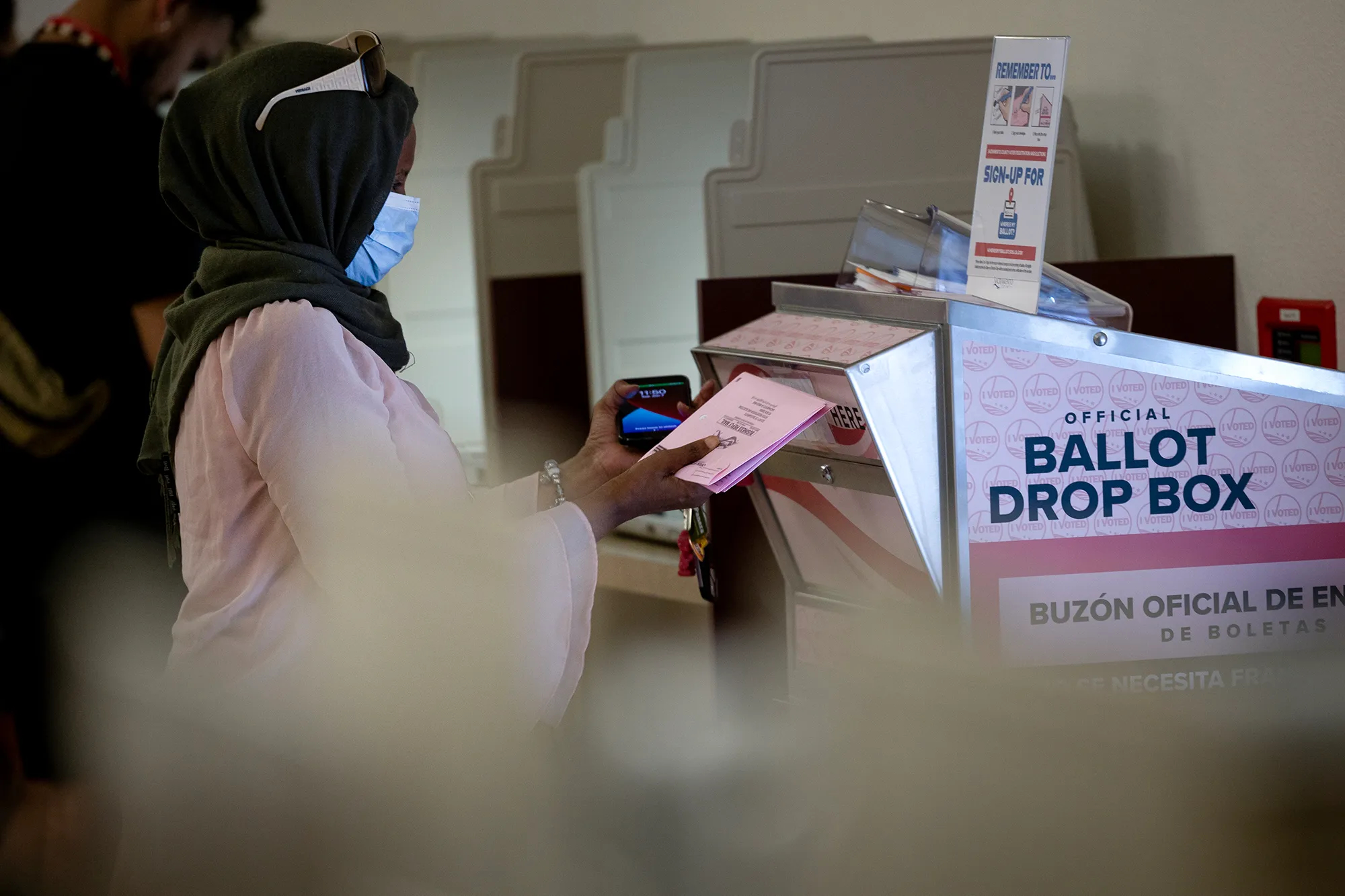
"caption": "Voters cast their ballots at the Sacramento County Registrar of Voters office in Sacramento on June 7, 2022.",
"credit": "Miguel Gutierrez Jr./CalMatters",
"altTag": null,
"description": null,
"imgSizes": {
"thumbnail": {
"file": "https://cdn.kqed.org/wp-content/uploads/sites/10/2025/10/060722-Sac-County-Voter-Registrar-MG-CM-02-160x107.jpeg",
"width": 160,
"height": 107,
"mimeType": "image/jpeg"
},
"1536x1536": {
"file": "https://cdn.kqed.org/wp-content/uploads/sites/10/2025/10/060722-Sac-County-Voter-Registrar-MG-CM-02-1536x1024.jpeg",
"width": 1536,
"height": 1024,
"mimeType": "image/jpeg"
},
"post-thumbnail": {
"file": "https://cdn.kqed.org/wp-content/uploads/sites/10/2025/10/060722-Sac-County-Voter-Registrar-MG-CM-02-672x372.jpeg",
"width": 672,
"height": 372,
"mimeType": "image/jpeg"
},
"twentyfourteen-full-width": {
"file": "https://cdn.kqed.org/wp-content/uploads/sites/10/2025/10/060722-Sac-County-Voter-Registrar-MG-CM-02-1038x576.jpeg",
"width": 1038,
"height": 576,
"mimeType": "image/jpeg"
},
"npr-cds-wide": {
"file": "https://cdn.kqed.org/wp-content/uploads/sites/10/2025/10/060722-Sac-County-Voter-Registrar-MG-CM-02-1600x900.jpeg",
"width": 1600,
"height": 900,
"mimeType": "image/jpeg"
},
"kqedFullSize": {
"file": "https://cdn.kqed.org/wp-content/uploads/sites/10/2025/10/060722-Sac-County-Voter-Registrar-MG-CM-02.jpeg",
"width": 2000,
"height": 1333
}
},
"isLoading": false,
"fetchFailed": false
},
"news_12061541": {
"type": "attachments",
"id": "news_12061541",
"meta": {
"index": "attachments_1716263798",
"site": "news",
"id": "12061541",
"found": true
},
"title": "AIPolice",
"publishDate": 1761335653,
"status": "inherit",
"parent": 12061462,
"modified": 1761335688,
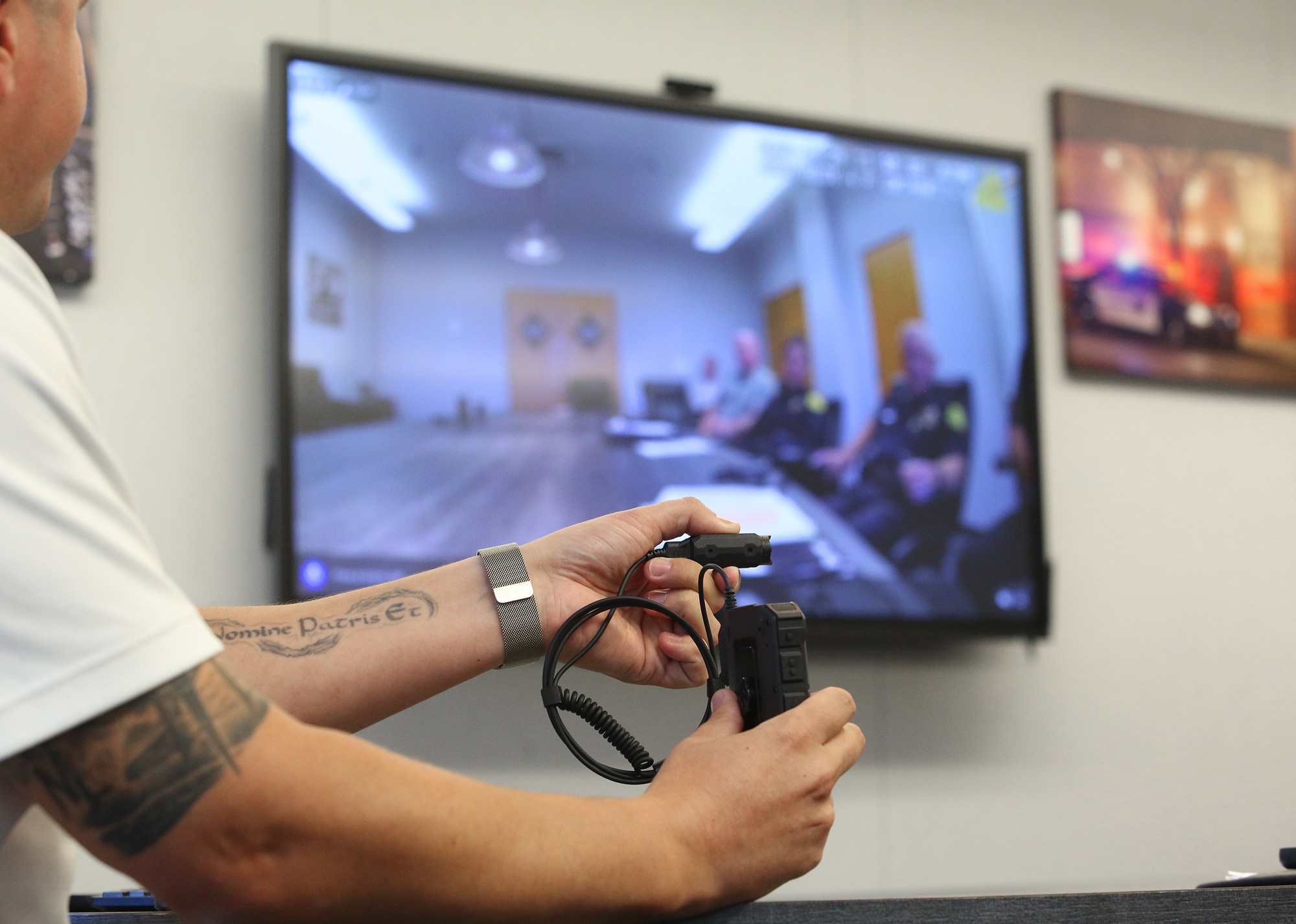
"caption": "Fresno Police Officer Gregory Colon-Reyes demonstrates Draft One on Sept. 24, 2024, an AI tool that uses the audio from bodycam footage to generate police reports.",
"credit": "Courtesy of Gary Kazanjian",
"altTag": null,
"description": null,
"imgSizes": {
"thumbnail": {
"file": "https://cdn.kqed.org/wp-content/uploads/sites/10/2025/10/AIPolice-160x114.jpg",
"width": 160,
"height": 114,
"mimeType": "image/jpeg"
},
"1536x1536": {
"file": "https://cdn.kqed.org/wp-content/uploads/sites/10/2025/10/AIPolice-1536x1095.jpg",
"width": 1536,
"height": 1095,
"mimeType": "image/jpeg"
},
"post-thumbnail": {
"file": "https://cdn.kqed.org/wp-content/uploads/sites/10/2025/10/AIPolice-672x372.jpg",
"width": 672,
"height": 372,
"mimeType": "image/jpeg"
},
"twentyfourteen-full-width": {
"file": "https://cdn.kqed.org/wp-content/uploads/sites/10/2025/10/AIPolice-1038x576.jpg",
"width": 1038,
"height": 576,
"mimeType": "image/jpeg"
},
"npr-cds-wide": {
"file": "https://cdn.kqed.org/wp-content/uploads/sites/10/2025/10/AIPolice-1600x900.jpg",
"width": 1600,
"height": 900,
"mimeType": "image/jpeg"
},
"kqedFullSize": {
"file": "https://cdn.kqed.org/wp-content/uploads/sites/10/2025/10/AIPolice.jpg",
"width": 2000,
"height": 1426
}
},
"isLoading": false,
"fetchFailed": false
},
"news_12061658": {
"type": "attachments",
"id": "news_12061658",
"meta": {
"index": "attachments_1716263798",
"site": "news",
"id": "12061658",
"found": true
},
"title": "072419-Rural-Doctor-AW-CM-10_scr",
"publishDate": 1761398405,
"status": "inherit",
"parent": 12061653,
"modified": 1761398442,
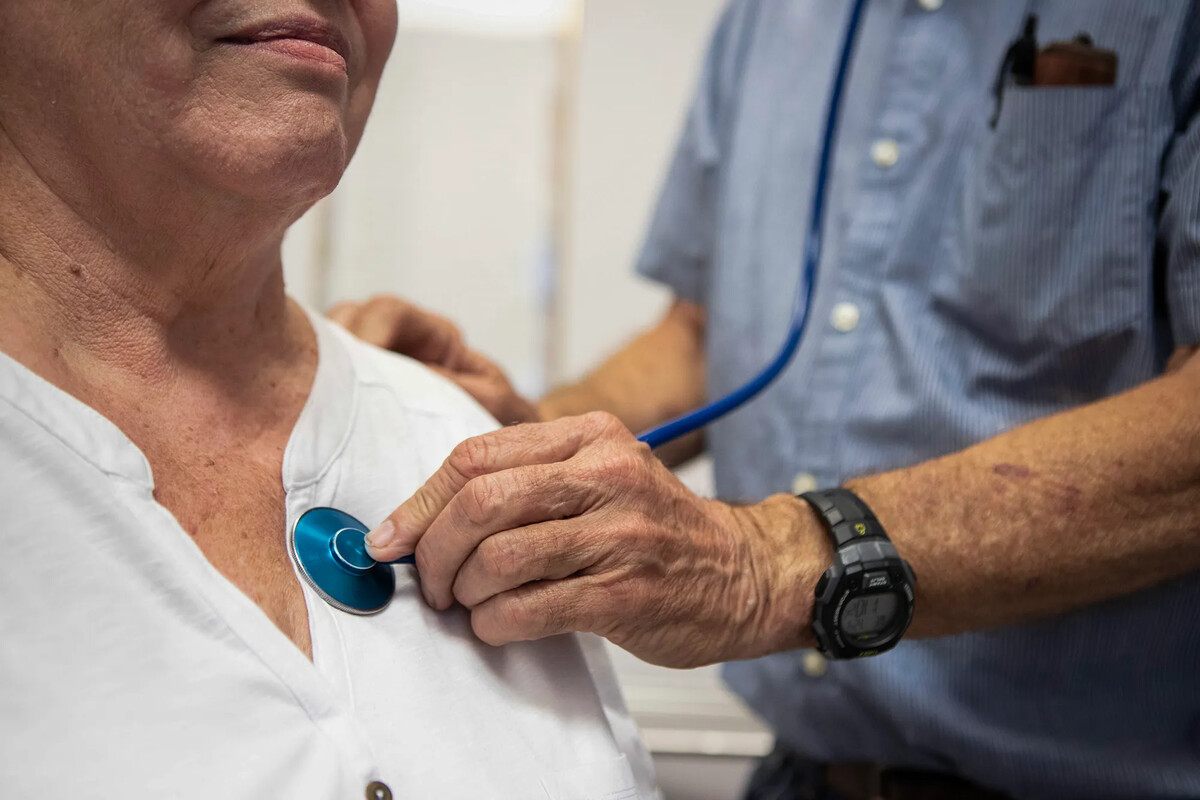
"caption": "A doctor listens to a patient's heartbeat at the Mountain Valley Health Center in Bieber on July 24, 2019. ",
"credit": "Anne Wernikoff for CalMatters",
"altTag": null,
"description": null,
"imgSizes": {
"thumbnail": {
"file": "https://cdn.kqed.org/wp-content/uploads/sites/10/2025/10/072419-Rural-Doctor-AW-CM-10_scr-160x107.jpg",
"width": 160,
"height": 107,
"mimeType": "image/jpeg"
},
"post-thumbnail": {
"file": "https://cdn.kqed.org/wp-content/uploads/sites/10/2025/10/072419-Rural-Doctor-AW-CM-10_scr-672x372.jpg",
"width": 672,
"height": 372,
"mimeType": "image/jpeg"
},
"twentyfourteen-full-width": {
"file": "https://cdn.kqed.org/wp-content/uploads/sites/10/2025/10/072419-Rural-Doctor-AW-CM-10_scr-1038x576.jpg",
"width": 1038,
"height": 576,
"mimeType": "image/jpeg"
},
"kqedFullSize": {
"file": "https://cdn.kqed.org/wp-content/uploads/sites/10/2025/10/072419-Rural-Doctor-AW-CM-10_scr.jpg",
"width": 1200,
"height": 800
}
},
"isLoading": false,
"fetchFailed": false
},
"news_12033881": {
"type": "attachments",
"id": "news_12033881",
"meta": {
"index": "attachments_1716263798",
"site": "news",
"id": "12033881",
"found": true
},
"title": "250331-Trans Newsom Rally-AC-02-KQED",
"publishDate": 1743459070,
"status": "inherit",
"parent": 12033818,
"modified": 1761585010,
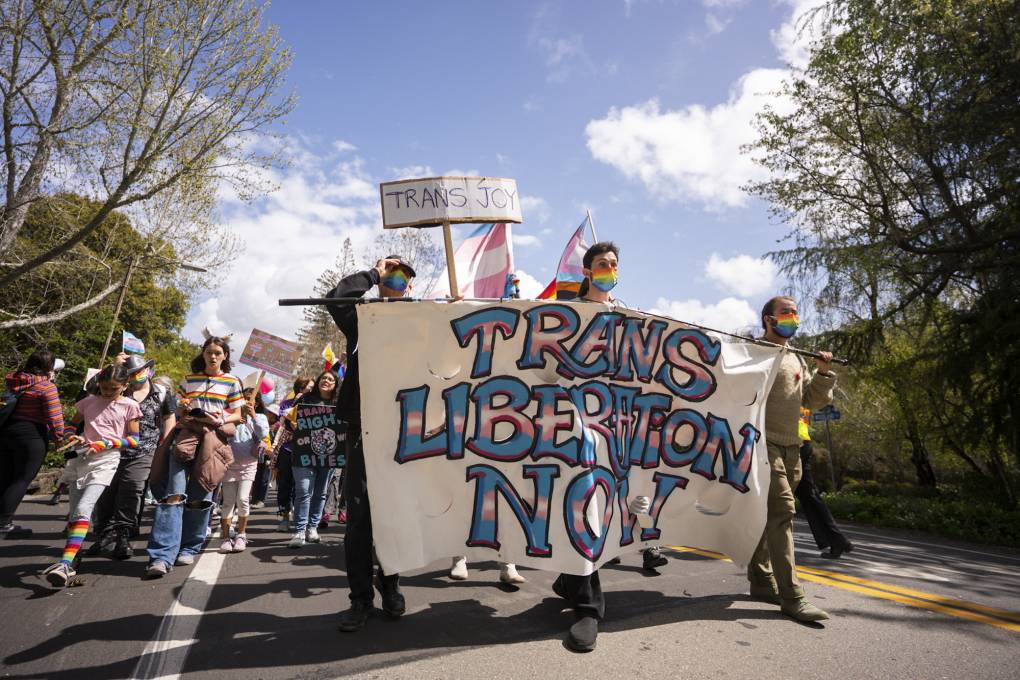
"caption": "Parents, children and supporters march to Gov. Gavin Newsom's home in Kentfield in support of trans youth rights on March 31, 2025.",
"credit": "Aryk Copley for KQED",
"altTag": null,
"description": null,
"imgSizes": {
"medium": {
"file": "https://cdn.kqed.org/wp-content/uploads/sites/10/2025/03/250331-Trans-Newsom-Rally-AC-02-KQED-800x534.jpg",
"width": 800,
"height": 534,
"mimeType": "image/jpeg"
},
"large": {
"file": "https://cdn.kqed.org/wp-content/uploads/sites/10/2025/03/250331-Trans-Newsom-Rally-AC-02-KQED-1020x680.jpg",
"width": 1020,
"height": 680,
"mimeType": "image/jpeg"
},
"thumbnail": {
"file": "https://cdn.kqed.org/wp-content/uploads/sites/10/2025/03/250331-Trans-Newsom-Rally-AC-02-KQED-160x107.jpg",
"width": 160,
"height": 107,
"mimeType": "image/jpeg"
},
"1536x1536": {
"file": "https://cdn.kqed.org/wp-content/uploads/sites/10/2025/03/250331-Trans-Newsom-Rally-AC-02-KQED-1536x1025.jpg",
"width": 1536,
"height": 1025,
"mimeType": "image/jpeg"
},
"post-thumbnail": {
"file": "https://cdn.kqed.org/wp-content/uploads/sites/10/2025/03/250331-Trans-Newsom-Rally-AC-02-KQED-672x372.jpg",
"width": 672,
"height": 372,
"mimeType": "image/jpeg"
},
"twentyfourteen-full-width": {
"file": "https://cdn.kqed.org/wp-content/uploads/sites/10/2025/03/250331-Trans-Newsom-Rally-AC-02-KQED-1038x576.jpg",
"width": 1038,
"height": 576,
"mimeType": "image/jpeg"
},
"full-width": {
"file": "https://cdn.kqed.org/wp-content/uploads/sites/10/2025/03/250331-Trans-Newsom-Rally-AC-02-KQED-1920x1281.jpg",
"width": 1920,
"height": 1281,
"mimeType": "image/jpeg"
},
"kqedFullSize": {
"file": "https://cdn.kqed.org/wp-content/uploads/sites/10/2025/03/250331-Trans-Newsom-Rally-AC-02-KQED.jpg",
"width": 2000,
"height": 1334
}
},
"isLoading": false,
"fetchFailed": false
},
"news_12041396": {
"type": "attachments",
"id": "news_12041396",
"meta": {
"index": "attachments_1716263798",
"site": "news",
"id": "12041396",
"found": true
},
"title": "250128-SFImmigration-25-BL_qed",
"publishDate": 1747954329,
"status": "inherit",
"parent": 12041112,
"modified": 1764713928,
"caption": "San Francisco Supervisor Jackie Fielder speaks during a press conference with elected and public safety officials and labor leaders in front of City Hall in San Francisco on Jan. 28, 2025.",
"credit": "Beth LaBerge/KQED",
"altTag": null,
"description": null,
"imgSizes": {
"medium": {
"file": "https://cdn.kqed.org/wp-content/uploads/sites/10/2025/05/250128-SFImmigration-25-BL_qed-800x533.jpg",
"width": 800,
"height": 533,
"mimeType": "image/jpeg"
},
"large": {
"file": "https://cdn.kqed.org/wp-content/uploads/sites/10/2025/05/250128-SFImmigration-25-BL_qed-1020x680.jpg",
"width": 1020,
"height": 680,
"mimeType": "image/jpeg"
},
"thumbnail": {
"file": "https://cdn.kqed.org/wp-content/uploads/sites/10/2025/05/250128-SFImmigration-25-BL_qed-160x107.jpg",
"width": 160,
"height": 107,
"mimeType": "image/jpeg"
},
"1536x1536": {
"file": "https://cdn.kqed.org/wp-content/uploads/sites/10/2025/05/250128-SFImmigration-25-BL_qed-1536x1024.jpg",
"width": 1536,
"height": 1024,
"mimeType": "image/jpeg"
},
"post-thumbnail": {
"file": "https://cdn.kqed.org/wp-content/uploads/sites/10/2025/05/250128-SFImmigration-25-BL_qed-672x372.jpg",
"width": 672,
"height": 372,
"mimeType": "image/jpeg"
},
"twentyfourteen-full-width": {
"file": "https://cdn.kqed.org/wp-content/uploads/sites/10/2025/05/250128-SFImmigration-25-BL_qed-1038x576.jpg",
"width": 1038,
"height": 576,
"mimeType": "image/jpeg"
},
"full-width": {
"file": "https://cdn.kqed.org/wp-content/uploads/sites/10/2025/05/250128-SFImmigration-25-BL_qed-1920x1280.jpg",
"width": 1920,
"height": 1280,
"mimeType": "image/jpeg"
},
"kqedFullSize": {
"file": "https://cdn.kqed.org/wp-content/uploads/sites/10/2025/05/250128-SFImmigration-25-BL_qed.jpg",
"width": 2000,
"height": 1333
}
},
"isLoading": false,
"fetchFailed": false
},
"news_12061526": {
"type": "attachments",
"id": "news_12061526",
"meta": {
"index": "attachments_1716263798",
"site": "news",
"id": "12061526",
"found": true
},
"title": "Gov. Gavin Newsom at KQED in San Francisco on Oct. 24, 2025.",
"publishDate": 1761333356,
"status": "inherit",
"parent": 0,
"modified": 1761333365,
"caption": "Gov. Gavin Newsom at KQED in San Francisco on Oct. 24, 2025.",
"credit": "Martin do Nascimento/KQED",
"altTag": null,
"description": null,
"imgSizes": {
"thumbnail": {
"file": "https://cdn.kqed.org/wp-content/uploads/sites/10/2025/10/251024-NEWSOM-ON-PB-MD-03-KQED-160x107.jpg",
"width": 160,
"height": 107,
"mimeType": "image/jpeg"
},
"1536x1536": {
"file": "https://cdn.kqed.org/wp-content/uploads/sites/10/2025/10/251024-NEWSOM-ON-PB-MD-03-KQED-1536x1025.jpg",
"width": 1536,
"height": 1025,
"mimeType": "image/jpeg"
},
"post-thumbnail": {
"file": "https://cdn.kqed.org/wp-content/uploads/sites/10/2025/10/251024-NEWSOM-ON-PB-MD-03-KQED-672x372.jpg",
"width": 672,
"height": 372,
"mimeType": "image/jpeg"
},
"twentyfourteen-full-width": {
"file": "https://cdn.kqed.org/wp-content/uploads/sites/10/2025/10/251024-NEWSOM-ON-PB-MD-03-KQED-1038x576.jpg",
"width": 1038,
"height": 576,
"mimeType": "image/jpeg"
},
"npr-cds-wide": {
"file": "https://cdn.kqed.org/wp-content/uploads/sites/10/2025/10/251024-NEWSOM-ON-PB-MD-03-KQED-1600x900.jpg",
"width": 1600,
"height": 900,
"mimeType": "image/jpeg"
},
"kqedFullSize": {
"file": "https://cdn.kqed.org/wp-content/uploads/sites/10/2025/10/251024-NEWSOM-ON-PB-MD-03-KQED.jpg",
"width": 2000,
"height": 1334
}
},
"isLoading": false,
"fetchFailed": false
},
"news_12061253": {
"type": "attachments",
"id": "news_12061253",
"meta": {
"index": "attachments_1716263798",
"site": "news",
"id": "12061253",
"found": true
},
"title": "251023-MAYOR LEE PRESSER-MD-05-KQED",
"publishDate": 1761245631,
"status": "inherit",
"parent": 0,
"modified": 1761245786,
"caption": "Oakland Mayor Barbara Lee speaks at a press conference at Oakland City Hall on Oct. 23, 2025.",
"credit": "Martin do Nascimento/KQED",
"altTag": null,
"description": null,
"imgSizes": {
"thumbnail": {
"file": "https://cdn.kqed.org/wp-content/uploads/sites/10/2025/10/251023-MAYOR-LEE-PRESSER-MD-05-KQED-160x107.jpg",
"width": 160,
"height": 107,
"mimeType": "image/jpeg"
},
"1536x1536": {
"file": "https://cdn.kqed.org/wp-content/uploads/sites/10/2025/10/251023-MAYOR-LEE-PRESSER-MD-05-KQED-1536x1024.jpg",
"width": 1536,
"height": 1024,
"mimeType": "image/jpeg"
},
"post-thumbnail": {
"file": "https://cdn.kqed.org/wp-content/uploads/sites/10/2025/10/251023-MAYOR-LEE-PRESSER-MD-05-KQED-672x372.jpg",
"width": 672,
"height": 372,
"mimeType": "image/jpeg"
},
"twentyfourteen-full-width": {
"file": "https://cdn.kqed.org/wp-content/uploads/sites/10/2025/10/251023-MAYOR-LEE-PRESSER-MD-05-KQED-1038x576.jpg",
"width": 1038,
"height": 576,
"mimeType": "image/jpeg"
},
"npr-cds-wide": {
"file": "https://cdn.kqed.org/wp-content/uploads/sites/10/2025/10/251023-MAYOR-LEE-PRESSER-MD-05-KQED-1600x900.jpg",
"width": 1600,
"height": 900,
"mimeType": "image/jpeg"
},
"kqedFullSize": {
"file": "https://cdn.kqed.org/wp-content/uploads/sites/10/2025/10/251023-MAYOR-LEE-PRESSER-MD-05-KQED.jpg",
"width": 2000,
"height": 1333
}
},
"isLoading": false,
"fetchFailed": false
},
"news_12043126": {
"type": "attachments",
"id": "news_12043126",
"meta": {
"index": "attachments_1716263798",
"site": "news",
"id": "12043126",
"found": true
},
"title": "013_KQED_SanFranciscoMarinFoodBank_03182020_9229_qed",
"publishDate": 1749235559,
"status": "inherit",
"parent": 12043122,
"modified": 1749235572,
"caption": "Volunteers work to sort donated food at the San Francisco-Marin Food Bank in San Francisco's Dogpatch neighborhood on Wednesday, Mar. 18, 2020.",
"credit": "Beth LaBerge/KQED",
"altTag": null,
"description": null,
"imgSizes": {
"thumbnail": {
"file": "https://cdn.kqed.org/wp-content/uploads/sites/10/2025/06/013_KQED_SanFranciscoMarinFoodBank_03182020_9229_qed-160x107.jpg",
"width": 160,
"height": 107,
"mimeType": "image/jpeg"
},
"1536x1536": {
"file": "https://cdn.kqed.org/wp-content/uploads/sites/10/2025/06/013_KQED_SanFranciscoMarinFoodBank_03182020_9229_qed-1536x1024.jpg",
"width": 1536,
"height": 1024,
"mimeType": "image/jpeg"
},
"post-thumbnail": {
"file": "https://cdn.kqed.org/wp-content/uploads/sites/10/2025/06/013_KQED_SanFranciscoMarinFoodBank_03182020_9229_qed-672x372.jpg",
"width": 672,
"height": 372,
"mimeType": "image/jpeg"
},
"twentyfourteen-full-width": {
"file": "https://cdn.kqed.org/wp-content/uploads/sites/10/2025/06/013_KQED_SanFranciscoMarinFoodBank_03182020_9229_qed-1038x576.jpg",
"width": 1038,
"height": 576,
"mimeType": "image/jpeg"
},
"kqedFullSize": {
"file": "https://cdn.kqed.org/wp-content/uploads/sites/10/2025/06/013_KQED_SanFranciscoMarinFoodBank_03182020_9229_qed.jpg",
"width": 2000,
"height": 1333
}
},
"isLoading": false,
"fetchFailed": false
}
},
"audioPlayerReducer": {
"postId": "stream_live",
"isPaused": true,
"isPlaying": false,
"pfsActive": false,
"pledgeModalIsOpen": true,
"playerDrawerIsOpen": false,
"liveAudioPlayStartedAt": 0,
"liveAudioPlayContext": ""
},
"authorsReducer": {
"byline_news_12061723": {
"type": "authors",
"id": "byline_news_12061723",
"meta": {
"override": true
},
"slug": "byline_news_12061723",
"name": "Maya C. Miller, CalMatters",
"isLoading": false
},
"byline_news_12061462": {
"type": "authors",
"id": "byline_news_12061462",
"meta": {
"override": true
},
"slug": "byline_news_12061462",
"name": "Kerry Klein, KVPR",
"isLoading": false
},
"byline_news_12061653": {
"type": "authors",
"id": "byline_news_12061653",
"meta": {
"override": true
},
"slug": "byline_news_12061653",
"name": "Kristen Hwang, CalMatters",
"isLoading": false
},
"gmarzorati": {
"type": "authors",
"id": "227",
"meta": {
"index": "authors_1716337520",
"id": "227",
"found": true
},
"name": "Guy Marzorati",
"firstName": "Guy",
"lastName": "Marzorati",
"slug": "gmarzorati",
"email": "gmarzorati@KQED.org",
"display_author_email": true,
"staff_mastheads": [
"news"
],
"title": "Correspondent",
"bio": "Guy Marzorati is a correspondent on KQED's California Politics and Government Desk, based in San Jose. A graduate of Santa Clara University, Guy joined KQED in 2013. He reports on state and local politics and produces KQED's digital voter guide.",
"avatar": "https://secure.gravatar.com/avatar/e7038b8dbfd55b104369b76b1cd0b9de?s=600&d=blank&r=g",
"twitter": "guymarzorati",
"facebook": null,
"instagram": null,
"linkedin": null,
"sites": [
{
"site": "",
"roles": [
"editor"
]
},
{
"site": "news",
"roles": [
"editor"
]
},
{
"site": "science",
"roles": [
"editor"
]
},
{
"site": "forum",
"roles": [
"editor"
]
},
{
"site": "elections",
"roles": [
"editor"
]
},
{
"site": "liveblog",
"roles": [
"editor"
]
}
],
"headData": {
"title": "Guy Marzorati | KQED",
"description": "Correspondent",
"ogImgSrc": "https://secure.gravatar.com/avatar/e7038b8dbfd55b104369b76b1cd0b9de?s=600&d=blank&r=g",
"twImgSrc": "https://secure.gravatar.com/avatar/e7038b8dbfd55b104369b76b1cd0b9de?s=600&d=blank&r=g"
},
"isLoading": false,
"link": "/author/gmarzorati"
},
"mlagos": {
"type": "authors",
"id": "3239",
"meta": {
"index": "authors_1716337520",
"id": "3239",
"found": true
},
"name": "Marisa Lagos",
"firstName": "Marisa",
"lastName": "Lagos",
"slug": "mlagos",
"email": "mlagos@kqed.org",
"display_author_email": false,
"staff_mastheads": [
"news"
],
"title": "KQED Contributor",
"bio": "Marisa Lagos is a correspondent for KQED’s California Politics and Government Desk and co-hosts the award-winning show and podcast, Political Breakdown. At KQED, Lagos also conducts reporting, analysis and investigations into state, local and national politics for radio, TV, online and onstage. In 2022, she and co-host, Scott Shafer, moderated the only gubernatorial debate in California. In 2020, the \u003ci>Washington Post\u003c/i> named her one of the top political journalists in California; she was nominated for a Peabody and won several other awards for her work investigating the 2017 California wildfires. She has worked at the \u003ci>San Francisco Chronicle\u003c/i>, \u003ci>San Francisco Examiner\u003c/i> and \u003ci>Los Angeles Times\u003c/i>. A UC Santa Barbara graduate, she lives in San Francisco with her two sons and husband.",
"avatar": "https://secure.gravatar.com/avatar/a261a0d3696fc066871ef96b85b5e7d2?s=600&d=blank&r=g",
"twitter": "@mlagos",
"facebook": null,
"instagram": null,
"linkedin": null,
"sites": [
{
"site": "arts",
"roles": [
"author"
]
},
{
"site": "news",
"roles": [
"editor"
]
},
{
"site": "science",
"roles": [
"editor"
]
},
{
"site": "forum",
"roles": [
"author"
]
},
{
"site": "liveblog",
"roles": [
"author"
]
}
],
"headData": {
"title": "Marisa Lagos | KQED",
"description": "KQED Contributor",
"ogImgSrc": "https://secure.gravatar.com/avatar/a261a0d3696fc066871ef96b85b5e7d2?s=600&d=blank&r=g",
"twImgSrc": "https://secure.gravatar.com/avatar/a261a0d3696fc066871ef96b85b5e7d2?s=600&d=blank&r=g"
},
"isLoading": false,
"link": "/author/mlagos"
},
"carlysevern": {
"type": "authors",
"id": "3243",
"meta": {
"index": "authors_1716337520",
"id": "3243",
"found": true
},
"name": "Carly Severn",
"firstName": "Carly",
"lastName": "Severn",
"slug": "carlysevern",
"email": "csevern@kqed.org",
"display_author_email": false,
"staff_mastheads": [
"news"
],
"title": "Senior Editor, Audience News ",
"bio": "Carly is KQED's Senior Editor of Audience News on the Digital News team, and has reported for the California Report Magazine, Bay Curious and KQED Arts. She's formerly the host of \u003ca href=\"http://ww2.kqed.org/pop/category/the-cooler/\" rel=\"noopener noreferrer\">The Cooler\u003c/a> podcast.",
"avatar": "https://secure.gravatar.com/avatar/2d8d6765f186e64c798cf7f0c8088a41?s=600&d=blank&r=g",
"twitter": "teacupinthebay",
"facebook": null,
"instagram": null,
"linkedin": null,
"sites": [
{
"site": "",
"roles": [
"editor"
]
},
{
"site": "arts",
"roles": [
"editor"
]
},
{
"site": "news",
"roles": [
"administrator"
]
},
{
"site": "pop",
"roles": [
"editor"
]
},
{
"site": "futureofyou",
"roles": [
"editor"
]
},
{
"site": "about",
"roles": [
"administrator"
]
},
{
"site": "mindshift",
"roles": [
"editor"
]
},
{
"site": "bayareabites",
"roles": [
"editor"
]
},
{
"site": "stateofhealth",
"roles": [
"editor"
]
},
{
"site": "science",
"roles": [
"editor"
]
},
{
"site": "food",
"roles": [
"contributor"
]
},
{
"site": "forum",
"roles": [
"editor"
]
},
{
"site": "perspectives",
"roles": [
"administrator"
]
},
{
"site": "liveblog",
"roles": [
"editor"
]
}
],
"headData": {
"title": "Carly Severn | KQED",
"description": "Senior Editor, Audience News ",
"ogImgSrc": "https://secure.gravatar.com/avatar/2d8d6765f186e64c798cf7f0c8088a41?s=600&d=blank&r=g",
"twImgSrc": "https://secure.gravatar.com/avatar/2d8d6765f186e64c798cf7f0c8088a41?s=600&d=blank&r=g"
},
"isLoading": false,
"link": "/author/carlysevern"
},
"fjhabvala": {
"type": "authors",
"id": "8659",
"meta": {
"index": "authors_1716337520",
"id": "8659",
"found": true
},
"name": "Farida Jhabvala Romero",
"firstName": "Farida",
"lastName": "Jhabvala Romero",
"slug": "fjhabvala",
"email": "fjhabvala@kqed.org",
"display_author_email": true,
"staff_mastheads": [
"news"
],
"title": "KQED Contributor",
"bio": "\u003cspan style=\"font-weight: 400;\">Farida Jhabvala Romero is a Labor Correspondent for KQED. She previously covered immigration. Farida was \u003ca href=\"https://www.ccnma.org/2022-most-influential-latina-journalists\">named\u003c/a> one of the 10 Most Influential Latina Journalists in California in 2022 by the California Chicano News Media Association. Her work has won awards from the Society of Professional Journalists (Northern California), as well as a national and regional Edward M. Murrow Award for the collaborative reporting projects “Dangerous Air” and “Graying California.” \u003c/span>\u003cspan style=\"font-weight: 400;\">Before joining KQED, Farida worked as a producer at Radio Bilingüe, a national public radio network. Farida earned her master’s degree in journalism from Stanford University.\u003c/span>",
"avatar": "https://secure.gravatar.com/avatar/c3ab27c5554b67b478f80971e515aa02?s=600&d=blank&r=g",
"twitter": "FaridaJhabvala",
"facebook": null,
"instagram": null,
"linkedin": "https://www.linkedin.com/in/faridajhabvala/",
"sites": [
{
"site": "news",
"roles": [
"editor"
]
},
{
"site": "stateofhealth",
"roles": [
"author"
]
}
],
"headData": {
"title": "Farida Jhabvala Romero | KQED",
"description": "KQED Contributor",
"ogImgSrc": "https://secure.gravatar.com/avatar/c3ab27c5554b67b478f80971e515aa02?s=600&d=blank&r=g",
"twImgSrc": "https://secure.gravatar.com/avatar/c3ab27c5554b67b478f80971e515aa02?s=600&d=blank&r=g"
},
"isLoading": false,
"link": "/author/fjhabvala"
},
"nnavarro": {
"type": "authors",
"id": "11756",
"meta": {
"index": "authors_1716337520",
"id": "11756",
"found": true
},
"name": "Natalia Navarro",
"firstName": "Natalia",
"lastName": "Navarro",
"slug": "nnavarro",
"email": "nnavarro@kqed.org",
"display_author_email": true,
"staff_mastheads": [
"news"
],
"title": "Afternoon News Anchor",
"bio": "Natalia Navarro is KQED's afternoon radio news anchor. She came to KQED in 2021 from Colorado Public Radio, where she was a reporter and host. She has received several awards for her work covering daily and breaking news from professional organizations such as the San Francisco Press Club, Society of Professional Journalists and the Colorado Broadcasters Association. Natalia is originally from Tucson, Arizona, where she got her start in journalism writing for the Arizona Daily Star, Arizona Public Media and the Tucson Weekly. Natalia earned her bachelor's degree in journalism and economics, and her master's degree in journalism from the University of Arizona.",
"avatar": "https://secure.gravatar.com/avatar/45f866ea8b5c52bf1fa4c236dd0c03c2?s=600&d=blank&r=g",
"twitter": "@NataliaVNavarro",
"facebook": null,
"instagram": null,
"linkedin": null,
"sites": [
{
"site": "news",
"roles": [
"editor"
]
}
],
"headData": {
"title": "Natalia Navarro | KQED",
"description": "Afternoon News Anchor",
"ogImgSrc": "https://secure.gravatar.com/avatar/45f866ea8b5c52bf1fa4c236dd0c03c2?s=600&d=blank&r=g",
"twImgSrc": "https://secure.gravatar.com/avatar/45f866ea8b5c52bf1fa4c236dd0c03c2?s=600&d=blank&r=g"
},
"isLoading": false,
"link": "/author/nnavarro"
},
"ibloom": {
"type": "authors",
"id": "11805",
"meta": {
"index": "authors_1716337520",
"id": "11805",
"found": true
},
"name": "Izzy Bloom",
"firstName": "Izzy",
"lastName": "Bloom",
"slug": "ibloom",
"email": "ibloom@kqed.org",
"display_author_email": false,
"staff_mastheads": [],
"title": "KQED Reporter & Producer",
"bio": "Izzy is a reporter and producer on KQED's California Politics & Government Desk. She joined the desk in 2024 to produce Political Breakdown, covering local and national elections and attending the RNC and DNC in Milwaukee and Chicago. \r\n\r\nBefore that, Izzy was a producer on The California Report and reported long-form stories for The California Report Magazine. She was a finalist for the Third Coast/Richard H. Driehaus Foundation Competition and was awarded for her reporting on indigenous land back by the Society of Professional Journalists. Izzy received her master's in journalism from the University of California, Berkeley.",
"avatar": "https://secure.gravatar.com/avatar/cc4d272ca430783ee1a8efac470a6b1e0fdd082c3beb61da019801d0ff751c8c?s=600&d=blank&r=g",
"twitter": null,
"bluesky": null,
"facebook": null,
"instagram": null,
"linkedin": null,
"sites": [
{
"site": "news",
"roles": [
"editor"
]
},
{
"site": "perspectives",
"roles": [
"editor"
]
}
],
"headData": {
"title": "Izzy Bloom | KQED",
"description": "KQED Reporter & Producer",
"ogImgSrc": "https://secure.gravatar.com/avatar/cc4d272ca430783ee1a8efac470a6b1e0fdd082c3beb61da019801d0ff751c8c?s=600&d=blank&r=g",
"twImgSrc": "https://secure.gravatar.com/avatar/cc4d272ca430783ee1a8efac470a6b1e0fdd082c3beb61da019801d0ff751c8c?s=600&d=blank&r=g"
},
"isLoading": false,
"link": "/author/ibloom"
},
"sjohnson": {
"type": "authors",
"id": "11840",
"meta": {
"index": "authors_1716337520",
"id": "11840",
"found": true
},
"name": "Sydney Johnson",
"firstName": "Sydney",
"lastName": "Johnson",
"slug": "sjohnson",
"email": "sjohnson@kqed.org",
"display_author_email": false,
"staff_mastheads": [
"news"
],
"title": "KQED Reporter",
"bio": "Sydney Johnson is a general assignment reporter at KQED. She previously reported on public health and city government at the San Francisco Examiner, and before that, she covered statewide education policy for EdSource. Her reporting has won multiple local, state and national awards. Sydney is a graduate of the University of California, Berkeley and lives in San Francisco.",
"avatar": "https://secure.gravatar.com/avatar/97855f2719b72ad6190b7c535fe642c8?s=600&d=blank&r=g",
"twitter": "sydneyfjohnson",
"facebook": null,
"instagram": null,
"linkedin": null,
"sites": [
{
"site": "news",
"roles": [
"editor"
]
}
],
"headData": {
"title": "Sydney Johnson | KQED",
"description": "KQED Reporter",
"ogImgSrc": "https://secure.gravatar.com/avatar/97855f2719b72ad6190b7c535fe642c8?s=600&d=blank&r=g",
"twImgSrc": "https://secure.gravatar.com/avatar/97855f2719b72ad6190b7c535fe642c8?s=600&d=blank&r=g"
},
"isLoading": false,
"link": "/author/sjohnson"
},
"nkhan": {
"type": "authors",
"id": "11867",
"meta": {
"index": "authors_1716337520",
"id": "11867",
"found": true
},
"name": "Nisa Khan",
"firstName": "Nisa",
"lastName": "Khan",
"slug": "nkhan",
"email": "nkhan@kqed.org",
"display_author_email": false,
"staff_mastheads": [],
"title": "KQED Contributor",
"bio": "Nisa Khan is a reporter for KQED's Audience News Desk. She was formerly a data reporter at Michigan Radio. She earned a Bachelor of Science in Information from the University of Michigan and a Master of Arts in Communication from Stanford University.",
"avatar": "https://secure.gravatar.com/avatar/a3bf1efcfbe7658d13a434cc54d0b2e3?s=600&d=blank&r=g",
"twitter": "mnisakhan",
"bluesky": null,
"facebook": null,
"instagram": null,
"linkedin": null,
"sites": [
{
"site": "arts",
"roles": [
"editor"
]
},
{
"site": "news",
"roles": [
"editor"
]
},
{
"site": "science",
"roles": [
"editor",
"author"
]
},
{
"site": "forum",
"roles": [
"editor"
]
},
{
"site": "liveblog",
"roles": [
"contributor"
]
}
],
"headData": {
"title": "Nisa Khan | KQED",
"description": "KQED Contributor",
"ogImgSrc": "https://secure.gravatar.com/avatar/a3bf1efcfbe7658d13a434cc54d0b2e3?s=600&d=blank&r=g",
"twImgSrc": "https://secure.gravatar.com/avatar/a3bf1efcfbe7658d13a434cc54d0b2e3?s=600&d=blank&r=g"
},
"isLoading": false,
"link": "/author/nkhan"
},
"kdebenedetti": {
"type": "authors",
"id": "11913",
"meta": {
"index": "authors_1716337520",
"id": "11913",
"found": true
},
"name": "Katie DeBenedetti",
"firstName": "Katie",
"lastName": "DeBenedetti",
"slug": "kdebenedetti",
"email": "kdebenedetti@kqed.org",
"display_author_email": false,
"staff_mastheads": [
"news",
"science"
],
"title": "KQED Contributor",
"bio": "Katie DeBenedetti is a digital reporter covering daily news for the Express Desk. Prior to joining KQED as a culture reporting intern in January 2024, she covered education and city government for the Napa Valley Register.",
"avatar": "https://secure.gravatar.com/avatar/6e31073cb8f7e4214ab03f42771d0f45?s=600&d=blank&r=g",
"twitter": null,
"facebook": null,
"instagram": null,
"linkedin": null,
"sites": [
{
"site": "news",
"roles": [
"author"
]
},
{
"site": "science",
"roles": [
"author"
]
},
{
"site": "liveblog",
"roles": [
"author"
]
}
],
"headData": {
"title": "Katie DeBenedetti | KQED",
"description": "KQED Contributor",
"ogImgSrc": "https://secure.gravatar.com/avatar/6e31073cb8f7e4214ab03f42771d0f45?s=600&d=blank&r=g",
"twImgSrc": "https://secure.gravatar.com/avatar/6e31073cb8f7e4214ab03f42771d0f45?s=600&d=blank&r=g"
},
"isLoading": false,
"link": "/author/kdebenedetti"
},
"emanoukian": {
"type": "authors",
"id": "11925",
"meta": {
"index": "authors_1716337520",
"id": "11925",
"found": true
},
"name": "Elize Manoukian",
"firstName": "Elize",
"lastName": "Manoukian",
"slug": "emanoukian",
"email": "emanoukian@KQED.org",
"display_author_email": false,
"staff_mastheads": [
"news"
],
"title": "Digital Producer",
"bio": null,
"avatar": "https://secure.gravatar.com/avatar/4525f1a8e46ccb30933b32653d9772064cfefe3fa655eb45b3b3a80341f6bdad?s=600&d=blank&r=g",
"twitter": null,
"bluesky": null,
"facebook": null,
"instagram": null,
"linkedin": null,
"sites": [
{
"site": "arts",
"roles": [
"editor"
]
},
{
"site": "news",
"roles": [
"editor"
]
},
{
"site": "science",
"roles": [
"editor"
]
}
],
"headData": {
"title": "Elize Manoukian | KQED",
"description": "Digital Producer",
"ogImgSrc": "https://secure.gravatar.com/avatar/4525f1a8e46ccb30933b32653d9772064cfefe3fa655eb45b3b3a80341f6bdad?s=600&d=blank&r=g",
"twImgSrc": "https://secure.gravatar.com/avatar/4525f1a8e46ccb30933b32653d9772064cfefe3fa655eb45b3b3a80341f6bdad?s=600&d=blank&r=g"
},
"isLoading": false,
"link": "/author/emanoukian"
}
},
"pagesReducer": {
"news_tag_california": {
"type": "terms",
"id": "news_18538",
"meta": {
"index": "terms_1716263798",
"site": "news",
"id": "18538",
"score": 6.8450828
},
"featImg": null,
"name": "California",
"description": null,
"taxonomy": "tag",
"headData": {
"twImgId": null,
"twTitle": null,
"ogTitle": null,
"ogImgId": null,
"twDescription": null,
"description": null,
"title": "California Archives | KQED News",
"ogDescription": null
},
"ttid": 31,
"slug": "california",
"isLoading": false,
"title": "California",
"pageMeta": {
"site": "news",
"WpPageTemplate": "page-topic-editorial",
"currentPage": 46
},
"blocks": [
{
"blockName": "kqed/post-list",
"attrs": {
"layout": "cardArticle2",
"query": "posts/news?tag=california",
"seeMore": false,
"paginated": true,
"page": 46
}
},
{
"blockName": "kqed/ad"
}
]
}
},
"pfsSessionReducer": {},
"postsReducer": {
"stream_live": {
"type": "live",
"id": "stream_live",
"audioUrl": "https://streams.kqed.org/kqedradio",
"title": "Live Stream",
"excerpt": "Live Stream information currently unavailable.",
"link": "/radio",
"featImg": "",
"label": {
"name": "KQED Live",
"link": "/"
}
},
"stream_kqedNewscast": {
"type": "posts",
"id": "stream_kqedNewscast",
"audioUrl": "https://www.kqed.org/.stream/anon/radio/RDnews/newscast.mp3?_=1",
"title": "KQED Newscast",
"featImg": "",
"label": {
"name": "88.5 FM",
"link": "/"
}
},
"news_12061823": {
"type": "posts",
"id": "news_12061823",
"meta": {
"index": "posts_1716263798",
"site": "news",
"id": "12061823",
"score": null,
"sort": [
1761677221000
]
},
"guestAuthors": [],
"slug": "california-sues-trump-administration-over-suspension-of-snap-benefits-during-shutdown",
"title": "California Sues Trump Administration Over Suspension of SNAP Benefits During Shutdown",
"publishDate": 1761677221,
"format": "standard",
"headTitle": "California Sues Trump Administration Over Suspension of SNAP Benefits During Shutdown | KQED",
"labelTerm": {
"site": "news"
},
"content": "\u003cp>California and 21 other states are suing the Trump administration over its move to \u003ca href=\"https://www.kqed.org/arts/13982957/snap-calfresh-ebt-november-shutdown-meals-food-assistance-san-francisco-bay-area\">suspend food stamp benefits\u003c/a> during the ongoing government shutdown.\u003c/p>\n\u003cp>The lawsuit, announced Tuesday morning by Gov. Gavin Newsom and Attorney General Rob Bonta, marks the 45th time this year that California has taken the Trump administration to court over its policies, often joined by other Democratic governors and attorneys general. Many of those lawsuits, like this one, challenge moves by the White House to withhold funding to California and other states.\u003c/p>\n\u003cp>This \u003ca href=\"https://oag.ca.gov/system/files/attachments/press-docs/2025.10.28%20Complaint.pdf\">lawsuit\u003c/a>, filed in federal court in Massachusetts, alleges that the U.S. Department of Agriculture still has sufficient funds to continue administering Supplemental Nutrition Assistance Program, or SNAP, benefits despite the government shutdown. It asks the court for a temporary restraining order to halt the suspension, set to take effect Nov. 1.\u003c/p>\n\u003cp>[ad fullwidth]\u003c/p>\n\u003cp>“For the first time ever, SNAP benefits will not be available to the millions of low-income individuals who depend on them to put food on the table,” Bonta said. “With the holidays around the corner, we are seeing costs for groceries continue to increase and \u003ca href=\"https://www.kqed.org/news/12061440/calfresh-snap-ebt-shutdown-find-food-banks-near-me-san-francisco-bay-area-alameda-oakland-contra-costa-newsom-national-guard\">food banks facing unprecedented demand\u003c/a>. We are taking a stand because families will experience hunger and malnutrition if the Trump administration gets its way.”\u003c/p>\n\u003cp>About 5.5 million Californians \u003ca href=\"https://www.kqed.org/news/12060770/snap-calfresh-food-stamps-government-shutdown-november-payments-ebt\">rely on SNAP benefits\u003c/a>, which are distributed as debit cards to people making less than the federal poverty line — about $31,000 for a family of four. Last year, Bonta said, 41 million Americans benefited from SNAP, most of them families with children and many of them disabled or elderly. In California, the SNAP program is known as CalFresh.[aside postID=news_12061440 hero='https://cdn.kqed.org/wp-content/uploads/sites/10/2025/06/013_KQED_SanFranciscoMarinFoodBank_03182020_9229_qed.jpg']The Trump administration has sought to blame Democrats for the shutdown and the suspension of SNAP benefits. Last week, White House spokesperson Abigail Jackson \u003ca href=\"https://www.kqed.org/news/12061030/california-national-guard-to-support-food-banks-as-federal-shutdown-drags-on\">told KQED\u003c/a> in a statement that Democrats could choose to end the shutdown at any time by supporting a continuing resolution to extend federal appropriations, and a banner now at the top of the USDA’s website accuses Democrats of keeping the government closed as they “hold out for health care for illegal aliens and gender mutilation procedures.”\u003c/p>\n\u003cp>The lawsuit alleges that the USDA’s Oct. 24 decision to suspend SNAP benefits, despite having $6 billion in contingency funds available, contradicts the agency’s earlier statements that it could use those funds during the government shutdown. And it notes that USDA has never before chosen to cut off benefits during a government shutdown.\u003c/p>\n\u003cp>“While Donald Trump parades around the world trying to repair the economic damage he’s done with his incompetence, he’s denying food to millions of Americans who will go hungry next month,” Newsom said in a statement. “It’s cruel and speaks to his basic lack of humanity. He doesn’t care about the people of this country, only himself.”\u003c/p>\n\u003cp>\u003c/p>\n",
"blocks": [],
"excerpt": "The lawsuit filed by 22 states alleges that the U.S. Department of Agriculture still has sufficient funds to continue administering the food stamp program despite the government shutdown.",
"status": "publish",
"parent": 0,
"modified": 1761679619,
"stats": {
"hasAudio": false,
"hasVideo": false,
"hasChartOrMap": false,
"iframeSrcs": [],
"hasGoogleForm": false,
"hasGallery": false,
"hasHearkenModule": false,
"hasPolis": false,
"paragraphCount": 9,
"wordCount": 507
},
"headData": {
"title": "California Sues Trump Administration Over Suspension of SNAP Benefits During Shutdown | KQED",
"description": "The lawsuit filed by 22 states alleges that the U.S. Department of Agriculture still has sufficient funds to continue administering the food stamp program despite the government shutdown.",
"ogTitle": "",
"ogDescription": "",
"ogImgId": "",
"twTitle": "",
"twDescription": "",
"twImgId": "",
"schema": {
"@context": "https://schema.org",
"@type": "NewsArticle",
"headline": "California Sues Trump Administration Over Suspension of SNAP Benefits During Shutdown",
"datePublished": "2025-10-28T11:47:01-07:00",
"dateModified": "2025-10-28T12:26:59-07:00",
"image": "https://cdn.kqed.org/wp-content/uploads/2020/02/KQED-OG-Image@1x.png",
"isAccessibleForFree": "True",
"publisher": {
"@type": "NewsMediaOrganization",
"@id": "https://www.kqed.org/#organization",
"name": "KQED",
"logo": "https://cdn.kqed.org/wp-content/uploads/2020/02/KQED-OG-Image@1x.png",
"url": "https://www.kqed.org",
"sameAs": [
"https://www.facebook.com/KQED",
"https://twitter.com/KQED",
"https://www.instagram.com/kqed/",
"https://www.tiktok.com/@kqedofficial",
"https://www.linkedin.com/company/kqed",
"https://www.youtube.com/channel/UCeC0IOo7i1P_61zVUWbJ4nw"
]
}
}
},
"primaryCategory": {
"termId": 457,
"slug": "health",
"name": "Health"
},
"sticky": false,
"nprStoryId": "kqed-12061823",
"templateType": "standard",
"featuredImageType": "standard",
"excludeFromSiteSearch": "Include",
"articleAge": "0",
"path": "/news/12061823/california-sues-trump-administration-over-suspension-of-snap-benefits-during-shutdown",
"audioTrackLength": null,
"parsedContent": [
{
"type": "contentString",
"content": "\u003cdiv class=\"post-body\">\u003cp>\u003cp>California and 21 other states are suing the Trump administration over its move to \u003ca href=\"https://www.kqed.org/arts/13982957/snap-calfresh-ebt-november-shutdown-meals-food-assistance-san-francisco-bay-area\">suspend food stamp benefits\u003c/a> during the ongoing government shutdown.\u003c/p>\n\u003cp>The lawsuit, announced Tuesday morning by Gov. Gavin Newsom and Attorney General Rob Bonta, marks the 45th time this year that California has taken the Trump administration to court over its policies, often joined by other Democratic governors and attorneys general. Many of those lawsuits, like this one, challenge moves by the White House to withhold funding to California and other states.\u003c/p>\n\u003cp>This \u003ca href=\"https://oag.ca.gov/system/files/attachments/press-docs/2025.10.28%20Complaint.pdf\">lawsuit\u003c/a>, filed in federal court in Massachusetts, alleges that the U.S. Department of Agriculture still has sufficient funds to continue administering Supplemental Nutrition Assistance Program, or SNAP, benefits despite the government shutdown. It asks the court for a temporary restraining order to halt the suspension, set to take effect Nov. 1.\u003c/p>\n\u003cp>\u003c/p>\u003c/div>",
"attributes": {
"named": {},
"numeric": []
}
},
{
"type": "component",
"content": "",
"name": "ad",
"attributes": {
"named": {
"label": "fullwidth"
},
"numeric": [
"fullwidth"
]
}
},
{
"type": "contentString",
"content": "\u003cdiv class=\"post-body\">\u003cp>\u003c/p>\n\u003cp>“For the first time ever, SNAP benefits will not be available to the millions of low-income individuals who depend on them to put food on the table,” Bonta said. “With the holidays around the corner, we are seeing costs for groceries continue to increase and \u003ca href=\"https://www.kqed.org/news/12061440/calfresh-snap-ebt-shutdown-find-food-banks-near-me-san-francisco-bay-area-alameda-oakland-contra-costa-newsom-national-guard\">food banks facing unprecedented demand\u003c/a>. We are taking a stand because families will experience hunger and malnutrition if the Trump administration gets its way.”\u003c/p>\n\u003cp>About 5.5 million Californians \u003ca href=\"https://www.kqed.org/news/12060770/snap-calfresh-food-stamps-government-shutdown-november-payments-ebt\">rely on SNAP benefits\u003c/a>, which are distributed as debit cards to people making less than the federal poverty line — about $31,000 for a family of four. Last year, Bonta said, 41 million Americans benefited from SNAP, most of them families with children and many of them disabled or elderly. In California, the SNAP program is known as CalFresh.\u003c/p>\u003c/div>",
"attributes": {
"named": {},
"numeric": []
}
},
{
"type": "component",
"content": "",
"name": "aside",
"attributes": {
"named": {
"postid": "news_12061440",
"hero": "https://cdn.kqed.org/wp-content/uploads/sites/10/2025/06/013_KQED_SanFranciscoMarinFoodBank_03182020_9229_qed.jpg",
"label": ""
},
"numeric": []
}
},
{
"type": "contentString",
"content": "\u003cdiv class=\"post-body\">\u003cp>The Trump administration has sought to blame Democrats for the shutdown and the suspension of SNAP benefits. Last week, White House spokesperson Abigail Jackson \u003ca href=\"https://www.kqed.org/news/12061030/california-national-guard-to-support-food-banks-as-federal-shutdown-drags-on\">told KQED\u003c/a> in a statement that Democrats could choose to end the shutdown at any time by supporting a continuing resolution to extend federal appropriations, and a banner now at the top of the USDA’s website accuses Democrats of keeping the government closed as they “hold out for health care for illegal aliens and gender mutilation procedures.”\u003c/p>\n\u003cp>The lawsuit alleges that the USDA’s Oct. 24 decision to suspend SNAP benefits, despite having $6 billion in contingency funds available, contradicts the agency’s earlier statements that it could use those funds during the government shutdown. And it notes that USDA has never before chosen to cut off benefits during a government shutdown.\u003c/p>\n\u003cp>“While Donald Trump parades around the world trying to repair the economic damage he’s done with his incompetence, he’s denying food to millions of Americans who will go hungry next month,” Newsom said in a statement. “It’s cruel and speaks to his basic lack of humanity. He doesn’t care about the people of this country, only himself.”\u003c/p>\n\u003cp>\u003c/p>\n\u003c/div>\u003c/p>",
"attributes": {
"named": {},
"numeric": []
}
}
],
"link": "/news/12061823/california-sues-trump-administration-over-suspension-of-snap-benefits-during-shutdown",
"authors": [
"3239"
],
"categories": [
"news_31795",
"news_457",
"news_8",
"news_13"
],
"tags": [
"news_22578",
"news_18538",
"news_1323",
"news_29806",
"news_35063",
"news_34927",
"news_23122",
"news_20337",
"news_21602",
"news_1204",
"news_21891",
"news_22992"
],
"featImg": "news_11792620",
"label": "news"
},
"news_12058784": {
"type": "posts",
"id": "news_12058784",
"meta": {
"index": "posts_1716263798",
"site": "news",
"id": "12058784",
"score": null,
"sort": [
1761672647000
]
},
"guestAuthors": [],
"slug": "oakland-sisters-lead-fight-to-free-la-relatives-from-ice-detention",
"title": "Oakland Sisters Lead Fight to Free LA Relatives From ICE Detention",
"publishDate": 1761672647,
"format": "standard",
"headTitle": "Oakland Sisters Lead Fight to Free LA Relatives From ICE Detention | KQED",
"labelTerm": {
"site": "news"
},
"content": "\u003cp>Jennifer Alejo was taking a midmorning stroll through the serene San Francisco Botanical Garden when she got a panicked call from her mother in Los Angeles. \u003ca href=\"https://www.kqed.org/news/12043346/sf-rallies-for-david-huerta-california-union-leader-arrested-in-la-immigration-raid\">Immigration and Customs Enforcement raided\u003c/a> the garment warehouse where more than a dozen of Alejo’s cousins and uncles worked.\u003c/p>\n\u003cp>The men were handcuffed, loaded into white vans and driven away as federal agents in military gear clashed with protesters outside the warehouse’s gates.\u003c/p>\n\u003cp>At first, Alejo didn’t know how many relatives were arrested or where they were taken. Over the next frantic 24 hours of phone calls and online searches, a clearer picture emerged: ICE had detained 14 of her family members in a single swoop at Ambiance Apparel on June 6.\u003c/p>\n\u003cp>[ad fullwidth]\u003c/p>\n\u003cp>“I am freaking out because I’ve been in the Bay organizing for 10 years, but I have never gone up to the immigration machine in this way,” said Alejo, who leads the Oakland-based nonprofit Trabajadores Unidos Workers United. “So I was nervous.”\u003c/p>\n\u003cp>The Alejos’ story captures the new reality of immigration enforcement under President Donald Trump: mass workplace raids returning on a scale not seen in years, sweeping up longtime residents with no criminal records and leaving families to navigate a system stacked against them.\u003c/p>\n\u003cp>Across California and the U.S., ICE arrests and detentions have climbed sharply in recent years, as the administration renews its focus on high-profile raids and deportations — forcing communities to organize legal and financial lifelines on the fly.\u003c/p>\n\u003cfigure id=\"attachment_12061732\" class=\"wp-caption aligncenter\" style=\"max-width: 2000px\">\u003cimg loading=\"lazy\" decoding=\"async\" class=\"size-full wp-image-12061732\" src=\"https://cdn.kqed.org/wp-content/uploads/sites/10/2025/10/20251026_FAMILYMEMBERSARRESTED_HERNANDEZ-3-KQED.jpg\" alt=\"\" width=\"2000\" height=\"1333\" srcset=\"https://cdn.kqed.org/wp-content/uploads/sites/10/2025/10/20251026_FAMILYMEMBERSARRESTED_HERNANDEZ-3-KQED.jpg 2000w, https://cdn.kqed.org/wp-content/uploads/sites/10/2025/10/20251026_FAMILYMEMBERSARRESTED_HERNANDEZ-3-KQED-160x107.jpg 160w, https://cdn.kqed.org/wp-content/uploads/sites/10/2025/10/20251026_FAMILYMEMBERSARRESTED_HERNANDEZ-3-KQED-1536x1024.jpg 1536w\" sizes=\"auto, (max-width: 2000px) 100vw, 2000px\">\u003cfigcaption class=\"wp-caption-text\">Jennifer Alejo works in her office in Oakland on Oct. 27, 2025. \u003ccite>(Gustavo Hernandez/KQED)\u003c/cite>\u003c/figcaption>\u003c/figure>\n\u003cp>The Bay Area has \u003ca href=\"https://www.kqed.org/news/12061545/bay-area-spared-from-federal-immigration-enforcement-surge-officials-say\">braced for aggressive immigration arrests\u003c/a> like those seen in Los Angeles and Chicago in recent months. Last week, dozens of U.S. Customs and Border Protection agents arrived at a Coast Guard base in Alameda, prompting a \u003ca href=\"https://www.kqed.org/news/12061436/2-injured-after-officers-shoot-at-truck-outside-alameda-base-following-day-of-protests\">confrontation with protesters\u003c/a>. Tensions eased after President Donald Trump \u003ca href=\"https://www.kqed.org/news/12061209/lurie-trump-is-calling-off-plans-to-send-federal-troops-to-san-francisco\">called off a planned surge\u003c/a> of federal agents targeting San Francisco on Oct. 23, and Oakland Mayor Barbara Lee said the next day that scheduled ICE and Border Patrol operations were canceled. Still, immigrant advocates, school leaders and elected officials \u003ca href=\"https://www.kqed.org/news/12055279/oakland-latino-merchants-learn-rights-as-ice-targets-worksites\">urged residents to stay prepared\u003c/a>.\u003c/p>\n\u003cp>Alejo and his younger sister, Citlali, also a staffer at the organization, knew their relatives would have a better chance at release if the family worked together. They tapped their Bay Area networks for legal aid and fundraising, and rallied relatives and close friends in L.A. to launch Lucha Zapoteca, a public campaign named for their Indigenous Zapoteca roots from Southern Mexico.\u003c/p>\n\u003cp>Nearly five months later, public awareness about the family’s plight helped raise more than \u003ca href=\"https://www.gofundme.com/f/urgent-aid-for-families-of-14-detained-members\">$370,000\u003c/a> from thousands of donors — enough to pay immigration bonds, which can range from $1,500 to more than $25,000 each, and cover rent and groceries for relatives left without breadwinners.[aside postID=news_12057190 hero='https://cdn.kqed.org/wp-content/uploads/sites/10/2025/10/251022-FRUITVALE-MERCHANTS-MD-02-KQED.jpg']Immigration attorneys in the Bay Area and Southern California worked to free 11 of the men from the Adelanto ICE detention center and secured long-term representation.\u003c/p>\n\u003cp>“We wanted people to know that they could fight back. We didn’t know what it was going to look like, but we also knew that our community does have rights,” said Alejo, 33. “But it is hard to organize your own family into action, especially when there’s just so much at stake.”\u003c/p>\n\u003cp>The family joined protests, including outside of the Adelanto facility, and packed court hearings to show support — a factor immigration judges often consider when deciding whether to release a detainee on bond.\u003c/p>\n\u003cp>One of Alejo’s relatives is still locked up at the Adelanto facility, about 90 miles from L.A. Two were deported, including a 22-year-old who, the sisters said, didn’t realize the papers he signed sealed his removal to Tijuana. The other relative, unable to endure detention conditions, voluntarily agreed to deportation.\u003c/p>\n\u003cp>ICE did not respond to requests for comment on why Ambiance Apparel, which employs about 150 employees at its warehouse and showroom, was targeted in June or about the operation’s outcome. It’s unclear whether the 2021 \u003ca href=\"https://www.justice.gov/usao-cdca/pr/los-angeles-fashion-district-company-owner-sentenced-one-year-prison-committing-customs\">sentencing\u003c/a> of the company’s owner to one year in federal prison for failing to pay more than $35 million in taxes and customs duties was connected to the raid. Ambiance has denied any wrongdoing.\u003c/p>\n\u003cp>“Ambiance is committed to following the law and to supporting its workers, many of whom have worked for the company for decades,” said Benjamin Gluck, an attorney representing the company, in a statement.\u003c/p>\n\u003cfigure id=\"attachment_12055266\" class=\"wp-caption aligncenter\" style=\"max-width: 2000px\">\u003cimg loading=\"lazy\" decoding=\"async\" class=\"size-full wp-image-12055266\" src=\"https://cdn.kqed.org/wp-content/uploads/sites/10/2025/09/GettyImages-2221046205-scaled-e1761161380689.jpg\" alt=\"\" width=\"2000\" height=\"1345\">\u003cfigcaption class=\"wp-caption-text\">A protester carries a sign reading “Immigrants Built America!” as anti-ICE demonstrators protest outside a federal building on June 19, 2025, in Los Angeles, California. \u003ccite>(Mario Tama/Getty Images)\u003c/cite>\u003c/figcaption>\u003c/figure>\n\u003cp>White House “border czar” Tom Homan said federal agents executed a search warrant at the business, which has locations in L.A.’s Fashion District and Vernon, as part of a \u003ca href=\"https://www.nbcnews.com/news/us-news/tom-homan-trump-border-czar-los-angeles-rcna211701\">criminal investigation\u003c/a> that also swept up undocumented workers. But U.S. Attorney Bill Assaily said the judicial \u003ca href=\"https://www.nbclosangeles.com/news/local/us-attorney-confirms-fbi-federal-agencies-search-warrant-downtown-los-angeles/3717411/\">warrant\u003c/a> that gained agents’ entry to the gated worksite was only for immigration enforcement.\u003c/p>\n\u003cp>California law prohibits employers from allowing ICE into their facilities unless agents present a valid judicial warrant.\u003c/p>\n\u003cp>The roughly 10,300 ICE arrests in California from January through July represent nearly double the total for all of 2024 and more than five times the arrests in 2023, according to a KQED analysis of \u003ca href=\"https://deportationdata.org/data/ice.html\">data\u003c/a> from the UC Berkeley Deportation Data Project. About 62% of this year’s arrests occurred in ICE’s Los Angeles area of responsibility, which includes Los Angeles, Orange, Riverside, San Bernardino, Ventura, Santa Barbara and San Luis Obispo counties.\u003c/p>\n\u003cp>The Trump administration said its immigration crackdown prioritizes expelling dangerous criminals, but undocumented immigrants with no criminal records are being detained as well.\u003c/p>\n\u003cp>“I’ve said a thousand times that aperture will open,” Homan told NBC News in June. “And I said, if you’re in the country illegally, you’re not off the table.”\u003c/p>\n\u003ch2>Deciding to push back\u003c/h2>\n\u003cp>After Alejo and Citlali drove to L.A. on the evening of June 6, they met with dozens of worried relatives and friends who gathered at a Quinceañera party hall someone had secured. They tallied which family members hadn’t returned home from their shifts and spoke with two Bay Area immigration attorneys Alejo had already contacted. Her first question: Could the family help by speaking up and organizing?\u003c/p>\n\u003cp>The hall had a projector. Alejo brought in Lisa Knox of the California Center for Immigrant Justice and Luis Angel Reyes Savalza of the San Francisco Public Defender’s Office via Zoom. Both attorneys, active in local immigration rapid response networks, confirmed that public pressure could boost a legal process to get the fathers and husbands out of detention. Alejo reminded her family that it would take work and courage.\u003c/p>\n\u003cfigure id=\"attachment_12061733\" class=\"wp-caption aligncenter\" style=\"max-width: 2000px\">\u003cimg loading=\"lazy\" decoding=\"async\" class=\"size-full wp-image-12061733\" src=\"https://cdn.kqed.org/wp-content/uploads/sites/10/2025/10/20251026_FAMILYMEMBERSARRESTED_HERNANDEZ-7-KQED.jpg\" alt=\"\" width=\"2000\" height=\"1333\" srcset=\"https://cdn.kqed.org/wp-content/uploads/sites/10/2025/10/20251026_FAMILYMEMBERSARRESTED_HERNANDEZ-7-KQED.jpg 2000w, https://cdn.kqed.org/wp-content/uploads/sites/10/2025/10/20251026_FAMILYMEMBERSARRESTED_HERNANDEZ-7-KQED-160x107.jpg 160w, https://cdn.kqed.org/wp-content/uploads/sites/10/2025/10/20251026_FAMILYMEMBERSARRESTED_HERNANDEZ-7-KQED-1536x1024.jpg 1536w\" sizes=\"auto, (max-width: 2000px) 100vw, 2000px\">\u003cfigcaption class=\"wp-caption-text\">Jennifer Alejo works in her office in Oakland on Oct. 27, 2025. \u003ccite>(Gustavo Hernandez/KQED)\u003c/cite>\u003c/figcaption>\u003c/figure>\n\u003cp>“I was transparent, that, hey, this is going to be a big fight. I do think we can fight back, but we need to be vocal,” Alejo, an Oakland resident who organizes low-wage cooks, builders and other workers to combat labor violations such as wage theft.\u003c/p>\n\u003cp>Her sister Citlali, 27, who works in communications, organized Lucha Zapoteca’s first \u003ca href=\"https://www.instagram.com/p/DKsClVtpDq-/\">press conference\u003c/a> that weekend. Many relatives felt anxious, Citlali said, but Yurien Contreras was the first to volunteer to talk to reporters about her father’s arrest and what it meant for her and three younger brothers.\u003c/p>\n\u003cp>On June 9, supporters held cardboard signs with photos of their 14 detained relatives outside of Ambiance’s warehouse. When it was her turn to speak, Contreras stepped onto a wooden box near a podium and faced a wall of reporters for the first time. The 20-year-old American citizen had rushed to the warehouse in time to see federal agents lead her father and roughly 40 others away the previous Friday. She demanded that immigration authorities respect the workers’ due process rights and release them.[aside postID=news_12055279 hero='https://cdn.kqed.org/wp-content/uploads/sites/10/2025/09/250903-ICETRAINING_01023_TV-KQED.jpg']“I witnessed how they put my father in handcuffs, chained him from the waist and from his ankles,” said Yurien, speaking into a bouquet of microphones. “We suffered and still suffer from this traumatizing experience emotionally, mentally, and physically…We need our father back.”\u003c/p>\n\u003cp>Contreras said her father’s absence was particularly hard on her 4-year-old brother, who has special needs and stopped eating and talking for about a week. For the three months her father was detained, Contreras found it difficult to sleep. She ultimately deferred her college enrollment to stay home and support her family full-time.\u003c/p>\n\u003cp>Their stories struck a nerve in a city reeling from aggressive immigration sweeps and the arrival of National Guard soldiers, sometimes fully armed, sent by Trump to help federal agents. TV stations and newspapers carried the Alejo family’s story — even into the ICE Processing Center in Adelanto.\u003c/p>\n\u003cp>One of Contreras’ uncles, uncertain about what would happen to his four U.S.-born children, said another detainee peeked into his cell to tell him his family was on TV. Disbelieving, he hurried to the recreation room but missed the newscast. He waited for the next one at 6 p.m. When he finally saw his eldest daughter on screen, he wondered how his shy 23-year-old had found the strength to speak fearlessly. KQED agreed to grant the man anonymity because of his pending immigration case.\u003c/p>\n\u003cp>“It helped me a lot because I saw the support both from my family members and everyone who was there,” the man, who was released from detention in late August, said in Spanish. “It gives you more courage to cope with the case because it can be very exhausting. The psychological anguish eats at you, wears you out.”\u003c/p>\n\u003cp>He worked for 15 years in L.A.’s construction and janitorial industries before handling shipping at Ambiance for the last five years. He said it’s been hard to adjust to life after detention, as he’s unable to work while fighting his immigration case. Not knowing whether he will be deported still weighs heavily on him, but he’s grateful to Lucha Zapoteca for legal representation and financial help that keep his children and wife fed and housed.\u003c/p>\n\u003ch2>Community and strangers step in to help\u003c/h2>\n\u003cp>One vocal supporter has been the Rev. Jaime Edwards-Acton, rector at St. Stephen’s Episcopal Church in Hollywood, where the family attends services. He got involved early to raise funds and coordinate donations. His parishioners, led by two sisters in their 20s, have delivered weekly boxes of groceries, diapers and household supplies to Alejo’s relatives. The church is expanding efforts to help more Angelenos affected by ICE arrests.\u003c/p>\n\u003cp>“It’s been an amazing kind of outpouring of generosity and a desire to really want to do something, to make a positive contribution to this mess that we find ourselves in right now,” said Edwards-Acton, who also wrote letters supporting the detained Ambiance workers to the immigration court.\u003c/p>\n\u003cfigure id=\"attachment_12055746\" class=\"wp-caption aligncenter\" style=\"max-width: 2000px\">\u003cimg loading=\"lazy\" decoding=\"async\" class=\"size-full wp-image-12055746\" src=\"https://cdn.kqed.org/wp-content/uploads/sites/10/2025/09/IMG_9847-scaled-e1761671224320.jpg\" alt=\"\" width=\"2000\" height=\"1500\">\u003cfigcaption class=\"wp-caption-text\">Dozens of carwash employees and their family members rallied alongside immigrant rights activists in Los Angeles on Thursday to denounce federal immigration raids at their worksites. \u003ccite>(Courtesy of Los Angeles Worker Center Network)\u003c/cite>\u003c/figcaption>\u003c/figure>\n\u003cp>He said the Alejo family’s campaign and the broader community response have inspired him. Edwards-Acton recalled an interfaith vigil at downtown L.A.’s Grand Park, attended by about 1,000 people, where speakers included Mayor Karen Bass and Contreras. He said Contreras’ powerful testimony countered fear.\u003c/p>\n\u003cp>“That’s what kind of really moves people to action. Her courage was really contagious,” he said. “It wasn’t just a testimony of despair. It was a testimony about this tragic moment, but also how we’re fighting for justice.”\u003c/p>\n\u003cp>Contreras, who had a baby in March, spent her time attending court hearings for her father and the other detained relatives while caring for her brothers, mother and her child. Her 17-year-old brother remained withdrawn but kept his grades up. One day, he said he had a new goal — to graduate with honors to make his parents proud.\u003c/p>\n\u003cp>Their efforts paid off: Contreras’ father returned home in early September.\u003c/p>\n\u003cp>“It was a lot of hard work, a lot of times where it felt impossible for my dad to be liberated,” Contreras, who hopes to one day become an ultrasound technician, said. “We are super excited that he’s back home. We are thankful for this second opportunity with my dad.”\u003c/p>\n\u003cp>Attorneys for the Alejo family, who believe their clients were unlawfully targeted, said they face a difficult path to remain in the U.S. The Trump administration recently changed its policies to make detainees who crossed the border illegally \u003ca href=\"https://www.americanimmigrationcouncil.org/blog/bia-ruling-immigration-judges-bond-mandatory-detention-undocumented-immigrants/\">ineligible\u003c/a> for bond. Dozens of immigration judges, employed by the Department of Justice, have been \u003ca href=\"https://www.npr.org/2025/09/23/nx-s1-5550915/trump-immigration-judges\">fired \u003c/a>and temporarily replaced with military lawyers who are not trained to oversee deportation hearings.\u003c/p>\n\u003cp>As the Bay Area and other regions remain on high alert for more ICE enforcement, Alejo said her family’s story — and the support it inspired from strangers — offers hope.\u003c/p>\n\u003cp>“I feel really proud of our family for doing this,” Alejo said. “It’s also been an amazing time to prove to our community that we can organize when we come together and push back.”\u003c/p>\n\u003cp>[ad floatright]\u003c/p>\n",
"blocks": [],
"excerpt": "When 14 of their relatives were detained in an ICE raid, Jennifer and Citlali Alejo launched a grassroots campaign that united attorneys, donors and activists across California to bring them home.",
"status": "publish",
"parent": 0,
"modified": 1761688958,
"stats": {
"hasAudio": false,
"hasVideo": false,
"hasChartOrMap": false,
"iframeSrcs": [],
"hasGoogleForm": false,
"hasGallery": false,
"hasHearkenModule": false,
"hasPolis": false,
"paragraphCount": 41,
"wordCount": 2350
},
"headData": {
"title": "Oakland Sisters Lead Fight to Free LA Relatives From ICE Detention | KQED",
"description": "When 14 of their relatives were detained in an ICE raid, Jennifer and Citlali Alejo launched a grassroots campaign that united attorneys, donors and activists across California to bring them home.",
"ogTitle": "",
"ogDescription": "",
"ogImgId": "",
"twTitle": "",
"twDescription": "",
"twImgId": "",
"schema": {
"@context": "https://schema.org",
"@type": "NewsArticle",
"headline": "Oakland Sisters Lead Fight to Free LA Relatives From ICE Detention",
"datePublished": "2025-10-28T10:30:47-07:00",
"dateModified": "2025-10-28T15:02:38-07:00",
"image": "https://cdn.kqed.org/wp-content/uploads/2020/02/KQED-OG-Image@1x.png",
"isAccessibleForFree": "True",
"publisher": {
"@type": "NewsMediaOrganization",
"@id": "https://www.kqed.org/#organization",
"name": "KQED",
"logo": "https://cdn.kqed.org/wp-content/uploads/2020/02/KQED-OG-Image@1x.png",
"url": "https://www.kqed.org",
"sameAs": [
"https://www.facebook.com/KQED",
"https://twitter.com/KQED",
"https://www.instagram.com/kqed/",
"https://www.tiktok.com/@kqedofficial",
"https://www.linkedin.com/company/kqed",
"https://www.youtube.com/channel/UCeC0IOo7i1P_61zVUWbJ4nw"
]
}
}
},
"primaryCategory": {
"termId": 1169,
"slug": "immigration",
"name": "Immigration"
},
"audioUrl": "https://traffic.omny.fm/d/clips/0af137ef-751e-4b19-a055-aaef00d2d578/ffca7e9f-6831-4[…]f-aaef00f5a073/e3d2f18c-8f18-4b6b-ba2f-b36f0110611c/audio.mp3",
"sticky": false,
"nprStoryId": "kqed-12058784",
"templateType": "standard",
"featuredImageType": "standard",
"excludeFromSiteSearch": "Include",
"articleAge": "0",
"path": "/news/12058784/oakland-sisters-lead-fight-to-free-la-relatives-from-ice-detention",
"audioTrackLength": null,
"parsedContent": [
{
"type": "contentString",
"content": "\u003cdiv class=\"post-body\">\u003cp>\u003cp>Jennifer Alejo was taking a midmorning stroll through the serene San Francisco Botanical Garden when she got a panicked call from her mother in Los Angeles. \u003ca href=\"https://www.kqed.org/news/12043346/sf-rallies-for-david-huerta-california-union-leader-arrested-in-la-immigration-raid\">Immigration and Customs Enforcement raided\u003c/a> the garment warehouse where more than a dozen of Alejo’s cousins and uncles worked.\u003c/p>\n\u003cp>The men were handcuffed, loaded into white vans and driven away as federal agents in military gear clashed with protesters outside the warehouse’s gates.\u003c/p>\n\u003cp>At first, Alejo didn’t know how many relatives were arrested or where they were taken. Over the next frantic 24 hours of phone calls and online searches, a clearer picture emerged: ICE had detained 14 of her family members in a single swoop at Ambiance Apparel on June 6.\u003c/p>\n\u003cp>\u003c/p>\u003c/div>",
"attributes": {
"named": {},
"numeric": []
}
},
{
"type": "component",
"content": "",
"name": "ad",
"attributes": {
"named": {
"label": "fullwidth"
},
"numeric": [
"fullwidth"
]
}
},
{
"type": "contentString",
"content": "\u003cdiv class=\"post-body\">\u003cp>\u003c/p>\n\u003cp>“I am freaking out because I’ve been in the Bay organizing for 10 years, but I have never gone up to the immigration machine in this way,” said Alejo, who leads the Oakland-based nonprofit Trabajadores Unidos Workers United. “So I was nervous.”\u003c/p>\n\u003cp>The Alejos’ story captures the new reality of immigration enforcement under President Donald Trump: mass workplace raids returning on a scale not seen in years, sweeping up longtime residents with no criminal records and leaving families to navigate a system stacked against them.\u003c/p>\n\u003cp>Across California and the U.S., ICE arrests and detentions have climbed sharply in recent years, as the administration renews its focus on high-profile raids and deportations — forcing communities to organize legal and financial lifelines on the fly.\u003c/p>\n\u003cfigure id=\"attachment_12061732\" class=\"wp-caption aligncenter\" style=\"max-width: 2000px\">\u003cimg loading=\"lazy\" decoding=\"async\" class=\"size-full wp-image-12061732\" src=\"https://cdn.kqed.org/wp-content/uploads/sites/10/2025/10/20251026_FAMILYMEMBERSARRESTED_HERNANDEZ-3-KQED.jpg\" alt=\"\" width=\"2000\" height=\"1333\" srcset=\"https://cdn.kqed.org/wp-content/uploads/sites/10/2025/10/20251026_FAMILYMEMBERSARRESTED_HERNANDEZ-3-KQED.jpg 2000w, https://cdn.kqed.org/wp-content/uploads/sites/10/2025/10/20251026_FAMILYMEMBERSARRESTED_HERNANDEZ-3-KQED-160x107.jpg 160w, https://cdn.kqed.org/wp-content/uploads/sites/10/2025/10/20251026_FAMILYMEMBERSARRESTED_HERNANDEZ-3-KQED-1536x1024.jpg 1536w\" sizes=\"auto, (max-width: 2000px) 100vw, 2000px\">\u003cfigcaption class=\"wp-caption-text\">Jennifer Alejo works in her office in Oakland on Oct. 27, 2025. \u003ccite>(Gustavo Hernandez/KQED)\u003c/cite>\u003c/figcaption>\u003c/figure>\n\u003cp>The Bay Area has \u003ca href=\"https://www.kqed.org/news/12061545/bay-area-spared-from-federal-immigration-enforcement-surge-officials-say\">braced for aggressive immigration arrests\u003c/a> like those seen in Los Angeles and Chicago in recent months. Last week, dozens of U.S. Customs and Border Protection agents arrived at a Coast Guard base in Alameda, prompting a \u003ca href=\"https://www.kqed.org/news/12061436/2-injured-after-officers-shoot-at-truck-outside-alameda-base-following-day-of-protests\">confrontation with protesters\u003c/a>. Tensions eased after President Donald Trump \u003ca href=\"https://www.kqed.org/news/12061209/lurie-trump-is-calling-off-plans-to-send-federal-troops-to-san-francisco\">called off a planned surge\u003c/a> of federal agents targeting San Francisco on Oct. 23, and Oakland Mayor Barbara Lee said the next day that scheduled ICE and Border Patrol operations were canceled. Still, immigrant advocates, school leaders and elected officials \u003ca href=\"https://www.kqed.org/news/12055279/oakland-latino-merchants-learn-rights-as-ice-targets-worksites\">urged residents to stay prepared\u003c/a>.\u003c/p>\n\u003cp>Alejo and his younger sister, Citlali, also a staffer at the organization, knew their relatives would have a better chance at release if the family worked together. They tapped their Bay Area networks for legal aid and fundraising, and rallied relatives and close friends in L.A. to launch Lucha Zapoteca, a public campaign named for their Indigenous Zapoteca roots from Southern Mexico.\u003c/p>\n\u003cp>Nearly five months later, public awareness about the family’s plight helped raise more than \u003ca href=\"https://www.gofundme.com/f/urgent-aid-for-families-of-14-detained-members\">$370,000\u003c/a> from thousands of donors — enough to pay immigration bonds, which can range from $1,500 to more than $25,000 each, and cover rent and groceries for relatives left without breadwinners.\u003c/p>\u003c/div>",
"attributes": {
"named": {},
"numeric": []
}
},
{
"type": "component",
"content": "",
"name": "aside",
"attributes": {
"named": {
"postid": "news_12057190",
"hero": "https://cdn.kqed.org/wp-content/uploads/sites/10/2025/10/251022-FRUITVALE-MERCHANTS-MD-02-KQED.jpg",
"label": ""
},
"numeric": []
}
},
{
"type": "contentString",
"content": "\u003cdiv class=\"post-body\">\u003cp>Immigration attorneys in the Bay Area and Southern California worked to free 11 of the men from the Adelanto ICE detention center and secured long-term representation.\u003c/p>\n\u003cp>“We wanted people to know that they could fight back. We didn’t know what it was going to look like, but we also knew that our community does have rights,” said Alejo, 33. “But it is hard to organize your own family into action, especially when there’s just so much at stake.”\u003c/p>\n\u003cp>The family joined protests, including outside of the Adelanto facility, and packed court hearings to show support — a factor immigration judges often consider when deciding whether to release a detainee on bond.\u003c/p>\n\u003cp>One of Alejo’s relatives is still locked up at the Adelanto facility, about 90 miles from L.A. Two were deported, including a 22-year-old who, the sisters said, didn’t realize the papers he signed sealed his removal to Tijuana. The other relative, unable to endure detention conditions, voluntarily agreed to deportation.\u003c/p>\n\u003cp>ICE did not respond to requests for comment on why Ambiance Apparel, which employs about 150 employees at its warehouse and showroom, was targeted in June or about the operation’s outcome. It’s unclear whether the 2021 \u003ca href=\"https://www.justice.gov/usao-cdca/pr/los-angeles-fashion-district-company-owner-sentenced-one-year-prison-committing-customs\">sentencing\u003c/a> of the company’s owner to one year in federal prison for failing to pay more than $35 million in taxes and customs duties was connected to the raid. Ambiance has denied any wrongdoing.\u003c/p>\n\u003cp>“Ambiance is committed to following the law and to supporting its workers, many of whom have worked for the company for decades,” said Benjamin Gluck, an attorney representing the company, in a statement.\u003c/p>\n\u003cfigure id=\"attachment_12055266\" class=\"wp-caption aligncenter\" style=\"max-width: 2000px\">\u003cimg loading=\"lazy\" decoding=\"async\" class=\"size-full wp-image-12055266\" src=\"https://cdn.kqed.org/wp-content/uploads/sites/10/2025/09/GettyImages-2221046205-scaled-e1761161380689.jpg\" alt=\"\" width=\"2000\" height=\"1345\">\u003cfigcaption class=\"wp-caption-text\">A protester carries a sign reading “Immigrants Built America!” as anti-ICE demonstrators protest outside a federal building on June 19, 2025, in Los Angeles, California. \u003ccite>(Mario Tama/Getty Images)\u003c/cite>\u003c/figcaption>\u003c/figure>\n\u003cp>White House “border czar” Tom Homan said federal agents executed a search warrant at the business, which has locations in L.A.’s Fashion District and Vernon, as part of a \u003ca href=\"https://www.nbcnews.com/news/us-news/tom-homan-trump-border-czar-los-angeles-rcna211701\">criminal investigation\u003c/a> that also swept up undocumented workers. But U.S. Attorney Bill Assaily said the judicial \u003ca href=\"https://www.nbclosangeles.com/news/local/us-attorney-confirms-fbi-federal-agencies-search-warrant-downtown-los-angeles/3717411/\">warrant\u003c/a> that gained agents’ entry to the gated worksite was only for immigration enforcement.\u003c/p>\n\u003cp>California law prohibits employers from allowing ICE into their facilities unless agents present a valid judicial warrant.\u003c/p>\n\u003cp>The roughly 10,300 ICE arrests in California from January through July represent nearly double the total for all of 2024 and more than five times the arrests in 2023, according to a KQED analysis of \u003ca href=\"https://deportationdata.org/data/ice.html\">data\u003c/a> from the UC Berkeley Deportation Data Project. About 62% of this year’s arrests occurred in ICE’s Los Angeles area of responsibility, which includes Los Angeles, Orange, Riverside, San Bernardino, Ventura, Santa Barbara and San Luis Obispo counties.\u003c/p>\n\u003cp>The Trump administration said its immigration crackdown prioritizes expelling dangerous criminals, but undocumented immigrants with no criminal records are being detained as well.\u003c/p>\n\u003cp>“I’ve said a thousand times that aperture will open,” Homan told NBC News in June. “And I said, if you’re in the country illegally, you’re not off the table.”\u003c/p>\n\u003ch2>Deciding to push back\u003c/h2>\n\u003cp>After Alejo and Citlali drove to L.A. on the evening of June 6, they met with dozens of worried relatives and friends who gathered at a Quinceañera party hall someone had secured. They tallied which family members hadn’t returned home from their shifts and spoke with two Bay Area immigration attorneys Alejo had already contacted. Her first question: Could the family help by speaking up and organizing?\u003c/p>\n\u003cp>The hall had a projector. Alejo brought in Lisa Knox of the California Center for Immigrant Justice and Luis Angel Reyes Savalza of the San Francisco Public Defender’s Office via Zoom. Both attorneys, active in local immigration rapid response networks, confirmed that public pressure could boost a legal process to get the fathers and husbands out of detention. Alejo reminded her family that it would take work and courage.\u003c/p>\n\u003cfigure id=\"attachment_12061733\" class=\"wp-caption aligncenter\" style=\"max-width: 2000px\">\u003cimg loading=\"lazy\" decoding=\"async\" class=\"size-full wp-image-12061733\" src=\"https://cdn.kqed.org/wp-content/uploads/sites/10/2025/10/20251026_FAMILYMEMBERSARRESTED_HERNANDEZ-7-KQED.jpg\" alt=\"\" width=\"2000\" height=\"1333\" srcset=\"https://cdn.kqed.org/wp-content/uploads/sites/10/2025/10/20251026_FAMILYMEMBERSARRESTED_HERNANDEZ-7-KQED.jpg 2000w, https://cdn.kqed.org/wp-content/uploads/sites/10/2025/10/20251026_FAMILYMEMBERSARRESTED_HERNANDEZ-7-KQED-160x107.jpg 160w, https://cdn.kqed.org/wp-content/uploads/sites/10/2025/10/20251026_FAMILYMEMBERSARRESTED_HERNANDEZ-7-KQED-1536x1024.jpg 1536w\" sizes=\"auto, (max-width: 2000px) 100vw, 2000px\">\u003cfigcaption class=\"wp-caption-text\">Jennifer Alejo works in her office in Oakland on Oct. 27, 2025. \u003ccite>(Gustavo Hernandez/KQED)\u003c/cite>\u003c/figcaption>\u003c/figure>\n\u003cp>“I was transparent, that, hey, this is going to be a big fight. I do think we can fight back, but we need to be vocal,” Alejo, an Oakland resident who organizes low-wage cooks, builders and other workers to combat labor violations such as wage theft.\u003c/p>\n\u003cp>Her sister Citlali, 27, who works in communications, organized Lucha Zapoteca’s first \u003ca href=\"https://www.instagram.com/p/DKsClVtpDq-/\">press conference\u003c/a> that weekend. Many relatives felt anxious, Citlali said, but Yurien Contreras was the first to volunteer to talk to reporters about her father’s arrest and what it meant for her and three younger brothers.\u003c/p>\n\u003cp>On June 9, supporters held cardboard signs with photos of their 14 detained relatives outside of Ambiance’s warehouse. When it was her turn to speak, Contreras stepped onto a wooden box near a podium and faced a wall of reporters for the first time. The 20-year-old American citizen had rushed to the warehouse in time to see federal agents lead her father and roughly 40 others away the previous Friday. She demanded that immigration authorities respect the workers’ due process rights and release them.\u003c/p>\u003c/div>",
"attributes": {
"named": {},
"numeric": []
}
},
{
"type": "component",
"content": "",
"name": "aside",
"attributes": {
"named": {
"postid": "news_12055279",
"hero": "https://cdn.kqed.org/wp-content/uploads/sites/10/2025/09/250903-ICETRAINING_01023_TV-KQED.jpg",
"label": ""
},
"numeric": []
}
},
{
"type": "contentString",
"content": "\u003cdiv class=\"post-body\">\u003cp>“I witnessed how they put my father in handcuffs, chained him from the waist and from his ankles,” said Yurien, speaking into a bouquet of microphones. “We suffered and still suffer from this traumatizing experience emotionally, mentally, and physically…We need our father back.”\u003c/p>\n\u003cp>Contreras said her father’s absence was particularly hard on her 4-year-old brother, who has special needs and stopped eating and talking for about a week. For the three months her father was detained, Contreras found it difficult to sleep. She ultimately deferred her college enrollment to stay home and support her family full-time.\u003c/p>\n\u003cp>Their stories struck a nerve in a city reeling from aggressive immigration sweeps and the arrival of National Guard soldiers, sometimes fully armed, sent by Trump to help federal agents. TV stations and newspapers carried the Alejo family’s story — even into the ICE Processing Center in Adelanto.\u003c/p>\n\u003cp>One of Contreras’ uncles, uncertain about what would happen to his four U.S.-born children, said another detainee peeked into his cell to tell him his family was on TV. Disbelieving, he hurried to the recreation room but missed the newscast. He waited for the next one at 6 p.m. When he finally saw his eldest daughter on screen, he wondered how his shy 23-year-old had found the strength to speak fearlessly. KQED agreed to grant the man anonymity because of his pending immigration case.\u003c/p>\n\u003cp>“It helped me a lot because I saw the support both from my family members and everyone who was there,” the man, who was released from detention in late August, said in Spanish. “It gives you more courage to cope with the case because it can be very exhausting. The psychological anguish eats at you, wears you out.”\u003c/p>\n\u003cp>He worked for 15 years in L.A.’s construction and janitorial industries before handling shipping at Ambiance for the last five years. He said it’s been hard to adjust to life after detention, as he’s unable to work while fighting his immigration case. Not knowing whether he will be deported still weighs heavily on him, but he’s grateful to Lucha Zapoteca for legal representation and financial help that keep his children and wife fed and housed.\u003c/p>\n\u003ch2>Community and strangers step in to help\u003c/h2>\n\u003cp>One vocal supporter has been the Rev. Jaime Edwards-Acton, rector at St. Stephen’s Episcopal Church in Hollywood, where the family attends services. He got involved early to raise funds and coordinate donations. His parishioners, led by two sisters in their 20s, have delivered weekly boxes of groceries, diapers and household supplies to Alejo’s relatives. The church is expanding efforts to help more Angelenos affected by ICE arrests.\u003c/p>\n\u003cp>“It’s been an amazing kind of outpouring of generosity and a desire to really want to do something, to make a positive contribution to this mess that we find ourselves in right now,” said Edwards-Acton, who also wrote letters supporting the detained Ambiance workers to the immigration court.\u003c/p>\n\u003cfigure id=\"attachment_12055746\" class=\"wp-caption aligncenter\" style=\"max-width: 2000px\">\u003cimg loading=\"lazy\" decoding=\"async\" class=\"size-full wp-image-12055746\" src=\"https://cdn.kqed.org/wp-content/uploads/sites/10/2025/09/IMG_9847-scaled-e1761671224320.jpg\" alt=\"\" width=\"2000\" height=\"1500\">\u003cfigcaption class=\"wp-caption-text\">Dozens of carwash employees and their family members rallied alongside immigrant rights activists in Los Angeles on Thursday to denounce federal immigration raids at their worksites. \u003ccite>(Courtesy of Los Angeles Worker Center Network)\u003c/cite>\u003c/figcaption>\u003c/figure>\n\u003cp>He said the Alejo family’s campaign and the broader community response have inspired him. Edwards-Acton recalled an interfaith vigil at downtown L.A.’s Grand Park, attended by about 1,000 people, where speakers included Mayor Karen Bass and Contreras. He said Contreras’ powerful testimony countered fear.\u003c/p>\n\u003cp>“That’s what kind of really moves people to action. Her courage was really contagious,” he said. “It wasn’t just a testimony of despair. It was a testimony about this tragic moment, but also how we’re fighting for justice.”\u003c/p>\n\u003cp>Contreras, who had a baby in March, spent her time attending court hearings for her father and the other detained relatives while caring for her brothers, mother and her child. Her 17-year-old brother remained withdrawn but kept his grades up. One day, he said he had a new goal — to graduate with honors to make his parents proud.\u003c/p>\n\u003cp>Their efforts paid off: Contreras’ father returned home in early September.\u003c/p>\n\u003cp>“It was a lot of hard work, a lot of times where it felt impossible for my dad to be liberated,” Contreras, who hopes to one day become an ultrasound technician, said. “We are super excited that he’s back home. We are thankful for this second opportunity with my dad.”\u003c/p>\n\u003cp>Attorneys for the Alejo family, who believe their clients were unlawfully targeted, said they face a difficult path to remain in the U.S. The Trump administration recently changed its policies to make detainees who crossed the border illegally \u003ca href=\"https://www.americanimmigrationcouncil.org/blog/bia-ruling-immigration-judges-bond-mandatory-detention-undocumented-immigrants/\">ineligible\u003c/a> for bond. Dozens of immigration judges, employed by the Department of Justice, have been \u003ca href=\"https://www.npr.org/2025/09/23/nx-s1-5550915/trump-immigration-judges\">fired \u003c/a>and temporarily replaced with military lawyers who are not trained to oversee deportation hearings.\u003c/p>\n\u003cp>As the Bay Area and other regions remain on high alert for more ICE enforcement, Alejo said her family’s story — and the support it inspired from strangers — offers hope.\u003c/p>\n\u003cp>“I feel really proud of our family for doing this,” Alejo said. “It’s also been an amazing time to prove to our community that we can organize when we come together and push back.”\u003c/p>\n\u003cp>\u003c/p>\u003c/div>",
"attributes": {
"named": {},
"numeric": []
}
},
{
"type": "component",
"content": "",
"name": "ad",
"attributes": {
"named": {
"label": "floatright"
},
"numeric": [
"floatright"
]
}
},
{
"type": "contentString",
"content": "\u003cdiv class=\"post-body\">\u003cp>\u003c/p>\n\u003c/div>\u003c/p>",
"attributes": {
"named": {},
"numeric": []
}
}
],
"link": "/news/12058784/oakland-sisters-lead-fight-to-free-la-relatives-from-ice-detention",
"authors": [
"8659"
],
"categories": [
"news_31795",
"news_1169",
"news_34551",
"news_28250",
"news_8",
"news_13"
],
"tags": [
"news_1386",
"news_18538",
"news_27626",
"news_35606",
"news_35825",
"news_20202",
"news_19904",
"news_4",
"news_34054",
"news_17968",
"news_20529"
],
"featImg": "news_12061731",
"label": "news"
},
"news_12061468": {
"type": "posts",
"id": "news_12061468",
"meta": {
"index": "posts_1716263798",
"site": "news",
"id": "12061468",
"score": null,
"sort": [
1761656428000
]
},
"guestAuthors": [],
"slug": "the-latest-bay-area-recall-campaign-is-over-a-six-story-apartment-building",
"title": "The Latest Bay Area Recall Campaign Is Over a 6-Story Apartment Building",
"publishDate": 1761656428,
"format": "standard",
"headTitle": "The Latest Bay Area Recall Campaign Is Over a 6-Story Apartment Building | KQED",
"labelTerm": {
"site": "news"
},
"content": "\u003cp>It’s spooky season in the \u003ca href=\"https://www.kqed.org/news/tag/marin-county\">Marin County\u003c/a> town of Fairfax, where skeletons and pumpkins take up their positions in yards, right alongside signs urging residents to “Vote Yes to Recall” or “Vote No Recalls.”\u003c/p>\n\u003cp>On Nov. 4, voters will decide whether to recall Fairfax’s mayor and vice mayor over their approval of a six-story apartment complex — a decision that’s divided this small town of about 7,500 residents.\u003c/p>\n\u003cp>The \u003ca href=\"https://storage.googleapis.com/proudcity/fairfaxca/2025/04/Notice-of-Intent-to-Circulate-a-Recall-Petition-Hellman-3-6-25.pdf\">recall petition\u003c/a> accuses Mayor Lisel Blash and Vice Mayor Stephanie Hellman of mismanaging funds, neglecting road maintenance and prioritizing their personal agendas. But at the heart of the recall is a high-density housing development proposed for a 2-acre site called School Street Plaza.\u003c/p>\n\u003cp>[ad fullwidth]\u003c/p>\n\u003cp>Last November, developer Mill Creek Residential submitted a preliminary application to build a 243-unit apartment complex at School Street Plaza, with 49 affordable housing units priced between about \u003ca href=\"https://storage.googleapis.com/proudcity/sanrafaelca/2024/07/2024-affordable-rent-schedule-50-60-65-7075-80-90-100-AMI.pdf\">$1,900 to $2,500 a month\u003c/a> for a studio. The proposal includes two levels of parking and commercial space on the ground floor.\u003c/p>\n\u003cp>Residents immediately pushed back. The development site sits on a hill at the edge of downtown Fairfax. A six-story building would tower over the town, where most buildings are one or two stories and the tallest reaches just four stories, and would block many residents’ views of the rolling hills.\u003c/p>\n\u003cfigure id=\"attachment_12060488\" class=\"wp-caption aligncenter\" style=\"max-width: 2000px\">\u003cimg loading=\"lazy\" decoding=\"async\" class=\"wp-image-12060488 size-full\" src=\"https://cdn.kqed.org/wp-content/uploads/sites/10/2025/10/251015-FAIRFAXRECALL-37-BL-KQED.jpg\" alt=\"\" width=\"2000\" height=\"1333\" srcset=\"https://cdn.kqed.org/wp-content/uploads/sites/10/2025/10/251015-FAIRFAXRECALL-37-BL-KQED.jpg 2000w, https://cdn.kqed.org/wp-content/uploads/sites/10/2025/10/251015-FAIRFAXRECALL-37-BL-KQED-160x107.jpg 160w, https://cdn.kqed.org/wp-content/uploads/sites/10/2025/10/251015-FAIRFAXRECALL-37-BL-KQED-1536x1024.jpg 1536w\" sizes=\"auto, (max-width: 2000px) 100vw, 2000px\">\u003cfigcaption class=\"wp-caption-text\">The Fairfax Theater in Fairfax, California, on Oct. 15, 2025. \u003ccite>(Beth LaBerge/KQED)\u003c/cite>\u003c/figcaption>\u003c/figure>\n\u003cp>Recall proponents blame Blash, who was elected to the council in 2022, and Hellman, who has served since 2019, for approving zoning changes to School Street Plaza that allowed the housing proposal to move forward.\u003c/p>\n\u003cp>Last year, voters replaced two council members who had approved the rezoning with Mike Ghiringhelli and Frank Egger, who both opposed taller buildings. Egger told KQED he will vote Yes on the recall.\u003c/p>\n\u003cp>Blash and Hellman argue their hands were tied. State housing mandates require Fairfax to approve a housing plan, or “housing element,” for \u003ca href=\"https://townoffairfaxca.gov/town-of-fairfax-files-regional-housing-needs-allocation-rhna-appeal/\">at least 490 new homes by 2031\u003c/a>.\u003c/p>\n\u003cfigure id=\"attachment_12061569\" class=\"wp-caption aligncenter\" style=\"max-width: 1999px\">\u003cimg loading=\"lazy\" decoding=\"async\" class=\"size-full wp-image-12061569\" src=\"https://cdn.kqed.org/wp-content/uploads/sites/10/2025/10/251015-FairfaxRecall-11-BL_qed.jpg\" alt=\"\" width=\"1999\" height=\"1333\" srcset=\"https://cdn.kqed.org/wp-content/uploads/sites/10/2025/10/251015-FairfaxRecall-11-BL_qed.jpg 1999w, https://cdn.kqed.org/wp-content/uploads/sites/10/2025/10/251015-FairfaxRecall-11-BL_qed-160x107.jpg 160w, https://cdn.kqed.org/wp-content/uploads/sites/10/2025/10/251015-FairfaxRecall-11-BL_qed-1536x1024.jpg 1536w\" sizes=\"auto, (max-width: 1999px) 100vw, 1999px\">\u003cfigcaption class=\"wp-caption-text\">A Halloween display plays on election related content in Fairfax on Oct. 15, 2025. \u003ccite>(Beth LaBerge/KQED)\u003c/cite>\u003c/figcaption>\u003c/figure>\n\u003cp>If the town fails to make progress toward meeting its required housing allocation, it could \u003ca href=\"https://assets.marincounty.gov/marincounty-prod/public/2025-06/The%20Worrisome%20Future%20of%20Marin%20Housing.pdf\">face lawsuits, fines of up to $600,000 a month and a loss of permitting and zoning authority\u003c/a>.\u003c/p>\n\u003cp>The push to unseat Blash and Hellman is the latest in a string of Bay Area recall campaigns, where frustrated residents have increasingly turned to recalls to express their dissatisfaction with political leaders.\u003c/p>\n\u003cp>The fight also underscores a fundamental shift in California housing policy, as new state laws steadily erode local control in favor of state mandates.\u003c/p>\n\u003ch2>A small town divided\u003c/h2>\n\u003cp>Fairfax, nestled in the foothills of Mount Tamalpais, is known as the cradle of mountain biking and was once an oasis for artists and musicians, who have since been priced out of the town. Many people find the charming homes along winding, redwood-forested streets a desirable place to settle down and raise kids.\u003c/p>\n\u003cp>Ian Glover, 47, who’s lived in Fairfax for five years, was among families shopping at a recent Wednesday evening farmers market in Bolinas Park. Glover had initially signed the recall petition, believing it would block the School Street apartment complex. The property’s former occupants included a school, a marijuana dispensary and community hot tubs and saunas.\u003c/p>\n\u003cfigure id=\"attachment_12060959\" class=\"wp-caption aligncenter\" style=\"max-width: 2000px\">\u003cimg loading=\"lazy\" decoding=\"async\" class=\"size-full wp-image-12060959\" src=\"https://cdn.kqed.org/wp-content/uploads/sites/10/2025/10/School-Street-Plaza-Plaza-View-2-04.16.2025-KQED.jpg\" alt=\"\" width=\"2000\" height=\"1125\" srcset=\"https://cdn.kqed.org/wp-content/uploads/sites/10/2025/10/School-Street-Plaza-Plaza-View-2-04.16.2025-KQED.jpg 2000w, https://cdn.kqed.org/wp-content/uploads/sites/10/2025/10/School-Street-Plaza-Plaza-View-2-04.16.2025-KQED-160x90.jpg 160w, https://cdn.kqed.org/wp-content/uploads/sites/10/2025/10/School-Street-Plaza-Plaza-View-2-04.16.2025-KQED-1536x864.jpg 1536w\" sizes=\"auto, (max-width: 2000px) 100vw, 2000px\">\u003cfigcaption class=\"wp-caption-text\">The proposed 6-story housing development at 95 Broadway in Fairfax includes 4 stories of apartment units, 2 levels for parking and commercial space on the ground floor. \u003ccite>(Courtesy of Stackhouse De la Peña Trachtenberg Architects)\u003c/cite>\u003c/figcaption>\u003c/figure>\n\u003cp>“I don’t want to see a big high-rise. I don’t want to see more traffic,” Glover said as he offered his 2.5-year-old son some pomegranate seeds and melon slices. Even though he believes apartments and cheap housing benefit the community, Glover said he’d prefer the site become something that preserves the town’s character. “I’d rather see it be a cool school again or … the hot tub place was funky.”\u003c/p>\n\u003cp>Many residents share his sentiment. Some call the building proposal a “monstrosity.” Even Vice Mayor Hellman agrees it’s too tall and would look out of place.\u003c/p>\n\u003cp>“Design-wise, it’s cookie-cutter, cheap, ugly, doesn’t fit within the design and aesthetic or character of the town,” Hellman said.\u003c/p>\n\u003cfigure id=\"attachment_12060487\" class=\"wp-caption aligncenter\" style=\"max-width: 2000px\">\u003cimg loading=\"lazy\" decoding=\"async\" class=\"size-full wp-image-12060487\" src=\"https://cdn.kqed.org/wp-content/uploads/sites/10/2025/10/251015-FAIRFAXRECALL-33-BL-KQED.jpg\" alt=\"\" width=\"2000\" height=\"1333\" srcset=\"https://cdn.kqed.org/wp-content/uploads/sites/10/2025/10/251015-FAIRFAXRECALL-33-BL-KQED.jpg 2000w, https://cdn.kqed.org/wp-content/uploads/sites/10/2025/10/251015-FAIRFAXRECALL-33-BL-KQED-160x107.jpg 160w, https://cdn.kqed.org/wp-content/uploads/sites/10/2025/10/251015-FAIRFAXRECALL-33-BL-KQED-1536x1024.jpg 1536w\" sizes=\"auto, (max-width: 2000px) 100vw, 2000px\">\u003cfigcaption class=\"wp-caption-text\">Vice Mayor Stephanie Hellman poses for a photo at her home in Fairfax on Oct. 15, 2025. \u003ccite>(Beth LaBerge/KQED)\u003c/cite>\u003c/figcaption>\u003c/figure>\n\u003cp>Wendy Lee, 64, has lived in Fairfax for nearly 40 years, raised three kids there and now has three grandchildren. Lee is against the recall, but like many residents, she doesn’t like the development.\u003c/p>\n\u003cp>“I don’t want to be a NIMBY because I know Marin County, we need low-income housing,” Lee said. “But I also don’t think that a six-story apartment building should be smack downtown on that little hill rise.”\u003c/p>\n\u003cp>Along with concerns about parking and traffic, recall supporters contend the project could create a “death trap” in the event of a wildfire, flood or earthquake.\u003c/p>\n\u003cp>“We have one road in and out in case of fire coming from West Marin,” said recall treasurer Sean Fitzgerald. “We have to go through four other towns to get out to the freeway.”\u003c/p>\n\u003cfigure id=\"attachment_12060483\" class=\"wp-caption aligncenter\" style=\"max-width: 2000px\">\u003cimg loading=\"lazy\" decoding=\"async\" class=\"size-full wp-image-12060483\" src=\"https://cdn.kqed.org/wp-content/uploads/sites/10/2025/10/251015-FAIRFAXRECALL-23-BL-KQED.jpg\" alt=\"\" width=\"2000\" height=\"1333\" srcset=\"https://cdn.kqed.org/wp-content/uploads/sites/10/2025/10/251015-FAIRFAXRECALL-23-BL-KQED.jpg 2000w, https://cdn.kqed.org/wp-content/uploads/sites/10/2025/10/251015-FAIRFAXRECALL-23-BL-KQED-160x107.jpg 160w, https://cdn.kqed.org/wp-content/uploads/sites/10/2025/10/251015-FAIRFAXRECALL-23-BL-KQED-1536x1024.jpg 1536w\" sizes=\"auto, (max-width: 2000px) 100vw, 2000px\">\u003cfigcaption class=\"wp-caption-text\">Michael Mackintosh (left) and Sean Fitzgerald speak with fellow supporters of the recall of Mayor Lisel Blash and Vice Mayor Stephanie Hellman at Nave’s Bar and Grill in Fairfax on Oct. 15, 2025. \u003ccite>(Beth LaBerge/KQED)\u003c/cite>\u003c/figcaption>\u003c/figure>\n\u003cp>Riley Hurd, a land use attorney representing Mill Creek, said he isn’t surprised by the town’s pushback on the School Street proposal.\u003c/p>\n\u003cp>“That’s been the Fairfax way for decades and decades,” he said. “That’s why nothing ever gets built there.”\u003c/p>\n\u003cp>The debate over the recall has driven a wedge between neighbors and strained friendships in the tight-knit community.\u003c/p>\n\u003cp>“This has totally splintered our town,” Lee said. “It’s so sad.”\u003c/p>\n\u003cp>Council meetings have turned “ugly and vitriolic,” Blash said, with people yelling, pounding chairs and waving their fists.\u003c/p>\n\u003cfigure id=\"attachment_12060480\" class=\"wp-caption aligncenter\" style=\"max-width: 2000px\">\u003cimg loading=\"lazy\" decoding=\"async\" class=\"size-full wp-image-12060480\" src=\"https://cdn.kqed.org/wp-content/uploads/sites/10/2025/10/251015-FAIRFAXRECALL-09-BL-KQED.jpg\" alt=\"\" width=\"2000\" height=\"1333\" srcset=\"https://cdn.kqed.org/wp-content/uploads/sites/10/2025/10/251015-FAIRFAXRECALL-09-BL-KQED.jpg 2000w, https://cdn.kqed.org/wp-content/uploads/sites/10/2025/10/251015-FAIRFAXRECALL-09-BL-KQED-160x107.jpg 160w, https://cdn.kqed.org/wp-content/uploads/sites/10/2025/10/251015-FAIRFAXRECALL-09-BL-KQED-1536x1024.jpg 1536w\" sizes=\"auto, (max-width: 2000px) 100vw, 2000px\">\u003cfigcaption class=\"wp-caption-text\">Fairfax Mayor Lisel Blash at her home in Fairfax on Oct. 15, 2025. \u003ccite>(Beth LaBerge/KQED)\u003c/cite>\u003c/figcaption>\u003c/figure>\n\u003cp>“People talk about gnawing on our necks, or lynching us or tar and feathering us,” Blash said.\u003c/p>\n\u003cp>“I’ve had days where it’s really taken a toll on my mental health for sure,” Hellman added. “I’ve had days where I’ve thought about quitting.”\u003c/p>\n\u003cp>Hellman installed a new security system after a few recall organizers showed up at her house. Blash stopped walking home from meetings at night and no longer goes to her favorite coffee shop, now that its windows are plastered with pro-recall signs.\u003c/p>\n\u003cp>“People hear about East Bay recalls or recalls in San Francisco, and I’m sure those are painful for the recallees, but this is a really tiny town,” she said. “It just really feels very personal.”\u003c/p>\n\u003ch2>Bay Area recall fever\u003c/h2>\n\u003cp>The campaign to oust Blash and Hellman joins a growing list of Bay Area recalls since the pandemic, including the removal of three school board members in San Francisco and the city’s \u003ca href=\"https://www.kqed.org/news/11916212/chesa-boudin-recall-sf-voters-on-track-to-oust-district-attorney\">District Attorney Chesa Boudin\u003c/a> in 2022.\u003c/p>\n\u003cp>Last year, voters recalled \u003ca href=\"https://www.kqed.org/news/11992881/recall-of-two-sunol-school-board-members-appears-headed-to-victory\">two more school board members in Sunol\u003c/a>, Alameda County \u003ca href=\"https://www.kqed.org/news/12013442/alameda-county-voters-recall-district-attorney-pamela-price\">District Attorney Pamela Price\u003c/a> and Oakland \u003ca href=\"https://www.kqed.org/news/12012357/sheng-thao-accepts-defeat-in-contentious-oakland-mayoral-recall\">Mayor Sheng Thao\u003c/a>.\u003c/p>\n\u003cfigure id=\"attachment_12060479\" class=\"wp-caption aligncenter\" style=\"max-width: 2000px\">\u003cimg loading=\"lazy\" decoding=\"async\" class=\"size-full wp-image-12060479\" src=\"https://cdn.kqed.org/wp-content/uploads/sites/10/2025/10/251015-FAIRFAXRECALL-03-BL-KQED.jpg\" alt=\"\" width=\"2000\" height=\"1333\" srcset=\"https://cdn.kqed.org/wp-content/uploads/sites/10/2025/10/251015-FAIRFAXRECALL-03-BL-KQED.jpg 2000w, https://cdn.kqed.org/wp-content/uploads/sites/10/2025/10/251015-FAIRFAXRECALL-03-BL-KQED-160x107.jpg 160w, https://cdn.kqed.org/wp-content/uploads/sites/10/2025/10/251015-FAIRFAXRECALL-03-BL-KQED-1536x1024.jpg 1536w\" sizes=\"auto, (max-width: 2000px) 100vw, 2000px\">\u003cfigcaption class=\"wp-caption-text\">Signs for and against the recall of Fairfax Mayor Lisel Blash and Vice Mayor Stephanie Hellman sit outside a 7-Eleven in Fairfax on Oct. 15, 2025. \u003ccite>(Beth LaBerge/KQED)\u003c/cite>\u003c/figcaption>\u003c/figure>\n\u003cp>In September, residents in San Francisco’s Sunset District \u003ca href=\"https://www.kqed.org/news/12056059/supervisor-joel-engardio-is-out-whats-next-for-san-franciscos-sunset-district\">recalled Supervisor Joel Engardio\u003c/a> over his support for closing part of the Great Highway to turn it into a park. His removal did not alter the highway’s closure.\u003c/p>\n\u003cp>Mark Baldassare, a director at the Public Policy Institute of California, said local recalls offer residents a tool to effect change. They’re far harder to pull off at the state level and they don’t exist at the federal level.\u003c/p>\n\u003cp>“COVID put the emphasis on local government as being both the solution and in some cases the problem,” Baldassare said. “As that’s taken place, it’s also become apparent to a lot of people that an option is the recall.”[aside postID=news_12012553 hero='https://cdn.kqed.org/wp-content/uploads/sites/10/2024/10/GETTYIMAGES-1244095544-KQED-1020x680.jpg']Fairfax recall organizers received guidance from Chris Moore and Edward Escobar, who helped lead the recalls of Price and Thao. Fitzgerald said they sought their advice after their initial petition was rejected by the town clerk and town attorney over technical errors.\u003c/p>\n\u003cp>“They came out, they shared with us what they had done successfully for free,” Fitzgerald said. “We’ve done this all 100% grassroots.”\u003c/p>\n\u003cp>Moore said he spent a few hours with recall organizers in the spring, advising them on messaging strategies, how to gather signatures and volunteers and recommending an attorney. Since then, he’s answered one or two questions a month over text.\u003c/p>\n\u003cp>“I wasn’t active in day-to-day activity,” Moore said. “I just kind of say, ‘OK, here’s what we did in that scenario.’ But largely they’ve run it up there themselves.”\u003c/p>\n\u003cp>In July, recall supporters held a rally, which Moore and Escobar attended. Escobar said he helped “orchestrate” a press conference, reaching out to reporters to cover the event.\u003c/p>\n\u003cp>“All we do is amplify the voice of the people,” Escobar said. “These folks are, they’re weeds that need to be pulled out of office.”\u003c/p>\n\u003ch2>A shift in housing policy\u003c/h2>\n\u003cp>Recall organizers often meet at Nave’s Bar, a downtown pub managed by recall leader Candace Neal-Ricker, which they jokingly call their “newsroom.”\u003c/p>\n\u003cp>“I am your local, ultra-low-income, born and raised Fairfaxian that could not afford what they are proposing there,” Neal-Ricker said as she poured drinks and rang up customers on a 1967 vintage cash register. If the development had included “truly affordable” housing with fewer stories, she said she would’ve supported it.\u003c/p>\n\u003cp>Neal-Ricker believes the mayor and vice mayor are out of touch with their constituents’ desires. In 2022, the town council approved a rent stabilization ordinance and its “just cause” eviction ordinance, which aimed to protect tenants from arbitrary evictions. At the time, Hellman was on the council, but Blash had not yet been elected. Voters \u003ca href=\"https://www.kqed.org/news/12012553/californians-appear-to-reject-many-rent-control-measures\">repealed the law\u003c/a> in last year’s election.\u003c/p>\n\u003cfigure id=\"attachment_12060485\" class=\"wp-caption aligncenter\" style=\"max-width: 2000px\">\u003cimg loading=\"lazy\" decoding=\"async\" class=\"size-full wp-image-12060485\" src=\"https://cdn.kqed.org/wp-content/uploads/sites/10/2025/10/251015-FAIRFAXRECALL-25-BL-KQED.jpg\" alt=\"\" width=\"2000\" height=\"1333\" srcset=\"https://cdn.kqed.org/wp-content/uploads/sites/10/2025/10/251015-FAIRFAXRECALL-25-BL-KQED.jpg 2000w, https://cdn.kqed.org/wp-content/uploads/sites/10/2025/10/251015-FAIRFAXRECALL-25-BL-KQED-160x107.jpg 160w, https://cdn.kqed.org/wp-content/uploads/sites/10/2025/10/251015-FAIRFAXRECALL-25-BL-KQED-1536x1024.jpg 1536w\" sizes=\"auto, (max-width: 2000px) 100vw, 2000px\">\u003cfigcaption class=\"wp-caption-text\">Fairfax Citizens Coalition Lead Candace Neal-Ricker works at Nave’s Bar and Grill in Fairfax on Oct. 15, 2025. \u003ccite>(Beth LaBerge/KQED)\u003c/cite>\u003c/figcaption>\u003c/figure>\n\u003cp>“Council members are not gods,” Neal-Ricker said. “They’ve forgotten who they work for and what they were elected to represent.”\u003c/p>\n\u003cp>She’s also critical of the development receiving “ministerial approval,” which fast-tracks developments by bypassing public hearings and review under the California Environmental Quality Act (CEQA).\u003c/p>\n\u003cp>Hellman defended her handling of the housing proposal, saying she followed state laws.\u003c/p>\n\u003cp>“All of my actions have been to protect the town from litigation, penalties and fines,” Hellman said. “I’m not happy about a lot of these laws, but I didn’t run for office to break the law. And if I have to fall on my sword for that, that’s perfectly fine.”[aside postID=news_12056059 hero='https://cdn.kqed.org/wp-content/uploads/sites/10/2025/09/250916-RecallElectionNight-33-BL.jpg']In July, Hellman said the town council received \u003ca href=\"https://townoffairfaxca.gov/documents/yimby-law-letter-06-18-25/\">letters from Yes In My Backyard\u003c/a> (YIMBY) groups and “threatening communications” from the enforcement arm of the California Department of Housing and Community Development (HCD), \u003ca href=\"https://storage.googleapis.com/proudcity/fairfaxca/2025/09/4-95-Broadway-City-letter_ministerial-process-clarification-with-exhibits_9-8-25.pdf\">reminding them that they could face enforcement action\u003c/a> if they failed to process the School Street project under ministerial approval.\u003c/p>\n\u003cp>“I truly believe that the state and lots of jurisdictions are looking at Fairfax right now as a test case,” Hellman said. “I also believe that they would love to make an example out of Marin County due to their perception that we haven’t kept up with housing demand.”\u003c/p>\n\u003cp>A \u003ca href=\"https://assets.marincounty.gov/marincounty-prod/public/2025-06/The%20Worrisome%20Future%20of%20Marin%20Housing.pdf\">Marin County Grand Jury report\u003c/a> in June noted that since 2017, lawmakers have passed over 100 pieces of legislation to shift power over housing policy to the state. “New state laws significantly reduce the ability of local jurisdictions to deny housing projects that meet objective requirements, even if there is community opposition,” the report said.\u003c/p>\n\u003cp>Lawmakers passed many of these laws in response to years of Not In My Backyard (NIMBY) communities interfering with state efforts to ease California’s housing crunch.\u003c/p>\n\u003cp>Blash said recall supporters don’t understand how much power the state has taken from local governments.\u003c/p>\n\u003cfigure id=\"attachment_12061504\" class=\"wp-caption aligncenter\" style=\"max-width: 2000px\">\u003cimg loading=\"lazy\" decoding=\"async\" class=\"wp-image-12061504 size-full\" src=\"https://cdn.kqed.org/wp-content/uploads/sites/10/2025/10/251015-FairfaxRecall-06-BL_qed.jpg\" alt=\"\" width=\"2000\" height=\"1333\" srcset=\"https://cdn.kqed.org/wp-content/uploads/sites/10/2025/10/251015-FairfaxRecall-06-BL_qed.jpg 2000w, https://cdn.kqed.org/wp-content/uploads/sites/10/2025/10/251015-FairfaxRecall-06-BL_qed-160x107.jpg 160w, https://cdn.kqed.org/wp-content/uploads/sites/10/2025/10/251015-FairfaxRecall-06-BL_qed-1536x1024.jpg 1536w\" sizes=\"auto, (max-width: 2000px) 100vw, 2000px\">\u003cfigcaption class=\"wp-caption-text\">A sign supporting the recall of Fairfax Mayor Lisel Blash and Vice Mayor Stephanie Hellman hangs in a coffee shop in Fairfax on Oct. 15, 2025. \u003ccite>(Beth LaBerge/KQED)\u003c/cite>\u003c/figcaption>\u003c/figure>\n\u003cp>“They’ve chipped away at most of our local control,” Blash said. “It used to be possible to object to something and either force the developer to give a little bit or to stop the project altogether. And that power isn’t there as much as it used to be.”\u003c/p>\n\u003cp>The grand jury report determined that the state’s requirement for the whole county to issue 14,405 permits by 2031 is “unrealistic and unlikely to be achieved.” The report cites community resistance as a major obstacle to new housing in Marin.\u003c/p>\n\u003cp>“The town has a really famous reputation for fighting development,” Blash said. “People are very proud of the small town atmosphere and very protective of it, so it’s often been hard to get just about anything built.”\u003c/p>\n\u003cp>Despite the threat of lawsuits and fines, recall proponents feel their city leaders caved to state demands too readily.\u003c/p>\n\u003cp>“You can’t let the fear of financial penalties be the deciding factor in what’s right for a town,” Fitzgerald said. “Do I think the state’s gonna come in and bankrupt every small town because we don’t meet their housing numbers? I doubt it.”\u003c/p>\n\u003cp>Recall organizers know their town has a reputation for being NIMBY. But Fitzgerald said, actually, they consider themselves more “MIMBY” — maybe in my backyard.\u003c/p>\n\u003cfigure id=\"attachment_12060486\" class=\"wp-caption aligncenter\" style=\"max-width: 2000px\">\u003cimg loading=\"lazy\" decoding=\"async\" class=\"size-full wp-image-12060486\" src=\"https://cdn.kqed.org/wp-content/uploads/sites/10/2025/10/251015-FAIRFAXRECALL-29-BL-KQED.jpg\" alt=\"\" width=\"2000\" height=\"1333\" srcset=\"https://cdn.kqed.org/wp-content/uploads/sites/10/2025/10/251015-FAIRFAXRECALL-29-BL-KQED.jpg 2000w, https://cdn.kqed.org/wp-content/uploads/sites/10/2025/10/251015-FAIRFAXRECALL-29-BL-KQED-160x107.jpg 160w, https://cdn.kqed.org/wp-content/uploads/sites/10/2025/10/251015-FAIRFAXRECALL-29-BL-KQED-1536x1024.jpg 1536w\" sizes=\"auto, (max-width: 2000px) 100vw, 2000px\">\u003cfigcaption class=\"wp-caption-text\">(From left) Kathy Flores, Michael Mackintosh and Sean Fitzgerald, supporters of the recall of Mayor Lisel Blash and Vice Mayor Stephanie Hellman, talk at Nave’s Bar and Grill in Fairfax on Oct. 15, 2025. \u003ccite>(Beth LaBerge/KQED)\u003c/cite>\u003c/figcaption>\u003c/figure>\n\u003cp>“There’s all these elements that go into why we don’t want that particular building in its current form, so I think being called NIMBY is lazy,” Fitzgerald said. “It prevents people from having constructive dialogue.”\u003c/p>\n\u003cp>Hurd, the developer’s attorney, pointed out that the School Street proposal only represents about half of Fairfax’s housing allocation, and there are currently no other multi-family housing applications in the town.\u003c/p>\n\u003cp>“If doing just half of what was allotted results in this level of outcry, I think it’s pretty clear that doing all or meeting the goal was never really on the table,” he said.\u003c/p>\n\u003cp>Less than three weeks before the election, Fairfax’s planning department sent a \u003ca href=\"https://storage.googleapis.com/proudcity/fairfaxca/2025/10/ec4f9313-95-broadway-application-consistency-review-10-16-25.pdf\">letter to the developer\u003c/a> requiring major changes to the housing proposal. The letter cited 25 deficiencies that, if not addressed in 30 days, will result in the project’s denial.\u003c/p>\n\u003cp>Hurd said he does not expect the developer to make any project changes, nor will they abandon ship.\u003c/p>\n\u003cp>“That letter violates numerous, numerous laws,” he said. He expects HCD to weigh in and “inform the town that that letter is illegal.”\u003c/p>\n\u003cp>Even if the recall fails, both Blash and Hellman said they will not seek reelection when their terms expire next November.\u003c/p>\n\u003cp>[ad floatright]\u003c/p>\n",
"blocks": [],
"excerpt": "Voters in the Marin County town of Fairfax will decide Nov. 4 whether to recall the mayor and vice mayor over their approval to rezone for a proposed six-story housing development downtown.",
"status": "publish",
"parent": 0,
"modified": 1761672224,
"stats": {
"hasAudio": false,
"hasVideo": false,
"hasChartOrMap": false,
"iframeSrcs": [],
"hasGoogleForm": false,
"hasGallery": false,
"hasHearkenModule": false,
"hasPolis": false,
"paragraphCount": 65,
"wordCount": 2777
},
"headData": {
"title": "The Latest Bay Area Recall Campaign Is Over a 6-Story Apartment Building | KQED",
"description": "Voters in the Marin County town of Fairfax will decide Nov. 4 whether to recall the mayor and vice mayor over their approval to rezone for a proposed six-story housing development downtown.",
"ogTitle": "",
"ogDescription": "",
"ogImgId": "",
"twTitle": "",
"twDescription": "",
"twImgId": "",
"schema": {
"@context": "https://schema.org",
"@type": "NewsArticle",
"headline": "The Latest Bay Area Recall Campaign Is Over a 6-Story Apartment Building",
"datePublished": "2025-10-28T06:00:28-07:00",
"dateModified": "2025-10-28T10:23:44-07:00",
"image": "https://cdn.kqed.org/wp-content/uploads/2020/02/KQED-OG-Image@1x.png",
"isAccessibleForFree": "True",
"publisher": {
"@type": "NewsMediaOrganization",
"@id": "https://www.kqed.org/#organization",
"name": "KQED",
"logo": "https://cdn.kqed.org/wp-content/uploads/2020/02/KQED-OG-Image@1x.png",
"url": "https://www.kqed.org",
"sameAs": [
"https://www.facebook.com/KQED",
"https://twitter.com/KQED",
"https://www.instagram.com/kqed/",
"https://www.tiktok.com/@kqedofficial",
"https://www.linkedin.com/company/kqed",
"https://www.youtube.com/channel/UCeC0IOo7i1P_61zVUWbJ4nw"
]
}
}
},
"primaryCategory": {
"termId": 13,
"slug": "politics",
"name": "Politics"
},
"audioUrl": "https://traffic.omny.fm/d/clips/0af137ef-751e-4b19-a055-aaef00d2d578/ffca7e9f-6831-41c5-bcaf-aaef00f5a073/11b3f3b1-e219-487b-80c3-b384011009aa/audio.mp3",
"sticky": false,
"nprStoryId": "kqed-12061468",
"templateType": "standard",
"featuredImageType": "standard",
"excludeFromSiteSearch": "Include",
"articleAge": "0",
"path": "/news/12061468/the-latest-bay-area-recall-campaign-is-over-a-six-story-apartment-building",
"audioTrackLength": null,
"parsedContent": [
{
"type": "contentString",
"content": "\u003cdiv class=\"post-body\">\u003cp>\u003cp>It’s spooky season in the \u003ca href=\"https://www.kqed.org/news/tag/marin-county\">Marin County\u003c/a> town of Fairfax, where skeletons and pumpkins take up their positions in yards, right alongside signs urging residents to “Vote Yes to Recall” or “Vote No Recalls.”\u003c/p>\n\u003cp>On Nov. 4, voters will decide whether to recall Fairfax’s mayor and vice mayor over their approval of a six-story apartment complex — a decision that’s divided this small town of about 7,500 residents.\u003c/p>\n\u003cp>The \u003ca href=\"https://storage.googleapis.com/proudcity/fairfaxca/2025/04/Notice-of-Intent-to-Circulate-a-Recall-Petition-Hellman-3-6-25.pdf\">recall petition\u003c/a> accuses Mayor Lisel Blash and Vice Mayor Stephanie Hellman of mismanaging funds, neglecting road maintenance and prioritizing their personal agendas. But at the heart of the recall is a high-density housing development proposed for a 2-acre site called School Street Plaza.\u003c/p>\n\u003cp>\u003c/p>\u003c/div>",
"attributes": {
"named": {},
"numeric": []
}
},
{
"type": "component",
"content": "",
"name": "ad",
"attributes": {
"named": {
"label": "fullwidth"
},
"numeric": [
"fullwidth"
]
}
},
{
"type": "contentString",
"content": "\u003cdiv class=\"post-body\">\u003cp>\u003c/p>\n\u003cp>Last November, developer Mill Creek Residential submitted a preliminary application to build a 243-unit apartment complex at School Street Plaza, with 49 affordable housing units priced between about \u003ca href=\"https://storage.googleapis.com/proudcity/sanrafaelca/2024/07/2024-affordable-rent-schedule-50-60-65-7075-80-90-100-AMI.pdf\">$1,900 to $2,500 a month\u003c/a> for a studio. The proposal includes two levels of parking and commercial space on the ground floor.\u003c/p>\n\u003cp>Residents immediately pushed back. The development site sits on a hill at the edge of downtown Fairfax. A six-story building would tower over the town, where most buildings are one or two stories and the tallest reaches just four stories, and would block many residents’ views of the rolling hills.\u003c/p>\n\u003cfigure id=\"attachment_12060488\" class=\"wp-caption aligncenter\" style=\"max-width: 2000px\">\u003cimg loading=\"lazy\" decoding=\"async\" class=\"wp-image-12060488 size-full\" src=\"https://cdn.kqed.org/wp-content/uploads/sites/10/2025/10/251015-FAIRFAXRECALL-37-BL-KQED.jpg\" alt=\"\" width=\"2000\" height=\"1333\" srcset=\"https://cdn.kqed.org/wp-content/uploads/sites/10/2025/10/251015-FAIRFAXRECALL-37-BL-KQED.jpg 2000w, https://cdn.kqed.org/wp-content/uploads/sites/10/2025/10/251015-FAIRFAXRECALL-37-BL-KQED-160x107.jpg 160w, https://cdn.kqed.org/wp-content/uploads/sites/10/2025/10/251015-FAIRFAXRECALL-37-BL-KQED-1536x1024.jpg 1536w\" sizes=\"auto, (max-width: 2000px) 100vw, 2000px\">\u003cfigcaption class=\"wp-caption-text\">The Fairfax Theater in Fairfax, California, on Oct. 15, 2025. \u003ccite>(Beth LaBerge/KQED)\u003c/cite>\u003c/figcaption>\u003c/figure>\n\u003cp>Recall proponents blame Blash, who was elected to the council in 2022, and Hellman, who has served since 2019, for approving zoning changes to School Street Plaza that allowed the housing proposal to move forward.\u003c/p>\n\u003cp>Last year, voters replaced two council members who had approved the rezoning with Mike Ghiringhelli and Frank Egger, who both opposed taller buildings. Egger told KQED he will vote Yes on the recall.\u003c/p>\n\u003cp>Blash and Hellman argue their hands were tied. State housing mandates require Fairfax to approve a housing plan, or “housing element,” for \u003ca href=\"https://townoffairfaxca.gov/town-of-fairfax-files-regional-housing-needs-allocation-rhna-appeal/\">at least 490 new homes by 2031\u003c/a>.\u003c/p>\n\u003cfigure id=\"attachment_12061569\" class=\"wp-caption aligncenter\" style=\"max-width: 1999px\">\u003cimg loading=\"lazy\" decoding=\"async\" class=\"size-full wp-image-12061569\" src=\"https://cdn.kqed.org/wp-content/uploads/sites/10/2025/10/251015-FairfaxRecall-11-BL_qed.jpg\" alt=\"\" width=\"1999\" height=\"1333\" srcset=\"https://cdn.kqed.org/wp-content/uploads/sites/10/2025/10/251015-FairfaxRecall-11-BL_qed.jpg 1999w, https://cdn.kqed.org/wp-content/uploads/sites/10/2025/10/251015-FairfaxRecall-11-BL_qed-160x107.jpg 160w, https://cdn.kqed.org/wp-content/uploads/sites/10/2025/10/251015-FairfaxRecall-11-BL_qed-1536x1024.jpg 1536w\" sizes=\"auto, (max-width: 1999px) 100vw, 1999px\">\u003cfigcaption class=\"wp-caption-text\">A Halloween display plays on election related content in Fairfax on Oct. 15, 2025. \u003ccite>(Beth LaBerge/KQED)\u003c/cite>\u003c/figcaption>\u003c/figure>\n\u003cp>If the town fails to make progress toward meeting its required housing allocation, it could \u003ca href=\"https://assets.marincounty.gov/marincounty-prod/public/2025-06/The%20Worrisome%20Future%20of%20Marin%20Housing.pdf\">face lawsuits, fines of up to $600,000 a month and a loss of permitting and zoning authority\u003c/a>.\u003c/p>\n\u003cp>The push to unseat Blash and Hellman is the latest in a string of Bay Area recall campaigns, where frustrated residents have increasingly turned to recalls to express their dissatisfaction with political leaders.\u003c/p>\n\u003cp>The fight also underscores a fundamental shift in California housing policy, as new state laws steadily erode local control in favor of state mandates.\u003c/p>\n\u003ch2>A small town divided\u003c/h2>\n\u003cp>Fairfax, nestled in the foothills of Mount Tamalpais, is known as the cradle of mountain biking and was once an oasis for artists and musicians, who have since been priced out of the town. Many people find the charming homes along winding, redwood-forested streets a desirable place to settle down and raise kids.\u003c/p>\n\u003cp>Ian Glover, 47, who’s lived in Fairfax for five years, was among families shopping at a recent Wednesday evening farmers market in Bolinas Park. Glover had initially signed the recall petition, believing it would block the School Street apartment complex. The property’s former occupants included a school, a marijuana dispensary and community hot tubs and saunas.\u003c/p>\n\u003cfigure id=\"attachment_12060959\" class=\"wp-caption aligncenter\" style=\"max-width: 2000px\">\u003cimg loading=\"lazy\" decoding=\"async\" class=\"size-full wp-image-12060959\" src=\"https://cdn.kqed.org/wp-content/uploads/sites/10/2025/10/School-Street-Plaza-Plaza-View-2-04.16.2025-KQED.jpg\" alt=\"\" width=\"2000\" height=\"1125\" srcset=\"https://cdn.kqed.org/wp-content/uploads/sites/10/2025/10/School-Street-Plaza-Plaza-View-2-04.16.2025-KQED.jpg 2000w, https://cdn.kqed.org/wp-content/uploads/sites/10/2025/10/School-Street-Plaza-Plaza-View-2-04.16.2025-KQED-160x90.jpg 160w, https://cdn.kqed.org/wp-content/uploads/sites/10/2025/10/School-Street-Plaza-Plaza-View-2-04.16.2025-KQED-1536x864.jpg 1536w\" sizes=\"auto, (max-width: 2000px) 100vw, 2000px\">\u003cfigcaption class=\"wp-caption-text\">The proposed 6-story housing development at 95 Broadway in Fairfax includes 4 stories of apartment units, 2 levels for parking and commercial space on the ground floor. \u003ccite>(Courtesy of Stackhouse De la Peña Trachtenberg Architects)\u003c/cite>\u003c/figcaption>\u003c/figure>\n\u003cp>“I don’t want to see a big high-rise. I don’t want to see more traffic,” Glover said as he offered his 2.5-year-old son some pomegranate seeds and melon slices. Even though he believes apartments and cheap housing benefit the community, Glover said he’d prefer the site become something that preserves the town’s character. “I’d rather see it be a cool school again or … the hot tub place was funky.”\u003c/p>\n\u003cp>Many residents share his sentiment. Some call the building proposal a “monstrosity.” Even Vice Mayor Hellman agrees it’s too tall and would look out of place.\u003c/p>\n\u003cp>“Design-wise, it’s cookie-cutter, cheap, ugly, doesn’t fit within the design and aesthetic or character of the town,” Hellman said.\u003c/p>\n\u003cfigure id=\"attachment_12060487\" class=\"wp-caption aligncenter\" style=\"max-width: 2000px\">\u003cimg loading=\"lazy\" decoding=\"async\" class=\"size-full wp-image-12060487\" src=\"https://cdn.kqed.org/wp-content/uploads/sites/10/2025/10/251015-FAIRFAXRECALL-33-BL-KQED.jpg\" alt=\"\" width=\"2000\" height=\"1333\" srcset=\"https://cdn.kqed.org/wp-content/uploads/sites/10/2025/10/251015-FAIRFAXRECALL-33-BL-KQED.jpg 2000w, https://cdn.kqed.org/wp-content/uploads/sites/10/2025/10/251015-FAIRFAXRECALL-33-BL-KQED-160x107.jpg 160w, https://cdn.kqed.org/wp-content/uploads/sites/10/2025/10/251015-FAIRFAXRECALL-33-BL-KQED-1536x1024.jpg 1536w\" sizes=\"auto, (max-width: 2000px) 100vw, 2000px\">\u003cfigcaption class=\"wp-caption-text\">Vice Mayor Stephanie Hellman poses for a photo at her home in Fairfax on Oct. 15, 2025. \u003ccite>(Beth LaBerge/KQED)\u003c/cite>\u003c/figcaption>\u003c/figure>\n\u003cp>Wendy Lee, 64, has lived in Fairfax for nearly 40 years, raised three kids there and now has three grandchildren. Lee is against the recall, but like many residents, she doesn’t like the development.\u003c/p>\n\u003cp>“I don’t want to be a NIMBY because I know Marin County, we need low-income housing,” Lee said. “But I also don’t think that a six-story apartment building should be smack downtown on that little hill rise.”\u003c/p>\n\u003cp>Along with concerns about parking and traffic, recall supporters contend the project could create a “death trap” in the event of a wildfire, flood or earthquake.\u003c/p>\n\u003cp>“We have one road in and out in case of fire coming from West Marin,” said recall treasurer Sean Fitzgerald. “We have to go through four other towns to get out to the freeway.”\u003c/p>\n\u003cfigure id=\"attachment_12060483\" class=\"wp-caption aligncenter\" style=\"max-width: 2000px\">\u003cimg loading=\"lazy\" decoding=\"async\" class=\"size-full wp-image-12060483\" src=\"https://cdn.kqed.org/wp-content/uploads/sites/10/2025/10/251015-FAIRFAXRECALL-23-BL-KQED.jpg\" alt=\"\" width=\"2000\" height=\"1333\" srcset=\"https://cdn.kqed.org/wp-content/uploads/sites/10/2025/10/251015-FAIRFAXRECALL-23-BL-KQED.jpg 2000w, https://cdn.kqed.org/wp-content/uploads/sites/10/2025/10/251015-FAIRFAXRECALL-23-BL-KQED-160x107.jpg 160w, https://cdn.kqed.org/wp-content/uploads/sites/10/2025/10/251015-FAIRFAXRECALL-23-BL-KQED-1536x1024.jpg 1536w\" sizes=\"auto, (max-width: 2000px) 100vw, 2000px\">\u003cfigcaption class=\"wp-caption-text\">Michael Mackintosh (left) and Sean Fitzgerald speak with fellow supporters of the recall of Mayor Lisel Blash and Vice Mayor Stephanie Hellman at Nave’s Bar and Grill in Fairfax on Oct. 15, 2025. \u003ccite>(Beth LaBerge/KQED)\u003c/cite>\u003c/figcaption>\u003c/figure>\n\u003cp>Riley Hurd, a land use attorney representing Mill Creek, said he isn’t surprised by the town’s pushback on the School Street proposal.\u003c/p>\n\u003cp>“That’s been the Fairfax way for decades and decades,” he said. “That’s why nothing ever gets built there.”\u003c/p>\n\u003cp>The debate over the recall has driven a wedge between neighbors and strained friendships in the tight-knit community.\u003c/p>\n\u003cp>“This has totally splintered our town,” Lee said. “It’s so sad.”\u003c/p>\n\u003cp>Council meetings have turned “ugly and vitriolic,” Blash said, with people yelling, pounding chairs and waving their fists.\u003c/p>\n\u003cfigure id=\"attachment_12060480\" class=\"wp-caption aligncenter\" style=\"max-width: 2000px\">\u003cimg loading=\"lazy\" decoding=\"async\" class=\"size-full wp-image-12060480\" src=\"https://cdn.kqed.org/wp-content/uploads/sites/10/2025/10/251015-FAIRFAXRECALL-09-BL-KQED.jpg\" alt=\"\" width=\"2000\" height=\"1333\" srcset=\"https://cdn.kqed.org/wp-content/uploads/sites/10/2025/10/251015-FAIRFAXRECALL-09-BL-KQED.jpg 2000w, https://cdn.kqed.org/wp-content/uploads/sites/10/2025/10/251015-FAIRFAXRECALL-09-BL-KQED-160x107.jpg 160w, https://cdn.kqed.org/wp-content/uploads/sites/10/2025/10/251015-FAIRFAXRECALL-09-BL-KQED-1536x1024.jpg 1536w\" sizes=\"auto, (max-width: 2000px) 100vw, 2000px\">\u003cfigcaption class=\"wp-caption-text\">Fairfax Mayor Lisel Blash at her home in Fairfax on Oct. 15, 2025. \u003ccite>(Beth LaBerge/KQED)\u003c/cite>\u003c/figcaption>\u003c/figure>\n\u003cp>“People talk about gnawing on our necks, or lynching us or tar and feathering us,” Blash said.\u003c/p>\n\u003cp>“I’ve had days where it’s really taken a toll on my mental health for sure,” Hellman added. “I’ve had days where I’ve thought about quitting.”\u003c/p>\n\u003cp>Hellman installed a new security system after a few recall organizers showed up at her house. Blash stopped walking home from meetings at night and no longer goes to her favorite coffee shop, now that its windows are plastered with pro-recall signs.\u003c/p>\n\u003cp>“People hear about East Bay recalls or recalls in San Francisco, and I’m sure those are painful for the recallees, but this is a really tiny town,” she said. “It just really feels very personal.”\u003c/p>\n\u003ch2>Bay Area recall fever\u003c/h2>\n\u003cp>The campaign to oust Blash and Hellman joins a growing list of Bay Area recalls since the pandemic, including the removal of three school board members in San Francisco and the city’s \u003ca href=\"https://www.kqed.org/news/11916212/chesa-boudin-recall-sf-voters-on-track-to-oust-district-attorney\">District Attorney Chesa Boudin\u003c/a> in 2022.\u003c/p>\n\u003cp>Last year, voters recalled \u003ca href=\"https://www.kqed.org/news/11992881/recall-of-two-sunol-school-board-members-appears-headed-to-victory\">two more school board members in Sunol\u003c/a>, Alameda County \u003ca href=\"https://www.kqed.org/news/12013442/alameda-county-voters-recall-district-attorney-pamela-price\">District Attorney Pamela Price\u003c/a> and Oakland \u003ca href=\"https://www.kqed.org/news/12012357/sheng-thao-accepts-defeat-in-contentious-oakland-mayoral-recall\">Mayor Sheng Thao\u003c/a>.\u003c/p>\n\u003cfigure id=\"attachment_12060479\" class=\"wp-caption aligncenter\" style=\"max-width: 2000px\">\u003cimg loading=\"lazy\" decoding=\"async\" class=\"size-full wp-image-12060479\" src=\"https://cdn.kqed.org/wp-content/uploads/sites/10/2025/10/251015-FAIRFAXRECALL-03-BL-KQED.jpg\" alt=\"\" width=\"2000\" height=\"1333\" srcset=\"https://cdn.kqed.org/wp-content/uploads/sites/10/2025/10/251015-FAIRFAXRECALL-03-BL-KQED.jpg 2000w, https://cdn.kqed.org/wp-content/uploads/sites/10/2025/10/251015-FAIRFAXRECALL-03-BL-KQED-160x107.jpg 160w, https://cdn.kqed.org/wp-content/uploads/sites/10/2025/10/251015-FAIRFAXRECALL-03-BL-KQED-1536x1024.jpg 1536w\" sizes=\"auto, (max-width: 2000px) 100vw, 2000px\">\u003cfigcaption class=\"wp-caption-text\">Signs for and against the recall of Fairfax Mayor Lisel Blash and Vice Mayor Stephanie Hellman sit outside a 7-Eleven in Fairfax on Oct. 15, 2025. \u003ccite>(Beth LaBerge/KQED)\u003c/cite>\u003c/figcaption>\u003c/figure>\n\u003cp>In September, residents in San Francisco’s Sunset District \u003ca href=\"https://www.kqed.org/news/12056059/supervisor-joel-engardio-is-out-whats-next-for-san-franciscos-sunset-district\">recalled Supervisor Joel Engardio\u003c/a> over his support for closing part of the Great Highway to turn it into a park. His removal did not alter the highway’s closure.\u003c/p>\n\u003cp>Mark Baldassare, a director at the Public Policy Institute of California, said local recalls offer residents a tool to effect change. They’re far harder to pull off at the state level and they don’t exist at the federal level.\u003c/p>\n\u003cp>“COVID put the emphasis on local government as being both the solution and in some cases the problem,” Baldassare said. “As that’s taken place, it’s also become apparent to a lot of people that an option is the recall.”\u003c/p>\u003c/div>",
"attributes": {
"named": {},
"numeric": []
}
},
{
"type": "component",
"content": "",
"name": "aside",
"attributes": {
"named": {
"postid": "news_12012553",
"hero": "https://cdn.kqed.org/wp-content/uploads/sites/10/2024/10/GETTYIMAGES-1244095544-KQED-1020x680.jpg",
"label": ""
},
"numeric": []
}
},
{
"type": "contentString",
"content": "\u003cdiv class=\"post-body\">\u003cp>Fairfax recall organizers received guidance from Chris Moore and Edward Escobar, who helped lead the recalls of Price and Thao. Fitzgerald said they sought their advice after their initial petition was rejected by the town clerk and town attorney over technical errors.\u003c/p>\n\u003cp>“They came out, they shared with us what they had done successfully for free,” Fitzgerald said. “We’ve done this all 100% grassroots.”\u003c/p>\n\u003cp>Moore said he spent a few hours with recall organizers in the spring, advising them on messaging strategies, how to gather signatures and volunteers and recommending an attorney. Since then, he’s answered one or two questions a month over text.\u003c/p>\n\u003cp>“I wasn’t active in day-to-day activity,” Moore said. “I just kind of say, ‘OK, here’s what we did in that scenario.’ But largely they’ve run it up there themselves.”\u003c/p>\n\u003cp>In July, recall supporters held a rally, which Moore and Escobar attended. Escobar said he helped “orchestrate” a press conference, reaching out to reporters to cover the event.\u003c/p>\n\u003cp>“All we do is amplify the voice of the people,” Escobar said. “These folks are, they’re weeds that need to be pulled out of office.”\u003c/p>\n\u003ch2>A shift in housing policy\u003c/h2>\n\u003cp>Recall organizers often meet at Nave’s Bar, a downtown pub managed by recall leader Candace Neal-Ricker, which they jokingly call their “newsroom.”\u003c/p>\n\u003cp>“I am your local, ultra-low-income, born and raised Fairfaxian that could not afford what they are proposing there,” Neal-Ricker said as she poured drinks and rang up customers on a 1967 vintage cash register. If the development had included “truly affordable” housing with fewer stories, she said she would’ve supported it.\u003c/p>\n\u003cp>Neal-Ricker believes the mayor and vice mayor are out of touch with their constituents’ desires. In 2022, the town council approved a rent stabilization ordinance and its “just cause” eviction ordinance, which aimed to protect tenants from arbitrary evictions. At the time, Hellman was on the council, but Blash had not yet been elected. Voters \u003ca href=\"https://www.kqed.org/news/12012553/californians-appear-to-reject-many-rent-control-measures\">repealed the law\u003c/a> in last year’s election.\u003c/p>\n\u003cfigure id=\"attachment_12060485\" class=\"wp-caption aligncenter\" style=\"max-width: 2000px\">\u003cimg loading=\"lazy\" decoding=\"async\" class=\"size-full wp-image-12060485\" src=\"https://cdn.kqed.org/wp-content/uploads/sites/10/2025/10/251015-FAIRFAXRECALL-25-BL-KQED.jpg\" alt=\"\" width=\"2000\" height=\"1333\" srcset=\"https://cdn.kqed.org/wp-content/uploads/sites/10/2025/10/251015-FAIRFAXRECALL-25-BL-KQED.jpg 2000w, https://cdn.kqed.org/wp-content/uploads/sites/10/2025/10/251015-FAIRFAXRECALL-25-BL-KQED-160x107.jpg 160w, https://cdn.kqed.org/wp-content/uploads/sites/10/2025/10/251015-FAIRFAXRECALL-25-BL-KQED-1536x1024.jpg 1536w\" sizes=\"auto, (max-width: 2000px) 100vw, 2000px\">\u003cfigcaption class=\"wp-caption-text\">Fairfax Citizens Coalition Lead Candace Neal-Ricker works at Nave’s Bar and Grill in Fairfax on Oct. 15, 2025. \u003ccite>(Beth LaBerge/KQED)\u003c/cite>\u003c/figcaption>\u003c/figure>\n\u003cp>“Council members are not gods,” Neal-Ricker said. “They’ve forgotten who they work for and what they were elected to represent.”\u003c/p>\n\u003cp>She’s also critical of the development receiving “ministerial approval,” which fast-tracks developments by bypassing public hearings and review under the California Environmental Quality Act (CEQA).\u003c/p>\n\u003cp>Hellman defended her handling of the housing proposal, saying she followed state laws.\u003c/p>\n\u003cp>“All of my actions have been to protect the town from litigation, penalties and fines,” Hellman said. “I’m not happy about a lot of these laws, but I didn’t run for office to break the law. And if I have to fall on my sword for that, that’s perfectly fine.”\u003c/p>\u003c/div>",
"attributes": {
"named": {},
"numeric": []
}
},
{
"type": "component",
"content": "",
"name": "aside",
"attributes": {
"named": {
"postid": "news_12056059",
"hero": "https://cdn.kqed.org/wp-content/uploads/sites/10/2025/09/250916-RecallElectionNight-33-BL.jpg",
"label": ""
},
"numeric": []
}
},
{
"type": "contentString",
"content": "\u003cdiv class=\"post-body\">\u003cp>In July, Hellman said the town council received \u003ca href=\"https://townoffairfaxca.gov/documents/yimby-law-letter-06-18-25/\">letters from Yes In My Backyard\u003c/a> (YIMBY) groups and “threatening communications” from the enforcement arm of the California Department of Housing and Community Development (HCD), \u003ca href=\"https://storage.googleapis.com/proudcity/fairfaxca/2025/09/4-95-Broadway-City-letter_ministerial-process-clarification-with-exhibits_9-8-25.pdf\">reminding them that they could face enforcement action\u003c/a> if they failed to process the School Street project under ministerial approval.\u003c/p>\n\u003cp>“I truly believe that the state and lots of jurisdictions are looking at Fairfax right now as a test case,” Hellman said. “I also believe that they would love to make an example out of Marin County due to their perception that we haven’t kept up with housing demand.”\u003c/p>\n\u003cp>A \u003ca href=\"https://assets.marincounty.gov/marincounty-prod/public/2025-06/The%20Worrisome%20Future%20of%20Marin%20Housing.pdf\">Marin County Grand Jury report\u003c/a> in June noted that since 2017, lawmakers have passed over 100 pieces of legislation to shift power over housing policy to the state. “New state laws significantly reduce the ability of local jurisdictions to deny housing projects that meet objective requirements, even if there is community opposition,” the report said.\u003c/p>\n\u003cp>Lawmakers passed many of these laws in response to years of Not In My Backyard (NIMBY) communities interfering with state efforts to ease California’s housing crunch.\u003c/p>\n\u003cp>Blash said recall supporters don’t understand how much power the state has taken from local governments.\u003c/p>\n\u003cfigure id=\"attachment_12061504\" class=\"wp-caption aligncenter\" style=\"max-width: 2000px\">\u003cimg loading=\"lazy\" decoding=\"async\" class=\"wp-image-12061504 size-full\" src=\"https://cdn.kqed.org/wp-content/uploads/sites/10/2025/10/251015-FairfaxRecall-06-BL_qed.jpg\" alt=\"\" width=\"2000\" height=\"1333\" srcset=\"https://cdn.kqed.org/wp-content/uploads/sites/10/2025/10/251015-FairfaxRecall-06-BL_qed.jpg 2000w, https://cdn.kqed.org/wp-content/uploads/sites/10/2025/10/251015-FairfaxRecall-06-BL_qed-160x107.jpg 160w, https://cdn.kqed.org/wp-content/uploads/sites/10/2025/10/251015-FairfaxRecall-06-BL_qed-1536x1024.jpg 1536w\" sizes=\"auto, (max-width: 2000px) 100vw, 2000px\">\u003cfigcaption class=\"wp-caption-text\">A sign supporting the recall of Fairfax Mayor Lisel Blash and Vice Mayor Stephanie Hellman hangs in a coffee shop in Fairfax on Oct. 15, 2025. \u003ccite>(Beth LaBerge/KQED)\u003c/cite>\u003c/figcaption>\u003c/figure>\n\u003cp>“They’ve chipped away at most of our local control,” Blash said. “It used to be possible to object to something and either force the developer to give a little bit or to stop the project altogether. And that power isn’t there as much as it used to be.”\u003c/p>\n\u003cp>The grand jury report determined that the state’s requirement for the whole county to issue 14,405 permits by 2031 is “unrealistic and unlikely to be achieved.” The report cites community resistance as a major obstacle to new housing in Marin.\u003c/p>\n\u003cp>“The town has a really famous reputation for fighting development,” Blash said. “People are very proud of the small town atmosphere and very protective of it, so it’s often been hard to get just about anything built.”\u003c/p>\n\u003cp>Despite the threat of lawsuits and fines, recall proponents feel their city leaders caved to state demands too readily.\u003c/p>\n\u003cp>“You can’t let the fear of financial penalties be the deciding factor in what’s right for a town,” Fitzgerald said. “Do I think the state’s gonna come in and bankrupt every small town because we don’t meet their housing numbers? I doubt it.”\u003c/p>\n\u003cp>Recall organizers know their town has a reputation for being NIMBY. But Fitzgerald said, actually, they consider themselves more “MIMBY” — maybe in my backyard.\u003c/p>\n\u003cfigure id=\"attachment_12060486\" class=\"wp-caption aligncenter\" style=\"max-width: 2000px\">\u003cimg loading=\"lazy\" decoding=\"async\" class=\"size-full wp-image-12060486\" src=\"https://cdn.kqed.org/wp-content/uploads/sites/10/2025/10/251015-FAIRFAXRECALL-29-BL-KQED.jpg\" alt=\"\" width=\"2000\" height=\"1333\" srcset=\"https://cdn.kqed.org/wp-content/uploads/sites/10/2025/10/251015-FAIRFAXRECALL-29-BL-KQED.jpg 2000w, https://cdn.kqed.org/wp-content/uploads/sites/10/2025/10/251015-FAIRFAXRECALL-29-BL-KQED-160x107.jpg 160w, https://cdn.kqed.org/wp-content/uploads/sites/10/2025/10/251015-FAIRFAXRECALL-29-BL-KQED-1536x1024.jpg 1536w\" sizes=\"auto, (max-width: 2000px) 100vw, 2000px\">\u003cfigcaption class=\"wp-caption-text\">(From left) Kathy Flores, Michael Mackintosh and Sean Fitzgerald, supporters of the recall of Mayor Lisel Blash and Vice Mayor Stephanie Hellman, talk at Nave’s Bar and Grill in Fairfax on Oct. 15, 2025. \u003ccite>(Beth LaBerge/KQED)\u003c/cite>\u003c/figcaption>\u003c/figure>\n\u003cp>“There’s all these elements that go into why we don’t want that particular building in its current form, so I think being called NIMBY is lazy,” Fitzgerald said. “It prevents people from having constructive dialogue.”\u003c/p>\n\u003cp>Hurd, the developer’s attorney, pointed out that the School Street proposal only represents about half of Fairfax’s housing allocation, and there are currently no other multi-family housing applications in the town.\u003c/p>\n\u003cp>“If doing just half of what was allotted results in this level of outcry, I think it’s pretty clear that doing all or meeting the goal was never really on the table,” he said.\u003c/p>\n\u003cp>Less than three weeks before the election, Fairfax’s planning department sent a \u003ca href=\"https://storage.googleapis.com/proudcity/fairfaxca/2025/10/ec4f9313-95-broadway-application-consistency-review-10-16-25.pdf\">letter to the developer\u003c/a> requiring major changes to the housing proposal. The letter cited 25 deficiencies that, if not addressed in 30 days, will result in the project’s denial.\u003c/p>\n\u003cp>Hurd said he does not expect the developer to make any project changes, nor will they abandon ship.\u003c/p>\n\u003cp>“That letter violates numerous, numerous laws,” he said. He expects HCD to weigh in and “inform the town that that letter is illegal.”\u003c/p>\n\u003cp>Even if the recall fails, both Blash and Hellman said they will not seek reelection when their terms expire next November.\u003c/p>\n\u003cp>\u003c/p>\u003c/div>",
"attributes": {
"named": {},
"numeric": []
}
},
{
"type": "component",
"content": "",
"name": "ad",
"attributes": {
"named": {
"label": "floatright"
},
"numeric": [
"floatright"
]
}
},
{
"type": "contentString",
"content": "\u003cdiv class=\"post-body\">\u003cp>\u003c/p>\n\u003c/div>\u003c/p>",
"attributes": {
"named": {},
"numeric": []
}
}
],
"link": "/news/12061468/the-latest-bay-area-recall-campaign-is-over-a-six-story-apartment-building",
"authors": [
"11805"
],
"categories": [
"news_31795",
"news_28250",
"news_8",
"news_13"
],
"tags": [
"news_3921",
"news_18538",
"news_35929",
"news_35525",
"news_27626",
"news_34377",
"news_1775",
"news_3729",
"news_17968"
],
"featImg": "news_12060484",
"label": "news"
},
"news_12061709": {
"type": "posts",
"id": "news_12061709",
"meta": {
"index": "posts_1716263798",
"site": "news",
"id": "12061709",
"score": null,
"sort": [
1761607272000
]
},
"guestAuthors": [],
"slug": "california-takes-unprecedented-step-of-killing-4-endangered-wolves-after-cattle-attacks",
"title": "California Takes Unprecedented Step of Killing 4 Endangered Wolves After Cattle Attacks",
"publishDate": 1761607272,
"format": "standard",
"headTitle": "California Takes Unprecedented Step of Killing 4 Endangered Wolves After Cattle Attacks | KQED",
"labelTerm": {
"site": "news"
},
"content": "\u003cp>When \u003ca href=\"https://www.kqed.org/news/12038703/wolves-roam-california-again-reviving-old-fears-and-new-conflicts-in-ranch-country\">gray wolves returned to California\u003c/a> after hunters wiped out the population a century ago, conservationists and state officials were \u003ca href=\"https://www.kqed.org/news/11971756/gray-wolves-returning-to-california\">delighted\u003c/a>. But as the state’s wolf numbers have grown, so has desperation among ranchers in rural northeastern counties whose\u003ca href=\"https://www.kqed.org/news/12003557/californias-gray-wolf-population-thrives-but-livestock-attacks-surge\"> livestock has increasingly come under attack\u003c/a>.\u003c/p>\n\u003cp>In Sierra County, where Supervisor Paul Roen told KQED that 95% of cattle ranchers in his district have lost cattle to attacks, state wildlife officials have taken an unprecedented step to deal with the problem.\u003c/p>\n\u003cp>“We feed all predators to a certain extent, but we can not be the steakhouse, open every night for them to come and consume. It is just not sustainable,” said Roen, who is also a rancher.\u003c/p>\n\u003cp>[ad fullwidth]\u003c/p>\n\u003cp>After first trying to divert the wolf attacks in other ways, California Department of Fish and Wildlife officials announced Friday that they had euthanized four wolves in the \u003ca href=\"https://www.pacificwolves.org/thebeyemseyopack/\">Beyem Seyo\u003c/a> pack. It marks the first time the state has lethally removed wolves under the California Endangered Species Act.\u003c/p>\n\u003cp>The pack included a breeding pair, as well as another female and male. A juvenile wolf was also accidentally targeted and killed, mistaken for the breeding male.\u003c/p>\n\u003cfigure id=\"attachment_12038722\" class=\"wp-caption aligncenter\" style=\"max-width: 1774px\">\u003cimg loading=\"lazy\" decoding=\"async\" class=\"size-full wp-image-12038722\" src=\"https://cdn.kqed.org/wp-content/uploads/sites/10/2025/05/0-1-KQED_1.jpg\" alt=\"\" width=\"1774\" height=\"1183\" srcset=\"https://cdn.kqed.org/wp-content/uploads/sites/10/2025/05/0-1-KQED_1.jpg 1774w, https://cdn.kqed.org/wp-content/uploads/sites/10/2025/05/0-1-KQED_1-800x533.jpg 800w, https://cdn.kqed.org/wp-content/uploads/sites/10/2025/05/0-1-KQED_1-1020x680.jpg 1020w, https://cdn.kqed.org/wp-content/uploads/sites/10/2025/05/0-1-KQED_1-160x107.jpg 160w, https://cdn.kqed.org/wp-content/uploads/sites/10/2025/05/0-1-KQED_1-1536x1024.jpg 1536w\" sizes=\"auto, (max-width: 1774px) 100vw, 1774px\">\u003cfigcaption class=\"wp-caption-text\">A gray wolf caught on a trail camera in the California backcountry. \u003ccite>(Courtesy of California Department of Fish and Wildlife)\u003c/cite>\u003c/figcaption>\u003c/figure>\n\u003cp>“Wolves are one of the state’s most iconic species and co-existence is our collective future, but that comes with tremendous responsibility and sometimes hard decisions,” CDFW Director Charlton Bonham said Friday in an emailed statement. “The Beyem Seyo pack became so reliant on cattle at an unprecedented level, and we could not break the cycle, which ultimately is not good for the long-term recovery of wolves or for people.”\u003c/p>\n\u003cp>The state’s investigations in the Sierra Valley area found that between March 28 and Sept. 10, the pack was collectively responsible for 70 total livestock losses, representing 63% of the state’s total. This, said CDFW officials, means the wolves were responsible for one of the highest concentrations of cattle deaths among the Western states.\u003c/p>\n\u003cp>Gray wolves naturally prey on wild ungulates, like deer and elk. However, as the state has changed, so have their tastes, adapting to the new landscape. These particular wolves, the state said, had become conditioned to cattle as a primary food source, a behavior that “persisted and was being passed on to their offspring.”[aside postID=science_1998802 hero='https://cdn.kqed.org/wp-content/uploads/sites/35/2025/09/250916_SEAOTTERS_GH-3-KQED.jpg']State officials pursued alternative strategies for months before making the decision. This included “hazing,” or techniques intended to scare wolves off without causing them harm. The U.S. Department of Agriculture sent a team operating drones carrying speakers playing \u003ca href=\"https://www.nbcnews.com/news/us-news/drones-blasting-acdc-are-helping-biologists-protect-cattle-wolves-rcna228262\">AC/DC\u003c/a>, and other loud noises.\u003c/p>\n\u003cp>State officials sent a “\u003ca href=\"https://wildlife.ca.gov/News/Archive/cdfw-launching-pilot-effort-to-reduce-gray-wolf-attacks-on-livestock\">summer strike team\u003c/a>,” providing ranchers with round-the-clock support. And ranchers locally were “committed,” Roen said, many of them sleeping in their fields all summer, trying to “dissuade and haze wolves out of the livestock.”\u003c/p>\n\u003cp>“It’s a shame that it had to only come to that,” Roen said. “Nobody’s happy about what happened, but everybody’s relieved that something was done to help stop the siege that we were living in.”\u003c/p>\n\u003cp>Wolves are listed as a recovering endangered species, which means it’s illegal to kill them under state and federal law.\u003c/p>\n\u003cp>Along with other California predators, like the grizzly bear, wolves were hunted into extirpation during European colonization and settlement of the West. This all changed in December 2011, when a gray wolf named OR-7 crossed into California’s Siskiyou County, the first confirmed wild wolf spotted in the state since 1924.\u003c/p>\n\u003cfigure id=\"attachment_10780879\" class=\"wp-caption aligncenter\" style=\"max-width: 1920px\">\u003cimg loading=\"lazy\" decoding=\"async\" class=\"size-full wp-image-10780879\" src=\"https://cdn.kqed.org/wp-content/uploads/sites/10/2015/12/ShastaPackPups.jpg\" alt=\"Several gray wolf pups, dubbed the Shasta Pack, were captured by a remote camera in Siskiyou County this past August. They were the first gray wolf pups found in the state in nearly a century.\" width=\"1920\" height=\"1183\" srcset=\"https://cdn.kqed.org/wp-content/uploads/sites/10/2015/12/ShastaPackPups.jpg 1920w, https://cdn.kqed.org/wp-content/uploads/sites/10/2015/12/ShastaPackPups-400x246.jpg 400w, https://cdn.kqed.org/wp-content/uploads/sites/10/2015/12/ShastaPackPups-800x493.jpg 800w, https://cdn.kqed.org/wp-content/uploads/sites/10/2015/12/ShastaPackPups-1440x887.jpg 1440w, https://cdn.kqed.org/wp-content/uploads/sites/10/2015/12/ShastaPackPups-1180x727.jpg 1180w, https://cdn.kqed.org/wp-content/uploads/sites/10/2015/12/ShastaPackPups-960x592.jpg 960w\" sizes=\"auto, (max-width: 1920px) 100vw, 1920px\">\u003cfigcaption class=\"wp-caption-text\">Several gray wolf pups, dubbed the Shasta Pack, were captured by a remote camera in Siskiyou County this past August. They were the first gray wolf pups found in the state in nearly a century. \u003ccite>(Courtesy of the California Department of Fish and Wildlife)\u003c/cite>\u003c/figcaption>\u003c/figure>\n\u003cp>Ten packs of wolves now live in California, all descendants of the famed wolf reintroduction to Yellowstone National Park in 1995. The return of the apex predator after a 70-year absence ushered in a noticeable and profound impact on the local ecology, “changing the rivers,” as a viral 2014 \u003ca href=\"https://www.youtube.com/watch?v=ysa5OBhXz-Q\">video\u003c/a> put it.\u003c/p>\n\u003cp>Kaggie Orrick, the director of the California Wolf Project at UC Berkeley, said that any loss of life in the state is tragic, whether it’s the death of the wolves or the loss of cattle in the Sierra Valley.\u003c/p>\n\u003cp>Balancing the protection of individual animals with the success of a species as a whole, she said, is a constant struggle within conservation work.\u003c/p>\n\u003cp>“The removal of one pack is not necessarily going to be detrimental for wolf recovery across the state,” she said. “We are going to continue to see other packs populate and disperse throughout all of California. That also speaks to the fact that we need to really be focused on improving management and the science of wolves in the state, because they’re only going to just keep coming.”\u003c/p>\n\u003cp>\u003cem>KQED’s \u003c/em>\u003ca href=\"https://www.kqed.org/author/dventon\">\u003cem>Danielle Venton\u003c/em>\u003c/a>\u003cem> contributed to this report. \u003c/em>\u003c/p>\n\u003cp>\u003c/p>\n",
"blocks": [],
"excerpt": "This is the first time the state has lethally removed wolves under the California Endangered Species Act. ",
"status": "publish",
"parent": 0,
"modified": 1761609141,
"stats": {
"hasAudio": false,
"hasVideo": false,
"hasChartOrMap": false,
"iframeSrcs": [],
"hasGoogleForm": false,
"hasGallery": false,
"hasHearkenModule": false,
"hasPolis": false,
"paragraphCount": 19,
"wordCount": 888
},
"headData": {
"title": "California Takes Unprecedented Step of Killing 4 Endangered Wolves After Cattle Attacks | KQED",
"description": "This is the first time the state has lethally removed wolves under the California Endangered Species Act. ",
"ogTitle": "",
"ogDescription": "",
"ogImgId": "",
"twTitle": "",
"twDescription": "",
"twImgId": "",
"schema": {
"@context": "https://schema.org",
"@type": "NewsArticle",
"headline": "California Takes Unprecedented Step of Killing 4 Endangered Wolves After Cattle Attacks",
"datePublished": "2025-10-27T16:21:12-07:00",
"dateModified": "2025-10-27T16:52:21-07:00",
"image": "https://cdn.kqed.org/wp-content/uploads/2020/02/KQED-OG-Image@1x.png",
"isAccessibleForFree": "True",
"publisher": {
"@type": "NewsMediaOrganization",
"@id": "https://www.kqed.org/#organization",
"name": "KQED",
"logo": "https://cdn.kqed.org/wp-content/uploads/2020/02/KQED-OG-Image@1x.png",
"url": "https://www.kqed.org",
"sameAs": [
"https://www.facebook.com/KQED",
"https://twitter.com/KQED",
"https://www.instagram.com/kqed/",
"https://www.tiktok.com/@kqedofficial",
"https://www.linkedin.com/company/kqed",
"https://www.youtube.com/channel/UCeC0IOo7i1P_61zVUWbJ4nw"
]
}
}
},
"primaryCategory": {
"termId": 31795,
"slug": "california",
"name": "California"
},
"sticky": false,
"nprStoryId": "kqed-12061709",
"templateType": "standard",
"featuredImageType": "standard",
"excludeFromSiteSearch": "Include",
"articleAge": "0",
"path": "/news/12061709/california-takes-unprecedented-step-of-killing-4-endangered-wolves-after-cattle-attacks",
"audioTrackLength": null,
"parsedContent": [
{
"type": "contentString",
"content": "\u003cdiv class=\"post-body\">\u003cp>\u003cp>When \u003ca href=\"https://www.kqed.org/news/12038703/wolves-roam-california-again-reviving-old-fears-and-new-conflicts-in-ranch-country\">gray wolves returned to California\u003c/a> after hunters wiped out the population a century ago, conservationists and state officials were \u003ca href=\"https://www.kqed.org/news/11971756/gray-wolves-returning-to-california\">delighted\u003c/a>. But as the state’s wolf numbers have grown, so has desperation among ranchers in rural northeastern counties whose\u003ca href=\"https://www.kqed.org/news/12003557/californias-gray-wolf-population-thrives-but-livestock-attacks-surge\"> livestock has increasingly come under attack\u003c/a>.\u003c/p>\n\u003cp>In Sierra County, where Supervisor Paul Roen told KQED that 95% of cattle ranchers in his district have lost cattle to attacks, state wildlife officials have taken an unprecedented step to deal with the problem.\u003c/p>\n\u003cp>“We feed all predators to a certain extent, but we can not be the steakhouse, open every night for them to come and consume. It is just not sustainable,” said Roen, who is also a rancher.\u003c/p>\n\u003cp>\u003c/p>\u003c/div>",
"attributes": {
"named": {},
"numeric": []
}
},
{
"type": "component",
"content": "",
"name": "ad",
"attributes": {
"named": {
"label": "fullwidth"
},
"numeric": [
"fullwidth"
]
}
},
{
"type": "contentString",
"content": "\u003cdiv class=\"post-body\">\u003cp>\u003c/p>\n\u003cp>After first trying to divert the wolf attacks in other ways, California Department of Fish and Wildlife officials announced Friday that they had euthanized four wolves in the \u003ca href=\"https://www.pacificwolves.org/thebeyemseyopack/\">Beyem Seyo\u003c/a> pack. It marks the first time the state has lethally removed wolves under the California Endangered Species Act.\u003c/p>\n\u003cp>The pack included a breeding pair, as well as another female and male. A juvenile wolf was also accidentally targeted and killed, mistaken for the breeding male.\u003c/p>\n\u003cfigure id=\"attachment_12038722\" class=\"wp-caption aligncenter\" style=\"max-width: 1774px\">\u003cimg loading=\"lazy\" decoding=\"async\" class=\"size-full wp-image-12038722\" src=\"https://cdn.kqed.org/wp-content/uploads/sites/10/2025/05/0-1-KQED_1.jpg\" alt=\"\" width=\"1774\" height=\"1183\" srcset=\"https://cdn.kqed.org/wp-content/uploads/sites/10/2025/05/0-1-KQED_1.jpg 1774w, https://cdn.kqed.org/wp-content/uploads/sites/10/2025/05/0-1-KQED_1-800x533.jpg 800w, https://cdn.kqed.org/wp-content/uploads/sites/10/2025/05/0-1-KQED_1-1020x680.jpg 1020w, https://cdn.kqed.org/wp-content/uploads/sites/10/2025/05/0-1-KQED_1-160x107.jpg 160w, https://cdn.kqed.org/wp-content/uploads/sites/10/2025/05/0-1-KQED_1-1536x1024.jpg 1536w\" sizes=\"auto, (max-width: 1774px) 100vw, 1774px\">\u003cfigcaption class=\"wp-caption-text\">A gray wolf caught on a trail camera in the California backcountry. \u003ccite>(Courtesy of California Department of Fish and Wildlife)\u003c/cite>\u003c/figcaption>\u003c/figure>\n\u003cp>“Wolves are one of the state’s most iconic species and co-existence is our collective future, but that comes with tremendous responsibility and sometimes hard decisions,” CDFW Director Charlton Bonham said Friday in an emailed statement. “The Beyem Seyo pack became so reliant on cattle at an unprecedented level, and we could not break the cycle, which ultimately is not good for the long-term recovery of wolves or for people.”\u003c/p>\n\u003cp>The state’s investigations in the Sierra Valley area found that between March 28 and Sept. 10, the pack was collectively responsible for 70 total livestock losses, representing 63% of the state’s total. This, said CDFW officials, means the wolves were responsible for one of the highest concentrations of cattle deaths among the Western states.\u003c/p>\n\u003cp>Gray wolves naturally prey on wild ungulates, like deer and elk. However, as the state has changed, so have their tastes, adapting to the new landscape. These particular wolves, the state said, had become conditioned to cattle as a primary food source, a behavior that “persisted and was being passed on to their offspring.”\u003c/p>\u003c/div>",
"attributes": {
"named": {},
"numeric": []
}
},
{
"type": "component",
"content": "",
"name": "aside",
"attributes": {
"named": {
"postid": "science_1998802",
"hero": "https://cdn.kqed.org/wp-content/uploads/sites/35/2025/09/250916_SEAOTTERS_GH-3-KQED.jpg",
"label": ""
},
"numeric": []
}
},
{
"type": "contentString",
"content": "\u003cdiv class=\"post-body\">\u003cp>State officials pursued alternative strategies for months before making the decision. This included “hazing,” or techniques intended to scare wolves off without causing them harm. The U.S. Department of Agriculture sent a team operating drones carrying speakers playing \u003ca href=\"https://www.nbcnews.com/news/us-news/drones-blasting-acdc-are-helping-biologists-protect-cattle-wolves-rcna228262\">AC/DC\u003c/a>, and other loud noises.\u003c/p>\n\u003cp>State officials sent a “\u003ca href=\"https://wildlife.ca.gov/News/Archive/cdfw-launching-pilot-effort-to-reduce-gray-wolf-attacks-on-livestock\">summer strike team\u003c/a>,” providing ranchers with round-the-clock support. And ranchers locally were “committed,” Roen said, many of them sleeping in their fields all summer, trying to “dissuade and haze wolves out of the livestock.”\u003c/p>\n\u003cp>“It’s a shame that it had to only come to that,” Roen said. “Nobody’s happy about what happened, but everybody’s relieved that something was done to help stop the siege that we were living in.”\u003c/p>\n\u003cp>Wolves are listed as a recovering endangered species, which means it’s illegal to kill them under state and federal law.\u003c/p>\n\u003cp>Along with other California predators, like the grizzly bear, wolves were hunted into extirpation during European colonization and settlement of the West. This all changed in December 2011, when a gray wolf named OR-7 crossed into California’s Siskiyou County, the first confirmed wild wolf spotted in the state since 1924.\u003c/p>\n\u003cfigure id=\"attachment_10780879\" class=\"wp-caption aligncenter\" style=\"max-width: 1920px\">\u003cimg loading=\"lazy\" decoding=\"async\" class=\"size-full wp-image-10780879\" src=\"https://cdn.kqed.org/wp-content/uploads/sites/10/2015/12/ShastaPackPups.jpg\" alt=\"Several gray wolf pups, dubbed the Shasta Pack, were captured by a remote camera in Siskiyou County this past August. They were the first gray wolf pups found in the state in nearly a century.\" width=\"1920\" height=\"1183\" srcset=\"https://cdn.kqed.org/wp-content/uploads/sites/10/2015/12/ShastaPackPups.jpg 1920w, https://cdn.kqed.org/wp-content/uploads/sites/10/2015/12/ShastaPackPups-400x246.jpg 400w, https://cdn.kqed.org/wp-content/uploads/sites/10/2015/12/ShastaPackPups-800x493.jpg 800w, https://cdn.kqed.org/wp-content/uploads/sites/10/2015/12/ShastaPackPups-1440x887.jpg 1440w, https://cdn.kqed.org/wp-content/uploads/sites/10/2015/12/ShastaPackPups-1180x727.jpg 1180w, https://cdn.kqed.org/wp-content/uploads/sites/10/2015/12/ShastaPackPups-960x592.jpg 960w\" sizes=\"auto, (max-width: 1920px) 100vw, 1920px\">\u003cfigcaption class=\"wp-caption-text\">Several gray wolf pups, dubbed the Shasta Pack, were captured by a remote camera in Siskiyou County this past August. They were the first gray wolf pups found in the state in nearly a century. \u003ccite>(Courtesy of the California Department of Fish and Wildlife)\u003c/cite>\u003c/figcaption>\u003c/figure>\n\u003cp>Ten packs of wolves now live in California, all descendants of the famed wolf reintroduction to Yellowstone National Park in 1995. The return of the apex predator after a 70-year absence ushered in a noticeable and profound impact on the local ecology, “changing the rivers,” as a viral 2014 \u003ca href=\"https://www.youtube.com/watch?v=ysa5OBhXz-Q\">video\u003c/a> put it.\u003c/p>\n\u003cp>Kaggie Orrick, the director of the California Wolf Project at UC Berkeley, said that any loss of life in the state is tragic, whether it’s the death of the wolves or the loss of cattle in the Sierra Valley.\u003c/p>\n\u003cp>Balancing the protection of individual animals with the success of a species as a whole, she said, is a constant struggle within conservation work.\u003c/p>\n\u003cp>“The removal of one pack is not necessarily going to be detrimental for wolf recovery across the state,” she said. “We are going to continue to see other packs populate and disperse throughout all of California. That also speaks to the fact that we need to really be focused on improving management and the science of wolves in the state, because they’re only going to just keep coming.”\u003c/p>\n\u003cp>\u003cem>KQED’s \u003c/em>\u003ca href=\"https://www.kqed.org/author/dventon\">\u003cem>Danielle Venton\u003c/em>\u003c/a>\u003cem> contributed to this report. \u003c/em>\u003c/p>\n\u003cp>\u003c/p>\n\u003c/div>\u003c/p>",
"attributes": {
"named": {},
"numeric": []
}
}
],
"link": "/news/12061709/california-takes-unprecedented-step-of-killing-4-endangered-wolves-after-cattle-attacks",
"authors": [
"11925"
],
"categories": [
"news_31795",
"news_34165",
"news_28250",
"news_8",
"news_356"
],
"tags": [
"news_18132",
"news_1386",
"news_18538",
"news_20767",
"news_19204",
"news_255",
"news_20023",
"news_27626",
"news_28199",
"news_35403",
"news_4747",
"news_1421",
"news_3825"
],
"featImg": "news_12038711",
"label": "news"
},
"news_12061723": {
"type": "posts",
"id": "news_12061723",
"meta": {
"index": "posts_1716263798",
"site": "news",
"id": "12061723",
"score": null,
"sort": [
1761599481000
]
},
"guestAuthors": [],
"slug": "california-latinos-take-pride-in-voting-in-person-ice-at-polls-could-deter-that",
"title": "California Latinos Take Pride in Voting in Person. ICE at Polls Could Deter That",
"publishDate": 1761599481,
"format": "standard",
"headTitle": "California Latinos Take Pride in Voting in Person. ICE at Polls Could Deter That | KQED",
"labelTerm": {
"term": 18481,
"site": "news"
},
"content": "\u003cp>As in-person voting begins in California’s special election on redistricting, \u003ca href=\"https://www.kqed.org/news/tag/gavin-newsom\">Gov. Gavin Newsom\u003c/a> has repeatedly asserted that the Trump administration could send immigration agents to polling places in an attempt to intimidate voters and depress turnout.\u003c/p>\n\u003cp>The governor’s warnings, while unspecific, speak to what community leaders call real, palpable fears within some Latino communities that immigration agents could show up on Election Day. And ever since the Supreme Court greenlit using \u003ca href=\"https://calmatters.org/justice/2025/09/la-immigration-sweeps-supreme-court/\">racial profiling in immigration stops\u003c/a>, even U.S. citizens are scared they could be detained simply for being in the wrong place at the wrong time.\u003c/p>\n\u003cp>“You’re going to likely see members of our military in and around polling booths and voting places all across this country,” Newsom warned last week during a virtual event with former President Barack Obama in support of \u003ca href=\"https://calmatters.org/tag/prop-50/\">Proposition 50\u003c/a>. “I would say the same about ICE and Border Patrol, and I say that soberly.”\u003c/p>\n\u003cp>[ad fullwidth]\u003c/p>\n\u003cp>Newsom has not provided any evidence to suggest that the Department of Homeland Security will deploy immigration agents to polling sites. But he pointed to the Los Angeles campaign launch event for Prop. 50, his plan to redraw the state’s congressional districts to favor Democrats, where federal immigration agents blocked supporters from entering the area and detained a nearby strawberry vendor.\u003c/p>\n\u003cp>A spokesperson for Immigration and Customs Enforcement wrote in a statement that the agency “is not planning operations targeting polling locations,” but that if agents are tracking “a dangerous criminal alien” who goes near a voting site they could be arrested there. A spokesperson for Customs and Border Patrol did not respond to emailed questions.\u003c/p>\n\u003cfigure id=\"attachment_12061617\" class=\"wp-caption aligncenter\" style=\"max-width: 2000px\">\u003ca href=\"https://cdn.kqed.org/wp-content/uploads/sites/10/2025/10/20251023_BAYRESISTANCE_HERNANDEZ-13-KQED.jpg\">\u003cimg loading=\"lazy\" decoding=\"async\" class=\"size-full wp-image-12061617\" src=\"https://cdn.kqed.org/wp-content/uploads/sites/10/2025/10/20251023_BAYRESISTANCE_HERNANDEZ-13-KQED.jpg\" alt=\"\" width=\"2000\" height=\"1333\" srcset=\"https://cdn.kqed.org/wp-content/uploads/sites/10/2025/10/20251023_BAYRESISTANCE_HERNANDEZ-13-KQED.jpg 2000w, https://cdn.kqed.org/wp-content/uploads/sites/10/2025/10/20251023_BAYRESISTANCE_HERNANDEZ-13-KQED-160x107.jpg 160w, https://cdn.kqed.org/wp-content/uploads/sites/10/2025/10/20251023_BAYRESISTANCE_HERNANDEZ-13-KQED-1536x1024.jpg 1536w\" sizes=\"auto, (max-width: 2000px) 100vw, 2000px\">\u003c/a>\u003cfigcaption class=\"wp-caption-text\">A man watches from an office window as protesters pass by during the Bay Resistance march in San Francisco on Oct. 23, 2025. \u003ccite>(Gustavo Hernandez/KQED)\u003c/cite>\u003c/figcaption>\u003c/figure>\n\u003cp>The governor argues that the Trump administration’s indiscriminate immigration raids, military and National Guard deployments are intended to suppress Democratic voters and keep Republicans in control of Congress for the duration of Trump’s presidency.\u003c/p>\n\u003cp>“We know the intention of this administration — to rig next year’s midterms,” Newsom told reporters recently. “It’s absolutely predictable. It’s a script that’s been written for centuries. It’s the authoritarian playbook.”\u003c/p>\n\u003cp>The Trump administration’s Justice Department \u003ca href=\"https://www.justice.gov/opa/pr/justice-department-monitor-polling-sites-california-new-jersey\">announced on Friday\u003c/a> that it will \u003ca href=\"https://calmatters.org/politics/2025/10/proposition-50-election-monitors/\">deploy personnel to monitor polling sites in five counties\u003c/a>: Fresno, Kern, Los Angeles, Orange and Riverside on Election Day. Fresno, Kern and Riverside counties are majority Latino.\u003c/p>\n\u003cp>The poll monitors will “ensure transparency, ballot security, and compliance with federal law,” according to the department. The administration has not said whether the agents will be stationed at polling sites in addition to county election offices where ballots are counted.\u003c/p>\n\u003cp>Democrats denounced the plan.\u003c/p>\n\u003cp>“Deploying federal forces to ‘monitor’ elections is nothing more than an intimidation tactic meant to suppress the vote,” said Rusty Hicks, chair of the California Democratic Party. “What Republicans are really afraid of is record voter participation and a clear verdict from the people of California in support of Prop. 50.”\u003c/p>\n\u003ch2>\u003cstrong>‘Alarming’ number of Latinos fear ICE at polls\u003c/strong>\u003c/h2>\n\u003cp>The vast majority of Californians vote by mail, especially since the state adopted universal mail-in voting during the COVID-19 pandemic. Just over 80% of votes cast in the 2024 presidential election were mail-in ballots.\u003c/p>\n\u003cp>But casting a ballot in-person on Election Day is a point of pride for many American immigrants, especially Latinos, said Yvette Martinez, executive director of the California Democratic Party.[aside postID=news_12061545 hero='https://cdn.kqed.org/wp-content/uploads/sites/10/2025/10/251023-MAYOR-LEE-PRESSER-MD-05-KQED.jpg']“It’s a cultural thing,” said Martinez. “People want to show up and say, ‘I’m patriotic, here’s my civic duty. I’m here to vote, I’m here to make my voice heard.’ And when you quell that, it’s dangerous. And it’s actually sad.”\u003c/p>\n\u003cp>In a \u003ca href=\"https://latinocf.org/wp-content/uploads/2025/09/1.-LCF-Latino-Survey-Sept-2025-Results-by-Region.pdf\">September survey\u003c/a> of 1,200 registered Latino voters conducted by the Latino Community Foundation, a nonprofit that funds Latino advocacy, 53% said they planned to vote in person. Of those, more than half said they would vote on Election Day.\u003c/p>\n\u003cp>The same survey also found that two-thirds of the Latino voters surveyed said they were at least somewhat worried that ICE or Border Patrol agents could show up at polling places. The poll had a sampling error margin of plus or minus 2.8 percentage points.\u003c/p>\n\u003cp>“These are citizens of this country. And if they are concerned about immigration or any type of federal presence at in-person voting sites, that is alarming,” said Christian Arana, who leads policy strategy for the foundation.\u003c/p>\n\u003cp>“If people want to vote in person, it is their fundamental right,” Arana said. “I never want us to buy into the fear that you can’t participate in democracy because immigration enforcement may show up.”\u003c/p>\n\u003cp>So far in the race for Prop. 50, only 9% of registered Latino voters have returned their ballots, according to the most recent data available from Political Data Inc., compared to 19% of white voters and 13% of Black voters. California pollster Ben Tulchin, who recently surveyed Latino voters about Prop. 50, said those numbers “are not unusual” since Latino voters tend to lag other ethnic and racial groups in casting ballots.\u003c/p>\n\u003cp>\u003ca href=\"https://calmatters.digitaldemocracy.org/legislators/anna-caballero-101330\">Sen. Anna Caballero\u003c/a>, Democrat of Merced, said U.S. citizens told her they’re afraid to go outside, especially when there have been reports of ICE sightings in the region. Many of her constituents come from mixed-status families in which some family members are citizens and others aren’t. She blames the Trump administration for terrifying those families so much that they don’t want to leave their homes unless absolutely necessary.\u003c/p>\n\u003cfigure>\u003cimg decoding=\"async\" src=\"https://calmatters.org/wp-content/uploads/2025/06/060625_ICE-Raid-DTLA_JWBH_CM_02-1024x683.jpg\" alt='A heavily armed individual in military-style gear and a gas mask stands behind yellow caution tape marked \"crime scene do not cross.\" They are holding a rifle and surrounded by others in tactical uniforms. Behind them, a crowd of onlookers gathers near a building with a sign that reads \"ambiance – not open to the public.\" The scene appears tense, unfolding in an urban area.'>\u003cfigcaption>Federal immigration authorities face off against protesters during an ICE raid at Ambiance Apparel in Downtown Los Angeles on June 6, 2025. \u003cem>(J.W. Hendricks for CalMatters)\u003c/em>\u003c/figcaption>\u003c/figure>\n\u003cp>“This idea that all you have to do is pull out your driver’s license, or pull out some kind of documentation, that’s a fantasy,” said Caballero. “U.S. citizens have been detained and taken into custody.”\u003c/p>\n\u003cp>A recent \u003ca href=\"https://www.propublica.org/article/immigration-dhs-american-citizens-arrested-detained-against-will\">investigation by ProPublica\u003c/a> found that at least 170 U.S. citizens have been wrongfully detained by ICE since the second Trump administration took office, prompting intense criticism from opponents. Top Democrats on the House and Senate government oversight committees, Rep. Robert Garcia of California and Sen. Richard Blumenthal of Connecticut, have opened an investigation.\u003c/p>\n\u003cp>\u003ca href=\"https://calmatters.digitaldemocracy.org/legislators/esmeralda-soria-1989\">Assemblymember Esmeralda Soria\u003c/a>, another Merced Democrat and the daughter of Mexican immigrants, said ever since the Supreme Court \u003ca href=\"https://calmatters.org/justice/2025/09/la-immigration-sweeps-supreme-court/\">issued its racial profiling ruling\u003c/a> earlier this summer, she keeps her passport in her bag at all times.\u003c/p>\n\u003cp>“Just because you may look like an immigrant — which I don’t even know what that really means — you know, I could also be targeted,” Soria said.\u003c/p>\n\u003ch2>\u003cstrong>‘My voice will be heard’\u003c/strong>\u003c/h2>\n\u003cp>Opponents of Newsom’s redistricting plan say the governor’s warnings about Election Day intimidation and interference from federal agents are exaggerated.\u003c/p>\n\u003cp>“People see it for what it is. It’s politics, it’s headline-grabbing,” said Hector Barajas, a spokesperson for the No on 50 campaign.[aside postID=news_12061080 hero='https://cdn.kqed.org/wp-content/uploads/sites/10/2025/07/GettyImages-2220045842-2000x1334.jpg']Barajas denounced Democrats for what he said was intentional disenfranchisement of nonwhite voters, since white college-educated voters are historically far more likely to turn out during off-year elections.\u003c/p>\n\u003cp>“This is what happens with special elections, is people don’t turn out to vote, especially Hispanics, which is a sad tragedy in itself,” Barajas said.\u003c/p>\n\u003cp>Martinez said Democratic Party volunteers are for the first time urging voters to return their ballots early via mail or drop-off when they go door to door and handing out pamphlets with instructions for how to report any suspicious activity near polling sites.\u003c/p>\n\u003cp>The party has also trained hundreds of volunteers as poll watchers who will monitor polling sites for signs of intimidation or federal interference starting the weekend before Election Day.\u003c/p>\n\u003cp>Arana, with the Latino Community Foundation, said he’s choosing to vote in person as an act of defiance.\u003c/p>\n\u003cp>“I’m seeing this as a form of a declaration that I am a Latino man in the state,” he said. “My voice will be heard on this issue, and no one is ever gonna take that right away from me.”\u003c/p>\n\u003cp>\u003cem>This story was originally published by \u003ca href=\"https://calmatters.org/\">CalMatters\u003c/a>. \u003ca href=\"https://calmatters.org/subscribe-to-calmatters/\">Sign up\u003c/a> for their newsletters.\u003c/em>\u003c/p>\n\u003cp>[ad floatright]\u003c/p>\n",
"blocks": [],
"excerpt": "Gov. Gavin Newsom has repeatedly warned that immigration agents could show up at polling sites the way they did at the launch for Proposition 50. Community members and local leaders say those fears are real.\r\n",
"status": "publish",
"parent": 0,
"modified": 1761600623,
"stats": {
"hasAudio": false,
"hasVideo": false,
"hasChartOrMap": false,
"iframeSrcs": [],
"hasGoogleForm": false,
"hasGallery": false,
"hasHearkenModule": false,
"hasPolis": false,
"paragraphCount": 33,
"wordCount": 1506
},
"headData": {
"title": "California Latinos Take Pride in Voting in Person. ICE at Polls Could Deter That | KQED",
"description": "Gov. Gavin Newsom has repeatedly warned that immigration agents could show up at polling sites the way they did at the launch for Proposition 50. Community members and local leaders say those fears are real.\r\n",
"ogTitle": "",
"ogDescription": "",
"ogImgId": "",
"twTitle": "",
"twDescription": "",
"twImgId": "",
"schema": {
"@context": "https://schema.org",
"@type": "NewsArticle",
"headline": "California Latinos Take Pride in Voting in Person. ICE at Polls Could Deter That",
"datePublished": "2025-10-27T14:11:21-07:00",
"dateModified": "2025-10-27T14:30:23-07:00",
"image": "https://cdn.kqed.org/wp-content/uploads/2020/02/KQED-OG-Image@1x.png",
"isAccessibleForFree": "True",
"publisher": {
"@type": "NewsMediaOrganization",
"@id": "https://www.kqed.org/#organization",
"name": "KQED",
"logo": "https://cdn.kqed.org/wp-content/uploads/2020/02/KQED-OG-Image@1x.png",
"url": "https://www.kqed.org",
"sameAs": [
"https://www.facebook.com/KQED",
"https://twitter.com/KQED",
"https://www.instagram.com/kqed/",
"https://www.tiktok.com/@kqedofficial",
"https://www.linkedin.com/company/kqed",
"https://www.youtube.com/channel/UCeC0IOo7i1P_61zVUWbJ4nw"
]
}
}
},
"primaryCategory": {
"termId": 13,
"slug": "politics",
"name": "Politics"
},
"sourceUrl": "https://calmatters.org/",
"sticky": false,
"nprByline": "Maya C. Miller, CalMatters",
"nprStoryId": "kqed-12061723",
"templateType": "standard",
"featuredImageType": "standard",
"excludeFromSiteSearch": "Include",
"showOnAuthorArchivePages": "No",
"articleAge": "0",
"path": "/news/12061723/california-latinos-take-pride-in-voting-in-person-ice-at-polls-could-deter-that",
"audioTrackLength": null,
"parsedContent": [
{
"type": "contentString",
"content": "\u003cdiv class=\"post-body\">\u003cp>\u003cp>As in-person voting begins in California’s special election on redistricting, \u003ca href=\"https://www.kqed.org/news/tag/gavin-newsom\">Gov. Gavin Newsom\u003c/a> has repeatedly asserted that the Trump administration could send immigration agents to polling places in an attempt to intimidate voters and depress turnout.\u003c/p>\n\u003cp>The governor’s warnings, while unspecific, speak to what community leaders call real, palpable fears within some Latino communities that immigration agents could show up on Election Day. And ever since the Supreme Court greenlit using \u003ca href=\"https://calmatters.org/justice/2025/09/la-immigration-sweeps-supreme-court/\">racial profiling in immigration stops\u003c/a>, even U.S. citizens are scared they could be detained simply for being in the wrong place at the wrong time.\u003c/p>\n\u003cp>“You’re going to likely see members of our military in and around polling booths and voting places all across this country,” Newsom warned last week during a virtual event with former President Barack Obama in support of \u003ca href=\"https://calmatters.org/tag/prop-50/\">Proposition 50\u003c/a>. “I would say the same about ICE and Border Patrol, and I say that soberly.”\u003c/p>\n\u003cp>\u003c/p>\u003c/div>",
"attributes": {
"named": {},
"numeric": []
}
},
{
"type": "component",
"content": "",
"name": "ad",
"attributes": {
"named": {
"label": "fullwidth"
},
"numeric": [
"fullwidth"
]
}
},
{
"type": "contentString",
"content": "\u003cdiv class=\"post-body\">\u003cp>\u003c/p>\n\u003cp>Newsom has not provided any evidence to suggest that the Department of Homeland Security will deploy immigration agents to polling sites. But he pointed to the Los Angeles campaign launch event for Prop. 50, his plan to redraw the state’s congressional districts to favor Democrats, where federal immigration agents blocked supporters from entering the area and detained a nearby strawberry vendor.\u003c/p>\n\u003cp>A spokesperson for Immigration and Customs Enforcement wrote in a statement that the agency “is not planning operations targeting polling locations,” but that if agents are tracking “a dangerous criminal alien” who goes near a voting site they could be arrested there. A spokesperson for Customs and Border Patrol did not respond to emailed questions.\u003c/p>\n\u003cfigure id=\"attachment_12061617\" class=\"wp-caption aligncenter\" style=\"max-width: 2000px\">\u003ca href=\"https://cdn.kqed.org/wp-content/uploads/sites/10/2025/10/20251023_BAYRESISTANCE_HERNANDEZ-13-KQED.jpg\">\u003cimg loading=\"lazy\" decoding=\"async\" class=\"size-full wp-image-12061617\" src=\"https://cdn.kqed.org/wp-content/uploads/sites/10/2025/10/20251023_BAYRESISTANCE_HERNANDEZ-13-KQED.jpg\" alt=\"\" width=\"2000\" height=\"1333\" srcset=\"https://cdn.kqed.org/wp-content/uploads/sites/10/2025/10/20251023_BAYRESISTANCE_HERNANDEZ-13-KQED.jpg 2000w, https://cdn.kqed.org/wp-content/uploads/sites/10/2025/10/20251023_BAYRESISTANCE_HERNANDEZ-13-KQED-160x107.jpg 160w, https://cdn.kqed.org/wp-content/uploads/sites/10/2025/10/20251023_BAYRESISTANCE_HERNANDEZ-13-KQED-1536x1024.jpg 1536w\" sizes=\"auto, (max-width: 2000px) 100vw, 2000px\">\u003c/a>\u003cfigcaption class=\"wp-caption-text\">A man watches from an office window as protesters pass by during the Bay Resistance march in San Francisco on Oct. 23, 2025. \u003ccite>(Gustavo Hernandez/KQED)\u003c/cite>\u003c/figcaption>\u003c/figure>\n\u003cp>The governor argues that the Trump administration’s indiscriminate immigration raids, military and National Guard deployments are intended to suppress Democratic voters and keep Republicans in control of Congress for the duration of Trump’s presidency.\u003c/p>\n\u003cp>“We know the intention of this administration — to rig next year’s midterms,” Newsom told reporters recently. “It’s absolutely predictable. It’s a script that’s been written for centuries. It’s the authoritarian playbook.”\u003c/p>\n\u003cp>The Trump administration’s Justice Department \u003ca href=\"https://www.justice.gov/opa/pr/justice-department-monitor-polling-sites-california-new-jersey\">announced on Friday\u003c/a> that it will \u003ca href=\"https://calmatters.org/politics/2025/10/proposition-50-election-monitors/\">deploy personnel to monitor polling sites in five counties\u003c/a>: Fresno, Kern, Los Angeles, Orange and Riverside on Election Day. Fresno, Kern and Riverside counties are majority Latino.\u003c/p>\n\u003cp>The poll monitors will “ensure transparency, ballot security, and compliance with federal law,” according to the department. The administration has not said whether the agents will be stationed at polling sites in addition to county election offices where ballots are counted.\u003c/p>\n\u003cp>Democrats denounced the plan.\u003c/p>\n\u003cp>“Deploying federal forces to ‘monitor’ elections is nothing more than an intimidation tactic meant to suppress the vote,” said Rusty Hicks, chair of the California Democratic Party. “What Republicans are really afraid of is record voter participation and a clear verdict from the people of California in support of Prop. 50.”\u003c/p>\n\u003ch2>\u003cstrong>‘Alarming’ number of Latinos fear ICE at polls\u003c/strong>\u003c/h2>\n\u003cp>The vast majority of Californians vote by mail, especially since the state adopted universal mail-in voting during the COVID-19 pandemic. Just over 80% of votes cast in the 2024 presidential election were mail-in ballots.\u003c/p>\n\u003cp>But casting a ballot in-person on Election Day is a point of pride for many American immigrants, especially Latinos, said Yvette Martinez, executive director of the California Democratic Party.\u003c/p>\u003c/div>",
"attributes": {
"named": {},
"numeric": []
}
},
{
"type": "component",
"content": "",
"name": "aside",
"attributes": {
"named": {
"postid": "news_12061545",
"hero": "https://cdn.kqed.org/wp-content/uploads/sites/10/2025/10/251023-MAYOR-LEE-PRESSER-MD-05-KQED.jpg",
"label": ""
},
"numeric": []
}
},
{
"type": "contentString",
"content": "\u003cdiv class=\"post-body\">\u003cp>“It’s a cultural thing,” said Martinez. “People want to show up and say, ‘I’m patriotic, here’s my civic duty. I’m here to vote, I’m here to make my voice heard.’ And when you quell that, it’s dangerous. And it’s actually sad.”\u003c/p>\n\u003cp>In a \u003ca href=\"https://latinocf.org/wp-content/uploads/2025/09/1.-LCF-Latino-Survey-Sept-2025-Results-by-Region.pdf\">September survey\u003c/a> of 1,200 registered Latino voters conducted by the Latino Community Foundation, a nonprofit that funds Latino advocacy, 53% said they planned to vote in person. Of those, more than half said they would vote on Election Day.\u003c/p>\n\u003cp>The same survey also found that two-thirds of the Latino voters surveyed said they were at least somewhat worried that ICE or Border Patrol agents could show up at polling places. The poll had a sampling error margin of plus or minus 2.8 percentage points.\u003c/p>\n\u003cp>“These are citizens of this country. And if they are concerned about immigration or any type of federal presence at in-person voting sites, that is alarming,” said Christian Arana, who leads policy strategy for the foundation.\u003c/p>\n\u003cp>“If people want to vote in person, it is their fundamental right,” Arana said. “I never want us to buy into the fear that you can’t participate in democracy because immigration enforcement may show up.”\u003c/p>\n\u003cp>So far in the race for Prop. 50, only 9% of registered Latino voters have returned their ballots, according to the most recent data available from Political Data Inc., compared to 19% of white voters and 13% of Black voters. California pollster Ben Tulchin, who recently surveyed Latino voters about Prop. 50, said those numbers “are not unusual” since Latino voters tend to lag other ethnic and racial groups in casting ballots.\u003c/p>\n\u003cp>\u003ca href=\"https://calmatters.digitaldemocracy.org/legislators/anna-caballero-101330\">Sen. Anna Caballero\u003c/a>, Democrat of Merced, said U.S. citizens told her they’re afraid to go outside, especially when there have been reports of ICE sightings in the region. Many of her constituents come from mixed-status families in which some family members are citizens and others aren’t. She blames the Trump administration for terrifying those families so much that they don’t want to leave their homes unless absolutely necessary.\u003c/p>\n\u003cfigure>\u003cimg decoding=\"async\" src=\"https://calmatters.org/wp-content/uploads/2025/06/060625_ICE-Raid-DTLA_JWBH_CM_02-1024x683.jpg\" alt='A heavily armed individual in military-style gear and a gas mask stands behind yellow caution tape marked \"crime scene do not cross.\" They are holding a rifle and surrounded by others in tactical uniforms. Behind them, a crowd of onlookers gathers near a building with a sign that reads \"ambiance – not open to the public.\" The scene appears tense, unfolding in an urban area.'>\u003cfigcaption>Federal immigration authorities face off against protesters during an ICE raid at Ambiance Apparel in Downtown Los Angeles on June 6, 2025. \u003cem>(J.W. Hendricks for CalMatters)\u003c/em>\u003c/figcaption>\u003c/figure>\n\u003cp>“This idea that all you have to do is pull out your driver’s license, or pull out some kind of documentation, that’s a fantasy,” said Caballero. “U.S. citizens have been detained and taken into custody.”\u003c/p>\n\u003cp>A recent \u003ca href=\"https://www.propublica.org/article/immigration-dhs-american-citizens-arrested-detained-against-will\">investigation by ProPublica\u003c/a> found that at least 170 U.S. citizens have been wrongfully detained by ICE since the second Trump administration took office, prompting intense criticism from opponents. Top Democrats on the House and Senate government oversight committees, Rep. Robert Garcia of California and Sen. Richard Blumenthal of Connecticut, have opened an investigation.\u003c/p>\n\u003cp>\u003ca href=\"https://calmatters.digitaldemocracy.org/legislators/esmeralda-soria-1989\">Assemblymember Esmeralda Soria\u003c/a>, another Merced Democrat and the daughter of Mexican immigrants, said ever since the Supreme Court \u003ca href=\"https://calmatters.org/justice/2025/09/la-immigration-sweeps-supreme-court/\">issued its racial profiling ruling\u003c/a> earlier this summer, she keeps her passport in her bag at all times.\u003c/p>\n\u003cp>“Just because you may look like an immigrant — which I don’t even know what that really means — you know, I could also be targeted,” Soria said.\u003c/p>\n\u003ch2>\u003cstrong>‘My voice will be heard’\u003c/strong>\u003c/h2>\n\u003cp>Opponents of Newsom’s redistricting plan say the governor’s warnings about Election Day intimidation and interference from federal agents are exaggerated.\u003c/p>\n\u003cp>“People see it for what it is. It’s politics, it’s headline-grabbing,” said Hector Barajas, a spokesperson for the No on 50 campaign.\u003c/p>\u003c/div>",
"attributes": {
"named": {},
"numeric": []
}
},
{
"type": "component",
"content": "",
"name": "aside",
"attributes": {
"named": {
"postid": "news_12061080",
"hero": "https://cdn.kqed.org/wp-content/uploads/sites/10/2025/07/GettyImages-2220045842-2000x1334.jpg",
"label": ""
},
"numeric": []
}
},
{
"type": "contentString",
"content": "\u003cdiv class=\"post-body\">\u003cp>Barajas denounced Democrats for what he said was intentional disenfranchisement of nonwhite voters, since white college-educated voters are historically far more likely to turn out during off-year elections.\u003c/p>\n\u003cp>“This is what happens with special elections, is people don’t turn out to vote, especially Hispanics, which is a sad tragedy in itself,” Barajas said.\u003c/p>\n\u003cp>Martinez said Democratic Party volunteers are for the first time urging voters to return their ballots early via mail or drop-off when they go door to door and handing out pamphlets with instructions for how to report any suspicious activity near polling sites.\u003c/p>\n\u003cp>The party has also trained hundreds of volunteers as poll watchers who will monitor polling sites for signs of intimidation or federal interference starting the weekend before Election Day.\u003c/p>\n\u003cp>Arana, with the Latino Community Foundation, said he’s choosing to vote in person as an act of defiance.\u003c/p>\n\u003cp>“I’m seeing this as a form of a declaration that I am a Latino man in the state,” he said. “My voice will be heard on this issue, and no one is ever gonna take that right away from me.”\u003c/p>\n\u003cp>\u003cem>This story was originally published by \u003ca href=\"https://calmatters.org/\">CalMatters\u003c/a>. \u003ca href=\"https://calmatters.org/subscribe-to-calmatters/\">Sign up\u003c/a> for their newsletters.\u003c/em>\u003c/p>\n\u003cp>\u003c/p>\u003c/div>",
"attributes": {
"named": {},
"numeric": []
}
},
{
"type": "component",
"content": "",
"name": "ad",
"attributes": {
"named": {
"label": "floatright"
},
"numeric": [
"floatright"
]
}
},
{
"type": "contentString",
"content": "\u003cdiv class=\"post-body\">\u003cp>\u003c/p>\n\u003c/div>\u003c/p>",
"attributes": {
"named": {},
"numeric": []
}
}
],
"link": "/news/12061723/california-latinos-take-pride-in-voting-in-person-ice-at-polls-could-deter-that",
"authors": [
"byline_news_12061723"
],
"categories": [
"news_31795",
"news_1169",
"news_8",
"news_13"
],
"tags": [
"news_18538",
"news_16",
"news_20202",
"news_17968"
],
"affiliates": [
"news_18481"
],
"featImg": "news_12061726",
"label": "news_18481"
},
"news_12061462": {
"type": "posts",
"id": "news_12061462",
"meta": {
"index": "posts_1716263798",
"site": "news",
"id": "12061462",
"score": null,
"sort": [
1761570036000
]
},
"guestAuthors": [],
"slug": "new-state-law-requires-additional-safeguards-when-police-use-generative-ai",
"title": "New State Law Requires Additional Safeguards When Police Use Generative AI",
"publishDate": 1761570036,
"format": "standard",
"headTitle": "New State Law Requires Additional Safeguards When Police Use Generative AI | KQED",
"labelTerm": {
"term": 29969,
"site": "news"
},
"content": "\u003cp>FRESNO, Calif. — Gov. Gavin Newsom this month signed a \u003ca href=\"https://www.kqed.org/news/12007520/how-artificial-intelligence-is-changing-the-reports-police-write\">first-of-its-kind California law\u003c/a> requiring police to disclose how they use generative artificial intelligence, a move aimed at boosting transparency and public trust.\u003c/p>\n\u003cp>California is among the first states to address the issue. KQED \u003ca href=\"https://www.kqed.org/news/12007520/how-artificial-intelligence-is-changing-the-reports-police-write\">first reported\u003c/a> last October on local departments adopting AI tools. The reporting was cited in the legislative analysis of the bill that ultimately became the law.\u003c/p>\n\u003cp>Senate Bill 524, signed into law Oct. 10, requires police officers to disclose when they use AI to write police reports. The tools include Draft One, an AI assistant that transcribes and summarizes body-camera footage to produce a draft report, which officers can then revise and edit.\u003c/p>\n\u003cp>[ad fullwidth]\u003c/p>\n\u003cp>Specifically, the law now requires a written disclosure to appear at the bottom of each page of a police report for which Draft One or other similar tools were used. The legislation also requires an “audit trail” that would preserve the original draft as well as identify the source bodycam footage or audio.\u003c/p>\n\u003cp>Police departments in \u003ca href=\"https://www.kqed.org/news/12007520/how-artificial-intelligence-is-changing-the-reports-police-write\">East Palo Alto\u003c/a> and \u003ca href=\"https://www.kvpr.org/government-politics/2024-11-15/ai-is-helping-fresno-police-officers-write-their-reports-could-it-outperform-them\">Fresno\u003c/a> were among the first in the state to adopt the technology.\u003c/p>\n\u003cp>Axon, the company that developed Draft One, told KVPR and KQED last year that its developers built safeguards into their software. For example, officers must fill in prompts within the generated report, then sign off on the report’s accuracy before it can be submitted. The tool also includes a disclaimer that Draft One was used, though police agencies have thus far been able to customize where in a report it’s placed.\u003c/p>\n\u003cfigure id=\"attachment_12006138\" class=\"wp-caption aligncenter\" style=\"max-width: 2000px\">\u003cimg loading=\"lazy\" decoding=\"async\" class=\"size-full wp-image-12006138\" src=\"https://cdn.kqed.org/wp-content/uploads/sites/10/2024/09/240923-AI-IN-POLICING-MD-06-KQED.jpg\" alt=\"The torso of a person dressed in a police uniform holds a hand over a body camera.\" width=\"2000\" height=\"1333\" srcset=\"https://cdn.kqed.org/wp-content/uploads/sites/10/2024/09/240923-AI-IN-POLICING-MD-06-KQED.jpg 2000w, https://cdn.kqed.org/wp-content/uploads/sites/10/2024/09/240923-AI-IN-POLICING-MD-06-KQED-800x533.jpg 800w, https://cdn.kqed.org/wp-content/uploads/sites/10/2024/09/240923-AI-IN-POLICING-MD-06-KQED-1020x680.jpg 1020w, https://cdn.kqed.org/wp-content/uploads/sites/10/2024/09/240923-AI-IN-POLICING-MD-06-KQED-160x107.jpg 160w, https://cdn.kqed.org/wp-content/uploads/sites/10/2024/09/240923-AI-IN-POLICING-MD-06-KQED-1536x1024.jpg 1536w, https://cdn.kqed.org/wp-content/uploads/sites/10/2024/09/240923-AI-IN-POLICING-MD-06-KQED-1920x1280.jpg 1920w\" sizes=\"auto, (max-width: 2000px) 100vw, 2000px\">\u003cfigcaption class=\"wp-caption-text\">An East Palo Alto Police officer’s Axon body camera in East Palo Alto on Sept. 23, 2024. \u003ccite>(Martin do Nascimento/KQED)\u003c/cite>\u003c/figcaption>\u003c/figure>\n\u003cp>Police departments have said the technology saves officers significant time, and even that some AI-generated reports are better than the ones written entirely by officers. Nevertheless, the bill arose out of concerns that bias or errors generated by AI software could make their way into final incident reports, which play a key role in charging, detaining and sentencing suspects.\u003c/p>\n\u003cp>Kate Chatfield, executive director of the California Public Defenders Association, which sponsored the bill, said she’s grateful the measure became law.\u003c/p>\n\u003cp>“Due process requires transparency,” Chatfield wrote in a public statement. “Everyone in the legal system — judges, juries, attorneys and the accused — deserve to know who wrote the police report.”[aside postID=news_12050772 hero='https://cdn.kqed.org/wp-content/uploads/sites/10/2024/09/240923-AI-IN-POLICING-MD-03-KQED.jpg?ver=1727233046']“With SB 524, California is sending a clear message: Innovation in policing must be tethered to accountability,” state Sen. Jesse Arreguín, who wrote the bill, said in the statement. “No more opaque reports, no more guessing whether AI shaped the narrative.”\u003c/p>\n\u003cp>Kevin Little, a defense attorney in Fresno, said the law is a step in the right direction, but not a true remedy.\u003c/p>\n\u003cp>“My own experience with AI in an unrelated context leads me to conclude that AI platforms have a significant amount of user bias and tend to support the agendas of the user,” he said.\u003c/p>\n\u003cp>Larry Bowlan, a spokesperson for the Fresno Police Department, said the agency had already implemented some of the safeguards now required by the law and does not expect the new rules to be especially burdensome.\u003c/p>\n\u003cp>“Our AI-powered narrative assistant … already generates a disclosure and requires our users to sign acknowledgements. Draft One also already produces the requisite audit trail,” he wrote in an email. “We are actively working with our vendor on the best solution for preserving and storing the first draft provided by the assistant, as well as a minor tweak to ensure the disclosure is present on each printed page, rather than just the first page as it is now.”\u003c/p>\n\u003cp>A spokesperson for the East Palo Alto Department said his agency has no official response to the law at this time.\u003c/p>\n\u003cfigure id=\"attachment_12007615\" class=\"wp-caption aligncenter\" style=\"max-width: 2000px\">\u003cimg loading=\"lazy\" decoding=\"async\" class=\"size-full wp-image-12007615\" src=\"https://cdn.kqed.org/wp-content/uploads/sites/10/2024/10/240923-AI-IN-POLICING-MD-15-KQED-5.jpg\" alt=\"A woman dressed in a police uniform sits at a desk in an office looking at a computer screen.\" width=\"2000\" height=\"1333\" srcset=\"https://cdn.kqed.org/wp-content/uploads/sites/10/2024/10/240923-AI-IN-POLICING-MD-15-KQED-5.jpg 2000w, https://cdn.kqed.org/wp-content/uploads/sites/10/2024/10/240923-AI-IN-POLICING-MD-15-KQED-5-800x533.jpg 800w, https://cdn.kqed.org/wp-content/uploads/sites/10/2024/10/240923-AI-IN-POLICING-MD-15-KQED-5-1020x680.jpg 1020w, https://cdn.kqed.org/wp-content/uploads/sites/10/2024/10/240923-AI-IN-POLICING-MD-15-KQED-5-160x107.jpg 160w, https://cdn.kqed.org/wp-content/uploads/sites/10/2024/10/240923-AI-IN-POLICING-MD-15-KQED-5-1536x1024.jpg 1536w, https://cdn.kqed.org/wp-content/uploads/sites/10/2024/10/240923-AI-IN-POLICING-MD-15-KQED-5-1920x1280.jpg 1920w\" sizes=\"auto, (max-width: 2000px) 100vw, 2000px\">\u003cfigcaption class=\"wp-caption-text\">East Palo Alto Police Officer Wendy Venegas reviews body camera footage and uses Axon’s Draft One AI-based system to draft reports based on the audio from the camera at police headquarters in East Palo Alto on Sept. 23, 2024. \u003ccite>(Martin do Nascimento/KQED)\u003c/cite>\u003c/figcaption>\u003c/figure>\n\u003cp>Opponents of the bill included the California Police Chiefs Association and the Police Officers Research Association of California, a police union advocacy and lobbying group. The Chiefs Association did not respond to a request for comment. In a statement, PORAC President Brian R. Marvel said the signed version of the law is an improvement over earlier drafts.[aside postID=news_12060365 hero='https://cdn.kqed.org/wp-content/uploads/sites/10/2025/10/SamAltmanGetty.jpg']“In its original form, SB 524 would have put significant administrative burden on already short-staffed police forces and created broad liability by requiring agencies to retain every AI-generated draft, interim, and final version of a report, each labeled with AI disclosure language,” he wrote. “PORAC advocated to amend this bill … We were pleased to see several of these amendments taken, with the final version of the bill significantly narrowed.”\u003c/p>\n\u003cp>Axon representative Victoria Keough said the company is committed to complying with all state and federal laws, including SB 524.\u003c/p>\n\u003cp>“When developing AI for public safety, transparency and accountability are essential,” Keough wrote in a statement. “Responsible innovation remains at the core of how Axon designs and delivers new technology.”\u003c/p>\n\u003cp>The new requirements go into effect on Jan. 1, 2026.\u003c/p>\n\u003cp>\u003ca href=\"https://www.kvpr.org/people/kerry-klein\">\u003cem>Kerry Klein\u003c/em>\u003c/a>\u003cem> is a reporter and editor with KVPR in Fresno. Additional reporting was provided by KQED’s \u003c/em>\u003ca href=\"https://www.kqed.org/author/slewis\">\u003cem>Sukey Lewis\u003c/em>\u003c/a>. \u003cem>The story was produced with support from \u003c/em>\u003ca href=\"https://www.kqed.org/californianewsroom\">\u003cem>The California Newsroom\u003c/em>\u003c/a>\u003cem>, a collaboration of public media outlets throughout the state. \u003c/em>\u003c/p>\n\u003cp>\u003c/p>\n",
"blocks": [],
"excerpt": "The new law requires written disclosures and supporting materials whenever departments use AI to generate police reports.",
"status": "publish",
"parent": 0,
"modified": 1761597406,
"stats": {
"hasAudio": false,
"hasVideo": false,
"hasChartOrMap": false,
"iframeSrcs": [],
"hasGoogleForm": false,
"hasGallery": false,
"hasHearkenModule": false,
"hasPolis": false,
"paragraphCount": 21,
"wordCount": 982
},
"headData": {
"title": "New State Law Requires Additional Safeguards When Police Use Generative AI | KQED",
"description": "The new law requires written disclosures and supporting materials whenever departments use AI to generate police reports.",
"ogTitle": "",
"ogDescription": "",
"ogImgId": "",
"twTitle": "",
"twDescription": "",
"twImgId": "",
"schema": {
"@context": "https://schema.org",
"@type": "NewsArticle",
"headline": "New State Law Requires Additional Safeguards When Police Use Generative AI",
"datePublished": "2025-10-27T06:00:36-07:00",
"dateModified": "2025-10-27T13:36:46-07:00",
"image": "https://cdn.kqed.org/wp-content/uploads/2020/02/KQED-OG-Image@1x.png",
"isAccessibleForFree": "True",
"publisher": {
"@type": "NewsMediaOrganization",
"@id": "https://www.kqed.org/#organization",
"name": "KQED",
"logo": "https://cdn.kqed.org/wp-content/uploads/2020/02/KQED-OG-Image@1x.png",
"url": "https://www.kqed.org",
"sameAs": [
"https://www.facebook.com/KQED",
"https://twitter.com/KQED",
"https://www.instagram.com/kqed/",
"https://www.tiktok.com/@kqedofficial",
"https://www.linkedin.com/company/kqed",
"https://www.youtube.com/channel/UCeC0IOo7i1P_61zVUWbJ4nw"
]
}
}
},
"primaryCategory": {
"termId": 248,
"slug": "technology",
"name": "Technology"
},
"sticky": false,
"nprByline": "Kerry Klein, KVPR",
"nprStoryId": "kqed-12061462",
"templateType": "standard",
"featuredImageType": "standard",
"excludeFromSiteSearch": "Include",
"showOnAuthorArchivePages": "No",
"articleAge": "0",
"path": "/news/12061462/new-state-law-requires-additional-safeguards-when-police-use-generative-ai",
"audioTrackLength": null,
"parsedContent": [
{
"type": "contentString",
"content": "\u003cdiv class=\"post-body\">\u003cp>\u003cp>FRESNO, Calif. — Gov. Gavin Newsom this month signed a \u003ca href=\"https://www.kqed.org/news/12007520/how-artificial-intelligence-is-changing-the-reports-police-write\">first-of-its-kind California law\u003c/a> requiring police to disclose how they use generative artificial intelligence, a move aimed at boosting transparency and public trust.\u003c/p>\n\u003cp>California is among the first states to address the issue. KQED \u003ca href=\"https://www.kqed.org/news/12007520/how-artificial-intelligence-is-changing-the-reports-police-write\">first reported\u003c/a> last October on local departments adopting AI tools. The reporting was cited in the legislative analysis of the bill that ultimately became the law.\u003c/p>\n\u003cp>Senate Bill 524, signed into law Oct. 10, requires police officers to disclose when they use AI to write police reports. The tools include Draft One, an AI assistant that transcribes and summarizes body-camera footage to produce a draft report, which officers can then revise and edit.\u003c/p>\n\u003cp>\u003c/p>\u003c/div>",
"attributes": {
"named": {},
"numeric": []
}
},
{
"type": "component",
"content": "",
"name": "ad",
"attributes": {
"named": {
"label": "fullwidth"
},
"numeric": [
"fullwidth"
]
}
},
{
"type": "contentString",
"content": "\u003cdiv class=\"post-body\">\u003cp>\u003c/p>\n\u003cp>Specifically, the law now requires a written disclosure to appear at the bottom of each page of a police report for which Draft One or other similar tools were used. The legislation also requires an “audit trail” that would preserve the original draft as well as identify the source bodycam footage or audio.\u003c/p>\n\u003cp>Police departments in \u003ca href=\"https://www.kqed.org/news/12007520/how-artificial-intelligence-is-changing-the-reports-police-write\">East Palo Alto\u003c/a> and \u003ca href=\"https://www.kvpr.org/government-politics/2024-11-15/ai-is-helping-fresno-police-officers-write-their-reports-could-it-outperform-them\">Fresno\u003c/a> were among the first in the state to adopt the technology.\u003c/p>\n\u003cp>Axon, the company that developed Draft One, told KVPR and KQED last year that its developers built safeguards into their software. For example, officers must fill in prompts within the generated report, then sign off on the report’s accuracy before it can be submitted. The tool also includes a disclaimer that Draft One was used, though police agencies have thus far been able to customize where in a report it’s placed.\u003c/p>\n\u003cfigure id=\"attachment_12006138\" class=\"wp-caption aligncenter\" style=\"max-width: 2000px\">\u003cimg loading=\"lazy\" decoding=\"async\" class=\"size-full wp-image-12006138\" src=\"https://cdn.kqed.org/wp-content/uploads/sites/10/2024/09/240923-AI-IN-POLICING-MD-06-KQED.jpg\" alt=\"The torso of a person dressed in a police uniform holds a hand over a body camera.\" width=\"2000\" height=\"1333\" srcset=\"https://cdn.kqed.org/wp-content/uploads/sites/10/2024/09/240923-AI-IN-POLICING-MD-06-KQED.jpg 2000w, https://cdn.kqed.org/wp-content/uploads/sites/10/2024/09/240923-AI-IN-POLICING-MD-06-KQED-800x533.jpg 800w, https://cdn.kqed.org/wp-content/uploads/sites/10/2024/09/240923-AI-IN-POLICING-MD-06-KQED-1020x680.jpg 1020w, https://cdn.kqed.org/wp-content/uploads/sites/10/2024/09/240923-AI-IN-POLICING-MD-06-KQED-160x107.jpg 160w, https://cdn.kqed.org/wp-content/uploads/sites/10/2024/09/240923-AI-IN-POLICING-MD-06-KQED-1536x1024.jpg 1536w, https://cdn.kqed.org/wp-content/uploads/sites/10/2024/09/240923-AI-IN-POLICING-MD-06-KQED-1920x1280.jpg 1920w\" sizes=\"auto, (max-width: 2000px) 100vw, 2000px\">\u003cfigcaption class=\"wp-caption-text\">An East Palo Alto Police officer’s Axon body camera in East Palo Alto on Sept. 23, 2024. \u003ccite>(Martin do Nascimento/KQED)\u003c/cite>\u003c/figcaption>\u003c/figure>\n\u003cp>Police departments have said the technology saves officers significant time, and even that some AI-generated reports are better than the ones written entirely by officers. Nevertheless, the bill arose out of concerns that bias or errors generated by AI software could make their way into final incident reports, which play a key role in charging, detaining and sentencing suspects.\u003c/p>\n\u003cp>Kate Chatfield, executive director of the California Public Defenders Association, which sponsored the bill, said she’s grateful the measure became law.\u003c/p>\n\u003cp>“Due process requires transparency,” Chatfield wrote in a public statement. “Everyone in the legal system — judges, juries, attorneys and the accused — deserve to know who wrote the police report.”\u003c/p>\u003c/div>",
"attributes": {
"named": {},
"numeric": []
}
},
{
"type": "component",
"content": "",
"name": "aside",
"attributes": {
"named": {
"postid": "news_12050772",
"hero": "https://cdn.kqed.org/wp-content/uploads/sites/10/2024/09/240923-AI-IN-POLICING-MD-03-KQED.jpg?ver=1727233046",
"label": ""
},
"numeric": []
}
},
{
"type": "contentString",
"content": "\u003cdiv class=\"post-body\">\u003cp>“With SB 524, California is sending a clear message: Innovation in policing must be tethered to accountability,” state Sen. Jesse Arreguín, who wrote the bill, said in the statement. “No more opaque reports, no more guessing whether AI shaped the narrative.”\u003c/p>\n\u003cp>Kevin Little, a defense attorney in Fresno, said the law is a step in the right direction, but not a true remedy.\u003c/p>\n\u003cp>“My own experience with AI in an unrelated context leads me to conclude that AI platforms have a significant amount of user bias and tend to support the agendas of the user,” he said.\u003c/p>\n\u003cp>Larry Bowlan, a spokesperson for the Fresno Police Department, said the agency had already implemented some of the safeguards now required by the law and does not expect the new rules to be especially burdensome.\u003c/p>\n\u003cp>“Our AI-powered narrative assistant … already generates a disclosure and requires our users to sign acknowledgements. Draft One also already produces the requisite audit trail,” he wrote in an email. “We are actively working with our vendor on the best solution for preserving and storing the first draft provided by the assistant, as well as a minor tweak to ensure the disclosure is present on each printed page, rather than just the first page as it is now.”\u003c/p>\n\u003cp>A spokesperson for the East Palo Alto Department said his agency has no official response to the law at this time.\u003c/p>\n\u003cfigure id=\"attachment_12007615\" class=\"wp-caption aligncenter\" style=\"max-width: 2000px\">\u003cimg loading=\"lazy\" decoding=\"async\" class=\"size-full wp-image-12007615\" src=\"https://cdn.kqed.org/wp-content/uploads/sites/10/2024/10/240923-AI-IN-POLICING-MD-15-KQED-5.jpg\" alt=\"A woman dressed in a police uniform sits at a desk in an office looking at a computer screen.\" width=\"2000\" height=\"1333\" srcset=\"https://cdn.kqed.org/wp-content/uploads/sites/10/2024/10/240923-AI-IN-POLICING-MD-15-KQED-5.jpg 2000w, https://cdn.kqed.org/wp-content/uploads/sites/10/2024/10/240923-AI-IN-POLICING-MD-15-KQED-5-800x533.jpg 800w, https://cdn.kqed.org/wp-content/uploads/sites/10/2024/10/240923-AI-IN-POLICING-MD-15-KQED-5-1020x680.jpg 1020w, https://cdn.kqed.org/wp-content/uploads/sites/10/2024/10/240923-AI-IN-POLICING-MD-15-KQED-5-160x107.jpg 160w, https://cdn.kqed.org/wp-content/uploads/sites/10/2024/10/240923-AI-IN-POLICING-MD-15-KQED-5-1536x1024.jpg 1536w, https://cdn.kqed.org/wp-content/uploads/sites/10/2024/10/240923-AI-IN-POLICING-MD-15-KQED-5-1920x1280.jpg 1920w\" sizes=\"auto, (max-width: 2000px) 100vw, 2000px\">\u003cfigcaption class=\"wp-caption-text\">East Palo Alto Police Officer Wendy Venegas reviews body camera footage and uses Axon’s Draft One AI-based system to draft reports based on the audio from the camera at police headquarters in East Palo Alto on Sept. 23, 2024. \u003ccite>(Martin do Nascimento/KQED)\u003c/cite>\u003c/figcaption>\u003c/figure>\n\u003cp>Opponents of the bill included the California Police Chiefs Association and the Police Officers Research Association of California, a police union advocacy and lobbying group. The Chiefs Association did not respond to a request for comment. In a statement, PORAC President Brian R. Marvel said the signed version of the law is an improvement over earlier drafts.\u003c/p>\u003c/div>",
"attributes": {
"named": {},
"numeric": []
}
},
{
"type": "component",
"content": "",
"name": "aside",
"attributes": {
"named": {
"postid": "news_12060365",
"hero": "https://cdn.kqed.org/wp-content/uploads/sites/10/2025/10/SamAltmanGetty.jpg",
"label": ""
},
"numeric": []
}
},
{
"type": "contentString",
"content": "\u003cdiv class=\"post-body\">\u003cp>“In its original form, SB 524 would have put significant administrative burden on already short-staffed police forces and created broad liability by requiring agencies to retain every AI-generated draft, interim, and final version of a report, each labeled with AI disclosure language,” he wrote. “PORAC advocated to amend this bill … We were pleased to see several of these amendments taken, with the final version of the bill significantly narrowed.”\u003c/p>\n\u003cp>Axon representative Victoria Keough said the company is committed to complying with all state and federal laws, including SB 524.\u003c/p>\n\u003cp>“When developing AI for public safety, transparency and accountability are essential,” Keough wrote in a statement. “Responsible innovation remains at the core of how Axon designs and delivers new technology.”\u003c/p>\n\u003cp>The new requirements go into effect on Jan. 1, 2026.\u003c/p>\n\u003cp>\u003ca href=\"https://www.kvpr.org/people/kerry-klein\">\u003cem>Kerry Klein\u003c/em>\u003c/a>\u003cem> is a reporter and editor with KVPR in Fresno. Additional reporting was provided by KQED’s \u003c/em>\u003ca href=\"https://www.kqed.org/author/slewis\">\u003cem>Sukey Lewis\u003c/em>\u003c/a>. \u003cem>The story was produced with support from \u003c/em>\u003ca href=\"https://www.kqed.org/californianewsroom\">\u003cem>The California Newsroom\u003c/em>\u003c/a>\u003cem>, a collaboration of public media outlets throughout the state. \u003c/em>\u003c/p>\n\u003cp>\u003c/p>\n\u003c/div>\u003c/p>",
"attributes": {
"named": {},
"numeric": []
}
}
],
"link": "/news/12061462/new-state-law-requires-additional-safeguards-when-police-use-generative-ai",
"authors": [
"byline_news_12061462"
],
"categories": [
"news_31795",
"news_34167",
"news_8",
"news_248"
],
"tags": [
"news_25184",
"news_32664",
"news_34755",
"news_1386",
"news_18538",
"news_27626",
"news_116",
"news_34586",
"news_35940",
"news_1631"
],
"affiliates": [
"news_29969"
],
"featImg": "news_12061541",
"label": "news_29969"
},
"news_12061653": {
"type": "posts",
"id": "news_12061653",
"meta": {
"index": "posts_1716263798",
"site": "news",
"id": "12061653",
"score": null,
"sort": [
1761418841000
]
},
"guestAuthors": [],
"slug": "should-billionaires-pay-more-california-unions-want-voters-to-decide",
"title": "Should Billionaires Pay More? California Unions Want Voters to Decide",
"publishDate": 1761418841,
"format": "standard",
"headTitle": "Should Billionaires Pay More? California Unions Want Voters to Decide | KQED",
"labelTerm": {},
"content": "\u003cp>\u003cem>This story was originally published by \u003ca href=\"https://calmatters.org/\">CalMatters\u003c/a>. \u003ca href=\"https://calmatters.org/subscribe-to-calmatters/\">Sign up\u003c/a> for their newsletters.\u003c/em>\u003c/p>\n\u003cp>For years, Gov. Gavin Newsom has staunchly opposed increasing taxes on wealthy Californians even when the issue repeatedly reared its head during recent tough budget years. But faced with deep federal cuts to social services programs, labor and health care groups are asking voters to circumvent the governor — to tax a very small number of people.\u003c/p>\n\u003cp>Service Employees International Union-United Healthcare Workers West and St. John’s Community Health in Los Angeles want voters statewide to approve a \u003ca href=\"https://oag.ca.gov/system/files/initiatives/pdfs/25-0024%20%28Billionaire%20Tax%20%29.pdf\">“billionaires tax”\u003c/a> to help prop up the state’s health care and education systems.\u003c/p>\n\u003cp>The proposed ballot initiative would levy a one-time, 5% tax on the approximately 200 billionaires in the state, generating roughly $100 billion in revenue, according to proponents.\u003c/p>\n\u003cp>[ad fullwidth]\u003c/p>\n\u003cp>Going to the ballot is a common move for advocacy groups frustrated with Sacramento politics, which, while dominated by Democrats, can still be factious. Dave Regan, president of SEIU-UHW, said at a news conference the ballot initiative is the “only solution anyone can see.”\u003c/p>\n\u003cp>“We are facing literally a collapse of our health care system here in California and elsewhere,” Regan said. “This will help us keep health care facilities open. It will stabilize premiums and coverage for all Californians, protect health care jobs, and also improve public education.”\u003c/p>\n\u003cp>The proposed initiative would tax the 2025 net worth of billionaires residing in California, allowing them to pay off the obligation over five years. The revenue would go into a special fund with 90% reserved for health care spending and 10% reserved for K-12 education spending.\u003c/p>\n\u003cp>It needs 874,641 signatures to be placed before voters on the 2026 ballot, a number that the groups are confident they can reach. Getting voters to ultimately approve the tax, however, could be a hard sell.\u003c/p>\n\u003cp>[aside postID=forum_2010101911547 hero='https://cdn.kqed.org/wp-content/uploads/sites/43/2025/10/GettyImages-2231380415-2000x1333.jpg']\u003c/p>\n\u003cp>While California has \u003ca href=\"https://calmatters.org/health/mental-health/2023/07/california-mental-health-newsom-proposal/\">taxed the income of millionaires\u003c/a>, lawmakers have never successfully \u003ca href=\"https://calmatters.org/economy/2023/01/wealth-tax-migration/\">passed a wealth tax\u003c/a>. Instead of targeting earnings, the state would levy such a tax on the net worth of an individual, everything from investments to property value and even other assets, like jewelry and paintings.\u003c/p>\n\u003cp>The governor is a big reason why. Newsom has never supported a wealth tax, at times \u003ca href=\"https://www.politico.com/news/2024/01/10/newsom-wsj-wealth-tax-editorial-shameful-00134850\">angrily rejecting\u003c/a> conservative efforts to link him with one as “shameful.” He quashed the most recent legislative effort last year.\u003c/p>\n\u003cp>Democratic lawmakers this year had considered raising revenue to help support the state’s social services programs, which receive billions in federal funds annually, but pivoted to focus on \u003ca href=\"https://calmatters.org/tag/prop-50/\">Newsom’s Proposition 50 redistricting fight\u003c/a>.\u003c/p>\n\u003cp>Regan said there are no plans to cut a deal with state lawmakers and pull the initiative from the ballot.\u003c/p>\n\u003cp>President Donald Trump’s sweeping tax reform and budget bill — the One Big Beautiful Bill Act — is projected to \u003ca href=\"https://www.kff.org/medicaid/allocating-cbos-estimates-of-federal-medicaid-spending-reductions-across-the-states-enacted-reconciliation-package/\">cut nearly $1 trillion from Medicaid over a decade\u003c/a>. \u003ca href=\"https://calmatters.org/health/2025/07/federal-budget-health-care-medicaid-medi-cal/\">California is estimated to lose roughly $30 billion in federal Medicaid funds\u003c/a> annually as a result. The state’s Medicaid agency estimates 3.4 million people will lose coverage as a result of federal eligibility changes.\u003c/p>\n\u003cp>The bulk of cuts won’t take effect until 2027. But states, including California, are already taking steps to shrink their health insurance programs for lower-income and disabled individuals.\u003c/p>\n\u003cp>California lawmakers facing a $12 billion deficit earlier this year made \u003ca href=\"https://calmatters.org/health/2025/06/medi-cal-health-california-budget-legislature/\">cuts to the state’s insurance program for immigrants without legal status\u003c/a>, including a partial enrollment freeze that starts Jan. 1. They also \u003ca href=\"https://calmatters.org/health/2025/05/medi-cal-assets-newsom-health-insurance/\">reinstituted the Medi-Cal asset test\u003c/a>, which limits how much enrollees can have in property value and savings.\u003c/p>\n\u003cp>Susan Shelley, vice president of communications with the Howard Jarvis Taxpayers Association, said most Californians will probably assume that the tax will not affect them, but establishing a wealth tax in the state could create a troubling precedent.\u003c/p>\n\u003cp>“We tax income at a very high level, but we don’t tax wealth and assets,” Shelley said. Nearly half of the state’s personal income tax revenue \u003ca href=\"https://www.latimes.com/california/story/2024-04-22/column-californias-budget-relies-on-the-richest-taxpayers-and-were-paying-the-price\">comes from\u003c/a> just 1% of the state’s earners. Over time, she added, a wealth tax “could come all the way down to the middle class and they say you have too much equity in your house and we’re taking it.”\u003c/p>\n\u003cp>Shelley also said the proposed initiative would incentivize billionaires to leave the state, creating a “huge hole in the state budget” that would hurt the economy in the long term.\u003c/p>\n\u003cp>Proponents of the measure disagreed with that characterization of the proposal. They said that it would not levy taxes on the middle class nor would it affect businesses because it targets the net worth of ultra-wealthy individuals.\u003c/p>\n\u003cp>Emmanuel Saez, an economics professor at UC Berkeley and supporter of the proposal, said the tax is structured to prevent billionaires from avoiding the bill simply by leaving the state.\u003c/p>\n\u003cp>It would tax their wealth established in 2025, and any billionaires who moved to the state in 2026 would not be subject to the levy.\u003c/p>\n\u003cp>“California billionaires are not going to be able to avoid the tax by moving their assets outside of California,” Saez said.\u003c/p>\n\u003cp>\u003c/p>\n",
"blocks": [],
"excerpt": "Labor and health care groups are collecting signatures to put a measure that would levy a one-time 5% tax on the wealth of about 200 billionaires in California.",
"status": "publish",
"parent": 0,
"modified": 1761597449,
"stats": {
"hasAudio": false,
"hasVideo": false,
"hasChartOrMap": false,
"iframeSrcs": [],
"hasGoogleForm": false,
"hasGallery": false,
"hasHearkenModule": false,
"hasPolis": false,
"paragraphCount": 25,
"wordCount": 898
},
"headData": {
"title": "Should Billionaires Pay More? California Unions Want Voters to Decide | KQED",
"description": "Labor and health care groups are collecting signatures to put a measure that would levy a one-time 5% tax on the wealth of about 200 billionaires in California.",
"ogTitle": "",
"ogDescription": "",
"ogImgId": "",
"twTitle": "",
"twDescription": "",
"twImgId": "",
"schema": {
"@context": "https://schema.org",
"@type": "NewsArticle",
"headline": "Should Billionaires Pay More? California Unions Want Voters to Decide",
"datePublished": "2025-10-25T12:00:41-07:00",
"dateModified": "2025-10-27T13:37:29-07:00",
"image": "https://cdn.kqed.org/wp-content/uploads/2020/02/KQED-OG-Image@1x.png",
"isAccessibleForFree": "True",
"publisher": {
"@type": "NewsMediaOrganization",
"@id": "https://www.kqed.org/#organization",
"name": "KQED",
"logo": "https://cdn.kqed.org/wp-content/uploads/2020/02/KQED-OG-Image@1x.png",
"url": "https://www.kqed.org",
"sameAs": [
"https://www.facebook.com/KQED",
"https://twitter.com/KQED",
"https://www.instagram.com/kqed/",
"https://www.tiktok.com/@kqedofficial",
"https://www.linkedin.com/company/kqed",
"https://www.youtube.com/channel/UCeC0IOo7i1P_61zVUWbJ4nw"
]
}
}
},
"primaryCategory": {
"termId": 8,
"slug": "news",
"name": "News"
},
"source": "CALMATTERS",
"sticky": false,
"nprByline": "Kristen Hwang, CalMatters",
"nprStoryId": "kqed-12061653",
"templateType": "standard",
"featuredImageType": "standard",
"excludeFromSiteSearch": "Include",
"showOnAuthorArchivePages": "No",
"articleAge": "0",
"path": "/news/12061653/should-billionaires-pay-more-california-unions-want-voters-to-decide",
"audioTrackLength": null,
"parsedContent": [
{
"type": "contentString",
"content": "\u003cdiv class=\"post-body\">\u003cp>\u003cp>\u003cem>This story was originally published by \u003ca href=\"https://calmatters.org/\">CalMatters\u003c/a>. \u003ca href=\"https://calmatters.org/subscribe-to-calmatters/\">Sign up\u003c/a> for their newsletters.\u003c/em>\u003c/p>\n\u003cp>For years, Gov. Gavin Newsom has staunchly opposed increasing taxes on wealthy Californians even when the issue repeatedly reared its head during recent tough budget years. But faced with deep federal cuts to social services programs, labor and health care groups are asking voters to circumvent the governor — to tax a very small number of people.\u003c/p>\n\u003cp>Service Employees International Union-United Healthcare Workers West and St. John’s Community Health in Los Angeles want voters statewide to approve a \u003ca href=\"https://oag.ca.gov/system/files/initiatives/pdfs/25-0024%20%28Billionaire%20Tax%20%29.pdf\">“billionaires tax”\u003c/a> to help prop up the state’s health care and education systems.\u003c/p>\n\u003cp>The proposed ballot initiative would levy a one-time, 5% tax on the approximately 200 billionaires in the state, generating roughly $100 billion in revenue, according to proponents.\u003c/p>\n\u003cp>\u003c/p>\u003c/div>",
"attributes": {
"named": {},
"numeric": []
}
},
{
"type": "component",
"content": "",
"name": "ad",
"attributes": {
"named": {
"label": "fullwidth"
},
"numeric": [
"fullwidth"
]
}
},
{
"type": "contentString",
"content": "\u003cdiv class=\"post-body\">\u003cp>\u003c/p>\n\u003cp>Going to the ballot is a common move for advocacy groups frustrated with Sacramento politics, which, while dominated by Democrats, can still be factious. Dave Regan, president of SEIU-UHW, said at a news conference the ballot initiative is the “only solution anyone can see.”\u003c/p>\n\u003cp>“We are facing literally a collapse of our health care system here in California and elsewhere,” Regan said. “This will help us keep health care facilities open. It will stabilize premiums and coverage for all Californians, protect health care jobs, and also improve public education.”\u003c/p>\n\u003cp>The proposed initiative would tax the 2025 net worth of billionaires residing in California, allowing them to pay off the obligation over five years. The revenue would go into a special fund with 90% reserved for health care spending and 10% reserved for K-12 education spending.\u003c/p>\n\u003cp>It needs 874,641 signatures to be placed before voters on the 2026 ballot, a number that the groups are confident they can reach. Getting voters to ultimately approve the tax, however, could be a hard sell.\u003c/p>\n\u003cp>\u003c/p>\u003c/div>",
"attributes": {
"named": {},
"numeric": []
}
},
{
"type": "component",
"content": "",
"name": "aside",
"attributes": {
"named": {
"postid": "forum_2010101911547",
"hero": "https://cdn.kqed.org/wp-content/uploads/sites/43/2025/10/GettyImages-2231380415-2000x1333.jpg",
"label": ""
},
"numeric": []
}
},
{
"type": "contentString",
"content": "\u003cdiv class=\"post-body\">\u003cp>\u003c/p>\n\u003cp>While California has \u003ca href=\"https://calmatters.org/health/mental-health/2023/07/california-mental-health-newsom-proposal/\">taxed the income of millionaires\u003c/a>, lawmakers have never successfully \u003ca href=\"https://calmatters.org/economy/2023/01/wealth-tax-migration/\">passed a wealth tax\u003c/a>. Instead of targeting earnings, the state would levy such a tax on the net worth of an individual, everything from investments to property value and even other assets, like jewelry and paintings.\u003c/p>\n\u003cp>The governor is a big reason why. Newsom has never supported a wealth tax, at times \u003ca href=\"https://www.politico.com/news/2024/01/10/newsom-wsj-wealth-tax-editorial-shameful-00134850\">angrily rejecting\u003c/a> conservative efforts to link him with one as “shameful.” He quashed the most recent legislative effort last year.\u003c/p>\n\u003cp>Democratic lawmakers this year had considered raising revenue to help support the state’s social services programs, which receive billions in federal funds annually, but pivoted to focus on \u003ca href=\"https://calmatters.org/tag/prop-50/\">Newsom’s Proposition 50 redistricting fight\u003c/a>.\u003c/p>\n\u003cp>Regan said there are no plans to cut a deal with state lawmakers and pull the initiative from the ballot.\u003c/p>\n\u003cp>President Donald Trump’s sweeping tax reform and budget bill — the One Big Beautiful Bill Act — is projected to \u003ca href=\"https://www.kff.org/medicaid/allocating-cbos-estimates-of-federal-medicaid-spending-reductions-across-the-states-enacted-reconciliation-package/\">cut nearly $1 trillion from Medicaid over a decade\u003c/a>. \u003ca href=\"https://calmatters.org/health/2025/07/federal-budget-health-care-medicaid-medi-cal/\">California is estimated to lose roughly $30 billion in federal Medicaid funds\u003c/a> annually as a result. The state’s Medicaid agency estimates 3.4 million people will lose coverage as a result of federal eligibility changes.\u003c/p>\n\u003cp>The bulk of cuts won’t take effect until 2027. But states, including California, are already taking steps to shrink their health insurance programs for lower-income and disabled individuals.\u003c/p>\n\u003cp>California lawmakers facing a $12 billion deficit earlier this year made \u003ca href=\"https://calmatters.org/health/2025/06/medi-cal-health-california-budget-legislature/\">cuts to the state’s insurance program for immigrants without legal status\u003c/a>, including a partial enrollment freeze that starts Jan. 1. They also \u003ca href=\"https://calmatters.org/health/2025/05/medi-cal-assets-newsom-health-insurance/\">reinstituted the Medi-Cal asset test\u003c/a>, which limits how much enrollees can have in property value and savings.\u003c/p>\n\u003cp>Susan Shelley, vice president of communications with the Howard Jarvis Taxpayers Association, said most Californians will probably assume that the tax will not affect them, but establishing a wealth tax in the state could create a troubling precedent.\u003c/p>\n\u003cp>“We tax income at a very high level, but we don’t tax wealth and assets,” Shelley said. Nearly half of the state’s personal income tax revenue \u003ca href=\"https://www.latimes.com/california/story/2024-04-22/column-californias-budget-relies-on-the-richest-taxpayers-and-were-paying-the-price\">comes from\u003c/a> just 1% of the state’s earners. Over time, she added, a wealth tax “could come all the way down to the middle class and they say you have too much equity in your house and we’re taking it.”\u003c/p>\n\u003cp>Shelley also said the proposed initiative would incentivize billionaires to leave the state, creating a “huge hole in the state budget” that would hurt the economy in the long term.\u003c/p>\n\u003cp>Proponents of the measure disagreed with that characterization of the proposal. They said that it would not levy taxes on the middle class nor would it affect businesses because it targets the net worth of ultra-wealthy individuals.\u003c/p>\n\u003cp>Emmanuel Saez, an economics professor at UC Berkeley and supporter of the proposal, said the tax is structured to prevent billionaires from avoiding the bill simply by leaving the state.\u003c/p>\n\u003cp>It would tax their wealth established in 2025, and any billionaires who moved to the state in 2026 would not be subject to the levy.\u003c/p>\n\u003cp>“California billionaires are not going to be able to avoid the tax by moving their assets outside of California,” Saez said.\u003c/p>\n\u003cp>\u003c/p>\n\u003c/div>\u003c/p>",
"attributes": {
"named": {},
"numeric": []
}
}
],
"link": "/news/12061653/should-billionaires-pay-more-california-unions-want-voters-to-decide",
"authors": [
"byline_news_12061653"
],
"categories": [
"news_31795",
"news_457",
"news_8",
"news_13"
],
"tags": [
"news_18538",
"news_16",
"news_18543",
"news_2605",
"news_26763"
],
"featImg": "news_12061658",
"label": "source_news_12061653"
},
"news_12061591": {
"type": "posts",
"id": "news_12061591",
"meta": {
"index": "posts_1716263798",
"site": "news",
"id": "12061591",
"score": null,
"sort": [
1761400845000
]
},
"guestAuthors": [],
"slug": "after-criticism-newsom-urges-clearer-rules-for-trans-girls-in-sports",
"title": "After Criticism, Newsom Urges Clearer Rules for Trans Girls in Sports",
"publishDate": 1761400845,
"format": "standard",
"headTitle": "After Criticism, Newsom Urges Clearer Rules for Trans Girls in Sports | KQED",
"labelTerm": {
"site": "news"
},
"content": "\u003cp>Gov. Gavin Newsom said \u003ca href=\"https://www.kqed.org/news/12047432/us-sues-california-over-its-refusal-to-ban-transgender-athletes-from-girls-sports\">state law needs to be changed\u003c/a> to clarify when and how transgender women and girls compete in women’s sports.\u003c/p>\n\u003cp>That’s after criticism by LGBTQ+ advocates and members of his own party for comments made during a March podcast interview with Charlie Kirk, in which Newsom agreed with the \u003ca href=\"https://www.kqed.org/news/12055641/after-kirks-death-trump-targets-critics-in-expanding-free-speech-fight\">late conservative activist\u003c/a> that it was unfair for a trans teen girl to compete in a high school track and field competition.\u003c/p>\n\u003cp>When asked about his stance Friday on KQED’s \u003ca href=\"https://www.kqed.org/news/12061434/newsom-trump-sending-troops-to-monitor-californias-election-is-a-2026-preview\">Political Breakdown\u003c/a>, Newsom touted his record of supporting bills \u003ca href=\"https://www.kqed.org/news/12060369/tracking-newsoms-record-on-pro-lgbtq-laws-signed-and-vetoed-this-session\">protecting trans people\u003c/a>, but said he has struggled to find a way to accommodate people’s concerns on this issue.\u003c/p>\n\u003cp>“I disagree with all the vitriol, but I agree on the issue of fairness in that respect, that it is unfair in these circumstances and I haven’t been able to reconcile it,” Newsom said.\u003c/p>\n\u003cp>[ad fullwidth]\u003c/p>\n\u003cp>Experts have said athletic ability varies greatly across gender, based on many factors not exclusive to sex assigned at birth. And scientific reviews, including one by the \u003ca href=\"https://hal.science/hal-04477646/file/transgenderwomenathletesandelitesport-ascientificreview-e-final%20%281%29.pdf\">Canadian Centre for Ethics in Sport\u003c/a>, show biomedical factors related to puberty do not predict athletic performance.\u003c/p>\n\u003cp>Newsom signed a bill into \u003ca href=\"https://www.outsports.com/2025/10/15/24120449/gavin-newsom-california-equity-sports-trans-athletes-commission-cif/\">law\u003c/a> Oct. 13 that requires the creation of a state commission to study inclusion in youth sports, including of trans youth. The commission has been alternately praised and criticized — while some Democrats have championed the study as a means to improve access for all children, regardless of gender identity, some advocates worry the commission could serve as a backdoor ban for trans kids.\u003c/p>\n\u003cp>For GOP legislators, the bill is seen as a means to oppose President Donald Trump’s executive order calling for a blanket ban on transgender female athletes who compete in women’s and girls’ sports.\u003c/p>\n\u003cfigure id=\"attachment_12041807\" class=\"wp-caption aligncenter\" style=\"max-width: 2000px\">\u003cimg loading=\"lazy\" decoding=\"async\" class=\"size-full wp-image-12041807\" src=\"https://cdn.kqed.org/wp-content/uploads/sites/10/2025/05/TrumpTransAthletesGetty.jpg\" alt=\"\" width=\"2000\" height=\"1251\" srcset=\"https://cdn.kqed.org/wp-content/uploads/sites/10/2025/05/TrumpTransAthletesGetty.jpg 2000w, https://cdn.kqed.org/wp-content/uploads/sites/10/2025/05/TrumpTransAthletesGetty-800x500.jpg 800w, https://cdn.kqed.org/wp-content/uploads/sites/10/2025/05/TrumpTransAthletesGetty-1020x638.jpg 1020w, https://cdn.kqed.org/wp-content/uploads/sites/10/2025/05/TrumpTransAthletesGetty-160x100.jpg 160w, https://cdn.kqed.org/wp-content/uploads/sites/10/2025/05/TrumpTransAthletesGetty-1536x961.jpg 1536w, https://cdn.kqed.org/wp-content/uploads/sites/10/2025/05/TrumpTransAthletesGetty-1920x1201.jpg 1920w\" sizes=\"auto, (max-width: 2000px) 100vw, 2000px\">\u003cfigcaption class=\"wp-caption-text\">A new state law creating a commission to study inclusion in youth sports has drawn Republican criticism as a challenge to President Donald Trump’s ban on transgender girls competing in women’s events. \u003ccite>(Keith Birmingham/MediaNews Group/Pasadena Star-News via Getty Images)\u003c/cite>\u003c/figcaption>\u003c/figure>\n\u003cp>While Newsom has styled himself as a champion for LGBTQ+ rights, and as San Francisco mayor, engaged in civil disobedience to allow gay couples to marry at City Hall, his podcast interview with Kirk alienated many LGBTQ+ constituents, as the federal government and red states continue to chip away at hard-won progress.\u003c/p>\n\u003cp>“As health and LGBTQ advocates who have been bolstered by Governor Newsom’s past support, we feel profoundly betrayed and outraged by his remarks,” Dannie Ceseña, director of the California LGBTQ Health and Human Services Network, said in a written statement after the episode was released. “Trust has been shattered.”\u003c/p>\n\u003cp>Still, months later, Newsom stood by his statements to Kirk.\u003c/p>\n\u003cp>“There’s some nuance here,” he told KQED. “And so I said what I thought. And you know what? I can’t tell you how many people have a similar point of view, but don’t say it publicly.”[aside postID=news_12061445 hero='https://cdn.kqed.org/wp-content/uploads/sites/10/2025/10/251024-NEWSOM-ON-PB-MD-04-KQED.jpg']Sports are critical for young people, Newsom added, saying that playing baseball and basketball growing up in Marin County are the reason he got to where he is now. For trans kids, he said, there should be distinctions between competitive and recreational sports.\u003c/p>\n\u003cp>“I don’t roll people under the bus, quite the contrary,” Newsom continued. “But when it comes to sports, that’s impacting other people’s rights.”\u003c/p>\n\u003cp>California’s high school athletics governing body follows 2013 state \u003ca href=\"https://www.cbsnews.com/news/california-law-allows-transgender-students-to-pick-bathrooms-sports-teams-they-identify-with/\">legislation\u003c/a> that explicitly allows students to play on sports teams that align with their gender identity.\u003c/p>\n\u003cp>But the California Interscholastic Federation \u003ca href=\"https://www.kqed.org/news/12041770/california-tweaks-trans-athlete-rules-after-trump-threatens-to-halt-federal-funding\">altered its rules this summer\u003c/a> for the state track and field meet, after backlash from Trump and conservatives. The CIF rule allowed an additional student to compete in the events a trans girl was competing in to try to find a middle ground in the political discourse.\u003c/p>\n\u003cp>The Trump administration is \u003ca href=\"https://apnews.com/article/california-transgender-athletes-sports-girls-trump-3b0d39d17598ae2bd15281e56ceaf2dc\">now\u003c/a> suing the CIF and the state’s education department.\u003c/p>\n\u003cp>Newsom, who said he has a trans godson, said he has worked with experts to figure out a solution.\u003c/p>\n\u003cp>“It was an experience for me born over the actual application and responsibility as governor to try to figure this out, and I couldn’t,” he said. “And maybe other people can, but I haven’t been able to figure it out.”\u003c/p>\n\u003cp>\u003c/p>\n",
"blocks": [],
"excerpt": "Gov. Gavin Newsom said California law should be updated to define when and how transgender girls can compete in women’s sports, following criticism over comments he made in March on his podcast.",
"status": "publish",
"parent": 0,
"modified": 1761585013,
"stats": {
"hasAudio": false,
"hasVideo": false,
"hasChartOrMap": false,
"iframeSrcs": [],
"hasGoogleForm": false,
"hasGallery": false,
"hasHearkenModule": false,
"hasPolis": false,
"paragraphCount": 19,
"wordCount": 781
},
"headData": {
"title": "After Criticism, Newsom Urges Clearer Rules for Trans Girls in Sports | KQED",
"description": "Gov. Gavin Newsom said California law should be updated to define when and how transgender girls can compete in women’s sports, following criticism over comments he made in March on his podcast.",
"ogTitle": "",
"ogDescription": "",
"ogImgId": "",
"twTitle": "",
"twDescription": "",
"twImgId": "",
"schema": {
"@context": "https://schema.org",
"@type": "NewsArticle",
"headline": "After Criticism, Newsom Urges Clearer Rules for Trans Girls in Sports",
"datePublished": "2025-10-25T07:00:45-07:00",
"dateModified": "2025-10-27T10:10:13-07:00",
"image": "https://cdn.kqed.org/wp-content/uploads/2020/02/KQED-OG-Image@1x.png",
"isAccessibleForFree": "True",
"publisher": {
"@type": "NewsMediaOrganization",
"@id": "https://www.kqed.org/#organization",
"name": "KQED",
"logo": "https://cdn.kqed.org/wp-content/uploads/2020/02/KQED-OG-Image@1x.png",
"url": "https://www.kqed.org",
"sameAs": [
"https://www.facebook.com/KQED",
"https://twitter.com/KQED",
"https://www.instagram.com/kqed/",
"https://www.tiktok.com/@kqedofficial",
"https://www.linkedin.com/company/kqed",
"https://www.youtube.com/channel/UCeC0IOo7i1P_61zVUWbJ4nw"
]
}
}
},
"primaryCategory": {
"termId": 13,
"slug": "politics",
"name": "Politics"
},
"sticky": false,
"nprStoryId": "kqed-12061591",
"templateType": "standard",
"featuredImageType": "standard",
"excludeFromSiteSearch": "Include",
"articleAge": "0",
"path": "/news/12061591/after-criticism-newsom-urges-clearer-rules-for-trans-girls-in-sports",
"audioTrackLength": null,
"parsedContent": [
{
"type": "contentString",
"content": "\u003cdiv class=\"post-body\">\u003cp>\u003cp>Gov. Gavin Newsom said \u003ca href=\"https://www.kqed.org/news/12047432/us-sues-california-over-its-refusal-to-ban-transgender-athletes-from-girls-sports\">state law needs to be changed\u003c/a> to clarify when and how transgender women and girls compete in women’s sports.\u003c/p>\n\u003cp>That’s after criticism by LGBTQ+ advocates and members of his own party for comments made during a March podcast interview with Charlie Kirk, in which Newsom agreed with the \u003ca href=\"https://www.kqed.org/news/12055641/after-kirks-death-trump-targets-critics-in-expanding-free-speech-fight\">late conservative activist\u003c/a> that it was unfair for a trans teen girl to compete in a high school track and field competition.\u003c/p>\n\u003cp>When asked about his stance Friday on KQED’s \u003ca href=\"https://www.kqed.org/news/12061434/newsom-trump-sending-troops-to-monitor-californias-election-is-a-2026-preview\">Political Breakdown\u003c/a>, Newsom touted his record of supporting bills \u003ca href=\"https://www.kqed.org/news/12060369/tracking-newsoms-record-on-pro-lgbtq-laws-signed-and-vetoed-this-session\">protecting trans people\u003c/a>, but said he has struggled to find a way to accommodate people’s concerns on this issue.\u003c/p>\n\u003cp>“I disagree with all the vitriol, but I agree on the issue of fairness in that respect, that it is unfair in these circumstances and I haven’t been able to reconcile it,” Newsom said.\u003c/p>\n\u003cp>\u003c/p>\u003c/div>",
"attributes": {
"named": {},
"numeric": []
}
},
{
"type": "component",
"content": "",
"name": "ad",
"attributes": {
"named": {
"label": "fullwidth"
},
"numeric": [
"fullwidth"
]
}
},
{
"type": "contentString",
"content": "\u003cdiv class=\"post-body\">\u003cp>\u003c/p>\n\u003cp>Experts have said athletic ability varies greatly across gender, based on many factors not exclusive to sex assigned at birth. And scientific reviews, including one by the \u003ca href=\"https://hal.science/hal-04477646/file/transgenderwomenathletesandelitesport-ascientificreview-e-final%20%281%29.pdf\">Canadian Centre for Ethics in Sport\u003c/a>, show biomedical factors related to puberty do not predict athletic performance.\u003c/p>\n\u003cp>Newsom signed a bill into \u003ca href=\"https://www.outsports.com/2025/10/15/24120449/gavin-newsom-california-equity-sports-trans-athletes-commission-cif/\">law\u003c/a> Oct. 13 that requires the creation of a state commission to study inclusion in youth sports, including of trans youth. The commission has been alternately praised and criticized — while some Democrats have championed the study as a means to improve access for all children, regardless of gender identity, some advocates worry the commission could serve as a backdoor ban for trans kids.\u003c/p>\n\u003cp>For GOP legislators, the bill is seen as a means to oppose President Donald Trump’s executive order calling for a blanket ban on transgender female athletes who compete in women’s and girls’ sports.\u003c/p>\n\u003cfigure id=\"attachment_12041807\" class=\"wp-caption aligncenter\" style=\"max-width: 2000px\">\u003cimg loading=\"lazy\" decoding=\"async\" class=\"size-full wp-image-12041807\" src=\"https://cdn.kqed.org/wp-content/uploads/sites/10/2025/05/TrumpTransAthletesGetty.jpg\" alt=\"\" width=\"2000\" height=\"1251\" srcset=\"https://cdn.kqed.org/wp-content/uploads/sites/10/2025/05/TrumpTransAthletesGetty.jpg 2000w, https://cdn.kqed.org/wp-content/uploads/sites/10/2025/05/TrumpTransAthletesGetty-800x500.jpg 800w, https://cdn.kqed.org/wp-content/uploads/sites/10/2025/05/TrumpTransAthletesGetty-1020x638.jpg 1020w, https://cdn.kqed.org/wp-content/uploads/sites/10/2025/05/TrumpTransAthletesGetty-160x100.jpg 160w, https://cdn.kqed.org/wp-content/uploads/sites/10/2025/05/TrumpTransAthletesGetty-1536x961.jpg 1536w, https://cdn.kqed.org/wp-content/uploads/sites/10/2025/05/TrumpTransAthletesGetty-1920x1201.jpg 1920w\" sizes=\"auto, (max-width: 2000px) 100vw, 2000px\">\u003cfigcaption class=\"wp-caption-text\">A new state law creating a commission to study inclusion in youth sports has drawn Republican criticism as a challenge to President Donald Trump’s ban on transgender girls competing in women’s events. \u003ccite>(Keith Birmingham/MediaNews Group/Pasadena Star-News via Getty Images)\u003c/cite>\u003c/figcaption>\u003c/figure>\n\u003cp>While Newsom has styled himself as a champion for LGBTQ+ rights, and as San Francisco mayor, engaged in civil disobedience to allow gay couples to marry at City Hall, his podcast interview with Kirk alienated many LGBTQ+ constituents, as the federal government and red states continue to chip away at hard-won progress.\u003c/p>\n\u003cp>“As health and LGBTQ advocates who have been bolstered by Governor Newsom’s past support, we feel profoundly betrayed and outraged by his remarks,” Dannie Ceseña, director of the California LGBTQ Health and Human Services Network, said in a written statement after the episode was released. “Trust has been shattered.”\u003c/p>\n\u003cp>Still, months later, Newsom stood by his statements to Kirk.\u003c/p>\n\u003cp>“There’s some nuance here,” he told KQED. “And so I said what I thought. And you know what? I can’t tell you how many people have a similar point of view, but don’t say it publicly.”\u003c/p>\u003c/div>",
"attributes": {
"named": {},
"numeric": []
}
},
{
"type": "component",
"content": "",
"name": "aside",
"attributes": {
"named": {
"postid": "news_12061445",
"hero": "https://cdn.kqed.org/wp-content/uploads/sites/10/2025/10/251024-NEWSOM-ON-PB-MD-04-KQED.jpg",
"label": ""
},
"numeric": []
}
},
{
"type": "contentString",
"content": "\u003cdiv class=\"post-body\">\u003cp>Sports are critical for young people, Newsom added, saying that playing baseball and basketball growing up in Marin County are the reason he got to where he is now. For trans kids, he said, there should be distinctions between competitive and recreational sports.\u003c/p>\n\u003cp>“I don’t roll people under the bus, quite the contrary,” Newsom continued. “But when it comes to sports, that’s impacting other people’s rights.”\u003c/p>\n\u003cp>California’s high school athletics governing body follows 2013 state \u003ca href=\"https://www.cbsnews.com/news/california-law-allows-transgender-students-to-pick-bathrooms-sports-teams-they-identify-with/\">legislation\u003c/a> that explicitly allows students to play on sports teams that align with their gender identity.\u003c/p>\n\u003cp>But the California Interscholastic Federation \u003ca href=\"https://www.kqed.org/news/12041770/california-tweaks-trans-athlete-rules-after-trump-threatens-to-halt-federal-funding\">altered its rules this summer\u003c/a> for the state track and field meet, after backlash from Trump and conservatives. The CIF rule allowed an additional student to compete in the events a trans girl was competing in to try to find a middle ground in the political discourse.\u003c/p>\n\u003cp>The Trump administration is \u003ca href=\"https://apnews.com/article/california-transgender-athletes-sports-girls-trump-3b0d39d17598ae2bd15281e56ceaf2dc\">now\u003c/a> suing the CIF and the state’s education department.\u003c/p>\n\u003cp>Newsom, who said he has a trans godson, said he has worked with experts to figure out a solution.\u003c/p>\n\u003cp>“It was an experience for me born over the actual application and responsibility as governor to try to figure this out, and I couldn’t,” he said. “And maybe other people can, but I haven’t been able to figure it out.”\u003c/p>\n\u003cp>\u003c/p>\n\u003c/div>\u003c/p>",
"attributes": {
"named": {},
"numeric": []
}
}
],
"link": "/news/12061591/after-criticism-newsom-urges-clearer-rules-for-trans-girls-in-sports",
"authors": [
"11756"
],
"categories": [
"news_31795",
"news_8",
"news_13"
],
"tags": [
"news_18538",
"news_27626",
"news_34377",
"news_16",
"news_34508",
"news_20004",
"news_19345",
"news_17968",
"news_29184",
"news_34078",
"news_2486",
"news_35628",
"news_25293"
],
"featImg": "news_12033881",
"label": "news"
},
"news_12061453": {
"type": "posts",
"id": "news_12061453",
"meta": {
"index": "posts_1716263798",
"site": "news",
"id": "12061453",
"score": null,
"sort": [
1761347071000
]
},
"guestAuthors": [],
"slug": "sf-supervisors-push-back-on-luries-call-to-increase-federal-law-enforcement-over-fentanyl",
"title": "SF Supervisors Push Back on Lurie’s Call to Increase Federal Law Enforcement Over Fentanyl",
"publishDate": 1761347071,
"format": "standard",
"headTitle": "SF Supervisors Push Back on Lurie’s Call to Increase Federal Law Enforcement Over Fentanyl | KQED",
"labelTerm": {
"site": "news"
},
"content": "\u003cp>Mayor Daniel Lurie took a victory lap on Thursday after successfully convincing \u003ca href=\"https://www.kqed.org/news/12061209/lurie-trump-is-calling-off-plans-to-send-federal-troops-to-san-francisco\">President Donald Trump to walk back plans\u003c/a> for a \u003ca href=\"https://www.kqed.org/news/12061080/federal-border-agents-to-arrive-in-bay-area-as-cities-brace-for-enforcement-surge\">federal immigration enforcement surge\u003c/a> in San Francisco — with some observers praising his political acumen.\u003c/p>\n\u003cp>But several city leaders are angered by the mayor telling the president during a late-night phone call this week that he still welcomes support from other federal law enforcement agencies like the Federal Bureau of Investigation and the Drug Enforcement Administration.\u003c/p>\n\u003cp>Supervisors representing neighborhoods with dense immigrant populations were quick to criticize Lurie for calling for additional federal law enforcement under the Trump administration, worried such cooperation could ultimately lead to more immigration-related arrests.\u003c/p>\n\u003cp>[ad fullwidth]\u003c/p>\n\u003cp>Supervisor Jackie Fielder, whose district includes the diverse Mission District, has been particularly vocal.\u003c/p>\n\u003cp>“I take issue with the mayor meeting with Pam Bondi and his statements to welcome ATF, FBI, DEA under Trump’s leadership, because they’ve all been deputized to carry out immigration enforcement,” Fielder said. “They are looking for any reason to criminalize immigrants, and lumping them in with drug dealers is only helping them with that task of having a mass deportation machine.”\u003c/p>\n\u003cp>On Thursday, Lurie, who has \u003ca href=\"https://www.kqed.org/news/12023569/lurie-tiptoes-around-trump-as-sf-leaders-challenge-executive-orders\">refrained from saying Trump’s name publicly\u003c/a>, said he spoke directly to Attorney General Pam Bondi about working with agencies like the FBI, DEA and ATF on drug enforcement.\u003c/p>\n\u003cfigure id=\"attachment_12061109\" class=\"wp-caption aligncenter\" style=\"max-width: 2000px\">\u003cimg loading=\"lazy\" decoding=\"async\" class=\"size-full wp-image-12061109\" src=\"https://cdn.kqed.org/wp-content/uploads/sites/10/2025/10/251007_Urban-Alchemy-Rally_-2_qed-1.jpg\" alt=\"\" width=\"2000\" height=\"1333\" srcset=\"https://cdn.kqed.org/wp-content/uploads/sites/10/2025/10/251007_Urban-Alchemy-Rally_-2_qed-1.jpg 2000w, https://cdn.kqed.org/wp-content/uploads/sites/10/2025/10/251007_Urban-Alchemy-Rally_-2_qed-1-160x107.jpg 160w, https://cdn.kqed.org/wp-content/uploads/sites/10/2025/10/251007_Urban-Alchemy-Rally_-2_qed-1-1536x1024.jpg 1536w\" sizes=\"auto, (max-width: 2000px) 100vw, 2000px\">\u003cfigcaption class=\"wp-caption-text\">Mayor Daniel Lurie speaks at a rally on the steps of City Hall in San Francisco on Oct. 7, 2025. \u003ccite>(Gustavo Hernandez/KQED)\u003c/cite>\u003c/figcaption>\u003c/figure>\n\u003cp>“She echoed her willingness to partner with our local law enforcement to combat fentanyl and hold drug traffickers accountable,” Lurie said in a speech announcing Trump had changed his mind.\u003c/p>\n\u003cp>The president’s swift pivot, after weeks of threatening to send in the National Guard, comes amid a backdrop of increasing arrests by Immigration and Customs Enforcement agents often directly outside San Francisco’s immigration court.\u003c/p>\n\u003cp>Moments after Lurie’s press conference on Thursday, announcing that Trump had backed off, Supervisor Bilal Mahmood, who represents the Tenderloin, told reporters that one of his constituents had recently been arrested by ICE outside the city’s immigration courthouse.[aside postID=news_12061545 hero='https://cdn.kqed.org/wp-content/uploads/sites/10/2025/10/251023-MAYOR-LEE-PRESSER-MD-05-KQED.jpg']“A man from Pakistan, which was the home country where my family is originally from, was detained at immigration court. These tactics create trauma and erode trust in the public institutions intended to serve and protect all residents,” Mahmood said. “[Trump] may be holding back for now, but whether it’s 100 agents or one, this is unacceptable.”\u003c/p>\n\u003cp>Yet the mayor’s dealings with the Trump administration come as a relief to many who worried troops on the ground in San Francisco would only inspire more fear and chaos.\u003c/p>\n\u003cp>“Mayor Lurie deserves credit. There’s no doubt that he initiated some of these conversations, and it seems like a deliberate strategy to enlist the support of people such as Marc Benioff, a rich businessman, that Trump might listen to,” said Jason McDaniel, a politics professor at San Francisco State University.\u003c/p>\n\u003cp>Last week, Salesforce CEO Marc Benioff, who formerly supported Democratic candidates, came under fire for praising Trump and supporting calls to send the National Guard to San Francisco. Lurie spoke directly with Benioff, who later \u003ca href=\"https://www.kqed.org/news/12060384/salesforce-ceo-marc-benioff-walks-back-call-for-national-guard-to-san-francisco\">walked back his remarks and apologized\u003c/a>.\u003c/p>\n\u003cp>As tensions this week over a potential National Guard deployment loomed, Lurie repeatedly \u003ca href=\"https://www.kqed.org/news/12061106/sf-mayor-directs-police-to-protect-immigrants-protestors-ahead-of-anticipated-raids\">affirmed the city’s sanctuary status\u003c/a>, meaning local police cannot aid federal immigration enforcement. But the city also can’t interfere with these agencies operating in San Francisco, either.\u003c/p>\n\u003cfigure id=\"attachment_12038606\" class=\"wp-caption aligncenter\" style=\"max-width: 2000px\">\u003cimg loading=\"lazy\" decoding=\"async\" class=\"size-full wp-image-12038606\" src=\"https://cdn.kqed.org/wp-content/uploads/sites/10/2025/05/250502-TENDERLOINTRIAGECENTER-19-BL-KQED.jpg\" alt=\"\" width=\"2000\" height=\"1333\" srcset=\"https://cdn.kqed.org/wp-content/uploads/sites/10/2025/05/250502-TENDERLOINTRIAGECENTER-19-BL-KQED.jpg 2000w, https://cdn.kqed.org/wp-content/uploads/sites/10/2025/05/250502-TENDERLOINTRIAGECENTER-19-BL-KQED-800x533.jpg 800w, https://cdn.kqed.org/wp-content/uploads/sites/10/2025/05/250502-TENDERLOINTRIAGECENTER-19-BL-KQED-1020x680.jpg 1020w, https://cdn.kqed.org/wp-content/uploads/sites/10/2025/05/250502-TENDERLOINTRIAGECENTER-19-BL-KQED-160x107.jpg 160w, https://cdn.kqed.org/wp-content/uploads/sites/10/2025/05/250502-TENDERLOINTRIAGECENTER-19-BL-KQED-1536x1024.jpg 1536w, https://cdn.kqed.org/wp-content/uploads/sites/10/2025/05/250502-TENDERLOINTRIAGECENTER-19-BL-KQED-1920x1280.jpg 1920w\" sizes=\"auto, (max-width: 2000px) 100vw, 2000px\">\u003cfigcaption class=\"wp-caption-text\">A San Francisco Police Department officer drives through the Tenderloin neighborhood of San Francisco on May 2, 2025. \u003ccite>(Beth LaBerge/KQED)\u003c/cite>\u003c/figcaption>\u003c/figure>\n\u003cp>The city already partners with agencies like the FBI, DEA and ATF as part of a \u003ca href=\"https://omny.fm/shows/kqed-segmented-audio/hendricks-sf-fentanyl-sanctuary\">multi-agency crackdown on fentanyl dealing in the Tenderloin\u003c/a>. These agencies also assist with immigration enforcement, have the power to arrest and can turn people over to ICE for potential deportation.\u003c/p>\n\u003cp>Some city leaders want to see more of that.\u003c/p>\n\u003cp>“If drug dealers are undocumented immigrants and committing a crime in our city, they should be deported,” said Supervisor Matt Dorsey, who represents the South of Market neighborhood.\u003c/p>\n\u003cp>The U.S. attorney general’s office has cut back on street-level drug-dealing cases, Dorsey said.\u003c/p>\n\u003cp>“That was disappointing … having a good, strong cooperative federal partnership could mean a big difference,” Dorsey said, applauding the mayor’s negotiation with the president.\u003c/p>\n\u003cfigure id=\"attachment_12034108\" class=\"wp-caption aligncenter\" style=\"max-width: 2000px\">\u003cimg loading=\"lazy\" decoding=\"async\" class=\"size-full wp-image-12034108\" src=\"https://cdn.kqed.org/wp-content/uploads/sites/10/2025/04/240410-BilalMahmood-002-BL_qed.jpg\" alt=\"\" width=\"2000\" height=\"1333\" srcset=\"https://cdn.kqed.org/wp-content/uploads/sites/10/2025/04/240410-BilalMahmood-002-BL_qed.jpg 2000w, https://cdn.kqed.org/wp-content/uploads/sites/10/2025/04/240410-BilalMahmood-002-BL_qed-800x533.jpg 800w, https://cdn.kqed.org/wp-content/uploads/sites/10/2025/04/240410-BilalMahmood-002-BL_qed-1020x680.jpg 1020w, https://cdn.kqed.org/wp-content/uploads/sites/10/2025/04/240410-BilalMahmood-002-BL_qed-160x107.jpg 160w, https://cdn.kqed.org/wp-content/uploads/sites/10/2025/04/240410-BilalMahmood-002-BL_qed-1536x1024.jpg 1536w, https://cdn.kqed.org/wp-content/uploads/sites/10/2025/04/240410-BilalMahmood-002-BL_qed-1920x1280.jpg 1920w\" sizes=\"auto, (max-width: 2000px) 100vw, 2000px\">\u003cfigcaption class=\"wp-caption-text\">District 5 Supervisor Bilal Mahmood speaks with District 6 Supervisor Matt Dorsey before a press conference about strategies to end open-air drug markets in San Francisco, on April 10, 2024. \u003ccite>(Beth LaBerge/KQED)\u003c/cite>\u003c/figcaption>\u003c/figure>\n\u003cp>Previous administrations have also brought in state resources like the California Highway Patrol to assist with drug trafficking. Last year, Lurie made combating outdoor drug use and dealing a key component of his mayoral campaign.\u003c/p>\n\u003cp>“Asking for help from federal and state governments to bring more resources to bear is certainly something that I can see being a popular position and one that is consistent with the positions that Lurie has laid out,” McDaniel said of Lurie’s messaging.\u003c/p>\n\u003cp>Drug arrests and citations have increased in San Francisco this year, according to city data, and the first-term mayor claimed that the support of federal law enforcement has been helpful in that mission.\u003c/p>\n\u003cp>“We have an ongoing partnership … to tackle fentanyl,” Lurie said when asked about concerns that increased law enforcement from other federal agencies could threaten immigrants. “We’ve made progress, but we still have a lot of work to do on this front. Fentanyl is a scourge in our city, and we will work with anybody that will help us end the fentanyl crisis on our streets.”\u003c/p>\n\u003cfigure id=\"attachment_12061292\" class=\"wp-caption aligncenter\" style=\"max-width: 2000px\">\u003cimg loading=\"lazy\" decoding=\"async\" class=\"size-full wp-image-12061292\" src=\"https://cdn.kqed.org/wp-content/uploads/sites/10/2025/10/20251023_SF-CITY-HALL_HERNANDEZ-6-KQED.jpg\" alt=\"\" width=\"2000\" height=\"1333\" srcset=\"https://cdn.kqed.org/wp-content/uploads/sites/10/2025/10/20251023_SF-CITY-HALL_HERNANDEZ-6-KQED.jpg 2000w, https://cdn.kqed.org/wp-content/uploads/sites/10/2025/10/20251023_SF-CITY-HALL_HERNANDEZ-6-KQED-160x107.jpg 160w, https://cdn.kqed.org/wp-content/uploads/sites/10/2025/10/20251023_SF-CITY-HALL_HERNANDEZ-6-KQED-1536x1024.jpg 1536w\" sizes=\"auto, (max-width: 2000px) 100vw, 2000px\">\u003cfigcaption class=\"wp-caption-text\">Hundreds gathered on the steps of San Francisco City Hall for a press conference organized by faith, labor and immigrant rights groups opposing federal intervention and calling for community protection and solidarity on Oct 23, 2025. \u003ccite>(Gustavo Hernandez/KQED)\u003c/cite>\u003c/figcaption>\u003c/figure>\n\u003cp>During his address Thursday, Lurie stood flanked by the city’s public safety leaders, who supported the mayor’s calls for more cooperation with federal law enforcement agencies on drug issues. Trump also \u003ca href=\"https://truthsocial.com/@realDonaldTrump/posts/115424560133045127\">posted to Truth Social, praising Lurie\u003c/a> for the city’s progress on crime.\u003c/p>\n\u003cp>But outside City Hall, at a rally with labor unions, nurses echoed Fielder’s concerns. Many feared that immigrants with no connections to the drug trade could be targeted and racially profiled.\u003c/p>\n\u003cp>Others said increasing law enforcement to handle street-level drug challenges, including fentanyl dealing and overdoses, could have adverse public health effects.[aside postID=news_12061209 hero='https://cdn.kqed.org/wp-content/uploads/sites/10/2025/06/20250428_WarrantlessSearches_GC-29_qed.jpg']“It would just exacerbate the problem,” said Amy Erb, a registered ICU nurse in San Francisco and member of the California Nurses Association board of directors. “If we need any help from the feds, it’s to help give us health care, housing and education. Things that would support this community so that those who have been displaced won’t seek to escape with drugs.”\u003c/p>\n\u003cp>Shortly after Lurie’s announcement that the National Guard was called off, Fielder and other supervisors on Thursday announced legislation to increase funding for legal aid and other services for the immigrant community.\u003c/p>\n\u003cp>“The mayor can’t have it both ways,” said Supervisor Shamann Walton, echoing Fielder’s concerns. “We have a moral obligation to not allow for federal troops or anyone to come in and attack our communities. We know that the leadership of this country right now at the federal level, most certainly, wants to attack our residents here in San Francisco.”\u003c/p>\n\u003cp>McDaniel, the San Francisco State professor, said Lurie’s strategy with Trump is also enhanced by the fact that the mayor comes from a wealthy background and has strong business ties.\u003c/p>\n\u003cp>“There are many leaders in our country who are not given that benefit of the doubt from Trump. People like our former mayor, London Breed, who also had some working relationships with Marc Benioff,” McDaniel said. He also warned that Trump’s good graces are often slippery.\u003c/p>\n\u003cp>“Trump is known for turning on people with the slightest provocation,” he said, “or even lack thereof.”\u003c/p>\n\u003cp>[ad floatright]\u003c/p>\n",
"blocks": [],
"excerpt": "The mayor’s dealings with Trump come as a relief to many who feared troops on the ground in San Francisco would only inspire more fear and chaos.",
"status": "publish",
"parent": 0,
"modified": 1761348992,
"stats": {
"hasAudio": false,
"hasVideo": false,
"hasChartOrMap": false,
"iframeSrcs": [],
"hasGoogleForm": false,
"hasGallery": false,
"hasHearkenModule": false,
"hasPolis": false,
"paragraphCount": 32,
"wordCount": 1440
},
"headData": {
"title": "SF Supervisors Push Back on Lurie’s Call to Increase Federal Law Enforcement Over Fentanyl | KQED",
"description": "The mayor’s dealings with Trump come as a relief to many who feared troops on the ground in San Francisco would only inspire more fear and chaos.",
"ogTitle": "",
"ogDescription": "",
"ogImgId": "",
"twTitle": "",
"twDescription": "",
"twImgId": "",
"schema": {
"@context": "https://schema.org",
"@type": "NewsArticle",
"headline": "SF Supervisors Push Back on Lurie’s Call to Increase Federal Law Enforcement Over Fentanyl",
"datePublished": "2025-10-24T16:04:31-07:00",
"dateModified": "2025-10-24T16:36:32-07:00",
"image": "https://cdn.kqed.org/wp-content/uploads/2020/02/KQED-OG-Image@1x.png",
"isAccessibleForFree": "True",
"publisher": {
"@type": "NewsMediaOrganization",
"@id": "https://www.kqed.org/#organization",
"name": "KQED",
"logo": "https://cdn.kqed.org/wp-content/uploads/2020/02/KQED-OG-Image@1x.png",
"url": "https://www.kqed.org",
"sameAs": [
"https://www.facebook.com/KQED",
"https://twitter.com/KQED",
"https://www.instagram.com/kqed/",
"https://www.tiktok.com/@kqedofficial",
"https://www.linkedin.com/company/kqed",
"https://www.youtube.com/channel/UCeC0IOo7i1P_61zVUWbJ4nw"
]
}
}
},
"primaryCategory": {
"termId": 13,
"slug": "politics",
"name": "Politics"
},
"sticky": false,
"nprStoryId": "kqed-12061453",
"templateType": "standard",
"featuredImageType": "standard",
"excludeFromSiteSearch": "Include",
"articleAge": "0",
"path": "/news/12061453/sf-supervisors-push-back-on-luries-call-to-increase-federal-law-enforcement-over-fentanyl",
"audioTrackLength": null,
"parsedContent": [
{
"type": "contentString",
"content": "\u003cdiv class=\"post-body\">\u003cp>\u003cp>Mayor Daniel Lurie took a victory lap on Thursday after successfully convincing \u003ca href=\"https://www.kqed.org/news/12061209/lurie-trump-is-calling-off-plans-to-send-federal-troops-to-san-francisco\">President Donald Trump to walk back plans\u003c/a> for a \u003ca href=\"https://www.kqed.org/news/12061080/federal-border-agents-to-arrive-in-bay-area-as-cities-brace-for-enforcement-surge\">federal immigration enforcement surge\u003c/a> in San Francisco — with some observers praising his political acumen.\u003c/p>\n\u003cp>But several city leaders are angered by the mayor telling the president during a late-night phone call this week that he still welcomes support from other federal law enforcement agencies like the Federal Bureau of Investigation and the Drug Enforcement Administration.\u003c/p>\n\u003cp>Supervisors representing neighborhoods with dense immigrant populations were quick to criticize Lurie for calling for additional federal law enforcement under the Trump administration, worried such cooperation could ultimately lead to more immigration-related arrests.\u003c/p>\n\u003cp>\u003c/p>\u003c/div>",
"attributes": {
"named": {},
"numeric": []
}
},
{
"type": "component",
"content": "",
"name": "ad",
"attributes": {
"named": {
"label": "fullwidth"
},
"numeric": [
"fullwidth"
]
}
},
{
"type": "contentString",
"content": "\u003cdiv class=\"post-body\">\u003cp>\u003c/p>\n\u003cp>Supervisor Jackie Fielder, whose district includes the diverse Mission District, has been particularly vocal.\u003c/p>\n\u003cp>“I take issue with the mayor meeting with Pam Bondi and his statements to welcome ATF, FBI, DEA under Trump’s leadership, because they’ve all been deputized to carry out immigration enforcement,” Fielder said. “They are looking for any reason to criminalize immigrants, and lumping them in with drug dealers is only helping them with that task of having a mass deportation machine.”\u003c/p>\n\u003cp>On Thursday, Lurie, who has \u003ca href=\"https://www.kqed.org/news/12023569/lurie-tiptoes-around-trump-as-sf-leaders-challenge-executive-orders\">refrained from saying Trump’s name publicly\u003c/a>, said he spoke directly to Attorney General Pam Bondi about working with agencies like the FBI, DEA and ATF on drug enforcement.\u003c/p>\n\u003cfigure id=\"attachment_12061109\" class=\"wp-caption aligncenter\" style=\"max-width: 2000px\">\u003cimg loading=\"lazy\" decoding=\"async\" class=\"size-full wp-image-12061109\" src=\"https://cdn.kqed.org/wp-content/uploads/sites/10/2025/10/251007_Urban-Alchemy-Rally_-2_qed-1.jpg\" alt=\"\" width=\"2000\" height=\"1333\" srcset=\"https://cdn.kqed.org/wp-content/uploads/sites/10/2025/10/251007_Urban-Alchemy-Rally_-2_qed-1.jpg 2000w, https://cdn.kqed.org/wp-content/uploads/sites/10/2025/10/251007_Urban-Alchemy-Rally_-2_qed-1-160x107.jpg 160w, https://cdn.kqed.org/wp-content/uploads/sites/10/2025/10/251007_Urban-Alchemy-Rally_-2_qed-1-1536x1024.jpg 1536w\" sizes=\"auto, (max-width: 2000px) 100vw, 2000px\">\u003cfigcaption class=\"wp-caption-text\">Mayor Daniel Lurie speaks at a rally on the steps of City Hall in San Francisco on Oct. 7, 2025. \u003ccite>(Gustavo Hernandez/KQED)\u003c/cite>\u003c/figcaption>\u003c/figure>\n\u003cp>“She echoed her willingness to partner with our local law enforcement to combat fentanyl and hold drug traffickers accountable,” Lurie said in a speech announcing Trump had changed his mind.\u003c/p>\n\u003cp>The president’s swift pivot, after weeks of threatening to send in the National Guard, comes amid a backdrop of increasing arrests by Immigration and Customs Enforcement agents often directly outside San Francisco’s immigration court.\u003c/p>\n\u003cp>Moments after Lurie’s press conference on Thursday, announcing that Trump had backed off, Supervisor Bilal Mahmood, who represents the Tenderloin, told reporters that one of his constituents had recently been arrested by ICE outside the city’s immigration courthouse.\u003c/p>\u003c/div>",
"attributes": {
"named": {},
"numeric": []
}
},
{
"type": "component",
"content": "",
"name": "aside",
"attributes": {
"named": {
"postid": "news_12061545",
"hero": "https://cdn.kqed.org/wp-content/uploads/sites/10/2025/10/251023-MAYOR-LEE-PRESSER-MD-05-KQED.jpg",
"label": ""
},
"numeric": []
}
},
{
"type": "contentString",
"content": "\u003cdiv class=\"post-body\">\u003cp>“A man from Pakistan, which was the home country where my family is originally from, was detained at immigration court. These tactics create trauma and erode trust in the public institutions intended to serve and protect all residents,” Mahmood said. “[Trump] may be holding back for now, but whether it’s 100 agents or one, this is unacceptable.”\u003c/p>\n\u003cp>Yet the mayor’s dealings with the Trump administration come as a relief to many who worried troops on the ground in San Francisco would only inspire more fear and chaos.\u003c/p>\n\u003cp>“Mayor Lurie deserves credit. There’s no doubt that he initiated some of these conversations, and it seems like a deliberate strategy to enlist the support of people such as Marc Benioff, a rich businessman, that Trump might listen to,” said Jason McDaniel, a politics professor at San Francisco State University.\u003c/p>\n\u003cp>Last week, Salesforce CEO Marc Benioff, who formerly supported Democratic candidates, came under fire for praising Trump and supporting calls to send the National Guard to San Francisco. Lurie spoke directly with Benioff, who later \u003ca href=\"https://www.kqed.org/news/12060384/salesforce-ceo-marc-benioff-walks-back-call-for-national-guard-to-san-francisco\">walked back his remarks and apologized\u003c/a>.\u003c/p>\n\u003cp>As tensions this week over a potential National Guard deployment loomed, Lurie repeatedly \u003ca href=\"https://www.kqed.org/news/12061106/sf-mayor-directs-police-to-protect-immigrants-protestors-ahead-of-anticipated-raids\">affirmed the city’s sanctuary status\u003c/a>, meaning local police cannot aid federal immigration enforcement. But the city also can’t interfere with these agencies operating in San Francisco, either.\u003c/p>\n\u003cfigure id=\"attachment_12038606\" class=\"wp-caption aligncenter\" style=\"max-width: 2000px\">\u003cimg loading=\"lazy\" decoding=\"async\" class=\"size-full wp-image-12038606\" src=\"https://cdn.kqed.org/wp-content/uploads/sites/10/2025/05/250502-TENDERLOINTRIAGECENTER-19-BL-KQED.jpg\" alt=\"\" width=\"2000\" height=\"1333\" srcset=\"https://cdn.kqed.org/wp-content/uploads/sites/10/2025/05/250502-TENDERLOINTRIAGECENTER-19-BL-KQED.jpg 2000w, https://cdn.kqed.org/wp-content/uploads/sites/10/2025/05/250502-TENDERLOINTRIAGECENTER-19-BL-KQED-800x533.jpg 800w, https://cdn.kqed.org/wp-content/uploads/sites/10/2025/05/250502-TENDERLOINTRIAGECENTER-19-BL-KQED-1020x680.jpg 1020w, https://cdn.kqed.org/wp-content/uploads/sites/10/2025/05/250502-TENDERLOINTRIAGECENTER-19-BL-KQED-160x107.jpg 160w, https://cdn.kqed.org/wp-content/uploads/sites/10/2025/05/250502-TENDERLOINTRIAGECENTER-19-BL-KQED-1536x1024.jpg 1536w, https://cdn.kqed.org/wp-content/uploads/sites/10/2025/05/250502-TENDERLOINTRIAGECENTER-19-BL-KQED-1920x1280.jpg 1920w\" sizes=\"auto, (max-width: 2000px) 100vw, 2000px\">\u003cfigcaption class=\"wp-caption-text\">A San Francisco Police Department officer drives through the Tenderloin neighborhood of San Francisco on May 2, 2025. \u003ccite>(Beth LaBerge/KQED)\u003c/cite>\u003c/figcaption>\u003c/figure>\n\u003cp>The city already partners with agencies like the FBI, DEA and ATF as part of a \u003ca href=\"https://omny.fm/shows/kqed-segmented-audio/hendricks-sf-fentanyl-sanctuary\">multi-agency crackdown on fentanyl dealing in the Tenderloin\u003c/a>. These agencies also assist with immigration enforcement, have the power to arrest and can turn people over to ICE for potential deportation.\u003c/p>\n\u003cp>Some city leaders want to see more of that.\u003c/p>\n\u003cp>“If drug dealers are undocumented immigrants and committing a crime in our city, they should be deported,” said Supervisor Matt Dorsey, who represents the South of Market neighborhood.\u003c/p>\n\u003cp>The U.S. attorney general’s office has cut back on street-level drug-dealing cases, Dorsey said.\u003c/p>\n\u003cp>“That was disappointing … having a good, strong cooperative federal partnership could mean a big difference,” Dorsey said, applauding the mayor’s negotiation with the president.\u003c/p>\n\u003cfigure id=\"attachment_12034108\" class=\"wp-caption aligncenter\" style=\"max-width: 2000px\">\u003cimg loading=\"lazy\" decoding=\"async\" class=\"size-full wp-image-12034108\" src=\"https://cdn.kqed.org/wp-content/uploads/sites/10/2025/04/240410-BilalMahmood-002-BL_qed.jpg\" alt=\"\" width=\"2000\" height=\"1333\" srcset=\"https://cdn.kqed.org/wp-content/uploads/sites/10/2025/04/240410-BilalMahmood-002-BL_qed.jpg 2000w, https://cdn.kqed.org/wp-content/uploads/sites/10/2025/04/240410-BilalMahmood-002-BL_qed-800x533.jpg 800w, https://cdn.kqed.org/wp-content/uploads/sites/10/2025/04/240410-BilalMahmood-002-BL_qed-1020x680.jpg 1020w, https://cdn.kqed.org/wp-content/uploads/sites/10/2025/04/240410-BilalMahmood-002-BL_qed-160x107.jpg 160w, https://cdn.kqed.org/wp-content/uploads/sites/10/2025/04/240410-BilalMahmood-002-BL_qed-1536x1024.jpg 1536w, https://cdn.kqed.org/wp-content/uploads/sites/10/2025/04/240410-BilalMahmood-002-BL_qed-1920x1280.jpg 1920w\" sizes=\"auto, (max-width: 2000px) 100vw, 2000px\">\u003cfigcaption class=\"wp-caption-text\">District 5 Supervisor Bilal Mahmood speaks with District 6 Supervisor Matt Dorsey before a press conference about strategies to end open-air drug markets in San Francisco, on April 10, 2024. \u003ccite>(Beth LaBerge/KQED)\u003c/cite>\u003c/figcaption>\u003c/figure>\n\u003cp>Previous administrations have also brought in state resources like the California Highway Patrol to assist with drug trafficking. Last year, Lurie made combating outdoor drug use and dealing a key component of his mayoral campaign.\u003c/p>\n\u003cp>“Asking for help from federal and state governments to bring more resources to bear is certainly something that I can see being a popular position and one that is consistent with the positions that Lurie has laid out,” McDaniel said of Lurie’s messaging.\u003c/p>\n\u003cp>Drug arrests and citations have increased in San Francisco this year, according to city data, and the first-term mayor claimed that the support of federal law enforcement has been helpful in that mission.\u003c/p>\n\u003cp>“We have an ongoing partnership … to tackle fentanyl,” Lurie said when asked about concerns that increased law enforcement from other federal agencies could threaten immigrants. “We’ve made progress, but we still have a lot of work to do on this front. Fentanyl is a scourge in our city, and we will work with anybody that will help us end the fentanyl crisis on our streets.”\u003c/p>\n\u003cfigure id=\"attachment_12061292\" class=\"wp-caption aligncenter\" style=\"max-width: 2000px\">\u003cimg loading=\"lazy\" decoding=\"async\" class=\"size-full wp-image-12061292\" src=\"https://cdn.kqed.org/wp-content/uploads/sites/10/2025/10/20251023_SF-CITY-HALL_HERNANDEZ-6-KQED.jpg\" alt=\"\" width=\"2000\" height=\"1333\" srcset=\"https://cdn.kqed.org/wp-content/uploads/sites/10/2025/10/20251023_SF-CITY-HALL_HERNANDEZ-6-KQED.jpg 2000w, https://cdn.kqed.org/wp-content/uploads/sites/10/2025/10/20251023_SF-CITY-HALL_HERNANDEZ-6-KQED-160x107.jpg 160w, https://cdn.kqed.org/wp-content/uploads/sites/10/2025/10/20251023_SF-CITY-HALL_HERNANDEZ-6-KQED-1536x1024.jpg 1536w\" sizes=\"auto, (max-width: 2000px) 100vw, 2000px\">\u003cfigcaption class=\"wp-caption-text\">Hundreds gathered on the steps of San Francisco City Hall for a press conference organized by faith, labor and immigrant rights groups opposing federal intervention and calling for community protection and solidarity on Oct 23, 2025. \u003ccite>(Gustavo Hernandez/KQED)\u003c/cite>\u003c/figcaption>\u003c/figure>\n\u003cp>During his address Thursday, Lurie stood flanked by the city’s public safety leaders, who supported the mayor’s calls for more cooperation with federal law enforcement agencies on drug issues. Trump also \u003ca href=\"https://truthsocial.com/@realDonaldTrump/posts/115424560133045127\">posted to Truth Social, praising Lurie\u003c/a> for the city’s progress on crime.\u003c/p>\n\u003cp>But outside City Hall, at a rally with labor unions, nurses echoed Fielder’s concerns. Many feared that immigrants with no connections to the drug trade could be targeted and racially profiled.\u003c/p>\n\u003cp>Others said increasing law enforcement to handle street-level drug challenges, including fentanyl dealing and overdoses, could have adverse public health effects.\u003c/p>\u003c/div>",
"attributes": {
"named": {},
"numeric": []
}
},
{
"type": "component",
"content": "",
"name": "aside",
"attributes": {
"named": {
"postid": "news_12061209",
"hero": "https://cdn.kqed.org/wp-content/uploads/sites/10/2025/06/20250428_WarrantlessSearches_GC-29_qed.jpg",
"label": ""
},
"numeric": []
}
},
{
"type": "contentString",
"content": "\u003cdiv class=\"post-body\">\u003cp>“It would just exacerbate the problem,” said Amy Erb, a registered ICU nurse in San Francisco and member of the California Nurses Association board of directors. “If we need any help from the feds, it’s to help give us health care, housing and education. Things that would support this community so that those who have been displaced won’t seek to escape with drugs.”\u003c/p>\n\u003cp>Shortly after Lurie’s announcement that the National Guard was called off, Fielder and other supervisors on Thursday announced legislation to increase funding for legal aid and other services for the immigrant community.\u003c/p>\n\u003cp>“The mayor can’t have it both ways,” said Supervisor Shamann Walton, echoing Fielder’s concerns. “We have a moral obligation to not allow for federal troops or anyone to come in and attack our communities. We know that the leadership of this country right now at the federal level, most certainly, wants to attack our residents here in San Francisco.”\u003c/p>\n\u003cp>McDaniel, the San Francisco State professor, said Lurie’s strategy with Trump is also enhanced by the fact that the mayor comes from a wealthy background and has strong business ties.\u003c/p>\n\u003cp>“There are many leaders in our country who are not given that benefit of the doubt from Trump. People like our former mayor, London Breed, who also had some working relationships with Marc Benioff,” McDaniel said. He also warned that Trump’s good graces are often slippery.\u003c/p>\n\u003cp>“Trump is known for turning on people with the slightest provocation,” he said, “or even lack thereof.”\u003c/p>\n\u003cp>\u003c/p>\u003c/div>",
"attributes": {
"named": {},
"numeric": []
}
},
{
"type": "component",
"content": "",
"name": "ad",
"attributes": {
"named": {
"label": "floatright"
},
"numeric": [
"floatright"
]
}
},
{
"type": "contentString",
"content": "\u003cdiv class=\"post-body\">\u003cp>\u003c/p>\n\u003c/div>\u003c/p>",
"attributes": {
"named": {},
"numeric": []
}
}
],
"link": "/news/12061453/sf-supervisors-push-back-on-luries-call-to-increase-federal-law-enforcement-over-fentanyl",
"authors": [
"11840"
],
"categories": [
"news_31795",
"news_1169",
"news_28250",
"news_8",
"news_13"
],
"tags": [
"news_18538",
"news_34055",
"news_1323",
"news_25968",
"news_17999",
"news_425",
"news_36003",
"news_23051",
"news_20202",
"news_19903",
"news_22774",
"news_17968",
"news_38",
"news_196",
"news_3181"
],
"featImg": "news_12041396",
"label": "news"
},
"news_12061445": {
"type": "posts",
"id": "news_12061445",
"meta": {
"index": "posts_1716263798",
"site": "news",
"id": "12061445",
"score": null,
"sort": [
1761340595000
]
},
"guestAuthors": [],
"slug": "newsom-says-trump-is-rigging-the-election-with-federal-poll-monitors",
"title": "Newsom Says Trump Is ‘Rigging the Election’ With Federal Poll Monitors",
"publishDate": 1761340595,
"format": "standard",
"headTitle": "Newsom Says Trump Is ‘Rigging the Election’ With Federal Poll Monitors | KQED",
"labelTerm": {
"site": "news"
},
"content": "\u003cp>Gov. \u003ca href=\"https://www.kqed.org/news/tag/gavin-newsom\">Gavin Newsom\u003c/a> on Friday accused the Trump administration of “rigging the election” by dispatching federal poll monitors to five California counties, as voters cast ballots on Newsom’s \u003ca href=\"https://www.kqed.org/proposition-50\">Proposition 50\u003c/a> redistricting measure.\u003c/p>\n\u003cp>The Department of Justice announced Friday that it would deploy personnel to polling sites in Fresno, Kern, Los Angeles, Orange and Riverside counties to “ensure transparency, ballot security, and compliance with federal law,” ahead of the state’s Nov. 4 special election.\u003c/p>\n\u003cp>In an interview with KQED’s \u003ca href=\"https://www.kqed.org/news/12061434/newsom-trump-sending-troops-to-monitor-californias-election-is-a-2026-preview\" target=\"_blank\" rel=\"noopener\">\u003cem>Political Breakdown\u003c/em>\u003c/a>, Newsom said the move was a “setup” for the Trump administration to cast doubt on the potential victory of Proposition 50 — a plan \u003ca href=\"https://www.kqed.org/news/12060910/proposition-50-redistricting-in-california-thoroughly-explained\">to redraw\u003c/a> the state’s congressional district lines to advantage Democrats.\u003c/p>\n\u003cp>[ad fullwidth]\u003c/p>\n\u003cp>“They are creating the pretext that after we’re successful with Prop. 50, after there is a Democratic governor in New Jersey — and will be one in Virginia, unquestionably — that they can suggest somehow these were fraudulent, these elections were rigged against them,” Newsom said. “This is a preview of 2026. Wake up, everybody.”\u003c/p>\n\u003cp>Two officials involved in the DOJ announcement, Assistant Attorney General Harmeet Dhillon and acting U.S. Attorney Bill Essayli, are familiar faces in California politics. Dhillon is the former vice chair of the state Republican Party and Essayli is a former GOP state Assembly member.\u003c/p>\n\u003cp>\u003c!-- iframe plugin v.4.3 wordpress.org/plugins/iframe/ -->\u003cbr>\n\u003ciframe loading=\"lazy\" frameborder=\"0\" height=\"200\" scrolling=\"no\" src=\"https://playlist.megaphone.fm?e=KQINC5388813879\" width=\"100%\" class=\"iframe-class\">\u003c/iframe>\u003c/p>\n\u003cp>“The Department of Justice will do everything necessary to protect the votes of eligible American citizens, ensuring our elections are safe and secure,” Dhillon said in a statement. “Transparent election processes and election monitoring are critical tools for safeguarding our elections and ensuring public trust in the integrity of our elections.”\u003c/p>\n\u003cp>The DOJ did not provide a reason why the California jurisdictions — along with Passaic County in New Jersey — were selected. But the five counties were specifically named by California Republican Party Chair Corrin Rankin, in a letter sent to Dhillon on Monday, requesting the poll monitors.\u003c/p>\n\u003cp>“In recent elections, we have received reports of irregularities in these counties that we fear will undermine either the willingness of voters to participate in the election or their confidence in the announced results of the election,” Rankin wrote.\u003c/p>\n\u003cp>Newsom insisted the deployment is laying the groundwork for the Trump administration to question the results of California’s vote.\u003c/p>\n\u003cp>https://www.youtube.com/watch?v=4Dm3diA6z08\u003c/p>\n\u003cp> \u003c/p>\n\u003cp>“They will not be allowed to access the back rooms, and watch this — they will then express discontent with that,” Newsom predicted. “They will then suggest after we win, because we will and we must, that somehow the election was fraudulent.”\u003c/p>\n\u003cp>The governor also warned that the deployment to voting locations would expand beyond federal lawyers.\u003c/p>\n\u003cp>“You’re also going to see ICE deployed,” he said. “You’re going to see these masked men from Border Patrol also near voting booths and polling places.”\u003c/p>\n\u003cp>Early voting sites \u003ca href=\"https://www.kqed.org/news/12058811/election-2025-ballot-dropoff-near-me-early-voting-where-is-my-polling-place\">are set to open across California\u003c/a> on Saturday. The DOJ did not respond to questions about when the poll-monitoring deployment would begin — and whether other federal agencies would be involved.\u003c/p>\n\u003cp>Local election officials had a more measured response to the announcement of federal poll watchers.\u003c/p>\n\u003cp>“The presence of election observers is not unusual and is a standard practice across the country,” Los Angeles Registrar-Recorder/County Clerk Dean Logan said in a statement. “Federal election monitors, like all election observers, are welcome to view election activities at designated locations to confirm transparency and integrity in the election process. California has very clear laws and guidelines that support observation and prohibit election interference.”\u003c/p>\n\u003cp>In advance of the 2024 election, the Biden-led DOJ \u003ca href=\"https://www.justice.gov/archives/opa/pr/justice-department-monitor-polls-27-states-compliance-federal-voting-rights-laws\">announced\u003c/a> monitoring in 86 jurisdictions across 27 states, including San Joaquin County in California.\u003c/p>\n\u003cfigure id=\"attachment_12060891\" class=\"wp-caption aligncenter\" style=\"max-width: 2000px\">\u003cimg loading=\"lazy\" decoding=\"async\" class=\"size-full wp-image-12060891\" src=\"https://cdn.kqed.org/wp-content/uploads/sites/10/2025/10/NationalGuardGetty.jpg\" alt=\"\" width=\"2000\" height=\"1333\" srcset=\"https://cdn.kqed.org/wp-content/uploads/sites/10/2025/10/NationalGuardGetty.jpg 2000w, https://cdn.kqed.org/wp-content/uploads/sites/10/2025/10/NationalGuardGetty-160x107.jpg 160w, https://cdn.kqed.org/wp-content/uploads/sites/10/2025/10/NationalGuardGetty-1536x1024.jpg 1536w\" sizes=\"auto, (max-width: 2000px) 100vw, 2000px\">\u003cfigcaption class=\"wp-caption-text\">National Guard soldiers are posted near an entrance to the Federal Building in Los Angeles during a demonstration in response to a series of U.S. Immigration and Customs Enforcement (ICE) raids throughout the country, on June 10, 2025. \u003ccite>(Gabrielle Lurie/San Francisco Chronicle via Getty Images)\u003c/cite>\u003c/figcaption>\u003c/figure>\n\u003cp>The poll-watcher deployment marks the latest conflict between Newsom and President Donald Trump over federal actions in California. The president federalized over \u003ca href=\"https://www.kqed.org/news/12054322/judge-rules-trump-violated-law-by-sending-troops-to-los-angeles\">4,000 National Guard troops\u003c/a> in Los Angeles earlier this year, over Newsom’s objections. This week, \u003ca href=\"https://www.kqed.org/news/12061191/activists-federal-agents-clash-at-coast-guard-base-during-immigration-crackdown\">Border Patrol officers arrived\u003c/a> in the Bay Area in anticipation of an immigration operation in the region.\u003c/p>\n\u003cp>Trump’s push to send National Guard troops to Democratic-controlled cities, such as Chicago and Portland, have resulted in high-profile legal and political battles.\u003c/p>\n\u003cp>On Thursday, Trump said he decided to call off a planned federal “surge” into San Francisco, \u003ca href=\"https://www.kqed.org/news/12061209/lurie-trump-is-calling-off-plans-to-send-federal-troops-to-san-francisco\">after a conversation\u003c/a> with the city’s mayor, Daniel Lurie. On Friday, \u003ca href=\"https://www.kqed.org/news/12061545/bay-area-spared-from-federal-immigration-enforcement-surge-officials-say\">Oakland Mayor Barbara Lee confirmed\u003c/a> the expected immigration enforcement had been canceled in the greater Bay Area as well.[aside label=\"2025 California Special Election\" link1='https://www.kqed.org/proposition-50,Learn about Proposition 50' hero=https://cdn.kqed.org/wp-content/uploads/2025/09/Aside-2025-Special-Election-Voter-Guide-Proposition-50-1200x675-1.png]But in a wide-ranging interview with KQED, Newsom said the threats have left a “chill” on residents in the state.\u003c/p>\n\u003cp>“People [in Los Angeles] are scared to go out to the playground or park,” Newsom said. “People [are] still scared to go to school.”\u003c/p>\n\u003cp>The ongoing confrontations with Trump have elevated Newsom’s national profile and won praise from Democrats across the country. This summer, he pushed the state Legislature to place Proposition 50 on the ballot in response to a pro-Republican redistricting in Texas that was encouraged by Trump.\u003c/p>\n\u003cp>While high-profile Democratic donors and labor groups have spent \u003ca href=\"https://www.kqed.org/news/12057425/millions-pour-into-california-fight-over-newsoms-redistricting-ballot-measure\">tens of millions of dollars to support Proposition 50\u003c/a>, Newsom touted the small-dollar donations that have poured in from every state in the country.\u003c/p>\n\u003cp>“They want to see people stand up and have their backs and fight,” he said. “We’re so damn weak as a party.”\u003c/p>\n\u003cp>Asked how Democrats can rebuild support — in the face of polling showing the party’s favorability at its \u003ca href=\"https://news.gallup.com/poll/696635/neither-party-dominates-favorability-trust.aspx\">lowest level\u003c/a> in decades — Newsom gave a simple prescription: “Win.”\u003c/p>\n\u003cp>“Our problem right now is weakness — we gotta win,” he said. “Strength, not holding hands, not having a candlelight vigil, not writing an op-ed in response to [Texas Gov.] Greg Abbott, not trying to make a point, but make a difference.”\u003c/p>\n\u003cp>[ad floatright]\u003c/p>\n",
"blocks": [],
"excerpt": "In an interview with KQED, Gov. Gavin Newsom warned the Trump administration is laying the groundwork to question the results of California’s Proposition 50 vote.",
"status": "publish",
"parent": 0,
"modified": 1761396228,
"stats": {
"hasAudio": true,
"hasVideo": true,
"hasChartOrMap": false,
"iframeSrcs": [],
"hasGoogleForm": false,
"hasGallery": false,
"hasHearkenModule": false,
"hasPolis": false,
"paragraphCount": 28,
"wordCount": 1113
},
"headData": {
"title": "Newsom Says Trump Is ‘Rigging the Election’ With Federal Poll Monitors | KQED",
"description": "In an interview with KQED, Gov. Gavin Newsom warned the Trump administration is laying the groundwork to question the results of California’s Proposition 50 vote.",
"ogTitle": "",
"ogDescription": "",
"ogImgId": "",
"twTitle": "",
"twDescription": "",
"twImgId": "",
"schema": {
"@context": "https://schema.org",
"@type": "NewsArticle",
"headline": "Newsom Says Trump Is ‘Rigging the Election’ With Federal Poll Monitors",
"datePublished": "2025-10-24T14:16:35-07:00",
"dateModified": "2025-10-25T05:43:48-07:00",
"image": "https://cdn.kqed.org/wp-content/uploads/2020/02/KQED-OG-Image@1x.png",
"isAccessibleForFree": "True",
"publisher": {
"@type": "NewsMediaOrganization",
"@id": "https://www.kqed.org/#organization",
"name": "KQED",
"logo": "https://cdn.kqed.org/wp-content/uploads/2020/02/KQED-OG-Image@1x.png",
"url": "https://www.kqed.org",
"sameAs": [
"https://www.facebook.com/KQED",
"https://twitter.com/KQED",
"https://www.instagram.com/kqed/",
"https://www.tiktok.com/@kqedofficial",
"https://www.linkedin.com/company/kqed",
"https://www.youtube.com/channel/UCeC0IOo7i1P_61zVUWbJ4nw"
]
}
}
},
"primaryCategory": {
"termId": 13,
"slug": "politics",
"name": "Politics"
},
"sticky": false,
"nprStoryId": "kqed-12061445",
"templateType": "standard",
"featuredImageType": "standard",
"excludeFromSiteSearch": "Include",
"articleAge": "0",
"path": "/news/12061445/newsom-says-trump-is-rigging-the-election-with-federal-poll-monitors",
"audioTrackLength": null,
"parsedContent": [
{
"type": "contentString",
"content": "\u003cdiv class=\"post-body\">\u003cp>\u003cp>Gov. \u003ca href=\"https://www.kqed.org/news/tag/gavin-newsom\">Gavin Newsom\u003c/a> on Friday accused the Trump administration of “rigging the election” by dispatching federal poll monitors to five California counties, as voters cast ballots on Newsom’s \u003ca href=\"https://www.kqed.org/proposition-50\">Proposition 50\u003c/a> redistricting measure.\u003c/p>\n\u003cp>The Department of Justice announced Friday that it would deploy personnel to polling sites in Fresno, Kern, Los Angeles, Orange and Riverside counties to “ensure transparency, ballot security, and compliance with federal law,” ahead of the state’s Nov. 4 special election.\u003c/p>\n\u003cp>In an interview with KQED’s \u003ca href=\"https://www.kqed.org/news/12061434/newsom-trump-sending-troops-to-monitor-californias-election-is-a-2026-preview\" target=\"_blank\" rel=\"noopener\">\u003cem>Political Breakdown\u003c/em>\u003c/a>, Newsom said the move was a “setup” for the Trump administration to cast doubt on the potential victory of Proposition 50 — a plan \u003ca href=\"https://www.kqed.org/news/12060910/proposition-50-redistricting-in-california-thoroughly-explained\">to redraw\u003c/a> the state’s congressional district lines to advantage Democrats.\u003c/p>\n\u003cp>\u003c/p>\u003c/div>",
"attributes": {
"named": {},
"numeric": []
}
},
{
"type": "component",
"content": "",
"name": "ad",
"attributes": {
"named": {
"label": "fullwidth"
},
"numeric": [
"fullwidth"
]
}
},
{
"type": "contentString",
"content": "\u003cdiv class=\"post-body\">\u003cp>\u003c/p>\n\u003cp>“They are creating the pretext that after we’re successful with Prop. 50, after there is a Democratic governor in New Jersey — and will be one in Virginia, unquestionably — that they can suggest somehow these were fraudulent, these elections were rigged against them,” Newsom said. “This is a preview of 2026. Wake up, everybody.”\u003c/p>\n\u003cp>Two officials involved in the DOJ announcement, Assistant Attorney General Harmeet Dhillon and acting U.S. Attorney Bill Essayli, are familiar faces in California politics. Dhillon is the former vice chair of the state Republican Party and Essayli is a former GOP state Assembly member.\u003c/p>\n\u003cp>\u003c!-- iframe plugin v.4.3 wordpress.org/plugins/iframe/ -->\u003cbr>\n\u003ciframe loading=\"lazy\" frameborder=\"0\" height=\"200\" scrolling=\"no\" src=\"https://playlist.megaphone.fm?e=KQINC5388813879\" width=\"100%\" class=\"iframe-class\">\u003c/iframe>\u003c/p>\n\u003cp>“The Department of Justice will do everything necessary to protect the votes of eligible American citizens, ensuring our elections are safe and secure,” Dhillon said in a statement. “Transparent election processes and election monitoring are critical tools for safeguarding our elections and ensuring public trust in the integrity of our elections.”\u003c/p>\n\u003cp>The DOJ did not provide a reason why the California jurisdictions — along with Passaic County in New Jersey — were selected. But the five counties were specifically named by California Republican Party Chair Corrin Rankin, in a letter sent to Dhillon on Monday, requesting the poll monitors.\u003c/p>\n\u003cp>“In recent elections, we have received reports of irregularities in these counties that we fear will undermine either the willingness of voters to participate in the election or their confidence in the announced results of the election,” Rankin wrote.\u003c/p>\n\u003cp>Newsom insisted the deployment is laying the groundwork for the Trump administration to question the results of California’s vote.\u003c/p>\u003c/p>\u003cp>\u003cspan class='utils-parseShortcode-shortcodes-__youtubeShortcode__embedYoutube'>\n \u003cspan class='utils-parseShortcode-shortcodes-__youtubeShortcode__embedYoutubeInside'>\n \u003ciframe\n loading='lazy'\n class='utils-parseShortcode-shortcodes-__youtubeShortcode__youtubePlayer'\n type='text/html'\n src='//www.youtube.com/embed/4Dm3diA6z08'\n title='//www.youtube.com/embed/4Dm3diA6z08'\n allowfullscreen='true'\n style='border:0;'>\u003c/iframe>\n \u003c/span>\n \u003c/span>\u003c/p>\u003cp>\u003cp> \u003c/p>\n\u003cp>“They will not be allowed to access the back rooms, and watch this — they will then express discontent with that,” Newsom predicted. “They will then suggest after we win, because we will and we must, that somehow the election was fraudulent.”\u003c/p>\n\u003cp>The governor also warned that the deployment to voting locations would expand beyond federal lawyers.\u003c/p>\n\u003cp>“You’re also going to see ICE deployed,” he said. “You’re going to see these masked men from Border Patrol also near voting booths and polling places.”\u003c/p>\n\u003cp>Early voting sites \u003ca href=\"https://www.kqed.org/news/12058811/election-2025-ballot-dropoff-near-me-early-voting-where-is-my-polling-place\">are set to open across California\u003c/a> on Saturday. The DOJ did not respond to questions about when the poll-monitoring deployment would begin — and whether other federal agencies would be involved.\u003c/p>\n\u003cp>Local election officials had a more measured response to the announcement of federal poll watchers.\u003c/p>\n\u003cp>“The presence of election observers is not unusual and is a standard practice across the country,” Los Angeles Registrar-Recorder/County Clerk Dean Logan said in a statement. “Federal election monitors, like all election observers, are welcome to view election activities at designated locations to confirm transparency and integrity in the election process. California has very clear laws and guidelines that support observation and prohibit election interference.”\u003c/p>\n\u003cp>In advance of the 2024 election, the Biden-led DOJ \u003ca href=\"https://www.justice.gov/archives/opa/pr/justice-department-monitor-polls-27-states-compliance-federal-voting-rights-laws\">announced\u003c/a> monitoring in 86 jurisdictions across 27 states, including San Joaquin County in California.\u003c/p>\n\u003cfigure id=\"attachment_12060891\" class=\"wp-caption aligncenter\" style=\"max-width: 2000px\">\u003cimg loading=\"lazy\" decoding=\"async\" class=\"size-full wp-image-12060891\" src=\"https://cdn.kqed.org/wp-content/uploads/sites/10/2025/10/NationalGuardGetty.jpg\" alt=\"\" width=\"2000\" height=\"1333\" srcset=\"https://cdn.kqed.org/wp-content/uploads/sites/10/2025/10/NationalGuardGetty.jpg 2000w, https://cdn.kqed.org/wp-content/uploads/sites/10/2025/10/NationalGuardGetty-160x107.jpg 160w, https://cdn.kqed.org/wp-content/uploads/sites/10/2025/10/NationalGuardGetty-1536x1024.jpg 1536w\" sizes=\"auto, (max-width: 2000px) 100vw, 2000px\">\u003cfigcaption class=\"wp-caption-text\">National Guard soldiers are posted near an entrance to the Federal Building in Los Angeles during a demonstration in response to a series of U.S. Immigration and Customs Enforcement (ICE) raids throughout the country, on June 10, 2025. \u003ccite>(Gabrielle Lurie/San Francisco Chronicle via Getty Images)\u003c/cite>\u003c/figcaption>\u003c/figure>\n\u003cp>The poll-watcher deployment marks the latest conflict between Newsom and President Donald Trump over federal actions in California. The president federalized over \u003ca href=\"https://www.kqed.org/news/12054322/judge-rules-trump-violated-law-by-sending-troops-to-los-angeles\">4,000 National Guard troops\u003c/a> in Los Angeles earlier this year, over Newsom’s objections. This week, \u003ca href=\"https://www.kqed.org/news/12061191/activists-federal-agents-clash-at-coast-guard-base-during-immigration-crackdown\">Border Patrol officers arrived\u003c/a> in the Bay Area in anticipation of an immigration operation in the region.\u003c/p>\n\u003cp>Trump’s push to send National Guard troops to Democratic-controlled cities, such as Chicago and Portland, have resulted in high-profile legal and political battles.\u003c/p>\n\u003cp>On Thursday, Trump said he decided to call off a planned federal “surge” into San Francisco, \u003ca href=\"https://www.kqed.org/news/12061209/lurie-trump-is-calling-off-plans-to-send-federal-troops-to-san-francisco\">after a conversation\u003c/a> with the city’s mayor, Daniel Lurie. On Friday, \u003ca href=\"https://www.kqed.org/news/12061545/bay-area-spared-from-federal-immigration-enforcement-surge-officials-say\">Oakland Mayor Barbara Lee confirmed\u003c/a> the expected immigration enforcement had been canceled in the greater Bay Area as well.\u003c/p>\u003c/div>",
"attributes": {
"named": {},
"numeric": []
}
},
{
"type": "component",
"content": "",
"name": "aside",
"attributes": {
"named": {
"label": "2025 California Special Election ",
"link1": "https://www.kqed.org/proposition-50,Learn about Proposition 50",
"hero": "https://cdn.kqed.org/wp-content/uploads/2025/09/Aside-2025-Special-Election-Voter-Guide-Proposition-50-1200x675-1.png"
},
"numeric": []
}
},
{
"type": "contentString",
"content": "\u003cdiv class=\"post-body\">\u003cp>But in a wide-ranging interview with KQED, Newsom said the threats have left a “chill” on residents in the state.\u003c/p>\n\u003cp>“People [in Los Angeles] are scared to go out to the playground or park,” Newsom said. “People [are] still scared to go to school.”\u003c/p>\n\u003cp>The ongoing confrontations with Trump have elevated Newsom’s national profile and won praise from Democrats across the country. This summer, he pushed the state Legislature to place Proposition 50 on the ballot in response to a pro-Republican redistricting in Texas that was encouraged by Trump.\u003c/p>\n\u003cp>While high-profile Democratic donors and labor groups have spent \u003ca href=\"https://www.kqed.org/news/12057425/millions-pour-into-california-fight-over-newsoms-redistricting-ballot-measure\">tens of millions of dollars to support Proposition 50\u003c/a>, Newsom touted the small-dollar donations that have poured in from every state in the country.\u003c/p>\n\u003cp>“They want to see people stand up and have their backs and fight,” he said. “We’re so damn weak as a party.”\u003c/p>\n\u003cp>Asked how Democrats can rebuild support — in the face of polling showing the party’s favorability at its \u003ca href=\"https://news.gallup.com/poll/696635/neither-party-dominates-favorability-trust.aspx\">lowest level\u003c/a> in decades — Newsom gave a simple prescription: “Win.”\u003c/p>\n\u003cp>“Our problem right now is weakness — we gotta win,” he said. “Strength, not holding hands, not having a candlelight vigil, not writing an op-ed in response to [Texas Gov.] Greg Abbott, not trying to make a point, but make a difference.”\u003c/p>\n\u003cp>\u003c/p>\u003c/div>",
"attributes": {
"named": {},
"numeric": []
}
},
{
"type": "component",
"content": "",
"name": "ad",
"attributes": {
"named": {
"label": "floatright"
},
"numeric": [
"floatright"
]
}
},
{
"type": "contentString",
"content": "\u003cdiv class=\"post-body\">\u003cp>\u003c/p>\n\u003c/div>\u003c/p>",
"attributes": {
"named": {},
"numeric": []
}
}
],
"link": "/news/12061445/newsom-says-trump-is-rigging-the-election-with-federal-poll-monitors",
"authors": [
"227"
],
"categories": [
"news_31795",
"news_8",
"news_13"
],
"tags": [
"news_18538",
"news_1323",
"news_35929",
"news_27626",
"news_34377",
"news_16",
"news_20202",
"news_17968",
"news_35928",
"news_282",
"news_20529"
],
"featImg": "news_12061526",
"label": "news"
},
"news_12061545": {
"type": "posts",
"id": "news_12061545",
"meta": {
"index": "posts_1716263798",
"site": "news",
"id": "12061545",
"score": null,
"sort": [
1761337957000
]
},
"guestAuthors": [],
"slug": "bay-area-spared-from-federal-immigration-enforcement-surge-officials-say",
"title": "Bay Area Spared From Federal Immigration Enforcement ‘Surge,’ Officials Say",
"publishDate": 1761337957,
"format": "standard",
"headTitle": "Bay Area Spared From Federal Immigration Enforcement ‘Surge,’ Officials Say | KQED",
"labelTerm": {
"site": "news"
},
"content": "\u003cp>A major \u003ca href=\"https://www.kqed.org/news/12061080/federal-border-agents-to-arrive-in-bay-area-as-cities-brace-for-enforcement-surge\">escalation of immigration enforcement\u003c/a> expected in the Bay Area has been canceled, Oakland Mayor Barbara Lee confirmed Friday, a day after President Donald Trump called off a planned “surge” of federal officials into San Francisco.\u003c/p>\n\u003cp>The news comes after U.S. Customs and Border Protection officials began to \u003ca href=\"https://www.kqed.org/news/12061436/2-injured-after-officers-shoot-at-truck-outside-alameda-base-following-day-of-protests\">arrive this week at Alameda’s Coast Guard Island\u003c/a>, where they had planned to set up a “place of operation,” according to the Coast Guard. On Thursday, San Francisco Mayor Daniel Lurie said that after a phone call with Trump, the president would \u003ca href=\"https://www.kqed.org/news/12061209/lurie-trump-is-calling-off-plans-to-send-federal-troops-to-san-francisco\">not go through with plans to bring federal officials into the city\u003c/a> this weekend, but whether the cancellation applied to the wider Bay Area was initially unclear.\u003c/p>\n\u003cp>Now, Lee said, it appears the region will avoid an immigration enforcement surge, at least for now.\u003c/p>\n\u003cp>[ad fullwidth]\u003c/p>\n\u003cp>“I spoke with Alameda County Sheriff Yesenia Sanchez, who confirmed through her communications with ICE that Border Patrol operations are canceled for the greater Bay Area — which includes Oakland — at this time,” Lee said in a statement.\u003c/p>\n\u003cp>Sanchez said San Francisco’s ICE field director for removal operations, Sergio Albarran, told her that the direction from the Trump administration was to cancel planned enforcement actions.\u003c/p>\n\u003cp>Still, she said she believes the city should remain ready for an operation at any time.\u003c/p>\n\u003cfigure id=\"attachment_12061195\" class=\"wp-caption aligncenter\" style=\"max-width: 2000px\">\u003cimg loading=\"lazy\" decoding=\"async\" class=\"size-full wp-image-12061195\" src=\"https://cdn.kqed.org/wp-content/uploads/sites/10/2025/10/251023-COASTGUARD-02-BL-KQED.jpg\" alt=\"\" width=\"2000\" height=\"1333\" srcset=\"https://cdn.kqed.org/wp-content/uploads/sites/10/2025/10/251023-COASTGUARD-02-BL-KQED.jpg 2000w, https://cdn.kqed.org/wp-content/uploads/sites/10/2025/10/251023-COASTGUARD-02-BL-KQED-160x107.jpg 160w, https://cdn.kqed.org/wp-content/uploads/sites/10/2025/10/251023-COASTGUARD-02-BL-KQED-1536x1024.jpg 1536w\" sizes=\"auto, (max-width: 2000px) 100vw, 2000px\">\u003cfigcaption class=\"wp-caption-text\">U.S. Coast Guard security stand guard as demonstrators gather in front of the entrance to a U.S. Coast Guard base in Oakland on Oct. 23, 2025. \u003ccite>(Beth LaBerge/KQED)\u003c/cite>\u003c/figcaption>\u003c/figure>\n\u003cp>“They’re canceled for now. That doesn’t mean that they won’t come back,” Sanchez told KQED. “I think that we should be ready for operations to go at any point in time.\u003c/p>\n\u003cp>“I’ll just say quite candidly, I’m not put at ease by that,” she continued.\u003c/p>\n\u003cp>Trump has been \u003ca href=\"https://www.kqed.org/news/12060033/trump-calls-out-san-francisco-as-next-target-for-national-guard-deployment\">homing in on the Bay Area\u003c/a> as his next target for expanded immigration enforcement and National Guard deployment for weeks, on Sunday telling Fox News that forces would go into San Francisco.\u003c/p>\n\u003cp>Fears escalated Wednesday, after the Coast Guard confirmed that up to 100 Customs and Border Protection officials would begin staging at the agency’s Alameda base.[aside postID=news_12061436 hero='https://cdn.kqed.org/wp-content/uploads/sites/10/2025/10/251024-CoastGuard-11-BL_qed.jpg']In other cities, expanded immigration enforcement has been followed by Trump sending National Guard troops to Los Angeles; Washington, D.C.; Chicago; and Portland, Ore. Though he has cited alleged spikes in crime and violent protests against immigration enforcement operations as justification, with little evidence to show for it, the deployments have all targeted Democrat-led cities and raised criticisms of abuse of power.\u003c/p>\n\u003cp>Gov. Gavin Newsom called the move part of the “authoritarian playbook” being used by Trump’s administration.\u003c/p>\n\u003cp>“You send first masked men to the cities that you want to militarize … communities are torn asunder, it creates anxiety and stress, and that manifests into expressions of free speech. And then you use those expressions and those images as the justification to send the guard and suppress free speech, suppress free expression,” he said during a press conference Wednesday.\u003c/p>\n\u003cp>As CBP-marked vehicles arrived in Oakland on Thursday, hundreds of protesters gathered at the bridge access to Coast Guard Island to block their path, spurring scuffles with law enforcement agents that injured at least two protesters.\u003c/p>\n\u003cp>Late Thursday night, \u003ca href=\"https://www.kqed.org/news/12061436/2-injured-after-officers-shoot-at-truck-outside-alameda-base-following-day-of-protests\">two people were shot\u003c/a> and injured by law enforcement officials after a U-Haul truck attempted to back onto the bridge to the base.\u003c/p>\n\u003cfigure id=\"attachment_12061451\" class=\"wp-caption aligncenter\" style=\"max-width: 2000px\">\u003cimg loading=\"lazy\" decoding=\"async\" class=\"size-full wp-image-12061451\" src=\"https://cdn.kqed.org/wp-content/uploads/sites/10/2025/10/251024-CoastGuard-06-BL_qed.jpg\" alt=\"\" width=\"2000\" height=\"1333\" srcset=\"https://cdn.kqed.org/wp-content/uploads/sites/10/2025/10/251024-CoastGuard-06-BL_qed.jpg 2000w, https://cdn.kqed.org/wp-content/uploads/sites/10/2025/10/251024-CoastGuard-06-BL_qed-160x107.jpg 160w, https://cdn.kqed.org/wp-content/uploads/sites/10/2025/10/251024-CoastGuard-06-BL_qed-1536x1024.jpg 1536w\" sizes=\"auto, (max-width: 2000px) 100vw, 2000px\">\u003cfigcaption class=\"wp-caption-text\">U.S. Coast Guard security personnel stand at the intersection of Dennison Street and Embarcadero in front of Coast Guard Island in Oakland on Oct. 24, 2025, as demonstrators return following a shooting late last night in which security personnel opened fire on a U-Haul near the base. \u003ccite>(Beth LaBerge/KQED)\u003c/cite>\u003c/figcaption>\u003c/figure>\n\u003cp>A smaller protest reconvened near the island Friday morning, where at least one person was sprayed by pepper balls.\u003c/p>\n\u003cp>Sanchez said she was unsure how many federal agents did arrive on Coast Guard Island, or whether they had departed.\u003c/p>\n\u003cp>Alameda County District Attorney Ursula Jones Dickson said that she was concerned the federal agents were baiting Oakland, and that the situation remains fluid.\u003c/p>\n\u003cp>“Oakland is easy to point the finger at because people think we’re a violent city and that we’re lawless — we’re not,” she told reporters Friday. “It is just an easy example for the administration to come after people, specifically people of color, in a democratic city. That’s what I expect. Do I know that? No, that’s what my gut says.”\u003c/p>\n\u003cp>\u003cem>KQED’s \u003c/em>\u003ca href=\"https://www.kqed.org/author/ahall\">\u003cem>Alex Hall\u003c/em>\u003c/a>\u003cem> contributed to this report. \u003c/em>\u003c/p>\n\u003cp>\u003c/p>\n",
"blocks": [],
"excerpt": "After border agents began to arrive this week in Alameda, Oakland Mayor Barbara Lee said the county sheriff told her planned enforcement actions for the region are canceled.",
"status": "publish",
"parent": 0,
"modified": 1761338438,
"stats": {
"hasAudio": false,
"hasVideo": false,
"hasChartOrMap": false,
"iframeSrcs": [],
"hasGoogleForm": false,
"hasGallery": false,
"hasHearkenModule": false,
"hasPolis": false,
"paragraphCount": 21,
"wordCount": 814
},
"headData": {
"title": "Bay Area Spared From Federal Immigration Enforcement ‘Surge,’ Officials Say | KQED",
"description": "After border agents began to arrive this week in Alameda, Oakland Mayor Barbara Lee said the county sheriff told her planned enforcement actions for the region are canceled.",
"ogTitle": "",
"ogDescription": "",
"ogImgId": "",
"twTitle": "",
"twDescription": "",
"twImgId": "",
"schema": {
"@context": "https://schema.org",
"@type": "NewsArticle",
"headline": "Bay Area Spared From Federal Immigration Enforcement ‘Surge,’ Officials Say",
"datePublished": "2025-10-24T13:32:37-07:00",
"dateModified": "2025-10-24T13:40:38-07:00",
"image": "https://cdn.kqed.org/wp-content/uploads/2020/02/KQED-OG-Image@1x.png",
"isAccessibleForFree": "True",
"publisher": {
"@type": "NewsMediaOrganization",
"@id": "https://www.kqed.org/#organization",
"name": "KQED",
"logo": "https://cdn.kqed.org/wp-content/uploads/2020/02/KQED-OG-Image@1x.png",
"url": "https://www.kqed.org",
"sameAs": [
"https://www.facebook.com/KQED",
"https://twitter.com/KQED",
"https://www.instagram.com/kqed/",
"https://www.tiktok.com/@kqedofficial",
"https://www.linkedin.com/company/kqed",
"https://www.youtube.com/channel/UCeC0IOo7i1P_61zVUWbJ4nw"
]
}
}
},
"primaryCategory": {
"termId": 1169,
"slug": "immigration",
"name": "Immigration"
},
"sticky": false,
"nprStoryId": "kqed-12061545",
"templateType": "standard",
"featuredImageType": "standard",
"excludeFromSiteSearch": "Include",
"articleAge": "0",
"path": "/news/12061545/bay-area-spared-from-federal-immigration-enforcement-surge-officials-say",
"audioTrackLength": null,
"parsedContent": [
{
"type": "contentString",
"content": "\u003cdiv class=\"post-body\">\u003cp>\u003cp>A major \u003ca href=\"https://www.kqed.org/news/12061080/federal-border-agents-to-arrive-in-bay-area-as-cities-brace-for-enforcement-surge\">escalation of immigration enforcement\u003c/a> expected in the Bay Area has been canceled, Oakland Mayor Barbara Lee confirmed Friday, a day after President Donald Trump called off a planned “surge” of federal officials into San Francisco.\u003c/p>\n\u003cp>The news comes after U.S. Customs and Border Protection officials began to \u003ca href=\"https://www.kqed.org/news/12061436/2-injured-after-officers-shoot-at-truck-outside-alameda-base-following-day-of-protests\">arrive this week at Alameda’s Coast Guard Island\u003c/a>, where they had planned to set up a “place of operation,” according to the Coast Guard. On Thursday, San Francisco Mayor Daniel Lurie said that after a phone call with Trump, the president would \u003ca href=\"https://www.kqed.org/news/12061209/lurie-trump-is-calling-off-plans-to-send-federal-troops-to-san-francisco\">not go through with plans to bring federal officials into the city\u003c/a> this weekend, but whether the cancellation applied to the wider Bay Area was initially unclear.\u003c/p>\n\u003cp>Now, Lee said, it appears the region will avoid an immigration enforcement surge, at least for now.\u003c/p>\n\u003cp>\u003c/p>\u003c/div>",
"attributes": {
"named": {},
"numeric": []
}
},
{
"type": "component",
"content": "",
"name": "ad",
"attributes": {
"named": {
"label": "fullwidth"
},
"numeric": [
"fullwidth"
]
}
},
{
"type": "contentString",
"content": "\u003cdiv class=\"post-body\">\u003cp>\u003c/p>\n\u003cp>“I spoke with Alameda County Sheriff Yesenia Sanchez, who confirmed through her communications with ICE that Border Patrol operations are canceled for the greater Bay Area — which includes Oakland — at this time,” Lee said in a statement.\u003c/p>\n\u003cp>Sanchez said San Francisco’s ICE field director for removal operations, Sergio Albarran, told her that the direction from the Trump administration was to cancel planned enforcement actions.\u003c/p>\n\u003cp>Still, she said she believes the city should remain ready for an operation at any time.\u003c/p>\n\u003cfigure id=\"attachment_12061195\" class=\"wp-caption aligncenter\" style=\"max-width: 2000px\">\u003cimg loading=\"lazy\" decoding=\"async\" class=\"size-full wp-image-12061195\" src=\"https://cdn.kqed.org/wp-content/uploads/sites/10/2025/10/251023-COASTGUARD-02-BL-KQED.jpg\" alt=\"\" width=\"2000\" height=\"1333\" srcset=\"https://cdn.kqed.org/wp-content/uploads/sites/10/2025/10/251023-COASTGUARD-02-BL-KQED.jpg 2000w, https://cdn.kqed.org/wp-content/uploads/sites/10/2025/10/251023-COASTGUARD-02-BL-KQED-160x107.jpg 160w, https://cdn.kqed.org/wp-content/uploads/sites/10/2025/10/251023-COASTGUARD-02-BL-KQED-1536x1024.jpg 1536w\" sizes=\"auto, (max-width: 2000px) 100vw, 2000px\">\u003cfigcaption class=\"wp-caption-text\">U.S. Coast Guard security stand guard as demonstrators gather in front of the entrance to a U.S. Coast Guard base in Oakland on Oct. 23, 2025. \u003ccite>(Beth LaBerge/KQED)\u003c/cite>\u003c/figcaption>\u003c/figure>\n\u003cp>“They’re canceled for now. That doesn’t mean that they won’t come back,” Sanchez told KQED. “I think that we should be ready for operations to go at any point in time.\u003c/p>\n\u003cp>“I’ll just say quite candidly, I’m not put at ease by that,” she continued.\u003c/p>\n\u003cp>Trump has been \u003ca href=\"https://www.kqed.org/news/12060033/trump-calls-out-san-francisco-as-next-target-for-national-guard-deployment\">homing in on the Bay Area\u003c/a> as his next target for expanded immigration enforcement and National Guard deployment for weeks, on Sunday telling Fox News that forces would go into San Francisco.\u003c/p>\n\u003cp>Fears escalated Wednesday, after the Coast Guard confirmed that up to 100 Customs and Border Protection officials would begin staging at the agency’s Alameda base.\u003c/p>\u003c/div>",
"attributes": {
"named": {},
"numeric": []
}
},
{
"type": "component",
"content": "",
"name": "aside",
"attributes": {
"named": {
"postid": "news_12061436",
"hero": "https://cdn.kqed.org/wp-content/uploads/sites/10/2025/10/251024-CoastGuard-11-BL_qed.jpg",
"label": ""
},
"numeric": []
}
},
{
"type": "contentString",
"content": "\u003cdiv class=\"post-body\">\u003cp>In other cities, expanded immigration enforcement has been followed by Trump sending National Guard troops to Los Angeles; Washington, D.C.; Chicago; and Portland, Ore. Though he has cited alleged spikes in crime and violent protests against immigration enforcement operations as justification, with little evidence to show for it, the deployments have all targeted Democrat-led cities and raised criticisms of abuse of power.\u003c/p>\n\u003cp>Gov. Gavin Newsom called the move part of the “authoritarian playbook” being used by Trump’s administration.\u003c/p>\n\u003cp>“You send first masked men to the cities that you want to militarize … communities are torn asunder, it creates anxiety and stress, and that manifests into expressions of free speech. And then you use those expressions and those images as the justification to send the guard and suppress free speech, suppress free expression,” he said during a press conference Wednesday.\u003c/p>\n\u003cp>As CBP-marked vehicles arrived in Oakland on Thursday, hundreds of protesters gathered at the bridge access to Coast Guard Island to block their path, spurring scuffles with law enforcement agents that injured at least two protesters.\u003c/p>\n\u003cp>Late Thursday night, \u003ca href=\"https://www.kqed.org/news/12061436/2-injured-after-officers-shoot-at-truck-outside-alameda-base-following-day-of-protests\">two people were shot\u003c/a> and injured by law enforcement officials after a U-Haul truck attempted to back onto the bridge to the base.\u003c/p>\n\u003cfigure id=\"attachment_12061451\" class=\"wp-caption aligncenter\" style=\"max-width: 2000px\">\u003cimg loading=\"lazy\" decoding=\"async\" class=\"size-full wp-image-12061451\" src=\"https://cdn.kqed.org/wp-content/uploads/sites/10/2025/10/251024-CoastGuard-06-BL_qed.jpg\" alt=\"\" width=\"2000\" height=\"1333\" srcset=\"https://cdn.kqed.org/wp-content/uploads/sites/10/2025/10/251024-CoastGuard-06-BL_qed.jpg 2000w, https://cdn.kqed.org/wp-content/uploads/sites/10/2025/10/251024-CoastGuard-06-BL_qed-160x107.jpg 160w, https://cdn.kqed.org/wp-content/uploads/sites/10/2025/10/251024-CoastGuard-06-BL_qed-1536x1024.jpg 1536w\" sizes=\"auto, (max-width: 2000px) 100vw, 2000px\">\u003cfigcaption class=\"wp-caption-text\">U.S. Coast Guard security personnel stand at the intersection of Dennison Street and Embarcadero in front of Coast Guard Island in Oakland on Oct. 24, 2025, as demonstrators return following a shooting late last night in which security personnel opened fire on a U-Haul near the base. \u003ccite>(Beth LaBerge/KQED)\u003c/cite>\u003c/figcaption>\u003c/figure>\n\u003cp>A smaller protest reconvened near the island Friday morning, where at least one person was sprayed by pepper balls.\u003c/p>\n\u003cp>Sanchez said she was unsure how many federal agents did arrive on Coast Guard Island, or whether they had departed.\u003c/p>\n\u003cp>Alameda County District Attorney Ursula Jones Dickson said that she was concerned the federal agents were baiting Oakland, and that the situation remains fluid.\u003c/p>\n\u003cp>“Oakland is easy to point the finger at because people think we’re a violent city and that we’re lawless — we’re not,” she told reporters Friday. “It is just an easy example for the administration to come after people, specifically people of color, in a democratic city. That’s what I expect. Do I know that? No, that’s what my gut says.”\u003c/p>\n\u003cp>\u003cem>KQED’s \u003c/em>\u003ca href=\"https://www.kqed.org/author/ahall\">\u003cem>Alex Hall\u003c/em>\u003c/a>\u003cem> contributed to this report. \u003c/em>\u003c/p>\n\u003cp>\u003c/p>\n\u003c/div>\u003c/p>",
"attributes": {
"named": {},
"numeric": []
}
}
],
"link": "/news/12061545/bay-area-spared-from-federal-immigration-enforcement-surge-officials-say",
"authors": [
"11913"
],
"categories": [
"news_31795",
"news_1169",
"news_28250",
"news_8",
"news_13"
],
"tags": [
"news_22185",
"news_1386",
"news_18538",
"news_21200",
"news_1323",
"news_27626",
"news_34377",
"news_20202",
"news_34054",
"news_17968",
"news_20529"
],
"featImg": "news_12061253",
"label": "news"
},
"news_12061440": {
"type": "posts",
"id": "news_12061440",
"meta": {
"index": "posts_1716263798",
"site": "news",
"id": "12061440",
"score": null,
"sort": [
1761329719000
]
},
"guestAuthors": [],
"slug": "calfresh-snap-ebt-shutdown-find-food-banks-near-me-san-francisco-bay-area-alameda-oakland-contra-costa-newsom-national-guard",
"title": "How to Find a Food Bank or Pantry Near You in the San Francisco Bay Area",
"publishDate": 1761329719,
"format": "standard",
"headTitle": "How to Find a Food Bank or Pantry Near You in the San Francisco Bay Area | KQED",
"labelTerm": {
"site": "news"
},
"content": "\u003cp>\u003cem>\u003ca href=\"https://www.kqed.org/news/12062427/como-encontrar-un-banco-de-alimentos-o-despensa-cerca-de-usted-en-el-area-de-la-bahia\">Leer en español\u003c/a>\u003c/em>\u003c/p>\n\u003cp>If you’re one of the 5.5 million Californians who use CalFresh — the state’s version of the Supplemental Nutrition Assistance Program, sometimes referred to as food stamps — you’ll have seen \u003ca href=\"https://www.kqed.org/news/12060770/snap-calfresh-food-stamps-government-shutdown-november-payments-ebt\">your November SNAP payments on your EBT card delayed \u003c/a>due to the \u003ca href=\"https://www.kqed.org/news/tag/government-shutdown\">ongoing federal government shutdown\u003c/a>, according to the state.\u003c/p>\n\u003cp>On Nov. 3, President Donald Trump’s administration said it would \u003ca href=\"https://www.npr.org/2025/11/03/nx-s1-5596121/snap-food-benefits-trump-government-shutdown\">use the U.S. Department of Agriculture’s contingency fund to provide SNAP payments\u003c/a> in November after all, having previously claimed that it could not tap this fund.\u003c/p>\n\u003cp>[ad fullwidth]\u003c/p>\n\u003cp>But the White House warned that payments would still only be half of people’s regular benefits, and that there could be lengthy delays before EBT cards are reloaded. And on Nov. 4, \u003ca href=\"https://www.nytimes.com/live/2025/11/04/us/trump-shutdown-news#cities-nonprofits-food-stamp-snap-payments\">Trump again threatened to withhold SNAP payments\u003c/a> entirely — before a judge \u003ca href=\"https://apnews.com/live/donald-trump-news-updates-11-6-2025#0000019a-5af9-d003-addb-deffec620000\">ruled a second time that the White House must pay these benefits in full by Nov. 7\u003c/a>.\u003c/p>\n\u003cp>On Nov. 6, Gov. Gavin Newsom’s office confirmed that \u003ca href=\"https://www.gov.ca.gov/2025/11/06/californians-are-beginning-to-see-cash-on-their-snap-cards-following-major-win-against-the-trump-administration/\">some CalFresh recipients have begun to see benefits payments\u003c/a> arrive in full onto their EBT cards, but it’s not yet clear how these funds will continue to roll out, especially since \u003ca href=\"https://apnews.com/article/snap-food-government-shutdown-trump-a807e9f0c0a7213e203c074553dc1f9b\">the Trump administration asked a federal appeals court on Nov. 7 to block the judge’s order\u003c/a>.\u003c/p>\n\u003cp>Around the state, food banks are working to meet the needs of people who have already seen their access to food greatly reduced with the Thanksgiving holidays fast approaching.\u003c/p>\n\u003cp>[ad fullwidth]\u003c/p>\n\u003cp>\u003cstrong>Jump straight to:\u003c/strong>\u003c/p>\n\u003cul>\n\u003cli>\u003cstrong>\u003ca href=\"#find-food-bank-near-me\">Where to find a food bank near you\u003c/a>\u003c/strong>\u003c/li>\n\u003cli>\u003cstrong>\u003ca href=\"#Whattoknow\">What to know about your first food bank visit\u003c/a>\u003c/strong>\u003c/li>\n\u003cli>\u003cstrong>\u003ca href=\"#find-free-food-shutdown\">Where to find other sources of free food during the shutdown\u003c/a>\u003c/strong>\u003c/li>\n\u003c/ul>\n\u003cp>\u003ca href=\"https://public.tableau.com/app/profile/california.department.of.social.services/viz/CFdashboard-PUBLIC/Home\">Hundreds of thousands of people on CalFresh\u003c/a> live in the Bay Area, with the largest number of participants in Alameda County — and \u003ca href=\"https://www.accfb.org/\">the Alameda County Community Food Bank\u003c/a> has especially braced for a surge in usage.\u003c/p>\n\u003cp>ACCFB has already seen a 12% increase since July in people using their food distribution sites, said Elizabeth Gomez, the food bank’s vice president of impact. And the CalFresh delays “couldn’t come at a worse time,” she said. “This is November: It’s a time for family, for food, for togetherness.”\u003c/p>\n\u003cp>Many people on CalFresh are particularly relying on these funds to feed their families at the holidays, noted Gomez, “especially during the winter months when not only our food prices go up, but electricity bills go up.”\u003c/p>\n\u003cul>\n\u003cli>\u003cstrong>Tell us: \u003ca href=\"#snap-calfresh-ebt-share\">Will your family be affected by the CalFresh delays?\u003c/a>\u003c/strong>\u003c/li>\n\u003c/ul>\n\u003cp>“There’s no other word that I can describe this as, but catastrophic,” said Gomez. “This is terrible for our communities and for people that rely on CalFresh benefits as a critical source.”\u003c/p>\n\u003cp>“Unfortunately, food insecurity is already at an all-time high in Silicon Valley and in the Bay Area in general,” said Leslie Bacho, CEO of \u003ca href=\"https://www.shfb.org/\">Second Harvest of Silicon Valley\u003c/a>. “It’s in fact higher than the national average, and that’s due to the incredibly high cost of living here.”\u003c/p>\n\u003cp>Bacho said the current situation mirrors the jump in demand she and her colleagues saw in 2023, when \u003ca href=\"https://www.kqed.org/news/11943420/your-calfresh-benefits-will-drop-in-april-heres-what-you-can-do\">COVID-19 era emergency allotments were removed from SNAP benefits\u003c/a>. “That’s really concerning, because we already are serving 1 in 6 of our neighbors,” she said.\u003c/p>\n\u003cp>“We’re back up to serving the same number of people we served at the height of the pandemic, about a half million people a month,” said Bacho.\u003c/p>\n\u003cfigure id=\"attachment_11969784\" class=\"wp-caption aligncenter\" style=\"max-width: 2000px\">\u003ca href=\"https://cdn.kqed.org/wp-content/uploads/sites/10/2023/12/060723-Food-Bank-SKN-CM_12.jpg\">\u003cimg loading=\"lazy\" decoding=\"async\" class=\"size-full wp-image-11969784\" src=\"https://cdn.kqed.org/wp-content/uploads/sites/10/2023/12/060723-Food-Bank-SKN-CM_12.jpg\" alt=\"Two arms place a bag of food in to the back of a vehicle.\" width=\"2000\" height=\"1333\" srcset=\"https://cdn.kqed.org/wp-content/uploads/sites/10/2023/12/060723-Food-Bank-SKN-CM_12.jpg 2000w, https://cdn.kqed.org/wp-content/uploads/sites/10/2023/12/060723-Food-Bank-SKN-CM_12-800x533.jpg 800w, https://cdn.kqed.org/wp-content/uploads/sites/10/2023/12/060723-Food-Bank-SKN-CM_12-1020x680.jpg 1020w, https://cdn.kqed.org/wp-content/uploads/sites/10/2023/12/060723-Food-Bank-SKN-CM_12-160x107.jpg 160w, https://cdn.kqed.org/wp-content/uploads/sites/10/2023/12/060723-Food-Bank-SKN-CM_12-1536x1024.jpg 1536w, https://cdn.kqed.org/wp-content/uploads/sites/10/2023/12/060723-Food-Bank-SKN-CM_12-1920x1280.jpg 1920w\" sizes=\"auto, (max-width: 2000px) 100vw, 2000px\">\u003c/a>\u003cfigcaption class=\"wp-caption-text\">Food Bank of Contra Costa and Solano volunteers and staff load groceries into cars in Vallejo on June 7, 2023. \u003ccite>(Shelby Knowles/CalMatters)\u003c/cite>\u003c/figcaption>\u003c/figure>\n\u003cp>Keep reading for where to find a food bank or food pantry near you at this time, as well as what staff want you to know about using a food bank if it’s your first time. You can also see \u003ca href=\"https://www.kqed.org/arts/13982957/snap-calfresh-ebt-november-shutdown-meals-food-assistance-san-francisco-bay-area\">our list of Bay Area restaurants offering free or discounted meals\u003c/a> to families using CalFresh during the shutdown.\u003c/p>\n\u003cp>(And if you’d like to support your local food bank at this time,\u003ca href=\"https://www.kqed.org/news/12062018/how-to-volunteer-donate-food-bank-near-me-thanksgiving-free-meals-san-francisco-bay-area-snap-calfresh-delays-ebt-november-shutdown\"> read our guide to how to effectively donate your time or your money right now\u003c/a>.)\u003c/p>\n\u003ch2>\u003ca id=\"Whattoknow\">\u003c/a>What to know about your first food bank visit\u003c/h2>\n\u003cp>\u003cstrong>You’ll typically pick up food itself from a food \u003cem>pantry\u003c/em> rather than a food bank\u003c/strong>\u003c/p>\n\u003cp>Although the two terms are often used interchangeably, \u003ca href=\"https://www.feedingamerica.org/hunger-blog/what-difference-between-food-bank-and-food-pantry\">a food bank is usually where food is stored in a warehouse\u003c/a>, to be delivered to local food programs, which include food pantries.\u003c/p>\n\u003cp>But don’t worry too much about the difference, as food banks specialize in helping connect you to where to actually physically pick up the food itself, and will be clear with you about the best locations near you to do so.\u003c/p>\n\u003cp>\u003cstrong>Make the most of helplines and online “find food” tools\u003c/strong>\u003c/p>\n\u003cp>Many food banks have phone hotlines that can assist callers in finding food nearby. ACCFB’s helpline — 1-510-635-3663, open Mon-Fri 9 a.m.–4 p.m. — is available in multiple languages and promises to connect callers “to a source for groceries or a hot meal the same day you call us.” You can also search online using ACCFB’s \u003ca href=\"http://foodnow.net\">FoodNow.net\u003c/a> tool for food sources near you.\u003c/p>\n\u003cp>Second Harvest similarly has \u003ca href=\"https://www.shfb.org/get-food/?filter_mode=distribution/\">a Find Food online search tool\u003c/a>, and you can call their Food Connection helpline at 1-800-984-3663 (or email foodconnection@shfb.org.)\u003c/p>\n\u003cp>Helplines like ACCFB and Second Harvest’s can help you find other sources of food nearby beyond the bigger food banks. “Definitely utilize the resources in the community, like our food pantries, if you can go,” said Maria Gutierrez, outreach associate at ACCFB.\u003c/p>\n\u003cp>\u003cstrong>Be aware of any guidelines or limits on how many times you can visit\u003c/strong>\u003c/p>\n\u003cp>Different food banks and pantries may have different rules on how often a person can pick up food, although some have no limits.\u003c/p>\n\u003cp>“I know for most of the pantries that we refer clients to, they can go once or twice a month,” said Gutierrez.\u003c/p>\n\u003cp>\u003cstrong>Know about home delivery options\u003c/strong>\u003c/p>\n\u003cp>\u003ca href=\"https://www.foodnow.net/do-you-need-food-delivered-to-your-home/\">Some food banks, including ACCFB, will make home deliveries\u003c/a> if you’re physically unable to get to the food bank location. ACCFB says it’s seeing a significant increase in home delivery requests right now, which \u003ca href=\"https://www.sfchronicle.com/politics/article/bay-area-snap-benefits-21122988.php\">Alameda County Supervisor Nikki Fortunato Bas has attributed to fears many immigrants have\u003c/a> about leaving their homes amid\u003ca href=\"https://www.kqed.org/news/12061545/bay-area-spared-from-federal-immigration-enforcement-surge-officials-say\"> recent threats of an immigration crackdown\u003c/a>.\u003c/p>\n\u003cp>Food delivery app \u003ca href=\"https://about.doordash.com/en-us/news/snap-shutdown-announcement\">DoorDash is also waiving delivery and service fees for SNAP recipients\u003c/a> on one order from certain grocery stores. CalFresh users will need to link their EBT card to their DoorDash account to see the fees waived.\u003c/p>\n\u003cp>\u003cstrong>Don’t be deterred or feel you shouldn’t use a food bank \u003c/strong>\u003c/p>\n\u003cp>“I would say to not be afraid to ask for resources,” said Gutierrez. “I know that there’s a lot of stigma around utilizing these resources.”[aside postID=news_12060770 hero='https://cdn.kqed.org/wp-content/uploads/sites/10/2025/10/SNAPGetty.jpg']“Just go, take advantage of the resources that are available to you,” she advised. “Stay positive and in community.”\u003c/p>\n\u003cp>Gomez wants first-time visitors to food banks to know that staff and volunteers that work at food banks “are providing the assistance with love and empathy,” she said.\u003c/p>\n\u003cp>“There are a lot of people that have big hearts and are doing everything that we can to ensure that people don’t miss meals,” said Gomez.\u003c/p>\n\u003cp>Gomez also confirms that you won’t be asked about your documentation status in the U.S. when using ACCFB, and that you can request information via their hotline and the \u003ca href=\"http://foodnow.net\">FoodNow.net\u003c/a> tool anonymously.\u003c/p>\n\u003cp>\u003cstrong>You may see the California National Guard behind the scenes\u003c/strong>\u003c/p>\n\u003cp>Gov. Gavin Newsom has activated the California National Guard \u003ca href=\"https://www.kqed.org/news/12061030/california-national-guard-to-support-food-banks-as-federal-shutdown-drags-on\">to support some food banks around the state\u003c/a> during \u003ca href=\"https://www.kqed.org/news/12060770/snap-calfresh-food-stamps-government-shutdown-november-payments-ebt\">the federal government shutdown\u003c/a>. This is similar to how the National Guard were used to assist California food banks in March 2020 at the start of the COVID-19 pandemic, said Major General Matthew P. Beevers, adjutant general for the California National Guard. “The California Military Department, under the direction of the Governor’s Office, is proud to support food bank operations across the state,” said Beevers.\u003c/p>\n\u003cp>But food banks will have to request or agree to the state guard’s presence. And Assemblymember Alex Lee (D-San José), who chairs the state Legislature’s Human Services Committee with oversight of CalFresh policy, said that per Newsom’s office, the state guard “won’t be armed” when serving at food banks and will be more in behind-the-scenes logistical roles rather than being “civilian-facing.”\u003c/p>\n\u003cp>Lee said he also anticipated that the state guard would be “very few in numbers” at each food bank, because of the sheer number of organizations around the state needing help. And people there to use the food bank’s services “should not confuse [them] with federal troop deployment, federal agents, or ICE,” he said.\u003c/p>\n\u003cp>The California National Guard won’t be at every food bank, either. For example, Gomez confirms that right now, “ACCFB is not planning to utilize that resource.”\u003c/p>\n\u003ch2>\u003ca id=\"find-food-bank-near-me\">\u003c/a>Where can I find a food bank or food pantry near me?\u003c/h2>\n\u003cp>Remember, most food banks are not the actual site to get your meals, but rather a distributor to participating food pantries, organizations, nonprofits and churches.\u003c/p>\n\u003cp>Major food banks, like the \u003ca href=\"https://www.sfmfoodbank.org/workplace-giving/?ea.tracking.id=DigAd2526-PMG&utm_source=google&utm_medium=pmax&utm_campaign=evergreen&utm_content=workplacegiving&ea.tracking.id=DigAd2526-PMG&utm_source=google&utm_medium=pmax&utm_campaign=evergreen&gad_source=1&gad_campaignid=22903428179&gbraid=0AAAAACKCveNd07Igg9N0gD73ISiw1-uWD&gclid=CjwKCAjwpOfHBhAxEiwAm1SwErwV4xaFN_FEK7A9GBHjFfCEezDoE97Ft7G8ZkERCFXMNDrJVQO7YhoCKBsQAvD_BwE\">SF-Marin Food Bank\u003c/a> or the \u003ca href=\"https://www.cafoodbanks.org/our-members/\">California Association of Food Banks\u003c/a>, will likely have \u003ca href=\"https://foodlocator.sfmfoodbank.org/?_gl=1*1lbew87*_gcl_au*MTkzNzUwMDUyLjE3NjEyNDUwMzE.&_ga=2.54192875.2143041145.1761245031-1508876033.1761245031\">a tool online that can help you locate food resources\u003c/a> near you. These maps or search engines can list locations ranging from large operations to small community fridges.\u003c/p>\n\u003cfigure id=\"attachment_11953002\" class=\"wp-caption aligncenter\" style=\"max-width: 2000px\">\u003ca href=\"https://cdn.kqed.org/wp-content/uploads/sites/10/2023/06/RS66300_230613-SFMarinFoodPantry-11-BL-KQED.jpg\">\u003cimg loading=\"lazy\" decoding=\"async\" class=\"size-full wp-image-11953002\" src=\"https://cdn.kqed.org/wp-content/uploads/sites/10/2023/06/RS66300_230613-SFMarinFoodPantry-11-BL-KQED.jpg\" alt=\"A woman with white hair and a warm coat picks through a huge box of ears of corn in a paved outdoor area where lots of other people are also circulating.\" width=\"2000\" height=\"1333\" srcset=\"https://cdn.kqed.org/wp-content/uploads/sites/10/2023/06/RS66300_230613-SFMarinFoodPantry-11-BL-KQED.jpg 2000w, https://cdn.kqed.org/wp-content/uploads/sites/10/2023/06/RS66300_230613-SFMarinFoodPantry-11-BL-KQED-800x533.jpg 800w, https://cdn.kqed.org/wp-content/uploads/sites/10/2023/06/RS66300_230613-SFMarinFoodPantry-11-BL-KQED-1020x680.jpg 1020w, https://cdn.kqed.org/wp-content/uploads/sites/10/2023/06/RS66300_230613-SFMarinFoodPantry-11-BL-KQED-160x107.jpg 160w, https://cdn.kqed.org/wp-content/uploads/sites/10/2023/06/RS66300_230613-SFMarinFoodPantry-11-BL-KQED-1536x1024.jpg 1536w, https://cdn.kqed.org/wp-content/uploads/sites/10/2023/06/RS66300_230613-SFMarinFoodPantry-11-BL-KQED-1920x1280.jpg 1920w\" sizes=\"auto, (max-width: 2000px) 100vw, 2000px\">\u003c/a>\u003cfigcaption class=\"wp-caption-text\">Volunteers distribute food items at a San Francisco-Marin Food Bank pop-up pantry in the Richmond District of San Francisco on June 13, 2023. \u003ccite>(Beth LaBerge/KQED)\u003c/cite>\u003c/figcaption>\u003c/figure>\n\u003cp>You can also:\u003c/p>\n\u003cul>\n\u003cli>Use \u003ca href=\"https://www.cafoodbanks.org/our-members/\">the California Association of Food Banks’ online tool\u003c/a>, which lists all the major food banks in the state\u003c/li>\n\u003cli>\u003ca href=\"https://211ca.org/\">Call the state’s 211 hotline\u003c/a>.\u003c/li>\n\u003c/ul>\n\u003cp>Once you find a spot, be sure to check out the food bank or pantry online before heading out. Note what hours they are open, and for how long. Some locations are open to anyone and to walk-ins, but some may require people to register for a spot beforehand or live in a specific zip code.\u003c/p>\n\u003cp>Here are just some of the food banks and pantries around the Bay Area:\u003c/p>\n\u003cp>\u003cstrong>San Francisco\u003c/strong>\u003c/p>\n\u003cul>\n\u003cli>\u003ca href=\"https://www.sfmfoodbank.org/\">\u003cstrong>SF-Marin Food Bank\u003c/strong>\u003c/a> \u003ca href=\"https://www.sfmfoodbank.org/faq/\">does \u003cem>not\u003c/em> directly\u003c/a> provide food from its warehouse. Instead, it distributes food to participating pantries organizations and has \u003ca href=\"https://foodlocator.sfmfoodbank.org/?_gl=1*1lbew87*_gcl_au*MTkzNzUwMDUyLjE3NjEyNDUwMzE.&_ga=2.54192875.2143041145.1761245031-1508876033.1761245031\">a tool to locate food\u003c/a> resources near you.\u003c/li>\n\u003cli>\u003cstrong>\u003ca href=\"https://www.cityteam.org/get-help/san-francisco\">CityTeam San Francisco\u003c/a> \u003c/strong>also has \u003ca href=\"https://www.cityteam.org/get-help/san-francisco\">a searchable database \u003c/a>of places to find food and other types of support.\u003c/li>\n\u003cli>\u003ca href=\"https://www.stanthonysf.org/services/dining-room/\">\u003cstrong>St. Anthony’s Foundation\u003c/strong>\u003c/a> at 121 Golden Gate Ave.\u003c/li>\n\u003cli>\u003ca href=\"https://www.glide.org/programs/daily-free-meals/\">\u003cstrong>Glide Memorial Church\u003c/strong>\u003c/a> at 330 Ellis St.\u003c/li>\n\u003cli>\u003cstrong>\u003ca href=\"https://www.missionfoodhub.org/our-programs\">Mission Food Hub\u003c/a>\u003c/strong>, located at 701 Alabama St., provides groceries on Fridays to registered residents living in zip code 94110.\u003c/li>\n\u003cli>\u003ca href=\"https://richmondsf.org/food-security/\">\u003cstrong>The Richmond Neighborhood Center\u003c/strong>\u003c/a>, located in various spaces throughout the week, including George Peabody Elementary, Lafayette Elementary and The Richmond Neighborhood Center.\u003c/li>\n\u003c/ul>\n\u003cp>\u003cstrong>East Bay\u003c/strong>\u003c/p>\n\u003cul>\n\u003cli>\u003cstrong>\u003ca href=\"https://www.foodnow.net/find-a-food-pantry/\">Alameda County Community Food Bank\u003c/a> \u003c/strong>has \u003ca href=\"https://www.foodnow.net/find-a-food-pantry/\">a tool to find food resources\u003c/a> in the area. You can also call 510-635-3663 for any emergencies.\u003c/li>\n\u003cli>\u003cstrong>\u003ca href=\"https://www.foodbankccs.org/find-food/foodbycity/?_gl=1*3ajdlo*_up*MQ..*_ga*MjA5ODkyMDQ5NS4xNzYxMjQ2NjU0*_ga_8BLR9BK6YN*czE3NjEyNDY2NTMkbzEkZzAkdDE3NjEyNDY2NTMkajYwJGwwJGgw\">Food Bank of Contra Costa and Solano\u003c/a> \u003c/strong>has \u003ca href=\"https://www.foodbankccs.org/find-food/foodbycity/?_gl=1*3ajdlo*_up*MQ..*_ga*MjA5ODkyMDQ5NS4xNzYxMjQ2NjU0*_ga_8BLR9BK6YN*czE3NjEyNDY2NTMkbzEkZzAkdDE3NjEyNDY2NTMkajYwJGwwJGgw\">a searchable database\u003c/a>. You can also call for help at 855-309-3663.\u003c/li>\n\u003cli>\u003ca href=\"https://www.alamedafoodbank.org/get-food/\">\u003cstrong>Alameda Food Bank\u003c/strong>\u003c/a> at 677 W. Ranger Ave. in Alameda.\u003c/li>\n\u003cli>\u003cstrong>\u003ca href=\"https://loavesfishescc.org/need-a-meal/dining-room-locations/\">Loaves and Fishes of Contra Costa\u003c/a>\u003c/strong> at 835 Ferry St. in Martinez.\u003c/li>\n\u003cli>\u003ca href=\"https://loavesfishescc.org/need-a-meal/dining-room-locations/\">\u003cstrong>The American Legion Hall\u003c/strong>\u003c/a> at 403 West Sixth St. in Antioch.\u003c/li>\n\u003cli>\u003ca href=\"https://loavesfishescc.org/need-a-meal/dining-room-locations/\">\u003cstrong>The Redman-Pocahontas Hall\u003c/strong>\u003c/a> at 1403 Main St. in Oakley.\u003c/li>\n\u003cli>\u003ca href=\"https://loavesfishescc.org/need-a-meal/dining-room-locations/\">\u003cstrong>Saint Vincent de Paul\u003c/strong>\u003c/a> at 1415 Simpson Court in Pittsburg.\u003c/li>\n\u003cli>\u003ca href=\"https://loavesfishescc.org/need-a-meal/dining-room-locations/\">\u003cstrong>Trinity Center\u003c/strong>\u003c/a> at 1888 Trinity Ave. in Walnut Creek.\u003c/li>\n\u003c/ul>\n\u003cp>\u003cstrong>North Bay\u003c/strong>\u003c/p>\n\u003cul>\n\u003cli>\u003ca href=\"https://www.vinnies.org/need-help/hungry/\">\u003cstrong>St. Vincent de Paul Society of Marin County\u003c/strong>\u003c/a> at 820 B St. in San Rafael.\u003c/li>\n\u003cli>\u003ca href=\"https://www.canv.org/food-pantry/\">\u003cstrong>Community Action of Napa County Food Bank\u003c/strong>\u003c/a> delivers to partnering food pantries listed on \u003ca href=\"https://www.canv.org/food-pantry/\">its website.\u003c/a>\u003c/li>\n\u003cli>\u003ca href=\"https://getfood.refb.org/getfood.html\">\u003cstrong>Redwood Empire\u003c/strong>\u003c/a> has a searchable map on its website. People can also text “FOOD” to 707-353-3882 to get a list of options in Sonoma County.\u003c/li>\n\u003cli>\u003ca href=\"https://www.canv.org/food-pantry/\">\u003cstrong>Napa Food Pantry\u003c/strong>\u003c/a> at 938 Kaiser Road in Napa.\u003c/li>\n\u003cli>\u003ca href=\"https://www.canv.org/food-pantry/\">\u003cstrong>American Canyon Food Pantry\u003c/strong>\u003c/a> at 240 Rio Del Mar in American Canyon. There is another branch located at 300 Napa Junction Road.\u003c/li>\n\u003cli>\u003ca href=\"https://www.canv.org/food-pantry/\">\u003cstrong>Angwin Pantry\u003c/strong>\u003c/a> at 1 Angwin Ave. in Angwin.\u003c/li>\n\u003cli>\u003ca href=\"https://www.canv.org/food-pantry/\">\u003cstrong>North of Yountville Pantry\u003c/strong>\u003c/a> at 1777 Main St. in St. Helena.\u003c/li>\n\u003cli>\u003ca href=\"https://www.canv.org/food-pantry/\">\u003cstrong>Pope Valley Pantry\u003c/strong>\u003c/a> at 5800 Pope Valley / Chiles Road in Pope Valley.\u003c/li>\n\u003cli>\u003ca href=\"https://www.canv.org/food-pantry/\">\u003cstrong>Berryessa Pantry\u003c/strong>\u003c/a> at 6004 Monticello Road in Lake Berryessa.\u003c/li>\n\u003cli>\u003ca href=\"https://www.canv.org/food-pantry/\">\u003cstrong>Calistoga Pantry\u003c/strong>\u003c/a> at 1435 North Oak St. in Calistoga.\u003c/li>\n\u003c/ul>\n\u003cp>\u003cstrong>South Bay\u003c/strong>\u003c/p>\n\u003cul>\n\u003cli>\u003ca href=\"https://www.shfb.org/get-food/?filter_mode=distribution/\">\u003cstrong>Second Harvest of Silicon Valley\u003c/strong>\u003c/a> maintains \u003ca href=\"https://www.shfb.org/get-food/?filter_mode=distribution/\">a searchable map tool\u003c/a> to find food assistance in the area.\u003c/li>\n\u003cli>\u003cstrong>\u003ca href=\"https://www.marthas-kitchen.org/ourservices\">Martha’s Kitchen\u003c/a> \u003c/strong>at 749 Story Road in San José.\u003c/li>\n\u003cli>\u003cstrong>\u003ca href=\"https://www.marthas-kitchen.org/san-benito-county\">San Benito County Food Programs\u003c/a> \u003c/strong>has a list of locations specifically for seniors.\u003c/li>\n\u003cli>\u003ca href=\"https://siliconvalley.salvationarmy.org/silicon_valley/emmanuel-house/\">\u003cstrong>The Emmanuel House Program\u003c/strong>\u003c/a> at 405 N 4th St in San José.\u003c/li>\n\u003cli>\u003ca href=\"https://www.mtolive.org/projects-7\">\u003cstrong>Mt. Olive \u003c/strong>\u003c/a>at 605 Hamilton Ave. in Menlo Park.\u003c/li>\n\u003c/ul>\n\u003ch2>\u003ca id=\"find-free-food-shutdown\">\u003c/a>Where else to find food assistance during the shutdown\u003c/h2>\n\u003cp>\u003cstrong>Check if you’re eligible for food assistance through WIC \u003c/strong>\u003c/p>\n\u003cp>The Women, Infants and Children Supplemental Nutrition Program (WIC) provides food assistance to lower-income families who have young children or are expecting a new child, including grandparents. Like CalFresh, it’s federally funded and income-based, and you can receive WIC benefits on top of your CalFresh benefits — but unlike CalFresh, \u003ca href=\"https://www.kqed.org/news/12061005/wic-snap-shutdown-california-november-payments\">the state has confirmed that November WIC payments \u003cem>won’t \u003c/em>be affected during the shutdown\u003c/a>.\u003c/p>\n\u003cp>\u003ca href=\"https://myfamily.wic.ca.gov/Home/HowCanIGetWIC\">See if you qualify for WIC.\u003c/a>\u003c/p>\n\u003cp>\u003cstrong>Look for restaurants near you offering meals to CalFresh families\u003c/strong>\u003c/p>\n\u003cp>A growing number of\u003ca href=\"https://www.kqed.org/arts/13982957/snap-calfresh-ebt-november-shutdown-meals-food-assistance-san-francisco-bay-area\"> Bay Area restaurants are offering free or discounted meals\u003c/a> during the government shutdown to families using SNAP.\u003c/p>\n\u003cp>\u003cstrong>Get your existing EBT balance doubled at a farmer’s market\u003c/strong>\u003c/p>\n\u003cp>\u003ca href=\"https://marketmatch.org/about/how-it-works/\">The Market Match program\u003c/a> allows CalFresh users to show their EBT card at certain farmer’s markets and receive tokens for double their chosen dollar amount from the card to spend at the market. Use \u003ca href=\"https://ecologycenter.org/fmfinder/\">the Farmers’ Market Finder online tool\u003c/a> to find Bay Area locations which accept Market Match.\u003c/p>\n\u003cp>Be aware you’ll need to have existing funds left on your EBT card ahead of the November CalFresh delay, and have a plan for how you’ll best store fresh produce to preserve it — like freezing it.\u003c/p>\n\u003cp>\u003cstrong>Look at your county’s own food access programs\u003c/strong>\u003c/p>\n\u003cp>Bay Area counties have some food assistance options that are separate from nonprofit food banks, although sometimes they work together. Your county may provide locations where you can pick up free food, or offer other ways of getting free or low-cost meals that include delivery:\u003c/p>\n\u003cp>\u003cem>Food assistance from the City and County of San Francisco:\u003c/em>\u003c/p>\n\u003cul>\n\u003cli>\u003ca href=\"https://www.sfhsa.org/services/food/free-food-locations\">Free food locations offering both groceries and meals\u003c/a>\u003c/li>\n\u003cli>\u003ca href=\"https://www.sfhsa.org/services/disability-aging-services/groceries-meals\">Options for having meals delivered to your home\u003c/a>\u003c/li>\n\u003cli>\u003ca href=\"https://www.sfhsa.org/services/disability-aging/groceries-meals/community-meals\">Locations where you can find a community meal \u003c/a>\u003c/li>\n\u003cli>\u003ca href=\"https://www.sfchampss.org/our-program/\">Choosing Healthy Appetizing Meal Plan Solution for Seniors (CHAMPSS)\u003c/a>, a restaurant partnership that offers adults age 60 and older ways to eat subsidized meals at designated restaurants in San Francisco, with a suggested (optional) contribution of $5\u003c/li>\n\u003c/ul>\n\u003cp>\u003cem>Food assistance from Contra Costa County:\u003c/em>\u003c/p>\n\u003cul>\n\u003cli>\u003ca href=\"https://www.cchealth.org/health-and-safety-information/nutrition-and-healthy-living/get-food/food-assistance-for-everyone\">A food assistance program\u003c/a> that provides one member of lower-income households in the county a box of food every month\u003c/li>\n\u003cli>\u003ca href=\"https://www.cchealth.org/health-and-safety-information/nutrition-and-healthy-living/get-food/food-assistance-for-everyone\">The Community Produce Program\u003c/a> that offers one member of each household one or two bags of fresh fruits and vegetables, twice a month (own bag is required)\u003c/li>\n\u003c/ul>\n\u003cp>Contra Costa County residents can call (855) 309-FOOD (3663) for more information.\u003c/p>\n\u003cp>\u003cem>Food assistance from Alameda County:\u003c/em>\u003c/p>\n\u003cul>\n\u003cli>\u003ca href=\"https://foodnow.net/\">FoodNow.net\u003c/a>: A site managed with the Alameda County Community Food Bank that connects county residents to different food sources, including emergency groceries\u003c/li>\n\u003cli>\u003ca href=\"http://www.acgov.org/maps/food-services.htm\">Map of food services and distribution locations in Alameda County\u003c/a>\u003c/li>\n\u003cli>\u003ca href=\"https://www.alamedacountysocialservices.org/ex/our-services/Work-and-Money/General-Assistance/index\">General Assistance\u003c/a>: Cash aid for certain residents of Alameda County\u003c/li>\n\u003c/ul>\n\u003cp>\u003cem>Food assistance from Marin County:\u003c/em>\u003c/p>\n\u003cul>\n\u003cli>\u003ca href=\"https://www.marinhhs.org/resources/Food/Congregate-Meals\">Congregate meal options in Marin County\u003c/a>\u003c/li>\n\u003cli>\u003ca href=\"https://www.marinhhs.org/resources/Food/Food-Pantries\">Food pantry and distribution options in Marin County\u003c/a>\u003c/li>\n\u003cli>\u003ca href=\"https://www.marinhhs.org/resources/Food/Home-Delivered-Meals%2C-Food\">Home-delivered meals in Marin County\u003c/a>\u003c/li>\n\u003c/ul>\n\u003cp>\u003cem>Food assistance from San Mateo County:\u003c/em>\u003c/p>\n\u003cul>\n\u003cli>\u003ca href=\"https://www.smcgov.org/hsa/food-resources\">Food assistance resources\u003c/a> on offer within San Mateo\u003c/li>\n\u003c/ul>\n\u003cp>\u003cem>Food assistance from Napa County:\u003c/em>\u003c/p>\n\u003cul>\n\u003cli>\u003ca href=\"https://www.napacounty.gov/DocumentCenter/View/35354/Food-Resource-List_English_10-2024?bidId=\">A list of food services and distribution locations, including groceries, in Napa County (PDF)\u003c/a>\u003c/li>\n\u003cli>\u003ca href=\"https://www.canv.org/food-pantry/\">A list of Napa food pantries\u003c/a>\u003c/li>\n\u003c/ul>\n\u003cp>\u003cem>Food assistance options in Solano County:\u003c/em>\u003c/p>\n\u003cul>\n\u003cli>\u003ca href=\"https://www.solanocounty.gov/government/health-social-services-hss/employment-eligibility/cash-aid/general-assistance\">Assistance available during the government shutdown\u003c/a>, including food resources\u003c/li>\n\u003cli>\u003ca href=\"https://www.solanocounty.gov/government/health-social-services-hss/employment-eligibility/cash-aid/general-assistance\">General Assistance\u003c/a>: Cash aid for certain residents of Solano County\u003c/li>\n\u003c/ul>\n\u003cp>\u003cem>Food assistance options in Sonoma County:\u003c/em>\u003c/p>\n\u003cul>\n\u003cli>\u003ca href=\"https://sonomacounty.ca.gov/health-and-human-services/human-services/divisions-and-services/economic-assistance/food-and-nutrition-benefits/other-food-programs\">Meals and food service resources in Sonoma County\u003c/a>\u003c/li>\n\u003c/ul>\n\u003cp>\u003cem>Food assistance options in Santa Clara County:\u003c/em>\u003c/p>\n\u003cul>\n\u003cli>\u003ca href=\"https://socialservices.sccgov.org/food-assistance\">Food resources, including delivery, for older adults in Santa Clara County\u003c/a>\u003c/li>\n\u003c/ul>\n\u003ch2>\u003ca id=\"snap-calfresh-ebt-share\">\u003c/a>Want to share your story?\u003c/h2>\n\u003cp>https://docs.google.com/forms/d/e/1FAIpQLSep1AINaCxvNFFW4Pay4HnOcCYWtNZUaietXl2725dD7l6m9g/viewform?embedded=true\u003c/p>\n\u003cp>\u003cem>KQED’s \u003ca href=\"https://www.kqed.org/author/nvoynovskaya\">Nastia Voynovskaya\u003c/a> and Amanda Hernandez contributed reporting to this story.\u003c/em>\u003c/p>\n\u003cp>[ad floatright]\u003c/p>\n",
"blocks": [],
"excerpt": "With November CalFresh payments “delayed” due to the government shutdown, here’s where to find free food assistance in the Bay Area.\r\n",
"status": "publish",
"parent": 0,
"modified": 1762542737,
"stats": {
"hasAudio": false,
"hasVideo": false,
"hasChartOrMap": false,
"iframeSrcs": [],
"hasGoogleForm": true,
"hasGallery": false,
"hasHearkenModule": false,
"hasPolis": false,
"paragraphCount": 72,
"wordCount": 2879
},
"headData": {
"title": "How to Find a Food Bank or Pantry Near You in the San Francisco Bay Area | KQED",
"description": "With November CalFresh payments “delayed” due to the government shutdown, here’s where to find free food assistance in the Bay Area.\r\n",
"ogTitle": "",
"ogDescription": "",
"ogImgId": "",
"twTitle": "",
"twDescription": "",
"twImgId": "",
"schema": {
"@context": "https://schema.org",
"@type": "NewsArticle",
"headline": "How to Find a Food Bank or Pantry Near You in the San Francisco Bay Area",
"datePublished": "2025-10-24T11:15:19-07:00",
"dateModified": "2025-11-07T11:12:17-08:00",
"image": "https://cdn.kqed.org/wp-content/uploads/2020/02/KQED-OG-Image@1x.png",
"isAccessibleForFree": "True",
"publisher": {
"@type": "NewsMediaOrganization",
"@id": "https://www.kqed.org/#organization",
"name": "KQED",
"logo": "https://cdn.kqed.org/wp-content/uploads/2020/02/KQED-OG-Image@1x.png",
"url": "https://www.kqed.org",
"sameAs": [
"https://www.facebook.com/KQED",
"https://twitter.com/KQED",
"https://www.instagram.com/kqed/",
"https://www.tiktok.com/@kqedofficial",
"https://www.linkedin.com/company/kqed",
"https://www.youtube.com/channel/UCeC0IOo7i1P_61zVUWbJ4nw"
]
}
}
},
"primaryCategory": {
"termId": 457,
"slug": "health",
"name": "Health"
},
"sticky": false,
"nprStoryId": "kqed-12061440",
"templateType": "standard",
"featuredImageType": "standard",
"excludeFromSiteSearch": "Include",
"articleAge": "0",
"path": "/news/12061440/calfresh-snap-ebt-shutdown-find-food-banks-near-me-san-francisco-bay-area-alameda-oakland-contra-costa-newsom-national-guard",
"audioTrackLength": null,
"parsedContent": [
{
"type": "contentString",
"content": "\u003cdiv class=\"post-body\">\u003cp>\u003cp>\u003cem>\u003ca href=\"https://www.kqed.org/news/12062427/como-encontrar-un-banco-de-alimentos-o-despensa-cerca-de-usted-en-el-area-de-la-bahia\">Leer en español\u003c/a>\u003c/em>\u003c/p>\n\u003cp>If you’re one of the 5.5 million Californians who use CalFresh — the state’s version of the Supplemental Nutrition Assistance Program, sometimes referred to as food stamps — you’ll have seen \u003ca href=\"https://www.kqed.org/news/12060770/snap-calfresh-food-stamps-government-shutdown-november-payments-ebt\">your November SNAP payments on your EBT card delayed \u003c/a>due to the \u003ca href=\"https://www.kqed.org/news/tag/government-shutdown\">ongoing federal government shutdown\u003c/a>, according to the state.\u003c/p>\n\u003cp>On Nov. 3, President Donald Trump’s administration said it would \u003ca href=\"https://www.npr.org/2025/11/03/nx-s1-5596121/snap-food-benefits-trump-government-shutdown\">use the U.S. Department of Agriculture’s contingency fund to provide SNAP payments\u003c/a> in November after all, having previously claimed that it could not tap this fund.\u003c/p>\n\u003cp>\u003c/p>\u003c/div>",
"attributes": {
"named": {},
"numeric": []
}
},
{
"type": "component",
"content": "",
"name": "ad",
"attributes": {
"named": {
"label": "fullwidth"
},
"numeric": [
"fullwidth"
]
}
},
{
"type": "contentString",
"content": "\u003cdiv class=\"post-body\">\u003cp>\u003c/p>\n\u003cp>But the White House warned that payments would still only be half of people’s regular benefits, and that there could be lengthy delays before EBT cards are reloaded. And on Nov. 4, \u003ca href=\"https://www.nytimes.com/live/2025/11/04/us/trump-shutdown-news#cities-nonprofits-food-stamp-snap-payments\">Trump again threatened to withhold SNAP payments\u003c/a> entirely — before a judge \u003ca href=\"https://apnews.com/live/donald-trump-news-updates-11-6-2025#0000019a-5af9-d003-addb-deffec620000\">ruled a second time that the White House must pay these benefits in full by Nov. 7\u003c/a>.\u003c/p>\n\u003cp>On Nov. 6, Gov. Gavin Newsom’s office confirmed that \u003ca href=\"https://www.gov.ca.gov/2025/11/06/californians-are-beginning-to-see-cash-on-their-snap-cards-following-major-win-against-the-trump-administration/\">some CalFresh recipients have begun to see benefits payments\u003c/a> arrive in full onto their EBT cards, but it’s not yet clear how these funds will continue to roll out, especially since \u003ca href=\"https://apnews.com/article/snap-food-government-shutdown-trump-a807e9f0c0a7213e203c074553dc1f9b\">the Trump administration asked a federal appeals court on Nov. 7 to block the judge’s order\u003c/a>.\u003c/p>\n\u003cp>Around the state, food banks are working to meet the needs of people who have already seen their access to food greatly reduced with the Thanksgiving holidays fast approaching.\u003c/p>\n\u003cp>\u003c/p>\u003c/div>",
"attributes": {
"named": {},
"numeric": []
}
},
{
"type": "component",
"content": "",
"name": "ad",
"attributes": {
"named": {
"label": "fullwidth"
},
"numeric": [
"fullwidth"
]
}
},
{
"type": "contentString",
"content": "\u003cdiv class=\"post-body\">\u003cp>\u003c/p>\n\u003cp>\u003cstrong>Jump straight to:\u003c/strong>\u003c/p>\n\u003cul>\n\u003cli>\u003cstrong>\u003ca href=\"#find-food-bank-near-me\">Where to find a food bank near you\u003c/a>\u003c/strong>\u003c/li>\n\u003cli>\u003cstrong>\u003ca href=\"#Whattoknow\">What to know about your first food bank visit\u003c/a>\u003c/strong>\u003c/li>\n\u003cli>\u003cstrong>\u003ca href=\"#find-free-food-shutdown\">Where to find other sources of free food during the shutdown\u003c/a>\u003c/strong>\u003c/li>\n\u003c/ul>\n\u003cp>\u003ca href=\"https://public.tableau.com/app/profile/california.department.of.social.services/viz/CFdashboard-PUBLIC/Home\">Hundreds of thousands of people on CalFresh\u003c/a> live in the Bay Area, with the largest number of participants in Alameda County — and \u003ca href=\"https://www.accfb.org/\">the Alameda County Community Food Bank\u003c/a> has especially braced for a surge in usage.\u003c/p>\n\u003cp>ACCFB has already seen a 12% increase since July in people using their food distribution sites, said Elizabeth Gomez, the food bank’s vice president of impact. And the CalFresh delays “couldn’t come at a worse time,” she said. “This is November: It’s a time for family, for food, for togetherness.”\u003c/p>\n\u003cp>Many people on CalFresh are particularly relying on these funds to feed their families at the holidays, noted Gomez, “especially during the winter months when not only our food prices go up, but electricity bills go up.”\u003c/p>\n\u003cul>\n\u003cli>\u003cstrong>Tell us: \u003ca href=\"#snap-calfresh-ebt-share\">Will your family be affected by the CalFresh delays?\u003c/a>\u003c/strong>\u003c/li>\n\u003c/ul>\n\u003cp>“There’s no other word that I can describe this as, but catastrophic,” said Gomez. “This is terrible for our communities and for people that rely on CalFresh benefits as a critical source.”\u003c/p>\n\u003cp>“Unfortunately, food insecurity is already at an all-time high in Silicon Valley and in the Bay Area in general,” said Leslie Bacho, CEO of \u003ca href=\"https://www.shfb.org/\">Second Harvest of Silicon Valley\u003c/a>. “It’s in fact higher than the national average, and that’s due to the incredibly high cost of living here.”\u003c/p>\n\u003cp>Bacho said the current situation mirrors the jump in demand she and her colleagues saw in 2023, when \u003ca href=\"https://www.kqed.org/news/11943420/your-calfresh-benefits-will-drop-in-april-heres-what-you-can-do\">COVID-19 era emergency allotments were removed from SNAP benefits\u003c/a>. “That’s really concerning, because we already are serving 1 in 6 of our neighbors,” she said.\u003c/p>\n\u003cp>“We’re back up to serving the same number of people we served at the height of the pandemic, about a half million people a month,” said Bacho.\u003c/p>\n\u003cfigure id=\"attachment_11969784\" class=\"wp-caption aligncenter\" style=\"max-width: 2000px\">\u003ca href=\"https://cdn.kqed.org/wp-content/uploads/sites/10/2023/12/060723-Food-Bank-SKN-CM_12.jpg\">\u003cimg loading=\"lazy\" decoding=\"async\" class=\"size-full wp-image-11969784\" src=\"https://cdn.kqed.org/wp-content/uploads/sites/10/2023/12/060723-Food-Bank-SKN-CM_12.jpg\" alt=\"Two arms place a bag of food in to the back of a vehicle.\" width=\"2000\" height=\"1333\" srcset=\"https://cdn.kqed.org/wp-content/uploads/sites/10/2023/12/060723-Food-Bank-SKN-CM_12.jpg 2000w, https://cdn.kqed.org/wp-content/uploads/sites/10/2023/12/060723-Food-Bank-SKN-CM_12-800x533.jpg 800w, https://cdn.kqed.org/wp-content/uploads/sites/10/2023/12/060723-Food-Bank-SKN-CM_12-1020x680.jpg 1020w, https://cdn.kqed.org/wp-content/uploads/sites/10/2023/12/060723-Food-Bank-SKN-CM_12-160x107.jpg 160w, https://cdn.kqed.org/wp-content/uploads/sites/10/2023/12/060723-Food-Bank-SKN-CM_12-1536x1024.jpg 1536w, https://cdn.kqed.org/wp-content/uploads/sites/10/2023/12/060723-Food-Bank-SKN-CM_12-1920x1280.jpg 1920w\" sizes=\"auto, (max-width: 2000px) 100vw, 2000px\">\u003c/a>\u003cfigcaption class=\"wp-caption-text\">Food Bank of Contra Costa and Solano volunteers and staff load groceries into cars in Vallejo on June 7, 2023. \u003ccite>(Shelby Knowles/CalMatters)\u003c/cite>\u003c/figcaption>\u003c/figure>\n\u003cp>Keep reading for where to find a food bank or food pantry near you at this time, as well as what staff want you to know about using a food bank if it’s your first time. You can also see \u003ca href=\"https://www.kqed.org/arts/13982957/snap-calfresh-ebt-november-shutdown-meals-food-assistance-san-francisco-bay-area\">our list of Bay Area restaurants offering free or discounted meals\u003c/a> to families using CalFresh during the shutdown.\u003c/p>\n\u003cp>(And if you’d like to support your local food bank at this time,\u003ca href=\"https://www.kqed.org/news/12062018/how-to-volunteer-donate-food-bank-near-me-thanksgiving-free-meals-san-francisco-bay-area-snap-calfresh-delays-ebt-november-shutdown\"> read our guide to how to effectively donate your time or your money right now\u003c/a>.)\u003c/p>\n\u003ch2>\u003ca id=\"Whattoknow\">\u003c/a>What to know about your first food bank visit\u003c/h2>\n\u003cp>\u003cstrong>You’ll typically pick up food itself from a food \u003cem>pantry\u003c/em> rather than a food bank\u003c/strong>\u003c/p>\n\u003cp>Although the two terms are often used interchangeably, \u003ca href=\"https://www.feedingamerica.org/hunger-blog/what-difference-between-food-bank-and-food-pantry\">a food bank is usually where food is stored in a warehouse\u003c/a>, to be delivered to local food programs, which include food pantries.\u003c/p>\n\u003cp>But don’t worry too much about the difference, as food banks specialize in helping connect you to where to actually physically pick up the food itself, and will be clear with you about the best locations near you to do so.\u003c/p>\n\u003cp>\u003cstrong>Make the most of helplines and online “find food” tools\u003c/strong>\u003c/p>\n\u003cp>Many food banks have phone hotlines that can assist callers in finding food nearby. ACCFB’s helpline — 1-510-635-3663, open Mon-Fri 9 a.m.–4 p.m. — is available in multiple languages and promises to connect callers “to a source for groceries or a hot meal the same day you call us.” You can also search online using ACCFB’s \u003ca href=\"http://foodnow.net\">FoodNow.net\u003c/a> tool for food sources near you.\u003c/p>\n\u003cp>Second Harvest similarly has \u003ca href=\"https://www.shfb.org/get-food/?filter_mode=distribution/\">a Find Food online search tool\u003c/a>, and you can call their Food Connection helpline at 1-800-984-3663 (or email foodconnection@shfb.org.)\u003c/p>\n\u003cp>Helplines like ACCFB and Second Harvest’s can help you find other sources of food nearby beyond the bigger food banks. “Definitely utilize the resources in the community, like our food pantries, if you can go,” said Maria Gutierrez, outreach associate at ACCFB.\u003c/p>\n\u003cp>\u003cstrong>Be aware of any guidelines or limits on how many times you can visit\u003c/strong>\u003c/p>\n\u003cp>Different food banks and pantries may have different rules on how often a person can pick up food, although some have no limits.\u003c/p>\n\u003cp>“I know for most of the pantries that we refer clients to, they can go once or twice a month,” said Gutierrez.\u003c/p>\n\u003cp>\u003cstrong>Know about home delivery options\u003c/strong>\u003c/p>\n\u003cp>\u003ca href=\"https://www.foodnow.net/do-you-need-food-delivered-to-your-home/\">Some food banks, including ACCFB, will make home deliveries\u003c/a> if you’re physically unable to get to the food bank location. ACCFB says it’s seeing a significant increase in home delivery requests right now, which \u003ca href=\"https://www.sfchronicle.com/politics/article/bay-area-snap-benefits-21122988.php\">Alameda County Supervisor Nikki Fortunato Bas has attributed to fears many immigrants have\u003c/a> about leaving their homes amid\u003ca href=\"https://www.kqed.org/news/12061545/bay-area-spared-from-federal-immigration-enforcement-surge-officials-say\"> recent threats of an immigration crackdown\u003c/a>.\u003c/p>\n\u003cp>Food delivery app \u003ca href=\"https://about.doordash.com/en-us/news/snap-shutdown-announcement\">DoorDash is also waiving delivery and service fees for SNAP recipients\u003c/a> on one order from certain grocery stores. CalFresh users will need to link their EBT card to their DoorDash account to see the fees waived.\u003c/p>\n\u003cp>\u003cstrong>Don’t be deterred or feel you shouldn’t use a food bank \u003c/strong>\u003c/p>\n\u003cp>“I would say to not be afraid to ask for resources,” said Gutierrez. “I know that there’s a lot of stigma around utilizing these resources.”\u003c/p>\u003c/div>",
"attributes": {
"named": {},
"numeric": []
}
},
{
"type": "component",
"content": "",
"name": "aside",
"attributes": {
"named": {
"postid": "news_12060770",
"hero": "https://cdn.kqed.org/wp-content/uploads/sites/10/2025/10/SNAPGetty.jpg",
"label": ""
},
"numeric": []
}
},
{
"type": "contentString",
"content": "\u003cdiv class=\"post-body\">\u003cp>“Just go, take advantage of the resources that are available to you,” she advised. “Stay positive and in community.”\u003c/p>\n\u003cp>Gomez wants first-time visitors to food banks to know that staff and volunteers that work at food banks “are providing the assistance with love and empathy,” she said.\u003c/p>\n\u003cp>“There are a lot of people that have big hearts and are doing everything that we can to ensure that people don’t miss meals,” said Gomez.\u003c/p>\n\u003cp>Gomez also confirms that you won’t be asked about your documentation status in the U.S. when using ACCFB, and that you can request information via their hotline and the \u003ca href=\"http://foodnow.net\">FoodNow.net\u003c/a> tool anonymously.\u003c/p>\n\u003cp>\u003cstrong>You may see the California National Guard behind the scenes\u003c/strong>\u003c/p>\n\u003cp>Gov. Gavin Newsom has activated the California National Guard \u003ca href=\"https://www.kqed.org/news/12061030/california-national-guard-to-support-food-banks-as-federal-shutdown-drags-on\">to support some food banks around the state\u003c/a> during \u003ca href=\"https://www.kqed.org/news/12060770/snap-calfresh-food-stamps-government-shutdown-november-payments-ebt\">the federal government shutdown\u003c/a>. This is similar to how the National Guard were used to assist California food banks in March 2020 at the start of the COVID-19 pandemic, said Major General Matthew P. Beevers, adjutant general for the California National Guard. “The California Military Department, under the direction of the Governor’s Office, is proud to support food bank operations across the state,” said Beevers.\u003c/p>\n\u003cp>But food banks will have to request or agree to the state guard’s presence. And Assemblymember Alex Lee (D-San José), who chairs the state Legislature’s Human Services Committee with oversight of CalFresh policy, said that per Newsom’s office, the state guard “won’t be armed” when serving at food banks and will be more in behind-the-scenes logistical roles rather than being “civilian-facing.”\u003c/p>\n\u003cp>Lee said he also anticipated that the state guard would be “very few in numbers” at each food bank, because of the sheer number of organizations around the state needing help. And people there to use the food bank’s services “should not confuse [them] with federal troop deployment, federal agents, or ICE,” he said.\u003c/p>\n\u003cp>The California National Guard won’t be at every food bank, either. For example, Gomez confirms that right now, “ACCFB is not planning to utilize that resource.”\u003c/p>\n\u003ch2>\u003ca id=\"find-food-bank-near-me\">\u003c/a>Where can I find a food bank or food pantry near me?\u003c/h2>\n\u003cp>Remember, most food banks are not the actual site to get your meals, but rather a distributor to participating food pantries, organizations, nonprofits and churches.\u003c/p>\n\u003cp>Major food banks, like the \u003ca href=\"https://www.sfmfoodbank.org/workplace-giving/?ea.tracking.id=DigAd2526-PMG&utm_source=google&utm_medium=pmax&utm_campaign=evergreen&utm_content=workplacegiving&ea.tracking.id=DigAd2526-PMG&utm_source=google&utm_medium=pmax&utm_campaign=evergreen&gad_source=1&gad_campaignid=22903428179&gbraid=0AAAAACKCveNd07Igg9N0gD73ISiw1-uWD&gclid=CjwKCAjwpOfHBhAxEiwAm1SwErwV4xaFN_FEK7A9GBHjFfCEezDoE97Ft7G8ZkERCFXMNDrJVQO7YhoCKBsQAvD_BwE\">SF-Marin Food Bank\u003c/a> or the \u003ca href=\"https://www.cafoodbanks.org/our-members/\">California Association of Food Banks\u003c/a>, will likely have \u003ca href=\"https://foodlocator.sfmfoodbank.org/?_gl=1*1lbew87*_gcl_au*MTkzNzUwMDUyLjE3NjEyNDUwMzE.&_ga=2.54192875.2143041145.1761245031-1508876033.1761245031\">a tool online that can help you locate food resources\u003c/a> near you. These maps or search engines can list locations ranging from large operations to small community fridges.\u003c/p>\n\u003cfigure id=\"attachment_11953002\" class=\"wp-caption aligncenter\" style=\"max-width: 2000px\">\u003ca href=\"https://cdn.kqed.org/wp-content/uploads/sites/10/2023/06/RS66300_230613-SFMarinFoodPantry-11-BL-KQED.jpg\">\u003cimg loading=\"lazy\" decoding=\"async\" class=\"size-full wp-image-11953002\" src=\"https://cdn.kqed.org/wp-content/uploads/sites/10/2023/06/RS66300_230613-SFMarinFoodPantry-11-BL-KQED.jpg\" alt=\"A woman with white hair and a warm coat picks through a huge box of ears of corn in a paved outdoor area where lots of other people are also circulating.\" width=\"2000\" height=\"1333\" srcset=\"https://cdn.kqed.org/wp-content/uploads/sites/10/2023/06/RS66300_230613-SFMarinFoodPantry-11-BL-KQED.jpg 2000w, https://cdn.kqed.org/wp-content/uploads/sites/10/2023/06/RS66300_230613-SFMarinFoodPantry-11-BL-KQED-800x533.jpg 800w, https://cdn.kqed.org/wp-content/uploads/sites/10/2023/06/RS66300_230613-SFMarinFoodPantry-11-BL-KQED-1020x680.jpg 1020w, https://cdn.kqed.org/wp-content/uploads/sites/10/2023/06/RS66300_230613-SFMarinFoodPantry-11-BL-KQED-160x107.jpg 160w, https://cdn.kqed.org/wp-content/uploads/sites/10/2023/06/RS66300_230613-SFMarinFoodPantry-11-BL-KQED-1536x1024.jpg 1536w, https://cdn.kqed.org/wp-content/uploads/sites/10/2023/06/RS66300_230613-SFMarinFoodPantry-11-BL-KQED-1920x1280.jpg 1920w\" sizes=\"auto, (max-width: 2000px) 100vw, 2000px\">\u003c/a>\u003cfigcaption class=\"wp-caption-text\">Volunteers distribute food items at a San Francisco-Marin Food Bank pop-up pantry in the Richmond District of San Francisco on June 13, 2023. \u003ccite>(Beth LaBerge/KQED)\u003c/cite>\u003c/figcaption>\u003c/figure>\n\u003cp>You can also:\u003c/p>\n\u003cul>\n\u003cli>Use \u003ca href=\"https://www.cafoodbanks.org/our-members/\">the California Association of Food Banks’ online tool\u003c/a>, which lists all the major food banks in the state\u003c/li>\n\u003cli>\u003ca href=\"https://211ca.org/\">Call the state’s 211 hotline\u003c/a>.\u003c/li>\n\u003c/ul>\n\u003cp>Once you find a spot, be sure to check out the food bank or pantry online before heading out. Note what hours they are open, and for how long. Some locations are open to anyone and to walk-ins, but some may require people to register for a spot beforehand or live in a specific zip code.\u003c/p>\n\u003cp>Here are just some of the food banks and pantries around the Bay Area:\u003c/p>\n\u003cp>\u003cstrong>San Francisco\u003c/strong>\u003c/p>\n\u003cul>\n\u003cli>\u003ca href=\"https://www.sfmfoodbank.org/\">\u003cstrong>SF-Marin Food Bank\u003c/strong>\u003c/a> \u003ca href=\"https://www.sfmfoodbank.org/faq/\">does \u003cem>not\u003c/em> directly\u003c/a> provide food from its warehouse. Instead, it distributes food to participating pantries organizations and has \u003ca href=\"https://foodlocator.sfmfoodbank.org/?_gl=1*1lbew87*_gcl_au*MTkzNzUwMDUyLjE3NjEyNDUwMzE.&_ga=2.54192875.2143041145.1761245031-1508876033.1761245031\">a tool to locate food\u003c/a> resources near you.\u003c/li>\n\u003cli>\u003cstrong>\u003ca href=\"https://www.cityteam.org/get-help/san-francisco\">CityTeam San Francisco\u003c/a> \u003c/strong>also has \u003ca href=\"https://www.cityteam.org/get-help/san-francisco\">a searchable database \u003c/a>of places to find food and other types of support.\u003c/li>\n\u003cli>\u003ca href=\"https://www.stanthonysf.org/services/dining-room/\">\u003cstrong>St. Anthony’s Foundation\u003c/strong>\u003c/a> at 121 Golden Gate Ave.\u003c/li>\n\u003cli>\u003ca href=\"https://www.glide.org/programs/daily-free-meals/\">\u003cstrong>Glide Memorial Church\u003c/strong>\u003c/a> at 330 Ellis St.\u003c/li>\n\u003cli>\u003cstrong>\u003ca href=\"https://www.missionfoodhub.org/our-programs\">Mission Food Hub\u003c/a>\u003c/strong>, located at 701 Alabama St., provides groceries on Fridays to registered residents living in zip code 94110.\u003c/li>\n\u003cli>\u003ca href=\"https://richmondsf.org/food-security/\">\u003cstrong>The Richmond Neighborhood Center\u003c/strong>\u003c/a>, located in various spaces throughout the week, including George Peabody Elementary, Lafayette Elementary and The Richmond Neighborhood Center.\u003c/li>\n\u003c/ul>\n\u003cp>\u003cstrong>East Bay\u003c/strong>\u003c/p>\n\u003cul>\n\u003cli>\u003cstrong>\u003ca href=\"https://www.foodnow.net/find-a-food-pantry/\">Alameda County Community Food Bank\u003c/a> \u003c/strong>has \u003ca href=\"https://www.foodnow.net/find-a-food-pantry/\">a tool to find food resources\u003c/a> in the area. You can also call 510-635-3663 for any emergencies.\u003c/li>\n\u003cli>\u003cstrong>\u003ca href=\"https://www.foodbankccs.org/find-food/foodbycity/?_gl=1*3ajdlo*_up*MQ..*_ga*MjA5ODkyMDQ5NS4xNzYxMjQ2NjU0*_ga_8BLR9BK6YN*czE3NjEyNDY2NTMkbzEkZzAkdDE3NjEyNDY2NTMkajYwJGwwJGgw\">Food Bank of Contra Costa and Solano\u003c/a> \u003c/strong>has \u003ca href=\"https://www.foodbankccs.org/find-food/foodbycity/?_gl=1*3ajdlo*_up*MQ..*_ga*MjA5ODkyMDQ5NS4xNzYxMjQ2NjU0*_ga_8BLR9BK6YN*czE3NjEyNDY2NTMkbzEkZzAkdDE3NjEyNDY2NTMkajYwJGwwJGgw\">a searchable database\u003c/a>. You can also call for help at 855-309-3663.\u003c/li>\n\u003cli>\u003ca href=\"https://www.alamedafoodbank.org/get-food/\">\u003cstrong>Alameda Food Bank\u003c/strong>\u003c/a> at 677 W. Ranger Ave. in Alameda.\u003c/li>\n\u003cli>\u003cstrong>\u003ca href=\"https://loavesfishescc.org/need-a-meal/dining-room-locations/\">Loaves and Fishes of Contra Costa\u003c/a>\u003c/strong> at 835 Ferry St. in Martinez.\u003c/li>\n\u003cli>\u003ca href=\"https://loavesfishescc.org/need-a-meal/dining-room-locations/\">\u003cstrong>The American Legion Hall\u003c/strong>\u003c/a> at 403 West Sixth St. in Antioch.\u003c/li>\n\u003cli>\u003ca href=\"https://loavesfishescc.org/need-a-meal/dining-room-locations/\">\u003cstrong>The Redman-Pocahontas Hall\u003c/strong>\u003c/a> at 1403 Main St. in Oakley.\u003c/li>\n\u003cli>\u003ca href=\"https://loavesfishescc.org/need-a-meal/dining-room-locations/\">\u003cstrong>Saint Vincent de Paul\u003c/strong>\u003c/a> at 1415 Simpson Court in Pittsburg.\u003c/li>\n\u003cli>\u003ca href=\"https://loavesfishescc.org/need-a-meal/dining-room-locations/\">\u003cstrong>Trinity Center\u003c/strong>\u003c/a> at 1888 Trinity Ave. in Walnut Creek.\u003c/li>\n\u003c/ul>\n\u003cp>\u003cstrong>North Bay\u003c/strong>\u003c/p>\n\u003cul>\n\u003cli>\u003ca href=\"https://www.vinnies.org/need-help/hungry/\">\u003cstrong>St. Vincent de Paul Society of Marin County\u003c/strong>\u003c/a> at 820 B St. in San Rafael.\u003c/li>\n\u003cli>\u003ca href=\"https://www.canv.org/food-pantry/\">\u003cstrong>Community Action of Napa County Food Bank\u003c/strong>\u003c/a> delivers to partnering food pantries listed on \u003ca href=\"https://www.canv.org/food-pantry/\">its website.\u003c/a>\u003c/li>\n\u003cli>\u003ca href=\"https://getfood.refb.org/getfood.html\">\u003cstrong>Redwood Empire\u003c/strong>\u003c/a> has a searchable map on its website. People can also text “FOOD” to 707-353-3882 to get a list of options in Sonoma County.\u003c/li>\n\u003cli>\u003ca href=\"https://www.canv.org/food-pantry/\">\u003cstrong>Napa Food Pantry\u003c/strong>\u003c/a> at 938 Kaiser Road in Napa.\u003c/li>\n\u003cli>\u003ca href=\"https://www.canv.org/food-pantry/\">\u003cstrong>American Canyon Food Pantry\u003c/strong>\u003c/a> at 240 Rio Del Mar in American Canyon. There is another branch located at 300 Napa Junction Road.\u003c/li>\n\u003cli>\u003ca href=\"https://www.canv.org/food-pantry/\">\u003cstrong>Angwin Pantry\u003c/strong>\u003c/a> at 1 Angwin Ave. in Angwin.\u003c/li>\n\u003cli>\u003ca href=\"https://www.canv.org/food-pantry/\">\u003cstrong>North of Yountville Pantry\u003c/strong>\u003c/a> at 1777 Main St. in St. Helena.\u003c/li>\n\u003cli>\u003ca href=\"https://www.canv.org/food-pantry/\">\u003cstrong>Pope Valley Pantry\u003c/strong>\u003c/a> at 5800 Pope Valley / Chiles Road in Pope Valley.\u003c/li>\n\u003cli>\u003ca href=\"https://www.canv.org/food-pantry/\">\u003cstrong>Berryessa Pantry\u003c/strong>\u003c/a> at 6004 Monticello Road in Lake Berryessa.\u003c/li>\n\u003cli>\u003ca href=\"https://www.canv.org/food-pantry/\">\u003cstrong>Calistoga Pantry\u003c/strong>\u003c/a> at 1435 North Oak St. in Calistoga.\u003c/li>\n\u003c/ul>\n\u003cp>\u003cstrong>South Bay\u003c/strong>\u003c/p>\n\u003cul>\n\u003cli>\u003ca href=\"https://www.shfb.org/get-food/?filter_mode=distribution/\">\u003cstrong>Second Harvest of Silicon Valley\u003c/strong>\u003c/a> maintains \u003ca href=\"https://www.shfb.org/get-food/?filter_mode=distribution/\">a searchable map tool\u003c/a> to find food assistance in the area.\u003c/li>\n\u003cli>\u003cstrong>\u003ca href=\"https://www.marthas-kitchen.org/ourservices\">Martha’s Kitchen\u003c/a> \u003c/strong>at 749 Story Road in San José.\u003c/li>\n\u003cli>\u003cstrong>\u003ca href=\"https://www.marthas-kitchen.org/san-benito-county\">San Benito County Food Programs\u003c/a> \u003c/strong>has a list of locations specifically for seniors.\u003c/li>\n\u003cli>\u003ca href=\"https://siliconvalley.salvationarmy.org/silicon_valley/emmanuel-house/\">\u003cstrong>The Emmanuel House Program\u003c/strong>\u003c/a> at 405 N 4th St in San José.\u003c/li>\n\u003cli>\u003ca href=\"https://www.mtolive.org/projects-7\">\u003cstrong>Mt. Olive \u003c/strong>\u003c/a>at 605 Hamilton Ave. in Menlo Park.\u003c/li>\n\u003c/ul>\n\u003ch2>\u003ca id=\"find-free-food-shutdown\">\u003c/a>Where else to find food assistance during the shutdown\u003c/h2>\n\u003cp>\u003cstrong>Check if you’re eligible for food assistance through WIC \u003c/strong>\u003c/p>\n\u003cp>The Women, Infants and Children Supplemental Nutrition Program (WIC) provides food assistance to lower-income families who have young children or are expecting a new child, including grandparents. Like CalFresh, it’s federally funded and income-based, and you can receive WIC benefits on top of your CalFresh benefits — but unlike CalFresh, \u003ca href=\"https://www.kqed.org/news/12061005/wic-snap-shutdown-california-november-payments\">the state has confirmed that November WIC payments \u003cem>won’t \u003c/em>be affected during the shutdown\u003c/a>.\u003c/p>\n\u003cp>\u003ca href=\"https://myfamily.wic.ca.gov/Home/HowCanIGetWIC\">See if you qualify for WIC.\u003c/a>\u003c/p>\n\u003cp>\u003cstrong>Look for restaurants near you offering meals to CalFresh families\u003c/strong>\u003c/p>\n\u003cp>A growing number of\u003ca href=\"https://www.kqed.org/arts/13982957/snap-calfresh-ebt-november-shutdown-meals-food-assistance-san-francisco-bay-area\"> Bay Area restaurants are offering free or discounted meals\u003c/a> during the government shutdown to families using SNAP.\u003c/p>\n\u003cp>\u003cstrong>Get your existing EBT balance doubled at a farmer’s market\u003c/strong>\u003c/p>\n\u003cp>\u003ca href=\"https://marketmatch.org/about/how-it-works/\">The Market Match program\u003c/a> allows CalFresh users to show their EBT card at certain farmer’s markets and receive tokens for double their chosen dollar amount from the card to spend at the market. Use \u003ca href=\"https://ecologycenter.org/fmfinder/\">the Farmers’ Market Finder online tool\u003c/a> to find Bay Area locations which accept Market Match.\u003c/p>\n\u003cp>Be aware you’ll need to have existing funds left on your EBT card ahead of the November CalFresh delay, and have a plan for how you’ll best store fresh produce to preserve it — like freezing it.\u003c/p>\n\u003cp>\u003cstrong>Look at your county’s own food access programs\u003c/strong>\u003c/p>\n\u003cp>Bay Area counties have some food assistance options that are separate from nonprofit food banks, although sometimes they work together. Your county may provide locations where you can pick up free food, or offer other ways of getting free or low-cost meals that include delivery:\u003c/p>\n\u003cp>\u003cem>Food assistance from the City and County of San Francisco:\u003c/em>\u003c/p>\n\u003cul>\n\u003cli>\u003ca href=\"https://www.sfhsa.org/services/food/free-food-locations\">Free food locations offering both groceries and meals\u003c/a>\u003c/li>\n\u003cli>\u003ca href=\"https://www.sfhsa.org/services/disability-aging-services/groceries-meals\">Options for having meals delivered to your home\u003c/a>\u003c/li>\n\u003cli>\u003ca href=\"https://www.sfhsa.org/services/disability-aging/groceries-meals/community-meals\">Locations where you can find a community meal \u003c/a>\u003c/li>\n\u003cli>\u003ca href=\"https://www.sfchampss.org/our-program/\">Choosing Healthy Appetizing Meal Plan Solution for Seniors (CHAMPSS)\u003c/a>, a restaurant partnership that offers adults age 60 and older ways to eat subsidized meals at designated restaurants in San Francisco, with a suggested (optional) contribution of $5\u003c/li>\n\u003c/ul>\n\u003cp>\u003cem>Food assistance from Contra Costa County:\u003c/em>\u003c/p>\n\u003cul>\n\u003cli>\u003ca href=\"https://www.cchealth.org/health-and-safety-information/nutrition-and-healthy-living/get-food/food-assistance-for-everyone\">A food assistance program\u003c/a> that provides one member of lower-income households in the county a box of food every month\u003c/li>\n\u003cli>\u003ca href=\"https://www.cchealth.org/health-and-safety-information/nutrition-and-healthy-living/get-food/food-assistance-for-everyone\">The Community Produce Program\u003c/a> that offers one member of each household one or two bags of fresh fruits and vegetables, twice a month (own bag is required)\u003c/li>\n\u003c/ul>\n\u003cp>Contra Costa County residents can call (855) 309-FOOD (3663) for more information.\u003c/p>\n\u003cp>\u003cem>Food assistance from Alameda County:\u003c/em>\u003c/p>\n\u003cul>\n\u003cli>\u003ca href=\"https://foodnow.net/\">FoodNow.net\u003c/a>: A site managed with the Alameda County Community Food Bank that connects county residents to different food sources, including emergency groceries\u003c/li>\n\u003cli>\u003ca href=\"http://www.acgov.org/maps/food-services.htm\">Map of food services and distribution locations in Alameda County\u003c/a>\u003c/li>\n\u003cli>\u003ca href=\"https://www.alamedacountysocialservices.org/ex/our-services/Work-and-Money/General-Assistance/index\">General Assistance\u003c/a>: Cash aid for certain residents of Alameda County\u003c/li>\n\u003c/ul>\n\u003cp>\u003cem>Food assistance from Marin County:\u003c/em>\u003c/p>\n\u003cul>\n\u003cli>\u003ca href=\"https://www.marinhhs.org/resources/Food/Congregate-Meals\">Congregate meal options in Marin County\u003c/a>\u003c/li>\n\u003cli>\u003ca href=\"https://www.marinhhs.org/resources/Food/Food-Pantries\">Food pantry and distribution options in Marin County\u003c/a>\u003c/li>\n\u003cli>\u003ca href=\"https://www.marinhhs.org/resources/Food/Home-Delivered-Meals%2C-Food\">Home-delivered meals in Marin County\u003c/a>\u003c/li>\n\u003c/ul>\n\u003cp>\u003cem>Food assistance from San Mateo County:\u003c/em>\u003c/p>\n\u003cul>\n\u003cli>\u003ca href=\"https://www.smcgov.org/hsa/food-resources\">Food assistance resources\u003c/a> on offer within San Mateo\u003c/li>\n\u003c/ul>\n\u003cp>\u003cem>Food assistance from Napa County:\u003c/em>\u003c/p>\n\u003cul>\n\u003cli>\u003ca href=\"https://www.napacounty.gov/DocumentCenter/View/35354/Food-Resource-List_English_10-2024?bidId=\">A list of food services and distribution locations, including groceries, in Napa County (PDF)\u003c/a>\u003c/li>\n\u003cli>\u003ca href=\"https://www.canv.org/food-pantry/\">A list of Napa food pantries\u003c/a>\u003c/li>\n\u003c/ul>\n\u003cp>\u003cem>Food assistance options in Solano County:\u003c/em>\u003c/p>\n\u003cul>\n\u003cli>\u003ca href=\"https://www.solanocounty.gov/government/health-social-services-hss/employment-eligibility/cash-aid/general-assistance\">Assistance available during the government shutdown\u003c/a>, including food resources\u003c/li>\n\u003cli>\u003ca href=\"https://www.solanocounty.gov/government/health-social-services-hss/employment-eligibility/cash-aid/general-assistance\">General Assistance\u003c/a>: Cash aid for certain residents of Solano County\u003c/li>\n\u003c/ul>\n\u003cp>\u003cem>Food assistance options in Sonoma County:\u003c/em>\u003c/p>\n\u003cul>\n\u003cli>\u003ca href=\"https://sonomacounty.ca.gov/health-and-human-services/human-services/divisions-and-services/economic-assistance/food-and-nutrition-benefits/other-food-programs\">Meals and food service resources in Sonoma County\u003c/a>\u003c/li>\n\u003c/ul>\n\u003cp>\u003cem>Food assistance options in Santa Clara County:\u003c/em>\u003c/p>\n\u003cul>\n\u003cli>\u003ca href=\"https://socialservices.sccgov.org/food-assistance\">Food resources, including delivery, for older adults in Santa Clara County\u003c/a>\u003c/li>\n\u003c/ul>\n\u003ch2>\u003ca id=\"snap-calfresh-ebt-share\">\u003c/a>Want to share your story?\u003c/h2>\u003c/p>\u003cp>\u003cdiv class='utils-parseShortcode-shortcodes-__shortcodes__shortcodeWrapper'>\n \u003ciframe\n src='https://docs.google.com/forms/d/e/1FAIpQLSep1AINaCxvNFFW4Pay4HnOcCYWtNZUaietXl2725dD7l6m9g/viewform?embedded=true?embedded=true'\n title='https://docs.google.com/forms/d/e/1FAIpQLSep1AINaCxvNFFW4Pay4HnOcCYWtNZUaietXl2725dD7l6m9g/viewform?embedded=true'\n width='760' height='500'\n frameborder='0'\n marginheight='0' marginwidth='0'>\u003c/iframe>\u003c/div>\u003c/p>\u003cp>\u003cp>\u003cem>KQED’s \u003ca href=\"https://www.kqed.org/author/nvoynovskaya\">Nastia Voynovskaya\u003c/a> and Amanda Hernandez contributed reporting to this story.\u003c/em>\u003c/p>\n\u003cp>\u003c/p>\u003c/div>",
"attributes": {
"named": {},
"numeric": []
}
},
{
"type": "component",
"content": "",
"name": "ad",
"attributes": {
"named": {
"label": "floatright"
},
"numeric": [
"floatright"
]
}
},
{
"type": "contentString",
"content": "\u003cdiv class=\"post-body\">\u003cp>\u003c/p>\n\u003c/div>\u003c/p>",
"attributes": {
"named": {},
"numeric": []
}
}
],
"link": "/news/12061440/calfresh-snap-ebt-shutdown-find-food-banks-near-me-san-francisco-bay-area-alameda-oakland-contra-costa-newsom-national-guard",
"authors": [
"3243",
"11867"
],
"categories": [
"news_31795",
"news_34168",
"news_457",
"news_28250",
"news_8",
"news_13"
],
"tags": [
"news_32707",
"news_36020",
"news_22578",
"news_18538",
"news_29806",
"news_18545",
"news_35888",
"news_23122",
"news_21602",
"news_1204",
"news_18543",
"news_35118",
"news_2605",
"news_22992"
],
"featImg": "news_12043126",
"label": "news"
}
},
"podcastsReducer": {
"isFetching": false,
"fetchFailed": false,
"hasFetched": false,
"podcasts": {}
},
"radioProgramsReducer": {
"isFetching": false,
"fetchFailed": false,
"hasFetched": false,
"radioPrograms": {}
},
"programsReducer": {
"all-things-considered": {
"id": "all-things-considered",
"title": "All Things Considered",
"info": "Every weekday, \u003cem>All Things Considered\u003c/em> hosts Robert Siegel, Audie Cornish, Ari Shapiro, and Kelly McEvers present the program's trademark mix of news, interviews, commentaries, reviews, and offbeat features. Michel Martin hosts on the weekends.",
"airtime": "MON-FRI 1pm-2pm, 4:30pm-6:30pm\u003cbr />SAT-SUN 5pm-6pm",
"imageSrc": "https://cdn.kqed.org/wp-content/uploads/2024/04/All-Things-Considered-Podcast-Tile-360x360-1.jpg",
"officialWebsiteLink": "https://www.npr.org/programs/all-things-considered/",
"meta": {
"site": "news",
"source": "npr"
},
"link": "/radio/program/all-things-considered"
},
"american-suburb-podcast": {
"id": "american-suburb-podcast",
"title": "American Suburb: The Podcast",
"tagline": "The flip side of gentrification, told through one town",
"info": "Gentrification is changing cities across America, forcing people from neighborhoods they have long called home. Call them the displaced. Now those priced out of the Bay Area are looking for a better life in an unlikely place. American Suburb follows this migration to one California town along the Delta, 45 miles from San Francisco. But is this once sleepy suburb ready for them?",
"imageSrc": "https://cdn.kqed.org/wp-content/uploads/2024/04/American-Suburb-Podcast-Tile-703x703-1.jpg",
"officialWebsiteLink": "/news/series/american-suburb-podcast",
"meta": {
"site": "news",
"source": "kqed",
"order": 19
},
"link": "/news/series/american-suburb-podcast/",
"subscribe": {
"npr": "https://rpb3r.app.goo.gl/RBrW",
"apple": "https://itunes.apple.com/WebObjects/MZStore.woa/wa/viewPodcast?mt=2&id=1287748328",
"tuneIn": "https://tunein.com/radio/American-Suburb-p1086805/",
"rss": "https://ww2.kqed.org/news/series/american-suburb-podcast/feed/podcast",
"google": "https://podcasts.google.com/feed/aHR0cHM6Ly9mZWVkcy5tZWdhcGhvbmUuZm0vS1FJTkMzMDExODgxNjA5"
}
},
"baycurious": {
"id": "baycurious",
"title": "Bay Curious",
"tagline": "Exploring the Bay Area, one question at a time",
"info": "KQED’s new podcast, Bay Curious, gets to the bottom of the mysteries — both profound and peculiar — that give the Bay Area its unique identity. And we’ll do it with your help! You ask the questions. You decide what Bay Curious investigates. And you join us on the journey to find the answers.",
"imageSrc": "https://cdn.kqed.org/wp-content/uploads/2024/04/Bay-Curious-Podcast-Tile-703x703-1.jpg",
"imageAlt": "KQED Bay Curious",
"officialWebsiteLink": "/news/series/baycurious",
"meta": {
"site": "news",
"source": "kqed",
"order": 3
},
"link": "/podcasts/baycurious",
"subscribe": {
"apple": "https://podcasts.apple.com/us/podcast/bay-curious/id1172473406",
"npr": "https://www.npr.org/podcasts/500557090/bay-curious",
"rss": "https://ww2.kqed.org/news/category/bay-curious-podcast/feed/podcast",
"amazon": "https://music.amazon.com/podcasts/9a90d476-aa04-455d-9a4c-0871ed6216d4/bay-curious",
"stitcher": "https://www.stitcher.com/podcast/kqed/bay-curious",
"spotify": "https://open.spotify.com/show/6O76IdmhixfijmhTZLIJ8k"
}
},
"bbc-world-service": {
"id": "bbc-world-service",
"title": "BBC World Service",
"info": "The day's top stories from BBC News compiled twice daily in the week, once at weekends.",
"airtime": "MON-FRI 9pm-10pm, TUE-FRI 1am-2am",
"imageSrc": "https://cdn.kqed.org/wp-content/uploads/2024/04/BBC-World-Service-Podcast-Tile-360x360-1.jpg",
"officialWebsiteLink": "https://www.bbc.co.uk/sounds/play/live:bbc_world_service",
"meta": {
"site": "news",
"source": "BBC World Service"
},
"link": "/radio/program/bbc-world-service",
"subscribe": {
"apple": "https://itunes.apple.com/us/podcast/global-news-podcast/id135067274?mt=2",
"tuneIn": "https://tunein.com/radio/BBC-World-Service-p455581/",
"rss": "https://podcasts.files.bbci.co.uk/p02nq0gn.rss"
}
},
"californiareport": {
"id": "californiareport",
"title": "The California Report",
"tagline": "California, day by day",
"info": "KQED’s statewide radio news program providing daily coverage of issues, trends and public policy decisions.",
"imageSrc": "https://cdn.kqed.org/wp-content/uploads/2024/04/The-California-Report-Podcast-Tile-703x703-1.jpg",
"imageAlt": "KQED The California Report",
"officialWebsiteLink": "/californiareport",
"meta": {
"site": "news",
"source": "kqed",
"order": 8
},
"link": "/californiareport",
"subscribe": {
"apple": "https://podcasts.apple.com/us/podcast/kqeds-the-california-report/id79681292",
"amazon": "https://music.amazon.com/podcasts/26099305-72af-4542-9dde-ac1807fe36d5/kqed-s-the-california-report",
"npr": "https://www.npr.org/podcasts/432285393/the-california-report",
"stitcher": "https://www.stitcher.com/podcast/kqedfm-kqeds-the-california-report-podcast-8838",
"rss": "https://ww2.kqed.org/news/tag/tcram/feed/podcast"
}
},
"californiareportmagazine": {
"id": "californiareportmagazine",
"title": "The California Report Magazine",
"tagline": "Your state, your stories",
"info": "Every week, The California Report Magazine takes you on a road trip for the ears: to visit the places and meet the people who make California unique. The in-depth storytelling podcast from the California Report.",
"airtime": "FRI 4:30pm-5pm, 6:30pm-7pm, 11pm-11:30pm",
"imageSrc": "https://cdn.kqed.org/wp-content/uploads/2024/04/The-California-Report-Magazine-Podcast-Tile-703x703-1.jpg",
"imageAlt": "KQED The California Report Magazine",
"officialWebsiteLink": "/californiareportmagazine",
"meta": {
"site": "news",
"source": "kqed",
"order": 10
},
"link": "/californiareportmagazine",
"subscribe": {
"apple": "https://podcasts.apple.com/us/podcast/the-california-report-magazine/id1314750545",
"google": "https://podcasts.google.com/feed/aHR0cHM6Ly9mZWVkcy5tZWdhcGhvbmUuZm0vS1FJTkM3NjkwNjk1OTAz",
"npr": "https://www.npr.org/podcasts/564733126/the-california-report-magazine",
"stitcher": "https://www.stitcher.com/podcast/kqed/the-california-report-magazine",
"rss": "https://ww2.kqed.org/news/tag/tcrmag/feed/podcast"
}
},
"city-arts": {
"id": "city-arts",
"title": "City Arts & Lectures",
"info": "A one-hour radio program to hear celebrated writers, artists and thinkers address contemporary ideas and values, often discussing the creative process. Please note: tapes or transcripts are not available",
"imageSrc": "https://ww2.kqed.org/radio/wp-content/uploads/sites/50/2018/05/cityartsandlecture-300x300.jpg",
"officialWebsiteLink": "https://www.cityarts.net/",
"airtime": "SUN 1pm-2pm, TUE 10pm, WED 1am",
"meta": {
"site": "news",
"source": "City Arts & Lectures"
},
"link": "https://www.cityarts.net",
"subscribe": {
"tuneIn": "https://tunein.com/radio/City-Arts-and-Lectures-p692/",
"rss": "https://www.cityarts.net/feed/"
}
},
"closealltabs": {
"id": "closealltabs",
"title": "Close All Tabs",
"tagline": "Your irreverent guide to the trends redefining our world",
"info": "Close All Tabs breaks down how digital culture shapes our world through thoughtful insights and irreverent humor.",
"imageSrc": "https://cdn.kqed.org/wp-content/uploads/2025/02/CAT_2_Tile-scaled.jpg",
"imageAlt": "KQED Close All Tabs",
"officialWebsiteLink": "/podcasts/closealltabs",
"meta": {
"site": "news",
"source": "kqed",
"order": 1
},
"link": "/podcasts/closealltabs",
"subscribe": {
"apple": "https://podcasts.apple.com/us/podcast/close-all-tabs/id214663465",
"rss": "https://feeds.megaphone.fm/KQINC6993880386",
"amazon": "https://music.amazon.com/podcasts/92d9d4ac-67a3-4eed-b10a-fb45d45b1ef2/close-all-tabs",
"spotify": "https://open.spotify.com/show/6LAJFHnGK1pYXYzv6SIol6?si=deb0cae19813417c"
}
},
"code-switch-life-kit": {
"id": "code-switch-life-kit",
"title": "Code Switch / Life Kit",
"info": "\u003cem>Code Switch\u003c/em>, which listeners will hear in the first part of the hour, has fearless and much-needed conversations about race. Hosted by journalists of color, the show tackles the subject of race head-on, exploring how it impacts every part of society — from politics and pop culture to history, sports and more.\u003cbr />\u003cbr />\u003cem>Life Kit\u003c/em>, which will be in the second part of the hour, guides you through spaces and feelings no one prepares you for — from finances to mental health, from workplace microaggressions to imposter syndrome, from relationships to parenting. The show features experts with real world experience and shares their knowledge. Because everyone needs a little help being human.\u003cbr />\u003cbr />\u003ca href=\"https://www.npr.org/podcasts/510312/codeswitch\">\u003cem>Code Switch\u003c/em> offical site and podcast\u003c/a>\u003cbr />\u003ca href=\"https://www.npr.org/lifekit\">\u003cem>Life Kit\u003c/em> offical site and podcast\u003c/a>\u003cbr />",
"airtime": "SUN 9pm-10pm",
"imageSrc": "https://cdn.kqed.org/wp-content/uploads/2024/04/Code-Switch-Life-Kit-Podcast-Tile-360x360-1.jpg",
"meta": {
"site": "radio",
"source": "npr"
},
"link": "/radio/program/code-switch-life-kit",
"subscribe": {
"apple": "https://podcasts.apple.com/podcast/1112190608?mt=2&at=11l79Y&ct=nprdirectory",
"google": "https://podcasts.google.com/feed/aHR0cHM6Ly93d3cubnByLm9yZy9yc3MvcG9kY2FzdC5waHA_aWQ9NTEwMzEy",
"spotify": "https://open.spotify.com/show/3bExJ9JQpkwNhoHvaIIuyV",
"rss": "https://feeds.npr.org/510312/podcast.xml"
}
},
"commonwealth-club": {
"id": "commonwealth-club",
"title": "Commonwealth Club of California Podcast",
"info": "The Commonwealth Club of California is the nation's oldest and largest public affairs forum. As a non-partisan forum, The Club brings to the public airwaves diverse viewpoints on important topics. The Club's weekly radio broadcast - the oldest in the U.S., dating back to 1924 - is carried across the nation on public radio stations and is now podcasting. Our website archive features audio of our recent programs, as well as selected speeches from our long and distinguished history. This podcast feed is usually updated twice a week and is always un-edited.",
"airtime": "THU 10pm, FRI 1am",
"imageSrc": "https://cdn.kqed.org/wp-content/uploads/2024/04/Commonwealth-Club-Podcast-Tile-360x360-1.jpg",
"officialWebsiteLink": "https://www.commonwealthclub.org/podcasts",
"meta": {
"site": "news",
"source": "Commonwealth Club of California"
},
"link": "/radio/program/commonwealth-club",
"subscribe": {
"apple": "https://itunes.apple.com/us/podcast/commonwealth-club-of-california-podcast/id976334034?mt=2",
"google": "https://podcasts.google.com/feed/aHR0cDovL3d3dy5jb21tb253ZWFsdGhjbHViLm9yZy9hdWRpby9wb2RjYXN0L3dlZWtseS54bWw",
"tuneIn": "https://tunein.com/radio/Commonwealth-Club-of-California-p1060/"
}
},
"forum": {
"id": "forum",
"title": "Forum",
"tagline": "The conversation starts here",
"info": "KQED’s live call-in program discussing local, state, national and international issues, as well as in-depth interviews.",
"airtime": "MON-FRI 9am-11am, 10pm-11pm",
"imageSrc": "https://cdn.kqed.org/wp-content/uploads/2024/04/Forum-Podcast-Tile-703x703-1.jpg",
"imageAlt": "KQED Forum with Mina Kim and Alexis Madrigal",
"officialWebsiteLink": "/forum",
"meta": {
"site": "news",
"source": "kqed",
"order": 9
},
"link": "/forum",
"subscribe": {
"apple": "https://podcasts.apple.com/us/podcast/kqeds-forum/id73329719",
"google": "https://podcasts.google.com/feed/aHR0cHM6Ly9mZWVkcy5tZWdhcGhvbmUuZm0vS1FJTkM5NTU3MzgxNjMz",
"npr": "https://www.npr.org/podcasts/432307980/forum",
"stitcher": "https://www.stitcher.com/podcast/kqedfm-kqeds-forum-podcast",
"rss": "https://feeds.megaphone.fm/KQINC9557381633"
}
},
"freakonomics-radio": {
"id": "freakonomics-radio",
"title": "Freakonomics Radio",
"info": "Freakonomics Radio is a one-hour award-winning podcast and public-radio project hosted by Stephen Dubner, with co-author Steve Levitt as a regular guest. It is produced in partnership with WNYC.",
"imageSrc": "https://ww2.kqed.org/news/wp-content/uploads/sites/10/2018/05/freakonomicsRadio.png",
"officialWebsiteLink": "http://freakonomics.com/",
"airtime": "SUN 1am-2am, SAT 3pm-4pm",
"meta": {
"site": "radio",
"source": "WNYC"
},
"link": "/radio/program/freakonomics-radio",
"subscribe": {
"npr": "https://rpb3r.app.goo.gl/4s8b",
"apple": "https://itunes.apple.com/us/podcast/freakonomics-radio/id354668519",
"tuneIn": "https://tunein.com/podcasts/WNYC-Podcasts/Freakonomics-Radio-p272293/",
"rss": "https://feeds.feedburner.com/freakonomicsradio"
}
},
"fresh-air": {
"id": "fresh-air",
"title": "Fresh Air",
"info": "Hosted by Terry Gross, \u003cem>Fresh Air from WHYY\u003c/em> is the Peabody Award-winning weekday magazine of contemporary arts and issues. One of public radio's most popular programs, Fresh Air features intimate conversations with today's biggest luminaries.",
"airtime": "MON-FRI 7pm-8pm",
"imageSrc": "https://cdn.kqed.org/wp-content/uploads/2024/04/Fresh-Air-Podcast-Tile-360x360-1.jpg",
"officialWebsiteLink": "https://www.npr.org/programs/fresh-air/",
"meta": {
"site": "radio",
"source": "npr"
},
"link": "/radio/program/fresh-air",
"subscribe": {
"npr": "https://rpb3r.app.goo.gl/4s8b",
"apple": "https://itunes.apple.com/WebObjects/MZStore.woa/wa/viewPodcast?s=143441&mt=2&id=214089682&at=11l79Y&ct=nprdirectory",
"tuneIn": "https://tunein.com/radio/Fresh-Air-p17/",
"rss": "https://feeds.npr.org/381444908/podcast.xml"
}
},
"here-and-now": {
"id": "here-and-now",
"title": "Here & Now",
"info": "A live production of NPR and WBUR Boston, in collaboration with stations across the country, Here & Now reflects the fluid world of news as it's happening in the middle of the day, with timely, in-depth news, interviews and conversation. Hosted by Robin Young, Jeremy Hobson and Tonya Mosley.",
"airtime": "MON-THU 11am-12pm",
"imageSrc": "https://cdn.kqed.org/wp-content/uploads/2024/04/Here-And-Now-Podcast-Tile-360x360-1.jpg",
"officialWebsiteLink": "http://www.wbur.org/hereandnow",
"meta": {
"site": "news",
"source": "npr"
},
"link": "/radio/program/here-and-now",
"subsdcribe": {
"apple": "https://itunes.apple.com/WebObjects/MZStore.woa/wa/viewPodcast?mt=2&id=426698661",
"tuneIn": "https://tunein.com/radio/Here--Now-p211/",
"rss": "https://feeds.npr.org/510051/podcast.xml"
}
},
"hidden-brain": {
"id": "hidden-brain",
"title": "Hidden Brain",
"info": "Shankar Vedantam uses science and storytelling to reveal the unconscious patterns that drive human behavior, shape our choices and direct our relationships.",
"imageSrc": "https://ww2.kqed.org/radio/wp-content/uploads/sites/50/2018/05/hiddenbrain.jpg",
"officialWebsiteLink": "https://www.npr.org/series/423302056/hidden-brain",
"airtime": "SUN 7pm-8pm",
"meta": {
"site": "news",
"source": "NPR"
},
"link": "/radio/program/hidden-brain",
"subscribe": {
"apple": "https://itunes.apple.com/us/podcast/hidden-brain/id1028908750?mt=2",
"tuneIn": "https://tunein.com/podcasts/Science-Podcasts/Hidden-Brain-p787503/",
"rss": "https://feeds.npr.org/510308/podcast.xml"
}
},
"how-i-built-this": {
"id": "how-i-built-this",
"title": "How I Built This with Guy Raz",
"info": "Guy Raz dives into the stories behind some of the world's best known companies. How I Built This weaves a narrative journey about innovators, entrepreneurs and idealists—and the movements they built.",
"imageSrc": "https://ww2.kqed.org/news/wp-content/uploads/sites/10/2018/05/howIBuiltThis.png",
"officialWebsiteLink": "https://www.npr.org/podcasts/510313/how-i-built-this",
"airtime": "SUN 7:30pm-8pm",
"meta": {
"site": "news",
"source": "npr"
},
"link": "/radio/program/how-i-built-this",
"subscribe": {
"npr": "https://rpb3r.app.goo.gl/3zxy",
"apple": "https://itunes.apple.com/us/podcast/how-i-built-this-with-guy-raz/id1150510297?mt=2",
"tuneIn": "https://tunein.com/podcasts/Arts--Culture-Podcasts/How-I-Built-This-p910896/",
"rss": "https://feeds.npr.org/510313/podcast.xml"
}
},
"hyphenacion": {
"id": "hyphenacion",
"title": "Hyphenación",
"tagline": "Where conversation and cultura meet",
"info": "What kind of no sabo word is Hyphenación? For us, it’s about living within a hyphenation. Like being a third-gen Mexican-American from the Texas border now living that Bay Area Chicano life. Like Xorje! Each week we bring together a couple of hyphenated Latinos to talk all about personal life choices: family, careers, relationships, belonging … everything is on the table. ",
"imageSrc": "https://cdn.kqed.org/wp-content/uploads/2025/03/Hyphenacion_FinalAssets_PodcastTile.png",
"imageAlt": "KQED Hyphenación",
"officialWebsiteLink": "/podcasts/hyphenacion",
"meta": {
"site": "news",
"source": "kqed",
"order": 15
},
"link": "/podcasts/hyphenacion",
"subscribe": {
"apple": "https://podcasts.apple.com/us/podcast/hyphenaci%C3%B3n/id1191591838",
"spotify": "https://open.spotify.com/show/2p3Fifq96nw9BPcmFdIq0o?si=39209f7b25774f38",
"youtube": "https://www.youtube.com/c/kqedarts",
"amazon": "https://music.amazon.com/podcasts/6c3dd23c-93fb-4aab-97ba-1725fa6315f1/hyphenaci%C3%B3n",
"rss": "https://feeds.megaphone.fm/KQINC2275451163"
}
},
"jerrybrown": {
"id": "jerrybrown",
"title": "The Political Mind of Jerry Brown",
"tagline": "Lessons from a lifetime in politics",
"info": "The Political Mind of Jerry Brown brings listeners the wisdom of the former Governor, Mayor, and presidential candidate. Scott Shafer interviewed Brown for more than 40 hours, covering the former governor's life and half-century in the political game – and Brown has some lessons he'd like to share. ",
"imageSrc": "https://cdn.kqed.org/wp-content/uploads/2024/04/The-Political-Mind-of-Jerry-Brown-Podcast-Tile-703x703-1.jpg",
"imageAlt": "KQED The Political Mind of Jerry Brown",
"officialWebsiteLink": "/podcasts/jerrybrown",
"meta": {
"site": "news",
"source": "kqed",
"order": 18
},
"link": "/podcasts/jerrybrown",
"subscribe": {
"npr": "https://www.npr.org/podcasts/790253322/the-political-mind-of-jerry-brown",
"apple": "https://itunes.apple.com/us/podcast/id1492194549",
"rss": "https://ww2.kqed.org/news/series/jerrybrown/feed/podcast/",
"tuneIn": "http://tun.in/pjGcK",
"stitcher": "https://www.stitcher.com/podcast/kqed/the-political-mind-of-jerry-brown",
"spotify": "https://open.spotify.com/show/54C1dmuyFyKMFttY6X2j6r?si=K8SgRCoISNK6ZbjpXrX5-w",
"amazon": "https://music.amazon.com/podcasts/44420f75-3b0e-4301-ab3b-16da6b09e543/the-political-mind-of-jerry-brown"
}
},
"latino-usa": {
"id": "latino-usa",
"title": "Latino USA",
"airtime": "MON 1am-2am, SUN 6pm-7pm",
"info": "Latino USA, the radio journal of news and culture, is the only national, English-language radio program produced from a Latino perspective.",
"imageSrc": "https://ww2.kqed.org/radio/wp-content/uploads/sites/50/2018/04/latinoUsa.jpg",
"officialWebsiteLink": "http://latinousa.org/",
"meta": {
"site": "news",
"source": "npr"
},
"link": "/radio/program/latino-usa",
"subscribe": {
"npr": "https://rpb3r.app.goo.gl/xtTd",
"apple": "https://itunes.apple.com/WebObjects/MZStore.woa/wa/viewPodcast?s=143441&mt=2&id=79681317&at=11l79Y&ct=nprdirectory",
"tuneIn": "https://tunein.com/radio/Latino-USA-p621/",
"rss": "https://feeds.npr.org/510016/podcast.xml"
}
},
"marketplace": {
"id": "marketplace",
"title": "Marketplace",
"info": "Our flagship program, helmed by Kai Ryssdal, examines what the day in money delivered, through stories, conversations, newsworthy numbers and more. Updated Monday through Friday at about 3:30 p.m. PT.",
"airtime": "MON-FRI 4pm-4:30pm, MON-WED 6:30pm-7pm",
"imageSrc": "https://cdn.kqed.org/wp-content/uploads/2024/04/Marketplace-Podcast-Tile-360x360-1.jpg",
"officialWebsiteLink": "https://www.marketplace.org/",
"meta": {
"site": "news",
"source": "American Public Media"
},
"link": "/radio/program/marketplace",
"subscribe": {
"apple": "https://itunes.apple.com/WebObjects/MZStore.woa/wa/viewPodcast?s=143441&mt=2&id=201853034&at=11l79Y&ct=nprdirectory",
"tuneIn": "https://tunein.com/radio/APM-Marketplace-p88/",
"rss": "https://feeds.publicradio.org/public_feeds/marketplace-pm/rss/rss"
}
},
"masters-of-scale": {
"id": "masters-of-scale",
"title": "Masters of Scale",
"info": "Masters of Scale is an original podcast in which LinkedIn co-founder and Greylock Partner Reid Hoffman sets out to describe and prove theories that explain how great entrepreneurs take their companies from zero to a gazillion in ingenious fashion.",
"airtime": "Every other Wednesday June 12 through October 16 at 8pm (repeats Thursdays at 2am)",
"imageSrc": "https://cdn.kqed.org/wp-content/uploads/2024/04/Masters-of-Scale-Podcast-Tile-360x360-1.jpg",
"officialWebsiteLink": "https://mastersofscale.com/",
"meta": {
"site": "radio",
"source": "WaitWhat"
},
"link": "/radio/program/masters-of-scale",
"subscribe": {
"apple": "http://mastersofscale.app.link/",
"rss": "https://rss.art19.com/masters-of-scale"
}
},
"mindshift": {
"id": "mindshift",
"title": "MindShift",
"tagline": "A podcast about the future of learning and how we raise our kids",
"info": "The MindShift podcast explores the innovations in education that are shaping how kids learn. Hosts Ki Sung and Katrina Schwartz introduce listeners to educators, researchers, parents and students who are developing effective ways to improve how kids learn. We cover topics like how fed-up administrators are developing surprising tactics to deal with classroom disruptions; how listening to podcasts are helping kids develop reading skills; the consequences of overparenting; and why interdisciplinary learning can engage students on all ends of the traditional achievement spectrum. This podcast is part of the MindShift education site, a division of KQED News. KQED is an NPR/PBS member station based in San Francisco. You can also visit the MindShift website for episodes and supplemental blog posts or tweet us \u003ca href=\"https://twitter.com/MindShiftKQED\">@MindShiftKQED\u003c/a> or visit us at \u003ca href=\"/mindshift\">MindShift.KQED.org\u003c/a>",
"imageSrc": "https://cdn.kqed.org/wp-content/uploads/2024/04/Mindshift-Podcast-Tile-703x703-1.jpg",
"imageAlt": "KQED MindShift: How We Will Learn",
"officialWebsiteLink": "/mindshift/",
"meta": {
"site": "news",
"source": "kqed",
"order": 12
},
"link": "/podcasts/mindshift",
"subscribe": {
"apple": "https://podcasts.apple.com/us/podcast/mindshift-podcast/id1078765985",
"google": "https://podcasts.google.com/feed/aHR0cHM6Ly9mZWVkcy5tZWdhcGhvbmUuZm0vS1FJTkM1NzY0NjAwNDI5",
"npr": "https://www.npr.org/podcasts/464615685/mind-shift-podcast",
"stitcher": "https://www.stitcher.com/podcast/kqed/stories-teachers-share",
"spotify": "https://open.spotify.com/show/0MxSpNYZKNprFLCl7eEtyx"
}
},
"morning-edition": {
"id": "morning-edition",
"title": "Morning Edition",
"info": "\u003cem>Morning Edition\u003c/em> takes listeners around the country and the world with multi-faceted stories and commentaries every weekday. Hosts Steve Inskeep, David Greene and Rachel Martin bring you the latest breaking news and features to prepare you for the day.",
"airtime": "MON-FRI 3am-9am",
"imageSrc": "https://cdn.kqed.org/wp-content/uploads/2024/04/Morning-Edition-Podcast-Tile-360x360-1.jpg",
"officialWebsiteLink": "https://www.npr.org/programs/morning-edition/",
"meta": {
"site": "news",
"source": "npr"
},
"link": "/radio/program/morning-edition"
},
"onourwatch": {
"id": "onourwatch",
"title": "On Our Watch",
"tagline": "Deeply-reported investigative journalism",
"info": "For decades, the process for how police police themselves has been inconsistent – if not opaque. In some states, like California, these proceedings were completely hidden. After a new police transparency law unsealed scores of internal affairs files, our reporters set out to examine these cases and the shadow world of police discipline. On Our Watch brings listeners into the rooms where officers are questioned and witnesses are interrogated to find out who this system is really protecting. Is it the officers, or the public they've sworn to serve?",
"imageSrc": "https://cdn.kqed.org/wp-content/uploads/2024/04/On-Our-Watch-Podcast-Tile-703x703-1.jpg",
"imageAlt": "On Our Watch from NPR and KQED",
"officialWebsiteLink": "/podcasts/onourwatch",
"meta": {
"site": "news",
"source": "kqed",
"order": 11
},
"link": "/podcasts/onourwatch",
"subscribe": {
"apple": "https://podcasts.apple.com/podcast/id1567098962",
"google": "https://podcasts.google.com/feed/aHR0cHM6Ly9mZWVkcy5ucHIub3JnLzUxMDM2MC9wb2RjYXN0LnhtbD9zYz1nb29nbGVwb2RjYXN0cw",
"npr": "https://rpb3r.app.goo.gl/onourwatch",
"spotify": "https://open.spotify.com/show/0OLWoyizopu6tY1XiuX70x",
"tuneIn": "https://tunein.com/radio/On-Our-Watch-p1436229/",
"stitcher": "https://www.stitcher.com/show/on-our-watch",
"rss": "https://feeds.npr.org/510360/podcast.xml"
}
},
"on-the-media": {
"id": "on-the-media",
"title": "On The Media",
"info": "Our weekly podcast explores how the media 'sausage' is made, casts an incisive eye on fluctuations in the marketplace of ideas, and examines threats to the freedom of information and expression in America and abroad. For one hour a week, the show tries to lift the veil from the process of \"making media,\" especially news media, because it's through that lens that we see the world and the world sees us",
"airtime": "SUN 2pm-3pm, MON 12am-1am",
"imageSrc": "https://ww2.kqed.org/radio/wp-content/uploads/sites/50/2018/04/onTheMedia.png",
"officialWebsiteLink": "https://www.wnycstudios.org/shows/otm",
"meta": {
"site": "news",
"source": "wnyc"
},
"link": "/radio/program/on-the-media",
"subscribe": {
"apple": "https://itunes.apple.com/us/podcast/on-the-media/id73330715?mt=2",
"tuneIn": "https://tunein.com/radio/On-the-Media-p69/",
"rss": "http://feeds.wnyc.org/onthemedia"
}
},
"pbs-newshour": {
"id": "pbs-newshour",
"title": "PBS NewsHour",
"info": "Analysis, background reports and updates from the PBS NewsHour putting today's news in context.",
"airtime": "MON-FRI 3pm-4pm",
"imageSrc": "https://cdn.kqed.org/wp-content/uploads/2024/04/PBS-News-Hour-Podcast-Tile-360x360-1.jpg",
"officialWebsiteLink": "https://www.pbs.org/newshour/",
"meta": {
"site": "news",
"source": "pbs"
},
"link": "/radio/program/pbs-newshour",
"subscribe": {
"apple": "https://itunes.apple.com/us/podcast/pbs-newshour-full-show/id394432287?mt=2",
"tuneIn": "https://tunein.com/radio/PBS-NewsHour---Full-Show-p425698/",
"rss": "https://www.pbs.org/newshour/feeds/rss/podcasts/show"
}
},
"perspectives": {
"id": "perspectives",
"title": "Perspectives",
"tagline": "KQED's series of daily listener commentaries since 1991",
"info": "KQED's series of daily listener commentaries since 1991.",
"imageSrc": "https://cdn.kqed.org/wp-content/uploads/2025/01/Perspectives_Tile_Final.jpg",
"imageAlt": "KQED Perspectives",
"officialWebsiteLink": "/perspectives/",
"meta": {
"site": "radio",
"source": "kqed",
"order": 14
},
"link": "/perspectives",
"subscribe": {
"apple": "https://podcasts.apple.com/us/podcast/id73801135",
"npr": "https://www.npr.org/podcasts/432309616/perspectives",
"rss": "https://ww2.kqed.org/perspectives/category/perspectives/feed/",
"google": "https://podcasts.google.com/feed/aHR0cHM6Ly93dzIua3FlZC5vcmcvcGVyc3BlY3RpdmVzL2NhdGVnb3J5L3BlcnNwZWN0aXZlcy9mZWVkLw"
}
},
"planet-money": {
"id": "planet-money",
"title": "Planet Money",
"info": "The economy explained. Imagine you could call up a friend and say, Meet me at the bar and tell me what's going on with the economy. Now imagine that's actually a fun evening.",
"airtime": "SUN 3pm-4pm",
"imageSrc": "https://ww2.kqed.org/radio/wp-content/uploads/sites/50/2018/04/planetmoney.jpg",
"officialWebsiteLink": "https://www.npr.org/sections/money/",
"meta": {
"site": "news",
"source": "npr"
},
"link": "/radio/program/planet-money",
"subscribe": {
"npr": "https://rpb3r.app.goo.gl/M4f5",
"apple": "https://itunes.apple.com/us/podcast/planet-money/id290783428?mt=2",
"tuneIn": "https://tunein.com/podcasts/Business--Economics-Podcasts/Planet-Money-p164680/",
"rss": "https://feeds.npr.org/510289/podcast.xml"
}
},
"politicalbreakdown": {
"id": "politicalbreakdown",
"title": "Political Breakdown",
"tagline": "Politics from a personal perspective",
"info": "Political Breakdown is a new series that explores the political intersection of California and the nation. Each week hosts Scott Shafer and Marisa Lagos are joined with a new special guest to unpack politics -- with personality — and offer an insider’s glimpse at how politics happens.",
"airtime": "THU 6:30pm-7pm",
"imageSrc": "https://cdn.kqed.org/wp-content/uploads/2024/04/Political-Breakdown-2024-Podcast-Tile-703x703-1.jpg",
"imageAlt": "KQED Political Breakdown",
"officialWebsiteLink": "/podcasts/politicalbreakdown",
"meta": {
"site": "radio",
"source": "kqed",
"order": 5
},
"link": "/podcasts/politicalbreakdown",
"subscribe": {
"apple": "https://podcasts.apple.com/us/podcast/political-breakdown/id1327641087",
"amazon": "https://music.amazon.com/podcasts/e0c2d153-ad36-4c8d-901d-f1da6a724824/political-breakdown",
"npr": "https://www.npr.org/podcasts/572155894/political-breakdown",
"stitcher": "https://www.stitcher.com/podcast/kqed/political-breakdown",
"spotify": "https://open.spotify.com/show/07RVyIjIdk2WDuVehvBMoN",
"rss": "https://ww2.kqed.org/news/tag/political-breakdown/feed/podcast"
}
},
"possible": {
"id": "possible",
"title": "Possible",
"info": "Possible is hosted by entrepreneur Reid Hoffman and writer Aria Finger. Together in Possible, Hoffman and Finger lead enlightening discussions about building a brighter collective future. The show features interviews with visionary guests like Trevor Noah, Sam Altman and Janette Sadik-Khan. Possible paints an optimistic portrait of the world we can create through science, policy, business, art and our shared humanity. It asks: What if everything goes right for once? How can we get there? Each episode also includes a short fiction story generated by advanced AI GPT-4, serving as a thought-provoking springboard to speculate how humanity could leverage technology for good.",
"airtime": "SUN 2pm",
"imageSrc": "https://cdn.kqed.org/wp-content/uploads/2024/04/Possible-Podcast-Tile-360x360-1.jpg",
"officialWebsiteLink": "https://www.possible.fm/",
"meta": {
"site": "news",
"source": "Possible"
},
"link": "/radio/program/possible",
"subscribe": {
"apple": "https://podcasts.apple.com/us/podcast/possible/id1677184070",
"spotify": "https://open.spotify.com/show/730YpdUSNlMyPQwNnyjp4k"
}
},
"pri-the-world": {
"id": "pri-the-world",
"title": "PRI's The World: Latest Edition",
"info": "Each weekday, host Marco Werman and his team of producers bring you the world's most interesting stories in an hour of radio that reminds us just how small our planet really is.",
"airtime": "MON-FRI 2pm-3pm",
"imageSrc": "https://cdn.kqed.org/wp-content/uploads/2024/04/The-World-Podcast-Tile-360x360-1.jpg",
"officialWebsiteLink": "https://www.pri.org/programs/the-world",
"meta": {
"site": "news",
"source": "PRI"
},
"link": "/radio/program/pri-the-world",
"subscribe": {
"apple": "https://itunes.apple.com/us/podcast/pris-the-world-latest-edition/id278196007?mt=2",
"tuneIn": "https://tunein.com/podcasts/News--Politics-Podcasts/PRIs-The-World-p24/",
"rss": "http://feeds.feedburner.com/pri/theworld"
}
},
"radiolab": {
"id": "radiolab",
"title": "Radiolab",
"info": "A two-time Peabody Award-winner, Radiolab is an investigation told through sounds and stories, and centered around one big idea. In the Radiolab world, information sounds like music and science and culture collide. Hosted by Jad Abumrad and Robert Krulwich, the show is designed for listeners who demand skepticism, but appreciate wonder. WNYC Studios is the producer of other leading podcasts including Freakonomics Radio, Death, Sex & Money, On the Media and many more.",
"airtime": "SUN 12am-1am, SAT 2pm-3pm",
"imageSrc": "https://ww2.kqed.org/radio/wp-content/uploads/sites/50/2018/04/radiolab1400.png",
"officialWebsiteLink": "https://www.wnycstudios.org/shows/radiolab/",
"meta": {
"site": "science",
"source": "WNYC"
},
"link": "/radio/program/radiolab",
"subscribe": {
"apple": "https://itunes.apple.com/us/podcast/radiolab/id152249110?mt=2",
"tuneIn": "https://tunein.com/radio/RadioLab-p68032/",
"rss": "https://feeds.wnyc.org/radiolab"
}
},
"reveal": {
"id": "reveal",
"title": "Reveal",
"info": "Created by The Center for Investigative Reporting and PRX, Reveal is public radios first one-hour weekly radio show and podcast dedicated to investigative reporting. Credible, fact based and without a partisan agenda, Reveal combines the power and artistry of driveway moment storytelling with data-rich reporting on critically important issues. The result is stories that inform and inspire, arming our listeners with information to right injustices, hold the powerful accountable and improve lives.Reveal is hosted by Al Letson and showcases the award-winning work of CIR and newsrooms large and small across the nation. In a radio and podcast market crowded with choices, Reveal focuses on important and often surprising stories that illuminate the world for our listeners.",
"airtime": "SAT 4pm-5pm",
"imageSrc": "https://ww2.kqed.org/radio/wp-content/uploads/sites/50/2018/04/reveal300px.png",
"officialWebsiteLink": "https://www.revealnews.org/episodes/",
"meta": {
"site": "news",
"source": "npr"
},
"link": "/radio/program/reveal",
"subscribe": {
"apple": "https://itunes.apple.com/us/podcast/reveal/id886009669",
"tuneIn": "https://tunein.com/radio/Reveal-p679597/",
"rss": "http://feeds.revealradio.org/revealpodcast"
}
},
"rightnowish": {
"id": "rightnowish",
"title": "Rightnowish",
"tagline": "Art is where you find it",
"info": "Rightnowish digs into life in the Bay Area right now… ish. Journalist Pendarvis Harshaw takes us to galleries painted on the sides of liquor stores in West Oakland. We'll dance in warehouses in the Bayview, make smoothies with kids in South Berkeley, and listen to classical music in a 1984 Cutlass Supreme in Richmond. Every week, Pen talks to movers and shakers about how the Bay Area shapes what they create, and how they shape the place we call home.",
"imageSrc": "https://cdn.kqed.org/wp-content/uploads/2024/04/Rightnowish-Podcast-Tile-500x500-1.jpg",
"imageAlt": "KQED Rightnowish with Pendarvis Harshaw",
"officialWebsiteLink": "/podcasts/rightnowish",
"meta": {
"site": "arts",
"source": "kqed",
"order": 16
},
"link": "/podcasts/rightnowish",
"subscribe": {
"npr": "https://www.npr.org/podcasts/721590300/rightnowish",
"rss": "https://ww2.kqed.org/arts/programs/rightnowish/feed/podcast",
"apple": "https://podcasts.apple.com/us/podcast/rightnowish/id1482187648",
"stitcher": "https://www.stitcher.com/podcast/kqed/rightnowish",
"google": "https://podcasts.google.com/feed/aHR0cHM6Ly9mZWVkcy5tZWdhcGhvbmUuZm0vS1FJTkMxMjU5MTY3NDc4",
"spotify": "https://open.spotify.com/show/7kEJuafTzTVan7B78ttz1I"
}
},
"science-friday": {
"id": "science-friday",
"title": "Science Friday",
"info": "Science Friday is a weekly science talk show, broadcast live over public radio stations nationwide. Each week, the show focuses on science topics that are in the news and tries to bring an educated, balanced discussion to bear on the scientific issues at hand. Panels of expert guests join host Ira Flatow, a veteran science journalist, to discuss science and to take questions from listeners during the call-in portion of the program.",
"airtime": "FRI 11am-1pm",
"imageSrc": "https://cdn.kqed.org/wp-content/uploads/2024/04/Science-Friday-Podcast-Tile-360x360-1.jpg",
"officialWebsiteLink": "https://www.wnycstudios.org/shows/science-friday",
"meta": {
"site": "news",
"source": "npr"
},
"link": "/radio/program/science-friday",
"subscribe": {
"apple": "https://itunes.apple.com/WebObjects/MZStore.woa/wa/viewPodcast?s=143441&mt=2&id=73329284&at=11l79Y&ct=nprdirectory",
"tuneIn": "https://tunein.com/radio/Science-Friday-p394/",
"rss": "http://feeds.wnyc.org/science-friday"
}
},
"snap-judgment": {
"id": "snap-judgment",
"title": "Snap Judgment",
"tagline": "Real stories with killer beats",
"info": "The Snap Judgment radio show and podcast mixes real stories with killer beats to produce cinematic, dramatic radio. Snap's musical brand of storytelling dares listeners to see the world through the eyes of another. This is storytelling... with a BEAT!! Snap first aired on public radio stations nationwide in July 2010. Today, Snap Judgment airs on over 450 public radio stations and is brought to the airwaves by KQED & PRX.",
"airtime": "SAT 1pm-2pm, 9pm-10pm",
"imageSrc": "https://cdn.kqed.org/wp-content/uploads/2024/05/Snap-Judgment-Podcast-Tile-703x703-1.jpg",
"imageAlt": "KQED Snap Judgment",
"officialWebsiteLink": "https://snapjudgment.org",
"meta": {
"site": "arts",
"source": "kqed",
"order": 4
},
"link": "https://snapjudgment.org",
"subscribe": {
"apple": "https://podcasts.apple.com/us/podcast/snap-judgment/id283657561",
"npr": "https://www.npr.org/podcasts/449018144/snap-judgment",
"stitcher": "https://www.pandora.com/podcast/snap-judgment/PC:241?source=stitcher-sunset",
"spotify": "https://open.spotify.com/show/3Cct7ZWmxHNAtLgBTqjC5v",
"rss": "https://snap.feed.snapjudgment.org/"
}
},
"soldout": {
"id": "soldout",
"title": "SOLD OUT: Rethinking Housing in America",
"tagline": "A new future for housing",
"info": "Sold Out: Rethinking Housing in America",
"imageSrc": "https://cdn.kqed.org/wp-content/uploads/2024/04/Sold-Out-Podcast-Tile-703x703-1.jpg",
"imageAlt": "KQED Sold Out: Rethinking Housing in America",
"officialWebsiteLink": "/podcasts/soldout",
"meta": {
"site": "news",
"source": "kqed",
"order": 13
},
"link": "/podcasts/soldout",
"subscribe": {
"npr": "https://www.npr.org/podcasts/911586047/s-o-l-d-o-u-t-a-new-future-for-housing",
"apple": "https://podcasts.apple.com/us/podcast/introducing-sold-out-rethinking-housing-in-america/id1531354937",
"rss": "https://feeds.megaphone.fm/soldout",
"spotify": "https://open.spotify.com/show/38dTBSk2ISFoPiyYNoKn1X",
"stitcher": "https://www.stitcher.com/podcast/kqed/sold-out-rethinking-housing-in-america",
"tunein": "https://tunein.com/radio/SOLD-OUT-Rethinking-Housing-in-America-p1365871/"
}
},
"spooked": {
"id": "spooked",
"title": "Spooked",
"tagline": "True-life supernatural stories",
"info": "",
"imageSrc": "https://cdn.kqed.org/wp-content/uploads/2024/10/Spooked-Podcast-Tile-703x703-1.jpg",
"imageAlt": "KQED Spooked",
"officialWebsiteLink": "https://spookedpodcast.org/",
"meta": {
"site": "news",
"source": "kqed",
"order": 7
},
"link": "https://spookedpodcast.org/",
"subscribe": {
"apple": "https://podcasts.apple.com/us/podcast/spooked/id1279361017",
"npr": "https://www.npr.org/podcasts/549547848/snap-judgment-presents-spooked",
"spotify": "https://open.spotify.com/show/76571Rfl3m7PLJQZKQIGCT",
"rss": "https://feeds.simplecast.com/TBotaapn"
}
},
"tech-nation": {
"id": "tech-nation",
"title": "Tech Nation Radio Podcast",
"info": "Tech Nation is a weekly public radio program, hosted by Dr. Moira Gunn. Founded in 1993, it has grown from a simple interview show to a multi-faceted production, featuring conversations with noted technology and science leaders, and a weekly science and technology-related commentary.",
"airtime": "FRI 10pm",
"imageSrc": "https://cdn.kqed.org/wp-content/uploads/2024/04/Tech-Nation-Radio-Podcast-Tile-360x360-1.jpg",
"officialWebsiteLink": "http://technation.podomatic.com/",
"meta": {
"site": "science",
"source": "Tech Nation Media"
},
"link": "/radio/program/tech-nation",
"subscribe": {
"rss": "https://technation.podomatic.com/rss2.xml"
}
},
"ted-radio-hour": {
"id": "ted-radio-hour",
"title": "TED Radio Hour",
"info": "The TED Radio Hour is a journey through fascinating ideas, astonishing inventions, fresh approaches to old problems, and new ways to think and create.",
"airtime": "SUN 3pm-4pm, SAT 10pm-11pm",
"imageSrc": "https://ww2.kqed.org/radio/wp-content/uploads/sites/50/2018/04/tedRadioHour.jpg",
"officialWebsiteLink": "https://www.npr.org/programs/ted-radio-hour/?showDate=2018-06-22",
"meta": {
"site": "news",
"source": "npr"
},
"link": "/radio/program/ted-radio-hour",
"subscribe": {
"npr": "https://rpb3r.app.goo.gl/8vsS",
"apple": "https://itunes.apple.com/WebObjects/MZStore.woa/wa/viewPodcast?s=143441&mt=2&id=523121474&at=11l79Y&ct=nprdirectory",
"tuneIn": "https://tunein.com/radio/TED-Radio-Hour-p418021/",
"rss": "https://feeds.npr.org/510298/podcast.xml"
}
},
"thebay": {
"id": "thebay",
"title": "The Bay",
"tagline": "Local news to keep you rooted",
"info": "Host Devin Katayama walks you through the biggest story of the day with reporters and newsmakers.",
"imageSrc": "https://cdn.kqed.org/wp-content/uploads/2024/04/The-Bay-Podcast-Tile-703x703-1.jpg",
"imageAlt": "KQED The Bay",
"officialWebsiteLink": "/podcasts/thebay",
"meta": {
"site": "radio",
"source": "kqed",
"order": 2
},
"link": "/podcasts/thebay",
"subscribe": {
"apple": "https://podcasts.apple.com/us/podcast/the-bay/id1350043452",
"amazon": "https://music.amazon.com/podcasts/d800ea4c-7a2c-42f2-b861-edaf78a5db0b/the-bay",
"npr": "https://www.npr.org/podcasts/586725995/the-bay",
"stitcher": "https://www.stitcher.com/podcast/kqed/the-bay",
"spotify": "https://open.spotify.com/show/4BIKBKIujizLHlIlBNaAqQ",
"rss": "https://feeds.megaphone.fm/KQINC8259786327"
}
},
"thelatest": {
"id": "thelatest",
"title": "The Latest",
"tagline": "Trusted local news in real time",
"info": "",
"imageSrc": "https://cdn.kqed.org/wp-content/uploads/2025/05/The-Latest-2025-Podcast-Tile-703x703-1.jpg",
"imageAlt": "KQED The Latest",
"officialWebsiteLink": "/thelatest",
"meta": {
"site": "news",
"source": "kqed",
"order": 6
},
"link": "/thelatest",
"subscribe": {
"apple": "https://podcasts.apple.com/us/podcast/the-latest-from-kqed/id1197721799",
"npr": "https://www.npr.org/podcasts/1257949365/the-latest-from-k-q-e-d",
"spotify": "https://open.spotify.com/show/5KIIXMgM9GTi5AepwOYvIZ?si=bd3053fec7244dba",
"rss": "https://feeds.megaphone.fm/KQINC9137121918"
}
},
"theleap": {
"id": "theleap",
"title": "The Leap",
"tagline": "What if you closed your eyes, and jumped?",
"info": "Stories about people making dramatic, risky changes, told by award-winning public radio reporter Judy Campbell.",
"imageSrc": "https://cdn.kqed.org/wp-content/uploads/2024/04/The-Leap-Podcast-Tile-703x703-1.jpg",
"imageAlt": "KQED The Leap",
"officialWebsiteLink": "/podcasts/theleap",
"meta": {
"site": "news",
"source": "kqed",
"order": 17
},
"link": "/podcasts/theleap",
"subscribe": {
"apple": "https://podcasts.apple.com/us/podcast/the-leap/id1046668171",
"npr": "https://www.npr.org/podcasts/447248267/the-leap",
"stitcher": "https://www.stitcher.com/podcast/kqed/the-leap",
"spotify": "https://open.spotify.com/show/3sSlVHHzU0ytLwuGs1SD1U",
"rss": "https://ww2.kqed.org/news/programs/the-leap/feed/podcast"
}
},
"the-moth-radio-hour": {
"id": "the-moth-radio-hour",
"title": "The Moth Radio Hour",
"info": "Since its launch in 1997, The Moth has presented thousands of true stories, told live and without notes, to standing-room-only crowds worldwide. Moth storytellers stand alone, under a spotlight, with only a microphone and a roomful of strangers. The storyteller and the audience embark on a high-wire act of shared experience which is both terrifying and exhilarating. Since 2008, The Moth podcast has featured many of our favorite stories told live on Moth stages around the country. For information on all of our programs and live events, visit themoth.org.",
"airtime": "SAT 8pm-9pm and SUN 11am-12pm",
"imageSrc": "https://ww2.kqed.org/radio/wp-content/uploads/sites/50/2018/04/theMoth.jpg",
"officialWebsiteLink": "https://themoth.org/",
"meta": {
"site": "arts",
"source": "prx"
},
"link": "/radio/program/the-moth-radio-hour",
"subscribe": {
"apple": "https://itunes.apple.com/us/podcast/the-moth-podcast/id275699983?mt=2",
"tuneIn": "https://tunein.com/radio/The-Moth-p273888/",
"rss": "http://feeds.themoth.org/themothpodcast"
}
},
"the-new-yorker-radio-hour": {
"id": "the-new-yorker-radio-hour",
"title": "The New Yorker Radio Hour",
"info": "The New Yorker Radio Hour is a weekly program presented by the magazine's editor, David Remnick, and produced by WNYC Studios and The New Yorker. Each episode features a diverse mix of interviews, profiles, storytelling, and an occasional burst of humor inspired by the magazine, and shaped by its writers, artists, and editors. This isn't a radio version of a magazine, but something all its own, reflecting the rich possibilities of audio storytelling and conversation. Theme music for the show was composed and performed by Merrill Garbus of tUnE-YArDs.",
"airtime": "SAT 10am-11am",
"imageSrc": "https://cdn.kqed.org/wp-content/uploads/2024/04/The-New-Yorker-Podcast-Tile-360x360-1.jpg",
"officialWebsiteLink": "https://www.wnycstudios.org/shows/tnyradiohour",
"meta": {
"site": "arts",
"source": "WNYC"
},
"link": "/radio/program/the-new-yorker-radio-hour",
"subscribe": {
"apple": "https://itunes.apple.com/us/podcast/id1050430296",
"tuneIn": "https://tunein.com/podcasts/WNYC-Podcasts/New-Yorker-Radio-Hour-p803804/",
"rss": "https://feeds.feedburner.com/newyorkerradiohour"
}
},
"the-sam-sanders-show": {
"id": "the-sam-sanders-show",
"title": "The Sam Sanders Show",
"info": "One of public radio's most dynamic voices, Sam Sanders helped launch The NPR Politics Podcast and hosted NPR's hit show It's Been A Minute. Now, the award-winning host returns with something brand new, The Sam Sanders Show. Every week, Sam Sanders and friends dig into the culture that shapes our lives: what's driving the biggest trends, how artists really think, and even the memes you can't stop scrolling past. Sam is beloved for his way of unpacking the world and bringing you up close to fresh currents and engaging conversations. The Sam Sanders Show is smart, funny and always a good time.",
"airtime": "FRI 12-1pm AND SAT 11am-12pm",
"imageSrc": "https://cdn.kqed.org/wp-content/uploads/2025/11/The-Sam-Sanders-Show-Podcast-Tile-400x400-1.jpg",
"officialWebsiteLink": "https://www.kcrw.com/shows/the-sam-sanders-show/latest",
"meta": {
"site": "arts",
"source": "KCRW"
},
"link": "https://www.kcrw.com/shows/the-sam-sanders-show/latest",
"subscribe": {
"rss": "https://feed.cdnstream1.com/zjb/feed/download/ac/28/59/ac28594c-e1d0-4231-8728-61865cdc80e8.xml"
}
},
"the-splendid-table": {
"id": "the-splendid-table",
"title": "The Splendid Table",
"info": "\u003cem>The Splendid Table\u003c/em> hosts our nation's conversations about cooking, sustainability and food culture.",
"imageSrc": "https://cdn.kqed.org/wp-content/uploads/2024/04/The-Splendid-Table-Podcast-Tile-360x360-1.jpg",
"officialWebsiteLink": "https://www.splendidtable.org/",
"airtime": "SUN 10-11 pm",
"meta": {
"site": "radio",
"source": "npr"
},
"link": "/radio/program/the-splendid-table"
},
"this-american-life": {
"id": "this-american-life",
"title": "This American Life",
"info": "This American Life is a weekly public radio show, heard by 2.2 million people on more than 500 stations. Another 2.5 million people download the weekly podcast. It is hosted by Ira Glass, produced in collaboration with Chicago Public Media, delivered to stations by PRX The Public Radio Exchange, and has won all of the major broadcasting awards.",
"airtime": "SAT 12pm-1pm, 7pm-8pm",
"imageSrc": "https://ww2.kqed.org/radio/wp-content/uploads/sites/50/2018/04/thisAmericanLife.png",
"officialWebsiteLink": "https://www.thisamericanlife.org/",
"meta": {
"site": "news",
"source": "wbez"
},
"link": "/radio/program/this-american-life",
"subscribe": {
"apple": "https://itunes.apple.com/WebObjects/MZStore.woa/wa/viewPodcast?s=143441&mt=2&id=201671138&at=11l79Y&ct=nprdirectory",
"rss": "https://www.thisamericanlife.org/podcast/rss.xml"
}
},
"tinydeskradio": {
"id": "tinydeskradio",
"title": "Tiny Desk Radio",
"info": "We're bringing the best of Tiny Desk to the airwaves, only on public radio.",
"airtime": "SUN 8pm and SAT 9pm",
"imageSrc": "https://cdn.kqed.org/wp-content/uploads/2025/04/300x300-For-Member-Station-Logo-Tiny-Desk-Radio-@2x.png",
"officialWebsiteLink": "https://www.npr.org/series/g-s1-52030/tiny-desk-radio",
"meta": {
"site": "news",
"source": "npr"
},
"link": "/radio/program/tinydeskradio",
"subscribe": {
"rss": "https://feeds.npr.org/g-s1-52030/rss.xml"
}
},
"wait-wait-dont-tell-me": {
"id": "wait-wait-dont-tell-me",
"title": "Wait Wait... Don't Tell Me!",
"info": "Peter Sagal and Bill Kurtis host the weekly NPR News quiz show alongside some of the best and brightest news and entertainment personalities.",
"airtime": "SUN 10am-11am, SAT 11am-12pm, SAT 6pm-7pm",
"imageSrc": "https://cdn.kqed.org/wp-content/uploads/2024/04/Wait-Wait-Podcast-Tile-300x300-1.jpg",
"officialWebsiteLink": "https://www.npr.org/programs/wait-wait-dont-tell-me/",
"meta": {
"site": "news",
"source": "npr"
},
"link": "/radio/program/wait-wait-dont-tell-me",
"subscribe": {
"npr": "https://rpb3r.app.goo.gl/Xogv",
"apple": "https://itunes.apple.com/WebObjects/MZStore.woa/wa/viewPodcast?s=143441&mt=2&id=121493804&at=11l79Y&ct=nprdirectory",
"tuneIn": "https://tunein.com/radio/Wait-Wait-Dont-Tell-Me-p46/",
"rss": "https://feeds.npr.org/344098539/podcast.xml"
}
},
"weekend-edition-saturday": {
"id": "weekend-edition-saturday",
"title": "Weekend Edition Saturday",
"info": "Weekend Edition Saturday wraps up the week's news and offers a mix of analysis and features on a wide range of topics, including arts, sports, entertainment, and human interest stories. The two-hour program is hosted by NPR's Peabody Award-winning Scott Simon.",
"airtime": "SAT 5am-10am",
"imageSrc": "https://cdn.kqed.org/wp-content/uploads/2024/04/Weekend-Edition-Podcast-Tile-360x360-1.jpg",
"officialWebsiteLink": "https://www.npr.org/programs/weekend-edition-saturday/",
"meta": {
"site": "news",
"source": "npr"
},
"link": "/radio/program/weekend-edition-saturday"
},
"weekend-edition-sunday": {
"id": "weekend-edition-sunday",
"title": "Weekend Edition Sunday",
"info": "Weekend Edition Sunday features interviews with newsmakers, artists, scientists, politicians, musicians, writers, theologians and historians. The program has covered news events from Nelson Mandela's 1990 release from a South African prison to the capture of Saddam Hussein.",
"airtime": "SUN 5am-10am",
"imageSrc": "https://cdn.kqed.org/wp-content/uploads/2024/04/Weekend-Edition-Podcast-Tile-360x360-1.jpg",
"officialWebsiteLink": "https://www.npr.org/programs/weekend-edition-sunday/",
"meta": {
"site": "news",
"source": "npr"
},
"link": "/radio/program/weekend-edition-sunday"
}
},
"racesReducer": {},
"racesGenElectionReducer": {},
"racesGenElection2026Reducer": {},
"radioSchedulesReducer": {},
"listsReducer": {
"posts/news?tag=california": {
"isFetching": false,
"latestQuery": {
"from": 540,
"size": 12
},
"vitalsOnly": false,
"totalRequested": 12,
"isLoading": false,
"isLoadingMore": true,
"total": {
"value": 2769,
"relation": "eq"
},
"items": [
"news_12061823",
"news_12058784",
"news_12061468",
"news_12061709",
"news_12061723",
"news_12061462",
"news_12061653",
"news_12061591",
"news_12061453",
"news_12061445",
"news_12061545",
"news_12061440"
],
"complete": true
}
},
"recallGuideReducer": {
"intros": {},
"policy": {},
"candidates": {}
},
"savedArticleReducer": {
"articles": [],
"status": {}
},
"newslettersReducer": {
"isFetching": false,
"fetchFailed": false,
"hasFetched": false,
"newsletters": {},
"isSubscribing": false,
"isUnsubscribing": false,
"subscribedNewsletters": {}
},
"termsReducer": {
"about": {
"name": "About",
"type": "terms",
"id": "about",
"slug": "about",
"link": "/about",
"taxonomy": "site"
},
"arts": {
"name": "Arts & Culture",
"grouping": [
"arts",
"pop",
"trulyca"
],
"description": "KQED Arts provides daily in-depth coverage of the Bay Area's music, art, film, performing arts, literature and arts news, as well as cultural commentary and criticism.",
"type": "terms",
"id": "arts",
"slug": "arts",
"link": "/arts",
"taxonomy": "site"
},
"artschool": {
"name": "Art School",
"parent": "arts",
"type": "terms",
"id": "artschool",
"slug": "artschool",
"link": "/artschool",
"taxonomy": "site"
},
"bayareabites": {
"name": "KQED food",
"grouping": [
"food",
"bayareabites",
"checkplease"
],
"parent": "food",
"type": "terms",
"id": "bayareabites",
"slug": "bayareabites",
"link": "/food",
"taxonomy": "site"
},
"bayareahiphop": {
"name": "Bay Area Hiphop",
"type": "terms",
"id": "bayareahiphop",
"slug": "bayareahiphop",
"link": "/bayareahiphop",
"taxonomy": "site"
},
"campaign21": {
"name": "Campaign 21",
"type": "terms",
"id": "campaign21",
"slug": "campaign21",
"link": "/campaign21",
"taxonomy": "site"
},
"careers": {
"name": "Careers",
"type": "terms",
"id": "careers",
"slug": "careers",
"link": "/careers",
"taxonomy": "site"
},
"checkplease": {
"name": "KQED food",
"grouping": [
"food",
"bayareabites",
"checkplease"
],
"parent": "food",
"type": "terms",
"id": "checkplease",
"slug": "checkplease",
"link": "/food",
"taxonomy": "site"
},
"education": {
"name": "Education",
"grouping": [
"education"
],
"type": "terms",
"id": "education",
"slug": "education",
"link": "/education",
"taxonomy": "site"
},
"elections": {
"name": "Elections",
"type": "terms",
"id": "elections",
"slug": "elections",
"link": "/elections",
"taxonomy": "site"
},
"events": {
"name": "Events",
"type": "terms",
"id": "events",
"slug": "events",
"link": "/events",
"taxonomy": "site"
},
"event": {
"name": "Event",
"alias": "events",
"type": "terms",
"id": "event",
"slug": "event",
"link": "/event",
"taxonomy": "site"
},
"filmschoolshorts": {
"name": "Film School Shorts",
"type": "terms",
"id": "filmschoolshorts",
"slug": "filmschoolshorts",
"link": "/filmschoolshorts",
"taxonomy": "site"
},
"food": {
"name": "KQED food",
"grouping": [
"food",
"bayareabites",
"checkplease"
],
"type": "terms",
"id": "food",
"slug": "food",
"link": "/food",
"taxonomy": "site"
},
"forum": {
"name": "Forum",
"relatedContentQuery": "posts/forum?",
"parent": "news",
"type": "terms",
"id": "forum",
"slug": "forum",
"link": "/forum",
"taxonomy": "site"
},
"futureofyou": {
"name": "Future of You",
"grouping": [
"science",
"futureofyou"
],
"parent": "science",
"type": "terms",
"id": "futureofyou",
"slug": "futureofyou",
"link": "/futureofyou",
"taxonomy": "site"
},
"jpepinheart": {
"name": "KQED food",
"relatedContentQuery": "posts/food,bayareabites,checkplease",
"parent": "food",
"type": "terms",
"id": "jpepinheart",
"slug": "jpepinheart",
"link": "/food",
"taxonomy": "site"
},
"liveblog": {
"name": "Live Blog",
"type": "terms",
"id": "liveblog",
"slug": "liveblog",
"link": "/liveblog",
"taxonomy": "site"
},
"livetv": {
"name": "Live TV",
"parent": "tv",
"type": "terms",
"id": "livetv",
"slug": "livetv",
"link": "/livetv",
"taxonomy": "site"
},
"lowdown": {
"name": "The Lowdown",
"relatedContentQuery": "posts/lowdown?",
"parent": "news",
"type": "terms",
"id": "lowdown",
"slug": "lowdown",
"link": "/lowdown",
"taxonomy": "site"
},
"mindshift": {
"name": "Mindshift",
"parent": "news",
"description": "MindShift explores the future of education by highlighting the innovative – and sometimes counterintuitive – ways educators and parents are helping all children succeed.",
"type": "terms",
"id": "mindshift",
"slug": "mindshift",
"link": "/mindshift",
"taxonomy": "site"
},
"news": {
"name": "News",
"grouping": [
"news",
"forum"
],
"type": "terms",
"id": "news",
"slug": "news",
"link": "/news",
"taxonomy": "site"
},
"newsletters": {
"name": "newsletters",
"type": "terms",
"id": "newsletters",
"slug": "newsletters",
"link": "/newsletters",
"taxonomy": "site"
},
"perspectives": {
"name": "Perspectives",
"parent": "radio",
"type": "terms",
"id": "perspectives",
"slug": "perspectives",
"link": "/perspectives",
"taxonomy": "site"
},
"podcasts": {
"name": "Podcasts",
"type": "terms",
"id": "podcasts",
"slug": "podcasts",
"link": "/podcasts",
"taxonomy": "site"
},
"pop": {
"name": "Pop",
"parent": "arts",
"type": "terms",
"id": "pop",
"slug": "pop",
"link": "/pop",
"taxonomy": "site"
},
"pressroom": {
"name": "Pressroom",
"type": "terms",
"id": "pressroom",
"slug": "pressroom",
"link": "/pressroom",
"taxonomy": "site"
},
"quest": {
"name": "Quest",
"parent": "science",
"type": "terms",
"id": "quest",
"slug": "quest",
"link": "/quest",
"taxonomy": "site"
},
"radio": {
"name": "Radio",
"grouping": [
"forum",
"perspectives"
],
"description": "Listen to KQED Public Radio – home of Forum and The California Report – on 88.5 FM in San Francisco, 89.3 FM in Sacramento, 88.3 FM in Santa Rosa and 88.1 FM in Martinez.",
"type": "terms",
"id": "radio",
"slug": "radio",
"link": "/radio",
"taxonomy": "site"
},
"root": {
"name": "KQED",
"image": "https://ww2.kqed.org/app/uploads/2020/02/KQED-OG-Image@1x.png",
"imageWidth": 1200,
"imageHeight": 630,
"headData": {
"title": "KQED | News, Radio, Podcasts, TV | Public Media for Northern California",
"description": "KQED provides public radio, television, and independent reporting on issues that matter to the Bay Area. We’re the NPR and PBS member station for Northern California."
},
"type": "terms",
"id": "root",
"slug": "root",
"link": "/root",
"taxonomy": "site"
},
"science": {
"name": "Science",
"grouping": [
"science",
"futureofyou"
],
"description": "KQED Science brings you award-winning science and environment coverage from the Bay Area and beyond.",
"type": "terms",
"id": "science",
"slug": "science",
"link": "/science",
"taxonomy": "site"
},
"stateofhealth": {
"name": "State of Health",
"parent": "science",
"type": "terms",
"id": "stateofhealth",
"slug": "stateofhealth",
"link": "/stateofhealth",
"taxonomy": "site"
},
"support": {
"name": "Support",
"type": "terms",
"id": "support",
"slug": "support",
"link": "/support",
"taxonomy": "site"
},
"thedolist": {
"name": "The Do List",
"parent": "arts",
"type": "terms",
"id": "thedolist",
"slug": "thedolist",
"link": "/thedolist",
"taxonomy": "site"
},
"trulyca": {
"name": "Truly CA",
"grouping": [
"arts",
"pop",
"trulyca"
],
"parent": "arts",
"type": "terms",
"id": "trulyca",
"slug": "trulyca",
"link": "/trulyca",
"taxonomy": "site"
},
"tv": {
"name": "TV",
"type": "terms",
"id": "tv",
"slug": "tv",
"link": "/tv",
"taxonomy": "site"
},
"voterguide": {
"name": "Voter Guide",
"parent": "elections",
"alias": "elections",
"type": "terms",
"id": "voterguide",
"slug": "voterguide",
"link": "/voterguide",
"taxonomy": "site"
},
"guiaelectoral": {
"name": "Guia Electoral",
"parent": "elections",
"alias": "elections",
"type": "terms",
"id": "guiaelectoral",
"slug": "guiaelectoral",
"link": "/guiaelectoral",
"taxonomy": "site"
},
"news_tag_california": {
"isLoading": true
},
"news_18538": {
"type": "terms",
"id": "news_18538",
"meta": {
"index": "terms_1716263798",
"site": "news",
"id": "18538",
"found": true
},
"relationships": {},
"featImg": null,
"name": "California",
"description": null,
"taxonomy": "tag",
"headData": {
"twImgId": null,
"twTitle": null,
"ogTitle": null,
"ogImgId": null,
"twDescription": null,
"description": null,
"title": "California Archives | KQED News",
"ogDescription": null
},
"ttid": 31,
"slug": "california",
"isLoading": false,
"link": "/news/tag/california"
},
"source_news_12061653": {
"type": "terms",
"id": "source_news_12061653",
"meta": {
"override": true
},
"name": "CALMATTERS",
"isLoading": false
},
"news_31795": {
"type": "terms",
"id": "news_31795",
"meta": {
"index": "terms_1716263798",
"site": "news",
"id": "31795",
"found": true
},
"relationships": {},
"featImg": null,
"name": "California",
"description": null,
"taxonomy": "category",
"headData": {
"twImgId": null,
"twTitle": null,
"ogTitle": null,
"ogImgId": null,
"twDescription": null,
"description": null,
"title": "California Archives | KQED News",
"ogDescription": null
},
"ttid": 31812,
"slug": "california",
"isLoading": false,
"link": "/news/category/california"
},
"news_457": {
"type": "terms",
"id": "news_457",
"meta": {
"index": "terms_1716263798",
"site": "news",
"id": "457",
"found": true
},
"relationships": {},
"featImg": null,
"name": "Health",
"description": null,
"taxonomy": "category",
"headData": {
"twImgId": null,
"twTitle": null,
"ogTitle": null,
"ogImgId": null,
"twDescription": null,
"description": null,
"title": "Health Archives | KQED News",
"ogDescription": null
},
"ttid": 16998,
"slug": "health",
"isLoading": false,
"link": "/news/category/health"
},
"news_8": {
"type": "terms",
"id": "news_8",
"meta": {
"index": "terms_1716263798",
"site": "news",
"id": "8",
"found": true
},
"relationships": {},
"featImg": null,
"name": "News",
"description": null,
"taxonomy": "category",
"headData": {
"twImgId": null,
"twTitle": null,
"ogTitle": null,
"ogImgId": null,
"twDescription": null,
"description": null,
"title": "News Archives | KQED News",
"ogDescription": null
},
"ttid": 8,
"slug": "news",
"isLoading": false,
"link": "/news/category/news"
},
"news_13": {
"type": "terms",
"id": "news_13",
"meta": {
"index": "terms_1716263798",
"site": "news",
"id": "13",
"found": true
},
"relationships": {},
"name": "Politics",
"slug": "politics",
"taxonomy": "category",
"description": null,
"featImg": null,
"headData": {
"title": "Politics | KQED News",
"description": null,
"ogTitle": null,
"ogDescription": null,
"ogImgId": null,
"twTitle": null,
"twDescription": null,
"twImgId": null
},
"ttid": 13,
"isLoading": false,
"link": "/news/category/politics"
},
"news_22578": {
"type": "terms",
"id": "news_22578",
"meta": {
"index": "terms_1716263798",
"site": "news",
"id": "22578",
"found": true
},
"relationships": {},
"featImg": null,
"name": "CalFresh",
"description": null,
"taxonomy": "tag",
"headData": {
"twImgId": null,
"twTitle": null,
"ogTitle": null,
"ogImgId": null,
"twDescription": null,
"description": null,
"title": "CalFresh Archives | KQED News",
"ogDescription": null
},
"ttid": 22595,
"slug": "calfresh",
"isLoading": false,
"link": "/news/tag/calfresh"
},
"news_1323": {
"type": "terms",
"id": "news_1323",
"meta": {
"index": "terms_1716263798",
"site": "news",
"id": "1323",
"found": true
},
"relationships": {},
"featImg": null,
"name": "Donald Trump",
"description": null,
"taxonomy": "tag",
"headData": {
"twImgId": null,
"twTitle": null,
"ogTitle": null,
"ogImgId": null,
"twDescription": null,
"description": null,
"title": "Donald Trump Archives | KQED News",
"ogDescription": null
},
"ttid": 1335,
"slug": "donald-trump",
"isLoading": false,
"link": "/news/tag/donald-trump"
},
"news_29806": {
"type": "terms",
"id": "news_29806",
"meta": {
"index": "terms_1716263798",
"site": "news",
"id": "29806",
"found": true
},
"relationships": {},
"name": "EBT",
"slug": "ebt",
"taxonomy": "tag",
"description": null,
"featImg": null,
"headData": {
"title": "EBT | KQED News",
"description": null,
"ogTitle": null,
"ogDescription": null,
"ogImgId": null,
"twTitle": null,
"twDescription": null,
"twImgId": null,
"metaRobotsNoIndex": "noindex"
},
"ttid": 29823,
"isLoading": false,
"link": "/news/tag/ebt"
},
"news_35063": {
"type": "terms",
"id": "news_35063",
"meta": {
"index": "terms_1716263798",
"site": "news",
"id": "35063",
"found": true
},
"relationships": {},
"name": "federal funding",
"slug": "federal-funding",
"taxonomy": "tag",
"description": null,
"featImg": null,
"headData": {
"title": "federal funding | KQED News",
"description": null,
"ogTitle": null,
"ogDescription": null,
"ogImgId": null,
"twTitle": null,
"twDescription": null,
"twImgId": null
},
"ttid": 35080,
"isLoading": false,
"link": "/news/tag/federal-funding"
},
"news_34927": {
"type": "terms",
"id": "news_34927",
"meta": {
"index": "terms_1716263798",
"site": "news",
"id": "34927",
"found": true
},
"relationships": {},
"name": "federal funds",
"slug": "federal-funds",
"taxonomy": "tag",
"description": null,
"featImg": null,
"headData": {
"title": "federal funds | KQED News",
"description": null,
"ogTitle": null,
"ogDescription": null,
"ogImgId": null,
"twTitle": null,
"twDescription": null,
"twImgId": null
},
"ttid": 34944,
"isLoading": false,
"link": "/news/tag/federal-funds"
},
"news_23122": {
"type": "terms",
"id": "news_23122",
"meta": {
"index": "terms_1716263798",
"site": "news",
"id": "23122",
"found": true
},
"relationships": {},
"featImg": null,
"name": "food assistance",
"description": null,
"taxonomy": "tag",
"headData": {
"twImgId": null,
"twTitle": null,
"ogTitle": null,
"ogImgId": null,
"twDescription": null,
"description": null,
"title": "food assistance Archives | KQED News",
"ogDescription": null
},
"ttid": 23139,
"slug": "food-assistance",
"isLoading": false,
"link": "/news/tag/food-assistance"
},
"news_20337": {
"type": "terms",
"id": "news_20337",
"meta": {
"index": "terms_1716263798",
"site": "news",
"id": "20337",
"found": true
},
"relationships": {},
"featImg": null,
"name": "food banks",
"description": null,
"taxonomy": "tag",
"headData": {
"twImgId": null,
"twTitle": null,
"ogTitle": null,
"ogImgId": null,
"twDescription": null,
"description": null,
"title": "food banks Archives | KQED News",
"ogDescription": null
},
"ttid": 20354,
"slug": "food-banks",
"isLoading": false,
"link": "/news/tag/food-banks"
},
"news_21602": {
"type": "terms",
"id": "news_21602",
"meta": {
"index": "terms_1716263798",
"site": "news",
"id": "21602",
"found": true
},
"relationships": {},
"featImg": null,
"name": "food insecurity",
"description": null,
"taxonomy": "tag",
"headData": {
"twImgId": null,
"twTitle": null,
"ogTitle": null,
"ogImgId": null,
"twDescription": null,
"description": null,
"title": "food insecurity Archives | KQED News",
"ogDescription": null
},
"ttid": 21619,
"slug": "food-insecurity",
"isLoading": false,
"link": "/news/tag/food-insecurity"
},
"news_1204": {
"type": "terms",
"id": "news_1204",
"meta": {
"index": "terms_1716263798",
"site": "news",
"id": "1204",
"found": true
},
"relationships": {},
"featImg": null,
"name": "government shutdown",
"description": null,
"taxonomy": "tag",
"headData": {
"twImgId": null,
"twTitle": null,
"ogTitle": null,
"ogImgId": null,
"twDescription": null,
"description": null,
"title": "government shutdown Archives | KQED News",
"ogDescription": null
},
"ttid": 1216,
"slug": "government-shutdown",
"isLoading": false,
"link": "/news/tag/government-shutdown"
},
"news_21891": {
"type": "terms",
"id": "news_21891",
"meta": {
"index": "terms_1716263798",
"site": "news",
"id": "21891",
"found": true
},
"relationships": {},
"featImg": null,
"name": "lawsuits",
"description": null,
"taxonomy": "tag",
"headData": {
"twImgId": null,
"twTitle": null,
"ogTitle": null,
"ogImgId": null,
"twDescription": null,
"description": null,
"title": "lawsuits Archives | KQED News",
"ogDescription": null
},
"ttid": 21908,
"slug": "lawsuits",
"isLoading": false,
"link": "/news/tag/lawsuits"
},
"news_22992": {
"type": "terms",
"id": "news_22992",
"meta": {
"index": "terms_1716263798",
"site": "news",
"id": "22992",
"found": true
},
"relationships": {},
"featImg": null,
"name": "snap",
"description": null,
"taxonomy": "tag",
"headData": {
"twImgId": null,
"twTitle": null,
"ogTitle": null,
"ogImgId": null,
"twDescription": null,
"description": null,
"title": "snap Archives | KQED News",
"ogDescription": null
},
"ttid": 23009,
"slug": "snap",
"isLoading": false,
"link": "/news/tag/snap"
},
"news_33738": {
"type": "terms",
"id": "news_33738",
"meta": {
"index": "terms_1716263798",
"site": "news",
"id": "33738",
"found": true
},
"relationships": {},
"featImg": null,
"name": "California",
"description": null,
"taxonomy": "interest",
"headData": {
"twImgId": null,
"twTitle": null,
"ogTitle": null,
"ogImgId": null,
"twDescription": null,
"description": null,
"title": "California Archives | KQED News",
"ogDescription": null
},
"ttid": 33755,
"slug": "california",
"isLoading": false,
"link": "/news/interest/california"
},
"news_33747": {
"type": "terms",
"id": "news_33747",
"meta": {
"index": "terms_1716263798",
"site": "news",
"id": "33747",
"found": true
},
"relationships": {},
"featImg": null,
"name": "Health",
"description": null,
"taxonomy": "interest",
"headData": {
"twImgId": null,
"twTitle": null,
"ogTitle": null,
"ogImgId": null,
"twDescription": null,
"description": null,
"title": "Health Archives | KQED News",
"ogDescription": null
},
"ttid": 33764,
"slug": "health",
"isLoading": false,
"link": "/news/interest/health"
},
"news_33733": {
"type": "terms",
"id": "news_33733",
"meta": {
"index": "terms_1716263798",
"site": "news",
"id": "33733",
"found": true
},
"relationships": {},
"featImg": null,
"name": "News",
"description": null,
"taxonomy": "interest",
"headData": {
"twImgId": null,
"twTitle": null,
"ogTitle": null,
"ogImgId": null,
"twDescription": null,
"description": null,
"title": "News Archives | KQED News",
"ogDescription": null
},
"ttid": 33750,
"slug": "news",
"isLoading": false,
"link": "/news/interest/news"
},
"news_1169": {
"type": "terms",
"id": "news_1169",
"meta": {
"index": "terms_1716263798",
"site": "news",
"id": "1169",
"found": true
},
"relationships": {},
"featImg": null,
"name": "Immigration",
"description": null,
"taxonomy": "category",
"headData": {
"twImgId": null,
"twTitle": null,
"ogTitle": null,
"ogImgId": null,
"twDescription": null,
"description": null,
"title": "Immigration Archives | KQED News",
"ogDescription": null
},
"ttid": 1180,
"slug": "immigration",
"isLoading": false,
"link": "/news/category/immigration"
},
"news_34551": {
"type": "terms",
"id": "news_34551",
"meta": {
"index": "terms_1716263798",
"site": "news",
"id": "34551",
"found": true
},
"relationships": {},
"name": "Labor",
"slug": "labor",
"taxonomy": "category",
"description": "We examine worker safety, workplace regulation, employment trends and union organizing.",
"featImg": null,
"headData": {
"title": "Labor | KQED News",
"description": "We examine worker safety, workplace regulation, employment trends and union organizing.",
"ogTitle": null,
"ogDescription": null,
"ogImgId": null,
"twTitle": null,
"twDescription": null,
"twImgId": null
},
"ttid": 34568,
"isLoading": false,
"link": "/news/category/labor"
},
"news_28250": {
"type": "terms",
"id": "news_28250",
"meta": {
"index": "terms_1716263798",
"site": "news",
"id": "28250",
"found": true
},
"relationships": {},
"featImg": null,
"name": "Local",
"description": null,
"taxonomy": "category",
"headData": {
"twImgId": null,
"twTitle": null,
"ogTitle": null,
"ogImgId": null,
"twDescription": null,
"description": null,
"title": "Local Archives | KQED News",
"ogDescription": null
},
"ttid": 28267,
"slug": "local",
"isLoading": false,
"link": "/news/category/local"
},
"news_1386": {
"type": "terms",
"id": "news_1386",
"meta": {
"index": "terms_1716263798",
"site": "news",
"id": "1386",
"found": true
},
"relationships": {},
"featImg": null,
"name": "Bay Area",
"description": null,
"taxonomy": "tag",
"headData": {
"twImgId": null,
"twTitle": null,
"ogTitle": null,
"ogImgId": null,
"twDescription": null,
"description": null,
"title": "Bay Area Archives | KQED News",
"ogDescription": null
},
"ttid": 1398,
"slug": "bay-area",
"isLoading": false,
"link": "/news/tag/bay-area"
},
"news_27626": {
"type": "terms",
"id": "news_27626",
"meta": {
"index": "terms_1716263798",
"site": "news",
"id": "27626",
"found": true
},
"relationships": {},
"featImg": null,
"name": "featured-news",
"description": null,
"taxonomy": "tag",
"headData": {
"twImgId": null,
"twTitle": null,
"ogTitle": null,
"ogImgId": null,
"twDescription": null,
"description": null,
"title": "featured-news Archives | KQED News",
"ogDescription": null
},
"ttid": 27643,
"slug": "featured-news",
"isLoading": false,
"link": "/news/tag/featured-news"
},
"news_35606": {
"type": "terms",
"id": "news_35606",
"meta": {
"index": "terms_1716263798",
"site": "news",
"id": "35606",
"found": true
},
"relationships": {},
"name": "ICE raids",
"slug": "ice-raids",
"taxonomy": "tag",
"description": null,
"featImg": null,
"headData": {
"title": "ICE raids | KQED News",
"description": null,
"ogTitle": null,
"ogDescription": null,
"ogImgId": null,
"twTitle": null,
"twDescription": null,
"twImgId": null
},
"ttid": 35623,
"isLoading": false,
"link": "/news/tag/ice-raids"
},
"news_35825": {
"type": "terms",
"id": "news_35825",
"meta": {
"index": "terms_1716263798",
"site": "news",
"id": "35825",
"found": true
},
"relationships": {},
"name": "immigrant workers",
"slug": "immigrant-workers",
"taxonomy": "tag",
"description": null,
"featImg": null,
"headData": {
"title": "immigrant workers | KQED News",
"description": null,
"ogTitle": null,
"ogDescription": null,
"ogImgId": null,
"twTitle": null,
"twDescription": null,
"twImgId": null
},
"ttid": 35842,
"isLoading": false,
"link": "/news/tag/immigrant-workers"
},
"news_20202": {
"type": "terms",
"id": "news_20202",
"meta": {
"index": "terms_1716263798",
"site": "news",
"id": "20202",
"found": true
},
"relationships": {},
"featImg": null,
"name": "immigration",
"description": null,
"taxonomy": "tag",
"headData": {
"twImgId": null,
"twTitle": null,
"ogTitle": null,
"ogImgId": null,
"twDescription": null,
"description": null,
"title": "immigration Archives | KQED News",
"ogDescription": null
},
"ttid": 20219,
"slug": "immigration",
"isLoading": false,
"link": "/news/tag/immigration"
},
"news_19904": {
"type": "terms",
"id": "news_19904",
"meta": {
"index": "terms_1716263798",
"site": "news",
"id": "19904",
"found": true
},
"relationships": {},
"name": "Labor",
"slug": "labor",
"taxonomy": "tag",
"description": null,
"featImg": null,
"headData": {
"title": "Labor | KQED News",
"description": null,
"ogTitle": null,
"ogDescription": null,
"ogImgId": null,
"twTitle": null,
"twDescription": null,
"twImgId": null
},
"ttid": 19921,
"isLoading": false,
"link": "/news/tag/labor"
},
"news_4": {
"type": "terms",
"id": "news_4",
"meta": {
"index": "terms_1716263798",
"site": "news",
"id": "4",
"found": true
},
"relationships": {},
"featImg": null,
"name": "los angeles",
"description": null,
"taxonomy": "tag",
"headData": {
"twImgId": null,
"twTitle": null,
"ogTitle": null,
"ogImgId": null,
"twDescription": null,
"description": null,
"title": "los angeles Archives | KQED News",
"ogDescription": null
},
"ttid": 4,
"slug": "los-angeles",
"isLoading": false,
"link": "/news/tag/los-angeles"
},
"news_34054": {
"type": "terms",
"id": "news_34054",
"meta": {
"index": "terms_1716263798",
"site": "news",
"id": "34054",
"found": true
},
"relationships": {},
"featImg": null,
"name": "oakland",
"description": null,
"taxonomy": "tag",
"headData": {
"twImgId": null,
"twTitle": null,
"ogTitle": null,
"ogImgId": null,
"twDescription": null,
"description": null,
"title": "oakland Archives | KQED News",
"ogDescription": null
},
"ttid": 34071,
"slug": "oakland",
"isLoading": false,
"link": "/news/tag/oakland"
},
"news_17968": {
"type": "terms",
"id": "news_17968",
"meta": {
"index": "terms_1716263798",
"site": "news",
"id": "17968",
"found": true
},
"relationships": {},
"name": "Politics",
"slug": "politics",
"taxonomy": "tag",
"description": null,
"featImg": null,
"headData": {
"title": "Politics | KQED News",
"description": null,
"ogTitle": null,
"ogDescription": null,
"ogImgId": null,
"twTitle": null,
"twDescription": null,
"twImgId": null
},
"ttid": 18002,
"isLoading": false,
"link": "/news/tag/politics"
},
"news_20529": {
"type": "terms",
"id": "news_20529",
"meta": {
"index": "terms_1716263798",
"site": "news",
"id": "20529",
"found": true
},
"relationships": {},
"featImg": null,
"name": "U.S. Immigration and Customs Enforcement",
"description": null,
"taxonomy": "tag",
"headData": {
"twImgId": null,
"twTitle": null,
"ogTitle": null,
"ogImgId": null,
"twDescription": null,
"description": null,
"title": "U.S. Immigration and Customs Enforcement Archives | KQED News",
"ogDescription": null
},
"ttid": 20546,
"slug": "u-s-immigration-and-customs-enforcement",
"isLoading": false,
"link": "/news/tag/u-s-immigration-and-customs-enforcement"
},
"news_33748": {
"type": "terms",
"id": "news_33748",
"meta": {
"index": "terms_1716263798",
"site": "news",
"id": "33748",
"found": true
},
"relationships": {},
"featImg": null,
"name": "Immigration",
"description": null,
"taxonomy": "interest",
"headData": {
"twImgId": null,
"twTitle": null,
"ogTitle": null,
"ogImgId": null,
"twDescription": null,
"description": null,
"title": "Immigration Archives | KQED News",
"ogDescription": null
},
"ttid": 33765,
"slug": "immigration",
"isLoading": false,
"link": "/news/interest/immigration"
},
"news_33734": {
"type": "terms",
"id": "news_33734",
"meta": {
"index": "terms_1716263798",
"site": "news",
"id": "33734",
"found": true
},
"relationships": {},
"featImg": null,
"name": "Local Politics",
"description": null,
"taxonomy": "interest",
"headData": {
"twImgId": null,
"twTitle": null,
"ogTitle": null,
"ogImgId": null,
"twDescription": null,
"description": null,
"title": "Local Politics Archives | KQED News",
"ogDescription": null
},
"ttid": 33751,
"slug": "local-politics",
"isLoading": false,
"link": "/news/interest/local-politics"
},
"news_3921": {
"type": "terms",
"id": "news_3921",
"meta": {
"index": "terms_1716263798",
"site": "news",
"id": "3921",
"found": true
},
"relationships": {},
"featImg": null,
"name": "affordable housing",
"description": null,
"taxonomy": "tag",
"headData": {
"twImgId": null,
"twTitle": null,
"ogTitle": null,
"ogImgId": null,
"twDescription": null,
"description": null,
"title": "affordable housing Archives | KQED News",
"ogDescription": null
},
"ttid": 3940,
"slug": "affordable-housing",
"isLoading": false,
"link": "/news/tag/affordable-housing"
},
"news_35929": {
"type": "terms",
"id": "news_35929",
"meta": {
"index": "terms_1716263798",
"site": "news",
"id": "35929",
"found": true
},
"relationships": {},
"name": "Election 2025",
"slug": "election-2025",
"taxonomy": "tag",
"description": null,
"featImg": null,
"headData": {
"title": "Election 2025 | KQED News",
"description": null,
"ogTitle": null,
"ogDescription": null,
"ogImgId": null,
"twTitle": null,
"twDescription": null,
"twImgId": null
},
"ttid": 35946,
"isLoading": false,
"link": "/news/tag/election-2025"
},
"news_35525": {
"type": "terms",
"id": "news_35525",
"meta": {
"index": "terms_1716263798",
"site": "news",
"id": "35525",
"found": true
},
"relationships": {},
"name": "fairfax",
"slug": "fairfax",
"taxonomy": "tag",
"description": null,
"featImg": null,
"headData": {
"title": "fairfax | KQED News",
"description": null,
"ogTitle": null,
"ogDescription": null,
"ogImgId": null,
"twTitle": null,
"twDescription": null,
"twImgId": null
},
"ttid": 35542,
"isLoading": false,
"link": "/news/tag/fairfax"
},
"news_34377": {
"type": "terms",
"id": "news_34377",
"meta": {
"index": "terms_1716263798",
"site": "news",
"id": "34377",
"found": true
},
"relationships": {},
"name": "featured-politics",
"slug": "featured-politics",
"taxonomy": "tag",
"description": null,
"featImg": null,
"headData": {
"title": "featured-politics Archives | KQED News",
"description": null,
"ogTitle": null,
"ogDescription": null,
"ogImgId": null,
"twTitle": null,
"twDescription": null,
"twImgId": null
},
"ttid": 34394,
"isLoading": false,
"link": "/news/tag/featured-politics"
},
"news_1775": {
"type": "terms",
"id": "news_1775",
"meta": {
"index": "terms_1716263798",
"site": "news",
"id": "1775",
"found": true
},
"relationships": {},
"featImg": null,
"name": "housing",
"description": null,
"taxonomy": "tag",
"headData": {
"twImgId": null,
"twTitle": null,
"ogTitle": null,
"ogImgId": null,
"twDescription": null,
"description": null,
"title": "housing Archives | KQED News",
"ogDescription": null
},
"ttid": 1790,
"slug": "housing",
"isLoading": false,
"link": "/news/tag/housing"
},
"news_3729": {
"type": "terms",
"id": "news_3729",
"meta": {
"index": "terms_1716263798",
"site": "news",
"id": "3729",
"found": true
},
"relationships": {},
"featImg": null,
"name": "Marin County",
"description": null,
"taxonomy": "tag",
"headData": {
"twImgId": null,
"twTitle": null,
"ogTitle": null,
"ogImgId": null,
"twDescription": null,
"description": null,
"title": "Marin County Archives | KQED News",
"ogDescription": null
},
"ttid": 3747,
"slug": "marin-county",
"isLoading": false,
"link": "/news/tag/marin-county"
},
"news_34165": {
"type": "terms",
"id": "news_34165",
"meta": {
"index": "terms_1716263798",
"site": "news",
"id": "34165",
"found": true
},
"relationships": {},
"name": "Climate",
"slug": "climate",
"taxonomy": "category",
"description": null,
"featImg": null,
"headData": {
"title": "Climate Archives | KQED News",
"description": null,
"ogTitle": null,
"ogDescription": null,
"ogImgId": null,
"twTitle": null,
"twDescription": null,
"twImgId": null
},
"ttid": 34182,
"isLoading": false,
"link": "/news/category/climate"
},
"news_356": {
"type": "terms",
"id": "news_356",
"meta": {
"index": "terms_1716263798",
"site": "news",
"id": "356",
"found": true
},
"relationships": {},
"featImg": null,
"name": "Science",
"description": null,
"taxonomy": "category",
"headData": {
"twImgId": null,
"twTitle": null,
"ogTitle": null,
"ogImgId": null,
"twDescription": null,
"description": null,
"title": "Science Archives | KQED News",
"ogDescription": null
},
"ttid": 364,
"slug": "science",
"isLoading": false,
"link": "/news/category/science"
},
"news_18132": {
"type": "terms",
"id": "news_18132",
"meta": {
"index": "terms_1716263798",
"site": "news",
"id": "18132",
"found": true
},
"relationships": {},
"featImg": null,
"name": "animals",
"description": null,
"taxonomy": "tag",
"headData": {
"twImgId": null,
"twTitle": null,
"ogTitle": null,
"ogImgId": null,
"twDescription": null,
"description": null,
"title": "animals Archives | KQED News",
"ogDescription": null
},
"ttid": 18166,
"slug": "animals",
"isLoading": false,
"link": "/news/tag/animals"
},
"news_20767": {
"type": "terms",
"id": "news_20767",
"meta": {
"index": "terms_1716263798",
"site": "news",
"id": "20767",
"found": true
},
"relationships": {},
"featImg": null,
"name": "california department of fish and wildlife",
"description": null,
"taxonomy": "tag",
"headData": {
"twImgId": null,
"twTitle": null,
"ogTitle": null,
"ogImgId": null,
"twDescription": null,
"description": null,
"title": "california department of fish and wildlife Archives | KQED News",
"ogDescription": null
},
"ttid": 20784,
"slug": "california-department-of-fish-and-wildlife",
"isLoading": false,
"link": "/news/tag/california-department-of-fish-and-wildlife"
},
"news_19204": {
"type": "terms",
"id": "news_19204",
"meta": {
"index": "terms_1716263798",
"site": "news",
"id": "19204",
"found": true
},
"relationships": {},
"featImg": null,
"name": "climate",
"description": null,
"taxonomy": "tag",
"headData": {
"twImgId": null,
"twTitle": null,
"ogTitle": null,
"ogImgId": null,
"twDescription": null,
"description": null,
"title": "climate Archives | KQED News",
"ogDescription": null
},
"ttid": 19221,
"slug": "climate",
"isLoading": false,
"link": "/news/tag/climate"
},
"news_255": {
"type": "terms",
"id": "news_255",
"meta": {
"index": "terms_1716263798",
"site": "news",
"id": "255",
"found": true
},
"relationships": {},
"featImg": null,
"name": "climate change",
"description": null,
"taxonomy": "tag",
"headData": {
"twImgId": null,
"twTitle": null,
"ogTitle": null,
"ogImgId": null,
"twDescription": null,
"description": null,
"title": "climate change Archives | KQED News",
"ogDescription": null
},
"ttid": 263,
"slug": "climate-change",
"isLoading": false,
"link": "/news/tag/climate-change"
},
"news_20023": {
"type": "terms",
"id": "news_20023",
"meta": {
"index": "terms_1716263798",
"site": "news",
"id": "20023",
"found": true
},
"relationships": {},
"featImg": null,
"name": "environment",
"description": null,
"taxonomy": "tag",
"headData": {
"twImgId": null,
"twTitle": null,
"ogTitle": null,
"ogImgId": null,
"twDescription": null,
"description": null,
"title": "environment Archives | KQED News",
"ogDescription": null
},
"ttid": 20040,
"slug": "environment",
"isLoading": false,
"link": "/news/tag/environment"
},
"news_28199": {
"type": "terms",
"id": "news_28199",
"meta": {
"index": "terms_1716263798",
"site": "news",
"id": "28199",
"found": true
},
"relationships": {},
"featImg": null,
"name": "featured-science",
"description": null,
"taxonomy": "tag",
"headData": {
"twImgId": null,
"twTitle": null,
"ogTitle": null,
"ogImgId": null,
"twDescription": null,
"description": null,
"title": "featured-science Archives | KQED News",
"ogDescription": null
},
"ttid": 28216,
"slug": "featured-science",
"isLoading": false,
"link": "/news/tag/featured-science"
},
"news_35403": {
"type": "terms",
"id": "news_35403",
"meta": {
"index": "terms_1716263798",
"site": "news",
"id": "35403",
"found": true
},
"relationships": {},
"name": "gray wolves",
"slug": "gray-wolves",
"taxonomy": "tag",
"description": null,
"featImg": null,
"headData": {
"title": "gray wolves | KQED News",
"description": null,
"ogTitle": null,
"ogDescription": null,
"ogImgId": null,
"twTitle": null,
"twDescription": null,
"twImgId": null
},
"ttid": 35420,
"isLoading": false,
"link": "/news/tag/gray-wolves"
},
"news_4747": {
"type": "terms",
"id": "news_4747",
"meta": {
"index": "terms_1716263798",
"site": "news",
"id": "4747",
"found": true
},
"relationships": {},
"featImg": null,
"name": "Sierra Nevada",
"description": null,
"taxonomy": "tag",
"headData": {
"twImgId": null,
"twTitle": null,
"ogTitle": null,
"ogImgId": null,
"twDescription": null,
"description": null,
"title": "Sierra Nevada Archives | KQED News",
"ogDescription": null
},
"ttid": 4766,
"slug": "sierra-nevada",
"isLoading": false,
"link": "/news/tag/sierra-nevada"
},
"news_1421": {
"type": "terms",
"id": "news_1421",
"meta": {
"index": "terms_1716263798",
"site": "news",
"id": "1421",
"found": true
},
"relationships": {},
"featImg": null,
"name": "wildlife",
"description": null,
"taxonomy": "tag",
"headData": {
"twImgId": null,
"twTitle": null,
"ogTitle": null,
"ogImgId": null,
"twDescription": null,
"description": null,
"title": "wildlife Archives | KQED News",
"ogDescription": null
},
"ttid": 1433,
"slug": "wildlife",
"isLoading": false,
"link": "/news/tag/wildlife"
},
"news_3825": {
"type": "terms",
"id": "news_3825",
"meta": {
"index": "terms_1716263798",
"site": "news",
"id": "3825",
"found": true
},
"relationships": {},
"featImg": null,
"name": "wolves",
"description": null,
"taxonomy": "tag",
"headData": {
"twImgId": null,
"twTitle": null,
"ogTitle": null,
"ogImgId": null,
"twDescription": null,
"description": null,
"title": "wolves Archives | KQED News",
"ogDescription": null
},
"ttid": 3844,
"slug": "wolves",
"isLoading": false,
"link": "/news/tag/wolves"
},
"news_33750": {
"type": "terms",
"id": "news_33750",
"meta": {
"index": "terms_1716263798",
"site": "news",
"id": "33750",
"found": true
},
"relationships": {},
"featImg": null,
"name": "Climate",
"description": null,
"taxonomy": "interest",
"headData": {
"twImgId": null,
"twTitle": null,
"ogTitle": null,
"ogImgId": null,
"twDescription": null,
"description": null,
"title": "Climate Archives | KQED News",
"ogDescription": null
},
"ttid": 33767,
"slug": "climate",
"isLoading": false,
"link": "/news/interest/climate"
},
"news_16": {
"type": "terms",
"id": "news_16",
"meta": {
"index": "terms_1716263798",
"site": "news",
"id": "16",
"found": true
},
"relationships": {},
"featImg": null,
"name": "Gavin Newsom",
"description": null,
"taxonomy": "tag",
"headData": {
"twImgId": null,
"twTitle": null,
"ogTitle": null,
"ogImgId": null,
"twDescription": null,
"description": null,
"title": "Gavin Newsom Archives | KQED News",
"ogDescription": null
},
"ttid": 16,
"slug": "gavin-newsom",
"isLoading": false,
"link": "/news/tag/gavin-newsom"
},
"news_18481": {
"type": "terms",
"id": "news_18481",
"meta": {
"index": "terms_1716263798",
"site": "news",
"id": "18481",
"found": true
},
"relationships": {},
"featImg": null,
"name": "CALmatters",
"description": null,
"taxonomy": "affiliate",
"headData": {
"twImgId": null,
"twTitle": null,
"ogTitle": null,
"ogImgId": null,
"twDescription": null,
"description": null,
"title": "CALmatters Archives | KQED Arts",
"ogDescription": null
},
"ttid": 18515,
"slug": "calmatters",
"isLoading": false,
"link": "/news/affiliate/calmatters"
},
"news_34167": {
"type": "terms",
"id": "news_34167",
"meta": {
"index": "terms_1716263798",
"site": "news",
"id": "34167",
"found": true
},
"relationships": {},
"name": "Criminal Justice",
"slug": "criminal-justice",
"taxonomy": "category",
"description": null,
"featImg": null,
"headData": {
"title": "Criminal Justice Archives | KQED News",
"description": null,
"ogTitle": null,
"ogDescription": null,
"ogImgId": null,
"twTitle": null,
"twDescription": null,
"twImgId": null
},
"ttid": 34184,
"isLoading": false,
"link": "/news/category/criminal-justice"
},
"news_248": {
"type": "terms",
"id": "news_248",
"meta": {
"index": "terms_1716263798",
"site": "news",
"id": "248",
"found": true
},
"relationships": {},
"featImg": null,
"name": "Technology",
"description": null,
"taxonomy": "category",
"headData": {
"twImgId": null,
"twTitle": null,
"ogTitle": null,
"ogImgId": null,
"twDescription": null,
"description": null,
"title": "Technology Archives | KQED News",
"ogDescription": null
},
"ttid": 256,
"slug": "technology",
"isLoading": false,
"link": "/news/category/technology"
},
"news_25184": {
"type": "terms",
"id": "news_25184",
"meta": {
"index": "terms_1716263798",
"site": "news",
"id": "25184",
"found": true
},
"relationships": {},
"featImg": null,
"name": "AI",
"description": null,
"taxonomy": "tag",
"headData": {
"twImgId": null,
"twTitle": null,
"ogTitle": null,
"ogImgId": null,
"twDescription": null,
"description": null,
"title": "AI Archives | KQED News",
"ogDescription": null
},
"ttid": 25201,
"slug": "ai",
"isLoading": false,
"link": "/news/tag/ai"
},
"news_32664": {
"type": "terms",
"id": "news_32664",
"meta": {
"index": "terms_1716263798",
"site": "news",
"id": "32664",
"found": true
},
"relationships": {},
"name": "AI software",
"slug": "ai-software",
"taxonomy": "tag",
"description": null,
"featImg": null,
"headData": {
"title": "AI software | KQED News",
"description": null,
"ogTitle": null,
"ogDescription": null,
"ogImgId": null,
"twTitle": null,
"twDescription": null,
"twImgId": null
},
"ttid": 32681,
"isLoading": false,
"link": "/news/tag/ai-software"
},
"news_34755": {
"type": "terms",
"id": "news_34755",
"meta": {
"index": "terms_1716263798",
"site": "news",
"id": "34755",
"found": true
},
"relationships": {},
"name": "artificial intelligence",
"slug": "artificial-intelligence",
"taxonomy": "tag",
"description": null,
"featImg": null,
"headData": {
"title": "artificial intelligence | KQED News",
"description": null,
"ogTitle": null,
"ogDescription": null,
"ogImgId": null,
"twTitle": null,
"twDescription": null,
"twImgId": null
},
"ttid": 34772,
"isLoading": false,
"link": "/news/tag/artificial-intelligence"
},
"news_116": {
"type": "terms",
"id": "news_116",
"meta": {
"index": "terms_1716263798",
"site": "news",
"id": "116",
"found": true
},
"relationships": {},
"featImg": null,
"name": "police",
"description": null,
"taxonomy": "tag",
"headData": {
"twImgId": null,
"twTitle": null,
"ogTitle": null,
"ogImgId": null,
"twDescription": null,
"description": null,
"title": "police Archives | KQED News",
"ogDescription": null
},
"ttid": 120,
"slug": "police",
"isLoading": false,
"link": "/news/tag/police"
},
"news_34586": {
"type": "terms",
"id": "news_34586",
"meta": {
"index": "terms_1716263798",
"site": "news",
"id": "34586",
"found": true
},
"relationships": {},
"name": "Silicon Valley",
"slug": "silicon-valley",
"taxonomy": "tag",
"description": null,
"featImg": null,
"headData": {
"title": "Silicon Valley | KQED News",
"description": null,
"ogTitle": null,
"ogDescription": null,
"ogImgId": null,
"twTitle": null,
"twDescription": null,
"twImgId": null
},
"ttid": 34603,
"isLoading": false,
"link": "/news/tag/silicon-valley"
},
"news_35940": {
"type": "terms",
"id": "news_35940",
"meta": {
"index": "terms_1716263798",
"site": "news",
"id": "35940",
"found": true
},
"relationships": {},
"name": "tech industry",
"slug": "tech-industry",
"taxonomy": "tag",
"description": null,
"featImg": null,
"headData": {
"title": "tech industry | KQED News",
"description": null,
"ogTitle": null,
"ogDescription": null,
"ogImgId": null,
"twTitle": null,
"twDescription": null,
"twImgId": null
},
"ttid": 35957,
"isLoading": false,
"link": "/news/tag/tech-industry"
},
"news_1631": {
"type": "terms",
"id": "news_1631",
"meta": {
"index": "terms_1716263798",
"site": "news",
"id": "1631",
"found": true
},
"relationships": {},
"name": "Technology",
"slug": "technology",
"taxonomy": "tag",
"description": null,
"featImg": null,
"headData": {
"title": "Technology | KQED News",
"description": null,
"ogTitle": null,
"ogDescription": null,
"ogImgId": null,
"twTitle": null,
"twDescription": null,
"twImgId": null
},
"ttid": 1643,
"isLoading": false,
"link": "/news/tag/technology"
},
"news_29969": {
"type": "terms",
"id": "news_29969",
"meta": {
"index": "terms_1716263798",
"site": "news",
"id": "29969",
"found": true
},
"relationships": {},
"featImg": null,
"name": "KVPR",
"description": null,
"taxonomy": "affiliate",
"headData": {
"twImgId": null,
"twTitle": null,
"ogTitle": null,
"ogImgId": null,
"twDescription": null,
"description": null,
"title": "KVPR Archives | KQED Arts",
"ogDescription": null
},
"ttid": 29986,
"slug": "kvpr",
"isLoading": false,
"link": "/news/affiliate/kvpr"
},
"news_33745": {
"type": "terms",
"id": "news_33745",
"meta": {
"index": "terms_1716263798",
"site": "news",
"id": "33745",
"found": true
},
"relationships": {},
"featImg": null,
"name": "Criminal Justice",
"description": null,
"taxonomy": "interest",
"headData": {
"twImgId": null,
"twTitle": null,
"ogTitle": null,
"ogImgId": null,
"twDescription": null,
"description": null,
"title": "Criminal Justice Archives | KQED News",
"ogDescription": null
},
"ttid": 33762,
"slug": "criminal-justice",
"isLoading": false,
"link": "/news/interest/criminal-justice"
},
"news_33732": {
"type": "terms",
"id": "news_33732",
"meta": {
"index": "terms_1716263798",
"site": "news",
"id": "33732",
"found": true
},
"relationships": {},
"featImg": null,
"name": "Technology",
"description": null,
"taxonomy": "interest",
"headData": {
"twImgId": null,
"twTitle": null,
"ogTitle": null,
"ogImgId": null,
"twDescription": null,
"description": null,
"title": "Technology Archives | KQED News",
"ogDescription": null
},
"ttid": 33749,
"slug": "technology",
"isLoading": false,
"link": "/news/interest/technology"
},
"news_18543": {
"type": "terms",
"id": "news_18543",
"meta": {
"index": "terms_1716263798",
"site": "news",
"id": "18543",
"found": true
},
"relationships": {},
"featImg": null,
"name": "Health",
"description": null,
"taxonomy": "tag",
"headData": {
"twImgId": null,
"twTitle": null,
"ogTitle": null,
"ogImgId": null,
"twDescription": null,
"description": null,
"title": "Health Archives | KQED News",
"ogDescription": null
},
"ttid": 466,
"slug": "health",
"isLoading": false,
"link": "/news/tag/health"
},
"news_2605": {
"type": "terms",
"id": "news_2605",
"meta": {
"index": "terms_1716263798",
"site": "news",
"id": "2605",
"found": true
},
"relationships": {},
"featImg": null,
"name": "Medi-Cal",
"description": null,
"taxonomy": "tag",
"headData": {
"twImgId": null,
"twTitle": null,
"ogTitle": null,
"ogImgId": null,
"twDescription": null,
"description": null,
"title": "Medi-Cal Archives | KQED News",
"ogDescription": null
},
"ttid": 2621,
"slug": "medi-cal",
"isLoading": false,
"link": "/news/tag/medi-cal"
},
"news_26763": {
"type": "terms",
"id": "news_26763",
"meta": {
"index": "terms_1716263798",
"site": "news",
"id": "26763",
"found": true
},
"relationships": {},
"featImg": null,
"name": "Medicare",
"description": null,
"taxonomy": "tag",
"headData": {
"twImgId": null,
"twTitle": null,
"ogTitle": null,
"ogImgId": null,
"twDescription": null,
"description": null,
"title": "Medicare Archives | KQED News",
"ogDescription": null
},
"ttid": 26780,
"slug": "medicare",
"isLoading": false,
"link": "/news/tag/medicare"
},
"news_34508": {
"type": "terms",
"id": "news_34508",
"meta": {
"index": "terms_1716263798",
"site": "news",
"id": "34508",
"found": true
},
"relationships": {},
"name": "high school sports",
"slug": "high-school-sports",
"taxonomy": "tag",
"description": null,
"featImg": null,
"headData": {
"title": "high school sports | KQED News",
"description": null,
"ogTitle": null,
"ogDescription": null,
"ogImgId": null,
"twTitle": null,
"twDescription": null,
"twImgId": null
},
"ttid": 34525,
"isLoading": false,
"link": "/news/tag/high-school-sports"
},
"news_20004": {
"type": "terms",
"id": "news_20004",
"meta": {
"index": "terms_1716263798",
"site": "news",
"id": "20004",
"found": true
},
"relationships": {},
"featImg": null,
"name": "LGBTQ",
"description": null,
"taxonomy": "tag",
"headData": {
"twImgId": null,
"twTitle": null,
"ogTitle": null,
"ogImgId": null,
"twDescription": null,
"description": null,
"title": "LGBTQ Archives | KQED News",
"ogDescription": null
},
"ttid": 20021,
"slug": "lgbtq",
"isLoading": false,
"link": "/news/tag/lgbtq"
},
"news_19345": {
"type": "terms",
"id": "news_19345",
"meta": {
"index": "terms_1716263798",
"site": "news",
"id": "19345",
"found": true
},
"relationships": {},
"featImg": null,
"name": "LGBTQ rights",
"description": null,
"taxonomy": "tag",
"headData": {
"twImgId": null,
"twTitle": null,
"ogTitle": null,
"ogImgId": null,
"twDescription": null,
"description": null,
"title": "LGBTQ rights Archives | KQED News",
"ogDescription": null
},
"ttid": 19362,
"slug": "lgbtq-rights",
"isLoading": false,
"link": "/news/tag/lgbtq-rights"
},
"news_29184": {
"type": "terms",
"id": "news_29184",
"meta": {
"index": "terms_1716263798",
"site": "news",
"id": "29184",
"found": true
},
"relationships": {},
"name": "school sports",
"slug": "school-sports",
"taxonomy": "tag",
"description": null,
"featImg": null,
"headData": {
"title": "school sports | KQED News",
"description": null,
"ogTitle": null,
"ogDescription": null,
"ogImgId": null,
"twTitle": null,
"twDescription": null,
"twImgId": null,
"metaRobotsNoIndex": "noindex"
},
"ttid": 29201,
"isLoading": false,
"link": "/news/tag/school-sports"
},
"news_34078": {
"type": "terms",
"id": "news_34078",
"meta": {
"index": "terms_1716263798",
"site": "news",
"id": "34078",
"found": true
},
"relationships": {},
"featImg": null,
"name": "sports",
"description": null,
"taxonomy": "tag",
"headData": {
"twImgId": null,
"twTitle": null,
"ogTitle": null,
"ogImgId": null,
"twDescription": null,
"description": null,
"title": "sports Archives | KQED News",
"ogDescription": null
},
"ttid": 34095,
"slug": "sports",
"isLoading": false,
"link": "/news/tag/sports"
},
"news_2486": {
"type": "terms",
"id": "news_2486",
"meta": {
"index": "terms_1716263798",
"site": "news",
"id": "2486",
"found": true
},
"relationships": {},
"featImg": null,
"name": "transgender",
"description": null,
"taxonomy": "tag",
"headData": {
"twImgId": null,
"twTitle": null,
"ogTitle": null,
"ogImgId": null,
"twDescription": null,
"description": null,
"title": "transgender Archives | KQED News",
"ogDescription": null
},
"ttid": 2501,
"slug": "transgender",
"isLoading": false,
"link": "/news/tag/transgender"
},
"news_35628": {
"type": "terms",
"id": "news_35628",
"meta": {
"index": "terms_1716263798",
"site": "news",
"id": "35628",
"found": true
},
"relationships": {},
"name": "transgender rights",
"slug": "transgender-rights",
"taxonomy": "tag",
"description": null,
"featImg": null,
"headData": {
"title": "transgender rights | KQED News",
"description": null,
"ogTitle": null,
"ogDescription": null,
"ogImgId": null,
"twTitle": null,
"twDescription": null,
"twImgId": null
},
"ttid": 35645,
"isLoading": false,
"link": "/news/tag/transgender-rights"
},
"news_25293": {
"type": "terms",
"id": "news_25293",
"meta": {
"index": "terms_1716263798",
"site": "news",
"id": "25293",
"found": true
},
"relationships": {},
"featImg": null,
"name": "women's sports",
"description": null,
"taxonomy": "tag",
"headData": {
"twImgId": null,
"twTitle": null,
"ogTitle": null,
"ogImgId": null,
"twDescription": null,
"description": null,
"title": "women's sports Archives | KQED News",
"ogDescription": null
},
"ttid": 25310,
"slug": "womens-sports",
"isLoading": false,
"link": "/news/tag/womens-sports"
},
"news_34055": {
"type": "terms",
"id": "news_34055",
"meta": {
"index": "terms_1716263798",
"site": "news",
"id": "34055",
"found": true
},
"relationships": {},
"name": "Daniel Lurie",
"slug": "daniel-lurie",
"taxonomy": "tag",
"description": null,
"featImg": null,
"headData": {
"title": "Daniel Lurie | KQED News",
"description": null,
"ogTitle": null,
"ogDescription": null,
"ogImgId": null,
"twTitle": null,
"twDescription": null,
"twImgId": null
},
"ttid": 34072,
"isLoading": false,
"link": "/news/tag/daniel-lurie"
},
"news_25968": {
"type": "terms",
"id": "news_25968",
"meta": {
"index": "terms_1716263798",
"site": "news",
"id": "25968",
"found": true
},
"relationships": {},
"featImg": null,
"name": "drug addiction",
"description": null,
"taxonomy": "tag",
"headData": {
"twImgId": null,
"twTitle": null,
"ogTitle": null,
"ogImgId": null,
"twDescription": null,
"description": null,
"title": "drug addiction Archives | KQED News",
"ogDescription": null
},
"ttid": 25985,
"slug": "drug-addiction",
"isLoading": false,
"link": "/news/tag/drug-addiction"
},
"news_17999": {
"type": "terms",
"id": "news_17999",
"meta": {
"index": "terms_1716263798",
"site": "news",
"id": "17999",
"found": true
},
"relationships": {},
"featImg": null,
"name": "drug laws",
"description": null,
"taxonomy": "tag",
"headData": {
"twImgId": null,
"twTitle": null,
"ogTitle": null,
"ogImgId": null,
"twDescription": null,
"description": null,
"title": "drug laws Archives | KQED News",
"ogDescription": null
},
"ttid": 18033,
"slug": "drug-laws",
"isLoading": false,
"link": "/news/tag/drug-laws"
},
"news_425": {
"type": "terms",
"id": "news_425",
"meta": {
"index": "terms_1716263798",
"site": "news",
"id": "425",
"found": true
},
"relationships": {},
"featImg": null,
"name": "FBI",
"description": null,
"taxonomy": "tag",
"headData": {
"twImgId": null,
"twTitle": null,
"ogTitle": null,
"ogImgId": null,
"twDescription": null,
"description": null,
"title": "FBI Archives | KQED News",
"ogDescription": null
},
"ttid": 434,
"slug": "fbi",
"isLoading": false,
"link": "/news/tag/fbi"
},
"news_36003": {
"type": "terms",
"id": "news_36003",
"meta": {
"index": "terms_1716263798",
"site": "news",
"id": "36003",
"found": true
},
"relationships": {},
"name": "federal agents",
"slug": "federal-agents",
"taxonomy": "tag",
"description": null,
"featImg": null,
"headData": {
"title": "federal agents | KQED News",
"description": null,
"ogTitle": null,
"ogDescription": null,
"ogImgId": null,
"twTitle": null,
"twDescription": null,
"twImgId": null
},
"ttid": 36020,
"isLoading": false,
"link": "/news/tag/federal-agents"
},
"news_23051": {
"type": "terms",
"id": "news_23051",
"meta": {
"index": "terms_1716263798",
"site": "news",
"id": "23051",
"found": true
},
"relationships": {},
"featImg": null,
"name": "fentanyl",
"description": null,
"taxonomy": "tag",
"headData": {
"twImgId": null,
"twTitle": null,
"ogTitle": null,
"ogImgId": null,
"twDescription": null,
"description": null,
"title": "fentanyl Archives | KQED News",
"ogDescription": null
},
"ttid": 23068,
"slug": "fentanyl",
"isLoading": false,
"link": "/news/tag/fentanyl"
},
"news_19903": {
"type": "terms",
"id": "news_19903",
"meta": {
"index": "terms_1716263798",
"site": "news",
"id": "19903",
"found": true
},
"relationships": {},
"featImg": null,
"name": "law enforcement",
"description": null,
"taxonomy": "tag",
"headData": {
"twImgId": null,
"twTitle": null,
"ogTitle": null,
"ogImgId": null,
"twDescription": null,
"description": null,
"title": "law enforcement Archives | KQED News",
"ogDescription": null
},
"ttid": 19920,
"slug": "law-enforcement",
"isLoading": false,
"link": "/news/tag/law-enforcement"
},
"news_22774": {
"type": "terms",
"id": "news_22774",
"meta": {
"index": "terms_1716263798",
"site": "news",
"id": "22774",
"found": true
},
"relationships": {},
"featImg": null,
"name": "opioids",
"description": null,
"taxonomy": "tag",
"headData": {
"twImgId": null,
"twTitle": null,
"ogTitle": null,
"ogImgId": null,
"twDescription": null,
"description": null,
"title": "opioids Archives | KQED News",
"ogDescription": null
},
"ttid": 22791,
"slug": "opioids",
"isLoading": false,
"link": "/news/tag/opioids"
},
"news_38": {
"type": "terms",
"id": "news_38",
"meta": {
"index": "terms_1716263798",
"site": "news",
"id": "38",
"found": true
},
"relationships": {},
"featImg": null,
"name": "San Francisco",
"description": null,
"taxonomy": "tag",
"headData": {
"twImgId": null,
"twTitle": null,
"ogTitle": null,
"ogImgId": null,
"twDescription": null,
"description": null,
"title": "San Francisco Archives | KQED News",
"ogDescription": null
},
"ttid": 58,
"slug": "san-francisco",
"isLoading": false,
"link": "/news/tag/san-francisco"
},
"news_196": {
"type": "terms",
"id": "news_196",
"meta": {
"index": "terms_1716263798",
"site": "news",
"id": "196",
"found": true
},
"relationships": {},
"featImg": null,
"name": "San Francisco Board of Supervisors",
"description": null,
"taxonomy": "tag",
"headData": {
"twImgId": null,
"twTitle": null,
"ogTitle": null,
"ogImgId": null,
"twDescription": null,
"description": null,
"title": "San Francisco Board of Supervisors Archives | KQED News",
"ogDescription": null
},
"ttid": 204,
"slug": "san-francisco-board-of-supervisors",
"isLoading": false,
"link": "/news/tag/san-francisco-board-of-supervisors"
},
"news_3181": {
"type": "terms",
"id": "news_3181",
"meta": {
"index": "terms_1716263798",
"site": "news",
"id": "3181",
"found": true
},
"relationships": {},
"featImg": null,
"name": "Tenderloin",
"description": null,
"taxonomy": "tag",
"headData": {
"twImgId": null,
"twTitle": null,
"ogTitle": null,
"ogImgId": null,
"twDescription": null,
"description": null,
"title": "Tenderloin Archives | KQED News",
"ogDescription": null
},
"ttid": 3199,
"slug": "tenderloin",
"isLoading": false,
"link": "/news/tag/tenderloin"
},
"news_33729": {
"type": "terms",
"id": "news_33729",
"meta": {
"index": "terms_1716263798",
"site": "news",
"id": "33729",
"found": true
},
"relationships": {},
"featImg": null,
"name": "San Francisco",
"description": null,
"taxonomy": "interest",
"headData": {
"twImgId": null,
"twTitle": null,
"ogTitle": null,
"ogImgId": null,
"twDescription": null,
"description": null,
"title": "San Francisco Archives | KQED News",
"ogDescription": null
},
"ttid": 33746,
"slug": "san-francisco",
"isLoading": false,
"link": "/news/interest/san-francisco"
},
"news_35928": {
"type": "terms",
"id": "news_35928",
"meta": {
"index": "terms_1716263798",
"site": "news",
"id": "35928",
"found": true
},
"relationships": {},
"name": "Proposition 50",
"slug": "proposition-50",
"taxonomy": "tag",
"description": null,
"featImg": null,
"headData": {
"title": "Proposition 50 | KQED News",
"description": null,
"ogTitle": null,
"ogDescription": null,
"ogImgId": null,
"twTitle": null,
"twDescription": null,
"twImgId": null
},
"ttid": 35945,
"isLoading": false,
"link": "/news/tag/proposition-50"
},
"news_282": {
"type": "terms",
"id": "news_282",
"meta": {
"index": "terms_1716263798",
"site": "news",
"id": "282",
"found": true
},
"relationships": {},
"featImg": null,
"name": "redistricting",
"description": null,
"taxonomy": "tag",
"headData": {
"twImgId": null,
"twTitle": null,
"ogTitle": null,
"ogImgId": null,
"twDescription": null,
"description": null,
"title": "redistricting Archives | KQED News",
"ogDescription": null
},
"ttid": 290,
"slug": "redistricting",
"isLoading": false,
"link": "/news/tag/redistricting"
},
"news_22185": {
"type": "terms",
"id": "news_22185",
"meta": {
"index": "terms_1716263798",
"site": "news",
"id": "22185",
"found": true
},
"relationships": {},
"featImg": null,
"name": "Barbara Lee",
"description": null,
"taxonomy": "tag",
"headData": {
"twImgId": null,
"twTitle": null,
"ogTitle": null,
"ogImgId": null,
"twDescription": null,
"description": null,
"title": "Barbara Lee Archives | KQED News",
"ogDescription": null
},
"ttid": 22202,
"slug": "barbara-lee",
"isLoading": false,
"link": "/news/tag/barbara-lee"
},
"news_21200": {
"type": "terms",
"id": "news_21200",
"meta": {
"index": "terms_1716263798",
"site": "news",
"id": "21200",
"found": true
},
"relationships": {},
"featImg": null,
"name": "Customs and Border Protection",
"description": null,
"taxonomy": "tag",
"headData": {
"twImgId": null,
"twTitle": null,
"ogTitle": null,
"ogImgId": null,
"twDescription": null,
"description": null,
"title": "Customs and Border Protection Archives | KQED News",
"ogDescription": null
},
"ttid": 21217,
"slug": "customs-and-border-protection",
"isLoading": false,
"link": "/news/tag/customs-and-border-protection"
},
"news_34168": {
"type": "terms",
"id": "news_34168",
"meta": {
"index": "terms_1716263798",
"site": "news",
"id": "34168",
"found": true
},
"relationships": {},
"name": "Guides and Explainers",
"slug": "guides-and-explainers",
"taxonomy": "category",
"description": null,
"featImg": null,
"headData": {
"title": "Guides and Explainers Archives | KQED News",
"description": null,
"ogTitle": null,
"ogDescription": null,
"ogImgId": null,
"twTitle": null,
"twDescription": null,
"twImgId": null
},
"ttid": 34185,
"isLoading": false,
"link": "/news/category/guides-and-explainers"
},
"news_32707": {
"type": "terms",
"id": "news_32707",
"meta": {
"index": "terms_1716263798",
"site": "news",
"id": "32707",
"found": true
},
"relationships": {},
"featImg": null,
"name": "audience-news",
"description": null,
"taxonomy": "tag",
"headData": {
"twImgId": null,
"twTitle": null,
"ogTitle": null,
"ogImgId": null,
"twDescription": null,
"description": null,
"title": "audience-news Archives | KQED News",
"ogDescription": null
},
"ttid": 32724,
"slug": "audience-news",
"isLoading": false,
"link": "/news/tag/audience-news"
},
"news_36020": {
"type": "terms",
"id": "news_36020",
"meta": {
"index": "terms_1716263798",
"site": "news",
"id": "36020",
"found": true
},
"relationships": {},
"name": "audience-shutdown",
"slug": "audience-shutdown",
"taxonomy": "tag",
"description": null,
"featImg": null,
"headData": {
"title": "audience-shutdown | KQED News",
"description": null,
"ogTitle": null,
"ogDescription": null,
"ogImgId": null,
"twTitle": null,
"twDescription": null,
"twImgId": null
},
"ttid": 36037,
"isLoading": false,
"link": "/news/tag/audience-shutdown"
},
"news_18545": {
"type": "terms",
"id": "news_18545",
"meta": {
"index": "terms_1716263798",
"site": "news",
"id": "18545",
"found": true
},
"relationships": {},
"featImg": null,
"name": "Economy",
"description": null,
"taxonomy": "tag",
"headData": {
"twImgId": null,
"twTitle": null,
"ogTitle": null,
"ogImgId": null,
"twDescription": null,
"description": null,
"title": "Economy Archives | KQED News",
"ogDescription": null
},
"ttid": 1771,
"slug": "economy",
"isLoading": false,
"link": "/news/tag/economy"
},
"news_35888": {
"type": "terms",
"id": "news_35888",
"meta": {
"index": "terms_1716263798",
"site": "news",
"id": "35888",
"found": true
},
"relationships": {},
"name": "featured-audience-news",
"slug": "featured-audience-news",
"taxonomy": "tag",
"description": null,
"featImg": null,
"headData": {
"title": "featured-audience-news | KQED News",
"description": null,
"ogTitle": null,
"ogDescription": null,
"ogImgId": null,
"twTitle": null,
"twDescription": null,
"twImgId": null
},
"ttid": 35905,
"isLoading": false,
"link": "/news/tag/featured-audience-news"
},
"news_35118": {
"type": "terms",
"id": "news_35118",
"meta": {
"index": "terms_1716263798",
"site": "news",
"id": "35118",
"found": true
},
"relationships": {},
"name": "health care",
"slug": "health-care",
"taxonomy": "tag",
"description": null,
"featImg": null,
"headData": {
"title": "health care | KQED News",
"description": null,
"ogTitle": null,
"ogDescription": null,
"ogImgId": null,
"twTitle": null,
"twDescription": null,
"twImgId": null
},
"ttid": 35135,
"isLoading": false,
"link": "/news/tag/health-care"
}
},
"userPermissionsReducer": {
"wpLoggedIn": false
},
"eventsReducer": {},
"fssReducer": {},
"tvDailyScheduleReducer": {},
"tvWeeklyScheduleReducer": {},
"tvPrimetimeScheduleReducer": {},
"tvMonthlyScheduleReducer": {},
"userAccountReducer": {
"user": {
"email": null,
"emailStatus": "EMAIL_UNVALIDATED",
"loggedStatus": "LOGGED_OUT",
"loggingChecked": false,
"articles": [],
"firstName": null,
"lastName": null,
"phoneNumber": null,
"fetchingMembership": false,
"membershipError": false,
"memberships": [
{
"id": null,
"startDate": null,
"firstName": null,
"lastName": null,
"familyNumber": null,
"memberNumber": null,
"memberSince": null,
"expirationDate": null,
"pfsEligible": false,
"isSustaining": false,
"membershipLevel": "Prospect",
"membershipStatus": "Non Member",
"lastGiftDate": null,
"renewalDate": null,
"lastDonationAmount": null
}
]
},
"authModal": {
"isOpen": false,
"view": "LANDING_VIEW"
},
"error": null
},
"youthMediaReducer": {},
"checkPleaseReducer": {
"filterData": {
"region": {
"key": "Restaurant Region",
"filters": [
"Any Region"
]
},
"cuisine": {
"key": "Restaurant Cuisine",
"filters": [
"Any Cuisine"
]
}
},
"restaurantDataById": {},
"restaurantIdsSorted": [],
"error": null
},
"userAgentReducer": {
"userAgent": "Mozilla/5.0 AppleWebKit/537.36 (KHTML, like Gecko; compatible; ClaudeBot/1.0; +claudebot@anthropic.com)",
"isBot": true
}
}