window.__IS_SSR__=true
window.__INITIAL_STATE__={
"attachmentsReducer": {
"audio_0": {
"type": "attachments",
"id": "audio_0",
"imgSizes": {
"kqedFullSize": {
"file": "https://ww2.kqed.org/news/wp-content/themes/KQED-unified/img/audio_bgs/background0.jpg"
}
}
},
"audio_1": {
"type": "attachments",
"id": "audio_1",
"imgSizes": {
"kqedFullSize": {
"file": "https://ww2.kqed.org/news/wp-content/themes/KQED-unified/img/audio_bgs/background1.jpg"
}
}
},
"audio_2": {
"type": "attachments",
"id": "audio_2",
"imgSizes": {
"kqedFullSize": {
"file": "https://ww2.kqed.org/news/wp-content/themes/KQED-unified/img/audio_bgs/background2.jpg"
}
}
},
"audio_3": {
"type": "attachments",
"id": "audio_3",
"imgSizes": {
"kqedFullSize": {
"file": "https://ww2.kqed.org/news/wp-content/themes/KQED-unified/img/audio_bgs/background3.jpg"
}
}
},
"audio_4": {
"type": "attachments",
"id": "audio_4",
"imgSizes": {
"kqedFullSize": {
"file": "https://ww2.kqed.org/news/wp-content/themes/KQED-unified/img/audio_bgs/background4.jpg"
}
}
},
"placeholder": {
"type": "attachments",
"id": "placeholder",
"imgSizes": {
"thumbnail": {
"file": "https://cdn.kqed.org/wp-content/uploads/2024/12/KQED-Default-Image-816638274-2000x1333-1-160x107.jpg",
"width": 160,
"height": 107,
"mimeType": "image/jpeg"
},
"medium": {
"file": "https://cdn.kqed.org/wp-content/uploads/2024/12/KQED-Default-Image-816638274-2000x1333-1-800x533.jpg",
"width": 800,
"height": 533,
"mimeType": "image/jpeg"
},
"medium_large": {
"file": "https://cdn.kqed.org/wp-content/uploads/2024/12/KQED-Default-Image-816638274-2000x1333-1-768x512.jpg",
"width": 768,
"height": 512,
"mimeType": "image/jpeg"
},
"large": {
"file": "https://cdn.kqed.org/wp-content/uploads/2024/12/KQED-Default-Image-816638274-2000x1333-1-1020x680.jpg",
"width": 1020,
"height": 680,
"mimeType": "image/jpeg"
},
"1536x1536": {
"file": "https://cdn.kqed.org/wp-content/uploads/2024/12/KQED-Default-Image-816638274-2000x1333-1-1536x1024.jpg",
"width": 1536,
"height": 1024,
"mimeType": "image/jpeg"
},
"fd-lrg": {
"file": "https://cdn.kqed.org/wp-content/uploads/2024/12/KQED-Default-Image-816638274-2000x1333-1-1536x1024.jpg",
"width": 1536,
"height": 1024,
"mimeType": "image/jpeg"
},
"fd-med": {
"file": "https://cdn.kqed.org/wp-content/uploads/2024/12/KQED-Default-Image-816638274-2000x1333-1-1020x680.jpg",
"width": 1020,
"height": 680,
"mimeType": "image/jpeg"
},
"fd-sm": {
"file": "https://cdn.kqed.org/wp-content/uploads/2024/12/KQED-Default-Image-816638274-2000x1333-1-800x533.jpg",
"width": 800,
"height": 533,
"mimeType": "image/jpeg"
},
"post-thumbnail": {
"file": "https://cdn.kqed.org/wp-content/uploads/2024/12/KQED-Default-Image-816638274-2000x1333-1-672x372.jpg",
"width": 672,
"height": 372,
"mimeType": "image/jpeg"
},
"twentyfourteen-full-width": {
"file": "https://cdn.kqed.org/wp-content/uploads/2024/12/KQED-Default-Image-816638274-2000x1333-1-1038x576.jpg",
"width": 1038,
"height": 576,
"mimeType": "image/jpeg"
},
"xxsmall": {
"file": "https://cdn.kqed.org/wp-content/uploads/2024/12/KQED-Default-Image-816638274-2000x1333-1-160x107.jpg",
"width": 160,
"height": 107,
"mimeType": "image/jpeg"
},
"xsmall": {
"file": "https://cdn.kqed.org/wp-content/uploads/2024/12/KQED-Default-Image-816638274-2000x1333-1-672x372.jpg",
"width": 672,
"height": 372,
"mimeType": "image/jpeg"
},
"small": {
"file": "https://cdn.kqed.org/wp-content/uploads/2024/12/KQED-Default-Image-816638274-2000x1333-1-672x372.jpg",
"width": 672,
"height": 372,
"mimeType": "image/jpeg"
},
"xlarge": {
"file": "https://cdn.kqed.org/wp-content/uploads/2024/12/KQED-Default-Image-816638274-2000x1333-1-1020x680.jpg",
"width": 1020,
"height": 680,
"mimeType": "image/jpeg"
},
"full-width": {
"file": "https://cdn.kqed.org/wp-content/uploads/2024/12/KQED-Default-Image-816638274-2000x1333-1-1920x1280.jpg",
"width": 1920,
"height": 1280,
"mimeType": "image/jpeg"
},
"guest-author-32": {
"file": "https://cdn.kqed.org/wp-content/uploads/2025/01/KQED-Default-Image-816638274-1333x1333-1-160x160.jpg",
"width": 32,
"height": 32,
"mimeType": "image/jpeg"
},
"guest-author-50": {
"file": "https://cdn.kqed.org/wp-content/uploads/2025/01/KQED-Default-Image-816638274-1333x1333-1-160x160.jpg",
"width": 50,
"height": 50,
"mimeType": "image/jpeg"
},
"guest-author-64": {
"file": "https://cdn.kqed.org/wp-content/uploads/2025/01/KQED-Default-Image-816638274-1333x1333-1-160x160.jpg",
"width": 64,
"height": 64,
"mimeType": "image/jpeg"
},
"guest-author-96": {
"file": "https://cdn.kqed.org/wp-content/uploads/2025/01/KQED-Default-Image-816638274-1333x1333-1-160x160.jpg",
"width": 96,
"height": 96,
"mimeType": "image/jpeg"
},
"guest-author-128": {
"file": "https://cdn.kqed.org/wp-content/uploads/2025/01/KQED-Default-Image-816638274-1333x1333-1-160x160.jpg",
"width": 128,
"height": 128,
"mimeType": "image/jpeg"
},
"detail": {
"file": "https://cdn.kqed.org/wp-content/uploads/2025/01/KQED-Default-Image-816638274-1333x1333-1-160x160.jpg",
"width": 160,
"height": 160,
"mimeType": "image/jpeg"
},
"kqedFullSize": {
"file": "https://cdn.kqed.org/wp-content/uploads/2024/12/KQED-Default-Image-816638274-2000x1333-1.jpg",
"width": 2000,
"height": 1333
}
}
},
"news_11710842": {
"type": "attachments",
"id": "news_11710842",
"meta": {
"index": "attachments_1716263798",
"site": "news",
"id": "11710842",
"found": true
},
"parent": 11710822,
"imgSizes": {
"twentyfourteen-full-width": {
"file": "https://ww2.kqed.org/app/uploads/sites/10/2018/12/GettyImages-150875639-e1544215214802-1038x576.jpg",
"width": 1038,
"mimeType": "image/jpeg",
"height": 576
},
"thumbnail": {
"file": "https://ww2.kqed.org/app/uploads/sites/10/2018/12/GettyImages-150875639-e1544215214802-160x125.jpg",
"width": 160,
"mimeType": "image/jpeg",
"height": 125
},
"post-thumbnail": {
"file": "https://ww2.kqed.org/app/uploads/sites/10/2018/12/GettyImages-150875639-e1544215214802-672x372.jpg",
"width": 672,
"mimeType": "image/jpeg",
"height": 372
},
"kqedFullSize": {
"file": "https://ww2.kqed.org/app/uploads/sites/10/2018/12/GettyImages-150875639-e1544215214802.jpg",
"width": 1920,
"height": 1495
},
"large": {
"file": "https://ww2.kqed.org/app/uploads/sites/10/2018/12/GettyImages-150875639-e1544215214802-1020x794.jpg",
"width": 1020,
"mimeType": "image/jpeg",
"height": 794
},
"complete_open_graph": {
"file": "https://ww2.kqed.org/app/uploads/sites/10/2018/12/GettyImages-150875639-e1544215214802-1200x934.jpg",
"width": 1200,
"mimeType": "image/jpeg",
"height": 934
},
"guest-author-50": {
"file": "https://ww2.kqed.org/app/uploads/sites/10/2018/12/GettyImages-150875639-e1544215214802-50x50.jpg",
"width": 50,
"mimeType": "image/jpeg",
"height": 50
},
"guest-author-96": {
"file": "https://ww2.kqed.org/app/uploads/sites/10/2018/12/GettyImages-150875639-e1544215214802-96x96.jpg",
"width": 96,
"mimeType": "image/jpeg",
"height": 96
},
"medium": {
"file": "https://ww2.kqed.org/app/uploads/sites/10/2018/12/GettyImages-150875639-e1544215214802-800x623.jpg",
"width": 800,
"mimeType": "image/jpeg",
"height": 623
},
"guest-author-64": {
"file": "https://ww2.kqed.org/app/uploads/sites/10/2018/12/GettyImages-150875639-e1544215214802-64x64.jpg",
"width": 64,
"mimeType": "image/jpeg",
"height": 64
},
"guest-author-32": {
"file": "https://ww2.kqed.org/app/uploads/sites/10/2018/12/GettyImages-150875639-e1544215214802-32x32.jpg",
"width": 32,
"mimeType": "image/jpeg",
"height": 32
},
"full-width": {
"file": "https://ww2.kqed.org/app/uploads/sites/10/2018/12/GettyImages-150875639-e1544215214802-1920x1495.jpg",
"width": 1920,
"mimeType": "image/jpeg",
"height": 1495
},
"detail": {
"file": "https://ww2.kqed.org/app/uploads/sites/10/2018/12/GettyImages-150875639-e1544215214802-150x150.jpg",
"width": 150,
"mimeType": "image/jpeg",
"height": 150
},
"guest-author-128": {
"file": "https://ww2.kqed.org/app/uploads/sites/10/2018/12/GettyImages-150875639-e1544215214802-128x128.jpg",
"width": 128,
"mimeType": "image/jpeg",
"height": 128
}
},
"publishDate": 1544215172,
"modified": 1544219974,
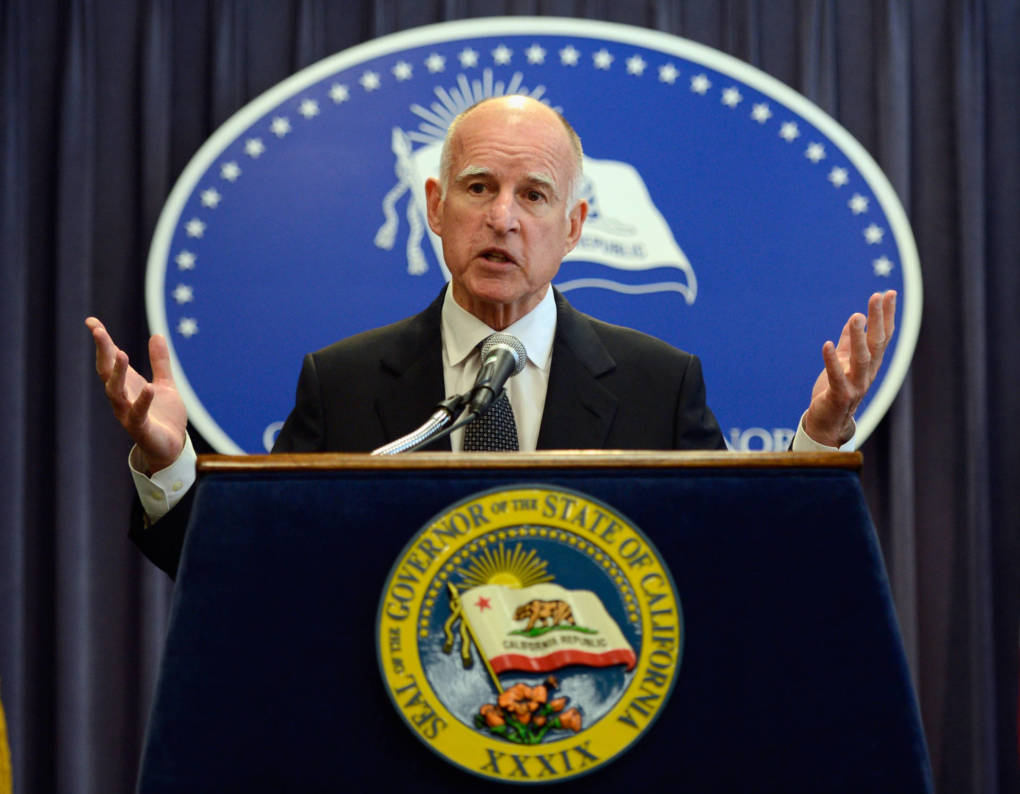
"caption": "Gov. Jerry Brown discusses pension reform during a news conference on August 28, 2012 in Los Angeles.",
"description": "Gov. Jerry Brown discusses pension reform during a news conference on August 28, 2012 in Los Angeles.",
"title": "CA Governor Jerry Brown Holds News Conference On Pension Reform",
"credit": "Kevork Djansezian/Getty Images",
"status": "inherit",
"isLoading": false,
"fetchFailed": false
},
"news_10549886": {
"type": "attachments",
"id": "news_10549886",
"meta": {
"index": "attachments_1716263798",
"site": "news",
"id": "10549886",
"found": true
},
"parent": 10549822,
"imgSizes": {
"twentyfourteen-full-width": {
"file": "https://ww2.kqed.org/app/uploads/sites/10/2015/06/RS14116_38875166_thumbnail-1038x576.jpg",
"width": 1038,
"mimeType": "image/jpeg",
"height": 576
},
"thumbnail": {
"file": "https://ww2.kqed.org/app/uploads/sites/10/2015/06/RS14116_38875166_thumbnail-400x400.jpg",
"width": 400,
"mimeType": "image/jpeg",
"height": 400
},
"fd-sm": {
"file": "https://ww2.kqed.org/app/uploads/sites/10/2015/06/RS14116_38875166_thumbnail-960x960.jpg",
"width": 960,
"mimeType": "image/jpeg",
"height": 960
},
"post-thumbnail": {
"file": "https://ww2.kqed.org/app/uploads/sites/10/2015/06/RS14116_38875166_thumbnail-672x372.jpg",
"width": 672,
"mimeType": "image/jpeg",
"height": 372
},
"kqedFullSize": {
"file": "https://ww2.kqed.org/app/uploads/sites/10/2015/06/RS14116_38875166_thumbnail-e1433370273134.jpg",
"width": 1920,
"height": 1920
},
"large": {
"file": "https://ww2.kqed.org/app/uploads/sites/10/2015/06/RS14116_38875166_thumbnail-1440x1440.jpg",
"width": 1440,
"mimeType": "image/jpeg",
"height": 1440
},
"guest-author-96": {
"file": "https://ww2.kqed.org/app/uploads/sites/10/2015/06/RS14116_38875166_thumbnail-96x96.jpg",
"width": 96,
"mimeType": "image/jpeg",
"height": 96
},
"medium": {
"file": "https://ww2.kqed.org/app/uploads/sites/10/2015/06/RS14116_38875166_thumbnail-800x800.jpg",
"width": 800,
"mimeType": "image/jpeg",
"height": 800
},
"guest-author-64": {
"file": "https://ww2.kqed.org/app/uploads/sites/10/2015/06/RS14116_38875166_thumbnail-64x64.jpg",
"width": 64,
"mimeType": "image/jpeg",
"height": 64
},
"guest-author-32": {
"file": "https://ww2.kqed.org/app/uploads/sites/10/2015/06/RS14116_38875166_thumbnail-32x32.jpg",
"width": 32,
"mimeType": "image/jpeg",
"height": 32
},
"fd-med": {
"file": "https://ww2.kqed.org/app/uploads/sites/10/2015/06/RS14116_38875166_thumbnail-1180x1180.jpg",
"width": 1180,
"mimeType": "image/jpeg",
"height": 1180
},
"detail": {
"file": "https://ww2.kqed.org/app/uploads/sites/10/2015/06/RS14116_38875166_thumbnail-75x75.jpg",
"width": 75,
"mimeType": "image/jpeg",
"height": 75
},
"guest-author-128": {
"file": "https://ww2.kqed.org/app/uploads/sites/10/2015/06/RS14116_38875166_thumbnail-128x128.jpg",
"width": 128,
"mimeType": "image/jpeg",
"height": 128
}
},
"publishDate": 1433370254,
"modified": 1433370254,
"caption": "Many people voting at a meeting in a large hall retro vector illustration",
"description": null,
"title": "Voting people",
"credit": null,
"status": "inherit",
"isLoading": false,
"fetchFailed": false
},
"news_125476": {
"type": "attachments",
"id": "news_125476",
"meta": {
"index": "attachments_1716263798",
"site": "news",
"id": "125476",
"found": true
},
"parent": 125472,
"imgSizes": {
"kqedFullSize": {
"file": "https://ww2.kqed.org/app/uploads/sites/10/2014/02/unemployment-e1391724497929.jpg",
"width": 640,
"height": 445
}
},
"publishDate": 1391724483,
"modified": 1391724483,
"caption": " Job seekers at an employment fair. (Kevork Djansezian/Getty Images)",
"description": " Job seekers at an employment fair. (Kevork Djansezian/Getty Images)",
"title": "Unemployment-Jobs",
"credit": null,
"status": "inherit",
"isLoading": false,
"fetchFailed": false
},
"news_130076": {
"type": "attachments",
"id": "news_130076",
"meta": {
"index": "attachments_1716263798",
"site": "news",
"id": "130076",
"found": true
},
"parent": 130073,
"imgSizes": {
"kqedFullSize": {
"file": "https://ww2.kqed.org/app/uploads/sites/10/2014/03/unemployment.jpg",
"width": 1536,
"height": 1024
}
},
"publishDate": 1395426137,
"modified": 1633558511,
"caption": null,
"description": null,
"title": "unemployment",
"credit": "Thinkstock",
"status": "inherit",
"altTag": null,
"isLoading": false,
"fetchFailed": false
},
"news_121939": {
"type": "attachments",
"id": "news_121939",
"meta": {
"index": "attachments_1716263798",
"site": "news",
"id": "121939",
"found": true
},
"parent": 121931,
"imgSizes": {
"kqedFullSize": {
"file": "https://ww2.kqed.org/app/uploads/sites/10/2013/12/RS7953_185719392-scr-e1387918479608.jpg",
"width": 640,
"height": 422
}
},
"publishDate": 1387918439,
"modified": 1387918439,
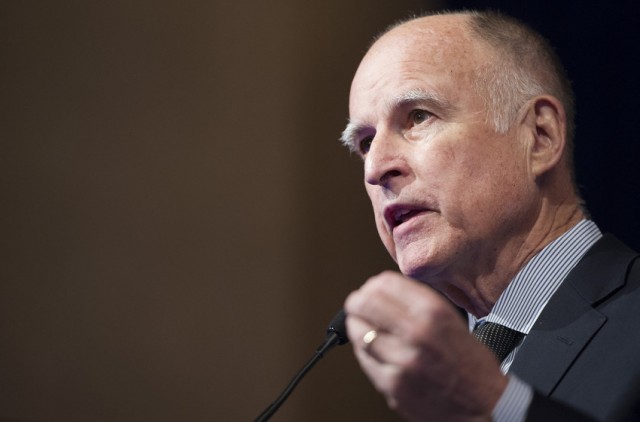
"caption": "Gov. Jerry Brown (Jim Watson/AFP/Getty Images)",
"description": "Gov. Jerry Brown (Jim Watson/AFP/Getty Images)",
"title": "RS7953_185719392-scr",
"credit": null,
"status": "inherit",
"isLoading": false,
"fetchFailed": false
}
},
"audioPlayerReducer": {
"postId": "stream_live",
"isPaused": true,
"isPlaying": false,
"pfsActive": false,
"pledgeModalIsOpen": true,
"playerDrawerIsOpen": false,
"liveAudioPlayStartedAt": 0,
"liveAudioPlayContext": ""
},
"authorsReducer": {
"byline_news_11710822": {
"type": "authors",
"id": "byline_news_11710822",
"meta": {
"override": true
},
"slug": "byline_news_11710822",
"name": "\u003cstrong>\u003ca href=\"https://calmatters.org/articles/author/judy-lin/\">Judy Lin\u003c/a>\u003c/strong>",
"isLoading": false
},
"danbrekke": {
"type": "authors",
"id": "222",
"meta": {
"index": "authors_1716337520",
"id": "222",
"found": true
},
"name": "Dan Brekke",
"firstName": "Dan",
"lastName": "Brekke",
"slug": "danbrekke",
"email": "dbrekke@kqed.org",
"display_author_email": true,
"staff_mastheads": [
"news",
"science"
],
"title": "KQED Editor and Reporter",
"bio": "Dan Brekke is a reporter and editor for KQED News, responsible for coverage of topics ranging from California water issues to the Bay Area's transportation challenges. In a newsroom career that began in Chicago in 1972, Dan has worked for \u003cem>The San Francisco Examiner,\u003c/em> Wired and TechTV and has been published in The New York Times, The New York Times Magazine, Business 2.0, Salon and elsewhere.\r\n\r\nSince joining KQED in 2007, Dan has reported, edited and produced both radio and online features and breaking news pieces. He has shared as both editor and reporter in four Society of Professional Journalists Norcal Excellence in Journalism awards and one Edward R. Murrow regional award. He was chosen for a spring 2017 residency at the Mesa Refuge to advance his research on California salmon.\r\n\r\nEmail Dan at: \u003ca href=\"mailto:dbrekke@kqed.org\">dbrekke@kqed.org\u003c/a>\r\n\r\n\u003cstrong>Twitter:\u003c/strong> \u003ca href=\"https://twitter.com/danbrekke\" rel=\"noopener noreferrer\">twitter.com/danbrekke\u003c/a>\r\n\u003cstrong>Facebook:\u003c/strong> \u003ca href=\"https://www.facebook.com/danbrekke\" rel=\"noopener noreferrer\">www.facebook.com/danbrekke\u003c/a>\r\n\u003cstrong>LinkedIn:\u003c/strong> \u003ca href=\"https://www.linkedin.com/in/danbrekke\" rel=\"noopener noreferrer\">www.linkedin.com/in/danbrekke\u003c/a>",
"avatar": "https://secure.gravatar.com/avatar/c8126230345efca3f7aa89b1a402be45?s=600&d=mm&r=g",
"twitter": "danbrekke",
"facebook": null,
"instagram": "https://www.instagram.com/dan.brekke/",
"linkedin": "https://www.linkedin.com/in/danbrekke/",
"sites": [
{
"site": "news",
"roles": [
"administrator",
"create_posts"
]
},
{
"site": "stateofhealth",
"roles": [
"editor"
]
},
{
"site": "science",
"roles": [
"editor"
]
},
{
"site": "quest",
"roles": [
"contributor"
]
},
{
"site": "food",
"roles": [
"contributor"
]
},
{
"site": "forum",
"roles": [
"contributor"
]
},
{
"site": "liveblog",
"roles": [
"editor"
]
}
],
"headData": {
"title": "Dan Brekke | KQED",
"description": "KQED Editor and Reporter",
"ogImgSrc": "https://secure.gravatar.com/avatar/c8126230345efca3f7aa89b1a402be45?s=600&d=mm&r=g",
"twImgSrc": "https://secure.gravatar.com/avatar/c8126230345efca3f7aa89b1a402be45?s=600&d=mm&r=g"
},
"isLoading": false,
"link": "/author/danbrekke"
},
"jmyers": {
"type": "authors",
"id": "232",
"meta": {
"index": "authors_1716337520",
"id": "232",
"found": true
},
"name": "John Myers",
"firstName": "John",
"lastName": "Myers",
"slug": "jmyers",
"email": "jmyers@kqed.org",
"display_author_email": false,
"staff_mastheads": [],
"title": null,
"bio": "John Myers is Senior Editor of KQED's new California Politics and Government Desk. A veteran of almost two decades of political coverage, he was KQED's longest serving statehouse bureau chief and recently was political editor for Sacramento's ABC affiliate, News10 (KXTV). John was moderator of the only 2014 gubernatorial debate, and was named by \u003cem>The Washington Post\u003c/em> to two \"Best Of\" lists: the 2015 list of top state politics reporters and 2014's list of America's most influential statehouse reporters.",
"avatar": "https://secure.gravatar.com/avatar/c0ac98482caf0b8229a792662b38722a?s=600&d=blank&r=g",
"twitter": "johnmyers",
"facebook": null,
"instagram": null,
"linkedin": null,
"sites": [
{
"site": "news",
"roles": [
"subscriber"
]
}
],
"headData": {
"title": "John Myers | KQED",
"description": null,
"ogImgSrc": "https://secure.gravatar.com/avatar/c0ac98482caf0b8229a792662b38722a?s=600&d=blank&r=g",
"twImgSrc": "https://secure.gravatar.com/avatar/c0ac98482caf0b8229a792662b38722a?s=600&d=blank&r=g"
},
"isLoading": false,
"link": "/author/jmyers"
},
"kqednewsstaffandwires": {
"type": "authors",
"id": "237",
"meta": {
"index": "authors_1716337520",
"id": "237",
"found": true
},
"name": "KQED News Staff and Wires",
"firstName": "KQED News Staff and Wires",
"lastName": null,
"slug": "kqednewsstaffandwires",
"email": "onlinenewsstaff@kqed.org",
"display_author_email": false,
"staff_mastheads": [],
"title": null,
"bio": null,
"avatar": "https://secure.gravatar.com/avatar/72295af8ebbfbd19a4948f5271285664?s=600&d=blank&r=g",
"twitter": null,
"facebook": null,
"instagram": null,
"linkedin": null,
"sites": [
{
"site": "arts",
"roles": [
"contributor"
]
},
{
"site": "news",
"roles": [
"contributor"
]
},
{
"site": "lowdown",
"roles": [
"author"
]
},
{
"site": "stateofhealth",
"roles": [
"contributor"
]
},
{
"site": "food",
"roles": [
"author"
]
}
],
"headData": {
"title": "KQED News Staff and Wires | KQED",
"description": null,
"ogImgSrc": "https://secure.gravatar.com/avatar/72295af8ebbfbd19a4948f5271285664?s=600&d=blank&r=g",
"twImgSrc": "https://secure.gravatar.com/avatar/72295af8ebbfbd19a4948f5271285664?s=600&d=blank&r=g"
},
"isLoading": false,
"link": "/author/kqednewsstaffandwires"
},
"lairdharrison": {
"type": "authors",
"id": "1367",
"meta": {
"index": "authors_1716337520",
"id": "1367",
"found": true
},
"name": "Laird Harrison",
"firstName": "Laird",
"lastName": "Harrison",
"slug": "lairdharrison",
"email": "laird_harrison@yahoo.com",
"display_author_email": false,
"staff_mastheads": [],
"title": null,
"bio": null,
"avatar": "https://secure.gravatar.com/avatar/cd1a94b071427a71ecfcbc115c6b0efe?s=600&d=blank&r=g",
"twitter": null,
"facebook": null,
"instagram": null,
"linkedin": null,
"sites": [
{
"site": "news",
"roles": [
"subscriber"
]
}
],
"headData": {
"title": "Laird Harrison | KQED",
"description": null,
"ogImgSrc": "https://secure.gravatar.com/avatar/cd1a94b071427a71ecfcbc115c6b0efe?s=600&d=blank&r=g",
"twImgSrc": "https://secure.gravatar.com/avatar/cd1a94b071427a71ecfcbc115c6b0efe?s=600&d=blank&r=g"
},
"isLoading": false,
"link": "/author/lairdharrison"
}
},
"pagesReducer": {
"news_tag_california-economy": {
"type": "terms",
"id": "news_3651",
"meta": {
"index": "terms_1716263798",
"site": "news",
"id": "3651",
"score": 10.403188
},
"featImg": null,
"name": "California economy",
"description": null,
"taxonomy": "tag",
"headData": {
"twImgId": null,
"twTitle": null,
"ogTitle": null,
"ogImgId": null,
"twDescription": null,
"description": null,
"title": "California economy Archives | KQED News",
"ogDescription": null
},
"ttid": 3669,
"slug": "california-economy",
"isLoading": false,
"title": "California economy",
"pageMeta": {
"site": "news",
"WpPageTemplate": "page-topic-editorial",
"currentPage": 6
},
"blocks": [
{
"blockName": "kqed/post-list",
"attrs": {
"layout": "cardArticle2",
"query": "posts/news?tag=california-economy",
"seeMore": false,
"paginated": true,
"page": 6
}
},
{
"blockName": "kqed/ad"
}
]
}
},
"pfsSessionReducer": {},
"postsReducer": {
"stream_live": {
"type": "live",
"id": "stream_live",
"audioUrl": "https://streams.kqed.org/kqedradio",
"title": "Live Stream",
"excerpt": "Live Stream information currently unavailable.",
"link": "/radio",
"featImg": "",
"label": {
"name": "KQED Live",
"link": "/"
}
},
"stream_kqedNewscast": {
"type": "posts",
"id": "stream_kqedNewscast",
"audioUrl": "https://www.kqed.org/.stream/anon/radio/RDnews/newscast.mp3?_=1",
"title": "KQED Newscast",
"featImg": "",
"label": {
"name": "88.5 FM",
"link": "/"
}
},
"news_11710822": {
"type": "posts",
"id": "news_11710822",
"meta": {
"index": "posts_1716263798",
"site": "news",
"id": "11710822",
"score": null,
"sort": [
1544220455000
]
},
"guestAuthors": [],
"slug": "jerry-browns-last-stand-on-pension-reform",
"title": "Jerry Brown’s Last Stand on Pension Reform",
"publishDate": 1544220455,
"format": "standard",
"headTitle": "Jerry Brown’s Last Stand on Pension Reform | KQED",
"labelTerm": {},
"content": "\u003cp>Six years ago, as California strained to emerge from the Great Recession, Gov. Jerry Brown worked a minor political miracle — a rebalancing of the massive state pension systems for public employees.\u003c/p>\n\u003cp>Shuttling between unions and the strapped governments on the hook for public sector benefits and paychecks, Brown scaled back some of the rules and perks that have made public sector workers more secure, arguing that the pain would be worth it. Results were mixed: The largest benefit rollback in state history yielded some savings, but not enough to entirely fix a pension commitment that taxpayers are increasingly finding hard to manage.\u003c/p>\n\u003cp>Now, as Brown prepares to leave office — his own pension at hand, after five decades in public service — even that hard-won modicum of fiscal change could be loosened. In a case that went to oral arguments this week, the California Supreme Court is weighing a key legal precedent that could restore the generous pension formulas Brown worked so hard to tighten.\u003c/p>\n\u003cfigure id=\"attachment_11710843\" class=\"wp-caption aligncenter\" style=\"max-width: 1920px\">\u003ca href=\"https://ww2.kqed.org/news/wp-content/uploads/sites/10/2018/12/California-Supreme-Court-Justices-e1544215421577.jpg\">\u003cimg loading=\"lazy\" decoding=\"async\" class=\"size-full wp-image-11710843\" src=\"https://ww2.kqed.org/news/wp-content/uploads/sites/10/2018/12/California-Supreme-Court-Justices-e1544215421577.jpg\" alt=\"\" width=\"1920\" height=\"1628\" srcset=\"https://cdn.kqed.org/wp-content/uploads/sites/10/2018/12/California-Supreme-Court-Justices-e1544215421577.jpg 1920w, https://cdn.kqed.org/wp-content/uploads/sites/10/2018/12/California-Supreme-Court-Justices-e1544215421577-160x136.jpg 160w, https://cdn.kqed.org/wp-content/uploads/sites/10/2018/12/California-Supreme-Court-Justices-e1544215421577-800x678.jpg 800w, https://cdn.kqed.org/wp-content/uploads/sites/10/2018/12/California-Supreme-Court-Justices-e1544215421577-1020x865.jpg 1020w, https://cdn.kqed.org/wp-content/uploads/sites/10/2018/12/California-Supreme-Court-Justices-e1544215421577-1200x1018.jpg 1200w\" sizes=\"(max-width: 1920px) 100vw, 1920px\">\u003c/a>\u003cfigcaption class=\"wp-caption-text\">California Supreme Court justices in San Francisco. \u003ccite>(Courtesy of Judicial Council of California)\u003c/cite>\u003c/figcaption>\u003c/figure>\n\u003cp>Brown, who at 80 has already surpassed the average retirement age of state workers by 22 years, \u003ca href=\"https://calmatters.org/articles/california-retirement-pension-debt-explainer/#What-do-the-courts-say\">predicts\u003c/a> that he’ll win. But Wednesday’s proceedings made it clear that workers’ arguments are also compelling.\u003c/p>\n\u003cp>Whatever the ruling, Brown’s successor, Gavin Newsom, will have to cope with the outcome. And — though the state’s unfunded liabilities persist, and economists warn another recession could be just around the corner — Newsom will face a very different political landscape. Should California land in another downturn, Brown’s pension reform miracle could be difficult, if not impossible, to repeat.\u003c/p>\n\u003cp>[ad fullwidth]\u003c/p>\n\u003cp>The case heard by the high court this week involves the California Rule, a legal precedent that requires the state to compensate public employees if their retirement benefits are lessened. In a \u003ca href=\"http://www.courts.ca.gov/documents/1-s239958-apps-pet-rev-020817.pdf\">challenge\u003c/a> brought by Cal Fire Local 2881, the firefighters union argues that the ability to purchase additional years of service credit toward retirement, known as “airtime,” is a pension benefit that employees rely on as part of their decision to go into public service.\u003c/p>\n\u003cp>\u003c!-- iframe plugin v.4.3 wordpress.org/plugins/iframe/ -->\u003cbr>\n\u003ciframe loading=\"lazy\" src=\"https://e.infogram.com/_/eIcXwSdoRKljMPslJeSG?src=embed\" title=\"Social: Retirement Debt\" width=\"800\" height=\"790\" scrolling=\"no\" frameborder=\"0\" style=\"border:none;\" allowfullscreen=\"allowfullscreen\" class=\"iframe-class\">\u003c/iframe>\u003c/p>\n\u003cp>Brown’s attorneys \u003ca href=\"http://www.courts.ca.gov/documents/6-s239958-intervener-resp-state-ca-answer-brief-merits-110717.pdf\">counter\u003c/a> that airtime was never intended by the Legislature to be a vested right and never negotiated through collective bargaining. Therefore, the state can take it away.\u003c/p>\n\u003cp>Everyone agrees that workers are entitled to the pensions they earn for work that’s already been done. And the argument might seem to be over a procedural technicality on the surface.\u003c/p>\n\u003cp>But if the court sides with Brown, it could open the possibility of future governors and legislatures modifying current employees’ pensions for prospective work, and perhaps setting a new precedent in which already negotiated benefits are fair game. If the court sides with the union, it would bind the state’s finances and commit taxpayers to paying already expensive retirement benefits.\u003c/p>\n\u003caside class=\"alignright\">\n\u003ch3>\u003ca href=\"https://www.kqed.org/news/11703925/high-expectations-on-the-left-for-governor-elect-gavin-newsom\">High Expectations on the Left for Governor-Elect Gavin Newsom\u003c/a>\u003c/h3>\n\u003cfigure>\u003ca href=\"https://www.kqed.org/news/11703925/high-expectations-on-the-left-for-governor-elect-gavin-newsom\">\u003cimg decoding=\"async\" src=\"https://ww2.kqed.org/news/wp-content/uploads/sites/10/2018/11/NewsomElex-1180x785.jpg\" alt=\"\">\u003c/a>\u003c/figure>\n\u003c/aside>\n\u003cp>On a larger scale, the case also could mark the end of a Brown-led era of fiscal reform in Sacramento. A blue-state Democrat with a lifelong tendency against the spending his party was known for, the frugal Brown had the experience and political capital to challenge public employee unions who typically hold sway over Democratic politicians.\u003c/p>\n\u003cp>Newsom is newer and younger, and won his office in part with strong union backing. In campaign statements, he pledged to unions that he will protect their pensions; in fact, state firefighters \u003ca href=\"http://www.cpf.org/go/cpf/political-action/firefighters-for-gavin/\">cited\u003c/a> Newsom’s commitment as one reason for giving the governor-elect their endorsement.\u003c/p>\n\u003cp>Meanwhile, Democrats, who have been a majority for some time, also with strong backing overall from organized labor, only gained ground in the November election. As the Legislature convened on Monday, they had not just a supermajority but a \u003ca href=\"https://calmatters.org/articles/blog/a-deep-blue-sea-of-california-lawmakers-take-oath-of-office-today/\">“mega-majority”\u003c/a> in both chambers.\u003c/p>\n\u003cp>Both of those developments favor the priorities of public employee unions, as does the seemingly flush economy of the moment. California is projecting a $15 billion surplus this year, compared to a $27 billion deficit when Brown returned for his second stint in the governor’s office. The unemployment rate stood at 4.1 percent in October, compared to 12.1 percent when Brown was sworn in in January 2011.\u003c/p>\n\u003cfigure id=\"attachment_11710837\" class=\"wp-caption aligncenter\" style=\"max-width: 1920px\">\u003ca href=\"https://ww2.kqed.org/news/wp-content/uploads/sites/10/2018/12/GettyImages-130631114.jpg\">\u003cimg loading=\"lazy\" decoding=\"async\" class=\"wp-image-11710837 size-full\" src=\"https://ww2.kqed.org/news/wp-content/uploads/sites/10/2018/12/GettyImages-130631114-e1544218303260.jpg\" alt=\"\" width=\"1920\" height=\"1280\" srcset=\"https://cdn.kqed.org/wp-content/uploads/sites/10/2018/12/GettyImages-130631114-e1544218303260.jpg 1920w, https://cdn.kqed.org/wp-content/uploads/sites/10/2018/12/GettyImages-130631114-e1544218303260-160x107.jpg 160w, https://cdn.kqed.org/wp-content/uploads/sites/10/2018/12/GettyImages-130631114-e1544218303260-800x533.jpg 800w, https://cdn.kqed.org/wp-content/uploads/sites/10/2018/12/GettyImages-130631114-e1544218303260-1020x680.jpg 1020w, https://cdn.kqed.org/wp-content/uploads/sites/10/2018/12/GettyImages-130631114-e1544218303260-1200x800.jpg 1200w\" sizes=\"(max-width: 1920px) 100vw, 1920px\">\u003c/a>\u003cfigcaption class=\"wp-caption-text\">California Governor Jerry Brown announces his public employee pension reform plan October 27, 2011 at the State Capitol in Sacramento, California. \u003ccite>(Max Whittaker/Getty Images)\u003c/cite>\u003c/figcaption>\u003c/figure>\n\u003cp>When the Great Recession cratered state finances and the public gained awareness of generous retirement benefits, Brown was able to leverage those issues to successfully champion a package of changes from the \u003ca href=\"https://www.gov.ca.gov/2012/09/12/news17720/\">Public Employee Pension Reform Act of 2012\u003c/a> with tacit approval from labor leaders.\u003c/p>\n\u003cp>While Brown did not get \u003ca href=\"https://www.latimes.com/projects/la-me-pension-crisis-brown/\">key changes\u003c/a> needed to slow down the growth in retirement costs, the Legislature did agree to what the governor called the “biggest rollback to public pension benefits in the history of California.” Among other money-saving measures, Brown was able to raise the retirement age for new employees, ban retroactive pension increases, stop practices such as hoarding vacation and sick time to inflate calculations for retirement benefits, and ban the purchase of additional years of service, known as “airtime.”\u003c/p>\n\u003cp>Multiple labor unions sued, arguing that Brown’s 2012 changes infringed on their employer’s contractual obligation to provide retirement benefits at the level that was promised on their first day of work. That premise—the California Rule—left state and local governments with little room for savings.\u003c/p>\n\u003cp>Prior to Wednesday’s high court hearing, lower courts weighed in on the precedent with mixed messages.\u003c/p>\n\u003caside class=\"alignright\">\n\u003ch3>\u003ca href=\"https://www.kqed.org/news/11243683/a-case-study-on-pension-reform-san-joses-grand-compromise\">A Case Study on Pension Reform: San Jose’s Grand Compromise\u003c/a>\u003c/h3>\n\u003cfigure>\u003ca href=\"https://www.kqed.org/news/11243683/a-case-study-on-pension-reform-san-joses-grand-compromise\">\u003cimg decoding=\"async\" src=\"https://ww2.kqed.org/news/wp-content/uploads/sites/10/2016/12/RS14834_iStock_000047219414_Large-qut-1.jpg\" alt=\"\">\u003c/a>\u003c/figure>\n\u003c/aside>\n\u003cp>In a 2016 \u003ca href=\"http://www.courts.ca.gov/opinions/revpub/A139610.PDF\">ruling\u003c/a> upholding a lower court’s decision, Justice James A. Richman of California’s First District Court of Appeal broke from decades of court decisions in finding the Legislature can alter pension formulas for current employees and reduce their anticipated retirement benefits. He wrote that a public employee has a right to a “reasonable” pension, not “the most optimal formula of calculating the pension.”\u003c/p>\n\u003cp>But another appeals court came to a different conclusion about the “California rule” by deciding in favor of union employees in Alameda, Contra Costa and Merced counties. While the justices agreed there are limits to the California Rule, they said benefit adjustments require “compelling evidence” showing that the changes are necessary to the success of the pension system.\u003c/p>\n\u003cp>The Supreme Court agreed to take up the issue and is first hearing the firefighters’ case over whether airtime is a vested right. While Adams, for the firefighters union, said he hopes the court will recognize that airtime is earned through service, Brown’s lawyers argue taking away the optional benefit doesn’t mean the employee gets less in pensions.\u003c/p>\n\u003cp>Brown’s lawyers wrote in a brief that although airtime was thought to be cost neutral, employees could purchase fictional years of credit \u003ca href=\"http://majlabor.com/wp-content/uploads/2017/11/PA-20171106-State-Answer-Brief-on-the-Merits-Air-Time-00042485xDC64Ax.pdf#page=10\">“often as much as 40 percent below the actual cost.”\u003c/a>\u003c/p>\n\u003cp>Now, the California Public Employees’ Retirement System is carrying $111 billion in unfunded liabilities and the California State Teachers Retirement System faces $76 billion in unfunded liabilities.\u003c/p>\n\u003cp>During Wednesday’s \u003ca href=\"http://www.courts.ca.gov/41490.htm\">oral argument\u003c/a> in Los Angeles, the justices seemed to be searching for where to draw the line that would protect workers without giving them limitless retirement benefits.\u003c/p>\n\u003cp>Chief Justice Tani Cantil-Sakauye questioned labor attorney Greg Adam about how airtime is protected by the state Constitution when the employee hasn’t performed the work to earn it. And Justice Goodwin Liu wondered aloud whether pension rights extend to life insurance, health insurance or a sabbatical leave that may be offered during employment.\u003c/p>\n\u003caside class=\"alignright\">\n\u003ch3>\u003ca href=\"https://www.kqed.org/news/11681898/california-teacher-pension-debt-swamps-school-budgets\">California Teacher Pension Debt Swamps School Budgets\u003c/a>\u003c/h3>\n\u003cfigure>\u003ca href=\"https://www.kqed.org/news/11681898/california-teacher-pension-debt-swamps-school-budgets\">\u003cimg decoding=\"async\" src=\"https://ww2.kqed.org/news/wp-content/uploads/sites/10/2018/07/Teachers-Pension_003-1280x800-1180x738.jpg\" alt=\"\">\u003c/a>\u003c/figure>\n\u003c/aside>\n\u003cp>Then Liu turned to Brown’s attorney, Rei Onishi, to ask if the state has a right to change benefit formulas midstream in a worker’s career, which strikes at the heart of the California rule. Onishi said yes, if it applies to prospective work. He reasoned that because a worker hasn’t earned the benefit, it’s not an impairment.\u003c/p>\n\u003cp>That brought on questions from Justice Leondra Kruger about whether the Legislature could wipe away benefits for a class of existing state employees going forward.\u003c/p>\n\u003cp>Onishi responded that wouldn’t be likely because “other cases of this court have said you have a right to a substantial and reasonable pension as soon as you begin employment. I think completely terminating the system going forward, prospectively, would certainly raise questions about that.”\u003c/p>\n\u003cp>Though the hearing focused on legalities, the realities of Democratic politics weren’t far from the courtroom. In an unusual move, the governor had his own attorneys argue the case rather than Attorney General Xavier Becerra—a choice that \u003ca href=\"https://www.mercurynews.com/2017/11/27/editorial-brown-comes-to-taxpayers-defense-on-pensions/\">fueled speculation\u003c/a> that Brown hoped to shield the attorney general, a Democratic elected official, from union pressure.\u003c/p>\n\u003cp>And prior to the hearing, the court dodged a thorny question about whether Brown’s most recent nominee to the bench could be impartial. Last month, Brown nominated long-time aide Joshua Groban, who would have provided him counsel on many legal matters. While it wasn’t known if Groban was involved in the case brought by the firefighters union, there was an open question about whether he would have to recuse himself—a question successfully sidelined when Groban’s confirmation hearing was set for Dec. 21, after this week’s arguments.\u003c/p>\n\u003cfigure id=\"attachment_11710882\" class=\"wp-caption aligncenter\" style=\"max-width: 1920px\">\u003ca href=\"https://ww2.kqed.org/news/wp-content/uploads/sites/10/2018/12/GettyImages-1058496338-e1544218878939.jpg\">\u003cimg loading=\"lazy\" decoding=\"async\" class=\"size-full wp-image-11710882\" src=\"https://ww2.kqed.org/news/wp-content/uploads/sites/10/2018/12/GettyImages-1058496338-e1544218878939.jpg\" alt=\"\" width=\"1920\" height=\"1291\" srcset=\"https://cdn.kqed.org/wp-content/uploads/sites/10/2018/12/GettyImages-1058496338-e1544218878939.jpg 1920w, https://cdn.kqed.org/wp-content/uploads/sites/10/2018/12/GettyImages-1058496338-e1544218878939-160x108.jpg 160w, https://cdn.kqed.org/wp-content/uploads/sites/10/2018/12/GettyImages-1058496338-e1544218878939-800x538.jpg 800w, https://cdn.kqed.org/wp-content/uploads/sites/10/2018/12/GettyImages-1058496338-e1544218878939-1020x686.jpg 1020w, https://cdn.kqed.org/wp-content/uploads/sites/10/2018/12/GettyImages-1058496338-e1544218878939-1200x807.jpg 1200w\" sizes=\"(max-width: 1920px) 100vw, 1920px\">\u003c/a>\u003cfigcaption class=\"wp-caption-text\">Gov.-elect Gavin Newsom speaks during election night event on November 6, 2018 in Los Angeles, California. \u003ccite>(Kevork Djansezian/Getty Images)\u003c/cite>\u003c/figcaption>\u003c/figure>\n\u003cp>Gov.-elect Newsom has said he would prefer to stay out of the courts to resolve pension disputes. When CALmatters asked him if the state should be allowed to renegotiate the future benefits of current workers, he suggested a legal fight wasn’t necessary.\u003c/p>\n\u003cp>“Even with the California rule, we have the tools through collective bargaining to negotiate reforms and commensurate offsets,” \u003ca href=\"https://elections.calmatters.org/2018/statewide-postings/governor-of-california/\">Newsom said then\u003c/a>.\u003c/p>\n\u003cp>The economy might change his mind.\u003c/p>\n\u003cp>Economists have been warning of an inevitable downturn; Wall Street losses translate to deficits here because of California’s reliance on capital gains taxes. That vulnerability, even more than politics, says Jack Pitney, professor of government at Claremont McKenna College, could force Newsom to confront pensions.\u003c/p>\n\u003cp>“Despite his reputation for being more progressive, the economic reality might end up forcing prudence,” Pitney said. “As he contemplates the governorship, he’s aware of the constraints. He’s a smart guy and he knows how difficult the pension situation is going to be in the years ahead.”\u003c/p>\n\u003cp>[ad floatright]\u003c/p>\n\u003cp>\u003cem>\u003ca href=\"http://calmatters.org\">CALmatters.org\u003c/a> is a nonprofit, nonpartisan media venture explaining California policies and politics.\u003c/em>\u003c/p>\n\n",
"blocks": [],
"excerpt": "In a case that went to oral arguments this week, the California Supreme Court is weighing a key legal precedent that could restore the generous pension formulas Brown worked so hard to tighten.",
"status": "publish",
"parent": 0,
"modified": 1721105548,
"stats": {
"hasAudio": false,
"hasVideo": false,
"hasChartOrMap": true,
"iframeSrcs": [
"https://e.infogram.com/_/eIcXwSdoRKljMPslJeSG"
],
"hasGoogleForm": false,
"hasGallery": false,
"hasHearkenModule": false,
"hasPolis": false,
"paragraphCount": 38,
"wordCount": 1825
},
"headData": {
"title": "Jerry Brown’s Last Stand on Pension Reform | KQED",
"description": "In a case that went to oral arguments this week, the California Supreme Court is weighing a key legal precedent that could restore the generous pension formulas Brown worked so hard to tighten.",
"ogTitle": "",
"ogDescription": "",
"ogImgId": "",
"twTitle": "",
"twDescription": "",
"twImgId": "",
"schema": {
"@context": "https://schema.org",
"@type": "NewsArticle",
"headline": "Jerry Brown’s Last Stand on Pension Reform",
"datePublished": "2018-12-07T14:07:35-08:00",
"dateModified": "2024-07-15T21:52:28-07:00",
"image": "https://cdn.kqed.org/wp-content/uploads/2020/02/KQED-OG-Image@1x.png",
"isAccessibleForFree": "True",
"publisher": {
"@type": "NewsMediaOrganization",
"@id": "https://www.kqed.org/#organization",
"name": "KQED",
"logo": "https://cdn.kqed.org/wp-content/uploads/2020/02/KQED-OG-Image@1x.png",
"url": "https://www.kqed.org",
"sameAs": [
"https://www.facebook.com/KQED",
"https://twitter.com/KQED",
"https://www.instagram.com/kqed/",
"https://www.tiktok.com/@kqedofficial",
"https://www.linkedin.com/company/kqed",
"https://www.youtube.com/channel/UCeC0IOo7i1P_61zVUWbJ4nw"
]
}
}
},
"source": "CALmatters",
"sourceUrl": "https://calmatters.org",
"sticky": false,
"nprByline": "\u003cstrong>\u003ca href=\"https://calmatters.org/articles/author/judy-lin/\">Judy Lin\u003c/a>\u003c/strong>",
"path": "/news/11710822/jerry-browns-last-stand-on-pension-reform",
"audioTrackLength": null,
"parsedContent": [
{
"type": "contentString",
"content": "\u003cdiv class=\"post-body\">\u003cp>\u003cp>Six years ago, as California strained to emerge from the Great Recession, Gov. Jerry Brown worked a minor political miracle — a rebalancing of the massive state pension systems for public employees.\u003c/p>\n\u003cp>Shuttling between unions and the strapped governments on the hook for public sector benefits and paychecks, Brown scaled back some of the rules and perks that have made public sector workers more secure, arguing that the pain would be worth it. Results were mixed: The largest benefit rollback in state history yielded some savings, but not enough to entirely fix a pension commitment that taxpayers are increasingly finding hard to manage.\u003c/p>\n\u003cp>Now, as Brown prepares to leave office — his own pension at hand, after five decades in public service — even that hard-won modicum of fiscal change could be loosened. In a case that went to oral arguments this week, the California Supreme Court is weighing a key legal precedent that could restore the generous pension formulas Brown worked so hard to tighten.\u003c/p>\n\u003cfigure id=\"attachment_11710843\" class=\"wp-caption aligncenter\" style=\"max-width: 1920px\">\u003ca href=\"https://ww2.kqed.org/news/wp-content/uploads/sites/10/2018/12/California-Supreme-Court-Justices-e1544215421577.jpg\">\u003cimg loading=\"lazy\" decoding=\"async\" class=\"size-full wp-image-11710843\" src=\"https://ww2.kqed.org/news/wp-content/uploads/sites/10/2018/12/California-Supreme-Court-Justices-e1544215421577.jpg\" alt=\"\" width=\"1920\" height=\"1628\" srcset=\"https://cdn.kqed.org/wp-content/uploads/sites/10/2018/12/California-Supreme-Court-Justices-e1544215421577.jpg 1920w, https://cdn.kqed.org/wp-content/uploads/sites/10/2018/12/California-Supreme-Court-Justices-e1544215421577-160x136.jpg 160w, https://cdn.kqed.org/wp-content/uploads/sites/10/2018/12/California-Supreme-Court-Justices-e1544215421577-800x678.jpg 800w, https://cdn.kqed.org/wp-content/uploads/sites/10/2018/12/California-Supreme-Court-Justices-e1544215421577-1020x865.jpg 1020w, https://cdn.kqed.org/wp-content/uploads/sites/10/2018/12/California-Supreme-Court-Justices-e1544215421577-1200x1018.jpg 1200w\" sizes=\"(max-width: 1920px) 100vw, 1920px\">\u003c/a>\u003cfigcaption class=\"wp-caption-text\">California Supreme Court justices in San Francisco. \u003ccite>(Courtesy of Judicial Council of California)\u003c/cite>\u003c/figcaption>\u003c/figure>\n\u003cp>Brown, who at 80 has already surpassed the average retirement age of state workers by 22 years, \u003ca href=\"https://calmatters.org/articles/california-retirement-pension-debt-explainer/#What-do-the-courts-say\">predicts\u003c/a> that he’ll win. But Wednesday’s proceedings made it clear that workers’ arguments are also compelling.\u003c/p>\n\u003cp>Whatever the ruling, Brown’s successor, Gavin Newsom, will have to cope with the outcome. And — though the state’s unfunded liabilities persist, and economists warn another recession could be just around the corner — Newsom will face a very different political landscape. Should California land in another downturn, Brown’s pension reform miracle could be difficult, if not impossible, to repeat.\u003c/p>\n\u003cp>\u003c/p>\u003c/div>",
"attributes": {
"named": {},
"numeric": []
}
},
{
"type": "component",
"content": "",
"name": "ad",
"attributes": {
"named": {
"label": "fullwidth"
},
"numeric": [
"fullwidth"
]
}
},
{
"type": "contentString",
"content": "\u003cdiv class=\"post-body\">\u003cp>\u003c/p>\n\u003cp>The case heard by the high court this week involves the California Rule, a legal precedent that requires the state to compensate public employees if their retirement benefits are lessened. In a \u003ca href=\"http://www.courts.ca.gov/documents/1-s239958-apps-pet-rev-020817.pdf\">challenge\u003c/a> brought by Cal Fire Local 2881, the firefighters union argues that the ability to purchase additional years of service credit toward retirement, known as “airtime,” is a pension benefit that employees rely on as part of their decision to go into public service.\u003c/p>\n\u003cp>\u003c!-- iframe plugin v.4.3 wordpress.org/plugins/iframe/ -->\u003cbr>\n\u003ciframe loading=\"lazy\" src=\"https://e.infogram.com/_/eIcXwSdoRKljMPslJeSG?src=embed\" title=\"Social: Retirement Debt\" width=\"800\" height=\"790\" scrolling=\"no\" frameborder=\"0\" style=\"border:none;\" allowfullscreen=\"allowfullscreen\" class=\"iframe-class\">\u003c/iframe>\u003c/p>\n\u003cp>Brown’s attorneys \u003ca href=\"http://www.courts.ca.gov/documents/6-s239958-intervener-resp-state-ca-answer-brief-merits-110717.pdf\">counter\u003c/a> that airtime was never intended by the Legislature to be a vested right and never negotiated through collective bargaining. Therefore, the state can take it away.\u003c/p>\n\u003cp>Everyone agrees that workers are entitled to the pensions they earn for work that’s already been done. And the argument might seem to be over a procedural technicality on the surface.\u003c/p>\n\u003cp>But if the court sides with Brown, it could open the possibility of future governors and legislatures modifying current employees’ pensions for prospective work, and perhaps setting a new precedent in which already negotiated benefits are fair game. If the court sides with the union, it would bind the state’s finances and commit taxpayers to paying already expensive retirement benefits.\u003c/p>\n\u003caside class=\"alignright\">\n\u003ch3>\u003ca href=\"https://www.kqed.org/news/11703925/high-expectations-on-the-left-for-governor-elect-gavin-newsom\">High Expectations on the Left for Governor-Elect Gavin Newsom\u003c/a>\u003c/h3>\n\u003cfigure>\u003ca href=\"https://www.kqed.org/news/11703925/high-expectations-on-the-left-for-governor-elect-gavin-newsom\">\u003cimg decoding=\"async\" src=\"https://ww2.kqed.org/news/wp-content/uploads/sites/10/2018/11/NewsomElex-1180x785.jpg\" alt=\"\">\u003c/a>\u003c/figure>\n\u003c/aside>\n\u003cp>On a larger scale, the case also could mark the end of a Brown-led era of fiscal reform in Sacramento. A blue-state Democrat with a lifelong tendency against the spending his party was known for, the frugal Brown had the experience and political capital to challenge public employee unions who typically hold sway over Democratic politicians.\u003c/p>\n\u003cp>Newsom is newer and younger, and won his office in part with strong union backing. In campaign statements, he pledged to unions that he will protect their pensions; in fact, state firefighters \u003ca href=\"http://www.cpf.org/go/cpf/political-action/firefighters-for-gavin/\">cited\u003c/a> Newsom’s commitment as one reason for giving the governor-elect their endorsement.\u003c/p>\n\u003cp>Meanwhile, Democrats, who have been a majority for some time, also with strong backing overall from organized labor, only gained ground in the November election. As the Legislature convened on Monday, they had not just a supermajority but a \u003ca href=\"https://calmatters.org/articles/blog/a-deep-blue-sea-of-california-lawmakers-take-oath-of-office-today/\">“mega-majority”\u003c/a> in both chambers.\u003c/p>\n\u003cp>Both of those developments favor the priorities of public employee unions, as does the seemingly flush economy of the moment. California is projecting a $15 billion surplus this year, compared to a $27 billion deficit when Brown returned for his second stint in the governor’s office. The unemployment rate stood at 4.1 percent in October, compared to 12.1 percent when Brown was sworn in in January 2011.\u003c/p>\n\u003cfigure id=\"attachment_11710837\" class=\"wp-caption aligncenter\" style=\"max-width: 1920px\">\u003ca href=\"https://ww2.kqed.org/news/wp-content/uploads/sites/10/2018/12/GettyImages-130631114.jpg\">\u003cimg loading=\"lazy\" decoding=\"async\" class=\"wp-image-11710837 size-full\" src=\"https://ww2.kqed.org/news/wp-content/uploads/sites/10/2018/12/GettyImages-130631114-e1544218303260.jpg\" alt=\"\" width=\"1920\" height=\"1280\" srcset=\"https://cdn.kqed.org/wp-content/uploads/sites/10/2018/12/GettyImages-130631114-e1544218303260.jpg 1920w, https://cdn.kqed.org/wp-content/uploads/sites/10/2018/12/GettyImages-130631114-e1544218303260-160x107.jpg 160w, https://cdn.kqed.org/wp-content/uploads/sites/10/2018/12/GettyImages-130631114-e1544218303260-800x533.jpg 800w, https://cdn.kqed.org/wp-content/uploads/sites/10/2018/12/GettyImages-130631114-e1544218303260-1020x680.jpg 1020w, https://cdn.kqed.org/wp-content/uploads/sites/10/2018/12/GettyImages-130631114-e1544218303260-1200x800.jpg 1200w\" sizes=\"(max-width: 1920px) 100vw, 1920px\">\u003c/a>\u003cfigcaption class=\"wp-caption-text\">California Governor Jerry Brown announces his public employee pension reform plan October 27, 2011 at the State Capitol in Sacramento, California. \u003ccite>(Max Whittaker/Getty Images)\u003c/cite>\u003c/figcaption>\u003c/figure>\n\u003cp>When the Great Recession cratered state finances and the public gained awareness of generous retirement benefits, Brown was able to leverage those issues to successfully champion a package of changes from the \u003ca href=\"https://www.gov.ca.gov/2012/09/12/news17720/\">Public Employee Pension Reform Act of 2012\u003c/a> with tacit approval from labor leaders.\u003c/p>\n\u003cp>While Brown did not get \u003ca href=\"https://www.latimes.com/projects/la-me-pension-crisis-brown/\">key changes\u003c/a> needed to slow down the growth in retirement costs, the Legislature did agree to what the governor called the “biggest rollback to public pension benefits in the history of California.” Among other money-saving measures, Brown was able to raise the retirement age for new employees, ban retroactive pension increases, stop practices such as hoarding vacation and sick time to inflate calculations for retirement benefits, and ban the purchase of additional years of service, known as “airtime.”\u003c/p>\n\u003cp>Multiple labor unions sued, arguing that Brown’s 2012 changes infringed on their employer’s contractual obligation to provide retirement benefits at the level that was promised on their first day of work. That premise—the California Rule—left state and local governments with little room for savings.\u003c/p>\n\u003cp>Prior to Wednesday’s high court hearing, lower courts weighed in on the precedent with mixed messages.\u003c/p>\n\u003caside class=\"alignright\">\n\u003ch3>\u003ca href=\"https://www.kqed.org/news/11243683/a-case-study-on-pension-reform-san-joses-grand-compromise\">A Case Study on Pension Reform: San Jose’s Grand Compromise\u003c/a>\u003c/h3>\n\u003cfigure>\u003ca href=\"https://www.kqed.org/news/11243683/a-case-study-on-pension-reform-san-joses-grand-compromise\">\u003cimg decoding=\"async\" src=\"https://ww2.kqed.org/news/wp-content/uploads/sites/10/2016/12/RS14834_iStock_000047219414_Large-qut-1.jpg\" alt=\"\">\u003c/a>\u003c/figure>\n\u003c/aside>\n\u003cp>In a 2016 \u003ca href=\"http://www.courts.ca.gov/opinions/revpub/A139610.PDF\">ruling\u003c/a> upholding a lower court’s decision, Justice James A. Richman of California’s First District Court of Appeal broke from decades of court decisions in finding the Legislature can alter pension formulas for current employees and reduce their anticipated retirement benefits. He wrote that a public employee has a right to a “reasonable” pension, not “the most optimal formula of calculating the pension.”\u003c/p>\n\u003cp>But another appeals court came to a different conclusion about the “California rule” by deciding in favor of union employees in Alameda, Contra Costa and Merced counties. While the justices agreed there are limits to the California Rule, they said benefit adjustments require “compelling evidence” showing that the changes are necessary to the success of the pension system.\u003c/p>\n\u003cp>The Supreme Court agreed to take up the issue and is first hearing the firefighters’ case over whether airtime is a vested right. While Adams, for the firefighters union, said he hopes the court will recognize that airtime is earned through service, Brown’s lawyers argue taking away the optional benefit doesn’t mean the employee gets less in pensions.\u003c/p>\n\u003cp>Brown’s lawyers wrote in a brief that although airtime was thought to be cost neutral, employees could purchase fictional years of credit \u003ca href=\"http://majlabor.com/wp-content/uploads/2017/11/PA-20171106-State-Answer-Brief-on-the-Merits-Air-Time-00042485xDC64Ax.pdf#page=10\">“often as much as 40 percent below the actual cost.”\u003c/a>\u003c/p>\n\u003cp>Now, the California Public Employees’ Retirement System is carrying $111 billion in unfunded liabilities and the California State Teachers Retirement System faces $76 billion in unfunded liabilities.\u003c/p>\n\u003cp>During Wednesday’s \u003ca href=\"http://www.courts.ca.gov/41490.htm\">oral argument\u003c/a> in Los Angeles, the justices seemed to be searching for where to draw the line that would protect workers without giving them limitless retirement benefits.\u003c/p>\n\u003cp>Chief Justice Tani Cantil-Sakauye questioned labor attorney Greg Adam about how airtime is protected by the state Constitution when the employee hasn’t performed the work to earn it. And Justice Goodwin Liu wondered aloud whether pension rights extend to life insurance, health insurance or a sabbatical leave that may be offered during employment.\u003c/p>\n\u003caside class=\"alignright\">\n\u003ch3>\u003ca href=\"https://www.kqed.org/news/11681898/california-teacher-pension-debt-swamps-school-budgets\">California Teacher Pension Debt Swamps School Budgets\u003c/a>\u003c/h3>\n\u003cfigure>\u003ca href=\"https://www.kqed.org/news/11681898/california-teacher-pension-debt-swamps-school-budgets\">\u003cimg decoding=\"async\" src=\"https://ww2.kqed.org/news/wp-content/uploads/sites/10/2018/07/Teachers-Pension_003-1280x800-1180x738.jpg\" alt=\"\">\u003c/a>\u003c/figure>\n\u003c/aside>\n\u003cp>Then Liu turned to Brown’s attorney, Rei Onishi, to ask if the state has a right to change benefit formulas midstream in a worker’s career, which strikes at the heart of the California rule. Onishi said yes, if it applies to prospective work. He reasoned that because a worker hasn’t earned the benefit, it’s not an impairment.\u003c/p>\n\u003cp>That brought on questions from Justice Leondra Kruger about whether the Legislature could wipe away benefits for a class of existing state employees going forward.\u003c/p>\n\u003cp>Onishi responded that wouldn’t be likely because “other cases of this court have said you have a right to a substantial and reasonable pension as soon as you begin employment. I think completely terminating the system going forward, prospectively, would certainly raise questions about that.”\u003c/p>\n\u003cp>Though the hearing focused on legalities, the realities of Democratic politics weren’t far from the courtroom. In an unusual move, the governor had his own attorneys argue the case rather than Attorney General Xavier Becerra—a choice that \u003ca href=\"https://www.mercurynews.com/2017/11/27/editorial-brown-comes-to-taxpayers-defense-on-pensions/\">fueled speculation\u003c/a> that Brown hoped to shield the attorney general, a Democratic elected official, from union pressure.\u003c/p>\n\u003cp>And prior to the hearing, the court dodged a thorny question about whether Brown’s most recent nominee to the bench could be impartial. Last month, Brown nominated long-time aide Joshua Groban, who would have provided him counsel on many legal matters. While it wasn’t known if Groban was involved in the case brought by the firefighters union, there was an open question about whether he would have to recuse himself—a question successfully sidelined when Groban’s confirmation hearing was set for Dec. 21, after this week’s arguments.\u003c/p>\n\u003cfigure id=\"attachment_11710882\" class=\"wp-caption aligncenter\" style=\"max-width: 1920px\">\u003ca href=\"https://ww2.kqed.org/news/wp-content/uploads/sites/10/2018/12/GettyImages-1058496338-e1544218878939.jpg\">\u003cimg loading=\"lazy\" decoding=\"async\" class=\"size-full wp-image-11710882\" src=\"https://ww2.kqed.org/news/wp-content/uploads/sites/10/2018/12/GettyImages-1058496338-e1544218878939.jpg\" alt=\"\" width=\"1920\" height=\"1291\" srcset=\"https://cdn.kqed.org/wp-content/uploads/sites/10/2018/12/GettyImages-1058496338-e1544218878939.jpg 1920w, https://cdn.kqed.org/wp-content/uploads/sites/10/2018/12/GettyImages-1058496338-e1544218878939-160x108.jpg 160w, https://cdn.kqed.org/wp-content/uploads/sites/10/2018/12/GettyImages-1058496338-e1544218878939-800x538.jpg 800w, https://cdn.kqed.org/wp-content/uploads/sites/10/2018/12/GettyImages-1058496338-e1544218878939-1020x686.jpg 1020w, https://cdn.kqed.org/wp-content/uploads/sites/10/2018/12/GettyImages-1058496338-e1544218878939-1200x807.jpg 1200w\" sizes=\"(max-width: 1920px) 100vw, 1920px\">\u003c/a>\u003cfigcaption class=\"wp-caption-text\">Gov.-elect Gavin Newsom speaks during election night event on November 6, 2018 in Los Angeles, California. \u003ccite>(Kevork Djansezian/Getty Images)\u003c/cite>\u003c/figcaption>\u003c/figure>\n\u003cp>Gov.-elect Newsom has said he would prefer to stay out of the courts to resolve pension disputes. When CALmatters asked him if the state should be allowed to renegotiate the future benefits of current workers, he suggested a legal fight wasn’t necessary.\u003c/p>\n\u003cp>“Even with the California rule, we have the tools through collective bargaining to negotiate reforms and commensurate offsets,” \u003ca href=\"https://elections.calmatters.org/2018/statewide-postings/governor-of-california/\">Newsom said then\u003c/a>.\u003c/p>\n\u003cp>The economy might change his mind.\u003c/p>\n\u003cp>Economists have been warning of an inevitable downturn; Wall Street losses translate to deficits here because of California’s reliance on capital gains taxes. That vulnerability, even more than politics, says Jack Pitney, professor of government at Claremont McKenna College, could force Newsom to confront pensions.\u003c/p>\n\u003cp>“Despite his reputation for being more progressive, the economic reality might end up forcing prudence,” Pitney said. “As he contemplates the governorship, he’s aware of the constraints. He’s a smart guy and he knows how difficult the pension situation is going to be in the years ahead.”\u003c/p>\n\u003cp>\u003c/p>\u003c/div>",
"attributes": {
"named": {},
"numeric": []
}
},
{
"type": "component",
"content": "",
"name": "ad",
"attributes": {
"named": {
"label": "floatright"
},
"numeric": [
"floatright"
]
}
},
{
"type": "contentString",
"content": "\u003cdiv class=\"post-body\">\u003cp>\u003c/p>\n\u003cp>\u003cem>\u003ca href=\"http://calmatters.org\">CALmatters.org\u003c/a> is a nonprofit, nonpartisan media venture explaining California policies and politics.\u003c/em>\u003c/p>\n\n\u003c/div>\u003c/p>",
"attributes": {
"named": {},
"numeric": []
}
}
],
"link": "/news/11710822/jerry-browns-last-stand-on-pension-reform",
"authors": [
"byline_news_11710822"
],
"programs": [
"news_72"
],
"categories": [
"news_1758",
"news_8"
],
"tags": [
"news_6383",
"news_3651",
"news_2783",
"news_17725",
"news_16",
"news_908"
],
"affiliates": [
"news_18481"
],
"featImg": "news_11710842",
"label": "source_news_11710822"
},
"news_10549822": {
"type": "posts",
"id": "news_10549822",
"meta": {
"index": "posts_1716263798",
"site": "news",
"id": "10549822",
"score": null,
"sort": [
1433390418000
]
},
"parent": 0,
"labelTerm": {
"site": "news",
"term": 7051
},
"blocks": [],
"publishDate": 1433390418,
"format": "standard",
"disqusTitle": "If You Think California's Struggling, New Poll Says You're Not Alone",
"title": "If You Think California's Struggling, New Poll Says You're Not Alone",
"headTitle": "FaultLines | KQED News",
"content": "\u003cp>Maybe it's the weeks and months of headlines chronicling the ever-worsening drought. Or perhaps it's the dichotomy of a shrinking unemployment rate but a growing sense of income inequality. Heck, it could just be the latest Hollywood blockbuster that shows us all \u003ca href=\"https://youtu.be/Bz9e0PGSDeU?t=44s\" target=\"_blank\">tumbling into a chasm cracked open by the Big One\u003c/a>.\u003c/p>\n\u003cp>Whatever the reason, when it comes to the hope that Californians may feel about the state turning the corner on years of tough times, a new poll makes it clear: Not so fast.\u003c/p>\n\u003cp>\"The mixed poll ratings for the state's direction and the economic outlook are indicators that the recovery from the Great Recession is still very much a work in progress,\" says Mark Baldassare, pollster and president of the nonpartisan Public Policy Institute of California.\u003c/p>\n\u003cp>\u003ca href=\"http://www.ppic.org/main/publication.asp?i=1153\" target=\"_blank\">PPIC's newest poll\u003c/a> offers a new but familiar glimpse of just how crestfallen Californians seem when it comes to the road ahead. Only 40 percent of likely voters think the state is headed in the right direction, a 9-point decline since March and 4 points lower than all adults who were surveyed this same time in 2014. When the poll is broadened to all adults, it's more of a split decision; but here, too, PPIC finds a decline in optimism about the direction of California.\u003c/p>\n\u003cp>Scores of news reports have made clear that the official ranks of the jobless are declining -- \u003ca href=\"http://www.edd.ca.gov/About_EDD/pdf/nwsrel15-17.pdf\" target=\"_blank\">29,500 new jobs in April alone\u003c/a> -- but Californians seem to think the economy is headed for more \"\u003ca href=\"http://www.imdb.com/title/tt2126355/\" target=\"_blank\">San Andrea\u003c/a>s\"-like shaking. Where 52 percent of adults surveyed by PPIC in March thought good economic times were ahead, it's now down to 48 percent; likely voters are evenly split at 44 percent. Bay Area residents are the most optimistic (57 percent), while those in the Inland Empire (35 percent) and the Central Valley (43 percent) are the least optimistic.\u003c/p>\n\u003cp>[ad fullwidth]\u003c/p>\n\u003cp>While the drought has replaced jobs and the economy as the most important issue in the minds of Californians (39 percent of adults say water issues, 20 percent pick the economy), it's possible that there's a nexus between the two. Even then, it's worth noting that there's a relatively narrow gap between the two issues, just 9 points, in the state's population center of Los Angeles.\u003c/p>\n\u003cp>It's hard not to view these poll results with at least a limited political lens, given that a statewide election is right around the corner. For starters, PPIC finds a troubling 61 percent of those surveyed who think they can trust state officials in Sacramento to do what's right \"only some of the time,\" a fairly consistent pessimism in surveys dating back more than a decade. \u003cspan style=\"line-height: 1.5\">PPIC's Baldassare says those findings make it pretty clear that for all of the relative improvement in the state's bottom line, lawmakers aren't viewed as deserving the credit.\u003c/span>\u003c/p>\n\u003cp>\"Whatever government is going to be doing,\" he says, \"Californians are going to approach it with a bit of skepticism.\"\u003c/p>\n\u003cp>And the political implications of the collective gloom could extend beyond legislative races to some of the issues now being pondered as potential 2016 ballot measures. Extend \u003ca href=\"http://www.bizjournals.com/sacramento/news/2014/10/28/governor-wont-push-to-extend-prop-30-sale-and.html\" target=\"_blank\">2012's temporary taxes\u003c/a>? Only 46 percent of likely voters agree. Impose taxes on commercial property differently than residential property (the \u003ca href=\"http://www.sacbee.com/news/politics-government/capitol-alert/article20431737.html\" target=\"_blank\">much discussed \"split roll\" change to Proposition 13\u003c/a>)? Fifty percent support. \u003ca href=\"http://www.dailycal.org/2015/05/19/environmentalist-tom-steyer-proposes-state-oil-extraction-tax-to-potentially-benefit-uc/\" target=\"_blank\">Tax oil and natural gas production\u003c/a>? Only 41 percent of likely voters agree.\u003c/p>\n\u003cp>(Only boosting taxes on tobacco gets a big thumbs-up from likely voters in the PPIC poll, with 67 percent support.)\u003c/p>\n\u003cp>The only solace may be that all of this general grumpiness has been around for quite some time. \"We've seen persistent gloom in Californians' overall outlook since the early 2000s,\" says PPIC's Baldassare.\u003c/p>\n\u003cp>\u003c/p>\n\u003cp>It's a reality that stands somewhat in contrast to the sunny optimism preached by many of California's elected officials. Try as they might, nothing so far has seemed to shake Californians out of their collective long-term funk.\u003c/p>\n\n",
"disqusIdentifier": "10549822 http://ww2.kqed.org/news/?p=10549822",
"disqusUrl": "https://ww2.kqed.org/news/2015/06/03/if-you-think-californias-struggling-new-poll-says-youre-not-alone/",
"stats": {
"hasVideo": false,
"hasChartOrMap": false,
"hasAudio": false,
"hasPolis": false,
"wordCount": 685,
"hasGoogleForm": false,
"hasGallery": false,
"hasHearkenModule": false,
"iframeSrcs": [],
"paragraphCount": 14
},
"modified": 1433457635,
"excerpt": "The wrong direction and things are getting worse: A new poll finds persistent California gloom and doom.",
"headData": {
"twImgId": "",
"twTitle": "",
"ogTitle": "",
"ogImgId": "",
"twDescription": "",
"description": "The wrong direction and things are getting worse: A new poll finds persistent California gloom and doom.",
"title": "If You Think California's Struggling, New Poll Says You're Not Alone | KQED",
"ogDescription": "",
"schema": {
"@context": "https://schema.org",
"@type": "NewsArticle",
"headline": "If You Think California's Struggling, New Poll Says You're Not Alone",
"datePublished": "2015-06-03T21:00:18-07:00",
"dateModified": "2015-06-04T15:40:35-07:00",
"image": "https://cdn.kqed.org/wp-content/uploads/2020/02/KQED-OG-Image@1x.png",
"isAccessibleForFree": "True",
"publisher": {
"@type": "NewsMediaOrganization",
"@id": "https://www.kqed.org/#organization",
"name": "KQED",
"logo": "https://cdn.kqed.org/wp-content/uploads/2020/02/KQED-OG-Image@1x.png",
"url": "https://www.kqed.org",
"sameAs": [
"https://www.facebook.com/KQED",
"https://twitter.com/KQED",
"https://www.instagram.com/kqed/",
"https://www.tiktok.com/@kqedofficial",
"https://www.linkedin.com/company/kqed",
"https://www.youtube.com/channel/UCeC0IOo7i1P_61zVUWbJ4nw"
]
}
}
},
"guestAuthors": [],
"slug": "if-you-think-californias-struggling-new-poll-says-youre-not-alone",
"status": "publish",
"customPermalink": "2015/06/03/if-you-think-california-is-struggling-new-statewide-poll-says-you-are-not-alone/",
"path": "/news/10549822/if-you-think-californias-struggling-new-poll-says-youre-not-alone",
"audioTrackLength": null,
"parsedContent": [
{
"type": "contentString",
"content": "\u003cdiv class=\"post-body\">\u003cp>\u003cp>Maybe it's the weeks and months of headlines chronicling the ever-worsening drought. Or perhaps it's the dichotomy of a shrinking unemployment rate but a growing sense of income inequality. Heck, it could just be the latest Hollywood blockbuster that shows us all \u003ca href=\"https://youtu.be/Bz9e0PGSDeU?t=44s\" target=\"_blank\">tumbling into a chasm cracked open by the Big One\u003c/a>.\u003c/p>\n\u003cp>Whatever the reason, when it comes to the hope that Californians may feel about the state turning the corner on years of tough times, a new poll makes it clear: Not so fast.\u003c/p>\n\u003cp>\"The mixed poll ratings for the state's direction and the economic outlook are indicators that the recovery from the Great Recession is still very much a work in progress,\" says Mark Baldassare, pollster and president of the nonpartisan Public Policy Institute of California.\u003c/p>\n\u003cp>\u003ca href=\"http://www.ppic.org/main/publication.asp?i=1153\" target=\"_blank\">PPIC's newest poll\u003c/a> offers a new but familiar glimpse of just how crestfallen Californians seem when it comes to the road ahead. Only 40 percent of likely voters think the state is headed in the right direction, a 9-point decline since March and 4 points lower than all adults who were surveyed this same time in 2014. When the poll is broadened to all adults, it's more of a split decision; but here, too, PPIC finds a decline in optimism about the direction of California.\u003c/p>\n\u003cp>Scores of news reports have made clear that the official ranks of the jobless are declining -- \u003ca href=\"http://www.edd.ca.gov/About_EDD/pdf/nwsrel15-17.pdf\" target=\"_blank\">29,500 new jobs in April alone\u003c/a> -- but Californians seem to think the economy is headed for more \"\u003ca href=\"http://www.imdb.com/title/tt2126355/\" target=\"_blank\">San Andrea\u003c/a>s\"-like shaking. Where 52 percent of adults surveyed by PPIC in March thought good economic times were ahead, it's now down to 48 percent; likely voters are evenly split at 44 percent. Bay Area residents are the most optimistic (57 percent), while those in the Inland Empire (35 percent) and the Central Valley (43 percent) are the least optimistic.\u003c/p>\n\u003cp>\u003c/p>\u003c/div>",
"attributes": {
"named": {},
"numeric": []
}
},
{
"type": "component",
"content": "",
"name": "ad",
"attributes": {
"named": {
"label": "fullwidth"
},
"numeric": [
"fullwidth"
]
}
},
{
"type": "contentString",
"content": "\u003cdiv class=\"post-body\">\u003cp>\u003c/p>\n\u003cp>While the drought has replaced jobs and the economy as the most important issue in the minds of Californians (39 percent of adults say water issues, 20 percent pick the economy), it's possible that there's a nexus between the two. Even then, it's worth noting that there's a relatively narrow gap between the two issues, just 9 points, in the state's population center of Los Angeles.\u003c/p>\n\u003cp>It's hard not to view these poll results with at least a limited political lens, given that a statewide election is right around the corner. For starters, PPIC finds a troubling 61 percent of those surveyed who think they can trust state officials in Sacramento to do what's right \"only some of the time,\" a fairly consistent pessimism in surveys dating back more than a decade. \u003cspan style=\"line-height: 1.5\">PPIC's Baldassare says those findings make it pretty clear that for all of the relative improvement in the state's bottom line, lawmakers aren't viewed as deserving the credit.\u003c/span>\u003c/p>\n\u003cp>\"Whatever government is going to be doing,\" he says, \"Californians are going to approach it with a bit of skepticism.\"\u003c/p>\n\u003cp>And the political implications of the collective gloom could extend beyond legislative races to some of the issues now being pondered as potential 2016 ballot measures. Extend \u003ca href=\"http://www.bizjournals.com/sacramento/news/2014/10/28/governor-wont-push-to-extend-prop-30-sale-and.html\" target=\"_blank\">2012's temporary taxes\u003c/a>? Only 46 percent of likely voters agree. Impose taxes on commercial property differently than residential property (the \u003ca href=\"http://www.sacbee.com/news/politics-government/capitol-alert/article20431737.html\" target=\"_blank\">much discussed \"split roll\" change to Proposition 13\u003c/a>)? Fifty percent support. \u003ca href=\"http://www.dailycal.org/2015/05/19/environmentalist-tom-steyer-proposes-state-oil-extraction-tax-to-potentially-benefit-uc/\" target=\"_blank\">Tax oil and natural gas production\u003c/a>? Only 41 percent of likely voters agree.\u003c/p>\n\u003cp>(Only boosting taxes on tobacco gets a big thumbs-up from likely voters in the PPIC poll, with 67 percent support.)\u003c/p>\n\u003cp>The only solace may be that all of this general grumpiness has been around for quite some time. \"We've seen persistent gloom in Californians' overall outlook since the early 2000s,\" says PPIC's Baldassare.\u003c/p>\n\u003cp>\u003c/p>\n\u003cp>It's a reality that stands somewhat in contrast to the sunny optimism preached by many of California's elected officials. Try as they might, nothing so far has seemed to shake Californians out of their collective long-term funk.\u003c/p>\n\n\u003c/div>\u003c/p>",
"attributes": {
"named": {},
"numeric": []
}
}
],
"link": "/news/10549822/if-you-think-californias-struggling-new-poll-says-youre-not-alone",
"authors": [
"232"
],
"programs": [
"news_7051"
],
"categories": [
"news_1758",
"news_8",
"news_13"
],
"tags": [
"news_3651",
"news_17599",
"news_347",
"news_423"
],
"featImg": "news_10549886",
"label": "news_7051"
},
"news_142193": {
"type": "posts",
"id": "news_142193",
"meta": {
"index": "posts_1716263798",
"site": "news",
"id": "142193",
"score": null,
"sort": [
1405710548000
]
},
"parent": 0,
"labelTerm": {
"site": "news",
"term": 6944
},
"blocks": [],
"publishDate": 1405710548,
"format": "aside",
"disqusTitle": "California Jobless Rate Falls Again; Now 7.4 Percent",
"title": "California Jobless Rate Falls Again; Now 7.4 Percent",
"headTitle": "News Fix | KQED News",
"content": "\u003cfigure id=\"attachment_125476\" class=\"wp-caption aligncenter\" style=\"max-width: 640px\">\u003ca href=\"http://ww2.kqed.org/news/wp-content/uploads/sites/10/2014/02/unemployment-e1391724497929.jpg\">\u003cimg class=\"size-medium wp-image-125476\" src=\"http://ww2.kqed.org/news/wp-content/uploads/sites/10/2014/02/unemployment-640x444.jpg\" alt=\" Job seekers at an employment fair. (Kevork Djansezian/Getty Images)\" width=\"640\" height=\"444\">\u003c/a>\u003cfigcaption class=\"wp-caption-text\">Job seekers at an employment fair. (Kevork Djansezian/Getty Images)\u003c/figcaption>\u003c/figure>\n\u003cp>California's long, slow climb back from the depths of the Great Recession continues. That's the story told by monthly unemployment data released Friday by the federal Bureau of Labor Statistics and state Employment Development Department.\u003c/p>\n\u003cp>In its \u003ca href=\"http://www.edd.ca.gov/About_EDD/pdf/urate201407.pdf\" target=\"_blank\">press release on the monthly jobless data\u003c/a>, the EDD said California gained 24,200 jobs during June and that unemployment fell to 7.4 percent from 7.6 percent in May and 9 percent a year earlier.\u003c/p>\n\u003cp>The June figure is the lowest monthly unemployment rate in six years, though it's still far above the \u003ca href=\"http://www.bls.gov/news.release/laus.nr0.htm\" target=\"_blank\">national jobless rate of 6.1 percent\u003c/a>.\u003c/p>\n\u003cp>Unemployment rates for all nine Bay Area counties were almost all well below the overall state rate for June:\u003c/p>\n\u003cp>Alameda: 5.8 percent\u003cbr>\nContra Costa: 6 percent\u003cbr>\nMarin: 4 percent\u003cbr>\nNapa: 4.7 percent\u003cbr>\nSan Francisco: 4.5 percent\u003cbr>\nSan Mateo: 4.2 percent\u003cbr>\nSanta Clara: 5.4 percent\u003cbr>\nSolano: 6.7 percent\u003cbr>\nSonoma: 5.3 percent\u003c/p>\n\u003cp>[ad fullwidth]\u003c/p>\n\u003cp>Imperial County, in the state's southeastern corner, is California's perennial leader in unemployment. Its jobless rate for June was 22 percent.\u003c/p>\n\u003cp>As \u003ca href=\"http://www.latimes.com/business/la-fi-jobs-report-20140718-story.html\" target=\"_blank\">the Los Angeles Times notes\u003c/a>, the number of people working in California has crossed a historic threshold:\u003c/p>\n\u003cblockquote>\u003cp>More than 15,472,000 people were on nonfarm payrolls in June, surpassing the pre-recession employment peak of 15,449,000 in July 2007. ...\u003c/p>\n\u003cp>... Although California has now recovered all the jobs lost during the recession, economists caution that it is more of a symbolic milestone. As the state's population grows, more people are entering the workforce.\u003c/p>\n\u003cp>In July 2007, for instance, the state's unemployment was far lower -- at 5.4 percent.\u003c/p>\n\u003cp>\"It may have some psychological effect, but it's an economically meaningless benchmark,\" said Heidi Schierholz, a senior economist at the Economic Policy Institute in Washington.\u003c/p>\u003c/blockquote>\n\u003cp>About 1.4 million people, not counting those who have given up on finding a job, remain unemployed in California. And the only states with higher unemployment rates than California are Rhode Island, Mississippi, Nevada and Michigan\u003c/p>\n\u003cp>\u003c/p>\n\u003cp>The EDD adds this snapshot of how the labor force and individual employment sectors have fared over the last year:\u003c/p>\n\u003cblockquote>\u003cp>In a year-over-year comparison (June 2013 to June 2014), nonfarm payroll employment in California increased by 356,400 jobs (up 2.4 percent).\u003c/p>\n\u003cp>Nine categories (mining and logging; construction; trade, transportation and utilities; information; professional and business services; educational and health services; leisure and hospitality; other services; and government) posted job gains over the year, adding 369,200 jobs.\u003c/p>\n\u003cp>Educational and health services posted the largest gains on a numerical basis, adding 103,400 jobs (up 4.5 percent). Information posted the largest gains on a percentage basis, up 5.1 percent (adding 22,800 jobs).\u003c/p>\n\u003cp>Two categories (manufacturing and financial activities) posted job declines over the year, down 12,800 jobs. Financial activities posted the largest declines on both a numerical and percentage basis, down 8,400 jobs (a 1.1 percent decrease).\u003c/p>\u003c/blockquote>\n\n",
"disqusIdentifier": "142193 http://ww2.kqed.org/news/?p=142193",
"disqusUrl": "https://ww2.kqed.org/news/2014/07/18/california-jobless-rate-falls-again-now-7-4-percent/",
"stats": {
"hasVideo": false,
"hasChartOrMap": false,
"hasAudio": false,
"hasPolis": false,
"wordCount": 506,
"hasGoogleForm": false,
"hasGallery": false,
"hasHearkenModule": false,
"iframeSrcs": [],
"paragraphCount": 19
},
"modified": 1405726123,
"excerpt": "Federal and state statistics show unemployment at lowest level since '08 as slow recovery continues.",
"headData": {
"twImgId": "",
"twTitle": "",
"ogTitle": "",
"ogImgId": "",
"twDescription": "",
"description": "Federal and state statistics show unemployment at lowest level since '08 as slow recovery continues.",
"title": "California Jobless Rate Falls Again; Now 7.4 Percent | KQED",
"ogDescription": "",
"schema": {
"@context": "https://schema.org",
"@type": "NewsArticle",
"headline": "California Jobless Rate Falls Again; Now 7.4 Percent",
"datePublished": "2014-07-18T12:09:08-07:00",
"dateModified": "2014-07-18T16:28:43-07:00",
"image": "https://cdn.kqed.org/wp-content/uploads/2020/02/KQED-OG-Image@1x.png",
"isAccessibleForFree": "True",
"publisher": {
"@type": "NewsMediaOrganization",
"@id": "https://www.kqed.org/#organization",
"name": "KQED",
"logo": "https://cdn.kqed.org/wp-content/uploads/2020/02/KQED-OG-Image@1x.png",
"url": "https://www.kqed.org",
"sameAs": [
"https://www.facebook.com/KQED",
"https://twitter.com/KQED",
"https://www.instagram.com/kqed/",
"https://www.tiktok.com/@kqedofficial",
"https://www.linkedin.com/company/kqed",
"https://www.youtube.com/channel/UCeC0IOo7i1P_61zVUWbJ4nw"
]
}
}
},
"guestAuthors": [],
"slug": "california-jobless-rate-falls-again-now-7-4-percent",
"status": "publish",
"path": "/news/142193/california-jobless-rate-falls-again-now-7-4-percent",
"audioTrackLength": null,
"parsedContent": [
{
"type": "contentString",
"content": "\u003cdiv class=\"post-body\">\u003cp>\u003cfigure id=\"attachment_125476\" class=\"wp-caption aligncenter\" style=\"max-width: 640px\">\u003ca href=\"http://ww2.kqed.org/news/wp-content/uploads/sites/10/2014/02/unemployment-e1391724497929.jpg\">\u003cimg class=\"size-medium wp-image-125476\" src=\"http://ww2.kqed.org/news/wp-content/uploads/sites/10/2014/02/unemployment-640x444.jpg\" alt=\" Job seekers at an employment fair. (Kevork Djansezian/Getty Images)\" width=\"640\" height=\"444\">\u003c/a>\u003cfigcaption class=\"wp-caption-text\">Job seekers at an employment fair. (Kevork Djansezian/Getty Images)\u003c/figcaption>\u003c/figure>\n\u003cp>California's long, slow climb back from the depths of the Great Recession continues. That's the story told by monthly unemployment data released Friday by the federal Bureau of Labor Statistics and state Employment Development Department.\u003c/p>\n\u003cp>In its \u003ca href=\"http://www.edd.ca.gov/About_EDD/pdf/urate201407.pdf\" target=\"_blank\">press release on the monthly jobless data\u003c/a>, the EDD said California gained 24,200 jobs during June and that unemployment fell to 7.4 percent from 7.6 percent in May and 9 percent a year earlier.\u003c/p>\n\u003cp>The June figure is the lowest monthly unemployment rate in six years, though it's still far above the \u003ca href=\"http://www.bls.gov/news.release/laus.nr0.htm\" target=\"_blank\">national jobless rate of 6.1 percent\u003c/a>.\u003c/p>\n\u003cp>Unemployment rates for all nine Bay Area counties were almost all well below the overall state rate for June:\u003c/p>\n\u003cp>Alameda: 5.8 percent\u003cbr>\nContra Costa: 6 percent\u003cbr>\nMarin: 4 percent\u003cbr>\nNapa: 4.7 percent\u003cbr>\nSan Francisco: 4.5 percent\u003cbr>\nSan Mateo: 4.2 percent\u003cbr>\nSanta Clara: 5.4 percent\u003cbr>\nSolano: 6.7 percent\u003cbr>\nSonoma: 5.3 percent\u003c/p>\n\u003cp>\u003c/p>\u003c/div>",
"attributes": {
"named": {},
"numeric": []
}
},
{
"type": "component",
"content": "",
"name": "ad",
"attributes": {
"named": {
"label": "fullwidth"
},
"numeric": [
"fullwidth"
]
}
},
{
"type": "contentString",
"content": "\u003cdiv class=\"post-body\">\u003cp>\u003c/p>\n\u003cp>Imperial County, in the state's southeastern corner, is California's perennial leader in unemployment. Its jobless rate for June was 22 percent.\u003c/p>\n\u003cp>As \u003ca href=\"http://www.latimes.com/business/la-fi-jobs-report-20140718-story.html\" target=\"_blank\">the Los Angeles Times notes\u003c/a>, the number of people working in California has crossed a historic threshold:\u003c/p>\n\u003cblockquote>\u003cp>More than 15,472,000 people were on nonfarm payrolls in June, surpassing the pre-recession employment peak of 15,449,000 in July 2007. ...\u003c/p>\n\u003cp>... Although California has now recovered all the jobs lost during the recession, economists caution that it is more of a symbolic milestone. As the state's population grows, more people are entering the workforce.\u003c/p>\n\u003cp>In July 2007, for instance, the state's unemployment was far lower -- at 5.4 percent.\u003c/p>\n\u003cp>\"It may have some psychological effect, but it's an economically meaningless benchmark,\" said Heidi Schierholz, a senior economist at the Economic Policy Institute in Washington.\u003c/p>\u003c/blockquote>\n\u003cp>About 1.4 million people, not counting those who have given up on finding a job, remain unemployed in California. And the only states with higher unemployment rates than California are Rhode Island, Mississippi, Nevada and Michigan\u003c/p>\n\u003cp>\u003c/p>\n\u003cp>The EDD adds this snapshot of how the labor force and individual employment sectors have fared over the last year:\u003c/p>\n\u003cblockquote>\u003cp>In a year-over-year comparison (June 2013 to June 2014), nonfarm payroll employment in California increased by 356,400 jobs (up 2.4 percent).\u003c/p>\n\u003cp>Nine categories (mining and logging; construction; trade, transportation and utilities; information; professional and business services; educational and health services; leisure and hospitality; other services; and government) posted job gains over the year, adding 369,200 jobs.\u003c/p>\n\u003cp>Educational and health services posted the largest gains on a numerical basis, adding 103,400 jobs (up 4.5 percent). Information posted the largest gains on a percentage basis, up 5.1 percent (adding 22,800 jobs).\u003c/p>\n\u003cp>Two categories (manufacturing and financial activities) posted job declines over the year, down 12,800 jobs. Financial activities posted the largest declines on both a numerical and percentage basis, down 8,400 jobs (a 1.1 percent decrease).\u003c/p>\u003c/blockquote>\n\n\u003c/div>\u003c/p>",
"attributes": {
"named": {},
"numeric": []
}
}
],
"link": "/news/142193/california-jobless-rate-falls-again-now-7-4-percent",
"authors": [
"222"
],
"programs": [
"news_6944"
],
"categories": [
"news_1758"
],
"tags": [
"news_3651",
"news_631"
],
"featImg": "news_125476",
"label": "news_6944"
},
"news_130073": {
"type": "posts",
"id": "news_130073",
"meta": {
"index": "posts_1716263798",
"site": "news",
"id": "130073",
"score": null,
"sort": [
1395426300000
]
},
"parent": 0,
"labelTerm": {
"site": "news",
"term": 6944
},
"blocks": [],
"publishDate": 1395426300,
"format": "aside",
"disqusTitle": "California Unemployment Rate Still Edging Downward ",
"title": "California Unemployment Rate Still Edging Downward ",
"headTitle": "News Fix | KQED News",
"content": "\u003cfigure id=\"attachment_130076\" class=\"wp-caption alignright\" style=\"max-width: 300px\">\u003ca href=\"http://ww2.kqed.org/news/wp-content/uploads/sites/10/2014/03/unemployment.jpg\">\u003cimg class=\"size-thumbnail wp-image-130076\" src=\"http://ww2.kqed.org/news/wp-content/uploads/sites/10/2014/03/unemployment-300x300.jpg\" alt=\"(Thinkstock)\" width=\"300\" height=\"300\">\u003c/a>\u003cfigcaption class=\"wp-caption-text\">(Thinkstock)\u003c/figcaption>\u003c/figure>\n\u003cp>\u003cstrong>Associated Press\u003c/strong>\u003c/p>\n\u003cp>SACRAMENTO — California's unemployment rate continues its long, steady decline, falling one-tenth of a percentage point to 8 percent in February.\u003c/p>\n\u003cp>The jobless figure the state reported Friday remains above the national average of 6.7 percent. California's 7.9 percent unemployment rate in September 2008 was the last time it was below 8 percent.\u003c/p>\n\u003cp>The state Employment Development Department also reported that almost 59,000 nonfarm jobs were added in February, a quarter of them in health care and education. That follows a drop of 32,000 jobs in January.\u003c/p>\n\u003cp>Manufacturing posted the largest decrease, losing 2,600 jobs.\u003c/p>\n\u003cp>[ad fullwidth]\u003c/p>\n\u003cp>California has 1.5 million unemployed residents, shrinking by about 245,000 from the same period a year ago. Unemployment numbers do not include people who stopped looking for work.\u003c/p>\n\u003cp>\u003c/p>\n\u003cp>The numbers come from separate surveys of employers and households.\u003c/p>\n\n",
"disqusIdentifier": "130073 http://ww2.kqed.org/news/?p=130073",
"disqusUrl": "https://ww2.kqed.org/news/2014/03/21/california-unemployment-rate-still-edging-downward/",
"stats": {
"hasVideo": false,
"hasChartOrMap": false,
"hasAudio": false,
"hasPolis": false,
"wordCount": 148,
"hasGoogleForm": false,
"hasGallery": false,
"hasHearkenModule": false,
"iframeSrcs": [],
"paragraphCount": 9
},
"modified": 1395439010,
"excerpt": "State reports that jobless rate fell a tenth of a point in February and now stands at 8 percent.",
"headData": {
"twImgId": "",
"twTitle": "",
"ogTitle": "",
"ogImgId": "",
"twDescription": "",
"description": "State reports that jobless rate fell a tenth of a point in February and now stands at 8 percent.",
"title": "California Unemployment Rate Still Edging Downward | KQED",
"ogDescription": "",
"schema": {
"@context": "https://schema.org",
"@type": "NewsArticle",
"headline": "California Unemployment Rate Still Edging Downward ",
"datePublished": "2014-03-21T11:25:00-07:00",
"dateModified": "2014-03-21T14:56:50-07:00",
"image": "https://cdn.kqed.org/wp-content/uploads/2020/02/KQED-OG-Image@1x.png",
"isAccessibleForFree": "True",
"publisher": {
"@type": "NewsMediaOrganization",
"@id": "https://www.kqed.org/#organization",
"name": "KQED",
"logo": "https://cdn.kqed.org/wp-content/uploads/2020/02/KQED-OG-Image@1x.png",
"url": "https://www.kqed.org",
"sameAs": [
"https://www.facebook.com/KQED",
"https://twitter.com/KQED",
"https://www.instagram.com/kqed/",
"https://www.tiktok.com/@kqedofficial",
"https://www.linkedin.com/company/kqed",
"https://www.youtube.com/channel/UCeC0IOo7i1P_61zVUWbJ4nw"
]
}
}
},
"guestAuthors": [],
"slug": "california-unemployment-rate-still-edging-downward",
"status": "publish",
"customPermalink": "2014/03/21/california-unemployment-rate-fell-in-february/",
"path": "/news/130073/california-unemployment-rate-still-edging-downward",
"audioTrackLength": null,
"parsedContent": [
{
"type": "contentString",
"content": "\u003cdiv class=\"post-body\">\u003cp>\u003cfigure id=\"attachment_130076\" class=\"wp-caption alignright\" style=\"max-width: 300px\">\u003ca href=\"http://ww2.kqed.org/news/wp-content/uploads/sites/10/2014/03/unemployment.jpg\">\u003cimg class=\"size-thumbnail wp-image-130076\" src=\"http://ww2.kqed.org/news/wp-content/uploads/sites/10/2014/03/unemployment-300x300.jpg\" alt=\"(Thinkstock)\" width=\"300\" height=\"300\">\u003c/a>\u003cfigcaption class=\"wp-caption-text\">(Thinkstock)\u003c/figcaption>\u003c/figure>\n\u003cp>\u003cstrong>Associated Press\u003c/strong>\u003c/p>\n\u003cp>SACRAMENTO — California's unemployment rate continues its long, steady decline, falling one-tenth of a percentage point to 8 percent in February.\u003c/p>\n\u003cp>The jobless figure the state reported Friday remains above the national average of 6.7 percent. California's 7.9 percent unemployment rate in September 2008 was the last time it was below 8 percent.\u003c/p>\n\u003cp>The state Employment Development Department also reported that almost 59,000 nonfarm jobs were added in February, a quarter of them in health care and education. That follows a drop of 32,000 jobs in January.\u003c/p>\n\u003cp>Manufacturing posted the largest decrease, losing 2,600 jobs.\u003c/p>\n\u003cp>\u003c/p>\u003c/div>",
"attributes": {
"named": {},
"numeric": []
}
},
{
"type": "component",
"content": "",
"name": "ad",
"attributes": {
"named": {
"label": "fullwidth"
},
"numeric": [
"fullwidth"
]
}
},
{
"type": "contentString",
"content": "\u003cdiv class=\"post-body\">\u003cp>\u003c/p>\n\u003cp>California has 1.5 million unemployed residents, shrinking by about 245,000 from the same period a year ago. Unemployment numbers do not include people who stopped looking for work.\u003c/p>\n\u003cp>\u003c/p>\n\u003cp>The numbers come from separate surveys of employers and households.\u003c/p>\n\n\u003c/div>\u003c/p>",
"attributes": {
"named": {},
"numeric": []
}
}
],
"link": "/news/130073/california-unemployment-rate-still-edging-downward",
"authors": [
"237"
],
"programs": [
"news_6944"
],
"categories": [
"news_1758"
],
"tags": [
"news_3651",
"news_631"
],
"featImg": "news_130076",
"label": "news_6944"
},
"news_124134": {
"type": "posts",
"id": "news_124134",
"meta": {
"index": "posts_1716263798",
"site": "news",
"id": "124134",
"score": null,
"sort": [
1390410259000
]
},
"parent": 0,
"labelTerm": {
"site": "news",
"term": 6944
},
"blocks": [],
"publishDate": 1390410259,
"format": "aside",
"disqusTitle": "Text of Gov. Jerry Brown's State of the State Address",
"title": "Text of Gov. Jerry Brown's State of the State Address",
"headTitle": "News Fix | KQED News",
"content": "\u003cfigure id=\"attachment_119965\" class=\"wp-caption aligncenter\" style=\"max-width: 640px\">\u003ca href=\"http://ww2.kqed.org/news/wp-content/uploads/sites/10/2013/12/RS1395_brown20130110-scr-e1386206893922.jpg\">\u003cimg class=\"size-medium wp-image-119965\" src=\"http://ww2.kqed.org/news/wp-content/uploads/sites/10/2013/12/RS1395_brown20130110-scr-640x457.jpg\" alt=\"California Gov. Jerry Brown (Justin Sullivan/Getty Images)\" width=\"640\" height=\"457\">\u003c/a>\u003cfigcaption class=\"wp-caption-text\">California Gov. Jerry Brown (Justin Sullivan/Getty Images)\u003c/figcaption>\u003c/figure>\n\u003cp>\u003cstrong>Update, 9:45 a.m.:\u003c/strong>The speech is over, and we're removing the video embed until we find an archived version somewhere. In the meantime, below are our notes on the beginning of the State of the State event followed by the text of Gov. Brown's address. Note that we'll also have an annotated version of the speech later this morning.\u003c/p>\n\u003cp>\u003cstrong>Original post:\u003c/strong> During intros, Assembly Speaker John Perez notes a little history is attached to today's address: The governor is making his 11th State of the State Address, more than any other California governor.\u003c/p>\n\u003cp>Senate President pro Tem Darrell Steinberg got a big laugh when he intoduced Lt. Gov. Gavin Newsom as the former mayor of Sacramento. When he was corrected, he laughed and said, \"That would be a step up.\" More laughter.\u003c/p>\n\u003cp>Newsom then took the stage. He closed his seemingly interminable introductory speech by quoting Winston Churchill on the importance of private enterprise and called on state official to \"recommit ourselves to making California the tentpole for job creation in the American economy.\"\u003c/p>\n\u003cp>Newsom then gave way to Brown. He started out in a joking vein, noting that \"everyone seems excited.\" He noted that his first attended a State of the State not in 1975, during his first term as governor, but 1959, during his father's first term.\u003c/p>\n\u003cp>[ad fullwidth]\u003c/p>\n\u003cp>Listen to Governor Brown's full speech:\u003c/p>\n\u003cp>\u003ciframe src=\"https://w.soundcloud.com/player/?url=https%3A//api.soundcloud.com/tracks/130856568&color=ff6600&auto_play=false&show_artwork=true\" frameborder=\"no\" scrolling=\"no\" width=\"100%\" height=\"166\">\u003c/iframe>\u003c/p>\n\u003cp>[ad floatright]\u003c/p>\n\u003cp>The \u003ca href=\"http://gov.ca.gov/news.php?id=18373\" target=\"_blank\">text of Brown's speech\u003c/a>, as released by the governor's office:\u003c/p>\n\u003cblockquote>\u003cp>I am here today to report on the state of our state, choosing to ignore those who say that Article 5 of our Constitution, which requires the governor to report to the Legislature, is outdated; that you can’t report on the condition of our state from Sacramento because California is too spread out and too diverse. It occurred to me that these critics – who have long recited our state’s decline – perhaps have nothing to say in the face of California’s comeback – except, “please, don’t report it.” Well, I’m going to report it, and what a comeback it is: A million new jobs since 2010, a budgetary surplus in the billions and a minimum wage rising to $10 an hour!\u003c/p>\n\u003cp>This year, Californians have a lot to be proud of. For a decade, budget instability was the order of the day. A lethal combination of national recessions, improvident tax cuts and too much spending created a financial sink hole that defied every effort to climb out. But three years later, here we are – with state spending and revenues solidly balanced, and more to come.\u003c/p>\n\u003cp>For that, I thank all of you – for your courageous and dedicated legislative work. It is truly impressive. I also want to thank the members of my administration who have worked so hard to help make all this happen. But above all else, I think we should thank the voters of California. In 2010, through Proposition 25, they established a majority vote for passage of the state budget. That ended the gridlock. Then, in 2012, they approved the temporary tax increases of Proposition 30. These two initiatives, together with the recovering economy and the tough decisions you took, made all the difference.\u003c/p>\n\u003cp>But we are not out of the woods and we certainly are not out of the drought. Life is uncertainty, the climate is changing – not for the better – and the business cycle and the stock market are historically volatile, with good years followed by bad, with painful regularity.\u003c/p>\n\u003cp>And while we know our revenues will fluctuate up and down, our long-term liabilities are enormous and ever growing. Let me list some of them: Over $100 billion for pensions owed to state workers, teachers and judges; tens of billions needed to cover retiree health care; and $65 billion needed to maintain and keep our roads, buildings and other infrastructure in sound repair. We also must account for future risks that could negatively affect our budgets like congressional decisions, natural disasters and the uncertain costs of the Affordable Care Act.\u003c/p>\n\u003cp>So we can’t go back to “business as usual.” Boom and bust is our lot and we must follow the ancient advice, recounted in the Book of Genesis, that Joseph gave to the Pharaoh: Put away your surplus during the years of great plenty so you will be ready for the lean years which are sure to follow.\u003c/p>\n\u003cp>Most governors and legislatures – in modern times – have forgotten this advice. This time we won’t do that. We will pay down our debts and remember the lessons of history. The American philosopher, George Santayana, famously said: “Those who cannot remember the past are condemned to repeat it.” To help us keep our fiscal realities in mind, I have some playing cards with a chart from this year’s budget summary that shows our last 15 budgets. It’s not pretty. So I decided to put a picture of Sutter on the other side to keep our spirits up. It will make you smile but also help us not forget.\u003c/p>\n\u003cp>Fiscal discipline is not the enemy of our democracy but its fundamental predicate. To avoid the mistakes of the past we must spend with great prudence and we must establish a solid rainy day fund, locked into the Constitution.\u003c/p>\n\u003cp>In 2004, the people voted for a rainy day fund which was found to be unworkable. In 2010, you created another rainy day fund, now scheduled for the November Election. But this latest effort doesn’t give the state the option to pay off debt, doesn’t deal with the ups and downs of Proposition 98 and doesn’t account for spikes in capital gains. So let’s fix these flaws before going to the voters. This is work that must be accomplished in the next few months.\u003c/p>\n\u003cp>Last year, I spoke of the principle of subsidiarity, a rather clunky word that nevertheless points to a profoundly important principle, namely that in our federal system there are separate layers of government, each with its own distinct responsibilities. The Oxford English Dictionary defines subsidiarity as the idea that a “central authority should have a subsidiary function, performing only those tasks which cannot be performed effectively at a more immediate or local level.”\u003c/p>\n\u003cp>No better example of this can be found than in your enactment last year of the Local Control Funding Formula. This was a major breakthrough in the way funds are allocated to California’s schools so that our laws explicitly recognize the difficult problems faced by low-income families and those whose first language is other than English. As a result, those with less are going to receive more and that is good for all of us.\u003c/p>\n\u003cp>But something else is at work in this Local Control Funding Formula. Instead of prescriptive commands issued from headquarters here in Sacramento, more general goals have been established for each local school to attain, each in its own way. This puts the responsibility where it has to be: In the classroom and at the local district. With six million students, there is no way the state can micromanage teaching and learning in all the schools from El Centro to Eureka – and we should not even try!\u003c/p>\n\u003cp>Last week, 324 people from across the state traveled to Sacramento to speak to the State Board of Education about the merits of this new law and the regulations which should be adopted under it. Principals, teachers, students, parents, religious groups and lawyers, all came forward to express their views. Now that shows interest and real commitment! But their work is just beginning. Each local district now has to put into practice what the Local Control Funding Formula has made possible. That, together with new Common Core standards for math and English, will be a major challenge for teachers and local administrators. But they are the ones who can make it work and I have every confidence they will.\u003c/p>\n\u003cp>In a similar vein, in the field of public safety, we have changed historic practices in our prison system and transferred significant responsibilities to local authorities. The Federal courts, backed up by the United States Supreme Court, have ordered major reductions in our prison population and dramatic improvements in the medical and mental health programs that the state makes available. In response, we have transferred the supervision of tens of thousands of lower level offenders from the state to our 58 counties. This realignment is bold and far reaching, but necessary under the circumstances. And local law enforcement has risen to the occasion.\u003c/p>\n\u003cp>Our prisons are pioneering new programs and treatments – and so are the counties. Last week, I visited the Lerdo Jail just north of Bakersfield and sat in on some classes. It was moving to hear the men’s stories and the struggles they encounter. It was also inspiring to see the enthusiasm of Sheriff Donny Youngblood and his efforts under realignment to work with probation, the district attorney, local judges and the police to try new ways to deter crime and help offenders straighten out their lives.\u003c/p>\n\u003cp>Of course there are issues with realignment, but together – with our local partners – we are facing them. We have plenty of work ahead of us, including building more capacity at the state and county level and becoming more effective with those who suffer mental illness or who are drug addicted. But we are on the right track.\u003c/p>\n\u003cp>In all this, your legislative work – particularly funding – is crucial but we should never lose sight of the reality that life is local and that so many things we try to do here in the State Capitol can only be handled by local representatives and leaders. They deal not with the abstractions of law but with the flesh and blood reality of everyday life. That’s a lesson I learned firsthand as mayor of Oakland.\u003c/p>\n\u003cp>Among all our uncertainties, weather is one of the most basic. We can’t control it. We can only live with it, and now we have to live with a very serious drought of uncertain duration.\u003c/p>\n\u003cp>Right now, it is imperative that we do everything possible to mitigate the effects of the drought. I have convened an Interagency Drought Task Force and declared a State of Emergency. We need everyone in every part of the state to conserve water. We need regulators to rebalance water rules and enable voluntary transfers of water and we must prepare for forest fires. As the State Water Action Plan lays out, water recycling, expanded storage and serious groundwater management must all be part of the mix. So too must be investments in safe drinking water, particularly in disadvantaged communities. We also need wetlands and watershed restoration and further progress on the Bay Delta Conservation Plan.\u003c/p>\n\u003cp>It is a tall order.\u003c/p>\n\u003cp>But it is what we must do to get through this drought and prepare for the next.\u003c/p>\n\u003cp>We do not know how much our current problem derives from the build-up of heat-trapping gasses, but we can take this drought as a stark warning of things to come. The United Nations Panel on Climate Change says – with 95 percent confidence – that human beings are changing our climate. This means more droughts and more extreme weather events, and, in California, more forest fires and less snow pack.\u003c/p>\n\u003cp>As you know, of all the states, and even of most of the countries of the world, California is the leader in dealing with climate change. From AB 32, to our building and appliance efficiency standards, our renewable portfolio standard and our support of electric vehicles, California is leading the way. Nevertheless, in terms of greenhouse gases, our biggest challenge remains the amount of gasoline Californians use. Each year, our motor vehicles use more than 14 billion gallons of gasoline to travel over 330 billion miles. To put those numbers in perspective, the sun is 93 million miles away. Reducing our oil consumption, two thirds of which is imported by ships and tank cars, will take time, breakthrough technologies and steadfast commitment. It will also require that the countries which burn the most fossil fuel join with us. We’ve started building those partnerships with other states and countries like China. We will go to Mexico next. California can’t do this alone.\u003c/p>\n\u003cp>In so many other ways, California is a pioneer. We have 25 percent of the nation’s foreign born and we are the first state in modern times to have a plurality of families of Latino origin. So it’s not surprising that California is the state where immigrants can not only dream – they can drive.\u003c/p>\n\u003cp>We are also the state of innovation, of Silicon Valley and more venture capital investment than any other state – by far.\u003c/p>\n\u003cp>We’re on our way to a million electric vehicles and we’re building the nation’s only high-speed rail.\u003c/p>\n\u003cp>We’re expanding health care coverage to millions more. And, California is the nation’s leader in developing medical and scientific advances that will cure diseases and lower costs. We have six of America’s twelve top-performing metropolitan areas in biotechnology: San Diego, San Jose, San Francisco, Oakland, Los Angeles and Orange County. Last year, we created a tax credit to help innovators, in these regions and beyond, hire and expand in California. Four out of the world’s twenty leading academic bioscience institutions are located here in California: UCSF and Berkeley, UCLA, Stanford and UC San Diego. Just as California has led the way with stem cell research, so too can we pioneer the new field of precision medicine which uses genomics, medical devices, computer sciences and other fields to treat individual patients, instead of broad populations.\u003c/p>\n\u003cp>Yes, California is a leader in so many ways. But, the dangers and difficulties we face can never be taken lightly. We still have too many struggling families, too much debt, and too many unknowns when it comes to our climate. Overcoming these challenges will test our vision, our discipline and our ability to persevere. But overcome them we will and as we do, we will build for the future, not steal from it.\u003c/p>\u003c/blockquote>\n\n",
"disqusIdentifier": "124134 http://ww2.kqed.org/news/?p=124134",
"disqusUrl": "https://ww2.kqed.org/news/2014/01/22/watch-gov-jerry-browns-state-of-the-state-address/",
"stats": {
"hasVideo": false,
"hasChartOrMap": false,
"hasAudio": true,
"hasPolis": false,
"wordCount": 2432,
"hasGoogleForm": false,
"hasGallery": false,
"hasHearkenModule": false,
"iframeSrcs": [],
"paragraphCount": 38
},
"modified": 1390421332,
"excerpt": "Governor addresses state's challenges and opportunities as it deals with drought and continuing economic recovery. ",
"headData": {
"twImgId": "",
"twTitle": "",
"ogTitle": "",
"ogImgId": "",
"twDescription": "",
"description": "Governor addresses state's challenges and opportunities as it deals with drought and continuing economic recovery. ",
"title": "Text of Gov. Jerry Brown's State of the State Address | KQED",
"ogDescription": "",
"schema": {
"@context": "https://schema.org",
"@type": "NewsArticle",
"headline": "Text of Gov. Jerry Brown's State of the State Address",
"datePublished": "2014-01-22T09:04:19-08:00",
"dateModified": "2014-01-22T12:08:52-08:00",
"image": "https://cdn.kqed.org/wp-content/uploads/2020/02/KQED-OG-Image@1x.png",
"isAccessibleForFree": "True",
"publisher": {
"@type": "NewsMediaOrganization",
"@id": "https://www.kqed.org/#organization",
"name": "KQED",
"logo": "https://cdn.kqed.org/wp-content/uploads/2020/02/KQED-OG-Image@1x.png",
"url": "https://www.kqed.org",
"sameAs": [
"https://www.facebook.com/KQED",
"https://twitter.com/KQED",
"https://www.instagram.com/kqed/",
"https://www.tiktok.com/@kqedofficial",
"https://www.linkedin.com/company/kqed",
"https://www.youtube.com/channel/UCeC0IOo7i1P_61zVUWbJ4nw"
]
}
}
},
"guestAuthors": [],
"slug": "watch-gov-jerry-browns-state-of-the-state-address",
"status": "publish",
"path": "/news/124134/watch-gov-jerry-browns-state-of-the-state-address",
"audioTrackLength": null,
"parsedContent": [
{
"type": "contentString",
"content": "\u003cdiv class=\"post-body\">\u003cp>\u003cfigure id=\"attachment_119965\" class=\"wp-caption aligncenter\" style=\"max-width: 640px\">\u003ca href=\"http://ww2.kqed.org/news/wp-content/uploads/sites/10/2013/12/RS1395_brown20130110-scr-e1386206893922.jpg\">\u003cimg class=\"size-medium wp-image-119965\" src=\"http://ww2.kqed.org/news/wp-content/uploads/sites/10/2013/12/RS1395_brown20130110-scr-640x457.jpg\" alt=\"California Gov. Jerry Brown (Justin Sullivan/Getty Images)\" width=\"640\" height=\"457\">\u003c/a>\u003cfigcaption class=\"wp-caption-text\">California Gov. Jerry Brown (Justin Sullivan/Getty Images)\u003c/figcaption>\u003c/figure>\n\u003cp>\u003cstrong>Update, 9:45 a.m.:\u003c/strong>The speech is over, and we're removing the video embed until we find an archived version somewhere. In the meantime, below are our notes on the beginning of the State of the State event followed by the text of Gov. Brown's address. Note that we'll also have an annotated version of the speech later this morning.\u003c/p>\n\u003cp>\u003cstrong>Original post:\u003c/strong> During intros, Assembly Speaker John Perez notes a little history is attached to today's address: The governor is making his 11th State of the State Address, more than any other California governor.\u003c/p>\n\u003cp>Senate President pro Tem Darrell Steinberg got a big laugh when he intoduced Lt. Gov. Gavin Newsom as the former mayor of Sacramento. When he was corrected, he laughed and said, \"That would be a step up.\" More laughter.\u003c/p>\n\u003cp>Newsom then took the stage. He closed his seemingly interminable introductory speech by quoting Winston Churchill on the importance of private enterprise and called on state official to \"recommit ourselves to making California the tentpole for job creation in the American economy.\"\u003c/p>\n\u003cp>Newsom then gave way to Brown. He started out in a joking vein, noting that \"everyone seems excited.\" He noted that his first attended a State of the State not in 1975, during his first term as governor, but 1959, during his father's first term.\u003c/p>\n\u003cp>\u003c/p>\u003c/div>",
"attributes": {
"named": {},
"numeric": []
}
},
{
"type": "component",
"content": "",
"name": "ad",
"attributes": {
"named": {
"label": "fullwidth"
},
"numeric": [
"fullwidth"
]
}
},
{
"type": "contentString",
"content": "\u003cdiv class=\"post-body\">\u003cp>\u003c/p>\n\u003cp>Listen to Governor Brown's full speech:\u003c/p>\n\u003cp>\u003ciframe src=\"https://w.soundcloud.com/player/?url=https%3A//api.soundcloud.com/tracks/130856568&color=ff6600&auto_play=false&show_artwork=true\" frameborder=\"no\" scrolling=\"no\" width=\"100%\" height=\"166\">\u003c/iframe>\u003c/p>\n\u003cp>\u003c/p>\u003c/div>",
"attributes": {
"named": {},
"numeric": []
}
},
{
"type": "component",
"content": "",
"name": "ad",
"attributes": {
"named": {
"label": "floatright"
},
"numeric": [
"floatright"
]
}
},
{
"type": "contentString",
"content": "\u003cdiv class=\"post-body\">\u003cp>\u003c/p>\n\u003cp>The \u003ca href=\"http://gov.ca.gov/news.php?id=18373\" target=\"_blank\">text of Brown's speech\u003c/a>, as released by the governor's office:\u003c/p>\n\u003cblockquote>\u003cp>I am here today to report on the state of our state, choosing to ignore those who say that Article 5 of our Constitution, which requires the governor to report to the Legislature, is outdated; that you can’t report on the condition of our state from Sacramento because California is too spread out and too diverse. It occurred to me that these critics – who have long recited our state’s decline – perhaps have nothing to say in the face of California’s comeback – except, “please, don’t report it.” Well, I’m going to report it, and what a comeback it is: A million new jobs since 2010, a budgetary surplus in the billions and a minimum wage rising to $10 an hour!\u003c/p>\n\u003cp>This year, Californians have a lot to be proud of. For a decade, budget instability was the order of the day. A lethal combination of national recessions, improvident tax cuts and too much spending created a financial sink hole that defied every effort to climb out. But three years later, here we are – with state spending and revenues solidly balanced, and more to come.\u003c/p>\n\u003cp>For that, I thank all of you – for your courageous and dedicated legislative work. It is truly impressive. I also want to thank the members of my administration who have worked so hard to help make all this happen. But above all else, I think we should thank the voters of California. In 2010, through Proposition 25, they established a majority vote for passage of the state budget. That ended the gridlock. Then, in 2012, they approved the temporary tax increases of Proposition 30. These two initiatives, together with the recovering economy and the tough decisions you took, made all the difference.\u003c/p>\n\u003cp>But we are not out of the woods and we certainly are not out of the drought. Life is uncertainty, the climate is changing – not for the better – and the business cycle and the stock market are historically volatile, with good years followed by bad, with painful regularity.\u003c/p>\n\u003cp>And while we know our revenues will fluctuate up and down, our long-term liabilities are enormous and ever growing. Let me list some of them: Over $100 billion for pensions owed to state workers, teachers and judges; tens of billions needed to cover retiree health care; and $65 billion needed to maintain and keep our roads, buildings and other infrastructure in sound repair. We also must account for future risks that could negatively affect our budgets like congressional decisions, natural disasters and the uncertain costs of the Affordable Care Act.\u003c/p>\n\u003cp>So we can’t go back to “business as usual.” Boom and bust is our lot and we must follow the ancient advice, recounted in the Book of Genesis, that Joseph gave to the Pharaoh: Put away your surplus during the years of great plenty so you will be ready for the lean years which are sure to follow.\u003c/p>\n\u003cp>Most governors and legislatures – in modern times – have forgotten this advice. This time we won’t do that. We will pay down our debts and remember the lessons of history. The American philosopher, George Santayana, famously said: “Those who cannot remember the past are condemned to repeat it.” To help us keep our fiscal realities in mind, I have some playing cards with a chart from this year’s budget summary that shows our last 15 budgets. It’s not pretty. So I decided to put a picture of Sutter on the other side to keep our spirits up. It will make you smile but also help us not forget.\u003c/p>\n\u003cp>Fiscal discipline is not the enemy of our democracy but its fundamental predicate. To avoid the mistakes of the past we must spend with great prudence and we must establish a solid rainy day fund, locked into the Constitution.\u003c/p>\n\u003cp>In 2004, the people voted for a rainy day fund which was found to be unworkable. In 2010, you created another rainy day fund, now scheduled for the November Election. But this latest effort doesn’t give the state the option to pay off debt, doesn’t deal with the ups and downs of Proposition 98 and doesn’t account for spikes in capital gains. So let’s fix these flaws before going to the voters. This is work that must be accomplished in the next few months.\u003c/p>\n\u003cp>Last year, I spoke of the principle of subsidiarity, a rather clunky word that nevertheless points to a profoundly important principle, namely that in our federal system there are separate layers of government, each with its own distinct responsibilities. The Oxford English Dictionary defines subsidiarity as the idea that a “central authority should have a subsidiary function, performing only those tasks which cannot be performed effectively at a more immediate or local level.”\u003c/p>\n\u003cp>No better example of this can be found than in your enactment last year of the Local Control Funding Formula. This was a major breakthrough in the way funds are allocated to California’s schools so that our laws explicitly recognize the difficult problems faced by low-income families and those whose first language is other than English. As a result, those with less are going to receive more and that is good for all of us.\u003c/p>\n\u003cp>But something else is at work in this Local Control Funding Formula. Instead of prescriptive commands issued from headquarters here in Sacramento, more general goals have been established for each local school to attain, each in its own way. This puts the responsibility where it has to be: In the classroom and at the local district. With six million students, there is no way the state can micromanage teaching and learning in all the schools from El Centro to Eureka – and we should not even try!\u003c/p>\n\u003cp>Last week, 324 people from across the state traveled to Sacramento to speak to the State Board of Education about the merits of this new law and the regulations which should be adopted under it. Principals, teachers, students, parents, religious groups and lawyers, all came forward to express their views. Now that shows interest and real commitment! But their work is just beginning. Each local district now has to put into practice what the Local Control Funding Formula has made possible. That, together with new Common Core standards for math and English, will be a major challenge for teachers and local administrators. But they are the ones who can make it work and I have every confidence they will.\u003c/p>\n\u003cp>In a similar vein, in the field of public safety, we have changed historic practices in our prison system and transferred significant responsibilities to local authorities. The Federal courts, backed up by the United States Supreme Court, have ordered major reductions in our prison population and dramatic improvements in the medical and mental health programs that the state makes available. In response, we have transferred the supervision of tens of thousands of lower level offenders from the state to our 58 counties. This realignment is bold and far reaching, but necessary under the circumstances. And local law enforcement has risen to the occasion.\u003c/p>\n\u003cp>Our prisons are pioneering new programs and treatments – and so are the counties. Last week, I visited the Lerdo Jail just north of Bakersfield and sat in on some classes. It was moving to hear the men’s stories and the struggles they encounter. It was also inspiring to see the enthusiasm of Sheriff Donny Youngblood and his efforts under realignment to work with probation, the district attorney, local judges and the police to try new ways to deter crime and help offenders straighten out their lives.\u003c/p>\n\u003cp>Of course there are issues with realignment, but together – with our local partners – we are facing them. We have plenty of work ahead of us, including building more capacity at the state and county level and becoming more effective with those who suffer mental illness or who are drug addicted. But we are on the right track.\u003c/p>\n\u003cp>In all this, your legislative work – particularly funding – is crucial but we should never lose sight of the reality that life is local and that so many things we try to do here in the State Capitol can only be handled by local representatives and leaders. They deal not with the abstractions of law but with the flesh and blood reality of everyday life. That’s a lesson I learned firsthand as mayor of Oakland.\u003c/p>\n\u003cp>Among all our uncertainties, weather is one of the most basic. We can’t control it. We can only live with it, and now we have to live with a very serious drought of uncertain duration.\u003c/p>\n\u003cp>Right now, it is imperative that we do everything possible to mitigate the effects of the drought. I have convened an Interagency Drought Task Force and declared a State of Emergency. We need everyone in every part of the state to conserve water. We need regulators to rebalance water rules and enable voluntary transfers of water and we must prepare for forest fires. As the State Water Action Plan lays out, water recycling, expanded storage and serious groundwater management must all be part of the mix. So too must be investments in safe drinking water, particularly in disadvantaged communities. We also need wetlands and watershed restoration and further progress on the Bay Delta Conservation Plan.\u003c/p>\n\u003cp>It is a tall order.\u003c/p>\n\u003cp>But it is what we must do to get through this drought and prepare for the next.\u003c/p>\n\u003cp>We do not know how much our current problem derives from the build-up of heat-trapping gasses, but we can take this drought as a stark warning of things to come. The United Nations Panel on Climate Change says – with 95 percent confidence – that human beings are changing our climate. This means more droughts and more extreme weather events, and, in California, more forest fires and less snow pack.\u003c/p>\n\u003cp>As you know, of all the states, and even of most of the countries of the world, California is the leader in dealing with climate change. From AB 32, to our building and appliance efficiency standards, our renewable portfolio standard and our support of electric vehicles, California is leading the way. Nevertheless, in terms of greenhouse gases, our biggest challenge remains the amount of gasoline Californians use. Each year, our motor vehicles use more than 14 billion gallons of gasoline to travel over 330 billion miles. To put those numbers in perspective, the sun is 93 million miles away. Reducing our oil consumption, two thirds of which is imported by ships and tank cars, will take time, breakthrough technologies and steadfast commitment. It will also require that the countries which burn the most fossil fuel join with us. We’ve started building those partnerships with other states and countries like China. We will go to Mexico next. California can’t do this alone.\u003c/p>\n\u003cp>In so many other ways, California is a pioneer. We have 25 percent of the nation’s foreign born and we are the first state in modern times to have a plurality of families of Latino origin. So it’s not surprising that California is the state where immigrants can not only dream – they can drive.\u003c/p>\n\u003cp>We are also the state of innovation, of Silicon Valley and more venture capital investment than any other state – by far.\u003c/p>\n\u003cp>We’re on our way to a million electric vehicles and we’re building the nation’s only high-speed rail.\u003c/p>\n\u003cp>We’re expanding health care coverage to millions more. And, California is the nation’s leader in developing medical and scientific advances that will cure diseases and lower costs. We have six of America’s twelve top-performing metropolitan areas in biotechnology: San Diego, San Jose, San Francisco, Oakland, Los Angeles and Orange County. Last year, we created a tax credit to help innovators, in these regions and beyond, hire and expand in California. Four out of the world’s twenty leading academic bioscience institutions are located here in California: UCSF and Berkeley, UCLA, Stanford and UC San Diego. Just as California has led the way with stem cell research, so too can we pioneer the new field of precision medicine which uses genomics, medical devices, computer sciences and other fields to treat individual patients, instead of broad populations.\u003c/p>\n\u003cp>Yes, California is a leader in so many ways. But, the dangers and difficulties we face can never be taken lightly. We still have too many struggling families, too much debt, and too many unknowns when it comes to our climate. Overcoming these challenges will test our vision, our discipline and our ability to persevere. But overcome them we will and as we do, we will build for the future, not steal from it.\u003c/p>\u003c/blockquote>\n\n\u003c/div>\u003c/p>",
"attributes": {
"named": {},
"numeric": []
}
}
],
"link": "/news/124134/watch-gov-jerry-browns-state-of-the-state-address",
"authors": [
"222"
],
"programs": [
"news_6944"
],
"categories": [
"news_13"
],
"tags": [
"news_3651",
"news_152",
"news_30",
"news_720"
],
"featImg": "news_121939",
"label": "news_6944"
},
"news_84496": {
"type": "posts",
"id": "news_84496",
"meta": {
"index": "posts_1716263798",
"site": "news",
"id": "84496",
"score": null,
"sort": [
1357172206000
]
},
"guestAuthors": [],
"slug": "budget-deal-could-slow-calif-economy",
"title": "Budget Deal Could Slow Calif. Economy",
"publishDate": 1357172206,
"format": "aside",
"headTitle": "Budget Deal Could Slow Calif. Economy | KQED",
"labelTerm": {
"term": 6944,
"site": "news"
},
"content": "\u003cp>Congress may have pulled the nation back from a fiscal cliff this week, but the budget deal could still slow California’s economic recovery in the short term, according to an economist who specializes in forecasting the state’s future.\u003c/p>\n\u003cfigure id=\"attachment_84498\" class=\"wp-caption alignleft\" style=\"max-width: 300px\">\u003ca href=\"http://ww2.kqed.org/news/wp-content/uploads/sites/10/2013/01/fiscal-cliff-budget-deal.jpg\">\u003cimg loading=\"lazy\" decoding=\"async\" class=\"size-medium wp-image-84498\" title=\"House Passes Budget Deal Past Fiscal Cliff Deadline\" src=\"http://ww2.kqed.org/news/wp-content/uploads/sites/10/2013/01/fiscal-cliff-budget-deal-300x200.jpg\" alt=\"\" width=\"300\" height=\"200\">\u003c/a>\u003cfigcaption class=\"wp-caption-text\">Members of the House Democratic Caucus met to consider the legislation that will blunt the effects of the \"fiscal cliff\" during a rare New Year's Day session January 1, 2013 in Washington, DC. (Phil Gingrey/Getty Images)\u003c/figcaption>\u003c/figure>\n\u003cp>Speaking on KQED’s \u003ca href=\"http://www.kqed.org/a/forum/R201301020900\">Forum\u003c/a> on Wednesday, Jerry Nickelsburg, an adjunct professor at UCLA’s Anderson School of Management, said that even in the best-case scenario we can expect the state’s economic growth to slow down by one to one-and-half percentage points because of increased taxes and spending reductions.\u003c/p>\n\u003cp>The deal averted massive spending cuts and tax increases that were set to start on Monday. Other economists had predicted that these could push the nation into a second recession.\u003c/p>\n\u003cp>The arrangement cooked up in the Senate and approved by the House of Representatives on Tuesday limited the federal income tax increases to individuals earning more than $400,000 a year, and couples earning more than $450,000.\u003c!--more-->\u003c/p>\n\u003cp>But it allowed a 2-percent payroll tax cut to expire, and that will affect most working people. For example, individuals earning $50,000 a year will have to pay $1,000 more per year in the form of a Social Security tax, David Wessel, an economics editor for The Wall Street Journal said on Forum.\u003c/p>\n\u003cp>[ad fullwidth]\u003c/p>\n\u003cp>It also leaves the tax code a mess, with multiple loopholes for businesses. The increased revenues are only about 20 percent of what’s needed to reduce the U.S. debt to sustainable levels, said Wessel.\u003c/p>\n\u003cp>And the deal only delayed the spending cuts for another two months, with no agreement about how they might be sorted out, Wessel said.\u003c/p>\n\u003cp>For California, that poses big problems, said Nickelsburg. “First of all, I think it’s important to realize there is still a fiscal cliff there,” he said. “The spending cuts were just pushed down the road. There is still a lot of uncertainty going forward. And people are going to postpone decisions.”\u003c/p>\n\u003cp>Postponing decisions can mean delaying investments the economy needs to move forward he said. “What we’re seeing is that California’s economic growth is slowing. We saw that in the last couple of months. We expect that this year. Heretofore, in the economic recovery we have been growing faster than the U.S. But we don’t expect that to continue in the coming months.”\u003c/p>\n\u003cp>The news wasn’t all bad. The deal extended unemployment benefits which should benefit 400,000 Californians, according to the Associated Press.\u003c/p>\n\u003cp>“In California we have an unemployment rate that is about 2 percentage points higher than the rest of the United States, so it’s relatively more important to Californians that those go through,” said Nicklesburg.\u003c/p>\n\u003cp>On the other hand, California has already raised taxes on high earners, and Nickelsburg warned that there may be limits to how much the rich can be soaked. “With Prop[osition] 30 we raised our income tax rates on the highest earners to the highest in the nation. You add those to the new [federal income tax] rates that were just passed with this deal and you have over 50% of income earned by high income earners in California paid out in taxes. Well, is that the tipping point where you have new job creation occurring elsewhere because the tax burden is too high? It remains to be seen.\u003c/p>\n\u003cp>“In the past increases in taxes on high-income earners have had a marginal effect but not a huge effect because of the benefits of living here in California and the very dynamic knowledge communities that we have here. But that advantage may be dissipating, particularly if the problems continue and the high tax rates continue relative to elsewhere for a very long period of time.”\u003c/p>\n\u003cp>\u003c/p>\n\u003cp>Is there any hope? If tempers in Washington cool and Democrats find common grounds with Republicans — after all everyone agrees the tax code needs fixing –then California could be headed for happier days in 2014, Nickelsburg said. “If that were to take place then I think the outlook for California is quite bright.”\u003c/p>\n\n",
"blocks": [],
"excerpt": null,
"status": "publish",
"parent": 0,
"modified": 1721148475,
"stats": {
"hasAudio": false,
"hasVideo": false,
"hasChartOrMap": false,
"iframeSrcs": [],
"hasGoogleForm": false,
"hasGallery": false,
"hasHearkenModule": false,
"hasPolis": false,
"paragraphCount": 16,
"wordCount": 749
},
"headData": {
"title": "Budget Deal Could Slow Calif. Economy | KQED",
"description": "Congress may have pulled the nation back from a fiscal cliff this week, but the budget deal could still slow California’s economic recovery in the short term, according to an economist who specializes in forecasting the state’s future. Speaking on KQED’s Forum on Wednesday, Jerry Nickelsburg, an adjunct professor at UCLA’s Anderson School of Management,",
"ogTitle": "",
"ogDescription": "",
"ogImgId": "",
"twTitle": "",
"twDescription": "",
"twImgId": "",
"schema": {
"@context": "https://schema.org",
"@type": "NewsArticle",
"headline": "Budget Deal Could Slow Calif. Economy",
"datePublished": "2013-01-02T16:16:46-08:00",
"dateModified": "2024-07-16T09:47:55-07:00",
"image": "https://cdn.kqed.org/wp-content/uploads/2020/02/KQED-OG-Image@1x.png",
"isAccessibleForFree": "True",
"publisher": {
"@type": "NewsMediaOrganization",
"@id": "https://www.kqed.org/#organization",
"name": "KQED",
"logo": "https://cdn.kqed.org/wp-content/uploads/2020/02/KQED-OG-Image@1x.png",
"url": "https://www.kqed.org",
"sameAs": [
"https://www.facebook.com/KQED",
"https://twitter.com/KQED",
"https://www.instagram.com/kqed/",
"https://www.tiktok.com/@kqedofficial",
"https://www.linkedin.com/company/kqed",
"https://www.youtube.com/channel/UCeC0IOo7i1P_61zVUWbJ4nw"
]
}
}
},
"sticky": false,
"path": "/news/84496/budget-deal-could-slow-calif-economy",
"audioTrackLength": null,
"parsedContent": [
{
"type": "contentString",
"content": "\u003cdiv class=\"post-body\">\u003cp>\u003cp>Congress may have pulled the nation back from a fiscal cliff this week, but the budget deal could still slow California’s economic recovery in the short term, according to an economist who specializes in forecasting the state’s future.\u003c/p>\n\u003cfigure id=\"attachment_84498\" class=\"wp-caption alignleft\" style=\"max-width: 300px\">\u003ca href=\"http://ww2.kqed.org/news/wp-content/uploads/sites/10/2013/01/fiscal-cliff-budget-deal.jpg\">\u003cimg loading=\"lazy\" decoding=\"async\" class=\"size-medium wp-image-84498\" title=\"House Passes Budget Deal Past Fiscal Cliff Deadline\" src=\"http://ww2.kqed.org/news/wp-content/uploads/sites/10/2013/01/fiscal-cliff-budget-deal-300x200.jpg\" alt=\"\" width=\"300\" height=\"200\">\u003c/a>\u003cfigcaption class=\"wp-caption-text\">Members of the House Democratic Caucus met to consider the legislation that will blunt the effects of the \"fiscal cliff\" during a rare New Year's Day session January 1, 2013 in Washington, DC. (Phil Gingrey/Getty Images)\u003c/figcaption>\u003c/figure>\n\u003cp>Speaking on KQED’s \u003ca href=\"http://www.kqed.org/a/forum/R201301020900\">Forum\u003c/a> on Wednesday, Jerry Nickelsburg, an adjunct professor at UCLA’s Anderson School of Management, said that even in the best-case scenario we can expect the state’s economic growth to slow down by one to one-and-half percentage points because of increased taxes and spending reductions.\u003c/p>\n\u003cp>The deal averted massive spending cuts and tax increases that were set to start on Monday. Other economists had predicted that these could push the nation into a second recession.\u003c/p>\n\u003cp>The arrangement cooked up in the Senate and approved by the House of Representatives on Tuesday limited the federal income tax increases to individuals earning more than $400,000 a year, and couples earning more than $450,000.\u003c!--more-->\u003c/p>\n\u003cp>But it allowed a 2-percent payroll tax cut to expire, and that will affect most working people. For example, individuals earning $50,000 a year will have to pay $1,000 more per year in the form of a Social Security tax, David Wessel, an economics editor for The Wall Street Journal said on Forum.\u003c/p>\n\u003cp>\u003c/p>\u003c/div>",
"attributes": {
"named": {},
"numeric": []
}
},
{
"type": "component",
"content": "",
"name": "ad",
"attributes": {
"named": {
"label": "fullwidth"
},
"numeric": [
"fullwidth"
]
}
},
{
"type": "contentString",
"content": "\u003cdiv class=\"post-body\">\u003cp>\u003c/p>\n\u003cp>It also leaves the tax code a mess, with multiple loopholes for businesses. The increased revenues are only about 20 percent of what’s needed to reduce the U.S. debt to sustainable levels, said Wessel.\u003c/p>\n\u003cp>And the deal only delayed the spending cuts for another two months, with no agreement about how they might be sorted out, Wessel said.\u003c/p>\n\u003cp>For California, that poses big problems, said Nickelsburg. “First of all, I think it’s important to realize there is still a fiscal cliff there,” he said. “The spending cuts were just pushed down the road. There is still a lot of uncertainty going forward. And people are going to postpone decisions.”\u003c/p>\n\u003cp>Postponing decisions can mean delaying investments the economy needs to move forward he said. “What we’re seeing is that California’s economic growth is slowing. We saw that in the last couple of months. We expect that this year. Heretofore, in the economic recovery we have been growing faster than the U.S. But we don’t expect that to continue in the coming months.”\u003c/p>\n\u003cp>The news wasn’t all bad. The deal extended unemployment benefits which should benefit 400,000 Californians, according to the Associated Press.\u003c/p>\n\u003cp>“In California we have an unemployment rate that is about 2 percentage points higher than the rest of the United States, so it’s relatively more important to Californians that those go through,” said Nicklesburg.\u003c/p>\n\u003cp>On the other hand, California has already raised taxes on high earners, and Nickelsburg warned that there may be limits to how much the rich can be soaked. “With Prop[osition] 30 we raised our income tax rates on the highest earners to the highest in the nation. You add those to the new [federal income tax] rates that were just passed with this deal and you have over 50% of income earned by high income earners in California paid out in taxes. Well, is that the tipping point where you have new job creation occurring elsewhere because the tax burden is too high? It remains to be seen.\u003c/p>\n\u003cp>“In the past increases in taxes on high-income earners have had a marginal effect but not a huge effect because of the benefits of living here in California and the very dynamic knowledge communities that we have here. But that advantage may be dissipating, particularly if the problems continue and the high tax rates continue relative to elsewhere for a very long period of time.”\u003c/p>\n\u003cp>\u003c/p>\n\u003cp>Is there any hope? If tempers in Washington cool and Democrats find common grounds with Republicans — after all everyone agrees the tax code needs fixing –then California could be headed for happier days in 2014, Nickelsburg said. “If that were to take place then I think the outlook for California is quite bright.”\u003c/p>\n\n\u003c/div>\u003c/p>",
"attributes": {
"named": {},
"numeric": []
}
}
],
"link": "/news/84496/budget-deal-could-slow-calif-economy",
"authors": [
"1367"
],
"programs": [
"news_6944"
],
"categories": [
"news_1758"
],
"tags": [
"news_18538",
"news_3651",
"news_17968",
"news_423"
],
"label": "news_6944"
}
},
"podcastsReducer": {
"isFetching": false,
"fetchFailed": false,
"hasFetched": false,
"podcasts": {}
},
"radioProgramsReducer": {
"isFetching": false,
"fetchFailed": false,
"hasFetched": false,
"radioPrograms": {}
},
"radioSearchSegmentsReducer": {},
"programsReducer": {
"all-things-considered": {
"id": "all-things-considered",
"title": "All Things Considered",
"info": "Every weekday, \u003cem>All Things Considered\u003c/em> hosts Robert Siegel, Audie Cornish, Ari Shapiro, and Kelly McEvers present the program's trademark mix of news, interviews, commentaries, reviews, and offbeat features. Michel Martin hosts on the weekends.",
"airtime": "MON-FRI 1pm-2pm, 4:30pm-6:30pm\u003cbr />SAT-SUN 5pm-6pm",
"imageSrc": "https://cdn.kqed.org/wp-content/uploads/2024/04/All-Things-Considered-Podcast-Tile-360x360-1.jpg",
"officialWebsiteLink": "https://www.npr.org/programs/all-things-considered/",
"meta": {
"site": "news",
"source": "npr"
},
"link": "/radio/program/all-things-considered"
},
"american-suburb-podcast": {
"id": "american-suburb-podcast",
"title": "American Suburb: The Podcast",
"tagline": "The flip side of gentrification, told through one town",
"info": "Gentrification is changing cities across America, forcing people from neighborhoods they have long called home. Call them the displaced. Now those priced out of the Bay Area are looking for a better life in an unlikely place. American Suburb follows this migration to one California town along the Delta, 45 miles from San Francisco. But is this once sleepy suburb ready for them?",
"imageSrc": "https://cdn.kqed.org/wp-content/uploads/2024/04/American-Suburb-Podcast-Tile-703x703-1.jpg",
"officialWebsiteLink": "/news/series/american-suburb-podcast",
"meta": {
"site": "news",
"source": "kqed",
"order": 19
},
"link": "/news/series/american-suburb-podcast/",
"subscribe": {
"npr": "https://rpb3r.app.goo.gl/RBrW",
"apple": "https://itunes.apple.com/WebObjects/MZStore.woa/wa/viewPodcast?mt=2&id=1287748328",
"tuneIn": "https://tunein.com/radio/American-Suburb-p1086805/",
"rss": "https://ww2.kqed.org/news/series/american-suburb-podcast/feed/podcast",
"google": "https://podcasts.google.com/feed/aHR0cHM6Ly9mZWVkcy5tZWdhcGhvbmUuZm0vS1FJTkMzMDExODgxNjA5"
}
},
"baycurious": {
"id": "baycurious",
"title": "Bay Curious",
"tagline": "Exploring the Bay Area, one question at a time",
"info": "KQED’s new podcast, Bay Curious, gets to the bottom of the mysteries — both profound and peculiar — that give the Bay Area its unique identity. And we’ll do it with your help! You ask the questions. You decide what Bay Curious investigates. And you join us on the journey to find the answers.",
"imageSrc": "https://cdn.kqed.org/wp-content/uploads/2024/04/Bay-Curious-Podcast-Tile-703x703-1.jpg",
"imageAlt": "KQED Bay Curious",
"officialWebsiteLink": "/news/series/baycurious",
"meta": {
"site": "news",
"source": "kqed",
"order": 3
},
"link": "/podcasts/baycurious",
"subscribe": {
"apple": "https://podcasts.apple.com/us/podcast/bay-curious/id1172473406",
"npr": "https://www.npr.org/podcasts/500557090/bay-curious",
"rss": "https://ww2.kqed.org/news/category/bay-curious-podcast/feed/podcast",
"amazon": "https://music.amazon.com/podcasts/9a90d476-aa04-455d-9a4c-0871ed6216d4/bay-curious",
"stitcher": "https://www.stitcher.com/podcast/kqed/bay-curious",
"spotify": "https://open.spotify.com/show/6O76IdmhixfijmhTZLIJ8k"
}
},
"bbc-world-service": {
"id": "bbc-world-service",
"title": "BBC World Service",
"info": "The day's top stories from BBC News compiled twice daily in the week, once at weekends.",
"airtime": "MON-FRI 9pm-10pm, TUE-FRI 1am-2am",
"imageSrc": "https://cdn.kqed.org/wp-content/uploads/2024/04/BBC-World-Service-Podcast-Tile-360x360-1.jpg",
"officialWebsiteLink": "https://www.bbc.co.uk/sounds/play/live:bbc_world_service",
"meta": {
"site": "news",
"source": "BBC World Service"
},
"link": "/radio/program/bbc-world-service",
"subscribe": {
"apple": "https://itunes.apple.com/us/podcast/global-news-podcast/id135067274?mt=2",
"tuneIn": "https://tunein.com/radio/BBC-World-Service-p455581/",
"rss": "https://podcasts.files.bbci.co.uk/p02nq0gn.rss"
}
},
"californiareport": {
"id": "californiareport",
"title": "The California Report",
"tagline": "California, day by day",
"info": "KQED’s statewide radio news program providing daily coverage of issues, trends and public policy decisions.",
"imageSrc": "https://cdn.kqed.org/wp-content/uploads/2024/04/The-California-Report-Podcast-Tile-703x703-1.jpg",
"imageAlt": "KQED The California Report",
"officialWebsiteLink": "/californiareport",
"meta": {
"site": "news",
"source": "kqed",
"order": 8
},
"link": "/californiareport",
"subscribe": {
"apple": "https://podcasts.apple.com/us/podcast/kqeds-the-california-report/id79681292",
"amazon": "https://music.amazon.com/podcasts/26099305-72af-4542-9dde-ac1807fe36d5/kqed-s-the-california-report",
"npr": "https://www.npr.org/podcasts/432285393/the-california-report",
"stitcher": "https://www.stitcher.com/podcast/kqedfm-kqeds-the-california-report-podcast-8838",
"rss": "https://ww2.kqed.org/news/tag/tcram/feed/podcast"
}
},
"californiareportmagazine": {
"id": "californiareportmagazine",
"title": "The California Report Magazine",
"tagline": "Your state, your stories",
"info": "Every week, The California Report Magazine takes you on a road trip for the ears: to visit the places and meet the people who make California unique. The in-depth storytelling podcast from the California Report.",
"airtime": "FRI 4:30pm-5pm, 6:30pm-7pm, 11pm-11:30pm",
"imageSrc": "https://cdn.kqed.org/wp-content/uploads/2024/04/The-California-Report-Magazine-Podcast-Tile-703x703-1.jpg",
"imageAlt": "KQED The California Report Magazine",
"officialWebsiteLink": "/californiareportmagazine",
"meta": {
"site": "news",
"source": "kqed",
"order": 10
},
"link": "/californiareportmagazine",
"subscribe": {
"apple": "https://podcasts.apple.com/us/podcast/the-california-report-magazine/id1314750545",
"google": "https://podcasts.google.com/feed/aHR0cHM6Ly9mZWVkcy5tZWdhcGhvbmUuZm0vS1FJTkM3NjkwNjk1OTAz",
"npr": "https://www.npr.org/podcasts/564733126/the-california-report-magazine",
"stitcher": "https://www.stitcher.com/podcast/kqed/the-california-report-magazine",
"rss": "https://ww2.kqed.org/news/tag/tcrmag/feed/podcast"
}
},
"city-arts": {
"id": "city-arts",
"title": "City Arts & Lectures",
"info": "A one-hour radio program to hear celebrated writers, artists and thinkers address contemporary ideas and values, often discussing the creative process. Please note: tapes or transcripts are not available",
"imageSrc": "https://ww2.kqed.org/radio/wp-content/uploads/sites/50/2018/05/cityartsandlecture-300x300.jpg",
"officialWebsiteLink": "https://www.cityarts.net/",
"airtime": "SUN 1pm-2pm, TUE 10pm, WED 1am",
"meta": {
"site": "news",
"source": "City Arts & Lectures"
},
"link": "https://www.cityarts.net",
"subscribe": {
"tuneIn": "https://tunein.com/radio/City-Arts-and-Lectures-p692/",
"rss": "https://www.cityarts.net/feed/"
}
},
"closealltabs": {
"id": "closealltabs",
"title": "Close All Tabs",
"tagline": "Your irreverent guide to the trends redefining our world",
"info": "Close All Tabs breaks down how digital culture shapes our world through thoughtful insights and irreverent humor.",
"imageSrc": "https://cdn.kqed.org/wp-content/uploads/2025/02/CAT_2_Tile-scaled.jpg",
"imageAlt": "KQED Close All Tabs",
"officialWebsiteLink": "/podcasts/closealltabs",
"meta": {
"site": "news",
"source": "kqed",
"order": 1
},
"link": "/podcasts/closealltabs",
"subscribe": {
"apple": "https://podcasts.apple.com/us/podcast/close-all-tabs/id214663465",
"rss": "https://feeds.megaphone.fm/KQINC6993880386",
"amazon": "https://music.amazon.com/podcasts/92d9d4ac-67a3-4eed-b10a-fb45d45b1ef2/close-all-tabs",
"spotify": "https://open.spotify.com/show/6LAJFHnGK1pYXYzv6SIol6?si=deb0cae19813417c"
}
},
"code-switch-life-kit": {
"id": "code-switch-life-kit",
"title": "Code Switch / Life Kit",
"info": "\u003cem>Code Switch\u003c/em>, which listeners will hear in the first part of the hour, has fearless and much-needed conversations about race. Hosted by journalists of color, the show tackles the subject of race head-on, exploring how it impacts every part of society — from politics and pop culture to history, sports and more.\u003cbr />\u003cbr />\u003cem>Life Kit\u003c/em>, which will be in the second part of the hour, guides you through spaces and feelings no one prepares you for — from finances to mental health, from workplace microaggressions to imposter syndrome, from relationships to parenting. The show features experts with real world experience and shares their knowledge. Because everyone needs a little help being human.\u003cbr />\u003cbr />\u003ca href=\"https://www.npr.org/podcasts/510312/codeswitch\">\u003cem>Code Switch\u003c/em> offical site and podcast\u003c/a>\u003cbr />\u003ca href=\"https://www.npr.org/lifekit\">\u003cem>Life Kit\u003c/em> offical site and podcast\u003c/a>\u003cbr />",
"airtime": "SUN 9pm-10pm",
"imageSrc": "https://cdn.kqed.org/wp-content/uploads/2024/04/Code-Switch-Life-Kit-Podcast-Tile-360x360-1.jpg",
"meta": {
"site": "radio",
"source": "npr"
},
"link": "/radio/program/code-switch-life-kit",
"subscribe": {
"apple": "https://podcasts.apple.com/podcast/1112190608?mt=2&at=11l79Y&ct=nprdirectory",
"google": "https://podcasts.google.com/feed/aHR0cHM6Ly93d3cubnByLm9yZy9yc3MvcG9kY2FzdC5waHA_aWQ9NTEwMzEy",
"spotify": "https://open.spotify.com/show/3bExJ9JQpkwNhoHvaIIuyV",
"rss": "https://feeds.npr.org/510312/podcast.xml"
}
},
"commonwealth-club": {
"id": "commonwealth-club",
"title": "Commonwealth Club of California Podcast",
"info": "The Commonwealth Club of California is the nation's oldest and largest public affairs forum. As a non-partisan forum, The Club brings to the public airwaves diverse viewpoints on important topics. The Club's weekly radio broadcast - the oldest in the U.S., dating back to 1924 - is carried across the nation on public radio stations and is now podcasting. Our website archive features audio of our recent programs, as well as selected speeches from our long and distinguished history. This podcast feed is usually updated twice a week and is always un-edited.",
"airtime": "THU 10pm, FRI 1am",
"imageSrc": "https://cdn.kqed.org/wp-content/uploads/2024/04/Commonwealth-Club-Podcast-Tile-360x360-1.jpg",
"officialWebsiteLink": "https://www.commonwealthclub.org/podcasts",
"meta": {
"site": "news",
"source": "Commonwealth Club of California"
},
"link": "/radio/program/commonwealth-club",
"subscribe": {
"apple": "https://itunes.apple.com/us/podcast/commonwealth-club-of-california-podcast/id976334034?mt=2",
"google": "https://podcasts.google.com/feed/aHR0cDovL3d3dy5jb21tb253ZWFsdGhjbHViLm9yZy9hdWRpby9wb2RjYXN0L3dlZWtseS54bWw",
"tuneIn": "https://tunein.com/radio/Commonwealth-Club-of-California-p1060/"
}
},
"forum": {
"id": "forum",
"title": "Forum",
"tagline": "The conversation starts here",
"info": "KQED’s live call-in program discussing local, state, national and international issues, as well as in-depth interviews.",
"airtime": "MON-FRI 9am-11am, 10pm-11pm",
"imageSrc": "https://cdn.kqed.org/wp-content/uploads/2024/04/Forum-Podcast-Tile-703x703-1.jpg",
"imageAlt": "KQED Forum with Mina Kim and Alexis Madrigal",
"officialWebsiteLink": "/forum",
"meta": {
"site": "news",
"source": "kqed",
"order": 9
},
"link": "/forum",
"subscribe": {
"apple": "https://podcasts.apple.com/us/podcast/kqeds-forum/id73329719",
"google": "https://podcasts.google.com/feed/aHR0cHM6Ly9mZWVkcy5tZWdhcGhvbmUuZm0vS1FJTkM5NTU3MzgxNjMz",
"npr": "https://www.npr.org/podcasts/432307980/forum",
"stitcher": "https://www.stitcher.com/podcast/kqedfm-kqeds-forum-podcast",
"rss": "https://feeds.megaphone.fm/KQINC9557381633"
}
},
"freakonomics-radio": {
"id": "freakonomics-radio",
"title": "Freakonomics Radio",
"info": "Freakonomics Radio is a one-hour award-winning podcast and public-radio project hosted by Stephen Dubner, with co-author Steve Levitt as a regular guest. It is produced in partnership with WNYC.",
"imageSrc": "https://ww2.kqed.org/news/wp-content/uploads/sites/10/2018/05/freakonomicsRadio.png",
"officialWebsiteLink": "http://freakonomics.com/",
"airtime": "SUN 1am-2am, SAT 3pm-4pm",
"meta": {
"site": "radio",
"source": "WNYC"
},
"link": "/radio/program/freakonomics-radio",
"subscribe": {
"npr": "https://rpb3r.app.goo.gl/4s8b",
"apple": "https://itunes.apple.com/us/podcast/freakonomics-radio/id354668519",
"tuneIn": "https://tunein.com/podcasts/WNYC-Podcasts/Freakonomics-Radio-p272293/",
"rss": "https://feeds.feedburner.com/freakonomicsradio"
}
},
"fresh-air": {
"id": "fresh-air",
"title": "Fresh Air",
"info": "Hosted by Terry Gross, \u003cem>Fresh Air from WHYY\u003c/em> is the Peabody Award-winning weekday magazine of contemporary arts and issues. One of public radio's most popular programs, Fresh Air features intimate conversations with today's biggest luminaries.",
"airtime": "MON-FRI 7pm-8pm",
"imageSrc": "https://cdn.kqed.org/wp-content/uploads/2024/04/Fresh-Air-Podcast-Tile-360x360-1.jpg",
"officialWebsiteLink": "https://www.npr.org/programs/fresh-air/",
"meta": {
"site": "radio",
"source": "npr"
},
"link": "/radio/program/fresh-air",
"subscribe": {
"npr": "https://rpb3r.app.goo.gl/4s8b",
"apple": "https://itunes.apple.com/WebObjects/MZStore.woa/wa/viewPodcast?s=143441&mt=2&id=214089682&at=11l79Y&ct=nprdirectory",
"tuneIn": "https://tunein.com/radio/Fresh-Air-p17/",
"rss": "https://feeds.npr.org/381444908/podcast.xml"
}
},
"here-and-now": {
"id": "here-and-now",
"title": "Here & Now",
"info": "A live production of NPR and WBUR Boston, in collaboration with stations across the country, Here & Now reflects the fluid world of news as it's happening in the middle of the day, with timely, in-depth news, interviews and conversation. Hosted by Robin Young, Jeremy Hobson and Tonya Mosley.",
"airtime": "MON-THU 11am-12pm",
"imageSrc": "https://cdn.kqed.org/wp-content/uploads/2024/04/Here-And-Now-Podcast-Tile-360x360-1.jpg",
"officialWebsiteLink": "http://www.wbur.org/hereandnow",
"meta": {
"site": "news",
"source": "npr"
},
"link": "/radio/program/here-and-now",
"subsdcribe": {
"apple": "https://itunes.apple.com/WebObjects/MZStore.woa/wa/viewPodcast?mt=2&id=426698661",
"tuneIn": "https://tunein.com/radio/Here--Now-p211/",
"rss": "https://feeds.npr.org/510051/podcast.xml"
}
},
"hidden-brain": {
"id": "hidden-brain",
"title": "Hidden Brain",
"info": "Shankar Vedantam uses science and storytelling to reveal the unconscious patterns that drive human behavior, shape our choices and direct our relationships.",
"imageSrc": "https://ww2.kqed.org/radio/wp-content/uploads/sites/50/2018/05/hiddenbrain.jpg",
"officialWebsiteLink": "https://www.npr.org/series/423302056/hidden-brain",
"airtime": "SUN 7pm-8pm",
"meta": {
"site": "news",
"source": "NPR"
},
"link": "/radio/program/hidden-brain",
"subscribe": {
"apple": "https://itunes.apple.com/us/podcast/hidden-brain/id1028908750?mt=2",
"tuneIn": "https://tunein.com/podcasts/Science-Podcasts/Hidden-Brain-p787503/",
"rss": "https://feeds.npr.org/510308/podcast.xml"
}
},
"how-i-built-this": {
"id": "how-i-built-this",
"title": "How I Built This with Guy Raz",
"info": "Guy Raz dives into the stories behind some of the world's best known companies. How I Built This weaves a narrative journey about innovators, entrepreneurs and idealists—and the movements they built.",
"imageSrc": "https://ww2.kqed.org/news/wp-content/uploads/sites/10/2018/05/howIBuiltThis.png",
"officialWebsiteLink": "https://www.npr.org/podcasts/510313/how-i-built-this",
"airtime": "SUN 7:30pm-8pm",
"meta": {
"site": "news",
"source": "npr"
},
"link": "/radio/program/how-i-built-this",
"subscribe": {
"npr": "https://rpb3r.app.goo.gl/3zxy",
"apple": "https://itunes.apple.com/us/podcast/how-i-built-this-with-guy-raz/id1150510297?mt=2",
"tuneIn": "https://tunein.com/podcasts/Arts--Culture-Podcasts/How-I-Built-This-p910896/",
"rss": "https://feeds.npr.org/510313/podcast.xml"
}
},
"hyphenacion": {
"id": "hyphenacion",
"title": "Hyphenación",
"tagline": "Where conversation and cultura meet",
"info": "What kind of no sabo word is Hyphenación? For us, it’s about living within a hyphenation. Like being a third-gen Mexican-American from the Texas border now living that Bay Area Chicano life. Like Xorje! Each week we bring together a couple of hyphenated Latinos to talk all about personal life choices: family, careers, relationships, belonging … everything is on the table. ",
"imageSrc": "https://cdn.kqed.org/wp-content/uploads/2025/03/Hyphenacion_FinalAssets_PodcastTile.png",
"imageAlt": "KQED Hyphenación",
"officialWebsiteLink": "/podcasts/hyphenacion",
"meta": {
"site": "news",
"source": "kqed",
"order": 15
},
"link": "/podcasts/hyphenacion",
"subscribe": {
"apple": "https://podcasts.apple.com/us/podcast/hyphenaci%C3%B3n/id1191591838",
"spotify": "https://open.spotify.com/show/2p3Fifq96nw9BPcmFdIq0o?si=39209f7b25774f38",
"youtube": "https://www.youtube.com/c/kqedarts",
"amazon": "https://music.amazon.com/podcasts/6c3dd23c-93fb-4aab-97ba-1725fa6315f1/hyphenaci%C3%B3n",
"rss": "https://feeds.megaphone.fm/KQINC2275451163"
}
},
"jerrybrown": {
"id": "jerrybrown",
"title": "The Political Mind of Jerry Brown",
"tagline": "Lessons from a lifetime in politics",
"info": "The Political Mind of Jerry Brown brings listeners the wisdom of the former Governor, Mayor, and presidential candidate. Scott Shafer interviewed Brown for more than 40 hours, covering the former governor's life and half-century in the political game – and Brown has some lessons he'd like to share. ",
"imageSrc": "https://cdn.kqed.org/wp-content/uploads/2024/04/The-Political-Mind-of-Jerry-Brown-Podcast-Tile-703x703-1.jpg",
"imageAlt": "KQED The Political Mind of Jerry Brown",
"officialWebsiteLink": "/podcasts/jerrybrown",
"meta": {
"site": "news",
"source": "kqed",
"order": 18
},
"link": "/podcasts/jerrybrown",
"subscribe": {
"npr": "https://www.npr.org/podcasts/790253322/the-political-mind-of-jerry-brown",
"apple": "https://itunes.apple.com/us/podcast/id1492194549",
"rss": "https://ww2.kqed.org/news/series/jerrybrown/feed/podcast/",
"tuneIn": "http://tun.in/pjGcK",
"stitcher": "https://www.stitcher.com/podcast/kqed/the-political-mind-of-jerry-brown",
"spotify": "https://open.spotify.com/show/54C1dmuyFyKMFttY6X2j6r?si=K8SgRCoISNK6ZbjpXrX5-w",
"amazon": "https://music.amazon.com/podcasts/44420f75-3b0e-4301-ab3b-16da6b09e543/the-political-mind-of-jerry-brown"
}
},
"latino-usa": {
"id": "latino-usa",
"title": "Latino USA",
"airtime": "MON 1am-2am, SUN 6pm-7pm",
"info": "Latino USA, the radio journal of news and culture, is the only national, English-language radio program produced from a Latino perspective.",
"imageSrc": "https://ww2.kqed.org/radio/wp-content/uploads/sites/50/2018/04/latinoUsa.jpg",
"officialWebsiteLink": "http://latinousa.org/",
"meta": {
"site": "news",
"source": "npr"
},
"link": "/radio/program/latino-usa",
"subscribe": {
"npr": "https://rpb3r.app.goo.gl/xtTd",
"apple": "https://itunes.apple.com/WebObjects/MZStore.woa/wa/viewPodcast?s=143441&mt=2&id=79681317&at=11l79Y&ct=nprdirectory",
"tuneIn": "https://tunein.com/radio/Latino-USA-p621/",
"rss": "https://feeds.npr.org/510016/podcast.xml"
}
},
"marketplace": {
"id": "marketplace",
"title": "Marketplace",
"info": "Our flagship program, helmed by Kai Ryssdal, examines what the day in money delivered, through stories, conversations, newsworthy numbers and more. Updated Monday through Friday at about 3:30 p.m. PT.",
"airtime": "MON-FRI 4pm-4:30pm, MON-WED 6:30pm-7pm",
"imageSrc": "https://cdn.kqed.org/wp-content/uploads/2024/04/Marketplace-Podcast-Tile-360x360-1.jpg",
"officialWebsiteLink": "https://www.marketplace.org/",
"meta": {
"site": "news",
"source": "American Public Media"
},
"link": "/radio/program/marketplace",
"subscribe": {
"apple": "https://itunes.apple.com/WebObjects/MZStore.woa/wa/viewPodcast?s=143441&mt=2&id=201853034&at=11l79Y&ct=nprdirectory",
"tuneIn": "https://tunein.com/radio/APM-Marketplace-p88/",
"rss": "https://feeds.publicradio.org/public_feeds/marketplace-pm/rss/rss"
}
},
"masters-of-scale": {
"id": "masters-of-scale",
"title": "Masters of Scale",
"info": "Masters of Scale is an original podcast in which LinkedIn co-founder and Greylock Partner Reid Hoffman sets out to describe and prove theories that explain how great entrepreneurs take their companies from zero to a gazillion in ingenious fashion.",
"airtime": "Every other Wednesday June 12 through October 16 at 8pm (repeats Thursdays at 2am)",
"imageSrc": "https://cdn.kqed.org/wp-content/uploads/2024/04/Masters-of-Scale-Podcast-Tile-360x360-1.jpg",
"officialWebsiteLink": "https://mastersofscale.com/",
"meta": {
"site": "radio",
"source": "WaitWhat"
},
"link": "/radio/program/masters-of-scale",
"subscribe": {
"apple": "http://mastersofscale.app.link/",
"rss": "https://rss.art19.com/masters-of-scale"
}
},
"mindshift": {
"id": "mindshift",
"title": "MindShift",
"tagline": "A podcast about the future of learning and how we raise our kids",
"info": "The MindShift podcast explores the innovations in education that are shaping how kids learn. Hosts Ki Sung and Katrina Schwartz introduce listeners to educators, researchers, parents and students who are developing effective ways to improve how kids learn. We cover topics like how fed-up administrators are developing surprising tactics to deal with classroom disruptions; how listening to podcasts are helping kids develop reading skills; the consequences of overparenting; and why interdisciplinary learning can engage students on all ends of the traditional achievement spectrum. This podcast is part of the MindShift education site, a division of KQED News. KQED is an NPR/PBS member station based in San Francisco. You can also visit the MindShift website for episodes and supplemental blog posts or tweet us \u003ca href=\"https://twitter.com/MindShiftKQED\">@MindShiftKQED\u003c/a> or visit us at \u003ca href=\"/mindshift\">MindShift.KQED.org\u003c/a>",
"imageSrc": "https://cdn.kqed.org/wp-content/uploads/2024/04/Mindshift-Podcast-Tile-703x703-1.jpg",
"imageAlt": "KQED MindShift: How We Will Learn",
"officialWebsiteLink": "/mindshift/",
"meta": {
"site": "news",
"source": "kqed",
"order": 12
},
"link": "/podcasts/mindshift",
"subscribe": {
"apple": "https://podcasts.apple.com/us/podcast/mindshift-podcast/id1078765985",
"google": "https://podcasts.google.com/feed/aHR0cHM6Ly9mZWVkcy5tZWdhcGhvbmUuZm0vS1FJTkM1NzY0NjAwNDI5",
"npr": "https://www.npr.org/podcasts/464615685/mind-shift-podcast",
"stitcher": "https://www.stitcher.com/podcast/kqed/stories-teachers-share",
"spotify": "https://open.spotify.com/show/0MxSpNYZKNprFLCl7eEtyx"
}
},
"morning-edition": {
"id": "morning-edition",
"title": "Morning Edition",
"info": "\u003cem>Morning Edition\u003c/em> takes listeners around the country and the world with multi-faceted stories and commentaries every weekday. Hosts Steve Inskeep, David Greene and Rachel Martin bring you the latest breaking news and features to prepare you for the day.",
"airtime": "MON-FRI 3am-9am",
"imageSrc": "https://cdn.kqed.org/wp-content/uploads/2024/04/Morning-Edition-Podcast-Tile-360x360-1.jpg",
"officialWebsiteLink": "https://www.npr.org/programs/morning-edition/",
"meta": {
"site": "news",
"source": "npr"
},
"link": "/radio/program/morning-edition"
},
"onourwatch": {
"id": "onourwatch",
"title": "On Our Watch",
"tagline": "Deeply-reported investigative journalism",
"info": "For decades, the process for how police police themselves has been inconsistent – if not opaque. In some states, like California, these proceedings were completely hidden. After a new police transparency law unsealed scores of internal affairs files, our reporters set out to examine these cases and the shadow world of police discipline. On Our Watch brings listeners into the rooms where officers are questioned and witnesses are interrogated to find out who this system is really protecting. Is it the officers, or the public they've sworn to serve?",
"imageSrc": "https://cdn.kqed.org/wp-content/uploads/2024/04/On-Our-Watch-Podcast-Tile-703x703-1.jpg",
"imageAlt": "On Our Watch from NPR and KQED",
"officialWebsiteLink": "/podcasts/onourwatch",
"meta": {
"site": "news",
"source": "kqed",
"order": 11
},
"link": "/podcasts/onourwatch",
"subscribe": {
"apple": "https://podcasts.apple.com/podcast/id1567098962",
"google": "https://podcasts.google.com/feed/aHR0cHM6Ly9mZWVkcy5ucHIub3JnLzUxMDM2MC9wb2RjYXN0LnhtbD9zYz1nb29nbGVwb2RjYXN0cw",
"npr": "https://rpb3r.app.goo.gl/onourwatch",
"spotify": "https://open.spotify.com/show/0OLWoyizopu6tY1XiuX70x",
"tuneIn": "https://tunein.com/radio/On-Our-Watch-p1436229/",
"stitcher": "https://www.stitcher.com/show/on-our-watch",
"rss": "https://feeds.npr.org/510360/podcast.xml"
}
},
"on-the-media": {
"id": "on-the-media",
"title": "On The Media",
"info": "Our weekly podcast explores how the media 'sausage' is made, casts an incisive eye on fluctuations in the marketplace of ideas, and examines threats to the freedom of information and expression in America and abroad. For one hour a week, the show tries to lift the veil from the process of \"making media,\" especially news media, because it's through that lens that we see the world and the world sees us",
"airtime": "SUN 2pm-3pm, MON 12am-1am",
"imageSrc": "https://ww2.kqed.org/radio/wp-content/uploads/sites/50/2018/04/onTheMedia.png",
"officialWebsiteLink": "https://www.wnycstudios.org/shows/otm",
"meta": {
"site": "news",
"source": "wnyc"
},
"link": "/radio/program/on-the-media",
"subscribe": {
"apple": "https://itunes.apple.com/us/podcast/on-the-media/id73330715?mt=2",
"tuneIn": "https://tunein.com/radio/On-the-Media-p69/",
"rss": "http://feeds.wnyc.org/onthemedia"
}
},
"pbs-newshour": {
"id": "pbs-newshour",
"title": "PBS NewsHour",
"info": "Analysis, background reports and updates from the PBS NewsHour putting today's news in context.",
"airtime": "MON-FRI 3pm-4pm",
"imageSrc": "https://cdn.kqed.org/wp-content/uploads/2024/04/PBS-News-Hour-Podcast-Tile-360x360-1.jpg",
"officialWebsiteLink": "https://www.pbs.org/newshour/",
"meta": {
"site": "news",
"source": "pbs"
},
"link": "/radio/program/pbs-newshour",
"subscribe": {
"apple": "https://itunes.apple.com/us/podcast/pbs-newshour-full-show/id394432287?mt=2",
"tuneIn": "https://tunein.com/radio/PBS-NewsHour---Full-Show-p425698/",
"rss": "https://www.pbs.org/newshour/feeds/rss/podcasts/show"
}
},
"perspectives": {
"id": "perspectives",
"title": "Perspectives",
"tagline": "KQED's series of daily listener commentaries since 1991",
"info": "KQED's series of daily listener commentaries since 1991.",
"imageSrc": "https://cdn.kqed.org/wp-content/uploads/2025/01/Perspectives_Tile_Final.jpg",
"imageAlt": "KQED Perspectives",
"officialWebsiteLink": "/perspectives/",
"meta": {
"site": "radio",
"source": "kqed",
"order": 14
},
"link": "/perspectives",
"subscribe": {
"apple": "https://podcasts.apple.com/us/podcast/id73801135",
"npr": "https://www.npr.org/podcasts/432309616/perspectives",
"rss": "https://ww2.kqed.org/perspectives/category/perspectives/feed/",
"google": "https://podcasts.google.com/feed/aHR0cHM6Ly93dzIua3FlZC5vcmcvcGVyc3BlY3RpdmVzL2NhdGVnb3J5L3BlcnNwZWN0aXZlcy9mZWVkLw"
}
},
"planet-money": {
"id": "planet-money",
"title": "Planet Money",
"info": "The economy explained. Imagine you could call up a friend and say, Meet me at the bar and tell me what's going on with the economy. Now imagine that's actually a fun evening.",
"airtime": "SUN 3pm-4pm",
"imageSrc": "https://ww2.kqed.org/radio/wp-content/uploads/sites/50/2018/04/planetmoney.jpg",
"officialWebsiteLink": "https://www.npr.org/sections/money/",
"meta": {
"site": "news",
"source": "npr"
},
"link": "/radio/program/planet-money",
"subscribe": {
"npr": "https://rpb3r.app.goo.gl/M4f5",
"apple": "https://itunes.apple.com/us/podcast/planet-money/id290783428?mt=2",
"tuneIn": "https://tunein.com/podcasts/Business--Economics-Podcasts/Planet-Money-p164680/",
"rss": "https://feeds.npr.org/510289/podcast.xml"
}
},
"politicalbreakdown": {
"id": "politicalbreakdown",
"title": "Political Breakdown",
"tagline": "Politics from a personal perspective",
"info": "Political Breakdown is a new series that explores the political intersection of California and the nation. Each week hosts Scott Shafer and Marisa Lagos are joined with a new special guest to unpack politics -- with personality — and offer an insider’s glimpse at how politics happens.",
"airtime": "THU 6:30pm-7pm",
"imageSrc": "https://cdn.kqed.org/wp-content/uploads/2024/04/Political-Breakdown-2024-Podcast-Tile-703x703-1.jpg",
"imageAlt": "KQED Political Breakdown",
"officialWebsiteLink": "/podcasts/politicalbreakdown",
"meta": {
"site": "radio",
"source": "kqed",
"order": 5
},
"link": "/podcasts/politicalbreakdown",
"subscribe": {
"apple": "https://podcasts.apple.com/us/podcast/political-breakdown/id1327641087",
"amazon": "https://music.amazon.com/podcasts/e0c2d153-ad36-4c8d-901d-f1da6a724824/political-breakdown",
"npr": "https://www.npr.org/podcasts/572155894/political-breakdown",
"stitcher": "https://www.stitcher.com/podcast/kqed/political-breakdown",
"spotify": "https://open.spotify.com/show/07RVyIjIdk2WDuVehvBMoN",
"rss": "https://ww2.kqed.org/news/tag/political-breakdown/feed/podcast"
}
},
"possible": {
"id": "possible",
"title": "Possible",
"info": "Possible is hosted by entrepreneur Reid Hoffman and writer Aria Finger. Together in Possible, Hoffman and Finger lead enlightening discussions about building a brighter collective future. The show features interviews with visionary guests like Trevor Noah, Sam Altman and Janette Sadik-Khan. Possible paints an optimistic portrait of the world we can create through science, policy, business, art and our shared humanity. It asks: What if everything goes right for once? How can we get there? Each episode also includes a short fiction story generated by advanced AI GPT-4, serving as a thought-provoking springboard to speculate how humanity could leverage technology for good.",
"airtime": "SUN 2pm",
"imageSrc": "https://cdn.kqed.org/wp-content/uploads/2024/04/Possible-Podcast-Tile-360x360-1.jpg",
"officialWebsiteLink": "https://www.possible.fm/",
"meta": {
"site": "news",
"source": "Possible"
},
"link": "/radio/program/possible",
"subscribe": {
"apple": "https://podcasts.apple.com/us/podcast/possible/id1677184070",
"spotify": "https://open.spotify.com/show/730YpdUSNlMyPQwNnyjp4k"
}
},
"pri-the-world": {
"id": "pri-the-world",
"title": "PRI's The World: Latest Edition",
"info": "Each weekday, host Marco Werman and his team of producers bring you the world's most interesting stories in an hour of radio that reminds us just how small our planet really is.",
"airtime": "MON-FRI 2pm-3pm",
"imageSrc": "https://cdn.kqed.org/wp-content/uploads/2024/04/The-World-Podcast-Tile-360x360-1.jpg",
"officialWebsiteLink": "https://www.pri.org/programs/the-world",
"meta": {
"site": "news",
"source": "PRI"
},
"link": "/radio/program/pri-the-world",
"subscribe": {
"apple": "https://itunes.apple.com/us/podcast/pris-the-world-latest-edition/id278196007?mt=2",
"tuneIn": "https://tunein.com/podcasts/News--Politics-Podcasts/PRIs-The-World-p24/",
"rss": "http://feeds.feedburner.com/pri/theworld"
}
},
"radiolab": {
"id": "radiolab",
"title": "Radiolab",
"info": "A two-time Peabody Award-winner, Radiolab is an investigation told through sounds and stories, and centered around one big idea. In the Radiolab world, information sounds like music and science and culture collide. Hosted by Jad Abumrad and Robert Krulwich, the show is designed for listeners who demand skepticism, but appreciate wonder. WNYC Studios is the producer of other leading podcasts including Freakonomics Radio, Death, Sex & Money, On the Media and many more.",
"airtime": "SUN 12am-1am, SAT 2pm-3pm",
"imageSrc": "https://ww2.kqed.org/radio/wp-content/uploads/sites/50/2018/04/radiolab1400.png",
"officialWebsiteLink": "https://www.wnycstudios.org/shows/radiolab/",
"meta": {
"site": "science",
"source": "WNYC"
},
"link": "/radio/program/radiolab",
"subscribe": {
"apple": "https://itunes.apple.com/us/podcast/radiolab/id152249110?mt=2",
"tuneIn": "https://tunein.com/radio/RadioLab-p68032/",
"rss": "https://feeds.wnyc.org/radiolab"
}
},
"reveal": {
"id": "reveal",
"title": "Reveal",
"info": "Created by The Center for Investigative Reporting and PRX, Reveal is public radios first one-hour weekly radio show and podcast dedicated to investigative reporting. Credible, fact based and without a partisan agenda, Reveal combines the power and artistry of driveway moment storytelling with data-rich reporting on critically important issues. The result is stories that inform and inspire, arming our listeners with information to right injustices, hold the powerful accountable and improve lives.Reveal is hosted by Al Letson and showcases the award-winning work of CIR and newsrooms large and small across the nation. In a radio and podcast market crowded with choices, Reveal focuses on important and often surprising stories that illuminate the world for our listeners.",
"airtime": "SAT 4pm-5pm",
"imageSrc": "https://ww2.kqed.org/radio/wp-content/uploads/sites/50/2018/04/reveal300px.png",
"officialWebsiteLink": "https://www.revealnews.org/episodes/",
"meta": {
"site": "news",
"source": "npr"
},
"link": "/radio/program/reveal",
"subscribe": {
"apple": "https://itunes.apple.com/us/podcast/reveal/id886009669",
"tuneIn": "https://tunein.com/radio/Reveal-p679597/",
"rss": "http://feeds.revealradio.org/revealpodcast"
}
},
"rightnowish": {
"id": "rightnowish",
"title": "Rightnowish",
"tagline": "Art is where you find it",
"info": "Rightnowish digs into life in the Bay Area right now… ish. Journalist Pendarvis Harshaw takes us to galleries painted on the sides of liquor stores in West Oakland. We'll dance in warehouses in the Bayview, make smoothies with kids in South Berkeley, and listen to classical music in a 1984 Cutlass Supreme in Richmond. Every week, Pen talks to movers and shakers about how the Bay Area shapes what they create, and how they shape the place we call home.",
"imageSrc": "https://cdn.kqed.org/wp-content/uploads/2024/04/Rightnowish-Podcast-Tile-500x500-1.jpg",
"imageAlt": "KQED Rightnowish with Pendarvis Harshaw",
"officialWebsiteLink": "/podcasts/rightnowish",
"meta": {
"site": "arts",
"source": "kqed",
"order": 16
},
"link": "/podcasts/rightnowish",
"subscribe": {
"npr": "https://www.npr.org/podcasts/721590300/rightnowish",
"rss": "https://ww2.kqed.org/arts/programs/rightnowish/feed/podcast",
"apple": "https://podcasts.apple.com/us/podcast/rightnowish/id1482187648",
"stitcher": "https://www.stitcher.com/podcast/kqed/rightnowish",
"google": "https://podcasts.google.com/feed/aHR0cHM6Ly9mZWVkcy5tZWdhcGhvbmUuZm0vS1FJTkMxMjU5MTY3NDc4",
"spotify": "https://open.spotify.com/show/7kEJuafTzTVan7B78ttz1I"
}
},
"science-friday": {
"id": "science-friday",
"title": "Science Friday",
"info": "Science Friday is a weekly science talk show, broadcast live over public radio stations nationwide. Each week, the show focuses on science topics that are in the news and tries to bring an educated, balanced discussion to bear on the scientific issues at hand. Panels of expert guests join host Ira Flatow, a veteran science journalist, to discuss science and to take questions from listeners during the call-in portion of the program.",
"airtime": "FRI 11am-1pm",
"imageSrc": "https://cdn.kqed.org/wp-content/uploads/2024/04/Science-Friday-Podcast-Tile-360x360-1.jpg",
"officialWebsiteLink": "https://www.wnycstudios.org/shows/science-friday",
"meta": {
"site": "news",
"source": "npr"
},
"link": "/radio/program/science-friday",
"subscribe": {
"apple": "https://itunes.apple.com/WebObjects/MZStore.woa/wa/viewPodcast?s=143441&mt=2&id=73329284&at=11l79Y&ct=nprdirectory",
"tuneIn": "https://tunein.com/radio/Science-Friday-p394/",
"rss": "http://feeds.wnyc.org/science-friday"
}
},
"snap-judgment": {
"id": "snap-judgment",
"title": "Snap Judgment",
"tagline": "Real stories with killer beats",
"info": "The Snap Judgment radio show and podcast mixes real stories with killer beats to produce cinematic, dramatic radio. Snap's musical brand of storytelling dares listeners to see the world through the eyes of another. This is storytelling... with a BEAT!! Snap first aired on public radio stations nationwide in July 2010. Today, Snap Judgment airs on over 450 public radio stations and is brought to the airwaves by KQED & PRX.",
"airtime": "SAT 1pm-2pm, 9pm-10pm",
"imageSrc": "https://cdn.kqed.org/wp-content/uploads/2024/05/Snap-Judgment-Podcast-Tile-703x703-1.jpg",
"imageAlt": "KQED Snap Judgment",
"officialWebsiteLink": "https://snapjudgment.org",
"meta": {
"site": "arts",
"source": "kqed",
"order": 4
},
"link": "https://snapjudgment.org",
"subscribe": {
"apple": "https://podcasts.apple.com/us/podcast/snap-judgment/id283657561",
"npr": "https://www.npr.org/podcasts/449018144/snap-judgment",
"stitcher": "https://www.pandora.com/podcast/snap-judgment/PC:241?source=stitcher-sunset",
"spotify": "https://open.spotify.com/show/3Cct7ZWmxHNAtLgBTqjC5v",
"rss": "https://snap.feed.snapjudgment.org/"
}
},
"soldout": {
"id": "soldout",
"title": "SOLD OUT: Rethinking Housing in America",
"tagline": "A new future for housing",
"info": "Sold Out: Rethinking Housing in America",
"imageSrc": "https://cdn.kqed.org/wp-content/uploads/2024/04/Sold-Out-Podcast-Tile-703x703-1.jpg",
"imageAlt": "KQED Sold Out: Rethinking Housing in America",
"officialWebsiteLink": "/podcasts/soldout",
"meta": {
"site": "news",
"source": "kqed",
"order": 13
},
"link": "/podcasts/soldout",
"subscribe": {
"npr": "https://www.npr.org/podcasts/911586047/s-o-l-d-o-u-t-a-new-future-for-housing",
"apple": "https://podcasts.apple.com/us/podcast/introducing-sold-out-rethinking-housing-in-america/id1531354937",
"rss": "https://feeds.megaphone.fm/soldout",
"spotify": "https://open.spotify.com/show/38dTBSk2ISFoPiyYNoKn1X",
"stitcher": "https://www.stitcher.com/podcast/kqed/sold-out-rethinking-housing-in-america",
"tunein": "https://tunein.com/radio/SOLD-OUT-Rethinking-Housing-in-America-p1365871/"
}
},
"spooked": {
"id": "spooked",
"title": "Spooked",
"tagline": "True-life supernatural stories",
"info": "",
"imageSrc": "https://cdn.kqed.org/wp-content/uploads/2024/10/Spooked-Podcast-Tile-703x703-1.jpg",
"imageAlt": "KQED Spooked",
"officialWebsiteLink": "https://spookedpodcast.org/",
"meta": {
"site": "news",
"source": "kqed",
"order": 7
},
"link": "https://spookedpodcast.org/",
"subscribe": {
"apple": "https://podcasts.apple.com/us/podcast/spooked/id1279361017",
"npr": "https://www.npr.org/podcasts/549547848/snap-judgment-presents-spooked",
"spotify": "https://open.spotify.com/show/76571Rfl3m7PLJQZKQIGCT",
"rss": "https://feeds.simplecast.com/TBotaapn"
}
},
"tech-nation": {
"id": "tech-nation",
"title": "Tech Nation Radio Podcast",
"info": "Tech Nation is a weekly public radio program, hosted by Dr. Moira Gunn. Founded in 1993, it has grown from a simple interview show to a multi-faceted production, featuring conversations with noted technology and science leaders, and a weekly science and technology-related commentary.",
"airtime": "FRI 10pm",
"imageSrc": "https://cdn.kqed.org/wp-content/uploads/2024/04/Tech-Nation-Radio-Podcast-Tile-360x360-1.jpg",
"officialWebsiteLink": "http://technation.podomatic.com/",
"meta": {
"site": "science",
"source": "Tech Nation Media"
},
"link": "/radio/program/tech-nation",
"subscribe": {
"rss": "https://technation.podomatic.com/rss2.xml"
}
},
"ted-radio-hour": {
"id": "ted-radio-hour",
"title": "TED Radio Hour",
"info": "The TED Radio Hour is a journey through fascinating ideas, astonishing inventions, fresh approaches to old problems, and new ways to think and create.",
"airtime": "SUN 3pm-4pm, SAT 10pm-11pm",
"imageSrc": "https://ww2.kqed.org/radio/wp-content/uploads/sites/50/2018/04/tedRadioHour.jpg",
"officialWebsiteLink": "https://www.npr.org/programs/ted-radio-hour/?showDate=2018-06-22",
"meta": {
"site": "news",
"source": "npr"
},
"link": "/radio/program/ted-radio-hour",
"subscribe": {
"npr": "https://rpb3r.app.goo.gl/8vsS",
"apple": "https://itunes.apple.com/WebObjects/MZStore.woa/wa/viewPodcast?s=143441&mt=2&id=523121474&at=11l79Y&ct=nprdirectory",
"tuneIn": "https://tunein.com/radio/TED-Radio-Hour-p418021/",
"rss": "https://feeds.npr.org/510298/podcast.xml"
}
},
"thebay": {
"id": "thebay",
"title": "The Bay",
"tagline": "Local news to keep you rooted",
"info": "Host Devin Katayama walks you through the biggest story of the day with reporters and newsmakers.",
"imageSrc": "https://cdn.kqed.org/wp-content/uploads/2024/04/The-Bay-Podcast-Tile-703x703-1.jpg",
"imageAlt": "KQED The Bay",
"officialWebsiteLink": "/podcasts/thebay",
"meta": {
"site": "radio",
"source": "kqed",
"order": 2
},
"link": "/podcasts/thebay",
"subscribe": {
"apple": "https://podcasts.apple.com/us/podcast/the-bay/id1350043452",
"amazon": "https://music.amazon.com/podcasts/d800ea4c-7a2c-42f2-b861-edaf78a5db0b/the-bay",
"npr": "https://www.npr.org/podcasts/586725995/the-bay",
"stitcher": "https://www.stitcher.com/podcast/kqed/the-bay",
"spotify": "https://open.spotify.com/show/4BIKBKIujizLHlIlBNaAqQ",
"rss": "https://feeds.megaphone.fm/KQINC8259786327"
}
},
"thelatest": {
"id": "thelatest",
"title": "The Latest",
"tagline": "Trusted local news in real time",
"info": "",
"imageSrc": "https://cdn.kqed.org/wp-content/uploads/2025/05/The-Latest-2025-Podcast-Tile-703x703-1.jpg",
"imageAlt": "KQED The Latest",
"officialWebsiteLink": "/thelatest",
"meta": {
"site": "news",
"source": "kqed",
"order": 6
},
"link": "/thelatest",
"subscribe": {
"apple": "https://podcasts.apple.com/us/podcast/the-latest-from-kqed/id1197721799",
"npr": "https://www.npr.org/podcasts/1257949365/the-latest-from-k-q-e-d",
"spotify": "https://open.spotify.com/show/5KIIXMgM9GTi5AepwOYvIZ?si=bd3053fec7244dba",
"rss": "https://feeds.megaphone.fm/KQINC9137121918"
}
},
"theleap": {
"id": "theleap",
"title": "The Leap",
"tagline": "What if you closed your eyes, and jumped?",
"info": "Stories about people making dramatic, risky changes, told by award-winning public radio reporter Judy Campbell.",
"imageSrc": "https://cdn.kqed.org/wp-content/uploads/2024/04/The-Leap-Podcast-Tile-703x703-1.jpg",
"imageAlt": "KQED The Leap",
"officialWebsiteLink": "/podcasts/theleap",
"meta": {
"site": "news",
"source": "kqed",
"order": 17
},
"link": "/podcasts/theleap",
"subscribe": {
"apple": "https://podcasts.apple.com/us/podcast/the-leap/id1046668171",
"npr": "https://www.npr.org/podcasts/447248267/the-leap",
"stitcher": "https://www.stitcher.com/podcast/kqed/the-leap",
"spotify": "https://open.spotify.com/show/3sSlVHHzU0ytLwuGs1SD1U",
"rss": "https://ww2.kqed.org/news/programs/the-leap/feed/podcast"
}
},
"the-moth-radio-hour": {
"id": "the-moth-radio-hour",
"title": "The Moth Radio Hour",
"info": "Since its launch in 1997, The Moth has presented thousands of true stories, told live and without notes, to standing-room-only crowds worldwide. Moth storytellers stand alone, under a spotlight, with only a microphone and a roomful of strangers. The storyteller and the audience embark on a high-wire act of shared experience which is both terrifying and exhilarating. Since 2008, The Moth podcast has featured many of our favorite stories told live on Moth stages around the country. For information on all of our programs and live events, visit themoth.org.",
"airtime": "SAT 8pm-9pm and SUN 11am-12pm",
"imageSrc": "https://ww2.kqed.org/radio/wp-content/uploads/sites/50/2018/04/theMoth.jpg",
"officialWebsiteLink": "https://themoth.org/",
"meta": {
"site": "arts",
"source": "prx"
},
"link": "/radio/program/the-moth-radio-hour",
"subscribe": {
"apple": "https://itunes.apple.com/us/podcast/the-moth-podcast/id275699983?mt=2",
"tuneIn": "https://tunein.com/radio/The-Moth-p273888/",
"rss": "http://feeds.themoth.org/themothpodcast"
}
},
"the-new-yorker-radio-hour": {
"id": "the-new-yorker-radio-hour",
"title": "The New Yorker Radio Hour",
"info": "The New Yorker Radio Hour is a weekly program presented by the magazine's editor, David Remnick, and produced by WNYC Studios and The New Yorker. Each episode features a diverse mix of interviews, profiles, storytelling, and an occasional burst of humor inspired by the magazine, and shaped by its writers, artists, and editors. This isn't a radio version of a magazine, but something all its own, reflecting the rich possibilities of audio storytelling and conversation. Theme music for the show was composed and performed by Merrill Garbus of tUnE-YArDs.",
"airtime": "SAT 10am-11am",
"imageSrc": "https://cdn.kqed.org/wp-content/uploads/2024/04/The-New-Yorker-Podcast-Tile-360x360-1.jpg",
"officialWebsiteLink": "https://www.wnycstudios.org/shows/tnyradiohour",
"meta": {
"site": "arts",
"source": "WNYC"
},
"link": "/radio/program/the-new-yorker-radio-hour",
"subscribe": {
"apple": "https://itunes.apple.com/us/podcast/id1050430296",
"tuneIn": "https://tunein.com/podcasts/WNYC-Podcasts/New-Yorker-Radio-Hour-p803804/",
"rss": "https://feeds.feedburner.com/newyorkerradiohour"
}
},
"the-sam-sanders-show": {
"id": "the-sam-sanders-show",
"title": "The Sam Sanders Show",
"info": "One of public radio's most dynamic voices, Sam Sanders helped launch The NPR Politics Podcast and hosted NPR's hit show It's Been A Minute. Now, the award-winning host returns with something brand new, The Sam Sanders Show. Every week, Sam Sanders and friends dig into the culture that shapes our lives: what's driving the biggest trends, how artists really think, and even the memes you can't stop scrolling past. Sam is beloved for his way of unpacking the world and bringing you up close to fresh currents and engaging conversations. The Sam Sanders Show is smart, funny and always a good time.",
"airtime": "FRI 12-1pm AND SAT 11am-12pm",
"imageSrc": "https://cdn.kqed.org/wp-content/uploads/2025/11/The-Sam-Sanders-Show-Podcast-Tile-400x400-1.jpg",
"officialWebsiteLink": "https://www.kcrw.com/shows/the-sam-sanders-show/latest",
"meta": {
"site": "arts",
"source": "KCRW"
},
"link": "https://www.kcrw.com/shows/the-sam-sanders-show/latest",
"subscribe": {
"rss": "https://feed.cdnstream1.com/zjb/feed/download/ac/28/59/ac28594c-e1d0-4231-8728-61865cdc80e8.xml"
}
},
"the-splendid-table": {
"id": "the-splendid-table",
"title": "The Splendid Table",
"info": "\u003cem>The Splendid Table\u003c/em> hosts our nation's conversations about cooking, sustainability and food culture.",
"imageSrc": "https://cdn.kqed.org/wp-content/uploads/2024/04/The-Splendid-Table-Podcast-Tile-360x360-1.jpg",
"officialWebsiteLink": "https://www.splendidtable.org/",
"airtime": "SUN 10-11 pm",
"meta": {
"site": "radio",
"source": "npr"
},
"link": "/radio/program/the-splendid-table"
},
"this-american-life": {
"id": "this-american-life",
"title": "This American Life",
"info": "This American Life is a weekly public radio show, heard by 2.2 million people on more than 500 stations. Another 2.5 million people download the weekly podcast. It is hosted by Ira Glass, produced in collaboration with Chicago Public Media, delivered to stations by PRX The Public Radio Exchange, and has won all of the major broadcasting awards.",
"airtime": "SAT 12pm-1pm, 7pm-8pm",
"imageSrc": "https://ww2.kqed.org/radio/wp-content/uploads/sites/50/2018/04/thisAmericanLife.png",
"officialWebsiteLink": "https://www.thisamericanlife.org/",
"meta": {
"site": "news",
"source": "wbez"
},
"link": "/radio/program/this-american-life",
"subscribe": {
"apple": "https://itunes.apple.com/WebObjects/MZStore.woa/wa/viewPodcast?s=143441&mt=2&id=201671138&at=11l79Y&ct=nprdirectory",
"rss": "https://www.thisamericanlife.org/podcast/rss.xml"
}
},
"tinydeskradio": {
"id": "tinydeskradio",
"title": "Tiny Desk Radio",
"info": "We're bringing the best of Tiny Desk to the airwaves, only on public radio.",
"airtime": "SUN 8pm and SAT 9pm",
"imageSrc": "https://cdn.kqed.org/wp-content/uploads/2025/04/300x300-For-Member-Station-Logo-Tiny-Desk-Radio-@2x.png",
"officialWebsiteLink": "https://www.npr.org/series/g-s1-52030/tiny-desk-radio",
"meta": {
"site": "news",
"source": "npr"
},
"link": "/radio/program/tinydeskradio",
"subscribe": {
"rss": "https://feeds.npr.org/g-s1-52030/rss.xml"
}
},
"wait-wait-dont-tell-me": {
"id": "wait-wait-dont-tell-me",
"title": "Wait Wait... Don't Tell Me!",
"info": "Peter Sagal and Bill Kurtis host the weekly NPR News quiz show alongside some of the best and brightest news and entertainment personalities.",
"airtime": "SUN 10am-11am, SAT 11am-12pm, SAT 6pm-7pm",
"imageSrc": "https://cdn.kqed.org/wp-content/uploads/2024/04/Wait-Wait-Podcast-Tile-300x300-1.jpg",
"officialWebsiteLink": "https://www.npr.org/programs/wait-wait-dont-tell-me/",
"meta": {
"site": "news",
"source": "npr"
},
"link": "/radio/program/wait-wait-dont-tell-me",
"subscribe": {
"npr": "https://rpb3r.app.goo.gl/Xogv",
"apple": "https://itunes.apple.com/WebObjects/MZStore.woa/wa/viewPodcast?s=143441&mt=2&id=121493804&at=11l79Y&ct=nprdirectory",
"tuneIn": "https://tunein.com/radio/Wait-Wait-Dont-Tell-Me-p46/",
"rss": "https://feeds.npr.org/344098539/podcast.xml"
}
},
"weekend-edition-saturday": {
"id": "weekend-edition-saturday",
"title": "Weekend Edition Saturday",
"info": "Weekend Edition Saturday wraps up the week's news and offers a mix of analysis and features on a wide range of topics, including arts, sports, entertainment, and human interest stories. The two-hour program is hosted by NPR's Peabody Award-winning Scott Simon.",
"airtime": "SAT 5am-10am",
"imageSrc": "https://cdn.kqed.org/wp-content/uploads/2024/04/Weekend-Edition-Podcast-Tile-360x360-1.jpg",
"officialWebsiteLink": "https://www.npr.org/programs/weekend-edition-saturday/",
"meta": {
"site": "news",
"source": "npr"
},
"link": "/radio/program/weekend-edition-saturday"
},
"weekend-edition-sunday": {
"id": "weekend-edition-sunday",
"title": "Weekend Edition Sunday",
"info": "Weekend Edition Sunday features interviews with newsmakers, artists, scientists, politicians, musicians, writers, theologians and historians. The program has covered news events from Nelson Mandela's 1990 release from a South African prison to the capture of Saddam Hussein.",
"airtime": "SUN 5am-10am",
"imageSrc": "https://cdn.kqed.org/wp-content/uploads/2024/04/Weekend-Edition-Podcast-Tile-360x360-1.jpg",
"officialWebsiteLink": "https://www.npr.org/programs/weekend-edition-sunday/",
"meta": {
"site": "news",
"source": "npr"
},
"link": "/radio/program/weekend-edition-sunday"
}
},
"racesReducer": {},
"racesGenElectionReducer": {},
"racesGenElection2026Reducer": {},
"radioSchedulesReducer": {},
"listsReducer": {
"posts/news?tag=california-economy": {
"isFetching": false,
"latestQuery": {
"from": 60,
"size": 12
},
"vitalsOnly": false,
"totalRequested": 6,
"isLoading": false,
"isLoadingMore": true,
"total": {
"value": 66,
"relation": "eq"
},
"items": [
"news_11710822",
"news_10549822",
"news_142193",
"news_130073",
"news_124134",
"news_84496"
],
"complete": true
}
},
"recallGuideReducer": {
"intros": {},
"policy": {},
"candidates": {}
},
"savedArticleReducer": {
"articles": [],
"status": {}
},
"newslettersReducer": {
"isFetching": false,
"fetchFailed": false,
"hasFetched": false,
"newsletters": {},
"isSubscribing": false,
"isUnsubscribing": false,
"subscribedNewsletters": {}
},
"termsReducer": {
"about": {
"name": "About",
"type": "terms",
"id": "about",
"slug": "about",
"link": "/about",
"taxonomy": "site"
},
"arts": {
"name": "Arts & Culture",
"grouping": [
"arts",
"pop",
"trulyca"
],
"description": "KQED Arts provides daily in-depth coverage of the Bay Area's music, art, film, performing arts, literature and arts news, as well as cultural commentary and criticism.",
"type": "terms",
"id": "arts",
"slug": "arts",
"link": "/arts",
"taxonomy": "site"
},
"artschool": {
"name": "Art School",
"parent": "arts",
"type": "terms",
"id": "artschool",
"slug": "artschool",
"link": "/artschool",
"taxonomy": "site"
},
"bayareabites": {
"name": "KQED food",
"grouping": [
"food",
"bayareabites",
"checkplease"
],
"parent": "food",
"type": "terms",
"id": "bayareabites",
"slug": "bayareabites",
"link": "/food",
"taxonomy": "site"
},
"bayareahiphop": {
"name": "Bay Area Hiphop",
"type": "terms",
"id": "bayareahiphop",
"slug": "bayareahiphop",
"link": "/bayareahiphop",
"taxonomy": "site"
},
"campaign21": {
"name": "Campaign 21",
"type": "terms",
"id": "campaign21",
"slug": "campaign21",
"link": "/campaign21",
"taxonomy": "site"
},
"careers": {
"name": "Careers",
"type": "terms",
"id": "careers",
"slug": "careers",
"link": "/careers",
"taxonomy": "site"
},
"checkplease": {
"name": "KQED food",
"grouping": [
"food",
"bayareabites",
"checkplease"
],
"parent": "food",
"type": "terms",
"id": "checkplease",
"slug": "checkplease",
"link": "/food",
"taxonomy": "site"
},
"education": {
"name": "Education",
"grouping": [
"education"
],
"type": "terms",
"id": "education",
"slug": "education",
"link": "/education",
"taxonomy": "site"
},
"elections": {
"name": "Elections",
"type": "terms",
"id": "elections",
"slug": "elections",
"link": "/elections",
"taxonomy": "site"
},
"events": {
"name": "Events",
"type": "terms",
"id": "events",
"slug": "events",
"link": "/events",
"taxonomy": "site"
},
"event": {
"name": "Event",
"alias": "events",
"type": "terms",
"id": "event",
"slug": "event",
"link": "/event",
"taxonomy": "site"
},
"filmschoolshorts": {
"name": "Film School Shorts",
"type": "terms",
"id": "filmschoolshorts",
"slug": "filmschoolshorts",
"link": "/filmschoolshorts",
"taxonomy": "site"
},
"food": {
"name": "KQED food",
"grouping": [
"food",
"bayareabites",
"checkplease"
],
"type": "terms",
"id": "food",
"slug": "food",
"link": "/food",
"taxonomy": "site"
},
"forum": {
"name": "Forum",
"relatedContentQuery": "posts/forum?",
"parent": "news",
"type": "terms",
"id": "forum",
"slug": "forum",
"link": "/forum",
"taxonomy": "site"
},
"futureofyou": {
"name": "Future of You",
"grouping": [
"science",
"futureofyou"
],
"parent": "science",
"type": "terms",
"id": "futureofyou",
"slug": "futureofyou",
"link": "/futureofyou",
"taxonomy": "site"
},
"jpepinheart": {
"name": "KQED food",
"relatedContentQuery": "posts/food,bayareabites,checkplease",
"parent": "food",
"type": "terms",
"id": "jpepinheart",
"slug": "jpepinheart",
"link": "/food",
"taxonomy": "site"
},
"liveblog": {
"name": "Live Blog",
"type": "terms",
"id": "liveblog",
"slug": "liveblog",
"link": "/liveblog",
"taxonomy": "site"
},
"livetv": {
"name": "Live TV",
"parent": "tv",
"type": "terms",
"id": "livetv",
"slug": "livetv",
"link": "/livetv",
"taxonomy": "site"
},
"lowdown": {
"name": "The Lowdown",
"relatedContentQuery": "posts/lowdown?",
"parent": "news",
"type": "terms",
"id": "lowdown",
"slug": "lowdown",
"link": "/lowdown",
"taxonomy": "site"
},
"mindshift": {
"name": "Mindshift",
"parent": "news",
"description": "MindShift explores the future of education by highlighting the innovative – and sometimes counterintuitive – ways educators and parents are helping all children succeed.",
"type": "terms",
"id": "mindshift",
"slug": "mindshift",
"link": "/mindshift",
"taxonomy": "site"
},
"news": {
"name": "News",
"grouping": [
"news",
"forum"
],
"type": "terms",
"id": "news",
"slug": "news",
"link": "/news",
"taxonomy": "site"
},
"newsletters": {
"name": "newsletters",
"type": "terms",
"id": "newsletters",
"slug": "newsletters",
"link": "/newsletters",
"taxonomy": "site"
},
"perspectives": {
"name": "Perspectives",
"parent": "radio",
"type": "terms",
"id": "perspectives",
"slug": "perspectives",
"link": "/perspectives",
"taxonomy": "site"
},
"podcasts": {
"name": "Podcasts",
"type": "terms",
"id": "podcasts",
"slug": "podcasts",
"link": "/podcasts",
"taxonomy": "site"
},
"pop": {
"name": "Pop",
"parent": "arts",
"type": "terms",
"id": "pop",
"slug": "pop",
"link": "/pop",
"taxonomy": "site"
},
"pressroom": {
"name": "Pressroom",
"type": "terms",
"id": "pressroom",
"slug": "pressroom",
"link": "/pressroom",
"taxonomy": "site"
},
"quest": {
"name": "Quest",
"parent": "science",
"type": "terms",
"id": "quest",
"slug": "quest",
"link": "/quest",
"taxonomy": "site"
},
"radio": {
"name": "Radio",
"grouping": [
"forum",
"perspectives"
],
"description": "Listen to KQED Public Radio – home of Forum and The California Report – on 88.5 FM in San Francisco, 89.3 FM in Sacramento, 88.3 FM in Santa Rosa and 88.1 FM in Martinez.",
"type": "terms",
"id": "radio",
"slug": "radio",
"link": "/radio",
"taxonomy": "site"
},
"root": {
"name": "KQED",
"image": "https://ww2.kqed.org/app/uploads/2020/02/KQED-OG-Image@1x.png",
"imageWidth": 1200,
"imageHeight": 630,
"headData": {
"title": "KQED | News, Radio, Podcasts, TV | Public Media for Northern California",
"description": "KQED provides public radio, television, and independent reporting on issues that matter to the Bay Area. We’re the NPR and PBS member station for Northern California."
},
"type": "terms",
"id": "root",
"slug": "root",
"link": "/root",
"taxonomy": "site"
},
"science": {
"name": "Science",
"grouping": [
"science",
"futureofyou"
],
"description": "KQED Science brings you award-winning science and environment coverage from the Bay Area and beyond.",
"type": "terms",
"id": "science",
"slug": "science",
"link": "/science",
"taxonomy": "site"
},
"stateofhealth": {
"name": "State of Health",
"parent": "science",
"type": "terms",
"id": "stateofhealth",
"slug": "stateofhealth",
"link": "/stateofhealth",
"taxonomy": "site"
},
"support": {
"name": "Support",
"type": "terms",
"id": "support",
"slug": "support",
"link": "/support",
"taxonomy": "site"
},
"thedolist": {
"name": "The Do List",
"parent": "arts",
"type": "terms",
"id": "thedolist",
"slug": "thedolist",
"link": "/thedolist",
"taxonomy": "site"
},
"trulyca": {
"name": "Truly CA",
"grouping": [
"arts",
"pop",
"trulyca"
],
"parent": "arts",
"type": "terms",
"id": "trulyca",
"slug": "trulyca",
"link": "/trulyca",
"taxonomy": "site"
},
"tv": {
"name": "TV",
"type": "terms",
"id": "tv",
"slug": "tv",
"link": "/tv",
"taxonomy": "site"
},
"voterguide": {
"name": "Voter Guide",
"parent": "elections",
"alias": "elections",
"type": "terms",
"id": "voterguide",
"slug": "voterguide",
"link": "/voterguide",
"taxonomy": "site"
},
"guiaelectoral": {
"name": "Guia Electoral",
"parent": "elections",
"alias": "elections",
"type": "terms",
"id": "guiaelectoral",
"slug": "guiaelectoral",
"link": "/guiaelectoral",
"taxonomy": "site"
},
"news_tag_california-economy": {
"isLoading": true
},
"news_3651": {
"type": "terms",
"id": "news_3651",
"meta": {
"index": "terms_1716263798",
"site": "news",
"id": "3651",
"found": true
},
"relationships": {},
"featImg": null,
"name": "California economy",
"description": null,
"taxonomy": "tag",
"headData": {
"twImgId": null,
"twTitle": null,
"ogTitle": null,
"ogImgId": null,
"twDescription": null,
"description": null,
"title": "California economy Archives | KQED News",
"ogDescription": null
},
"ttid": 3669,
"slug": "california-economy",
"isLoading": false,
"link": "/news/tag/california-economy"
},
"source_news_11710822": {
"type": "terms",
"id": "source_news_11710822",
"meta": {
"override": true
},
"name": "CALmatters",
"link": "https://calmatters.org",
"isLoading": false
},
"news_72": {
"type": "terms",
"id": "news_72",
"meta": {
"index": "terms_1716263798",
"site": "news",
"id": "72",
"found": true
},
"relationships": {},
"featImg": "https://ww2.kqed.org/app/uploads/sites/10/2014/10/TCR-2-Logo-Web-Banners-03.png",
"name": "The California Report",
"description": null,
"taxonomy": "program",
"headData": {
"twImgId": null,
"twTitle": null,
"ogTitle": null,
"ogImgId": null,
"twDescription": null,
"description": null,
"title": "The California Report Archives | KQED News",
"ogDescription": null
},
"ttid": 6969,
"slug": "the-california-report",
"isLoading": false,
"link": "/news/program/the-california-report"
},
"news_1758": {
"type": "terms",
"id": "news_1758",
"meta": {
"index": "terms_1716263798",
"site": "news",
"id": "1758",
"found": true
},
"relationships": {},
"featImg": null,
"name": "Economy",
"description": null,
"taxonomy": "category",
"headData": {
"twImgId": null,
"twTitle": null,
"ogTitle": null,
"ogImgId": null,
"twDescription": null,
"description": "Full coverage of the economy",
"title": "Economy Archives | KQED News",
"ogDescription": null
},
"ttid": 2648,
"slug": "economy",
"isLoading": false,
"link": "/news/category/economy"
},
"news_8": {
"type": "terms",
"id": "news_8",
"meta": {
"index": "terms_1716263798",
"site": "news",
"id": "8",
"found": true
},
"relationships": {},
"featImg": null,
"name": "News",
"description": null,
"taxonomy": "category",
"headData": {
"twImgId": null,
"twTitle": null,
"ogTitle": null,
"ogImgId": null,
"twDescription": null,
"description": null,
"title": "News Archives | KQED News",
"ogDescription": null
},
"ttid": 8,
"slug": "news",
"isLoading": false,
"link": "/news/category/news"
},
"news_6383": {
"type": "terms",
"id": "news_6383",
"meta": {
"index": "terms_1716263798",
"site": "news",
"id": "6383",
"found": true
},
"relationships": {},
"featImg": null,
"name": "Cal Fire",
"description": null,
"taxonomy": "tag",
"headData": {
"twImgId": null,
"twTitle": null,
"ogTitle": null,
"ogImgId": null,
"twDescription": null,
"description": null,
"title": "Cal Fire Archives | KQED News",
"ogDescription": null
},
"ttid": 6407,
"slug": "cal-fire",
"isLoading": false,
"link": "/news/tag/cal-fire"
},
"news_2783": {
"type": "terms",
"id": "news_2783",
"meta": {
"index": "terms_1716263798",
"site": "news",
"id": "2783",
"found": true
},
"relationships": {},
"featImg": null,
"name": "CalPERS",
"description": null,
"taxonomy": "tag",
"headData": {
"twImgId": null,
"twTitle": null,
"ogTitle": null,
"ogImgId": null,
"twDescription": null,
"description": null,
"title": "CalPERS Archives | KQED News",
"ogDescription": null
},
"ttid": 2801,
"slug": "calpers",
"isLoading": false,
"link": "/news/tag/calpers"
},
"news_17725": {
"type": "terms",
"id": "news_17725",
"meta": {
"index": "terms_1716263798",
"site": "news",
"id": "17725",
"found": true
},
"relationships": {},
"featImg": null,
"name": "criminal justice",
"description": null,
"taxonomy": "tag",
"headData": {
"twImgId": null,
"twTitle": null,
"ogTitle": null,
"ogImgId": null,
"twDescription": null,
"description": null,
"title": "criminal justice Archives | KQED News",
"ogDescription": null
},
"ttid": 17759,
"slug": "criminal-justice",
"isLoading": false,
"link": "/news/tag/criminal-justice"
},
"news_16": {
"type": "terms",
"id": "news_16",
"meta": {
"index": "terms_1716263798",
"site": "news",
"id": "16",
"found": true
},
"relationships": {},
"featImg": null,
"name": "Gavin Newsom",
"description": null,
"taxonomy": "tag",
"headData": {
"twImgId": null,
"twTitle": null,
"ogTitle": null,
"ogImgId": null,
"twDescription": null,
"description": null,
"title": "Gavin Newsom Archives | KQED News",
"ogDescription": null
},
"ttid": 16,
"slug": "gavin-newsom",
"isLoading": false,
"link": "/news/tag/gavin-newsom"
},
"news_908": {
"type": "terms",
"id": "news_908",
"meta": {
"index": "terms_1716263798",
"site": "news",
"id": "908",
"found": true
},
"relationships": {},
"featImg": null,
"name": "pension reform",
"description": null,
"taxonomy": "tag",
"headData": {
"twImgId": null,
"twTitle": null,
"ogTitle": null,
"ogImgId": null,
"twDescription": null,
"description": null,
"title": "pension reform Archives | KQED News",
"ogDescription": null
},
"ttid": 918,
"slug": "pension-reform-2",
"isLoading": false,
"link": "/news/tag/pension-reform-2"
},
"news_18481": {
"type": "terms",
"id": "news_18481",
"meta": {
"index": "terms_1716263798",
"site": "news",
"id": "18481",
"found": true
},
"relationships": {},
"featImg": null,
"name": "CALmatters",
"description": null,
"taxonomy": "affiliate",
"headData": {
"twImgId": null,
"twTitle": null,
"ogTitle": null,
"ogImgId": null,
"twDescription": null,
"description": null,
"title": "CALmatters Archives | KQED Arts",
"ogDescription": null
},
"ttid": 18515,
"slug": "calmatters",
"isLoading": false,
"link": "/news/affiliate/calmatters"
},
"news_7051": {
"type": "terms",
"id": "news_7051",
"meta": {
"index": "terms_1716263798",
"site": "news",
"id": "7051",
"found": true
},
"relationships": {},
"featImg": "https://ww2.kqed.org/app/uploads/sites/10/2014/10/Faultlines-2.png",
"name": "FaultLines",
"description": null,
"taxonomy": "program",
"headData": {
"twImgId": null,
"twTitle": null,
"ogTitle": null,
"ogImgId": null,
"twDescription": null,
"description": null,
"title": "FaultLines Archives | KQED News",
"ogDescription": null
},
"ttid": 7077,
"slug": "faultlines",
"isLoading": false,
"link": "/news/program/faultlines"
},
"news_13": {
"type": "terms",
"id": "news_13",
"meta": {
"index": "terms_1716263798",
"site": "news",
"id": "13",
"found": true
},
"relationships": {},
"name": "Politics",
"slug": "politics",
"taxonomy": "category",
"description": null,
"featImg": null,
"headData": {
"title": "Politics | KQED News",
"description": null,
"ogTitle": null,
"ogDescription": null,
"ogImgId": null,
"twTitle": null,
"twDescription": null,
"twImgId": null
},
"ttid": 13,
"isLoading": false,
"link": "/news/category/politics"
},
"news_17599": {
"type": "terms",
"id": "news_17599",
"meta": {
"index": "terms_1716263798",
"site": "news",
"id": "17599",
"found": true
},
"relationships": {},
"featImg": null,
"name": "faultlines-featured",
"description": null,
"taxonomy": "tag",
"headData": {
"twImgId": null,
"twTitle": null,
"ogTitle": null,
"ogImgId": null,
"twDescription": null,
"description": null,
"title": "faultlines-featured Archives | KQED News",
"ogDescription": null
},
"ttid": 17633,
"slug": "faultlines-featured",
"isLoading": false,
"link": "/news/tag/faultlines-featured"
},
"news_347": {
"type": "terms",
"id": "news_347",
"meta": {
"index": "terms_1716263798",
"site": "news",
"id": "347",
"found": true
},
"relationships": {},
"featImg": null,
"name": "PPIC",
"description": null,
"taxonomy": "tag",
"headData": {
"twImgId": null,
"twTitle": null,
"ogTitle": null,
"ogImgId": null,
"twDescription": null,
"description": null,
"title": "PPIC Archives | KQED News",
"ogDescription": null
},
"ttid": 355,
"slug": "ppic",
"isLoading": false,
"link": "/news/tag/ppic"
},
"news_423": {
"type": "terms",
"id": "news_423",
"meta": {
"index": "terms_1716263798",
"site": "news",
"id": "423",
"found": true
},
"relationships": {},
"featImg": null,
"name": "taxes",
"description": null,
"taxonomy": "tag",
"headData": {
"twImgId": null,
"twTitle": null,
"ogTitle": null,
"ogImgId": null,
"twDescription": null,
"description": null,
"title": "taxes Archives | KQED News",
"ogDescription": null
},
"ttid": 432,
"slug": "taxes",
"isLoading": false,
"link": "/news/tag/taxes"
},
"news_6944": {
"type": "terms",
"id": "news_6944",
"meta": {
"index": "terms_1716263798",
"site": "news",
"id": "6944",
"found": true
},
"relationships": {},
"featImg": "https://ww2.kqed.org/app/uploads/sites/10/2014/10/News-Fix-Logo-Web-Banners-04.png",
"name": "News Fix",
"description": null,
"taxonomy": "program",
"headData": {
"twImgId": null,
"twTitle": null,
"ogTitle": null,
"ogImgId": null,
"twDescription": null,
"description": "The News Fix is a daily news podcast from KQED that breaks down the latest headlines and provides in-depth analysis of the stories that matter to the Bay Area.",
"title": "News Fix - Daily Dose of Bay Area News | KQED",
"ogDescription": null
},
"ttid": 6968,
"slug": "news-fix",
"isLoading": false,
"link": "/news/program/news-fix"
},
"news_631": {
"type": "terms",
"id": "news_631",
"meta": {
"index": "terms_1716263798",
"site": "news",
"id": "631",
"found": true
},
"relationships": {},
"featImg": null,
"name": "unemployment",
"description": null,
"taxonomy": "tag",
"headData": {
"twImgId": null,
"twTitle": null,
"ogTitle": null,
"ogImgId": null,
"twDescription": null,
"description": null,
"title": "unemployment Archives | KQED News",
"ogDescription": null
},
"ttid": 640,
"slug": "unemployment",
"isLoading": false,
"link": "/news/tag/unemployment"
},
"news_152": {
"type": "terms",
"id": "news_152",
"meta": {
"index": "terms_1716263798",
"site": "news",
"id": "152",
"found": true
},
"relationships": {},
"featImg": null,
"name": "Government",
"description": null,
"taxonomy": "tag",
"headData": {
"twImgId": null,
"twTitle": null,
"ogTitle": null,
"ogImgId": null,
"twDescription": null,
"description": null,
"title": "Government Archives | KQED News",
"ogDescription": null
},
"ttid": 159,
"slug": "government",
"isLoading": false,
"link": "/news/tag/government"
},
"news_30": {
"type": "terms",
"id": "news_30",
"meta": {
"index": "terms_1716263798",
"site": "news",
"id": "30",
"found": true
},
"relationships": {},
"featImg": null,
"name": "Jerry Brown",
"description": null,
"taxonomy": "tag",
"headData": {
"twImgId": null,
"twTitle": null,
"ogTitle": null,
"ogImgId": null,
"twDescription": null,
"description": null,
"title": "Jerry Brown Archives | KQED News",
"ogDescription": null
},
"ttid": 30,
"slug": "jerry-brown",
"isLoading": false,
"link": "/news/tag/jerry-brown"
},
"news_720": {
"type": "terms",
"id": "news_720",
"meta": {
"index": "terms_1716263798",
"site": "news",
"id": "720",
"found": true
},
"relationships": {},
"featImg": null,
"name": "State of the State",
"description": null,
"taxonomy": "tag",
"headData": {
"twImgId": null,
"twTitle": null,
"ogTitle": null,
"ogImgId": null,
"twDescription": null,
"description": null,
"title": "State of the State Archives | KQED News",
"ogDescription": null
},
"ttid": 729,
"slug": "state-of-the-state",
"isLoading": false,
"link": "/news/tag/state-of-the-state"
},
"news_18538": {
"type": "terms",
"id": "news_18538",
"meta": {
"index": "terms_1716263798",
"site": "news",
"id": "18538",
"found": true
},
"relationships": {},
"featImg": null,
"name": "California",
"description": null,
"taxonomy": "tag",
"headData": {
"twImgId": null,
"twTitle": null,
"ogTitle": null,
"ogImgId": null,
"twDescription": null,
"description": null,
"title": "California Archives | KQED News",
"ogDescription": null
},
"ttid": 31,
"slug": "california",
"isLoading": false,
"link": "/news/tag/california"
},
"news_17968": {
"type": "terms",
"id": "news_17968",
"meta": {
"index": "terms_1716263798",
"site": "news",
"id": "17968",
"found": true
},
"relationships": {},
"name": "Politics",
"slug": "politics",
"taxonomy": "tag",
"description": null,
"featImg": null,
"headData": {
"title": "Politics | KQED News",
"description": null,
"ogTitle": null,
"ogDescription": null,
"ogImgId": null,
"twTitle": null,
"twDescription": null,
"twImgId": null
},
"ttid": 18002,
"isLoading": false,
"link": "/news/tag/politics"
}
},
"userPermissionsReducer": {
"wpLoggedIn": false
},
"eventsReducer": {},
"fssReducer": {},
"tvDailyScheduleReducer": {},
"tvWeeklyScheduleReducer": {},
"tvPrimetimeScheduleReducer": {},
"tvMonthlyScheduleReducer": {},
"userAccountReducer": {
"user": {
"email": null,
"emailStatus": "EMAIL_UNVALIDATED",
"loggedStatus": "LOGGED_OUT",
"loggingChecked": false,
"articles": [],
"firstName": null,
"lastName": null,
"phoneNumber": null,
"fetchingMembership": false,
"membershipError": false,
"memberships": [
{
"id": null,
"startDate": null,
"firstName": null,
"lastName": null,
"familyNumber": null,
"memberNumber": null,
"memberSince": null,
"expirationDate": null,
"pfsEligible": false,
"isSustaining": false,
"membershipLevel": "Prospect",
"membershipStatus": "Non Member",
"lastGiftDate": null,
"renewalDate": null,
"lastDonationAmount": null
}
]
},
"authModal": {
"isOpen": false,
"view": "LANDING_VIEW"
},
"error": null
},
"youthMediaReducer": {},
"checkPleaseReducer": {
"filterData": {
"region": {
"key": "Restaurant Region",
"filters": [
"Any Region"
]
},
"cuisine": {
"key": "Restaurant Cuisine",
"filters": [
"Any Cuisine"
]
}
},
"restaurantDataById": {},
"restaurantIdsSorted": [],
"error": null
},
"userAgentReducer": {
"userAgent": "Mozilla/5.0 AppleWebKit/537.36 (KHTML, like Gecko; compatible; ClaudeBot/1.0; +claudebot@anthropic.com)",
"isBot": true
},
"requestOutcomesReducer": {
"notFound": []
}
}