window.__IS_SSR__=true
window.__INITIAL_STATE__={
"attachmentsReducer": {
"audio_0": {
"type": "attachments",
"id": "audio_0",
"imgSizes": {
"kqedFullSize": {
"file": "https://ww2.kqed.org/news/wp-content/themes/KQED-unified/img/audio_bgs/background0.jpg"
}
}
},
"audio_1": {
"type": "attachments",
"id": "audio_1",
"imgSizes": {
"kqedFullSize": {
"file": "https://ww2.kqed.org/news/wp-content/themes/KQED-unified/img/audio_bgs/background1.jpg"
}
}
},
"audio_2": {
"type": "attachments",
"id": "audio_2",
"imgSizes": {
"kqedFullSize": {
"file": "https://ww2.kqed.org/news/wp-content/themes/KQED-unified/img/audio_bgs/background2.jpg"
}
}
},
"audio_3": {
"type": "attachments",
"id": "audio_3",
"imgSizes": {
"kqedFullSize": {
"file": "https://ww2.kqed.org/news/wp-content/themes/KQED-unified/img/audio_bgs/background3.jpg"
}
}
},
"audio_4": {
"type": "attachments",
"id": "audio_4",
"imgSizes": {
"kqedFullSize": {
"file": "https://ww2.kqed.org/news/wp-content/themes/KQED-unified/img/audio_bgs/background4.jpg"
}
}
},
"placeholder": {
"type": "attachments",
"id": "placeholder",
"imgSizes": {
"thumbnail": {
"file": "https://cdn.kqed.org/wp-content/uploads/2024/12/KQED-Default-Image-816638274-2000x1333-1-160x107.jpg",
"width": 160,
"height": 107,
"mimeType": "image/jpeg"
},
"medium": {
"file": "https://cdn.kqed.org/wp-content/uploads/2024/12/KQED-Default-Image-816638274-2000x1333-1-800x533.jpg",
"width": 800,
"height": 533,
"mimeType": "image/jpeg"
},
"medium_large": {
"file": "https://cdn.kqed.org/wp-content/uploads/2024/12/KQED-Default-Image-816638274-2000x1333-1-768x512.jpg",
"width": 768,
"height": 512,
"mimeType": "image/jpeg"
},
"large": {
"file": "https://cdn.kqed.org/wp-content/uploads/2024/12/KQED-Default-Image-816638274-2000x1333-1-1020x680.jpg",
"width": 1020,
"height": 680,
"mimeType": "image/jpeg"
},
"1536x1536": {
"file": "https://cdn.kqed.org/wp-content/uploads/2024/12/KQED-Default-Image-816638274-2000x1333-1-1536x1024.jpg",
"width": 1536,
"height": 1024,
"mimeType": "image/jpeg"
},
"fd-lrg": {
"file": "https://cdn.kqed.org/wp-content/uploads/2024/12/KQED-Default-Image-816638274-2000x1333-1-1536x1024.jpg",
"width": 1536,
"height": 1024,
"mimeType": "image/jpeg"
},
"fd-med": {
"file": "https://cdn.kqed.org/wp-content/uploads/2024/12/KQED-Default-Image-816638274-2000x1333-1-1020x680.jpg",
"width": 1020,
"height": 680,
"mimeType": "image/jpeg"
},
"fd-sm": {
"file": "https://cdn.kqed.org/wp-content/uploads/2024/12/KQED-Default-Image-816638274-2000x1333-1-800x533.jpg",
"width": 800,
"height": 533,
"mimeType": "image/jpeg"
},
"post-thumbnail": {
"file": "https://cdn.kqed.org/wp-content/uploads/2024/12/KQED-Default-Image-816638274-2000x1333-1-672x372.jpg",
"width": 672,
"height": 372,
"mimeType": "image/jpeg"
},
"twentyfourteen-full-width": {
"file": "https://cdn.kqed.org/wp-content/uploads/2024/12/KQED-Default-Image-816638274-2000x1333-1-1038x576.jpg",
"width": 1038,
"height": 576,
"mimeType": "image/jpeg"
},
"xxsmall": {
"file": "https://cdn.kqed.org/wp-content/uploads/2024/12/KQED-Default-Image-816638274-2000x1333-1-160x107.jpg",
"width": 160,
"height": 107,
"mimeType": "image/jpeg"
},
"xsmall": {
"file": "https://cdn.kqed.org/wp-content/uploads/2024/12/KQED-Default-Image-816638274-2000x1333-1-672x372.jpg",
"width": 672,
"height": 372,
"mimeType": "image/jpeg"
},
"small": {
"file": "https://cdn.kqed.org/wp-content/uploads/2024/12/KQED-Default-Image-816638274-2000x1333-1-672x372.jpg",
"width": 672,
"height": 372,
"mimeType": "image/jpeg"
},
"xlarge": {
"file": "https://cdn.kqed.org/wp-content/uploads/2024/12/KQED-Default-Image-816638274-2000x1333-1-1020x680.jpg",
"width": 1020,
"height": 680,
"mimeType": "image/jpeg"
},
"full-width": {
"file": "https://cdn.kqed.org/wp-content/uploads/2024/12/KQED-Default-Image-816638274-2000x1333-1-1920x1280.jpg",
"width": 1920,
"height": 1280,
"mimeType": "image/jpeg"
},
"guest-author-32": {
"file": "https://cdn.kqed.org/wp-content/uploads/2025/01/KQED-Default-Image-816638274-1333x1333-1-160x160.jpg",
"width": 32,
"height": 32,
"mimeType": "image/jpeg"
},
"guest-author-50": {
"file": "https://cdn.kqed.org/wp-content/uploads/2025/01/KQED-Default-Image-816638274-1333x1333-1-160x160.jpg",
"width": 50,
"height": 50,
"mimeType": "image/jpeg"
},
"guest-author-64": {
"file": "https://cdn.kqed.org/wp-content/uploads/2025/01/KQED-Default-Image-816638274-1333x1333-1-160x160.jpg",
"width": 64,
"height": 64,
"mimeType": "image/jpeg"
},
"guest-author-96": {
"file": "https://cdn.kqed.org/wp-content/uploads/2025/01/KQED-Default-Image-816638274-1333x1333-1-160x160.jpg",
"width": 96,
"height": 96,
"mimeType": "image/jpeg"
},
"guest-author-128": {
"file": "https://cdn.kqed.org/wp-content/uploads/2025/01/KQED-Default-Image-816638274-1333x1333-1-160x160.jpg",
"width": 128,
"height": 128,
"mimeType": "image/jpeg"
},
"detail": {
"file": "https://cdn.kqed.org/wp-content/uploads/2025/01/KQED-Default-Image-816638274-1333x1333-1-160x160.jpg",
"width": 160,
"height": 160,
"mimeType": "image/jpeg"
},
"kqedFullSize": {
"file": "https://cdn.kqed.org/wp-content/uploads/2024/12/KQED-Default-Image-816638274-2000x1333-1.jpg",
"width": 2000,
"height": 1333
}
}
},
"news_12067211": {
"type": "attachments",
"id": "news_12067211",
"meta": {
"index": "attachments_1716263798",
"site": "news",
"id": "12067211",
"found": true
},
"title": "Getting Married: Happy Couple Married on Christmas",
"publishDate": 1765830528,
"status": "inherit",
"parent": 12067194,
"modified": 1765830566,
"caption": "What time and day is best? How can you keep costs down? We have advice from wedding planners, with special tips for a San Francisco City Hall ceremony.",
"credit": "Jason Doiy/Getty Images",
"altTag": null,
"description": null,
"imgSizes": {
"thumbnail": {
"file": "https://cdn.kqed.org/wp-content/uploads/sites/10/2025/12/WeddingsGetty2-160x107.jpg",
"width": 160,
"height": 107,
"mimeType": "image/jpeg"
},
"1536x1536": {
"file": "https://cdn.kqed.org/wp-content/uploads/sites/10/2025/12/WeddingsGetty2-1536x1024.jpg",
"width": 1536,
"height": 1024,
"mimeType": "image/jpeg"
},
"post-thumbnail": {
"file": "https://cdn.kqed.org/wp-content/uploads/sites/10/2025/12/WeddingsGetty2-672x372.jpg",
"width": 672,
"height": 372,
"mimeType": "image/jpeg"
},
"twentyfourteen-full-width": {
"file": "https://cdn.kqed.org/wp-content/uploads/sites/10/2025/12/WeddingsGetty2-1038x576.jpg",
"width": 1038,
"height": 576,
"mimeType": "image/jpeg"
},
"npr-cds-wide": {
"file": "https://cdn.kqed.org/wp-content/uploads/sites/10/2025/12/WeddingsGetty2-1200x675.jpg",
"width": 1200,
"height": 675,
"mimeType": "image/jpeg"
},
"kqedFullSize": {
"file": "https://cdn.kqed.org/wp-content/uploads/sites/10/2025/12/WeddingsGetty2.jpg",
"width": 2000,
"height": 1333
}
},
"isLoading": false,
"fetchFailed": false
},
"news_12067436": {
"type": "attachments",
"id": "news_12067436",
"meta": {
"index": "attachments_1716263798",
"site": "news",
"id": "12067436",
"found": true
},
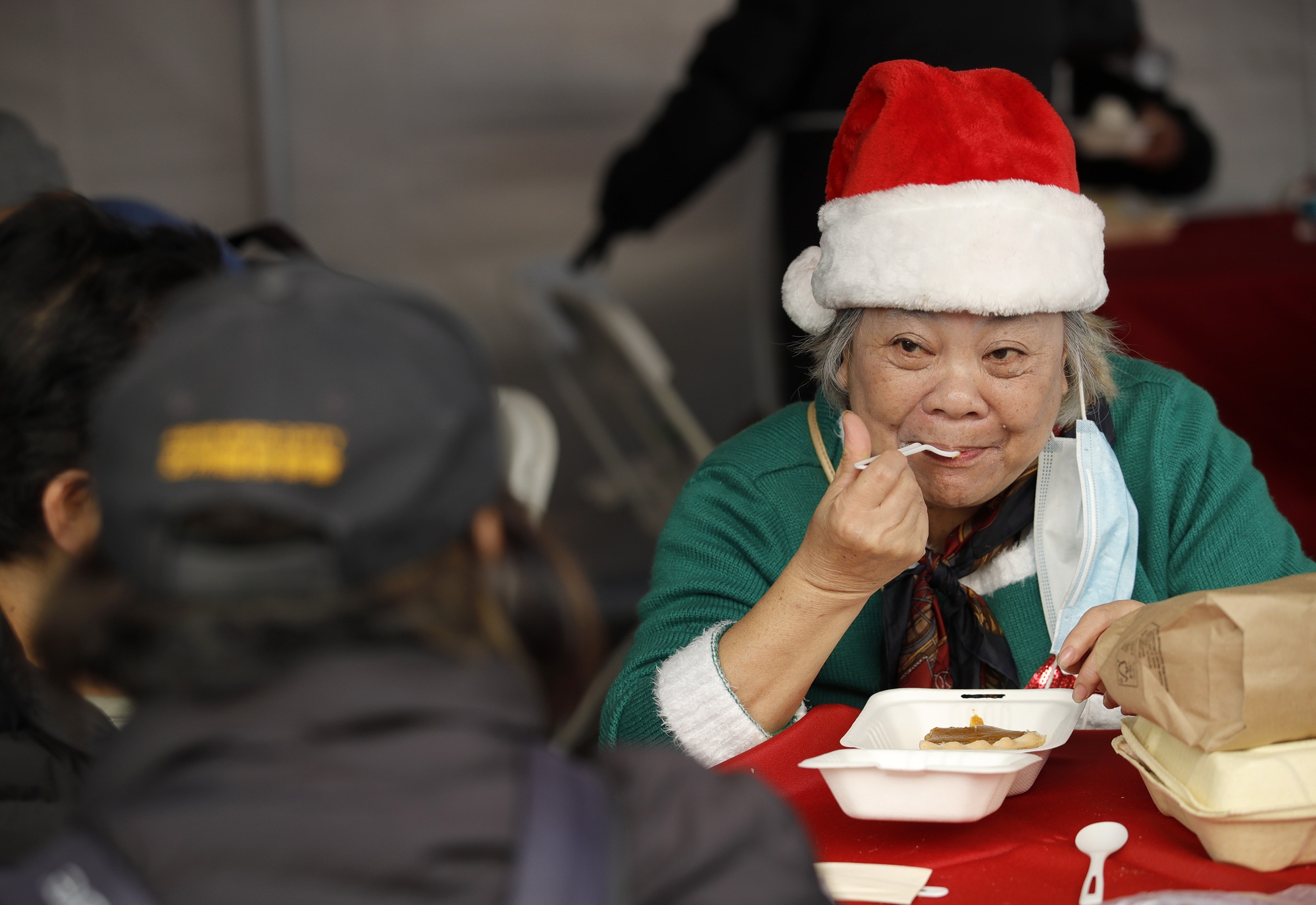
"title": "Glide Memorial Church Christmas Dinner",
"publishDate": 1765914632,
"status": "inherit",
"parent": 12067415,
"modified": 1766539744,
"caption": "A resident eats a holiday meal at Glide Memorial Church in San Francisco, California, on Sunday, Dec. 25, 2022.",
"credit": "Jane Tyska/Digital First Media/East Bay Times via Getty Images",
"altTag": null,
"description": null,
"imgSizes": {
"thumbnail": {
"file": "https://cdn.kqed.org/wp-content/uploads/sites/10/2025/12/GlideChurchSFGetty-160x110.jpg",
"width": 160,
"height": 110,
"mimeType": "image/jpeg"
},
"1536x1536": {
"file": "https://cdn.kqed.org/wp-content/uploads/sites/10/2025/12/GlideChurchSFGetty-1536x1057.jpg",
"width": 1536,
"height": 1057,
"mimeType": "image/jpeg"
},
"post-thumbnail": {
"file": "https://cdn.kqed.org/wp-content/uploads/sites/10/2025/12/GlideChurchSFGetty-672x372.jpg",
"width": 672,
"height": 372,
"mimeType": "image/jpeg"
},
"twentyfourteen-full-width": {
"file": "https://cdn.kqed.org/wp-content/uploads/sites/10/2025/12/GlideChurchSFGetty-1038x576.jpg",
"width": 1038,
"height": 576,
"mimeType": "image/jpeg"
},
"npr-cds-wide": {
"file": "https://cdn.kqed.org/wp-content/uploads/sites/10/2025/12/GlideChurchSFGetty-1200x675.jpg",
"width": 1200,
"height": 675,
"mimeType": "image/jpeg"
},
"kqedFullSize": {
"file": "https://cdn.kqed.org/wp-content/uploads/sites/10/2025/12/GlideChurchSFGetty.jpg",
"width": 2000,
"height": 1376
}
},
"isLoading": false,
"fetchFailed": false
},
"news_12064449": {
"type": "attachments",
"id": "news_12064449",
"meta": {
"index": "attachments_1716263798",
"site": "news",
"id": "12064449",
"found": true
},
"title": "251113-SNAPDELAYSFEATURE01472_TV-KQED",
"publishDate": 1763420222,
"status": "inherit",
"parent": 0,
"modified": 1763664497,
"caption": "Trozalla Smith poses for a portrait outside her family home in San Leandro on Friday, Nov. 14, 2025. The government shutdown has delayed the distribution of SNAP benefits to recipients such as Ana Hoover and Trozalla Smith, who have had to turn to food pantries as an alternative.",
"credit": "Tâm Vũ/KQED",
"altTag": null,
"description": null,
"imgSizes": {
"thumbnail": {
"file": "https://cdn.kqed.org/wp-content/uploads/sites/10/2025/11/251113-SNAPDELAYSFEATURE01472_TV-KQED-160x107.jpg",
"width": 160,
"height": 107,
"mimeType": "image/jpeg"
},
"1536x1536": {
"file": "https://cdn.kqed.org/wp-content/uploads/sites/10/2025/11/251113-SNAPDELAYSFEATURE01472_TV-KQED-1536x1024.jpg",
"width": 1536,
"height": 1024,
"mimeType": "image/jpeg"
},
"post-thumbnail": {
"file": "https://cdn.kqed.org/wp-content/uploads/sites/10/2025/11/251113-SNAPDELAYSFEATURE01472_TV-KQED-672x372.jpg",
"width": 672,
"height": 372,
"mimeType": "image/jpeg"
},
"twentyfourteen-full-width": {
"file": "https://cdn.kqed.org/wp-content/uploads/sites/10/2025/11/251113-SNAPDELAYSFEATURE01472_TV-KQED-1038x576.jpg",
"width": 1038,
"height": 576,
"mimeType": "image/jpeg"
},
"npr-cds-wide": {
"file": "https://cdn.kqed.org/wp-content/uploads/sites/10/2025/11/251113-SNAPDELAYSFEATURE01472_TV-KQED-1200x675.jpg",
"width": 1200,
"height": 675,
"mimeType": "image/jpeg"
},
"kqedFullSize": {
"file": "https://cdn.kqed.org/wp-content/uploads/sites/10/2025/11/251113-SNAPDELAYSFEATURE01472_TV-KQED.jpg",
"width": 2000,
"height": 1333
}
},
"isLoading": false,
"fetchFailed": false
},
"news_11963529": {
"type": "attachments",
"id": "news_11963529",
"meta": {
"index": "attachments_1716263798",
"site": "news",
"id": "11963529",
"found": true
},
"title": "18 wheeler semi truck on road at sunrise",
"publishDate": 1696525955,
"status": "inherit",
"parent": 11963514,
"modified": 1763164813,
"caption": "A semitrailer on a freeway.",
"credit": "Getty Images",
"altTag": "A semitrailer on a freeway.",
"description": null,
"imgSizes": {
"medium": {
"file": "https://cdn.kqed.org/wp-content/uploads/sites/10/2023/10/231005-TRUCK-GETTY-KQED-800x534.jpg",
"width": 800,
"height": 534,
"mimeType": "image/jpeg"
},
"large": {
"file": "https://cdn.kqed.org/wp-content/uploads/sites/10/2023/10/231005-TRUCK-GETTY-KQED-1020x680.jpg",
"width": 1020,
"height": 680,
"mimeType": "image/jpeg"
},
"thumbnail": {
"file": "https://cdn.kqed.org/wp-content/uploads/sites/10/2023/10/231005-TRUCK-GETTY-KQED-160x107.jpg",
"width": 160,
"height": 107,
"mimeType": "image/jpeg"
},
"1536x1536": {
"file": "https://cdn.kqed.org/wp-content/uploads/sites/10/2023/10/231005-TRUCK-GETTY-KQED-1536x1025.jpg",
"width": 1536,
"height": 1025,
"mimeType": "image/jpeg"
},
"post-thumbnail": {
"file": "https://cdn.kqed.org/wp-content/uploads/sites/10/2023/10/231005-TRUCK-GETTY-KQED-672x372.jpg",
"width": 672,
"height": 372,
"mimeType": "image/jpeg"
},
"twentyfourteen-full-width": {
"file": "https://cdn.kqed.org/wp-content/uploads/sites/10/2023/10/231005-TRUCK-GETTY-KQED-1038x576.jpg",
"width": 1038,
"height": 576,
"mimeType": "image/jpeg"
},
"full-width": {
"file": "https://cdn.kqed.org/wp-content/uploads/sites/10/2023/10/231005-TRUCK-GETTY-KQED-1920x1281.jpg",
"width": 1920,
"height": 1281,
"mimeType": "image/jpeg"
},
"kqedFullSize": {
"file": "https://cdn.kqed.org/wp-content/uploads/sites/10/2023/10/231005-TRUCK-GETTY-KQED.jpg",
"width": 2000,
"height": 1334
}
},
"isLoading": false,
"fetchFailed": false
},
"news_12062182": {
"type": "attachments",
"id": "news_12062182",
"meta": {
"index": "attachments_1716263798",
"site": "news",
"id": "12062182",
"found": true
},
"title": "250519-AffordableHousingFile-13-BL_qed (1)",
"publishDate": 1761779265,
"status": "inherit",
"parent": 12062042,
"modified": 1764725123,
"caption": "Construction is underway on an affordable housing apartment building at 2550 Irving St. in San Francisco’s Sunset District on May 19, 2025.",
"credit": "Beth LaBerge/KQED",
"altTag": null,
"description": null,
"imgSizes": {
"thumbnail": {
"file": "https://cdn.kqed.org/wp-content/uploads/sites/10/2025/10/250519-AffordableHousingFile-13-BL_qed-1-160x107.jpg",
"width": 160,
"height": 107,
"mimeType": "image/jpeg"
},
"1536x1536": {
"file": "https://cdn.kqed.org/wp-content/uploads/sites/10/2025/10/250519-AffordableHousingFile-13-BL_qed-1-1536x1024.jpg",
"width": 1536,
"height": 1024,
"mimeType": "image/jpeg"
},
"post-thumbnail": {
"file": "https://cdn.kqed.org/wp-content/uploads/sites/10/2025/10/250519-AffordableHousingFile-13-BL_qed-1-672x372.jpg",
"width": 672,
"height": 372,
"mimeType": "image/jpeg"
},
"twentyfourteen-full-width": {
"file": "https://cdn.kqed.org/wp-content/uploads/sites/10/2025/10/250519-AffordableHousingFile-13-BL_qed-1-1038x576.jpg",
"width": 1038,
"height": 576,
"mimeType": "image/jpeg"
},
"npr-cds-wide": {
"file": "https://cdn.kqed.org/wp-content/uploads/sites/10/2025/10/250519-AffordableHousingFile-13-BL_qed-1-1600x900.jpg",
"width": 1600,
"height": 900,
"mimeType": "image/jpeg"
},
"kqedFullSize": {
"file": "https://cdn.kqed.org/wp-content/uploads/sites/10/2025/10/250519-AffordableHousingFile-13-BL_qed-1.jpg",
"width": 2000,
"height": 1333
}
},
"isLoading": false,
"fetchFailed": false
},
"news_12055464": {
"type": "attachments",
"id": "news_12055464",
"meta": {
"index": "attachments_1716263798",
"site": "news",
"id": "12055464",
"found": true
},
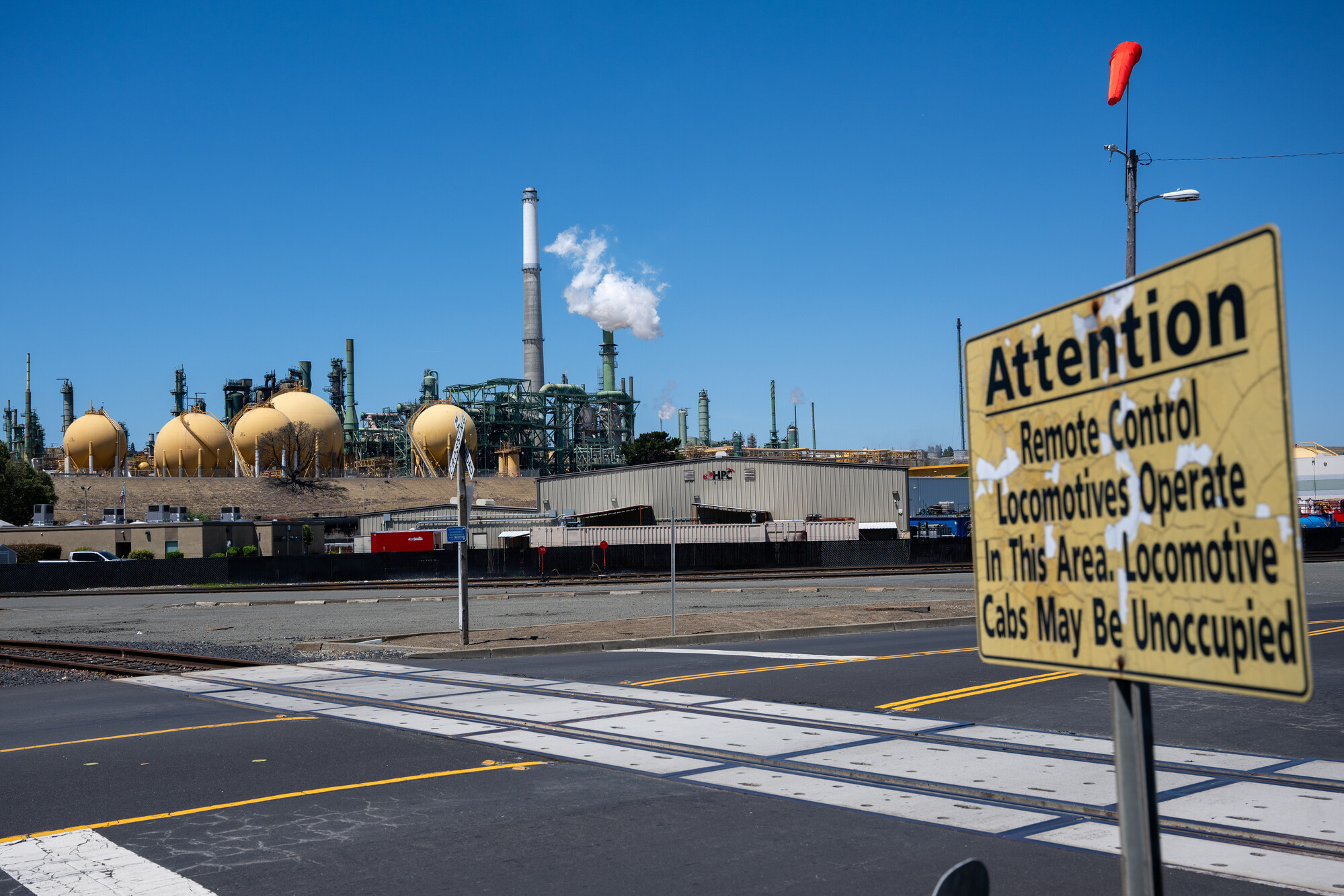
"title": "250509-BeniciaRefinery-32-BL_qed (1)",
"publishDate": 1757528359,
"status": "inherit",
"parent": 12055461,
"modified": 1760049642,
"caption": "The Valero Benicia Refinery in Benicia, on May 8, 2025, processes up to 170,000 barrels of oil a day, making gasoline, diesel, and other fuels for California. Valero plans to shut down the Benicia refinery by April 2026, citing high costs and strict environmental rules.",
"credit": "Beth LaBerge/KQED",
"altTag": null,
"description": null,
"imgSizes": {
"thumbnail": {
"file": "https://cdn.kqed.org/wp-content/uploads/sites/10/2025/09/250509-BeniciaRefinery-32-BL_qed-1-160x107.jpg",
"width": 160,
"height": 107,
"mimeType": "image/jpeg"
},
"1536x1536": {
"file": "https://cdn.kqed.org/wp-content/uploads/sites/10/2025/09/250509-BeniciaRefinery-32-BL_qed-1-1536x1024.jpg",
"width": 1536,
"height": 1024,
"mimeType": "image/jpeg"
},
"post-thumbnail": {
"file": "https://cdn.kqed.org/wp-content/uploads/sites/10/2025/09/250509-BeniciaRefinery-32-BL_qed-1-672x372.jpg",
"width": 672,
"height": 372,
"mimeType": "image/jpeg"
},
"twentyfourteen-full-width": {
"file": "https://cdn.kqed.org/wp-content/uploads/sites/10/2025/09/250509-BeniciaRefinery-32-BL_qed-1-1038x576.jpg",
"width": 1038,
"height": 576,
"mimeType": "image/jpeg"
},
"kqedFullSize": {
"file": "https://cdn.kqed.org/wp-content/uploads/sites/10/2025/09/250509-BeniciaRefinery-32-BL_qed-1.jpg",
"width": 1999,
"height": 1333
}
},
"isLoading": false,
"fetchFailed": false
},
"news_12053663": {
"type": "attachments",
"id": "news_12053663",
"meta": {
"index": "attachments_1716263798",
"site": "news",
"id": "12053663",
"found": true
},
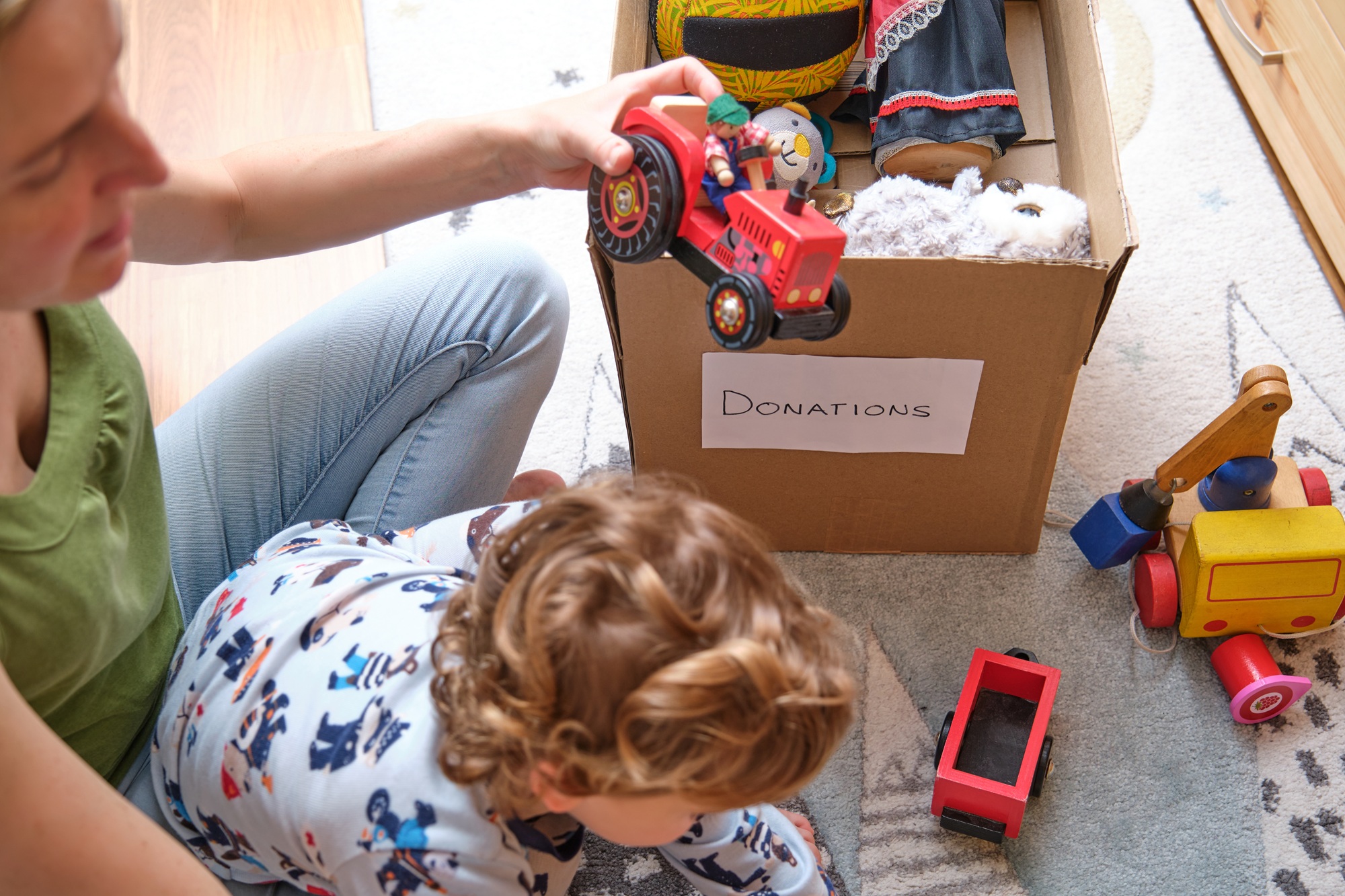
"title": "Family preparing a box of toys to donate",
"publishDate": 1756161181,
"status": "inherit",
"parent": 12053655,
"modified": 1756161210,
"caption": "A new report finds that the city of Alameda’s guaranteed income pilot program has been effective in helping low income participants handle unexpected expenses, among other things.",
"credit": "Roberto Jimenez Mejias/Getty Images",
"altTag": null,
"description": null,
"imgSizes": {
"thumbnail": {
"file": "https://cdn.kqed.org/wp-content/uploads/sites/10/2025/08/GuaranteedIncomeGetty-160x107.jpg",
"width": 160,
"height": 107,
"mimeType": "image/jpeg"
},
"1536x1536": {
"file": "https://cdn.kqed.org/wp-content/uploads/sites/10/2025/08/GuaranteedIncomeGetty-1536x1024.jpg",
"width": 1536,
"height": 1024,
"mimeType": "image/jpeg"
},
"post-thumbnail": {
"file": "https://cdn.kqed.org/wp-content/uploads/sites/10/2025/08/GuaranteedIncomeGetty-672x372.jpg",
"width": 672,
"height": 372,
"mimeType": "image/jpeg"
},
"twentyfourteen-full-width": {
"file": "https://cdn.kqed.org/wp-content/uploads/sites/10/2025/08/GuaranteedIncomeGetty-1038x576.jpg",
"width": 1038,
"height": 576,
"mimeType": "image/jpeg"
},
"kqedFullSize": {
"file": "https://cdn.kqed.org/wp-content/uploads/sites/10/2025/08/GuaranteedIncomeGetty.jpg",
"width": 2000,
"height": 1333
}
},
"isLoading": false,
"fetchFailed": false
},
"news_12052116": {
"type": "attachments",
"id": "news_12052116",
"meta": {
"index": "attachments_1716263798",
"site": "news",
"id": "12052116",
"found": true
},
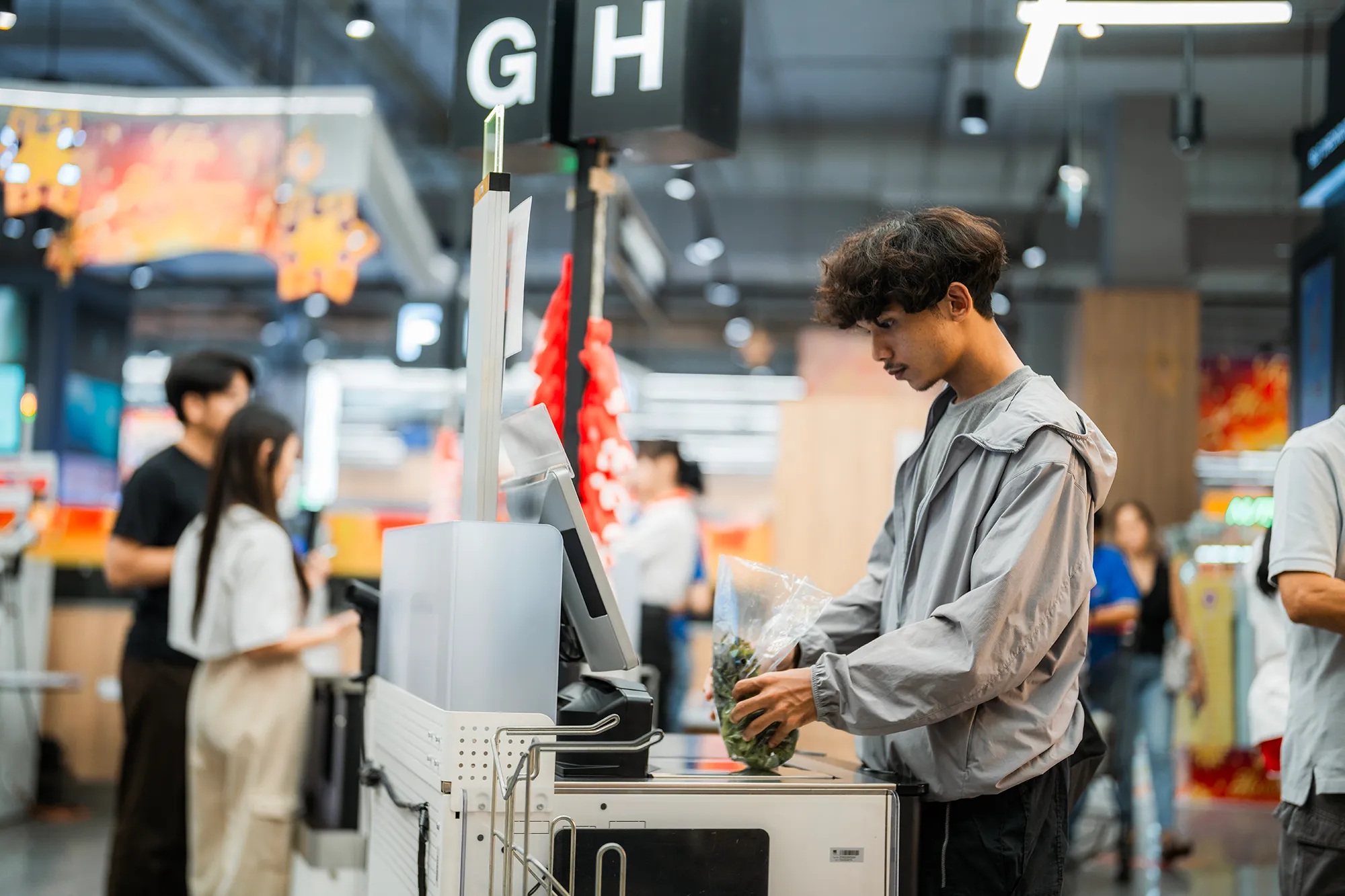
"title": "080725-Self-Checkout-IS-CM",
"publishDate": 1755127920,
"status": "inherit",
"parent": 12052115,
"modified": 1755127938,
"caption": "A person uses a self-checkout machine at a store. ",
"credit": "Photo via iStock Photo",
"altTag": null,
"description": null,
"imgSizes": {
"thumbnail": {
"file": "https://cdn.kqed.org/wp-content/uploads/sites/10/2025/08/080725-Self-Checkout-IS-CM-160x107.jpg",
"width": 160,
"height": 107,
"mimeType": "image/jpeg"
},
"1536x1536": {
"file": "https://cdn.kqed.org/wp-content/uploads/sites/10/2025/08/080725-Self-Checkout-IS-CM-1536x1024.jpg",
"width": 1536,
"height": 1024,
"mimeType": "image/jpeg"
},
"post-thumbnail": {
"file": "https://cdn.kqed.org/wp-content/uploads/sites/10/2025/08/080725-Self-Checkout-IS-CM-672x372.jpg",
"width": 672,
"height": 372,
"mimeType": "image/jpeg"
},
"twentyfourteen-full-width": {
"file": "https://cdn.kqed.org/wp-content/uploads/sites/10/2025/08/080725-Self-Checkout-IS-CM-1038x576.jpg",
"width": 1038,
"height": 576,
"mimeType": "image/jpeg"
},
"kqedFullSize": {
"file": "https://cdn.kqed.org/wp-content/uploads/sites/10/2025/08/080725-Self-Checkout-IS-CM.jpg",
"width": 2000,
"height": 1333
}
},
"isLoading": false,
"fetchFailed": false
},
"news_12051480": {
"type": "attachments",
"id": "news_12051480",
"meta": {
"index": "attachments_1716263798",
"site": "news",
"id": "12051480",
"found": true
},
"title": "Cars drive along the 580 freeway in Oakland on Aug. 8, 2025.",
"publishDate": 1754677887,
"status": "inherit",
"parent": 0,
"modified": 1754677912,
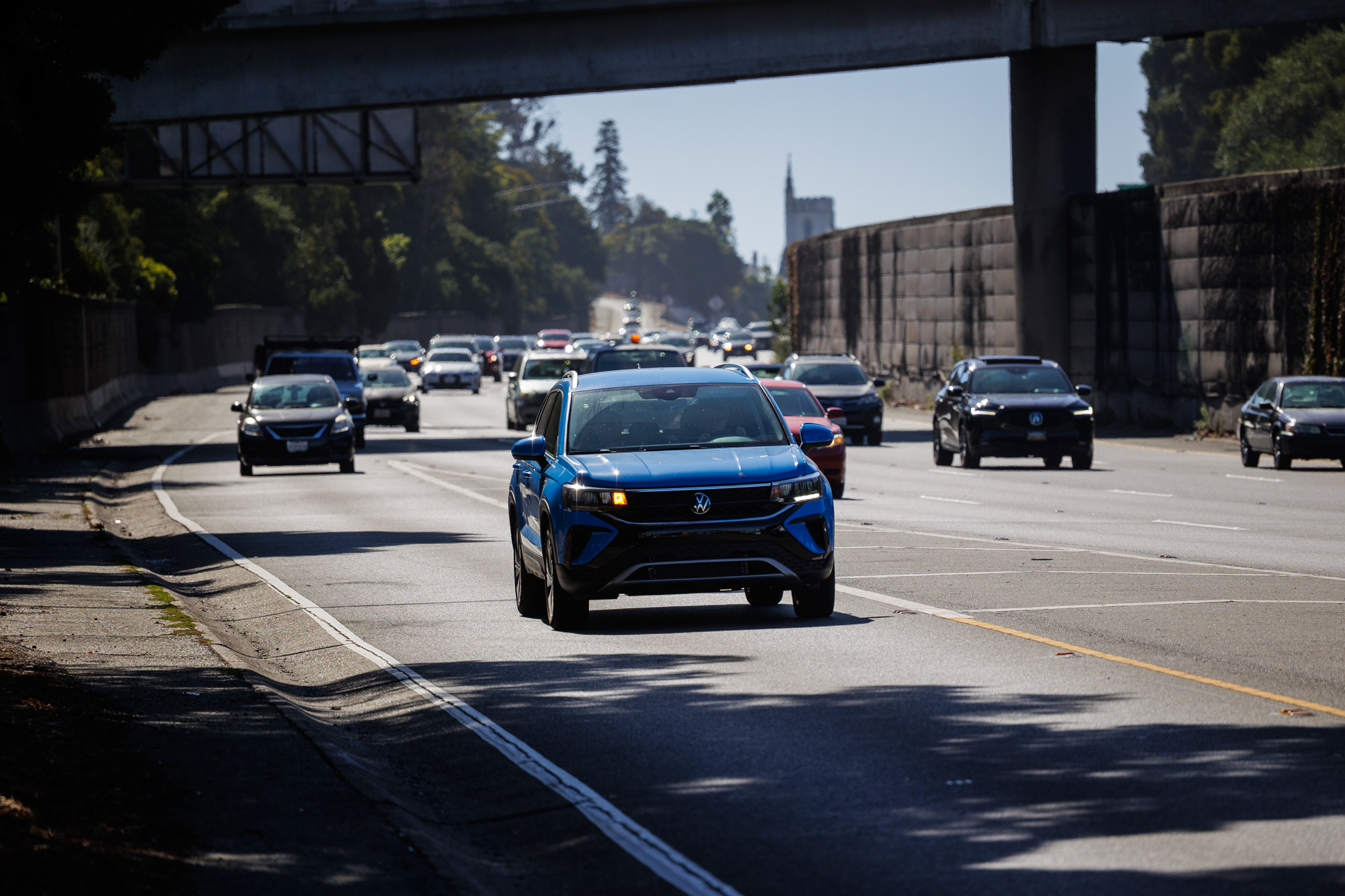
"caption": "Cars drive along the 580 freeway in Oakland on Aug. 8, 2025.",
"credit": "Martin do Nascimento/KQED",
"altTag": null,
"description": null,
"imgSizes": {
"thumbnail": {
"file": "https://cdn.kqed.org/wp-content/uploads/sites/10/2025/08/250808-CASUAL-CARPOOL-MD-01-KQED-160x107.jpg",
"width": 160,
"height": 107,
"mimeType": "image/jpeg"
},
"1536x1536": {
"file": "https://cdn.kqed.org/wp-content/uploads/sites/10/2025/08/250808-CASUAL-CARPOOL-MD-01-KQED-1536x1024.jpg",
"width": 1536,
"height": 1024,
"mimeType": "image/jpeg"
},
"post-thumbnail": {
"file": "https://cdn.kqed.org/wp-content/uploads/sites/10/2025/08/250808-CASUAL-CARPOOL-MD-01-KQED-672x372.jpg",
"width": 672,
"height": 372,
"mimeType": "image/jpeg"
},
"twentyfourteen-full-width": {
"file": "https://cdn.kqed.org/wp-content/uploads/sites/10/2025/08/250808-CASUAL-CARPOOL-MD-01-KQED-1038x576.jpg",
"width": 1038,
"height": 576,
"mimeType": "image/jpeg"
},
"kqedFullSize": {
"file": "https://cdn.kqed.org/wp-content/uploads/sites/10/2025/08/250808-CASUAL-CARPOOL-MD-01-KQED.jpg",
"width": 2000,
"height": 1333
}
},
"isLoading": false,
"fetchFailed": false
},
"news_12051653": {
"type": "attachments",
"id": "news_12051653",
"meta": {
"index": "attachments_1716263798",
"site": "news",
"id": "12051653",
"found": true
},
"title": "250808-Casual Carpool-MD-11",
"publishDate": 1754843927,
"status": "inherit",
"parent": 12051907,
"modified": 1755043787,
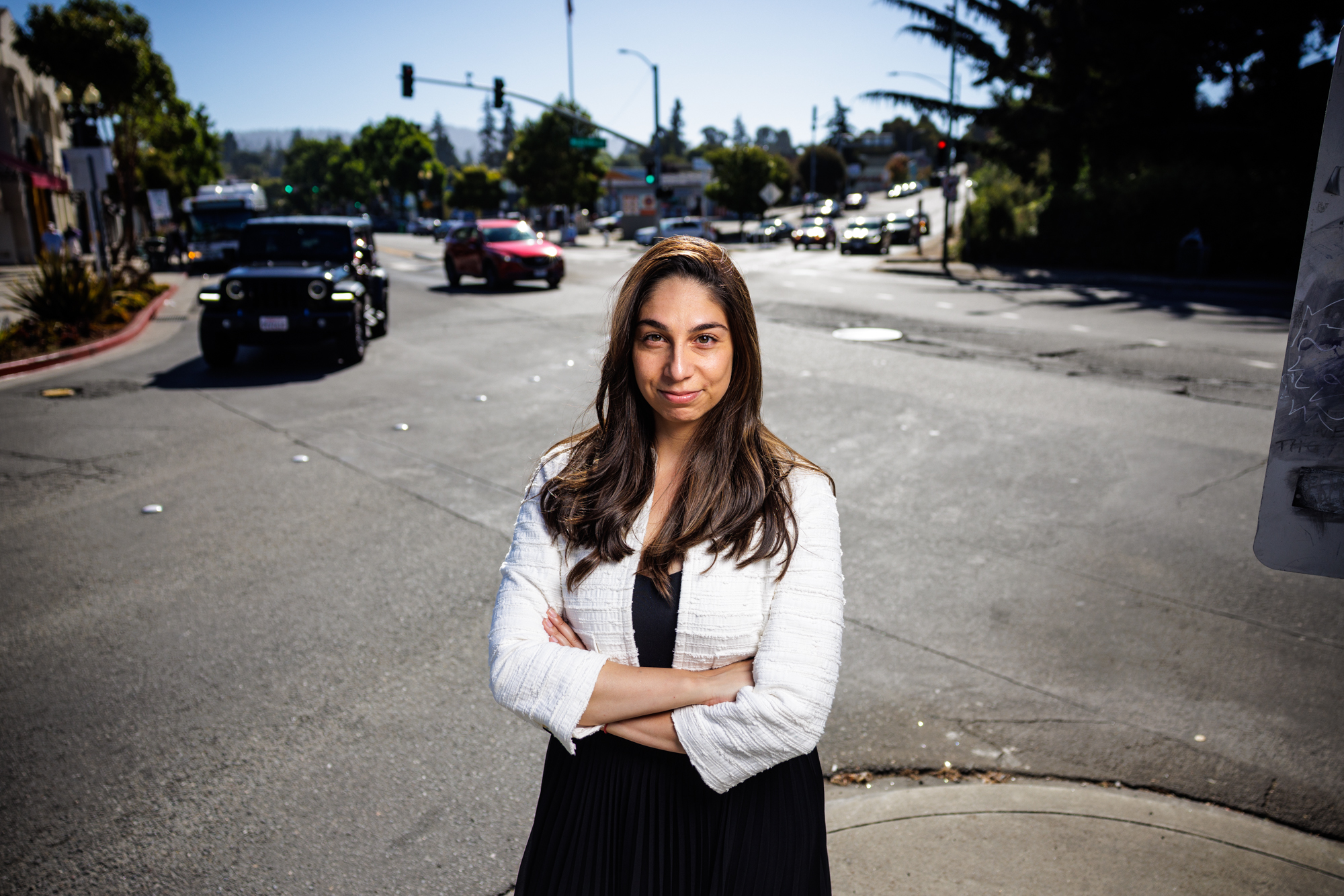
"caption": "Camille Bermudez in Oakland, near where the Casual Carpool pick-up location will be under the 580 freeway, on Aug. 8, 2025.",
"credit": "Martin do Nascimento/KQED",
"altTag": null,
"description": null,
"imgSizes": {
"thumbnail": {
"file": "https://cdn.kqed.org/wp-content/uploads/sites/10/2025/08/250808-Casual-Carpool-MD-11-160x107.jpg",
"width": 160,
"height": 107,
"mimeType": "image/jpeg"
},
"1536x1536": {
"file": "https://cdn.kqed.org/wp-content/uploads/sites/10/2025/08/250808-Casual-Carpool-MD-11-1536x1025.jpg",
"width": 1536,
"height": 1025,
"mimeType": "image/jpeg"
},
"post-thumbnail": {
"file": "https://cdn.kqed.org/wp-content/uploads/sites/10/2025/08/250808-Casual-Carpool-MD-11-672x372.jpg",
"width": 672,
"height": 372,
"mimeType": "image/jpeg"
},
"twentyfourteen-full-width": {
"file": "https://cdn.kqed.org/wp-content/uploads/sites/10/2025/08/250808-Casual-Carpool-MD-11-1038x576.jpg",
"width": 1038,
"height": 576,
"mimeType": "image/jpeg"
},
"kqedFullSize": {
"file": "https://cdn.kqed.org/wp-content/uploads/sites/10/2025/08/250808-Casual-Carpool-MD-11.jpg",
"width": 2000,
"height": 1334
}
},
"isLoading": false,
"fetchFailed": false
},
"news_12049610": {
"type": "attachments",
"id": "news_12049610",
"meta": {
"index": "attachments_1716263798",
"site": "news",
"id": "12049610",
"found": true
},
"title": "240202-FixitClinic-KSM-07_qed",
"publishDate": 1753387122,
"status": "inherit",
"parent": 12049605,
"modified": 1753399414,
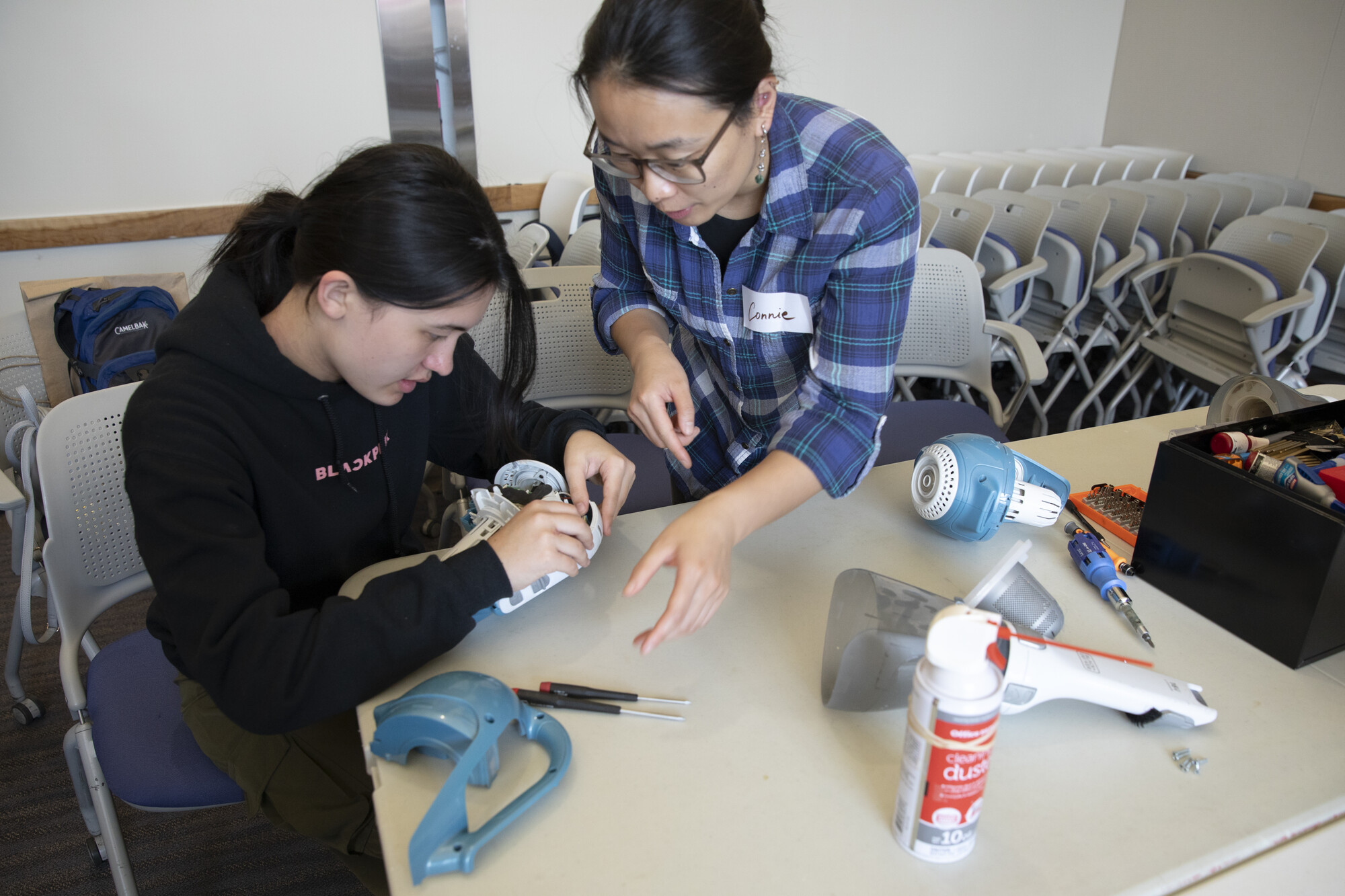
"caption": "Maddie Worster (left) and Connie Yu (right) work together to fix a vacuum cleaner at the Fixit clinic in Millbrae, California, on Saturday, Feb. 3, 2024.",
"credit": "Kathryn Styer Martínez/KQED",
"altTag": null,
"description": null,
"imgSizes": {
"thumbnail": {
"file": "https://cdn.kqed.org/wp-content/uploads/sites/10/2025/07/240202-FixitClinic-KSM-07_qed-160x107.jpg",
"width": 160,
"height": 107,
"mimeType": "image/jpeg"
},
"1536x1536": {
"file": "https://cdn.kqed.org/wp-content/uploads/sites/10/2025/07/240202-FixitClinic-KSM-07_qed-1536x1024.jpg",
"width": 1536,
"height": 1024,
"mimeType": "image/jpeg"
},
"post-thumbnail": {
"file": "https://cdn.kqed.org/wp-content/uploads/sites/10/2025/07/240202-FixitClinic-KSM-07_qed-672x372.jpg",
"width": 672,
"height": 372,
"mimeType": "image/jpeg"
},
"twentyfourteen-full-width": {
"file": "https://cdn.kqed.org/wp-content/uploads/sites/10/2025/07/240202-FixitClinic-KSM-07_qed-1038x576.jpg",
"width": 1038,
"height": 576,
"mimeType": "image/jpeg"
},
"kqedFullSize": {
"file": "https://cdn.kqed.org/wp-content/uploads/sites/10/2025/07/240202-FixitClinic-KSM-07_qed.jpg",
"width": 2000,
"height": 1333
}
},
"isLoading": false,
"fetchFailed": false
},
"news_12047307": {
"type": "attachments",
"id": "news_12047307",
"meta": {
"index": "attachments_1716263798",
"site": "news",
"id": "12047307",
"found": true
},
"title": "Napa Valley Winery Harvests Its Bounty",
"publishDate": 1751930765,
"status": "inherit",
"parent": 12047129,
"modified": 1751930808,
"caption": "A woman participates in a wine tasting at the St. Supery Winery on Oct. 18, 2005 in Rutherford, California. ",
"credit": "Justin Sullivan/Getty Images",
"altTag": null,
"description": null,
"imgSizes": {
"thumbnail": {
"file": "https://cdn.kqed.org/wp-content/uploads/sites/10/2025/07/55950722_qed-160x114.jpg",
"width": 160,
"height": 114,
"mimeType": "image/jpeg"
},
"1536x1536": {
"file": "https://cdn.kqed.org/wp-content/uploads/sites/10/2025/07/55950722_qed-1536x1093.jpg",
"width": 1536,
"height": 1093,
"mimeType": "image/jpeg"
},
"post-thumbnail": {
"file": "https://cdn.kqed.org/wp-content/uploads/sites/10/2025/07/55950722_qed-672x372.jpg",
"width": 672,
"height": 372,
"mimeType": "image/jpeg"
},
"twentyfourteen-full-width": {
"file": "https://cdn.kqed.org/wp-content/uploads/sites/10/2025/07/55950722_qed-1038x576.jpg",
"width": 1038,
"height": 576,
"mimeType": "image/jpeg"
},
"kqedFullSize": {
"file": "https://cdn.kqed.org/wp-content/uploads/sites/10/2025/07/55950722_qed.jpg",
"width": 1874,
"height": 1333
}
},
"isLoading": false,
"fetchFailed": false
}
},
"audioPlayerReducer": {
"postId": "stream_live",
"isPaused": true,
"isPlaying": false,
"pfsActive": false,
"pledgeModalIsOpen": true,
"playerDrawerIsOpen": false,
"liveAudioPlayStartedAt": 0,
"liveAudioPlayContext": ""
},
"authorsReducer": {
"byline_news_12052115": {
"type": "authors",
"id": "byline_news_12052115",
"meta": {
"override": true
},
"slug": "byline_news_12052115",
"name": "Maya C. Miller, CalMatters",
"isLoading": false
},
"danbrekke": {
"type": "authors",
"id": "222",
"meta": {
"index": "authors_1716337520",
"id": "222",
"found": true
},
"name": "Dan Brekke",
"firstName": "Dan",
"lastName": "Brekke",
"slug": "danbrekke",
"email": "dbrekke@kqed.org",
"display_author_email": true,
"staff_mastheads": [
"news",
"science"
],
"title": "KQED Editor and Reporter",
"bio": "Dan Brekke is a reporter and editor for KQED News, responsible for coverage of topics ranging from California water issues to the Bay Area's transportation challenges. In a newsroom career that began in Chicago in 1972, Dan has worked for \u003cem>The San Francisco Examiner,\u003c/em> Wired and TechTV and has been published in The New York Times, The New York Times Magazine, Business 2.0, Salon and elsewhere.\r\n\r\nSince joining KQED in 2007, Dan has reported, edited and produced both radio and online features and breaking news pieces. He has shared as both editor and reporter in four Society of Professional Journalists Norcal Excellence in Journalism awards and one Edward R. Murrow regional award. He was chosen for a spring 2017 residency at the Mesa Refuge to advance his research on California salmon.\r\n\r\nEmail Dan at: \u003ca href=\"mailto:dbrekke@kqed.org\">dbrekke@kqed.org\u003c/a>\r\n\r\n\u003cstrong>Twitter:\u003c/strong> \u003ca href=\"https://twitter.com/danbrekke\" rel=\"noopener noreferrer\">twitter.com/danbrekke\u003c/a>\r\n\u003cstrong>Facebook:\u003c/strong> \u003ca href=\"https://www.facebook.com/danbrekke\" rel=\"noopener noreferrer\">www.facebook.com/danbrekke\u003c/a>\r\n\u003cstrong>LinkedIn:\u003c/strong> \u003ca href=\"https://www.linkedin.com/in/danbrekke\" rel=\"noopener noreferrer\">www.linkedin.com/in/danbrekke\u003c/a>",
"avatar": "https://secure.gravatar.com/avatar/c8126230345efca3f7aa89b1a402be45?s=600&d=mm&r=g",
"twitter": "danbrekke",
"facebook": null,
"instagram": "https://www.instagram.com/dan.brekke/",
"linkedin": "https://www.linkedin.com/in/danbrekke/",
"sites": [
{
"site": "news",
"roles": [
"administrator",
"create_posts"
]
},
{
"site": "stateofhealth",
"roles": [
"editor"
]
},
{
"site": "science",
"roles": [
"editor"
]
},
{
"site": "quest",
"roles": [
"contributor"
]
},
{
"site": "food",
"roles": [
"contributor"
]
},
{
"site": "forum",
"roles": [
"contributor"
]
},
{
"site": "liveblog",
"roles": [
"editor"
]
}
],
"headData": {
"title": "Dan Brekke | KQED",
"description": "KQED Editor and Reporter",
"ogImgSrc": "https://secure.gravatar.com/avatar/c8126230345efca3f7aa89b1a402be45?s=600&d=mm&r=g",
"twImgSrc": "https://secure.gravatar.com/avatar/c8126230345efca3f7aa89b1a402be45?s=600&d=mm&r=g"
},
"isLoading": false,
"link": "/author/danbrekke"
},
"vrancano": {
"type": "authors",
"id": "11276",
"meta": {
"index": "authors_1716337520",
"id": "11276",
"found": true
},
"name": "Vanessa Rancaño",
"firstName": "Vanessa",
"lastName": "Rancaño",
"slug": "vrancano",
"email": "vrancano@kqed.org",
"display_author_email": false,
"staff_mastheads": [
"news"
],
"title": "Reporter",
"bio": "Vanessa Rancaño is a features reporter for KQED. She’s also covered homelessness and education for the station and reported from the Central Valley. Her work has aired across public radio, from flagship national news shows to longform narrative podcasts. Before taking up a mic, she worked as a freelance print journalist. She’s been recognized with a number of national and regional awards. Vanessa grew up in California's Central Valley. She's a former NPR Kroc Fellow, and a graduate of the UC Berkeley Graduate School of Journalism.",
"avatar": "https://secure.gravatar.com/avatar/b3a383dfb0e7ee1c17568f2cf067904ab654d6e3de9743fc661f3c788ade1bed?s=600&d=blank&r=g",
"twitter": "vanessarancano",
"bluesky": null,
"facebook": null,
"instagram": null,
"linkedin": null,
"sites": [
{
"site": "arts",
"roles": [
"editor"
]
},
{
"site": "news",
"roles": [
"editor"
]
},
{
"site": "liveblog",
"roles": [
"contributor"
]
}
],
"headData": {
"title": "Vanessa Rancaño | KQED",
"description": "Reporter",
"ogImgSrc": "https://secure.gravatar.com/avatar/b3a383dfb0e7ee1c17568f2cf067904ab654d6e3de9743fc661f3c788ade1bed?s=600&d=blank&r=g",
"twImgSrc": "https://secure.gravatar.com/avatar/b3a383dfb0e7ee1c17568f2cf067904ab654d6e3de9743fc661f3c788ade1bed?s=600&d=blank&r=g"
},
"isLoading": false,
"link": "/author/vrancano"
},
"kevinstark": {
"type": "authors",
"id": "11608",
"meta": {
"index": "authors_1716337520",
"id": "11608",
"found": true
},
"name": "Kevin Stark",
"firstName": "Kevin",
"lastName": "Stark",
"slug": "kevinstark",
"email": "kstark@kqed.org",
"display_author_email": true,
"staff_mastheads": [
"science"
],
"title": "Senior Editor",
"bio": "Kevin is a senior editor for KQED Science, managing the station's health and climate desks. His journalism career began in the Pacific Northwest, and he later became a lead reporter for the San Francisco Public Press. His work has appeared in Pacific Standard magazine, the Energy News Network, the Center for Investigative Reporting's Reveal and WBEZ in Chicago. Kevin joined KQED in 2019, and has covered issues related to energy, wildfire, climate change and the environment.",
"avatar": "https://secure.gravatar.com/avatar/365aaa4b597d3a8374f67504ff0facd323d7906e8eb4be0a7efd2427408e802c?s=600&d=blank&r=g",
"twitter": "starkkev",
"bluesky": null,
"facebook": null,
"instagram": null,
"linkedin": null,
"sites": [
{
"site": "",
"roles": [
"editor"
]
},
{
"site": "news",
"roles": [
"editor"
]
},
{
"site": "science",
"roles": [
"administrator"
]
}
],
"headData": {
"title": "Kevin Stark | KQED",
"description": "Senior Editor",
"ogImgSrc": "https://secure.gravatar.com/avatar/365aaa4b597d3a8374f67504ff0facd323d7906e8eb4be0a7efd2427408e802c?s=600&d=blank&r=g",
"twImgSrc": "https://secure.gravatar.com/avatar/365aaa4b597d3a8374f67504ff0facd323d7906e8eb4be0a7efd2427408e802c?s=600&d=blank&r=g"
},
"isLoading": false,
"link": "/author/kevinstark"
},
"abandlamudi": {
"type": "authors",
"id": "11672",
"meta": {
"index": "authors_1716337520",
"id": "11672",
"found": true
},
"name": "Adhiti Bandlamudi",
"firstName": "Adhiti",
"lastName": "Bandlamudi",
"slug": "abandlamudi",
"email": "abandlamudi@kqed.org",
"display_author_email": false,
"staff_mastheads": [
"news"
],
"title": "KQED Housing Reporter",
"bio": "Adhiti Bandlamudi reports for KQED's Housing desk. She focuses on how housing gets built across the Bay Area. Before joining KQED in 2020, she reported for WUNC in Durham, North Carolina, WABE in Atlanta, Georgia and Capital Public Radio in Sacramento. In 2017, she was awarded a Kroc Fellowship at NPR where she reported on everything from sprinkles to the Golden State Killer's arrest. When she's not reporting, she's baking new recipes in her kitchen or watching movies with friends and family. She's originally from Georgia and has strong opinions about Great British Bake Off.",
"avatar": "https://secure.gravatar.com/avatar/868129c8b257bb99a3500e2c86a65400?s=600&d=mm&r=g",
"twitter": "oddity_adhiti",
"facebook": null,
"instagram": null,
"linkedin": null,
"sites": [
{
"site": "arts",
"roles": [
"author"
]
},
{
"site": "news",
"roles": [
"editor"
]
},
{
"site": "liveblog",
"roles": [
"author"
]
}
],
"headData": {
"title": "Adhiti Bandlamudi | KQED",
"description": "KQED Housing Reporter",
"ogImgSrc": "https://secure.gravatar.com/avatar/868129c8b257bb99a3500e2c86a65400?s=600&d=mm&r=g",
"twImgSrc": "https://secure.gravatar.com/avatar/868129c8b257bb99a3500e2c86a65400?s=600&d=mm&r=g"
},
"isLoading": false,
"link": "/author/abandlamudi"
},
"ccabreralomeli": {
"type": "authors",
"id": "11708",
"meta": {
"index": "authors_1716337520",
"id": "11708",
"found": true
},
"name": "Carlos Cabrera-Lomelí",
"firstName": "Carlos",
"lastName": "Cabrera-Lomelí",
"slug": "ccabreralomeli",
"email": "ccabreralomeli@KQED.org",
"display_author_email": true,
"staff_mastheads": [
"news"
],
"title": "Community Reporter",
"bio": "Carlos Cabrera-Lomelí is a community reporter with KQED's digital engagement team. He also reports and co-produces for KQED's bilingual news hub KQED en Español. He grew up in San Francisco's Mission District and has previously worked with Univision, 48 Hills and REFORMA in Mexico City.",
"avatar": "https://secure.gravatar.com/avatar/c309be9665e484f887b818c89e273ecc673004f426f36b24d00a4d813a2e0518?s=600&d=blank&r=g",
"twitter": "@LomeliCabrera",
"bluesky": null,
"facebook": null,
"instagram": null,
"linkedin": null,
"sites": [
{
"site": "arts",
"roles": [
"editor"
]
},
{
"site": "news",
"roles": [
"editor"
]
},
{
"site": "about",
"roles": [
"editor"
]
},
{
"site": "science",
"roles": [
"editor"
]
},
{
"site": "perspectives",
"roles": [
"editor"
]
},
{
"site": "elections",
"roles": [
"editor"
]
},
{
"site": "liveblog",
"roles": [
"contributor"
]
}
],
"headData": {
"title": "Carlos Cabrera-Lomelí | KQED",
"description": "Community Reporter",
"ogImgSrc": "https://secure.gravatar.com/avatar/c309be9665e484f887b818c89e273ecc673004f426f36b24d00a4d813a2e0518?s=600&d=blank&r=g",
"twImgSrc": "https://secure.gravatar.com/avatar/c309be9665e484f887b818c89e273ecc673004f426f36b24d00a4d813a2e0518?s=600&d=blank&r=g"
},
"isLoading": false,
"link": "/author/ccabreralomeli"
},
"jlara": {
"type": "authors",
"id": "11761",
"meta": {
"index": "authors_1716337520",
"id": "11761",
"found": true
},
"name": "Juan Carlos Lara",
"firstName": "Juan Carlos",
"lastName": "Lara",
"slug": "jlara",
"email": "jlara@kqed.org",
"display_author_email": false,
"staff_mastheads": [],
"title": "KQED Contributor",
"bio": null,
"avatar": "https://secure.gravatar.com/avatar/19e2052b9b05657c5ff2af2121846e9c?s=600&d=blank&r=g",
"twitter": null,
"facebook": null,
"instagram": null,
"linkedin": null,
"sites": [
{
"site": "arts",
"roles": [
"editor"
]
},
{
"site": "news",
"roles": [
"editor"
]
},
{
"site": "forum",
"roles": [
"editor"
]
},
{
"site": "liveblog",
"roles": [
"contributor"
]
}
],
"headData": {
"title": "Juan Carlos Lara | KQED",
"description": "KQED Contributor",
"ogImgSrc": "https://secure.gravatar.com/avatar/19e2052b9b05657c5ff2af2121846e9c?s=600&d=blank&r=g",
"twImgSrc": "https://secure.gravatar.com/avatar/19e2052b9b05657c5ff2af2121846e9c?s=600&d=blank&r=g"
},
"isLoading": false,
"link": "/author/jlara"
},
"adahlstromeckman": {
"type": "authors",
"id": "11785",
"meta": {
"index": "authors_1716337520",
"id": "11785",
"found": true
},
"name": "Azul Dahlstrom-Eckman",
"firstName": "Azul",
"lastName": "Dahlstrom-Eckman",
"slug": "adahlstromeckman",
"email": "adahlstrom-eckman@kqed.org",
"display_author_email": true,
"staff_mastheads": [],
"title": "Reporter",
"bio": "Azul is a reporter for KQED focusing on transportation and features. He joined KQED in 2021 as an alumna of KALW's Audio Academy radio journalism training program.",
"avatar": "https://secure.gravatar.com/avatar/9cb750298435add7815a777f55bf1f46845c1386bb8452555c60a7b820b5aba3?s=600&d=blank&r=g",
"twitter": "@zuliemann",
"bluesky": "@azul415.bsky.social",
"facebook": null,
"instagram": null,
"linkedin": null,
"sites": [
{
"site": "arts",
"roles": [
"editor"
]
},
{
"site": "news",
"roles": [
"editor"
]
},
{
"site": "science",
"roles": [
"editor"
]
},
{
"site": "liveblog",
"roles": [
"author"
]
}
],
"headData": {
"title": "Azul Dahlstrom-Eckman | KQED",
"description": "Reporter",
"ogImgSrc": "https://secure.gravatar.com/avatar/9cb750298435add7815a777f55bf1f46845c1386bb8452555c60a7b820b5aba3?s=600&d=blank&r=g",
"twImgSrc": "https://secure.gravatar.com/avatar/9cb750298435add7815a777f55bf1f46845c1386bb8452555c60a7b820b5aba3?s=600&d=blank&r=g"
},
"isLoading": false,
"link": "/author/adahlstromeckman"
},
"sjohnson": {
"type": "authors",
"id": "11840",
"meta": {
"index": "authors_1716337520",
"id": "11840",
"found": true
},
"name": "Sydney Johnson",
"firstName": "Sydney",
"lastName": "Johnson",
"slug": "sjohnson",
"email": "sjohnson@kqed.org",
"display_author_email": false,
"staff_mastheads": [
"news"
],
"title": "KQED Reporter",
"bio": "Sydney Johnson is a general assignment reporter at KQED. She previously reported on public health and city government at the San Francisco Examiner, and before that, she covered statewide education policy for EdSource. Her reporting has won multiple local, state and national awards. Sydney is a graduate of the University of California, Berkeley and lives in San Francisco.",
"avatar": "https://secure.gravatar.com/avatar/97855f2719b72ad6190b7c535fe642c8?s=600&d=blank&r=g",
"twitter": "sydneyfjohnson",
"facebook": null,
"instagram": null,
"linkedin": null,
"sites": [
{
"site": "news",
"roles": [
"editor"
]
}
],
"headData": {
"title": "Sydney Johnson | KQED",
"description": "KQED Reporter",
"ogImgSrc": "https://secure.gravatar.com/avatar/97855f2719b72ad6190b7c535fe642c8?s=600&d=blank&r=g",
"twImgSrc": "https://secure.gravatar.com/avatar/97855f2719b72ad6190b7c535fe642c8?s=600&d=blank&r=g"
},
"isLoading": false,
"link": "/author/sjohnson"
},
"nkhan": {
"type": "authors",
"id": "11867",
"meta": {
"index": "authors_1716337520",
"id": "11867",
"found": true
},
"name": "Nisa Khan",
"firstName": "Nisa",
"lastName": "Khan",
"slug": "nkhan",
"email": "nkhan@kqed.org",
"display_author_email": false,
"staff_mastheads": [],
"title": "KQED Contributor",
"bio": "Nisa Khan is a reporter for KQED's Audience News Desk. She was formerly a data reporter at Michigan Radio. She earned a Bachelor of Science in Information from the University of Michigan and a Master of Arts in Communication from Stanford University.",
"avatar": "https://secure.gravatar.com/avatar/8720459eef081ff64582b3506b124d58523e80e120704a0cbd9892533c914991?s=600&d=blank&r=g",
"twitter": "mnisakhan",
"bluesky": null,
"facebook": null,
"instagram": null,
"linkedin": null,
"sites": [
{
"site": "arts",
"roles": [
"editor"
]
},
{
"site": "news",
"roles": [
"editor"
]
},
{
"site": "science",
"roles": [
"editor",
"author"
]
},
{
"site": "forum",
"roles": [
"editor"
]
},
{
"site": "liveblog",
"roles": [
"contributor"
]
}
],
"headData": {
"title": "Nisa Khan | KQED",
"description": "KQED Contributor",
"ogImgSrc": "https://secure.gravatar.com/avatar/8720459eef081ff64582b3506b124d58523e80e120704a0cbd9892533c914991?s=600&d=blank&r=g",
"twImgSrc": "https://secure.gravatar.com/avatar/8720459eef081ff64582b3506b124d58523e80e120704a0cbd9892533c914991?s=600&d=blank&r=g"
},
"isLoading": false,
"link": "/author/nkhan"
},
"kdebenedetti": {
"type": "authors",
"id": "11913",
"meta": {
"index": "authors_1716337520",
"id": "11913",
"found": true
},
"name": "Katie DeBenedetti",
"firstName": "Katie",
"lastName": "DeBenedetti",
"slug": "kdebenedetti",
"email": "kdebenedetti@kqed.org",
"display_author_email": false,
"staff_mastheads": [
"news",
"science"
],
"title": "KQED Contributor",
"bio": "Katie DeBenedetti is a digital reporter covering daily news for the Express Desk. Prior to joining KQED as a culture reporting intern in January 2024, she covered education and city government for the Napa Valley Register.",
"avatar": "https://secure.gravatar.com/avatar/6e31073cb8f7e4214ab03f42771d0f45?s=600&d=blank&r=g",
"twitter": null,
"facebook": null,
"instagram": null,
"linkedin": null,
"sites": [
{
"site": "news",
"roles": [
"author"
]
},
{
"site": "science",
"roles": [
"author"
]
},
{
"site": "liveblog",
"roles": [
"author"
]
}
],
"headData": {
"title": "Katie DeBenedetti | KQED",
"description": "KQED Contributor",
"ogImgSrc": "https://secure.gravatar.com/avatar/6e31073cb8f7e4214ab03f42771d0f45?s=600&d=blank&r=g",
"twImgSrc": "https://secure.gravatar.com/avatar/6e31073cb8f7e4214ab03f42771d0f45?s=600&d=blank&r=g"
},
"isLoading": false,
"link": "/author/kdebenedetti"
},
"sarahwright": {
"type": "authors",
"id": "11956",
"meta": {
"index": "authors_1716337520",
"id": "11956",
"found": true
},
"name": "Sarah Wright",
"firstName": "Sarah",
"lastName": "Wright",
"slug": "sarahwright",
"email": "swright@kqed.org",
"display_author_email": true,
"staff_mastheads": [],
"title": "Outdoors Engagement Reporter",
"bio": "Sarah Wright is KQED's Outdoors Engagement Reporter. Originally from Lake Tahoe, she completed a thru-hike of the Pacific Crest Trail in 2019 and was a U.S. Fulbright Program grantee to Argentina in 2023. Her journalism has appeared in The Guardian, The San Francisco Standard, The Palo Alto Weekly and the Half Moon Bay Review.",
"avatar": "https://secure.gravatar.com/avatar/c161a3d6441865cba25e6db4fa561099ad665799e9432e34da2b84d7e371524c?s=600&d=blank&r=g",
"twitter": null,
"bluesky": null,
"facebook": null,
"instagram": null,
"linkedin": null,
"sites": [
{
"site": "arts",
"roles": [
"editor"
]
},
{
"site": "news",
"roles": [
"editor"
]
},
{
"site": "science",
"roles": [
"contributor",
"author"
]
},
{
"site": "forum",
"roles": [
"editor"
]
}
],
"headData": {
"title": "Sarah Wright | KQED",
"description": "Outdoors Engagement Reporter",
"ogImgSrc": "https://secure.gravatar.com/avatar/c161a3d6441865cba25e6db4fa561099ad665799e9432e34da2b84d7e371524c?s=600&d=blank&r=g",
"twImgSrc": "https://secure.gravatar.com/avatar/c161a3d6441865cba25e6db4fa561099ad665799e9432e34da2b84d7e371524c?s=600&d=blank&r=g"
},
"isLoading": false,
"link": "/author/sarahwright"
},
"mbernal": {
"type": "authors",
"id": "11977",
"meta": {
"index": "authors_1716337520",
"id": "11977",
"found": true
},
"name": "María Fernanda Bernal",
"firstName": "María Fernanda",
"lastName": "Bernal",
"slug": "mbernal",
"email": "mbernal@kqed.org",
"display_author_email": false,
"staff_mastheads": [
"news"
],
"title": "KQED Contributor",
"bio": "Maria Fernanda is a UC Berkeley J-School alum and was named Innovation Fellow in 2023. She was the 2022 White House Correspondents' Fellow and Cokie Roberts Scholar. In her time at the Investigative Reporting Program, she led an investigative team and received a National Press Award in 2025 for the story on Chevron's Manipulation of Media. She is most proud of her international recognition with the first place podcast award from the Insituto Mexicano de la radio in 2021. Maria Fernanda is a Bay Area-based journalist who is currently working as a general assignment reporter, weekend host and producer at KQED.",
"avatar": "https://secure.gravatar.com/avatar/f44c9ad4bd3426006b0def803428a08a?s=600&d=blank&r=g",
"twitter": null,
"facebook": null,
"instagram": null,
"linkedin": null,
"sites": [
{
"site": "arts",
"roles": [
"editor"
]
},
{
"site": "news",
"roles": [
"editor",
"author"
]
},
{
"site": "science",
"roles": [
"editor"
]
}
],
"headData": {
"title": "María Fernanda Bernal | KQED",
"description": "KQED Contributor",
"ogImgSrc": "https://secure.gravatar.com/avatar/f44c9ad4bd3426006b0def803428a08a?s=600&d=blank&r=g",
"twImgSrc": "https://secure.gravatar.com/avatar/f44c9ad4bd3426006b0def803428a08a?s=600&d=blank&r=g"
},
"isLoading": false,
"link": "/author/mbernal"
}
},
"pagesReducer": {
"news_tag_california-economy": {
"type": "terms",
"id": "news_3651",
"meta": {
"index": "terms_1716263798",
"site": "news",
"id": "3651",
"score": 10.403188
},
"featImg": null,
"name": "California economy",
"description": null,
"taxonomy": "tag",
"headData": {
"twImgId": null,
"twTitle": null,
"ogTitle": null,
"ogImgId": null,
"twDescription": null,
"description": null,
"title": "California economy Archives | KQED News",
"ogDescription": null
},
"ttid": 3669,
"slug": "california-economy",
"isLoading": false,
"title": "California economy",
"pageMeta": {
"site": "news",
"WpPageTemplate": "page-topic-editorial",
"currentPage": 3
},
"blocks": [
{
"blockName": "kqed/post-list",
"attrs": {
"layout": "cardArticle2",
"query": "posts/news?tag=california-economy",
"seeMore": false,
"paginated": true,
"page": 3
}
},
{
"blockName": "kqed/ad"
}
]
}
},
"pfsSessionReducer": {},
"postsReducer": {
"stream_live": {
"type": "live",
"id": "stream_live",
"audioUrl": "https://streams.kqed.org/kqedradio",
"title": "Live Stream",
"excerpt": "Live Stream information currently unavailable.",
"link": "/radio",
"featImg": "",
"label": {
"name": "KQED Live",
"link": "/"
}
},
"stream_kqedNewscast": {
"type": "posts",
"id": "stream_kqedNewscast",
"audioUrl": "https://www.kqed.org/.stream/anon/radio/RDnews/newscast.mp3?_=1",
"title": "KQED Newscast",
"featImg": "",
"label": {
"name": "88.5 FM",
"link": "/"
}
},
"news_12067194": {
"type": "posts",
"id": "news_12067194",
"meta": {
"index": "posts_1716263798",
"site": "news",
"id": "12067194",
"score": null,
"sort": [
1766001621000
]
},
"guestAuthors": [],
"slug": "san-francisco-city-hall-wedding-ceremony-how-to-plan-small-simple-marriage",
"title": "Expert Advice on Pulling Off a Small, Intimate City Hall Wedding (That Won’t Break the Bank)",
"publishDate": 1766001621,
"format": "standard",
"headTitle": "Expert Advice on Pulling Off a Small, Intimate City Hall Wedding (That Won’t Break the Bank) | KQED",
"labelTerm": {
"site": "news"
},
"content": "\u003cp>According to Sunnyvale \u003ca href=\"https://deniselillie.com/\">wedding planner\u003c/a> Denise Lillie, the holidays are known to those in her profession as “engagement season.”\u003c/p>\n\u003cp>But there are many reasons that couples may opt for a \u003ca href=\"https://www.kqed.org/news/12067114/getting-married-san-francisco-bay-area-wedding-license-certificate-costs-officiant-witnesses-change-name-marriage\">smaller, simpler elopement-style ceremony\u003c/a>, she said — not least the financial pressures of a \u003ca href=\"https://www.wbur.org/cognoscenti/2024/05/22/wedding-planning-dress-cost-marriage-abbigail-shirk\">big traditional wedding\u003c/a>. According to \u003ca href=\"https://www.theknot.com/content/average-wedding-cost\">a 2025 survey of around 17,000 couples by wedding website \u003cem>The Knot\u003c/em>\u003c/a>\u003cem>, \u003c/em>the average cost of a wedding in the United States — the wedding dress, the venue, the band, the catering and so much more — is $33,000. In San Francisco, it’s $51,500.\u003c/p>\n\u003cp>Lillie started seeing an increase in inquiries for these types of events during the height of the pandemic, when she observed many people wanting to make the commitment quickly and save a bigger celebration for later down the line — as well as a growing appreciation for the “aesthetics” of a small, intimate wedding ceremony among Gen-Z, she said.\u003c/p>\n\u003cp>[ad fullwidth]\u003c/p>\n\u003cp>So if you’re one of those couples seeking to marry a partner as quickly and affordably as possible, how can you make a smaller city hall ceremony still feel special, without breaking the bank? Keep reading for advice from the wedding experts on how to make a simple, local ceremony extra enjoyable for you and your guests — whether you’re planning a larger party later or not — with particular tips for getting married at San Francisco City Hall.\u003c/p>\n\u003cp>And if you’re looking for a breakdown of \u003ca href=\"https://www.kqed.org/news/12067114/getting-married-san-francisco-bay-area-wedding-license-certificate-costs-officiant-witnesses-change-name-marriage\">the logistics of getting married swiftly and affordably\u003c/a>, from marriage licenses and certificate costs to timeframes, check out our earlier guide: From Paperwork to Costs, the Basics of Getting Married in the Bay Area.\u003c/p>\n\u003cul>\n\u003cli>\u003cstrong>Jump straight to: \u003ca href=\"#HowtogetmarriedinSanFranciscoCityHall\">How to get married in San Francisco City Hall\u003c/a>\u003c/strong>\u003c/li>\n\u003c/ul>\n\u003ch2>Know that not all costs are ‘essential’ …\u003c/h2>\n\u003cp>Beyond the basic costs of a marriage license and paying someone to perform your ceremony, there are a \u003cem>lot \u003c/em>of expenses people associate with weddings, said Alexis Levy, a San Francisco-based lawyer who is licensed to marry people in California: Rings, clothes, venues, “all that kind of stuff.”[aside postID=news_12067114 hero='https://cdn.kqed.org/wp-content/uploads/sites/10/2025/12/251029-SWIFT-SHOWGIRL-MD-03-KQED_qed.jpg']But Levy explained that “none of those are technically legally required to get married,” and rather to see those costs as “just common pieces of a wedding.”\u003c/p>\n\u003cp>\u003ca href=\"https://www.kqed.org/author/abandlamudi\">KQED’s own Adhiti Bandlamudi \u003c/a>echoed this advice for couples to work out what’s truly important to them for their own big day.\u003c/p>\n\u003cp>When it came to her own civil ceremony in 2021 at San Francisco City Hall, Bandlamudi wore a white dress purchased from Anthropologie.\u003c/p>\n\u003cp>Afterwards, she and her loved ones gathered together in the couple’s cozy Richmond apartment, with takeout Indian pizza for catering. She even made her own gingerbread wedding cake.\u003c/p>\n\u003ch2>… and figure out your own priorities\u003c/h2>\n\u003cp>For some couples, the emotional stress of weddings — the costs, the planning, the constant wondering of what other people and families are going to think — can burden them. But, Bandlamudi said, “it’s \u003cem>your wedding\u003c/em>.”\u003c/p>\n\u003cp>She recommended that couples focus on what that day means to them: “Is it the vibes? Is it the music? Is that the food?”\u003c/p>\n\u003cp>Once you and your partner have discussed the elements that truly matter to you, “focus on that, make it really special,” advised Bandlamudi. This will also help you eliminate certain aspects and costs you just don’t need or want.\u003c/p>\n\u003cp>And now that you’ve established your non-negotiables …\u003c/p>\n\u003ch2>Make a checklist to manage the day itself …\u003c/h2>\n\u003cp>For the majority of intimate elopements or city hall weddings, “most couples really tend to manage the event themselves,” said Nilou Nouri, a \u003ca href=\"https://nilouweddings.com/\">wedding planner\u003c/a> based in the Bay Area.\u003c/p>\n\u003cp>But sometimes she’s looped in to make the “day a little more effortless for them,” like managing florals, guests or booking a photographer.\u003c/p>\n\u003cfigure id=\"attachment_12067145\" class=\"wp-caption aligncenter\" style=\"max-width: 1999px\">\u003cimg loading=\"lazy\" decoding=\"async\" class=\"wp-image-12067145 size-full\" src=\"https://cdn.kqed.org/wp-content/uploads/sites/10/2025/12/251028-SWIFT-SHOWGIRL-MD-01_qed.jpg\" alt=\"\" width=\"1999\" height=\"1333\" srcset=\"https://cdn.kqed.org/wp-content/uploads/sites/10/2025/12/251028-SWIFT-SHOWGIRL-MD-01_qed.jpg 1999w, https://cdn.kqed.org/wp-content/uploads/sites/10/2025/12/251028-SWIFT-SHOWGIRL-MD-01_qed-160x107.jpg 160w, https://cdn.kqed.org/wp-content/uploads/sites/10/2025/12/251028-SWIFT-SHOWGIRL-MD-01_qed-1536x1024.jpg 1536w\" sizes=\"auto, (max-width: 1999px) 100vw, 1999px\">\u003cfigcaption class=\"wp-caption-text\">Denise Lillie at San Francisco City Hall on Oct. 28, 2025. \u003ccite>(Martin do Nascimento/KQED)\u003c/cite>\u003c/figcaption>\u003c/figure>\n\u003cp>While an elopement is “still a special day for you,” wedding planner Lillie said, there may be some key aspects you can overlook in the rush and excitement.\u003c/p>\n\u003cp>For example, hiring a content creator — a person to film vertical videos of the ceremony optimized for posting to platforms like Instagram or TikTok — has become super popular among couples, even during shorter weddings, Lillie said.\u003c/p>\n\u003cp>A couple may also choose to book a photographer or hair and make-up artist. She said a lot of services can be reserved on short notice by sifting through wedding groups on social media.\u003c/p>\n\u003cp>Lillie suggested couples come up with a plan or checklist ahead of the ceremony — or designate tasks to friends, family or a planner.\u003c/p>\n\u003ch2>… and work out your day’s timeline\u003c/h2>\n\u003cp>Timing is important, especially since the ceremony itself is an appointment of a certain length. You and your partner can establish:\u003c/p>\n\u003cul>\n\u003cli>What is the timeline for the day?\u003c/li>\n\u003cli>If you are meeting at the city hall, what time is everyone getting there? Where are you physically meeting? Remember to allow time to go through the city hall’s security.\u003c/li>\n\u003cli>Where will you park? (For example, “the best parking for San Francisco City Hall is under the Civic Center Plaza,” added Nouri.)\u003c/li>\n\u003cli>Do you want a bouquet?\u003c/li>\n\u003cli>Do you want a cake? Will it be delivered somewhere, or will someone pick it up?\u003c/li>\n\u003c/ul>\n\u003cp>Even just a few days of planning is worth it, Nouri said.\u003c/p>\n\u003cp>“My advice would be to still take that personal time for yourself and do what’s important,” she said. “Not to overlook that … just because it’s on a more intimate scale.”\u003c/p>\n\u003ch2>Consider all the free places you can take your wedding pictures\u003c/h2>\n\u003cp>Any public spot in San Francisco City Hall is free to take pictures, explained Nouri. And it’s such a beautiful space that Nouri “definitely” recommends springing for a professional photographer to capture your day, even if only briefly.\u003c/p>\n\u003cp>“There are some photographers who do City Hall specials,” she said. “Maybe you hire them for 30 minutes to 60 minutes or 90 minutes.”\u003c/p>\n\u003cfigure id=\"attachment_12067266\" class=\"wp-caption aligncenter\" style=\"max-width: 1999px\">\u003cimg loading=\"lazy\" decoding=\"async\" class=\"size-full wp-image-12067266\" src=\"https://cdn.kqed.org/wp-content/uploads/sites/10/2025/12/251029-SWIFT-SHOWGIRL-MD-02-KQED_qed.jpg\" alt=\"\" width=\"1999\" height=\"1333\" srcset=\"https://cdn.kqed.org/wp-content/uploads/sites/10/2025/12/251029-SWIFT-SHOWGIRL-MD-02-KQED_qed.jpg 1999w, https://cdn.kqed.org/wp-content/uploads/sites/10/2025/12/251029-SWIFT-SHOWGIRL-MD-02-KQED_qed-160x107.jpg 160w, https://cdn.kqed.org/wp-content/uploads/sites/10/2025/12/251029-SWIFT-SHOWGIRL-MD-02-KQED_qed-1536x1024.jpg 1536w\" sizes=\"auto, (max-width: 1999px) 100vw, 1999px\">\u003cfigcaption class=\"wp-caption-text\">Haojun Chen (right) and Kitling Zhang pose for a photo on the Grand Staircase inside San Francisco City Hall on Oct. 28, 2025. \u003ccite>(Martin do Nascimento/KQED)\u003c/cite>\u003c/figcaption>\u003c/figure>\n\u003cp>Other free places around San Francisco alone that are popular photography locations include public spaces like:\u003c/p>\n\u003cul>\n\u003cli>The steps outside of San Francisco City Hall\u003c/li>\n\u003cli>The steps outside the Asian Art Museum, next to City Hall\u003c/li>\n\u003cli>The Palace of Fine Arts\u003c/li>\n\u003cli>The Presidio, especially \u003ca href=\"https://presidio.gov/explore/attractions/lovers-lane-trail\">Lovers Lane\u003c/a>\u003c/li>\n\u003cli>Sutro Baths\u003c/li>\n\u003cli>Baker Beach\u003c/li>\n\u003c/ul>\n\u003ch2>Case study: \u003ca id=\"HowtogetmarriedinSanFranciscoCityHall\">\u003c/a>How to get married in San Francisco City Hall\u003c/h2>\n\u003cp>\u003cstrong>Book your ceremony, depending on guest list and day\u003c/strong>\u003c/p>\n\u003cp>“I love City Hall weddings,” Nouri said. “It’s one of the most beautiful venues in San Francisco.”\u003c/p>\n\u003cp>Given its popularity, San Francisco City Hall requires \u003ca href=\"https://sfcityhallevents.org/event-calendar/\">booking in advance\u003c/a>. If you want a large ceremony at City Hall — defined as more than six guests — \u003cem>or \u003c/em>want to get married on a weekend or holiday, you’ll have to book through \u003ca href=\"https://sfcityhallevents.org/weddings/\">the city’s events page\u003c/a>. Among its offerings is \u003ca href=\"https://sfcityhallevents.org/one-hour-weddings/\">a one-hour wedding package\u003c/a>, which costs $1,200.\u003c/p>\n\u003cp>If you have six or fewer guests, you can \u003ca href=\"https://www.sf.gov/have-civil-marriage-or-domestic-partnership-ceremony-city-hall\">book an appointment for a smaller civil ceremony\u003c/a>. That’s what KQED’s Bandlamudi did.\u003c/p>\n\u003cfigure id=\"attachment_12067243\" class=\"wp-caption aligncenter\" style=\"max-width: 1999px\">\u003cimg loading=\"lazy\" decoding=\"async\" class=\"size-full wp-image-12067243\" src=\"https://cdn.kqed.org/wp-content/uploads/sites/10/2025/12/251029-SWIFT-SHOWGIRL-MD-04-KQED_qed.jpg\" alt=\"\" width=\"1999\" height=\"1333\" srcset=\"https://cdn.kqed.org/wp-content/uploads/sites/10/2025/12/251029-SWIFT-SHOWGIRL-MD-04-KQED_qed.jpg 1999w, https://cdn.kqed.org/wp-content/uploads/sites/10/2025/12/251029-SWIFT-SHOWGIRL-MD-04-KQED_qed-160x107.jpg 160w, https://cdn.kqed.org/wp-content/uploads/sites/10/2025/12/251029-SWIFT-SHOWGIRL-MD-04-KQED_qed-1536x1024.jpg 1536w\" sizes=\"auto, (max-width: 1999px) 100vw, 1999px\">\u003cfigcaption class=\"wp-caption-text\">Photographers navigate posing their subjects on the grand staircase at San Francisco City Hall on Oct. 28, 2025. \u003ccite>(Martin do Nascimento/KQED)\u003c/cite>\u003c/figcaption>\u003c/figure>\n\u003cp>She said while she and her parents were excited about a “traditional big Indian wedding,” she and \u003ca href=\"https://www.kqed.org/news/11895000/how-i-met-my-husband-despite-the-global-pandemic\">her now-husband\u003c/a> wanted to have “something a little more intimate \u003cem>before \u003c/em>the wedding.”\u003c/p>\n\u003cp>San Francisco City Hall felt like a natural choice since “it’s already such a pretty place,” she said. “In the morning, we had our appointment at City Hall,” and had their “a very, very quick ceremony” performed by a judge.\u003c/p>\n\u003cp>Bandlamudi said she was surprised by how relatively easy the whole process was.\u003c/p>\n\u003cp>“It was very simple. And anyone can do it,” she said, although she noted that they had to book the ceremony itself “pretty quickly” after \u003ca href=\"https://www.kqed.org/news/12067114/getting-married-san-francisco-bay-area-wedding-license-certificate-costs-officiant-witnesses-change-name-marriage\">getting the license\u003c/a>.[aside postID=news_11895000 hero='https://ww2.kqed.org/app/uploads/sites/10/2021/11/004_SanFrancisco_AdhitiShaishav_09162021-1020x680.jpg']San Francisco County Clerk Diane Rea said City Hall offers around thirty to forty appointments a day for their weekday ceremonies. Many of these are in the rotunda area, Rea explained, and are “short and sweet.”\u003c/p>\n\u003cp>\u003cstrong>Consider the day and time if you \u003cem>don’t \u003c/em>want a busy scene\u003c/strong>\u003c/p>\n\u003cp>In Nouri’s experience, the best times for elopement-style ceremonies at San Francisco City Hall are around 9 a.m. or 10 a.m. Midday, around 12 to 3 p.m., tends to be the busiest time, she said. And Mondays or Fridays especially bring crowds to City Hall, Nouri noted.\u003c/p>\n\u003cp>For her, the busiest months for weddings at San Francisco City Hall are February, with Valentine’s Day and “2” being a lucky number in some cultures, and June, for Pride Month.\u003c/p>\n\u003cp>\u003cstrong>Know you’ll be sharing the space — and stay on time\u003c/strong>\u003c/p>\n\u003cp>While three couples may share an appointment, the ceremonies at San Francisco City Hall are one at a time. Rea said in the excitement of the wedding, some couples may wander off to take photos as they wait for their ceremony, but it really helps if the couple stays in the area and takes pictures \u003cem>after \u003c/em>the ceremony.\u003c/p>\n\u003cp>“It’s really important to be on time. Because that could snowball through the day if they’re late,” she said, and couples will have the rest of the day to take pictures after the ceremony.\u003c/p>\n\u003cp>Keep in mind: a government space like City Hall draws people for all types of occasions, like graduation or quinceañeras. Expect to potentially run into crowds, and for noise to travel within the building.\u003c/p>\n\u003cp>[ad floatright]\u003c/p>\n",
"blocks": [],
"excerpt": "What time and day is best? How can you keep costs down? We have advice from wedding planners, with special tips for a San Francisco City Hall ceremony.",
"status": "publish",
"parent": 0,
"modified": 1766002990,
"stats": {
"hasAudio": false,
"hasVideo": false,
"hasChartOrMap": false,
"iframeSrcs": [],
"hasGoogleForm": false,
"hasGallery": false,
"hasHearkenModule": false,
"hasPolis": false,
"paragraphCount": 42,
"wordCount": 1745
},
"headData": {
"title": "Expert Advice on Pulling Off a Small, Intimate City Hall Wedding (That Won’t Break the Bank) | KQED",
"description": "What time and day is best? How can you keep costs down? We have advice from wedding planners, with special tips for a San Francisco City Hall ceremony.",
"ogTitle": "",
"ogDescription": "",
"ogImgId": "",
"twTitle": "",
"twDescription": "",
"twImgId": "",
"schema": {
"@context": "https://schema.org",
"@type": "NewsArticle",
"headline": "Expert Advice on Pulling Off a Small, Intimate City Hall Wedding (That Won’t Break the Bank)",
"datePublished": "2025-12-17T12:00:21-08:00",
"dateModified": "2025-12-17T12:23:10-08:00",
"image": "https://cdn.kqed.org/wp-content/uploads/2020/02/KQED-OG-Image@1x.png",
"isAccessibleForFree": "True",
"publisher": {
"@type": "NewsMediaOrganization",
"@id": "https://www.kqed.org/#organization",
"name": "KQED",
"logo": "https://cdn.kqed.org/wp-content/uploads/2020/02/KQED-OG-Image@1x.png",
"url": "https://www.kqed.org",
"sameAs": [
"https://www.facebook.com/KQED",
"https://twitter.com/KQED",
"https://www.instagram.com/kqed/",
"https://www.tiktok.com/@kqedofficial",
"https://www.linkedin.com/company/kqed",
"https://www.youtube.com/channel/UCeC0IOo7i1P_61zVUWbJ4nw"
]
}
}
},
"primaryCategory": {
"termId": 34168,
"slug": "guides-and-explainers",
"name": "Guides and Explainers"
},
"sticky": false,
"nprStoryId": "kqed-12067194",
"templateType": "standard",
"featuredImageType": "standard",
"excludeFromSiteSearch": "Include",
"articleAge": "0",
"path": "/news/12067194/san-francisco-city-hall-wedding-ceremony-how-to-plan-small-simple-marriage",
"audioTrackLength": null,
"parsedContent": [
{
"type": "contentString",
"content": "\u003cdiv class=\"post-body\">\u003cp>\u003cp>According to Sunnyvale \u003ca href=\"https://deniselillie.com/\">wedding planner\u003c/a> Denise Lillie, the holidays are known to those in her profession as “engagement season.”\u003c/p>\n\u003cp>But there are many reasons that couples may opt for a \u003ca href=\"https://www.kqed.org/news/12067114/getting-married-san-francisco-bay-area-wedding-license-certificate-costs-officiant-witnesses-change-name-marriage\">smaller, simpler elopement-style ceremony\u003c/a>, she said — not least the financial pressures of a \u003ca href=\"https://www.wbur.org/cognoscenti/2024/05/22/wedding-planning-dress-cost-marriage-abbigail-shirk\">big traditional wedding\u003c/a>. According to \u003ca href=\"https://www.theknot.com/content/average-wedding-cost\">a 2025 survey of around 17,000 couples by wedding website \u003cem>The Knot\u003c/em>\u003c/a>\u003cem>, \u003c/em>the average cost of a wedding in the United States — the wedding dress, the venue, the band, the catering and so much more — is $33,000. In San Francisco, it’s $51,500.\u003c/p>\n\u003cp>Lillie started seeing an increase in inquiries for these types of events during the height of the pandemic, when she observed many people wanting to make the commitment quickly and save a bigger celebration for later down the line — as well as a growing appreciation for the “aesthetics” of a small, intimate wedding ceremony among Gen-Z, she said.\u003c/p>\n\u003cp>\u003c/p>\u003c/div>",
"attributes": {
"named": {},
"numeric": []
}
},
{
"type": "component",
"content": "",
"name": "ad",
"attributes": {
"named": {
"label": "fullwidth"
},
"numeric": [
"fullwidth"
]
}
},
{
"type": "contentString",
"content": "\u003cdiv class=\"post-body\">\u003cp>\u003c/p>\n\u003cp>So if you’re one of those couples seeking to marry a partner as quickly and affordably as possible, how can you make a smaller city hall ceremony still feel special, without breaking the bank? Keep reading for advice from the wedding experts on how to make a simple, local ceremony extra enjoyable for you and your guests — whether you’re planning a larger party later or not — with particular tips for getting married at San Francisco City Hall.\u003c/p>\n\u003cp>And if you’re looking for a breakdown of \u003ca href=\"https://www.kqed.org/news/12067114/getting-married-san-francisco-bay-area-wedding-license-certificate-costs-officiant-witnesses-change-name-marriage\">the logistics of getting married swiftly and affordably\u003c/a>, from marriage licenses and certificate costs to timeframes, check out our earlier guide: From Paperwork to Costs, the Basics of Getting Married in the Bay Area.\u003c/p>\n\u003cul>\n\u003cli>\u003cstrong>Jump straight to: \u003ca href=\"#HowtogetmarriedinSanFranciscoCityHall\">How to get married in San Francisco City Hall\u003c/a>\u003c/strong>\u003c/li>\n\u003c/ul>\n\u003ch2>Know that not all costs are ‘essential’ …\u003c/h2>\n\u003cp>Beyond the basic costs of a marriage license and paying someone to perform your ceremony, there are a \u003cem>lot \u003c/em>of expenses people associate with weddings, said Alexis Levy, a San Francisco-based lawyer who is licensed to marry people in California: Rings, clothes, venues, “all that kind of stuff.”\u003c/p>\u003c/div>",
"attributes": {
"named": {},
"numeric": []
}
},
{
"type": "component",
"content": "",
"name": "aside",
"attributes": {
"named": {
"postid": "news_12067114",
"hero": "https://cdn.kqed.org/wp-content/uploads/sites/10/2025/12/251029-SWIFT-SHOWGIRL-MD-03-KQED_qed.jpg",
"label": ""
},
"numeric": []
}
},
{
"type": "contentString",
"content": "\u003cdiv class=\"post-body\">\u003cp>But Levy explained that “none of those are technically legally required to get married,” and rather to see those costs as “just common pieces of a wedding.”\u003c/p>\n\u003cp>\u003ca href=\"https://www.kqed.org/author/abandlamudi\">KQED’s own Adhiti Bandlamudi \u003c/a>echoed this advice for couples to work out what’s truly important to them for their own big day.\u003c/p>\n\u003cp>When it came to her own civil ceremony in 2021 at San Francisco City Hall, Bandlamudi wore a white dress purchased from Anthropologie.\u003c/p>\n\u003cp>Afterwards, she and her loved ones gathered together in the couple’s cozy Richmond apartment, with takeout Indian pizza for catering. She even made her own gingerbread wedding cake.\u003c/p>\n\u003ch2>… and figure out your own priorities\u003c/h2>\n\u003cp>For some couples, the emotional stress of weddings — the costs, the planning, the constant wondering of what other people and families are going to think — can burden them. But, Bandlamudi said, “it’s \u003cem>your wedding\u003c/em>.”\u003c/p>\n\u003cp>She recommended that couples focus on what that day means to them: “Is it the vibes? Is it the music? Is that the food?”\u003c/p>\n\u003cp>Once you and your partner have discussed the elements that truly matter to you, “focus on that, make it really special,” advised Bandlamudi. This will also help you eliminate certain aspects and costs you just don’t need or want.\u003c/p>\n\u003cp>And now that you’ve established your non-negotiables …\u003c/p>\n\u003ch2>Make a checklist to manage the day itself …\u003c/h2>\n\u003cp>For the majority of intimate elopements or city hall weddings, “most couples really tend to manage the event themselves,” said Nilou Nouri, a \u003ca href=\"https://nilouweddings.com/\">wedding planner\u003c/a> based in the Bay Area.\u003c/p>\n\u003cp>But sometimes she’s looped in to make the “day a little more effortless for them,” like managing florals, guests or booking a photographer.\u003c/p>\n\u003cfigure id=\"attachment_12067145\" class=\"wp-caption aligncenter\" style=\"max-width: 1999px\">\u003cimg loading=\"lazy\" decoding=\"async\" class=\"wp-image-12067145 size-full\" src=\"https://cdn.kqed.org/wp-content/uploads/sites/10/2025/12/251028-SWIFT-SHOWGIRL-MD-01_qed.jpg\" alt=\"\" width=\"1999\" height=\"1333\" srcset=\"https://cdn.kqed.org/wp-content/uploads/sites/10/2025/12/251028-SWIFT-SHOWGIRL-MD-01_qed.jpg 1999w, https://cdn.kqed.org/wp-content/uploads/sites/10/2025/12/251028-SWIFT-SHOWGIRL-MD-01_qed-160x107.jpg 160w, https://cdn.kqed.org/wp-content/uploads/sites/10/2025/12/251028-SWIFT-SHOWGIRL-MD-01_qed-1536x1024.jpg 1536w\" sizes=\"auto, (max-width: 1999px) 100vw, 1999px\">\u003cfigcaption class=\"wp-caption-text\">Denise Lillie at San Francisco City Hall on Oct. 28, 2025. \u003ccite>(Martin do Nascimento/KQED)\u003c/cite>\u003c/figcaption>\u003c/figure>\n\u003cp>While an elopement is “still a special day for you,” wedding planner Lillie said, there may be some key aspects you can overlook in the rush and excitement.\u003c/p>\n\u003cp>For example, hiring a content creator — a person to film vertical videos of the ceremony optimized for posting to platforms like Instagram or TikTok — has become super popular among couples, even during shorter weddings, Lillie said.\u003c/p>\n\u003cp>A couple may also choose to book a photographer or hair and make-up artist. She said a lot of services can be reserved on short notice by sifting through wedding groups on social media.\u003c/p>\n\u003cp>Lillie suggested couples come up with a plan or checklist ahead of the ceremony — or designate tasks to friends, family or a planner.\u003c/p>\n\u003ch2>… and work out your day’s timeline\u003c/h2>\n\u003cp>Timing is important, especially since the ceremony itself is an appointment of a certain length. You and your partner can establish:\u003c/p>\n\u003cul>\n\u003cli>What is the timeline for the day?\u003c/li>\n\u003cli>If you are meeting at the city hall, what time is everyone getting there? Where are you physically meeting? Remember to allow time to go through the city hall’s security.\u003c/li>\n\u003cli>Where will you park? (For example, “the best parking for San Francisco City Hall is under the Civic Center Plaza,” added Nouri.)\u003c/li>\n\u003cli>Do you want a bouquet?\u003c/li>\n\u003cli>Do you want a cake? Will it be delivered somewhere, or will someone pick it up?\u003c/li>\n\u003c/ul>\n\u003cp>Even just a few days of planning is worth it, Nouri said.\u003c/p>\n\u003cp>“My advice would be to still take that personal time for yourself and do what’s important,” she said. “Not to overlook that … just because it’s on a more intimate scale.”\u003c/p>\n\u003ch2>Consider all the free places you can take your wedding pictures\u003c/h2>\n\u003cp>Any public spot in San Francisco City Hall is free to take pictures, explained Nouri. And it’s such a beautiful space that Nouri “definitely” recommends springing for a professional photographer to capture your day, even if only briefly.\u003c/p>\n\u003cp>“There are some photographers who do City Hall specials,” she said. “Maybe you hire them for 30 minutes to 60 minutes or 90 minutes.”\u003c/p>\n\u003cfigure id=\"attachment_12067266\" class=\"wp-caption aligncenter\" style=\"max-width: 1999px\">\u003cimg loading=\"lazy\" decoding=\"async\" class=\"size-full wp-image-12067266\" src=\"https://cdn.kqed.org/wp-content/uploads/sites/10/2025/12/251029-SWIFT-SHOWGIRL-MD-02-KQED_qed.jpg\" alt=\"\" width=\"1999\" height=\"1333\" srcset=\"https://cdn.kqed.org/wp-content/uploads/sites/10/2025/12/251029-SWIFT-SHOWGIRL-MD-02-KQED_qed.jpg 1999w, https://cdn.kqed.org/wp-content/uploads/sites/10/2025/12/251029-SWIFT-SHOWGIRL-MD-02-KQED_qed-160x107.jpg 160w, https://cdn.kqed.org/wp-content/uploads/sites/10/2025/12/251029-SWIFT-SHOWGIRL-MD-02-KQED_qed-1536x1024.jpg 1536w\" sizes=\"auto, (max-width: 1999px) 100vw, 1999px\">\u003cfigcaption class=\"wp-caption-text\">Haojun Chen (right) and Kitling Zhang pose for a photo on the Grand Staircase inside San Francisco City Hall on Oct. 28, 2025. \u003ccite>(Martin do Nascimento/KQED)\u003c/cite>\u003c/figcaption>\u003c/figure>\n\u003cp>Other free places around San Francisco alone that are popular photography locations include public spaces like:\u003c/p>\n\u003cul>\n\u003cli>The steps outside of San Francisco City Hall\u003c/li>\n\u003cli>The steps outside the Asian Art Museum, next to City Hall\u003c/li>\n\u003cli>The Palace of Fine Arts\u003c/li>\n\u003cli>The Presidio, especially \u003ca href=\"https://presidio.gov/explore/attractions/lovers-lane-trail\">Lovers Lane\u003c/a>\u003c/li>\n\u003cli>Sutro Baths\u003c/li>\n\u003cli>Baker Beach\u003c/li>\n\u003c/ul>\n\u003ch2>Case study: \u003ca id=\"HowtogetmarriedinSanFranciscoCityHall\">\u003c/a>How to get married in San Francisco City Hall\u003c/h2>\n\u003cp>\u003cstrong>Book your ceremony, depending on guest list and day\u003c/strong>\u003c/p>\n\u003cp>“I love City Hall weddings,” Nouri said. “It’s one of the most beautiful venues in San Francisco.”\u003c/p>\n\u003cp>Given its popularity, San Francisco City Hall requires \u003ca href=\"https://sfcityhallevents.org/event-calendar/\">booking in advance\u003c/a>. If you want a large ceremony at City Hall — defined as more than six guests — \u003cem>or \u003c/em>want to get married on a weekend or holiday, you’ll have to book through \u003ca href=\"https://sfcityhallevents.org/weddings/\">the city’s events page\u003c/a>. Among its offerings is \u003ca href=\"https://sfcityhallevents.org/one-hour-weddings/\">a one-hour wedding package\u003c/a>, which costs $1,200.\u003c/p>\n\u003cp>If you have six or fewer guests, you can \u003ca href=\"https://www.sf.gov/have-civil-marriage-or-domestic-partnership-ceremony-city-hall\">book an appointment for a smaller civil ceremony\u003c/a>. That’s what KQED’s Bandlamudi did.\u003c/p>\n\u003cfigure id=\"attachment_12067243\" class=\"wp-caption aligncenter\" style=\"max-width: 1999px\">\u003cimg loading=\"lazy\" decoding=\"async\" class=\"size-full wp-image-12067243\" src=\"https://cdn.kqed.org/wp-content/uploads/sites/10/2025/12/251029-SWIFT-SHOWGIRL-MD-04-KQED_qed.jpg\" alt=\"\" width=\"1999\" height=\"1333\" srcset=\"https://cdn.kqed.org/wp-content/uploads/sites/10/2025/12/251029-SWIFT-SHOWGIRL-MD-04-KQED_qed.jpg 1999w, https://cdn.kqed.org/wp-content/uploads/sites/10/2025/12/251029-SWIFT-SHOWGIRL-MD-04-KQED_qed-160x107.jpg 160w, https://cdn.kqed.org/wp-content/uploads/sites/10/2025/12/251029-SWIFT-SHOWGIRL-MD-04-KQED_qed-1536x1024.jpg 1536w\" sizes=\"auto, (max-width: 1999px) 100vw, 1999px\">\u003cfigcaption class=\"wp-caption-text\">Photographers navigate posing their subjects on the grand staircase at San Francisco City Hall on Oct. 28, 2025. \u003ccite>(Martin do Nascimento/KQED)\u003c/cite>\u003c/figcaption>\u003c/figure>\n\u003cp>She said while she and her parents were excited about a “traditional big Indian wedding,” she and \u003ca href=\"https://www.kqed.org/news/11895000/how-i-met-my-husband-despite-the-global-pandemic\">her now-husband\u003c/a> wanted to have “something a little more intimate \u003cem>before \u003c/em>the wedding.”\u003c/p>\n\u003cp>San Francisco City Hall felt like a natural choice since “it’s already such a pretty place,” she said. “In the morning, we had our appointment at City Hall,” and had their “a very, very quick ceremony” performed by a judge.\u003c/p>\n\u003cp>Bandlamudi said she was surprised by how relatively easy the whole process was.\u003c/p>\n\u003cp>“It was very simple. And anyone can do it,” she said, although she noted that they had to book the ceremony itself “pretty quickly” after \u003ca href=\"https://www.kqed.org/news/12067114/getting-married-san-francisco-bay-area-wedding-license-certificate-costs-officiant-witnesses-change-name-marriage\">getting the license\u003c/a>.\u003c/p>\u003c/div>",
"attributes": {
"named": {},
"numeric": []
}
},
{
"type": "component",
"content": "",
"name": "aside",
"attributes": {
"named": {
"postid": "news_11895000",
"hero": "https://ww2.kqed.org/app/uploads/sites/10/2021/11/004_SanFrancisco_AdhitiShaishav_09162021-1020x680.jpg",
"label": ""
},
"numeric": []
}
},
{
"type": "contentString",
"content": "\u003cdiv class=\"post-body\">\u003cp>San Francisco County Clerk Diane Rea said City Hall offers around thirty to forty appointments a day for their weekday ceremonies. Many of these are in the rotunda area, Rea explained, and are “short and sweet.”\u003c/p>\n\u003cp>\u003cstrong>Consider the day and time if you \u003cem>don’t \u003c/em>want a busy scene\u003c/strong>\u003c/p>\n\u003cp>In Nouri’s experience, the best times for elopement-style ceremonies at San Francisco City Hall are around 9 a.m. or 10 a.m. Midday, around 12 to 3 p.m., tends to be the busiest time, she said. And Mondays or Fridays especially bring crowds to City Hall, Nouri noted.\u003c/p>\n\u003cp>For her, the busiest months for weddings at San Francisco City Hall are February, with Valentine’s Day and “2” being a lucky number in some cultures, and June, for Pride Month.\u003c/p>\n\u003cp>\u003cstrong>Know you’ll be sharing the space — and stay on time\u003c/strong>\u003c/p>\n\u003cp>While three couples may share an appointment, the ceremonies at San Francisco City Hall are one at a time. Rea said in the excitement of the wedding, some couples may wander off to take photos as they wait for their ceremony, but it really helps if the couple stays in the area and takes pictures \u003cem>after \u003c/em>the ceremony.\u003c/p>\n\u003cp>“It’s really important to be on time. Because that could snowball through the day if they’re late,” she said, and couples will have the rest of the day to take pictures after the ceremony.\u003c/p>\n\u003cp>Keep in mind: a government space like City Hall draws people for all types of occasions, like graduation or quinceañeras. Expect to potentially run into crowds, and for noise to travel within the building.\u003c/p>\n\u003cp>\u003c/p>\u003c/div>",
"attributes": {
"named": {},
"numeric": []
}
},
{
"type": "component",
"content": "",
"name": "ad",
"attributes": {
"named": {
"label": "floatright"
},
"numeric": [
"floatright"
]
}
},
{
"type": "contentString",
"content": "\u003cdiv class=\"post-body\">\u003cp>\u003c/p>\n\u003c/div>\u003c/p>",
"attributes": {
"named": {},
"numeric": []
}
}
],
"link": "/news/12067194/san-francisco-city-hall-wedding-ceremony-how-to-plan-small-simple-marriage",
"authors": [
"11867"
],
"categories": [
"news_31795",
"news_1758",
"news_34168",
"news_28250",
"news_8"
],
"tags": [
"news_32707",
"news_1386",
"news_18538",
"news_3651",
"news_1620",
"news_32006",
"news_18545",
"news_35888",
"news_20856",
"news_2947",
"news_38",
"news_35399"
],
"featImg": "news_12067211",
"label": "news"
},
"news_12067415": {
"type": "posts",
"id": "news_12067415",
"meta": {
"index": "posts_1716263798",
"site": "news",
"id": "12067415",
"score": null,
"sort": [
1765994405000
]
},
"guestAuthors": [],
"slug": "this-holiday-season-where-to-find-free-food-clothing-and-hot-meals-in-the-bay-area",
"title": "This Holiday Season, Where to Find Free Food, Clothing and Hot Meals in the Bay Area",
"publishDate": 1765994405,
"format": "standard",
"headTitle": "This Holiday Season, Where to Find Free Food, Clothing and Hot Meals in the Bay Area | KQED",
"labelTerm": {
"site": "news"
},
"content": "\u003cp>Between the Bay Area’s recent\u003ca href=\"https://www.kqed.org/news/12066736/bay-area-stuck-with-unusually-cold-weather-thanks-to-this-naturally-occurring-culprit\"> cold spell \u003c/a>and \u003ca href=\"https://www.kqed.org/news/12064126/snap-benefits-hung-in-limbo-for-weeks-it-was-a-peek-at-life-under-long-term-cuts\">delays in distributing\u003c/a> Supplemental Nutrition Assistance Program funds during the federal government shutdown, you or your neighbors may be in need of some extra help this holiday season.\u003c/p>\n\u003cp>The good news is that there are ample organizations working to get free pantry staples, warm clothes and even hot meals to Bay Area residents this time of year — and many of them offer volunteer opportunities if you’ve got a little extra time on your hands.\u003c/p>\n\u003cp>Read on for more information on how to access these and other resources this winter and how to lend a helping hand.\u003c/p>\n\u003cp>[ad fullwidth]\u003c/p>\n\u003cp>Jump straight to:\u003c/p>\n\u003cul>\n\u003cli>\u003ca href=\"#Wheretogetfreegroceries\">Where to get free groceries\u003c/a>\u003c/li>\n\u003cli>\u003ca href=\"#Wheretofindahotmealduringtheholidays\">Where to find a hot meal during the holidays\u003c/a>\u003c/li>\n\u003cli>\u003ca href=\"#Wheretogetclothesgiftsandothersupplies\">Where to get clothes, gifts and other supplies\u003c/a>\u003c/li>\n\u003c/ul>\n\u003ch2>\u003ca id=\"Wheretogetfreegroceries\">\u003c/a>Pantry food\u003c/h2>\n\u003cp>\u003ca href=\"https://www.alamedafoodbank.org/get-food/\">\u003cstrong>Alameda Food Bank\u003c/strong>\u003c/a>\u003cstrong>, 677 West Ranger Ave., Alameda\u003c/strong>\u003c/p>\n\u003cp>In-person shopping and online ordering for curbside pick up for clients with mobility needs are both available at this East Bay location.\u003c/p>\n\u003cp>Pick up is limited to those living, working or going to school in Alameda, but if you don’t qualify, you can call the helpline at (510) 635-3663 to find options elsewhere in the region.\u003c/p>\n\u003cfigure id=\"attachment_12064885\" class=\"wp-caption aligncenter\" style=\"max-width: 2000px\">\u003cimg loading=\"lazy\" decoding=\"async\" class=\"wp-image-12064885 size-full\" src=\"https://cdn.kqed.org/wp-content/uploads/sites/10/2025/11/251113-SNAPdelaysfeature00921_TV_qed.jpg\" alt=\"\" width=\"2000\" height=\"1333\" srcset=\"https://cdn.kqed.org/wp-content/uploads/sites/10/2025/11/251113-SNAPdelaysfeature00921_TV_qed.jpg 2000w, https://cdn.kqed.org/wp-content/uploads/sites/10/2025/11/251113-SNAPdelaysfeature00921_TV_qed-160x107.jpg 160w, https://cdn.kqed.org/wp-content/uploads/sites/10/2025/11/251113-SNAPdelaysfeature00921_TV_qed-1536x1024.jpg 1536w\" sizes=\"auto, (max-width: 2000px) 100vw, 2000px\">\u003cfigcaption class=\"wp-caption-text\">A person shops at the Alameda Food Bank on Nov. 14, 2025. \u003ccite>(Tâm Vũ/KQED)\u003c/cite>\u003c/figcaption>\u003c/figure>\n\u003cp>\u003cem>For volunteers: \u003c/em>\u003ca href=\"https://www.alamedafoodbank.org/volunteer/\">Sign up here\u003c/a> to make an ongoing commitment to the food bank.\u003c/p>\n\u003cp>\u003ca href=\"https://samaritanhousesanmateo.org/service/holiday-programs/\">\u003cstrong>Samaritan House of San Mateo\u003c/strong>\u003c/a>\u003cstrong>, 4031 Pacific Blvd., San Mateo\u003c/strong>\u003c/p>\n\u003cp>Sign up to receive donated food or for \u003ca href=\"https://samaritanhousesanmateo.org/family-sharing-program/\">Samaritan House’s Family Sharing\u003c/a> Program, where families from San Mateo County get matched with donors for the holiday season.[aside postID=news_12066120 hero='https://cdn.kqed.org/wp-content/uploads/sites/10/2025/12/CalFreshGetty.jpg']\u003cem>For volunteers: \u003c/em>You can \u003ca href=\"https://samaritanhousesanmateo.org/volunteer/\">sign up\u003c/a> to serve food or help with meal delivery here.\u003c/p>\n\u003cp>\u003ca href=\"https://www.marthas-kitchen.org/ourservices\">\u003cstrong>Martha’s Community Market\u003c/strong>\u003c/a>\u003cstrong>, 749 Story Road, San José\u003c/strong>\u003c/p>\n\u003cp>Open 10 a.m. to 2 p.m., you can swing by and shop for free groceries and dry goods, just make an \u003ca href=\"https://limiter.addonforge.com/limiter?formId=1FAIpQLSf3c40kWeqC8k-kKoayKg2GTtLMSeKXqDWgS6tI6UEEM-66RA\">appointment \u003c/a>and make sure you’re already signed up for services through the organization.\u003c/p>\n\u003cp>\u003cem>For volunteers: \u003c/em>Register to help out this holiday season \u003ca href=\"https://www.marthas-kitchen.org/volunteer\">here\u003c/a>.\u003c/p>\n\u003cp>\u003ca href=\"https://www.ccscc.org/free-food-distribution?locale=en\">\u003cstrong>Catholic Charities of Santa Clara County\u003c/strong>\u003c/a>\u003cstrong>, San José\u003c/strong>\u003c/p>\n\u003cp>Check the schedule for \u003ca href=\"https://www.ccscc.org/free-food-distribution?locale=en\">market times and locations\u003c/a> to get free groceries all across the South Bay, but be aware of some closures at the end of December.\u003c/p>\n\u003cp>\u003cem>For volunteers: \u003c/em>\u003ca href=\"https://www.ccscc.org/become-a-volunteer?locale=en\">Volunteers are needed\u003c/a> to help serve and organize food and groceries.\u003c/p>\n\u003cp>\u003ca href=\"https://www.kqed.org/news/12061440/calfresh-snap-ebt-shutdown-find-food-banks-near-me-san-francisco-bay-area-alameda-oakland-contra-costa-newsom-national-guard\">Find a more comprehensive list of food banks across the Bay Area here.\u003c/a>\u003c/p>\n\u003ch2>\u003ca id=\"Wheretofindahotmealduringtheholidays\">\u003c/a>Hot meals\u003c/h2>\n\u003cp>\u003ca href=\"https://www.glide.org/holidays-at-glide/\">\u003cstrong>GLIDE\u003c/strong>\u003c/a>\u003cstrong>, 330 Ellis St., San Francisco\u003c/strong>\u003c/p>\n\u003cp>The Christmas Eve Luncheon Celebration is scheduled for Dec. 24 from 11 a.m. to 1 p.m., with prime rib and sides provided by San Francisco’s House of Prime Rib.\u003c/p>\n\u003cp>On Christmas Day, ham, turkey and all the fixings will be served to nearly 2,500 people from 11 a.m. to 1 p.m.\u003c/p>\n\u003cp>\u003cem>For volunteers: \u003c/em>Shifts fill up quickly, so sign up \u003ca href=\"https://www.glide.org/volunteer/\">here\u003c/a>, and check back for openings often.\u003c/p>\n\u003cfigure id=\"attachment_12067444\" class=\"wp-caption aligncenter\" style=\"max-width: 2000px\">\u003cimg loading=\"lazy\" decoding=\"async\" class=\"size-full wp-image-12067444\" src=\"https://cdn.kqed.org/wp-content/uploads/sites/10/2025/12/GlideChurchSFGetty2.jpg\" alt=\"\" width=\"2000\" height=\"1357\" srcset=\"https://cdn.kqed.org/wp-content/uploads/sites/10/2025/12/GlideChurchSFGetty2.jpg 2000w, https://cdn.kqed.org/wp-content/uploads/sites/10/2025/12/GlideChurchSFGetty2-160x109.jpg 160w, https://cdn.kqed.org/wp-content/uploads/sites/10/2025/12/GlideChurchSFGetty2-1536x1042.jpg 1536w\" sizes=\"auto, (max-width: 2000px) 100vw, 2000px\">\u003cfigcaption class=\"wp-caption-text\">Volunteers serve holiday meals at Glide Memorial Church in San Francisco, California, on Sunday, Dec. 25, 2022. \u003ccite>(Jane Tyska/Digital First Media/East Bay Times via Getty Images)\u003c/cite>\u003c/figcaption>\u003c/figure>\n\u003cp>\u003ca href=\"https://martindeporres.org/\">\u003cstrong>Martin de Porres House of Hospitality\u003c/strong>\u003c/a>\u003cstrong>, 225 Potrero Ave., San Francisco\u003c/strong>\u003c/p>\n\u003cp>Christmas Eve lunch will include vegetarian turkey roasts, mashed potatoes and plenty of cookies.\u003c/p>\n\u003cp>\u003cem>For volunteers: \u003c/em>Sign up to help out using the form on this \u003ca href=\"https://martindeporres.org/\">page\u003c/a>.\u003c/p>\n\u003cp>\u003ca href=\"https://www.tenderlointessie.com/\">\u003cstrong>Tenderloin Tessie Holiday Dinners\u003c/strong>\u003c/a>\u003cstrong>, 1187 Franklin St., San Francisco\u003c/strong>\u003c/p>\n\u003cp>Christmas Dinner will be served from 1 p.m. to 4 p.m. at First Unitarian Universalist Church.\u003c/p>\n\u003cp>\u003cem>For volunteers: \u003c/em>Reach out by calling (415) 584-3252 or via email at \u003ca href=\"mailto:tenderlointessie@gmail.com\">tenderlointessie@gmail.com\u003c/a> to help with holiday meals.\u003c/p>\n\u003ch2>\u003ca id=\"Wheretogetclothesgiftsandothersupplies\">\u003c/a>Clothing and supplies\u003c/h2>\n\u003cp>\u003ca href=\"http://stanthonysf.org/services/clothing/\">\u003cstrong>St. Anthony’s\u003c/strong>\u003c/a>\u003cstrong>, 150 Golden Gate Ave., San Francisco\u003c/strong>\u003c/p>\n\u003cp>Sign up for an \u003ca href=\"https://www.stanthonysf.org/services/clothing/shop-for-clothes/\">appointment \u003c/a>to shop at the Free Clothing Store at 121 Golden Gate Ave. There are no eligibility requirements, but staff may request to see ID to confirm your enrollment status.\u003c/p>\n\u003cfigure id=\"attachment_12067453\" class=\"wp-caption aligncenter\" style=\"max-width: 1999px\">\u003cimg loading=\"lazy\" decoding=\"async\" class=\"size-full wp-image-12067453\" src=\"https://cdn.kqed.org/wp-content/uploads/sites/10/2025/12/111918_AW_SoupKitchen_19_qed.jpg\" alt=\"\" width=\"1999\" height=\"1333\" srcset=\"https://cdn.kqed.org/wp-content/uploads/sites/10/2025/12/111918_AW_SoupKitchen_19_qed.jpg 1999w, https://cdn.kqed.org/wp-content/uploads/sites/10/2025/12/111918_AW_SoupKitchen_19_qed-160x107.jpg 160w, https://cdn.kqed.org/wp-content/uploads/sites/10/2025/12/111918_AW_SoupKitchen_19_qed-1536x1024.jpg 1536w\" sizes=\"auto, (max-width: 1999px) 100vw, 1999px\">\u003cfigcaption class=\"wp-caption-text\">Rows of women’s clothing in the storage area of the St. Anthony’s free clothing program on Nov. 19, 2018. Clothing donations increase significantly around the holidays. \u003ccite>(Anne Wernikoff/KQED)\u003c/cite>\u003c/figcaption>\u003c/figure>\n\u003cp>\u003cem>For volunteers: \u003c/em>You can \u003ca href=\"https://www.stanthonysf.org/services/clothing/how-to-donate/\">donate\u003c/a> clean, new and gently used clothing or \u003ca href=\"https://www.stanthonysf.org/volunteer/\">give your time\u003c/a> to help with the program.\u003c/p>\n\u003cp>\u003ca href=\"https://www.sacredheartcs.org/programs-food-clothing\">\u003cstrong>Sacred Heart Community Service\u003c/strong>\u003c/a>\u003cstrong>, 1281 South First St., San José\u003c/strong>\u003c/p>\n\u003cp>The Clothes Closet is open weekdays starting at 9 a.m. Anyone in need of clothes can shop twice per month and take home up to five articles of clothing for free.\u003c/p>\n\u003cp>\u003cem>For volunteers: \u003c/em>New volunteers can learn about the process and apply \u003ca href=\"https://www.sacredheartcs.org/volunteer\">here\u003c/a>.\u003c/p>\n\u003cp>\u003c/p>\n",
"blocks": [],
"excerpt": "Volunteers are still needed to help with food and clothing distribution.",
"status": "publish",
"parent": 0,
"modified": 1765924825,
"stats": {
"hasAudio": false,
"hasVideo": false,
"hasChartOrMap": false,
"iframeSrcs": [],
"hasGoogleForm": false,
"hasGallery": false,
"hasHearkenModule": false,
"hasPolis": false,
"paragraphCount": 35,
"wordCount": 782
},
"headData": {
"title": "This Holiday Season, Where to Find Free Food, Clothing and Hot Meals in the Bay Area | KQED",
"description": "Volunteers are still needed to help with food and clothing distribution.",
"ogTitle": "",
"ogDescription": "",
"ogImgId": "",
"twTitle": "",
"twDescription": "",
"twImgId": "",
"schema": {
"@context": "https://schema.org",
"@type": "NewsArticle",
"headline": "This Holiday Season, Where to Find Free Food, Clothing and Hot Meals in the Bay Area",
"datePublished": "2025-12-17T10:00:05-08:00",
"dateModified": "2025-12-16T14:40:25-08:00",
"image": "https://cdn.kqed.org/wp-content/uploads/2020/02/KQED-OG-Image@1x.png",
"isAccessibleForFree": "True",
"publisher": {
"@type": "NewsMediaOrganization",
"@id": "https://www.kqed.org/#organization",
"name": "KQED",
"logo": "https://cdn.kqed.org/wp-content/uploads/2020/02/KQED-OG-Image@1x.png",
"url": "https://www.kqed.org",
"sameAs": [
"https://www.facebook.com/KQED",
"https://twitter.com/KQED",
"https://www.instagram.com/kqed/",
"https://www.tiktok.com/@kqedofficial",
"https://www.linkedin.com/company/kqed",
"https://www.youtube.com/channel/UCeC0IOo7i1P_61zVUWbJ4nw"
]
}
}
},
"primaryCategory": {
"termId": 34168,
"slug": "guides-and-explainers",
"name": "Guides and Explainers"
},
"sticky": false,
"templateType": "standard",
"featuredImageType": "standard",
"excludeFromSiteSearch": "Include",
"articleAge": "0",
"path": "/news/12067415/this-holiday-season-where-to-find-free-food-clothing-and-hot-meals-in-the-bay-area",
"audioTrackLength": null,
"parsedContent": [
{
"type": "contentString",
"content": "\u003cdiv class=\"post-body\">\u003cp>\u003cp>Between the Bay Area’s recent\u003ca href=\"https://www.kqed.org/news/12066736/bay-area-stuck-with-unusually-cold-weather-thanks-to-this-naturally-occurring-culprit\"> cold spell \u003c/a>and \u003ca href=\"https://www.kqed.org/news/12064126/snap-benefits-hung-in-limbo-for-weeks-it-was-a-peek-at-life-under-long-term-cuts\">delays in distributing\u003c/a> Supplemental Nutrition Assistance Program funds during the federal government shutdown, you or your neighbors may be in need of some extra help this holiday season.\u003c/p>\n\u003cp>The good news is that there are ample organizations working to get free pantry staples, warm clothes and even hot meals to Bay Area residents this time of year — and many of them offer volunteer opportunities if you’ve got a little extra time on your hands.\u003c/p>\n\u003cp>Read on for more information on how to access these and other resources this winter and how to lend a helping hand.\u003c/p>\n\u003cp>\u003c/p>\u003c/div>",
"attributes": {
"named": {},
"numeric": []
}
},
{
"type": "component",
"content": "",
"name": "ad",
"attributes": {
"named": {
"label": "fullwidth"
},
"numeric": [
"fullwidth"
]
}
},
{
"type": "contentString",
"content": "\u003cdiv class=\"post-body\">\u003cp>\u003c/p>\n\u003cp>Jump straight to:\u003c/p>\n\u003cul>\n\u003cli>\u003ca href=\"#Wheretogetfreegroceries\">Where to get free groceries\u003c/a>\u003c/li>\n\u003cli>\u003ca href=\"#Wheretofindahotmealduringtheholidays\">Where to find a hot meal during the holidays\u003c/a>\u003c/li>\n\u003cli>\u003ca href=\"#Wheretogetclothesgiftsandothersupplies\">Where to get clothes, gifts and other supplies\u003c/a>\u003c/li>\n\u003c/ul>\n\u003ch2>\u003ca id=\"Wheretogetfreegroceries\">\u003c/a>Pantry food\u003c/h2>\n\u003cp>\u003ca href=\"https://www.alamedafoodbank.org/get-food/\">\u003cstrong>Alameda Food Bank\u003c/strong>\u003c/a>\u003cstrong>, 677 West Ranger Ave., Alameda\u003c/strong>\u003c/p>\n\u003cp>In-person shopping and online ordering for curbside pick up for clients with mobility needs are both available at this East Bay location.\u003c/p>\n\u003cp>Pick up is limited to those living, working or going to school in Alameda, but if you don’t qualify, you can call the helpline at (510) 635-3663 to find options elsewhere in the region.\u003c/p>\n\u003cfigure id=\"attachment_12064885\" class=\"wp-caption aligncenter\" style=\"max-width: 2000px\">\u003cimg loading=\"lazy\" decoding=\"async\" class=\"wp-image-12064885 size-full\" src=\"https://cdn.kqed.org/wp-content/uploads/sites/10/2025/11/251113-SNAPdelaysfeature00921_TV_qed.jpg\" alt=\"\" width=\"2000\" height=\"1333\" srcset=\"https://cdn.kqed.org/wp-content/uploads/sites/10/2025/11/251113-SNAPdelaysfeature00921_TV_qed.jpg 2000w, https://cdn.kqed.org/wp-content/uploads/sites/10/2025/11/251113-SNAPdelaysfeature00921_TV_qed-160x107.jpg 160w, https://cdn.kqed.org/wp-content/uploads/sites/10/2025/11/251113-SNAPdelaysfeature00921_TV_qed-1536x1024.jpg 1536w\" sizes=\"auto, (max-width: 2000px) 100vw, 2000px\">\u003cfigcaption class=\"wp-caption-text\">A person shops at the Alameda Food Bank on Nov. 14, 2025. \u003ccite>(Tâm Vũ/KQED)\u003c/cite>\u003c/figcaption>\u003c/figure>\n\u003cp>\u003cem>For volunteers: \u003c/em>\u003ca href=\"https://www.alamedafoodbank.org/volunteer/\">Sign up here\u003c/a> to make an ongoing commitment to the food bank.\u003c/p>\n\u003cp>\u003ca href=\"https://samaritanhousesanmateo.org/service/holiday-programs/\">\u003cstrong>Samaritan House of San Mateo\u003c/strong>\u003c/a>\u003cstrong>, 4031 Pacific Blvd., San Mateo\u003c/strong>\u003c/p>\n\u003cp>Sign up to receive donated food or for \u003ca href=\"https://samaritanhousesanmateo.org/family-sharing-program/\">Samaritan House’s Family Sharing\u003c/a> Program, where families from San Mateo County get matched with donors for the holiday season.\u003c/p>\u003c/div>",
"attributes": {
"named": {},
"numeric": []
}
},
{
"type": "component",
"content": "",
"name": "aside",
"attributes": {
"named": {
"postid": "news_12066120",
"hero": "https://cdn.kqed.org/wp-content/uploads/sites/10/2025/12/CalFreshGetty.jpg",
"label": ""
},
"numeric": []
}
},
{
"type": "contentString",
"content": "\u003cdiv class=\"post-body\">\u003cp>\u003cem>For volunteers: \u003c/em>You can \u003ca href=\"https://samaritanhousesanmateo.org/volunteer/\">sign up\u003c/a> to serve food or help with meal delivery here.\u003c/p>\n\u003cp>\u003ca href=\"https://www.marthas-kitchen.org/ourservices\">\u003cstrong>Martha’s Community Market\u003c/strong>\u003c/a>\u003cstrong>, 749 Story Road, San José\u003c/strong>\u003c/p>\n\u003cp>Open 10 a.m. to 2 p.m., you can swing by and shop for free groceries and dry goods, just make an \u003ca href=\"https://limiter.addonforge.com/limiter?formId=1FAIpQLSf3c40kWeqC8k-kKoayKg2GTtLMSeKXqDWgS6tI6UEEM-66RA\">appointment \u003c/a>and make sure you’re already signed up for services through the organization.\u003c/p>\n\u003cp>\u003cem>For volunteers: \u003c/em>Register to help out this holiday season \u003ca href=\"https://www.marthas-kitchen.org/volunteer\">here\u003c/a>.\u003c/p>\n\u003cp>\u003ca href=\"https://www.ccscc.org/free-food-distribution?locale=en\">\u003cstrong>Catholic Charities of Santa Clara County\u003c/strong>\u003c/a>\u003cstrong>, San José\u003c/strong>\u003c/p>\n\u003cp>Check the schedule for \u003ca href=\"https://www.ccscc.org/free-food-distribution?locale=en\">market times and locations\u003c/a> to get free groceries all across the South Bay, but be aware of some closures at the end of December.\u003c/p>\n\u003cp>\u003cem>For volunteers: \u003c/em>\u003ca href=\"https://www.ccscc.org/become-a-volunteer?locale=en\">Volunteers are needed\u003c/a> to help serve and organize food and groceries.\u003c/p>\n\u003cp>\u003ca href=\"https://www.kqed.org/news/12061440/calfresh-snap-ebt-shutdown-find-food-banks-near-me-san-francisco-bay-area-alameda-oakland-contra-costa-newsom-national-guard\">Find a more comprehensive list of food banks across the Bay Area here.\u003c/a>\u003c/p>\n\u003ch2>\u003ca id=\"Wheretofindahotmealduringtheholidays\">\u003c/a>Hot meals\u003c/h2>\n\u003cp>\u003ca href=\"https://www.glide.org/holidays-at-glide/\">\u003cstrong>GLIDE\u003c/strong>\u003c/a>\u003cstrong>, 330 Ellis St., San Francisco\u003c/strong>\u003c/p>\n\u003cp>The Christmas Eve Luncheon Celebration is scheduled for Dec. 24 from 11 a.m. to 1 p.m., with prime rib and sides provided by San Francisco’s House of Prime Rib.\u003c/p>\n\u003cp>On Christmas Day, ham, turkey and all the fixings will be served to nearly 2,500 people from 11 a.m. to 1 p.m.\u003c/p>\n\u003cp>\u003cem>For volunteers: \u003c/em>Shifts fill up quickly, so sign up \u003ca href=\"https://www.glide.org/volunteer/\">here\u003c/a>, and check back for openings often.\u003c/p>\n\u003cfigure id=\"attachment_12067444\" class=\"wp-caption aligncenter\" style=\"max-width: 2000px\">\u003cimg loading=\"lazy\" decoding=\"async\" class=\"size-full wp-image-12067444\" src=\"https://cdn.kqed.org/wp-content/uploads/sites/10/2025/12/GlideChurchSFGetty2.jpg\" alt=\"\" width=\"2000\" height=\"1357\" srcset=\"https://cdn.kqed.org/wp-content/uploads/sites/10/2025/12/GlideChurchSFGetty2.jpg 2000w, https://cdn.kqed.org/wp-content/uploads/sites/10/2025/12/GlideChurchSFGetty2-160x109.jpg 160w, https://cdn.kqed.org/wp-content/uploads/sites/10/2025/12/GlideChurchSFGetty2-1536x1042.jpg 1536w\" sizes=\"auto, (max-width: 2000px) 100vw, 2000px\">\u003cfigcaption class=\"wp-caption-text\">Volunteers serve holiday meals at Glide Memorial Church in San Francisco, California, on Sunday, Dec. 25, 2022. \u003ccite>(Jane Tyska/Digital First Media/East Bay Times via Getty Images)\u003c/cite>\u003c/figcaption>\u003c/figure>\n\u003cp>\u003ca href=\"https://martindeporres.org/\">\u003cstrong>Martin de Porres House of Hospitality\u003c/strong>\u003c/a>\u003cstrong>, 225 Potrero Ave., San Francisco\u003c/strong>\u003c/p>\n\u003cp>Christmas Eve lunch will include vegetarian turkey roasts, mashed potatoes and plenty of cookies.\u003c/p>\n\u003cp>\u003cem>For volunteers: \u003c/em>Sign up to help out using the form on this \u003ca href=\"https://martindeporres.org/\">page\u003c/a>.\u003c/p>\n\u003cp>\u003ca href=\"https://www.tenderlointessie.com/\">\u003cstrong>Tenderloin Tessie Holiday Dinners\u003c/strong>\u003c/a>\u003cstrong>, 1187 Franklin St., San Francisco\u003c/strong>\u003c/p>\n\u003cp>Christmas Dinner will be served from 1 p.m. to 4 p.m. at First Unitarian Universalist Church.\u003c/p>\n\u003cp>\u003cem>For volunteers: \u003c/em>Reach out by calling (415) 584-3252 or via email at \u003ca href=\"mailto:tenderlointessie@gmail.com\">tenderlointessie@gmail.com\u003c/a> to help with holiday meals.\u003c/p>\n\u003ch2>\u003ca id=\"Wheretogetclothesgiftsandothersupplies\">\u003c/a>Clothing and supplies\u003c/h2>\n\u003cp>\u003ca href=\"http://stanthonysf.org/services/clothing/\">\u003cstrong>St. Anthony’s\u003c/strong>\u003c/a>\u003cstrong>, 150 Golden Gate Ave., San Francisco\u003c/strong>\u003c/p>\n\u003cp>Sign up for an \u003ca href=\"https://www.stanthonysf.org/services/clothing/shop-for-clothes/\">appointment \u003c/a>to shop at the Free Clothing Store at 121 Golden Gate Ave. There are no eligibility requirements, but staff may request to see ID to confirm your enrollment status.\u003c/p>\n\u003cfigure id=\"attachment_12067453\" class=\"wp-caption aligncenter\" style=\"max-width: 1999px\">\u003cimg loading=\"lazy\" decoding=\"async\" class=\"size-full wp-image-12067453\" src=\"https://cdn.kqed.org/wp-content/uploads/sites/10/2025/12/111918_AW_SoupKitchen_19_qed.jpg\" alt=\"\" width=\"1999\" height=\"1333\" srcset=\"https://cdn.kqed.org/wp-content/uploads/sites/10/2025/12/111918_AW_SoupKitchen_19_qed.jpg 1999w, https://cdn.kqed.org/wp-content/uploads/sites/10/2025/12/111918_AW_SoupKitchen_19_qed-160x107.jpg 160w, https://cdn.kqed.org/wp-content/uploads/sites/10/2025/12/111918_AW_SoupKitchen_19_qed-1536x1024.jpg 1536w\" sizes=\"auto, (max-width: 1999px) 100vw, 1999px\">\u003cfigcaption class=\"wp-caption-text\">Rows of women’s clothing in the storage area of the St. Anthony’s free clothing program on Nov. 19, 2018. Clothing donations increase significantly around the holidays. \u003ccite>(Anne Wernikoff/KQED)\u003c/cite>\u003c/figcaption>\u003c/figure>\n\u003cp>\u003cem>For volunteers: \u003c/em>You can \u003ca href=\"https://www.stanthonysf.org/services/clothing/how-to-donate/\">donate\u003c/a> clean, new and gently used clothing or \u003ca href=\"https://www.stanthonysf.org/volunteer/\">give your time\u003c/a> to help with the program.\u003c/p>\n\u003cp>\u003ca href=\"https://www.sacredheartcs.org/programs-food-clothing\">\u003cstrong>Sacred Heart Community Service\u003c/strong>\u003c/a>\u003cstrong>, 1281 South First St., San José\u003c/strong>\u003c/p>\n\u003cp>The Clothes Closet is open weekdays starting at 9 a.m. Anyone in need of clothes can shop twice per month and take home up to five articles of clothing for free.\u003c/p>\n\u003cp>\u003cem>For volunteers: \u003c/em>New volunteers can learn about the process and apply \u003ca href=\"https://www.sacredheartcs.org/volunteer\">here\u003c/a>.\u003c/p>\n\u003cp>\u003c/p>\n\u003c/div>\u003c/p>",
"attributes": {
"named": {},
"numeric": []
}
}
],
"link": "/news/12067415/this-holiday-season-where-to-find-free-food-clothing-and-hot-meals-in-the-bay-area",
"authors": [
"11956"
],
"categories": [
"news_1758",
"news_24114",
"news_34168",
"news_457",
"news_28250",
"news_8"
],
"tags": [
"news_18848",
"news_260",
"news_32707",
"news_1386",
"news_3651",
"news_18909",
"news_18545",
"news_35888",
"news_20337",
"news_20138",
"news_34054",
"news_38",
"news_18541",
"news_19192",
"news_21285"
],
"featImg": "news_12067436",
"label": "news"
},
"news_12064126": {
"type": "posts",
"id": "news_12064126",
"meta": {
"index": "posts_1716263798",
"site": "news",
"id": "12064126",
"score": null,
"sort": [
1763661252000
]
},
"guestAuthors": [],
"slug": "snap-benefits-hung-in-limbo-for-weeks-it-was-a-peek-at-life-under-long-term-cuts",
"title": "SNAP Benefits Hung in Limbo for Weeks. It Was a Peek at Life Under Long-Term Cuts",
"publishDate": 1763661252,
"format": "standard",
"headTitle": "SNAP Benefits Hung in Limbo for Weeks. It Was a Peek at Life Under Long-Term Cuts | KQED",
"labelTerm": {
"site": "news"
},
"content": "\u003cp>She’d been waiting for over an hour, and Trozalla Smith was still nowhere near the front of the line.\u003c/p>\n\u003cp>Outside the East Oakland Collective’s \u003ca href=\"https://www.kqed.org/news/12061440/calfresh-snap-ebt-shutdown-find-food-banks-near-me-san-francisco-bay-area-alameda-oakland-contra-costa-newsom-national-guard\">food pantry,\u003c/a> the mass of people stretched half a block in either direction around her. Women with babies strapped to their backs shifted their weight from one foot to another, bored kids sat on the sidewalk, and elderly men stood stiffly in place as they waited to pick up whatever was left of that week’s offerings — fresh produce, instant ramen, milk and, if they were lucky, eggs and meat.\u003c/p>\n\u003cp>It was the end of October, and food pantries were absorbing the shock of around 5.5 million Californians anticipating \u003ca href=\"https://www.kqed.org/news/12060770/snap-calfresh-food-stamps-government-shutdown-november-payments-ebt\">delays to their federal food benefits\u003c/a> amid the government shutdown. Unsure of the status of her aid, Smith, 24, was relying entirely on pantries to feed herself and her boyfriend. “It’s our lifeline,” she said.\u003c/p>\n\u003cp>[ad fullwidth]\u003c/p>\n\u003cp>The uncertainty was only the latest reminder of how precarious life on the economic margins already is. The struggle to afford one of the country’s most expensive regions, with grocery prices still soaring, started long before the shutdown and will continue long after it finally ended on Nov. 12.\u003c/p>\n\u003cp>For two weeks, the country’s largest anti-hunger program hung in the balance — and it may have been only a glimpse of what’s to come.\u003c/p>\n\u003cp>As Smith and thousands more across the Bay Area scrambled to get by during the shutdown, state leaders were wrestling with a more enduring threat to food aid: policy changes recently signed into law by President Trump that \u003ca href=\"https://calbudgetcenter.org/resources/federal-funding-cuts-to-snap-calfresh-will-have-sweeping-impacts-on-californians/?utm_source=chatgpt.com\">are expected to reduce\u003c/a> benefits for over 3 million California households.\u003c/p>\n\u003cfigure id=\"attachment_12064444\" class=\"wp-caption aligncenter\" style=\"max-width: 2000px\">\u003cimg loading=\"lazy\" decoding=\"async\" class=\"size-full wp-image-12064444\" src=\"https://cdn.kqed.org/wp-content/uploads/sites/10/2025/11/251113-SNAPDELAYSFEATURE00687_TV-KQED.jpg\" alt=\"\" width=\"2000\" height=\"1333\" srcset=\"https://cdn.kqed.org/wp-content/uploads/sites/10/2025/11/251113-SNAPDELAYSFEATURE00687_TV-KQED.jpg 2000w, https://cdn.kqed.org/wp-content/uploads/sites/10/2025/11/251113-SNAPDELAYSFEATURE00687_TV-KQED-160x107.jpg 160w, https://cdn.kqed.org/wp-content/uploads/sites/10/2025/11/251113-SNAPDELAYSFEATURE00687_TV-KQED-1536x1024.jpg 1536w\" sizes=\"auto, (max-width: 2000px) 100vw, 2000px\">\u003cfigcaption class=\"wp-caption-text\">Trozalla Smith arrives at the Alameda Food Bank on Friday, Nov. 14, 2025. \u003ccite>(Tâm Vũ/KQED)\u003c/cite>\u003c/figcaption>\u003c/figure>\n\u003cp>New eligibility limits and benefit reductions in the One Big Beautiful Bill Act \u003ca href=\"https://lao.ca.gov/Publications/Detail/5090\">mean some 400,000 to 750,000 Californians\u003c/a> could lose access to the Supplemental Nutrition Assistance Program altogether, according to estimates by the state Legislative Analyst’s Office and policy experts.\u003c/p>\n\u003cp>And all the recent attention on SNAP has \u003ca href=\"https://newrepublic.com/article/203120/trump-snap-food-stamps\">placed the program\u003c/a> in the Trump administration’s \u003ca href=\"https://www.politico.com/news/2025/11/14/trump-usda-snap-participants-reapply-benefits-00651874\">crosshairs\u003c/a>, leading many to brace for still more blows to food aid.\u003c/p>\n\u003cp>“These are unprecedented changes to the program that will have impacts for many years,” David Swanson Hollinger, chief deputy director at the California Department of Social Services, \u003ca href=\"https://www.senate.ca.gov/media-archive?time%5bmedia-element-18223%5d=2999.428751\">told a state Senate committee\u003c/a> last week, warning that lawmakers will have to “reimagine our path forward.”\u003c/p>\n\u003ch2>‘Everything is so expensive’\u003c/h2>\n\u003cp>Some of the newly enacted changes haven’t yet rolled out in California, and others are just beginning to take effect, but staff at the East Oakland Collective said they’d heard from several clients who unexpectedly had their benefits cut in October.\u003c/p>\n\u003cp>Among them was Monica Thompson, a 64-year-old who has breast cancer and was one of the first to get in line that morning. Her assistance was cut from about $300 down to $24, she said, screwing up her face. “What can I do with $24?”\u003c/p>\n\u003cp>In the last week of October, the collective had already served 100 more families than usual, according to executive director Candice Elder.\u003c/p>\n\u003cfigure id=\"attachment_12064446\" class=\"wp-caption aligncenter\" style=\"max-width: 2000px\">\u003cimg loading=\"lazy\" decoding=\"async\" class=\"size-full wp-image-12064446\" src=\"https://cdn.kqed.org/wp-content/uploads/sites/10/2025/11/251113-SNAPDELAYSFEATURE00936_TV-KQED.jpg\" alt=\"\" width=\"2000\" height=\"1333\" srcset=\"https://cdn.kqed.org/wp-content/uploads/sites/10/2025/11/251113-SNAPDELAYSFEATURE00936_TV-KQED.jpg 2000w, https://cdn.kqed.org/wp-content/uploads/sites/10/2025/11/251113-SNAPDELAYSFEATURE00936_TV-KQED-160x107.jpg 160w, https://cdn.kqed.org/wp-content/uploads/sites/10/2025/11/251113-SNAPDELAYSFEATURE00936_TV-KQED-1536x1024.jpg 1536w\" sizes=\"auto, (max-width: 2000px) 100vw, 2000px\">\u003cfigcaption class=\"wp-caption-text\">Shopping carts are parked around the Alameda Food Bank on Nov. 14, 2025. \u003ccite>(Tâm Vũ/KQED)\u003c/cite>\u003c/figcaption>\u003c/figure>\n\u003cp>Standing in line that morning, a pregnant woman with a toddler in a stroller checked the state benefits app on her phone for updates. “November benefits will likely be delayed,” Taylor Ducote read, scrolling through the FAQs with exasperation.\u003c/p>\n\u003cp>“The fear that we have to live with every day until we find out if we’re going to get it or not … it’s just really nerve-wracking and scary for our kids,” she said.\u003c/p>\n\u003cp>Ducote had just gotten housing four months earlier after half a decade of homelessness, and she wondered aloud how she’d pay her rent and utilities if she had to buy food out of pocket. Already, she was desperate by the end of the month.[aside postID=news_12061440 hero='https://cdn.kqed.org/wp-content/uploads/sites/10/2025/06/013_KQED_SanFranciscoMarinFoodBank_03182020_9229_qed.jpg']The night before, she said, she got caught stealing from a grocery store. She didn’t get arrested, but she was humiliated. “You think I want to be right here stealing so my son can get milk?” she had told the security guard. “Look what I’m stealing: toilet paper, diapers.”\u003c/p>\n\u003cp>A few miles away, Ana Hoover, 54, stood in line at the Berkeley Food Pantry. She said she’d been out of work since December and was relying on food stamps, pantries and occasional gigs she found through an event staffing company or on NextDoor to make ends meet.\u003c/p>\n\u003cp>Every month, she used up her SNAP benefits at least two weeks before they were replenished.\u003c/p>\n\u003cp>Like Ducote, the prospect of losing them altogether left her unsure about how she’d stay housed and take care of other basic needs. She’d been homeless for three years until recently, and she now pays $1,050 a month for a room at the YMCA.\u003c/p>\n\u003cp>“Everything is so expensive,” she said. “Food stamps doesn’t cover toothpaste, toothbrushes … [and] now the money is also going for food.”\u003c/p>\n\u003cfigure id=\"attachment_12064885\" class=\"wp-caption aligncenter\" style=\"max-width: 2000px\">\u003cimg loading=\"lazy\" decoding=\"async\" class=\"size-full wp-image-12064885\" src=\"https://cdn.kqed.org/wp-content/uploads/sites/10/2025/11/251113-SNAPdelaysfeature00921_TV_qed.jpg\" alt=\"\" width=\"2000\" height=\"1333\" srcset=\"https://cdn.kqed.org/wp-content/uploads/sites/10/2025/11/251113-SNAPdelaysfeature00921_TV_qed.jpg 2000w, https://cdn.kqed.org/wp-content/uploads/sites/10/2025/11/251113-SNAPdelaysfeature00921_TV_qed-160x107.jpg 160w, https://cdn.kqed.org/wp-content/uploads/sites/10/2025/11/251113-SNAPdelaysfeature00921_TV_qed-1536x1024.jpg 1536w\" sizes=\"auto, (max-width: 2000px) 100vw, 2000px\">\u003cfigcaption class=\"wp-caption-text\">Trozalla Smith shops at the Alameda Food Bank on Nov. 14, 2025. \u003ccite>(Tâm Vũ/KQED)\u003c/cite>\u003c/figcaption>\u003c/figure>\n\u003cp>The added stress of losing her $300 in food aid rippled across her life in ways big and small. It put more obstacles on her path back to the workforce. How would she pay for transportation to jobs? She rationed the mascara, lipstick and deodorant that gave her the confidence to go to interviews.\u003c/p>\n\u003cp>She had a gig coming up as an usher for an event at the Moscone Center, and she needed an all-black outfit. “I went into a panic because I’m like, ‘Oh, my God, I need to buy black shoes.’”\u003c/p>\n\u003cp>She aims to apply for three jobs a day. “I need to be focusing,” she said. “When you’re almost in a panic, how can you focus and how can you be productive?”\u003c/p>\n\u003ch2>The power of choice\u003c/h2>\n\u003cp>The next week, Smith pushed a shopping cart through the Alameda Food Bank. She had applied for CalFresh, \u003ca href=\"https://www.kqed.org/news/12063660/california-moves-to-protect-calfresh-payments-from-federal-confusion-and-chaos\">California’s version of SNAP\u003c/a>, in early October, after she lost her job as a home health aide, and she received emergency benefits for the month.\u003c/p>\n\u003cp>While she waited on approval, she created a daily schedule of food pantries and bused from one to another, patching together meals from the hodgepodge of dry goods and produce available and figuring out which were worth her time. This bank, with its brand new building and heaping bins of apples and potatoes, was one of the best she’d found.\u003c/p>\n\u003cfigure id=\"attachment_12064445\" class=\"wp-caption aligncenter\" style=\"max-width: 2000px\">\u003cimg loading=\"lazy\" decoding=\"async\" class=\"size-full wp-image-12064445\" src=\"https://cdn.kqed.org/wp-content/uploads/sites/10/2025/11/251113-SNAPDELAYSFEATURE00731_TV-KQED.jpg\" alt=\"\" width=\"2000\" height=\"1333\" srcset=\"https://cdn.kqed.org/wp-content/uploads/sites/10/2025/11/251113-SNAPDELAYSFEATURE00731_TV-KQED.jpg 2000w, https://cdn.kqed.org/wp-content/uploads/sites/10/2025/11/251113-SNAPDELAYSFEATURE00731_TV-KQED-160x107.jpg 160w, https://cdn.kqed.org/wp-content/uploads/sites/10/2025/11/251113-SNAPDELAYSFEATURE00731_TV-KQED-1536x1024.jpg 1536w\" sizes=\"auto, (max-width: 2000px) 100vw, 2000px\">\u003cfigcaption class=\"wp-caption-text\">Trozalla Smith shops at the Alameda Food Bank on Nov. 14, 2025. \u003ccite>(Tâm Vũ/KQED)\u003c/cite>\u003c/figcaption>\u003c/figure>\n\u003cp>Today, she was most excited about the fresh strawberries — usually too expensive to buy, and often starting to mold by the time she found them at food pantries. Those pantries rely heavily on the Alameda County Community Food Bank, which fills their shelves with a mix of food from federal programs, donations, bulk farm purchases and surplus groceries that are sometimes on the verge of expiring.\u003c/p>\n\u003cp>“You have to eat it that day or the next, which makes it hard,” Smith said. These berries, though, looked perfectly fresh.\u003c/p>\n\u003cp>Each bin listed an item limit on the side, so Smith had learned to shop carefully. “You can get four apples,” she said, hunting through the bin for the largest she could find. “You’ll get fuller with a bigger apple, but they tend to be more bruised. It’s a bit like a scavenger hunt.”\u003c/p>\n\u003cp>That the new, sprawling food bank was designed to mimic the experience of shopping wasn’t lost on Smith. “I like this place because it makes you feel more like a regular person,” she said. “You get to shop for your food.”[aside postID=news_12063723 hero='https://cdn.kqed.org/wp-content/uploads/sites/10/2025/11/251110-COLLEGE-STUDENTS-CALFRESH-MD-01-KQED.jpg']She was grateful for the semblance of choice, but what the SNAP program provided was the real thing — something people pointed out again and again as they faced the prospect of going without their benefits.\u003c/p>\n\u003cp>“I get to cook. I refuse to go to them fast-food places,” said Anthony Cassidy, standing outside the food bank with a basket full of fruits and vegetables. “I like making stew.”\u003c/p>\n\u003cp>The 75-year-old Vietnam War veteran said he spent decades addicted to heroin, in and out of prison and homelessness, and was now sober and stably housed.\u003c/p>\n\u003cp>“I’m bound and determined to live out my days healthy and free,” he said. “SNAP has really helped me, allowed me to get some food that I like instead of stuff that I had to get.”\u003c/p>\n\u003cp>In a single week, Smith spent some 20 hours busing to and from six pantries, waiting in line and picking up food.\u003c/p>\n\u003cp>“My body’s tired today, really tired,” she said, the day after her trip to the Alameda Food Bank. She was back in East Oakland, making her way to the bus stop after visiting two food pantries on MacArthur Boulevard. She struggled under the weight of three heavy tote bags loaded with watermelon, butternut squash, potatoes and pears. In her free hand, she balanced a pizza, an unexpected pantry score.\u003c/p>\n\u003cp>“It’s definitely going to hurt later on tonight,” she said.\u003c/p>\n\u003cfigure id=\"attachment_12064448\" class=\"wp-caption aligncenter\" style=\"max-width: 2000px\">\u003cimg loading=\"lazy\" decoding=\"async\" class=\"size-full wp-image-12064448\" src=\"https://cdn.kqed.org/wp-content/uploads/sites/10/2025/11/251113-SNAPDELAYSFEATURE01284_TV-KQED.jpg\" alt=\"\" width=\"2000\" height=\"1333\" srcset=\"https://cdn.kqed.org/wp-content/uploads/sites/10/2025/11/251113-SNAPDELAYSFEATURE01284_TV-KQED.jpg 2000w, https://cdn.kqed.org/wp-content/uploads/sites/10/2025/11/251113-SNAPDELAYSFEATURE01284_TV-KQED-160x107.jpg 160w, https://cdn.kqed.org/wp-content/uploads/sites/10/2025/11/251113-SNAPDELAYSFEATURE01284_TV-KQED-1536x1024.jpg 1536w\" sizes=\"auto, (max-width: 2000px) 100vw, 2000px\">\u003cfigcaption class=\"wp-caption-text\">Trozalla Smith stands across advertisements for CalFresh as she holds her groceries from the Alameda Food Bank at the 12th Street BART Station in Oakland on Nov. 14, 2025. \u003ccite>(Tâm Vũ/KQED)\u003c/cite>\u003c/figcaption>\u003c/figure>\n\u003cp>Smith has lupus, an autoimmune condition that makes her joints ache and some days, leaves her too exhausted to get out of bed. She was diagnosed at 8 years old, she said, after a series of mysterious rashes, fevers and aches had perplexed doctors for nearly two years.\u003c/p>\n\u003cp>In 2023, the illness forced her to come home from college at Emory University in Atlanta. She developed pericarditis, a swelling of the tissue surrounding her heart, and doctors recommended she take a break.\u003c/p>\n\u003cp>“I was on a lot of steroids, couldn’t walk at that point,” she said. Still, she was devastated to leave the school, where she was on a pre-med track. “I loved it so much,” she said.\u003c/p>\n\u003cp>Back home after a 30-minute bus ride and 10-minute walk, Smith and her boyfriend, 24-year-old Kelinde Secrease, hoisted the groceries onto the counter.\u003c/p>\n\u003cp>She pulled eggs from a tote triumphantly. The pantries often ran out, and she’d gotten in line an hour and a half before the East Oakland Collective opened in order to bring these home.\u003c/p>\n\u003cfigure id=\"attachment_12064450\" class=\"wp-caption aligncenter\" style=\"max-width: 2000px\">\u003cimg loading=\"lazy\" decoding=\"async\" class=\"size-full wp-image-12064450\" src=\"https://cdn.kqed.org/wp-content/uploads/sites/10/2025/11/251113-SNAPDELAYSFEATURE01577_TV-KQED.jpg\" alt=\"\" width=\"2000\" height=\"1333\" srcset=\"https://cdn.kqed.org/wp-content/uploads/sites/10/2025/11/251113-SNAPDELAYSFEATURE01577_TV-KQED.jpg 2000w, https://cdn.kqed.org/wp-content/uploads/sites/10/2025/11/251113-SNAPDELAYSFEATURE01577_TV-KQED-160x107.jpg 160w, https://cdn.kqed.org/wp-content/uploads/sites/10/2025/11/251113-SNAPDELAYSFEATURE01577_TV-KQED-1536x1024.jpg 1536w\" sizes=\"auto, (max-width: 2000px) 100vw, 2000px\">\u003cfigcaption class=\"wp-caption-text\">Trozalla Smith puts away groceries from the Alameda food bank in her fridge at her family home in San Leandro on Nov. 14, 2025. \u003ccite>(Tâm Vũ/KQED)\u003c/cite>\u003c/figcaption>\u003c/figure>\n\u003cp>A few days earlier, Secrease had caught himself doing something he hadn’t done in a long time: wondering what he wanted to eat.\u003c/p>\n\u003cp>“I had a realization where I was like, wow — even being able to say ‘What do I want to eat?’ is a very powerful statement that I’m very grateful for,” he said. Before they’d learned to navigate the patchwork of pantries in the area, with Smith out of work and his own hours stuck at just 12 a week, food had been so limited that eating stopped feeling like a choice at all.\u003c/p>\n\u003cp>Having choices allowed him to enjoy food again. “It doesn’t feel so laborious having to eat because you’re eating something that you really don’t want to,” he said.\u003c/p>\n\u003cp>For people like Smith and Secrease, going without federal food aid doesn’t necessarily mean going hungry. But it pushes their already precarious budget to the breaking point, forcing them to scramble for rent and utilities, bus fare, tampons and toothpaste. Necessity strips away choice, and with it, the small freedoms that make life feel like more than survival. “When you have options, you have freedom,” Secrease said.\u003c/p>\n\u003cp>For the moment, the couple figured they had enough food to last them a week. Smith was relieved she’d have that time to focus on applying for jobs and tending to her health. But first they had to chop, freeze, roast and juice their way through the small mountain of produce to keep it from going to waste. After six hours in the kitchen, they had a freezer and refrigerator full of food.\u003c/p>\n\u003ch2>Some relief, but uncertainty remains\u003c/h2>\n\u003cp>A week into November, Hoover stood in the YMCA residence’s shared kitchen, chopping onion, potato and bell pepper to add to a roasting pan where a whole chicken sizzled in the oven.\u003c/p>\n\u003cp>“I love to cook, it’s one of my favorite things to do,” she said.\u003c/p>\n\u003cp>She’d gotten the bird for under $10 at Trader Joe’s; the rest of the meal came from the Berkeley Food Pantry.\u003c/p>\n\u003cfigure id=\"attachment_12064440\" class=\"wp-caption aligncenter\" style=\"max-width: 2000px\">\u003cimg loading=\"lazy\" decoding=\"async\" class=\"size-full wp-image-12064440\" src=\"https://cdn.kqed.org/wp-content/uploads/sites/10/2025/11/251113-SNAPDELAYSFEATURE00103_TV-KQED.jpg\" alt=\"\" width=\"2000\" height=\"1333\" srcset=\"https://cdn.kqed.org/wp-content/uploads/sites/10/2025/11/251113-SNAPDELAYSFEATURE00103_TV-KQED.jpg 2000w, https://cdn.kqed.org/wp-content/uploads/sites/10/2025/11/251113-SNAPDELAYSFEATURE00103_TV-KQED-160x107.jpg 160w, https://cdn.kqed.org/wp-content/uploads/sites/10/2025/11/251113-SNAPDELAYSFEATURE00103_TV-KQED-1536x1024.jpg 1536w\" sizes=\"auto, (max-width: 2000px) 100vw, 2000px\">\u003cfigcaption class=\"wp-caption-text\">Ana Hoover checks out her groceries at her local Trader Joe’s in Berkeley on Thursday, Nov. 13, 2025. \u003ccite>(Tâm Vũ/KQED)\u003c/cite>\u003c/figcaption>\u003c/figure>\n\u003cp>With the month’s food stamps still in limbo amid federal court challenges and the ongoing government shutdown, she called the state’s EBT helpline, hoping for answers.\u003c/p>\n\u003cp>“Your CalFresh balance is $0.61,” a recorded voice said. “You have one future benefit added to the account. CalFresh benefits available on Nov. 10 for $298.00.”\u003c/p>\n\u003cp>“Oh, my God, what a lifesaver!” Hoover said. “Oh, my God.”\u003c/p>\n\u003cp>She covered her face with her hands and burst into tears. “The stress level — feeling like, how am I going to do this,” she said. “You have no idea what relief.”\u003c/p>\n\u003cfigure id=\"attachment_12064441\" class=\"wp-caption aligncenter\" style=\"max-width: 2000px\">\u003cimg loading=\"lazy\" decoding=\"async\" class=\"size-full wp-image-12064441\" src=\"https://cdn.kqed.org/wp-content/uploads/sites/10/2025/11/251113-SNAPDELAYSFEATURE00125_TV-KQED.jpg\" alt=\"\" width=\"2000\" height=\"1333\" srcset=\"https://cdn.kqed.org/wp-content/uploads/sites/10/2025/11/251113-SNAPDELAYSFEATURE00125_TV-KQED.jpg 2000w, https://cdn.kqed.org/wp-content/uploads/sites/10/2025/11/251113-SNAPDELAYSFEATURE00125_TV-KQED-160x107.jpg 160w, https://cdn.kqed.org/wp-content/uploads/sites/10/2025/11/251113-SNAPDELAYSFEATURE00125_TV-KQED-1536x1024.jpg 1536w\" sizes=\"auto, (max-width: 2000px) 100vw, 2000px\">\u003cfigcaption class=\"wp-caption-text\">Ana Hoover, whose SNAP benefits were delayed by the government shutdown, uses her EBT card to pay for her groceries at her local Trader Joe’s in Berkeley on Nov. 13, 2025. \u003ccite>(Tâm Vũ/KQED)\u003c/cite>\u003c/figcaption>\u003c/figure>\n\u003cp>Earlier that week, Smith had come home from a three-hour food pantry trip to a letter from the county. Her CalFresh benefits were being denied, the letter explained, because she had not submitted proof of income. She was deflated and frustrated. “I don’t understand. I don’t have any income,” she said.\u003c/p>\n\u003cp>By mid-November, Smith had landed a part-time nanny position, Secrease was working full-time, midnight to 7 a.m., training robots to fold clothes and bus tables, and Hoover was still picking up gigs while applying for jobs.\u003c/p>\n\u003cp>Smith was again waiting to hear back about her CalFresh case after submitting new income documents, and Hoover had $58 left in her account — just enough to make a Thanksgiving meal with the free turkey she’d learned a local pantry was offering.\u003c/p>\n\u003cfigure id=\"attachment_12064439\" class=\"wp-caption aligncenter\" style=\"max-width: 2000px\">\u003cimg loading=\"lazy\" decoding=\"async\" class=\"size-full wp-image-12064439\" src=\"https://cdn.kqed.org/wp-content/uploads/sites/10/2025/11/251113-SNAPDELAYSFEATURE00089_TV-KQED.jpg\" alt=\"\" width=\"2000\" height=\"1333\" srcset=\"https://cdn.kqed.org/wp-content/uploads/sites/10/2025/11/251113-SNAPDELAYSFEATURE00089_TV-KQED.jpg 2000w, https://cdn.kqed.org/wp-content/uploads/sites/10/2025/11/251113-SNAPDELAYSFEATURE00089_TV-KQED-160x107.jpg 160w, https://cdn.kqed.org/wp-content/uploads/sites/10/2025/11/251113-SNAPDELAYSFEATURE00089_TV-KQED-1536x1024.jpg 1536w\" sizes=\"auto, (max-width: 2000px) 100vw, 2000px\">\u003cfigcaption class=\"wp-caption-text\">Ana Hoover shops at her local Trader Joe’s in Berkeley on Nov. 13, 2025. \u003ccite>(Tâm Vũ/KQED)\u003c/cite>\u003c/figcaption>\u003c/figure>\n\u003cp>For both women, the last month had deepened their distrust of a system meant to catch them when they fell. “I have always felt that these types of benefits could end anytime,” Hoover said, but that fear no longer feels hypothetical.\u003c/p>\n\u003cp>Republicans have long sought to cut federal funding for food benefits, implement stricter work requirements and shift the burden to states. After Trump signed some of those restrictions into law this year, the shutdown showed what could follow if federal benefits are further curtailed.\u003c/p>\n\u003cp>Smith took some comfort in knowing she found a way forward through sheer tenacity, but the effort had caused her lupus to flare.\u003c/p>\n\u003cp>As she lay in bed, she hoped the food in the freezer would last long enough for her to recover. Then she’d pull up her pantry schedule, pack her tote bags and do it all over again.\u003c/p>\n\u003cp>[ad floatright]\u003c/p>\n",
"blocks": [],
"excerpt": "The shutdown is over, but the panic over delayed benefits is only the latest reminder of how precarious life is on the economic margins — and what could come under cuts by the Trump administration.",
"status": "publish",
"parent": 0,
"modified": 1764184306,
"stats": {
"hasAudio": false,
"hasVideo": false,
"hasChartOrMap": false,
"iframeSrcs": [],
"hasGoogleForm": false,
"hasGallery": false,
"hasHearkenModule": false,
"hasPolis": false,
"paragraphCount": 60,
"wordCount": 2795
},
"headData": {
"title": "SNAP Benefits Hung in Limbo for Weeks. It Was a Peek at Life Under Long-Term Cuts | KQED",
"description": "The shutdown is over, but the panic over delayed benefits is only the latest reminder of how precarious life is on the economic margins — and what could come under cuts by the Trump administration.",
"ogTitle": "",
"ogDescription": "",
"ogImgId": "",
"twTitle": "",
"twDescription": "",
"twImgId": "",
"schema": {
"@context": "https://schema.org",
"@type": "NewsArticle",
"headline": "SNAP Benefits Hung in Limbo for Weeks. It Was a Peek at Life Under Long-Term Cuts",
"datePublished": "2025-11-20T09:54:12-08:00",
"dateModified": "2025-11-26T11:11:46-08:00",
"image": "https://cdn.kqed.org/wp-content/uploads/2020/02/KQED-OG-Image@1x.png",
"isAccessibleForFree": "True",
"publisher": {
"@type": "NewsMediaOrganization",
"@id": "https://www.kqed.org/#organization",
"name": "KQED",
"logo": "https://cdn.kqed.org/wp-content/uploads/2020/02/KQED-OG-Image@1x.png",
"url": "https://www.kqed.org",
"sameAs": [
"https://www.facebook.com/KQED",
"https://twitter.com/KQED",
"https://www.instagram.com/kqed/",
"https://www.tiktok.com/@kqedofficial",
"https://www.linkedin.com/company/kqed",
"https://www.youtube.com/channel/UCeC0IOo7i1P_61zVUWbJ4nw"
]
}
}
},
"primaryCategory": {
"termId": 457,
"slug": "health",
"name": "Health"
},
"audioUrl": "https://traffic.omny.fm/d/clips/0af137ef-751e-4b19-a055-aaef00d2d578/ffca7e9f-6831-4[…]f-aaef00f5a073/f202d505-0abc-4618-b923-b3a1011bc03b/audio.mp3",
"sticky": false,
"nprStoryId": "kqed-12064126",
"templateType": "standard",
"featuredImageType": "standard",
"excludeFromSiteSearch": "Include",
"articleAge": "0",
"path": "/news/12064126/snap-benefits-hung-in-limbo-for-weeks-it-was-a-peek-at-life-under-long-term-cuts",
"audioTrackLength": null,
"parsedContent": [
{
"type": "contentString",
"content": "\u003cdiv class=\"post-body\">\u003cp>\u003cp>She’d been waiting for over an hour, and Trozalla Smith was still nowhere near the front of the line.\u003c/p>\n\u003cp>Outside the East Oakland Collective’s \u003ca href=\"https://www.kqed.org/news/12061440/calfresh-snap-ebt-shutdown-find-food-banks-near-me-san-francisco-bay-area-alameda-oakland-contra-costa-newsom-national-guard\">food pantry,\u003c/a> the mass of people stretched half a block in either direction around her. Women with babies strapped to their backs shifted their weight from one foot to another, bored kids sat on the sidewalk, and elderly men stood stiffly in place as they waited to pick up whatever was left of that week’s offerings — fresh produce, instant ramen, milk and, if they were lucky, eggs and meat.\u003c/p>\n\u003cp>It was the end of October, and food pantries were absorbing the shock of around 5.5 million Californians anticipating \u003ca href=\"https://www.kqed.org/news/12060770/snap-calfresh-food-stamps-government-shutdown-november-payments-ebt\">delays to their federal food benefits\u003c/a> amid the government shutdown. Unsure of the status of her aid, Smith, 24, was relying entirely on pantries to feed herself and her boyfriend. “It’s our lifeline,” she said.\u003c/p>\n\u003cp>\u003c/p>\u003c/div>",
"attributes": {
"named": {},
"numeric": []
}
},
{
"type": "component",
"content": "",
"name": "ad",
"attributes": {
"named": {
"label": "fullwidth"
},
"numeric": [
"fullwidth"
]
}
},
{
"type": "contentString",
"content": "\u003cdiv class=\"post-body\">\u003cp>\u003c/p>\n\u003cp>The uncertainty was only the latest reminder of how precarious life on the economic margins already is. The struggle to afford one of the country’s most expensive regions, with grocery prices still soaring, started long before the shutdown and will continue long after it finally ended on Nov. 12.\u003c/p>\n\u003cp>For two weeks, the country’s largest anti-hunger program hung in the balance — and it may have been only a glimpse of what’s to come.\u003c/p>\n\u003cp>As Smith and thousands more across the Bay Area scrambled to get by during the shutdown, state leaders were wrestling with a more enduring threat to food aid: policy changes recently signed into law by President Trump that \u003ca href=\"https://calbudgetcenter.org/resources/federal-funding-cuts-to-snap-calfresh-will-have-sweeping-impacts-on-californians/?utm_source=chatgpt.com\">are expected to reduce\u003c/a> benefits for over 3 million California households.\u003c/p>\n\u003cfigure id=\"attachment_12064444\" class=\"wp-caption aligncenter\" style=\"max-width: 2000px\">\u003cimg loading=\"lazy\" decoding=\"async\" class=\"size-full wp-image-12064444\" src=\"https://cdn.kqed.org/wp-content/uploads/sites/10/2025/11/251113-SNAPDELAYSFEATURE00687_TV-KQED.jpg\" alt=\"\" width=\"2000\" height=\"1333\" srcset=\"https://cdn.kqed.org/wp-content/uploads/sites/10/2025/11/251113-SNAPDELAYSFEATURE00687_TV-KQED.jpg 2000w, https://cdn.kqed.org/wp-content/uploads/sites/10/2025/11/251113-SNAPDELAYSFEATURE00687_TV-KQED-160x107.jpg 160w, https://cdn.kqed.org/wp-content/uploads/sites/10/2025/11/251113-SNAPDELAYSFEATURE00687_TV-KQED-1536x1024.jpg 1536w\" sizes=\"auto, (max-width: 2000px) 100vw, 2000px\">\u003cfigcaption class=\"wp-caption-text\">Trozalla Smith arrives at the Alameda Food Bank on Friday, Nov. 14, 2025. \u003ccite>(Tâm Vũ/KQED)\u003c/cite>\u003c/figcaption>\u003c/figure>\n\u003cp>New eligibility limits and benefit reductions in the One Big Beautiful Bill Act \u003ca href=\"https://lao.ca.gov/Publications/Detail/5090\">mean some 400,000 to 750,000 Californians\u003c/a> could lose access to the Supplemental Nutrition Assistance Program altogether, according to estimates by the state Legislative Analyst’s Office and policy experts.\u003c/p>\n\u003cp>And all the recent attention on SNAP has \u003ca href=\"https://newrepublic.com/article/203120/trump-snap-food-stamps\">placed the program\u003c/a> in the Trump administration’s \u003ca href=\"https://www.politico.com/news/2025/11/14/trump-usda-snap-participants-reapply-benefits-00651874\">crosshairs\u003c/a>, leading many to brace for still more blows to food aid.\u003c/p>\n\u003cp>“These are unprecedented changes to the program that will have impacts for many years,” David Swanson Hollinger, chief deputy director at the California Department of Social Services, \u003ca href=\"https://www.senate.ca.gov/media-archive?time%5bmedia-element-18223%5d=2999.428751\">told a state Senate committee\u003c/a> last week, warning that lawmakers will have to “reimagine our path forward.”\u003c/p>\n\u003ch2>‘Everything is so expensive’\u003c/h2>\n\u003cp>Some of the newly enacted changes haven’t yet rolled out in California, and others are just beginning to take effect, but staff at the East Oakland Collective said they’d heard from several clients who unexpectedly had their benefits cut in October.\u003c/p>\n\u003cp>Among them was Monica Thompson, a 64-year-old who has breast cancer and was one of the first to get in line that morning. Her assistance was cut from about $300 down to $24, she said, screwing up her face. “What can I do with $24?”\u003c/p>\n\u003cp>In the last week of October, the collective had already served 100 more families than usual, according to executive director Candice Elder.\u003c/p>\n\u003cfigure id=\"attachment_12064446\" class=\"wp-caption aligncenter\" style=\"max-width: 2000px\">\u003cimg loading=\"lazy\" decoding=\"async\" class=\"size-full wp-image-12064446\" src=\"https://cdn.kqed.org/wp-content/uploads/sites/10/2025/11/251113-SNAPDELAYSFEATURE00936_TV-KQED.jpg\" alt=\"\" width=\"2000\" height=\"1333\" srcset=\"https://cdn.kqed.org/wp-content/uploads/sites/10/2025/11/251113-SNAPDELAYSFEATURE00936_TV-KQED.jpg 2000w, https://cdn.kqed.org/wp-content/uploads/sites/10/2025/11/251113-SNAPDELAYSFEATURE00936_TV-KQED-160x107.jpg 160w, https://cdn.kqed.org/wp-content/uploads/sites/10/2025/11/251113-SNAPDELAYSFEATURE00936_TV-KQED-1536x1024.jpg 1536w\" sizes=\"auto, (max-width: 2000px) 100vw, 2000px\">\u003cfigcaption class=\"wp-caption-text\">Shopping carts are parked around the Alameda Food Bank on Nov. 14, 2025. \u003ccite>(Tâm Vũ/KQED)\u003c/cite>\u003c/figcaption>\u003c/figure>\n\u003cp>Standing in line that morning, a pregnant woman with a toddler in a stroller checked the state benefits app on her phone for updates. “November benefits will likely be delayed,” Taylor Ducote read, scrolling through the FAQs with exasperation.\u003c/p>\n\u003cp>“The fear that we have to live with every day until we find out if we’re going to get it or not … it’s just really nerve-wracking and scary for our kids,” she said.\u003c/p>\n\u003cp>Ducote had just gotten housing four months earlier after half a decade of homelessness, and she wondered aloud how she’d pay her rent and utilities if she had to buy food out of pocket. Already, she was desperate by the end of the month.\u003c/p>\u003c/div>",
"attributes": {
"named": {},
"numeric": []
}
},
{
"type": "component",
"content": "",
"name": "aside",
"attributes": {
"named": {
"postid": "news_12061440",
"hero": "https://cdn.kqed.org/wp-content/uploads/sites/10/2025/06/013_KQED_SanFranciscoMarinFoodBank_03182020_9229_qed.jpg",
"label": ""
},
"numeric": []
}
},
{
"type": "contentString",
"content": "\u003cdiv class=\"post-body\">\u003cp>The night before, she said, she got caught stealing from a grocery store. She didn’t get arrested, but she was humiliated. “You think I want to be right here stealing so my son can get milk?” she had told the security guard. “Look what I’m stealing: toilet paper, diapers.”\u003c/p>\n\u003cp>A few miles away, Ana Hoover, 54, stood in line at the Berkeley Food Pantry. She said she’d been out of work since December and was relying on food stamps, pantries and occasional gigs she found through an event staffing company or on NextDoor to make ends meet.\u003c/p>\n\u003cp>Every month, she used up her SNAP benefits at least two weeks before they were replenished.\u003c/p>\n\u003cp>Like Ducote, the prospect of losing them altogether left her unsure about how she’d stay housed and take care of other basic needs. She’d been homeless for three years until recently, and she now pays $1,050 a month for a room at the YMCA.\u003c/p>\n\u003cp>“Everything is so expensive,” she said. “Food stamps doesn’t cover toothpaste, toothbrushes … [and] now the money is also going for food.”\u003c/p>\n\u003cfigure id=\"attachment_12064885\" class=\"wp-caption aligncenter\" style=\"max-width: 2000px\">\u003cimg loading=\"lazy\" decoding=\"async\" class=\"size-full wp-image-12064885\" src=\"https://cdn.kqed.org/wp-content/uploads/sites/10/2025/11/251113-SNAPdelaysfeature00921_TV_qed.jpg\" alt=\"\" width=\"2000\" height=\"1333\" srcset=\"https://cdn.kqed.org/wp-content/uploads/sites/10/2025/11/251113-SNAPdelaysfeature00921_TV_qed.jpg 2000w, https://cdn.kqed.org/wp-content/uploads/sites/10/2025/11/251113-SNAPdelaysfeature00921_TV_qed-160x107.jpg 160w, https://cdn.kqed.org/wp-content/uploads/sites/10/2025/11/251113-SNAPdelaysfeature00921_TV_qed-1536x1024.jpg 1536w\" sizes=\"auto, (max-width: 2000px) 100vw, 2000px\">\u003cfigcaption class=\"wp-caption-text\">Trozalla Smith shops at the Alameda Food Bank on Nov. 14, 2025. \u003ccite>(Tâm Vũ/KQED)\u003c/cite>\u003c/figcaption>\u003c/figure>\n\u003cp>The added stress of losing her $300 in food aid rippled across her life in ways big and small. It put more obstacles on her path back to the workforce. How would she pay for transportation to jobs? She rationed the mascara, lipstick and deodorant that gave her the confidence to go to interviews.\u003c/p>\n\u003cp>She had a gig coming up as an usher for an event at the Moscone Center, and she needed an all-black outfit. “I went into a panic because I’m like, ‘Oh, my God, I need to buy black shoes.’”\u003c/p>\n\u003cp>She aims to apply for three jobs a day. “I need to be focusing,” she said. “When you’re almost in a panic, how can you focus and how can you be productive?”\u003c/p>\n\u003ch2>The power of choice\u003c/h2>\n\u003cp>The next week, Smith pushed a shopping cart through the Alameda Food Bank. She had applied for CalFresh, \u003ca href=\"https://www.kqed.org/news/12063660/california-moves-to-protect-calfresh-payments-from-federal-confusion-and-chaos\">California’s version of SNAP\u003c/a>, in early October, after she lost her job as a home health aide, and she received emergency benefits for the month.\u003c/p>\n\u003cp>While she waited on approval, she created a daily schedule of food pantries and bused from one to another, patching together meals from the hodgepodge of dry goods and produce available and figuring out which were worth her time. This bank, with its brand new building and heaping bins of apples and potatoes, was one of the best she’d found.\u003c/p>\n\u003cfigure id=\"attachment_12064445\" class=\"wp-caption aligncenter\" style=\"max-width: 2000px\">\u003cimg loading=\"lazy\" decoding=\"async\" class=\"size-full wp-image-12064445\" src=\"https://cdn.kqed.org/wp-content/uploads/sites/10/2025/11/251113-SNAPDELAYSFEATURE00731_TV-KQED.jpg\" alt=\"\" width=\"2000\" height=\"1333\" srcset=\"https://cdn.kqed.org/wp-content/uploads/sites/10/2025/11/251113-SNAPDELAYSFEATURE00731_TV-KQED.jpg 2000w, https://cdn.kqed.org/wp-content/uploads/sites/10/2025/11/251113-SNAPDELAYSFEATURE00731_TV-KQED-160x107.jpg 160w, https://cdn.kqed.org/wp-content/uploads/sites/10/2025/11/251113-SNAPDELAYSFEATURE00731_TV-KQED-1536x1024.jpg 1536w\" sizes=\"auto, (max-width: 2000px) 100vw, 2000px\">\u003cfigcaption class=\"wp-caption-text\">Trozalla Smith shops at the Alameda Food Bank on Nov. 14, 2025. \u003ccite>(Tâm Vũ/KQED)\u003c/cite>\u003c/figcaption>\u003c/figure>\n\u003cp>Today, she was most excited about the fresh strawberries — usually too expensive to buy, and often starting to mold by the time she found them at food pantries. Those pantries rely heavily on the Alameda County Community Food Bank, which fills their shelves with a mix of food from federal programs, donations, bulk farm purchases and surplus groceries that are sometimes on the verge of expiring.\u003c/p>\n\u003cp>“You have to eat it that day or the next, which makes it hard,” Smith said. These berries, though, looked perfectly fresh.\u003c/p>\n\u003cp>Each bin listed an item limit on the side, so Smith had learned to shop carefully. “You can get four apples,” she said, hunting through the bin for the largest she could find. “You’ll get fuller with a bigger apple, but they tend to be more bruised. It’s a bit like a scavenger hunt.”\u003c/p>\n\u003cp>That the new, sprawling food bank was designed to mimic the experience of shopping wasn’t lost on Smith. “I like this place because it makes you feel more like a regular person,” she said. “You get to shop for your food.”\u003c/p>\u003c/div>",
"attributes": {
"named": {},
"numeric": []
}
},
{
"type": "component",
"content": "",
"name": "aside",
"attributes": {
"named": {
"postid": "news_12063723",
"hero": "https://cdn.kqed.org/wp-content/uploads/sites/10/2025/11/251110-COLLEGE-STUDENTS-CALFRESH-MD-01-KQED.jpg",
"label": ""
},
"numeric": []
}
},
{
"type": "contentString",
"content": "\u003cdiv class=\"post-body\">\u003cp>She was grateful for the semblance of choice, but what the SNAP program provided was the real thing — something people pointed out again and again as they faced the prospect of going without their benefits.\u003c/p>\n\u003cp>“I get to cook. I refuse to go to them fast-food places,” said Anthony Cassidy, standing outside the food bank with a basket full of fruits and vegetables. “I like making stew.”\u003c/p>\n\u003cp>The 75-year-old Vietnam War veteran said he spent decades addicted to heroin, in and out of prison and homelessness, and was now sober and stably housed.\u003c/p>\n\u003cp>“I’m bound and determined to live out my days healthy and free,” he said. “SNAP has really helped me, allowed me to get some food that I like instead of stuff that I had to get.”\u003c/p>\n\u003cp>In a single week, Smith spent some 20 hours busing to and from six pantries, waiting in line and picking up food.\u003c/p>\n\u003cp>“My body’s tired today, really tired,” she said, the day after her trip to the Alameda Food Bank. She was back in East Oakland, making her way to the bus stop after visiting two food pantries on MacArthur Boulevard. She struggled under the weight of three heavy tote bags loaded with watermelon, butternut squash, potatoes and pears. In her free hand, she balanced a pizza, an unexpected pantry score.\u003c/p>\n\u003cp>“It’s definitely going to hurt later on tonight,” she said.\u003c/p>\n\u003cfigure id=\"attachment_12064448\" class=\"wp-caption aligncenter\" style=\"max-width: 2000px\">\u003cimg loading=\"lazy\" decoding=\"async\" class=\"size-full wp-image-12064448\" src=\"https://cdn.kqed.org/wp-content/uploads/sites/10/2025/11/251113-SNAPDELAYSFEATURE01284_TV-KQED.jpg\" alt=\"\" width=\"2000\" height=\"1333\" srcset=\"https://cdn.kqed.org/wp-content/uploads/sites/10/2025/11/251113-SNAPDELAYSFEATURE01284_TV-KQED.jpg 2000w, https://cdn.kqed.org/wp-content/uploads/sites/10/2025/11/251113-SNAPDELAYSFEATURE01284_TV-KQED-160x107.jpg 160w, https://cdn.kqed.org/wp-content/uploads/sites/10/2025/11/251113-SNAPDELAYSFEATURE01284_TV-KQED-1536x1024.jpg 1536w\" sizes=\"auto, (max-width: 2000px) 100vw, 2000px\">\u003cfigcaption class=\"wp-caption-text\">Trozalla Smith stands across advertisements for CalFresh as she holds her groceries from the Alameda Food Bank at the 12th Street BART Station in Oakland on Nov. 14, 2025. \u003ccite>(Tâm Vũ/KQED)\u003c/cite>\u003c/figcaption>\u003c/figure>\n\u003cp>Smith has lupus, an autoimmune condition that makes her joints ache and some days, leaves her too exhausted to get out of bed. She was diagnosed at 8 years old, she said, after a series of mysterious rashes, fevers and aches had perplexed doctors for nearly two years.\u003c/p>\n\u003cp>In 2023, the illness forced her to come home from college at Emory University in Atlanta. She developed pericarditis, a swelling of the tissue surrounding her heart, and doctors recommended she take a break.\u003c/p>\n\u003cp>“I was on a lot of steroids, couldn’t walk at that point,” she said. Still, she was devastated to leave the school, where she was on a pre-med track. “I loved it so much,” she said.\u003c/p>\n\u003cp>Back home after a 30-minute bus ride and 10-minute walk, Smith and her boyfriend, 24-year-old Kelinde Secrease, hoisted the groceries onto the counter.\u003c/p>\n\u003cp>She pulled eggs from a tote triumphantly. The pantries often ran out, and she’d gotten in line an hour and a half before the East Oakland Collective opened in order to bring these home.\u003c/p>\n\u003cfigure id=\"attachment_12064450\" class=\"wp-caption aligncenter\" style=\"max-width: 2000px\">\u003cimg loading=\"lazy\" decoding=\"async\" class=\"size-full wp-image-12064450\" src=\"https://cdn.kqed.org/wp-content/uploads/sites/10/2025/11/251113-SNAPDELAYSFEATURE01577_TV-KQED.jpg\" alt=\"\" width=\"2000\" height=\"1333\" srcset=\"https://cdn.kqed.org/wp-content/uploads/sites/10/2025/11/251113-SNAPDELAYSFEATURE01577_TV-KQED.jpg 2000w, https://cdn.kqed.org/wp-content/uploads/sites/10/2025/11/251113-SNAPDELAYSFEATURE01577_TV-KQED-160x107.jpg 160w, https://cdn.kqed.org/wp-content/uploads/sites/10/2025/11/251113-SNAPDELAYSFEATURE01577_TV-KQED-1536x1024.jpg 1536w\" sizes=\"auto, (max-width: 2000px) 100vw, 2000px\">\u003cfigcaption class=\"wp-caption-text\">Trozalla Smith puts away groceries from the Alameda food bank in her fridge at her family home in San Leandro on Nov. 14, 2025. \u003ccite>(Tâm Vũ/KQED)\u003c/cite>\u003c/figcaption>\u003c/figure>\n\u003cp>A few days earlier, Secrease had caught himself doing something he hadn’t done in a long time: wondering what he wanted to eat.\u003c/p>\n\u003cp>“I had a realization where I was like, wow — even being able to say ‘What do I want to eat?’ is a very powerful statement that I’m very grateful for,” he said. Before they’d learned to navigate the patchwork of pantries in the area, with Smith out of work and his own hours stuck at just 12 a week, food had been so limited that eating stopped feeling like a choice at all.\u003c/p>\n\u003cp>Having choices allowed him to enjoy food again. “It doesn’t feel so laborious having to eat because you’re eating something that you really don’t want to,” he said.\u003c/p>\n\u003cp>For people like Smith and Secrease, going without federal food aid doesn’t necessarily mean going hungry. But it pushes their already precarious budget to the breaking point, forcing them to scramble for rent and utilities, bus fare, tampons and toothpaste. Necessity strips away choice, and with it, the small freedoms that make life feel like more than survival. “When you have options, you have freedom,” Secrease said.\u003c/p>\n\u003cp>For the moment, the couple figured they had enough food to last them a week. Smith was relieved she’d have that time to focus on applying for jobs and tending to her health. But first they had to chop, freeze, roast and juice their way through the small mountain of produce to keep it from going to waste. After six hours in the kitchen, they had a freezer and refrigerator full of food.\u003c/p>\n\u003ch2>Some relief, but uncertainty remains\u003c/h2>\n\u003cp>A week into November, Hoover stood in the YMCA residence’s shared kitchen, chopping onion, potato and bell pepper to add to a roasting pan where a whole chicken sizzled in the oven.\u003c/p>\n\u003cp>“I love to cook, it’s one of my favorite things to do,” she said.\u003c/p>\n\u003cp>She’d gotten the bird for under $10 at Trader Joe’s; the rest of the meal came from the Berkeley Food Pantry.\u003c/p>\n\u003cfigure id=\"attachment_12064440\" class=\"wp-caption aligncenter\" style=\"max-width: 2000px\">\u003cimg loading=\"lazy\" decoding=\"async\" class=\"size-full wp-image-12064440\" src=\"https://cdn.kqed.org/wp-content/uploads/sites/10/2025/11/251113-SNAPDELAYSFEATURE00103_TV-KQED.jpg\" alt=\"\" width=\"2000\" height=\"1333\" srcset=\"https://cdn.kqed.org/wp-content/uploads/sites/10/2025/11/251113-SNAPDELAYSFEATURE00103_TV-KQED.jpg 2000w, https://cdn.kqed.org/wp-content/uploads/sites/10/2025/11/251113-SNAPDELAYSFEATURE00103_TV-KQED-160x107.jpg 160w, https://cdn.kqed.org/wp-content/uploads/sites/10/2025/11/251113-SNAPDELAYSFEATURE00103_TV-KQED-1536x1024.jpg 1536w\" sizes=\"auto, (max-width: 2000px) 100vw, 2000px\">\u003cfigcaption class=\"wp-caption-text\">Ana Hoover checks out her groceries at her local Trader Joe’s in Berkeley on Thursday, Nov. 13, 2025. \u003ccite>(Tâm Vũ/KQED)\u003c/cite>\u003c/figcaption>\u003c/figure>\n\u003cp>With the month’s food stamps still in limbo amid federal court challenges and the ongoing government shutdown, she called the state’s EBT helpline, hoping for answers.\u003c/p>\n\u003cp>“Your CalFresh balance is $0.61,” a recorded voice said. “You have one future benefit added to the account. CalFresh benefits available on Nov. 10 for $298.00.”\u003c/p>\n\u003cp>“Oh, my God, what a lifesaver!” Hoover said. “Oh, my God.”\u003c/p>\n\u003cp>She covered her face with her hands and burst into tears. “The stress level — feeling like, how am I going to do this,” she said. “You have no idea what relief.”\u003c/p>\n\u003cfigure id=\"attachment_12064441\" class=\"wp-caption aligncenter\" style=\"max-width: 2000px\">\u003cimg loading=\"lazy\" decoding=\"async\" class=\"size-full wp-image-12064441\" src=\"https://cdn.kqed.org/wp-content/uploads/sites/10/2025/11/251113-SNAPDELAYSFEATURE00125_TV-KQED.jpg\" alt=\"\" width=\"2000\" height=\"1333\" srcset=\"https://cdn.kqed.org/wp-content/uploads/sites/10/2025/11/251113-SNAPDELAYSFEATURE00125_TV-KQED.jpg 2000w, https://cdn.kqed.org/wp-content/uploads/sites/10/2025/11/251113-SNAPDELAYSFEATURE00125_TV-KQED-160x107.jpg 160w, https://cdn.kqed.org/wp-content/uploads/sites/10/2025/11/251113-SNAPDELAYSFEATURE00125_TV-KQED-1536x1024.jpg 1536w\" sizes=\"auto, (max-width: 2000px) 100vw, 2000px\">\u003cfigcaption class=\"wp-caption-text\">Ana Hoover, whose SNAP benefits were delayed by the government shutdown, uses her EBT card to pay for her groceries at her local Trader Joe’s in Berkeley on Nov. 13, 2025. \u003ccite>(Tâm Vũ/KQED)\u003c/cite>\u003c/figcaption>\u003c/figure>\n\u003cp>Earlier that week, Smith had come home from a three-hour food pantry trip to a letter from the county. Her CalFresh benefits were being denied, the letter explained, because she had not submitted proof of income. She was deflated and frustrated. “I don’t understand. I don’t have any income,” she said.\u003c/p>\n\u003cp>By mid-November, Smith had landed a part-time nanny position, Secrease was working full-time, midnight to 7 a.m., training robots to fold clothes and bus tables, and Hoover was still picking up gigs while applying for jobs.\u003c/p>\n\u003cp>Smith was again waiting to hear back about her CalFresh case after submitting new income documents, and Hoover had $58 left in her account — just enough to make a Thanksgiving meal with the free turkey she’d learned a local pantry was offering.\u003c/p>\n\u003cfigure id=\"attachment_12064439\" class=\"wp-caption aligncenter\" style=\"max-width: 2000px\">\u003cimg loading=\"lazy\" decoding=\"async\" class=\"size-full wp-image-12064439\" src=\"https://cdn.kqed.org/wp-content/uploads/sites/10/2025/11/251113-SNAPDELAYSFEATURE00089_TV-KQED.jpg\" alt=\"\" width=\"2000\" height=\"1333\" srcset=\"https://cdn.kqed.org/wp-content/uploads/sites/10/2025/11/251113-SNAPDELAYSFEATURE00089_TV-KQED.jpg 2000w, https://cdn.kqed.org/wp-content/uploads/sites/10/2025/11/251113-SNAPDELAYSFEATURE00089_TV-KQED-160x107.jpg 160w, https://cdn.kqed.org/wp-content/uploads/sites/10/2025/11/251113-SNAPDELAYSFEATURE00089_TV-KQED-1536x1024.jpg 1536w\" sizes=\"auto, (max-width: 2000px) 100vw, 2000px\">\u003cfigcaption class=\"wp-caption-text\">Ana Hoover shops at her local Trader Joe’s in Berkeley on Nov. 13, 2025. \u003ccite>(Tâm Vũ/KQED)\u003c/cite>\u003c/figcaption>\u003c/figure>\n\u003cp>For both women, the last month had deepened their distrust of a system meant to catch them when they fell. “I have always felt that these types of benefits could end anytime,” Hoover said, but that fear no longer feels hypothetical.\u003c/p>\n\u003cp>Republicans have long sought to cut federal funding for food benefits, implement stricter work requirements and shift the burden to states. After Trump signed some of those restrictions into law this year, the shutdown showed what could follow if federal benefits are further curtailed.\u003c/p>\n\u003cp>Smith took some comfort in knowing she found a way forward through sheer tenacity, but the effort had caused her lupus to flare.\u003c/p>\n\u003cp>As she lay in bed, she hoped the food in the freezer would last long enough for her to recover. Then she’d pull up her pantry schedule, pack her tote bags and do it all over again.\u003c/p>\n\u003cp>\u003c/p>\u003c/div>",
"attributes": {
"named": {},
"numeric": []
}
},
{
"type": "component",
"content": "",
"name": "ad",
"attributes": {
"named": {
"label": "floatright"
},
"numeric": [
"floatright"
]
}
},
{
"type": "contentString",
"content": "\u003cdiv class=\"post-body\">\u003cp>\u003c/p>\n\u003c/div>\u003c/p>",
"attributes": {
"named": {},
"numeric": []
}
}
],
"link": "/news/12064126/snap-benefits-hung-in-limbo-for-weeks-it-was-a-peek-at-life-under-long-term-cuts",
"authors": [
"11276"
],
"categories": [
"news_31795",
"news_1758",
"news_457",
"news_28250",
"news_8",
"news_13"
],
"tags": [
"news_22578",
"news_18538",
"news_3651",
"news_2043",
"news_29806",
"news_18545",
"news_22072",
"news_23333",
"news_27626",
"news_333",
"news_23122",
"news_20337",
"news_21602",
"news_16",
"news_1204",
"news_2672",
"news_17968",
"news_22992"
],
"featImg": "news_12064449",
"label": "news"
},
"news_12063980": {
"type": "posts",
"id": "news_12063980",
"meta": {
"index": "posts_1716263798",
"site": "news",
"id": "12063980",
"score": null,
"sort": [
1763164577000
]
},
"guestAuthors": [],
"slug": "california-is-revoking-licenses-of-17000-immigrant-truckers-amid-federal-pressure",
"title": "California Is Revoking Licenses of 17,000 Immigrant Truckers Amid Federal Pressure",
"publishDate": 1763164577,
"format": "standard",
"headTitle": "California Is Revoking Licenses of 17,000 Immigrant Truckers Amid Federal Pressure | KQED",
"labelTerm": {
"site": "news"
},
"content": "\u003cp>Around 17,000 immigrant truck drivers in California are set to have their commercial driver’s licenses revoked by the \u003ca href=\"https://www.kqed.org/news/tag/department-of-motor-vehicles\">Department of Motor Vehicles\u003c/a>, raising concerns from truckers and advocates for their livelihood and the effect on the state’s economy.\u003c/p>\n\u003cp>According to the DMV, the expiration dates of these licenses go past the time drivers are legally allowed to be in the U.S. The agency notified drivers of the move in letters sent out in the last week.\u003c/p>\n\u003cp>Drivers will lose their licenses 60 days after receiving the letter, which also affects their personal licenses. Commercial truckers, many of them immigrants, make up a crucial part of the state’s transportation and distribution system.\u003c/p>\n\u003cp>[ad fullwidth]\u003c/p>\n\u003cp>“How are you going to support your family when you’ve lost your job?” said Bill Aboudi, owner of the AB Trucking Company, based out of the Port of Oakland.\u003c/p>\n\u003cp>Aboudi said an overwhelming majority of the truckers he works with have recently immigrated from places such as Ukraine and Afghanistan and have a temporary work permit while they apply for asylum — a process with a timeline they cannot control.\u003c/p>\n\u003cp>The license revocations come amid pressure from the Trump administration. In September, the DMV began \u003ca href=\"https://www.dmv.ca.gov/portal/important-changes-to-limited-term-legal-presence-cdl-requirements/\">a review\u003c/a> of licenses held by non-domiciled commercial drivers — immigrant drivers in the country with certain work visas — after the federal Department of Transportation \u003ca href=\"https://www.fmcsa.dot.gov/sites/fmcsa.dot.gov/files/2025-09/Interim%20Final%20Rule_Restoring%20Integrity%20to%20the%20Issuance%20of%20Non-Domiciled%20Commercial%20Drivers%20Licenses.pdf\">issued stricter rules\u003c/a> that limit which lawfully present foreigners qualify for commercial licenses.\u003c/p>\n\u003cfigure id=\"attachment_12036220\" class=\"wp-caption aligncenter\" style=\"max-width: 2000px\">\u003cimg loading=\"lazy\" decoding=\"async\" class=\"size-full wp-image-12036220\" src=\"https://cdn.kqed.org/wp-content/uploads/sites/10/2025/04/250306-PORT-OF-OAKLAND-MD-04_qed.jpg\" alt=\"\" width=\"2000\" height=\"1333\" srcset=\"https://cdn.kqed.org/wp-content/uploads/sites/10/2025/04/250306-PORT-OF-OAKLAND-MD-04_qed.jpg 2000w, https://cdn.kqed.org/wp-content/uploads/sites/10/2025/04/250306-PORT-OF-OAKLAND-MD-04_qed-800x533.jpg 800w, https://cdn.kqed.org/wp-content/uploads/sites/10/2025/04/250306-PORT-OF-OAKLAND-MD-04_qed-1020x680.jpg 1020w, https://cdn.kqed.org/wp-content/uploads/sites/10/2025/04/250306-PORT-OF-OAKLAND-MD-04_qed-160x107.jpg 160w, https://cdn.kqed.org/wp-content/uploads/sites/10/2025/04/250306-PORT-OF-OAKLAND-MD-04_qed-1536x1024.jpg 1536w, https://cdn.kqed.org/wp-content/uploads/sites/10/2025/04/250306-PORT-OF-OAKLAND-MD-04_qed-1920x1280.jpg 1920w\" sizes=\"auto, (max-width: 2000px) 100vw, 2000px\">\u003cfigcaption class=\"wp-caption-text\">The Port of Oakland on March 6, 2025. \u003ccite>(Martin do Nascimento/KQED)\u003c/cite>\u003c/figcaption>\u003c/figure>\n\u003cp>Last month, administration officials pointed to \u003ca href=\"https://apnews.com/article/crash-jashanpreet-singh-california-ad268515fbe4ff67d9376c141e8995c5\">a fiery crash\u003c/a> that killed three people in San Bernardino County when a truck slammed into several vehicles on the 10 Freeway. Jashanpreet Singh, 21, was accused of driving while intoxicated, and soon after, Trump administration officials shared on social media that he has no legal immigration status.\u003c/p>\n\u003cp>“This is exactly why I set new restrictions that prohibit ILLEGAL IMMIGRANTS from operating trucks,” \u003ca href=\"https://x.com/SecDuffy/status/1981348481345475014\">wrote\u003c/a> Secretary of Transportation Sean Duffy, who has also threatened to \u003ca href=\"https://apnews.com/article/california-truck-licenses-immigration-aafb6807c1f40158d705ee116df53ad0\">pull $160 million\u003c/a> in federal funding from California for what he called the state’s refusal to follow his agency’s new rules for commercial licenses.\u003c/p>\n\u003cp>After confirming that thousands of immigrant truckers will lose their licenses, Duffy claimed victory on Thursday. “This is just the tip of the iceberg,” he said in a statement. “My team will continue to force California to prove they have removed every illegal immigrant from behind the wheel of semitrucks and school buses.”[aside postID=news_12062811 hero='https://cdn.kqed.org/wp-content/uploads/sites/10/2025/11/CostcoTruckGetty.jpg']State officials have pushed back against Duffy’s declaration, noting that the drivers who will lose their licenses are not in the country illegally and have some form of work permit from the federal government.\u003c/p>\n\u003cp>“Once again, Sean ‘Road Rules’ Duffy fails to share the truth — spreading easily disproven falsehoods in a sad and desperate attempt to please his dear leader,” said Brandon Richards, spokesperson for Gov. Gavin Newsom.\u003c/p>\n\u003cp>Labor groups, however, have criticized the state’s decision to revoke these licenses.\u003c/p>\n\u003cp>“They should have pushed back harder on the federal government,” said Shane Gusman, legislative director for Teamsters California, adding that in the letters that the DMV sent out to truckers, it justified its actions by pointing to the Trump administration’s new rules.\u003c/p>\n\u003cp>But on Thursday, a federal judge issued an emergency stay blocking the White House from enforcing these regulations until the courts reach a final decision about their legality. With this latest update, California should rescind the letters it has already sent out, Gusman said: “Those federal rules are not in effect right now. … There’s no authority for the letter.”\u003c/p>\n\u003cfigure id=\"attachment_12052396\" class=\"wp-caption aligncenter\" style=\"max-width: 2000px\">\u003cimg loading=\"lazy\" decoding=\"async\" class=\"size-full wp-image-12052396\" src=\"https://cdn.kqed.org/wp-content/uploads/sites/10/2025/08/230928-EAGLE-ROCK-SETTLE-MD-07_qed.jpg\" alt=\"\" width=\"2000\" height=\"1333\" srcset=\"https://cdn.kqed.org/wp-content/uploads/sites/10/2025/08/230928-EAGLE-ROCK-SETTLE-MD-07_qed.jpg 2000w, https://cdn.kqed.org/wp-content/uploads/sites/10/2025/08/230928-EAGLE-ROCK-SETTLE-MD-07_qed-160x107.jpg 160w, https://cdn.kqed.org/wp-content/uploads/sites/10/2025/08/230928-EAGLE-ROCK-SETTLE-MD-07_qed-1536x1024.jpg 1536w\" sizes=\"auto, (max-width: 2000px) 100vw, 2000px\">\u003cfigcaption class=\"wp-caption-text\">Trucks leave the Port of Oakland on Sept. 28, 2023. \u003ccite>(Martin do Nascimento/KQED)\u003c/cite>\u003c/figcaption>\u003c/figure>\n\u003cp>Newsom’s office did not respond to questions from KQED on how it plans to move forward while the federal rules remain frozen.\u003c/p>\n\u003cp>But not taking action to bring these drivers back into the workforce could have serious consequences for the state’s economy, Gusman said.\u003c/p>\n\u003cp>“If you just look at any one of our major ports where cargo is coming in and out, it is a largely immigrant workforce from the driver’s side of things,” he said.\u003c/p>\n\u003cp>And consumers could potentially see higher prices in the future.\u003c/p>\n\u003cp>“When you have a pool of drivers pulled out, the trucking industry will have to balance it out,” said Aboudi of the AB Trucking Company. “That is going to weaken our trucking system in the state, applying demand, and of course, costs will go up.”\u003c/p>\n\u003cp>\u003c/p>\n",
"blocks": [],
"excerpt": "The commercial licenses expire in 60 days, but labor groups contend that the courts have temporarily frozen the federal rules restricting which foreigners can drive trucks.",
"status": "publish",
"parent": 0,
"modified": 1763165617,
"stats": {
"hasAudio": false,
"hasVideo": false,
"hasChartOrMap": false,
"iframeSrcs": [],
"hasGoogleForm": false,
"hasGallery": false,
"hasHearkenModule": false,
"hasPolis": false,
"paragraphCount": 20,
"wordCount": 802
},
"headData": {
"title": "California Is Revoking Licenses of 17,000 Immigrant Truckers Amid Federal Pressure | KQED",
"description": "The commercial licenses expire in 60 days, but labor groups contend that the courts have temporarily frozen the federal rules restricting which foreigners can drive trucks.",
"ogTitle": "",
"ogDescription": "",
"ogImgId": "",
"twTitle": "",
"twDescription": "",
"twImgId": "",
"schema": {
"@context": "https://schema.org",
"@type": "NewsArticle",
"headline": "California Is Revoking Licenses of 17,000 Immigrant Truckers Amid Federal Pressure",
"datePublished": "2025-11-14T15:56:17-08:00",
"dateModified": "2025-11-14T16:13:37-08:00",
"image": "https://cdn.kqed.org/wp-content/uploads/2020/02/KQED-OG-Image@1x.png",
"isAccessibleForFree": "True",
"publisher": {
"@type": "NewsMediaOrganization",
"@id": "https://www.kqed.org/#organization",
"name": "KQED",
"logo": "https://cdn.kqed.org/wp-content/uploads/2020/02/KQED-OG-Image@1x.png",
"url": "https://www.kqed.org",
"sameAs": [
"https://www.facebook.com/KQED",
"https://twitter.com/KQED",
"https://www.instagram.com/kqed/",
"https://www.tiktok.com/@kqedofficial",
"https://www.linkedin.com/company/kqed",
"https://www.youtube.com/channel/UCeC0IOo7i1P_61zVUWbJ4nw"
]
}
}
},
"primaryCategory": {
"termId": 1169,
"slug": "immigration",
"name": "Immigration"
},
"sticky": false,
"nprStoryId": "kqed-12063980",
"templateType": "standard",
"featuredImageType": "standard",
"excludeFromSiteSearch": "Include",
"articleAge": "0",
"path": "/news/12063980/california-is-revoking-licenses-of-17000-immigrant-truckers-amid-federal-pressure",
"audioTrackLength": null,
"parsedContent": [
{
"type": "contentString",
"content": "\u003cdiv class=\"post-body\">\u003cp>\u003cp>Around 17,000 immigrant truck drivers in California are set to have their commercial driver’s licenses revoked by the \u003ca href=\"https://www.kqed.org/news/tag/department-of-motor-vehicles\">Department of Motor Vehicles\u003c/a>, raising concerns from truckers and advocates for their livelihood and the effect on the state’s economy.\u003c/p>\n\u003cp>According to the DMV, the expiration dates of these licenses go past the time drivers are legally allowed to be in the U.S. The agency notified drivers of the move in letters sent out in the last week.\u003c/p>\n\u003cp>Drivers will lose their licenses 60 days after receiving the letter, which also affects their personal licenses. Commercial truckers, many of them immigrants, make up a crucial part of the state’s transportation and distribution system.\u003c/p>\n\u003cp>\u003c/p>\u003c/div>",
"attributes": {
"named": {},
"numeric": []
}
},
{
"type": "component",
"content": "",
"name": "ad",
"attributes": {
"named": {
"label": "fullwidth"
},
"numeric": [
"fullwidth"
]
}
},
{
"type": "contentString",
"content": "\u003cdiv class=\"post-body\">\u003cp>\u003c/p>\n\u003cp>“How are you going to support your family when you’ve lost your job?” said Bill Aboudi, owner of the AB Trucking Company, based out of the Port of Oakland.\u003c/p>\n\u003cp>Aboudi said an overwhelming majority of the truckers he works with have recently immigrated from places such as Ukraine and Afghanistan and have a temporary work permit while they apply for asylum — a process with a timeline they cannot control.\u003c/p>\n\u003cp>The license revocations come amid pressure from the Trump administration. In September, the DMV began \u003ca href=\"https://www.dmv.ca.gov/portal/important-changes-to-limited-term-legal-presence-cdl-requirements/\">a review\u003c/a> of licenses held by non-domiciled commercial drivers — immigrant drivers in the country with certain work visas — after the federal Department of Transportation \u003ca href=\"https://www.fmcsa.dot.gov/sites/fmcsa.dot.gov/files/2025-09/Interim%20Final%20Rule_Restoring%20Integrity%20to%20the%20Issuance%20of%20Non-Domiciled%20Commercial%20Drivers%20Licenses.pdf\">issued stricter rules\u003c/a> that limit which lawfully present foreigners qualify for commercial licenses.\u003c/p>\n\u003cfigure id=\"attachment_12036220\" class=\"wp-caption aligncenter\" style=\"max-width: 2000px\">\u003cimg loading=\"lazy\" decoding=\"async\" class=\"size-full wp-image-12036220\" src=\"https://cdn.kqed.org/wp-content/uploads/sites/10/2025/04/250306-PORT-OF-OAKLAND-MD-04_qed.jpg\" alt=\"\" width=\"2000\" height=\"1333\" srcset=\"https://cdn.kqed.org/wp-content/uploads/sites/10/2025/04/250306-PORT-OF-OAKLAND-MD-04_qed.jpg 2000w, https://cdn.kqed.org/wp-content/uploads/sites/10/2025/04/250306-PORT-OF-OAKLAND-MD-04_qed-800x533.jpg 800w, https://cdn.kqed.org/wp-content/uploads/sites/10/2025/04/250306-PORT-OF-OAKLAND-MD-04_qed-1020x680.jpg 1020w, https://cdn.kqed.org/wp-content/uploads/sites/10/2025/04/250306-PORT-OF-OAKLAND-MD-04_qed-160x107.jpg 160w, https://cdn.kqed.org/wp-content/uploads/sites/10/2025/04/250306-PORT-OF-OAKLAND-MD-04_qed-1536x1024.jpg 1536w, https://cdn.kqed.org/wp-content/uploads/sites/10/2025/04/250306-PORT-OF-OAKLAND-MD-04_qed-1920x1280.jpg 1920w\" sizes=\"auto, (max-width: 2000px) 100vw, 2000px\">\u003cfigcaption class=\"wp-caption-text\">The Port of Oakland on March 6, 2025. \u003ccite>(Martin do Nascimento/KQED)\u003c/cite>\u003c/figcaption>\u003c/figure>\n\u003cp>Last month, administration officials pointed to \u003ca href=\"https://apnews.com/article/crash-jashanpreet-singh-california-ad268515fbe4ff67d9376c141e8995c5\">a fiery crash\u003c/a> that killed three people in San Bernardino County when a truck slammed into several vehicles on the 10 Freeway. Jashanpreet Singh, 21, was accused of driving while intoxicated, and soon after, Trump administration officials shared on social media that he has no legal immigration status.\u003c/p>\n\u003cp>“This is exactly why I set new restrictions that prohibit ILLEGAL IMMIGRANTS from operating trucks,” \u003ca href=\"https://x.com/SecDuffy/status/1981348481345475014\">wrote\u003c/a> Secretary of Transportation Sean Duffy, who has also threatened to \u003ca href=\"https://apnews.com/article/california-truck-licenses-immigration-aafb6807c1f40158d705ee116df53ad0\">pull $160 million\u003c/a> in federal funding from California for what he called the state’s refusal to follow his agency’s new rules for commercial licenses.\u003c/p>\n\u003cp>After confirming that thousands of immigrant truckers will lose their licenses, Duffy claimed victory on Thursday. “This is just the tip of the iceberg,” he said in a statement. “My team will continue to force California to prove they have removed every illegal immigrant from behind the wheel of semitrucks and school buses.”\u003c/p>\u003c/div>",
"attributes": {
"named": {},
"numeric": []
}
},
{
"type": "component",
"content": "",
"name": "aside",
"attributes": {
"named": {
"postid": "news_12062811",
"hero": "https://cdn.kqed.org/wp-content/uploads/sites/10/2025/11/CostcoTruckGetty.jpg",
"label": ""
},
"numeric": []
}
},
{
"type": "contentString",
"content": "\u003cdiv class=\"post-body\">\u003cp>State officials have pushed back against Duffy’s declaration, noting that the drivers who will lose their licenses are not in the country illegally and have some form of work permit from the federal government.\u003c/p>\n\u003cp>“Once again, Sean ‘Road Rules’ Duffy fails to share the truth — spreading easily disproven falsehoods in a sad and desperate attempt to please his dear leader,” said Brandon Richards, spokesperson for Gov. Gavin Newsom.\u003c/p>\n\u003cp>Labor groups, however, have criticized the state’s decision to revoke these licenses.\u003c/p>\n\u003cp>“They should have pushed back harder on the federal government,” said Shane Gusman, legislative director for Teamsters California, adding that in the letters that the DMV sent out to truckers, it justified its actions by pointing to the Trump administration’s new rules.\u003c/p>\n\u003cp>But on Thursday, a federal judge issued an emergency stay blocking the White House from enforcing these regulations until the courts reach a final decision about their legality. With this latest update, California should rescind the letters it has already sent out, Gusman said: “Those federal rules are not in effect right now. … There’s no authority for the letter.”\u003c/p>\n\u003cfigure id=\"attachment_12052396\" class=\"wp-caption aligncenter\" style=\"max-width: 2000px\">\u003cimg loading=\"lazy\" decoding=\"async\" class=\"size-full wp-image-12052396\" src=\"https://cdn.kqed.org/wp-content/uploads/sites/10/2025/08/230928-EAGLE-ROCK-SETTLE-MD-07_qed.jpg\" alt=\"\" width=\"2000\" height=\"1333\" srcset=\"https://cdn.kqed.org/wp-content/uploads/sites/10/2025/08/230928-EAGLE-ROCK-SETTLE-MD-07_qed.jpg 2000w, https://cdn.kqed.org/wp-content/uploads/sites/10/2025/08/230928-EAGLE-ROCK-SETTLE-MD-07_qed-160x107.jpg 160w, https://cdn.kqed.org/wp-content/uploads/sites/10/2025/08/230928-EAGLE-ROCK-SETTLE-MD-07_qed-1536x1024.jpg 1536w\" sizes=\"auto, (max-width: 2000px) 100vw, 2000px\">\u003cfigcaption class=\"wp-caption-text\">Trucks leave the Port of Oakland on Sept. 28, 2023. \u003ccite>(Martin do Nascimento/KQED)\u003c/cite>\u003c/figcaption>\u003c/figure>\n\u003cp>Newsom’s office did not respond to questions from KQED on how it plans to move forward while the federal rules remain frozen.\u003c/p>\n\u003cp>But not taking action to bring these drivers back into the workforce could have serious consequences for the state’s economy, Gusman said.\u003c/p>\n\u003cp>“If you just look at any one of our major ports where cargo is coming in and out, it is a largely immigrant workforce from the driver’s side of things,” he said.\u003c/p>\n\u003cp>And consumers could potentially see higher prices in the future.\u003c/p>\n\u003cp>“When you have a pool of drivers pulled out, the trucking industry will have to balance it out,” said Aboudi of the AB Trucking Company. “That is going to weaken our trucking system in the state, applying demand, and of course, costs will go up.”\u003c/p>\n\u003cp>\u003c/p>\n\u003c/div>\u003c/p>",
"attributes": {
"named": {},
"numeric": []
}
}
],
"link": "/news/12063980/california-is-revoking-licenses-of-17000-immigrant-truckers-amid-federal-pressure",
"authors": [
"11708",
"11761"
],
"categories": [
"news_31795",
"news_1169",
"news_34551",
"news_8",
"news_13"
],
"tags": [
"news_18538",
"news_3651",
"news_1323",
"news_17940",
"news_18545",
"news_16",
"news_35825",
"news_20202",
"news_19904",
"news_32380"
],
"featImg": "news_11963529",
"label": "news"
},
"news_12062042": {
"type": "posts",
"id": "news_12062042",
"meta": {
"index": "posts_1716263798",
"site": "news",
"id": "12062042",
"score": null,
"sort": [
1761780125000
]
},
"guestAuthors": [],
"slug": "report-projects-weak-housing-production-under-san-francisco-zoning-plan-over-next-20-years",
"title": "Report Projects Weak Housing Production Under San Francisco Zoning Plan Over Next 20 Years",
"publishDate": 1761780125,
"format": "standard",
"headTitle": "Report Projects Weak Housing Production Under San Francisco Zoning Plan Over Next 20 Years | KQED",
"labelTerm": {
"site": "news"
},
"content": "\u003cp>\u003ca href=\"https://www.kqed.org/news/tag/san-francisco\">San Francisco\u003c/a>’s contentious \u003ca href=\"https://sfplanning.org/sf-family-zoning-plan\">rezoning plan\u003c/a> is unlikely to produce the number of homes the city is required to build to meet state requirements, according to projections in a report released Thursday by the city’s chief economist.\u003c/p>\n\u003cp>San Francisco is on the hook to make way for 82,000 new homes by 2031, and risks losing state funding and control over housing development if a local rezoning plan is not adopted by January 2026. The report could add another hurdle for the housing proposal, which has already been a major test for Mayor Daniel Lurie, who had never served in public office before this year.\u003c/p>\n\u003cp>The report suggests that Lurie’s Family Zoning Plan could lead to a “significant increase in the city’s housing supply.” But even optimistic modeling projected only about 14,600 new units, due to construction costs and the plan’s dependency on market conditions.\u003c/p>\n\u003cp>[ad fullwidth]\u003c/p>\n\u003cp>“The context for housing development in San Francisco has changed profoundly in the past several years,” the report read.\u003c/p>\n\u003cp>“Nevertheless, under both scenarios considered in this report, the proposed rezoning would lead to a significant increase in the city’s housing supply, and have broadly positive effects on housing prices and the city’s broader economy.”\u003c/p>\n\u003cp>The city’s Office of Economic Analysis reviews all new legislation introduced at the board and will report on its economic effects if it’s determined to have a significant impact.\u003c/p>\n\u003cfigure id=\"attachment_12062183\" class=\"wp-caption aligncenter\" style=\"max-width: 2000px\">\u003cimg loading=\"lazy\" decoding=\"async\" class=\"wp-image-12062183 size-full\" src=\"https://cdn.kqed.org/wp-content/uploads/sites/10/2025/10/240214-CoastalCommission-56-BL_qed.jpg\" alt=\"\" width=\"2000\" height=\"1333\" srcset=\"https://cdn.kqed.org/wp-content/uploads/sites/10/2025/10/240214-CoastalCommission-56-BL_qed.jpg 2000w, https://cdn.kqed.org/wp-content/uploads/sites/10/2025/10/240214-CoastalCommission-56-BL_qed-160x107.jpg 160w, https://cdn.kqed.org/wp-content/uploads/sites/10/2025/10/240214-CoastalCommission-56-BL_qed-1536x1024.jpg 1536w\" sizes=\"auto, (max-width: 2000px) 100vw, 2000px\">\u003cfigcaption class=\"wp-caption-text\">Houses line Lawton Street in San Francisco’s Sunset District on Feb. 14, 2024. \u003ccite>(Beth LaBerge/KQED)\u003c/cite>\u003c/figcaption>\u003c/figure>\n\u003cp>The Family Zoning Plan increases citywide capacity for about 39,000 additional homes, meeting the state target of 36,200 units in the city’s more residential \u003ca href=\"https://www.kqed.org/news/12057448/on-sfs-west-side-a-push-to-protect-historic-landmarks-amid-plans-for-more-housing\">western\u003c/a> and northern neighborhoods. The plan does not include blueprints for actual developments, but instead permits more units to be built on some 92,000 parcels in the city to allow denser and taller housing in areas where development is restricted.\u003c/p>\n\u003cp>A separate \u003ca href=\"https://sfplanning.org/sites/default/files/documents/citywide/FZP-Factsheet-Capacity-Calculations.pdf\">financial feasibility\u003c/a> analysis by the Planning Department found that the plan could produce about 19,000 units of moderate and above moderate income units, meeting the state-mandated target of 16,000 for these income categories.\u003c/p>\n\u003cp>The report analyzes market trends before and after the 2010s, when housing production sharply increased following a post-recession low. But the chief economist points out that housing is now more expensive to build than before the coronavirus pandemic, with no clear signals that could change or revert back any time soon.[aside postID=news_12059533 hero='https://cdn.kqed.org/wp-content/uploads/sites/10/2025/06/002_KQED_Housing_Oakland_02212020_3417_qed-1020x680.jpg']“An expansive rezoning effort, like the proposed Family Zoning plan, will be challenged to match the 2010s levels of new housing development in the city, even under an optimistic high-growth scenario,” the report read.\u003c/p>\n\u003cp>California Department of Housing and Community Development, in its preliminary review in September, said the city’s rezoning plan is largely compliant. It’s unclear how they will view the latest report or whether it will affect the city’s standing with the state.\u003c/p>\n\u003cp>If the city fails to pass a rezoning plan by January, state officials could withhold local funding and take over San Francisco’s housing production approval processes.\u003c/p>\n\u003cp>“Too many parents are already afraid their kids won’t be able to afford to live in San Francisco,” said Charles Lutvak, a spokesperson for the mayor’s office. “Mayor Lurie’s Family Zoning Plan will help build the housing we need and meet our obligations under state law — we just need to get it done.”\u003c/p>\n\u003cp>Yes In My Backyard (YIMBY) organizers who support the rezoning proposal have been pushing for more permissive rules to allow for more density and housing across the city.\u003c/p>\n\u003cp>“We still should be doing family zoning, but we need to do a lot more to actually produce the housing we need as a city,” said Jane Natoli, Organizing Director at YIMBY Action in San Francisco, who stressed that the plan needs to pass. “I am concerned because we have a target that we’re supposed to be moving toward.”\u003c/p>\n\u003cfigure id=\"attachment_12046616\" class=\"wp-caption aligncenter\" style=\"max-width: 2000px\">\u003cimg loading=\"lazy\" decoding=\"async\" class=\"size-full wp-image-12046616\" src=\"https://cdn.kqed.org/wp-content/uploads/sites/10/2025/06/250618-NewTeacherHousing-19-BL_qed.jpg\" alt=\"\" width=\"2000\" height=\"1333\" srcset=\"https://cdn.kqed.org/wp-content/uploads/sites/10/2025/06/250618-NewTeacherHousing-19-BL_qed.jpg 2000w, https://cdn.kqed.org/wp-content/uploads/sites/10/2025/06/250618-NewTeacherHousing-19-BL_qed-160x107.jpg 160w, https://cdn.kqed.org/wp-content/uploads/sites/10/2025/06/250618-NewTeacherHousing-19-BL_qed-1536x1024.jpg 1536w\" sizes=\"auto, (max-width: 2000px) 100vw, 2000px\">\u003cfigcaption class=\"wp-caption-text\">Construction workers build at 750 Golden Gate Avenue in San Francisco on June 18, 2025, during a groundbreaking ceremony marking the start of two affordable housing projects. One will deliver 75 units prioritized for SFUSD and City College educators, and the other at 850 Turk will add 92 family apartments. \u003ccite>(Beth LaBerge/KQED)\u003c/cite>\u003c/figcaption>\u003c/figure>\n\u003cp>Critics of the plan, which span from homeowners fearful of changes in their neighborhoods to housing watchdogs who say the plan doesn’t do enough to protect renters and small businesses, said the latest findings match some of their concerns, too.\u003c/p>\n\u003cp>\u003cstrong>“\u003c/strong>The problem isn’t zoning; it’s financing, construction costs, and an outdated RHNA formula driven by politics rather than real demand,” said Lori Brooks with Neighborhoods United SF, using an acronym that stands for Regional Housing Needs Allocation and refers to the number of homes each jurisdiction must build.\u003c/p>\n\u003cp>Some supervisors are simultaneously pushing for a \u003ca href=\"https://www.kqed.org/news/12058853/san-francisco-public-bank-supporters-eye-2026-ballot-measure\">public bank that could help finance the thousands of affordable units\u003c/a> that are already approved in San Francisco, but are stalled in the development pipeline due to a lack of funding. Other datasets show \u003ca href=\"https://www.sfchronicle.com/sf/article/housing-megaprojects-stalled-20812460.php\">private development has also slowed\u003c/a>.[aside postID=news_12061468 hero='https://cdn.kqed.org/wp-content/uploads/sites/10/2025/10/251015-FAIRFAXRECALL-24-BL-KQED.jpg']“Instead of focusing on what’s actually needed — preserving existing rent-controlled housing, supporting small businesses, and building truly affordable homes — this plan upzones nearly the entire west and northeast sides of the city with no guardrails, no affordability guarantees, and silences the voice of residents in how their communities should grow,” Brooks said.\u003c/p>\n\u003cp>The report casts two projections based on a high-growth scenario and a low-growth scenario.\u003c/p>\n\u003cp>The high-growth scenario assumes that the city’s housing process returns to pre-pandemic levels by 2030 and grows until 2045, projecting a 10% increase in housing prices over the next five years. Under that model, the report found the plan could add 14,646 additional housing units, beyond what the city’s existing zoning might produce, over the next 20 years.\u003c/p>\n\u003cp>The low-growth scenario assumes that San Francisco housing prices increase only at the U.S. long-term rate of 1.8% annually, and that housing prices won’t reach pre-pandemic levels until 2041. That projection would lead to only 8,504 new units in 20 years.\u003c/p>\n\u003cp>The report also highlights changes to the housing market that have occurred in westside and northern neighborhoods, which are a focus of the rezoning plan to increase density. Condos downtown and in the South of Market neighborhood have experienced price drops of nearly 40% since 2016, while the Richmond and Sunset have fallen only slightly.\u003c/p>\n\u003cfigure id=\"attachment_12042431\" class=\"wp-caption aligncenter\" style=\"max-width: 2000px\">\u003cimg loading=\"lazy\" decoding=\"async\" class=\"size-full wp-image-12042431\" src=\"https://cdn.kqed.org/wp-content/uploads/sites/10/2025/06/250519-AffordableHousingFile-10-BL_qed.jpg\" alt=\"\" width=\"2000\" height=\"1333\" srcset=\"https://cdn.kqed.org/wp-content/uploads/sites/10/2025/06/250519-AffordableHousingFile-10-BL_qed.jpg 2000w, https://cdn.kqed.org/wp-content/uploads/sites/10/2025/06/250519-AffordableHousingFile-10-BL_qed-800x533.jpg 800w, https://cdn.kqed.org/wp-content/uploads/sites/10/2025/06/250519-AffordableHousingFile-10-BL_qed-1020x680.jpg 1020w, https://cdn.kqed.org/wp-content/uploads/sites/10/2025/06/250519-AffordableHousingFile-10-BL_qed-160x107.jpg 160w, https://cdn.kqed.org/wp-content/uploads/sites/10/2025/06/250519-AffordableHousingFile-10-BL_qed-1536x1024.jpg 1536w, https://cdn.kqed.org/wp-content/uploads/sites/10/2025/06/250519-AffordableHousingFile-10-BL_qed-1920x1280.jpg 1920w\" sizes=\"auto, (max-width: 2000px) 100vw, 2000px\">\u003cfigcaption class=\"wp-caption-text\">Housing in San Francisco’s Sunset District on May 19, 2025. \u003ccite>(Beth LaBerge/KQED)\u003c/cite>\u003c/figcaption>\u003c/figure>\n\u003cp>Jeff Bellisario, executive director of the Bay Area Council, said he’s projecting insignificant shifts in construction and labor costs in the years ahead. But other market factors could pose a challenge for the city in its effort to build thousands of new affordable homes.\u003c/p>\n\u003cp>“The real question is, where do rents go in the city? They have been increasing in the last 12 months. Do they continue on an upward trajectory?” he said. “Even if costs continue to move in an upward fashion or stay elevated, that may not matter if developers are able to recapture that via rents or if their condos are for-sale units via higher home prices. So I think that’s really the equation to think about.”\u003c/p>\n\u003cp>The report notes that the amount of housing that will be produced as a result of rezoning, and its economic impact on the city, depends on the future housing market conditions, creating uncertainty in the projections.\u003c/p>\n\u003cp>“If market conditions were such that the 36,000 unit target was achieved, as a result of the rezoning, the economic impact on the city would likely be significantly more positive than the estimates in this report,” it read.\u003c/p>\n\u003cp>San Francisco’s Planning Commission approved the city’s zoning plan in September. In the weeks since, supervisors have put forward amendments, including to prohibit demolition of buildings with more than two rent-controlled units and to incentivize developers to replace lost commercial space.\u003c/p>\n\u003cp>Those amendments were not included in the city economist’s latest report, but could lower the housing production projections even more.\u003c/p>\n\u003cp>“As for the amendments, some are improvements, but they do not go far enough to protect tenants, small businesses, or neighborhood-serving corridors,” Brooks, of Neighborhoods United SF, said. “A responsible housing plan must balance production with protection and preservation. This one does not.”\u003c/p>\n\u003cp>[ad floatright]\u003c/p>\n",
"blocks": [],
"excerpt": "But the report acknowledges that Mayor Daniel Lurie’s Family Zoning Plan could lead to a “significant increase in the city’s housing supply.” ",
"status": "publish",
"parent": 0,
"modified": 1761851232,
"stats": {
"hasAudio": false,
"hasVideo": false,
"hasChartOrMap": false,
"iframeSrcs": [],
"hasGoogleForm": false,
"hasGallery": false,
"hasHearkenModule": false,
"hasPolis": false,
"paragraphCount": 30,
"wordCount": 1517
},
"headData": {
"title": "Report Projects Weak Housing Production Under San Francisco Zoning Plan Over Next 20 Years | KQED",
"description": "But the report acknowledges that Mayor Daniel Lurie’s Family Zoning Plan could lead to a “significant increase in the city’s housing supply.” ",
"ogTitle": "",
"ogDescription": "",
"ogImgId": "",
"twTitle": "",
"twDescription": "",
"twImgId": "",
"schema": {
"@context": "https://schema.org",
"@type": "NewsArticle",
"headline": "Report Projects Weak Housing Production Under San Francisco Zoning Plan Over Next 20 Years",
"datePublished": "2025-10-29T16:22:05-07:00",
"dateModified": "2025-10-30T12:07:12-07:00",
"image": "https://cdn.kqed.org/wp-content/uploads/2020/02/KQED-OG-Image@1x.png",
"isAccessibleForFree": "True",
"publisher": {
"@type": "NewsMediaOrganization",
"@id": "https://www.kqed.org/#organization",
"name": "KQED",
"logo": "https://cdn.kqed.org/wp-content/uploads/2020/02/KQED-OG-Image@1x.png",
"url": "https://www.kqed.org",
"sameAs": [
"https://www.facebook.com/KQED",
"https://twitter.com/KQED",
"https://www.instagram.com/kqed/",
"https://www.tiktok.com/@kqedofficial",
"https://www.linkedin.com/company/kqed",
"https://www.youtube.com/channel/UCeC0IOo7i1P_61zVUWbJ4nw"
]
}
}
},
"primaryCategory": {
"termId": 6266,
"slug": "housing",
"name": "Housing"
},
"sticky": false,
"nprStoryId": "kqed-12062042",
"templateType": "standard",
"featuredImageType": "standard",
"excludeFromSiteSearch": "Include",
"articleAge": "0",
"path": "/news/12062042/report-projects-weak-housing-production-under-san-francisco-zoning-plan-over-next-20-years",
"audioTrackLength": null,
"parsedContent": [
{
"type": "contentString",
"content": "\u003cdiv class=\"post-body\">\u003cp>\u003cp>\u003ca href=\"https://www.kqed.org/news/tag/san-francisco\">San Francisco\u003c/a>’s contentious \u003ca href=\"https://sfplanning.org/sf-family-zoning-plan\">rezoning plan\u003c/a> is unlikely to produce the number of homes the city is required to build to meet state requirements, according to projections in a report released Thursday by the city’s chief economist.\u003c/p>\n\u003cp>San Francisco is on the hook to make way for 82,000 new homes by 2031, and risks losing state funding and control over housing development if a local rezoning plan is not adopted by January 2026. The report could add another hurdle for the housing proposal, which has already been a major test for Mayor Daniel Lurie, who had never served in public office before this year.\u003c/p>\n\u003cp>The report suggests that Lurie’s Family Zoning Plan could lead to a “significant increase in the city’s housing supply.” But even optimistic modeling projected only about 14,600 new units, due to construction costs and the plan’s dependency on market conditions.\u003c/p>\n\u003cp>\u003c/p>\u003c/div>",
"attributes": {
"named": {},
"numeric": []
}
},
{
"type": "component",
"content": "",
"name": "ad",
"attributes": {
"named": {
"label": "fullwidth"
},
"numeric": [
"fullwidth"
]
}
},
{
"type": "contentString",
"content": "\u003cdiv class=\"post-body\">\u003cp>\u003c/p>\n\u003cp>“The context for housing development in San Francisco has changed profoundly in the past several years,” the report read.\u003c/p>\n\u003cp>“Nevertheless, under both scenarios considered in this report, the proposed rezoning would lead to a significant increase in the city’s housing supply, and have broadly positive effects on housing prices and the city’s broader economy.”\u003c/p>\n\u003cp>The city’s Office of Economic Analysis reviews all new legislation introduced at the board and will report on its economic effects if it’s determined to have a significant impact.\u003c/p>\n\u003cfigure id=\"attachment_12062183\" class=\"wp-caption aligncenter\" style=\"max-width: 2000px\">\u003cimg loading=\"lazy\" decoding=\"async\" class=\"wp-image-12062183 size-full\" src=\"https://cdn.kqed.org/wp-content/uploads/sites/10/2025/10/240214-CoastalCommission-56-BL_qed.jpg\" alt=\"\" width=\"2000\" height=\"1333\" srcset=\"https://cdn.kqed.org/wp-content/uploads/sites/10/2025/10/240214-CoastalCommission-56-BL_qed.jpg 2000w, https://cdn.kqed.org/wp-content/uploads/sites/10/2025/10/240214-CoastalCommission-56-BL_qed-160x107.jpg 160w, https://cdn.kqed.org/wp-content/uploads/sites/10/2025/10/240214-CoastalCommission-56-BL_qed-1536x1024.jpg 1536w\" sizes=\"auto, (max-width: 2000px) 100vw, 2000px\">\u003cfigcaption class=\"wp-caption-text\">Houses line Lawton Street in San Francisco’s Sunset District on Feb. 14, 2024. \u003ccite>(Beth LaBerge/KQED)\u003c/cite>\u003c/figcaption>\u003c/figure>\n\u003cp>The Family Zoning Plan increases citywide capacity for about 39,000 additional homes, meeting the state target of 36,200 units in the city’s more residential \u003ca href=\"https://www.kqed.org/news/12057448/on-sfs-west-side-a-push-to-protect-historic-landmarks-amid-plans-for-more-housing\">western\u003c/a> and northern neighborhoods. The plan does not include blueprints for actual developments, but instead permits more units to be built on some 92,000 parcels in the city to allow denser and taller housing in areas where development is restricted.\u003c/p>\n\u003cp>A separate \u003ca href=\"https://sfplanning.org/sites/default/files/documents/citywide/FZP-Factsheet-Capacity-Calculations.pdf\">financial feasibility\u003c/a> analysis by the Planning Department found that the plan could produce about 19,000 units of moderate and above moderate income units, meeting the state-mandated target of 16,000 for these income categories.\u003c/p>\n\u003cp>The report analyzes market trends before and after the 2010s, when housing production sharply increased following a post-recession low. But the chief economist points out that housing is now more expensive to build than before the coronavirus pandemic, with no clear signals that could change or revert back any time soon.\u003c/p>\u003c/div>",
"attributes": {
"named": {},
"numeric": []
}
},
{
"type": "component",
"content": "",
"name": "aside",
"attributes": {
"named": {
"postid": "news_12059533",
"hero": "https://cdn.kqed.org/wp-content/uploads/sites/10/2025/06/002_KQED_Housing_Oakland_02212020_3417_qed-1020x680.jpg",
"label": ""
},
"numeric": []
}
},
{
"type": "contentString",
"content": "\u003cdiv class=\"post-body\">\u003cp>“An expansive rezoning effort, like the proposed Family Zoning plan, will be challenged to match the 2010s levels of new housing development in the city, even under an optimistic high-growth scenario,” the report read.\u003c/p>\n\u003cp>California Department of Housing and Community Development, in its preliminary review in September, said the city’s rezoning plan is largely compliant. It’s unclear how they will view the latest report or whether it will affect the city’s standing with the state.\u003c/p>\n\u003cp>If the city fails to pass a rezoning plan by January, state officials could withhold local funding and take over San Francisco’s housing production approval processes.\u003c/p>\n\u003cp>“Too many parents are already afraid their kids won’t be able to afford to live in San Francisco,” said Charles Lutvak, a spokesperson for the mayor’s office. “Mayor Lurie’s Family Zoning Plan will help build the housing we need and meet our obligations under state law — we just need to get it done.”\u003c/p>\n\u003cp>Yes In My Backyard (YIMBY) organizers who support the rezoning proposal have been pushing for more permissive rules to allow for more density and housing across the city.\u003c/p>\n\u003cp>“We still should be doing family zoning, but we need to do a lot more to actually produce the housing we need as a city,” said Jane Natoli, Organizing Director at YIMBY Action in San Francisco, who stressed that the plan needs to pass. “I am concerned because we have a target that we’re supposed to be moving toward.”\u003c/p>\n\u003cfigure id=\"attachment_12046616\" class=\"wp-caption aligncenter\" style=\"max-width: 2000px\">\u003cimg loading=\"lazy\" decoding=\"async\" class=\"size-full wp-image-12046616\" src=\"https://cdn.kqed.org/wp-content/uploads/sites/10/2025/06/250618-NewTeacherHousing-19-BL_qed.jpg\" alt=\"\" width=\"2000\" height=\"1333\" srcset=\"https://cdn.kqed.org/wp-content/uploads/sites/10/2025/06/250618-NewTeacherHousing-19-BL_qed.jpg 2000w, https://cdn.kqed.org/wp-content/uploads/sites/10/2025/06/250618-NewTeacherHousing-19-BL_qed-160x107.jpg 160w, https://cdn.kqed.org/wp-content/uploads/sites/10/2025/06/250618-NewTeacherHousing-19-BL_qed-1536x1024.jpg 1536w\" sizes=\"auto, (max-width: 2000px) 100vw, 2000px\">\u003cfigcaption class=\"wp-caption-text\">Construction workers build at 750 Golden Gate Avenue in San Francisco on June 18, 2025, during a groundbreaking ceremony marking the start of two affordable housing projects. One will deliver 75 units prioritized for SFUSD and City College educators, and the other at 850 Turk will add 92 family apartments. \u003ccite>(Beth LaBerge/KQED)\u003c/cite>\u003c/figcaption>\u003c/figure>\n\u003cp>Critics of the plan, which span from homeowners fearful of changes in their neighborhoods to housing watchdogs who say the plan doesn’t do enough to protect renters and small businesses, said the latest findings match some of their concerns, too.\u003c/p>\n\u003cp>\u003cstrong>“\u003c/strong>The problem isn’t zoning; it’s financing, construction costs, and an outdated RHNA formula driven by politics rather than real demand,” said Lori Brooks with Neighborhoods United SF, using an acronym that stands for Regional Housing Needs Allocation and refers to the number of homes each jurisdiction must build.\u003c/p>\n\u003cp>Some supervisors are simultaneously pushing for a \u003ca href=\"https://www.kqed.org/news/12058853/san-francisco-public-bank-supporters-eye-2026-ballot-measure\">public bank that could help finance the thousands of affordable units\u003c/a> that are already approved in San Francisco, but are stalled in the development pipeline due to a lack of funding. Other datasets show \u003ca href=\"https://www.sfchronicle.com/sf/article/housing-megaprojects-stalled-20812460.php\">private development has also slowed\u003c/a>.\u003c/p>\u003c/div>",
"attributes": {
"named": {},
"numeric": []
}
},
{
"type": "component",
"content": "",
"name": "aside",
"attributes": {
"named": {
"postid": "news_12061468",
"hero": "https://cdn.kqed.org/wp-content/uploads/sites/10/2025/10/251015-FAIRFAXRECALL-24-BL-KQED.jpg",
"label": ""
},
"numeric": []
}
},
{
"type": "contentString",
"content": "\u003cdiv class=\"post-body\">\u003cp>“Instead of focusing on what’s actually needed — preserving existing rent-controlled housing, supporting small businesses, and building truly affordable homes — this plan upzones nearly the entire west and northeast sides of the city with no guardrails, no affordability guarantees, and silences the voice of residents in how their communities should grow,” Brooks said.\u003c/p>\n\u003cp>The report casts two projections based on a high-growth scenario and a low-growth scenario.\u003c/p>\n\u003cp>The high-growth scenario assumes that the city’s housing process returns to pre-pandemic levels by 2030 and grows until 2045, projecting a 10% increase in housing prices over the next five years. Under that model, the report found the plan could add 14,646 additional housing units, beyond what the city’s existing zoning might produce, over the next 20 years.\u003c/p>\n\u003cp>The low-growth scenario assumes that San Francisco housing prices increase only at the U.S. long-term rate of 1.8% annually, and that housing prices won’t reach pre-pandemic levels until 2041. That projection would lead to only 8,504 new units in 20 years.\u003c/p>\n\u003cp>The report also highlights changes to the housing market that have occurred in westside and northern neighborhoods, which are a focus of the rezoning plan to increase density. Condos downtown and in the South of Market neighborhood have experienced price drops of nearly 40% since 2016, while the Richmond and Sunset have fallen only slightly.\u003c/p>\n\u003cfigure id=\"attachment_12042431\" class=\"wp-caption aligncenter\" style=\"max-width: 2000px\">\u003cimg loading=\"lazy\" decoding=\"async\" class=\"size-full wp-image-12042431\" src=\"https://cdn.kqed.org/wp-content/uploads/sites/10/2025/06/250519-AffordableHousingFile-10-BL_qed.jpg\" alt=\"\" width=\"2000\" height=\"1333\" srcset=\"https://cdn.kqed.org/wp-content/uploads/sites/10/2025/06/250519-AffordableHousingFile-10-BL_qed.jpg 2000w, https://cdn.kqed.org/wp-content/uploads/sites/10/2025/06/250519-AffordableHousingFile-10-BL_qed-800x533.jpg 800w, https://cdn.kqed.org/wp-content/uploads/sites/10/2025/06/250519-AffordableHousingFile-10-BL_qed-1020x680.jpg 1020w, https://cdn.kqed.org/wp-content/uploads/sites/10/2025/06/250519-AffordableHousingFile-10-BL_qed-160x107.jpg 160w, https://cdn.kqed.org/wp-content/uploads/sites/10/2025/06/250519-AffordableHousingFile-10-BL_qed-1536x1024.jpg 1536w, https://cdn.kqed.org/wp-content/uploads/sites/10/2025/06/250519-AffordableHousingFile-10-BL_qed-1920x1280.jpg 1920w\" sizes=\"auto, (max-width: 2000px) 100vw, 2000px\">\u003cfigcaption class=\"wp-caption-text\">Housing in San Francisco’s Sunset District on May 19, 2025. \u003ccite>(Beth LaBerge/KQED)\u003c/cite>\u003c/figcaption>\u003c/figure>\n\u003cp>Jeff Bellisario, executive director of the Bay Area Council, said he’s projecting insignificant shifts in construction and labor costs in the years ahead. But other market factors could pose a challenge for the city in its effort to build thousands of new affordable homes.\u003c/p>\n\u003cp>“The real question is, where do rents go in the city? They have been increasing in the last 12 months. Do they continue on an upward trajectory?” he said. “Even if costs continue to move in an upward fashion or stay elevated, that may not matter if developers are able to recapture that via rents or if their condos are for-sale units via higher home prices. So I think that’s really the equation to think about.”\u003c/p>\n\u003cp>The report notes that the amount of housing that will be produced as a result of rezoning, and its economic impact on the city, depends on the future housing market conditions, creating uncertainty in the projections.\u003c/p>\n\u003cp>“If market conditions were such that the 36,000 unit target was achieved, as a result of the rezoning, the economic impact on the city would likely be significantly more positive than the estimates in this report,” it read.\u003c/p>\n\u003cp>San Francisco’s Planning Commission approved the city’s zoning plan in September. In the weeks since, supervisors have put forward amendments, including to prohibit demolition of buildings with more than two rent-controlled units and to incentivize developers to replace lost commercial space.\u003c/p>\n\u003cp>Those amendments were not included in the city economist’s latest report, but could lower the housing production projections even more.\u003c/p>\n\u003cp>“As for the amendments, some are improvements, but they do not go far enough to protect tenants, small businesses, or neighborhood-serving corridors,” Brooks, of Neighborhoods United SF, said. “A responsible housing plan must balance production with protection and preservation. This one does not.”\u003c/p>\n\u003cp>\u003c/p>\u003c/div>",
"attributes": {
"named": {},
"numeric": []
}
},
{
"type": "component",
"content": "",
"name": "ad",
"attributes": {
"named": {
"label": "floatright"
},
"numeric": [
"floatright"
]
}
},
{
"type": "contentString",
"content": "\u003cdiv class=\"post-body\">\u003cp>\u003c/p>\n\u003c/div>\u003c/p>",
"attributes": {
"named": {},
"numeric": []
}
}
],
"link": "/news/12062042/report-projects-weak-housing-production-under-san-francisco-zoning-plan-over-next-20-years",
"authors": [
"11840",
"11672"
],
"categories": [
"news_6266",
"news_28250",
"news_8",
"news_13"
],
"tags": [
"news_3921",
"news_3651",
"news_34055",
"news_21863",
"news_18545",
"news_1775",
"news_38",
"news_31584"
],
"featImg": "news_12062182",
"label": "news"
},
"news_12059271": {
"type": "posts",
"id": "news_12059271",
"meta": {
"index": "posts_1716263798",
"site": "news",
"id": "12059271",
"score": null,
"sort": [
1760048648000
]
},
"guestAuthors": [],
"slug": "urgent-need-benicia-braces-for-economic-future-without-valero",
"title": "‘Urgent Need’: Benicia Braces for Economic Future Without Valero",
"publishDate": 1760048648,
"format": "standard",
"headTitle": "‘Urgent Need’: Benicia Braces for Economic Future Without Valero | KQED",
"labelTerm": {
"site": "news"
},
"content": "\u003cp>The Solano County city of Benicia is projected to lose $10.7 million in annual revenue when \u003ca href=\"https://www.kqed.org/news/12040941/benicia-takes-first-steps-toward-future-without-valero-refinery\">the Valero refinery in its backyard closes\u003c/a>.\u003c/p>\n\u003cp>That’s according to an economic impact report commissioned by the city, confirming \u003ca href=\"https://www.kqed.org/news/12040941/benicia-takes-first-steps-toward-future-without-valero-refinery\">previous estimates\u003c/a>. Along with the 400 refinery jobs that will be lost, hundreds of other jobs will be affected, the report also said.\u003c/p>\n\u003cp>The study outlined what it describes as an “urgent need” for the city to plan how it can stabilize its finances and transition its workforce.\u003c/p>\n\u003cp>[ad fullwidth]\u003c/p>\n\u003cp>“The City will need to consider a range of responses — from attracting new industrial users to supporting affected workers and businesses — while continuing to preserve core services and long-term community resilience,” the report said.\u003c/p>\n\u003cp>City Manager Mario Giuliani said Benicia now faces its “most significant challenge” since the U.S. Army closed the Benicia Arsenal in 1964. City officials orchestrated the transformation of the site into an industrial park.\u003c/p>\n\u003cfigure id=\"attachment_12039647\" class=\"wp-caption aligncenter\" style=\"max-width: 2000px\">\u003cimg loading=\"lazy\" decoding=\"async\" class=\"size-full wp-image-12039647\" src=\"https://cdn.kqed.org/wp-content/uploads/sites/10/2025/05/250509-BENICIAREFINERY-42-BL-KQED.jpg\" alt=\"\" width=\"2000\" height=\"1333\" srcset=\"https://cdn.kqed.org/wp-content/uploads/sites/10/2025/05/250509-BENICIAREFINERY-42-BL-KQED.jpg 2000w, https://cdn.kqed.org/wp-content/uploads/sites/10/2025/05/250509-BENICIAREFINERY-42-BL-KQED-800x533.jpg 800w, https://cdn.kqed.org/wp-content/uploads/sites/10/2025/05/250509-BENICIAREFINERY-42-BL-KQED-1020x680.jpg 1020w, https://cdn.kqed.org/wp-content/uploads/sites/10/2025/05/250509-BENICIAREFINERY-42-BL-KQED-160x107.jpg 160w, https://cdn.kqed.org/wp-content/uploads/sites/10/2025/05/250509-BENICIAREFINERY-42-BL-KQED-1536x1024.jpg 1536w, https://cdn.kqed.org/wp-content/uploads/sites/10/2025/05/250509-BENICIAREFINERY-42-BL-KQED-1920x1280.jpg 1920w\" sizes=\"auto, (max-width: 2000px) 100vw, 2000px\">\u003cfigcaption class=\"wp-caption-text\">The Valero Benicia Refinery in Benicia on May 8, 2025. \u003ccite>(Beth LaBerge/KQED)\u003c/cite>\u003c/figcaption>\u003c/figure>\n\u003cp>“We need to be clear-sighted in the challenges before us,” Giuliani said, noting that the city has already dealt with significant budget issues, laid off staff, restructured departments and passed tax measures. “We have been at the epicenter of what it looks like when you kick the can down the road.”\u003c/p>\n\u003cp>Valero is Benicia’s largest utility and water user and the city’s tax base relies heavily on industrial businesses that are directly or indirectly connected to refinery operations.\u003c/p>\n\u003cp>In early 2025, Valero notified the California Energy Commission of its plans to cease operations at its Benicia refinery by the end of April next year.\u003c/p>\n\u003cp>City staff are evaluating the land use of that 900-acre site to identify the best types of industry that might work there, but Giuliani acknowledged that the city does not own the site and “at the end of the day, this is going to be market-driven.”[aside postID=news_12040941 hero='https://cdn.kqed.org/wp-content/uploads/sites/10/2025/05/250509-BeniciaRefinery-30-BL_qed-1020x680.jpg']The city’s ongoing planning work to modernize its port now takes on an even greater importance.\u003c/p>\n\u003cp>He said he expects that Signature Development Group, the firm Valero consulted to assess the future of the site, will have a proposal ready around the time that Valero shuts down the refinery next year.\u003c/p>\n\u003cp>City staff have also been using a priority-based budgeting tool that will inform the City Council and community on Benicia’s most essential programs and those “that may need to be retired,” Giuliani said, adding that the city could lose about 13% of its $60 million general fund.\u003c/p>\n\u003cp>Valero will relocate many of its employees, and other Bay Area refineries will likely poach the others. But the hundreds of people who work in jobs that support Valero might need resources and training from the Solano Workforce Development Board, Giuliani continued.\u003c/p>\n\u003cp>Last May, city leaders took initial steps to prepare for the loss of what has been its cornerstone business.\u003c/p>\n\u003cp>Steve Young, the city’s mayor, proposed — and the City Council approved — a group of community-focused task forces to study the economic impacts and chart a new path for the small North Bay city that has relied on tax revenue from Valero for decades.\u003c/p>\n\u003cp>The City Council plans to discuss the study at its public meeting on Tuesday.\u003c/p>\n\u003cp>“It’ll be a challenge, and then we can build that bridge to get us to a point into the 2030s when we start seeing redevelopment,” Giuliani said. “Benicia has believed in itself, and what is required of us is to believe in ourselves a little bit more and a little longer.”\u003c/p>\n\u003cp>\u003c/p>\n",
"blocks": [],
"excerpt": "The city of Benicia is expected to get hit with a $10.7 million annual financial loss when the Valero refinery in its backyard closes. ",
"status": "publish",
"parent": 0,
"modified": 1760050460,
"stats": {
"hasAudio": false,
"hasVideo": false,
"hasChartOrMap": false,
"iframeSrcs": [],
"hasGoogleForm": false,
"hasGallery": false,
"hasHearkenModule": false,
"hasPolis": false,
"paragraphCount": 18,
"wordCount": 648
},
"headData": {
"title": "‘Urgent Need’: Benicia Braces for Economic Future Without Valero | KQED",
"description": "The city of Benicia is expected to get hit with a $10.7 million annual financial loss when the Valero refinery in its backyard closes. ",
"ogTitle": "",
"ogDescription": "",
"ogImgId": "",
"twTitle": "",
"twDescription": "",
"twImgId": "",
"schema": {
"@context": "https://schema.org",
"@type": "NewsArticle",
"headline": "‘Urgent Need’: Benicia Braces for Economic Future Without Valero",
"datePublished": "2025-10-09T15:24:08-07:00",
"dateModified": "2025-10-09T15:54:20-07:00",
"image": "https://cdn.kqed.org/wp-content/uploads/2020/02/KQED-OG-Image@1x.png",
"isAccessibleForFree": "True",
"publisher": {
"@type": "NewsMediaOrganization",
"@id": "https://www.kqed.org/#organization",
"name": "KQED",
"logo": "https://cdn.kqed.org/wp-content/uploads/2020/02/KQED-OG-Image@1x.png",
"url": "https://www.kqed.org",
"sameAs": [
"https://www.facebook.com/KQED",
"https://twitter.com/KQED",
"https://www.instagram.com/kqed/",
"https://www.tiktok.com/@kqedofficial",
"https://www.linkedin.com/company/kqed",
"https://www.youtube.com/channel/UCeC0IOo7i1P_61zVUWbJ4nw"
]
}
}
},
"primaryCategory": {
"termId": 1758,
"slug": "economy",
"name": "Economy"
},
"sticky": false,
"nprStoryId": "kqed-12059271",
"templateType": "standard",
"featuredImageType": "standard",
"excludeFromSiteSearch": "Include",
"articleAge": "0",
"path": "/news/12059271/urgent-need-benicia-braces-for-economic-future-without-valero",
"audioTrackLength": null,
"parsedContent": [
{
"type": "contentString",
"content": "\u003cdiv class=\"post-body\">\u003cp>\u003cp>The Solano County city of Benicia is projected to lose $10.7 million in annual revenue when \u003ca href=\"https://www.kqed.org/news/12040941/benicia-takes-first-steps-toward-future-without-valero-refinery\">the Valero refinery in its backyard closes\u003c/a>.\u003c/p>\n\u003cp>That’s according to an economic impact report commissioned by the city, confirming \u003ca href=\"https://www.kqed.org/news/12040941/benicia-takes-first-steps-toward-future-without-valero-refinery\">previous estimates\u003c/a>. Along with the 400 refinery jobs that will be lost, hundreds of other jobs will be affected, the report also said.\u003c/p>\n\u003cp>The study outlined what it describes as an “urgent need” for the city to plan how it can stabilize its finances and transition its workforce.\u003c/p>\n\u003cp>\u003c/p>\u003c/div>",
"attributes": {
"named": {},
"numeric": []
}
},
{
"type": "component",
"content": "",
"name": "ad",
"attributes": {
"named": {
"label": "fullwidth"
},
"numeric": [
"fullwidth"
]
}
},
{
"type": "contentString",
"content": "\u003cdiv class=\"post-body\">\u003cp>\u003c/p>\n\u003cp>“The City will need to consider a range of responses — from attracting new industrial users to supporting affected workers and businesses — while continuing to preserve core services and long-term community resilience,” the report said.\u003c/p>\n\u003cp>City Manager Mario Giuliani said Benicia now faces its “most significant challenge” since the U.S. Army closed the Benicia Arsenal in 1964. City officials orchestrated the transformation of the site into an industrial park.\u003c/p>\n\u003cfigure id=\"attachment_12039647\" class=\"wp-caption aligncenter\" style=\"max-width: 2000px\">\u003cimg loading=\"lazy\" decoding=\"async\" class=\"size-full wp-image-12039647\" src=\"https://cdn.kqed.org/wp-content/uploads/sites/10/2025/05/250509-BENICIAREFINERY-42-BL-KQED.jpg\" alt=\"\" width=\"2000\" height=\"1333\" srcset=\"https://cdn.kqed.org/wp-content/uploads/sites/10/2025/05/250509-BENICIAREFINERY-42-BL-KQED.jpg 2000w, https://cdn.kqed.org/wp-content/uploads/sites/10/2025/05/250509-BENICIAREFINERY-42-BL-KQED-800x533.jpg 800w, https://cdn.kqed.org/wp-content/uploads/sites/10/2025/05/250509-BENICIAREFINERY-42-BL-KQED-1020x680.jpg 1020w, https://cdn.kqed.org/wp-content/uploads/sites/10/2025/05/250509-BENICIAREFINERY-42-BL-KQED-160x107.jpg 160w, https://cdn.kqed.org/wp-content/uploads/sites/10/2025/05/250509-BENICIAREFINERY-42-BL-KQED-1536x1024.jpg 1536w, https://cdn.kqed.org/wp-content/uploads/sites/10/2025/05/250509-BENICIAREFINERY-42-BL-KQED-1920x1280.jpg 1920w\" sizes=\"auto, (max-width: 2000px) 100vw, 2000px\">\u003cfigcaption class=\"wp-caption-text\">The Valero Benicia Refinery in Benicia on May 8, 2025. \u003ccite>(Beth LaBerge/KQED)\u003c/cite>\u003c/figcaption>\u003c/figure>\n\u003cp>“We need to be clear-sighted in the challenges before us,” Giuliani said, noting that the city has already dealt with significant budget issues, laid off staff, restructured departments and passed tax measures. “We have been at the epicenter of what it looks like when you kick the can down the road.”\u003c/p>\n\u003cp>Valero is Benicia’s largest utility and water user and the city’s tax base relies heavily on industrial businesses that are directly or indirectly connected to refinery operations.\u003c/p>\n\u003cp>In early 2025, Valero notified the California Energy Commission of its plans to cease operations at its Benicia refinery by the end of April next year.\u003c/p>\n\u003cp>City staff are evaluating the land use of that 900-acre site to identify the best types of industry that might work there, but Giuliani acknowledged that the city does not own the site and “at the end of the day, this is going to be market-driven.”\u003c/p>\u003c/div>",
"attributes": {
"named": {},
"numeric": []
}
},
{
"type": "component",
"content": "",
"name": "aside",
"attributes": {
"named": {
"postid": "news_12040941",
"hero": "https://cdn.kqed.org/wp-content/uploads/sites/10/2025/05/250509-BeniciaRefinery-30-BL_qed-1020x680.jpg",
"label": ""
},
"numeric": []
}
},
{
"type": "contentString",
"content": "\u003cdiv class=\"post-body\">\u003cp>The city’s ongoing planning work to modernize its port now takes on an even greater importance.\u003c/p>\n\u003cp>He said he expects that Signature Development Group, the firm Valero consulted to assess the future of the site, will have a proposal ready around the time that Valero shuts down the refinery next year.\u003c/p>\n\u003cp>City staff have also been using a priority-based budgeting tool that will inform the City Council and community on Benicia’s most essential programs and those “that may need to be retired,” Giuliani said, adding that the city could lose about 13% of its $60 million general fund.\u003c/p>\n\u003cp>Valero will relocate many of its employees, and other Bay Area refineries will likely poach the others. But the hundreds of people who work in jobs that support Valero might need resources and training from the Solano Workforce Development Board, Giuliani continued.\u003c/p>\n\u003cp>Last May, city leaders took initial steps to prepare for the loss of what has been its cornerstone business.\u003c/p>\n\u003cp>Steve Young, the city’s mayor, proposed — and the City Council approved — a group of community-focused task forces to study the economic impacts and chart a new path for the small North Bay city that has relied on tax revenue from Valero for decades.\u003c/p>\n\u003cp>The City Council plans to discuss the study at its public meeting on Tuesday.\u003c/p>\n\u003cp>“It’ll be a challenge, and then we can build that bridge to get us to a point into the 2030s when we start seeing redevelopment,” Giuliani said. “Benicia has believed in itself, and what is required of us is to believe in ourselves a little bit more and a little longer.”\u003c/p>\n\u003cp>\u003c/p>\n\u003c/div>\u003c/p>",
"attributes": {
"named": {},
"numeric": []
}
}
],
"link": "/news/12059271/urgent-need-benicia-braces-for-economic-future-without-valero",
"authors": [
"11608"
],
"categories": [
"news_31795",
"news_34165",
"news_1758",
"news_457",
"news_34551",
"news_28250",
"news_8"
],
"tags": [
"news_2036",
"news_1386",
"news_3651",
"news_255",
"news_31830",
"news_28199",
"news_2920",
"news_20022",
"news_21030"
],
"featImg": "news_12055464",
"label": "news"
},
"news_12053655": {
"type": "posts",
"id": "news_12053655",
"meta": {
"index": "posts_1716263798",
"site": "news",
"id": "12053655",
"score": null,
"sort": [
1756216828000
]
},
"guestAuthors": [],
"slug": "alamedas-rise-up-pilot-shows-cash-aid-improves-financial-stability-mental-health",
"title": "Alameda’s Rise Up Pilot Shows Cash Aid Improves Financial Stability, Mental Health",
"publishDate": 1756216828,
"format": "standard",
"headTitle": "Alameda’s Rise Up Pilot Shows Cash Aid Improves Financial Stability, Mental Health | KQED",
"labelTerm": {
"site": "news"
},
"content": "\u003cp>A new report finds that the city of \u003ca href=\"https://www.kqed.org/news/tag/alameda\">Alameda’s\u003c/a> guaranteed income pilot program has been effective in helping low-income participants handle unexpected expenses and improve overall well-being.\u003c/p>\n\u003cp>The program launched in September 2023 and provides $1,000 per month to about 150 low-income households over the course of two years.\u003c/p>\n\u003cp>[ad fullwidth]\u003c/p>\n\u003cp>The city allocated $4.6 million from the American Rescue Plan Act of 2021 to fund the pilot, with $3.6 million directed toward cash payments.\u003c/p>\n\u003cp>The pilot’s research partner, Abt Global, surveyed participants to measure the program’s effectiveness. The 150 participants were selected by lottery. They reported an average household income of $31,836, an average age of 49, and most said they used public benefits like housing assistance.[aside postID=news_12047363 hero='https://cdn.kqed.org/wp-content/uploads/sites/10/2025/07/GuaranteedIncomeGetty.jpg']Researchers compared participants with people who did not receive program payments. After one year, Rise Up participants reported significant improvements in financial stability, mental health and sense of community, with no negative effect on employment.\u003c/p>\n\u003cp>Participants were more likely to handle a $400 emergency and were also twice as likely to have $500 or more saved. Only 15% said they were going into debt compared to the 42% of people who weren’t in the program. They were more likely to have money left over at the end of the month.\u003c/p>\n\u003cp>Rise Up participants reported lower stress, greater hopefulness and an improved sense of belonging. They were also likely to be involved in community activities, such as parent groups, religious or social clubs and professional associations.\u003c/p>\n\u003cp>The study found no significant improvements in housing outcomes.\u003c/p>\n\u003cp>Payments under Rise Up Alameda were higher than many national guaranteed income programs. Abt said the results are encouraging because they showed better outcomes than most pilot programs.\u003c/p>\n\u003cp>A detailed two-year report is expected after the pilot ends in December.\u003c/p>\n\u003cp>\u003c/p>\n",
"blocks": [],
"excerpt": "A year into Alameda’s Rise Up pilot, low-income households reported stronger savings, reduced debt, better mental health and greater community involvement compared to those who did not receive monthly payments.",
"status": "publish",
"parent": 0,
"modified": 1756167095,
"stats": {
"hasAudio": false,
"hasVideo": false,
"hasChartOrMap": false,
"iframeSrcs": [],
"hasGoogleForm": false,
"hasGallery": false,
"hasHearkenModule": false,
"hasPolis": false,
"paragraphCount": 11,
"wordCount": 325
},
"headData": {
"title": "Alameda’s Rise Up Pilot Shows Cash Aid Improves Financial Stability, Mental Health | KQED",
"description": "A year into Alameda’s Rise Up pilot, low-income households reported stronger savings, reduced debt, better mental health and greater community involvement compared to those who did not receive monthly payments.",
"ogTitle": "",
"ogDescription": "",
"ogImgId": "",
"twTitle": "",
"twDescription": "",
"twImgId": "",
"schema": {
"@context": "https://schema.org",
"@type": "NewsArticle",
"headline": "Alameda’s Rise Up Pilot Shows Cash Aid Improves Financial Stability, Mental Health",
"datePublished": "2025-08-26T07:00:28-07:00",
"dateModified": "2025-08-25T17:11:35-07:00",
"image": "https://cdn.kqed.org/wp-content/uploads/2020/02/KQED-OG-Image@1x.png",
"isAccessibleForFree": "True",
"publisher": {
"@type": "NewsMediaOrganization",
"@id": "https://www.kqed.org/#organization",
"name": "KQED",
"logo": "https://cdn.kqed.org/wp-content/uploads/2020/02/KQED-OG-Image@1x.png",
"url": "https://www.kqed.org",
"sameAs": [
"https://www.facebook.com/KQED",
"https://twitter.com/KQED",
"https://www.instagram.com/kqed/",
"https://www.tiktok.com/@kqedofficial",
"https://www.linkedin.com/company/kqed",
"https://www.youtube.com/channel/UCeC0IOo7i1P_61zVUWbJ4nw"
]
}
}
},
"primaryCategory": {
"termId": 8,
"slug": "news",
"name": "News"
},
"sticky": false,
"templateType": "standard",
"featuredImageType": "standard",
"excludeFromSiteSearch": "Include",
"articleAge": "0",
"path": "/news/12053655/alamedas-rise-up-pilot-shows-cash-aid-improves-financial-stability-mental-health",
"audioTrackLength": null,
"parsedContent": [
{
"type": "contentString",
"content": "\u003cdiv class=\"post-body\">\u003cp>\u003cp>A new report finds that the city of \u003ca href=\"https://www.kqed.org/news/tag/alameda\">Alameda’s\u003c/a> guaranteed income pilot program has been effective in helping low-income participants handle unexpected expenses and improve overall well-being.\u003c/p>\n\u003cp>The program launched in September 2023 and provides $1,000 per month to about 150 low-income households over the course of two years.\u003c/p>\n\u003cp>\u003c/p>\u003c/div>",
"attributes": {
"named": {},
"numeric": []
}
},
{
"type": "component",
"content": "",
"name": "ad",
"attributes": {
"named": {
"label": "fullwidth"
},
"numeric": [
"fullwidth"
]
}
},
{
"type": "contentString",
"content": "\u003cdiv class=\"post-body\">\u003cp>\u003c/p>\n\u003cp>The city allocated $4.6 million from the American Rescue Plan Act of 2021 to fund the pilot, with $3.6 million directed toward cash payments.\u003c/p>\n\u003cp>The pilot’s research partner, Abt Global, surveyed participants to measure the program’s effectiveness. The 150 participants were selected by lottery. They reported an average household income of $31,836, an average age of 49, and most said they used public benefits like housing assistance.\u003c/p>\u003c/div>",
"attributes": {
"named": {},
"numeric": []
}
},
{
"type": "component",
"content": "",
"name": "aside",
"attributes": {
"named": {
"postid": "news_12047363",
"hero": "https://cdn.kqed.org/wp-content/uploads/sites/10/2025/07/GuaranteedIncomeGetty.jpg",
"label": ""
},
"numeric": []
}
},
{
"type": "contentString",
"content": "\u003cdiv class=\"post-body\">\u003cp>Researchers compared participants with people who did not receive program payments. After one year, Rise Up participants reported significant improvements in financial stability, mental health and sense of community, with no negative effect on employment.\u003c/p>\n\u003cp>Participants were more likely to handle a $400 emergency and were also twice as likely to have $500 or more saved. Only 15% said they were going into debt compared to the 42% of people who weren’t in the program. They were more likely to have money left over at the end of the month.\u003c/p>\n\u003cp>Rise Up participants reported lower stress, greater hopefulness and an improved sense of belonging. They were also likely to be involved in community activities, such as parent groups, religious or social clubs and professional associations.\u003c/p>\n\u003cp>The study found no significant improvements in housing outcomes.\u003c/p>\n\u003cp>Payments under Rise Up Alameda were higher than many national guaranteed income programs. Abt said the results are encouraging because they showed better outcomes than most pilot programs.\u003c/p>\n\u003cp>A detailed two-year report is expected after the pilot ends in December.\u003c/p>\n\u003cp>\u003c/p>\n\u003c/div>\u003c/p>",
"attributes": {
"named": {},
"numeric": []
}
}
],
"link": "/news/12053655/alamedas-rise-up-pilot-shows-cash-aid-improves-financial-stability-mental-health",
"authors": [
"11977"
],
"categories": [
"news_1758",
"news_28250",
"news_8"
],
"tags": [
"news_18848",
"news_260",
"news_3651",
"news_18545",
"news_28824",
"news_21308"
],
"featImg": "news_12053663",
"label": "news"
},
"news_12052115": {
"type": "posts",
"id": "news_12052115",
"meta": {
"index": "posts_1716263798",
"site": "news",
"id": "12052115",
"score": null,
"sort": [
1755172844000
]
},
"guestAuthors": [],
"slug": "california-grocery-prices-could-rise-if-this-self-checkout-bill-passes-grocers-argue",
"title": "California Grocery Prices Could Rise if This Self-Checkout Bill Passes, Grocers Argue",
"publishDate": 1755172844,
"format": "standard",
"headTitle": "California Grocery Prices Could Rise if This Self-Checkout Bill Passes, Grocers Argue | KQED",
"labelTerm": {
"term": 18481,
"site": "news"
},
"content": "\u003cp>\u003cem>This story was originally published by \u003ca href=\"https://calmatters.org/\">CalMatters\u003c/a>. \u003ca href=\"https://calmatters.org/subscribe-to-calmatters/\">Sign up\u003c/a> for their newsletters.\u003c/em>\u003c/p>\n\u003cp>It’s been a long day at work, and you still need to stop by the store on your way home.\u003c/p>\n\u003cp>To spare yourself more social interaction, you make a beeline for the self-checkout station, praying for a quick and painless transaction.\u003c/p>\n\u003cp>“Please wait, help is on the way,” the machine’s feminine voice coos, taunting you as you try desperately to flag down a clerk.\u003c/p>\n\u003cp>[ad fullwidth]\u003c/p>\n\u003cp>Following a \u003ca href=\"https://calmatters.digitaldemocracy.org/bills/ca_202320240sb1446\">failed, union-backed effort last year\u003c/a> to strictly regulate self-checkout machines, California Democrats are trying again to set guidelines that they say will improve the efficiency of self-service stations across the state’s grocery, drug and big box stores.\u003c/p>\n\u003cp>\u003ca href=\"https://calmatters.digitaldemocracy.org/bills/ca_202520260sb442\">Senate Bill 442\u003c/a>, from Los Angeles \u003ca href=\"https://calmatters.digitaldemocracy.org/legislators/lola-smallwood-cuevas-113915?utm_medium=email&utm_medium=email&utm_source=ActiveCampaign&utm_content=How+big+a+role+for+Newsom+in+Harris+campaign%3F&utm_campaign=WhatMatters\">Sen. Lola Smallwood-Cuevas\u003c/a>, who chairs the Senate committee on labor and public employment, would require stores to have at least one dedicated worker there to help self-service customers. Stores would also be required to operate at least one traditional staffed checkout lane at all times and restrict the type and number of items a customer could bring through self-checkout.\u003c/p>\n\u003cfigure id=\"attachment_11994152\" class=\"wp-caption aligncenter\" style=\"max-width: 2560px\">\u003ca href=\"https://cdn.kqed.org/wp-content/uploads/sites/10/2024/07/gettyimages-1464818047-scaled.jpeg\">\u003cimg loading=\"lazy\" decoding=\"async\" class=\"size-full wp-image-11994152\" src=\"https://cdn.kqed.org/wp-content/uploads/sites/10/2024/07/gettyimages-1464818047-scaled.jpeg\" alt=\"Sale priced bags of Lay's potato chips.\" width=\"2560\" height=\"1802\" srcset=\"https://cdn.kqed.org/wp-content/uploads/sites/10/2024/07/gettyimages-1464818047-scaled.jpeg 2560w, https://cdn.kqed.org/wp-content/uploads/sites/10/2024/07/gettyimages-1464818047-800x563.jpeg 800w, https://cdn.kqed.org/wp-content/uploads/sites/10/2024/07/gettyimages-1464818047-1020x718.jpeg 1020w, https://cdn.kqed.org/wp-content/uploads/sites/10/2024/07/gettyimages-1464818047-160x113.jpeg 160w, https://cdn.kqed.org/wp-content/uploads/sites/10/2024/07/gettyimages-1464818047-1536x1081.jpeg 1536w, https://cdn.kqed.org/wp-content/uploads/sites/10/2024/07/gettyimages-1464818047-2048x1442.jpeg 2048w, https://cdn.kqed.org/wp-content/uploads/sites/10/2024/07/gettyimages-1464818047-1920x1352.jpeg 1920w\" sizes=\"auto, (max-width: 2560px) 100vw, 2560px\">\u003c/a>\u003cfigcaption class=\"wp-caption-text\">Sale priced bags of Lay’s potato chips are displayed on a shelf at a grocery store on February 10, 2023 in San Rafael. \u003ccite>(Justin Sullivan/Getty Images)\u003c/cite>\u003c/figcaption>\u003c/figure>\n\u003cp>“This is about supporting our workforce, to make sure that they’re safe, but mostly to also make sure that they’re providing the level of service that customers expect and deserve,” said Smallwood-Cuevas on the Senate floor earlier this summer before the bill passed that chamber 26-10.\u003c/p>\n\u003cp>But the state’s business community, especially its grocers, still opposes the effort. Instead, without pointing to concrete studies or evidence, they say more regulations will drive up prices due to added labor costs that companies will pass along to consumers.\u003c/p>\n\u003cp>“This seems like a clear example of why Californians pay the highest prices for groceries, regardless of what checkout line they go through,” said Daniel Conway, a lobbyist for the California Grocers Association, at \u003ca href=\"https://calmatters.digitaldemocracy.org/hearings/259477?t=756&f=88548c0715cc05096c1f1ce461c9a104\">an Assembly Labor and Employment Committee hearing\u003c/a> in June.[aside postID=news_12047129 hero='https://cdn.kqed.org/wp-content/uploads/sites/10/2025/07/55950722_qed.jpg']It’s not surprising that Smallwood-Cuevas, a former labor organizer herself, is carrying such a bill given her close alignment with the two union heavyweights cosponsoring the legislation: the California Labor Federation and the United Food and Commercial Workers. She votes their way more than 95% of the time, \u003ca href=\"https://calmatters.digitaldemocracy.org/legislators/lola-smallwood-cuevas-113915?utm_medium=email&utm_medium=email&utm_source=ActiveCampaign&utm_content=How+big+a+role+for+Newsom+in+Harris+campaign%3F&utm_campaign=WhatMatters\">according to the Digital Democracy database\u003c/a>, and has received nearly $30,000 in total campaign contributions from the groups since 2021.\u003c/p>\n\u003cp>Under the measure, stores would have to display signs that limit customers to 15 items or fewer in the self-checkout lanes and also designate one employee whose only assigned duties are to monitor the stands. Notably, the bill explicitly states that stores would not be penalized for failing to enforce the item limit, a condition that the business groups say is nonsensical. Proponents of the provision argue that signs will increase peer pressure and self-policing without strict enforcement.\u003c/p>\n\u003ch2>More items banned from self-checkout\u003c/h2>\n\u003cp>And building on a 2011 law that banned the sale of alcohol at self-checkout stations, another union-backed effort, Smallwood-Cuevas’s new bill would expand the ban to any items that require identification to buy, such as tobacco products, and anything with anti-theft security devices that must be removed by an employee.\u003c/p>\n\u003cp>Stores that want to add new self-service checkout stations must notify employees and their unions in writing at least 60 days in advance or face a $1,000 penalty per violation per day.\u003c/p>\n\u003cp>Democrats have largely voiced support for Smallwood-Cuevas’s bill, calling it a much needed remedy for the headache that is self-checkout.\u003c/p>\n\u003cp>\u003ca href=\"https://calmatters.digitaldemocracy.org/legislators/ash-kalra-100938\">Assemblymember Ash Kalra\u003c/a>, a San Jose Democrat, scoffed at Conway’s assertion that self-checkout is an efficient and preferable choice for customers and said customers are often forced to use them since stores have reduced the number of cashiers.[aside postID=news_12036939 hero='https://cdn.kqed.org/wp-content/uploads/sites/10/2025/04/250421-CHINATOWNTARIFFS-32-BL-KQED-1020x680.jpg']“I don’t know if I can disagree with more points that were just made from our friends with the grocers,” Kalra told Conway \u003ca href=\"https://calmatters.digitaldemocracy.org/hearings/259477?t=831&f=88548c0715cc05096c1f1ce461c9a104\">during the late June hearing\u003c/a>. “You must not be going to the stores if you think there’s an improved shopping experience from these self-checkouts.”\u003c/p>\n\u003cp>Opponents have expressed concern that a newly added provision in the bill would invite local municipalities to pass their own more stringent standards, as the city of Long Beach recently did, requiring stores to assign at least one clerk for every three self-checkout machines.\u003c/p>\n\u003cp>Companies warn that such a patchwork of laws would make it difficult to run stores with multiple locations, creating a burden for both owners and customers.\u003c/p>\n\u003cp>“Only a uniform, statewide approach can provide the consistency that both employers and employees need to thrive,” wrote Ryan Allain, a lobbyist for the California Retailers Association, which is currently opposed to the bill.\u003c/p>\n\u003cp>Even though Republicans admitted that they, too, despise the self-checkout process, lawmakers slammed the bill for overstepping businesses’ authority to regulate themselves and raise operating costs that would ultimately be passed along to the consumer.\u003c/p>\n\u003cp>\u003ca href=\"https://calmatters.digitaldemocracy.org/legislators/shannon-grove-77\">Sen. Shannon Grove\u003c/a>, Republican of Bakersfield, called it “completely unacceptable” for the Legislature to prevent businesses from introducing automation that could lower costs after \u003ca href=\"https://calmatters.org/politics/2025/05/california-legislature-affordability-crisis-democrats/\">committing to an affordability agenda\u003c/a>.\u003c/p>\n\u003cp>“It’s a labor thing, I get it,” said \u003ca href=\"https://calmatters.digitaldemocracy.org/legislators/kelly-seyarto-165446\">Sen. Kelly Seyarto\u003c/a>, a Murrieta Republican, on the Senate floor in June. “I’d like as many people to work as possible, but I’d also like to afford the groceries.”\u003c/p>\n\u003cp>\u003ca href=\"https://calmatters.digitaldemocracy.org/legislators/benjamin-allen-70\">Sen. Ben Allen\u003c/a>, a Democrat from El Segundo, was among a few Democrats who expressed slight hesitations about the state preemption of local rules but voted for the bill anyway.\u003c/p>\n\u003cp>“I understand you’re going to be working with the grocers on that challenge,” he said in June.\u003c/p>\n\u003cp>The bill must clear the Assembly Appropriations Committee after lawmakers return from their summer recess on Aug. 18 before it goes to the floor for a vote.\u003c/p>\n\u003cp>Tara Gallegos, a spokesperson for Gov. Gavin Newsom, wouldn’t state a position on SB 442, saying the governor’s office “doesn’t typically comment on pending legislation.”\u003c/p>\n\u003cp> \u003c/p>\n\u003cp>This article was \u003ca href=\"https://calmatters.org/politics/2025/08/california-labor-grocers-self-checkout/\">originally published on CalMatters\u003c/a> and was republished under the \u003ca href=\"https://creativecommons.org/licenses/by-nc-nd/4.0/\">Creative Commons Attribution-NonCommercial-NoDerivatives\u003c/a> license.\u003c/p>\n\u003cp> \u003c/p>\n\u003cp>[ad floatright]\u003c/p>\n",
"blocks": [],
"excerpt": "Labor unions are trying once again to regulate self-checkout lanes at California stores. This year’s bill waters down a version that died last session, but businesses still warn it will increase costs and lead to consumer frustration.",
"status": "publish",
"parent": 0,
"modified": 1755130298,
"stats": {
"hasAudio": false,
"hasVideo": false,
"hasChartOrMap": false,
"iframeSrcs": [],
"hasGoogleForm": false,
"hasGallery": false,
"hasHearkenModule": false,
"hasPolis": false,
"paragraphCount": 27,
"wordCount": 1131
},
"headData": {
"title": "California Grocery Prices Could Rise if This Self-Checkout Bill Passes, Grocers Argue | KQED",
"description": "Labor unions are trying once again to regulate self-checkout lanes at California stores. This year’s bill waters down a version that died last session, but businesses still warn it will increase costs and lead to consumer frustration.",
"ogTitle": "",
"ogDescription": "",
"ogImgId": "",
"twTitle": "",
"twDescription": "",
"twImgId": "",
"schema": {
"@context": "https://schema.org",
"@type": "NewsArticle",
"headline": "California Grocery Prices Could Rise if This Self-Checkout Bill Passes, Grocers Argue",
"datePublished": "2025-08-14T05:00:44-07:00",
"dateModified": "2025-08-13T17:11:38-07:00",
"image": "https://cdn.kqed.org/wp-content/uploads/2020/02/KQED-OG-Image@1x.png",
"isAccessibleForFree": "True",
"publisher": {
"@type": "NewsMediaOrganization",
"@id": "https://www.kqed.org/#organization",
"name": "KQED",
"logo": "https://cdn.kqed.org/wp-content/uploads/2020/02/KQED-OG-Image@1x.png",
"url": "https://www.kqed.org",
"sameAs": [
"https://www.facebook.com/KQED",
"https://twitter.com/KQED",
"https://www.instagram.com/kqed/",
"https://www.tiktok.com/@kqedofficial",
"https://www.linkedin.com/company/kqed",
"https://www.youtube.com/channel/UCeC0IOo7i1P_61zVUWbJ4nw"
]
}
}
},
"primaryCategory": {
"termId": 31795,
"slug": "california",
"name": "California"
},
"sticky": false,
"nprByline": "Maya C. Miller, CalMatters",
"nprStoryId": "kqed-12051638",
"templateType": "standard",
"featuredImageType": "standard",
"excludeFromSiteSearch": "Include",
"showOnAuthorArchivePages": "No",
"articleAge": "0",
"path": "/news/12052115/california-grocery-prices-could-rise-if-this-self-checkout-bill-passes-grocers-argue",
"audioTrackLength": null,
"parsedContent": [
{
"type": "contentString",
"content": "\u003cdiv class=\"post-body\">\u003cp>\u003cp>\u003cem>This story was originally published by \u003ca href=\"https://calmatters.org/\">CalMatters\u003c/a>. \u003ca href=\"https://calmatters.org/subscribe-to-calmatters/\">Sign up\u003c/a> for their newsletters.\u003c/em>\u003c/p>\n\u003cp>It’s been a long day at work, and you still need to stop by the store on your way home.\u003c/p>\n\u003cp>To spare yourself more social interaction, you make a beeline for the self-checkout station, praying for a quick and painless transaction.\u003c/p>\n\u003cp>“Please wait, help is on the way,” the machine’s feminine voice coos, taunting you as you try desperately to flag down a clerk.\u003c/p>\n\u003cp>\u003c/p>\u003c/div>",
"attributes": {
"named": {},
"numeric": []
}
},
{
"type": "component",
"content": "",
"name": "ad",
"attributes": {
"named": {
"label": "fullwidth"
},
"numeric": [
"fullwidth"
]
}
},
{
"type": "contentString",
"content": "\u003cdiv class=\"post-body\">\u003cp>\u003c/p>\n\u003cp>Following a \u003ca href=\"https://calmatters.digitaldemocracy.org/bills/ca_202320240sb1446\">failed, union-backed effort last year\u003c/a> to strictly regulate self-checkout machines, California Democrats are trying again to set guidelines that they say will improve the efficiency of self-service stations across the state’s grocery, drug and big box stores.\u003c/p>\n\u003cp>\u003ca href=\"https://calmatters.digitaldemocracy.org/bills/ca_202520260sb442\">Senate Bill 442\u003c/a>, from Los Angeles \u003ca href=\"https://calmatters.digitaldemocracy.org/legislators/lola-smallwood-cuevas-113915?utm_medium=email&utm_medium=email&utm_source=ActiveCampaign&utm_content=How+big+a+role+for+Newsom+in+Harris+campaign%3F&utm_campaign=WhatMatters\">Sen. Lola Smallwood-Cuevas\u003c/a>, who chairs the Senate committee on labor and public employment, would require stores to have at least one dedicated worker there to help self-service customers. Stores would also be required to operate at least one traditional staffed checkout lane at all times and restrict the type and number of items a customer could bring through self-checkout.\u003c/p>\n\u003cfigure id=\"attachment_11994152\" class=\"wp-caption aligncenter\" style=\"max-width: 2560px\">\u003ca href=\"https://cdn.kqed.org/wp-content/uploads/sites/10/2024/07/gettyimages-1464818047-scaled.jpeg\">\u003cimg loading=\"lazy\" decoding=\"async\" class=\"size-full wp-image-11994152\" src=\"https://cdn.kqed.org/wp-content/uploads/sites/10/2024/07/gettyimages-1464818047-scaled.jpeg\" alt=\"Sale priced bags of Lay's potato chips.\" width=\"2560\" height=\"1802\" srcset=\"https://cdn.kqed.org/wp-content/uploads/sites/10/2024/07/gettyimages-1464818047-scaled.jpeg 2560w, https://cdn.kqed.org/wp-content/uploads/sites/10/2024/07/gettyimages-1464818047-800x563.jpeg 800w, https://cdn.kqed.org/wp-content/uploads/sites/10/2024/07/gettyimages-1464818047-1020x718.jpeg 1020w, https://cdn.kqed.org/wp-content/uploads/sites/10/2024/07/gettyimages-1464818047-160x113.jpeg 160w, https://cdn.kqed.org/wp-content/uploads/sites/10/2024/07/gettyimages-1464818047-1536x1081.jpeg 1536w, https://cdn.kqed.org/wp-content/uploads/sites/10/2024/07/gettyimages-1464818047-2048x1442.jpeg 2048w, https://cdn.kqed.org/wp-content/uploads/sites/10/2024/07/gettyimages-1464818047-1920x1352.jpeg 1920w\" sizes=\"auto, (max-width: 2560px) 100vw, 2560px\">\u003c/a>\u003cfigcaption class=\"wp-caption-text\">Sale priced bags of Lay’s potato chips are displayed on a shelf at a grocery store on February 10, 2023 in San Rafael. \u003ccite>(Justin Sullivan/Getty Images)\u003c/cite>\u003c/figcaption>\u003c/figure>\n\u003cp>“This is about supporting our workforce, to make sure that they’re safe, but mostly to also make sure that they’re providing the level of service that customers expect and deserve,” said Smallwood-Cuevas on the Senate floor earlier this summer before the bill passed that chamber 26-10.\u003c/p>\n\u003cp>But the state’s business community, especially its grocers, still opposes the effort. Instead, without pointing to concrete studies or evidence, they say more regulations will drive up prices due to added labor costs that companies will pass along to consumers.\u003c/p>\n\u003cp>“This seems like a clear example of why Californians pay the highest prices for groceries, regardless of what checkout line they go through,” said Daniel Conway, a lobbyist for the California Grocers Association, at \u003ca href=\"https://calmatters.digitaldemocracy.org/hearings/259477?t=756&f=88548c0715cc05096c1f1ce461c9a104\">an Assembly Labor and Employment Committee hearing\u003c/a> in June.\u003c/p>\u003c/div>",
"attributes": {
"named": {},
"numeric": []
}
},
{
"type": "component",
"content": "",
"name": "aside",
"attributes": {
"named": {
"postid": "news_12047129",
"hero": "https://cdn.kqed.org/wp-content/uploads/sites/10/2025/07/55950722_qed.jpg",
"label": ""
},
"numeric": []
}
},
{
"type": "contentString",
"content": "\u003cdiv class=\"post-body\">\u003cp>It’s not surprising that Smallwood-Cuevas, a former labor organizer herself, is carrying such a bill given her close alignment with the two union heavyweights cosponsoring the legislation: the California Labor Federation and the United Food and Commercial Workers. She votes their way more than 95% of the time, \u003ca href=\"https://calmatters.digitaldemocracy.org/legislators/lola-smallwood-cuevas-113915?utm_medium=email&utm_medium=email&utm_source=ActiveCampaign&utm_content=How+big+a+role+for+Newsom+in+Harris+campaign%3F&utm_campaign=WhatMatters\">according to the Digital Democracy database\u003c/a>, and has received nearly $30,000 in total campaign contributions from the groups since 2021.\u003c/p>\n\u003cp>Under the measure, stores would have to display signs that limit customers to 15 items or fewer in the self-checkout lanes and also designate one employee whose only assigned duties are to monitor the stands. Notably, the bill explicitly states that stores would not be penalized for failing to enforce the item limit, a condition that the business groups say is nonsensical. Proponents of the provision argue that signs will increase peer pressure and self-policing without strict enforcement.\u003c/p>\n\u003ch2>More items banned from self-checkout\u003c/h2>\n\u003cp>And building on a 2011 law that banned the sale of alcohol at self-checkout stations, another union-backed effort, Smallwood-Cuevas’s new bill would expand the ban to any items that require identification to buy, such as tobacco products, and anything with anti-theft security devices that must be removed by an employee.\u003c/p>\n\u003cp>Stores that want to add new self-service checkout stations must notify employees and their unions in writing at least 60 days in advance or face a $1,000 penalty per violation per day.\u003c/p>\n\u003cp>Democrats have largely voiced support for Smallwood-Cuevas’s bill, calling it a much needed remedy for the headache that is self-checkout.\u003c/p>\n\u003cp>\u003ca href=\"https://calmatters.digitaldemocracy.org/legislators/ash-kalra-100938\">Assemblymember Ash Kalra\u003c/a>, a San Jose Democrat, scoffed at Conway’s assertion that self-checkout is an efficient and preferable choice for customers and said customers are often forced to use them since stores have reduced the number of cashiers.\u003c/p>\u003c/div>",
"attributes": {
"named": {},
"numeric": []
}
},
{
"type": "component",
"content": "",
"name": "aside",
"attributes": {
"named": {
"postid": "news_12036939",
"hero": "https://cdn.kqed.org/wp-content/uploads/sites/10/2025/04/250421-CHINATOWNTARIFFS-32-BL-KQED-1020x680.jpg",
"label": ""
},
"numeric": []
}
},
{
"type": "contentString",
"content": "\u003cdiv class=\"post-body\">\u003cp>“I don’t know if I can disagree with more points that were just made from our friends with the grocers,” Kalra told Conway \u003ca href=\"https://calmatters.digitaldemocracy.org/hearings/259477?t=831&f=88548c0715cc05096c1f1ce461c9a104\">during the late June hearing\u003c/a>. “You must not be going to the stores if you think there’s an improved shopping experience from these self-checkouts.”\u003c/p>\n\u003cp>Opponents have expressed concern that a newly added provision in the bill would invite local municipalities to pass their own more stringent standards, as the city of Long Beach recently did, requiring stores to assign at least one clerk for every three self-checkout machines.\u003c/p>\n\u003cp>Companies warn that such a patchwork of laws would make it difficult to run stores with multiple locations, creating a burden for both owners and customers.\u003c/p>\n\u003cp>“Only a uniform, statewide approach can provide the consistency that both employers and employees need to thrive,” wrote Ryan Allain, a lobbyist for the California Retailers Association, which is currently opposed to the bill.\u003c/p>\n\u003cp>Even though Republicans admitted that they, too, despise the self-checkout process, lawmakers slammed the bill for overstepping businesses’ authority to regulate themselves and raise operating costs that would ultimately be passed along to the consumer.\u003c/p>\n\u003cp>\u003ca href=\"https://calmatters.digitaldemocracy.org/legislators/shannon-grove-77\">Sen. Shannon Grove\u003c/a>, Republican of Bakersfield, called it “completely unacceptable” for the Legislature to prevent businesses from introducing automation that could lower costs after \u003ca href=\"https://calmatters.org/politics/2025/05/california-legislature-affordability-crisis-democrats/\">committing to an affordability agenda\u003c/a>.\u003c/p>\n\u003cp>“It’s a labor thing, I get it,” said \u003ca href=\"https://calmatters.digitaldemocracy.org/legislators/kelly-seyarto-165446\">Sen. Kelly Seyarto\u003c/a>, a Murrieta Republican, on the Senate floor in June. “I’d like as many people to work as possible, but I’d also like to afford the groceries.”\u003c/p>\n\u003cp>\u003ca href=\"https://calmatters.digitaldemocracy.org/legislators/benjamin-allen-70\">Sen. Ben Allen\u003c/a>, a Democrat from El Segundo, was among a few Democrats who expressed slight hesitations about the state preemption of local rules but voted for the bill anyway.\u003c/p>\n\u003cp>“I understand you’re going to be working with the grocers on that challenge,” he said in June.\u003c/p>\n\u003cp>The bill must clear the Assembly Appropriations Committee after lawmakers return from their summer recess on Aug. 18 before it goes to the floor for a vote.\u003c/p>\n\u003cp>Tara Gallegos, a spokesperson for Gov. Gavin Newsom, wouldn’t state a position on SB 442, saying the governor’s office “doesn’t typically comment on pending legislation.”\u003c/p>\n\u003cp> \u003c/p>\n\u003cp>This article was \u003ca href=\"https://calmatters.org/politics/2025/08/california-labor-grocers-self-checkout/\">originally published on CalMatters\u003c/a> and was republished under the \u003ca href=\"https://creativecommons.org/licenses/by-nc-nd/4.0/\">Creative Commons Attribution-NonCommercial-NoDerivatives\u003c/a> license.\u003c/p>\n\u003cp> \u003c/p>\n\u003cp>\u003c/p>\u003c/div>",
"attributes": {
"named": {},
"numeric": []
}
},
{
"type": "component",
"content": "",
"name": "ad",
"attributes": {
"named": {
"label": "floatright"
},
"numeric": [
"floatright"
]
}
},
{
"type": "contentString",
"content": "\u003cdiv class=\"post-body\">\u003cp>\u003c/p>\n\u003c/div>\u003c/p>",
"attributes": {
"named": {},
"numeric": []
}
}
],
"link": "/news/12052115/california-grocery-prices-could-rise-if-this-self-checkout-bill-passes-grocers-argue",
"authors": [
"byline_news_12052115"
],
"categories": [
"news_31795",
"news_24114"
],
"tags": [
"news_18538",
"news_3651",
"news_2704",
"news_333",
"news_34418"
],
"affiliates": [
"news_18481"
],
"featImg": "news_12052116",
"label": "news_18481"
},
"news_12051907": {
"type": "posts",
"id": "news_12051907",
"meta": {
"index": "posts_1716263798",
"site": "news",
"id": "12051907",
"score": null,
"sort": [
1755082827000
]
},
"guestAuthors": [],
"slug": "casual-carpooling-has-officially-returned-to-the-bay-area",
"title": "Casual Carpooling Has Officially Returned to the Bay Area",
"publishDate": 1755082827,
"format": "standard",
"headTitle": "Casual Carpooling Has Officially Returned to the Bay Area | KQED",
"labelTerm": {
"site": "news"
},
"content": "\u003cp>Never have so few commuters enjoyed so much attention.\u003c/p>\n\u003cp>Drivers and passengers trickled into the dingy garage beneath the MacArthur Freeway in Oakland’s Grand Lake neighborhood early Tuesday, hoping to take part in the well-publicized\u003ca href=\"https://www.kqed.org/news/12051292/casual-carpool-the-bay-areas-quirkiest-commute-is-having-a-2025-revival-relaunch\"> revival of the East Bay’s casual carpool\u003c/a>.\u003c/p>\n\u003cp>Crews from three TV stations, two radio stations and one online news site greeted them. And by Camille Bermudez, the Alameda resident who has nearly single-handedly organized the carpool relaunch.\u003c/p>\n\u003cp>[ad fullwidth]\u003c/p>\n\u003cp>As drivers and riders began to roll into the squat concrete structure on Lake Park Boulevard at 7 a.m., Bermudez played the role of carpool concierge and emcee.\u003c/p>\n\u003cp>Bermudez greeted other commuters like old friends, gave newbies a heads-up on how the system is supposed to work at the Lake Park location, and even introduced reporters to arriving carpoolers.\u003c/p>\n\u003cp>“We just had one successful carpooler!” she said after the first of half a dozen or so carpools rolled out toward a freeway on-ramp. “We’re thrilled to be back.”\u003c/p>\n\u003cfigure id=\"attachment_12051486\" class=\"wp-caption aligncenter\" style=\"max-width: 2000px\">\u003cimg loading=\"lazy\" decoding=\"async\" class=\"size-full wp-image-12051486\" src=\"https://cdn.kqed.org/wp-content/uploads/sites/10/2025/08/250808-CASUAL-CARPOOL-MD-05-KQED.jpg\" alt=\"\" width=\"2000\" height=\"1334\" srcset=\"https://cdn.kqed.org/wp-content/uploads/sites/10/2025/08/250808-CASUAL-CARPOOL-MD-05-KQED.jpg 2000w, https://cdn.kqed.org/wp-content/uploads/sites/10/2025/08/250808-CASUAL-CARPOOL-MD-05-KQED-160x107.jpg 160w, https://cdn.kqed.org/wp-content/uploads/sites/10/2025/08/250808-CASUAL-CARPOOL-MD-05-KQED-1536x1025.jpg 1536w\" sizes=\"auto, (max-width: 2000px) 100vw, 2000px\">\u003cfigcaption class=\"wp-caption-text\">Camille Bermudez in Oakland, near where the Casual Carpool pick-up location will be under the 580 freeway, on Aug. 8, 2025. \u003ccite>(Martin do Nascimento/KQED)\u003c/cite>\u003c/figcaption>\u003c/figure>\n\u003cp>“This is Chuy,” she said, introducing a new acquaintance, San Ramon resident Chuy Perez, as he pulled up in an SUV. “Chuy is a casual carpooler from years before, and he just told me he’s been commuting for about 40 years.”\u003c/p>\n\u003cp>Perez, a technician for AT&T, said he’s been perplexed that it has taken so long for the carpool to return.\u003c/p>\n\u003cp>“I’ve periodically been looking online to see what’s been going on,” he said. “I couldn’t understand why it’s taken so long to get it back.”\u003c/p>\n\u003cp>Ray Lee, who drives from the East Bay to teach at San Francisco’s A.P. Giannini Middle School, echoed that sentiment.[aside postID=news_12051292 hero='https://cdn.kqed.org/wp-content/uploads/sites/10/2025/08/250808-Casual-Carpool-MD-11.jpg']“Probably the last two years, occasionally I’d go: ‘Hey, is this still a thing?'” Lee told reporters, who clustered at his driver’s side window. “… So I’m crossing my fingers that this is working out.”\u003c/p>\n\u003cp>Riders didn’t materialize for Perez and Lee, and both of them wound up leaving for the city solo.\u003c/p>\n\u003cp>Drivers who arrived a little later, however, were luckier.\u003c/p>\n\u003cp>Joshua Reiten said he has been waiting to pick up riders for the first time since COVID-19 stay-at-home and social distancing orders ended the four-decade-old casual carpool in March 2020. He said he was drawn back by all the advantages he remembers from the past.\u003c/p>\n\u003cp>“I just loved that it was seemingly always available, inexpensive, often more convenient, often more comfortable than BART or a bus,” Reiten said. “It was a great way to catch up on the news, because often they would have news playing in the car.”\u003c/p>\n\u003cp>Not that rides in the before-times were always perfect. Reiten mentioned one particularly “uncomfortable ride.”\u003c/p>\n\u003cp>“I got into a car, and the woman who was driving had her bird loose in the car,” Reiten said. “When I stepped in, I saw the bird flying around. The bird cage was next to me, in the back. There was bird … mess … all over the place, and I immediately got out and said, ‘I’m not riding in this car.'”\u003c/p>\n\u003cfigure id=\"attachment_12051481\" class=\"wp-caption aligncenter\" style=\"max-width: 2000px\">\u003cimg loading=\"lazy\" decoding=\"async\" class=\"size-full wp-image-12051481\" src=\"https://cdn.kqed.org/wp-content/uploads/sites/10/2025/08/250808-CASUAL-CARPOOL-MD-03-KQED.jpg\" alt=\"\" width=\"2000\" height=\"1333\" srcset=\"https://cdn.kqed.org/wp-content/uploads/sites/10/2025/08/250808-CASUAL-CARPOOL-MD-03-KQED.jpg 2000w, https://cdn.kqed.org/wp-content/uploads/sites/10/2025/08/250808-CASUAL-CARPOOL-MD-03-KQED-160x107.jpg 160w, https://cdn.kqed.org/wp-content/uploads/sites/10/2025/08/250808-CASUAL-CARPOOL-MD-03-KQED-1536x1024.jpg 1536w\" sizes=\"auto, (max-width: 2000px) 100vw, 2000px\">\u003cfigcaption class=\"wp-caption-text\">Cars drive along the 580 freeway in Oakland on Aug. 8, 2025. \u003ccite>(Martin do Nascimento/KQED)\u003c/cite>\u003c/figcaption>\u003c/figure>\n\u003cp>Two Oakland residents who caught rides into the city on Tuesday morning said they see casual carpooling as something that can help build and sustain community.\u003c/p>\n\u003cp>“I’m a really big advocate of community support and mutual aid,” Brionna Lewis, a marketing strategist, said. “I think this is a way of people helping people in ways that sometimes our government can’t support. I know they’re cutting and changing bus routes and things like that, and I feel like this is a great way for folks to step up and support each other.”\u003c/p>\n\u003cp>Jahan Sagafi, an attorney, said he always appreciated the efficiency and comfort of the casual carpool.\u003c/p>\n\u003cp>But he also appreciated “the feeling that it was a community effort.”\u003c/p>\n\u003cp>“And not just a community of people who already know each other and are loyal to each other, but people who don’t know each other can pull together for that one moment and help each other out,” Sagafi said. “I think that’s very Bay Area, and that’s kind of one of the wonderful things about living in this community.”\u003c/p>\n\u003cfigure id=\"attachment_12051483\" class=\"wp-caption aligncenter\" style=\"max-width: 2000px\">\u003cimg loading=\"lazy\" decoding=\"async\" class=\"size-full wp-image-12051483\" src=\"https://cdn.kqed.org/wp-content/uploads/sites/10/2025/08/250808-CASUAL-CARPOOL-MD-08-KQED.jpg\" alt=\"\" width=\"2000\" height=\"1334\" srcset=\"https://cdn.kqed.org/wp-content/uploads/sites/10/2025/08/250808-CASUAL-CARPOOL-MD-08-KQED.jpg 2000w, https://cdn.kqed.org/wp-content/uploads/sites/10/2025/08/250808-CASUAL-CARPOOL-MD-08-KQED-160x107.jpg 160w, https://cdn.kqed.org/wp-content/uploads/sites/10/2025/08/250808-CASUAL-CARPOOL-MD-08-KQED-1536x1025.jpg 1536w\" sizes=\"auto, (max-width: 2000px) 100vw, 2000px\">\u003cfigcaption class=\"wp-caption-text\">The parking lot under the 580 freeway where the Casual Carpool pick up location will be in Oakland on Aug. 8, 2025. \u003ccite>(Martin do Nascimento/KQED)\u003c/cite>\u003c/figcaption>\u003c/figure>\n\u003cp>All told, Tuesday’s relaunch involved about half a dozen carpools — including three in which journalists rode and one more driven by organizer Camille Bermudez.\u003c/p>\n\u003cp>While that may seem like a modest result, the mode’s advocates recalled that until now, a system that once brought thousands of people to work each day was pretty much dead.\u003c/p>\n\u003cp>“No one’s done what Camille just managed to do,” said Greg Riessen, a traffic engineer who’s developed his own \u003ca href=\"https://rapidcarpool.com/\">carpooling app\u003c/a>. “This is a real accomplishment.”\u003c/p>\n\u003cp>Bermudez said she considers the half-dozen carpools that made it to the city a success. “I’m absolutely thrilled to see the momentum picking up,” she said.\u003c/p>\n\u003cp>And she said she’ll be greeting carpoolers at the Grand Lake garage site, at 533 Lake Park Ave., every morning this week.\u003c/p>\n\u003cp>\u003c/p>\n",
"blocks": [],
"excerpt": "A widely publicized launch from an Oakland site may have produced modest results, but advocates celebrated the first time communal carpools have rolled across the Bay Bridge in more than five years. ",
"status": "publish",
"parent": 0,
"modified": 1755276184,
"stats": {
"hasAudio": false,
"hasVideo": false,
"hasChartOrMap": false,
"iframeSrcs": [],
"hasGoogleForm": false,
"hasGallery": false,
"hasHearkenModule": false,
"hasPolis": false,
"paragraphCount": 28,
"wordCount": 1007
},
"headData": {
"title": "Casual Carpooling Has Officially Returned to the Bay Area | KQED",
"description": "A widely publicized launch from an Oakland site may have produced modest results, but advocates celebrated the first time communal carpools have rolled across the Bay Bridge in more than five years. ",
"ogTitle": "",
"ogDescription": "",
"ogImgId": "",
"twTitle": "",
"twDescription": "",
"twImgId": "",
"schema": {
"@context": "https://schema.org",
"@type": "NewsArticle",
"headline": "Casual Carpooling Has Officially Returned to the Bay Area",
"datePublished": "2025-08-13T04:00:27-07:00",
"dateModified": "2025-08-15T09:43:04-07:00",
"image": "https://cdn.kqed.org/wp-content/uploads/2020/02/KQED-OG-Image@1x.png",
"isAccessibleForFree": "True",
"publisher": {
"@type": "NewsMediaOrganization",
"@id": "https://www.kqed.org/#organization",
"name": "KQED",
"logo": "https://cdn.kqed.org/wp-content/uploads/2020/02/KQED-OG-Image@1x.png",
"url": "https://www.kqed.org",
"sameAs": [
"https://www.facebook.com/KQED",
"https://twitter.com/KQED",
"https://www.instagram.com/kqed/",
"https://www.tiktok.com/@kqedofficial",
"https://www.linkedin.com/company/kqed",
"https://www.youtube.com/channel/UCeC0IOo7i1P_61zVUWbJ4nw"
]
}
}
},
"primaryCategory": {
"termId": 8,
"slug": "news",
"name": "News"
},
"audioUrl": "https://traffic.omny.fm/d/clips/0af137ef-751e-4b19-a055-aaef00d2d578/ffca7e9f-6831-41c5-bcaf-aaef00f5a073/0fef4bab-ef51-4597-a2ce-b33901104959/audio.mp3",
"sticky": false,
"nprStoryId": "kqed-12051907",
"templateType": "standard",
"featuredImageType": "standard",
"excludeFromSiteSearch": "Include",
"articleAge": "0",
"path": "/news/12051907/casual-carpooling-has-officially-returned-to-the-bay-area",
"audioTrackLength": null,
"parsedContent": [
{
"type": "contentString",
"content": "\u003cdiv class=\"post-body\">\u003cp>\u003cp>Never have so few commuters enjoyed so much attention.\u003c/p>\n\u003cp>Drivers and passengers trickled into the dingy garage beneath the MacArthur Freeway in Oakland’s Grand Lake neighborhood early Tuesday, hoping to take part in the well-publicized\u003ca href=\"https://www.kqed.org/news/12051292/casual-carpool-the-bay-areas-quirkiest-commute-is-having-a-2025-revival-relaunch\"> revival of the East Bay’s casual carpool\u003c/a>.\u003c/p>\n\u003cp>Crews from three TV stations, two radio stations and one online news site greeted them. And by Camille Bermudez, the Alameda resident who has nearly single-handedly organized the carpool relaunch.\u003c/p>\n\u003cp>\u003c/p>\u003c/div>",
"attributes": {
"named": {},
"numeric": []
}
},
{
"type": "component",
"content": "",
"name": "ad",
"attributes": {
"named": {
"label": "fullwidth"
},
"numeric": [
"fullwidth"
]
}
},
{
"type": "contentString",
"content": "\u003cdiv class=\"post-body\">\u003cp>\u003c/p>\n\u003cp>As drivers and riders began to roll into the squat concrete structure on Lake Park Boulevard at 7 a.m., Bermudez played the role of carpool concierge and emcee.\u003c/p>\n\u003cp>Bermudez greeted other commuters like old friends, gave newbies a heads-up on how the system is supposed to work at the Lake Park location, and even introduced reporters to arriving carpoolers.\u003c/p>\n\u003cp>“We just had one successful carpooler!” she said after the first of half a dozen or so carpools rolled out toward a freeway on-ramp. “We’re thrilled to be back.”\u003c/p>\n\u003cfigure id=\"attachment_12051486\" class=\"wp-caption aligncenter\" style=\"max-width: 2000px\">\u003cimg loading=\"lazy\" decoding=\"async\" class=\"size-full wp-image-12051486\" src=\"https://cdn.kqed.org/wp-content/uploads/sites/10/2025/08/250808-CASUAL-CARPOOL-MD-05-KQED.jpg\" alt=\"\" width=\"2000\" height=\"1334\" srcset=\"https://cdn.kqed.org/wp-content/uploads/sites/10/2025/08/250808-CASUAL-CARPOOL-MD-05-KQED.jpg 2000w, https://cdn.kqed.org/wp-content/uploads/sites/10/2025/08/250808-CASUAL-CARPOOL-MD-05-KQED-160x107.jpg 160w, https://cdn.kqed.org/wp-content/uploads/sites/10/2025/08/250808-CASUAL-CARPOOL-MD-05-KQED-1536x1025.jpg 1536w\" sizes=\"auto, (max-width: 2000px) 100vw, 2000px\">\u003cfigcaption class=\"wp-caption-text\">Camille Bermudez in Oakland, near where the Casual Carpool pick-up location will be under the 580 freeway, on Aug. 8, 2025. \u003ccite>(Martin do Nascimento/KQED)\u003c/cite>\u003c/figcaption>\u003c/figure>\n\u003cp>“This is Chuy,” she said, introducing a new acquaintance, San Ramon resident Chuy Perez, as he pulled up in an SUV. “Chuy is a casual carpooler from years before, and he just told me he’s been commuting for about 40 years.”\u003c/p>\n\u003cp>Perez, a technician for AT&T, said he’s been perplexed that it has taken so long for the carpool to return.\u003c/p>\n\u003cp>“I’ve periodically been looking online to see what’s been going on,” he said. “I couldn’t understand why it’s taken so long to get it back.”\u003c/p>\n\u003cp>Ray Lee, who drives from the East Bay to teach at San Francisco’s A.P. Giannini Middle School, echoed that sentiment.\u003c/p>\u003c/div>",
"attributes": {
"named": {},
"numeric": []
}
},
{
"type": "component",
"content": "",
"name": "aside",
"attributes": {
"named": {
"postid": "news_12051292",
"hero": "https://cdn.kqed.org/wp-content/uploads/sites/10/2025/08/250808-Casual-Carpool-MD-11.jpg",
"label": ""
},
"numeric": []
}
},
{
"type": "contentString",
"content": "\u003cdiv class=\"post-body\">\u003cp>“Probably the last two years, occasionally I’d go: ‘Hey, is this still a thing?'” Lee told reporters, who clustered at his driver’s side window. “… So I’m crossing my fingers that this is working out.”\u003c/p>\n\u003cp>Riders didn’t materialize for Perez and Lee, and both of them wound up leaving for the city solo.\u003c/p>\n\u003cp>Drivers who arrived a little later, however, were luckier.\u003c/p>\n\u003cp>Joshua Reiten said he has been waiting to pick up riders for the first time since COVID-19 stay-at-home and social distancing orders ended the four-decade-old casual carpool in March 2020. He said he was drawn back by all the advantages he remembers from the past.\u003c/p>\n\u003cp>“I just loved that it was seemingly always available, inexpensive, often more convenient, often more comfortable than BART or a bus,” Reiten said. “It was a great way to catch up on the news, because often they would have news playing in the car.”\u003c/p>\n\u003cp>Not that rides in the before-times were always perfect. Reiten mentioned one particularly “uncomfortable ride.”\u003c/p>\n\u003cp>“I got into a car, and the woman who was driving had her bird loose in the car,” Reiten said. “When I stepped in, I saw the bird flying around. The bird cage was next to me, in the back. There was bird … mess … all over the place, and I immediately got out and said, ‘I’m not riding in this car.'”\u003c/p>\n\u003cfigure id=\"attachment_12051481\" class=\"wp-caption aligncenter\" style=\"max-width: 2000px\">\u003cimg loading=\"lazy\" decoding=\"async\" class=\"size-full wp-image-12051481\" src=\"https://cdn.kqed.org/wp-content/uploads/sites/10/2025/08/250808-CASUAL-CARPOOL-MD-03-KQED.jpg\" alt=\"\" width=\"2000\" height=\"1333\" srcset=\"https://cdn.kqed.org/wp-content/uploads/sites/10/2025/08/250808-CASUAL-CARPOOL-MD-03-KQED.jpg 2000w, https://cdn.kqed.org/wp-content/uploads/sites/10/2025/08/250808-CASUAL-CARPOOL-MD-03-KQED-160x107.jpg 160w, https://cdn.kqed.org/wp-content/uploads/sites/10/2025/08/250808-CASUAL-CARPOOL-MD-03-KQED-1536x1024.jpg 1536w\" sizes=\"auto, (max-width: 2000px) 100vw, 2000px\">\u003cfigcaption class=\"wp-caption-text\">Cars drive along the 580 freeway in Oakland on Aug. 8, 2025. \u003ccite>(Martin do Nascimento/KQED)\u003c/cite>\u003c/figcaption>\u003c/figure>\n\u003cp>Two Oakland residents who caught rides into the city on Tuesday morning said they see casual carpooling as something that can help build and sustain community.\u003c/p>\n\u003cp>“I’m a really big advocate of community support and mutual aid,” Brionna Lewis, a marketing strategist, said. “I think this is a way of people helping people in ways that sometimes our government can’t support. I know they’re cutting and changing bus routes and things like that, and I feel like this is a great way for folks to step up and support each other.”\u003c/p>\n\u003cp>Jahan Sagafi, an attorney, said he always appreciated the efficiency and comfort of the casual carpool.\u003c/p>\n\u003cp>But he also appreciated “the feeling that it was a community effort.”\u003c/p>\n\u003cp>“And not just a community of people who already know each other and are loyal to each other, but people who don’t know each other can pull together for that one moment and help each other out,” Sagafi said. “I think that’s very Bay Area, and that’s kind of one of the wonderful things about living in this community.”\u003c/p>\n\u003cfigure id=\"attachment_12051483\" class=\"wp-caption aligncenter\" style=\"max-width: 2000px\">\u003cimg loading=\"lazy\" decoding=\"async\" class=\"size-full wp-image-12051483\" src=\"https://cdn.kqed.org/wp-content/uploads/sites/10/2025/08/250808-CASUAL-CARPOOL-MD-08-KQED.jpg\" alt=\"\" width=\"2000\" height=\"1334\" srcset=\"https://cdn.kqed.org/wp-content/uploads/sites/10/2025/08/250808-CASUAL-CARPOOL-MD-08-KQED.jpg 2000w, https://cdn.kqed.org/wp-content/uploads/sites/10/2025/08/250808-CASUAL-CARPOOL-MD-08-KQED-160x107.jpg 160w, https://cdn.kqed.org/wp-content/uploads/sites/10/2025/08/250808-CASUAL-CARPOOL-MD-08-KQED-1536x1025.jpg 1536w\" sizes=\"auto, (max-width: 2000px) 100vw, 2000px\">\u003cfigcaption class=\"wp-caption-text\">The parking lot under the 580 freeway where the Casual Carpool pick up location will be in Oakland on Aug. 8, 2025. \u003ccite>(Martin do Nascimento/KQED)\u003c/cite>\u003c/figcaption>\u003c/figure>\n\u003cp>All told, Tuesday’s relaunch involved about half a dozen carpools — including three in which journalists rode and one more driven by organizer Camille Bermudez.\u003c/p>\n\u003cp>While that may seem like a modest result, the mode’s advocates recalled that until now, a system that once brought thousands of people to work each day was pretty much dead.\u003c/p>\n\u003cp>“No one’s done what Camille just managed to do,” said Greg Riessen, a traffic engineer who’s developed his own \u003ca href=\"https://rapidcarpool.com/\">carpooling app\u003c/a>. “This is a real accomplishment.”\u003c/p>\n\u003cp>Bermudez said she considers the half-dozen carpools that made it to the city a success. “I’m absolutely thrilled to see the momentum picking up,” she said.\u003c/p>\n\u003cp>And she said she’ll be greeting carpoolers at the Grand Lake garage site, at 533 Lake Park Ave., every morning this week.\u003c/p>\n\u003cp>\u003c/p>\n\u003c/div>\u003c/p>",
"attributes": {
"named": {},
"numeric": []
}
}
],
"link": "/news/12051907/casual-carpooling-has-officially-returned-to-the-bay-area",
"authors": [
"222"
],
"categories": [
"news_31795",
"news_28250",
"news_8",
"news_1397"
],
"tags": [
"news_1386",
"news_3651",
"news_1626",
"news_17768",
"news_18352",
"news_27626",
"news_34054",
"news_1533",
"news_38",
"news_20517"
],
"featImg": "news_12051480",
"label": "news"
},
"news_12051292": {
"type": "posts",
"id": "news_12051292",
"meta": {
"index": "posts_1716263798",
"site": "news",
"id": "12051292",
"score": null,
"sort": [
1754834442000
]
},
"guestAuthors": [],
"slug": "casual-carpool-the-bay-areas-quirkiest-commute-is-having-a-2025-revival-relaunch",
"title": "Casual Carpool, the Bay Area’s Quirkiest Commute, Is Having a 2025 Revival Relaunch",
"publishDate": 1754834442,
"format": "standard",
"headTitle": "Casual Carpool, the Bay Area’s Quirkiest Commute, Is Having a 2025 Revival Relaunch | KQED",
"labelTerm": {
"site": "news"
},
"content": "\u003cp>If you’ve been waiting for\u003ca href=\"https://www.kqed.org/news/11934347/will-casual-carpool-ever-come-back\"> the return of the casual carpool\u003c/a>, or if you’ve been dying to try it out, this is your moment.\u003c/p>\n\u003cp>On Tuesday, a campaign to bring back the Bay Area tradition — a completely organic system of riding with strangers to get across the bridge faster and for cheap — after a five-year hiatus caused by the pandemic is staging a relaunch at a single location in Oakland’s Grand Lake neighborhood.\u003c/p>\n\u003cp>The effort’s main organizer said she hopes — and believes — it will be the start of a renaissance for the communal commute mode in which San Francisco-bound drivers once picked up complete strangers from East Bay street corners to take advantage of carpool lanes to and around the Bay Bridge toll plaza.\u003c/p>\n\u003cp>[ad fullwidth]\u003c/p>\n\u003cp>Camille Bermudez, a merchandiser for a San Francisco apparel company, started casual carpooling as a teenager, riding across the bay to her San Francisco high school with her father, Carlos. She said her fond memories of that experience, and the desire to have more commute options from her home in Alameda, drove her to try to resurrect carpooling.\u003c/p>\n\u003cp>Earlier efforts\u003ca href=\"https://www.kqed.org/news/11934347/will-casual-carpool-ever-come-back\"> to attract drivers and riders\u003c/a> back to casual carpooling came up short. But Bermudez said a number of factors are coming together to make the time ripe for a revival.\u003c/p>\n\u003cfigure id=\"attachment_12051481\" class=\"wp-caption aligncenter\" style=\"max-width: 2000px\">\u003cimg loading=\"lazy\" decoding=\"async\" class=\"size-full wp-image-12051481\" src=\"https://cdn.kqed.org/wp-content/uploads/sites/10/2025/08/250808-CASUAL-CARPOOL-MD-03-KQED.jpg\" alt=\"\" width=\"2000\" height=\"1333\" srcset=\"https://cdn.kqed.org/wp-content/uploads/sites/10/2025/08/250808-CASUAL-CARPOOL-MD-03-KQED.jpg 2000w, https://cdn.kqed.org/wp-content/uploads/sites/10/2025/08/250808-CASUAL-CARPOOL-MD-03-KQED-160x107.jpg 160w, https://cdn.kqed.org/wp-content/uploads/sites/10/2025/08/250808-CASUAL-CARPOOL-MD-03-KQED-1536x1024.jpg 1536w\" sizes=\"auto, (max-width: 2000px) 100vw, 2000px\">\u003cfigcaption class=\"wp-caption-text\">Cars drive along the 580 freeway in Oakland on Aug. 8, 2025. \u003ccite>(Martin do Nascimento/KQED)\u003c/cite>\u003c/figcaption>\u003c/figure>\n\u003cp>“Part of what’s changing now is that there are a lot more return-to-office mandates,” she said in an interview. “So just as we were told 5 years ago to stay home, we’re also now being told, ‘Time to start coming back into the office.’ That’s part of why we think now is the perfect time to bring casual carpool back.”\u003c/p>\n\u003cp>She also points to the fact that solo commuters driving electric cars will lose their privileged access to carpool lanes next month. She said she thinks that rising bridge tolls are making people more open to a famously low-cost commute option that, on its best days, is faster than public transit across the bay.[aside postID=news_12050256 hero='https://cdn.kqed.org/wp-content/uploads/sites/10/2025/07/250319-SF-SPEED-CAMERAS-MD-06_qed.jpg']Carpool drivers pay half of the current Bay Bridge toll of $4. Depending on the driver, riders may kick in a dollar for their ride and often pay nothing.\u003c/p>\n\u003cp>“So time savings, flexibility, cost savings — all reasons for casual carpool and its return,” Bermudez said.\u003c/p>\n\u003cp>She said she’s encouraged by the \u003ca href=\"https://www.reddit.com/r/bayarea/comments/1m7s1il/casual_carpool_update_survey_period_is_done_and\">results\u003c/a> of a \u003ca href=\"https://docs.google.com/forms/d/e/1FAIpQLSe6r9mCOAtzZr0HAbq6cIfjv0k7QQ70VSrRclCkcxJFis4SAg/viewform\">survey\u003c/a> she posted on Reddit earlier this summer that indicated wide interest in trying casual carpooling, including among those who have never taken a ride-with-a-stranger trip.\u003c/p>\n\u003cp>The feedback Bermudez got from the survey led her to set Aug. 12 as the relaunch date, initially for two locations in Oakland and one in Berkeley. She’s since narrowed the focus for Casual Carpool 2.0 to a single site — the parking lot at Lake Park and Lakeshore Avenue in Oakland’s Grand Lake neighborhood. She said her survey showed that location had the highest number of potential drivers and riders.\u003c/p>\n\u003cp>Bermudez said she’ll consider the effort successful if that first pickup point is “up and running, and running beautifully — where both driver and passenger can find somebody to do their ad hoc carpool.”\u003c/p>\n\u003cp>Over the longer term, she envisions a community-driven effort to resurrect more of the area’s \u003ca href=\"https://511.org/carpool/casual\">20-plus former carpool spots\u003c/a> and for the system to become self-sustaining, just like in pre-pandemic days.\u003c/p>\n\u003cp>\u003c/p>\n",
"blocks": [],
"excerpt": "A longtime Bay Area resident and rider said the time is right to bring back the decades-old local commuting tradition.",
"status": "publish",
"parent": 0,
"modified": 1754843970,
"stats": {
"hasAudio": false,
"hasVideo": false,
"hasChartOrMap": false,
"iframeSrcs": [],
"hasGoogleForm": false,
"hasGallery": false,
"hasHearkenModule": false,
"hasPolis": false,
"paragraphCount": 14,
"wordCount": 635
},
"headData": {
"title": "Casual Carpool, the Bay Area’s Quirkiest Commute, Is Having a 2025 Revival Relaunch | KQED",
"description": "A longtime Bay Area resident and rider said the time is right to bring back the decades-old local commuting tradition.",
"ogTitle": "",
"ogDescription": "",
"ogImgId": "",
"twTitle": "",
"twDescription": "",
"twImgId": "",
"schema": {
"@context": "https://schema.org",
"@type": "NewsArticle",
"headline": "Casual Carpool, the Bay Area’s Quirkiest Commute, Is Having a 2025 Revival Relaunch",
"datePublished": "2025-08-10T07:00:42-07:00",
"dateModified": "2025-08-10T09:39:30-07:00",
"image": "https://cdn.kqed.org/wp-content/uploads/2020/02/KQED-OG-Image@1x.png",
"isAccessibleForFree": "True",
"publisher": {
"@type": "NewsMediaOrganization",
"@id": "https://www.kqed.org/#organization",
"name": "KQED",
"logo": "https://cdn.kqed.org/wp-content/uploads/2020/02/KQED-OG-Image@1x.png",
"url": "https://www.kqed.org",
"sameAs": [
"https://www.facebook.com/KQED",
"https://twitter.com/KQED",
"https://www.instagram.com/kqed/",
"https://www.tiktok.com/@kqedofficial",
"https://www.linkedin.com/company/kqed",
"https://www.youtube.com/channel/UCeC0IOo7i1P_61zVUWbJ4nw"
]
}
}
},
"primaryCategory": {
"termId": 8,
"slug": "news",
"name": "News"
},
"audioUrl": "https://traffic.omny.fm/d/clips/0af137ef-751e-4b19-a055-aaef00d2d578/ffca7e9f-6831-41c5-bcaf-aaef00f5a073/abc97bb2-5de8-4ba5-9ea7-b333010154b4/audio.mp3",
"sticky": false,
"nprStoryId": "kqed-12051292",
"templateType": "standard",
"featuredImageType": "standard",
"excludeFromSiteSearch": "Include",
"articleAge": "0",
"path": "/news/12051292/casual-carpool-the-bay-areas-quirkiest-commute-is-having-a-2025-revival-relaunch",
"audioTrackLength": null,
"parsedContent": [
{
"type": "contentString",
"content": "\u003cdiv class=\"post-body\">\u003cp>\u003cp>If you’ve been waiting for\u003ca href=\"https://www.kqed.org/news/11934347/will-casual-carpool-ever-come-back\"> the return of the casual carpool\u003c/a>, or if you’ve been dying to try it out, this is your moment.\u003c/p>\n\u003cp>On Tuesday, a campaign to bring back the Bay Area tradition — a completely organic system of riding with strangers to get across the bridge faster and for cheap — after a five-year hiatus caused by the pandemic is staging a relaunch at a single location in Oakland’s Grand Lake neighborhood.\u003c/p>\n\u003cp>The effort’s main organizer said she hopes — and believes — it will be the start of a renaissance for the communal commute mode in which San Francisco-bound drivers once picked up complete strangers from East Bay street corners to take advantage of carpool lanes to and around the Bay Bridge toll plaza.\u003c/p>\n\u003cp>\u003c/p>\u003c/div>",
"attributes": {
"named": {},
"numeric": []
}
},
{
"type": "component",
"content": "",
"name": "ad",
"attributes": {
"named": {
"label": "fullwidth"
},
"numeric": [
"fullwidth"
]
}
},
{
"type": "contentString",
"content": "\u003cdiv class=\"post-body\">\u003cp>\u003c/p>\n\u003cp>Camille Bermudez, a merchandiser for a San Francisco apparel company, started casual carpooling as a teenager, riding across the bay to her San Francisco high school with her father, Carlos. She said her fond memories of that experience, and the desire to have more commute options from her home in Alameda, drove her to try to resurrect carpooling.\u003c/p>\n\u003cp>Earlier efforts\u003ca href=\"https://www.kqed.org/news/11934347/will-casual-carpool-ever-come-back\"> to attract drivers and riders\u003c/a> back to casual carpooling came up short. But Bermudez said a number of factors are coming together to make the time ripe for a revival.\u003c/p>\n\u003cfigure id=\"attachment_12051481\" class=\"wp-caption aligncenter\" style=\"max-width: 2000px\">\u003cimg loading=\"lazy\" decoding=\"async\" class=\"size-full wp-image-12051481\" src=\"https://cdn.kqed.org/wp-content/uploads/sites/10/2025/08/250808-CASUAL-CARPOOL-MD-03-KQED.jpg\" alt=\"\" width=\"2000\" height=\"1333\" srcset=\"https://cdn.kqed.org/wp-content/uploads/sites/10/2025/08/250808-CASUAL-CARPOOL-MD-03-KQED.jpg 2000w, https://cdn.kqed.org/wp-content/uploads/sites/10/2025/08/250808-CASUAL-CARPOOL-MD-03-KQED-160x107.jpg 160w, https://cdn.kqed.org/wp-content/uploads/sites/10/2025/08/250808-CASUAL-CARPOOL-MD-03-KQED-1536x1024.jpg 1536w\" sizes=\"auto, (max-width: 2000px) 100vw, 2000px\">\u003cfigcaption class=\"wp-caption-text\">Cars drive along the 580 freeway in Oakland on Aug. 8, 2025. \u003ccite>(Martin do Nascimento/KQED)\u003c/cite>\u003c/figcaption>\u003c/figure>\n\u003cp>“Part of what’s changing now is that there are a lot more return-to-office mandates,” she said in an interview. “So just as we were told 5 years ago to stay home, we’re also now being told, ‘Time to start coming back into the office.’ That’s part of why we think now is the perfect time to bring casual carpool back.”\u003c/p>\n\u003cp>She also points to the fact that solo commuters driving electric cars will lose their privileged access to carpool lanes next month. She said she thinks that rising bridge tolls are making people more open to a famously low-cost commute option that, on its best days, is faster than public transit across the bay.\u003c/p>\u003c/div>",
"attributes": {
"named": {},
"numeric": []
}
},
{
"type": "component",
"content": "",
"name": "aside",
"attributes": {
"named": {
"postid": "news_12050256",
"hero": "https://cdn.kqed.org/wp-content/uploads/sites/10/2025/07/250319-SF-SPEED-CAMERAS-MD-06_qed.jpg",
"label": ""
},
"numeric": []
}
},
{
"type": "contentString",
"content": "\u003cdiv class=\"post-body\">\u003cp>Carpool drivers pay half of the current Bay Bridge toll of $4. Depending on the driver, riders may kick in a dollar for their ride and often pay nothing.\u003c/p>\n\u003cp>“So time savings, flexibility, cost savings — all reasons for casual carpool and its return,” Bermudez said.\u003c/p>\n\u003cp>She said she’s encouraged by the \u003ca href=\"https://www.reddit.com/r/bayarea/comments/1m7s1il/casual_carpool_update_survey_period_is_done_and\">results\u003c/a> of a \u003ca href=\"https://docs.google.com/forms/d/e/1FAIpQLSe6r9mCOAtzZr0HAbq6cIfjv0k7QQ70VSrRclCkcxJFis4SAg/viewform\">survey\u003c/a> she posted on Reddit earlier this summer that indicated wide interest in trying casual carpooling, including among those who have never taken a ride-with-a-stranger trip.\u003c/p>\n\u003cp>The feedback Bermudez got from the survey led her to set Aug. 12 as the relaunch date, initially for two locations in Oakland and one in Berkeley. She’s since narrowed the focus for Casual Carpool 2.0 to a single site — the parking lot at Lake Park and Lakeshore Avenue in Oakland’s Grand Lake neighborhood. She said her survey showed that location had the highest number of potential drivers and riders.\u003c/p>\n\u003cp>Bermudez said she’ll consider the effort successful if that first pickup point is “up and running, and running beautifully — where both driver and passenger can find somebody to do their ad hoc carpool.”\u003c/p>\n\u003cp>Over the longer term, she envisions a community-driven effort to resurrect more of the area’s \u003ca href=\"https://511.org/carpool/casual\">20-plus former carpool spots\u003c/a> and for the system to become self-sustaining, just like in pre-pandemic days.\u003c/p>\n\u003cp>\u003c/p>\n\u003c/div>\u003c/p>",
"attributes": {
"named": {},
"numeric": []
}
}
],
"link": "/news/12051292/casual-carpool-the-bay-areas-quirkiest-commute-is-having-a-2025-revival-relaunch",
"authors": [
"222"
],
"categories": [
"news_31795",
"news_28250",
"news_8",
"news_1397"
],
"tags": [
"news_1386",
"news_18538",
"news_3651",
"news_17768",
"news_18352",
"news_18545",
"news_27626",
"news_34054",
"news_38",
"news_20517"
],
"featImg": "news_12051653",
"label": "news"
},
"news_12049605": {
"type": "posts",
"id": "news_12049605",
"meta": {
"index": "posts_1716263798",
"site": "news",
"id": "12049605",
"score": null,
"sort": [
1753452047000
]
},
"guestAuthors": [],
"slug": "compliance-with-californias-right-to-repair-law-needs-fixing-report-finds",
"title": "Compliance With California’s Right to Repair Law Needs Fixing, Report Finds",
"publishDate": 1753452047,
"format": "standard",
"headTitle": "Compliance With California’s Right to Repair Law Needs Fixing, Report Finds | KQED",
"labelTerm": {
"site": "news"
},
"content": "\u003cp>A different kind of \u003ca href=\"https://pirg.org/california/media-center/new-report-one-year-after-california-implemented-right-to-repair-law-many-companies-still-do-not-support-repair/\">report card\u003c/a> is taking electronics and appliance companies back to school — assigning their products grades, based not on quality or aesthetics, but on \u003ca href=\"https://www.kqed.org/news/11976367/bay-areas-fix-it-culture-thrives-as-right-to-repair-law-takes-effect-soon\">how readily available\u003c/a> they make repair materials.\u003c/p>\n\u003cp>Apple’s iPhone 16 Pro got an “A,” while Motorola’s razr ultra 2025 flunked according to recent findings by the U.S. Public Interest Research Group, a nonpartisan consumer advocacy organization.\u003c/p>\n\u003cp>Its July report looked at how well companies are complying with \u003ca href=\"https://www.kqed.org/news/11976367/bay-areas-fix-it-culture-thrives-as-right-to-repair-law-takes-effect-soon\">California’s right to repair law\u003c/a>, which went into effect a year ago this month. The law requires manufacturers of electronics and appliances to make the parts, tools and information necessary to repair their products available to consumers.\u003c/p>\n\u003cp>[ad fullwidth]\u003c/p>\n\u003cp>“ Our main takeaway is that manufacturers need to be doing a better job of complying with California’s right to repair law,” said Jenn Engstrom, the state director of CALPIRG, the state’s branch of U.S. PIRG.\u003c/p>\n\u003cp>The organization graded 25 products in five categories, including cellphones, dishwashers, tablets, gaming consoles, and laptops, and assigned them letter grades based on how well they made repair documentation and parts available to consumers.\u003c/p>\n\u003cp>In general, manufacturers of electronics, like Apple, which has a robust \u003ca href=\"https://support.apple.com/self-service-repair\">self-repair page\u003c/a>, received higher grades than appliance makers. All five laptops surveyed got an “A” or “B.”\u003c/p>\n\u003cfigure id=\"attachment_12049608\" class=\"wp-caption aligncenter\" style=\"max-width: 2000px\">\u003cimg loading=\"lazy\" decoding=\"async\" class=\"size-full wp-image-12049608\" src=\"https://cdn.kqed.org/wp-content/uploads/sites/10/2025/07/240202-FixitClinic-KSM-22_qed.jpg\" alt=\"\" width=\"2000\" height=\"1333\" srcset=\"https://cdn.kqed.org/wp-content/uploads/sites/10/2025/07/240202-FixitClinic-KSM-22_qed.jpg 2000w, https://cdn.kqed.org/wp-content/uploads/sites/10/2025/07/240202-FixitClinic-KSM-22_qed-160x107.jpg 160w, https://cdn.kqed.org/wp-content/uploads/sites/10/2025/07/240202-FixitClinic-KSM-22_qed-1536x1024.jpg 1536w\" sizes=\"auto, (max-width: 2000px) 100vw, 2000px\">\u003cfigcaption class=\"wp-caption-text\">Andy Caughman (right) holds a clock while Charlie Kennedy (left) inspects it at a Fixit clinic in Millbrae on Saturday, Feb. 3, 2024. \u003ccite>(Kathryn Styer Martínez/KQED)\u003c/cite>\u003c/figcaption>\u003c/figure>\n\u003cp>No dishwasher got above a “C,” meaning repair help was limited, at best, according to the report.\u003c/p>\n\u003cp>An “F” grade indicates that no parts or repair manuals are available.\u003c/p>\n\u003cp>KQED reached out to several of the companies mentioned in the report and only heard back from LG, the South Korean multinational electronics company, which got an “F” for one of its dishwashers.\u003c/p>\n\u003cp>“The CALPRIG grade is baffling,” said John I. Taylor, senior vice president of LG Electronics USA Inc., in an emailed statement. “Their report is incorrect. The service manual and parts for this LG dishwasher are available to consumers in California.”[aside postID=news_11976367 hero='https://cdn.kqed.org/wp-content/uploads/sites/10/2024/02/240202-FIXITCLINIC-KSM-19-KQED-1020x680.jpg']A search of LG’s website produced only an owner’s manual, not a repair manual, for the dishwasher surveyed in the report. This doesn’t comply with California’s right to repair law, according to Engstrom.\u003c/p>\n\u003cp>When KQED asked an LG customer service representative to provide a repair manual via online chat, the technician responded: “Please be informed that only authorized technicians can use that, and we are not allowed to share it with the customer.”\u003c/p>\n\u003cp>Furnished with the text of California’s right to repair law, the agent advised that a customer could call a local authorized service center, which would provide a repair manual. When KQED called a local authorized service center, a representative responded, “We don’t sell repair manuals” and hung up.\u003c/p>\n\u003cp>According to Taylor, LG consumers can request a service manual by calling LG’s Customer Service line. He also cited a link to a website for an authorized parts distributor where spare parts could be purchased for the dishwasher in question.\u003c/p>\n\u003cp>“For right to repair to work effectively, it should not be so hard for consumers to get access to the repair materials needed to fix their devices,” Engstrom said of the exchange with LG.\u003c/p>\n\u003cp>She hopes the report calls attention to this kind of checkered compliance with the state law.\u003c/p>\n\u003cfigure id=\"attachment_11974708\" class=\"wp-caption aligncenter\" style=\"max-width: 2000px\">\u003cimg loading=\"lazy\" decoding=\"async\" class=\"size-full wp-image-11974708\" src=\"https://cdn.kqed.org/wp-content/uploads/sites/10/2024/02/240202-FIXITCLINIC-KSM-12-KQED.jpg\" alt=\"A large room filled with groups of people clustered in groups around tables.\" width=\"2000\" height=\"1333\" srcset=\"https://cdn.kqed.org/wp-content/uploads/sites/10/2024/02/240202-FIXITCLINIC-KSM-12-KQED.jpg 2000w, https://cdn.kqed.org/wp-content/uploads/sites/10/2024/02/240202-FIXITCLINIC-KSM-12-KQED-800x533.jpg 800w, https://cdn.kqed.org/wp-content/uploads/sites/10/2024/02/240202-FIXITCLINIC-KSM-12-KQED-1020x680.jpg 1020w, https://cdn.kqed.org/wp-content/uploads/sites/10/2024/02/240202-FIXITCLINIC-KSM-12-KQED-160x107.jpg 160w, https://cdn.kqed.org/wp-content/uploads/sites/10/2024/02/240202-FIXITCLINIC-KSM-12-KQED-1536x1024.jpg 1536w, https://cdn.kqed.org/wp-content/uploads/sites/10/2024/02/240202-FIXITCLINIC-KSM-12-KQED-1920x1280.jpg 1920w\" sizes=\"auto, (max-width: 2000px) 100vw, 2000px\">\u003cfigcaption class=\"wp-caption-text\">People attend a Fixit clinic hosted by the County of San Mateo’s Office of Sustainability at the library in Millbrae, California, on Saturday, Feb. 3, 2024. \u003ccite>(Kathryn Styer Martínez/KQED)\u003c/cite>\u003c/figcaption>\u003c/figure>\n\u003cp>“[California] Attorney General Bonta may need to step in when companies fail to do so,” she said.\u003c/p>\n\u003cp>Bonta’s office has a website where consumers can \u003ca href=\"https://oag.ca.gov/contact/consumer-complaint-against-business-or-company\">file complaints \u003c/a>against businesses that violate the law. This system has been effective in forcing companies into compliance, Engstrom said, citing a case when a company released repair materials after a \u003ca href=\"https://www.youtube.com/watch?v=FSS9LmRjOhU\">YouTuber who runs a repair business filed a complaint\u003c/a>.\u003c/p>\n\u003cp>The attorney general’s office did not respond to a request for comment about the report.\u003c/p>\n\u003cp>The right to repair movement has been gaining traction nationwide. Eight states have such laws covering consumer electronics, and more states have similar laws covering wheelchairs and cars, according to Engstrom.\u003c/p>\n\u003cp>“Once they go into effect, a full one-third of the US population is covered by some sort of right to repair,” said Peter Mui, the founder of Fixit Clinic, a Bay Area-based pop-up clinic where volunteers help guests perform repairs.\u003c/p>\n\u003cp>But he acknowledged that getting manufacturers to comply was another matter. “We’re going to need enforcement action taken by state attorneys general,” he said.\u003c/p>\n\u003cp>The repair advocacy group \u003ca href=\"http://repair.org\">repair.org\u003c/a> maintains a “\u003ca href=\"https://www.repair.org/know-your-rights\">Know your rights\u003c/a>” page for people living in right-to-repair states.\u003c/p>\n\u003cp>\u003c/p>\n",
"blocks": [],
"excerpt": "It’s been one year since California’s right to repair law went into effect. A new report finds that some companies are doing better than others in complying with it. ",
"status": "publish",
"parent": 0,
"modified": 1753464757,
"stats": {
"hasAudio": false,
"hasVideo": false,
"hasChartOrMap": false,
"iframeSrcs": [],
"hasGoogleForm": false,
"hasGallery": false,
"hasHearkenModule": false,
"hasPolis": false,
"paragraphCount": 24,
"wordCount": 873
},
"headData": {
"title": "Compliance With California’s Right to Repair Law Needs Fixing, Report Finds | KQED",
"description": "It’s been one year since California’s right to repair law went into effect. A new report finds that some companies are doing better than others in complying with it. ",
"ogTitle": "",
"ogDescription": "",
"ogImgId": "",
"twTitle": "",
"twDescription": "",
"twImgId": "",
"schema": {
"@context": "https://schema.org",
"@type": "NewsArticle",
"headline": "Compliance With California’s Right to Repair Law Needs Fixing, Report Finds",
"datePublished": "2025-07-25T07:00:47-07:00",
"dateModified": "2025-07-25T10:32:37-07:00",
"image": "https://cdn.kqed.org/wp-content/uploads/2020/02/KQED-OG-Image@1x.png",
"isAccessibleForFree": "True",
"publisher": {
"@type": "NewsMediaOrganization",
"@id": "https://www.kqed.org/#organization",
"name": "KQED",
"logo": "https://cdn.kqed.org/wp-content/uploads/2020/02/KQED-OG-Image@1x.png",
"url": "https://www.kqed.org",
"sameAs": [
"https://www.facebook.com/KQED",
"https://twitter.com/KQED",
"https://www.instagram.com/kqed/",
"https://www.tiktok.com/@kqedofficial",
"https://www.linkedin.com/company/kqed",
"https://www.youtube.com/channel/UCeC0IOo7i1P_61zVUWbJ4nw"
]
}
}
},
"primaryCategory": {
"termId": 8,
"slug": "news",
"name": "News"
},
"audioUrl": "https://traffic.omny.fm/d/clips/0af137ef-751e-4b19-a055-aaef00d2d578/ffca7e9f-6831-41c5-bcaf-aaef00f5a073/8928d07a-207e-491e-a998-b325010d5864/audio.mp3",
"sticky": false,
"nprStoryId": "kqed-12049605",
"templateType": "standard",
"featuredImageType": "standard",
"excludeFromSiteSearch": "Include",
"articleAge": "0",
"path": "/news/12049605/compliance-with-californias-right-to-repair-law-needs-fixing-report-finds",
"audioTrackLength": null,
"parsedContent": [
{
"type": "contentString",
"content": "\u003cdiv class=\"post-body\">\u003cp>\u003cp>A different kind of \u003ca href=\"https://pirg.org/california/media-center/new-report-one-year-after-california-implemented-right-to-repair-law-many-companies-still-do-not-support-repair/\">report card\u003c/a> is taking electronics and appliance companies back to school — assigning their products grades, based not on quality or aesthetics, but on \u003ca href=\"https://www.kqed.org/news/11976367/bay-areas-fix-it-culture-thrives-as-right-to-repair-law-takes-effect-soon\">how readily available\u003c/a> they make repair materials.\u003c/p>\n\u003cp>Apple’s iPhone 16 Pro got an “A,” while Motorola’s razr ultra 2025 flunked according to recent findings by the U.S. Public Interest Research Group, a nonpartisan consumer advocacy organization.\u003c/p>\n\u003cp>Its July report looked at how well companies are complying with \u003ca href=\"https://www.kqed.org/news/11976367/bay-areas-fix-it-culture-thrives-as-right-to-repair-law-takes-effect-soon\">California’s right to repair law\u003c/a>, which went into effect a year ago this month. The law requires manufacturers of electronics and appliances to make the parts, tools and information necessary to repair their products available to consumers.\u003c/p>\n\u003cp>\u003c/p>\u003c/div>",
"attributes": {
"named": {},
"numeric": []
}
},
{
"type": "component",
"content": "",
"name": "ad",
"attributes": {
"named": {
"label": "fullwidth"
},
"numeric": [
"fullwidth"
]
}
},
{
"type": "contentString",
"content": "\u003cdiv class=\"post-body\">\u003cp>\u003c/p>\n\u003cp>“ Our main takeaway is that manufacturers need to be doing a better job of complying with California’s right to repair law,” said Jenn Engstrom, the state director of CALPIRG, the state’s branch of U.S. PIRG.\u003c/p>\n\u003cp>The organization graded 25 products in five categories, including cellphones, dishwashers, tablets, gaming consoles, and laptops, and assigned them letter grades based on how well they made repair documentation and parts available to consumers.\u003c/p>\n\u003cp>In general, manufacturers of electronics, like Apple, which has a robust \u003ca href=\"https://support.apple.com/self-service-repair\">self-repair page\u003c/a>, received higher grades than appliance makers. All five laptops surveyed got an “A” or “B.”\u003c/p>\n\u003cfigure id=\"attachment_12049608\" class=\"wp-caption aligncenter\" style=\"max-width: 2000px\">\u003cimg loading=\"lazy\" decoding=\"async\" class=\"size-full wp-image-12049608\" src=\"https://cdn.kqed.org/wp-content/uploads/sites/10/2025/07/240202-FixitClinic-KSM-22_qed.jpg\" alt=\"\" width=\"2000\" height=\"1333\" srcset=\"https://cdn.kqed.org/wp-content/uploads/sites/10/2025/07/240202-FixitClinic-KSM-22_qed.jpg 2000w, https://cdn.kqed.org/wp-content/uploads/sites/10/2025/07/240202-FixitClinic-KSM-22_qed-160x107.jpg 160w, https://cdn.kqed.org/wp-content/uploads/sites/10/2025/07/240202-FixitClinic-KSM-22_qed-1536x1024.jpg 1536w\" sizes=\"auto, (max-width: 2000px) 100vw, 2000px\">\u003cfigcaption class=\"wp-caption-text\">Andy Caughman (right) holds a clock while Charlie Kennedy (left) inspects it at a Fixit clinic in Millbrae on Saturday, Feb. 3, 2024. \u003ccite>(Kathryn Styer Martínez/KQED)\u003c/cite>\u003c/figcaption>\u003c/figure>\n\u003cp>No dishwasher got above a “C,” meaning repair help was limited, at best, according to the report.\u003c/p>\n\u003cp>An “F” grade indicates that no parts or repair manuals are available.\u003c/p>\n\u003cp>KQED reached out to several of the companies mentioned in the report and only heard back from LG, the South Korean multinational electronics company, which got an “F” for one of its dishwashers.\u003c/p>\n\u003cp>“The CALPRIG grade is baffling,” said John I. Taylor, senior vice president of LG Electronics USA Inc., in an emailed statement. “Their report is incorrect. The service manual and parts for this LG dishwasher are available to consumers in California.”\u003c/p>\u003c/div>",
"attributes": {
"named": {},
"numeric": []
}
},
{
"type": "component",
"content": "",
"name": "aside",
"attributes": {
"named": {
"postid": "news_11976367",
"hero": "https://cdn.kqed.org/wp-content/uploads/sites/10/2024/02/240202-FIXITCLINIC-KSM-19-KQED-1020x680.jpg",
"label": ""
},
"numeric": []
}
},
{
"type": "contentString",
"content": "\u003cdiv class=\"post-body\">\u003cp>A search of LG’s website produced only an owner’s manual, not a repair manual, for the dishwasher surveyed in the report. This doesn’t comply with California’s right to repair law, according to Engstrom.\u003c/p>\n\u003cp>When KQED asked an LG customer service representative to provide a repair manual via online chat, the technician responded: “Please be informed that only authorized technicians can use that, and we are not allowed to share it with the customer.”\u003c/p>\n\u003cp>Furnished with the text of California’s right to repair law, the agent advised that a customer could call a local authorized service center, which would provide a repair manual. When KQED called a local authorized service center, a representative responded, “We don’t sell repair manuals” and hung up.\u003c/p>\n\u003cp>According to Taylor, LG consumers can request a service manual by calling LG’s Customer Service line. He also cited a link to a website for an authorized parts distributor where spare parts could be purchased for the dishwasher in question.\u003c/p>\n\u003cp>“For right to repair to work effectively, it should not be so hard for consumers to get access to the repair materials needed to fix their devices,” Engstrom said of the exchange with LG.\u003c/p>\n\u003cp>She hopes the report calls attention to this kind of checkered compliance with the state law.\u003c/p>\n\u003cfigure id=\"attachment_11974708\" class=\"wp-caption aligncenter\" style=\"max-width: 2000px\">\u003cimg loading=\"lazy\" decoding=\"async\" class=\"size-full wp-image-11974708\" src=\"https://cdn.kqed.org/wp-content/uploads/sites/10/2024/02/240202-FIXITCLINIC-KSM-12-KQED.jpg\" alt=\"A large room filled with groups of people clustered in groups around tables.\" width=\"2000\" height=\"1333\" srcset=\"https://cdn.kqed.org/wp-content/uploads/sites/10/2024/02/240202-FIXITCLINIC-KSM-12-KQED.jpg 2000w, https://cdn.kqed.org/wp-content/uploads/sites/10/2024/02/240202-FIXITCLINIC-KSM-12-KQED-800x533.jpg 800w, https://cdn.kqed.org/wp-content/uploads/sites/10/2024/02/240202-FIXITCLINIC-KSM-12-KQED-1020x680.jpg 1020w, https://cdn.kqed.org/wp-content/uploads/sites/10/2024/02/240202-FIXITCLINIC-KSM-12-KQED-160x107.jpg 160w, https://cdn.kqed.org/wp-content/uploads/sites/10/2024/02/240202-FIXITCLINIC-KSM-12-KQED-1536x1024.jpg 1536w, https://cdn.kqed.org/wp-content/uploads/sites/10/2024/02/240202-FIXITCLINIC-KSM-12-KQED-1920x1280.jpg 1920w\" sizes=\"auto, (max-width: 2000px) 100vw, 2000px\">\u003cfigcaption class=\"wp-caption-text\">People attend a Fixit clinic hosted by the County of San Mateo’s Office of Sustainability at the library in Millbrae, California, on Saturday, Feb. 3, 2024. \u003ccite>(Kathryn Styer Martínez/KQED)\u003c/cite>\u003c/figcaption>\u003c/figure>\n\u003cp>“[California] Attorney General Bonta may need to step in when companies fail to do so,” she said.\u003c/p>\n\u003cp>Bonta’s office has a website where consumers can \u003ca href=\"https://oag.ca.gov/contact/consumer-complaint-against-business-or-company\">file complaints \u003c/a>against businesses that violate the law. This system has been effective in forcing companies into compliance, Engstrom said, citing a case when a company released repair materials after a \u003ca href=\"https://www.youtube.com/watch?v=FSS9LmRjOhU\">YouTuber who runs a repair business filed a complaint\u003c/a>.\u003c/p>\n\u003cp>The attorney general’s office did not respond to a request for comment about the report.\u003c/p>\n\u003cp>The right to repair movement has been gaining traction nationwide. Eight states have such laws covering consumer electronics, and more states have similar laws covering wheelchairs and cars, according to Engstrom.\u003c/p>\n\u003cp>“Once they go into effect, a full one-third of the US population is covered by some sort of right to repair,” said Peter Mui, the founder of Fixit Clinic, a Bay Area-based pop-up clinic where volunteers help guests perform repairs.\u003c/p>\n\u003cp>But he acknowledged that getting manufacturers to comply was another matter. “We’re going to need enforcement action taken by state attorneys general,” he said.\u003c/p>\n\u003cp>The repair advocacy group \u003ca href=\"http://repair.org\">repair.org\u003c/a> maintains a “\u003ca href=\"https://www.repair.org/know-your-rights\">Know your rights\u003c/a>” page for people living in right-to-repair states.\u003c/p>\n\u003cp>\u003c/p>\n\u003c/div>\u003c/p>",
"attributes": {
"named": {},
"numeric": []
}
}
],
"link": "/news/12049605/compliance-with-californias-right-to-repair-law-needs-fixing-report-finds",
"authors": [
"11785"
],
"categories": [
"news_31795",
"news_28250",
"news_8"
],
"tags": [
"news_18538",
"news_3651",
"news_34506",
"news_3674"
],
"featImg": "news_12049610",
"label": "news"
},
"news_12047129": {
"type": "posts",
"id": "news_12047129",
"meta": {
"index": "posts_1716263798",
"site": "news",
"id": "12047129",
"score": null,
"sort": [
1751931070000
]
},
"guestAuthors": [],
"slug": "a-major-wine-company-is-leaving-the-state-as-gen-zs-drinking-habits-shift",
"title": "A Major Wine Company Is Leaving the State, as Gen-Z’s Drinking Habits Shift",
"publishDate": 1751931070,
"format": "standard",
"headTitle": "A Major Wine Company Is Leaving the State, as Gen-Z’s Drinking Habits Shift | KQED",
"labelTerm": {
"site": "news"
},
"content": "\u003cp>A major wine distributor plans to leave \u003ca href=\"https://www.kqed.org/news/tag/california\">California\u003c/a> and lay off nearly 2,000 employees this fall, citing changes in the industry that have made the home state of the U.S.’s wine country an “unsustainable” market amid a national downturn.\u003c/p>\n\u003cp>Republic National Distributing Company, one of the biggest alcohol wholesalers in the U.S., announced it would leave the state — and its few thousand California-based brands — last month after experiencing rising costs, supplier changes and “industry headwinds,” CEO Bob Hendrickson said in a statement.\u003c/p>\n\u003cp>RNDC is just one company facing financial strains, as experts warn the wine industry must adapt to consumer preferences. The announcement comes after years of declining wine sales nationally, including in California.\u003c/p>\n\u003cp>[ad fullwidth]\u003c/p>\n\u003cp>The brand will officially depart Sept. 2, and is set to lay off 1,756 employees based in the state the same day, according to Worker Adjustment and Retraining notices filed last week.\u003c/p>\n\u003cp>“Moving forward, we are using this moment to sharpen our focus and reinvest in the markets where we’re best positioned to grow,” Hendrickson’s statement reads.\u003c/p>\n\u003cp>California sellers shipped 9% fewer cases of wine in the U.S. and abroad in 2022 than in 2021, and another 7% fewer in 2023 than in 2022, according to \u003ca href=\"https://wineinstitute.org/our-industry/statistics/california-us-wine-sales/\">Wine Institute data\u003c/a>.\u003c/p>\n\u003cfigure id=\"attachment_12030737\" class=\"wp-caption aligncenter\" style=\"max-width: 2000px\">\u003cimg loading=\"lazy\" decoding=\"async\" class=\"size-full wp-image-12030737\" src=\"https://cdn.kqed.org/wp-content/uploads/sites/10/2025/03/230720-HEINOLDS-MHN-06-KQED_qed.jpg\" alt=\"\" width=\"2000\" height=\"1333\" srcset=\"https://cdn.kqed.org/wp-content/uploads/sites/10/2025/03/230720-HEINOLDS-MHN-06-KQED_qed.jpg 2000w, https://cdn.kqed.org/wp-content/uploads/sites/10/2025/03/230720-HEINOLDS-MHN-06-KQED_qed-800x533.jpg 800w, https://cdn.kqed.org/wp-content/uploads/sites/10/2025/03/230720-HEINOLDS-MHN-06-KQED_qed-1020x680.jpg 1020w, https://cdn.kqed.org/wp-content/uploads/sites/10/2025/03/230720-HEINOLDS-MHN-06-KQED_qed-160x107.jpg 160w, https://cdn.kqed.org/wp-content/uploads/sites/10/2025/03/230720-HEINOLDS-MHN-06-KQED_qed-1536x1024.jpg 1536w, https://cdn.kqed.org/wp-content/uploads/sites/10/2025/03/230720-HEINOLDS-MHN-06-KQED_qed-1920x1280.jpg 1920w\" sizes=\"auto, (max-width: 2000px) 100vw, 2000px\">\u003cfigcaption class=\"wp-caption-text\">A sommelier pours a glass of wine at Heinold’s First and Last Chance Saloon in Oakland on July 20, 2023. \u003ccite>(Martin do Nascimento/KQED)\u003c/cite>\u003c/figcaption>\u003c/figure>\n\u003cp>In 2024, Napa and Sonoma counties — widely considered some of the top wine destinations in the U.S. — saw some of the largest decreases in direct-to-consumer sales throughout the U.S., dropping 12% and 13%, respectively, according to data from Wine Business Analytics.\u003c/p>\n\u003cp>Rob McMillan, a wine business analyst and the founder of Silicon Valley Bank’s wine division, said the reason for the decrease is two-pronged: younger people are drinking less, and people are reaching for more of a variety when they do drink.\u003c/p>\n\u003cp>“It’s changed a lot,” he said, of the number of young people choosing to drink.\u003c/p>\n\u003cp>U.S. government data showed that the amount of alcohol that 20 to 29-year-olds drank was higher than that of older generations. Now, that amount is pretty much the same as older age groups, according to McMillan. He said a higher number of young people are also choosing to abstain from drinking altogether.[aside postID=news_12036225 hero='https://cdn.kqed.org/wp-content/uploads/sites/10/2025/04/GettyImages-2202727364-1020x680.jpg']The Baby Boomer generation, which has been one of the biggest wine-drinking groups, is also getting older and drinking less, he said. When they do drink, it’s generally at a higher price point than the majority of the bottles that go through large distributors, including Republic.\u003c/p>\n\u003cp>It’s not that people — or young people — who Republic’s brands appeal to aren’t drinking at all, though.\u003c/p>\n\u003cp>In recent years, seltzers, ciders and other canned “ready-to-drink” alcoholic beverages have gained popularity with drinkers of all ages.\u003c/p>\n\u003cp>“There’s more options,” McMillan, who has studied the wine industry for forty years, said. “I’ll have a [ready-to-drink] once in a while. I’m not just a wine drinker, and that’s a change from the past.\u003c/p>\n\u003cp>He said that a young person looking to purchase a drink they know they will like, without breaking the bank, might opt for a canned Moscow Mule or another classic cocktail with a familiar taste, rather than a bottle of wine whose notes may be new.\u003c/p>\n\u003cp>“That’s where you’re going to make that entry,” into alcohol, he said. “We [the wine industry] just haven’t done, I don’t think, as good a job as the spirits category.”\u003c/p>\n\u003cp>While spirit sales are up compared to wine, the whole category of alcohol sales is down. Aside from people choosing to be sober in higher numbers, McMillan said, alcohol is also now rivaled by drinks infused with other psychoactive properties, like cannabis and psilocybin mushrooms.\u003c/p>\n\u003cp>In the near future, he said, the wine industry needs to recalibrate with what consumers now want.\u003c/p>\n\u003cp>“What happened to RNDC isn’t an isolated thing,” according to McMillan. “Fewer consumers, fewer distributors, fewer gallons made — the whole thing has to adjust essentially. It doesn’t mean the whole thing is falling apart, but we’re going through an adjustment.”\u003c/p>\n\u003cp>\u003c/p>\n",
"blocks": [],
"excerpt": "The Los Angeles-based company’s decision to lay off more than 1,700 employees reflects wider industry changes, including consumption by younger generations. ",
"status": "publish",
"parent": 0,
"modified": 1751933318,
"stats": {
"hasAudio": false,
"hasVideo": false,
"hasChartOrMap": false,
"iframeSrcs": [],
"hasGoogleForm": false,
"hasGallery": false,
"hasHearkenModule": false,
"hasPolis": false,
"paragraphCount": 20,
"wordCount": 781
},
"headData": {
"title": "A Major Wine Company Is Leaving the State, as Gen-Z’s Drinking Habits Shift | KQED",
"description": "The Los Angeles-based company’s decision to lay off more than 1,700 employees reflects wider industry changes, including consumption by younger generations. ",
"ogTitle": "",
"ogDescription": "",
"ogImgId": "",
"twTitle": "",
"twDescription": "",
"twImgId": "",
"schema": {
"@context": "https://schema.org",
"@type": "NewsArticle",
"headline": "A Major Wine Company Is Leaving the State, as Gen-Z’s Drinking Habits Shift",
"datePublished": "2025-07-07T16:31:10-07:00",
"dateModified": "2025-07-07T17:08:38-07:00",
"image": "https://cdn.kqed.org/wp-content/uploads/2020/02/KQED-OG-Image@1x.png",
"isAccessibleForFree": "True",
"publisher": {
"@type": "NewsMediaOrganization",
"@id": "https://www.kqed.org/#organization",
"name": "KQED",
"logo": "https://cdn.kqed.org/wp-content/uploads/2020/02/KQED-OG-Image@1x.png",
"url": "https://www.kqed.org",
"sameAs": [
"https://www.facebook.com/KQED",
"https://twitter.com/KQED",
"https://www.instagram.com/kqed/",
"https://www.tiktok.com/@kqedofficial",
"https://www.linkedin.com/company/kqed",
"https://www.youtube.com/channel/UCeC0IOo7i1P_61zVUWbJ4nw"
]
}
}
},
"primaryCategory": {
"termId": 8,
"slug": "news",
"name": "News"
},
"sticky": false,
"nprStoryId": "kqed-12047129",
"templateType": "standard",
"featuredImageType": "standard",
"excludeFromSiteSearch": "Include",
"articleAge": "0",
"path": "/news/12047129/a-major-wine-company-is-leaving-the-state-as-gen-zs-drinking-habits-shift",
"audioTrackLength": null,
"parsedContent": [
{
"type": "contentString",
"content": "\u003cdiv class=\"post-body\">\u003cp>\u003cp>A major wine distributor plans to leave \u003ca href=\"https://www.kqed.org/news/tag/california\">California\u003c/a> and lay off nearly 2,000 employees this fall, citing changes in the industry that have made the home state of the U.S.’s wine country an “unsustainable” market amid a national downturn.\u003c/p>\n\u003cp>Republic National Distributing Company, one of the biggest alcohol wholesalers in the U.S., announced it would leave the state — and its few thousand California-based brands — last month after experiencing rising costs, supplier changes and “industry headwinds,” CEO Bob Hendrickson said in a statement.\u003c/p>\n\u003cp>RNDC is just one company facing financial strains, as experts warn the wine industry must adapt to consumer preferences. The announcement comes after years of declining wine sales nationally, including in California.\u003c/p>\n\u003cp>\u003c/p>\u003c/div>",
"attributes": {
"named": {},
"numeric": []
}
},
{
"type": "component",
"content": "",
"name": "ad",
"attributes": {
"named": {
"label": "fullwidth"
},
"numeric": [
"fullwidth"
]
}
},
{
"type": "contentString",
"content": "\u003cdiv class=\"post-body\">\u003cp>\u003c/p>\n\u003cp>The brand will officially depart Sept. 2, and is set to lay off 1,756 employees based in the state the same day, according to Worker Adjustment and Retraining notices filed last week.\u003c/p>\n\u003cp>“Moving forward, we are using this moment to sharpen our focus and reinvest in the markets where we’re best positioned to grow,” Hendrickson’s statement reads.\u003c/p>\n\u003cp>California sellers shipped 9% fewer cases of wine in the U.S. and abroad in 2022 than in 2021, and another 7% fewer in 2023 than in 2022, according to \u003ca href=\"https://wineinstitute.org/our-industry/statistics/california-us-wine-sales/\">Wine Institute data\u003c/a>.\u003c/p>\n\u003cfigure id=\"attachment_12030737\" class=\"wp-caption aligncenter\" style=\"max-width: 2000px\">\u003cimg loading=\"lazy\" decoding=\"async\" class=\"size-full wp-image-12030737\" src=\"https://cdn.kqed.org/wp-content/uploads/sites/10/2025/03/230720-HEINOLDS-MHN-06-KQED_qed.jpg\" alt=\"\" width=\"2000\" height=\"1333\" srcset=\"https://cdn.kqed.org/wp-content/uploads/sites/10/2025/03/230720-HEINOLDS-MHN-06-KQED_qed.jpg 2000w, https://cdn.kqed.org/wp-content/uploads/sites/10/2025/03/230720-HEINOLDS-MHN-06-KQED_qed-800x533.jpg 800w, https://cdn.kqed.org/wp-content/uploads/sites/10/2025/03/230720-HEINOLDS-MHN-06-KQED_qed-1020x680.jpg 1020w, https://cdn.kqed.org/wp-content/uploads/sites/10/2025/03/230720-HEINOLDS-MHN-06-KQED_qed-160x107.jpg 160w, https://cdn.kqed.org/wp-content/uploads/sites/10/2025/03/230720-HEINOLDS-MHN-06-KQED_qed-1536x1024.jpg 1536w, https://cdn.kqed.org/wp-content/uploads/sites/10/2025/03/230720-HEINOLDS-MHN-06-KQED_qed-1920x1280.jpg 1920w\" sizes=\"auto, (max-width: 2000px) 100vw, 2000px\">\u003cfigcaption class=\"wp-caption-text\">A sommelier pours a glass of wine at Heinold’s First and Last Chance Saloon in Oakland on July 20, 2023. \u003ccite>(Martin do Nascimento/KQED)\u003c/cite>\u003c/figcaption>\u003c/figure>\n\u003cp>In 2024, Napa and Sonoma counties — widely considered some of the top wine destinations in the U.S. — saw some of the largest decreases in direct-to-consumer sales throughout the U.S., dropping 12% and 13%, respectively, according to data from Wine Business Analytics.\u003c/p>\n\u003cp>Rob McMillan, a wine business analyst and the founder of Silicon Valley Bank’s wine division, said the reason for the decrease is two-pronged: younger people are drinking less, and people are reaching for more of a variety when they do drink.\u003c/p>\n\u003cp>“It’s changed a lot,” he said, of the number of young people choosing to drink.\u003c/p>\n\u003cp>U.S. government data showed that the amount of alcohol that 20 to 29-year-olds drank was higher than that of older generations. Now, that amount is pretty much the same as older age groups, according to McMillan. He said a higher number of young people are also choosing to abstain from drinking altogether.\u003c/p>\u003c/div>",
"attributes": {
"named": {},
"numeric": []
}
},
{
"type": "component",
"content": "",
"name": "aside",
"attributes": {
"named": {
"postid": "news_12036225",
"hero": "https://cdn.kqed.org/wp-content/uploads/sites/10/2025/04/GettyImages-2202727364-1020x680.jpg",
"label": ""
},
"numeric": []
}
},
{
"type": "contentString",
"content": "\u003cdiv class=\"post-body\">\u003cp>The Baby Boomer generation, which has been one of the biggest wine-drinking groups, is also getting older and drinking less, he said. When they do drink, it’s generally at a higher price point than the majority of the bottles that go through large distributors, including Republic.\u003c/p>\n\u003cp>It’s not that people — or young people — who Republic’s brands appeal to aren’t drinking at all, though.\u003c/p>\n\u003cp>In recent years, seltzers, ciders and other canned “ready-to-drink” alcoholic beverages have gained popularity with drinkers of all ages.\u003c/p>\n\u003cp>“There’s more options,” McMillan, who has studied the wine industry for forty years, said. “I’ll have a [ready-to-drink] once in a while. I’m not just a wine drinker, and that’s a change from the past.\u003c/p>\n\u003cp>He said that a young person looking to purchase a drink they know they will like, without breaking the bank, might opt for a canned Moscow Mule or another classic cocktail with a familiar taste, rather than a bottle of wine whose notes may be new.\u003c/p>\n\u003cp>“That’s where you’re going to make that entry,” into alcohol, he said. “We [the wine industry] just haven’t done, I don’t think, as good a job as the spirits category.”\u003c/p>\n\u003cp>While spirit sales are up compared to wine, the whole category of alcohol sales is down. Aside from people choosing to be sober in higher numbers, McMillan said, alcohol is also now rivaled by drinks infused with other psychoactive properties, like cannabis and psilocybin mushrooms.\u003c/p>\n\u003cp>In the near future, he said, the wine industry needs to recalibrate with what consumers now want.\u003c/p>\n\u003cp>“What happened to RNDC isn’t an isolated thing,” according to McMillan. “Fewer consumers, fewer distributors, fewer gallons made — the whole thing has to adjust essentially. It doesn’t mean the whole thing is falling apart, but we’re going through an adjustment.”\u003c/p>\n\u003cp>\u003c/p>\n\u003c/div>\u003c/p>",
"attributes": {
"named": {},
"numeric": []
}
}
],
"link": "/news/12047129/a-major-wine-company-is-leaving-the-state-as-gen-zs-drinking-habits-shift",
"authors": [
"11913"
],
"categories": [
"news_31795",
"news_1758",
"news_24114",
"news_34551",
"news_8"
],
"tags": [
"news_3651",
"news_35331",
"news_35333",
"news_18545",
"news_27626",
"news_19904",
"news_21540",
"news_1275",
"news_6926",
"news_21991"
],
"featImg": "news_12047307",
"label": "news"
}
},
"podcastsReducer": {
"isFetching": false,
"fetchFailed": false,
"hasFetched": false,
"podcasts": {}
},
"radioProgramsReducer": {
"isFetching": false,
"fetchFailed": false,
"hasFetched": false,
"radioPrograms": {}
},
"radioSearchSegmentsReducer": {},
"programsReducer": {
"all-things-considered": {
"id": "all-things-considered",
"title": "All Things Considered",
"info": "Every weekday, \u003cem>All Things Considered\u003c/em> hosts Robert Siegel, Audie Cornish, Ari Shapiro, and Kelly McEvers present the program's trademark mix of news, interviews, commentaries, reviews, and offbeat features. Michel Martin hosts on the weekends.",
"airtime": "MON-FRI 1pm-2pm, 4:30pm-6:30pm\u003cbr />SAT-SUN 5pm-6pm",
"imageSrc": "https://cdn.kqed.org/wp-content/uploads/2024/04/All-Things-Considered-Podcast-Tile-360x360-1.jpg",
"officialWebsiteLink": "https://www.npr.org/programs/all-things-considered/",
"meta": {
"site": "news",
"source": "npr"
},
"link": "/radio/program/all-things-considered"
},
"american-suburb-podcast": {
"id": "american-suburb-podcast",
"title": "American Suburb: The Podcast",
"tagline": "The flip side of gentrification, told through one town",
"info": "Gentrification is changing cities across America, forcing people from neighborhoods they have long called home. Call them the displaced. Now those priced out of the Bay Area are looking for a better life in an unlikely place. American Suburb follows this migration to one California town along the Delta, 45 miles from San Francisco. But is this once sleepy suburb ready for them?",
"imageSrc": "https://cdn.kqed.org/wp-content/uploads/2024/04/American-Suburb-Podcast-Tile-703x703-1.jpg",
"officialWebsiteLink": "/news/series/american-suburb-podcast",
"meta": {
"site": "news",
"source": "kqed",
"order": 19
},
"link": "/news/series/american-suburb-podcast/",
"subscribe": {
"npr": "https://rpb3r.app.goo.gl/RBrW",
"apple": "https://itunes.apple.com/WebObjects/MZStore.woa/wa/viewPodcast?mt=2&id=1287748328",
"tuneIn": "https://tunein.com/radio/American-Suburb-p1086805/",
"rss": "https://ww2.kqed.org/news/series/american-suburb-podcast/feed/podcast",
"google": "https://podcasts.google.com/feed/aHR0cHM6Ly9mZWVkcy5tZWdhcGhvbmUuZm0vS1FJTkMzMDExODgxNjA5"
}
},
"baycurious": {
"id": "baycurious",
"title": "Bay Curious",
"tagline": "Exploring the Bay Area, one question at a time",
"info": "KQED’s new podcast, Bay Curious, gets to the bottom of the mysteries — both profound and peculiar — that give the Bay Area its unique identity. And we’ll do it with your help! You ask the questions. You decide what Bay Curious investigates. And you join us on the journey to find the answers.",
"imageSrc": "https://cdn.kqed.org/wp-content/uploads/2024/04/Bay-Curious-Podcast-Tile-703x703-1.jpg",
"imageAlt": "KQED Bay Curious",
"officialWebsiteLink": "/news/series/baycurious",
"meta": {
"site": "news",
"source": "kqed",
"order": 3
},
"link": "/podcasts/baycurious",
"subscribe": {
"apple": "https://podcasts.apple.com/us/podcast/bay-curious/id1172473406",
"npr": "https://www.npr.org/podcasts/500557090/bay-curious",
"rss": "https://ww2.kqed.org/news/category/bay-curious-podcast/feed/podcast",
"amazon": "https://music.amazon.com/podcasts/9a90d476-aa04-455d-9a4c-0871ed6216d4/bay-curious",
"stitcher": "https://www.stitcher.com/podcast/kqed/bay-curious",
"spotify": "https://open.spotify.com/show/6O76IdmhixfijmhTZLIJ8k"
}
},
"bbc-world-service": {
"id": "bbc-world-service",
"title": "BBC World Service",
"info": "The day's top stories from BBC News compiled twice daily in the week, once at weekends.",
"airtime": "MON-FRI 9pm-10pm, TUE-FRI 1am-2am",
"imageSrc": "https://cdn.kqed.org/wp-content/uploads/2024/04/BBC-World-Service-Podcast-Tile-360x360-1.jpg",
"officialWebsiteLink": "https://www.bbc.co.uk/sounds/play/live:bbc_world_service",
"meta": {
"site": "news",
"source": "BBC World Service"
},
"link": "/radio/program/bbc-world-service",
"subscribe": {
"apple": "https://itunes.apple.com/us/podcast/global-news-podcast/id135067274?mt=2",
"tuneIn": "https://tunein.com/radio/BBC-World-Service-p455581/",
"rss": "https://podcasts.files.bbci.co.uk/p02nq0gn.rss"
}
},
"californiareport": {
"id": "californiareport",
"title": "The California Report",
"tagline": "California, day by day",
"info": "KQED’s statewide radio news program providing daily coverage of issues, trends and public policy decisions.",
"imageSrc": "https://cdn.kqed.org/wp-content/uploads/2024/04/The-California-Report-Podcast-Tile-703x703-1.jpg",
"imageAlt": "KQED The California Report",
"officialWebsiteLink": "/californiareport",
"meta": {
"site": "news",
"source": "kqed",
"order": 8
},
"link": "/californiareport",
"subscribe": {
"apple": "https://podcasts.apple.com/us/podcast/kqeds-the-california-report/id79681292",
"amazon": "https://music.amazon.com/podcasts/26099305-72af-4542-9dde-ac1807fe36d5/kqed-s-the-california-report",
"npr": "https://www.npr.org/podcasts/432285393/the-california-report",
"stitcher": "https://www.stitcher.com/podcast/kqedfm-kqeds-the-california-report-podcast-8838",
"rss": "https://ww2.kqed.org/news/tag/tcram/feed/podcast"
}
},
"californiareportmagazine": {
"id": "californiareportmagazine",
"title": "The California Report Magazine",
"tagline": "Your state, your stories",
"info": "Every week, The California Report Magazine takes you on a road trip for the ears: to visit the places and meet the people who make California unique. The in-depth storytelling podcast from the California Report.",
"airtime": "FRI 4:30pm-5pm, 6:30pm-7pm, 11pm-11:30pm",
"imageSrc": "https://cdn.kqed.org/wp-content/uploads/2024/04/The-California-Report-Magazine-Podcast-Tile-703x703-1.jpg",
"imageAlt": "KQED The California Report Magazine",
"officialWebsiteLink": "/californiareportmagazine",
"meta": {
"site": "news",
"source": "kqed",
"order": 10
},
"link": "/californiareportmagazine",
"subscribe": {
"apple": "https://podcasts.apple.com/us/podcast/the-california-report-magazine/id1314750545",
"google": "https://podcasts.google.com/feed/aHR0cHM6Ly9mZWVkcy5tZWdhcGhvbmUuZm0vS1FJTkM3NjkwNjk1OTAz",
"npr": "https://www.npr.org/podcasts/564733126/the-california-report-magazine",
"stitcher": "https://www.stitcher.com/podcast/kqed/the-california-report-magazine",
"rss": "https://ww2.kqed.org/news/tag/tcrmag/feed/podcast"
}
},
"city-arts": {
"id": "city-arts",
"title": "City Arts & Lectures",
"info": "A one-hour radio program to hear celebrated writers, artists and thinkers address contemporary ideas and values, often discussing the creative process. Please note: tapes or transcripts are not available",
"imageSrc": "https://ww2.kqed.org/radio/wp-content/uploads/sites/50/2018/05/cityartsandlecture-300x300.jpg",
"officialWebsiteLink": "https://www.cityarts.net/",
"airtime": "SUN 1pm-2pm, TUE 10pm, WED 1am",
"meta": {
"site": "news",
"source": "City Arts & Lectures"
},
"link": "https://www.cityarts.net",
"subscribe": {
"tuneIn": "https://tunein.com/radio/City-Arts-and-Lectures-p692/",
"rss": "https://www.cityarts.net/feed/"
}
},
"closealltabs": {
"id": "closealltabs",
"title": "Close All Tabs",
"tagline": "Your irreverent guide to the trends redefining our world",
"info": "Close All Tabs breaks down how digital culture shapes our world through thoughtful insights and irreverent humor.",
"imageSrc": "https://cdn.kqed.org/wp-content/uploads/2025/02/CAT_2_Tile-scaled.jpg",
"imageAlt": "KQED Close All Tabs",
"officialWebsiteLink": "/podcasts/closealltabs",
"meta": {
"site": "news",
"source": "kqed",
"order": 1
},
"link": "/podcasts/closealltabs",
"subscribe": {
"apple": "https://podcasts.apple.com/us/podcast/close-all-tabs/id214663465",
"rss": "https://feeds.megaphone.fm/KQINC6993880386",
"amazon": "https://music.amazon.com/podcasts/92d9d4ac-67a3-4eed-b10a-fb45d45b1ef2/close-all-tabs",
"spotify": "https://open.spotify.com/show/6LAJFHnGK1pYXYzv6SIol6?si=deb0cae19813417c"
}
},
"code-switch-life-kit": {
"id": "code-switch-life-kit",
"title": "Code Switch / Life Kit",
"info": "\u003cem>Code Switch\u003c/em>, which listeners will hear in the first part of the hour, has fearless and much-needed conversations about race. Hosted by journalists of color, the show tackles the subject of race head-on, exploring how it impacts every part of society — from politics and pop culture to history, sports and more.\u003cbr />\u003cbr />\u003cem>Life Kit\u003c/em>, which will be in the second part of the hour, guides you through spaces and feelings no one prepares you for — from finances to mental health, from workplace microaggressions to imposter syndrome, from relationships to parenting. The show features experts with real world experience and shares their knowledge. Because everyone needs a little help being human.\u003cbr />\u003cbr />\u003ca href=\"https://www.npr.org/podcasts/510312/codeswitch\">\u003cem>Code Switch\u003c/em> offical site and podcast\u003c/a>\u003cbr />\u003ca href=\"https://www.npr.org/lifekit\">\u003cem>Life Kit\u003c/em> offical site and podcast\u003c/a>\u003cbr />",
"airtime": "SUN 9pm-10pm",
"imageSrc": "https://cdn.kqed.org/wp-content/uploads/2024/04/Code-Switch-Life-Kit-Podcast-Tile-360x360-1.jpg",
"meta": {
"site": "radio",
"source": "npr"
},
"link": "/radio/program/code-switch-life-kit",
"subscribe": {
"apple": "https://podcasts.apple.com/podcast/1112190608?mt=2&at=11l79Y&ct=nprdirectory",
"google": "https://podcasts.google.com/feed/aHR0cHM6Ly93d3cubnByLm9yZy9yc3MvcG9kY2FzdC5waHA_aWQ9NTEwMzEy",
"spotify": "https://open.spotify.com/show/3bExJ9JQpkwNhoHvaIIuyV",
"rss": "https://feeds.npr.org/510312/podcast.xml"
}
},
"commonwealth-club": {
"id": "commonwealth-club",
"title": "Commonwealth Club of California Podcast",
"info": "The Commonwealth Club of California is the nation's oldest and largest public affairs forum. As a non-partisan forum, The Club brings to the public airwaves diverse viewpoints on important topics. The Club's weekly radio broadcast - the oldest in the U.S., dating back to 1924 - is carried across the nation on public radio stations and is now podcasting. Our website archive features audio of our recent programs, as well as selected speeches from our long and distinguished history. This podcast feed is usually updated twice a week and is always un-edited.",
"airtime": "THU 10pm, FRI 1am",
"imageSrc": "https://cdn.kqed.org/wp-content/uploads/2024/04/Commonwealth-Club-Podcast-Tile-360x360-1.jpg",
"officialWebsiteLink": "https://www.commonwealthclub.org/podcasts",
"meta": {
"site": "news",
"source": "Commonwealth Club of California"
},
"link": "/radio/program/commonwealth-club",
"subscribe": {
"apple": "https://itunes.apple.com/us/podcast/commonwealth-club-of-california-podcast/id976334034?mt=2",
"google": "https://podcasts.google.com/feed/aHR0cDovL3d3dy5jb21tb253ZWFsdGhjbHViLm9yZy9hdWRpby9wb2RjYXN0L3dlZWtseS54bWw",
"tuneIn": "https://tunein.com/radio/Commonwealth-Club-of-California-p1060/"
}
},
"forum": {
"id": "forum",
"title": "Forum",
"tagline": "The conversation starts here",
"info": "KQED’s live call-in program discussing local, state, national and international issues, as well as in-depth interviews.",
"airtime": "MON-FRI 9am-11am, 10pm-11pm",
"imageSrc": "https://cdn.kqed.org/wp-content/uploads/2024/04/Forum-Podcast-Tile-703x703-1.jpg",
"imageAlt": "KQED Forum with Mina Kim and Alexis Madrigal",
"officialWebsiteLink": "/forum",
"meta": {
"site": "news",
"source": "kqed",
"order": 9
},
"link": "/forum",
"subscribe": {
"apple": "https://podcasts.apple.com/us/podcast/kqeds-forum/id73329719",
"google": "https://podcasts.google.com/feed/aHR0cHM6Ly9mZWVkcy5tZWdhcGhvbmUuZm0vS1FJTkM5NTU3MzgxNjMz",
"npr": "https://www.npr.org/podcasts/432307980/forum",
"stitcher": "https://www.stitcher.com/podcast/kqedfm-kqeds-forum-podcast",
"rss": "https://feeds.megaphone.fm/KQINC9557381633"
}
},
"freakonomics-radio": {
"id": "freakonomics-radio",
"title": "Freakonomics Radio",
"info": "Freakonomics Radio is a one-hour award-winning podcast and public-radio project hosted by Stephen Dubner, with co-author Steve Levitt as a regular guest. It is produced in partnership with WNYC.",
"imageSrc": "https://ww2.kqed.org/news/wp-content/uploads/sites/10/2018/05/freakonomicsRadio.png",
"officialWebsiteLink": "http://freakonomics.com/",
"airtime": "SUN 1am-2am, SAT 3pm-4pm",
"meta": {
"site": "radio",
"source": "WNYC"
},
"link": "/radio/program/freakonomics-radio",
"subscribe": {
"npr": "https://rpb3r.app.goo.gl/4s8b",
"apple": "https://itunes.apple.com/us/podcast/freakonomics-radio/id354668519",
"tuneIn": "https://tunein.com/podcasts/WNYC-Podcasts/Freakonomics-Radio-p272293/",
"rss": "https://feeds.feedburner.com/freakonomicsradio"
}
},
"fresh-air": {
"id": "fresh-air",
"title": "Fresh Air",
"info": "Hosted by Terry Gross, \u003cem>Fresh Air from WHYY\u003c/em> is the Peabody Award-winning weekday magazine of contemporary arts and issues. One of public radio's most popular programs, Fresh Air features intimate conversations with today's biggest luminaries.",
"airtime": "MON-FRI 7pm-8pm",
"imageSrc": "https://cdn.kqed.org/wp-content/uploads/2024/04/Fresh-Air-Podcast-Tile-360x360-1.jpg",
"officialWebsiteLink": "https://www.npr.org/programs/fresh-air/",
"meta": {
"site": "radio",
"source": "npr"
},
"link": "/radio/program/fresh-air",
"subscribe": {
"npr": "https://rpb3r.app.goo.gl/4s8b",
"apple": "https://itunes.apple.com/WebObjects/MZStore.woa/wa/viewPodcast?s=143441&mt=2&id=214089682&at=11l79Y&ct=nprdirectory",
"tuneIn": "https://tunein.com/radio/Fresh-Air-p17/",
"rss": "https://feeds.npr.org/381444908/podcast.xml"
}
},
"here-and-now": {
"id": "here-and-now",
"title": "Here & Now",
"info": "A live production of NPR and WBUR Boston, in collaboration with stations across the country, Here & Now reflects the fluid world of news as it's happening in the middle of the day, with timely, in-depth news, interviews and conversation. Hosted by Robin Young, Jeremy Hobson and Tonya Mosley.",
"airtime": "MON-THU 11am-12pm",
"imageSrc": "https://cdn.kqed.org/wp-content/uploads/2024/04/Here-And-Now-Podcast-Tile-360x360-1.jpg",
"officialWebsiteLink": "http://www.wbur.org/hereandnow",
"meta": {
"site": "news",
"source": "npr"
},
"link": "/radio/program/here-and-now",
"subsdcribe": {
"apple": "https://itunes.apple.com/WebObjects/MZStore.woa/wa/viewPodcast?mt=2&id=426698661",
"tuneIn": "https://tunein.com/radio/Here--Now-p211/",
"rss": "https://feeds.npr.org/510051/podcast.xml"
}
},
"hidden-brain": {
"id": "hidden-brain",
"title": "Hidden Brain",
"info": "Shankar Vedantam uses science and storytelling to reveal the unconscious patterns that drive human behavior, shape our choices and direct our relationships.",
"imageSrc": "https://ww2.kqed.org/radio/wp-content/uploads/sites/50/2018/05/hiddenbrain.jpg",
"officialWebsiteLink": "https://www.npr.org/series/423302056/hidden-brain",
"airtime": "SUN 7pm-8pm",
"meta": {
"site": "news",
"source": "NPR"
},
"link": "/radio/program/hidden-brain",
"subscribe": {
"apple": "https://itunes.apple.com/us/podcast/hidden-brain/id1028908750?mt=2",
"tuneIn": "https://tunein.com/podcasts/Science-Podcasts/Hidden-Brain-p787503/",
"rss": "https://feeds.npr.org/510308/podcast.xml"
}
},
"how-i-built-this": {
"id": "how-i-built-this",
"title": "How I Built This with Guy Raz",
"info": "Guy Raz dives into the stories behind some of the world's best known companies. How I Built This weaves a narrative journey about innovators, entrepreneurs and idealists—and the movements they built.",
"imageSrc": "https://ww2.kqed.org/news/wp-content/uploads/sites/10/2018/05/howIBuiltThis.png",
"officialWebsiteLink": "https://www.npr.org/podcasts/510313/how-i-built-this",
"airtime": "SUN 7:30pm-8pm",
"meta": {
"site": "news",
"source": "npr"
},
"link": "/radio/program/how-i-built-this",
"subscribe": {
"npr": "https://rpb3r.app.goo.gl/3zxy",
"apple": "https://itunes.apple.com/us/podcast/how-i-built-this-with-guy-raz/id1150510297?mt=2",
"tuneIn": "https://tunein.com/podcasts/Arts--Culture-Podcasts/How-I-Built-This-p910896/",
"rss": "https://feeds.npr.org/510313/podcast.xml"
}
},
"hyphenacion": {
"id": "hyphenacion",
"title": "Hyphenación",
"tagline": "Where conversation and cultura meet",
"info": "What kind of no sabo word is Hyphenación? For us, it’s about living within a hyphenation. Like being a third-gen Mexican-American from the Texas border now living that Bay Area Chicano life. Like Xorje! Each week we bring together a couple of hyphenated Latinos to talk all about personal life choices: family, careers, relationships, belonging … everything is on the table. ",
"imageSrc": "https://cdn.kqed.org/wp-content/uploads/2025/03/Hyphenacion_FinalAssets_PodcastTile.png",
"imageAlt": "KQED Hyphenación",
"officialWebsiteLink": "/podcasts/hyphenacion",
"meta": {
"site": "news",
"source": "kqed",
"order": 15
},
"link": "/podcasts/hyphenacion",
"subscribe": {
"apple": "https://podcasts.apple.com/us/podcast/hyphenaci%C3%B3n/id1191591838",
"spotify": "https://open.spotify.com/show/2p3Fifq96nw9BPcmFdIq0o?si=39209f7b25774f38",
"youtube": "https://www.youtube.com/c/kqedarts",
"amazon": "https://music.amazon.com/podcasts/6c3dd23c-93fb-4aab-97ba-1725fa6315f1/hyphenaci%C3%B3n",
"rss": "https://feeds.megaphone.fm/KQINC2275451163"
}
},
"jerrybrown": {
"id": "jerrybrown",
"title": "The Political Mind of Jerry Brown",
"tagline": "Lessons from a lifetime in politics",
"info": "The Political Mind of Jerry Brown brings listeners the wisdom of the former Governor, Mayor, and presidential candidate. Scott Shafer interviewed Brown for more than 40 hours, covering the former governor's life and half-century in the political game – and Brown has some lessons he'd like to share. ",
"imageSrc": "https://cdn.kqed.org/wp-content/uploads/2024/04/The-Political-Mind-of-Jerry-Brown-Podcast-Tile-703x703-1.jpg",
"imageAlt": "KQED The Political Mind of Jerry Brown",
"officialWebsiteLink": "/podcasts/jerrybrown",
"meta": {
"site": "news",
"source": "kqed",
"order": 18
},
"link": "/podcasts/jerrybrown",
"subscribe": {
"npr": "https://www.npr.org/podcasts/790253322/the-political-mind-of-jerry-brown",
"apple": "https://itunes.apple.com/us/podcast/id1492194549",
"rss": "https://ww2.kqed.org/news/series/jerrybrown/feed/podcast/",
"tuneIn": "http://tun.in/pjGcK",
"stitcher": "https://www.stitcher.com/podcast/kqed/the-political-mind-of-jerry-brown",
"spotify": "https://open.spotify.com/show/54C1dmuyFyKMFttY6X2j6r?si=K8SgRCoISNK6ZbjpXrX5-w",
"amazon": "https://music.amazon.com/podcasts/44420f75-3b0e-4301-ab3b-16da6b09e543/the-political-mind-of-jerry-brown"
}
},
"latino-usa": {
"id": "latino-usa",
"title": "Latino USA",
"airtime": "MON 1am-2am, SUN 6pm-7pm",
"info": "Latino USA, the radio journal of news and culture, is the only national, English-language radio program produced from a Latino perspective.",
"imageSrc": "https://ww2.kqed.org/radio/wp-content/uploads/sites/50/2018/04/latinoUsa.jpg",
"officialWebsiteLink": "http://latinousa.org/",
"meta": {
"site": "news",
"source": "npr"
},
"link": "/radio/program/latino-usa",
"subscribe": {
"npr": "https://rpb3r.app.goo.gl/xtTd",
"apple": "https://itunes.apple.com/WebObjects/MZStore.woa/wa/viewPodcast?s=143441&mt=2&id=79681317&at=11l79Y&ct=nprdirectory",
"tuneIn": "https://tunein.com/radio/Latino-USA-p621/",
"rss": "https://feeds.npr.org/510016/podcast.xml"
}
},
"marketplace": {
"id": "marketplace",
"title": "Marketplace",
"info": "Our flagship program, helmed by Kai Ryssdal, examines what the day in money delivered, through stories, conversations, newsworthy numbers and more. Updated Monday through Friday at about 3:30 p.m. PT.",
"airtime": "MON-FRI 4pm-4:30pm, MON-WED 6:30pm-7pm",
"imageSrc": "https://cdn.kqed.org/wp-content/uploads/2024/04/Marketplace-Podcast-Tile-360x360-1.jpg",
"officialWebsiteLink": "https://www.marketplace.org/",
"meta": {
"site": "news",
"source": "American Public Media"
},
"link": "/radio/program/marketplace",
"subscribe": {
"apple": "https://itunes.apple.com/WebObjects/MZStore.woa/wa/viewPodcast?s=143441&mt=2&id=201853034&at=11l79Y&ct=nprdirectory",
"tuneIn": "https://tunein.com/radio/APM-Marketplace-p88/",
"rss": "https://feeds.publicradio.org/public_feeds/marketplace-pm/rss/rss"
}
},
"masters-of-scale": {
"id": "masters-of-scale",
"title": "Masters of Scale",
"info": "Masters of Scale is an original podcast in which LinkedIn co-founder and Greylock Partner Reid Hoffman sets out to describe and prove theories that explain how great entrepreneurs take their companies from zero to a gazillion in ingenious fashion.",
"airtime": "Every other Wednesday June 12 through October 16 at 8pm (repeats Thursdays at 2am)",
"imageSrc": "https://cdn.kqed.org/wp-content/uploads/2024/04/Masters-of-Scale-Podcast-Tile-360x360-1.jpg",
"officialWebsiteLink": "https://mastersofscale.com/",
"meta": {
"site": "radio",
"source": "WaitWhat"
},
"link": "/radio/program/masters-of-scale",
"subscribe": {
"apple": "http://mastersofscale.app.link/",
"rss": "https://rss.art19.com/masters-of-scale"
}
},
"mindshift": {
"id": "mindshift",
"title": "MindShift",
"tagline": "A podcast about the future of learning and how we raise our kids",
"info": "The MindShift podcast explores the innovations in education that are shaping how kids learn. Hosts Ki Sung and Katrina Schwartz introduce listeners to educators, researchers, parents and students who are developing effective ways to improve how kids learn. We cover topics like how fed-up administrators are developing surprising tactics to deal with classroom disruptions; how listening to podcasts are helping kids develop reading skills; the consequences of overparenting; and why interdisciplinary learning can engage students on all ends of the traditional achievement spectrum. This podcast is part of the MindShift education site, a division of KQED News. KQED is an NPR/PBS member station based in San Francisco. You can also visit the MindShift website for episodes and supplemental blog posts or tweet us \u003ca href=\"https://twitter.com/MindShiftKQED\">@MindShiftKQED\u003c/a> or visit us at \u003ca href=\"/mindshift\">MindShift.KQED.org\u003c/a>",
"imageSrc": "https://cdn.kqed.org/wp-content/uploads/2024/04/Mindshift-Podcast-Tile-703x703-1.jpg",
"imageAlt": "KQED MindShift: How We Will Learn",
"officialWebsiteLink": "/mindshift/",
"meta": {
"site": "news",
"source": "kqed",
"order": 12
},
"link": "/podcasts/mindshift",
"subscribe": {
"apple": "https://podcasts.apple.com/us/podcast/mindshift-podcast/id1078765985",
"google": "https://podcasts.google.com/feed/aHR0cHM6Ly9mZWVkcy5tZWdhcGhvbmUuZm0vS1FJTkM1NzY0NjAwNDI5",
"npr": "https://www.npr.org/podcasts/464615685/mind-shift-podcast",
"stitcher": "https://www.stitcher.com/podcast/kqed/stories-teachers-share",
"spotify": "https://open.spotify.com/show/0MxSpNYZKNprFLCl7eEtyx"
}
},
"morning-edition": {
"id": "morning-edition",
"title": "Morning Edition",
"info": "\u003cem>Morning Edition\u003c/em> takes listeners around the country and the world with multi-faceted stories and commentaries every weekday. Hosts Steve Inskeep, David Greene and Rachel Martin bring you the latest breaking news and features to prepare you for the day.",
"airtime": "MON-FRI 3am-9am",
"imageSrc": "https://cdn.kqed.org/wp-content/uploads/2024/04/Morning-Edition-Podcast-Tile-360x360-1.jpg",
"officialWebsiteLink": "https://www.npr.org/programs/morning-edition/",
"meta": {
"site": "news",
"source": "npr"
},
"link": "/radio/program/morning-edition"
},
"onourwatch": {
"id": "onourwatch",
"title": "On Our Watch",
"tagline": "Deeply-reported investigative journalism",
"info": "For decades, the process for how police police themselves has been inconsistent – if not opaque. In some states, like California, these proceedings were completely hidden. After a new police transparency law unsealed scores of internal affairs files, our reporters set out to examine these cases and the shadow world of police discipline. On Our Watch brings listeners into the rooms where officers are questioned and witnesses are interrogated to find out who this system is really protecting. Is it the officers, or the public they've sworn to serve?",
"imageSrc": "https://cdn.kqed.org/wp-content/uploads/2024/04/On-Our-Watch-Podcast-Tile-703x703-1.jpg",
"imageAlt": "On Our Watch from NPR and KQED",
"officialWebsiteLink": "/podcasts/onourwatch",
"meta": {
"site": "news",
"source": "kqed",
"order": 11
},
"link": "/podcasts/onourwatch",
"subscribe": {
"apple": "https://podcasts.apple.com/podcast/id1567098962",
"google": "https://podcasts.google.com/feed/aHR0cHM6Ly9mZWVkcy5ucHIub3JnLzUxMDM2MC9wb2RjYXN0LnhtbD9zYz1nb29nbGVwb2RjYXN0cw",
"npr": "https://rpb3r.app.goo.gl/onourwatch",
"spotify": "https://open.spotify.com/show/0OLWoyizopu6tY1XiuX70x",
"tuneIn": "https://tunein.com/radio/On-Our-Watch-p1436229/",
"stitcher": "https://www.stitcher.com/show/on-our-watch",
"rss": "https://feeds.npr.org/510360/podcast.xml"
}
},
"on-the-media": {
"id": "on-the-media",
"title": "On The Media",
"info": "Our weekly podcast explores how the media 'sausage' is made, casts an incisive eye on fluctuations in the marketplace of ideas, and examines threats to the freedom of information and expression in America and abroad. For one hour a week, the show tries to lift the veil from the process of \"making media,\" especially news media, because it's through that lens that we see the world and the world sees us",
"airtime": "SUN 2pm-3pm, MON 12am-1am",
"imageSrc": "https://ww2.kqed.org/radio/wp-content/uploads/sites/50/2018/04/onTheMedia.png",
"officialWebsiteLink": "https://www.wnycstudios.org/shows/otm",
"meta": {
"site": "news",
"source": "wnyc"
},
"link": "/radio/program/on-the-media",
"subscribe": {
"apple": "https://itunes.apple.com/us/podcast/on-the-media/id73330715?mt=2",
"tuneIn": "https://tunein.com/radio/On-the-Media-p69/",
"rss": "http://feeds.wnyc.org/onthemedia"
}
},
"pbs-newshour": {
"id": "pbs-newshour",
"title": "PBS NewsHour",
"info": "Analysis, background reports and updates from the PBS NewsHour putting today's news in context.",
"airtime": "MON-FRI 3pm-4pm",
"imageSrc": "https://cdn.kqed.org/wp-content/uploads/2024/04/PBS-News-Hour-Podcast-Tile-360x360-1.jpg",
"officialWebsiteLink": "https://www.pbs.org/newshour/",
"meta": {
"site": "news",
"source": "pbs"
},
"link": "/radio/program/pbs-newshour",
"subscribe": {
"apple": "https://itunes.apple.com/us/podcast/pbs-newshour-full-show/id394432287?mt=2",
"tuneIn": "https://tunein.com/radio/PBS-NewsHour---Full-Show-p425698/",
"rss": "https://www.pbs.org/newshour/feeds/rss/podcasts/show"
}
},
"perspectives": {
"id": "perspectives",
"title": "Perspectives",
"tagline": "KQED's series of daily listener commentaries since 1991",
"info": "KQED's series of daily listener commentaries since 1991.",
"imageSrc": "https://cdn.kqed.org/wp-content/uploads/2025/01/Perspectives_Tile_Final.jpg",
"imageAlt": "KQED Perspectives",
"officialWebsiteLink": "/perspectives/",
"meta": {
"site": "radio",
"source": "kqed",
"order": 14
},
"link": "/perspectives",
"subscribe": {
"apple": "https://podcasts.apple.com/us/podcast/id73801135",
"npr": "https://www.npr.org/podcasts/432309616/perspectives",
"rss": "https://ww2.kqed.org/perspectives/category/perspectives/feed/",
"google": "https://podcasts.google.com/feed/aHR0cHM6Ly93dzIua3FlZC5vcmcvcGVyc3BlY3RpdmVzL2NhdGVnb3J5L3BlcnNwZWN0aXZlcy9mZWVkLw"
}
},
"planet-money": {
"id": "planet-money",
"title": "Planet Money",
"info": "The economy explained. Imagine you could call up a friend and say, Meet me at the bar and tell me what's going on with the economy. Now imagine that's actually a fun evening.",
"airtime": "SUN 3pm-4pm",
"imageSrc": "https://ww2.kqed.org/radio/wp-content/uploads/sites/50/2018/04/planetmoney.jpg",
"officialWebsiteLink": "https://www.npr.org/sections/money/",
"meta": {
"site": "news",
"source": "npr"
},
"link": "/radio/program/planet-money",
"subscribe": {
"npr": "https://rpb3r.app.goo.gl/M4f5",
"apple": "https://itunes.apple.com/us/podcast/planet-money/id290783428?mt=2",
"tuneIn": "https://tunein.com/podcasts/Business--Economics-Podcasts/Planet-Money-p164680/",
"rss": "https://feeds.npr.org/510289/podcast.xml"
}
},
"politicalbreakdown": {
"id": "politicalbreakdown",
"title": "Political Breakdown",
"tagline": "Politics from a personal perspective",
"info": "Political Breakdown is a new series that explores the political intersection of California and the nation. Each week hosts Scott Shafer and Marisa Lagos are joined with a new special guest to unpack politics -- with personality — and offer an insider’s glimpse at how politics happens.",
"airtime": "THU 6:30pm-7pm",
"imageSrc": "https://cdn.kqed.org/wp-content/uploads/2024/04/Political-Breakdown-2024-Podcast-Tile-703x703-1.jpg",
"imageAlt": "KQED Political Breakdown",
"officialWebsiteLink": "/podcasts/politicalbreakdown",
"meta": {
"site": "radio",
"source": "kqed",
"order": 5
},
"link": "/podcasts/politicalbreakdown",
"subscribe": {
"apple": "https://podcasts.apple.com/us/podcast/political-breakdown/id1327641087",
"amazon": "https://music.amazon.com/podcasts/e0c2d153-ad36-4c8d-901d-f1da6a724824/political-breakdown",
"npr": "https://www.npr.org/podcasts/572155894/political-breakdown",
"stitcher": "https://www.stitcher.com/podcast/kqed/political-breakdown",
"spotify": "https://open.spotify.com/show/07RVyIjIdk2WDuVehvBMoN",
"rss": "https://ww2.kqed.org/news/tag/political-breakdown/feed/podcast"
}
},
"possible": {
"id": "possible",
"title": "Possible",
"info": "Possible is hosted by entrepreneur Reid Hoffman and writer Aria Finger. Together in Possible, Hoffman and Finger lead enlightening discussions about building a brighter collective future. The show features interviews with visionary guests like Trevor Noah, Sam Altman and Janette Sadik-Khan. Possible paints an optimistic portrait of the world we can create through science, policy, business, art and our shared humanity. It asks: What if everything goes right for once? How can we get there? Each episode also includes a short fiction story generated by advanced AI GPT-4, serving as a thought-provoking springboard to speculate how humanity could leverage technology for good.",
"airtime": "SUN 2pm",
"imageSrc": "https://cdn.kqed.org/wp-content/uploads/2024/04/Possible-Podcast-Tile-360x360-1.jpg",
"officialWebsiteLink": "https://www.possible.fm/",
"meta": {
"site": "news",
"source": "Possible"
},
"link": "/radio/program/possible",
"subscribe": {
"apple": "https://podcasts.apple.com/us/podcast/possible/id1677184070",
"spotify": "https://open.spotify.com/show/730YpdUSNlMyPQwNnyjp4k"
}
},
"pri-the-world": {
"id": "pri-the-world",
"title": "PRI's The World: Latest Edition",
"info": "Each weekday, host Marco Werman and his team of producers bring you the world's most interesting stories in an hour of radio that reminds us just how small our planet really is.",
"airtime": "MON-FRI 2pm-3pm",
"imageSrc": "https://cdn.kqed.org/wp-content/uploads/2024/04/The-World-Podcast-Tile-360x360-1.jpg",
"officialWebsiteLink": "https://www.pri.org/programs/the-world",
"meta": {
"site": "news",
"source": "PRI"
},
"link": "/radio/program/pri-the-world",
"subscribe": {
"apple": "https://itunes.apple.com/us/podcast/pris-the-world-latest-edition/id278196007?mt=2",
"tuneIn": "https://tunein.com/podcasts/News--Politics-Podcasts/PRIs-The-World-p24/",
"rss": "http://feeds.feedburner.com/pri/theworld"
}
},
"radiolab": {
"id": "radiolab",
"title": "Radiolab",
"info": "A two-time Peabody Award-winner, Radiolab is an investigation told through sounds and stories, and centered around one big idea. In the Radiolab world, information sounds like music and science and culture collide. Hosted by Jad Abumrad and Robert Krulwich, the show is designed for listeners who demand skepticism, but appreciate wonder. WNYC Studios is the producer of other leading podcasts including Freakonomics Radio, Death, Sex & Money, On the Media and many more.",
"airtime": "SUN 12am-1am, SAT 2pm-3pm",
"imageSrc": "https://ww2.kqed.org/radio/wp-content/uploads/sites/50/2018/04/radiolab1400.png",
"officialWebsiteLink": "https://www.wnycstudios.org/shows/radiolab/",
"meta": {
"site": "science",
"source": "WNYC"
},
"link": "/radio/program/radiolab",
"subscribe": {
"apple": "https://itunes.apple.com/us/podcast/radiolab/id152249110?mt=2",
"tuneIn": "https://tunein.com/radio/RadioLab-p68032/",
"rss": "https://feeds.wnyc.org/radiolab"
}
},
"reveal": {
"id": "reveal",
"title": "Reveal",
"info": "Created by The Center for Investigative Reporting and PRX, Reveal is public radios first one-hour weekly radio show and podcast dedicated to investigative reporting. Credible, fact based and without a partisan agenda, Reveal combines the power and artistry of driveway moment storytelling with data-rich reporting on critically important issues. The result is stories that inform and inspire, arming our listeners with information to right injustices, hold the powerful accountable and improve lives.Reveal is hosted by Al Letson and showcases the award-winning work of CIR and newsrooms large and small across the nation. In a radio and podcast market crowded with choices, Reveal focuses on important and often surprising stories that illuminate the world for our listeners.",
"airtime": "SAT 4pm-5pm",
"imageSrc": "https://ww2.kqed.org/radio/wp-content/uploads/sites/50/2018/04/reveal300px.png",
"officialWebsiteLink": "https://www.revealnews.org/episodes/",
"meta": {
"site": "news",
"source": "npr"
},
"link": "/radio/program/reveal",
"subscribe": {
"apple": "https://itunes.apple.com/us/podcast/reveal/id886009669",
"tuneIn": "https://tunein.com/radio/Reveal-p679597/",
"rss": "http://feeds.revealradio.org/revealpodcast"
}
},
"rightnowish": {
"id": "rightnowish",
"title": "Rightnowish",
"tagline": "Art is where you find it",
"info": "Rightnowish digs into life in the Bay Area right now… ish. Journalist Pendarvis Harshaw takes us to galleries painted on the sides of liquor stores in West Oakland. We'll dance in warehouses in the Bayview, make smoothies with kids in South Berkeley, and listen to classical music in a 1984 Cutlass Supreme in Richmond. Every week, Pen talks to movers and shakers about how the Bay Area shapes what they create, and how they shape the place we call home.",
"imageSrc": "https://cdn.kqed.org/wp-content/uploads/2024/04/Rightnowish-Podcast-Tile-500x500-1.jpg",
"imageAlt": "KQED Rightnowish with Pendarvis Harshaw",
"officialWebsiteLink": "/podcasts/rightnowish",
"meta": {
"site": "arts",
"source": "kqed",
"order": 16
},
"link": "/podcasts/rightnowish",
"subscribe": {
"npr": "https://www.npr.org/podcasts/721590300/rightnowish",
"rss": "https://ww2.kqed.org/arts/programs/rightnowish/feed/podcast",
"apple": "https://podcasts.apple.com/us/podcast/rightnowish/id1482187648",
"stitcher": "https://www.stitcher.com/podcast/kqed/rightnowish",
"google": "https://podcasts.google.com/feed/aHR0cHM6Ly9mZWVkcy5tZWdhcGhvbmUuZm0vS1FJTkMxMjU5MTY3NDc4",
"spotify": "https://open.spotify.com/show/7kEJuafTzTVan7B78ttz1I"
}
},
"science-friday": {
"id": "science-friday",
"title": "Science Friday",
"info": "Science Friday is a weekly science talk show, broadcast live over public radio stations nationwide. Each week, the show focuses on science topics that are in the news and tries to bring an educated, balanced discussion to bear on the scientific issues at hand. Panels of expert guests join host Ira Flatow, a veteran science journalist, to discuss science and to take questions from listeners during the call-in portion of the program.",
"airtime": "FRI 11am-1pm",
"imageSrc": "https://cdn.kqed.org/wp-content/uploads/2024/04/Science-Friday-Podcast-Tile-360x360-1.jpg",
"officialWebsiteLink": "https://www.wnycstudios.org/shows/science-friday",
"meta": {
"site": "news",
"source": "npr"
},
"link": "/radio/program/science-friday",
"subscribe": {
"apple": "https://itunes.apple.com/WebObjects/MZStore.woa/wa/viewPodcast?s=143441&mt=2&id=73329284&at=11l79Y&ct=nprdirectory",
"tuneIn": "https://tunein.com/radio/Science-Friday-p394/",
"rss": "http://feeds.wnyc.org/science-friday"
}
},
"snap-judgment": {
"id": "snap-judgment",
"title": "Snap Judgment",
"tagline": "Real stories with killer beats",
"info": "The Snap Judgment radio show and podcast mixes real stories with killer beats to produce cinematic, dramatic radio. Snap's musical brand of storytelling dares listeners to see the world through the eyes of another. This is storytelling... with a BEAT!! Snap first aired on public radio stations nationwide in July 2010. Today, Snap Judgment airs on over 450 public radio stations and is brought to the airwaves by KQED & PRX.",
"airtime": "SAT 1pm-2pm, 9pm-10pm",
"imageSrc": "https://cdn.kqed.org/wp-content/uploads/2024/05/Snap-Judgment-Podcast-Tile-703x703-1.jpg",
"imageAlt": "KQED Snap Judgment",
"officialWebsiteLink": "https://snapjudgment.org",
"meta": {
"site": "arts",
"source": "kqed",
"order": 4
},
"link": "https://snapjudgment.org",
"subscribe": {
"apple": "https://podcasts.apple.com/us/podcast/snap-judgment/id283657561",
"npr": "https://www.npr.org/podcasts/449018144/snap-judgment",
"stitcher": "https://www.pandora.com/podcast/snap-judgment/PC:241?source=stitcher-sunset",
"spotify": "https://open.spotify.com/show/3Cct7ZWmxHNAtLgBTqjC5v",
"rss": "https://snap.feed.snapjudgment.org/"
}
},
"soldout": {
"id": "soldout",
"title": "SOLD OUT: Rethinking Housing in America",
"tagline": "A new future for housing",
"info": "Sold Out: Rethinking Housing in America",
"imageSrc": "https://cdn.kqed.org/wp-content/uploads/2024/04/Sold-Out-Podcast-Tile-703x703-1.jpg",
"imageAlt": "KQED Sold Out: Rethinking Housing in America",
"officialWebsiteLink": "/podcasts/soldout",
"meta": {
"site": "news",
"source": "kqed",
"order": 13
},
"link": "/podcasts/soldout",
"subscribe": {
"npr": "https://www.npr.org/podcasts/911586047/s-o-l-d-o-u-t-a-new-future-for-housing",
"apple": "https://podcasts.apple.com/us/podcast/introducing-sold-out-rethinking-housing-in-america/id1531354937",
"rss": "https://feeds.megaphone.fm/soldout",
"spotify": "https://open.spotify.com/show/38dTBSk2ISFoPiyYNoKn1X",
"stitcher": "https://www.stitcher.com/podcast/kqed/sold-out-rethinking-housing-in-america",
"tunein": "https://tunein.com/radio/SOLD-OUT-Rethinking-Housing-in-America-p1365871/"
}
},
"spooked": {
"id": "spooked",
"title": "Spooked",
"tagline": "True-life supernatural stories",
"info": "",
"imageSrc": "https://cdn.kqed.org/wp-content/uploads/2024/10/Spooked-Podcast-Tile-703x703-1.jpg",
"imageAlt": "KQED Spooked",
"officialWebsiteLink": "https://spookedpodcast.org/",
"meta": {
"site": "news",
"source": "kqed",
"order": 7
},
"link": "https://spookedpodcast.org/",
"subscribe": {
"apple": "https://podcasts.apple.com/us/podcast/spooked/id1279361017",
"npr": "https://www.npr.org/podcasts/549547848/snap-judgment-presents-spooked",
"spotify": "https://open.spotify.com/show/76571Rfl3m7PLJQZKQIGCT",
"rss": "https://feeds.simplecast.com/TBotaapn"
}
},
"tech-nation": {
"id": "tech-nation",
"title": "Tech Nation Radio Podcast",
"info": "Tech Nation is a weekly public radio program, hosted by Dr. Moira Gunn. Founded in 1993, it has grown from a simple interview show to a multi-faceted production, featuring conversations with noted technology and science leaders, and a weekly science and technology-related commentary.",
"airtime": "FRI 10pm",
"imageSrc": "https://cdn.kqed.org/wp-content/uploads/2024/04/Tech-Nation-Radio-Podcast-Tile-360x360-1.jpg",
"officialWebsiteLink": "http://technation.podomatic.com/",
"meta": {
"site": "science",
"source": "Tech Nation Media"
},
"link": "/radio/program/tech-nation",
"subscribe": {
"rss": "https://technation.podomatic.com/rss2.xml"
}
},
"ted-radio-hour": {
"id": "ted-radio-hour",
"title": "TED Radio Hour",
"info": "The TED Radio Hour is a journey through fascinating ideas, astonishing inventions, fresh approaches to old problems, and new ways to think and create.",
"airtime": "SUN 3pm-4pm, SAT 10pm-11pm",
"imageSrc": "https://ww2.kqed.org/radio/wp-content/uploads/sites/50/2018/04/tedRadioHour.jpg",
"officialWebsiteLink": "https://www.npr.org/programs/ted-radio-hour/?showDate=2018-06-22",
"meta": {
"site": "news",
"source": "npr"
},
"link": "/radio/program/ted-radio-hour",
"subscribe": {
"npr": "https://rpb3r.app.goo.gl/8vsS",
"apple": "https://itunes.apple.com/WebObjects/MZStore.woa/wa/viewPodcast?s=143441&mt=2&id=523121474&at=11l79Y&ct=nprdirectory",
"tuneIn": "https://tunein.com/radio/TED-Radio-Hour-p418021/",
"rss": "https://feeds.npr.org/510298/podcast.xml"
}
},
"thebay": {
"id": "thebay",
"title": "The Bay",
"tagline": "Local news to keep you rooted",
"info": "Host Devin Katayama walks you through the biggest story of the day with reporters and newsmakers.",
"imageSrc": "https://cdn.kqed.org/wp-content/uploads/2024/04/The-Bay-Podcast-Tile-703x703-1.jpg",
"imageAlt": "KQED The Bay",
"officialWebsiteLink": "/podcasts/thebay",
"meta": {
"site": "radio",
"source": "kqed",
"order": 2
},
"link": "/podcasts/thebay",
"subscribe": {
"apple": "https://podcasts.apple.com/us/podcast/the-bay/id1350043452",
"amazon": "https://music.amazon.com/podcasts/d800ea4c-7a2c-42f2-b861-edaf78a5db0b/the-bay",
"npr": "https://www.npr.org/podcasts/586725995/the-bay",
"stitcher": "https://www.stitcher.com/podcast/kqed/the-bay",
"spotify": "https://open.spotify.com/show/4BIKBKIujizLHlIlBNaAqQ",
"rss": "https://feeds.megaphone.fm/KQINC8259786327"
}
},
"thelatest": {
"id": "thelatest",
"title": "The Latest",
"tagline": "Trusted local news in real time",
"info": "",
"imageSrc": "https://cdn.kqed.org/wp-content/uploads/2025/05/The-Latest-2025-Podcast-Tile-703x703-1.jpg",
"imageAlt": "KQED The Latest",
"officialWebsiteLink": "/thelatest",
"meta": {
"site": "news",
"source": "kqed",
"order": 6
},
"link": "/thelatest",
"subscribe": {
"apple": "https://podcasts.apple.com/us/podcast/the-latest-from-kqed/id1197721799",
"npr": "https://www.npr.org/podcasts/1257949365/the-latest-from-k-q-e-d",
"spotify": "https://open.spotify.com/show/5KIIXMgM9GTi5AepwOYvIZ?si=bd3053fec7244dba",
"rss": "https://feeds.megaphone.fm/KQINC9137121918"
}
},
"theleap": {
"id": "theleap",
"title": "The Leap",
"tagline": "What if you closed your eyes, and jumped?",
"info": "Stories about people making dramatic, risky changes, told by award-winning public radio reporter Judy Campbell.",
"imageSrc": "https://cdn.kqed.org/wp-content/uploads/2024/04/The-Leap-Podcast-Tile-703x703-1.jpg",
"imageAlt": "KQED The Leap",
"officialWebsiteLink": "/podcasts/theleap",
"meta": {
"site": "news",
"source": "kqed",
"order": 17
},
"link": "/podcasts/theleap",
"subscribe": {
"apple": "https://podcasts.apple.com/us/podcast/the-leap/id1046668171",
"npr": "https://www.npr.org/podcasts/447248267/the-leap",
"stitcher": "https://www.stitcher.com/podcast/kqed/the-leap",
"spotify": "https://open.spotify.com/show/3sSlVHHzU0ytLwuGs1SD1U",
"rss": "https://ww2.kqed.org/news/programs/the-leap/feed/podcast"
}
},
"the-moth-radio-hour": {
"id": "the-moth-radio-hour",
"title": "The Moth Radio Hour",
"info": "Since its launch in 1997, The Moth has presented thousands of true stories, told live and without notes, to standing-room-only crowds worldwide. Moth storytellers stand alone, under a spotlight, with only a microphone and a roomful of strangers. The storyteller and the audience embark on a high-wire act of shared experience which is both terrifying and exhilarating. Since 2008, The Moth podcast has featured many of our favorite stories told live on Moth stages around the country. For information on all of our programs and live events, visit themoth.org.",
"airtime": "SAT 8pm-9pm and SUN 11am-12pm",
"imageSrc": "https://ww2.kqed.org/radio/wp-content/uploads/sites/50/2018/04/theMoth.jpg",
"officialWebsiteLink": "https://themoth.org/",
"meta": {
"site": "arts",
"source": "prx"
},
"link": "/radio/program/the-moth-radio-hour",
"subscribe": {
"apple": "https://itunes.apple.com/us/podcast/the-moth-podcast/id275699983?mt=2",
"tuneIn": "https://tunein.com/radio/The-Moth-p273888/",
"rss": "http://feeds.themoth.org/themothpodcast"
}
},
"the-new-yorker-radio-hour": {
"id": "the-new-yorker-radio-hour",
"title": "The New Yorker Radio Hour",
"info": "The New Yorker Radio Hour is a weekly program presented by the magazine's editor, David Remnick, and produced by WNYC Studios and The New Yorker. Each episode features a diverse mix of interviews, profiles, storytelling, and an occasional burst of humor inspired by the magazine, and shaped by its writers, artists, and editors. This isn't a radio version of a magazine, but something all its own, reflecting the rich possibilities of audio storytelling and conversation. Theme music for the show was composed and performed by Merrill Garbus of tUnE-YArDs.",
"airtime": "SAT 10am-11am",
"imageSrc": "https://cdn.kqed.org/wp-content/uploads/2024/04/The-New-Yorker-Podcast-Tile-360x360-1.jpg",
"officialWebsiteLink": "https://www.wnycstudios.org/shows/tnyradiohour",
"meta": {
"site": "arts",
"source": "WNYC"
},
"link": "/radio/program/the-new-yorker-radio-hour",
"subscribe": {
"apple": "https://itunes.apple.com/us/podcast/id1050430296",
"tuneIn": "https://tunein.com/podcasts/WNYC-Podcasts/New-Yorker-Radio-Hour-p803804/",
"rss": "https://feeds.feedburner.com/newyorkerradiohour"
}
},
"the-sam-sanders-show": {
"id": "the-sam-sanders-show",
"title": "The Sam Sanders Show",
"info": "One of public radio's most dynamic voices, Sam Sanders helped launch The NPR Politics Podcast and hosted NPR's hit show It's Been A Minute. Now, the award-winning host returns with something brand new, The Sam Sanders Show. Every week, Sam Sanders and friends dig into the culture that shapes our lives: what's driving the biggest trends, how artists really think, and even the memes you can't stop scrolling past. Sam is beloved for his way of unpacking the world and bringing you up close to fresh currents and engaging conversations. The Sam Sanders Show is smart, funny and always a good time.",
"airtime": "FRI 12-1pm AND SAT 11am-12pm",
"imageSrc": "https://cdn.kqed.org/wp-content/uploads/2025/11/The-Sam-Sanders-Show-Podcast-Tile-400x400-1.jpg",
"officialWebsiteLink": "https://www.kcrw.com/shows/the-sam-sanders-show/latest",
"meta": {
"site": "arts",
"source": "KCRW"
},
"link": "https://www.kcrw.com/shows/the-sam-sanders-show/latest",
"subscribe": {
"rss": "https://feed.cdnstream1.com/zjb/feed/download/ac/28/59/ac28594c-e1d0-4231-8728-61865cdc80e8.xml"
}
},
"the-splendid-table": {
"id": "the-splendid-table",
"title": "The Splendid Table",
"info": "\u003cem>The Splendid Table\u003c/em> hosts our nation's conversations about cooking, sustainability and food culture.",
"imageSrc": "https://cdn.kqed.org/wp-content/uploads/2024/04/The-Splendid-Table-Podcast-Tile-360x360-1.jpg",
"officialWebsiteLink": "https://www.splendidtable.org/",
"airtime": "SUN 10-11 pm",
"meta": {
"site": "radio",
"source": "npr"
},
"link": "/radio/program/the-splendid-table"
},
"this-american-life": {
"id": "this-american-life",
"title": "This American Life",
"info": "This American Life is a weekly public radio show, heard by 2.2 million people on more than 500 stations. Another 2.5 million people download the weekly podcast. It is hosted by Ira Glass, produced in collaboration with Chicago Public Media, delivered to stations by PRX The Public Radio Exchange, and has won all of the major broadcasting awards.",
"airtime": "SAT 12pm-1pm, 7pm-8pm",
"imageSrc": "https://ww2.kqed.org/radio/wp-content/uploads/sites/50/2018/04/thisAmericanLife.png",
"officialWebsiteLink": "https://www.thisamericanlife.org/",
"meta": {
"site": "news",
"source": "wbez"
},
"link": "/radio/program/this-american-life",
"subscribe": {
"apple": "https://itunes.apple.com/WebObjects/MZStore.woa/wa/viewPodcast?s=143441&mt=2&id=201671138&at=11l79Y&ct=nprdirectory",
"rss": "https://www.thisamericanlife.org/podcast/rss.xml"
}
},
"tinydeskradio": {
"id": "tinydeskradio",
"title": "Tiny Desk Radio",
"info": "We're bringing the best of Tiny Desk to the airwaves, only on public radio.",
"airtime": "SUN 8pm and SAT 9pm",
"imageSrc": "https://cdn.kqed.org/wp-content/uploads/2025/04/300x300-For-Member-Station-Logo-Tiny-Desk-Radio-@2x.png",
"officialWebsiteLink": "https://www.npr.org/series/g-s1-52030/tiny-desk-radio",
"meta": {
"site": "news",
"source": "npr"
},
"link": "/radio/program/tinydeskradio",
"subscribe": {
"rss": "https://feeds.npr.org/g-s1-52030/rss.xml"
}
},
"wait-wait-dont-tell-me": {
"id": "wait-wait-dont-tell-me",
"title": "Wait Wait... Don't Tell Me!",
"info": "Peter Sagal and Bill Kurtis host the weekly NPR News quiz show alongside some of the best and brightest news and entertainment personalities.",
"airtime": "SUN 10am-11am, SAT 11am-12pm, SAT 6pm-7pm",
"imageSrc": "https://cdn.kqed.org/wp-content/uploads/2024/04/Wait-Wait-Podcast-Tile-300x300-1.jpg",
"officialWebsiteLink": "https://www.npr.org/programs/wait-wait-dont-tell-me/",
"meta": {
"site": "news",
"source": "npr"
},
"link": "/radio/program/wait-wait-dont-tell-me",
"subscribe": {
"npr": "https://rpb3r.app.goo.gl/Xogv",
"apple": "https://itunes.apple.com/WebObjects/MZStore.woa/wa/viewPodcast?s=143441&mt=2&id=121493804&at=11l79Y&ct=nprdirectory",
"tuneIn": "https://tunein.com/radio/Wait-Wait-Dont-Tell-Me-p46/",
"rss": "https://feeds.npr.org/344098539/podcast.xml"
}
},
"weekend-edition-saturday": {
"id": "weekend-edition-saturday",
"title": "Weekend Edition Saturday",
"info": "Weekend Edition Saturday wraps up the week's news and offers a mix of analysis and features on a wide range of topics, including arts, sports, entertainment, and human interest stories. The two-hour program is hosted by NPR's Peabody Award-winning Scott Simon.",
"airtime": "SAT 5am-10am",
"imageSrc": "https://cdn.kqed.org/wp-content/uploads/2024/04/Weekend-Edition-Podcast-Tile-360x360-1.jpg",
"officialWebsiteLink": "https://www.npr.org/programs/weekend-edition-saturday/",
"meta": {
"site": "news",
"source": "npr"
},
"link": "/radio/program/weekend-edition-saturday"
},
"weekend-edition-sunday": {
"id": "weekend-edition-sunday",
"title": "Weekend Edition Sunday",
"info": "Weekend Edition Sunday features interviews with newsmakers, artists, scientists, politicians, musicians, writers, theologians and historians. The program has covered news events from Nelson Mandela's 1990 release from a South African prison to the capture of Saddam Hussein.",
"airtime": "SUN 5am-10am",
"imageSrc": "https://cdn.kqed.org/wp-content/uploads/2024/04/Weekend-Edition-Podcast-Tile-360x360-1.jpg",
"officialWebsiteLink": "https://www.npr.org/programs/weekend-edition-sunday/",
"meta": {
"site": "news",
"source": "npr"
},
"link": "/radio/program/weekend-edition-sunday"
}
},
"racesReducer": {},
"racesGenElectionReducer": {},
"racesGenElection2026Reducer": {},
"radioSchedulesReducer": {},
"listsReducer": {
"posts/news?tag=california-economy": {
"isFetching": false,
"latestQuery": {
"from": 24,
"size": 12
},
"vitalsOnly": false,
"totalRequested": 12,
"isLoading": false,
"isLoadingMore": true,
"total": {
"value": 66,
"relation": "eq"
},
"items": [
"news_12067194",
"news_12067415",
"news_12064126",
"news_12063980",
"news_12062042",
"news_12059271",
"news_12053655",
"news_12052115",
"news_12051907",
"news_12051292",
"news_12049605",
"news_12047129"
],
"complete": true
}
},
"recallGuideReducer": {
"intros": {},
"policy": {},
"candidates": {}
},
"savedArticleReducer": {
"articles": [],
"status": {}
},
"newslettersReducer": {
"isFetching": false,
"fetchFailed": false,
"hasFetched": false,
"newsletters": {},
"isSubscribing": false,
"isUnsubscribing": false,
"subscribedNewsletters": {}
},
"termsReducer": {
"about": {
"name": "About",
"type": "terms",
"id": "about",
"slug": "about",
"link": "/about",
"taxonomy": "site"
},
"arts": {
"name": "Arts & Culture",
"grouping": [
"arts",
"pop",
"trulyca"
],
"description": "KQED Arts provides daily in-depth coverage of the Bay Area's music, art, film, performing arts, literature and arts news, as well as cultural commentary and criticism.",
"type": "terms",
"id": "arts",
"slug": "arts",
"link": "/arts",
"taxonomy": "site"
},
"artschool": {
"name": "Art School",
"parent": "arts",
"type": "terms",
"id": "artschool",
"slug": "artschool",
"link": "/artschool",
"taxonomy": "site"
},
"bayareabites": {
"name": "KQED food",
"grouping": [
"food",
"bayareabites",
"checkplease"
],
"parent": "food",
"type": "terms",
"id": "bayareabites",
"slug": "bayareabites",
"link": "/food",
"taxonomy": "site"
},
"bayareahiphop": {
"name": "Bay Area Hiphop",
"type": "terms",
"id": "bayareahiphop",
"slug": "bayareahiphop",
"link": "/bayareahiphop",
"taxonomy": "site"
},
"campaign21": {
"name": "Campaign 21",
"type": "terms",
"id": "campaign21",
"slug": "campaign21",
"link": "/campaign21",
"taxonomy": "site"
},
"careers": {
"name": "Careers",
"type": "terms",
"id": "careers",
"slug": "careers",
"link": "/careers",
"taxonomy": "site"
},
"checkplease": {
"name": "KQED food",
"grouping": [
"food",
"bayareabites",
"checkplease"
],
"parent": "food",
"type": "terms",
"id": "checkplease",
"slug": "checkplease",
"link": "/food",
"taxonomy": "site"
},
"education": {
"name": "Education",
"grouping": [
"education"
],
"type": "terms",
"id": "education",
"slug": "education",
"link": "/education",
"taxonomy": "site"
},
"elections": {
"name": "Elections",
"type": "terms",
"id": "elections",
"slug": "elections",
"link": "/elections",
"taxonomy": "site"
},
"events": {
"name": "Events",
"type": "terms",
"id": "events",
"slug": "events",
"link": "/events",
"taxonomy": "site"
},
"event": {
"name": "Event",
"alias": "events",
"type": "terms",
"id": "event",
"slug": "event",
"link": "/event",
"taxonomy": "site"
},
"filmschoolshorts": {
"name": "Film School Shorts",
"type": "terms",
"id": "filmschoolshorts",
"slug": "filmschoolshorts",
"link": "/filmschoolshorts",
"taxonomy": "site"
},
"food": {
"name": "KQED food",
"grouping": [
"food",
"bayareabites",
"checkplease"
],
"type": "terms",
"id": "food",
"slug": "food",
"link": "/food",
"taxonomy": "site"
},
"forum": {
"name": "Forum",
"relatedContentQuery": "posts/forum?",
"parent": "news",
"type": "terms",
"id": "forum",
"slug": "forum",
"link": "/forum",
"taxonomy": "site"
},
"futureofyou": {
"name": "Future of You",
"grouping": [
"science",
"futureofyou"
],
"parent": "science",
"type": "terms",
"id": "futureofyou",
"slug": "futureofyou",
"link": "/futureofyou",
"taxonomy": "site"
},
"jpepinheart": {
"name": "KQED food",
"relatedContentQuery": "posts/food,bayareabites,checkplease",
"parent": "food",
"type": "terms",
"id": "jpepinheart",
"slug": "jpepinheart",
"link": "/food",
"taxonomy": "site"
},
"liveblog": {
"name": "Live Blog",
"type": "terms",
"id": "liveblog",
"slug": "liveblog",
"link": "/liveblog",
"taxonomy": "site"
},
"livetv": {
"name": "Live TV",
"parent": "tv",
"type": "terms",
"id": "livetv",
"slug": "livetv",
"link": "/livetv",
"taxonomy": "site"
},
"lowdown": {
"name": "The Lowdown",
"relatedContentQuery": "posts/lowdown?",
"parent": "news",
"type": "terms",
"id": "lowdown",
"slug": "lowdown",
"link": "/lowdown",
"taxonomy": "site"
},
"mindshift": {
"name": "Mindshift",
"parent": "news",
"description": "MindShift explores the future of education by highlighting the innovative – and sometimes counterintuitive – ways educators and parents are helping all children succeed.",
"type": "terms",
"id": "mindshift",
"slug": "mindshift",
"link": "/mindshift",
"taxonomy": "site"
},
"news": {
"name": "News",
"grouping": [
"news",
"forum"
],
"type": "terms",
"id": "news",
"slug": "news",
"link": "/news",
"taxonomy": "site"
},
"newsletters": {
"name": "newsletters",
"type": "terms",
"id": "newsletters",
"slug": "newsletters",
"link": "/newsletters",
"taxonomy": "site"
},
"perspectives": {
"name": "Perspectives",
"parent": "radio",
"type": "terms",
"id": "perspectives",
"slug": "perspectives",
"link": "/perspectives",
"taxonomy": "site"
},
"podcasts": {
"name": "Podcasts",
"type": "terms",
"id": "podcasts",
"slug": "podcasts",
"link": "/podcasts",
"taxonomy": "site"
},
"pop": {
"name": "Pop",
"parent": "arts",
"type": "terms",
"id": "pop",
"slug": "pop",
"link": "/pop",
"taxonomy": "site"
},
"pressroom": {
"name": "Pressroom",
"type": "terms",
"id": "pressroom",
"slug": "pressroom",
"link": "/pressroom",
"taxonomy": "site"
},
"quest": {
"name": "Quest",
"parent": "science",
"type": "terms",
"id": "quest",
"slug": "quest",
"link": "/quest",
"taxonomy": "site"
},
"radio": {
"name": "Radio",
"grouping": [
"forum",
"perspectives"
],
"description": "Listen to KQED Public Radio – home of Forum and The California Report – on 88.5 FM in San Francisco, 89.3 FM in Sacramento, 88.3 FM in Santa Rosa and 88.1 FM in Martinez.",
"type": "terms",
"id": "radio",
"slug": "radio",
"link": "/radio",
"taxonomy": "site"
},
"root": {
"name": "KQED",
"image": "https://ww2.kqed.org/app/uploads/2020/02/KQED-OG-Image@1x.png",
"imageWidth": 1200,
"imageHeight": 630,
"headData": {
"title": "KQED | News, Radio, Podcasts, TV | Public Media for Northern California",
"description": "KQED provides public radio, television, and independent reporting on issues that matter to the Bay Area. We’re the NPR and PBS member station for Northern California."
},
"type": "terms",
"id": "root",
"slug": "root",
"link": "/root",
"taxonomy": "site"
},
"science": {
"name": "Science",
"grouping": [
"science",
"futureofyou"
],
"description": "KQED Science brings you award-winning science and environment coverage from the Bay Area and beyond.",
"type": "terms",
"id": "science",
"slug": "science",
"link": "/science",
"taxonomy": "site"
},
"stateofhealth": {
"name": "State of Health",
"parent": "science",
"type": "terms",
"id": "stateofhealth",
"slug": "stateofhealth",
"link": "/stateofhealth",
"taxonomy": "site"
},
"support": {
"name": "Support",
"type": "terms",
"id": "support",
"slug": "support",
"link": "/support",
"taxonomy": "site"
},
"thedolist": {
"name": "The Do List",
"parent": "arts",
"type": "terms",
"id": "thedolist",
"slug": "thedolist",
"link": "/thedolist",
"taxonomy": "site"
},
"trulyca": {
"name": "Truly CA",
"grouping": [
"arts",
"pop",
"trulyca"
],
"parent": "arts",
"type": "terms",
"id": "trulyca",
"slug": "trulyca",
"link": "/trulyca",
"taxonomy": "site"
},
"tv": {
"name": "TV",
"type": "terms",
"id": "tv",
"slug": "tv",
"link": "/tv",
"taxonomy": "site"
},
"voterguide": {
"name": "Voter Guide",
"parent": "elections",
"alias": "elections",
"type": "terms",
"id": "voterguide",
"slug": "voterguide",
"link": "/voterguide",
"taxonomy": "site"
},
"guiaelectoral": {
"name": "Guia Electoral",
"parent": "elections",
"alias": "elections",
"type": "terms",
"id": "guiaelectoral",
"slug": "guiaelectoral",
"link": "/guiaelectoral",
"taxonomy": "site"
},
"news_tag_california-economy": {
"isLoading": true
},
"news_3651": {
"type": "terms",
"id": "news_3651",
"meta": {
"index": "terms_1716263798",
"site": "news",
"id": "3651",
"found": true
},
"relationships": {},
"featImg": null,
"name": "California economy",
"description": null,
"taxonomy": "tag",
"headData": {
"twImgId": null,
"twTitle": null,
"ogTitle": null,
"ogImgId": null,
"twDescription": null,
"description": null,
"title": "California economy Archives | KQED News",
"ogDescription": null
},
"ttid": 3669,
"slug": "california-economy",
"isLoading": false,
"link": "/news/tag/california-economy"
},
"news_31795": {
"type": "terms",
"id": "news_31795",
"meta": {
"index": "terms_1716263798",
"site": "news",
"id": "31795",
"found": true
},
"relationships": {},
"featImg": null,
"name": "California",
"description": null,
"taxonomy": "category",
"headData": {
"twImgId": null,
"twTitle": null,
"ogTitle": null,
"ogImgId": null,
"twDescription": null,
"description": null,
"title": "California Archives | KQED News",
"ogDescription": null
},
"ttid": 31812,
"slug": "california",
"isLoading": false,
"link": "/news/category/california"
},
"news_1758": {
"type": "terms",
"id": "news_1758",
"meta": {
"index": "terms_1716263798",
"site": "news",
"id": "1758",
"found": true
},
"relationships": {},
"featImg": null,
"name": "Economy",
"description": null,
"taxonomy": "category",
"headData": {
"twImgId": null,
"twTitle": null,
"ogTitle": null,
"ogImgId": null,
"twDescription": null,
"description": "Full coverage of the economy",
"title": "Economy Archives | KQED News",
"ogDescription": null
},
"ttid": 2648,
"slug": "economy",
"isLoading": false,
"link": "/news/category/economy"
},
"news_34168": {
"type": "terms",
"id": "news_34168",
"meta": {
"index": "terms_1716263798",
"site": "news",
"id": "34168",
"found": true
},
"relationships": {},
"name": "Guides and Explainers",
"slug": "guides-and-explainers",
"taxonomy": "category",
"description": null,
"featImg": null,
"headData": {
"title": "Guides and Explainers Archives | KQED News",
"description": null,
"ogTitle": null,
"ogDescription": null,
"ogImgId": null,
"twTitle": null,
"twDescription": null,
"twImgId": null
},
"ttid": 34185,
"isLoading": false,
"link": "/news/category/guides-and-explainers"
},
"news_28250": {
"type": "terms",
"id": "news_28250",
"meta": {
"index": "terms_1716263798",
"site": "news",
"id": "28250",
"found": true
},
"relationships": {},
"featImg": null,
"name": "Local",
"description": null,
"taxonomy": "category",
"headData": {
"twImgId": null,
"twTitle": null,
"ogTitle": null,
"ogImgId": null,
"twDescription": null,
"description": null,
"title": "Local Archives | KQED News",
"ogDescription": null
},
"ttid": 28267,
"slug": "local",
"isLoading": false,
"link": "/news/category/local"
},
"news_8": {
"type": "terms",
"id": "news_8",
"meta": {
"index": "terms_1716263798",
"site": "news",
"id": "8",
"found": true
},
"relationships": {},
"featImg": null,
"name": "News",
"description": null,
"taxonomy": "category",
"headData": {
"twImgId": null,
"twTitle": null,
"ogTitle": null,
"ogImgId": null,
"twDescription": null,
"description": null,
"title": "News Archives | KQED News",
"ogDescription": null
},
"ttid": 8,
"slug": "news",
"isLoading": false,
"link": "/news/category/news"
},
"news_32707": {
"type": "terms",
"id": "news_32707",
"meta": {
"index": "terms_1716263798",
"site": "news",
"id": "32707",
"found": true
},
"relationships": {},
"featImg": null,
"name": "audience-news",
"description": null,
"taxonomy": "tag",
"headData": {
"twImgId": null,
"twTitle": null,
"ogTitle": null,
"ogImgId": null,
"twDescription": null,
"description": null,
"title": "audience-news Archives | KQED News",
"ogDescription": null
},
"ttid": 32724,
"slug": "audience-news",
"isLoading": false,
"link": "/news/tag/audience-news"
},
"news_1386": {
"type": "terms",
"id": "news_1386",
"meta": {
"index": "terms_1716263798",
"site": "news",
"id": "1386",
"found": true
},
"relationships": {},
"featImg": null,
"name": "Bay Area",
"description": null,
"taxonomy": "tag",
"headData": {
"twImgId": null,
"twTitle": null,
"ogTitle": null,
"ogImgId": null,
"twDescription": null,
"description": null,
"title": "Bay Area Archives | KQED News",
"ogDescription": null
},
"ttid": 1398,
"slug": "bay-area",
"isLoading": false,
"link": "/news/tag/bay-area"
},
"news_18538": {
"type": "terms",
"id": "news_18538",
"meta": {
"index": "terms_1716263798",
"site": "news",
"id": "18538",
"found": true
},
"relationships": {},
"featImg": null,
"name": "California",
"description": null,
"taxonomy": "tag",
"headData": {
"twImgId": null,
"twTitle": null,
"ogTitle": null,
"ogImgId": null,
"twDescription": null,
"description": null,
"title": "California Archives | KQED News",
"ogDescription": null
},
"ttid": 31,
"slug": "california",
"isLoading": false,
"link": "/news/tag/california"
},
"news_1620": {
"type": "terms",
"id": "news_1620",
"meta": {
"index": "terms_1716263798",
"site": "news",
"id": "1620",
"found": true
},
"relationships": {},
"featImg": null,
"name": "celebrations",
"description": null,
"taxonomy": "tag",
"headData": {
"twImgId": null,
"twTitle": null,
"ogTitle": null,
"ogImgId": null,
"twDescription": null,
"description": null,
"title": "celebrations Archives | KQED News",
"ogDescription": null
},
"ttid": 1632,
"slug": "celebrations",
"isLoading": false,
"link": "/news/tag/celebrations"
},
"news_32006": {
"type": "terms",
"id": "news_32006",
"meta": {
"index": "terms_1716263798",
"site": "news",
"id": "32006",
"found": true
},
"relationships": {},
"featImg": null,
"name": "City Hall",
"description": null,
"taxonomy": "tag",
"headData": {
"twImgId": null,
"twTitle": null,
"ogTitle": null,
"ogImgId": null,
"twDescription": null,
"description": null,
"title": "City Hall Archives | KQED News",
"ogDescription": null
},
"ttid": 32023,
"slug": "city-hall",
"isLoading": false,
"link": "/news/tag/city-hall"
},
"news_18545": {
"type": "terms",
"id": "news_18545",
"meta": {
"index": "terms_1716263798",
"site": "news",
"id": "18545",
"found": true
},
"relationships": {},
"featImg": null,
"name": "Economy",
"description": null,
"taxonomy": "tag",
"headData": {
"twImgId": null,
"twTitle": null,
"ogTitle": null,
"ogImgId": null,
"twDescription": null,
"description": null,
"title": "Economy Archives | KQED News",
"ogDescription": null
},
"ttid": 1771,
"slug": "economy",
"isLoading": false,
"link": "/news/tag/economy"
},
"news_35888": {
"type": "terms",
"id": "news_35888",
"meta": {
"index": "terms_1716263798",
"site": "news",
"id": "35888",
"found": true
},
"relationships": {},
"name": "featured-audience-news",
"slug": "featured-audience-news",
"taxonomy": "tag",
"description": null,
"featImg": null,
"headData": {
"title": "featured-audience-news | KQED News",
"description": null,
"ogTitle": null,
"ogDescription": null,
"ogImgId": null,
"twTitle": null,
"twDescription": null,
"twImgId": null
},
"ttid": 35905,
"isLoading": false,
"link": "/news/tag/featured-audience-news"
},
"news_20856": {
"type": "terms",
"id": "news_20856",
"meta": {
"index": "terms_1716263798",
"site": "news",
"id": "20856",
"found": true
},
"relationships": {},
"featImg": null,
"name": "Love",
"description": null,
"taxonomy": "tag",
"headData": {
"twImgId": null,
"twTitle": null,
"ogTitle": null,
"ogImgId": null,
"twDescription": null,
"description": null,
"title": "Love Archives | KQED News",
"ogDescription": null
},
"ttid": 20873,
"slug": "love",
"isLoading": false,
"link": "/news/tag/love"
},
"news_2947": {
"type": "terms",
"id": "news_2947",
"meta": {
"index": "terms_1716263798",
"site": "news",
"id": "2947",
"found": true
},
"relationships": {},
"featImg": null,
"name": "marriage",
"description": null,
"taxonomy": "tag",
"headData": {
"twImgId": null,
"twTitle": null,
"ogTitle": null,
"ogImgId": null,
"twDescription": null,
"description": null,
"title": "marriage Archives | KQED News",
"ogDescription": null
},
"ttid": 2965,
"slug": "marriage",
"isLoading": false,
"link": "/news/tag/marriage"
},
"news_38": {
"type": "terms",
"id": "news_38",
"meta": {
"index": "terms_1716263798",
"site": "news",
"id": "38",
"found": true
},
"relationships": {},
"featImg": null,
"name": "San Francisco",
"description": null,
"taxonomy": "tag",
"headData": {
"twImgId": null,
"twTitle": null,
"ogTitle": null,
"ogImgId": null,
"twDescription": null,
"description": null,
"title": "San Francisco Archives | KQED News",
"ogDescription": null
},
"ttid": 58,
"slug": "san-francisco",
"isLoading": false,
"link": "/news/tag/san-francisco"
},
"news_35399": {
"type": "terms",
"id": "news_35399",
"meta": {
"index": "terms_1716263798",
"site": "news",
"id": "35399",
"found": true
},
"relationships": {},
"name": "weddings",
"slug": "weddings",
"taxonomy": "tag",
"description": null,
"featImg": null,
"headData": {
"title": "weddings | KQED News",
"description": null,
"ogTitle": null,
"ogDescription": null,
"ogImgId": null,
"twTitle": null,
"twDescription": null,
"twImgId": null
},
"ttid": 35416,
"isLoading": false,
"link": "/news/tag/weddings"
},
"news_33738": {
"type": "terms",
"id": "news_33738",
"meta": {
"index": "terms_1716263798",
"site": "news",
"id": "33738",
"found": true
},
"relationships": {},
"featImg": null,
"name": "California",
"description": null,
"taxonomy": "interest",
"headData": {
"twImgId": null,
"twTitle": null,
"ogTitle": null,
"ogImgId": null,
"twDescription": null,
"description": null,
"title": "California Archives | KQED News",
"ogDescription": null
},
"ttid": 33755,
"slug": "california",
"isLoading": false,
"link": "/news/interest/california"
},
"news_33733": {
"type": "terms",
"id": "news_33733",
"meta": {
"index": "terms_1716263798",
"site": "news",
"id": "33733",
"found": true
},
"relationships": {},
"featImg": null,
"name": "News",
"description": null,
"taxonomy": "interest",
"headData": {
"twImgId": null,
"twTitle": null,
"ogTitle": null,
"ogImgId": null,
"twDescription": null,
"description": null,
"title": "News Archives | KQED News",
"ogDescription": null
},
"ttid": 33750,
"slug": "news",
"isLoading": false,
"link": "/news/interest/news"
},
"news_33729": {
"type": "terms",
"id": "news_33729",
"meta": {
"index": "terms_1716263798",
"site": "news",
"id": "33729",
"found": true
},
"relationships": {},
"featImg": null,
"name": "San Francisco",
"description": null,
"taxonomy": "interest",
"headData": {
"twImgId": null,
"twTitle": null,
"ogTitle": null,
"ogImgId": null,
"twDescription": null,
"description": null,
"title": "San Francisco Archives | KQED News",
"ogDescription": null
},
"ttid": 33746,
"slug": "san-francisco",
"isLoading": false,
"link": "/news/interest/san-francisco"
},
"news_24114": {
"type": "terms",
"id": "news_24114",
"meta": {
"index": "terms_1716263798",
"site": "news",
"id": "24114",
"found": true
},
"relationships": {},
"featImg": null,
"name": "Food",
"description": null,
"taxonomy": "category",
"headData": {
"twImgId": null,
"twTitle": null,
"ogTitle": null,
"ogImgId": null,
"twDescription": null,
"description": null,
"title": "Food Archives | KQED News",
"ogDescription": null
},
"ttid": 24131,
"slug": "food",
"isLoading": false,
"link": "/news/category/food"
},
"news_457": {
"type": "terms",
"id": "news_457",
"meta": {
"index": "terms_1716263798",
"site": "news",
"id": "457",
"found": true
},
"relationships": {},
"featImg": null,
"name": "Health",
"description": null,
"taxonomy": "category",
"headData": {
"twImgId": null,
"twTitle": null,
"ogTitle": null,
"ogImgId": null,
"twDescription": null,
"description": null,
"title": "Health Archives | KQED News",
"ogDescription": null
},
"ttid": 16998,
"slug": "health",
"isLoading": false,
"link": "/news/category/health"
},
"news_18848": {
"type": "terms",
"id": "news_18848",
"meta": {
"index": "terms_1716263798",
"site": "news",
"id": "18848",
"found": true
},
"relationships": {},
"featImg": null,
"name": "Alameda",
"description": null,
"taxonomy": "tag",
"headData": {
"twImgId": null,
"twTitle": null,
"ogTitle": null,
"ogImgId": null,
"twDescription": null,
"description": null,
"title": "Alameda Archives | KQED News",
"ogDescription": null
},
"ttid": 18865,
"slug": "alameda",
"isLoading": false,
"link": "/news/tag/alameda"
},
"news_260": {
"type": "terms",
"id": "news_260",
"meta": {
"index": "terms_1716263798",
"site": "news",
"id": "260",
"found": true
},
"relationships": {},
"featImg": null,
"name": "Alameda County",
"description": null,
"taxonomy": "tag",
"headData": {
"twImgId": null,
"twTitle": null,
"ogTitle": null,
"ogImgId": null,
"twDescription": null,
"description": null,
"title": "Alameda County Archives | KQED News",
"ogDescription": null
},
"ttid": 268,
"slug": "alameda-county",
"isLoading": false,
"link": "/news/tag/alameda-county"
},
"news_18909": {
"type": "terms",
"id": "news_18909",
"meta": {
"index": "terms_1716263798",
"site": "news",
"id": "18909",
"found": true
},
"relationships": {},
"featImg": null,
"name": "Christmas",
"description": null,
"taxonomy": "tag",
"headData": {
"twImgId": null,
"twTitle": null,
"ogTitle": null,
"ogImgId": null,
"twDescription": null,
"description": null,
"title": "Christmas Archives | KQED News",
"ogDescription": null
},
"ttid": 18926,
"slug": "christmas",
"isLoading": false,
"link": "/news/tag/christmas"
},
"news_20337": {
"type": "terms",
"id": "news_20337",
"meta": {
"index": "terms_1716263798",
"site": "news",
"id": "20337",
"found": true
},
"relationships": {},
"featImg": null,
"name": "food banks",
"description": null,
"taxonomy": "tag",
"headData": {
"twImgId": null,
"twTitle": null,
"ogTitle": null,
"ogImgId": null,
"twDescription": null,
"description": null,
"title": "food banks Archives | KQED News",
"ogDescription": null
},
"ttid": 20354,
"slug": "food-banks",
"isLoading": false,
"link": "/news/tag/food-banks"
},
"news_20138": {
"type": "terms",
"id": "news_20138",
"meta": {
"index": "terms_1716263798",
"site": "news",
"id": "20138",
"found": true
},
"relationships": {},
"featImg": null,
"name": "holidays",
"description": null,
"taxonomy": "tag",
"headData": {
"twImgId": null,
"twTitle": null,
"ogTitle": null,
"ogImgId": null,
"twDescription": null,
"description": null,
"title": "holidays Archives | KQED News",
"ogDescription": null
},
"ttid": 20155,
"slug": "holidays",
"isLoading": false,
"link": "/news/tag/holidays"
},
"news_34054": {
"type": "terms",
"id": "news_34054",
"meta": {
"index": "terms_1716263798",
"site": "news",
"id": "34054",
"found": true
},
"relationships": {},
"featImg": null,
"name": "oakland",
"description": null,
"taxonomy": "tag",
"headData": {
"twImgId": null,
"twTitle": null,
"ogTitle": null,
"ogImgId": null,
"twDescription": null,
"description": null,
"title": "oakland Archives | KQED News",
"ogDescription": null
},
"ttid": 34071,
"slug": "oakland",
"isLoading": false,
"link": "/news/tag/oakland"
},
"news_18541": {
"type": "terms",
"id": "news_18541",
"meta": {
"index": "terms_1716263798",
"site": "news",
"id": "18541",
"found": true
},
"relationships": {},
"featImg": null,
"name": "San Jose",
"description": null,
"taxonomy": "tag",
"headData": {
"twImgId": null,
"twTitle": null,
"ogTitle": null,
"ogImgId": null,
"twDescription": null,
"description": null,
"title": "San Jose Archives | KQED News",
"ogDescription": null
},
"ttid": 91,
"slug": "san-jose",
"isLoading": false,
"link": "/news/tag/san-jose"
},
"news_19192": {
"type": "terms",
"id": "news_19192",
"meta": {
"index": "terms_1716263798",
"site": "news",
"id": "19192",
"found": true
},
"relationships": {},
"featImg": null,
"name": "San Mateo",
"description": null,
"taxonomy": "tag",
"headData": {
"twImgId": null,
"twTitle": null,
"ogTitle": null,
"ogImgId": null,
"twDescription": null,
"description": null,
"title": "San Mateo Archives | KQED News",
"ogDescription": null
},
"ttid": 19209,
"slug": "san-mateo",
"isLoading": false,
"link": "/news/tag/san-mateo"
},
"news_21285": {
"type": "terms",
"id": "news_21285",
"meta": {
"index": "terms_1716263798",
"site": "news",
"id": "21285",
"found": true
},
"relationships": {},
"featImg": null,
"name": "South Bay",
"description": null,
"taxonomy": "tag",
"headData": {
"twImgId": null,
"twTitle": null,
"ogTitle": null,
"ogImgId": null,
"twDescription": null,
"description": null,
"title": "South Bay Archives | KQED News",
"ogDescription": null
},
"ttid": 21302,
"slug": "south-bay",
"isLoading": false,
"link": "/news/tag/south-bay"
},
"news_33735": {
"type": "terms",
"id": "news_33735",
"meta": {
"index": "terms_1716263798",
"site": "news",
"id": "33735",
"found": true
},
"relationships": {},
"featImg": null,
"name": "Food and Drink",
"description": null,
"taxonomy": "interest",
"headData": {
"twImgId": null,
"twTitle": null,
"ogTitle": null,
"ogImgId": null,
"twDescription": null,
"description": null,
"title": "Food and Drink Archives | KQED News",
"ogDescription": null
},
"ttid": 33752,
"slug": "food-and-drink",
"isLoading": false,
"link": "/news/interest/food-and-drink"
},
"news_13": {
"type": "terms",
"id": "news_13",
"meta": {
"index": "terms_1716263798",
"site": "news",
"id": "13",
"found": true
},
"relationships": {},
"name": "Politics",
"slug": "politics",
"taxonomy": "category",
"description": null,
"featImg": null,
"headData": {
"title": "Politics | KQED News",
"description": null,
"ogTitle": null,
"ogDescription": null,
"ogImgId": null,
"twTitle": null,
"twDescription": null,
"twImgId": null
},
"ttid": 13,
"isLoading": false,
"link": "/news/category/politics"
},
"news_22578": {
"type": "terms",
"id": "news_22578",
"meta": {
"index": "terms_1716263798",
"site": "news",
"id": "22578",
"found": true
},
"relationships": {},
"featImg": null,
"name": "CalFresh",
"description": null,
"taxonomy": "tag",
"headData": {
"twImgId": null,
"twTitle": null,
"ogTitle": null,
"ogImgId": null,
"twDescription": null,
"description": null,
"title": "CalFresh Archives | KQED News",
"ogDescription": null
},
"ttid": 22595,
"slug": "calfresh",
"isLoading": false,
"link": "/news/tag/calfresh"
},
"news_2043": {
"type": "terms",
"id": "news_2043",
"meta": {
"index": "terms_1716263798",
"site": "news",
"id": "2043",
"found": true
},
"relationships": {},
"featImg": null,
"name": "children",
"description": null,
"taxonomy": "tag",
"headData": {
"twImgId": null,
"twTitle": null,
"ogTitle": null,
"ogImgId": null,
"twDescription": null,
"description": null,
"title": "children Archives | KQED News",
"ogDescription": null
},
"ttid": 2058,
"slug": "children",
"isLoading": false,
"link": "/news/tag/children"
},
"news_29806": {
"type": "terms",
"id": "news_29806",
"meta": {
"index": "terms_1716263798",
"site": "news",
"id": "29806",
"found": true
},
"relationships": {},
"name": "EBT",
"slug": "ebt",
"taxonomy": "tag",
"description": null,
"featImg": null,
"headData": {
"title": "EBT | KQED News",
"description": null,
"ogTitle": null,
"ogDescription": null,
"ogImgId": null,
"twTitle": null,
"twDescription": null,
"twImgId": null,
"metaRobotsNoIndex": "noindex"
},
"ttid": 29823,
"isLoading": false,
"link": "/news/tag/ebt"
},
"news_22072": {
"type": "terms",
"id": "news_22072",
"meta": {
"index": "terms_1716263798",
"site": "news",
"id": "22072",
"found": true
},
"relationships": {},
"featImg": null,
"name": "elderly",
"description": null,
"taxonomy": "tag",
"headData": {
"twImgId": null,
"twTitle": null,
"ogTitle": null,
"ogImgId": null,
"twDescription": null,
"description": null,
"title": "elderly Archives | KQED News",
"ogDescription": null
},
"ttid": 22089,
"slug": "elderly",
"isLoading": false,
"link": "/news/tag/elderly"
},
"news_23333": {
"type": "terms",
"id": "news_23333",
"meta": {
"index": "terms_1716263798",
"site": "news",
"id": "23333",
"found": true
},
"relationships": {},
"featImg": null,
"name": "families",
"description": null,
"taxonomy": "tag",
"headData": {
"twImgId": null,
"twTitle": null,
"ogTitle": null,
"ogImgId": null,
"twDescription": null,
"description": null,
"title": "families Archives | KQED News",
"ogDescription": null
},
"ttid": 23350,
"slug": "families",
"isLoading": false,
"link": "/news/tag/families"
},
"news_27626": {
"type": "terms",
"id": "news_27626",
"meta": {
"index": "terms_1716263798",
"site": "news",
"id": "27626",
"found": true
},
"relationships": {},
"featImg": null,
"name": "featured-news",
"description": null,
"taxonomy": "tag",
"headData": {
"twImgId": null,
"twTitle": null,
"ogTitle": null,
"ogImgId": null,
"twDescription": null,
"description": null,
"title": "featured-news Archives | KQED News",
"ogDescription": null
},
"ttid": 27643,
"slug": "featured-news",
"isLoading": false,
"link": "/news/tag/featured-news"
},
"news_333": {
"type": "terms",
"id": "news_333",
"meta": {
"index": "terms_1716263798",
"site": "news",
"id": "333",
"found": true
},
"relationships": {},
"featImg": null,
"name": "Food",
"description": null,
"taxonomy": "tag",
"headData": {
"twImgId": null,
"twTitle": null,
"ogTitle": null,
"ogImgId": null,
"twDescription": null,
"description": null,
"title": "Food Archives | KQED News",
"ogDescription": null
},
"ttid": 341,
"slug": "food",
"isLoading": false,
"link": "/news/tag/food"
},
"news_23122": {
"type": "terms",
"id": "news_23122",
"meta": {
"index": "terms_1716263798",
"site": "news",
"id": "23122",
"found": true
},
"relationships": {},
"featImg": null,
"name": "food assistance",
"description": null,
"taxonomy": "tag",
"headData": {
"twImgId": null,
"twTitle": null,
"ogTitle": null,
"ogImgId": null,
"twDescription": null,
"description": null,
"title": "food assistance Archives | KQED News",
"ogDescription": null
},
"ttid": 23139,
"slug": "food-assistance",
"isLoading": false,
"link": "/news/tag/food-assistance"
},
"news_21602": {
"type": "terms",
"id": "news_21602",
"meta": {
"index": "terms_1716263798",
"site": "news",
"id": "21602",
"found": true
},
"relationships": {},
"featImg": null,
"name": "food insecurity",
"description": null,
"taxonomy": "tag",
"headData": {
"twImgId": null,
"twTitle": null,
"ogTitle": null,
"ogImgId": null,
"twDescription": null,
"description": null,
"title": "food insecurity Archives | KQED News",
"ogDescription": null
},
"ttid": 21619,
"slug": "food-insecurity",
"isLoading": false,
"link": "/news/tag/food-insecurity"
},
"news_16": {
"type": "terms",
"id": "news_16",
"meta": {
"index": "terms_1716263798",
"site": "news",
"id": "16",
"found": true
},
"relationships": {},
"featImg": null,
"name": "Gavin Newsom",
"description": null,
"taxonomy": "tag",
"headData": {
"twImgId": null,
"twTitle": null,
"ogTitle": null,
"ogImgId": null,
"twDescription": null,
"description": null,
"title": "Gavin Newsom Archives | KQED News",
"ogDescription": null
},
"ttid": 16,
"slug": "gavin-newsom",
"isLoading": false,
"link": "/news/tag/gavin-newsom"
},
"news_1204": {
"type": "terms",
"id": "news_1204",
"meta": {
"index": "terms_1716263798",
"site": "news",
"id": "1204",
"found": true
},
"relationships": {},
"featImg": null,
"name": "government shutdown",
"description": null,
"taxonomy": "tag",
"headData": {
"twImgId": null,
"twTitle": null,
"ogTitle": null,
"ogImgId": null,
"twDescription": null,
"description": null,
"title": "government shutdown Archives | KQED News",
"ogDescription": null
},
"ttid": 1216,
"slug": "government-shutdown",
"isLoading": false,
"link": "/news/tag/government-shutdown"
},
"news_2672": {
"type": "terms",
"id": "news_2672",
"meta": {
"index": "terms_1716263798",
"site": "news",
"id": "2672",
"found": true
},
"relationships": {},
"featImg": null,
"name": "Photography",
"description": "Witness the Bay Area through captivating images and compelling narratives. Explore the latest visually-driven storytelling by KQED and immerse yourself in the heart of our community.",
"taxonomy": "tag",
"headData": {
"twImgId": null,
"twTitle": null,
"ogTitle": null,
"ogImgId": null,
"twDescription": null,
"description": "Witness the Bay Area through captivating images and compelling narratives. Explore the latest visually-driven storytelling by KQED and immerse yourself in the heart of our community.",
"title": "Photography Archives | KQED News",
"ogDescription": null
},
"ttid": 2689,
"slug": "photography",
"isLoading": false,
"link": "/news/tag/photography"
},
"news_17968": {
"type": "terms",
"id": "news_17968",
"meta": {
"index": "terms_1716263798",
"site": "news",
"id": "17968",
"found": true
},
"relationships": {},
"name": "Politics",
"slug": "politics",
"taxonomy": "tag",
"description": null,
"featImg": null,
"headData": {
"title": "Politics | KQED News",
"description": null,
"ogTitle": null,
"ogDescription": null,
"ogImgId": null,
"twTitle": null,
"twDescription": null,
"twImgId": null
},
"ttid": 18002,
"isLoading": false,
"link": "/news/tag/politics"
},
"news_22992": {
"type": "terms",
"id": "news_22992",
"meta": {
"index": "terms_1716263798",
"site": "news",
"id": "22992",
"found": true
},
"relationships": {},
"featImg": null,
"name": "snap",
"description": null,
"taxonomy": "tag",
"headData": {
"twImgId": null,
"twTitle": null,
"ogTitle": null,
"ogImgId": null,
"twDescription": null,
"description": null,
"title": "snap Archives | KQED News",
"ogDescription": null
},
"ttid": 23009,
"slug": "snap",
"isLoading": false,
"link": "/news/tag/snap"
},
"news_33747": {
"type": "terms",
"id": "news_33747",
"meta": {
"index": "terms_1716263798",
"site": "news",
"id": "33747",
"found": true
},
"relationships": {},
"featImg": null,
"name": "Health",
"description": null,
"taxonomy": "interest",
"headData": {
"twImgId": null,
"twTitle": null,
"ogTitle": null,
"ogImgId": null,
"twDescription": null,
"description": null,
"title": "Health Archives | KQED News",
"ogDescription": null
},
"ttid": 33764,
"slug": "health",
"isLoading": false,
"link": "/news/interest/health"
},
"news_33734": {
"type": "terms",
"id": "news_33734",
"meta": {
"index": "terms_1716263798",
"site": "news",
"id": "33734",
"found": true
},
"relationships": {},
"featImg": null,
"name": "Local Politics",
"description": null,
"taxonomy": "interest",
"headData": {
"twImgId": null,
"twTitle": null,
"ogTitle": null,
"ogImgId": null,
"twDescription": null,
"description": null,
"title": "Local Politics Archives | KQED News",
"ogDescription": null
},
"ttid": 33751,
"slug": "local-politics",
"isLoading": false,
"link": "/news/interest/local-politics"
},
"news_1169": {
"type": "terms",
"id": "news_1169",
"meta": {
"index": "terms_1716263798",
"site": "news",
"id": "1169",
"found": true
},
"relationships": {},
"featImg": null,
"name": "Immigration",
"description": null,
"taxonomy": "category",
"headData": {
"twImgId": null,
"twTitle": null,
"ogTitle": null,
"ogImgId": null,
"twDescription": null,
"description": null,
"title": "Immigration Archives | KQED News",
"ogDescription": null
},
"ttid": 1180,
"slug": "immigration",
"isLoading": false,
"link": "/news/category/immigration"
},
"news_34551": {
"type": "terms",
"id": "news_34551",
"meta": {
"index": "terms_1716263798",
"site": "news",
"id": "34551",
"found": true
},
"relationships": {},
"name": "Labor",
"slug": "labor",
"taxonomy": "category",
"description": "We examine worker safety, workplace regulation, employment trends and union organizing.",
"featImg": null,
"headData": {
"title": "Labor | KQED News",
"description": "We examine worker safety, workplace regulation, employment trends and union organizing.",
"ogTitle": null,
"ogDescription": null,
"ogImgId": null,
"twTitle": null,
"twDescription": null,
"twImgId": null
},
"ttid": 34568,
"isLoading": false,
"link": "/news/category/labor"
},
"news_1323": {
"type": "terms",
"id": "news_1323",
"meta": {
"index": "terms_1716263798",
"site": "news",
"id": "1323",
"found": true
},
"relationships": {},
"featImg": null,
"name": "Donald Trump",
"description": null,
"taxonomy": "tag",
"headData": {
"twImgId": null,
"twTitle": null,
"ogTitle": null,
"ogImgId": null,
"twDescription": null,
"description": null,
"title": "Donald Trump Archives | KQED News",
"ogDescription": null
},
"ttid": 1335,
"slug": "donald-trump",
"isLoading": false,
"link": "/news/tag/donald-trump"
},
"news_17940": {
"type": "terms",
"id": "news_17940",
"meta": {
"index": "terms_1716263798",
"site": "news",
"id": "17940",
"found": true
},
"relationships": {},
"featImg": null,
"name": "Drivers' Licenses",
"description": null,
"taxonomy": "tag",
"headData": {
"twImgId": null,
"twTitle": null,
"ogTitle": null,
"ogImgId": null,
"twDescription": null,
"description": null,
"title": "Drivers' Licenses Archives | KQED News",
"ogDescription": null
},
"ttid": 17974,
"slug": "drivers-licenses",
"isLoading": false,
"link": "/news/tag/drivers-licenses"
},
"news_35825": {
"type": "terms",
"id": "news_35825",
"meta": {
"index": "terms_1716263798",
"site": "news",
"id": "35825",
"found": true
},
"relationships": {},
"name": "immigrant workers",
"slug": "immigrant-workers",
"taxonomy": "tag",
"description": null,
"featImg": null,
"headData": {
"title": "immigrant workers | KQED News",
"description": null,
"ogTitle": null,
"ogDescription": null,
"ogImgId": null,
"twTitle": null,
"twDescription": null,
"twImgId": null
},
"ttid": 35842,
"isLoading": false,
"link": "/news/tag/immigrant-workers"
},
"news_20202": {
"type": "terms",
"id": "news_20202",
"meta": {
"index": "terms_1716263798",
"site": "news",
"id": "20202",
"found": true
},
"relationships": {},
"featImg": null,
"name": "immigration",
"description": null,
"taxonomy": "tag",
"headData": {
"twImgId": null,
"twTitle": null,
"ogTitle": null,
"ogImgId": null,
"twDescription": null,
"description": null,
"title": "immigration Archives | KQED News",
"ogDescription": null
},
"ttid": 20219,
"slug": "immigration",
"isLoading": false,
"link": "/news/tag/immigration"
},
"news_19904": {
"type": "terms",
"id": "news_19904",
"meta": {
"index": "terms_1716263798",
"site": "news",
"id": "19904",
"found": true
},
"relationships": {},
"name": "Labor",
"slug": "labor",
"taxonomy": "tag",
"description": null,
"featImg": null,
"headData": {
"title": "Labor | KQED News",
"description": null,
"ogTitle": null,
"ogDescription": null,
"ogImgId": null,
"twTitle": null,
"twDescription": null,
"twImgId": null
},
"ttid": 19921,
"isLoading": false,
"link": "/news/tag/labor"
},
"news_32380": {
"type": "terms",
"id": "news_32380",
"meta": {
"index": "terms_1716263798",
"site": "news",
"id": "32380",
"found": true
},
"relationships": {},
"featImg": null,
"name": "undocumented workers",
"description": null,
"taxonomy": "tag",
"headData": {
"twImgId": null,
"twTitle": null,
"ogTitle": null,
"ogImgId": null,
"twDescription": null,
"description": null,
"title": "undocumented workers Archives | KQED News",
"ogDescription": null
},
"ttid": 32397,
"slug": "undocumented-workers",
"isLoading": false,
"link": "/news/tag/undocumented-workers"
},
"news_33748": {
"type": "terms",
"id": "news_33748",
"meta": {
"index": "terms_1716263798",
"site": "news",
"id": "33748",
"found": true
},
"relationships": {},
"featImg": null,
"name": "Immigration",
"description": null,
"taxonomy": "interest",
"headData": {
"twImgId": null,
"twTitle": null,
"ogTitle": null,
"ogImgId": null,
"twDescription": null,
"description": null,
"title": "Immigration Archives | KQED News",
"ogDescription": null
},
"ttid": 33765,
"slug": "immigration",
"isLoading": false,
"link": "/news/interest/immigration"
},
"news_6266": {
"type": "terms",
"id": "news_6266",
"meta": {
"index": "terms_1716263798",
"site": "news",
"id": "6266",
"found": true
},
"relationships": {},
"featImg": null,
"name": "Housing",
"description": null,
"taxonomy": "category",
"headData": {
"twImgId": null,
"twTitle": null,
"ogTitle": null,
"ogImgId": null,
"twDescription": null,
"description": null,
"title": "Housing Archives | KQED News",
"ogDescription": null
},
"ttid": 6290,
"slug": "housing",
"isLoading": false,
"link": "/news/category/housing"
},
"news_3921": {
"type": "terms",
"id": "news_3921",
"meta": {
"index": "terms_1716263798",
"site": "news",
"id": "3921",
"found": true
},
"relationships": {},
"featImg": null,
"name": "affordable housing",
"description": null,
"taxonomy": "tag",
"headData": {
"twImgId": null,
"twTitle": null,
"ogTitle": null,
"ogImgId": null,
"twDescription": null,
"description": null,
"title": "affordable housing Archives | KQED News",
"ogDescription": null
},
"ttid": 3940,
"slug": "affordable-housing",
"isLoading": false,
"link": "/news/tag/affordable-housing"
},
"news_34055": {
"type": "terms",
"id": "news_34055",
"meta": {
"index": "terms_1716263798",
"site": "news",
"id": "34055",
"found": true
},
"relationships": {},
"name": "Daniel Lurie",
"slug": "daniel-lurie",
"taxonomy": "tag",
"description": null,
"featImg": null,
"headData": {
"title": "Daniel Lurie | KQED News",
"description": null,
"ogTitle": null,
"ogDescription": null,
"ogImgId": null,
"twTitle": null,
"twDescription": null,
"twImgId": null
},
"ttid": 34072,
"isLoading": false,
"link": "/news/tag/daniel-lurie"
},
"news_21863": {
"type": "terms",
"id": "news_21863",
"meta": {
"index": "terms_1716263798",
"site": "news",
"id": "21863",
"found": true
},
"relationships": {},
"featImg": null,
"name": "development",
"description": null,
"taxonomy": "tag",
"headData": {
"twImgId": null,
"twTitle": null,
"ogTitle": null,
"ogImgId": null,
"twDescription": null,
"description": null,
"title": "development Archives | KQED News",
"ogDescription": null
},
"ttid": 21880,
"slug": "development",
"isLoading": false,
"link": "/news/tag/development"
},
"news_1775": {
"type": "terms",
"id": "news_1775",
"meta": {
"index": "terms_1716263798",
"site": "news",
"id": "1775",
"found": true
},
"relationships": {},
"featImg": null,
"name": "housing",
"description": null,
"taxonomy": "tag",
"headData": {
"twImgId": null,
"twTitle": null,
"ogTitle": null,
"ogImgId": null,
"twDescription": null,
"description": null,
"title": "housing Archives | KQED News",
"ogDescription": null
},
"ttid": 1790,
"slug": "housing",
"isLoading": false,
"link": "/news/tag/housing"
},
"news_31584": {
"type": "terms",
"id": "news_31584",
"meta": {
"index": "terms_1716263798",
"site": "news",
"id": "31584",
"found": true
},
"relationships": {},
"featImg": null,
"name": "sunset district",
"description": null,
"taxonomy": "tag",
"headData": {
"twImgId": null,
"twTitle": null,
"ogTitle": null,
"ogImgId": null,
"twDescription": null,
"description": null,
"title": "sunset district Archives | KQED News",
"ogDescription": null
},
"ttid": 31601,
"slug": "sunset-district",
"isLoading": false,
"link": "/news/tag/sunset-district"
},
"news_33739": {
"type": "terms",
"id": "news_33739",
"meta": {
"index": "terms_1716263798",
"site": "news",
"id": "33739",
"found": true
},
"relationships": {},
"featImg": null,
"name": "Housing",
"description": null,
"taxonomy": "interest",
"headData": {
"twImgId": null,
"twTitle": null,
"ogTitle": null,
"ogImgId": null,
"twDescription": null,
"description": null,
"title": "Housing Archives | KQED News",
"ogDescription": null
},
"ttid": 33756,
"slug": "housing",
"isLoading": false,
"link": "/news/interest/housing"
},
"news_34165": {
"type": "terms",
"id": "news_34165",
"meta": {
"index": "terms_1716263798",
"site": "news",
"id": "34165",
"found": true
},
"relationships": {},
"name": "Climate",
"slug": "climate",
"taxonomy": "category",
"description": null,
"featImg": null,
"headData": {
"title": "Climate Archives | KQED News",
"description": null,
"ogTitle": null,
"ogDescription": null,
"ogImgId": null,
"twTitle": null,
"twDescription": null,
"twImgId": null
},
"ttid": 34182,
"isLoading": false,
"link": "/news/category/climate"
},
"news_2036": {
"type": "terms",
"id": "news_2036",
"meta": {
"index": "terms_1716263798",
"site": "news",
"id": "2036",
"found": true
},
"relationships": {},
"featImg": null,
"name": "air pollution",
"description": null,
"taxonomy": "tag",
"headData": {
"twImgId": null,
"twTitle": null,
"ogTitle": null,
"ogImgId": null,
"twDescription": null,
"description": null,
"title": "air pollution Archives | KQED News",
"ogDescription": null
},
"ttid": 2051,
"slug": "air-pollution",
"isLoading": false,
"link": "/news/tag/air-pollution"
},
"news_255": {
"type": "terms",
"id": "news_255",
"meta": {
"index": "terms_1716263798",
"site": "news",
"id": "255",
"found": true
},
"relationships": {},
"featImg": null,
"name": "climate change",
"description": null,
"taxonomy": "tag",
"headData": {
"twImgId": null,
"twTitle": null,
"ogTitle": null,
"ogImgId": null,
"twDescription": null,
"description": null,
"title": "climate change Archives | KQED News",
"ogDescription": null
},
"ttid": 263,
"slug": "climate-change",
"isLoading": false,
"link": "/news/tag/climate-change"
},
"news_31830": {
"type": "terms",
"id": "news_31830",
"meta": {
"index": "terms_1716263798",
"site": "news",
"id": "31830",
"found": true
},
"relationships": {},
"featImg": null,
"name": "environmental pollution",
"description": null,
"taxonomy": "tag",
"headData": {
"twImgId": null,
"twTitle": null,
"ogTitle": null,
"ogImgId": null,
"twDescription": null,
"description": null,
"title": "environmental pollution Archives | KQED News",
"ogDescription": null
},
"ttid": 31847,
"slug": "environmental-pollution",
"isLoading": false,
"link": "/news/tag/environmental-pollution"
},
"news_28199": {
"type": "terms",
"id": "news_28199",
"meta": {
"index": "terms_1716263798",
"site": "news",
"id": "28199",
"found": true
},
"relationships": {},
"featImg": null,
"name": "featured-science",
"description": null,
"taxonomy": "tag",
"headData": {
"twImgId": null,
"twTitle": null,
"ogTitle": null,
"ogImgId": null,
"twDescription": null,
"description": null,
"title": "featured-science Archives | KQED News",
"ogDescription": null
},
"ttid": 28216,
"slug": "featured-science",
"isLoading": false,
"link": "/news/tag/featured-science"
},
"news_2920": {
"type": "terms",
"id": "news_2920",
"meta": {
"index": "terms_1716263798",
"site": "news",
"id": "2920",
"found": true
},
"relationships": {},
"featImg": null,
"name": "pollution",
"description": null,
"taxonomy": "tag",
"headData": {
"twImgId": null,
"twTitle": null,
"ogTitle": null,
"ogImgId": null,
"twDescription": null,
"description": null,
"title": "pollution Archives | KQED News",
"ogDescription": null
},
"ttid": 2938,
"slug": "pollution",
"isLoading": false,
"link": "/news/tag/pollution"
},
"news_20022": {
"type": "terms",
"id": "news_20022",
"meta": {
"index": "terms_1716263798",
"site": "news",
"id": "20022",
"found": true
},
"relationships": {},
"featImg": null,
"name": "Valero",
"description": null,
"taxonomy": "tag",
"headData": {
"twImgId": null,
"twTitle": null,
"ogTitle": null,
"ogImgId": null,
"twDescription": null,
"description": null,
"title": "Valero Archives | KQED News",
"ogDescription": null
},
"ttid": 20039,
"slug": "valero",
"isLoading": false,
"link": "/news/tag/valero"
},
"news_21030": {
"type": "terms",
"id": "news_21030",
"meta": {
"index": "terms_1716263798",
"site": "news",
"id": "21030",
"found": true
},
"relationships": {},
"featImg": null,
"name": "Valero Refinery",
"description": null,
"taxonomy": "tag",
"headData": {
"twImgId": null,
"twTitle": null,
"ogTitle": null,
"ogImgId": null,
"twDescription": null,
"description": null,
"title": "Valero Refinery Archives | KQED News",
"ogDescription": null
},
"ttid": 21047,
"slug": "valero-refinery",
"isLoading": false,
"link": "/news/tag/valero-refinery"
},
"news_33750": {
"type": "terms",
"id": "news_33750",
"meta": {
"index": "terms_1716263798",
"site": "news",
"id": "33750",
"found": true
},
"relationships": {},
"featImg": null,
"name": "Climate",
"description": null,
"taxonomy": "interest",
"headData": {
"twImgId": null,
"twTitle": null,
"ogTitle": null,
"ogImgId": null,
"twDescription": null,
"description": null,
"title": "Climate Archives | KQED News",
"ogDescription": null
},
"ttid": 33767,
"slug": "climate",
"isLoading": false,
"link": "/news/interest/climate"
},
"news_33741": {
"type": "terms",
"id": "news_33741",
"meta": {
"index": "terms_1716263798",
"site": "news",
"id": "33741",
"found": true
},
"relationships": {},
"featImg": null,
"name": "East Bay",
"description": null,
"taxonomy": "interest",
"headData": {
"twImgId": null,
"twTitle": null,
"ogTitle": null,
"ogImgId": null,
"twDescription": null,
"description": null,
"title": "East Bay Archives | KQED News",
"ogDescription": null
},
"ttid": 33758,
"slug": "east-bay",
"isLoading": false,
"link": "/news/interest/east-bay"
},
"news_28824": {
"type": "terms",
"id": "news_28824",
"meta": {
"index": "terms_1716263798",
"site": "news",
"id": "28824",
"found": true
},
"relationships": {},
"featImg": null,
"name": "guaranteed income",
"description": null,
"taxonomy": "tag",
"headData": {
"twImgId": null,
"twTitle": null,
"ogTitle": null,
"ogImgId": null,
"twDescription": null,
"description": null,
"title": "guaranteed income Archives | KQED News",
"ogDescription": null
},
"ttid": 28841,
"slug": "guaranteed-income",
"isLoading": false,
"link": "/news/tag/guaranteed-income"
},
"news_21308": {
"type": "terms",
"id": "news_21308",
"meta": {
"index": "terms_1716263798",
"site": "news",
"id": "21308",
"found": true
},
"relationships": {},
"featImg": null,
"name": "low-income",
"description": null,
"taxonomy": "tag",
"headData": {
"twImgId": null,
"twTitle": null,
"ogTitle": null,
"ogImgId": null,
"twDescription": null,
"description": null,
"title": "low-income Archives | KQED News",
"ogDescription": null
},
"ttid": 21325,
"slug": "low-income",
"isLoading": false,
"link": "/news/tag/low-income"
},
"news_2704": {
"type": "terms",
"id": "news_2704",
"meta": {
"index": "terms_1716263798",
"site": "news",
"id": "2704",
"found": true
},
"relationships": {},
"featImg": null,
"name": "California Legislature",
"description": null,
"taxonomy": "tag",
"headData": {
"twImgId": null,
"twTitle": null,
"ogTitle": null,
"ogImgId": null,
"twDescription": null,
"description": null,
"title": "California Legislature Archives | KQED News",
"ogDescription": null
},
"ttid": 2722,
"slug": "california-legislature",
"isLoading": false,
"link": "/news/tag/california-legislature"
},
"news_34418": {
"type": "terms",
"id": "news_34418",
"meta": {
"index": "terms_1716263798",
"site": "news",
"id": "34418",
"found": true
},
"relationships": {},
"name": "grocery prices",
"slug": "grocery-prices",
"taxonomy": "tag",
"description": null,
"featImg": null,
"headData": {
"title": "grocery prices | KQED News",
"description": null,
"ogTitle": null,
"ogDescription": null,
"ogImgId": null,
"twTitle": null,
"twDescription": null,
"twImgId": null
},
"ttid": 34435,
"isLoading": false,
"link": "/news/tag/grocery-prices"
},
"news_18481": {
"type": "terms",
"id": "news_18481",
"meta": {
"index": "terms_1716263798",
"site": "news",
"id": "18481",
"found": true
},
"relationships": {},
"featImg": null,
"name": "CALmatters",
"description": null,
"taxonomy": "affiliate",
"headData": {
"twImgId": null,
"twTitle": null,
"ogTitle": null,
"ogImgId": null,
"twDescription": null,
"description": null,
"title": "CALmatters Archives | KQED Arts",
"ogDescription": null
},
"ttid": 18515,
"slug": "calmatters",
"isLoading": false,
"link": "/news/affiliate/calmatters"
},
"news_33746": {
"type": "terms",
"id": "news_33746",
"meta": {
"index": "terms_1716263798",
"site": "news",
"id": "33746",
"found": true
},
"relationships": {},
"featImg": null,
"name": "Education",
"description": null,
"taxonomy": "interest",
"headData": {
"twImgId": null,
"twTitle": null,
"ogTitle": null,
"ogImgId": null,
"twDescription": null,
"description": null,
"title": "Education Archives | KQED News",
"ogDescription": null
},
"ttid": 33763,
"slug": "education",
"isLoading": false,
"link": "/news/interest/education"
},
"news_1397": {
"type": "terms",
"id": "news_1397",
"meta": {
"index": "terms_1716263798",
"site": "news",
"id": "1397",
"found": true
},
"relationships": {},
"featImg": null,
"name": "Transportation",
"description": null,
"taxonomy": "category",
"headData": {
"twImgId": null,
"twTitle": null,
"ogTitle": null,
"ogImgId": null,
"twDescription": null,
"description": null,
"title": "Transportation Archives | KQED News",
"ogDescription": null
},
"ttid": 1409,
"slug": "transportation",
"isLoading": false,
"link": "/news/category/transportation"
},
"news_1626": {
"type": "terms",
"id": "news_1626",
"meta": {
"index": "terms_1716263798",
"site": "news",
"id": "1626",
"found": true
},
"relationships": {},
"name": "carpool lane",
"slug": "carpool-lane",
"taxonomy": "tag",
"description": null,
"featImg": null,
"headData": {
"title": "carpool lane | KQED News",
"description": null,
"ogTitle": null,
"ogDescription": null,
"ogImgId": null,
"twTitle": null,
"twDescription": null,
"twImgId": null,
"metaRobotsNoIndex": "noindex"
},
"ttid": 1638,
"isLoading": false,
"link": "/news/tag/carpool-lane"
},
"news_17768": {
"type": "terms",
"id": "news_17768",
"meta": {
"index": "terms_1716263798",
"site": "news",
"id": "17768",
"found": true
},
"relationships": {},
"featImg": null,
"name": "commuting",
"description": null,
"taxonomy": "tag",
"headData": {
"twImgId": null,
"twTitle": null,
"ogTitle": null,
"ogImgId": null,
"twDescription": null,
"description": null,
"title": "commuting Archives | KQED News",
"ogDescription": null
},
"ttid": 17802,
"slug": "commuting",
"isLoading": false,
"link": "/news/tag/commuting"
},
"news_18352": {
"type": "terms",
"id": "news_18352",
"meta": {
"index": "terms_1716263798",
"site": "news",
"id": "18352",
"found": true
},
"relationships": {},
"featImg": null,
"name": "East Bay",
"description": null,
"taxonomy": "tag",
"headData": {
"twImgId": null,
"twTitle": null,
"ogTitle": null,
"ogImgId": null,
"twDescription": null,
"description": null,
"title": "East Bay Archives | KQED News",
"ogDescription": null
},
"ttid": 18386,
"slug": "east-bay",
"isLoading": false,
"link": "/news/tag/east-bay"
},
"news_1533": {
"type": "terms",
"id": "news_1533",
"meta": {
"index": "terms_1716263798",
"site": "news",
"id": "1533",
"found": true
},
"relationships": {},
"featImg": null,
"name": "public transportation",
"description": null,
"taxonomy": "tag",
"headData": {
"twImgId": null,
"twTitle": null,
"ogTitle": null,
"ogImgId": null,
"twDescription": null,
"description": null,
"title": "public transportation Archives | KQED News",
"ogDescription": null
},
"ttid": 1545,
"slug": "public-transportation",
"isLoading": false,
"link": "/news/tag/public-transportation"
},
"news_20517": {
"type": "terms",
"id": "news_20517",
"meta": {
"index": "terms_1716263798",
"site": "news",
"id": "20517",
"found": true
},
"relationships": {},
"featImg": null,
"name": "transportation",
"description": null,
"taxonomy": "tag",
"headData": {
"twImgId": null,
"twTitle": null,
"ogTitle": null,
"ogImgId": null,
"twDescription": null,
"description": null,
"title": "transportation Archives | KQED News",
"ogDescription": null
},
"ttid": 20534,
"slug": "transportation",
"isLoading": false,
"link": "/news/tag/transportation"
},
"news_34506": {
"type": "terms",
"id": "news_34506",
"meta": {
"index": "terms_1716263798",
"site": "news",
"id": "34506",
"found": true
},
"relationships": {},
"name": "right to repair",
"slug": "right-to-repair",
"taxonomy": "tag",
"description": null,
"featImg": null,
"headData": {
"title": "right to repair | KQED News",
"description": null,
"ogTitle": null,
"ogDescription": null,
"ogImgId": null,
"twTitle": null,
"twDescription": null,
"twImgId": null,
"metaRobotsNoIndex": "noindex"
},
"ttid": 34523,
"isLoading": false,
"link": "/news/tag/right-to-repair"
},
"news_3674": {
"type": "terms",
"id": "news_3674",
"meta": {
"index": "terms_1716263798",
"site": "news",
"id": "3674",
"found": true
},
"relationships": {},
"featImg": null,
"name": "Rob Bonta",
"description": null,
"taxonomy": "tag",
"headData": {
"twImgId": null,
"twTitle": null,
"ogTitle": null,
"ogImgId": null,
"twDescription": null,
"description": null,
"title": "Rob Bonta Archives | KQED News",
"ogDescription": null
},
"ttid": 3692,
"slug": "rob-bonta",
"isLoading": false,
"link": "/news/tag/rob-bonta"
},
"news_35331": {
"type": "terms",
"id": "news_35331",
"meta": {
"index": "terms_1716263798",
"site": "news",
"id": "35331",
"found": true
},
"relationships": {},
"name": "california wine",
"slug": "california-wine",
"taxonomy": "tag",
"description": null,
"featImg": null,
"headData": {
"title": "california wine | KQED News",
"description": null,
"ogTitle": null,
"ogDescription": null,
"ogImgId": null,
"twTitle": null,
"twDescription": null,
"twImgId": null
},
"ttid": 35348,
"isLoading": false,
"link": "/news/tag/california-wine"
},
"news_35333": {
"type": "terms",
"id": "news_35333",
"meta": {
"index": "terms_1716263798",
"site": "news",
"id": "35333",
"found": true
},
"relationships": {},
"name": "California wineries",
"slug": "california-wineries",
"taxonomy": "tag",
"description": null,
"featImg": null,
"headData": {
"title": "California wineries | KQED News",
"description": null,
"ogTitle": null,
"ogDescription": null,
"ogImgId": null,
"twTitle": null,
"twDescription": null,
"twImgId": null
},
"ttid": 35350,
"isLoading": false,
"link": "/news/tag/california-wineries"
},
"news_21540": {
"type": "terms",
"id": "news_21540",
"meta": {
"index": "terms_1716263798",
"site": "news",
"id": "21540",
"found": true
},
"relationships": {},
"featImg": null,
"name": "Texas",
"description": null,
"taxonomy": "tag",
"headData": {
"twImgId": null,
"twTitle": null,
"ogTitle": null,
"ogImgId": null,
"twDescription": null,
"description": null,
"title": "Texas Archives | KQED News",
"ogDescription": null
},
"ttid": 21557,
"slug": "texas",
"isLoading": false,
"link": "/news/tag/texas"
},
"news_1275": {
"type": "terms",
"id": "news_1275",
"meta": {
"index": "terms_1716263798",
"site": "news",
"id": "1275",
"found": true
},
"relationships": {},
"featImg": null,
"name": "wine",
"description": null,
"taxonomy": "tag",
"headData": {
"twImgId": null,
"twTitle": null,
"ogTitle": null,
"ogImgId": null,
"twDescription": null,
"description": null,
"title": "wine Archives | KQED News",
"ogDescription": null
},
"ttid": 1287,
"slug": "wine",
"isLoading": false,
"link": "/news/tag/wine"
},
"news_6926": {
"type": "terms",
"id": "news_6926",
"meta": {
"index": "terms_1716263798",
"site": "news",
"id": "6926",
"found": true
},
"relationships": {},
"featImg": null,
"name": "wine industry",
"description": null,
"taxonomy": "tag",
"headData": {
"twImgId": null,
"twTitle": null,
"ogTitle": null,
"ogImgId": null,
"twDescription": null,
"description": null,
"title": "wine industry Archives | KQED News",
"ogDescription": null
},
"ttid": 6950,
"slug": "wine-industry",
"isLoading": false,
"link": "/news/tag/wine-industry"
},
"news_21991": {
"type": "terms",
"id": "news_21991",
"meta": {
"index": "terms_1716263798",
"site": "news",
"id": "21991",
"found": true
},
"relationships": {},
"featImg": null,
"name": "wineries",
"description": null,
"taxonomy": "tag",
"headData": {
"twImgId": null,
"twTitle": null,
"ogTitle": null,
"ogImgId": null,
"twDescription": null,
"description": null,
"title": "wineries Archives | KQED News",
"ogDescription": null
},
"ttid": 22008,
"slug": "wineries",
"isLoading": false,
"link": "/news/tag/wineries"
}
},
"userPermissionsReducer": {
"wpLoggedIn": false
},
"eventsReducer": {},
"fssReducer": {},
"tvDailyScheduleReducer": {},
"tvWeeklyScheduleReducer": {},
"tvPrimetimeScheduleReducer": {},
"tvMonthlyScheduleReducer": {},
"userAccountReducer": {
"user": {
"email": null,
"emailStatus": "EMAIL_UNVALIDATED",
"loggedStatus": "LOGGED_OUT",
"loggingChecked": false,
"articles": [],
"firstName": null,
"lastName": null,
"phoneNumber": null,
"fetchingMembership": false,
"membershipError": false,
"memberships": [
{
"id": null,
"startDate": null,
"firstName": null,
"lastName": null,
"familyNumber": null,
"memberNumber": null,
"memberSince": null,
"expirationDate": null,
"pfsEligible": false,
"isSustaining": false,
"membershipLevel": "Prospect",
"membershipStatus": "Non Member",
"lastGiftDate": null,
"renewalDate": null,
"lastDonationAmount": null
}
]
},
"authModal": {
"isOpen": false,
"view": "LANDING_VIEW"
},
"error": null
},
"youthMediaReducer": {},
"checkPleaseReducer": {
"filterData": {
"region": {
"key": "Restaurant Region",
"filters": [
"Any Region"
]
},
"cuisine": {
"key": "Restaurant Cuisine",
"filters": [
"Any Cuisine"
]
}
},
"restaurantDataById": {},
"restaurantIdsSorted": [],
"error": null
},
"userAgentReducer": {
"userAgent": "Mozilla/5.0 AppleWebKit/537.36 (KHTML, like Gecko; compatible; ClaudeBot/1.0; +claudebot@anthropic.com)",
"isBot": true
},
"requestOutcomesReducer": {
"notFound": []
}
}