window.__IS_SSR__=true
window.__INITIAL_STATE__={
"attachmentsReducer": {
"audio_0": {
"type": "attachments",
"id": "audio_0",
"imgSizes": {
"kqedFullSize": {
"file": "https://ww2.kqed.org/news/wp-content/themes/KQED-unified/img/audio_bgs/background0.jpg"
}
}
},
"audio_1": {
"type": "attachments",
"id": "audio_1",
"imgSizes": {
"kqedFullSize": {
"file": "https://ww2.kqed.org/news/wp-content/themes/KQED-unified/img/audio_bgs/background1.jpg"
}
}
},
"audio_2": {
"type": "attachments",
"id": "audio_2",
"imgSizes": {
"kqedFullSize": {
"file": "https://ww2.kqed.org/news/wp-content/themes/KQED-unified/img/audio_bgs/background2.jpg"
}
}
},
"audio_3": {
"type": "attachments",
"id": "audio_3",
"imgSizes": {
"kqedFullSize": {
"file": "https://ww2.kqed.org/news/wp-content/themes/KQED-unified/img/audio_bgs/background3.jpg"
}
}
},
"audio_4": {
"type": "attachments",
"id": "audio_4",
"imgSizes": {
"kqedFullSize": {
"file": "https://ww2.kqed.org/news/wp-content/themes/KQED-unified/img/audio_bgs/background4.jpg"
}
}
},
"placeholder": {
"type": "attachments",
"id": "placeholder",
"imgSizes": {
"thumbnail": {
"file": "https://cdn.kqed.org/wp-content/uploads/2024/12/KQED-Default-Image-816638274-2000x1333-1-160x107.jpg",
"width": 160,
"height": 107,
"mimeType": "image/jpeg"
},
"medium": {
"file": "https://cdn.kqed.org/wp-content/uploads/2024/12/KQED-Default-Image-816638274-2000x1333-1-800x533.jpg",
"width": 800,
"height": 533,
"mimeType": "image/jpeg"
},
"medium_large": {
"file": "https://cdn.kqed.org/wp-content/uploads/2024/12/KQED-Default-Image-816638274-2000x1333-1-768x512.jpg",
"width": 768,
"height": 512,
"mimeType": "image/jpeg"
},
"large": {
"file": "https://cdn.kqed.org/wp-content/uploads/2024/12/KQED-Default-Image-816638274-2000x1333-1-1020x680.jpg",
"width": 1020,
"height": 680,
"mimeType": "image/jpeg"
},
"1536x1536": {
"file": "https://cdn.kqed.org/wp-content/uploads/2024/12/KQED-Default-Image-816638274-2000x1333-1-1536x1024.jpg",
"width": 1536,
"height": 1024,
"mimeType": "image/jpeg"
},
"fd-lrg": {
"file": "https://cdn.kqed.org/wp-content/uploads/2024/12/KQED-Default-Image-816638274-2000x1333-1-1536x1024.jpg",
"width": 1536,
"height": 1024,
"mimeType": "image/jpeg"
},
"fd-med": {
"file": "https://cdn.kqed.org/wp-content/uploads/2024/12/KQED-Default-Image-816638274-2000x1333-1-1020x680.jpg",
"width": 1020,
"height": 680,
"mimeType": "image/jpeg"
},
"fd-sm": {
"file": "https://cdn.kqed.org/wp-content/uploads/2024/12/KQED-Default-Image-816638274-2000x1333-1-800x533.jpg",
"width": 800,
"height": 533,
"mimeType": "image/jpeg"
},
"post-thumbnail": {
"file": "https://cdn.kqed.org/wp-content/uploads/2024/12/KQED-Default-Image-816638274-2000x1333-1-672x372.jpg",
"width": 672,
"height": 372,
"mimeType": "image/jpeg"
},
"twentyfourteen-full-width": {
"file": "https://cdn.kqed.org/wp-content/uploads/2024/12/KQED-Default-Image-816638274-2000x1333-1-1038x576.jpg",
"width": 1038,
"height": 576,
"mimeType": "image/jpeg"
},
"xxsmall": {
"file": "https://cdn.kqed.org/wp-content/uploads/2024/12/KQED-Default-Image-816638274-2000x1333-1-160x107.jpg",
"width": 160,
"height": 107,
"mimeType": "image/jpeg"
},
"xsmall": {
"file": "https://cdn.kqed.org/wp-content/uploads/2024/12/KQED-Default-Image-816638274-2000x1333-1-672x372.jpg",
"width": 672,
"height": 372,
"mimeType": "image/jpeg"
},
"small": {
"file": "https://cdn.kqed.org/wp-content/uploads/2024/12/KQED-Default-Image-816638274-2000x1333-1-672x372.jpg",
"width": 672,
"height": 372,
"mimeType": "image/jpeg"
},
"xlarge": {
"file": "https://cdn.kqed.org/wp-content/uploads/2024/12/KQED-Default-Image-816638274-2000x1333-1-1020x680.jpg",
"width": 1020,
"height": 680,
"mimeType": "image/jpeg"
},
"full-width": {
"file": "https://cdn.kqed.org/wp-content/uploads/2024/12/KQED-Default-Image-816638274-2000x1333-1-1920x1280.jpg",
"width": 1920,
"height": 1280,
"mimeType": "image/jpeg"
},
"guest-author-32": {
"file": "https://cdn.kqed.org/wp-content/uploads/2025/01/KQED-Default-Image-816638274-1333x1333-1-160x160.jpg",
"width": 32,
"height": 32,
"mimeType": "image/jpeg"
},
"guest-author-50": {
"file": "https://cdn.kqed.org/wp-content/uploads/2025/01/KQED-Default-Image-816638274-1333x1333-1-160x160.jpg",
"width": 50,
"height": 50,
"mimeType": "image/jpeg"
},
"guest-author-64": {
"file": "https://cdn.kqed.org/wp-content/uploads/2025/01/KQED-Default-Image-816638274-1333x1333-1-160x160.jpg",
"width": 64,
"height": 64,
"mimeType": "image/jpeg"
},
"guest-author-96": {
"file": "https://cdn.kqed.org/wp-content/uploads/2025/01/KQED-Default-Image-816638274-1333x1333-1-160x160.jpg",
"width": 96,
"height": 96,
"mimeType": "image/jpeg"
},
"guest-author-128": {
"file": "https://cdn.kqed.org/wp-content/uploads/2025/01/KQED-Default-Image-816638274-1333x1333-1-160x160.jpg",
"width": 128,
"height": 128,
"mimeType": "image/jpeg"
},
"detail": {
"file": "https://cdn.kqed.org/wp-content/uploads/2025/01/KQED-Default-Image-816638274-1333x1333-1-160x160.jpg",
"width": 160,
"height": 160,
"mimeType": "image/jpeg"
},
"kqedFullSize": {
"file": "https://cdn.kqed.org/wp-content/uploads/2024/12/KQED-Default-Image-816638274-2000x1333-1.jpg",
"width": 2000,
"height": 1333
}
}
},
"news_11953038": {
"type": "attachments",
"id": "news_11953038",
"meta": {
"index": "attachments_1716263798",
"site": "news",
"id": "11953038",
"found": true
},
"parent": 11952997,
"imgSizes": {
"twentyfourteen-full-width": {
"file": "https://ww2.kqed.org/app/uploads/sites/10/2023/06/pexels-fauxels-3184465-1038x576.jpg",
"width": 1038,
"mimeType": "image/jpeg",
"height": 576
},
"thumbnail": {
"file": "https://ww2.kqed.org/app/uploads/sites/10/2023/06/pexels-fauxels-3184465-160x107.jpg",
"width": 160,
"mimeType": "image/jpeg",
"height": 107
},
"post-thumbnail": {
"file": "https://ww2.kqed.org/app/uploads/sites/10/2023/06/pexels-fauxels-3184465-672x372.jpg",
"width": 672,
"mimeType": "image/jpeg",
"height": 372
},
"kqedFullSize": {
"file": "https://ww2.kqed.org/app/uploads/sites/10/2023/06/pexels-fauxels-3184465.jpg",
"width": 1920,
"height": 1280
},
"large": {
"file": "https://ww2.kqed.org/app/uploads/sites/10/2023/06/pexels-fauxels-3184465-1020x680.jpg",
"width": 1020,
"mimeType": "image/jpeg",
"height": 680
},
"1536x1536": {
"file": "https://ww2.kqed.org/app/uploads/sites/10/2023/06/pexels-fauxels-3184465-1536x1024.jpg",
"width": 1536,
"mimeType": "image/jpeg",
"height": 1024
},
"medium": {
"file": "https://ww2.kqed.org/app/uploads/sites/10/2023/06/pexels-fauxels-3184465-800x533.jpg",
"width": 800,
"mimeType": "image/jpeg",
"height": 533
}
},
"publishDate": 1686861041,
"modified": 1686861134,
"caption": "Does the idea of negotiation and bargaining fill you with dread? We have tips.",
"description": null,
"title": "pexels-fauxels-3184465",
"credit": "fauxels/Pexels",
"status": "inherit",
"altTag": "A man with light skin wearing a long sleeved white shirt stands and shakes the hand of a seated figure, whose face we can't see. There are takeout coffee cups on the table between them.",
"isLoading": false,
"fetchFailed": false
},
"news_11943993": {
"type": "attachments",
"id": "news_11943993",
"meta": {
"index": "attachments_1716263798",
"site": "news",
"id": "11943993",
"found": true
},
"parent": 0,
"imgSizes": {
"twentyfourteen-full-width": {
"file": "https://ww2.kqed.org/app/uploads/sites/10/2023/03/GettyImages-1248009084-1-1038x576.jpg",
"width": 1038,
"mimeType": "image/jpeg",
"height": 576
},
"thumbnail": {
"file": "https://ww2.kqed.org/app/uploads/sites/10/2023/03/GettyImages-1248009084-1-160x107.jpg",
"width": 160,
"mimeType": "image/jpeg",
"height": 107
},
"post-thumbnail": {
"file": "https://ww2.kqed.org/app/uploads/sites/10/2023/03/GettyImages-1248009084-1-672x372.jpg",
"width": 672,
"mimeType": "image/jpeg",
"height": 372
},
"kqedFullSize": {
"file": "https://ww2.kqed.org/app/uploads/sites/10/2023/03/GettyImages-1248009084-1-scaled.jpg",
"width": 2560,
"height": 1707
},
"2048x2048": {
"file": "https://ww2.kqed.org/app/uploads/sites/10/2023/03/GettyImages-1248009084-1-2048x1365.jpg",
"width": 2048,
"mimeType": "image/jpeg",
"height": 1365
},
"large": {
"file": "https://ww2.kqed.org/app/uploads/sites/10/2023/03/GettyImages-1248009084-1-1020x680.jpg",
"width": 1020,
"mimeType": "image/jpeg",
"height": 680
},
"1536x1536": {
"file": "https://ww2.kqed.org/app/uploads/sites/10/2023/03/GettyImages-1248009084-1-1536x1024.jpg",
"width": 1536,
"mimeType": "image/jpeg",
"height": 1024
},
"full-width": {
"file": "https://ww2.kqed.org/app/uploads/sites/10/2023/03/GettyImages-1248009084-1-1920x1280.jpg",
"width": 1920,
"mimeType": "image/jpeg",
"height": 1280
},
"medium": {
"file": "https://ww2.kqed.org/app/uploads/sites/10/2023/03/GettyImages-1248009084-1-800x533.jpg",
"width": 800,
"mimeType": "image/jpeg",
"height": 533
}
},
"publishDate": 1679097379,
"modified": 1679362122,
"caption": "Silicon Valley Bank headquarters in Santa Clara on March 10, 2023.",
"description": null,
"title": "US regulators shut down Silicon Valley Bank amid sudden collapse",
"credit": "Tayfun Coskun/Anadolu Agency via Getty Images",
"status": "inherit",
"altTag": "The outside of Silicon Valley Bank's building. Its gray exterior had white letters above the front entrance to the bank's headquarters.",
"isLoading": false,
"fetchFailed": false
},
"news_11922073": {
"type": "attachments",
"id": "news_11922073",
"meta": {
"index": "attachments_1716263798",
"site": "news",
"id": "11922073",
"found": true
},
"parent": 11922059,
"imgSizes": {
"twentyfourteen-full-width": {
"file": "https://ww2.kqed.org/app/uploads/sites/10/2022/08/RS42104_006_KQED_EDD_UnemploymentApplication_03162020_8404-qut-1038x576.jpg",
"width": 1038,
"mimeType": "image/jpeg",
"height": 576
},
"thumbnail": {
"file": "https://ww2.kqed.org/app/uploads/sites/10/2022/08/RS42104_006_KQED_EDD_UnemploymentApplication_03162020_8404-qut-160x107.jpg",
"width": 160,
"mimeType": "image/jpeg",
"height": 107
},
"post-thumbnail": {
"file": "https://ww2.kqed.org/app/uploads/sites/10/2022/08/RS42104_006_KQED_EDD_UnemploymentApplication_03162020_8404-qut-672x372.jpg",
"width": 672,
"mimeType": "image/jpeg",
"height": 372
},
"kqedFullSize": {
"file": "https://ww2.kqed.org/app/uploads/sites/10/2022/08/RS42104_006_KQED_EDD_UnemploymentApplication_03162020_8404-qut.jpg",
"width": 1920,
"height": 1280
},
"large": {
"file": "https://ww2.kqed.org/app/uploads/sites/10/2022/08/RS42104_006_KQED_EDD_UnemploymentApplication_03162020_8404-qut-1020x680.jpg",
"width": 1020,
"mimeType": "image/jpeg",
"height": 680
},
"1536x1536": {
"file": "https://ww2.kqed.org/app/uploads/sites/10/2022/08/RS42104_006_KQED_EDD_UnemploymentApplication_03162020_8404-qut-1536x1024.jpg",
"width": 1536,
"mimeType": "image/jpeg",
"height": 1024
},
"medium": {
"file": "https://ww2.kqed.org/app/uploads/sites/10/2022/08/RS42104_006_KQED_EDD_UnemploymentApplication_03162020_8404-qut-800x533.jpg",
"width": 800,
"mimeType": "image/jpeg",
"height": 533
}
},
"publishDate": 1660075787,
"modified": 1660084207,
"caption": "A woman looks at the Employment Development Department (EDD) website, where California residents can file for unemployment, on March 16, 2020.",
"description": "A woman looks at the Employment Development Department (EDD) website, where California residents can file for unemployment on Mar. 16, 2020.",
"title": "RS42104_006_KQED_EDD_UnemploymentApplication_03162020_8404-qut",
"credit": "Beth LaBerge/KQED",
"status": "inherit",
"altTag": "A woman looks at the Employment Development Department (EDD) website, where California residents can file for unemployment on Mar. 16, 2020.",
"isLoading": false,
"fetchFailed": false
},
"news_11899878": {
"type": "attachments",
"id": "news_11899878",
"meta": {
"index": "attachments_1716263798",
"site": "news",
"id": "11899878",
"found": true
},
"parent": 11899871,
"imgSizes": {
"twentyfourteen-full-width": {
"file": "https://ww2.kqed.org/app/uploads/sites/10/2021/12/GettyImages-1235147499-1038x576.jpg",
"width": 1038,
"mimeType": "image/jpeg",
"height": 576
},
"thumbnail": {
"file": "https://ww2.kqed.org/app/uploads/sites/10/2021/12/GettyImages-1235147499-160x107.jpg",
"width": 160,
"mimeType": "image/jpeg",
"height": 107
},
"post-thumbnail": {
"file": "https://ww2.kqed.org/app/uploads/sites/10/2021/12/GettyImages-1235147499-672x372.jpg",
"width": 672,
"mimeType": "image/jpeg",
"height": 372
},
"kqedFullSize": {
"file": "https://ww2.kqed.org/app/uploads/sites/10/2021/12/GettyImages-1235147499-scaled.jpg",
"width": 2560,
"height": 1709
},
"2048x2048": {
"file": "https://ww2.kqed.org/app/uploads/sites/10/2021/12/GettyImages-1235147499-2048x1367.jpg",
"width": 2048,
"mimeType": "image/jpeg",
"height": 1367
},
"large": {
"file": "https://ww2.kqed.org/app/uploads/sites/10/2021/12/GettyImages-1235147499-1020x681.jpg",
"width": 1020,
"mimeType": "image/jpeg",
"height": 681
},
"1536x1536": {
"file": "https://ww2.kqed.org/app/uploads/sites/10/2021/12/GettyImages-1235147499-1536x1025.jpg",
"width": 1536,
"mimeType": "image/jpeg",
"height": 1025
},
"full-width": {
"file": "https://ww2.kqed.org/app/uploads/sites/10/2021/12/GettyImages-1235147499-1920x1281.jpg",
"width": 1920,
"mimeType": "image/jpeg",
"height": 1281
},
"medium": {
"file": "https://ww2.kqed.org/app/uploads/sites/10/2021/12/GettyImages-1235147499-800x534.jpg",
"width": 800,
"mimeType": "image/jpeg",
"height": 534
}
},
"publishDate": 1640046646,
"modified": 1640111774,
"caption": "People line up to attend a job fair for employment with SoFi Stadium and Los Angeles International Airport employers, at SoFi Stadium on Sept. 9, 2021, in Inglewood.",
"description": "People line up to attend a job fair for employment with SoFi Stadium and Los Angeles International Airport employers, at SoFi Stadium on September 9, 2021, in Inglewood.",
"title": "US-ECONOMY-EMPLOYMENT-FAIR",
"credit": "Patrick T. Fallon/AFP via Getty Images",
"status": "inherit",
"altTag": "A line of individuals who stand outside on the sidewalk. Their faces are outside the frame of the photo.",
"isLoading": false,
"fetchFailed": false
},
"news_11899606": {
"type": "attachments",
"id": "news_11899606",
"meta": {
"index": "attachments_1716263798",
"site": "news",
"id": "11899606",
"found": true
},
"parent": 11899604,
"imgSizes": {
"twentyfourteen-full-width": {
"file": "https://ww2.kqed.org/app/uploads/sites/10/2021/12/RS42783_003_KQED_SanFrancisco_DPW_04152020-qut-1038x576.jpg",
"width": 1038,
"mimeType": "image/jpeg",
"height": 576
},
"thumbnail": {
"file": "https://ww2.kqed.org/app/uploads/sites/10/2021/12/RS42783_003_KQED_SanFrancisco_DPW_04152020-qut-160x107.jpg",
"width": 160,
"mimeType": "image/jpeg",
"height": 107
},
"post-thumbnail": {
"file": "https://ww2.kqed.org/app/uploads/sites/10/2021/12/RS42783_003_KQED_SanFrancisco_DPW_04152020-qut-672x372.jpg",
"width": 672,
"mimeType": "image/jpeg",
"height": 372
},
"kqedFullSize": {
"file": "https://ww2.kqed.org/app/uploads/sites/10/2021/12/RS42783_003_KQED_SanFrancisco_DPW_04152020-qut.jpg",
"width": 1920,
"height": 1280
},
"large": {
"file": "https://ww2.kqed.org/app/uploads/sites/10/2021/12/RS42783_003_KQED_SanFrancisco_DPW_04152020-qut-1020x680.jpg",
"width": 1020,
"mimeType": "image/jpeg",
"height": 680
},
"1536x1536": {
"file": "https://ww2.kqed.org/app/uploads/sites/10/2021/12/RS42783_003_KQED_SanFrancisco_DPW_04152020-qut-1536x1024.jpg",
"width": 1536,
"mimeType": "image/jpeg",
"height": 1024
},
"medium": {
"file": "https://ww2.kqed.org/app/uploads/sites/10/2021/12/RS42783_003_KQED_SanFrancisco_DPW_04152020-qut-800x533.jpg",
"width": 800,
"mimeType": "image/jpeg",
"height": 533
}
},
"publishDate": 1639775194,
"modified": 1639782945,
"caption": "Department of Public Works employees fill potholes on Junipero Serra Boulevard in San Francisco on April 15, 2020.",
"description": "Department of Public Works employees work to fill potholes on Junipero Serra Boulevard in San Francisco on April 15, 2020.",
"title": "RS42783_003_KQED_SanFrancisco_DPW_04152020-qut",
"credit": "Beth LaBerge/KQED",
"status": "inherit",
"altTag": "Two people wear neon vests, face masks and a helmet as they move asphalt from a truck to the street.",
"isLoading": false,
"fetchFailed": false
},
"news_11898727": {
"type": "attachments",
"id": "news_11898727",
"meta": {
"index": "attachments_1716263798",
"site": "news",
"id": "11898727",
"found": true
},
"parent": 11898726,
"imgSizes": {
"twentyfourteen-full-width": {
"file": "https://ww2.kqed.org/app/uploads/sites/10/2021/12/120621-Unemployment-RN-CM-04-1038x576.jpeg",
"width": 1038,
"mimeType": "image/jpeg",
"height": 576
},
"thumbnail": {
"file": "https://ww2.kqed.org/app/uploads/sites/10/2021/12/120621-Unemployment-RN-CM-04-160x106.jpeg",
"width": 160,
"mimeType": "image/jpeg",
"height": 106
},
"post-thumbnail": {
"file": "https://ww2.kqed.org/app/uploads/sites/10/2021/12/120621-Unemployment-RN-CM-04-672x372.jpeg",
"width": 672,
"mimeType": "image/jpeg",
"height": 372
},
"kqedFullSize": {
"file": "https://ww2.kqed.org/app/uploads/sites/10/2021/12/120621-Unemployment-RN-CM-04-e1639165340495.jpeg",
"width": 1920,
"height": 1278
},
"large": {
"file": "https://ww2.kqed.org/app/uploads/sites/10/2021/12/120621-Unemployment-RN-CM-04-1020x679.jpeg",
"width": 1020,
"mimeType": "image/jpeg",
"height": 679
},
"1536x1536": {
"file": "https://ww2.kqed.org/app/uploads/sites/10/2021/12/120621-Unemployment-RN-CM-04-1536x1022.jpeg",
"width": 1536,
"mimeType": "image/jpeg",
"height": 1022
},
"full-width": {
"file": "https://ww2.kqed.org/app/uploads/sites/10/2021/12/120621-Unemployment-RN-CM-04-1920x1278.jpeg",
"width": 1920,
"mimeType": "image/jpeg",
"height": 1278
},
"medium": {
"file": "https://ww2.kqed.org/app/uploads/sites/10/2021/12/120621-Unemployment-RN-CM-04-800x532.jpeg",
"width": 800,
"mimeType": "image/jpeg",
"height": 532
}
},
"publishDate": 1639165281,
"modified": 1639187234,
"caption": "Nance Parry looks over a printed-out list of local job postings at her home in Duarte on Dec. 6, 2021. ",
"description": null,
"title": "120621-Unemployment-RN-CM-04",
"credit": "Raquel Natalicchio/CalMatters",
"status": "inherit",
"altTag": "A women looks at a paper form.",
"isLoading": false,
"fetchFailed": false
},
"news_11895900": {
"type": "attachments",
"id": "news_11895900",
"meta": {
"index": "attachments_1716263798",
"site": "news",
"id": "11895900",
"found": true
},
"parent": 11895687,
"imgSizes": {
"twentyfourteen-full-width": {
"file": "https://ww2.kqed.org/app/uploads/sites/10/2021/11/RS43040_011_KQED_SanFrancisco_TentEncampments_05052020-qut-1-1038x576.jpg",
"width": 1038,
"mimeType": "image/jpeg",
"height": 576
},
"thumbnail": {
"file": "https://ww2.kqed.org/app/uploads/sites/10/2021/11/RS43040_011_KQED_SanFrancisco_TentEncampments_05052020-qut-1-160x107.jpg",
"width": 160,
"mimeType": "image/jpeg",
"height": 107
},
"post-thumbnail": {
"file": "https://ww2.kqed.org/app/uploads/sites/10/2021/11/RS43040_011_KQED_SanFrancisco_TentEncampments_05052020-qut-1-672x372.jpg",
"width": 672,
"mimeType": "image/jpeg",
"height": 372
},
"kqedFullSize": {
"file": "https://ww2.kqed.org/app/uploads/sites/10/2021/11/RS43040_011_KQED_SanFrancisco_TentEncampments_05052020-qut-1.jpg",
"width": 1920,
"height": 1280
},
"large": {
"file": "https://ww2.kqed.org/app/uploads/sites/10/2021/11/RS43040_011_KQED_SanFrancisco_TentEncampments_05052020-qut-1-1020x680.jpg",
"width": 1020,
"mimeType": "image/jpeg",
"height": 680
},
"1536x1536": {
"file": "https://ww2.kqed.org/app/uploads/sites/10/2021/11/RS43040_011_KQED_SanFrancisco_TentEncampments_05052020-qut-1-1536x1024.jpg",
"width": 1536,
"mimeType": "image/jpeg",
"height": 1024
},
"medium": {
"file": "https://ww2.kqed.org/app/uploads/sites/10/2021/11/RS43040_011_KQED_SanFrancisco_TentEncampments_05052020-qut-1-800x533.jpg",
"width": 800,
"mimeType": "image/jpeg",
"height": 533
}
},
"publishDate": 1636586866,
"modified": 1636586923,
"caption": "Tents line Fulton Street near San Francisco's City Hall on April 5, 2020.",
"description": null,
"title": "Tents line Fulton Street near City Hall on April 5, 2020.",
"credit": "Beth LaBerge/KQED",
"status": "inherit",
"altTag": "A group of tents on a lawn in front of San Francisco City Hall.",
"isLoading": false,
"fetchFailed": false
},
"news_11892011": {
"type": "attachments",
"id": "news_11892011",
"meta": {
"index": "attachments_1716263798",
"site": "news",
"id": "11892011",
"found": true
},
"parent": 11891996,
"imgSizes": {
"twentyfourteen-full-width": {
"file": "https://ww2.kqed.org/app/uploads/sites/10/2021/10/RS51297_063_Meyers_CaldorFire_08312021-qut-1038x576.jpg",
"width": 1038,
"mimeType": "image/jpeg",
"height": 576
},
"thumbnail": {
"file": "https://ww2.kqed.org/app/uploads/sites/10/2021/10/RS51297_063_Meyers_CaldorFire_08312021-qut-160x107.jpg",
"width": 160,
"mimeType": "image/jpeg",
"height": 107
},
"post-thumbnail": {
"file": "https://ww2.kqed.org/app/uploads/sites/10/2021/10/RS51297_063_Meyers_CaldorFire_08312021-qut-672x372.jpg",
"width": 672,
"mimeType": "image/jpeg",
"height": 372
},
"kqedFullSize": {
"file": "https://ww2.kqed.org/app/uploads/sites/10/2021/10/RS51297_063_Meyers_CaldorFire_08312021-qut.jpg",
"width": 1920,
"height": 1280
},
"large": {
"file": "https://ww2.kqed.org/app/uploads/sites/10/2021/10/RS51297_063_Meyers_CaldorFire_08312021-qut-1020x680.jpg",
"width": 1020,
"mimeType": "image/jpeg",
"height": 680
},
"1536x1536": {
"file": "https://ww2.kqed.org/app/uploads/sites/10/2021/10/RS51297_063_Meyers_CaldorFire_08312021-qut-1536x1024.jpg",
"width": 1536,
"mimeType": "image/jpeg",
"height": 1024
},
"medium": {
"file": "https://ww2.kqed.org/app/uploads/sites/10/2021/10/RS51297_063_Meyers_CaldorFire_08312021-qut-800x533.jpg",
"width": 800,
"mimeType": "image/jpeg",
"height": 533
}
},
"publishDate": 1634069464,
"modified": 1634076447,
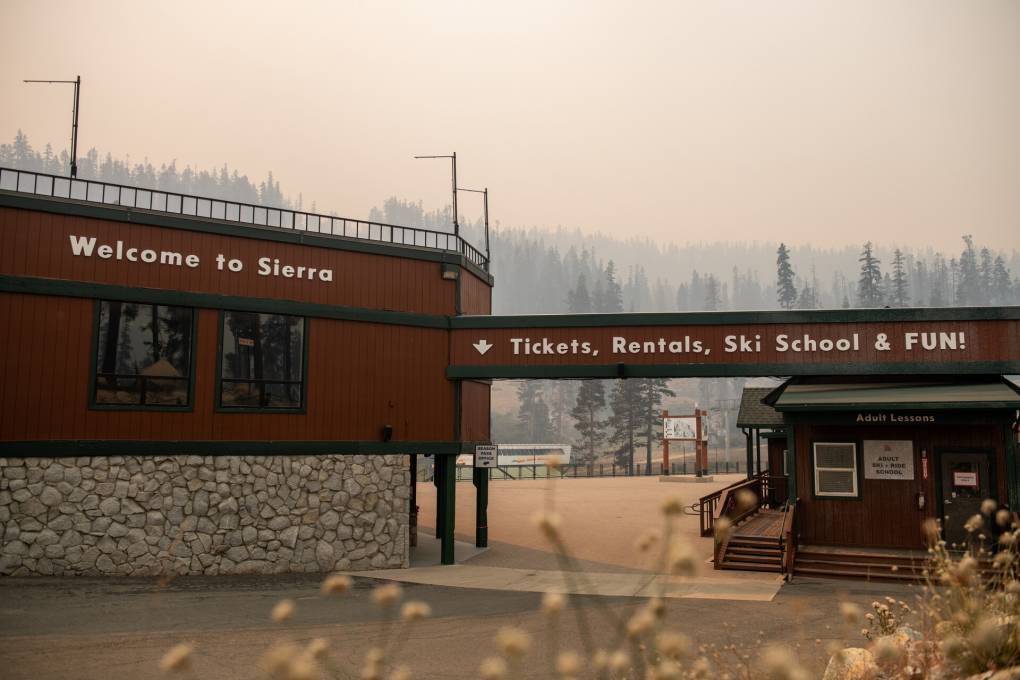
"caption": "The Sierra-at-Tahoe Resort on Aug. 31, 2021, a day after the Caldor Fire spread through the area. Tourism, which is about 63% of the Tahoe basin's economy, plummeted during the fire.",
"description": "The Sierra-at-Tahoe Resort on Tuesday, August 31, 2021, after the Caldor Fire spread through the area the day before.",
"title": "RS51297_063_Meyers_CaldorFire_08312021-qut",
"credit": "Beth LaBerge/KQED",
"status": "inherit",
"altTag": "The front gates of a resort stand in front of a mountainous landscape covered in orange and gray smoke.",
"isLoading": false,
"fetchFailed": false
},
"news_11850544": {
"type": "attachments",
"id": "news_11850544",
"meta": {
"index": "attachments_1716263798",
"site": "news",
"id": "11850544",
"found": true
},
"parent": 11850489,
"imgSizes": {
"apple_news_ca_landscape_5_5": {
"file": "https://ww2.kqed.org/app/uploads/sites/10/2020/12/MuniBusMaskRequired-1044x783.jpg",
"width": 1044,
"mimeType": "image/jpeg",
"height": 783
},
"apple_news_ca_square_4_0": {
"file": "https://ww2.kqed.org/app/uploads/sites/10/2020/12/MuniBusMaskRequired-470x470.jpg",
"width": 470,
"mimeType": "image/jpeg",
"height": 470
},
"twentyfourteen-full-width": {
"file": "https://ww2.kqed.org/app/uploads/sites/10/2020/12/MuniBusMaskRequired-1038x576.jpg",
"width": 1038,
"mimeType": "image/jpeg",
"height": 576
},
"thumbnail": {
"file": "https://ww2.kqed.org/app/uploads/sites/10/2020/12/MuniBusMaskRequired-160x107.jpg",
"width": 160,
"mimeType": "image/jpeg",
"height": 107
},
"post-thumbnail": {
"file": "https://ww2.kqed.org/app/uploads/sites/10/2020/12/MuniBusMaskRequired-672x372.jpg",
"width": 672,
"mimeType": "image/jpeg",
"height": 372
},
"kqedFullSize": {
"file": "https://ww2.kqed.org/app/uploads/sites/10/2020/12/MuniBusMaskRequired.jpg",
"width": 1920,
"height": 1280
},
"apple_news_ca_landscape_4_7": {
"file": "https://ww2.kqed.org/app/uploads/sites/10/2020/12/MuniBusMaskRequired-632x474.jpg",
"width": 632,
"mimeType": "image/jpeg",
"height": 474
},
"large": {
"file": "https://ww2.kqed.org/app/uploads/sites/10/2020/12/MuniBusMaskRequired-1020x680.jpg",
"width": 1020,
"mimeType": "image/jpeg",
"height": 680
},
"apple_news_ca_landscape_4_0": {
"file": "https://ww2.kqed.org/app/uploads/sites/10/2020/12/MuniBusMaskRequired-536x402.jpg",
"width": 536,
"mimeType": "image/jpeg",
"height": 402
},
"apple_news_ca_portrait_12_9": {
"file": "https://ww2.kqed.org/app/uploads/sites/10/2020/12/MuniBusMaskRequired-1122x1280.jpg",
"width": 1122,
"mimeType": "image/jpeg",
"height": 1280
},
"medium": {
"file": "https://ww2.kqed.org/app/uploads/sites/10/2020/12/MuniBusMaskRequired-800x533.jpg",
"width": 800,
"mimeType": "image/jpeg",
"height": 533
},
"apple_news_ca_portrait_4_0": {
"file": "https://ww2.kqed.org/app/uploads/sites/10/2020/12/MuniBusMaskRequired-354x472.jpg",
"width": 354,
"mimeType": "image/jpeg",
"height": 472
},
"apple_news_ca_portrait_9_7": {
"file": "https://ww2.kqed.org/app/uploads/sites/10/2020/12/MuniBusMaskRequired-840x1120.jpg",
"width": 840,
"mimeType": "image/jpeg",
"height": 1120
},
"apple_news_ca_landscape_12_9": {
"file": "https://ww2.kqed.org/app/uploads/sites/10/2020/12/MuniBusMaskRequired-1832x1280.jpg",
"width": 1832,
"mimeType": "image/jpeg",
"height": 1280
},
"apple_news_ca_square_9_7": {
"file": "https://ww2.kqed.org/app/uploads/sites/10/2020/12/MuniBusMaskRequired-1104x1104.jpg",
"width": 1104,
"mimeType": "image/jpeg",
"height": 1104
},
"1536x1536": {
"file": "https://ww2.kqed.org/app/uploads/sites/10/2020/12/MuniBusMaskRequired-1536x1024.jpg",
"width": 1536,
"mimeType": "image/jpeg",
"height": 1024
},
"apple_news_ca_portrait_4_7": {
"file": "https://ww2.kqed.org/app/uploads/sites/10/2020/12/MuniBusMaskRequired-414x552.jpg",
"width": 414,
"mimeType": "image/jpeg",
"height": 552
},
"apple_news_ca_square_12_9": {
"file": "https://ww2.kqed.org/app/uploads/sites/10/2020/12/MuniBusMaskRequired-1472x1280.jpg",
"width": 1472,
"mimeType": "image/jpeg",
"height": 1280
},
"apple_news_ca_portrait_5_5": {
"file": "https://ww2.kqed.org/app/uploads/sites/10/2020/12/MuniBusMaskRequired-687x916.jpg",
"width": 687,
"mimeType": "image/jpeg",
"height": 916
},
"apple_news_ca_square_4_7": {
"file": "https://ww2.kqed.org/app/uploads/sites/10/2020/12/MuniBusMaskRequired-550x550.jpg",
"width": 550,
"mimeType": "image/jpeg",
"height": 550
},
"apple_news_ca_landscape_9_7": {
"file": "https://ww2.kqed.org/app/uploads/sites/10/2020/12/MuniBusMaskRequired-1376x1032.jpg",
"width": 1376,
"mimeType": "image/jpeg",
"height": 1032
},
"apple_news_ca_square_5_5": {
"file": "https://ww2.kqed.org/app/uploads/sites/10/2020/12/MuniBusMaskRequired-912x912.jpg",
"width": 912,
"mimeType": "image/jpeg",
"height": 912
}
},
"publishDate": 1607561583,
"modified": 1607561681,
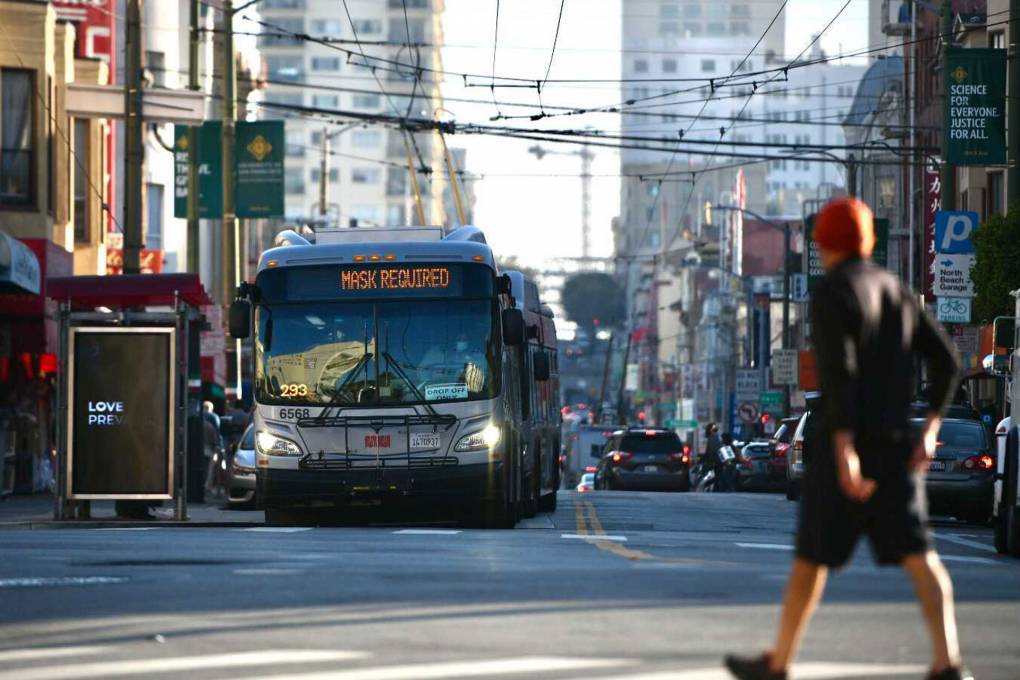
"caption": "A pedestrian walks near a Muni bus with a marquee reading 'Masks Required' in San Francisco on Dec. 4, 2020.",
"description": "A pedestrian walks near a Muni bus with a marquee reading 'Masks Required' in San Francisco on Dec. 4, 2020.",
"title": "MuniBusMaskRequired",
"credit": "Beth LaBerge/KQED",
"status": "inherit",
"altTag": "Pedestrian walks in North Beach, bus in the background",
"isLoading": false,
"fetchFailed": false
},
"news_11831372": {
"type": "attachments",
"id": "news_11831372",
"meta": {
"index": "attachments_1716263798",
"site": "news",
"id": "11831372",
"found": true
},
"parent": 11831370,
"imgSizes": {
"apple_news_ca_landscape_5_5": {
"file": "https://ww2.kqed.org/app/uploads/sites/10/2020/07/RS42887_002_KQED_SanFrancisco_ClosedBusiness_04202020-qut-1044x783.jpg",
"width": 1044,
"mimeType": "image/jpeg",
"height": 783
},
"apple_news_ca_square_4_0": {
"file": "https://ww2.kqed.org/app/uploads/sites/10/2020/07/RS42887_002_KQED_SanFrancisco_ClosedBusiness_04202020-qut-470x470.jpg",
"width": 470,
"mimeType": "image/jpeg",
"height": 470
},
"twentyfourteen-full-width": {
"file": "https://ww2.kqed.org/app/uploads/sites/10/2020/07/RS42887_002_KQED_SanFrancisco_ClosedBusiness_04202020-qut-1038x576.jpg",
"width": 1038,
"mimeType": "image/jpeg",
"height": 576
},
"thumbnail": {
"file": "https://ww2.kqed.org/app/uploads/sites/10/2020/07/RS42887_002_KQED_SanFrancisco_ClosedBusiness_04202020-qut-160x107.jpg",
"width": 160,
"mimeType": "image/jpeg",
"height": 107
},
"post-thumbnail": {
"file": "https://ww2.kqed.org/app/uploads/sites/10/2020/07/RS42887_002_KQED_SanFrancisco_ClosedBusiness_04202020-qut-672x372.jpg",
"width": 672,
"mimeType": "image/jpeg",
"height": 372
},
"kqedFullSize": {
"file": "https://ww2.kqed.org/app/uploads/sites/10/2020/07/RS42887_002_KQED_SanFrancisco_ClosedBusiness_04202020-qut.jpg",
"width": 1920,
"height": 1280
},
"apple_news_ca_landscape_4_7": {
"file": "https://ww2.kqed.org/app/uploads/sites/10/2020/07/RS42887_002_KQED_SanFrancisco_ClosedBusiness_04202020-qut-632x474.jpg",
"width": 632,
"mimeType": "image/jpeg",
"height": 474
},
"large": {
"file": "https://ww2.kqed.org/app/uploads/sites/10/2020/07/RS42887_002_KQED_SanFrancisco_ClosedBusiness_04202020-qut-1020x680.jpg",
"width": 1020,
"mimeType": "image/jpeg",
"height": 680
},
"apple_news_ca_landscape_4_0": {
"file": "https://ww2.kqed.org/app/uploads/sites/10/2020/07/RS42887_002_KQED_SanFrancisco_ClosedBusiness_04202020-qut-536x402.jpg",
"width": 536,
"mimeType": "image/jpeg",
"height": 402
},
"apple_news_ca_portrait_12_9": {
"file": "https://ww2.kqed.org/app/uploads/sites/10/2020/07/RS42887_002_KQED_SanFrancisco_ClosedBusiness_04202020-qut-1122x1280.jpg",
"width": 1122,
"mimeType": "image/jpeg",
"height": 1280
},
"medium": {
"file": "https://ww2.kqed.org/app/uploads/sites/10/2020/07/RS42887_002_KQED_SanFrancisco_ClosedBusiness_04202020-qut-800x533.jpg",
"width": 800,
"mimeType": "image/jpeg",
"height": 533
},
"apple_news_ca_portrait_4_0": {
"file": "https://ww2.kqed.org/app/uploads/sites/10/2020/07/RS42887_002_KQED_SanFrancisco_ClosedBusiness_04202020-qut-354x472.jpg",
"width": 354,
"mimeType": "image/jpeg",
"height": 472
},
"apple_news_ca_portrait_9_7": {
"file": "https://ww2.kqed.org/app/uploads/sites/10/2020/07/RS42887_002_KQED_SanFrancisco_ClosedBusiness_04202020-qut-840x1120.jpg",
"width": 840,
"mimeType": "image/jpeg",
"height": 1120
},
"apple_news_ca_landscape_12_9": {
"file": "https://ww2.kqed.org/app/uploads/sites/10/2020/07/RS42887_002_KQED_SanFrancisco_ClosedBusiness_04202020-qut-1832x1280.jpg",
"width": 1832,
"mimeType": "image/jpeg",
"height": 1280
},
"apple_news_ca_square_9_7": {
"file": "https://ww2.kqed.org/app/uploads/sites/10/2020/07/RS42887_002_KQED_SanFrancisco_ClosedBusiness_04202020-qut-1104x1104.jpg",
"width": 1104,
"mimeType": "image/jpeg",
"height": 1104
},
"1536x1536": {
"file": "https://ww2.kqed.org/app/uploads/sites/10/2020/07/RS42887_002_KQED_SanFrancisco_ClosedBusiness_04202020-qut-1536x1024.jpg",
"width": 1536,
"mimeType": "image/jpeg",
"height": 1024
},
"apple_news_ca_portrait_4_7": {
"file": "https://ww2.kqed.org/app/uploads/sites/10/2020/07/RS42887_002_KQED_SanFrancisco_ClosedBusiness_04202020-qut-414x552.jpg",
"width": 414,
"mimeType": "image/jpeg",
"height": 552
},
"apple_news_ca_square_12_9": {
"file": "https://ww2.kqed.org/app/uploads/sites/10/2020/07/RS42887_002_KQED_SanFrancisco_ClosedBusiness_04202020-qut-1472x1280.jpg",
"width": 1472,
"mimeType": "image/jpeg",
"height": 1280
},
"apple_news_ca_portrait_5_5": {
"file": "https://ww2.kqed.org/app/uploads/sites/10/2020/07/RS42887_002_KQED_SanFrancisco_ClosedBusiness_04202020-qut-687x916.jpg",
"width": 687,
"mimeType": "image/jpeg",
"height": 916
},
"apple_news_ca_square_4_7": {
"file": "https://ww2.kqed.org/app/uploads/sites/10/2020/07/RS42887_002_KQED_SanFrancisco_ClosedBusiness_04202020-qut-550x550.jpg",
"width": 550,
"mimeType": "image/jpeg",
"height": 550
},
"apple_news_ca_landscape_9_7": {
"file": "https://ww2.kqed.org/app/uploads/sites/10/2020/07/RS42887_002_KQED_SanFrancisco_ClosedBusiness_04202020-qut-1376x1032.jpg",
"width": 1376,
"mimeType": "image/jpeg",
"height": 1032
},
"apple_news_ca_square_5_5": {
"file": "https://ww2.kqed.org/app/uploads/sites/10/2020/07/RS42887_002_KQED_SanFrancisco_ClosedBusiness_04202020-qut-912x912.jpg",
"width": 912,
"mimeType": "image/jpeg",
"height": 912
}
},
"publishDate": 1596167812,
"modified": 1596167844,
"caption": "A bicyclist rides past closed shops in Fisherman's Wharf on April 20, 2020.",
"description": null,
"title": "A bicyclist rides past closed shops in Fisherman's Wharf on April 20, 2020.",
"credit": "Beth LaBerge/KQED",
"status": "inherit",
"isLoading": false,
"fetchFailed": false
},
"news_11816863": {
"type": "attachments",
"id": "news_11816863",
"meta": {
"index": "attachments_1716263798",
"site": "news",
"id": "11816863",
"found": true
},
"parent": 11816775,
"imgSizes": {
"apple_news_ca_square_4_0": {
"file": "https://ww2.kqed.org/app/uploads/sites/10/2020/05/747b1340-gettyimages-56531571-e1548006348391-1020x680-470x470.jpg",
"width": 470,
"mimeType": "image/jpeg",
"height": 470
},
"twentyfourteen-full-width": {
"file": "https://ww2.kqed.org/app/uploads/sites/10/2020/05/747b1340-gettyimages-56531571-e1548006348391-1020x680-1020x576.jpg",
"width": 1020,
"mimeType": "image/jpeg",
"height": 576
},
"thumbnail": {
"file": "https://ww2.kqed.org/app/uploads/sites/10/2020/05/747b1340-gettyimages-56531571-e1548006348391-1020x680-160x107.jpg",
"width": 160,
"mimeType": "image/jpeg",
"height": 107
},
"post-thumbnail": {
"file": "https://ww2.kqed.org/app/uploads/sites/10/2020/05/747b1340-gettyimages-56531571-e1548006348391-1020x680-672x372.jpg",
"width": 672,
"mimeType": "image/jpeg",
"height": 372
},
"kqedFullSize": {
"file": "https://ww2.kqed.org/app/uploads/sites/10/2020/05/747b1340-gettyimages-56531571-e1548006348391-1020x680.jpg",
"width": 1020,
"height": 680
},
"apple_news_ca_landscape_4_7": {
"file": "https://ww2.kqed.org/app/uploads/sites/10/2020/05/747b1340-gettyimages-56531571-e1548006348391-1020x680-632x474.jpg",
"width": 632,
"mimeType": "image/jpeg",
"height": 474
},
"large": {
"file": "https://ww2.kqed.org/app/uploads/sites/10/2020/05/747b1340-gettyimages-56531571-e1548006348391-1020x680-1020x680.jpg",
"width": 1020,
"mimeType": "image/jpeg",
"height": 680
},
"apple_news_ca_landscape_4_0": {
"file": "https://ww2.kqed.org/app/uploads/sites/10/2020/05/747b1340-gettyimages-56531571-e1548006348391-1020x680-536x402.jpg",
"width": 536,
"mimeType": "image/jpeg",
"height": 402
},
"medium": {
"file": "https://ww2.kqed.org/app/uploads/sites/10/2020/05/747b1340-gettyimages-56531571-e1548006348391-1020x680-800x533.jpg",
"width": 800,
"mimeType": "image/jpeg",
"height": 533
},
"apple_news_ca_portrait_4_0": {
"file": "https://ww2.kqed.org/app/uploads/sites/10/2020/05/747b1340-gettyimages-56531571-e1548006348391-1020x680-354x472.jpg",
"width": 354,
"mimeType": "image/jpeg",
"height": 472
},
"apple_news_ca_portrait_9_7": {
"file": "https://ww2.kqed.org/app/uploads/sites/10/2020/05/747b1340-gettyimages-56531571-e1548006348391-1020x680-840x680.jpg",
"width": 840,
"mimeType": "image/jpeg",
"height": 680
},
"apple_news_ca_portrait_4_7": {
"file": "https://ww2.kqed.org/app/uploads/sites/10/2020/05/747b1340-gettyimages-56531571-e1548006348391-1020x680-414x552.jpg",
"width": 414,
"mimeType": "image/jpeg",
"height": 552
},
"apple_news_ca_portrait_5_5": {
"file": "https://ww2.kqed.org/app/uploads/sites/10/2020/05/747b1340-gettyimages-56531571-e1548006348391-1020x680-687x680.jpg",
"width": 687,
"mimeType": "image/jpeg",
"height": 680
},
"apple_news_ca_square_4_7": {
"file": "https://ww2.kqed.org/app/uploads/sites/10/2020/05/747b1340-gettyimages-56531571-e1548006348391-1020x680-550x550.jpg",
"width": 550,
"mimeType": "image/jpeg",
"height": 550
},
"apple_news_ca_square_5_5": {
"file": "https://ww2.kqed.org/app/uploads/sites/10/2020/05/747b1340-gettyimages-56531571-e1548006348391-1020x680-912x680.jpg",
"width": 912,
"mimeType": "image/jpeg",
"height": 680
}
},
"publishDate": 1588876948,
"modified": 1588877000,
"caption": "The state Department of Finance released a grim fiscal forecast Thursday morning.",
"description": null,
"title": "Gov. Schwarzenegger Delivers State Of The State Address",
"credit": "David Paul Morris/Getty Images",
"status": "inherit",
"isLoading": false,
"fetchFailed": false
},
"news_11717909": {
"type": "attachments",
"id": "news_11717909",
"meta": {
"index": "attachments_1716263798",
"site": "news",
"id": "11717909",
"found": true
},
"parent": 11717904,
"imgSizes": {
"twentyfourteen-full-width": {
"file": "https://ww2.kqed.org/app/uploads/sites/10/2019/01/GettyImages-495582126-1-e1547408047496-1038x576.jpg",
"width": 1038,
"mimeType": "image/jpeg",
"height": 576
},
"thumbnail": {
"file": "https://ww2.kqed.org/app/uploads/sites/10/2019/01/GettyImages-495582126-1-e1547408047496-160x109.jpg",
"width": 160,
"mimeType": "image/jpeg",
"height": 109
},
"post-thumbnail": {
"file": "https://ww2.kqed.org/app/uploads/sites/10/2019/01/GettyImages-495582126-1-e1547408047496-672x372.jpg",
"width": 672,
"mimeType": "image/jpeg",
"height": 372
},
"kqedFullSize": {
"file": "https://ww2.kqed.org/app/uploads/sites/10/2019/01/GettyImages-495582126-1-e1547408047496.jpg",
"width": 1920,
"height": 1303
},
"large": {
"file": "https://ww2.kqed.org/app/uploads/sites/10/2019/01/GettyImages-495582126-1-e1547408047496-1020x692.jpg",
"width": 1020,
"mimeType": "image/jpeg",
"height": 692
},
"complete_open_graph": {
"file": "https://ww2.kqed.org/app/uploads/sites/10/2019/01/GettyImages-495582126-1-e1547408047496-1200x814.jpg",
"width": 1200,
"mimeType": "image/jpeg",
"height": 814
},
"guest-author-50": {
"file": "https://ww2.kqed.org/app/uploads/sites/10/2019/01/GettyImages-495582126-1-e1547408047496-50x50.jpg",
"width": 50,
"mimeType": "image/jpeg",
"height": 50
},
"guest-author-96": {
"file": "https://ww2.kqed.org/app/uploads/sites/10/2019/01/GettyImages-495582126-1-e1547408047496-96x96.jpg",
"width": 96,
"mimeType": "image/jpeg",
"height": 96
},
"medium": {
"file": "https://ww2.kqed.org/app/uploads/sites/10/2019/01/GettyImages-495582126-1-e1547408047496-800x543.jpg",
"width": 800,
"mimeType": "image/jpeg",
"height": 543
},
"guest-author-64": {
"file": "https://ww2.kqed.org/app/uploads/sites/10/2019/01/GettyImages-495582126-1-e1547408047496-64x64.jpg",
"width": 64,
"mimeType": "image/jpeg",
"height": 64
},
"guest-author-32": {
"file": "https://ww2.kqed.org/app/uploads/sites/10/2019/01/GettyImages-495582126-1-e1547408047496-32x32.jpg",
"width": 32,
"mimeType": "image/jpeg",
"height": 32
},
"full-width": {
"file": "https://ww2.kqed.org/app/uploads/sites/10/2019/01/GettyImages-495582126-1-e1547408047496-1920x1303.jpg",
"width": 1920,
"mimeType": "image/jpeg",
"height": 1303
},
"detail": {
"file": "https://ww2.kqed.org/app/uploads/sites/10/2019/01/GettyImages-495582126-1-e1547408047496-150x150.jpg",
"width": 150,
"mimeType": "image/jpeg",
"height": 150
},
"guest-author-128": {
"file": "https://ww2.kqed.org/app/uploads/sites/10/2019/01/GettyImages-495582126-1-e1547408047496-128x128.jpg",
"width": 128,
"mimeType": "image/jpeg",
"height": 128
}
},
"publishDate": 1547407977,
"modified": 1547408040,
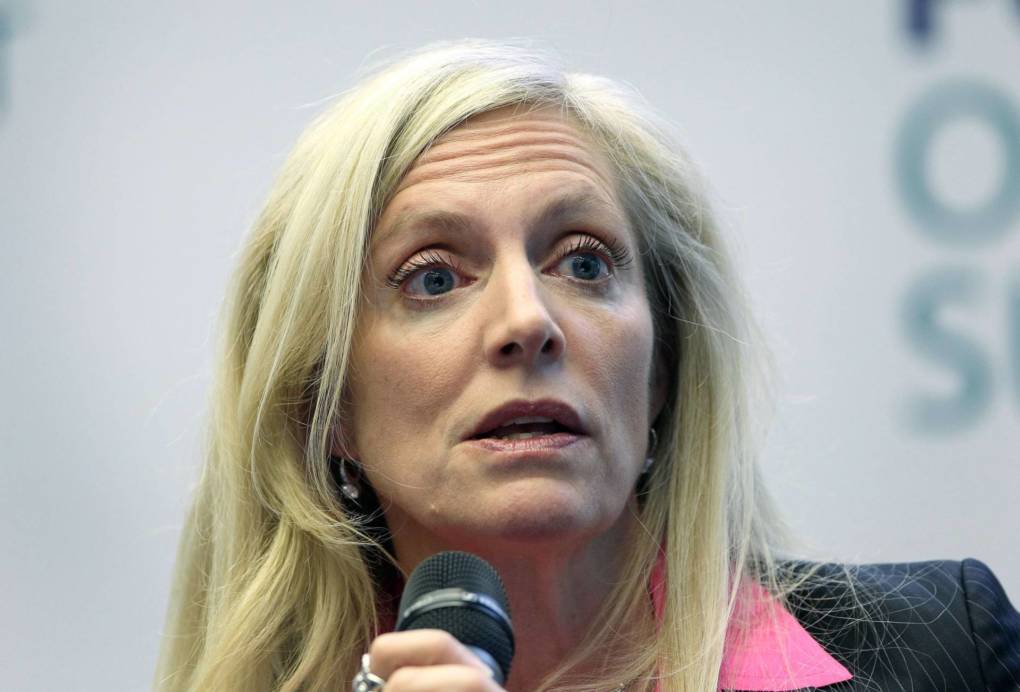
"caption": "Federal Reserve Board Gov. Lael Brainard says a growing body of research suggests that diversity leads to better decision-making.",
"description": null,
"title": "GERMANY-FINANCE-ECB",
"credit": "Daniel Roland/AFP/Getty Images",
"status": "inherit",
"isLoading": false,
"fetchFailed": false
}
},
"audioPlayerReducer": {
"postId": "stream_live",
"isPaused": true,
"isPlaying": false,
"pfsActive": false,
"pledgeModalIsOpen": true,
"playerDrawerIsOpen": false,
"liveAudioPlayStartedAt": 0,
"liveAudioPlayContext": ""
},
"authorsReducer": {
"byline_news_11944180": {
"type": "authors",
"id": "byline_news_11944180",
"meta": {
"override": true
},
"slug": "byline_news_11944180",
"name": "\u003ca href=\"https://twitter.com/kat__stafford?lang=en\">Kat Stafford\u003c/a>, \u003ca href=\"https://twitter.com/c_thesavage?ref_src=twsrc%5Egoogle%7Ctwcamp%5Eserp%7Ctwgr%5Eauthor\">Claire Savage\u003c/a>\u003cbr>The Associated Press",
"isLoading": false
},
"byline_news_11922059": {
"type": "authors",
"id": "byline_news_11922059",
"meta": {
"override": true
},
"slug": "byline_news_11922059",
"name": "Grace Gedye",
"isLoading": false
},
"byline_news_11899871": {
"type": "authors",
"id": "byline_news_11899871",
"meta": {
"override": true
},
"slug": "byline_news_11899871",
"name": "\u003ca href=\"https://calmatters.org/author/jesse-bedayn/\">Jesse Bedayn\u003c/a>",
"isLoading": false
},
"byline_news_11899604": {
"type": "authors",
"id": "byline_news_11899604",
"meta": {
"override": true
},
"slug": "byline_news_11899604",
"name": "Adam Beam\u003cbr>The Associated Press",
"isLoading": false
},
"byline_news_11898726": {
"type": "authors",
"id": "byline_news_11898726",
"meta": {
"override": true
},
"slug": "byline_news_11898726",
"name": "\u003ca href=\"https://calmatters.org/author/grace-gedye/\">Grace Gedye\u003c/a>",
"isLoading": false
},
"byline_news_11891996": {
"type": "authors",
"id": "byline_news_11891996",
"meta": {
"override": true
},
"slug": "byline_news_11891996",
"name": "\u003ca href=\"https://calmatters.org/author/grace-gedye/\">Grace Gedye\u003c/a>",
"isLoading": false
},
"byline_news_11831370": {
"type": "authors",
"id": "byline_news_11831370",
"meta": {
"override": true
},
"slug": "byline_news_11831370",
"name": "Kathleen Ronayne \u003cbr> Associated Press ",
"isLoading": false
},
"scottshafer": {
"type": "authors",
"id": "255",
"meta": {
"index": "authors_1716337520",
"id": "255",
"found": true
},
"name": "Scott Shafer",
"firstName": "Scott",
"lastName": "Shafer",
"slug": "scottshafer",
"email": "sshafer@kqed.org",
"display_author_email": false,
"staff_mastheads": [
"news"
],
"title": "KQED Contributor",
"bio": "Scott Shafer is a senior editor with the KQED Politics and Government desk. He is co-host of Political Breakdown, the award-winning radio show and podcast with a personal take on the world of politics. Scott came to KQED in 1998 to host the statewide\u003cem> California Report\u003c/em>. Prior to that he had extended stints in politics and government\u003cem>.\u003c/em> He uses that inside experience at KQED in his, reporting, hosting and analysis for the politics desk. Scott collaborated \u003cem>Political Breakdown a\u003c/em>nd on \u003cem>The Political Mind of Jerry Brown, \u003c/em>an eight-part series about the life and extraordinary political career of the former governor. For fun, he plays water polo with the San Francisco Tsunami.",
"avatar": "https://secure.gravatar.com/avatar/a62ebae45b79d7aed1a39a0e3bf68104?s=600&d=blank&r=g",
"twitter": "scottshafer",
"bluesky": null,
"facebook": null,
"instagram": null,
"linkedin": null,
"sites": [
{
"site": "news",
"roles": [
"editor"
]
},
{
"site": "stateofhealth",
"roles": [
"author"
]
},
{
"site": "science",
"roles": [
"author"
]
},
{
"site": "forum",
"roles": [
"subscriber"
]
},
{
"site": "liveblog",
"roles": [
"author"
]
}
],
"headData": {
"title": "Scott Shafer | KQED",
"description": "KQED Contributor",
"ogImgSrc": "https://secure.gravatar.com/avatar/a62ebae45b79d7aed1a39a0e3bf68104?s=600&d=blank&r=g",
"twImgSrc": "https://secure.gravatar.com/avatar/a62ebae45b79d7aed1a39a0e3bf68104?s=600&d=blank&r=g"
},
"isLoading": false,
"link": "/author/scottshafer"
},
"korr": {
"type": "authors",
"id": "11200",
"meta": {
"index": "authors_1716337520",
"id": "11200",
"found": true
},
"name": "Katie Orr",
"firstName": "Katie",
"lastName": "Orr",
"slug": "korr",
"email": "korr@kqed.org",
"display_author_email": false,
"staff_mastheads": [],
"title": "KQED Contributor",
"bio": "Katie Orr was a Sacramento-based reporter for KQED's Politics and Government Desk, covering the state Capitol and a variety of issues including women in politics, voting and elections and legislation. Prior to joining KQED in 2016, Katie was state government reporter for Capital Public Radio in Sacramento. She's also worked for KPBS in San Diego, where she covered City Hall.\r\n\r\nKatie received her masters degree in political science from San Diego State University and holds a Bachelors degree in broadcast journalism from Arizona State University.\r\n\r\nIn 2015 Katie won a national Clarion Award for a series of stories she did on women in California politics. She's been honored by the Society for Professional Journalists and, in 2013, was named by \u003cem>The Washington Post\u003c/em> as one of the country's top state Capitol reporters. She's also reported for the award-winning documentary series \u003cem>The View from Here \u003c/em>and was part of the team that won national PRNDI and Gabriel Awards in 2015. She lives in Sacramento with her husband. Twitter: @1KatieOrr",
"avatar": "https://secure.gravatar.com/avatar/41a40b25845adc78f50808670860449e?s=600&d=blank&r=g",
"twitter": "1katieorr",
"facebook": null,
"instagram": null,
"linkedin": null,
"sites": [
{
"site": "news",
"roles": [
"subscriber"
]
},
{
"site": "stateofhealth",
"roles": [
"author"
]
},
{
"site": "forum",
"roles": [
"author"
]
}
],
"headData": {
"title": "Katie Orr | KQED",
"description": "KQED Contributor",
"ogImgSrc": "https://secure.gravatar.com/avatar/41a40b25845adc78f50808670860449e?s=600&d=blank&r=g",
"twImgSrc": "https://secure.gravatar.com/avatar/41a40b25845adc78f50808670860449e?s=600&d=blank&r=g"
},
"isLoading": false,
"link": "/author/korr"
},
"lesleymcclurg": {
"type": "authors",
"id": "11229",
"meta": {
"index": "authors_1716337520",
"id": "11229",
"found": true
},
"name": "Lesley McClurg",
"firstName": "Lesley",
"lastName": "McClurg",
"slug": "lesleymcclurg",
"email": "lmcclurg@KQED.org",
"display_author_email": false,
"staff_mastheads": [
"news",
"science"
],
"title": "KQED Health Correspondent",
"bio": "Lesley McClurg is a health correspondent and fill-in host whose work is regularly rebroadcast on NPR and PBS programs. She’s earned multiple regional Emmy awards, a national and a regional Edward R. Murrow award, and was named Best Beat Reporter by the Association of Health Care Journalists. The Society of Professional Journalists has recognized her work several times, and the Society of Environmental Journalists spotlighted her coverage of California’s historic drought.\r\n\r\nBefore joining KQED in 2016, Lesley covered food and sustainability for Capital Public Radio, environmental issues for Colorado Public Radio, and reported for KUOW and KCTS 9 in Seattle. Away from the newsroom, she loves skiing with her daughter, mountain biking with her partner, and playing with Ollie, the family’s goldendoodle. On deadline, she runs almost entirely on chocolate chips.\r\n\r\n ",
"avatar": "https://secure.gravatar.com/avatar/bab49e972ea10c774fe0f5e29dba1722b158f7c0d58a360923d1389d380b2978?s=600&d=blank&r=g",
"twitter": "lesleywmcclurg",
"bluesky": null,
"facebook": null,
"instagram": null,
"linkedin": null,
"sites": [
{
"site": "arts",
"roles": [
"author"
]
},
{
"site": "news",
"roles": [
"editor"
]
},
{
"site": "futureofyou",
"roles": [
"editor"
]
},
{
"site": "stateofhealth",
"roles": [
"author"
]
},
{
"site": "science",
"roles": [
"editor"
]
},
{
"site": "quest",
"roles": [
"subscriber"
]
},
{
"site": "forum",
"roles": [
"administrator"
]
},
{
"site": "liveblog",
"roles": [
"author"
]
}
],
"headData": {
"title": "Lesley McClurg | KQED",
"description": "KQED Health Correspondent",
"ogImgSrc": "https://secure.gravatar.com/avatar/bab49e972ea10c774fe0f5e29dba1722b158f7c0d58a360923d1389d380b2978?s=600&d=blank&r=g",
"twImgSrc": "https://secure.gravatar.com/avatar/bab49e972ea10c774fe0f5e29dba1722b158f7c0d58a360923d1389d380b2978?s=600&d=blank&r=g"
},
"isLoading": false,
"link": "/author/lesleymcclurg"
},
"ljamali": {
"type": "authors",
"id": "11552",
"meta": {
"index": "authors_1716337520",
"id": "11552",
"found": true
},
"name": "Lily Jamali",
"firstName": "Lily",
"lastName": "Jamali",
"slug": "ljamali",
"email": "ljamali@kqed.org",
"display_author_email": false,
"staff_mastheads": [],
"title": "KQED Contributor",
"bio": "Lily was the former co-host of the daily morning show, The California Report.",
"avatar": "https://secure.gravatar.com/avatar/dbf7b30d159e697731046a10d25a9e29?s=600&d=blank&r=g",
"twitter": "lilyjamali",
"facebook": null,
"instagram": null,
"linkedin": null,
"sites": [
{
"site": "news",
"roles": [
"create_posts",
"subscriber"
]
},
{
"site": "forum",
"roles": [
"editor"
]
}
],
"headData": {
"title": "Lily Jamali | KQED",
"description": "KQED Contributor",
"ogImgSrc": "https://secure.gravatar.com/avatar/dbf7b30d159e697731046a10d25a9e29?s=600&d=blank&r=g",
"twImgSrc": "https://secure.gravatar.com/avatar/dbf7b30d159e697731046a10d25a9e29?s=600&d=blank&r=g"
},
"isLoading": false,
"link": "/author/ljamali"
},
"nkhan": {
"type": "authors",
"id": "11867",
"meta": {
"index": "authors_1716337520",
"id": "11867",
"found": true
},
"name": "Nisa Khan",
"firstName": "Nisa",
"lastName": "Khan",
"slug": "nkhan",
"email": "nkhan@kqed.org",
"display_author_email": false,
"staff_mastheads": [],
"title": "KQED Contributor",
"bio": "Nisa Khan is a reporter for KQED's Audience News Desk. She was formerly a data reporter at Michigan Radio. She earned a Bachelor of Science in Information from the University of Michigan and a Master of Arts in Communication from Stanford University.",
"avatar": "https://secure.gravatar.com/avatar/8720459eef081ff64582b3506b124d58523e80e120704a0cbd9892533c914991?s=600&d=blank&r=g",
"twitter": "mnisakhan",
"bluesky": null,
"facebook": null,
"instagram": null,
"linkedin": null,
"sites": [
{
"site": "arts",
"roles": [
"editor"
]
},
{
"site": "news",
"roles": [
"editor"
]
},
{
"site": "science",
"roles": [
"editor",
"author"
]
},
{
"site": "forum",
"roles": [
"editor"
]
},
{
"site": "liveblog",
"roles": [
"contributor"
]
}
],
"headData": {
"title": "Nisa Khan | KQED",
"description": "KQED Contributor",
"ogImgSrc": "https://secure.gravatar.com/avatar/8720459eef081ff64582b3506b124d58523e80e120704a0cbd9892533c914991?s=600&d=blank&r=g",
"twImgSrc": "https://secure.gravatar.com/avatar/8720459eef081ff64582b3506b124d58523e80e120704a0cbd9892533c914991?s=600&d=blank&r=g"
},
"isLoading": false,
"link": "/author/nkhan"
}
},
"pagesReducer": {
"news_tag_california-economy": {
"type": "terms",
"id": "news_3651",
"meta": {
"index": "terms_1716263798",
"site": "news",
"id": "3651",
"score": 10.403188
},
"featImg": null,
"name": "California economy",
"description": null,
"taxonomy": "tag",
"headData": {
"twImgId": null,
"twTitle": null,
"ogTitle": null,
"ogImgId": null,
"twDescription": null,
"description": null,
"title": "California economy Archives | KQED News",
"ogDescription": null
},
"ttid": 3669,
"slug": "california-economy",
"isLoading": false,
"title": "California economy",
"pageMeta": {
"site": "news",
"WpPageTemplate": "page-topic-editorial",
"currentPage": 5
},
"blocks": [
{
"blockName": "kqed/post-list",
"attrs": {
"layout": "cardArticle2",
"query": "posts/news?tag=california-economy",
"seeMore": false,
"paginated": true,
"page": 5
}
},
{
"blockName": "kqed/ad"
}
]
}
},
"pfsSessionReducer": {},
"postsReducer": {
"stream_live": {
"type": "live",
"id": "stream_live",
"audioUrl": "https://streams.kqed.org/kqedradio",
"title": "Live Stream",
"excerpt": "Live Stream information currently unavailable.",
"link": "/radio",
"featImg": "",
"label": {
"name": "KQED Live",
"link": "/"
}
},
"stream_kqedNewscast": {
"type": "posts",
"id": "stream_kqedNewscast",
"audioUrl": "https://www.kqed.org/.stream/anon/radio/RDnews/newscast.mp3?_=1",
"title": "KQED Newscast",
"featImg": "",
"label": {
"name": "88.5 FM",
"link": "/"
}
},
"news_11952997": {
"type": "posts",
"id": "news_11952997",
"meta": {
"index": "posts_1716263798",
"site": "news",
"id": "11952997",
"score": null,
"sort": [
1686865121000
]
},
"guestAuthors": [],
"slug": "new-to-negotiation-haggling-tips-to-score-bargains-in-a-tight-economy",
"title": "New to Negotiation? Haggling Tips to Score Bargains in a Tight Economy",
"publishDate": 1686865121,
"format": "standard",
"headTitle": "New to Negotiation? Haggling Tips to Score Bargains in a Tight Economy | KQED",
"labelTerm": {
"site": "news"
},
"content": "\u003cp>Have you tried getting a discount at a farmers market over a bag of tomatoes? Negotiated for a better — or cheaper — room at a hotel or resort? How about lowering your rent hikes by calling up your landlord? Or about getting your car fixed? Tried to charm the check-in desk for a nicer seat on the airplane?\u003c/p>\n\u003cp>You probably were haggling — that is, bargaining with someone on cost.\u003c/p>\n\u003cp>Some people have been coached on the art of asking for a discount since childhood. For others, it makes their skin crawl. But sparking a simple discussion on prices might save you some precious dollars in a time of high inflation. \u003ca href=\"https://www.kqed.org/forum/2010101893325/haggling-your-way-through-a-tricky-economy\">KQED Forum spoke to two experts for some advice\u003c/a> on haggling, or bargaining, on prices:\u003c/p>\n\u003cul>\n\u003cli>\u003cstrong>Veronica Dagher\u003c/strong>, personal finance reporter for \u003cem>The Wall Street Journal\u003c/em>, and author of \u003cem>Wall Street Journal\u003c/em> e-book \u003cem>Resilience: How 20 Ambitious Women Used Obstacles to Fuel Their Success\u003c/em>\u003c/li>\n\u003cli>\u003cstrong>Richard Shell\u003c/strong>, professor of legal studies and business ethics, and of management, at the Wharton School, and author of \u003cem>Bargaining for Advantage: Negotiation Strategies for Reasonable People\u003c/em> and \u003cem>The Art of Woo: Using Strategic Persuasion to Sell Your Ideas\u003c/em>\u003c/li>\n\u003c/ul>\n\u003ch2>Negotiation doesn’t have to be adversarial\u003c/h2>\n\u003cp>When some people think about haggling, they are often imagining going into the discussion forcefully. But the experts agree charm and playfulness can go a long way.\u003c/p>\n\u003cp>“It may be a bit [more] outspoken than some people are used to, but it’s not this nasty ‘toe-to-toe fighting’ that’s going to get you the best results,” Dagher said.\u003c/p>\n\u003cul>\n\u003cli>\u003cstrong>\u003ca href=\"#tellus\">Tell us: What else do you need information about right now?\u003c/a>\u003c/strong>\u003c/li>\n\u003c/ul>\n\u003cp>“If they’re probably getting yelled at all day by disgruntled customers … you’re just another person yelling at them for something they probably have zero control over. Why are they going to be motivated to help you?” Dagher continued.\u003c/p>\n\u003cp>“They probably won’t. And then you’ll feel yucky afterward. And they will, too. So, I like that nicer approach.”\u003c/p>\n\u003ch2>Ask questions — in the spirit of investigation\u003c/h2>\n\u003cp>Shell says he has a list of stock questions for any sellers or clerks.\u003c/p>\n\u003cp>“Rather than say, ‘Can you get it to me for less?,’ it’s ‘Can you do better than that?'” said Shell, who advises asking questions like, “Is there any kind of deal that might apply?” and “Explain a little more why this is being charged the way it is?”\u003c/p>\n\u003cp>Then, said Shell, you can “investigate the reasons.”\u003c/p>\n\u003cp>“Very often, when you are good at asking questions, that tends to open up a little space,” said Shell. “And then you can sort of see if you fit in.”\u003c/p>\n\u003ch2>Shift your perspective\u003c/h2>\n\u003cp>For some, a transaction isn’t complete without haggling. For others, it makes them cringe.\u003c/p>\n\u003cp>But some KQED listeners called in to the show to say it’s sometimes a matter of changing one’s mindset. For example, haggling is simply expected in many other countries.\u003c/p>\n\u003cp>Shell adds that in a time of inflation, “just asking” is not a bad habit.\u003c/p>\n\u003cp>“Sometimes people say, ‘I feel terrible negotiating for myself. I feel greedy,'” said Shell. “I say, ‘Well, then don’t negotiate for yourself. Think of who you’re negotiating for.’ Is it your children? Is that their college education? Is it your future retirement fund?”\u003c/p>\n\u003cp>Ultimately, “it’s rare that someone has too \u003cem>much\u003c/em> money to take care of their financial security, or their self-respect, later in life,” said Shell. “And so, again, it’s not what you ask for. It’s how you do it.”\u003c/p>\n\u003cp>Plus, addressing your discomfort with haggling can be personally and professionally beneficial in other ways, Shell notes. “It’s just interpersonal conflict,” he said, noting that, like many, he was also “anxious about it” as a younger person.\u003c/p>\n\u003cp>But, said Shell, “I knew that as I get to be a professional, you’re going to have to manage conflict of all kinds. … It’s just about people. It’s social psychology in a very interesting and amazing way because you can create a lot of value — if you know how to manage conflict constructively.”\u003c/p>\n\u003cfigure id=\"attachment_11953043\" class=\"wp-caption alignnone\" style=\"max-width: 1920px\">\u003cimg loading=\"lazy\" decoding=\"async\" class=\"size-full wp-image-11953043\" src=\"https://ww2.kqed.org/app/uploads/sites/10/2023/06/pexels-erik-scheel-95425.jpg\" alt=\"Two hands with lighter skin exchange an apple over a fruit stand at a market.\" width=\"1920\" height=\"1280\" srcset=\"https://cdn.kqed.org/wp-content/uploads/sites/10/2023/06/pexels-erik-scheel-95425.jpg 1920w, https://cdn.kqed.org/wp-content/uploads/sites/10/2023/06/pexels-erik-scheel-95425-800x533.jpg 800w, https://cdn.kqed.org/wp-content/uploads/sites/10/2023/06/pexels-erik-scheel-95425-1020x680.jpg 1020w, https://cdn.kqed.org/wp-content/uploads/sites/10/2023/06/pexels-erik-scheel-95425-160x107.jpg 160w, https://cdn.kqed.org/wp-content/uploads/sites/10/2023/06/pexels-erik-scheel-95425-1536x1024.jpg 1536w\" sizes=\"auto, (max-width: 1920px) 100vw, 1920px\">\u003cfigcaption class=\"wp-caption-text\">When negotiating for a discount, connecting with the person you’re talking with is key. \u003ccite>(Erik Scheel/Pexels)\u003c/cite>\u003c/figcaption>\u003c/figure>\n\u003ch2>Feel uncomfortable? You don’t have to do it\u003c/h2>\n\u003cp>Some KQED Forum listeners called in and expressed their discomfort with haggling — especially with small businesses or when it appears the seller does not have the same financial background as them.\u003c/p>\n\u003cp>Shell emphasized that the key is to do it with respect. “You’re a human first,” he said.\u003c/p>\n\u003cp>Dagher expanded on this discomfort, saying that experts she talked to observed that women especially often have a hard time asking for lower prices. An example of an internal conflict, she says, is: “If I go to the farmers market and I’m negotiating with the person who’s the farmer, am I the jerk?”\u003c/p>\n\u003cp>On the contrary, said Dagher, “what I have found is actually so many people are expecting the negotiation.\u003c/p>\n\u003cp>“So instead of thinking, ‘Am I the jerk for asking for a better price?,’ it might be more like, ‘Am I the jerk for not asking for a better price?'”\u003c/p>\n\u003cp>“I think there’s a lot of shifting that needs to be done to get comfortable with this,” said Dagher. And remember: “[The] worst you can hear is ‘No’.”\u003c/p>\n\u003cp>\u003ca href=\"https://www.kqed.org/forum/2010101893325/haggling-your-way-through-a-tricky-economy\">Find more tips on haggling, discounts and negotiation by listening to the full KQED Forum show.\u003c/a>\u003c/p>\n\u003cp>[ad fullwidth]\u003c/p>\n\u003ch2>\u003ca id=\"tellus\">\u003c/a>Tell us: What else do you need information about?\u003c/h2>\n\u003cp>At KQED News, we know that it can sometimes be hard to track down the answers to navigate life in the Bay Area in 2023. We’ve published \u003ca href=\"https://www.kqed.org/news/tag/coronavirus-resources-and-explainers\">clear, practical explainers and guides about COVID\u003c/a>, \u003ca href=\"https://www.kqed.org/news/11936674/how-to-prepare-for-this-weeks-atmospheric-river-storm-sandbags-emergency-kits-and-more\">how to cope with intense winter weather\u003c/a> and \u003ca href=\"https://www.kqed.org/news/11821950/how-to-safely-attend-a-protest-in-the-bay-area\">how to exercise your right to protest safely\u003c/a>.\u003c/p>\n\u003cp>So tell us: What do you need to know more about? Tell us, and you could see your question answered online or on social media. What you submit will make our reporting stronger, and help us decide what to cover here on our site, and on KQED Public Radio, too.\u003c/p>\n\u003cp>[hearken id=\"10483\" src=\"https://modules.wearehearken.com/kqed/embed/10483.js\"]\u003c/p>\n\u003cp>[ad floatright]\u003c/p>\n",
"blocks": [],
"excerpt": "Negotiation for a discount or a bargain doesn't come naturally for many folks. We spoke to experts about the best ways to start haggling on cost for many kinds of items.",
"status": "publish",
"parent": 0,
"modified": 1746553246,
"stats": {
"hasAudio": false,
"hasVideo": false,
"hasChartOrMap": false,
"iframeSrcs": [],
"hasGoogleForm": false,
"hasGallery": false,
"hasHearkenModule": true,
"hasPolis": false,
"paragraphCount": 30,
"wordCount": 1129
},
"headData": {
"title": "Negotiation Tips: Score Bargains in a Tight Economy | KQED",
"description": "Unlock savings now! Discover essential negotiation tips for beginners. Learn effective strategies to bargain and score deals in today's tight economy.",
"ogTitle": "",
"ogDescription": "",
"ogImgId": "",
"twTitle": "",
"twDescription": "",
"twImgId": "",
"socialTitle": "Negotiation Tips: Score Bargains in a Tight Economy | KQED",
"socialDescription": "Unlock savings now! Discover essential negotiation tips for beginners. Learn effective strategies to bargain and score deals in today's tight economy.",
"schema": {
"@context": "https://schema.org",
"@type": "NewsArticle",
"headline": "New to Negotiation? Haggling Tips to Score Bargains in a Tight Economy",
"datePublished": "2023-06-15T14:38:41-07:00",
"dateModified": "2025-05-06T10:40:46-07:00",
"image": "https://cdn.kqed.org/wp-content/uploads/2020/02/KQED-OG-Image@1x.png",
"isAccessibleForFree": "True",
"publisher": {
"@type": "NewsMediaOrganization",
"@id": "https://www.kqed.org/#organization",
"name": "KQED",
"logo": "https://cdn.kqed.org/wp-content/uploads/2020/02/KQED-OG-Image@1x.png",
"url": "https://www.kqed.org",
"sameAs": [
"https://www.facebook.com/KQED",
"https://twitter.com/KQED",
"https://www.instagram.com/kqed/",
"https://www.tiktok.com/@kqedofficial",
"https://www.linkedin.com/company/kqed",
"https://www.youtube.com/channel/UCeC0IOo7i1P_61zVUWbJ4nw"
]
}
}
},
"sticky": false,
"templateType": "standard",
"featuredImageType": "standard",
"excludeFromSiteSearch": "Include",
"articleAge": "0",
"path": "/news/11952997/new-to-negotiation-haggling-tips-to-score-bargains-in-a-tight-economy",
"audioTrackLength": null,
"parsedContent": [
{
"type": "contentString",
"content": "\u003cdiv class=\"post-body\">\u003cp>\u003cp>Have you tried getting a discount at a farmers market over a bag of tomatoes? Negotiated for a better — or cheaper — room at a hotel or resort? How about lowering your rent hikes by calling up your landlord? Or about getting your car fixed? Tried to charm the check-in desk for a nicer seat on the airplane?\u003c/p>\n\u003cp>You probably were haggling — that is, bargaining with someone on cost.\u003c/p>\n\u003cp>Some people have been coached on the art of asking for a discount since childhood. For others, it makes their skin crawl. But sparking a simple discussion on prices might save you some precious dollars in a time of high inflation. \u003ca href=\"https://www.kqed.org/forum/2010101893325/haggling-your-way-through-a-tricky-economy\">KQED Forum spoke to two experts for some advice\u003c/a> on haggling, or bargaining, on prices:\u003c/p>\n\u003cul>\n\u003cli>\u003cstrong>Veronica Dagher\u003c/strong>, personal finance reporter for \u003cem>The Wall Street Journal\u003c/em>, and author of \u003cem>Wall Street Journal\u003c/em> e-book \u003cem>Resilience: How 20 Ambitious Women Used Obstacles to Fuel Their Success\u003c/em>\u003c/li>\n\u003cli>\u003cstrong>Richard Shell\u003c/strong>, professor of legal studies and business ethics, and of management, at the Wharton School, and author of \u003cem>Bargaining for Advantage: Negotiation Strategies for Reasonable People\u003c/em> and \u003cem>The Art of Woo: Using Strategic Persuasion to Sell Your Ideas\u003c/em>\u003c/li>\n\u003c/ul>\n\u003ch2>Negotiation doesn’t have to be adversarial\u003c/h2>\n\u003cp>When some people think about haggling, they are often imagining going into the discussion forcefully. But the experts agree charm and playfulness can go a long way.\u003c/p>\n\u003cp>“It may be a bit [more] outspoken than some people are used to, but it’s not this nasty ‘toe-to-toe fighting’ that’s going to get you the best results,” Dagher said.\u003c/p>\n\u003cul>\n\u003cli>\u003cstrong>\u003ca href=\"#tellus\">Tell us: What else do you need information about right now?\u003c/a>\u003c/strong>\u003c/li>\n\u003c/ul>\n\u003cp>“If they’re probably getting yelled at all day by disgruntled customers … you’re just another person yelling at them for something they probably have zero control over. Why are they going to be motivated to help you?” Dagher continued.\u003c/p>\n\u003cp>“They probably won’t. And then you’ll feel yucky afterward. And they will, too. So, I like that nicer approach.”\u003c/p>\n\u003ch2>Ask questions — in the spirit of investigation\u003c/h2>\n\u003cp>Shell says he has a list of stock questions for any sellers or clerks.\u003c/p>\n\u003cp>“Rather than say, ‘Can you get it to me for less?,’ it’s ‘Can you do better than that?'” said Shell, who advises asking questions like, “Is there any kind of deal that might apply?” and “Explain a little more why this is being charged the way it is?”\u003c/p>\n\u003cp>Then, said Shell, you can “investigate the reasons.”\u003c/p>\n\u003cp>“Very often, when you are good at asking questions, that tends to open up a little space,” said Shell. “And then you can sort of see if you fit in.”\u003c/p>\n\u003ch2>Shift your perspective\u003c/h2>\n\u003cp>For some, a transaction isn’t complete without haggling. For others, it makes them cringe.\u003c/p>\n\u003cp>But some KQED listeners called in to the show to say it’s sometimes a matter of changing one’s mindset. For example, haggling is simply expected in many other countries.\u003c/p>\n\u003cp>Shell adds that in a time of inflation, “just asking” is not a bad habit.\u003c/p>\n\u003cp>“Sometimes people say, ‘I feel terrible negotiating for myself. I feel greedy,'” said Shell. “I say, ‘Well, then don’t negotiate for yourself. Think of who you’re negotiating for.’ Is it your children? Is that their college education? Is it your future retirement fund?”\u003c/p>\n\u003cp>Ultimately, “it’s rare that someone has too \u003cem>much\u003c/em> money to take care of their financial security, or their self-respect, later in life,” said Shell. “And so, again, it’s not what you ask for. It’s how you do it.”\u003c/p>\n\u003cp>Plus, addressing your discomfort with haggling can be personally and professionally beneficial in other ways, Shell notes. “It’s just interpersonal conflict,” he said, noting that, like many, he was also “anxious about it” as a younger person.\u003c/p>\n\u003cp>But, said Shell, “I knew that as I get to be a professional, you’re going to have to manage conflict of all kinds. … It’s just about people. It’s social psychology in a very interesting and amazing way because you can create a lot of value — if you know how to manage conflict constructively.”\u003c/p>\n\u003cfigure id=\"attachment_11953043\" class=\"wp-caption alignnone\" style=\"max-width: 1920px\">\u003cimg loading=\"lazy\" decoding=\"async\" class=\"size-full wp-image-11953043\" src=\"https://ww2.kqed.org/app/uploads/sites/10/2023/06/pexels-erik-scheel-95425.jpg\" alt=\"Two hands with lighter skin exchange an apple over a fruit stand at a market.\" width=\"1920\" height=\"1280\" srcset=\"https://cdn.kqed.org/wp-content/uploads/sites/10/2023/06/pexels-erik-scheel-95425.jpg 1920w, https://cdn.kqed.org/wp-content/uploads/sites/10/2023/06/pexels-erik-scheel-95425-800x533.jpg 800w, https://cdn.kqed.org/wp-content/uploads/sites/10/2023/06/pexels-erik-scheel-95425-1020x680.jpg 1020w, https://cdn.kqed.org/wp-content/uploads/sites/10/2023/06/pexels-erik-scheel-95425-160x107.jpg 160w, https://cdn.kqed.org/wp-content/uploads/sites/10/2023/06/pexels-erik-scheel-95425-1536x1024.jpg 1536w\" sizes=\"auto, (max-width: 1920px) 100vw, 1920px\">\u003cfigcaption class=\"wp-caption-text\">When negotiating for a discount, connecting with the person you’re talking with is key. \u003ccite>(Erik Scheel/Pexels)\u003c/cite>\u003c/figcaption>\u003c/figure>\n\u003ch2>Feel uncomfortable? You don’t have to do it\u003c/h2>\n\u003cp>Some KQED Forum listeners called in and expressed their discomfort with haggling — especially with small businesses or when it appears the seller does not have the same financial background as them.\u003c/p>\n\u003cp>Shell emphasized that the key is to do it with respect. “You’re a human first,” he said.\u003c/p>\n\u003cp>Dagher expanded on this discomfort, saying that experts she talked to observed that women especially often have a hard time asking for lower prices. An example of an internal conflict, she says, is: “If I go to the farmers market and I’m negotiating with the person who’s the farmer, am I the jerk?”\u003c/p>\n\u003cp>On the contrary, said Dagher, “what I have found is actually so many people are expecting the negotiation.\u003c/p>\n\u003cp>“So instead of thinking, ‘Am I the jerk for asking for a better price?,’ it might be more like, ‘Am I the jerk for not asking for a better price?'”\u003c/p>\n\u003cp>“I think there’s a lot of shifting that needs to be done to get comfortable with this,” said Dagher. And remember: “[The] worst you can hear is ‘No’.”\u003c/p>\n\u003cp>\u003ca href=\"https://www.kqed.org/forum/2010101893325/haggling-your-way-through-a-tricky-economy\">Find more tips on haggling, discounts and negotiation by listening to the full KQED Forum show.\u003c/a>\u003c/p>\n\u003cp>\u003c/p>\u003c/div>",
"attributes": {
"named": {},
"numeric": []
}
},
{
"type": "component",
"content": "",
"name": "ad",
"attributes": {
"named": {
"label": "fullwidth"
},
"numeric": [
"fullwidth"
]
}
},
{
"type": "contentString",
"content": "\u003cdiv class=\"post-body\">\u003cp>\u003c/p>\n\u003ch2>\u003ca id=\"tellus\">\u003c/a>Tell us: What else do you need information about?\u003c/h2>\n\u003cp>At KQED News, we know that it can sometimes be hard to track down the answers to navigate life in the Bay Area in 2023. We’ve published \u003ca href=\"https://www.kqed.org/news/tag/coronavirus-resources-and-explainers\">clear, practical explainers and guides about COVID\u003c/a>, \u003ca href=\"https://www.kqed.org/news/11936674/how-to-prepare-for-this-weeks-atmospheric-river-storm-sandbags-emergency-kits-and-more\">how to cope with intense winter weather\u003c/a> and \u003ca href=\"https://www.kqed.org/news/11821950/how-to-safely-attend-a-protest-in-the-bay-area\">how to exercise your right to protest safely\u003c/a>.\u003c/p>\n\u003cp>So tell us: What do you need to know more about? Tell us, and you could see your question answered online or on social media. What you submit will make our reporting stronger, and help us decide what to cover here on our site, and on KQED Public Radio, too.\u003c/p>\n\u003cp>\u003c/p>\u003c/div>",
"attributes": {
"named": {},
"numeric": []
}
},
{
"type": "component",
"content": "",
"name": "hearken",
"attributes": {
"named": {
"id": "10483",
"src": "https://modules.wearehearken.com/kqed/embed/10483.js",
"label": ""
},
"numeric": []
}
},
{
"type": "contentString",
"content": "\u003cdiv class=\"post-body\">\u003cp>\u003c/p>\n\u003cp>\u003c/p>\u003c/div>",
"attributes": {
"named": {},
"numeric": []
}
},
{
"type": "component",
"content": "",
"name": "ad",
"attributes": {
"named": {
"label": "floatright"
},
"numeric": [
"floatright"
]
}
},
{
"type": "contentString",
"content": "\u003cdiv class=\"post-body\">\u003cp>\u003c/p>\n\u003c/div>\u003c/p>",
"attributes": {
"named": {},
"numeric": []
}
}
],
"link": "/news/11952997/new-to-negotiation-haggling-tips-to-score-bargains-in-a-tight-economy",
"authors": [
"11867",
"11229"
],
"categories": [
"news_34551",
"news_8"
],
"tags": [
"news_32707",
"news_3651",
"news_27626",
"news_5946",
"news_19904"
],
"featImg": "news_11953038",
"label": "news"
},
"news_11944180": {
"type": "posts",
"id": "news_11944180",
"meta": {
"index": "posts_1716263798",
"site": "news",
"id": "11944180",
"score": null,
"sort": [
1679403632000
]
},
"guestAuthors": [],
"slug": "silicon-valley-bank-failure-could-have-outsize-consequences-for-startups-led-by-people-of-color",
"title": "Silicon Valley Bank Failure Could Have Outsize Consequences for Start-Ups Led by People of Color",
"publishDate": 1679403632,
"format": "standard",
"headTitle": "Silicon Valley Bank Failure Could Have Outsize Consequences for Start-Ups Led by People of Color | KQED",
"labelTerm": {
"site": "news"
},
"content": "\u003cp>In the hours after some of Silicon Valley Bank’s biggest customers started pulling out their money, a WhatsApp group of start-up founders who are immigrants of color ballooned to more than 1,000 members.\u003c/p>\n\u003cp>Questions flowed as the bank’s financial status worsened. Some desperately sought advice: Could they open an account at a larger bank without a Social Security number? Others questioned whether they had to physically be at a bank to open an account, because they were visiting parents overseas.\u003c/p>\n\u003cp>[aside postID=news_11943901 hero='https://ww2.kqed.org/app/uploads/sites/10/2023/03/RS60216_004_KQED_Biotechnology_11172022-1020x680.jpg']\u003c/p>\n\u003cp>One clear theme emerged: a deep concern about the broader impact on start-ups led by people of color.\u003c/p>\n\u003cp>While Wall Street struggles to contain the banking crisis after the \u003ca href=\"https://apnews.com/article/svb-fed-bonds-rates-banks-inflation-a24b28b3caeede91c76cd120aa9b7966\">swift demise of SVB\u003c/a> — the nation’s 16th-largest bank and the biggest to fail since the 2008 financial meltdown — industry experts predict it could become even harder for people of color to secure funding or a financial home supporting their start-ups.\u003c/p>\n\u003cp>Silicon Valley Bank committed to spending \u003ca href=\"https://www.svb.com/news/company-news/svb-financial-group-announces-%24112.2-billion-community-benefits-plan\">$11 billion on things like affordable housing and small-business loans\u003c/a> in the Bay Area and Los Angeles, as part of a \u003ca href=\"https://www.svb.com/news/company-news/svb-financial-group-completes-acquisition-of-boston-private2\">merger two years ago\u003c/a>.\u003c/p>\n\u003cp>“I think it’s a fair assessment to say that the bank was doing a good job, and maybe a better job, than other banks in providing support to affordable housing, to communities of color, to low-income communities, both small-business support as well as housing support,” said Paulina Gonzalez-Brito, CEO of the California Reinvestment Coalition. “And I think that’s primarily because of this community benefits agreement that we negotiated.”\u003c/p>\n\u003cp>SVB had opened its doors to such entrepreneurs, offering opportunities to form crucial relationships in the technology and financial communities that had been out of reach within larger financial institutions. But smaller players have fewer means of surviving a collapse, reflecting the perilous journey minority entrepreneurs face while attempting to navigate industries historically rife with racism.\u003c/p>\n\u003cp>[ad fullwidth]\u003c/p>\n\u003cp>“All these folks that have very special circumstances based on their identity, it’s not something that they can just change about themselves, and that makes them unbankable by the top four [large banks],” said Asya Bradley, board member of numerous start-ups who has watched the WhatsApp group grapple with SVB’s demise.\u003c/p>\n\u003cp>Bradley said some investors have implored start-ups to switch to larger financial institutions to stymie future financial risks, but that’s not an easy transition.\u003c/p>\n\u003cp>“The reason why we’re going to regional and community banks is because these [large] banks don’t want our business,” Bradley said.\u003c/p>\n\u003cp>Banking expert Aaron Klein, senior fellow in economic studies at the Brookings Institution, said SVB’s collapse could exacerbate racial disparities.\u003c/p>\n\u003cp>“That’s going to be more challenging for people who don’t fit the traditional credit box, including minorities,” Klein said. “A financial system that prefers the existing holders of wealth will perpetuate the legacy of past discrimination.”\u003c/p>\n\u003cp>[pullquote size=\"medium\" align=\"right\" citation=\"Asya Bradley, board member of numerous start-ups\"]‘The reason why we’re going to regional and community banks is because these [large] banks don’t want our business.’[/pullquote]Tiffany Dufu was gutted when she couldn’t access her SVB account and, in turn, could not pay her employees.\u003c/p>\n\u003cp>Dufu raised $5 million as CEO of The Cru, a New York-based career coaching platform and community for women. It was a rare feat for businesses founded by Black women, which get less than 1% of the billions of dollars in venture capital funding doled out yearly to start-ups. She banked with SVB because it was known for its close ties to the tech community and investors.\u003c/p>\n\u003cp>“In order to have raised that money, I pitched nearly 200 investors over the past few years,” said Dufu, who has since regained access to her funds and moved to Bank of America. “It’s very hard to put yourself out there and time after time — you get told this isn’t a good fit. So, the money in the bank account was very precious.”\u003c/p>\n\u003cp>A February Crunchbase News analysis determined \u003ca href=\"https://news.crunchbase.com/diversity/venture-funding-black-startups-2022/\">funding for Black-founded start-ups slowed by more than 50% last year after they received a record $5.1 billion in venture capital in 2021\u003c/a>. Overall venture funding dropped from about $337 billion to roughly $214 billion, while Black founders were hit disproportionately hard, dropping to just $2.3 billion, or 1.1% of the total.\u003c/p>\n\u003cp>Entrepreneur Amy Hilliard, professor at the University of Chicago Booth School of Business, knows how difficult it is to secure financing. It took three years to secure a loan for her cake-manufacturing company, and she had to sell her home to get it started.\u003c/p>\n\u003cp>Banking is based on relationships, and when a bank like SVB goes under, “those relationships go away, too,” said Hilliard, who is African American.\u003c/p>\n\u003cp>Some conservative critics asserted SVB’s commitment to \u003ca href=\"https://apnews.com/article/silicon-valley-bank-fdic-svb-california-d84764deb458371667ac7f850f430f22\">diversity, equity and inclusion\u003c/a> were to blame, but banking experts say those claims were false. The bank slid into insolvency because its larger customers pulled deposits rather than borrow at higher interest rates and the bank’s balance sheets were overexposed, forcing it to sell bonds at a loss to cover the withdrawals.\u003c/p>\n\u003cp>“If we’re focused on climate or communities of color or racial equity, that has nothing to do with what happened with Silicon Valley Bank,” said Valerie Red-Horse Mohl, co-founder of Known Holdings, a Black, Indigenous, Asian American-founded investment banking platform focused on the sustainable growth of minority-managed funds.\u003c/p>\n\u003cp>Red-Horse Mohl — who has raised, structured and managed over $3 billion in capital for tribal nations — said most larger banks are led by white men and majority-white boards, and “even when they do DEI programs, it’s not a really deep sort of shifting of capital.”\u003c/p>\n\u003cp>Smaller financial institutions, however, have worked to build relationships with people of color. “We cannot lose our regional and community banks,” she said. “It would be a travesty.”\u003c/p>\n\u003cp>Historically, smaller and minority-owned banks have addressed funding gaps that larger banks ignored or even created, following exclusionary laws and policies as they turned away customers because of the color of their skin.\u003c/p>\n\u003cp>But the ripple effects from SVB’s collapse are being felt among these banks as well, said Nicole Elam, president and CEO of the National Bankers Association, a 96-year-old trade association representing more than 175 minority-owned banks.\u003c/p>\n\u003cp>Some have seen customers withdraw funds and move to larger banks out of fear, even though most minority-owned banks have a more traditional customer base, with secured loans and minimal risky investments, she said.\u003c/p>\n\u003cp>[pullquote size=\"medium\" align=\"right\" citation=\"Nicole Elam, president and CEO, National Bankers Association\"]‘In response to this national conversation around racial equity, people are really seeing minority banks are key to wealth creation and key to helping to close the wealth gap.’[/pullquote]“You’re seeing customer flight of folks that we’ve been serving for a long time,” Elam said. “How many people may not come to us for a mortgage or small-business loan or to do their banking business because they now have in their mind that they need to bank with a bank that is too big to fail? That’s the first impact of eroding public trust.”\u003c/p>\n\u003cp>Black-owned banks have been hit the hardest as the industry consolidates. Most don’t have as much capital to withstand economic downturns. At its peak, there were 134. Today, there are only 21.\u003c/p>\n\u003cp>But change is on the way. Within the last three years, the federal government, private sector and philanthropic community have invested heavily in minority-run depository institutions.\u003c/p>\n\u003cp>“In response to this national conversation around racial equity, people are really seeing minority banks are key to wealth creation and key to helping to close the wealth gap,” Elam said.\u003c/p>\n\u003cp>Bradley, the board member of many start-ups, also is an angel investor, providing seed money for multiple entrepreneurs, and is seeing new opportunities as people network in the WhatsApp group to help each other remain afloat and grow.\u003c/p>\n\u003cp>“I’m really so hopeful,” Bradley said. “Even in the downfall of SVB, it has managed to form this incredible community of folks that are trying to help each other to succeed. They’re saying, ‘SVB was here for us. Now we’re going to be here for each other.'”\u003c/p>\n\u003cp>\u003ci data-stringify-type=\"italic\">KQED’s Rachael Myrow contributed reporting to this story.\u003c/i>\u003c/p>\n\u003cp>[ad floatright]\u003c/p>\n",
"blocks": [],
"excerpt": "Silicon Valley Bank's public failure has industry experts predicting it could become even harder for people of color to secure funding or a financial home supporting their start-ups.",
"status": "publish",
"parent": 0,
"modified": 1740181948,
"stats": {
"hasAudio": false,
"hasVideo": false,
"hasChartOrMap": false,
"iframeSrcs": [],
"hasGoogleForm": false,
"hasGallery": false,
"hasHearkenModule": false,
"hasPolis": false,
"paragraphCount": 35,
"wordCount": 1502
},
"headData": {
"title": "Silicon Valley Bank Failure Could Have Outsize Consequences for Start-Ups Led by People of Color | KQED",
"description": "Silicon Valley Bank's public failure has industry experts predicting it could become even harder for people of color to secure funding or a financial home supporting their start-ups.",
"ogTitle": "",
"ogDescription": "",
"ogImgId": "",
"twTitle": "",
"twDescription": "",
"twImgId": "",
"schema": {
"@context": "https://schema.org",
"@type": "NewsArticle",
"headline": "Silicon Valley Bank Failure Could Have Outsize Consequences for Start-Ups Led by People of Color",
"datePublished": "2023-03-21T06:00:32-07:00",
"dateModified": "2025-02-21T15:52:28-08:00",
"image": "https://cdn.kqed.org/wp-content/uploads/2020/02/KQED-OG-Image@1x.png",
"isAccessibleForFree": "True",
"publisher": {
"@type": "NewsMediaOrganization",
"@id": "https://www.kqed.org/#organization",
"name": "KQED",
"logo": "https://cdn.kqed.org/wp-content/uploads/2020/02/KQED-OG-Image@1x.png",
"url": "https://www.kqed.org",
"sameAs": [
"https://www.facebook.com/KQED",
"https://twitter.com/KQED",
"https://www.instagram.com/kqed/",
"https://www.tiktok.com/@kqedofficial",
"https://www.linkedin.com/company/kqed",
"https://www.youtube.com/channel/UCeC0IOo7i1P_61zVUWbJ4nw"
]
}
}
},
"sticky": false,
"nprByline": "\u003ca href=\"https://twitter.com/kat__stafford?lang=en\">Kat Stafford\u003c/a>, \u003ca href=\"https://twitter.com/c_thesavage?ref_src=twsrc%5Egoogle%7Ctwcamp%5Eserp%7Ctwgr%5Eauthor\">Claire Savage\u003c/a>\u003cbr>The Associated Press",
"excludeFromSiteSearch": "Include",
"showOnAuthorArchivePages": "No",
"articleAge": "0",
"path": "/news/11944180/silicon-valley-bank-failure-could-have-outsize-consequences-for-startups-led-by-people-of-color",
"audioTrackLength": null,
"parsedContent": [
{
"type": "contentString",
"content": "\u003cdiv class=\"post-body\">\u003cp>\u003cp>In the hours after some of Silicon Valley Bank’s biggest customers started pulling out their money, a WhatsApp group of start-up founders who are immigrants of color ballooned to more than 1,000 members.\u003c/p>\n\u003cp>Questions flowed as the bank’s financial status worsened. Some desperately sought advice: Could they open an account at a larger bank without a Social Security number? Others questioned whether they had to physically be at a bank to open an account, because they were visiting parents overseas.\u003c/p>\n\u003cp>\u003c/p>\u003c/div>",
"attributes": {
"named": {},
"numeric": []
}
},
{
"type": "component",
"content": "",
"name": "aside",
"attributes": {
"named": {
"postid": "news_11943901",
"hero": "https://ww2.kqed.org/app/uploads/sites/10/2023/03/RS60216_004_KQED_Biotechnology_11172022-1020x680.jpg",
"label": ""
},
"numeric": []
}
},
{
"type": "contentString",
"content": "\u003cdiv class=\"post-body\">\u003cp>\u003c/p>\n\u003cp>One clear theme emerged: a deep concern about the broader impact on start-ups led by people of color.\u003c/p>\n\u003cp>While Wall Street struggles to contain the banking crisis after the \u003ca href=\"https://apnews.com/article/svb-fed-bonds-rates-banks-inflation-a24b28b3caeede91c76cd120aa9b7966\">swift demise of SVB\u003c/a> — the nation’s 16th-largest bank and the biggest to fail since the 2008 financial meltdown — industry experts predict it could become even harder for people of color to secure funding or a financial home supporting their start-ups.\u003c/p>\n\u003cp>Silicon Valley Bank committed to spending \u003ca href=\"https://www.svb.com/news/company-news/svb-financial-group-announces-%24112.2-billion-community-benefits-plan\">$11 billion on things like affordable housing and small-business loans\u003c/a> in the Bay Area and Los Angeles, as part of a \u003ca href=\"https://www.svb.com/news/company-news/svb-financial-group-completes-acquisition-of-boston-private2\">merger two years ago\u003c/a>.\u003c/p>\n\u003cp>“I think it’s a fair assessment to say that the bank was doing a good job, and maybe a better job, than other banks in providing support to affordable housing, to communities of color, to low-income communities, both small-business support as well as housing support,” said Paulina Gonzalez-Brito, CEO of the California Reinvestment Coalition. “And I think that’s primarily because of this community benefits agreement that we negotiated.”\u003c/p>\n\u003cp>SVB had opened its doors to such entrepreneurs, offering opportunities to form crucial relationships in the technology and financial communities that had been out of reach within larger financial institutions. But smaller players have fewer means of surviving a collapse, reflecting the perilous journey minority entrepreneurs face while attempting to navigate industries historically rife with racism.\u003c/p>\n\u003cp>\u003c/p>\u003c/div>",
"attributes": {
"named": {},
"numeric": []
}
},
{
"type": "component",
"content": "",
"name": "ad",
"attributes": {
"named": {
"label": "fullwidth"
},
"numeric": [
"fullwidth"
]
}
},
{
"type": "contentString",
"content": "\u003cdiv class=\"post-body\">\u003cp>\u003c/p>\n\u003cp>“All these folks that have very special circumstances based on their identity, it’s not something that they can just change about themselves, and that makes them unbankable by the top four [large banks],” said Asya Bradley, board member of numerous start-ups who has watched the WhatsApp group grapple with SVB’s demise.\u003c/p>\n\u003cp>Bradley said some investors have implored start-ups to switch to larger financial institutions to stymie future financial risks, but that’s not an easy transition.\u003c/p>\n\u003cp>“The reason why we’re going to regional and community banks is because these [large] banks don’t want our business,” Bradley said.\u003c/p>\n\u003cp>Banking expert Aaron Klein, senior fellow in economic studies at the Brookings Institution, said SVB’s collapse could exacerbate racial disparities.\u003c/p>\n\u003cp>“That’s going to be more challenging for people who don’t fit the traditional credit box, including minorities,” Klein said. “A financial system that prefers the existing holders of wealth will perpetuate the legacy of past discrimination.”\u003c/p>\n\u003cp>\u003c/p>\u003c/div>",
"attributes": {
"named": {},
"numeric": []
}
},
{
"type": "component",
"content": "‘The reason why we’re going to regional and community banks is because these [large] banks don’t want our business.’",
"name": "pullquote",
"attributes": {
"named": {
"size": "medium",
"align": "right",
"citation": "Asya Bradley, board member of numerous start-ups",
"label": ""
},
"numeric": []
}
},
{
"type": "contentString",
"content": "\u003cdiv class=\"post-body\">\u003cp>Tiffany Dufu was gutted when she couldn’t access her SVB account and, in turn, could not pay her employees.\u003c/p>\n\u003cp>Dufu raised $5 million as CEO of The Cru, a New York-based career coaching platform and community for women. It was a rare feat for businesses founded by Black women, which get less than 1% of the billions of dollars in venture capital funding doled out yearly to start-ups. She banked with SVB because it was known for its close ties to the tech community and investors.\u003c/p>\n\u003cp>“In order to have raised that money, I pitched nearly 200 investors over the past few years,” said Dufu, who has since regained access to her funds and moved to Bank of America. “It’s very hard to put yourself out there and time after time — you get told this isn’t a good fit. So, the money in the bank account was very precious.”\u003c/p>\n\u003cp>A February Crunchbase News analysis determined \u003ca href=\"https://news.crunchbase.com/diversity/venture-funding-black-startups-2022/\">funding for Black-founded start-ups slowed by more than 50% last year after they received a record $5.1 billion in venture capital in 2021\u003c/a>. Overall venture funding dropped from about $337 billion to roughly $214 billion, while Black founders were hit disproportionately hard, dropping to just $2.3 billion, or 1.1% of the total.\u003c/p>\n\u003cp>Entrepreneur Amy Hilliard, professor at the University of Chicago Booth School of Business, knows how difficult it is to secure financing. It took three years to secure a loan for her cake-manufacturing company, and she had to sell her home to get it started.\u003c/p>\n\u003cp>Banking is based on relationships, and when a bank like SVB goes under, “those relationships go away, too,” said Hilliard, who is African American.\u003c/p>\n\u003cp>Some conservative critics asserted SVB’s commitment to \u003ca href=\"https://apnews.com/article/silicon-valley-bank-fdic-svb-california-d84764deb458371667ac7f850f430f22\">diversity, equity and inclusion\u003c/a> were to blame, but banking experts say those claims were false. The bank slid into insolvency because its larger customers pulled deposits rather than borrow at higher interest rates and the bank’s balance sheets were overexposed, forcing it to sell bonds at a loss to cover the withdrawals.\u003c/p>\n\u003cp>“If we’re focused on climate or communities of color or racial equity, that has nothing to do with what happened with Silicon Valley Bank,” said Valerie Red-Horse Mohl, co-founder of Known Holdings, a Black, Indigenous, Asian American-founded investment banking platform focused on the sustainable growth of minority-managed funds.\u003c/p>\n\u003cp>Red-Horse Mohl — who has raised, structured and managed over $3 billion in capital for tribal nations — said most larger banks are led by white men and majority-white boards, and “even when they do DEI programs, it’s not a really deep sort of shifting of capital.”\u003c/p>\n\u003cp>Smaller financial institutions, however, have worked to build relationships with people of color. “We cannot lose our regional and community banks,” she said. “It would be a travesty.”\u003c/p>\n\u003cp>Historically, smaller and minority-owned banks have addressed funding gaps that larger banks ignored or even created, following exclusionary laws and policies as they turned away customers because of the color of their skin.\u003c/p>\n\u003cp>But the ripple effects from SVB’s collapse are being felt among these banks as well, said Nicole Elam, president and CEO of the National Bankers Association, a 96-year-old trade association representing more than 175 minority-owned banks.\u003c/p>\n\u003cp>Some have seen customers withdraw funds and move to larger banks out of fear, even though most minority-owned banks have a more traditional customer base, with secured loans and minimal risky investments, she said.\u003c/p>\n\u003cp>\u003c/p>\u003c/div>",
"attributes": {
"named": {},
"numeric": []
}
},
{
"type": "component",
"content": "‘In response to this national conversation around racial equity, people are really seeing minority banks are key to wealth creation and key to helping to close the wealth gap.’",
"name": "pullquote",
"attributes": {
"named": {
"size": "medium",
"align": "right",
"citation": "Nicole Elam, president and CEO, National Bankers Association",
"label": ""
},
"numeric": []
}
},
{
"type": "contentString",
"content": "\u003cdiv class=\"post-body\">\u003cp>“You’re seeing customer flight of folks that we’ve been serving for a long time,” Elam said. “How many people may not come to us for a mortgage or small-business loan or to do their banking business because they now have in their mind that they need to bank with a bank that is too big to fail? That’s the first impact of eroding public trust.”\u003c/p>\n\u003cp>Black-owned banks have been hit the hardest as the industry consolidates. Most don’t have as much capital to withstand economic downturns. At its peak, there were 134. Today, there are only 21.\u003c/p>\n\u003cp>But change is on the way. Within the last three years, the federal government, private sector and philanthropic community have invested heavily in minority-run depository institutions.\u003c/p>\n\u003cp>“In response to this national conversation around racial equity, people are really seeing minority banks are key to wealth creation and key to helping to close the wealth gap,” Elam said.\u003c/p>\n\u003cp>Bradley, the board member of many start-ups, also is an angel investor, providing seed money for multiple entrepreneurs, and is seeing new opportunities as people network in the WhatsApp group to help each other remain afloat and grow.\u003c/p>\n\u003cp>“I’m really so hopeful,” Bradley said. “Even in the downfall of SVB, it has managed to form this incredible community of folks that are trying to help each other to succeed. They’re saying, ‘SVB was here for us. Now we’re going to be here for each other.'”\u003c/p>\n\u003cp>\u003ci data-stringify-type=\"italic\">KQED’s Rachael Myrow contributed reporting to this story.\u003c/i>\u003c/p>\n\u003cp>\u003c/p>\u003c/div>",
"attributes": {
"named": {},
"numeric": []
}
},
{
"type": "component",
"content": "",
"name": "ad",
"attributes": {
"named": {
"label": "floatright"
},
"numeric": [
"floatright"
]
}
},
{
"type": "contentString",
"content": "\u003cdiv class=\"post-body\">\u003cp>\u003c/p>\n\u003c/div>\u003c/p>",
"attributes": {
"named": {},
"numeric": []
}
}
],
"link": "/news/11944180/silicon-valley-bank-failure-could-have-outsize-consequences-for-startups-led-by-people-of-color",
"authors": [
"byline_news_11944180"
],
"categories": [
"news_31795",
"news_1758",
"news_8"
],
"tags": [
"news_69",
"news_18538",
"news_3651",
"news_18545"
],
"featImg": "news_11943993",
"label": "news"
},
"news_11922059": {
"type": "posts",
"id": "news_11922059",
"meta": {
"index": "posts_1716263798",
"site": "news",
"id": "11922059",
"score": null,
"sort": [
1660088063000
]
},
"guestAuthors": [],
"slug": "why-are-california-unemployment-checks-so-hard-to-get-new-report-has-ideas",
"title": "Why Are California Unemployment Checks So Hard to Get? New Report Has Ideas",
"publishDate": 1660088063,
"format": "standard",
"headTitle": "Why Are California Unemployment Checks So Hard to Get? New Report Has Ideas | KQED",
"labelTerm": {
"term": 18481,
"site": "news"
},
"content": "\u003cp>If you get laid off, there’s a system that’s supposed to help you get by: unemployment benefits. Whenever California stares down a pandemic or a possible recession, the partial wage-replacement program is one of the most important economic safeguards for workers.\u003c/p>\n\u003cp>But the benefits have become more difficult for workers to access, due to the program’s design and decisions made by California’s embattled Employment Development Department. That’s according to an\u003ca href=\"https://lao.ca.gov/reports/2022/4615/Improving-CA-UI-Program-080822.pdf\"> in-depth report released Monday from the Legislative Analyst’s Office\u003c/a>, a nonpartisan agency that provides advice to the Legislature.\u003c/p>\n\u003cp>The report found that the benefits program’s orientation toward businesses — which fund the benefits and have an incentive to keep costs down — led the department to emphasize holding down costs. Pressure from the federal government to avoid errors led the department to try, however successfully, to minimize fraud.\u003c/p>\n\u003cp>The result, according to the report: The department pursued lowering costs and hindering fraud over making it easy for workers to access benefits.\u003c/p>\n\u003cp>“Looked at individually, one of these policies might seem totally reasonable, either to limit fraud or to minimize business costs,” said Chas Alamo, the report’s author and principal fiscal and policy analyst with the Legislative Analyst’s Office. “But when you look at them, and kind of step back and look at the suite of policies that have been made over several decades, it becomes clear that there’s a sort of imbalance in the system.”\u003c/p>\n\u003cp>[ad fullwidth]\u003c/p>\n\u003cp>Gov. Gavin Newsom’s press office directed questions about the report to the Employment Development Department, saying it was best suited to talk about the report.\u003c/p>\n\u003cp>Department spokesperson Gareth Lacy wrote in a statement that EDD “appreciates and will carefully review the LAO’s ideas for further simplifying processes and speeding up the delivery of services to Californians. Many of these ideas, such as limiting improper claim denials and minimizing delays, have been incorporated into \u003ca href=\"https://edd.ca.gov/siteassets/files/pdf/edd-2021-year-in-review_v06.pdf\">EDD actions over the past year.\u003c/a>”\u003c/p>\n\u003cp>Lacy also pointed to a modernization push at the department to improve call centers, simplify forms and notices, including user testing, developing data analysis tools to continue curbing fraud, and upgrading department training to increase the pace of application processing.\u003c/p>\n\u003cp>[aside label=\"Related Stories\" tag=\"unemployment\"]\u003c/p>\n\u003cp>Early in the COVID pandemic as joblessness rates soared, the department \u003ca href=\"https://calmatters.org/explainers/california-unemployment-benefits/\">struggled to keep up with a surge of benefits claims\u003c/a> — leaving some Californians repeatedly calling the department in frustration and waiting weeks or months for the money to arrive.\u003c/p>\n\u003cp>Then came sensational reports that the department had paid out as much as\u003ca href=\"https://calmatters.org/newsletters/whatmatters/2021/10/california-edd-fixes/?utm_source=CalMatters+Newsletters&utm_campaign=785df30e77-WHATMATTERS&utm_medium=email&utm_term=0_faa7be558d-785df30e77-151436580&mc_cid=785df30e77&mc_eid=582122f089\"> $20 billion in fraudulent benefits\u003c/a>.\u003c/p>\n\u003cp>Last December, the department froze 345,000 disability insurance claims due to suspected fraud. As it tried to root out disability benefits fraud, \u003ca href=\"https://calmatters.org/economy/2022/06/edd-disability-calls/?utm_source=CalMatters+Newsletters&utm_campaign=785df30e77-WHATMATTERS&utm_medium=email&utm_term=0_faa7be558d-785df30e77-151436580&mc_cid=785df30e77&mc_eid=582122f089\">calls to the department with questions surged\u003c/a>, and many went unanswered.\u003c/p>\n\u003cp>Despite an increase in fraud during the pandemic, fraud has historically been uncommon in California’s unemployment benefits, likely “representing less than 1 percent of claims,” the report found. The vast majority of fraud that occurred during the pandemic was concentrated in a temporary federal program that has now ended.\u003c/p>\n\u003cp>The report lays out evidence that unemployment benefits have become too difficult for workers to access.\u003c/p>\n\u003cp>When workers are denied benefits, for example, they’re allowed to file appeals. The report found that more than half of denials are overturned on appeal, meaning those workers should have gotten the benefits in the first place. By contrast, “less than one-quarter are overturned in the rest of the country,” the report found.\u003c/p>\n\u003cp>Also slowing the process: extensive, and sometimes confusing, steps to prove eligibility for California unemployment benefits.\u003c/p>\n\u003cp>The department’s actions during the pandemic suggest that getting payments to workers is not its highest priority, the report said. For example, the department disqualified about 1 in 4 unemployment benefits claims during the pandemic for failing to respond to the department’s requests for additional information — or because the department was not able to process the additional information provided in the allotted time frame.\u003c/p>\n\u003cp>Meanwhile, \u003ca href=\"https://www.govops.ca.gov/wp-content/uploads/sites/11/2020/09/Assessment.pdf\">a September 2020 report\u003c/a> written by a strike team assembled by Gov. Gavin Newsom found that during the same period, each department field office “had an estimated 450 pounds of unopened mail and had no system for processing unopened mail. Further, at the state’s call centers, less than 1 percent of callers reached an EDD staff member.”[pullquote size='medium' align='left' citation=\"Jim Patterson, Republican state assemblymember from Fresno\"]‘We’re just seeing the result of a bureaucratic system that wasn’t capable of doing its fundamental mission.’[/pullquote]The Legislative Analyst’s Office report also revealed that the Employment Development Department mischaracterized the number of people seeking jobless benefits that it was disqualifying or denying in reports to the Legislature.\u003c/p>\n\u003cp>From the start of the pandemic to June 30, 2021, the department sent weekly dispatches to the Legislature. During that period, the department reported that it had disqualified or denied 705,000 unemployment benefits claims, according to the Legislative Analyst’s Office’s report. But the LAO found that the department disqualified at least 3.4 million during that period.\u003c/p>\n\u003cp>When asked about this discrepancy, the department said it had interpreted the requirement to report to the Legislature to mean the number of people who were found not to qualify under state and federal eligibility rules, and so it did not report the number of people being disqualified by procedural rules.\u003c/p>\n\u003cp>“People should get fired for this,” said Jim Patterson, a Republican state assemblymember from Fresno, citing how the Legislature was misled.\u003c/p>\n\u003cp>The report corroborated what Patterson already sensed, he said — his office has helped about 3,000 constituents who had problems with the department. Through that process, he added, he saw how confounding the communication from the department to unemployed people sometimes is. “They write to constituents as if they’re creating a treatise for a master’s degree in confusion,” Patterson said.\u003c/p>\n\u003cp>“We’re just seeing the result of a bureaucratic system that wasn’t capable of doing its fundamental mission,” Patterson said.\u003c/p>\n\u003cp>The LAO’s report makes over a dozen suggestions to remedy the issues it identifies, including recommendations for how to limit improper claim denials, minimize delays and simplify benefits applications.\u003c/p>\n\u003cp>The Legislature is investing in modernizing the system and bolstering cybersecurity resilience, Assemblymember Cottie Petrie-Norris, a Democrat from Costa Mesa who chairs the Committee on Accountability and Administrative Review, said in a statement. She added that she hoped that would lead to “major advances in how quickly the department can assess threats and resolve claims.”\u003c/p>\n\u003cp>Making sure unemployment benefits work effectively isn’t just important for workers who have been laid off — it’s important for the whole economy, said Irena Asmundson, a research scholar at the Stanford Institute for Economic Policy Research and former chief economist for California’s Department of Finance.\u003c/p>\n\u003cp>If people who lose their jobs in an economic downturn don’t have unemployment benefits, she said, then they have to pull back on their spending — making a bad situation worse. So unemployment benefits are meant to act as a stabilizer, giving laid-off workers some money to spend and blunting a downward spiral for the whole economy.\u003c/p>\n\u003cp>The report “misunderstands EDD’s recent activities to improve the process, and the deeper problems with [unemployment insurance] that go beyond the issues referenced in the report,” said former department director Michael Bernick, who is now special counsel with Duane Morris, a law firm. Bernick, who has also worked as a volunteer helping people who are trying to get benefits over the past two years, agrees that the process is too complex.\u003c/p>\n\u003cp>Yet many of the anti-fraud measures that the report blames for slowing down payments are required by federal protocols, Bernick wrote in an email.\u003c/p>\n\u003cp>“The truth is that EDD must balance rapid payout and anti-fraud — a process that has become increasingly difficult with the heightened sophistication of identity theft rings, and the amount of money going through the system,” Bernick said. He added that newer measures to combat identity theft, including the addition of online verification tool ID.me, are on the right path.\u003c/p>\n\u003cp>[ad floatright]\u003c/p>\n\u003cp>\u003cem>\u003ca href=\"https://calmatters.org/economy/2022/08/california-unemployment-benefits-3/\">This story originally appeared in CalMatters.\u003c/a>\u003c/em>\u003c/p>\n\n",
"blocks": [],
"excerpt": "A new report says California's unemployment benefits program must make fast distribution a higher priority.",
"status": "publish",
"parent": 0,
"modified": 1721124681,
"stats": {
"hasAudio": false,
"hasVideo": false,
"hasChartOrMap": false,
"iframeSrcs": [],
"hasGoogleForm": false,
"hasGallery": false,
"hasHearkenModule": false,
"hasPolis": false,
"paragraphCount": 33,
"wordCount": 1432
},
"headData": {
"title": "Why Are California Unemployment Checks So Hard to Get? New Report Has Ideas | KQED",
"description": "The result, according to the report: The department pursued lowering costs and hindering fraud over making it easy for workers to access benefits.",
"ogTitle": "",
"ogDescription": "",
"ogImgId": "",
"twTitle": "",
"twDescription": "",
"twImgId": "",
"socialDescription": "The result, according to the report: The department pursued lowering costs and hindering fraud over making it easy for workers to access benefits.",
"schema": {
"@context": "https://schema.org",
"@type": "NewsArticle",
"headline": "Why Are California Unemployment Checks So Hard to Get? New Report Has Ideas",
"datePublished": "2022-08-09T16:34:23-07:00",
"dateModified": "2024-07-16T03:11:21-07:00",
"image": "https://cdn.kqed.org/wp-content/uploads/2020/02/KQED-OG-Image@1x.png",
"isAccessibleForFree": "True",
"publisher": {
"@type": "NewsMediaOrganization",
"@id": "https://www.kqed.org/#organization",
"name": "KQED",
"logo": "https://cdn.kqed.org/wp-content/uploads/2020/02/KQED-OG-Image@1x.png",
"url": "https://www.kqed.org",
"sameAs": [
"https://www.facebook.com/KQED",
"https://twitter.com/KQED",
"https://www.instagram.com/kqed/",
"https://www.tiktok.com/@kqedofficial",
"https://www.linkedin.com/company/kqed",
"https://www.youtube.com/channel/UCeC0IOo7i1P_61zVUWbJ4nw"
]
}
}
},
"sticky": false,
"nprByline": "Grace Gedye",
"excludeFromSiteSearch": "Include",
"showOnAuthorArchivePages": "No",
"path": "/news/11922059/why-are-california-unemployment-checks-so-hard-to-get-new-report-has-ideas",
"audioTrackLength": null,
"parsedContent": [
{
"type": "contentString",
"content": "\u003cdiv class=\"post-body\">\u003cp>\u003cp>If you get laid off, there’s a system that’s supposed to help you get by: unemployment benefits. Whenever California stares down a pandemic or a possible recession, the partial wage-replacement program is one of the most important economic safeguards for workers.\u003c/p>\n\u003cp>But the benefits have become more difficult for workers to access, due to the program’s design and decisions made by California’s embattled Employment Development Department. That’s according to an\u003ca href=\"https://lao.ca.gov/reports/2022/4615/Improving-CA-UI-Program-080822.pdf\"> in-depth report released Monday from the Legislative Analyst’s Office\u003c/a>, a nonpartisan agency that provides advice to the Legislature.\u003c/p>\n\u003cp>The report found that the benefits program’s orientation toward businesses — which fund the benefits and have an incentive to keep costs down — led the department to emphasize holding down costs. Pressure from the federal government to avoid errors led the department to try, however successfully, to minimize fraud.\u003c/p>\n\u003cp>The result, according to the report: The department pursued lowering costs and hindering fraud over making it easy for workers to access benefits.\u003c/p>\n\u003cp>“Looked at individually, one of these policies might seem totally reasonable, either to limit fraud or to minimize business costs,” said Chas Alamo, the report’s author and principal fiscal and policy analyst with the Legislative Analyst’s Office. “But when you look at them, and kind of step back and look at the suite of policies that have been made over several decades, it becomes clear that there’s a sort of imbalance in the system.”\u003c/p>\n\u003cp>\u003c/p>\u003c/div>",
"attributes": {
"named": {},
"numeric": []
}
},
{
"type": "component",
"content": "",
"name": "ad",
"attributes": {
"named": {
"label": "fullwidth"
},
"numeric": [
"fullwidth"
]
}
},
{
"type": "contentString",
"content": "\u003cdiv class=\"post-body\">\u003cp>\u003c/p>\n\u003cp>Gov. Gavin Newsom’s press office directed questions about the report to the Employment Development Department, saying it was best suited to talk about the report.\u003c/p>\n\u003cp>Department spokesperson Gareth Lacy wrote in a statement that EDD “appreciates and will carefully review the LAO’s ideas for further simplifying processes and speeding up the delivery of services to Californians. Many of these ideas, such as limiting improper claim denials and minimizing delays, have been incorporated into \u003ca href=\"https://edd.ca.gov/siteassets/files/pdf/edd-2021-year-in-review_v06.pdf\">EDD actions over the past year.\u003c/a>”\u003c/p>\n\u003cp>Lacy also pointed to a modernization push at the department to improve call centers, simplify forms and notices, including user testing, developing data analysis tools to continue curbing fraud, and upgrading department training to increase the pace of application processing.\u003c/p>\n\u003cp>\u003c/p>\u003c/div>",
"attributes": {
"named": {},
"numeric": []
}
},
{
"type": "component",
"content": "",
"name": "aside",
"attributes": {
"named": {
"label": "Related Stories ",
"tag": "unemployment"
},
"numeric": []
}
},
{
"type": "contentString",
"content": "\u003cdiv class=\"post-body\">\u003cp>\u003c/p>\n\u003cp>Early in the COVID pandemic as joblessness rates soared, the department \u003ca href=\"https://calmatters.org/explainers/california-unemployment-benefits/\">struggled to keep up with a surge of benefits claims\u003c/a> — leaving some Californians repeatedly calling the department in frustration and waiting weeks or months for the money to arrive.\u003c/p>\n\u003cp>Then came sensational reports that the department had paid out as much as\u003ca href=\"https://calmatters.org/newsletters/whatmatters/2021/10/california-edd-fixes/?utm_source=CalMatters+Newsletters&utm_campaign=785df30e77-WHATMATTERS&utm_medium=email&utm_term=0_faa7be558d-785df30e77-151436580&mc_cid=785df30e77&mc_eid=582122f089\"> $20 billion in fraudulent benefits\u003c/a>.\u003c/p>\n\u003cp>Last December, the department froze 345,000 disability insurance claims due to suspected fraud. As it tried to root out disability benefits fraud, \u003ca href=\"https://calmatters.org/economy/2022/06/edd-disability-calls/?utm_source=CalMatters+Newsletters&utm_campaign=785df30e77-WHATMATTERS&utm_medium=email&utm_term=0_faa7be558d-785df30e77-151436580&mc_cid=785df30e77&mc_eid=582122f089\">calls to the department with questions surged\u003c/a>, and many went unanswered.\u003c/p>\n\u003cp>Despite an increase in fraud during the pandemic, fraud has historically been uncommon in California’s unemployment benefits, likely “representing less than 1 percent of claims,” the report found. The vast majority of fraud that occurred during the pandemic was concentrated in a temporary federal program that has now ended.\u003c/p>\n\u003cp>The report lays out evidence that unemployment benefits have become too difficult for workers to access.\u003c/p>\n\u003cp>When workers are denied benefits, for example, they’re allowed to file appeals. The report found that more than half of denials are overturned on appeal, meaning those workers should have gotten the benefits in the first place. By contrast, “less than one-quarter are overturned in the rest of the country,” the report found.\u003c/p>\n\u003cp>Also slowing the process: extensive, and sometimes confusing, steps to prove eligibility for California unemployment benefits.\u003c/p>\n\u003cp>The department’s actions during the pandemic suggest that getting payments to workers is not its highest priority, the report said. For example, the department disqualified about 1 in 4 unemployment benefits claims during the pandemic for failing to respond to the department’s requests for additional information — or because the department was not able to process the additional information provided in the allotted time frame.\u003c/p>\n\u003cp>Meanwhile, \u003ca href=\"https://www.govops.ca.gov/wp-content/uploads/sites/11/2020/09/Assessment.pdf\">a September 2020 report\u003c/a> written by a strike team assembled by Gov. Gavin Newsom found that during the same period, each department field office “had an estimated 450 pounds of unopened mail and had no system for processing unopened mail. Further, at the state’s call centers, less than 1 percent of callers reached an EDD staff member.”\u003c/p>\u003c/div>",
"attributes": {
"named": {},
"numeric": []
}
},
{
"type": "component",
"content": "‘We’re just seeing the result of a bureaucratic system that wasn’t capable of doing its fundamental mission.’",
"name": "pullquote",
"attributes": {
"named": {
"size": "medium",
"align": "left",
"citation": "Jim Patterson, Republican state assemblymember from Fresno",
"label": ""
},
"numeric": []
}
},
{
"type": "contentString",
"content": "\u003cdiv class=\"post-body\">\u003cp>The Legislative Analyst’s Office report also revealed that the Employment Development Department mischaracterized the number of people seeking jobless benefits that it was disqualifying or denying in reports to the Legislature.\u003c/p>\n\u003cp>From the start of the pandemic to June 30, 2021, the department sent weekly dispatches to the Legislature. During that period, the department reported that it had disqualified or denied 705,000 unemployment benefits claims, according to the Legislative Analyst’s Office’s report. But the LAO found that the department disqualified at least 3.4 million during that period.\u003c/p>\n\u003cp>When asked about this discrepancy, the department said it had interpreted the requirement to report to the Legislature to mean the number of people who were found not to qualify under state and federal eligibility rules, and so it did not report the number of people being disqualified by procedural rules.\u003c/p>\n\u003cp>“People should get fired for this,” said Jim Patterson, a Republican state assemblymember from Fresno, citing how the Legislature was misled.\u003c/p>\n\u003cp>The report corroborated what Patterson already sensed, he said — his office has helped about 3,000 constituents who had problems with the department. Through that process, he added, he saw how confounding the communication from the department to unemployed people sometimes is. “They write to constituents as if they’re creating a treatise for a master’s degree in confusion,” Patterson said.\u003c/p>\n\u003cp>“We’re just seeing the result of a bureaucratic system that wasn’t capable of doing its fundamental mission,” Patterson said.\u003c/p>\n\u003cp>The LAO’s report makes over a dozen suggestions to remedy the issues it identifies, including recommendations for how to limit improper claim denials, minimize delays and simplify benefits applications.\u003c/p>\n\u003cp>The Legislature is investing in modernizing the system and bolstering cybersecurity resilience, Assemblymember Cottie Petrie-Norris, a Democrat from Costa Mesa who chairs the Committee on Accountability and Administrative Review, said in a statement. She added that she hoped that would lead to “major advances in how quickly the department can assess threats and resolve claims.”\u003c/p>\n\u003cp>Making sure unemployment benefits work effectively isn’t just important for workers who have been laid off — it’s important for the whole economy, said Irena Asmundson, a research scholar at the Stanford Institute for Economic Policy Research and former chief economist for California’s Department of Finance.\u003c/p>\n\u003cp>If people who lose their jobs in an economic downturn don’t have unemployment benefits, she said, then they have to pull back on their spending — making a bad situation worse. So unemployment benefits are meant to act as a stabilizer, giving laid-off workers some money to spend and blunting a downward spiral for the whole economy.\u003c/p>\n\u003cp>The report “misunderstands EDD’s recent activities to improve the process, and the deeper problems with [unemployment insurance] that go beyond the issues referenced in the report,” said former department director Michael Bernick, who is now special counsel with Duane Morris, a law firm. Bernick, who has also worked as a volunteer helping people who are trying to get benefits over the past two years, agrees that the process is too complex.\u003c/p>\n\u003cp>Yet many of the anti-fraud measures that the report blames for slowing down payments are required by federal protocols, Bernick wrote in an email.\u003c/p>\n\u003cp>“The truth is that EDD must balance rapid payout and anti-fraud — a process that has become increasingly difficult with the heightened sophistication of identity theft rings, and the amount of money going through the system,” Bernick said. He added that newer measures to combat identity theft, including the addition of online verification tool ID.me, are on the right path.\u003c/p>\n\u003cp>\u003c/p>\u003c/div>",
"attributes": {
"named": {},
"numeric": []
}
},
{
"type": "component",
"content": "",
"name": "ad",
"attributes": {
"named": {
"label": "floatright"
},
"numeric": [
"floatright"
]
}
},
{
"type": "contentString",
"content": "\u003cdiv class=\"post-body\">\u003cp>\u003c/p>\n\u003cp>\u003cem>\u003ca href=\"https://calmatters.org/economy/2022/08/california-unemployment-benefits-3/\">This story originally appeared in CalMatters.\u003c/a>\u003c/em>\u003c/p>\n\n\u003c/div>\u003c/p>",
"attributes": {
"named": {},
"numeric": []
}
}
],
"link": "/news/11922059/why-are-california-unemployment-checks-so-hard-to-get-new-report-has-ideas",
"authors": [
"byline_news_11922059"
],
"categories": [
"news_1758",
"news_8"
],
"tags": [
"news_3651",
"news_28339",
"news_28340",
"news_17968",
"news_830",
"news_631",
"news_30130",
"news_29254"
],
"affiliates": [
"news_18481"
],
"featImg": "news_11922073",
"label": "news_18481"
},
"news_11899871": {
"type": "posts",
"id": "news_11899871",
"meta": {
"index": "posts_1716263798",
"site": "news",
"id": "11899871",
"score": null,
"sort": [
1640050222000
]
},
"guestAuthors": [],
"slug": "edd-begins-punitive-approach-by-forcing-some-recipients-to-pay-back-their-unemployment-benefits",
"title": "EDD Begins Punitive Approach by Forcing Some Recipients to Pay Back Their Unemployment Benefits",
"publishDate": 1640050222,
"format": "standard",
"headTitle": "EDD Begins Punitive Approach by Forcing Some Recipients to Pay Back Their Unemployment Benefits | KQED",
"labelTerm": {
"term": 18481,
"site": "news"
},
"content": "\u003cp>A new state policy may require nearly 900,000 Californians to return their unemployment benefits because they may not have been working or looking for work. But some researchers worry the clawback campaign could force people with lower incomes to pay back thousands of dollars they no longer have.\u003c/p>\n\u003cp>The state Economic Development Department began issuing notifications of the proof-of-work requirement last month to one-third of California’s 2.9 million Pandemic Unemployment Assistance recipients. The federal program, which ran from March 2020 and ended in September, was aimed at helping people who don’t usually qualify for unemployment benefits because they are freelancers or small-business owners.\u003c/p>\n\u003cp>The state is asking them to prove, retroactively, that they were working, or planning to work, prior to filing their unemployment claim. If they can’t provide documentation, they would be ineligible and asked to give the benefits back.\u003c/p>\n\u003cp>[aside postID=\"news_11888843\" hero=\"https://ww2.kqed.org/app/uploads/sites/10/2021/09/EDD-UNEMPLOYMENT-1020x680.jpg\"]A full repayment could be over $32,000 if a recipient received full benefits throughout the program. In addition, if a claimant offered false information, the state could impose a 30% penalty. Some experts are now suggesting giving recipients a pass even if they can’t prove their eligibility.\u003c/p>\n\u003cp>“We should be saying, ‘Look, if you got unemployment insurance benefits during that time, you’re fine,’” said Chris Hoene, executive director of the left-leaning California Budget and Policy Center based in Sacramento.\u003c/p>\n\u003cp>“If the concern is fraudulent claims,” he added, “then do the work to fix the administration of the system” instead of requiring recipients to prove they qualified for the benefits.\u003c/p>\n\u003cp>It’s not clear where lawmakers stand. Democratic Assemblymember Tom Daly of Anaheim, chair of the Assembly Insurance Committee, which has oversight of the EDD, did not return a request for comment. Assemblymember Chad Mayes of Yucca Valley, an independent serving as vice chair of the committee, also didn’t respond.\u003c/p>\n\u003cp>The chair and vice chair of the Senate Labor, Public Employment and Retirement Committee — Democrat Dave Cortese of San José and Republican Rosilicie Ochoa Bogh of Yucaipa — also did not respond to requests for comment.\u003cbr>\n[ad fullwidth]\u003cbr>\nThe EDD noted that the repayment policy is a federal requirement, passed by Congress in the Continued Assistance for Unemployment Workers Act in 2020. EDD acknowledges it can waive repayment if the overpayment was not the recipient’s fault or not fraudulent and if repayment would cause extraordinary hardship.\u003c/p>\n\u003cp>The new policy is an attempt to claw back \u003ca href=\"https://apnews.com/article/business-california-5ec16ebe5b5982a9531a7a3d5a45e93c\">an estimated $20 billion lost to fraudulent claims in California\u003c/a>. But McGregor Scott, a former U.S. attorney who has been leading a state investigation into unemployment fraud, \u003ca href=\"https://www.sacbee.com/news/california/article256487486.html\">doesn’t believe EDD’s repayment policy will recover much\u003c/a>.\u003c/p>\n\u003cp>[pullquote align=\"right\" size=\"medium\" citation=\"Chris Hoene, California Budget and Policy Center\"]‘If the concern is fraudulent claims, then do the work to fix the administration of the system.’[/pullquote]The state’s immense loss came after EDD, inundated with unemployment claims early in the pandemic, began expediting the process by waiving a proof-of-work requirement. Investigators have said the rollback allowed organized crime and incarcerated people to siphon money from the state through fraudulent claims.\u003c/p>\n\u003cp>Recipients who receive EDD notices must use \u003ca href=\"https://edd.ca.gov/about_edd/coronavirus-2019/pandemic-unemployment-assistance.htm#SelfEmployment\">pay stubs, tax returns, business licenses or job offer letters\u003c/a> to prove they were employed or planned to be employed in the lead-up to filing their claim.\u003c/p>\n\u003cp>Those who filed on or after Jan. 31 have only 21 days to send documentation. Those who filed before that date, and received a payment after Dec. 27, 2020, have 90 days to comply.\u003c/p>\n\u003cp>“We probably need to implement this with compassion,” said Jesse Rothstein, a professor of public policy and economics at UC Berkeley. “We won’t be able to collect in every case.”\u003c/p>\n\u003cp>[aside label ='Related Coverage' tag='economy']Even before the pandemic, \u003ca href=\"https://www.unitedwaysca.org/realcost\">nearly 1 in 3 Californian households struggled to pay for basic necessities\u003c/a>, according to the United Ways of California. During the pandemic, a report from the Ludwig Institute for Shared Economic Prosperity found that 4.8 million Californians were seeking, but unable to find, full-time work that paid a living wage.\u003c/p>\n\u003cp>A recent report by Tipping Point Community, a nonprofit focused on alleviating poverty in the Bay Area, \u003ca href=\"https://www.mercurynews.com/2021/12/13/covid-didnt-increase-poverty-in-the-bay-area-new-report-says/\">estimated that 200,000 of the region’s residents were kept out of poverty\u003c/a> because of expanded support from government and charitable organizations.\u003c/p>\n\u003cp>“Without further bold action, we risk a ‘return to normal’ in terms of durable poverty and inequality,” said Tipping Point’s chief executive, Sam Cobbs. “We cannot afford to take that step backwards.”\u003cbr>\n[ad fullwidth]\u003c/p>\n\u003cp>\u003c/p>\n",
"blocks": [],
"excerpt": "California is requiring unemployment recipients to retroactively prove their work history, but experts say recipients with lower incomes could be forced to repay money they don't have.",
"status": "publish",
"parent": 0,
"modified": 1721127954,
"stats": {
"hasAudio": false,
"hasVideo": false,
"hasChartOrMap": false,
"iframeSrcs": [],
"hasGoogleForm": false,
"hasGallery": false,
"hasHearkenModule": false,
"hasPolis": false,
"paragraphCount": 17,
"wordCount": 819
},
"headData": {
"title": "EDD Begins Punitive Approach by Forcing Some Recipients to Pay Back Their Unemployment Benefits | KQED",
"description": "California is requiring unemployment recipients to retroactively prove their work history, but experts say recipients with lower incomes could be forced to repay money they don't have.",
"ogTitle": "",
"ogDescription": "",
"ogImgId": "",
"twTitle": "",
"twDescription": "",
"twImgId": "",
"schema": {
"@context": "https://schema.org",
"@type": "NewsArticle",
"headline": "EDD Begins Punitive Approach by Forcing Some Recipients to Pay Back Their Unemployment Benefits",
"datePublished": "2021-12-20T17:30:22-08:00",
"dateModified": "2024-07-16T04:05:54-07:00",
"image": "https://cdn.kqed.org/wp-content/uploads/2020/02/KQED-OG-Image@1x.png",
"isAccessibleForFree": "True",
"publisher": {
"@type": "NewsMediaOrganization",
"@id": "https://www.kqed.org/#organization",
"name": "KQED",
"logo": "https://cdn.kqed.org/wp-content/uploads/2020/02/KQED-OG-Image@1x.png",
"url": "https://www.kqed.org",
"sameAs": [
"https://www.facebook.com/KQED",
"https://twitter.com/KQED",
"https://www.instagram.com/kqed/",
"https://www.tiktok.com/@kqedofficial",
"https://www.linkedin.com/company/kqed",
"https://www.youtube.com/channel/UCeC0IOo7i1P_61zVUWbJ4nw"
]
}
}
},
"sticky": false,
"nprByline": "\u003ca href=\"https://calmatters.org/author/jesse-bedayn/\">Jesse Bedayn\u003c/a>",
"excludeFromSiteSearch": "Include",
"showOnAuthorArchivePages": "No",
"path": "/news/11899871/edd-begins-punitive-approach-by-forcing-some-recipients-to-pay-back-their-unemployment-benefits",
"audioTrackLength": null,
"parsedContent": [
{
"type": "contentString",
"content": "\u003cdiv class=\"post-body\">\u003cp>\u003cp>A new state policy may require nearly 900,000 Californians to return their unemployment benefits because they may not have been working or looking for work. But some researchers worry the clawback campaign could force people with lower incomes to pay back thousands of dollars they no longer have.\u003c/p>\n\u003cp>The state Economic Development Department began issuing notifications of the proof-of-work requirement last month to one-third of California’s 2.9 million Pandemic Unemployment Assistance recipients. The federal program, which ran from March 2020 and ended in September, was aimed at helping people who don’t usually qualify for unemployment benefits because they are freelancers or small-business owners.\u003c/p>\n\u003cp>The state is asking them to prove, retroactively, that they were working, or planning to work, prior to filing their unemployment claim. If they can’t provide documentation, they would be ineligible and asked to give the benefits back.\u003c/p>\n\u003cp>\u003c/p>\u003c/div>",
"attributes": {
"named": {},
"numeric": []
}
},
{
"type": "component",
"content": "",
"name": "aside",
"attributes": {
"named": {
"postid": "news_11888843",
"hero": "https://ww2.kqed.org/app/uploads/sites/10/2021/09/EDD-UNEMPLOYMENT-1020x680.jpg",
"label": ""
},
"numeric": []
}
},
{
"type": "contentString",
"content": "\u003cdiv class=\"post-body\">\u003cp>A full repayment could be over $32,000 if a recipient received full benefits throughout the program. In addition, if a claimant offered false information, the state could impose a 30% penalty. Some experts are now suggesting giving recipients a pass even if they can’t prove their eligibility.\u003c/p>\n\u003cp>“We should be saying, ‘Look, if you got unemployment insurance benefits during that time, you’re fine,’” said Chris Hoene, executive director of the left-leaning California Budget and Policy Center based in Sacramento.\u003c/p>\n\u003cp>“If the concern is fraudulent claims,” he added, “then do the work to fix the administration of the system” instead of requiring recipients to prove they qualified for the benefits.\u003c/p>\n\u003cp>It’s not clear where lawmakers stand. Democratic Assemblymember Tom Daly of Anaheim, chair of the Assembly Insurance Committee, which has oversight of the EDD, did not return a request for comment. Assemblymember Chad Mayes of Yucca Valley, an independent serving as vice chair of the committee, also didn’t respond.\u003c/p>\n\u003cp>The chair and vice chair of the Senate Labor, Public Employment and Retirement Committee — Democrat Dave Cortese of San José and Republican Rosilicie Ochoa Bogh of Yucaipa — also did not respond to requests for comment.\u003cbr>\n\u003c/p>\u003c/div>",
"attributes": {
"named": {},
"numeric": []
}
},
{
"type": "component",
"content": "",
"name": "ad",
"attributes": {
"named": {
"label": "fullwidth"
},
"numeric": [
"fullwidth"
]
}
},
{
"type": "contentString",
"content": "\u003cdiv class=\"post-body\">\u003cp>\u003cbr>\nThe EDD noted that the repayment policy is a federal requirement, passed by Congress in the Continued Assistance for Unemployment Workers Act in 2020. EDD acknowledges it can waive repayment if the overpayment was not the recipient’s fault or not fraudulent and if repayment would cause extraordinary hardship.\u003c/p>\n\u003cp>The new policy is an attempt to claw back \u003ca href=\"https://apnews.com/article/business-california-5ec16ebe5b5982a9531a7a3d5a45e93c\">an estimated $20 billion lost to fraudulent claims in California\u003c/a>. But McGregor Scott, a former U.S. attorney who has been leading a state investigation into unemployment fraud, \u003ca href=\"https://www.sacbee.com/news/california/article256487486.html\">doesn’t believe EDD’s repayment policy will recover much\u003c/a>.\u003c/p>\n\u003cp>\u003c/p>\u003c/div>",
"attributes": {
"named": {},
"numeric": []
}
},
{
"type": "component",
"content": "‘If the concern is fraudulent claims, then do the work to fix the administration of the system.’",
"name": "pullquote",
"attributes": {
"named": {
"align": "right",
"size": "medium",
"citation": "Chris Hoene, California Budget and Policy Center",
"label": ""
},
"numeric": []
}
},
{
"type": "contentString",
"content": "\u003cdiv class=\"post-body\">\u003cp>The state’s immense loss came after EDD, inundated with unemployment claims early in the pandemic, began expediting the process by waiving a proof-of-work requirement. Investigators have said the rollback allowed organized crime and incarcerated people to siphon money from the state through fraudulent claims.\u003c/p>\n\u003cp>Recipients who receive EDD notices must use \u003ca href=\"https://edd.ca.gov/about_edd/coronavirus-2019/pandemic-unemployment-assistance.htm#SelfEmployment\">pay stubs, tax returns, business licenses or job offer letters\u003c/a> to prove they were employed or planned to be employed in the lead-up to filing their claim.\u003c/p>\n\u003cp>Those who filed on or after Jan. 31 have only 21 days to send documentation. Those who filed before that date, and received a payment after Dec. 27, 2020, have 90 days to comply.\u003c/p>\n\u003cp>“We probably need to implement this with compassion,” said Jesse Rothstein, a professor of public policy and economics at UC Berkeley. “We won’t be able to collect in every case.”\u003c/p>\n\u003cp>\u003c/p>\u003c/div>",
"attributes": {
"named": {},
"numeric": []
}
},
{
"type": "component",
"content": "",
"name": "aside",
"attributes": {
"named": {
"label": "Related Coverage ",
"tag": "economy"
},
"numeric": []
}
},
{
"type": "contentString",
"content": "\u003cdiv class=\"post-body\">\u003cp>Even before the pandemic, \u003ca href=\"https://www.unitedwaysca.org/realcost\">nearly 1 in 3 Californian households struggled to pay for basic necessities\u003c/a>, according to the United Ways of California. During the pandemic, a report from the Ludwig Institute for Shared Economic Prosperity found that 4.8 million Californians were seeking, but unable to find, full-time work that paid a living wage.\u003c/p>\n\u003cp>A recent report by Tipping Point Community, a nonprofit focused on alleviating poverty in the Bay Area, \u003ca href=\"https://www.mercurynews.com/2021/12/13/covid-didnt-increase-poverty-in-the-bay-area-new-report-says/\">estimated that 200,000 of the region’s residents were kept out of poverty\u003c/a> because of expanded support from government and charitable organizations.\u003c/p>\n\u003cp>“Without further bold action, we risk a ‘return to normal’ in terms of durable poverty and inequality,” said Tipping Point’s chief executive, Sam Cobbs. “We cannot afford to take that step backwards.”\u003cbr>\n\u003c/p>\u003c/div>",
"attributes": {
"named": {},
"numeric": []
}
},
{
"type": "component",
"content": "",
"name": "ad",
"attributes": {
"named": {
"label": "fullwidth"
},
"numeric": [
"fullwidth"
]
}
},
{
"type": "contentString",
"content": "\u003cdiv class=\"post-body\">\u003cp>\u003c/p>\n\u003cp>\u003c/p>\n\u003c/div>\u003c/p>",
"attributes": {
"named": {},
"numeric": []
}
}
],
"link": "/news/11899871/edd-begins-punitive-approach-by-forcing-some-recipients-to-pay-back-their-unemployment-benefits",
"authors": [
"byline_news_11899871"
],
"categories": [
"news_1758",
"news_8"
],
"tags": [
"news_3651",
"news_18545",
"news_28339",
"news_28340",
"news_21405",
"news_5605",
"news_631",
"news_30130",
"news_29254",
"news_27765"
],
"affiliates": [
"news_18481"
],
"featImg": "news_11899878",
"label": "news_18481"
},
"news_11899604": {
"type": "posts",
"id": "news_11899604",
"meta": {
"index": "posts_1716263798",
"site": "news",
"id": "11899604",
"score": null,
"sort": [
1639776616000
]
},
"guestAuthors": [],
"slug": "californias-unemployment-rate-falls-to-pre-pandemic-levels-but-still-lags-behind-other-states",
"title": "California's Jobless Rate Falls to Pre-Pandemic Levels, But Still Remains Highest in the Nation",
"publishDate": 1639776616,
"format": "standard",
"headTitle": "California’s Jobless Rate Falls to Pre-Pandemic Levels, But Still Remains Highest in the Nation | KQED",
"labelTerm": {
"site": "news"
},
"content": "\u003cp>Hiring in California slowed significantly in November even as the state’s unemployment rate dipped below 7% for the first time since the start of the pandemic in March 2020, according to new data released Friday.\u003c/p>\n\u003cp>Even though California’s unemployment rate fell to 6.9% in November from 7.3% in October, the state still has the highest jobless rate of all U.S. states, according to data from the U.S. Bureau of Labor Statistics.\u003c/p>\n\u003cp>The data showed that California employers filled 45,700 new jobs last month. That’s less than half of the jobs the state gained in October, but it was still enough to account for nearly 22% of all U.S. job growth in November.\u003c/p>\n\u003cp>[aside postID=\"news_11888843\" hero=\"https://ww2.kqed.org/app/uploads/sites/10/2021/09/EDD-UNEMPLOYMENT-1020x680.jpg\"]California has added 977,200 new jobs since February, a feat Gov. Gavin Newsom called “an unprecedented achievement.”\u003c/p>\n\u003cp>But the state lost 2.7 million jobs in March and April of 2020, back when Newsom issued the nation’s first statewide stay-at-home order that forced many businesses to close.\u003c/p>\n\u003cp>Nineteen months later, California has regained nearly 70% of those jobs. That’s compared to 82% of jobs recovered nationwide since the start of the pandemic, according to Sung Won Sohn, professor of finance and economics at Loyola Marymount University.\u003c/p>\n\u003cp>While California “continues to see a robust recovery, creating nearly 22% of the nation’s jobs in November and the largest unemployment rate decrease since February, there’s still more work to be done getting folks back to work and supporting those hardest hit by the pandemic,” said Newsom.\u003c/p>\n\u003cp>White-collar office jobs accounted for more than 41% of California’s job gains in November, followed by gains in the sectors of education, health services, and leisure and hospitality, which includes restaurants and hotels. Construction jobs declined by 1,700, mostly because of employment losses for specialty trade contractors.\u003c/p>\n\u003cp>Counties in the Bay Area, which have some of the state’s wealthiest residents, registered the lowest unemployment rates. Marin County had 2.9% unemployment, followed by Santa Clara County at 3.2% and San Francisco at 3.3%.\u003c/p>\n\u003cp>[pullquote align=\"right\" size=\"medium\" citation=\"Sung Won Sohn, professor at Loyola Marymount University\"]‘I don’t think workers are in any hurry to go back to work … the longer they wait, the higher wage they are going to get.’[/pullquote]Los Angeles County, the nation’s most populous county with nearly 10 million residents, had a 7.1% unemployment rate. The county has a disproportionate number of service industry jobs, including in restaurants and hotels, that employers have had trouble finding workers for.\u003c/p>\n\u003cp>Imperial County, which borders Arizona and Mexico, had the state’s highest unemployment rate at 15.5%, which is typical for that county’s rural economy that relies mostly on agriculture.\u003c/p>\n\u003cp>But other sparsely populated Central Valley counties with traditionally high unemployment rates posted numbers below the statewide average — including Shasta, Butte and Madera counties.\u003c/p>\n\u003cp>That shows the state’s job growth is not limited to the state’s population centers along the coast, said Michael Bernick, a former director of the Employment Development Department and a lawyer at the Duane Morris law firm.\u003c/p>\n\u003cp>“Other parts of the state are gaining and in fact doing better than they did throughout much of the pre-pandemic times,” he said.\u003c/p>\n\u003cp>[aside label ='Related Coverage' tag='economy']The new unemployment data is based on surveys taken the week of Nov. 12. That survey showed that California’s workforce — defined as the number of people who are either working or looking for work — increased by 17,900 people in November.\u003c/p>\n\u003cp>Still, the percentage of people in California’s workforce compared to the overall population remains below the U.S. level.\u003c/p>\n\u003cp>While California has averaged more than 97,000 new jobs per month since February, the state still had 1.1 million job openings at the end of October, according to the new data. That number has persisted since August as employers have struggled to find workers.\u003c/p>\n\u003cp>“I don’t think workers are in any hurry to go back to work,” Sohn said. “The longer they wait, the higher wage they are going to get. And there are lots of jobs to choose from.”\u003cbr>\n[ad fullwidth]\u003c/p>\n\u003cp>\u003c/p>\n",
"blocks": [],
"excerpt": "Even though California has added almost 1 million new jobs since February, the state still has the highest jobless rate of all U.S. states.",
"status": "publish",
"parent": 0,
"modified": 1721125117,
"stats": {
"hasAudio": false,
"hasVideo": false,
"hasChartOrMap": false,
"iframeSrcs": [],
"hasGoogleForm": false,
"hasGallery": false,
"hasHearkenModule": false,
"hasPolis": false,
"paragraphCount": 19,
"wordCount": 757
},
"headData": {
"title": "California's Jobless Rate Falls to Pre-Pandemic Levels, But Still Remains Highest in the Nation | KQED",
"description": "Even though California has added almost 1 million new jobs since February, the state still has the highest jobless rate of all U.S. states.",
"ogTitle": "California's Jobless Rate Falls to Pre-Pandemic Levels, But Still Remains Highest in the Nation",
"ogDescription": "",
"ogImgId": "",
"twTitle": "California's Jobless Rate Falls to Pre-Pandemic Levels, But Still Remains Highest in the Nation",
"twDescription": "",
"twImgId": "",
"schema": {
"@context": "https://schema.org",
"@type": "NewsArticle",
"headline": "California's Jobless Rate Falls to Pre-Pandemic Levels, But Still Remains Highest in the Nation",
"datePublished": "2021-12-17T13:30:16-08:00",
"dateModified": "2024-07-16T03:18:37-07:00",
"image": "https://cdn.kqed.org/wp-content/uploads/2020/02/KQED-OG-Image@1x.png",
"isAccessibleForFree": "True",
"publisher": {
"@type": "NewsMediaOrganization",
"@id": "https://www.kqed.org/#organization",
"name": "KQED",
"logo": "https://cdn.kqed.org/wp-content/uploads/2020/02/KQED-OG-Image@1x.png",
"url": "https://www.kqed.org",
"sameAs": [
"https://www.facebook.com/KQED",
"https://twitter.com/KQED",
"https://www.instagram.com/kqed/",
"https://www.tiktok.com/@kqedofficial",
"https://www.linkedin.com/company/kqed",
"https://www.youtube.com/channel/UCeC0IOo7i1P_61zVUWbJ4nw"
]
}
}
},
"sticky": false,
"nprByline": "Adam Beam\u003cbr>The Associated Press",
"excludeFromSiteSearch": "Include",
"showOnAuthorArchivePages": "No",
"path": "/news/11899604/californias-unemployment-rate-falls-to-pre-pandemic-levels-but-still-lags-behind-other-states",
"audioTrackLength": null,
"parsedContent": [
{
"type": "contentString",
"content": "\u003cdiv class=\"post-body\">\u003cp>\u003cp>Hiring in California slowed significantly in November even as the state’s unemployment rate dipped below 7% for the first time since the start of the pandemic in March 2020, according to new data released Friday.\u003c/p>\n\u003cp>Even though California’s unemployment rate fell to 6.9% in November from 7.3% in October, the state still has the highest jobless rate of all U.S. states, according to data from the U.S. Bureau of Labor Statistics.\u003c/p>\n\u003cp>The data showed that California employers filled 45,700 new jobs last month. That’s less than half of the jobs the state gained in October, but it was still enough to account for nearly 22% of all U.S. job growth in November.\u003c/p>\n\u003cp>\u003c/p>\u003c/div>",
"attributes": {
"named": {},
"numeric": []
}
},
{
"type": "component",
"content": "",
"name": "aside",
"attributes": {
"named": {
"postid": "news_11888843",
"hero": "https://ww2.kqed.org/app/uploads/sites/10/2021/09/EDD-UNEMPLOYMENT-1020x680.jpg",
"label": ""
},
"numeric": []
}
},
{
"type": "contentString",
"content": "\u003cdiv class=\"post-body\">\u003cp>California has added 977,200 new jobs since February, a feat Gov. Gavin Newsom called “an unprecedented achievement.”\u003c/p>\n\u003cp>But the state lost 2.7 million jobs in March and April of 2020, back when Newsom issued the nation’s first statewide stay-at-home order that forced many businesses to close.\u003c/p>\n\u003cp>Nineteen months later, California has regained nearly 70% of those jobs. That’s compared to 82% of jobs recovered nationwide since the start of the pandemic, according to Sung Won Sohn, professor of finance and economics at Loyola Marymount University.\u003c/p>\n\u003cp>While California “continues to see a robust recovery, creating nearly 22% of the nation’s jobs in November and the largest unemployment rate decrease since February, there’s still more work to be done getting folks back to work and supporting those hardest hit by the pandemic,” said Newsom.\u003c/p>\n\u003cp>White-collar office jobs accounted for more than 41% of California’s job gains in November, followed by gains in the sectors of education, health services, and leisure and hospitality, which includes restaurants and hotels. Construction jobs declined by 1,700, mostly because of employment losses for specialty trade contractors.\u003c/p>\n\u003cp>Counties in the Bay Area, which have some of the state’s wealthiest residents, registered the lowest unemployment rates. Marin County had 2.9% unemployment, followed by Santa Clara County at 3.2% and San Francisco at 3.3%.\u003c/p>\n\u003cp>\u003c/p>\u003c/div>",
"attributes": {
"named": {},
"numeric": []
}
},
{
"type": "component",
"content": "‘I don’t think workers are in any hurry to go back to work … the longer they wait, the higher wage they are going to get.’",
"name": "pullquote",
"attributes": {
"named": {
"align": "right",
"size": "medium",
"citation": "Sung Won Sohn, professor at Loyola Marymount University",
"label": ""
},
"numeric": []
}
},
{
"type": "contentString",
"content": "\u003cdiv class=\"post-body\">\u003cp>Los Angeles County, the nation’s most populous county with nearly 10 million residents, had a 7.1% unemployment rate. The county has a disproportionate number of service industry jobs, including in restaurants and hotels, that employers have had trouble finding workers for.\u003c/p>\n\u003cp>Imperial County, which borders Arizona and Mexico, had the state’s highest unemployment rate at 15.5%, which is typical for that county’s rural economy that relies mostly on agriculture.\u003c/p>\n\u003cp>But other sparsely populated Central Valley counties with traditionally high unemployment rates posted numbers below the statewide average — including Shasta, Butte and Madera counties.\u003c/p>\n\u003cp>That shows the state’s job growth is not limited to the state’s population centers along the coast, said Michael Bernick, a former director of the Employment Development Department and a lawyer at the Duane Morris law firm.\u003c/p>\n\u003cp>“Other parts of the state are gaining and in fact doing better than they did throughout much of the pre-pandemic times,” he said.\u003c/p>\n\u003cp>\u003c/p>\u003c/div>",
"attributes": {
"named": {},
"numeric": []
}
},
{
"type": "component",
"content": "",
"name": "aside",
"attributes": {
"named": {
"label": "Related Coverage ",
"tag": "economy"
},
"numeric": []
}
},
{
"type": "contentString",
"content": "\u003cdiv class=\"post-body\">\u003cp>The new unemployment data is based on surveys taken the week of Nov. 12. That survey showed that California’s workforce — defined as the number of people who are either working or looking for work — increased by 17,900 people in November.\u003c/p>\n\u003cp>Still, the percentage of people in California’s workforce compared to the overall population remains below the U.S. level.\u003c/p>\n\u003cp>While California has averaged more than 97,000 new jobs per month since February, the state still had 1.1 million job openings at the end of October, according to the new data. That number has persisted since August as employers have struggled to find workers.\u003c/p>\n\u003cp>“I don’t think workers are in any hurry to go back to work,” Sohn said. “The longer they wait, the higher wage they are going to get. And there are lots of jobs to choose from.”\u003cbr>\n\u003c/p>\u003c/div>",
"attributes": {
"named": {},
"numeric": []
}
},
{
"type": "component",
"content": "",
"name": "ad",
"attributes": {
"named": {
"label": "fullwidth"
},
"numeric": [
"fullwidth"
]
}
},
{
"type": "contentString",
"content": "\u003cdiv class=\"post-body\">\u003cp>\u003c/p>\n\u003cp>\u003c/p>\n\u003c/div>\u003c/p>",
"attributes": {
"named": {},
"numeric": []
}
}
],
"link": "/news/11899604/californias-unemployment-rate-falls-to-pre-pandemic-levels-but-still-lags-behind-other-states",
"authors": [
"byline_news_11899604"
],
"categories": [
"news_1758",
"news_8"
],
"tags": [
"news_3651",
"news_21749",
"news_21405",
"news_27698",
"news_16",
"news_17994",
"news_1760",
"news_29865",
"news_631",
"news_6387"
],
"featImg": "news_11899606",
"label": "news"
},
"news_11898726": {
"type": "posts",
"id": "news_11898726",
"meta": {
"index": "posts_1716263798",
"site": "news",
"id": "11898726",
"score": null,
"sort": [
1639169458000
]
},
"parent": 0,
"labelTerm": {},
"blocks": [],
"publishDate": 1639169458,
"format": "standard",
"disqusTitle": "Why Does California Have the Highest Jobless Rate in the Country?",
"title": "Why Does California Have the Highest Jobless Rate in the Country?",
"headTitle": "KQED News",
"content": "\u003cp>Nance Parry says she’s sent out more than 1,000 r\u003cspan style=\"font-weight: 400\">é\u003c/span>sum\u003cspan style=\"font-weight: 400\">é\u003c/span>s since she got laid off in September 2019. She’s gotten one interview.\u003c/p>\n\u003cp>Just five weeks into what Parry thought would be a six-month contract, she was laid off from a job as a document specialist for an engineering firm. She says she’s sent out two to three r\u003cspan style=\"font-weight: 400\">é\u003c/span>sum\u003cspan style=\"font-weight: 400\">é\u003c/span>s per weekday since but that’s netted a grand total of one interview, leaving her to live off a monthly $1,200 Social Security check, $1,030 of which is used to pay rent for her apartment in Duarte.\u003c/p>\n\u003cp>“I’ve tried to survive, you know, paid bills and food and everything on $200 a month after the rent is paid,” Parry said. “I need to work.” She needs new glasses and electrical work done on her car, but won’t be able to pay for either of those things until she gets a new job. Her landlord has tried to evict her three times, she says, and she’s worried about what will happen when LA County’s \u003ca href=\"https://dcba.lacounty.gov/noevictions/\">eviction protections end\u003c/a> in January 2022.\u003c/p>\n\u003cp>“I don’t know if I’m going to end up living in my car or what because without a job you can’t get an apartment,” she said.\u003c/p>\n\u003cp>Parry is one of roughly 1.4 million Californians who are out of work and looking for jobs. In October, according to the U.S. Bureau of Labor Statistics, the state recorded a \u003ca href=\"https://www.bls.gov/news.release/laus.nr0.htm\">7.3% unemployment rate\u003c/a>, the highest in the country, a distinction California shares with Nevada. October’s national unemployment rate is several points lower, at 4.6%.\u003c/p>\n\u003cfigure id=\"attachment_11898731\" class=\"wp-caption aligncenter\" style=\"max-width: 1568px\">\u003ca href=\"https://ww2.kqed.org/app/uploads/sites/10/2021/12/120621-Unemployment-RN-CM-07.jpeg\">\u003cimg class=\"size-full wp-image-11898731\" src=\"https://ww2.kqed.org/app/uploads/sites/10/2021/12/120621-Unemployment-RN-CM-07.jpeg\" alt=\"A woman stares at a computer screen in a dark room.\" width=\"1568\" height=\"1045\" srcset=\"https://ww2.kqed.org/app/uploads/sites/10/2021/12/120621-Unemployment-RN-CM-07.jpeg 1568w, https://ww2.kqed.org/app/uploads/sites/10/2021/12/120621-Unemployment-RN-CM-07-800x533.jpeg 800w, https://ww2.kqed.org/app/uploads/sites/10/2021/12/120621-Unemployment-RN-CM-07-1020x680.jpeg 1020w, https://ww2.kqed.org/app/uploads/sites/10/2021/12/120621-Unemployment-RN-CM-07-160x107.jpeg 160w, https://ww2.kqed.org/app/uploads/sites/10/2021/12/120621-Unemployment-RN-CM-07-1536x1024.jpeg 1536w\" sizes=\"(max-width: 1568px) 100vw, 1568px\">\u003c/a>\u003cfigcaption class=\"wp-caption-text\">Nance Parry spends hours each day at home in front of her computer searching and applying for jobs. \u003ccite>(Raquel Natalicchio/CalMatters)\u003c/cite>\u003c/figcaption>\u003c/figure>\n\u003cp>One contributing factor to the state’s lagging employment situation is that California’s large leisure and hospitality sector — made up of hotels, restaurants and more — hasn’t rebounded as quickly as the rest of the country’s. But other data suggest the news isn’t all bad: There are lots of job openings, and workers are \u003ca href=\"https://www.ppic.org/blog/mixed-signals-in-californias-labor-market-recovery/\">quitting their jobs in droves\u003c/a>, which is often a sign that people are optimistic they can find a better job.\u003c/p>\n\u003ch3>Why is California's jobless rate bouncing back more slowly?\u003c/h3>\n\u003cp>Even pre-pandemic, California’s overall unemployment rate was usually slightly above the national rate. But the fact that so many Californians work in the leisure and hospitality industries — which saw massive layoffs at the beginning of the pandemic — contributes to the state’s lagging employment recovery now. Leila Bengali, an economist at UCLA’s Anderson School of Management, pointed out that California’s leisure and hospitality sectors employed almost 18% fewer people in September 2021 than pre-pandemic, according to data from the Bureau of Labor Statistics. Nationwide, the industry was just 9% smaller in September than it was pre-pandemic.\u003c/p>\n\u003cp>One explanation for the gap between the rate at which California’s leisure and hospitality industry has recovered jobs and the rate at which the industry has recovered jobs nationally, Bengali said, is that international tourism, a large part of the state’s economy, was particularly hard hit during the pandemic. Visitors buy lunches at caf\u003cspan style=\"font-weight: 400\">é\u003c/span>s and stay in hotels; when travel dried up, those businesses bore the brunt.\u003c/p>\n\u003cfigure id=\"attachment_11898732\" class=\"wp-caption alignnone\" style=\"max-width: 1568px\">\u003cimg class=\"wp-image-11898732 size-full\" src=\"https://ww2.kqed.org/app/uploads/sites/10/2021/12/120621-Unemployment-RN-CM-03.jpeg\" alt='A phone on a shelf with a note that says \"YOU ARE NOT YOU CIRCUMSTANCES, YOU ARE YOUR POSSIBILITIES!!' width=\"1568\" height=\"1044\" srcset=\"https://ww2.kqed.org/app/uploads/sites/10/2021/12/120621-Unemployment-RN-CM-03.jpeg 1568w, https://ww2.kqed.org/app/uploads/sites/10/2021/12/120621-Unemployment-RN-CM-03-800x533.jpeg 800w, https://ww2.kqed.org/app/uploads/sites/10/2021/12/120621-Unemployment-RN-CM-03-1020x679.jpeg 1020w, https://ww2.kqed.org/app/uploads/sites/10/2021/12/120621-Unemployment-RN-CM-03-160x107.jpeg 160w, https://ww2.kqed.org/app/uploads/sites/10/2021/12/120621-Unemployment-RN-CM-03-1536x1023.jpeg 1536w\" sizes=\"(max-width: 1568px) 100vw, 1568px\">\u003cfigcaption class=\"wp-caption-text\">A note with words of encouragement at Nance Parry’s home in Duarte on Dec. 6, 2021. Parry is currently unemployed and searching for work. \u003ccite>(Raquel Natalicchio/CalMatters)\u003c/cite>\u003c/figcaption>\u003c/figure>\n\u003cp>“It’s not a coincidence that two states [California and Nevada] that are heavily reliant on tourism and entertainment have not done as well, given the demise of tourism and entertainment under COVID,” said Manuel Pastor, a professor of sociology and American studies and ethnicity at the University of Southern California.\u003c/p>\n\u003cp>New York, which also has a large tourism industry, has an overall unemployment rate of 6.9%. Florida, another high-tourism state, stands apart among high-tourism states with a 4.6% unemployment rate overall. The leisure and hospitality sectors in California, Nevada, New York and Florida all have added jobs back more slowly than the sectors have nationally.\u003c/p>\n\u003cp>Another potential explanation comes from research by Harvard economics professor Raj Chetty and several other economists, who found that lower-wage workers who worked at small businesses in high-rent ZIP codes — of which California has many — \u003ca href=\"https://opportunityinsights.org/paper/tracker/\">lost their jobs at higher rates\u003c/a> early in the pandemic than lower-wage workers who worked in small businesses in lower-rent areas.\u003c/p>\n\u003cp>“If you lived in East LA, but you got on your bike and a bus to get over to Beverly Hills to work in a restaurant, or to clean a house or to take care of kids, a lot of that demand disappeared,” said Pastor.\u003c/p>\n\u003cp>\u003c!-- iframe plugin v.4.3 wordpress.org/plugins/iframe/ -->\u003cbr>\n\u003ciframe src=\"https://e.infogram.com/2f6d013b-cc7b-42e2-b6ca-a29e6f319710?src=embed\" title=\"Updated: CA v natl unemployment\" width=\"800\" height=\"750\" scrolling=\"no\" frameborder=\"0\" style=\"border:none;\" allowfullscreen=\"allowfullscreen\" class=\"iframe-class\">\u003c/iframe>\u003c/p>\n\u003ch3>But aren't employers struggling to fill jobs?\u003c/h3>\n\u003cp>Yes. Walk down any commercial strip in a California city and there’s a decent chance you’ll see a \"Now Hiring\" sign in a restaurant or shop window. Employers have been offering \u003ca href=\"https://calmatters.org/economy/2021/08/labor-shortage-hiring-incentives-yoga-therapy-401k/\">cash bonuses and beefed-up benefits\u003c/a> to fill empty positions.\u003c/p>\n\u003cp>California’s unemployment situation “certainly isn’t a question of a lack of job opportunity. That’s not what’s going on,” said Chris Thornberg, founding partner of Beacon Economics, an economic research and consulting firm. “There are an insane number of job opportunities in our state and in the nation overall.” People may just be taking their time to find a good job, he said.\u003c/p>\n\u003cp>\u003c!-- iframe plugin v.4.3 wordpress.org/plugins/iframe/ -->\u003cbr>\n\u003ciframe src=\"https://e.infogram.com/e15ccbc8-b527-4e43-a612-840d5c238a94?src=embed\" title=\"2 unemployed to openings\" width=\"800\" height=\"750\" scrolling=\"no\" frameborder=\"0\" style=\"border:none;\" allowfullscreen=\"allowfullscreen\" class=\"iframe-class\">\u003c/iframe>\u003c/p>\n\u003cp>There are also some indications that lower-income families aren’t experiencing economic stress, said Thornberg. For example, the share of Californian consumers with new bankruptcies is \u003ca href=\"https://www.newyorkfed.org/microeconomics/hhdc/background.html\">lower than it was pre-pandemic\u003c/a>.\u003c/p>\n\u003cp>A lot of the job openings also require in-person, physical work with unpredictable hours — like serving in a restaurant, or packing goods in a warehouse. Some people aren’t willing or able to do that work.\u003c/p>\n\u003cp>Parry is worried about working in person while the pandemic is ongoing. “I keep seeing signs in restaurants and stuff like that. It really makes me feel bad because I need work,” she said. She worked at Cost Plus over the holidays once in the past, and it made her legs hurt. “I am 71 years old,” she said. “I mean, the last thing I want is a job where I stand all day because it kills the legs and the back.”\u003c/p>\n\u003cfigure id=\"attachment_11898733\" class=\"wp-caption alignnone\" style=\"max-width: 1568px\">\u003cimg class=\"size-full wp-image-11898733\" src=\"https://ww2.kqed.org/app/uploads/sites/10/2021/12/120621-Unemployment-RN-CM-08.jpeg\" alt=\"\" width=\"1568\" height=\"1068\" srcset=\"https://ww2.kqed.org/app/uploads/sites/10/2021/12/120621-Unemployment-RN-CM-08.jpeg 1568w, https://ww2.kqed.org/app/uploads/sites/10/2021/12/120621-Unemployment-RN-CM-08-800x545.jpeg 800w, https://ww2.kqed.org/app/uploads/sites/10/2021/12/120621-Unemployment-RN-CM-08-1020x695.jpeg 1020w, https://ww2.kqed.org/app/uploads/sites/10/2021/12/120621-Unemployment-RN-CM-08-160x109.jpeg 160w, https://ww2.kqed.org/app/uploads/sites/10/2021/12/120621-Unemployment-RN-CM-08-1536x1046.jpeg 1536w\" sizes=\"(max-width: 1568px) 100vw, 1568px\">\u003cfigcaption class=\"wp-caption-text\">Nance Parry spends hours each day in front of her computer searching and applying for jobs. She describes the over-a-year-long job hunt as frustrating and tiring. Dec. 6, 2021. \u003ccite>(Raquel Natalicchio/CalMatters)\u003c/cite>\u003c/figcaption>\u003c/figure>\n\u003cp>“I think right now we’re seeing a lot of people move out of retail, leisure and hospitality and start looking for other employment,” said Somjita Mitra, chief economist at the California Department of Finance. Unpredictable schedules make it hard for workers in those industries to find child care and use public transit to get to work. “There’s going to be some structural changes in those industries long-term,” she said.\u003c/p>\n\u003ch3>It's not all bad\u003c/h3>\n\u003cp>Compared to California’s jobs recovery after the Great Recession — when unemployment peaked around 12.6% and took more than four years to get down to the state’s current 7.3% unemployment rate — the state’s post-pandemic recovery has been a roaring success. During the pandemic, unemployment in the state crested at 16%, but just a year and a half later, that number had fallen by more than half.\u003c/p>\n\u003cp>[ad fullwidth]\u003c/p>\n\u003cp>If workers are holding out for jobs that better match their needs and goals, that can prompt employers to increase wages for the lowest-wage workers, for example, or offer them more stable schedules — concessions that are good for the economy, said Irena Asmundson, managing director of the California Policy Research Initiative at the Stanford Institute for Economic Policy Research and former chief economist for the California Department of Finance.\u003c/p>\n\u003cp>“Our economy really does work better when we have more of a balance of power between employers and employees,” Asmundson said.\u003c/p>\n\u003ch3 id=\"h-when-will-the-unemployment-rate-come-down\">\u003cstrong>When will the unemployment rate come down?\u003c/strong>\u003c/h3>\n\u003cp>A \u003ca href=\"https://www.ebudget.ca.gov/2021-22/pdf/Revised/BudgetSummary/EconomicOutlook.pdf\">May 2021 report\u003c/a> from the Department of Finance projected that California’s unemployment rate would return to pre-pandemic levels in 2024.\u003c/p>\n\u003cp>A new \u003ca href=\"https://newsroom.ucla.edu/releases/anderson-forecast-december-pandemic-influence\">report\u003c/a> from UCLA Anderson Forecast predicts that California’s unemployment rate will fall to an average of 5.6% in 2022, and will drop further to an average of 4.4% in 2023. Authors Jerry Nickelsburg and Leila Bengali also expect job growth to slow in industries with a lot of personal contact, and in sectors that cater to tourists.\u003c/p>\n\u003cp>It’s unclear whether California’s pre-pandemic jobless rate of about 4% was sustainable, said Asmundson. There’s a sweet spot, she said, and while economists disagree on exactly what that sweet spot is, she puts it at 5% for California. She predicts we will get to that rate in mid 2022.\u003c/p>\n\u003cp>Other economists think we shouldn’t worry about the unemployment rate.\u003c/p>\n\u003cp>“Who cares?” asked Chris Thornberg. “People shouldn’t care,” he said. The more important question, he said, is whether there are job opportunities for people: “The answer is, yeah, more than ever before.”\u003c/p>\n\u003cp>[ad floatright]\u003c/p>\n",
"disqusIdentifier": "11898726 https://ww2.kqed.org/news/?p=11898726",
"disqusUrl": "https://ww2.kqed.org/news/2021/12/10/why-does-california-have-the-highest-jobless-rate-in-the-country/",
"stats": {
"hasVideo": false,
"hasChartOrMap": true,
"hasAudio": false,
"hasPolis": false,
"wordCount": 1642,
"hasGoogleForm": false,
"hasGallery": false,
"hasHearkenModule": false,
"iframeSrcs": [
"https://e.infogram.com/2f6d013b-cc7b-42e2-b6ca-a29e6f319710",
"https://e.infogram.com/e15ccbc8-b527-4e43-a612-840d5c238a94"
],
"paragraphCount": 30
},
"modified": 1639187240,
"excerpt": "One big contributing factor is the state's slow-to-rebound leisure and hospitality sectors. But, overall, there's no shortage of job openings, and high quit rates suggest workers are optimistic they can find better positions.",
"headData": {
"twImgId": "",
"twTitle": "",
"ogTitle": "",
"ogImgId": "",
"twDescription": "",
"description": "One big contributing factor is the state's slow-to-rebound leisure and hospitality sectors. But, overall, there's no shortage of job openings, and high quit rates suggest workers are optimistic they can find better positions.",
"title": "Why Does California Have the Highest Jobless Rate in the Country? | KQED",
"ogDescription": "",
"schema": {
"@context": "https://schema.org",
"@type": "NewsArticle",
"headline": "Why Does California Have the Highest Jobless Rate in the Country?",
"datePublished": "2021-12-10T12:50:58-08:00",
"dateModified": "2021-12-10T17:47:20-08:00",
"image": "https://cdn.kqed.org/wp-content/uploads/2020/02/KQED-OG-Image@1x.png",
"isAccessibleForFree": "True",
"publisher": {
"@type": "NewsMediaOrganization",
"@id": "https://www.kqed.org/#organization",
"name": "KQED",
"logo": "https://cdn.kqed.org/wp-content/uploads/2020/02/KQED-OG-Image@1x.png",
"url": "https://www.kqed.org",
"sameAs": [
"https://www.facebook.com/KQED",
"https://twitter.com/KQED",
"https://www.instagram.com/kqed/",
"https://www.tiktok.com/@kqedofficial",
"https://www.linkedin.com/company/kqed",
"https://www.youtube.com/channel/UCeC0IOo7i1P_61zVUWbJ4nw"
]
}
}
},
"guestAuthors": [],
"slug": "why-does-california-have-the-highest-jobless-rate-in-the-country",
"status": "publish",
"sourceUrl": "https://calmatters.org/",
"nprByline": "\u003ca href=\"https://calmatters.org/author/grace-gedye/\">Grace Gedye\u003c/a>",
"excludeFromSiteSearch": "Include",
"source": "CalMatters",
"showOnAuthorArchivePages": "No",
"path": "/news/11898726/why-does-california-have-the-highest-jobless-rate-in-the-country",
"audioTrackLength": null,
"parsedContent": [
{
"type": "contentString",
"content": "\u003cdiv class=\"post-body\">\u003cp>\u003cp>Nance Parry says she’s sent out more than 1,000 r\u003cspan style=\"font-weight: 400\">é\u003c/span>sum\u003cspan style=\"font-weight: 400\">é\u003c/span>s since she got laid off in September 2019. She’s gotten one interview.\u003c/p>\n\u003cp>Just five weeks into what Parry thought would be a six-month contract, she was laid off from a job as a document specialist for an engineering firm. She says she’s sent out two to three r\u003cspan style=\"font-weight: 400\">é\u003c/span>sum\u003cspan style=\"font-weight: 400\">é\u003c/span>s per weekday since but that’s netted a grand total of one interview, leaving her to live off a monthly $1,200 Social Security check, $1,030 of which is used to pay rent for her apartment in Duarte.\u003c/p>\n\u003cp>“I’ve tried to survive, you know, paid bills and food and everything on $200 a month after the rent is paid,” Parry said. “I need to work.” She needs new glasses and electrical work done on her car, but won’t be able to pay for either of those things until she gets a new job. Her landlord has tried to evict her three times, she says, and she’s worried about what will happen when LA County’s \u003ca href=\"https://dcba.lacounty.gov/noevictions/\">eviction protections end\u003c/a> in January 2022.\u003c/p>\n\u003cp>“I don’t know if I’m going to end up living in my car or what because without a job you can’t get an apartment,” she said.\u003c/p>\n\u003cp>Parry is one of roughly 1.4 million Californians who are out of work and looking for jobs. In October, according to the U.S. Bureau of Labor Statistics, the state recorded a \u003ca href=\"https://www.bls.gov/news.release/laus.nr0.htm\">7.3% unemployment rate\u003c/a>, the highest in the country, a distinction California shares with Nevada. October’s national unemployment rate is several points lower, at 4.6%.\u003c/p>\n\u003cfigure id=\"attachment_11898731\" class=\"wp-caption aligncenter\" style=\"max-width: 1568px\">\u003ca href=\"https://ww2.kqed.org/app/uploads/sites/10/2021/12/120621-Unemployment-RN-CM-07.jpeg\">\u003cimg class=\"size-full wp-image-11898731\" src=\"https://ww2.kqed.org/app/uploads/sites/10/2021/12/120621-Unemployment-RN-CM-07.jpeg\" alt=\"A woman stares at a computer screen in a dark room.\" width=\"1568\" height=\"1045\" srcset=\"https://ww2.kqed.org/app/uploads/sites/10/2021/12/120621-Unemployment-RN-CM-07.jpeg 1568w, https://ww2.kqed.org/app/uploads/sites/10/2021/12/120621-Unemployment-RN-CM-07-800x533.jpeg 800w, https://ww2.kqed.org/app/uploads/sites/10/2021/12/120621-Unemployment-RN-CM-07-1020x680.jpeg 1020w, https://ww2.kqed.org/app/uploads/sites/10/2021/12/120621-Unemployment-RN-CM-07-160x107.jpeg 160w, https://ww2.kqed.org/app/uploads/sites/10/2021/12/120621-Unemployment-RN-CM-07-1536x1024.jpeg 1536w\" sizes=\"(max-width: 1568px) 100vw, 1568px\">\u003c/a>\u003cfigcaption class=\"wp-caption-text\">Nance Parry spends hours each day at home in front of her computer searching and applying for jobs. \u003ccite>(Raquel Natalicchio/CalMatters)\u003c/cite>\u003c/figcaption>\u003c/figure>\n\u003cp>One contributing factor to the state’s lagging employment situation is that California’s large leisure and hospitality sector — made up of hotels, restaurants and more — hasn’t rebounded as quickly as the rest of the country’s. But other data suggest the news isn’t all bad: There are lots of job openings, and workers are \u003ca href=\"https://www.ppic.org/blog/mixed-signals-in-californias-labor-market-recovery/\">quitting their jobs in droves\u003c/a>, which is often a sign that people are optimistic they can find a better job.\u003c/p>\n\u003ch3>Why is California's jobless rate bouncing back more slowly?\u003c/h3>\n\u003cp>Even pre-pandemic, California’s overall unemployment rate was usually slightly above the national rate. But the fact that so many Californians work in the leisure and hospitality industries — which saw massive layoffs at the beginning of the pandemic — contributes to the state’s lagging employment recovery now. Leila Bengali, an economist at UCLA’s Anderson School of Management, pointed out that California’s leisure and hospitality sectors employed almost 18% fewer people in September 2021 than pre-pandemic, according to data from the Bureau of Labor Statistics. Nationwide, the industry was just 9% smaller in September than it was pre-pandemic.\u003c/p>\n\u003cp>One explanation for the gap between the rate at which California’s leisure and hospitality industry has recovered jobs and the rate at which the industry has recovered jobs nationally, Bengali said, is that international tourism, a large part of the state’s economy, was particularly hard hit during the pandemic. Visitors buy lunches at caf\u003cspan style=\"font-weight: 400\">é\u003c/span>s and stay in hotels; when travel dried up, those businesses bore the brunt.\u003c/p>\n\u003cfigure id=\"attachment_11898732\" class=\"wp-caption alignnone\" style=\"max-width: 1568px\">\u003cimg class=\"wp-image-11898732 size-full\" src=\"https://ww2.kqed.org/app/uploads/sites/10/2021/12/120621-Unemployment-RN-CM-03.jpeg\" alt='A phone on a shelf with a note that says \"YOU ARE NOT YOU CIRCUMSTANCES, YOU ARE YOUR POSSIBILITIES!!' width=\"1568\" height=\"1044\" srcset=\"https://ww2.kqed.org/app/uploads/sites/10/2021/12/120621-Unemployment-RN-CM-03.jpeg 1568w, https://ww2.kqed.org/app/uploads/sites/10/2021/12/120621-Unemployment-RN-CM-03-800x533.jpeg 800w, https://ww2.kqed.org/app/uploads/sites/10/2021/12/120621-Unemployment-RN-CM-03-1020x679.jpeg 1020w, https://ww2.kqed.org/app/uploads/sites/10/2021/12/120621-Unemployment-RN-CM-03-160x107.jpeg 160w, https://ww2.kqed.org/app/uploads/sites/10/2021/12/120621-Unemployment-RN-CM-03-1536x1023.jpeg 1536w\" sizes=\"(max-width: 1568px) 100vw, 1568px\">\u003cfigcaption class=\"wp-caption-text\">A note with words of encouragement at Nance Parry’s home in Duarte on Dec. 6, 2021. Parry is currently unemployed and searching for work. \u003ccite>(Raquel Natalicchio/CalMatters)\u003c/cite>\u003c/figcaption>\u003c/figure>\n\u003cp>“It’s not a coincidence that two states [California and Nevada] that are heavily reliant on tourism and entertainment have not done as well, given the demise of tourism and entertainment under COVID,” said Manuel Pastor, a professor of sociology and American studies and ethnicity at the University of Southern California.\u003c/p>\n\u003cp>New York, which also has a large tourism industry, has an overall unemployment rate of 6.9%. Florida, another high-tourism state, stands apart among high-tourism states with a 4.6% unemployment rate overall. The leisure and hospitality sectors in California, Nevada, New York and Florida all have added jobs back more slowly than the sectors have nationally.\u003c/p>\n\u003cp>Another potential explanation comes from research by Harvard economics professor Raj Chetty and several other economists, who found that lower-wage workers who worked at small businesses in high-rent ZIP codes — of which California has many — \u003ca href=\"https://opportunityinsights.org/paper/tracker/\">lost their jobs at higher rates\u003c/a> early in the pandemic than lower-wage workers who worked in small businesses in lower-rent areas.\u003c/p>\n\u003cp>“If you lived in East LA, but you got on your bike and a bus to get over to Beverly Hills to work in a restaurant, or to clean a house or to take care of kids, a lot of that demand disappeared,” said Pastor.\u003c/p>\n\u003cp>\u003c!-- iframe plugin v.4.3 wordpress.org/plugins/iframe/ -->\u003cbr>\n\u003ciframe src=\"https://e.infogram.com/2f6d013b-cc7b-42e2-b6ca-a29e6f319710?src=embed\" title=\"Updated: CA v natl unemployment\" width=\"800\" height=\"750\" scrolling=\"no\" frameborder=\"0\" style=\"border:none;\" allowfullscreen=\"allowfullscreen\" class=\"iframe-class\">\u003c/iframe>\u003c/p>\n\u003ch3>But aren't employers struggling to fill jobs?\u003c/h3>\n\u003cp>Yes. Walk down any commercial strip in a California city and there’s a decent chance you’ll see a \"Now Hiring\" sign in a restaurant or shop window. Employers have been offering \u003ca href=\"https://calmatters.org/economy/2021/08/labor-shortage-hiring-incentives-yoga-therapy-401k/\">cash bonuses and beefed-up benefits\u003c/a> to fill empty positions.\u003c/p>\n\u003cp>California’s unemployment situation “certainly isn’t a question of a lack of job opportunity. That’s not what’s going on,” said Chris Thornberg, founding partner of Beacon Economics, an economic research and consulting firm. “There are an insane number of job opportunities in our state and in the nation overall.” People may just be taking their time to find a good job, he said.\u003c/p>\n\u003cp>\u003c!-- iframe plugin v.4.3 wordpress.org/plugins/iframe/ -->\u003cbr>\n\u003ciframe src=\"https://e.infogram.com/e15ccbc8-b527-4e43-a612-840d5c238a94?src=embed\" title=\"2 unemployed to openings\" width=\"800\" height=\"750\" scrolling=\"no\" frameborder=\"0\" style=\"border:none;\" allowfullscreen=\"allowfullscreen\" class=\"iframe-class\">\u003c/iframe>\u003c/p>\n\u003cp>There are also some indications that lower-income families aren’t experiencing economic stress, said Thornberg. For example, the share of Californian consumers with new bankruptcies is \u003ca href=\"https://www.newyorkfed.org/microeconomics/hhdc/background.html\">lower than it was pre-pandemic\u003c/a>.\u003c/p>\n\u003cp>A lot of the job openings also require in-person, physical work with unpredictable hours — like serving in a restaurant, or packing goods in a warehouse. Some people aren’t willing or able to do that work.\u003c/p>\n\u003cp>Parry is worried about working in person while the pandemic is ongoing. “I keep seeing signs in restaurants and stuff like that. It really makes me feel bad because I need work,” she said. She worked at Cost Plus over the holidays once in the past, and it made her legs hurt. “I am 71 years old,” she said. “I mean, the last thing I want is a job where I stand all day because it kills the legs and the back.”\u003c/p>\n\u003cfigure id=\"attachment_11898733\" class=\"wp-caption alignnone\" style=\"max-width: 1568px\">\u003cimg class=\"size-full wp-image-11898733\" src=\"https://ww2.kqed.org/app/uploads/sites/10/2021/12/120621-Unemployment-RN-CM-08.jpeg\" alt=\"\" width=\"1568\" height=\"1068\" srcset=\"https://ww2.kqed.org/app/uploads/sites/10/2021/12/120621-Unemployment-RN-CM-08.jpeg 1568w, https://ww2.kqed.org/app/uploads/sites/10/2021/12/120621-Unemployment-RN-CM-08-800x545.jpeg 800w, https://ww2.kqed.org/app/uploads/sites/10/2021/12/120621-Unemployment-RN-CM-08-1020x695.jpeg 1020w, https://ww2.kqed.org/app/uploads/sites/10/2021/12/120621-Unemployment-RN-CM-08-160x109.jpeg 160w, https://ww2.kqed.org/app/uploads/sites/10/2021/12/120621-Unemployment-RN-CM-08-1536x1046.jpeg 1536w\" sizes=\"(max-width: 1568px) 100vw, 1568px\">\u003cfigcaption class=\"wp-caption-text\">Nance Parry spends hours each day in front of her computer searching and applying for jobs. She describes the over-a-year-long job hunt as frustrating and tiring. Dec. 6, 2021. \u003ccite>(Raquel Natalicchio/CalMatters)\u003c/cite>\u003c/figcaption>\u003c/figure>\n\u003cp>“I think right now we’re seeing a lot of people move out of retail, leisure and hospitality and start looking for other employment,” said Somjita Mitra, chief economist at the California Department of Finance. Unpredictable schedules make it hard for workers in those industries to find child care and use public transit to get to work. “There’s going to be some structural changes in those industries long-term,” she said.\u003c/p>\n\u003ch3>It's not all bad\u003c/h3>\n\u003cp>Compared to California’s jobs recovery after the Great Recession — when unemployment peaked around 12.6% and took more than four years to get down to the state’s current 7.3% unemployment rate — the state’s post-pandemic recovery has been a roaring success. During the pandemic, unemployment in the state crested at 16%, but just a year and a half later, that number had fallen by more than half.\u003c/p>\n\u003cp>\u003c/p>\u003c/div>",
"attributes": {
"named": {},
"numeric": []
}
},
{
"type": "component",
"content": "",
"name": "ad",
"attributes": {
"named": {
"label": "fullwidth"
},
"numeric": [
"fullwidth"
]
}
},
{
"type": "contentString",
"content": "\u003cdiv class=\"post-body\">\u003cp>\u003c/p>\n\u003cp>If workers are holding out for jobs that better match their needs and goals, that can prompt employers to increase wages for the lowest-wage workers, for example, or offer them more stable schedules — concessions that are good for the economy, said Irena Asmundson, managing director of the California Policy Research Initiative at the Stanford Institute for Economic Policy Research and former chief economist for the California Department of Finance.\u003c/p>\n\u003cp>“Our economy really does work better when we have more of a balance of power between employers and employees,” Asmundson said.\u003c/p>\n\u003ch3 id=\"h-when-will-the-unemployment-rate-come-down\">\u003cstrong>When will the unemployment rate come down?\u003c/strong>\u003c/h3>\n\u003cp>A \u003ca href=\"https://www.ebudget.ca.gov/2021-22/pdf/Revised/BudgetSummary/EconomicOutlook.pdf\">May 2021 report\u003c/a> from the Department of Finance projected that California’s unemployment rate would return to pre-pandemic levels in 2024.\u003c/p>\n\u003cp>A new \u003ca href=\"https://newsroom.ucla.edu/releases/anderson-forecast-december-pandemic-influence\">report\u003c/a> from UCLA Anderson Forecast predicts that California’s unemployment rate will fall to an average of 5.6% in 2022, and will drop further to an average of 4.4% in 2023. Authors Jerry Nickelsburg and Leila Bengali also expect job growth to slow in industries with a lot of personal contact, and in sectors that cater to tourists.\u003c/p>\n\u003cp>It’s unclear whether California’s pre-pandemic jobless rate of about 4% was sustainable, said Asmundson. There’s a sweet spot, she said, and while economists disagree on exactly what that sweet spot is, she puts it at 5% for California. She predicts we will get to that rate in mid 2022.\u003c/p>\n\u003cp>Other economists think we shouldn’t worry about the unemployment rate.\u003c/p>\n\u003cp>“Who cares?” asked Chris Thornberg. “People shouldn’t care,” he said. The more important question, he said, is whether there are job opportunities for people: “The answer is, yeah, more than ever before.”\u003c/p>\n\u003cp>\u003c/p>\u003c/div>",
"attributes": {
"named": {},
"numeric": []
}
},
{
"type": "component",
"content": "",
"name": "ad",
"attributes": {
"named": {
"label": "floatright"
},
"numeric": [
"floatright"
]
}
},
{
"type": "contentString",
"content": "\u003cdiv class=\"post-body\">\u003cp>\u003c/p>\n\u003c/div>\u003c/p>",
"attributes": {
"named": {},
"numeric": []
}
}
],
"link": "/news/11898726/why-does-california-have-the-highest-jobless-rate-in-the-country",
"authors": [
"byline_news_11898726"
],
"categories": [
"news_1758",
"news_8"
],
"tags": [
"news_3651",
"news_22772",
"news_27989",
"news_3530",
"news_1760",
"news_631"
],
"featImg": "news_11898727",
"label": "source_news_11898726"
},
"news_11895687": {
"type": "posts",
"id": "news_11895687",
"meta": {
"index": "posts_1716263798",
"site": "news",
"id": "11895687",
"score": null,
"sort": [
1636531299000
]
},
"guestAuthors": [],
"slug": "most-californians-concerned-about-growing-income-disparity-in-the-state",
"title": "Most Californians Say Income Inequality Growing and Economic Opportunity Falling, New Poll Finds",
"publishDate": 1636531299,
"format": "standard",
"headTitle": "Most Californians Say Income Inequality Growing and Economic Opportunity Falling, New Poll Finds | KQED",
"labelTerm": {
"term": 72,
"site": "news"
},
"content": "\u003cp>Californians may be split on many political and social issues, but a solid majority agree that the gap between the rich and poor is growing wider.\u003c/p>\n\u003cp>A new poll from the Public Policy Institute of California (PPIC) finds that \u003ca href=\"https://www.ppic.org/publication/ppic-statewide-survey-californians-and-their-economic-well-being-november-2021/\">nearly 70% of adults across California think income disparities are increasing in the region\u003c/a> where they live. And more than 60% believe that kids growing up in the state today will be worse off than they are.\u003c/p>\n\u003cfigure id=\"attachment_11895759\" class=\"wp-caption aligncenter\" style=\"max-width: 1537px\">\u003ca href=\"https://ww2.kqed.org/app/uploads/sites/10/2021/11/double.png\">\u003cimg loading=\"lazy\" decoding=\"async\" class=\"size-full wp-image-11895759\" src=\"https://ww2.kqed.org/app/uploads/sites/10/2021/11/double.png\" alt=\"Two horizontal bar charts showing opinions on wealth disparities.\" width=\"1537\" height=\"658\" srcset=\"https://cdn.kqed.org/wp-content/uploads/sites/10/2021/11/double.png 1537w, https://cdn.kqed.org/wp-content/uploads/sites/10/2021/11/double-800x342.png 800w, https://cdn.kqed.org/wp-content/uploads/sites/10/2021/11/double-1020x437.png 1020w, https://cdn.kqed.org/wp-content/uploads/sites/10/2021/11/double-160x68.png 160w\" sizes=\"auto, (max-width: 1537px) 100vw, 1537px\">\u003c/a>\u003cfigcaption class=\"wp-caption-text\">From findings of the November 2021 Public Policy Institute of California statewide survey. \u003ccite>(Courtesy PPIC)\u003c/cite>\u003c/figcaption>\u003c/figure>\n\u003cp>But PPIC President Mark Baldassare, who directed the survey, said the results show that even in this highly partisan period, there’s strong consensus among Californians about how to fix the problem, ” … whether it comes to creating more affordable child care for lower-income workers, improving job training [or] finding ways to provide housing close to work in regions that are more affordable for people.”\u003c/p>\n\u003cp>[aside label=\"related coverage\" tag=\"income-inequality\"]Not surprisingly, housing is one of the top concerns among adults in California, a quarter of whom say they worry constantly about the cost of it, according to the poll.\u003c/p>\n\u003cp>“That’s a lot of people,” Baldassare said. “And this is in the context of people saying that the lack of well-paying jobs in their regions is a big problem.”\u003c/p>\n\u003cp>In fact, he noted, about 20% of those surveyed say they’re seriously considering moving out of state because of a dearth of the kind of well-paying jobs they would need to afford to live here.\u003c/p>\n\u003cp>Roughly one in five Californians say that they or someone in their household over the last year has cut back on food (21%), put off seeing a doctor or purchasing medicine to save money (18%), been unable to pay a monthly bill (17%) or had difficulty paying the rent or mortgage (17%), the poll finds. Interestingly, the results are similar to those from last November’s survey, which was conducted when many statewide COVID-19 restrictions were still in effect.\u003c/p>\n\u003cp>The poll also finds significant differences across racial and ethnic groups, with Latinos and African Americans most likely to report any of these issue. Meanwhile the share of people experiencing these difficulties declines as age increases.\u003c/p>\n\u003cfigure id=\"attachment_11895757\" class=\"wp-caption aligncenter\" style=\"max-width: 1216px\">\u003ca href=\"https://ww2.kqed.org/app/uploads/sites/10/2021/11/the-share-of-californians-experiencing-financial-difficulties-varies-across-racial-ethnic-and-income-groups-nbsp-1-1.png\">\u003cimg loading=\"lazy\" decoding=\"async\" class=\"wp-image-11895757 size-full\" src=\"https://ww2.kqed.org/app/uploads/sites/10/2021/11/the-share-of-californians-experiencing-financial-difficulties-varies-across-racial-ethnic-and-income-groups-nbsp-1-1.png\" alt=\"A series of horizontal bar charts showing financial difficulties across racial/ethnic and income groups.\" width=\"1216\" height=\"807\" srcset=\"https://cdn.kqed.org/wp-content/uploads/sites/10/2021/11/the-share-of-californians-experiencing-financial-difficulties-varies-across-racial-ethnic-and-income-groups-nbsp-1-1.png 1216w, https://cdn.kqed.org/wp-content/uploads/sites/10/2021/11/the-share-of-californians-experiencing-financial-difficulties-varies-across-racial-ethnic-and-income-groups-nbsp-1-1-800x531.png 800w, https://cdn.kqed.org/wp-content/uploads/sites/10/2021/11/the-share-of-californians-experiencing-financial-difficulties-varies-across-racial-ethnic-and-income-groups-nbsp-1-1-1020x677.png 1020w, https://cdn.kqed.org/wp-content/uploads/sites/10/2021/11/the-share-of-californians-experiencing-financial-difficulties-varies-across-racial-ethnic-and-income-groups-nbsp-1-1-160x106.png 160w\" sizes=\"auto, (max-width: 1216px) 100vw, 1216px\">\u003c/a>\u003cfigcaption class=\"wp-caption-text\">From findings of the November 2021 Public Policy Institute of California statewide survey. \u003ccite>(Courtesy of PPIC)\u003c/cite>\u003c/figcaption>\u003c/figure>\n\u003cp>In light of affordability concerns, most Californians are also strongly supportive of more government assistance, the poll finds, with more than 75% of adult residents saying the government should help lower-income families pay for child care. The share of people who say they support increased funding for job-training programs is even higher — at 81%.\u003c/p>\n\u003cp>“I think people in California will be looking [with] great interest now in terms of what the federal government is going to be able to provide, as well as what the state government might be able to provide, in terms of support for expanding child care for lower-income workers and expanding job training so that more people can find their way to good-paying jobs in California,” Baldassare said.\u003c/p>\n\u003cfigure id=\"attachment_11895758\" class=\"wp-caption aligncenter\" style=\"max-width: 1213px\">\u003ca href=\"https://ww2.kqed.org/app/uploads/sites/10/2021/11/overwhelming-majorities-support-expansion-of-safety-net-programs.png\">\u003cimg loading=\"lazy\" decoding=\"async\" class=\"wp-image-11895758 size-full\" src=\"https://ww2.kqed.org/app/uploads/sites/10/2021/11/overwhelming-majorities-support-expansion-of-safety-net-programs.png\" alt=\"Horizontal bar charts showing overwhelming support for expansive of safety net programs. \" width=\"1213\" height=\"807\" srcset=\"https://cdn.kqed.org/wp-content/uploads/sites/10/2021/11/overwhelming-majorities-support-expansion-of-safety-net-programs.png 1213w, https://cdn.kqed.org/wp-content/uploads/sites/10/2021/11/overwhelming-majorities-support-expansion-of-safety-net-programs-800x532.png 800w, https://cdn.kqed.org/wp-content/uploads/sites/10/2021/11/overwhelming-majorities-support-expansion-of-safety-net-programs-1020x679.png 1020w, https://cdn.kqed.org/wp-content/uploads/sites/10/2021/11/overwhelming-majorities-support-expansion-of-safety-net-programs-160x106.png 160w\" sizes=\"auto, (max-width: 1213px) 100vw, 1213px\">\u003c/a>\u003cfigcaption class=\"wp-caption-text\">From findings of the November 2021 Public Policy Institute of California statewide survey. \u003ccite>(Courtesy of PPIC)\u003c/cite>\u003c/figcaption>\u003c/figure>\n\u003cp>The poll results come as Democrats in Washington, D.C., continue to negotiate the terms of a \u003ca href=\"https://www.bloomberg.com/news/articles/2021-11-05/after-decades-of-focus-on-elderly-washington-turns-to-families\">$1.75 trillion social spending package\u003c/a> that could include subsidized child care and universal pre-K for 3- and 4-year-olds.\u003c/p>\n\u003cp>Findings in the survey are based on interviews with 2,292 adult residents throughout California, conducted from Oct. 12–31, 2021.\u003c/p>\n\u003cp>The poll’s sampling error is ±3.2%, at the 95% confidence level, meaning that 95 times out of 100, the results will be within 3.2 percentage points of what they would be if all adults in California were interviewed.[ad fullwidth]\u003c/p>\n\u003cp>\u003c/p>\n",
"blocks": [],
"excerpt": "The poll finds that a solid majority of Californians believes the gap between rich and poor is increasing in their regions, and that more safety net programs are needed to counter affordability challenges.",
"status": "publish",
"parent": 0,
"modified": 1767830230,
"stats": {
"hasAudio": false,
"hasVideo": false,
"hasChartOrMap": false,
"iframeSrcs": [],
"hasGoogleForm": false,
"hasGallery": false,
"hasHearkenModule": false,
"hasPolis": false,
"paragraphCount": 14,
"wordCount": 657
},
"headData": {
"title": "Most Californians Say Income Inequality Growing and Economic Opportunity Falling, New Poll Finds | KQED",
"description": "The poll finds that a solid majority of Californians believes the gap between rich and poor is increasing in their regions, and that more safety net programs are needed to counter affordability challenges.",
"ogTitle": "",
"ogDescription": "",
"ogImgId": "",
"twTitle": "",
"twDescription": "",
"twImgId": "",
"schema": {
"@context": "https://schema.org",
"@type": "NewsArticle",
"headline": "Most Californians Say Income Inequality Growing and Economic Opportunity Falling, New Poll Finds",
"datePublished": "2021-11-10T00:01:39-08:00",
"dateModified": "2026-01-07T15:57:10-08:00",
"image": "https://cdn.kqed.org/wp-content/uploads/2020/02/KQED-OG-Image@1x.png",
"isAccessibleForFree": "True",
"publisher": {
"@type": "NewsMediaOrganization",
"@id": "https://www.kqed.org/#organization",
"name": "KQED",
"logo": "https://cdn.kqed.org/wp-content/uploads/2020/02/KQED-OG-Image@1x.png",
"url": "https://www.kqed.org",
"sameAs": [
"https://www.facebook.com/KQED",
"https://twitter.com/KQED",
"https://www.instagram.com/kqed/",
"https://www.tiktok.com/@kqedofficial",
"https://www.linkedin.com/company/kqed",
"https://www.youtube.com/channel/UCeC0IOo7i1P_61zVUWbJ4nw"
]
}
}
},
"primaryCategory": {
"termId": 8,
"slug": "news",
"name": "News"
},
"sticky": false,
"templateType": "standard",
"featuredImageType": "standard",
"excludeFromSiteSearch": "Include",
"articleAge": "0",
"path": "/news/11895687/most-californians-concerned-about-growing-income-disparity-in-the-state",
"audioTrackLength": null,
"parsedContent": [
{
"type": "contentString",
"content": "\u003cdiv class=\"post-body\">\u003cp>\u003cp>Californians may be split on many political and social issues, but a solid majority agree that the gap between the rich and poor is growing wider.\u003c/p>\n\u003cp>A new poll from the Public Policy Institute of California (PPIC) finds that \u003ca href=\"https://www.ppic.org/publication/ppic-statewide-survey-californians-and-their-economic-well-being-november-2021/\">nearly 70% of adults across California think income disparities are increasing in the region\u003c/a> where they live. And more than 60% believe that kids growing up in the state today will be worse off than they are.\u003c/p>\n\u003cfigure id=\"attachment_11895759\" class=\"wp-caption aligncenter\" style=\"max-width: 1537px\">\u003ca href=\"https://ww2.kqed.org/app/uploads/sites/10/2021/11/double.png\">\u003cimg loading=\"lazy\" decoding=\"async\" class=\"size-full wp-image-11895759\" src=\"https://ww2.kqed.org/app/uploads/sites/10/2021/11/double.png\" alt=\"Two horizontal bar charts showing opinions on wealth disparities.\" width=\"1537\" height=\"658\" srcset=\"https://cdn.kqed.org/wp-content/uploads/sites/10/2021/11/double.png 1537w, https://cdn.kqed.org/wp-content/uploads/sites/10/2021/11/double-800x342.png 800w, https://cdn.kqed.org/wp-content/uploads/sites/10/2021/11/double-1020x437.png 1020w, https://cdn.kqed.org/wp-content/uploads/sites/10/2021/11/double-160x68.png 160w\" sizes=\"auto, (max-width: 1537px) 100vw, 1537px\">\u003c/a>\u003cfigcaption class=\"wp-caption-text\">From findings of the November 2021 Public Policy Institute of California statewide survey. \u003ccite>(Courtesy PPIC)\u003c/cite>\u003c/figcaption>\u003c/figure>\n\u003cp>But PPIC President Mark Baldassare, who directed the survey, said the results show that even in this highly partisan period, there’s strong consensus among Californians about how to fix the problem, ” … whether it comes to creating more affordable child care for lower-income workers, improving job training [or] finding ways to provide housing close to work in regions that are more affordable for people.”\u003c/p>\n\u003cp>\u003c/p>\u003c/div>",
"attributes": {
"named": {},
"numeric": []
}
},
{
"type": "component",
"content": "",
"name": "aside",
"attributes": {
"named": {
"label": "related coverage ",
"tag": "income-inequality"
},
"numeric": []
}
},
{
"type": "contentString",
"content": "\u003cdiv class=\"post-body\">\u003cp>Not surprisingly, housing is one of the top concerns among adults in California, a quarter of whom say they worry constantly about the cost of it, according to the poll.\u003c/p>\n\u003cp>“That’s a lot of people,” Baldassare said. “And this is in the context of people saying that the lack of well-paying jobs in their regions is a big problem.”\u003c/p>\n\u003cp>In fact, he noted, about 20% of those surveyed say they’re seriously considering moving out of state because of a dearth of the kind of well-paying jobs they would need to afford to live here.\u003c/p>\n\u003cp>Roughly one in five Californians say that they or someone in their household over the last year has cut back on food (21%), put off seeing a doctor or purchasing medicine to save money (18%), been unable to pay a monthly bill (17%) or had difficulty paying the rent or mortgage (17%), the poll finds. Interestingly, the results are similar to those from last November’s survey, which was conducted when many statewide COVID-19 restrictions were still in effect.\u003c/p>\n\u003cp>The poll also finds significant differences across racial and ethnic groups, with Latinos and African Americans most likely to report any of these issue. Meanwhile the share of people experiencing these difficulties declines as age increases.\u003c/p>\n\u003cfigure id=\"attachment_11895757\" class=\"wp-caption aligncenter\" style=\"max-width: 1216px\">\u003ca href=\"https://ww2.kqed.org/app/uploads/sites/10/2021/11/the-share-of-californians-experiencing-financial-difficulties-varies-across-racial-ethnic-and-income-groups-nbsp-1-1.png\">\u003cimg loading=\"lazy\" decoding=\"async\" class=\"wp-image-11895757 size-full\" src=\"https://ww2.kqed.org/app/uploads/sites/10/2021/11/the-share-of-californians-experiencing-financial-difficulties-varies-across-racial-ethnic-and-income-groups-nbsp-1-1.png\" alt=\"A series of horizontal bar charts showing financial difficulties across racial/ethnic and income groups.\" width=\"1216\" height=\"807\" srcset=\"https://cdn.kqed.org/wp-content/uploads/sites/10/2021/11/the-share-of-californians-experiencing-financial-difficulties-varies-across-racial-ethnic-and-income-groups-nbsp-1-1.png 1216w, https://cdn.kqed.org/wp-content/uploads/sites/10/2021/11/the-share-of-californians-experiencing-financial-difficulties-varies-across-racial-ethnic-and-income-groups-nbsp-1-1-800x531.png 800w, https://cdn.kqed.org/wp-content/uploads/sites/10/2021/11/the-share-of-californians-experiencing-financial-difficulties-varies-across-racial-ethnic-and-income-groups-nbsp-1-1-1020x677.png 1020w, https://cdn.kqed.org/wp-content/uploads/sites/10/2021/11/the-share-of-californians-experiencing-financial-difficulties-varies-across-racial-ethnic-and-income-groups-nbsp-1-1-160x106.png 160w\" sizes=\"auto, (max-width: 1216px) 100vw, 1216px\">\u003c/a>\u003cfigcaption class=\"wp-caption-text\">From findings of the November 2021 Public Policy Institute of California statewide survey. \u003ccite>(Courtesy of PPIC)\u003c/cite>\u003c/figcaption>\u003c/figure>\n\u003cp>In light of affordability concerns, most Californians are also strongly supportive of more government assistance, the poll finds, with more than 75% of adult residents saying the government should help lower-income families pay for child care. The share of people who say they support increased funding for job-training programs is even higher — at 81%.\u003c/p>\n\u003cp>“I think people in California will be looking [with] great interest now in terms of what the federal government is going to be able to provide, as well as what the state government might be able to provide, in terms of support for expanding child care for lower-income workers and expanding job training so that more people can find their way to good-paying jobs in California,” Baldassare said.\u003c/p>\n\u003cfigure id=\"attachment_11895758\" class=\"wp-caption aligncenter\" style=\"max-width: 1213px\">\u003ca href=\"https://ww2.kqed.org/app/uploads/sites/10/2021/11/overwhelming-majorities-support-expansion-of-safety-net-programs.png\">\u003cimg loading=\"lazy\" decoding=\"async\" class=\"wp-image-11895758 size-full\" src=\"https://ww2.kqed.org/app/uploads/sites/10/2021/11/overwhelming-majorities-support-expansion-of-safety-net-programs.png\" alt=\"Horizontal bar charts showing overwhelming support for expansive of safety net programs. \" width=\"1213\" height=\"807\" srcset=\"https://cdn.kqed.org/wp-content/uploads/sites/10/2021/11/overwhelming-majorities-support-expansion-of-safety-net-programs.png 1213w, https://cdn.kqed.org/wp-content/uploads/sites/10/2021/11/overwhelming-majorities-support-expansion-of-safety-net-programs-800x532.png 800w, https://cdn.kqed.org/wp-content/uploads/sites/10/2021/11/overwhelming-majorities-support-expansion-of-safety-net-programs-1020x679.png 1020w, https://cdn.kqed.org/wp-content/uploads/sites/10/2021/11/overwhelming-majorities-support-expansion-of-safety-net-programs-160x106.png 160w\" sizes=\"auto, (max-width: 1213px) 100vw, 1213px\">\u003c/a>\u003cfigcaption class=\"wp-caption-text\">From findings of the November 2021 Public Policy Institute of California statewide survey. \u003ccite>(Courtesy of PPIC)\u003c/cite>\u003c/figcaption>\u003c/figure>\n\u003cp>The poll results come as Democrats in Washington, D.C., continue to negotiate the terms of a \u003ca href=\"https://www.bloomberg.com/news/articles/2021-11-05/after-decades-of-focus-on-elderly-washington-turns-to-families\">$1.75 trillion social spending package\u003c/a> that could include subsidized child care and universal pre-K for 3- and 4-year-olds.\u003c/p>\n\u003cp>Findings in the survey are based on interviews with 2,292 adult residents throughout California, conducted from Oct. 12–31, 2021.\u003c/p>\n\u003cp>The poll’s sampling error is ±3.2%, at the 95% confidence level, meaning that 95 times out of 100, the results will be within 3.2 percentage points of what they would be if all adults in California were interviewed.\u003c/p>\u003c/div>",
"attributes": {
"named": {},
"numeric": []
}
},
{
"type": "component",
"content": "",
"name": "ad",
"attributes": {
"named": {
"label": "fullwidth"
},
"numeric": [
"fullwidth"
]
}
},
{
"type": "contentString",
"content": "\u003cdiv class=\"post-body\">\u003cp>\u003c/p>\n\u003cp>\u003c/p>\n\u003c/div>\u003c/p>",
"attributes": {
"named": {},
"numeric": []
}
}
],
"link": "/news/11895687/most-californians-concerned-about-growing-income-disparity-in-the-state",
"authors": [
"11200"
],
"programs": [
"news_72"
],
"categories": [
"news_1758",
"news_8",
"news_33520",
"news_13"
],
"tags": [
"news_3651",
"news_21405",
"news_347",
"news_22362"
],
"featImg": "news_11895900",
"label": "news_72"
},
"news_11891996": {
"type": "posts",
"id": "news_11891996",
"meta": {
"index": "posts_1716263798",
"site": "news",
"id": "11891996",
"score": null,
"sort": [
1634074320000
]
},
"guestAuthors": [],
"slug": "how-do-you-measure-the-economic-toll-of-wildfires-the-answer-could-help-california-respond-to-emergencies-better",
"title": "How Do You Measure the Economic Toll of Wildfires? The Answer Could Help California Respond to Emergencies Better",
"publishDate": 1634074320,
"format": "standard",
"headTitle": "How Do You Measure the Economic Toll of Wildfires? The Answer Could Help California Respond to Emergencies Better | KQED",
"labelTerm": {
"term": 18481,
"site": "news"
},
"content": "\u003cp>\u003ca href=\"https://calmatters.org/calmatters-en-espanol/2021/10/cual-es-el-impacto-real-de-los-incendios-forestales-en-la-economia-de-california/\">\u003cem>Leer en español.\u003c/em>\u003c/a>\u003c/p>\n\u003cp>Not a single structure burned down \u003ca href=\"https://calfire-forestry.maps.arcgis.com/apps/webappviewer/index.html?id=366d1a3e25ce4a11a4c0846c3a337ce9&extent=-13464888.411%2C4646560.0626%2C-13348704.128%2C4707786.1223%2C102100https://calfire-forestry.maps.arcgis.com/apps/webappviewer/index.html?id=366d1a3e25ce4a11a4c0846c3a337ce9&extent=-13464888.411%2C4646560.0626%2C-13348704.128%2C4707786.1223%2C102100\">in the city of South Lake Tahoe\u003c/a>. And yet, the threat of the fast-approaching Caldor Fire cost surrounding El Dorado County tens of millions of dollars, if not more.\u003c/p>\n\u003cp>In South Lake Tahoe, Domi Chavarria, co-owner of Verde Mexican Rotisserie, felt the devastation of the Caldor Fire even before the city was evacuated in August. Smoke had blanketed the city, and the tourists had mostly left.\u003c/p>\n\u003cp>When authorities ordered \u003ca href=\"https://www.kqed.org/news/11886947/thousands-more-evacuated-as-caldor-fire-moves-closer-to-south-lake-tahoe\">the evacuation of South Lake Tahoe\u003c/a>, Verde was stocked with food, almost all of which went bad during the more than two weeks the restaurant ultimately remained closed. Produce wilted; proteins went bad; prepared sauces couldn’t be used.\u003c/p>\n\u003cp>“All that stuff, none of that’s made to last weeks — it’s all made to last days,” says Chavarria. He estimates the lost inventory was worth between $10,000 and $13,000. None of it was covered by his insurance.\u003c/p>\n\u003cfigure id=\"attachment_11892015\" class=\"wp-caption alignnone\" style=\"max-width: 1200px\">\u003cimg loading=\"lazy\" decoding=\"async\" class=\"wp-image-11892015 size-full\" src=\"https://ww2.kqed.org/app/uploads/sites/10/2021/10/100821-Tahoe-Fire-Economy-SW-51.jpg\" alt=\"A man in a hooded sweatshirt and a baseball hat on backward stands behind a restaurant counter looking evenly at the camera.\" width=\"1200\" height=\"800\" srcset=\"https://cdn.kqed.org/wp-content/uploads/sites/10/2021/10/100821-Tahoe-Fire-Economy-SW-51.jpg 1200w, https://cdn.kqed.org/wp-content/uploads/sites/10/2021/10/100821-Tahoe-Fire-Economy-SW-51-800x533.jpg 800w, https://cdn.kqed.org/wp-content/uploads/sites/10/2021/10/100821-Tahoe-Fire-Economy-SW-51-1020x680.jpg 1020w, https://cdn.kqed.org/wp-content/uploads/sites/10/2021/10/100821-Tahoe-Fire-Economy-SW-51-160x107.jpg 160w\" sizes=\"(max-width: 1200px) 100vw, 1200px\">\u003cfigcaption class=\"wp-caption-text\">Domi Chavarria at his restaurant, Verde Mexican Rotisserie, in South Lake Tahoe on Oct. 6, 2021. \u003ccite>(Salgu Wissmath for CalMatters)\u003c/cite>\u003c/figcaption>\u003c/figure>\n\u003cp>Losses like Chavarria’s add up — to at least $50.3 million in lost economic activity for El Dorado County, according to an initial estimate shared with CalMatters.\u003c/p>\n\u003cp>Knowing the true cost of wildfires could spur more ambitious action from both government and the private sector, experts say. For instance, tracking the costs systematically over several years could help policymakers figure out which fire prevention and mitigation strategies are most cost effective.\u003c/p>\n\u003cp>But right now, California has an incomplete understanding of how much wildfires cost the state each year.\u003c/p>\n\u003cp>The costs of business disruption, the cost of damage to uninsured homes, the cost of ecosystem damage, and the cost of secondary health impacts — such as those caused by wildfire smoke — aren’t being tracked.\u003c/p>\n\u003cp>We don’t have a comprehensive picture of the economic harm wildfires cause each year, explains Teresa Feo, senior science officer at the California Council on Science and Technology and lead author of \u003ca href=\"https://ccst.us/reports/the-costs-of-wildfire-in-california/\">a 2020 report from the council\u003c/a> on the cost of wildfires in California.\u003c/p>\n\u003cp>“There isn’t a statewide systematic tracking effort to figure out these costs,” said Feo. She said it took only about a month of digging into the question to realize: “‘Oh no, you can’t come up with a number. This is actually impossible with the existing data.'”\u003c/p>\n\u003cp>The state does not track or estimate the cost of wildfires in a way that accounts for public health costs or ecological damage on a regular basis, confirmed Heather Williams, communications director for the California Natural Resources Agency.\u003c/p>\n\u003cp>“Those would always be a moving target since health impacts can occur years later,” Williams wrote in an email.\u003c/p>\n\u003cp>“But with more research being funded, this may be more feasible to help the state better understand the economic and ecological impacts so we can continue to make science-based informed policy decisions,” he added.\u003c/p>\n\u003cfigure id=\"attachment_11892013\" class=\"wp-caption alignnone\" style=\"max-width: 2000px\">\u003cimg loading=\"lazy\" decoding=\"async\" class=\"wp-image-11892013 size-full\" src=\"https://ww2.kqed.org/app/uploads/sites/10/2021/10/100821-Tahoe-Fire-Economy-SW-24.jpg\" alt=\"A woman with her hair back and wearing gloves chops tomatoes in a restaurant kitchen.\" width=\"2000\" height=\"1333\" srcset=\"https://cdn.kqed.org/wp-content/uploads/sites/10/2021/10/100821-Tahoe-Fire-Economy-SW-24.jpg 2000w, https://cdn.kqed.org/wp-content/uploads/sites/10/2021/10/100821-Tahoe-Fire-Economy-SW-24-800x533.jpg 800w, https://cdn.kqed.org/wp-content/uploads/sites/10/2021/10/100821-Tahoe-Fire-Economy-SW-24-1020x680.jpg 1020w, https://cdn.kqed.org/wp-content/uploads/sites/10/2021/10/100821-Tahoe-Fire-Economy-SW-24-160x107.jpg 160w, https://cdn.kqed.org/wp-content/uploads/sites/10/2021/10/100821-Tahoe-Fire-Economy-SW-24-1536x1024.jpg 1536w, https://cdn.kqed.org/wp-content/uploads/sites/10/2021/10/100821-Tahoe-Fire-Economy-SW-24-1920x1280.jpg 1920w\" sizes=\"(max-width: 2000px) 100vw, 2000px\">\u003cfigcaption class=\"wp-caption-text\">Martha Garcia preps food in the kitchen at Verde Mexican Rotisserie in South Lake Tahoe on Oct. 6, 2021. Owner Domi Chavarria lost about $10,000 worth of inventory when they shut down for two weeks due to the Caldor Fire evacuation. \u003ccite>(Salgu Wissmath for CalMatters)\u003c/cite>\u003c/figcaption>\u003c/figure>\n\u003ch3>The different costs of wildfires\u003c/h3>\n\u003cp>The initial analysis of the Caldor Fire’s economic impact was prepared by Tom Harris, an economist at the University of Nevada, Reno, for the Tahoe Prosperity Center, an economic development organization for the Lake Tahoe Basin.\u003c/p>\n\u003cfigure id=\"attachment_11892030\" class=\"wp-caption alignright\" style=\"max-width: 1000px\">\u003cimg loading=\"lazy\" decoding=\"async\" class=\"wp-image-11892030 size-full\" src=\"https://ww2.kqed.org/app/uploads/sites/10/2021/10/100821-Tahoe-Fire-Economy-SW-00.jpg\" alt='A bright green garbage dumpster painted with the words \"Food Only\" full of raw chicken.' width=\"1000\" height=\"1334\" srcset=\"https://cdn.kqed.org/wp-content/uploads/sites/10/2021/10/100821-Tahoe-Fire-Economy-SW-00.jpg 1000w, https://cdn.kqed.org/wp-content/uploads/sites/10/2021/10/100821-Tahoe-Fire-Economy-SW-00-800x1067.jpg 800w, https://cdn.kqed.org/wp-content/uploads/sites/10/2021/10/100821-Tahoe-Fire-Economy-SW-00-160x213.jpg 160w\" sizes=\"(max-width: 1000px) 100vw, 1000px\">\u003cfigcaption class=\"wp-caption-text\">Food inventory from the Verde Mexican Rotisserie restaurant had to be discarded after a two-week evacuation order due to the Caldor Fire in South Lake Tahoe. \u003ccite>(Courtesy of Domi Chavarria)\u003c/cite>\u003c/figcaption>\u003c/figure>\n\u003cp>The study estimates the combined losses of El Dorado and Nevada’s Douglas County at $93 million. And, says Harris, that preliminary estimate is low: It doesn’t include the losses in sectors like rental homes or recreation businesses. Nor does it include the lost economic activity caused by residents evacuating, and it doesn’t take into account the health care costs associated with wildfire smoke exposure.\u003c/p>\n\u003cp>Some costs are more immediate — the cost of Chavarria’s rotted food, for instance, and the fact that the fire took place over Labor Day weekend.\u003c/p>\n\u003cp>“That’s not a slow weekend in Tahoe,” said Chavarria. Tourism is about 63% of the Tahoe basin’s economy, \u003ca href=\"https://tahoeprosperity.org/wp-content/uploads/measuring-for-prosperity-community-and-economic-indicators-for-the-lake-tahoe-basin-2018.pdf\">according to a 2018 report from the Tahoe Prosperity Center\u003c/a>.\u003c/p>\n\u003cp>Between the slowdown in business due to smoke and the evacuation, Verde lost several weeks of revenue. Chavarria says that a month of sales for the restaurant is more than $100,000. Verde’s employees also went without paychecks for the two weeks the restaurant was shut down.\u003c/p>\n\u003cp>Nicole Smith, co-founder and taproom manager of South Lake Brewing Company, said her business fared better than many, partially because none of the beer went bad. But between the loss of sales in the company’s own taproom and the beer it sells to other local businesses, the brewery lost somewhere between $30,000 and $50,000 of revenue during the evacuation, estimates Smith.\u003c/p>\n\u003cp>In addition to lost business, some figures are easier to pin down, like the amount Cal Fire spends on fire suppression.\u003c/p>\n\u003cp>But the state, for example, does not systematically track deaths and health conditions linked to wildfire smoke exposure.\u003c/p>\n\u003cp>The costs associated with smoke may be the largest costs we’re missing, says Feo.\u003c/p>\n\u003cp>[aside postID=\"news_11890211\" hero=\"https://ww2.kqed.org/app/uploads/sites/10/2021/09/Leadphoto-800x533.png\"]One study \u003ca href=\"https://journals.plos.org/plosmedicine/article?id=10.1371/journal.pmed.1002601\">produced by public health department researchers and academics\u003c/a> tracked the use of Medi-Cal services during San Diego’s 2007 fall fire season. It found that during the peak fire period, emergency room visits for respiratory conditions increased by 34% and visits for asthma increased by 113%.\u003c/p>\n\u003cp>Especially concerning was a 136% increase in ER visits for children age 4 and younger for asthma. That finding, the authors wrote, “is cause for particular concern because of the potential for long-term harm to children’s lung development.”\u003c/p>\n\u003cp>A systematic effort to track wildfire smoke effects would be especially profound, says Feo, because it reaches so far beyond the location of the fire.\u003c/p>\n\u003cp>In 2018, for example, smoke from the Camp Fire \u003ca href=\"https://www.kqed.org/science/1969409/no-you-didnt-wake-up-to-the-apocalypse-wildfire-smoke-turns-bay-area-sky-orange-and-dark\">clogged San Francisco\u003c/a>, a city more than 100 miles away. If you can put figures on the impact of smoke across the whole state, “who’s impacted by the fire suddenly changes very dramatically, and therefore who benefits from the prevention and mitigation changes,” she said.\u003c/p>\n\u003cfigure id=\"attachment_11892020\" class=\"wp-caption alignnone\" style=\"max-width: 1920px\">\u003cimg loading=\"lazy\" decoding=\"async\" class=\"wp-image-11892020 size-full\" src=\"https://ww2.kqed.org/app/uploads/sites/10/2021/10/RS51289_065_Meyers_CaldorFire_08312021-qut.jpg\" alt=\"A red and white sign on a tall pole along a two-lane road, surrounded by tall fir trees, with smoke haze in the distance.\" width=\"1920\" height=\"1280\" srcset=\"https://cdn.kqed.org/wp-content/uploads/sites/10/2021/10/RS51289_065_Meyers_CaldorFire_08312021-qut.jpg 1920w, https://cdn.kqed.org/wp-content/uploads/sites/10/2021/10/RS51289_065_Meyers_CaldorFire_08312021-qut-800x533.jpg 800w, https://cdn.kqed.org/wp-content/uploads/sites/10/2021/10/RS51289_065_Meyers_CaldorFire_08312021-qut-1020x680.jpg 1020w, https://cdn.kqed.org/wp-content/uploads/sites/10/2021/10/RS51289_065_Meyers_CaldorFire_08312021-qut-160x107.jpg 160w, https://cdn.kqed.org/wp-content/uploads/sites/10/2021/10/RS51289_065_Meyers_CaldorFire_08312021-qut-1536x1024.jpg 1536w\" sizes=\"(max-width: 1920px) 100vw, 1920px\">\u003cfigcaption class=\"wp-caption-text\">A sign for the town of Kyburz says, “Welcome to Kyburz/Happy New Year 2021,” while the Caldor Fire burns nearby on Aug. 31, 2021. The residents of Kyburz were ordered to evacuate for several days during the Caldor Fire. \u003ccite>(Beth LaBerge)\u003c/cite>\u003c/figcaption>\u003c/figure>\n\u003ch3>Different approaches to wildfire data\u003c/h3>\n\u003cp>The current approach to assessing the aftermath of wildfires is a hodgepodge of research looking into different aspects that is not led by any one agency.\u003c/p>\n\u003cp>A smattering of data collection efforts includes:\u003c/p>\n\u003cul>\n\u003cli>The California Air Resources Board funding a study of the health impact of wildfire smoke statewide for 2017, 2018 and 2020, which will be ready in three or four years.\u003c/li>\n\u003cli>The board also funding a study of lost work days due to wildfire smoke, which will be ready in a couple of years.\u003c/li>\n\u003cli>Cal Fire also increasing funding for \u003ca href=\"https://frap.fire.ca.gov/research-monitoring/forest-health-research-program-overview-grant-solicitation/\">research into forest health\u003c/a>\u003cbr>\n(the Department of Insurance tabulates \u003ca href=\"https://calmatters.org/environment/california-wildfires/2020/12/homeowners-insurers-fire-science/\">the damage to insured homes\u003c/a> for some major wildfires, but does not track damage from all wildfires each year).\u003c/li>\n\u003cli>A variety of academic studies.\u003c/li>\n\u003c/ul>\n\u003cp>Academic research on the cost of wildfires tends to come out several years later, and different studies focus on different fires using different methodologies. That makes it difficult to compare the findings, or track the costs over time.\u003c/p>\n\u003cp>These studies also are conducted based on the interests of the particular researcher, says Louise Comfort, a professor at the University of Pittsburgh and a faculty affiliate at UC Berkeley’s Center for Information Technology Research in the Interest of Society Policy Lab.\u003c/p>\n\u003cp>“That doesn’t give us a comprehensive view,” Comfort said. She credits a UC-system-wide effort \u003ca href=\"https://uckeepresearching.org/2021-uc-resilience-symposium-series/\">to study the impacts of wildfires\u003c/a> as a step in the right direction, but says the results are still not arriving in a standardized way.\u003c/p>\n\u003cp>The state may be in the best position to lead the effort on tracking the economic impact of wildfires. “The only thing that would give us a comprehensive view is if the state really said, ‘We want this kind of information,'” said Comfort. But the state agencies shouldn’t go it alone, she says: They should engage experts in the university system.\u003cbr>\n[pullquote size='large' align='right']In 2020, for example, a team of researchers studied the nationwide impact of California’s 2018 wildfire season, and estimated that its economic damage totaled $148.5 billion.[/pullquote]\u003cbr>\nWithout statewide, systematically published numbers, it’s more difficult to compare how different regions are suffering from wildfires, or to assess the cost effectiveness of different wildfire prevention strategies. And it may be more challenging to justify spending on expensive, but nonetheless cost-effective, mitigation or prevention programs.\u003c/p>\n\u003cp>That’s a question that comes up when talking about spending taxpayer dollars, Feo said.\u003c/p>\n\u003cp>While wildfire costs aren’t tracked, there are some academic studies that attempt to estimate those costs and produce mind-boggling figures. In 2020, for example, a team of researchers studied the nationwide impact of California’s 2018 wildfire season, and estimated that its economic damage totaled $148.5 billion.\u003c/p>\n\u003cp>The study, \u003ca href=\"https://www.nature.com/articles/s41893-020-00646-7\">published in Nature Sustainability\u003c/a>, captured direct capital costs, such as buildings burning down; health costs, including those related to air pollution exposure; and indirect losses such as the economic disruption of lost hours of work, as well as disruption to regional and national supply chains.\u003c/p>\n\u003cp>The costs identified in that study exceed that of any disaster in the U.S. between the 9/11 terrorist attacks in 2001 and the ongoing COVID-19 pandemic, other than Hurricane Katrina, says Adam Rose, a research professor at the University of Southern California and an expert in energy and environmental economics.\u003c/p>\n\u003cp>Rose said that a standardized methodology for assessing the total cost of wildfires should be established and applied on a regular basis — and it needs to be one that can be implemented relatively rapidly, as opposed to several years after a fire. That would allow a whole field of researchers to help track these costs, and would make their findings comparable. In addition to helping make the political case for government-led fire-prevention efforts, those numbers might spur private sector action on fire prevention efforts.\u003c/p>\n\u003cp>[aside postID=\"science_1976952\" hero=\"https://ww2.kqed.org/app/uploads/sites/35/2021/09/Grapes-2048x1536.jpg\"]But not all experts said that measuring the costs associated with each wildfire season is important. William Siembieda, a professor emeritus at Cal Poly in San Luis Obispo and senior member of a Cal Poly team that prepared several of the state’s hazard mitigation plans, says he doesn’t know how policymakers would make use of those numbers.\u003c/p>\n\u003cp>What would be useful, Siembieda says, is for cities to model the economic impact of different levels of fire damage. What would be the cost if 5% of the city burned? What if 10% or 20% burned?\u003c/p>\n\u003cp>With those estimates, local officials could decide whether they’re prepared to absorb that loss, insure against the risk or pursue other strategies.\u003cbr>\n[ad fullwidth]\u003c/p>\n\u003ch3>What’s next for survivors?\u003c/h3>\n\u003cp>For a couple weeks now, South Lake Tahoe residents and business owners have been reopening their restaurants, shops and adventure outfits, taking stock of what happened.\u003c/p>\n\u003cp>When Lisa Schafer, co-owner of Wildwood Makers Market, returned to the city and drove to her shop for the first time, she felt waves of different emotions. There was the fear she’d been holding on to — that her hometown, her house and her business would all burn to a crisp. There was the gratitude she felt for the fact that they had all been spared.\u003c/p>\n\u003cp>“I cried the whole drive,” she said.\u003c/p>\n\u003cp>Her shop, which sells jewelry, wall decor, embroidery kits and other gifts, smelled smoky for her first few days back. It wasn’t a pleasant campfire smell. “It smelled like beef jerky,” she said.\u003c/p>\n\u003cp>[aside label ='Related Coverage' tag='wildfires']Business didn’t return to normal immediately; tourists didn’t rush back to the area. All told, Shafer lost about 60% of sales in September. Her insurance won’t cover that loss of business.\u003c/p>\n\u003cp>It’s clear, she says, that these fires are not going away. She said she wishes there were some sort of automatic aid for businesses and individuals affected by the fire.\u003c/p>\n\u003cp>Ultimately, Wildwood Makers Market will bounce back from loss of business, Schafer said. But if something happens in the winter that disrupts the holiday shopping season, that could be “catastrophic,” she says. “One more hit would not be good for us.”\u003cbr>\n[ad fullwidth]\u003c/p>\n\u003cp>[ad floatright]\u003c/p>\n",
"blocks": [],
"excerpt": "A preliminary estimate shows that the Caldor Fire cost tens of millions of dollars in lost economic activity. But right now, California has a mostly incomplete picture of how much fires cost the state each year.",
"status": "publish",
"parent": 0,
"modified": 1722632054,
"stats": {
"hasAudio": false,
"hasVideo": false,
"hasChartOrMap": false,
"iframeSrcs": [],
"hasGoogleForm": false,
"hasGallery": false,
"hasHearkenModule": false,
"hasPolis": false,
"paragraphCount": 49,
"wordCount": 2250
},
"headData": {
"title": "How Do You Measure the Economic Toll of Wildfires? The Answer Could Help California Respond to Emergencies Better | KQED",
"description": "A preliminary estimate shows that the Caldor Fire cost tens of millions of dollars in lost economic activity. But right now, California has a mostly incomplete picture of how much fires cost the state each year.",
"ogTitle": "",
"ogDescription": "",
"ogImgId": "",
"twTitle": "",
"twDescription": "",
"twImgId": "",
"schema": {
"@context": "https://schema.org",
"@type": "NewsArticle",
"headline": "How Do You Measure the Economic Toll of Wildfires? The Answer Could Help California Respond to Emergencies Better",
"datePublished": "2021-10-12T14:32:00-07:00",
"dateModified": "2024-08-02T13:54:14-07:00",
"image": "https://cdn.kqed.org/wp-content/uploads/2020/02/KQED-OG-Image@1x.png",
"isAccessibleForFree": "True",
"publisher": {
"@type": "NewsMediaOrganization",
"@id": "https://www.kqed.org/#organization",
"name": "KQED",
"logo": "https://cdn.kqed.org/wp-content/uploads/2020/02/KQED-OG-Image@1x.png",
"url": "https://www.kqed.org",
"sameAs": [
"https://www.facebook.com/KQED",
"https://twitter.com/KQED",
"https://www.instagram.com/kqed/",
"https://www.tiktok.com/@kqedofficial",
"https://www.linkedin.com/company/kqed",
"https://www.youtube.com/channel/UCeC0IOo7i1P_61zVUWbJ4nw"
]
}
}
},
"sticky": false,
"nprByline": "\u003ca href=\"https://calmatters.org/author/grace-gedye/\">Grace Gedye\u003c/a>",
"path": "/news/11891996/how-do-you-measure-the-economic-toll-of-wildfires-the-answer-could-help-california-respond-to-emergencies-better",
"audioTrackLength": null,
"parsedContent": [
{
"type": "contentString",
"content": "\u003cdiv class=\"post-body\">\u003cp>\u003cp>\u003ca href=\"https://calmatters.org/calmatters-en-espanol/2021/10/cual-es-el-impacto-real-de-los-incendios-forestales-en-la-economia-de-california/\">\u003cem>Leer en español.\u003c/em>\u003c/a>\u003c/p>\n\u003cp>Not a single structure burned down \u003ca href=\"https://calfire-forestry.maps.arcgis.com/apps/webappviewer/index.html?id=366d1a3e25ce4a11a4c0846c3a337ce9&extent=-13464888.411%2C4646560.0626%2C-13348704.128%2C4707786.1223%2C102100https://calfire-forestry.maps.arcgis.com/apps/webappviewer/index.html?id=366d1a3e25ce4a11a4c0846c3a337ce9&extent=-13464888.411%2C4646560.0626%2C-13348704.128%2C4707786.1223%2C102100\">in the city of South Lake Tahoe\u003c/a>. And yet, the threat of the fast-approaching Caldor Fire cost surrounding El Dorado County tens of millions of dollars, if not more.\u003c/p>\n\u003cp>In South Lake Tahoe, Domi Chavarria, co-owner of Verde Mexican Rotisserie, felt the devastation of the Caldor Fire even before the city was evacuated in August. Smoke had blanketed the city, and the tourists had mostly left.\u003c/p>\n\u003cp>When authorities ordered \u003ca href=\"https://www.kqed.org/news/11886947/thousands-more-evacuated-as-caldor-fire-moves-closer-to-south-lake-tahoe\">the evacuation of South Lake Tahoe\u003c/a>, Verde was stocked with food, almost all of which went bad during the more than two weeks the restaurant ultimately remained closed. Produce wilted; proteins went bad; prepared sauces couldn’t be used.\u003c/p>\n\u003cp>“All that stuff, none of that’s made to last weeks — it’s all made to last days,” says Chavarria. He estimates the lost inventory was worth between $10,000 and $13,000. None of it was covered by his insurance.\u003c/p>\n\u003cfigure id=\"attachment_11892015\" class=\"wp-caption alignnone\" style=\"max-width: 1200px\">\u003cimg loading=\"lazy\" decoding=\"async\" class=\"wp-image-11892015 size-full\" src=\"https://ww2.kqed.org/app/uploads/sites/10/2021/10/100821-Tahoe-Fire-Economy-SW-51.jpg\" alt=\"A man in a hooded sweatshirt and a baseball hat on backward stands behind a restaurant counter looking evenly at the camera.\" width=\"1200\" height=\"800\" srcset=\"https://cdn.kqed.org/wp-content/uploads/sites/10/2021/10/100821-Tahoe-Fire-Economy-SW-51.jpg 1200w, https://cdn.kqed.org/wp-content/uploads/sites/10/2021/10/100821-Tahoe-Fire-Economy-SW-51-800x533.jpg 800w, https://cdn.kqed.org/wp-content/uploads/sites/10/2021/10/100821-Tahoe-Fire-Economy-SW-51-1020x680.jpg 1020w, https://cdn.kqed.org/wp-content/uploads/sites/10/2021/10/100821-Tahoe-Fire-Economy-SW-51-160x107.jpg 160w\" sizes=\"(max-width: 1200px) 100vw, 1200px\">\u003cfigcaption class=\"wp-caption-text\">Domi Chavarria at his restaurant, Verde Mexican Rotisserie, in South Lake Tahoe on Oct. 6, 2021. \u003ccite>(Salgu Wissmath for CalMatters)\u003c/cite>\u003c/figcaption>\u003c/figure>\n\u003cp>Losses like Chavarria’s add up — to at least $50.3 million in lost economic activity for El Dorado County, according to an initial estimate shared with CalMatters.\u003c/p>\n\u003cp>Knowing the true cost of wildfires could spur more ambitious action from both government and the private sector, experts say. For instance, tracking the costs systematically over several years could help policymakers figure out which fire prevention and mitigation strategies are most cost effective.\u003c/p>\n\u003cp>But right now, California has an incomplete understanding of how much wildfires cost the state each year.\u003c/p>\n\u003cp>The costs of business disruption, the cost of damage to uninsured homes, the cost of ecosystem damage, and the cost of secondary health impacts — such as those caused by wildfire smoke — aren’t being tracked.\u003c/p>\n\u003cp>We don’t have a comprehensive picture of the economic harm wildfires cause each year, explains Teresa Feo, senior science officer at the California Council on Science and Technology and lead author of \u003ca href=\"https://ccst.us/reports/the-costs-of-wildfire-in-california/\">a 2020 report from the council\u003c/a> on the cost of wildfires in California.\u003c/p>\n\u003cp>“There isn’t a statewide systematic tracking effort to figure out these costs,” said Feo. She said it took only about a month of digging into the question to realize: “‘Oh no, you can’t come up with a number. This is actually impossible with the existing data.'”\u003c/p>\n\u003cp>The state does not track or estimate the cost of wildfires in a way that accounts for public health costs or ecological damage on a regular basis, confirmed Heather Williams, communications director for the California Natural Resources Agency.\u003c/p>\n\u003cp>“Those would always be a moving target since health impacts can occur years later,” Williams wrote in an email.\u003c/p>\n\u003cp>“But with more research being funded, this may be more feasible to help the state better understand the economic and ecological impacts so we can continue to make science-based informed policy decisions,” he added.\u003c/p>\n\u003cfigure id=\"attachment_11892013\" class=\"wp-caption alignnone\" style=\"max-width: 2000px\">\u003cimg loading=\"lazy\" decoding=\"async\" class=\"wp-image-11892013 size-full\" src=\"https://ww2.kqed.org/app/uploads/sites/10/2021/10/100821-Tahoe-Fire-Economy-SW-24.jpg\" alt=\"A woman with her hair back and wearing gloves chops tomatoes in a restaurant kitchen.\" width=\"2000\" height=\"1333\" srcset=\"https://cdn.kqed.org/wp-content/uploads/sites/10/2021/10/100821-Tahoe-Fire-Economy-SW-24.jpg 2000w, https://cdn.kqed.org/wp-content/uploads/sites/10/2021/10/100821-Tahoe-Fire-Economy-SW-24-800x533.jpg 800w, https://cdn.kqed.org/wp-content/uploads/sites/10/2021/10/100821-Tahoe-Fire-Economy-SW-24-1020x680.jpg 1020w, https://cdn.kqed.org/wp-content/uploads/sites/10/2021/10/100821-Tahoe-Fire-Economy-SW-24-160x107.jpg 160w, https://cdn.kqed.org/wp-content/uploads/sites/10/2021/10/100821-Tahoe-Fire-Economy-SW-24-1536x1024.jpg 1536w, https://cdn.kqed.org/wp-content/uploads/sites/10/2021/10/100821-Tahoe-Fire-Economy-SW-24-1920x1280.jpg 1920w\" sizes=\"(max-width: 2000px) 100vw, 2000px\">\u003cfigcaption class=\"wp-caption-text\">Martha Garcia preps food in the kitchen at Verde Mexican Rotisserie in South Lake Tahoe on Oct. 6, 2021. Owner Domi Chavarria lost about $10,000 worth of inventory when they shut down for two weeks due to the Caldor Fire evacuation. \u003ccite>(Salgu Wissmath for CalMatters)\u003c/cite>\u003c/figcaption>\u003c/figure>\n\u003ch3>The different costs of wildfires\u003c/h3>\n\u003cp>The initial analysis of the Caldor Fire’s economic impact was prepared by Tom Harris, an economist at the University of Nevada, Reno, for the Tahoe Prosperity Center, an economic development organization for the Lake Tahoe Basin.\u003c/p>\n\u003cfigure id=\"attachment_11892030\" class=\"wp-caption alignright\" style=\"max-width: 1000px\">\u003cimg loading=\"lazy\" decoding=\"async\" class=\"wp-image-11892030 size-full\" src=\"https://ww2.kqed.org/app/uploads/sites/10/2021/10/100821-Tahoe-Fire-Economy-SW-00.jpg\" alt='A bright green garbage dumpster painted with the words \"Food Only\" full of raw chicken.' width=\"1000\" height=\"1334\" srcset=\"https://cdn.kqed.org/wp-content/uploads/sites/10/2021/10/100821-Tahoe-Fire-Economy-SW-00.jpg 1000w, https://cdn.kqed.org/wp-content/uploads/sites/10/2021/10/100821-Tahoe-Fire-Economy-SW-00-800x1067.jpg 800w, https://cdn.kqed.org/wp-content/uploads/sites/10/2021/10/100821-Tahoe-Fire-Economy-SW-00-160x213.jpg 160w\" sizes=\"(max-width: 1000px) 100vw, 1000px\">\u003cfigcaption class=\"wp-caption-text\">Food inventory from the Verde Mexican Rotisserie restaurant had to be discarded after a two-week evacuation order due to the Caldor Fire in South Lake Tahoe. \u003ccite>(Courtesy of Domi Chavarria)\u003c/cite>\u003c/figcaption>\u003c/figure>\n\u003cp>The study estimates the combined losses of El Dorado and Nevada’s Douglas County at $93 million. And, says Harris, that preliminary estimate is low: It doesn’t include the losses in sectors like rental homes or recreation businesses. Nor does it include the lost economic activity caused by residents evacuating, and it doesn’t take into account the health care costs associated with wildfire smoke exposure.\u003c/p>\n\u003cp>Some costs are more immediate — the cost of Chavarria’s rotted food, for instance, and the fact that the fire took place over Labor Day weekend.\u003c/p>\n\u003cp>“That’s not a slow weekend in Tahoe,” said Chavarria. Tourism is about 63% of the Tahoe basin’s economy, \u003ca href=\"https://tahoeprosperity.org/wp-content/uploads/measuring-for-prosperity-community-and-economic-indicators-for-the-lake-tahoe-basin-2018.pdf\">according to a 2018 report from the Tahoe Prosperity Center\u003c/a>.\u003c/p>\n\u003cp>Between the slowdown in business due to smoke and the evacuation, Verde lost several weeks of revenue. Chavarria says that a month of sales for the restaurant is more than $100,000. Verde’s employees also went without paychecks for the two weeks the restaurant was shut down.\u003c/p>\n\u003cp>Nicole Smith, co-founder and taproom manager of South Lake Brewing Company, said her business fared better than many, partially because none of the beer went bad. But between the loss of sales in the company’s own taproom and the beer it sells to other local businesses, the brewery lost somewhere between $30,000 and $50,000 of revenue during the evacuation, estimates Smith.\u003c/p>\n\u003cp>In addition to lost business, some figures are easier to pin down, like the amount Cal Fire spends on fire suppression.\u003c/p>\n\u003cp>But the state, for example, does not systematically track deaths and health conditions linked to wildfire smoke exposure.\u003c/p>\n\u003cp>The costs associated with smoke may be the largest costs we’re missing, says Feo.\u003c/p>\n\u003cp>\u003c/p>\u003c/div>",
"attributes": {
"named": {},
"numeric": []
}
},
{
"type": "component",
"content": "",
"name": "aside",
"attributes": {
"named": {
"postid": "news_11890211",
"hero": "https://ww2.kqed.org/app/uploads/sites/10/2021/09/Leadphoto-800x533.png",
"label": ""
},
"numeric": []
}
},
{
"type": "contentString",
"content": "\u003cdiv class=\"post-body\">\u003cp>One study \u003ca href=\"https://journals.plos.org/plosmedicine/article?id=10.1371/journal.pmed.1002601\">produced by public health department researchers and academics\u003c/a> tracked the use of Medi-Cal services during San Diego’s 2007 fall fire season. It found that during the peak fire period, emergency room visits for respiratory conditions increased by 34% and visits for asthma increased by 113%.\u003c/p>\n\u003cp>Especially concerning was a 136% increase in ER visits for children age 4 and younger for asthma. That finding, the authors wrote, “is cause for particular concern because of the potential for long-term harm to children’s lung development.”\u003c/p>\n\u003cp>A systematic effort to track wildfire smoke effects would be especially profound, says Feo, because it reaches so far beyond the location of the fire.\u003c/p>\n\u003cp>In 2018, for example, smoke from the Camp Fire \u003ca href=\"https://www.kqed.org/science/1969409/no-you-didnt-wake-up-to-the-apocalypse-wildfire-smoke-turns-bay-area-sky-orange-and-dark\">clogged San Francisco\u003c/a>, a city more than 100 miles away. If you can put figures on the impact of smoke across the whole state, “who’s impacted by the fire suddenly changes very dramatically, and therefore who benefits from the prevention and mitigation changes,” she said.\u003c/p>\n\u003cfigure id=\"attachment_11892020\" class=\"wp-caption alignnone\" style=\"max-width: 1920px\">\u003cimg loading=\"lazy\" decoding=\"async\" class=\"wp-image-11892020 size-full\" src=\"https://ww2.kqed.org/app/uploads/sites/10/2021/10/RS51289_065_Meyers_CaldorFire_08312021-qut.jpg\" alt=\"A red and white sign on a tall pole along a two-lane road, surrounded by tall fir trees, with smoke haze in the distance.\" width=\"1920\" height=\"1280\" srcset=\"https://cdn.kqed.org/wp-content/uploads/sites/10/2021/10/RS51289_065_Meyers_CaldorFire_08312021-qut.jpg 1920w, https://cdn.kqed.org/wp-content/uploads/sites/10/2021/10/RS51289_065_Meyers_CaldorFire_08312021-qut-800x533.jpg 800w, https://cdn.kqed.org/wp-content/uploads/sites/10/2021/10/RS51289_065_Meyers_CaldorFire_08312021-qut-1020x680.jpg 1020w, https://cdn.kqed.org/wp-content/uploads/sites/10/2021/10/RS51289_065_Meyers_CaldorFire_08312021-qut-160x107.jpg 160w, https://cdn.kqed.org/wp-content/uploads/sites/10/2021/10/RS51289_065_Meyers_CaldorFire_08312021-qut-1536x1024.jpg 1536w\" sizes=\"(max-width: 1920px) 100vw, 1920px\">\u003cfigcaption class=\"wp-caption-text\">A sign for the town of Kyburz says, “Welcome to Kyburz/Happy New Year 2021,” while the Caldor Fire burns nearby on Aug. 31, 2021. The residents of Kyburz were ordered to evacuate for several days during the Caldor Fire. \u003ccite>(Beth LaBerge)\u003c/cite>\u003c/figcaption>\u003c/figure>\n\u003ch3>Different approaches to wildfire data\u003c/h3>\n\u003cp>The current approach to assessing the aftermath of wildfires is a hodgepodge of research looking into different aspects that is not led by any one agency.\u003c/p>\n\u003cp>A smattering of data collection efforts includes:\u003c/p>\n\u003cul>\n\u003cli>The California Air Resources Board funding a study of the health impact of wildfire smoke statewide for 2017, 2018 and 2020, which will be ready in three or four years.\u003c/li>\n\u003cli>The board also funding a study of lost work days due to wildfire smoke, which will be ready in a couple of years.\u003c/li>\n\u003cli>Cal Fire also increasing funding for \u003ca href=\"https://frap.fire.ca.gov/research-monitoring/forest-health-research-program-overview-grant-solicitation/\">research into forest health\u003c/a>\u003cbr>\n(the Department of Insurance tabulates \u003ca href=\"https://calmatters.org/environment/california-wildfires/2020/12/homeowners-insurers-fire-science/\">the damage to insured homes\u003c/a> for some major wildfires, but does not track damage from all wildfires each year).\u003c/li>\n\u003cli>A variety of academic studies.\u003c/li>\n\u003c/ul>\n\u003cp>Academic research on the cost of wildfires tends to come out several years later, and different studies focus on different fires using different methodologies. That makes it difficult to compare the findings, or track the costs over time.\u003c/p>\n\u003cp>These studies also are conducted based on the interests of the particular researcher, says Louise Comfort, a professor at the University of Pittsburgh and a faculty affiliate at UC Berkeley’s Center for Information Technology Research in the Interest of Society Policy Lab.\u003c/p>\n\u003cp>“That doesn’t give us a comprehensive view,” Comfort said. She credits a UC-system-wide effort \u003ca href=\"https://uckeepresearching.org/2021-uc-resilience-symposium-series/\">to study the impacts of wildfires\u003c/a> as a step in the right direction, but says the results are still not arriving in a standardized way.\u003c/p>\n\u003cp>The state may be in the best position to lead the effort on tracking the economic impact of wildfires. “The only thing that would give us a comprehensive view is if the state really said, ‘We want this kind of information,'” said Comfort. But the state agencies shouldn’t go it alone, she says: They should engage experts in the university system.\u003cbr>\n\u003c/p>\u003c/div>",
"attributes": {
"named": {},
"numeric": []
}
},
{
"type": "component",
"content": "In 2020, for example, a team of researchers studied the nationwide impact of California’s 2018 wildfire season, and estimated that its economic damage totaled $148.5 billion.",
"name": "pullquote",
"attributes": {
"named": {
"size": "large",
"align": "right",
"label": ""
},
"numeric": []
}
},
{
"type": "contentString",
"content": "\u003cdiv class=\"post-body\">\u003cp>\u003cbr>\nWithout statewide, systematically published numbers, it’s more difficult to compare how different regions are suffering from wildfires, or to assess the cost effectiveness of different wildfire prevention strategies. And it may be more challenging to justify spending on expensive, but nonetheless cost-effective, mitigation or prevention programs.\u003c/p>\n\u003cp>That’s a question that comes up when talking about spending taxpayer dollars, Feo said.\u003c/p>\n\u003cp>While wildfire costs aren’t tracked, there are some academic studies that attempt to estimate those costs and produce mind-boggling figures. In 2020, for example, a team of researchers studied the nationwide impact of California’s 2018 wildfire season, and estimated that its economic damage totaled $148.5 billion.\u003c/p>\n\u003cp>The study, \u003ca href=\"https://www.nature.com/articles/s41893-020-00646-7\">published in Nature Sustainability\u003c/a>, captured direct capital costs, such as buildings burning down; health costs, including those related to air pollution exposure; and indirect losses such as the economic disruption of lost hours of work, as well as disruption to regional and national supply chains.\u003c/p>\n\u003cp>The costs identified in that study exceed that of any disaster in the U.S. between the 9/11 terrorist attacks in 2001 and the ongoing COVID-19 pandemic, other than Hurricane Katrina, says Adam Rose, a research professor at the University of Southern California and an expert in energy and environmental economics.\u003c/p>\n\u003cp>Rose said that a standardized methodology for assessing the total cost of wildfires should be established and applied on a regular basis — and it needs to be one that can be implemented relatively rapidly, as opposed to several years after a fire. That would allow a whole field of researchers to help track these costs, and would make their findings comparable. In addition to helping make the political case for government-led fire-prevention efforts, those numbers might spur private sector action on fire prevention efforts.\u003c/p>\n\u003cp>\u003c/p>\u003c/div>",
"attributes": {
"named": {},
"numeric": []
}
},
{
"type": "component",
"content": "",
"name": "aside",
"attributes": {
"named": {
"postid": "science_1976952",
"hero": "https://ww2.kqed.org/app/uploads/sites/35/2021/09/Grapes-2048x1536.jpg",
"label": ""
},
"numeric": []
}
},
{
"type": "contentString",
"content": "\u003cdiv class=\"post-body\">\u003cp>But not all experts said that measuring the costs associated with each wildfire season is important. William Siembieda, a professor emeritus at Cal Poly in San Luis Obispo and senior member of a Cal Poly team that prepared several of the state’s hazard mitigation plans, says he doesn’t know how policymakers would make use of those numbers.\u003c/p>\n\u003cp>What would be useful, Siembieda says, is for cities to model the economic impact of different levels of fire damage. What would be the cost if 5% of the city burned? What if 10% or 20% burned?\u003c/p>\n\u003cp>With those estimates, local officials could decide whether they’re prepared to absorb that loss, insure against the risk or pursue other strategies.\u003cbr>\n\u003c/p>\u003c/div>",
"attributes": {
"named": {},
"numeric": []
}
},
{
"type": "component",
"content": "",
"name": "ad",
"attributes": {
"named": {
"label": "fullwidth"
},
"numeric": [
"fullwidth"
]
}
},
{
"type": "contentString",
"content": "\u003cdiv class=\"post-body\">\u003cp>\u003c/p>\n\u003ch3>What’s next for survivors?\u003c/h3>\n\u003cp>For a couple weeks now, South Lake Tahoe residents and business owners have been reopening their restaurants, shops and adventure outfits, taking stock of what happened.\u003c/p>\n\u003cp>When Lisa Schafer, co-owner of Wildwood Makers Market, returned to the city and drove to her shop for the first time, she felt waves of different emotions. There was the fear she’d been holding on to — that her hometown, her house and her business would all burn to a crisp. There was the gratitude she felt for the fact that they had all been spared.\u003c/p>\n\u003cp>“I cried the whole drive,” she said.\u003c/p>\n\u003cp>Her shop, which sells jewelry, wall decor, embroidery kits and other gifts, smelled smoky for her first few days back. It wasn’t a pleasant campfire smell. “It smelled like beef jerky,” she said.\u003c/p>\n\u003cp>\u003c/p>\u003c/div>",
"attributes": {
"named": {},
"numeric": []
}
},
{
"type": "component",
"content": "",
"name": "aside",
"attributes": {
"named": {
"label": "Related Coverage ",
"tag": "wildfires"
},
"numeric": []
}
},
{
"type": "contentString",
"content": "\u003cdiv class=\"post-body\">\u003cp>Business didn’t return to normal immediately; tourists didn’t rush back to the area. All told, Shafer lost about 60% of sales in September. Her insurance won’t cover that loss of business.\u003c/p>\n\u003cp>It’s clear, she says, that these fires are not going away. She said she wishes there were some sort of automatic aid for businesses and individuals affected by the fire.\u003c/p>\n\u003cp>Ultimately, Wildwood Makers Market will bounce back from loss of business, Schafer said. But if something happens in the winter that disrupts the holiday shopping season, that could be “catastrophic,” she says. “One more hit would not be good for us.”\u003cbr>\n\u003c/p>\u003c/div>",
"attributes": {
"named": {},
"numeric": []
}
},
{
"type": "component",
"content": "",
"name": "ad",
"attributes": {
"named": {
"label": "fullwidth"
},
"numeric": [
"fullwidth"
]
}
},
{
"type": "contentString",
"content": "\u003cdiv class=\"post-body\">\u003cp>\u003c/p>\n\u003cp>\u003c/p>\u003c/div>",
"attributes": {
"named": {},
"numeric": []
}
},
{
"type": "component",
"content": "",
"name": "ad",
"attributes": {
"named": {
"label": "floatright"
},
"numeric": [
"floatright"
]
}
},
{
"type": "contentString",
"content": "\u003cdiv class=\"post-body\">\u003cp>\u003c/p>\n\u003c/div>\u003c/p>",
"attributes": {
"named": {},
"numeric": []
}
}
],
"link": "/news/11891996/how-do-you-measure-the-economic-toll-of-wildfires-the-answer-could-help-california-respond-to-emergencies-better",
"authors": [
"byline_news_11891996"
],
"categories": [
"news_1758",
"news_19906",
"news_8",
"news_356"
],
"tags": [
"news_29842",
"news_3651",
"news_18545",
"news_1430",
"news_25259",
"news_566",
"news_4463"
],
"affiliates": [
"news_18481"
],
"featImg": "news_11892011",
"label": "news_18481"
},
"news_11850489": {
"type": "posts",
"id": "news_11850489",
"meta": {
"index": "posts_1716263798",
"site": "news",
"id": "11850489",
"score": null,
"sort": [
1607576411000
]
},
"parent": 0,
"labelTerm": {
"site": "news"
},
"blocks": [],
"publishDate": 1607576411,
"format": "standard",
"disqusTitle": "Californians Pessimistic About Economic Future, Link Disparities to Racial Discrimination, Survey Finds",
"title": "Californians Pessimistic About Economic Future, Link Disparities to Racial Discrimination, Survey Finds",
"headTitle": "KQED News",
"content": "\u003cp>Most Californians aren’t feeling optimistic about the economic future of the state.\u003c/p>\n\u003cp>A \u003ca href=\"http://www.ppic.org/publication/statewide-survey-californians-and-their-economic-well-being-december-2020/\">new survey\u003c/a> released Wednesday by the Public Policy Institute of California found that more than 60% of Californians believe children growing up in the state will be worse off financially than their parents. Nearly 70% believe the gap between rich and poor in their part of the state is getting wider.\u003c/p>\n\u003cp>The survey also found that Californians link economic disparities to racial and ethnic discrimination.\u003c/p>\n\u003cp>“Overwhelming majorities of Californians – including nine in 10 African Americans – say that racial and ethnic discrimination contributes to economic inequality in the U.S.,” said Mark Baldassare, PPIC president and CEO.\u003c/p>\n\u003cp>Nearly 60% of Californians also believe there will be periods of widespread unemployment or depression in the coming year, the survey found. \u003c/p>\n\u003cp>[ad fullwidth]\u003c/p>\n\u003cp>Those at the lower end of the income scale have already been experiencing financial hardships. More than 40% of households earning less than $40,000 a year have seen their work hours cut or their pay reduced in the last year. The same amount reported cutting back on their food to save money.\u003c/p>\n\u003cp>The negative affects of the COVID-19 pandemic aren't being felt equally around the state, either. \u003c/p>\n\u003cp>“The pandemic is continuing to have a disproportionate impact on Californians with lower incomes and on Latino households,” Baldassare said.\u003c/p>\n\u003cp>Of Latinos, 44% are very worried that either they or someone in their family will become sick from the coronavirus. That’s higher than Asians, African Americans or white adults. Nearly 40% of Latinos are also very worried COVID-19 will have a negative impact on their finances or their families’ finances, again higher than other demographic groups.\u003c/p>\n\u003cp>\u003c/p>\n\u003cp>But the negative view of the economy doesn’t appear to be hurting Gov. Gavin Newsom. Nearly 60% of adults approve of how Newsom is handling the economy.\u003c/p>\n\n",
"disqusIdentifier": "11850489 https://ww2.kqed.org/news/?p=11850489",
"disqusUrl": "https://ww2.kqed.org/news/2020/12/09/californians-pessimistic-about-economic-future-link-disparities-to-racial-discrimination-survey-finds/",
"stats": {
"hasVideo": false,
"hasChartOrMap": false,
"hasAudio": false,
"hasPolis": false,
"wordCount": 320,
"hasGoogleForm": false,
"hasGallery": false,
"hasHearkenModule": false,
"iframeSrcs": [],
"paragraphCount": 12
},
"modified": 1607563951,
"excerpt": "A new PPIC survey finds that most Californians also believe the gap between rich and poor in their part of the state is getting wider – and that periods of widespread unemployment are on the way.",
"headData": {
"twImgId": "",
"twTitle": "",
"ogTitle": "",
"ogImgId": "",
"twDescription": "",
"description": "A new PPIC survey finds that most Californians also believe the gap between rich and poor in their part of the state is getting wider – and that periods of widespread unemployment are on the way.",
"title": "Californians Pessimistic About Economic Future, Link Disparities to Racial Discrimination, Survey Finds | KQED",
"ogDescription": "",
"schema": {
"@context": "https://schema.org",
"@type": "NewsArticle",
"headline": "Californians Pessimistic About Economic Future, Link Disparities to Racial Discrimination, Survey Finds",
"datePublished": "2020-12-09T21:00:11-08:00",
"dateModified": "2020-12-09T17:32:31-08:00",
"image": "https://cdn.kqed.org/wp-content/uploads/2020/02/KQED-OG-Image@1x.png",
"isAccessibleForFree": "True",
"publisher": {
"@type": "NewsMediaOrganization",
"@id": "https://www.kqed.org/#organization",
"name": "KQED",
"logo": "https://cdn.kqed.org/wp-content/uploads/2020/02/KQED-OG-Image@1x.png",
"url": "https://www.kqed.org",
"sameAs": [
"https://www.facebook.com/KQED",
"https://twitter.com/KQED",
"https://www.instagram.com/kqed/",
"https://www.tiktok.com/@kqedofficial",
"https://www.linkedin.com/company/kqed",
"https://www.youtube.com/channel/UCeC0IOo7i1P_61zVUWbJ4nw"
]
}
}
},
"guestAuthors": [],
"slug": "californians-pessimistic-about-economic-future-link-disparities-to-racial-discrimination-survey-finds",
"status": "publish",
"path": "/news/11850489/californians-pessimistic-about-economic-future-link-disparities-to-racial-discrimination-survey-finds",
"audioTrackLength": null,
"parsedContent": [
{
"type": "contentString",
"content": "\u003cdiv class=\"post-body\">\u003cp>\u003cp>Most Californians aren’t feeling optimistic about the economic future of the state.\u003c/p>\n\u003cp>A \u003ca href=\"http://www.ppic.org/publication/statewide-survey-californians-and-their-economic-well-being-december-2020/\">new survey\u003c/a> released Wednesday by the Public Policy Institute of California found that more than 60% of Californians believe children growing up in the state will be worse off financially than their parents. Nearly 70% believe the gap between rich and poor in their part of the state is getting wider.\u003c/p>\n\u003cp>The survey also found that Californians link economic disparities to racial and ethnic discrimination.\u003c/p>\n\u003cp>“Overwhelming majorities of Californians – including nine in 10 African Americans – say that racial and ethnic discrimination contributes to economic inequality in the U.S.,” said Mark Baldassare, PPIC president and CEO.\u003c/p>\n\u003cp>Nearly 60% of Californians also believe there will be periods of widespread unemployment or depression in the coming year, the survey found. \u003c/p>\n\u003cp>\u003c/p>\u003c/div>",
"attributes": {
"named": {},
"numeric": []
}
},
{
"type": "component",
"content": "",
"name": "ad",
"attributes": {
"named": {
"label": "fullwidth"
},
"numeric": [
"fullwidth"
]
}
},
{
"type": "contentString",
"content": "\u003cdiv class=\"post-body\">\u003cp>\u003c/p>\n\u003cp>Those at the lower end of the income scale have already been experiencing financial hardships. More than 40% of households earning less than $40,000 a year have seen their work hours cut or their pay reduced in the last year. The same amount reported cutting back on their food to save money.\u003c/p>\n\u003cp>The negative affects of the COVID-19 pandemic aren't being felt equally around the state, either. \u003c/p>\n\u003cp>“The pandemic is continuing to have a disproportionate impact on Californians with lower incomes and on Latino households,” Baldassare said.\u003c/p>\n\u003cp>Of Latinos, 44% are very worried that either they or someone in their family will become sick from the coronavirus. That’s higher than Asians, African Americans or white adults. Nearly 40% of Latinos are also very worried COVID-19 will have a negative impact on their finances or their families’ finances, again higher than other demographic groups.\u003c/p>\n\u003cp>\u003c/p>\n\u003cp>But the negative view of the economy doesn’t appear to be hurting Gov. Gavin Newsom. Nearly 60% of adults approve of how Newsom is handling the economy.\u003c/p>\n\n\u003c/div>\u003c/p>",
"attributes": {
"named": {},
"numeric": []
}
}
],
"link": "/news/11850489/californians-pessimistic-about-economic-future-link-disparities-to-racial-discrimination-survey-finds",
"authors": [
"11200"
],
"categories": [
"news_1758",
"news_8",
"news_13"
],
"tags": [
"news_18538",
"news_3651",
"news_27350",
"news_27504",
"news_18545",
"news_17968",
"news_347"
],
"featImg": "news_11850544",
"label": "news"
},
"news_11831370": {
"type": "posts",
"id": "news_11831370",
"meta": {
"index": "posts_1716263798",
"site": "news",
"id": "11831370",
"score": null,
"sort": [
1596204125000
]
},
"guestAuthors": [],
"slug": "california-lawmakers-slam-employment-agency-for-slow-payouts",
"title": "California Lawmakers Slam Employment Agency for Slow Payouts",
"publishDate": 1596204125,
"format": "standard",
"headTitle": "California Lawmakers Slam Employment Agency for Slow Payouts | KQED",
"labelTerm": {},
"content": "\u003cp>California lawmakers accused the leader of the state’s unemployment department of failing the public in a tense hearing Thursday that featured stories of people waiting weeks or months to receive their benefits after losing their jobs because of the pandemic.\u003c/p>\n\u003cp>More than 1.2 million claims, about a fifth of all applications, haven’t been paid out, either because the applicants haven’t taken the right steps or they are ineligible, said Sharon Hilliard, head of the Employment Development Department. It will take until September to process about 239,000 of those that are mostly ready to go but backlogged, she said.\u003c/p>\n\u003cp>“It’s difficult to say this as someone who generally believes in government’s ability to help, but EDD has been failing California,” said Democratic Assemblymember David Chiu. “Our constituents are depleting their life savings, going into extreme debt, having trouble paying rent and putting food on the table.”\u003c/p>\n\u003cp>[pullquote size=\"medium\" align=\"right\" citation=\"Democratic Assemblymember David Chiu\"]‘Our constituents are depleting their life savings, going into extreme debt, having trouble paying rent and putting food on the table.’[/pullquote]\u003c/p>\n\u003cp>The coronavirus pandemic caused millions of Californians to lose their jobs starting in March, and the state has paid out $55 billion, including federal dollars, across 9.3 million claims, Hilliard said. Applications skyrocketed by more than 3,000% from March to May compared to January and February, according to the agency.\u003c/p>\n\u003cp>The hearing came a day after Gov. Gavin Newsom announced a new “strike team” to improve the department. The agency has already spent millions contracting with outside vendors to improve its technology and provide more call center workers. By October, it plans to award a contract to completely redo its information technology system, a timeline lawmakers said wasn’t nearly quick enough.\u003c/p>\n\u003cp>[ad fullwidth]\u003c/p>\n\u003cp>Chiu accused Hilliard of lying to the public about the unemployment data, another lawmaker said she had no faith in Hilliard or the agency, and members of the public called the state services “abominable” and suggested Hilliard be fired. Some who called in for public comment say they still haven’t received any payment.\u003c/p>\n\u003cp>Hilliard defended the battered agency. She told lawmakers the agency has hired or redirected thousands of workers and plans to bring on more. She said common reasons payments are delayed is because the state needs more information to verify the applicant’s identity or conduct a wage investigation.\u003c/p>\n\u003cp>“We remain laser focused on those claims that require additional action. Our staffers care deeply about the livelihood of our neighbors and our communities, which is why we continue to work round-the-clock in a committed effort to evolve our operations,” Hilliard said. [aside postID=\"news_11820299\" label='More Related Coverage']\u003c/p>\n\u003cp>A call center that can handle questions around specific claims has just 100 people working from 8 a.m. to 12 p.m., she said. The rest of the calls go through a line open seven days a week from 8 a.m. to 8 p.m. that can handle more basic calls. It takes on average four to six weeks for people to get a call back, Hilliard said.\u003c/p>\n\u003cp>The agency is working to merge the call centers and train more workers to handle complex calls to eliminate the need for call backs, Hilliard said. But she could not give a timeline for when that would happen despite repeated questions from Democratic Assemblymember Cottie Petrie-Norris. Other lawmakers said it was unacceptable that so few workers are able to answer questions about claims over the phone.\u003c/p>\n\u003cp>“All of these timelines just seem totally out of step with the urgency of the moment that we are in,” Petrie-Norris said.\u003c/p>\n\u003cp>The department is experiencing vastly more claims than at the height of the Great Recession, when the most claims processed in a single month was around 115,000. During a single week in late March, the state processed more than 1 million claims, said Chas Alamo, a policy analyst at the nonpartisan Legislative Analyst’s Office. The federal government sets a goal of 87% of new claims being paid out within three weeks; California is currently paying out 62% of claims within that time frame, Alamo said. That’s lower than the 50-state average. [aside tag=\"unemployment, jobs\" label=\"More Reporting on Unemployment\"]\u003c/p>\n\u003cp>Things could get even more complicated if Congress extends supplemental federal unemployment benefits, which gave people up to $600 in an additional weekly payments but just expired. The new program could require more complex calculations to determine payment amounts, and preparing the state’s system to handle it could take 12 to 20 weeks, Hilliard said.\u003c/p>\n\u003cp>“I think that the level of outrage that you’re hearing today would be nothing compared with the level of outrage if we were to tell the people of California it was going to take almost half a year to process their federal unemployment insurance supplement,” said Republican Assemblymember Jay Obernolte.\u003c/p>\n\u003cp>The strike team Newsom created will have 45 days to produce a report on how to make the agency more digital and consumer friendly. The agency will also begin weekly outreach to applicants who need to send in more information or certify their claims, which much be done every two weeks.\u003c/p>\n\u003cp>\u003cem>Developments and guidance on how to file for unemployment insurance has been changing rapidly. For additional support, please refer to \u003ca href=\"https://www.kqed.org/news/11806938/how-to-file-for-unemployment-in-california-during-the-coronavirus-pandemic\" target=\"_blank\" rel=\"noopener noreferrer\">KQED’s guide\u003c/a>, the official \u003ca href=\"http://edd.ca.gov/\" target=\"_blank\" rel=\"noopener noreferrer\">EDD website\u003c/a>, or \u003ca href=\"https://www.faqcaui.com/\" target=\"_blank\" rel=\"noopener noreferrer\">FAQCAUI\u003c/a>.\u003c/em>\u003c/p>\n\u003cp>\u003c/p>\n",
"blocks": [],
"excerpt": "More than 1.2 million claims haven’t been paid out, either because applicants haven’t taken the right steps or they are ineligible, said the head of the Employment Development Department.",
"status": "publish",
"parent": 0,
"modified": 1721125074,
"stats": {
"hasAudio": false,
"hasVideo": false,
"hasChartOrMap": false,
"iframeSrcs": [],
"hasGoogleForm": false,
"hasGallery": false,
"hasHearkenModule": false,
"hasPolis": false,
"paragraphCount": 19,
"wordCount": 936
},
"headData": {
"title": "California Lawmakers Slam Employment Agency for Slow Payouts | KQED",
"description": "More than 1.2 million claims haven’t been paid out, either because applicants haven’t taken the right steps or they are ineligible, said the head of the Employment Development Department.",
"ogTitle": "",
"ogDescription": "",
"ogImgId": "",
"twTitle": "",
"twDescription": "",
"twImgId": "",
"schema": {
"@context": "https://schema.org",
"@type": "NewsArticle",
"headline": "California Lawmakers Slam Employment Agency for Slow Payouts",
"datePublished": "2020-07-31T07:02:05-07:00",
"dateModified": "2024-07-16T03:17:54-07:00",
"image": "https://cdn.kqed.org/wp-content/uploads/2020/02/KQED-OG-Image@1x.png",
"isAccessibleForFree": "True",
"publisher": {
"@type": "NewsMediaOrganization",
"@id": "https://www.kqed.org/#organization",
"name": "KQED",
"logo": "https://cdn.kqed.org/wp-content/uploads/2020/02/KQED-OG-Image@1x.png",
"url": "https://www.kqed.org",
"sameAs": [
"https://www.facebook.com/KQED",
"https://twitter.com/KQED",
"https://www.instagram.com/kqed/",
"https://www.tiktok.com/@kqedofficial",
"https://www.linkedin.com/company/kqed",
"https://www.youtube.com/channel/UCeC0IOo7i1P_61zVUWbJ4nw"
]
}
}
},
"source": "Coronavirus",
"sourceUrl": "http://kqed.org/",
"sticky": false,
"nprByline": "Kathleen Ronayne \u003cbr> Associated Press ",
"path": "/news/11831370/california-lawmakers-slam-employment-agency-for-slow-payouts",
"audioTrackLength": null,
"parsedContent": [
{
"type": "contentString",
"content": "\u003cdiv class=\"post-body\">\u003cp>\u003cp>California lawmakers accused the leader of the state’s unemployment department of failing the public in a tense hearing Thursday that featured stories of people waiting weeks or months to receive their benefits after losing their jobs because of the pandemic.\u003c/p>\n\u003cp>More than 1.2 million claims, about a fifth of all applications, haven’t been paid out, either because the applicants haven’t taken the right steps or they are ineligible, said Sharon Hilliard, head of the Employment Development Department. It will take until September to process about 239,000 of those that are mostly ready to go but backlogged, she said.\u003c/p>\n\u003cp>“It’s difficult to say this as someone who generally believes in government’s ability to help, but EDD has been failing California,” said Democratic Assemblymember David Chiu. “Our constituents are depleting their life savings, going into extreme debt, having trouble paying rent and putting food on the table.”\u003c/p>\n\u003cp>\u003c/p>\u003c/div>",
"attributes": {
"named": {},
"numeric": []
}
},
{
"type": "component",
"content": "‘Our constituents are depleting their life savings, going into extreme debt, having trouble paying rent and putting food on the table.’",
"name": "pullquote",
"attributes": {
"named": {
"size": "medium",
"align": "right",
"citation": "Democratic Assemblymember David Chiu",
"label": ""
},
"numeric": []
}
},
{
"type": "contentString",
"content": "\u003cdiv class=\"post-body\">\u003cp>\u003c/p>\n\u003cp>The coronavirus pandemic caused millions of Californians to lose their jobs starting in March, and the state has paid out $55 billion, including federal dollars, across 9.3 million claims, Hilliard said. Applications skyrocketed by more than 3,000% from March to May compared to January and February, according to the agency.\u003c/p>\n\u003cp>The hearing came a day after Gov. Gavin Newsom announced a new “strike team” to improve the department. The agency has already spent millions contracting with outside vendors to improve its technology and provide more call center workers. By October, it plans to award a contract to completely redo its information technology system, a timeline lawmakers said wasn’t nearly quick enough.\u003c/p>\n\u003cp>\u003c/p>\u003c/div>",
"attributes": {
"named": {},
"numeric": []
}
},
{
"type": "component",
"content": "",
"name": "ad",
"attributes": {
"named": {
"label": "fullwidth"
},
"numeric": [
"fullwidth"
]
}
},
{
"type": "contentString",
"content": "\u003cdiv class=\"post-body\">\u003cp>\u003c/p>\n\u003cp>Chiu accused Hilliard of lying to the public about the unemployment data, another lawmaker said she had no faith in Hilliard or the agency, and members of the public called the state services “abominable” and suggested Hilliard be fired. Some who called in for public comment say they still haven’t received any payment.\u003c/p>\n\u003cp>Hilliard defended the battered agency. She told lawmakers the agency has hired or redirected thousands of workers and plans to bring on more. She said common reasons payments are delayed is because the state needs more information to verify the applicant’s identity or conduct a wage investigation.\u003c/p>\n\u003cp>“We remain laser focused on those claims that require additional action. Our staffers care deeply about the livelihood of our neighbors and our communities, which is why we continue to work round-the-clock in a committed effort to evolve our operations,” Hilliard said. \u003c/p>\u003c/div>",
"attributes": {
"named": {},
"numeric": []
}
},
{
"type": "component",
"content": "",
"name": "aside",
"attributes": {
"named": {
"postid": "news_11820299",
"label": "More Related Coverage "
},
"numeric": []
}
},
{
"type": "contentString",
"content": "\u003cdiv class=\"post-body\">\u003cp>\u003c/p>\n\u003cp>A call center that can handle questions around specific claims has just 100 people working from 8 a.m. to 12 p.m., she said. The rest of the calls go through a line open seven days a week from 8 a.m. to 8 p.m. that can handle more basic calls. It takes on average four to six weeks for people to get a call back, Hilliard said.\u003c/p>\n\u003cp>The agency is working to merge the call centers and train more workers to handle complex calls to eliminate the need for call backs, Hilliard said. But she could not give a timeline for when that would happen despite repeated questions from Democratic Assemblymember Cottie Petrie-Norris. Other lawmakers said it was unacceptable that so few workers are able to answer questions about claims over the phone.\u003c/p>\n\u003cp>“All of these timelines just seem totally out of step with the urgency of the moment that we are in,” Petrie-Norris said.\u003c/p>\n\u003cp>The department is experiencing vastly more claims than at the height of the Great Recession, when the most claims processed in a single month was around 115,000. During a single week in late March, the state processed more than 1 million claims, said Chas Alamo, a policy analyst at the nonpartisan Legislative Analyst’s Office. The federal government sets a goal of 87% of new claims being paid out within three weeks; California is currently paying out 62% of claims within that time frame, Alamo said. That’s lower than the 50-state average. \u003c/p>\u003c/div>",
"attributes": {
"named": {},
"numeric": []
}
},
{
"type": "component",
"content": "",
"name": "aside",
"attributes": {
"named": {
"tag": "unemployment, jobs",
"label": "More Reporting on Unemployment "
},
"numeric": []
}
},
{
"type": "contentString",
"content": "\u003cdiv class=\"post-body\">\u003cp>\u003c/p>\n\u003cp>Things could get even more complicated if Congress extends supplemental federal unemployment benefits, which gave people up to $600 in an additional weekly payments but just expired. The new program could require more complex calculations to determine payment amounts, and preparing the state’s system to handle it could take 12 to 20 weeks, Hilliard said.\u003c/p>\n\u003cp>“I think that the level of outrage that you’re hearing today would be nothing compared with the level of outrage if we were to tell the people of California it was going to take almost half a year to process their federal unemployment insurance supplement,” said Republican Assemblymember Jay Obernolte.\u003c/p>\n\u003cp>The strike team Newsom created will have 45 days to produce a report on how to make the agency more digital and consumer friendly. The agency will also begin weekly outreach to applicants who need to send in more information or certify their claims, which much be done every two weeks.\u003c/p>\n\u003cp>\u003cem>Developments and guidance on how to file for unemployment insurance has been changing rapidly. For additional support, please refer to \u003ca href=\"https://www.kqed.org/news/11806938/how-to-file-for-unemployment-in-california-during-the-coronavirus-pandemic\" target=\"_blank\" rel=\"noopener noreferrer\">KQED’s guide\u003c/a>, the official \u003ca href=\"http://edd.ca.gov/\" target=\"_blank\" rel=\"noopener noreferrer\">EDD website\u003c/a>, or \u003ca href=\"https://www.faqcaui.com/\" target=\"_blank\" rel=\"noopener noreferrer\">FAQCAUI\u003c/a>.\u003c/em>\u003c/p>\n\u003cp>\u003c/p>\n\u003c/div>\u003c/p>",
"attributes": {
"named": {},
"numeric": []
}
}
],
"link": "/news/11831370/california-lawmakers-slam-employment-agency-for-slow-payouts",
"authors": [
"byline_news_11831370"
],
"categories": [
"news_1758",
"news_8"
],
"tags": [
"news_18538",
"news_3651",
"news_27350",
"news_27504",
"news_18545",
"news_1760",
"news_1631",
"news_631",
"news_27765"
],
"featImg": "news_11831372",
"label": "source_news_11831370"
},
"news_11816775": {
"type": "posts",
"id": "news_11816775",
"meta": {
"index": "posts_1716263798",
"site": "news",
"id": "11816775",
"score": null,
"sort": [
1588863614000
]
},
"guestAuthors": [],
"slug": "state-facing-54-3-billion-deficit-due-to-covid-19",
"title": "California Faces $54.3 Billion Deficit Due to COVID-19",
"publishDate": 1588863614,
"format": "standard",
"headTitle": "California Faces $54.3 Billion Deficit Due to COVID-19 | KQED",
"labelTerm": {},
"content": "\u003cp>The contours of the COVID-19 pandemic’s impact on California’s state budget are coming into sharper focus: An updated projection estimates state general fund revenues will plunge by more than $41 billion from what was expected in January.\u003c/p>\n\u003cp>The state Department of Finance released the updated fiscal forecast Thursday morning.\u003c/p>\n\u003cp>But the projected budget deficit is even deeper after accounting for recent pandemic-related expenditures.\u003c/p>\n\u003cp>The $41.2 billion shortfall, combined with $7.1 billion in additional caseloads for health and safety programs and unanticipated expenditures of $6 billion mostly related to the COVID-19 response, signal an overall budget deficit of $54.3 billion.\u003c/p>\n\u003cp>“We are dealing with the economic and revenue fallout of an unprecedented shutdown of the state’s economy that’s been caused by this pandemic,” Department of Finance spokesman H.D. Palmer told KQED. He cited the dramatic drop in state revenues resulting from lost personal income taxes associated with business closures and record unemployment.\u003c/p>\n\u003cp>[ad fullwidth]\u003c/p>\n\u003cp>“All of those things are rippling through the economy. They’re going to be rippling through our state revenues,” Palmer said. “And they’re creating a substantial budget gap that we have to close between now and mid-June of more than $54 billion.”\u003c/p>\n\u003cp>State finance officials project roughly a quarter of that shortfall will occur in the current fiscal year, with the rest falling on Gov. Gavin Newsom and the Legislature to deal with in upcoming negotiations over next year’s budget, which starts July 1.\u003c/p>\n\u003cp>But California won’t know the full extent of its revenue shortfall until August, after the July 15 deadline for paying income taxes, which account for two-thirds of the state’s general fund revenues.\u003c/p>\n\u003cp>Still, officials anticipate personal income tax revenue will fall by 25.5% below January projections, with sales and use taxes down 27%, and corporate tax revenue down 22.7%.\u003c/p>\n\u003cp>That means required funding for education will be down $18.3 billion, a massive hit at a time when schools are struggling to deal with distance learning during the pandemic.\u003c/p>\n\u003cp>The “good news” — if you can call it that — is that California had a once-anticipated surplus of $5.6 billion in the 2020/21 budget, the result of nearly a decade of strong economic growth.\u003c/p>\n\u003cp>That, combined with the state’s “rainy day fund” will soften the blow somewhat. The fund, created by voters in 2014, and prudently managed by former Gov. Jerry Brown, is now estimated to hold roughly $16 billion, which can be tapped within limits once the governor declares a fiscal emergency.\u003c/p>\n\u003cp>Still, those reserves will be cold comfort to those hardest hit by the downturn, who are disproportionately low- and middle-income Californians.\u003c/p>\n\u003cp>[aside label=\"related coverage\" tag=\"coronavirus\"]In his news briefing Wednesday, Newsom hinted at the magnitude of the problem, calling the numbers “jaw dropping.”\u003c/p>\n\u003cp>The timing of the fiscal forecast is likely to prompt inquiries; it comes just hours after Newsom’s administration\u003ca href=\"https://www.latimes.com/california/story/2020-05-06/california-coronavirus-mask-price-byd-coronavirus\"> finally released details of a $1 billion contract\u003c/a> to buy safety masks from a Chinese electric car maker, \u003ca href=\"https://calmatters.org/health/coronavirus/2020/05/california-mask-deal-blue-flame-collapsed-republican-vendor-maryland-porter-gula-thomas/\">raising serious questions\u003c/a> about the state’s COVID-19 expenditures.\u003c/p>\n\u003cp>Previously, Newsom said any details of his so-called “May Revise” of the state budget wouldn’t be released until next Thursday. Instead, the deficit forecast was released at 9:45 p.m. Wednesday night, just a few hours after releasing details of the contract.\u003c/p>\n\u003cp>The imploding budget situation means Newsom will have to manage simultaneous crises, testing his ability to govern at a time when his popularity at home and national political stock had been rising as he and other governors filled a void left by the Trump administration.\u003c/p>\n\u003cp>And the bad news, in the way of rising unemployment and plunging revenues, is hardly over. Since shelter-in-place orders were issued in mid-March, shuttering much of the state’s economy, more than 4.2 million Californians have applied for unemployment benefits. Finance Department officials estimate unemployment levels will reach 18% statewide, up from just 3.9% earlier this year. By contrast, unemployment in California reached 12.2% at the height of the Great Recession.\u003c/p>\n\u003cp>In light of such daunting numbers, Palmer said, California is waiting with bated breath for major federal financial assistance in the next round of relief legislation to continue providing core essential public services.\u003c/p>\n\u003cp>\u003c/p>\n\u003cp>“That said, there are clearly going to have to be difficult proposals and difficult decisions that are going to go on the table,” Palmer said.\u003c/p>\n\n",
"blocks": [],
"excerpt": "The deficit is expected to fall hardest on low- and middle-income Californians.",
"status": "publish",
"parent": 0,
"modified": 1728425603,
"stats": {
"hasAudio": false,
"hasVideo": false,
"hasChartOrMap": false,
"iframeSrcs": [],
"hasGoogleForm": false,
"hasGallery": false,
"hasHearkenModule": false,
"hasPolis": false,
"paragraphCount": 22,
"wordCount": 783
},
"headData": {
"title": "California Faces $54.3 Billion Deficit Due to COVID-19 | KQED",
"description": "The deficit is expected to fall hardest on low- and middle-income Californians.",
"ogTitle": "",
"ogDescription": "",
"ogImgId": "",
"twTitle": "",
"twDescription": "",
"twImgId": "",
"schema": {
"@context": "https://schema.org",
"@type": "NewsArticle",
"headline": "California Faces $54.3 Billion Deficit Due to COVID-19",
"datePublished": "2020-05-07T08:00:14-07:00",
"dateModified": "2024-10-08T15:13:23-07:00",
"image": "https://cdn.kqed.org/wp-content/uploads/2020/02/KQED-OG-Image@1x.png",
"isAccessibleForFree": "True",
"publisher": {
"@type": "NewsMediaOrganization",
"@id": "https://www.kqed.org/#organization",
"name": "KQED",
"logo": "https://cdn.kqed.org/wp-content/uploads/2020/02/KQED-OG-Image@1x.png",
"url": "https://www.kqed.org",
"sameAs": [
"https://www.facebook.com/KQED",
"https://twitter.com/KQED",
"https://www.instagram.com/kqed/",
"https://www.tiktok.com/@kqedofficial",
"https://www.linkedin.com/company/kqed",
"https://www.youtube.com/channel/UCeC0IOo7i1P_61zVUWbJ4nw"
]
}
}
},
"source": "Coronavirus",
"sourceUrl": "https://www.kqed.org/coronavirus",
"audioUrl": "https://traffic.omny.fm/d/clips/0af137ef-751e-4b19-a055-aaef00d2d578/ffca7e9f-6831-41c5-bcaf-aaef00f5a073/006c603f-1688-438a-8665-abb4010ba9ce/audio.mp3",
"sticky": false,
"path": "/news/11816775/state-facing-54-3-billion-deficit-due-to-covid-19",
"audioTrackLength": null,
"parsedContent": [
{
"type": "contentString",
"content": "\u003cdiv class=\"post-body\">\u003cp>\u003cp>The contours of the COVID-19 pandemic’s impact on California’s state budget are coming into sharper focus: An updated projection estimates state general fund revenues will plunge by more than $41 billion from what was expected in January.\u003c/p>\n\u003cp>The state Department of Finance released the updated fiscal forecast Thursday morning.\u003c/p>\n\u003cp>But the projected budget deficit is even deeper after accounting for recent pandemic-related expenditures.\u003c/p>\n\u003cp>The $41.2 billion shortfall, combined with $7.1 billion in additional caseloads for health and safety programs and unanticipated expenditures of $6 billion mostly related to the COVID-19 response, signal an overall budget deficit of $54.3 billion.\u003c/p>\n\u003cp>“We are dealing with the economic and revenue fallout of an unprecedented shutdown of the state’s economy that’s been caused by this pandemic,” Department of Finance spokesman H.D. Palmer told KQED. He cited the dramatic drop in state revenues resulting from lost personal income taxes associated with business closures and record unemployment.\u003c/p>\n\u003cp>\u003c/p>\u003c/div>",
"attributes": {
"named": {},
"numeric": []
}
},
{
"type": "component",
"content": "",
"name": "ad",
"attributes": {
"named": {
"label": "fullwidth"
},
"numeric": [
"fullwidth"
]
}
},
{
"type": "contentString",
"content": "\u003cdiv class=\"post-body\">\u003cp>\u003c/p>\n\u003cp>“All of those things are rippling through the economy. They’re going to be rippling through our state revenues,” Palmer said. “And they’re creating a substantial budget gap that we have to close between now and mid-June of more than $54 billion.”\u003c/p>\n\u003cp>State finance officials project roughly a quarter of that shortfall will occur in the current fiscal year, with the rest falling on Gov. Gavin Newsom and the Legislature to deal with in upcoming negotiations over next year’s budget, which starts July 1.\u003c/p>\n\u003cp>But California won’t know the full extent of its revenue shortfall until August, after the July 15 deadline for paying income taxes, which account for two-thirds of the state’s general fund revenues.\u003c/p>\n\u003cp>Still, officials anticipate personal income tax revenue will fall by 25.5% below January projections, with sales and use taxes down 27%, and corporate tax revenue down 22.7%.\u003c/p>\n\u003cp>That means required funding for education will be down $18.3 billion, a massive hit at a time when schools are struggling to deal with distance learning during the pandemic.\u003c/p>\n\u003cp>The “good news” — if you can call it that — is that California had a once-anticipated surplus of $5.6 billion in the 2020/21 budget, the result of nearly a decade of strong economic growth.\u003c/p>\n\u003cp>That, combined with the state’s “rainy day fund” will soften the blow somewhat. The fund, created by voters in 2014, and prudently managed by former Gov. Jerry Brown, is now estimated to hold roughly $16 billion, which can be tapped within limits once the governor declares a fiscal emergency.\u003c/p>\n\u003cp>Still, those reserves will be cold comfort to those hardest hit by the downturn, who are disproportionately low- and middle-income Californians.\u003c/p>\n\u003cp>\u003c/p>\u003c/div>",
"attributes": {
"named": {},
"numeric": []
}
},
{
"type": "component",
"content": "",
"name": "aside",
"attributes": {
"named": {
"label": "related coverage ",
"tag": "coronavirus"
},
"numeric": []
}
},
{
"type": "contentString",
"content": "\u003cdiv class=\"post-body\">\u003cp>In his news briefing Wednesday, Newsom hinted at the magnitude of the problem, calling the numbers “jaw dropping.”\u003c/p>\n\u003cp>The timing of the fiscal forecast is likely to prompt inquiries; it comes just hours after Newsom’s administration\u003ca href=\"https://www.latimes.com/california/story/2020-05-06/california-coronavirus-mask-price-byd-coronavirus\"> finally released details of a $1 billion contract\u003c/a> to buy safety masks from a Chinese electric car maker, \u003ca href=\"https://calmatters.org/health/coronavirus/2020/05/california-mask-deal-blue-flame-collapsed-republican-vendor-maryland-porter-gula-thomas/\">raising serious questions\u003c/a> about the state’s COVID-19 expenditures.\u003c/p>\n\u003cp>Previously, Newsom said any details of his so-called “May Revise” of the state budget wouldn’t be released until next Thursday. Instead, the deficit forecast was released at 9:45 p.m. Wednesday night, just a few hours after releasing details of the contract.\u003c/p>\n\u003cp>The imploding budget situation means Newsom will have to manage simultaneous crises, testing his ability to govern at a time when his popularity at home and national political stock had been rising as he and other governors filled a void left by the Trump administration.\u003c/p>\n\u003cp>And the bad news, in the way of rising unemployment and plunging revenues, is hardly over. Since shelter-in-place orders were issued in mid-March, shuttering much of the state’s economy, more than 4.2 million Californians have applied for unemployment benefits. Finance Department officials estimate unemployment levels will reach 18% statewide, up from just 3.9% earlier this year. By contrast, unemployment in California reached 12.2% at the height of the Great Recession.\u003c/p>\n\u003cp>In light of such daunting numbers, Palmer said, California is waiting with bated breath for major federal financial assistance in the next round of relief legislation to continue providing core essential public services.\u003c/p>\n\u003cp>\u003c/p>\n\u003cp>“That said, there are clearly going to have to be difficult proposals and difficult decisions that are going to go on the table,” Palmer said.\u003c/p>\n\n\u003c/div>\u003c/p>",
"attributes": {
"named": {},
"numeric": []
}
}
],
"link": "/news/11816775/state-facing-54-3-billion-deficit-due-to-covid-19",
"authors": [
"255"
],
"programs": [
"news_72"
],
"categories": [
"news_1758",
"news_8",
"news_33520",
"news_13"
],
"tags": [
"news_3651",
"news_22178",
"news_27350",
"news_27504",
"news_16",
"news_17968"
],
"featImg": "news_11816863",
"label": "source_news_11816775"
},
"news_11717904": {
"type": "posts",
"id": "news_11717904",
"meta": {
"index": "posts_1716263798",
"site": "news",
"id": "11717904",
"score": null,
"sort": [
1547410203000
]
},
"guestAuthors": [],
"slug": "the-push-to-break-up-the-boys-club-at-the-fed",
"title": "The Push To Break Up The Boys' Club At The Fed",
"publishDate": 1547410203,
"format": "standard",
"headTitle": "The Push To Break Up The Boys’ Club At The Fed | KQED",
"labelTerm": {},
"content": "\u003cp>The field of economics has a problem. At a time when more women than men are graduating from college and earning doctorates, \u003ca href=\"https://pubs.aeaweb.org/doi/pdfplus/10.1257/jep.30.4.221\">just a third\u003c/a> of Ph.D.s in economics go to women. That statistic has hardly budged in decades.\u003c/p>\n\u003cp>The lack of gender diversity has trickled its way into one of the field’s biggest employers of economists: the Federal Reserve, which crafts U.S. monetary policy. For most of its existence the Fed has been dominated by men. That’s why it was such a big deal when Janet Yellen became \u003ca href=\"https://www.npr.org/2014/01/31/269496733/after-overcoming-early-obstacles-yellen-assumes-feds-top-job\">the first woman to run the Fed\u003c/a> in 2014.\u003c/p>\n\u003cp>But Lael Brainard, a Federal Reserve governor, says the central bank “has a lot of work to do to have a truly diverse set of leaders.” Brainard, an economist, has spent much of her career as one of the few women in the room when major policy decisions are made.\u003c/p>\n\u003cp>“When you’re sitting around a decision-making table, you look around and you say to yourself: ‘Hmm, this table doesn’t look like a typical classroom in America.’ And until it does we’re not going to be getting the best possible outcomes that this country deserves,” she says.\u003c/p>\n\u003caside class=\"alignright\">\n\u003ch3>\u003ca href=\"https://www.kqed.org/news/11717433/find-yourself-in-the-california-legislature-or-not\">Find Yourself in the California Legislature — or Not\u003c/a>\u003c/h3>\n\u003cfigure>\u003ca href=\"https://www.kqed.org/news/11717433/find-yourself-in-the-california-legislature-or-not\">\u003cimg decoding=\"async\" src=\"https://ww2.kqed.org/news/wp-content/uploads/sites/10/2019/01/Legislators-like-you-PHOTO-1-e1547161083527.jpg\" alt=\"\">\u003c/a>\u003c/figure>\n\u003c/aside>\n\u003cp>Brainard says a growing body of research suggests that diversity leads to better decision-making. Top voices at the Fed are raising the red flag at a time when the Fed’s integrity is under intense scrutiny, with President Trump \u003ca href=\"https://www.npr.org/2018/08/20/640332224/trump-not-thrilled-with-fed-chairman-over-interest-rate-hikes\">routinely blasting the central bank\u003c/a> for raising interest rates.\u003c/p>\n\u003cp>The institution has been a political punching bag before, most notably in recent times for its handling of the financial crisis. The seminal legislation that came out of that era, the Dodd-Frank Act, called for the U.S. Government Accountability Office to examine governance at the Federal Reserve Banks. The GAO’s \u003ca href=\"https://www.gao.gov/assets/590/585807.pdf\">2011 report\u003c/a> found that more diversity would strengthen the Fed’s legitimacy.\u003c/p>\n\u003cp>Lawmakers have taken notice. Last Tuesday, Rep. Joyce Beatty, D-Ohio, \u003ca href=\"https://beatty.house.gov/media-center/press-releases/beatty-rule-introduced-in-house-and-senate\">introduced legislation\u003c/a> aimed at boosting diversity among Federal Reserve Bank presidents. It would require that at least one gender-diverse candidate and racially or ethnically diverse candidate gets interviewed when there’s an opening. Sen. Kamala Harris, D-Calif., has introduced companion legislation in the Senate.\u003c/p>\n\u003cp>[ad fullwidth]\u003c/p>\n\u003cp>Former Fed chiefs are also concerned and are weighing in.\u003c/p>\n\u003cp>At an \u003ca href=\"https://www.npr.org/sections/money/2019/01/08/683177953/econ-too\">annual gathering\u003c/a> of the American Economic Association in Atlanta last week, former Fed Chairman Ben Bernanke and the association’s new president, acknowledged that a reputation for hostility has kept women — and minorities — away.\u003c/p>\n\u003caside class=\"pullquote alignright\">‘As we try to develop knowledge for the use of policymakers and as we try to develop specific policies, we’re hindered by the lack of diversity in our ranks.’\u003ccite>Amanda Bayer, professor at Swarthmore College\u003c/cite>\u003c/aside>\n\u003cp>“I think it’s very important for economics that we change equilibrium, that we change the perception of economics as being unfriendly to any group of people,” he said during a panel discussion that also included Yellen.\u003c/p>\n\u003cp>She said it “should be the highest priority for us over the next couple of years.” And Yellen said the association, which she will lead starting next year, has formed a committee that will focus on ways to improve “the environment for women and minorities.”\u003c/p>\n\u003cp>In recent years, the Fed has taken deliberate steps to address not just the gender disparity, but also racial and ethnic diversity. A few years ago, it brought on professor Amanda Bayer of Swarthmore College as an adviser.\u003c/p>\n\u003cp>“As we try to develop knowledge for the use of policymakers and as we try to develop specific policies, we’re hindered by the lack of diversity in our ranks,” she says.\u003c/p>\n\u003cp>Bayer organized the Fed’s first national summit on diversity in 2014. That summit is now an annual event. And last month, she partnered with the central bank on \u003ca href=\"https://www.newyorkfed.org/data-and-statistics/data-visualization/diversity-in-economics#interactive/overview\">a new website\u003c/a> that gives U.S. universities a visual scorecard on diversity at the undergraduate level, where she says the problem often begins.\u003c/p>\n\u003caside class=\"alignright\">\n\u003ch3>\u003ca href=\"https://www.kqed.org/news/11713470/for-transgender-and-non-binary-protections-california-came-first\">For Transgender and Nonbinary Protections, California Came First\u003c/a>\u003c/h3>\n\u003cfigure>\u003ca href=\"https://www.kqed.org/news/11713470/for-transgender-and-non-binary-protections-california-came-first\">\u003cimg decoding=\"async\" src=\"https://ww2.kqed.org/news/wp-content/uploads/sites/10/2018/12/IMG_0043-1180x885.jpg\" alt=\"\">\u003c/a>\u003c/figure>\n\u003c/aside>\n\u003cp>“Before very recently, fingers were pointed at women themselves looking to factors like women’s tastes or math preparation as explainers of why they didn’t choose us and join us as economists,” Bayer says.\u003c/p>\n\u003cp>But increasingly, the field is looking within to understand why so few women decide to pursue it. Step one of finding a solution is admitting there’s a problem, says Bayer, and it’s clear that economics has one.\u003c/p>\n\u003cp>\u003ca href=\"https://www.dropbox.com/s/v6q7gfcbv9feef5/Wu_EJMR_paper.pdf?dl=0\"> A thesis\u003c/a> penned by UC Berkeley student Alice Wu helped shine a light on the problem. She used machine learning to analyze posts on an anonymous online jobs forum popular with economics.\u003c/p>\n\u003cp>“She came up with a very convincing case that there was a lot of sexism and a lot of homophobia in the postings on this forum,” says Berkeley professor Martha Olney. “Her research simply codified what lots of people could have told you. But the people who could have told you that were women, people of color, and queer students.”\u003c/p>\n\u003cp>Once the story was \u003ca href=\"https://www.nytimes.com/2017/08/18/upshot/evidence-of-a-toxic-environment-for-women-in-economics.html\">picked up\u003c/a> in \u003cem>The New York Times\u003c/em>, Wu’s paper made the rounds among some of the most prestigious names in the field, and perhaps more significantly, those just starting out in it. It was a wake-up call.\u003c/p>\n\u003caside class=\"pullquote alignright\">‘When you show up, you are female and bringing that to the table is just as important as bringing your skill set to the table.’\u003ccite>Mary Daly, president of the San Francisco Federal Reserve Bank\u003c/cite>\u003c/aside>\n\u003cp>“It made me reflect a little bit about — ‘Are the people I’m surrounding with thinking those things and just not saying them out loud?’ ” says third-year Ph.D. student Nina Roussille.\u003c/p>\n\u003cp>Roussille says an aggressive seminar culture alienates some women. One researcher has said that “trying to \u003ca href=\"https://www.minneapolisfed.org/publications/the-region/interview-with-anne-case\">nail the speaker to the blackboard\u003c/a>” isn’t the goal in other disciplines as it often seems to be in economics.\u003c/p>\n\u003cp>Mary Daly is championing the cause of bringing more women into the Fed by stopping leaks earlier in the pipeline. In October, she took over as president of the San Francisco Federal Reserve Bank. That gave her a vote in the most recent Fed policy meetings this fall.\u003c/p>\n\u003cp>Like the few other women at the top, Daly routinely offers encouragement through speeches, as she did at a Fed-sponsored \u003ca href=\"https://www.stlouisfed.org/education/women-in-economics/symposium-daly-presentation\">symposium for women in economics\u003c/a> last year in St. Louis.\u003c/p>\n\u003cp>“When you show up, you are female and bringing that to the table is just as important as bringing your skill set to the table,” Daly told the audience.\u003c/p>\n\u003cp>A labor economist, Daly has looked at \u003ca href=\"https://www.frbsf.org/economic-research/publications/economic-letter/2018/november/why-are-us-workers-not-participating/\">why more women aren’t in the U.S. workforce\u003c/a>. Rising through the ranks over two decades, she grew interested in why there were hardly any women at the Fed itself, even in entry-level roles.\u003c/p>\n\u003caside class=\"alignright\">\n\u003ch3>\u003ca href=\"https://www.kqed.org/perspectives/201601138106/male-privilege\">Perspectives: Male Privilege\u003c/a>\u003c/h3>\n\u003cfigure>\u003ca href=\"https://www.kqed.org/perspectives/201601138106/male-privilege\">\u003cimg decoding=\"async\" src=\"https://ww2.kqed.org/wp-content/uploads/sites/44/2016/01/LarryLee.jpg\" alt=\"\">\u003c/a>\u003c/figure>\n\u003c/aside>\n\u003cp>“I called over 250 colleges myself — placement directors, chairs of departments — and said, ‘What do you think of the Fed?’ And they said it’s an old boys’ club where women wouldn’t be welcome. And I said, ‘Let me talk to you more about the Fed.’ ”\u003c/p>\n\u003cp>Her approach worked. The proportion of women in research associate roles at the San Francisco Fed more than doubled, jumping from 20 percent to 50 percent over the past five years.\u003c/p>\n\u003cp>But bringing them in is one thing. Now the task is getting them to stay — and helping them one day rise to the top of an institution where women remain scarce.\u003c/p>\n\u003cdiv class=\"fullattribution\">\u003cimg decoding=\"async\" src=\"https://www.google-analytics.com/__utm.gif?utmac=UA-5828686-4&utmdt=The+Push+To+Break+Up+The+Boys%27+Club+At+The+Fed&utme=8(APIKey)9(MDAxOTAwOTE4MDEyMTkxMDAzNjczZDljZA004)\">\u003c/div>\n\u003cp>[ad floatright]\u003c/p>\n",
"blocks": [],
"excerpt": "At a time when more women than men are graduating from college and earning doctorates, just a third of Ph.D.s in economics go to women. Now there's an effort to increase women economists at the Fed. ",
"status": "publish",
"parent": 0,
"modified": 1721153913,
"stats": {
"hasAudio": false,
"hasVideo": false,
"hasChartOrMap": false,
"iframeSrcs": [],
"hasGoogleForm": false,
"hasGallery": false,
"hasHearkenModule": false,
"hasPolis": false,
"paragraphCount": 30,
"wordCount": 1328
},
"headData": {
"title": "The Push To Break Up The Boys' Club At The Fed | KQED",
"description": "At a time when more women than men are graduating from college and earning doctorates, just a third of Ph.D.s in economics go to women. Now there's an effort to increase women economists at the Fed. ",
"ogTitle": "",
"ogDescription": "",
"ogImgId": "",
"twTitle": "",
"twDescription": "",
"twImgId": "",
"schema": {
"@context": "https://schema.org",
"@type": "NewsArticle",
"headline": "The Push To Break Up The Boys' Club At The Fed",
"datePublished": "2019-01-13T12:10:03-08:00",
"dateModified": "2024-07-16T11:18:33-07:00",
"image": "https://cdn.kqed.org/wp-content/uploads/2020/02/KQED-OG-Image@1x.png",
"isAccessibleForFree": "True",
"publisher": {
"@type": "NewsMediaOrganization",
"@id": "https://www.kqed.org/#organization",
"name": "KQED",
"logo": "https://cdn.kqed.org/wp-content/uploads/2020/02/KQED-OG-Image@1x.png",
"url": "https://www.kqed.org",
"sameAs": [
"https://www.facebook.com/KQED",
"https://twitter.com/KQED",
"https://www.instagram.com/kqed/",
"https://www.tiktok.com/@kqedofficial",
"https://www.linkedin.com/company/kqed",
"https://www.youtube.com/channel/UCeC0IOo7i1P_61zVUWbJ4nw"
]
}
}
},
"source": "NPR",
"sourceUrl": "https://www.npr.org",
"sticky": false,
"nprImageCredit": "Cliff Owen",
"nprImageAgency": "AP",
"nprStoryId": "682997898",
"nprApiLink": "http://api.npr.org/query?id=682997898&apiKey=MDAxOTAwOTE4MDEyMTkxMDAzNjczZDljZA004",
"nprHtmlLink": "https://www.npr.org/2019/01/13/682997898/the-push-to-break-up-the-boys-club-at-the-fed?ft=nprml&f=682997898",
"nprRetrievedStory": "1",
"nprPubDate": "Sun, 13 Jan 2019 09:43:00 -0500",
"nprStoryDate": "Sun, 13 Jan 2019 09:42:23 -0500",
"nprLastModifiedDate": "Sun, 13 Jan 2019 09:43:46 -0500",
"nprAudio": "https://ondemand.npr.org/anon.npr-mp3/npr/atc/2019/01/20190107_atc_the_push_to_break_up_the_boys_club_at_the_fed.mp3?orgId=150&topicId=1006&d=230&story=682997898&ft=nprml&f=682997898",
"nprAudioM3u": "http://api.npr.org/m3u/1684462198-d5204f.m3u?orgId=150&topicId=1006&d=230&story=682997898&ft=nprml&f=682997898",
"audioTrackLength": 231,
"path": "/news/11717904/the-push-to-break-up-the-boys-club-at-the-fed",
"audioUrl": "https://ondemand.npr.org/anon.npr-mp3/npr/atc/2019/01/20190107_atc_the_push_to_break_up_the_boys_club_at_the_fed.mp3?orgId=150&topicId=1006&d=230&story=682997898&ft=nprml&f=682997898",
"parsedContent": [
{
"type": "contentString",
"content": "\u003cdiv class=\"post-body\">\u003cp>\u003cp>The field of economics has a problem. At a time when more women than men are graduating from college and earning doctorates, \u003ca href=\"https://pubs.aeaweb.org/doi/pdfplus/10.1257/jep.30.4.221\">just a third\u003c/a> of Ph.D.s in economics go to women. That statistic has hardly budged in decades.\u003c/p>\n\u003cp>The lack of gender diversity has trickled its way into one of the field’s biggest employers of economists: the Federal Reserve, which crafts U.S. monetary policy. For most of its existence the Fed has been dominated by men. That’s why it was such a big deal when Janet Yellen became \u003ca href=\"https://www.npr.org/2014/01/31/269496733/after-overcoming-early-obstacles-yellen-assumes-feds-top-job\">the first woman to run the Fed\u003c/a> in 2014.\u003c/p>\n\u003cp>But Lael Brainard, a Federal Reserve governor, says the central bank “has a lot of work to do to have a truly diverse set of leaders.” Brainard, an economist, has spent much of her career as one of the few women in the room when major policy decisions are made.\u003c/p>\n\u003cp>“When you’re sitting around a decision-making table, you look around and you say to yourself: ‘Hmm, this table doesn’t look like a typical classroom in America.’ And until it does we’re not going to be getting the best possible outcomes that this country deserves,” she says.\u003c/p>\n\u003caside class=\"alignright\">\n\u003ch3>\u003ca href=\"https://www.kqed.org/news/11717433/find-yourself-in-the-california-legislature-or-not\">Find Yourself in the California Legislature — or Not\u003c/a>\u003c/h3>\n\u003cfigure>\u003ca href=\"https://www.kqed.org/news/11717433/find-yourself-in-the-california-legislature-or-not\">\u003cimg decoding=\"async\" src=\"https://ww2.kqed.org/news/wp-content/uploads/sites/10/2019/01/Legislators-like-you-PHOTO-1-e1547161083527.jpg\" alt=\"\">\u003c/a>\u003c/figure>\n\u003c/aside>\n\u003cp>Brainard says a growing body of research suggests that diversity leads to better decision-making. Top voices at the Fed are raising the red flag at a time when the Fed’s integrity is under intense scrutiny, with President Trump \u003ca href=\"https://www.npr.org/2018/08/20/640332224/trump-not-thrilled-with-fed-chairman-over-interest-rate-hikes\">routinely blasting the central bank\u003c/a> for raising interest rates.\u003c/p>\n\u003cp>The institution has been a political punching bag before, most notably in recent times for its handling of the financial crisis. The seminal legislation that came out of that era, the Dodd-Frank Act, called for the U.S. Government Accountability Office to examine governance at the Federal Reserve Banks. The GAO’s \u003ca href=\"https://www.gao.gov/assets/590/585807.pdf\">2011 report\u003c/a> found that more diversity would strengthen the Fed’s legitimacy.\u003c/p>\n\u003cp>Lawmakers have taken notice. Last Tuesday, Rep. Joyce Beatty, D-Ohio, \u003ca href=\"https://beatty.house.gov/media-center/press-releases/beatty-rule-introduced-in-house-and-senate\">introduced legislation\u003c/a> aimed at boosting diversity among Federal Reserve Bank presidents. It would require that at least one gender-diverse candidate and racially or ethnically diverse candidate gets interviewed when there’s an opening. Sen. Kamala Harris, D-Calif., has introduced companion legislation in the Senate.\u003c/p>\n\u003cp>\u003c/p>\u003c/div>",
"attributes": {
"named": {},
"numeric": []
}
},
{
"type": "component",
"content": "",
"name": "ad",
"attributes": {
"named": {
"label": "fullwidth"
},
"numeric": [
"fullwidth"
]
}
},
{
"type": "contentString",
"content": "\u003cdiv class=\"post-body\">\u003cp>\u003c/p>\n\u003cp>Former Fed chiefs are also concerned and are weighing in.\u003c/p>\n\u003cp>At an \u003ca href=\"https://www.npr.org/sections/money/2019/01/08/683177953/econ-too\">annual gathering\u003c/a> of the American Economic Association in Atlanta last week, former Fed Chairman Ben Bernanke and the association’s new president, acknowledged that a reputation for hostility has kept women — and minorities — away.\u003c/p>\n\u003caside class=\"pullquote alignright\">‘As we try to develop knowledge for the use of policymakers and as we try to develop specific policies, we’re hindered by the lack of diversity in our ranks.’\u003ccite>Amanda Bayer, professor at Swarthmore College\u003c/cite>\u003c/aside>\n\u003cp>“I think it’s very important for economics that we change equilibrium, that we change the perception of economics as being unfriendly to any group of people,” he said during a panel discussion that also included Yellen.\u003c/p>\n\u003cp>She said it “should be the highest priority for us over the next couple of years.” And Yellen said the association, which she will lead starting next year, has formed a committee that will focus on ways to improve “the environment for women and minorities.”\u003c/p>\n\u003cp>In recent years, the Fed has taken deliberate steps to address not just the gender disparity, but also racial and ethnic diversity. A few years ago, it brought on professor Amanda Bayer of Swarthmore College as an adviser.\u003c/p>\n\u003cp>“As we try to develop knowledge for the use of policymakers and as we try to develop specific policies, we’re hindered by the lack of diversity in our ranks,” she says.\u003c/p>\n\u003cp>Bayer organized the Fed’s first national summit on diversity in 2014. That summit is now an annual event. And last month, she partnered with the central bank on \u003ca href=\"https://www.newyorkfed.org/data-and-statistics/data-visualization/diversity-in-economics#interactive/overview\">a new website\u003c/a> that gives U.S. universities a visual scorecard on diversity at the undergraduate level, where she says the problem often begins.\u003c/p>\n\u003caside class=\"alignright\">\n\u003ch3>\u003ca href=\"https://www.kqed.org/news/11713470/for-transgender-and-non-binary-protections-california-came-first\">For Transgender and Nonbinary Protections, California Came First\u003c/a>\u003c/h3>\n\u003cfigure>\u003ca href=\"https://www.kqed.org/news/11713470/for-transgender-and-non-binary-protections-california-came-first\">\u003cimg decoding=\"async\" src=\"https://ww2.kqed.org/news/wp-content/uploads/sites/10/2018/12/IMG_0043-1180x885.jpg\" alt=\"\">\u003c/a>\u003c/figure>\n\u003c/aside>\n\u003cp>“Before very recently, fingers were pointed at women themselves looking to factors like women’s tastes or math preparation as explainers of why they didn’t choose us and join us as economists,” Bayer says.\u003c/p>\n\u003cp>But increasingly, the field is looking within to understand why so few women decide to pursue it. Step one of finding a solution is admitting there’s a problem, says Bayer, and it’s clear that economics has one.\u003c/p>\n\u003cp>\u003ca href=\"https://www.dropbox.com/s/v6q7gfcbv9feef5/Wu_EJMR_paper.pdf?dl=0\"> A thesis\u003c/a> penned by UC Berkeley student Alice Wu helped shine a light on the problem. She used machine learning to analyze posts on an anonymous online jobs forum popular with economics.\u003c/p>\n\u003cp>“She came up with a very convincing case that there was a lot of sexism and a lot of homophobia in the postings on this forum,” says Berkeley professor Martha Olney. “Her research simply codified what lots of people could have told you. But the people who could have told you that were women, people of color, and queer students.”\u003c/p>\n\u003cp>Once the story was \u003ca href=\"https://www.nytimes.com/2017/08/18/upshot/evidence-of-a-toxic-environment-for-women-in-economics.html\">picked up\u003c/a> in \u003cem>The New York Times\u003c/em>, Wu’s paper made the rounds among some of the most prestigious names in the field, and perhaps more significantly, those just starting out in it. It was a wake-up call.\u003c/p>\n\u003caside class=\"pullquote alignright\">‘When you show up, you are female and bringing that to the table is just as important as bringing your skill set to the table.’\u003ccite>Mary Daly, president of the San Francisco Federal Reserve Bank\u003c/cite>\u003c/aside>\n\u003cp>“It made me reflect a little bit about — ‘Are the people I’m surrounding with thinking those things and just not saying them out loud?’ ” says third-year Ph.D. student Nina Roussille.\u003c/p>\n\u003cp>Roussille says an aggressive seminar culture alienates some women. One researcher has said that “trying to \u003ca href=\"https://www.minneapolisfed.org/publications/the-region/interview-with-anne-case\">nail the speaker to the blackboard\u003c/a>” isn’t the goal in other disciplines as it often seems to be in economics.\u003c/p>\n\u003cp>Mary Daly is championing the cause of bringing more women into the Fed by stopping leaks earlier in the pipeline. In October, she took over as president of the San Francisco Federal Reserve Bank. That gave her a vote in the most recent Fed policy meetings this fall.\u003c/p>\n\u003cp>Like the few other women at the top, Daly routinely offers encouragement through speeches, as she did at a Fed-sponsored \u003ca href=\"https://www.stlouisfed.org/education/women-in-economics/symposium-daly-presentation\">symposium for women in economics\u003c/a> last year in St. Louis.\u003c/p>\n\u003cp>“When you show up, you are female and bringing that to the table is just as important as bringing your skill set to the table,” Daly told the audience.\u003c/p>\n\u003cp>A labor economist, Daly has looked at \u003ca href=\"https://www.frbsf.org/economic-research/publications/economic-letter/2018/november/why-are-us-workers-not-participating/\">why more women aren’t in the U.S. workforce\u003c/a>. Rising through the ranks over two decades, she grew interested in why there were hardly any women at the Fed itself, even in entry-level roles.\u003c/p>\n\u003caside class=\"alignright\">\n\u003ch3>\u003ca href=\"https://www.kqed.org/perspectives/201601138106/male-privilege\">Perspectives: Male Privilege\u003c/a>\u003c/h3>\n\u003cfigure>\u003ca href=\"https://www.kqed.org/perspectives/201601138106/male-privilege\">\u003cimg decoding=\"async\" src=\"https://ww2.kqed.org/wp-content/uploads/sites/44/2016/01/LarryLee.jpg\" alt=\"\">\u003c/a>\u003c/figure>\n\u003c/aside>\n\u003cp>“I called over 250 colleges myself — placement directors, chairs of departments — and said, ‘What do you think of the Fed?’ And they said it’s an old boys’ club where women wouldn’t be welcome. And I said, ‘Let me talk to you more about the Fed.’ ”\u003c/p>\n\u003cp>Her approach worked. The proportion of women in research associate roles at the San Francisco Fed more than doubled, jumping from 20 percent to 50 percent over the past five years.\u003c/p>\n\u003cp>But bringing them in is one thing. Now the task is getting them to stay — and helping them one day rise to the top of an institution where women remain scarce.\u003c/p>\n\u003cdiv class=\"fullattribution\">\u003cimg decoding=\"async\" src=\"https://www.google-analytics.com/__utm.gif?utmac=UA-5828686-4&utmdt=The+Push+To+Break+Up+The+Boys%27+Club+At+The+Fed&utme=8(APIKey)9(MDAxOTAwOTE4MDEyMTkxMDAzNjczZDljZA004)\">\u003c/div>\n\u003cp>\u003c/p>\u003c/div>",
"attributes": {
"named": {},
"numeric": []
}
},
{
"type": "component",
"content": "",
"name": "ad",
"attributes": {
"named": {
"label": "floatright"
},
"numeric": [
"floatright"
]
}
},
{
"type": "contentString",
"content": "\u003cdiv class=\"post-body\">\u003cp>\u003c/p>\n\u003c/div>\u003c/p>",
"attributes": {
"named": {},
"numeric": []
}
}
],
"link": "/news/11717904/the-push-to-break-up-the-boys-club-at-the-fed",
"authors": [
"11552"
],
"categories": [
"news_1758",
"news_8",
"news_13"
],
"tags": [
"news_3651",
"news_17687",
"news_19542",
"news_17921"
],
"affiliates": [
"news_253"
],
"featImg": "news_11717909",
"label": "source_news_11717904"
}
},
"podcastsReducer": {
"isFetching": false,
"fetchFailed": false,
"hasFetched": false,
"podcasts": {}
},
"radioProgramsReducer": {
"isFetching": false,
"fetchFailed": false,
"hasFetched": false,
"radioPrograms": {}
},
"radioSearchSegmentsReducer": {},
"programsReducer": {
"all-things-considered": {
"id": "all-things-considered",
"title": "All Things Considered",
"info": "Every weekday, \u003cem>All Things Considered\u003c/em> hosts Robert Siegel, Audie Cornish, Ari Shapiro, and Kelly McEvers present the program's trademark mix of news, interviews, commentaries, reviews, and offbeat features. Michel Martin hosts on the weekends.",
"airtime": "MON-FRI 1pm-2pm, 4:30pm-6:30pm\u003cbr />SAT-SUN 5pm-6pm",
"imageSrc": "https://cdn.kqed.org/wp-content/uploads/2024/04/All-Things-Considered-Podcast-Tile-360x360-1.jpg",
"officialWebsiteLink": "https://www.npr.org/programs/all-things-considered/",
"meta": {
"site": "news",
"source": "npr"
},
"link": "/radio/program/all-things-considered"
},
"american-suburb-podcast": {
"id": "american-suburb-podcast",
"title": "American Suburb: The Podcast",
"tagline": "The flip side of gentrification, told through one town",
"info": "Gentrification is changing cities across America, forcing people from neighborhoods they have long called home. Call them the displaced. Now those priced out of the Bay Area are looking for a better life in an unlikely place. American Suburb follows this migration to one California town along the Delta, 45 miles from San Francisco. But is this once sleepy suburb ready for them?",
"imageSrc": "https://cdn.kqed.org/wp-content/uploads/2024/04/American-Suburb-Podcast-Tile-703x703-1.jpg",
"officialWebsiteLink": "/news/series/american-suburb-podcast",
"meta": {
"site": "news",
"source": "kqed",
"order": 19
},
"link": "/news/series/american-suburb-podcast/",
"subscribe": {
"npr": "https://rpb3r.app.goo.gl/RBrW",
"apple": "https://itunes.apple.com/WebObjects/MZStore.woa/wa/viewPodcast?mt=2&id=1287748328",
"tuneIn": "https://tunein.com/radio/American-Suburb-p1086805/",
"rss": "https://ww2.kqed.org/news/series/american-suburb-podcast/feed/podcast",
"google": "https://podcasts.google.com/feed/aHR0cHM6Ly9mZWVkcy5tZWdhcGhvbmUuZm0vS1FJTkMzMDExODgxNjA5"
}
},
"baycurious": {
"id": "baycurious",
"title": "Bay Curious",
"tagline": "Exploring the Bay Area, one question at a time",
"info": "KQED’s new podcast, Bay Curious, gets to the bottom of the mysteries — both profound and peculiar — that give the Bay Area its unique identity. And we’ll do it with your help! You ask the questions. You decide what Bay Curious investigates. And you join us on the journey to find the answers.",
"imageSrc": "https://cdn.kqed.org/wp-content/uploads/2024/04/Bay-Curious-Podcast-Tile-703x703-1.jpg",
"imageAlt": "KQED Bay Curious",
"officialWebsiteLink": "/news/series/baycurious",
"meta": {
"site": "news",
"source": "kqed",
"order": 3
},
"link": "/podcasts/baycurious",
"subscribe": {
"apple": "https://podcasts.apple.com/us/podcast/bay-curious/id1172473406",
"npr": "https://www.npr.org/podcasts/500557090/bay-curious",
"rss": "https://ww2.kqed.org/news/category/bay-curious-podcast/feed/podcast",
"amazon": "https://music.amazon.com/podcasts/9a90d476-aa04-455d-9a4c-0871ed6216d4/bay-curious",
"stitcher": "https://www.stitcher.com/podcast/kqed/bay-curious",
"spotify": "https://open.spotify.com/show/6O76IdmhixfijmhTZLIJ8k"
}
},
"bbc-world-service": {
"id": "bbc-world-service",
"title": "BBC World Service",
"info": "The day's top stories from BBC News compiled twice daily in the week, once at weekends.",
"airtime": "MON-FRI 9pm-10pm, TUE-FRI 1am-2am",
"imageSrc": "https://cdn.kqed.org/wp-content/uploads/2024/04/BBC-World-Service-Podcast-Tile-360x360-1.jpg",
"officialWebsiteLink": "https://www.bbc.co.uk/sounds/play/live:bbc_world_service",
"meta": {
"site": "news",
"source": "BBC World Service"
},
"link": "/radio/program/bbc-world-service",
"subscribe": {
"apple": "https://itunes.apple.com/us/podcast/global-news-podcast/id135067274?mt=2",
"tuneIn": "https://tunein.com/radio/BBC-World-Service-p455581/",
"rss": "https://podcasts.files.bbci.co.uk/p02nq0gn.rss"
}
},
"californiareport": {
"id": "californiareport",
"title": "The California Report",
"tagline": "California, day by day",
"info": "KQED’s statewide radio news program providing daily coverage of issues, trends and public policy decisions.",
"imageSrc": "https://cdn.kqed.org/wp-content/uploads/2024/04/The-California-Report-Podcast-Tile-703x703-1.jpg",
"imageAlt": "KQED The California Report",
"officialWebsiteLink": "/californiareport",
"meta": {
"site": "news",
"source": "kqed",
"order": 8
},
"link": "/californiareport",
"subscribe": {
"apple": "https://podcasts.apple.com/us/podcast/kqeds-the-california-report/id79681292",
"amazon": "https://music.amazon.com/podcasts/26099305-72af-4542-9dde-ac1807fe36d5/kqed-s-the-california-report",
"npr": "https://www.npr.org/podcasts/432285393/the-california-report",
"stitcher": "https://www.stitcher.com/podcast/kqedfm-kqeds-the-california-report-podcast-8838",
"rss": "https://ww2.kqed.org/news/tag/tcram/feed/podcast"
}
},
"californiareportmagazine": {
"id": "californiareportmagazine",
"title": "The California Report Magazine",
"tagline": "Your state, your stories",
"info": "Every week, The California Report Magazine takes you on a road trip for the ears: to visit the places and meet the people who make California unique. The in-depth storytelling podcast from the California Report.",
"airtime": "FRI 4:30pm-5pm, 6:30pm-7pm, 11pm-11:30pm",
"imageSrc": "https://cdn.kqed.org/wp-content/uploads/2024/04/The-California-Report-Magazine-Podcast-Tile-703x703-1.jpg",
"imageAlt": "KQED The California Report Magazine",
"officialWebsiteLink": "/californiareportmagazine",
"meta": {
"site": "news",
"source": "kqed",
"order": 10
},
"link": "/californiareportmagazine",
"subscribe": {
"apple": "https://podcasts.apple.com/us/podcast/the-california-report-magazine/id1314750545",
"google": "https://podcasts.google.com/feed/aHR0cHM6Ly9mZWVkcy5tZWdhcGhvbmUuZm0vS1FJTkM3NjkwNjk1OTAz",
"npr": "https://www.npr.org/podcasts/564733126/the-california-report-magazine",
"stitcher": "https://www.stitcher.com/podcast/kqed/the-california-report-magazine",
"rss": "https://ww2.kqed.org/news/tag/tcrmag/feed/podcast"
}
},
"city-arts": {
"id": "city-arts",
"title": "City Arts & Lectures",
"info": "A one-hour radio program to hear celebrated writers, artists and thinkers address contemporary ideas and values, often discussing the creative process. Please note: tapes or transcripts are not available",
"imageSrc": "https://ww2.kqed.org/radio/wp-content/uploads/sites/50/2018/05/cityartsandlecture-300x300.jpg",
"officialWebsiteLink": "https://www.cityarts.net/",
"airtime": "SUN 1pm-2pm, TUE 10pm, WED 1am",
"meta": {
"site": "news",
"source": "City Arts & Lectures"
},
"link": "https://www.cityarts.net",
"subscribe": {
"tuneIn": "https://tunein.com/radio/City-Arts-and-Lectures-p692/",
"rss": "https://www.cityarts.net/feed/"
}
},
"closealltabs": {
"id": "closealltabs",
"title": "Close All Tabs",
"tagline": "Your irreverent guide to the trends redefining our world",
"info": "Close All Tabs breaks down how digital culture shapes our world through thoughtful insights and irreverent humor.",
"imageSrc": "https://cdn.kqed.org/wp-content/uploads/2025/02/CAT_2_Tile-scaled.jpg",
"imageAlt": "KQED Close All Tabs",
"officialWebsiteLink": "/podcasts/closealltabs",
"meta": {
"site": "news",
"source": "kqed",
"order": 1
},
"link": "/podcasts/closealltabs",
"subscribe": {
"apple": "https://podcasts.apple.com/us/podcast/close-all-tabs/id214663465",
"rss": "https://feeds.megaphone.fm/KQINC6993880386",
"amazon": "https://music.amazon.com/podcasts/92d9d4ac-67a3-4eed-b10a-fb45d45b1ef2/close-all-tabs",
"spotify": "https://open.spotify.com/show/6LAJFHnGK1pYXYzv6SIol6?si=deb0cae19813417c"
}
},
"code-switch-life-kit": {
"id": "code-switch-life-kit",
"title": "Code Switch / Life Kit",
"info": "\u003cem>Code Switch\u003c/em>, which listeners will hear in the first part of the hour, has fearless and much-needed conversations about race. Hosted by journalists of color, the show tackles the subject of race head-on, exploring how it impacts every part of society — from politics and pop culture to history, sports and more.\u003cbr />\u003cbr />\u003cem>Life Kit\u003c/em>, which will be in the second part of the hour, guides you through spaces and feelings no one prepares you for — from finances to mental health, from workplace microaggressions to imposter syndrome, from relationships to parenting. The show features experts with real world experience and shares their knowledge. Because everyone needs a little help being human.\u003cbr />\u003cbr />\u003ca href=\"https://www.npr.org/podcasts/510312/codeswitch\">\u003cem>Code Switch\u003c/em> offical site and podcast\u003c/a>\u003cbr />\u003ca href=\"https://www.npr.org/lifekit\">\u003cem>Life Kit\u003c/em> offical site and podcast\u003c/a>\u003cbr />",
"airtime": "SUN 9pm-10pm",
"imageSrc": "https://cdn.kqed.org/wp-content/uploads/2024/04/Code-Switch-Life-Kit-Podcast-Tile-360x360-1.jpg",
"meta": {
"site": "radio",
"source": "npr"
},
"link": "/radio/program/code-switch-life-kit",
"subscribe": {
"apple": "https://podcasts.apple.com/podcast/1112190608?mt=2&at=11l79Y&ct=nprdirectory",
"google": "https://podcasts.google.com/feed/aHR0cHM6Ly93d3cubnByLm9yZy9yc3MvcG9kY2FzdC5waHA_aWQ9NTEwMzEy",
"spotify": "https://open.spotify.com/show/3bExJ9JQpkwNhoHvaIIuyV",
"rss": "https://feeds.npr.org/510312/podcast.xml"
}
},
"commonwealth-club": {
"id": "commonwealth-club",
"title": "Commonwealth Club of California Podcast",
"info": "The Commonwealth Club of California is the nation's oldest and largest public affairs forum. As a non-partisan forum, The Club brings to the public airwaves diverse viewpoints on important topics. The Club's weekly radio broadcast - the oldest in the U.S., dating back to 1924 - is carried across the nation on public radio stations and is now podcasting. Our website archive features audio of our recent programs, as well as selected speeches from our long and distinguished history. This podcast feed is usually updated twice a week and is always un-edited.",
"airtime": "THU 10pm, FRI 1am",
"imageSrc": "https://cdn.kqed.org/wp-content/uploads/2024/04/Commonwealth-Club-Podcast-Tile-360x360-1.jpg",
"officialWebsiteLink": "https://www.commonwealthclub.org/podcasts",
"meta": {
"site": "news",
"source": "Commonwealth Club of California"
},
"link": "/radio/program/commonwealth-club",
"subscribe": {
"apple": "https://itunes.apple.com/us/podcast/commonwealth-club-of-california-podcast/id976334034?mt=2",
"google": "https://podcasts.google.com/feed/aHR0cDovL3d3dy5jb21tb253ZWFsdGhjbHViLm9yZy9hdWRpby9wb2RjYXN0L3dlZWtseS54bWw",
"tuneIn": "https://tunein.com/radio/Commonwealth-Club-of-California-p1060/"
}
},
"forum": {
"id": "forum",
"title": "Forum",
"tagline": "The conversation starts here",
"info": "KQED’s live call-in program discussing local, state, national and international issues, as well as in-depth interviews.",
"airtime": "MON-FRI 9am-11am, 10pm-11pm",
"imageSrc": "https://cdn.kqed.org/wp-content/uploads/2024/04/Forum-Podcast-Tile-703x703-1.jpg",
"imageAlt": "KQED Forum with Mina Kim and Alexis Madrigal",
"officialWebsiteLink": "/forum",
"meta": {
"site": "news",
"source": "kqed",
"order": 9
},
"link": "/forum",
"subscribe": {
"apple": "https://podcasts.apple.com/us/podcast/kqeds-forum/id73329719",
"google": "https://podcasts.google.com/feed/aHR0cHM6Ly9mZWVkcy5tZWdhcGhvbmUuZm0vS1FJTkM5NTU3MzgxNjMz",
"npr": "https://www.npr.org/podcasts/432307980/forum",
"stitcher": "https://www.stitcher.com/podcast/kqedfm-kqeds-forum-podcast",
"rss": "https://feeds.megaphone.fm/KQINC9557381633"
}
},
"freakonomics-radio": {
"id": "freakonomics-radio",
"title": "Freakonomics Radio",
"info": "Freakonomics Radio is a one-hour award-winning podcast and public-radio project hosted by Stephen Dubner, with co-author Steve Levitt as a regular guest. It is produced in partnership with WNYC.",
"imageSrc": "https://ww2.kqed.org/news/wp-content/uploads/sites/10/2018/05/freakonomicsRadio.png",
"officialWebsiteLink": "http://freakonomics.com/",
"airtime": "SUN 1am-2am, SAT 3pm-4pm",
"meta": {
"site": "radio",
"source": "WNYC"
},
"link": "/radio/program/freakonomics-radio",
"subscribe": {
"npr": "https://rpb3r.app.goo.gl/4s8b",
"apple": "https://itunes.apple.com/us/podcast/freakonomics-radio/id354668519",
"tuneIn": "https://tunein.com/podcasts/WNYC-Podcasts/Freakonomics-Radio-p272293/",
"rss": "https://feeds.feedburner.com/freakonomicsradio"
}
},
"fresh-air": {
"id": "fresh-air",
"title": "Fresh Air",
"info": "Hosted by Terry Gross, \u003cem>Fresh Air from WHYY\u003c/em> is the Peabody Award-winning weekday magazine of contemporary arts and issues. One of public radio's most popular programs, Fresh Air features intimate conversations with today's biggest luminaries.",
"airtime": "MON-FRI 7pm-8pm",
"imageSrc": "https://cdn.kqed.org/wp-content/uploads/2024/04/Fresh-Air-Podcast-Tile-360x360-1.jpg",
"officialWebsiteLink": "https://www.npr.org/programs/fresh-air/",
"meta": {
"site": "radio",
"source": "npr"
},
"link": "/radio/program/fresh-air",
"subscribe": {
"npr": "https://rpb3r.app.goo.gl/4s8b",
"apple": "https://itunes.apple.com/WebObjects/MZStore.woa/wa/viewPodcast?s=143441&mt=2&id=214089682&at=11l79Y&ct=nprdirectory",
"tuneIn": "https://tunein.com/radio/Fresh-Air-p17/",
"rss": "https://feeds.npr.org/381444908/podcast.xml"
}
},
"here-and-now": {
"id": "here-and-now",
"title": "Here & Now",
"info": "A live production of NPR and WBUR Boston, in collaboration with stations across the country, Here & Now reflects the fluid world of news as it's happening in the middle of the day, with timely, in-depth news, interviews and conversation. Hosted by Robin Young, Jeremy Hobson and Tonya Mosley.",
"airtime": "MON-THU 11am-12pm",
"imageSrc": "https://cdn.kqed.org/wp-content/uploads/2024/04/Here-And-Now-Podcast-Tile-360x360-1.jpg",
"officialWebsiteLink": "http://www.wbur.org/hereandnow",
"meta": {
"site": "news",
"source": "npr"
},
"link": "/radio/program/here-and-now",
"subsdcribe": {
"apple": "https://itunes.apple.com/WebObjects/MZStore.woa/wa/viewPodcast?mt=2&id=426698661",
"tuneIn": "https://tunein.com/radio/Here--Now-p211/",
"rss": "https://feeds.npr.org/510051/podcast.xml"
}
},
"hidden-brain": {
"id": "hidden-brain",
"title": "Hidden Brain",
"info": "Shankar Vedantam uses science and storytelling to reveal the unconscious patterns that drive human behavior, shape our choices and direct our relationships.",
"imageSrc": "https://ww2.kqed.org/radio/wp-content/uploads/sites/50/2018/05/hiddenbrain.jpg",
"officialWebsiteLink": "https://www.npr.org/series/423302056/hidden-brain",
"airtime": "SUN 7pm-8pm",
"meta": {
"site": "news",
"source": "NPR"
},
"link": "/radio/program/hidden-brain",
"subscribe": {
"apple": "https://itunes.apple.com/us/podcast/hidden-brain/id1028908750?mt=2",
"tuneIn": "https://tunein.com/podcasts/Science-Podcasts/Hidden-Brain-p787503/",
"rss": "https://feeds.npr.org/510308/podcast.xml"
}
},
"how-i-built-this": {
"id": "how-i-built-this",
"title": "How I Built This with Guy Raz",
"info": "Guy Raz dives into the stories behind some of the world's best known companies. How I Built This weaves a narrative journey about innovators, entrepreneurs and idealists—and the movements they built.",
"imageSrc": "https://ww2.kqed.org/news/wp-content/uploads/sites/10/2018/05/howIBuiltThis.png",
"officialWebsiteLink": "https://www.npr.org/podcasts/510313/how-i-built-this",
"airtime": "SUN 7:30pm-8pm",
"meta": {
"site": "news",
"source": "npr"
},
"link": "/radio/program/how-i-built-this",
"subscribe": {
"npr": "https://rpb3r.app.goo.gl/3zxy",
"apple": "https://itunes.apple.com/us/podcast/how-i-built-this-with-guy-raz/id1150510297?mt=2",
"tuneIn": "https://tunein.com/podcasts/Arts--Culture-Podcasts/How-I-Built-This-p910896/",
"rss": "https://feeds.npr.org/510313/podcast.xml"
}
},
"hyphenacion": {
"id": "hyphenacion",
"title": "Hyphenación",
"tagline": "Where conversation and cultura meet",
"info": "What kind of no sabo word is Hyphenación? For us, it’s about living within a hyphenation. Like being a third-gen Mexican-American from the Texas border now living that Bay Area Chicano life. Like Xorje! Each week we bring together a couple of hyphenated Latinos to talk all about personal life choices: family, careers, relationships, belonging … everything is on the table. ",
"imageSrc": "https://cdn.kqed.org/wp-content/uploads/2025/03/Hyphenacion_FinalAssets_PodcastTile.png",
"imageAlt": "KQED Hyphenación",
"officialWebsiteLink": "/podcasts/hyphenacion",
"meta": {
"site": "news",
"source": "kqed",
"order": 15
},
"link": "/podcasts/hyphenacion",
"subscribe": {
"apple": "https://podcasts.apple.com/us/podcast/hyphenaci%C3%B3n/id1191591838",
"spotify": "https://open.spotify.com/show/2p3Fifq96nw9BPcmFdIq0o?si=39209f7b25774f38",
"youtube": "https://www.youtube.com/c/kqedarts",
"amazon": "https://music.amazon.com/podcasts/6c3dd23c-93fb-4aab-97ba-1725fa6315f1/hyphenaci%C3%B3n",
"rss": "https://feeds.megaphone.fm/KQINC2275451163"
}
},
"jerrybrown": {
"id": "jerrybrown",
"title": "The Political Mind of Jerry Brown",
"tagline": "Lessons from a lifetime in politics",
"info": "The Political Mind of Jerry Brown brings listeners the wisdom of the former Governor, Mayor, and presidential candidate. Scott Shafer interviewed Brown for more than 40 hours, covering the former governor's life and half-century in the political game – and Brown has some lessons he'd like to share. ",
"imageSrc": "https://cdn.kqed.org/wp-content/uploads/2024/04/The-Political-Mind-of-Jerry-Brown-Podcast-Tile-703x703-1.jpg",
"imageAlt": "KQED The Political Mind of Jerry Brown",
"officialWebsiteLink": "/podcasts/jerrybrown",
"meta": {
"site": "news",
"source": "kqed",
"order": 18
},
"link": "/podcasts/jerrybrown",
"subscribe": {
"npr": "https://www.npr.org/podcasts/790253322/the-political-mind-of-jerry-brown",
"apple": "https://itunes.apple.com/us/podcast/id1492194549",
"rss": "https://ww2.kqed.org/news/series/jerrybrown/feed/podcast/",
"tuneIn": "http://tun.in/pjGcK",
"stitcher": "https://www.stitcher.com/podcast/kqed/the-political-mind-of-jerry-brown",
"spotify": "https://open.spotify.com/show/54C1dmuyFyKMFttY6X2j6r?si=K8SgRCoISNK6ZbjpXrX5-w",
"amazon": "https://music.amazon.com/podcasts/44420f75-3b0e-4301-ab3b-16da6b09e543/the-political-mind-of-jerry-brown"
}
},
"latino-usa": {
"id": "latino-usa",
"title": "Latino USA",
"airtime": "MON 1am-2am, SUN 6pm-7pm",
"info": "Latino USA, the radio journal of news and culture, is the only national, English-language radio program produced from a Latino perspective.",
"imageSrc": "https://ww2.kqed.org/radio/wp-content/uploads/sites/50/2018/04/latinoUsa.jpg",
"officialWebsiteLink": "http://latinousa.org/",
"meta": {
"site": "news",
"source": "npr"
},
"link": "/radio/program/latino-usa",
"subscribe": {
"npr": "https://rpb3r.app.goo.gl/xtTd",
"apple": "https://itunes.apple.com/WebObjects/MZStore.woa/wa/viewPodcast?s=143441&mt=2&id=79681317&at=11l79Y&ct=nprdirectory",
"tuneIn": "https://tunein.com/radio/Latino-USA-p621/",
"rss": "https://feeds.npr.org/510016/podcast.xml"
}
},
"marketplace": {
"id": "marketplace",
"title": "Marketplace",
"info": "Our flagship program, helmed by Kai Ryssdal, examines what the day in money delivered, through stories, conversations, newsworthy numbers and more. Updated Monday through Friday at about 3:30 p.m. PT.",
"airtime": "MON-FRI 4pm-4:30pm, MON-WED 6:30pm-7pm",
"imageSrc": "https://cdn.kqed.org/wp-content/uploads/2024/04/Marketplace-Podcast-Tile-360x360-1.jpg",
"officialWebsiteLink": "https://www.marketplace.org/",
"meta": {
"site": "news",
"source": "American Public Media"
},
"link": "/radio/program/marketplace",
"subscribe": {
"apple": "https://itunes.apple.com/WebObjects/MZStore.woa/wa/viewPodcast?s=143441&mt=2&id=201853034&at=11l79Y&ct=nprdirectory",
"tuneIn": "https://tunein.com/radio/APM-Marketplace-p88/",
"rss": "https://feeds.publicradio.org/public_feeds/marketplace-pm/rss/rss"
}
},
"masters-of-scale": {
"id": "masters-of-scale",
"title": "Masters of Scale",
"info": "Masters of Scale is an original podcast in which LinkedIn co-founder and Greylock Partner Reid Hoffman sets out to describe and prove theories that explain how great entrepreneurs take their companies from zero to a gazillion in ingenious fashion.",
"airtime": "Every other Wednesday June 12 through October 16 at 8pm (repeats Thursdays at 2am)",
"imageSrc": "https://cdn.kqed.org/wp-content/uploads/2024/04/Masters-of-Scale-Podcast-Tile-360x360-1.jpg",
"officialWebsiteLink": "https://mastersofscale.com/",
"meta": {
"site": "radio",
"source": "WaitWhat"
},
"link": "/radio/program/masters-of-scale",
"subscribe": {
"apple": "http://mastersofscale.app.link/",
"rss": "https://rss.art19.com/masters-of-scale"
}
},
"mindshift": {
"id": "mindshift",
"title": "MindShift",
"tagline": "A podcast about the future of learning and how we raise our kids",
"info": "The MindShift podcast explores the innovations in education that are shaping how kids learn. Hosts Ki Sung and Katrina Schwartz introduce listeners to educators, researchers, parents and students who are developing effective ways to improve how kids learn. We cover topics like how fed-up administrators are developing surprising tactics to deal with classroom disruptions; how listening to podcasts are helping kids develop reading skills; the consequences of overparenting; and why interdisciplinary learning can engage students on all ends of the traditional achievement spectrum. This podcast is part of the MindShift education site, a division of KQED News. KQED is an NPR/PBS member station based in San Francisco. You can also visit the MindShift website for episodes and supplemental blog posts or tweet us \u003ca href=\"https://twitter.com/MindShiftKQED\">@MindShiftKQED\u003c/a> or visit us at \u003ca href=\"/mindshift\">MindShift.KQED.org\u003c/a>",
"imageSrc": "https://cdn.kqed.org/wp-content/uploads/2024/04/Mindshift-Podcast-Tile-703x703-1.jpg",
"imageAlt": "KQED MindShift: How We Will Learn",
"officialWebsiteLink": "/mindshift/",
"meta": {
"site": "news",
"source": "kqed",
"order": 12
},
"link": "/podcasts/mindshift",
"subscribe": {
"apple": "https://podcasts.apple.com/us/podcast/mindshift-podcast/id1078765985",
"google": "https://podcasts.google.com/feed/aHR0cHM6Ly9mZWVkcy5tZWdhcGhvbmUuZm0vS1FJTkM1NzY0NjAwNDI5",
"npr": "https://www.npr.org/podcasts/464615685/mind-shift-podcast",
"stitcher": "https://www.stitcher.com/podcast/kqed/stories-teachers-share",
"spotify": "https://open.spotify.com/show/0MxSpNYZKNprFLCl7eEtyx"
}
},
"morning-edition": {
"id": "morning-edition",
"title": "Morning Edition",
"info": "\u003cem>Morning Edition\u003c/em> takes listeners around the country and the world with multi-faceted stories and commentaries every weekday. Hosts Steve Inskeep, David Greene and Rachel Martin bring you the latest breaking news and features to prepare you for the day.",
"airtime": "MON-FRI 3am-9am",
"imageSrc": "https://cdn.kqed.org/wp-content/uploads/2024/04/Morning-Edition-Podcast-Tile-360x360-1.jpg",
"officialWebsiteLink": "https://www.npr.org/programs/morning-edition/",
"meta": {
"site": "news",
"source": "npr"
},
"link": "/radio/program/morning-edition"
},
"onourwatch": {
"id": "onourwatch",
"title": "On Our Watch",
"tagline": "Deeply-reported investigative journalism",
"info": "For decades, the process for how police police themselves has been inconsistent – if not opaque. In some states, like California, these proceedings were completely hidden. After a new police transparency law unsealed scores of internal affairs files, our reporters set out to examine these cases and the shadow world of police discipline. On Our Watch brings listeners into the rooms where officers are questioned and witnesses are interrogated to find out who this system is really protecting. Is it the officers, or the public they've sworn to serve?",
"imageSrc": "https://cdn.kqed.org/wp-content/uploads/2024/04/On-Our-Watch-Podcast-Tile-703x703-1.jpg",
"imageAlt": "On Our Watch from NPR and KQED",
"officialWebsiteLink": "/podcasts/onourwatch",
"meta": {
"site": "news",
"source": "kqed",
"order": 11
},
"link": "/podcasts/onourwatch",
"subscribe": {
"apple": "https://podcasts.apple.com/podcast/id1567098962",
"google": "https://podcasts.google.com/feed/aHR0cHM6Ly9mZWVkcy5ucHIub3JnLzUxMDM2MC9wb2RjYXN0LnhtbD9zYz1nb29nbGVwb2RjYXN0cw",
"npr": "https://rpb3r.app.goo.gl/onourwatch",
"spotify": "https://open.spotify.com/show/0OLWoyizopu6tY1XiuX70x",
"tuneIn": "https://tunein.com/radio/On-Our-Watch-p1436229/",
"stitcher": "https://www.stitcher.com/show/on-our-watch",
"rss": "https://feeds.npr.org/510360/podcast.xml"
}
},
"on-the-media": {
"id": "on-the-media",
"title": "On The Media",
"info": "Our weekly podcast explores how the media 'sausage' is made, casts an incisive eye on fluctuations in the marketplace of ideas, and examines threats to the freedom of information and expression in America and abroad. For one hour a week, the show tries to lift the veil from the process of \"making media,\" especially news media, because it's through that lens that we see the world and the world sees us",
"airtime": "SUN 2pm-3pm, MON 12am-1am",
"imageSrc": "https://ww2.kqed.org/radio/wp-content/uploads/sites/50/2018/04/onTheMedia.png",
"officialWebsiteLink": "https://www.wnycstudios.org/shows/otm",
"meta": {
"site": "news",
"source": "wnyc"
},
"link": "/radio/program/on-the-media",
"subscribe": {
"apple": "https://itunes.apple.com/us/podcast/on-the-media/id73330715?mt=2",
"tuneIn": "https://tunein.com/radio/On-the-Media-p69/",
"rss": "http://feeds.wnyc.org/onthemedia"
}
},
"pbs-newshour": {
"id": "pbs-newshour",
"title": "PBS NewsHour",
"info": "Analysis, background reports and updates from the PBS NewsHour putting today's news in context.",
"airtime": "MON-FRI 3pm-4pm",
"imageSrc": "https://cdn.kqed.org/wp-content/uploads/2024/04/PBS-News-Hour-Podcast-Tile-360x360-1.jpg",
"officialWebsiteLink": "https://www.pbs.org/newshour/",
"meta": {
"site": "news",
"source": "pbs"
},
"link": "/radio/program/pbs-newshour",
"subscribe": {
"apple": "https://itunes.apple.com/us/podcast/pbs-newshour-full-show/id394432287?mt=2",
"tuneIn": "https://tunein.com/radio/PBS-NewsHour---Full-Show-p425698/",
"rss": "https://www.pbs.org/newshour/feeds/rss/podcasts/show"
}
},
"perspectives": {
"id": "perspectives",
"title": "Perspectives",
"tagline": "KQED's series of daily listener commentaries since 1991",
"info": "KQED's series of daily listener commentaries since 1991.",
"imageSrc": "https://cdn.kqed.org/wp-content/uploads/2025/01/Perspectives_Tile_Final.jpg",
"imageAlt": "KQED Perspectives",
"officialWebsiteLink": "/perspectives/",
"meta": {
"site": "radio",
"source": "kqed",
"order": 14
},
"link": "/perspectives",
"subscribe": {
"apple": "https://podcasts.apple.com/us/podcast/id73801135",
"npr": "https://www.npr.org/podcasts/432309616/perspectives",
"rss": "https://ww2.kqed.org/perspectives/category/perspectives/feed/",
"google": "https://podcasts.google.com/feed/aHR0cHM6Ly93dzIua3FlZC5vcmcvcGVyc3BlY3RpdmVzL2NhdGVnb3J5L3BlcnNwZWN0aXZlcy9mZWVkLw"
}
},
"planet-money": {
"id": "planet-money",
"title": "Planet Money",
"info": "The economy explained. Imagine you could call up a friend and say, Meet me at the bar and tell me what's going on with the economy. Now imagine that's actually a fun evening.",
"airtime": "SUN 3pm-4pm",
"imageSrc": "https://ww2.kqed.org/radio/wp-content/uploads/sites/50/2018/04/planetmoney.jpg",
"officialWebsiteLink": "https://www.npr.org/sections/money/",
"meta": {
"site": "news",
"source": "npr"
},
"link": "/radio/program/planet-money",
"subscribe": {
"npr": "https://rpb3r.app.goo.gl/M4f5",
"apple": "https://itunes.apple.com/us/podcast/planet-money/id290783428?mt=2",
"tuneIn": "https://tunein.com/podcasts/Business--Economics-Podcasts/Planet-Money-p164680/",
"rss": "https://feeds.npr.org/510289/podcast.xml"
}
},
"politicalbreakdown": {
"id": "politicalbreakdown",
"title": "Political Breakdown",
"tagline": "Politics from a personal perspective",
"info": "Political Breakdown is a new series that explores the political intersection of California and the nation. Each week hosts Scott Shafer and Marisa Lagos are joined with a new special guest to unpack politics -- with personality — and offer an insider’s glimpse at how politics happens.",
"airtime": "THU 6:30pm-7pm",
"imageSrc": "https://cdn.kqed.org/wp-content/uploads/2024/04/Political-Breakdown-2024-Podcast-Tile-703x703-1.jpg",
"imageAlt": "KQED Political Breakdown",
"officialWebsiteLink": "/podcasts/politicalbreakdown",
"meta": {
"site": "radio",
"source": "kqed",
"order": 5
},
"link": "/podcasts/politicalbreakdown",
"subscribe": {
"apple": "https://podcasts.apple.com/us/podcast/political-breakdown/id1327641087",
"amazon": "https://music.amazon.com/podcasts/e0c2d153-ad36-4c8d-901d-f1da6a724824/political-breakdown",
"npr": "https://www.npr.org/podcasts/572155894/political-breakdown",
"stitcher": "https://www.stitcher.com/podcast/kqed/political-breakdown",
"spotify": "https://open.spotify.com/show/07RVyIjIdk2WDuVehvBMoN",
"rss": "https://ww2.kqed.org/news/tag/political-breakdown/feed/podcast"
}
},
"possible": {
"id": "possible",
"title": "Possible",
"info": "Possible is hosted by entrepreneur Reid Hoffman and writer Aria Finger. Together in Possible, Hoffman and Finger lead enlightening discussions about building a brighter collective future. The show features interviews with visionary guests like Trevor Noah, Sam Altman and Janette Sadik-Khan. Possible paints an optimistic portrait of the world we can create through science, policy, business, art and our shared humanity. It asks: What if everything goes right for once? How can we get there? Each episode also includes a short fiction story generated by advanced AI GPT-4, serving as a thought-provoking springboard to speculate how humanity could leverage technology for good.",
"airtime": "SUN 2pm",
"imageSrc": "https://cdn.kqed.org/wp-content/uploads/2024/04/Possible-Podcast-Tile-360x360-1.jpg",
"officialWebsiteLink": "https://www.possible.fm/",
"meta": {
"site": "news",
"source": "Possible"
},
"link": "/radio/program/possible",
"subscribe": {
"apple": "https://podcasts.apple.com/us/podcast/possible/id1677184070",
"spotify": "https://open.spotify.com/show/730YpdUSNlMyPQwNnyjp4k"
}
},
"pri-the-world": {
"id": "pri-the-world",
"title": "PRI's The World: Latest Edition",
"info": "Each weekday, host Marco Werman and his team of producers bring you the world's most interesting stories in an hour of radio that reminds us just how small our planet really is.",
"airtime": "MON-FRI 2pm-3pm",
"imageSrc": "https://cdn.kqed.org/wp-content/uploads/2024/04/The-World-Podcast-Tile-360x360-1.jpg",
"officialWebsiteLink": "https://www.pri.org/programs/the-world",
"meta": {
"site": "news",
"source": "PRI"
},
"link": "/radio/program/pri-the-world",
"subscribe": {
"apple": "https://itunes.apple.com/us/podcast/pris-the-world-latest-edition/id278196007?mt=2",
"tuneIn": "https://tunein.com/podcasts/News--Politics-Podcasts/PRIs-The-World-p24/",
"rss": "http://feeds.feedburner.com/pri/theworld"
}
},
"radiolab": {
"id": "radiolab",
"title": "Radiolab",
"info": "A two-time Peabody Award-winner, Radiolab is an investigation told through sounds and stories, and centered around one big idea. In the Radiolab world, information sounds like music and science and culture collide. Hosted by Jad Abumrad and Robert Krulwich, the show is designed for listeners who demand skepticism, but appreciate wonder. WNYC Studios is the producer of other leading podcasts including Freakonomics Radio, Death, Sex & Money, On the Media and many more.",
"airtime": "SUN 12am-1am, SAT 2pm-3pm",
"imageSrc": "https://ww2.kqed.org/radio/wp-content/uploads/sites/50/2018/04/radiolab1400.png",
"officialWebsiteLink": "https://www.wnycstudios.org/shows/radiolab/",
"meta": {
"site": "science",
"source": "WNYC"
},
"link": "/radio/program/radiolab",
"subscribe": {
"apple": "https://itunes.apple.com/us/podcast/radiolab/id152249110?mt=2",
"tuneIn": "https://tunein.com/radio/RadioLab-p68032/",
"rss": "https://feeds.wnyc.org/radiolab"
}
},
"reveal": {
"id": "reveal",
"title": "Reveal",
"info": "Created by The Center for Investigative Reporting and PRX, Reveal is public radios first one-hour weekly radio show and podcast dedicated to investigative reporting. Credible, fact based and without a partisan agenda, Reveal combines the power and artistry of driveway moment storytelling with data-rich reporting on critically important issues. The result is stories that inform and inspire, arming our listeners with information to right injustices, hold the powerful accountable and improve lives.Reveal is hosted by Al Letson and showcases the award-winning work of CIR and newsrooms large and small across the nation. In a radio and podcast market crowded with choices, Reveal focuses on important and often surprising stories that illuminate the world for our listeners.",
"airtime": "SAT 4pm-5pm",
"imageSrc": "https://ww2.kqed.org/radio/wp-content/uploads/sites/50/2018/04/reveal300px.png",
"officialWebsiteLink": "https://www.revealnews.org/episodes/",
"meta": {
"site": "news",
"source": "npr"
},
"link": "/radio/program/reveal",
"subscribe": {
"apple": "https://itunes.apple.com/us/podcast/reveal/id886009669",
"tuneIn": "https://tunein.com/radio/Reveal-p679597/",
"rss": "http://feeds.revealradio.org/revealpodcast"
}
},
"rightnowish": {
"id": "rightnowish",
"title": "Rightnowish",
"tagline": "Art is where you find it",
"info": "Rightnowish digs into life in the Bay Area right now… ish. Journalist Pendarvis Harshaw takes us to galleries painted on the sides of liquor stores in West Oakland. We'll dance in warehouses in the Bayview, make smoothies with kids in South Berkeley, and listen to classical music in a 1984 Cutlass Supreme in Richmond. Every week, Pen talks to movers and shakers about how the Bay Area shapes what they create, and how they shape the place we call home.",
"imageSrc": "https://cdn.kqed.org/wp-content/uploads/2024/04/Rightnowish-Podcast-Tile-500x500-1.jpg",
"imageAlt": "KQED Rightnowish with Pendarvis Harshaw",
"officialWebsiteLink": "/podcasts/rightnowish",
"meta": {
"site": "arts",
"source": "kqed",
"order": 16
},
"link": "/podcasts/rightnowish",
"subscribe": {
"npr": "https://www.npr.org/podcasts/721590300/rightnowish",
"rss": "https://ww2.kqed.org/arts/programs/rightnowish/feed/podcast",
"apple": "https://podcasts.apple.com/us/podcast/rightnowish/id1482187648",
"stitcher": "https://www.stitcher.com/podcast/kqed/rightnowish",
"google": "https://podcasts.google.com/feed/aHR0cHM6Ly9mZWVkcy5tZWdhcGhvbmUuZm0vS1FJTkMxMjU5MTY3NDc4",
"spotify": "https://open.spotify.com/show/7kEJuafTzTVan7B78ttz1I"
}
},
"science-friday": {
"id": "science-friday",
"title": "Science Friday",
"info": "Science Friday is a weekly science talk show, broadcast live over public radio stations nationwide. Each week, the show focuses on science topics that are in the news and tries to bring an educated, balanced discussion to bear on the scientific issues at hand. Panels of expert guests join host Ira Flatow, a veteran science journalist, to discuss science and to take questions from listeners during the call-in portion of the program.",
"airtime": "FRI 11am-1pm",
"imageSrc": "https://cdn.kqed.org/wp-content/uploads/2024/04/Science-Friday-Podcast-Tile-360x360-1.jpg",
"officialWebsiteLink": "https://www.wnycstudios.org/shows/science-friday",
"meta": {
"site": "news",
"source": "npr"
},
"link": "/radio/program/science-friday",
"subscribe": {
"apple": "https://itunes.apple.com/WebObjects/MZStore.woa/wa/viewPodcast?s=143441&mt=2&id=73329284&at=11l79Y&ct=nprdirectory",
"tuneIn": "https://tunein.com/radio/Science-Friday-p394/",
"rss": "http://feeds.wnyc.org/science-friday"
}
},
"snap-judgment": {
"id": "snap-judgment",
"title": "Snap Judgment",
"tagline": "Real stories with killer beats",
"info": "The Snap Judgment radio show and podcast mixes real stories with killer beats to produce cinematic, dramatic radio. Snap's musical brand of storytelling dares listeners to see the world through the eyes of another. This is storytelling... with a BEAT!! Snap first aired on public radio stations nationwide in July 2010. Today, Snap Judgment airs on over 450 public radio stations and is brought to the airwaves by KQED & PRX.",
"airtime": "SAT 1pm-2pm, 9pm-10pm",
"imageSrc": "https://cdn.kqed.org/wp-content/uploads/2024/05/Snap-Judgment-Podcast-Tile-703x703-1.jpg",
"imageAlt": "KQED Snap Judgment",
"officialWebsiteLink": "https://snapjudgment.org",
"meta": {
"site": "arts",
"source": "kqed",
"order": 4
},
"link": "https://snapjudgment.org",
"subscribe": {
"apple": "https://podcasts.apple.com/us/podcast/snap-judgment/id283657561",
"npr": "https://www.npr.org/podcasts/449018144/snap-judgment",
"stitcher": "https://www.pandora.com/podcast/snap-judgment/PC:241?source=stitcher-sunset",
"spotify": "https://open.spotify.com/show/3Cct7ZWmxHNAtLgBTqjC5v",
"rss": "https://snap.feed.snapjudgment.org/"
}
},
"soldout": {
"id": "soldout",
"title": "SOLD OUT: Rethinking Housing in America",
"tagline": "A new future for housing",
"info": "Sold Out: Rethinking Housing in America",
"imageSrc": "https://cdn.kqed.org/wp-content/uploads/2024/04/Sold-Out-Podcast-Tile-703x703-1.jpg",
"imageAlt": "KQED Sold Out: Rethinking Housing in America",
"officialWebsiteLink": "/podcasts/soldout",
"meta": {
"site": "news",
"source": "kqed",
"order": 13
},
"link": "/podcasts/soldout",
"subscribe": {
"npr": "https://www.npr.org/podcasts/911586047/s-o-l-d-o-u-t-a-new-future-for-housing",
"apple": "https://podcasts.apple.com/us/podcast/introducing-sold-out-rethinking-housing-in-america/id1531354937",
"rss": "https://feeds.megaphone.fm/soldout",
"spotify": "https://open.spotify.com/show/38dTBSk2ISFoPiyYNoKn1X",
"stitcher": "https://www.stitcher.com/podcast/kqed/sold-out-rethinking-housing-in-america",
"tunein": "https://tunein.com/radio/SOLD-OUT-Rethinking-Housing-in-America-p1365871/"
}
},
"spooked": {
"id": "spooked",
"title": "Spooked",
"tagline": "True-life supernatural stories",
"info": "",
"imageSrc": "https://cdn.kqed.org/wp-content/uploads/2024/10/Spooked-Podcast-Tile-703x703-1.jpg",
"imageAlt": "KQED Spooked",
"officialWebsiteLink": "https://spookedpodcast.org/",
"meta": {
"site": "news",
"source": "kqed",
"order": 7
},
"link": "https://spookedpodcast.org/",
"subscribe": {
"apple": "https://podcasts.apple.com/us/podcast/spooked/id1279361017",
"npr": "https://www.npr.org/podcasts/549547848/snap-judgment-presents-spooked",
"spotify": "https://open.spotify.com/show/76571Rfl3m7PLJQZKQIGCT",
"rss": "https://feeds.simplecast.com/TBotaapn"
}
},
"tech-nation": {
"id": "tech-nation",
"title": "Tech Nation Radio Podcast",
"info": "Tech Nation is a weekly public radio program, hosted by Dr. Moira Gunn. Founded in 1993, it has grown from a simple interview show to a multi-faceted production, featuring conversations with noted technology and science leaders, and a weekly science and technology-related commentary.",
"airtime": "FRI 10pm",
"imageSrc": "https://cdn.kqed.org/wp-content/uploads/2024/04/Tech-Nation-Radio-Podcast-Tile-360x360-1.jpg",
"officialWebsiteLink": "http://technation.podomatic.com/",
"meta": {
"site": "science",
"source": "Tech Nation Media"
},
"link": "/radio/program/tech-nation",
"subscribe": {
"rss": "https://technation.podomatic.com/rss2.xml"
}
},
"ted-radio-hour": {
"id": "ted-radio-hour",
"title": "TED Radio Hour",
"info": "The TED Radio Hour is a journey through fascinating ideas, astonishing inventions, fresh approaches to old problems, and new ways to think and create.",
"airtime": "SUN 3pm-4pm, SAT 10pm-11pm",
"imageSrc": "https://ww2.kqed.org/radio/wp-content/uploads/sites/50/2018/04/tedRadioHour.jpg",
"officialWebsiteLink": "https://www.npr.org/programs/ted-radio-hour/?showDate=2018-06-22",
"meta": {
"site": "news",
"source": "npr"
},
"link": "/radio/program/ted-radio-hour",
"subscribe": {
"npr": "https://rpb3r.app.goo.gl/8vsS",
"apple": "https://itunes.apple.com/WebObjects/MZStore.woa/wa/viewPodcast?s=143441&mt=2&id=523121474&at=11l79Y&ct=nprdirectory",
"tuneIn": "https://tunein.com/radio/TED-Radio-Hour-p418021/",
"rss": "https://feeds.npr.org/510298/podcast.xml"
}
},
"thebay": {
"id": "thebay",
"title": "The Bay",
"tagline": "Local news to keep you rooted",
"info": "Host Devin Katayama walks you through the biggest story of the day with reporters and newsmakers.",
"imageSrc": "https://cdn.kqed.org/wp-content/uploads/2024/04/The-Bay-Podcast-Tile-703x703-1.jpg",
"imageAlt": "KQED The Bay",
"officialWebsiteLink": "/podcasts/thebay",
"meta": {
"site": "radio",
"source": "kqed",
"order": 2
},
"link": "/podcasts/thebay",
"subscribe": {
"apple": "https://podcasts.apple.com/us/podcast/the-bay/id1350043452",
"amazon": "https://music.amazon.com/podcasts/d800ea4c-7a2c-42f2-b861-edaf78a5db0b/the-bay",
"npr": "https://www.npr.org/podcasts/586725995/the-bay",
"stitcher": "https://www.stitcher.com/podcast/kqed/the-bay",
"spotify": "https://open.spotify.com/show/4BIKBKIujizLHlIlBNaAqQ",
"rss": "https://feeds.megaphone.fm/KQINC8259786327"
}
},
"thelatest": {
"id": "thelatest",
"title": "The Latest",
"tagline": "Trusted local news in real time",
"info": "",
"imageSrc": "https://cdn.kqed.org/wp-content/uploads/2025/05/The-Latest-2025-Podcast-Tile-703x703-1.jpg",
"imageAlt": "KQED The Latest",
"officialWebsiteLink": "/thelatest",
"meta": {
"site": "news",
"source": "kqed",
"order": 6
},
"link": "/thelatest",
"subscribe": {
"apple": "https://podcasts.apple.com/us/podcast/the-latest-from-kqed/id1197721799",
"npr": "https://www.npr.org/podcasts/1257949365/the-latest-from-k-q-e-d",
"spotify": "https://open.spotify.com/show/5KIIXMgM9GTi5AepwOYvIZ?si=bd3053fec7244dba",
"rss": "https://feeds.megaphone.fm/KQINC9137121918"
}
},
"theleap": {
"id": "theleap",
"title": "The Leap",
"tagline": "What if you closed your eyes, and jumped?",
"info": "Stories about people making dramatic, risky changes, told by award-winning public radio reporter Judy Campbell.",
"imageSrc": "https://cdn.kqed.org/wp-content/uploads/2024/04/The-Leap-Podcast-Tile-703x703-1.jpg",
"imageAlt": "KQED The Leap",
"officialWebsiteLink": "/podcasts/theleap",
"meta": {
"site": "news",
"source": "kqed",
"order": 17
},
"link": "/podcasts/theleap",
"subscribe": {
"apple": "https://podcasts.apple.com/us/podcast/the-leap/id1046668171",
"npr": "https://www.npr.org/podcasts/447248267/the-leap",
"stitcher": "https://www.stitcher.com/podcast/kqed/the-leap",
"spotify": "https://open.spotify.com/show/3sSlVHHzU0ytLwuGs1SD1U",
"rss": "https://ww2.kqed.org/news/programs/the-leap/feed/podcast"
}
},
"the-moth-radio-hour": {
"id": "the-moth-radio-hour",
"title": "The Moth Radio Hour",
"info": "Since its launch in 1997, The Moth has presented thousands of true stories, told live and without notes, to standing-room-only crowds worldwide. Moth storytellers stand alone, under a spotlight, with only a microphone and a roomful of strangers. The storyteller and the audience embark on a high-wire act of shared experience which is both terrifying and exhilarating. Since 2008, The Moth podcast has featured many of our favorite stories told live on Moth stages around the country. For information on all of our programs and live events, visit themoth.org.",
"airtime": "SAT 8pm-9pm and SUN 11am-12pm",
"imageSrc": "https://ww2.kqed.org/radio/wp-content/uploads/sites/50/2018/04/theMoth.jpg",
"officialWebsiteLink": "https://themoth.org/",
"meta": {
"site": "arts",
"source": "prx"
},
"link": "/radio/program/the-moth-radio-hour",
"subscribe": {
"apple": "https://itunes.apple.com/us/podcast/the-moth-podcast/id275699983?mt=2",
"tuneIn": "https://tunein.com/radio/The-Moth-p273888/",
"rss": "http://feeds.themoth.org/themothpodcast"
}
},
"the-new-yorker-radio-hour": {
"id": "the-new-yorker-radio-hour",
"title": "The New Yorker Radio Hour",
"info": "The New Yorker Radio Hour is a weekly program presented by the magazine's editor, David Remnick, and produced by WNYC Studios and The New Yorker. Each episode features a diverse mix of interviews, profiles, storytelling, and an occasional burst of humor inspired by the magazine, and shaped by its writers, artists, and editors. This isn't a radio version of a magazine, but something all its own, reflecting the rich possibilities of audio storytelling and conversation. Theme music for the show was composed and performed by Merrill Garbus of tUnE-YArDs.",
"airtime": "SAT 10am-11am",
"imageSrc": "https://cdn.kqed.org/wp-content/uploads/2024/04/The-New-Yorker-Podcast-Tile-360x360-1.jpg",
"officialWebsiteLink": "https://www.wnycstudios.org/shows/tnyradiohour",
"meta": {
"site": "arts",
"source": "WNYC"
},
"link": "/radio/program/the-new-yorker-radio-hour",
"subscribe": {
"apple": "https://itunes.apple.com/us/podcast/id1050430296",
"tuneIn": "https://tunein.com/podcasts/WNYC-Podcasts/New-Yorker-Radio-Hour-p803804/",
"rss": "https://feeds.feedburner.com/newyorkerradiohour"
}
},
"the-sam-sanders-show": {
"id": "the-sam-sanders-show",
"title": "The Sam Sanders Show",
"info": "One of public radio's most dynamic voices, Sam Sanders helped launch The NPR Politics Podcast and hosted NPR's hit show It's Been A Minute. Now, the award-winning host returns with something brand new, The Sam Sanders Show. Every week, Sam Sanders and friends dig into the culture that shapes our lives: what's driving the biggest trends, how artists really think, and even the memes you can't stop scrolling past. Sam is beloved for his way of unpacking the world and bringing you up close to fresh currents and engaging conversations. The Sam Sanders Show is smart, funny and always a good time.",
"airtime": "FRI 12-1pm AND SAT 11am-12pm",
"imageSrc": "https://cdn.kqed.org/wp-content/uploads/2025/11/The-Sam-Sanders-Show-Podcast-Tile-400x400-1.jpg",
"officialWebsiteLink": "https://www.kcrw.com/shows/the-sam-sanders-show/latest",
"meta": {
"site": "arts",
"source": "KCRW"
},
"link": "https://www.kcrw.com/shows/the-sam-sanders-show/latest",
"subscribe": {
"rss": "https://feed.cdnstream1.com/zjb/feed/download/ac/28/59/ac28594c-e1d0-4231-8728-61865cdc80e8.xml"
}
},
"the-splendid-table": {
"id": "the-splendid-table",
"title": "The Splendid Table",
"info": "\u003cem>The Splendid Table\u003c/em> hosts our nation's conversations about cooking, sustainability and food culture.",
"imageSrc": "https://cdn.kqed.org/wp-content/uploads/2024/04/The-Splendid-Table-Podcast-Tile-360x360-1.jpg",
"officialWebsiteLink": "https://www.splendidtable.org/",
"airtime": "SUN 10-11 pm",
"meta": {
"site": "radio",
"source": "npr"
},
"link": "/radio/program/the-splendid-table"
},
"this-american-life": {
"id": "this-american-life",
"title": "This American Life",
"info": "This American Life is a weekly public radio show, heard by 2.2 million people on more than 500 stations. Another 2.5 million people download the weekly podcast. It is hosted by Ira Glass, produced in collaboration with Chicago Public Media, delivered to stations by PRX The Public Radio Exchange, and has won all of the major broadcasting awards.",
"airtime": "SAT 12pm-1pm, 7pm-8pm",
"imageSrc": "https://ww2.kqed.org/radio/wp-content/uploads/sites/50/2018/04/thisAmericanLife.png",
"officialWebsiteLink": "https://www.thisamericanlife.org/",
"meta": {
"site": "news",
"source": "wbez"
},
"link": "/radio/program/this-american-life",
"subscribe": {
"apple": "https://itunes.apple.com/WebObjects/MZStore.woa/wa/viewPodcast?s=143441&mt=2&id=201671138&at=11l79Y&ct=nprdirectory",
"rss": "https://www.thisamericanlife.org/podcast/rss.xml"
}
},
"tinydeskradio": {
"id": "tinydeskradio",
"title": "Tiny Desk Radio",
"info": "We're bringing the best of Tiny Desk to the airwaves, only on public radio.",
"airtime": "SUN 8pm and SAT 9pm",
"imageSrc": "https://cdn.kqed.org/wp-content/uploads/2025/04/300x300-For-Member-Station-Logo-Tiny-Desk-Radio-@2x.png",
"officialWebsiteLink": "https://www.npr.org/series/g-s1-52030/tiny-desk-radio",
"meta": {
"site": "news",
"source": "npr"
},
"link": "/radio/program/tinydeskradio",
"subscribe": {
"rss": "https://feeds.npr.org/g-s1-52030/rss.xml"
}
},
"wait-wait-dont-tell-me": {
"id": "wait-wait-dont-tell-me",
"title": "Wait Wait... Don't Tell Me!",
"info": "Peter Sagal and Bill Kurtis host the weekly NPR News quiz show alongside some of the best and brightest news and entertainment personalities.",
"airtime": "SUN 10am-11am, SAT 11am-12pm, SAT 6pm-7pm",
"imageSrc": "https://cdn.kqed.org/wp-content/uploads/2024/04/Wait-Wait-Podcast-Tile-300x300-1.jpg",
"officialWebsiteLink": "https://www.npr.org/programs/wait-wait-dont-tell-me/",
"meta": {
"site": "news",
"source": "npr"
},
"link": "/radio/program/wait-wait-dont-tell-me",
"subscribe": {
"npr": "https://rpb3r.app.goo.gl/Xogv",
"apple": "https://itunes.apple.com/WebObjects/MZStore.woa/wa/viewPodcast?s=143441&mt=2&id=121493804&at=11l79Y&ct=nprdirectory",
"tuneIn": "https://tunein.com/radio/Wait-Wait-Dont-Tell-Me-p46/",
"rss": "https://feeds.npr.org/344098539/podcast.xml"
}
},
"weekend-edition-saturday": {
"id": "weekend-edition-saturday",
"title": "Weekend Edition Saturday",
"info": "Weekend Edition Saturday wraps up the week's news and offers a mix of analysis and features on a wide range of topics, including arts, sports, entertainment, and human interest stories. The two-hour program is hosted by NPR's Peabody Award-winning Scott Simon.",
"airtime": "SAT 5am-10am",
"imageSrc": "https://cdn.kqed.org/wp-content/uploads/2024/04/Weekend-Edition-Podcast-Tile-360x360-1.jpg",
"officialWebsiteLink": "https://www.npr.org/programs/weekend-edition-saturday/",
"meta": {
"site": "news",
"source": "npr"
},
"link": "/radio/program/weekend-edition-saturday"
},
"weekend-edition-sunday": {
"id": "weekend-edition-sunday",
"title": "Weekend Edition Sunday",
"info": "Weekend Edition Sunday features interviews with newsmakers, artists, scientists, politicians, musicians, writers, theologians and historians. The program has covered news events from Nelson Mandela's 1990 release from a South African prison to the capture of Saddam Hussein.",
"airtime": "SUN 5am-10am",
"imageSrc": "https://cdn.kqed.org/wp-content/uploads/2024/04/Weekend-Edition-Podcast-Tile-360x360-1.jpg",
"officialWebsiteLink": "https://www.npr.org/programs/weekend-edition-sunday/",
"meta": {
"site": "news",
"source": "npr"
},
"link": "/radio/program/weekend-edition-sunday"
}
},
"racesReducer": {},
"racesGenElectionReducer": {},
"racesGenElection2026Reducer": {},
"radioSchedulesReducer": {},
"listsReducer": {
"posts/news?tag=california-economy": {
"isFetching": false,
"latestQuery": {
"from": 48,
"size": 12
},
"vitalsOnly": false,
"totalRequested": 12,
"isLoading": false,
"isLoadingMore": true,
"total": {
"value": 66,
"relation": "eq"
},
"items": [
"news_11952997",
"news_11944180",
"news_11922059",
"news_11899871",
"news_11899604",
"news_11898726",
"news_11895687",
"news_11891996",
"news_11850489",
"news_11831370",
"news_11816775",
"news_11717904"
],
"complete": true
}
},
"recallGuideReducer": {
"intros": {},
"policy": {},
"candidates": {}
},
"savedArticleReducer": {
"articles": [],
"status": {}
},
"newslettersReducer": {
"isFetching": false,
"fetchFailed": false,
"hasFetched": false,
"newsletters": {},
"isSubscribing": false,
"isUnsubscribing": false,
"subscribedNewsletters": {}
},
"termsReducer": {
"about": {
"name": "About",
"type": "terms",
"id": "about",
"slug": "about",
"link": "/about",
"taxonomy": "site"
},
"arts": {
"name": "Arts & Culture",
"grouping": [
"arts",
"pop",
"trulyca"
],
"description": "KQED Arts provides daily in-depth coverage of the Bay Area's music, art, film, performing arts, literature and arts news, as well as cultural commentary and criticism.",
"type": "terms",
"id": "arts",
"slug": "arts",
"link": "/arts",
"taxonomy": "site"
},
"artschool": {
"name": "Art School",
"parent": "arts",
"type": "terms",
"id": "artschool",
"slug": "artschool",
"link": "/artschool",
"taxonomy": "site"
},
"bayareabites": {
"name": "KQED food",
"grouping": [
"food",
"bayareabites",
"checkplease"
],
"parent": "food",
"type": "terms",
"id": "bayareabites",
"slug": "bayareabites",
"link": "/food",
"taxonomy": "site"
},
"bayareahiphop": {
"name": "Bay Area Hiphop",
"type": "terms",
"id": "bayareahiphop",
"slug": "bayareahiphop",
"link": "/bayareahiphop",
"taxonomy": "site"
},
"campaign21": {
"name": "Campaign 21",
"type": "terms",
"id": "campaign21",
"slug": "campaign21",
"link": "/campaign21",
"taxonomy": "site"
},
"careers": {
"name": "Careers",
"type": "terms",
"id": "careers",
"slug": "careers",
"link": "/careers",
"taxonomy": "site"
},
"checkplease": {
"name": "KQED food",
"grouping": [
"food",
"bayareabites",
"checkplease"
],
"parent": "food",
"type": "terms",
"id": "checkplease",
"slug": "checkplease",
"link": "/food",
"taxonomy": "site"
},
"education": {
"name": "Education",
"grouping": [
"education"
],
"type": "terms",
"id": "education",
"slug": "education",
"link": "/education",
"taxonomy": "site"
},
"elections": {
"name": "Elections",
"type": "terms",
"id": "elections",
"slug": "elections",
"link": "/elections",
"taxonomy": "site"
},
"events": {
"name": "Events",
"type": "terms",
"id": "events",
"slug": "events",
"link": "/events",
"taxonomy": "site"
},
"event": {
"name": "Event",
"alias": "events",
"type": "terms",
"id": "event",
"slug": "event",
"link": "/event",
"taxonomy": "site"
},
"filmschoolshorts": {
"name": "Film School Shorts",
"type": "terms",
"id": "filmschoolshorts",
"slug": "filmschoolshorts",
"link": "/filmschoolshorts",
"taxonomy": "site"
},
"food": {
"name": "KQED food",
"grouping": [
"food",
"bayareabites",
"checkplease"
],
"type": "terms",
"id": "food",
"slug": "food",
"link": "/food",
"taxonomy": "site"
},
"forum": {
"name": "Forum",
"relatedContentQuery": "posts/forum?",
"parent": "news",
"type": "terms",
"id": "forum",
"slug": "forum",
"link": "/forum",
"taxonomy": "site"
},
"futureofyou": {
"name": "Future of You",
"grouping": [
"science",
"futureofyou"
],
"parent": "science",
"type": "terms",
"id": "futureofyou",
"slug": "futureofyou",
"link": "/futureofyou",
"taxonomy": "site"
},
"jpepinheart": {
"name": "KQED food",
"relatedContentQuery": "posts/food,bayareabites,checkplease",
"parent": "food",
"type": "terms",
"id": "jpepinheart",
"slug": "jpepinheart",
"link": "/food",
"taxonomy": "site"
},
"liveblog": {
"name": "Live Blog",
"type": "terms",
"id": "liveblog",
"slug": "liveblog",
"link": "/liveblog",
"taxonomy": "site"
},
"livetv": {
"name": "Live TV",
"parent": "tv",
"type": "terms",
"id": "livetv",
"slug": "livetv",
"link": "/livetv",
"taxonomy": "site"
},
"lowdown": {
"name": "The Lowdown",
"relatedContentQuery": "posts/lowdown?",
"parent": "news",
"type": "terms",
"id": "lowdown",
"slug": "lowdown",
"link": "/lowdown",
"taxonomy": "site"
},
"mindshift": {
"name": "Mindshift",
"parent": "news",
"description": "MindShift explores the future of education by highlighting the innovative – and sometimes counterintuitive – ways educators and parents are helping all children succeed.",
"type": "terms",
"id": "mindshift",
"slug": "mindshift",
"link": "/mindshift",
"taxonomy": "site"
},
"news": {
"name": "News",
"grouping": [
"news",
"forum"
],
"type": "terms",
"id": "news",
"slug": "news",
"link": "/news",
"taxonomy": "site"
},
"newsletters": {
"name": "newsletters",
"type": "terms",
"id": "newsletters",
"slug": "newsletters",
"link": "/newsletters",
"taxonomy": "site"
},
"perspectives": {
"name": "Perspectives",
"parent": "radio",
"type": "terms",
"id": "perspectives",
"slug": "perspectives",
"link": "/perspectives",
"taxonomy": "site"
},
"podcasts": {
"name": "Podcasts",
"type": "terms",
"id": "podcasts",
"slug": "podcasts",
"link": "/podcasts",
"taxonomy": "site"
},
"pop": {
"name": "Pop",
"parent": "arts",
"type": "terms",
"id": "pop",
"slug": "pop",
"link": "/pop",
"taxonomy": "site"
},
"pressroom": {
"name": "Pressroom",
"type": "terms",
"id": "pressroom",
"slug": "pressroom",
"link": "/pressroom",
"taxonomy": "site"
},
"quest": {
"name": "Quest",
"parent": "science",
"type": "terms",
"id": "quest",
"slug": "quest",
"link": "/quest",
"taxonomy": "site"
},
"radio": {
"name": "Radio",
"grouping": [
"forum",
"perspectives"
],
"description": "Listen to KQED Public Radio – home of Forum and The California Report – on 88.5 FM in San Francisco, 89.3 FM in Sacramento, 88.3 FM in Santa Rosa and 88.1 FM in Martinez.",
"type": "terms",
"id": "radio",
"slug": "radio",
"link": "/radio",
"taxonomy": "site"
},
"root": {
"name": "KQED",
"image": "https://ww2.kqed.org/app/uploads/2020/02/KQED-OG-Image@1x.png",
"imageWidth": 1200,
"imageHeight": 630,
"headData": {
"title": "KQED | News, Radio, Podcasts, TV | Public Media for Northern California",
"description": "KQED provides public radio, television, and independent reporting on issues that matter to the Bay Area. We’re the NPR and PBS member station for Northern California."
},
"type": "terms",
"id": "root",
"slug": "root",
"link": "/root",
"taxonomy": "site"
},
"science": {
"name": "Science",
"grouping": [
"science",
"futureofyou"
],
"description": "KQED Science brings you award-winning science and environment coverage from the Bay Area and beyond.",
"type": "terms",
"id": "science",
"slug": "science",
"link": "/science",
"taxonomy": "site"
},
"stateofhealth": {
"name": "State of Health",
"parent": "science",
"type": "terms",
"id": "stateofhealth",
"slug": "stateofhealth",
"link": "/stateofhealth",
"taxonomy": "site"
},
"support": {
"name": "Support",
"type": "terms",
"id": "support",
"slug": "support",
"link": "/support",
"taxonomy": "site"
},
"thedolist": {
"name": "The Do List",
"parent": "arts",
"type": "terms",
"id": "thedolist",
"slug": "thedolist",
"link": "/thedolist",
"taxonomy": "site"
},
"trulyca": {
"name": "Truly CA",
"grouping": [
"arts",
"pop",
"trulyca"
],
"parent": "arts",
"type": "terms",
"id": "trulyca",
"slug": "trulyca",
"link": "/trulyca",
"taxonomy": "site"
},
"tv": {
"name": "TV",
"type": "terms",
"id": "tv",
"slug": "tv",
"link": "/tv",
"taxonomy": "site"
},
"voterguide": {
"name": "Voter Guide",
"parent": "elections",
"alias": "elections",
"type": "terms",
"id": "voterguide",
"slug": "voterguide",
"link": "/voterguide",
"taxonomy": "site"
},
"guiaelectoral": {
"name": "Guia Electoral",
"parent": "elections",
"alias": "elections",
"type": "terms",
"id": "guiaelectoral",
"slug": "guiaelectoral",
"link": "/guiaelectoral",
"taxonomy": "site"
},
"news_tag_california-economy": {
"isLoading": true
},
"news_3651": {
"type": "terms",
"id": "news_3651",
"meta": {
"index": "terms_1716263798",
"site": "news",
"id": "3651",
"found": true
},
"relationships": {},
"featImg": null,
"name": "California economy",
"description": null,
"taxonomy": "tag",
"headData": {
"twImgId": null,
"twTitle": null,
"ogTitle": null,
"ogImgId": null,
"twDescription": null,
"description": null,
"title": "California economy Archives | KQED News",
"ogDescription": null
},
"ttid": 3669,
"slug": "california-economy",
"isLoading": false,
"link": "/news/tag/california-economy"
},
"source_news_11898726": {
"type": "terms",
"id": "source_news_11898726",
"meta": {
"override": true
},
"name": "CalMatters",
"link": "https://calmatters.org/",
"isLoading": false
},
"source_news_11831370": {
"type": "terms",
"id": "source_news_11831370",
"meta": {
"override": true
},
"name": "Coronavirus",
"link": "http://kqed.org/",
"isLoading": false
},
"source_news_11816775": {
"type": "terms",
"id": "source_news_11816775",
"meta": {
"override": true
},
"name": "Coronavirus",
"link": "https://www.kqed.org/coronavirus",
"isLoading": false
},
"source_news_11717904": {
"type": "terms",
"id": "source_news_11717904",
"meta": {
"override": true
},
"name": "NPR",
"link": "https://www.npr.org",
"isLoading": false
},
"news_34551": {
"type": "terms",
"id": "news_34551",
"meta": {
"index": "terms_1716263798",
"site": "news",
"id": "34551",
"found": true
},
"relationships": {},
"name": "Labor",
"slug": "labor",
"taxonomy": "category",
"description": "We examine worker safety, workplace regulation, employment trends and union organizing.",
"featImg": null,
"headData": {
"title": "Labor | KQED News",
"description": "We examine worker safety, workplace regulation, employment trends and union organizing.",
"ogTitle": null,
"ogDescription": null,
"ogImgId": null,
"twTitle": null,
"twDescription": null,
"twImgId": null
},
"ttid": 34568,
"isLoading": false,
"link": "/news/category/labor"
},
"news_8": {
"type": "terms",
"id": "news_8",
"meta": {
"index": "terms_1716263798",
"site": "news",
"id": "8",
"found": true
},
"relationships": {},
"featImg": null,
"name": "News",
"description": null,
"taxonomy": "category",
"headData": {
"twImgId": null,
"twTitle": null,
"ogTitle": null,
"ogImgId": null,
"twDescription": null,
"description": null,
"title": "News Archives | KQED News",
"ogDescription": null
},
"ttid": 8,
"slug": "news",
"isLoading": false,
"link": "/news/category/news"
},
"news_32707": {
"type": "terms",
"id": "news_32707",
"meta": {
"index": "terms_1716263798",
"site": "news",
"id": "32707",
"found": true
},
"relationships": {},
"featImg": null,
"name": "audience-news",
"description": null,
"taxonomy": "tag",
"headData": {
"twImgId": null,
"twTitle": null,
"ogTitle": null,
"ogImgId": null,
"twDescription": null,
"description": null,
"title": "audience-news Archives | KQED News",
"ogDescription": null
},
"ttid": 32724,
"slug": "audience-news",
"isLoading": false,
"link": "/news/tag/audience-news"
},
"news_27626": {
"type": "terms",
"id": "news_27626",
"meta": {
"index": "terms_1716263798",
"site": "news",
"id": "27626",
"found": true
},
"relationships": {},
"featImg": null,
"name": "featured-news",
"description": null,
"taxonomy": "tag",
"headData": {
"twImgId": null,
"twTitle": null,
"ogTitle": null,
"ogImgId": null,
"twDescription": null,
"description": null,
"title": "featured-news Archives | KQED News",
"ogDescription": null
},
"ttid": 27643,
"slug": "featured-news",
"isLoading": false,
"link": "/news/tag/featured-news"
},
"news_5946": {
"type": "terms",
"id": "news_5946",
"meta": {
"index": "terms_1716263798",
"site": "news",
"id": "5946",
"found": true
},
"relationships": {},
"featImg": null,
"name": "KQED Forum",
"description": null,
"taxonomy": "tag",
"headData": {
"twImgId": null,
"twTitle": null,
"ogTitle": null,
"ogImgId": null,
"twDescription": null,
"description": null,
"title": "KQED Forum Archives | KQED News",
"ogDescription": null
},
"ttid": 5970,
"slug": "kqed-forum",
"isLoading": false,
"link": "/news/tag/kqed-forum"
},
"news_19904": {
"type": "terms",
"id": "news_19904",
"meta": {
"index": "terms_1716263798",
"site": "news",
"id": "19904",
"found": true
},
"relationships": {},
"name": "Labor",
"slug": "labor",
"taxonomy": "tag",
"description": null,
"featImg": null,
"headData": {
"title": "Labor | KQED News",
"description": null,
"ogTitle": null,
"ogDescription": null,
"ogImgId": null,
"twTitle": null,
"twDescription": null,
"twImgId": null
},
"ttid": 19921,
"isLoading": false,
"link": "/news/tag/labor"
},
"news_31795": {
"type": "terms",
"id": "news_31795",
"meta": {
"index": "terms_1716263798",
"site": "news",
"id": "31795",
"found": true
},
"relationships": {},
"featImg": null,
"name": "California",
"description": null,
"taxonomy": "category",
"headData": {
"twImgId": null,
"twTitle": null,
"ogTitle": null,
"ogImgId": null,
"twDescription": null,
"description": null,
"title": "California Archives | KQED News",
"ogDescription": null
},
"ttid": 31812,
"slug": "california",
"isLoading": false,
"link": "/news/category/california"
},
"news_1758": {
"type": "terms",
"id": "news_1758",
"meta": {
"index": "terms_1716263798",
"site": "news",
"id": "1758",
"found": true
},
"relationships": {},
"featImg": null,
"name": "Economy",
"description": null,
"taxonomy": "category",
"headData": {
"twImgId": null,
"twTitle": null,
"ogTitle": null,
"ogImgId": null,
"twDescription": null,
"description": "Full coverage of the economy",
"title": "Economy Archives | KQED News",
"ogDescription": null
},
"ttid": 2648,
"slug": "economy",
"isLoading": false,
"link": "/news/category/economy"
},
"news_69": {
"type": "terms",
"id": "news_69",
"meta": {
"index": "terms_1716263798",
"site": "news",
"id": "69",
"found": true
},
"relationships": {},
"name": "Banks",
"slug": "banks",
"taxonomy": "tag",
"description": null,
"featImg": null,
"headData": {
"title": "Banks | KQED News",
"description": null,
"ogTitle": null,
"ogDescription": null,
"ogImgId": null,
"twTitle": null,
"twDescription": null,
"twImgId": null
},
"ttid": 70,
"isLoading": false,
"link": "/news/tag/banks"
},
"news_18538": {
"type": "terms",
"id": "news_18538",
"meta": {
"index": "terms_1716263798",
"site": "news",
"id": "18538",
"found": true
},
"relationships": {},
"featImg": null,
"name": "California",
"description": null,
"taxonomy": "tag",
"headData": {
"twImgId": null,
"twTitle": null,
"ogTitle": null,
"ogImgId": null,
"twDescription": null,
"description": null,
"title": "California Archives | KQED News",
"ogDescription": null
},
"ttid": 31,
"slug": "california",
"isLoading": false,
"link": "/news/tag/california"
},
"news_18545": {
"type": "terms",
"id": "news_18545",
"meta": {
"index": "terms_1716263798",
"site": "news",
"id": "18545",
"found": true
},
"relationships": {},
"featImg": null,
"name": "Economy",
"description": null,
"taxonomy": "tag",
"headData": {
"twImgId": null,
"twTitle": null,
"ogTitle": null,
"ogImgId": null,
"twDescription": null,
"description": null,
"title": "Economy Archives | KQED News",
"ogDescription": null
},
"ttid": 1771,
"slug": "economy",
"isLoading": false,
"link": "/news/tag/economy"
},
"news_28339": {
"type": "terms",
"id": "news_28339",
"meta": {
"index": "terms_1716263798",
"site": "news",
"id": "28339",
"found": true
},
"relationships": {},
"featImg": null,
"name": "EDD",
"description": null,
"taxonomy": "tag",
"headData": {
"twImgId": null,
"twTitle": null,
"ogTitle": null,
"ogImgId": null,
"twDescription": null,
"description": null,
"title": "EDD Archives | KQED News",
"ogDescription": null
},
"ttid": 28356,
"slug": "edd",
"isLoading": false,
"link": "/news/tag/edd"
},
"news_28340": {
"type": "terms",
"id": "news_28340",
"meta": {
"index": "terms_1716263798",
"site": "news",
"id": "28340",
"found": true
},
"relationships": {},
"featImg": null,
"name": "Employment Development Department",
"description": null,
"taxonomy": "tag",
"headData": {
"twImgId": null,
"twTitle": null,
"ogTitle": null,
"ogImgId": null,
"twDescription": null,
"description": null,
"title": "Employment Development Department Archives | KQED News",
"ogDescription": null
},
"ttid": 28357,
"slug": "employment-development-department",
"isLoading": false,
"link": "/news/tag/employment-development-department"
},
"news_17968": {
"type": "terms",
"id": "news_17968",
"meta": {
"index": "terms_1716263798",
"site": "news",
"id": "17968",
"found": true
},
"relationships": {},
"name": "Politics",
"slug": "politics",
"taxonomy": "tag",
"description": null,
"featImg": null,
"headData": {
"title": "Politics | KQED News",
"description": null,
"ogTitle": null,
"ogDescription": null,
"ogImgId": null,
"twTitle": null,
"twDescription": null,
"twImgId": null
},
"ttid": 18002,
"isLoading": false,
"link": "/news/tag/politics"
},
"news_830": {
"type": "terms",
"id": "news_830",
"meta": {
"index": "terms_1716263798",
"site": "news",
"id": "830",
"found": true
},
"relationships": {},
"featImg": null,
"name": "report",
"description": null,
"taxonomy": "tag",
"headData": {
"twImgId": null,
"twTitle": null,
"ogTitle": null,
"ogImgId": null,
"twDescription": null,
"description": null,
"title": "report Archives | KQED News",
"ogDescription": null
},
"ttid": 840,
"slug": "report",
"isLoading": false,
"link": "/news/tag/report"
},
"news_631": {
"type": "terms",
"id": "news_631",
"meta": {
"index": "terms_1716263798",
"site": "news",
"id": "631",
"found": true
},
"relationships": {},
"featImg": null,
"name": "unemployment",
"description": null,
"taxonomy": "tag",
"headData": {
"twImgId": null,
"twTitle": null,
"ogTitle": null,
"ogImgId": null,
"twDescription": null,
"description": null,
"title": "unemployment Archives | KQED News",
"ogDescription": null
},
"ttid": 640,
"slug": "unemployment",
"isLoading": false,
"link": "/news/tag/unemployment"
},
"news_30130": {
"type": "terms",
"id": "news_30130",
"meta": {
"index": "terms_1716263798",
"site": "news",
"id": "30130",
"found": true
},
"relationships": {},
"featImg": null,
"name": "unemployment benefits",
"description": null,
"taxonomy": "tag",
"headData": {
"twImgId": null,
"twTitle": null,
"ogTitle": null,
"ogImgId": null,
"twDescription": null,
"description": null,
"title": "unemployment benefits Archives | KQED News",
"ogDescription": null
},
"ttid": 30147,
"slug": "unemployment-benefits",
"isLoading": false,
"link": "/news/tag/unemployment-benefits"
},
"news_29254": {
"type": "terms",
"id": "news_29254",
"meta": {
"index": "terms_1716263798",
"site": "news",
"id": "29254",
"found": true
},
"relationships": {},
"featImg": null,
"name": "unemployment fraud",
"description": null,
"taxonomy": "tag",
"headData": {
"twImgId": null,
"twTitle": null,
"ogTitle": null,
"ogImgId": null,
"twDescription": null,
"description": null,
"title": "unemployment fraud Archives | KQED News",
"ogDescription": null
},
"ttid": 29271,
"slug": "unemployment-fraud",
"isLoading": false,
"link": "/news/tag/unemployment-fraud"
},
"news_18481": {
"type": "terms",
"id": "news_18481",
"meta": {
"index": "terms_1716263798",
"site": "news",
"id": "18481",
"found": true
},
"relationships": {},
"featImg": null,
"name": "CALmatters",
"description": null,
"taxonomy": "affiliate",
"headData": {
"twImgId": null,
"twTitle": null,
"ogTitle": null,
"ogImgId": null,
"twDescription": null,
"description": null,
"title": "CALmatters Archives | KQED Arts",
"ogDescription": null
},
"ttid": 18515,
"slug": "calmatters",
"isLoading": false,
"link": "/news/affiliate/calmatters"
},
"news_21405": {
"type": "terms",
"id": "news_21405",
"meta": {
"index": "terms_1716263798",
"site": "news",
"id": "21405",
"found": true
},
"relationships": {},
"featImg": null,
"name": "equity",
"description": null,
"taxonomy": "tag",
"headData": {
"twImgId": null,
"twTitle": null,
"ogTitle": null,
"ogImgId": null,
"twDescription": null,
"description": null,
"title": "equity Archives | KQED News",
"ogDescription": null
},
"ttid": 21422,
"slug": "equity",
"isLoading": false,
"link": "/news/tag/equity"
},
"news_5605": {
"type": "terms",
"id": "news_5605",
"meta": {
"index": "terms_1716263798",
"site": "news",
"id": "5605",
"found": true
},
"relationships": {},
"featImg": null,
"name": "inequality",
"description": null,
"taxonomy": "tag",
"headData": {
"twImgId": null,
"twTitle": null,
"ogTitle": null,
"ogImgId": null,
"twDescription": null,
"description": null,
"title": "inequality Archives | KQED News",
"ogDescription": null
},
"ttid": 5629,
"slug": "inequality",
"isLoading": false,
"link": "/news/tag/inequality"
},
"news_27765": {
"type": "terms",
"id": "news_27765",
"meta": {
"index": "terms_1716263798",
"site": "news",
"id": "27765",
"found": true
},
"relationships": {},
"featImg": null,
"name": "unemployment insurance",
"description": null,
"taxonomy": "tag",
"headData": {
"twImgId": null,
"twTitle": null,
"ogTitle": null,
"ogImgId": null,
"twDescription": null,
"description": null,
"title": "unemployment insurance Archives | KQED News",
"ogDescription": null
},
"ttid": 27782,
"slug": "unemployment-insurance",
"isLoading": false,
"link": "/news/tag/unemployment-insurance"
},
"news_21749": {
"type": "terms",
"id": "news_21749",
"meta": {
"index": "terms_1716263798",
"site": "news",
"id": "21749",
"found": true
},
"relationships": {},
"featImg": null,
"name": "employment",
"description": null,
"taxonomy": "tag",
"headData": {
"twImgId": null,
"twTitle": null,
"ogTitle": null,
"ogImgId": null,
"twDescription": null,
"description": null,
"title": "employment Archives | KQED News",
"ogDescription": null
},
"ttid": 21766,
"slug": "employment",
"isLoading": false,
"link": "/news/tag/employment"
},
"news_27698": {
"type": "terms",
"id": "news_27698",
"meta": {
"index": "terms_1716263798",
"site": "news",
"id": "27698",
"found": true
},
"relationships": {},
"featImg": null,
"name": "essential workers",
"description": null,
"taxonomy": "tag",
"headData": {
"twImgId": null,
"twTitle": null,
"ogTitle": null,
"ogImgId": null,
"twDescription": null,
"description": null,
"title": "essential workers Archives | KQED News",
"ogDescription": null
},
"ttid": 27715,
"slug": "essential-workers",
"isLoading": false,
"link": "/news/tag/essential-workers"
},
"news_16": {
"type": "terms",
"id": "news_16",
"meta": {
"index": "terms_1716263798",
"site": "news",
"id": "16",
"found": true
},
"relationships": {},
"featImg": null,
"name": "Gavin Newsom",
"description": null,
"taxonomy": "tag",
"headData": {
"twImgId": null,
"twTitle": null,
"ogTitle": null,
"ogImgId": null,
"twDescription": null,
"description": null,
"title": "Gavin Newsom Archives | KQED News",
"ogDescription": null
},
"ttid": 16,
"slug": "gavin-newsom",
"isLoading": false,
"link": "/news/tag/gavin-newsom"
},
"news_17994": {
"type": "terms",
"id": "news_17994",
"meta": {
"index": "terms_1716263798",
"site": "news",
"id": "17994",
"found": true
},
"relationships": {},
"featImg": null,
"name": "gig economy",
"description": null,
"taxonomy": "tag",
"headData": {
"twImgId": null,
"twTitle": null,
"ogTitle": null,
"ogImgId": null,
"twDescription": null,
"description": null,
"title": "gig economy Archives | KQED News",
"ogDescription": null
},
"ttid": 18028,
"slug": "gig-economy",
"isLoading": false,
"link": "/news/tag/gig-economy"
},
"news_1760": {
"type": "terms",
"id": "news_1760",
"meta": {
"index": "terms_1716263798",
"site": "news",
"id": "1760",
"found": true
},
"relationships": {},
"featImg": null,
"name": "Jobs",
"description": null,
"taxonomy": "tag",
"headData": {
"twImgId": null,
"twTitle": null,
"ogTitle": null,
"ogImgId": null,
"twDescription": null,
"description": null,
"title": "Jobs Archives | KQED News",
"ogDescription": null
},
"ttid": 1773,
"slug": "jobs",
"isLoading": false,
"link": "/news/tag/jobs"
},
"news_29865": {
"type": "terms",
"id": "news_29865",
"meta": {
"index": "terms_1716263798",
"site": "news",
"id": "29865",
"found": true
},
"relationships": {},
"featImg": null,
"name": "labor rights",
"description": null,
"taxonomy": "tag",
"headData": {
"twImgId": null,
"twTitle": null,
"ogTitle": null,
"ogImgId": null,
"twDescription": null,
"description": null,
"title": "labor rights Archives | KQED News",
"ogDescription": null
},
"ttid": 29882,
"slug": "labor-rights",
"isLoading": false,
"link": "/news/tag/labor-rights"
},
"news_6387": {
"type": "terms",
"id": "news_6387",
"meta": {
"index": "terms_1716263798",
"site": "news",
"id": "6387",
"found": true
},
"relationships": {},
"featImg": null,
"name": "work",
"description": null,
"taxonomy": "tag",
"headData": {
"twImgId": null,
"twTitle": null,
"ogTitle": null,
"ogImgId": null,
"twDescription": null,
"description": null,
"title": "work Archives | KQED News",
"ogDescription": null
},
"ttid": 6411,
"slug": "work",
"isLoading": false,
"link": "/news/tag/work"
},
"news_22772": {
"type": "terms",
"id": "news_22772",
"meta": {
"index": "terms_1716263798",
"site": "news",
"id": "22772",
"found": true
},
"relationships": {},
"featImg": null,
"name": "CALmatters",
"description": null,
"taxonomy": "tag",
"headData": {
"twImgId": null,
"twTitle": null,
"ogTitle": null,
"ogImgId": null,
"twDescription": null,
"description": null,
"title": "CALmatters Archives | KQED News",
"ogDescription": null
},
"ttid": 22789,
"slug": "calmatters",
"isLoading": false,
"link": "/news/tag/calmatters"
},
"news_27989": {
"type": "terms",
"id": "news_27989",
"meta": {
"index": "terms_1716263798",
"site": "news",
"id": "27989",
"found": true
},
"relationships": {},
"featImg": null,
"name": "covid",
"description": null,
"taxonomy": "tag",
"headData": {
"twImgId": null,
"twTitle": null,
"ogTitle": null,
"ogImgId": null,
"twDescription": null,
"description": null,
"title": "covid Archives | KQED News",
"ogDescription": null
},
"ttid": 28006,
"slug": "covid",
"isLoading": false,
"link": "/news/tag/covid"
},
"news_3530": {
"type": "terms",
"id": "news_3530",
"meta": {
"index": "terms_1716263798",
"site": "news",
"id": "3530",
"found": true
},
"relationships": {},
"featImg": null,
"name": "jobless benefits",
"description": null,
"taxonomy": "tag",
"headData": {
"twImgId": null,
"twTitle": null,
"ogTitle": null,
"ogImgId": null,
"twDescription": null,
"description": null,
"title": "jobless benefits Archives | KQED News",
"ogDescription": null
},
"ttid": 3548,
"slug": "jobless-benefits",
"isLoading": false,
"link": "/news/tag/jobless-benefits"
},
"news_72": {
"type": "terms",
"id": "news_72",
"meta": {
"index": "terms_1716263798",
"site": "news",
"id": "72",
"found": true
},
"relationships": {},
"featImg": "https://ww2.kqed.org/app/uploads/sites/10/2014/10/TCR-2-Logo-Web-Banners-03.png",
"name": "The California Report",
"description": null,
"taxonomy": "program",
"headData": {
"twImgId": null,
"twTitle": null,
"ogTitle": null,
"ogImgId": null,
"twDescription": null,
"description": null,
"title": "The California Report Archives | KQED News",
"ogDescription": null
},
"ttid": 6969,
"slug": "the-california-report",
"isLoading": false,
"link": "/news/program/the-california-report"
},
"news_33520": {
"type": "terms",
"id": "news_33520",
"meta": {
"index": "terms_1716263798",
"site": "news",
"id": "33520",
"found": true
},
"relationships": {},
"featImg": null,
"name": "Podcast",
"description": null,
"taxonomy": "category",
"headData": {
"twImgId": null,
"twTitle": null,
"ogTitle": null,
"ogImgId": null,
"twDescription": null,
"description": null,
"title": "Podcast Archives | KQED News",
"ogDescription": null
},
"ttid": 33537,
"slug": "podcast",
"isLoading": false,
"link": "/news/category/podcast"
},
"news_13": {
"type": "terms",
"id": "news_13",
"meta": {
"index": "terms_1716263798",
"site": "news",
"id": "13",
"found": true
},
"relationships": {},
"name": "Politics",
"slug": "politics",
"taxonomy": "category",
"description": null,
"featImg": null,
"headData": {
"title": "Politics | KQED News",
"description": null,
"ogTitle": null,
"ogDescription": null,
"ogImgId": null,
"twTitle": null,
"twDescription": null,
"twImgId": null
},
"ttid": 13,
"isLoading": false,
"link": "/news/category/politics"
},
"news_347": {
"type": "terms",
"id": "news_347",
"meta": {
"index": "terms_1716263798",
"site": "news",
"id": "347",
"found": true
},
"relationships": {},
"featImg": null,
"name": "PPIC",
"description": null,
"taxonomy": "tag",
"headData": {
"twImgId": null,
"twTitle": null,
"ogTitle": null,
"ogImgId": null,
"twDescription": null,
"description": null,
"title": "PPIC Archives | KQED News",
"ogDescription": null
},
"ttid": 355,
"slug": "ppic",
"isLoading": false,
"link": "/news/tag/ppic"
},
"news_22362": {
"type": "terms",
"id": "news_22362",
"meta": {
"index": "terms_1716263798",
"site": "news",
"id": "22362",
"found": true
},
"relationships": {},
"featImg": null,
"name": "Public Policy Institute of California",
"description": null,
"taxonomy": "tag",
"headData": {
"twImgId": null,
"twTitle": null,
"ogTitle": null,
"ogImgId": null,
"twDescription": null,
"description": null,
"title": "Public Policy Institute of California Archives | KQED News",
"ogDescription": null
},
"ttid": 22379,
"slug": "public-policy-institute-of-california",
"isLoading": false,
"link": "/news/tag/public-policy-institute-of-california"
},
"news_19906": {
"type": "terms",
"id": "news_19906",
"meta": {
"index": "terms_1716263798",
"site": "news",
"id": "19906",
"found": true
},
"relationships": {},
"featImg": null,
"name": "Environment",
"description": null,
"taxonomy": "category",
"headData": {
"twImgId": null,
"twTitle": null,
"ogTitle": null,
"ogImgId": null,
"twDescription": null,
"description": null,
"title": "Environment Archives | KQED News",
"ogDescription": null
},
"ttid": 19923,
"slug": "environment",
"isLoading": false,
"link": "/news/category/environment"
},
"news_356": {
"type": "terms",
"id": "news_356",
"meta": {
"index": "terms_1716263798",
"site": "news",
"id": "356",
"found": true
},
"relationships": {},
"featImg": null,
"name": "Science",
"description": null,
"taxonomy": "category",
"headData": {
"twImgId": null,
"twTitle": null,
"ogTitle": null,
"ogImgId": null,
"twDescription": null,
"description": null,
"title": "Science Archives | KQED News",
"ogDescription": null
},
"ttid": 364,
"slug": "science",
"isLoading": false,
"link": "/news/category/science"
},
"news_29842": {
"type": "terms",
"id": "news_29842",
"meta": {
"index": "terms_1716263798",
"site": "news",
"id": "29842",
"found": true
},
"relationships": {},
"featImg": null,
"name": "caldor fire",
"description": null,
"taxonomy": "tag",
"headData": {
"twImgId": null,
"twTitle": null,
"ogTitle": null,
"ogImgId": null,
"twDescription": null,
"description": null,
"title": "caldor fire Archives | KQED News",
"ogDescription": null
},
"ttid": 29859,
"slug": "caldor-fire",
"isLoading": false,
"link": "/news/tag/caldor-fire"
},
"news_1430": {
"type": "terms",
"id": "news_1430",
"meta": {
"index": "terms_1716263798",
"site": "news",
"id": "1430",
"found": true
},
"relationships": {},
"featImg": null,
"name": "Lake Tahoe",
"description": null,
"taxonomy": "tag",
"headData": {
"twImgId": null,
"twTitle": null,
"ogTitle": null,
"ogImgId": null,
"twDescription": null,
"description": null,
"title": "Lake Tahoe Archives | KQED News",
"ogDescription": null
},
"ttid": 1442,
"slug": "lake-tahoe",
"isLoading": false,
"link": "/news/tag/lake-tahoe"
},
"news_25259": {
"type": "terms",
"id": "news_25259",
"meta": {
"index": "terms_1716263798",
"site": "news",
"id": "25259",
"found": true
},
"relationships": {},
"featImg": null,
"name": "South Lake Tahoe",
"description": null,
"taxonomy": "tag",
"headData": {
"twImgId": null,
"twTitle": null,
"ogTitle": null,
"ogImgId": null,
"twDescription": null,
"description": null,
"title": "South Lake Tahoe Archives | KQED News",
"ogDescription": null
},
"ttid": 25276,
"slug": "south-lake-tahoe",
"isLoading": false,
"link": "/news/tag/south-lake-tahoe"
},
"news_566": {
"type": "terms",
"id": "news_566",
"meta": {
"index": "terms_1716263798",
"site": "news",
"id": "566",
"found": true
},
"relationships": {},
"featImg": null,
"name": "Tourism",
"description": null,
"taxonomy": "tag",
"headData": {
"twImgId": null,
"twTitle": null,
"ogTitle": null,
"ogImgId": null,
"twDescription": null,
"description": null,
"title": "Tourism Archives | KQED News",
"ogDescription": null
},
"ttid": 575,
"slug": "tourism",
"isLoading": false,
"link": "/news/tag/tourism"
},
"news_4463": {
"type": "terms",
"id": "news_4463",
"meta": {
"index": "terms_1716263798",
"site": "news",
"id": "4463",
"found": true
},
"relationships": {},
"featImg": null,
"name": "wildfires",
"description": null,
"taxonomy": "tag",
"headData": {
"twImgId": null,
"twTitle": null,
"ogTitle": null,
"ogImgId": null,
"twDescription": null,
"description": null,
"title": "wildfires Archives | KQED News",
"ogDescription": null
},
"ttid": 4482,
"slug": "wildfires",
"isLoading": false,
"link": "/news/tag/wildfires"
},
"news_27350": {
"type": "terms",
"id": "news_27350",
"meta": {
"index": "terms_1716263798",
"site": "news",
"id": "27350",
"found": true
},
"relationships": {},
"featImg": null,
"name": "coronavirus",
"description": null,
"taxonomy": "tag",
"headData": {
"twImgId": null,
"twTitle": null,
"ogTitle": null,
"ogImgId": null,
"twDescription": null,
"description": null,
"title": "coronavirus Archives | KQED News",
"ogDescription": null
},
"ttid": 27367,
"slug": "coronavirus",
"isLoading": false,
"link": "/news/tag/coronavirus"
},
"news_27504": {
"type": "terms",
"id": "news_27504",
"meta": {
"index": "terms_1716263798",
"site": "news",
"id": "27504",
"found": true
},
"relationships": {},
"featImg": null,
"name": "covid-19",
"description": null,
"taxonomy": "tag",
"headData": {
"twImgId": null,
"twTitle": null,
"ogTitle": null,
"ogImgId": null,
"twDescription": null,
"description": null,
"title": "covid-19 Archives | KQED News",
"ogDescription": null
},
"ttid": 27521,
"slug": "covid-19",
"isLoading": false,
"link": "/news/tag/covid-19"
},
"news_1631": {
"type": "terms",
"id": "news_1631",
"meta": {
"index": "terms_1716263798",
"site": "news",
"id": "1631",
"found": true
},
"relationships": {},
"name": "Technology",
"slug": "technology",
"taxonomy": "tag",
"description": null,
"featImg": null,
"headData": {
"title": "Technology | KQED News",
"description": null,
"ogTitle": null,
"ogDescription": null,
"ogImgId": null,
"twTitle": null,
"twDescription": null,
"twImgId": null
},
"ttid": 1643,
"isLoading": false,
"link": "/news/tag/technology"
},
"news_22178": {
"type": "terms",
"id": "news_22178",
"meta": {
"index": "terms_1716263798",
"site": "news",
"id": "22178",
"found": true
},
"relationships": {},
"featImg": null,
"name": "California State Budget",
"description": null,
"taxonomy": "tag",
"headData": {
"twImgId": null,
"twTitle": null,
"ogTitle": null,
"ogImgId": null,
"twDescription": null,
"description": null,
"title": "California State Budget Archives | KQED News",
"ogDescription": null
},
"ttid": 22195,
"slug": "california-state-budget",
"isLoading": false,
"link": "/news/tag/california-state-budget"
},
"news_17687": {
"type": "terms",
"id": "news_17687",
"meta": {
"index": "terms_1716263798",
"site": "news",
"id": "17687",
"found": true
},
"relationships": {},
"featImg": null,
"name": "diversity",
"description": null,
"taxonomy": "tag",
"headData": {
"twImgId": null,
"twTitle": null,
"ogTitle": null,
"ogImgId": null,
"twDescription": null,
"description": null,
"title": "diversity Archives | KQED News",
"ogDescription": null
},
"ttid": 17721,
"slug": "diversity",
"isLoading": false,
"link": "/news/tag/diversity"
},
"news_19542": {
"type": "terms",
"id": "news_19542",
"meta": {
"index": "terms_1716263798",
"site": "news",
"id": "19542",
"found": true
},
"relationships": {},
"featImg": null,
"name": "featured",
"description": null,
"taxonomy": "tag",
"headData": {
"twImgId": null,
"twTitle": null,
"ogTitle": null,
"ogImgId": null,
"twDescription": null,
"description": null,
"title": "featured Archives | KQED News",
"ogDescription": null
},
"ttid": 19559,
"slug": "featured",
"isLoading": false,
"link": "/news/tag/featured"
},
"news_17921": {
"type": "terms",
"id": "news_17921",
"meta": {
"index": "terms_1716263798",
"site": "news",
"id": "17921",
"found": true
},
"relationships": {},
"featImg": null,
"name": "gender equality",
"description": null,
"taxonomy": "tag",
"headData": {
"twImgId": null,
"twTitle": null,
"ogTitle": null,
"ogImgId": null,
"twDescription": null,
"description": null,
"title": "gender equality Archives | KQED News",
"ogDescription": null
},
"ttid": 17955,
"slug": "gender-equality",
"isLoading": false,
"link": "/news/tag/gender-equality"
},
"news_253": {
"type": "terms",
"id": "news_253",
"meta": {
"index": "terms_1716263798",
"site": "news",
"id": "253",
"found": true
},
"relationships": {},
"featImg": null,
"name": "NPR",
"description": null,
"taxonomy": "affiliate",
"headData": {
"twImgId": null,
"twTitle": null,
"ogTitle": null,
"ogImgId": null,
"twDescription": null,
"description": "KQED is the NPR station for the Bay Area, providing award-winning news, programming, and community engagement.",
"title": "NPR Archives - Get the Latest News and Reports from California | KQED",
"ogDescription": null
},
"ttid": 7083,
"slug": "npr",
"isLoading": false,
"link": "/news/affiliate/npr"
}
},
"userPermissionsReducer": {
"wpLoggedIn": false
},
"eventsReducer": {},
"fssReducer": {},
"tvDailyScheduleReducer": {},
"tvWeeklyScheduleReducer": {},
"tvPrimetimeScheduleReducer": {},
"tvMonthlyScheduleReducer": {},
"userAccountReducer": {
"user": {
"email": null,
"emailStatus": "EMAIL_UNVALIDATED",
"loggedStatus": "LOGGED_OUT",
"loggingChecked": false,
"articles": [],
"firstName": null,
"lastName": null,
"phoneNumber": null,
"fetchingMembership": false,
"membershipError": false,
"memberships": [
{
"id": null,
"startDate": null,
"firstName": null,
"lastName": null,
"familyNumber": null,
"memberNumber": null,
"memberSince": null,
"expirationDate": null,
"pfsEligible": false,
"isSustaining": false,
"membershipLevel": "Prospect",
"membershipStatus": "Non Member",
"lastGiftDate": null,
"renewalDate": null,
"lastDonationAmount": null
}
]
},
"authModal": {
"isOpen": false,
"view": "LANDING_VIEW"
},
"error": null
},
"youthMediaReducer": {},
"checkPleaseReducer": {
"filterData": {
"region": {
"key": "Restaurant Region",
"filters": [
"Any Region"
]
},
"cuisine": {
"key": "Restaurant Cuisine",
"filters": [
"Any Cuisine"
]
}
},
"restaurantDataById": {},
"restaurantIdsSorted": [],
"error": null
},
"userAgentReducer": {
"userAgent": "Mozilla/5.0 AppleWebKit/537.36 (KHTML, like Gecko; compatible; ClaudeBot/1.0; +claudebot@anthropic.com)",
"isBot": true
},
"requestOutcomesReducer": {
"notFound": []
}
}