window.__IS_SSR__=true
window.__INITIAL_STATE__={
"attachmentsReducer": {
"audio_0": {
"type": "attachments",
"id": "audio_0",
"imgSizes": {
"kqedFullSize": {
"file": "https://ww2.kqed.org/news/wp-content/themes/KQED-unified/img/audio_bgs/background0.jpg"
}
}
},
"audio_1": {
"type": "attachments",
"id": "audio_1",
"imgSizes": {
"kqedFullSize": {
"file": "https://ww2.kqed.org/news/wp-content/themes/KQED-unified/img/audio_bgs/background1.jpg"
}
}
},
"audio_2": {
"type": "attachments",
"id": "audio_2",
"imgSizes": {
"kqedFullSize": {
"file": "https://ww2.kqed.org/news/wp-content/themes/KQED-unified/img/audio_bgs/background2.jpg"
}
}
},
"audio_3": {
"type": "attachments",
"id": "audio_3",
"imgSizes": {
"kqedFullSize": {
"file": "https://ww2.kqed.org/news/wp-content/themes/KQED-unified/img/audio_bgs/background3.jpg"
}
}
},
"audio_4": {
"type": "attachments",
"id": "audio_4",
"imgSizes": {
"kqedFullSize": {
"file": "https://ww2.kqed.org/news/wp-content/themes/KQED-unified/img/audio_bgs/background4.jpg"
}
}
},
"placeholder": {
"type": "attachments",
"id": "placeholder",
"imgSizes": {
"thumbnail": {
"file": "https://cdn.kqed.org/wp-content/uploads/2024/12/KQED-Default-Image-816638274-2000x1333-1-160x107.jpg",
"width": 160,
"height": 107,
"mimeType": "image/jpeg"
},
"medium": {
"file": "https://cdn.kqed.org/wp-content/uploads/2024/12/KQED-Default-Image-816638274-2000x1333-1-800x533.jpg",
"width": 800,
"height": 533,
"mimeType": "image/jpeg"
},
"medium_large": {
"file": "https://cdn.kqed.org/wp-content/uploads/2024/12/KQED-Default-Image-816638274-2000x1333-1-768x512.jpg",
"width": 768,
"height": 512,
"mimeType": "image/jpeg"
},
"large": {
"file": "https://cdn.kqed.org/wp-content/uploads/2024/12/KQED-Default-Image-816638274-2000x1333-1-1020x680.jpg",
"width": 1020,
"height": 680,
"mimeType": "image/jpeg"
},
"1536x1536": {
"file": "https://cdn.kqed.org/wp-content/uploads/2024/12/KQED-Default-Image-816638274-2000x1333-1-1536x1024.jpg",
"width": 1536,
"height": 1024,
"mimeType": "image/jpeg"
},
"fd-lrg": {
"file": "https://cdn.kqed.org/wp-content/uploads/2024/12/KQED-Default-Image-816638274-2000x1333-1-1536x1024.jpg",
"width": 1536,
"height": 1024,
"mimeType": "image/jpeg"
},
"fd-med": {
"file": "https://cdn.kqed.org/wp-content/uploads/2024/12/KQED-Default-Image-816638274-2000x1333-1-1020x680.jpg",
"width": 1020,
"height": 680,
"mimeType": "image/jpeg"
},
"fd-sm": {
"file": "https://cdn.kqed.org/wp-content/uploads/2024/12/KQED-Default-Image-816638274-2000x1333-1-800x533.jpg",
"width": 800,
"height": 533,
"mimeType": "image/jpeg"
},
"post-thumbnail": {
"file": "https://cdn.kqed.org/wp-content/uploads/2024/12/KQED-Default-Image-816638274-2000x1333-1-672x372.jpg",
"width": 672,
"height": 372,
"mimeType": "image/jpeg"
},
"twentyfourteen-full-width": {
"file": "https://cdn.kqed.org/wp-content/uploads/2024/12/KQED-Default-Image-816638274-2000x1333-1-1038x576.jpg",
"width": 1038,
"height": 576,
"mimeType": "image/jpeg"
},
"xxsmall": {
"file": "https://cdn.kqed.org/wp-content/uploads/2024/12/KQED-Default-Image-816638274-2000x1333-1-160x107.jpg",
"width": 160,
"height": 107,
"mimeType": "image/jpeg"
},
"xsmall": {
"file": "https://cdn.kqed.org/wp-content/uploads/2024/12/KQED-Default-Image-816638274-2000x1333-1-672x372.jpg",
"width": 672,
"height": 372,
"mimeType": "image/jpeg"
},
"small": {
"file": "https://cdn.kqed.org/wp-content/uploads/2024/12/KQED-Default-Image-816638274-2000x1333-1-672x372.jpg",
"width": 672,
"height": 372,
"mimeType": "image/jpeg"
},
"xlarge": {
"file": "https://cdn.kqed.org/wp-content/uploads/2024/12/KQED-Default-Image-816638274-2000x1333-1-1020x680.jpg",
"width": 1020,
"height": 680,
"mimeType": "image/jpeg"
},
"full-width": {
"file": "https://cdn.kqed.org/wp-content/uploads/2024/12/KQED-Default-Image-816638274-2000x1333-1-1920x1280.jpg",
"width": 1920,
"height": 1280,
"mimeType": "image/jpeg"
},
"guest-author-32": {
"file": "https://cdn.kqed.org/wp-content/uploads/2025/01/KQED-Default-Image-816638274-1333x1333-1-160x160.jpg",
"width": 32,
"height": 32,
"mimeType": "image/jpeg"
},
"guest-author-50": {
"file": "https://cdn.kqed.org/wp-content/uploads/2025/01/KQED-Default-Image-816638274-1333x1333-1-160x160.jpg",
"width": 50,
"height": 50,
"mimeType": "image/jpeg"
},
"guest-author-64": {
"file": "https://cdn.kqed.org/wp-content/uploads/2025/01/KQED-Default-Image-816638274-1333x1333-1-160x160.jpg",
"width": 64,
"height": 64,
"mimeType": "image/jpeg"
},
"guest-author-96": {
"file": "https://cdn.kqed.org/wp-content/uploads/2025/01/KQED-Default-Image-816638274-1333x1333-1-160x160.jpg",
"width": 96,
"height": 96,
"mimeType": "image/jpeg"
},
"guest-author-128": {
"file": "https://cdn.kqed.org/wp-content/uploads/2025/01/KQED-Default-Image-816638274-1333x1333-1-160x160.jpg",
"width": 128,
"height": 128,
"mimeType": "image/jpeg"
},
"detail": {
"file": "https://cdn.kqed.org/wp-content/uploads/2025/01/KQED-Default-Image-816638274-1333x1333-1-160x160.jpg",
"width": 160,
"height": 160,
"mimeType": "image/jpeg"
},
"kqedFullSize": {
"file": "https://cdn.kqed.org/wp-content/uploads/2024/12/KQED-Default-Image-816638274-2000x1333-1.jpg",
"width": 2000,
"height": 1333
}
}
},
"news_12078431": {
"type": "attachments",
"id": "news_12078431",
"meta": {
"index": "attachments_1716263798",
"site": "news",
"id": "12078431",
"found": true
},
"title": "260320-KOGURACOMPANY00242_TV-KQED",
"publishDate": 1775137356,
"status": "inherit",
"parent": 0,
"modified": 1775234707,
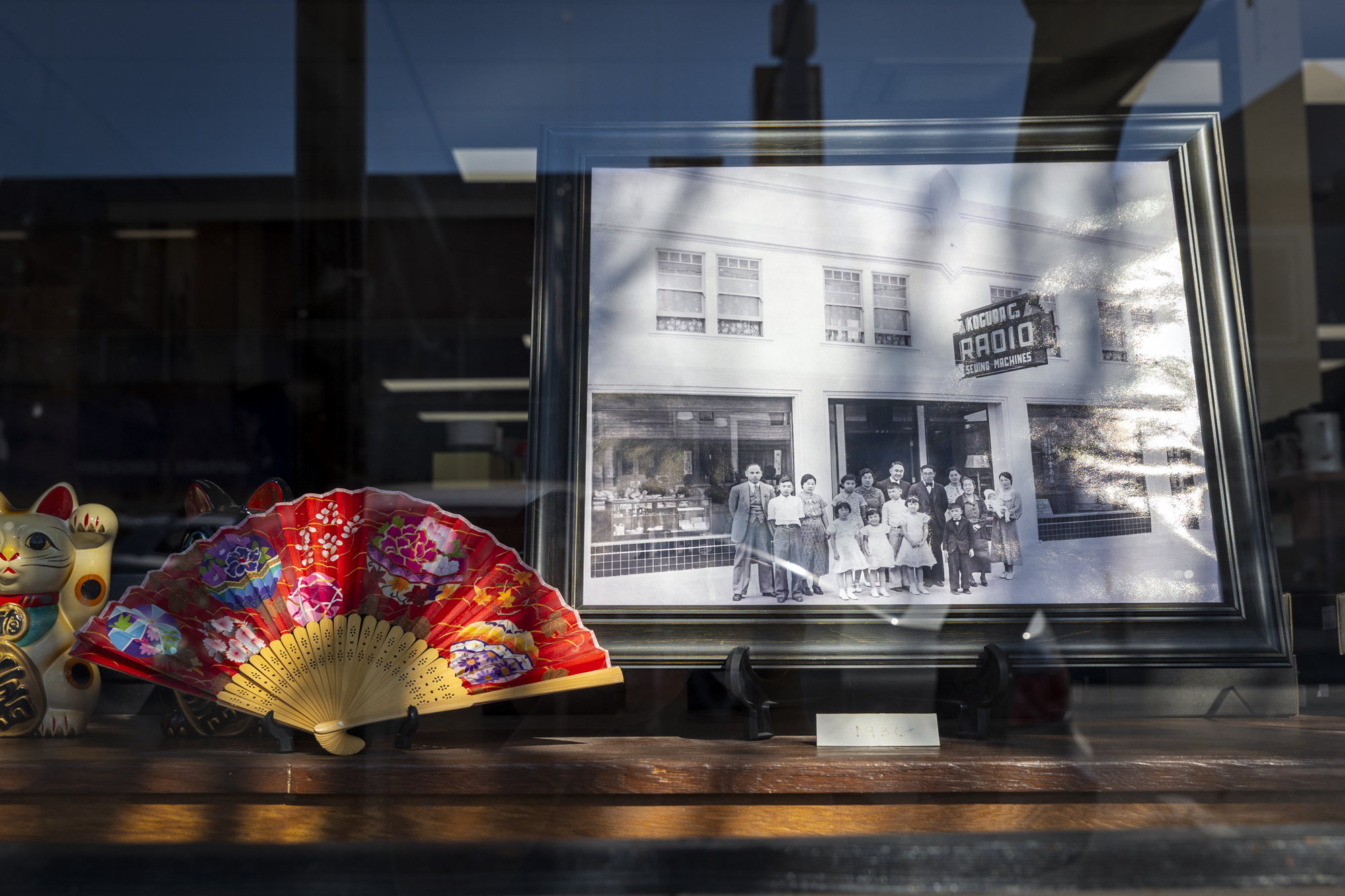
"caption": "A photo of Kogura Company from 1936 is put on display at Kogura Company in San José on March 20, 2026. San José’s Japantown reveals the Bay Area housing crisis, where high costs and widening inequality are forcing longtime residents to move and reshaping neighborhoods.",
"credit": "Tâm Vũ/KQED",
"altTag": null,
"description": null,
"imgSizes": {
"thumbnail": {
"file": "https://cdn.kqed.org/wp-content/uploads/sites/10/2026/04/260320-KOGURACOMPANY00242_TV-KQED-160x107.jpg",
"width": 160,
"height": 107,
"mimeType": "image/jpeg"
},
"1536x1536": {
"file": "https://cdn.kqed.org/wp-content/uploads/sites/10/2026/04/260320-KOGURACOMPANY00242_TV-KQED-1536x1024.jpg",
"width": 1536,
"height": 1024,
"mimeType": "image/jpeg"
},
"post-thumbnail": {
"file": "https://cdn.kqed.org/wp-content/uploads/sites/10/2026/04/260320-KOGURACOMPANY00242_TV-KQED-672x372.jpg",
"width": 672,
"height": 372,
"mimeType": "image/jpeg"
},
"twentyfourteen-full-width": {
"file": "https://cdn.kqed.org/wp-content/uploads/sites/10/2026/04/260320-KOGURACOMPANY00242_TV-KQED-1038x576.jpg",
"width": 1038,
"height": 576,
"mimeType": "image/jpeg"
},
"npr-cds-wide": {
"file": "https://cdn.kqed.org/wp-content/uploads/sites/10/2026/04/260320-KOGURACOMPANY00242_TV-KQED-1200x675.jpg",
"width": 1200,
"height": 675,
"mimeType": "image/jpeg"
},
"npr-cds-square": {
"file": "https://cdn.kqed.org/wp-content/uploads/sites/10/2026/04/260320-KOGURACOMPANY00242_TV-KQED-600x600.jpg",
"width": 600,
"height": 600,
"mimeType": "image/jpeg"
},
"kqedFullSize": {
"file": "https://cdn.kqed.org/wp-content/uploads/sites/10/2026/04/260320-KOGURACOMPANY00242_TV-KQED.jpg",
"width": 2000,
"height": 1333
}
},
"isLoading": false,
"fetchFailed": false
},
"news_12078546": {
"type": "attachments",
"id": "news_12078546",
"meta": {
"index": "attachments_1716263798",
"site": "news",
"id": "12078546",
"found": true
},
"title": "AffordabilitySeriesIntro_Lede",
"publishDate": 1775172354,
"status": "inherit",
"parent": 0,
"modified": 1775260099,
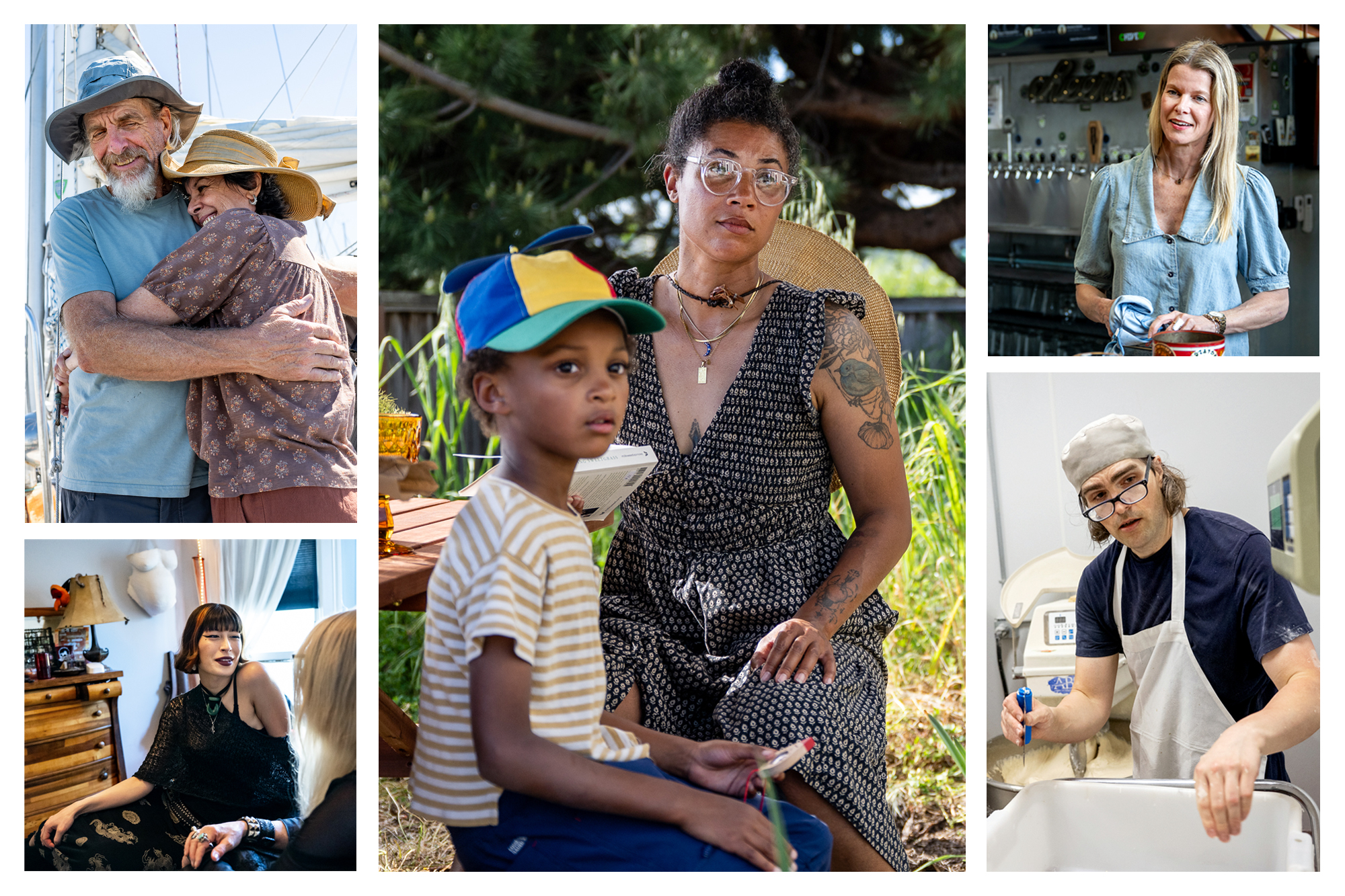
"caption": "From top left to bottom right: Keith and Lisa Alvord embrace on their sailboat in Emeryville. Misha Kurita-Ditz and their mom, Barbara Ditz, sit together at the apartment they share in San Francisco. Brooke Dawson sits with her son outside the Airstream where she lives in her mother’s backyard. Christy Brown bartends in Walnut Creek. Chad Morrison works at a bakery in Santa Rosa.",
"credit": "Beth LaBerge/KQED",
"altTag": null,
"description": null,
"imgSizes": {
"thumbnail": {
"file": "https://cdn.kqed.org/wp-content/uploads/sites/10/2026/04/AffordabilitySeriesIntro_Lede-160x107.jpg",
"width": 160,
"height": 107,
"mimeType": "image/jpeg"
},
"1536x1536": {
"file": "https://cdn.kqed.org/wp-content/uploads/sites/10/2026/04/AffordabilitySeriesIntro_Lede-1536x1024.jpg",
"width": 1536,
"height": 1024,
"mimeType": "image/jpeg"
},
"post-thumbnail": {
"file": "https://cdn.kqed.org/wp-content/uploads/sites/10/2026/04/AffordabilitySeriesIntro_Lede-672x372.jpg",
"width": 672,
"height": 372,
"mimeType": "image/jpeg"
},
"twentyfourteen-full-width": {
"file": "https://cdn.kqed.org/wp-content/uploads/sites/10/2026/04/AffordabilitySeriesIntro_Lede-1038x576.jpg",
"width": 1038,
"height": 576,
"mimeType": "image/jpeg"
},
"npr-cds-wide": {
"file": "https://cdn.kqed.org/wp-content/uploads/sites/10/2026/04/AffordabilitySeriesIntro_Lede-1200x675.jpg",
"width": 1200,
"height": 675,
"mimeType": "image/jpeg"
},
"npr-cds-square": {
"file": "https://cdn.kqed.org/wp-content/uploads/sites/10/2026/04/AffordabilitySeriesIntro_Lede-600x600.jpg",
"width": 600,
"height": 600,
"mimeType": "image/jpeg"
},
"kqedFullSize": {
"file": "https://cdn.kqed.org/wp-content/uploads/sites/10/2026/04/AffordabilitySeriesIntro_Lede.jpg",
"width": 2000,
"height": 1333
}
},
"isLoading": false,
"fetchFailed": false
},
"news_12051374": {
"type": "attachments",
"id": "news_12051374",
"meta": {
"index": "attachments_1716263798",
"site": "news",
"id": "12051374",
"found": true
},
"title": "20241204-BART-JY-002_qed",
"publishDate": 1754609699,
"status": "inherit",
"parent": 12051362,
"modified": 1757189961,
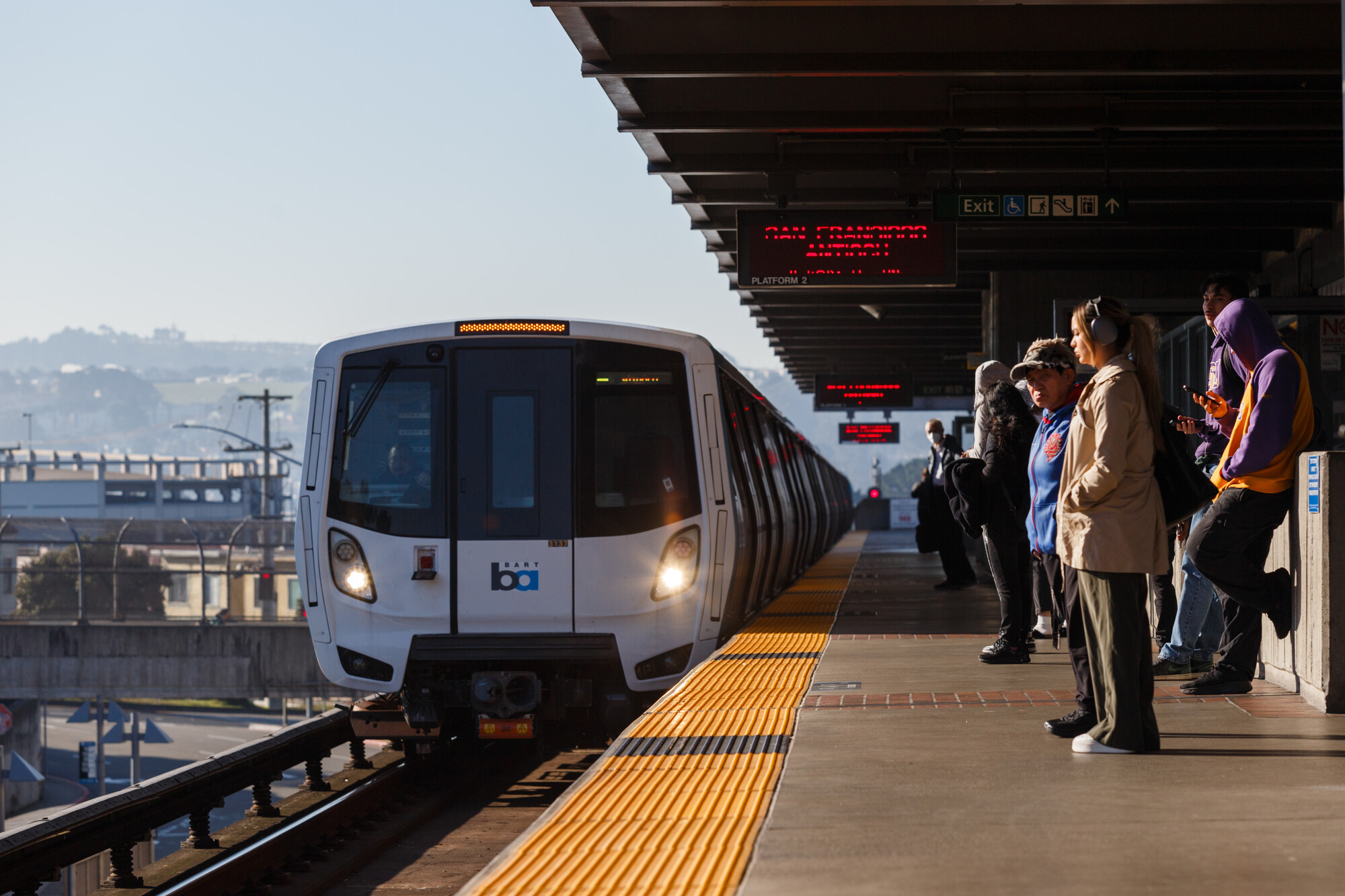
"caption": "A BART car approaches the platform at Daly City Station in Daly City, on Dec. 4, 2024.",
"credit": "Juliana Yamada/KQED",
"altTag": null,
"description": null,
"imgSizes": {
"thumbnail": {
"file": "https://cdn.kqed.org/wp-content/uploads/sites/10/2025/08/20241204-BART-JY-002_qed-160x107.jpg",
"width": 160,
"height": 107,
"mimeType": "image/jpeg"
},
"1536x1536": {
"file": "https://cdn.kqed.org/wp-content/uploads/sites/10/2025/08/20241204-BART-JY-002_qed-1536x1024.jpg",
"width": 1536,
"height": 1024,
"mimeType": "image/jpeg"
},
"post-thumbnail": {
"file": "https://cdn.kqed.org/wp-content/uploads/sites/10/2025/08/20241204-BART-JY-002_qed-672x372.jpg",
"width": 672,
"height": 372,
"mimeType": "image/jpeg"
},
"twentyfourteen-full-width": {
"file": "https://cdn.kqed.org/wp-content/uploads/sites/10/2025/08/20241204-BART-JY-002_qed-1038x576.jpg",
"width": 1038,
"height": 576,
"mimeType": "image/jpeg"
},
"kqedFullSize": {
"file": "https://cdn.kqed.org/wp-content/uploads/sites/10/2025/08/20241204-BART-JY-002_qed.jpg",
"width": 2000,
"height": 1333
}
},
"isLoading": false,
"fetchFailed": false
},
"news_12078455": {
"type": "attachments",
"id": "news_12078455",
"meta": {
"index": "attachments_1716263798",
"site": "news",
"id": "12078455",
"found": true
},
"title": "Big Basin Redwoods State Park, San Jose, California, wildfire.",
"publishDate": 1775150923,
"status": "inherit",
"parent": 12078438,
"modified": 1775152122,
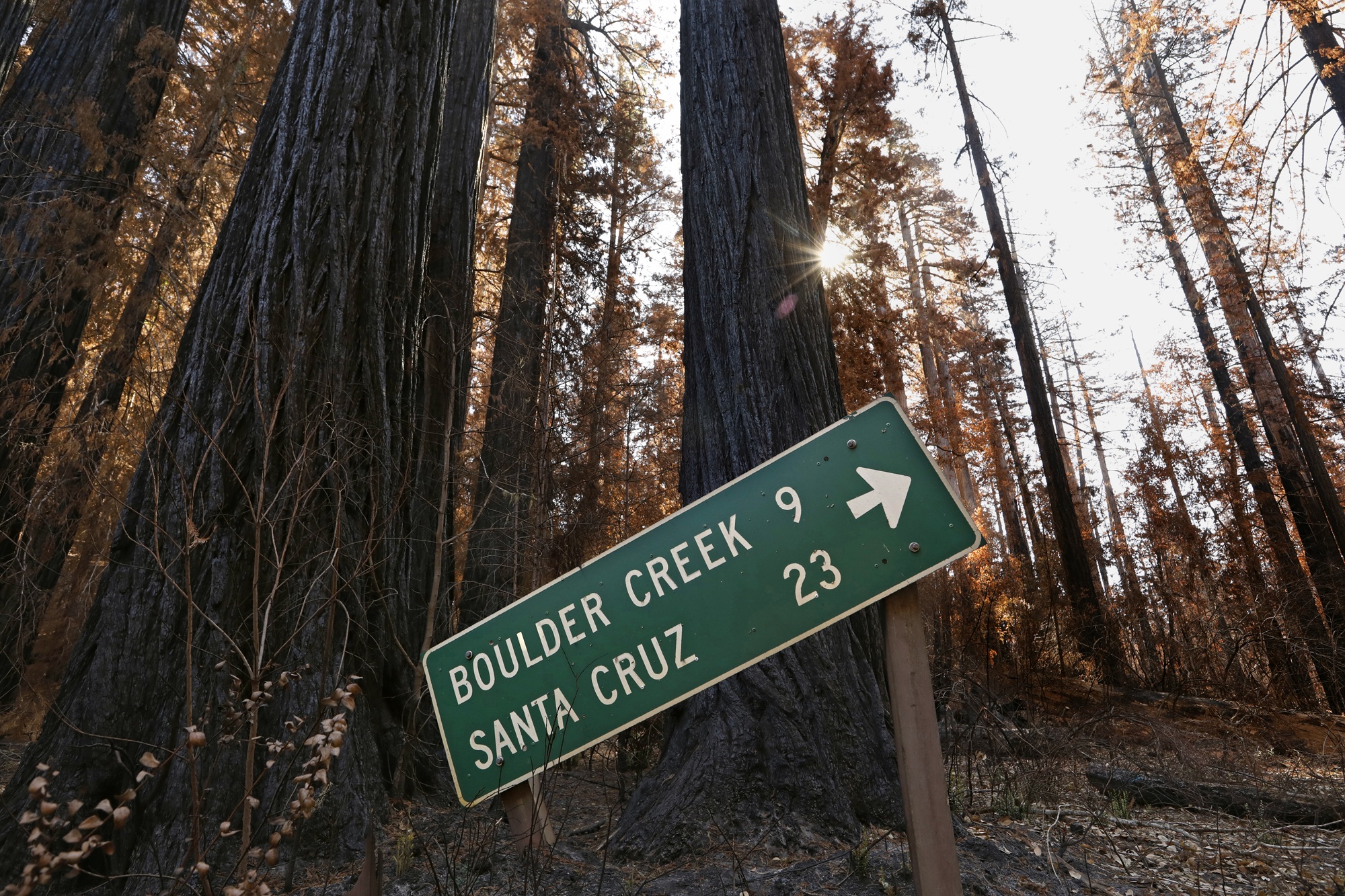
"caption": "Big Basin Redwoods State Park on Nov. 5, 2020. The Big Basin Redwoods State Park was hit by a wildfire in August that burned roughly 97% of the park's 18,224 acres.",
"credit": "Carolyn Cole/Los Angeles Times via Getty Images",
"altTag": null,
"description": null,
"imgSizes": {
"thumbnail": {
"file": "https://cdn.kqed.org/wp-content/uploads/sites/10/2026/04/BoulderCreekSantaCruzGetty-160x107.jpg",
"width": 160,
"height": 107,
"mimeType": "image/jpeg"
},
"1536x1536": {
"file": "https://cdn.kqed.org/wp-content/uploads/sites/10/2026/04/BoulderCreekSantaCruzGetty-1536x1024.jpg",
"width": 1536,
"height": 1024,
"mimeType": "image/jpeg"
},
"post-thumbnail": {
"file": "https://cdn.kqed.org/wp-content/uploads/sites/10/2026/04/BoulderCreekSantaCruzGetty-672x372.jpg",
"width": 672,
"height": 372,
"mimeType": "image/jpeg"
},
"twentyfourteen-full-width": {
"file": "https://cdn.kqed.org/wp-content/uploads/sites/10/2026/04/BoulderCreekSantaCruzGetty-1038x576.jpg",
"width": 1038,
"height": 576,
"mimeType": "image/jpeg"
},
"npr-cds-wide": {
"file": "https://cdn.kqed.org/wp-content/uploads/sites/10/2026/04/BoulderCreekSantaCruzGetty-1200x675.jpg",
"width": 1200,
"height": 675,
"mimeType": "image/jpeg"
},
"npr-cds-square": {
"file": "https://cdn.kqed.org/wp-content/uploads/sites/10/2026/04/BoulderCreekSantaCruzGetty-600x600.jpg",
"width": 600,
"height": 600,
"mimeType": "image/jpeg"
},
"kqedFullSize": {
"file": "https://cdn.kqed.org/wp-content/uploads/sites/10/2026/04/BoulderCreekSantaCruzGetty.jpg",
"width": 2000,
"height": 1333
}
},
"isLoading": false,
"fetchFailed": false
},
"news_12078484": {
"type": "attachments",
"id": "news_12078484",
"meta": {
"index": "attachments_1716263798",
"site": "news",
"id": "12078484",
"found": true
},
"title": "112018_AW_AlamedaCountyFood Bank_05_qed",
"publishDate": 1775157605,
"status": "inherit",
"parent": 12078390,
"modified": 1775157636,
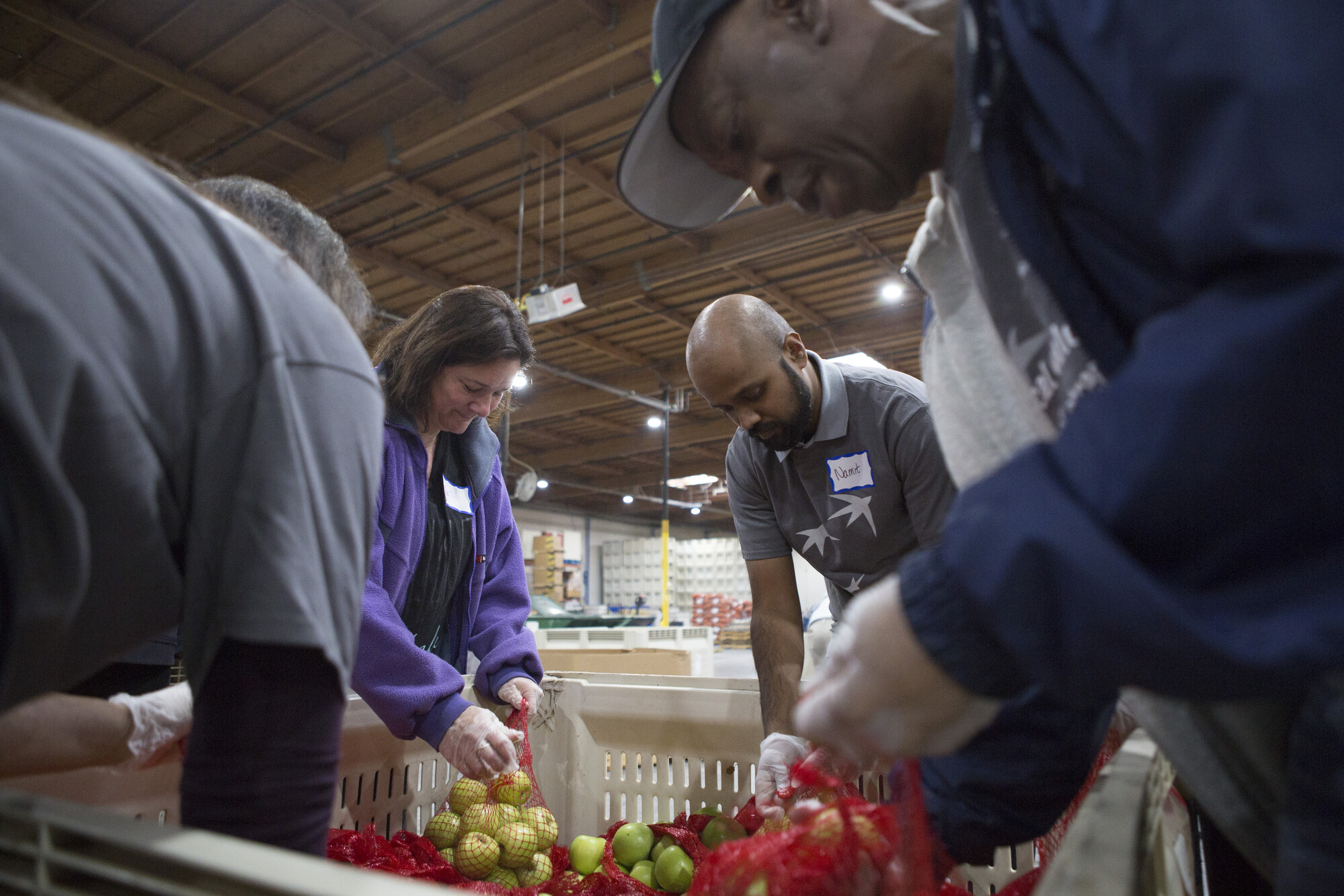
"caption": "Volunteers from Bank of the West and Boys Team Charity sort apples from the produce bins at the Alameda County Community Food Bank on Nov. 20, 2018. ",
"credit": "Anne Wernikoff/KQED",
"altTag": null,
"description": null,
"imgSizes": {
"thumbnail": {
"file": "https://cdn.kqed.org/wp-content/uploads/sites/10/2026/04/112018_AW_AlamedaCountyFood-Bank_05_qed-160x107.jpg",
"width": 160,
"height": 107,
"mimeType": "image/jpeg"
},
"1536x1536": {
"file": "https://cdn.kqed.org/wp-content/uploads/sites/10/2026/04/112018_AW_AlamedaCountyFood-Bank_05_qed-1536x1024.jpg",
"width": 1536,
"height": 1024,
"mimeType": "image/jpeg"
},
"post-thumbnail": {
"file": "https://cdn.kqed.org/wp-content/uploads/sites/10/2026/04/112018_AW_AlamedaCountyFood-Bank_05_qed-672x372.jpg",
"width": 672,
"height": 372,
"mimeType": "image/jpeg"
},
"twentyfourteen-full-width": {
"file": "https://cdn.kqed.org/wp-content/uploads/sites/10/2026/04/112018_AW_AlamedaCountyFood-Bank_05_qed-1038x576.jpg",
"width": 1038,
"height": 576,
"mimeType": "image/jpeg"
},
"npr-cds-wide": {
"file": "https://cdn.kqed.org/wp-content/uploads/sites/10/2026/04/112018_AW_AlamedaCountyFood-Bank_05_qed-1200x675.jpg",
"width": 1200,
"height": 675,
"mimeType": "image/jpeg"
},
"npr-cds-square": {
"file": "https://cdn.kqed.org/wp-content/uploads/sites/10/2026/04/112018_AW_AlamedaCountyFood-Bank_05_qed-600x600.jpg",
"width": 600,
"height": 600,
"mimeType": "image/jpeg"
},
"kqedFullSize": {
"file": "https://cdn.kqed.org/wp-content/uploads/sites/10/2026/04/112018_AW_AlamedaCountyFood-Bank_05_qed.jpg",
"width": 1999,
"height": 1333
}
},
"isLoading": false,
"fetchFailed": false
},
"news_12077271": {
"type": "attachments",
"id": "news_12077271",
"meta": {
"index": "attachments_1716263798",
"site": "news",
"id": "12077271",
"found": true
},
"title": "031626_PINNACLESFORTHEDAY _GH_040-KQED",
"publishDate": 1774273676,
"status": "inherit",
"parent": 0,
"modified": 1774273710,
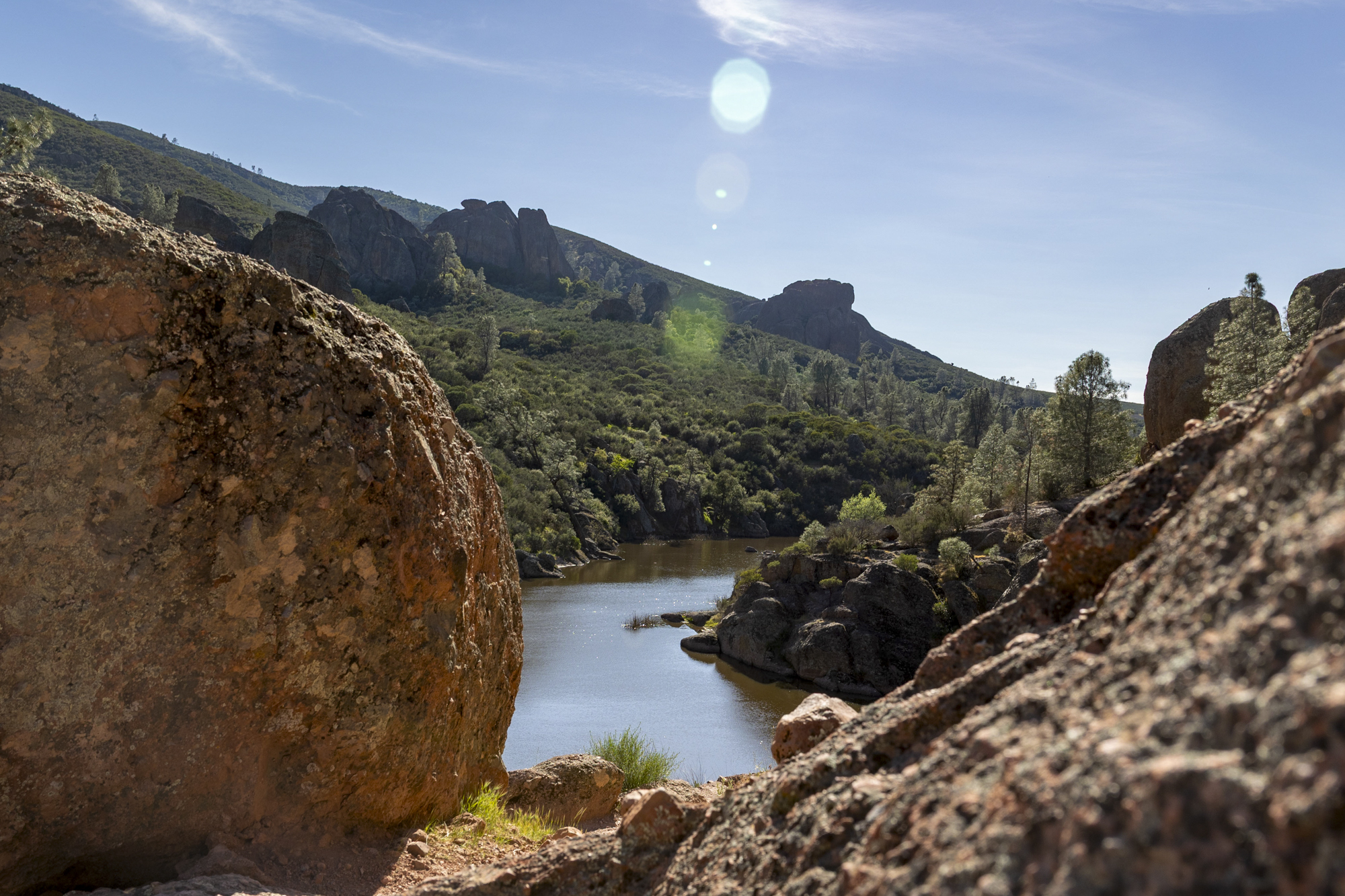
"caption": "Bear Gulch Reservoir sits between rocky formations and rolling hills at Pinnacles National Park on March 16, 2026.",
"credit": "Gustavo Hernandez/KQED",
"altTag": null,
"description": null,
"imgSizes": {
"thumbnail": {
"file": "https://cdn.kqed.org/wp-content/uploads/sites/10/2026/03/031626_PINNACLESFORTHEDAY-_GH_040-KQED-160x107.jpg",
"width": 160,
"height": 107,
"mimeType": "image/jpeg"
},
"1536x1536": {
"file": "https://cdn.kqed.org/wp-content/uploads/sites/10/2026/03/031626_PINNACLESFORTHEDAY-_GH_040-KQED-1536x1024.jpg",
"width": 1536,
"height": 1024,
"mimeType": "image/jpeg"
},
"post-thumbnail": {
"file": "https://cdn.kqed.org/wp-content/uploads/sites/10/2026/03/031626_PINNACLESFORTHEDAY-_GH_040-KQED-672x372.jpg",
"width": 672,
"height": 372,
"mimeType": "image/jpeg"
},
"twentyfourteen-full-width": {
"file": "https://cdn.kqed.org/wp-content/uploads/sites/10/2026/03/031626_PINNACLESFORTHEDAY-_GH_040-KQED-1038x576.jpg",
"width": 1038,
"height": 576,
"mimeType": "image/jpeg"
},
"npr-cds-wide": {
"file": "https://cdn.kqed.org/wp-content/uploads/sites/10/2026/03/031626_PINNACLESFORTHEDAY-_GH_040-KQED-1200x675.jpg",
"width": 1200,
"height": 675,
"mimeType": "image/jpeg"
},
"kqedFullSize": {
"file": "https://cdn.kqed.org/wp-content/uploads/sites/10/2026/03/031626_PINNACLESFORTHEDAY-_GH_040-KQED.jpg",
"width": 2000,
"height": 1333
}
},
"isLoading": false,
"fetchFailed": false
},
"news_11971733": {
"type": "attachments",
"id": "news_11971733",
"meta": {
"index": "attachments_1716263798",
"site": "news",
"id": "11971733",
"found": true
},
"title": "240104-PEOPLE'S PARK-MD-05",
"publishDate": 1704419716,
"status": "inherit",
"parent": 11971577,
"modified": 1775002315,
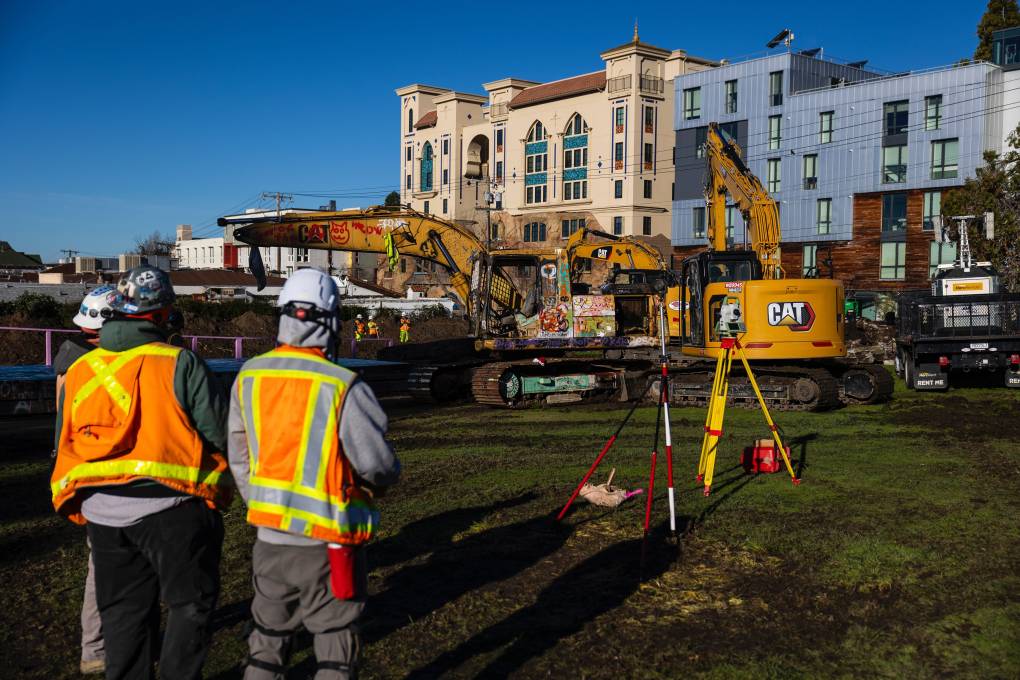
"caption": "Construction crews work in People’s Park in Berkeley on Jan. 4, 2024.",
"credit": "Martin do Nascimento/KQED",
"altTag": "Two construction workers stand on-site at People's Park in Berkeley.",
"description": null,
"imgSizes": {
"medium": {
"file": "https://cdn.kqed.org/wp-content/uploads/sites/10/2024/01/240104-PEOPLES-PARK-MD-05-800x533.jpg",
"width": 800,
"height": 533,
"mimeType": "image/jpeg"
},
"large": {
"file": "https://cdn.kqed.org/wp-content/uploads/sites/10/2024/01/240104-PEOPLES-PARK-MD-05-1020x680.jpg",
"width": 1020,
"height": 680,
"mimeType": "image/jpeg"
},
"thumbnail": {
"file": "https://cdn.kqed.org/wp-content/uploads/sites/10/2024/01/240104-PEOPLES-PARK-MD-05-160x107.jpg",
"width": 160,
"height": 107,
"mimeType": "image/jpeg"
},
"1536x1536": {
"file": "https://cdn.kqed.org/wp-content/uploads/sites/10/2024/01/240104-PEOPLES-PARK-MD-05-1536x1024.jpg",
"width": 1536,
"height": 1024,
"mimeType": "image/jpeg"
},
"2048x2048": {
"file": "https://cdn.kqed.org/wp-content/uploads/sites/10/2024/01/240104-PEOPLES-PARK-MD-05-2048x1365.jpg",
"width": 2048,
"height": 1365,
"mimeType": "image/jpeg"
},
"post-thumbnail": {
"file": "https://cdn.kqed.org/wp-content/uploads/sites/10/2024/01/240104-PEOPLES-PARK-MD-05-672x372.jpg",
"width": 672,
"height": 372,
"mimeType": "image/jpeg"
},
"twentyfourteen-full-width": {
"file": "https://cdn.kqed.org/wp-content/uploads/sites/10/2024/01/240104-PEOPLES-PARK-MD-05-1038x576.jpg",
"width": 1038,
"height": 576,
"mimeType": "image/jpeg"
},
"full-width": {
"file": "https://cdn.kqed.org/wp-content/uploads/sites/10/2024/01/240104-PEOPLES-PARK-MD-05-1920x1280.jpg",
"width": 1920,
"height": 1280,
"mimeType": "image/jpeg"
},
"kqedFullSize": {
"file": "https://cdn.kqed.org/wp-content/uploads/sites/10/2024/01/240104-PEOPLES-PARK-MD-05-scaled-e1775001183210.jpg",
"width": 2000,
"height": 1334
}
},
"isLoading": false,
"fetchFailed": false
},
"news_12078147": {
"type": "attachments",
"id": "news_12078147",
"meta": {
"index": "attachments_1716263798",
"site": "news",
"id": "12078147",
"found": true
},
"title": "Digital Clipper Card",
"publishDate": 1774978056,
"status": "inherit",
"parent": 12078144,
"modified": 1774978459,
"caption": "A passenger holds a digital Clipper Card up to a fare kiosk at a BART station in Lafayette, California, on March 18, 2026. ",
"credit": "Smith Collection/Gado via Getty Images",
"altTag": null,
"description": null,
"imgSizes": {
"thumbnail": {
"file": "https://cdn.kqed.org/wp-content/uploads/sites/10/2026/03/Clipper2.0Getty-160x107.jpg",
"width": 160,
"height": 107,
"mimeType": "image/jpeg"
},
"1536x1536": {
"file": "https://cdn.kqed.org/wp-content/uploads/sites/10/2026/03/Clipper2.0Getty-1536x1024.jpg",
"width": 1536,
"height": 1024,
"mimeType": "image/jpeg"
},
"post-thumbnail": {
"file": "https://cdn.kqed.org/wp-content/uploads/sites/10/2026/03/Clipper2.0Getty-672x372.jpg",
"width": 672,
"height": 372,
"mimeType": "image/jpeg"
},
"twentyfourteen-full-width": {
"file": "https://cdn.kqed.org/wp-content/uploads/sites/10/2026/03/Clipper2.0Getty-1038x576.jpg",
"width": 1038,
"height": 576,
"mimeType": "image/jpeg"
},
"npr-cds-wide": {
"file": "https://cdn.kqed.org/wp-content/uploads/sites/10/2026/03/Clipper2.0Getty-1200x675.jpg",
"width": 1200,
"height": 675,
"mimeType": "image/jpeg"
},
"npr-cds-square": {
"file": "https://cdn.kqed.org/wp-content/uploads/sites/10/2026/03/Clipper2.0Getty-600x600.jpg",
"width": 600,
"height": 600,
"mimeType": "image/jpeg"
},
"kqedFullSize": {
"file": "https://cdn.kqed.org/wp-content/uploads/sites/10/2026/03/Clipper2.0Getty.jpg",
"width": 2000,
"height": 1333
}
},
"isLoading": false,
"fetchFailed": false
},
"news_12072113": {
"type": "attachments",
"id": "news_12072113",
"meta": {
"index": "attachments_1716263798",
"site": "news",
"id": "12072113",
"found": true
},
"title": "260203-TEEN SHOOTING ARREST-MD-10-KQED-1",
"publishDate": 1770154993,
"status": "inherit",
"parent": 12073229,
"modified": 1770940522,
"caption": "San Francisco Supervisor Bilal Mahmood addresses the press at SFPD Headquarters in San Francisco on Feb. 3, 2026.",
"credit": "Martin do Nascimento/KQED",
"altTag": null,
"description": null,
"imgSizes": {
"thumbnail": {
"file": "https://cdn.kqed.org/wp-content/uploads/sites/10/2026/02/260203-TEEN-SHOOTING-ARREST-MD-10-KQED-1-160x107.jpg",
"width": 160,
"height": 107,
"mimeType": "image/jpeg"
},
"1536x1536": {
"file": "https://cdn.kqed.org/wp-content/uploads/sites/10/2026/02/260203-TEEN-SHOOTING-ARREST-MD-10-KQED-1-1536x1024.jpg",
"width": 1536,
"height": 1024,
"mimeType": "image/jpeg"
},
"post-thumbnail": {
"file": "https://cdn.kqed.org/wp-content/uploads/sites/10/2026/02/260203-TEEN-SHOOTING-ARREST-MD-10-KQED-1-672x372.jpg",
"width": 672,
"height": 372,
"mimeType": "image/jpeg"
},
"twentyfourteen-full-width": {
"file": "https://cdn.kqed.org/wp-content/uploads/sites/10/2026/02/260203-TEEN-SHOOTING-ARREST-MD-10-KQED-1-1038x576.jpg",
"width": 1038,
"height": 576,
"mimeType": "image/jpeg"
},
"npr-cds-wide": {
"file": "https://cdn.kqed.org/wp-content/uploads/sites/10/2026/02/260203-TEEN-SHOOTING-ARREST-MD-10-KQED-1-1200x675.jpg",
"width": 1200,
"height": 675,
"mimeType": "image/jpeg"
},
"kqedFullSize": {
"file": "https://cdn.kqed.org/wp-content/uploads/sites/10/2026/02/260203-TEEN-SHOOTING-ARREST-MD-10-KQED-1.jpg",
"width": 2000,
"height": 1333
}
},
"isLoading": false,
"fetchFailed": false
},
"news_12078119": {
"type": "attachments",
"id": "news_12078119",
"meta": {
"index": "attachments_1716263798",
"site": "news",
"id": "12078119",
"found": true
},
"title": "US-POLITICS-JUSTICE-CHAVEZ",
"publishDate": 1774910016,
"status": "inherit",
"parent": 12078103,
"modified": 1774916040,
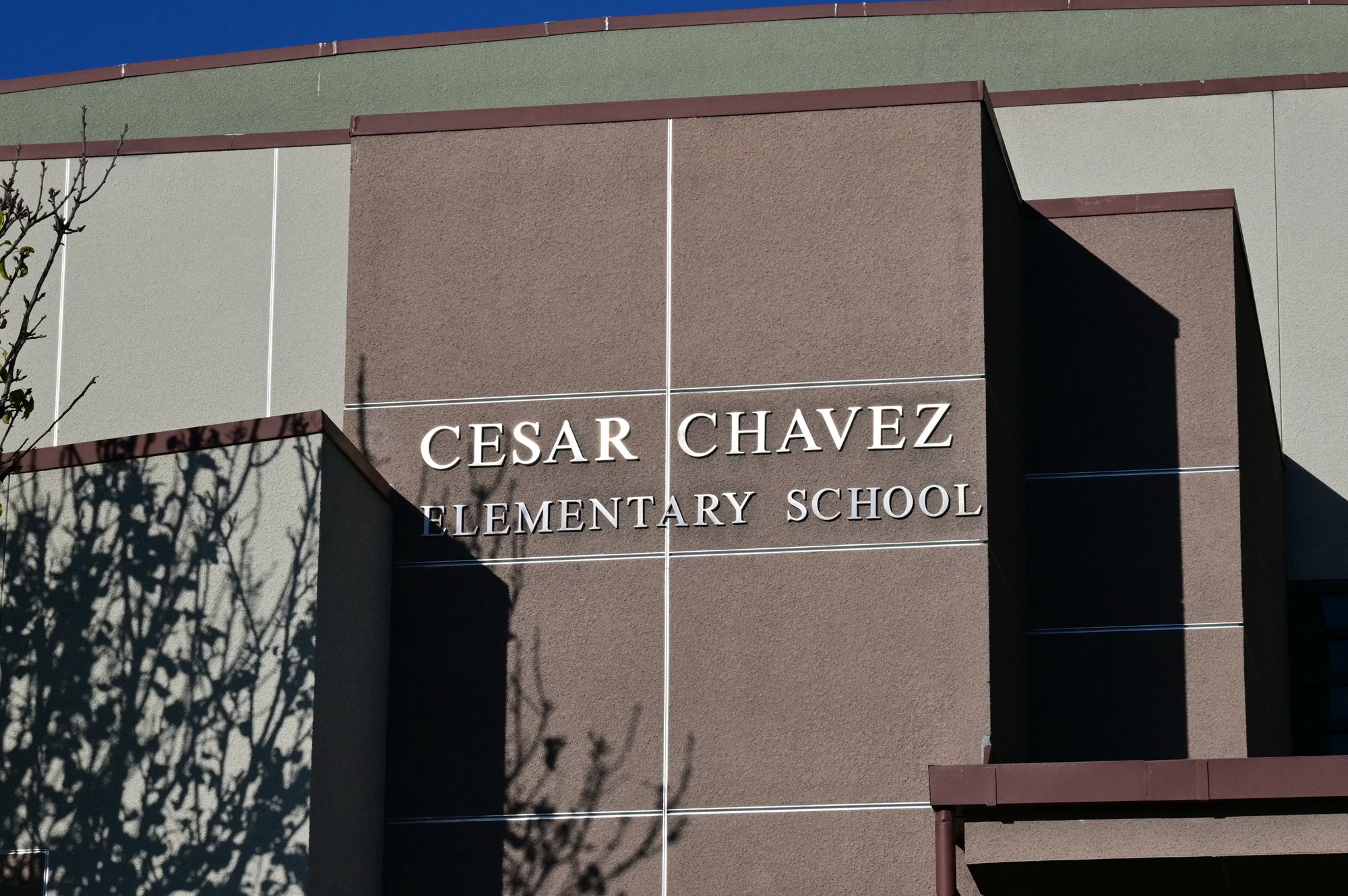
"caption": "A view of Cesar Chavez Elementary School in the El Sereno neighborhood in Los Angeles, California, on March 20, 2026. U.S. civil rights icon Cesar Chavez, whose decades of campaigning brought profound and lasting changes to workers' rights, was a serial rapist who abused children and harassed women in the movement he led, a bombshell New York Times investigation said March 18.",
"credit": "Frederic J. Brown/AFP via Getty Images",
"altTag": null,
"description": null,
"imgSizes": {
"thumbnail": {
"file": "https://cdn.kqed.org/wp-content/uploads/sites/10/2026/03/CesarChavezElementarySchoolGetty-160x106.jpg",
"width": 160,
"height": 106,
"mimeType": "image/jpeg"
},
"1536x1536": {
"file": "https://cdn.kqed.org/wp-content/uploads/sites/10/2026/03/CesarChavezElementarySchoolGetty-1536x1021.jpg",
"width": 1536,
"height": 1021,
"mimeType": "image/jpeg"
},
"post-thumbnail": {
"file": "https://cdn.kqed.org/wp-content/uploads/sites/10/2026/03/CesarChavezElementarySchoolGetty-672x372.jpg",
"width": 672,
"height": 372,
"mimeType": "image/jpeg"
},
"twentyfourteen-full-width": {
"file": "https://cdn.kqed.org/wp-content/uploads/sites/10/2026/03/CesarChavezElementarySchoolGetty-1038x576.jpg",
"width": 1038,
"height": 576,
"mimeType": "image/jpeg"
},
"npr-cds-wide": {
"file": "https://cdn.kqed.org/wp-content/uploads/sites/10/2026/03/CesarChavezElementarySchoolGetty-1200x675.jpg",
"width": 1200,
"height": 675,
"mimeType": "image/jpeg"
},
"npr-cds-square": {
"file": "https://cdn.kqed.org/wp-content/uploads/sites/10/2026/03/CesarChavezElementarySchoolGetty-600x600.jpg",
"width": 600,
"height": 600,
"mimeType": "image/jpeg"
},
"kqedFullSize": {
"file": "https://cdn.kqed.org/wp-content/uploads/sites/10/2026/03/CesarChavezElementarySchoolGetty.jpg",
"width": 2000,
"height": 1330
}
},
"isLoading": false,
"fetchFailed": false
},
"news_12078005": {
"type": "attachments",
"id": "news_12078005",
"meta": {
"index": "attachments_1716263798",
"site": "news",
"id": "12078005",
"found": true
},
"title": "260328-NO KINGS 3-MD-04-KQED-3",
"publishDate": 1774756765,
"status": "inherit",
"parent": 0,
"modified": 1774756786,
"caption": "Lance Toma (center) and others march along Market Street in San Francisco as part of the third No Kings Protest on March 28, 2026.",
"credit": "Martin do Nascimento/KQED",
"altTag": null,
"description": null,
"imgSizes": {
"thumbnail": {
"file": "https://cdn.kqed.org/wp-content/uploads/sites/10/2026/03/260328-NO-KINGS-3-MD-04-KQED-3-160x107.jpg",
"width": 160,
"height": 107,
"mimeType": "image/jpeg"
},
"1536x1536": {
"file": "https://cdn.kqed.org/wp-content/uploads/sites/10/2026/03/260328-NO-KINGS-3-MD-04-KQED-3-1536x1025.jpg",
"width": 1536,
"height": 1025,
"mimeType": "image/jpeg"
},
"post-thumbnail": {
"file": "https://cdn.kqed.org/wp-content/uploads/sites/10/2026/03/260328-NO-KINGS-3-MD-04-KQED-3-672x372.jpg",
"width": 672,
"height": 372,
"mimeType": "image/jpeg"
},
"twentyfourteen-full-width": {
"file": "https://cdn.kqed.org/wp-content/uploads/sites/10/2026/03/260328-NO-KINGS-3-MD-04-KQED-3-1038x576.jpg",
"width": 1038,
"height": 576,
"mimeType": "image/jpeg"
},
"npr-cds-wide": {
"file": "https://cdn.kqed.org/wp-content/uploads/sites/10/2026/03/260328-NO-KINGS-3-MD-04-KQED-3-1200x675.jpg",
"width": 1200,
"height": 675,
"mimeType": "image/jpeg"
},
"npr-cds-square": {
"file": "https://cdn.kqed.org/wp-content/uploads/sites/10/2026/03/260328-NO-KINGS-3-MD-04-KQED-3-600x600.jpg",
"width": 600,
"height": 600,
"mimeType": "image/jpeg"
},
"kqedFullSize": {
"file": "https://cdn.kqed.org/wp-content/uploads/sites/10/2026/03/260328-NO-KINGS-3-MD-04-KQED-3.jpg",
"width": 2000,
"height": 1334
}
},
"isLoading": false,
"fetchFailed": false
},
"news_11528498": {
"type": "attachments",
"id": "news_11528498",
"meta": {
"index": "attachments_1716263798",
"site": "news",
"id": "11528498",
"found": true
},
"parent": 11512894,
"imgSizes": {
"small": {
"file": "https://ww2.kqed.org/app/uploads/sites/10/2017/06/KQED17Mutch-056-520x346.jpg",
"width": 520,
"mimeType": "image/jpeg",
"height": 346
},
"twentyfourteen-full-width": {
"file": "https://ww2.kqed.org/app/uploads/sites/10/2017/06/KQED17Mutch-056-1000x576.jpg",
"width": 1000,
"mimeType": "image/jpeg",
"height": 576
},
"thumbnail": {
"file": "https://ww2.kqed.org/app/uploads/sites/10/2017/06/KQED17Mutch-056-160x106.jpg",
"width": 160,
"mimeType": "image/jpeg",
"height": 106
},
"fd-sm": {
"file": "https://ww2.kqed.org/app/uploads/sites/10/2017/06/KQED17Mutch-056-960x638.jpg",
"width": 960,
"mimeType": "image/jpeg",
"height": 638
},
"post-thumbnail": {
"file": "https://ww2.kqed.org/app/uploads/sites/10/2017/06/KQED17Mutch-056-672x372.jpg",
"width": 672,
"mimeType": "image/jpeg",
"height": 372
},
"xsmall": {
"file": "https://ww2.kqed.org/app/uploads/sites/10/2017/06/KQED17Mutch-056-375x249.jpg",
"width": 375,
"mimeType": "image/jpeg",
"height": 249
},
"kqedFullSize": {
"file": "https://ww2.kqed.org/app/uploads/sites/10/2017/06/KQED17Mutch-056.jpg",
"width": 1000,
"height": 665
},
"guest-author-50": {
"file": "https://ww2.kqed.org/app/uploads/sites/10/2017/06/KQED17Mutch-056-50x50.jpg",
"width": 50,
"mimeType": "image/jpeg",
"height": 50
},
"guest-author-96": {
"file": "https://ww2.kqed.org/app/uploads/sites/10/2017/06/KQED17Mutch-056-96x96.jpg",
"width": 96,
"mimeType": "image/jpeg",
"height": 96
},
"medium": {
"file": "https://ww2.kqed.org/app/uploads/sites/10/2017/06/KQED17Mutch-056-800x532.jpg",
"width": 800,
"mimeType": "image/jpeg",
"height": 532
},
"guest-author-64": {
"file": "https://ww2.kqed.org/app/uploads/sites/10/2017/06/KQED17Mutch-056-64x64.jpg",
"width": 64,
"mimeType": "image/jpeg",
"height": 64
},
"guest-author-32": {
"file": "https://ww2.kqed.org/app/uploads/sites/10/2017/06/KQED17Mutch-056-32x32.jpg",
"width": 32,
"mimeType": "image/jpeg",
"height": 32
},
"detail": {
"file": "https://ww2.kqed.org/app/uploads/sites/10/2017/06/KQED17Mutch-056-150x150.jpg",
"width": 150,
"mimeType": "image/jpeg",
"height": 150
},
"guest-author-128": {
"file": "https://ww2.kqed.org/app/uploads/sites/10/2017/06/KQED17Mutch-056-128x128.jpg",
"width": 128,
"mimeType": "image/jpeg",
"height": 128
},
"xxsmall": {
"file": "https://ww2.kqed.org/app/uploads/sites/10/2017/06/KQED17Mutch-056-240x160.jpg",
"width": 240,
"mimeType": "image/jpeg",
"height": 160
}
},
"publishDate": 1498252117,
"modified": 1498252317,
"caption": "Marvin Mutch (center) reconnects with Michael Snedekker (left) and Susan Rutberg, two attorneys who helped him in his decades-long attempt to win parole, at a KQED-sponsored screening of \"The Trials of Marvin Mutch\" on June 1, 2017.",
"description": null,
"title": "KQED17Mutch-056",
"credit": "Alain McLaughlin/KQED",
"status": "inherit",
"isLoading": false,
"fetchFailed": false
}
},
"audioPlayerReducer": {
"postId": "stream_live",
"isPaused": true,
"isPlaying": false,
"pfsActive": false,
"pledgeModalIsOpen": true,
"playerDrawerIsOpen": false,
"liveAudioPlayStartedAt": 0,
"liveAudioPlayContext": ""
},
"authorsReducer": {
"kqed": {
"type": "authors",
"id": "236",
"meta": {
"index": "authors_1716337520",
"id": "236",
"found": true
},
"name": "KQED News Staff",
"firstName": "KQED News Staff",
"lastName": null,
"slug": "kqed",
"email": "faq@kqed.org",
"display_author_email": false,
"staff_mastheads": [],
"title": null,
"bio": null,
"avatar": "https://secure.gravatar.com/avatar/ef0e801a68c4c54afa9180db14084167?s=600&d=blank&r=g",
"twitter": null,
"facebook": null,
"instagram": null,
"linkedin": null,
"sites": [
{
"site": "arts",
"roles": [
"contributor"
]
},
{
"site": "news",
"roles": [
"editor"
]
},
{
"site": "futureofyou",
"roles": [
"author"
]
}
],
"headData": {
"title": "KQED News Staff | KQED",
"description": null,
"ogImgSrc": "https://secure.gravatar.com/avatar/ef0e801a68c4c54afa9180db14084167?s=600&d=blank&r=g",
"twImgSrc": "https://secure.gravatar.com/avatar/ef0e801a68c4c54afa9180db14084167?s=600&d=blank&r=g"
},
"isLoading": false,
"link": "/author/kqed"
},
"aemslie": {
"type": "authors",
"id": "3206",
"meta": {
"index": "authors_1716337520",
"id": "3206",
"found": true
},
"name": "Alex Emslie",
"firstName": "Alex",
"lastName": "Emslie",
"slug": "aemslie",
"email": "aemslie@kqed.org",
"display_author_email": true,
"staff_mastheads": [
"news"
],
"title": "KQED Senior Editor",
"bio": "Alex Emslie is senior editor of talent and development at KQED, where he manages dozens of early career journalists and oversees news department internships.\r\n\r\nHe is a former carpenter and proud graduate of City College of San Francisco and San Francisco State University, where he studied journalism and criminal justice before joining KQED in 2013.\r\n\r\nAlex produced investigative journalism focused on \u003ca href=\"https://www.kqed.org/news/11667594/the-trials-of-marvin-mutch-video\">criminal justice\u003c/a> and policing for most of a decade. He has broken major stories about \u003ca href=\"https://www.kqed.org/news/135682/amid-a-series-of-vallejo-police-shootings-one-officers-name-stands-out\">police use of deadly force\u003c/a>, \u003ca href=\"https://www.kqed.org/news/10454955/racist-texts-prompt-sfpd-internal-investigation\">officer misconduct\u003c/a> and \u003ca href=\"https://www.kqed.org/news/11712239/terrorist-or-troll-judge-to-weigh-whether-oakland-man-really-intended-to-attack-bay-area\">other\u003c/a> \u003ca href=\"https://www.kqed.org/news/11221414/hayward-paid-159000-to-husband-of-retired-police-chief-documents-show\">high\u003c/a>-\u003ca href=\"https://www.kqed.org/news/10622762/the-forgotten-tracking-two-homicides-in-san-francisco-public-housing\">profile\u003c/a> \u003ca href=\"https://www.kqed.org/news/11624516/federal-agency-promoted-ranger-just-months-after-his-gun-was-stolen-and-used-in-steinle-killing\">cases\u003c/a>. He co-founded the \u003ca href=\"https://projects.scpr.org/california-reporting-project/\">California Reporting Project\u003c/a> in 2019 to obtain and report on previously confidential police internal investigations. The effort produced well over 100 original stories and changed the course of multiple criminal cases.\r\n\r\nHis work has been recognized with numerous journalism awards, including a national Edward R. Murrow award for several years of \u003ca href=\"https://www.kqed.org/news/11688481/sfpd-officers-in-mario-woods-case-recount-shooting-in-newly-filed-depositions\">reporting\u003c/a> on the San Francisco Police shooting of Mario Woods. His \u003ca href=\"https://www.kqed.org/news/147854/half-of-those-killed-by-san-francisco-police-are-mentally-ill\">reporting\u003c/a> on police killings of people in psychiatric crisis was cited in amicus briefs before the U.S. Supreme Court.\r\n\r\nAlex now enjoys mentoring the next generation of journalists at KQED.",
"avatar": "https://secure.gravatar.com/avatar/e691e65209f20e9da202bd730ead5663?s=600&d=blank&r=g",
"twitter": "SFNewsReporter",
"facebook": null,
"instagram": null,
"linkedin": null,
"sites": [
{
"site": "arts",
"roles": [
"editor"
]
},
{
"site": "news",
"roles": [
"editor"
]
},
{
"site": "mindshift",
"roles": [
"editor"
]
},
{
"site": "stateofhealth",
"roles": [
"editor"
]
},
{
"site": "science",
"roles": [
"administrator"
]
}
],
"headData": {
"title": "Alex Emslie | KQED",
"description": "KQED Senior Editor",
"ogImgSrc": "https://secure.gravatar.com/avatar/e691e65209f20e9da202bd730ead5663?s=600&d=blank&r=g",
"twImgSrc": "https://secure.gravatar.com/avatar/e691e65209f20e9da202bd730ead5663?s=600&d=blank&r=g"
},
"isLoading": false,
"link": "/author/aemslie"
},
"ebaldassari": {
"type": "authors",
"id": "11652",
"meta": {
"index": "authors_1716337520",
"id": "11652",
"found": true
},
"name": "Erin Baldassari",
"firstName": "Erin",
"lastName": "Baldassari",
"slug": "ebaldassari",
"email": "ebaldassari@KQED.org",
"display_author_email": true,
"staff_mastheads": [
"news"
],
"title": "Staff Writer",
"bio": "Erin Baldassari covers housing for KQED. She's a former print journalist and most recently worked as the transportation reporter for the \u003cem>Mercury News\u003c/em> and \u003cem>East Bay Times. \u003c/em>There, she focused on how the Bay Area’s housing shortage has changed the way people move around the region. She also served on the \u003cem>East Bay Times\u003c/em>’ 2017 Pulitzer Prize-winning team for coverage of the Ghost Ship Fire in Oakland. Prior to that, Erin worked as a breaking news and general assignment reporter for a variety of outlets in the Bay Area and the greater Boston area. A Tufts University alumna, Erin grew up in the foothills of the Sierra Nevada mountains and in Sonoma County. She is a life-long KQED listener.",
"avatar": "https://secure.gravatar.com/avatar/5e95cad64a8ca08288082212e199d2b0cbeb4fd8e8ef5339395f361032bbe005?s=600&d=blank&r=g",
"twitter": "e_baldi",
"bluesky": null,
"facebook": null,
"instagram": null,
"linkedin": null,
"sites": [
{
"site": "news",
"roles": [
"edit_others_posts",
"editor"
]
},
{
"site": "science",
"roles": [
"editor"
]
},
{
"site": "liveblog",
"roles": [
"editor"
]
}
],
"headData": {
"title": "Erin Baldassari | KQED",
"description": "Staff Writer",
"ogImgSrc": "https://secure.gravatar.com/avatar/5e95cad64a8ca08288082212e199d2b0cbeb4fd8e8ef5339395f361032bbe005?s=600&d=blank&r=g",
"twImgSrc": "https://secure.gravatar.com/avatar/5e95cad64a8ca08288082212e199d2b0cbeb4fd8e8ef5339395f361032bbe005?s=600&d=blank&r=g"
},
"isLoading": false,
"link": "/author/ebaldassari"
},
"adahlstromeckman": {
"type": "authors",
"id": "11785",
"meta": {
"index": "authors_1716337520",
"id": "11785",
"found": true
},
"name": "Azul Dahlstrom-Eckman",
"firstName": "Azul",
"lastName": "Dahlstrom-Eckman",
"slug": "adahlstromeckman",
"email": "adahlstrom-eckman@kqed.org",
"display_author_email": true,
"staff_mastheads": [],
"title": "Reporter",
"bio": "Azul is a reporter for KQED focusing on transportation and features. He joined KQED in 2021 as an alumna of KALW's Audio Academy radio journalism training program.",
"avatar": "https://secure.gravatar.com/avatar/9cb750298435add7815a777f55bf1f46845c1386bb8452555c60a7b820b5aba3?s=600&d=blank&r=g",
"twitter": "@zuliemann",
"bluesky": "@azul415.bsky.social",
"facebook": null,
"instagram": null,
"linkedin": null,
"sites": [
{
"site": "arts",
"roles": [
"editor"
]
},
{
"site": "news",
"roles": [
"editor"
]
},
{
"site": "science",
"roles": [
"editor"
]
},
{
"site": "liveblog",
"roles": [
"author"
]
}
],
"headData": {
"title": "Azul Dahlstrom-Eckman | KQED",
"description": "Reporter",
"ogImgSrc": "https://secure.gravatar.com/avatar/9cb750298435add7815a777f55bf1f46845c1386bb8452555c60a7b820b5aba3?s=600&d=blank&r=g",
"twImgSrc": "https://secure.gravatar.com/avatar/9cb750298435add7815a777f55bf1f46845c1386bb8452555c60a7b820b5aba3?s=600&d=blank&r=g"
},
"isLoading": false,
"link": "/author/adahlstromeckman"
},
"jgeha": {
"type": "authors",
"id": "11906",
"meta": {
"index": "authors_1716337520",
"id": "11906",
"found": true
},
"name": "Joseph Geha",
"firstName": "Joseph",
"lastName": "Geha",
"slug": "jgeha",
"email": "jgeha@kqed.org",
"display_author_email": false,
"staff_mastheads": [
"news",
"science"
],
"title": "KQED Contributor",
"bio": null,
"avatar": "https://secure.gravatar.com/avatar/ea84d2b6dd93d6369d453edf19dd583f117cd1759d2d9c9c92f9de77017354fe?s=600&d=blank&r=g",
"twitter": null,
"bluesky": null,
"facebook": null,
"instagram": null,
"linkedin": null,
"sites": [
{
"site": "news",
"roles": [
"editor"
]
},
{
"site": "liveblog",
"roles": [
"author"
]
}
],
"headData": {
"title": "Joseph Geha | KQED",
"description": "KQED Contributor",
"ogImgSrc": "https://secure.gravatar.com/avatar/ea84d2b6dd93d6369d453edf19dd583f117cd1759d2d9c9c92f9de77017354fe?s=600&d=blank&r=g",
"twImgSrc": "https://secure.gravatar.com/avatar/ea84d2b6dd93d6369d453edf19dd583f117cd1759d2d9c9c92f9de77017354fe?s=600&d=blank&r=g"
},
"isLoading": false,
"link": "/author/jgeha"
},
"kdebenedetti": {
"type": "authors",
"id": "11913",
"meta": {
"index": "authors_1716337520",
"id": "11913",
"found": true
},
"name": "Katie DeBenedetti",
"firstName": "Katie",
"lastName": "DeBenedetti",
"slug": "kdebenedetti",
"email": "kdebenedetti@kqed.org",
"display_author_email": false,
"staff_mastheads": [
"news",
"science"
],
"title": "KQED Contributor",
"bio": "Katie DeBenedetti is a digital reporter covering daily news for the Express Desk. Prior to joining KQED as a culture reporting intern in January 2024, she covered education and city government for the Napa Valley Register.",
"avatar": "https://secure.gravatar.com/avatar/6e31073cb8f7e4214ab03f42771d0f45?s=600&d=blank&r=g",
"twitter": null,
"facebook": null,
"instagram": null,
"linkedin": null,
"sites": [
{
"site": "news",
"roles": [
"author"
]
},
{
"site": "science",
"roles": [
"author"
]
},
{
"site": "liveblog",
"roles": [
"author"
]
}
],
"headData": {
"title": "Katie DeBenedetti | KQED",
"description": "KQED Contributor",
"ogImgSrc": "https://secure.gravatar.com/avatar/6e31073cb8f7e4214ab03f42771d0f45?s=600&d=blank&r=g",
"twImgSrc": "https://secure.gravatar.com/avatar/6e31073cb8f7e4214ab03f42771d0f45?s=600&d=blank&r=g"
},
"isLoading": false,
"link": "/author/kdebenedetti"
},
"aamaral": {
"type": "authors",
"id": "11947",
"meta": {
"index": "authors_1716337520",
"id": "11947",
"found": true
},
"name": "Ana De Almeida Amaral",
"firstName": "Ana",
"lastName": "De Almeida Amaral",
"slug": "aamaral",
"email": "aamaral@kqed.org",
"display_author_email": false,
"staff_mastheads": [],
"title": "KQED Contributor",
"bio": null,
"avatar": "https://secure.gravatar.com/avatar/eb08e0e3effedf89fc5153d5f7416228a3359f82750571d5de728615b88e8c32?s=600&d=blank&r=g",
"twitter": null,
"bluesky": null,
"facebook": null,
"instagram": null,
"linkedin": null,
"sites": [
{
"site": "arts",
"roles": [
"editor"
]
},
{
"site": "news",
"roles": [
"editor"
]
},
{
"site": "forum",
"roles": [
"editor"
]
}
],
"headData": {
"title": "Ana De Almeida Amaral | KQED",
"description": "KQED Contributor",
"ogImgSrc": "https://secure.gravatar.com/avatar/eb08e0e3effedf89fc5153d5f7416228a3359f82750571d5de728615b88e8c32?s=600&d=blank&r=g",
"twImgSrc": "https://secure.gravatar.com/avatar/eb08e0e3effedf89fc5153d5f7416228a3359f82750571d5de728615b88e8c32?s=600&d=blank&r=g"
},
"isLoading": false,
"link": "/author/aamaral"
},
"sarahwright": {
"type": "authors",
"id": "11956",
"meta": {
"index": "authors_1716337520",
"id": "11956",
"found": true
},
"name": "Sarah Wright",
"firstName": "Sarah",
"lastName": "Wright",
"slug": "sarahwright",
"email": "swright@kqed.org",
"display_author_email": true,
"staff_mastheads": [],
"title": "Outdoors Engagement Reporter",
"bio": "Sarah Wright is KQED's Outdoors Engagement Reporter. Originally from Lake Tahoe, she completed a thru-hike of the Pacific Crest Trail in 2019 and was a U.S. Fulbright Program grantee to Argentina in 2023. Her journalism has appeared in The Guardian, The San Francisco Standard, The Palo Alto Weekly and the Half Moon Bay Review.",
"avatar": "https://secure.gravatar.com/avatar/c161a3d6441865cba25e6db4fa561099ad665799e9432e34da2b84d7e371524c?s=600&d=blank&r=g",
"twitter": null,
"bluesky": null,
"facebook": null,
"instagram": null,
"linkedin": null,
"sites": [
{
"site": "arts",
"roles": [
"editor"
]
},
{
"site": "news",
"roles": [
"editor"
]
},
{
"site": "science",
"roles": [
"contributor",
"author"
]
},
{
"site": "forum",
"roles": [
"editor"
]
}
],
"headData": {
"title": "Sarah Wright | KQED",
"description": "Outdoors Engagement Reporter",
"ogImgSrc": "https://secure.gravatar.com/avatar/c161a3d6441865cba25e6db4fa561099ad665799e9432e34da2b84d7e371524c?s=600&d=blank&r=g",
"twImgSrc": "https://secure.gravatar.com/avatar/c161a3d6441865cba25e6db4fa561099ad665799e9432e34da2b84d7e371524c?s=600&d=blank&r=g"
},
"isLoading": false,
"link": "/author/sarahwright"
},
"psibulo": {
"type": "authors",
"id": "11995",
"meta": {
"index": "authors_1716337520",
"id": "11995",
"found": true
},
"name": "Paula Sibulo",
"firstName": "Paula",
"lastName": "Sibulo",
"slug": "psibulo",
"email": "psibulo@kqed.org",
"display_author_email": false,
"staff_mastheads": [
"news"
],
"title": "KQED Contributor",
"bio": "Paula Sibulo is a reporter at KQED. She graduated from San Francisco State University, where she studied broadcast journalism and served as the editor-in-chief of its student-run newspaper, \u003cem>Golden Gate Xpress\u003c/em>. Her work has been recognized with awards from Society of Professional Journalists NorCal, College Media Association, Associated Collegiate Press, and Best of SNO.",
"avatar": "https://secure.gravatar.com/avatar/0548c07ed39b61edb3e76faad378e49a997fd03a43541c27edf5392b1e0738f6?s=600&d=blank&r=g",
"twitter": null,
"bluesky": null,
"facebook": null,
"instagram": null,
"linkedin": null,
"sites": [
{
"site": "news",
"roles": [
"contributor"
]
}
],
"headData": {
"title": "Paula Sibulo | KQED",
"description": "KQED Contributor",
"ogImgSrc": "https://secure.gravatar.com/avatar/0548c07ed39b61edb3e76faad378e49a997fd03a43541c27edf5392b1e0738f6?s=600&d=blank&r=g",
"twImgSrc": "https://secure.gravatar.com/avatar/0548c07ed39b61edb3e76faad378e49a997fd03a43541c27edf5392b1e0738f6?s=600&d=blank&r=g"
},
"isLoading": false,
"link": "/author/psibulo"
}
},
"pagesReducer": {
"news_tag_bay-area": {
"type": "terms",
"id": "news_1386",
"meta": {
"index": "terms_1716263798",
"site": "news",
"id": "1386",
"score": 7.788433
},
"featImg": null,
"name": "Bay Area",
"description": null,
"taxonomy": "tag",
"headData": {
"twImgId": null,
"twTitle": null,
"ogTitle": null,
"ogImgId": null,
"twDescription": null,
"description": null,
"title": "Bay Area Archives | KQED News",
"ogDescription": null
},
"ttid": 1398,
"slug": "bay-area",
"isLoading": false,
"title": "Bay Area",
"pageMeta": {
"site": "news",
"WpPageTemplate": "page-topic-editorial",
"currentPage": 28
},
"blocks": [
{
"blockName": "kqed/post-list",
"attrs": {
"layout": "cardArticle2",
"query": "posts/news?tag=bay-area",
"seeMore": false,
"paginated": true,
"page": 28
}
},
{
"blockName": "kqed/ad"
}
]
}
},
"pfsSessionReducer": {},
"postsReducer": {
"stream_live": {
"type": "live",
"id": "stream_live",
"audioUrl": "https://streams.kqed.org/kqedradio",
"title": "Live Stream",
"excerpt": "Live Stream information currently unavailable.",
"link": "/radio",
"featImg": "",
"label": {
"name": "KQED Live",
"link": "/"
}
},
"stream_kqedNewscast": {
"type": "posts",
"id": "stream_kqedNewscast",
"audioUrl": "https://www.kqed.org/.stream/anon/radio/RDnews/newscast.mp3?_=1",
"title": "KQED Newscast",
"featImg": "",
"label": {
"name": "88.5 FM",
"link": "/"
}
},
"news_12078615": {
"type": "posts",
"id": "news_12078615",
"meta": {
"index": "posts_1716263798",
"site": "news",
"id": "12078615",
"score": null,
"sort": [
1775570455000
]
},
"guestAuthors": [],
"slug": "how-skyrocketing-housing-costs-and-policy-choices-reshaped-the-bay-area",
"title": "Housing, Tech and Taxes: 50 Years of Unaffordability in the Bay Area",
"publishDate": 1775570455,
"format": "standard",
"headTitle": "Housing, Tech and Taxes: 50 Years of Unaffordability in the Bay Area | KQED",
"labelTerm": {
"site": "news"
},
"content": "\u003cp>\u003cem>This story is part of \u003cstrong>\u003ca href=\"https://www.kqed.org/affordability\">How We Get By\u003c/a>\u003c/strong>, a KQED series exploring how people are coping with rising costs in the Bay Area and California. Find the \u003ca href=\"https://www.kqed.org/affordability\">full series here\u003c/a>.\u003c/em>\u003c/p>\n\u003cp>The carefully curated flower pots, matcha mixing bowls and Buddhist prayer beads at Kogura Co. in \u003ca href=\"https://www.kqed.org/news/tag/san-jose\">San José’s\u003c/a> Japantown have drawn shoppers for decades.\u003c/p>\n\u003cp>Richard Kogura’s family has operated the Japanese gift and home goods store, now near the corner of Jackson and North Sixth streets, since his grandfather Kohei Kogura started the company in 1928.\u003c/p>\n\u003cp>Over the decades, the store’s inventory has shifted — from radios and sewing machines to home goods and gifts — mirroring the changes unfolding outside its doors.\u003c/p>\n\u003cp>Just as the wares have changed over the years, so has \u003ca href=\"https://www.kqed.org/arts/13904788/san-jose-japantown-changes-minato-gombei-shuei-do-santo-market\">Japantown\u003c/a>: evolving from a working-class neighborhood to a haven of high-priced apartments as handsomely paid tech workers and developers have flocked to the area.\u003c/p>\n\u003cp>[ad fullwidth]\u003c/p>\n\u003cp>“As I look at folks that are moving into our neighborhood,” Kogura said, “the only people who can afford to move into the neighborhood right now are the high-tech.”\u003c/p>\n\u003cp>Across the street from his shop is Sixth and Jackson, a 518-apartment complex opened two years ago that lists studios for rent beginning at roughly $3,000 per month, climbing to roughly $11,000 for the highest-end three-bedroom units.\u003c/p>\n\u003cp>“The sponsors of our Little League teams were the Plumbers, the Carpenters, the Teamsters,” Kogura, 70, recalled as he walked the aisles of his family’s shop on a sunny Tuesday in March and reflected on his upbringing.\u003c/p>\n\u003cfigure id=\"attachment_12077577\" class=\"wp-caption aligncenter\" style=\"max-width: 2000px\">\u003cimg loading=\"lazy\" decoding=\"async\" class=\"wp-image-12077577 size-full\" src=\"https://cdn.kqed.org/wp-content/uploads/sites/10/2026/03/260320-KOGURACOMPANY00054_TV-KQED.jpg\" alt=\"\" width=\"2000\" height=\"1333\" srcset=\"https://cdn.kqed.org/wp-content/uploads/sites/10/2026/03/260320-KOGURACOMPANY00054_TV-KQED.jpg 2000w, https://cdn.kqed.org/wp-content/uploads/sites/10/2026/03/260320-KOGURACOMPANY00054_TV-KQED-160x107.jpg 160w, https://cdn.kqed.org/wp-content/uploads/sites/10/2026/03/260320-KOGURACOMPANY00054_TV-KQED-1536x1024.jpg 1536w\" sizes=\"auto, (max-width: 2000px) 100vw, 2000px\">\u003cfigcaption class=\"wp-caption-text\">Richard Kogura, a third-generation resident of Japantown and co-owner of Kogura Company, poses for a portrait at Kogura Company in San José on March 20, 2026. \u003ccite>(Tâm Vũ/KQED)\u003c/cite>\u003c/figcaption>\u003c/figure>\n\u003cp>“If you needed a job, there was always work because of the canneries,” he said, referring to companies like Del Monte that once anchored the local economy.\u003c/p>\n\u003cp>Those jobs are gone. In their place: a \u003ca href=\"https://www.kqed.org/lowdown/category/silicon-valley\">tech-driven economy\u003c/a> that brought immense wealth — and costs that many longtime residents can no longer afford.\u003c/p>\n\u003cp>Over the past half-century, the Bay Area has transformed from a region where working- and middle-class families could build stable lives into one of the most expensive places in the country.\u003c/p>\n\u003cp>That shift was driven by the collision of explosive tech-fueled wealth with decades of constrained housing growth, shaped by local opposition to development, environmental regulation and tax policies like \u003ca href=\"https://www.kqed.org/news/tag/proposition-13\">Proposition 13\u003c/a>.\u003c/p>\n\u003cfigure id=\"attachment_12077583\" class=\"wp-caption aligncenter\" style=\"max-width: 2000px\">\u003cimg loading=\"lazy\" decoding=\"async\" class=\"wp-image-12077583 size-full\" src=\"https://cdn.kqed.org/wp-content/uploads/sites/10/2026/03/260320-KOGURACOMPANY00657_TV-KQED.jpg\" alt=\"\" width=\"2000\" height=\"1333\" srcset=\"https://cdn.kqed.org/wp-content/uploads/sites/10/2026/03/260320-KOGURACOMPANY00657_TV-KQED.jpg 2000w, https://cdn.kqed.org/wp-content/uploads/sites/10/2026/03/260320-KOGURACOMPANY00657_TV-KQED-160x107.jpg 160w, https://cdn.kqed.org/wp-content/uploads/sites/10/2026/03/260320-KOGURACOMPANY00657_TV-KQED-1536x1024.jpg 1536w\" sizes=\"auto, (max-width: 2000px) 100vw, 2000px\">\u003cfigcaption class=\"wp-caption-text\">Cards made by Tracie Kogura, Richard Kogura’s daughter, are sold at Kogura Company in San José on March 20, 2026. \u003ccite>(Tâm Vũ/KQED)\u003c/cite>\u003c/figcaption>\u003c/figure>\n\u003cp>The result is a region where soaring home prices and rents have outpaced wages, deepened inequality and pushed longtime residents to the margins or out altogether — forces now \u003ca href=\"https://www.kqed.org/arts/13952476/san-jose-japantown-photo-night-cukui\">reshaping communities like San José’s Japantown\u003c/a> and affecting the people struggling to remain in them.\u003c/p>\n\u003cp>Powered by decades of tech expansion, limited housing construction and policies that restrict turnover and development, the region’s cost of living first got out of sync with the rest of the country around 50 years ago, experts say, with more recent tech booms only furthering sky-high costs and wide disparities.\u003c/p>\n\u003cp>“The Bay Area is rich and prosperous, and that creates a very high demand for housing, and that drives up prices,” said Richard Walker, professor emeritus of geography at UC Berkeley and an expert on California history.\u003c/p>\n\u003ch2>Spurning growth\u003c/h2>\n\u003cp>Beginning in the 1970s, communities across the Bay Area pushed back against rapid development, reshaping how — and whether — new housing would be built.\u003c/p>\n\u003cp>A hard shift toward anti-growth policies and environmental regulation flourished, as residents fought displacement and sprawl caused by major urban and suburban development efforts, such as highways and commercial projects. Their effects linger today.\u003c/p>\n\u003cfigure id=\"attachment_12077579\" class=\"wp-caption aligncenter\" style=\"max-width: 2000px\">\u003cimg loading=\"lazy\" decoding=\"async\" class=\"size-full wp-image-12077579\" src=\"https://cdn.kqed.org/wp-content/uploads/sites/10/2026/03/260320-KOGURACOMPANY00483_TV-KQED.jpg\" alt=\"\" width=\"2000\" height=\"1333\" srcset=\"https://cdn.kqed.org/wp-content/uploads/sites/10/2026/03/260320-KOGURACOMPANY00483_TV-KQED.jpg 2000w, https://cdn.kqed.org/wp-content/uploads/sites/10/2026/03/260320-KOGURACOMPANY00483_TV-KQED-160x107.jpg 160w, https://cdn.kqed.org/wp-content/uploads/sites/10/2026/03/260320-KOGURACOMPANY00483_TV-KQED-1536x1024.jpg 1536w\" sizes=\"auto, (max-width: 2000px) 100vw, 2000px\">\u003cfigcaption class=\"wp-caption-text\">Customers browse at Kogura Company in San José on March 20, 2026. \u003ccite>(Tâm Vũ/KQED)\u003c/cite>\u003c/figcaption>\u003c/figure>\n\u003cp>“In the same way that California was the poster child for uncontrolled growth in the first two and a half decades of the post-war era from the mid-1940s to the mid to late 1960s, not coincidentally, it is the epicenter of the most concerted and most politically successful effort to reign in growth into the ’70s, ’80s, ’90s,” said Jacob Anbinder, a research fellow at Cornell University, who is writing a book about the roots of America’s housing crisis.\u003c/p>\n\u003cp>Until last year, when the Legislature enacted major reforms, the California Environmental Quality Act — the state’s landmark environmental law, passed in 1970 — hamstrung projects of all stripes. Meanwhile, a Byzantine patchwork of county and local policies slows down and limits new housing.\u003c/p>\n\u003cp>The region’s collective failure to build enough homes has made it tougher for everyday workers to secure reasonably priced housing. Over the last nearly 50 years, the Bay Area has had one of the lowest permitting rates for new homes per capita in the nation, compared to other major metros, according to an analysis by the \u003ca href=\"https://siepr.stanford.edu/\">Stanford Institute for Economic Policy Research\u003c/a> performed for KQED.\u003c/p>\n\u003cp>\u003c!-- iframe plugin v.4.3 wordpress.org/plugins/iframe/ -->\u003cbr>\n\u003ciframe loading=\"lazy\" title=\"Housing Permits, 1980-Present\" aria-label=\"Line chart\" id=\"datawrapper-chart-MXDLW\" src=\"https://datawrapper.dwcdn.net/MXDLW/1/\" scrolling=\"no\" frameborder=\"0\" style=\"border: none;\" width=\"800\" height=\"575\" data-external=\"1\" class=\"iframe-class\">\u003c/iframe>\u003c/p>\n\u003cp>Phil Cosentino’s livelihood has been shaped by the rise and fall of that pro-building ethos.\u003c/p>\n\u003cp>After World War II, as defense and technology companies grew and hastened the rise of Silicon Valley, developers built out suburbs that sprawled farther and farther from job centers, prompting the construction of more roads and highways to transport more workers to offices throughout San José and the Peninsula.\u003c/p>\n\u003cp>When Cosentino’s father opened a family farm in South San José 81 years ago, the property stretched 10 acres. But it was whittled to about two acres after California officials used eminent domain to buy the land in the 1950s to build what is now Highway 85, which cuts along the edge of the farm.\u003c/p>\n\u003cfigure id=\"attachment_12077607\" class=\"wp-caption aligncenter\" style=\"max-width: 2000px\">\u003cimg loading=\"lazy\" decoding=\"async\" class=\"size-full wp-image-12077607\" src=\"https://cdn.kqed.org/wp-content/uploads/sites/10/2026/03/231017-COSENTINOFARM-022-BL-KQED.jpg\" alt=\"\" width=\"2000\" height=\"1333\" srcset=\"https://cdn.kqed.org/wp-content/uploads/sites/10/2026/03/231017-COSENTINOFARM-022-BL-KQED.jpg 2000w, https://cdn.kqed.org/wp-content/uploads/sites/10/2026/03/231017-COSENTINOFARM-022-BL-KQED-160x107.jpg 160w, https://cdn.kqed.org/wp-content/uploads/sites/10/2026/03/231017-COSENTINOFARM-022-BL-KQED-1536x1024.jpg 1536w\" sizes=\"auto, (max-width: 2000px) 100vw, 2000px\">\u003cfigcaption class=\"wp-caption-text\">Heidi Shimamoto shops at J&P Cosentino Family Farm in San José on Oct. 17, 2023. \u003ccite>(Beth LaBerge/KQED)\u003c/cite>\u003c/figcaption>\u003c/figure>\n\u003cp>Now, the 96-year-old’s small farm is sandwiched between the highway and a residential neighborhood that sprouted over the decades as developers bought up neighboring farms.\u003c/p>\n\u003cp>“It was closing in, closing in, closing in, and there was nothing we could do about it,” he said.\u003c/p>\n\u003cp>Today, homes in the area sell for well above $1 million to tech workers drawn in part by easy access to the highway. The orchards that helped sustain generations of Cosentinos, however, some years fail to break even.\u003c/p>\n\u003cfigure id=\"attachment_12077605\" class=\"wp-caption aligncenter\" style=\"max-width: 2000px\">\u003cimg loading=\"lazy\" decoding=\"async\" class=\"wp-image-12077605 size-full\" src=\"https://cdn.kqed.org/wp-content/uploads/sites/10/2026/03/231017-COSENTINOFARM-005-BL-KQED.jpg\" alt=\"\" width=\"2000\" height=\"1333\" srcset=\"https://cdn.kqed.org/wp-content/uploads/sites/10/2026/03/231017-COSENTINOFARM-005-BL-KQED.jpg 2000w, https://cdn.kqed.org/wp-content/uploads/sites/10/2026/03/231017-COSENTINOFARM-005-BL-KQED-160x107.jpg 160w, https://cdn.kqed.org/wp-content/uploads/sites/10/2026/03/231017-COSENTINOFARM-005-BL-KQED-1536x1024.jpg 1536w\" sizes=\"auto, (max-width: 2000px) 100vw, 2000px\">\u003cfigcaption class=\"wp-caption-text\">A drone photo of the farm and a family photo hang on the wall at J&P Cosentino Family Farm in San José on Oct. 17, 2023. \u003ccite>(Beth LaBerge/KQED)\u003c/cite>\u003c/figcaption>\u003c/figure>\n\u003cp>“The situation we’re living in today is the product of decisions that were made not just 10, 20 years ago, but 50, 60, even 70 years ago,” Anbinder said.\u003c/p>\n\u003cp>Even as a range of factors constrained housing supply, the region’s economy continued to boom, bringing in more residents and driving up demand and prices.\u003c/p>\n\u003cp>“About 50 years ago, you can start to see a very clear upward movement in housing prices that deviates from the rest of the country by California, and also even more so by the Bay Area,” Walker said.\u003c/p>\n\u003ch2>Rising housing costs\u003c/h2>\n\u003cp>Around 1970, the median home value in the U.S. was about $20,000. In California, it was roughly $23,000, and in the Bay Area it was higher still — reaching $28,000 in San Francisco, according to the U.S. Census.\u003c/p>\n\u003cp>By 2024, the census found, the median home value in the city was around $1.4 million, compared to less than $400,000 nationally.\u003c/p>\n\u003cfigure id=\"attachment_12077584\" class=\"wp-caption aligncenter\" style=\"max-width: 2000px\">\u003cimg loading=\"lazy\" decoding=\"async\" class=\"wp-image-12077584 size-full\" src=\"https://cdn.kqed.org/wp-content/uploads/sites/10/2026/03/260320-KOGURACOMPANY00764_TV-KQED.jpg\" alt=\"\" width=\"2000\" height=\"1333\" srcset=\"https://cdn.kqed.org/wp-content/uploads/sites/10/2026/03/260320-KOGURACOMPANY00764_TV-KQED.jpg 2000w, https://cdn.kqed.org/wp-content/uploads/sites/10/2026/03/260320-KOGURACOMPANY00764_TV-KQED-160x107.jpg 160w, https://cdn.kqed.org/wp-content/uploads/sites/10/2026/03/260320-KOGURACOMPANY00764_TV-KQED-1536x1024.jpg 1536w\" sizes=\"auto, (max-width: 2000px) 100vw, 2000px\">\u003cfigcaption class=\"wp-caption-text\">Carolyn Kogura (center right), a third-generation resident of Japantown and co-owner of Kogura Company, helps customer Nick Marozick (left) at the cash register at Kogura Company in San José on March 20, 2026. \u003ccite>(Tâm Vũ/KQED)\u003c/cite>\u003c/figcaption>\u003c/figure>\n\u003cp>The \u003ca href=\"https://www.kqed.org/housing\">rise in real estate values\u003c/a> has far outstripped the growth in average wages, greatly diminishing buying power for many.\u003c/p>\n\u003cp>At the same time, the tech industry has fueled extreme wealth and financial stability for a significant number of residents capable of scooping up much of the available supply of homes.\u003c/p>\n\u003cp>“Why is our housing more expensive than anywhere in the country? It’s because we are richer than anywhere in the country, on average,” Walker said.\u003c/p>\n\u003cp>\u003c!-- iframe plugin v.4.3 wordpress.org/plugins/iframe/ -->\u003cbr>\n\u003ciframe loading=\"lazy\" title=\"Home Values on Zillow\" aria-label=\"Line chart\" id=\"datawrapper-chart-FmS51\" src=\"https://datawrapper.dwcdn.net/FmS51/1/\" scrolling=\"no\" frameborder=\"0\" style=\"border: none;\" width=\"800\" height=\"486\" data-external=\"1\" class=\"iframe-class\">\u003c/iframe>\u003c/p>\n\u003cp>Kogura and his grown children have been able to maintain family-owned homes in Japantown. But that’s largely because his grandfather and parents were able to buy and pass on properties before prices skyrocketed.\u003c/p>\n\u003cp>He doesn’t think his kids would be able to buy their own homes now due to the high prices and property taxes, which he said are exacerbated by investors who buy and sell historic buildings in the area in hopes of redeveloping them and cashing in on the neighborhood’s cachet.\u003c/p>\n\u003cp>\u003c!-- iframe plugin v.4.3 wordpress.org/plugins/iframe/ -->\u003cbr>\n\u003ciframe loading=\"lazy\" title=\"Median Income for Select Professions\" aria-label=\"Line chart\" id=\"datawrapper-chart-iiZQd\" src=\"https://datawrapper.dwcdn.net/iiZQd/1/\" scrolling=\"no\" frameborder=\"0\" style=\"border: none;\" width=\"800\" height=\"675\" data-external=\"1\" class=\"iframe-class\">\u003c/iframe>\u003c/p>\n\u003cp>Erika McEntarfer, the former head of the U.S. Bureau of Labor Statistics and a research scholar at SIEPR, said that while tech wages have long dwarfed those of other professions like nurses, teachers and retail or sales workers, a tech boom in the years following the great financial crisis of 2008 pushed compensation in that industry even higher, with direct impacts on housing.\u003c/p>\n\u003cp>“You can see it in the housing price statistics. You can see it in income data. The Bay Area starts to have housing prices that increase faster than other cities, right as the tech boom is taking off and incomes are also going way up,” McEntarfer said.\u003c/p>\n\u003cp>That takeoff in earnings didn’t happen for everybody. The latest U.S. Census data shows median Bay Area tech worker income hovering a little above $180,000 annually in 2024, compared with just over $120,000 for nurses, while teachers and sales workers earned less than half of that.\u003c/p>\n\u003ch2>Tech compensation\u003c/h2>\n\u003cp>Rachel Massaro, vice president of Joint Venture Silicon Valley, a think tank that studies the region, said inequality is “escalating exponentially” in the area.\u003c/p>\n\u003cp>What high earners are able to pay for a good or service affects what people will charge, Massaro said, which impacts everyone. Tech workers are willing and able to pay more for everyday essentials, from housing to child care, influencing costs for the whole region and exacerbating historic imbalances.[aside postID=news_12078480 hero='https://cdn.kqed.org/wp-content/uploads/sites/10/2026/04/AffordabilitySeriesIntro_Lede.jpg']This year’s \u003ca href=\"https://jointventure.org/13-publications/silicon-valley-index\">Silicon Valley Index\u003c/a>, an annual snapshot of the region published by the nonprofit, highlighted that investment income — such as dividends from stock portfolios and earnings from rental properties — is “overwhelmingly concentrated among higher-income households,” bringing in $200,000 or more each year. For households earning less than that, “investment income is nearly absent,” the report said.\u003c/p>\n\u003cp>Those investments, Massaro said, can generate much more income than wages alone.\u003c/p>\n\u003cp>In practice, those assets for tech workers can feel like bonuses, making it easier to snap up a rental property or to upgrade to a bigger home, “things that might seem out of reach for a lot of other people in our region,” Massaro said.\u003c/p>\n\u003cp>Compounding all of this is the fact that the Bay Area — in addition to being flush with well-paid product managers, engineers, programmers and marketers — has one of the highest concentrations of billionaires in the country. Executives and founders like Meta’s Mark Zuckerberg and Nvidia’s Jensen Huang are some of the 126 billionaires who call the area home.\u003c/p>\n\u003cp>“A lot of people across the country talk about the wealth gap in terms of the top 1%. But in Silicon Valley, the concentration goes way beyond that. It’s the top 0.001% alone that holds 18% of all of our liquid wealth,” Massaro said. “And the top 1% hold roughly a third. So things are different here, particularly because of billionaire liquid wealth.”\u003c/p>\n\u003cp>Other indicators reaffirm the Bay Area’s higher cost of living, including data from the Bureau of Economic Analysis, which researchers from SIEPR analyzed.\u003c/p>\n\u003cp>\u003c!-- iframe plugin v.4.3 wordpress.org/plugins/iframe/ -->\u003cbr>\n\u003ciframe loading=\"lazy\" title=\"How Far Does $100,000 Go?\" aria-label=\"Line chart\" id=\"datawrapper-chart-44DiX\" src=\"https://datawrapper.dwcdn.net/44DiX/1/\" scrolling=\"no\" frameborder=\"0\" style=\"border: none;\" width=\"800\" height=\"550\" data-external=\"1\" class=\"iframe-class\">\u003c/iframe>\u003c/p>\n\u003cp>“Between 2012 and the pandemic, prices in the Bay Area increased faster than other metros and the nation at large,” researchers at SIEPR said.\u003c/p>\n\u003cp>“One way to think of this is that if you make $100,000 in San Francisco, the purchasing power it gives you relative to living in Houston is $85,000,” McEntarfer said. “And relative to living in Birmingham, Alabama, that money would go [as far as] $110,000.”\u003c/p>\n\u003cp>Bay Area workers looking to stretch their dollars have fled San Francisco and Silicon Valley for the East Bay and beyond in search of a lower cost of living. But as more people make that move, the limited housing supply has meant rising prices in previously affordable neighborhoods, which has pushed many families out of the region entirely.\u003c/p>\n\u003ch2>Proposition 13\u003c/h2>\n\u003cp>McEntarfer said economists sometimes compare housing stock to lasagna, where layers accommodate the different circumstances people experience in their lives and careers.\u003c/p>\n\u003cp>California’s controversial Proposition 13 and high home prices have complicated that notion locally, with many older residents staying in larger homes after their children have moved out and partners have died because downsizing is too expensive.\u003c/p>\n\u003cfigure id=\"attachment_12077589\" class=\"wp-caption aligncenter\" style=\"max-width: 2000px\">\u003cimg loading=\"lazy\" decoding=\"async\" class=\"size-full wp-image-12077589\" src=\"https://cdn.kqed.org/wp-content/uploads/sites/10/2026/03/260307-CHIARAMONTEDELI00642_TV-KQED.jpg\" alt=\"\" width=\"2000\" height=\"1334\" srcset=\"https://cdn.kqed.org/wp-content/uploads/sites/10/2026/03/260307-CHIARAMONTEDELI00642_TV-KQED.jpg 2000w, https://cdn.kqed.org/wp-content/uploads/sites/10/2026/03/260307-CHIARAMONTEDELI00642_TV-KQED-160x107.jpg 160w, https://cdn.kqed.org/wp-content/uploads/sites/10/2026/03/260307-CHIARAMONTEDELI00642_TV-KQED-1536x1025.jpg 1536w\" sizes=\"auto, (max-width: 2000px) 100vw, 2000px\">\u003cfigcaption class=\"wp-caption-text\">Chiaramonte’s Deli & Sausages is located on 609 North 13th St., in San José, on March 7, 2026. \u003ccite>(Tâm Vũ/KQED)\u003c/cite>\u003c/figcaption>\u003c/figure>\n\u003cp>For those who have already secured a home in the Bay Area, especially members of the Baby Boomer generation, the nearly 50-year-old Proposition 13 has shielded them from high annual property tax increases.\u003c/p>\n\u003cp>Enacted in 1978 by California voters frustrated about unpredictable inflationary pressures and increasing property tax bills, Proposition 13 requires the state to assess properties based on their purchase price, not current market value, and caps the annual increase in assessed value at 2%.\u003c/p>\n\u003cp>It means, for instance, that the buyer of a house who purchased the property in 2022 \u003ca href=\"https://projects.scpr.org/prop-13/\">pays dramatically more\u003c/a> in property taxes than their neighbor who bought a comparable home in the 1970s.\u003c/p>\n\u003cfigure id=\"attachment_12077591\" class=\"wp-caption aligncenter\" style=\"max-width: 2000px\">\u003cimg loading=\"lazy\" decoding=\"async\" class=\"size-full wp-image-12077591\" src=\"https://cdn.kqed.org/wp-content/uploads/sites/10/2026/03/260307-CHIARAMONTEDELI00664_TV-KQED.jpg\" alt=\"\" width=\"2000\" height=\"1334\" srcset=\"https://cdn.kqed.org/wp-content/uploads/sites/10/2026/03/260307-CHIARAMONTEDELI00664_TV-KQED.jpg 2000w, https://cdn.kqed.org/wp-content/uploads/sites/10/2026/03/260307-CHIARAMONTEDELI00664_TV-KQED-160x107.jpg 160w, https://cdn.kqed.org/wp-content/uploads/sites/10/2026/03/260307-CHIARAMONTEDELI00664_TV-KQED-1536x1025.jpg 1536w\" sizes=\"auto, (max-width: 2000px) 100vw, 2000px\">\u003cfigcaption class=\"wp-caption-text\">Dried pasta and sauce are sold at Chiaramonte’s Deli & Sausages in San José on March 7, 2026. \u003ccite>(Tâm Vũ/KQED)\u003c/cite>\u003c/figcaption>\u003c/figure>\n\u003cp>The law benefits residential and commercial property owners, but disincentivizes them from moving and severely \u003ca href=\"https://www.kqed.org/news/11701044/how-proposition-13-transformed-neighborhood-public-schools-throughout-california\">limits funding for schools\u003c/a> and other municipal services, prompting officials to more frequently ask local voters for tax increases and bond measures.\u003cbr>\n\u003cstrong>\u003cbr>\n\u003c/strong>“It definitely transfers the burden of paying for all of the expensive services that we have to pay for in communities to the younger up-and-coming working families,” said Kelly Snider, a developer and professor in the Department of Urban and Regional Planning at San José State University.\u003c/p>\n\u003cfigure id=\"attachment_12077593\" class=\"wp-caption aligncenter\" style=\"max-width: 2000px\">\u003cimg loading=\"lazy\" decoding=\"async\" class=\"size-full wp-image-12077593\" src=\"https://cdn.kqed.org/wp-content/uploads/sites/10/2026/03/260307-CHIARAMONTEDELI00682_TV-KQED.jpg\" alt=\"\" width=\"2000\" height=\"1334\" srcset=\"https://cdn.kqed.org/wp-content/uploads/sites/10/2026/03/260307-CHIARAMONTEDELI00682_TV-KQED.jpg 2000w, https://cdn.kqed.org/wp-content/uploads/sites/10/2026/03/260307-CHIARAMONTEDELI00682_TV-KQED-160x107.jpg 160w, https://cdn.kqed.org/wp-content/uploads/sites/10/2026/03/260307-CHIARAMONTEDELI00682_TV-KQED-1536x1025.jpg 1536w\" sizes=\"auto, (max-width: 2000px) 100vw, 2000px\">\u003cfigcaption class=\"wp-caption-text\">Louis Chiaramonte, owner of Chiaramonte’s Deli & Sausages, poses for a portrait at Chiaramonte’s Deli & Sausages in San José on March 7, 2026. \u003ccite>(Tâm Vũ/KQED)\u003c/cite>\u003c/figcaption>\u003c/figure>\n\u003cp>Some analyses have shown that Proposition 13 \u003ca href=\"https://www.kqed.org/news/11911156/prop-13-offers-bigger-tax-breaks-to-homeowners-in-wealthy-white-neighborhoods\">disproportionately benefits white and wealthier homeowners\u003c/a> in higher-value neighborhoods because the difference between their homes’ assessed value and market value is greater.\u003c/p>\n\u003cp>The upshot, McEntarfer said, is that in the Bay Area, “even relatively well-off working professionals like the nurses, educators, people with good middle-class jobs, they can’t afford to buy a house anymore, so they’re renting.”\u003c/p>\n\u003cp>Average rental rates in the San José and San Francisco metro areas hover around $3,000 a month for apartments, and about $4,200 a month for single-family homes, the Silicon Valley index reported.\u003c/p>\n\u003cfigure id=\"attachment_12077594\" class=\"wp-caption aligncenter\" style=\"max-width: 2000px\">\u003cimg loading=\"lazy\" decoding=\"async\" class=\"size-full wp-image-12077594\" src=\"https://cdn.kqed.org/wp-content/uploads/sites/10/2026/03/260307-CHIARAMONTEDELI00690_TV-KQED.jpg\" alt=\"\" width=\"2000\" height=\"1334\" srcset=\"https://cdn.kqed.org/wp-content/uploads/sites/10/2026/03/260307-CHIARAMONTEDELI00690_TV-KQED.jpg 2000w, https://cdn.kqed.org/wp-content/uploads/sites/10/2026/03/260307-CHIARAMONTEDELI00690_TV-KQED-160x107.jpg 160w, https://cdn.kqed.org/wp-content/uploads/sites/10/2026/03/260307-CHIARAMONTEDELI00690_TV-KQED-1536x1025.jpg 1536w\" sizes=\"auto, (max-width: 2000px) 100vw, 2000px\">\u003cfigcaption class=\"wp-caption-text\">A.J. Fernandez makes a sandwich at Chiaramonte’s Deli & Sausages in San José on March 7, 2026. \u003ccite>(Tâm Vũ/KQED)\u003c/cite>\u003c/figcaption>\u003c/figure>\n\u003cp>A.J. Fernandez pays far less than that — just $600 a month.\u003c/p>\n\u003cp>He’s the grand-nephew of Louis Chiaramonte, the 81-year-old proprietor of Chiaramonte’s Deli & Sausages in San José’s Northside neighborhood, which has operated for 118 years.\u003c/p>\n\u003cp>Chiaramonte said people of his generation could buy a home “even with a regular type of job where you didn’t have to have a special education or special talents,” but Fernandez said he “couldn’t do that in my lifetime.”\u003c/p>\n\u003cp>\u003c!-- iframe plugin v.4.3 wordpress.org/plugins/iframe/ -->\u003cbr>\n\u003ciframe loading=\"lazy\" title=\"Share of Super-Commuters\" aria-label=\"Grouped column chart\" id=\"datawrapper-chart-sYKh5\" src=\"https://datawrapper.dwcdn.net/sYKh5/1/\" scrolling=\"no\" frameborder=\"0\" style=\"border: none;\" width=\"800\" height=\"601\" data-external=\"1\" class=\"iframe-class\">\u003c/iframe>\u003c/p>\n\u003cp>The 34-year-old, who works crafting the deli’s housemade Italian sausage sandwiches, rents a room in a family-owned home with his grandmother. “They charge me very modestly, and even then, it’s hard to live in the Bay Area,” he said.\u003c/p>\n\u003cp>“There’s this huge crunch in terms of how expensive it is to just simply have a roof over your head,” said Stasia Hansen, the research and policy director for \u003ca href=\"https://workingeastbay.org/\">East Bay Alliance for a Sustainable Economy\u003c/a>, a nonprofit that advocates for economic, racial, and social justice.\u003c/p>\n\u003cp>Hansen said that when the pinch of increasing housing costs pushes people farther from the region’s major job centers, it disconnects them from their families and communities and adds to their transportation costs as commutes increase.\u003c/p>\n\u003cfigure id=\"attachment_12077592\" class=\"wp-caption aligncenter\" style=\"max-width: 2000px\">\u003cimg loading=\"lazy\" decoding=\"async\" class=\"size-full wp-image-12077592\" src=\"https://cdn.kqed.org/wp-content/uploads/sites/10/2026/03/260307-CHIARAMONTEDELI00673_TV-KQED.jpg\" alt=\"\" width=\"2000\" height=\"1334\" srcset=\"https://cdn.kqed.org/wp-content/uploads/sites/10/2026/03/260307-CHIARAMONTEDELI00673_TV-KQED.jpg 2000w, https://cdn.kqed.org/wp-content/uploads/sites/10/2026/03/260307-CHIARAMONTEDELI00673_TV-KQED-160x107.jpg 160w, https://cdn.kqed.org/wp-content/uploads/sites/10/2026/03/260307-CHIARAMONTEDELI00673_TV-KQED-1536x1025.jpg 1536w\" sizes=\"auto, (max-width: 2000px) 100vw, 2000px\">\u003cfigcaption class=\"wp-caption-text\">Old photos of Chiaramonte’s Deli & Sausages from the 1920s and onward are hung on a shelf at Chiaramonte’s Deli & Sausages in San José on March 7, 2026. \u003ccite>(Tâm Vũ/KQED)\u003c/cite>\u003c/figcaption>\u003c/figure>\n\u003cp>Moving from bigger cities like Oakland to smaller burbs in Contra Costa and Solano counties also means tenants often give up renter protections, she said.\u003c/p>\n\u003cp>One consequence of all that movement has been an explosion of supercommuters, people who commute more than an hour to their workplaces. In the Bay Area in 2019, just under 9% of regional workers identified as supercommuters, according to U.S. Census data, nearly double the national rate at the time.\u003c/p>\n\u003cp>The pandemic-driven remote work wave “took the edge off of the number of supercommuters in the Bay Area,” McEntarfer said, but the percentage of these commuters in the region in 2024 was still well above the national average.\u003c/p>\n\u003ch2>Increasing strain\u003c/h2>\n\u003cp>As more people fan out in search of housing they can afford, that puts pressure on lower-income neighborhoods and the people who live there. Black workers have historically been underrepresented in tech and other white-collar sectors, Hansen said. They are also more likely, according to the index, to be paid less even when they do hold the same degrees and jobs.\u003c/p>\n\u003cp>About half of Black workers in the East Bay were considered rent burdened, meaning they paid more than 30% of their income toward rent, according to \u003ca href=\"https://www.kqed.org/news/12058985\">an October report\u003c/a> from UC Berkeley’s Labor Center. More than four in every 10 Latino workers were rent-burdened, compared to about a third of white renters.\u003c/p>\n\u003cfigure id=\"attachment_12078837\" class=\"wp-caption aligncenter\" style=\"max-width: 1999px\">\u003cimg loading=\"lazy\" decoding=\"async\" class=\"size-full wp-image-12078837\" src=\"https://cdn.kqed.org/wp-content/uploads/sites/10/2026/04/260406-kassandragutierrez00285_TV_qed.jpg\" alt=\"\" width=\"1999\" height=\"1333\" srcset=\"https://cdn.kqed.org/wp-content/uploads/sites/10/2026/04/260406-kassandragutierrez00285_TV_qed.jpg 1999w, https://cdn.kqed.org/wp-content/uploads/sites/10/2026/04/260406-kassandragutierrez00285_TV_qed-160x107.jpg 160w, https://cdn.kqed.org/wp-content/uploads/sites/10/2026/04/260406-kassandragutierrez00285_TV_qed-1536x1024.jpg 1536w\" sizes=\"auto, (max-width: 1999px) 100vw, 1999px\">\u003cfigcaption class=\"wp-caption-text\">Twenty-four-year-old Kassandra Gutierrez embraces her 4-year-old son Esteban while getting him ready for school at her mother’s home in Oakland on April 6, 2026. \u003ccite>(Tâm Vũ/KQED)\u003c/cite>\u003c/figcaption>\u003c/figure>\n\u003cp>Kassandra Gutierrez said the financial strain of trying to stay in the Bay Area has taken a huge toll on her emotional well-being. She works full-time and is a single parent to a 4-year-old.\u003c/p>\n\u003cp>“I’ve been trying to see if I can get a second job just to make sure I can maintain a roof over my son’s head. It’s very mentally frustrating, mentally draining,” she said.\u003c/p>\n\u003cp>Gutierrez, 24, is a case worker at a mental health care agency in Oakland, where she serves up to 30 clients at a time. Despite living in an affordable apartment complex in Richmond, she worries she could face eviction because she’s struggling to pay a recent $250 increase in rent.\u003c/p>\n\u003cfigure id=\"attachment_12078834\" class=\"wp-caption aligncenter\" style=\"max-width: 1999px\">\u003cimg loading=\"lazy\" decoding=\"async\" class=\"size-full wp-image-12078834\" src=\"https://cdn.kqed.org/wp-content/uploads/sites/10/2026/04/260406-kassandragutierrez00217_TV_qed.jpg\" alt=\"\" width=\"1999\" height=\"1333\" srcset=\"https://cdn.kqed.org/wp-content/uploads/sites/10/2026/04/260406-kassandragutierrez00217_TV_qed.jpg 1999w, https://cdn.kqed.org/wp-content/uploads/sites/10/2026/04/260406-kassandragutierrez00217_TV_qed-160x107.jpg 160w, https://cdn.kqed.org/wp-content/uploads/sites/10/2026/04/260406-kassandragutierrez00217_TV_qed-1536x1024.jpg 1536w\" sizes=\"auto, (max-width: 1999px) 100vw, 1999px\">\u003cfigcaption class=\"wp-caption-text\">Kassandra Gutierrez, a single mother, gets ready at her mother’s home in Oakland on April 6, 2026. \u003ccite>(Tâm Vũ/KQED)\u003c/cite>\u003c/figcaption>\u003c/figure>\n\u003cp>Raised in Oakland, she said, “everything was easier” when she was younger, and it’s been painful to see the costs of daily life spiking.\u003c/p>\n\u003cp>“When I first started driving, gas was like $2.50, so filling up [my car]\u003c/p>\n\u003cp>wasn’t such an issue. Just seeing that increase in gas, seeing an increase in groceries, just buying a pack of strawberries is already almost 10 bucks, or a gallon of milk is six bucks,” she said.\u003c/p>\n\u003cp>“It’s such a fast increase that no one can really catch up.”\u003c/p>\n\u003ch2>What comes next?\u003c/h2>\n\u003cp>Walker, the Berkeley professor emeritus, said the inequality gripping the Bay Area is difficult to escape without drastic action.\u003c/p>\n\u003cp>“What comes next? Well, nothing. It’ll just be more of the same unless you get a mass popular movement and significant political change. We need to reclaim our state and reclaim our country from the rich,” Walker said.\u003c/p>\n\u003cp>He suggested everything from higher taxes on the wealthy and corporations, to stricter AI regulation and more subsidized housing like the public housing projects of the New Deal era that helped house the burgeoning workforce of the Bay Area after WWI. A proposed one-time 5% tax on billionaires in the state has gained momentum in recent months but faces vehement opposition from the \u003ca href=\"https://www.wsj.com/business/california-billionaire-tax-ballot-opposition-6a00047d?gaa_at=eafs&gaa_n=AWEtsqcxAnMF28subEWffDfgqSmdc38fyPNQOMOVQdP7pWka8zRT2Z8xERxYnwFSNLk%3D&gaa_ts=69c6c184&gaa_sig=tcbkMNY46yjBYaXnaTCAb1Os9mLrNtN7ZWT_ZDJ86L2LPBzWIWU-my8nNz26ctCDKI4uHEyUIv61kij89en1Cw%3D%3D\">subjects of the tax\u003c/a>.[aside postID=news_12069608 hero='https://cdn.kqed.org/wp-content/uploads/sites/10/2026/01/019_KQED_RichmondHousing_08162022_qed.jpg']McEntarfer, who moved from Washington, D.C., to the Bay Area in the fall and lived in accessory dwelling units before finding an apartment, said she loves the region.\u003c/p>\n\u003cp>“It’s really easy to see why the area is in high demand,” she said. “There is great weather, natural beauty and a lot of jobs. There are very few places in the U.S. that are blessed with all three of those things.”\u003c/p>\n\u003cp>But those blessings come with a downside.\u003c/p>\n\u003cp>“Silicon Valley, San Francisco — they’ve created an enormous number of jobs, but they haven’t built enough housing to house all of those workers. And it’s pushing up prices, it’s pushing people to take very long commutes to try and find some affordable housing,” she said. “Consistently, what you hear on the East Coast about San Francisco and the Bay Area is that it’s lovely but it’s unaffordable.”\u003c/p>\n\u003cp>For Kogura, whose family business is approaching the century mark in Japantown, the rising costs are eroding the close-knit neighborhood he grew up in.\u003c/p>\n\u003cp>“Our people know each other, and it’s a real small community,” he said. “But we’re losing that, and it’s almost inevitable.”\u003c/p>\n\u003cp>\u003cem>KQED’s \u003c/em>\u003ca href=\"https://www.kqed.org/author/ebaldassari\">\u003cem>Erin Baldassari\u003c/em>\u003c/a>\u003cem> contributed to this report. \u003c/em>\u003c/p>\n\u003cp>[ad floatright]\u003c/p>\n",
"blocks": [],
"excerpt": "San José’s Japantown reveals the Bay Area housing crisis, where high costs and widening inequality are forcing longtime residents to move and reshaping neighborhoods.",
"status": "publish",
"parent": 0,
"modified": 1776338498,
"stats": {
"hasAudio": false,
"hasVideo": false,
"hasChartOrMap": true,
"iframeSrcs": [
"https://datawrapper.dwcdn.net/MXDLW/1/",
"https://datawrapper.dwcdn.net/FmS51/1/",
"https://datawrapper.dwcdn.net/iiZQd/1/",
"https://datawrapper.dwcdn.net/44DiX/1/",
"https://datawrapper.dwcdn.net/sYKh5/1/"
],
"hasGoogleForm": false,
"hasGallery": false,
"hasHearkenModule": false,
"hasPolis": false,
"paragraphCount": 92,
"wordCount": 3883
},
"headData": {
"title": "Housing, Tech and Taxes: 50 Years of Unaffordability in the Bay Area | KQED",
"description": "San José’s Japantown reveals the Bay Area housing crisis, where high costs and widening inequality are forcing longtime residents to move and reshaping neighborhoods.",
"ogTitle": "",
"ogDescription": "",
"ogImgId": "",
"twTitle": "",
"twDescription": "",
"twImgId": "",
"schema": {
"@context": "https://schema.org",
"@type": "NewsArticle",
"headline": "Housing, Tech and Taxes: 50 Years of Unaffordability in the Bay Area",
"datePublished": "2026-04-07T07:00:55-07:00",
"dateModified": "2026-04-16T04:21:38-07:00",
"image": "https://cdn.kqed.org/wp-content/uploads/2020/02/KQED-OG-Image@1x.png",
"isAccessibleForFree": "True",
"publisher": {
"@type": "NewsMediaOrganization",
"@id": "https://www.kqed.org/#organization",
"name": "KQED",
"logo": "https://cdn.kqed.org/wp-content/uploads/2020/02/KQED-OG-Image@1x.png",
"url": "https://www.kqed.org",
"sameAs": [
"https://www.facebook.com/KQED",
"https://twitter.com/KQED",
"https://www.instagram.com/kqed/",
"https://www.tiktok.com/@kqedofficial",
"https://www.linkedin.com/company/kqed",
"https://www.youtube.com/channel/UCeC0IOo7i1P_61zVUWbJ4nw"
]
}
}
},
"primaryCategory": {
"termId": 6266,
"slug": "housing",
"name": "Housing"
},
"audioUrl": "https://traffic.omny.fm/d/clips/0af137ef-751e-4b19-a055-aaef00d2d578/ffca7e9f-6831-41c5-bcaf-aaef00f5a073/3c46701c-093d-45d2-9a1a-b421014cd42a/audio.mp3",
"sticky": false,
"nprStoryId": "kqed-12078615",
"templateType": "standard",
"featuredImageType": "standard",
"excludeFromSiteSearch": "Include",
"articleAge": "0",
"path": "/news/12078615/how-skyrocketing-housing-costs-and-policy-choices-reshaped-the-bay-area",
"audioTrackLength": null,
"parsedContent": [
{
"type": "contentString",
"content": "\u003cdiv class=\"post-body\">\u003cp>\u003cp>\u003cem>This story is part of \u003cstrong>\u003ca href=\"https://www.kqed.org/affordability\">How We Get By\u003c/a>\u003c/strong>, a KQED series exploring how people are coping with rising costs in the Bay Area and California. Find the \u003ca href=\"https://www.kqed.org/affordability\">full series here\u003c/a>.\u003c/em>\u003c/p>\n\u003cp>The carefully curated flower pots, matcha mixing bowls and Buddhist prayer beads at Kogura Co. in \u003ca href=\"https://www.kqed.org/news/tag/san-jose\">San José’s\u003c/a> Japantown have drawn shoppers for decades.\u003c/p>\n\u003cp>Richard Kogura’s family has operated the Japanese gift and home goods store, now near the corner of Jackson and North Sixth streets, since his grandfather Kohei Kogura started the company in 1928.\u003c/p>\n\u003cp>Over the decades, the store’s inventory has shifted — from radios and sewing machines to home goods and gifts — mirroring the changes unfolding outside its doors.\u003c/p>\n\u003cp>Just as the wares have changed over the years, so has \u003ca href=\"https://www.kqed.org/arts/13904788/san-jose-japantown-changes-minato-gombei-shuei-do-santo-market\">Japantown\u003c/a>: evolving from a working-class neighborhood to a haven of high-priced apartments as handsomely paid tech workers and developers have flocked to the area.\u003c/p>\n\u003cp>\u003c/p>\u003c/div>",
"attributes": {
"named": {},
"numeric": []
}
},
{
"type": "component",
"content": "",
"name": "ad",
"attributes": {
"named": {
"label": "fullwidth"
},
"numeric": [
"fullwidth"
]
}
},
{
"type": "contentString",
"content": "\u003cdiv class=\"post-body\">\u003cp>\u003c/p>\n\u003cp>“As I look at folks that are moving into our neighborhood,” Kogura said, “the only people who can afford to move into the neighborhood right now are the high-tech.”\u003c/p>\n\u003cp>Across the street from his shop is Sixth and Jackson, a 518-apartment complex opened two years ago that lists studios for rent beginning at roughly $3,000 per month, climbing to roughly $11,000 for the highest-end three-bedroom units.\u003c/p>\n\u003cp>“The sponsors of our Little League teams were the Plumbers, the Carpenters, the Teamsters,” Kogura, 70, recalled as he walked the aisles of his family’s shop on a sunny Tuesday in March and reflected on his upbringing.\u003c/p>\n\u003cfigure id=\"attachment_12077577\" class=\"wp-caption aligncenter\" style=\"max-width: 2000px\">\u003cimg loading=\"lazy\" decoding=\"async\" class=\"wp-image-12077577 size-full\" src=\"https://cdn.kqed.org/wp-content/uploads/sites/10/2026/03/260320-KOGURACOMPANY00054_TV-KQED.jpg\" alt=\"\" width=\"2000\" height=\"1333\" srcset=\"https://cdn.kqed.org/wp-content/uploads/sites/10/2026/03/260320-KOGURACOMPANY00054_TV-KQED.jpg 2000w, https://cdn.kqed.org/wp-content/uploads/sites/10/2026/03/260320-KOGURACOMPANY00054_TV-KQED-160x107.jpg 160w, https://cdn.kqed.org/wp-content/uploads/sites/10/2026/03/260320-KOGURACOMPANY00054_TV-KQED-1536x1024.jpg 1536w\" sizes=\"auto, (max-width: 2000px) 100vw, 2000px\">\u003cfigcaption class=\"wp-caption-text\">Richard Kogura, a third-generation resident of Japantown and co-owner of Kogura Company, poses for a portrait at Kogura Company in San José on March 20, 2026. \u003ccite>(Tâm Vũ/KQED)\u003c/cite>\u003c/figcaption>\u003c/figure>\n\u003cp>“If you needed a job, there was always work because of the canneries,” he said, referring to companies like Del Monte that once anchored the local economy.\u003c/p>\n\u003cp>Those jobs are gone. In their place: a \u003ca href=\"https://www.kqed.org/lowdown/category/silicon-valley\">tech-driven economy\u003c/a> that brought immense wealth — and costs that many longtime residents can no longer afford.\u003c/p>\n\u003cp>Over the past half-century, the Bay Area has transformed from a region where working- and middle-class families could build stable lives into one of the most expensive places in the country.\u003c/p>\n\u003cp>That shift was driven by the collision of explosive tech-fueled wealth with decades of constrained housing growth, shaped by local opposition to development, environmental regulation and tax policies like \u003ca href=\"https://www.kqed.org/news/tag/proposition-13\">Proposition 13\u003c/a>.\u003c/p>\n\u003cfigure id=\"attachment_12077583\" class=\"wp-caption aligncenter\" style=\"max-width: 2000px\">\u003cimg loading=\"lazy\" decoding=\"async\" class=\"wp-image-12077583 size-full\" src=\"https://cdn.kqed.org/wp-content/uploads/sites/10/2026/03/260320-KOGURACOMPANY00657_TV-KQED.jpg\" alt=\"\" width=\"2000\" height=\"1333\" srcset=\"https://cdn.kqed.org/wp-content/uploads/sites/10/2026/03/260320-KOGURACOMPANY00657_TV-KQED.jpg 2000w, https://cdn.kqed.org/wp-content/uploads/sites/10/2026/03/260320-KOGURACOMPANY00657_TV-KQED-160x107.jpg 160w, https://cdn.kqed.org/wp-content/uploads/sites/10/2026/03/260320-KOGURACOMPANY00657_TV-KQED-1536x1024.jpg 1536w\" sizes=\"auto, (max-width: 2000px) 100vw, 2000px\">\u003cfigcaption class=\"wp-caption-text\">Cards made by Tracie Kogura, Richard Kogura’s daughter, are sold at Kogura Company in San José on March 20, 2026. \u003ccite>(Tâm Vũ/KQED)\u003c/cite>\u003c/figcaption>\u003c/figure>\n\u003cp>The result is a region where soaring home prices and rents have outpaced wages, deepened inequality and pushed longtime residents to the margins or out altogether — forces now \u003ca href=\"https://www.kqed.org/arts/13952476/san-jose-japantown-photo-night-cukui\">reshaping communities like San José’s Japantown\u003c/a> and affecting the people struggling to remain in them.\u003c/p>\n\u003cp>Powered by decades of tech expansion, limited housing construction and policies that restrict turnover and development, the region’s cost of living first got out of sync with the rest of the country around 50 years ago, experts say, with more recent tech booms only furthering sky-high costs and wide disparities.\u003c/p>\n\u003cp>“The Bay Area is rich and prosperous, and that creates a very high demand for housing, and that drives up prices,” said Richard Walker, professor emeritus of geography at UC Berkeley and an expert on California history.\u003c/p>\n\u003ch2>Spurning growth\u003c/h2>\n\u003cp>Beginning in the 1970s, communities across the Bay Area pushed back against rapid development, reshaping how — and whether — new housing would be built.\u003c/p>\n\u003cp>A hard shift toward anti-growth policies and environmental regulation flourished, as residents fought displacement and sprawl caused by major urban and suburban development efforts, such as highways and commercial projects. Their effects linger today.\u003c/p>\n\u003cfigure id=\"attachment_12077579\" class=\"wp-caption aligncenter\" style=\"max-width: 2000px\">\u003cimg loading=\"lazy\" decoding=\"async\" class=\"size-full wp-image-12077579\" src=\"https://cdn.kqed.org/wp-content/uploads/sites/10/2026/03/260320-KOGURACOMPANY00483_TV-KQED.jpg\" alt=\"\" width=\"2000\" height=\"1333\" srcset=\"https://cdn.kqed.org/wp-content/uploads/sites/10/2026/03/260320-KOGURACOMPANY00483_TV-KQED.jpg 2000w, https://cdn.kqed.org/wp-content/uploads/sites/10/2026/03/260320-KOGURACOMPANY00483_TV-KQED-160x107.jpg 160w, https://cdn.kqed.org/wp-content/uploads/sites/10/2026/03/260320-KOGURACOMPANY00483_TV-KQED-1536x1024.jpg 1536w\" sizes=\"auto, (max-width: 2000px) 100vw, 2000px\">\u003cfigcaption class=\"wp-caption-text\">Customers browse at Kogura Company in San José on March 20, 2026. \u003ccite>(Tâm Vũ/KQED)\u003c/cite>\u003c/figcaption>\u003c/figure>\n\u003cp>“In the same way that California was the poster child for uncontrolled growth in the first two and a half decades of the post-war era from the mid-1940s to the mid to late 1960s, not coincidentally, it is the epicenter of the most concerted and most politically successful effort to reign in growth into the ’70s, ’80s, ’90s,” said Jacob Anbinder, a research fellow at Cornell University, who is writing a book about the roots of America’s housing crisis.\u003c/p>\n\u003cp>Until last year, when the Legislature enacted major reforms, the California Environmental Quality Act — the state’s landmark environmental law, passed in 1970 — hamstrung projects of all stripes. Meanwhile, a Byzantine patchwork of county and local policies slows down and limits new housing.\u003c/p>\n\u003cp>The region’s collective failure to build enough homes has made it tougher for everyday workers to secure reasonably priced housing. Over the last nearly 50 years, the Bay Area has had one of the lowest permitting rates for new homes per capita in the nation, compared to other major metros, according to an analysis by the \u003ca href=\"https://siepr.stanford.edu/\">Stanford Institute for Economic Policy Research\u003c/a> performed for KQED.\u003c/p>\n\u003cp>\u003c!-- iframe plugin v.4.3 wordpress.org/plugins/iframe/ -->\u003cbr>\n\u003ciframe loading=\"lazy\" title=\"Housing Permits, 1980-Present\" aria-label=\"Line chart\" id=\"datawrapper-chart-MXDLW\" src=\"https://datawrapper.dwcdn.net/MXDLW/1/\" scrolling=\"no\" frameborder=\"0\" style=\"border: none;\" width=\"800\" height=\"575\" data-external=\"1\" class=\"iframe-class\">\u003c/iframe>\u003c/p>\n\u003cp>Phil Cosentino’s livelihood has been shaped by the rise and fall of that pro-building ethos.\u003c/p>\n\u003cp>After World War II, as defense and technology companies grew and hastened the rise of Silicon Valley, developers built out suburbs that sprawled farther and farther from job centers, prompting the construction of more roads and highways to transport more workers to offices throughout San José and the Peninsula.\u003c/p>\n\u003cp>When Cosentino’s father opened a family farm in South San José 81 years ago, the property stretched 10 acres. But it was whittled to about two acres after California officials used eminent domain to buy the land in the 1950s to build what is now Highway 85, which cuts along the edge of the farm.\u003c/p>\n\u003cfigure id=\"attachment_12077607\" class=\"wp-caption aligncenter\" style=\"max-width: 2000px\">\u003cimg loading=\"lazy\" decoding=\"async\" class=\"size-full wp-image-12077607\" src=\"https://cdn.kqed.org/wp-content/uploads/sites/10/2026/03/231017-COSENTINOFARM-022-BL-KQED.jpg\" alt=\"\" width=\"2000\" height=\"1333\" srcset=\"https://cdn.kqed.org/wp-content/uploads/sites/10/2026/03/231017-COSENTINOFARM-022-BL-KQED.jpg 2000w, https://cdn.kqed.org/wp-content/uploads/sites/10/2026/03/231017-COSENTINOFARM-022-BL-KQED-160x107.jpg 160w, https://cdn.kqed.org/wp-content/uploads/sites/10/2026/03/231017-COSENTINOFARM-022-BL-KQED-1536x1024.jpg 1536w\" sizes=\"auto, (max-width: 2000px) 100vw, 2000px\">\u003cfigcaption class=\"wp-caption-text\">Heidi Shimamoto shops at J&P Cosentino Family Farm in San José on Oct. 17, 2023. \u003ccite>(Beth LaBerge/KQED)\u003c/cite>\u003c/figcaption>\u003c/figure>\n\u003cp>Now, the 96-year-old’s small farm is sandwiched between the highway and a residential neighborhood that sprouted over the decades as developers bought up neighboring farms.\u003c/p>\n\u003cp>“It was closing in, closing in, closing in, and there was nothing we could do about it,” he said.\u003c/p>\n\u003cp>Today, homes in the area sell for well above $1 million to tech workers drawn in part by easy access to the highway. The orchards that helped sustain generations of Cosentinos, however, some years fail to break even.\u003c/p>\n\u003cfigure id=\"attachment_12077605\" class=\"wp-caption aligncenter\" style=\"max-width: 2000px\">\u003cimg loading=\"lazy\" decoding=\"async\" class=\"wp-image-12077605 size-full\" src=\"https://cdn.kqed.org/wp-content/uploads/sites/10/2026/03/231017-COSENTINOFARM-005-BL-KQED.jpg\" alt=\"\" width=\"2000\" height=\"1333\" srcset=\"https://cdn.kqed.org/wp-content/uploads/sites/10/2026/03/231017-COSENTINOFARM-005-BL-KQED.jpg 2000w, https://cdn.kqed.org/wp-content/uploads/sites/10/2026/03/231017-COSENTINOFARM-005-BL-KQED-160x107.jpg 160w, https://cdn.kqed.org/wp-content/uploads/sites/10/2026/03/231017-COSENTINOFARM-005-BL-KQED-1536x1024.jpg 1536w\" sizes=\"auto, (max-width: 2000px) 100vw, 2000px\">\u003cfigcaption class=\"wp-caption-text\">A drone photo of the farm and a family photo hang on the wall at J&P Cosentino Family Farm in San José on Oct. 17, 2023. \u003ccite>(Beth LaBerge/KQED)\u003c/cite>\u003c/figcaption>\u003c/figure>\n\u003cp>“The situation we’re living in today is the product of decisions that were made not just 10, 20 years ago, but 50, 60, even 70 years ago,” Anbinder said.\u003c/p>\n\u003cp>Even as a range of factors constrained housing supply, the region’s economy continued to boom, bringing in more residents and driving up demand and prices.\u003c/p>\n\u003cp>“About 50 years ago, you can start to see a very clear upward movement in housing prices that deviates from the rest of the country by California, and also even more so by the Bay Area,” Walker said.\u003c/p>\n\u003ch2>Rising housing costs\u003c/h2>\n\u003cp>Around 1970, the median home value in the U.S. was about $20,000. In California, it was roughly $23,000, and in the Bay Area it was higher still — reaching $28,000 in San Francisco, according to the U.S. Census.\u003c/p>\n\u003cp>By 2024, the census found, the median home value in the city was around $1.4 million, compared to less than $400,000 nationally.\u003c/p>\n\u003cfigure id=\"attachment_12077584\" class=\"wp-caption aligncenter\" style=\"max-width: 2000px\">\u003cimg loading=\"lazy\" decoding=\"async\" class=\"wp-image-12077584 size-full\" src=\"https://cdn.kqed.org/wp-content/uploads/sites/10/2026/03/260320-KOGURACOMPANY00764_TV-KQED.jpg\" alt=\"\" width=\"2000\" height=\"1333\" srcset=\"https://cdn.kqed.org/wp-content/uploads/sites/10/2026/03/260320-KOGURACOMPANY00764_TV-KQED.jpg 2000w, https://cdn.kqed.org/wp-content/uploads/sites/10/2026/03/260320-KOGURACOMPANY00764_TV-KQED-160x107.jpg 160w, https://cdn.kqed.org/wp-content/uploads/sites/10/2026/03/260320-KOGURACOMPANY00764_TV-KQED-1536x1024.jpg 1536w\" sizes=\"auto, (max-width: 2000px) 100vw, 2000px\">\u003cfigcaption class=\"wp-caption-text\">Carolyn Kogura (center right), a third-generation resident of Japantown and co-owner of Kogura Company, helps customer Nick Marozick (left) at the cash register at Kogura Company in San José on March 20, 2026. \u003ccite>(Tâm Vũ/KQED)\u003c/cite>\u003c/figcaption>\u003c/figure>\n\u003cp>The \u003ca href=\"https://www.kqed.org/housing\">rise in real estate values\u003c/a> has far outstripped the growth in average wages, greatly diminishing buying power for many.\u003c/p>\n\u003cp>At the same time, the tech industry has fueled extreme wealth and financial stability for a significant number of residents capable of scooping up much of the available supply of homes.\u003c/p>\n\u003cp>“Why is our housing more expensive than anywhere in the country? It’s because we are richer than anywhere in the country, on average,” Walker said.\u003c/p>\n\u003cp>\u003c!-- iframe plugin v.4.3 wordpress.org/plugins/iframe/ -->\u003cbr>\n\u003ciframe loading=\"lazy\" title=\"Home Values on Zillow\" aria-label=\"Line chart\" id=\"datawrapper-chart-FmS51\" src=\"https://datawrapper.dwcdn.net/FmS51/1/\" scrolling=\"no\" frameborder=\"0\" style=\"border: none;\" width=\"800\" height=\"486\" data-external=\"1\" class=\"iframe-class\">\u003c/iframe>\u003c/p>\n\u003cp>Kogura and his grown children have been able to maintain family-owned homes in Japantown. But that’s largely because his grandfather and parents were able to buy and pass on properties before prices skyrocketed.\u003c/p>\n\u003cp>He doesn’t think his kids would be able to buy their own homes now due to the high prices and property taxes, which he said are exacerbated by investors who buy and sell historic buildings in the area in hopes of redeveloping them and cashing in on the neighborhood’s cachet.\u003c/p>\n\u003cp>\u003c!-- iframe plugin v.4.3 wordpress.org/plugins/iframe/ -->\u003cbr>\n\u003ciframe loading=\"lazy\" title=\"Median Income for Select Professions\" aria-label=\"Line chart\" id=\"datawrapper-chart-iiZQd\" src=\"https://datawrapper.dwcdn.net/iiZQd/1/\" scrolling=\"no\" frameborder=\"0\" style=\"border: none;\" width=\"800\" height=\"675\" data-external=\"1\" class=\"iframe-class\">\u003c/iframe>\u003c/p>\n\u003cp>Erika McEntarfer, the former head of the U.S. Bureau of Labor Statistics and a research scholar at SIEPR, said that while tech wages have long dwarfed those of other professions like nurses, teachers and retail or sales workers, a tech boom in the years following the great financial crisis of 2008 pushed compensation in that industry even higher, with direct impacts on housing.\u003c/p>\n\u003cp>“You can see it in the housing price statistics. You can see it in income data. The Bay Area starts to have housing prices that increase faster than other cities, right as the tech boom is taking off and incomes are also going way up,” McEntarfer said.\u003c/p>\n\u003cp>That takeoff in earnings didn’t happen for everybody. The latest U.S. Census data shows median Bay Area tech worker income hovering a little above $180,000 annually in 2024, compared with just over $120,000 for nurses, while teachers and sales workers earned less than half of that.\u003c/p>\n\u003ch2>Tech compensation\u003c/h2>\n\u003cp>Rachel Massaro, vice president of Joint Venture Silicon Valley, a think tank that studies the region, said inequality is “escalating exponentially” in the area.\u003c/p>\n\u003cp>What high earners are able to pay for a good or service affects what people will charge, Massaro said, which impacts everyone. Tech workers are willing and able to pay more for everyday essentials, from housing to child care, influencing costs for the whole region and exacerbating historic imbalances.\u003c/p>\u003c/div>",
"attributes": {
"named": {},
"numeric": []
}
},
{
"type": "component",
"content": "",
"name": "aside",
"attributes": {
"named": {
"postid": "news_12078480",
"hero": "https://cdn.kqed.org/wp-content/uploads/sites/10/2026/04/AffordabilitySeriesIntro_Lede.jpg",
"label": ""
},
"numeric": []
}
},
{
"type": "contentString",
"content": "\u003cdiv class=\"post-body\">\u003cp>This year’s \u003ca href=\"https://jointventure.org/13-publications/silicon-valley-index\">Silicon Valley Index\u003c/a>, an annual snapshot of the region published by the nonprofit, highlighted that investment income — such as dividends from stock portfolios and earnings from rental properties — is “overwhelmingly concentrated among higher-income households,” bringing in $200,000 or more each year. For households earning less than that, “investment income is nearly absent,” the report said.\u003c/p>\n\u003cp>Those investments, Massaro said, can generate much more income than wages alone.\u003c/p>\n\u003cp>In practice, those assets for tech workers can feel like bonuses, making it easier to snap up a rental property or to upgrade to a bigger home, “things that might seem out of reach for a lot of other people in our region,” Massaro said.\u003c/p>\n\u003cp>Compounding all of this is the fact that the Bay Area — in addition to being flush with well-paid product managers, engineers, programmers and marketers — has one of the highest concentrations of billionaires in the country. Executives and founders like Meta’s Mark Zuckerberg and Nvidia’s Jensen Huang are some of the 126 billionaires who call the area home.\u003c/p>\n\u003cp>“A lot of people across the country talk about the wealth gap in terms of the top 1%. But in Silicon Valley, the concentration goes way beyond that. It’s the top 0.001% alone that holds 18% of all of our liquid wealth,” Massaro said. “And the top 1% hold roughly a third. So things are different here, particularly because of billionaire liquid wealth.”\u003c/p>\n\u003cp>Other indicators reaffirm the Bay Area’s higher cost of living, including data from the Bureau of Economic Analysis, which researchers from SIEPR analyzed.\u003c/p>\n\u003cp>\u003c!-- iframe plugin v.4.3 wordpress.org/plugins/iframe/ -->\u003cbr>\n\u003ciframe loading=\"lazy\" title=\"How Far Does $100,000 Go?\" aria-label=\"Line chart\" id=\"datawrapper-chart-44DiX\" src=\"https://datawrapper.dwcdn.net/44DiX/1/\" scrolling=\"no\" frameborder=\"0\" style=\"border: none;\" width=\"800\" height=\"550\" data-external=\"1\" class=\"iframe-class\">\u003c/iframe>\u003c/p>\n\u003cp>“Between 2012 and the pandemic, prices in the Bay Area increased faster than other metros and the nation at large,” researchers at SIEPR said.\u003c/p>\n\u003cp>“One way to think of this is that if you make $100,000 in San Francisco, the purchasing power it gives you relative to living in Houston is $85,000,” McEntarfer said. “And relative to living in Birmingham, Alabama, that money would go [as far as] $110,000.”\u003c/p>\n\u003cp>Bay Area workers looking to stretch their dollars have fled San Francisco and Silicon Valley for the East Bay and beyond in search of a lower cost of living. But as more people make that move, the limited housing supply has meant rising prices in previously affordable neighborhoods, which has pushed many families out of the region entirely.\u003c/p>\n\u003ch2>Proposition 13\u003c/h2>\n\u003cp>McEntarfer said economists sometimes compare housing stock to lasagna, where layers accommodate the different circumstances people experience in their lives and careers.\u003c/p>\n\u003cp>California’s controversial Proposition 13 and high home prices have complicated that notion locally, with many older residents staying in larger homes after their children have moved out and partners have died because downsizing is too expensive.\u003c/p>\n\u003cfigure id=\"attachment_12077589\" class=\"wp-caption aligncenter\" style=\"max-width: 2000px\">\u003cimg loading=\"lazy\" decoding=\"async\" class=\"size-full wp-image-12077589\" src=\"https://cdn.kqed.org/wp-content/uploads/sites/10/2026/03/260307-CHIARAMONTEDELI00642_TV-KQED.jpg\" alt=\"\" width=\"2000\" height=\"1334\" srcset=\"https://cdn.kqed.org/wp-content/uploads/sites/10/2026/03/260307-CHIARAMONTEDELI00642_TV-KQED.jpg 2000w, https://cdn.kqed.org/wp-content/uploads/sites/10/2026/03/260307-CHIARAMONTEDELI00642_TV-KQED-160x107.jpg 160w, https://cdn.kqed.org/wp-content/uploads/sites/10/2026/03/260307-CHIARAMONTEDELI00642_TV-KQED-1536x1025.jpg 1536w\" sizes=\"auto, (max-width: 2000px) 100vw, 2000px\">\u003cfigcaption class=\"wp-caption-text\">Chiaramonte’s Deli & Sausages is located on 609 North 13th St., in San José, on March 7, 2026. \u003ccite>(Tâm Vũ/KQED)\u003c/cite>\u003c/figcaption>\u003c/figure>\n\u003cp>For those who have already secured a home in the Bay Area, especially members of the Baby Boomer generation, the nearly 50-year-old Proposition 13 has shielded them from high annual property tax increases.\u003c/p>\n\u003cp>Enacted in 1978 by California voters frustrated about unpredictable inflationary pressures and increasing property tax bills, Proposition 13 requires the state to assess properties based on their purchase price, not current market value, and caps the annual increase in assessed value at 2%.\u003c/p>\n\u003cp>It means, for instance, that the buyer of a house who purchased the property in 2022 \u003ca href=\"https://projects.scpr.org/prop-13/\">pays dramatically more\u003c/a> in property taxes than their neighbor who bought a comparable home in the 1970s.\u003c/p>\n\u003cfigure id=\"attachment_12077591\" class=\"wp-caption aligncenter\" style=\"max-width: 2000px\">\u003cimg loading=\"lazy\" decoding=\"async\" class=\"size-full wp-image-12077591\" src=\"https://cdn.kqed.org/wp-content/uploads/sites/10/2026/03/260307-CHIARAMONTEDELI00664_TV-KQED.jpg\" alt=\"\" width=\"2000\" height=\"1334\" srcset=\"https://cdn.kqed.org/wp-content/uploads/sites/10/2026/03/260307-CHIARAMONTEDELI00664_TV-KQED.jpg 2000w, https://cdn.kqed.org/wp-content/uploads/sites/10/2026/03/260307-CHIARAMONTEDELI00664_TV-KQED-160x107.jpg 160w, https://cdn.kqed.org/wp-content/uploads/sites/10/2026/03/260307-CHIARAMONTEDELI00664_TV-KQED-1536x1025.jpg 1536w\" sizes=\"auto, (max-width: 2000px) 100vw, 2000px\">\u003cfigcaption class=\"wp-caption-text\">Dried pasta and sauce are sold at Chiaramonte’s Deli & Sausages in San José on March 7, 2026. \u003ccite>(Tâm Vũ/KQED)\u003c/cite>\u003c/figcaption>\u003c/figure>\n\u003cp>The law benefits residential and commercial property owners, but disincentivizes them from moving and severely \u003ca href=\"https://www.kqed.org/news/11701044/how-proposition-13-transformed-neighborhood-public-schools-throughout-california\">limits funding for schools\u003c/a> and other municipal services, prompting officials to more frequently ask local voters for tax increases and bond measures.\u003cbr>\n\u003cstrong>\u003cbr>\n\u003c/strong>“It definitely transfers the burden of paying for all of the expensive services that we have to pay for in communities to the younger up-and-coming working families,” said Kelly Snider, a developer and professor in the Department of Urban and Regional Planning at San José State University.\u003c/p>\n\u003cfigure id=\"attachment_12077593\" class=\"wp-caption aligncenter\" style=\"max-width: 2000px\">\u003cimg loading=\"lazy\" decoding=\"async\" class=\"size-full wp-image-12077593\" src=\"https://cdn.kqed.org/wp-content/uploads/sites/10/2026/03/260307-CHIARAMONTEDELI00682_TV-KQED.jpg\" alt=\"\" width=\"2000\" height=\"1334\" srcset=\"https://cdn.kqed.org/wp-content/uploads/sites/10/2026/03/260307-CHIARAMONTEDELI00682_TV-KQED.jpg 2000w, https://cdn.kqed.org/wp-content/uploads/sites/10/2026/03/260307-CHIARAMONTEDELI00682_TV-KQED-160x107.jpg 160w, https://cdn.kqed.org/wp-content/uploads/sites/10/2026/03/260307-CHIARAMONTEDELI00682_TV-KQED-1536x1025.jpg 1536w\" sizes=\"auto, (max-width: 2000px) 100vw, 2000px\">\u003cfigcaption class=\"wp-caption-text\">Louis Chiaramonte, owner of Chiaramonte’s Deli & Sausages, poses for a portrait at Chiaramonte’s Deli & Sausages in San José on March 7, 2026. \u003ccite>(Tâm Vũ/KQED)\u003c/cite>\u003c/figcaption>\u003c/figure>\n\u003cp>Some analyses have shown that Proposition 13 \u003ca href=\"https://www.kqed.org/news/11911156/prop-13-offers-bigger-tax-breaks-to-homeowners-in-wealthy-white-neighborhoods\">disproportionately benefits white and wealthier homeowners\u003c/a> in higher-value neighborhoods because the difference between their homes’ assessed value and market value is greater.\u003c/p>\n\u003cp>The upshot, McEntarfer said, is that in the Bay Area, “even relatively well-off working professionals like the nurses, educators, people with good middle-class jobs, they can’t afford to buy a house anymore, so they’re renting.”\u003c/p>\n\u003cp>Average rental rates in the San José and San Francisco metro areas hover around $3,000 a month for apartments, and about $4,200 a month for single-family homes, the Silicon Valley index reported.\u003c/p>\n\u003cfigure id=\"attachment_12077594\" class=\"wp-caption aligncenter\" style=\"max-width: 2000px\">\u003cimg loading=\"lazy\" decoding=\"async\" class=\"size-full wp-image-12077594\" src=\"https://cdn.kqed.org/wp-content/uploads/sites/10/2026/03/260307-CHIARAMONTEDELI00690_TV-KQED.jpg\" alt=\"\" width=\"2000\" height=\"1334\" srcset=\"https://cdn.kqed.org/wp-content/uploads/sites/10/2026/03/260307-CHIARAMONTEDELI00690_TV-KQED.jpg 2000w, https://cdn.kqed.org/wp-content/uploads/sites/10/2026/03/260307-CHIARAMONTEDELI00690_TV-KQED-160x107.jpg 160w, https://cdn.kqed.org/wp-content/uploads/sites/10/2026/03/260307-CHIARAMONTEDELI00690_TV-KQED-1536x1025.jpg 1536w\" sizes=\"auto, (max-width: 2000px) 100vw, 2000px\">\u003cfigcaption class=\"wp-caption-text\">A.J. Fernandez makes a sandwich at Chiaramonte’s Deli & Sausages in San José on March 7, 2026. \u003ccite>(Tâm Vũ/KQED)\u003c/cite>\u003c/figcaption>\u003c/figure>\n\u003cp>A.J. Fernandez pays far less than that — just $600 a month.\u003c/p>\n\u003cp>He’s the grand-nephew of Louis Chiaramonte, the 81-year-old proprietor of Chiaramonte’s Deli & Sausages in San José’s Northside neighborhood, which has operated for 118 years.\u003c/p>\n\u003cp>Chiaramonte said people of his generation could buy a home “even with a regular type of job where you didn’t have to have a special education or special talents,” but Fernandez said he “couldn’t do that in my lifetime.”\u003c/p>\n\u003cp>\u003c!-- iframe plugin v.4.3 wordpress.org/plugins/iframe/ -->\u003cbr>\n\u003ciframe loading=\"lazy\" title=\"Share of Super-Commuters\" aria-label=\"Grouped column chart\" id=\"datawrapper-chart-sYKh5\" src=\"https://datawrapper.dwcdn.net/sYKh5/1/\" scrolling=\"no\" frameborder=\"0\" style=\"border: none;\" width=\"800\" height=\"601\" data-external=\"1\" class=\"iframe-class\">\u003c/iframe>\u003c/p>\n\u003cp>The 34-year-old, who works crafting the deli’s housemade Italian sausage sandwiches, rents a room in a family-owned home with his grandmother. “They charge me very modestly, and even then, it’s hard to live in the Bay Area,” he said.\u003c/p>\n\u003cp>“There’s this huge crunch in terms of how expensive it is to just simply have a roof over your head,” said Stasia Hansen, the research and policy director for \u003ca href=\"https://workingeastbay.org/\">East Bay Alliance for a Sustainable Economy\u003c/a>, a nonprofit that advocates for economic, racial, and social justice.\u003c/p>\n\u003cp>Hansen said that when the pinch of increasing housing costs pushes people farther from the region’s major job centers, it disconnects them from their families and communities and adds to their transportation costs as commutes increase.\u003c/p>\n\u003cfigure id=\"attachment_12077592\" class=\"wp-caption aligncenter\" style=\"max-width: 2000px\">\u003cimg loading=\"lazy\" decoding=\"async\" class=\"size-full wp-image-12077592\" src=\"https://cdn.kqed.org/wp-content/uploads/sites/10/2026/03/260307-CHIARAMONTEDELI00673_TV-KQED.jpg\" alt=\"\" width=\"2000\" height=\"1334\" srcset=\"https://cdn.kqed.org/wp-content/uploads/sites/10/2026/03/260307-CHIARAMONTEDELI00673_TV-KQED.jpg 2000w, https://cdn.kqed.org/wp-content/uploads/sites/10/2026/03/260307-CHIARAMONTEDELI00673_TV-KQED-160x107.jpg 160w, https://cdn.kqed.org/wp-content/uploads/sites/10/2026/03/260307-CHIARAMONTEDELI00673_TV-KQED-1536x1025.jpg 1536w\" sizes=\"auto, (max-width: 2000px) 100vw, 2000px\">\u003cfigcaption class=\"wp-caption-text\">Old photos of Chiaramonte’s Deli & Sausages from the 1920s and onward are hung on a shelf at Chiaramonte’s Deli & Sausages in San José on March 7, 2026. \u003ccite>(Tâm Vũ/KQED)\u003c/cite>\u003c/figcaption>\u003c/figure>\n\u003cp>Moving from bigger cities like Oakland to smaller burbs in Contra Costa and Solano counties also means tenants often give up renter protections, she said.\u003c/p>\n\u003cp>One consequence of all that movement has been an explosion of supercommuters, people who commute more than an hour to their workplaces. In the Bay Area in 2019, just under 9% of regional workers identified as supercommuters, according to U.S. Census data, nearly double the national rate at the time.\u003c/p>\n\u003cp>The pandemic-driven remote work wave “took the edge off of the number of supercommuters in the Bay Area,” McEntarfer said, but the percentage of these commuters in the region in 2024 was still well above the national average.\u003c/p>\n\u003ch2>Increasing strain\u003c/h2>\n\u003cp>As more people fan out in search of housing they can afford, that puts pressure on lower-income neighborhoods and the people who live there. Black workers have historically been underrepresented in tech and other white-collar sectors, Hansen said. They are also more likely, according to the index, to be paid less even when they do hold the same degrees and jobs.\u003c/p>\n\u003cp>About half of Black workers in the East Bay were considered rent burdened, meaning they paid more than 30% of their income toward rent, according to \u003ca href=\"https://www.kqed.org/news/12058985\">an October report\u003c/a> from UC Berkeley’s Labor Center. More than four in every 10 Latino workers were rent-burdened, compared to about a third of white renters.\u003c/p>\n\u003cfigure id=\"attachment_12078837\" class=\"wp-caption aligncenter\" style=\"max-width: 1999px\">\u003cimg loading=\"lazy\" decoding=\"async\" class=\"size-full wp-image-12078837\" src=\"https://cdn.kqed.org/wp-content/uploads/sites/10/2026/04/260406-kassandragutierrez00285_TV_qed.jpg\" alt=\"\" width=\"1999\" height=\"1333\" srcset=\"https://cdn.kqed.org/wp-content/uploads/sites/10/2026/04/260406-kassandragutierrez00285_TV_qed.jpg 1999w, https://cdn.kqed.org/wp-content/uploads/sites/10/2026/04/260406-kassandragutierrez00285_TV_qed-160x107.jpg 160w, https://cdn.kqed.org/wp-content/uploads/sites/10/2026/04/260406-kassandragutierrez00285_TV_qed-1536x1024.jpg 1536w\" sizes=\"auto, (max-width: 1999px) 100vw, 1999px\">\u003cfigcaption class=\"wp-caption-text\">Twenty-four-year-old Kassandra Gutierrez embraces her 4-year-old son Esteban while getting him ready for school at her mother’s home in Oakland on April 6, 2026. \u003ccite>(Tâm Vũ/KQED)\u003c/cite>\u003c/figcaption>\u003c/figure>\n\u003cp>Kassandra Gutierrez said the financial strain of trying to stay in the Bay Area has taken a huge toll on her emotional well-being. She works full-time and is a single parent to a 4-year-old.\u003c/p>\n\u003cp>“I’ve been trying to see if I can get a second job just to make sure I can maintain a roof over my son’s head. It’s very mentally frustrating, mentally draining,” she said.\u003c/p>\n\u003cp>Gutierrez, 24, is a case worker at a mental health care agency in Oakland, where she serves up to 30 clients at a time. Despite living in an affordable apartment complex in Richmond, she worries she could face eviction because she’s struggling to pay a recent $250 increase in rent.\u003c/p>\n\u003cfigure id=\"attachment_12078834\" class=\"wp-caption aligncenter\" style=\"max-width: 1999px\">\u003cimg loading=\"lazy\" decoding=\"async\" class=\"size-full wp-image-12078834\" src=\"https://cdn.kqed.org/wp-content/uploads/sites/10/2026/04/260406-kassandragutierrez00217_TV_qed.jpg\" alt=\"\" width=\"1999\" height=\"1333\" srcset=\"https://cdn.kqed.org/wp-content/uploads/sites/10/2026/04/260406-kassandragutierrez00217_TV_qed.jpg 1999w, https://cdn.kqed.org/wp-content/uploads/sites/10/2026/04/260406-kassandragutierrez00217_TV_qed-160x107.jpg 160w, https://cdn.kqed.org/wp-content/uploads/sites/10/2026/04/260406-kassandragutierrez00217_TV_qed-1536x1024.jpg 1536w\" sizes=\"auto, (max-width: 1999px) 100vw, 1999px\">\u003cfigcaption class=\"wp-caption-text\">Kassandra Gutierrez, a single mother, gets ready at her mother’s home in Oakland on April 6, 2026. \u003ccite>(Tâm Vũ/KQED)\u003c/cite>\u003c/figcaption>\u003c/figure>\n\u003cp>Raised in Oakland, she said, “everything was easier” when she was younger, and it’s been painful to see the costs of daily life spiking.\u003c/p>\n\u003cp>“When I first started driving, gas was like $2.50, so filling up [my car]\u003c/p>\n\u003cp>wasn’t such an issue. Just seeing that increase in gas, seeing an increase in groceries, just buying a pack of strawberries is already almost 10 bucks, or a gallon of milk is six bucks,” she said.\u003c/p>\n\u003cp>“It’s such a fast increase that no one can really catch up.”\u003c/p>\n\u003ch2>What comes next?\u003c/h2>\n\u003cp>Walker, the Berkeley professor emeritus, said the inequality gripping the Bay Area is difficult to escape without drastic action.\u003c/p>\n\u003cp>“What comes next? Well, nothing. It’ll just be more of the same unless you get a mass popular movement and significant political change. We need to reclaim our state and reclaim our country from the rich,” Walker said.\u003c/p>\n\u003cp>He suggested everything from higher taxes on the wealthy and corporations, to stricter AI regulation and more subsidized housing like the public housing projects of the New Deal era that helped house the burgeoning workforce of the Bay Area after WWI. A proposed one-time 5% tax on billionaires in the state has gained momentum in recent months but faces vehement opposition from the \u003ca href=\"https://www.wsj.com/business/california-billionaire-tax-ballot-opposition-6a00047d?gaa_at=eafs&gaa_n=AWEtsqcxAnMF28subEWffDfgqSmdc38fyPNQOMOVQdP7pWka8zRT2Z8xERxYnwFSNLk%3D&gaa_ts=69c6c184&gaa_sig=tcbkMNY46yjBYaXnaTCAb1Os9mLrNtN7ZWT_ZDJ86L2LPBzWIWU-my8nNz26ctCDKI4uHEyUIv61kij89en1Cw%3D%3D\">subjects of the tax\u003c/a>.\u003c/p>\u003c/div>",
"attributes": {
"named": {},
"numeric": []
}
},
{
"type": "component",
"content": "",
"name": "aside",
"attributes": {
"named": {
"postid": "news_12069608",
"hero": "https://cdn.kqed.org/wp-content/uploads/sites/10/2026/01/019_KQED_RichmondHousing_08162022_qed.jpg",
"label": ""
},
"numeric": []
}
},
{
"type": "contentString",
"content": "\u003cdiv class=\"post-body\">\u003cp>McEntarfer, who moved from Washington, D.C., to the Bay Area in the fall and lived in accessory dwelling units before finding an apartment, said she loves the region.\u003c/p>\n\u003cp>“It’s really easy to see why the area is in high demand,” she said. “There is great weather, natural beauty and a lot of jobs. There are very few places in the U.S. that are blessed with all three of those things.”\u003c/p>\n\u003cp>But those blessings come with a downside.\u003c/p>\n\u003cp>“Silicon Valley, San Francisco — they’ve created an enormous number of jobs, but they haven’t built enough housing to house all of those workers. And it’s pushing up prices, it’s pushing people to take very long commutes to try and find some affordable housing,” she said. “Consistently, what you hear on the East Coast about San Francisco and the Bay Area is that it’s lovely but it’s unaffordable.”\u003c/p>\n\u003cp>For Kogura, whose family business is approaching the century mark in Japantown, the rising costs are eroding the close-knit neighborhood he grew up in.\u003c/p>\n\u003cp>“Our people know each other, and it’s a real small community,” he said. “But we’re losing that, and it’s almost inevitable.”\u003c/p>\n\u003cp>\u003cem>KQED’s \u003c/em>\u003ca href=\"https://www.kqed.org/author/ebaldassari\">\u003cem>Erin Baldassari\u003c/em>\u003c/a>\u003cem> contributed to this report. \u003c/em>\u003c/p>\n\u003cp>\u003c/p>\u003c/div>",
"attributes": {
"named": {},
"numeric": []
}
},
{
"type": "component",
"content": "",
"name": "ad",
"attributes": {
"named": {
"label": "floatright"
},
"numeric": [
"floatright"
]
}
},
{
"type": "contentString",
"content": "\u003cdiv class=\"post-body\">\u003cp>\u003c/p>\n\u003c/div>\u003c/p>",
"attributes": {
"named": {},
"numeric": []
}
}
],
"link": "/news/12078615/how-skyrocketing-housing-costs-and-policy-choices-reshaped-the-bay-area",
"authors": [
"11906"
],
"categories": [
"news_31795",
"news_6266",
"news_8"
],
"tags": [
"news_26598",
"news_3921",
"news_1386",
"news_18538",
"news_22973",
"news_18269",
"news_36350",
"news_27626",
"news_1775",
"news_35558",
"news_32889",
"news_23056",
"news_2672",
"news_18541",
"news_27734",
"news_21285"
],
"featImg": "news_12078431",
"label": "news"
},
"news_12078480": {
"type": "posts",
"id": "news_12078480",
"meta": {
"index": "posts_1716263798",
"site": "news",
"id": "12078480",
"score": null,
"sort": [
1775484054000
]
},
"guestAuthors": [],
"slug": "the-great-squeeze-bay-area-residents-downsize-and-adapt-to-rising-costs",
"title": "The Great Squeeze: Bay Area Residents Downsize and Adapt to Rising Costs",
"publishDate": 1775484054,
"format": "standard",
"headTitle": "The Great Squeeze: Bay Area Residents Downsize and Adapt to Rising Costs | KQED",
"labelTerm": {
"site": "news"
},
"content": "\u003cp>\u003cem>This story is part of \u003c/em>\u003ca href=\"https://www.kqed.org/affordability\">\u003cstrong>\u003cem>How We Get By\u003c/em>\u003c/strong>\u003c/a>\u003cem>, a KQED series exploring how people are coping with rising costs in the Bay Area and California. Find the \u003c/em>\u003ca href=\"https://www.kqed.org/affordability\">\u003cem>full series here\u003c/em>\u003c/a>\u003cem>. \u003c/em>\u003c/p>\n\u003cp>Brooke Dawson wanted the house. She wanted the \u003ca href=\"https://www.kqed.org/news/tag/marriage\">marriage\u003c/a>, the kids — one boy, one girl — and the financial freedom to make and sell ceramics.\u003c/p>\n\u003cp>Now, at 42, one kid and one divorce later, that dream has been squeezed into an Airstream trailer parked in the side yard of her mother’s \u003ca href=\"https://www.kqed.org/news/tag/north-bay\">North Bay\u003c/a> suburban home, her kiln and throwing wheel relegated to storage.\u003c/p>\n\u003cp>On the surface, she realizes it may appear as though she’s far from achieving what she had wanted. But the act of whittling down her dream to fit her economic reality has changed her, she said, and made her reevaluate how her life should look.\u003c/p>\n\u003cp>[ad fullwidth]\u003c/p>\n\u003cp>“It just looks different,” the hospice nurse said. “I was struggling so hard up through January, and I’m at the point just now where I’m starting to see some daylight.”\u003c/p>\n\u003cp>Living in a smaller space has forced her to own and spend less. But now she has access to a yard and is putting the energy she spent on ceramics into gardening. Being close to her mother and brother, who also live in the house, has provided flexible childcare for her 5-year-old son that wasn’t possible when she lived almost an hour’s drive away.\u003c/p>\n\u003cp>The trade-off has been worth it, Dawson said.\u003c/p>\n\u003cp>“I’m OK. I’ve found a way,” she said. “And I thank God for every little thing. I’ve never had this degree of gratitude in my life.”\u003c/p>\n\u003cfigure id=\"attachment_12078565\" class=\"wp-caption aligncenter\" style=\"max-width: 2000px\">\u003cimg loading=\"lazy\" decoding=\"async\" class=\"size-full wp-image-12078565\" src=\"https://cdn.kqed.org/wp-content/uploads/sites/10/2026/04/260327-AffordabilityIntroBrooke-08-BL.jpg\" alt=\"\" width=\"2000\" height=\"1333\" srcset=\"https://cdn.kqed.org/wp-content/uploads/sites/10/2026/04/260327-AffordabilityIntroBrooke-08-BL.jpg 2000w, https://cdn.kqed.org/wp-content/uploads/sites/10/2026/04/260327-AffordabilityIntroBrooke-08-BL-160x107.jpg 160w, https://cdn.kqed.org/wp-content/uploads/sites/10/2026/04/260327-AffordabilityIntroBrooke-08-BL-1536x1024.jpg 1536w\" sizes=\"auto, (max-width: 2000px) 100vw, 2000px\">\u003cfigcaption class=\"wp-caption-text\">Brooke Dawson makes a sandwich in the Airstream where she lives in her mother’s backyard on March 27, 2026. She shares the property with her mother and brother, a living arrangement that makes staying in the area more affordable. \u003ccite>(Beth LaBerge/KQED)\u003c/cite>\u003c/figcaption>\u003c/figure>\n\u003cfigure id=\"attachment_12078566\" class=\"wp-caption aligncenter\" style=\"max-width: 2560px\">\u003cimg loading=\"lazy\" decoding=\"async\" class=\"size-full wp-image-12078566\" src=\"https://cdn.kqed.org/wp-content/uploads/sites/10/2026/04/AffordabilitySeriesIntro_Brooke-scaled.jpg\" alt=\"\" width=\"2560\" height=\"845\" srcset=\"https://cdn.kqed.org/wp-content/uploads/sites/10/2026/04/AffordabilitySeriesIntro_Brooke-scaled.jpg 2560w, https://cdn.kqed.org/wp-content/uploads/sites/10/2026/04/AffordabilitySeriesIntro_Brooke-2000x660.jpg 2000w, https://cdn.kqed.org/wp-content/uploads/sites/10/2026/04/AffordabilitySeriesIntro_Brooke-160x53.jpg 160w, https://cdn.kqed.org/wp-content/uploads/sites/10/2026/04/AffordabilitySeriesIntro_Brooke-1536x507.jpg 1536w, https://cdn.kqed.org/wp-content/uploads/sites/10/2026/04/AffordabilitySeriesIntro_Brooke-2048x676.jpg 2048w\" sizes=\"auto, (max-width: 2560px) 100vw, 2560px\">\u003cfigcaption class=\"wp-caption-text\">Left: Brooke Dawson and her son Everest walk out of their Airstream. Right: Brooke Dawson blows bubbles with her son, Everest, and brother, Cameron. \u003ccite>(Beth LaBerge/KQED)\u003c/cite>\u003c/figcaption>\u003c/figure>\n\u003cp>Dawson’s choice to downsize isn’t unusual. When \u003ca href=\"https://www.kqed.org/news/12069608/californias-cost-of-living-keeps-climbing-how-are-you-coping\">KQED asked Bay Area residents\u003c/a> how they’re managing the region’s high cost of living, many described similar compromises: moving into smaller homes, doubling up with family, taking on extra work, or cutting back on everyday expenses.\u003c/p>\n\u003cp>Their experiences reveal how rising housing costs and inflation are reshaping middle-class life in the Bay Area — forcing people to rethink what “enough” looks like and how to make ends meet.\u003c/p>\n\u003cp>They also mirror two national polls from the Washington Post and New York Times that found Americans see \u003ca href=\"https://www.nytimes.com/2026/01/26/us/politics/affordability-poll.html\">upward mobility\u003c/a> as less attainable and consider maintaining the trappings of a \u003ca href=\"https://www.washingtonpost.com/business/2026/02/27/affordability-homeownership-poll/\">middle-class lifestyle\u003c/a> increasingly unaffordable — feelings that are expected to influence November’s midterm elections, with likely voters \u003ca href=\"https://www.foxnews.com/politics/fox-news-poll-early-look-2026-midterms\">repeatedly citing\u003c/a> the \u003ca href=\"https://www.reuters.com/world/us/golden-age-americans-doubt-trumps-claim-booming-economy-midterms-near-2026-02-27/\">cost of living\u003c/a> as a \u003ca href=\"https://www.nbcnews.com/politics/2026-election/poll-trump-struggles-immigration-prices-iran-democrats-midterm-edge-rcna261861\">top concern\u003c/a>.\u003c/p>\n\u003cp>Both nationally and in California, the pandemic-era inflation spike is a big part of that story, with prices rising for everything from new cars to groceries. In turn, that’s putting into sharp relief cracks in the foundations of major industries, such as healthcare and child care, said Neale Mahoney, director of the Stanford Institute for Economic Policy and Research.\u003c/p>\n\u003cfigure id=\"attachment_12078640\" class=\"wp-caption aligncenter\" style=\"max-width: 2000px\">\u003cimg loading=\"lazy\" decoding=\"async\" class=\"size-full wp-image-12078640\" src=\"https://cdn.kqed.org/wp-content/uploads/sites/10/2026/04/260320-AffordabilitySeriesIntroBrooke-23-BL_qed.jpg\" alt=\"\" width=\"2000\" height=\"1333\" srcset=\"https://cdn.kqed.org/wp-content/uploads/sites/10/2026/04/260320-AffordabilitySeriesIntroBrooke-23-BL_qed.jpg 2000w, https://cdn.kqed.org/wp-content/uploads/sites/10/2026/04/260320-AffordabilitySeriesIntroBrooke-23-BL_qed-160x107.jpg 160w, https://cdn.kqed.org/wp-content/uploads/sites/10/2026/04/260320-AffordabilitySeriesIntroBrooke-23-BL_qed-1536x1024.jpg 1536w\" sizes=\"auto, (max-width: 2000px) 100vw, 2000px\">\u003cfigcaption class=\"wp-caption-text\">Brooke Dawson holds her son, Everest, in her mother’s backyard. \u003ccite>(Beth LaBerge/KQED)\u003c/cite>\u003c/figcaption>\u003c/figure>\n\u003cp>Inflation, he said, has “really revealed and emphasized the underlying structural issues we have with the cost of healthcare that have been around for a long time, issues with the costs of child care that have been around for a long time.”\u003c/p>\n\u003cp>At their core, he said, is the cost of housing.\u003c/p>\n\u003cp>“Housing,” Mahoney said, “is at the root of many of the affordability issues we see in the Bay Area.”\u003c/p>\n\u003cp>In the Bay Area, the typical home value was nearly $1.2 million last year — lower than the 2022 peak of about $1.3 million — but still 77% higher than it was in 2012, even when accounting for inflation, according to researchers at the \u003ca href=\"https://vitalsigns.mtc.ca.gov/indicators/home-values\">Metropolitan Transportation Commission\u003c/a>. Meanwhile, the median rent for a two-bedroom apartment in the Bay Area was $3,300 as of early April, \u003ca href=\"https://www.zillow.com/rental-manager/market-trends/bay-area-ca/?bedrooms=2\">according to Zillow\u003c/a>, about 83% higher than the national average.\u003c/p>\n\u003ch2>The big squeeze\u003c/h2>\n\u003cp>Those escalating rent prices aren’t new: Many respondents could trace their decisions about how and where to live to major changes in the housing market over the past two decades, including the 2008 financial crisis that left \u003ca href=\"https://www.har.com/blog_56675_the-foreclosure-crisis-10-years-later\">nearly 8 million homeowners\u003c/a> in foreclosure or the \u003ca href=\"https://vitalsigns.mtc.ca.gov/indicators/rent-payments\">rapid rise in Bay Area rents\u003c/a> during the post-dot-com tech boom of the 2010s.\u003c/p>\n\u003cp>Keith Alvord, 65, and his wife, Lisa Alvord, were one of the families that found themselves underwater on their mortgage in 2010, eventually foreclosing on their home in the Trinity County town of Weaverville.\u003c/p>\n\u003cp>That house had been part of their retirement plan, a home base they could return to while they spent the majority of their golden years sailing. Instead, they went with Plan B: living full-time on their 35-foot sailboat. For the past three years, the Alvords have been docked at Bay Area marinas.\u003c/p>\n\u003cfigure id=\"attachment_12078590\" class=\"wp-caption aligncenter\" style=\"max-width: 2000px\">\u003cimg loading=\"lazy\" decoding=\"async\" class=\"size-full wp-image-12078590\" src=\"https://cdn.kqed.org/wp-content/uploads/sites/10/2026/04/260320-AffordabilityIntroKeith-14-BL.jpg\" alt=\"\" width=\"2000\" height=\"1333\" srcset=\"https://cdn.kqed.org/wp-content/uploads/sites/10/2026/04/260320-AffordabilityIntroKeith-14-BL.jpg 2000w, https://cdn.kqed.org/wp-content/uploads/sites/10/2026/04/260320-AffordabilityIntroKeith-14-BL-160x107.jpg 160w, https://cdn.kqed.org/wp-content/uploads/sites/10/2026/04/260320-AffordabilityIntroKeith-14-BL-1536x1024.jpg 1536w\" sizes=\"auto, (max-width: 2000px) 100vw, 2000px\">\u003cfigcaption class=\"wp-caption-text\">Keith Alvord prepares the sailboat he shares with his wife, Lisa, for a sail in the Bay in Emeryville on March 20, 2026. The couple had been living aboard while fixing it up for a planned trip down the California coast, but have since shifted course to support their family while still planning to make the journey in the future. \u003ccite>(Beth LaBerge/KQED)\u003c/cite>\u003c/figcaption>\u003c/figure>\n\u003cfigure id=\"attachment_12078589\" class=\"wp-caption aligncenter\" style=\"max-width: 2560px\">\u003cimg loading=\"lazy\" decoding=\"async\" class=\"size-full wp-image-12078589\" src=\"https://cdn.kqed.org/wp-content/uploads/sites/10/2026/04/AffordabilitySeriesIntro_Keith-scaled.jpg\" alt=\"\" width=\"2560\" height=\"853\" srcset=\"https://cdn.kqed.org/wp-content/uploads/sites/10/2026/04/AffordabilitySeriesIntro_Keith-scaled.jpg 2560w, https://cdn.kqed.org/wp-content/uploads/sites/10/2026/04/AffordabilitySeriesIntro_Keith-2000x667.jpg 2000w, https://cdn.kqed.org/wp-content/uploads/sites/10/2026/04/AffordabilitySeriesIntro_Keith-160x53.jpg 160w, https://cdn.kqed.org/wp-content/uploads/sites/10/2026/04/AffordabilitySeriesIntro_Keith-1536x512.jpg 1536w, https://cdn.kqed.org/wp-content/uploads/sites/10/2026/04/AffordabilitySeriesIntro_Keith-2048x682.jpg 2048w\" sizes=\"auto, (max-width: 2560px) 100vw, 2560px\">\u003cfigcaption class=\"wp-caption-text\">Left: Lisa Alvord holds a photo of an ADU they are building on their son’s property on the sailboat she shares with her husband, Keith. Right: Keith and Lisa Alvord prepare their sailboat for a sail in the Bay on March 20, 2026. \u003ccite>(Beth LaBerge/KQED)\u003c/cite>\u003c/figcaption>\u003c/figure>\n\u003cp>Winters are the hardest, Keith Alvord said. But, “We kind of felt like we didn’t really have many other options.”\u003c/p>\n\u003cp>Now, though, they’re trading the sailboat for a garage at their 43-year-old son’s home back in Weaverville, after their son suffered a financial crisis of his own. They hope to convert the space into an ADU, a move Alvord said will help both them and their son. Still, Alvord is worried.\u003c/p>\n\u003cp>“I really didn’t want to be in this situation, where I was basing mine and my wife’s stability off of my son’s stability,” he said. “If he gets to a point where he wants to sell the house, then we are kind of back in that situation where we’re like, ‘Well, where are we going to live?’”\u003c/p>\n\u003cfigure id=\"attachment_12078660\" class=\"wp-caption aligncenter\" style=\"max-width: 2000px\">\u003cimg loading=\"lazy\" decoding=\"async\" class=\"size-full wp-image-12078660\" src=\"https://cdn.kqed.org/wp-content/uploads/sites/10/2026/04/260320-AffordabilityIntroKeith-21-BL.jpg\" alt=\"\" width=\"2000\" height=\"1333\" srcset=\"https://cdn.kqed.org/wp-content/uploads/sites/10/2026/04/260320-AffordabilityIntroKeith-21-BL.jpg 2000w, https://cdn.kqed.org/wp-content/uploads/sites/10/2026/04/260320-AffordabilityIntroKeith-21-BL-160x107.jpg 160w, https://cdn.kqed.org/wp-content/uploads/sites/10/2026/04/260320-AffordabilityIntroKeith-21-BL-1536x1024.jpg 1536w\" sizes=\"auto, (max-width: 2000px) 100vw, 2000px\">\u003cfigcaption class=\"wp-caption-text\">Keith Alvord prepares the sailboat he shares with his wife, Lisa, for a sail in the Bay. \u003ccite>(Beth LaBerge/KQED)\u003c/cite>\u003c/figcaption>\u003c/figure>\n\u003cp>But with home insurance prices rising, Alvord sees little other option than to stick close because, he said, “I don’t know how a single family is supposed to make that work.”\u003c/p>\n\u003cp>A \u003ca href=\"https://www.nar.realtor/blogs/economists-outlook/one-big-happy-household-how-families-and-the-data-are-shaping-multigenerational-living\">survey last year\u003c/a> from the National Association of Realtors found more families are making this choice, with multigenerational homebuying at an all-time high, representing 17% of homes purchased in 2024.\u003c/p>\n\u003cp>The survey also found that 36% of homebuyers cited “cost savings” as the primary reason for the joint purchase, up from 15% in 2015.\u003c/p>\n\u003cp>Misha Kurita-Ditz, 24, found themselves doubling up with a parent last year, when they moved back to their mother’s San Francisco condo after going to college and working in Oregon for several years.\u003c/p>\n\u003cp>The situation isn’t always ideal: “I’m a little bit cleaner than my mom,” they said. But it has its benefits, too. “It’s been really lovely to be able to have an adult relationship between me and my mother.”\u003c/p>\n\u003cfigure id=\"attachment_12078641\" class=\"wp-caption aligncenter\" style=\"max-width: 2000px\">\u003cimg loading=\"lazy\" decoding=\"async\" class=\"size-full wp-image-12078641\" src=\"https://cdn.kqed.org/wp-content/uploads/sites/10/2026/04/260324-AffordabilitySeriesIntroMishaBarbara-03-BL_qed.jpg\" alt=\"\" width=\"2000\" height=\"1333\" srcset=\"https://cdn.kqed.org/wp-content/uploads/sites/10/2026/04/260324-AffordabilitySeriesIntroMishaBarbara-03-BL_qed.jpg 2000w, https://cdn.kqed.org/wp-content/uploads/sites/10/2026/04/260324-AffordabilitySeriesIntroMishaBarbara-03-BL_qed-160x107.jpg 160w, https://cdn.kqed.org/wp-content/uploads/sites/10/2026/04/260324-AffordabilitySeriesIntroMishaBarbara-03-BL_qed-1536x1024.jpg 1536w\" sizes=\"auto, (max-width: 2000px) 100vw, 2000px\">\u003cfigcaption class=\"wp-caption-text\">Misha Kurita-Ditz works on a sewing project at the apartment they share with their mom in San Francisco on March 24, 2026. After Misha returned to the city and moved in, they are navigating the high cost of living and the shift to sharing space as adults. \u003ccite>(Beth LaBerge/KQED)\u003c/cite>\u003c/figcaption>\u003c/figure>\n\u003cfigure id=\"attachment_12078648\" class=\"wp-caption aligncenter\" style=\"max-width: 2500px\">\u003cimg loading=\"lazy\" decoding=\"async\" class=\"size-full wp-image-12078648\" src=\"https://cdn.kqed.org/wp-content/uploads/sites/10/2026/04/260324-AffordabilitySeriesIntroMishaBarbara-BL-DIP-1.jpg\" alt=\"\" width=\"2500\" height=\"828\" srcset=\"https://cdn.kqed.org/wp-content/uploads/sites/10/2026/04/260324-AffordabilitySeriesIntroMishaBarbara-BL-DIP-1.jpg 2500w, https://cdn.kqed.org/wp-content/uploads/sites/10/2026/04/260324-AffordabilitySeriesIntroMishaBarbara-BL-DIP-1-2000x662.jpg 2000w, https://cdn.kqed.org/wp-content/uploads/sites/10/2026/04/260324-AffordabilitySeriesIntroMishaBarbara-BL-DIP-1-160x53.jpg 160w, https://cdn.kqed.org/wp-content/uploads/sites/10/2026/04/260324-AffordabilitySeriesIntroMishaBarbara-BL-DIP-1-1536x509.jpg 1536w, https://cdn.kqed.org/wp-content/uploads/sites/10/2026/04/260324-AffordabilitySeriesIntroMishaBarbara-BL-DIP-1-2048x678.jpg 2048w\" sizes=\"auto, (max-width: 2500px) 100vw, 2500px\">\u003cfigcaption class=\"wp-caption-text\">Left: Barbara Ditz grades students’ work in her bedroom. Right: Misha Kurita-Ditz and their mom, Barbara Ditz, update each other about recent events in their lives at their apartment. \u003ccite>(Beth LaBerge/KQED)\u003c/cite>\u003c/figcaption>\u003c/figure>\n\u003cp>The artist and retail worker grew up in a rent-controlled Edwardian walk-up in the city’s Western Addition/Lower Haight neighborhood with their parents and keenly felt the impacts of rising rents as the \u003ca href=\"https://www.spur.org/publications/urbanist-article/2013-12-17/tech-boom\">tech industry boomed\u003c/a> in the 2010s, pushing up prices across the city. New landlords began pressuring them to leave, Kurita-Ditz said, and they were ultimately evicted.\u003c/p>\n\u003cp>“All of these things definitely contributed to feeling a lot of resentment and anger,” Kurita-Ditz said. That perspective has only further hardened after watching the latest AI boom \u003ca href=\"https://missionlocal.org/2026/02/san-francisc-rents-ai-boom-tenants/\">drive rents even higher\u003c/a>.\u003c/p>\n\u003cp>“How do we carve out a future for the culture of San Francisco, for the culture of the Bay Area in the face of impossible housing prices?”\u003c/p>\n\u003ch2>On the margins\u003c/h2>\n\u003cp>When housing eats so much of one household’s budget, it’s harder to feed other needs. KQED’s survey respondents said that it’s forced them to make choices about items they once considered essential.\u003c/p>\n\u003cp>Citlali Iriarte, 39, buys less meat when her monthly budget grows tight. Between 2019 and 2025, grocery prices rose \u003ca href=\"https://fred.stlouisfed.org/series/CUUSA422SAF11\">roughly 34%\u003c/a> for the average Bay Area resident, according to the Federal Reserve Bank of St. Louis. Iriarte found herself telling her two kids: “OK, this week we’re gonna eat different. We’re going to see more vegetables.”\u003c/p>\n\u003cfigure id=\"attachment_12078659\" class=\"wp-caption aligncenter\" style=\"max-width: 1999px\">\u003cimg loading=\"lazy\" decoding=\"async\" class=\"size-full wp-image-12078659\" src=\"https://cdn.kqed.org/wp-content/uploads/sites/10/2026/04/251031-SFMarinFoodBank-21-BL_qed.jpg\" alt=\"\" width=\"1999\" height=\"1333\" srcset=\"https://cdn.kqed.org/wp-content/uploads/sites/10/2026/04/251031-SFMarinFoodBank-21-BL_qed.jpg 1999w, https://cdn.kqed.org/wp-content/uploads/sites/10/2026/04/251031-SFMarinFoodBank-21-BL_qed-160x107.jpg 160w, https://cdn.kqed.org/wp-content/uploads/sites/10/2026/04/251031-SFMarinFoodBank-21-BL_qed-1536x1024.jpg 1536w\" sizes=\"auto, (max-width: 1999px) 100vw, 1999px\">\u003cfigcaption class=\"wp-caption-text\">Volunteers sort fresh produce into boxes at the San Francisco‑Marin Food Bank warehouse in San Francisco. \u003ccite>(Beth LaBerge/KQED)\u003c/cite>\u003c/figcaption>\u003c/figure>\n\u003cp>She works two jobs, one taking care of her special-needs daughter through In-Home Supportive Services and the other as an early childhood educator at the YMCA.\u003c/p>\n\u003cp>Life in the Bay Area has never been particularly affordable for Iriarte, who immigrated from Mexico 13 years ago. But after years spent working nights, earning a high school diploma, securing her work authorization and eventually moving herself and her children into their own place, she said it would be difficult to move anywhere else.\u003c/p>\n\u003cp>“It took me years to be able to find a community that I can belong to,” Iriarte said.\u003c/p>\n\u003cp>Even some two-income households bringing in far more than Iriarte are finding themselves forced to cut back. Marion Gloege, 54, who immigrated from Germany 23 years ago and bought a Los Gatos home in 2021, said she’s always felt comfortably middle class.\u003c/p>\n\u003cp>But now, unexpected budget items she might have previously dismissed weigh on her: new tires for their car or paying for urgent care and an ER visit when her 17-year-old son suffered a concussion playing soccer.\u003c/p>\n\u003cp>“Five years ago we would have said, ‘Oh well, too bad,’” Gloege said. “Now we gulp, and my husband squeezes my hand in the car.”\u003c/p>\n\u003cfigure id=\"attachment_12078594\" class=\"wp-caption aligncenter\" style=\"max-width: 2000px\">\u003cimg loading=\"lazy\" decoding=\"async\" class=\"size-full wp-image-12078594\" src=\"https://cdn.kqed.org/wp-content/uploads/sites/10/2026/04/260325-AffordabilityIntroChristy-06-BL.jpg\" alt=\"\" width=\"2000\" height=\"1333\" srcset=\"https://cdn.kqed.org/wp-content/uploads/sites/10/2026/04/260325-AffordabilityIntroChristy-06-BL.jpg 2000w, https://cdn.kqed.org/wp-content/uploads/sites/10/2026/04/260325-AffordabilityIntroChristy-06-BL-160x107.jpg 160w, https://cdn.kqed.org/wp-content/uploads/sites/10/2026/04/260325-AffordabilityIntroChristy-06-BL-1536x1024.jpg 1536w\" sizes=\"auto, (max-width: 2000px) 100vw, 2000px\">\u003cfigcaption class=\"wp-caption-text\">Christy Brown works at Rotator Taproom in Walnut Creek on March 21, 2026. A school counselor in Danville, she supplements her income by bartending and teaching yoga. \u003ccite>(Beth LaBerge/KQED)\u003c/cite>\u003c/figcaption>\u003c/figure>\n\u003cfigure id=\"attachment_12078651\" class=\"wp-caption aligncenter\" style=\"max-width: 2500px\">\u003cimg loading=\"lazy\" decoding=\"async\" class=\"size-full wp-image-12078651\" src=\"https://cdn.kqed.org/wp-content/uploads/sites/10/2026/04/260401-AffordabilitySeriesIntroChad-09-BL-DIP-1.jpg\" alt=\"\" width=\"2500\" height=\"828\" srcset=\"https://cdn.kqed.org/wp-content/uploads/sites/10/2026/04/260401-AffordabilitySeriesIntroChad-09-BL-DIP-1.jpg 2500w, https://cdn.kqed.org/wp-content/uploads/sites/10/2026/04/260401-AffordabilitySeriesIntroChad-09-BL-DIP-1-2000x662.jpg 2000w, https://cdn.kqed.org/wp-content/uploads/sites/10/2026/04/260401-AffordabilitySeriesIntroChad-09-BL-DIP-1-160x53.jpg 160w, https://cdn.kqed.org/wp-content/uploads/sites/10/2026/04/260401-AffordabilitySeriesIntroChad-09-BL-DIP-1-1536x509.jpg 1536w, https://cdn.kqed.org/wp-content/uploads/sites/10/2026/04/260401-AffordabilitySeriesIntroChad-09-BL-DIP-1-2048x678.jpg 2048w\" sizes=\"auto, (max-width: 2500px) 100vw, 2500px\">\u003cfigcaption class=\"wp-caption-text\">Left: Chad Morrison prepares bread to bake at Red Bird Bakery in Santa Rosa on April 1, 2026. They share an apartment with their boyfriend to keep rent manageable, but rising costs have cut into savings and limited everyday spending. Right: Chad Morrison sits in their car during a break at the bakery. \u003ccite>(Beth LaBerge/KQED)\u003c/cite>\u003c/figcaption>\u003c/figure>\n\u003cp>To make ends meet, Christy Brown, 48, a counselor at a public high school in Danville, said she’s taken on several part-time jobs — teaching yoga, bartending and extra work at her school district — to get by. Together, she estimates she works up to 65 hours a week. But that, too, takes its toll.\u003c/p>\n\u003cp>“I’m just more tired, I guess. And I kind of feel a little bit like — I don’t know how to say this — frustrated and angry sometimes,” Brown said. “I feel like I’m constantly working so much, and it’s barely enough.”\u003c/p>\n\u003cp>Working more and carefully watching budgets means less time and money for recreation and travel. But Chad Morrison, 37, is now reconsidering something they once thought essential: owning a car. They had planned to buy a new electric vehicle when their 2013 Honda Fit, with 240,000 miles on it, finally gave up the ghost. But they no longer think they can afford it.\u003c/p>\n\u003cp>Nationally, the average total cost per 15,000 miles of car ownership rose 45% between 2017 and 2024, according to the \u003ca href=\"https://www.bts.gov/content/average-cost-owning-and-operating-automobilea-assuming-15000-vehicle-miles-year\">Bureau of Transportation Statistics\u003c/a>.\u003c/p>\n\u003cp>“I don’t know that I’d be able to save money while making car payments,” Morrison said. “I’d have to make other choices.”\u003c/p>\n\u003ch2>A small start\u003c/h2>\n\u003cp>In the North Bay, Brooke Dawson is feeling more committed than ever to the choices she’s made.\u003c/p>\n\u003cp>The past year has been one of her hardest — watching her marriage dissolve, moving in with her mother, taking out a loan to buy the Airstream, installing it in her mother’s yard and hoping she didn’t make a mistake.\u003c/p>\n\u003cfigure id=\"attachment_12078639\" class=\"wp-caption aligncenter\" style=\"max-width: 2000px\">\u003cimg loading=\"lazy\" decoding=\"async\" class=\"size-full wp-image-12078639\" src=\"https://cdn.kqed.org/wp-content/uploads/sites/10/2026/04/260320-AffordabilitySeriesIntroBrooke-10-BL_qed.jpg\" alt=\"\" width=\"2000\" height=\"1333\" srcset=\"https://cdn.kqed.org/wp-content/uploads/sites/10/2026/04/260320-AffordabilitySeriesIntroBrooke-10-BL_qed.jpg 2000w, https://cdn.kqed.org/wp-content/uploads/sites/10/2026/04/260320-AffordabilitySeriesIntroBrooke-10-BL_qed-160x107.jpg 160w, https://cdn.kqed.org/wp-content/uploads/sites/10/2026/04/260320-AffordabilitySeriesIntroBrooke-10-BL_qed-1536x1024.jpg 1536w\" sizes=\"auto, (max-width: 2000px) 100vw, 2000px\">\u003cfigcaption class=\"wp-caption-text\">Brooke Dawson feeds her two chickens in the backyard she shares with her family. \u003ccite>(Beth LaBerge/KQED)\u003c/cite>\u003c/figcaption>\u003c/figure>\n\u003cp>Living in a small space has its drawbacks, she said, including a finicky electrical system, limited water and having to pump out her septic tanks by hand.\u003c/p>\n\u003cp>But, it’s forced her to spend most of her time in the backyard, where she’s planted an array of edible flowers and herbs — calendula, oregano, sage, lemon verbena — along with fruits and vegetables — sweet peas, figs, grapes, spinach, passion fruit, strawberries.[aside postID=news_12069608 hero='https://cdn.kqed.org/wp-content/uploads/sites/10/2026/01/019_KQED_RichmondHousing_08162022_qed.jpg']She’s more self-reliant than she’s ever been, she said.\u003c/p>\n\u003cp>“The more I learn about what I’m capable of doing, the more I get to know what kind of human I am,” Dawson said.\u003c/p>\n\u003cp>And she’s no longer dreaming of owning a home for only herself and her family. Now, she dreams of buying a vacant plot of land and installing a collection of tiny homes where several families could live.\u003c/p>\n\u003cp>She imagines an intergenerational community, with other mothers and grandparents, who could support each other with child care and aging in place.\u003c/p>\n\u003cp>It’d be a different way of living — more cooperative, less isolated.\u003c/p>\n\u003cp>“And this is a small start,” Dawson said of this seed of an idea, rooted in necessity. “It’s been the biggest gift that I’ve ever given myself.”\u003c/p>\n\u003cp>[ad floatright]\u003c/p>\n",
"blocks": [],
"excerpt": "KQED asked readers and listeners how rising costs are reshaping their lives. You’re moving into smaller homes, cutting expenses and taking on extra work — all just to get by in the Bay Area.",
"status": "publish",
"parent": 0,
"modified": 1776338413,
"stats": {
"hasAudio": false,
"hasVideo": false,
"hasChartOrMap": false,
"iframeSrcs": [],
"hasGoogleForm": false,
"hasGallery": false,
"hasHearkenModule": false,
"hasPolis": false,
"paragraphCount": 54,
"wordCount": 2568
},
"headData": {
"title": "The Great Squeeze: Bay Area Residents Downsize and Adapt to Rising Costs | KQED",
"description": "KQED asked readers and listeners how rising costs are reshaping their lives. You’re moving into smaller homes, cutting expenses and taking on extra work — all just to get by in the Bay Area.",
"ogTitle": "",
"ogDescription": "",
"ogImgId": "",
"twTitle": "",
"twDescription": "",
"twImgId": "",
"schema": {
"@context": "https://schema.org",
"@type": "NewsArticle",
"headline": "The Great Squeeze: Bay Area Residents Downsize and Adapt to Rising Costs",
"datePublished": "2026-04-06T07:00:54-07:00",
"dateModified": "2026-04-16T04:20:13-07:00",
"image": "https://cdn.kqed.org/wp-content/uploads/2020/02/KQED-OG-Image@1x.png",
"isAccessibleForFree": "True",
"publisher": {
"@type": "NewsMediaOrganization",
"@id": "https://www.kqed.org/#organization",
"name": "KQED",
"logo": "https://cdn.kqed.org/wp-content/uploads/2020/02/KQED-OG-Image@1x.png",
"url": "https://www.kqed.org",
"sameAs": [
"https://www.facebook.com/KQED",
"https://twitter.com/KQED",
"https://www.instagram.com/kqed/",
"https://www.tiktok.com/@kqedofficial",
"https://www.linkedin.com/company/kqed",
"https://www.youtube.com/channel/UCeC0IOo7i1P_61zVUWbJ4nw"
]
}
}
},
"primaryCategory": {
"termId": 6266,
"slug": "housing",
"name": "Housing"
},
"audioUrl": "https://traffic.omny.fm/d/clips/0af137ef-751e-4b19-a055-aaef00d2d578/ffca7e9f-6831-41c5-bcaf-aaef00f5a073/5c877bac-2067-4d01-8a60-b421014cc665/audio.mp3",
"sticky": false,
"nprStoryId": "kqed-12078480",
"templateType": "standard",
"featuredImageType": "standard",
"excludeFromSiteSearch": "Include",
"articleAge": "0",
"path": "/news/12078480/the-great-squeeze-bay-area-residents-downsize-and-adapt-to-rising-costs",
"audioTrackLength": null,
"parsedContent": [
{
"type": "contentString",
"content": "\u003cdiv class=\"post-body\">\u003cp>\u003cp>\u003cem>This story is part of \u003c/em>\u003ca href=\"https://www.kqed.org/affordability\">\u003cstrong>\u003cem>How We Get By\u003c/em>\u003c/strong>\u003c/a>\u003cem>, a KQED series exploring how people are coping with rising costs in the Bay Area and California. Find the \u003c/em>\u003ca href=\"https://www.kqed.org/affordability\">\u003cem>full series here\u003c/em>\u003c/a>\u003cem>. \u003c/em>\u003c/p>\n\u003cp>Brooke Dawson wanted the house. She wanted the \u003ca href=\"https://www.kqed.org/news/tag/marriage\">marriage\u003c/a>, the kids — one boy, one girl — and the financial freedom to make and sell ceramics.\u003c/p>\n\u003cp>Now, at 42, one kid and one divorce later, that dream has been squeezed into an Airstream trailer parked in the side yard of her mother’s \u003ca href=\"https://www.kqed.org/news/tag/north-bay\">North Bay\u003c/a> suburban home, her kiln and throwing wheel relegated to storage.\u003c/p>\n\u003cp>On the surface, she realizes it may appear as though she’s far from achieving what she had wanted. But the act of whittling down her dream to fit her economic reality has changed her, she said, and made her reevaluate how her life should look.\u003c/p>\n\u003cp>\u003c/p>\u003c/div>",
"attributes": {
"named": {},
"numeric": []
}
},
{
"type": "component",
"content": "",
"name": "ad",
"attributes": {
"named": {
"label": "fullwidth"
},
"numeric": [
"fullwidth"
]
}
},
{
"type": "contentString",
"content": "\u003cdiv class=\"post-body\">\u003cp>\u003c/p>\n\u003cp>“It just looks different,” the hospice nurse said. “I was struggling so hard up through January, and I’m at the point just now where I’m starting to see some daylight.”\u003c/p>\n\u003cp>Living in a smaller space has forced her to own and spend less. But now she has access to a yard and is putting the energy she spent on ceramics into gardening. Being close to her mother and brother, who also live in the house, has provided flexible childcare for her 5-year-old son that wasn’t possible when she lived almost an hour’s drive away.\u003c/p>\n\u003cp>The trade-off has been worth it, Dawson said.\u003c/p>\n\u003cp>“I’m OK. I’ve found a way,” she said. “And I thank God for every little thing. I’ve never had this degree of gratitude in my life.”\u003c/p>\n\u003cfigure id=\"attachment_12078565\" class=\"wp-caption aligncenter\" style=\"max-width: 2000px\">\u003cimg loading=\"lazy\" decoding=\"async\" class=\"size-full wp-image-12078565\" src=\"https://cdn.kqed.org/wp-content/uploads/sites/10/2026/04/260327-AffordabilityIntroBrooke-08-BL.jpg\" alt=\"\" width=\"2000\" height=\"1333\" srcset=\"https://cdn.kqed.org/wp-content/uploads/sites/10/2026/04/260327-AffordabilityIntroBrooke-08-BL.jpg 2000w, https://cdn.kqed.org/wp-content/uploads/sites/10/2026/04/260327-AffordabilityIntroBrooke-08-BL-160x107.jpg 160w, https://cdn.kqed.org/wp-content/uploads/sites/10/2026/04/260327-AffordabilityIntroBrooke-08-BL-1536x1024.jpg 1536w\" sizes=\"auto, (max-width: 2000px) 100vw, 2000px\">\u003cfigcaption class=\"wp-caption-text\">Brooke Dawson makes a sandwich in the Airstream where she lives in her mother’s backyard on March 27, 2026. She shares the property with her mother and brother, a living arrangement that makes staying in the area more affordable. \u003ccite>(Beth LaBerge/KQED)\u003c/cite>\u003c/figcaption>\u003c/figure>\n\u003cfigure id=\"attachment_12078566\" class=\"wp-caption aligncenter\" style=\"max-width: 2560px\">\u003cimg loading=\"lazy\" decoding=\"async\" class=\"size-full wp-image-12078566\" src=\"https://cdn.kqed.org/wp-content/uploads/sites/10/2026/04/AffordabilitySeriesIntro_Brooke-scaled.jpg\" alt=\"\" width=\"2560\" height=\"845\" srcset=\"https://cdn.kqed.org/wp-content/uploads/sites/10/2026/04/AffordabilitySeriesIntro_Brooke-scaled.jpg 2560w, https://cdn.kqed.org/wp-content/uploads/sites/10/2026/04/AffordabilitySeriesIntro_Brooke-2000x660.jpg 2000w, https://cdn.kqed.org/wp-content/uploads/sites/10/2026/04/AffordabilitySeriesIntro_Brooke-160x53.jpg 160w, https://cdn.kqed.org/wp-content/uploads/sites/10/2026/04/AffordabilitySeriesIntro_Brooke-1536x507.jpg 1536w, https://cdn.kqed.org/wp-content/uploads/sites/10/2026/04/AffordabilitySeriesIntro_Brooke-2048x676.jpg 2048w\" sizes=\"auto, (max-width: 2560px) 100vw, 2560px\">\u003cfigcaption class=\"wp-caption-text\">Left: Brooke Dawson and her son Everest walk out of their Airstream. Right: Brooke Dawson blows bubbles with her son, Everest, and brother, Cameron. \u003ccite>(Beth LaBerge/KQED)\u003c/cite>\u003c/figcaption>\u003c/figure>\n\u003cp>Dawson’s choice to downsize isn’t unusual. When \u003ca href=\"https://www.kqed.org/news/12069608/californias-cost-of-living-keeps-climbing-how-are-you-coping\">KQED asked Bay Area residents\u003c/a> how they’re managing the region’s high cost of living, many described similar compromises: moving into smaller homes, doubling up with family, taking on extra work, or cutting back on everyday expenses.\u003c/p>\n\u003cp>Their experiences reveal how rising housing costs and inflation are reshaping middle-class life in the Bay Area — forcing people to rethink what “enough” looks like and how to make ends meet.\u003c/p>\n\u003cp>They also mirror two national polls from the Washington Post and New York Times that found Americans see \u003ca href=\"https://www.nytimes.com/2026/01/26/us/politics/affordability-poll.html\">upward mobility\u003c/a> as less attainable and consider maintaining the trappings of a \u003ca href=\"https://www.washingtonpost.com/business/2026/02/27/affordability-homeownership-poll/\">middle-class lifestyle\u003c/a> increasingly unaffordable — feelings that are expected to influence November’s midterm elections, with likely voters \u003ca href=\"https://www.foxnews.com/politics/fox-news-poll-early-look-2026-midterms\">repeatedly citing\u003c/a> the \u003ca href=\"https://www.reuters.com/world/us/golden-age-americans-doubt-trumps-claim-booming-economy-midterms-near-2026-02-27/\">cost of living\u003c/a> as a \u003ca href=\"https://www.nbcnews.com/politics/2026-election/poll-trump-struggles-immigration-prices-iran-democrats-midterm-edge-rcna261861\">top concern\u003c/a>.\u003c/p>\n\u003cp>Both nationally and in California, the pandemic-era inflation spike is a big part of that story, with prices rising for everything from new cars to groceries. In turn, that’s putting into sharp relief cracks in the foundations of major industries, such as healthcare and child care, said Neale Mahoney, director of the Stanford Institute for Economic Policy and Research.\u003c/p>\n\u003cfigure id=\"attachment_12078640\" class=\"wp-caption aligncenter\" style=\"max-width: 2000px\">\u003cimg loading=\"lazy\" decoding=\"async\" class=\"size-full wp-image-12078640\" src=\"https://cdn.kqed.org/wp-content/uploads/sites/10/2026/04/260320-AffordabilitySeriesIntroBrooke-23-BL_qed.jpg\" alt=\"\" width=\"2000\" height=\"1333\" srcset=\"https://cdn.kqed.org/wp-content/uploads/sites/10/2026/04/260320-AffordabilitySeriesIntroBrooke-23-BL_qed.jpg 2000w, https://cdn.kqed.org/wp-content/uploads/sites/10/2026/04/260320-AffordabilitySeriesIntroBrooke-23-BL_qed-160x107.jpg 160w, https://cdn.kqed.org/wp-content/uploads/sites/10/2026/04/260320-AffordabilitySeriesIntroBrooke-23-BL_qed-1536x1024.jpg 1536w\" sizes=\"auto, (max-width: 2000px) 100vw, 2000px\">\u003cfigcaption class=\"wp-caption-text\">Brooke Dawson holds her son, Everest, in her mother’s backyard. \u003ccite>(Beth LaBerge/KQED)\u003c/cite>\u003c/figcaption>\u003c/figure>\n\u003cp>Inflation, he said, has “really revealed and emphasized the underlying structural issues we have with the cost of healthcare that have been around for a long time, issues with the costs of child care that have been around for a long time.”\u003c/p>\n\u003cp>At their core, he said, is the cost of housing.\u003c/p>\n\u003cp>“Housing,” Mahoney said, “is at the root of many of the affordability issues we see in the Bay Area.”\u003c/p>\n\u003cp>In the Bay Area, the typical home value was nearly $1.2 million last year — lower than the 2022 peak of about $1.3 million — but still 77% higher than it was in 2012, even when accounting for inflation, according to researchers at the \u003ca href=\"https://vitalsigns.mtc.ca.gov/indicators/home-values\">Metropolitan Transportation Commission\u003c/a>. Meanwhile, the median rent for a two-bedroom apartment in the Bay Area was $3,300 as of early April, \u003ca href=\"https://www.zillow.com/rental-manager/market-trends/bay-area-ca/?bedrooms=2\">according to Zillow\u003c/a>, about 83% higher than the national average.\u003c/p>\n\u003ch2>The big squeeze\u003c/h2>\n\u003cp>Those escalating rent prices aren’t new: Many respondents could trace their decisions about how and where to live to major changes in the housing market over the past two decades, including the 2008 financial crisis that left \u003ca href=\"https://www.har.com/blog_56675_the-foreclosure-crisis-10-years-later\">nearly 8 million homeowners\u003c/a> in foreclosure or the \u003ca href=\"https://vitalsigns.mtc.ca.gov/indicators/rent-payments\">rapid rise in Bay Area rents\u003c/a> during the post-dot-com tech boom of the 2010s.\u003c/p>\n\u003cp>Keith Alvord, 65, and his wife, Lisa Alvord, were one of the families that found themselves underwater on their mortgage in 2010, eventually foreclosing on their home in the Trinity County town of Weaverville.\u003c/p>\n\u003cp>That house had been part of their retirement plan, a home base they could return to while they spent the majority of their golden years sailing. Instead, they went with Plan B: living full-time on their 35-foot sailboat. For the past three years, the Alvords have been docked at Bay Area marinas.\u003c/p>\n\u003cfigure id=\"attachment_12078590\" class=\"wp-caption aligncenter\" style=\"max-width: 2000px\">\u003cimg loading=\"lazy\" decoding=\"async\" class=\"size-full wp-image-12078590\" src=\"https://cdn.kqed.org/wp-content/uploads/sites/10/2026/04/260320-AffordabilityIntroKeith-14-BL.jpg\" alt=\"\" width=\"2000\" height=\"1333\" srcset=\"https://cdn.kqed.org/wp-content/uploads/sites/10/2026/04/260320-AffordabilityIntroKeith-14-BL.jpg 2000w, https://cdn.kqed.org/wp-content/uploads/sites/10/2026/04/260320-AffordabilityIntroKeith-14-BL-160x107.jpg 160w, https://cdn.kqed.org/wp-content/uploads/sites/10/2026/04/260320-AffordabilityIntroKeith-14-BL-1536x1024.jpg 1536w\" sizes=\"auto, (max-width: 2000px) 100vw, 2000px\">\u003cfigcaption class=\"wp-caption-text\">Keith Alvord prepares the sailboat he shares with his wife, Lisa, for a sail in the Bay in Emeryville on March 20, 2026. The couple had been living aboard while fixing it up for a planned trip down the California coast, but have since shifted course to support their family while still planning to make the journey in the future. \u003ccite>(Beth LaBerge/KQED)\u003c/cite>\u003c/figcaption>\u003c/figure>\n\u003cfigure id=\"attachment_12078589\" class=\"wp-caption aligncenter\" style=\"max-width: 2560px\">\u003cimg loading=\"lazy\" decoding=\"async\" class=\"size-full wp-image-12078589\" src=\"https://cdn.kqed.org/wp-content/uploads/sites/10/2026/04/AffordabilitySeriesIntro_Keith-scaled.jpg\" alt=\"\" width=\"2560\" height=\"853\" srcset=\"https://cdn.kqed.org/wp-content/uploads/sites/10/2026/04/AffordabilitySeriesIntro_Keith-scaled.jpg 2560w, https://cdn.kqed.org/wp-content/uploads/sites/10/2026/04/AffordabilitySeriesIntro_Keith-2000x667.jpg 2000w, https://cdn.kqed.org/wp-content/uploads/sites/10/2026/04/AffordabilitySeriesIntro_Keith-160x53.jpg 160w, https://cdn.kqed.org/wp-content/uploads/sites/10/2026/04/AffordabilitySeriesIntro_Keith-1536x512.jpg 1536w, https://cdn.kqed.org/wp-content/uploads/sites/10/2026/04/AffordabilitySeriesIntro_Keith-2048x682.jpg 2048w\" sizes=\"auto, (max-width: 2560px) 100vw, 2560px\">\u003cfigcaption class=\"wp-caption-text\">Left: Lisa Alvord holds a photo of an ADU they are building on their son’s property on the sailboat she shares with her husband, Keith. Right: Keith and Lisa Alvord prepare their sailboat for a sail in the Bay on March 20, 2026. \u003ccite>(Beth LaBerge/KQED)\u003c/cite>\u003c/figcaption>\u003c/figure>\n\u003cp>Winters are the hardest, Keith Alvord said. But, “We kind of felt like we didn’t really have many other options.”\u003c/p>\n\u003cp>Now, though, they’re trading the sailboat for a garage at their 43-year-old son’s home back in Weaverville, after their son suffered a financial crisis of his own. They hope to convert the space into an ADU, a move Alvord said will help both them and their son. Still, Alvord is worried.\u003c/p>\n\u003cp>“I really didn’t want to be in this situation, where I was basing mine and my wife’s stability off of my son’s stability,” he said. “If he gets to a point where he wants to sell the house, then we are kind of back in that situation where we’re like, ‘Well, where are we going to live?’”\u003c/p>\n\u003cfigure id=\"attachment_12078660\" class=\"wp-caption aligncenter\" style=\"max-width: 2000px\">\u003cimg loading=\"lazy\" decoding=\"async\" class=\"size-full wp-image-12078660\" src=\"https://cdn.kqed.org/wp-content/uploads/sites/10/2026/04/260320-AffordabilityIntroKeith-21-BL.jpg\" alt=\"\" width=\"2000\" height=\"1333\" srcset=\"https://cdn.kqed.org/wp-content/uploads/sites/10/2026/04/260320-AffordabilityIntroKeith-21-BL.jpg 2000w, https://cdn.kqed.org/wp-content/uploads/sites/10/2026/04/260320-AffordabilityIntroKeith-21-BL-160x107.jpg 160w, https://cdn.kqed.org/wp-content/uploads/sites/10/2026/04/260320-AffordabilityIntroKeith-21-BL-1536x1024.jpg 1536w\" sizes=\"auto, (max-width: 2000px) 100vw, 2000px\">\u003cfigcaption class=\"wp-caption-text\">Keith Alvord prepares the sailboat he shares with his wife, Lisa, for a sail in the Bay. \u003ccite>(Beth LaBerge/KQED)\u003c/cite>\u003c/figcaption>\u003c/figure>\n\u003cp>But with home insurance prices rising, Alvord sees little other option than to stick close because, he said, “I don’t know how a single family is supposed to make that work.”\u003c/p>\n\u003cp>A \u003ca href=\"https://www.nar.realtor/blogs/economists-outlook/one-big-happy-household-how-families-and-the-data-are-shaping-multigenerational-living\">survey last year\u003c/a> from the National Association of Realtors found more families are making this choice, with multigenerational homebuying at an all-time high, representing 17% of homes purchased in 2024.\u003c/p>\n\u003cp>The survey also found that 36% of homebuyers cited “cost savings” as the primary reason for the joint purchase, up from 15% in 2015.\u003c/p>\n\u003cp>Misha Kurita-Ditz, 24, found themselves doubling up with a parent last year, when they moved back to their mother’s San Francisco condo after going to college and working in Oregon for several years.\u003c/p>\n\u003cp>The situation isn’t always ideal: “I’m a little bit cleaner than my mom,” they said. But it has its benefits, too. “It’s been really lovely to be able to have an adult relationship between me and my mother.”\u003c/p>\n\u003cfigure id=\"attachment_12078641\" class=\"wp-caption aligncenter\" style=\"max-width: 2000px\">\u003cimg loading=\"lazy\" decoding=\"async\" class=\"size-full wp-image-12078641\" src=\"https://cdn.kqed.org/wp-content/uploads/sites/10/2026/04/260324-AffordabilitySeriesIntroMishaBarbara-03-BL_qed.jpg\" alt=\"\" width=\"2000\" height=\"1333\" srcset=\"https://cdn.kqed.org/wp-content/uploads/sites/10/2026/04/260324-AffordabilitySeriesIntroMishaBarbara-03-BL_qed.jpg 2000w, https://cdn.kqed.org/wp-content/uploads/sites/10/2026/04/260324-AffordabilitySeriesIntroMishaBarbara-03-BL_qed-160x107.jpg 160w, https://cdn.kqed.org/wp-content/uploads/sites/10/2026/04/260324-AffordabilitySeriesIntroMishaBarbara-03-BL_qed-1536x1024.jpg 1536w\" sizes=\"auto, (max-width: 2000px) 100vw, 2000px\">\u003cfigcaption class=\"wp-caption-text\">Misha Kurita-Ditz works on a sewing project at the apartment they share with their mom in San Francisco on March 24, 2026. After Misha returned to the city and moved in, they are navigating the high cost of living and the shift to sharing space as adults. \u003ccite>(Beth LaBerge/KQED)\u003c/cite>\u003c/figcaption>\u003c/figure>\n\u003cfigure id=\"attachment_12078648\" class=\"wp-caption aligncenter\" style=\"max-width: 2500px\">\u003cimg loading=\"lazy\" decoding=\"async\" class=\"size-full wp-image-12078648\" src=\"https://cdn.kqed.org/wp-content/uploads/sites/10/2026/04/260324-AffordabilitySeriesIntroMishaBarbara-BL-DIP-1.jpg\" alt=\"\" width=\"2500\" height=\"828\" srcset=\"https://cdn.kqed.org/wp-content/uploads/sites/10/2026/04/260324-AffordabilitySeriesIntroMishaBarbara-BL-DIP-1.jpg 2500w, https://cdn.kqed.org/wp-content/uploads/sites/10/2026/04/260324-AffordabilitySeriesIntroMishaBarbara-BL-DIP-1-2000x662.jpg 2000w, https://cdn.kqed.org/wp-content/uploads/sites/10/2026/04/260324-AffordabilitySeriesIntroMishaBarbara-BL-DIP-1-160x53.jpg 160w, https://cdn.kqed.org/wp-content/uploads/sites/10/2026/04/260324-AffordabilitySeriesIntroMishaBarbara-BL-DIP-1-1536x509.jpg 1536w, https://cdn.kqed.org/wp-content/uploads/sites/10/2026/04/260324-AffordabilitySeriesIntroMishaBarbara-BL-DIP-1-2048x678.jpg 2048w\" sizes=\"auto, (max-width: 2500px) 100vw, 2500px\">\u003cfigcaption class=\"wp-caption-text\">Left: Barbara Ditz grades students’ work in her bedroom. Right: Misha Kurita-Ditz and their mom, Barbara Ditz, update each other about recent events in their lives at their apartment. \u003ccite>(Beth LaBerge/KQED)\u003c/cite>\u003c/figcaption>\u003c/figure>\n\u003cp>The artist and retail worker grew up in a rent-controlled Edwardian walk-up in the city’s Western Addition/Lower Haight neighborhood with their parents and keenly felt the impacts of rising rents as the \u003ca href=\"https://www.spur.org/publications/urbanist-article/2013-12-17/tech-boom\">tech industry boomed\u003c/a> in the 2010s, pushing up prices across the city. New landlords began pressuring them to leave, Kurita-Ditz said, and they were ultimately evicted.\u003c/p>\n\u003cp>“All of these things definitely contributed to feeling a lot of resentment and anger,” Kurita-Ditz said. That perspective has only further hardened after watching the latest AI boom \u003ca href=\"https://missionlocal.org/2026/02/san-francisc-rents-ai-boom-tenants/\">drive rents even higher\u003c/a>.\u003c/p>\n\u003cp>“How do we carve out a future for the culture of San Francisco, for the culture of the Bay Area in the face of impossible housing prices?”\u003c/p>\n\u003ch2>On the margins\u003c/h2>\n\u003cp>When housing eats so much of one household’s budget, it’s harder to feed other needs. KQED’s survey respondents said that it’s forced them to make choices about items they once considered essential.\u003c/p>\n\u003cp>Citlali Iriarte, 39, buys less meat when her monthly budget grows tight. Between 2019 and 2025, grocery prices rose \u003ca href=\"https://fred.stlouisfed.org/series/CUUSA422SAF11\">roughly 34%\u003c/a> for the average Bay Area resident, according to the Federal Reserve Bank of St. Louis. Iriarte found herself telling her two kids: “OK, this week we’re gonna eat different. We’re going to see more vegetables.”\u003c/p>\n\u003cfigure id=\"attachment_12078659\" class=\"wp-caption aligncenter\" style=\"max-width: 1999px\">\u003cimg loading=\"lazy\" decoding=\"async\" class=\"size-full wp-image-12078659\" src=\"https://cdn.kqed.org/wp-content/uploads/sites/10/2026/04/251031-SFMarinFoodBank-21-BL_qed.jpg\" alt=\"\" width=\"1999\" height=\"1333\" srcset=\"https://cdn.kqed.org/wp-content/uploads/sites/10/2026/04/251031-SFMarinFoodBank-21-BL_qed.jpg 1999w, https://cdn.kqed.org/wp-content/uploads/sites/10/2026/04/251031-SFMarinFoodBank-21-BL_qed-160x107.jpg 160w, https://cdn.kqed.org/wp-content/uploads/sites/10/2026/04/251031-SFMarinFoodBank-21-BL_qed-1536x1024.jpg 1536w\" sizes=\"auto, (max-width: 1999px) 100vw, 1999px\">\u003cfigcaption class=\"wp-caption-text\">Volunteers sort fresh produce into boxes at the San Francisco‑Marin Food Bank warehouse in San Francisco. \u003ccite>(Beth LaBerge/KQED)\u003c/cite>\u003c/figcaption>\u003c/figure>\n\u003cp>She works two jobs, one taking care of her special-needs daughter through In-Home Supportive Services and the other as an early childhood educator at the YMCA.\u003c/p>\n\u003cp>Life in the Bay Area has never been particularly affordable for Iriarte, who immigrated from Mexico 13 years ago. But after years spent working nights, earning a high school diploma, securing her work authorization and eventually moving herself and her children into their own place, she said it would be difficult to move anywhere else.\u003c/p>\n\u003cp>“It took me years to be able to find a community that I can belong to,” Iriarte said.\u003c/p>\n\u003cp>Even some two-income households bringing in far more than Iriarte are finding themselves forced to cut back. Marion Gloege, 54, who immigrated from Germany 23 years ago and bought a Los Gatos home in 2021, said she’s always felt comfortably middle class.\u003c/p>\n\u003cp>But now, unexpected budget items she might have previously dismissed weigh on her: new tires for their car or paying for urgent care and an ER visit when her 17-year-old son suffered a concussion playing soccer.\u003c/p>\n\u003cp>“Five years ago we would have said, ‘Oh well, too bad,’” Gloege said. “Now we gulp, and my husband squeezes my hand in the car.”\u003c/p>\n\u003cfigure id=\"attachment_12078594\" class=\"wp-caption aligncenter\" style=\"max-width: 2000px\">\u003cimg loading=\"lazy\" decoding=\"async\" class=\"size-full wp-image-12078594\" src=\"https://cdn.kqed.org/wp-content/uploads/sites/10/2026/04/260325-AffordabilityIntroChristy-06-BL.jpg\" alt=\"\" width=\"2000\" height=\"1333\" srcset=\"https://cdn.kqed.org/wp-content/uploads/sites/10/2026/04/260325-AffordabilityIntroChristy-06-BL.jpg 2000w, https://cdn.kqed.org/wp-content/uploads/sites/10/2026/04/260325-AffordabilityIntroChristy-06-BL-160x107.jpg 160w, https://cdn.kqed.org/wp-content/uploads/sites/10/2026/04/260325-AffordabilityIntroChristy-06-BL-1536x1024.jpg 1536w\" sizes=\"auto, (max-width: 2000px) 100vw, 2000px\">\u003cfigcaption class=\"wp-caption-text\">Christy Brown works at Rotator Taproom in Walnut Creek on March 21, 2026. A school counselor in Danville, she supplements her income by bartending and teaching yoga. \u003ccite>(Beth LaBerge/KQED)\u003c/cite>\u003c/figcaption>\u003c/figure>\n\u003cfigure id=\"attachment_12078651\" class=\"wp-caption aligncenter\" style=\"max-width: 2500px\">\u003cimg loading=\"lazy\" decoding=\"async\" class=\"size-full wp-image-12078651\" src=\"https://cdn.kqed.org/wp-content/uploads/sites/10/2026/04/260401-AffordabilitySeriesIntroChad-09-BL-DIP-1.jpg\" alt=\"\" width=\"2500\" height=\"828\" srcset=\"https://cdn.kqed.org/wp-content/uploads/sites/10/2026/04/260401-AffordabilitySeriesIntroChad-09-BL-DIP-1.jpg 2500w, https://cdn.kqed.org/wp-content/uploads/sites/10/2026/04/260401-AffordabilitySeriesIntroChad-09-BL-DIP-1-2000x662.jpg 2000w, https://cdn.kqed.org/wp-content/uploads/sites/10/2026/04/260401-AffordabilitySeriesIntroChad-09-BL-DIP-1-160x53.jpg 160w, https://cdn.kqed.org/wp-content/uploads/sites/10/2026/04/260401-AffordabilitySeriesIntroChad-09-BL-DIP-1-1536x509.jpg 1536w, https://cdn.kqed.org/wp-content/uploads/sites/10/2026/04/260401-AffordabilitySeriesIntroChad-09-BL-DIP-1-2048x678.jpg 2048w\" sizes=\"auto, (max-width: 2500px) 100vw, 2500px\">\u003cfigcaption class=\"wp-caption-text\">Left: Chad Morrison prepares bread to bake at Red Bird Bakery in Santa Rosa on April 1, 2026. They share an apartment with their boyfriend to keep rent manageable, but rising costs have cut into savings and limited everyday spending. Right: Chad Morrison sits in their car during a break at the bakery. \u003ccite>(Beth LaBerge/KQED)\u003c/cite>\u003c/figcaption>\u003c/figure>\n\u003cp>To make ends meet, Christy Brown, 48, a counselor at a public high school in Danville, said she’s taken on several part-time jobs — teaching yoga, bartending and extra work at her school district — to get by. Together, she estimates she works up to 65 hours a week. But that, too, takes its toll.\u003c/p>\n\u003cp>“I’m just more tired, I guess. And I kind of feel a little bit like — I don’t know how to say this — frustrated and angry sometimes,” Brown said. “I feel like I’m constantly working so much, and it’s barely enough.”\u003c/p>\n\u003cp>Working more and carefully watching budgets means less time and money for recreation and travel. But Chad Morrison, 37, is now reconsidering something they once thought essential: owning a car. They had planned to buy a new electric vehicle when their 2013 Honda Fit, with 240,000 miles on it, finally gave up the ghost. But they no longer think they can afford it.\u003c/p>\n\u003cp>Nationally, the average total cost per 15,000 miles of car ownership rose 45% between 2017 and 2024, according to the \u003ca href=\"https://www.bts.gov/content/average-cost-owning-and-operating-automobilea-assuming-15000-vehicle-miles-year\">Bureau of Transportation Statistics\u003c/a>.\u003c/p>\n\u003cp>“I don’t know that I’d be able to save money while making car payments,” Morrison said. “I’d have to make other choices.”\u003c/p>\n\u003ch2>A small start\u003c/h2>\n\u003cp>In the North Bay, Brooke Dawson is feeling more committed than ever to the choices she’s made.\u003c/p>\n\u003cp>The past year has been one of her hardest — watching her marriage dissolve, moving in with her mother, taking out a loan to buy the Airstream, installing it in her mother’s yard and hoping she didn’t make a mistake.\u003c/p>\n\u003cfigure id=\"attachment_12078639\" class=\"wp-caption aligncenter\" style=\"max-width: 2000px\">\u003cimg loading=\"lazy\" decoding=\"async\" class=\"size-full wp-image-12078639\" src=\"https://cdn.kqed.org/wp-content/uploads/sites/10/2026/04/260320-AffordabilitySeriesIntroBrooke-10-BL_qed.jpg\" alt=\"\" width=\"2000\" height=\"1333\" srcset=\"https://cdn.kqed.org/wp-content/uploads/sites/10/2026/04/260320-AffordabilitySeriesIntroBrooke-10-BL_qed.jpg 2000w, https://cdn.kqed.org/wp-content/uploads/sites/10/2026/04/260320-AffordabilitySeriesIntroBrooke-10-BL_qed-160x107.jpg 160w, https://cdn.kqed.org/wp-content/uploads/sites/10/2026/04/260320-AffordabilitySeriesIntroBrooke-10-BL_qed-1536x1024.jpg 1536w\" sizes=\"auto, (max-width: 2000px) 100vw, 2000px\">\u003cfigcaption class=\"wp-caption-text\">Brooke Dawson feeds her two chickens in the backyard she shares with her family. \u003ccite>(Beth LaBerge/KQED)\u003c/cite>\u003c/figcaption>\u003c/figure>\n\u003cp>Living in a small space has its drawbacks, she said, including a finicky electrical system, limited water and having to pump out her septic tanks by hand.\u003c/p>\n\u003cp>But, it’s forced her to spend most of her time in the backyard, where she’s planted an array of edible flowers and herbs — calendula, oregano, sage, lemon verbena — along with fruits and vegetables — sweet peas, figs, grapes, spinach, passion fruit, strawberries.\u003c/p>\u003c/div>",
"attributes": {
"named": {},
"numeric": []
}
},
{
"type": "component",
"content": "",
"name": "aside",
"attributes": {
"named": {
"postid": "news_12069608",
"hero": "https://cdn.kqed.org/wp-content/uploads/sites/10/2026/01/019_KQED_RichmondHousing_08162022_qed.jpg",
"label": ""
},
"numeric": []
}
},
{
"type": "contentString",
"content": "\u003cdiv class=\"post-body\">\u003cp>She’s more self-reliant than she’s ever been, she said.\u003c/p>\n\u003cp>“The more I learn about what I’m capable of doing, the more I get to know what kind of human I am,” Dawson said.\u003c/p>\n\u003cp>And she’s no longer dreaming of owning a home for only herself and her family. Now, she dreams of buying a vacant plot of land and installing a collection of tiny homes where several families could live.\u003c/p>\n\u003cp>She imagines an intergenerational community, with other mothers and grandparents, who could support each other with child care and aging in place.\u003c/p>\n\u003cp>It’d be a different way of living — more cooperative, less isolated.\u003c/p>\n\u003cp>“And this is a small start,” Dawson said of this seed of an idea, rooted in necessity. “It’s been the biggest gift that I’ve ever given myself.”\u003c/p>\n\u003cp>\u003c/p>\u003c/div>",
"attributes": {
"named": {},
"numeric": []
}
},
{
"type": "component",
"content": "",
"name": "ad",
"attributes": {
"named": {
"label": "floatright"
},
"numeric": [
"floatright"
]
}
},
{
"type": "contentString",
"content": "\u003cdiv class=\"post-body\">\u003cp>\u003c/p>\n\u003c/div>\u003c/p>",
"attributes": {
"named": {},
"numeric": []
}
}
],
"link": "/news/12078480/the-great-squeeze-bay-area-residents-downsize-and-adapt-to-rising-costs",
"authors": [
"11652"
],
"categories": [
"news_31795",
"news_6266",
"news_34551",
"news_28250"
],
"tags": [
"news_26598",
"news_3921",
"news_1386",
"news_18538",
"news_24531",
"news_36350",
"news_1775",
"news_2672",
"news_27734",
"news_3733"
],
"featImg": "news_12078546",
"label": "news"
},
"news_12078602": {
"type": "posts",
"id": "news_12078602",
"meta": {
"index": "posts_1716263798",
"site": "news",
"id": "12078602",
"score": null,
"sort": [
1775469655000
]
},
"guestAuthors": [],
"slug": "in-a-tech-hub-like-the-bay-area-why-do-bart-announcements-sound-so-ancient",
"title": "In a Tech Hub Like the Bay Area, Why Do BART Announcements Sound So Ancient?",
"publishDate": 1775469655,
"format": "audio",
"headTitle": "In a Tech Hub Like the Bay Area, Why Do BART Announcements Sound So Ancient? | KQED",
"labelTerm": {},
"content": "\u003cp>\u003cem>\u003ca href=\"#Viewthefullepisodetranscript\">View the full episode transcript.\u003c/a>\u003c/em>\u003c/p>\n\u003cp>\u003ca href=\"https://www.kqed.org/news/tag/bart\">Bay Area Rapid Transit\u003c/a> — or BART — was a brand new, cutting-edge transportation system when it opened in 1972. Since then, its reputation has become a bit less high-tech. And while riders hear a variety of voices making announcements throughout the BART system, there are two that sound different — robotic, synthesized voices, one male and one female, that sound like they are from yesteryear.\u003c/p>\n\u003cp>And at least one rider has taken particular note.\u003c/p>\n\u003cp>“I never understood what it was saying,” Bay Curious listener Jimmy Tobin said.\u003c/p>\n\u003cp>[ad fullwidth]\u003c/p>\n\u003cp>To Jimmy, the voices sound rudimentary, like the voice of 1990s Microsoft Sam.\u003c/p>\n\u003cp>“I’m baffled by this thing,” he said. “I just can’t justify why this is so hard to understand and so easy to update.”\u003c/p>\n\u003cfigure id=\"attachment_12078618\" class=\"wp-caption aligncenter\" style=\"max-width: 2000px\">\u003ca href=\"https://cdn.kqed.org/wp-content/uploads/sites/10/2026/04/250403-BART-VOICES-01-KQED.jpg\">\u003cimg loading=\"lazy\" decoding=\"async\" class=\"size-full wp-image-12078618\" src=\"https://cdn.kqed.org/wp-content/uploads/sites/10/2026/04/250403-BART-VOICES-01-KQED.jpg\" alt=\"\" width=\"2000\" height=\"1522\" srcset=\"https://cdn.kqed.org/wp-content/uploads/sites/10/2026/04/250403-BART-VOICES-01-KQED.jpg 2000w, https://cdn.kqed.org/wp-content/uploads/sites/10/2026/04/250403-BART-VOICES-01-KQED-160x122.jpg 160w, https://cdn.kqed.org/wp-content/uploads/sites/10/2026/04/250403-BART-VOICES-01-KQED-1536x1169.jpg 1536w\" sizes=\"auto, (max-width: 2000px) 100vw, 2000px\">\u003c/a>\u003cfigcaption class=\"wp-caption-text\">Sept. 11, 1972, BART opens to the public. On the first day alone, 15,000 people rode the new trains, despite the fact that they only ran between Fremont and MacArthur Stations in the East Bay. \u003ccite>(Courtesy Bay Area Rapid Transit))\u003c/cite>\u003c/figcaption>\u003c/figure>\n\u003cp>It seems like a blatant contradiction to him that trains running through communities at the heart of the AI boom sound like they’re from the first computers ever made. He wants to know why these robotic announcements have never been updated.\u003c/p>\n\u003ch2>\u003cstrong>Passengers used to just wait\u003c/strong>\u003c/h2>\n\u003cp>Before the late 1990s, BART had no live train information or announcements for passengers. There would occasionally be voiced announcements in the case of major disruptions, but on a regular day, riders would consult a paper schedule to see when a train was supposed to arrive. In the case of delays, riders would wait on the platform, without any information on when the train might actually come.\u003c/p>\n\u003cp>Then, in 2000, BART began using a new piece of technology.[aside postID=news_12077572 hero='https://cdn.kqed.org/wp-content/uploads/sites/10/2025/10/251027-ALMADENQUICKSILVER00034_TV-KQED.jpg'] The Advance Passenger Information System (APIS) is a data hub that allows BART to calculate and communicate live train locations. For the first time, BART had the ability to share real-time information with riders, like the estimated time of arrival of a train. They initially did this with digital signage on the train platforms.\u003c/p>\n\u003cp>The data would later be made publicly available, allowing for other platforms like navigation apps to utilize the live train information.\u003c/p>\n\u003cp>When this technology was rolling out in 2000, BART was also assessing the accessibility of its system for blind and visually impaired riders. BART’s policy became, “Anything that’s been written down, we need to also verbally say,” said Alicia Trost, chief communications officer at BART.\u003c/p>\n\u003cp>In order to translate the digital signs with real-time updates into verbal announcements, BART acquired a text-to-speech system from Lucent Technologies, a telecommunications company. And those synthesized voices that bug Tobin so much, they have names — George and Gracie. Listen closely, and you’ll hear that George announces trains in one direction and the Gracie announces trains in the opposite direction.\u003c/p>\n\u003cp>At the time, this was cutting-edge technology — the system could vocalize thousands of announcements per day with real-time information, all without any human involvement.\u003c/p>\n\u003cp>But in the past 26 years, George and Gracie have stayed mostly the same, and their limitations have become apparent. For an accessibility tool, they can be hard to understand, and compared to today’s voice synthesizing technology, they don’t sound very human.\u003c/p>\n\u003ch2>\u003cstrong>Why hasn’t BART updated George and Gracie?\u003c/strong>\u003c/h2>\n\u003cp>George and Gracie are proprietary to Lucent Technologies, which went out of business in the mid-2000s. The company is no longer around to provide updates, and BART doesn’t have access to the source code to make its own changes. The only thing that can be updated is the text that George and Gracie read.\u003c/p>\n\u003cp>“BART has really limited funding, and we have to think about the priority,” Trost said. “Things like replacing our trains are more important.\u003c/p>\n\u003cfigure id=\"attachment_12044953\" class=\"wp-caption aligncenter\" style=\"max-width: 2000px\">\u003ca href=\"https://cdn.kqed.org/wp-content/uploads/sites/10/2025/06/20241204-BART-JY-009_qed.jpg\">\u003cimg loading=\"lazy\" decoding=\"async\" class=\"size-full wp-image-12044953\" src=\"https://cdn.kqed.org/wp-content/uploads/sites/10/2025/06/20241204-BART-JY-009_qed.jpg\" alt=\"\" width=\"2000\" height=\"1333\" srcset=\"https://cdn.kqed.org/wp-content/uploads/sites/10/2025/06/20241204-BART-JY-009_qed.jpg 2000w, https://cdn.kqed.org/wp-content/uploads/sites/10/2025/06/20241204-BART-JY-009_qed-160x107.jpg 160w, https://cdn.kqed.org/wp-content/uploads/sites/10/2025/06/20241204-BART-JY-009_qed-1536x1024.jpg 1536w\" sizes=\"auto, (max-width: 2000px) 100vw, 2000px\">\u003c/a>\u003cfigcaption class=\"wp-caption-text\">Passengers wait to board BART at Daly City Station in Daly City, on Dec. 4, 2024. \u003ccite>(Juliana Yamada/KQED)\u003c/cite>\u003c/figcaption>\u003c/figure>\n\u003cp>George and Gracie may be a bit outdated, but the system works, so updating it isn’t a top priority, Trost said.\u003c/p>\n\u003cp>It’s also clear that some Bay Area residents love George and Gracie.\u003c/p>\n\u003cp>In the computer game Roblox, users have \u003ca href=\"https://www.youtube.com/watch?v=24yglNNGJZ4\">featured their voices\u003c/a> in recreations of the BART system. As players drive or board a virtual BART train, George and Gracie are there announcing: “Now boarding at Embarcadero.”\u003c/p>\n\u003cp>They have also been a topic of discussion on Reddit and YouTube. \u003ca href=\"https://www.reddit.com/r/Bart/comments/1g130wj/the_voices_of_bart/?solution=4a4ea784b52b90a34a4ea784b52b90a3&js_challenge=1&token=bbbe4bf1c9a2b5160829c4be34da586108bdd3256eb2920042534355492efd5e\">One Reddit user, ‘get-a-mac,’\u003c/a> wrote, “I never want those voices gone. They are the voice of BART!”\u003c/p>\n\u003cp>Another with the handle StreetyMcCarface wrote, “Keep George and Gracie, they are iconic.”\u003c/p>\n\u003cp>Still, Trost said BART \u003cem>is \u003c/em>looking to replace the announcement system at some point, which will force some tough decisions.\u003c/p>\n\u003cp>“Do we introduce new voices or do we actually replicate the old George and Gracie that sound so dated, because people love them?” Trost said.\u003c/p>\n\u003cp>BART is currently facing a $376 million deficit, raising big questions about its future. It’s forcing Bay Area residents to consider a world without BART and its role in the culture of the bay, big and small.\u003c/p>\n\u003cp>[baycuriousquestion]\u003c/p>\n\u003ch2>\u003ca id=\"Viewthefullepisodetranscript\">\u003c/a>Episode transcript\u003c/h2>\n\u003cp>\u003cb>Olivia Allen-Price:\u003c/b>\u003cspan style=\"font-weight: 400\"> Bay Area Rapid Transit. Our dear friend, BART. \u003c/span>\u003cspan style=\"font-weight: 400\">\u003cbr>\n\u003c/span>\u003cspan style=\"font-weight: 400\">\u003cbr>\n\u003c/span>\u003cspan style=\"font-weight: 400\">For regular riders, your whirs, squeaks and horns are part of the everyday soundtrack of life.\u003c/span>\u003c/p>\n\u003cp>\u003cspan style=\"font-weight: 400\">We \u003c/span>\u003ci>\u003cspan style=\"font-weight: 400\">always\u003c/span>\u003c/i>\u003cspan style=\"font-weight: 400\"> hear you coming. \u003c/span>\u003c/p>\n\u003cp>\u003ci>\u003cspan style=\"font-weight: 400\">Whir of a train pulling into the station\u003c/span>\u003c/i>\u003cspan style=\"font-weight: 400\">\u003cbr>\n\u003c/span>\u003cspan style=\"font-weight: 400\">\u003cbr>\n\u003c/span>\u003cb>Olivia Allen-Price: \u003c/b>\u003cspan style=\"font-weight: 400\">We appreciate those timely warnings… \u003c/span>\u003c/p>\n\u003cp>\u003ci>\u003cspan style=\"font-weight: 400\">The doors are closing please stand clear of the doors\u003c/span>\u003c/i>\u003c/p>\n\u003cp>\u003cb>Olivia Allen-Price: \u003c/b>\u003cspan style=\"font-weight: 400\">And how you help us not miss our stop. \u003c/span>\u003c/p>\n\u003cp>\u003ci>\u003cspan style=\"font-weight: 400\">Arriving at 16th street Mission\u003c/span>\u003c/i>\u003ci>\u003cspan style=\"font-weight: 400\">\u003cbr>\n\u003c/span>\u003c/i>\u003cspan style=\"font-weight: 400\">\u003cbr>\n\u003c/span>\u003cb>Olivia Allen-Price: \u003c/b>\u003cspan style=\"font-weight: 400\">Every now and then, someone \u003c/span>\u003ci>\u003cspan style=\"font-weight: 400\">real\u003c/span>\u003c/i>\u003cspan style=\"font-weight: 400\"> pops in\u003c/span>\u003c/p>\n\u003cp>\u003ci>\u003cspan style=\"font-weight: 400\">This is BART operation control…\u003c/span>\u003c/i>\u003c/p>\n\u003cp>\u003cb>Olivia Allen-Price: \u003c/b>\u003cspan style=\"font-weight: 400\">Jimmy Tobin, our question asker, has been fixated on one particular sound in the BART ecosystem. A set of announcements …\u003c/span>\u003c/p>\n\u003cp>\u003cb>Jimmy Tobin:\u003c/b>\u003cspan style=\"font-weight: 400\"> So sometimes it feels like there’s like a lower kind of male voice that’s like, feels like it’s from like war games, like WOPR kind of style. \u003c/span>\u003c/p>\n\u003cp>\u003cb>Wargames Clip:\u003c/b>\u003cspan style=\"font-weight: 400\"> This box interprets signals from the computer and turns it into sounds. “Shall we play a game?” \u003c/span>\u003c/p>\n\u003cp>\u003cb>Jimmy Tobin:\u003c/b>\u003cspan style=\"font-weight: 400\"> And there’s a higher female voice is kind of like 90s Microsoft Sam style.\u003c/span>\u003c/p>\n\u003cp>\u003cb>Microsoft Sam: \u003c/b>\u003cspan style=\"font-weight: 400\">Hello, I am Microsoft Sam. I am the most popular voice of Microsoft.\u003c/span>\u003c/p>\n\u003cp>\u003cb>Olivia Allen-Price: \u003c/b>\u003cspan style=\"font-weight: 400\">There are a variety of voices riders hear throughout BART, some of which are voiced by actual people. But it’s \u003c/span>\u003ci>\u003cspan style=\"font-weight: 400\">these\u003c/span>\u003c/i>\u003cspan style=\"font-weight: 400\"> robotic and synthesized voices that Jimmy can’t stop hearing … \u003c/span>\u003c/p>\n\u003cp>\u003ci>\u003cspan style=\"font-weight: 400\">Three car Fremont Train now boarding, platform 2.\u003c/span>\u003c/i>\u003c/p>\n\u003cp>\u003cb>Olivia Allen-Price: \u003c/b>\u003cspan style=\"font-weight: 400\">Jimmy is an audio engineer at Google who actually works on synthesized speech models, and these voices really \u003c/span>\u003ci>\u003cspan style=\"font-weight: 400\">bothered\u003c/span>\u003c/i>\u003cspan style=\"font-weight: 400\"> him. One day when he was waiting for a BART train and heard an announcement for a train heading toward the Oakland Airport.\u003c/span>\u003c/p>\n\u003cp>\u003ci>\u003cspan style=\"font-weight: 400\">6-car Blue line train for OAK Airport Dublin in 15 minutes. 6-car Green line train for OAK Airport Barryessa in 19 minutes\u003c/span>\u003c/i>\u003c/p>\n\u003cp>\u003cb>Jimmy Tobin:\u003c/b>\u003cspan style=\"font-weight: 400\"> I never understood what it was saying. I always thought it was, like, Oasis? And so I was just like, what is this word? And then I look at the board and it’s like, OAK, and I’m like, why didn’t it say Oakland? Like, and so I’m baffled by this thing.\u003c/span>\u003c/p>\n\u003cp>\u003cb>Olivia Allen-Price: \u003c/b>\u003cspan style=\"font-weight: 400\">It felt like such a contradiction to him that \u003c/span>\u003ci>\u003cspan style=\"font-weight: 400\">this \u003c/span>\u003c/i>\u003cspan style=\"font-weight: 400\">was a voice of the transit system going through the home to the AI Boom… where all the newest tech is being developed.\u003c/span>\u003c/p>\n\u003cp>\u003cb>Jimmy Tobin:\u003c/b>\u003cspan style=\"font-weight: 400\"> And I kept being like, it must be for, like, accessibility or maybe it’s like, it doesn’t have accents or something. And I was just like, I just can’t justify why this is so hard to understand and so easy to update. That’s why I came to you guys.\u003c/span>\u003c/p>\n\u003cp>\u003cb>Olivia Allen-Price: \u003c/b>\u003cspan style=\"font-weight: 400\">He wants to know the backstory behind these voices – and where they came from.\u003c/span>\u003c/p>\n\u003cp>\u003cb>Jimmy Tobin: \u003c/b>\u003cspan style=\"font-weight: 400\">What has been the decision-making to keep it?\u003c/span>\u003c/p>\n\u003cp>\u003cb>Olivia Allen-Price: \u003c/b>\u003cspan style=\"font-weight: 400\">I’m Olivia Allen-Price and you’re listening to Bay Curious. Today on the show we answer Jimmy’s questions. Stay with us. \u003c/span>\u003c/p>\n\u003cp>\u003ci>\u003cspan style=\"font-weight: 400\">Sponsor Break\u003c/span>\u003c/i>\u003c/p>\n\u003cp>\u003cb>Olivia Allen-Price: \u003c/b>\u003cspan style=\"font-weight: 400\">To tell us more about the voices behind BART, we pass it to KQED’s Ana De Almeida Amaral…\u003c/span>\u003c/p>\n\u003cp>\u003cb>Ana De Almeida Amaral: \u003c/b>\u003cspan style=\"font-weight: 400\">When BART first opened to the public on Sept. 11, 1972, the world looked different.\u003c/span>\u003c/p>\n\u003cp>\u003ci>\u003cspan style=\"font-weight: 400\">1970s music plays\u003c/span>\u003c/i>\u003c/p>\n\u003cp>\u003cb>Ana De Almeida Amaral: \u003c/b>\u003cspan style=\"font-weight: 400\">Richard Nixon was president of the United States. Elvis Presley’s “Burning Love” was charting. And Bay Area residents flocked to try out the new Bay Area Rapid Transit system.\u003c/span>\u003c/p>\n\u003cp>\u003cspan style=\"font-weight: 400\">At the time it only ran for 11 stops — from the McArthur Station in Oakland down to Fremont.\u003c/span>\u003c/p>\n\u003cp>\u003cb>BART Commercial:\u003c/b>\u003cspan style=\"font-weight: 400\"> The decade of the 1970s, is the decade of the decade of transportation alternatives…but the first large-scale breakthrough in moving great numbers of people rapidly and economically is the SF Bay Area Rapid Transit system, commonly called BART.\u003c/span>\u003c/p>\n\u003cp>\u003cb>Ana De Almeida Amaral: \u003c/b>\u003cspan style=\"font-weight: 400\">When BART first opened, there was no live train information for riders. \u003c/span>\u003c/p>\n\u003cp>\u003cspan style=\"font-weight: 400\">The only way riders knew when a train was coming was by reading a paper schedule. You might hear an announcement for major occurrences like if a train was completely out of service. But if your train was a little delayed, you’d sit and wait– without any information on when it would actually arrive.\u003c/span>\u003c/p>\n\u003cp>\u003cspan style=\"font-weight: 400\">But then in 2000, everything changed.\u003c/span>\u003c/p>\n\u003cp>\u003cspan style=\"font-weight: 400\">BART developed a piece of technology called the Advanced Passenger Information System. For the first time, BART knew the live locations of trains throughout the system. \u003c/span>\u003c/p>\n\u003cp>\u003cspan style=\"font-weight: 400\">Riders now got real time information about when their train would arrive..\u003c/span>\u003c/p>\n\u003cp>\u003cspan style=\"font-weight: 400\">Alicia Trost is the Chief Communications Officer at BART. She told me more about this era.\u003c/span>\u003c/p>\n\u003cp>\u003cb>Alicia Trost:\u003c/b>\u003cspan style=\"font-weight: 400\"> We had digital screens on the platform that gave you the, what we call ETAs, estimated time arrivals of the train. \u003c/span>\u003c/p>\n\u003cp>\u003cb>Ana De Almeida Amaral: \u003c/b>\u003cspan style=\"font-weight: 400\">And this was a pretty big deal… but at a time where new legislation mandated accessibility for disabled people— BART had to ask some important questions…\u003c/span>\u003c/p>\n\u003cp>\u003cb>Alicia Trost:\u003c/b>\u003cspan style=\"font-weight: 400\"> But what if you’re low vision and you can’t see or you’re blind? And so there was this big policy decision to say anything that’s been written down, we need to also verbally say.\u003c/span>\u003c/p>\n\u003cp>\u003cb>Ana De Almeida Amaral: \u003c/b>\u003cspan style=\"font-weight: 400\">BART chose a text-to-speech system to voice these announcements. It came from Lucent Technologies– a telecommunications company. \u003c/span>\u003c/p>\n\u003cp>\u003cspan style=\"font-weight: 400\">And so in 2000, this synthesized voice speaking for BART was born. \u003c/span>\u003c/p>\n\u003cp>\u003cb>Alicia Trost:\u003c/b>\u003cspan style=\"font-weight: 400\"> It’s a computer with zero emotion, and it’s… every… word… is… spaced… apart.\u003c/span>\u003c/p>\n\u003cp>\u003cb>Ana De Almeida Amaral: \u003c/b>\u003cspan style=\"font-weight: 400\">Voices were tested at different speeds and levels of breathiness. Riders gave input on the versions that were easiest to understand that led to the final version.\u003c/span>\u003c/p>\n\u003cp>\u003cspan style=\"font-weight: 400\">The feminine voice of this system was named Gracie.\u003c/span>\u003c/p>\n\u003cp>\u003cb>Gracie:\u003c/b>\u003cspan style=\"font-weight: 400\"> 6 car richmond train now approaching platform 1 \u003c/span>\u003c/p>\n\u003cp>\u003cb>Ana De Almeida Amaral: \u003c/b>\u003cspan style=\"font-weight: 400\">And the masculine voice was named George.\u003c/span>\u003c/p>\n\u003cp>\u003cb>George:\u003c/b>\u003cspan style=\"font-weight: 400\"> 10 car San Francisco-Milbrae train in 8 minutes\u003c/span>\u003c/p>\n\u003cp>\u003cb>Ana De Almeida Amaral: \u003c/b>\u003cspan style=\"font-weight: 400\">George and Gracie announce a train’s estimated time of arrival, when a train is actively arriving, and when it is boarding. \u003c/span>\u003c/p>\n\u003cp>\u003cspan style=\"font-weight: 400\">In 2000, this was cutting edge technology– announcements made automatically, without any human involvement.\u003c/span>\u003c/p>\n\u003cp>\u003cspan style=\"font-weight: 400\">Yes, there were and still also are \u003c/span>\u003ci>\u003cspan style=\"font-weight: 400\">human voiced\u003c/span>\u003c/i>\u003cspan style=\"font-weight: 400\"> announcements when there are big disruptions or delays… but even today, you’ll hear George and Gracie while waiting for a train. \u003c/span>\u003c/p>\n\u003cp>\u003cb>Alicia Trost: \u003c/b>\u003cspan style=\"font-weight: 400\">So next time you’re in a bart station, really pay attention. You’ll hear George’s voice for one direction only and Gracie’s voice for the opposite direction.\u003c/span>\u003c/p>\n\u003cp>\u003ci>\u003cspan style=\"font-weight: 400\">[Beat]\u003c/span>\u003c/i>\u003c/p>\n\u003cp>\u003cb>Ana De Almeida Amaral: \u003c/b>\u003cspan style=\"font-weight: 400\">Since 2000, George and Gracie have been the voices we hear on BART platforms. \u003c/span>\u003c/p>\n\u003cp>\u003cspan style=\"font-weight: 400\">And in the past 26 years, there has been very little change. That’s because the actual text-to-speech system is \u003c/span>\u003ci>\u003cspan style=\"font-weight: 400\">proprietary\u003c/span>\u003c/i> \u003ci>\u003cspan style=\"font-weight: 400\">to Lucent Technologies\u003c/span>\u003c/i>\u003cspan style=\"font-weight: 400\">. And after the demise of the company in the mid 2000s, they haven’t been around to provide any updates. And the kicker is BART doesn’t have access to the source code so they can’t change it. The only thing they can do is change the text that George and Gracie speak. \u003c/span>\u003c/p>\n\u003cp>\u003cspan style=\"font-weight: 400\">So, I asked Alicia Jimmy’s question: Why hasn’t this been replaced ?\u003c/span>\u003c/p>\n\u003cp>\u003cb>Alicia Trost: \u003c/b>\u003cspan style=\"font-weight: 400\">Because it works and BART has really limited funding and when we go for capital funds, that’s the type of money we use to replace this system we have to think about the priority and things like replacing our trains is more important.\u003c/span>\u003c/p>\n\u003cp>\u003cb>Ana De Almeida Amaral: \u003c/b>\u003cspan style=\"font-weight: 400\">But she says that BART \u003c/span>\u003cb>\u003ci>is\u003c/i>\u003c/b> \u003cspan style=\"font-weight: 400\">aware of the limitations of this technology– they’ve gotten that feedback and they want to replace it in the future. So, they are looking at piloting a new PA system.\u003c/span>\u003c/p>\n\u003cp>\u003cb>Alicia Trost:\u003c/b>\u003cspan style=\"font-weight: 400\"> And part of that is introducing what will be new voices. And it makes me nervous to even say that because this is going to cause great fear and debate among riders and the public… Do we introduce new voices or do we actually replicate the old George and Gracie that sounds so dated, but because people love them. \u003c/span>\u003c/p>\n\u003cp>\u003cb>Ana De Almeida Amaral: \u003c/b>\u003cspan style=\"font-weight: 400\">And, despite their flaws, it seems like lots of people love these voices.\u003c/span>\u003c/p>\n\u003cp>\u003cb>Alicia Trost:\u003c/b>\u003cspan style=\"font-weight: 400\"> We frequently get asked about George and Gracie, and people tell us they love it. And we also know that there’s a lot of young people who adore the sound and have actually built in Roblox full-on BART systems.\u003c/span>\u003c/p>\n\u003cp>\u003cb>Ana De Almeida Amaral: \u003c/b>\u003cspan style=\"font-weight: 400\">And they include recordings George and Gracie.\u003c/span>\u003c/p>\n\u003cp>\u003cspan style=\"font-weight: 400\">So as you’re driving or boarding a virtual BART train in the 3D world of roblox, you’ll hear their voices!\u003c/span>\u003c/p>\n\u003cp>\u003ci>\u003cspan style=\"font-weight: 400\">Sounds of Roblox game\u003c/span>\u003c/i>\u003c/p>\n\u003cp>\u003cb>Ana De Almeida Amaral: \u003c/b>\u003cspan style=\"font-weight: 400\">Aside from Roblox, George and Gracie have been a topic of discussion on Reddit and Youtube. And while there are the usual criticisms and suggestions to change it, it’s interesting to see what these voices represent for some people who love them: \u003c/span>\u003c/p>\n\u003cp>\u003cb>Ana De Almeida Amaral: \u003c/b>\u003cspan style=\"font-weight: 400\">One person on reddit with the username ‘Get-a-Mac’ says:\u003c/span>\u003c/p>\n\u003cp>\u003cb>Voice Over:\u003c/b>\u003cspan style=\"font-weight: 400\"> “I never want those voices gone. They are the voice of BART!\u003c/span>\u003c/p>\n\u003cp>\u003cb>Ana De Almeida Amaral: \u003c/b>\u003cspan style=\"font-weight: 400\">Another user, COD Gamer 19, says:\u003c/span>\u003c/p>\n\u003cp>\u003cb>Voice Over: \u003c/b>\u003cspan style=\"font-weight: 400\">Gracie and George are a part of BART’s history, it wouldn’t feel the same without them, they’re a part of the bay as a whole.\u003c/span>\u003c/p>\n\u003cp>\u003cb>Alicia Trost:\u003c/b>\u003cspan style=\"font-weight: 400\"> So I just know that it’s a popular topic because of how much I see it like in the culture of the Bay Area.\u003c/span>\u003c/p>\n\u003cp>\u003cb>Ana De Almeida Amaral: \u003c/b>\u003cspan style=\"font-weight: 400\">Today, there are questions about the future of BART, especially as \u003c/span>\u003cspan style=\"font-weight: 400\">“They face a 376 million dollar budget deficit.”\u003c/span>\u003cspan style=\"font-weight: 400\"> It’s forcing us to consider the ways BART impacts our lives and culture. And frankly, what it might be like to live without it.These questions go far beyond George and Gracie.\u003c/span>\u003c/p>\n\u003cp>\u003cspan style=\"font-weight: 400\">But still, this little piece of technology, stuck in time, reminds us of how quickly things have changed. And maybe, it brings you a little joy –or frustration –iin the monotony of your commute. \u003c/span>\u003c/p>\n\u003cp>\u003cb>Gracie:\u003c/b>\u003cspan style=\"font-weight: 400\"> George, it’s time to get back to work.\u003c/span>\u003c/p>\n\u003cp>\u003cb>George:\u003c/b>\u003cspan style=\"font-weight: 400\"> You are right as usual, Gracie. Goodbye and thanks for visiting.\u003c/span>\u003c/p>\n\u003cp>\u003cb>Olivia Allen-Price: \u003c/b>\u003cspan style=\"font-weight: 400\">That was KQED’s Ana De Almeida Amaral. Jimmy Tobin thank you for asking the question. There is no question too big or small for Bay Curious – if you’ve got one that’s been itching in your mind, send it our way over at \u003c/span>\u003ca href=\"http://baycurious.org\">\u003cspan style=\"font-weight: 400\">BayCurious.org\u003c/span>\u003c/a>\u003cspan style=\"font-weight: 400\"> or shoot us an email. We’re at \u003c/span>\u003ca href=\"mailto:baycurious@kqed.org\">\u003cspan style=\"font-weight: 400\">baycurious@kqed.org\u003c/span>\u003c/a>\u003cspan style=\"font-weight: 400\">.\u003c/span>\u003c/p>\n\u003cp>\u003cspan style=\"font-weight: 400\">Bay Curious is made by Katrina Schwartz, Christopher Beale and me Olivia Allen-Price.\u003c/span>\u003c/p>\n\u003cp>\u003cspan style=\"font-weight: 400\">Extra support from Maha Sanad, Katie Sprenger, Jen Chien, Ethan Toven-Lindsey and everyone on team KQED.\u003c/span>\u003c/p>\n\u003cp>\u003cspan style=\"font-weight: 400\">Some members of the KQED podcast team are represented by The Screen Actors Guild, American Federation of Television and Radio Artists, San Francisco Northern California Local.\u003c/span>\u003c/p>\n\u003cp>\u003cspan style=\"font-weight: 400\">I’m Olivia Allen-Price. Thanks for listening.\u003c/span>\u003c/p>\n\u003cp>[ad floatright]\u003c/p>\n",
"blocks": [],
"excerpt": "The oddly robotic voices announcing the Bay Area train's arrivals are beloved by some but baffle others.",
"status": "publish",
"parent": 0,
"modified": 1775236741,
"stats": {
"hasAudio": false,
"hasVideo": false,
"hasChartOrMap": false,
"iframeSrcs": [],
"hasGoogleForm": false,
"hasGallery": false,
"hasHearkenModule": true,
"hasPolis": false,
"paragraphCount": 104,
"wordCount": 2871
},
"headData": {
"title": "In a Tech Hub Like the Bay Area, Why Do BART Announcements Sound So Ancient? | KQED",
"description": "The oddly robotic voices announcing the Bay Area train's arrivals are beloved by some but baffle others.",
"ogTitle": "",
"ogDescription": "",
"ogImgId": "",
"twTitle": "",
"twDescription": "",
"twImgId": "",
"schema": {
"@context": "https://schema.org",
"@type": "NewsArticle",
"headline": "In a Tech Hub Like the Bay Area, Why Do BART Announcements Sound So Ancient?",
"datePublished": "2026-04-06T03:00:55-07:00",
"dateModified": "2026-04-03T10:19:01-07:00",
"image": "https://cdn.kqed.org/wp-content/uploads/2020/02/KQED-OG-Image@1x.png",
"isAccessibleForFree": "True",
"publisher": {
"@type": "NewsMediaOrganization",
"@id": "https://www.kqed.org/#organization",
"name": "KQED",
"logo": "https://cdn.kqed.org/wp-content/uploads/2020/02/KQED-OG-Image@1x.png",
"url": "https://www.kqed.org",
"sameAs": [
"https://www.facebook.com/KQED",
"https://twitter.com/KQED",
"https://www.instagram.com/kqed/",
"https://www.tiktok.com/@kqedofficial",
"https://www.linkedin.com/company/kqed",
"https://www.youtube.com/channel/UCeC0IOo7i1P_61zVUWbJ4nw"
]
}
}
},
"primaryCategory": {
"termId": 1397,
"slug": "transportation",
"name": "Transportation"
},
"source": "Bay Curious",
"sourceUrl": "https://www.kqed.org/podcasts/baycurious",
"audioUrl": "https://dcs-cached.megaphone.fm/KQINC2018847747.mp3?key=02260d93bc7a9195f1fdf72bd079ce7b&request_event_id=06549bd8-d0e6-494e-83cf-e27bf99fd816&session_id=06549bd8-d0e6-494e-83cf-e27bf99fd816&timetoken=1775179904_B9C87034E6E216857FA3725DA5CD43A0",
"sticky": false,
"templateType": "standard",
"featuredImageType": "standard",
"excludeFromSiteSearch": "Include",
"articleAge": "0",
"path": "/news/12078602/in-a-tech-hub-like-the-bay-area-why-do-bart-announcements-sound-so-ancient",
"audioTrackLength": null,
"parsedContent": [
{
"type": "contentString",
"content": "\u003cdiv class=\"post-body\">\u003cp>\u003cp>\u003cem>\u003ca href=\"#Viewthefullepisodetranscript\">View the full episode transcript.\u003c/a>\u003c/em>\u003c/p>\n\u003cp>\u003ca href=\"https://www.kqed.org/news/tag/bart\">Bay Area Rapid Transit\u003c/a> — or BART — was a brand new, cutting-edge transportation system when it opened in 1972. Since then, its reputation has become a bit less high-tech. And while riders hear a variety of voices making announcements throughout the BART system, there are two that sound different — robotic, synthesized voices, one male and one female, that sound like they are from yesteryear.\u003c/p>\n\u003cp>And at least one rider has taken particular note.\u003c/p>\n\u003cp>“I never understood what it was saying,” Bay Curious listener Jimmy Tobin said.\u003c/p>\n\u003cp>\u003c/p>\u003c/div>",
"attributes": {
"named": {},
"numeric": []
}
},
{
"type": "component",
"content": "",
"name": "ad",
"attributes": {
"named": {
"label": "fullwidth"
},
"numeric": [
"fullwidth"
]
}
},
{
"type": "contentString",
"content": "\u003cdiv class=\"post-body\">\u003cp>\u003c/p>\n\u003cp>To Jimmy, the voices sound rudimentary, like the voice of 1990s Microsoft Sam.\u003c/p>\n\u003cp>“I’m baffled by this thing,” he said. “I just can’t justify why this is so hard to understand and so easy to update.”\u003c/p>\n\u003cfigure id=\"attachment_12078618\" class=\"wp-caption aligncenter\" style=\"max-width: 2000px\">\u003ca href=\"https://cdn.kqed.org/wp-content/uploads/sites/10/2026/04/250403-BART-VOICES-01-KQED.jpg\">\u003cimg loading=\"lazy\" decoding=\"async\" class=\"size-full wp-image-12078618\" src=\"https://cdn.kqed.org/wp-content/uploads/sites/10/2026/04/250403-BART-VOICES-01-KQED.jpg\" alt=\"\" width=\"2000\" height=\"1522\" srcset=\"https://cdn.kqed.org/wp-content/uploads/sites/10/2026/04/250403-BART-VOICES-01-KQED.jpg 2000w, https://cdn.kqed.org/wp-content/uploads/sites/10/2026/04/250403-BART-VOICES-01-KQED-160x122.jpg 160w, https://cdn.kqed.org/wp-content/uploads/sites/10/2026/04/250403-BART-VOICES-01-KQED-1536x1169.jpg 1536w\" sizes=\"auto, (max-width: 2000px) 100vw, 2000px\">\u003c/a>\u003cfigcaption class=\"wp-caption-text\">Sept. 11, 1972, BART opens to the public. On the first day alone, 15,000 people rode the new trains, despite the fact that they only ran between Fremont and MacArthur Stations in the East Bay. \u003ccite>(Courtesy Bay Area Rapid Transit))\u003c/cite>\u003c/figcaption>\u003c/figure>\n\u003cp>It seems like a blatant contradiction to him that trains running through communities at the heart of the AI boom sound like they’re from the first computers ever made. He wants to know why these robotic announcements have never been updated.\u003c/p>\n\u003ch2>\u003cstrong>Passengers used to just wait\u003c/strong>\u003c/h2>\n\u003cp>Before the late 1990s, BART had no live train information or announcements for passengers. There would occasionally be voiced announcements in the case of major disruptions, but on a regular day, riders would consult a paper schedule to see when a train was supposed to arrive. In the case of delays, riders would wait on the platform, without any information on when the train might actually come.\u003c/p>\n\u003cp>Then, in 2000, BART began using a new piece of technology.\u003c/p>\u003c/div>",
"attributes": {
"named": {},
"numeric": []
}
},
{
"type": "component",
"content": "",
"name": "aside",
"attributes": {
"named": {
"postid": "news_12077572",
"hero": "https://cdn.kqed.org/wp-content/uploads/sites/10/2025/10/251027-ALMADENQUICKSILVER00034_TV-KQED.jpg",
"label": ""
},
"numeric": []
}
},
{
"type": "contentString",
"content": "\u003cdiv class=\"post-body\">\u003cp> The Advance Passenger Information System (APIS) is a data hub that allows BART to calculate and communicate live train locations. For the first time, BART had the ability to share real-time information with riders, like the estimated time of arrival of a train. They initially did this with digital signage on the train platforms.\u003c/p>\n\u003cp>The data would later be made publicly available, allowing for other platforms like navigation apps to utilize the live train information.\u003c/p>\n\u003cp>When this technology was rolling out in 2000, BART was also assessing the accessibility of its system for blind and visually impaired riders. BART’s policy became, “Anything that’s been written down, we need to also verbally say,” said Alicia Trost, chief communications officer at BART.\u003c/p>\n\u003cp>In order to translate the digital signs with real-time updates into verbal announcements, BART acquired a text-to-speech system from Lucent Technologies, a telecommunications company. And those synthesized voices that bug Tobin so much, they have names — George and Gracie. Listen closely, and you’ll hear that George announces trains in one direction and the Gracie announces trains in the opposite direction.\u003c/p>\n\u003cp>At the time, this was cutting-edge technology — the system could vocalize thousands of announcements per day with real-time information, all without any human involvement.\u003c/p>\n\u003cp>But in the past 26 years, George and Gracie have stayed mostly the same, and their limitations have become apparent. For an accessibility tool, they can be hard to understand, and compared to today’s voice synthesizing technology, they don’t sound very human.\u003c/p>\n\u003ch2>\u003cstrong>Why hasn’t BART updated George and Gracie?\u003c/strong>\u003c/h2>\n\u003cp>George and Gracie are proprietary to Lucent Technologies, which went out of business in the mid-2000s. The company is no longer around to provide updates, and BART doesn’t have access to the source code to make its own changes. The only thing that can be updated is the text that George and Gracie read.\u003c/p>\n\u003cp>“BART has really limited funding, and we have to think about the priority,” Trost said. “Things like replacing our trains are more important.\u003c/p>\n\u003cfigure id=\"attachment_12044953\" class=\"wp-caption aligncenter\" style=\"max-width: 2000px\">\u003ca href=\"https://cdn.kqed.org/wp-content/uploads/sites/10/2025/06/20241204-BART-JY-009_qed.jpg\">\u003cimg loading=\"lazy\" decoding=\"async\" class=\"size-full wp-image-12044953\" src=\"https://cdn.kqed.org/wp-content/uploads/sites/10/2025/06/20241204-BART-JY-009_qed.jpg\" alt=\"\" width=\"2000\" height=\"1333\" srcset=\"https://cdn.kqed.org/wp-content/uploads/sites/10/2025/06/20241204-BART-JY-009_qed.jpg 2000w, https://cdn.kqed.org/wp-content/uploads/sites/10/2025/06/20241204-BART-JY-009_qed-160x107.jpg 160w, https://cdn.kqed.org/wp-content/uploads/sites/10/2025/06/20241204-BART-JY-009_qed-1536x1024.jpg 1536w\" sizes=\"auto, (max-width: 2000px) 100vw, 2000px\">\u003c/a>\u003cfigcaption class=\"wp-caption-text\">Passengers wait to board BART at Daly City Station in Daly City, on Dec. 4, 2024. \u003ccite>(Juliana Yamada/KQED)\u003c/cite>\u003c/figcaption>\u003c/figure>\n\u003cp>George and Gracie may be a bit outdated, but the system works, so updating it isn’t a top priority, Trost said.\u003c/p>\n\u003cp>It’s also clear that some Bay Area residents love George and Gracie.\u003c/p>\n\u003cp>In the computer game Roblox, users have \u003ca href=\"https://www.youtube.com/watch?v=24yglNNGJZ4\">featured their voices\u003c/a> in recreations of the BART system. As players drive or board a virtual BART train, George and Gracie are there announcing: “Now boarding at Embarcadero.”\u003c/p>\n\u003cp>They have also been a topic of discussion on Reddit and YouTube. \u003ca href=\"https://www.reddit.com/r/Bart/comments/1g130wj/the_voices_of_bart/?solution=4a4ea784b52b90a34a4ea784b52b90a3&js_challenge=1&token=bbbe4bf1c9a2b5160829c4be34da586108bdd3256eb2920042534355492efd5e\">One Reddit user, ‘get-a-mac,’\u003c/a> wrote, “I never want those voices gone. They are the voice of BART!”\u003c/p>\n\u003cp>Another with the handle StreetyMcCarface wrote, “Keep George and Gracie, they are iconic.”\u003c/p>\n\u003cp>Still, Trost said BART \u003cem>is \u003c/em>looking to replace the announcement system at some point, which will force some tough decisions.\u003c/p>\n\u003cp>“Do we introduce new voices or do we actually replicate the old George and Gracie that sound so dated, because people love them?” Trost said.\u003c/p>\n\u003cp>BART is currently facing a $376 million deficit, raising big questions about its future. It’s forcing Bay Area residents to consider a world without BART and its role in the culture of the bay, big and small.\u003c/p>\n\u003cp>\u003c/p>\u003c/div>",
"attributes": {
"named": {},
"numeric": []
}
},
{
"type": "component",
"content": "",
"name": "baycuriousquestion",
"attributes": {
"named": {
"label": ""
},
"numeric": []
}
},
{
"type": "contentString",
"content": "\u003cdiv class=\"post-body\">\u003cp>\u003c/p>\n\u003ch2>\u003ca id=\"Viewthefullepisodetranscript\">\u003c/a>Episode transcript\u003c/h2>\n\u003cp>\u003cb>Olivia Allen-Price:\u003c/b>\u003cspan style=\"font-weight: 400\"> Bay Area Rapid Transit. Our dear friend, BART. \u003c/span>\u003cspan style=\"font-weight: 400\">\u003cbr>\n\u003c/span>\u003cspan style=\"font-weight: 400\">\u003cbr>\n\u003c/span>\u003cspan style=\"font-weight: 400\">For regular riders, your whirs, squeaks and horns are part of the everyday soundtrack of life.\u003c/span>\u003c/p>\n\u003cp>\u003cspan style=\"font-weight: 400\">We \u003c/span>\u003ci>\u003cspan style=\"font-weight: 400\">always\u003c/span>\u003c/i>\u003cspan style=\"font-weight: 400\"> hear you coming. \u003c/span>\u003c/p>\n\u003cp>\u003ci>\u003cspan style=\"font-weight: 400\">Whir of a train pulling into the station\u003c/span>\u003c/i>\u003cspan style=\"font-weight: 400\">\u003cbr>\n\u003c/span>\u003cspan style=\"font-weight: 400\">\u003cbr>\n\u003c/span>\u003cb>Olivia Allen-Price: \u003c/b>\u003cspan style=\"font-weight: 400\">We appreciate those timely warnings… \u003c/span>\u003c/p>\n\u003cp>\u003ci>\u003cspan style=\"font-weight: 400\">The doors are closing please stand clear of the doors\u003c/span>\u003c/i>\u003c/p>\n\u003cp>\u003cb>Olivia Allen-Price: \u003c/b>\u003cspan style=\"font-weight: 400\">And how you help us not miss our stop. \u003c/span>\u003c/p>\n\u003cp>\u003ci>\u003cspan style=\"font-weight: 400\">Arriving at 16th street Mission\u003c/span>\u003c/i>\u003ci>\u003cspan style=\"font-weight: 400\">\u003cbr>\n\u003c/span>\u003c/i>\u003cspan style=\"font-weight: 400\">\u003cbr>\n\u003c/span>\u003cb>Olivia Allen-Price: \u003c/b>\u003cspan style=\"font-weight: 400\">Every now and then, someone \u003c/span>\u003ci>\u003cspan style=\"font-weight: 400\">real\u003c/span>\u003c/i>\u003cspan style=\"font-weight: 400\"> pops in\u003c/span>\u003c/p>\n\u003cp>\u003ci>\u003cspan style=\"font-weight: 400\">This is BART operation control…\u003c/span>\u003c/i>\u003c/p>\n\u003cp>\u003cb>Olivia Allen-Price: \u003c/b>\u003cspan style=\"font-weight: 400\">Jimmy Tobin, our question asker, has been fixated on one particular sound in the BART ecosystem. A set of announcements …\u003c/span>\u003c/p>\n\u003cp>\u003cb>Jimmy Tobin:\u003c/b>\u003cspan style=\"font-weight: 400\"> So sometimes it feels like there’s like a lower kind of male voice that’s like, feels like it’s from like war games, like WOPR kind of style. \u003c/span>\u003c/p>\n\u003cp>\u003cb>Wargames Clip:\u003c/b>\u003cspan style=\"font-weight: 400\"> This box interprets signals from the computer and turns it into sounds. “Shall we play a game?” \u003c/span>\u003c/p>\n\u003cp>\u003cb>Jimmy Tobin:\u003c/b>\u003cspan style=\"font-weight: 400\"> And there’s a higher female voice is kind of like 90s Microsoft Sam style.\u003c/span>\u003c/p>\n\u003cp>\u003cb>Microsoft Sam: \u003c/b>\u003cspan style=\"font-weight: 400\">Hello, I am Microsoft Sam. I am the most popular voice of Microsoft.\u003c/span>\u003c/p>\n\u003cp>\u003cb>Olivia Allen-Price: \u003c/b>\u003cspan style=\"font-weight: 400\">There are a variety of voices riders hear throughout BART, some of which are voiced by actual people. But it’s \u003c/span>\u003ci>\u003cspan style=\"font-weight: 400\">these\u003c/span>\u003c/i>\u003cspan style=\"font-weight: 400\"> robotic and synthesized voices that Jimmy can’t stop hearing … \u003c/span>\u003c/p>\n\u003cp>\u003ci>\u003cspan style=\"font-weight: 400\">Three car Fremont Train now boarding, platform 2.\u003c/span>\u003c/i>\u003c/p>\n\u003cp>\u003cb>Olivia Allen-Price: \u003c/b>\u003cspan style=\"font-weight: 400\">Jimmy is an audio engineer at Google who actually works on synthesized speech models, and these voices really \u003c/span>\u003ci>\u003cspan style=\"font-weight: 400\">bothered\u003c/span>\u003c/i>\u003cspan style=\"font-weight: 400\"> him. One day when he was waiting for a BART train and heard an announcement for a train heading toward the Oakland Airport.\u003c/span>\u003c/p>\n\u003cp>\u003ci>\u003cspan style=\"font-weight: 400\">6-car Blue line train for OAK Airport Dublin in 15 minutes. 6-car Green line train for OAK Airport Barryessa in 19 minutes\u003c/span>\u003c/i>\u003c/p>\n\u003cp>\u003cb>Jimmy Tobin:\u003c/b>\u003cspan style=\"font-weight: 400\"> I never understood what it was saying. I always thought it was, like, Oasis? And so I was just like, what is this word? And then I look at the board and it’s like, OAK, and I’m like, why didn’t it say Oakland? Like, and so I’m baffled by this thing.\u003c/span>\u003c/p>\n\u003cp>\u003cb>Olivia Allen-Price: \u003c/b>\u003cspan style=\"font-weight: 400\">It felt like such a contradiction to him that \u003c/span>\u003ci>\u003cspan style=\"font-weight: 400\">this \u003c/span>\u003c/i>\u003cspan style=\"font-weight: 400\">was a voice of the transit system going through the home to the AI Boom… where all the newest tech is being developed.\u003c/span>\u003c/p>\n\u003cp>\u003cb>Jimmy Tobin:\u003c/b>\u003cspan style=\"font-weight: 400\"> And I kept being like, it must be for, like, accessibility or maybe it’s like, it doesn’t have accents or something. And I was just like, I just can’t justify why this is so hard to understand and so easy to update. That’s why I came to you guys.\u003c/span>\u003c/p>\n\u003cp>\u003cb>Olivia Allen-Price: \u003c/b>\u003cspan style=\"font-weight: 400\">He wants to know the backstory behind these voices – and where they came from.\u003c/span>\u003c/p>\n\u003cp>\u003cb>Jimmy Tobin: \u003c/b>\u003cspan style=\"font-weight: 400\">What has been the decision-making to keep it?\u003c/span>\u003c/p>\n\u003cp>\u003cb>Olivia Allen-Price: \u003c/b>\u003cspan style=\"font-weight: 400\">I’m Olivia Allen-Price and you’re listening to Bay Curious. Today on the show we answer Jimmy’s questions. Stay with us. \u003c/span>\u003c/p>\n\u003cp>\u003ci>\u003cspan style=\"font-weight: 400\">Sponsor Break\u003c/span>\u003c/i>\u003c/p>\n\u003cp>\u003cb>Olivia Allen-Price: \u003c/b>\u003cspan style=\"font-weight: 400\">To tell us more about the voices behind BART, we pass it to KQED’s Ana De Almeida Amaral…\u003c/span>\u003c/p>\n\u003cp>\u003cb>Ana De Almeida Amaral: \u003c/b>\u003cspan style=\"font-weight: 400\">When BART first opened to the public on Sept. 11, 1972, the world looked different.\u003c/span>\u003c/p>\n\u003cp>\u003ci>\u003cspan style=\"font-weight: 400\">1970s music plays\u003c/span>\u003c/i>\u003c/p>\n\u003cp>\u003cb>Ana De Almeida Amaral: \u003c/b>\u003cspan style=\"font-weight: 400\">Richard Nixon was president of the United States. Elvis Presley’s “Burning Love” was charting. And Bay Area residents flocked to try out the new Bay Area Rapid Transit system.\u003c/span>\u003c/p>\n\u003cp>\u003cspan style=\"font-weight: 400\">At the time it only ran for 11 stops — from the McArthur Station in Oakland down to Fremont.\u003c/span>\u003c/p>\n\u003cp>\u003cb>BART Commercial:\u003c/b>\u003cspan style=\"font-weight: 400\"> The decade of the 1970s, is the decade of the decade of transportation alternatives…but the first large-scale breakthrough in moving great numbers of people rapidly and economically is the SF Bay Area Rapid Transit system, commonly called BART.\u003c/span>\u003c/p>\n\u003cp>\u003cb>Ana De Almeida Amaral: \u003c/b>\u003cspan style=\"font-weight: 400\">When BART first opened, there was no live train information for riders. \u003c/span>\u003c/p>\n\u003cp>\u003cspan style=\"font-weight: 400\">The only way riders knew when a train was coming was by reading a paper schedule. You might hear an announcement for major occurrences like if a train was completely out of service. But if your train was a little delayed, you’d sit and wait– without any information on when it would actually arrive.\u003c/span>\u003c/p>\n\u003cp>\u003cspan style=\"font-weight: 400\">But then in 2000, everything changed.\u003c/span>\u003c/p>\n\u003cp>\u003cspan style=\"font-weight: 400\">BART developed a piece of technology called the Advanced Passenger Information System. For the first time, BART knew the live locations of trains throughout the system. \u003c/span>\u003c/p>\n\u003cp>\u003cspan style=\"font-weight: 400\">Riders now got real time information about when their train would arrive..\u003c/span>\u003c/p>\n\u003cp>\u003cspan style=\"font-weight: 400\">Alicia Trost is the Chief Communications Officer at BART. She told me more about this era.\u003c/span>\u003c/p>\n\u003cp>\u003cb>Alicia Trost:\u003c/b>\u003cspan style=\"font-weight: 400\"> We had digital screens on the platform that gave you the, what we call ETAs, estimated time arrivals of the train. \u003c/span>\u003c/p>\n\u003cp>\u003cb>Ana De Almeida Amaral: \u003c/b>\u003cspan style=\"font-weight: 400\">And this was a pretty big deal… but at a time where new legislation mandated accessibility for disabled people— BART had to ask some important questions…\u003c/span>\u003c/p>\n\u003cp>\u003cb>Alicia Trost:\u003c/b>\u003cspan style=\"font-weight: 400\"> But what if you’re low vision and you can’t see or you’re blind? And so there was this big policy decision to say anything that’s been written down, we need to also verbally say.\u003c/span>\u003c/p>\n\u003cp>\u003cb>Ana De Almeida Amaral: \u003c/b>\u003cspan style=\"font-weight: 400\">BART chose a text-to-speech system to voice these announcements. It came from Lucent Technologies– a telecommunications company. \u003c/span>\u003c/p>\n\u003cp>\u003cspan style=\"font-weight: 400\">And so in 2000, this synthesized voice speaking for BART was born. \u003c/span>\u003c/p>\n\u003cp>\u003cb>Alicia Trost:\u003c/b>\u003cspan style=\"font-weight: 400\"> It’s a computer with zero emotion, and it’s… every… word… is… spaced… apart.\u003c/span>\u003c/p>\n\u003cp>\u003cb>Ana De Almeida Amaral: \u003c/b>\u003cspan style=\"font-weight: 400\">Voices were tested at different speeds and levels of breathiness. Riders gave input on the versions that were easiest to understand that led to the final version.\u003c/span>\u003c/p>\n\u003cp>\u003cspan style=\"font-weight: 400\">The feminine voice of this system was named Gracie.\u003c/span>\u003c/p>\n\u003cp>\u003cb>Gracie:\u003c/b>\u003cspan style=\"font-weight: 400\"> 6 car richmond train now approaching platform 1 \u003c/span>\u003c/p>\n\u003cp>\u003cb>Ana De Almeida Amaral: \u003c/b>\u003cspan style=\"font-weight: 400\">And the masculine voice was named George.\u003c/span>\u003c/p>\n\u003cp>\u003cb>George:\u003c/b>\u003cspan style=\"font-weight: 400\"> 10 car San Francisco-Milbrae train in 8 minutes\u003c/span>\u003c/p>\n\u003cp>\u003cb>Ana De Almeida Amaral: \u003c/b>\u003cspan style=\"font-weight: 400\">George and Gracie announce a train’s estimated time of arrival, when a train is actively arriving, and when it is boarding. \u003c/span>\u003c/p>\n\u003cp>\u003cspan style=\"font-weight: 400\">In 2000, this was cutting edge technology– announcements made automatically, without any human involvement.\u003c/span>\u003c/p>\n\u003cp>\u003cspan style=\"font-weight: 400\">Yes, there were and still also are \u003c/span>\u003ci>\u003cspan style=\"font-weight: 400\">human voiced\u003c/span>\u003c/i>\u003cspan style=\"font-weight: 400\"> announcements when there are big disruptions or delays… but even today, you’ll hear George and Gracie while waiting for a train. \u003c/span>\u003c/p>\n\u003cp>\u003cb>Alicia Trost: \u003c/b>\u003cspan style=\"font-weight: 400\">So next time you’re in a bart station, really pay attention. You’ll hear George’s voice for one direction only and Gracie’s voice for the opposite direction.\u003c/span>\u003c/p>\n\u003cp>\u003ci>\u003cspan style=\"font-weight: 400\">[Beat]\u003c/span>\u003c/i>\u003c/p>\n\u003cp>\u003cb>Ana De Almeida Amaral: \u003c/b>\u003cspan style=\"font-weight: 400\">Since 2000, George and Gracie have been the voices we hear on BART platforms. \u003c/span>\u003c/p>\n\u003cp>\u003cspan style=\"font-weight: 400\">And in the past 26 years, there has been very little change. That’s because the actual text-to-speech system is \u003c/span>\u003ci>\u003cspan style=\"font-weight: 400\">proprietary\u003c/span>\u003c/i> \u003ci>\u003cspan style=\"font-weight: 400\">to Lucent Technologies\u003c/span>\u003c/i>\u003cspan style=\"font-weight: 400\">. And after the demise of the company in the mid 2000s, they haven’t been around to provide any updates. And the kicker is BART doesn’t have access to the source code so they can’t change it. The only thing they can do is change the text that George and Gracie speak. \u003c/span>\u003c/p>\n\u003cp>\u003cspan style=\"font-weight: 400\">So, I asked Alicia Jimmy’s question: Why hasn’t this been replaced ?\u003c/span>\u003c/p>\n\u003cp>\u003cb>Alicia Trost: \u003c/b>\u003cspan style=\"font-weight: 400\">Because it works and BART has really limited funding and when we go for capital funds, that’s the type of money we use to replace this system we have to think about the priority and things like replacing our trains is more important.\u003c/span>\u003c/p>\n\u003cp>\u003cb>Ana De Almeida Amaral: \u003c/b>\u003cspan style=\"font-weight: 400\">But she says that BART \u003c/span>\u003cb>\u003ci>is\u003c/i>\u003c/b> \u003cspan style=\"font-weight: 400\">aware of the limitations of this technology– they’ve gotten that feedback and they want to replace it in the future. So, they are looking at piloting a new PA system.\u003c/span>\u003c/p>\n\u003cp>\u003cb>Alicia Trost:\u003c/b>\u003cspan style=\"font-weight: 400\"> And part of that is introducing what will be new voices. And it makes me nervous to even say that because this is going to cause great fear and debate among riders and the public… Do we introduce new voices or do we actually replicate the old George and Gracie that sounds so dated, but because people love them. \u003c/span>\u003c/p>\n\u003cp>\u003cb>Ana De Almeida Amaral: \u003c/b>\u003cspan style=\"font-weight: 400\">And, despite their flaws, it seems like lots of people love these voices.\u003c/span>\u003c/p>\n\u003cp>\u003cb>Alicia Trost:\u003c/b>\u003cspan style=\"font-weight: 400\"> We frequently get asked about George and Gracie, and people tell us they love it. And we also know that there’s a lot of young people who adore the sound and have actually built in Roblox full-on BART systems.\u003c/span>\u003c/p>\n\u003cp>\u003cb>Ana De Almeida Amaral: \u003c/b>\u003cspan style=\"font-weight: 400\">And they include recordings George and Gracie.\u003c/span>\u003c/p>\n\u003cp>\u003cspan style=\"font-weight: 400\">So as you’re driving or boarding a virtual BART train in the 3D world of roblox, you’ll hear their voices!\u003c/span>\u003c/p>\n\u003cp>\u003ci>\u003cspan style=\"font-weight: 400\">Sounds of Roblox game\u003c/span>\u003c/i>\u003c/p>\n\u003cp>\u003cb>Ana De Almeida Amaral: \u003c/b>\u003cspan style=\"font-weight: 400\">Aside from Roblox, George and Gracie have been a topic of discussion on Reddit and Youtube. And while there are the usual criticisms and suggestions to change it, it’s interesting to see what these voices represent for some people who love them: \u003c/span>\u003c/p>\n\u003cp>\u003cb>Ana De Almeida Amaral: \u003c/b>\u003cspan style=\"font-weight: 400\">One person on reddit with the username ‘Get-a-Mac’ says:\u003c/span>\u003c/p>\n\u003cp>\u003cb>Voice Over:\u003c/b>\u003cspan style=\"font-weight: 400\"> “I never want those voices gone. They are the voice of BART!\u003c/span>\u003c/p>\n\u003cp>\u003cb>Ana De Almeida Amaral: \u003c/b>\u003cspan style=\"font-weight: 400\">Another user, COD Gamer 19, says:\u003c/span>\u003c/p>\n\u003cp>\u003cb>Voice Over: \u003c/b>\u003cspan style=\"font-weight: 400\">Gracie and George are a part of BART’s history, it wouldn’t feel the same without them, they’re a part of the bay as a whole.\u003c/span>\u003c/p>\n\u003cp>\u003cb>Alicia Trost:\u003c/b>\u003cspan style=\"font-weight: 400\"> So I just know that it’s a popular topic because of how much I see it like in the culture of the Bay Area.\u003c/span>\u003c/p>\n\u003cp>\u003cb>Ana De Almeida Amaral: \u003c/b>\u003cspan style=\"font-weight: 400\">Today, there are questions about the future of BART, especially as \u003c/span>\u003cspan style=\"font-weight: 400\">“They face a 376 million dollar budget deficit.”\u003c/span>\u003cspan style=\"font-weight: 400\"> It’s forcing us to consider the ways BART impacts our lives and culture. And frankly, what it might be like to live without it.These questions go far beyond George and Gracie.\u003c/span>\u003c/p>\n\u003cp>\u003cspan style=\"font-weight: 400\">But still, this little piece of technology, stuck in time, reminds us of how quickly things have changed. And maybe, it brings you a little joy –or frustration –iin the monotony of your commute. \u003c/span>\u003c/p>\n\u003cp>\u003cb>Gracie:\u003c/b>\u003cspan style=\"font-weight: 400\"> George, it’s time to get back to work.\u003c/span>\u003c/p>\n\u003cp>\u003cb>George:\u003c/b>\u003cspan style=\"font-weight: 400\"> You are right as usual, Gracie. Goodbye and thanks for visiting.\u003c/span>\u003c/p>\n\u003cp>\u003cb>Olivia Allen-Price: \u003c/b>\u003cspan style=\"font-weight: 400\">That was KQED’s Ana De Almeida Amaral. Jimmy Tobin thank you for asking the question. There is no question too big or small for Bay Curious – if you’ve got one that’s been itching in your mind, send it our way over at \u003c/span>\u003ca href=\"http://baycurious.org\">\u003cspan style=\"font-weight: 400\">BayCurious.org\u003c/span>\u003c/a>\u003cspan style=\"font-weight: 400\"> or shoot us an email. We’re at \u003c/span>\u003ca href=\"mailto:baycurious@kqed.org\">\u003cspan style=\"font-weight: 400\">baycurious@kqed.org\u003c/span>\u003c/a>\u003cspan style=\"font-weight: 400\">.\u003c/span>\u003c/p>\n\u003cp>\u003cspan style=\"font-weight: 400\">Bay Curious is made by Katrina Schwartz, Christopher Beale and me Olivia Allen-Price.\u003c/span>\u003c/p>\n\u003cp>\u003cspan style=\"font-weight: 400\">Extra support from Maha Sanad, Katie Sprenger, Jen Chien, Ethan Toven-Lindsey and everyone on team KQED.\u003c/span>\u003c/p>\n\u003cp>\u003cspan style=\"font-weight: 400\">Some members of the KQED podcast team are represented by The Screen Actors Guild, American Federation of Television and Radio Artists, San Francisco Northern California Local.\u003c/span>\u003c/p>\n\u003cp>\u003cspan style=\"font-weight: 400\">I’m Olivia Allen-Price. Thanks for listening.\u003c/span>\u003c/p>\n\u003cp>\u003c/p>\u003c/div>",
"attributes": {
"named": {},
"numeric": []
}
},
{
"type": "component",
"content": "",
"name": "ad",
"attributes": {
"named": {
"label": "floatright"
},
"numeric": [
"floatright"
]
}
},
{
"type": "contentString",
"content": "\u003cdiv class=\"post-body\">\u003cp>\u003c/p>\n\u003c/div>\u003c/p>",
"attributes": {
"named": {},
"numeric": []
}
}
],
"link": "/news/12078602/in-a-tech-hub-like-the-bay-area-why-do-bart-announcements-sound-so-ancient",
"authors": [
"11947"
],
"programs": [
"news_33523",
"news_34552",
"news_28779"
],
"series": [
"news_17986"
],
"categories": [
"news_8",
"news_33520",
"news_1397"
],
"tags": [
"news_269",
"news_1386",
"news_18426",
"news_18538",
"news_27626",
"news_28426",
"news_1764",
"news_1533",
"news_1631"
],
"featImg": "news_12051374",
"label": "source_news_12078602"
},
"news_12078438": {
"type": "posts",
"id": "news_12078438",
"meta": {
"index": "posts_1716263798",
"site": "news",
"id": "12078438",
"score": null,
"sort": [
1775175522000
]
},
"guestAuthors": [],
"slug": "4-6-magnitude-earthquake-in-santa-cruz-mountains-shakes-bay-area-awake",
"title": "4.6 Magnitude Earthquake in Santa Cruz Mountains Shakes Bay Area Awake",
"publishDate": 1775175522,
"format": "standard",
"headTitle": "4.6 Magnitude Earthquake in Santa Cruz Mountains Shakes Bay Area Awake | KQED",
"labelTerm": {
"site": "news"
},
"content": "\u003cp>Bay Area residents were jolted awake by a magnitude 4.6 \u003ca href=\"https://www.kqed.org/earthquakes\">earthquake\u003c/a> early Thursday morning.\u003c/p>\n\u003cp>The U.S. Geological Survey reported the quake, which was centered about a mile from Boulder Creek in the Santa Cruz Mountains, around 1:40 a.m.\u003c/p>\n\u003cp>South Bay residents reported feeling the strongest tremors, with some saying they felt a sharp jolt followed by about 30 seconds of rolling and shaking. Across the Bay Area, the quake’s impacts were felt in San Francisco and Oakland, and as far north as Santa Rosa.\u003c/p>\n\u003cp>[ad fullwidth]\u003c/p>\n\u003cp>It was originally recorded as a magnitude of 5.1, but was downgraded to 4.6 by the USGS.\u003c/p>\n\u003cp>Early reports indicated little damage and no injuries as a result.[aside postID=news_11999982 hero='https://cdn.kqed.org/wp-content/uploads/sites/10/2024/08/MyShakeUCBerkeley-1020x679.jpg']It’s not clear what fault the quake occurred on. The San Andreas Fault, which caused the 1989 Loma Prieta earthquake, and the Hayward Fault, which has spurred multiple smaller seismic events over the last year, both run through the area.\u003c/p>\n\u003cp>As of 8 a.m., no significant aftershocks have been reported. While any earthquake can be a foreshock of a larger one to come, the likelihood is generally quite low.\u003c/p>\n\u003cp>According to USGS, there’s about a 25% chance of a magnitude 3.0 or greater quake in the next week, but the likelihood of a stronger 4.0 magnitude quake in that time drops to just 3%.\u003c/p>\n\u003cp>\u003c/p>\n",
"blocks": [],
"excerpt": "According to the U.S. Geological Survey, the tremors mean there’s about a 25% chance of another magnitude 3.0 or greater quake in the next week.",
"status": "publish",
"parent": 0,
"modified": 1775175487,
"stats": {
"hasAudio": false,
"hasVideo": false,
"hasChartOrMap": false,
"iframeSrcs": [],
"hasGoogleForm": false,
"hasGallery": false,
"hasHearkenModule": false,
"hasPolis": false,
"paragraphCount": 9,
"wordCount": 249
},
"headData": {
"title": "4.6 Magnitude Earthquake in Santa Cruz Mountains Shakes Bay Area Awake | KQED",
"description": "According to the U.S. Geological Survey, the tremors mean there’s about a 25% chance of another magnitude 3.0 or greater quake in the next week.",
"ogTitle": "",
"ogDescription": "",
"ogImgId": "",
"twTitle": "",
"twDescription": "",
"twImgId": "",
"schema": {
"@context": "https://schema.org",
"@type": "NewsArticle",
"headline": "4.6 Magnitude Earthquake in Santa Cruz Mountains Shakes Bay Area Awake",
"datePublished": "2026-04-02T17:18:42-07:00",
"dateModified": "2026-04-02T17:18:07-07:00",
"image": "https://cdn.kqed.org/wp-content/uploads/2020/02/KQED-OG-Image@1x.png",
"isAccessibleForFree": "True",
"publisher": {
"@type": "NewsMediaOrganization",
"@id": "https://www.kqed.org/#organization",
"name": "KQED",
"logo": "https://cdn.kqed.org/wp-content/uploads/2020/02/KQED-OG-Image@1x.png",
"url": "https://www.kqed.org",
"sameAs": [
"https://www.facebook.com/KQED",
"https://twitter.com/KQED",
"https://www.instagram.com/kqed/",
"https://www.tiktok.com/@kqedofficial",
"https://www.linkedin.com/company/kqed",
"https://www.youtube.com/channel/UCeC0IOo7i1P_61zVUWbJ4nw"
]
}
}
},
"primaryCategory": {
"termId": 19906,
"slug": "environment",
"name": "Environment"
},
"sticky": false,
"nprStoryId": "kqed-12078438",
"templateType": "standard",
"featuredImageType": "standard",
"excludeFromSiteSearch": "Include",
"articleAge": "0",
"path": "/news/12078438/4-6-magnitude-earthquake-in-santa-cruz-mountains-shakes-bay-area-awake",
"audioTrackLength": null,
"parsedContent": [
{
"type": "contentString",
"content": "\u003cdiv class=\"post-body\">\u003cp>\u003cp>Bay Area residents were jolted awake by a magnitude 4.6 \u003ca href=\"https://www.kqed.org/earthquakes\">earthquake\u003c/a> early Thursday morning.\u003c/p>\n\u003cp>The U.S. Geological Survey reported the quake, which was centered about a mile from Boulder Creek in the Santa Cruz Mountains, around 1:40 a.m.\u003c/p>\n\u003cp>South Bay residents reported feeling the strongest tremors, with some saying they felt a sharp jolt followed by about 30 seconds of rolling and shaking. Across the Bay Area, the quake’s impacts were felt in San Francisco and Oakland, and as far north as Santa Rosa.\u003c/p>\n\u003cp>\u003c/p>\u003c/div>",
"attributes": {
"named": {},
"numeric": []
}
},
{
"type": "component",
"content": "",
"name": "ad",
"attributes": {
"named": {
"label": "fullwidth"
},
"numeric": [
"fullwidth"
]
}
},
{
"type": "contentString",
"content": "\u003cdiv class=\"post-body\">\u003cp>\u003c/p>\n\u003cp>It was originally recorded as a magnitude of 5.1, but was downgraded to 4.6 by the USGS.\u003c/p>\n\u003cp>Early reports indicated little damage and no injuries as a result.\u003c/p>\u003c/div>",
"attributes": {
"named": {},
"numeric": []
}
},
{
"type": "component",
"content": "",
"name": "aside",
"attributes": {
"named": {
"postid": "news_11999982",
"hero": "https://cdn.kqed.org/wp-content/uploads/sites/10/2024/08/MyShakeUCBerkeley-1020x679.jpg",
"label": ""
},
"numeric": []
}
},
{
"type": "contentString",
"content": "\u003cdiv class=\"post-body\">\u003cp>It’s not clear what fault the quake occurred on. The San Andreas Fault, which caused the 1989 Loma Prieta earthquake, and the Hayward Fault, which has spurred multiple smaller seismic events over the last year, both run through the area.\u003c/p>\n\u003cp>As of 8 a.m., no significant aftershocks have been reported. While any earthquake can be a foreshock of a larger one to come, the likelihood is generally quite low.\u003c/p>\n\u003cp>According to USGS, there’s about a 25% chance of a magnitude 3.0 or greater quake in the next week, but the likelihood of a stronger 4.0 magnitude quake in that time drops to just 3%.\u003c/p>\n\u003cp>\u003c/p>\n\u003c/div>\u003c/p>",
"attributes": {
"named": {},
"numeric": []
}
}
],
"link": "/news/12078438/4-6-magnitude-earthquake-in-santa-cruz-mountains-shakes-bay-area-awake",
"authors": [
"11913"
],
"categories": [
"news_31795",
"news_34165",
"news_19906",
"news_28250",
"news_8"
],
"tags": [
"news_1386",
"news_18538",
"news_1463",
"news_19204",
"news_17826",
"news_20023",
"news_28199",
"news_34054",
"news_18541",
"news_721",
"news_3187",
"news_21285"
],
"featImg": "news_12078455",
"label": "news"
},
"news_12078390": {
"type": "posts",
"id": "news_12078390",
"meta": {
"index": "posts_1716263798",
"site": "news",
"id": "12078390",
"score": null,
"sort": [
1775157874000
]
},
"guestAuthors": [],
"slug": "east-bay-communities-prepare-for-increased-food-demand-amid-snap-cuts",
"title": "East Bay Communities Prepare for Increased Food Demand Amid SNAP Cuts",
"publishDate": 1775157874,
"format": "standard",
"headTitle": "East Bay Communities Prepare for Increased Food Demand Amid SNAP Cuts | KQED",
"labelTerm": {
"site": "news"
},
"content": "\u003cp>In 2007, Nwe Oo, a mother of three, fled from a civil war in Burma to the U.S. She remembers relying heavily on government assistance like the \u003ca href=\"https://www.kqed.org/news/tag/snap\">Supplemental Nutrition Assistance Program\u003c/a> to feed her family.\u003c/p>\n\u003cp>“As a single mother, I always believed that I wanted to be independent, serve my family first, meet my needs,” Oo said.\u003c/p>\n\u003cp>But in reality, she continued, raising three children by herself without any extra support is difficult. “Food stamps fed my family,” Oo said. “Without that support, my family would be hungry and die.”\u003c/p>\n\u003cp>[ad fullwidth]\u003c/p>\n\u003cp>Oo’s reflections unfold upon a troubling and rocky timeline for refugees and people claiming asylum across the country — President Trump’s\u003ca href=\"https://www.kqed.org/news/12065310/trumps-big-beautiful-bill-to-cost-san-francisco-400m-end-care-for-thousands\"> H.R. 1 federal cuts\u003c/a> took effect Wednesday, causing recipients to \u003ca href=\"https://www.kqed.org/news/12078168/april-1-snap-food-stamps-cal-fresh-eligibility-change-2026-immigrants-refugees-asylum-seekers-recertify-where-to-find-food-bank\">lose eligibility\u003c/a> for numerous social safety and government assistance programs.\u003c/p>\n\u003cp>Today, Oo works at the Community Health for Asian Americans in Oakland, California, helping immigrants like herself access health benefits that they might have been previously unaware of. But after tens of thousands of Californians became ineligible for programs like SNAP, known as CalFresh in California, her clients and many others are facing enormous setbacks in maintaining those benefits.\u003c/p>\n\u003cfigure id=\"attachment_12064446\" class=\"wp-caption aligncenter\" style=\"max-width: 2000px\">\u003cimg loading=\"lazy\" decoding=\"async\" class=\"size-full wp-image-12064446\" src=\"https://cdn.kqed.org/wp-content/uploads/sites/10/2025/11/251113-SNAPDELAYSFEATURE00936_TV-KQED.jpg\" alt=\"\" width=\"2000\" height=\"1333\" srcset=\"https://cdn.kqed.org/wp-content/uploads/sites/10/2025/11/251113-SNAPDELAYSFEATURE00936_TV-KQED.jpg 2000w, https://cdn.kqed.org/wp-content/uploads/sites/10/2025/11/251113-SNAPDELAYSFEATURE00936_TV-KQED-160x107.jpg 160w, https://cdn.kqed.org/wp-content/uploads/sites/10/2025/11/251113-SNAPDELAYSFEATURE00936_TV-KQED-1536x1024.jpg 1536w\" sizes=\"auto, (max-width: 2000px) 100vw, 2000px\">\u003cfigcaption class=\"wp-caption-text\">Shopping carts are parked around the Alameda Food Bank on Nov. 14, 2025. \u003ccite>(Tâm Vũ/KQED)\u003c/cite>\u003c/figcaption>\u003c/figure>\n\u003cp>According to the Alameda County Community Food Bank, the East Bay is bracing for an increased food demand, with 5,400 CalFresh recipients at risk of losing their benefits.\u003c/p>\n\u003cp>County Supervisor Elisa Marquez said the county has raised millions of dollars for food assistance, but they still need the state’s support.\u003c/p>\n\u003cp>“We cannot brag that we are the fourth largest economy while our immigrants and refugee community members stay hungry,” Marquez said. “Now it’s time for the governor and our state legislators to do their part.”\u003c/p>\n\u003cp>Meanwhile, a bill ensuring tens of thousands of Californians do not lose their CalFresh and Medi-Cal coverage is one step closer to law. On March 25, West Sacramento lawmaker state Sen. Christopher Cabaldon’s \u003ca href=\"https://legiscan.com/CA/text/SB1054/id/3406264\">SB 1054\u003c/a> unanimously passed the labor committee with bipartisan support, although it would not restore benefits for immigrants who are set to lose eligibility. Instead, it focuses on new federal work requirements for SNAP and Medicaid.[aside postID=news_12078168 hero='https://cdn.kqed.org/wp-content/uploads/sites/10/2025/10/251031-SFMARINFOODBANK-11-BL-KQED.jpg']\u003c/p>\n\u003cp>In \u003ca href=\"https://nourishca.org/wp-content/uploads/2024/05/2024-Food4All-infographic.pdf\">a 2024 report\u003c/a> from Nourish California, an organization advocating for accessible food and resources, 64% of undocumented Californians are living in or near poverty, compared to the 35% overall statewide.\u003c/p>\n\u003cp>Silvia Garcia, a resident of the East Bay Cherryland community, said that although she won’t be affected by the new eligibility requirements, she fears that this is just the beginning of immigrants being stripped of their resources.\u003c/p>\n\u003cp>Garcia said that after her husband was deported two years ago, taking care of her three children alone has been an expensive and mentally taxing experience.\u003c/p>\n\u003cp>“Many times I find myself having to set aside other basic needs my children have in order to prioritize buying food,” Garcia said in Spanish.\u003c/p>\n\u003cp>“Other times I wake up in the middle of the night, and that terrifying panic hits me about how I’ll manage this month’s expenses,” she added.\u003c/p>\n\u003cp>“And just like me,” Garcia said, “There are many families facing the same situation and uncertainty.”\u003c/p>\n\u003cp>By June 1, California is poised to implement \u003ca href=\"https://www.cdss.ca.gov/benefits-services/food-nutrition-services/calfresh/frequently-asked-questions\">a new rule\u003c/a> making requirements for CalFresh more stringent — recipients who are 18-64 years old without young children at home must fulfill more work or community engagement hours in order to maintain their eligibility.\u003c/p>\n\u003cp>Oo said, regardless of immigration status, people who live in the U.S. deserve access to government assistance.\u003c/p>\n\u003cp>“They work hard,” Oo said. “We’re Americans here serving not only our family, serving the community.”\u003c/p>\n\u003cp>\u003cem>April 7: This story was updated to clarify the scope of state Sen. Christopher Cabaldon’s SB 1054, which focuses on federal work requirements for SNAP and Medicaid but would not restore benefits for immigrants who are set to lose eligibility.\u003c/em>\u003c/p>\n\u003cp>\u003c/p>\n",
"blocks": [],
"excerpt": "As the H.R. 1 cuts started to take effect on Wednesday, Alameda County leaders called on state legislators to assist in filling the hole for food aid.",
"status": "publish",
"parent": 0,
"modified": 1775588657,
"stats": {
"hasAudio": false,
"hasVideo": false,
"hasChartOrMap": false,
"iframeSrcs": [],
"hasGoogleForm": false,
"hasGallery": false,
"hasHearkenModule": false,
"hasPolis": false,
"paragraphCount": 21,
"wordCount": 711
},
"headData": {
"title": "East Bay Communities Prepare for Increased Food Demand Amid SNAP Cuts | KQED",
"description": "As the H.R. 1 cuts started to take effect on Wednesday, Alameda County leaders called on state legislators to assist in filling the hole for food aid.",
"ogTitle": "",
"ogDescription": "",
"ogImgId": "",
"twTitle": "",
"twDescription": "",
"twImgId": "",
"schema": {
"@context": "https://schema.org",
"@type": "NewsArticle",
"headline": "East Bay Communities Prepare for Increased Food Demand Amid SNAP Cuts",
"datePublished": "2026-04-02T12:24:34-07:00",
"dateModified": "2026-04-07T12:04:17-07:00",
"image": "https://cdn.kqed.org/wp-content/uploads/2020/02/KQED-OG-Image@1x.png",
"isAccessibleForFree": "True",
"publisher": {
"@type": "NewsMediaOrganization",
"@id": "https://www.kqed.org/#organization",
"name": "KQED",
"logo": "https://cdn.kqed.org/wp-content/uploads/2020/02/KQED-OG-Image@1x.png",
"url": "https://www.kqed.org",
"sameAs": [
"https://www.facebook.com/KQED",
"https://twitter.com/KQED",
"https://www.instagram.com/kqed/",
"https://www.tiktok.com/@kqedofficial",
"https://www.linkedin.com/company/kqed",
"https://www.youtube.com/channel/UCeC0IOo7i1P_61zVUWbJ4nw"
]
}
}
},
"primaryCategory": {
"termId": 457,
"slug": "health",
"name": "Health"
},
"sticky": false,
"nprStoryId": "kqed-12078390",
"templateType": "standard",
"featuredImageType": "standard",
"excludeFromSiteSearch": "Include",
"articleAge": "0",
"path": "/news/12078390/east-bay-communities-prepare-for-increased-food-demand-amid-snap-cuts",
"audioTrackLength": null,
"parsedContent": [
{
"type": "contentString",
"content": "\u003cdiv class=\"post-body\">\u003cp>\u003cp>In 2007, Nwe Oo, a mother of three, fled from a civil war in Burma to the U.S. She remembers relying heavily on government assistance like the \u003ca href=\"https://www.kqed.org/news/tag/snap\">Supplemental Nutrition Assistance Program\u003c/a> to feed her family.\u003c/p>\n\u003cp>“As a single mother, I always believed that I wanted to be independent, serve my family first, meet my needs,” Oo said.\u003c/p>\n\u003cp>But in reality, she continued, raising three children by herself without any extra support is difficult. “Food stamps fed my family,” Oo said. “Without that support, my family would be hungry and die.”\u003c/p>\n\u003cp>\u003c/p>\u003c/div>",
"attributes": {
"named": {},
"numeric": []
}
},
{
"type": "component",
"content": "",
"name": "ad",
"attributes": {
"named": {
"label": "fullwidth"
},
"numeric": [
"fullwidth"
]
}
},
{
"type": "contentString",
"content": "\u003cdiv class=\"post-body\">\u003cp>\u003c/p>\n\u003cp>Oo’s reflections unfold upon a troubling and rocky timeline for refugees and people claiming asylum across the country — President Trump’s\u003ca href=\"https://www.kqed.org/news/12065310/trumps-big-beautiful-bill-to-cost-san-francisco-400m-end-care-for-thousands\"> H.R. 1 federal cuts\u003c/a> took effect Wednesday, causing recipients to \u003ca href=\"https://www.kqed.org/news/12078168/april-1-snap-food-stamps-cal-fresh-eligibility-change-2026-immigrants-refugees-asylum-seekers-recertify-where-to-find-food-bank\">lose eligibility\u003c/a> for numerous social safety and government assistance programs.\u003c/p>\n\u003cp>Today, Oo works at the Community Health for Asian Americans in Oakland, California, helping immigrants like herself access health benefits that they might have been previously unaware of. But after tens of thousands of Californians became ineligible for programs like SNAP, known as CalFresh in California, her clients and many others are facing enormous setbacks in maintaining those benefits.\u003c/p>\n\u003cfigure id=\"attachment_12064446\" class=\"wp-caption aligncenter\" style=\"max-width: 2000px\">\u003cimg loading=\"lazy\" decoding=\"async\" class=\"size-full wp-image-12064446\" src=\"https://cdn.kqed.org/wp-content/uploads/sites/10/2025/11/251113-SNAPDELAYSFEATURE00936_TV-KQED.jpg\" alt=\"\" width=\"2000\" height=\"1333\" srcset=\"https://cdn.kqed.org/wp-content/uploads/sites/10/2025/11/251113-SNAPDELAYSFEATURE00936_TV-KQED.jpg 2000w, https://cdn.kqed.org/wp-content/uploads/sites/10/2025/11/251113-SNAPDELAYSFEATURE00936_TV-KQED-160x107.jpg 160w, https://cdn.kqed.org/wp-content/uploads/sites/10/2025/11/251113-SNAPDELAYSFEATURE00936_TV-KQED-1536x1024.jpg 1536w\" sizes=\"auto, (max-width: 2000px) 100vw, 2000px\">\u003cfigcaption class=\"wp-caption-text\">Shopping carts are parked around the Alameda Food Bank on Nov. 14, 2025. \u003ccite>(Tâm Vũ/KQED)\u003c/cite>\u003c/figcaption>\u003c/figure>\n\u003cp>According to the Alameda County Community Food Bank, the East Bay is bracing for an increased food demand, with 5,400 CalFresh recipients at risk of losing their benefits.\u003c/p>\n\u003cp>County Supervisor Elisa Marquez said the county has raised millions of dollars for food assistance, but they still need the state’s support.\u003c/p>\n\u003cp>“We cannot brag that we are the fourth largest economy while our immigrants and refugee community members stay hungry,” Marquez said. “Now it’s time for the governor and our state legislators to do their part.”\u003c/p>\n\u003cp>Meanwhile, a bill ensuring tens of thousands of Californians do not lose their CalFresh and Medi-Cal coverage is one step closer to law. On March 25, West Sacramento lawmaker state Sen. Christopher Cabaldon’s \u003ca href=\"https://legiscan.com/CA/text/SB1054/id/3406264\">SB 1054\u003c/a> unanimously passed the labor committee with bipartisan support, although it would not restore benefits for immigrants who are set to lose eligibility. Instead, it focuses on new federal work requirements for SNAP and Medicaid.\u003c/p>\u003c/div>",
"attributes": {
"named": {},
"numeric": []
}
},
{
"type": "component",
"content": "",
"name": "aside",
"attributes": {
"named": {
"postid": "news_12078168",
"hero": "https://cdn.kqed.org/wp-content/uploads/sites/10/2025/10/251031-SFMARINFOODBANK-11-BL-KQED.jpg",
"label": ""
},
"numeric": []
}
},
{
"type": "contentString",
"content": "\u003cdiv class=\"post-body\">\u003cp>\u003c/p>\n\u003cp>In \u003ca href=\"https://nourishca.org/wp-content/uploads/2024/05/2024-Food4All-infographic.pdf\">a 2024 report\u003c/a> from Nourish California, an organization advocating for accessible food and resources, 64% of undocumented Californians are living in or near poverty, compared to the 35% overall statewide.\u003c/p>\n\u003cp>Silvia Garcia, a resident of the East Bay Cherryland community, said that although she won’t be affected by the new eligibility requirements, she fears that this is just the beginning of immigrants being stripped of their resources.\u003c/p>\n\u003cp>Garcia said that after her husband was deported two years ago, taking care of her three children alone has been an expensive and mentally taxing experience.\u003c/p>\n\u003cp>“Many times I find myself having to set aside other basic needs my children have in order to prioritize buying food,” Garcia said in Spanish.\u003c/p>\n\u003cp>“Other times I wake up in the middle of the night, and that terrifying panic hits me about how I’ll manage this month’s expenses,” she added.\u003c/p>\n\u003cp>“And just like me,” Garcia said, “There are many families facing the same situation and uncertainty.”\u003c/p>\n\u003cp>By June 1, California is poised to implement \u003ca href=\"https://www.cdss.ca.gov/benefits-services/food-nutrition-services/calfresh/frequently-asked-questions\">a new rule\u003c/a> making requirements for CalFresh more stringent — recipients who are 18-64 years old without young children at home must fulfill more work or community engagement hours in order to maintain their eligibility.\u003c/p>\n\u003cp>Oo said, regardless of immigration status, people who live in the U.S. deserve access to government assistance.\u003c/p>\n\u003cp>“They work hard,” Oo said. “We’re Americans here serving not only our family, serving the community.”\u003c/p>\n\u003cp>\u003cem>April 7: This story was updated to clarify the scope of state Sen. Christopher Cabaldon’s SB 1054, which focuses on federal work requirements for SNAP and Medicaid but would not restore benefits for immigrants who are set to lose eligibility.\u003c/em>\u003c/p>\n\u003cp>\u003c/p>\n\u003c/div>\u003c/p>",
"attributes": {
"named": {},
"numeric": []
}
}
],
"link": "/news/12078390/east-bay-communities-prepare-for-increased-food-demand-amid-snap-cuts",
"authors": [
"11995"
],
"categories": [
"news_31795",
"news_457",
"news_1169",
"news_28250",
"news_8"
],
"tags": [
"news_26598",
"news_260",
"news_1386",
"news_18538",
"news_1323",
"news_18352",
"news_23122",
"news_20337",
"news_21602",
"news_35558",
"news_17708",
"news_20202",
"news_21308",
"news_22992",
"news_35629"
],
"featImg": "news_12078484",
"label": "news"
},
"news_12078183": {
"type": "posts",
"id": "news_12078183",
"meta": {
"index": "posts_1716263798",
"site": "news",
"id": "12078183",
"score": null,
"sort": [
1775127657000
]
},
"guestAuthors": [],
"slug": "pinnacles-national-park-open-see-wildflowers-condors-when-visit-caves-west-vs-east-entrance-on-way-to-big-sur",
"title": "Plan the Perfect Day at Pinnacles: California’s Most Slept-On National Park",
"publishDate": 1775127657,
"format": "standard",
"headTitle": "Plan the Perfect Day at Pinnacles: California’s Most Slept-On National Park | KQED",
"labelTerm": {
"site": "news"
},
"content": "\u003cp>From \u003ca href=\"https://www.kqed.org/news/12074364/yosemite-national-park-no-reservations-2026-glacier-arches-timed-entry\">Yosemite \u003c/a>to Lassen, some of the country’s most iconic — and most visited — \u003ca href=\"https://www.kqed.org/news/tag/national-parks-service\">national parks \u003c/a>are virtually on our doorstep here in the Bay Area.\u003c/p>\n\u003cp>But our “home” national park, Pinnacles, is even closer than you may realize.\u003c/p>\n\u003cp>If you’ve driven Highway 101 south from San Francisco, you’ve probably seen the signs directing drivers to the park, which is only a few hours away from the Bay Area. But despite its proximity, this park is often overlooked.\u003c/p>\n\u003cp>When Richard Neidhardt first started volunteering at Pinnacles in 2010, he said the most common response from anyone he told was: “Where’s that?”\u003c/p>\n\u003cp>[ad fullwidth]\u003c/p>\n\u003cp>“It’s remarkable how many people who live within two hours of here haven’t heard of it, don’t know what it is, and have never been here,” said Neidhardt, who is now the Condor Chair of the Pinnacles National Park Foundation, the nonprofit that helps fill funding gaps for the park.\u003c/p>\n\u003cp>This under-the-radar element is partly because Pinnacles \u003ca href=\"https://www.kqed.org/quest/48410/our-newest-national-park-pinnacles-national-monument\">only became a national park in 2013\u003c/a>, when it was upgraded from a national monument. It’s also a relatively small park — at just around 27,000 acres, it’s one of the smallest in the whole country.\u003c/p>\n\u003cfigure id=\"attachment_12077269\" class=\"wp-caption aligncenter\" style=\"max-width: 2000px\">\u003cimg loading=\"lazy\" decoding=\"async\" class=\"size-full wp-image-12077269\" src=\"https://cdn.kqed.org/wp-content/uploads/sites/10/2026/03/031626_PINNACLESFORTHEDAY-_GH_033-KQED.jpg\" alt=\"\" width=\"2000\" height=\"1333\" srcset=\"https://cdn.kqed.org/wp-content/uploads/sites/10/2026/03/031626_PINNACLESFORTHEDAY-_GH_033-KQED.jpg 2000w, https://cdn.kqed.org/wp-content/uploads/sites/10/2026/03/031626_PINNACLESFORTHEDAY-_GH_033-KQED-160x107.jpg 160w, https://cdn.kqed.org/wp-content/uploads/sites/10/2026/03/031626_PINNACLESFORTHEDAY-_GH_033-KQED-1536x1024.jpg 1536w\" sizes=\"auto, (max-width: 2000px) 100vw, 2000px\">\u003cfigcaption class=\"wp-caption-text\">A small creek flows beneath trees near the Sycamore Trail trailhead at Pinnacles National Park on March 16, 2026. \u003ccite>(Gustavo Hernandez/KQED)\u003c/cite>\u003c/figcaption>\u003c/figure>\n\u003cp>But this little park still packs a punch, and makes for a fantastically fulfilling — and surprisingly easy — trip from the Bay Area, even just for the day.\u003c/p>\n\u003cp>So to help you plan your own Pinnacles visit, I traveled there one hot spring day to check out the best trails, find the most beautiful views, and learn about some truly hidden wonders from Neidhardt and his colleagues.\u003c/p>\n\u003cp>Read on for 10 tips to make the day trip worth your while.\u003c/p>\n\u003cp>\u003cstrong>Jump straight to: \u003c/strong>\u003c/p>\n\u003cul>\n\u003cli>\u003cstrong>\u003ca href=\"#CanIcampatPinnacles\">Can I camp at Pinnacles?\u003c/a>\u003c/strong>\u003c/li>\n\u003cli>\u003cstrong>\u003ca href=\"#WhatarethemostscenictrailsatPinnacles\">What are the most scenic trails at Pinnacles?\u003c/a>\u003c/strong>\u003c/li>\n\u003cli>\u003cstrong>\u003ca href=\"#WherecanIseecondorsinthepark\">Where can I see condors in the park?\u003c/a>\u003c/strong>\u003c/li>\n\u003cli>\u003cstrong>\u003ca href=\"#HowcanIvisitPinnaclescaves\">How can I visit Pinnacles’ caves?\u003c/a>\u003c/strong>\u003c/li>\n\u003c/ul>\n\u003ch2>Getting to Pinnacles (and which entrance to use)\u003c/h2>\n\u003cp>Depending on where you’re coming from in the Bay Area, and traffic conditions, the drive to \u003ca href=\"https://share.google/PeddmL8UcyLQrkuDW\">Pinnacles’ eastern entrance\u003c/a> — considered its main entrance — is only around 2-3 hours.\u003c/p>\n\u003cp>Once you pass through the South Bay, you’ll continue on Hwy 101 until Gilroy, where you’ll take Highway 25 to Hollister and through Tres Pinos before turning off the highway and into the park.\u003c/p>\n\u003cfigure id=\"attachment_12077268\" class=\"wp-caption aligncenter\" style=\"max-width: 2000px\">\u003cimg loading=\"lazy\" decoding=\"async\" class=\"size-full wp-image-12077268\" src=\"https://cdn.kqed.org/wp-content/uploads/sites/10/2026/03/031626_PINNACLESFORTHEDAY-_GH_032-KQED.jpg\" alt=\"\" width=\"2000\" height=\"1333\" srcset=\"https://cdn.kqed.org/wp-content/uploads/sites/10/2026/03/031626_PINNACLESFORTHEDAY-_GH_032-KQED.jpg 2000w, https://cdn.kqed.org/wp-content/uploads/sites/10/2026/03/031626_PINNACLESFORTHEDAY-_GH_032-KQED-160x107.jpg 160w, https://cdn.kqed.org/wp-content/uploads/sites/10/2026/03/031626_PINNACLESFORTHEDAY-_GH_032-KQED-1536x1024.jpg 1536w\" sizes=\"auto, (max-width: 2000px) 100vw, 2000px\">\u003cfigcaption class=\"wp-caption-text\">Rock formations rise along the High Peaks Trail at Pinnacles National Park on March 16, 2026. \u003ccite>(Gustavo Hernandez/KQED)\u003c/cite>\u003c/figcaption>\u003c/figure>\n\u003cp>On your way to the park, you can stop in Hollister for any major needs, like extra gear or groceries. The small town of Tres Pinos has its own quaint feel and is an ideal post-hike dinner stop at one of the handful of restaurants on its main street.\u003c/p>\n\u003cp>What about using the \u003ca href=\"https://share.google/Radepu1Bj4Ro16Auv\">western entrance\u003c/a> instead? This location will take you a little longer to reach from the Bay, but it certainly has its own appeal — namely, the sweeping views of the namesake Pinnacles rock formations themselves that are readily available from the parking lot. You can stop in Salinas or Soledad on your way in or out from that end, although be aware: Highway 146 from the western side is scenic but somewhat narrow.\u003c/p>\n\u003ch2>Make Pinnacles a surprisingly achievable day trip\u003c/h2>\n\u003cp>Unlike other sprawling national parks, which demand a multi-day trip to see all of their sights, it \u003cem>is \u003c/em>worth it to visit Pinnacles for a day trip.\u003c/p>\n\u003cp>Or as Neidhardt puts it, “You can see a lot of the park in one day.”\u003c/p>\n\u003cp>But this advice comes with a caveat: Pinnacles is split into two sides, east and west, and you shouldn’t expect to be able to visit both sides of the park in one day. In fact, you can’t actually drive from one end to the other — so pick an entrance and stick with it.\u003c/p>\n\u003cfigure id=\"attachment_12077261\" class=\"wp-caption aligncenter\" style=\"max-width: 2000px\">\u003cimg loading=\"lazy\" decoding=\"async\" class=\"size-full wp-image-12077261\" src=\"https://cdn.kqed.org/wp-content/uploads/sites/10/2026/03/031626_PINNACLESFORTHEDAY-_GH_009-KQED.jpg\" alt=\"\" width=\"2000\" height=\"1333\" srcset=\"https://cdn.kqed.org/wp-content/uploads/sites/10/2026/03/031626_PINNACLESFORTHEDAY-_GH_009-KQED.jpg 2000w, https://cdn.kqed.org/wp-content/uploads/sites/10/2026/03/031626_PINNACLESFORTHEDAY-_GH_009-KQED-160x107.jpg 160w, https://cdn.kqed.org/wp-content/uploads/sites/10/2026/03/031626_PINNACLESFORTHEDAY-_GH_009-KQED-1536x1024.jpg 1536w\" sizes=\"auto, (max-width: 2000px) 100vw, 2000px\">\u003cfigcaption class=\"wp-caption-text\">Richard Neidhardt, director and Pinnacles Condor Fund chair, speaks while seated outdoors during a visit to Pinnacles National Park on March 16, 2026. \u003ccite>(Gustavo Hernandez/KQED)\u003c/cite>\u003c/figcaption>\u003c/figure>\n\u003cp>For first-timers, especially those coming from the Bay Area, heading to the east side typically makes the most sense, given its increased infrastructure, like a full campground and park store, and it is a jumping-off spot for a wider variety of hikes.\u003c/p>\n\u003cp>Return visitors may want to check out the west side for a new perspective — including iconic valley views of the namesake pinnacle rock formations.\u003c/p>\n\u003cp>“You can drive down to the Chaparral Parking Area, and there they are,” Neidhardt said. “It’s just the most spectacular views of the rock formations.”\u003c/p>\n\u003ch2>Get to Pinnacles \u003cem>early \u003c/em>(to avoid a wait)\u003c/h2>\n\u003cp>Visitorship to Pinnacles has hugely increased in the last five years, and was historically also boosted by its new status as a national park. “The impact on the park was huge,” Neidhardt said.\u003c/p>\n\u003cp>And visitorship is still sizable, said Tim Regan, president of the Pinnacles Foundation — meaning you should plan to avoid the worst of the traffic into the park.\u003c/p>\n\u003cp>While Pinnacles may be no Yosemite in terms of visitorship, lines of cars to get into the park during peak spring weekends can still be miles long, even requiring up to a\u003ca href=\"https://www.reddit.com/r/bayarea/comments/1s6gcpi/pinnacles_packed/?share_id=Jv6fvKpPQQSZfh5G5PYnX&utm_content=1&utm_medium=ios_app&utm_name=ioscss&utm_source=share&utm_term=1\"> two-hour wait\u003c/a> to get in. These days, people come from all over the world to visit the park, often on their way to and from other areas like Yosemite or Big Sur.\u003c/p>\n\u003cfigure id=\"attachment_12077262\" class=\"wp-caption aligncenter\" style=\"max-width: 2000px\">\u003cimg loading=\"lazy\" decoding=\"async\" class=\"size-full wp-image-12077262\" src=\"https://cdn.kqed.org/wp-content/uploads/sites/10/2026/03/031626_PINNACLESFORTHEDAY-_GH_012-KQED.jpg\" alt=\"\" width=\"2000\" height=\"1333\" srcset=\"https://cdn.kqed.org/wp-content/uploads/sites/10/2026/03/031626_PINNACLESFORTHEDAY-_GH_012-KQED.jpg 2000w, https://cdn.kqed.org/wp-content/uploads/sites/10/2026/03/031626_PINNACLESFORTHEDAY-_GH_012-KQED-160x107.jpg 160w, https://cdn.kqed.org/wp-content/uploads/sites/10/2026/03/031626_PINNACLESFORTHEDAY-_GH_012-KQED-1536x1024.jpg 1536w\" sizes=\"auto, (max-width: 2000px) 100vw, 2000px\">\u003cfigcaption class=\"wp-caption-text\">Tim Regan, board president of the Pinnacles National Park Foundation, poses in a grassy meadow at Pinnacles National Park, where his family has roots spanning more than a century, on March 16, 2026. \u003ccite>(Gustavo Hernandez/KQED)\u003c/cite>\u003c/figcaption>\u003c/figure>\n\u003cp>I can testify from my own visit that you should plan ahead to avoid missing out. While I didn’t experience any lines to enter the park’s east entrance when I arrived at 10 a.m., by the time I was ready to embark on a hike, the Bear Gulch parking lot was full, meaning I had to park a mile down the road and walk to the trailhead. (During peak season times, the park \u003ca href=\"https://www.nps.gov/pinn/planyourvisit/hours.htm\">runs a shuttle\u003c/a> from the campground to the Bear Gulch Day Use Area to mitigate this issue.)\u003c/p>\n\u003cp>That’s why Neidhardt and his colleagues recommend you plan to arrive at the park early — or even come on a weekday or during a less busy time of year.\u003c/p>\n\u003cp>There’s a reason for this wait, Regan said: The park isn’t really designed to hold more people than its current parking lots can accommodate. “The land around here is very fragile,” he said.\u003c/p>\n\u003cp>Another good reason to get there early? The heat. The day I went, during the \u003ca href=\"https://www.kqed.org/science/2000315/record-breaking-heat-wave-bakes-the-bay-area-through-friday\">Bay Area’s historic March heat wave,\u003c/a> it was pushing 90 in the afternoon.\u003c/p>\n\u003cp>Heat wave aside, springtime is still the best time to visit Pinnacles, Regan said. “Everything is green, the wildflowers are out, and it’s not too hot — except for this week,” he said. “It’s usually in the 70s here, and it’s wonderful.”\u003c/p>\n\u003ch2>\u003ca id=\"CanIcampatPinnacles\">\u003c/a>Consider sleeping within the park itself\u003c/h2>\n\u003cp>If you want to avoid the headache of getting there early enough to avoid a wait, you can stay overnight at Pinnacles’ campground — an underrated but “wonderful” way to experience the park, said Mike Novo, the treasurer for the Pinnacles Foundation.\u003c/p>\n\u003cp>“The night skies here are wonderful,” he said, so much so that they’re striving to get \u003ca href=\"https://darksky.org/\">international “Dark Sky” status\u003c/a> by retrofitting light fixtures and working with nearby communities to reduce their light pollution.\u003c/p>\n\u003cfigure id=\"attachment_12077260\" class=\"wp-caption aligncenter\" style=\"max-width: 2000px\">\u003cimg loading=\"lazy\" decoding=\"async\" class=\"wp-image-12077260 size-full\" src=\"https://cdn.kqed.org/wp-content/uploads/sites/10/2026/03/031626_PINNACLESFORTHEDAY-_GH_005-KQED.jpg\" alt=\"\" width=\"2000\" height=\"1333\" srcset=\"https://cdn.kqed.org/wp-content/uploads/sites/10/2026/03/031626_PINNACLESFORTHEDAY-_GH_005-KQED.jpg 2000w, https://cdn.kqed.org/wp-content/uploads/sites/10/2026/03/031626_PINNACLESFORTHEDAY-_GH_005-KQED-160x107.jpg 160w, https://cdn.kqed.org/wp-content/uploads/sites/10/2026/03/031626_PINNACLESFORTHEDAY-_GH_005-KQED-1536x1024.jpg 1536w\" sizes=\"auto, (max-width: 2000px) 100vw, 2000px\">\u003cfigcaption class=\"wp-caption-text\">Mike Novo, treasurer of the Pinnacles National Park Foundation, pauses during an interview about the park he has camped in since the 1960s, on March 16, 2026. \u003ccite>(Gustavo Hernandez/KQED)\u003c/cite>\u003c/figcaption>\u003c/figure>\n\u003cp>And if you get lucky, you might be able to see condors leaving their roosts on the ridge above the campground in the morning.\u003c/p>\n\u003cp>Just remember: The campground is on the east side of the park only, so plan accordingly. You’ll have access to showers and even a swimming pool that’s open during the summer, weather permitting. There’s also a small campground store where you can purchase necessities.\u003c/p>\n\u003cp>The downside: \u003ca href=\"https://www.recreation.gov/camping/campgrounds/234015\">Reservations for the campground\u003c/a> can be tough to secure, so check early and stay flexible.\u003c/p>\n\u003ch2>\u003ca id=\"WhatarethemostscenictrailsatPinnacles\">\u003c/a>Find a trail that works for your ability levels\u003c/h2>\n\u003cp>While Pinnacles is not a huge national park, it still has a wide range of trails for all types of hikers.\u003c/p>\n\u003cp>“It’s not a driving park, it’s a hiking park,” Neidhardt said.\u003c/p>\n\u003cp>The most iconic — and most difficult — trail is the \u003ca href=\"https://www.alltrails.com/trail/us/california/high-peaks-condor-gulch-trail\">High Peaks Loop\u003c/a>, which takes hikers from the main parking area on the east side up and over the park’s craggy mountaintops, down to the Bear Gulch Reservoir and through the Bear Gulch Caves.\u003c/p>\n\u003cfigure id=\"attachment_12077270\" class=\"wp-caption aligncenter\" style=\"max-width: 2000px\">\u003cimg loading=\"lazy\" decoding=\"async\" class=\"size-full wp-image-12077270\" src=\"https://cdn.kqed.org/wp-content/uploads/sites/10/2026/03/031626_PINNACLESFORTHEDAY-_GH_038-KQED.jpg\" alt=\"\" width=\"2000\" height=\"1333\" srcset=\"https://cdn.kqed.org/wp-content/uploads/sites/10/2026/03/031626_PINNACLESFORTHEDAY-_GH_038-KQED.jpg 2000w, https://cdn.kqed.org/wp-content/uploads/sites/10/2026/03/031626_PINNACLESFORTHEDAY-_GH_038-KQED-160x107.jpg 160w, https://cdn.kqed.org/wp-content/uploads/sites/10/2026/03/031626_PINNACLESFORTHEDAY-_GH_038-KQED-1536x1024.jpg 1536w\" sizes=\"auto, (max-width: 2000px) 100vw, 2000px\">\u003cfigcaption class=\"wp-caption-text\">A hiker sits on a rocky ledge overlooking a winding trail and valley below in the High Peaks area at Pinnacles National Park on March 16, 2026. \u003ccite>(Gustavo Hernandez/KQED)\u003c/cite>\u003c/figcaption>\u003c/figure>\n\u003cp>“The High Peaks Loop is rugged, but it’s just the most spectacular hike anywhere, not just in Pinnacles,” Neidhardt said.\u003c/p>\n\u003cp>But if you’re planning that hike, he said, you should:\u003c/p>\n\u003cul>\n\u003cli>Start as early as you can in the morning\u003c/li>\n\u003cli>Go counter-clockwise, starting on the Condor Gulch Trail, to get the hot, exposed section out of the way in the morning\u003c/li>\n\u003cli>Keep in mind, “it can be 10 degrees hotter up in the high peaks than it is down below,” Neidhardt said.\u003c/li>\n\u003c/ul>\n\u003cfigure id=\"attachment_12077267\" class=\"wp-caption aligncenter\" style=\"max-width: 2000px\">\u003cimg loading=\"lazy\" decoding=\"async\" class=\"size-full wp-image-12077267\" src=\"https://cdn.kqed.org/wp-content/uploads/sites/10/2026/03/031626_PINNACLESFORTHEDAY-_GH_031-KQED.jpg\" alt=\"\" width=\"2000\" height=\"1333\" srcset=\"https://cdn.kqed.org/wp-content/uploads/sites/10/2026/03/031626_PINNACLESFORTHEDAY-_GH_031-KQED.jpg 2000w, https://cdn.kqed.org/wp-content/uploads/sites/10/2026/03/031626_PINNACLESFORTHEDAY-_GH_031-KQED-160x107.jpg 160w, https://cdn.kqed.org/wp-content/uploads/sites/10/2026/03/031626_PINNACLESFORTHEDAY-_GH_031-KQED-1536x1024.jpg 1536w\" sizes=\"auto, (max-width: 2000px) 100vw, 2000px\">\u003cfigcaption class=\"wp-caption-text\">A sign marks the start of the Sycamore Trail at Pinnacles National Park on March 16, 2026. \u003ccite>(Gustavo Hernandez/KQED)\u003c/cite>\u003c/figcaption>\u003c/figure>\n\u003cp>If that sounds like too much, don’t worry: There are lots of less strenuous options that are still just as scenic. From the Bear Gulch Parking Lot, try \u003ca href=\"https://www.alltrails.com/trail/us/california/moses-spring-and-rim-trail-loop\">heading up the Moses Spring Trail\u003c/a> to the Bear Gulch Reservoir, stopping to check out the caves along your way for a 2-mile round-trip hike to experience some of the park’s highlights.\u003c/p>\n\u003cp>Or trek up to the \u003ca href=\"https://www.alltrails.com/trail/us/california/condor-gulch-trail-to-overlook--2\">Condor Gulch Overlook\u003c/a>, where you might catch a glimpse of the park’s famed birds. Even the walk from the \u003ca href=\"https://www.alltrails.com/trail/us/california/bear-gulch-trail-peaks-view-day-use-area-to-bear-gulch-day-use-area\">campground to the Bear Gulch parking area\u003c/a> is a pleasant, shady one that’s great for families.\u003c/p>\n\u003cp>On the west side, the High Peaks are a quick but steep hike away. You can also stroll along the park’s new ADA-accessible “lollipop” route to see them from below.\u003c/p>\n\u003ch2>See the incredible biodiversity on display\u003c/h2>\n\u003cp>Because of the park’s varied ecosystems, it also boasts a \u003ca href=\"https://www.nps.gov/pinn/learn/nature/index.htm\">wide variety of species\u003c/a>. That includes \u003ca href=\"https://www.nps.gov/pinn/learn/nature/wildflowers.htm\">wildflowers\u003c/a>, which are especially widespread in the spring.“The sheer variety of wildflowers here — it’s just astonishing,” Neidhardt said.\u003c/p>\n\u003cp>That extends to its animals, too: The park has one of the highest diversities of native bee species anywhere in the world, Neidhardt said, with over \u003ca href=\"https://www.nps.gov/pinn/learn/nature/bees.htm\">500 species of bees\u003c/a> found within the park.\u003c/p>\n\u003cfigure id=\"attachment_12077273\" class=\"wp-caption aligncenter\" style=\"max-width: 2000px\">\u003cimg loading=\"lazy\" decoding=\"async\" class=\"size-full wp-image-12077273\" src=\"https://cdn.kqed.org/wp-content/uploads/sites/10/2026/03/031626_PINNACLESFORTHEDAY-_GH_042-KQED.jpg\" alt=\"\" width=\"2000\" height=\"1334\" srcset=\"https://cdn.kqed.org/wp-content/uploads/sites/10/2026/03/031626_PINNACLESFORTHEDAY-_GH_042-KQED.jpg 2000w, https://cdn.kqed.org/wp-content/uploads/sites/10/2026/03/031626_PINNACLESFORTHEDAY-_GH_042-KQED-160x107.jpg 160w, https://cdn.kqed.org/wp-content/uploads/sites/10/2026/03/031626_PINNACLESFORTHEDAY-_GH_042-KQED-1536x1025.jpg 1536w\" sizes=\"auto, (max-width: 2000px) 100vw, 2000px\">\u003cfigcaption class=\"wp-caption-text\">A California sister butterfly (Adelpha californica) rests on a sunlit patch of ground at Pinnacles National Park on March 16, 2026. \u003ccite>(Gustavo Hernandez/KQED)\u003c/cite>\u003c/figcaption>\u003c/figure>\n\u003cp>Despite many trail and area names with the word “bear” in them, there are no bears in the park. There are some pesky raccoons, however, who will boldly grab your food, Regan said. I also encountered a very persistent squirrel by the reservoir — a reminder not to feed \u003cem>any \u003c/em>of the wildlife here.\u003c/p>\n\u003cp>Among the less desirable creatures near the park are wild pigs, which are so prevalent that there’s now a 3-foot fence around the entire core of the park — nearly 30 miles in total — to keep them out, Neidhardt told me.\u003c/p>\n\u003cp>“They were a gigantic problem here in the campground,” Neidhardt said. “People get marauded by a pack of wild pigs at night.”\u003c/p>\n\u003ch2>\u003ca id=\"WherecanIseecondorsinthepark\">\u003c/a>Catch a glimpse of the biggest birds in North America\u003c/h2>\n\u003cp>There’s one animal that makes any effort getting to the park and up into its craggy mountains worth the effort: the California condor.\u003c/p>\n\u003cp>It’s one of Pinnacles’s \u003ca href=\"https://www.nps.gov/pinn/learn/nature/birds.htm\">more than 180 species of birds\u003c/a>, but unlike any other. In fact, condors are the largest land birds in North America, with wingspans reaching nearly 10 feet.\u003c/p>\n\u003cp>Unlike their cousins, the turkey vulture, condors are huge: They can weigh around 20 pounds and fly up to 200 miles in a day.\u003c/p>\n\u003cfigure id=\"attachment_12077265\" class=\"wp-caption aligncenter\" style=\"max-width: 2000px\">\u003cimg loading=\"lazy\" decoding=\"async\" class=\"size-full wp-image-12077265\" src=\"https://cdn.kqed.org/wp-content/uploads/sites/10/2026/03/031626_PINNACLESFORTHEDAY-_GH_030-KQED.jpg\" alt=\"\" width=\"2000\" height=\"1333\" srcset=\"https://cdn.kqed.org/wp-content/uploads/sites/10/2026/03/031626_PINNACLESFORTHEDAY-_GH_030-KQED.jpg 2000w, https://cdn.kqed.org/wp-content/uploads/sites/10/2026/03/031626_PINNACLESFORTHEDAY-_GH_030-KQED-160x107.jpg 160w, https://cdn.kqed.org/wp-content/uploads/sites/10/2026/03/031626_PINNACLESFORTHEDAY-_GH_030-KQED-1536x1024.jpg 1536w\" sizes=\"auto, (max-width: 2000px) 100vw, 2000px\">\u003cfigcaption class=\"wp-caption-text\">A California condor stands on a rocky outcrop near the Condor Gulch Trail viewpoint at Pinnacles National Park on March 16, 2026. \u003ccite>(Gustavo Hernandez/KQED)\u003c/cite>\u003c/figcaption>\u003c/figure>\n\u003cp>But if you’re not up close and can’t tell the difference, Neidhardt said you can look at the way they fly — condors are smoother fliers, with straight-out wings, versus the rocky, tipsy flight of a turkey vulture.\u003c/p>\n\u003cp>And the condors you’ll see at Pinnacles are all tagged, so if you see a colored tag with a number on it, typically on its wing, you know it’s a condor. And you can look it up later using a \u003ca href=\"https://www.condorspotter.com/\">website called Condor Spotter, \u003c/a>developed by a staff member at the Ventana Wildlife Society.\u003c/p>\n\u003cp>Condors gravitate toward this park because they love nesting in cavities in the rock formations here, Neidhardt said. Plus, rangeland surrounds the park, “so there’s a lot for them to eat,” he said — including those wild pigs, which they’re apparently quite partial to pork.\u003c/p>\n\u003cp>“This is just absolutely ideal condor habitat,” he said.[aside postID=news_12074364 hero='https://cdn.kqed.org/wp-content/uploads/sites/10/2026/02/YosemiteGetty.jpg']But these rare birds are \u003ca href=\"https://www.nps.gov/pinn/learn/nature/california-condor-information.htm\">threatened,\u003c/a> primarily by lead poisoning found in the animal carcasses they scavenge on. When a bullet kills an animal, the lead from that bullet explodes and enters the flesh around the wound — the same meat a condor might consume. While each bit of lead might be small, the cumulative effect is poisonous and, over time, kills the bird.\u003c/p>\n\u003cp>“Almost 60% of deaths in wild and free-flying condors is caused by ingesting lead from ammunition,” Neidhardt said. “It’s a vicious thing.”\u003c/p>\n\u003cp>Plus, it takes a long time for condors to reproduce — the females typically lay just one egg every two years, Neidhardt said.\u003c/p>\n\u003cp>In the 1980s, their population crashed to just 22 individuals. To prevent them from going extinct, these condors were captured and bred.\u003c/p>\n\u003cp>Now, across the Western United States, there are four captive breeding programs and five release sites, \u003ca href=\"https://www.nps.gov/pinn/learn/nature/condor-recovery-program.htm\">including here in Pinnacles\u003c/a>. The park gets young 1-year-old birds, bred in captivity, and keeps them in the flight pen with adult wild birds to act as a “mentor bird,” who helps teach the young birds how to fly and about the pecking order, Neidhardt said. Then, after about a month, they release the young birds.\u003c/p>\n\u003cp>“Condors are very hierarchical, and there’s a real pecking order,” he said. “And if we got these rookies from the captive breeding program and immediately released them, they’d get beat up — or worse — by the dominant members of the flock.”\u003c/p>\n\u003cfigure id=\"attachment_12078358\" class=\"wp-caption aligncenter\" style=\"max-width: 2000px\">\u003cimg loading=\"lazy\" decoding=\"async\" class=\"size-full wp-image-12078358\" src=\"https://cdn.kqed.org/wp-content/uploads/sites/10/2026/04/031626_PinnaclesForTheDay-_GH_025_qed.jpg\" alt=\"\" width=\"2000\" height=\"1333\" srcset=\"https://cdn.kqed.org/wp-content/uploads/sites/10/2026/04/031626_PinnaclesForTheDay-_GH_025_qed.jpg 2000w, https://cdn.kqed.org/wp-content/uploads/sites/10/2026/04/031626_PinnaclesForTheDay-_GH_025_qed-160x107.jpg 160w, https://cdn.kqed.org/wp-content/uploads/sites/10/2026/04/031626_PinnaclesForTheDay-_GH_025_qed-1536x1024.jpg 1536w\" sizes=\"auto, (max-width: 2000px) 100vw, 2000px\">\u003cfigcaption class=\"wp-caption-text\">A California condor spreads its wings on a rocky viewpoint along the Condor Gulch Trail at Pinnacles National Park on March 16, 2026. \u003ccite>(Gustavo Hernandez/KQED)\u003c/cite>\u003c/figcaption>\u003c/figure>\n\u003cp>Neidhardt said there are 117 condors in the Central California flock right now, ranging from around the central valley to the coast and up north as far as Mount Diablo.\u003c/p>\n\u003cp>And their numbers are increasing. The Pinnacles Foundation’s Novo said that he never used to spot any condors in his early days of hiking in Pinnacles in the 1990s, but by 2010, he started seeing them all the time.\u003c/p>\n\u003cp>“It’s common now,” Novo said.\u003c/p>\n\u003cp>“Last year we had a record number of wild nests in the Central California flock,” Neidhardt said.\u003c/p>\n\u003cp>If you want to increase your chances of seeing one yourself, head to the High Peaks, where I spotted two: one pruning itself, another soaring high above.\u003c/p>\n\u003ch2>\u003ca id=\"HowcanIvisitPinnaclescaves\">\u003c/a>Explore Pinnacles’s pitch-black caves\u003c/h2>\n\u003cp>That same movement due to the San Andreas Fault line slowly tumbled rocks and boulders around Pinnacles, producing a handful of caves that visitors to the park today can explore.\u003c/p>\n\u003cp>“As pieces of the rock erode or big chunks fall off, they fall into the steep canyons below the eroded rock formations,” Novo said. “The falling boulders are big enough and have enough space within them that they’ve created what’s called ‘talus caves.’”\u003c/p>\n\u003cp>Just be aware: The upper Bear Gulch Cave is closed for 50 weeks out of the year while its resident bats hibernate and raise their pups. \u003ca href=\"https://www.nps.gov/pinn/planyourvisit/cavestatus.htm\">Always check the park’s website before\u003c/a> heading out to see if the caves are open.\u003c/p>\n\u003cfigure id=\"attachment_12077272\" class=\"wp-caption aligncenter\" style=\"max-width: 2000px\">\u003cimg loading=\"lazy\" decoding=\"async\" class=\"size-full wp-image-12077272\" src=\"https://cdn.kqed.org/wp-content/uploads/sites/10/2026/03/031626_PINNACLESFORTHEDAY-_GH_041-KQED.jpg\" alt=\"\" width=\"2000\" height=\"1333\" srcset=\"https://cdn.kqed.org/wp-content/uploads/sites/10/2026/03/031626_PINNACLESFORTHEDAY-_GH_041-KQED.jpg 2000w, https://cdn.kqed.org/wp-content/uploads/sites/10/2026/03/031626_PINNACLESFORTHEDAY-_GH_041-KQED-160x107.jpg 160w, https://cdn.kqed.org/wp-content/uploads/sites/10/2026/03/031626_PINNACLESFORTHEDAY-_GH_041-KQED-1536x1024.jpg 1536w\" sizes=\"auto, (max-width: 2000px) 100vw, 2000px\">\u003cfigcaption class=\"wp-caption-text\">A hiker with a headlamp moves through the narrow passageways of Bear Gulch Cave at Pinnacles National Park on March 16, 2026. \u003ccite>(Gustavo Hernandez/KQED)\u003c/cite>\u003c/figcaption>\u003c/figure>\n\u003cp>I got lucky: The day I was there, they were open.\u003c/p>\n\u003cp>Drop into Pinnacles’ caves, and you’ll be surprised at what you see — or don’t see. Because these caves weren’t carved out in the traditional sense, you may think that means they \u003cem>feel \u003c/em>less underground, Novo said, “but it’s pitch black.”\u003c/p>\n\u003cp>After descending into the tiny opening and looking around, I couldn’t see a thing.\u003c/p>\n\u003cp>But when I turned on my headlamp to reveal a rickety metal staircase winding down the cave, I saw a flowing waterfall pouring from the reservoir above.\u003c/p>\n\u003ch2>See the park’s geologic history firsthand\u003c/h2>\n\u003cp>Pinnacles’ spires were formed \u003ca href=\"https://www.nps.gov/pinn/learn/nature/faults.htm\">around 23 million years ago\u003c/a> when a volcano erupted, piling on material that was later carved away by time and erosion and sculpting the park’s iconic mountaintops.\u003c/p>\n\u003cp>In fact, if you do make it up to the High Peaks, you’ll spiral up and around the pinnacles themselves, getting a literal bird’s eye view of the park.\u003c/p>\n\u003cfigure id=\"attachment_12078360\" class=\"wp-caption aligncenter\" style=\"max-width: 1999px\">\u003cimg loading=\"lazy\" decoding=\"async\" class=\"size-full wp-image-12078360\" src=\"https://cdn.kqed.org/wp-content/uploads/sites/10/2026/04/031626_PinnaclesForTheDay-_GH_037_qed.jpg\" alt=\"\" width=\"1999\" height=\"1333\" srcset=\"https://cdn.kqed.org/wp-content/uploads/sites/10/2026/04/031626_PinnaclesForTheDay-_GH_037_qed.jpg 1999w, https://cdn.kqed.org/wp-content/uploads/sites/10/2026/04/031626_PinnaclesForTheDay-_GH_037_qed-160x107.jpg 160w, https://cdn.kqed.org/wp-content/uploads/sites/10/2026/04/031626_PinnaclesForTheDay-_GH_037_qed-1536x1024.jpg 1536w\" sizes=\"auto, (max-width: 1999px) 100vw, 1999px\">\u003cfigcaption class=\"wp-caption-text\">Rock formations rise above a sweeping view of rolling hills and valleys in the High Peaks area of Pinnacles National Park on March 16, 2026. \u003ccite>(Gustavo Hernandez/KQED)\u003c/cite>\u003c/figcaption>\u003c/figure>\n\u003cp>“A lot of what you see there is the original lava rock,” Novo said.\u003c/p>\n\u003cp>The thing that may surprise you: that volcano actually erupted hundreds of miles away to the southeast, in what’s now the present-day Mojave Desert city of Lancaster.\u003c/p>\n\u003cp>Highway 25, the route to Pinnacles, sits “pretty much right on top of the San Andreas Fault all the way down from Hollister,” Novo said. So these rock formations that give the park its name have traveled north inch by inch, day by day, over millions of years along that fault, right to where they stand today.\u003c/p>\n\u003ch2>Get to know this place’s living history\u003c/h2>\n\u003cp>Pinnacles’ \u003ca href=\"https://www.nps.gov/pinn/learn/historyculture/native-peoples.htm\">earliest inhabitants\u003c/a>, the Amah Mutsun Tribal Band and Chalon Indian Nation, lived on and cared for this land.\u003c/p>\n\u003cp>After the \u003ca href=\"https://www.nps.gov/pinn/learn/historyculture/spanish-missionaries-and-early-settlers.htm\">Spanish missionaries \u003c/a>converted, enslaved and killed native people here, many of the native traditions were lost. Today, tribal members are working to\u003ca href=\"https://amahmutsun.org/pinnacles-national-park\"> bring their cultural history and knowledge back\u003c/a> to the park, Regan said.\u003c/p>\n\u003cfigure id=\"attachment_12078361\" class=\"wp-caption aligncenter\" style=\"max-width: 2000px\">\u003cimg loading=\"lazy\" decoding=\"async\" class=\"size-full wp-image-12078361\" src=\"https://cdn.kqed.org/wp-content/uploads/sites/10/2026/04/031626_PinnaclesForTheDay-_GH_043_qed.jpg\" alt=\"\" width=\"2000\" height=\"1333\" srcset=\"https://cdn.kqed.org/wp-content/uploads/sites/10/2026/04/031626_PinnaclesForTheDay-_GH_043_qed.jpg 2000w, https://cdn.kqed.org/wp-content/uploads/sites/10/2026/04/031626_PinnaclesForTheDay-_GH_043_qed-160x107.jpg 160w, https://cdn.kqed.org/wp-content/uploads/sites/10/2026/04/031626_PinnaclesForTheDay-_GH_043_qed-1536x1024.jpg 1536w\" sizes=\"auto, (max-width: 2000px) 100vw, 2000px\">\u003cfigcaption class=\"wp-caption-text\">Sunlight filters through trees as rock formations rise above a shaded hillside near Bear Gulch at Pinnacles National Park on March 16, 2026. \u003ccite>(Gustavo Hernandez/KQED)\u003c/cite>\u003c/figcaption>\u003c/figure>\n\u003cp>The legacy of the park’s \u003ca href=\"https://www.nps.gov/articles/000/the-elizabeth-bacon-family-house.htm\">homesteader settlers\u003c/a> who inhabited the area in the 19th century is also on display at the park, where a historic homestead hike brings visitors to the \u003ca href=\"https://www.nps.gov/thingstodo/pinnacles-hike-bacon-butterfield-ranch-trail.htm\">Bacon Ranch and Butterfield Ranch,\u003c/a> named for two of the original homesteaders of the property that helped create the park.\u003c/p>\n\u003cp>Also to thank for the park’s infrastructure is the \u003ca href=\"https://www.nps.gov/pinn/learn/historyculture/civilian-conservation-corps.htm\">Civilian Conservation Corps\u003c/a>, which, in the 1930s, developed its highlights, including the treacherous High Peaks trail and Bear Gulch Reservoir.\u003c/p>\n\u003cp>Today, the park is mostly cared for by the National Park Service and the Pinnacles Foundation, which has a team of volunteers that helps plug the holes in the park’s budget — even now that it’s a national park.\u003c/p>\n\u003cfigure id=\"attachment_12078378\" class=\"wp-caption aligncenter\" style=\"max-width: 2000px\">\u003cimg loading=\"lazy\" decoding=\"async\" class=\"size-full wp-image-12078378\" src=\"https://cdn.kqed.org/wp-content/uploads/sites/10/2026/04/031626_PinnaclesForTheDay-_GH_034_qed.jpg\" alt=\"\" width=\"2000\" height=\"1333\" srcset=\"https://cdn.kqed.org/wp-content/uploads/sites/10/2026/04/031626_PinnaclesForTheDay-_GH_034_qed.jpg 2000w, https://cdn.kqed.org/wp-content/uploads/sites/10/2026/04/031626_PinnaclesForTheDay-_GH_034_qed-160x107.jpg 160w, https://cdn.kqed.org/wp-content/uploads/sites/10/2026/04/031626_PinnaclesForTheDay-_GH_034_qed-1536x1024.jpg 1536w\" sizes=\"auto, (max-width: 2000px) 100vw, 2000px\">\u003cfigcaption class=\"wp-caption-text\">Wildflowers bloom in the foreground along the Condor Gulch Trail, with the park’s rocky spires rising in the distance at Pinnacles National Park on March 16, 2026. \u003ccite>(Gustavo Hernandez/KQED)\u003c/cite>\u003c/figcaption>\u003c/figure>\n\u003cp>“There was no money attached” to attaining the national park status, Regan said. “They didn’t have enough money even to put up a sign to say ‘Pinnacles National Park.’”\u003c/p>\n\u003cp>The foundation staffs the visitor centers, helps fund the condor program and builds new trails and signs throughout the park — even buying $3,000 worth of lamb carcasses from Costco for the condors during a period of avian flu.\u003c/p>\n\u003cp>“Whatever is needed is kind of what we do,” Regan said.\u003c/p>\n\u003cp>[ad floatright]\u003c/p>\n",
"blocks": [],
"excerpt": "Even a day trip from the Bay Area is possible. Here’s how we did it — and where to see the park’s best sights.",
"status": "publish",
"parent": 0,
"modified": 1779209421,
"stats": {
"hasAudio": false,
"hasVideo": false,
"hasChartOrMap": false,
"iframeSrcs": [],
"hasGoogleForm": false,
"hasGallery": false,
"hasHearkenModule": false,
"hasPolis": false,
"paragraphCount": 85,
"wordCount": 3595
},
"headData": {
"title": "Plan the Perfect Day at Pinnacles: California’s Most Slept-On National Park | KQED",
"description": "Even a day trip from the Bay Area is possible. Here’s how we did it — and where to see the park’s best sights.",
"ogTitle": "",
"ogDescription": "",
"ogImgId": "",
"twTitle": "",
"twDescription": "",
"twImgId": "",
"schema": {
"@context": "https://schema.org",
"@type": "NewsArticle",
"headline": "Plan the Perfect Day at Pinnacles: California’s Most Slept-On National Park",
"datePublished": "2026-04-02T04:00:57-07:00",
"dateModified": "2026-05-19T09:50:21-07:00",
"image": "https://cdn.kqed.org/wp-content/uploads/2020/02/KQED-OG-Image@1x.png",
"isAccessibleForFree": "True",
"publisher": {
"@type": "NewsMediaOrganization",
"@id": "https://www.kqed.org/#organization",
"name": "KQED",
"logo": "https://cdn.kqed.org/wp-content/uploads/2020/02/KQED-OG-Image@1x.png",
"url": "https://www.kqed.org",
"sameAs": [
"https://www.facebook.com/KQED",
"https://twitter.com/KQED",
"https://www.instagram.com/kqed/",
"https://www.tiktok.com/@kqedofficial",
"https://www.linkedin.com/company/kqed",
"https://www.youtube.com/channel/UCeC0IOo7i1P_61zVUWbJ4nw"
]
}
}
},
"primaryCategory": {
"termId": 34168,
"slug": "guides-and-explainers",
"name": "Guides and Explainers"
},
"audioUrl": "https://traffic.omny.fm/d/clips/0af137ef-751e-4b19-a055-aaef00d2d578/ffca7e9f-6831-41c5-bcaf-aaef00f5a073/8094aedb-4d74-4c11-acb9-b44f01112a4a/audio.mp3",
"sticky": false,
"nprStoryId": "kqed-12078183",
"templateType": "standard",
"featuredImageType": "standard",
"excludeFromSiteSearch": "Include",
"articleAge": "0",
"path": "/news/12078183/pinnacles-national-park-open-see-wildflowers-condors-when-visit-caves-west-vs-east-entrance-on-way-to-big-sur",
"audioTrackLength": null,
"parsedContent": [
{
"type": "contentString",
"content": "\u003cdiv class=\"post-body\">\u003cp>\u003cp>From \u003ca href=\"https://www.kqed.org/news/12074364/yosemite-national-park-no-reservations-2026-glacier-arches-timed-entry\">Yosemite \u003c/a>to Lassen, some of the country’s most iconic — and most visited — \u003ca href=\"https://www.kqed.org/news/tag/national-parks-service\">national parks \u003c/a>are virtually on our doorstep here in the Bay Area.\u003c/p>\n\u003cp>But our “home” national park, Pinnacles, is even closer than you may realize.\u003c/p>\n\u003cp>If you’ve driven Highway 101 south from San Francisco, you’ve probably seen the signs directing drivers to the park, which is only a few hours away from the Bay Area. But despite its proximity, this park is often overlooked.\u003c/p>\n\u003cp>When Richard Neidhardt first started volunteering at Pinnacles in 2010, he said the most common response from anyone he told was: “Where’s that?”\u003c/p>\n\u003cp>\u003c/p>\u003c/div>",
"attributes": {
"named": {},
"numeric": []
}
},
{
"type": "component",
"content": "",
"name": "ad",
"attributes": {
"named": {
"label": "fullwidth"
},
"numeric": [
"fullwidth"
]
}
},
{
"type": "contentString",
"content": "\u003cdiv class=\"post-body\">\u003cp>\u003c/p>\n\u003cp>“It’s remarkable how many people who live within two hours of here haven’t heard of it, don’t know what it is, and have never been here,” said Neidhardt, who is now the Condor Chair of the Pinnacles National Park Foundation, the nonprofit that helps fill funding gaps for the park.\u003c/p>\n\u003cp>This under-the-radar element is partly because Pinnacles \u003ca href=\"https://www.kqed.org/quest/48410/our-newest-national-park-pinnacles-national-monument\">only became a national park in 2013\u003c/a>, when it was upgraded from a national monument. It’s also a relatively small park — at just around 27,000 acres, it’s one of the smallest in the whole country.\u003c/p>\n\u003cfigure id=\"attachment_12077269\" class=\"wp-caption aligncenter\" style=\"max-width: 2000px\">\u003cimg loading=\"lazy\" decoding=\"async\" class=\"size-full wp-image-12077269\" src=\"https://cdn.kqed.org/wp-content/uploads/sites/10/2026/03/031626_PINNACLESFORTHEDAY-_GH_033-KQED.jpg\" alt=\"\" width=\"2000\" height=\"1333\" srcset=\"https://cdn.kqed.org/wp-content/uploads/sites/10/2026/03/031626_PINNACLESFORTHEDAY-_GH_033-KQED.jpg 2000w, https://cdn.kqed.org/wp-content/uploads/sites/10/2026/03/031626_PINNACLESFORTHEDAY-_GH_033-KQED-160x107.jpg 160w, https://cdn.kqed.org/wp-content/uploads/sites/10/2026/03/031626_PINNACLESFORTHEDAY-_GH_033-KQED-1536x1024.jpg 1536w\" sizes=\"auto, (max-width: 2000px) 100vw, 2000px\">\u003cfigcaption class=\"wp-caption-text\">A small creek flows beneath trees near the Sycamore Trail trailhead at Pinnacles National Park on March 16, 2026. \u003ccite>(Gustavo Hernandez/KQED)\u003c/cite>\u003c/figcaption>\u003c/figure>\n\u003cp>But this little park still packs a punch, and makes for a fantastically fulfilling — and surprisingly easy — trip from the Bay Area, even just for the day.\u003c/p>\n\u003cp>So to help you plan your own Pinnacles visit, I traveled there one hot spring day to check out the best trails, find the most beautiful views, and learn about some truly hidden wonders from Neidhardt and his colleagues.\u003c/p>\n\u003cp>Read on for 10 tips to make the day trip worth your while.\u003c/p>\n\u003cp>\u003cstrong>Jump straight to: \u003c/strong>\u003c/p>\n\u003cul>\n\u003cli>\u003cstrong>\u003ca href=\"#CanIcampatPinnacles\">Can I camp at Pinnacles?\u003c/a>\u003c/strong>\u003c/li>\n\u003cli>\u003cstrong>\u003ca href=\"#WhatarethemostscenictrailsatPinnacles\">What are the most scenic trails at Pinnacles?\u003c/a>\u003c/strong>\u003c/li>\n\u003cli>\u003cstrong>\u003ca href=\"#WherecanIseecondorsinthepark\">Where can I see condors in the park?\u003c/a>\u003c/strong>\u003c/li>\n\u003cli>\u003cstrong>\u003ca href=\"#HowcanIvisitPinnaclescaves\">How can I visit Pinnacles’ caves?\u003c/a>\u003c/strong>\u003c/li>\n\u003c/ul>\n\u003ch2>Getting to Pinnacles (and which entrance to use)\u003c/h2>\n\u003cp>Depending on where you’re coming from in the Bay Area, and traffic conditions, the drive to \u003ca href=\"https://share.google/PeddmL8UcyLQrkuDW\">Pinnacles’ eastern entrance\u003c/a> — considered its main entrance — is only around 2-3 hours.\u003c/p>\n\u003cp>Once you pass through the South Bay, you’ll continue on Hwy 101 until Gilroy, where you’ll take Highway 25 to Hollister and through Tres Pinos before turning off the highway and into the park.\u003c/p>\n\u003cfigure id=\"attachment_12077268\" class=\"wp-caption aligncenter\" style=\"max-width: 2000px\">\u003cimg loading=\"lazy\" decoding=\"async\" class=\"size-full wp-image-12077268\" src=\"https://cdn.kqed.org/wp-content/uploads/sites/10/2026/03/031626_PINNACLESFORTHEDAY-_GH_032-KQED.jpg\" alt=\"\" width=\"2000\" height=\"1333\" srcset=\"https://cdn.kqed.org/wp-content/uploads/sites/10/2026/03/031626_PINNACLESFORTHEDAY-_GH_032-KQED.jpg 2000w, https://cdn.kqed.org/wp-content/uploads/sites/10/2026/03/031626_PINNACLESFORTHEDAY-_GH_032-KQED-160x107.jpg 160w, https://cdn.kqed.org/wp-content/uploads/sites/10/2026/03/031626_PINNACLESFORTHEDAY-_GH_032-KQED-1536x1024.jpg 1536w\" sizes=\"auto, (max-width: 2000px) 100vw, 2000px\">\u003cfigcaption class=\"wp-caption-text\">Rock formations rise along the High Peaks Trail at Pinnacles National Park on March 16, 2026. \u003ccite>(Gustavo Hernandez/KQED)\u003c/cite>\u003c/figcaption>\u003c/figure>\n\u003cp>On your way to the park, you can stop in Hollister for any major needs, like extra gear or groceries. The small town of Tres Pinos has its own quaint feel and is an ideal post-hike dinner stop at one of the handful of restaurants on its main street.\u003c/p>\n\u003cp>What about using the \u003ca href=\"https://share.google/Radepu1Bj4Ro16Auv\">western entrance\u003c/a> instead? This location will take you a little longer to reach from the Bay, but it certainly has its own appeal — namely, the sweeping views of the namesake Pinnacles rock formations themselves that are readily available from the parking lot. You can stop in Salinas or Soledad on your way in or out from that end, although be aware: Highway 146 from the western side is scenic but somewhat narrow.\u003c/p>\n\u003ch2>Make Pinnacles a surprisingly achievable day trip\u003c/h2>\n\u003cp>Unlike other sprawling national parks, which demand a multi-day trip to see all of their sights, it \u003cem>is \u003c/em>worth it to visit Pinnacles for a day trip.\u003c/p>\n\u003cp>Or as Neidhardt puts it, “You can see a lot of the park in one day.”\u003c/p>\n\u003cp>But this advice comes with a caveat: Pinnacles is split into two sides, east and west, and you shouldn’t expect to be able to visit both sides of the park in one day. In fact, you can’t actually drive from one end to the other — so pick an entrance and stick with it.\u003c/p>\n\u003cfigure id=\"attachment_12077261\" class=\"wp-caption aligncenter\" style=\"max-width: 2000px\">\u003cimg loading=\"lazy\" decoding=\"async\" class=\"size-full wp-image-12077261\" src=\"https://cdn.kqed.org/wp-content/uploads/sites/10/2026/03/031626_PINNACLESFORTHEDAY-_GH_009-KQED.jpg\" alt=\"\" width=\"2000\" height=\"1333\" srcset=\"https://cdn.kqed.org/wp-content/uploads/sites/10/2026/03/031626_PINNACLESFORTHEDAY-_GH_009-KQED.jpg 2000w, https://cdn.kqed.org/wp-content/uploads/sites/10/2026/03/031626_PINNACLESFORTHEDAY-_GH_009-KQED-160x107.jpg 160w, https://cdn.kqed.org/wp-content/uploads/sites/10/2026/03/031626_PINNACLESFORTHEDAY-_GH_009-KQED-1536x1024.jpg 1536w\" sizes=\"auto, (max-width: 2000px) 100vw, 2000px\">\u003cfigcaption class=\"wp-caption-text\">Richard Neidhardt, director and Pinnacles Condor Fund chair, speaks while seated outdoors during a visit to Pinnacles National Park on March 16, 2026. \u003ccite>(Gustavo Hernandez/KQED)\u003c/cite>\u003c/figcaption>\u003c/figure>\n\u003cp>For first-timers, especially those coming from the Bay Area, heading to the east side typically makes the most sense, given its increased infrastructure, like a full campground and park store, and it is a jumping-off spot for a wider variety of hikes.\u003c/p>\n\u003cp>Return visitors may want to check out the west side for a new perspective — including iconic valley views of the namesake pinnacle rock formations.\u003c/p>\n\u003cp>“You can drive down to the Chaparral Parking Area, and there they are,” Neidhardt said. “It’s just the most spectacular views of the rock formations.”\u003c/p>\n\u003ch2>Get to Pinnacles \u003cem>early \u003c/em>(to avoid a wait)\u003c/h2>\n\u003cp>Visitorship to Pinnacles has hugely increased in the last five years, and was historically also boosted by its new status as a national park. “The impact on the park was huge,” Neidhardt said.\u003c/p>\n\u003cp>And visitorship is still sizable, said Tim Regan, president of the Pinnacles Foundation — meaning you should plan to avoid the worst of the traffic into the park.\u003c/p>\n\u003cp>While Pinnacles may be no Yosemite in terms of visitorship, lines of cars to get into the park during peak spring weekends can still be miles long, even requiring up to a\u003ca href=\"https://www.reddit.com/r/bayarea/comments/1s6gcpi/pinnacles_packed/?share_id=Jv6fvKpPQQSZfh5G5PYnX&utm_content=1&utm_medium=ios_app&utm_name=ioscss&utm_source=share&utm_term=1\"> two-hour wait\u003c/a> to get in. These days, people come from all over the world to visit the park, often on their way to and from other areas like Yosemite or Big Sur.\u003c/p>\n\u003cfigure id=\"attachment_12077262\" class=\"wp-caption aligncenter\" style=\"max-width: 2000px\">\u003cimg loading=\"lazy\" decoding=\"async\" class=\"size-full wp-image-12077262\" src=\"https://cdn.kqed.org/wp-content/uploads/sites/10/2026/03/031626_PINNACLESFORTHEDAY-_GH_012-KQED.jpg\" alt=\"\" width=\"2000\" height=\"1333\" srcset=\"https://cdn.kqed.org/wp-content/uploads/sites/10/2026/03/031626_PINNACLESFORTHEDAY-_GH_012-KQED.jpg 2000w, https://cdn.kqed.org/wp-content/uploads/sites/10/2026/03/031626_PINNACLESFORTHEDAY-_GH_012-KQED-160x107.jpg 160w, https://cdn.kqed.org/wp-content/uploads/sites/10/2026/03/031626_PINNACLESFORTHEDAY-_GH_012-KQED-1536x1024.jpg 1536w\" sizes=\"auto, (max-width: 2000px) 100vw, 2000px\">\u003cfigcaption class=\"wp-caption-text\">Tim Regan, board president of the Pinnacles National Park Foundation, poses in a grassy meadow at Pinnacles National Park, where his family has roots spanning more than a century, on March 16, 2026. \u003ccite>(Gustavo Hernandez/KQED)\u003c/cite>\u003c/figcaption>\u003c/figure>\n\u003cp>I can testify from my own visit that you should plan ahead to avoid missing out. While I didn’t experience any lines to enter the park’s east entrance when I arrived at 10 a.m., by the time I was ready to embark on a hike, the Bear Gulch parking lot was full, meaning I had to park a mile down the road and walk to the trailhead. (During peak season times, the park \u003ca href=\"https://www.nps.gov/pinn/planyourvisit/hours.htm\">runs a shuttle\u003c/a> from the campground to the Bear Gulch Day Use Area to mitigate this issue.)\u003c/p>\n\u003cp>That’s why Neidhardt and his colleagues recommend you plan to arrive at the park early — or even come on a weekday or during a less busy time of year.\u003c/p>\n\u003cp>There’s a reason for this wait, Regan said: The park isn’t really designed to hold more people than its current parking lots can accommodate. “The land around here is very fragile,” he said.\u003c/p>\n\u003cp>Another good reason to get there early? The heat. The day I went, during the \u003ca href=\"https://www.kqed.org/science/2000315/record-breaking-heat-wave-bakes-the-bay-area-through-friday\">Bay Area’s historic March heat wave,\u003c/a> it was pushing 90 in the afternoon.\u003c/p>\n\u003cp>Heat wave aside, springtime is still the best time to visit Pinnacles, Regan said. “Everything is green, the wildflowers are out, and it’s not too hot — except for this week,” he said. “It’s usually in the 70s here, and it’s wonderful.”\u003c/p>\n\u003ch2>\u003ca id=\"CanIcampatPinnacles\">\u003c/a>Consider sleeping within the park itself\u003c/h2>\n\u003cp>If you want to avoid the headache of getting there early enough to avoid a wait, you can stay overnight at Pinnacles’ campground — an underrated but “wonderful” way to experience the park, said Mike Novo, the treasurer for the Pinnacles Foundation.\u003c/p>\n\u003cp>“The night skies here are wonderful,” he said, so much so that they’re striving to get \u003ca href=\"https://darksky.org/\">international “Dark Sky” status\u003c/a> by retrofitting light fixtures and working with nearby communities to reduce their light pollution.\u003c/p>\n\u003cfigure id=\"attachment_12077260\" class=\"wp-caption aligncenter\" style=\"max-width: 2000px\">\u003cimg loading=\"lazy\" decoding=\"async\" class=\"wp-image-12077260 size-full\" src=\"https://cdn.kqed.org/wp-content/uploads/sites/10/2026/03/031626_PINNACLESFORTHEDAY-_GH_005-KQED.jpg\" alt=\"\" width=\"2000\" height=\"1333\" srcset=\"https://cdn.kqed.org/wp-content/uploads/sites/10/2026/03/031626_PINNACLESFORTHEDAY-_GH_005-KQED.jpg 2000w, https://cdn.kqed.org/wp-content/uploads/sites/10/2026/03/031626_PINNACLESFORTHEDAY-_GH_005-KQED-160x107.jpg 160w, https://cdn.kqed.org/wp-content/uploads/sites/10/2026/03/031626_PINNACLESFORTHEDAY-_GH_005-KQED-1536x1024.jpg 1536w\" sizes=\"auto, (max-width: 2000px) 100vw, 2000px\">\u003cfigcaption class=\"wp-caption-text\">Mike Novo, treasurer of the Pinnacles National Park Foundation, pauses during an interview about the park he has camped in since the 1960s, on March 16, 2026. \u003ccite>(Gustavo Hernandez/KQED)\u003c/cite>\u003c/figcaption>\u003c/figure>\n\u003cp>And if you get lucky, you might be able to see condors leaving their roosts on the ridge above the campground in the morning.\u003c/p>\n\u003cp>Just remember: The campground is on the east side of the park only, so plan accordingly. You’ll have access to showers and even a swimming pool that’s open during the summer, weather permitting. There’s also a small campground store where you can purchase necessities.\u003c/p>\n\u003cp>The downside: \u003ca href=\"https://www.recreation.gov/camping/campgrounds/234015\">Reservations for the campground\u003c/a> can be tough to secure, so check early and stay flexible.\u003c/p>\n\u003ch2>\u003ca id=\"WhatarethemostscenictrailsatPinnacles\">\u003c/a>Find a trail that works for your ability levels\u003c/h2>\n\u003cp>While Pinnacles is not a huge national park, it still has a wide range of trails for all types of hikers.\u003c/p>\n\u003cp>“It’s not a driving park, it’s a hiking park,” Neidhardt said.\u003c/p>\n\u003cp>The most iconic — and most difficult — trail is the \u003ca href=\"https://www.alltrails.com/trail/us/california/high-peaks-condor-gulch-trail\">High Peaks Loop\u003c/a>, which takes hikers from the main parking area on the east side up and over the park’s craggy mountaintops, down to the Bear Gulch Reservoir and through the Bear Gulch Caves.\u003c/p>\n\u003cfigure id=\"attachment_12077270\" class=\"wp-caption aligncenter\" style=\"max-width: 2000px\">\u003cimg loading=\"lazy\" decoding=\"async\" class=\"size-full wp-image-12077270\" src=\"https://cdn.kqed.org/wp-content/uploads/sites/10/2026/03/031626_PINNACLESFORTHEDAY-_GH_038-KQED.jpg\" alt=\"\" width=\"2000\" height=\"1333\" srcset=\"https://cdn.kqed.org/wp-content/uploads/sites/10/2026/03/031626_PINNACLESFORTHEDAY-_GH_038-KQED.jpg 2000w, https://cdn.kqed.org/wp-content/uploads/sites/10/2026/03/031626_PINNACLESFORTHEDAY-_GH_038-KQED-160x107.jpg 160w, https://cdn.kqed.org/wp-content/uploads/sites/10/2026/03/031626_PINNACLESFORTHEDAY-_GH_038-KQED-1536x1024.jpg 1536w\" sizes=\"auto, (max-width: 2000px) 100vw, 2000px\">\u003cfigcaption class=\"wp-caption-text\">A hiker sits on a rocky ledge overlooking a winding trail and valley below in the High Peaks area at Pinnacles National Park on March 16, 2026. \u003ccite>(Gustavo Hernandez/KQED)\u003c/cite>\u003c/figcaption>\u003c/figure>\n\u003cp>“The High Peaks Loop is rugged, but it’s just the most spectacular hike anywhere, not just in Pinnacles,” Neidhardt said.\u003c/p>\n\u003cp>But if you’re planning that hike, he said, you should:\u003c/p>\n\u003cul>\n\u003cli>Start as early as you can in the morning\u003c/li>\n\u003cli>Go counter-clockwise, starting on the Condor Gulch Trail, to get the hot, exposed section out of the way in the morning\u003c/li>\n\u003cli>Keep in mind, “it can be 10 degrees hotter up in the high peaks than it is down below,” Neidhardt said.\u003c/li>\n\u003c/ul>\n\u003cfigure id=\"attachment_12077267\" class=\"wp-caption aligncenter\" style=\"max-width: 2000px\">\u003cimg loading=\"lazy\" decoding=\"async\" class=\"size-full wp-image-12077267\" src=\"https://cdn.kqed.org/wp-content/uploads/sites/10/2026/03/031626_PINNACLESFORTHEDAY-_GH_031-KQED.jpg\" alt=\"\" width=\"2000\" height=\"1333\" srcset=\"https://cdn.kqed.org/wp-content/uploads/sites/10/2026/03/031626_PINNACLESFORTHEDAY-_GH_031-KQED.jpg 2000w, https://cdn.kqed.org/wp-content/uploads/sites/10/2026/03/031626_PINNACLESFORTHEDAY-_GH_031-KQED-160x107.jpg 160w, https://cdn.kqed.org/wp-content/uploads/sites/10/2026/03/031626_PINNACLESFORTHEDAY-_GH_031-KQED-1536x1024.jpg 1536w\" sizes=\"auto, (max-width: 2000px) 100vw, 2000px\">\u003cfigcaption class=\"wp-caption-text\">A sign marks the start of the Sycamore Trail at Pinnacles National Park on March 16, 2026. \u003ccite>(Gustavo Hernandez/KQED)\u003c/cite>\u003c/figcaption>\u003c/figure>\n\u003cp>If that sounds like too much, don’t worry: There are lots of less strenuous options that are still just as scenic. From the Bear Gulch Parking Lot, try \u003ca href=\"https://www.alltrails.com/trail/us/california/moses-spring-and-rim-trail-loop\">heading up the Moses Spring Trail\u003c/a> to the Bear Gulch Reservoir, stopping to check out the caves along your way for a 2-mile round-trip hike to experience some of the park’s highlights.\u003c/p>\n\u003cp>Or trek up to the \u003ca href=\"https://www.alltrails.com/trail/us/california/condor-gulch-trail-to-overlook--2\">Condor Gulch Overlook\u003c/a>, where you might catch a glimpse of the park’s famed birds. Even the walk from the \u003ca href=\"https://www.alltrails.com/trail/us/california/bear-gulch-trail-peaks-view-day-use-area-to-bear-gulch-day-use-area\">campground to the Bear Gulch parking area\u003c/a> is a pleasant, shady one that’s great for families.\u003c/p>\n\u003cp>On the west side, the High Peaks are a quick but steep hike away. You can also stroll along the park’s new ADA-accessible “lollipop” route to see them from below.\u003c/p>\n\u003ch2>See the incredible biodiversity on display\u003c/h2>\n\u003cp>Because of the park’s varied ecosystems, it also boasts a \u003ca href=\"https://www.nps.gov/pinn/learn/nature/index.htm\">wide variety of species\u003c/a>. That includes \u003ca href=\"https://www.nps.gov/pinn/learn/nature/wildflowers.htm\">wildflowers\u003c/a>, which are especially widespread in the spring.“The sheer variety of wildflowers here — it’s just astonishing,” Neidhardt said.\u003c/p>\n\u003cp>That extends to its animals, too: The park has one of the highest diversities of native bee species anywhere in the world, Neidhardt said, with over \u003ca href=\"https://www.nps.gov/pinn/learn/nature/bees.htm\">500 species of bees\u003c/a> found within the park.\u003c/p>\n\u003cfigure id=\"attachment_12077273\" class=\"wp-caption aligncenter\" style=\"max-width: 2000px\">\u003cimg loading=\"lazy\" decoding=\"async\" class=\"size-full wp-image-12077273\" src=\"https://cdn.kqed.org/wp-content/uploads/sites/10/2026/03/031626_PINNACLESFORTHEDAY-_GH_042-KQED.jpg\" alt=\"\" width=\"2000\" height=\"1334\" srcset=\"https://cdn.kqed.org/wp-content/uploads/sites/10/2026/03/031626_PINNACLESFORTHEDAY-_GH_042-KQED.jpg 2000w, https://cdn.kqed.org/wp-content/uploads/sites/10/2026/03/031626_PINNACLESFORTHEDAY-_GH_042-KQED-160x107.jpg 160w, https://cdn.kqed.org/wp-content/uploads/sites/10/2026/03/031626_PINNACLESFORTHEDAY-_GH_042-KQED-1536x1025.jpg 1536w\" sizes=\"auto, (max-width: 2000px) 100vw, 2000px\">\u003cfigcaption class=\"wp-caption-text\">A California sister butterfly (Adelpha californica) rests on a sunlit patch of ground at Pinnacles National Park on March 16, 2026. \u003ccite>(Gustavo Hernandez/KQED)\u003c/cite>\u003c/figcaption>\u003c/figure>\n\u003cp>Despite many trail and area names with the word “bear” in them, there are no bears in the park. There are some pesky raccoons, however, who will boldly grab your food, Regan said. I also encountered a very persistent squirrel by the reservoir — a reminder not to feed \u003cem>any \u003c/em>of the wildlife here.\u003c/p>\n\u003cp>Among the less desirable creatures near the park are wild pigs, which are so prevalent that there’s now a 3-foot fence around the entire core of the park — nearly 30 miles in total — to keep them out, Neidhardt told me.\u003c/p>\n\u003cp>“They were a gigantic problem here in the campground,” Neidhardt said. “People get marauded by a pack of wild pigs at night.”\u003c/p>\n\u003ch2>\u003ca id=\"WherecanIseecondorsinthepark\">\u003c/a>Catch a glimpse of the biggest birds in North America\u003c/h2>\n\u003cp>There’s one animal that makes any effort getting to the park and up into its craggy mountains worth the effort: the California condor.\u003c/p>\n\u003cp>It’s one of Pinnacles’s \u003ca href=\"https://www.nps.gov/pinn/learn/nature/birds.htm\">more than 180 species of birds\u003c/a>, but unlike any other. In fact, condors are the largest land birds in North America, with wingspans reaching nearly 10 feet.\u003c/p>\n\u003cp>Unlike their cousins, the turkey vulture, condors are huge: They can weigh around 20 pounds and fly up to 200 miles in a day.\u003c/p>\n\u003cfigure id=\"attachment_12077265\" class=\"wp-caption aligncenter\" style=\"max-width: 2000px\">\u003cimg loading=\"lazy\" decoding=\"async\" class=\"size-full wp-image-12077265\" src=\"https://cdn.kqed.org/wp-content/uploads/sites/10/2026/03/031626_PINNACLESFORTHEDAY-_GH_030-KQED.jpg\" alt=\"\" width=\"2000\" height=\"1333\" srcset=\"https://cdn.kqed.org/wp-content/uploads/sites/10/2026/03/031626_PINNACLESFORTHEDAY-_GH_030-KQED.jpg 2000w, https://cdn.kqed.org/wp-content/uploads/sites/10/2026/03/031626_PINNACLESFORTHEDAY-_GH_030-KQED-160x107.jpg 160w, https://cdn.kqed.org/wp-content/uploads/sites/10/2026/03/031626_PINNACLESFORTHEDAY-_GH_030-KQED-1536x1024.jpg 1536w\" sizes=\"auto, (max-width: 2000px) 100vw, 2000px\">\u003cfigcaption class=\"wp-caption-text\">A California condor stands on a rocky outcrop near the Condor Gulch Trail viewpoint at Pinnacles National Park on March 16, 2026. \u003ccite>(Gustavo Hernandez/KQED)\u003c/cite>\u003c/figcaption>\u003c/figure>\n\u003cp>But if you’re not up close and can’t tell the difference, Neidhardt said you can look at the way they fly — condors are smoother fliers, with straight-out wings, versus the rocky, tipsy flight of a turkey vulture.\u003c/p>\n\u003cp>And the condors you’ll see at Pinnacles are all tagged, so if you see a colored tag with a number on it, typically on its wing, you know it’s a condor. And you can look it up later using a \u003ca href=\"https://www.condorspotter.com/\">website called Condor Spotter, \u003c/a>developed by a staff member at the Ventana Wildlife Society.\u003c/p>\n\u003cp>Condors gravitate toward this park because they love nesting in cavities in the rock formations here, Neidhardt said. Plus, rangeland surrounds the park, “so there’s a lot for them to eat,” he said — including those wild pigs, which they’re apparently quite partial to pork.\u003c/p>\n\u003cp>“This is just absolutely ideal condor habitat,” he said.\u003c/p>\u003c/div>",
"attributes": {
"named": {},
"numeric": []
}
},
{
"type": "component",
"content": "",
"name": "aside",
"attributes": {
"named": {
"postid": "news_12074364",
"hero": "https://cdn.kqed.org/wp-content/uploads/sites/10/2026/02/YosemiteGetty.jpg",
"label": ""
},
"numeric": []
}
},
{
"type": "contentString",
"content": "\u003cdiv class=\"post-body\">\u003cp>But these rare birds are \u003ca href=\"https://www.nps.gov/pinn/learn/nature/california-condor-information.htm\">threatened,\u003c/a> primarily by lead poisoning found in the animal carcasses they scavenge on. When a bullet kills an animal, the lead from that bullet explodes and enters the flesh around the wound — the same meat a condor might consume. While each bit of lead might be small, the cumulative effect is poisonous and, over time, kills the bird.\u003c/p>\n\u003cp>“Almost 60% of deaths in wild and free-flying condors is caused by ingesting lead from ammunition,” Neidhardt said. “It’s a vicious thing.”\u003c/p>\n\u003cp>Plus, it takes a long time for condors to reproduce — the females typically lay just one egg every two years, Neidhardt said.\u003c/p>\n\u003cp>In the 1980s, their population crashed to just 22 individuals. To prevent them from going extinct, these condors were captured and bred.\u003c/p>\n\u003cp>Now, across the Western United States, there are four captive breeding programs and five release sites, \u003ca href=\"https://www.nps.gov/pinn/learn/nature/condor-recovery-program.htm\">including here in Pinnacles\u003c/a>. The park gets young 1-year-old birds, bred in captivity, and keeps them in the flight pen with adult wild birds to act as a “mentor bird,” who helps teach the young birds how to fly and about the pecking order, Neidhardt said. Then, after about a month, they release the young birds.\u003c/p>\n\u003cp>“Condors are very hierarchical, and there’s a real pecking order,” he said. “And if we got these rookies from the captive breeding program and immediately released them, they’d get beat up — or worse — by the dominant members of the flock.”\u003c/p>\n\u003cfigure id=\"attachment_12078358\" class=\"wp-caption aligncenter\" style=\"max-width: 2000px\">\u003cimg loading=\"lazy\" decoding=\"async\" class=\"size-full wp-image-12078358\" src=\"https://cdn.kqed.org/wp-content/uploads/sites/10/2026/04/031626_PinnaclesForTheDay-_GH_025_qed.jpg\" alt=\"\" width=\"2000\" height=\"1333\" srcset=\"https://cdn.kqed.org/wp-content/uploads/sites/10/2026/04/031626_PinnaclesForTheDay-_GH_025_qed.jpg 2000w, https://cdn.kqed.org/wp-content/uploads/sites/10/2026/04/031626_PinnaclesForTheDay-_GH_025_qed-160x107.jpg 160w, https://cdn.kqed.org/wp-content/uploads/sites/10/2026/04/031626_PinnaclesForTheDay-_GH_025_qed-1536x1024.jpg 1536w\" sizes=\"auto, (max-width: 2000px) 100vw, 2000px\">\u003cfigcaption class=\"wp-caption-text\">A California condor spreads its wings on a rocky viewpoint along the Condor Gulch Trail at Pinnacles National Park on March 16, 2026. \u003ccite>(Gustavo Hernandez/KQED)\u003c/cite>\u003c/figcaption>\u003c/figure>\n\u003cp>Neidhardt said there are 117 condors in the Central California flock right now, ranging from around the central valley to the coast and up north as far as Mount Diablo.\u003c/p>\n\u003cp>And their numbers are increasing. The Pinnacles Foundation’s Novo said that he never used to spot any condors in his early days of hiking in Pinnacles in the 1990s, but by 2010, he started seeing them all the time.\u003c/p>\n\u003cp>“It’s common now,” Novo said.\u003c/p>\n\u003cp>“Last year we had a record number of wild nests in the Central California flock,” Neidhardt said.\u003c/p>\n\u003cp>If you want to increase your chances of seeing one yourself, head to the High Peaks, where I spotted two: one pruning itself, another soaring high above.\u003c/p>\n\u003ch2>\u003ca id=\"HowcanIvisitPinnaclescaves\">\u003c/a>Explore Pinnacles’s pitch-black caves\u003c/h2>\n\u003cp>That same movement due to the San Andreas Fault line slowly tumbled rocks and boulders around Pinnacles, producing a handful of caves that visitors to the park today can explore.\u003c/p>\n\u003cp>“As pieces of the rock erode or big chunks fall off, they fall into the steep canyons below the eroded rock formations,” Novo said. “The falling boulders are big enough and have enough space within them that they’ve created what’s called ‘talus caves.’”\u003c/p>\n\u003cp>Just be aware: The upper Bear Gulch Cave is closed for 50 weeks out of the year while its resident bats hibernate and raise their pups. \u003ca href=\"https://www.nps.gov/pinn/planyourvisit/cavestatus.htm\">Always check the park’s website before\u003c/a> heading out to see if the caves are open.\u003c/p>\n\u003cfigure id=\"attachment_12077272\" class=\"wp-caption aligncenter\" style=\"max-width: 2000px\">\u003cimg loading=\"lazy\" decoding=\"async\" class=\"size-full wp-image-12077272\" src=\"https://cdn.kqed.org/wp-content/uploads/sites/10/2026/03/031626_PINNACLESFORTHEDAY-_GH_041-KQED.jpg\" alt=\"\" width=\"2000\" height=\"1333\" srcset=\"https://cdn.kqed.org/wp-content/uploads/sites/10/2026/03/031626_PINNACLESFORTHEDAY-_GH_041-KQED.jpg 2000w, https://cdn.kqed.org/wp-content/uploads/sites/10/2026/03/031626_PINNACLESFORTHEDAY-_GH_041-KQED-160x107.jpg 160w, https://cdn.kqed.org/wp-content/uploads/sites/10/2026/03/031626_PINNACLESFORTHEDAY-_GH_041-KQED-1536x1024.jpg 1536w\" sizes=\"auto, (max-width: 2000px) 100vw, 2000px\">\u003cfigcaption class=\"wp-caption-text\">A hiker with a headlamp moves through the narrow passageways of Bear Gulch Cave at Pinnacles National Park on March 16, 2026. \u003ccite>(Gustavo Hernandez/KQED)\u003c/cite>\u003c/figcaption>\u003c/figure>\n\u003cp>I got lucky: The day I was there, they were open.\u003c/p>\n\u003cp>Drop into Pinnacles’ caves, and you’ll be surprised at what you see — or don’t see. Because these caves weren’t carved out in the traditional sense, you may think that means they \u003cem>feel \u003c/em>less underground, Novo said, “but it’s pitch black.”\u003c/p>\n\u003cp>After descending into the tiny opening and looking around, I couldn’t see a thing.\u003c/p>\n\u003cp>But when I turned on my headlamp to reveal a rickety metal staircase winding down the cave, I saw a flowing waterfall pouring from the reservoir above.\u003c/p>\n\u003ch2>See the park’s geologic history firsthand\u003c/h2>\n\u003cp>Pinnacles’ spires were formed \u003ca href=\"https://www.nps.gov/pinn/learn/nature/faults.htm\">around 23 million years ago\u003c/a> when a volcano erupted, piling on material that was later carved away by time and erosion and sculpting the park’s iconic mountaintops.\u003c/p>\n\u003cp>In fact, if you do make it up to the High Peaks, you’ll spiral up and around the pinnacles themselves, getting a literal bird’s eye view of the park.\u003c/p>\n\u003cfigure id=\"attachment_12078360\" class=\"wp-caption aligncenter\" style=\"max-width: 1999px\">\u003cimg loading=\"lazy\" decoding=\"async\" class=\"size-full wp-image-12078360\" src=\"https://cdn.kqed.org/wp-content/uploads/sites/10/2026/04/031626_PinnaclesForTheDay-_GH_037_qed.jpg\" alt=\"\" width=\"1999\" height=\"1333\" srcset=\"https://cdn.kqed.org/wp-content/uploads/sites/10/2026/04/031626_PinnaclesForTheDay-_GH_037_qed.jpg 1999w, https://cdn.kqed.org/wp-content/uploads/sites/10/2026/04/031626_PinnaclesForTheDay-_GH_037_qed-160x107.jpg 160w, https://cdn.kqed.org/wp-content/uploads/sites/10/2026/04/031626_PinnaclesForTheDay-_GH_037_qed-1536x1024.jpg 1536w\" sizes=\"auto, (max-width: 1999px) 100vw, 1999px\">\u003cfigcaption class=\"wp-caption-text\">Rock formations rise above a sweeping view of rolling hills and valleys in the High Peaks area of Pinnacles National Park on March 16, 2026. \u003ccite>(Gustavo Hernandez/KQED)\u003c/cite>\u003c/figcaption>\u003c/figure>\n\u003cp>“A lot of what you see there is the original lava rock,” Novo said.\u003c/p>\n\u003cp>The thing that may surprise you: that volcano actually erupted hundreds of miles away to the southeast, in what’s now the present-day Mojave Desert city of Lancaster.\u003c/p>\n\u003cp>Highway 25, the route to Pinnacles, sits “pretty much right on top of the San Andreas Fault all the way down from Hollister,” Novo said. So these rock formations that give the park its name have traveled north inch by inch, day by day, over millions of years along that fault, right to where they stand today.\u003c/p>\n\u003ch2>Get to know this place’s living history\u003c/h2>\n\u003cp>Pinnacles’ \u003ca href=\"https://www.nps.gov/pinn/learn/historyculture/native-peoples.htm\">earliest inhabitants\u003c/a>, the Amah Mutsun Tribal Band and Chalon Indian Nation, lived on and cared for this land.\u003c/p>\n\u003cp>After the \u003ca href=\"https://www.nps.gov/pinn/learn/historyculture/spanish-missionaries-and-early-settlers.htm\">Spanish missionaries \u003c/a>converted, enslaved and killed native people here, many of the native traditions were lost. Today, tribal members are working to\u003ca href=\"https://amahmutsun.org/pinnacles-national-park\"> bring their cultural history and knowledge back\u003c/a> to the park, Regan said.\u003c/p>\n\u003cfigure id=\"attachment_12078361\" class=\"wp-caption aligncenter\" style=\"max-width: 2000px\">\u003cimg loading=\"lazy\" decoding=\"async\" class=\"size-full wp-image-12078361\" src=\"https://cdn.kqed.org/wp-content/uploads/sites/10/2026/04/031626_PinnaclesForTheDay-_GH_043_qed.jpg\" alt=\"\" width=\"2000\" height=\"1333\" srcset=\"https://cdn.kqed.org/wp-content/uploads/sites/10/2026/04/031626_PinnaclesForTheDay-_GH_043_qed.jpg 2000w, https://cdn.kqed.org/wp-content/uploads/sites/10/2026/04/031626_PinnaclesForTheDay-_GH_043_qed-160x107.jpg 160w, https://cdn.kqed.org/wp-content/uploads/sites/10/2026/04/031626_PinnaclesForTheDay-_GH_043_qed-1536x1024.jpg 1536w\" sizes=\"auto, (max-width: 2000px) 100vw, 2000px\">\u003cfigcaption class=\"wp-caption-text\">Sunlight filters through trees as rock formations rise above a shaded hillside near Bear Gulch at Pinnacles National Park on March 16, 2026. \u003ccite>(Gustavo Hernandez/KQED)\u003c/cite>\u003c/figcaption>\u003c/figure>\n\u003cp>The legacy of the park’s \u003ca href=\"https://www.nps.gov/articles/000/the-elizabeth-bacon-family-house.htm\">homesteader settlers\u003c/a> who inhabited the area in the 19th century is also on display at the park, where a historic homestead hike brings visitors to the \u003ca href=\"https://www.nps.gov/thingstodo/pinnacles-hike-bacon-butterfield-ranch-trail.htm\">Bacon Ranch and Butterfield Ranch,\u003c/a> named for two of the original homesteaders of the property that helped create the park.\u003c/p>\n\u003cp>Also to thank for the park’s infrastructure is the \u003ca href=\"https://www.nps.gov/pinn/learn/historyculture/civilian-conservation-corps.htm\">Civilian Conservation Corps\u003c/a>, which, in the 1930s, developed its highlights, including the treacherous High Peaks trail and Bear Gulch Reservoir.\u003c/p>\n\u003cp>Today, the park is mostly cared for by the National Park Service and the Pinnacles Foundation, which has a team of volunteers that helps plug the holes in the park’s budget — even now that it’s a national park.\u003c/p>\n\u003cfigure id=\"attachment_12078378\" class=\"wp-caption aligncenter\" style=\"max-width: 2000px\">\u003cimg loading=\"lazy\" decoding=\"async\" class=\"size-full wp-image-12078378\" src=\"https://cdn.kqed.org/wp-content/uploads/sites/10/2026/04/031626_PinnaclesForTheDay-_GH_034_qed.jpg\" alt=\"\" width=\"2000\" height=\"1333\" srcset=\"https://cdn.kqed.org/wp-content/uploads/sites/10/2026/04/031626_PinnaclesForTheDay-_GH_034_qed.jpg 2000w, https://cdn.kqed.org/wp-content/uploads/sites/10/2026/04/031626_PinnaclesForTheDay-_GH_034_qed-160x107.jpg 160w, https://cdn.kqed.org/wp-content/uploads/sites/10/2026/04/031626_PinnaclesForTheDay-_GH_034_qed-1536x1024.jpg 1536w\" sizes=\"auto, (max-width: 2000px) 100vw, 2000px\">\u003cfigcaption class=\"wp-caption-text\">Wildflowers bloom in the foreground along the Condor Gulch Trail, with the park’s rocky spires rising in the distance at Pinnacles National Park on March 16, 2026. \u003ccite>(Gustavo Hernandez/KQED)\u003c/cite>\u003c/figcaption>\u003c/figure>\n\u003cp>“There was no money attached” to attaining the national park status, Regan said. “They didn’t have enough money even to put up a sign to say ‘Pinnacles National Park.’”\u003c/p>\n\u003cp>The foundation staffs the visitor centers, helps fund the condor program and builds new trails and signs throughout the park — even buying $3,000 worth of lamb carcasses from Costco for the condors during a period of avian flu.\u003c/p>\n\u003cp>“Whatever is needed is kind of what we do,” Regan said.\u003c/p>\n\u003cp>\u003c/p>\u003c/div>",
"attributes": {
"named": {},
"numeric": []
}
},
{
"type": "component",
"content": "",
"name": "ad",
"attributes": {
"named": {
"label": "floatright"
},
"numeric": [
"floatright"
]
}
},
{
"type": "contentString",
"content": "\u003cdiv class=\"post-body\">\u003cp>\u003c/p>\n\u003c/div>\u003c/p>",
"attributes": {
"named": {},
"numeric": []
}
}
],
"link": "/news/12078183/pinnacles-national-park-open-see-wildflowers-condors-when-visit-caves-west-vs-east-entrance-on-way-to-big-sur",
"authors": [
"11956"
],
"categories": [
"news_31795",
"news_34168"
],
"tags": [
"news_32707",
"news_1386",
"news_18538",
"news_35888",
"news_27626",
"news_2715",
"news_2905",
"news_2672",
"news_3869",
"news_1855"
],
"featImg": "news_12077271",
"label": "news"
},
"news_12078253": {
"type": "posts",
"id": "news_12078253",
"meta": {
"index": "posts_1716263798",
"site": "news",
"id": "12078253",
"score": null,
"sort": [
1775001366000
]
},
"guestAuthors": [],
"slug": "uc-berkeley-offers-freshmen-2-year-housing-guarantee-with-new-dorms",
"title": "UC Berkeley Offers Freshmen 2-Year Housing Guarantee With New Dorms",
"publishDate": 1775001366,
"format": "standard",
"headTitle": "UC Berkeley Offers Freshmen 2-Year Housing Guarantee With New Dorms | KQED",
"labelTerm": {
"site": "news"
},
"content": "\u003cp>\u003ca href=\"https://www.kqed.org/news/tag/uc-berkeley\">UC Berkeley \u003c/a>will offer incoming freshmen two years of guaranteed housing next fall, marking a major expansion for the campus that’s long struggled to keep up with accommodations for students.\u003c/p>\n\u003cp>The university said it will also guarantee a year of campus housing for transfer students, thanks to two new housing projects set to open to students in 2027 and 2028, adding 2,700 beds.\u003c/p>\n\u003cp>“Two years of guaranteed housing for every incoming first-year student is transformative for our student experience,” Chancellor Rich Lyons said in a press release last week. “It gives students the foundation they need — a place to live, a community to be part of and the stability that supports their well-being, allowing them to fully engage in their education and in the life of this university.”\u003c/p>\n\u003cp>[ad fullwidth]\u003c/p>\n\u003cp>UC Berkeley has historically had the lowest rate of students in housing of the University of California campuses, hosting just 22% of its undergraduate population a decade ago, compared to an average of 38% systemwide.\u003c/p>\n\u003cp>The school only began to guarantee housing for freshmen during the 2023-2024 academic year, after a yearslong effort to expand campus housing supply, spearheaded by former Chancellor Carol Christ. One of the projects she helped get off the ground was Heumann House, the university’s 1,100-bed apartment-style housing project set to open next fall.\u003c/p>\n\u003cp>The development has been controversial on campus and has been decades in the making. It sits on the former site of People’s Park, where students and neighbors \u003ca href=\"https://www.kqed.org/news/11971915/peoples-park-fight-pits-housing-against-history\">fought the university’s efforts \u003c/a>to build housing since it acquired the land in the late 1960s.\u003c/p>\n\u003cfigure id=\"attachment_12078284\" class=\"wp-caption aligncenter\" style=\"max-width: 2000px\">\u003cimg loading=\"lazy\" decoding=\"async\" class=\"wp-image-12078284 size-full\" src=\"https://cdn.kqed.org/wp-content/uploads/sites/10/2026/03/UCBerkeleyPeoplesParkHousingGetty.jpg\" alt=\"\" width=\"2000\" height=\"1333\" srcset=\"https://cdn.kqed.org/wp-content/uploads/sites/10/2026/03/UCBerkeleyPeoplesParkHousingGetty.jpg 2000w, https://cdn.kqed.org/wp-content/uploads/sites/10/2026/03/UCBerkeleyPeoplesParkHousingGetty-160x107.jpg 160w, https://cdn.kqed.org/wp-content/uploads/sites/10/2026/03/UCBerkeleyPeoplesParkHousingGetty-1536x1024.jpg 1536w\" sizes=\"auto, (max-width: 2000px) 100vw, 2000px\">\u003cfigcaption class=\"wp-caption-text\">Storage containers surround the perimeter of People’s Park in Berkeley, California, on June 6, 2024. The California Supreme Court ruled in favor of UC Berkeley’s plans to develop the park into student housing. \u003ccite>(Brontë Wittpenn/San Francisco Chronicle via Getty Images)\u003c/cite>\u003c/figcaption>\u003c/figure>\n\u003cp>The university had planned to develop student housing before running out of money. In 1969, residents planted trees and turned it into a park. When the university tried to reclaim the land, it sparked major protests and clashes between local police and park supporters.\u003c/p>\n\u003cp>For decades, the plot remained mostly undeveloped, serving as a gathering place for students and activists, and a long-standing homeless encampment before \u003ca href=\"https://www.kqed.org/news/11989237/uc-berkeley-can-start-building-on-peoples-park-california-supreme-court-rules\">a state Supreme Court ruling\u003c/a> cleared the way for the university to build. The campus \u003ca href=\"https://www.kqed.org/news/11998188/uc-berkeley-quietly-starts-construction-at-peoples-park-capping-decades-of-conflict\">quietly broke ground\u003c/a> on its new housing in 2024.\u003c/p>\n\u003cp>Heumann House, named for disability rights leader Judith Heumann, adds to the campus’s supply of apartment-style housing filled by many transfer students. In 2024, Berkeley opened Anchor House, which features around 800 beds in similar units. Together, the projects bring the campus’s housing capacity to 33% of its student population.\u003c/p>\n\u003cp>The Bancroft-Fulton Student Housing project, the other new development expected in 2028, will add another 1,600 dorm-style beds.[aside postID=news_12066766 hero='https://cdn.kqed.org/wp-content/uploads/sites/10/2025/12/251211-PEOPLES-PARK-RENDERINGS-01-KQED.jpg']Junior Ysabela Philip said she’s encouraged to see the campus offering more housing options, but is wary of the rapid expansion.\u003c/p>\n\u003cp>“We want there to be quality over quantity,” she said.\u003c/p>\n\u003cp>Philip said most students find it less expensive to live off campus, unless they receive financial aid that they are able to put toward housing expenses. She said she’s worried that the push to be able to house more of the student population could lead the school to put off renovations on older buildings, like her freshman dorm.\u003c/p>\n\u003cp>“The conditions we were living in the dorms were terrible,” she said. “My heater was broken. I couldn’t have hot water in my shower. There was mold.\u003c/p>\n\u003cp>“Instead of a two-year housing guarantee, [I] would have preferred to see existing housing being brought up to safer standards and higher standards,” she told KQED.\u003c/p>\n\u003cp>Berkeley officials say they “are committed to ensuring all of our campus housing options are safe, healthy and supportive spaces.”\u003c/p>\n\u003cp>The university has also proposed a tower up to 26 stories on the corner of Channing Way and Bowditch Street that would house up to 2,000 more students, and feature a new dining facility and “social and academic spaces.” It’s expected to go before the UC Board of Regents for approval next year.\u003c/p>\n\u003cp>“By providing stability from the moment students arrive, we can help them focus on what matters most: their academic journey and building connections at Berkeley,” Jo Mackness, associate vice chancellor for Residential and Student Service programs, said.\u003c/p>\n\u003cp>\u003c/p>\n",
"blocks": [],
"excerpt": "Housing on the former site of People’s Park, a controversial development that neighbors and students fought for decades, is slated to provide more than 1,000 beds for incoming students.",
"status": "publish",
"parent": 0,
"modified": 1775004056,
"stats": {
"hasAudio": false,
"hasVideo": false,
"hasChartOrMap": false,
"iframeSrcs": [],
"hasGoogleForm": false,
"hasGallery": false,
"hasHearkenModule": false,
"hasPolis": false,
"paragraphCount": 19,
"wordCount": 791
},
"headData": {
"title": "UC Berkeley Offers Freshmen 2-Year Housing Guarantee With New Dorms | KQED",
"description": "Housing on the former site of People’s Park, a controversial development that neighbors and students fought for decades, is slated to provide more than 1,000 beds for incoming students.",
"ogTitle": "",
"ogDescription": "",
"ogImgId": "",
"twTitle": "",
"twDescription": "",
"twImgId": "",
"schema": {
"@context": "https://schema.org",
"@type": "NewsArticle",
"headline": "UC Berkeley Offers Freshmen 2-Year Housing Guarantee With New Dorms",
"datePublished": "2026-03-31T16:56:06-07:00",
"dateModified": "2026-03-31T17:40:56-07:00",
"image": "https://cdn.kqed.org/wp-content/uploads/2020/02/KQED-OG-Image@1x.png",
"isAccessibleForFree": "True",
"publisher": {
"@type": "NewsMediaOrganization",
"@id": "https://www.kqed.org/#organization",
"name": "KQED",
"logo": "https://cdn.kqed.org/wp-content/uploads/2020/02/KQED-OG-Image@1x.png",
"url": "https://www.kqed.org",
"sameAs": [
"https://www.facebook.com/KQED",
"https://twitter.com/KQED",
"https://www.instagram.com/kqed/",
"https://www.tiktok.com/@kqedofficial",
"https://www.linkedin.com/company/kqed",
"https://www.youtube.com/channel/UCeC0IOo7i1P_61zVUWbJ4nw"
]
}
}
},
"primaryCategory": {
"termId": 6266,
"slug": "housing",
"name": "Housing"
},
"sticky": false,
"nprStoryId": "kqed-12078253",
"templateType": "standard",
"featuredImageType": "standard",
"excludeFromSiteSearch": "Include",
"articleAge": "0",
"path": "/news/12078253/uc-berkeley-offers-freshmen-2-year-housing-guarantee-with-new-dorms",
"audioTrackLength": null,
"parsedContent": [
{
"type": "contentString",
"content": "\u003cdiv class=\"post-body\">\u003cp>\u003cp>\u003ca href=\"https://www.kqed.org/news/tag/uc-berkeley\">UC Berkeley \u003c/a>will offer incoming freshmen two years of guaranteed housing next fall, marking a major expansion for the campus that’s long struggled to keep up with accommodations for students.\u003c/p>\n\u003cp>The university said it will also guarantee a year of campus housing for transfer students, thanks to two new housing projects set to open to students in 2027 and 2028, adding 2,700 beds.\u003c/p>\n\u003cp>“Two years of guaranteed housing for every incoming first-year student is transformative for our student experience,” Chancellor Rich Lyons said in a press release last week. “It gives students the foundation they need — a place to live, a community to be part of and the stability that supports their well-being, allowing them to fully engage in their education and in the life of this university.”\u003c/p>\n\u003cp>\u003c/p>\u003c/div>",
"attributes": {
"named": {},
"numeric": []
}
},
{
"type": "component",
"content": "",
"name": "ad",
"attributes": {
"named": {
"label": "fullwidth"
},
"numeric": [
"fullwidth"
]
}
},
{
"type": "contentString",
"content": "\u003cdiv class=\"post-body\">\u003cp>\u003c/p>\n\u003cp>UC Berkeley has historically had the lowest rate of students in housing of the University of California campuses, hosting just 22% of its undergraduate population a decade ago, compared to an average of 38% systemwide.\u003c/p>\n\u003cp>The school only began to guarantee housing for freshmen during the 2023-2024 academic year, after a yearslong effort to expand campus housing supply, spearheaded by former Chancellor Carol Christ. One of the projects she helped get off the ground was Heumann House, the university’s 1,100-bed apartment-style housing project set to open next fall.\u003c/p>\n\u003cp>The development has been controversial on campus and has been decades in the making. It sits on the former site of People’s Park, where students and neighbors \u003ca href=\"https://www.kqed.org/news/11971915/peoples-park-fight-pits-housing-against-history\">fought the university’s efforts \u003c/a>to build housing since it acquired the land in the late 1960s.\u003c/p>\n\u003cfigure id=\"attachment_12078284\" class=\"wp-caption aligncenter\" style=\"max-width: 2000px\">\u003cimg loading=\"lazy\" decoding=\"async\" class=\"wp-image-12078284 size-full\" src=\"https://cdn.kqed.org/wp-content/uploads/sites/10/2026/03/UCBerkeleyPeoplesParkHousingGetty.jpg\" alt=\"\" width=\"2000\" height=\"1333\" srcset=\"https://cdn.kqed.org/wp-content/uploads/sites/10/2026/03/UCBerkeleyPeoplesParkHousingGetty.jpg 2000w, https://cdn.kqed.org/wp-content/uploads/sites/10/2026/03/UCBerkeleyPeoplesParkHousingGetty-160x107.jpg 160w, https://cdn.kqed.org/wp-content/uploads/sites/10/2026/03/UCBerkeleyPeoplesParkHousingGetty-1536x1024.jpg 1536w\" sizes=\"auto, (max-width: 2000px) 100vw, 2000px\">\u003cfigcaption class=\"wp-caption-text\">Storage containers surround the perimeter of People’s Park in Berkeley, California, on June 6, 2024. The California Supreme Court ruled in favor of UC Berkeley’s plans to develop the park into student housing. \u003ccite>(Brontë Wittpenn/San Francisco Chronicle via Getty Images)\u003c/cite>\u003c/figcaption>\u003c/figure>\n\u003cp>The university had planned to develop student housing before running out of money. In 1969, residents planted trees and turned it into a park. When the university tried to reclaim the land, it sparked major protests and clashes between local police and park supporters.\u003c/p>\n\u003cp>For decades, the plot remained mostly undeveloped, serving as a gathering place for students and activists, and a long-standing homeless encampment before \u003ca href=\"https://www.kqed.org/news/11989237/uc-berkeley-can-start-building-on-peoples-park-california-supreme-court-rules\">a state Supreme Court ruling\u003c/a> cleared the way for the university to build. The campus \u003ca href=\"https://www.kqed.org/news/11998188/uc-berkeley-quietly-starts-construction-at-peoples-park-capping-decades-of-conflict\">quietly broke ground\u003c/a> on its new housing in 2024.\u003c/p>\n\u003cp>Heumann House, named for disability rights leader Judith Heumann, adds to the campus’s supply of apartment-style housing filled by many transfer students. In 2024, Berkeley opened Anchor House, which features around 800 beds in similar units. Together, the projects bring the campus’s housing capacity to 33% of its student population.\u003c/p>\n\u003cp>The Bancroft-Fulton Student Housing project, the other new development expected in 2028, will add another 1,600 dorm-style beds.\u003c/p>\u003c/div>",
"attributes": {
"named": {},
"numeric": []
}
},
{
"type": "component",
"content": "",
"name": "aside",
"attributes": {
"named": {
"postid": "news_12066766",
"hero": "https://cdn.kqed.org/wp-content/uploads/sites/10/2025/12/251211-PEOPLES-PARK-RENDERINGS-01-KQED.jpg",
"label": ""
},
"numeric": []
}
},
{
"type": "contentString",
"content": "\u003cdiv class=\"post-body\">\u003cp>Junior Ysabela Philip said she’s encouraged to see the campus offering more housing options, but is wary of the rapid expansion.\u003c/p>\n\u003cp>“We want there to be quality over quantity,” she said.\u003c/p>\n\u003cp>Philip said most students find it less expensive to live off campus, unless they receive financial aid that they are able to put toward housing expenses. She said she’s worried that the push to be able to house more of the student population could lead the school to put off renovations on older buildings, like her freshman dorm.\u003c/p>\n\u003cp>“The conditions we were living in the dorms were terrible,” she said. “My heater was broken. I couldn’t have hot water in my shower. There was mold.\u003c/p>\n\u003cp>“Instead of a two-year housing guarantee, [I] would have preferred to see existing housing being brought up to safer standards and higher standards,” she told KQED.\u003c/p>\n\u003cp>Berkeley officials say they “are committed to ensuring all of our campus housing options are safe, healthy and supportive spaces.”\u003c/p>\n\u003cp>The university has also proposed a tower up to 26 stories on the corner of Channing Way and Bowditch Street that would house up to 2,000 more students, and feature a new dining facility and “social and academic spaces.” It’s expected to go before the UC Board of Regents for approval next year.\u003c/p>\n\u003cp>“By providing stability from the moment students arrive, we can help them focus on what matters most: their academic journey and building connections at Berkeley,” Jo Mackness, associate vice chancellor for Residential and Student Service programs, said.\u003c/p>\n\u003cp>\u003c/p>\n\u003c/div>\u003c/p>",
"attributes": {
"named": {},
"numeric": []
}
}
],
"link": "/news/12078253/uc-berkeley-offers-freshmen-2-year-housing-guarantee-with-new-dorms",
"authors": [
"11913"
],
"categories": [
"news_18540",
"news_6266",
"news_28250",
"news_8"
],
"tags": [
"news_3921",
"news_1386",
"news_129",
"news_36084",
"news_18352",
"news_1775",
"news_29198",
"news_35985",
"news_17597"
],
"featImg": "news_11971733",
"label": "news"
},
"news_12078144": {
"type": "posts",
"id": "news_12078144",
"meta": {
"index": "posts_1716263798",
"site": "news",
"id": "12078144",
"score": null,
"sort": [
1774989222000
]
},
"guestAuthors": [],
"slug": "clipper-2-0-is-still-seeing-hours-long-outages-and-a-full-fix-is-months-away",
"title": "Clipper 2.0 Is Still Seeing Hourslong Outages, and a Full Fix Is Months Away",
"publishDate": 1774989222,
"format": "standard",
"headTitle": "Clipper 2.0 Is Still Seeing Hourslong Outages, and a Full Fix Is Months Away | KQED",
"labelTerm": {
"site": "news"
},
"content": "\u003cp>While problems continue to plague the rollout of an \u003ca href=\"https://www.kqed.org/news/12074359/ongoing-clipper-2-0-issues-plague-bay-area-transit-agencies-seniors-and-low-income-riders\">upgraded Clipper\u003c/a> fare payment system, incurring significant costs and frustrating transit riders with outages and glitches, a full resolution of the issues is still months away, officials said this week.\u003c/p>\n\u003cp>Representatives from Cubic Transportation Systems, which holds the $461 million contract to develop and run next-generation Clipper, delivered a detailed report about the system’s multitude of problems to the Bay Area transit agency officials who make up the Clipper Executive Board at a meeting on Monday.\u003c/p>\n\u003cp>The system, also known as Clipper 2.0, promised \u003ca href=\"https://www.kqed.org/news/12065714/clipper-card-new-bart-caltrain-login-next-generation-discounts\">new features\u003c/a> such as discounted transfers and instant availability of added funds, and upgrading all of the approximately 15 million Clipper cards was originally scheduled to take eight to 12 weeks. But with critical issues still affecting nearly every aspect of the system since it launched Dec. 10, just 1.3 million accounts have been upgraded so far, according to Angus Davol, assistant director for Clipper development and budget at the Metropolitan Transportation Commission.\u003c/p>\n\u003cp>[ad fullwidth]\u003c/p>\n\u003cp>With an uncertain timeline for completion now stretching into the next fiscal year, Clipper managers say the project is causing significant increases in operating costs, as transit agencies and riders grow increasingly frustrated with Cubic’s delivery of the product.\u003c/p>\n\u003cp>Monday’s meeting revealed Cubic has recorded 10 major incidents accounting for over 33 hours of service outages since Clipper 2.0 launched. As recently as last Wednesday, the system experienced an outage of three hours and 48 minutes, during which all ticket vending machines showed a “Verify failure and limit” message, and Clipper users were unable to make a purchase with their card.\u003c/p>\n\u003cp>That particular outage coincided with the Giants’ first game of the season.\u003c/p>\n\u003cfigure id=\"attachment_12016156\" class=\"wp-caption aligncenter\" style=\"max-width: 2000px\">\u003cimg loading=\"lazy\" decoding=\"async\" class=\"size-full wp-image-12016156\" src=\"https://cdn.kqed.org/wp-content/uploads/sites/10/2024/11/240111-TransitFile-02-BL_qed.jpg\" alt=\"\" width=\"2000\" height=\"1333\" srcset=\"https://cdn.kqed.org/wp-content/uploads/sites/10/2024/11/240111-TransitFile-02-BL_qed.jpg 2000w, https://cdn.kqed.org/wp-content/uploads/sites/10/2024/11/240111-TransitFile-02-BL_qed-800x533.jpg 800w, https://cdn.kqed.org/wp-content/uploads/sites/10/2024/11/240111-TransitFile-02-BL_qed-1020x680.jpg 1020w, https://cdn.kqed.org/wp-content/uploads/sites/10/2024/11/240111-TransitFile-02-BL_qed-160x107.jpg 160w, https://cdn.kqed.org/wp-content/uploads/sites/10/2024/11/240111-TransitFile-02-BL_qed-1536x1024.jpg 1536w, https://cdn.kqed.org/wp-content/uploads/sites/10/2024/11/240111-TransitFile-02-BL_qed-1920x1280.jpg 1920w\" sizes=\"auto, (max-width: 2000px) 100vw, 2000px\">\u003cfigcaption class=\"wp-caption-text\">People enter and exit the BART fare gate at the Embarcadero Station in San Francisco on Jan. 11, 2024. \u003ccite>(Beth LaBerge/KQED)\u003c/cite>\u003c/figcaption>\u003c/figure>\n\u003cp>“ I was out on the Caltrain platform on Giants’ opening day and saw riders queued up and struggling with the ticket vending machine,” said Adina Levin, the executive director of the transportation advocacy nonprofit group Seamless Bay Area.\u003c/p>\n\u003cp>A separate outage earlier this month lasted over 12 hours. Transit agencies’ fare inspection devices went offline, and Clipper users couldn’t access their accounts.\u003c/p>\n\u003cp>Board members voiced their frustration with the company at Monday’s meeting.\u003c/p>\n\u003cp>“ When is the outage going to be in April? Certainly, there’s going to be a minimum of one,” said board member Robert Powers, BART’s general manager.\u003c/p>\n\u003cp>\u003ca href=\"https://www.kqed.org/news/12071026/a-hot-mess-transit-riders-officials-skewer-contractor-over-flawed-clipper-2-0-rollout\">Clipper 2.0 has seen issues\u003c/a> with mobile wallets, account migration, ticket vending machines, fare inspection devices used by transit agencies and customer service platforms.[aside postID=news_12075737 hero='https://cdn.kqed.org/wp-content/uploads/sites/10/2025/09/250905-BARTOutage-03-BL_qed.jpg']“ While the next generation Clipper system is live and progress continues, some riders, frontline staff and transit operators have had experiences they should not expect,” Cynthia Eng, senior vice president and general manager at Cubic, said at Monday’s meeting.\u003c/p>\n\u003cp>The depth of the issues plaguing the Clipper system has forced Cubic to refrain from upgrading accounts in batches, instead moving more slowly on a case-by-case basis.\u003c/p>\n\u003cp>This has left next-generation Clipper in a monthslong “soft launch” phase, in which the Metropolitan Transportation Commission is refraining from advertising the upgrade’s benefits until critical issues are resolved and the bulk migration of accounts is completed. Cubic now estimates that it will have addressed enough of the critical issues that it could test a bulk migration of accounts by May 30.\u003c/p>\n\u003cp>“ Frankly, as a board member, I feel helpless. I see problems getting resolved and new problems coming up,” said board member Christy Wegener, the executive director of the Livermore Amador Valley Transit Authority. “ I just can’t help but wonder what damage has been done to our ridership.”\u003c/p>\n\u003cp>A February MTC memo shared with KQED said that the contract between Cubic and MTC “provides certain methods of redress for underperformance by Cubic. Staff are currently engaged in evaluation of our options.”\u003c/p>\n\u003cp>With the ongoing issues, MTC is preparing for the possibility that the previous version of Clipper will have to remain in service into next year. Staff are proposing to allocate an additional $3.4 million in next fiscal year’s budget to continue funding the original version of Clipper into next March, meaning a complete transition to Clipper 2.0 could still be a year away.\u003c/p>\n\u003cfigure id=\"attachment_12046682\" class=\"wp-caption aligncenter\" style=\"max-width: 2000px\">\u003cimg loading=\"lazy\" decoding=\"async\" class=\"size-full wp-image-12046682\" src=\"https://cdn.kqed.org/wp-content/uploads/sites/10/2025/07/20241204-BART-JY-024_qed.jpg\" alt=\"\" width=\"2000\" height=\"1333\" srcset=\"https://cdn.kqed.org/wp-content/uploads/sites/10/2025/07/20241204-BART-JY-024_qed.jpg 2000w, https://cdn.kqed.org/wp-content/uploads/sites/10/2025/07/20241204-BART-JY-024_qed-160x107.jpg 160w, https://cdn.kqed.org/wp-content/uploads/sites/10/2025/07/20241204-BART-JY-024_qed-1536x1024.jpg 1536w\" sizes=\"auto, (max-width: 2000px) 100vw, 2000px\">\u003cfigcaption class=\"wp-caption-text\">Passengers tag their Clipper cards at Montgomery BART Station in San Francisco on Dec. 4, 2024. \u003ccite>(Juliana Yamada/KQED)\u003c/cite>\u003c/figcaption>\u003c/figure>\n\u003cp>The budget proposal also includes an additional $7.6 million to cover increased customer service center staffing. The call center currently receives 35,000 calls a month, nearly three times what it was originally contracted to handle.\u003c/p>\n\u003cp>One BART station agent who spoke to KQED on condition of anonymity because they are not authorized to speak with the press said they felt frustrated and stuck by the ongoing issues.\u003c/p>\n\u003cp>“ I want to support growing ridership, and I feel like I don’t have the tools to do my job,” the station agent told KQED. “I like it when I can help people. It’s unfortunate and embarrassing to have dedication to our work and not have the tools to do it, to be embarrassed of your product and not have a way to improve it.”\u003c/p>\n\u003cp>When asked about the financial impact of courtesy rides that station agents may give riders who have problems with Clipper, MTC spokesperson John Goodwin said the commission does not have an estimate of revenue loss for the overall system or for specific agencies “because we don’t have a count of how many transit riders have been waved through fare gates or onto a bus.”\u003c/p>\n\u003cp>“There’s no question that some fare revenue went uncollected during Clipper system outages, but neither we nor the participating agencies can precisely determine how much,” Goodwin told KQED in an email.\u003c/p>\n\u003cfigure id=\"attachment_12051374\" class=\"wp-caption aligncenter\" style=\"max-width: 2000px\">\u003cimg loading=\"lazy\" decoding=\"async\" class=\"size-full wp-image-12051374\" src=\"https://cdn.kqed.org/wp-content/uploads/sites/10/2025/08/20241204-BART-JY-002_qed.jpg\" alt=\"\" width=\"2000\" height=\"1333\" srcset=\"https://cdn.kqed.org/wp-content/uploads/sites/10/2025/08/20241204-BART-JY-002_qed.jpg 2000w, https://cdn.kqed.org/wp-content/uploads/sites/10/2025/08/20241204-BART-JY-002_qed-160x107.jpg 160w, https://cdn.kqed.org/wp-content/uploads/sites/10/2025/08/20241204-BART-JY-002_qed-1536x1024.jpg 1536w\" sizes=\"auto, (max-width: 2000px) 100vw, 2000px\">\u003cfigcaption class=\"wp-caption-text\">A BART car approaches the platform at Daly City Station in Daly City, on Dec. 4, 2024. \u003ccite>(Juliana Yamada/KQED)\u003c/cite>\u003c/figcaption>\u003c/figure>\n\u003cp>BART spokesperson Alicia Trost told KQED earlier this month that the agency had not submitted any reimbursement requests to MTC.\u003c/p>\n\u003cp>The MTC estimated that an hourslong systemwide Clipper outage on July 1, 2025, led to $386,005 in lost revenue for BART, which MTC reimbursed.\u003c/p>\n\u003cp>Other major Bay Area transit agencies are expressing frustration.\u003c/p>\n\u003cp>“If Caltrain can’t accurately and reliably check fares every time, with every accepted bank card and credit card, and do it very quickly, that has a significant impact on customer experience and on our ability to collect fares that help fund transit,” Caltrain Director of Government and Community Affairs Jason Baker told KQED in an email.\u003c/p>\n\u003cp>The San Francisco Municipal Transportation Agency told KQED that it did not appear issues with Clipper 2.0 were hurting its budget, adding that the majority of challenges so far have had to do with Cubic’s own software.\u003c/p>\n\u003cp>“We understood how tremendous an undertaking this would be, and the rollout did not meet our standards or expectations,” SFMTA Director of Communications Parisa Safarzadeh told KQED.\u003c/p>\n\u003cp>[ad floatright]\u003c/p>\n",
"blocks": [],
"excerpt": "The company running the Bay Area’s next-generation transit fare payment system revealed the depth of its ongoing issues, leaving transit officials preparing for increased costs.",
"status": "publish",
"parent": 0,
"modified": 1774992162,
"stats": {
"hasAudio": false,
"hasVideo": false,
"hasChartOrMap": false,
"iframeSrcs": [],
"hasGoogleForm": false,
"hasGallery": false,
"hasHearkenModule": false,
"hasPolis": false,
"paragraphCount": 29,
"wordCount": 1238
},
"headData": {
"title": "Clipper 2.0 Is Still Seeing Hourslong Outages, and a Full Fix Is Months Away | KQED",
"description": "The company running the Bay Area’s next-generation transit fare payment system revealed the depth of its ongoing issues, leaving transit officials preparing for increased costs.",
"ogTitle": "",
"ogDescription": "",
"ogImgId": "",
"twTitle": "",
"twDescription": "",
"twImgId": "",
"schema": {
"@context": "https://schema.org",
"@type": "NewsArticle",
"headline": "Clipper 2.0 Is Still Seeing Hourslong Outages, and a Full Fix Is Months Away",
"datePublished": "2026-03-31T13:33:42-07:00",
"dateModified": "2026-03-31T14:22:42-07:00",
"image": "https://cdn.kqed.org/wp-content/uploads/2020/02/KQED-OG-Image@1x.png",
"isAccessibleForFree": "True",
"publisher": {
"@type": "NewsMediaOrganization",
"@id": "https://www.kqed.org/#organization",
"name": "KQED",
"logo": "https://cdn.kqed.org/wp-content/uploads/2020/02/KQED-OG-Image@1x.png",
"url": "https://www.kqed.org",
"sameAs": [
"https://www.facebook.com/KQED",
"https://twitter.com/KQED",
"https://www.instagram.com/kqed/",
"https://www.tiktok.com/@kqedofficial",
"https://www.linkedin.com/company/kqed",
"https://www.youtube.com/channel/UCeC0IOo7i1P_61zVUWbJ4nw"
]
}
}
},
"primaryCategory": {
"termId": 1397,
"slug": "transportation",
"name": "Transportation"
},
"sticky": false,
"nprStoryId": "kqed-12078144",
"templateType": "standard",
"featuredImageType": "standard",
"excludeFromSiteSearch": "Include",
"articleAge": "0",
"path": "/news/12078144/clipper-2-0-is-still-seeing-hours-long-outages-and-a-full-fix-is-months-away",
"audioTrackLength": null,
"parsedContent": [
{
"type": "contentString",
"content": "\u003cdiv class=\"post-body\">\u003cp>\u003cp>While problems continue to plague the rollout of an \u003ca href=\"https://www.kqed.org/news/12074359/ongoing-clipper-2-0-issues-plague-bay-area-transit-agencies-seniors-and-low-income-riders\">upgraded Clipper\u003c/a> fare payment system, incurring significant costs and frustrating transit riders with outages and glitches, a full resolution of the issues is still months away, officials said this week.\u003c/p>\n\u003cp>Representatives from Cubic Transportation Systems, which holds the $461 million contract to develop and run next-generation Clipper, delivered a detailed report about the system’s multitude of problems to the Bay Area transit agency officials who make up the Clipper Executive Board at a meeting on Monday.\u003c/p>\n\u003cp>The system, also known as Clipper 2.0, promised \u003ca href=\"https://www.kqed.org/news/12065714/clipper-card-new-bart-caltrain-login-next-generation-discounts\">new features\u003c/a> such as discounted transfers and instant availability of added funds, and upgrading all of the approximately 15 million Clipper cards was originally scheduled to take eight to 12 weeks. But with critical issues still affecting nearly every aspect of the system since it launched Dec. 10, just 1.3 million accounts have been upgraded so far, according to Angus Davol, assistant director for Clipper development and budget at the Metropolitan Transportation Commission.\u003c/p>\n\u003cp>\u003c/p>\u003c/div>",
"attributes": {
"named": {},
"numeric": []
}
},
{
"type": "component",
"content": "",
"name": "ad",
"attributes": {
"named": {
"label": "fullwidth"
},
"numeric": [
"fullwidth"
]
}
},
{
"type": "contentString",
"content": "\u003cdiv class=\"post-body\">\u003cp>\u003c/p>\n\u003cp>With an uncertain timeline for completion now stretching into the next fiscal year, Clipper managers say the project is causing significant increases in operating costs, as transit agencies and riders grow increasingly frustrated with Cubic’s delivery of the product.\u003c/p>\n\u003cp>Monday’s meeting revealed Cubic has recorded 10 major incidents accounting for over 33 hours of service outages since Clipper 2.0 launched. As recently as last Wednesday, the system experienced an outage of three hours and 48 minutes, during which all ticket vending machines showed a “Verify failure and limit” message, and Clipper users were unable to make a purchase with their card.\u003c/p>\n\u003cp>That particular outage coincided with the Giants’ first game of the season.\u003c/p>\n\u003cfigure id=\"attachment_12016156\" class=\"wp-caption aligncenter\" style=\"max-width: 2000px\">\u003cimg loading=\"lazy\" decoding=\"async\" class=\"size-full wp-image-12016156\" src=\"https://cdn.kqed.org/wp-content/uploads/sites/10/2024/11/240111-TransitFile-02-BL_qed.jpg\" alt=\"\" width=\"2000\" height=\"1333\" srcset=\"https://cdn.kqed.org/wp-content/uploads/sites/10/2024/11/240111-TransitFile-02-BL_qed.jpg 2000w, https://cdn.kqed.org/wp-content/uploads/sites/10/2024/11/240111-TransitFile-02-BL_qed-800x533.jpg 800w, https://cdn.kqed.org/wp-content/uploads/sites/10/2024/11/240111-TransitFile-02-BL_qed-1020x680.jpg 1020w, https://cdn.kqed.org/wp-content/uploads/sites/10/2024/11/240111-TransitFile-02-BL_qed-160x107.jpg 160w, https://cdn.kqed.org/wp-content/uploads/sites/10/2024/11/240111-TransitFile-02-BL_qed-1536x1024.jpg 1536w, https://cdn.kqed.org/wp-content/uploads/sites/10/2024/11/240111-TransitFile-02-BL_qed-1920x1280.jpg 1920w\" sizes=\"auto, (max-width: 2000px) 100vw, 2000px\">\u003cfigcaption class=\"wp-caption-text\">People enter and exit the BART fare gate at the Embarcadero Station in San Francisco on Jan. 11, 2024. \u003ccite>(Beth LaBerge/KQED)\u003c/cite>\u003c/figcaption>\u003c/figure>\n\u003cp>“ I was out on the Caltrain platform on Giants’ opening day and saw riders queued up and struggling with the ticket vending machine,” said Adina Levin, the executive director of the transportation advocacy nonprofit group Seamless Bay Area.\u003c/p>\n\u003cp>A separate outage earlier this month lasted over 12 hours. Transit agencies’ fare inspection devices went offline, and Clipper users couldn’t access their accounts.\u003c/p>\n\u003cp>Board members voiced their frustration with the company at Monday’s meeting.\u003c/p>\n\u003cp>“ When is the outage going to be in April? Certainly, there’s going to be a minimum of one,” said board member Robert Powers, BART’s general manager.\u003c/p>\n\u003cp>\u003ca href=\"https://www.kqed.org/news/12071026/a-hot-mess-transit-riders-officials-skewer-contractor-over-flawed-clipper-2-0-rollout\">Clipper 2.0 has seen issues\u003c/a> with mobile wallets, account migration, ticket vending machines, fare inspection devices used by transit agencies and customer service platforms.\u003c/p>\u003c/div>",
"attributes": {
"named": {},
"numeric": []
}
},
{
"type": "component",
"content": "",
"name": "aside",
"attributes": {
"named": {
"postid": "news_12075737",
"hero": "https://cdn.kqed.org/wp-content/uploads/sites/10/2025/09/250905-BARTOutage-03-BL_qed.jpg",
"label": ""
},
"numeric": []
}
},
{
"type": "contentString",
"content": "\u003cdiv class=\"post-body\">\u003cp>“ While the next generation Clipper system is live and progress continues, some riders, frontline staff and transit operators have had experiences they should not expect,” Cynthia Eng, senior vice president and general manager at Cubic, said at Monday’s meeting.\u003c/p>\n\u003cp>The depth of the issues plaguing the Clipper system has forced Cubic to refrain from upgrading accounts in batches, instead moving more slowly on a case-by-case basis.\u003c/p>\n\u003cp>This has left next-generation Clipper in a monthslong “soft launch” phase, in which the Metropolitan Transportation Commission is refraining from advertising the upgrade’s benefits until critical issues are resolved and the bulk migration of accounts is completed. Cubic now estimates that it will have addressed enough of the critical issues that it could test a bulk migration of accounts by May 30.\u003c/p>\n\u003cp>“ Frankly, as a board member, I feel helpless. I see problems getting resolved and new problems coming up,” said board member Christy Wegener, the executive director of the Livermore Amador Valley Transit Authority. “ I just can’t help but wonder what damage has been done to our ridership.”\u003c/p>\n\u003cp>A February MTC memo shared with KQED said that the contract between Cubic and MTC “provides certain methods of redress for underperformance by Cubic. Staff are currently engaged in evaluation of our options.”\u003c/p>\n\u003cp>With the ongoing issues, MTC is preparing for the possibility that the previous version of Clipper will have to remain in service into next year. Staff are proposing to allocate an additional $3.4 million in next fiscal year’s budget to continue funding the original version of Clipper into next March, meaning a complete transition to Clipper 2.0 could still be a year away.\u003c/p>\n\u003cfigure id=\"attachment_12046682\" class=\"wp-caption aligncenter\" style=\"max-width: 2000px\">\u003cimg loading=\"lazy\" decoding=\"async\" class=\"size-full wp-image-12046682\" src=\"https://cdn.kqed.org/wp-content/uploads/sites/10/2025/07/20241204-BART-JY-024_qed.jpg\" alt=\"\" width=\"2000\" height=\"1333\" srcset=\"https://cdn.kqed.org/wp-content/uploads/sites/10/2025/07/20241204-BART-JY-024_qed.jpg 2000w, https://cdn.kqed.org/wp-content/uploads/sites/10/2025/07/20241204-BART-JY-024_qed-160x107.jpg 160w, https://cdn.kqed.org/wp-content/uploads/sites/10/2025/07/20241204-BART-JY-024_qed-1536x1024.jpg 1536w\" sizes=\"auto, (max-width: 2000px) 100vw, 2000px\">\u003cfigcaption class=\"wp-caption-text\">Passengers tag their Clipper cards at Montgomery BART Station in San Francisco on Dec. 4, 2024. \u003ccite>(Juliana Yamada/KQED)\u003c/cite>\u003c/figcaption>\u003c/figure>\n\u003cp>The budget proposal also includes an additional $7.6 million to cover increased customer service center staffing. The call center currently receives 35,000 calls a month, nearly three times what it was originally contracted to handle.\u003c/p>\n\u003cp>One BART station agent who spoke to KQED on condition of anonymity because they are not authorized to speak with the press said they felt frustrated and stuck by the ongoing issues.\u003c/p>\n\u003cp>“ I want to support growing ridership, and I feel like I don’t have the tools to do my job,” the station agent told KQED. “I like it when I can help people. It’s unfortunate and embarrassing to have dedication to our work and not have the tools to do it, to be embarrassed of your product and not have a way to improve it.”\u003c/p>\n\u003cp>When asked about the financial impact of courtesy rides that station agents may give riders who have problems with Clipper, MTC spokesperson John Goodwin said the commission does not have an estimate of revenue loss for the overall system or for specific agencies “because we don’t have a count of how many transit riders have been waved through fare gates or onto a bus.”\u003c/p>\n\u003cp>“There’s no question that some fare revenue went uncollected during Clipper system outages, but neither we nor the participating agencies can precisely determine how much,” Goodwin told KQED in an email.\u003c/p>\n\u003cfigure id=\"attachment_12051374\" class=\"wp-caption aligncenter\" style=\"max-width: 2000px\">\u003cimg loading=\"lazy\" decoding=\"async\" class=\"size-full wp-image-12051374\" src=\"https://cdn.kqed.org/wp-content/uploads/sites/10/2025/08/20241204-BART-JY-002_qed.jpg\" alt=\"\" width=\"2000\" height=\"1333\" srcset=\"https://cdn.kqed.org/wp-content/uploads/sites/10/2025/08/20241204-BART-JY-002_qed.jpg 2000w, https://cdn.kqed.org/wp-content/uploads/sites/10/2025/08/20241204-BART-JY-002_qed-160x107.jpg 160w, https://cdn.kqed.org/wp-content/uploads/sites/10/2025/08/20241204-BART-JY-002_qed-1536x1024.jpg 1536w\" sizes=\"auto, (max-width: 2000px) 100vw, 2000px\">\u003cfigcaption class=\"wp-caption-text\">A BART car approaches the platform at Daly City Station in Daly City, on Dec. 4, 2024. \u003ccite>(Juliana Yamada/KQED)\u003c/cite>\u003c/figcaption>\u003c/figure>\n\u003cp>BART spokesperson Alicia Trost told KQED earlier this month that the agency had not submitted any reimbursement requests to MTC.\u003c/p>\n\u003cp>The MTC estimated that an hourslong systemwide Clipper outage on July 1, 2025, led to $386,005 in lost revenue for BART, which MTC reimbursed.\u003c/p>\n\u003cp>Other major Bay Area transit agencies are expressing frustration.\u003c/p>\n\u003cp>“If Caltrain can’t accurately and reliably check fares every time, with every accepted bank card and credit card, and do it very quickly, that has a significant impact on customer experience and on our ability to collect fares that help fund transit,” Caltrain Director of Government and Community Affairs Jason Baker told KQED in an email.\u003c/p>\n\u003cp>The San Francisco Municipal Transportation Agency told KQED that it did not appear issues with Clipper 2.0 were hurting its budget, adding that the majority of challenges so far have had to do with Cubic’s own software.\u003c/p>\n\u003cp>“We understood how tremendous an undertaking this would be, and the rollout did not meet our standards or expectations,” SFMTA Director of Communications Parisa Safarzadeh told KQED.\u003c/p>\n\u003cp>\u003c/p>\u003c/div>",
"attributes": {
"named": {},
"numeric": []
}
},
{
"type": "component",
"content": "",
"name": "ad",
"attributes": {
"named": {
"label": "floatright"
},
"numeric": [
"floatright"
]
}
},
{
"type": "contentString",
"content": "\u003cdiv class=\"post-body\">\u003cp>\u003c/p>\n\u003c/div>\u003c/p>",
"attributes": {
"named": {},
"numeric": []
}
}
],
"link": "/news/12078144/clipper-2-0-is-still-seeing-hours-long-outages-and-a-full-fix-is-months-away",
"authors": [
"11785"
],
"categories": [
"news_28250",
"news_8",
"news_1397"
],
"tags": [
"news_269",
"news_31530",
"news_1386",
"news_27626",
"news_1764",
"news_1533",
"news_20517"
],
"featImg": "news_12078147",
"label": "news"
},
"news_12078094": {
"type": "posts",
"id": "news_12078094",
"meta": {
"index": "posts_1716263798",
"site": "news",
"id": "12078094",
"score": null,
"sort": [
1774962025000
]
},
"guestAuthors": [],
"slug": "san-francisco-leaders-propose-new-law-requiring-police-to-id-ice-agents",
"title": "San Francisco Leaders Propose New Law Requiring Police to ID ICE Agents",
"publishDate": 1774962025,
"format": "standard",
"headTitle": "San Francisco Leaders Propose New Law Requiring Police to ID ICE Agents | KQED",
"labelTerm": {
"site": "news"
},
"content": "\u003cp>\u003ca href=\"https://www.kqed.org/news/tag/san-francisco\">San Francisco\u003c/a> supervisors plan to propose a policy directing local police to identify federal immigration agents conducting arrests in the city after a mother was arrested by plainclothes officers at San Francisco International Airport last week.\u003c/p>\n\u003cp>Supervisors Bilal Mahmood and Chyanne Chen said their ordinance would direct San Francisco Police Officers to confirm the credentials of federal agents and capture the process on body-worn cameras.\u003c/p>\n\u003cp>“With a lot of ICE agents either masked or in plain clothes or without readily identifiable information, we don’t know if someone is not even an ICE agent and is instead abusing that power. Or if they are, we don’t actually know what they’re there to do,” Mahmood told KQED.\u003c/p>\n\u003cp>[ad fullwidth]\u003c/p>\n\u003cp>Mahmood said the new legislation would create an additional measure of accountability for federal agents and clarify the expectation of local law enforcement officers’ role when interacting with federal agencies.\u003c/p>\n\u003cp>The proposal comes after a Contra Costa County woman traveling domestically with her young daughter was arrested in an airport terminal last Sunday evening by two plainclothes immigration officers, drawing wide criticism from \u003ca href=\"https://www.kqed.org/news/12077581/bay-area-officials-raise-privacy-concerns-after-ice-arrest-at-sfo\">local elected officials\u003c/a>, immigration advocates and residents.\u003c/p>\n\u003cfigure id=\"attachment_12067210\" class=\"wp-caption aligncenter\" style=\"max-width: 2000px\">\u003cimg loading=\"lazy\" decoding=\"async\" class=\"size-full wp-image-12067210\" src=\"https://cdn.kqed.org/wp-content/uploads/sites/10/2025/12/251210-SFOEating-86-BL_qed.jpg\" alt=\"\" width=\"2000\" height=\"1333\" srcset=\"https://cdn.kqed.org/wp-content/uploads/sites/10/2025/12/251210-SFOEating-86-BL_qed.jpg 2000w, https://cdn.kqed.org/wp-content/uploads/sites/10/2025/12/251210-SFOEating-86-BL_qed-160x107.jpg 160w, https://cdn.kqed.org/wp-content/uploads/sites/10/2025/12/251210-SFOEating-86-BL_qed-1536x1024.jpg 1536w\" sizes=\"auto, (max-width: 2000px) 100vw, 2000px\">\u003cfigcaption class=\"wp-caption-text\">Passengers wait for their flight at San Francisco International Airport on Dec. 10, 2025. \u003ccite>(Beth LaBerge/KQED)\u003c/cite>\u003c/figcaption>\u003c/figure>\n\u003cp>Video footage of the incident shows more than a dozen SFPD officers on the scene forming a circle around the two agents arresting the woman, between them and a group of bystanders attempting to document the incident and requesting the agents’ identification.\u003c/p>\n\u003cp>Days after the arrest, bystanders \u003ca href=\"https://www.kqed.org/news/12077581/bay-area-officials-raise-privacy-concerns-after-ice-arrest-at-sfo\">filed complaints against SFPD\u003c/a>, alleging that the officers’ response violated the city’s sanctuary policy and department directives.[aside postID=news_12077703 hero='https://cdn.kqed.org/wp-content/uploads/sites/10/2026/02/260219-SUNNYVALEDEPORTED-02-BL-KQED.jpg']San Francisco’s sanctuary city policy already prevents local law enforcement officers from aiding in federal immigration operations, and in the fall, the department issued an executive order directing officers to identify immigration agents when possible.\u003c/p>\n\u003cp>SFPD spokesperson Robert Rueca said the officers responded to a 911 call, and “were not involved in the incident but remained at the scene to maintain public safety.”\u003c/p>\n\u003cp>Formalizing the order as city policy, he said, will bolster public trust and can serve as a model for other cities.\u003c/p>\n\u003cp>“We have an opportunity from San Francisco to lead,” Mahmood said. “Showing that there are legislative tools to provide safety for San Franciscans in light of the federal government.”\u003c/p>\n\u003cp>Mahmood said it also builds on a policy the city passed last month creating “\u003ca href=\"https://www.kqed.org/news/12066486/san-francisco-supervisors-look-to-block-ice-from-city-property\">ICE-Free Zones\u003c/a>,” which bars immigration officers from using city buildings and resources for operations. \u003ca href=\"https://www.kqed.org/news/12060893/south-bay-leaders-aim-to-create-ice-free-zones\">Santa Clara\u003c/a> and \u003ca href=\"https://www.kqed.org/news/12069782/alameda-county-considers-ice-free-zones-amid-trump-immigration-crackdown\">Alameda\u003c/a> counties have also passed similar policies.\u003c/p>\n\u003cp>“This helps to increase the transparency of where [immigration enforcement] incidents might be occurring, when right now, it’s in some respect invisible to many people,” he said. “This is really, again, a broader framework about providing a legislative toolkit for legislators to be able to continue to ensure that our communities feel safe.”\u003c/p>\n\u003cp>\u003c/p>\n",
"blocks": [],
"excerpt": "The proposal comes after the highly-publicized arrest of a woman by plainclothes federal agents at San Francisco International Airport earlier this month. ",
"status": "publish",
"parent": 0,
"modified": 1774918070,
"stats": {
"hasAudio": false,
"hasVideo": false,
"hasChartOrMap": false,
"iframeSrcs": [],
"hasGoogleForm": false,
"hasGallery": false,
"hasHearkenModule": false,
"hasPolis": false,
"paragraphCount": 14,
"wordCount": 524
},
"headData": {
"title": "San Francisco Leaders Propose New Law Requiring Police to ID ICE Agents | KQED",
"description": "The proposal comes after the highly-publicized arrest of a woman by plainclothes federal agents at San Francisco International Airport earlier this month. ",
"ogTitle": "",
"ogDescription": "",
"ogImgId": "",
"twTitle": "",
"twDescription": "",
"twImgId": "",
"schema": {
"@context": "https://schema.org",
"@type": "NewsArticle",
"headline": "San Francisco Leaders Propose New Law Requiring Police to ID ICE Agents",
"datePublished": "2026-03-31T06:00:25-07:00",
"dateModified": "2026-03-30T17:47:50-07:00",
"image": "https://cdn.kqed.org/wp-content/uploads/2020/02/KQED-OG-Image@1x.png",
"isAccessibleForFree": "True",
"publisher": {
"@type": "NewsMediaOrganization",
"@id": "https://www.kqed.org/#organization",
"name": "KQED",
"logo": "https://cdn.kqed.org/wp-content/uploads/2020/02/KQED-OG-Image@1x.png",
"url": "https://www.kqed.org",
"sameAs": [
"https://www.facebook.com/KQED",
"https://twitter.com/KQED",
"https://www.instagram.com/kqed/",
"https://www.tiktok.com/@kqedofficial",
"https://www.linkedin.com/company/kqed",
"https://www.youtube.com/channel/UCeC0IOo7i1P_61zVUWbJ4nw"
]
}
}
},
"primaryCategory": {
"termId": 1169,
"slug": "immigration",
"name": "Immigration"
},
"sticky": false,
"templateType": "standard",
"featuredImageType": "standard",
"excludeFromSiteSearch": "Include",
"articleAge": "0",
"path": "/news/12078094/san-francisco-leaders-propose-new-law-requiring-police-to-id-ice-agents",
"audioTrackLength": null,
"parsedContent": [
{
"type": "contentString",
"content": "\u003cdiv class=\"post-body\">\u003cp>\u003cp>\u003ca href=\"https://www.kqed.org/news/tag/san-francisco\">San Francisco\u003c/a> supervisors plan to propose a policy directing local police to identify federal immigration agents conducting arrests in the city after a mother was arrested by plainclothes officers at San Francisco International Airport last week.\u003c/p>\n\u003cp>Supervisors Bilal Mahmood and Chyanne Chen said their ordinance would direct San Francisco Police Officers to confirm the credentials of federal agents and capture the process on body-worn cameras.\u003c/p>\n\u003cp>“With a lot of ICE agents either masked or in plain clothes or without readily identifiable information, we don’t know if someone is not even an ICE agent and is instead abusing that power. Or if they are, we don’t actually know what they’re there to do,” Mahmood told KQED.\u003c/p>\n\u003cp>\u003c/p>\u003c/div>",
"attributes": {
"named": {},
"numeric": []
}
},
{
"type": "component",
"content": "",
"name": "ad",
"attributes": {
"named": {
"label": "fullwidth"
},
"numeric": [
"fullwidth"
]
}
},
{
"type": "contentString",
"content": "\u003cdiv class=\"post-body\">\u003cp>\u003c/p>\n\u003cp>Mahmood said the new legislation would create an additional measure of accountability for federal agents and clarify the expectation of local law enforcement officers’ role when interacting with federal agencies.\u003c/p>\n\u003cp>The proposal comes after a Contra Costa County woman traveling domestically with her young daughter was arrested in an airport terminal last Sunday evening by two plainclothes immigration officers, drawing wide criticism from \u003ca href=\"https://www.kqed.org/news/12077581/bay-area-officials-raise-privacy-concerns-after-ice-arrest-at-sfo\">local elected officials\u003c/a>, immigration advocates and residents.\u003c/p>\n\u003cfigure id=\"attachment_12067210\" class=\"wp-caption aligncenter\" style=\"max-width: 2000px\">\u003cimg loading=\"lazy\" decoding=\"async\" class=\"size-full wp-image-12067210\" src=\"https://cdn.kqed.org/wp-content/uploads/sites/10/2025/12/251210-SFOEating-86-BL_qed.jpg\" alt=\"\" width=\"2000\" height=\"1333\" srcset=\"https://cdn.kqed.org/wp-content/uploads/sites/10/2025/12/251210-SFOEating-86-BL_qed.jpg 2000w, https://cdn.kqed.org/wp-content/uploads/sites/10/2025/12/251210-SFOEating-86-BL_qed-160x107.jpg 160w, https://cdn.kqed.org/wp-content/uploads/sites/10/2025/12/251210-SFOEating-86-BL_qed-1536x1024.jpg 1536w\" sizes=\"auto, (max-width: 2000px) 100vw, 2000px\">\u003cfigcaption class=\"wp-caption-text\">Passengers wait for their flight at San Francisco International Airport on Dec. 10, 2025. \u003ccite>(Beth LaBerge/KQED)\u003c/cite>\u003c/figcaption>\u003c/figure>\n\u003cp>Video footage of the incident shows more than a dozen SFPD officers on the scene forming a circle around the two agents arresting the woman, between them and a group of bystanders attempting to document the incident and requesting the agents’ identification.\u003c/p>\n\u003cp>Days after the arrest, bystanders \u003ca href=\"https://www.kqed.org/news/12077581/bay-area-officials-raise-privacy-concerns-after-ice-arrest-at-sfo\">filed complaints against SFPD\u003c/a>, alleging that the officers’ response violated the city’s sanctuary policy and department directives.\u003c/p>\u003c/div>",
"attributes": {
"named": {},
"numeric": []
}
},
{
"type": "component",
"content": "",
"name": "aside",
"attributes": {
"named": {
"postid": "news_12077703",
"hero": "https://cdn.kqed.org/wp-content/uploads/sites/10/2026/02/260219-SUNNYVALEDEPORTED-02-BL-KQED.jpg",
"label": ""
},
"numeric": []
}
},
{
"type": "contentString",
"content": "\u003cdiv class=\"post-body\">\u003cp>San Francisco’s sanctuary city policy already prevents local law enforcement officers from aiding in federal immigration operations, and in the fall, the department issued an executive order directing officers to identify immigration agents when possible.\u003c/p>\n\u003cp>SFPD spokesperson Robert Rueca said the officers responded to a 911 call, and “were not involved in the incident but remained at the scene to maintain public safety.”\u003c/p>\n\u003cp>Formalizing the order as city policy, he said, will bolster public trust and can serve as a model for other cities.\u003c/p>\n\u003cp>“We have an opportunity from San Francisco to lead,” Mahmood said. “Showing that there are legislative tools to provide safety for San Franciscans in light of the federal government.”\u003c/p>\n\u003cp>Mahmood said it also builds on a policy the city passed last month creating “\u003ca href=\"https://www.kqed.org/news/12066486/san-francisco-supervisors-look-to-block-ice-from-city-property\">ICE-Free Zones\u003c/a>,” which bars immigration officers from using city buildings and resources for operations. \u003ca href=\"https://www.kqed.org/news/12060893/south-bay-leaders-aim-to-create-ice-free-zones\">Santa Clara\u003c/a> and \u003ca href=\"https://www.kqed.org/news/12069782/alameda-county-considers-ice-free-zones-amid-trump-immigration-crackdown\">Alameda\u003c/a> counties have also passed similar policies.\u003c/p>\n\u003cp>“This helps to increase the transparency of where [immigration enforcement] incidents might be occurring, when right now, it’s in some respect invisible to many people,” he said. “This is really, again, a broader framework about providing a legislative toolkit for legislators to be able to continue to ensure that our communities feel safe.”\u003c/p>\n\u003cp>\u003c/p>\n\u003c/div>\u003c/p>",
"attributes": {
"named": {},
"numeric": []
}
}
],
"link": "/news/12078094/san-francisco-leaders-propose-new-law-requiring-police-to-id-ice-agents",
"authors": [
"11913"
],
"categories": [
"news_1169",
"news_28250",
"news_8"
],
"tags": [
"news_1386",
"news_20202",
"news_38",
"news_545",
"news_20331",
"news_20529"
],
"featImg": "news_12072113",
"label": "news"
},
"news_12078103": {
"type": "posts",
"id": "news_12078103",
"meta": {
"index": "posts_1716263798",
"site": "news",
"id": "12078103",
"score": null,
"sort": [
1774954802000
]
},
"guestAuthors": [],
"slug": "cesar-chavez-day-is-no-more-but-how-will-schools-address-his-legacy",
"title": "César Chavez Day Is No More. But How Will Schools Address His Legacy?",
"publishDate": 1774954802,
"format": "standard",
"headTitle": "César Chavez Day Is No More. But How Will Schools Address His Legacy? | KQED",
"labelTerm": {
"site": "news"
},
"content": "\u003cp>While shockwaves reverberated from sexual abuse allegations against \u003ca href=\"https://www.kqed.org/news/tag/cesar-chavez\">César Chavez\u003c/a> this month, Martha Rodriguez-Salazar, a San Francisco mariachi teacher, immediately thought of her students.\u003c/p>\n\u003cp>They were putting the finishing touches on the public school district’s annual mariachi showcase planned for that Friday, and a song that 100 of the high schoolers had spent months preparing, “Corrido de las Heladas,” referenced the late leader of California’s farmworker movement.\u003c/p>\n\u003cp>“One of the sentences says, ‘Come, dove, and say to César Chavez to stop shedding tears for us,’” Rodriguez-Salazar said. “When I was listening to the news on that Wednesday, I thought, ‘Uh-oh.’”\u003c/p>\n\u003cp>[ad fullwidth]\u003c/p>\n\u003cp>She and the program’s director quickly swapped his name for “campesinos,” which means “farmers,” and the show went on.\u003c/p>\n\u003cp>But in the aftermath of \u003cem>The New York Times’ \u003c/em>investigation revealing allegations that Chavez sexually abused two young girls in the 1970s and raped United Farm Workers co-founder Dolores Huerta in the 1960s, teachers across the state are grappling with how to address his \u003ca href=\"https://www.kqed.org/news/12077789/farmworker-advocates-grapple-with-legacy-changes-as-california-replaces-chavez-holiday\">widely studied and once-revered legacy\u003c/a>.\u003c/p>\n\u003ch2>Shifting lesson plans\u003c/h2>\n\u003cp>David Ko, a ninth-grade ethnic studies teacher at George Washington High School, said his students wanted to talk about the news immediately after the investigation was published on March 18.\u003c/p>\n\u003cp>“I had some students who, even before classes started, during passing period, asked me about it,” he said.\u003c/p>\n\u003cp>Every year, Ko teaches a lesson about Chavez just before his birthday on March 31, a state holiday that many students have had off school for years. In the past, he would ask his classes what they knew about César Chavez Day and teach them about Chavez’s roles in the Delano grape strike and the founding of the United Farm Workers labor union.\u003c/p>\n\u003cfigure id=\"attachment_12005220\" class=\"wp-caption aligncenter\" style=\"max-width: 2000px\">\u003cimg loading=\"lazy\" decoding=\"async\" class=\"wp-image-12005220 size-full\" src=\"https://cdn.kqed.org/wp-content/uploads/sites/10/2024/09/WashingtonHighSchoolGetty1.jpg\" alt=\"\" width=\"2000\" height=\"1333\" srcset=\"https://cdn.kqed.org/wp-content/uploads/sites/10/2024/09/WashingtonHighSchoolGetty1.jpg 2000w, https://cdn.kqed.org/wp-content/uploads/sites/10/2024/09/WashingtonHighSchoolGetty1-800x533.jpg 800w, https://cdn.kqed.org/wp-content/uploads/sites/10/2024/09/WashingtonHighSchoolGetty1-1020x680.jpg 1020w, https://cdn.kqed.org/wp-content/uploads/sites/10/2024/09/WashingtonHighSchoolGetty1-160x107.jpg 160w, https://cdn.kqed.org/wp-content/uploads/sites/10/2024/09/WashingtonHighSchoolGetty1-1536x1024.jpg 1536w, https://cdn.kqed.org/wp-content/uploads/sites/10/2024/09/WashingtonHighSchoolGetty1-1920x1280.jpg 1920w\" sizes=\"auto, (max-width: 2000px) 100vw, 2000px\">\u003cfigcaption class=\"wp-caption-text\">George Washington High School on March 30, 2020, in San Francisco, California. \u003ccite>(Justin Sullivan/Getty Images)\u003c/cite>\u003c/figcaption>\u003c/figure>\n\u003cp>Now, he said, that lesson plan will be more complicated.\u003c/p>\n\u003cp>Ahead of the holiday, which falls during the San Francisco Unified School District’s spring break, Ko last week gave a broad overview of the \u003cem>Times\u003c/em>’ investigation. He also pointed out that the state has already renamed its holiday to Farmworkers Day, and that cities and institutions are moving to swiftly \u003ca href=\"https://www.kqed.org/news/12077059/san-francisco-fought-to-name-a-major-street-after-cesar-chavez-will-it-be-renamed-again\">scrub his name\u003c/a> from streets, parks and more.\u003c/p>\n\u003cp>Chavez is prevalent in California’s curriculum frameworks and model lesson plans, and the state provides a long list of activities and resources for every grade level framed around César Chavez Day.\u003c/p>\n\u003cp>But Ko said he didn’t have to throw his existing curriculum out the window last week; he’s never portrayed Chavez as solely a \u003ca href=\"https://www.kqed.org/news/12077073/cesar-chavez-was-a-hero-to-farmworkers-now-they-confront-the-pain-of-alleged-abuse\">“hero” in the farmworker movement\u003c/a>.\u003c/p>\n\u003cp>“There’s people who have done remarkable, amazing accomplishments in advancing people’s rights, and also, even before the most recent allegations, it’s also possible for those same people to have harmful ideas,” Ko told KQED.\u003c/p>\n\u003ch2>A complex legacy\u003c/h2>\n\u003cp>For years, Ko’s classes have studied the more nuanced parts of \u003ca href=\"https://www.kqed.org/news/12077230/californias-political-reckoning-with-cesar-chavezs-legacy-after-allegations\">Chavez’s legacy\u003c/a>, such as his opposition to undocumented immigrants working on farms.\u003c/p>\n\u003cp>At least in San Francisco, many educators have shifted their focus away from Chavez when they cover the farmworker movement.\u003c/p>\n\u003cp>“Students are often taught, ‘This one great man who was so exceptional, did all these amazing things and they are the reason that these rights happened,’” ethnic studies teacher Samantha Aguirre said. “What they don’t always learn is that it was hundreds, tens of thousands of people behind them in the movement.”\u003c/p>\n\u003cfigure id=\"attachment_12076905\" class=\"wp-caption aligncenter\" style=\"max-width: 1999px\">\u003cimg loading=\"lazy\" decoding=\"async\" class=\"size-full wp-image-12076905\" src=\"https://cdn.kqed.org/wp-content/uploads/sites/10/2026/03/038_KQED_UnitedFarmWorkersMarch_08242022_qed.jpg\" alt=\"\" width=\"1999\" height=\"1333\" srcset=\"https://cdn.kqed.org/wp-content/uploads/sites/10/2026/03/038_KQED_UnitedFarmWorkersMarch_08242022_qed.jpg 1999w, https://cdn.kqed.org/wp-content/uploads/sites/10/2026/03/038_KQED_UnitedFarmWorkersMarch_08242022_qed-160x107.jpg 160w, https://cdn.kqed.org/wp-content/uploads/sites/10/2026/03/038_KQED_UnitedFarmWorkersMarch_08242022_qed-1536x1024.jpg 1536w\" sizes=\"auto, (max-width: 1999px) 100vw, 1999px\">\u003cfigcaption class=\"wp-caption-text\">United Farm Workers and their supporters march through Walnut Grove on Day 22 of a 24-day “March for the Governor’s Signature” on Wednesday, Aug. 24, 2022, to convince Gov. Gavin Newsom to sign Assembly Bill 2183, the Agricultural Labor Relations Voting Choice Act. The march started in the Central Valley and will conclude with a rally in Sacramento on Aug. 26, 2022. \u003ccite>(Beth LaBerge/KQED)\u003c/cite>\u003c/figcaption>\u003c/figure>\n\u003cp>She focuses on the lesser-known Filipino leaders of the movement, including Larry Itliong and Philip Vera Cruz, as well as the contributions of women like Huerta.\u003c/p>\n\u003cp>“The Filipino farmworkers formed AWOC [the Agricultural Workers Organizing Committee] and started staging resistance movements and protests before Latino groups,” she said. “If it wasn’t for those Filipino farmworkers, it wouldn’t have galvanized and they wouldn’t have worked together and helped the Latino farmworkers form the United Farm Workers.”\u003c/p>\n\u003cp>Now, Aguirre plans to include the allegations against Chavez as another part of the movement’s complex history.\u003c/p>\n\u003cp>“Hearing Dolores Huerta saying, ‘He assaulted me, but I felt like I couldn’t say anything because it would be bad for the movement,’ I think that is an important lesson,” Aguirre said. “It is important for students to know and be able to speak out when things are wrong.”\u003c/p>\n\u003ch2>How to address a delicate subject?\u003c/h2>\n\u003cp>Integrating the revelations into class won’t look the same for all grade levels.\u003c/p>\n\u003cp>Ko said that with his high schoolers, he pointed out that Chavez is accused of targeting young girls, but he referred his students to \u003cem>The New York Times\u003c/em> and other trusted news sources if they wanted to read specifics, to avoid sharing information that could be unnecessarily triggering.\u003c/p>\n\u003cp>When it comes to addressing the allegations with younger students, Aguirre said, “there are developmentally appropriate ways for teachers to acknowledge and to talk about it.”[aside postID=news_12077789 hero='https://cdn.kqed.org/wp-content/uploads/sites/10/2026/03/049_KQED_UnitedFarmWorkersMarch_08242022_qed.jpg']“It’s fair to say something like, ‘A man that we learned about, who we celebrate and we learned about in history, we found out that he hurt people,’” she told KQED.\u003c/p>\n\u003cp>Whether the state will offer guidance for teachers to address the revelations isn’t yet known.\u003c/p>\n\u003cp>The California Department of Education’s history and social science framework suggests teaching about his legacy in fourth, ninth and 11th grades, along with the plans for César Chavez Day.\u003c/p>\n\u003cp>Last week, after the state Legislature passed a resolution to \u003ca href=\"https://www.kqed.org/news/12077691/california-lawmakers-pass-bill-to-rename-cesar-chavez-day-following-sexual-abuse-allegations\">rename the March 31 holiday\u003c/a> Farmworkers Day, the Department of Education put a pop-up advisory on its pages of Chavez curriculum and teaching materials, telling educators to “focus on the movement as a struggle that is greater than one man.” It also compiled a new page of teaching resources on the broader movement under a “Farmworkers Day” page.\u003c/p>\n\u003cp>But the department did not respond to requests for comment about whether it plans to alter or remove any of its model curriculum dedicated to Chavez, or add lessons about the new allegations.\u003c/p>\n\u003cp>In the meantime, Aguirre said it will be up to teachers to evolve with the history.\u003c/p>\n\u003cp>“New information came out, and it’s our responsibility as historians, as educators, to take that new information and change what we teach and we know,” she said. “You’re not erasing a history; it’s just history is maybe just more complicated.”\u003c/p>\n\u003cp>[ad floatright]\u003c/p>\n",
"blocks": [],
"excerpt": "California’s teachers are grappling with the sexual abuse allegations against César Chavez, who is prevalent in lessons about the farmworker movement and labor unions.",
"status": "publish",
"parent": 0,
"modified": 1775665383,
"stats": {
"hasAudio": false,
"hasVideo": false,
"hasChartOrMap": false,
"iframeSrcs": [],
"hasGoogleForm": false,
"hasGallery": false,
"hasHearkenModule": false,
"hasPolis": false,
"paragraphCount": 31,
"wordCount": 1236
},
"headData": {
"title": "César Chavez Day Is No More. But How Will Schools Address His Legacy? | KQED",
"description": "California’s teachers are grappling with the sexual abuse allegations against César Chavez, who is prevalent in lessons about the farmworker movement and labor unions.",
"ogTitle": "",
"ogDescription": "",
"ogImgId": "",
"twTitle": "",
"twDescription": "",
"twImgId": "",
"schema": {
"@context": "https://schema.org",
"@type": "NewsArticle",
"headline": "César Chavez Day Is No More. But How Will Schools Address His Legacy?",
"datePublished": "2026-03-31T04:00:02-07:00",
"dateModified": "2026-04-08T09:23:03-07:00",
"image": "https://cdn.kqed.org/wp-content/uploads/2020/02/KQED-OG-Image@1x.png",
"isAccessibleForFree": "True",
"publisher": {
"@type": "NewsMediaOrganization",
"@id": "https://www.kqed.org/#organization",
"name": "KQED",
"logo": "https://cdn.kqed.org/wp-content/uploads/2020/02/KQED-OG-Image@1x.png",
"url": "https://www.kqed.org",
"sameAs": [
"https://www.facebook.com/KQED",
"https://twitter.com/KQED",
"https://www.instagram.com/kqed/",
"https://www.tiktok.com/@kqedofficial",
"https://www.linkedin.com/company/kqed",
"https://www.youtube.com/channel/UCeC0IOo7i1P_61zVUWbJ4nw"
]
}
}
},
"primaryCategory": {
"termId": 18540,
"slug": "education",
"name": "Education"
},
"audioUrl": "https://traffic.omny.fm/d/clips/0af137ef-751e-4b19-a055-aaef00d2d578/ffca7e9f-6831-41c5-bcaf-aaef00f5a073/ad267d74-ca44-4f03-9220-b41f000af457/audio.mp3",
"sticky": false,
"nprStoryId": "kqed-12078103",
"templateType": "standard",
"featuredImageType": "standard",
"excludeFromSiteSearch": "Include",
"articleAge": "0",
"path": "/news/12078103/cesar-chavez-day-is-no-more-but-how-will-schools-address-his-legacy",
"audioTrackLength": null,
"parsedContent": [
{
"type": "contentString",
"content": "\u003cdiv class=\"post-body\">\u003cp>\u003cp>While shockwaves reverberated from sexual abuse allegations against \u003ca href=\"https://www.kqed.org/news/tag/cesar-chavez\">César Chavez\u003c/a> this month, Martha Rodriguez-Salazar, a San Francisco mariachi teacher, immediately thought of her students.\u003c/p>\n\u003cp>They were putting the finishing touches on the public school district’s annual mariachi showcase planned for that Friday, and a song that 100 of the high schoolers had spent months preparing, “Corrido de las Heladas,” referenced the late leader of California’s farmworker movement.\u003c/p>\n\u003cp>“One of the sentences says, ‘Come, dove, and say to César Chavez to stop shedding tears for us,’” Rodriguez-Salazar said. “When I was listening to the news on that Wednesday, I thought, ‘Uh-oh.’”\u003c/p>\n\u003cp>\u003c/p>\u003c/div>",
"attributes": {
"named": {},
"numeric": []
}
},
{
"type": "component",
"content": "",
"name": "ad",
"attributes": {
"named": {
"label": "fullwidth"
},
"numeric": [
"fullwidth"
]
}
},
{
"type": "contentString",
"content": "\u003cdiv class=\"post-body\">\u003cp>\u003c/p>\n\u003cp>She and the program’s director quickly swapped his name for “campesinos,” which means “farmers,” and the show went on.\u003c/p>\n\u003cp>But in the aftermath of \u003cem>The New York Times’ \u003c/em>investigation revealing allegations that Chavez sexually abused two young girls in the 1970s and raped United Farm Workers co-founder Dolores Huerta in the 1960s, teachers across the state are grappling with how to address his \u003ca href=\"https://www.kqed.org/news/12077789/farmworker-advocates-grapple-with-legacy-changes-as-california-replaces-chavez-holiday\">widely studied and once-revered legacy\u003c/a>.\u003c/p>\n\u003ch2>Shifting lesson plans\u003c/h2>\n\u003cp>David Ko, a ninth-grade ethnic studies teacher at George Washington High School, said his students wanted to talk about the news immediately after the investigation was published on March 18.\u003c/p>\n\u003cp>“I had some students who, even before classes started, during passing period, asked me about it,” he said.\u003c/p>\n\u003cp>Every year, Ko teaches a lesson about Chavez just before his birthday on March 31, a state holiday that many students have had off school for years. In the past, he would ask his classes what they knew about César Chavez Day and teach them about Chavez’s roles in the Delano grape strike and the founding of the United Farm Workers labor union.\u003c/p>\n\u003cfigure id=\"attachment_12005220\" class=\"wp-caption aligncenter\" style=\"max-width: 2000px\">\u003cimg loading=\"lazy\" decoding=\"async\" class=\"wp-image-12005220 size-full\" src=\"https://cdn.kqed.org/wp-content/uploads/sites/10/2024/09/WashingtonHighSchoolGetty1.jpg\" alt=\"\" width=\"2000\" height=\"1333\" srcset=\"https://cdn.kqed.org/wp-content/uploads/sites/10/2024/09/WashingtonHighSchoolGetty1.jpg 2000w, https://cdn.kqed.org/wp-content/uploads/sites/10/2024/09/WashingtonHighSchoolGetty1-800x533.jpg 800w, https://cdn.kqed.org/wp-content/uploads/sites/10/2024/09/WashingtonHighSchoolGetty1-1020x680.jpg 1020w, https://cdn.kqed.org/wp-content/uploads/sites/10/2024/09/WashingtonHighSchoolGetty1-160x107.jpg 160w, https://cdn.kqed.org/wp-content/uploads/sites/10/2024/09/WashingtonHighSchoolGetty1-1536x1024.jpg 1536w, https://cdn.kqed.org/wp-content/uploads/sites/10/2024/09/WashingtonHighSchoolGetty1-1920x1280.jpg 1920w\" sizes=\"auto, (max-width: 2000px) 100vw, 2000px\">\u003cfigcaption class=\"wp-caption-text\">George Washington High School on March 30, 2020, in San Francisco, California. \u003ccite>(Justin Sullivan/Getty Images)\u003c/cite>\u003c/figcaption>\u003c/figure>\n\u003cp>Now, he said, that lesson plan will be more complicated.\u003c/p>\n\u003cp>Ahead of the holiday, which falls during the San Francisco Unified School District’s spring break, Ko last week gave a broad overview of the \u003cem>Times\u003c/em>’ investigation. He also pointed out that the state has already renamed its holiday to Farmworkers Day, and that cities and institutions are moving to swiftly \u003ca href=\"https://www.kqed.org/news/12077059/san-francisco-fought-to-name-a-major-street-after-cesar-chavez-will-it-be-renamed-again\">scrub his name\u003c/a> from streets, parks and more.\u003c/p>\n\u003cp>Chavez is prevalent in California’s curriculum frameworks and model lesson plans, and the state provides a long list of activities and resources for every grade level framed around César Chavez Day.\u003c/p>\n\u003cp>But Ko said he didn’t have to throw his existing curriculum out the window last week; he’s never portrayed Chavez as solely a \u003ca href=\"https://www.kqed.org/news/12077073/cesar-chavez-was-a-hero-to-farmworkers-now-they-confront-the-pain-of-alleged-abuse\">“hero” in the farmworker movement\u003c/a>.\u003c/p>\n\u003cp>“There’s people who have done remarkable, amazing accomplishments in advancing people’s rights, and also, even before the most recent allegations, it’s also possible for those same people to have harmful ideas,” Ko told KQED.\u003c/p>\n\u003ch2>A complex legacy\u003c/h2>\n\u003cp>For years, Ko’s classes have studied the more nuanced parts of \u003ca href=\"https://www.kqed.org/news/12077230/californias-political-reckoning-with-cesar-chavezs-legacy-after-allegations\">Chavez’s legacy\u003c/a>, such as his opposition to undocumented immigrants working on farms.\u003c/p>\n\u003cp>At least in San Francisco, many educators have shifted their focus away from Chavez when they cover the farmworker movement.\u003c/p>\n\u003cp>“Students are often taught, ‘This one great man who was so exceptional, did all these amazing things and they are the reason that these rights happened,’” ethnic studies teacher Samantha Aguirre said. “What they don’t always learn is that it was hundreds, tens of thousands of people behind them in the movement.”\u003c/p>\n\u003cfigure id=\"attachment_12076905\" class=\"wp-caption aligncenter\" style=\"max-width: 1999px\">\u003cimg loading=\"lazy\" decoding=\"async\" class=\"size-full wp-image-12076905\" src=\"https://cdn.kqed.org/wp-content/uploads/sites/10/2026/03/038_KQED_UnitedFarmWorkersMarch_08242022_qed.jpg\" alt=\"\" width=\"1999\" height=\"1333\" srcset=\"https://cdn.kqed.org/wp-content/uploads/sites/10/2026/03/038_KQED_UnitedFarmWorkersMarch_08242022_qed.jpg 1999w, https://cdn.kqed.org/wp-content/uploads/sites/10/2026/03/038_KQED_UnitedFarmWorkersMarch_08242022_qed-160x107.jpg 160w, https://cdn.kqed.org/wp-content/uploads/sites/10/2026/03/038_KQED_UnitedFarmWorkersMarch_08242022_qed-1536x1024.jpg 1536w\" sizes=\"auto, (max-width: 1999px) 100vw, 1999px\">\u003cfigcaption class=\"wp-caption-text\">United Farm Workers and their supporters march through Walnut Grove on Day 22 of a 24-day “March for the Governor’s Signature” on Wednesday, Aug. 24, 2022, to convince Gov. Gavin Newsom to sign Assembly Bill 2183, the Agricultural Labor Relations Voting Choice Act. The march started in the Central Valley and will conclude with a rally in Sacramento on Aug. 26, 2022. \u003ccite>(Beth LaBerge/KQED)\u003c/cite>\u003c/figcaption>\u003c/figure>\n\u003cp>She focuses on the lesser-known Filipino leaders of the movement, including Larry Itliong and Philip Vera Cruz, as well as the contributions of women like Huerta.\u003c/p>\n\u003cp>“The Filipino farmworkers formed AWOC [the Agricultural Workers Organizing Committee] and started staging resistance movements and protests before Latino groups,” she said. “If it wasn’t for those Filipino farmworkers, it wouldn’t have galvanized and they wouldn’t have worked together and helped the Latino farmworkers form the United Farm Workers.”\u003c/p>\n\u003cp>Now, Aguirre plans to include the allegations against Chavez as another part of the movement’s complex history.\u003c/p>\n\u003cp>“Hearing Dolores Huerta saying, ‘He assaulted me, but I felt like I couldn’t say anything because it would be bad for the movement,’ I think that is an important lesson,” Aguirre said. “It is important for students to know and be able to speak out when things are wrong.”\u003c/p>\n\u003ch2>How to address a delicate subject?\u003c/h2>\n\u003cp>Integrating the revelations into class won’t look the same for all grade levels.\u003c/p>\n\u003cp>Ko said that with his high schoolers, he pointed out that Chavez is accused of targeting young girls, but he referred his students to \u003cem>The New York Times\u003c/em> and other trusted news sources if they wanted to read specifics, to avoid sharing information that could be unnecessarily triggering.\u003c/p>\n\u003cp>When it comes to addressing the allegations with younger students, Aguirre said, “there are developmentally appropriate ways for teachers to acknowledge and to talk about it.”\u003c/p>\u003c/div>",
"attributes": {
"named": {},
"numeric": []
}
},
{
"type": "component",
"content": "",
"name": "aside",
"attributes": {
"named": {
"postid": "news_12077789",
"hero": "https://cdn.kqed.org/wp-content/uploads/sites/10/2026/03/049_KQED_UnitedFarmWorkersMarch_08242022_qed.jpg",
"label": ""
},
"numeric": []
}
},
{
"type": "contentString",
"content": "\u003cdiv class=\"post-body\">\u003cp>“It’s fair to say something like, ‘A man that we learned about, who we celebrate and we learned about in history, we found out that he hurt people,’” she told KQED.\u003c/p>\n\u003cp>Whether the state will offer guidance for teachers to address the revelations isn’t yet known.\u003c/p>\n\u003cp>The California Department of Education’s history and social science framework suggests teaching about his legacy in fourth, ninth and 11th grades, along with the plans for César Chavez Day.\u003c/p>\n\u003cp>Last week, after the state Legislature passed a resolution to \u003ca href=\"https://www.kqed.org/news/12077691/california-lawmakers-pass-bill-to-rename-cesar-chavez-day-following-sexual-abuse-allegations\">rename the March 31 holiday\u003c/a> Farmworkers Day, the Department of Education put a pop-up advisory on its pages of Chavez curriculum and teaching materials, telling educators to “focus on the movement as a struggle that is greater than one man.” It also compiled a new page of teaching resources on the broader movement under a “Farmworkers Day” page.\u003c/p>\n\u003cp>But the department did not respond to requests for comment about whether it plans to alter or remove any of its model curriculum dedicated to Chavez, or add lessons about the new allegations.\u003c/p>\n\u003cp>In the meantime, Aguirre said it will be up to teachers to evolve with the history.\u003c/p>\n\u003cp>“New information came out, and it’s our responsibility as historians, as educators, to take that new information and change what we teach and we know,” she said. “You’re not erasing a history; it’s just history is maybe just more complicated.”\u003c/p>\n\u003cp>\u003c/p>\u003c/div>",
"attributes": {
"named": {},
"numeric": []
}
},
{
"type": "component",
"content": "",
"name": "ad",
"attributes": {
"named": {
"label": "floatright"
},
"numeric": [
"floatright"
]
}
},
{
"type": "contentString",
"content": "\u003cdiv class=\"post-body\">\u003cp>\u003c/p>\n\u003c/div>\u003c/p>",
"attributes": {
"named": {},
"numeric": []
}
}
],
"link": "/news/12078103/cesar-chavez-day-is-no-more-but-how-will-schools-address-his-legacy",
"authors": [
"11913"
],
"categories": [
"news_31795",
"news_18540",
"news_28250",
"news_8"
],
"tags": [
"news_1386",
"news_18538",
"news_885",
"news_20013",
"news_27626",
"news_38",
"news_3946"
],
"featImg": "news_12078119",
"label": "news"
},
"news_12077817": {
"type": "posts",
"id": "news_12077817",
"meta": {
"index": "posts_1716263798",
"site": "news",
"id": "12077817",
"score": null,
"sort": [
1774729725000
]
},
"guestAuthors": [],
"slug": "no-kings-protests-against-trump-draw-huge-crowds-across-the-bay-area",
"title": "‘No Kings’ Protests Against Trump Draw Huge Crowds Across the Bay Area",
"publishDate": 1774729725,
"format": "standard",
"headTitle": "‘No Kings’ Protests Against Trump Draw Huge Crowds Across the Bay Area | KQED",
"labelTerm": {
"site": "news"
},
"content": "\u003cp>Large crowds gathered in more than two dozen towns and cities around the Bay Area Saturday, for the third round of \u003ca href=\"https://www.kqed.org/news/12077800/what-to-expect-at-saturdays-no-kings-protests-across-the-bay-area\">“No Kings” protests\u003c/a> against the Trump administration.\u003c/p>\n\u003cp>The rallies were among thousands taking place across the country, with protesters calling out what they see as the administration’s \u003ca href=\"https://www.kqed.org/news/12055641/after-kirks-death-trump-targets-critics-in-expanding-free-speech-fight\">attacks on free speech\u003c/a>, \u003ca href=\"https://www.kqed.org/news/12077491/california-vote-by-mail-faces-legal-political-challenges-from-trump-allies\">voting rights\u003c/a> and the \u003ca href=\"https://www.kqed.org/news/12077783/how-the-war-in-iran-is-impacting-fertilizer-supplies-food-prices\">war in Iran\u003c/a>.\u003c/p>\n\u003cp>“Those of us who are standing up for American values are united in our anger, but also in our love for each other and our love for this country,” said Joey Raff, an organizer with Oakland’s “No Kings” protest and Indivisible East Bay.\u003c/p>\n\u003cp>[ad fullwidth]\u003c/p>\n\u003cp>Some people attended the No Kings march for the first time, but others, like Shelley Facente, had attended all three. “I felt more resolute even today,” she told KQED in San Francisco, comparing this moment to the previous ones. “It was that much more important that we double down and keep showing up.”\u003c/p>\n\u003cfigure id=\"attachment_12077996\" class=\"wp-caption aligncenter\" style=\"max-width: 2000px\">\u003cimg loading=\"lazy\" decoding=\"async\" class=\"size-full wp-image-12077996\" src=\"https://cdn.kqed.org/wp-content/uploads/sites/10/2026/03/032826_NO-KINGS-3-_GH_002-KQED.jpg\" alt=\"\" width=\"2000\" height=\"1333\" srcset=\"https://cdn.kqed.org/wp-content/uploads/sites/10/2026/03/032826_NO-KINGS-3-_GH_002-KQED.jpg 2000w, https://cdn.kqed.org/wp-content/uploads/sites/10/2026/03/032826_NO-KINGS-3-_GH_002-KQED-160x107.jpg 160w, https://cdn.kqed.org/wp-content/uploads/sites/10/2026/03/032826_NO-KINGS-3-_GH_002-KQED-1536x1024.jpg 1536w\" sizes=\"auto, (max-width: 2000px) 100vw, 2000px\">\u003cfigcaption class=\"wp-caption-text\">Protesters hold a banner reading “End the wars, stop ICE, general strike” during a rally at Embarcadero Plaza in San Francisco on March 28, 2026. \u003ccite>(Gustavo Hernandez/KQED)\u003c/cite>\u003c/figcaption>\u003c/figure>\n\u003cfigure id=\"attachment_12077986\" class=\"wp-caption aligncenter\" style=\"max-width: 2000px\">\u003cimg loading=\"lazy\" decoding=\"async\" class=\"size-full wp-image-12077986\" src=\"https://cdn.kqed.org/wp-content/uploads/sites/10/2026/03/260328-NO-KINGS-3-MD-06-KQED.jpg\" alt=\"\" width=\"2000\" height=\"1334\" srcset=\"https://cdn.kqed.org/wp-content/uploads/sites/10/2026/03/260328-NO-KINGS-3-MD-06-KQED.jpg 2000w, https://cdn.kqed.org/wp-content/uploads/sites/10/2026/03/260328-NO-KINGS-3-MD-06-KQED-160x107.jpg 160w, https://cdn.kqed.org/wp-content/uploads/sites/10/2026/03/260328-NO-KINGS-3-MD-06-KQED-1536x1025.jpg 1536w\" sizes=\"auto, (max-width: 2000px) 100vw, 2000px\">\u003cfigcaption class=\"wp-caption-text\">(From left) Amy and Sarah Blanchard rally at the Embarcadero in San Francisco before the start of the third No Kings protest on March 28, 2026. \u003ccite>(Martin do Nascimento/KQED)\u003c/cite>\u003c/figcaption>\u003c/figure>\n\u003cp>Among the thousands of people taking part in the march were people of all ages. Elderly participants rode mobile scooters, and young parents hoisted their children on their shoulders. With a handmade sign in one hand and his daughter in the other, Jesse Bell made his way through the San Francisco crowd. “This was a place, this country, where we were able to gather together to say how we felt, and I wanted to take advantage of that and show my daughter the power [of people],” he said.\u003c/p>\n\u003cp>This was the third No Kings event in nine months, and Kaelyn Abbott had been to all three: one in Santa Cruz, one in San José, and now San Francisco. She said so much had happened since the last protest and that “we needed to have one once a month, to be honest, in order to keep up with all the grievances people had and to keep momentum. More people were finally understanding that we really needed to stand up for our country.”\u003c/p>\n\u003cfigure id=\"attachment_12077995\" class=\"wp-caption aligncenter\" style=\"max-width: 2000px\">\u003cimg loading=\"lazy\" decoding=\"async\" class=\"size-full wp-image-12077995\" src=\"https://cdn.kqed.org/wp-content/uploads/sites/10/2026/03/032826_NO-KINGS-3-_GH_001-KQED.jpg\" alt=\"\" width=\"2000\" height=\"1333\" srcset=\"https://cdn.kqed.org/wp-content/uploads/sites/10/2026/03/032826_NO-KINGS-3-_GH_001-KQED.jpg 2000w, https://cdn.kqed.org/wp-content/uploads/sites/10/2026/03/032826_NO-KINGS-3-_GH_001-KQED-160x107.jpg 160w, https://cdn.kqed.org/wp-content/uploads/sites/10/2026/03/032826_NO-KINGS-3-_GH_001-KQED-1536x1024.jpg 1536w\" sizes=\"auto, (max-width: 2000px) 100vw, 2000px\">\u003cfigcaption class=\"wp-caption-text\">A protester’s head, marked with “No Kings,” is seen during a rally at Embarcadero Plaza in San Francisco on March 28, 2026. \u003ccite>(Gustavo Hernandez/KQED)\u003c/cite>\u003c/figcaption>\u003c/figure>\n\u003cp>Many people in the crowd carried handmade signs critical of recent actions by the Trump administration, and hundreds donned a wild array of costumes, from inflatable bald eagles to a human-size U.S. Constitution with a hole for the head. Many people also carried the U.S. flag. Rachel Strom, who wore the flag like a cape in San Francisco, said, “It was so important that we take back patriotism because the Left had been branded as ‘hating America.’ I protested because I loved America and feared the destruction of democracy.”\u003c/p>\n\u003cp>Last October, over seven million people joined events in all 50 states, according to national organizers. Organizers for San Francisco’s “No Kings” rally estimate 100,000 people were in attendance.\u003c/p>\n\u003cfigure id=\"attachment_12077997\" class=\"wp-caption aligncenter\" style=\"max-width: 2000px\">\u003cimg loading=\"lazy\" decoding=\"async\" class=\"wp-image-12077997 size-full\" src=\"https://cdn.kqed.org/wp-content/uploads/sites/10/2026/03/032826_NO-KINGS-3-_GH_009-KQED.jpg\" alt=\"\" width=\"2000\" height=\"1333\" srcset=\"https://cdn.kqed.org/wp-content/uploads/sites/10/2026/03/032826_NO-KINGS-3-_GH_009-KQED.jpg 2000w, https://cdn.kqed.org/wp-content/uploads/sites/10/2026/03/032826_NO-KINGS-3-_GH_009-KQED-160x107.jpg 160w, https://cdn.kqed.org/wp-content/uploads/sites/10/2026/03/032826_NO-KINGS-3-_GH_009-KQED-1536x1024.jpg 1536w\" sizes=\"auto, (max-width: 2000px) 100vw, 2000px\">\u003cfigcaption class=\"wp-caption-text\">Protesters walk down Market Street on their way to Civic Center during the No Kings rally in San Francisco March 28, 2026. \u003ccite>(Gustavo Hernandez/KQED)\u003c/cite>\u003c/figcaption>\u003c/figure>\n\u003cfigure id=\"attachment_12078008\" class=\"wp-caption aligncenter\" style=\"max-width: 2000px\">\u003cimg loading=\"lazy\" decoding=\"async\" class=\"wp-image-12078008 size-full\" src=\"https://cdn.kqed.org/wp-content/uploads/sites/10/2026/03/260328-NO-KINGS-3-MD-04-KQED-3-1.jpg\" alt=\"\" width=\"2000\" height=\"1334\" srcset=\"https://cdn.kqed.org/wp-content/uploads/sites/10/2026/03/260328-NO-KINGS-3-MD-04-KQED-3-1.jpg 2000w, https://cdn.kqed.org/wp-content/uploads/sites/10/2026/03/260328-NO-KINGS-3-MD-04-KQED-3-1-160x107.jpg 160w, https://cdn.kqed.org/wp-content/uploads/sites/10/2026/03/260328-NO-KINGS-3-MD-04-KQED-3-1-1536x1025.jpg 1536w\" sizes=\"auto, (max-width: 2000px) 100vw, 2000px\">\u003cfigcaption class=\"wp-caption-text\">Protestors march along Market Street in San Francisco as part of the third No Kings Protest on March 28, 2026. \u003ccite>(Martin do Nascimento/KQED)\u003c/cite>\u003c/figcaption>\u003c/figure>\n\u003cp>The rallies have drawn support from groups across a range of issues, including some who say opposing the Trump administration should be the top priority.\u003c/p>\n\u003cp>“We are all in trouble, but the good news is we can unify and we can all come together and say, this needs to change,” said Michelle Merrill, an organizer for the San José “No Kings” rally.\u003c/p>\n\u003cfigure id=\"attachment_12078006\" class=\"wp-caption aligncenter\" style=\"max-width: 2000px\">\u003cimg loading=\"lazy\" decoding=\"async\" class=\"wp-image-12078006 size-full\" src=\"https://cdn.kqed.org/wp-content/uploads/sites/10/2026/03/260328-NO-KINGS-3-MD-03-KQED-2.jpg\" alt=\"\" width=\"2000\" height=\"1334\" srcset=\"https://cdn.kqed.org/wp-content/uploads/sites/10/2026/03/260328-NO-KINGS-3-MD-03-KQED-2.jpg 2000w, https://cdn.kqed.org/wp-content/uploads/sites/10/2026/03/260328-NO-KINGS-3-MD-03-KQED-2-160x107.jpg 160w, https://cdn.kqed.org/wp-content/uploads/sites/10/2026/03/260328-NO-KINGS-3-MD-03-KQED-2-1536x1025.jpg 1536w\" sizes=\"auto, (max-width: 2000px) 100vw, 2000px\">\u003cfigcaption class=\"wp-caption-text\">Congressional candidate Saikat Chakrabarti records a video as he marches along Market Street in San Francisco as part of the third No Kings Protest on March 28, 2026. \u003ccite>(Martin do Nascimento/KQED)\u003c/cite>\u003c/figcaption>\u003c/figure>\n\u003cfigure id=\"attachment_12077998\" class=\"wp-caption aligncenter\" style=\"max-width: 2000px\">\u003cimg loading=\"lazy\" decoding=\"async\" class=\"size-full wp-image-12077998\" src=\"https://cdn.kqed.org/wp-content/uploads/sites/10/2026/03/032826_NO-KINGS-3-_GH_016-KQED.jpg\" alt=\"\" width=\"2000\" height=\"1333\" srcset=\"https://cdn.kqed.org/wp-content/uploads/sites/10/2026/03/032826_NO-KINGS-3-_GH_016-KQED.jpg 2000w, https://cdn.kqed.org/wp-content/uploads/sites/10/2026/03/032826_NO-KINGS-3-_GH_016-KQED-160x107.jpg 160w, https://cdn.kqed.org/wp-content/uploads/sites/10/2026/03/032826_NO-KINGS-3-_GH_016-KQED-1536x1024.jpg 1536w\" sizes=\"auto, (max-width: 2000px) 100vw, 2000px\">\u003cfigcaption class=\"wp-caption-text\">A large crowd gathers outside City Hall as the No Kings rally continues at the Civic Center on March 28, 2026, in San Francisco. \u003ccite>(Gustavo Hernandez/KQED)\u003c/cite>\u003c/figcaption>\u003c/figure>\n\u003cp>The scene in downtown San José was part street protest, part block party — with a Trump piñata overhead, costumed demonstrators weaving through the crowd, musicians playing anti-war songs and hundreds of signs demanding an end to the war in Iran, ICE enforcement and what many called executive overreach.\u003c/p>\n\u003cp>A few thousand gathered at St. James Park by noon, many saying it was their first time at a No Kings rally. Groups like South Bay Swing Left have seen membership triple over the last year as a result, said Leesa Lovelace, a San José native and organizer with the group.\u003c/p>\n\u003cp>“There’s all this horrible stuff happening in the world, especially in Washington, D.C.,” Lovelace said. “But to be here, you really get a sense that there are people that care, there are people that want to change things for the better.”\u003c/p>\n\u003cfigure id=\"attachment_12078003\" class=\"wp-caption aligncenter\" style=\"max-width: 1777px\">\u003cimg loading=\"lazy\" decoding=\"async\" class=\"size-full wp-image-12078003\" src=\"https://cdn.kqed.org/wp-content/uploads/sites/10/2026/03/SchiffNoKing.jpg\" alt=\"A man takes a selfie.\" width=\"1777\" height=\"1333\" srcset=\"https://cdn.kqed.org/wp-content/uploads/sites/10/2026/03/SchiffNoKing.jpg 1777w, https://cdn.kqed.org/wp-content/uploads/sites/10/2026/03/SchiffNoKing-160x120.jpg 160w, https://cdn.kqed.org/wp-content/uploads/sites/10/2026/03/SchiffNoKing-1536x1152.jpg 1536w\" sizes=\"auto, (max-width: 1777px) 100vw, 1777px\">\u003cfigcaption class=\"wp-caption-text\">U.S. Sen. Adam Schiff takes a selfie with attendees at the “No Kings” rally in San José on March 28, 2026. Schiff led the crowd in a call-and-response, telling them democracy must be fought for and cherished by every generation. \u003ccite>(Ayah Ali-Ahmad/KQED)\u003c/cite>\u003c/figcaption>\u003c/figure>\n\u003cp>A rhythmic drumming led a procession of thousands through the streets, a cultural call to resistance that 888 Taiko Collective’s Janet Koike, a third-generation Japanese American, said was rooted in a dark chapter of local history. Koike, whose parents were interned during World War II, noted that the current political climate feels like a repeat of the past.\u003c/p>\n\u003cp>“The phrase mou shimasen means never again,” Koike said. “I’m just grieved beyond belief that we are having to raise our voices and say never again.”\u003c/p>\n\u003cp>Rep. Sam Liccardo told the audience he hopped on an early morning flight after a late-night vote to stand with his constituents against what he described as a “circus” in the White House. Liccardo took aim at the administration’s military actions and economic policies, specifically targeting the war in Iran.\u003c/p>\n\u003cp>“We got our women and men in uniform fighting in a war that Congress never authorized,” Liccardo said. “You have every reason to be frustrated and angry. I am too.”\u003c/p>\n\u003cp>Sen. Adam Schiff joined the chorus of “hell no” chants, warning that democracy is not inevitable and must be “fought for and cherished by every generation.” The sentiment was echoed by South Bay Rep. Ro Khanna, who emphasized the intersection of anti-war sentiment and domestic civil rights.\u003c/p>\n\u003cp>“I’m so proud of the big crowds that showed up,” Khanna told KQED. “Over a thousand people are here to stand up against the war in Iran… here to stand against ICE abuse. People want our democracy back.”\u003c/p>\n\u003cp>\u003cem>KQED’s \u003c/em>\u003ca href=\"https://www.kqed.org/author/lsarah\">\u003cem>Lakshmi Sarah\u003c/em>\u003c/a>, \u003cem>\u003ca href=\"https://www.kqed.org/author/aaliahmad\">Ayah Ali-Ahmad\u003c/a> and \u003ca href=\"https://www.kqed.org/author/wcruz\">Billy Cruz\u003c/a> contributed to this report.\u003c/em>\u003c/p>\n\u003cp>[ad floatright]\u003c/p>\n",
"blocks": [],
"excerpt": "It was the third wave of massive demonstrations against the White House’s immigration and civil rights agenda, with protests from San Francisco to San José Oakland and Santa Rosa.",
"status": "publish",
"parent": 0,
"modified": 1774808944,
"stats": {
"hasAudio": false,
"hasVideo": false,
"hasChartOrMap": false,
"iframeSrcs": [],
"hasGoogleForm": false,
"hasGallery": false,
"hasHearkenModule": false,
"hasPolis": false,
"paragraphCount": 22,
"wordCount": 1241
},
"headData": {
"title": "‘No Kings’ Protests Against Trump Draw Huge Crowds Across the Bay Area | KQED",
"description": "It was the third wave of massive demonstrations against the White House’s immigration and civil rights agenda, with protests from San Francisco to San José Oakland and Santa Rosa.",
"ogTitle": "",
"ogDescription": "",
"ogImgId": "",
"twTitle": "",
"twDescription": "",
"twImgId": "",
"schema": {
"@context": "https://schema.org",
"@type": "NewsArticle",
"headline": "‘No Kings’ Protests Against Trump Draw Huge Crowds Across the Bay Area",
"datePublished": "2026-03-28T13:28:45-07:00",
"dateModified": "2026-03-29T11:29:04-07:00",
"image": "https://cdn.kqed.org/wp-content/uploads/2020/02/KQED-OG-Image@1x.png",
"isAccessibleForFree": "True",
"publisher": {
"@type": "NewsMediaOrganization",
"@id": "https://www.kqed.org/#organization",
"name": "KQED",
"logo": "https://cdn.kqed.org/wp-content/uploads/2020/02/KQED-OG-Image@1x.png",
"url": "https://www.kqed.org",
"sameAs": [
"https://www.facebook.com/KQED",
"https://twitter.com/KQED",
"https://www.instagram.com/kqed/",
"https://www.tiktok.com/@kqedofficial",
"https://www.linkedin.com/company/kqed",
"https://www.youtube.com/channel/UCeC0IOo7i1P_61zVUWbJ4nw"
]
}
}
},
"primaryCategory": {
"termId": 13,
"slug": "politics",
"name": "Politics"
},
"sticky": false,
"nprStoryId": "kqed-12077817",
"templateType": "standard",
"featuredImageType": "standard",
"excludeFromSiteSearch": "Include",
"articleAge": "0",
"path": "/news/12077817/no-kings-protests-against-trump-draw-huge-crowds-across-the-bay-area",
"audioTrackLength": null,
"parsedContent": [
{
"type": "contentString",
"content": "\u003cdiv class=\"post-body\">\u003cp>\u003cp>Large crowds gathered in more than two dozen towns and cities around the Bay Area Saturday, for the third round of \u003ca href=\"https://www.kqed.org/news/12077800/what-to-expect-at-saturdays-no-kings-protests-across-the-bay-area\">“No Kings” protests\u003c/a> against the Trump administration.\u003c/p>\n\u003cp>The rallies were among thousands taking place across the country, with protesters calling out what they see as the administration’s \u003ca href=\"https://www.kqed.org/news/12055641/after-kirks-death-trump-targets-critics-in-expanding-free-speech-fight\">attacks on free speech\u003c/a>, \u003ca href=\"https://www.kqed.org/news/12077491/california-vote-by-mail-faces-legal-political-challenges-from-trump-allies\">voting rights\u003c/a> and the \u003ca href=\"https://www.kqed.org/news/12077783/how-the-war-in-iran-is-impacting-fertilizer-supplies-food-prices\">war in Iran\u003c/a>.\u003c/p>\n\u003cp>“Those of us who are standing up for American values are united in our anger, but also in our love for each other and our love for this country,” said Joey Raff, an organizer with Oakland’s “No Kings” protest and Indivisible East Bay.\u003c/p>\n\u003cp>\u003c/p>\u003c/div>",
"attributes": {
"named": {},
"numeric": []
}
},
{
"type": "component",
"content": "",
"name": "ad",
"attributes": {
"named": {
"label": "fullwidth"
},
"numeric": [
"fullwidth"
]
}
},
{
"type": "contentString",
"content": "\u003cdiv class=\"post-body\">\u003cp>\u003c/p>\n\u003cp>Some people attended the No Kings march for the first time, but others, like Shelley Facente, had attended all three. “I felt more resolute even today,” she told KQED in San Francisco, comparing this moment to the previous ones. “It was that much more important that we double down and keep showing up.”\u003c/p>\n\u003cfigure id=\"attachment_12077996\" class=\"wp-caption aligncenter\" style=\"max-width: 2000px\">\u003cimg loading=\"lazy\" decoding=\"async\" class=\"size-full wp-image-12077996\" src=\"https://cdn.kqed.org/wp-content/uploads/sites/10/2026/03/032826_NO-KINGS-3-_GH_002-KQED.jpg\" alt=\"\" width=\"2000\" height=\"1333\" srcset=\"https://cdn.kqed.org/wp-content/uploads/sites/10/2026/03/032826_NO-KINGS-3-_GH_002-KQED.jpg 2000w, https://cdn.kqed.org/wp-content/uploads/sites/10/2026/03/032826_NO-KINGS-3-_GH_002-KQED-160x107.jpg 160w, https://cdn.kqed.org/wp-content/uploads/sites/10/2026/03/032826_NO-KINGS-3-_GH_002-KQED-1536x1024.jpg 1536w\" sizes=\"auto, (max-width: 2000px) 100vw, 2000px\">\u003cfigcaption class=\"wp-caption-text\">Protesters hold a banner reading “End the wars, stop ICE, general strike” during a rally at Embarcadero Plaza in San Francisco on March 28, 2026. \u003ccite>(Gustavo Hernandez/KQED)\u003c/cite>\u003c/figcaption>\u003c/figure>\n\u003cfigure id=\"attachment_12077986\" class=\"wp-caption aligncenter\" style=\"max-width: 2000px\">\u003cimg loading=\"lazy\" decoding=\"async\" class=\"size-full wp-image-12077986\" src=\"https://cdn.kqed.org/wp-content/uploads/sites/10/2026/03/260328-NO-KINGS-3-MD-06-KQED.jpg\" alt=\"\" width=\"2000\" height=\"1334\" srcset=\"https://cdn.kqed.org/wp-content/uploads/sites/10/2026/03/260328-NO-KINGS-3-MD-06-KQED.jpg 2000w, https://cdn.kqed.org/wp-content/uploads/sites/10/2026/03/260328-NO-KINGS-3-MD-06-KQED-160x107.jpg 160w, https://cdn.kqed.org/wp-content/uploads/sites/10/2026/03/260328-NO-KINGS-3-MD-06-KQED-1536x1025.jpg 1536w\" sizes=\"auto, (max-width: 2000px) 100vw, 2000px\">\u003cfigcaption class=\"wp-caption-text\">(From left) Amy and Sarah Blanchard rally at the Embarcadero in San Francisco before the start of the third No Kings protest on March 28, 2026. \u003ccite>(Martin do Nascimento/KQED)\u003c/cite>\u003c/figcaption>\u003c/figure>\n\u003cp>Among the thousands of people taking part in the march were people of all ages. Elderly participants rode mobile scooters, and young parents hoisted their children on their shoulders. With a handmade sign in one hand and his daughter in the other, Jesse Bell made his way through the San Francisco crowd. “This was a place, this country, where we were able to gather together to say how we felt, and I wanted to take advantage of that and show my daughter the power [of people],” he said.\u003c/p>\n\u003cp>This was the third No Kings event in nine months, and Kaelyn Abbott had been to all three: one in Santa Cruz, one in San José, and now San Francisco. She said so much had happened since the last protest and that “we needed to have one once a month, to be honest, in order to keep up with all the grievances people had and to keep momentum. More people were finally understanding that we really needed to stand up for our country.”\u003c/p>\n\u003cfigure id=\"attachment_12077995\" class=\"wp-caption aligncenter\" style=\"max-width: 2000px\">\u003cimg loading=\"lazy\" decoding=\"async\" class=\"size-full wp-image-12077995\" src=\"https://cdn.kqed.org/wp-content/uploads/sites/10/2026/03/032826_NO-KINGS-3-_GH_001-KQED.jpg\" alt=\"\" width=\"2000\" height=\"1333\" srcset=\"https://cdn.kqed.org/wp-content/uploads/sites/10/2026/03/032826_NO-KINGS-3-_GH_001-KQED.jpg 2000w, https://cdn.kqed.org/wp-content/uploads/sites/10/2026/03/032826_NO-KINGS-3-_GH_001-KQED-160x107.jpg 160w, https://cdn.kqed.org/wp-content/uploads/sites/10/2026/03/032826_NO-KINGS-3-_GH_001-KQED-1536x1024.jpg 1536w\" sizes=\"auto, (max-width: 2000px) 100vw, 2000px\">\u003cfigcaption class=\"wp-caption-text\">A protester’s head, marked with “No Kings,” is seen during a rally at Embarcadero Plaza in San Francisco on March 28, 2026. \u003ccite>(Gustavo Hernandez/KQED)\u003c/cite>\u003c/figcaption>\u003c/figure>\n\u003cp>Many people in the crowd carried handmade signs critical of recent actions by the Trump administration, and hundreds donned a wild array of costumes, from inflatable bald eagles to a human-size U.S. Constitution with a hole for the head. Many people also carried the U.S. flag. Rachel Strom, who wore the flag like a cape in San Francisco, said, “It was so important that we take back patriotism because the Left had been branded as ‘hating America.’ I protested because I loved America and feared the destruction of democracy.”\u003c/p>\n\u003cp>Last October, over seven million people joined events in all 50 states, according to national organizers. Organizers for San Francisco’s “No Kings” rally estimate 100,000 people were in attendance.\u003c/p>\n\u003cfigure id=\"attachment_12077997\" class=\"wp-caption aligncenter\" style=\"max-width: 2000px\">\u003cimg loading=\"lazy\" decoding=\"async\" class=\"wp-image-12077997 size-full\" src=\"https://cdn.kqed.org/wp-content/uploads/sites/10/2026/03/032826_NO-KINGS-3-_GH_009-KQED.jpg\" alt=\"\" width=\"2000\" height=\"1333\" srcset=\"https://cdn.kqed.org/wp-content/uploads/sites/10/2026/03/032826_NO-KINGS-3-_GH_009-KQED.jpg 2000w, https://cdn.kqed.org/wp-content/uploads/sites/10/2026/03/032826_NO-KINGS-3-_GH_009-KQED-160x107.jpg 160w, https://cdn.kqed.org/wp-content/uploads/sites/10/2026/03/032826_NO-KINGS-3-_GH_009-KQED-1536x1024.jpg 1536w\" sizes=\"auto, (max-width: 2000px) 100vw, 2000px\">\u003cfigcaption class=\"wp-caption-text\">Protesters walk down Market Street on their way to Civic Center during the No Kings rally in San Francisco March 28, 2026. \u003ccite>(Gustavo Hernandez/KQED)\u003c/cite>\u003c/figcaption>\u003c/figure>\n\u003cfigure id=\"attachment_12078008\" class=\"wp-caption aligncenter\" style=\"max-width: 2000px\">\u003cimg loading=\"lazy\" decoding=\"async\" class=\"wp-image-12078008 size-full\" src=\"https://cdn.kqed.org/wp-content/uploads/sites/10/2026/03/260328-NO-KINGS-3-MD-04-KQED-3-1.jpg\" alt=\"\" width=\"2000\" height=\"1334\" srcset=\"https://cdn.kqed.org/wp-content/uploads/sites/10/2026/03/260328-NO-KINGS-3-MD-04-KQED-3-1.jpg 2000w, https://cdn.kqed.org/wp-content/uploads/sites/10/2026/03/260328-NO-KINGS-3-MD-04-KQED-3-1-160x107.jpg 160w, https://cdn.kqed.org/wp-content/uploads/sites/10/2026/03/260328-NO-KINGS-3-MD-04-KQED-3-1-1536x1025.jpg 1536w\" sizes=\"auto, (max-width: 2000px) 100vw, 2000px\">\u003cfigcaption class=\"wp-caption-text\">Protestors march along Market Street in San Francisco as part of the third No Kings Protest on March 28, 2026. \u003ccite>(Martin do Nascimento/KQED)\u003c/cite>\u003c/figcaption>\u003c/figure>\n\u003cp>The rallies have drawn support from groups across a range of issues, including some who say opposing the Trump administration should be the top priority.\u003c/p>\n\u003cp>“We are all in trouble, but the good news is we can unify and we can all come together and say, this needs to change,” said Michelle Merrill, an organizer for the San José “No Kings” rally.\u003c/p>\n\u003cfigure id=\"attachment_12078006\" class=\"wp-caption aligncenter\" style=\"max-width: 2000px\">\u003cimg loading=\"lazy\" decoding=\"async\" class=\"wp-image-12078006 size-full\" src=\"https://cdn.kqed.org/wp-content/uploads/sites/10/2026/03/260328-NO-KINGS-3-MD-03-KQED-2.jpg\" alt=\"\" width=\"2000\" height=\"1334\" srcset=\"https://cdn.kqed.org/wp-content/uploads/sites/10/2026/03/260328-NO-KINGS-3-MD-03-KQED-2.jpg 2000w, https://cdn.kqed.org/wp-content/uploads/sites/10/2026/03/260328-NO-KINGS-3-MD-03-KQED-2-160x107.jpg 160w, https://cdn.kqed.org/wp-content/uploads/sites/10/2026/03/260328-NO-KINGS-3-MD-03-KQED-2-1536x1025.jpg 1536w\" sizes=\"auto, (max-width: 2000px) 100vw, 2000px\">\u003cfigcaption class=\"wp-caption-text\">Congressional candidate Saikat Chakrabarti records a video as he marches along Market Street in San Francisco as part of the third No Kings Protest on March 28, 2026. \u003ccite>(Martin do Nascimento/KQED)\u003c/cite>\u003c/figcaption>\u003c/figure>\n\u003cfigure id=\"attachment_12077998\" class=\"wp-caption aligncenter\" style=\"max-width: 2000px\">\u003cimg loading=\"lazy\" decoding=\"async\" class=\"size-full wp-image-12077998\" src=\"https://cdn.kqed.org/wp-content/uploads/sites/10/2026/03/032826_NO-KINGS-3-_GH_016-KQED.jpg\" alt=\"\" width=\"2000\" height=\"1333\" srcset=\"https://cdn.kqed.org/wp-content/uploads/sites/10/2026/03/032826_NO-KINGS-3-_GH_016-KQED.jpg 2000w, https://cdn.kqed.org/wp-content/uploads/sites/10/2026/03/032826_NO-KINGS-3-_GH_016-KQED-160x107.jpg 160w, https://cdn.kqed.org/wp-content/uploads/sites/10/2026/03/032826_NO-KINGS-3-_GH_016-KQED-1536x1024.jpg 1536w\" sizes=\"auto, (max-width: 2000px) 100vw, 2000px\">\u003cfigcaption class=\"wp-caption-text\">A large crowd gathers outside City Hall as the No Kings rally continues at the Civic Center on March 28, 2026, in San Francisco. \u003ccite>(Gustavo Hernandez/KQED)\u003c/cite>\u003c/figcaption>\u003c/figure>\n\u003cp>The scene in downtown San José was part street protest, part block party — with a Trump piñata overhead, costumed demonstrators weaving through the crowd, musicians playing anti-war songs and hundreds of signs demanding an end to the war in Iran, ICE enforcement and what many called executive overreach.\u003c/p>\n\u003cp>A few thousand gathered at St. James Park by noon, many saying it was their first time at a No Kings rally. Groups like South Bay Swing Left have seen membership triple over the last year as a result, said Leesa Lovelace, a San José native and organizer with the group.\u003c/p>\n\u003cp>“There’s all this horrible stuff happening in the world, especially in Washington, D.C.,” Lovelace said. “But to be here, you really get a sense that there are people that care, there are people that want to change things for the better.”\u003c/p>\n\u003cfigure id=\"attachment_12078003\" class=\"wp-caption aligncenter\" style=\"max-width: 1777px\">\u003cimg loading=\"lazy\" decoding=\"async\" class=\"size-full wp-image-12078003\" src=\"https://cdn.kqed.org/wp-content/uploads/sites/10/2026/03/SchiffNoKing.jpg\" alt=\"A man takes a selfie.\" width=\"1777\" height=\"1333\" srcset=\"https://cdn.kqed.org/wp-content/uploads/sites/10/2026/03/SchiffNoKing.jpg 1777w, https://cdn.kqed.org/wp-content/uploads/sites/10/2026/03/SchiffNoKing-160x120.jpg 160w, https://cdn.kqed.org/wp-content/uploads/sites/10/2026/03/SchiffNoKing-1536x1152.jpg 1536w\" sizes=\"auto, (max-width: 1777px) 100vw, 1777px\">\u003cfigcaption class=\"wp-caption-text\">U.S. Sen. Adam Schiff takes a selfie with attendees at the “No Kings” rally in San José on March 28, 2026. Schiff led the crowd in a call-and-response, telling them democracy must be fought for and cherished by every generation. \u003ccite>(Ayah Ali-Ahmad/KQED)\u003c/cite>\u003c/figcaption>\u003c/figure>\n\u003cp>A rhythmic drumming led a procession of thousands through the streets, a cultural call to resistance that 888 Taiko Collective’s Janet Koike, a third-generation Japanese American, said was rooted in a dark chapter of local history. Koike, whose parents were interned during World War II, noted that the current political climate feels like a repeat of the past.\u003c/p>\n\u003cp>“The phrase mou shimasen means never again,” Koike said. “I’m just grieved beyond belief that we are having to raise our voices and say never again.”\u003c/p>\n\u003cp>Rep. Sam Liccardo told the audience he hopped on an early morning flight after a late-night vote to stand with his constituents against what he described as a “circus” in the White House. Liccardo took aim at the administration’s military actions and economic policies, specifically targeting the war in Iran.\u003c/p>\n\u003cp>“We got our women and men in uniform fighting in a war that Congress never authorized,” Liccardo said. “You have every reason to be frustrated and angry. I am too.”\u003c/p>\n\u003cp>Sen. Adam Schiff joined the chorus of “hell no” chants, warning that democracy is not inevitable and must be “fought for and cherished by every generation.” The sentiment was echoed by South Bay Rep. Ro Khanna, who emphasized the intersection of anti-war sentiment and domestic civil rights.\u003c/p>\n\u003cp>“I’m so proud of the big crowds that showed up,” Khanna told KQED. “Over a thousand people are here to stand up against the war in Iran… here to stand against ICE abuse. People want our democracy back.”\u003c/p>\n\u003cp>\u003cem>KQED’s \u003c/em>\u003ca href=\"https://www.kqed.org/author/lsarah\">\u003cem>Lakshmi Sarah\u003c/em>\u003c/a>, \u003cem>\u003ca href=\"https://www.kqed.org/author/aaliahmad\">Ayah Ali-Ahmad\u003c/a> and \u003ca href=\"https://www.kqed.org/author/wcruz\">Billy Cruz\u003c/a> contributed to this report.\u003c/em>\u003c/p>\n\u003cp>\u003c/p>\u003c/div>",
"attributes": {
"named": {},
"numeric": []
}
},
{
"type": "component",
"content": "",
"name": "ad",
"attributes": {
"named": {
"label": "floatright"
},
"numeric": [
"floatright"
]
}
},
{
"type": "contentString",
"content": "\u003cdiv class=\"post-body\">\u003cp>\u003c/p>\n\u003c/div>\u003c/p>",
"attributes": {
"named": {},
"numeric": []
}
}
],
"link": "/news/12077817/no-kings-protests-against-trump-draw-huge-crowds-across-the-bay-area",
"authors": [
"236"
],
"categories": [
"news_31795",
"news_28250",
"news_8",
"news_13"
],
"tags": [
"news_1386",
"news_18538",
"news_1323",
"news_27626",
"news_34377",
"news_35549",
"news_2672",
"news_17968",
"news_745"
],
"featImg": "news_12078005",
"label": "news"
},
"news_12077970": {
"type": "posts",
"id": "news_12077970",
"meta": {
"index": "posts_1716263798",
"site": "news",
"id": "12077970",
"score": null,
"sort": [
1774723422000
]
},
"guestAuthors": [],
"slug": "bay-area-parolee-in-kqed-film-pleads-guilty-to-child-pornography-gun-charges",
"title": "Bay Area Parolee in KQED Film Pleads Guilty to Child Pornography, Gun Charges",
"publishDate": 1774723422,
"format": "standard",
"headTitle": "Bay Area Parolee in KQED Film Pleads Guilty to Child Pornography, Gun Charges | KQED",
"labelTerm": {
"site": "news"
},
"content": "\u003cp>A \u003ca href=\"https://www.kqed.org/news/tag/bay-area\">Bay Area\u003c/a> man who was released on parole in 2016 amid major changes to how the state prison system handled so-called “lifer” incarcerated persons has \u003ca href=\"https://www.justice.gov/usao-edca/pr/paroled-murderer-pleads-guilty-possessing-child-sexual-abuse-material-and-being-felon?bm-verify=AAQAAAAN_____5ig70ZhF3yycYkcTx-BKHRjoQ9_KJnN7vnQRgRGrJ48Ia5k60WFMH4e7JU94xDAemMfsMIw8yBAcyzxAkW_ulrrWdjY9e096t4Aab8b1uJtURn-R6P0cmPo-fRSrv8R2XiWfyxclO1gw-pxJbTB4KLjMpMkS3FsIMiBFTorv72oWGEn_JGuhKYovFZ65ZKs8wJ_4pmwvPrnCA41AZN-JAitrfreHr5B6tu6ClrT1J65DhOtKoyXX8vVfvKlDwqElSsg2NKJrpPmrnllt5UCwI9sl5RPXBjDZh-WXD0OTL2G67yQ9f0ax_yIRvmwAj3Dba4XKx6wxWIpmNoMq6IhC5I79bkFdrW2WJ9PvnDgdnM3HdZia9MXiJIEuT69qfhRHmN9u9BiNvueOqMPxxtfU7uD5Xo\">pleaded guilty\u003c/a> to federal charges of possessing child pornography and a handgun and ammunition.\u003c/p>\n\u003cp>Marvin Lee Mutch was the central subject of a \u003ca href=\"https://www.kqed.org/news/11667594/the-trials-of-marvin-mutch-video\">KQED documentary\u003c/a> in 2017: \u003cem>The Trials of Marvin Mutch\u003c/em>. The film and podcast \u003ca href=\"https://www.kqed.org/news/tag/the-trials-of-marvin-mutch\">investigated his 1975 conviction\u003c/a> for the murder of a 13-year-old Cassie Riley in Union City, his decades-long legal fight arguing innocence and his eventual parole amid state prison reforms.\u003c/p>\n\u003cp>[ad fullwidth]\u003c/p>\n\u003cp>Mutch, an 18-year-old security guard at the time, said law enforcement targeted him for the murder because he was a delinquent kid who had spent time in foster care. His defense attorney argued at trial that Mutch had never met or spoken to Riley. Her mostly naked body was discovered by her father in a creek behind a local park, and the coroner later determined she died from drowning and strangulation.\u003c/p>\n\u003cp>Mutch was re-arrested last May after Google reported to law enforcement that his computer had accessed child sexual abuse material, according to federal court filings. A search by law enforcement of his Vallejo home recovered hundreds of media files as well as a handgun and ammunition, which Mutch was prohibited from possessing.\u003c/p>\n\u003cp>He pleaded guilty Friday to possessing child pornography and being a felon in possession of a handgun. He faces a maximum 35-year prison term. Sentencing is set for Aug. 28.\u003c/p>\n\u003cp>\u003c/p>\n",
"blocks": [],
"excerpt": "Marvin Lee Mutch, who spent 41 years in prison before winning parole in 2016, pleaded guilty Friday to possessing child sexual abuse material and a handgun and ammunition, federal prosecutors said.",
"status": "publish",
"parent": 0,
"modified": 1774723422,
"stats": {
"hasAudio": false,
"hasVideo": false,
"hasChartOrMap": false,
"iframeSrcs": [],
"hasGoogleForm": false,
"hasGallery": false,
"hasHearkenModule": false,
"hasPolis": false,
"paragraphCount": 7,
"wordCount": 256
},
"headData": {
"title": "Bay Area Parolee in KQED Film Pleads Guilty to Child Pornography, Gun Charges | KQED",
"description": "Marvin Lee Mutch, who spent 41 years in prison before winning parole in 2016, pleaded guilty Friday to possessing child sexual abuse material and a handgun and ammunition, federal prosecutors said.",
"ogTitle": "",
"ogDescription": "",
"ogImgId": "",
"twTitle": "",
"twDescription": "",
"twImgId": "",
"schema": {
"@context": "https://schema.org",
"@type": "NewsArticle",
"headline": "Bay Area Parolee in KQED Film Pleads Guilty to Child Pornography, Gun Charges",
"datePublished": "2026-03-28T11:43:42-07:00",
"dateModified": "2026-03-28T11:43:42-07:00",
"image": "https://cdn.kqed.org/wp-content/uploads/2020/02/KQED-OG-Image@1x.png",
"isAccessibleForFree": "True",
"publisher": {
"@type": "NewsMediaOrganization",
"@id": "https://www.kqed.org/#organization",
"name": "KQED",
"logo": "https://cdn.kqed.org/wp-content/uploads/2020/02/KQED-OG-Image@1x.png",
"url": "https://www.kqed.org",
"sameAs": [
"https://www.facebook.com/KQED",
"https://twitter.com/KQED",
"https://www.instagram.com/kqed/",
"https://www.tiktok.com/@kqedofficial",
"https://www.linkedin.com/company/kqed",
"https://www.youtube.com/channel/UCeC0IOo7i1P_61zVUWbJ4nw"
]
}
}
},
"primaryCategory": {
"termId": 34167,
"slug": "criminal-justice",
"name": "Criminal Justice"
},
"sticky": false,
"nprStoryId": "kqed-12077970",
"templateType": "standard",
"featuredImageType": "standard",
"excludeFromSiteSearch": "Include",
"articleAge": "0",
"path": "/news/12077970/bay-area-parolee-in-kqed-film-pleads-guilty-to-child-pornography-gun-charges",
"audioTrackLength": null,
"parsedContent": [
{
"type": "contentString",
"content": "\u003cdiv class=\"post-body\">\u003cp>\u003cp>A \u003ca href=\"https://www.kqed.org/news/tag/bay-area\">Bay Area\u003c/a> man who was released on parole in 2016 amid major changes to how the state prison system handled so-called “lifer” incarcerated persons has \u003ca href=\"https://www.justice.gov/usao-edca/pr/paroled-murderer-pleads-guilty-possessing-child-sexual-abuse-material-and-being-felon?bm-verify=AAQAAAAN_____5ig70ZhF3yycYkcTx-BKHRjoQ9_KJnN7vnQRgRGrJ48Ia5k60WFMH4e7JU94xDAemMfsMIw8yBAcyzxAkW_ulrrWdjY9e096t4Aab8b1uJtURn-R6P0cmPo-fRSrv8R2XiWfyxclO1gw-pxJbTB4KLjMpMkS3FsIMiBFTorv72oWGEn_JGuhKYovFZ65ZKs8wJ_4pmwvPrnCA41AZN-JAitrfreHr5B6tu6ClrT1J65DhOtKoyXX8vVfvKlDwqElSsg2NKJrpPmrnllt5UCwI9sl5RPXBjDZh-WXD0OTL2G67yQ9f0ax_yIRvmwAj3Dba4XKx6wxWIpmNoMq6IhC5I79bkFdrW2WJ9PvnDgdnM3HdZia9MXiJIEuT69qfhRHmN9u9BiNvueOqMPxxtfU7uD5Xo\">pleaded guilty\u003c/a> to federal charges of possessing child pornography and a handgun and ammunition.\u003c/p>\n\u003cp>Marvin Lee Mutch was the central subject of a \u003ca href=\"https://www.kqed.org/news/11667594/the-trials-of-marvin-mutch-video\">KQED documentary\u003c/a> in 2017: \u003cem>The Trials of Marvin Mutch\u003c/em>. The film and podcast \u003ca href=\"https://www.kqed.org/news/tag/the-trials-of-marvin-mutch\">investigated his 1975 conviction\u003c/a> for the murder of a 13-year-old Cassie Riley in Union City, his decades-long legal fight arguing innocence and his eventual parole amid state prison reforms.\u003c/p>\n\u003cp>\u003c/p>\u003c/div>",
"attributes": {
"named": {},
"numeric": []
}
},
{
"type": "component",
"content": "",
"name": "ad",
"attributes": {
"named": {
"label": "fullwidth"
},
"numeric": [
"fullwidth"
]
}
},
{
"type": "contentString",
"content": "\u003cdiv class=\"post-body\">\u003cp>\u003c/p>\n\u003cp>Mutch, an 18-year-old security guard at the time, said law enforcement targeted him for the murder because he was a delinquent kid who had spent time in foster care. His defense attorney argued at trial that Mutch had never met or spoken to Riley. Her mostly naked body was discovered by her father in a creek behind a local park, and the coroner later determined she died from drowning and strangulation.\u003c/p>\n\u003cp>Mutch was re-arrested last May after Google reported to law enforcement that his computer had accessed child sexual abuse material, according to federal court filings. A search by law enforcement of his Vallejo home recovered hundreds of media files as well as a handgun and ammunition, which Mutch was prohibited from possessing.\u003c/p>\n\u003cp>He pleaded guilty Friday to possessing child pornography and being a felon in possession of a handgun. He faces a maximum 35-year prison term. Sentencing is set for Aug. 28.\u003c/p>\n\u003cp>\u003c/p>\n\u003c/div>\u003c/p>",
"attributes": {
"named": {},
"numeric": []
}
}
],
"link": "/news/12077970/bay-area-parolee-in-kqed-film-pleads-guilty-to-child-pornography-gun-charges",
"authors": [
"3206"
],
"categories": [
"news_31795",
"news_34167",
"news_8"
],
"tags": [
"news_1386",
"news_18538",
"news_24020",
"news_20959"
],
"featImg": "news_11528498",
"label": "news"
}
},
"podcastsReducer": {
"isFetching": false,
"fetchFailed": false,
"hasFetched": false,
"podcasts": {}
},
"radioProgramsReducer": {
"isFetching": false,
"fetchFailed": false,
"hasFetched": false,
"radioPrograms": {}
},
"radioSearchSegmentsReducer": {},
"programsReducer": {
"all-things-considered": {
"id": "all-things-considered",
"title": "All Things Considered",
"info": "Every weekday, \u003cem>All Things Considered\u003c/em> hosts Robert Siegel, Audie Cornish, Ari Shapiro, and Kelly McEvers present the program's trademark mix of news, interviews, commentaries, reviews, and offbeat features. Michel Martin hosts on the weekends.",
"airtime": "MON-FRI 1pm-2pm, 4:30pm-6:30pm\u003cbr />SAT-SUN 5pm-6pm",
"imageSrc": "https://cdn.kqed.org/wp-content/uploads/2024/04/All-Things-Considered-Podcast-Tile-360x360-1.jpg",
"officialWebsiteLink": "https://www.npr.org/programs/all-things-considered/",
"meta": {
"site": "news",
"source": "npr"
},
"link": "/radio/program/all-things-considered"
},
"american-suburb-podcast": {
"id": "american-suburb-podcast",
"title": "American Suburb: The Podcast",
"tagline": "The flip side of gentrification, told through one town",
"info": "Gentrification is changing cities across America, forcing people from neighborhoods they have long called home. Call them the displaced. Now those priced out of the Bay Area are looking for a better life in an unlikely place. American Suburb follows this migration to one California town along the Delta, 45 miles from San Francisco. But is this once sleepy suburb ready for them?",
"imageSrc": "https://cdn.kqed.org/wp-content/uploads/2024/04/American-Suburb-Podcast-Tile-703x703-1.jpg",
"officialWebsiteLink": "/news/series/american-suburb-podcast",
"meta": {
"site": "news",
"source": "kqed",
"order": 19
},
"link": "/news/series/american-suburb-podcast/",
"subscribe": {
"npr": "https://rpb3r.app.goo.gl/RBrW",
"apple": "https://itunes.apple.com/WebObjects/MZStore.woa/wa/viewPodcast?mt=2&id=1287748328",
"tuneIn": "https://tunein.com/radio/American-Suburb-p1086805/",
"rss": "https://ww2.kqed.org/news/series/american-suburb-podcast/feed/podcast",
"google": "https://podcasts.google.com/feed/aHR0cHM6Ly9mZWVkcy5tZWdhcGhvbmUuZm0vS1FJTkMzMDExODgxNjA5"
}
},
"baycurious": {
"id": "baycurious",
"title": "Bay Curious",
"tagline": "Exploring the Bay Area, one question at a time",
"info": "KQED’s new podcast, Bay Curious, gets to the bottom of the mysteries — both profound and peculiar — that give the Bay Area its unique identity. And we’ll do it with your help! You ask the questions. You decide what Bay Curious investigates. And you join us on the journey to find the answers.",
"imageSrc": "https://cdn.kqed.org/wp-content/uploads/2024/04/Bay-Curious-Podcast-Tile-703x703-1.jpg",
"imageAlt": "KQED Bay Curious",
"officialWebsiteLink": "/news/series/baycurious",
"meta": {
"site": "news",
"source": "kqed",
"order": 3
},
"link": "/podcasts/baycurious",
"subscribe": {
"apple": "https://podcasts.apple.com/us/podcast/bay-curious/id1172473406",
"npr": "https://www.npr.org/podcasts/500557090/bay-curious",
"rss": "https://ww2.kqed.org/news/category/bay-curious-podcast/feed/podcast",
"amazon": "https://music.amazon.com/podcasts/9a90d476-aa04-455d-9a4c-0871ed6216d4/bay-curious",
"stitcher": "https://www.stitcher.com/podcast/kqed/bay-curious",
"spotify": "https://open.spotify.com/show/6O76IdmhixfijmhTZLIJ8k"
}
},
"bbc-world-service": {
"id": "bbc-world-service",
"title": "BBC World Service",
"info": "The day's top stories from BBC News compiled twice daily in the week, once at weekends.",
"airtime": "MON-FRI 9pm-10pm, TUE-FRI 1am-2am",
"imageSrc": "https://cdn.kqed.org/wp-content/uploads/2024/04/BBC-World-Service-Podcast-Tile-360x360-1.jpg",
"officialWebsiteLink": "https://www.bbc.co.uk/sounds/play/live:bbc_world_service",
"meta": {
"site": "news",
"source": "BBC World Service"
},
"link": "/radio/program/bbc-world-service",
"subscribe": {
"apple": "https://itunes.apple.com/us/podcast/global-news-podcast/id135067274?mt=2",
"tuneIn": "https://tunein.com/radio/BBC-World-Service-p455581/",
"rss": "https://podcasts.files.bbci.co.uk/p02nq0gn.rss"
}
},
"californiareport": {
"id": "californiareport",
"title": "The California Report",
"tagline": "California, day by day",
"info": "KQED’s statewide radio news program providing daily coverage of issues, trends and public policy decisions.",
"imageSrc": "https://cdn.kqed.org/wp-content/uploads/2024/04/The-California-Report-Podcast-Tile-703x703-1.jpg",
"imageAlt": "KQED The California Report",
"officialWebsiteLink": "/californiareport",
"meta": {
"site": "news",
"source": "kqed",
"order": 8
},
"link": "/californiareport",
"subscribe": {
"apple": "https://podcasts.apple.com/us/podcast/kqeds-the-california-report/id79681292",
"amazon": "https://music.amazon.com/podcasts/26099305-72af-4542-9dde-ac1807fe36d5/kqed-s-the-california-report",
"npr": "https://www.npr.org/podcasts/432285393/the-california-report",
"stitcher": "https://www.stitcher.com/podcast/kqedfm-kqeds-the-california-report-podcast-8838",
"rss": "https://ww2.kqed.org/news/tag/tcram/feed/podcast"
}
},
"californiareportmagazine": {
"id": "californiareportmagazine",
"title": "The California Report Magazine",
"tagline": "Your state, your stories",
"info": "Every week, The California Report Magazine takes you on a road trip for the ears: to visit the places and meet the people who make California unique. The in-depth storytelling podcast from the California Report.",
"airtime": "FRI 4:30pm-5pm, 6:30pm-7pm, 11pm-11:30pm",
"imageSrc": "https://cdn.kqed.org/wp-content/uploads/2024/04/The-California-Report-Magazine-Podcast-Tile-703x703-1.jpg",
"imageAlt": "KQED The California Report Magazine",
"officialWebsiteLink": "/californiareportmagazine",
"meta": {
"site": "news",
"source": "kqed",
"order": 10
},
"link": "/californiareportmagazine",
"subscribe": {
"apple": "https://podcasts.apple.com/us/podcast/the-california-report-magazine/id1314750545",
"google": "https://podcasts.google.com/feed/aHR0cHM6Ly9mZWVkcy5tZWdhcGhvbmUuZm0vS1FJTkM3NjkwNjk1OTAz",
"npr": "https://www.npr.org/podcasts/564733126/the-california-report-magazine",
"stitcher": "https://www.stitcher.com/podcast/kqed/the-california-report-magazine",
"rss": "https://ww2.kqed.org/news/tag/tcrmag/feed/podcast"
}
},
"city-arts": {
"id": "city-arts",
"title": "City Arts & Lectures",
"info": "A one-hour radio program to hear celebrated writers, artists and thinkers address contemporary ideas and values, often discussing the creative process. Please note: tapes or transcripts are not available",
"imageSrc": "https://ww2.kqed.org/radio/wp-content/uploads/sites/50/2018/05/cityartsandlecture-300x300.jpg",
"officialWebsiteLink": "https://www.cityarts.net/",
"airtime": "SUN 1pm-2pm, TUE 10pm, WED 1am",
"meta": {
"site": "news",
"source": "City Arts & Lectures"
},
"link": "https://www.cityarts.net",
"subscribe": {
"tuneIn": "https://tunein.com/radio/City-Arts-and-Lectures-p692/",
"rss": "https://www.cityarts.net/feed/"
}
},
"closealltabs": {
"id": "closealltabs",
"title": "Close All Tabs",
"tagline": "Your irreverent guide to the trends redefining our world",
"info": "Close All Tabs breaks down how digital culture shapes our world through thoughtful insights and irreverent humor.",
"imageSrc": "https://cdn.kqed.org/wp-content/uploads/2025/02/CAT_2_Tile-scaled.jpg",
"imageAlt": "KQED Close All Tabs",
"officialWebsiteLink": "/podcasts/closealltabs",
"meta": {
"site": "news",
"source": "kqed",
"order": 1
},
"link": "/podcasts/closealltabs",
"subscribe": {
"apple": "https://podcasts.apple.com/us/podcast/close-all-tabs/id214663465",
"rss": "https://feeds.megaphone.fm/KQINC6993880386",
"amazon": "https://music.amazon.com/podcasts/92d9d4ac-67a3-4eed-b10a-fb45d45b1ef2/close-all-tabs",
"spotify": "https://open.spotify.com/show/6LAJFHnGK1pYXYzv6SIol6?si=deb0cae19813417c"
}
},
"code-switch-life-kit": {
"id": "code-switch-life-kit",
"title": "Code Switch / Life Kit",
"info": "\u003cem>Code Switch\u003c/em>, which listeners will hear in the first part of the hour, has fearless and much-needed conversations about race. Hosted by journalists of color, the show tackles the subject of race head-on, exploring how it impacts every part of society — from politics and pop culture to history, sports and more.\u003cbr />\u003cbr />\u003cem>Life Kit\u003c/em>, which will be in the second part of the hour, guides you through spaces and feelings no one prepares you for — from finances to mental health, from workplace microaggressions to imposter syndrome, from relationships to parenting. The show features experts with real world experience and shares their knowledge. Because everyone needs a little help being human.\u003cbr />\u003cbr />\u003ca href=\"https://www.npr.org/podcasts/510312/codeswitch\">\u003cem>Code Switch\u003c/em> offical site and podcast\u003c/a>\u003cbr />\u003ca href=\"https://www.npr.org/lifekit\">\u003cem>Life Kit\u003c/em> offical site and podcast\u003c/a>\u003cbr />",
"airtime": "SUN 9pm-10pm",
"imageSrc": "https://cdn.kqed.org/wp-content/uploads/2024/04/Code-Switch-Life-Kit-Podcast-Tile-360x360-1.jpg",
"meta": {
"site": "radio",
"source": "npr"
},
"link": "/radio/program/code-switch-life-kit",
"subscribe": {
"apple": "https://podcasts.apple.com/podcast/1112190608?mt=2&at=11l79Y&ct=nprdirectory",
"google": "https://podcasts.google.com/feed/aHR0cHM6Ly93d3cubnByLm9yZy9yc3MvcG9kY2FzdC5waHA_aWQ9NTEwMzEy",
"spotify": "https://open.spotify.com/show/3bExJ9JQpkwNhoHvaIIuyV",
"rss": "https://feeds.npr.org/510312/podcast.xml"
}
},
"commonwealth-club": {
"id": "commonwealth-club",
"title": "Commonwealth Club of California Podcast",
"info": "The Commonwealth Club of California is the nation's oldest and largest public affairs forum. As a non-partisan forum, The Club brings to the public airwaves diverse viewpoints on important topics. The Club's weekly radio broadcast - the oldest in the U.S., dating back to 1924 - is carried across the nation on public radio stations and is now podcasting. Our website archive features audio of our recent programs, as well as selected speeches from our long and distinguished history. This podcast feed is usually updated twice a week and is always un-edited.",
"airtime": "THU 10pm, FRI 1am",
"imageSrc": "https://cdn.kqed.org/wp-content/uploads/2024/04/Commonwealth-Club-Podcast-Tile-360x360-1.jpg",
"officialWebsiteLink": "https://www.commonwealthclub.org/podcasts",
"meta": {
"site": "news",
"source": "Commonwealth Club of California"
},
"link": "/radio/program/commonwealth-club",
"subscribe": {
"apple": "https://itunes.apple.com/us/podcast/commonwealth-club-of-california-podcast/id976334034?mt=2",
"google": "https://podcasts.google.com/feed/aHR0cDovL3d3dy5jb21tb253ZWFsdGhjbHViLm9yZy9hdWRpby9wb2RjYXN0L3dlZWtseS54bWw",
"tuneIn": "https://tunein.com/radio/Commonwealth-Club-of-California-p1060/"
}
},
"forum": {
"id": "forum",
"title": "Forum",
"tagline": "The conversation starts here",
"info": "KQED’s live call-in program discussing local, state, national and international issues, as well as in-depth interviews.",
"airtime": "MON-FRI 9am-11am, 10pm-11pm",
"imageSrc": "https://cdn.kqed.org/wp-content/uploads/2024/04/Forum-Podcast-Tile-703x703-1.jpg",
"imageAlt": "KQED Forum with Mina Kim and Alexis Madrigal",
"officialWebsiteLink": "/forum",
"meta": {
"site": "news",
"source": "kqed",
"order": 9
},
"link": "/forum",
"subscribe": {
"apple": "https://podcasts.apple.com/us/podcast/kqeds-forum/id73329719",
"google": "https://podcasts.google.com/feed/aHR0cHM6Ly9mZWVkcy5tZWdhcGhvbmUuZm0vS1FJTkM5NTU3MzgxNjMz",
"npr": "https://www.npr.org/podcasts/432307980/forum",
"stitcher": "https://www.stitcher.com/podcast/kqedfm-kqeds-forum-podcast",
"rss": "https://feeds.megaphone.fm/KQINC9557381633"
}
},
"freakonomics-radio": {
"id": "freakonomics-radio",
"title": "Freakonomics Radio",
"info": "Freakonomics Radio is a one-hour award-winning podcast and public-radio project hosted by Stephen Dubner, with co-author Steve Levitt as a regular guest. It is produced in partnership with WNYC.",
"imageSrc": "https://ww2.kqed.org/news/wp-content/uploads/sites/10/2018/05/freakonomicsRadio.png",
"officialWebsiteLink": "http://freakonomics.com/",
"airtime": "SUN 1am-2am, SAT 3pm-4pm",
"meta": {
"site": "radio",
"source": "WNYC"
},
"link": "/radio/program/freakonomics-radio",
"subscribe": {
"npr": "https://rpb3r.app.goo.gl/4s8b",
"apple": "https://itunes.apple.com/us/podcast/freakonomics-radio/id354668519",
"tuneIn": "https://tunein.com/podcasts/WNYC-Podcasts/Freakonomics-Radio-p272293/",
"rss": "https://feeds.feedburner.com/freakonomicsradio"
}
},
"fresh-air": {
"id": "fresh-air",
"title": "Fresh Air",
"info": "Hosted by Terry Gross, \u003cem>Fresh Air from WHYY\u003c/em> is the Peabody Award-winning weekday magazine of contemporary arts and issues. One of public radio's most popular programs, Fresh Air features intimate conversations with today's biggest luminaries.",
"airtime": "MON-FRI 7pm-8pm",
"imageSrc": "https://cdn.kqed.org/wp-content/uploads/2024/04/Fresh-Air-Podcast-Tile-360x360-1.jpg",
"officialWebsiteLink": "https://www.npr.org/programs/fresh-air/",
"meta": {
"site": "radio",
"source": "npr"
},
"link": "/radio/program/fresh-air",
"subscribe": {
"npr": "https://rpb3r.app.goo.gl/4s8b",
"apple": "https://itunes.apple.com/WebObjects/MZStore.woa/wa/viewPodcast?s=143441&mt=2&id=214089682&at=11l79Y&ct=nprdirectory",
"tuneIn": "https://tunein.com/radio/Fresh-Air-p17/",
"rss": "https://feeds.npr.org/381444908/podcast.xml"
}
},
"here-and-now": {
"id": "here-and-now",
"title": "Here & Now",
"info": "A live production of NPR and WBUR Boston, in collaboration with stations across the country, Here & Now reflects the fluid world of news as it's happening in the middle of the day, with timely, in-depth news, interviews and conversation. Hosted by Robin Young, Jeremy Hobson and Tonya Mosley.",
"airtime": "MON-THU 11am-12pm",
"imageSrc": "https://cdn.kqed.org/wp-content/uploads/2024/04/Here-And-Now-Podcast-Tile-360x360-1.jpg",
"officialWebsiteLink": "http://www.wbur.org/hereandnow",
"meta": {
"site": "news",
"source": "npr"
},
"link": "/radio/program/here-and-now",
"subsdcribe": {
"apple": "https://itunes.apple.com/WebObjects/MZStore.woa/wa/viewPodcast?mt=2&id=426698661",
"tuneIn": "https://tunein.com/radio/Here--Now-p211/",
"rss": "https://feeds.npr.org/510051/podcast.xml"
}
},
"hidden-brain": {
"id": "hidden-brain",
"title": "Hidden Brain",
"info": "Shankar Vedantam uses science and storytelling to reveal the unconscious patterns that drive human behavior, shape our choices and direct our relationships.",
"imageSrc": "https://ww2.kqed.org/radio/wp-content/uploads/sites/50/2018/05/hiddenbrain.jpg",
"officialWebsiteLink": "https://www.npr.org/series/423302056/hidden-brain",
"airtime": "SUN 7pm-8pm",
"meta": {
"site": "news",
"source": "NPR"
},
"link": "/radio/program/hidden-brain",
"subscribe": {
"apple": "https://itunes.apple.com/us/podcast/hidden-brain/id1028908750?mt=2",
"tuneIn": "https://tunein.com/podcasts/Science-Podcasts/Hidden-Brain-p787503/",
"rss": "https://feeds.npr.org/510308/podcast.xml"
}
},
"how-i-built-this": {
"id": "how-i-built-this",
"title": "How I Built This with Guy Raz",
"info": "Guy Raz dives into the stories behind some of the world's best known companies. How I Built This weaves a narrative journey about innovators, entrepreneurs and idealists—and the movements they built.",
"imageSrc": "https://ww2.kqed.org/news/wp-content/uploads/sites/10/2018/05/howIBuiltThis.png",
"officialWebsiteLink": "https://www.npr.org/podcasts/510313/how-i-built-this",
"airtime": "SUN 7:30pm-8pm",
"meta": {
"site": "news",
"source": "npr"
},
"link": "/radio/program/how-i-built-this",
"subscribe": {
"npr": "https://rpb3r.app.goo.gl/3zxy",
"apple": "https://itunes.apple.com/us/podcast/how-i-built-this-with-guy-raz/id1150510297?mt=2",
"tuneIn": "https://tunein.com/podcasts/Arts--Culture-Podcasts/How-I-Built-This-p910896/",
"rss": "https://feeds.npr.org/510313/podcast.xml"
}
},
"hyphenacion": {
"id": "hyphenacion",
"title": "Hyphenación",
"tagline": "Where conversation and cultura meet",
"info": "What kind of no sabo word is Hyphenación? For us, it’s about living within a hyphenation. Like being a third-gen Mexican-American from the Texas border now living that Bay Area Chicano life. Like Xorje! Each week we bring together a couple of hyphenated Latinos to talk all about personal life choices: family, careers, relationships, belonging … everything is on the table. ",
"imageSrc": "https://cdn.kqed.org/wp-content/uploads/2025/03/Hyphenacion_FinalAssets_PodcastTile.png",
"imageAlt": "KQED Hyphenación",
"officialWebsiteLink": "/podcasts/hyphenacion",
"meta": {
"site": "news",
"source": "kqed",
"order": 15
},
"link": "/podcasts/hyphenacion",
"subscribe": {
"apple": "https://podcasts.apple.com/us/podcast/hyphenaci%C3%B3n/id1191591838",
"spotify": "https://open.spotify.com/show/2p3Fifq96nw9BPcmFdIq0o?si=39209f7b25774f38",
"youtube": "https://www.youtube.com/c/kqedarts",
"amazon": "https://music.amazon.com/podcasts/6c3dd23c-93fb-4aab-97ba-1725fa6315f1/hyphenaci%C3%B3n",
"rss": "https://feeds.megaphone.fm/KQINC2275451163"
}
},
"jerrybrown": {
"id": "jerrybrown",
"title": "The Political Mind of Jerry Brown",
"tagline": "Lessons from a lifetime in politics",
"info": "The Political Mind of Jerry Brown brings listeners the wisdom of the former Governor, Mayor, and presidential candidate. Scott Shafer interviewed Brown for more than 40 hours, covering the former governor's life and half-century in the political game – and Brown has some lessons he'd like to share. ",
"imageSrc": "https://cdn.kqed.org/wp-content/uploads/2024/04/The-Political-Mind-of-Jerry-Brown-Podcast-Tile-703x703-1.jpg",
"imageAlt": "KQED The Political Mind of Jerry Brown",
"officialWebsiteLink": "/podcasts/jerrybrown",
"meta": {
"site": "news",
"source": "kqed",
"order": 18
},
"link": "/podcasts/jerrybrown",
"subscribe": {
"npr": "https://www.npr.org/podcasts/790253322/the-political-mind-of-jerry-brown",
"apple": "https://itunes.apple.com/us/podcast/id1492194549",
"rss": "https://ww2.kqed.org/news/series/jerrybrown/feed/podcast/",
"tuneIn": "http://tun.in/pjGcK",
"stitcher": "https://www.stitcher.com/podcast/kqed/the-political-mind-of-jerry-brown",
"spotify": "https://open.spotify.com/show/54C1dmuyFyKMFttY6X2j6r?si=K8SgRCoISNK6ZbjpXrX5-w",
"amazon": "https://music.amazon.com/podcasts/44420f75-3b0e-4301-ab3b-16da6b09e543/the-political-mind-of-jerry-brown"
}
},
"latino-usa": {
"id": "latino-usa",
"title": "Latino USA",
"airtime": "MON 1am-2am, SUN 6pm-7pm",
"info": "Latino USA, the radio journal of news and culture, is the only national, English-language radio program produced from a Latino perspective.",
"imageSrc": "https://ww2.kqed.org/radio/wp-content/uploads/sites/50/2018/04/latinoUsa.jpg",
"officialWebsiteLink": "http://latinousa.org/",
"meta": {
"site": "news",
"source": "npr"
},
"link": "/radio/program/latino-usa",
"subscribe": {
"npr": "https://rpb3r.app.goo.gl/xtTd",
"apple": "https://itunes.apple.com/WebObjects/MZStore.woa/wa/viewPodcast?s=143441&mt=2&id=79681317&at=11l79Y&ct=nprdirectory",
"tuneIn": "https://tunein.com/radio/Latino-USA-p621/",
"rss": "https://feeds.npr.org/510016/podcast.xml"
}
},
"marketplace": {
"id": "marketplace",
"title": "Marketplace",
"info": "Our flagship program, helmed by Kai Ryssdal, examines what the day in money delivered, through stories, conversations, newsworthy numbers and more. Updated Monday through Friday at about 3:30 p.m. PT.",
"airtime": "MON-FRI 4pm-4:30pm, MON-WED 6:30pm-7pm",
"imageSrc": "https://cdn.kqed.org/wp-content/uploads/2024/04/Marketplace-Podcast-Tile-360x360-1.jpg",
"officialWebsiteLink": "https://www.marketplace.org/",
"meta": {
"site": "news",
"source": "American Public Media"
},
"link": "/radio/program/marketplace",
"subscribe": {
"apple": "https://itunes.apple.com/WebObjects/MZStore.woa/wa/viewPodcast?s=143441&mt=2&id=201853034&at=11l79Y&ct=nprdirectory",
"tuneIn": "https://tunein.com/radio/APM-Marketplace-p88/",
"rss": "https://feeds.publicradio.org/public_feeds/marketplace-pm/rss/rss"
}
},
"masters-of-scale": {
"id": "masters-of-scale",
"title": "Masters of Scale",
"info": "Masters of Scale is an original podcast in which LinkedIn co-founder and Greylock Partner Reid Hoffman sets out to describe and prove theories that explain how great entrepreneurs take their companies from zero to a gazillion in ingenious fashion.",
"airtime": "Every other Wednesday June 12 through October 16 at 8pm (repeats Thursdays at 2am)",
"imageSrc": "https://cdn.kqed.org/wp-content/uploads/2024/04/Masters-of-Scale-Podcast-Tile-360x360-1.jpg",
"officialWebsiteLink": "https://mastersofscale.com/",
"meta": {
"site": "radio",
"source": "WaitWhat"
},
"link": "/radio/program/masters-of-scale",
"subscribe": {
"apple": "http://mastersofscale.app.link/",
"rss": "https://rss.art19.com/masters-of-scale"
}
},
"mindshift": {
"id": "mindshift",
"title": "MindShift",
"tagline": "A podcast about the future of learning and how we raise our kids",
"info": "The MindShift podcast explores the innovations in education that are shaping how kids learn. Hosts Ki Sung and Katrina Schwartz introduce listeners to educators, researchers, parents and students who are developing effective ways to improve how kids learn. We cover topics like how fed-up administrators are developing surprising tactics to deal with classroom disruptions; how listening to podcasts are helping kids develop reading skills; the consequences of overparenting; and why interdisciplinary learning can engage students on all ends of the traditional achievement spectrum. This podcast is part of the MindShift education site, a division of KQED News. KQED is an NPR/PBS member station based in San Francisco. You can also visit the MindShift website for episodes and supplemental blog posts or tweet us \u003ca href=\"https://twitter.com/MindShiftKQED\">@MindShiftKQED\u003c/a> or visit us at \u003ca href=\"/mindshift\">MindShift.KQED.org\u003c/a>",
"imageSrc": "https://cdn.kqed.org/wp-content/uploads/2024/04/Mindshift-Podcast-Tile-703x703-1.jpg",
"imageAlt": "KQED MindShift: How We Will Learn",
"officialWebsiteLink": "/mindshift/",
"meta": {
"site": "news",
"source": "kqed",
"order": 12
},
"link": "/podcasts/mindshift",
"subscribe": {
"apple": "https://podcasts.apple.com/us/podcast/mindshift-podcast/id1078765985",
"google": "https://podcasts.google.com/feed/aHR0cHM6Ly9mZWVkcy5tZWdhcGhvbmUuZm0vS1FJTkM1NzY0NjAwNDI5",
"npr": "https://www.npr.org/podcasts/464615685/mind-shift-podcast",
"stitcher": "https://www.stitcher.com/podcast/kqed/stories-teachers-share",
"spotify": "https://open.spotify.com/show/0MxSpNYZKNprFLCl7eEtyx"
}
},
"morning-edition": {
"id": "morning-edition",
"title": "Morning Edition",
"info": "\u003cem>Morning Edition\u003c/em> takes listeners around the country and the world with multi-faceted stories and commentaries every weekday. Hosts Steve Inskeep, David Greene and Rachel Martin bring you the latest breaking news and features to prepare you for the day.",
"airtime": "MON-FRI 3am-9am",
"imageSrc": "https://cdn.kqed.org/wp-content/uploads/2024/04/Morning-Edition-Podcast-Tile-360x360-1.jpg",
"officialWebsiteLink": "https://www.npr.org/programs/morning-edition/",
"meta": {
"site": "news",
"source": "npr"
},
"link": "/radio/program/morning-edition"
},
"onourwatch": {
"id": "onourwatch",
"title": "On Our Watch",
"tagline": "Deeply-reported investigative journalism",
"info": "For decades, the process for how police police themselves has been inconsistent – if not opaque. In some states, like California, these proceedings were completely hidden. After a new police transparency law unsealed scores of internal affairs files, our reporters set out to examine these cases and the shadow world of police discipline. On Our Watch brings listeners into the rooms where officers are questioned and witnesses are interrogated to find out who this system is really protecting. Is it the officers, or the public they've sworn to serve?",
"imageSrc": "https://cdn.kqed.org/wp-content/uploads/2024/04/On-Our-Watch-Podcast-Tile-703x703-1.jpg",
"imageAlt": "On Our Watch from NPR and KQED",
"officialWebsiteLink": "/podcasts/onourwatch",
"meta": {
"site": "news",
"source": "kqed",
"order": 11
},
"link": "/podcasts/onourwatch",
"subscribe": {
"apple": "https://podcasts.apple.com/podcast/id1567098962",
"google": "https://podcasts.google.com/feed/aHR0cHM6Ly9mZWVkcy5ucHIub3JnLzUxMDM2MC9wb2RjYXN0LnhtbD9zYz1nb29nbGVwb2RjYXN0cw",
"npr": "https://rpb3r.app.goo.gl/onourwatch",
"spotify": "https://open.spotify.com/show/0OLWoyizopu6tY1XiuX70x",
"tuneIn": "https://tunein.com/radio/On-Our-Watch-p1436229/",
"stitcher": "https://www.stitcher.com/show/on-our-watch",
"rss": "https://feeds.npr.org/510360/podcast.xml"
}
},
"on-the-media": {
"id": "on-the-media",
"title": "On The Media",
"info": "Our weekly podcast explores how the media 'sausage' is made, casts an incisive eye on fluctuations in the marketplace of ideas, and examines threats to the freedom of information and expression in America and abroad. For one hour a week, the show tries to lift the veil from the process of \"making media,\" especially news media, because it's through that lens that we see the world and the world sees us",
"airtime": "SUN 2pm-3pm, MON 12am-1am",
"imageSrc": "https://ww2.kqed.org/radio/wp-content/uploads/sites/50/2018/04/onTheMedia.png",
"officialWebsiteLink": "https://www.wnycstudios.org/shows/otm",
"meta": {
"site": "news",
"source": "wnyc"
},
"link": "/radio/program/on-the-media",
"subscribe": {
"apple": "https://itunes.apple.com/us/podcast/on-the-media/id73330715?mt=2",
"tuneIn": "https://tunein.com/radio/On-the-Media-p69/",
"rss": "http://feeds.wnyc.org/onthemedia"
}
},
"pbs-newshour": {
"id": "pbs-newshour",
"title": "PBS NewsHour",
"info": "Analysis, background reports and updates from the PBS NewsHour putting today's news in context.",
"airtime": "MON-FRI 3pm-4pm",
"imageSrc": "https://cdn.kqed.org/wp-content/uploads/2024/04/PBS-News-Hour-Podcast-Tile-360x360-1.jpg",
"officialWebsiteLink": "https://www.pbs.org/newshour/",
"meta": {
"site": "news",
"source": "pbs"
},
"link": "/radio/program/pbs-newshour",
"subscribe": {
"apple": "https://itunes.apple.com/us/podcast/pbs-newshour-full-show/id394432287?mt=2",
"tuneIn": "https://tunein.com/radio/PBS-NewsHour---Full-Show-p425698/",
"rss": "https://www.pbs.org/newshour/feeds/rss/podcasts/show"
}
},
"perspectives": {
"id": "perspectives",
"title": "Perspectives",
"tagline": "KQED's series of daily listener commentaries since 1991",
"info": "KQED's series of daily listener commentaries since 1991.",
"imageSrc": "https://cdn.kqed.org/wp-content/uploads/2025/01/Perspectives_Tile_Final.jpg",
"imageAlt": "KQED Perspectives",
"officialWebsiteLink": "/perspectives/",
"meta": {
"site": "radio",
"source": "kqed",
"order": 14
},
"link": "/perspectives",
"subscribe": {
"apple": "https://podcasts.apple.com/us/podcast/id73801135",
"npr": "https://www.npr.org/podcasts/432309616/perspectives",
"rss": "https://ww2.kqed.org/perspectives/category/perspectives/feed/",
"google": "https://podcasts.google.com/feed/aHR0cHM6Ly93dzIua3FlZC5vcmcvcGVyc3BlY3RpdmVzL2NhdGVnb3J5L3BlcnNwZWN0aXZlcy9mZWVkLw"
}
},
"planet-money": {
"id": "planet-money",
"title": "Planet Money",
"info": "The economy explained. Imagine you could call up a friend and say, Meet me at the bar and tell me what's going on with the economy. Now imagine that's actually a fun evening.",
"airtime": "SUN 3pm-4pm",
"imageSrc": "https://ww2.kqed.org/radio/wp-content/uploads/sites/50/2018/04/planetmoney.jpg",
"officialWebsiteLink": "https://www.npr.org/sections/money/",
"meta": {
"site": "news",
"source": "npr"
},
"link": "/radio/program/planet-money",
"subscribe": {
"npr": "https://rpb3r.app.goo.gl/M4f5",
"apple": "https://itunes.apple.com/us/podcast/planet-money/id290783428?mt=2",
"tuneIn": "https://tunein.com/podcasts/Business--Economics-Podcasts/Planet-Money-p164680/",
"rss": "https://feeds.npr.org/510289/podcast.xml"
}
},
"politicalbreakdown": {
"id": "politicalbreakdown",
"title": "Political Breakdown",
"tagline": "Politics from a personal perspective",
"info": "Political Breakdown is a new series that explores the political intersection of California and the nation. Each week hosts Scott Shafer and Marisa Lagos are joined with a new special guest to unpack politics -- with personality — and offer an insider’s glimpse at how politics happens.",
"airtime": "THU 6:30pm-7pm",
"imageSrc": "https://cdn.kqed.org/wp-content/uploads/2024/04/Political-Breakdown-2024-Podcast-Tile-703x703-1.jpg",
"imageAlt": "KQED Political Breakdown",
"officialWebsiteLink": "/podcasts/politicalbreakdown",
"meta": {
"site": "radio",
"source": "kqed",
"order": 5
},
"link": "/podcasts/politicalbreakdown",
"subscribe": {
"apple": "https://podcasts.apple.com/us/podcast/political-breakdown/id1327641087",
"amazon": "https://music.amazon.com/podcasts/e0c2d153-ad36-4c8d-901d-f1da6a724824/political-breakdown",
"npr": "https://www.npr.org/podcasts/572155894/political-breakdown",
"stitcher": "https://www.stitcher.com/podcast/kqed/political-breakdown",
"spotify": "https://open.spotify.com/show/07RVyIjIdk2WDuVehvBMoN",
"rss": "https://ww2.kqed.org/news/tag/political-breakdown/feed/podcast"
}
},
"possible": {
"id": "possible",
"title": "Possible",
"info": "Possible is hosted by entrepreneur Reid Hoffman and writer Aria Finger. Together in Possible, Hoffman and Finger lead enlightening discussions about building a brighter collective future. The show features interviews with visionary guests like Trevor Noah, Sam Altman and Janette Sadik-Khan. Possible paints an optimistic portrait of the world we can create through science, policy, business, art and our shared humanity. It asks: What if everything goes right for once? How can we get there? Each episode also includes a short fiction story generated by advanced AI GPT-4, serving as a thought-provoking springboard to speculate how humanity could leverage technology for good.",
"airtime": "SUN 2pm",
"imageSrc": "https://cdn.kqed.org/wp-content/uploads/2024/04/Possible-Podcast-Tile-360x360-1.jpg",
"officialWebsiteLink": "https://www.possible.fm/",
"meta": {
"site": "news",
"source": "Possible"
},
"link": "/radio/program/possible",
"subscribe": {
"apple": "https://podcasts.apple.com/us/podcast/possible/id1677184070",
"spotify": "https://open.spotify.com/show/730YpdUSNlMyPQwNnyjp4k"
}
},
"pri-the-world": {
"id": "pri-the-world",
"title": "PRI's The World: Latest Edition",
"info": "Each weekday, host Marco Werman and his team of producers bring you the world's most interesting stories in an hour of radio that reminds us just how small our planet really is.",
"airtime": "MON-FRI 2pm-3pm",
"imageSrc": "https://cdn.kqed.org/wp-content/uploads/2024/04/The-World-Podcast-Tile-360x360-1.jpg",
"officialWebsiteLink": "https://www.pri.org/programs/the-world",
"meta": {
"site": "news",
"source": "PRI"
},
"link": "/radio/program/pri-the-world",
"subscribe": {
"apple": "https://itunes.apple.com/us/podcast/pris-the-world-latest-edition/id278196007?mt=2",
"tuneIn": "https://tunein.com/podcasts/News--Politics-Podcasts/PRIs-The-World-p24/",
"rss": "http://feeds.feedburner.com/pri/theworld"
}
},
"radiolab": {
"id": "radiolab",
"title": "Radiolab",
"info": "A two-time Peabody Award-winner, Radiolab is an investigation told through sounds and stories, and centered around one big idea. In the Radiolab world, information sounds like music and science and culture collide. Hosted by Jad Abumrad and Robert Krulwich, the show is designed for listeners who demand skepticism, but appreciate wonder. WNYC Studios is the producer of other leading podcasts including Freakonomics Radio, Death, Sex & Money, On the Media and many more.",
"airtime": "SUN 12am-1am, SAT 2pm-3pm",
"imageSrc": "https://ww2.kqed.org/radio/wp-content/uploads/sites/50/2018/04/radiolab1400.png",
"officialWebsiteLink": "https://www.wnycstudios.org/shows/radiolab/",
"meta": {
"site": "science",
"source": "WNYC"
},
"link": "/radio/program/radiolab",
"subscribe": {
"apple": "https://itunes.apple.com/us/podcast/radiolab/id152249110?mt=2",
"tuneIn": "https://tunein.com/radio/RadioLab-p68032/",
"rss": "https://feeds.wnyc.org/radiolab"
}
},
"reveal": {
"id": "reveal",
"title": "Reveal",
"info": "Created by The Center for Investigative Reporting and PRX, Reveal is public radios first one-hour weekly radio show and podcast dedicated to investigative reporting. Credible, fact based and without a partisan agenda, Reveal combines the power and artistry of driveway moment storytelling with data-rich reporting on critically important issues. The result is stories that inform and inspire, arming our listeners with information to right injustices, hold the powerful accountable and improve lives.Reveal is hosted by Al Letson and showcases the award-winning work of CIR and newsrooms large and small across the nation. In a radio and podcast market crowded with choices, Reveal focuses on important and often surprising stories that illuminate the world for our listeners.",
"airtime": "SAT 4pm-5pm",
"imageSrc": "https://ww2.kqed.org/radio/wp-content/uploads/sites/50/2018/04/reveal300px.png",
"officialWebsiteLink": "https://www.revealnews.org/episodes/",
"meta": {
"site": "news",
"source": "npr"
},
"link": "/radio/program/reveal",
"subscribe": {
"apple": "https://itunes.apple.com/us/podcast/reveal/id886009669",
"tuneIn": "https://tunein.com/radio/Reveal-p679597/",
"rss": "http://feeds.revealradio.org/revealpodcast"
}
},
"rightnowish": {
"id": "rightnowish",
"title": "Rightnowish",
"tagline": "Art is where you find it",
"info": "Rightnowish digs into life in the Bay Area right now… ish. Journalist Pendarvis Harshaw takes us to galleries painted on the sides of liquor stores in West Oakland. We'll dance in warehouses in the Bayview, make smoothies with kids in South Berkeley, and listen to classical music in a 1984 Cutlass Supreme in Richmond. Every week, Pen talks to movers and shakers about how the Bay Area shapes what they create, and how they shape the place we call home.",
"imageSrc": "https://cdn.kqed.org/wp-content/uploads/2024/04/Rightnowish-Podcast-Tile-500x500-1.jpg",
"imageAlt": "KQED Rightnowish with Pendarvis Harshaw",
"officialWebsiteLink": "/podcasts/rightnowish",
"meta": {
"site": "arts",
"source": "kqed",
"order": 16
},
"link": "/podcasts/rightnowish",
"subscribe": {
"npr": "https://www.npr.org/podcasts/721590300/rightnowish",
"rss": "https://ww2.kqed.org/arts/programs/rightnowish/feed/podcast",
"apple": "https://podcasts.apple.com/us/podcast/rightnowish/id1482187648",
"stitcher": "https://www.stitcher.com/podcast/kqed/rightnowish",
"google": "https://podcasts.google.com/feed/aHR0cHM6Ly9mZWVkcy5tZWdhcGhvbmUuZm0vS1FJTkMxMjU5MTY3NDc4",
"spotify": "https://open.spotify.com/show/7kEJuafTzTVan7B78ttz1I"
}
},
"science-friday": {
"id": "science-friday",
"title": "Science Friday",
"info": "Science Friday is a weekly science talk show, broadcast live over public radio stations nationwide. Each week, the show focuses on science topics that are in the news and tries to bring an educated, balanced discussion to bear on the scientific issues at hand. Panels of expert guests join host Ira Flatow, a veteran science journalist, to discuss science and to take questions from listeners during the call-in portion of the program.",
"airtime": "FRI 11am-1pm",
"imageSrc": "https://cdn.kqed.org/wp-content/uploads/2024/04/Science-Friday-Podcast-Tile-360x360-1.jpg",
"officialWebsiteLink": "https://www.wnycstudios.org/shows/science-friday",
"meta": {
"site": "news",
"source": "npr"
},
"link": "/radio/program/science-friday",
"subscribe": {
"apple": "https://itunes.apple.com/WebObjects/MZStore.woa/wa/viewPodcast?s=143441&mt=2&id=73329284&at=11l79Y&ct=nprdirectory",
"tuneIn": "https://tunein.com/radio/Science-Friday-p394/",
"rss": "http://feeds.wnyc.org/science-friday"
}
},
"snap-judgment": {
"id": "snap-judgment",
"title": "Snap Judgment",
"tagline": "Real stories with killer beats",
"info": "The Snap Judgment radio show and podcast mixes real stories with killer beats to produce cinematic, dramatic radio. Snap's musical brand of storytelling dares listeners to see the world through the eyes of another. This is storytelling... with a BEAT!! Snap first aired on public radio stations nationwide in July 2010. Today, Snap Judgment airs on over 450 public radio stations and is brought to the airwaves by KQED & PRX.",
"airtime": "SAT 1pm-2pm, 9pm-10pm",
"imageSrc": "https://cdn.kqed.org/wp-content/uploads/2024/05/Snap-Judgment-Podcast-Tile-703x703-1.jpg",
"imageAlt": "KQED Snap Judgment",
"officialWebsiteLink": "https://snapjudgment.org",
"meta": {
"site": "arts",
"source": "kqed",
"order": 4
},
"link": "https://snapjudgment.org",
"subscribe": {
"apple": "https://podcasts.apple.com/us/podcast/snap-judgment/id283657561",
"npr": "https://www.npr.org/podcasts/449018144/snap-judgment",
"stitcher": "https://www.pandora.com/podcast/snap-judgment/PC:241?source=stitcher-sunset",
"spotify": "https://open.spotify.com/show/3Cct7ZWmxHNAtLgBTqjC5v",
"rss": "https://snap.feed.snapjudgment.org/"
}
},
"soldout": {
"id": "soldout",
"title": "SOLD OUT: Rethinking Housing in America",
"tagline": "A new future for housing",
"info": "Sold Out: Rethinking Housing in America",
"imageSrc": "https://cdn.kqed.org/wp-content/uploads/2024/04/Sold-Out-Podcast-Tile-703x703-1.jpg",
"imageAlt": "KQED Sold Out: Rethinking Housing in America",
"officialWebsiteLink": "/podcasts/soldout",
"meta": {
"site": "news",
"source": "kqed",
"order": 13
},
"link": "/podcasts/soldout",
"subscribe": {
"npr": "https://www.npr.org/podcasts/911586047/s-o-l-d-o-u-t-a-new-future-for-housing",
"apple": "https://podcasts.apple.com/us/podcast/introducing-sold-out-rethinking-housing-in-america/id1531354937",
"rss": "https://feeds.megaphone.fm/soldout",
"spotify": "https://open.spotify.com/show/38dTBSk2ISFoPiyYNoKn1X",
"stitcher": "https://www.stitcher.com/podcast/kqed/sold-out-rethinking-housing-in-america",
"tunein": "https://tunein.com/radio/SOLD-OUT-Rethinking-Housing-in-America-p1365871/"
}
},
"spooked": {
"id": "spooked",
"title": "Spooked",
"tagline": "True-life supernatural stories",
"info": "",
"imageSrc": "https://cdn.kqed.org/wp-content/uploads/2024/10/Spooked-Podcast-Tile-703x703-1.jpg",
"imageAlt": "KQED Spooked",
"officialWebsiteLink": "https://spookedpodcast.org/",
"meta": {
"site": "news",
"source": "kqed",
"order": 7
},
"link": "https://spookedpodcast.org/",
"subscribe": {
"apple": "https://podcasts.apple.com/us/podcast/spooked/id1279361017",
"npr": "https://www.npr.org/podcasts/549547848/snap-judgment-presents-spooked",
"spotify": "https://open.spotify.com/show/76571Rfl3m7PLJQZKQIGCT",
"rss": "https://feeds.simplecast.com/TBotaapn"
}
},
"tech-nation": {
"id": "tech-nation",
"title": "Tech Nation Radio Podcast",
"info": "Tech Nation is a weekly public radio program, hosted by Dr. Moira Gunn. Founded in 1993, it has grown from a simple interview show to a multi-faceted production, featuring conversations with noted technology and science leaders, and a weekly science and technology-related commentary.",
"airtime": "FRI 10pm",
"imageSrc": "https://cdn.kqed.org/wp-content/uploads/2024/04/Tech-Nation-Radio-Podcast-Tile-360x360-1.jpg",
"officialWebsiteLink": "http://technation.podomatic.com/",
"meta": {
"site": "science",
"source": "Tech Nation Media"
},
"link": "/radio/program/tech-nation",
"subscribe": {
"rss": "https://technation.podomatic.com/rss2.xml"
}
},
"ted-radio-hour": {
"id": "ted-radio-hour",
"title": "TED Radio Hour",
"info": "The TED Radio Hour is a journey through fascinating ideas, astonishing inventions, fresh approaches to old problems, and new ways to think and create.",
"airtime": "SUN 3pm-4pm, SAT 10pm-11pm",
"imageSrc": "https://ww2.kqed.org/radio/wp-content/uploads/sites/50/2018/04/tedRadioHour.jpg",
"officialWebsiteLink": "https://www.npr.org/programs/ted-radio-hour/?showDate=2018-06-22",
"meta": {
"site": "news",
"source": "npr"
},
"link": "/radio/program/ted-radio-hour",
"subscribe": {
"npr": "https://rpb3r.app.goo.gl/8vsS",
"apple": "https://itunes.apple.com/WebObjects/MZStore.woa/wa/viewPodcast?s=143441&mt=2&id=523121474&at=11l79Y&ct=nprdirectory",
"tuneIn": "https://tunein.com/radio/TED-Radio-Hour-p418021/",
"rss": "https://feeds.npr.org/510298/podcast.xml"
}
},
"thebay": {
"id": "thebay",
"title": "The Bay",
"tagline": "Local news to keep you rooted",
"info": "Host Devin Katayama walks you through the biggest story of the day with reporters and newsmakers.",
"imageSrc": "https://cdn.kqed.org/wp-content/uploads/2024/04/The-Bay-Podcast-Tile-703x703-1.jpg",
"imageAlt": "KQED The Bay",
"officialWebsiteLink": "/podcasts/thebay",
"meta": {
"site": "radio",
"source": "kqed",
"order": 2
},
"link": "/podcasts/thebay",
"subscribe": {
"apple": "https://podcasts.apple.com/us/podcast/the-bay/id1350043452",
"amazon": "https://music.amazon.com/podcasts/d800ea4c-7a2c-42f2-b861-edaf78a5db0b/the-bay",
"npr": "https://www.npr.org/podcasts/586725995/the-bay",
"stitcher": "https://www.stitcher.com/podcast/kqed/the-bay",
"spotify": "https://open.spotify.com/show/4BIKBKIujizLHlIlBNaAqQ",
"rss": "https://feeds.megaphone.fm/KQINC8259786327"
}
},
"thelatest": {
"id": "thelatest",
"title": "The Latest",
"tagline": "Trusted local news in real time",
"info": "",
"imageSrc": "https://cdn.kqed.org/wp-content/uploads/2025/05/The-Latest-2025-Podcast-Tile-703x703-1.jpg",
"imageAlt": "KQED The Latest",
"officialWebsiteLink": "/thelatest",
"meta": {
"site": "news",
"source": "kqed",
"order": 6
},
"link": "/thelatest",
"subscribe": {
"apple": "https://podcasts.apple.com/us/podcast/the-latest-from-kqed/id1197721799",
"npr": "https://www.npr.org/podcasts/1257949365/the-latest-from-k-q-e-d",
"spotify": "https://open.spotify.com/show/5KIIXMgM9GTi5AepwOYvIZ?si=bd3053fec7244dba",
"rss": "https://feeds.megaphone.fm/KQINC9137121918"
}
},
"theleap": {
"id": "theleap",
"title": "The Leap",
"tagline": "What if you closed your eyes, and jumped?",
"info": "Stories about people making dramatic, risky changes, told by award-winning public radio reporter Judy Campbell.",
"imageSrc": "https://cdn.kqed.org/wp-content/uploads/2024/04/The-Leap-Podcast-Tile-703x703-1.jpg",
"imageAlt": "KQED The Leap",
"officialWebsiteLink": "/podcasts/theleap",
"meta": {
"site": "news",
"source": "kqed",
"order": 17
},
"link": "/podcasts/theleap",
"subscribe": {
"apple": "https://podcasts.apple.com/us/podcast/the-leap/id1046668171",
"npr": "https://www.npr.org/podcasts/447248267/the-leap",
"stitcher": "https://www.stitcher.com/podcast/kqed/the-leap",
"spotify": "https://open.spotify.com/show/3sSlVHHzU0ytLwuGs1SD1U",
"rss": "https://ww2.kqed.org/news/programs/the-leap/feed/podcast"
}
},
"the-moth-radio-hour": {
"id": "the-moth-radio-hour",
"title": "The Moth Radio Hour",
"info": "Since its launch in 1997, The Moth has presented thousands of true stories, told live and without notes, to standing-room-only crowds worldwide. Moth storytellers stand alone, under a spotlight, with only a microphone and a roomful of strangers. The storyteller and the audience embark on a high-wire act of shared experience which is both terrifying and exhilarating. Since 2008, The Moth podcast has featured many of our favorite stories told live on Moth stages around the country. For information on all of our programs and live events, visit themoth.org.",
"airtime": "SAT 8pm-9pm and SUN 11am-12pm",
"imageSrc": "https://ww2.kqed.org/radio/wp-content/uploads/sites/50/2018/04/theMoth.jpg",
"officialWebsiteLink": "https://themoth.org/",
"meta": {
"site": "arts",
"source": "prx"
},
"link": "/radio/program/the-moth-radio-hour",
"subscribe": {
"apple": "https://itunes.apple.com/us/podcast/the-moth-podcast/id275699983?mt=2",
"tuneIn": "https://tunein.com/radio/The-Moth-p273888/",
"rss": "http://feeds.themoth.org/themothpodcast"
}
},
"the-new-yorker-radio-hour": {
"id": "the-new-yorker-radio-hour",
"title": "The New Yorker Radio Hour",
"info": "The New Yorker Radio Hour is a weekly program presented by the magazine's editor, David Remnick, and produced by WNYC Studios and The New Yorker. Each episode features a diverse mix of interviews, profiles, storytelling, and an occasional burst of humor inspired by the magazine, and shaped by its writers, artists, and editors. This isn't a radio version of a magazine, but something all its own, reflecting the rich possibilities of audio storytelling and conversation. Theme music for the show was composed and performed by Merrill Garbus of tUnE-YArDs.",
"airtime": "SAT 10am-11am",
"imageSrc": "https://cdn.kqed.org/wp-content/uploads/2024/04/The-New-Yorker-Podcast-Tile-360x360-1.jpg",
"officialWebsiteLink": "https://www.wnycstudios.org/shows/tnyradiohour",
"meta": {
"site": "arts",
"source": "WNYC"
},
"link": "/radio/program/the-new-yorker-radio-hour",
"subscribe": {
"apple": "https://itunes.apple.com/us/podcast/id1050430296",
"tuneIn": "https://tunein.com/podcasts/WNYC-Podcasts/New-Yorker-Radio-Hour-p803804/",
"rss": "https://feeds.feedburner.com/newyorkerradiohour"
}
},
"the-sam-sanders-show": {
"id": "the-sam-sanders-show",
"title": "The Sam Sanders Show",
"info": "One of public radio's most dynamic voices, Sam Sanders helped launch The NPR Politics Podcast and hosted NPR's hit show It's Been A Minute. Now, the award-winning host returns with something brand new, The Sam Sanders Show. Every week, Sam Sanders and friends dig into the culture that shapes our lives: what's driving the biggest trends, how artists really think, and even the memes you can't stop scrolling past. Sam is beloved for his way of unpacking the world and bringing you up close to fresh currents and engaging conversations. The Sam Sanders Show is smart, funny and always a good time.",
"airtime": "FRI 12-1pm AND SAT 11am-12pm",
"imageSrc": "https://cdn.kqed.org/wp-content/uploads/2025/11/The-Sam-Sanders-Show-Podcast-Tile-400x400-1.jpg",
"officialWebsiteLink": "https://www.kcrw.com/shows/the-sam-sanders-show/latest",
"meta": {
"site": "arts",
"source": "KCRW"
},
"link": "https://www.kcrw.com/shows/the-sam-sanders-show/latest",
"subscribe": {
"rss": "https://feed.cdnstream1.com/zjb/feed/download/ac/28/59/ac28594c-e1d0-4231-8728-61865cdc80e8.xml"
}
},
"the-splendid-table": {
"id": "the-splendid-table",
"title": "The Splendid Table",
"info": "\u003cem>The Splendid Table\u003c/em> hosts our nation's conversations about cooking, sustainability and food culture.",
"imageSrc": "https://cdn.kqed.org/wp-content/uploads/2024/04/The-Splendid-Table-Podcast-Tile-360x360-1.jpg",
"officialWebsiteLink": "https://www.splendidtable.org/",
"airtime": "SUN 10-11 pm",
"meta": {
"site": "radio",
"source": "npr"
},
"link": "/radio/program/the-splendid-table"
},
"this-american-life": {
"id": "this-american-life",
"title": "This American Life",
"info": "This American Life is a weekly public radio show, heard by 2.2 million people on more than 500 stations. Another 2.5 million people download the weekly podcast. It is hosted by Ira Glass, produced in collaboration with Chicago Public Media, delivered to stations by PRX The Public Radio Exchange, and has won all of the major broadcasting awards.",
"airtime": "SAT 12pm-1pm, 7pm-8pm",
"imageSrc": "https://ww2.kqed.org/radio/wp-content/uploads/sites/50/2018/04/thisAmericanLife.png",
"officialWebsiteLink": "https://www.thisamericanlife.org/",
"meta": {
"site": "news",
"source": "wbez"
},
"link": "/radio/program/this-american-life",
"subscribe": {
"apple": "https://itunes.apple.com/WebObjects/MZStore.woa/wa/viewPodcast?s=143441&mt=2&id=201671138&at=11l79Y&ct=nprdirectory",
"rss": "https://www.thisamericanlife.org/podcast/rss.xml"
}
},
"tinydeskradio": {
"id": "tinydeskradio",
"title": "Tiny Desk Radio",
"info": "We're bringing the best of Tiny Desk to the airwaves, only on public radio.",
"airtime": "SUN 8pm and SAT 9pm",
"imageSrc": "https://cdn.kqed.org/wp-content/uploads/2025/04/300x300-For-Member-Station-Logo-Tiny-Desk-Radio-@2x.png",
"officialWebsiteLink": "https://www.npr.org/series/g-s1-52030/tiny-desk-radio",
"meta": {
"site": "news",
"source": "npr"
},
"link": "/radio/program/tinydeskradio",
"subscribe": {
"rss": "https://feeds.npr.org/g-s1-52030/rss.xml"
}
},
"wait-wait-dont-tell-me": {
"id": "wait-wait-dont-tell-me",
"title": "Wait Wait... Don't Tell Me!",
"info": "Peter Sagal and Bill Kurtis host the weekly NPR News quiz show alongside some of the best and brightest news and entertainment personalities.",
"airtime": "SUN 10am-11am, SAT 11am-12pm, SAT 6pm-7pm",
"imageSrc": "https://cdn.kqed.org/wp-content/uploads/2024/04/Wait-Wait-Podcast-Tile-300x300-1.jpg",
"officialWebsiteLink": "https://www.npr.org/programs/wait-wait-dont-tell-me/",
"meta": {
"site": "news",
"source": "npr"
},
"link": "/radio/program/wait-wait-dont-tell-me",
"subscribe": {
"npr": "https://rpb3r.app.goo.gl/Xogv",
"apple": "https://itunes.apple.com/WebObjects/MZStore.woa/wa/viewPodcast?s=143441&mt=2&id=121493804&at=11l79Y&ct=nprdirectory",
"tuneIn": "https://tunein.com/radio/Wait-Wait-Dont-Tell-Me-p46/",
"rss": "https://feeds.npr.org/344098539/podcast.xml"
}
},
"weekend-edition-saturday": {
"id": "weekend-edition-saturday",
"title": "Weekend Edition Saturday",
"info": "Weekend Edition Saturday wraps up the week's news and offers a mix of analysis and features on a wide range of topics, including arts, sports, entertainment, and human interest stories. The two-hour program is hosted by NPR's Peabody Award-winning Scott Simon.",
"airtime": "SAT 5am-10am",
"imageSrc": "https://cdn.kqed.org/wp-content/uploads/2024/04/Weekend-Edition-Podcast-Tile-360x360-1.jpg",
"officialWebsiteLink": "https://www.npr.org/programs/weekend-edition-saturday/",
"meta": {
"site": "news",
"source": "npr"
},
"link": "/radio/program/weekend-edition-saturday"
},
"weekend-edition-sunday": {
"id": "weekend-edition-sunday",
"title": "Weekend Edition Sunday",
"info": "Weekend Edition Sunday features interviews with newsmakers, artists, scientists, politicians, musicians, writers, theologians and historians. The program has covered news events from Nelson Mandela's 1990 release from a South African prison to the capture of Saddam Hussein.",
"airtime": "SUN 5am-10am",
"imageSrc": "https://cdn.kqed.org/wp-content/uploads/2024/04/Weekend-Edition-Podcast-Tile-360x360-1.jpg",
"officialWebsiteLink": "https://www.npr.org/programs/weekend-edition-sunday/",
"meta": {
"site": "news",
"source": "npr"
},
"link": "/radio/program/weekend-edition-sunday"
}
},
"racesReducer": {},
"racesGenElectionReducer": {},
"racesGenElection2026Reducer": {},
"radioSchedulesReducer": {},
"listsReducer": {
"posts/news?tag=bay-area": {
"isFetching": false,
"latestQuery": {
"from": 324,
"size": 12
},
"vitalsOnly": false,
"totalRequested": 12,
"isLoading": false,
"isLoadingMore": true,
"total": {
"value": 1215,
"relation": "eq"
},
"items": [
"news_12078615",
"news_12078480",
"news_12078602",
"news_12078438",
"news_12078390",
"news_12078183",
"news_12078253",
"news_12078144",
"news_12078094",
"news_12078103",
"news_12077817",
"news_12077970"
],
"complete": true
}
},
"recallGuideReducer": {
"intros": {},
"policy": {},
"candidates": {}
},
"savedArticleReducer": {
"articles": [],
"status": {}
},
"newslettersReducer": {
"isFetching": false,
"fetchFailed": false,
"hasFetched": false,
"newsletters": {},
"isSubscribing": false,
"isUnsubscribing": false,
"subscribedNewsletters": {}
},
"termsReducer": {
"about": {
"name": "About",
"type": "terms",
"id": "about",
"slug": "about",
"link": "/about",
"taxonomy": "site"
},
"arts": {
"name": "Arts & Culture",
"grouping": [
"arts",
"pop",
"trulyca"
],
"description": "KQED Arts provides daily in-depth coverage of the Bay Area's music, art, film, performing arts, literature and arts news, as well as cultural commentary and criticism.",
"type": "terms",
"id": "arts",
"slug": "arts",
"link": "/arts",
"taxonomy": "site"
},
"artschool": {
"name": "Art School",
"parent": "arts",
"type": "terms",
"id": "artschool",
"slug": "artschool",
"link": "/artschool",
"taxonomy": "site"
},
"bayareabites": {
"name": "KQED food",
"grouping": [
"food",
"bayareabites",
"checkplease"
],
"parent": "food",
"type": "terms",
"id": "bayareabites",
"slug": "bayareabites",
"link": "/food",
"taxonomy": "site"
},
"bayareahiphop": {
"name": "Bay Area Hiphop",
"type": "terms",
"id": "bayareahiphop",
"slug": "bayareahiphop",
"link": "/bayareahiphop",
"taxonomy": "site"
},
"campaign21": {
"name": "Campaign 21",
"type": "terms",
"id": "campaign21",
"slug": "campaign21",
"link": "/campaign21",
"taxonomy": "site"
},
"careers": {
"name": "Careers",
"type": "terms",
"id": "careers",
"slug": "careers",
"link": "/careers",
"taxonomy": "site"
},
"checkplease": {
"name": "KQED food",
"grouping": [
"food",
"bayareabites",
"checkplease"
],
"parent": "food",
"type": "terms",
"id": "checkplease",
"slug": "checkplease",
"link": "/food",
"taxonomy": "site"
},
"education": {
"name": "Education",
"grouping": [
"education"
],
"type": "terms",
"id": "education",
"slug": "education",
"link": "/education",
"taxonomy": "site"
},
"elections": {
"name": "Elections",
"type": "terms",
"id": "elections",
"slug": "elections",
"link": "/elections",
"taxonomy": "site"
},
"events": {
"name": "Events",
"type": "terms",
"id": "events",
"slug": "events",
"link": "/events",
"taxonomy": "site"
},
"event": {
"name": "Event",
"alias": "events",
"type": "terms",
"id": "event",
"slug": "event",
"link": "/event",
"taxonomy": "site"
},
"filmschoolshorts": {
"name": "Film School Shorts",
"type": "terms",
"id": "filmschoolshorts",
"slug": "filmschoolshorts",
"link": "/filmschoolshorts",
"taxonomy": "site"
},
"food": {
"name": "KQED food",
"grouping": [
"food",
"bayareabites",
"checkplease"
],
"type": "terms",
"id": "food",
"slug": "food",
"link": "/food",
"taxonomy": "site"
},
"forum": {
"name": "Forum",
"relatedContentQuery": "posts/forum?",
"parent": "news",
"type": "terms",
"id": "forum",
"slug": "forum",
"link": "/forum",
"taxonomy": "site"
},
"futureofyou": {
"name": "Future of You",
"grouping": [
"science",
"futureofyou"
],
"parent": "science",
"type": "terms",
"id": "futureofyou",
"slug": "futureofyou",
"link": "/futureofyou",
"taxonomy": "site"
},
"jpepinheart": {
"name": "KQED food",
"relatedContentQuery": "posts/food,bayareabites,checkplease",
"parent": "food",
"type": "terms",
"id": "jpepinheart",
"slug": "jpepinheart",
"link": "/food",
"taxonomy": "site"
},
"liveblog": {
"name": "Live Blog",
"type": "terms",
"id": "liveblog",
"slug": "liveblog",
"link": "/liveblog",
"taxonomy": "site"
},
"livetv": {
"name": "Live TV",
"parent": "tv",
"type": "terms",
"id": "livetv",
"slug": "livetv",
"link": "/livetv",
"taxonomy": "site"
},
"lowdown": {
"name": "The Lowdown",
"relatedContentQuery": "posts/lowdown?",
"parent": "news",
"type": "terms",
"id": "lowdown",
"slug": "lowdown",
"link": "/lowdown",
"taxonomy": "site"
},
"mindshift": {
"name": "Mindshift",
"parent": "news",
"description": "MindShift explores the future of education by highlighting the innovative – and sometimes counterintuitive – ways educators and parents are helping all children succeed.",
"type": "terms",
"id": "mindshift",
"slug": "mindshift",
"link": "/mindshift",
"taxonomy": "site"
},
"news": {
"name": "News",
"grouping": [
"news",
"forum"
],
"type": "terms",
"id": "news",
"slug": "news",
"link": "/news",
"taxonomy": "site"
},
"newsletters": {
"name": "newsletters",
"type": "terms",
"id": "newsletters",
"slug": "newsletters",
"link": "/newsletters",
"taxonomy": "site"
},
"perspectives": {
"name": "Perspectives",
"parent": "radio",
"type": "terms",
"id": "perspectives",
"slug": "perspectives",
"link": "/perspectives",
"taxonomy": "site"
},
"podcasts": {
"name": "Podcasts",
"type": "terms",
"id": "podcasts",
"slug": "podcasts",
"link": "/podcasts",
"taxonomy": "site"
},
"pop": {
"name": "Pop",
"parent": "arts",
"type": "terms",
"id": "pop",
"slug": "pop",
"link": "/pop",
"taxonomy": "site"
},
"pressroom": {
"name": "Pressroom",
"type": "terms",
"id": "pressroom",
"slug": "pressroom",
"link": "/pressroom",
"taxonomy": "site"
},
"quest": {
"name": "Quest",
"parent": "science",
"type": "terms",
"id": "quest",
"slug": "quest",
"link": "/quest",
"taxonomy": "site"
},
"radio": {
"name": "Radio",
"grouping": [
"forum",
"perspectives"
],
"description": "Listen to KQED Public Radio – home of Forum and The California Report – on 88.5 FM in San Francisco, 89.3 FM in Sacramento, 88.3 FM in Santa Rosa and 88.1 FM in Martinez.",
"type": "terms",
"id": "radio",
"slug": "radio",
"link": "/radio",
"taxonomy": "site"
},
"root": {
"name": "KQED",
"image": "https://ww2.kqed.org/app/uploads/2020/02/KQED-OG-Image@1x.png",
"imageWidth": 1200,
"imageHeight": 630,
"headData": {
"title": "KQED | News, Radio, Podcasts, TV | Public Media for Northern California",
"description": "KQED provides public radio, television, and independent reporting on issues that matter to the Bay Area. We’re the NPR and PBS member station for Northern California."
},
"type": "terms",
"id": "root",
"slug": "root",
"link": "/root",
"taxonomy": "site"
},
"science": {
"name": "Science",
"grouping": [
"science",
"futureofyou"
],
"description": "KQED Science brings you award-winning science and environment coverage from the Bay Area and beyond.",
"type": "terms",
"id": "science",
"slug": "science",
"link": "/science",
"taxonomy": "site"
},
"stateofhealth": {
"name": "State of Health",
"parent": "science",
"type": "terms",
"id": "stateofhealth",
"slug": "stateofhealth",
"link": "/stateofhealth",
"taxonomy": "site"
},
"support": {
"name": "Support",
"type": "terms",
"id": "support",
"slug": "support",
"link": "/support",
"taxonomy": "site"
},
"thedolist": {
"name": "The Do List",
"parent": "arts",
"type": "terms",
"id": "thedolist",
"slug": "thedolist",
"link": "/thedolist",
"taxonomy": "site"
},
"trulyca": {
"name": "Truly CA",
"grouping": [
"arts",
"pop",
"trulyca"
],
"parent": "arts",
"type": "terms",
"id": "trulyca",
"slug": "trulyca",
"link": "/trulyca",
"taxonomy": "site"
},
"tv": {
"name": "TV",
"type": "terms",
"id": "tv",
"slug": "tv",
"link": "/tv",
"taxonomy": "site"
},
"voterguide": {
"name": "Voter Guide",
"parent": "elections",
"alias": "elections",
"type": "terms",
"id": "voterguide",
"slug": "voterguide",
"link": "/voterguide",
"taxonomy": "site"
},
"guiaelectoral": {
"name": "Guia Electoral",
"parent": "elections",
"alias": "elections",
"type": "terms",
"id": "guiaelectoral",
"slug": "guiaelectoral",
"link": "/guiaelectoral",
"taxonomy": "site"
},
"news_tag_bay-area": {
"isLoading": true
},
"news_1386": {
"type": "terms",
"id": "news_1386",
"meta": {
"index": "terms_1716263798",
"site": "news",
"id": "1386",
"found": true
},
"relationships": {},
"featImg": null,
"name": "Bay Area",
"description": null,
"taxonomy": "tag",
"headData": {
"twImgId": null,
"twTitle": null,
"ogTitle": null,
"ogImgId": null,
"twDescription": null,
"description": null,
"title": "Bay Area Archives | KQED News",
"ogDescription": null
},
"ttid": 1398,
"slug": "bay-area",
"isLoading": false,
"link": "/news/tag/bay-area"
},
"source_news_12078602": {
"type": "terms",
"id": "source_news_12078602",
"meta": {
"override": true
},
"name": "Bay Curious",
"link": "https://www.kqed.org/podcasts/baycurious",
"isLoading": false
},
"news_31795": {
"type": "terms",
"id": "news_31795",
"meta": {
"index": "terms_1716263798",
"site": "news",
"id": "31795",
"found": true
},
"relationships": {},
"featImg": null,
"name": "California",
"description": null,
"taxonomy": "category",
"headData": {
"twImgId": null,
"twTitle": null,
"ogTitle": null,
"ogImgId": null,
"twDescription": null,
"description": null,
"title": "California Archives | KQED News",
"ogDescription": null
},
"ttid": 31812,
"slug": "california",
"isLoading": false,
"link": "/news/category/california"
},
"news_6266": {
"type": "terms",
"id": "news_6266",
"meta": {
"index": "terms_1716263798",
"site": "news",
"id": "6266",
"found": true
},
"relationships": {},
"featImg": null,
"name": "Housing",
"description": null,
"taxonomy": "category",
"headData": {
"twImgId": null,
"twTitle": null,
"ogTitle": null,
"ogImgId": null,
"twDescription": null,
"description": null,
"title": "Housing Archives | KQED News",
"ogDescription": null
},
"ttid": 6290,
"slug": "housing",
"isLoading": false,
"link": "/news/category/housing"
},
"news_8": {
"type": "terms",
"id": "news_8",
"meta": {
"index": "terms_1716263798",
"site": "news",
"id": "8",
"found": true
},
"relationships": {},
"featImg": null,
"name": "News",
"description": null,
"taxonomy": "category",
"headData": {
"twImgId": null,
"twTitle": null,
"ogTitle": null,
"ogImgId": null,
"twDescription": null,
"description": null,
"title": "News Archives | KQED News",
"ogDescription": null
},
"ttid": 8,
"slug": "news",
"isLoading": false,
"link": "/news/category/news"
},
"news_26598": {
"type": "terms",
"id": "news_26598",
"meta": {
"index": "terms_1716263798",
"site": "news",
"id": "26598",
"found": true
},
"relationships": {},
"name": "affordability",
"slug": "affordability",
"taxonomy": "tag",
"description": null,
"featImg": null,
"headData": {
"title": "affordability | KQED News",
"description": null,
"ogTitle": null,
"ogDescription": null,
"ogImgId": null,
"twTitle": null,
"twDescription": null,
"twImgId": null,
"metaRobotsNoIndex": "noindex"
},
"ttid": 26615,
"isLoading": false,
"link": "/news/tag/affordability"
},
"news_3921": {
"type": "terms",
"id": "news_3921",
"meta": {
"index": "terms_1716263798",
"site": "news",
"id": "3921",
"found": true
},
"relationships": {},
"featImg": null,
"name": "affordable housing",
"description": null,
"taxonomy": "tag",
"headData": {
"twImgId": null,
"twTitle": null,
"ogTitle": null,
"ogImgId": null,
"twDescription": null,
"description": null,
"title": "affordable housing Archives | KQED News",
"ogDescription": null
},
"ttid": 3940,
"slug": "affordable-housing",
"isLoading": false,
"link": "/news/tag/affordable-housing"
},
"news_18538": {
"type": "terms",
"id": "news_18538",
"meta": {
"index": "terms_1716263798",
"site": "news",
"id": "18538",
"found": true
},
"relationships": {},
"featImg": null,
"name": "California",
"description": null,
"taxonomy": "tag",
"headData": {
"twImgId": null,
"twTitle": null,
"ogTitle": null,
"ogImgId": null,
"twDescription": null,
"description": null,
"title": "California Archives | KQED News",
"ogDescription": null
},
"ttid": 31,
"slug": "california",
"isLoading": false,
"link": "/news/tag/california"
},
"news_22973": {
"type": "terms",
"id": "news_22973",
"meta": {
"index": "terms_1716263798",
"site": "news",
"id": "22973",
"found": true
},
"relationships": {},
"featImg": null,
"name": "culture",
"description": null,
"taxonomy": "tag",
"headData": {
"twImgId": null,
"twTitle": null,
"ogTitle": null,
"ogImgId": null,
"twDescription": null,
"description": null,
"title": "culture Archives | KQED News",
"ogDescription": null
},
"ttid": 22990,
"slug": "culture",
"isLoading": false,
"link": "/news/tag/culture"
},
"news_18269": {
"type": "terms",
"id": "news_18269",
"meta": {
"index": "terms_1716263798",
"site": "news",
"id": "18269",
"found": true
},
"relationships": {},
"featImg": null,
"name": "farmworkers",
"description": null,
"taxonomy": "tag",
"headData": {
"twImgId": null,
"twTitle": null,
"ogTitle": null,
"ogImgId": null,
"twDescription": null,
"description": null,
"title": "farmworkers Archives | KQED News",
"ogDescription": null
},
"ttid": 18303,
"slug": "farmworkers",
"isLoading": false,
"link": "/news/tag/farmworkers"
},
"news_36350": {
"type": "terms",
"id": "news_36350",
"meta": {
"index": "terms_1716263798",
"site": "news",
"id": "36350",
"found": true
},
"relationships": {},
"name": "featured-affordability",
"slug": "featured-affordability",
"taxonomy": "tag",
"description": null,
"featImg": null,
"headData": {
"title": "featured-affordability | KQED News",
"description": null,
"ogTitle": null,
"ogDescription": null,
"ogImgId": null,
"twTitle": null,
"twDescription": null,
"twImgId": null
},
"ttid": 36367,
"isLoading": false,
"link": "/news/tag/featured-affordability"
},
"news_27626": {
"type": "terms",
"id": "news_27626",
"meta": {
"index": "terms_1716263798",
"site": "news",
"id": "27626",
"found": true
},
"relationships": {},
"featImg": null,
"name": "featured-news",
"description": null,
"taxonomy": "tag",
"headData": {
"twImgId": null,
"twTitle": null,
"ogTitle": null,
"ogImgId": null,
"twDescription": null,
"description": null,
"title": "featured-news Archives | KQED News",
"ogDescription": null
},
"ttid": 27643,
"slug": "featured-news",
"isLoading": false,
"link": "/news/tag/featured-news"
},
"news_1775": {
"type": "terms",
"id": "news_1775",
"meta": {
"index": "terms_1716263798",
"site": "news",
"id": "1775",
"found": true
},
"relationships": {},
"featImg": null,
"name": "housing",
"description": null,
"taxonomy": "tag",
"headData": {
"twImgId": null,
"twTitle": null,
"ogTitle": null,
"ogImgId": null,
"twDescription": null,
"description": null,
"title": "housing Archives | KQED News",
"ogDescription": null
},
"ttid": 1790,
"slug": "housing",
"isLoading": false,
"link": "/news/tag/housing"
},
"news_35558": {
"type": "terms",
"id": "news_35558",
"meta": {
"index": "terms_1716263798",
"site": "news",
"id": "35558",
"found": true
},
"relationships": {},
"name": "immigrant families",
"slug": "immigrant-families",
"taxonomy": "tag",
"description": null,
"featImg": null,
"headData": {
"title": "immigrant families | KQED News",
"description": null,
"ogTitle": null,
"ogDescription": null,
"ogImgId": null,
"twTitle": null,
"twDescription": null,
"twImgId": null
},
"ttid": 35575,
"isLoading": false,
"link": "/news/tag/immigrant-families"
},
"news_32889": {
"type": "terms",
"id": "news_32889",
"meta": {
"index": "terms_1716263798",
"site": "news",
"id": "32889",
"found": true
},
"relationships": {},
"featImg": null,
"name": "immigrant farmworkers",
"description": null,
"taxonomy": "tag",
"headData": {
"twImgId": null,
"twTitle": null,
"ogTitle": null,
"ogImgId": null,
"twDescription": null,
"description": null,
"title": "immigrant farmworkers Archives | KQED News",
"ogDescription": null
},
"ttid": 32906,
"slug": "immigrant-farmworkers",
"isLoading": false,
"link": "/news/tag/immigrant-farmworkers"
},
"news_23056": {
"type": "terms",
"id": "news_23056",
"meta": {
"index": "terms_1716263798",
"site": "news",
"id": "23056",
"found": true
},
"relationships": {},
"featImg": null,
"name": "japantown",
"description": null,
"taxonomy": "tag",
"headData": {
"twImgId": null,
"twTitle": null,
"ogTitle": null,
"ogImgId": null,
"twDescription": null,
"description": null,
"title": "japantown Archives | KQED News",
"ogDescription": null
},
"ttid": 23073,
"slug": "japantown",
"isLoading": false,
"link": "/news/tag/japantown"
},
"news_2672": {
"type": "terms",
"id": "news_2672",
"meta": {
"index": "terms_1716263798",
"site": "news",
"id": "2672",
"found": true
},
"relationships": {},
"featImg": null,
"name": "Photography",
"description": "Witness the Bay Area through captivating images and compelling narratives. Explore the latest visually-driven storytelling by KQED and immerse yourself in the heart of our community.",
"taxonomy": "tag",
"headData": {
"twImgId": null,
"twTitle": null,
"ogTitle": null,
"ogImgId": null,
"twDescription": null,
"description": "Witness the Bay Area through captivating images and compelling narratives. Explore the latest visually-driven storytelling by KQED and immerse yourself in the heart of our community.",
"title": "Photography Archives | KQED News",
"ogDescription": null
},
"ttid": 2689,
"slug": "photography",
"isLoading": false,
"link": "/news/tag/photography"
},
"news_18541": {
"type": "terms",
"id": "news_18541",
"meta": {
"index": "terms_1716263798",
"site": "news",
"id": "18541",
"found": true
},
"relationships": {},
"featImg": null,
"name": "San Jose",
"description": null,
"taxonomy": "tag",
"headData": {
"twImgId": null,
"twTitle": null,
"ogTitle": null,
"ogImgId": null,
"twDescription": null,
"description": null,
"title": "San Jose Archives | KQED News",
"ogDescription": null
},
"ttid": 91,
"slug": "san-jose",
"isLoading": false,
"link": "/news/tag/san-jose"
},
"news_27734": {
"type": "terms",
"id": "news_27734",
"meta": {
"index": "terms_1716263798",
"site": "news",
"id": "27734",
"found": true
},
"relationships": {},
"featImg": null,
"name": "small businesses",
"description": null,
"taxonomy": "tag",
"headData": {
"twImgId": null,
"twTitle": null,
"ogTitle": null,
"ogImgId": null,
"twDescription": null,
"description": null,
"title": "small businesses Archives | KQED News",
"ogDescription": null
},
"ttid": 27751,
"slug": "small-businesses",
"isLoading": false,
"link": "/news/tag/small-businesses"
},
"news_21285": {
"type": "terms",
"id": "news_21285",
"meta": {
"index": "terms_1716263798",
"site": "news",
"id": "21285",
"found": true
},
"relationships": {},
"featImg": null,
"name": "South Bay",
"description": null,
"taxonomy": "tag",
"headData": {
"twImgId": null,
"twTitle": null,
"ogTitle": null,
"ogImgId": null,
"twDescription": null,
"description": null,
"title": "South Bay Archives | KQED News",
"ogDescription": null
},
"ttid": 21302,
"slug": "south-bay",
"isLoading": false,
"link": "/news/tag/south-bay"
},
"news_33739": {
"type": "terms",
"id": "news_33739",
"meta": {
"index": "terms_1716263798",
"site": "news",
"id": "33739",
"found": true
},
"relationships": {},
"featImg": null,
"name": "Housing",
"description": null,
"taxonomy": "interest",
"headData": {
"twImgId": null,
"twTitle": null,
"ogTitle": null,
"ogImgId": null,
"twDescription": null,
"description": null,
"title": "Housing Archives | KQED News",
"ogDescription": null
},
"ttid": 33756,
"slug": "housing",
"isLoading": false,
"link": "/news/interest/housing"
},
"news_33733": {
"type": "terms",
"id": "news_33733",
"meta": {
"index": "terms_1716263798",
"site": "news",
"id": "33733",
"found": true
},
"relationships": {},
"featImg": null,
"name": "News",
"description": null,
"taxonomy": "interest",
"headData": {
"twImgId": null,
"twTitle": null,
"ogTitle": null,
"ogImgId": null,
"twDescription": null,
"description": null,
"title": "News Archives | KQED News",
"ogDescription": null
},
"ttid": 33750,
"slug": "news",
"isLoading": false,
"link": "/news/interest/news"
},
"news_33731": {
"type": "terms",
"id": "news_33731",
"meta": {
"index": "terms_1716263798",
"site": "news",
"id": "33731",
"found": true
},
"relationships": {},
"featImg": null,
"name": "South Bay",
"description": null,
"taxonomy": "interest",
"headData": {
"twImgId": null,
"twTitle": null,
"ogTitle": null,
"ogImgId": null,
"twDescription": null,
"description": null,
"title": "South Bay Archives | KQED News",
"ogDescription": null
},
"ttid": 33748,
"slug": "south-bay",
"isLoading": false,
"link": "/news/interest/south-bay"
},
"news_34551": {
"type": "terms",
"id": "news_34551",
"meta": {
"index": "terms_1716263798",
"site": "news",
"id": "34551",
"found": true
},
"relationships": {},
"name": "Labor",
"slug": "labor",
"taxonomy": "category",
"description": "We examine worker safety, workplace regulation, employment trends and union organizing.",
"featImg": null,
"headData": {
"title": "Labor | KQED News",
"description": "We examine worker safety, workplace regulation, employment trends and union organizing.",
"ogTitle": null,
"ogDescription": null,
"ogImgId": null,
"twTitle": null,
"twDescription": null,
"twImgId": null
},
"ttid": 34568,
"isLoading": false,
"link": "/news/category/labor"
},
"news_28250": {
"type": "terms",
"id": "news_28250",
"meta": {
"index": "terms_1716263798",
"site": "news",
"id": "28250",
"found": true
},
"relationships": {},
"featImg": null,
"name": "Local",
"description": null,
"taxonomy": "category",
"headData": {
"twImgId": null,
"twTitle": null,
"ogTitle": null,
"ogImgId": null,
"twDescription": null,
"description": null,
"title": "Local Archives | KQED News",
"ogDescription": null
},
"ttid": 28267,
"slug": "local",
"isLoading": false,
"link": "/news/category/local"
},
"news_24531": {
"type": "terms",
"id": "news_24531",
"meta": {
"index": "terms_1716263798",
"site": "news",
"id": "24531",
"found": true
},
"relationships": {},
"featImg": null,
"name": "Danville",
"description": null,
"taxonomy": "tag",
"headData": {
"twImgId": null,
"twTitle": null,
"ogTitle": null,
"ogImgId": null,
"twDescription": null,
"description": null,
"title": "Danville Archives | KQED News",
"ogDescription": null
},
"ttid": 24548,
"slug": "danville",
"isLoading": false,
"link": "/news/tag/danville"
},
"news_3733": {
"type": "terms",
"id": "news_3733",
"meta": {
"index": "terms_1716263798",
"site": "news",
"id": "3733",
"found": true
},
"relationships": {},
"featImg": null,
"name": "wages",
"description": null,
"taxonomy": "tag",
"headData": {
"twImgId": null,
"twTitle": null,
"ogTitle": null,
"ogImgId": null,
"twDescription": null,
"description": null,
"title": "wages Archives | KQED News",
"ogDescription": null
},
"ttid": 3751,
"slug": "wages",
"isLoading": false,
"link": "/news/tag/wages"
},
"news_33738": {
"type": "terms",
"id": "news_33738",
"meta": {
"index": "terms_1716263798",
"site": "news",
"id": "33738",
"found": true
},
"relationships": {},
"featImg": null,
"name": "California",
"description": null,
"taxonomy": "interest",
"headData": {
"twImgId": null,
"twTitle": null,
"ogTitle": null,
"ogImgId": null,
"twDescription": null,
"description": null,
"title": "California Archives | KQED News",
"ogDescription": null
},
"ttid": 33755,
"slug": "california",
"isLoading": false,
"link": "/news/interest/california"
},
"news_33523": {
"type": "terms",
"id": "news_33523",
"meta": {
"index": "terms_1716263798",
"site": "news",
"id": "33523",
"found": true
},
"relationships": {},
"featImg": null,
"name": "Bay Curious",
"description": null,
"taxonomy": "program",
"headData": {
"twImgId": null,
"twTitle": null,
"ogTitle": null,
"ogImgId": null,
"twDescription": null,
"description": null,
"title": "Bay Curious Archives | KQED News",
"ogDescription": null
},
"ttid": 33540,
"slug": "bay-curious",
"isLoading": false,
"link": "/news/program/bay-curious"
},
"news_34552": {
"type": "terms",
"id": "news_34552",
"meta": {
"index": "terms_1716263798",
"site": "news",
"id": "34552",
"found": true
},
"relationships": {},
"name": "baycurious",
"slug": "baycurious",
"taxonomy": "program",
"description": null,
"featImg": null,
"headData": {
"title": "baycurious | KQED News",
"description": null,
"ogTitle": null,
"ogDescription": null,
"ogImgId": null,
"twTitle": null,
"twDescription": null,
"twImgId": null
},
"ttid": 34569,
"isLoading": false,
"link": "/news/program/baycurious"
},
"news_28779": {
"type": "terms",
"id": "news_28779",
"meta": {
"index": "terms_1716263798",
"site": "news",
"id": "28779",
"found": true
},
"relationships": {},
"featImg": null,
"name": "The Bay",
"description": null,
"taxonomy": "program",
"headData": {
"twImgId": null,
"twTitle": null,
"ogTitle": null,
"ogImgId": null,
"twDescription": null,
"description": "The Bay is a daily news and culture program from KQED that covers the latest headlines, trends, and stories that matter to the Bay Area.",
"title": "The Bay Area Archives | KQED",
"ogDescription": null
},
"ttid": 28796,
"slug": "the-bay",
"isLoading": false,
"link": "/news/program/the-bay"
},
"news_17986": {
"type": "terms",
"id": "news_17986",
"meta": {
"index": "terms_1716263798",
"site": "news",
"id": "17986",
"found": true
},
"relationships": {},
"featImg": "https://ww2.kqed.org/app/uploads/sites/10/2016/11/BayCuriousLogoFinal01-e1493662037229.png",
"name": "Bay Curious",
"description": "\u003ch2>A podcast exploring the Bay Area one question at a time\u003c/h2>\r\n\r\n\u003caside>\r\n\u003cdiv style=\"width: 100%; padding-right: 20px;\">\r\n\r\nKQED’s \u003cstrong>Bay Curious\u003c/strong> gets to the bottom of the mysteries — both profound and peculiar — that give the Bay Area its unique identity. And we’ll do it with your help! You ask the questions. You decide what Bay Curious investigates. And you join us on the journey to find the answers.\r\n\u003cbr />\r\n\u003cspan class=\"alignleft\">\u003ca href=\"https://itunes.apple.com/us/podcast/id1172473406\">\u003cimg width=\"75px\" src=\"https://ww2.kqed.org/news/wp-content/uploads/sites/10/2016/11/DownloadOniTunes_100x100.png\">\u003c/a> \u003ca href=\"https://goo.gl/app/playmusic?ibi=com.google.PlayMusic&isi=691797987&ius=googleplaymusic&link=https://play.google.com/music/m/Ipi2mc5aqfen4nr2daayiziiyuy?t%3DBay_Curious\">\u003cimg width=\"75px\" src=\"https://ww2.kqed.org/news/wp-content/uploads/sites/10/2016/11/Google_Play_100x100.png\">\u003c/a>\u003c/span>\u003c/div>\r\n\u003c/aside> \r\n\u003ch2>What's your question?\u003c/h2>\r\n\u003cdiv id=\"huxq6\" class=\"curiosity-module\" data-pym-src=\"//modules.wearehearken.com/kqed/curiosity_modules/133\">\u003c/div>\r\n\u003cscript src=\"//assets.wearehearken.com/production/thirdparty/p.m.js\">\u003c/script>\r\n\u003ch2>Bay Curious monthly newsletter\u003c/h2>\r\nWe're launching it soon! \u003ca href=\"https://docs.google.com/forms/d/e/1FAIpQLSdEtzbyNbSQkRHCCAkKhoGiAl3Bd0zWxhk0ZseJ1KH_o_ZDjQ/viewform\" target=\"_blank\">Sign up\u003c/a> so you don't miss it when it drops.\r\n",
"taxonomy": "series",
"headData": {
"twImgId": null,
"twTitle": null,
"ogTitle": null,
"ogImgId": null,
"twDescription": null,
"description": "A podcast exploring the Bay Area one question at a time KQED’s Bay Curious gets to the bottom of the mysteries — both profound and peculiar — that give the Bay Area its unique identity. And we’ll do it with your help! You ask the questions. You decide what Bay Curious investigates. And you join us on the journey to find the answers. What's your question? Bay Curious monthly newsletter We're launching it soon! Sign up so you don't miss it when it drops.",
"title": "Bay Curious Archives | KQED News",
"ogDescription": null
},
"ttid": 18020,
"slug": "baycurious",
"isLoading": false,
"link": "/news/series/baycurious"
},
"news_33520": {
"type": "terms",
"id": "news_33520",
"meta": {
"index": "terms_1716263798",
"site": "news",
"id": "33520",
"found": true
},
"relationships": {},
"featImg": null,
"name": "Podcast",
"description": null,
"taxonomy": "category",
"headData": {
"twImgId": null,
"twTitle": null,
"ogTitle": null,
"ogImgId": null,
"twDescription": null,
"description": null,
"title": "Podcast Archives | KQED News",
"ogDescription": null
},
"ttid": 33537,
"slug": "podcast",
"isLoading": false,
"link": "/news/category/podcast"
},
"news_1397": {
"type": "terms",
"id": "news_1397",
"meta": {
"index": "terms_1716263798",
"site": "news",
"id": "1397",
"found": true
},
"relationships": {},
"featImg": null,
"name": "Transportation",
"description": null,
"taxonomy": "category",
"headData": {
"twImgId": null,
"twTitle": null,
"ogTitle": null,
"ogImgId": null,
"twDescription": null,
"description": null,
"title": "Transportation Archives | KQED News",
"ogDescription": null
},
"ttid": 1409,
"slug": "transportation",
"isLoading": false,
"link": "/news/category/transportation"
},
"news_269": {
"type": "terms",
"id": "news_269",
"meta": {
"index": "terms_1716263798",
"site": "news",
"id": "269",
"found": true
},
"relationships": {},
"featImg": null,
"name": "BART",
"description": null,
"taxonomy": "tag",
"headData": {
"twImgId": null,
"twTitle": null,
"ogTitle": null,
"ogImgId": null,
"twDescription": null,
"description": null,
"title": "BART Archives | KQED News",
"ogDescription": null
},
"ttid": 277,
"slug": "bart",
"isLoading": false,
"link": "/news/tag/bart"
},
"news_18426": {
"type": "terms",
"id": "news_18426",
"meta": {
"index": "terms_1716263798",
"site": "news",
"id": "18426",
"found": true
},
"relationships": {},
"featImg": null,
"name": "Bay Curious",
"description": null,
"taxonomy": "tag",
"headData": {
"twImgId": null,
"twTitle": null,
"ogTitle": null,
"ogImgId": null,
"twDescription": null,
"description": null,
"title": "Bay Curious Archives | KQED News",
"ogDescription": null
},
"ttid": 18460,
"slug": "bay-curious",
"isLoading": false,
"link": "/news/tag/bay-curious"
},
"news_28426": {
"type": "terms",
"id": "news_28426",
"meta": {
"index": "terms_1716263798",
"site": "news",
"id": "28426",
"found": true
},
"relationships": {},
"featImg": null,
"name": "podcast",
"description": null,
"taxonomy": "tag",
"headData": {
"twImgId": null,
"twTitle": null,
"ogTitle": null,
"ogImgId": null,
"twDescription": null,
"description": null,
"title": "podcast Archives | KQED News",
"ogDescription": null
},
"ttid": 28443,
"slug": "podcast",
"isLoading": false,
"link": "/news/tag/podcast"
},
"news_1764": {
"type": "terms",
"id": "news_1764",
"meta": {
"index": "terms_1716263798",
"site": "news",
"id": "1764",
"found": true
},
"relationships": {},
"featImg": null,
"name": "public transit",
"description": null,
"taxonomy": "tag",
"headData": {
"twImgId": null,
"twTitle": null,
"ogTitle": null,
"ogImgId": null,
"twDescription": null,
"description": null,
"title": "public transit Archives | KQED News",
"ogDescription": null
},
"ttid": 1777,
"slug": "public-transit",
"isLoading": false,
"link": "/news/tag/public-transit"
},
"news_1533": {
"type": "terms",
"id": "news_1533",
"meta": {
"index": "terms_1716263798",
"site": "news",
"id": "1533",
"found": true
},
"relationships": {},
"featImg": null,
"name": "public transportation",
"description": null,
"taxonomy": "tag",
"headData": {
"twImgId": null,
"twTitle": null,
"ogTitle": null,
"ogImgId": null,
"twDescription": null,
"description": null,
"title": "public transportation Archives | KQED News",
"ogDescription": null
},
"ttid": 1545,
"slug": "public-transportation",
"isLoading": false,
"link": "/news/tag/public-transportation"
},
"news_1631": {
"type": "terms",
"id": "news_1631",
"meta": {
"index": "terms_1716263798",
"site": "news",
"id": "1631",
"found": true
},
"relationships": {},
"name": "Technology",
"slug": "technology",
"taxonomy": "tag",
"description": null,
"featImg": null,
"headData": {
"title": "Technology | KQED News",
"description": null,
"ogTitle": null,
"ogDescription": null,
"ogImgId": null,
"twTitle": null,
"twDescription": null,
"twImgId": null
},
"ttid": 1643,
"isLoading": false,
"link": "/news/tag/technology"
},
"news_33732": {
"type": "terms",
"id": "news_33732",
"meta": {
"index": "terms_1716263798",
"site": "news",
"id": "33732",
"found": true
},
"relationships": {},
"featImg": null,
"name": "Technology",
"description": null,
"taxonomy": "interest",
"headData": {
"twImgId": null,
"twTitle": null,
"ogTitle": null,
"ogImgId": null,
"twDescription": null,
"description": null,
"title": "Technology Archives | KQED News",
"ogDescription": null
},
"ttid": 33749,
"slug": "technology",
"isLoading": false,
"link": "/news/interest/technology"
},
"news_34165": {
"type": "terms",
"id": "news_34165",
"meta": {
"index": "terms_1716263798",
"site": "news",
"id": "34165",
"found": true
},
"relationships": {},
"name": "Climate",
"slug": "climate",
"taxonomy": "category",
"description": null,
"featImg": null,
"headData": {
"title": "Climate Archives | KQED News",
"description": null,
"ogTitle": null,
"ogDescription": null,
"ogImgId": null,
"twTitle": null,
"twDescription": null,
"twImgId": null
},
"ttid": 34182,
"isLoading": false,
"link": "/news/category/climate"
},
"news_19906": {
"type": "terms",
"id": "news_19906",
"meta": {
"index": "terms_1716263798",
"site": "news",
"id": "19906",
"found": true
},
"relationships": {},
"featImg": null,
"name": "Environment",
"description": null,
"taxonomy": "category",
"headData": {
"twImgId": null,
"twTitle": null,
"ogTitle": null,
"ogImgId": null,
"twDescription": null,
"description": null,
"title": "Environment Archives | KQED News",
"ogDescription": null
},
"ttid": 19923,
"slug": "environment",
"isLoading": false,
"link": "/news/category/environment"
},
"news_1463": {
"type": "terms",
"id": "news_1463",
"meta": {
"index": "terms_1716263798",
"site": "news",
"id": "1463",
"found": true
},
"relationships": {},
"featImg": null,
"name": "California Geological Survey",
"description": null,
"taxonomy": "tag",
"headData": {
"twImgId": null,
"twTitle": null,
"ogTitle": null,
"ogImgId": null,
"twDescription": null,
"description": null,
"title": "California Geological Survey Archives | KQED News",
"ogDescription": null
},
"ttid": 1475,
"slug": "california-geological-survey",
"isLoading": false,
"link": "/news/tag/california-geological-survey"
},
"news_19204": {
"type": "terms",
"id": "news_19204",
"meta": {
"index": "terms_1716263798",
"site": "news",
"id": "19204",
"found": true
},
"relationships": {},
"featImg": null,
"name": "climate",
"description": null,
"taxonomy": "tag",
"headData": {
"twImgId": null,
"twTitle": null,
"ogTitle": null,
"ogImgId": null,
"twDescription": null,
"description": null,
"title": "climate Archives | KQED News",
"ogDescription": null
},
"ttid": 19221,
"slug": "climate",
"isLoading": false,
"link": "/news/tag/climate"
},
"news_17826": {
"type": "terms",
"id": "news_17826",
"meta": {
"index": "terms_1716263798",
"site": "news",
"id": "17826",
"found": true
},
"relationships": {},
"featImg": null,
"name": "earthquakes",
"description": null,
"taxonomy": "tag",
"headData": {
"twImgId": null,
"twTitle": null,
"ogTitle": null,
"ogImgId": null,
"twDescription": null,
"description": null,
"title": "earthquakes Archives | KQED News",
"ogDescription": null
},
"ttid": 17860,
"slug": "earthquakes",
"isLoading": false,
"link": "/news/tag/earthquakes"
},
"news_20023": {
"type": "terms",
"id": "news_20023",
"meta": {
"index": "terms_1716263798",
"site": "news",
"id": "20023",
"found": true
},
"relationships": {},
"featImg": null,
"name": "environment",
"description": null,
"taxonomy": "tag",
"headData": {
"twImgId": null,
"twTitle": null,
"ogTitle": null,
"ogImgId": null,
"twDescription": null,
"description": null,
"title": "environment Archives | KQED News",
"ogDescription": null
},
"ttid": 20040,
"slug": "environment",
"isLoading": false,
"link": "/news/tag/environment"
},
"news_28199": {
"type": "terms",
"id": "news_28199",
"meta": {
"index": "terms_1716263798",
"site": "news",
"id": "28199",
"found": true
},
"relationships": {},
"featImg": null,
"name": "featured-science",
"description": null,
"taxonomy": "tag",
"headData": {
"twImgId": null,
"twTitle": null,
"ogTitle": null,
"ogImgId": null,
"twDescription": null,
"description": null,
"title": "featured-science Archives | KQED News",
"ogDescription": null
},
"ttid": 28216,
"slug": "featured-science",
"isLoading": false,
"link": "/news/tag/featured-science"
},
"news_34054": {
"type": "terms",
"id": "news_34054",
"meta": {
"index": "terms_1716263798",
"site": "news",
"id": "34054",
"found": true
},
"relationships": {},
"featImg": null,
"name": "oakland",
"description": null,
"taxonomy": "tag",
"headData": {
"twImgId": null,
"twTitle": null,
"ogTitle": null,
"ogImgId": null,
"twDescription": null,
"description": null,
"title": "oakland Archives | KQED News",
"ogDescription": null
},
"ttid": 34071,
"slug": "oakland",
"isLoading": false,
"link": "/news/tag/oakland"
},
"news_721": {
"type": "terms",
"id": "news_721",
"meta": {
"index": "terms_1716263798",
"site": "news",
"id": "721",
"found": true
},
"relationships": {},
"featImg": null,
"name": "Santa Cruz",
"description": null,
"taxonomy": "tag",
"headData": {
"twImgId": null,
"twTitle": null,
"ogTitle": null,
"ogImgId": null,
"twDescription": null,
"description": null,
"title": "Santa Cruz Archives | KQED News",
"ogDescription": null
},
"ttid": 730,
"slug": "santa-cruz",
"isLoading": false,
"link": "/news/tag/santa-cruz"
},
"news_3187": {
"type": "terms",
"id": "news_3187",
"meta": {
"index": "terms_1716263798",
"site": "news",
"id": "3187",
"found": true
},
"relationships": {},
"featImg": null,
"name": "science",
"description": null,
"taxonomy": "tag",
"headData": {
"twImgId": null,
"twTitle": null,
"ogTitle": null,
"ogImgId": null,
"twDescription": null,
"description": null,
"title": "science Archives | KQED News",
"ogDescription": null
},
"ttid": 3205,
"slug": "science-2",
"isLoading": false,
"link": "/news/tag/science-2"
},
"news_33750": {
"type": "terms",
"id": "news_33750",
"meta": {
"index": "terms_1716263798",
"site": "news",
"id": "33750",
"found": true
},
"relationships": {},
"featImg": null,
"name": "Climate",
"description": null,
"taxonomy": "interest",
"headData": {
"twImgId": null,
"twTitle": null,
"ogTitle": null,
"ogImgId": null,
"twDescription": null,
"description": null,
"title": "Climate Archives | KQED News",
"ogDescription": null
},
"ttid": 33767,
"slug": "climate",
"isLoading": false,
"link": "/news/interest/climate"
},
"news_457": {
"type": "terms",
"id": "news_457",
"meta": {
"index": "terms_1716263798",
"site": "news",
"id": "457",
"found": true
},
"relationships": {},
"featImg": null,
"name": "Health",
"description": null,
"taxonomy": "category",
"headData": {
"twImgId": null,
"twTitle": null,
"ogTitle": null,
"ogImgId": null,
"twDescription": null,
"description": null,
"title": "Health Archives | KQED News",
"ogDescription": null
},
"ttid": 16998,
"slug": "health",
"isLoading": false,
"link": "/news/category/health"
},
"news_1169": {
"type": "terms",
"id": "news_1169",
"meta": {
"index": "terms_1716263798",
"site": "news",
"id": "1169",
"found": true
},
"relationships": {},
"featImg": null,
"name": "Immigration",
"description": null,
"taxonomy": "category",
"headData": {
"twImgId": null,
"twTitle": null,
"ogTitle": null,
"ogImgId": null,
"twDescription": null,
"description": null,
"title": "Immigration Archives | KQED News",
"ogDescription": null
},
"ttid": 1180,
"slug": "immigration",
"isLoading": false,
"link": "/news/category/immigration"
},
"news_260": {
"type": "terms",
"id": "news_260",
"meta": {
"index": "terms_1716263798",
"site": "news",
"id": "260",
"found": true
},
"relationships": {},
"featImg": null,
"name": "Alameda County",
"description": null,
"taxonomy": "tag",
"headData": {
"twImgId": null,
"twTitle": null,
"ogTitle": null,
"ogImgId": null,
"twDescription": null,
"description": null,
"title": "Alameda County Archives | KQED News",
"ogDescription": null
},
"ttid": 268,
"slug": "alameda-county",
"isLoading": false,
"link": "/news/tag/alameda-county"
},
"news_1323": {
"type": "terms",
"id": "news_1323",
"meta": {
"index": "terms_1716263798",
"site": "news",
"id": "1323",
"found": true
},
"relationships": {},
"featImg": null,
"name": "Donald Trump",
"description": null,
"taxonomy": "tag",
"headData": {
"twImgId": null,
"twTitle": null,
"ogTitle": null,
"ogImgId": null,
"twDescription": null,
"description": null,
"title": "Donald Trump Archives | KQED News",
"ogDescription": null
},
"ttid": 1335,
"slug": "donald-trump",
"isLoading": false,
"link": "/news/tag/donald-trump"
},
"news_18352": {
"type": "terms",
"id": "news_18352",
"meta": {
"index": "terms_1716263798",
"site": "news",
"id": "18352",
"found": true
},
"relationships": {},
"featImg": null,
"name": "East Bay",
"description": null,
"taxonomy": "tag",
"headData": {
"twImgId": null,
"twTitle": null,
"ogTitle": null,
"ogImgId": null,
"twDescription": null,
"description": null,
"title": "East Bay Archives | KQED News",
"ogDescription": null
},
"ttid": 18386,
"slug": "east-bay",
"isLoading": false,
"link": "/news/tag/east-bay"
},
"news_23122": {
"type": "terms",
"id": "news_23122",
"meta": {
"index": "terms_1716263798",
"site": "news",
"id": "23122",
"found": true
},
"relationships": {},
"featImg": null,
"name": "food assistance",
"description": null,
"taxonomy": "tag",
"headData": {
"twImgId": null,
"twTitle": null,
"ogTitle": null,
"ogImgId": null,
"twDescription": null,
"description": null,
"title": "food assistance Archives | KQED News",
"ogDescription": null
},
"ttid": 23139,
"slug": "food-assistance",
"isLoading": false,
"link": "/news/tag/food-assistance"
},
"news_20337": {
"type": "terms",
"id": "news_20337",
"meta": {
"index": "terms_1716263798",
"site": "news",
"id": "20337",
"found": true
},
"relationships": {},
"featImg": null,
"name": "food banks",
"description": null,
"taxonomy": "tag",
"headData": {
"twImgId": null,
"twTitle": null,
"ogTitle": null,
"ogImgId": null,
"twDescription": null,
"description": null,
"title": "food banks Archives | KQED News",
"ogDescription": null
},
"ttid": 20354,
"slug": "food-banks",
"isLoading": false,
"link": "/news/tag/food-banks"
},
"news_21602": {
"type": "terms",
"id": "news_21602",
"meta": {
"index": "terms_1716263798",
"site": "news",
"id": "21602",
"found": true
},
"relationships": {},
"featImg": null,
"name": "food insecurity",
"description": null,
"taxonomy": "tag",
"headData": {
"twImgId": null,
"twTitle": null,
"ogTitle": null,
"ogImgId": null,
"twDescription": null,
"description": null,
"title": "food insecurity Archives | KQED News",
"ogDescription": null
},
"ttid": 21619,
"slug": "food-insecurity",
"isLoading": false,
"link": "/news/tag/food-insecurity"
},
"news_17708": {
"type": "terms",
"id": "news_17708",
"meta": {
"index": "terms_1716263798",
"site": "news",
"id": "17708",
"found": true
},
"relationships": {},
"featImg": null,
"name": "immigrants",
"description": null,
"taxonomy": "tag",
"headData": {
"twImgId": null,
"twTitle": null,
"ogTitle": null,
"ogImgId": null,
"twDescription": null,
"description": null,
"title": "immigrants Archives | KQED News",
"ogDescription": null
},
"ttid": 17742,
"slug": "immigrants",
"isLoading": false,
"link": "/news/tag/immigrants"
},
"news_20202": {
"type": "terms",
"id": "news_20202",
"meta": {
"index": "terms_1716263798",
"site": "news",
"id": "20202",
"found": true
},
"relationships": {},
"featImg": null,
"name": "immigration",
"description": null,
"taxonomy": "tag",
"headData": {
"twImgId": null,
"twTitle": null,
"ogTitle": null,
"ogImgId": null,
"twDescription": null,
"description": null,
"title": "immigration Archives | KQED News",
"ogDescription": null
},
"ttid": 20219,
"slug": "immigration",
"isLoading": false,
"link": "/news/tag/immigration"
},
"news_21308": {
"type": "terms",
"id": "news_21308",
"meta": {
"index": "terms_1716263798",
"site": "news",
"id": "21308",
"found": true
},
"relationships": {},
"featImg": null,
"name": "low-income",
"description": null,
"taxonomy": "tag",
"headData": {
"twImgId": null,
"twTitle": null,
"ogTitle": null,
"ogImgId": null,
"twDescription": null,
"description": null,
"title": "low-income Archives | KQED News",
"ogDescription": null
},
"ttid": 21325,
"slug": "low-income",
"isLoading": false,
"link": "/news/tag/low-income"
},
"news_22992": {
"type": "terms",
"id": "news_22992",
"meta": {
"index": "terms_1716263798",
"site": "news",
"id": "22992",
"found": true
},
"relationships": {},
"featImg": null,
"name": "snap",
"description": null,
"taxonomy": "tag",
"headData": {
"twImgId": null,
"twTitle": null,
"ogTitle": null,
"ogImgId": null,
"twDescription": null,
"description": null,
"title": "snap Archives | KQED News",
"ogDescription": null
},
"ttid": 23009,
"slug": "snap",
"isLoading": false,
"link": "/news/tag/snap"
},
"news_35629": {
"type": "terms",
"id": "news_35629",
"meta": {
"index": "terms_1716263798",
"site": "news",
"id": "35629",
"found": true
},
"relationships": {},
"name": "working class",
"slug": "working-class",
"taxonomy": "tag",
"description": null,
"featImg": null,
"headData": {
"title": "working class | KQED News",
"description": null,
"ogTitle": null,
"ogDescription": null,
"ogImgId": null,
"twTitle": null,
"twDescription": null,
"twImgId": null
},
"ttid": 35646,
"isLoading": false,
"link": "/news/tag/working-class"
},
"news_33747": {
"type": "terms",
"id": "news_33747",
"meta": {
"index": "terms_1716263798",
"site": "news",
"id": "33747",
"found": true
},
"relationships": {},
"featImg": null,
"name": "Health",
"description": null,
"taxonomy": "interest",
"headData": {
"twImgId": null,
"twTitle": null,
"ogTitle": null,
"ogImgId": null,
"twDescription": null,
"description": null,
"title": "Health Archives | KQED News",
"ogDescription": null
},
"ttid": 33764,
"slug": "health",
"isLoading": false,
"link": "/news/interest/health"
},
"news_33748": {
"type": "terms",
"id": "news_33748",
"meta": {
"index": "terms_1716263798",
"site": "news",
"id": "33748",
"found": true
},
"relationships": {},
"featImg": null,
"name": "Immigration",
"description": null,
"taxonomy": "interest",
"headData": {
"twImgId": null,
"twTitle": null,
"ogTitle": null,
"ogImgId": null,
"twDescription": null,
"description": null,
"title": "Immigration Archives | KQED News",
"ogDescription": null
},
"ttid": 33765,
"slug": "immigration",
"isLoading": false,
"link": "/news/interest/immigration"
},
"news_34168": {
"type": "terms",
"id": "news_34168",
"meta": {
"index": "terms_1716263798",
"site": "news",
"id": "34168",
"found": true
},
"relationships": {},
"name": "Guides and Explainers",
"slug": "guides-and-explainers",
"taxonomy": "category",
"description": null,
"featImg": null,
"headData": {
"title": "Guides and Explainers Archives | KQED News",
"description": null,
"ogTitle": null,
"ogDescription": null,
"ogImgId": null,
"twTitle": null,
"twDescription": null,
"twImgId": null
},
"ttid": 34185,
"isLoading": false,
"link": "/news/category/guides-and-explainers"
},
"news_32707": {
"type": "terms",
"id": "news_32707",
"meta": {
"index": "terms_1716263798",
"site": "news",
"id": "32707",
"found": true
},
"relationships": {},
"featImg": null,
"name": "audience-news",
"description": null,
"taxonomy": "tag",
"headData": {
"twImgId": null,
"twTitle": null,
"ogTitle": null,
"ogImgId": null,
"twDescription": null,
"description": null,
"title": "audience-news Archives | KQED News",
"ogDescription": null
},
"ttid": 32724,
"slug": "audience-news",
"isLoading": false,
"link": "/news/tag/audience-news"
},
"news_35888": {
"type": "terms",
"id": "news_35888",
"meta": {
"index": "terms_1716263798",
"site": "news",
"id": "35888",
"found": true
},
"relationships": {},
"name": "featured-audience-news",
"slug": "featured-audience-news",
"taxonomy": "tag",
"description": null,
"featImg": null,
"headData": {
"title": "featured-audience-news | KQED News",
"description": null,
"ogTitle": null,
"ogDescription": null,
"ogImgId": null,
"twTitle": null,
"twDescription": null,
"twImgId": null
},
"ttid": 35905,
"isLoading": false,
"link": "/news/tag/featured-audience-news"
},
"news_2715": {
"type": "terms",
"id": "news_2715",
"meta": {
"index": "terms_1716263798",
"site": "news",
"id": "2715",
"found": true
},
"relationships": {},
"featImg": null,
"name": "national parks",
"description": null,
"taxonomy": "tag",
"headData": {
"twImgId": null,
"twTitle": null,
"ogTitle": null,
"ogImgId": null,
"twDescription": null,
"description": null,
"title": "national parks Archives | KQED News",
"ogDescription": null
},
"ttid": 2733,
"slug": "national-parks",
"isLoading": false,
"link": "/news/tag/national-parks"
},
"news_2905": {
"type": "terms",
"id": "news_2905",
"meta": {
"index": "terms_1716263798",
"site": "news",
"id": "2905",
"found": true
},
"relationships": {},
"featImg": null,
"name": "parks",
"description": null,
"taxonomy": "tag",
"headData": {
"twImgId": null,
"twTitle": null,
"ogTitle": null,
"ogImgId": null,
"twDescription": null,
"description": null,
"title": "parks Archives | KQED News",
"ogDescription": null
},
"ttid": 2923,
"slug": "parks",
"isLoading": false,
"link": "/news/tag/parks"
},
"news_3869": {
"type": "terms",
"id": "news_3869",
"meta": {
"index": "terms_1716263798",
"site": "news",
"id": "3869",
"found": true
},
"relationships": {},
"featImg": null,
"name": "Pinnacles National Park",
"description": null,
"taxonomy": "tag",
"headData": {
"twImgId": null,
"twTitle": null,
"ogTitle": null,
"ogImgId": null,
"twDescription": null,
"description": null,
"title": "Pinnacles National Park Archives | KQED News",
"ogDescription": null
},
"ttid": 3888,
"slug": "pinnacles-national-park",
"isLoading": false,
"link": "/news/tag/pinnacles-national-park"
},
"news_1855": {
"type": "terms",
"id": "news_1855",
"meta": {
"index": "terms_1716263798",
"site": "news",
"id": "1855",
"found": true
},
"relationships": {},
"featImg": null,
"name": "travel",
"description": null,
"taxonomy": "tag",
"headData": {
"twImgId": null,
"twTitle": null,
"ogTitle": null,
"ogImgId": null,
"twDescription": null,
"description": null,
"title": "travel Archives | KQED News",
"ogDescription": null
},
"ttid": 1870,
"slug": "travel",
"isLoading": false,
"link": "/news/tag/travel"
},
"news_33749": {
"type": "terms",
"id": "news_33749",
"meta": {
"index": "terms_1716263798",
"site": "news",
"id": "33749",
"found": true
},
"relationships": {},
"featImg": null,
"name": "Entertainment",
"description": null,
"taxonomy": "interest",
"headData": {
"twImgId": null,
"twTitle": null,
"ogTitle": null,
"ogImgId": null,
"twDescription": null,
"description": null,
"title": "Entertainment Archives | KQED News",
"ogDescription": null
},
"ttid": 33766,
"slug": "entertainment",
"isLoading": false,
"link": "/news/interest/entertainment"
},
"news_18540": {
"type": "terms",
"id": "news_18540",
"meta": {
"index": "terms_1716263798",
"site": "news",
"id": "18540",
"found": true
},
"relationships": {},
"featImg": null,
"name": "Education",
"description": null,
"taxonomy": "category",
"headData": {
"twImgId": null,
"twTitle": null,
"ogTitle": null,
"ogImgId": null,
"twDescription": null,
"description": null,
"title": "Education Archives | KQED News",
"ogDescription": null
},
"ttid": 2595,
"slug": "education",
"isLoading": false,
"link": "/news/category/education"
},
"news_129": {
"type": "terms",
"id": "news_129",
"meta": {
"index": "terms_1716263798",
"site": "news",
"id": "129",
"found": true
},
"relationships": {},
"featImg": null,
"name": "Berkeley",
"description": null,
"taxonomy": "tag",
"headData": {
"twImgId": null,
"twTitle": null,
"ogTitle": null,
"ogImgId": null,
"twDescription": null,
"description": null,
"title": "Berkeley Archives | KQED News",
"ogDescription": null
},
"ttid": 133,
"slug": "berkeley",
"isLoading": false,
"link": "/news/tag/berkeley"
},
"news_36084": {
"type": "terms",
"id": "news_36084",
"meta": {
"index": "terms_1716263798",
"site": "news",
"id": "36084",
"found": true
},
"relationships": {},
"name": "college students",
"slug": "college-students",
"taxonomy": "tag",
"description": null,
"featImg": null,
"headData": {
"title": "college students | KQED News",
"description": null,
"ogTitle": null,
"ogDescription": null,
"ogImgId": null,
"twTitle": null,
"twDescription": null,
"twImgId": null
},
"ttid": 36101,
"isLoading": false,
"link": "/news/tag/college-students"
},
"news_29198": {
"type": "terms",
"id": "news_29198",
"meta": {
"index": "terms_1716263798",
"site": "news",
"id": "29198",
"found": true
},
"relationships": {},
"featImg": null,
"name": "people's park",
"description": null,
"taxonomy": "tag",
"headData": {
"twImgId": null,
"twTitle": null,
"ogTitle": null,
"ogImgId": null,
"twDescription": null,
"description": null,
"title": "people's park Archives | KQED News",
"ogDescription": null
},
"ttid": 29215,
"slug": "peoples-park",
"isLoading": false,
"link": "/news/tag/peoples-park"
},
"news_35985": {
"type": "terms",
"id": "news_35985",
"meta": {
"index": "terms_1716263798",
"site": "news",
"id": "35985",
"found": true
},
"relationships": {},
"name": "student housing",
"slug": "student-housing",
"taxonomy": "tag",
"description": null,
"featImg": null,
"headData": {
"title": "student housing | KQED News",
"description": null,
"ogTitle": null,
"ogDescription": null,
"ogImgId": null,
"twTitle": null,
"twDescription": null,
"twImgId": null
},
"ttid": 36002,
"isLoading": false,
"link": "/news/tag/student-housing"
},
"news_17597": {
"type": "terms",
"id": "news_17597",
"meta": {
"index": "terms_1716263798",
"site": "news",
"id": "17597",
"found": true
},
"relationships": {},
"featImg": null,
"name": "UC Berkeley",
"description": null,
"taxonomy": "tag",
"headData": {
"twImgId": null,
"twTitle": null,
"ogTitle": null,
"ogImgId": null,
"twDescription": null,
"description": null,
"title": "UC Berkeley Archives | KQED News",
"ogDescription": null
},
"ttid": 17631,
"slug": "uc-berkeley",
"isLoading": false,
"link": "/news/tag/uc-berkeley"
},
"news_33742": {
"type": "terms",
"id": "news_33742",
"meta": {
"index": "terms_1716263798",
"site": "news",
"id": "33742",
"found": true
},
"relationships": {},
"featImg": null,
"name": "Berkeley",
"description": null,
"taxonomy": "interest",
"headData": {
"twImgId": null,
"twTitle": null,
"ogTitle": null,
"ogImgId": null,
"twDescription": null,
"description": null,
"title": "Berkeley Archives | KQED News",
"ogDescription": null
},
"ttid": 33759,
"slug": "berkeley",
"isLoading": false,
"link": "/news/interest/berkeley"
},
"news_31530": {
"type": "terms",
"id": "news_31530",
"meta": {
"index": "terms_1716263798",
"site": "news",
"id": "31530",
"found": true
},
"relationships": {},
"featImg": null,
"name": "BART fares",
"description": null,
"taxonomy": "tag",
"headData": {
"twImgId": null,
"twTitle": null,
"ogTitle": null,
"ogImgId": null,
"twDescription": null,
"description": null,
"title": "BART fares Archives | KQED News",
"ogDescription": null
},
"ttid": 31547,
"slug": "bart-fares",
"isLoading": false,
"link": "/news/tag/bart-fares"
},
"news_20517": {
"type": "terms",
"id": "news_20517",
"meta": {
"index": "terms_1716263798",
"site": "news",
"id": "20517",
"found": true
},
"relationships": {},
"featImg": null,
"name": "transportation",
"description": null,
"taxonomy": "tag",
"headData": {
"twImgId": null,
"twTitle": null,
"ogTitle": null,
"ogImgId": null,
"twDescription": null,
"description": null,
"title": "transportation Archives | KQED News",
"ogDescription": null
},
"ttid": 20534,
"slug": "transportation",
"isLoading": false,
"link": "/news/tag/transportation"
},
"news_38": {
"type": "terms",
"id": "news_38",
"meta": {
"index": "terms_1716263798",
"site": "news",
"id": "38",
"found": true
},
"relationships": {},
"featImg": null,
"name": "San Francisco",
"description": null,
"taxonomy": "tag",
"headData": {
"twImgId": null,
"twTitle": null,
"ogTitle": null,
"ogImgId": null,
"twDescription": null,
"description": null,
"title": "San Francisco Archives | KQED News",
"ogDescription": null
},
"ttid": 58,
"slug": "san-francisco",
"isLoading": false,
"link": "/news/tag/san-francisco"
},
"news_545": {
"type": "terms",
"id": "news_545",
"meta": {
"index": "terms_1716263798",
"site": "news",
"id": "545",
"found": true
},
"relationships": {},
"featImg": null,
"name": "San Francisco Police Department",
"description": null,
"taxonomy": "tag",
"headData": {
"twImgId": null,
"twTitle": null,
"ogTitle": null,
"ogImgId": null,
"twDescription": null,
"description": null,
"title": "San Francisco Police Department Archives | KQED News",
"ogDescription": null
},
"ttid": 554,
"slug": "san-francisco-police-department",
"isLoading": false,
"link": "/news/tag/san-francisco-police-department"
},
"news_20331": {
"type": "terms",
"id": "news_20331",
"meta": {
"index": "terms_1716263798",
"site": "news",
"id": "20331",
"found": true
},
"relationships": {},
"featImg": null,
"name": "SFPD",
"description": null,
"taxonomy": "tag",
"headData": {
"twImgId": null,
"twTitle": null,
"ogTitle": null,
"ogImgId": null,
"twDescription": null,
"description": null,
"title": "SFPD Archives | KQED News",
"ogDescription": null
},
"ttid": 20348,
"slug": "sfpd",
"isLoading": false,
"link": "/news/tag/sfpd"
},
"news_20529": {
"type": "terms",
"id": "news_20529",
"meta": {
"index": "terms_1716263798",
"site": "news",
"id": "20529",
"found": true
},
"relationships": {},
"featImg": null,
"name": "U.S. Immigration and Customs Enforcement",
"description": null,
"taxonomy": "tag",
"headData": {
"twImgId": null,
"twTitle": null,
"ogTitle": null,
"ogImgId": null,
"twDescription": null,
"description": null,
"title": "U.S. Immigration and Customs Enforcement Archives | KQED News",
"ogDescription": null
},
"ttid": 20546,
"slug": "u-s-immigration-and-customs-enforcement",
"isLoading": false,
"link": "/news/tag/u-s-immigration-and-customs-enforcement"
},
"news_33729": {
"type": "terms",
"id": "news_33729",
"meta": {
"index": "terms_1716263798",
"site": "news",
"id": "33729",
"found": true
},
"relationships": {},
"featImg": null,
"name": "San Francisco",
"description": null,
"taxonomy": "interest",
"headData": {
"twImgId": null,
"twTitle": null,
"ogTitle": null,
"ogImgId": null,
"twDescription": null,
"description": null,
"title": "San Francisco Archives | KQED News",
"ogDescription": null
},
"ttid": 33746,
"slug": "san-francisco",
"isLoading": false,
"link": "/news/interest/san-francisco"
},
"news_885": {
"type": "terms",
"id": "news_885",
"meta": {
"index": "terms_1716263798",
"site": "news",
"id": "885",
"found": true
},
"relationships": {},
"featImg": null,
"name": "Cesar Chavez",
"description": null,
"taxonomy": "tag",
"headData": {
"twImgId": null,
"twTitle": null,
"ogTitle": null,
"ogImgId": null,
"twDescription": null,
"description": null,
"title": "Cesar Chavez Archives | KQED News",
"ogDescription": null
},
"ttid": 895,
"slug": "cesar-chavez",
"isLoading": false,
"link": "/news/tag/cesar-chavez"
},
"news_20013": {
"type": "terms",
"id": "news_20013",
"meta": {
"index": "terms_1716263798",
"site": "news",
"id": "20013",
"found": true
},
"relationships": {},
"featImg": null,
"name": "education",
"description": null,
"taxonomy": "tag",
"headData": {
"twImgId": null,
"twTitle": null,
"ogTitle": null,
"ogImgId": null,
"twDescription": null,
"description": null,
"title": "education Archives | KQED News",
"ogDescription": null
},
"ttid": 20030,
"slug": "education",
"isLoading": false,
"link": "/news/tag/education"
},
"news_3946": {
"type": "terms",
"id": "news_3946",
"meta": {
"index": "terms_1716263798",
"site": "news",
"id": "3946",
"found": true
},
"relationships": {},
"featImg": null,
"name": "San Francisco Unified School District",
"description": null,
"taxonomy": "tag",
"headData": {
"twImgId": null,
"twTitle": null,
"ogTitle": null,
"ogImgId": null,
"twDescription": null,
"description": null,
"title": "San Francisco Unified School District Archives | KQED News",
"ogDescription": null
},
"ttid": 3965,
"slug": "san-francisco-unified-school-district",
"isLoading": false,
"link": "/news/tag/san-francisco-unified-school-district"
},
"news_33746": {
"type": "terms",
"id": "news_33746",
"meta": {
"index": "terms_1716263798",
"site": "news",
"id": "33746",
"found": true
},
"relationships": {},
"featImg": null,
"name": "Education",
"description": null,
"taxonomy": "interest",
"headData": {
"twImgId": null,
"twTitle": null,
"ogTitle": null,
"ogImgId": null,
"twDescription": null,
"description": null,
"title": "Education Archives | KQED News",
"ogDescription": null
},
"ttid": 33763,
"slug": "education",
"isLoading": false,
"link": "/news/interest/education"
},
"news_13": {
"type": "terms",
"id": "news_13",
"meta": {
"index": "terms_1716263798",
"site": "news",
"id": "13",
"found": true
},
"relationships": {},
"name": "Politics",
"slug": "politics",
"taxonomy": "category",
"description": null,
"featImg": null,
"headData": {
"title": "Politics | KQED News",
"description": null,
"ogTitle": null,
"ogDescription": null,
"ogImgId": null,
"twTitle": null,
"twDescription": null,
"twImgId": null
},
"ttid": 13,
"isLoading": false,
"link": "/news/category/politics"
},
"news_34377": {
"type": "terms",
"id": "news_34377",
"meta": {
"index": "terms_1716263798",
"site": "news",
"id": "34377",
"found": true
},
"relationships": {},
"name": "featured-politics",
"slug": "featured-politics",
"taxonomy": "tag",
"description": null,
"featImg": null,
"headData": {
"title": "featured-politics Archives | KQED News",
"description": null,
"ogTitle": null,
"ogDescription": null,
"ogImgId": null,
"twTitle": null,
"twDescription": null,
"twImgId": null
},
"ttid": 34394,
"isLoading": false,
"link": "/news/tag/featured-politics"
},
"news_35549": {
"type": "terms",
"id": "news_35549",
"meta": {
"index": "terms_1716263798",
"site": "news",
"id": "35549",
"found": true
},
"relationships": {},
"name": "No Kings Protest",
"slug": "no-kings-protest",
"taxonomy": "tag",
"description": null,
"featImg": null,
"headData": {
"title": "No Kings Protest | KQED News",
"description": null,
"ogTitle": null,
"ogDescription": null,
"ogImgId": null,
"twTitle": null,
"twDescription": null,
"twImgId": null
},
"ttid": 35566,
"isLoading": false,
"link": "/news/tag/no-kings-protest"
},
"news_17968": {
"type": "terms",
"id": "news_17968",
"meta": {
"index": "terms_1716263798",
"site": "news",
"id": "17968",
"found": true
},
"relationships": {},
"name": "Politics",
"slug": "politics",
"taxonomy": "tag",
"description": null,
"featImg": null,
"headData": {
"title": "Politics | KQED News",
"description": null,
"ogTitle": null,
"ogDescription": null,
"ogImgId": null,
"twTitle": null,
"twDescription": null,
"twImgId": null
},
"ttid": 18002,
"isLoading": false,
"link": "/news/tag/politics"
},
"news_745": {
"type": "terms",
"id": "news_745",
"meta": {
"index": "terms_1716263798",
"site": "news",
"id": "745",
"found": true
},
"relationships": {},
"featImg": null,
"name": "protests",
"description": null,
"taxonomy": "tag",
"headData": {
"twImgId": null,
"twTitle": null,
"ogTitle": null,
"ogImgId": null,
"twDescription": null,
"description": null,
"title": "protests Archives | KQED News",
"ogDescription": null
},
"ttid": 754,
"slug": "protests",
"isLoading": false,
"link": "/news/tag/protests"
},
"news_33734": {
"type": "terms",
"id": "news_33734",
"meta": {
"index": "terms_1716263798",
"site": "news",
"id": "33734",
"found": true
},
"relationships": {},
"featImg": null,
"name": "Local Politics",
"description": null,
"taxonomy": "interest",
"headData": {
"twImgId": null,
"twTitle": null,
"ogTitle": null,
"ogImgId": null,
"twDescription": null,
"description": null,
"title": "Local Politics Archives | KQED News",
"ogDescription": null
},
"ttid": 33751,
"slug": "local-politics",
"isLoading": false,
"link": "/news/interest/local-politics"
},
"news_34167": {
"type": "terms",
"id": "news_34167",
"meta": {
"index": "terms_1716263798",
"site": "news",
"id": "34167",
"found": true
},
"relationships": {},
"name": "Criminal Justice",
"slug": "criminal-justice",
"taxonomy": "category",
"description": null,
"featImg": null,
"headData": {
"title": "Criminal Justice Archives | KQED News",
"description": null,
"ogTitle": null,
"ogDescription": null,
"ogImgId": null,
"twTitle": null,
"twDescription": null,
"twImgId": null
},
"ttid": 34184,
"isLoading": false,
"link": "/news/category/criminal-justice"
},
"news_24020": {
"type": "terms",
"id": "news_24020",
"meta": {
"index": "terms_1716263798",
"site": "news",
"id": "24020",
"found": true
},
"relationships": {},
"featImg": null,
"name": "prison reform",
"description": null,
"taxonomy": "tag",
"headData": {
"twImgId": null,
"twTitle": null,
"ogTitle": null,
"ogImgId": null,
"twDescription": null,
"description": null,
"title": "prison reform Archives | KQED News",
"ogDescription": null
},
"ttid": 24037,
"slug": "prison-reform",
"isLoading": false,
"link": "/news/tag/prison-reform"
},
"news_20959": {
"type": "terms",
"id": "news_20959",
"meta": {
"index": "terms_1716263798",
"site": "news",
"id": "20959",
"found": true
},
"relationships": {},
"featImg": null,
"name": "the trials of marvin mutch",
"description": null,
"taxonomy": "tag",
"headData": {
"twImgId": null,
"twTitle": null,
"ogTitle": null,
"ogImgId": null,
"twDescription": null,
"description": null,
"title": "the trials of marvin mutch Archives | KQED News",
"ogDescription": null
},
"ttid": 20976,
"slug": "the-trials-of-marvin-mutch",
"isLoading": false,
"link": "/news/tag/the-trials-of-marvin-mutch"
}
},
"userPermissionsReducer": {
"wpLoggedIn": false
},
"eventsReducer": {},
"fssReducer": {},
"tvDailyScheduleReducer": {},
"tvWeeklyScheduleReducer": {},
"tvPrimetimeScheduleReducer": {},
"tvMonthlyScheduleReducer": {},
"userAccountReducer": {
"user": {
"email": null,
"emailStatus": "EMAIL_UNVALIDATED",
"loggedStatus": "LOGGED_OUT",
"loggingChecked": false,
"articles": [],
"firstName": null,
"lastName": null,
"phoneNumber": null,
"fetchingMembership": false,
"membershipError": false,
"memberships": [
{
"id": null,
"startDate": null,
"firstName": null,
"lastName": null,
"familyNumber": null,
"memberNumber": null,
"memberSince": null,
"expirationDate": null,
"pfsEligible": false,
"isSustaining": false,
"membershipLevel": "Prospect",
"membershipStatus": "Non Member",
"lastGiftDate": null,
"renewalDate": null,
"lastDonationAmount": null
}
]
},
"authModal": {
"isOpen": false,
"view": "LANDING_VIEW"
},
"error": null
},
"youthMediaReducer": {},
"checkPleaseReducer": {
"filterData": {
"region": {
"key": "Restaurant Region",
"filters": [
"Any Region"
]
},
"cuisine": {
"key": "Restaurant Cuisine",
"filters": [
"Any Cuisine"
]
}
},
"restaurantDataById": {},
"restaurantIdsSorted": [],
"error": null
},
"userAgentReducer": {
"userAgent": "Mozilla/5.0 AppleWebKit/537.36 (KHTML, like Gecko; compatible; ClaudeBot/1.0; +claudebot@anthropic.com)",
"isBot": true
},
"requestOutcomesReducer": {
"notFound": []
}
}