window.__IS_SSR__=true
window.__INITIAL_STATE__={
"attachmentsReducer": {
"audio_0": {
"type": "attachments",
"id": "audio_0",
"imgSizes": {
"kqedFullSize": {
"file": "https://ww2.kqed.org/news/wp-content/themes/KQED-unified/img/audio_bgs/background0.jpg"
}
}
},
"audio_1": {
"type": "attachments",
"id": "audio_1",
"imgSizes": {
"kqedFullSize": {
"file": "https://ww2.kqed.org/news/wp-content/themes/KQED-unified/img/audio_bgs/background1.jpg"
}
}
},
"audio_2": {
"type": "attachments",
"id": "audio_2",
"imgSizes": {
"kqedFullSize": {
"file": "https://ww2.kqed.org/news/wp-content/themes/KQED-unified/img/audio_bgs/background2.jpg"
}
}
},
"audio_3": {
"type": "attachments",
"id": "audio_3",
"imgSizes": {
"kqedFullSize": {
"file": "https://ww2.kqed.org/news/wp-content/themes/KQED-unified/img/audio_bgs/background3.jpg"
}
}
},
"audio_4": {
"type": "attachments",
"id": "audio_4",
"imgSizes": {
"kqedFullSize": {
"file": "https://ww2.kqed.org/news/wp-content/themes/KQED-unified/img/audio_bgs/background4.jpg"
}
}
},
"placeholder": {
"type": "attachments",
"id": "placeholder",
"imgSizes": {
"thumbnail": {
"file": "https://cdn.kqed.org/wp-content/uploads/2024/12/KQED-Default-Image-816638274-2000x1333-1-160x107.jpg",
"width": 160,
"height": 107,
"mimeType": "image/jpeg"
},
"medium": {
"file": "https://cdn.kqed.org/wp-content/uploads/2024/12/KQED-Default-Image-816638274-2000x1333-1-800x533.jpg",
"width": 800,
"height": 533,
"mimeType": "image/jpeg"
},
"medium_large": {
"file": "https://cdn.kqed.org/wp-content/uploads/2024/12/KQED-Default-Image-816638274-2000x1333-1-768x512.jpg",
"width": 768,
"height": 512,
"mimeType": "image/jpeg"
},
"large": {
"file": "https://cdn.kqed.org/wp-content/uploads/2024/12/KQED-Default-Image-816638274-2000x1333-1-1020x680.jpg",
"width": 1020,
"height": 680,
"mimeType": "image/jpeg"
},
"1536x1536": {
"file": "https://cdn.kqed.org/wp-content/uploads/2024/12/KQED-Default-Image-816638274-2000x1333-1-1536x1024.jpg",
"width": 1536,
"height": 1024,
"mimeType": "image/jpeg"
},
"fd-lrg": {
"file": "https://cdn.kqed.org/wp-content/uploads/2024/12/KQED-Default-Image-816638274-2000x1333-1-1536x1024.jpg",
"width": 1536,
"height": 1024,
"mimeType": "image/jpeg"
},
"fd-med": {
"file": "https://cdn.kqed.org/wp-content/uploads/2024/12/KQED-Default-Image-816638274-2000x1333-1-1020x680.jpg",
"width": 1020,
"height": 680,
"mimeType": "image/jpeg"
},
"fd-sm": {
"file": "https://cdn.kqed.org/wp-content/uploads/2024/12/KQED-Default-Image-816638274-2000x1333-1-800x533.jpg",
"width": 800,
"height": 533,
"mimeType": "image/jpeg"
},
"post-thumbnail": {
"file": "https://cdn.kqed.org/wp-content/uploads/2024/12/KQED-Default-Image-816638274-2000x1333-1-672x372.jpg",
"width": 672,
"height": 372,
"mimeType": "image/jpeg"
},
"twentyfourteen-full-width": {
"file": "https://cdn.kqed.org/wp-content/uploads/2024/12/KQED-Default-Image-816638274-2000x1333-1-1038x576.jpg",
"width": 1038,
"height": 576,
"mimeType": "image/jpeg"
},
"xxsmall": {
"file": "https://cdn.kqed.org/wp-content/uploads/2024/12/KQED-Default-Image-816638274-2000x1333-1-160x107.jpg",
"width": 160,
"height": 107,
"mimeType": "image/jpeg"
},
"xsmall": {
"file": "https://cdn.kqed.org/wp-content/uploads/2024/12/KQED-Default-Image-816638274-2000x1333-1-672x372.jpg",
"width": 672,
"height": 372,
"mimeType": "image/jpeg"
},
"small": {
"file": "https://cdn.kqed.org/wp-content/uploads/2024/12/KQED-Default-Image-816638274-2000x1333-1-672x372.jpg",
"width": 672,
"height": 372,
"mimeType": "image/jpeg"
},
"xlarge": {
"file": "https://cdn.kqed.org/wp-content/uploads/2024/12/KQED-Default-Image-816638274-2000x1333-1-1020x680.jpg",
"width": 1020,
"height": 680,
"mimeType": "image/jpeg"
},
"full-width": {
"file": "https://cdn.kqed.org/wp-content/uploads/2024/12/KQED-Default-Image-816638274-2000x1333-1-1920x1280.jpg",
"width": 1920,
"height": 1280,
"mimeType": "image/jpeg"
},
"guest-author-32": {
"file": "https://cdn.kqed.org/wp-content/uploads/2025/01/KQED-Default-Image-816638274-1333x1333-1-160x160.jpg",
"width": 32,
"height": 32,
"mimeType": "image/jpeg"
},
"guest-author-50": {
"file": "https://cdn.kqed.org/wp-content/uploads/2025/01/KQED-Default-Image-816638274-1333x1333-1-160x160.jpg",
"width": 50,
"height": 50,
"mimeType": "image/jpeg"
},
"guest-author-64": {
"file": "https://cdn.kqed.org/wp-content/uploads/2025/01/KQED-Default-Image-816638274-1333x1333-1-160x160.jpg",
"width": 64,
"height": 64,
"mimeType": "image/jpeg"
},
"guest-author-96": {
"file": "https://cdn.kqed.org/wp-content/uploads/2025/01/KQED-Default-Image-816638274-1333x1333-1-160x160.jpg",
"width": 96,
"height": 96,
"mimeType": "image/jpeg"
},
"guest-author-128": {
"file": "https://cdn.kqed.org/wp-content/uploads/2025/01/KQED-Default-Image-816638274-1333x1333-1-160x160.jpg",
"width": 128,
"height": 128,
"mimeType": "image/jpeg"
},
"detail": {
"file": "https://cdn.kqed.org/wp-content/uploads/2025/01/KQED-Default-Image-816638274-1333x1333-1-160x160.jpg",
"width": 160,
"height": 160,
"mimeType": "image/jpeg"
},
"kqedFullSize": {
"file": "https://cdn.kqed.org/wp-content/uploads/2024/12/KQED-Default-Image-816638274-2000x1333-1.jpg",
"width": 2000,
"height": 1333
}
}
},
"news_12026074": {
"type": "attachments",
"id": "news_12026074",
"meta": {
"index": "attachments_1716263798",
"site": "news",
"id": "12026074",
"found": true
},
"title": "MPFD0580",
"publishDate": 1738885957,
"status": "inherit",
"parent": 0,
"modified": 1738886389,
"caption": "The cause of a massive fire last year at an affordable housing complex that was under construction near Redwood City is undetermined, fire officials said after finishing their investigation.",
"credit": "Courtesy of Menlo Park Fire Protection District",
"altTag": null,
"description": null,
"imgSizes": {
"medium": {
"file": "https://cdn.kqed.org/wp-content/uploads/sites/10/2025/02/MPFD0580-800x533.jpg",
"width": 800,
"height": 533,
"mimeType": "image/jpeg"
},
"large": {
"file": "https://cdn.kqed.org/wp-content/uploads/sites/10/2025/02/MPFD0580-1020x680.jpg",
"width": 1020,
"height": 680,
"mimeType": "image/jpeg"
},
"thumbnail": {
"file": "https://cdn.kqed.org/wp-content/uploads/sites/10/2025/02/MPFD0580-160x107.jpg",
"width": 160,
"height": 107,
"mimeType": "image/jpeg"
},
"1536x1536": {
"file": "https://cdn.kqed.org/wp-content/uploads/sites/10/2025/02/MPFD0580-1536x1024.jpg",
"width": 1536,
"height": 1024,
"mimeType": "image/jpeg"
},
"post-thumbnail": {
"file": "https://cdn.kqed.org/wp-content/uploads/sites/10/2025/02/MPFD0580-672x372.jpg",
"width": 672,
"height": 372,
"mimeType": "image/jpeg"
},
"twentyfourteen-full-width": {
"file": "https://cdn.kqed.org/wp-content/uploads/sites/10/2025/02/MPFD0580-1038x576.jpg",
"width": 1038,
"height": 576,
"mimeType": "image/jpeg"
},
"full-width": {
"file": "https://cdn.kqed.org/wp-content/uploads/sites/10/2025/02/MPFD0580-1920x1280.jpg",
"width": 1920,
"height": 1280,
"mimeType": "image/jpeg"
},
"kqedFullSize": {
"file": "https://cdn.kqed.org/wp-content/uploads/sites/10/2025/02/MPFD0580.jpg",
"width": 2000,
"height": 1333
}
},
"isLoading": false,
"fetchFailed": false
},
"news_11992401": {
"type": "attachments",
"id": "news_11992401",
"meta": {
"index": "attachments_1716263798",
"site": "news",
"id": "11992401",
"found": true
},
"title": "Statefarm Raises California Homeowners Insurance Rate By 20 Percent",
"publishDate": 1719602110,
"status": "inherit",
"parent": 11992399,
"modified": 1738616690,
"caption": "A sign is posted in front of a State Farm insurance office on Jan. 3, 2024, in Berkeley, California.",
"credit": "Justin Sullivan/Getty Images",
"altTag": null,
"description": null,
"imgSizes": {
"medium": {
"file": "https://cdn.kqed.org/wp-content/uploads/sites/10/2024/06/StateFarmInsuranceCalifornia01-800x533.jpg",
"width": 800,
"height": 533,
"mimeType": "image/jpeg"
},
"large": {
"file": "https://cdn.kqed.org/wp-content/uploads/sites/10/2024/06/StateFarmInsuranceCalifornia01-1020x680.jpg",
"width": 1020,
"height": 680,
"mimeType": "image/jpeg"
},
"thumbnail": {
"file": "https://cdn.kqed.org/wp-content/uploads/sites/10/2024/06/StateFarmInsuranceCalifornia01-160x107.jpg",
"width": 160,
"height": 107,
"mimeType": "image/jpeg"
},
"1536x1536": {
"file": "https://cdn.kqed.org/wp-content/uploads/sites/10/2024/06/StateFarmInsuranceCalifornia01-1536x1024.jpg",
"width": 1536,
"height": 1024,
"mimeType": "image/jpeg"
},
"post-thumbnail": {
"file": "https://cdn.kqed.org/wp-content/uploads/sites/10/2024/06/StateFarmInsuranceCalifornia01-672x372.jpg",
"width": 672,
"height": 372,
"mimeType": "image/jpeg"
},
"twentyfourteen-full-width": {
"file": "https://cdn.kqed.org/wp-content/uploads/sites/10/2024/06/StateFarmInsuranceCalifornia01-1038x576.jpg",
"width": 1038,
"height": 576,
"mimeType": "image/jpeg"
},
"full-width": {
"file": "https://cdn.kqed.org/wp-content/uploads/sites/10/2024/06/StateFarmInsuranceCalifornia01-1920x1280.jpg",
"width": 1920,
"height": 1280,
"mimeType": "image/jpeg"
},
"kqedFullSize": {
"file": "https://cdn.kqed.org/wp-content/uploads/sites/10/2024/06/StateFarmInsuranceCalifornia01.jpg",
"width": 2000,
"height": 1333
}
},
"isLoading": false,
"fetchFailed": false
},
"news_12022237": {
"type": "attachments",
"id": "news_12022237",
"meta": {
"index": "attachments_1716263798",
"site": "news",
"id": "12022237",
"found": true
},
"title": "20250113_North-Beach_DMB_00193",
"publishDate": 1736900775,
"status": "inherit",
"parent": 0,
"modified": 1736902048,
"caption": "Saints Peter and Paul Church and apartment buildings in North Beach, on Monday, Jan. 13, 2025. ",
"credit": "David M. Barreda/KQED",
"altTag": null,
"description": null,
"imgSizes": {
"medium": {
"file": "https://cdn.kqed.org/wp-content/uploads/sites/10/2025/01/20250113_North-Beach_DMB_00193-800x533.jpg",
"width": 800,
"height": 533,
"mimeType": "image/jpeg"
},
"large": {
"file": "https://cdn.kqed.org/wp-content/uploads/sites/10/2025/01/20250113_North-Beach_DMB_00193-1020x680.jpg",
"width": 1020,
"height": 680,
"mimeType": "image/jpeg"
},
"thumbnail": {
"file": "https://cdn.kqed.org/wp-content/uploads/sites/10/2025/01/20250113_North-Beach_DMB_00193-160x107.jpg",
"width": 160,
"height": 107,
"mimeType": "image/jpeg"
},
"1536x1536": {
"file": "https://cdn.kqed.org/wp-content/uploads/sites/10/2025/01/20250113_North-Beach_DMB_00193-1536x1024.jpg",
"width": 1536,
"height": 1024,
"mimeType": "image/jpeg"
},
"post-thumbnail": {
"file": "https://cdn.kqed.org/wp-content/uploads/sites/10/2025/01/20250113_North-Beach_DMB_00193-672x372.jpg",
"width": 672,
"height": 372,
"mimeType": "image/jpeg"
},
"twentyfourteen-full-width": {
"file": "https://cdn.kqed.org/wp-content/uploads/sites/10/2025/01/20250113_North-Beach_DMB_00193-1038x576.jpg",
"width": 1038,
"height": 576,
"mimeType": "image/jpeg"
},
"full-width": {
"file": "https://cdn.kqed.org/wp-content/uploads/sites/10/2025/01/20250113_North-Beach_DMB_00193-1920x1280.jpg",
"width": 1920,
"height": 1280,
"mimeType": "image/jpeg"
},
"kqedFullSize": {
"file": "https://cdn.kqed.org/wp-content/uploads/sites/10/2025/01/20250113_North-Beach_DMB_00193.jpg",
"width": 2000,
"height": 1333
}
},
"isLoading": false,
"fetchFailed": false
},
"news_12021323": {
"type": "attachments",
"id": "news_12021323",
"meta": {
"index": "attachments_1716263798",
"site": "news",
"id": "12021323",
"found": true
},
"title": "240109-CAWindStorm-056",
"publishDate": 1736467983,
"status": "inherit",
"parent": 0,
"modified": 1737076475,
"caption": "The remains of a house in Altadena, California, after the Eaton Fire swept through the area northeast of Los Angeles on Thursday, Jan. 9, 2025.",
"credit": "Beth LaBerge/KQED",
"altTag": null,
"description": null,
"imgSizes": {
"medium": {
"file": "https://cdn.kqed.org/wp-content/uploads/sites/10/2025/01/240109-CAWindStorm-056-800x533.jpg",
"width": 800,
"height": 533,
"mimeType": "image/jpeg"
},
"large": {
"file": "https://cdn.kqed.org/wp-content/uploads/sites/10/2025/01/240109-CAWindStorm-056-1020x680.jpg",
"width": 1020,
"height": 680,
"mimeType": "image/jpeg"
},
"thumbnail": {
"file": "https://cdn.kqed.org/wp-content/uploads/sites/10/2025/01/240109-CAWindStorm-056-160x107.jpg",
"width": 160,
"height": 107,
"mimeType": "image/jpeg"
},
"1536x1536": {
"file": "https://cdn.kqed.org/wp-content/uploads/sites/10/2025/01/240109-CAWindStorm-056-1536x1024.jpg",
"width": 1536,
"height": 1024,
"mimeType": "image/jpeg"
},
"post-thumbnail": {
"file": "https://cdn.kqed.org/wp-content/uploads/sites/10/2025/01/240109-CAWindStorm-056-672x372.jpg",
"width": 672,
"height": 372,
"mimeType": "image/jpeg"
},
"twentyfourteen-full-width": {
"file": "https://cdn.kqed.org/wp-content/uploads/sites/10/2025/01/240109-CAWindStorm-056-1038x576.jpg",
"width": 1038,
"height": 576,
"mimeType": "image/jpeg"
},
"full-width": {
"file": "https://cdn.kqed.org/wp-content/uploads/sites/10/2025/01/240109-CAWindStorm-056-1920x1280.jpg",
"width": 1920,
"height": 1280,
"mimeType": "image/jpeg"
},
"kqedFullSize": {
"file": "https://cdn.kqed.org/wp-content/uploads/sites/10/2025/01/240109-CAWindStorm-056.jpg",
"width": 2000,
"height": 1333
}
},
"isLoading": false,
"fetchFailed": false
},
"news_12022379": {
"type": "attachments",
"id": "news_12022379",
"meta": {
"index": "attachments_1716263798",
"site": "news",
"id": "12022379",
"found": true
},
"title": "PacificPalisadesRebuild2",
"publishDate": 1736975553,
"status": "inherit",
"parent": 12022375,
"modified": 1736975824,
"caption": "Katharine Steffes consoles Emma Deiter on Saturday, Jan. 11, 2025, as she gazes at the ruins of her home at 910 Hartzell St., destroyed by the Palisades fire. Deiter had hoped to recover her late dog's ashes and her prom dress, but both were lost in the devastation.",
"credit": "Rachael Myrow/KQED",
"altTag": null,
"description": null,
"imgSizes": {
"medium": {
"file": "https://cdn.kqed.org/wp-content/uploads/sites/10/2025/01/PacificPalisadesRebuild2-800x649.jpg",
"width": 800,
"height": 649,
"mimeType": "image/jpeg"
},
"large": {
"file": "https://cdn.kqed.org/wp-content/uploads/sites/10/2025/01/PacificPalisadesRebuild2-1020x827.jpg",
"width": 1020,
"height": 827,
"mimeType": "image/jpeg"
},
"thumbnail": {
"file": "https://cdn.kqed.org/wp-content/uploads/sites/10/2025/01/PacificPalisadesRebuild2-160x130.jpg",
"width": 160,
"height": 130,
"mimeType": "image/jpeg"
},
"1536x1536": {
"file": "https://cdn.kqed.org/wp-content/uploads/sites/10/2025/01/PacificPalisadesRebuild2-1536x1246.jpg",
"width": 1536,
"height": 1246,
"mimeType": "image/jpeg"
},
"post-thumbnail": {
"file": "https://cdn.kqed.org/wp-content/uploads/sites/10/2025/01/PacificPalisadesRebuild2-672x372.jpg",
"width": 672,
"height": 372,
"mimeType": "image/jpeg"
},
"twentyfourteen-full-width": {
"file": "https://cdn.kqed.org/wp-content/uploads/sites/10/2025/01/PacificPalisadesRebuild2-1038x576.jpg",
"width": 1038,
"height": 576,
"mimeType": "image/jpeg"
},
"full-width": {
"file": "https://cdn.kqed.org/wp-content/uploads/sites/10/2025/01/PacificPalisadesRebuild2-1920x1557.jpg",
"width": 1920,
"height": 1557,
"mimeType": "image/jpeg"
},
"kqedFullSize": {
"file": "https://cdn.kqed.org/wp-content/uploads/sites/10/2025/01/PacificPalisadesRebuild2.jpg",
"width": 2000,
"height": 1622
}
},
"isLoading": false,
"fetchFailed": false
},
"news_11850681": {
"type": "attachments",
"id": "news_11850681",
"meta": {
"index": "attachments_1716263798",
"site": "news",
"id": "11850681",
"found": true
},
"parent": 11850646,
"imgSizes": {
"apple_news_ca_landscape_5_5": {
"file": "https://ww2.kqed.org/app/uploads/sites/10/2020/12/RS46311_031_KQED_SanFrancisco_COVIDShutdown_12062020-qut-1044x783.jpg",
"width": 1044,
"mimeType": "image/jpeg",
"height": 783
},
"apple_news_ca_square_4_0": {
"file": "https://ww2.kqed.org/app/uploads/sites/10/2020/12/RS46311_031_KQED_SanFrancisco_COVIDShutdown_12062020-qut-470x470.jpg",
"width": 470,
"mimeType": "image/jpeg",
"height": 470
},
"twentyfourteen-full-width": {
"file": "https://ww2.kqed.org/app/uploads/sites/10/2020/12/RS46311_031_KQED_SanFrancisco_COVIDShutdown_12062020-qut-1038x576.jpg",
"width": 1038,
"mimeType": "image/jpeg",
"height": 576
},
"thumbnail": {
"file": "https://ww2.kqed.org/app/uploads/sites/10/2020/12/RS46311_031_KQED_SanFrancisco_COVIDShutdown_12062020-qut-160x107.jpg",
"width": 160,
"mimeType": "image/jpeg",
"height": 107
},
"post-thumbnail": {
"file": "https://ww2.kqed.org/app/uploads/sites/10/2020/12/RS46311_031_KQED_SanFrancisco_COVIDShutdown_12062020-qut-672x372.jpg",
"width": 672,
"mimeType": "image/jpeg",
"height": 372
},
"kqedFullSize": {
"file": "https://ww2.kqed.org/app/uploads/sites/10/2020/12/RS46311_031_KQED_SanFrancisco_COVIDShutdown_12062020-qut.jpg",
"width": 1920,
"height": 1280
},
"apple_news_ca_landscape_4_7": {
"file": "https://ww2.kqed.org/app/uploads/sites/10/2020/12/RS46311_031_KQED_SanFrancisco_COVIDShutdown_12062020-qut-632x474.jpg",
"width": 632,
"mimeType": "image/jpeg",
"height": 474
},
"large": {
"file": "https://ww2.kqed.org/app/uploads/sites/10/2020/12/RS46311_031_KQED_SanFrancisco_COVIDShutdown_12062020-qut-1020x680.jpg",
"width": 1020,
"mimeType": "image/jpeg",
"height": 680
},
"apple_news_ca_landscape_4_0": {
"file": "https://ww2.kqed.org/app/uploads/sites/10/2020/12/RS46311_031_KQED_SanFrancisco_COVIDShutdown_12062020-qut-536x402.jpg",
"width": 536,
"mimeType": "image/jpeg",
"height": 402
},
"apple_news_ca_portrait_12_9": {
"file": "https://ww2.kqed.org/app/uploads/sites/10/2020/12/RS46311_031_KQED_SanFrancisco_COVIDShutdown_12062020-qut-1122x1280.jpg",
"width": 1122,
"mimeType": "image/jpeg",
"height": 1280
},
"medium": {
"file": "https://ww2.kqed.org/app/uploads/sites/10/2020/12/RS46311_031_KQED_SanFrancisco_COVIDShutdown_12062020-qut-800x533.jpg",
"width": 800,
"mimeType": "image/jpeg",
"height": 533
},
"apple_news_ca_portrait_4_0": {
"file": "https://ww2.kqed.org/app/uploads/sites/10/2020/12/RS46311_031_KQED_SanFrancisco_COVIDShutdown_12062020-qut-354x472.jpg",
"width": 354,
"mimeType": "image/jpeg",
"height": 472
},
"apple_news_ca_portrait_9_7": {
"file": "https://ww2.kqed.org/app/uploads/sites/10/2020/12/RS46311_031_KQED_SanFrancisco_COVIDShutdown_12062020-qut-840x1120.jpg",
"width": 840,
"mimeType": "image/jpeg",
"height": 1120
},
"apple_news_ca_landscape_12_9": {
"file": "https://ww2.kqed.org/app/uploads/sites/10/2020/12/RS46311_031_KQED_SanFrancisco_COVIDShutdown_12062020-qut-1832x1280.jpg",
"width": 1832,
"mimeType": "image/jpeg",
"height": 1280
},
"apple_news_ca_square_9_7": {
"file": "https://ww2.kqed.org/app/uploads/sites/10/2020/12/RS46311_031_KQED_SanFrancisco_COVIDShutdown_12062020-qut-1104x1104.jpg",
"width": 1104,
"mimeType": "image/jpeg",
"height": 1104
},
"1536x1536": {
"file": "https://ww2.kqed.org/app/uploads/sites/10/2020/12/RS46311_031_KQED_SanFrancisco_COVIDShutdown_12062020-qut-1536x1024.jpg",
"width": 1536,
"mimeType": "image/jpeg",
"height": 1024
},
"apple_news_ca_portrait_4_7": {
"file": "https://ww2.kqed.org/app/uploads/sites/10/2020/12/RS46311_031_KQED_SanFrancisco_COVIDShutdown_12062020-qut-414x552.jpg",
"width": 414,
"mimeType": "image/jpeg",
"height": 552
},
"apple_news_ca_square_12_9": {
"file": "https://ww2.kqed.org/app/uploads/sites/10/2020/12/RS46311_031_KQED_SanFrancisco_COVIDShutdown_12062020-qut-1472x1280.jpg",
"width": 1472,
"mimeType": "image/jpeg",
"height": 1280
},
"apple_news_ca_portrait_5_5": {
"file": "https://ww2.kqed.org/app/uploads/sites/10/2020/12/RS46311_031_KQED_SanFrancisco_COVIDShutdown_12062020-qut-687x916.jpg",
"width": 687,
"mimeType": "image/jpeg",
"height": 916
},
"apple_news_ca_square_4_7": {
"file": "https://ww2.kqed.org/app/uploads/sites/10/2020/12/RS46311_031_KQED_SanFrancisco_COVIDShutdown_12062020-qut-550x550.jpg",
"width": 550,
"mimeType": "image/jpeg",
"height": 550
},
"apple_news_ca_landscape_9_7": {
"file": "https://ww2.kqed.org/app/uploads/sites/10/2020/12/RS46311_031_KQED_SanFrancisco_COVIDShutdown_12062020-qut-1376x1032.jpg",
"width": 1376,
"mimeType": "image/jpeg",
"height": 1032
},
"apple_news_ca_square_5_5": {
"file": "https://ww2.kqed.org/app/uploads/sites/10/2020/12/RS46311_031_KQED_SanFrancisco_COVIDShutdown_12062020-qut-912x912.jpg",
"width": 912,
"mimeType": "image/jpeg",
"height": 912
}
},
"publishDate": 1607644424,
"modified": 1607994322,
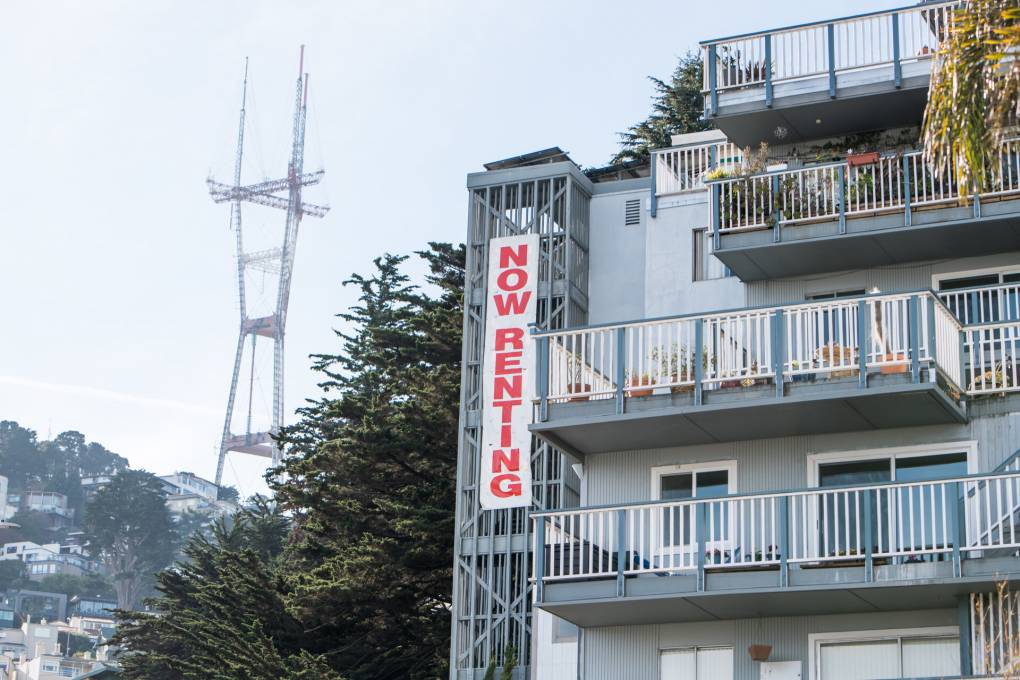
"caption": "A 'Now Renting' sign on an apartment building on Market Street in San Francisco on Dec. 6, 2020.",
"description": null,
"title": "RS46311_031_KQED_SanFrancisco_COVIDShutdown_12062020-qut",
"credit": "Beth LaBerge/KQED",
"status": "inherit",
"altTag": null,
"isLoading": false,
"fetchFailed": false
},
"news_12019454": {
"type": "attachments",
"id": "news_12019454",
"meta": {
"index": "attachments_1716263798",
"site": "news",
"id": "12019454",
"found": true
},
"title": "003_KQED_Housing_MountainView_02192020_3309",
"publishDate": 1734737743,
"status": "inherit",
"parent": 12019437,
"modified": 1735423994,
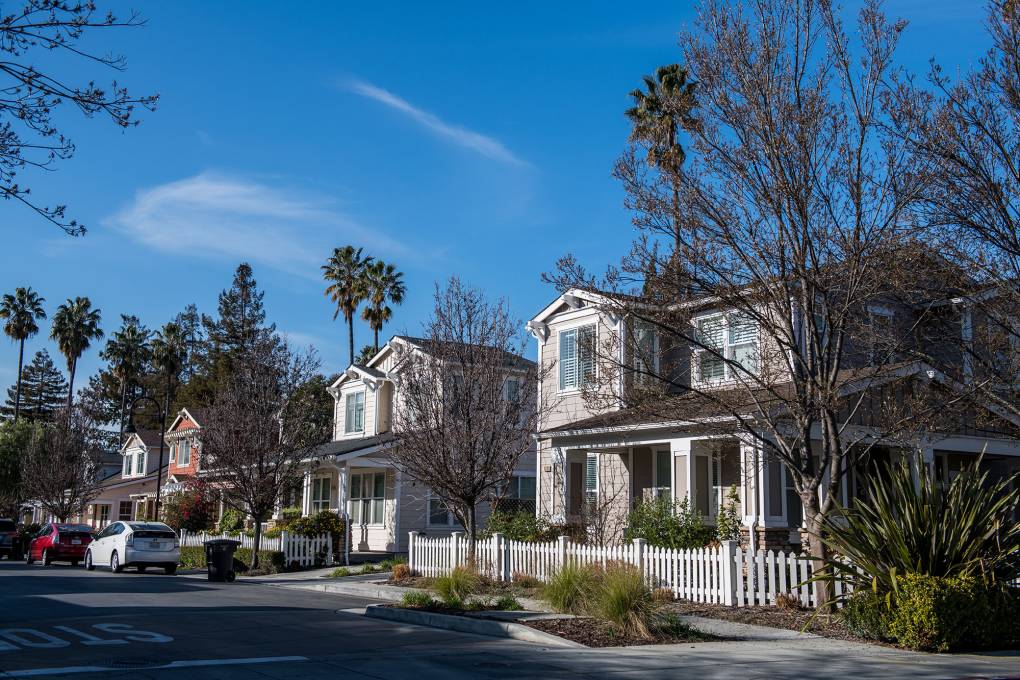
"caption": "Housing in Mountain View, Santa Clara County, on Feb. 19, 2020.\n",
"credit": "Beth LaBerge/KQED",
"altTag": null,
"description": null,
"imgSizes": {
"medium": {
"file": "https://cdn.kqed.org/wp-content/uploads/sites/10/2024/12/003_KQED_Housing_MountainView_02192020_3309-800x533.jpg",
"width": 800,
"height": 533,
"mimeType": "image/jpeg"
},
"large": {
"file": "https://cdn.kqed.org/wp-content/uploads/sites/10/2024/12/003_KQED_Housing_MountainView_02192020_3309-1020x680.jpg",
"width": 1020,
"height": 680,
"mimeType": "image/jpeg"
},
"thumbnail": {
"file": "https://cdn.kqed.org/wp-content/uploads/sites/10/2024/12/003_KQED_Housing_MountainView_02192020_3309-160x107.jpg",
"width": 160,
"height": 107,
"mimeType": "image/jpeg"
},
"1536x1536": {
"file": "https://cdn.kqed.org/wp-content/uploads/sites/10/2024/12/003_KQED_Housing_MountainView_02192020_3309-1536x1024.jpg",
"width": 1536,
"height": 1024,
"mimeType": "image/jpeg"
},
"post-thumbnail": {
"file": "https://cdn.kqed.org/wp-content/uploads/sites/10/2024/12/003_KQED_Housing_MountainView_02192020_3309-672x372.jpg",
"width": 672,
"height": 372,
"mimeType": "image/jpeg"
},
"twentyfourteen-full-width": {
"file": "https://cdn.kqed.org/wp-content/uploads/sites/10/2024/12/003_KQED_Housing_MountainView_02192020_3309-1038x576.jpg",
"width": 1038,
"height": 576,
"mimeType": "image/jpeg"
},
"full-width": {
"file": "https://cdn.kqed.org/wp-content/uploads/sites/10/2024/12/003_KQED_Housing_MountainView_02192020_3309-1920x1280.jpg",
"width": 1920,
"height": 1280,
"mimeType": "image/jpeg"
},
"kqedFullSize": {
"file": "https://cdn.kqed.org/wp-content/uploads/sites/10/2024/12/003_KQED_Housing_MountainView_02192020_3309.jpg",
"width": 2000,
"height": 1333
}
},
"isLoading": false,
"fetchFailed": false
},
"news_12018942": {
"type": "attachments",
"id": "news_12018942",
"meta": {
"index": "attachments_1716263798",
"site": "news",
"id": "12018942",
"found": true
},
"title": "OceanTowerRendering2",
"publishDate": 1734563770,
"status": "inherit",
"parent": 12018940,
"modified": 1734565128,
"caption": "A rendering of the proposed development at 2700 Sloat Blvd.",
"credit": "Courtesy of SCB and Bezier",
"altTag": null,
"description": null,
"imgSizes": {
"medium": {
"file": "https://cdn.kqed.org/wp-content/uploads/sites/10/2024/12/OceanTowerRendering2-800x450.jpg",
"width": 800,
"height": 450,
"mimeType": "image/jpeg"
},
"large": {
"file": "https://cdn.kqed.org/wp-content/uploads/sites/10/2024/12/OceanTowerRendering2-1020x574.jpg",
"width": 1020,
"height": 574,
"mimeType": "image/jpeg"
},
"thumbnail": {
"file": "https://cdn.kqed.org/wp-content/uploads/sites/10/2024/12/OceanTowerRendering2-160x90.jpg",
"width": 160,
"height": 90,
"mimeType": "image/jpeg"
},
"1536x1536": {
"file": "https://cdn.kqed.org/wp-content/uploads/sites/10/2024/12/OceanTowerRendering2-1536x864.jpg",
"width": 1536,
"height": 864,
"mimeType": "image/jpeg"
},
"post-thumbnail": {
"file": "https://cdn.kqed.org/wp-content/uploads/sites/10/2024/12/OceanTowerRendering2-672x372.jpg",
"width": 672,
"height": 372,
"mimeType": "image/jpeg"
},
"twentyfourteen-full-width": {
"file": "https://cdn.kqed.org/wp-content/uploads/sites/10/2024/12/OceanTowerRendering2-1038x576.jpg",
"width": 1038,
"height": 576,
"mimeType": "image/jpeg"
},
"full-width": {
"file": "https://cdn.kqed.org/wp-content/uploads/sites/10/2024/12/OceanTowerRendering2-1920x1080.jpg",
"width": 1920,
"height": 1080,
"mimeType": "image/jpeg"
},
"kqedFullSize": {
"file": "https://cdn.kqed.org/wp-content/uploads/sites/10/2024/12/OceanTowerRendering2.jpg",
"width": 2000,
"height": 1125
}
},
"isLoading": false,
"fetchFailed": false
},
"news_12018630": {
"type": "attachments",
"id": "news_12018630",
"meta": {
"index": "attachments_1716263798",
"site": "news",
"id": "12018630",
"found": true
},
"title": "Allen & Co. Holds Its Annual Sun Valley Conference In Idaho",
"publishDate": 1734460553,
"status": "inherit",
"parent": 12018617,
"modified": 1734460941,
"caption": "Left to right: Maya Segal, director of Beyond Meat, and Ned Segal, former chief financial officer of Twitter, attend the annual Allen & Company Sun Valley Conference, July 10, 2019 in Sun Valley, Idaho.",
"credit": "Drew Angerer/Getty Images",
"altTag": null,
"description": null,
"imgSizes": {
"medium": {
"file": "https://cdn.kqed.org/wp-content/uploads/sites/10/2024/12/NedSegalGetty-800x533.jpg",
"width": 800,
"height": 533,
"mimeType": "image/jpeg"
},
"large": {
"file": "https://cdn.kqed.org/wp-content/uploads/sites/10/2024/12/NedSegalGetty-1020x680.jpg",
"width": 1020,
"height": 680,
"mimeType": "image/jpeg"
},
"thumbnail": {
"file": "https://cdn.kqed.org/wp-content/uploads/sites/10/2024/12/NedSegalGetty-160x107.jpg",
"width": 160,
"height": 107,
"mimeType": "image/jpeg"
},
"1536x1536": {
"file": "https://cdn.kqed.org/wp-content/uploads/sites/10/2024/12/NedSegalGetty-1536x1024.jpg",
"width": 1536,
"height": 1024,
"mimeType": "image/jpeg"
},
"post-thumbnail": {
"file": "https://cdn.kqed.org/wp-content/uploads/sites/10/2024/12/NedSegalGetty-672x372.jpg",
"width": 672,
"height": 372,
"mimeType": "image/jpeg"
},
"twentyfourteen-full-width": {
"file": "https://cdn.kqed.org/wp-content/uploads/sites/10/2024/12/NedSegalGetty-1038x576.jpg",
"width": 1038,
"height": 576,
"mimeType": "image/jpeg"
},
"full-width": {
"file": "https://cdn.kqed.org/wp-content/uploads/sites/10/2024/12/NedSegalGetty-1920x1280.jpg",
"width": 1920,
"height": 1280,
"mimeType": "image/jpeg"
},
"kqedFullSize": {
"file": "https://cdn.kqed.org/wp-content/uploads/sites/10/2024/12/NedSegalGetty.jpg",
"width": 2000,
"height": 1333
}
},
"isLoading": false,
"fetchFailed": false
},
"news_12015296": {
"type": "attachments",
"id": "news_12015296",
"meta": {
"index": "attachments_1716263798",
"site": "news",
"id": "12015296",
"found": true
},
"title": "241119-SFHomelessArrests-02-BL",
"publishDate": 1732214233,
"status": "inherit",
"parent": 0,
"modified": 1732217896,
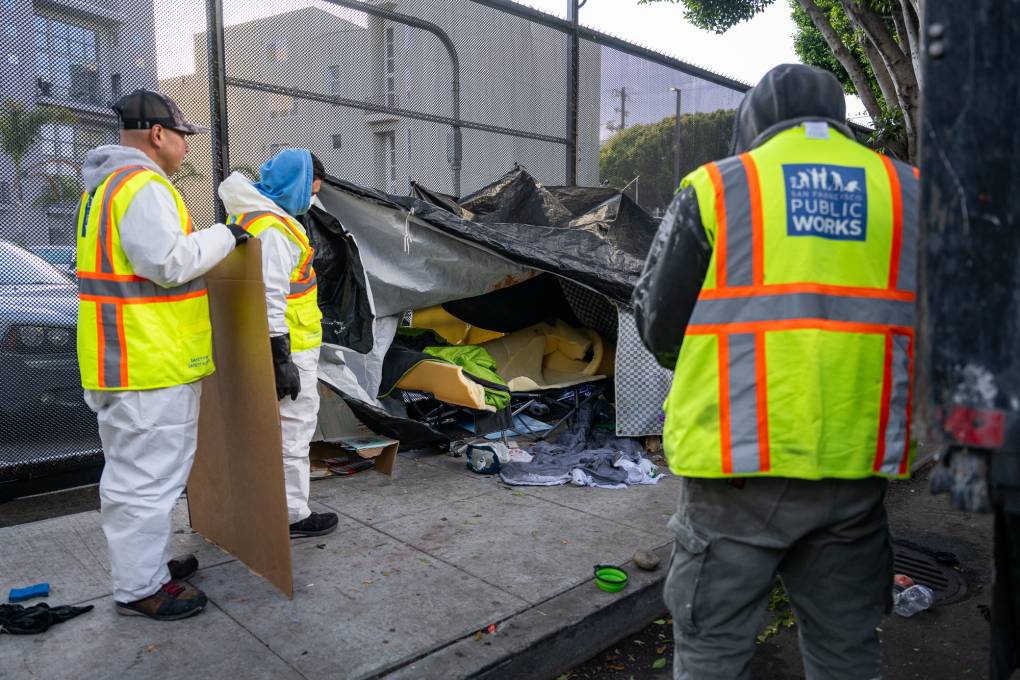
"caption": "San Francisco Public Works employees remove a makeshift shelter from the sidewalk in San Francisco’s Mission District on Nov. 19, 2024.",
"credit": "Beth LaBerge/KQED",
"altTag": null,
"description": null,
"imgSizes": {
"medium": {
"file": "https://cdn.kqed.org/wp-content/uploads/sites/10/2024/11/241119-SFHomelessArrests-02-BL-800x533.jpg",
"width": 800,
"height": 533,
"mimeType": "image/jpeg"
},
"large": {
"file": "https://cdn.kqed.org/wp-content/uploads/sites/10/2024/11/241119-SFHomelessArrests-02-BL-1020x680.jpg",
"width": 1020,
"height": 680,
"mimeType": "image/jpeg"
},
"thumbnail": {
"file": "https://cdn.kqed.org/wp-content/uploads/sites/10/2024/11/241119-SFHomelessArrests-02-BL-160x107.jpg",
"width": 160,
"height": 107,
"mimeType": "image/jpeg"
},
"1536x1536": {
"file": "https://cdn.kqed.org/wp-content/uploads/sites/10/2024/11/241119-SFHomelessArrests-02-BL-1536x1024.jpg",
"width": 1536,
"height": 1024,
"mimeType": "image/jpeg"
},
"post-thumbnail": {
"file": "https://cdn.kqed.org/wp-content/uploads/sites/10/2024/11/241119-SFHomelessArrests-02-BL-672x372.jpg",
"width": 672,
"height": 372,
"mimeType": "image/jpeg"
},
"twentyfourteen-full-width": {
"file": "https://cdn.kqed.org/wp-content/uploads/sites/10/2024/11/241119-SFHomelessArrests-02-BL-1038x576.jpg",
"width": 1038,
"height": 576,
"mimeType": "image/jpeg"
},
"full-width": {
"file": "https://cdn.kqed.org/wp-content/uploads/sites/10/2024/11/241119-SFHomelessArrests-02-BL-1920x1280.jpg",
"width": 1920,
"height": 1280,
"mimeType": "image/jpeg"
},
"kqedFullSize": {
"file": "https://cdn.kqed.org/wp-content/uploads/sites/10/2024/11/241119-SFHomelessArrests-02-BL.jpg",
"width": 2000,
"height": 1333
}
},
"isLoading": false,
"fetchFailed": false
},
"news_12014715": {
"type": "attachments",
"id": "news_12014715",
"meta": {
"index": "attachments_1716263798",
"site": "news",
"id": "12014715",
"found": true
},
"title": "Construction In Southern California",
"publishDate": 1731713190,
"status": "inherit",
"parent": 12014710,
"modified": 1731715863,
"caption": "Construction continues on a mixed-use apartment complex on Aug. 20, 2024, in Los Angeles. ",
"credit": "Mario Tama/Getty Images",
"altTag": null,
"description": null,
"imgSizes": {
"medium": {
"file": "https://cdn.kqed.org/wp-content/uploads/sites/10/2024/11/GettyImages-2167671875-800x551.jpg",
"width": 800,
"height": 551,
"mimeType": "image/jpeg"
},
"large": {
"file": "https://cdn.kqed.org/wp-content/uploads/sites/10/2024/11/GettyImages-2167671875-1020x702.jpg",
"width": 1020,
"height": 702,
"mimeType": "image/jpeg"
},
"thumbnail": {
"file": "https://cdn.kqed.org/wp-content/uploads/sites/10/2024/11/GettyImages-2167671875-160x110.jpg",
"width": 160,
"height": 110,
"mimeType": "image/jpeg"
},
"post-thumbnail": {
"file": "https://cdn.kqed.org/wp-content/uploads/sites/10/2024/11/GettyImages-2167671875-672x372.jpg",
"width": 672,
"height": 372,
"mimeType": "image/jpeg"
},
"twentyfourteen-full-width": {
"file": "https://cdn.kqed.org/wp-content/uploads/sites/10/2024/11/GettyImages-2167671875-1024x576.jpg",
"width": 1024,
"height": 576,
"mimeType": "image/jpeg"
},
"kqedFullSize": {
"file": "https://cdn.kqed.org/wp-content/uploads/sites/10/2024/11/GettyImages-2167671875.jpg",
"width": 1024,
"height": 705
}
},
"isLoading": false,
"fetchFailed": false
},
"news_12014347": {
"type": "attachments",
"id": "news_12014347",
"meta": {
"index": "attachments_1716263798",
"site": "news",
"id": "12014347",
"found": true
},
"title": "231017-LakeMercedRVs-020-BL_qed (1)",
"publishDate": 1731545882,
"status": "inherit",
"parent": 12014339,
"modified": 1731615927,
"caption": "RVs line Winston Drive in San Francisco on Oct. 17, 2023, near San Francisco State University.",
"credit": "Beth LaBerge/KQED",
"altTag": null,
"description": null,
"imgSizes": {
"medium": {
"file": "https://cdn.kqed.org/wp-content/uploads/sites/10/2024/11/231017-LakeMercedRVs-020-BL_qed-1-800x533.jpg",
"width": 800,
"height": 533,
"mimeType": "image/jpeg"
},
"large": {
"file": "https://cdn.kqed.org/wp-content/uploads/sites/10/2024/11/231017-LakeMercedRVs-020-BL_qed-1-1020x680.jpg",
"width": 1020,
"height": 680,
"mimeType": "image/jpeg"
},
"thumbnail": {
"file": "https://cdn.kqed.org/wp-content/uploads/sites/10/2024/11/231017-LakeMercedRVs-020-BL_qed-1-160x107.jpg",
"width": 160,
"height": 107,
"mimeType": "image/jpeg"
},
"1536x1536": {
"file": "https://cdn.kqed.org/wp-content/uploads/sites/10/2024/11/231017-LakeMercedRVs-020-BL_qed-1-1536x1024.jpg",
"width": 1536,
"height": 1024,
"mimeType": "image/jpeg"
},
"post-thumbnail": {
"file": "https://cdn.kqed.org/wp-content/uploads/sites/10/2024/11/231017-LakeMercedRVs-020-BL_qed-1-672x372.jpg",
"width": 672,
"height": 372,
"mimeType": "image/jpeg"
},
"twentyfourteen-full-width": {
"file": "https://cdn.kqed.org/wp-content/uploads/sites/10/2024/11/231017-LakeMercedRVs-020-BL_qed-1-1038x576.jpg",
"width": 1038,
"height": 576,
"mimeType": "image/jpeg"
},
"full-width": {
"file": "https://cdn.kqed.org/wp-content/uploads/sites/10/2024/11/231017-LakeMercedRVs-020-BL_qed-1-1920x1280.jpg",
"width": 1920,
"height": 1280,
"mimeType": "image/jpeg"
},
"kqedFullSize": {
"file": "https://cdn.kqed.org/wp-content/uploads/sites/10/2024/11/231017-LakeMercedRVs-020-BL_qed-1.jpg",
"width": 2000,
"height": 1333
}
},
"isLoading": false,
"fetchFailed": false
}
},
"audioPlayerReducer": {
"postId": "stream_live",
"isPaused": true,
"isPlaying": false,
"pfsActive": false,
"pledgeModalIsOpen": true,
"playerDrawerIsOpen": false,
"liveAudioPlayStartedAt": 0,
"liveAudioPlayContext": ""
},
"authorsReducer": {
"rachael-myrow": {
"type": "authors",
"id": "251",
"meta": {
"index": "authors_1716337520",
"id": "251",
"found": true
},
"name": "Rachael Myrow",
"firstName": "Rachael",
"lastName": "Myrow",
"slug": "rachael-myrow",
"email": "rmyrow@kqed.org",
"display_author_email": true,
"staff_mastheads": [
"news"
],
"title": "Senior Editor of KQED's Silicon Valley News Desk",
"bio": "• I write and edit stories about how Silicon Valley power and policies shape everyday life in California. I’m also passionate about making Bay Area history and culture more accessible to a broad public. • I’ve been a journalist for most of my life, starting in high school with The Franklin Press in Los Angeles, where I grew up. While earning my first degree in English at UC Berkeley, I got my start in public radio at KALX-FM. After completing a second degree in journalism at Cal, I landed my first professional job at Marketplace, then moved on to KPCC (now LAist), and then KQED, where I hosted The California Report for more than seven years. • My reporting has appeared on NPR, The World, WBUR’s \u003ci>Here & Now\u003c/i>, and the BBC. I also guest host for KQED’s \u003ci>Forum\u003c/i>, as well as the Commonwealth Club in San Francisco. • I speak periodically on media, democracy and technology issues, and do voiceover work for documentaries and educational video projects. • Outside of the studio, you'll find me hiking Bay Area trails and whipping up Insta-ready meals in my kitchen. • I do not accept gifts, money, or favors from anyone connected to my reporting, I don't pay people for information, and I do not support or donate to political causes. • I strive to treat the people I report on with fairness, honesty, and respect. I also recognize there are often multiple sides to a story and work to verify information through multiple sources and documentation. If I get something wrong, I correct it.",
"avatar": "https://secure.gravatar.com/avatar/3ed8a3c5f26025e4a805ba634cda8cd764906b97438a6d9ce216b044e340da4e?s=600&d=blank&r=g",
"twitter": "rachaelmyrow",
"bluesky": null,
"facebook": null,
"instagram": null,
"linkedin": "https://www.linkedin.com/in/rachaelmyrow/",
"sites": [
{
"site": "arts",
"roles": [
"administrator"
]
},
{
"site": "news",
"roles": [
"edit_others_posts",
"editor"
]
},
{
"site": "futureofyou",
"roles": [
"editor"
]
},
{
"site": "bayareabites",
"roles": [
"editor"
]
},
{
"site": "stateofhealth",
"roles": [
"editor"
]
},
{
"site": "science",
"roles": [
"editor"
]
},
{
"site": "food",
"roles": [
"editor"
]
},
{
"site": "forum",
"roles": [
"editor"
]
},
{
"site": "liveblog",
"roles": [
"author"
]
}
],
"headData": {
"title": "Rachael Myrow | KQED",
"description": "Senior Editor of KQED's Silicon Valley News Desk",
"ogImgSrc": "https://secure.gravatar.com/avatar/3ed8a3c5f26025e4a805ba634cda8cd764906b97438a6d9ce216b044e340da4e?s=600&d=blank&r=g",
"twImgSrc": "https://secure.gravatar.com/avatar/3ed8a3c5f26025e4a805ba634cda8cd764906b97438a6d9ce216b044e340da4e?s=600&d=blank&r=g"
},
"isLoading": false,
"link": "/author/rachael-myrow"
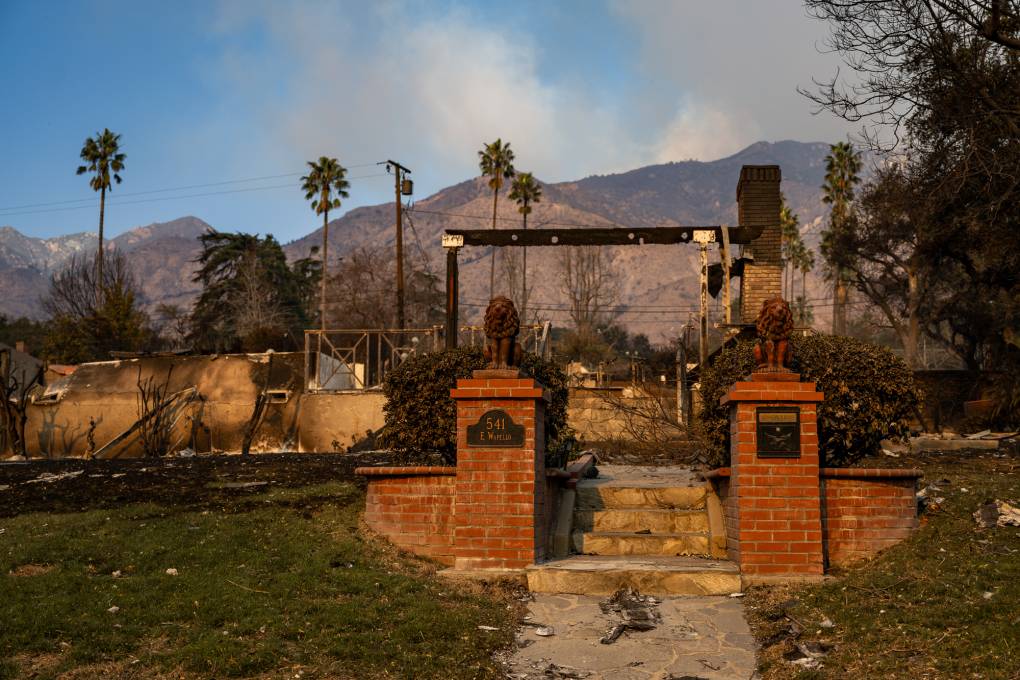
},
"vrancano": {
"type": "authors",
"id": "11276",
"meta": {
"index": "authors_1716337520",
"id": "11276",
"found": true
},
"name": "Vanessa Rancaño",
"firstName": "Vanessa",
"lastName": "Rancaño",
"slug": "vrancano",
"email": "vrancano@kqed.org",
"display_author_email": false,
"staff_mastheads": [
"news"
],
"title": "Reporter",
"bio": "Vanessa Rancaño is a features reporter for KQED. She’s also covered homelessness and education for the station and reported from the Central Valley. Her work has aired across public radio, from flagship national news shows to longform narrative podcasts. Before taking up a mic, she worked as a freelance print journalist. She’s been recognized with a number of national and regional awards. Vanessa grew up in California's Central Valley. She's a former NPR Kroc Fellow, and a graduate of the UC Berkeley Graduate School of Journalism.",
"avatar": "https://secure.gravatar.com/avatar/b3a383dfb0e7ee1c17568f2cf067904ab654d6e3de9743fc661f3c788ade1bed?s=600&d=blank&r=g",
"twitter": "vanessarancano",
"bluesky": null,
"facebook": null,
"instagram": null,
"linkedin": null,
"sites": [
{
"site": "arts",
"roles": [
"editor"
]
},
{
"site": "news",
"roles": [
"editor"
]
},
{
"site": "liveblog",
"roles": [
"contributor"
]
}
],
"headData": {
"title": "Vanessa Rancaño | KQED",
"description": "Reporter",
"ogImgSrc": "https://secure.gravatar.com/avatar/b3a383dfb0e7ee1c17568f2cf067904ab654d6e3de9743fc661f3c788ade1bed?s=600&d=blank&r=g",
"twImgSrc": "https://secure.gravatar.com/avatar/b3a383dfb0e7ee1c17568f2cf067904ab654d6e3de9743fc661f3c788ade1bed?s=600&d=blank&r=g"
},
"isLoading": false,
"link": "/author/vrancano"
},
"kevinstark": {
"type": "authors",
"id": "11608",
"meta": {
"index": "authors_1716337520",
"id": "11608",
"found": true
},
"name": "Kevin Stark",
"firstName": "Kevin",
"lastName": "Stark",
"slug": "kevinstark",
"email": "kstark@kqed.org",
"display_author_email": true,
"staff_mastheads": [
"science"
],
"title": "Senior Editor",
"bio": "Kevin is a senior editor for KQED Science, managing the station's health and climate desks. His journalism career began in the Pacific Northwest, and he later became a lead reporter for the San Francisco Public Press. His work has appeared in Pacific Standard magazine, the Energy News Network, the Center for Investigative Reporting's Reveal and WBEZ in Chicago. Kevin joined KQED in 2019, and has covered issues related to energy, wildfire, climate change and the environment.",
"avatar": "https://secure.gravatar.com/avatar/365aaa4b597d3a8374f67504ff0facd323d7906e8eb4be0a7efd2427408e802c?s=600&d=blank&r=g",
"twitter": "starkkev",
"bluesky": null,
"facebook": null,
"instagram": null,
"linkedin": null,
"sites": [
{
"site": "",
"roles": [
"editor"
]
},
{
"site": "news",
"roles": [
"editor"
]
},
{
"site": "science",
"roles": [
"administrator"
]
}
],
"headData": {
"title": "Kevin Stark | KQED",
"description": "Senior Editor",
"ogImgSrc": "https://secure.gravatar.com/avatar/365aaa4b597d3a8374f67504ff0facd323d7906e8eb4be0a7efd2427408e802c?s=600&d=blank&r=g",
"twImgSrc": "https://secure.gravatar.com/avatar/365aaa4b597d3a8374f67504ff0facd323d7906e8eb4be0a7efd2427408e802c?s=600&d=blank&r=g"
},
"isLoading": false,
"link": "/author/kevinstark"
},
"abandlamudi": {
"type": "authors",
"id": "11672",
"meta": {
"index": "authors_1716337520",
"id": "11672",
"found": true
},
"name": "Adhiti Bandlamudi",
"firstName": "Adhiti",
"lastName": "Bandlamudi",
"slug": "abandlamudi",
"email": "abandlamudi@kqed.org",
"display_author_email": false,
"staff_mastheads": [
"news"
],
"title": "KQED Housing Reporter",
"bio": "Adhiti Bandlamudi reports for KQED's Housing desk. She focuses on how housing gets built across the Bay Area. Before joining KQED in 2020, she reported for WUNC in Durham, North Carolina, WABE in Atlanta, Georgia and Capital Public Radio in Sacramento. In 2017, she was awarded a Kroc Fellowship at NPR where she reported on everything from sprinkles to the Golden State Killer's arrest. When she's not reporting, she's baking new recipes in her kitchen or watching movies with friends and family. She's originally from Georgia and has strong opinions about Great British Bake Off.",
"avatar": "https://secure.gravatar.com/avatar/868129c8b257bb99a3500e2c86a65400?s=600&d=mm&r=g",
"twitter": "oddity_adhiti",
"facebook": null,
"instagram": null,
"linkedin": null,
"sites": [
{
"site": "arts",
"roles": [
"author"
]
},
{
"site": "news",
"roles": [
"editor"
]
},
{
"site": "liveblog",
"roles": [
"author"
]
}
],
"headData": {
"title": "Adhiti Bandlamudi | KQED",
"description": "KQED Housing Reporter",
"ogImgSrc": "https://secure.gravatar.com/avatar/868129c8b257bb99a3500e2c86a65400?s=600&d=mm&r=g",
"twImgSrc": "https://secure.gravatar.com/avatar/868129c8b257bb99a3500e2c86a65400?s=600&d=mm&r=g"
},
"isLoading": false,
"link": "/author/abandlamudi"
},
"sjohnson": {
"type": "authors",
"id": "11840",
"meta": {
"index": "authors_1716337520",
"id": "11840",
"found": true
},
"name": "Sydney Johnson",
"firstName": "Sydney",
"lastName": "Johnson",
"slug": "sjohnson",
"email": "sjohnson@kqed.org",
"display_author_email": false,
"staff_mastheads": [
"news"
],
"title": "KQED Reporter",
"bio": "Sydney Johnson is a general assignment reporter at KQED. She previously reported on public health and city government at the San Francisco Examiner, and before that, she covered statewide education policy for EdSource. Her reporting has won multiple local, state and national awards. Sydney is a graduate of the University of California, Berkeley and lives in San Francisco.",
"avatar": "https://secure.gravatar.com/avatar/97855f2719b72ad6190b7c535fe642c8?s=600&d=blank&r=g",
"twitter": "sydneyfjohnson",
"facebook": null,
"instagram": null,
"linkedin": null,
"sites": [
{
"site": "news",
"roles": [
"editor"
]
}
],
"headData": {
"title": "Sydney Johnson | KQED",
"description": "KQED Reporter",
"ogImgSrc": "https://secure.gravatar.com/avatar/97855f2719b72ad6190b7c535fe642c8?s=600&d=blank&r=g",
"twImgSrc": "https://secure.gravatar.com/avatar/97855f2719b72ad6190b7c535fe642c8?s=600&d=blank&r=g"
},
"isLoading": false,
"link": "/author/sjohnson"
},
"jgeha": {
"type": "authors",
"id": "11906",
"meta": {
"index": "authors_1716337520",
"id": "11906",
"found": true
},
"name": "Joseph Geha",
"firstName": "Joseph",
"lastName": "Geha",
"slug": "jgeha",
"email": "jgeha@kqed.org",
"display_author_email": false,
"staff_mastheads": [
"news",
"science"
],
"title": "KQED Contributor",
"bio": null,
"avatar": "https://secure.gravatar.com/avatar/ea84d2b6dd93d6369d453edf19dd583f117cd1759d2d9c9c92f9de77017354fe?s=600&d=blank&r=g",
"twitter": null,
"bluesky": null,
"facebook": null,
"instagram": null,
"linkedin": null,
"sites": [
{
"site": "news",
"roles": [
"editor"
]
},
{
"site": "liveblog",
"roles": [
"author"
]
}
],
"headData": {
"title": "Joseph Geha | KQED",
"description": "KQED Contributor",
"ogImgSrc": "https://secure.gravatar.com/avatar/ea84d2b6dd93d6369d453edf19dd583f117cd1759d2d9c9c92f9de77017354fe?s=600&d=blank&r=g",
"twImgSrc": "https://secure.gravatar.com/avatar/ea84d2b6dd93d6369d453edf19dd583f117cd1759d2d9c9c92f9de77017354fe?s=600&d=blank&r=g"
},
"isLoading": false,
"link": "/author/jgeha"
},
"slim": {
"type": "authors",
"id": "11920",
"meta": {
"index": "authors_1716337520",
"id": "11920",
"found": true
},
"name": "Samantha Lim",
"firstName": "Samantha",
"lastName": "Lim",
"slug": "slim",
"email": "slim@KQED.org",
"display_author_email": false,
"staff_mastheads": [],
"title": "KQED Contributor",
"bio": null,
"avatar": "https://secure.gravatar.com/avatar/82e592e6c15fe1a04d385e8ad0fb0b4e?s=600&d=blank&r=g",
"twitter": null,
"facebook": null,
"instagram": null,
"linkedin": null,
"sites": [
{
"site": "news",
"roles": []
}
],
"headData": {
"title": "Samantha Lim | KQED",
"description": "KQED Contributor",
"ogImgSrc": "https://secure.gravatar.com/avatar/82e592e6c15fe1a04d385e8ad0fb0b4e?s=600&d=blank&r=g",
"twImgSrc": "https://secure.gravatar.com/avatar/82e592e6c15fe1a04d385e8ad0fb0b4e?s=600&d=blank&r=g"
},
"isLoading": false,
"link": "/author/slim"
},
"gzada": {
"type": "authors",
"id": "11929",
"meta": {
"index": "authors_1716337520",
"id": "11929",
"found": true
},
"name": "Gilare Zada",
"firstName": "Gilare",
"lastName": "Zada",
"slug": "gzada",
"email": "gzada@kqed.org",
"display_author_email": true,
"staff_mastheads": [
"news"
],
"title": null,
"bio": "Gilare Zada is a Kurdish-American from San Diego, CA. Storytelling, fitness, and binge reading are some of her passions outside of news reporting. Her work has appeared in Mission Local, the Peninsula Press, the San Francisco Press Club, and more. She also writes as a class correspondent for the Stanford Magazine - go Card!",
"avatar": "https://secure.gravatar.com/avatar/33a75f2b947669a488a805edec3fbf3838c1cedaedda710e983770633b4d6a75?s=600&d=blank&r=g",
"twitter": null,
"bluesky": null,
"facebook": null,
"instagram": null,
"linkedin": null,
"sites": [
{
"site": "arts",
"roles": [
"editor"
]
},
{
"site": "news",
"roles": [
"administrator"
]
},
{
"site": "science",
"roles": [
"editor"
]
}
],
"headData": {
"title": "Gilare Zada | KQED",
"description": null,
"ogImgSrc": "https://secure.gravatar.com/avatar/33a75f2b947669a488a805edec3fbf3838c1cedaedda710e983770633b4d6a75?s=600&d=blank&r=g",
"twImgSrc": "https://secure.gravatar.com/avatar/33a75f2b947669a488a805edec3fbf3838c1cedaedda710e983770633b4d6a75?s=600&d=blank&r=g"
},
"isLoading": false,
"link": "/author/gzada"
}
},
"pagesReducer": {
"news_tag_affordable-housing": {
"type": "terms",
"id": "news_3921",
"meta": {
"index": "terms_1716263798",
"site": "news",
"id": "3921",
"score": 9.304576
},
"featImg": null,
"name": "affordable housing",
"description": null,
"taxonomy": "tag",
"headData": {
"twImgId": null,
"twTitle": null,
"ogTitle": null,
"ogImgId": null,
"twDescription": null,
"description": null,
"title": "affordable housing Archives | KQED News",
"ogDescription": null
},
"ttid": 3940,
"slug": "affordable-housing",
"isLoading": false,
"title": "affordable housing",
"pageMeta": {
"site": "news",
"WpPageTemplate": "page-topic-editorial",
"currentPage": 16
},
"blocks": [
{
"blockName": "kqed/post-list",
"attrs": {
"layout": "cardArticle2",
"query": "posts/news?tag=affordable-housing",
"seeMore": false,
"paginated": true,
"page": 16
}
},
{
"blockName": "kqed/ad"
}
]
}
},
"pfsSessionReducer": {},
"postsReducer": {
"stream_live": {
"type": "live",
"id": "stream_live",
"audioUrl": "https://streams.kqed.org/kqedradio",
"title": "Live Stream",
"excerpt": "Live Stream information currently unavailable.",
"link": "/radio",
"featImg": "",
"label": {
"name": "KQED Live",
"link": "/"
}
},
"stream_kqedNewscast": {
"type": "posts",
"id": "stream_kqedNewscast",
"audioUrl": "https://www.kqed.org/.stream/anon/radio/RDnews/newscast.mp3?_=1",
"title": "KQED Newscast",
"featImg": "",
"label": {
"name": "88.5 FM",
"link": "/"
}
},
"news_12026053": {
"type": "posts",
"id": "news_12026053",
"meta": {
"index": "posts_1716263798",
"site": "news",
"id": "12026053",
"score": null,
"sort": [
1738884413000
]
},
"guestAuthors": [],
"slug": "after-8-months-no-clear-cause-for-fire-razed-affordable-housing-construction",
"title": "After 8 Months, No Clear Cause for Fire That Razed Affordable Housing Construction",
"publishDate": 1738884413,
"format": "standard",
"headTitle": "After 8 Months, No Clear Cause for Fire That Razed Affordable Housing Construction | KQED",
"labelTerm": {
"site": "news"
},
"content": "\u003cp>\u003cem>Updated 4:45 Thursday\u003c/em>\u003c/p>\n\u003cp>Nearly eight months after a fast-moving fire \u003ca href=\"https://www.kqed.org/news/11988750/massive-fire-burns-affordable-housing-construction-near-redwood-city\">destroyed an affordable housing building\u003c/a> that was under construction near Redwood City, fire officials said they cannot definitively identify a cause.\u003c/p>\n\u003cp>According to a fire investigation report by the Menlo Park Fire District that labels the cause as undetermined, the fire began on the fifth floor in a room in the northwest corner, and it “most likely” started when the plastic wrapping on a package of insulation ignited.\u003c/p>\n\u003cp>How the package was sparked is still unclear, though investigators couldn’t rule out that “an open flame device,” such as a torch used to solder pipes, may have been used in the area and caused an ignition.\u003c/p>\n\u003cp>[ad fullwidth]\u003c/p>\n\u003cp>“We wish we had a more definite answer because we always want to know,” Menlo Park Fire District Marshal Jon Johnston told KQED. Whether the fire was intentionally set or not is also not clear, he said.\u003c/p>\n\u003cp>The fire was reported to 911 around 10:15 a.m. on June 3 at the affordable housing project site known as Middlefield Junction, being built by Mercy Housing California. The project consists of two buildings totaling 179 apartments, located on San Mateo County-owned property at 2700 Middlefield Rd. in the North Fair Oaks neighborhood south of Redwood City.\u003c/p>\n\u003cp>One building, which had 104 planned units, burned down to its concrete foundation, while a neighboring 75-unit building that includes a planned child care center was not damaged.\u003c/p>\n\u003cp>Construction workers at the site tried to put out the blaze with fire extinguishers but were unsuccessful, the fire district said in a Jan. 29 statement. “The building was evacuated safely, 911 was called, and the fire spread quickly consuming the entire structure.”\u003c/p>\n\u003cp>[aside postID=news_11989028 hero='https://cdn.kqed.org/wp-content/uploads/sites/10/2024/06/Redwood-City-Fire-3_qut-1020x740.jpg']\u003c/p>\n\u003cp>The district said 36 fire engines and six ladder trucks from around San Mateo and Santa Clara counties were called in to help control the fire and ultimately contained it to the one building. Some fences and vehicles near the property were damaged due to the fire, Johnston said, but no injuries were reported.\u003c/p>\n\u003cp>The fire’s spread was accelerated because of the exposed wood framing throughout most of the in-progress structure, along with open airflow and other fuel sources, such as construction materials.\u003c/p>\n\u003cp>The building had some windows installed, but it had no doors, was not weather sealed, and was “open to free ventilation,” contributing to a “total burn,” the report said. Fire sprinkler systems were still being installed but not complete.\u003c/p>\n\u003cp>Investigators also received varying reports about the “housekeeping of the construction site,” which could have contributed to the rapid fire spread.\u003c/p>\n\u003cp>The fire district, along with the San Mateo County Fire Investigation Task Force, interviewed witnesses, including site workers and neighbors, and reviewed pictures, videos and other evidence.\u003c/p>\n\u003cp>Crews also conducted tests of different potential ignition sources, documenting how things like a cigarette, chopping saw and a soldering torch might have started the fire.\u003c/p>\n\u003cp>“They had no smoking signs. We are told people smoke, but we don’t know where,” Johnston said. “We also had sparks from cutting tools because we were told that there was some metal cutting going on around that location, or there was also potential for some pipe sweating, but maybe not. So we took that again as a possibility,” Johnston said of the testing.\u003c/p>\n\u003cp>Johnston said the investigation is complete for now but could be reopened if new information is discovered or brought to investigators that warrant follow-up.\u003c/p>\n\u003cp>In the days after the fire, county officials \u003ca href=\"https://www.kqed.org/news/11989028/affordable-housing-building-near-redwood-city-will-be-rebuilt-after-fire\">vowed the housing project would be rebuilt\u003c/a>. A county spokesperson did not immediately respond to a request for comment on Thursday.\u003c/p>\n\u003cp>San Mateo County needs to build more than 1,200 housing units for low- and very-low-income families by 2031 to meet its expected demand, and the damaged complex was among the largest in the county’s development pipeline.\u003c/p>\n\u003cp>Kelly Hollywood, an associate director of real estate for Mercy Housing, said the organization received approvals from the fire district and county building officials and has moved forward with site cleanup and construction.\u003c/p>\n\u003cp>“We are on track to open the first building, featuring 75 apartments, this summer, and the second building, with 104 apartments, in early 2026,” Hollywood said in an email. “Mercy Housing California is thrilled to bring these affordable homes for families and a new childcare center to serve the North Fair Oaks and surrounding communities.”\u003c/p>\n\u003cp>\u003c/p>\n",
"blocks": [],
"excerpt": "The cause of a massive fire last year at an affordable housing complex that was under construction near Redwood City is undetermined, fire officials said after finishing their investigation. ",
"status": "publish",
"parent": 0,
"modified": 1738889119,
"stats": {
"hasAudio": false,
"hasVideo": false,
"hasChartOrMap": false,
"iframeSrcs": [],
"hasGoogleForm": false,
"hasGallery": false,
"hasHearkenModule": false,
"hasPolis": false,
"paragraphCount": 23,
"wordCount": 781
},
"headData": {
"title": "After 8 Months, No Clear Cause for Fire That Razed Affordable Housing Construction | KQED",
"description": "The cause of a massive fire last year at an affordable housing complex that was under construction near Redwood City is undetermined, fire officials said after finishing their investigation. ",
"ogTitle": "",
"ogDescription": "",
"ogImgId": "",
"twTitle": "",
"twDescription": "",
"twImgId": "",
"schema": {
"@context": "https://schema.org",
"@type": "NewsArticle",
"headline": "After 8 Months, No Clear Cause for Fire That Razed Affordable Housing Construction",
"datePublished": "2025-02-06T15:26:53-08:00",
"dateModified": "2025-02-06T16:45:19-08:00",
"image": "https://cdn.kqed.org/wp-content/uploads/2020/02/KQED-OG-Image@1x.png",
"isAccessibleForFree": "True",
"publisher": {
"@type": "NewsMediaOrganization",
"@id": "https://www.kqed.org/#organization",
"name": "KQED",
"logo": "https://cdn.kqed.org/wp-content/uploads/2020/02/KQED-OG-Image@1x.png",
"url": "https://www.kqed.org",
"sameAs": [
"https://www.facebook.com/KQED",
"https://twitter.com/KQED",
"https://www.instagram.com/kqed/",
"https://www.tiktok.com/@kqedofficial",
"https://www.linkedin.com/company/kqed",
"https://www.youtube.com/channel/UCeC0IOo7i1P_61zVUWbJ4nw"
]
}
}
},
"sticky": false,
"nprStoryId": "kqed-12026053",
"excludeFromSiteSearch": "Include",
"articleAge": "0",
"path": "/news/12026053/after-8-months-no-clear-cause-for-fire-razed-affordable-housing-construction",
"audioTrackLength": null,
"parsedContent": [
{
"type": "contentString",
"content": "\u003cdiv class=\"post-body\">\u003cp>\u003cp>\u003cem>Updated 4:45 Thursday\u003c/em>\u003c/p>\n\u003cp>Nearly eight months after a fast-moving fire \u003ca href=\"https://www.kqed.org/news/11988750/massive-fire-burns-affordable-housing-construction-near-redwood-city\">destroyed an affordable housing building\u003c/a> that was under construction near Redwood City, fire officials said they cannot definitively identify a cause.\u003c/p>\n\u003cp>According to a fire investigation report by the Menlo Park Fire District that labels the cause as undetermined, the fire began on the fifth floor in a room in the northwest corner, and it “most likely” started when the plastic wrapping on a package of insulation ignited.\u003c/p>\n\u003cp>How the package was sparked is still unclear, though investigators couldn’t rule out that “an open flame device,” such as a torch used to solder pipes, may have been used in the area and caused an ignition.\u003c/p>\n\u003cp>\u003c/p>\u003c/div>",
"attributes": {
"named": {},
"numeric": []
}
},
{
"type": "component",
"content": "",
"name": "ad",
"attributes": {
"named": {
"label": "fullwidth"
},
"numeric": [
"fullwidth"
]
}
},
{
"type": "contentString",
"content": "\u003cdiv class=\"post-body\">\u003cp>\u003c/p>\n\u003cp>“We wish we had a more definite answer because we always want to know,” Menlo Park Fire District Marshal Jon Johnston told KQED. Whether the fire was intentionally set or not is also not clear, he said.\u003c/p>\n\u003cp>The fire was reported to 911 around 10:15 a.m. on June 3 at the affordable housing project site known as Middlefield Junction, being built by Mercy Housing California. The project consists of two buildings totaling 179 apartments, located on San Mateo County-owned property at 2700 Middlefield Rd. in the North Fair Oaks neighborhood south of Redwood City.\u003c/p>\n\u003cp>One building, which had 104 planned units, burned down to its concrete foundation, while a neighboring 75-unit building that includes a planned child care center was not damaged.\u003c/p>\n\u003cp>Construction workers at the site tried to put out the blaze with fire extinguishers but were unsuccessful, the fire district said in a Jan. 29 statement. “The building was evacuated safely, 911 was called, and the fire spread quickly consuming the entire structure.”\u003c/p>\n\u003cp>\u003c/p>\u003c/div>",
"attributes": {
"named": {},
"numeric": []
}
},
{
"type": "component",
"content": "",
"name": "aside",
"attributes": {
"named": {
"postid": "news_11989028",
"hero": "https://cdn.kqed.org/wp-content/uploads/sites/10/2024/06/Redwood-City-Fire-3_qut-1020x740.jpg",
"label": ""
},
"numeric": []
}
},
{
"type": "contentString",
"content": "\u003cdiv class=\"post-body\">\u003cp>\u003c/p>\n\u003cp>The district said 36 fire engines and six ladder trucks from around San Mateo and Santa Clara counties were called in to help control the fire and ultimately contained it to the one building. Some fences and vehicles near the property were damaged due to the fire, Johnston said, but no injuries were reported.\u003c/p>\n\u003cp>The fire’s spread was accelerated because of the exposed wood framing throughout most of the in-progress structure, along with open airflow and other fuel sources, such as construction materials.\u003c/p>\n\u003cp>The building had some windows installed, but it had no doors, was not weather sealed, and was “open to free ventilation,” contributing to a “total burn,” the report said. Fire sprinkler systems were still being installed but not complete.\u003c/p>\n\u003cp>Investigators also received varying reports about the “housekeeping of the construction site,” which could have contributed to the rapid fire spread.\u003c/p>\n\u003cp>The fire district, along with the San Mateo County Fire Investigation Task Force, interviewed witnesses, including site workers and neighbors, and reviewed pictures, videos and other evidence.\u003c/p>\n\u003cp>Crews also conducted tests of different potential ignition sources, documenting how things like a cigarette, chopping saw and a soldering torch might have started the fire.\u003c/p>\n\u003cp>“They had no smoking signs. We are told people smoke, but we don’t know where,” Johnston said. “We also had sparks from cutting tools because we were told that there was some metal cutting going on around that location, or there was also potential for some pipe sweating, but maybe not. So we took that again as a possibility,” Johnston said of the testing.\u003c/p>\n\u003cp>Johnston said the investigation is complete for now but could be reopened if new information is discovered or brought to investigators that warrant follow-up.\u003c/p>\n\u003cp>In the days after the fire, county officials \u003ca href=\"https://www.kqed.org/news/11989028/affordable-housing-building-near-redwood-city-will-be-rebuilt-after-fire\">vowed the housing project would be rebuilt\u003c/a>. A county spokesperson did not immediately respond to a request for comment on Thursday.\u003c/p>\n\u003cp>San Mateo County needs to build more than 1,200 housing units for low- and very-low-income families by 2031 to meet its expected demand, and the damaged complex was among the largest in the county’s development pipeline.\u003c/p>\n\u003cp>Kelly Hollywood, an associate director of real estate for Mercy Housing, said the organization received approvals from the fire district and county building officials and has moved forward with site cleanup and construction.\u003c/p>\n\u003cp>“We are on track to open the first building, featuring 75 apartments, this summer, and the second building, with 104 apartments, in early 2026,” Hollywood said in an email. “Mercy Housing California is thrilled to bring these affordable homes for families and a new childcare center to serve the North Fair Oaks and surrounding communities.”\u003c/p>\n\u003cp>\u003c/p>\n\u003c/div>\u003c/p>",
"attributes": {
"named": {},
"numeric": []
}
}
],
"link": "/news/12026053/after-8-months-no-clear-cause-for-fire-razed-affordable-housing-construction",
"authors": [
"11906"
],
"categories": [
"news_31795",
"news_6266",
"news_8"
],
"tags": [
"news_3921",
"news_18538",
"news_1775",
"news_17867"
],
"featImg": "news_12026074",
"label": "news"
},
"news_12025436": {
"type": "posts",
"id": "news_12025436",
"meta": {
"index": "posts_1716263798",
"site": "news",
"id": "12025436",
"score": null,
"sort": [
1738620378000
]
},
"guestAuthors": [],
"slug": "state-farm-seeks-emergency-rate-hike-california-after-la-fires",
"title": "State Farm Seeks Emergency Rate Hike in California After LA Fires",
"publishDate": 1738620378,
"format": "standard",
"headTitle": "State Farm Seeks Emergency Rate Hike in California After LA Fires | KQED",
"labelTerm": {
"site": "news"
},
"content": "\u003cp>\u003cem>Updated 4:30 p.m. Monday\u003c/em>\u003c/p>\n\u003cp>State Farm is asking California regulators to approve a significant emergency rate hike, saying it is needed to avert a “dire situation for our customers and the insurance market in the state” accelerated by the \u003ca href=\"https://www.kqed.org/news/12025125/advice-to-those-recovering-from-wildfire-from-northern-californians-whove-been-there\">disastrous wildfires across Southern California\u003c/a>.\u003c/p>\n\u003cp>The company, California’s largest insurance group, requested “urgent assistance” in a letter to Insurance Commissioner Ricardo Lara on Monday asking for the following average rate hikes to be effective May 1, 2025:\u003c/p>\n\u003cul>\n\u003cli>22% increase in homeowners insurance\u003c/li>\n\u003cli>15% increase in condominium owners insurance\u003c/li>\n\u003cli>38% increase in renters insurance\u003c/li>\n\u003c/ul>\n\u003cp>[ad fullwidth]\u003c/p>\n\u003cp>State Farm General, the company’s California subsidiary, holds millions of policies and represents more than a million homeowners in the state.\u003c/p>\n\u003cp>Last June, the company sought \u003ca href=\"https://www.kqed.org/news/11992399/state-farm-seeks-enormous-rate-increases-in-california-to-prevent-insolvency\">a series of major rate increases to prevent insolvency\u003c/a>, which called its financial stability into doubt amid an ongoing \u003ca href=\"https://www.kqed.org/science/1992401/homeowners-insurance-market-stretched-even-thinner-as-2-more-companies-leave-california\">crisis in the state’s insurance market\u003c/a>.\u003c/p>\n\u003cfigure id=\"attachment_12022616\" class=\"wp-caption aligncenter\" style=\"max-width: 2000px\">\u003cimg loading=\"lazy\" decoding=\"async\" class=\"size-full wp-image-12022616\" src=\"https://cdn.kqed.org/wp-content/uploads/sites/10/2025/01/011525-California-Wildfires-MT-AP-CM-01-copy.jpg\" alt=\"\" width=\"2000\" height=\"1334\" srcset=\"https://cdn.kqed.org/wp-content/uploads/sites/10/2025/01/011525-California-Wildfires-MT-AP-CM-01-copy.jpg 2000w, https://cdn.kqed.org/wp-content/uploads/sites/10/2025/01/011525-California-Wildfires-MT-AP-CM-01-copy-800x534.jpg 800w, https://cdn.kqed.org/wp-content/uploads/sites/10/2025/01/011525-California-Wildfires-MT-AP-CM-01-copy-1020x680.jpg 1020w, https://cdn.kqed.org/wp-content/uploads/sites/10/2025/01/011525-California-Wildfires-MT-AP-CM-01-copy-160x107.jpg 160w, https://cdn.kqed.org/wp-content/uploads/sites/10/2025/01/011525-California-Wildfires-MT-AP-CM-01-copy-1536x1025.jpg 1536w, https://cdn.kqed.org/wp-content/uploads/sites/10/2025/01/011525-California-Wildfires-MT-AP-CM-01-copy-1920x1281.jpg 1920w\" sizes=\"auto, (max-width: 2000px) 100vw, 2000px\">\u003cfigcaption class=\"wp-caption-text\">The devastation from the Palisades Fire is seen from the air in the Pacific Palisades neighborhood of Los Angeles on Jan. 9, 2025. \u003ccite>(Mark J. Terrill/AP Photo)\u003c/cite>\u003c/figcaption>\u003c/figure>\n\u003cp>While regulators are still investigating those requests, which would raise rates an average of 30% for homeowners insurance and 52% for renters insurance, Monday’s letter asked the state to take quick action on an “emergency interim approval.”\u003c/p>\n\u003cp>“State Farm General’s rate filings raise serious questions about its financial condition,” Gabriel Sanchez, California Department of Insurance press secretary, said in a statement.\u003c/p>\n\u003cp>[aside postID=news_12025352 hero='https://cdn.kqed.org/wp-content/uploads/sites/10/2024/11/241122-StormHitsBayArea-06-BL-1020x680.jpg']\u003c/p>\n\u003cp>More than 1 in 5 homeowners have State Farm insurance in California, and that share has been growing in recent years, said Michael Wara, a climate and energy expert at Stanford University.\u003c/p>\n\u003cp>“State Farm isn’t very healthy financially because it has been really trying to stay in the California market and even grow in the California market as opposed to doing what most of the other companies have done, which is to shrink,” he told KQED.\u003c/p>\n\u003cp>“The financial health of State Farm is very significant, particularly to people in the fire footprint who now have claims to file,” Wara added.\u003c/p>\n\u003cp>Thousands of State Farm employees have assisted victims of the L.A. fires, the company said, processing nearly 8,700 claims and paying out more than $1 billion to customers.\u003c/p>\n\u003cp>“We know we will ultimately pay out significantly more, as these fires will collectively be the costliest in the history of the company,” the State Farm letter said, noting that its reinsurance — basically insurance for insurance companies — will assist it in paying out claims.\u003c/p>\n\u003cp>Nevertheless, the costs of these fires will further deplete its capital.\u003c/p>\n\u003cp>“Last year, one rating agency downgraded SFG and, with further capital deterioration as a result of the fires, additional downgrades could follow,” the letter said. “If that were to happen, customers with a mortgage might not be able to use State Farm General insurance as collateral backing for their mortgage.”\u003c/p>\n\u003cp>“Given State Farm’s obligations to policyholders who lost homes in the L.A. wildfires [and] their large share of the overall California market — if they provide data to the state Department of Insurance to substantiate their claim to have paid out their entire surplus already — it’s likely there will be some level of a negotiated emergency increase approval,” said Amy Bach, executive director of United Policyholders, a San Francisco-based nonprofit that advocates for insurance consumers.\u003c/p>\n\u003cp>\u003c/p>\n",
"blocks": [],
"excerpt": "State Farm said its request to California regulators is needed to avert a “dire situation,” raising serious questions about the insurance company’s financial condition.",
"status": "publish",
"parent": 0,
"modified": 1738695035,
"stats": {
"hasAudio": false,
"hasVideo": false,
"hasChartOrMap": false,
"iframeSrcs": [],
"hasGoogleForm": false,
"hasGallery": false,
"hasHearkenModule": false,
"hasPolis": false,
"paragraphCount": 18,
"wordCount": 608
},
"headData": {
"title": "State Farm Seeks Emergency Rate Hike in California After LA Fires | KQED",
"description": "State Farm said its request to California regulators is needed to avert a “dire situation,” raising serious questions about the insurance company’s financial condition.",
"ogTitle": "",
"ogDescription": "",
"ogImgId": "",
"twTitle": "",
"twDescription": "",
"twImgId": "",
"schema": {
"@context": "https://schema.org",
"@type": "NewsArticle",
"headline": "State Farm Seeks Emergency Rate Hike in California After LA Fires",
"datePublished": "2025-02-03T14:06:18-08:00",
"dateModified": "2025-02-04T10:50:35-08:00",
"image": "https://cdn.kqed.org/wp-content/uploads/2020/02/KQED-OG-Image@1x.png",
"isAccessibleForFree": "True",
"publisher": {
"@type": "NewsMediaOrganization",
"@id": "https://www.kqed.org/#organization",
"name": "KQED",
"logo": "https://cdn.kqed.org/wp-content/uploads/2020/02/KQED-OG-Image@1x.png",
"url": "https://www.kqed.org",
"sameAs": [
"https://www.facebook.com/KQED",
"https://twitter.com/KQED",
"https://www.instagram.com/kqed/",
"https://www.tiktok.com/@kqedofficial",
"https://www.linkedin.com/company/kqed",
"https://www.youtube.com/channel/UCeC0IOo7i1P_61zVUWbJ4nw"
]
}
}
},
"audioUrl": "https://traffic.omny.fm/d/clips/0af137ef-751e-4b19-a055-aaef00d2d578/ffca7e9f-6831-41c5-bcaf-aaef00f5a073/7dc24810-a0ea-44bb-aff3-b27a010ef2f5/audio.mp3",
"sticky": false,
"nprStoryId": "kqed-12025436",
"excludeFromSiteSearch": "Include",
"articleAge": "0",
"path": "/news/12025436/state-farm-seeks-emergency-rate-hike-california-after-la-fires",
"audioTrackLength": null,
"parsedContent": [
{
"type": "contentString",
"content": "\u003cdiv class=\"post-body\">\u003cp>\u003cp>\u003cem>Updated 4:30 p.m. Monday\u003c/em>\u003c/p>\n\u003cp>State Farm is asking California regulators to approve a significant emergency rate hike, saying it is needed to avert a “dire situation for our customers and the insurance market in the state” accelerated by the \u003ca href=\"https://www.kqed.org/news/12025125/advice-to-those-recovering-from-wildfire-from-northern-californians-whove-been-there\">disastrous wildfires across Southern California\u003c/a>.\u003c/p>\n\u003cp>The company, California’s largest insurance group, requested “urgent assistance” in a letter to Insurance Commissioner Ricardo Lara on Monday asking for the following average rate hikes to be effective May 1, 2025:\u003c/p>\n\u003cul>\n\u003cli>22% increase in homeowners insurance\u003c/li>\n\u003cli>15% increase in condominium owners insurance\u003c/li>\n\u003cli>38% increase in renters insurance\u003c/li>\n\u003c/ul>\n\u003cp>\u003c/p>\u003c/div>",
"attributes": {
"named": {},
"numeric": []
}
},
{
"type": "component",
"content": "",
"name": "ad",
"attributes": {
"named": {
"label": "fullwidth"
},
"numeric": [
"fullwidth"
]
}
},
{
"type": "contentString",
"content": "\u003cdiv class=\"post-body\">\u003cp>\u003c/p>\n\u003cp>State Farm General, the company’s California subsidiary, holds millions of policies and represents more than a million homeowners in the state.\u003c/p>\n\u003cp>Last June, the company sought \u003ca href=\"https://www.kqed.org/news/11992399/state-farm-seeks-enormous-rate-increases-in-california-to-prevent-insolvency\">a series of major rate increases to prevent insolvency\u003c/a>, which called its financial stability into doubt amid an ongoing \u003ca href=\"https://www.kqed.org/science/1992401/homeowners-insurance-market-stretched-even-thinner-as-2-more-companies-leave-california\">crisis in the state’s insurance market\u003c/a>.\u003c/p>\n\u003cfigure id=\"attachment_12022616\" class=\"wp-caption aligncenter\" style=\"max-width: 2000px\">\u003cimg loading=\"lazy\" decoding=\"async\" class=\"size-full wp-image-12022616\" src=\"https://cdn.kqed.org/wp-content/uploads/sites/10/2025/01/011525-California-Wildfires-MT-AP-CM-01-copy.jpg\" alt=\"\" width=\"2000\" height=\"1334\" srcset=\"https://cdn.kqed.org/wp-content/uploads/sites/10/2025/01/011525-California-Wildfires-MT-AP-CM-01-copy.jpg 2000w, https://cdn.kqed.org/wp-content/uploads/sites/10/2025/01/011525-California-Wildfires-MT-AP-CM-01-copy-800x534.jpg 800w, https://cdn.kqed.org/wp-content/uploads/sites/10/2025/01/011525-California-Wildfires-MT-AP-CM-01-copy-1020x680.jpg 1020w, https://cdn.kqed.org/wp-content/uploads/sites/10/2025/01/011525-California-Wildfires-MT-AP-CM-01-copy-160x107.jpg 160w, https://cdn.kqed.org/wp-content/uploads/sites/10/2025/01/011525-California-Wildfires-MT-AP-CM-01-copy-1536x1025.jpg 1536w, https://cdn.kqed.org/wp-content/uploads/sites/10/2025/01/011525-California-Wildfires-MT-AP-CM-01-copy-1920x1281.jpg 1920w\" sizes=\"auto, (max-width: 2000px) 100vw, 2000px\">\u003cfigcaption class=\"wp-caption-text\">The devastation from the Palisades Fire is seen from the air in the Pacific Palisades neighborhood of Los Angeles on Jan. 9, 2025. \u003ccite>(Mark J. Terrill/AP Photo)\u003c/cite>\u003c/figcaption>\u003c/figure>\n\u003cp>While regulators are still investigating those requests, which would raise rates an average of 30% for homeowners insurance and 52% for renters insurance, Monday’s letter asked the state to take quick action on an “emergency interim approval.”\u003c/p>\n\u003cp>“State Farm General’s rate filings raise serious questions about its financial condition,” Gabriel Sanchez, California Department of Insurance press secretary, said in a statement.\u003c/p>\n\u003cp>\u003c/p>\u003c/div>",
"attributes": {
"named": {},
"numeric": []
}
},
{
"type": "component",
"content": "",
"name": "aside",
"attributes": {
"named": {
"postid": "news_12025352",
"hero": "https://cdn.kqed.org/wp-content/uploads/sites/10/2024/11/241122-StormHitsBayArea-06-BL-1020x680.jpg",
"label": ""
},
"numeric": []
}
},
{
"type": "contentString",
"content": "\u003cdiv class=\"post-body\">\u003cp>\u003c/p>\n\u003cp>More than 1 in 5 homeowners have State Farm insurance in California, and that share has been growing in recent years, said Michael Wara, a climate and energy expert at Stanford University.\u003c/p>\n\u003cp>“State Farm isn’t very healthy financially because it has been really trying to stay in the California market and even grow in the California market as opposed to doing what most of the other companies have done, which is to shrink,” he told KQED.\u003c/p>\n\u003cp>“The financial health of State Farm is very significant, particularly to people in the fire footprint who now have claims to file,” Wara added.\u003c/p>\n\u003cp>Thousands of State Farm employees have assisted victims of the L.A. fires, the company said, processing nearly 8,700 claims and paying out more than $1 billion to customers.\u003c/p>\n\u003cp>“We know we will ultimately pay out significantly more, as these fires will collectively be the costliest in the history of the company,” the State Farm letter said, noting that its reinsurance — basically insurance for insurance companies — will assist it in paying out claims.\u003c/p>\n\u003cp>Nevertheless, the costs of these fires will further deplete its capital.\u003c/p>\n\u003cp>“Last year, one rating agency downgraded SFG and, with further capital deterioration as a result of the fires, additional downgrades could follow,” the letter said. “If that were to happen, customers with a mortgage might not be able to use State Farm General insurance as collateral backing for their mortgage.”\u003c/p>\n\u003cp>“Given State Farm’s obligations to policyholders who lost homes in the L.A. wildfires [and] their large share of the overall California market — if they provide data to the state Department of Insurance to substantiate their claim to have paid out their entire surplus already — it’s likely there will be some level of a negotiated emergency increase approval,” said Amy Bach, executive director of United Policyholders, a San Francisco-based nonprofit that advocates for insurance consumers.\u003c/p>\n\u003cp>\u003c/p>\n\u003c/div>\u003c/p>",
"attributes": {
"named": {},
"numeric": []
}
}
],
"link": "/news/12025436/state-farm-seeks-emergency-rate-hike-california-after-la-fires",
"authors": [
"11608"
],
"categories": [
"news_31795",
"news_34165",
"news_6266",
"news_8"
],
"tags": [
"news_3921",
"news_18538",
"news_19204",
"news_255",
"news_28199",
"news_34178",
"news_1775",
"news_881",
"news_4463"
],
"featImg": "news_11992401",
"label": "news"
},
"news_12024770": {
"type": "posts",
"id": "news_12024770",
"meta": {
"index": "posts_1716263798",
"site": "news",
"id": "12024770",
"score": null,
"sort": [
1738266241000
]
},
"guestAuthors": [],
"slug": "north-beach-a-historic-district-not-yet-sf-mayor-lurie-says",
"title": "North Beach as a Historic District? Not Yet, SF Mayor Lurie Says",
"publishDate": 1738266241,
"format": "standard",
"headTitle": "North Beach as a Historic District? Not Yet, SF Mayor Lurie Says | KQED",
"labelTerm": {
"site": "news"
},
"content": "\u003cp>San Francisco Mayor Daniel Lurie is asking a state commission to delay a hearing on whether to \u003ca href=\"https://www.kqed.org/news/12022208/why-a-push-to-make-san-franciscos-north-beach-a-historic-district-has-housing-advocates-worried\">designate North Beach as a historic district\u003c/a> after pushback from housing advocates.\u003c/p>\n\u003cp>The State Historical Resources Commission was scheduled to hear the petition from the Northeast San Francisco Conservancy on Feb. 7. On Monday, however, Lurie sent a letter to the commission urging it to delay, and the item no longer appears on its agenda. Lurie, along with commission members, did not immediately respond to requests for comment.\u003c/p>\n\u003cp>“My office recently learned of this proposal,” Lurie’s letter to the commission reads. “I am respectfully requesting that the commission delay their action on this nomination to allow my office to undertake this due diligence and seek additional feedback from impacted property owners, merchants and tenants in this neighborhood.”\u003c/p>\n\u003cp>[ad fullwidth]\u003c/p>\n\u003cp>The petition requests a historic district designation for \u003ca href=\"https://www.kqed.org/news/12022208/why-a-push-to-make-san-franciscos-north-beach-a-historic-district-has-housing-advocates-worried\">roughly a dozen blocks of\u003c/a> North Beach, including beloved sites such as Washington Square Park, Saint Francis of Assisi Church and City Lights Bookstore.\u003c/p>\n\u003cp>However, housing advocates are concerned that such a designation would exempt the neighborhood from certain state laws and make it nearly impossible to build new housing on the more than 600 sites included in the proposed district.\u003c/p>\n\u003cfigure id=\"attachment_12022236\" class=\"wp-caption aligncenter\" style=\"max-width: 2000px\">\u003cimg loading=\"lazy\" decoding=\"async\" class=\"size-full wp-image-12022236\" src=\"https://cdn.kqed.org/wp-content/uploads/sites/10/2025/01/20250113_North-Beach_DMB_02319.jpg\" alt=\"\" width=\"2000\" height=\"1333\" srcset=\"https://cdn.kqed.org/wp-content/uploads/sites/10/2025/01/20250113_North-Beach_DMB_02319.jpg 2000w, https://cdn.kqed.org/wp-content/uploads/sites/10/2025/01/20250113_North-Beach_DMB_02319-800x533.jpg 800w, https://cdn.kqed.org/wp-content/uploads/sites/10/2025/01/20250113_North-Beach_DMB_02319-1020x680.jpg 1020w, https://cdn.kqed.org/wp-content/uploads/sites/10/2025/01/20250113_North-Beach_DMB_02319-160x107.jpg 160w, https://cdn.kqed.org/wp-content/uploads/sites/10/2025/01/20250113_North-Beach_DMB_02319-1536x1024.jpg 1536w, https://cdn.kqed.org/wp-content/uploads/sites/10/2025/01/20250113_North-Beach_DMB_02319-1920x1280.jpg 1920w\" sizes=\"auto, (max-width: 2000px) 100vw, 2000px\">\u003cfigcaption class=\"wp-caption-text\">An apartment window looks out above Columbus Cafe on Green Street in North Beach, Monday, Jan. 13, 2025. A San Francisco neighborhood group wants to designate North Beach as a historic district, but pro-housing groups are raising their red flags, saying that this move is merely a maneuver to block more housing from being built in this neighborhood. \u003ccite>(David M. Barreda/KQED)\u003c/cite>\u003c/figcaption>\u003c/figure>\n\u003cp>“I am extremely appreciative that the mayor got involved,” said state Sen. Scott Wiener (D–San Francisco), a vocal opponent of the proposal. “This proposed historic district, which encompasses essentially all of North Beach, is abusive and is designed to stop new housing. So, the mayor gets it.”\u003c/p>\n\u003cp>Other neighborhood groups across California, including those in \u003ca href=\"https://www.sfchronicle.com/bayarea/article/housing-nimby-historic-baywood-18450990.php\">San Mateo\u003c/a>, \u003ca href=\"https://www.sgvtribune.com/2024/08/17/former-montebello-seminary-deemed-eligible-for-historic-registry-in-spite-of-owners-opposition/?clearUserState=true\">Los Angeles\u003c/a> and \u003ca href=\"https://www.youtube.com/watch?v=27JKQs1hRzI&t=5712s&ab_channel=CityofSanDiegoPublicHearings\">San Diego\u003c/a>, have used similar tactics to exempt themselves from local and state laws requiring them to plan for their share of the \u003ca href=\"https://statewide-housing-plan-cahcd.hub.arcgis.com/\">2.5 million new homes\u003c/a> the state wants cities to make room for by 2030.\u003c/p>\n\u003cp>The power to designate a place as “historic” lies solely in the hands of the State Historical Resources Commission and does not require input from city leaders. Anyone who can afford to pay architectural experts and historians to write up a report can submit a nomination to the state office, which hears proposals once a quarter.\u003c/p>\n\u003cp>[aside postID=news_12022208 hero='https://cdn.kqed.org/wp-content/uploads/sites/10/2025/01/20250113_North-Beach_DMB_02163-1020x680.jpg']\u003c/p>\n\u003cp>“It’s obvious that this dense and compact neighborhood epitomizes the heart and soul and spirit that is North Beach,” said Katherine Petrin, the architectural historian and planner who prepared the nomination for North Beach. “The bottom line is that this nomination deserves to be heard and approved now.”\u003c/p>\n\u003cp>Former county Supervisor Aaron Peskin, who for a decade represented the district that includes North Beach, was outspoken during his tenure about preserving the \u003ca href=\"https://www.kqed.org/news/12003700/aaron-peskin-wants-to-lead-san-franciscos-journey-to-recovery\">historical character\u003c/a> of certain San Francisco neighborhoods and was behind an effort last year to \u003ca href=\"https://www.kqed.org/news/11980661/sf-supervisors-vote-on-overturning-breed-veto-peskins-housing-density-law\">restrict housing density on the city’s northeast waterfront\u003c/a>. He was not directly involved in the North Beach petition, but his wife, Nancy Shanahan, is the president of the Northeast San Francisco Conservancy, which requested the nomination.\u003c/p>\n\u003cp>Peskin, however, termed out of office. And Danny Sauter, a community organizer from North Beach with endorsements from pro-housing heavy hitters including Wiener, San Francisco YIMBY Action and the Housing Action Coalition, won his seat in November. Sauter did not return a request for comment.\u003c/p>\n\u003cp>It wasn’t immediately clear where Lurie’s request leaves the petition, but proponents have vowed to keep it alive. The next commission hearing is May 8.\u003c/p>\n\u003cp>“I just want it to get back on the agenda,” said Woody LaBounty, president of the preservationist organization SF Heritage and a supporter of the historic district nomination. “We don’t want the classic thing of ‘something needs to be studied more,’ but it just gets killed instead. It’s been decades of work to get here.”\u003c/p>\n\u003cp>\u003c/p>\n",
"blocks": [],
"excerpt": "A petition on San Francisco’s North Beach appears to have been delayed after a letter from Mayor Daniel Lurie. Housing advocates had raised concerns about the historic designation. ",
"status": "publish",
"parent": 0,
"modified": 1739294500,
"stats": {
"hasAudio": false,
"hasVideo": false,
"hasChartOrMap": false,
"iframeSrcs": [],
"hasGoogleForm": false,
"hasGallery": false,
"hasHearkenModule": false,
"hasPolis": false,
"paragraphCount": 16,
"wordCount": 726
},
"headData": {
"title": "North Beach as a Historic District? Not Yet, SF Mayor Lurie Says | KQED",
"description": "A petition on San Francisco’s North Beach appears to have been delayed after a letter from Mayor Daniel Lurie. Housing advocates had raised concerns about the historic designation. ",
"ogTitle": "",
"ogDescription": "",
"ogImgId": "",
"twTitle": "",
"twDescription": "",
"twImgId": "",
"schema": {
"@context": "https://schema.org",
"@type": "NewsArticle",
"headline": "North Beach as a Historic District? Not Yet, SF Mayor Lurie Says",
"datePublished": "2025-01-30T11:44:01-08:00",
"dateModified": "2025-02-11T09:21:40-08:00",
"image": "https://cdn.kqed.org/wp-content/uploads/2020/02/KQED-OG-Image@1x.png",
"isAccessibleForFree": "True",
"publisher": {
"@type": "NewsMediaOrganization",
"@id": "https://www.kqed.org/#organization",
"name": "KQED",
"logo": "https://cdn.kqed.org/wp-content/uploads/2020/02/KQED-OG-Image@1x.png",
"url": "https://www.kqed.org",
"sameAs": [
"https://www.facebook.com/KQED",
"https://twitter.com/KQED",
"https://www.instagram.com/kqed/",
"https://www.tiktok.com/@kqedofficial",
"https://www.linkedin.com/company/kqed",
"https://www.youtube.com/channel/UCeC0IOo7i1P_61zVUWbJ4nw"
]
}
}
},
"audioUrl": "https://traffic.omny.fm/d/clips/0af137ef-751e-4b19-a055-aaef00d2d578/ffca7e9f-6831-41c5-bcaf-aaef00f5a073/86e696f7-52ac-401d-9b43-b28001159f42/audio.mp3",
"sticky": false,
"nprStoryId": "kqed-12024770",
"excludeFromSiteSearch": "Include",
"articleAge": "0",
"path": "/news/12024770/north-beach-a-historic-district-not-yet-sf-mayor-lurie-says",
"audioTrackLength": null,
"parsedContent": [
{
"type": "contentString",
"content": "\u003cdiv class=\"post-body\">\u003cp>\u003cp>San Francisco Mayor Daniel Lurie is asking a state commission to delay a hearing on whether to \u003ca href=\"https://www.kqed.org/news/12022208/why-a-push-to-make-san-franciscos-north-beach-a-historic-district-has-housing-advocates-worried\">designate North Beach as a historic district\u003c/a> after pushback from housing advocates.\u003c/p>\n\u003cp>The State Historical Resources Commission was scheduled to hear the petition from the Northeast San Francisco Conservancy on Feb. 7. On Monday, however, Lurie sent a letter to the commission urging it to delay, and the item no longer appears on its agenda. Lurie, along with commission members, did not immediately respond to requests for comment.\u003c/p>\n\u003cp>“My office recently learned of this proposal,” Lurie’s letter to the commission reads. “I am respectfully requesting that the commission delay their action on this nomination to allow my office to undertake this due diligence and seek additional feedback from impacted property owners, merchants and tenants in this neighborhood.”\u003c/p>\n\u003cp>\u003c/p>\u003c/div>",
"attributes": {
"named": {},
"numeric": []
}
},
{
"type": "component",
"content": "",
"name": "ad",
"attributes": {
"named": {
"label": "fullwidth"
},
"numeric": [
"fullwidth"
]
}
},
{
"type": "contentString",
"content": "\u003cdiv class=\"post-body\">\u003cp>\u003c/p>\n\u003cp>The petition requests a historic district designation for \u003ca href=\"https://www.kqed.org/news/12022208/why-a-push-to-make-san-franciscos-north-beach-a-historic-district-has-housing-advocates-worried\">roughly a dozen blocks of\u003c/a> North Beach, including beloved sites such as Washington Square Park, Saint Francis of Assisi Church and City Lights Bookstore.\u003c/p>\n\u003cp>However, housing advocates are concerned that such a designation would exempt the neighborhood from certain state laws and make it nearly impossible to build new housing on the more than 600 sites included in the proposed district.\u003c/p>\n\u003cfigure id=\"attachment_12022236\" class=\"wp-caption aligncenter\" style=\"max-width: 2000px\">\u003cimg loading=\"lazy\" decoding=\"async\" class=\"size-full wp-image-12022236\" src=\"https://cdn.kqed.org/wp-content/uploads/sites/10/2025/01/20250113_North-Beach_DMB_02319.jpg\" alt=\"\" width=\"2000\" height=\"1333\" srcset=\"https://cdn.kqed.org/wp-content/uploads/sites/10/2025/01/20250113_North-Beach_DMB_02319.jpg 2000w, https://cdn.kqed.org/wp-content/uploads/sites/10/2025/01/20250113_North-Beach_DMB_02319-800x533.jpg 800w, https://cdn.kqed.org/wp-content/uploads/sites/10/2025/01/20250113_North-Beach_DMB_02319-1020x680.jpg 1020w, https://cdn.kqed.org/wp-content/uploads/sites/10/2025/01/20250113_North-Beach_DMB_02319-160x107.jpg 160w, https://cdn.kqed.org/wp-content/uploads/sites/10/2025/01/20250113_North-Beach_DMB_02319-1536x1024.jpg 1536w, https://cdn.kqed.org/wp-content/uploads/sites/10/2025/01/20250113_North-Beach_DMB_02319-1920x1280.jpg 1920w\" sizes=\"auto, (max-width: 2000px) 100vw, 2000px\">\u003cfigcaption class=\"wp-caption-text\">An apartment window looks out above Columbus Cafe on Green Street in North Beach, Monday, Jan. 13, 2025. A San Francisco neighborhood group wants to designate North Beach as a historic district, but pro-housing groups are raising their red flags, saying that this move is merely a maneuver to block more housing from being built in this neighborhood. \u003ccite>(David M. Barreda/KQED)\u003c/cite>\u003c/figcaption>\u003c/figure>\n\u003cp>“I am extremely appreciative that the mayor got involved,” said state Sen. Scott Wiener (D–San Francisco), a vocal opponent of the proposal. “This proposed historic district, which encompasses essentially all of North Beach, is abusive and is designed to stop new housing. So, the mayor gets it.”\u003c/p>\n\u003cp>Other neighborhood groups across California, including those in \u003ca href=\"https://www.sfchronicle.com/bayarea/article/housing-nimby-historic-baywood-18450990.php\">San Mateo\u003c/a>, \u003ca href=\"https://www.sgvtribune.com/2024/08/17/former-montebello-seminary-deemed-eligible-for-historic-registry-in-spite-of-owners-opposition/?clearUserState=true\">Los Angeles\u003c/a> and \u003ca href=\"https://www.youtube.com/watch?v=27JKQs1hRzI&t=5712s&ab_channel=CityofSanDiegoPublicHearings\">San Diego\u003c/a>, have used similar tactics to exempt themselves from local and state laws requiring them to plan for their share of the \u003ca href=\"https://statewide-housing-plan-cahcd.hub.arcgis.com/\">2.5 million new homes\u003c/a> the state wants cities to make room for by 2030.\u003c/p>\n\u003cp>The power to designate a place as “historic” lies solely in the hands of the State Historical Resources Commission and does not require input from city leaders. Anyone who can afford to pay architectural experts and historians to write up a report can submit a nomination to the state office, which hears proposals once a quarter.\u003c/p>\n\u003cp>\u003c/p>\u003c/div>",
"attributes": {
"named": {},
"numeric": []
}
},
{
"type": "component",
"content": "",
"name": "aside",
"attributes": {
"named": {
"postid": "news_12022208",
"hero": "https://cdn.kqed.org/wp-content/uploads/sites/10/2025/01/20250113_North-Beach_DMB_02163-1020x680.jpg",
"label": ""
},
"numeric": []
}
},
{
"type": "contentString",
"content": "\u003cdiv class=\"post-body\">\u003cp>\u003c/p>\n\u003cp>“It’s obvious that this dense and compact neighborhood epitomizes the heart and soul and spirit that is North Beach,” said Katherine Petrin, the architectural historian and planner who prepared the nomination for North Beach. “The bottom line is that this nomination deserves to be heard and approved now.”\u003c/p>\n\u003cp>Former county Supervisor Aaron Peskin, who for a decade represented the district that includes North Beach, was outspoken during his tenure about preserving the \u003ca href=\"https://www.kqed.org/news/12003700/aaron-peskin-wants-to-lead-san-franciscos-journey-to-recovery\">historical character\u003c/a> of certain San Francisco neighborhoods and was behind an effort last year to \u003ca href=\"https://www.kqed.org/news/11980661/sf-supervisors-vote-on-overturning-breed-veto-peskins-housing-density-law\">restrict housing density on the city’s northeast waterfront\u003c/a>. He was not directly involved in the North Beach petition, but his wife, Nancy Shanahan, is the president of the Northeast San Francisco Conservancy, which requested the nomination.\u003c/p>\n\u003cp>Peskin, however, termed out of office. And Danny Sauter, a community organizer from North Beach with endorsements from pro-housing heavy hitters including Wiener, San Francisco YIMBY Action and the Housing Action Coalition, won his seat in November. Sauter did not return a request for comment.\u003c/p>\n\u003cp>It wasn’t immediately clear where Lurie’s request leaves the petition, but proponents have vowed to keep it alive. The next commission hearing is May 8.\u003c/p>\n\u003cp>“I just want it to get back on the agenda,” said Woody LaBounty, president of the preservationist organization SF Heritage and a supporter of the historic district nomination. “We don’t want the classic thing of ‘something needs to be studied more,’ but it just gets killed instead. It’s been decades of work to get here.”\u003c/p>\n\u003cp>\u003c/p>\n\u003c/div>\u003c/p>",
"attributes": {
"named": {},
"numeric": []
}
}
],
"link": "/news/12024770/north-beach-a-historic-district-not-yet-sf-mayor-lurie-says",
"authors": [
"11672"
],
"categories": [
"news_31795",
"news_6266",
"news_8"
],
"tags": [
"news_3921",
"news_34055",
"news_27626",
"news_34377",
"news_1775",
"news_1198",
"news_17968",
"news_38",
"news_1217"
],
"featImg": "news_12022237",
"label": "news"
},
"news_12022146": {
"type": "posts",
"id": "news_12022146",
"meta": {
"index": "posts_1716263798",
"site": "news",
"id": "12022146",
"score": null,
"sort": [
1737127859000
]
},
"guestAuthors": [],
"slug": "california-fast-tracks-wildfire-recovery-eases-key-building-regulations-temporarily",
"title": "California Fast-Tracks Wildfire Recovery, Eases Key Building Regulations Temporarily",
"publishDate": 1737127859,
"format": "standard",
"headTitle": "California Fast-Tracks Wildfire Recovery, Eases Key Building Regulations Temporarily | KQED",
"labelTerm": {
"site": "news"
},
"content": "\u003cp>\u003ca href=\"https://www.kqed.org/news/tag/gavin-newsom\">Gov. Gavin Newsom\u003c/a> signed an executive order suspending environmental review processes for victims looking to rebuild after the \u003ca href=\"https://www.kqed.org/news/tag/wildfire\">Los Angeles wildfires\u003c/a> destroyed over 40,000 acres of land and more than 12,000 structures.\u003c/p>\n\u003cp>The decision, which effectively waives the California Environmental Quality Act and the California Coastal Act, comes as a surprise in a state that boasts some of the strictest building regulations and environmental review processes. California has received criticism for the difficulty of getting building projects approved, a process that is also notoriously expensive.\u003c/p>\n\u003cp>Under the order Newsom signed Sunday, state and local agencies are directed to help the residents of Los Angeles and Ventura Counties by expediting processes that would hinder reconstruction. They have also been tasked with identifying additional building codes that can be safely suspended.\u003c/p>\n\u003cp>[ad fullwidth]\u003c/p>\n\u003cp>“When the fires are extinguished, victims who have lost their homes and businesses must be able to rebuild quickly and without roadblocks,” Newsom said in a Sunday \u003ca href=\"https://www.gov.ca.gov/2025/01/12/governor-newsom-signs-executive-order-to-help-los-angeles-rebuild-faster-and-stronger/\">press release\u003c/a>. “The executive order I signed today will help cut permitting delays, an important first step in allowing our communities to recover faster and stronger.”\u003c/p>\n\u003cp>The environmental safety restrictions that govern construction projects are an obstacle for anyone looking to build in the state. Legislators have also expanded regulations aimed at \u003ca href=\"https://www.kqed.org/news/12021125/la-fires-renew-debate-over-prescribed-burns-and-fire-preparedness-in-california\">improving fire and earthquake resilience\u003c/a> in fire-prone neighborhoods. These requirements, like installing sprinkler systems and external water tanks, can be cost-prohibitive for homeowners.\u003c/p>\n\u003cfigure id=\"attachment_12021322\" class=\"wp-caption aligncenter\" style=\"max-width: 2000px\">\u003cimg loading=\"lazy\" decoding=\"async\" class=\"size-full wp-image-12021322\" src=\"https://cdn.kqed.org/wp-content/uploads/sites/10/2025/01/240109-CAWindStorm-055.jpg\" alt=\"\" width=\"2000\" height=\"1333\" srcset=\"https://cdn.kqed.org/wp-content/uploads/sites/10/2025/01/240109-CAWindStorm-055.jpg 2000w, https://cdn.kqed.org/wp-content/uploads/sites/10/2025/01/240109-CAWindStorm-055-800x533.jpg 800w, https://cdn.kqed.org/wp-content/uploads/sites/10/2025/01/240109-CAWindStorm-055-1020x680.jpg 1020w, https://cdn.kqed.org/wp-content/uploads/sites/10/2025/01/240109-CAWindStorm-055-160x107.jpg 160w, https://cdn.kqed.org/wp-content/uploads/sites/10/2025/01/240109-CAWindStorm-055-1536x1024.jpg 1536w, https://cdn.kqed.org/wp-content/uploads/sites/10/2025/01/240109-CAWindStorm-055-1920x1280.jpg 1920w\" sizes=\"auto, (max-width: 2000px) 100vw, 2000px\">\u003cfigcaption class=\"wp-caption-text\">The remains of a house in Altadena, California, after the Eaton Fire swept through the area northeast of Los Angeles, California, on Thursday, Jan. 9, 2025. \u003ccite>(Beth LaBerge/KQED)\u003c/cite>\u003c/figcaption>\u003c/figure>\n\u003cp>Some state residents have also questioned why the process for rebuilding was not streamlined after other wildfires. Republican Assemblymember David Tangipa, who represents the Central Valley, said that wildfire victims are still recovering from the Creek Fire in 2020 in a \u003ca href=\"https://x.com/DavidTangipa/status/1878470719161700812\">social media post\u003c/a> and called on the state government to address the disparity.\u003c/p>\n\u003cp>Matt Sedlar, a climate analyst at the Center for Economic and Policy Research, said the issue is more complex than simply rebuilding. He said he’s worried that Newsom’s order may come with unintended consequences.\u003c/p>\n\u003cp>“CEQA review is something that’s been a thorn in the side of many housing advocates because a lot of localities use that to hold up development,” Sedlar said. “My concern is that there’s a bullet point that directs state agencies to identify additional permanent requirements, including provisions of the building code, that can safely be suspended to accelerate rebuilding.”\u003c/p>\n\u003cp>Sedlar noted that in areas like Los Angeles County, a high risk of wildfires necessitates resiliency measures when it comes to rebuilding.\u003c/p>\n\u003cfigure id=\"attachment_12021263\" class=\"wp-caption aligncenter\" style=\"max-width: 2000px\">\u003cimg loading=\"lazy\" decoding=\"async\" class=\"size-full wp-image-12021263\" src=\"https://cdn.kqed.org/wp-content/uploads/sites/10/2025/01/240109-CAWindStorm-043.jpg\" alt=\"\" width=\"2000\" height=\"1333\" srcset=\"https://cdn.kqed.org/wp-content/uploads/sites/10/2025/01/240109-CAWindStorm-043.jpg 2000w, https://cdn.kqed.org/wp-content/uploads/sites/10/2025/01/240109-CAWindStorm-043-800x533.jpg 800w, https://cdn.kqed.org/wp-content/uploads/sites/10/2025/01/240109-CAWindStorm-043-1020x680.jpg 1020w, https://cdn.kqed.org/wp-content/uploads/sites/10/2025/01/240109-CAWindStorm-043-160x107.jpg 160w, https://cdn.kqed.org/wp-content/uploads/sites/10/2025/01/240109-CAWindStorm-043-1536x1024.jpg 1536w, https://cdn.kqed.org/wp-content/uploads/sites/10/2025/01/240109-CAWindStorm-043-1920x1280.jpg 1920w\" sizes=\"auto, (max-width: 2000px) 100vw, 2000px\">\u003cfigcaption class=\"wp-caption-text\">Buildings are destroyed along Fair Oaks Avenue in Altadena, California, after the Eaton Fire swept through the area northeast of Los Angeles, California, on Thursday, Jan. 9, 2025. \u003ccite>(Beth LaBerge/KQED)\u003c/cite>\u003c/figcaption>\u003c/figure>\n\u003cp>“It wouldn’t make a whole lot of sense to rebuild as things were before because that’s the opposite of adaptive resilience,” he said.\u003c/p>\n\u003cp>The focus instead should be on mitigating the costs associated with making these neighborhoods safer, whether that’s through state or federal assistance, according to Sedlar.\u003c/p>\n\u003cp>In the United States, experts and state officials are working together to find solutions that account for rising building costs, environmental safety and the need for hardened homes. In 2006, Florida legislators introduced \u003ca href=\"https://mysafeflhome.com/\">My Safe Florida Home\u003c/a>, a program that distributes funds to applicants looking to improve the resiliency of their homes against natural disasters like hurricanes. The program is wildly popular.\u003c/p>\n\u003cp>[aside postID=news_12022375 hero='https://cdn.kqed.org/wp-content/uploads/sites/10/2025/01/PacificPalisadesRebuild2-1020x827.jpg']\u003c/p>\n\u003cp>When Florida Gov. Ron DeSantis allocated $200 million to the program in July, funding ran out in less than 10 days, according to \u003ca href=\"https://www.fox13news.com/news/part-my-safe-florida-home-program-runs-out-funding-2-weeks-after-applications-open\">news reports\u003c/a>. Because applications were divided into five groups based on need, only lower-income applicants aged 60 were eligible for consideration.\u003c/p>\n\u003cp>Given California’s large population size, Sedlar said, the state would face similar difficulties in creating a grant program that covers all interested homeowners.\u003c/p>\n\u003cp>“There’s a huge risk of wildfire throughout the state,” Sedlar said. “How do you allocate enough money to cover everyone? Obviously, there are areas that are less susceptible to fires — urban fires, wildfires — than others, but it’s still going to be extremely competitive.”\u003c/p>\n\u003cp>Since the wildfires broke, several conservative politicians, pundits and donors have spread misinformation and criticized state leaders, alleging that inept policymaking led to disaster. President-elect Donald Trump’s comments have caused some state officials to \u003ca href=\"https://www.kqed.org/news/12021435/trumps-misinformation-la-fires-fuels-concerns-over-future-disaster-aid-california\">worry over how a Trump administration may affect future federal aid\u003c/a>.\u003c/p>\n\u003cp>Republican Congressional leaders have touted the idea of \u003ca href=\"https://www.kqed.org/news/12022111/republican-leaders-push-conditions-disaster-relief-california-wildfire-victims\">placing conditions\u003c/a> on federal assistance for California wildfire victims. At a Monday press conference, House Speaker Mike Johnson claimed, without evidence, that state and local officials were complicit in the scope of the fires.\u003c/p>\n\u003cfigure id=\"attachment_12021951\" class=\"wp-caption aligncenter\" style=\"max-width: 2000px\">\u003cimg loading=\"lazy\" decoding=\"async\" class=\"size-full wp-image-12021951\" src=\"https://cdn.kqed.org/wp-content/uploads/sites/10/2025/01/CAWildfireSchoolAP.jpg\" alt=\"\" width=\"2000\" height=\"1328\" srcset=\"https://cdn.kqed.org/wp-content/uploads/sites/10/2025/01/CAWildfireSchoolAP.jpg 2000w, https://cdn.kqed.org/wp-content/uploads/sites/10/2025/01/CAWildfireSchoolAP-800x531.jpg 800w, https://cdn.kqed.org/wp-content/uploads/sites/10/2025/01/CAWildfireSchoolAP-1020x677.jpg 1020w, https://cdn.kqed.org/wp-content/uploads/sites/10/2025/01/CAWildfireSchoolAP-160x106.jpg 160w, https://cdn.kqed.org/wp-content/uploads/sites/10/2025/01/CAWildfireSchoolAP-1536x1020.jpg 1536w, https://cdn.kqed.org/wp-content/uploads/sites/10/2025/01/CAWildfireSchoolAP-1920x1275.jpg 1920w\" sizes=\"auto, (max-width: 2000px) 100vw, 2000px\">\u003cfigcaption class=\"wp-caption-text\">A firefighter studies the charred remains of St. Mark’s School, a preschool and K-6 grade school on Altadena Drive, on Friday, Jan. 10, 2025, in Altadena, California. \u003ccite>(Chris Pizzello/AP Photo)\u003c/cite>\u003c/figcaption>\u003c/figure>\n\u003cp>Johnson and other conservatives have also suggested that federal assistance be made contingent upon California Democrats agreeing to raise the national debt ceiling, an issue that Trump has been vocal about in the past.\u003c/p>\n\u003cp>“What do we need to do to reduce the risk and make the Pacific Palisades buildable again?” said Bill Jackson, who leads the San Francisco Republican Party. “Our national governments are not piggy banks for communities that do not have a realistic approach toward sustaining themselves and defending themselves in the event of a natural disaster.”\u003c/p>\n\u003cp>California leaders have introduced several proposals to address fire mitigation. On Monday, Newsom \u003ca href=\"https://www.kqed.org/news/12021941/newsom-expands-special-session-speed-up-los-angeles-wildfire-relief-funds\">expanded the special session\u003c/a> that began in December to include $1.5 billion for fire preparedness.\u003c/p>\n\u003cp>The California Department of Insurance also introduced plans for a statewide home-hardening grant program that would fund projects such as installing fire-resistant roofs and defensible spaces.\u003c/p>\n\u003cp>“Making homes and communities safer from wildfires needs to be a top priority for our state,” Insurance Commissioner Ricardo Lara said during a press conference last week. “Looking forward, I will also work with the state Legislature and the Governor’s Administration to support my proposal to provide consumers with home hardening grants.”\u003c/p>\n\u003cp>[ad floatright]\u003c/p>\n",
"blocks": [],
"excerpt": "After L.A. wildfires scorched 40,000 acres and 12,000 structures, Gov. Gavin Newsom suspended environmental reviews to speed up rebuilding and reduce costly delays.",
"status": "publish",
"parent": 0,
"modified": 1737076938,
"stats": {
"hasAudio": false,
"hasVideo": false,
"hasChartOrMap": false,
"iframeSrcs": [],
"hasGoogleForm": false,
"hasGallery": false,
"hasHearkenModule": false,
"hasPolis": false,
"paragraphCount": 25,
"wordCount": 1076
},
"headData": {
"title": "California Fast-Tracks Wildfire Recovery, Eases Key Building Regulations Temporarily | KQED",
"description": "After L.A. wildfires scorched 40,000 acres and 12,000 structures, Gov. Gavin Newsom suspended environmental reviews to speed up rebuilding and reduce costly delays.",
"ogTitle": "",
"ogDescription": "",
"ogImgId": "",
"twTitle": "",
"twDescription": "",
"twImgId": "",
"schema": {
"@context": "https://schema.org",
"@type": "NewsArticle",
"headline": "California Fast-Tracks Wildfire Recovery, Eases Key Building Regulations Temporarily",
"datePublished": "2025-01-17T07:30:59-08:00",
"dateModified": "2025-01-16T17:22:18-08:00",
"image": "https://cdn.kqed.org/wp-content/uploads/2020/02/KQED-OG-Image@1x.png",
"isAccessibleForFree": "True",
"publisher": {
"@type": "NewsMediaOrganization",
"@id": "https://www.kqed.org/#organization",
"name": "KQED",
"logo": "https://cdn.kqed.org/wp-content/uploads/2020/02/KQED-OG-Image@1x.png",
"url": "https://www.kqed.org",
"sameAs": [
"https://www.facebook.com/KQED",
"https://twitter.com/KQED",
"https://www.instagram.com/kqed/",
"https://www.tiktok.com/@kqedofficial",
"https://www.linkedin.com/company/kqed",
"https://www.youtube.com/channel/UCeC0IOo7i1P_61zVUWbJ4nw"
]
}
}
},
"sticky": false,
"excludeFromSiteSearch": "Include",
"articleAge": "0",
"path": "/news/12022146/california-fast-tracks-wildfire-recovery-eases-key-building-regulations-temporarily",
"audioTrackLength": null,
"parsedContent": [
{
"type": "contentString",
"content": "\u003cdiv class=\"post-body\">\u003cp>\u003cp>\u003ca href=\"https://www.kqed.org/news/tag/gavin-newsom\">Gov. Gavin Newsom\u003c/a> signed an executive order suspending environmental review processes for victims looking to rebuild after the \u003ca href=\"https://www.kqed.org/news/tag/wildfire\">Los Angeles wildfires\u003c/a> destroyed over 40,000 acres of land and more than 12,000 structures.\u003c/p>\n\u003cp>The decision, which effectively waives the California Environmental Quality Act and the California Coastal Act, comes as a surprise in a state that boasts some of the strictest building regulations and environmental review processes. California has received criticism for the difficulty of getting building projects approved, a process that is also notoriously expensive.\u003c/p>\n\u003cp>Under the order Newsom signed Sunday, state and local agencies are directed to help the residents of Los Angeles and Ventura Counties by expediting processes that would hinder reconstruction. They have also been tasked with identifying additional building codes that can be safely suspended.\u003c/p>\n\u003cp>\u003c/p>\u003c/div>",
"attributes": {
"named": {},
"numeric": []
}
},
{
"type": "component",
"content": "",
"name": "ad",
"attributes": {
"named": {
"label": "fullwidth"
},
"numeric": [
"fullwidth"
]
}
},
{
"type": "contentString",
"content": "\u003cdiv class=\"post-body\">\u003cp>\u003c/p>\n\u003cp>“When the fires are extinguished, victims who have lost their homes and businesses must be able to rebuild quickly and without roadblocks,” Newsom said in a Sunday \u003ca href=\"https://www.gov.ca.gov/2025/01/12/governor-newsom-signs-executive-order-to-help-los-angeles-rebuild-faster-and-stronger/\">press release\u003c/a>. “The executive order I signed today will help cut permitting delays, an important first step in allowing our communities to recover faster and stronger.”\u003c/p>\n\u003cp>The environmental safety restrictions that govern construction projects are an obstacle for anyone looking to build in the state. Legislators have also expanded regulations aimed at \u003ca href=\"https://www.kqed.org/news/12021125/la-fires-renew-debate-over-prescribed-burns-and-fire-preparedness-in-california\">improving fire and earthquake resilience\u003c/a> in fire-prone neighborhoods. These requirements, like installing sprinkler systems and external water tanks, can be cost-prohibitive for homeowners.\u003c/p>\n\u003cfigure id=\"attachment_12021322\" class=\"wp-caption aligncenter\" style=\"max-width: 2000px\">\u003cimg loading=\"lazy\" decoding=\"async\" class=\"size-full wp-image-12021322\" src=\"https://cdn.kqed.org/wp-content/uploads/sites/10/2025/01/240109-CAWindStorm-055.jpg\" alt=\"\" width=\"2000\" height=\"1333\" srcset=\"https://cdn.kqed.org/wp-content/uploads/sites/10/2025/01/240109-CAWindStorm-055.jpg 2000w, https://cdn.kqed.org/wp-content/uploads/sites/10/2025/01/240109-CAWindStorm-055-800x533.jpg 800w, https://cdn.kqed.org/wp-content/uploads/sites/10/2025/01/240109-CAWindStorm-055-1020x680.jpg 1020w, https://cdn.kqed.org/wp-content/uploads/sites/10/2025/01/240109-CAWindStorm-055-160x107.jpg 160w, https://cdn.kqed.org/wp-content/uploads/sites/10/2025/01/240109-CAWindStorm-055-1536x1024.jpg 1536w, https://cdn.kqed.org/wp-content/uploads/sites/10/2025/01/240109-CAWindStorm-055-1920x1280.jpg 1920w\" sizes=\"auto, (max-width: 2000px) 100vw, 2000px\">\u003cfigcaption class=\"wp-caption-text\">The remains of a house in Altadena, California, after the Eaton Fire swept through the area northeast of Los Angeles, California, on Thursday, Jan. 9, 2025. \u003ccite>(Beth LaBerge/KQED)\u003c/cite>\u003c/figcaption>\u003c/figure>\n\u003cp>Some state residents have also questioned why the process for rebuilding was not streamlined after other wildfires. Republican Assemblymember David Tangipa, who represents the Central Valley, said that wildfire victims are still recovering from the Creek Fire in 2020 in a \u003ca href=\"https://x.com/DavidTangipa/status/1878470719161700812\">social media post\u003c/a> and called on the state government to address the disparity.\u003c/p>\n\u003cp>Matt Sedlar, a climate analyst at the Center for Economic and Policy Research, said the issue is more complex than simply rebuilding. He said he’s worried that Newsom’s order may come with unintended consequences.\u003c/p>\n\u003cp>“CEQA review is something that’s been a thorn in the side of many housing advocates because a lot of localities use that to hold up development,” Sedlar said. “My concern is that there’s a bullet point that directs state agencies to identify additional permanent requirements, including provisions of the building code, that can safely be suspended to accelerate rebuilding.”\u003c/p>\n\u003cp>Sedlar noted that in areas like Los Angeles County, a high risk of wildfires necessitates resiliency measures when it comes to rebuilding.\u003c/p>\n\u003cfigure id=\"attachment_12021263\" class=\"wp-caption aligncenter\" style=\"max-width: 2000px\">\u003cimg loading=\"lazy\" decoding=\"async\" class=\"size-full wp-image-12021263\" src=\"https://cdn.kqed.org/wp-content/uploads/sites/10/2025/01/240109-CAWindStorm-043.jpg\" alt=\"\" width=\"2000\" height=\"1333\" srcset=\"https://cdn.kqed.org/wp-content/uploads/sites/10/2025/01/240109-CAWindStorm-043.jpg 2000w, https://cdn.kqed.org/wp-content/uploads/sites/10/2025/01/240109-CAWindStorm-043-800x533.jpg 800w, https://cdn.kqed.org/wp-content/uploads/sites/10/2025/01/240109-CAWindStorm-043-1020x680.jpg 1020w, https://cdn.kqed.org/wp-content/uploads/sites/10/2025/01/240109-CAWindStorm-043-160x107.jpg 160w, https://cdn.kqed.org/wp-content/uploads/sites/10/2025/01/240109-CAWindStorm-043-1536x1024.jpg 1536w, https://cdn.kqed.org/wp-content/uploads/sites/10/2025/01/240109-CAWindStorm-043-1920x1280.jpg 1920w\" sizes=\"auto, (max-width: 2000px) 100vw, 2000px\">\u003cfigcaption class=\"wp-caption-text\">Buildings are destroyed along Fair Oaks Avenue in Altadena, California, after the Eaton Fire swept through the area northeast of Los Angeles, California, on Thursday, Jan. 9, 2025. \u003ccite>(Beth LaBerge/KQED)\u003c/cite>\u003c/figcaption>\u003c/figure>\n\u003cp>“It wouldn’t make a whole lot of sense to rebuild as things were before because that’s the opposite of adaptive resilience,” he said.\u003c/p>\n\u003cp>The focus instead should be on mitigating the costs associated with making these neighborhoods safer, whether that’s through state or federal assistance, according to Sedlar.\u003c/p>\n\u003cp>In the United States, experts and state officials are working together to find solutions that account for rising building costs, environmental safety and the need for hardened homes. In 2006, Florida legislators introduced \u003ca href=\"https://mysafeflhome.com/\">My Safe Florida Home\u003c/a>, a program that distributes funds to applicants looking to improve the resiliency of their homes against natural disasters like hurricanes. The program is wildly popular.\u003c/p>\n\u003cp>\u003c/p>\u003c/div>",
"attributes": {
"named": {},
"numeric": []
}
},
{
"type": "component",
"content": "",
"name": "aside",
"attributes": {
"named": {
"postid": "news_12022375",
"hero": "https://cdn.kqed.org/wp-content/uploads/sites/10/2025/01/PacificPalisadesRebuild2-1020x827.jpg",
"label": ""
},
"numeric": []
}
},
{
"type": "contentString",
"content": "\u003cdiv class=\"post-body\">\u003cp>\u003c/p>\n\u003cp>When Florida Gov. Ron DeSantis allocated $200 million to the program in July, funding ran out in less than 10 days, according to \u003ca href=\"https://www.fox13news.com/news/part-my-safe-florida-home-program-runs-out-funding-2-weeks-after-applications-open\">news reports\u003c/a>. Because applications were divided into five groups based on need, only lower-income applicants aged 60 were eligible for consideration.\u003c/p>\n\u003cp>Given California’s large population size, Sedlar said, the state would face similar difficulties in creating a grant program that covers all interested homeowners.\u003c/p>\n\u003cp>“There’s a huge risk of wildfire throughout the state,” Sedlar said. “How do you allocate enough money to cover everyone? Obviously, there are areas that are less susceptible to fires — urban fires, wildfires — than others, but it’s still going to be extremely competitive.”\u003c/p>\n\u003cp>Since the wildfires broke, several conservative politicians, pundits and donors have spread misinformation and criticized state leaders, alleging that inept policymaking led to disaster. President-elect Donald Trump’s comments have caused some state officials to \u003ca href=\"https://www.kqed.org/news/12021435/trumps-misinformation-la-fires-fuels-concerns-over-future-disaster-aid-california\">worry over how a Trump administration may affect future federal aid\u003c/a>.\u003c/p>\n\u003cp>Republican Congressional leaders have touted the idea of \u003ca href=\"https://www.kqed.org/news/12022111/republican-leaders-push-conditions-disaster-relief-california-wildfire-victims\">placing conditions\u003c/a> on federal assistance for California wildfire victims. At a Monday press conference, House Speaker Mike Johnson claimed, without evidence, that state and local officials were complicit in the scope of the fires.\u003c/p>\n\u003cfigure id=\"attachment_12021951\" class=\"wp-caption aligncenter\" style=\"max-width: 2000px\">\u003cimg loading=\"lazy\" decoding=\"async\" class=\"size-full wp-image-12021951\" src=\"https://cdn.kqed.org/wp-content/uploads/sites/10/2025/01/CAWildfireSchoolAP.jpg\" alt=\"\" width=\"2000\" height=\"1328\" srcset=\"https://cdn.kqed.org/wp-content/uploads/sites/10/2025/01/CAWildfireSchoolAP.jpg 2000w, https://cdn.kqed.org/wp-content/uploads/sites/10/2025/01/CAWildfireSchoolAP-800x531.jpg 800w, https://cdn.kqed.org/wp-content/uploads/sites/10/2025/01/CAWildfireSchoolAP-1020x677.jpg 1020w, https://cdn.kqed.org/wp-content/uploads/sites/10/2025/01/CAWildfireSchoolAP-160x106.jpg 160w, https://cdn.kqed.org/wp-content/uploads/sites/10/2025/01/CAWildfireSchoolAP-1536x1020.jpg 1536w, https://cdn.kqed.org/wp-content/uploads/sites/10/2025/01/CAWildfireSchoolAP-1920x1275.jpg 1920w\" sizes=\"auto, (max-width: 2000px) 100vw, 2000px\">\u003cfigcaption class=\"wp-caption-text\">A firefighter studies the charred remains of St. Mark’s School, a preschool and K-6 grade school on Altadena Drive, on Friday, Jan. 10, 2025, in Altadena, California. \u003ccite>(Chris Pizzello/AP Photo)\u003c/cite>\u003c/figcaption>\u003c/figure>\n\u003cp>Johnson and other conservatives have also suggested that federal assistance be made contingent upon California Democrats agreeing to raise the national debt ceiling, an issue that Trump has been vocal about in the past.\u003c/p>\n\u003cp>“What do we need to do to reduce the risk and make the Pacific Palisades buildable again?” said Bill Jackson, who leads the San Francisco Republican Party. “Our national governments are not piggy banks for communities that do not have a realistic approach toward sustaining themselves and defending themselves in the event of a natural disaster.”\u003c/p>\n\u003cp>California leaders have introduced several proposals to address fire mitigation. On Monday, Newsom \u003ca href=\"https://www.kqed.org/news/12021941/newsom-expands-special-session-speed-up-los-angeles-wildfire-relief-funds\">expanded the special session\u003c/a> that began in December to include $1.5 billion for fire preparedness.\u003c/p>\n\u003cp>The California Department of Insurance also introduced plans for a statewide home-hardening grant program that would fund projects such as installing fire-resistant roofs and defensible spaces.\u003c/p>\n\u003cp>“Making homes and communities safer from wildfires needs to be a top priority for our state,” Insurance Commissioner Ricardo Lara said during a press conference last week. “Looking forward, I will also work with the state Legislature and the Governor’s Administration to support my proposal to provide consumers with home hardening grants.”\u003c/p>\n\u003cp>\u003c/p>\u003c/div>",
"attributes": {
"named": {},
"numeric": []
}
},
{
"type": "component",
"content": "",
"name": "ad",
"attributes": {
"named": {
"label": "floatright"
},
"numeric": [
"floatright"
]
}
},
{
"type": "contentString",
"content": "\u003cdiv class=\"post-body\">\u003cp>\u003c/p>\n\u003c/div>\u003c/p>",
"attributes": {
"named": {},
"numeric": []
}
}
],
"link": "/news/12022146/california-fast-tracks-wildfire-recovery-eases-key-building-regulations-temporarily",
"authors": [
"11920"
],
"categories": [
"news_31795",
"news_6266",
"news_8"
],
"tags": [
"news_3921",
"news_18538",
"news_19204",
"news_255",
"news_1323",
"news_20023",
"news_16",
"news_34178",
"news_1775",
"news_4",
"news_21238",
"news_33426",
"news_881",
"news_4463"
],
"featImg": "news_12021323",
"label": "news"
},
"news_12022375": {
"type": "posts",
"id": "news_12022375",
"meta": {
"index": "posts_1716263798",
"site": "news",
"id": "12022375",
"score": null,
"sort": [
1736980880000
]
},
"guestAuthors": [],
"slug": "many-in-pacific-palisades-were-not-wealthy-after-fire-can-they-rebuild",
"title": "Many in Pacific Palisades Were Not Wealthy. After Fire, Can They Rebuild?",
"publishDate": 1736980880,
"format": "standard",
"headTitle": "Many in Pacific Palisades Were Not Wealthy. After Fire, Can They Rebuild? | KQED",
"labelTerm": {
"site": "news"
},
"content": "\u003cp>\u003cstrong>Los Angeles — \u003c/strong>Many Pacific Palisades locals, current and former, have been following the \u003ca href=\"https://www.facebook.com/kent.steffes.5\">Facebook feed of 56-year-old Kent Steffes\u003c/a>. He lives in nearby Brentwood now and hasn’t lost his home, but perhaps that’s given him the emotional bandwidth to share more effectively with others what’s happened to their old neighborhood.\u003c/p>\n\u003cp>Overlooking the Pacific Ocean like its neighbors Malibu and Santa Monica, Pacific Palisades is an affluent neighborhood by any measure. It’s home to celebrities like Arnold Schwarzenegger, Reese Witherspoon and Tom Hanks. Median home values often exceed $3 million. Luxury homes sell for tens of millions. But many of the families who’ve lost their homes are not fabulously wealthy.\u003c/p>\n\u003cp>“What most people don’t know is that a lot of the homes are owned by people who can’t afford to live here anymore. They won’t be able to rebuild,” Steffes said. That’s because many family members can’t afford to buy the homes they own at the current market rate. “They couldn’t afford to get a mortgage on it.”\u003c/p>\n\u003cp>[ad fullwidth]\u003c/p>\n\u003cp>Along with his 20-year-old daughter, Katharine Steffes, who also attended Palisades High (partially burned), we toured the neighborhood as it lay smoking. “All my friends live here,” the sophomore at the University of Notre Dame said. “I don’t know if this place will ever be the same.”\u003c/p>\n\u003cp>Kent Steffes’ family moved to the Pacific Palisades highlands in 1973 when he was 5. His dad, an engineer at Hughes Aircraft Co., bought a home for $75,000, which would be around $533,000 in today’s dollars. The house had five bedrooms, although many homes built in “Pali” in the 1960s and ’70s featured two or three bedrooms.\u003c/p>\n\u003cfigure id=\"attachment_12022381\" class=\"wp-caption aligncenter\" style=\"max-width: 1024px\">\u003cimg loading=\"lazy\" decoding=\"async\" class=\"size-full wp-image-12022381\" src=\"https://cdn.kqed.org/wp-content/uploads/sites/10/2025/01/PacificPalisadesRebuild1.jpeg\" alt=\"\" width=\"1024\" height=\"768\" srcset=\"https://cdn.kqed.org/wp-content/uploads/sites/10/2025/01/PacificPalisadesRebuild1.jpeg 1024w, https://cdn.kqed.org/wp-content/uploads/sites/10/2025/01/PacificPalisadesRebuild1-800x600.jpeg 800w, https://cdn.kqed.org/wp-content/uploads/sites/10/2025/01/PacificPalisadesRebuild1-1020x765.jpeg 1020w, https://cdn.kqed.org/wp-content/uploads/sites/10/2025/01/PacificPalisadesRebuild1-160x120.jpeg 160w\" sizes=\"auto, (max-width: 1024px) 100vw, 1024px\">\u003cfigcaption class=\"wp-caption-text\">“What most people don’t know is that a lot of the homes are owned by people who can’t afford to live here anymore. They won’t be able to rebuild,” said Kent Steffes, 56, who grew up in Pacific Palisades. \u003ccite>(Rachael Myrow/KQED)\u003c/cite>\u003c/figcaption>\u003c/figure>\n\u003cp>“You were always outside biking or riding skateboards around town,” said Steffes, who grew up to win the inaugural beach volleyball gold medal at the \u003ca href=\"https://en.wikipedia.org/wiki/1996_Summer_Olympics\">1996 Summer Olympics\u003c/a> in \u003ca href=\"https://en.wikipedia.org/wiki/Atlanta\">Atlanta\u003c/a>. He works in finance now. “There was always someplace to explore and have fun and plenty of friends to do it with. We ran out of the house in the morning and didn’t come home until the street lights came on.”\u003c/p>\n\u003cp>But as the decades passed, the neighborhood grew wealthier. By the time Steffes was in his 30s, many modest three- to four-bedroom homes were giving way to “McMansions,” double the size, on the same small lots. Big or small, the original owners aged and died and passed on their homes to their children, as Kent Steffes’ parents did. “We just sold that home last year for $2.5 million.”\u003c/p>\n\u003cp>Because of \u003ca href=\"https://www.kqed.org/news/11711689/40-years-on-how-does-proposition-13-impact-the-california-dream\">Proposition 13\u003c/a>, passed in 1978, family members who inherited properties were essentially given the original property tax rate. Steffes’ parents paid about $4,000 in property taxes. Steffes said the people who bought the house last year pay about $37,500.\u003c/p>\n\u003cp>In addition to the much higher tax rate, a lot of insurance plans cover only the value of the house as it is, not the cost to rebuild according to modern building codes.\u003c/p>\n\u003cp>“So they’ll say, ‘Hey, your house is worth $300,000,’” Steffes said hypothetically. “But it’ll cost you $1 million to rebuild that same thing.”\u003c/p>\n\u003cp>Nancy Wallace, a real estate professor at UC Berkeley’s Haas School of Business, \u003ca href=\"https://newsroom.haas.berkeley.edu/research/the-situation-is-dire-why-prof-nancy-wallace-researches-wildfire-risk/\">lost her own home\u003c/a> to the Oakland Hills fire of 1991. She’s now considered an expert in price modeling and wildfire “mispricing,” as she puts it, in the insurance market.\u003c/p>\n\u003cfigure id=\"attachment_12022382\" class=\"wp-caption aligncenter\" style=\"max-width: 1216px\">\u003cimg loading=\"lazy\" decoding=\"async\" class=\"size-full wp-image-12022382\" src=\"https://cdn.kqed.org/wp-content/uploads/sites/10/2025/01/PacificPalisadesRebuild3.jpg\" alt=\"\" width=\"1216\" height=\"912\" srcset=\"https://cdn.kqed.org/wp-content/uploads/sites/10/2025/01/PacificPalisadesRebuild3.jpg 1216w, https://cdn.kqed.org/wp-content/uploads/sites/10/2025/01/PacificPalisadesRebuild3-800x600.jpg 800w, https://cdn.kqed.org/wp-content/uploads/sites/10/2025/01/PacificPalisadesRebuild3-1020x765.jpg 1020w, https://cdn.kqed.org/wp-content/uploads/sites/10/2025/01/PacificPalisadesRebuild3-160x120.jpg 160w\" sizes=\"auto, (max-width: 1216px) 100vw, 1216px\">\u003cfigcaption class=\"wp-caption-text\">Marquez Charter Elementary School was destroyed in the Palisades fire, erasing cherished childhood memories for countless individuals. \u003ccite>(Courtesy Kent Steffes )\u003c/cite>\u003c/figcaption>\u003c/figure>\n\u003cp>“Insurance adjusters are not your friends,” she said. “They’re not there to sympathize. They’re there to minimize the payout of their company. It might be dressed up with nice words, but that is the challenge that you’re facing.”\u003c/p>\n\u003cp>Due in large part to \u003ca href=\"https://www.kqed.org/news/12020835/southern-california-fires-could-be-most-expensive-us-history\">climate-change-driven wildfires\u003c/a>, hundreds of thousands of Californians have lost their insurance policies altogether in 2024. This has forced many homeowners to turn to the \u003ca href=\"https://www.kqed.org/science/1992401/homeowners-insurance-market-stretched-even-thinner-as-2-more-companies-leave-california\">California FAIR Plan\u003c/a>, a state-mandated insurance market of last resort, which often provides more expensive and limited coverage.\u003c/p>\n\u003cp>State Farm, the largest insurer group in California,\u003ca href=\"https://apnews.com/article/california-wildfire-insurance-e31bef0ed7eeddcde096a5b8f2c1768f\"> announced a halt\u003c/a> to new homeowner insurance policies in the state in 2023 and began canceling or non-renewing policies for tens of thousands of properties in 2024.\u003c/p>\n\u003cp>[aside postID=news_12021911 hero='https://cdn.kqed.org/wp-content/uploads/sites/10/2025/01/20250113_Oakland-Fires_DMB_01810_qed-1020x680.jpg']\u003c/p>\n\u003cp>However, a spokesman told KQED State Farm still insures 250,000 homes and “As of Tuesday, Jan. 14, we’ve begun to process over 6,700 home and auto claims, already putting tens of millions of dollars back into customers’ hands. We are prepared to address the growing number of claims expected as residents return and assess damage.”\u003c/p>\n\u003cp>Allstate paused the sale of homeowners insurance policies for new customers in 2022. “We continue to offer coverage to most existing homeowners insurance customers,” an Allstate spokesperson wrote KQED.\u003c/p>\n\u003cp>Based on Wallace’s analysis, about 1 million California homes are in high- or very high-risk areas, with 2 million to 4.5 million more in vulnerable wildland-urban interface zones. The time it takes to rebuild a home after a wildfire varies significantly depending on the severity of the damage, availability of contractors, and compliance with updated building codes, but Wallace estimates it could take up to four years to rebuild a home destroyed by a wildfire.\u003c/p>\n\u003cp>“Four years is a lifetime for many people,” she said but noted the incentives in the current system are to rebuild, and for those with the money to rebuild, build back bigger and more expensively. That’s if they have insurance policies that will meet the demand now.\u003c/p>\n\u003cp>Given \u003ca href=\"https://abcnews.go.com/Business/los-angeles-fire-losses-reach-30-billion-insurers/story?id=117653563\">how expensive\u003c/a> the Palisades Fire is expected to be, Wallace warned the California insurance market could fail because many insurance policies are too generous given the actual risks, and the state insurance commissioner’s office has only recently begun to allow the industry to adjust for the changing reality.\u003c/p>\n\u003cp>All these factors exacerbate the trend toward gentrification in Pacific Palisades and neighborhoods like it, meaning home ownership in those places is becoming infeasible for any but the most wealthy Californians.\u003c/p>\n\u003cp>Ultimately, Wallace said, many homeowners in Pacific Palisades will choose to do what she did after the Oakland Hills fire took her home: move out of the neighborhood.\u003c/p>\n\u003cp>[ad floatright]\u003c/p>\n",
"blocks": [],
"excerpt": "Although the Palisades Fire affected a largely affluent area, many families who lost their homes were longtime residents who would not be able to afford to recreate what they had before.",
"status": "publish",
"parent": 0,
"modified": 1736984570,
"stats": {
"hasAudio": false,
"hasVideo": false,
"hasChartOrMap": false,
"iframeSrcs": [],
"hasGoogleForm": false,
"hasGallery": false,
"hasHearkenModule": false,
"hasPolis": false,
"paragraphCount": 24,
"wordCount": 1189
},
"headData": {
"title": "Many in Pacific Palisades Were Not Wealthy. After Fire, Can They Rebuild? | KQED",
"description": "Although the Palisades Fire affected a largely affluent area, many families who lost their homes were longtime residents who would not be able to afford to recreate what they had before.",
"ogTitle": "",
"ogDescription": "",
"ogImgId": "",
"twTitle": "",
"twDescription": "",
"twImgId": "",
"schema": {
"@context": "https://schema.org",
"@type": "NewsArticle",
"headline": "Many in Pacific Palisades Were Not Wealthy. After Fire, Can They Rebuild?",
"datePublished": "2025-01-15T14:41:20-08:00",
"dateModified": "2025-01-15T15:42:50-08:00",
"image": "https://cdn.kqed.org/wp-content/uploads/2020/02/KQED-OG-Image@1x.png",
"isAccessibleForFree": "True",
"publisher": {
"@type": "NewsMediaOrganization",
"@id": "https://www.kqed.org/#organization",
"name": "KQED",
"logo": "https://cdn.kqed.org/wp-content/uploads/2020/02/KQED-OG-Image@1x.png",
"url": "https://www.kqed.org",
"sameAs": [
"https://www.facebook.com/KQED",
"https://twitter.com/KQED",
"https://www.instagram.com/kqed/",
"https://www.tiktok.com/@kqedofficial",
"https://www.linkedin.com/company/kqed",
"https://www.youtube.com/channel/UCeC0IOo7i1P_61zVUWbJ4nw"
]
}
}
},
"sticky": false,
"nprStoryId": "kqed-12022375",
"excludeFromSiteSearch": "Include",
"articleAge": "0",
"path": "/news/12022375/many-in-pacific-palisades-were-not-wealthy-after-fire-can-they-rebuild",
"audioTrackLength": null,
"parsedContent": [
{
"type": "contentString",
"content": "\u003cdiv class=\"post-body\">\u003cp>\u003cp>\u003cstrong>Los Angeles — \u003c/strong>Many Pacific Palisades locals, current and former, have been following the \u003ca href=\"https://www.facebook.com/kent.steffes.5\">Facebook feed of 56-year-old Kent Steffes\u003c/a>. He lives in nearby Brentwood now and hasn’t lost his home, but perhaps that’s given him the emotional bandwidth to share more effectively with others what’s happened to their old neighborhood.\u003c/p>\n\u003cp>Overlooking the Pacific Ocean like its neighbors Malibu and Santa Monica, Pacific Palisades is an affluent neighborhood by any measure. It’s home to celebrities like Arnold Schwarzenegger, Reese Witherspoon and Tom Hanks. Median home values often exceed $3 million. Luxury homes sell for tens of millions. But many of the families who’ve lost their homes are not fabulously wealthy.\u003c/p>\n\u003cp>“What most people don’t know is that a lot of the homes are owned by people who can’t afford to live here anymore. They won’t be able to rebuild,” Steffes said. That’s because many family members can’t afford to buy the homes they own at the current market rate. “They couldn’t afford to get a mortgage on it.”\u003c/p>\n\u003cp>\u003c/p>\u003c/div>",
"attributes": {
"named": {},
"numeric": []
}
},
{
"type": "component",
"content": "",
"name": "ad",
"attributes": {
"named": {
"label": "fullwidth"
},
"numeric": [
"fullwidth"
]
}
},
{
"type": "contentString",
"content": "\u003cdiv class=\"post-body\">\u003cp>\u003c/p>\n\u003cp>Along with his 20-year-old daughter, Katharine Steffes, who also attended Palisades High (partially burned), we toured the neighborhood as it lay smoking. “All my friends live here,” the sophomore at the University of Notre Dame said. “I don’t know if this place will ever be the same.”\u003c/p>\n\u003cp>Kent Steffes’ family moved to the Pacific Palisades highlands in 1973 when he was 5. His dad, an engineer at Hughes Aircraft Co., bought a home for $75,000, which would be around $533,000 in today’s dollars. The house had five bedrooms, although many homes built in “Pali” in the 1960s and ’70s featured two or three bedrooms.\u003c/p>\n\u003cfigure id=\"attachment_12022381\" class=\"wp-caption aligncenter\" style=\"max-width: 1024px\">\u003cimg loading=\"lazy\" decoding=\"async\" class=\"size-full wp-image-12022381\" src=\"https://cdn.kqed.org/wp-content/uploads/sites/10/2025/01/PacificPalisadesRebuild1.jpeg\" alt=\"\" width=\"1024\" height=\"768\" srcset=\"https://cdn.kqed.org/wp-content/uploads/sites/10/2025/01/PacificPalisadesRebuild1.jpeg 1024w, https://cdn.kqed.org/wp-content/uploads/sites/10/2025/01/PacificPalisadesRebuild1-800x600.jpeg 800w, https://cdn.kqed.org/wp-content/uploads/sites/10/2025/01/PacificPalisadesRebuild1-1020x765.jpeg 1020w, https://cdn.kqed.org/wp-content/uploads/sites/10/2025/01/PacificPalisadesRebuild1-160x120.jpeg 160w\" sizes=\"auto, (max-width: 1024px) 100vw, 1024px\">\u003cfigcaption class=\"wp-caption-text\">“What most people don’t know is that a lot of the homes are owned by people who can’t afford to live here anymore. They won’t be able to rebuild,” said Kent Steffes, 56, who grew up in Pacific Palisades. \u003ccite>(Rachael Myrow/KQED)\u003c/cite>\u003c/figcaption>\u003c/figure>\n\u003cp>“You were always outside biking or riding skateboards around town,” said Steffes, who grew up to win the inaugural beach volleyball gold medal at the \u003ca href=\"https://en.wikipedia.org/wiki/1996_Summer_Olympics\">1996 Summer Olympics\u003c/a> in \u003ca href=\"https://en.wikipedia.org/wiki/Atlanta\">Atlanta\u003c/a>. He works in finance now. “There was always someplace to explore and have fun and plenty of friends to do it with. We ran out of the house in the morning and didn’t come home until the street lights came on.”\u003c/p>\n\u003cp>But as the decades passed, the neighborhood grew wealthier. By the time Steffes was in his 30s, many modest three- to four-bedroom homes were giving way to “McMansions,” double the size, on the same small lots. Big or small, the original owners aged and died and passed on their homes to their children, as Kent Steffes’ parents did. “We just sold that home last year for $2.5 million.”\u003c/p>\n\u003cp>Because of \u003ca href=\"https://www.kqed.org/news/11711689/40-years-on-how-does-proposition-13-impact-the-california-dream\">Proposition 13\u003c/a>, passed in 1978, family members who inherited properties were essentially given the original property tax rate. Steffes’ parents paid about $4,000 in property taxes. Steffes said the people who bought the house last year pay about $37,500.\u003c/p>\n\u003cp>In addition to the much higher tax rate, a lot of insurance plans cover only the value of the house as it is, not the cost to rebuild according to modern building codes.\u003c/p>\n\u003cp>“So they’ll say, ‘Hey, your house is worth $300,000,’” Steffes said hypothetically. “But it’ll cost you $1 million to rebuild that same thing.”\u003c/p>\n\u003cp>Nancy Wallace, a real estate professor at UC Berkeley’s Haas School of Business, \u003ca href=\"https://newsroom.haas.berkeley.edu/research/the-situation-is-dire-why-prof-nancy-wallace-researches-wildfire-risk/\">lost her own home\u003c/a> to the Oakland Hills fire of 1991. She’s now considered an expert in price modeling and wildfire “mispricing,” as she puts it, in the insurance market.\u003c/p>\n\u003cfigure id=\"attachment_12022382\" class=\"wp-caption aligncenter\" style=\"max-width: 1216px\">\u003cimg loading=\"lazy\" decoding=\"async\" class=\"size-full wp-image-12022382\" src=\"https://cdn.kqed.org/wp-content/uploads/sites/10/2025/01/PacificPalisadesRebuild3.jpg\" alt=\"\" width=\"1216\" height=\"912\" srcset=\"https://cdn.kqed.org/wp-content/uploads/sites/10/2025/01/PacificPalisadesRebuild3.jpg 1216w, https://cdn.kqed.org/wp-content/uploads/sites/10/2025/01/PacificPalisadesRebuild3-800x600.jpg 800w, https://cdn.kqed.org/wp-content/uploads/sites/10/2025/01/PacificPalisadesRebuild3-1020x765.jpg 1020w, https://cdn.kqed.org/wp-content/uploads/sites/10/2025/01/PacificPalisadesRebuild3-160x120.jpg 160w\" sizes=\"auto, (max-width: 1216px) 100vw, 1216px\">\u003cfigcaption class=\"wp-caption-text\">Marquez Charter Elementary School was destroyed in the Palisades fire, erasing cherished childhood memories for countless individuals. \u003ccite>(Courtesy Kent Steffes )\u003c/cite>\u003c/figcaption>\u003c/figure>\n\u003cp>“Insurance adjusters are not your friends,” she said. “They’re not there to sympathize. They’re there to minimize the payout of their company. It might be dressed up with nice words, but that is the challenge that you’re facing.”\u003c/p>\n\u003cp>Due in large part to \u003ca href=\"https://www.kqed.org/news/12020835/southern-california-fires-could-be-most-expensive-us-history\">climate-change-driven wildfires\u003c/a>, hundreds of thousands of Californians have lost their insurance policies altogether in 2024. This has forced many homeowners to turn to the \u003ca href=\"https://www.kqed.org/science/1992401/homeowners-insurance-market-stretched-even-thinner-as-2-more-companies-leave-california\">California FAIR Plan\u003c/a>, a state-mandated insurance market of last resort, which often provides more expensive and limited coverage.\u003c/p>\n\u003cp>State Farm, the largest insurer group in California,\u003ca href=\"https://apnews.com/article/california-wildfire-insurance-e31bef0ed7eeddcde096a5b8f2c1768f\"> announced a halt\u003c/a> to new homeowner insurance policies in the state in 2023 and began canceling or non-renewing policies for tens of thousands of properties in 2024.\u003c/p>\n\u003cp>\u003c/p>\u003c/div>",
"attributes": {
"named": {},
"numeric": []
}
},
{
"type": "component",
"content": "",
"name": "aside",
"attributes": {
"named": {
"postid": "news_12021911",
"hero": "https://cdn.kqed.org/wp-content/uploads/sites/10/2025/01/20250113_Oakland-Fires_DMB_01810_qed-1020x680.jpg",
"label": ""
},
"numeric": []
}
},
{
"type": "contentString",
"content": "\u003cdiv class=\"post-body\">\u003cp>\u003c/p>\n\u003cp>However, a spokesman told KQED State Farm still insures 250,000 homes and “As of Tuesday, Jan. 14, we’ve begun to process over 6,700 home and auto claims, already putting tens of millions of dollars back into customers’ hands. We are prepared to address the growing number of claims expected as residents return and assess damage.”\u003c/p>\n\u003cp>Allstate paused the sale of homeowners insurance policies for new customers in 2022. “We continue to offer coverage to most existing homeowners insurance customers,” an Allstate spokesperson wrote KQED.\u003c/p>\n\u003cp>Based on Wallace’s analysis, about 1 million California homes are in high- or very high-risk areas, with 2 million to 4.5 million more in vulnerable wildland-urban interface zones. The time it takes to rebuild a home after a wildfire varies significantly depending on the severity of the damage, availability of contractors, and compliance with updated building codes, but Wallace estimates it could take up to four years to rebuild a home destroyed by a wildfire.\u003c/p>\n\u003cp>“Four years is a lifetime for many people,” she said but noted the incentives in the current system are to rebuild, and for those with the money to rebuild, build back bigger and more expensively. That’s if they have insurance policies that will meet the demand now.\u003c/p>\n\u003cp>Given \u003ca href=\"https://abcnews.go.com/Business/los-angeles-fire-losses-reach-30-billion-insurers/story?id=117653563\">how expensive\u003c/a> the Palisades Fire is expected to be, Wallace warned the California insurance market could fail because many insurance policies are too generous given the actual risks, and the state insurance commissioner’s office has only recently begun to allow the industry to adjust for the changing reality.\u003c/p>\n\u003cp>All these factors exacerbate the trend toward gentrification in Pacific Palisades and neighborhoods like it, meaning home ownership in those places is becoming infeasible for any but the most wealthy Californians.\u003c/p>\n\u003cp>Ultimately, Wallace said, many homeowners in Pacific Palisades will choose to do what she did after the Oakland Hills fire took her home: move out of the neighborhood.\u003c/p>\n\u003cp>\u003c/p>\u003c/div>",
"attributes": {
"named": {},
"numeric": []
}
},
{
"type": "component",
"content": "",
"name": "ad",
"attributes": {
"named": {
"label": "floatright"
},
"numeric": [
"floatright"
]
}
},
{
"type": "contentString",
"content": "\u003cdiv class=\"post-body\">\u003cp>\u003c/p>\n\u003c/div>\u003c/p>",
"attributes": {
"named": {},
"numeric": []
}
}
],
"link": "/news/12022375/many-in-pacific-palisades-were-not-wealthy-after-fire-can-they-rebuild",
"authors": [
"251"
],
"categories": [
"news_31795",
"news_6266",
"news_8"
],
"tags": [
"news_3921",
"news_18538",
"news_19204",
"news_255",
"news_20023",
"news_27626",
"news_34178",
"news_4020",
"news_1775",
"news_881",
"news_4463"
],
"featImg": "news_12022379",
"label": "news"
},
"news_12021928": {
"type": "posts",
"id": "news_12021928",
"meta": {
"index": "posts_1716263798",
"site": "news",
"id": "12021928",
"score": null,
"sort": [
1736856056000
]
},
"guestAuthors": [],
"slug": "new-laws-california-renters-and-landlords-need-to-know-in-2025",
"title": "New Laws California Renters and Landlords Need to Know in 2025",
"publishDate": 1736856056,
"format": "standard",
"headTitle": "New Laws California Renters and Landlords Need to Know in 2025 | KQED",
"labelTerm": {
"site": "news"
},
"content": "\u003cp>\u003ca href=\"https://ternercenter.berkeley.edu/blog/california-housing-laws-that-go-into-effect-in-2025/\">Sixty new housing laws\u003c/a> will go into effect in California this year, including several that apply to renters and landlords, placing new rules on evictions, security deposits and “junk fees.”\u003c/p>\n\u003cp>And while tenant advocates welcome the changes, they’re warning that renters need to be aware of their rights in order for the laws to be truly effective.\u003c/p>\n\u003cp>“There is a huge power imbalance between landlords and tenants statewide,” said Sam Beckett, directing attorney for tenants’ rights at Centro Legal de la Raza, an East Bay nonprofit. “These laws represent important, significant developments toward counteracting that imbalance and preventing the exploitation of tenants.”\u003c/p>\n\u003cp>In an effort to protect tenants while also sparing small landlords from extra costs, many of the laws target landlords who own multiple properties and include exceptions for those who own fewer than 15 units. But Debra Carlton, executive vice president for state and government affairs for the California Apartment Association, said more regulations often mean more expenses for landlords.\u003c/p>\n\u003cp>“The more regulations you place on the rental housing industry,” she said, “the more landlords exit.”\u003c/p>\n\u003cp>Keep reading for some of the 2025 laws that impact renters and landlords:\u003c/p>\n\u003ch2>\u003ca href=\"https://leginfo.legislature.ca.gov/faces/billTextClient.xhtml?bill_id=202320240AB2747\">Credit reporting\u003c/a>\u003c/h2>\n\u003cp>Credit scores can play a big role in whether a prospective tenant gets accepted for an apartment. However, it can be hard to build good credit without a long credit history and consistent payment of debts, \u003ca href=\"https://www.consumerfinance.gov/ask-cfpb/how-do-i-get-and-keep-a-good-credit-score-en-318/\">among other factors\u003c/a>.\u003c/p>\n\u003cp>AB 2724, which goes into effect in April, aims to give tenants the \u003ca href=\"https://leginfo.legislature.ca.gov/faces/billTextClient.xhtml?bill_id=202320240AB2747\">opportunity to build their credit scores\u003c/a> by allowing them the option of reporting their rent payments to a credit reporting agency. Landlords are now required to report the payments for tenants who opt in but are also allowed to pass on any related costs to the tenant. The law only applies to landlords who rent out more than 15 units.\u003c/p>\n\u003cp>“We always work to exempt small landlords, and we were successful with that one,” Carlton said. “We try, number one, to make it so that it’s at least beneficial by way of the tenant and doesn’t cost the owner any more money.”\u003c/p>\n\u003cp>\u003cspan style=\"font-weight: 400\">[ad fullwidth]\u003c/span>\u003c/p>\n\u003ch2>\u003ca href=\"https://leginfo.legislature.ca.gov/faces/billNavClient.xhtml?bill_id=202320240AB2347\">Eviction notices\u003c/a>\u003c/h2>\n\u003cp>Starting this month, if a tenant receives an eviction notice, they \u003ca href=\"https://leginfo.legislature.ca.gov/faces/billNavClient.xhtml?bill_id=202320240AB2347\">now have 10 days to respond\u003c/a>, as opposed to five days, thanks to AB 2347.\u003c/p>\n\u003cp>In an effort to protect landlords from lengthy and costly court proceedings, the new law also requires the tenant’s lawyer to file certain motions by the day before the court hearing.\u003c/p>\n\u003ch2>\u003ca href=\"https://leginfo.legislature.ca.gov/faces/billNavClient.xhtml?bill_id=202320240AB2801\">Security deposits\u003c/a>\u003c/h2>\n\u003cp>Sometimes, when a tenant moves out of their apartment, \u003ca href=\"https://www.kqed.org/news/12005287/landlord-security-deposit-california-renters-law-notice\">their landlord will hold onto a security deposit\u003c/a> to pay for professional cleaning services and even to cover normal wear-and-tear. AB 2801, which goes into effect in April, \u003ca href=\"https://leginfo.legislature.ca.gov/faces/billNavClient.xhtml?bill_id=202320240AB2801\">prohibits landlords from keeping security deposits\u003c/a> to pay for professional cleaning or other maintenance services, unless it’s necessary to repair significant damage to the unit.\u003c/p>\n\u003cp>Betty Gabaldon, an organizer with tenants’ rights group East Bay Alliance for a Sustainable Economy, welcomes the change. When she recently left an apartment after five years, she said her landlord refused to return her security deposit and told her she would also have to pay for professional carpet cleaning and new paint for the walls.\u003c/p>\n\u003cp>Gabaldon protested and eventually got her deposit back. AB 2801 would tighten the rules around when landlords can keep security deposits and could prevent renters like Gabaldon from having to protest these kinds of charges after moving out. However, she warns, tenants still need to be aware of their rights and ready to hold their landlords accountable. She noted some renters might hesitate out of fear of retaliation or dealing with the sometimes laborious process of contesting a charge.\u003c/p>\n\u003cp>“I was lucky that I sent the letter, and I was able to exercise my rights, but not a lot of people are lucky,” Gabaldon said. “These laws are there, but people need to start exercising them for [the laws] to work.”\u003c/p>\n\u003cp>When the California Apartment Association first learned about this bill, Carlton said her organization was concerned that landlords would have little recourse if a tenant did destroy an apartment. The law specifies that property owners must take photographs and send an itemized statement along with a written explanation of the cost of repairs and cleaning.\u003c/p>\n\u003cp>“Take pictures of the unit, then take pictures when the tenant takes possession, and then take pictures of the unit when the tenant exits and when you’ve done [repair and cleaning] work,” she said — adding that such photos would be necessary if a landlord has to go to small claims court. “If [landlords] have to go to small claims court, they’re going to have to show them to the judge.”\u003c/p>\n\u003ch2>\u003ca href=\"https://leginfo.legislature.ca.gov/faces/billTextClient.xhtml?bill_id=202320240AB2493\">Junk fees and application fees\u003c/a>\u003c/h2>\n\u003cp>Two new California laws follow promises from \u003ca href=\"https://www.whitehouse.gov/briefing-room/statements-releases/2023/10/11/biden-harris-administration-announces-broad-new-actions-to-protect-consumers-from-billions-in-junk-fees/\">federal\u003c/a> and \u003ca href=\"https://calmatters.org/economy/2024/12/california-banking-new-laws-2025/\">state\u003c/a> governments to crack down on junk fees — \u003ca href=\"https://www.whitehouse.gov/cea/written-materials/2024/03/05/the-price-isnt-right-how-junk-fees-cost-consumers-and-undermine-competition/\">costs “that are mandatory but not transparently disclosed to consumers\u003c/a>,” according to the White House. Last year, the \u003ca href=\"https://www.kqed.org/news/12006174/the-feds-sued-a-major-corporate-landlord-heres-what-it-means-for-renters\">Federal Trade Commission sued Invitation Homes\u003c/a>, the country’s largest corporate landlord of single-family homes, for illegally charging tenants such fees.\u003c/p>\n\u003cp>[aside postID='news_12019437']\u003c/p>\n\u003cp>SB 611 goes after “convenience” fees, pet fees, guest-related fees and others that landlords might charge, which are sometimes hidden from tenants until they look closely at their monthly bill. Starting in April, landlords now have to be transparent about the maximum amount of money a tenant could be charged for certain services.\u003c/p>\n\u003cp>AB 2493 regulates application or screening fees that landlords charge prospective tenants to cover the cost of background checks and other data collection.\u003c/p>\n\u003cp>The new law, already in effect, makes it clear that landlords can only charge screening fees to applicants who are being seriously considered, and they must refund the screening fee to anyone who didn’t get accepted. In an effort to prevent discrimination against applicants, landlords also have to accept the first qualified applicant who applies.\u003c/p>\n\u003cp>Carlton said she understands why tenants want to fight for their rights and why landlords want to fight against more regulation but that this tension might not exist if there was enough housing to match demand. Until that need is met, she said both tenants and landlords will make sure they are being treated fairly.\u003c/p>\n\u003cp>“I don’t think we’d see as many of these bills if we had enough housing for everybody,” she said. “I think that’s our biggest challenge.”\u003c/p>\n\u003ch2>What other housing questions do you have for KQED?\u003c/h2>\n\u003cp>Housing is one of the most crucial — and contentious — issues in the Bay Area, and here at KQED, we have a whole team dedicated to exploring \u003ca href=\"https://www.kqed.org/housing\">stories about housing affordability\u003c/a>.\u003c/p>\n\u003cp>As part of our work, we also want to bring you explainers and guides about housing in the region, offering practical advice and insight for renters, homeowners and unhoused folks on a wide range of housing situations. We also want you to send us your story ideas and tips, share your personal experience with housing in the Bay Area or volunteer to be one of the KQED readers and listeners we consult about housing stories.\u003c/p>\n\u003cp>\u003cstrong>So tell us: What housing question should we answer next?\u003c/strong>\u003cbr>\nYou can use the comment box below to submit your question about housing in the Bay Area or California more widely. Or, maybe there’s a housing program you want explained or investigated. Whatever’s on your mind, use the Google Form below to talk to us. The information you provide here will be shared with the folks who work on KQED’s housing coverage, and we may follow up with you directly through the contact details you provide. (We’ll never share your information outside of KQED without your permission.) We won’t be able to reply to everyone who submits a question, but what you tell us will make our reporting stronger on KQED.org, KQED Public Radio and our social media channels.\u003cbr>\nhttps://docs.google.com/forms/d/e/1FAIpQLSfZ-ZKtuSHdeWqxooQwfEcr-oiOpdpJcf2RLZInU7aqjjQlRQ/viewform?embedded=true\u003c/p>\n\u003cp>[ad floatright]\u003c/p>\n",
"blocks": [],
"excerpt": "Evictions, security deposits and so-called “junk fees” are the targets of some of the new regulations.",
"status": "publish",
"parent": 0,
"modified": 1738787385,
"stats": {
"hasAudio": false,
"hasVideo": false,
"hasChartOrMap": false,
"iframeSrcs": [],
"hasGoogleForm": false,
"hasGallery": false,
"hasHearkenModule": false,
"hasPolis": false,
"paragraphCount": 29,
"wordCount": 1381
},
"headData": {
"title": "New Laws California Renters and Landlords Need to Know in 2025 | KQED",
"description": "Evictions, security deposits and so-called “junk fees” are the targets of some of the new regulations.",
"ogTitle": "",
"ogDescription": "",
"ogImgId": "",
"twTitle": "",
"twDescription": "",
"twImgId": "",
"schema": {
"@context": "https://schema.org",
"@type": "NewsArticle",
"headline": "New Laws California Renters and Landlords Need to Know in 2025",
"datePublished": "2025-01-14T04:00:56-08:00",
"dateModified": "2025-02-05T12:29:45-08:00",
"image": "https://cdn.kqed.org/wp-content/uploads/2020/02/KQED-OG-Image@1x.png",
"isAccessibleForFree": "True",
"publisher": {
"@type": "NewsMediaOrganization",
"@id": "https://www.kqed.org/#organization",
"name": "KQED",
"logo": "https://cdn.kqed.org/wp-content/uploads/2020/02/KQED-OG-Image@1x.png",
"url": "https://www.kqed.org",
"sameAs": [
"https://www.facebook.com/KQED",
"https://twitter.com/KQED",
"https://www.instagram.com/kqed/",
"https://www.tiktok.com/@kqedofficial",
"https://www.linkedin.com/company/kqed",
"https://www.youtube.com/channel/UCeC0IOo7i1P_61zVUWbJ4nw"
]
}
}
},
"sticky": false,
"nprStoryId": "kqed-12021928",
"excludeFromSiteSearch": "Include",
"articleAge": "0",
"path": "/news/12021928/new-laws-california-renters-and-landlords-need-to-know-in-2025",
"audioTrackLength": null,
"parsedContent": [
{
"type": "contentString",
"content": "\u003cdiv class=\"post-body\">\u003cp>\u003cp>\u003ca href=\"https://ternercenter.berkeley.edu/blog/california-housing-laws-that-go-into-effect-in-2025/\">Sixty new housing laws\u003c/a> will go into effect in California this year, including several that apply to renters and landlords, placing new rules on evictions, security deposits and “junk fees.”\u003c/p>\n\u003cp>And while tenant advocates welcome the changes, they’re warning that renters need to be aware of their rights in order for the laws to be truly effective.\u003c/p>\n\u003cp>“There is a huge power imbalance between landlords and tenants statewide,” said Sam Beckett, directing attorney for tenants’ rights at Centro Legal de la Raza, an East Bay nonprofit. “These laws represent important, significant developments toward counteracting that imbalance and preventing the exploitation of tenants.”\u003c/p>\n\u003cp>In an effort to protect tenants while also sparing small landlords from extra costs, many of the laws target landlords who own multiple properties and include exceptions for those who own fewer than 15 units. But Debra Carlton, executive vice president for state and government affairs for the California Apartment Association, said more regulations often mean more expenses for landlords.\u003c/p>\n\u003cp>“The more regulations you place on the rental housing industry,” she said, “the more landlords exit.”\u003c/p>\n\u003cp>Keep reading for some of the 2025 laws that impact renters and landlords:\u003c/p>\n\u003ch2>\u003ca href=\"https://leginfo.legislature.ca.gov/faces/billTextClient.xhtml?bill_id=202320240AB2747\">Credit reporting\u003c/a>\u003c/h2>\n\u003cp>Credit scores can play a big role in whether a prospective tenant gets accepted for an apartment. However, it can be hard to build good credit without a long credit history and consistent payment of debts, \u003ca href=\"https://www.consumerfinance.gov/ask-cfpb/how-do-i-get-and-keep-a-good-credit-score-en-318/\">among other factors\u003c/a>.\u003c/p>\n\u003cp>AB 2724, which goes into effect in April, aims to give tenants the \u003ca href=\"https://leginfo.legislature.ca.gov/faces/billTextClient.xhtml?bill_id=202320240AB2747\">opportunity to build their credit scores\u003c/a> by allowing them the option of reporting their rent payments to a credit reporting agency. Landlords are now required to report the payments for tenants who opt in but are also allowed to pass on any related costs to the tenant. The law only applies to landlords who rent out more than 15 units.\u003c/p>\n\u003cp>“We always work to exempt small landlords, and we were successful with that one,” Carlton said. “We try, number one, to make it so that it’s at least beneficial by way of the tenant and doesn’t cost the owner any more money.”\u003c/p>\n\u003cp>\u003cspan style=\"font-weight: 400\">\u003c/p>\u003c/div>",
"attributes": {
"named": {},
"numeric": []
}
},
{
"type": "component",
"content": "",
"name": "ad",
"attributes": {
"named": {
"label": "fullwidth"
},
"numeric": [
"fullwidth"
]
}
},
{
"type": "contentString",
"content": "\u003cdiv class=\"post-body\">\u003cp>\u003c/span>\u003c/p>\n\u003ch2>\u003ca href=\"https://leginfo.legislature.ca.gov/faces/billNavClient.xhtml?bill_id=202320240AB2347\">Eviction notices\u003c/a>\u003c/h2>\n\u003cp>Starting this month, if a tenant receives an eviction notice, they \u003ca href=\"https://leginfo.legislature.ca.gov/faces/billNavClient.xhtml?bill_id=202320240AB2347\">now have 10 days to respond\u003c/a>, as opposed to five days, thanks to AB 2347.\u003c/p>\n\u003cp>In an effort to protect landlords from lengthy and costly court proceedings, the new law also requires the tenant’s lawyer to file certain motions by the day before the court hearing.\u003c/p>\n\u003ch2>\u003ca href=\"https://leginfo.legislature.ca.gov/faces/billNavClient.xhtml?bill_id=202320240AB2801\">Security deposits\u003c/a>\u003c/h2>\n\u003cp>Sometimes, when a tenant moves out of their apartment, \u003ca href=\"https://www.kqed.org/news/12005287/landlord-security-deposit-california-renters-law-notice\">their landlord will hold onto a security deposit\u003c/a> to pay for professional cleaning services and even to cover normal wear-and-tear. AB 2801, which goes into effect in April, \u003ca href=\"https://leginfo.legislature.ca.gov/faces/billNavClient.xhtml?bill_id=202320240AB2801\">prohibits landlords from keeping security deposits\u003c/a> to pay for professional cleaning or other maintenance services, unless it’s necessary to repair significant damage to the unit.\u003c/p>\n\u003cp>Betty Gabaldon, an organizer with tenants’ rights group East Bay Alliance for a Sustainable Economy, welcomes the change. When she recently left an apartment after five years, she said her landlord refused to return her security deposit and told her she would also have to pay for professional carpet cleaning and new paint for the walls.\u003c/p>\n\u003cp>Gabaldon protested and eventually got her deposit back. AB 2801 would tighten the rules around when landlords can keep security deposits and could prevent renters like Gabaldon from having to protest these kinds of charges after moving out. However, she warns, tenants still need to be aware of their rights and ready to hold their landlords accountable. She noted some renters might hesitate out of fear of retaliation or dealing with the sometimes laborious process of contesting a charge.\u003c/p>\n\u003cp>“I was lucky that I sent the letter, and I was able to exercise my rights, but not a lot of people are lucky,” Gabaldon said. “These laws are there, but people need to start exercising them for [the laws] to work.”\u003c/p>\n\u003cp>When the California Apartment Association first learned about this bill, Carlton said her organization was concerned that landlords would have little recourse if a tenant did destroy an apartment. The law specifies that property owners must take photographs and send an itemized statement along with a written explanation of the cost of repairs and cleaning.\u003c/p>\n\u003cp>“Take pictures of the unit, then take pictures when the tenant takes possession, and then take pictures of the unit when the tenant exits and when you’ve done [repair and cleaning] work,” she said — adding that such photos would be necessary if a landlord has to go to small claims court. “If [landlords] have to go to small claims court, they’re going to have to show them to the judge.”\u003c/p>\n\u003ch2>\u003ca href=\"https://leginfo.legislature.ca.gov/faces/billTextClient.xhtml?bill_id=202320240AB2493\">Junk fees and application fees\u003c/a>\u003c/h2>\n\u003cp>Two new California laws follow promises from \u003ca href=\"https://www.whitehouse.gov/briefing-room/statements-releases/2023/10/11/biden-harris-administration-announces-broad-new-actions-to-protect-consumers-from-billions-in-junk-fees/\">federal\u003c/a> and \u003ca href=\"https://calmatters.org/economy/2024/12/california-banking-new-laws-2025/\">state\u003c/a> governments to crack down on junk fees — \u003ca href=\"https://www.whitehouse.gov/cea/written-materials/2024/03/05/the-price-isnt-right-how-junk-fees-cost-consumers-and-undermine-competition/\">costs “that are mandatory but not transparently disclosed to consumers\u003c/a>,” according to the White House. Last year, the \u003ca href=\"https://www.kqed.org/news/12006174/the-feds-sued-a-major-corporate-landlord-heres-what-it-means-for-renters\">Federal Trade Commission sued Invitation Homes\u003c/a>, the country’s largest corporate landlord of single-family homes, for illegally charging tenants such fees.\u003c/p>\n\u003cp>\u003c/p>\u003c/div>",
"attributes": {
"named": {},
"numeric": []
}
},
{
"type": "component",
"content": "",
"name": "aside",
"attributes": {
"named": {
"postid": "news_12019437",
"label": ""
},
"numeric": []
}
},
{
"type": "contentString",
"content": "\u003cdiv class=\"post-body\">\u003cp>\u003c/p>\n\u003cp>SB 611 goes after “convenience” fees, pet fees, guest-related fees and others that landlords might charge, which are sometimes hidden from tenants until they look closely at their monthly bill. Starting in April, landlords now have to be transparent about the maximum amount of money a tenant could be charged for certain services.\u003c/p>\n\u003cp>AB 2493 regulates application or screening fees that landlords charge prospective tenants to cover the cost of background checks and other data collection.\u003c/p>\n\u003cp>The new law, already in effect, makes it clear that landlords can only charge screening fees to applicants who are being seriously considered, and they must refund the screening fee to anyone who didn’t get accepted. In an effort to prevent discrimination against applicants, landlords also have to accept the first qualified applicant who applies.\u003c/p>\n\u003cp>Carlton said she understands why tenants want to fight for their rights and why landlords want to fight against more regulation but that this tension might not exist if there was enough housing to match demand. Until that need is met, she said both tenants and landlords will make sure they are being treated fairly.\u003c/p>\n\u003cp>“I don’t think we’d see as many of these bills if we had enough housing for everybody,” she said. “I think that’s our biggest challenge.”\u003c/p>\n\u003ch2>What other housing questions do you have for KQED?\u003c/h2>\n\u003cp>Housing is one of the most crucial — and contentious — issues in the Bay Area, and here at KQED, we have a whole team dedicated to exploring \u003ca href=\"https://www.kqed.org/housing\">stories about housing affordability\u003c/a>.\u003c/p>\n\u003cp>As part of our work, we also want to bring you explainers and guides about housing in the region, offering practical advice and insight for renters, homeowners and unhoused folks on a wide range of housing situations. We also want you to send us your story ideas and tips, share your personal experience with housing in the Bay Area or volunteer to be one of the KQED readers and listeners we consult about housing stories.\u003c/p>\n\u003cp>\u003cstrong>So tell us: What housing question should we answer next?\u003c/strong>\u003cbr>\nYou can use the comment box below to submit your question about housing in the Bay Area or California more widely. Or, maybe there’s a housing program you want explained or investigated. Whatever’s on your mind, use the Google Form below to talk to us. The information you provide here will be shared with the folks who work on KQED’s housing coverage, and we may follow up with you directly through the contact details you provide. (We’ll never share your information outside of KQED without your permission.) We won’t be able to reply to everyone who submits a question, but what you tell us will make our reporting stronger on KQED.org, KQED Public Radio and our social media channels.\u003cbr>\u003c/p>\u003cp>\u003cdiv class='utils-parseShortcode-shortcodes-__shortcodes__shortcodeWrapper'>\n \u003ciframe\n src='https://docs.google.com/forms/d/e/1FAIpQLSfZ-ZKtuSHdeWqxooQwfEcr-oiOpdpJcf2RLZInU7aqjjQlRQ/viewform?embedded=true?embedded=true'\n title='https://docs.google.com/forms/d/e/1FAIpQLSfZ-ZKtuSHdeWqxooQwfEcr-oiOpdpJcf2RLZInU7aqjjQlRQ/viewform?embedded=true'\n width='760' height='500'\n frameborder='0'\n marginheight='0' marginwidth='0'>\u003c/iframe>\u003c/div>\u003c/p>\u003cp>\u003cp>\u003c/p>\u003c/div>",
"attributes": {
"named": {},
"numeric": []
}
},
{
"type": "component",
"content": "",
"name": "ad",
"attributes": {
"named": {
"label": "floatright"
},
"numeric": [
"floatright"
]
}
},
{
"type": "contentString",
"content": "\u003cdiv class=\"post-body\">\u003cp>\u003c/p>\n\u003c/div>\u003c/p>",
"attributes": {
"named": {},
"numeric": []
}
}
],
"link": "/news/12021928/new-laws-california-renters-and-landlords-need-to-know-in-2025",
"authors": [
"11672"
],
"categories": [
"news_31795",
"news_6266",
"news_28250",
"news_8",
"news_13"
],
"tags": [
"news_3921",
"news_24805",
"news_32707",
"news_32945",
"news_2960",
"news_20967"
],
"featImg": "news_11850681",
"label": "news"
},
"news_12019437": {
"type": "posts",
"id": "news_12019437",
"meta": {
"index": "posts_1716263798",
"site": "news",
"id": "12019437",
"score": null,
"sort": [
1735588834000
]
},
"guestAuthors": [],
"slug": "an-uncertain-housing-market-could-mean-more-renters-and-fewer-buyers-in-2025",
"title": "An 'Uncertain' Housing Market Could Mean More Renters and Fewer Buyers in 2025",
"publishDate": 1735588834,
"format": "standard",
"headTitle": "An ‘Uncertain’ Housing Market Could Mean More Renters and Fewer Buyers in 2025 | KQED",
"labelTerm": {
"site": "news"
},
"content": "\u003cp>2024 was a slow year for the housing market.\u003c/p>\n\u003cp>Interest rates remained high, and despite cuts from the Federal Reserve, \u003ca href=\"https://www.kqed.org/news/12001621/interest-rate-cuts-wont-necessarily-help-bay-areas-notorious-housing-market\">mortgage rates haven’t responded\u003c/a>. That meant that more people opted to either continue renting or hold off on buying or selling a home in an uncertain and expensive market.\u003c/p>\n\u003cp>\u003ca href=\"https://www.nar.realtor/newsroom/in-the-news/do-elections-affect-the-housing-market-heres-what-experts-say-the-motley-fool\">Election years have historically meant that people wait to see\u003c/a> what happens before making a move, and 2024 was no exception. So, what does that mean for the housing market for 2025?\u003c/p>\n\u003cp>Housing experts aren’t sure yet. And as President-elect Donald Trump enters the White House, it’s not clear how his promises on the campaign trail to deport \u003ca href=\"https://www.kqed.org/news/12016037/california-is-a-sanctuary-state-how-much-protection-will-that-give-immigrants-from-trumps-deportation-plans\">undocumented immigrants en masse\u003c/a> and \u003ca href=\"https://www.npr.org/2024/12/20/g-s1-39118/trump-tariffs-free-trade-republicans-gop-ideology-china-europe\">impose more tariffs\u003c/a> could impact housing construction and mortgage rates.\u003c/p>\n\u003cp>“That’s the trillion dollar question,” said Steven Huang, president of the San Francisco Association of Realtors. “Some of his policies indicate that inflation will go back up and therefore interest rates will not be cut, or perhaps go up.”\u003c/p>\n\u003cp>[ad fullwidth]\u003c/p>\n\u003cp>“On the other hand,” Huang continued, “the new president comes from the real estate industry and understands how crucial interest rates are for home buying.”\u003c/p>\n\u003cp>Amid all this uncertainty, here’s what we know — and what experts predict — for the housing market in 2025.\u003c/p>\n\u003ch2>Renters and landlords should expect more of the same in 2025\u003c/h2>\n\u003cp>According to experts, the future for Bay Area renters is looking fairly \u003ca href=\"https://www.politico.eu/article/boomers-internet-slang-gen-z-politics-mid-rizz-pick-me-vibes-simp/#:~:text=Mid:%20Saying%20something%20is%20%E2%80%9Cmid,to%20any%20huge%20world%20event.\">mid\u003c/a> — to put it in the parlance of Gen Z’ers.\u003c/p>\n\u003cp>While apartments in San Francisco and San Jose remain \u003ca href=\"https://www.zumper.com/#rent-report\">some of the most expensive \u003c/a>in the country, rents have steadied and even declined in cities like \u003ca href=\"https://www.sfchronicle.com/eastbay/article/apartment-rent-sf-oakland-19920159.php\">Oakland\u003c/a> and \u003ca href=\"https://www.redfin.com/news/college-grad-rent-burden-2024/\">Sacramento\u003c/a>, though not as steeply as in other parts of the country.\u003c/p>\n\u003cp>\u003cspan style=\"font-weight: 400\">[aside label='Related Coverage' tag='housing']\u003c/span>\u003c/p>\n\u003cp>Nationwide, the \u003ca href=\"https://www.rent.com/research/average-rent-price-report/\">median asking rent dropped a little less than 1%\u003c/a> from Nov. 2023 to a year later. Some cities, including \u003ca href=\"https://www.pbs.org/newshour/economy/biggest-apartment-construction-boom-in-decades-likely-to-bring-renters-uneven-relief\">Austin, Nashville, Tampa\u003c/a> and \u003ca href=\"https://www.rentcafe.com/blog/rental-market/market-snapshots/new-apartment-construction/\">Raleigh,\u003c/a> saw a surge in apartment and condo construction between 2021 and 2023, which caused rents to drop as much as 12% as supply met demand.\u003c/p>\n\u003cp>But the Bay Area marches to the beat of its own drum. Igor Popov, chief economist for Apartment List, an online rental website, said construction locally has been slow, and there’s no sign of it picking up soon. Demand remains high, which means rent prices won’t fall much until more supply is added.\u003c/p>\n\u003cp>“The Bay Area has never been one for massive waves of construction, and it probably doesn’t surprise anyone that the Bay Area is also sitting out this wave,” he said.\u003c/p>\n\u003cp>What’s more, Popov said, the 2020 economy allowed many \u003ca href=\"https://www.kqed.org/news/11909141/sf-lost-more-than-116000-residents-during-pandemics-first-year\">high-income renters to leave the region\u003c/a> while working remotely — or, as he puts it, “untether from the Bay Area housing market, but stay attached to the Bay Area labor market.” That helped cool the market slightly, but not significantly.\u003c/p>\n\u003ch2>What about a ‘housing market crash’?\u003c/h2>\n\u003cp>While Popov and other analysts expect rent trends to stay largely steady in 2025, the Trump administration brings some uncertainty to how stable the country’s economy will be. \u003ca href=\"https://www.lendingtree.com/home/mortgage/housing-market-crash-risk-survey/\">A recent survey from mortgage broker LendingTree\u003c/a> found that 38% of consumers think the housing market is at risk of crashing under Trump.\u003c/p>\n\u003cp>That same survey found that more than a third of Americans actually want the housing market to crash because it might make home prices more affordable. But experts say a market crash could also lead to higher unemployment rates and stricter rules around lending.\u003c/p>\n\u003cp>Other experts are looking more favorably towards the future. Jonas Bordo, CEO of online rental marketplace Dwellsy, said 2025 could be a “goldilocks market” for landlords and renters as rents rise a little bit, but not too much.\u003c/p>\n\u003cp>“Renters won’t see increases as big compared to the increases they’ve seen in the past,” Bordo said. “Landlords will get a little bit of an increase in order to defray some of the additional costs that they’re facing. So, hopefully, it’s a reasonable balance.”\u003c/p>\n\u003cp>However, landlords will face a new set of rules in 2025 around how they \u003ca href=\"https://digitaldemocracy.calmatters.org/bills/ca_202320240ab2801\">handle security deposits\u003c/a> and \u003ca href=\"https://digitaldemocracy.calmatters.org/bills/ca_202320240ab2747\">report their tenants’ rent payments\u003c/a> to credit bureaus. Bordo said more regulations will make it harder for smaller landlords to stay compliant with the evolving laws.\u003c/p>\n\u003cp>“Most landlords in this state are not big, fancy companies that have lawyers and legal teams that can help keep them legal,” he said. “It is incredibly difficult to stay compliant, even for large companies.”\u003c/p>\n\u003cfigure id=\"attachment_12006179\" class=\"wp-caption alignnone\" style=\"max-width: 1999px\">\u003ca href=\"https://cdn.kqed.org/wp-content/uploads/sites/10/2024/09/011_SanFrancisco_Housing_07292021_qed.jpg\">\u003cimg loading=\"lazy\" decoding=\"async\" class=\"wp-image-12006179 size-full\" src=\"https://cdn.kqed.org/wp-content/uploads/sites/10/2024/09/011_SanFrancisco_Housing_07292021_qed.jpg\" alt=\"\" width=\"1999\" height=\"1333\" srcset=\"https://cdn.kqed.org/wp-content/uploads/sites/10/2024/09/011_SanFrancisco_Housing_07292021_qed.jpg 1999w, https://cdn.kqed.org/wp-content/uploads/sites/10/2024/09/011_SanFrancisco_Housing_07292021_qed-800x533.jpg 800w, https://cdn.kqed.org/wp-content/uploads/sites/10/2024/09/011_SanFrancisco_Housing_07292021_qed-1020x680.jpg 1020w, https://cdn.kqed.org/wp-content/uploads/sites/10/2024/09/011_SanFrancisco_Housing_07292021_qed-160x107.jpg 160w, https://cdn.kqed.org/wp-content/uploads/sites/10/2024/09/011_SanFrancisco_Housing_07292021_qed-1536x1024.jpg 1536w, https://cdn.kqed.org/wp-content/uploads/sites/10/2024/09/011_SanFrancisco_Housing_07292021_qed-1920x1280.jpg 1920w\" sizes=\"auto, (max-width: 1999px) 100vw, 1999px\">\u003c/a>\u003cfigcaption class=\"wp-caption-text\">A ‘For Rent’ sign hangs in the window of an apartment building in San Francisco. \u003ccite>(Beth LaBerge/KQED)\u003c/cite>\u003c/figcaption>\u003c/figure>\n\u003ch2>Homebuyers and sellers might be more ‘locked in’ with an uncertain political climate\u003c/h2>\n\u003cp>For homebuyers and sellers, the outlook appears more turbulent in the new year, according to Huang. He is seeing the “locked-in effect” play out as many property owners — who are enjoying low mortgage rates from pandemic-era interest rate cuts — hold off on moving while rates remain high.\u003c/p>\n\u003cp>The only people who are making moves to buy or sell are the people who have to, Huang said: “Whether they’re having kids or getting married — they just have to make a life decision” about moving to a new home.\u003c/p>\n\u003cp>“But until we see mortgage rates go down to perhaps 5% or less, we’re not going to see much sales volume,” he said.\u003c/p>\n\u003cp>Even as offices begin to call workers back into the office, Huang expects those employees looking to live closer to work to decide to rent instead of buy. While some major Bay Area employers, including \u003ca href=\"https://sfstandard.com/2024/07/17/salesforce-pressures-its-workers-back-to-the-office-as-layoffs-continue/\">Salesforce\u003c/a> and \u003ca href=\"https://fortune.com/2024/05/08/uber-ceo-dara-khosrowshahi-wants-more-workers-to-return-to-the-office/\">Uber\u003c/a>, have rolled back pandemic-era work-from-home policies, others have been slow to force employees back to city centers.\u003c/p>\n\u003cp>During the pandemic, many of those workers moved to the East Bay in search of affordable housing and more space. Because of that, cities like \u003ca href=\"https://www.sfgate.com/local/article/dublin-fastest-growing-california-city-17789467.php\">Dublin and Brentwood\u003c/a> saw high population growth. David Stark, a spokesperson for the Bay East Association of Realtors, said even though home prices in those cities are starting to rise, people still want to be homeowners.\u003c/p>\n\u003cp>“These other, much larger, fundamental issues of supply and demand are really driving the market conditions,” he said. “Where the rubber meets the road, people still want to be homeowners, particularly in the East Bay.”\u003c/p>\n\u003ch2>What other housing questions do you have for KQED?\u003c/h2>\n\u003cp>Housing is one of the most crucial — and contentious — issues in the Bay Area, and here at KQED, we have a whole team dedicated to exploring \u003ca href=\"https://www.kqed.org/housing\">stories about housing affordability\u003c/a>.\u003c/p>\n\u003cp>As part of our work, we also want to bring you explainers and guides about housing in the region, offering practical advice and insight for renters, homeowners and unhoused folks on a wide range of housing situations. We also want you to send us your story ideas and tips, share your personal experience with housing in the Bay Area or volunteer to be one of the KQED readers and listeners we consult about housing stories.\u003c/p>\n\u003cp>\u003cstrong>So tell us: What housing question should we answer next?\u003c/strong>\u003c/p>\n\u003cp>You can use the comment box below to submit your question about housing in the Bay Area or California more widely. Or, maybe there’s a housing program you want explained or investigated. Whatever’s on your mind, use the Google Form below to talk to us. The information you provide here will be shared with the folks who work on KQED’s housing coverage, and we may follow up with you directly through the contact details you provide. (We’ll never share your information outside of KQED without your permission.) We won’t be able to reply to everyone who submits a question, but what you tell us will make our reporting stronger on KQED.org, KQED Public Radio and our social media channels.\u003c/p>\n\u003cp>[ad floatright]\u003c/p>\n\u003cp>https://docs.google.com/forms/d/e/1FAIpQLSfZ-ZKtuSHdeWqxooQwfEcr-oiOpdpJcf2RLZInU7aqjjQlRQ/viewform?embedded=true\u003c/p>\n\n",
"blocks": [],
"excerpt": "Housing experts say 2025 will be a renter’s market in some parts of the Bay Area as apartment prices have stabilized or even dropped. It’s a different story for prospective home buyers and sellers. ",
"status": "publish",
"parent": 0,
"modified": 1738783786,
"stats": {
"hasAudio": false,
"hasVideo": false,
"hasChartOrMap": false,
"iframeSrcs": [],
"hasGoogleForm": true,
"hasGallery": false,
"hasHearkenModule": false,
"hasPolis": false,
"paragraphCount": 32,
"wordCount": 1381
},
"headData": {
"title": "An 'Uncertain' Housing Market Could Mean More Renters and Fewer Buyers in 2025 | KQED",
"description": "Housing experts say 2025 will be a renter’s market in some parts of the Bay Area as apartment prices have stabilized or even dropped. It’s a different story for prospective home buyers and sellers. ",
"ogTitle": "",
"ogDescription": "",
"ogImgId": "",
"twTitle": "",
"twDescription": "",
"twImgId": "",
"schema": {
"@context": "https://schema.org",
"@type": "NewsArticle",
"headline": "An 'Uncertain' Housing Market Could Mean More Renters and Fewer Buyers in 2025",
"datePublished": "2024-12-30T12:00:34-08:00",
"dateModified": "2025-02-05T11:29:46-08:00",
"image": "https://cdn.kqed.org/wp-content/uploads/2020/02/KQED-OG-Image@1x.png",
"isAccessibleForFree": "True",
"publisher": {
"@type": "NewsMediaOrganization",
"@id": "https://www.kqed.org/#organization",
"name": "KQED",
"logo": "https://cdn.kqed.org/wp-content/uploads/2020/02/KQED-OG-Image@1x.png",
"url": "https://www.kqed.org",
"sameAs": [
"https://www.facebook.com/KQED",
"https://twitter.com/KQED",
"https://www.instagram.com/kqed/",
"https://www.tiktok.com/@kqedofficial",
"https://www.linkedin.com/company/kqed",
"https://www.youtube.com/channel/UCeC0IOo7i1P_61zVUWbJ4nw"
]
}
}
},
"audioUrl": "https://traffic.omny.fm/d/clips/0af137ef-751e-4b19-a055-aaef00d2d578/ffca7e9f-6831-41c5-bcaf-aaef00f5a073/53b850e0-e3e9-4b60-a6fd-b266011a79eb/audio.mp3",
"sticky": false,
"nprStoryId": "kqed-12019437",
"excludeFromSiteSearch": "Include",
"articleAge": "0",
"path": "/news/12019437/an-uncertain-housing-market-could-mean-more-renters-and-fewer-buyers-in-2025",
"audioTrackLength": null,
"parsedContent": [
{
"type": "contentString",
"content": "\u003cdiv class=\"post-body\">\u003cp>\u003cp>2024 was a slow year for the housing market.\u003c/p>\n\u003cp>Interest rates remained high, and despite cuts from the Federal Reserve, \u003ca href=\"https://www.kqed.org/news/12001621/interest-rate-cuts-wont-necessarily-help-bay-areas-notorious-housing-market\">mortgage rates haven’t responded\u003c/a>. That meant that more people opted to either continue renting or hold off on buying or selling a home in an uncertain and expensive market.\u003c/p>\n\u003cp>\u003ca href=\"https://www.nar.realtor/newsroom/in-the-news/do-elections-affect-the-housing-market-heres-what-experts-say-the-motley-fool\">Election years have historically meant that people wait to see\u003c/a> what happens before making a move, and 2024 was no exception. So, what does that mean for the housing market for 2025?\u003c/p>\n\u003cp>Housing experts aren’t sure yet. And as President-elect Donald Trump enters the White House, it’s not clear how his promises on the campaign trail to deport \u003ca href=\"https://www.kqed.org/news/12016037/california-is-a-sanctuary-state-how-much-protection-will-that-give-immigrants-from-trumps-deportation-plans\">undocumented immigrants en masse\u003c/a> and \u003ca href=\"https://www.npr.org/2024/12/20/g-s1-39118/trump-tariffs-free-trade-republicans-gop-ideology-china-europe\">impose more tariffs\u003c/a> could impact housing construction and mortgage rates.\u003c/p>\n\u003cp>“That’s the trillion dollar question,” said Steven Huang, president of the San Francisco Association of Realtors. “Some of his policies indicate that inflation will go back up and therefore interest rates will not be cut, or perhaps go up.”\u003c/p>\n\u003cp>\u003c/p>\u003c/div>",
"attributes": {
"named": {},
"numeric": []
}
},
{
"type": "component",
"content": "",
"name": "ad",
"attributes": {
"named": {
"label": "fullwidth"
},
"numeric": [
"fullwidth"
]
}
},
{
"type": "contentString",
"content": "\u003cdiv class=\"post-body\">\u003cp>\u003c/p>\n\u003cp>“On the other hand,” Huang continued, “the new president comes from the real estate industry and understands how crucial interest rates are for home buying.”\u003c/p>\n\u003cp>Amid all this uncertainty, here’s what we know — and what experts predict — for the housing market in 2025.\u003c/p>\n\u003ch2>Renters and landlords should expect more of the same in 2025\u003c/h2>\n\u003cp>According to experts, the future for Bay Area renters is looking fairly \u003ca href=\"https://www.politico.eu/article/boomers-internet-slang-gen-z-politics-mid-rizz-pick-me-vibes-simp/#:~:text=Mid:%20Saying%20something%20is%20%E2%80%9Cmid,to%20any%20huge%20world%20event.\">mid\u003c/a> — to put it in the parlance of Gen Z’ers.\u003c/p>\n\u003cp>While apartments in San Francisco and San Jose remain \u003ca href=\"https://www.zumper.com/#rent-report\">some of the most expensive \u003c/a>in the country, rents have steadied and even declined in cities like \u003ca href=\"https://www.sfchronicle.com/eastbay/article/apartment-rent-sf-oakland-19920159.php\">Oakland\u003c/a> and \u003ca href=\"https://www.redfin.com/news/college-grad-rent-burden-2024/\">Sacramento\u003c/a>, though not as steeply as in other parts of the country.\u003c/p>\n\u003cp>\u003cspan style=\"font-weight: 400\">\u003c/p>\u003c/div>",
"attributes": {
"named": {},
"numeric": []
}
},
{
"type": "component",
"content": "",
"name": "aside",
"attributes": {
"named": {
"label": "Related Coverage ",
"tag": "housing"
},
"numeric": []
}
},
{
"type": "contentString",
"content": "\u003cdiv class=\"post-body\">\u003cp>\u003c/span>\u003c/p>\n\u003cp>Nationwide, the \u003ca href=\"https://www.rent.com/research/average-rent-price-report/\">median asking rent dropped a little less than 1%\u003c/a> from Nov. 2023 to a year later. Some cities, including \u003ca href=\"https://www.pbs.org/newshour/economy/biggest-apartment-construction-boom-in-decades-likely-to-bring-renters-uneven-relief\">Austin, Nashville, Tampa\u003c/a> and \u003ca href=\"https://www.rentcafe.com/blog/rental-market/market-snapshots/new-apartment-construction/\">Raleigh,\u003c/a> saw a surge in apartment and condo construction between 2021 and 2023, which caused rents to drop as much as 12% as supply met demand.\u003c/p>\n\u003cp>But the Bay Area marches to the beat of its own drum. Igor Popov, chief economist for Apartment List, an online rental website, said construction locally has been slow, and there’s no sign of it picking up soon. Demand remains high, which means rent prices won’t fall much until more supply is added.\u003c/p>\n\u003cp>“The Bay Area has never been one for massive waves of construction, and it probably doesn’t surprise anyone that the Bay Area is also sitting out this wave,” he said.\u003c/p>\n\u003cp>What’s more, Popov said, the 2020 economy allowed many \u003ca href=\"https://www.kqed.org/news/11909141/sf-lost-more-than-116000-residents-during-pandemics-first-year\">high-income renters to leave the region\u003c/a> while working remotely — or, as he puts it, “untether from the Bay Area housing market, but stay attached to the Bay Area labor market.” That helped cool the market slightly, but not significantly.\u003c/p>\n\u003ch2>What about a ‘housing market crash’?\u003c/h2>\n\u003cp>While Popov and other analysts expect rent trends to stay largely steady in 2025, the Trump administration brings some uncertainty to how stable the country’s economy will be. \u003ca href=\"https://www.lendingtree.com/home/mortgage/housing-market-crash-risk-survey/\">A recent survey from mortgage broker LendingTree\u003c/a> found that 38% of consumers think the housing market is at risk of crashing under Trump.\u003c/p>\n\u003cp>That same survey found that more than a third of Americans actually want the housing market to crash because it might make home prices more affordable. But experts say a market crash could also lead to higher unemployment rates and stricter rules around lending.\u003c/p>\n\u003cp>Other experts are looking more favorably towards the future. Jonas Bordo, CEO of online rental marketplace Dwellsy, said 2025 could be a “goldilocks market” for landlords and renters as rents rise a little bit, but not too much.\u003c/p>\n\u003cp>“Renters won’t see increases as big compared to the increases they’ve seen in the past,” Bordo said. “Landlords will get a little bit of an increase in order to defray some of the additional costs that they’re facing. So, hopefully, it’s a reasonable balance.”\u003c/p>\n\u003cp>However, landlords will face a new set of rules in 2025 around how they \u003ca href=\"https://digitaldemocracy.calmatters.org/bills/ca_202320240ab2801\">handle security deposits\u003c/a> and \u003ca href=\"https://digitaldemocracy.calmatters.org/bills/ca_202320240ab2747\">report their tenants’ rent payments\u003c/a> to credit bureaus. Bordo said more regulations will make it harder for smaller landlords to stay compliant with the evolving laws.\u003c/p>\n\u003cp>“Most landlords in this state are not big, fancy companies that have lawyers and legal teams that can help keep them legal,” he said. “It is incredibly difficult to stay compliant, even for large companies.”\u003c/p>\n\u003cfigure id=\"attachment_12006179\" class=\"wp-caption alignnone\" style=\"max-width: 1999px\">\u003ca href=\"https://cdn.kqed.org/wp-content/uploads/sites/10/2024/09/011_SanFrancisco_Housing_07292021_qed.jpg\">\u003cimg loading=\"lazy\" decoding=\"async\" class=\"wp-image-12006179 size-full\" src=\"https://cdn.kqed.org/wp-content/uploads/sites/10/2024/09/011_SanFrancisco_Housing_07292021_qed.jpg\" alt=\"\" width=\"1999\" height=\"1333\" srcset=\"https://cdn.kqed.org/wp-content/uploads/sites/10/2024/09/011_SanFrancisco_Housing_07292021_qed.jpg 1999w, https://cdn.kqed.org/wp-content/uploads/sites/10/2024/09/011_SanFrancisco_Housing_07292021_qed-800x533.jpg 800w, https://cdn.kqed.org/wp-content/uploads/sites/10/2024/09/011_SanFrancisco_Housing_07292021_qed-1020x680.jpg 1020w, https://cdn.kqed.org/wp-content/uploads/sites/10/2024/09/011_SanFrancisco_Housing_07292021_qed-160x107.jpg 160w, https://cdn.kqed.org/wp-content/uploads/sites/10/2024/09/011_SanFrancisco_Housing_07292021_qed-1536x1024.jpg 1536w, https://cdn.kqed.org/wp-content/uploads/sites/10/2024/09/011_SanFrancisco_Housing_07292021_qed-1920x1280.jpg 1920w\" sizes=\"auto, (max-width: 1999px) 100vw, 1999px\">\u003c/a>\u003cfigcaption class=\"wp-caption-text\">A ‘For Rent’ sign hangs in the window of an apartment building in San Francisco. \u003ccite>(Beth LaBerge/KQED)\u003c/cite>\u003c/figcaption>\u003c/figure>\n\u003ch2>Homebuyers and sellers might be more ‘locked in’ with an uncertain political climate\u003c/h2>\n\u003cp>For homebuyers and sellers, the outlook appears more turbulent in the new year, according to Huang. He is seeing the “locked-in effect” play out as many property owners — who are enjoying low mortgage rates from pandemic-era interest rate cuts — hold off on moving while rates remain high.\u003c/p>\n\u003cp>The only people who are making moves to buy or sell are the people who have to, Huang said: “Whether they’re having kids or getting married — they just have to make a life decision” about moving to a new home.\u003c/p>\n\u003cp>“But until we see mortgage rates go down to perhaps 5% or less, we’re not going to see much sales volume,” he said.\u003c/p>\n\u003cp>Even as offices begin to call workers back into the office, Huang expects those employees looking to live closer to work to decide to rent instead of buy. While some major Bay Area employers, including \u003ca href=\"https://sfstandard.com/2024/07/17/salesforce-pressures-its-workers-back-to-the-office-as-layoffs-continue/\">Salesforce\u003c/a> and \u003ca href=\"https://fortune.com/2024/05/08/uber-ceo-dara-khosrowshahi-wants-more-workers-to-return-to-the-office/\">Uber\u003c/a>, have rolled back pandemic-era work-from-home policies, others have been slow to force employees back to city centers.\u003c/p>\n\u003cp>During the pandemic, many of those workers moved to the East Bay in search of affordable housing and more space. Because of that, cities like \u003ca href=\"https://www.sfgate.com/local/article/dublin-fastest-growing-california-city-17789467.php\">Dublin and Brentwood\u003c/a> saw high population growth. David Stark, a spokesperson for the Bay East Association of Realtors, said even though home prices in those cities are starting to rise, people still want to be homeowners.\u003c/p>\n\u003cp>“These other, much larger, fundamental issues of supply and demand are really driving the market conditions,” he said. “Where the rubber meets the road, people still want to be homeowners, particularly in the East Bay.”\u003c/p>\n\u003ch2>What other housing questions do you have for KQED?\u003c/h2>\n\u003cp>Housing is one of the most crucial — and contentious — issues in the Bay Area, and here at KQED, we have a whole team dedicated to exploring \u003ca href=\"https://www.kqed.org/housing\">stories about housing affordability\u003c/a>.\u003c/p>\n\u003cp>As part of our work, we also want to bring you explainers and guides about housing in the region, offering practical advice and insight for renters, homeowners and unhoused folks on a wide range of housing situations. We also want you to send us your story ideas and tips, share your personal experience with housing in the Bay Area or volunteer to be one of the KQED readers and listeners we consult about housing stories.\u003c/p>\n\u003cp>\u003cstrong>So tell us: What housing question should we answer next?\u003c/strong>\u003c/p>\n\u003cp>You can use the comment box below to submit your question about housing in the Bay Area or California more widely. Or, maybe there’s a housing program you want explained or investigated. Whatever’s on your mind, use the Google Form below to talk to us. The information you provide here will be shared with the folks who work on KQED’s housing coverage, and we may follow up with you directly through the contact details you provide. (We’ll never share your information outside of KQED without your permission.) We won’t be able to reply to everyone who submits a question, but what you tell us will make our reporting stronger on KQED.org, KQED Public Radio and our social media channels.\u003c/p>\n\u003cp>\u003c/p>\u003c/div>",
"attributes": {
"named": {},
"numeric": []
}
},
{
"type": "component",
"content": "",
"name": "ad",
"attributes": {
"named": {
"label": "floatright"
},
"numeric": [
"floatright"
]
}
},
{
"type": "contentString",
"content": "\u003cdiv class=\"post-body\">\u003cp>\u003c/p>\u003c/p>\u003cp>\u003cdiv class='utils-parseShortcode-shortcodes-__shortcodes__shortcodeWrapper'>\n \u003ciframe\n src='https://docs.google.com/forms/d/e/1FAIpQLSfZ-ZKtuSHdeWqxooQwfEcr-oiOpdpJcf2RLZInU7aqjjQlRQ/viewform?embedded=true?embedded=true'\n title='https://docs.google.com/forms/d/e/1FAIpQLSfZ-ZKtuSHdeWqxooQwfEcr-oiOpdpJcf2RLZInU7aqjjQlRQ/viewform?embedded=true'\n width='760' height='500'\n frameborder='0'\n marginheight='0' marginwidth='0'>\u003c/iframe>\u003c/div>\u003c/p>\u003cp>\n\u003c/div>\u003c/p>",
"attributes": {
"named": {},
"numeric": []
}
}
],
"link": "/news/12019437/an-uncertain-housing-market-could-mean-more-renters-and-fewer-buyers-in-2025",
"authors": [
"11672"
],
"categories": [
"news_6266"
],
"tags": [
"news_3921",
"news_32707",
"news_18538",
"news_27626",
"news_1775",
"news_27707"
],
"featImg": "news_12019454",
"label": "news"
},
"news_12018940": {
"type": "posts",
"id": "news_12018940",
"meta": {
"index": "posts_1716263798",
"site": "news",
"id": "12018940",
"score": null,
"sort": [
1734569520000
]
},
"guestAuthors": [],
"slug": "san-francisco-developer-unveils-plans-new-22-story-ocean-beach-project",
"title": "San Francisco Developer Unveils Plans for New 22-Story Ocean Beach Project",
"publishDate": 1734569520,
"format": "standard",
"headTitle": "San Francisco Developer Unveils Plans for New 22-Story Ocean Beach Project | KQED",
"labelTerm": {
"site": "news"
},
"content": "\u003cp>A new developer has turned its attention to \u003ca href=\"https://www.kqed.org/news/tag/san-francisco\">San Francisco’s\u003c/a> Ocean Beach just months after a proposal to construct a 50-story apartment building on the 2700 Sloat Boulevard site was withdrawn.\u003c/p>\n\u003cp>The initial proposal was met with vehement pushback by Sunset District residents and local officials. It was slammed for its scale and density. Eventually, the developer, CH Planning LLC, withdrew its name from consideration.\u003c/p>\n\u003cp>Now, the San Francisco Housing Development Corporation has partnered with Housing America to submit an application on Tuesday for a 22-story, mixed-income building with senior housing.\u003c/p>\n\u003cp>[ad fullwidth]\u003c/p>\n\u003cp>The proposal envisions a 446-unit building spanning approximately 38,000 square feet, complete with a parking lot designed to accommodate both bicycles and cars. About half of the units, which range from studio apartments to condominiums, would be set aside as affordable senior housing.\u003c/p>\n\u003cp>The planning application estimates construction costs at $223 million and includes plans for amenities such as over 4,000 square feet of shared common spaces, electric vehicle charging stations, and both public and private parking.\u003c/p>\n\u003cfigure id=\"attachment_12018944\" class=\"wp-caption aligncenter\" style=\"max-width: 2000px\">\u003cimg loading=\"lazy\" decoding=\"async\" class=\"size-full wp-image-12018944\" src=\"https://cdn.kqed.org/wp-content/uploads/sites/10/2024/12/OceanTowerRendering1.jpg\" alt=\"\" width=\"2000\" height=\"1125\" srcset=\"https://cdn.kqed.org/wp-content/uploads/sites/10/2024/12/OceanTowerRendering1.jpg 2000w, https://cdn.kqed.org/wp-content/uploads/sites/10/2024/12/OceanTowerRendering1-800x450.jpg 800w, https://cdn.kqed.org/wp-content/uploads/sites/10/2024/12/OceanTowerRendering1-1020x574.jpg 1020w, https://cdn.kqed.org/wp-content/uploads/sites/10/2024/12/OceanTowerRendering1-160x90.jpg 160w, https://cdn.kqed.org/wp-content/uploads/sites/10/2024/12/OceanTowerRendering1-1536x864.jpg 1536w, https://cdn.kqed.org/wp-content/uploads/sites/10/2024/12/OceanTowerRendering1-1920x1080.jpg 1920w\" sizes=\"auto, (max-width: 2000px) 100vw, 2000px\">\u003cfigcaption class=\"wp-caption-text\">A rendering of the proposed development at 2700 Sloat Blvd. \u003ccite>(Courtesy of SCB and Bezier)\u003c/cite>\u003c/figcaption>\u003c/figure>\n\u003cp>The building would appear to be somewhat split in two, according to Dan Sider, chief of staff of the city’s planning department. He described two conjoined buildings that form a cohesive structure, with one building facing the ocean and the other on a slight slant, facing the East.\u003c/p>\n\u003cp>Although CH Planning still legally owns the site, its manager, Raelynn Hickey, said that the company is in the process of selling to the new developers.\u003c/p>\n\u003cp>“We have nothing to do with their proposed project,” Hickey said in a written statement.\u003c/p>\n\u003cp>The new developers have submitted their application under state law AB 2011, which streamlines certain regulatory requirements typically required for development projects, such as full environmental reviews and prior approval from the planning commission.\u003c/p>\n\u003cp>[aside postID=news_12018466 hero='https://cdn.kqed.org/wp-content/uploads/sites/10/2024/12/20241217-UnhousedDemonstrations-JY-054-1020x679.jpg']\u003c/p>\n\u003cp>While the developers claim that the proposed project “exceeds” AB 2011’s standards, the application is still under review to determine if it qualifies for the expedited approval process granted by the law.\u003c/p>\n\u003cp>Sider noted that the proposal “hasn’t yet been assessed for Code compliance, but we remain hopeful that the project will be thoughtfully designed and adhere to all regulations.” He added that the location “has always been an ideal spot for new housing.”\u003c/p>\n\u003cp>The original plan for a 50-story, 712-unit high-rise was met with fierce opposition from city planners, residents and \u003ca href=\"https://www.kqed.org/news/tag/joel-engardio\">Supervisor Joel Engardio\u003c/a>, who represents the Sunset District, where the site is located.\u003c/p>\n\u003cp>Engardio called the initial proposal a “middle finger to the city” and dismissed it as a plan “no one would take seriously.”\u003c/p>\n\u003cp>Although the new proposal significantly reduces the building’s height, with only 22 stories, Engardio remains critical.\u003c/p>\n\u003cp>“Twenty-two stories is still far beyond what’s reasonable,” he said in an interview. “We need to stop dreaming up massive skyscrapers at the beach and focus on real housing that will meet the needs of real families.”\u003c/p>\n\u003cp>Engardio pointed out that the Coastal Commission will need to weigh in on the project and criticized the developers for not adhering to the Sunset District’s current zoning laws, which limit building heights to 10 stories.\u003c/p>\n\u003cp>“We need more housing for seniors and families in the Sunset and throughout San Francisco,” Engardio said. “But no one wants Ocean Beach to turn into Miami Beach.”\u003c/p>\n\u003cp>\u003c/p>\n",
"blocks": [],
"excerpt": "San Francisco Housing Development Corporation and Housing America submitted an application for a 446-unit building.",
"status": "publish",
"parent": 0,
"modified": 1734573050,
"stats": {
"hasAudio": false,
"hasVideo": false,
"hasChartOrMap": false,
"iframeSrcs": [],
"hasGoogleForm": false,
"hasGallery": false,
"hasHearkenModule": false,
"hasPolis": false,
"paragraphCount": 20,
"wordCount": 617
},
"headData": {
"title": "San Francisco Developer Unveils Plans for New 22-Story Ocean Beach Project | KQED",
"description": "San Francisco Housing Development Corporation and Housing America submitted an application for a 446-unit building.",
"ogTitle": "",
"ogDescription": "",
"ogImgId": "",
"twTitle": "",
"twDescription": "",
"twImgId": "",
"schema": {
"@context": "https://schema.org",
"@type": "NewsArticle",
"headline": "San Francisco Developer Unveils Plans for New 22-Story Ocean Beach Project",
"datePublished": "2024-12-18T16:52:00-08:00",
"dateModified": "2024-12-18T17:50:50-08:00",
"image": "https://cdn.kqed.org/wp-content/uploads/2020/02/KQED-OG-Image@1x.png",
"isAccessibleForFree": "True",
"publisher": {
"@type": "NewsMediaOrganization",
"@id": "https://www.kqed.org/#organization",
"name": "KQED",
"logo": "https://cdn.kqed.org/wp-content/uploads/2020/02/KQED-OG-Image@1x.png",
"url": "https://www.kqed.org",
"sameAs": [
"https://www.facebook.com/KQED",
"https://twitter.com/KQED",
"https://www.instagram.com/kqed/",
"https://www.tiktok.com/@kqedofficial",
"https://www.linkedin.com/company/kqed",
"https://www.youtube.com/channel/UCeC0IOo7i1P_61zVUWbJ4nw"
]
}
}
},
"sticky": false,
"nprStoryId": "kqed-12018940",
"excludeFromSiteSearch": "Include",
"articleAge": "0",
"path": "/news/12018940/san-francisco-developer-unveils-plans-new-22-story-ocean-beach-project",
"audioTrackLength": null,
"parsedContent": [
{
"type": "contentString",
"content": "\u003cdiv class=\"post-body\">\u003cp>\u003cp>A new developer has turned its attention to \u003ca href=\"https://www.kqed.org/news/tag/san-francisco\">San Francisco’s\u003c/a> Ocean Beach just months after a proposal to construct a 50-story apartment building on the 2700 Sloat Boulevard site was withdrawn.\u003c/p>\n\u003cp>The initial proposal was met with vehement pushback by Sunset District residents and local officials. It was slammed for its scale and density. Eventually, the developer, CH Planning LLC, withdrew its name from consideration.\u003c/p>\n\u003cp>Now, the San Francisco Housing Development Corporation has partnered with Housing America to submit an application on Tuesday for a 22-story, mixed-income building with senior housing.\u003c/p>\n\u003cp>\u003c/p>\u003c/div>",
"attributes": {
"named": {},
"numeric": []
}
},
{
"type": "component",
"content": "",
"name": "ad",
"attributes": {
"named": {
"label": "fullwidth"
},
"numeric": [
"fullwidth"
]
}
},
{
"type": "contentString",
"content": "\u003cdiv class=\"post-body\">\u003cp>\u003c/p>\n\u003cp>The proposal envisions a 446-unit building spanning approximately 38,000 square feet, complete with a parking lot designed to accommodate both bicycles and cars. About half of the units, which range from studio apartments to condominiums, would be set aside as affordable senior housing.\u003c/p>\n\u003cp>The planning application estimates construction costs at $223 million and includes plans for amenities such as over 4,000 square feet of shared common spaces, electric vehicle charging stations, and both public and private parking.\u003c/p>\n\u003cfigure id=\"attachment_12018944\" class=\"wp-caption aligncenter\" style=\"max-width: 2000px\">\u003cimg loading=\"lazy\" decoding=\"async\" class=\"size-full wp-image-12018944\" src=\"https://cdn.kqed.org/wp-content/uploads/sites/10/2024/12/OceanTowerRendering1.jpg\" alt=\"\" width=\"2000\" height=\"1125\" srcset=\"https://cdn.kqed.org/wp-content/uploads/sites/10/2024/12/OceanTowerRendering1.jpg 2000w, https://cdn.kqed.org/wp-content/uploads/sites/10/2024/12/OceanTowerRendering1-800x450.jpg 800w, https://cdn.kqed.org/wp-content/uploads/sites/10/2024/12/OceanTowerRendering1-1020x574.jpg 1020w, https://cdn.kqed.org/wp-content/uploads/sites/10/2024/12/OceanTowerRendering1-160x90.jpg 160w, https://cdn.kqed.org/wp-content/uploads/sites/10/2024/12/OceanTowerRendering1-1536x864.jpg 1536w, https://cdn.kqed.org/wp-content/uploads/sites/10/2024/12/OceanTowerRendering1-1920x1080.jpg 1920w\" sizes=\"auto, (max-width: 2000px) 100vw, 2000px\">\u003cfigcaption class=\"wp-caption-text\">A rendering of the proposed development at 2700 Sloat Blvd. \u003ccite>(Courtesy of SCB and Bezier)\u003c/cite>\u003c/figcaption>\u003c/figure>\n\u003cp>The building would appear to be somewhat split in two, according to Dan Sider, chief of staff of the city’s planning department. He described two conjoined buildings that form a cohesive structure, with one building facing the ocean and the other on a slight slant, facing the East.\u003c/p>\n\u003cp>Although CH Planning still legally owns the site, its manager, Raelynn Hickey, said that the company is in the process of selling to the new developers.\u003c/p>\n\u003cp>“We have nothing to do with their proposed project,” Hickey said in a written statement.\u003c/p>\n\u003cp>The new developers have submitted their application under state law AB 2011, which streamlines certain regulatory requirements typically required for development projects, such as full environmental reviews and prior approval from the planning commission.\u003c/p>\n\u003cp>\u003c/p>\u003c/div>",
"attributes": {
"named": {},
"numeric": []
}
},
{
"type": "component",
"content": "",
"name": "aside",
"attributes": {
"named": {
"postid": "news_12018466",
"hero": "https://cdn.kqed.org/wp-content/uploads/sites/10/2024/12/20241217-UnhousedDemonstrations-JY-054-1020x679.jpg",
"label": ""
},
"numeric": []
}
},
{
"type": "contentString",
"content": "\u003cdiv class=\"post-body\">\u003cp>\u003c/p>\n\u003cp>While the developers claim that the proposed project “exceeds” AB 2011’s standards, the application is still under review to determine if it qualifies for the expedited approval process granted by the law.\u003c/p>\n\u003cp>Sider noted that the proposal “hasn’t yet been assessed for Code compliance, but we remain hopeful that the project will be thoughtfully designed and adhere to all regulations.” He added that the location “has always been an ideal spot for new housing.”\u003c/p>\n\u003cp>The original plan for a 50-story, 712-unit high-rise was met with fierce opposition from city planners, residents and \u003ca href=\"https://www.kqed.org/news/tag/joel-engardio\">Supervisor Joel Engardio\u003c/a>, who represents the Sunset District, where the site is located.\u003c/p>\n\u003cp>Engardio called the initial proposal a “middle finger to the city” and dismissed it as a plan “no one would take seriously.”\u003c/p>\n\u003cp>Although the new proposal significantly reduces the building’s height, with only 22 stories, Engardio remains critical.\u003c/p>\n\u003cp>“Twenty-two stories is still far beyond what’s reasonable,” he said in an interview. “We need to stop dreaming up massive skyscrapers at the beach and focus on real housing that will meet the needs of real families.”\u003c/p>\n\u003cp>Engardio pointed out that the Coastal Commission will need to weigh in on the project and criticized the developers for not adhering to the Sunset District’s current zoning laws, which limit building heights to 10 stories.\u003c/p>\n\u003cp>“We need more housing for seniors and families in the Sunset and throughout San Francisco,” Engardio said. “But no one wants Ocean Beach to turn into Miami Beach.”\u003c/p>\n\u003cp>\u003c/p>\n\u003c/div>\u003c/p>",
"attributes": {
"named": {},
"numeric": []
}
}
],
"link": "/news/12018940/san-francisco-developer-unveils-plans-new-22-story-ocean-beach-project",
"authors": [
"11929"
],
"categories": [
"news_31795",
"news_6266",
"news_8"
],
"tags": [
"news_3921",
"news_1775",
"news_31578",
"news_240",
"news_38",
"news_31584"
],
"featImg": "news_12018942",
"label": "news"
},
"news_12018617": {
"type": "posts",
"id": "news_12018617",
"meta": {
"index": "posts_1716263798",
"site": "news",
"id": "12018617",
"score": null,
"sort": [
1734461694000
]
},
"guestAuthors": [],
"slug": "lurie-taps-ex-twitter-exec-tackle-sfs-housing-shortage-economic-rebound",
"title": "Lurie Taps Ex-Twitter Exec to Tackle SF’s Housing Shortage and Economic Rebound",
"publishDate": 1734461694,
"format": "standard",
"headTitle": "Lurie Taps Ex-Twitter Exec to Tackle SF’s Housing Shortage and Economic Rebound | KQED",
"labelTerm": {
"site": "news"
},
"content": "\u003cp>San Francisco Mayor-elect \u003ca href=\"https://www.kqed.org/news/tag/daniel-lurie\">Daniel Lurie\u003c/a> announced Wednesday that he has selected a tech and finance veteran as chief of housing and economic development, a new position created by Lurie in his attempt to rework City Hall.\u003c/p>\n\u003cp>Ned Segal, who, like Lurie, has no prior government experience, will oversee some of San Francisco’s biggest challenges: meeting a state mandate to \u003ca href=\"https://www.kqed.org/news/11993388/new-state-law-slashed-sfs-housing-permit-timeline-will-builders-follow\">create nearly 80,000 housing units\u003c/a> as well as helping dig the city out of an economic slump. He’ll have to do so in the face of a more than \u003ca href=\"https://www.kqed.org/news/12017456/san-francisco-police-audit-finds-excessive-overtime-spending-since-2019\">$800 million budget deficit\u003c/a>.\u003c/p>\n\u003cp>“Ned embodies the kind of innovative leadership San Francisco desperately needs to tackle our most pressing challenges,” Lurie said. “With his strong background in the private sector, a deep love for San Francisco backed by extensive civic engagement, and a track record of delivering results, Ned is uniquely positioned to lead the revitalization of downtown, accelerate housing production, and drive economic growth in our City.”\u003c/p>\n\u003cp>[ad fullwidth]\u003c/p>\n\u003cp>Segal previously served as Twitter’s chief financial officer and was among a group of \u003ca href=\"https://www.kqed.org/news/11930570/he-wants-attention-as-elon-musk-takes-over-twitter-this-tech-insider-has-some-thoughts\">top executives that Elon Musk ousted\u003c/a> shortly after purchasing the social media website in 2022 and rebranding it X. He and three other former Twitter executives sued Musk in March for more than $128 million in unpaid severance, alleging they were fired without cause.\u003c/p>\n\u003cp>Segal also sits on the board of Tipping Point Community, the anti-poverty nonprofit that Lurie founded and ran prior to running for mayor as \u003ca href=\"https://www.kqed.org/news/12013667/daniel-lurie-san-franciscos-next-mayor-what-will-that-look-like\">an “outsider” campaigning against career politicians\u003c/a> in City Hall who he said created the problems they were trying to solve. He has also served on the boards of large companies, including RingCentral, BostonGene and Beyond Meat.\u003c/p>\n\u003cp>[aside postID=news_12017884 hero='https://cdn.kqed.org/wp-content/uploads/sites/10/2024/11/241108-LURIEVICTORYPRESSER-07-BL-KQED-1020x680.jpg']\u003c/p>\n\u003cp>Segal is also an alum of Goldman Sachs, where he worked for nearly 17 years advising technology companies on mergers, acquisitions and other equity and debt financings.\u003c/p>\n\u003cp>He lives with his wife and three children in San Francisco, where he grew up and got one of his earliest jobs as a hot dog vendor at Candlestick Park from 1988–92.\u003c/p>\n\u003cp>“As a city known for its innovation and boundless potential, San Francisco has long been a beacon of creativity and growth,” Segal said in a statement. “Under the bold leadership of Mayor-elect Lurie, we have a mandate to reimagine what’s possible and I feel great urgency to deliver.”\u003c/p>\n\u003cp>The pick is Lurie’s first as he begins to round out a new group of \u003ca href=\"https://www.kqed.org/news/12017698/lurie-unveils-major-shakeup-san-francisco-mayors-office\">four policy directors who will report directly to him\u003c/a>, overseeing the city’s 56 agencies. They will work alongside the chief of staff rather than having a single chief of staff and one policy director reporting to the mayor.\u003c/p>\n\u003cp>In addition to Segal covering housing and economic development, the other three yet-to-be-named policy directors will oversee infrastructure, climate and mobility; public health and well-being; and public safety.\u003c/p>\n\u003cp>Lurie recently named \u003ca href=\"https://www.kqed.org/news/12017884/sf-mayor-elect-daniel-lurie-taps-former-giants-executive-lead-staff\">former Giants Vice President Staci Slaughter as his chief of staff\u003c/a>, as well as longtime City Hall staffer Matthew Goudeau, who served as a senior adviser on his campaign, as deputy chief of staff. And political strategist Han Zou, who worked on Lurie’s campaign this year as well as earlier campaigns for Assemblymember Matt Haney and Congresswoman-elect Lateefah Simon, will be director of public affairs.\u003c/p>\n\u003cp>\u003c/p>\n",
"blocks": [],
"excerpt": "Ned Segal, who, like Lurie, has no government experience, was among a group of top executives that Elon Musk ousted shortly after purchasing the social media website in 2022.",
"status": "publish",
"parent": 0,
"modified": 1734462883,
"stats": {
"hasAudio": false,
"hasVideo": false,
"hasChartOrMap": false,
"iframeSrcs": [],
"hasGoogleForm": false,
"hasGallery": false,
"hasHearkenModule": false,
"hasPolis": false,
"paragraphCount": 14,
"wordCount": 590
},
"headData": {
"title": "Lurie Taps Ex-Twitter Exec to Tackle SF’s Housing Shortage and Economic Rebound | KQED",
"description": "Ned Segal, who, like Lurie, has no government experience, was among a group of top executives that Elon Musk ousted shortly after purchasing the social media website in 2022.",
"ogTitle": "",
"ogDescription": "",
"ogImgId": "",
"twTitle": "",
"twDescription": "",
"twImgId": "",
"schema": {
"@context": "https://schema.org",
"@type": "NewsArticle",
"headline": "Lurie Taps Ex-Twitter Exec to Tackle SF’s Housing Shortage and Economic Rebound",
"datePublished": "2024-12-17T10:54:54-08:00",
"dateModified": "2024-12-17T11:14:43-08:00",
"image": "https://cdn.kqed.org/wp-content/uploads/2020/02/KQED-OG-Image@1x.png",
"isAccessibleForFree": "True",
"publisher": {
"@type": "NewsMediaOrganization",
"@id": "https://www.kqed.org/#organization",
"name": "KQED",
"logo": "https://cdn.kqed.org/wp-content/uploads/2020/02/KQED-OG-Image@1x.png",
"url": "https://www.kqed.org",
"sameAs": [
"https://www.facebook.com/KQED",
"https://twitter.com/KQED",
"https://www.instagram.com/kqed/",
"https://www.tiktok.com/@kqedofficial",
"https://www.linkedin.com/company/kqed",
"https://www.youtube.com/channel/UCeC0IOo7i1P_61zVUWbJ4nw"
]
}
}
},
"sticky": false,
"nprStoryId": "kqed-12018617",
"excludeFromSiteSearch": "Include",
"articleAge": "0",
"path": "/news/12018617/lurie-taps-ex-twitter-exec-tackle-sfs-housing-shortage-economic-rebound",
"audioTrackLength": null,
"parsedContent": [
{
"type": "contentString",
"content": "\u003cdiv class=\"post-body\">\u003cp>\u003cp>San Francisco Mayor-elect \u003ca href=\"https://www.kqed.org/news/tag/daniel-lurie\">Daniel Lurie\u003c/a> announced Wednesday that he has selected a tech and finance veteran as chief of housing and economic development, a new position created by Lurie in his attempt to rework City Hall.\u003c/p>\n\u003cp>Ned Segal, who, like Lurie, has no prior government experience, will oversee some of San Francisco’s biggest challenges: meeting a state mandate to \u003ca href=\"https://www.kqed.org/news/11993388/new-state-law-slashed-sfs-housing-permit-timeline-will-builders-follow\">create nearly 80,000 housing units\u003c/a> as well as helping dig the city out of an economic slump. He’ll have to do so in the face of a more than \u003ca href=\"https://www.kqed.org/news/12017456/san-francisco-police-audit-finds-excessive-overtime-spending-since-2019\">$800 million budget deficit\u003c/a>.\u003c/p>\n\u003cp>“Ned embodies the kind of innovative leadership San Francisco desperately needs to tackle our most pressing challenges,” Lurie said. “With his strong background in the private sector, a deep love for San Francisco backed by extensive civic engagement, and a track record of delivering results, Ned is uniquely positioned to lead the revitalization of downtown, accelerate housing production, and drive economic growth in our City.”\u003c/p>\n\u003cp>\u003c/p>\u003c/div>",
"attributes": {
"named": {},
"numeric": []
}
},
{
"type": "component",
"content": "",
"name": "ad",
"attributes": {
"named": {
"label": "fullwidth"
},
"numeric": [
"fullwidth"
]
}
},
{
"type": "contentString",
"content": "\u003cdiv class=\"post-body\">\u003cp>\u003c/p>\n\u003cp>Segal previously served as Twitter’s chief financial officer and was among a group of \u003ca href=\"https://www.kqed.org/news/11930570/he-wants-attention-as-elon-musk-takes-over-twitter-this-tech-insider-has-some-thoughts\">top executives that Elon Musk ousted\u003c/a> shortly after purchasing the social media website in 2022 and rebranding it X. He and three other former Twitter executives sued Musk in March for more than $128 million in unpaid severance, alleging they were fired without cause.\u003c/p>\n\u003cp>Segal also sits on the board of Tipping Point Community, the anti-poverty nonprofit that Lurie founded and ran prior to running for mayor as \u003ca href=\"https://www.kqed.org/news/12013667/daniel-lurie-san-franciscos-next-mayor-what-will-that-look-like\">an “outsider” campaigning against career politicians\u003c/a> in City Hall who he said created the problems they were trying to solve. He has also served on the boards of large companies, including RingCentral, BostonGene and Beyond Meat.\u003c/p>\n\u003cp>\u003c/p>\u003c/div>",
"attributes": {
"named": {},
"numeric": []
}
},
{
"type": "component",
"content": "",
"name": "aside",
"attributes": {
"named": {
"postid": "news_12017884",
"hero": "https://cdn.kqed.org/wp-content/uploads/sites/10/2024/11/241108-LURIEVICTORYPRESSER-07-BL-KQED-1020x680.jpg",
"label": ""
},
"numeric": []
}
},
{
"type": "contentString",
"content": "\u003cdiv class=\"post-body\">\u003cp>\u003c/p>\n\u003cp>Segal is also an alum of Goldman Sachs, where he worked for nearly 17 years advising technology companies on mergers, acquisitions and other equity and debt financings.\u003c/p>\n\u003cp>He lives with his wife and three children in San Francisco, where he grew up and got one of his earliest jobs as a hot dog vendor at Candlestick Park from 1988–92.\u003c/p>\n\u003cp>“As a city known for its innovation and boundless potential, San Francisco has long been a beacon of creativity and growth,” Segal said in a statement. “Under the bold leadership of Mayor-elect Lurie, we have a mandate to reimagine what’s possible and I feel great urgency to deliver.”\u003c/p>\n\u003cp>The pick is Lurie’s first as he begins to round out a new group of \u003ca href=\"https://www.kqed.org/news/12017698/lurie-unveils-major-shakeup-san-francisco-mayors-office\">four policy directors who will report directly to him\u003c/a>, overseeing the city’s 56 agencies. They will work alongside the chief of staff rather than having a single chief of staff and one policy director reporting to the mayor.\u003c/p>\n\u003cp>In addition to Segal covering housing and economic development, the other three yet-to-be-named policy directors will oversee infrastructure, climate and mobility; public health and well-being; and public safety.\u003c/p>\n\u003cp>Lurie recently named \u003ca href=\"https://www.kqed.org/news/12017884/sf-mayor-elect-daniel-lurie-taps-former-giants-executive-lead-staff\">former Giants Vice President Staci Slaughter as his chief of staff\u003c/a>, as well as longtime City Hall staffer Matthew Goudeau, who served as a senior adviser on his campaign, as deputy chief of staff. And political strategist Han Zou, who worked on Lurie’s campaign this year as well as earlier campaigns for Assemblymember Matt Haney and Congresswoman-elect Lateefah Simon, will be director of public affairs.\u003c/p>\n\u003cp>\u003c/p>\n\u003c/div>\u003c/p>",
"attributes": {
"named": {},
"numeric": []
}
}
],
"link": "/news/12018617/lurie-taps-ex-twitter-exec-tackle-sfs-housing-shortage-economic-rebound",
"authors": [
"11840"
],
"categories": [
"news_28250",
"news_8",
"news_13"
],
"tags": [
"news_3921",
"news_34055",
"news_18545",
"news_3897",
"news_34377",
"news_1775",
"news_17968",
"news_38",
"news_34371",
"news_346"
],
"featImg": "news_12018630",
"label": "news"
},
"news_12015125": {
"type": "posts",
"id": "news_12015125",
"meta": {
"index": "posts_1716263798",
"site": "news",
"id": "12015125",
"score": null,
"sort": [
1732221336000
]
},
"guestAuthors": [],
"slug": "tentless-amid-encampment-crackdown-unhoused-san-franciscans-storms",
"title": "Tentless Amid Encampment Crackdown, Unhoused San Franciscans Brace for Storms",
"publishDate": 1732221336,
"format": "standard",
"headTitle": "Tentless Amid Encampment Crackdown, Unhoused San Franciscans Brace for Storms | KQED",
"labelTerm": {
"site": "news"
},
"content": "\u003cp>\u003cem>Updated 1:45 p.m. Thursday\u003c/em>\u003c/p>\n\u003cp>As \u003ca href=\"https://www.kqed.org/news/12015275/another-strong-storm-to-slam-california-raising-flood-risk-in-north-bay\">storms continue to pummel Northern California\u003c/a>, unhoused San Franciscans and their advocates fear the city’s aggressive removal of tents and structures in recent months leaves people especially vulnerable to the elements.\u003c/p>\n\u003cp>Although officials say they won’t do full sweeps in the storms, the city has already removed 2,465 tents and structures between Aug. 1 and Nov. 17, according to the Department of Emergency Management.\u003c/p>\n\u003cp>But advocates and residents say that hasn’t necessarily translated into fewer people living on the streets. Instead, \u003ca href=\"https://www.kqed.org/news/12000781/sf-encampment-crackdown-gets-tents-but-not-people-off-the-streets-neighbors-say\">people experiencing homelessness have dispersed\u003c/a>, moving to less visible corners of the city with fewer belongings.\u003c/p>\n\u003cp>[ad fullwidth]\u003c/p>\n\u003cp>“Homeless community members are having their survival gear ripped from them, ensuring that those folks are staying wet,” said Lukas Illa, an organizer with the Coalition on Homelessness.\u003c/p>\n\u003cp>The Healthy Streets Operations Center (HSOC), which coordinates clearing encampments, has \u003ca href=\"https://www.sf.gov/data/healthy-streets-data-and-information\">conducted more than 240 sweeps since July 1\u003c/a>. During the storms, that team will focus on removing “soiled materials” and making sure sidewalks aren’t blocked, said a spokesperson for the Department of Emergency Management.\u003c/p>\n\u003cfigure id=\"attachment_12015311\" class=\"wp-caption aligncenter\" style=\"max-width: 2000px\">\u003cimg loading=\"lazy\" decoding=\"async\" class=\"size-full wp-image-12015311\" src=\"https://cdn.kqed.org/wp-content/uploads/sites/10/2024/11/241119-SFHomelessArrests-01-BL.jpg\" alt=\"\" width=\"2000\" height=\"1333\" srcset=\"https://cdn.kqed.org/wp-content/uploads/sites/10/2024/11/241119-SFHomelessArrests-01-BL.jpg 2000w, https://cdn.kqed.org/wp-content/uploads/sites/10/2024/11/241119-SFHomelessArrests-01-BL-800x533.jpg 800w, https://cdn.kqed.org/wp-content/uploads/sites/10/2024/11/241119-SFHomelessArrests-01-BL-1020x680.jpg 1020w, https://cdn.kqed.org/wp-content/uploads/sites/10/2024/11/241119-SFHomelessArrests-01-BL-160x107.jpg 160w, https://cdn.kqed.org/wp-content/uploads/sites/10/2024/11/241119-SFHomelessArrests-01-BL-1536x1024.jpg 1536w, https://cdn.kqed.org/wp-content/uploads/sites/10/2024/11/241119-SFHomelessArrests-01-BL-1920x1280.jpg 1920w\" sizes=\"auto, (max-width: 2000px) 100vw, 2000px\">\u003cfigcaption class=\"wp-caption-text\">A makeshift shelter sits on the sidewalk in San Francisco’s Mission District on Nov. 19, 2024, before San Francisco Public Works employees remove the structure. \u003ccite>(Beth LaBerge/KQED)\u003c/cite>\u003c/figcaption>\u003c/figure>\n\u003cp>While that is underway, the city’s Homeless Outreach Team will hand out emergency blankets and ponchos and check unhoused residents for signs of hypothermia, according to a memo the Department of Homelessness and Supportive Services (HSH) distributed to providers this week. The city is also opening four temporary drop-in shelters through Friday.\u003c/p>\n\u003cp>Christin Evans, vice chair of the city’s Homelessness Oversight Commission, said the response seemed contradictory.\u003c/p>\n\u003cp>“There are some wet weather protocols in place to try to address people’s safety needs, but you can see the lack of cohesiveness in the city response,” she said, “that one department would be taking away people’s survival gear and the other would be trying to stand up limited emergency options for people to try to stay dry.”\u003c/p>\n\u003cfigure id=\"attachment_12015294\" class=\"wp-caption aligncenter\" style=\"max-width: 2000px\">\u003cimg loading=\"lazy\" decoding=\"async\" class=\"size-full wp-image-12015294\" src=\"https://cdn.kqed.org/wp-content/uploads/sites/10/2024/11/241119-SFHomelessArrests-36-BL.jpg\" alt=\"\" width=\"2000\" height=\"1333\" srcset=\"https://cdn.kqed.org/wp-content/uploads/sites/10/2024/11/241119-SFHomelessArrests-36-BL.jpg 2000w, https://cdn.kqed.org/wp-content/uploads/sites/10/2024/11/241119-SFHomelessArrests-36-BL-800x533.jpg 800w, https://cdn.kqed.org/wp-content/uploads/sites/10/2024/11/241119-SFHomelessArrests-36-BL-1020x680.jpg 1020w, https://cdn.kqed.org/wp-content/uploads/sites/10/2024/11/241119-SFHomelessArrests-36-BL-160x107.jpg 160w, https://cdn.kqed.org/wp-content/uploads/sites/10/2024/11/241119-SFHomelessArrests-36-BL-1536x1024.jpg 1536w, https://cdn.kqed.org/wp-content/uploads/sites/10/2024/11/241119-SFHomelessArrests-36-BL-1920x1280.jpg 1920w\" sizes=\"auto, (max-width: 2000px) 100vw, 2000px\">\u003cfigcaption class=\"wp-caption-text\">Jorge Luis Sanchez waits with his belongings near a makeshift shelter he built to be taken to a temporary shelter in San Francisco on Nov. 19, 2024. \u003ccite>(Beth LaBerge/KQED)\u003c/cite>\u003c/figcaption>\u003c/figure>\n\u003cp>During a sweep on Tuesday, before the storm moved in, Jorge Luis Sanchez, 42, took an outreach worker up on his offer of shelter. He had grown tired of being forced to move and build new shelters every few days.\u003c/p>\n\u003cp>“The street’s no good,” Sanchez said in Spanish. “It’s really cold, too.”\u003c/p>\n\u003cp>He took a few belongings from the home made of pallets and tarps he was sharing with a friend before heading to the nearby Division Circle Navigation Center, where he was promised a bed.\u003c/p>\n\u003cp>[aside postID=news_12014710 hero='https://cdn.kqed.org/wp-content/uploads/sites/10/2024/11/GettyImages-2167671875-1020x702.jpg']\u003c/p>\n\u003cp>However, most of the people outreach workers approached during Tuesday’s sweeps turned down similar offers. One man said his mental health condition made it untenable for him to sleep near others in a group shelter; another said he’d rather brave the weather than follow shelter rules.\u003c/p>\n\u003cp>David Nakanishi, HSOC manager, said this scenario is becoming increasingly common. As the city has gotten more aggressive in its crackdown on tent encampments, Nakanishi said people with substance use disorders and serious mental health issues are the ones who most often refuse to come inside.\u003c/p>\n\u003cp>“It’s the people who don’t want to go in who are left back out here,” he said.\u003c/p>\n\u003cp>Since Aug. 1, police have cited or arrested \u003ca href=\"https://data.sfgov.org/Public-Safety/Police-Department-Incident-Reports-2018-to-Present/wg3w-h783/data_preview\">417 people\u003c/a> for lodging without permission. HSOC teams made \u003ca href=\"https://www.sf.gov/data/healthy-streets-data-and-information\">478 shelter placements\u003c/a> in that time, while 1,482 offers were declined.\u003c/p>\n\u003cp>Illa, the Coalition on Homelessness organizer, said those who remain outside also have fewer tarps, jackets and other gear to help them weather the storms, adding that people pushed to the fringes will have a harder time making their way to the city’s storm resources.\u003c/p>\n\u003cp>The \u003ca href=\"https://www.sf.gov/reports/november-2024/interfaith-winter-shelter\">Interfaith Winter Shelter program\u003c/a> isn’t set to open until Nov. 25, but the \u003ca href=\"https://x.com/SF_HSH/status/1859653691651043534\">city’s drop-in shelters\u003c/a> this week are Next Door, open to walk-ins from 1:30 p.m. to midnight; the Mission Neighborhood Resource Center, which is offering warm meals between 7 a.m. and 6 p.m.; MSC-South, open 1 p.m. to midnight; and Sanctuary, open 1:30 p.m. to midnight.\u003c/p>\n\u003cp>\u003c/p>\n",
"blocks": [],
"excerpt": "San Francisco has made walk-in shelters available, but advocates worry people pushed to the fringes by the city’s crackdown will have a harder time accessing them.",
"status": "publish",
"parent": 0,
"modified": 1740528342,
"stats": {
"hasAudio": false,
"hasVideo": false,
"hasChartOrMap": false,
"iframeSrcs": [],
"hasGoogleForm": false,
"hasGallery": false,
"hasHearkenModule": false,
"hasPolis": false,
"paragraphCount": 21,
"wordCount": 771
},
"headData": {
"title": "Tentless Amid Encampment Crackdown, Unhoused San Franciscans Brace for Storms | KQED",
"description": "San Francisco has made walk-in shelters available, but advocates worry people pushed to the fringes by the city’s crackdown will have a harder time accessing them.",
"ogTitle": "",
"ogDescription": "",
"ogImgId": "",
"twTitle": "",
"twDescription": "",
"twImgId": "",
"schema": {
"@context": "https://schema.org",
"@type": "NewsArticle",
"headline": "Tentless Amid Encampment Crackdown, Unhoused San Franciscans Brace for Storms",
"datePublished": "2024-11-21T12:35:36-08:00",
"dateModified": "2025-02-25T16:05:42-08:00",
"image": "https://cdn.kqed.org/wp-content/uploads/2020/02/KQED-OG-Image@1x.png",
"isAccessibleForFree": "True",
"publisher": {
"@type": "NewsMediaOrganization",
"@id": "https://www.kqed.org/#organization",
"name": "KQED",
"logo": "https://cdn.kqed.org/wp-content/uploads/2020/02/KQED-OG-Image@1x.png",
"url": "https://www.kqed.org",
"sameAs": [
"https://www.facebook.com/KQED",
"https://twitter.com/KQED",
"https://www.instagram.com/kqed/",
"https://www.tiktok.com/@kqedofficial",
"https://www.linkedin.com/company/kqed",
"https://www.youtube.com/channel/UCeC0IOo7i1P_61zVUWbJ4nw"
]
}
}
},
"audioUrl": "https://traffic.omny.fm/d/clips/0af137ef-751e-4b19-a055-aaef00d2d578/ffca7e9f-6831-41c5-bcaf-aaef00f5a073/9409e256-fd29-47db-b4f3-b23001149094/audio.mp3?accessToken=eyJhbGciOiJIUzI1NiIsImtpZCI6IjlzYTZ6N20wdUVtT0VhcnZBUGdxVHciLCJ0eXAiOiJKV1QifQ.eyJjbGlwIjoiOTQwOWUyNTYtZmQyOS00N2RiLWI0ZjMtYjIzMDAxMTQ5MDk0IiwiYWRzIjowfQ.aHYaQiHyUVvsNqyXqKseKB3hrUy6EqAxWsNrTsnGAhQ",
"sticky": false,
"nprStoryId": "kqed-12015125",
"excludeFromSiteSearch": "Include",
"articleAge": "0",
"path": "/news/12015125/tentless-amid-encampment-crackdown-unhoused-san-franciscans-storms",
"audioTrackLength": null,
"parsedContent": [
{
"type": "contentString",
"content": "\u003cdiv class=\"post-body\">\u003cp>\u003cp>\u003cem>Updated 1:45 p.m. Thursday\u003c/em>\u003c/p>\n\u003cp>As \u003ca href=\"https://www.kqed.org/news/12015275/another-strong-storm-to-slam-california-raising-flood-risk-in-north-bay\">storms continue to pummel Northern California\u003c/a>, unhoused San Franciscans and their advocates fear the city’s aggressive removal of tents and structures in recent months leaves people especially vulnerable to the elements.\u003c/p>\n\u003cp>Although officials say they won’t do full sweeps in the storms, the city has already removed 2,465 tents and structures between Aug. 1 and Nov. 17, according to the Department of Emergency Management.\u003c/p>\n\u003cp>But advocates and residents say that hasn’t necessarily translated into fewer people living on the streets. Instead, \u003ca href=\"https://www.kqed.org/news/12000781/sf-encampment-crackdown-gets-tents-but-not-people-off-the-streets-neighbors-say\">people experiencing homelessness have dispersed\u003c/a>, moving to less visible corners of the city with fewer belongings.\u003c/p>\n\u003cp>\u003c/p>\u003c/div>",
"attributes": {
"named": {},
"numeric": []
}
},
{
"type": "component",
"content": "",
"name": "ad",
"attributes": {
"named": {
"label": "fullwidth"
},
"numeric": [
"fullwidth"
]
}
},
{
"type": "contentString",
"content": "\u003cdiv class=\"post-body\">\u003cp>\u003c/p>\n\u003cp>“Homeless community members are having their survival gear ripped from them, ensuring that those folks are staying wet,” said Lukas Illa, an organizer with the Coalition on Homelessness.\u003c/p>\n\u003cp>The Healthy Streets Operations Center (HSOC), which coordinates clearing encampments, has \u003ca href=\"https://www.sf.gov/data/healthy-streets-data-and-information\">conducted more than 240 sweeps since July 1\u003c/a>. During the storms, that team will focus on removing “soiled materials” and making sure sidewalks aren’t blocked, said a spokesperson for the Department of Emergency Management.\u003c/p>\n\u003cfigure id=\"attachment_12015311\" class=\"wp-caption aligncenter\" style=\"max-width: 2000px\">\u003cimg loading=\"lazy\" decoding=\"async\" class=\"size-full wp-image-12015311\" src=\"https://cdn.kqed.org/wp-content/uploads/sites/10/2024/11/241119-SFHomelessArrests-01-BL.jpg\" alt=\"\" width=\"2000\" height=\"1333\" srcset=\"https://cdn.kqed.org/wp-content/uploads/sites/10/2024/11/241119-SFHomelessArrests-01-BL.jpg 2000w, https://cdn.kqed.org/wp-content/uploads/sites/10/2024/11/241119-SFHomelessArrests-01-BL-800x533.jpg 800w, https://cdn.kqed.org/wp-content/uploads/sites/10/2024/11/241119-SFHomelessArrests-01-BL-1020x680.jpg 1020w, https://cdn.kqed.org/wp-content/uploads/sites/10/2024/11/241119-SFHomelessArrests-01-BL-160x107.jpg 160w, https://cdn.kqed.org/wp-content/uploads/sites/10/2024/11/241119-SFHomelessArrests-01-BL-1536x1024.jpg 1536w, https://cdn.kqed.org/wp-content/uploads/sites/10/2024/11/241119-SFHomelessArrests-01-BL-1920x1280.jpg 1920w\" sizes=\"auto, (max-width: 2000px) 100vw, 2000px\">\u003cfigcaption class=\"wp-caption-text\">A makeshift shelter sits on the sidewalk in San Francisco’s Mission District on Nov. 19, 2024, before San Francisco Public Works employees remove the structure. \u003ccite>(Beth LaBerge/KQED)\u003c/cite>\u003c/figcaption>\u003c/figure>\n\u003cp>While that is underway, the city’s Homeless Outreach Team will hand out emergency blankets and ponchos and check unhoused residents for signs of hypothermia, according to a memo the Department of Homelessness and Supportive Services (HSH) distributed to providers this week. The city is also opening four temporary drop-in shelters through Friday.\u003c/p>\n\u003cp>Christin Evans, vice chair of the city’s Homelessness Oversight Commission, said the response seemed contradictory.\u003c/p>\n\u003cp>“There are some wet weather protocols in place to try to address people’s safety needs, but you can see the lack of cohesiveness in the city response,” she said, “that one department would be taking away people’s survival gear and the other would be trying to stand up limited emergency options for people to try to stay dry.”\u003c/p>\n\u003cfigure id=\"attachment_12015294\" class=\"wp-caption aligncenter\" style=\"max-width: 2000px\">\u003cimg loading=\"lazy\" decoding=\"async\" class=\"size-full wp-image-12015294\" src=\"https://cdn.kqed.org/wp-content/uploads/sites/10/2024/11/241119-SFHomelessArrests-36-BL.jpg\" alt=\"\" width=\"2000\" height=\"1333\" srcset=\"https://cdn.kqed.org/wp-content/uploads/sites/10/2024/11/241119-SFHomelessArrests-36-BL.jpg 2000w, https://cdn.kqed.org/wp-content/uploads/sites/10/2024/11/241119-SFHomelessArrests-36-BL-800x533.jpg 800w, https://cdn.kqed.org/wp-content/uploads/sites/10/2024/11/241119-SFHomelessArrests-36-BL-1020x680.jpg 1020w, https://cdn.kqed.org/wp-content/uploads/sites/10/2024/11/241119-SFHomelessArrests-36-BL-160x107.jpg 160w, https://cdn.kqed.org/wp-content/uploads/sites/10/2024/11/241119-SFHomelessArrests-36-BL-1536x1024.jpg 1536w, https://cdn.kqed.org/wp-content/uploads/sites/10/2024/11/241119-SFHomelessArrests-36-BL-1920x1280.jpg 1920w\" sizes=\"auto, (max-width: 2000px) 100vw, 2000px\">\u003cfigcaption class=\"wp-caption-text\">Jorge Luis Sanchez waits with his belongings near a makeshift shelter he built to be taken to a temporary shelter in San Francisco on Nov. 19, 2024. \u003ccite>(Beth LaBerge/KQED)\u003c/cite>\u003c/figcaption>\u003c/figure>\n\u003cp>During a sweep on Tuesday, before the storm moved in, Jorge Luis Sanchez, 42, took an outreach worker up on his offer of shelter. He had grown tired of being forced to move and build new shelters every few days.\u003c/p>\n\u003cp>“The street’s no good,” Sanchez said in Spanish. “It’s really cold, too.”\u003c/p>\n\u003cp>He took a few belongings from the home made of pallets and tarps he was sharing with a friend before heading to the nearby Division Circle Navigation Center, where he was promised a bed.\u003c/p>\n\u003cp>\u003c/p>\u003c/div>",
"attributes": {
"named": {},
"numeric": []
}
},
{
"type": "component",
"content": "",
"name": "aside",
"attributes": {
"named": {
"postid": "news_12014710",
"hero": "https://cdn.kqed.org/wp-content/uploads/sites/10/2024/11/GettyImages-2167671875-1020x702.jpg",
"label": ""
},
"numeric": []
}
},
{
"type": "contentString",
"content": "\u003cdiv class=\"post-body\">\u003cp>\u003c/p>\n\u003cp>However, most of the people outreach workers approached during Tuesday’s sweeps turned down similar offers. One man said his mental health condition made it untenable for him to sleep near others in a group shelter; another said he’d rather brave the weather than follow shelter rules.\u003c/p>\n\u003cp>David Nakanishi, HSOC manager, said this scenario is becoming increasingly common. As the city has gotten more aggressive in its crackdown on tent encampments, Nakanishi said people with substance use disorders and serious mental health issues are the ones who most often refuse to come inside.\u003c/p>\n\u003cp>“It’s the people who don’t want to go in who are left back out here,” he said.\u003c/p>\n\u003cp>Since Aug. 1, police have cited or arrested \u003ca href=\"https://data.sfgov.org/Public-Safety/Police-Department-Incident-Reports-2018-to-Present/wg3w-h783/data_preview\">417 people\u003c/a> for lodging without permission. HSOC teams made \u003ca href=\"https://www.sf.gov/data/healthy-streets-data-and-information\">478 shelter placements\u003c/a> in that time, while 1,482 offers were declined.\u003c/p>\n\u003cp>Illa, the Coalition on Homelessness organizer, said those who remain outside also have fewer tarps, jackets and other gear to help them weather the storms, adding that people pushed to the fringes will have a harder time making their way to the city’s storm resources.\u003c/p>\n\u003cp>The \u003ca href=\"https://www.sf.gov/reports/november-2024/interfaith-winter-shelter\">Interfaith Winter Shelter program\u003c/a> isn’t set to open until Nov. 25, but the \u003ca href=\"https://x.com/SF_HSH/status/1859653691651043534\">city’s drop-in shelters\u003c/a> this week are Next Door, open to walk-ins from 1:30 p.m. to midnight; the Mission Neighborhood Resource Center, which is offering warm meals between 7 a.m. and 6 p.m.; MSC-South, open 1 p.m. to midnight; and Sanctuary, open 1:30 p.m. to midnight.\u003c/p>\n\u003cp>\u003c/p>\n\u003c/div>\u003c/p>",
"attributes": {
"named": {},
"numeric": []
}
}
],
"link": "/news/12015125/tentless-amid-encampment-crackdown-unhoused-san-franciscans-storms",
"authors": [
"11276"
],
"categories": [
"news_34165",
"news_6266",
"news_8"
],
"tags": [
"news_3921",
"news_19204",
"news_27626",
"news_21214",
"news_4020",
"news_1775",
"news_21358",
"news_30125",
"news_38",
"news_3"
],
"featImg": "news_12015296",
"label": "news"
},
"news_12014710": {
"type": "posts",
"id": "news_12014710",
"meta": {
"index": "posts_1716263798",
"site": "news",
"id": "12014710",
"score": null,
"sort": [
1731931237000
]
},
"guestAuthors": [],
"slug": "california-housing-projects-face-financing-drought-after-prop-5s-defeat",
"title": "California Housing Projects Face ‘Financing Drought’ After Proposition 5’s Defeat",
"publishDate": 1731931237,
"format": "standard",
"headTitle": "California Housing Projects Face ‘Financing Drought’ After Proposition 5’s Defeat | KQED",
"labelTerm": {
"site": "news"
},
"content": "\u003cp>The future’s looking grim for affordable housing projects across California.\u003c/p>\n\u003cp>Housing developers and advocates hung their hopes on Proposition 5, a measure rejected by voters that would have made it easier to raise local funding for affordable housing and public infrastructure projects. Meanwhile, as President-elect Donald Trump prepares to take office, no one expects the federal government to dole out more money for subsidized housing.\u003c/p>\n\u003cp>“We can’t sugarcoat the fact that this is a significant setback,” said Susannah Parsons, director of policy and legislation at All Home, a Bay Area housing justice advocacy group. “We are running low on public funds for housing. We are facing significant headwinds.”\u003c/p>\n\u003cp>[ad fullwidth]\u003c/p>\n\u003cp>Housing took center stage in state and national elections this November as more Americans feel the pinch of rising rents and a shortage of affordable housing. However, the results of the election have California affordable housing developers concerned that a shortage of public funds will put a stop to some of their projects.\u003c/p>\n\u003cp>According to a \u003ca href=\"https://mtc.ca.gov/sites/default/files/meetings/attachments/6021/09a_3_Attachment_B_Bay_Area_Affordable_Housing_Pipeline_Brief_v2.pdf\">May report from the Metropolitan Transportation Commission\u003c/a>, almost 41,000 affordable homes and apartments in the Bay Area are in the pre-development phase, meaning developers still need a certain amount of funding — collectively, about $9.7 billion — to start construction. Without that money, the projects sit idle as other funding sources, sometimes contingent on each other, disappear.\u003c/p>\n\u003cp>Proposition 5 \u003ca href=\"https://www.kqed.org/news/12006445/transcript-proposition-5-would-lower-the-voting-threshold-for-certain-local-bond-measures\">could have unleashed more funding\u003c/a> by lowering the threshold for approving local bond measures for housing and infrastructure from a supermajority of 66.67% to 55%.\u003c/p>\n\u003cp>Sarah Karlinsky, research director for the UC Berkeley Terner Center for Housing Innovation, likens the complicated funding structures for affordable housing to a layer cake.\u003c/p>\n\u003cp>“There are many different sources of funding for affordable housing at the state level and different departments and parts of the government that control different pieces, and then affordable housing developers kind of have to knit all of them together,” she said.\u003c/p>\n\u003cp>Karlinsky said there will be increased competition for what funding is still available, while projects that can’t get enough will be pushed further into the future.[aside label=\"Related Stories\" postID=\"news_12013983,news_12012489,news_12007340\"]“We know it’s going to be extremely challenging because it’s been hard enough as it is,” said Noni Ramos, CEO of Housing Trust Silicon Valley, an affordable housing development financing organization. “Now we’re in a position where it’s going to be even harder to do this work.”\u003c/p>\n\u003cp>The defeat of Proposition 5 was a particularly big blow because it was one of the only large-scale funding efforts put to voters after a Bay Area-wide $20 billion housing bond and a statewide, billion-dollar housing bond both failed to get to the ballot.\u003c/p>\n\u003cp>Still, there were some successes at the local level. San Francisco voters overwhelmingly approved Measure B, a $390 million bond that includes funding for homeless shelters. Los Angeles voters approved Measure A, a sales tax initiative that would raise an estimated $1.1 billion per year for housing and homelessness efforts.\u003c/p>\n\u003cp>As proponents and opponents seek to understand why Proposition 5 failed, they agree that the measure’s complicated nature was its biggest setback.\u003c/p>\n\u003cp>When voters don’t understand a measure and how it would impact them, they are more likely to vote against it, according to Mark Baldassare, statewide survey director for the Public Policy Institute of California.\u003c/p>\n\u003cp>“The people who put it on the ballot really did not promote what it was in a way that connected the dots for people,” he said.\u003c/p>\n\u003cp>Proponents fear that the opposition campaign may have swayed voters at a time when people are concerned about high costs. While Proposition 5 would not have increased taxes, it would have made it easier for bond measures to pass locally, potentially meaning higher property taxes. Opponents said the proposition was “\u003ca href=\"https://reformcalifornia.org/news/no-on-prop-5-save-prop-13-and-block-tax-hikes\">deceptive” and that it would “trick voters into approving the tax-hike measure\u003c/a>.”\u003c/p>\n\u003cp>“I think voters vote for measures that benefit the social good when they feel more flush,” Karlinsky said. “They may not feel like they have anything left over for others.”\u003c/p>\n\u003cp>Susan Kirsch, a Proposition 5 opponent and the director of the Catalyst Institute for Local Control, an organization focused on local control in housing development, was relieved that voters rejected the measure. She feared its passage might have meant higher taxes for people like her, a home-owning senior living on a fixed income.\u003c/p>\n\u003cp>“We know that there’s already more people moving out of the state because of California’s high taxes,” she said. “I would feel much more vulnerable in terms of how those taxes would keep coming in.”\u003c/p>\n\u003cp>As for future elections, affordable housing developers and advocates are regrouping and debating whether to reintroduce a regional or statewide bond measure or a version of Proposition 5.\u003c/p>\n\u003cp>Heather Hood, the vice president of affordable housing advocacy group Enterprise Community Partners, said the onus is on local agencies and organizations like hers to plan for future funding.\u003c/p>\n\u003cp>“In the face of the federal administration, we’re going to need to be more efficient with our dollars and mightier with our will,” she said. “It seems to me that we’ve collectively managed to be divided and nit-pick at each other, and we don’t have time for that anymore.”\u003c/p>\n\u003cp>\u003c/p>\n",
"blocks": [],
"excerpt": "After Californian voters rejected Proposition 5, housing developers and advocates wonder, with public funding running low, what is left to fund their projects?",
"status": "publish",
"parent": 0,
"modified": 1742323846,
"stats": {
"hasAudio": false,
"hasVideo": false,
"hasChartOrMap": false,
"iframeSrcs": [],
"hasGoogleForm": false,
"hasGallery": false,
"hasHearkenModule": false,
"hasPolis": false,
"paragraphCount": 23,
"wordCount": 929
},
"headData": {
"title": "California Housing Projects Face ‘Financing Drought’ After Proposition 5’s Defeat | KQED",
"description": "After Californian voters rejected Proposition 5, housing developers and advocates wonder, with public funding running low, what is left to fund their projects?",
"ogTitle": "",
"ogDescription": "",
"ogImgId": "",
"twTitle": "",
"twDescription": "",
"twImgId": "",
"schema": {
"@context": "https://schema.org",
"@type": "NewsArticle",
"headline": "California Housing Projects Face ‘Financing Drought’ After Proposition 5’s Defeat",
"datePublished": "2024-11-18T04:00:37-08:00",
"dateModified": "2025-03-18T11:50:46-07:00",
"image": "https://cdn.kqed.org/wp-content/uploads/2020/02/KQED-OG-Image@1x.png",
"isAccessibleForFree": "True",
"publisher": {
"@type": "NewsMediaOrganization",
"@id": "https://www.kqed.org/#organization",
"name": "KQED",
"logo": "https://cdn.kqed.org/wp-content/uploads/2020/02/KQED-OG-Image@1x.png",
"url": "https://www.kqed.org",
"sameAs": [
"https://www.facebook.com/KQED",
"https://twitter.com/KQED",
"https://www.instagram.com/kqed/",
"https://www.tiktok.com/@kqedofficial",
"https://www.linkedin.com/company/kqed",
"https://www.youtube.com/channel/UCeC0IOo7i1P_61zVUWbJ4nw"
]
}
}
},
"audioUrl": "https://traffic.omny.fm/d/clips/0af137ef-751e-4b19-a055-aaef00d2d578/ffca7e9f-6831-41c5-bcaf-aaef00f5a073/5df94ffa-7c93-446f-a205-b24101188b1c/audio.mp3",
"sticky": false,
"nprStoryId": "kqed-12014710",
"templateType": "standard",
"featuredImageType": "standard",
"excludeFromSiteSearch": "Include",
"articleAge": "0",
"path": "/news/12014710/california-housing-projects-face-financing-drought-after-prop-5s-defeat",
"audioTrackLength": null,
"parsedContent": [
{
"type": "contentString",
"content": "\u003cdiv class=\"post-body\">\u003cp>\u003cp>The future’s looking grim for affordable housing projects across California.\u003c/p>\n\u003cp>Housing developers and advocates hung their hopes on Proposition 5, a measure rejected by voters that would have made it easier to raise local funding for affordable housing and public infrastructure projects. Meanwhile, as President-elect Donald Trump prepares to take office, no one expects the federal government to dole out more money for subsidized housing.\u003c/p>\n\u003cp>“We can’t sugarcoat the fact that this is a significant setback,” said Susannah Parsons, director of policy and legislation at All Home, a Bay Area housing justice advocacy group. “We are running low on public funds for housing. We are facing significant headwinds.”\u003c/p>\n\u003cp>\u003c/p>\u003c/div>",
"attributes": {
"named": {},
"numeric": []
}
},
{
"type": "component",
"content": "",
"name": "ad",
"attributes": {
"named": {
"label": "fullwidth"
},
"numeric": [
"fullwidth"
]
}
},
{
"type": "contentString",
"content": "\u003cdiv class=\"post-body\">\u003cp>\u003c/p>\n\u003cp>Housing took center stage in state and national elections this November as more Americans feel the pinch of rising rents and a shortage of affordable housing. However, the results of the election have California affordable housing developers concerned that a shortage of public funds will put a stop to some of their projects.\u003c/p>\n\u003cp>According to a \u003ca href=\"https://mtc.ca.gov/sites/default/files/meetings/attachments/6021/09a_3_Attachment_B_Bay_Area_Affordable_Housing_Pipeline_Brief_v2.pdf\">May report from the Metropolitan Transportation Commission\u003c/a>, almost 41,000 affordable homes and apartments in the Bay Area are in the pre-development phase, meaning developers still need a certain amount of funding — collectively, about $9.7 billion — to start construction. Without that money, the projects sit idle as other funding sources, sometimes contingent on each other, disappear.\u003c/p>\n\u003cp>Proposition 5 \u003ca href=\"https://www.kqed.org/news/12006445/transcript-proposition-5-would-lower-the-voting-threshold-for-certain-local-bond-measures\">could have unleashed more funding\u003c/a> by lowering the threshold for approving local bond measures for housing and infrastructure from a supermajority of 66.67% to 55%.\u003c/p>\n\u003cp>Sarah Karlinsky, research director for the UC Berkeley Terner Center for Housing Innovation, likens the complicated funding structures for affordable housing to a layer cake.\u003c/p>\n\u003cp>“There are many different sources of funding for affordable housing at the state level and different departments and parts of the government that control different pieces, and then affordable housing developers kind of have to knit all of them together,” she said.\u003c/p>\n\u003cp>Karlinsky said there will be increased competition for what funding is still available, while projects that can’t get enough will be pushed further into the future.\u003c/p>\u003c/div>",
"attributes": {
"named": {},
"numeric": []
}
},
{
"type": "component",
"content": "",
"name": "aside",
"attributes": {
"named": {
"label": "Related Stories ",
"postid": "news_12013983,news_12012489,news_12007340"
},
"numeric": []
}
},
{
"type": "contentString",
"content": "\u003cdiv class=\"post-body\">\u003cp>“We know it’s going to be extremely challenging because it’s been hard enough as it is,” said Noni Ramos, CEO of Housing Trust Silicon Valley, an affordable housing development financing organization. “Now we’re in a position where it’s going to be even harder to do this work.”\u003c/p>\n\u003cp>The defeat of Proposition 5 was a particularly big blow because it was one of the only large-scale funding efforts put to voters after a Bay Area-wide $20 billion housing bond and a statewide, billion-dollar housing bond both failed to get to the ballot.\u003c/p>\n\u003cp>Still, there were some successes at the local level. San Francisco voters overwhelmingly approved Measure B, a $390 million bond that includes funding for homeless shelters. Los Angeles voters approved Measure A, a sales tax initiative that would raise an estimated $1.1 billion per year for housing and homelessness efforts.\u003c/p>\n\u003cp>As proponents and opponents seek to understand why Proposition 5 failed, they agree that the measure’s complicated nature was its biggest setback.\u003c/p>\n\u003cp>When voters don’t understand a measure and how it would impact them, they are more likely to vote against it, according to Mark Baldassare, statewide survey director for the Public Policy Institute of California.\u003c/p>\n\u003cp>“The people who put it on the ballot really did not promote what it was in a way that connected the dots for people,” he said.\u003c/p>\n\u003cp>Proponents fear that the opposition campaign may have swayed voters at a time when people are concerned about high costs. While Proposition 5 would not have increased taxes, it would have made it easier for bond measures to pass locally, potentially meaning higher property taxes. Opponents said the proposition was “\u003ca href=\"https://reformcalifornia.org/news/no-on-prop-5-save-prop-13-and-block-tax-hikes\">deceptive” and that it would “trick voters into approving the tax-hike measure\u003c/a>.”\u003c/p>\n\u003cp>“I think voters vote for measures that benefit the social good when they feel more flush,” Karlinsky said. “They may not feel like they have anything left over for others.”\u003c/p>\n\u003cp>Susan Kirsch, a Proposition 5 opponent and the director of the Catalyst Institute for Local Control, an organization focused on local control in housing development, was relieved that voters rejected the measure. She feared its passage might have meant higher taxes for people like her, a home-owning senior living on a fixed income.\u003c/p>\n\u003cp>“We know that there’s already more people moving out of the state because of California’s high taxes,” she said. “I would feel much more vulnerable in terms of how those taxes would keep coming in.”\u003c/p>\n\u003cp>As for future elections, affordable housing developers and advocates are regrouping and debating whether to reintroduce a regional or statewide bond measure or a version of Proposition 5.\u003c/p>\n\u003cp>Heather Hood, the vice president of affordable housing advocacy group Enterprise Community Partners, said the onus is on local agencies and organizations like hers to plan for future funding.\u003c/p>\n\u003cp>“In the face of the federal administration, we’re going to need to be more efficient with our dollars and mightier with our will,” she said. “It seems to me that we’ve collectively managed to be divided and nit-pick at each other, and we don’t have time for that anymore.”\u003c/p>\n\u003cp>\u003c/p>\n\u003c/div>\u003c/p>",
"attributes": {
"named": {},
"numeric": []
}
}
],
"link": "/news/12014710/california-housing-projects-face-financing-drought-after-prop-5s-defeat",
"authors": [
"11672"
],
"categories": [
"news_31795",
"news_6266",
"news_8"
],
"tags": [
"news_3921",
"news_28778",
"news_32839",
"news_27626",
"news_1775",
"news_21998"
],
"featImg": "news_12014715",
"label": "news"
},
"news_12014339": {
"type": "posts",
"id": "news_12014339",
"meta": {
"index": "posts_1716263798",
"site": "news",
"id": "12014339",
"score": null,
"sort": [
1731615326000
]
},
"guestAuthors": [],
"slug": "sfs-overnight-rv-parking-ban-has-yet-to-be-enforced-as-advocates-try-to-reverse-it",
"title": "SF’s Overnight RV Parking Ban Has Yet to Be Enforced as Advocates Try to Reverse It",
"publishDate": 1731615326,
"format": "standard",
"headTitle": "SF’s Overnight RV Parking Ban Has Yet to Be Enforced as Advocates Try to Reverse It | KQED",
"labelTerm": {
"site": "news"
},
"content": "\u003cp>Advocates for unhoused San Franciscans are fighting back against an overnight RV parking ban that city transportation officials passed last month, leaving enforcement of the policy on hold.\u003c/p>\n\u003cp>The appeal, which the End Poverty Tows Coalition filed \u003ca href=\"https://sfgov.legistar.com/LegislationDetail.aspx?ID=7013291&GUID=88BA7974-12AC-489B-AA4B-9BBE62C7C372&Options=ID%7CText%7C&Search=241079\">with the Board of Supervisors on Oct. 29\u003c/a>, argues the ban is an unjust attack on residents who don’t have permanent housing.\u003c/p>\n\u003cp>“It’s really just not a good policy and not the correct approach,” said Eleana Binder, policy manager for GLIDE’s Center for Social Justice, who filed the appeal on behalf of the coalition. “Especially when we know that we haven’t sufficiently invested in safe parking sites or targeted outreach to people who are living in our views as it stands.”\u003c/p>\n\u003cp>In a first since the city enacted a \u003ca href=\"https://codelibrary.amlegal.com/codes/san_francisco/latest/sf_transportation/0-0-0-52039#JD_10.1\">process for reviewing\u003c/a> SF Municipal Transportation Authority decisions in 2018, the Board of Supervisors will hear the appeal and decide whether to reverse or affirm the parking policy. The new parking rules were set to go into effect on Nov. 1, but they’re on hold while the process plays out.\u003c/p>\n\u003cp>SFMTA did not respond to requests for comment on the appeal.\u003c/p>\n\u003cp>[ad fullwidth]\u003c/p>\n\u003cp>SFMTA’s board approved the parking rules change at a contentious Oct. 1 meeting, allowing the city to tow oversized vehicles if the people living in them turn down offers of shelter, housing or services. Current city law allows RVs to park overnight on certain streets, but under the new policy, large RVs and trailers parked between midnight and 6 a.m. on city streets where signage is posted could get towed. If someone lives inside, city workers would first have to offer shelter.\u003c/p>\n\u003cp>Mayor London Breed \u003ca href=\"https://www.sf.gov/news/mayor-london-breed-proposes-new-city-policy-address-oversized-vehicle-parking-across-san\">proposed the change\u003c/a> as part of her broader effort to crack down on visible homelessness.\u003c/p>\n\u003cp>The change comes as the number of people living in vehicles rises in the city. At last count, 9% of people experiencing homelessness in San Francisco lived in vehicles, up from 5% in 2022. Officials say the increase is driven in part by rising family homelessness.\u003c/p>\n\u003cp>In its appeal, the coalition — which includes Bay Area Legal Aid, Compass Family Services and the Coalition on Homelessness — argues the rule changes will result in “dire economic hardship for impoverished individuals and families who cannot afford the fees” and disproportionately affect women and families.\u003c/p>\n\u003cp>The group calls the protections included in the new policy “insufficient and ill-advised, noting there aren’t enough shelter beds even for those sleeping on the streets. “Individuals and families inhabiting RV’s should not be given access to shelter in front of those who are in worse situations,” it wrote in the appeal.\u003c/p>\n\u003cfigure id=\"attachment_11771351\" class=\"wp-caption aligncenter\" style=\"max-width: 1655px\">\u003cimg loading=\"lazy\" decoding=\"async\" class=\"size-full wp-image-11771351\" src=\"https://cdn.kqed.org/wp-content/uploads/sites/10/2019/08/RV-Balboa-Park-SF.jpg\" alt=\"An RV is parked in Balboa Park up the street from San Francisco's first proposed safe parking lot, where people living in their vehicles would be able to park legally and access services.\" width=\"1655\" height=\"1186\" srcset=\"https://cdn.kqed.org/wp-content/uploads/sites/10/2019/08/RV-Balboa-Park-SF.jpg 1655w, https://cdn.kqed.org/wp-content/uploads/sites/10/2019/08/RV-Balboa-Park-SF-160x115.jpg 160w, https://cdn.kqed.org/wp-content/uploads/sites/10/2019/08/RV-Balboa-Park-SF-800x573.jpg 800w, https://cdn.kqed.org/wp-content/uploads/sites/10/2019/08/RV-Balboa-Park-SF-1020x731.jpg 1020w, https://cdn.kqed.org/wp-content/uploads/sites/10/2019/08/RV-Balboa-Park-SF-1200x860.jpg 1200w\" sizes=\"auto, (max-width: 1655px) 100vw, 1655px\">\u003cfigcaption class=\"wp-caption-text\">An RV is parked in Balboa Park up the street from San Francisco’s first safe parking lot, where people living in their vehicles were able to park legally and access services. San Francisco ran the site from 2019 to 2021. \u003ccite>(Kate Wolffe/KQED)\u003c/cite>\u003c/figcaption>\u003c/figure>\n\u003cp>Earlier this summer, \u003ca href=\"https://www.kqed.org/news/12000285/unhoused-rv-families-return-to-winston-drive-after-eviction-from-s-f-zoo-road\">the city evicted\u003c/a> an RV community near Lake Merced made up primarily of Latino families established during the pandemic. The community, which included some 50 children, had been in talks with the city about finding a safe parking site for years. That never materialized, and the city began \u003ca href=\"https://www.kqed.org/news/11983146/san-franciscos-new-parking-rules-set-to-displace-rv-community-near-sf-state\">enforcing four-hour parking restrictions\u003c/a> in an effort to force out the RVs before eventually evicting them. Twenty families accepted offers of shelter and housing from the city.\u003c/p>\n\u003cp>The city currently operates a single-sanctioned RV parking site at Candlestick Point in the Bayview, but problems have dogged it since opening in 2022.\u003c/p>\n\u003cp>A local neighborhood group tried to block it with a lawsuit, the site’s residents have complained about the living conditions, and a report from the city’s \u003ca href=\"https://sfgov.legistar.com/View.ashx?M=F&ID=12320995&GUID=059EBD1F-2F09-42E5-816A-E23E32FD85CC\">Budget and Legislative Analyst\u003c/a> deemed it “by far the most expensive homeless response intervention” at an annual cost of $140,000 per RV. The site was intended to house 135 RVs, but PG&E delays establishing power to the site delayed the expansion, driving the high cost.[aside postID=news_12007425 hero='https://cdn.kqed.org/wp-content/uploads/sites/10/2023/10/231017-LakeMercedRVs-009-BL-KQED.jpg']\u003c/p>\n\u003cp>The future of the site is unclear, but the city \u003ca href=\"https://hsh.sfgov.org/wp-content/uploads/2024/08/RFP-150-Jerrold-Commons.pdf\">plans to open another sanctioned RV parking area\u003c/a> and tiny home community next year, with spots for 20 vehicles.\u003c/p>\n\u003cp>Department of Homelessness and Supportive Housing executive director Shireen McSpadden told the Homeless Oversight Commission in October that the agency is working on a broader RV strategy for the city.\u003c/p>\n\u003cp>But asked if there’s funding for a safe parking site on the city’s west side, Emily Cohen, deputy director for communications and legislative affairs for HSH, told commissioners that it’s limited. “I’m not sure it’s everything we would need to do it,” she said, adding that the city would continue looking for sites there and elsewhere “because we know there’s a lot of demand.”\u003c/p>\n\u003cp>The SFMTA decision review process requires the buy-in of five board members: Supervisors Ahsha Safaí, Aaron Peskin, Shamann Walton, Hillary Ronen and Dean Preston agreed to hear the coalition’s appeal.\u003c/p>\n\u003cp>The hearing is scheduled for the Dec. 10 board meeting, where the group appealing will have a chance to present its case, the SFMTA and other city departments will respond, and the public will have the chance to comment.\u003c/p>\n\u003cp>\u003c/p>\n\u003cp>Supervisors have 60 days from the day the appeal was filed to decide.\u003c/p>\n\n",
"blocks": [],
"excerpt": "A coalition of San Francisco advocacy groups filed an appeal with the Board of Supervisors, arguing the ban is an unjust attack on unhoused residents. The policy is on hold while the review process plays out.",
"status": "publish",
"parent": 0,
"modified": 1740528498,
"stats": {
"hasAudio": false,
"hasVideo": false,
"hasChartOrMap": false,
"iframeSrcs": [],
"hasGoogleForm": false,
"hasGallery": false,
"hasHearkenModule": false,
"hasPolis": false,
"paragraphCount": 21,
"wordCount": 936
},
"headData": {
"title": "SF’s Overnight RV Parking Ban Has Yet to Be Enforced as Advocates Try to Reverse It | KQED",
"description": "A coalition of San Francisco advocacy groups filed an appeal with the Board of Supervisors, arguing the ban is an unjust attack on unhoused residents. The policy is on hold while the review process plays out.",
"ogTitle": "",
"ogDescription": "",
"ogImgId": "",
"twTitle": "",
"twDescription": "",
"twImgId": "",
"schema": {
"@context": "https://schema.org",
"@type": "NewsArticle",
"headline": "SF’s Overnight RV Parking Ban Has Yet to Be Enforced as Advocates Try to Reverse It",
"datePublished": "2024-11-14T12:15:26-08:00",
"dateModified": "2025-02-25T16:08:18-08:00",
"image": "https://cdn.kqed.org/wp-content/uploads/2020/02/KQED-OG-Image@1x.png",
"isAccessibleForFree": "True",
"publisher": {
"@type": "NewsMediaOrganization",
"@id": "https://www.kqed.org/#organization",
"name": "KQED",
"logo": "https://cdn.kqed.org/wp-content/uploads/2020/02/KQED-OG-Image@1x.png",
"url": "https://www.kqed.org",
"sameAs": [
"https://www.facebook.com/KQED",
"https://twitter.com/KQED",
"https://www.instagram.com/kqed/",
"https://www.tiktok.com/@kqedofficial",
"https://www.linkedin.com/company/kqed",
"https://www.youtube.com/channel/UCeC0IOo7i1P_61zVUWbJ4nw"
]
}
}
},
"sticky": false,
"nprStoryId": "kqed-12014339",
"excludeFromSiteSearch": "Include",
"articleAge": "0",
"path": "/news/12014339/sfs-overnight-rv-parking-ban-has-yet-to-be-enforced-as-advocates-try-to-reverse-it",
"audioTrackLength": null,
"parsedContent": [
{
"type": "contentString",
"content": "\u003cdiv class=\"post-body\">\u003cp>\u003cp>Advocates for unhoused San Franciscans are fighting back against an overnight RV parking ban that city transportation officials passed last month, leaving enforcement of the policy on hold.\u003c/p>\n\u003cp>The appeal, which the End Poverty Tows Coalition filed \u003ca href=\"https://sfgov.legistar.com/LegislationDetail.aspx?ID=7013291&GUID=88BA7974-12AC-489B-AA4B-9BBE62C7C372&Options=ID%7CText%7C&Search=241079\">with the Board of Supervisors on Oct. 29\u003c/a>, argues the ban is an unjust attack on residents who don’t have permanent housing.\u003c/p>\n\u003cp>“It’s really just not a good policy and not the correct approach,” said Eleana Binder, policy manager for GLIDE’s Center for Social Justice, who filed the appeal on behalf of the coalition. “Especially when we know that we haven’t sufficiently invested in safe parking sites or targeted outreach to people who are living in our views as it stands.”\u003c/p>\n\u003cp>In a first since the city enacted a \u003ca href=\"https://codelibrary.amlegal.com/codes/san_francisco/latest/sf_transportation/0-0-0-52039#JD_10.1\">process for reviewing\u003c/a> SF Municipal Transportation Authority decisions in 2018, the Board of Supervisors will hear the appeal and decide whether to reverse or affirm the parking policy. The new parking rules were set to go into effect on Nov. 1, but they’re on hold while the process plays out.\u003c/p>\n\u003cp>SFMTA did not respond to requests for comment on the appeal.\u003c/p>\n\u003cp>\u003c/p>\u003c/div>",
"attributes": {
"named": {},
"numeric": []
}
},
{
"type": "component",
"content": "",
"name": "ad",
"attributes": {
"named": {
"label": "fullwidth"
},
"numeric": [
"fullwidth"
]
}
},
{
"type": "contentString",
"content": "\u003cdiv class=\"post-body\">\u003cp>\u003c/p>\n\u003cp>SFMTA’s board approved the parking rules change at a contentious Oct. 1 meeting, allowing the city to tow oversized vehicles if the people living in them turn down offers of shelter, housing or services. Current city law allows RVs to park overnight on certain streets, but under the new policy, large RVs and trailers parked between midnight and 6 a.m. on city streets where signage is posted could get towed. If someone lives inside, city workers would first have to offer shelter.\u003c/p>\n\u003cp>Mayor London Breed \u003ca href=\"https://www.sf.gov/news/mayor-london-breed-proposes-new-city-policy-address-oversized-vehicle-parking-across-san\">proposed the change\u003c/a> as part of her broader effort to crack down on visible homelessness.\u003c/p>\n\u003cp>The change comes as the number of people living in vehicles rises in the city. At last count, 9% of people experiencing homelessness in San Francisco lived in vehicles, up from 5% in 2022. Officials say the increase is driven in part by rising family homelessness.\u003c/p>\n\u003cp>In its appeal, the coalition — which includes Bay Area Legal Aid, Compass Family Services and the Coalition on Homelessness — argues the rule changes will result in “dire economic hardship for impoverished individuals and families who cannot afford the fees” and disproportionately affect women and families.\u003c/p>\n\u003cp>The group calls the protections included in the new policy “insufficient and ill-advised, noting there aren’t enough shelter beds even for those sleeping on the streets. “Individuals and families inhabiting RV’s should not be given access to shelter in front of those who are in worse situations,” it wrote in the appeal.\u003c/p>\n\u003cfigure id=\"attachment_11771351\" class=\"wp-caption aligncenter\" style=\"max-width: 1655px\">\u003cimg loading=\"lazy\" decoding=\"async\" class=\"size-full wp-image-11771351\" src=\"https://cdn.kqed.org/wp-content/uploads/sites/10/2019/08/RV-Balboa-Park-SF.jpg\" alt=\"An RV is parked in Balboa Park up the street from San Francisco's first proposed safe parking lot, where people living in their vehicles would be able to park legally and access services.\" width=\"1655\" height=\"1186\" srcset=\"https://cdn.kqed.org/wp-content/uploads/sites/10/2019/08/RV-Balboa-Park-SF.jpg 1655w, https://cdn.kqed.org/wp-content/uploads/sites/10/2019/08/RV-Balboa-Park-SF-160x115.jpg 160w, https://cdn.kqed.org/wp-content/uploads/sites/10/2019/08/RV-Balboa-Park-SF-800x573.jpg 800w, https://cdn.kqed.org/wp-content/uploads/sites/10/2019/08/RV-Balboa-Park-SF-1020x731.jpg 1020w, https://cdn.kqed.org/wp-content/uploads/sites/10/2019/08/RV-Balboa-Park-SF-1200x860.jpg 1200w\" sizes=\"auto, (max-width: 1655px) 100vw, 1655px\">\u003cfigcaption class=\"wp-caption-text\">An RV is parked in Balboa Park up the street from San Francisco’s first safe parking lot, where people living in their vehicles were able to park legally and access services. San Francisco ran the site from 2019 to 2021. \u003ccite>(Kate Wolffe/KQED)\u003c/cite>\u003c/figcaption>\u003c/figure>\n\u003cp>Earlier this summer, \u003ca href=\"https://www.kqed.org/news/12000285/unhoused-rv-families-return-to-winston-drive-after-eviction-from-s-f-zoo-road\">the city evicted\u003c/a> an RV community near Lake Merced made up primarily of Latino families established during the pandemic. The community, which included some 50 children, had been in talks with the city about finding a safe parking site for years. That never materialized, and the city began \u003ca href=\"https://www.kqed.org/news/11983146/san-franciscos-new-parking-rules-set-to-displace-rv-community-near-sf-state\">enforcing four-hour parking restrictions\u003c/a> in an effort to force out the RVs before eventually evicting them. Twenty families accepted offers of shelter and housing from the city.\u003c/p>\n\u003cp>The city currently operates a single-sanctioned RV parking site at Candlestick Point in the Bayview, but problems have dogged it since opening in 2022.\u003c/p>\n\u003cp>A local neighborhood group tried to block it with a lawsuit, the site’s residents have complained about the living conditions, and a report from the city’s \u003ca href=\"https://sfgov.legistar.com/View.ashx?M=F&ID=12320995&GUID=059EBD1F-2F09-42E5-816A-E23E32FD85CC\">Budget and Legislative Analyst\u003c/a> deemed it “by far the most expensive homeless response intervention” at an annual cost of $140,000 per RV. The site was intended to house 135 RVs, but PG&E delays establishing power to the site delayed the expansion, driving the high cost.\u003c/p>\u003c/div>",
"attributes": {
"named": {},
"numeric": []
}
},
{
"type": "component",
"content": "",
"name": "aside",
"attributes": {
"named": {
"postid": "news_12007425",
"hero": "https://cdn.kqed.org/wp-content/uploads/sites/10/2023/10/231017-LakeMercedRVs-009-BL-KQED.jpg",
"label": ""
},
"numeric": []
}
},
{
"type": "contentString",
"content": "\u003cdiv class=\"post-body\">\u003cp>\u003c/p>\n\u003cp>The future of the site is unclear, but the city \u003ca href=\"https://hsh.sfgov.org/wp-content/uploads/2024/08/RFP-150-Jerrold-Commons.pdf\">plans to open another sanctioned RV parking area\u003c/a> and tiny home community next year, with spots for 20 vehicles.\u003c/p>\n\u003cp>Department of Homelessness and Supportive Housing executive director Shireen McSpadden told the Homeless Oversight Commission in October that the agency is working on a broader RV strategy for the city.\u003c/p>\n\u003cp>But asked if there’s funding for a safe parking site on the city’s west side, Emily Cohen, deputy director for communications and legislative affairs for HSH, told commissioners that it’s limited. “I’m not sure it’s everything we would need to do it,” she said, adding that the city would continue looking for sites there and elsewhere “because we know there’s a lot of demand.”\u003c/p>\n\u003cp>The SFMTA decision review process requires the buy-in of five board members: Supervisors Ahsha Safaí, Aaron Peskin, Shamann Walton, Hillary Ronen and Dean Preston agreed to hear the coalition’s appeal.\u003c/p>\n\u003cp>The hearing is scheduled for the Dec. 10 board meeting, where the group appealing will have a chance to present its case, the SFMTA and other city departments will respond, and the public will have the chance to comment.\u003c/p>\n\u003cp>\u003c/p>\n\u003cp>Supervisors have 60 days from the day the appeal was filed to decide.\u003c/p>\n\n\u003c/div>\u003c/p>",
"attributes": {
"named": {},
"numeric": []
}
}
],
"link": "/news/12014339/sfs-overnight-rv-parking-ban-has-yet-to-be-enforced-as-advocates-try-to-reverse-it",
"authors": [
"11276"
],
"categories": [
"news_31795",
"news_6266",
"news_8"
],
"tags": [
"news_3921",
"news_1386",
"news_27626",
"news_21214",
"news_4020",
"news_1775",
"news_38",
"news_196",
"news_4096"
],
"featImg": "news_12014347",
"label": "news"
}
},
"podcastsReducer": {
"isFetching": false,
"fetchFailed": false,
"hasFetched": false,
"podcasts": {}
},
"radioProgramsReducer": {
"isFetching": false,
"fetchFailed": false,
"hasFetched": false,
"radioPrograms": {}
},
"radioSearchSegmentsReducer": {},
"programsReducer": {
"all-things-considered": {
"id": "all-things-considered",
"title": "All Things Considered",
"info": "Every weekday, \u003cem>All Things Considered\u003c/em> hosts Robert Siegel, Audie Cornish, Ari Shapiro, and Kelly McEvers present the program's trademark mix of news, interviews, commentaries, reviews, and offbeat features. Michel Martin hosts on the weekends.",
"airtime": "MON-FRI 1pm-2pm, 4:30pm-6:30pm\u003cbr />SAT-SUN 5pm-6pm",
"imageSrc": "https://cdn.kqed.org/wp-content/uploads/2024/04/All-Things-Considered-Podcast-Tile-360x360-1.jpg",
"officialWebsiteLink": "https://www.npr.org/programs/all-things-considered/",
"meta": {
"site": "news",
"source": "npr"
},
"link": "/radio/program/all-things-considered"
},
"american-suburb-podcast": {
"id": "american-suburb-podcast",
"title": "American Suburb: The Podcast",
"tagline": "The flip side of gentrification, told through one town",
"info": "Gentrification is changing cities across America, forcing people from neighborhoods they have long called home. Call them the displaced. Now those priced out of the Bay Area are looking for a better life in an unlikely place. American Suburb follows this migration to one California town along the Delta, 45 miles from San Francisco. But is this once sleepy suburb ready for them?",
"imageSrc": "https://cdn.kqed.org/wp-content/uploads/2024/04/American-Suburb-Podcast-Tile-703x703-1.jpg",
"officialWebsiteLink": "/news/series/american-suburb-podcast",
"meta": {
"site": "news",
"source": "kqed",
"order": 19
},
"link": "/news/series/american-suburb-podcast/",
"subscribe": {
"npr": "https://rpb3r.app.goo.gl/RBrW",
"apple": "https://itunes.apple.com/WebObjects/MZStore.woa/wa/viewPodcast?mt=2&id=1287748328",
"tuneIn": "https://tunein.com/radio/American-Suburb-p1086805/",
"rss": "https://ww2.kqed.org/news/series/american-suburb-podcast/feed/podcast",
"google": "https://podcasts.google.com/feed/aHR0cHM6Ly9mZWVkcy5tZWdhcGhvbmUuZm0vS1FJTkMzMDExODgxNjA5"
}
},
"baycurious": {
"id": "baycurious",
"title": "Bay Curious",
"tagline": "Exploring the Bay Area, one question at a time",
"info": "KQED’s new podcast, Bay Curious, gets to the bottom of the mysteries — both profound and peculiar — that give the Bay Area its unique identity. And we’ll do it with your help! You ask the questions. You decide what Bay Curious investigates. And you join us on the journey to find the answers.",
"imageSrc": "https://cdn.kqed.org/wp-content/uploads/2024/04/Bay-Curious-Podcast-Tile-703x703-1.jpg",
"imageAlt": "KQED Bay Curious",
"officialWebsiteLink": "/news/series/baycurious",
"meta": {
"site": "news",
"source": "kqed",
"order": 3
},
"link": "/podcasts/baycurious",
"subscribe": {
"apple": "https://podcasts.apple.com/us/podcast/bay-curious/id1172473406",
"npr": "https://www.npr.org/podcasts/500557090/bay-curious",
"rss": "https://ww2.kqed.org/news/category/bay-curious-podcast/feed/podcast",
"amazon": "https://music.amazon.com/podcasts/9a90d476-aa04-455d-9a4c-0871ed6216d4/bay-curious",
"stitcher": "https://www.stitcher.com/podcast/kqed/bay-curious",
"spotify": "https://open.spotify.com/show/6O76IdmhixfijmhTZLIJ8k"
}
},
"bbc-world-service": {
"id": "bbc-world-service",
"title": "BBC World Service",
"info": "The day's top stories from BBC News compiled twice daily in the week, once at weekends.",
"airtime": "MON-FRI 9pm-10pm, TUE-FRI 1am-2am",
"imageSrc": "https://cdn.kqed.org/wp-content/uploads/2024/04/BBC-World-Service-Podcast-Tile-360x360-1.jpg",
"officialWebsiteLink": "https://www.bbc.co.uk/sounds/play/live:bbc_world_service",
"meta": {
"site": "news",
"source": "BBC World Service"
},
"link": "/radio/program/bbc-world-service",
"subscribe": {
"apple": "https://itunes.apple.com/us/podcast/global-news-podcast/id135067274?mt=2",
"tuneIn": "https://tunein.com/radio/BBC-World-Service-p455581/",
"rss": "https://podcasts.files.bbci.co.uk/p02nq0gn.rss"
}
},
"californiareport": {
"id": "californiareport",
"title": "The California Report",
"tagline": "California, day by day",
"info": "KQED’s statewide radio news program providing daily coverage of issues, trends and public policy decisions.",
"imageSrc": "https://cdn.kqed.org/wp-content/uploads/2024/04/The-California-Report-Podcast-Tile-703x703-1.jpg",
"imageAlt": "KQED The California Report",
"officialWebsiteLink": "/californiareport",
"meta": {
"site": "news",
"source": "kqed",
"order": 8
},
"link": "/californiareport",
"subscribe": {
"apple": "https://podcasts.apple.com/us/podcast/kqeds-the-california-report/id79681292",
"amazon": "https://music.amazon.com/podcasts/26099305-72af-4542-9dde-ac1807fe36d5/kqed-s-the-california-report",
"npr": "https://www.npr.org/podcasts/432285393/the-california-report",
"stitcher": "https://www.stitcher.com/podcast/kqedfm-kqeds-the-california-report-podcast-8838",
"rss": "https://ww2.kqed.org/news/tag/tcram/feed/podcast"
}
},
"californiareportmagazine": {
"id": "californiareportmagazine",
"title": "The California Report Magazine",
"tagline": "Your state, your stories",
"info": "Every week, The California Report Magazine takes you on a road trip for the ears: to visit the places and meet the people who make California unique. The in-depth storytelling podcast from the California Report.",
"airtime": "FRI 4:30pm-5pm, 6:30pm-7pm, 11pm-11:30pm",
"imageSrc": "https://cdn.kqed.org/wp-content/uploads/2024/04/The-California-Report-Magazine-Podcast-Tile-703x703-1.jpg",
"imageAlt": "KQED The California Report Magazine",
"officialWebsiteLink": "/californiareportmagazine",
"meta": {
"site": "news",
"source": "kqed",
"order": 10
},
"link": "/californiareportmagazine",
"subscribe": {
"apple": "https://podcasts.apple.com/us/podcast/the-california-report-magazine/id1314750545",
"google": "https://podcasts.google.com/feed/aHR0cHM6Ly9mZWVkcy5tZWdhcGhvbmUuZm0vS1FJTkM3NjkwNjk1OTAz",
"npr": "https://www.npr.org/podcasts/564733126/the-california-report-magazine",
"stitcher": "https://www.stitcher.com/podcast/kqed/the-california-report-magazine",
"rss": "https://ww2.kqed.org/news/tag/tcrmag/feed/podcast"
}
},
"city-arts": {
"id": "city-arts",
"title": "City Arts & Lectures",
"info": "A one-hour radio program to hear celebrated writers, artists and thinkers address contemporary ideas and values, often discussing the creative process. Please note: tapes or transcripts are not available",
"imageSrc": "https://ww2.kqed.org/radio/wp-content/uploads/sites/50/2018/05/cityartsandlecture-300x300.jpg",
"officialWebsiteLink": "https://www.cityarts.net/",
"airtime": "SUN 1pm-2pm, TUE 10pm, WED 1am",
"meta": {
"site": "news",
"source": "City Arts & Lectures"
},
"link": "https://www.cityarts.net",
"subscribe": {
"tuneIn": "https://tunein.com/radio/City-Arts-and-Lectures-p692/",
"rss": "https://www.cityarts.net/feed/"
}
},
"closealltabs": {
"id": "closealltabs",
"title": "Close All Tabs",
"tagline": "Your irreverent guide to the trends redefining our world",
"info": "Close All Tabs breaks down how digital culture shapes our world through thoughtful insights and irreverent humor.",
"imageSrc": "https://cdn.kqed.org/wp-content/uploads/2025/02/CAT_2_Tile-scaled.jpg",
"imageAlt": "KQED Close All Tabs",
"officialWebsiteLink": "/podcasts/closealltabs",
"meta": {
"site": "news",
"source": "kqed",
"order": 1
},
"link": "/podcasts/closealltabs",
"subscribe": {
"apple": "https://podcasts.apple.com/us/podcast/close-all-tabs/id214663465",
"rss": "https://feeds.megaphone.fm/KQINC6993880386",
"amazon": "https://music.amazon.com/podcasts/92d9d4ac-67a3-4eed-b10a-fb45d45b1ef2/close-all-tabs",
"spotify": "https://open.spotify.com/show/6LAJFHnGK1pYXYzv6SIol6?si=deb0cae19813417c"
}
},
"code-switch-life-kit": {
"id": "code-switch-life-kit",
"title": "Code Switch / Life Kit",
"info": "\u003cem>Code Switch\u003c/em>, which listeners will hear in the first part of the hour, has fearless and much-needed conversations about race. Hosted by journalists of color, the show tackles the subject of race head-on, exploring how it impacts every part of society — from politics and pop culture to history, sports and more.\u003cbr />\u003cbr />\u003cem>Life Kit\u003c/em>, which will be in the second part of the hour, guides you through spaces and feelings no one prepares you for — from finances to mental health, from workplace microaggressions to imposter syndrome, from relationships to parenting. The show features experts with real world experience and shares their knowledge. Because everyone needs a little help being human.\u003cbr />\u003cbr />\u003ca href=\"https://www.npr.org/podcasts/510312/codeswitch\">\u003cem>Code Switch\u003c/em> offical site and podcast\u003c/a>\u003cbr />\u003ca href=\"https://www.npr.org/lifekit\">\u003cem>Life Kit\u003c/em> offical site and podcast\u003c/a>\u003cbr />",
"airtime": "SUN 9pm-10pm",
"imageSrc": "https://cdn.kqed.org/wp-content/uploads/2024/04/Code-Switch-Life-Kit-Podcast-Tile-360x360-1.jpg",
"meta": {
"site": "radio",
"source": "npr"
},
"link": "/radio/program/code-switch-life-kit",
"subscribe": {
"apple": "https://podcasts.apple.com/podcast/1112190608?mt=2&at=11l79Y&ct=nprdirectory",
"google": "https://podcasts.google.com/feed/aHR0cHM6Ly93d3cubnByLm9yZy9yc3MvcG9kY2FzdC5waHA_aWQ9NTEwMzEy",
"spotify": "https://open.spotify.com/show/3bExJ9JQpkwNhoHvaIIuyV",
"rss": "https://feeds.npr.org/510312/podcast.xml"
}
},
"commonwealth-club": {
"id": "commonwealth-club",
"title": "Commonwealth Club of California Podcast",
"info": "The Commonwealth Club of California is the nation's oldest and largest public affairs forum. As a non-partisan forum, The Club brings to the public airwaves diverse viewpoints on important topics. The Club's weekly radio broadcast - the oldest in the U.S., dating back to 1924 - is carried across the nation on public radio stations and is now podcasting. Our website archive features audio of our recent programs, as well as selected speeches from our long and distinguished history. This podcast feed is usually updated twice a week and is always un-edited.",
"airtime": "THU 10pm, FRI 1am",
"imageSrc": "https://cdn.kqed.org/wp-content/uploads/2024/04/Commonwealth-Club-Podcast-Tile-360x360-1.jpg",
"officialWebsiteLink": "https://www.commonwealthclub.org/podcasts",
"meta": {
"site": "news",
"source": "Commonwealth Club of California"
},
"link": "/radio/program/commonwealth-club",
"subscribe": {
"apple": "https://itunes.apple.com/us/podcast/commonwealth-club-of-california-podcast/id976334034?mt=2",
"google": "https://podcasts.google.com/feed/aHR0cDovL3d3dy5jb21tb253ZWFsdGhjbHViLm9yZy9hdWRpby9wb2RjYXN0L3dlZWtseS54bWw",
"tuneIn": "https://tunein.com/radio/Commonwealth-Club-of-California-p1060/"
}
},
"forum": {
"id": "forum",
"title": "Forum",
"tagline": "The conversation starts here",
"info": "KQED’s live call-in program discussing local, state, national and international issues, as well as in-depth interviews.",
"airtime": "MON-FRI 9am-11am, 10pm-11pm",
"imageSrc": "https://cdn.kqed.org/wp-content/uploads/2024/04/Forum-Podcast-Tile-703x703-1.jpg",
"imageAlt": "KQED Forum with Mina Kim and Alexis Madrigal",
"officialWebsiteLink": "/forum",
"meta": {
"site": "news",
"source": "kqed",
"order": 9
},
"link": "/forum",
"subscribe": {
"apple": "https://podcasts.apple.com/us/podcast/kqeds-forum/id73329719",
"google": "https://podcasts.google.com/feed/aHR0cHM6Ly9mZWVkcy5tZWdhcGhvbmUuZm0vS1FJTkM5NTU3MzgxNjMz",
"npr": "https://www.npr.org/podcasts/432307980/forum",
"stitcher": "https://www.stitcher.com/podcast/kqedfm-kqeds-forum-podcast",
"rss": "https://feeds.megaphone.fm/KQINC9557381633"
}
},
"freakonomics-radio": {
"id": "freakonomics-radio",
"title": "Freakonomics Radio",
"info": "Freakonomics Radio is a one-hour award-winning podcast and public-radio project hosted by Stephen Dubner, with co-author Steve Levitt as a regular guest. It is produced in partnership with WNYC.",
"imageSrc": "https://ww2.kqed.org/news/wp-content/uploads/sites/10/2018/05/freakonomicsRadio.png",
"officialWebsiteLink": "http://freakonomics.com/",
"airtime": "SUN 1am-2am, SAT 3pm-4pm",
"meta": {
"site": "radio",
"source": "WNYC"
},
"link": "/radio/program/freakonomics-radio",
"subscribe": {
"npr": "https://rpb3r.app.goo.gl/4s8b",
"apple": "https://itunes.apple.com/us/podcast/freakonomics-radio/id354668519",
"tuneIn": "https://tunein.com/podcasts/WNYC-Podcasts/Freakonomics-Radio-p272293/",
"rss": "https://feeds.feedburner.com/freakonomicsradio"
}
},
"fresh-air": {
"id": "fresh-air",
"title": "Fresh Air",
"info": "Hosted by Terry Gross, \u003cem>Fresh Air from WHYY\u003c/em> is the Peabody Award-winning weekday magazine of contemporary arts and issues. One of public radio's most popular programs, Fresh Air features intimate conversations with today's biggest luminaries.",
"airtime": "MON-FRI 7pm-8pm",
"imageSrc": "https://cdn.kqed.org/wp-content/uploads/2024/04/Fresh-Air-Podcast-Tile-360x360-1.jpg",
"officialWebsiteLink": "https://www.npr.org/programs/fresh-air/",
"meta": {
"site": "radio",
"source": "npr"
},
"link": "/radio/program/fresh-air",
"subscribe": {
"npr": "https://rpb3r.app.goo.gl/4s8b",
"apple": "https://itunes.apple.com/WebObjects/MZStore.woa/wa/viewPodcast?s=143441&mt=2&id=214089682&at=11l79Y&ct=nprdirectory",
"tuneIn": "https://tunein.com/radio/Fresh-Air-p17/",
"rss": "https://feeds.npr.org/381444908/podcast.xml"
}
},
"here-and-now": {
"id": "here-and-now",
"title": "Here & Now",
"info": "A live production of NPR and WBUR Boston, in collaboration with stations across the country, Here & Now reflects the fluid world of news as it's happening in the middle of the day, with timely, in-depth news, interviews and conversation. Hosted by Robin Young, Jeremy Hobson and Tonya Mosley.",
"airtime": "MON-THU 11am-12pm",
"imageSrc": "https://cdn.kqed.org/wp-content/uploads/2024/04/Here-And-Now-Podcast-Tile-360x360-1.jpg",
"officialWebsiteLink": "http://www.wbur.org/hereandnow",
"meta": {
"site": "news",
"source": "npr"
},
"link": "/radio/program/here-and-now",
"subsdcribe": {
"apple": "https://itunes.apple.com/WebObjects/MZStore.woa/wa/viewPodcast?mt=2&id=426698661",
"tuneIn": "https://tunein.com/radio/Here--Now-p211/",
"rss": "https://feeds.npr.org/510051/podcast.xml"
}
},
"hidden-brain": {
"id": "hidden-brain",
"title": "Hidden Brain",
"info": "Shankar Vedantam uses science and storytelling to reveal the unconscious patterns that drive human behavior, shape our choices and direct our relationships.",
"imageSrc": "https://ww2.kqed.org/radio/wp-content/uploads/sites/50/2018/05/hiddenbrain.jpg",
"officialWebsiteLink": "https://www.npr.org/series/423302056/hidden-brain",
"airtime": "SUN 7pm-8pm",
"meta": {
"site": "news",
"source": "NPR"
},
"link": "/radio/program/hidden-brain",
"subscribe": {
"apple": "https://itunes.apple.com/us/podcast/hidden-brain/id1028908750?mt=2",
"tuneIn": "https://tunein.com/podcasts/Science-Podcasts/Hidden-Brain-p787503/",
"rss": "https://feeds.npr.org/510308/podcast.xml"
}
},
"how-i-built-this": {
"id": "how-i-built-this",
"title": "How I Built This with Guy Raz",
"info": "Guy Raz dives into the stories behind some of the world's best known companies. How I Built This weaves a narrative journey about innovators, entrepreneurs and idealists—and the movements they built.",
"imageSrc": "https://ww2.kqed.org/news/wp-content/uploads/sites/10/2018/05/howIBuiltThis.png",
"officialWebsiteLink": "https://www.npr.org/podcasts/510313/how-i-built-this",
"airtime": "SUN 7:30pm-8pm",
"meta": {
"site": "news",
"source": "npr"
},
"link": "/radio/program/how-i-built-this",
"subscribe": {
"npr": "https://rpb3r.app.goo.gl/3zxy",
"apple": "https://itunes.apple.com/us/podcast/how-i-built-this-with-guy-raz/id1150510297?mt=2",
"tuneIn": "https://tunein.com/podcasts/Arts--Culture-Podcasts/How-I-Built-This-p910896/",
"rss": "https://feeds.npr.org/510313/podcast.xml"
}
},
"hyphenacion": {
"id": "hyphenacion",
"title": "Hyphenación",
"tagline": "Where conversation and cultura meet",
"info": "What kind of no sabo word is Hyphenación? For us, it’s about living within a hyphenation. Like being a third-gen Mexican-American from the Texas border now living that Bay Area Chicano life. Like Xorje! Each week we bring together a couple of hyphenated Latinos to talk all about personal life choices: family, careers, relationships, belonging … everything is on the table. ",
"imageSrc": "https://cdn.kqed.org/wp-content/uploads/2025/03/Hyphenacion_FinalAssets_PodcastTile.png",
"imageAlt": "KQED Hyphenación",
"officialWebsiteLink": "/podcasts/hyphenacion",
"meta": {
"site": "news",
"source": "kqed",
"order": 15
},
"link": "/podcasts/hyphenacion",
"subscribe": {
"apple": "https://podcasts.apple.com/us/podcast/hyphenaci%C3%B3n/id1191591838",
"spotify": "https://open.spotify.com/show/2p3Fifq96nw9BPcmFdIq0o?si=39209f7b25774f38",
"youtube": "https://www.youtube.com/c/kqedarts",
"amazon": "https://music.amazon.com/podcasts/6c3dd23c-93fb-4aab-97ba-1725fa6315f1/hyphenaci%C3%B3n",
"rss": "https://feeds.megaphone.fm/KQINC2275451163"
}
},
"jerrybrown": {
"id": "jerrybrown",
"title": "The Political Mind of Jerry Brown",
"tagline": "Lessons from a lifetime in politics",
"info": "The Political Mind of Jerry Brown brings listeners the wisdom of the former Governor, Mayor, and presidential candidate. Scott Shafer interviewed Brown for more than 40 hours, covering the former governor's life and half-century in the political game – and Brown has some lessons he'd like to share. ",
"imageSrc": "https://cdn.kqed.org/wp-content/uploads/2024/04/The-Political-Mind-of-Jerry-Brown-Podcast-Tile-703x703-1.jpg",
"imageAlt": "KQED The Political Mind of Jerry Brown",
"officialWebsiteLink": "/podcasts/jerrybrown",
"meta": {
"site": "news",
"source": "kqed",
"order": 18
},
"link": "/podcasts/jerrybrown",
"subscribe": {
"npr": "https://www.npr.org/podcasts/790253322/the-political-mind-of-jerry-brown",
"apple": "https://itunes.apple.com/us/podcast/id1492194549",
"rss": "https://ww2.kqed.org/news/series/jerrybrown/feed/podcast/",
"tuneIn": "http://tun.in/pjGcK",
"stitcher": "https://www.stitcher.com/podcast/kqed/the-political-mind-of-jerry-brown",
"spotify": "https://open.spotify.com/show/54C1dmuyFyKMFttY6X2j6r?si=K8SgRCoISNK6ZbjpXrX5-w",
"amazon": "https://music.amazon.com/podcasts/44420f75-3b0e-4301-ab3b-16da6b09e543/the-political-mind-of-jerry-brown"
}
},
"latino-usa": {
"id": "latino-usa",
"title": "Latino USA",
"airtime": "MON 1am-2am, SUN 6pm-7pm",
"info": "Latino USA, the radio journal of news and culture, is the only national, English-language radio program produced from a Latino perspective.",
"imageSrc": "https://ww2.kqed.org/radio/wp-content/uploads/sites/50/2018/04/latinoUsa.jpg",
"officialWebsiteLink": "http://latinousa.org/",
"meta": {
"site": "news",
"source": "npr"
},
"link": "/radio/program/latino-usa",
"subscribe": {
"npr": "https://rpb3r.app.goo.gl/xtTd",
"apple": "https://itunes.apple.com/WebObjects/MZStore.woa/wa/viewPodcast?s=143441&mt=2&id=79681317&at=11l79Y&ct=nprdirectory",
"tuneIn": "https://tunein.com/radio/Latino-USA-p621/",
"rss": "https://feeds.npr.org/510016/podcast.xml"
}
},
"marketplace": {
"id": "marketplace",
"title": "Marketplace",
"info": "Our flagship program, helmed by Kai Ryssdal, examines what the day in money delivered, through stories, conversations, newsworthy numbers and more. Updated Monday through Friday at about 3:30 p.m. PT.",
"airtime": "MON-FRI 4pm-4:30pm, MON-WED 6:30pm-7pm",
"imageSrc": "https://cdn.kqed.org/wp-content/uploads/2024/04/Marketplace-Podcast-Tile-360x360-1.jpg",
"officialWebsiteLink": "https://www.marketplace.org/",
"meta": {
"site": "news",
"source": "American Public Media"
},
"link": "/radio/program/marketplace",
"subscribe": {
"apple": "https://itunes.apple.com/WebObjects/MZStore.woa/wa/viewPodcast?s=143441&mt=2&id=201853034&at=11l79Y&ct=nprdirectory",
"tuneIn": "https://tunein.com/radio/APM-Marketplace-p88/",
"rss": "https://feeds.publicradio.org/public_feeds/marketplace-pm/rss/rss"
}
},
"masters-of-scale": {
"id": "masters-of-scale",
"title": "Masters of Scale",
"info": "Masters of Scale is an original podcast in which LinkedIn co-founder and Greylock Partner Reid Hoffman sets out to describe and prove theories that explain how great entrepreneurs take their companies from zero to a gazillion in ingenious fashion.",
"airtime": "Every other Wednesday June 12 through October 16 at 8pm (repeats Thursdays at 2am)",
"imageSrc": "https://cdn.kqed.org/wp-content/uploads/2024/04/Masters-of-Scale-Podcast-Tile-360x360-1.jpg",
"officialWebsiteLink": "https://mastersofscale.com/",
"meta": {
"site": "radio",
"source": "WaitWhat"
},
"link": "/radio/program/masters-of-scale",
"subscribe": {
"apple": "http://mastersofscale.app.link/",
"rss": "https://rss.art19.com/masters-of-scale"
}
},
"mindshift": {
"id": "mindshift",
"title": "MindShift",
"tagline": "A podcast about the future of learning and how we raise our kids",
"info": "The MindShift podcast explores the innovations in education that are shaping how kids learn. Hosts Ki Sung and Katrina Schwartz introduce listeners to educators, researchers, parents and students who are developing effective ways to improve how kids learn. We cover topics like how fed-up administrators are developing surprising tactics to deal with classroom disruptions; how listening to podcasts are helping kids develop reading skills; the consequences of overparenting; and why interdisciplinary learning can engage students on all ends of the traditional achievement spectrum. This podcast is part of the MindShift education site, a division of KQED News. KQED is an NPR/PBS member station based in San Francisco. You can also visit the MindShift website for episodes and supplemental blog posts or tweet us \u003ca href=\"https://twitter.com/MindShiftKQED\">@MindShiftKQED\u003c/a> or visit us at \u003ca href=\"/mindshift\">MindShift.KQED.org\u003c/a>",
"imageSrc": "https://cdn.kqed.org/wp-content/uploads/2024/04/Mindshift-Podcast-Tile-703x703-1.jpg",
"imageAlt": "KQED MindShift: How We Will Learn",
"officialWebsiteLink": "/mindshift/",
"meta": {
"site": "news",
"source": "kqed",
"order": 12
},
"link": "/podcasts/mindshift",
"subscribe": {
"apple": "https://podcasts.apple.com/us/podcast/mindshift-podcast/id1078765985",
"google": "https://podcasts.google.com/feed/aHR0cHM6Ly9mZWVkcy5tZWdhcGhvbmUuZm0vS1FJTkM1NzY0NjAwNDI5",
"npr": "https://www.npr.org/podcasts/464615685/mind-shift-podcast",
"stitcher": "https://www.stitcher.com/podcast/kqed/stories-teachers-share",
"spotify": "https://open.spotify.com/show/0MxSpNYZKNprFLCl7eEtyx"
}
},
"morning-edition": {
"id": "morning-edition",
"title": "Morning Edition",
"info": "\u003cem>Morning Edition\u003c/em> takes listeners around the country and the world with multi-faceted stories and commentaries every weekday. Hosts Steve Inskeep, David Greene and Rachel Martin bring you the latest breaking news and features to prepare you for the day.",
"airtime": "MON-FRI 3am-9am",
"imageSrc": "https://cdn.kqed.org/wp-content/uploads/2024/04/Morning-Edition-Podcast-Tile-360x360-1.jpg",
"officialWebsiteLink": "https://www.npr.org/programs/morning-edition/",
"meta": {
"site": "news",
"source": "npr"
},
"link": "/radio/program/morning-edition"
},
"onourwatch": {
"id": "onourwatch",
"title": "On Our Watch",
"tagline": "Deeply-reported investigative journalism",
"info": "For decades, the process for how police police themselves has been inconsistent – if not opaque. In some states, like California, these proceedings were completely hidden. After a new police transparency law unsealed scores of internal affairs files, our reporters set out to examine these cases and the shadow world of police discipline. On Our Watch brings listeners into the rooms where officers are questioned and witnesses are interrogated to find out who this system is really protecting. Is it the officers, or the public they've sworn to serve?",
"imageSrc": "https://cdn.kqed.org/wp-content/uploads/2024/04/On-Our-Watch-Podcast-Tile-703x703-1.jpg",
"imageAlt": "On Our Watch from NPR and KQED",
"officialWebsiteLink": "/podcasts/onourwatch",
"meta": {
"site": "news",
"source": "kqed",
"order": 11
},
"link": "/podcasts/onourwatch",
"subscribe": {
"apple": "https://podcasts.apple.com/podcast/id1567098962",
"google": "https://podcasts.google.com/feed/aHR0cHM6Ly9mZWVkcy5ucHIub3JnLzUxMDM2MC9wb2RjYXN0LnhtbD9zYz1nb29nbGVwb2RjYXN0cw",
"npr": "https://rpb3r.app.goo.gl/onourwatch",
"spotify": "https://open.spotify.com/show/0OLWoyizopu6tY1XiuX70x",
"tuneIn": "https://tunein.com/radio/On-Our-Watch-p1436229/",
"stitcher": "https://www.stitcher.com/show/on-our-watch",
"rss": "https://feeds.npr.org/510360/podcast.xml"
}
},
"on-the-media": {
"id": "on-the-media",
"title": "On The Media",
"info": "Our weekly podcast explores how the media 'sausage' is made, casts an incisive eye on fluctuations in the marketplace of ideas, and examines threats to the freedom of information and expression in America and abroad. For one hour a week, the show tries to lift the veil from the process of \"making media,\" especially news media, because it's through that lens that we see the world and the world sees us",
"airtime": "SUN 2pm-3pm, MON 12am-1am",
"imageSrc": "https://ww2.kqed.org/radio/wp-content/uploads/sites/50/2018/04/onTheMedia.png",
"officialWebsiteLink": "https://www.wnycstudios.org/shows/otm",
"meta": {
"site": "news",
"source": "wnyc"
},
"link": "/radio/program/on-the-media",
"subscribe": {
"apple": "https://itunes.apple.com/us/podcast/on-the-media/id73330715?mt=2",
"tuneIn": "https://tunein.com/radio/On-the-Media-p69/",
"rss": "http://feeds.wnyc.org/onthemedia"
}
},
"pbs-newshour": {
"id": "pbs-newshour",
"title": "PBS NewsHour",
"info": "Analysis, background reports and updates from the PBS NewsHour putting today's news in context.",
"airtime": "MON-FRI 3pm-4pm",
"imageSrc": "https://cdn.kqed.org/wp-content/uploads/2024/04/PBS-News-Hour-Podcast-Tile-360x360-1.jpg",
"officialWebsiteLink": "https://www.pbs.org/newshour/",
"meta": {
"site": "news",
"source": "pbs"
},
"link": "/radio/program/pbs-newshour",
"subscribe": {
"apple": "https://itunes.apple.com/us/podcast/pbs-newshour-full-show/id394432287?mt=2",
"tuneIn": "https://tunein.com/radio/PBS-NewsHour---Full-Show-p425698/",
"rss": "https://www.pbs.org/newshour/feeds/rss/podcasts/show"
}
},
"perspectives": {
"id": "perspectives",
"title": "Perspectives",
"tagline": "KQED's series of daily listener commentaries since 1991",
"info": "KQED's series of daily listener commentaries since 1991.",
"imageSrc": "https://cdn.kqed.org/wp-content/uploads/2025/01/Perspectives_Tile_Final.jpg",
"imageAlt": "KQED Perspectives",
"officialWebsiteLink": "/perspectives/",
"meta": {
"site": "radio",
"source": "kqed",
"order": 14
},
"link": "/perspectives",
"subscribe": {
"apple": "https://podcasts.apple.com/us/podcast/id73801135",
"npr": "https://www.npr.org/podcasts/432309616/perspectives",
"rss": "https://ww2.kqed.org/perspectives/category/perspectives/feed/",
"google": "https://podcasts.google.com/feed/aHR0cHM6Ly93dzIua3FlZC5vcmcvcGVyc3BlY3RpdmVzL2NhdGVnb3J5L3BlcnNwZWN0aXZlcy9mZWVkLw"
}
},
"planet-money": {
"id": "planet-money",
"title": "Planet Money",
"info": "The economy explained. Imagine you could call up a friend and say, Meet me at the bar and tell me what's going on with the economy. Now imagine that's actually a fun evening.",
"airtime": "SUN 3pm-4pm",
"imageSrc": "https://ww2.kqed.org/radio/wp-content/uploads/sites/50/2018/04/planetmoney.jpg",
"officialWebsiteLink": "https://www.npr.org/sections/money/",
"meta": {
"site": "news",
"source": "npr"
},
"link": "/radio/program/planet-money",
"subscribe": {
"npr": "https://rpb3r.app.goo.gl/M4f5",
"apple": "https://itunes.apple.com/us/podcast/planet-money/id290783428?mt=2",
"tuneIn": "https://tunein.com/podcasts/Business--Economics-Podcasts/Planet-Money-p164680/",
"rss": "https://feeds.npr.org/510289/podcast.xml"
}
},
"politicalbreakdown": {
"id": "politicalbreakdown",
"title": "Political Breakdown",
"tagline": "Politics from a personal perspective",
"info": "Political Breakdown is a new series that explores the political intersection of California and the nation. Each week hosts Scott Shafer and Marisa Lagos are joined with a new special guest to unpack politics -- with personality — and offer an insider’s glimpse at how politics happens.",
"airtime": "THU 6:30pm-7pm",
"imageSrc": "https://cdn.kqed.org/wp-content/uploads/2024/04/Political-Breakdown-2024-Podcast-Tile-703x703-1.jpg",
"imageAlt": "KQED Political Breakdown",
"officialWebsiteLink": "/podcasts/politicalbreakdown",
"meta": {
"site": "radio",
"source": "kqed",
"order": 5
},
"link": "/podcasts/politicalbreakdown",
"subscribe": {
"apple": "https://podcasts.apple.com/us/podcast/political-breakdown/id1327641087",
"amazon": "https://music.amazon.com/podcasts/e0c2d153-ad36-4c8d-901d-f1da6a724824/political-breakdown",
"npr": "https://www.npr.org/podcasts/572155894/political-breakdown",
"stitcher": "https://www.stitcher.com/podcast/kqed/political-breakdown",
"spotify": "https://open.spotify.com/show/07RVyIjIdk2WDuVehvBMoN",
"rss": "https://ww2.kqed.org/news/tag/political-breakdown/feed/podcast"
}
},
"possible": {
"id": "possible",
"title": "Possible",
"info": "Possible is hosted by entrepreneur Reid Hoffman and writer Aria Finger. Together in Possible, Hoffman and Finger lead enlightening discussions about building a brighter collective future. The show features interviews with visionary guests like Trevor Noah, Sam Altman and Janette Sadik-Khan. Possible paints an optimistic portrait of the world we can create through science, policy, business, art and our shared humanity. It asks: What if everything goes right for once? How can we get there? Each episode also includes a short fiction story generated by advanced AI GPT-4, serving as a thought-provoking springboard to speculate how humanity could leverage technology for good.",
"airtime": "SUN 2pm",
"imageSrc": "https://cdn.kqed.org/wp-content/uploads/2024/04/Possible-Podcast-Tile-360x360-1.jpg",
"officialWebsiteLink": "https://www.possible.fm/",
"meta": {
"site": "news",
"source": "Possible"
},
"link": "/radio/program/possible",
"subscribe": {
"apple": "https://podcasts.apple.com/us/podcast/possible/id1677184070",
"spotify": "https://open.spotify.com/show/730YpdUSNlMyPQwNnyjp4k"
}
},
"pri-the-world": {
"id": "pri-the-world",
"title": "PRI's The World: Latest Edition",
"info": "Each weekday, host Marco Werman and his team of producers bring you the world's most interesting stories in an hour of radio that reminds us just how small our planet really is.",
"airtime": "MON-FRI 2pm-3pm",
"imageSrc": "https://cdn.kqed.org/wp-content/uploads/2024/04/The-World-Podcast-Tile-360x360-1.jpg",
"officialWebsiteLink": "https://www.pri.org/programs/the-world",
"meta": {
"site": "news",
"source": "PRI"
},
"link": "/radio/program/pri-the-world",
"subscribe": {
"apple": "https://itunes.apple.com/us/podcast/pris-the-world-latest-edition/id278196007?mt=2",
"tuneIn": "https://tunein.com/podcasts/News--Politics-Podcasts/PRIs-The-World-p24/",
"rss": "http://feeds.feedburner.com/pri/theworld"
}
},
"radiolab": {
"id": "radiolab",
"title": "Radiolab",
"info": "A two-time Peabody Award-winner, Radiolab is an investigation told through sounds and stories, and centered around one big idea. In the Radiolab world, information sounds like music and science and culture collide. Hosted by Jad Abumrad and Robert Krulwich, the show is designed for listeners who demand skepticism, but appreciate wonder. WNYC Studios is the producer of other leading podcasts including Freakonomics Radio, Death, Sex & Money, On the Media and many more.",
"airtime": "SUN 12am-1am, SAT 2pm-3pm",
"imageSrc": "https://ww2.kqed.org/radio/wp-content/uploads/sites/50/2018/04/radiolab1400.png",
"officialWebsiteLink": "https://www.wnycstudios.org/shows/radiolab/",
"meta": {
"site": "science",
"source": "WNYC"
},
"link": "/radio/program/radiolab",
"subscribe": {
"apple": "https://itunes.apple.com/us/podcast/radiolab/id152249110?mt=2",
"tuneIn": "https://tunein.com/radio/RadioLab-p68032/",
"rss": "https://feeds.wnyc.org/radiolab"
}
},
"reveal": {
"id": "reveal",
"title": "Reveal",
"info": "Created by The Center for Investigative Reporting and PRX, Reveal is public radios first one-hour weekly radio show and podcast dedicated to investigative reporting. Credible, fact based and without a partisan agenda, Reveal combines the power and artistry of driveway moment storytelling with data-rich reporting on critically important issues. The result is stories that inform and inspire, arming our listeners with information to right injustices, hold the powerful accountable and improve lives.Reveal is hosted by Al Letson and showcases the award-winning work of CIR and newsrooms large and small across the nation. In a radio and podcast market crowded with choices, Reveal focuses on important and often surprising stories that illuminate the world for our listeners.",
"airtime": "SAT 4pm-5pm",
"imageSrc": "https://ww2.kqed.org/radio/wp-content/uploads/sites/50/2018/04/reveal300px.png",
"officialWebsiteLink": "https://www.revealnews.org/episodes/",
"meta": {
"site": "news",
"source": "npr"
},
"link": "/radio/program/reveal",
"subscribe": {
"apple": "https://itunes.apple.com/us/podcast/reveal/id886009669",
"tuneIn": "https://tunein.com/radio/Reveal-p679597/",
"rss": "http://feeds.revealradio.org/revealpodcast"
}
},
"rightnowish": {
"id": "rightnowish",
"title": "Rightnowish",
"tagline": "Art is where you find it",
"info": "Rightnowish digs into life in the Bay Area right now… ish. Journalist Pendarvis Harshaw takes us to galleries painted on the sides of liquor stores in West Oakland. We'll dance in warehouses in the Bayview, make smoothies with kids in South Berkeley, and listen to classical music in a 1984 Cutlass Supreme in Richmond. Every week, Pen talks to movers and shakers about how the Bay Area shapes what they create, and how they shape the place we call home.",
"imageSrc": "https://cdn.kqed.org/wp-content/uploads/2024/04/Rightnowish-Podcast-Tile-500x500-1.jpg",
"imageAlt": "KQED Rightnowish with Pendarvis Harshaw",
"officialWebsiteLink": "/podcasts/rightnowish",
"meta": {
"site": "arts",
"source": "kqed",
"order": 16
},
"link": "/podcasts/rightnowish",
"subscribe": {
"npr": "https://www.npr.org/podcasts/721590300/rightnowish",
"rss": "https://ww2.kqed.org/arts/programs/rightnowish/feed/podcast",
"apple": "https://podcasts.apple.com/us/podcast/rightnowish/id1482187648",
"stitcher": "https://www.stitcher.com/podcast/kqed/rightnowish",
"google": "https://podcasts.google.com/feed/aHR0cHM6Ly9mZWVkcy5tZWdhcGhvbmUuZm0vS1FJTkMxMjU5MTY3NDc4",
"spotify": "https://open.spotify.com/show/7kEJuafTzTVan7B78ttz1I"
}
},
"science-friday": {
"id": "science-friday",
"title": "Science Friday",
"info": "Science Friday is a weekly science talk show, broadcast live over public radio stations nationwide. Each week, the show focuses on science topics that are in the news and tries to bring an educated, balanced discussion to bear on the scientific issues at hand. Panels of expert guests join host Ira Flatow, a veteran science journalist, to discuss science and to take questions from listeners during the call-in portion of the program.",
"airtime": "FRI 11am-1pm",
"imageSrc": "https://cdn.kqed.org/wp-content/uploads/2024/04/Science-Friday-Podcast-Tile-360x360-1.jpg",
"officialWebsiteLink": "https://www.wnycstudios.org/shows/science-friday",
"meta": {
"site": "news",
"source": "npr"
},
"link": "/radio/program/science-friday",
"subscribe": {
"apple": "https://itunes.apple.com/WebObjects/MZStore.woa/wa/viewPodcast?s=143441&mt=2&id=73329284&at=11l79Y&ct=nprdirectory",
"tuneIn": "https://tunein.com/radio/Science-Friday-p394/",
"rss": "http://feeds.wnyc.org/science-friday"
}
},
"snap-judgment": {
"id": "snap-judgment",
"title": "Snap Judgment",
"tagline": "Real stories with killer beats",
"info": "The Snap Judgment radio show and podcast mixes real stories with killer beats to produce cinematic, dramatic radio. Snap's musical brand of storytelling dares listeners to see the world through the eyes of another. This is storytelling... with a BEAT!! Snap first aired on public radio stations nationwide in July 2010. Today, Snap Judgment airs on over 450 public radio stations and is brought to the airwaves by KQED & PRX.",
"airtime": "SAT 1pm-2pm, 9pm-10pm",
"imageSrc": "https://cdn.kqed.org/wp-content/uploads/2024/05/Snap-Judgment-Podcast-Tile-703x703-1.jpg",
"imageAlt": "KQED Snap Judgment",
"officialWebsiteLink": "https://snapjudgment.org",
"meta": {
"site": "arts",
"source": "kqed",
"order": 4
},
"link": "https://snapjudgment.org",
"subscribe": {
"apple": "https://podcasts.apple.com/us/podcast/snap-judgment/id283657561",
"npr": "https://www.npr.org/podcasts/449018144/snap-judgment",
"stitcher": "https://www.pandora.com/podcast/snap-judgment/PC:241?source=stitcher-sunset",
"spotify": "https://open.spotify.com/show/3Cct7ZWmxHNAtLgBTqjC5v",
"rss": "https://snap.feed.snapjudgment.org/"
}
},
"soldout": {
"id": "soldout",
"title": "SOLD OUT: Rethinking Housing in America",
"tagline": "A new future for housing",
"info": "Sold Out: Rethinking Housing in America",
"imageSrc": "https://cdn.kqed.org/wp-content/uploads/2024/04/Sold-Out-Podcast-Tile-703x703-1.jpg",
"imageAlt": "KQED Sold Out: Rethinking Housing in America",
"officialWebsiteLink": "/podcasts/soldout",
"meta": {
"site": "news",
"source": "kqed",
"order": 13
},
"link": "/podcasts/soldout",
"subscribe": {
"npr": "https://www.npr.org/podcasts/911586047/s-o-l-d-o-u-t-a-new-future-for-housing",
"apple": "https://podcasts.apple.com/us/podcast/introducing-sold-out-rethinking-housing-in-america/id1531354937",
"rss": "https://feeds.megaphone.fm/soldout",
"spotify": "https://open.spotify.com/show/38dTBSk2ISFoPiyYNoKn1X",
"stitcher": "https://www.stitcher.com/podcast/kqed/sold-out-rethinking-housing-in-america",
"tunein": "https://tunein.com/radio/SOLD-OUT-Rethinking-Housing-in-America-p1365871/"
}
},
"spooked": {
"id": "spooked",
"title": "Spooked",
"tagline": "True-life supernatural stories",
"info": "",
"imageSrc": "https://cdn.kqed.org/wp-content/uploads/2024/10/Spooked-Podcast-Tile-703x703-1.jpg",
"imageAlt": "KQED Spooked",
"officialWebsiteLink": "https://spookedpodcast.org/",
"meta": {
"site": "news",
"source": "kqed",
"order": 7
},
"link": "https://spookedpodcast.org/",
"subscribe": {
"apple": "https://podcasts.apple.com/us/podcast/spooked/id1279361017",
"npr": "https://www.npr.org/podcasts/549547848/snap-judgment-presents-spooked",
"spotify": "https://open.spotify.com/show/76571Rfl3m7PLJQZKQIGCT",
"rss": "https://feeds.simplecast.com/TBotaapn"
}
},
"tech-nation": {
"id": "tech-nation",
"title": "Tech Nation Radio Podcast",
"info": "Tech Nation is a weekly public radio program, hosted by Dr. Moira Gunn. Founded in 1993, it has grown from a simple interview show to a multi-faceted production, featuring conversations with noted technology and science leaders, and a weekly science and technology-related commentary.",
"airtime": "FRI 10pm",
"imageSrc": "https://cdn.kqed.org/wp-content/uploads/2024/04/Tech-Nation-Radio-Podcast-Tile-360x360-1.jpg",
"officialWebsiteLink": "http://technation.podomatic.com/",
"meta": {
"site": "science",
"source": "Tech Nation Media"
},
"link": "/radio/program/tech-nation",
"subscribe": {
"rss": "https://technation.podomatic.com/rss2.xml"
}
},
"ted-radio-hour": {
"id": "ted-radio-hour",
"title": "TED Radio Hour",
"info": "The TED Radio Hour is a journey through fascinating ideas, astonishing inventions, fresh approaches to old problems, and new ways to think and create.",
"airtime": "SUN 3pm-4pm, SAT 10pm-11pm",
"imageSrc": "https://ww2.kqed.org/radio/wp-content/uploads/sites/50/2018/04/tedRadioHour.jpg",
"officialWebsiteLink": "https://www.npr.org/programs/ted-radio-hour/?showDate=2018-06-22",
"meta": {
"site": "news",
"source": "npr"
},
"link": "/radio/program/ted-radio-hour",
"subscribe": {
"npr": "https://rpb3r.app.goo.gl/8vsS",
"apple": "https://itunes.apple.com/WebObjects/MZStore.woa/wa/viewPodcast?s=143441&mt=2&id=523121474&at=11l79Y&ct=nprdirectory",
"tuneIn": "https://tunein.com/radio/TED-Radio-Hour-p418021/",
"rss": "https://feeds.npr.org/510298/podcast.xml"
}
},
"thebay": {
"id": "thebay",
"title": "The Bay",
"tagline": "Local news to keep you rooted",
"info": "Host Devin Katayama walks you through the biggest story of the day with reporters and newsmakers.",
"imageSrc": "https://cdn.kqed.org/wp-content/uploads/2024/04/The-Bay-Podcast-Tile-703x703-1.jpg",
"imageAlt": "KQED The Bay",
"officialWebsiteLink": "/podcasts/thebay",
"meta": {
"site": "radio",
"source": "kqed",
"order": 2
},
"link": "/podcasts/thebay",
"subscribe": {
"apple": "https://podcasts.apple.com/us/podcast/the-bay/id1350043452",
"amazon": "https://music.amazon.com/podcasts/d800ea4c-7a2c-42f2-b861-edaf78a5db0b/the-bay",
"npr": "https://www.npr.org/podcasts/586725995/the-bay",
"stitcher": "https://www.stitcher.com/podcast/kqed/the-bay",
"spotify": "https://open.spotify.com/show/4BIKBKIujizLHlIlBNaAqQ",
"rss": "https://feeds.megaphone.fm/KQINC8259786327"
}
},
"thelatest": {
"id": "thelatest",
"title": "The Latest",
"tagline": "Trusted local news in real time",
"info": "",
"imageSrc": "https://cdn.kqed.org/wp-content/uploads/2025/05/The-Latest-2025-Podcast-Tile-703x703-1.jpg",
"imageAlt": "KQED The Latest",
"officialWebsiteLink": "/thelatest",
"meta": {
"site": "news",
"source": "kqed",
"order": 6
},
"link": "/thelatest",
"subscribe": {
"apple": "https://podcasts.apple.com/us/podcast/the-latest-from-kqed/id1197721799",
"npr": "https://www.npr.org/podcasts/1257949365/the-latest-from-k-q-e-d",
"spotify": "https://open.spotify.com/show/5KIIXMgM9GTi5AepwOYvIZ?si=bd3053fec7244dba",
"rss": "https://feeds.megaphone.fm/KQINC9137121918"
}
},
"theleap": {
"id": "theleap",
"title": "The Leap",
"tagline": "What if you closed your eyes, and jumped?",
"info": "Stories about people making dramatic, risky changes, told by award-winning public radio reporter Judy Campbell.",
"imageSrc": "https://cdn.kqed.org/wp-content/uploads/2024/04/The-Leap-Podcast-Tile-703x703-1.jpg",
"imageAlt": "KQED The Leap",
"officialWebsiteLink": "/podcasts/theleap",
"meta": {
"site": "news",
"source": "kqed",
"order": 17
},
"link": "/podcasts/theleap",
"subscribe": {
"apple": "https://podcasts.apple.com/us/podcast/the-leap/id1046668171",
"npr": "https://www.npr.org/podcasts/447248267/the-leap",
"stitcher": "https://www.stitcher.com/podcast/kqed/the-leap",
"spotify": "https://open.spotify.com/show/3sSlVHHzU0ytLwuGs1SD1U",
"rss": "https://ww2.kqed.org/news/programs/the-leap/feed/podcast"
}
},
"the-moth-radio-hour": {
"id": "the-moth-radio-hour",
"title": "The Moth Radio Hour",
"info": "Since its launch in 1997, The Moth has presented thousands of true stories, told live and without notes, to standing-room-only crowds worldwide. Moth storytellers stand alone, under a spotlight, with only a microphone and a roomful of strangers. The storyteller and the audience embark on a high-wire act of shared experience which is both terrifying and exhilarating. Since 2008, The Moth podcast has featured many of our favorite stories told live on Moth stages around the country. For information on all of our programs and live events, visit themoth.org.",
"airtime": "SAT 8pm-9pm and SUN 11am-12pm",
"imageSrc": "https://ww2.kqed.org/radio/wp-content/uploads/sites/50/2018/04/theMoth.jpg",
"officialWebsiteLink": "https://themoth.org/",
"meta": {
"site": "arts",
"source": "prx"
},
"link": "/radio/program/the-moth-radio-hour",
"subscribe": {
"apple": "https://itunes.apple.com/us/podcast/the-moth-podcast/id275699983?mt=2",
"tuneIn": "https://tunein.com/radio/The-Moth-p273888/",
"rss": "http://feeds.themoth.org/themothpodcast"
}
},
"the-new-yorker-radio-hour": {
"id": "the-new-yorker-radio-hour",
"title": "The New Yorker Radio Hour",
"info": "The New Yorker Radio Hour is a weekly program presented by the magazine's editor, David Remnick, and produced by WNYC Studios and The New Yorker. Each episode features a diverse mix of interviews, profiles, storytelling, and an occasional burst of humor inspired by the magazine, and shaped by its writers, artists, and editors. This isn't a radio version of a magazine, but something all its own, reflecting the rich possibilities of audio storytelling and conversation. Theme music for the show was composed and performed by Merrill Garbus of tUnE-YArDs.",
"airtime": "SAT 10am-11am",
"imageSrc": "https://cdn.kqed.org/wp-content/uploads/2024/04/The-New-Yorker-Podcast-Tile-360x360-1.jpg",
"officialWebsiteLink": "https://www.wnycstudios.org/shows/tnyradiohour",
"meta": {
"site": "arts",
"source": "WNYC"
},
"link": "/radio/program/the-new-yorker-radio-hour",
"subscribe": {
"apple": "https://itunes.apple.com/us/podcast/id1050430296",
"tuneIn": "https://tunein.com/podcasts/WNYC-Podcasts/New-Yorker-Radio-Hour-p803804/",
"rss": "https://feeds.feedburner.com/newyorkerradiohour"
}
},
"the-sam-sanders-show": {
"id": "the-sam-sanders-show",
"title": "The Sam Sanders Show",
"info": "One of public radio's most dynamic voices, Sam Sanders helped launch The NPR Politics Podcast and hosted NPR's hit show It's Been A Minute. Now, the award-winning host returns with something brand new, The Sam Sanders Show. Every week, Sam Sanders and friends dig into the culture that shapes our lives: what's driving the biggest trends, how artists really think, and even the memes you can't stop scrolling past. Sam is beloved for his way of unpacking the world and bringing you up close to fresh currents and engaging conversations. The Sam Sanders Show is smart, funny and always a good time.",
"airtime": "FRI 12-1pm AND SAT 11am-12pm",
"imageSrc": "https://cdn.kqed.org/wp-content/uploads/2025/11/The-Sam-Sanders-Show-Podcast-Tile-400x400-1.jpg",
"officialWebsiteLink": "https://www.kcrw.com/shows/the-sam-sanders-show/latest",
"meta": {
"site": "arts",
"source": "KCRW"
},
"link": "https://www.kcrw.com/shows/the-sam-sanders-show/latest",
"subscribe": {
"rss": "https://feed.cdnstream1.com/zjb/feed/download/ac/28/59/ac28594c-e1d0-4231-8728-61865cdc80e8.xml"
}
},
"the-splendid-table": {
"id": "the-splendid-table",
"title": "The Splendid Table",
"info": "\u003cem>The Splendid Table\u003c/em> hosts our nation's conversations about cooking, sustainability and food culture.",
"imageSrc": "https://cdn.kqed.org/wp-content/uploads/2024/04/The-Splendid-Table-Podcast-Tile-360x360-1.jpg",
"officialWebsiteLink": "https://www.splendidtable.org/",
"airtime": "SUN 10-11 pm",
"meta": {
"site": "radio",
"source": "npr"
},
"link": "/radio/program/the-splendid-table"
},
"this-american-life": {
"id": "this-american-life",
"title": "This American Life",
"info": "This American Life is a weekly public radio show, heard by 2.2 million people on more than 500 stations. Another 2.5 million people download the weekly podcast. It is hosted by Ira Glass, produced in collaboration with Chicago Public Media, delivered to stations by PRX The Public Radio Exchange, and has won all of the major broadcasting awards.",
"airtime": "SAT 12pm-1pm, 7pm-8pm",
"imageSrc": "https://ww2.kqed.org/radio/wp-content/uploads/sites/50/2018/04/thisAmericanLife.png",
"officialWebsiteLink": "https://www.thisamericanlife.org/",
"meta": {
"site": "news",
"source": "wbez"
},
"link": "/radio/program/this-american-life",
"subscribe": {
"apple": "https://itunes.apple.com/WebObjects/MZStore.woa/wa/viewPodcast?s=143441&mt=2&id=201671138&at=11l79Y&ct=nprdirectory",
"rss": "https://www.thisamericanlife.org/podcast/rss.xml"
}
},
"tinydeskradio": {
"id": "tinydeskradio",
"title": "Tiny Desk Radio",
"info": "We're bringing the best of Tiny Desk to the airwaves, only on public radio.",
"airtime": "SUN 8pm and SAT 9pm",
"imageSrc": "https://cdn.kqed.org/wp-content/uploads/2025/04/300x300-For-Member-Station-Logo-Tiny-Desk-Radio-@2x.png",
"officialWebsiteLink": "https://www.npr.org/series/g-s1-52030/tiny-desk-radio",
"meta": {
"site": "news",
"source": "npr"
},
"link": "/radio/program/tinydeskradio",
"subscribe": {
"rss": "https://feeds.npr.org/g-s1-52030/rss.xml"
}
},
"wait-wait-dont-tell-me": {
"id": "wait-wait-dont-tell-me",
"title": "Wait Wait... Don't Tell Me!",
"info": "Peter Sagal and Bill Kurtis host the weekly NPR News quiz show alongside some of the best and brightest news and entertainment personalities.",
"airtime": "SUN 10am-11am, SAT 11am-12pm, SAT 6pm-7pm",
"imageSrc": "https://cdn.kqed.org/wp-content/uploads/2024/04/Wait-Wait-Podcast-Tile-300x300-1.jpg",
"officialWebsiteLink": "https://www.npr.org/programs/wait-wait-dont-tell-me/",
"meta": {
"site": "news",
"source": "npr"
},
"link": "/radio/program/wait-wait-dont-tell-me",
"subscribe": {
"npr": "https://rpb3r.app.goo.gl/Xogv",
"apple": "https://itunes.apple.com/WebObjects/MZStore.woa/wa/viewPodcast?s=143441&mt=2&id=121493804&at=11l79Y&ct=nprdirectory",
"tuneIn": "https://tunein.com/radio/Wait-Wait-Dont-Tell-Me-p46/",
"rss": "https://feeds.npr.org/344098539/podcast.xml"
}
},
"weekend-edition-saturday": {
"id": "weekend-edition-saturday",
"title": "Weekend Edition Saturday",
"info": "Weekend Edition Saturday wraps up the week's news and offers a mix of analysis and features on a wide range of topics, including arts, sports, entertainment, and human interest stories. The two-hour program is hosted by NPR's Peabody Award-winning Scott Simon.",
"airtime": "SAT 5am-10am",
"imageSrc": "https://cdn.kqed.org/wp-content/uploads/2024/04/Weekend-Edition-Podcast-Tile-360x360-1.jpg",
"officialWebsiteLink": "https://www.npr.org/programs/weekend-edition-saturday/",
"meta": {
"site": "news",
"source": "npr"
},
"link": "/radio/program/weekend-edition-saturday"
},
"weekend-edition-sunday": {
"id": "weekend-edition-sunday",
"title": "Weekend Edition Sunday",
"info": "Weekend Edition Sunday features interviews with newsmakers, artists, scientists, politicians, musicians, writers, theologians and historians. The program has covered news events from Nelson Mandela's 1990 release from a South African prison to the capture of Saddam Hussein.",
"airtime": "SUN 5am-10am",
"imageSrc": "https://cdn.kqed.org/wp-content/uploads/2024/04/Weekend-Edition-Podcast-Tile-360x360-1.jpg",
"officialWebsiteLink": "https://www.npr.org/programs/weekend-edition-sunday/",
"meta": {
"site": "news",
"source": "npr"
},
"link": "/radio/program/weekend-edition-sunday"
}
},
"racesReducer": {},
"racesGenElectionReducer": {},
"racesGenElection2026Reducer": {},
"radioSchedulesReducer": {},
"listsReducer": {
"posts/news?tag=affordable-housing": {
"isFetching": false,
"latestQuery": {
"from": 180,
"size": 12
},
"vitalsOnly": false,
"totalRequested": 12,
"isLoading": false,
"isLoadingMore": true,
"total": {
"value": 645,
"relation": "eq"
},
"items": [
"news_12026053",
"news_12025436",
"news_12024770",
"news_12022146",
"news_12022375",
"news_12021928",
"news_12019437",
"news_12018940",
"news_12018617",
"news_12015125",
"news_12014710",
"news_12014339"
],
"complete": true
}
},
"recallGuideReducer": {
"intros": {},
"policy": {},
"candidates": {}
},
"savedArticleReducer": {
"articles": [],
"status": {}
},
"newslettersReducer": {
"isFetching": false,
"fetchFailed": false,
"hasFetched": false,
"newsletters": {},
"isSubscribing": false,
"isUnsubscribing": false,
"subscribedNewsletters": {}
},
"termsReducer": {
"about": {
"name": "About",
"type": "terms",
"id": "about",
"slug": "about",
"link": "/about",
"taxonomy": "site"
},
"arts": {
"name": "Arts & Culture",
"grouping": [
"arts",
"pop",
"trulyca"
],
"description": "KQED Arts provides daily in-depth coverage of the Bay Area's music, art, film, performing arts, literature and arts news, as well as cultural commentary and criticism.",
"type": "terms",
"id": "arts",
"slug": "arts",
"link": "/arts",
"taxonomy": "site"
},
"artschool": {
"name": "Art School",
"parent": "arts",
"type": "terms",
"id": "artschool",
"slug": "artschool",
"link": "/artschool",
"taxonomy": "site"
},
"bayareabites": {
"name": "KQED food",
"grouping": [
"food",
"bayareabites",
"checkplease"
],
"parent": "food",
"type": "terms",
"id": "bayareabites",
"slug": "bayareabites",
"link": "/food",
"taxonomy": "site"
},
"bayareahiphop": {
"name": "Bay Area Hiphop",
"type": "terms",
"id": "bayareahiphop",
"slug": "bayareahiphop",
"link": "/bayareahiphop",
"taxonomy": "site"
},
"campaign21": {
"name": "Campaign 21",
"type": "terms",
"id": "campaign21",
"slug": "campaign21",
"link": "/campaign21",
"taxonomy": "site"
},
"careers": {
"name": "Careers",
"type": "terms",
"id": "careers",
"slug": "careers",
"link": "/careers",
"taxonomy": "site"
},
"checkplease": {
"name": "KQED food",
"grouping": [
"food",
"bayareabites",
"checkplease"
],
"parent": "food",
"type": "terms",
"id": "checkplease",
"slug": "checkplease",
"link": "/food",
"taxonomy": "site"
},
"education": {
"name": "Education",
"grouping": [
"education"
],
"type": "terms",
"id": "education",
"slug": "education",
"link": "/education",
"taxonomy": "site"
},
"elections": {
"name": "Elections",
"type": "terms",
"id": "elections",
"slug": "elections",
"link": "/elections",
"taxonomy": "site"
},
"events": {
"name": "Events",
"type": "terms",
"id": "events",
"slug": "events",
"link": "/events",
"taxonomy": "site"
},
"event": {
"name": "Event",
"alias": "events",
"type": "terms",
"id": "event",
"slug": "event",
"link": "/event",
"taxonomy": "site"
},
"filmschoolshorts": {
"name": "Film School Shorts",
"type": "terms",
"id": "filmschoolshorts",
"slug": "filmschoolshorts",
"link": "/filmschoolshorts",
"taxonomy": "site"
},
"food": {
"name": "KQED food",
"grouping": [
"food",
"bayareabites",
"checkplease"
],
"type": "terms",
"id": "food",
"slug": "food",
"link": "/food",
"taxonomy": "site"
},
"forum": {
"name": "Forum",
"relatedContentQuery": "posts/forum?",
"parent": "news",
"type": "terms",
"id": "forum",
"slug": "forum",
"link": "/forum",
"taxonomy": "site"
},
"futureofyou": {
"name": "Future of You",
"grouping": [
"science",
"futureofyou"
],
"parent": "science",
"type": "terms",
"id": "futureofyou",
"slug": "futureofyou",
"link": "/futureofyou",
"taxonomy": "site"
},
"jpepinheart": {
"name": "KQED food",
"relatedContentQuery": "posts/food,bayareabites,checkplease",
"parent": "food",
"type": "terms",
"id": "jpepinheart",
"slug": "jpepinheart",
"link": "/food",
"taxonomy": "site"
},
"liveblog": {
"name": "Live Blog",
"type": "terms",
"id": "liveblog",
"slug": "liveblog",
"link": "/liveblog",
"taxonomy": "site"
},
"livetv": {
"name": "Live TV",
"parent": "tv",
"type": "terms",
"id": "livetv",
"slug": "livetv",
"link": "/livetv",
"taxonomy": "site"
},
"lowdown": {
"name": "The Lowdown",
"relatedContentQuery": "posts/lowdown?",
"parent": "news",
"type": "terms",
"id": "lowdown",
"slug": "lowdown",
"link": "/lowdown",
"taxonomy": "site"
},
"mindshift": {
"name": "Mindshift",
"parent": "news",
"description": "MindShift explores the future of education by highlighting the innovative – and sometimes counterintuitive – ways educators and parents are helping all children succeed.",
"type": "terms",
"id": "mindshift",
"slug": "mindshift",
"link": "/mindshift",
"taxonomy": "site"
},
"news": {
"name": "News",
"grouping": [
"news",
"forum"
],
"type": "terms",
"id": "news",
"slug": "news",
"link": "/news",
"taxonomy": "site"
},
"newsletters": {
"name": "newsletters",
"type": "terms",
"id": "newsletters",
"slug": "newsletters",
"link": "/newsletters",
"taxonomy": "site"
},
"perspectives": {
"name": "Perspectives",
"parent": "radio",
"type": "terms",
"id": "perspectives",
"slug": "perspectives",
"link": "/perspectives",
"taxonomy": "site"
},
"podcasts": {
"name": "Podcasts",
"type": "terms",
"id": "podcasts",
"slug": "podcasts",
"link": "/podcasts",
"taxonomy": "site"
},
"pop": {
"name": "Pop",
"parent": "arts",
"type": "terms",
"id": "pop",
"slug": "pop",
"link": "/pop",
"taxonomy": "site"
},
"pressroom": {
"name": "Pressroom",
"type": "terms",
"id": "pressroom",
"slug": "pressroom",
"link": "/pressroom",
"taxonomy": "site"
},
"quest": {
"name": "Quest",
"parent": "science",
"type": "terms",
"id": "quest",
"slug": "quest",
"link": "/quest",
"taxonomy": "site"
},
"radio": {
"name": "Radio",
"grouping": [
"forum",
"perspectives"
],
"description": "Listen to KQED Public Radio – home of Forum and The California Report – on 88.5 FM in San Francisco, 89.3 FM in Sacramento, 88.3 FM in Santa Rosa and 88.1 FM in Martinez.",
"type": "terms",
"id": "radio",
"slug": "radio",
"link": "/radio",
"taxonomy": "site"
},
"root": {
"name": "KQED",
"image": "https://ww2.kqed.org/app/uploads/2020/02/KQED-OG-Image@1x.png",
"imageWidth": 1200,
"imageHeight": 630,
"headData": {
"title": "KQED | News, Radio, Podcasts, TV | Public Media for Northern California",
"description": "KQED provides public radio, television, and independent reporting on issues that matter to the Bay Area. We’re the NPR and PBS member station for Northern California."
},
"type": "terms",
"id": "root",
"slug": "root",
"link": "/root",
"taxonomy": "site"
},
"science": {
"name": "Science",
"grouping": [
"science",
"futureofyou"
],
"description": "KQED Science brings you award-winning science and environment coverage from the Bay Area and beyond.",
"type": "terms",
"id": "science",
"slug": "science",
"link": "/science",
"taxonomy": "site"
},
"stateofhealth": {
"name": "State of Health",
"parent": "science",
"type": "terms",
"id": "stateofhealth",
"slug": "stateofhealth",
"link": "/stateofhealth",
"taxonomy": "site"
},
"support": {
"name": "Support",
"type": "terms",
"id": "support",
"slug": "support",
"link": "/support",
"taxonomy": "site"
},
"thedolist": {
"name": "The Do List",
"parent": "arts",
"type": "terms",
"id": "thedolist",
"slug": "thedolist",
"link": "/thedolist",
"taxonomy": "site"
},
"trulyca": {
"name": "Truly CA",
"grouping": [
"arts",
"pop",
"trulyca"
],
"parent": "arts",
"type": "terms",
"id": "trulyca",
"slug": "trulyca",
"link": "/trulyca",
"taxonomy": "site"
},
"tv": {
"name": "TV",
"type": "terms",
"id": "tv",
"slug": "tv",
"link": "/tv",
"taxonomy": "site"
},
"voterguide": {
"name": "Voter Guide",
"parent": "elections",
"alias": "elections",
"type": "terms",
"id": "voterguide",
"slug": "voterguide",
"link": "/voterguide",
"taxonomy": "site"
},
"guiaelectoral": {
"name": "Guia Electoral",
"parent": "elections",
"alias": "elections",
"type": "terms",
"id": "guiaelectoral",
"slug": "guiaelectoral",
"link": "/guiaelectoral",
"taxonomy": "site"
},
"news_tag_affordable-housing": {
"isLoading": true
},
"news_3921": {
"type": "terms",
"id": "news_3921",
"meta": {
"index": "terms_1716263798",
"site": "news",
"id": "3921",
"found": true
},
"relationships": {},
"featImg": null,
"name": "affordable housing",
"description": null,
"taxonomy": "tag",
"headData": {
"twImgId": null,
"twTitle": null,
"ogTitle": null,
"ogImgId": null,
"twDescription": null,
"description": null,
"title": "affordable housing Archives | KQED News",
"ogDescription": null
},
"ttid": 3940,
"slug": "affordable-housing",
"isLoading": false,
"link": "/news/tag/affordable-housing"
},
"news_31795": {
"type": "terms",
"id": "news_31795",
"meta": {
"index": "terms_1716263798",
"site": "news",
"id": "31795",
"found": true
},
"relationships": {},
"featImg": null,
"name": "California",
"description": null,
"taxonomy": "category",
"headData": {
"twImgId": null,
"twTitle": null,
"ogTitle": null,
"ogImgId": null,
"twDescription": null,
"description": null,
"title": "California Archives | KQED News",
"ogDescription": null
},
"ttid": 31812,
"slug": "california",
"isLoading": false,
"link": "/news/category/california"
},
"news_6266": {
"type": "terms",
"id": "news_6266",
"meta": {
"index": "terms_1716263798",
"site": "news",
"id": "6266",
"found": true
},
"relationships": {},
"featImg": null,
"name": "Housing",
"description": null,
"taxonomy": "category",
"headData": {
"twImgId": null,
"twTitle": null,
"ogTitle": null,
"ogImgId": null,
"twDescription": null,
"description": null,
"title": "Housing Archives | KQED News",
"ogDescription": null
},
"ttid": 6290,
"slug": "housing",
"isLoading": false,
"link": "/news/category/housing"
},
"news_8": {
"type": "terms",
"id": "news_8",
"meta": {
"index": "terms_1716263798",
"site": "news",
"id": "8",
"found": true
},
"relationships": {},
"featImg": null,
"name": "News",
"description": null,
"taxonomy": "category",
"headData": {
"twImgId": null,
"twTitle": null,
"ogTitle": null,
"ogImgId": null,
"twDescription": null,
"description": null,
"title": "News Archives | KQED News",
"ogDescription": null
},
"ttid": 8,
"slug": "news",
"isLoading": false,
"link": "/news/category/news"
},
"news_18538": {
"type": "terms",
"id": "news_18538",
"meta": {
"index": "terms_1716263798",
"site": "news",
"id": "18538",
"found": true
},
"relationships": {},
"featImg": null,
"name": "California",
"description": null,
"taxonomy": "tag",
"headData": {
"twImgId": null,
"twTitle": null,
"ogTitle": null,
"ogImgId": null,
"twDescription": null,
"description": null,
"title": "California Archives | KQED News",
"ogDescription": null
},
"ttid": 31,
"slug": "california",
"isLoading": false,
"link": "/news/tag/california"
},
"news_1775": {
"type": "terms",
"id": "news_1775",
"meta": {
"index": "terms_1716263798",
"site": "news",
"id": "1775",
"found": true
},
"relationships": {},
"featImg": null,
"name": "housing",
"description": null,
"taxonomy": "tag",
"headData": {
"twImgId": null,
"twTitle": null,
"ogTitle": null,
"ogImgId": null,
"twDescription": null,
"description": null,
"title": "housing Archives | KQED News",
"ogDescription": null
},
"ttid": 1790,
"slug": "housing",
"isLoading": false,
"link": "/news/tag/housing"
},
"news_17867": {
"type": "terms",
"id": "news_17867",
"meta": {
"index": "terms_1716263798",
"site": "news",
"id": "17867",
"found": true
},
"relationships": {},
"featImg": null,
"name": "Redwood City",
"description": null,
"taxonomy": "tag",
"headData": {
"twImgId": null,
"twTitle": null,
"ogTitle": null,
"ogImgId": null,
"twDescription": null,
"description": null,
"title": "Redwood City Archives | KQED News",
"ogDescription": null
},
"ttid": 17901,
"slug": "redwood-city",
"isLoading": false,
"link": "/news/tag/redwood-city"
},
"news_33738": {
"type": "terms",
"id": "news_33738",
"meta": {
"index": "terms_1716263798",
"site": "news",
"id": "33738",
"found": true
},
"relationships": {},
"featImg": null,
"name": "California",
"description": null,
"taxonomy": "interest",
"headData": {
"twImgId": null,
"twTitle": null,
"ogTitle": null,
"ogImgId": null,
"twDescription": null,
"description": null,
"title": "California Archives | KQED News",
"ogDescription": null
},
"ttid": 33755,
"slug": "california",
"isLoading": false,
"link": "/news/interest/california"
},
"news_33739": {
"type": "terms",
"id": "news_33739",
"meta": {
"index": "terms_1716263798",
"site": "news",
"id": "33739",
"found": true
},
"relationships": {},
"featImg": null,
"name": "Housing",
"description": null,
"taxonomy": "interest",
"headData": {
"twImgId": null,
"twTitle": null,
"ogTitle": null,
"ogImgId": null,
"twDescription": null,
"description": null,
"title": "Housing Archives | KQED News",
"ogDescription": null
},
"ttid": 33756,
"slug": "housing",
"isLoading": false,
"link": "/news/interest/housing"
},
"news_33733": {
"type": "terms",
"id": "news_33733",
"meta": {
"index": "terms_1716263798",
"site": "news",
"id": "33733",
"found": true
},
"relationships": {},
"featImg": null,
"name": "News",
"description": null,
"taxonomy": "interest",
"headData": {
"twImgId": null,
"twTitle": null,
"ogTitle": null,
"ogImgId": null,
"twDescription": null,
"description": null,
"title": "News Archives | KQED News",
"ogDescription": null
},
"ttid": 33750,
"slug": "news",
"isLoading": false,
"link": "/news/interest/news"
},
"news_34165": {
"type": "terms",
"id": "news_34165",
"meta": {
"index": "terms_1716263798",
"site": "news",
"id": "34165",
"found": true
},
"relationships": {},
"name": "Climate",
"slug": "climate",
"taxonomy": "category",
"description": null,
"featImg": null,
"headData": {
"title": "Climate Archives | KQED News",
"description": null,
"ogTitle": null,
"ogDescription": null,
"ogImgId": null,
"twTitle": null,
"twDescription": null,
"twImgId": null
},
"ttid": 34182,
"isLoading": false,
"link": "/news/category/climate"
},
"news_19204": {
"type": "terms",
"id": "news_19204",
"meta": {
"index": "terms_1716263798",
"site": "news",
"id": "19204",
"found": true
},
"relationships": {},
"featImg": null,
"name": "climate",
"description": null,
"taxonomy": "tag",
"headData": {
"twImgId": null,
"twTitle": null,
"ogTitle": null,
"ogImgId": null,
"twDescription": null,
"description": null,
"title": "climate Archives | KQED News",
"ogDescription": null
},
"ttid": 19221,
"slug": "climate",
"isLoading": false,
"link": "/news/tag/climate"
},
"news_255": {
"type": "terms",
"id": "news_255",
"meta": {
"index": "terms_1716263798",
"site": "news",
"id": "255",
"found": true
},
"relationships": {},
"featImg": null,
"name": "climate change",
"description": null,
"taxonomy": "tag",
"headData": {
"twImgId": null,
"twTitle": null,
"ogTitle": null,
"ogImgId": null,
"twDescription": null,
"description": null,
"title": "climate change Archives | KQED News",
"ogDescription": null
},
"ttid": 263,
"slug": "climate-change",
"isLoading": false,
"link": "/news/tag/climate-change"
},
"news_28199": {
"type": "terms",
"id": "news_28199",
"meta": {
"index": "terms_1716263798",
"site": "news",
"id": "28199",
"found": true
},
"relationships": {},
"featImg": null,
"name": "featured-science",
"description": null,
"taxonomy": "tag",
"headData": {
"twImgId": null,
"twTitle": null,
"ogTitle": null,
"ogImgId": null,
"twDescription": null,
"description": null,
"title": "featured-science Archives | KQED News",
"ogDescription": null
},
"ttid": 28216,
"slug": "featured-science",
"isLoading": false,
"link": "/news/tag/featured-science"
},
"news_34178": {
"type": "terms",
"id": "news_34178",
"meta": {
"index": "terms_1716263798",
"site": "news",
"id": "34178",
"found": true
},
"relationships": {},
"name": "home insurance",
"slug": "home-insurance",
"taxonomy": "tag",
"description": null,
"featImg": null,
"headData": {
"title": "home insurance Archives | KQED News",
"description": null,
"ogTitle": null,
"ogDescription": null,
"ogImgId": null,
"twTitle": null,
"twDescription": null,
"twImgId": null
},
"ttid": 34195,
"isLoading": false,
"link": "/news/tag/home-insurance"
},
"news_881": {
"type": "terms",
"id": "news_881",
"meta": {
"index": "terms_1716263798",
"site": "news",
"id": "881",
"found": true
},
"relationships": {},
"featImg": null,
"name": "Natural Disasters",
"description": null,
"taxonomy": "tag",
"headData": {
"twImgId": null,
"twTitle": null,
"ogTitle": null,
"ogImgId": null,
"twDescription": null,
"description": null,
"title": "Natural Disasters Archives | KQED News",
"ogDescription": null
},
"ttid": 891,
"slug": "natural-disasters",
"isLoading": false,
"link": "/news/tag/natural-disasters"
},
"news_4463": {
"type": "terms",
"id": "news_4463",
"meta": {
"index": "terms_1716263798",
"site": "news",
"id": "4463",
"found": true
},
"relationships": {},
"featImg": null,
"name": "wildfires",
"description": null,
"taxonomy": "tag",
"headData": {
"twImgId": null,
"twTitle": null,
"ogTitle": null,
"ogImgId": null,
"twDescription": null,
"description": null,
"title": "wildfires Archives | KQED News",
"ogDescription": null
},
"ttid": 4482,
"slug": "wildfires",
"isLoading": false,
"link": "/news/tag/wildfires"
},
"news_33750": {
"type": "terms",
"id": "news_33750",
"meta": {
"index": "terms_1716263798",
"site": "news",
"id": "33750",
"found": true
},
"relationships": {},
"featImg": null,
"name": "Climate",
"description": null,
"taxonomy": "interest",
"headData": {
"twImgId": null,
"twTitle": null,
"ogTitle": null,
"ogImgId": null,
"twDescription": null,
"description": null,
"title": "Climate Archives | KQED News",
"ogDescription": null
},
"ttid": 33767,
"slug": "climate",
"isLoading": false,
"link": "/news/interest/climate"
},
"news_34055": {
"type": "terms",
"id": "news_34055",
"meta": {
"index": "terms_1716263798",
"site": "news",
"id": "34055",
"found": true
},
"relationships": {},
"name": "Daniel Lurie",
"slug": "daniel-lurie",
"taxonomy": "tag",
"description": null,
"featImg": null,
"headData": {
"title": "Daniel Lurie | KQED News",
"description": null,
"ogTitle": null,
"ogDescription": null,
"ogImgId": null,
"twTitle": null,
"twDescription": null,
"twImgId": null
},
"ttid": 34072,
"isLoading": false,
"link": "/news/tag/daniel-lurie"
},
"news_27626": {
"type": "terms",
"id": "news_27626",
"meta": {
"index": "terms_1716263798",
"site": "news",
"id": "27626",
"found": true
},
"relationships": {},
"featImg": null,
"name": "featured-news",
"description": null,
"taxonomy": "tag",
"headData": {
"twImgId": null,
"twTitle": null,
"ogTitle": null,
"ogImgId": null,
"twDescription": null,
"description": null,
"title": "featured-news Archives | KQED News",
"ogDescription": null
},
"ttid": 27643,
"slug": "featured-news",
"isLoading": false,
"link": "/news/tag/featured-news"
},
"news_34377": {
"type": "terms",
"id": "news_34377",
"meta": {
"index": "terms_1716263798",
"site": "news",
"id": "34377",
"found": true
},
"relationships": {},
"name": "featured-politics",
"slug": "featured-politics",
"taxonomy": "tag",
"description": null,
"featImg": null,
"headData": {
"title": "featured-politics Archives | KQED News",
"description": null,
"ogTitle": null,
"ogDescription": null,
"ogImgId": null,
"twTitle": null,
"twDescription": null,
"twImgId": null
},
"ttid": 34394,
"isLoading": false,
"link": "/news/tag/featured-politics"
},
"news_1198": {
"type": "terms",
"id": "news_1198",
"meta": {
"index": "terms_1716263798",
"site": "news",
"id": "1198",
"found": true
},
"relationships": {},
"featImg": null,
"name": "North Beach",
"description": null,
"taxonomy": "tag",
"headData": {
"twImgId": null,
"twTitle": null,
"ogTitle": null,
"ogImgId": null,
"twDescription": null,
"description": null,
"title": "North Beach Archives | KQED News",
"ogDescription": null
},
"ttid": 1210,
"slug": "north-beach",
"isLoading": false,
"link": "/news/tag/north-beach"
},
"news_17968": {
"type": "terms",
"id": "news_17968",
"meta": {
"index": "terms_1716263798",
"site": "news",
"id": "17968",
"found": true
},
"relationships": {},
"name": "Politics",
"slug": "politics",
"taxonomy": "tag",
"description": null,
"featImg": null,
"headData": {
"title": "Politics | KQED News",
"description": null,
"ogTitle": null,
"ogDescription": null,
"ogImgId": null,
"twTitle": null,
"twDescription": null,
"twImgId": null
},
"ttid": 18002,
"isLoading": false,
"link": "/news/tag/politics"
},
"news_38": {
"type": "terms",
"id": "news_38",
"meta": {
"index": "terms_1716263798",
"site": "news",
"id": "38",
"found": true
},
"relationships": {},
"featImg": null,
"name": "San Francisco",
"description": null,
"taxonomy": "tag",
"headData": {
"twImgId": null,
"twTitle": null,
"ogTitle": null,
"ogImgId": null,
"twDescription": null,
"description": null,
"title": "San Francisco Archives | KQED News",
"ogDescription": null
},
"ttid": 58,
"slug": "san-francisco",
"isLoading": false,
"link": "/news/tag/san-francisco"
},
"news_1217": {
"type": "terms",
"id": "news_1217",
"meta": {
"index": "terms_1716263798",
"site": "news",
"id": "1217",
"found": true
},
"relationships": {},
"featImg": null,
"name": "Scott Wiener",
"description": null,
"taxonomy": "tag",
"headData": {
"twImgId": null,
"twTitle": null,
"ogTitle": null,
"ogImgId": null,
"twDescription": null,
"description": null,
"title": "Scott Wiener Archives | KQED News",
"ogDescription": null
},
"ttid": 1229,
"slug": "scott-wiener",
"isLoading": false,
"link": "/news/tag/scott-wiener"
},
"news_33734": {
"type": "terms",
"id": "news_33734",
"meta": {
"index": "terms_1716263798",
"site": "news",
"id": "33734",
"found": true
},
"relationships": {},
"featImg": null,
"name": "Local Politics",
"description": null,
"taxonomy": "interest",
"headData": {
"twImgId": null,
"twTitle": null,
"ogTitle": null,
"ogImgId": null,
"twDescription": null,
"description": null,
"title": "Local Politics Archives | KQED News",
"ogDescription": null
},
"ttid": 33751,
"slug": "local-politics",
"isLoading": false,
"link": "/news/interest/local-politics"
},
"news_33729": {
"type": "terms",
"id": "news_33729",
"meta": {
"index": "terms_1716263798",
"site": "news",
"id": "33729",
"found": true
},
"relationships": {},
"featImg": null,
"name": "San Francisco",
"description": null,
"taxonomy": "interest",
"headData": {
"twImgId": null,
"twTitle": null,
"ogTitle": null,
"ogImgId": null,
"twDescription": null,
"description": null,
"title": "San Francisco Archives | KQED News",
"ogDescription": null
},
"ttid": 33746,
"slug": "san-francisco",
"isLoading": false,
"link": "/news/interest/san-francisco"
},
"news_1323": {
"type": "terms",
"id": "news_1323",
"meta": {
"index": "terms_1716263798",
"site": "news",
"id": "1323",
"found": true
},
"relationships": {},
"featImg": null,
"name": "Donald Trump",
"description": null,
"taxonomy": "tag",
"headData": {
"twImgId": null,
"twTitle": null,
"ogTitle": null,
"ogImgId": null,
"twDescription": null,
"description": null,
"title": "Donald Trump Archives | KQED News",
"ogDescription": null
},
"ttid": 1335,
"slug": "donald-trump",
"isLoading": false,
"link": "/news/tag/donald-trump"
},
"news_20023": {
"type": "terms",
"id": "news_20023",
"meta": {
"index": "terms_1716263798",
"site": "news",
"id": "20023",
"found": true
},
"relationships": {},
"featImg": null,
"name": "environment",
"description": null,
"taxonomy": "tag",
"headData": {
"twImgId": null,
"twTitle": null,
"ogTitle": null,
"ogImgId": null,
"twDescription": null,
"description": null,
"title": "environment Archives | KQED News",
"ogDescription": null
},
"ttid": 20040,
"slug": "environment",
"isLoading": false,
"link": "/news/tag/environment"
},
"news_16": {
"type": "terms",
"id": "news_16",
"meta": {
"index": "terms_1716263798",
"site": "news",
"id": "16",
"found": true
},
"relationships": {},
"featImg": null,
"name": "Gavin Newsom",
"description": null,
"taxonomy": "tag",
"headData": {
"twImgId": null,
"twTitle": null,
"ogTitle": null,
"ogImgId": null,
"twDescription": null,
"description": null,
"title": "Gavin Newsom Archives | KQED News",
"ogDescription": null
},
"ttid": 16,
"slug": "gavin-newsom",
"isLoading": false,
"link": "/news/tag/gavin-newsom"
},
"news_4": {
"type": "terms",
"id": "news_4",
"meta": {
"index": "terms_1716263798",
"site": "news",
"id": "4",
"found": true
},
"relationships": {},
"featImg": null,
"name": "los angeles",
"description": null,
"taxonomy": "tag",
"headData": {
"twImgId": null,
"twTitle": null,
"ogTitle": null,
"ogImgId": null,
"twDescription": null,
"description": null,
"title": "los angeles Archives | KQED News",
"ogDescription": null
},
"ttid": 4,
"slug": "los-angeles",
"isLoading": false,
"link": "/news/tag/los-angeles"
},
"news_21238": {
"type": "terms",
"id": "news_21238",
"meta": {
"index": "terms_1716263798",
"site": "news",
"id": "21238",
"found": true
},
"relationships": {},
"featImg": null,
"name": "Los Angeles County",
"description": null,
"taxonomy": "tag",
"headData": {
"twImgId": null,
"twTitle": null,
"ogTitle": null,
"ogImgId": null,
"twDescription": null,
"description": null,
"title": "Los Angeles County Archives | KQED News",
"ogDescription": null
},
"ttid": 21255,
"slug": "los-angeles-county",
"isLoading": false,
"link": "/news/tag/los-angeles-county"
},
"news_33426": {
"type": "terms",
"id": "news_33426",
"meta": {
"index": "terms_1716263798",
"site": "news",
"id": "33426",
"found": true
},
"relationships": {},
"featImg": null,
"name": "Mike Johnson",
"description": null,
"taxonomy": "tag",
"headData": {
"twImgId": null,
"twTitle": null,
"ogTitle": null,
"ogImgId": null,
"twDescription": null,
"description": null,
"title": "Mike Johnson Archives | KQED News",
"ogDescription": null
},
"ttid": 33443,
"slug": "mike-johnson",
"isLoading": false,
"link": "/news/tag/mike-johnson"
},
"news_4020": {
"type": "terms",
"id": "news_4020",
"meta": {
"index": "terms_1716263798",
"site": "news",
"id": "4020",
"found": true
},
"relationships": {},
"name": "Homelessness",
"slug": "homelessness",
"taxonomy": "tag",
"description": null,
"featImg": null,
"headData": {
"title": "Homelessness | KQED News",
"description": null,
"ogTitle": null,
"ogDescription": null,
"ogImgId": null,
"twTitle": null,
"twDescription": null,
"twImgId": null,
"metaRobotsNoIndex": "index"
},
"ttid": 4039,
"isLoading": false,
"link": "/news/tag/homelessness"
},
"news_28250": {
"type": "terms",
"id": "news_28250",
"meta": {
"index": "terms_1716263798",
"site": "news",
"id": "28250",
"found": true
},
"relationships": {},
"featImg": null,
"name": "Local",
"description": null,
"taxonomy": "category",
"headData": {
"twImgId": null,
"twTitle": null,
"ogTitle": null,
"ogImgId": null,
"twDescription": null,
"description": null,
"title": "Local Archives | KQED News",
"ogDescription": null
},
"ttid": 28267,
"slug": "local",
"isLoading": false,
"link": "/news/category/local"
},
"news_13": {
"type": "terms",
"id": "news_13",
"meta": {
"index": "terms_1716263798",
"site": "news",
"id": "13",
"found": true
},
"relationships": {},
"name": "Politics",
"slug": "politics",
"taxonomy": "category",
"description": null,
"featImg": null,
"headData": {
"title": "Politics | KQED News",
"description": null,
"ogTitle": null,
"ogDescription": null,
"ogImgId": null,
"twTitle": null,
"twDescription": null,
"twImgId": null
},
"ttid": 13,
"isLoading": false,
"link": "/news/category/politics"
},
"news_24805": {
"type": "terms",
"id": "news_24805",
"meta": {
"index": "terms_1716263798",
"site": "news",
"id": "24805",
"found": true
},
"relationships": {},
"featImg": null,
"name": "affordable housing crisis",
"description": null,
"taxonomy": "tag",
"headData": {
"twImgId": null,
"twTitle": null,
"ogTitle": null,
"ogImgId": null,
"twDescription": null,
"description": null,
"title": "affordable housing crisis Archives | KQED News",
"ogDescription": null
},
"ttid": 24822,
"slug": "affordable-housing-crisis",
"isLoading": false,
"link": "/news/tag/affordable-housing-crisis"
},
"news_32707": {
"type": "terms",
"id": "news_32707",
"meta": {
"index": "terms_1716263798",
"site": "news",
"id": "32707",
"found": true
},
"relationships": {},
"featImg": null,
"name": "audience-news",
"description": null,
"taxonomy": "tag",
"headData": {
"twImgId": null,
"twTitle": null,
"ogTitle": null,
"ogImgId": null,
"twDescription": null,
"description": null,
"title": "audience-news Archives | KQED News",
"ogDescription": null
},
"ttid": 32724,
"slug": "audience-news",
"isLoading": false,
"link": "/news/tag/audience-news"
},
"news_32945": {
"type": "terms",
"id": "news_32945",
"meta": {
"index": "terms_1716263798",
"site": "news",
"id": "32945",
"found": true
},
"relationships": {},
"featImg": null,
"name": "bay area housing",
"description": null,
"taxonomy": "tag",
"headData": {
"twImgId": null,
"twTitle": null,
"ogTitle": null,
"ogImgId": null,
"twDescription": null,
"description": null,
"title": "bay area housing Archives | KQED News",
"ogDescription": null
},
"ttid": 32962,
"slug": "bay-area-housing",
"isLoading": false,
"link": "/news/tag/bay-area-housing"
},
"news_2960": {
"type": "terms",
"id": "news_2960",
"meta": {
"index": "terms_1716263798",
"site": "news",
"id": "2960",
"found": true
},
"relationships": {},
"featImg": null,
"name": "legislation",
"description": null,
"taxonomy": "tag",
"headData": {
"twImgId": null,
"twTitle": null,
"ogTitle": null,
"ogImgId": null,
"twDescription": null,
"description": null,
"title": "legislation Archives | KQED News",
"ogDescription": null
},
"ttid": 2978,
"slug": "legislation",
"isLoading": false,
"link": "/news/tag/legislation"
},
"news_20967": {
"type": "terms",
"id": "news_20967",
"meta": {
"index": "terms_1716263798",
"site": "news",
"id": "20967",
"found": true
},
"relationships": {},
"featImg": null,
"name": "Rent",
"description": null,
"taxonomy": "tag",
"headData": {
"twImgId": null,
"twTitle": null,
"ogTitle": null,
"ogImgId": null,
"twDescription": null,
"description": null,
"title": "Rent Archives | KQED News",
"ogDescription": null
},
"ttid": 20984,
"slug": "rent",
"isLoading": false,
"link": "/news/tag/rent"
},
"news_33742": {
"type": "terms",
"id": "news_33742",
"meta": {
"index": "terms_1716263798",
"site": "news",
"id": "33742",
"found": true
},
"relationships": {},
"featImg": null,
"name": "Berkeley",
"description": null,
"taxonomy": "interest",
"headData": {
"twImgId": null,
"twTitle": null,
"ogTitle": null,
"ogImgId": null,
"twDescription": null,
"description": null,
"title": "Berkeley Archives | KQED News",
"ogDescription": null
},
"ttid": 33759,
"slug": "berkeley",
"isLoading": false,
"link": "/news/interest/berkeley"
},
"news_33741": {
"type": "terms",
"id": "news_33741",
"meta": {
"index": "terms_1716263798",
"site": "news",
"id": "33741",
"found": true
},
"relationships": {},
"featImg": null,
"name": "East Bay",
"description": null,
"taxonomy": "interest",
"headData": {
"twImgId": null,
"twTitle": null,
"ogTitle": null,
"ogImgId": null,
"twDescription": null,
"description": null,
"title": "East Bay Archives | KQED News",
"ogDescription": null
},
"ttid": 33758,
"slug": "east-bay",
"isLoading": false,
"link": "/news/interest/east-bay"
},
"news_33730": {
"type": "terms",
"id": "news_33730",
"meta": {
"index": "terms_1716263798",
"site": "news",
"id": "33730",
"found": true
},
"relationships": {},
"featImg": null,
"name": "Oakland",
"description": null,
"taxonomy": "interest",
"headData": {
"twImgId": null,
"twTitle": null,
"ogTitle": null,
"ogImgId": null,
"twDescription": null,
"description": null,
"title": "Oakland Archives | KQED News",
"ogDescription": null
},
"ttid": 33747,
"slug": "oakland",
"isLoading": false,
"link": "/news/interest/oakland"
},
"news_33744": {
"type": "terms",
"id": "news_33744",
"meta": {
"index": "terms_1716263798",
"site": "news",
"id": "33744",
"found": true
},
"relationships": {},
"featImg": null,
"name": "Peninsula",
"description": null,
"taxonomy": "interest",
"headData": {
"twImgId": null,
"twTitle": null,
"ogTitle": null,
"ogImgId": null,
"twDescription": null,
"description": null,
"title": "Peninsula Archives | KQED News",
"ogDescription": null
},
"ttid": 33761,
"slug": "peninsula",
"isLoading": false,
"link": "/news/interest/peninsula"
},
"news_33731": {
"type": "terms",
"id": "news_33731",
"meta": {
"index": "terms_1716263798",
"site": "news",
"id": "33731",
"found": true
},
"relationships": {},
"featImg": null,
"name": "South Bay",
"description": null,
"taxonomy": "interest",
"headData": {
"twImgId": null,
"twTitle": null,
"ogTitle": null,
"ogImgId": null,
"twDescription": null,
"description": null,
"title": "South Bay Archives | KQED News",
"ogDescription": null
},
"ttid": 33748,
"slug": "south-bay",
"isLoading": false,
"link": "/news/interest/south-bay"
},
"news_27707": {
"type": "terms",
"id": "news_27707",
"meta": {
"index": "terms_1716263798",
"site": "news",
"id": "27707",
"found": true
},
"relationships": {},
"featImg": null,
"name": "tenants",
"description": null,
"taxonomy": "tag",
"headData": {
"twImgId": null,
"twTitle": null,
"ogTitle": null,
"ogImgId": null,
"twDescription": null,
"description": null,
"title": "tenants Archives | KQED News",
"ogDescription": null
},
"ttid": 27724,
"slug": "tenants",
"isLoading": false,
"link": "/news/tag/tenants"
},
"news_31578": {
"type": "terms",
"id": "news_31578",
"meta": {
"index": "terms_1716263798",
"site": "news",
"id": "31578",
"found": true
},
"relationships": {},
"featImg": null,
"name": "Joel Engardio",
"description": null,
"taxonomy": "tag",
"headData": {
"twImgId": null,
"twTitle": null,
"ogTitle": null,
"ogImgId": null,
"twDescription": null,
"description": null,
"title": "Joel Engardio Archives | KQED News",
"ogDescription": null
},
"ttid": 31595,
"slug": "joel-engardio",
"isLoading": false,
"link": "/news/tag/joel-engardio"
},
"news_240": {
"type": "terms",
"id": "news_240",
"meta": {
"index": "terms_1716263798",
"site": "news",
"id": "240",
"found": true
},
"relationships": {},
"featImg": null,
"name": "Ocean Beach",
"description": null,
"taxonomy": "tag",
"headData": {
"twImgId": null,
"twTitle": null,
"ogTitle": null,
"ogImgId": null,
"twDescription": null,
"description": null,
"title": "Ocean Beach Archives | KQED News",
"ogDescription": null
},
"ttid": 248,
"slug": "ocean-beach",
"isLoading": false,
"link": "/news/tag/ocean-beach"
},
"news_31584": {
"type": "terms",
"id": "news_31584",
"meta": {
"index": "terms_1716263798",
"site": "news",
"id": "31584",
"found": true
},
"relationships": {},
"featImg": null,
"name": "sunset district",
"description": null,
"taxonomy": "tag",
"headData": {
"twImgId": null,
"twTitle": null,
"ogTitle": null,
"ogImgId": null,
"twDescription": null,
"description": null,
"title": "sunset district Archives | KQED News",
"ogDescription": null
},
"ttid": 31601,
"slug": "sunset-district",
"isLoading": false,
"link": "/news/tag/sunset-district"
},
"news_18545": {
"type": "terms",
"id": "news_18545",
"meta": {
"index": "terms_1716263798",
"site": "news",
"id": "18545",
"found": true
},
"relationships": {},
"featImg": null,
"name": "Economy",
"description": null,
"taxonomy": "tag",
"headData": {
"twImgId": null,
"twTitle": null,
"ogTitle": null,
"ogImgId": null,
"twDescription": null,
"description": null,
"title": "Economy Archives | KQED News",
"ogDescription": null
},
"ttid": 1771,
"slug": "economy",
"isLoading": false,
"link": "/news/tag/economy"
},
"news_3897": {
"type": "terms",
"id": "news_3897",
"meta": {
"index": "terms_1716263798",
"site": "news",
"id": "3897",
"found": true
},
"relationships": {},
"featImg": null,
"name": "Elon Musk",
"description": null,
"taxonomy": "tag",
"headData": {
"twImgId": null,
"twTitle": null,
"ogTitle": null,
"ogImgId": null,
"twDescription": null,
"description": null,
"title": "Elon Musk Archives | KQED News",
"ogDescription": null
},
"ttid": 3916,
"slug": "elon-musk",
"isLoading": false,
"link": "/news/tag/elon-musk"
},
"news_34371": {
"type": "terms",
"id": "news_34371",
"meta": {
"index": "terms_1716263798",
"site": "news",
"id": "34371",
"found": true
},
"relationships": {},
"name": "San Francisco Mayor Election",
"slug": "san-francisco-mayor-election",
"taxonomy": "tag",
"description": null,
"featImg": null,
"headData": {
"title": "San Francisco Mayor Election Archives | KQED News",
"description": null,
"ogTitle": null,
"ogDescription": null,
"ogImgId": null,
"twTitle": null,
"twDescription": null,
"twImgId": null
},
"ttid": 34388,
"isLoading": false,
"link": "/news/tag/san-francisco-mayor-election"
},
"news_346": {
"type": "terms",
"id": "news_346",
"meta": {
"index": "terms_1716263798",
"site": "news",
"id": "346",
"found": true
},
"relationships": {},
"featImg": null,
"name": "Twitter",
"description": null,
"taxonomy": "tag",
"headData": {
"twImgId": null,
"twTitle": null,
"ogTitle": null,
"ogImgId": null,
"twDescription": null,
"description": null,
"title": "Twitter Archives | KQED News",
"ogDescription": null
},
"ttid": 354,
"slug": "twitter",
"isLoading": false,
"link": "/news/tag/twitter"
},
"news_21214": {
"type": "terms",
"id": "news_21214",
"meta": {
"index": "terms_1716263798",
"site": "news",
"id": "21214",
"found": true
},
"relationships": {},
"featImg": null,
"name": "homeless encampments",
"description": null,
"taxonomy": "tag",
"headData": {
"twImgId": null,
"twTitle": null,
"ogTitle": null,
"ogImgId": null,
"twDescription": null,
"description": null,
"title": "homeless encampments Archives | KQED News",
"ogDescription": null
},
"ttid": 21231,
"slug": "homeless-encampments",
"isLoading": false,
"link": "/news/tag/homeless-encampments"
},
"news_21358": {
"type": "terms",
"id": "news_21358",
"meta": {
"index": "terms_1716263798",
"site": "news",
"id": "21358",
"found": true
},
"relationships": {},
"featImg": null,
"name": "housing crisis",
"description": null,
"taxonomy": "tag",
"headData": {
"twImgId": null,
"twTitle": null,
"ogTitle": null,
"ogImgId": null,
"twDescription": null,
"description": null,
"title": "housing crisis Archives | KQED News",
"ogDescription": null
},
"ttid": 21375,
"slug": "housing-crisis",
"isLoading": false,
"link": "/news/tag/housing-crisis"
},
"news_30125": {
"type": "terms",
"id": "news_30125",
"meta": {
"index": "terms_1716263798",
"site": "news",
"id": "30125",
"found": true
},
"relationships": {},
"featImg": null,
"name": "rain storm",
"description": null,
"taxonomy": "tag",
"headData": {
"twImgId": null,
"twTitle": null,
"ogTitle": null,
"ogImgId": null,
"twDescription": null,
"description": null,
"title": "rain storm Archives | KQED News",
"ogDescription": null
},
"ttid": 30142,
"slug": "rain-storm",
"isLoading": false,
"link": "/news/tag/rain-storm"
},
"news_3": {
"type": "terms",
"id": "news_3",
"meta": {
"index": "terms_1716263798",
"site": "news",
"id": "3",
"found": true
},
"relationships": {},
"featImg": null,
"name": "weather",
"description": null,
"taxonomy": "tag",
"headData": {
"twImgId": null,
"twTitle": null,
"ogTitle": null,
"ogImgId": null,
"twDescription": null,
"description": null,
"title": "weather Archives | KQED News",
"ogDescription": null
},
"ttid": 3,
"slug": "weather",
"isLoading": false,
"link": "/news/tag/weather"
},
"news_28778": {
"type": "terms",
"id": "news_28778",
"meta": {
"index": "terms_1716263798",
"site": "news",
"id": "28778",
"found": true
},
"relationships": {},
"featImg": null,
"name": "california propositions",
"description": null,
"taxonomy": "tag",
"headData": {
"twImgId": null,
"twTitle": null,
"ogTitle": null,
"ogImgId": null,
"twDescription": null,
"description": null,
"title": "california propositions Archives | KQED News",
"ogDescription": null
},
"ttid": 28795,
"slug": "california-propositions",
"isLoading": false,
"link": "/news/tag/california-propositions"
},
"news_32839": {
"type": "terms",
"id": "news_32839",
"meta": {
"index": "terms_1716263798",
"site": "news",
"id": "32839",
"found": true
},
"relationships": {},
"featImg": null,
"name": "Election 2024",
"description": null,
"taxonomy": "tag",
"headData": {
"twImgId": null,
"twTitle": null,
"ogTitle": null,
"ogImgId": null,
"twDescription": null,
"description": null,
"title": "Election 2024 Archives | KQED News",
"ogDescription": null
},
"ttid": 32856,
"slug": "election-2024",
"isLoading": false,
"link": "/news/tag/election-2024"
},
"news_21998": {
"type": "terms",
"id": "news_21998",
"meta": {
"index": "terms_1716263798",
"site": "news",
"id": "21998",
"found": true
},
"relationships": {},
"featImg": null,
"name": "TCRAM",
"description": null,
"taxonomy": "tag",
"headData": {
"twImgId": null,
"twTitle": null,
"ogTitle": null,
"ogImgId": null,
"twDescription": null,
"description": null,
"title": "TCRAM Archives | KQED News",
"ogDescription": null
},
"ttid": 22015,
"slug": "tcram",
"isLoading": false,
"link": "/news/tag/tcram"
},
"news_1386": {
"type": "terms",
"id": "news_1386",
"meta": {
"index": "terms_1716263798",
"site": "news",
"id": "1386",
"found": true
},
"relationships": {},
"featImg": null,
"name": "Bay Area",
"description": null,
"taxonomy": "tag",
"headData": {
"twImgId": null,
"twTitle": null,
"ogTitle": null,
"ogImgId": null,
"twDescription": null,
"description": null,
"title": "Bay Area Archives | KQED News",
"ogDescription": null
},
"ttid": 1398,
"slug": "bay-area",
"isLoading": false,
"link": "/news/tag/bay-area"
},
"news_196": {
"type": "terms",
"id": "news_196",
"meta": {
"index": "terms_1716263798",
"site": "news",
"id": "196",
"found": true
},
"relationships": {},
"featImg": null,
"name": "San Francisco Board of Supervisors",
"description": null,
"taxonomy": "tag",
"headData": {
"twImgId": null,
"twTitle": null,
"ogTitle": null,
"ogImgId": null,
"twDescription": null,
"description": null,
"title": "San Francisco Board of Supervisors Archives | KQED News",
"ogDescription": null
},
"ttid": 204,
"slug": "san-francisco-board-of-supervisors",
"isLoading": false,
"link": "/news/tag/san-francisco-board-of-supervisors"
},
"news_4096": {
"type": "terms",
"id": "news_4096",
"meta": {
"index": "terms_1716263798",
"site": "news",
"id": "4096",
"found": true
},
"relationships": {},
"featImg": null,
"name": "San Francisco Municipal Transportation Agency",
"description": null,
"taxonomy": "tag",
"headData": {
"twImgId": null,
"twTitle": null,
"ogTitle": null,
"ogImgId": null,
"twDescription": null,
"description": null,
"title": "San Francisco Municipal Transportation Agency Archives | KQED News",
"ogDescription": null
},
"ttid": 4115,
"slug": "san-francisco-municipal-transportation-agency",
"isLoading": false,
"link": "/news/tag/san-francisco-municipal-transportation-agency"
}
},
"userPermissionsReducer": {
"wpLoggedIn": false
},
"eventsReducer": {},
"fssReducer": {},
"tvDailyScheduleReducer": {},
"tvWeeklyScheduleReducer": {},
"tvPrimetimeScheduleReducer": {},
"tvMonthlyScheduleReducer": {},
"userAccountReducer": {
"user": {
"email": null,
"emailStatus": "EMAIL_UNVALIDATED",
"loggedStatus": "LOGGED_OUT",
"loggingChecked": false,
"articles": [],
"firstName": null,
"lastName": null,
"phoneNumber": null,
"fetchingMembership": false,
"membershipError": false,
"memberships": [
{
"id": null,
"startDate": null,
"firstName": null,
"lastName": null,
"familyNumber": null,
"memberNumber": null,
"memberSince": null,
"expirationDate": null,
"pfsEligible": false,
"isSustaining": false,
"membershipLevel": "Prospect",
"membershipStatus": "Non Member",
"lastGiftDate": null,
"renewalDate": null,
"lastDonationAmount": null
}
]
},
"authModal": {
"isOpen": false,
"view": "LANDING_VIEW"
},
"error": null
},
"youthMediaReducer": {},
"checkPleaseReducer": {
"filterData": {
"region": {
"key": "Restaurant Region",
"filters": [
"Any Region"
]
},
"cuisine": {
"key": "Restaurant Cuisine",
"filters": [
"Any Cuisine"
]
}
},
"restaurantDataById": {},
"restaurantIdsSorted": [],
"error": null
},
"userAgentReducer": {
"userAgent": "Mozilla/5.0 AppleWebKit/537.36 (KHTML, like Gecko; compatible; ClaudeBot/1.0; +claudebot@anthropic.com)",
"isBot": true
},
"requestOutcomesReducer": {
"notFound": []
}
}