window.__IS_SSR__=true
window.__INITIAL_STATE__={
"attachmentsReducer": {
"audio_0": {
"type": "attachments",
"id": "audio_0",
"imgSizes": {
"kqedFullSize": {
"file": "https://ww2.kqed.org/news/wp-content/themes/KQED-unified/img/audio_bgs/background0.jpg"
}
}
},
"audio_1": {
"type": "attachments",
"id": "audio_1",
"imgSizes": {
"kqedFullSize": {
"file": "https://ww2.kqed.org/news/wp-content/themes/KQED-unified/img/audio_bgs/background1.jpg"
}
}
},
"audio_2": {
"type": "attachments",
"id": "audio_2",
"imgSizes": {
"kqedFullSize": {
"file": "https://ww2.kqed.org/news/wp-content/themes/KQED-unified/img/audio_bgs/background2.jpg"
}
}
},
"audio_3": {
"type": "attachments",
"id": "audio_3",
"imgSizes": {
"kqedFullSize": {
"file": "https://ww2.kqed.org/news/wp-content/themes/KQED-unified/img/audio_bgs/background3.jpg"
}
}
},
"audio_4": {
"type": "attachments",
"id": "audio_4",
"imgSizes": {
"kqedFullSize": {
"file": "https://ww2.kqed.org/news/wp-content/themes/KQED-unified/img/audio_bgs/background4.jpg"
}
}
},
"placeholder": {
"type": "attachments",
"id": "placeholder",
"imgSizes": {
"thumbnail": {
"file": "https://cdn.kqed.org/wp-content/uploads/2024/12/KQED-Default-Image-816638274-2000x1333-1-160x107.jpg",
"width": 160,
"height": 107,
"mimeType": "image/jpeg"
},
"medium": {
"file": "https://cdn.kqed.org/wp-content/uploads/2024/12/KQED-Default-Image-816638274-2000x1333-1-800x533.jpg",
"width": 800,
"height": 533,
"mimeType": "image/jpeg"
},
"medium_large": {
"file": "https://cdn.kqed.org/wp-content/uploads/2024/12/KQED-Default-Image-816638274-2000x1333-1-768x512.jpg",
"width": 768,
"height": 512,
"mimeType": "image/jpeg"
},
"large": {
"file": "https://cdn.kqed.org/wp-content/uploads/2024/12/KQED-Default-Image-816638274-2000x1333-1-1020x680.jpg",
"width": 1020,
"height": 680,
"mimeType": "image/jpeg"
},
"1536x1536": {
"file": "https://cdn.kqed.org/wp-content/uploads/2024/12/KQED-Default-Image-816638274-2000x1333-1-1536x1024.jpg",
"width": 1536,
"height": 1024,
"mimeType": "image/jpeg"
},
"fd-lrg": {
"file": "https://cdn.kqed.org/wp-content/uploads/2024/12/KQED-Default-Image-816638274-2000x1333-1-1536x1024.jpg",
"width": 1536,
"height": 1024,
"mimeType": "image/jpeg"
},
"fd-med": {
"file": "https://cdn.kqed.org/wp-content/uploads/2024/12/KQED-Default-Image-816638274-2000x1333-1-1020x680.jpg",
"width": 1020,
"height": 680,
"mimeType": "image/jpeg"
},
"fd-sm": {
"file": "https://cdn.kqed.org/wp-content/uploads/2024/12/KQED-Default-Image-816638274-2000x1333-1-800x533.jpg",
"width": 800,
"height": 533,
"mimeType": "image/jpeg"
},
"post-thumbnail": {
"file": "https://cdn.kqed.org/wp-content/uploads/2024/12/KQED-Default-Image-816638274-2000x1333-1-672x372.jpg",
"width": 672,
"height": 372,
"mimeType": "image/jpeg"
},
"twentyfourteen-full-width": {
"file": "https://cdn.kqed.org/wp-content/uploads/2024/12/KQED-Default-Image-816638274-2000x1333-1-1038x576.jpg",
"width": 1038,
"height": 576,
"mimeType": "image/jpeg"
},
"xxsmall": {
"file": "https://cdn.kqed.org/wp-content/uploads/2024/12/KQED-Default-Image-816638274-2000x1333-1-160x107.jpg",
"width": 160,
"height": 107,
"mimeType": "image/jpeg"
},
"xsmall": {
"file": "https://cdn.kqed.org/wp-content/uploads/2024/12/KQED-Default-Image-816638274-2000x1333-1-672x372.jpg",
"width": 672,
"height": 372,
"mimeType": "image/jpeg"
},
"small": {
"file": "https://cdn.kqed.org/wp-content/uploads/2024/12/KQED-Default-Image-816638274-2000x1333-1-672x372.jpg",
"width": 672,
"height": 372,
"mimeType": "image/jpeg"
},
"xlarge": {
"file": "https://cdn.kqed.org/wp-content/uploads/2024/12/KQED-Default-Image-816638274-2000x1333-1-1020x680.jpg",
"width": 1020,
"height": 680,
"mimeType": "image/jpeg"
},
"full-width": {
"file": "https://cdn.kqed.org/wp-content/uploads/2024/12/KQED-Default-Image-816638274-2000x1333-1-1920x1280.jpg",
"width": 1920,
"height": 1280,
"mimeType": "image/jpeg"
},
"guest-author-32": {
"file": "https://cdn.kqed.org/wp-content/uploads/2025/01/KQED-Default-Image-816638274-1333x1333-1-160x160.jpg",
"width": 32,
"height": 32,
"mimeType": "image/jpeg"
},
"guest-author-50": {
"file": "https://cdn.kqed.org/wp-content/uploads/2025/01/KQED-Default-Image-816638274-1333x1333-1-160x160.jpg",
"width": 50,
"height": 50,
"mimeType": "image/jpeg"
},
"guest-author-64": {
"file": "https://cdn.kqed.org/wp-content/uploads/2025/01/KQED-Default-Image-816638274-1333x1333-1-160x160.jpg",
"width": 64,
"height": 64,
"mimeType": "image/jpeg"
},
"guest-author-96": {
"file": "https://cdn.kqed.org/wp-content/uploads/2025/01/KQED-Default-Image-816638274-1333x1333-1-160x160.jpg",
"width": 96,
"height": 96,
"mimeType": "image/jpeg"
},
"guest-author-128": {
"file": "https://cdn.kqed.org/wp-content/uploads/2025/01/KQED-Default-Image-816638274-1333x1333-1-160x160.jpg",
"width": 128,
"height": 128,
"mimeType": "image/jpeg"
},
"detail": {
"file": "https://cdn.kqed.org/wp-content/uploads/2025/01/KQED-Default-Image-816638274-1333x1333-1-160x160.jpg",
"width": 160,
"height": 160,
"mimeType": "image/jpeg"
},
"kqedFullSize": {
"file": "https://cdn.kqed.org/wp-content/uploads/2024/12/KQED-Default-Image-816638274-2000x1333-1.jpg",
"width": 2000,
"height": 1333
}
}
},
"news_12003104": {
"type": "attachments",
"id": "news_12003104",
"meta": {
"index": "attachments_1716263798",
"site": "news",
"id": "12003104",
"found": true
},
"title": "240903-MARIN SUBSTANDARD AG WORKER HOUSING-MD-03-KQED",
"publishDate": 1725485262,
"status": "inherit",
"parent": 0,
"modified": 1725644257,
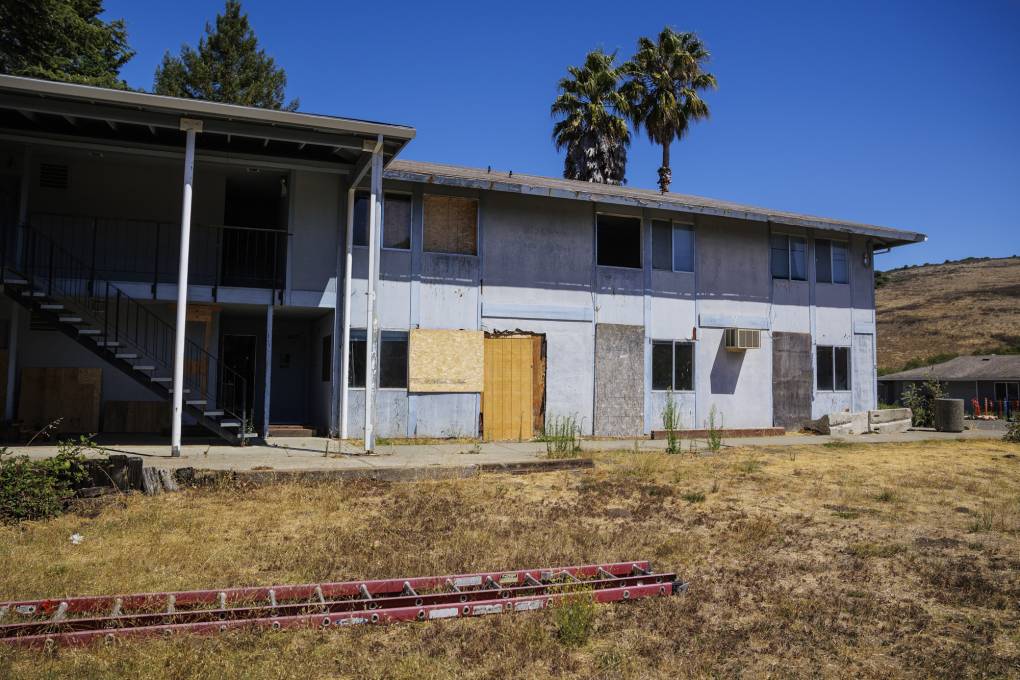
"caption": "Former Coast Guard housing that CLAM, the Community Land Trust of West Marin, aims to turn into affordable housing in Point Reyes Station on Sept. 3, 2024. Supervisors are aiming to make it easier to build temporary housing in response to a deal to end most Point Reyes ranching, but residents say new permanent affordable housing is needed. ",
"credit": "Martin do Nascimento/KQED",
"altTag": null,
"description": null,
"imgSizes": {
"medium": {
"file": "https://cdn.kqed.org/wp-content/uploads/sites/10/2024/09/240903-MARIN-SUBSTANDARD-AG-WORKER-HOUSING-MD-03-KQED-800x533.jpg",
"width": 800,
"height": 533,
"mimeType": "image/jpeg"
},
"large": {
"file": "https://cdn.kqed.org/wp-content/uploads/sites/10/2024/09/240903-MARIN-SUBSTANDARD-AG-WORKER-HOUSING-MD-03-KQED-1020x680.jpg",
"width": 1020,
"height": 680,
"mimeType": "image/jpeg"
},
"thumbnail": {
"file": "https://cdn.kqed.org/wp-content/uploads/sites/10/2024/09/240903-MARIN-SUBSTANDARD-AG-WORKER-HOUSING-MD-03-KQED-160x107.jpg",
"width": 160,
"height": 107,
"mimeType": "image/jpeg"
},
"1536x1536": {
"file": "https://cdn.kqed.org/wp-content/uploads/sites/10/2024/09/240903-MARIN-SUBSTANDARD-AG-WORKER-HOUSING-MD-03-KQED-1536x1024.jpg",
"width": 1536,
"height": 1024,
"mimeType": "image/jpeg"
},
"post-thumbnail": {
"file": "https://cdn.kqed.org/wp-content/uploads/sites/10/2024/09/240903-MARIN-SUBSTANDARD-AG-WORKER-HOUSING-MD-03-KQED-672x372.jpg",
"width": 672,
"height": 372,
"mimeType": "image/jpeg"
},
"twentyfourteen-full-width": {
"file": "https://cdn.kqed.org/wp-content/uploads/sites/10/2024/09/240903-MARIN-SUBSTANDARD-AG-WORKER-HOUSING-MD-03-KQED-1038x576.jpg",
"width": 1038,
"height": 576,
"mimeType": "image/jpeg"
},
"full-width": {
"file": "https://cdn.kqed.org/wp-content/uploads/sites/10/2024/09/240903-MARIN-SUBSTANDARD-AG-WORKER-HOUSING-MD-03-KQED-1920x1280.jpg",
"width": 1920,
"height": 1280,
"mimeType": "image/jpeg"
},
"kqedFullSize": {
"file": "https://cdn.kqed.org/wp-content/uploads/sites/10/2024/09/240903-MARIN-SUBSTANDARD-AG-WORKER-HOUSING-MD-03-KQED.jpg?ver=1725485725",
"width": 2000,
"height": 1333
}
},
"isLoading": false,
"fetchFailed": false
},
"news_12030307": {
"type": "attachments",
"id": "news_12030307",
"meta": {
"index": "attachments_1716263798",
"site": "news",
"id": "12030307",
"found": true
},
"title": "20250130-JSeiHome-JY-1927",
"publishDate": 1741374115,
"status": "inherit",
"parent": 0,
"modified": 1741375519,
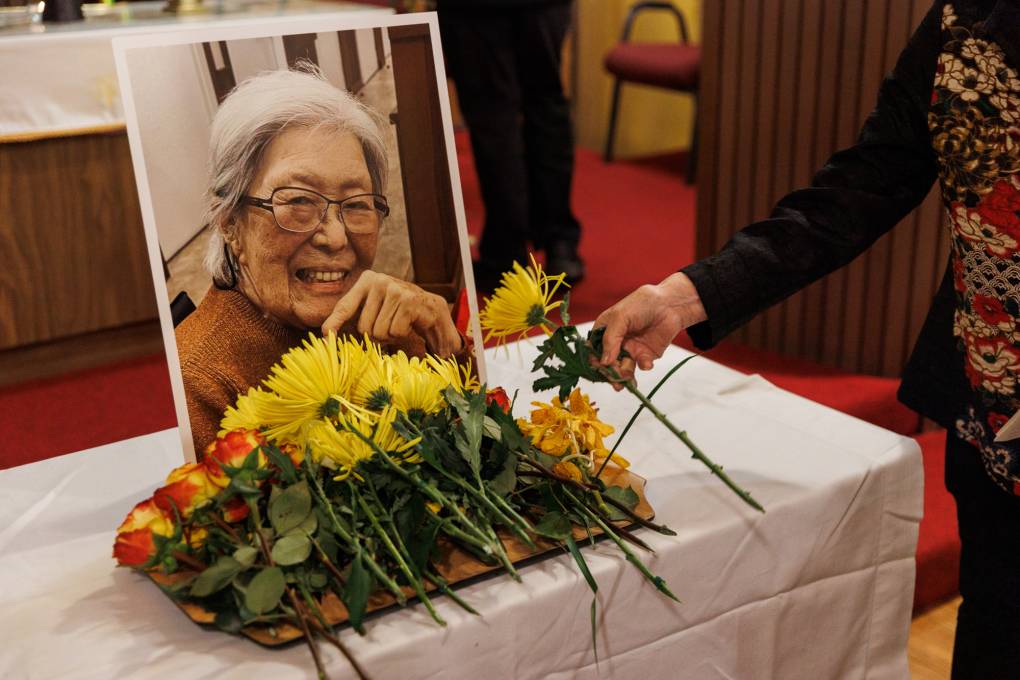
"caption": "Flowers are placed at a photo of J-Sei Home resident Ruth Fukuchi during her memorial service at Sycamore Congregational Church in El Cerrito, California, on Thursday, Jan. 30, 2025. Fukuchi resided at J-Sei Home from 2021 until her death in December.",
"credit": "Juliana Yamada/KQED",
"altTag": null,
"description": null,
"imgSizes": {
"medium": {
"file": "https://cdn.kqed.org/wp-content/uploads/sites/10/2025/03/20250130-JSeiHome-JY-1927-800x533.jpg",
"width": 800,
"height": 533,
"mimeType": "image/jpeg"
},
"large": {
"file": "https://cdn.kqed.org/wp-content/uploads/sites/10/2025/03/20250130-JSeiHome-JY-1927-1020x680.jpg",
"width": 1020,
"height": 680,
"mimeType": "image/jpeg"
},
"thumbnail": {
"file": "https://cdn.kqed.org/wp-content/uploads/sites/10/2025/03/20250130-JSeiHome-JY-1927-160x107.jpg",
"width": 160,
"height": 107,
"mimeType": "image/jpeg"
},
"1536x1536": {
"file": "https://cdn.kqed.org/wp-content/uploads/sites/10/2025/03/20250130-JSeiHome-JY-1927-1536x1024.jpg",
"width": 1536,
"height": 1024,
"mimeType": "image/jpeg"
},
"post-thumbnail": {
"file": "https://cdn.kqed.org/wp-content/uploads/sites/10/2025/03/20250130-JSeiHome-JY-1927-672x372.jpg",
"width": 672,
"height": 372,
"mimeType": "image/jpeg"
},
"twentyfourteen-full-width": {
"file": "https://cdn.kqed.org/wp-content/uploads/sites/10/2025/03/20250130-JSeiHome-JY-1927-1038x576.jpg",
"width": 1038,
"height": 576,
"mimeType": "image/jpeg"
},
"full-width": {
"file": "https://cdn.kqed.org/wp-content/uploads/sites/10/2025/03/20250130-JSeiHome-JY-1927-1920x1280.jpg",
"width": 1920,
"height": 1280,
"mimeType": "image/jpeg"
},
"kqedFullSize": {
"file": "https://cdn.kqed.org/wp-content/uploads/sites/10/2025/03/20250130-JSeiHome-JY-1927.jpg",
"width": 2000,
"height": 1333
}
},
"isLoading": false,
"fetchFailed": false
},
"news_12030059": {
"type": "attachments",
"id": "news_12030059",
"meta": {
"index": "attachments_1716263798",
"site": "news",
"id": "12030059",
"found": true
},
"title": "US California Governor Wildfires",
"publishDate": 1741285002,
"status": "inherit",
"parent": 12030057,
"modified": 1741306392,
"caption": "Gov. Gavin Newsom holds a fireside chat with Stephen Cheung, the President and Chief Executive Officer of the Los Angeles County Economic Development Corporation (LAEDC) and its subsidiary, the World Trade Center Los Angeles (WTCLA), at the 2025 Economic Forecast and Industry Outlook convening on Wednesday, Feb. 26, 2025, at the East LA College in Los Angeles.",
"credit": "Damian Dovarganes/AP Photo",
"altTag": null,
"description": null,
"imgSizes": {
"medium": {
"file": "https://cdn.kqed.org/wp-content/uploads/sites/10/2025/03/GavinNewsom2025AP-800x533.jpg",
"width": 800,
"height": 533,
"mimeType": "image/jpeg"
},
"large": {
"file": "https://cdn.kqed.org/wp-content/uploads/sites/10/2025/03/GavinNewsom2025AP-1020x680.jpg",
"width": 1020,
"height": 680,
"mimeType": "image/jpeg"
},
"thumbnail": {
"file": "https://cdn.kqed.org/wp-content/uploads/sites/10/2025/03/GavinNewsom2025AP-160x107.jpg",
"width": 160,
"height": 107,
"mimeType": "image/jpeg"
},
"1536x1536": {
"file": "https://cdn.kqed.org/wp-content/uploads/sites/10/2025/03/GavinNewsom2025AP-1536x1024.jpg",
"width": 1536,
"height": 1024,
"mimeType": "image/jpeg"
},
"post-thumbnail": {
"file": "https://cdn.kqed.org/wp-content/uploads/sites/10/2025/03/GavinNewsom2025AP-672x372.jpg",
"width": 672,
"height": 372,
"mimeType": "image/jpeg"
},
"twentyfourteen-full-width": {
"file": "https://cdn.kqed.org/wp-content/uploads/sites/10/2025/03/GavinNewsom2025AP-1038x576.jpg",
"width": 1038,
"height": 576,
"mimeType": "image/jpeg"
},
"full-width": {
"file": "https://cdn.kqed.org/wp-content/uploads/sites/10/2025/03/GavinNewsom2025AP-1920x1280.jpg",
"width": 1920,
"height": 1280,
"mimeType": "image/jpeg"
},
"kqedFullSize": {
"file": "https://cdn.kqed.org/wp-content/uploads/sites/10/2025/03/GavinNewsom2025AP.jpg",
"width": 2000,
"height": 1333
}
},
"isLoading": false,
"fetchFailed": false
},
"news_12030026": {
"type": "attachments",
"id": "news_12030026",
"meta": {
"index": "attachments_1716263798",
"site": "news",
"id": "12030026",
"found": true
},
"title": "20250210_Unhoused-Ban_DMB_00270_qed",
"publishDate": 1741282743,
"status": "inherit",
"parent": 12030023,
"modified": 1741282816,
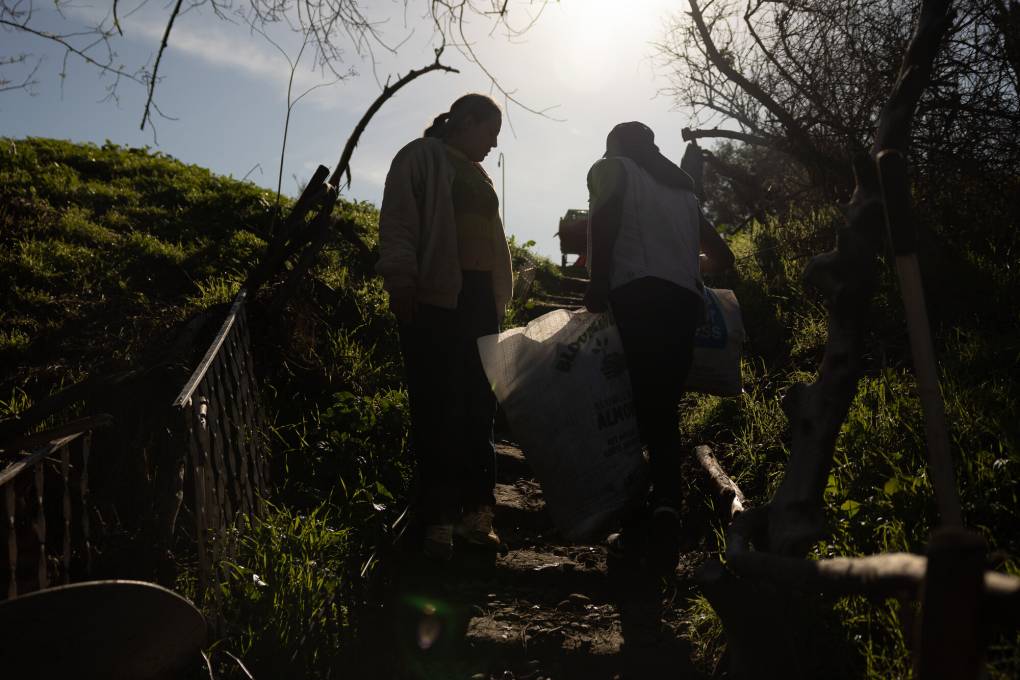
"caption": "Two unhoused residents clean up a makeshift shelter near Quarry Lakes Drive in Fremont, California, on Monday, Feb. 10, 2025. ",
"credit": "David M. Barreda/KQED",
"altTag": null,
"description": null,
"imgSizes": {
"medium": {
"file": "https://cdn.kqed.org/wp-content/uploads/sites/10/2025/03/20250210_Unhoused-Ban_DMB_00270_qed-800x533.jpg",
"width": 800,
"height": 533,
"mimeType": "image/jpeg"
},
"large": {
"file": "https://cdn.kqed.org/wp-content/uploads/sites/10/2025/03/20250210_Unhoused-Ban_DMB_00270_qed-1020x680.jpg",
"width": 1020,
"height": 680,
"mimeType": "image/jpeg"
},
"thumbnail": {
"file": "https://cdn.kqed.org/wp-content/uploads/sites/10/2025/03/20250210_Unhoused-Ban_DMB_00270_qed-160x107.jpg",
"width": 160,
"height": 107,
"mimeType": "image/jpeg"
},
"1536x1536": {
"file": "https://cdn.kqed.org/wp-content/uploads/sites/10/2025/03/20250210_Unhoused-Ban_DMB_00270_qed-1536x1024.jpg",
"width": 1536,
"height": 1024,
"mimeType": "image/jpeg"
},
"post-thumbnail": {
"file": "https://cdn.kqed.org/wp-content/uploads/sites/10/2025/03/20250210_Unhoused-Ban_DMB_00270_qed-672x372.jpg",
"width": 672,
"height": 372,
"mimeType": "image/jpeg"
},
"twentyfourteen-full-width": {
"file": "https://cdn.kqed.org/wp-content/uploads/sites/10/2025/03/20250210_Unhoused-Ban_DMB_00270_qed-1038x576.jpg",
"width": 1038,
"height": 576,
"mimeType": "image/jpeg"
},
"full-width": {
"file": "https://cdn.kqed.org/wp-content/uploads/sites/10/2025/03/20250210_Unhoused-Ban_DMB_00270_qed-1920x1280.jpg",
"width": 1920,
"height": 1280,
"mimeType": "image/jpeg"
},
"kqedFullSize": {
"file": "https://cdn.kqed.org/wp-content/uploads/sites/10/2025/03/20250210_Unhoused-Ban_DMB_00270_qed.jpg",
"width": 2000,
"height": 1333
}
},
"isLoading": false,
"fetchFailed": false
},
"news_12029953": {
"type": "attachments",
"id": "news_12029953",
"meta": {
"index": "attachments_1716263798",
"site": "news",
"id": "12029953",
"found": true
},
"title": "240502-CaliforniaForever-52-BL_qed",
"publishDate": 1741222266,
"status": "inherit",
"parent": 12029950,
"modified": 1741222277,
"caption": "Miniature models of the downtown of Rio Vista sit in a store front on May 2, 2024.",
"credit": "Beth LaBerge/KQED",
"altTag": null,
"description": null,
"imgSizes": {
"medium": {
"file": "https://cdn.kqed.org/wp-content/uploads/sites/10/2025/03/240502-CaliforniaForever-52-BL_qed-800x533.jpg",
"width": 800,
"height": 533,
"mimeType": "image/jpeg"
},
"large": {
"file": "https://cdn.kqed.org/wp-content/uploads/sites/10/2025/03/240502-CaliforniaForever-52-BL_qed-1020x680.jpg",
"width": 1020,
"height": 680,
"mimeType": "image/jpeg"
},
"thumbnail": {
"file": "https://cdn.kqed.org/wp-content/uploads/sites/10/2025/03/240502-CaliforniaForever-52-BL_qed-160x107.jpg",
"width": 160,
"height": 107,
"mimeType": "image/jpeg"
},
"1536x1536": {
"file": "https://cdn.kqed.org/wp-content/uploads/sites/10/2025/03/240502-CaliforniaForever-52-BL_qed-1536x1024.jpg",
"width": 1536,
"height": 1024,
"mimeType": "image/jpeg"
},
"post-thumbnail": {
"file": "https://cdn.kqed.org/wp-content/uploads/sites/10/2025/03/240502-CaliforniaForever-52-BL_qed-672x372.jpg",
"width": 672,
"height": 372,
"mimeType": "image/jpeg"
},
"twentyfourteen-full-width": {
"file": "https://cdn.kqed.org/wp-content/uploads/sites/10/2025/03/240502-CaliforniaForever-52-BL_qed-1038x576.jpg",
"width": 1038,
"height": 576,
"mimeType": "image/jpeg"
},
"full-width": {
"file": "https://cdn.kqed.org/wp-content/uploads/sites/10/2025/03/240502-CaliforniaForever-52-BL_qed-1920x1280.jpg",
"width": 1920,
"height": 1280,
"mimeType": "image/jpeg"
},
"kqedFullSize": {
"file": "https://cdn.kqed.org/wp-content/uploads/sites/10/2025/03/240502-CaliforniaForever-52-BL_qed.jpg",
"width": 2000,
"height": 1333
}
},
"isLoading": false,
"fetchFailed": false
},
"news_12029999": {
"type": "attachments",
"id": "news_12029999",
"meta": {
"index": "attachments_1716263798",
"site": "news",
"id": "12029999",
"found": true
},
"title": "240620-AffordableHousingPresser-10-BL_qed (1)",
"publishDate": 1741232089,
"status": "inherit",
"parent": 12029843,
"modified": 1741232109,
"caption": "San José Mayor Matt Mahan speaks during a press conference in support of a regional affordable housing measure at Five88, a mixed-use residential and retail property, in the Mission Bay neighborhood in San Francisco on June 20, 2024.",
"credit": "Beth LaBerge/KQED",
"altTag": null,
"description": null,
"imgSizes": {
"medium": {
"file": "https://cdn.kqed.org/wp-content/uploads/sites/10/2025/03/240620-AffordableHousingPresser-10-BL_qed-1-800x533.jpg",
"width": 800,
"height": 533,
"mimeType": "image/jpeg"
},
"large": {
"file": "https://cdn.kqed.org/wp-content/uploads/sites/10/2025/03/240620-AffordableHousingPresser-10-BL_qed-1-1020x680.jpg",
"width": 1020,
"height": 680,
"mimeType": "image/jpeg"
},
"thumbnail": {
"file": "https://cdn.kqed.org/wp-content/uploads/sites/10/2025/03/240620-AffordableHousingPresser-10-BL_qed-1-160x107.jpg",
"width": 160,
"height": 107,
"mimeType": "image/jpeg"
},
"1536x1536": {
"file": "https://cdn.kqed.org/wp-content/uploads/sites/10/2025/03/240620-AffordableHousingPresser-10-BL_qed-1-1536x1024.jpg",
"width": 1536,
"height": 1024,
"mimeType": "image/jpeg"
},
"post-thumbnail": {
"file": "https://cdn.kqed.org/wp-content/uploads/sites/10/2025/03/240620-AffordableHousingPresser-10-BL_qed-1-672x372.jpg",
"width": 672,
"height": 372,
"mimeType": "image/jpeg"
},
"twentyfourteen-full-width": {
"file": "https://cdn.kqed.org/wp-content/uploads/sites/10/2025/03/240620-AffordableHousingPresser-10-BL_qed-1-1038x576.jpg",
"width": 1038,
"height": 576,
"mimeType": "image/jpeg"
},
"full-width": {
"file": "https://cdn.kqed.org/wp-content/uploads/sites/10/2025/03/240620-AffordableHousingPresser-10-BL_qed-1-1920x1280.jpg",
"width": 1920,
"height": 1280,
"mimeType": "image/jpeg"
},
"kqedFullSize": {
"file": "https://cdn.kqed.org/wp-content/uploads/sites/10/2025/03/240620-AffordableHousingPresser-10-BL_qed-1.jpg",
"width": 1999,
"height": 1333
}
},
"isLoading": false,
"fetchFailed": false
},
"news_12029701": {
"type": "attachments",
"id": "news_12029701",
"meta": {
"index": "attachments_1716263798",
"site": "news",
"id": "12029701",
"found": true
},
"title": "250304-OAKLANDHIGHSTREETENCAMPMENT-19-BL-KQED",
"publishDate": 1741127852,
"status": "inherit",
"parent": 0,
"modified": 1741127893,
"caption": "Gilberto Gonzales, 64, packs belongings to move outside of his shelter on Alameda Avenue in Oakland on March 4, 2025, before crews move in to clear the area. He resided in the High Street encampment for 13 years.",
"credit": "Beth LaBerge/KQED",
"altTag": null,
"description": null,
"imgSizes": {
"medium": {
"file": "https://cdn.kqed.org/wp-content/uploads/sites/10/2025/03/250304-OAKLANDHIGHSTREETENCAMPMENT-19-BL-KQED-800x533.jpg",
"width": 800,
"height": 533,
"mimeType": "image/jpeg"
},
"large": {
"file": "https://cdn.kqed.org/wp-content/uploads/sites/10/2025/03/250304-OAKLANDHIGHSTREETENCAMPMENT-19-BL-KQED-1020x680.jpg",
"width": 1020,
"height": 680,
"mimeType": "image/jpeg"
},
"thumbnail": {
"file": "https://cdn.kqed.org/wp-content/uploads/sites/10/2025/03/250304-OAKLANDHIGHSTREETENCAMPMENT-19-BL-KQED-160x107.jpg",
"width": 160,
"height": 107,
"mimeType": "image/jpeg"
},
"1536x1536": {
"file": "https://cdn.kqed.org/wp-content/uploads/sites/10/2025/03/250304-OAKLANDHIGHSTREETENCAMPMENT-19-BL-KQED-1536x1024.jpg",
"width": 1536,
"height": 1024,
"mimeType": "image/jpeg"
},
"post-thumbnail": {
"file": "https://cdn.kqed.org/wp-content/uploads/sites/10/2025/03/250304-OAKLANDHIGHSTREETENCAMPMENT-19-BL-KQED-672x372.jpg",
"width": 672,
"height": 372,
"mimeType": "image/jpeg"
},
"twentyfourteen-full-width": {
"file": "https://cdn.kqed.org/wp-content/uploads/sites/10/2025/03/250304-OAKLANDHIGHSTREETENCAMPMENT-19-BL-KQED-1038x576.jpg",
"width": 1038,
"height": 576,
"mimeType": "image/jpeg"
},
"full-width": {
"file": "https://cdn.kqed.org/wp-content/uploads/sites/10/2025/03/250304-OAKLANDHIGHSTREETENCAMPMENT-19-BL-KQED-1920x1280.jpg",
"width": 1920,
"height": 1280,
"mimeType": "image/jpeg"
},
"kqedFullSize": {
"file": "https://cdn.kqed.org/wp-content/uploads/sites/10/2025/03/250304-OAKLANDHIGHSTREETENCAMPMENT-19-BL-KQED.jpg",
"width": 2000,
"height": 1333
}
},
"isLoading": false,
"fetchFailed": false
},
"news_12029622": {
"type": "attachments",
"id": "news_12029622",
"meta": {
"index": "attachments_1716263798",
"site": "news",
"id": "12029622",
"found": true
},
"title": "20241217-UnhousedDemonstrations-JY-355_qed",
"publishDate": 1741116824,
"status": "inherit",
"parent": 12029619,
"modified": 1741123481,
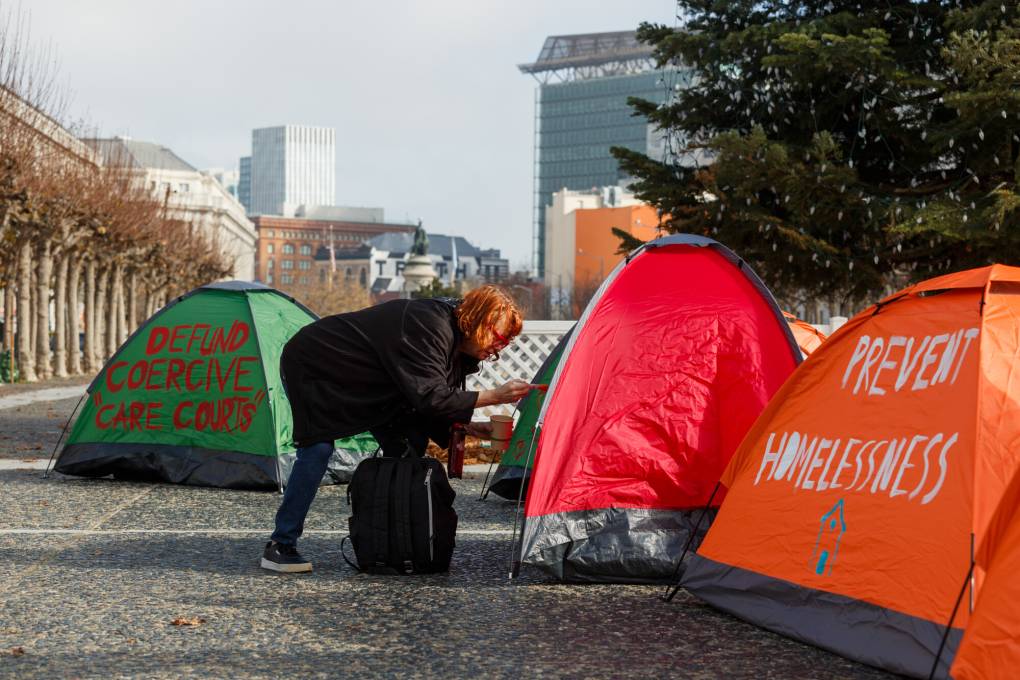
"caption": "Maks Doulton paints on a tent during a demonstration against the rise in encampment sweeps in front of City Hall in San Francisco on Tuesday, Dec. 17, 2024. Doulton is temporarily housed after being homeless for about a year but worries about her brothers and sisters, who are still on the streets.",
"credit": "Juliana Yamada/KQED",
"altTag": null,
"description": null,
"imgSizes": {
"medium": {
"file": "https://cdn.kqed.org/wp-content/uploads/sites/10/2025/03/20241217-UnhousedDemonstrations-JY-355_qed-800x533.jpg",
"width": 800,
"height": 533,
"mimeType": "image/jpeg"
},
"large": {
"file": "https://cdn.kqed.org/wp-content/uploads/sites/10/2025/03/20241217-UnhousedDemonstrations-JY-355_qed-1020x680.jpg",
"width": 1020,
"height": 680,
"mimeType": "image/jpeg"
},
"thumbnail": {
"file": "https://cdn.kqed.org/wp-content/uploads/sites/10/2025/03/20241217-UnhousedDemonstrations-JY-355_qed-160x107.jpg",
"width": 160,
"height": 107,
"mimeType": "image/jpeg"
},
"1536x1536": {
"file": "https://cdn.kqed.org/wp-content/uploads/sites/10/2025/03/20241217-UnhousedDemonstrations-JY-355_qed-1536x1024.jpg",
"width": 1536,
"height": 1024,
"mimeType": "image/jpeg"
},
"post-thumbnail": {
"file": "https://cdn.kqed.org/wp-content/uploads/sites/10/2025/03/20241217-UnhousedDemonstrations-JY-355_qed-672x372.jpg",
"width": 672,
"height": 372,
"mimeType": "image/jpeg"
},
"twentyfourteen-full-width": {
"file": "https://cdn.kqed.org/wp-content/uploads/sites/10/2025/03/20241217-UnhousedDemonstrations-JY-355_qed-1038x576.jpg",
"width": 1038,
"height": 576,
"mimeType": "image/jpeg"
},
"full-width": {
"file": "https://cdn.kqed.org/wp-content/uploads/sites/10/2025/03/20241217-UnhousedDemonstrations-JY-355_qed-1920x1280.jpg",
"width": 1920,
"height": 1280,
"mimeType": "image/jpeg"
},
"kqedFullSize": {
"file": "https://cdn.kqed.org/wp-content/uploads/sites/10/2025/03/20241217-UnhousedDemonstrations-JY-355_qed.jpg",
"width": 2000,
"height": 1333
}
},
"isLoading": false,
"fetchFailed": false
},
"news_12022579": {
"type": "attachments",
"id": "news_12022579",
"meta": {
"index": "attachments_1716263798",
"site": "news",
"id": "12022579",
"found": true
},
"title": "California Wildfires",
"publishDate": 1737054277,
"status": "inherit",
"parent": 12022532,
"modified": 1739492763,
"caption": "Ella Venne (left) searches through the remnants of her family's home destroyed by the Eaton Fire in Altadena, Los Angeles County, on Saturday, Jan. 11, 2025. ",
"credit": "Mark J. Terrill/AP Photo",
"altTag": null,
"description": null,
"imgSizes": {
"medium": {
"file": "https://cdn.kqed.org/wp-content/uploads/sites/10/2025/01/AP25016123557665-800x533.jpg",
"width": 800,
"height": 533,
"mimeType": "image/jpeg"
},
"large": {
"file": "https://cdn.kqed.org/wp-content/uploads/sites/10/2025/01/AP25016123557665-1020x680.jpg",
"width": 1020,
"height": 680,
"mimeType": "image/jpeg"
},
"thumbnail": {
"file": "https://cdn.kqed.org/wp-content/uploads/sites/10/2025/01/AP25016123557665-160x107.jpg",
"width": 160,
"height": 107,
"mimeType": "image/jpeg"
},
"1536x1536": {
"file": "https://cdn.kqed.org/wp-content/uploads/sites/10/2025/01/AP25016123557665-1536x1024.jpg",
"width": 1536,
"height": 1024,
"mimeType": "image/jpeg"
},
"2048x2048": {
"file": "https://cdn.kqed.org/wp-content/uploads/sites/10/2025/01/AP25016123557665-2048x1365.jpg",
"width": 2048,
"height": 1365,
"mimeType": "image/jpeg"
},
"post-thumbnail": {
"file": "https://cdn.kqed.org/wp-content/uploads/sites/10/2025/01/AP25016123557665-672x372.jpg",
"width": 672,
"height": 372,
"mimeType": "image/jpeg"
},
"twentyfourteen-full-width": {
"file": "https://cdn.kqed.org/wp-content/uploads/sites/10/2025/01/AP25016123557665-1038x576.jpg",
"width": 1038,
"height": 576,
"mimeType": "image/jpeg"
},
"full-width": {
"file": "https://cdn.kqed.org/wp-content/uploads/sites/10/2025/01/AP25016123557665-1920x1280.jpg",
"width": 1920,
"height": 1280,
"mimeType": "image/jpeg"
},
"kqedFullSize": {
"file": "https://cdn.kqed.org/wp-content/uploads/sites/10/2025/01/AP25016123557665-scaled.jpg",
"width": 2560,
"height": 1707
}
},
"isLoading": false,
"fetchFailed": false
},
"news_12015960": {
"type": "attachments",
"id": "news_12015960",
"meta": {
"index": "attachments_1716263798",
"site": "news",
"id": "12015960",
"found": true
},
"title": "Bay Area Storm",
"publishDate": 1732650527,
"status": "inherit",
"parent": 12015944,
"modified": 1732650607,
"caption": "Clusters of tents belonging to unhoused residents line the banks of Coyote Creek near Tully Road on Jan. 4, 2023, in San José, California. ",
"credit": "Dai Sugano/MediaNews Group/The Mercury News via Getty Images",
"altTag": null,
"description": null,
"imgSizes": {
"medium": {
"file": "https://cdn.kqed.org/wp-content/uploads/sites/10/2024/11/SantaClaraCountyHomelessnessGetty1-800x533.jpg",
"width": 800,
"height": 533,
"mimeType": "image/jpeg"
},
"large": {
"file": "https://cdn.kqed.org/wp-content/uploads/sites/10/2024/11/SantaClaraCountyHomelessnessGetty1-1020x680.jpg",
"width": 1020,
"height": 680,
"mimeType": "image/jpeg"
},
"thumbnail": {
"file": "https://cdn.kqed.org/wp-content/uploads/sites/10/2024/11/SantaClaraCountyHomelessnessGetty1-160x107.jpg",
"width": 160,
"height": 107,
"mimeType": "image/jpeg"
},
"1536x1536": {
"file": "https://cdn.kqed.org/wp-content/uploads/sites/10/2024/11/SantaClaraCountyHomelessnessGetty1-1536x1024.jpg",
"width": 1536,
"height": 1024,
"mimeType": "image/jpeg"
},
"post-thumbnail": {
"file": "https://cdn.kqed.org/wp-content/uploads/sites/10/2024/11/SantaClaraCountyHomelessnessGetty1-672x372.jpg",
"width": 672,
"height": 372,
"mimeType": "image/jpeg"
},
"twentyfourteen-full-width": {
"file": "https://cdn.kqed.org/wp-content/uploads/sites/10/2024/11/SantaClaraCountyHomelessnessGetty1-1038x576.jpg",
"width": 1038,
"height": 576,
"mimeType": "image/jpeg"
},
"full-width": {
"file": "https://cdn.kqed.org/wp-content/uploads/sites/10/2024/11/SantaClaraCountyHomelessnessGetty1-1920x1280.jpg",
"width": 1920,
"height": 1280,
"mimeType": "image/jpeg"
},
"kqedFullSize": {
"file": "https://cdn.kqed.org/wp-content/uploads/sites/10/2024/11/SantaClaraCountyHomelessnessGetty1.jpg",
"width": 2000,
"height": 1333
}
},
"isLoading": false,
"fetchFailed": false
},
"news_12026494": {
"type": "attachments",
"id": "news_12026494",
"meta": {
"index": "attachments_1716263798",
"site": "news",
"id": "12026494",
"found": true
},
"title": "20250210_Unhoused-Ban_DMB_00250",
"publishDate": 1739225401,
"status": "inherit",
"parent": 0,
"modified": 1739391190,
"caption": "Devante Booth works to clean up the area of his makeshift shelter near Quarry Lakes Drive in Fremont, California, on Monday, Feb. 10, 2025. Booth says he grew up in the system after his mother put him in a tub of boiling water at the age of 3. \"We don't choose to live like this,\" Booth says. On Feb. 11, 2025, Fremont city leaders are expected to vote on a proposed public camping ban that extends punishment beyond those living on the streets to people who facilitate or conceal encampments in what is being described as a first-in-the-state ban.",
"credit": "David M. Barreda/KQED",
"altTag": null,
"description": null,
"imgSizes": {
"medium": {
"file": "https://cdn.kqed.org/wp-content/uploads/sites/10/2025/02/20250210_Unhoused-Ban_DMB_00250-800x533.jpg",
"width": 800,
"height": 533,
"mimeType": "image/jpeg"
},
"large": {
"file": "https://cdn.kqed.org/wp-content/uploads/sites/10/2025/02/20250210_Unhoused-Ban_DMB_00250-1020x680.jpg",
"width": 1020,
"height": 680,
"mimeType": "image/jpeg"
},
"thumbnail": {
"file": "https://cdn.kqed.org/wp-content/uploads/sites/10/2025/02/20250210_Unhoused-Ban_DMB_00250-160x107.jpg",
"width": 160,
"height": 107,
"mimeType": "image/jpeg"
},
"1536x1536": {
"file": "https://cdn.kqed.org/wp-content/uploads/sites/10/2025/02/20250210_Unhoused-Ban_DMB_00250-1536x1024.jpg",
"width": 1536,
"height": 1024,
"mimeType": "image/jpeg"
},
"post-thumbnail": {
"file": "https://cdn.kqed.org/wp-content/uploads/sites/10/2025/02/20250210_Unhoused-Ban_DMB_00250-672x372.jpg",
"width": 672,
"height": 372,
"mimeType": "image/jpeg"
},
"twentyfourteen-full-width": {
"file": "https://cdn.kqed.org/wp-content/uploads/sites/10/2025/02/20250210_Unhoused-Ban_DMB_00250-1038x576.jpg",
"width": 1038,
"height": 576,
"mimeType": "image/jpeg"
},
"full-width": {
"file": "https://cdn.kqed.org/wp-content/uploads/sites/10/2025/02/20250210_Unhoused-Ban_DMB_00250-1920x1280.jpg",
"width": 1920,
"height": 1280,
"mimeType": "image/jpeg"
},
"kqedFullSize": {
"file": "https://cdn.kqed.org/wp-content/uploads/sites/10/2025/02/20250210_Unhoused-Ban_DMB_00250.jpg",
"width": 2000,
"height": 1333
}
},
"isLoading": false,
"fetchFailed": false
},
"news_12026470": {
"type": "attachments",
"id": "news_12026470",
"meta": {
"index": "attachments_1716263798",
"site": "news",
"id": "12026470",
"found": true
},
"title": "240620-AffordableHousingPresser-16-BL_qed",
"publishDate": 1739218616,
"status": "inherit",
"parent": 12026437,
"modified": 1739218629,
"caption": "San José Mayor Matt Mahan speaks during a press conference in support of a regional affordable housing measure at Five88, a mixed-use residential and retail property, in the Mission Bay neighborhood in San Francisco on June 20, 2024.",
"credit": "Beth LaBerge/KQED",
"altTag": null,
"description": null,
"imgSizes": {
"medium": {
"file": "https://cdn.kqed.org/wp-content/uploads/sites/10/2025/02/240620-AffordableHousingPresser-16-BL_qed-800x533.jpg",
"width": 800,
"height": 533,
"mimeType": "image/jpeg"
},
"large": {
"file": "https://cdn.kqed.org/wp-content/uploads/sites/10/2025/02/240620-AffordableHousingPresser-16-BL_qed-1020x680.jpg",
"width": 1020,
"height": 680,
"mimeType": "image/jpeg"
},
"thumbnail": {
"file": "https://cdn.kqed.org/wp-content/uploads/sites/10/2025/02/240620-AffordableHousingPresser-16-BL_qed-160x107.jpg",
"width": 160,
"height": 107,
"mimeType": "image/jpeg"
},
"1536x1536": {
"file": "https://cdn.kqed.org/wp-content/uploads/sites/10/2025/02/240620-AffordableHousingPresser-16-BL_qed-1536x1024.jpg",
"width": 1536,
"height": 1024,
"mimeType": "image/jpeg"
},
"post-thumbnail": {
"file": "https://cdn.kqed.org/wp-content/uploads/sites/10/2025/02/240620-AffordableHousingPresser-16-BL_qed-672x372.jpg",
"width": 672,
"height": 372,
"mimeType": "image/jpeg"
},
"twentyfourteen-full-width": {
"file": "https://cdn.kqed.org/wp-content/uploads/sites/10/2025/02/240620-AffordableHousingPresser-16-BL_qed-1038x576.jpg",
"width": 1038,
"height": 576,
"mimeType": "image/jpeg"
},
"full-width": {
"file": "https://cdn.kqed.org/wp-content/uploads/sites/10/2025/02/240620-AffordableHousingPresser-16-BL_qed-1920x1280.jpg",
"width": 1920,
"height": 1280,
"mimeType": "image/jpeg"
},
"kqedFullSize": {
"file": "https://cdn.kqed.org/wp-content/uploads/sites/10/2025/02/240620-AffordableHousingPresser-16-BL_qed.jpg",
"width": 2000,
"height": 1333
}
},
"isLoading": false,
"fetchFailed": false
}
},
"audioPlayerReducer": {
"postId": "stream_live",
"isPaused": true,
"isPlaying": false,
"pfsActive": false,
"pledgeModalIsOpen": true,
"playerDrawerIsOpen": false,
"liveAudioPlayStartedAt": 0,
"liveAudioPlayContext": ""
},
"authorsReducer": {
"gmarzorati": {
"type": "authors",
"id": "227",
"meta": {
"index": "authors_1716337520",
"id": "227",
"found": true
},
"name": "Guy Marzorati",
"firstName": "Guy",
"lastName": "Marzorati",
"slug": "gmarzorati",
"email": "gmarzorati@KQED.org",
"display_author_email": true,
"staff_mastheads": [
"news"
],
"title": "Correspondent",
"bio": "Guy Marzorati is a correspondent on KQED's California Politics and Government Desk, based in San Jose. A graduate of Santa Clara University, Guy joined KQED in 2013. He reports on state and local politics and produces KQED's digital voter guide.",
"avatar": "https://secure.gravatar.com/avatar/e7038b8dbfd55b104369b76b1cd0b9de?s=600&d=blank&r=g",
"twitter": "guymarzorati",
"facebook": null,
"instagram": null,
"linkedin": null,
"sites": [
{
"site": "",
"roles": [
"editor"
]
},
{
"site": "news",
"roles": [
"editor"
]
},
{
"site": "science",
"roles": [
"editor"
]
},
{
"site": "forum",
"roles": [
"editor"
]
},
{
"site": "elections",
"roles": [
"editor"
]
},
{
"site": "liveblog",
"roles": [
"editor"
]
}
],
"headData": {
"title": "Guy Marzorati | KQED",
"description": "Correspondent",
"ogImgSrc": "https://secure.gravatar.com/avatar/e7038b8dbfd55b104369b76b1cd0b9de?s=600&d=blank&r=g",
"twImgSrc": "https://secure.gravatar.com/avatar/e7038b8dbfd55b104369b76b1cd0b9de?s=600&d=blank&r=g"
},
"isLoading": false,
"link": "/author/gmarzorati"
},
"matthewgreen": {
"type": "authors",
"id": "1263",
"meta": {
"index": "authors_1716337520",
"id": "1263",
"found": true
},
"name": "Matthew Green",
"firstName": "Matthew",
"lastName": "Green",
"slug": "matthewgreen",
"email": "mgreen@kqed.org",
"display_author_email": false,
"staff_mastheads": [],
"title": "KQED Editor/Reporter",
"bio": "Matthew Green is a digital media producer for KQED News. He previously produced \u003ca href=\"http://www.kqed.org/lowdown\">The Lowdown\u003c/a>, KQED’s multimedia news education blog. Matthew's written for numerous Bay Area publications, including the Oakland Tribune and San Francisco Chronicle. He also taught journalism classes at Fremont High School in East Oakland.\r\n\r\nEmail: mgreen@kqed.org; Twitter: @MGreenKQED",
"avatar": "https://secure.gravatar.com/avatar/3bf498d1267ca02c8494f33d8cfc575e?s=600&d=blank&r=g",
"twitter": "MGreenKQED",
"facebook": null,
"instagram": null,
"linkedin": null,
"sites": [
{
"site": "news",
"roles": []
},
{
"site": "lowdown",
"roles": []
},
{
"site": "science",
"roles": []
},
{
"site": "education",
"roles": []
},
{
"site": "quest",
"roles": []
},
{
"site": "liveblog",
"roles": []
}
],
"headData": {
"title": "Matthew Green | KQED",
"description": "KQED Editor/Reporter",
"ogImgSrc": "https://secure.gravatar.com/avatar/3bf498d1267ca02c8494f33d8cfc575e?s=600&d=blank&r=g",
"twImgSrc": "https://secure.gravatar.com/avatar/3bf498d1267ca02c8494f33d8cfc575e?s=600&d=blank&r=g"
},
"isLoading": false,
"link": "/author/matthewgreen"
},
"clei": {
"type": "authors",
"id": "8617",
"meta": {
"index": "authors_1716337520",
"id": "8617",
"found": true
},
"name": "Cecilia Lei",
"firstName": "Cecilia",
"lastName": "Lei",
"slug": "clei",
"email": "clei@KQED.org",
"display_author_email": false,
"staff_mastheads": [],
"title": "KQED Contributor",
"bio": "Cecilia Lei is an on-call host and producer for KQED News and Podcasts. Previously, she was the executive producer and host of the San Francisco Chronicle's daily news podcast, 'Fifth and Mission'. Cecilia is a graduate of UC Berkeley’s Graduate School of Journalism and the former president of the Asian American Journalists Association San Francisco Bay Area chapter.",
"avatar": "https://secure.gravatar.com/avatar/40975f1f88fccf628ee537bf6ffc2af8?s=600&d=blank&r=g",
"twitter": null,
"facebook": null,
"instagram": null,
"linkedin": null,
"sites": [
{
"site": "arts",
"roles": [
"contributor"
]
},
{
"site": "news",
"roles": [
"author",
"read_private_posts"
]
},
{
"site": "about",
"roles": [
"editor"
]
}
],
"headData": {
"title": "Cecilia Lei | KQED",
"description": "KQED Contributor",
"ogImgSrc": "https://secure.gravatar.com/avatar/40975f1f88fccf628ee537bf6ffc2af8?s=600&d=blank&r=g",
"twImgSrc": "https://secure.gravatar.com/avatar/40975f1f88fccf628ee537bf6ffc2af8?s=600&d=blank&r=g"
},
"isLoading": false,
"link": "/author/clei"
},
"dventon": {
"type": "authors",
"id": "11088",
"meta": {
"index": "authors_1716337520",
"id": "11088",
"found": true
},
"name": "Danielle Venton",
"firstName": "Danielle",
"lastName": "Venton",
"slug": "dventon",
"email": "dventon@kqed.org",
"display_author_email": true,
"staff_mastheads": [
"science"
],
"title": "Science reporter",
"bio": "Danielle Venton is a reporter for KQED Science. She covers wildfires, space and oceans (though she is prone to sea sickness).\r\n\r\nBefore joining KQED in 2015, Danielle was a staff reporter at KRCB in Sonoma County and a freelancer. She studied science communication at UC Santa Cruz and formerly worked at CERN in Geneva, Switzerland where she wrote about computing. She lives in Sonoma County and enjoys backpacking.",
"avatar": "https://secure.gravatar.com/avatar/37b292b5c40c8d93959c4f48d73b5286f41b7abd8588277e941905a3ed4c801c?s=600&d=blank&r=g",
"twitter": "DanielleVenton",
"bluesky": null,
"facebook": null,
"instagram": null,
"linkedin": null,
"sites": [
{
"site": "arts",
"roles": [
"contributor"
]
},
{
"site": "news",
"roles": [
"editor"
]
},
{
"site": "futureofyou",
"roles": [
"editor"
]
},
{
"site": "science",
"roles": [
"editor"
]
},
{
"site": "liveblog",
"roles": [
"contributor"
]
}
],
"headData": {
"title": "Danielle Venton | KQED",
"description": "Science reporter",
"ogImgSrc": "https://secure.gravatar.com/avatar/37b292b5c40c8d93959c4f48d73b5286f41b7abd8588277e941905a3ed4c801c?s=600&d=blank&r=g",
"twImgSrc": "https://secure.gravatar.com/avatar/37b292b5c40c8d93959c4f48d73b5286f41b7abd8588277e941905a3ed4c801c?s=600&d=blank&r=g"
},
"isLoading": false,
"link": "/author/dventon"
},
"vrancano": {
"type": "authors",
"id": "11276",
"meta": {
"index": "authors_1716337520",
"id": "11276",
"found": true
},
"name": "Vanessa Rancaño",
"firstName": "Vanessa",
"lastName": "Rancaño",
"slug": "vrancano",
"email": "vrancano@kqed.org",
"display_author_email": false,
"staff_mastheads": [
"news"
],
"title": "Reporter",
"bio": "Vanessa Rancaño is a features reporter for KQED. She’s also covered homelessness and education for the station and reported from the Central Valley. Her work has aired across public radio, from flagship national news shows to longform narrative podcasts. Before taking up a mic, she worked as a freelance print journalist. She’s been recognized with a number of national and regional awards. Vanessa grew up in California's Central Valley. She's a former NPR Kroc Fellow, and a graduate of the UC Berkeley Graduate School of Journalism.",
"avatar": "https://secure.gravatar.com/avatar/b3a383dfb0e7ee1c17568f2cf067904ab654d6e3de9743fc661f3c788ade1bed?s=600&d=blank&r=g",
"twitter": "vanessarancano",
"bluesky": null,
"facebook": null,
"instagram": null,
"linkedin": null,
"sites": [
{
"site": "arts",
"roles": [
"editor"
]
},
{
"site": "news",
"roles": [
"editor"
]
},
{
"site": "liveblog",
"roles": [
"contributor"
]
}
],
"headData": {
"title": "Vanessa Rancaño | KQED",
"description": "Reporter",
"ogImgSrc": "https://secure.gravatar.com/avatar/b3a383dfb0e7ee1c17568f2cf067904ab654d6e3de9743fc661f3c788ade1bed?s=600&d=blank&r=g",
"twImgSrc": "https://secure.gravatar.com/avatar/b3a383dfb0e7ee1c17568f2cf067904ab654d6e3de9743fc661f3c788ade1bed?s=600&d=blank&r=g"
},
"isLoading": false,
"link": "/author/vrancano"
},
"abandlamudi": {
"type": "authors",
"id": "11672",
"meta": {
"index": "authors_1716337520",
"id": "11672",
"found": true
},
"name": "Adhiti Bandlamudi",
"firstName": "Adhiti",
"lastName": "Bandlamudi",
"slug": "abandlamudi",
"email": "abandlamudi@kqed.org",
"display_author_email": false,
"staff_mastheads": [
"news"
],
"title": "KQED Housing Reporter",
"bio": "Adhiti Bandlamudi reports for KQED's Housing desk. She focuses on how housing gets built across the Bay Area. Before joining KQED in 2020, she reported for WUNC in Durham, North Carolina, WABE in Atlanta, Georgia and Capital Public Radio in Sacramento. In 2017, she was awarded a Kroc Fellowship at NPR where she reported on everything from sprinkles to the Golden State Killer's arrest. When she's not reporting, she's baking new recipes in her kitchen or watching movies with friends and family. She's originally from Georgia and has strong opinions about Great British Bake Off.",
"avatar": "https://secure.gravatar.com/avatar/868129c8b257bb99a3500e2c86a65400?s=600&d=mm&r=g",
"twitter": "oddity_adhiti",
"facebook": null,
"instagram": null,
"linkedin": null,
"sites": [
{
"site": "arts",
"roles": [
"author"
]
},
{
"site": "news",
"roles": [
"editor"
]
},
{
"site": "liveblog",
"roles": [
"author"
]
}
],
"headData": {
"title": "Adhiti Bandlamudi | KQED",
"description": "KQED Housing Reporter",
"ogImgSrc": "https://secure.gravatar.com/avatar/868129c8b257bb99a3500e2c86a65400?s=600&d=mm&r=g",
"twImgSrc": "https://secure.gravatar.com/avatar/868129c8b257bb99a3500e2c86a65400?s=600&d=mm&r=g"
},
"isLoading": false,
"link": "/author/abandlamudi"
},
"sjohnson": {
"type": "authors",
"id": "11840",
"meta": {
"index": "authors_1716337520",
"id": "11840",
"found": true
},
"name": "Sydney Johnson",
"firstName": "Sydney",
"lastName": "Johnson",
"slug": "sjohnson",
"email": "sjohnson@kqed.org",
"display_author_email": false,
"staff_mastheads": [
"news"
],
"title": "KQED Reporter",
"bio": "Sydney Johnson is a general assignment reporter at KQED. She previously reported on public health and city government at the San Francisco Examiner, and before that, she covered statewide education policy for EdSource. Her reporting has won multiple local, state and national awards. Sydney is a graduate of the University of California, Berkeley and lives in San Francisco.",
"avatar": "https://secure.gravatar.com/avatar/97855f2719b72ad6190b7c535fe642c8?s=600&d=blank&r=g",
"twitter": "sydneyfjohnson",
"facebook": null,
"instagram": null,
"linkedin": null,
"sites": [
{
"site": "news",
"roles": [
"editor"
]
}
],
"headData": {
"title": "Sydney Johnson | KQED",
"description": "KQED Reporter",
"ogImgSrc": "https://secure.gravatar.com/avatar/97855f2719b72ad6190b7c535fe642c8?s=600&d=blank&r=g",
"twImgSrc": "https://secure.gravatar.com/avatar/97855f2719b72ad6190b7c535fe642c8?s=600&d=blank&r=g"
},
"isLoading": false,
"link": "/author/sjohnson"
},
"jgeha": {
"type": "authors",
"id": "11906",
"meta": {
"index": "authors_1716337520",
"id": "11906",
"found": true
},
"name": "Joseph Geha",
"firstName": "Joseph",
"lastName": "Geha",
"slug": "jgeha",
"email": "jgeha@kqed.org",
"display_author_email": false,
"staff_mastheads": [
"news",
"science"
],
"title": "KQED Contributor",
"bio": null,
"avatar": "https://secure.gravatar.com/avatar/ea84d2b6dd93d6369d453edf19dd583f117cd1759d2d9c9c92f9de77017354fe?s=600&d=blank&r=g",
"twitter": null,
"bluesky": null,
"facebook": null,
"instagram": null,
"linkedin": null,
"sites": [
{
"site": "news",
"roles": [
"editor"
]
},
{
"site": "liveblog",
"roles": [
"author"
]
}
],
"headData": {
"title": "Joseph Geha | KQED",
"description": "KQED Contributor",
"ogImgSrc": "https://secure.gravatar.com/avatar/ea84d2b6dd93d6369d453edf19dd583f117cd1759d2d9c9c92f9de77017354fe?s=600&d=blank&r=g",
"twImgSrc": "https://secure.gravatar.com/avatar/ea84d2b6dd93d6369d453edf19dd583f117cd1759d2d9c9c92f9de77017354fe?s=600&d=blank&r=g"
},
"isLoading": false,
"link": "/author/jgeha"
},
"kdebenedetti": {
"type": "authors",
"id": "11913",
"meta": {
"index": "authors_1716337520",
"id": "11913",
"found": true
},
"name": "Katie DeBenedetti",
"firstName": "Katie",
"lastName": "DeBenedetti",
"slug": "kdebenedetti",
"email": "kdebenedetti@kqed.org",
"display_author_email": false,
"staff_mastheads": [
"news",
"science"
],
"title": "KQED Contributor",
"bio": "Katie DeBenedetti is a digital reporter covering daily news for the Express Desk. Prior to joining KQED as a culture reporting intern in January 2024, she covered education and city government for the Napa Valley Register.",
"avatar": "https://secure.gravatar.com/avatar/6e31073cb8f7e4214ab03f42771d0f45?s=600&d=blank&r=g",
"twitter": null,
"facebook": null,
"instagram": null,
"linkedin": null,
"sites": [
{
"site": "news",
"roles": [
"author"
]
},
{
"site": "science",
"roles": [
"author"
]
},
{
"site": "liveblog",
"roles": [
"author"
]
}
],
"headData": {
"title": "Katie DeBenedetti | KQED",
"description": "KQED Contributor",
"ogImgSrc": "https://secure.gravatar.com/avatar/6e31073cb8f7e4214ab03f42771d0f45?s=600&d=blank&r=g",
"twImgSrc": "https://secure.gravatar.com/avatar/6e31073cb8f7e4214ab03f42771d0f45?s=600&d=blank&r=g"
},
"isLoading": false,
"link": "/author/kdebenedetti"
}
},
"pagesReducer": {
"news_tag_affordable-housing": {
"type": "terms",
"id": "news_3921",
"meta": {
"index": "terms_1716263798",
"site": "news",
"id": "3921",
"score": 9.304556
},
"featImg": null,
"name": "affordable housing",
"description": null,
"taxonomy": "tag",
"headData": {
"twImgId": null,
"twTitle": null,
"ogTitle": null,
"ogImgId": null,
"twDescription": null,
"description": null,
"title": "affordable housing Archives | KQED News",
"ogDescription": null
},
"ttid": 3940,
"slug": "affordable-housing",
"isLoading": false,
"title": "affordable housing",
"pageMeta": {
"site": "news",
"WpPageTemplate": "page-topic-editorial",
"currentPage": 15
},
"blocks": [
{
"blockName": "kqed/post-list",
"attrs": {
"layout": "cardArticle2",
"query": "posts/news?tag=affordable-housing",
"seeMore": false,
"paginated": true,
"page": 15
}
},
{
"blockName": "kqed/ad"
}
]
}
},
"pfsSessionReducer": {},
"postsReducer": {
"stream_live": {
"type": "live",
"id": "stream_live",
"audioUrl": "https://streams.kqed.org/kqedradio",
"title": "Live Stream",
"excerpt": "Live Stream information currently unavailable.",
"link": "/radio",
"featImg": "",
"label": {
"name": "KQED Live",
"link": "/"
}
},
"stream_kqedNewscast": {
"type": "posts",
"id": "stream_kqedNewscast",
"audioUrl": "https://www.kqed.org/.stream/anon/radio/RDnews/newscast.mp3?_=1",
"title": "KQED Newscast",
"featImg": "",
"label": {
"name": "88.5 FM",
"link": "/"
}
},
"news_12030718": {
"type": "posts",
"id": "news_12030718",
"meta": {
"index": "posts_1716263798",
"site": "news",
"id": "12030718",
"score": null,
"sort": [
1741733535000
]
},
"guestAuthors": [],
"slug": "marin-county-declares-shelter-crisis-ranch-workers-poised-lose-homes",
"title": "Marin County Declares Shelter Crisis as Ranch Workers Are Poised to Lose Homes",
"publishDate": 1741733535,
"format": "standard",
"headTitle": "Marin County Declares Shelter Crisis as Ranch Workers Are Poised to Lose Homes | KQED",
"labelTerm": {
"site": "news"
},
"content": "\u003cp>\u003ca href=\"https://www.kqed.org/news/tag/marin-county\">Marin County\u003c/a> supervisors on Tuesday declared a shelter crisis in an effort to make it easier to build temporary housing for residents in unincorporated parts of the North Bay county.\u003c/p>\n\u003cp>The board said the move is especially needed for West Marin ranch and dairy workers, many of whom are \u003ca href=\"https://www.kqed.org/news/12021426/point-reyes-ranching-will-all-but-end-under-new-deal-capping-decades-long-conflict\">poised to be displaced\u003c/a> as the vast majority of the \u003ca href=\"https://www.kqed.org/news/tag/point-reyes\">Point Reyes\u003c/a> National Seashore’s ranches sunset operations in the next year and a half under a recent settlement. But temporary shelter won’t be enough, some residents say, arguing that new permanent affordable housing will be needed to keep the longstanding community of farmworkers and immigrants in West Marin.\u003c/p>\n\u003cp>“This is not enough,” said Enrique, who got emotional as he spoke on behalf of the Martinelli Ranch area of Point Reyes Station. He joined workers around the room donning the colors of the United Farm Workers flag during Tuesday’s meeting.\u003c/p>\n\u003cp>[ad fullwidth]\u003c/p>\n\u003cp>“Regarding this temporary housing solutions, I ask you to think of this analogy: What would you do if I were to tell you, ‘Carry this bit of ice and put this bit of ice to the fridge,’” he said. “Do you think that piece of ice will make it [in] the fridge? I ask of you a fair solution.”\u003c/p>\n\u003cp>While Enrique and many other speakers pressed supervisors to consider approving more long-term housing units — a longtime issue in Marin County — it was clear in the board chambers Tuesday that temporary housing is also sorely needed in West Marin. Many residents who have worked and lived on cattle and dairy ranches along the Point Reyes National Seashore for decades could lose that housing in the coming year as the ranching agreement takes effect.\u003c/p>\n\u003cfigure id=\"attachment_12003103\" class=\"wp-caption aligncenter\" style=\"max-width: 2000px\">\u003cimg loading=\"lazy\" decoding=\"async\" class=\"size-full wp-image-12003103\" src=\"https://cdn.kqed.org/wp-content/uploads/sites/10/2024/09/240903-MARIN-SUBSTANDARD-AG-WORKER-HOUSING-MD-02-KQED.jpg\" alt=\"\" width=\"2000\" height=\"1333\" srcset=\"https://cdn.kqed.org/wp-content/uploads/sites/10/2024/09/240903-MARIN-SUBSTANDARD-AG-WORKER-HOUSING-MD-02-KQED.jpg 2000w, https://cdn.kqed.org/wp-content/uploads/sites/10/2024/09/240903-MARIN-SUBSTANDARD-AG-WORKER-HOUSING-MD-02-KQED-800x533.jpg 800w, https://cdn.kqed.org/wp-content/uploads/sites/10/2024/09/240903-MARIN-SUBSTANDARD-AG-WORKER-HOUSING-MD-02-KQED-1020x680.jpg 1020w, https://cdn.kqed.org/wp-content/uploads/sites/10/2024/09/240903-MARIN-SUBSTANDARD-AG-WORKER-HOUSING-MD-02-KQED-160x107.jpg 160w, https://cdn.kqed.org/wp-content/uploads/sites/10/2024/09/240903-MARIN-SUBSTANDARD-AG-WORKER-HOUSING-MD-02-KQED-1536x1024.jpg 1536w, https://cdn.kqed.org/wp-content/uploads/sites/10/2024/09/240903-MARIN-SUBSTANDARD-AG-WORKER-HOUSING-MD-02-KQED-1920x1280.jpg 1920w\" sizes=\"auto, (max-width: 2000px) 100vw, 2000px\">\u003cfigcaption class=\"wp-caption-text\">Downtown Point Reyes Station on Sept. 3, 2024. \u003ccite>(Martin do Nascimento/KQED)\u003c/cite>\u003c/figcaption>\u003c/figure>\n\u003cp>“These families represent a critical part of West Marin’s workforce, schools and community,” said Agnes Cho, who works for the Community Land Trust Association of West Marin. “If they lose their homes, they have nowhere to go. There is a longer-term need to create more affordable housing in West Marin where working families can live, and [the association] is actively working on this…. But these impacted families need housing in a matter of months, not years.”\u003c/p>\n\u003cp>Supervisors unanimously approved the crisis declaration as well as a related change to the county code, which expands the types of emergency shelters that can be set up on county-owned and leased land.\u003c/p>\n\u003cp>Current building codes require that structures have a permanent foundation, which precludes many “temporary solutions” that are easier to put in place and move, according to the county.\u003c/p>\n\u003cp>[aside postID=news_12002972 hero='https://cdn.kqed.org/wp-content/uploads/sites/10/2024/09/240903-MARIN-SUBSTANDARD-AG-WORKER-HOUSING-MD-04-KQED-2-1020x680.jpg']\u003c/p>\n\u003cp>Sarah Jones, the director of the county’s community development agency, said the change would allow mobile homes and relocatable cabins, such as tiny homes, to act as a “bridge” while the county brings more permanent units online.\u003c/p>\n\u003cp>A 2024 \u003ca href=\"https://www.kqed.org/news/12002972/west-marin-worker-housing-often-substandard-and-faulty-new-report-finds\">report on West Marin’s housing landscape\u003c/a> found at least 384 rental units on ranches are home to both agricultural workers and other community members.\u003c/p>\n\u003cp>Even months before the settlement deal, which could eliminate some of those dwellings, the report estimated that West Marin needed to build more than 450 new housing units. The study says that upwards of 1,000 would be “more realistic to address the actual demand.”\u003c/p>\n\u003cp>About 1,090 unhoused people live in Marin County, according to its most recent point-in-time count. While about 300 currently reside in shelters, nearly 800 live on the street or in vehicles.\u003c/p>\n\u003cp>“The shelter crisis declaration and the alternate building codes are critical pieces to developing these interim housing solutions,” Cho said during public comment. “These policies will allow [the Community Land Trust Association] and the county to embrace really creative emergency housing solutions, such as using tiny homes on wheels or alternate housing structures, that are safe, quick and cost-efficient.”\u003c/p>\n\u003cfigure id=\"attachment_12030832\" class=\"wp-caption aligncenter\" style=\"max-width: 2000px\">\u003cimg loading=\"lazy\" decoding=\"async\" class=\"size-full wp-image-12030832\" src=\"https://cdn.kqed.org/wp-content/uploads/sites/10/2025/03/240903-Marin-Substandard-Ag-Worker-Housing-MD-16_qed.jpg\" alt=\"\" width=\"2000\" height=\"1333\" srcset=\"https://cdn.kqed.org/wp-content/uploads/sites/10/2025/03/240903-Marin-Substandard-Ag-Worker-Housing-MD-16_qed.jpg 2000w, https://cdn.kqed.org/wp-content/uploads/sites/10/2025/03/240903-Marin-Substandard-Ag-Worker-Housing-MD-16_qed-800x533.jpg 800w, https://cdn.kqed.org/wp-content/uploads/sites/10/2025/03/240903-Marin-Substandard-Ag-Worker-Housing-MD-16_qed-1020x680.jpg 1020w, https://cdn.kqed.org/wp-content/uploads/sites/10/2025/03/240903-Marin-Substandard-Ag-Worker-Housing-MD-16_qed-160x107.jpg 160w, https://cdn.kqed.org/wp-content/uploads/sites/10/2025/03/240903-Marin-Substandard-Ag-Worker-Housing-MD-16_qed-1536x1024.jpg 1536w, https://cdn.kqed.org/wp-content/uploads/sites/10/2025/03/240903-Marin-Substandard-Ag-Worker-Housing-MD-16_qed-1920x1280.jpg 1920w\" sizes=\"auto, (max-width: 2000px) 100vw, 2000px\">\u003cfigcaption class=\"wp-caption-text\">Two worker housing units on a ranch in Tomales, California, on Sept. 3, 2024. \u003ccite>(Martin do Nascimento/KQED)\u003c/cite>\u003c/figcaption>\u003c/figure>\n\u003cp>She said that the association had already identified several potential sites for such interim housing, but Tuesday’s declaration was not affiliated with any specific projects. It also doesn’t allocate funding for new temporary homes.\u003c/p>\n\u003cp>“We’re in a room with a combination of despair and hope, and what you’re doing today is actually loading the gun of expectation,” former Marin County Supervisor Steve Kinsey said during public comment. He said that for the resolution to make a difference, the board would need to incentivize landowners to pursue these temporary projects and also make strides in permanent housing over the next three years.[aside postID=news_12029950 hero='https://cdn.kqed.org/wp-content/uploads/sites/10/2025/03/240502-CaliforniaForever-52-BL_qed-1020x680.jpg']Jones, the community development agency director, said the county is working on an \u003ca href=\"https://www.marincounty.gov/departments/cda/housing-and-grants/creating-housing/new-and-upcoming-affordable-housing/point-reyes-coast-guard-affordable-housing-project\">affordable housing development\u003c/a> on a former U.S. Coast Guard site in Point Reyes Station. The site will create 54 housing units for families that qualify as low-income and is expected to be finished in 2027.\u003c/p>\n\u003cp>She said Marin is also preparing to amend its local coastal program to support new affordable housing along the seashore. That could include changes to allow upzoning, multiple additional dwelling units on a single property, and project streamlining, similar to policy changes made in other unincorporated parts of the county, she told KQED.\u003c/p>\n\u003cp>Jones expects the amendment to come before the county planning commission next fall.\u003c/p>\n\u003cp>“You’ll be back here in two years if we don’t find a way to create permanent housing,” Kinsey said during the meeting. “And the opportunities are quite limited in West Marin, so I just want to emphasize how important it is to figure out the next step, even as you’re taking this first one.”\u003c/p>\n\u003cp>\u003c/p>\n",
"blocks": [],
"excerpt": "Supervisors are aiming to make it easier to build temporary housing in response to a deal to end most Point Reyes ranching, but residents say new permanent affordable housing is needed. ",
"status": "publish",
"parent": 0,
"modified": 1741736610,
"stats": {
"hasAudio": false,
"hasVideo": false,
"hasChartOrMap": false,
"iframeSrcs": [],
"hasGoogleForm": false,
"hasGallery": false,
"hasHearkenModule": false,
"hasPolis": false,
"paragraphCount": 21,
"wordCount": 1030
},
"headData": {
"title": "Marin County Declares Shelter Crisis as Ranch Workers Are Poised to Lose Homes | KQED",
"description": "Supervisors are aiming to make it easier to build temporary housing in response to a deal to end most Point Reyes ranching, but residents say new permanent affordable housing is needed. ",
"ogTitle": "",
"ogDescription": "",
"ogImgId": "",
"twTitle": "",
"twDescription": "",
"twImgId": "",
"schema": {
"@context": "https://schema.org",
"@type": "NewsArticle",
"headline": "Marin County Declares Shelter Crisis as Ranch Workers Are Poised to Lose Homes",
"datePublished": "2025-03-11T15:52:15-07:00",
"dateModified": "2025-03-11T16:43:30-07:00",
"image": "https://cdn.kqed.org/wp-content/uploads/2020/02/KQED-OG-Image@1x.png",
"isAccessibleForFree": "True",
"publisher": {
"@type": "NewsMediaOrganization",
"@id": "https://www.kqed.org/#organization",
"name": "KQED",
"logo": "https://cdn.kqed.org/wp-content/uploads/2020/02/KQED-OG-Image@1x.png",
"url": "https://www.kqed.org",
"sameAs": [
"https://www.facebook.com/KQED",
"https://twitter.com/KQED",
"https://www.instagram.com/kqed/",
"https://www.tiktok.com/@kqedofficial",
"https://www.linkedin.com/company/kqed",
"https://www.youtube.com/channel/UCeC0IOo7i1P_61zVUWbJ4nw"
]
}
}
},
"sticky": false,
"nprStoryId": "kqed-12030718",
"templateType": "standard",
"featuredImageType": "standard",
"excludeFromSiteSearch": "Include",
"articleAge": "0",
"path": "/news/12030718/marin-county-declares-shelter-crisis-ranch-workers-poised-lose-homes",
"audioTrackLength": null,
"parsedContent": [
{
"type": "contentString",
"content": "\u003cdiv class=\"post-body\">\u003cp>\u003cp>\u003ca href=\"https://www.kqed.org/news/tag/marin-county\">Marin County\u003c/a> supervisors on Tuesday declared a shelter crisis in an effort to make it easier to build temporary housing for residents in unincorporated parts of the North Bay county.\u003c/p>\n\u003cp>The board said the move is especially needed for West Marin ranch and dairy workers, many of whom are \u003ca href=\"https://www.kqed.org/news/12021426/point-reyes-ranching-will-all-but-end-under-new-deal-capping-decades-long-conflict\">poised to be displaced\u003c/a> as the vast majority of the \u003ca href=\"https://www.kqed.org/news/tag/point-reyes\">Point Reyes\u003c/a> National Seashore’s ranches sunset operations in the next year and a half under a recent settlement. But temporary shelter won’t be enough, some residents say, arguing that new permanent affordable housing will be needed to keep the longstanding community of farmworkers and immigrants in West Marin.\u003c/p>\n\u003cp>“This is not enough,” said Enrique, who got emotional as he spoke on behalf of the Martinelli Ranch area of Point Reyes Station. He joined workers around the room donning the colors of the United Farm Workers flag during Tuesday’s meeting.\u003c/p>\n\u003cp>\u003c/p>\u003c/div>",
"attributes": {
"named": {},
"numeric": []
}
},
{
"type": "component",
"content": "",
"name": "ad",
"attributes": {
"named": {
"label": "fullwidth"
},
"numeric": [
"fullwidth"
]
}
},
{
"type": "contentString",
"content": "\u003cdiv class=\"post-body\">\u003cp>\u003c/p>\n\u003cp>“Regarding this temporary housing solutions, I ask you to think of this analogy: What would you do if I were to tell you, ‘Carry this bit of ice and put this bit of ice to the fridge,’” he said. “Do you think that piece of ice will make it [in] the fridge? I ask of you a fair solution.”\u003c/p>\n\u003cp>While Enrique and many other speakers pressed supervisors to consider approving more long-term housing units — a longtime issue in Marin County — it was clear in the board chambers Tuesday that temporary housing is also sorely needed in West Marin. Many residents who have worked and lived on cattle and dairy ranches along the Point Reyes National Seashore for decades could lose that housing in the coming year as the ranching agreement takes effect.\u003c/p>\n\u003cfigure id=\"attachment_12003103\" class=\"wp-caption aligncenter\" style=\"max-width: 2000px\">\u003cimg loading=\"lazy\" decoding=\"async\" class=\"size-full wp-image-12003103\" src=\"https://cdn.kqed.org/wp-content/uploads/sites/10/2024/09/240903-MARIN-SUBSTANDARD-AG-WORKER-HOUSING-MD-02-KQED.jpg\" alt=\"\" width=\"2000\" height=\"1333\" srcset=\"https://cdn.kqed.org/wp-content/uploads/sites/10/2024/09/240903-MARIN-SUBSTANDARD-AG-WORKER-HOUSING-MD-02-KQED.jpg 2000w, https://cdn.kqed.org/wp-content/uploads/sites/10/2024/09/240903-MARIN-SUBSTANDARD-AG-WORKER-HOUSING-MD-02-KQED-800x533.jpg 800w, https://cdn.kqed.org/wp-content/uploads/sites/10/2024/09/240903-MARIN-SUBSTANDARD-AG-WORKER-HOUSING-MD-02-KQED-1020x680.jpg 1020w, https://cdn.kqed.org/wp-content/uploads/sites/10/2024/09/240903-MARIN-SUBSTANDARD-AG-WORKER-HOUSING-MD-02-KQED-160x107.jpg 160w, https://cdn.kqed.org/wp-content/uploads/sites/10/2024/09/240903-MARIN-SUBSTANDARD-AG-WORKER-HOUSING-MD-02-KQED-1536x1024.jpg 1536w, https://cdn.kqed.org/wp-content/uploads/sites/10/2024/09/240903-MARIN-SUBSTANDARD-AG-WORKER-HOUSING-MD-02-KQED-1920x1280.jpg 1920w\" sizes=\"auto, (max-width: 2000px) 100vw, 2000px\">\u003cfigcaption class=\"wp-caption-text\">Downtown Point Reyes Station on Sept. 3, 2024. \u003ccite>(Martin do Nascimento/KQED)\u003c/cite>\u003c/figcaption>\u003c/figure>\n\u003cp>“These families represent a critical part of West Marin’s workforce, schools and community,” said Agnes Cho, who works for the Community Land Trust Association of West Marin. “If they lose their homes, they have nowhere to go. There is a longer-term need to create more affordable housing in West Marin where working families can live, and [the association] is actively working on this…. But these impacted families need housing in a matter of months, not years.”\u003c/p>\n\u003cp>Supervisors unanimously approved the crisis declaration as well as a related change to the county code, which expands the types of emergency shelters that can be set up on county-owned and leased land.\u003c/p>\n\u003cp>Current building codes require that structures have a permanent foundation, which precludes many “temporary solutions” that are easier to put in place and move, according to the county.\u003c/p>\n\u003cp>\u003c/p>\u003c/div>",
"attributes": {
"named": {},
"numeric": []
}
},
{
"type": "component",
"content": "",
"name": "aside",
"attributes": {
"named": {
"postid": "news_12002972",
"hero": "https://cdn.kqed.org/wp-content/uploads/sites/10/2024/09/240903-MARIN-SUBSTANDARD-AG-WORKER-HOUSING-MD-04-KQED-2-1020x680.jpg",
"label": ""
},
"numeric": []
}
},
{
"type": "contentString",
"content": "\u003cdiv class=\"post-body\">\u003cp>\u003c/p>\n\u003cp>Sarah Jones, the director of the county’s community development agency, said the change would allow mobile homes and relocatable cabins, such as tiny homes, to act as a “bridge” while the county brings more permanent units online.\u003c/p>\n\u003cp>A 2024 \u003ca href=\"https://www.kqed.org/news/12002972/west-marin-worker-housing-often-substandard-and-faulty-new-report-finds\">report on West Marin’s housing landscape\u003c/a> found at least 384 rental units on ranches are home to both agricultural workers and other community members.\u003c/p>\n\u003cp>Even months before the settlement deal, which could eliminate some of those dwellings, the report estimated that West Marin needed to build more than 450 new housing units. The study says that upwards of 1,000 would be “more realistic to address the actual demand.”\u003c/p>\n\u003cp>About 1,090 unhoused people live in Marin County, according to its most recent point-in-time count. While about 300 currently reside in shelters, nearly 800 live on the street or in vehicles.\u003c/p>\n\u003cp>“The shelter crisis declaration and the alternate building codes are critical pieces to developing these interim housing solutions,” Cho said during public comment. “These policies will allow [the Community Land Trust Association] and the county to embrace really creative emergency housing solutions, such as using tiny homes on wheels or alternate housing structures, that are safe, quick and cost-efficient.”\u003c/p>\n\u003cfigure id=\"attachment_12030832\" class=\"wp-caption aligncenter\" style=\"max-width: 2000px\">\u003cimg loading=\"lazy\" decoding=\"async\" class=\"size-full wp-image-12030832\" src=\"https://cdn.kqed.org/wp-content/uploads/sites/10/2025/03/240903-Marin-Substandard-Ag-Worker-Housing-MD-16_qed.jpg\" alt=\"\" width=\"2000\" height=\"1333\" srcset=\"https://cdn.kqed.org/wp-content/uploads/sites/10/2025/03/240903-Marin-Substandard-Ag-Worker-Housing-MD-16_qed.jpg 2000w, https://cdn.kqed.org/wp-content/uploads/sites/10/2025/03/240903-Marin-Substandard-Ag-Worker-Housing-MD-16_qed-800x533.jpg 800w, https://cdn.kqed.org/wp-content/uploads/sites/10/2025/03/240903-Marin-Substandard-Ag-Worker-Housing-MD-16_qed-1020x680.jpg 1020w, https://cdn.kqed.org/wp-content/uploads/sites/10/2025/03/240903-Marin-Substandard-Ag-Worker-Housing-MD-16_qed-160x107.jpg 160w, https://cdn.kqed.org/wp-content/uploads/sites/10/2025/03/240903-Marin-Substandard-Ag-Worker-Housing-MD-16_qed-1536x1024.jpg 1536w, https://cdn.kqed.org/wp-content/uploads/sites/10/2025/03/240903-Marin-Substandard-Ag-Worker-Housing-MD-16_qed-1920x1280.jpg 1920w\" sizes=\"auto, (max-width: 2000px) 100vw, 2000px\">\u003cfigcaption class=\"wp-caption-text\">Two worker housing units on a ranch in Tomales, California, on Sept. 3, 2024. \u003ccite>(Martin do Nascimento/KQED)\u003c/cite>\u003c/figcaption>\u003c/figure>\n\u003cp>She said that the association had already identified several potential sites for such interim housing, but Tuesday’s declaration was not affiliated with any specific projects. It also doesn’t allocate funding for new temporary homes.\u003c/p>\n\u003cp>“We’re in a room with a combination of despair and hope, and what you’re doing today is actually loading the gun of expectation,” former Marin County Supervisor Steve Kinsey said during public comment. He said that for the resolution to make a difference, the board would need to incentivize landowners to pursue these temporary projects and also make strides in permanent housing over the next three years.\u003c/p>\u003c/div>",
"attributes": {
"named": {},
"numeric": []
}
},
{
"type": "component",
"content": "",
"name": "aside",
"attributes": {
"named": {
"postid": "news_12029950",
"hero": "https://cdn.kqed.org/wp-content/uploads/sites/10/2025/03/240502-CaliforniaForever-52-BL_qed-1020x680.jpg",
"label": ""
},
"numeric": []
}
},
{
"type": "contentString",
"content": "\u003cdiv class=\"post-body\">\u003cp>Jones, the community development agency director, said the county is working on an \u003ca href=\"https://www.marincounty.gov/departments/cda/housing-and-grants/creating-housing/new-and-upcoming-affordable-housing/point-reyes-coast-guard-affordable-housing-project\">affordable housing development\u003c/a> on a former U.S. Coast Guard site in Point Reyes Station. The site will create 54 housing units for families that qualify as low-income and is expected to be finished in 2027.\u003c/p>\n\u003cp>She said Marin is also preparing to amend its local coastal program to support new affordable housing along the seashore. That could include changes to allow upzoning, multiple additional dwelling units on a single property, and project streamlining, similar to policy changes made in other unincorporated parts of the county, she told KQED.\u003c/p>\n\u003cp>Jones expects the amendment to come before the county planning commission next fall.\u003c/p>\n\u003cp>“You’ll be back here in two years if we don’t find a way to create permanent housing,” Kinsey said during the meeting. “And the opportunities are quite limited in West Marin, so I just want to emphasize how important it is to figure out the next step, even as you’re taking this first one.”\u003c/p>\n\u003cp>\u003c/p>\n\u003c/div>\u003c/p>",
"attributes": {
"named": {},
"numeric": []
}
}
],
"link": "/news/12030718/marin-county-declares-shelter-crisis-ranch-workers-poised-lose-homes",
"authors": [
"11913"
],
"categories": [
"news_31795",
"news_6266",
"news_8"
],
"tags": [
"news_3921",
"news_1386",
"news_1775",
"news_6505",
"news_3729",
"news_3327"
],
"featImg": "news_12003104",
"label": "news"
},
"news_12025613": {
"type": "posts",
"id": "news_12025613",
"meta": {
"index": "posts_1716263798",
"site": "news",
"id": "12025613",
"score": null,
"sort": [
1741604400000
]
},
"guestAuthors": [],
"slug": "j-sei-home-closes-after-30-years-leaving-bay-area-japanese-seniors-in-need",
"title": "J-Sei Home Closes After 30 Years, Leaving Bay Area Japanese Seniors in Need",
"publishDate": 1741604400,
"format": "standard",
"headTitle": "J-Sei Home Closes After 30 Years, Leaving Bay Area Japanese Seniors in Need | KQED",
"labelTerm": {
"site": "news"
},
"content": "\u003cp>\u003cem>\u003cstrong>[This is the second story of a two-part project that explores the influence and importance of culture in end-of-life care. \u003ca href=\"https://www.kqed.org/news/12027418/japanese-american-seniors-caregivers-say-goodbye-j-sei-home\">Part one was published Sunday\u003c/a>.]\u003c/strong>\u003c/em>\u003c/p>\n\u003cp>In late January, about a hundred people — mostly East Bay \u003ca href=\"https://www.kqed.org/news/12021919/bay-area-japanese-americans-draw-on-wwii-trauma-resist-deportation-threats\">Japanese American\u003c/a> community members — gathered at Sycamore Congregational Church in El Cerrito to honor Ruth Sato Fukuchi.\u003c/p>\n\u003cp>Fukuchi, a former microbiologist, was remembered for her youthful spirit and for being a consummate learner, even late in life. When she was in her mid-70s, she picked up the ukulele and played with the Sentimental Strummers band for seven years.\u003c/p>\n\u003cp>Fukuchi was 90 when she passed away in December at J-Sei Home, a small, tight-knit senior residential care facility in Hayward where she had performed with her ukulele group before she moved in herself in 2021.\u003c/p>\n\u003cp>[ad fullwidth]\u003c/p>\n\u003cp>For decades, Bay Area Japanese American families have sought culturally sensitive senior care facilities like J-Sei Home for aging loved ones. Community members said that about a decade ago, there were approximately 10 Japanese senior care homes in the region. Today, that number has declined by about half.\u003c/p>\n\u003cp>The most recent closure came in January, when the last residents of J-Sei Home moved out, and the facility permanently closed its doors after 30 years of operation.\u003c/p>\n\u003cfigure id=\"attachment_12030308\" class=\"wp-caption aligncenter\" style=\"max-width: 2000px\">\u003cimg loading=\"lazy\" decoding=\"async\" class=\"size-full wp-image-12030308\" src=\"https://cdn.kqed.org/wp-content/uploads/sites/10/2025/03/jsei_JY_086.jpg\" alt=\"\" width=\"2000\" height=\"1333\" srcset=\"https://cdn.kqed.org/wp-content/uploads/sites/10/2025/03/jsei_JY_086.jpg 2000w, https://cdn.kqed.org/wp-content/uploads/sites/10/2025/03/jsei_JY_086-800x533.jpg 800w, https://cdn.kqed.org/wp-content/uploads/sites/10/2025/03/jsei_JY_086-1020x680.jpg 1020w, https://cdn.kqed.org/wp-content/uploads/sites/10/2025/03/jsei_JY_086-160x107.jpg 160w, https://cdn.kqed.org/wp-content/uploads/sites/10/2025/03/jsei_JY_086-1536x1024.jpg 1536w, https://cdn.kqed.org/wp-content/uploads/sites/10/2025/03/jsei_JY_086-1920x1280.jpg 1920w\" sizes=\"auto, (max-width: 2000px) 100vw, 2000px\">\u003cfigcaption class=\"wp-caption-text\">Caregiver Hiroko Okamoto wheels Ruth Fukuchi away as she waves goodbye to the birds in the yard at J-Sei Home in Hayward in February 2024. \u003ccite>(Juliana Yamada/KQED)\u003c/cite>\u003c/figcaption>\u003c/figure>\n\u003cp>A majority of the displaced residents were Japanese Americans in their 90s and had cognitive impairment.\u003c/p>\n\u003cp>“J-Sei Home was a very special place. The caregivers treated each resident like family,” said Matt Fukuchi, Fukuchi’s son, during his closing remarks at the memorial. “The quality of life that she had the last couple of years, she couldn’t have gotten that anywhere else.”\u003c/p>\n\u003cp>Families like the Fukuchis appreciated how their loved ones were cared for at J-Sei Home. They had tender caregivers who spoke Japanese. They ate familiar comfort foods like miso soup and pickled vegetables, and they participated in daily activities such as drum circles and singing Japanese songs.\u003c/p>\n\u003cfigure id=\"attachment_12027414\" class=\"wp-caption aligncenter\" style=\"max-width: 2000px\">\u003cimg loading=\"lazy\" decoding=\"async\" class=\"size-full wp-image-12027414\" src=\"https://cdn.kqed.org/wp-content/uploads/sites/10/2025/02/20241215-JSEI-JY-917.jpg\" alt=\"\" width=\"2000\" height=\"1333\" srcset=\"https://cdn.kqed.org/wp-content/uploads/sites/10/2025/02/20241215-JSEI-JY-917.jpg 2000w, https://cdn.kqed.org/wp-content/uploads/sites/10/2025/02/20241215-JSEI-JY-917-800x533.jpg 800w, https://cdn.kqed.org/wp-content/uploads/sites/10/2025/02/20241215-JSEI-JY-917-1020x680.jpg 1020w, https://cdn.kqed.org/wp-content/uploads/sites/10/2025/02/20241215-JSEI-JY-917-160x107.jpg 160w, https://cdn.kqed.org/wp-content/uploads/sites/10/2025/02/20241215-JSEI-JY-917-1536x1024.jpg 1536w, https://cdn.kqed.org/wp-content/uploads/sites/10/2025/02/20241215-JSEI-JY-917-1920x1280.jpg 1920w\" sizes=\"auto, (max-width: 2000px) 100vw, 2000px\">\u003cfigcaption class=\"wp-caption-text\">Grace Aikawa looks around at her empty room at her new care facility in Castro Valley in December. \u003ccite>(Juliana Yamada/KQED)\u003c/cite>\u003c/figcaption>\u003c/figure>\n\u003cp>Diane Wong, the executive director of J-Sei, an Emeryville-based Japanese American community organization that primarily serves seniors, said the decision to close their Hayward facility, one of its core services, was difficult but necessary.\u003c/p>\n\u003cp>“For the past 13, 14 years, we could never break even,” she said. “We weren’t getting enough people into the facility, costs are rising, and so we could see the future.”\u003c/p>\n\u003cp>In addition to financial challenges — notably, increased costs in staffing — Wong said that J-Sei Home’s closure could be attributed to significant demographic changes as the Japanese American population has become more diverse and acculturated.\u003c/p>\n\u003cfigure id=\"attachment_12030305\" class=\"wp-caption aligncenter\" style=\"max-width: 2000px\">\u003cimg loading=\"lazy\" decoding=\"async\" class=\"size-full wp-image-12030305\" src=\"https://cdn.kqed.org/wp-content/uploads/sites/10/2025/03/20241215-JSEI-JY-1224.jpg\" alt=\"\" width=\"2000\" height=\"1333\" srcset=\"https://cdn.kqed.org/wp-content/uploads/sites/10/2025/03/20241215-JSEI-JY-1224.jpg 2000w, https://cdn.kqed.org/wp-content/uploads/sites/10/2025/03/20241215-JSEI-JY-1224-800x533.jpg 800w, https://cdn.kqed.org/wp-content/uploads/sites/10/2025/03/20241215-JSEI-JY-1224-1020x680.jpg 1020w, https://cdn.kqed.org/wp-content/uploads/sites/10/2025/03/20241215-JSEI-JY-1224-160x107.jpg 160w, https://cdn.kqed.org/wp-content/uploads/sites/10/2025/03/20241215-JSEI-JY-1224-1536x1024.jpg 1536w, https://cdn.kqed.org/wp-content/uploads/sites/10/2025/03/20241215-JSEI-JY-1224-1920x1280.jpg 1920w\" sizes=\"auto, (max-width: 2000px) 100vw, 2000px\">\u003cfigcaption class=\"wp-caption-text\">Grace Aikawa eats a turkey sandwich for lunch at the dining hall of her new care facility in Castro Valley. \u003ccite>(Juliana Yamada/KQED)\u003c/cite>\u003c/figcaption>\u003c/figure>\n\u003cfigure id=\"attachment_12030309\" class=\"wp-caption aligncenter\" style=\"max-width: 2000px\">\u003cimg loading=\"lazy\" decoding=\"async\" class=\"size-full wp-image-12030309\" src=\"https://cdn.kqed.org/wp-content/uploads/sites/10/2025/03/jsei_JY_036_duo.jpg\" alt=\"\" width=\"2000\" height=\"660\" srcset=\"https://cdn.kqed.org/wp-content/uploads/sites/10/2025/03/jsei_JY_036_duo.jpg 2000w, https://cdn.kqed.org/wp-content/uploads/sites/10/2025/03/jsei_JY_036_duo-800x264.jpg 800w, https://cdn.kqed.org/wp-content/uploads/sites/10/2025/03/jsei_JY_036_duo-1020x337.jpg 1020w, https://cdn.kqed.org/wp-content/uploads/sites/10/2025/03/jsei_JY_036_duo-160x53.jpg 160w, https://cdn.kqed.org/wp-content/uploads/sites/10/2025/03/jsei_JY_036_duo-1536x507.jpg 1536w, https://cdn.kqed.org/wp-content/uploads/sites/10/2025/03/jsei_JY_036_duo-1920x634.jpg 1920w\" sizes=\"auto, (max-width: 2000px) 100vw, 2000px\">\u003cfigcaption class=\"wp-caption-text\">(Left) A plate of Osechi Ryori is on the menu for Oshogatsu, or Japanese New Year, at J Sei Home in January 2024. Each part of the osechi meal symbolizes good fortune and luck for the coming year. (Right) Sawako Issacs guides Kazue Granich’s hand to her mug at J Sei Home. At J-Sei Home residents would often look after the other residents when caregivers were busy. \u003ccite>(Juliana Yamada/KQED)\u003c/cite>\u003c/figcaption>\u003c/figure>\n\u003cp>After World War II, Bay Area Japanese American organizations formed to serve first-generation Japanese immigrants or the Issei generation.\u003c/p>\n\u003cp>Today, they’re at a crossroads because the needs of the community have shifted, forcing some organizations to adapt their original missions and shrinking certain services that used to be critical lifelines for the community.\u003c/p>\n\u003ch2>A comfortable place to age\u003c/h2>\n\u003cp>J-Sei Home’s origin traces back to two youth-led organizations that later merged to become J-Sei: East Bay Japanese for Action and East Bay Issei Housing, which were founded in the 1970s by the Sansei, or second-generation Japanese Americans.\u003c/p>\n\u003cp>Young Japanese American student activists in the Bay Area recognized the need for targeted social services for their immigrant elders. They were inspired by the community activism of the late 1960s when the \u003ca href=\"https://www.kqed.org/news/11830384/how-the-longest-student-strike-in-u-s-history-created-ethnic-studies\">Third World Liberation Front student strikes\u003c/a> established ethnic studies departments at UC Berkeley and San Francisco State University.\u003c/p>\n\u003cfigure id=\"attachment_12030268\" class=\"wp-caption aligncenter\" style=\"max-width: 2000px\">\u003cimg loading=\"lazy\" decoding=\"async\" class=\"size-full wp-image-12030268\" src=\"https://cdn.kqed.org/wp-content/uploads/sites/10/2025/03/Community-Meeting-Tad-Hirota.jpg\" alt=\"\" width=\"2000\" height=\"1333\" srcset=\"https://cdn.kqed.org/wp-content/uploads/sites/10/2025/03/Community-Meeting-Tad-Hirota.jpg 2000w, https://cdn.kqed.org/wp-content/uploads/sites/10/2025/03/Community-Meeting-Tad-Hirota-800x533.jpg 800w, https://cdn.kqed.org/wp-content/uploads/sites/10/2025/03/Community-Meeting-Tad-Hirota-1020x680.jpg 1020w, https://cdn.kqed.org/wp-content/uploads/sites/10/2025/03/Community-Meeting-Tad-Hirota-160x107.jpg 160w, https://cdn.kqed.org/wp-content/uploads/sites/10/2025/03/Community-Meeting-Tad-Hirota-1536x1024.jpg 1536w, https://cdn.kqed.org/wp-content/uploads/sites/10/2025/03/Community-Meeting-Tad-Hirota-1920x1280.jpg 1920w\" sizes=\"auto, (max-width: 2000px) 100vw, 2000px\">\u003cfigcaption class=\"wp-caption-text\">East Bay Japanese for Action organizers meet with community leaders to discuss needs of seniors, organizing of future events, community support and how to proceed with an organization in Oakland in 1971. From left are: Murayo Sawai, Tad Hirota, Dennis Yotsuya, Peter Horikoshi and Janice Nakao. \u003ccite>(Courtesy of J-Sei Home)\u003c/cite>\u003c/figcaption>\u003c/figure>\n\u003cp>“There was still a lot of racism and distrust,” Wong said. “A lot of young people involved saw their family members who needed help.”\u003c/p>\n\u003cp>Peter Horikoshi said that learning Asian American history as a UC Berkeley undergraduate and witnessing the groundswell of student movements opened his eyes to his own community’s needs.\u003c/p>\n\u003cp>“We clearly saw that we had a lot in common with African Americans, Latinos and Native Americans,” said Horikoshi, a 73-year-old Alameda resident, adding that he and his peers particularly \u003ca href=\"https://www.kqed.org/arts/13867337/the-black-panther-partys-free-breakfast-program-a-50-year-old-blueprint\">drew inspiration from the Black Panther Party\u003c/a>. “They were offering free [breakfast] for kids and really trying to help out their communities, and we thought that’s a good model to follow.”\u003c/p>\n\u003cfigure id=\"attachment_12030269\" class=\"wp-caption aligncenter\" style=\"max-width: 800px\">\u003cimg loading=\"lazy\" decoding=\"async\" class=\"size-full wp-image-12030269\" src=\"https://cdn.kqed.org/wp-content/uploads/sites/10/2025/03/Berkeley-Center-Ribbon-Fish-L.jpg\" alt=\"\" width=\"800\" height=\"533\" srcset=\"https://cdn.kqed.org/wp-content/uploads/sites/10/2025/03/Berkeley-Center-Ribbon-Fish-L.jpg 800w, https://cdn.kqed.org/wp-content/uploads/sites/10/2025/03/Berkeley-Center-Ribbon-Fish-L-160x107.jpg 160w\" sizes=\"auto, (max-width: 800px) 100vw, 800px\">\u003cfigcaption class=\"wp-caption-text\">Dennis Yotsuya, left, leads a craft session on making ribbon fish at the Berkeley Senior Center in 1971. \u003ccite>(Courtesy of J-Sei Home)\u003c/cite>\u003c/figcaption>\u003c/figure>\n\u003cfigure id=\"attachment_12030270\" class=\"wp-caption aligncenter\" style=\"max-width: 2000px\">\u003cimg loading=\"lazy\" decoding=\"async\" class=\"wp-image-12030270 size-full\" src=\"https://cdn.kqed.org/wp-content/uploads/sites/10/2025/03/PICT1424_duo.jpg\" alt=\"\" width=\"2000\" height=\"665\" srcset=\"https://cdn.kqed.org/wp-content/uploads/sites/10/2025/03/PICT1424_duo.jpg 2000w, https://cdn.kqed.org/wp-content/uploads/sites/10/2025/03/PICT1424_duo-800x266.jpg 800w, https://cdn.kqed.org/wp-content/uploads/sites/10/2025/03/PICT1424_duo-1020x339.jpg 1020w, https://cdn.kqed.org/wp-content/uploads/sites/10/2025/03/PICT1424_duo-160x53.jpg 160w, https://cdn.kqed.org/wp-content/uploads/sites/10/2025/03/PICT1424_duo-1536x511.jpg 1536w, https://cdn.kqed.org/wp-content/uploads/sites/10/2025/03/PICT1424_duo-1920x638.jpg 1920w\" sizes=\"auto, (max-width: 2000px) 100vw, 2000px\">\u003cfigcaption class=\"wp-caption-text\">(Left) PJ Hirabayashi (then Nakanishi), center, stands with Peter Horikoshi, left, playing a guitar wearing an anti-nuclear weapons headband that reads, “No More Hiroshima Nagasaki,” circa 1970s. (Right) A picnic of the Japanese American Issei community. \u003ccite>(Courtesy of Tets Maniwa)\u003c/cite>\u003c/figcaption>\u003c/figure>\n\u003cp>Horikoshi was a founding member of EBJA, which began planning field trips for seniors in 1971, including ferry rides to Angel Island and picnics at Lake Temescal in Oakland.\u003c/p>\n\u003cp>Many of the elders who participated were survivors of \u003ca href=\"https://www.kqed.org/news/12021919/bay-area-japanese-americans-draw-on-wwii-trauma-resist-deportation-threats\">World War II incarceration\u003c/a>. Some were war brides, Japanese immigrant women who had married American servicemen and left their country and families behind. The women faced language barriers and social isolation, even within the Japanese community.\u003c/p>\n\u003cp>“We heard these stories over and over about how they worked so hard when they first came over,” Horikoshi said. “The Japanese American-established organizations at that time were really not doing that much for them either, and so we thought, ‘We’re young, and we have the time.’”\u003c/p>\n\u003cp>The East Bay Japanese American population was much more spread out compared to San Francisco, where Japantown served as a community anchor. In the East Bay, Japanese temples and churches were the community’s key congregation points until student activists united the organizations around the common cause of helping immigrant seniors.\u003c/p>\n\u003cfigure id=\"attachment_12030323\" class=\"wp-caption aligncenter\" style=\"max-width: 2000px\">\u003cimg loading=\"lazy\" decoding=\"async\" class=\"size-full wp-image-12030323\" src=\"https://cdn.kqed.org/wp-content/uploads/sites/10/2025/03/Issei-Terrace-Dedication-2-Nov-4-1984.jpg\" alt=\"\" width=\"2000\" height=\"1382\" srcset=\"https://cdn.kqed.org/wp-content/uploads/sites/10/2025/03/Issei-Terrace-Dedication-2-Nov-4-1984.jpg 2000w, https://cdn.kqed.org/wp-content/uploads/sites/10/2025/03/Issei-Terrace-Dedication-2-Nov-4-1984-800x553.jpg 800w, https://cdn.kqed.org/wp-content/uploads/sites/10/2025/03/Issei-Terrace-Dedication-2-Nov-4-1984-1020x705.jpg 1020w, https://cdn.kqed.org/wp-content/uploads/sites/10/2025/03/Issei-Terrace-Dedication-2-Nov-4-1984-160x111.jpg 160w, https://cdn.kqed.org/wp-content/uploads/sites/10/2025/03/Issei-Terrace-Dedication-2-Nov-4-1984-1536x1061.jpg 1536w, https://cdn.kqed.org/wp-content/uploads/sites/10/2025/03/Issei-Terrace-Dedication-2-Nov-4-1984-1920x1327.jpg 1920w\" sizes=\"auto, (max-width: 2000px) 100vw, 2000px\">\u003cfigcaption class=\"wp-caption-text\">The East Bay Issei Terrace dedication ceremony was held in Hayward in November 1984. The project was a collaboration of East Bay Japanese for Action, East Bay Issei Housing and Eden Housing, Inc. \u003ccite>(Courtesy of J-Sei Home)\u003c/cite>\u003c/figcaption>\u003c/figure>\n\u003cp>The young organizers established Japanese American senior community centers in Berkeley, El Cerrito and Hayward. EBJA organizers also created bilingual services to help Japanese seniors navigate health and social programs. They began a meal program where seniors would enjoy lunches and socialize.\u003c/p>\n\u003cp>Then, the students turned to another critical need: housing.\u003c/p>\n\u003cp>In 1978, EBIH was formed to address housing security for Japanese seniors. Wong said community members complained that while there were some senior homes available, “the language, food and activities just didn’t mesh or feel comfortable for people.” Having lived through the racism of World War II, the seniors sought a safe and comfortable place to age.\u003c/p>\n\u003cp>“The whole approach of the work is to create something where people’s histories are celebrated, their sense of being is honored,” Wong said.\u003c/p>\n\u003cfigure id=\"attachment_12027449\" class=\"wp-caption aligncenter\" style=\"max-width: 2000px\">\u003cimg loading=\"lazy\" decoding=\"async\" class=\"size-full wp-image-12027449\" src=\"https://cdn.kqed.org/wp-content/uploads/sites/10/2025/02/jsei_JY_317.jpg\" alt=\"\" width=\"2000\" height=\"1333\" srcset=\"https://cdn.kqed.org/wp-content/uploads/sites/10/2025/02/jsei_JY_317.jpg 2000w, https://cdn.kqed.org/wp-content/uploads/sites/10/2025/02/jsei_JY_317-800x533.jpg 800w, https://cdn.kqed.org/wp-content/uploads/sites/10/2025/02/jsei_JY_317-1020x680.jpg 1020w, https://cdn.kqed.org/wp-content/uploads/sites/10/2025/02/jsei_JY_317-160x107.jpg 160w, https://cdn.kqed.org/wp-content/uploads/sites/10/2025/02/jsei_JY_317-1536x1024.jpg 1536w, https://cdn.kqed.org/wp-content/uploads/sites/10/2025/02/jsei_JY_317-1920x1280.jpg 1920w\" sizes=\"auto, (max-width: 2000px) 100vw, 2000px\">\u003cfigcaption class=\"wp-caption-text\">The Japanese-imported roof at J-Sei Home in Hayward, California, on Thursday, Oct. 31, 2024. \u003ccite>(Juliana Yamada/KQED)\u003c/cite>\u003c/figcaption>\u003c/figure>\n\u003cp>Robert Sakai, one of EBIH’s co-founders, became aware of the lack of community housing for Japanese seniors when his mother’s friend had a hard time finding a place to live. As a young real estate lawyer, he met with other concerned organizers and formed EBIH to consolidate resources to establish a senior housing program.\u003c/p>\n\u003cp>“We felt that we needed to recruit the JACL chapters and Japanese American churches in Alameda and Contra Costa counties,” Sakai said, referring to the Japanese American Citizens League. “As far as I know, that was the first time that the East Bay Japanese American community was united to work on anything, much less a single real estate project.”\u003c/p>\n\u003cp>Sakai and others recruited 23 Japanese American organizations to raise money to purchase a property in Hayward, which became an affordable senior housing site that was designed and tailored for low-income Japanese elders. Years later, the group purchased a smaller ranch-style home across the street to address the needs of Japanese seniors who could not live independently. In 1994, the building that became J-Sei Home opened.\u003c/p>\n\u003ch2>‘The family’s getting smaller’\u003c/h2>\n\u003cp>When vascular dementia and other medical issues led Fukuchi to require extensive assisted living services in 2021, J-Sei Home was an obvious choice. Multiple generations of the Fukuchi family had already been active in the J-Sei community. Fukuchi participated in the organization’s social activities, and her husband, Tak, was a driver for J-Sei’s meal delivery program.\u003c/p>\n\u003cp>The exorbitant costs and burden of round-the-clock senior caregiving can be overwhelming for any family member, especially when the senior’s quality of life depends on access to familiar cultural comforts.\u003c/p>\n\u003cfigure id=\"attachment_12030312\" class=\"wp-caption aligncenter\" style=\"max-width: 2000px\">\u003cimg loading=\"lazy\" decoding=\"async\" class=\"size-full wp-image-12030312\" src=\"https://cdn.kqed.org/wp-content/uploads/sites/10/2025/03/jsei_JY_083.jpg\" alt=\"\" width=\"2000\" height=\"1333\" srcset=\"https://cdn.kqed.org/wp-content/uploads/sites/10/2025/03/jsei_JY_083.jpg 2000w, https://cdn.kqed.org/wp-content/uploads/sites/10/2025/03/jsei_JY_083-800x533.jpg 800w, https://cdn.kqed.org/wp-content/uploads/sites/10/2025/03/jsei_JY_083-1020x680.jpg 1020w, https://cdn.kqed.org/wp-content/uploads/sites/10/2025/03/jsei_JY_083-160x107.jpg 160w, https://cdn.kqed.org/wp-content/uploads/sites/10/2025/03/jsei_JY_083-1536x1024.jpg 1536w, https://cdn.kqed.org/wp-content/uploads/sites/10/2025/03/jsei_JY_083-1920x1280.jpg 1920w\" sizes=\"auto, (max-width: 2000px) 100vw, 2000px\">\u003cfigcaption class=\"wp-caption-text\">The onset of dementia and other medical issues required Ruth Fukuchi’s family to seek an assisted living alternative for her. Her family was already connected to the J-Sei community. \u003ccite>(Juliana Yamada/KQED)\u003c/cite>\u003c/figcaption>\u003c/figure>\n\u003cp>Cathy Fukuchi-Wong, Fukuchi’s daughter, said she’s eternally grateful that the J-Sei Home caregivers could provide for her mother in ways she could not.\u003c/p>\n\u003cp>“My mom did express several times that she wanted to come live with me. But the reality is, there’s no way we could’ve done that because she needed so much care,” Fukuchi-Wong said.\u003c/p>\n\u003cp>Fukuchi lived at J-Sei Home for three years. Her daughter said the personalized caregiving provided by the staff allowed her to enjoy her mother and be present. Fukuchi had almost daily visits from her son, Matt Fukuchi, and Fukuchi-Wong, who commuted to Hayward from their respective homes in San Ramon and Marin.\u003c/p>\n\u003cp>While he sympathizes with J-Sei Home’s financial concerns, Matt Fukuchi said he was upset initially when he learned of the decision to close.\u003c/p>\n\u003cfigure id=\"attachment_12030314\" class=\"wp-caption aligncenter\" style=\"max-width: 2000px\">\u003cimg loading=\"lazy\" decoding=\"async\" class=\"size-full wp-image-12030314\" src=\"https://cdn.kqed.org/wp-content/uploads/sites/10/2025/03/jsei_JY_099.jpg\" alt=\"\" width=\"2000\" height=\"1333\" srcset=\"https://cdn.kqed.org/wp-content/uploads/sites/10/2025/03/jsei_JY_099.jpg 2000w, https://cdn.kqed.org/wp-content/uploads/sites/10/2025/03/jsei_JY_099-800x533.jpg 800w, https://cdn.kqed.org/wp-content/uploads/sites/10/2025/03/jsei_JY_099-1020x680.jpg 1020w, https://cdn.kqed.org/wp-content/uploads/sites/10/2025/03/jsei_JY_099-160x107.jpg 160w, https://cdn.kqed.org/wp-content/uploads/sites/10/2025/03/jsei_JY_099-1536x1024.jpg 1536w, https://cdn.kqed.org/wp-content/uploads/sites/10/2025/03/jsei_JY_099-1920x1280.jpg 1920w\" sizes=\"auto, (max-width: 2000px) 100vw, 2000px\">\u003cfigcaption class=\"wp-caption-text\">Cathy Fukuchi-Wong reads Vogue with her mother, Ruth, at J-Sei Home in February 2024. Fukuchi-Wong said that the J-Sei Home caregivers could provide for her mother in ways she could not. \u003ccite>(Juliana Yamada/KQED)\u003c/cite>\u003c/figcaption>\u003c/figure>\n\u003cp>“I was wondering why they didn’t try to find someone else to operate it because it seemed like there were families that were interested in having their parents go to J-Sei,” he said.\u003c/p>\n\u003cp>But Wong asserts there’s been declining interest in J-Sei Home in recent years. She cited an organizational survey that was sent to over 550 active J-Sei members in 2024, which gauged whether they needed a facility like J-Sei Home in the future. A majority said no.\u003c/p>\n\u003cp>Wong said J-Sei is now focusing on home delivery meals to address food security for Asian seniors in the East Bay and providing more support for family caregivers. She said the shift makes sense to meet the community’s current needs.\u003c/p>\n\u003cp>[aside postID=news_11952398 hero='https://ww2.kqed.org/app/uploads/sites/10/2023/06/Screen-Shot-2023-05-30-at-4.19.34-PM-1020x571.png']\u003c/p>\n\u003cp>“The cost factor is going to be a big challenge for society in general,” Wong said, referring to senior care. “How are we going to do this at home? What’s the role of the family? We know that public systems of funding aren’t really keeping up with the need.”\u003c/p>\n\u003cp>Families said that J-Sei Home’s costs were significantly more affordable compared to other traditional care homes. Fukuchi-Wong told KQED that the direct, culturally sensitive care her mother received was “a steal” for what they paid.\u003c/p>\n\u003cp>After J-Sei announced the closure, residents and their families were given about five months to find an alternate facility. Before her mother’s death, Fukuchi-Wong anxiously toured homes around the Bay Area.\u003c/p>\n\u003cp>“I hit the bricks,” said Fukuchi-Wong, who described the search to find a facility similar to J-Sei Home as a struggle. “Some of those places are pretty ragged and so it was hard to see some of the conditions where these people lived.”\u003c/p>\n\u003cfigure id=\"attachment_12030315\" class=\"wp-caption aligncenter\" style=\"max-width: 2000px\">\u003cimg loading=\"lazy\" decoding=\"async\" class=\"size-full wp-image-12030315\" src=\"https://cdn.kqed.org/wp-content/uploads/sites/10/2025/03/jsei_JY_326.jpg\" alt=\"\" width=\"2000\" height=\"1333\" srcset=\"https://cdn.kqed.org/wp-content/uploads/sites/10/2025/03/jsei_JY_326.jpg 2000w, https://cdn.kqed.org/wp-content/uploads/sites/10/2025/03/jsei_JY_326-800x533.jpg 800w, https://cdn.kqed.org/wp-content/uploads/sites/10/2025/03/jsei_JY_326-1020x680.jpg 1020w, https://cdn.kqed.org/wp-content/uploads/sites/10/2025/03/jsei_JY_326-160x107.jpg 160w, https://cdn.kqed.org/wp-content/uploads/sites/10/2025/03/jsei_JY_326-1536x1024.jpg 1536w, https://cdn.kqed.org/wp-content/uploads/sites/10/2025/03/jsei_JY_326-1920x1280.jpg 1920w\" sizes=\"auto, (max-width: 2000px) 100vw, 2000px\">\u003cfigcaption class=\"wp-caption-text\">Caregiver Amparo Chow helps Kazue Granich rise from her seat at J-Sei Home in Hayward on Nov. 14, 2024. \u003ccite>(Juliana Yamada/KQED)\u003c/cite>\u003c/figcaption>\u003c/figure>\n\u003cp>Fukuchi-Wong said her mother needed to engage in social activities and eat traditional foods that would suit her appetite. Fukuchi-Wong’s first choice was Kimochi Home in San Mateo, another Japanese culturally sensitive senior care home, but there was a 40-person waiting list.\u003c/p>\n\u003cp>Fukuchi noticed that her J-Sei Home friends were starting to move out. Caregivers and families shared emotional and tearful goodbyes as residents left.\u003c/p>\n\u003cp>“The family’s getting smaller,” Fukuchi, who began eating less and sleeping more, said to her daughter.\u003c/p>\n\u003cp>She was one of the last residents at the facility before she passed away.\u003c/p>\n\u003cfigure id=\"attachment_12030306\" class=\"wp-caption aligncenter\" style=\"max-width: 2000px\">\u003cimg loading=\"lazy\" decoding=\"async\" class=\"size-full wp-image-12030306\" src=\"https://cdn.kqed.org/wp-content/uploads/sites/10/2025/03/20241219-JSEI-JY-314.jpg\" alt=\"\" width=\"2000\" height=\"1333\" srcset=\"https://cdn.kqed.org/wp-content/uploads/sites/10/2025/03/20241219-JSEI-JY-314.jpg 2000w, https://cdn.kqed.org/wp-content/uploads/sites/10/2025/03/20241219-JSEI-JY-314-800x533.jpg 800w, https://cdn.kqed.org/wp-content/uploads/sites/10/2025/03/20241219-JSEI-JY-314-1020x680.jpg 1020w, https://cdn.kqed.org/wp-content/uploads/sites/10/2025/03/20241219-JSEI-JY-314-160x107.jpg 160w, https://cdn.kqed.org/wp-content/uploads/sites/10/2025/03/20241219-JSEI-JY-314-1536x1024.jpg 1536w, https://cdn.kqed.org/wp-content/uploads/sites/10/2025/03/20241219-JSEI-JY-314-1920x1280.jpg 1920w\" sizes=\"auto, (max-width: 2000px) 100vw, 2000px\">\u003cfigcaption class=\"wp-caption-text\">Charles Granich, right, shows his mother, Kazue Granich, left, her room at her new care home, RN3 Loving Care Homes, a senior assisted living facility in the El Cerrito hills in December 2024.\u003c/figcaption>\u003c/figure>\n\u003cp>Ron Salvador, the former administrator of J-Sei Home, spoke to KQED about a week after J-Sei announced the home’s closure. He expressed concern about the future care of the residents. He said that at J-Sei Home, the caregiver-to-resident ratio was almost one-to-one.\u003c/p>\n\u003cp>“It’s just sad when you see a specialty facility like this close down. It affects the whole community,” Salvador told KQED in October. “We’re worried about [the residents] because they became a family here.”\u003c/p>\n\u003cp>J-Sei assisted residents as they searched for new facilities and navigated moving logistics. By January, most of them had moved into traditional assisted living facilities.\u003c/p>\n\u003cp>At 101, Kazue Granich was J-Sei Home’s oldest resident and lived there for over seven years. Though she was mostly quiet, she was known for being the loudest karaoke singer. She relocated to RN3 Loving Care Homes, a senior assisted living facility in the El Cerrito hills.\u003c/p>\n\u003cp>While visiting her mother’s new home from out of town, Granich’s daughter, Sandy Granich, told a KQED reporter that Granich appeared to be skinnier and not as talkative as she used to be. One of her brothers, who is local and visits more often, had warned Sandy that their mother had grown quieter and more listless since leaving J-Sei Home.\u003c/p>\n\u003cp>When asked how the facility compared to J-Sei Home, Sandy Granich said, “I feel like there was more camaraderie over there,” as she scanned RN3’s living room where other nearby residents sat quietly and alone.\u003c/p>\n\u003ch2>A niche in the world of senior care\u003c/h2>\n\u003cp>On a recent morning in San Francisco, a dozen seniors — most of them in their 90s — played a bean bag toss game, cheering for one another as part of their daily 10 a.m. activity at Kimochi Home’s Japantown location. The Japanese senior care facility opened in 1983, about a decade before J-Sei Home.\u003c/p>\n\u003cp>The seniors sat in a circle, and one by one — with the help of staff members and a volunteer — they shuffled or pushed their walkers to the center of the circle to play.\u003c/p>\n\u003cfigure id=\"attachment_12028194\" class=\"wp-caption aligncenter\" style=\"max-width: 2000px\">\u003cimg loading=\"lazy\" decoding=\"async\" class=\"size-full wp-image-12028194\" src=\"https://cdn.kqed.org/wp-content/uploads/sites/10/2025/02/250220-ClosingJSei-07.jpg\" alt=\"\" width=\"2000\" height=\"1333\" srcset=\"https://cdn.kqed.org/wp-content/uploads/sites/10/2025/02/250220-ClosingJSei-07.jpg 2000w, https://cdn.kqed.org/wp-content/uploads/sites/10/2025/02/250220-ClosingJSei-07-800x533.jpg 800w, https://cdn.kqed.org/wp-content/uploads/sites/10/2025/02/250220-ClosingJSei-07-1020x680.jpg 1020w, https://cdn.kqed.org/wp-content/uploads/sites/10/2025/02/250220-ClosingJSei-07-160x107.jpg 160w, https://cdn.kqed.org/wp-content/uploads/sites/10/2025/02/250220-ClosingJSei-07-1536x1024.jpg 1536w, https://cdn.kqed.org/wp-content/uploads/sites/10/2025/02/250220-ClosingJSei-07-1920x1280.jpg 1920w\" sizes=\"auto, (max-width: 2000px) 100vw, 2000px\">\u003cfigcaption class=\"wp-caption-text\">Residents participate in a game at Kimochi Home, a senior living community in San Francisco’s Japantown neighborhood, February 2025. Established in 1971, Kimochi provides programs and services to Bay Area seniors, honoring the Japanese tradition of respect and care for elders. \u003ccite>(Beth LaBerge/KQED)\u003c/cite>\u003c/figcaption>\u003c/figure>\n\u003cp>“Rooting each other on during the activities and building that sense of community … that’s really important and the foundation of what Kimochi Home wanted to be,” said Linda Ishii, the home’s director of residential services.\u003c/p>\n\u003cp>Ishii is a San Francisco Japantown native who has worked with Kimochi for over two decades. She said the seniors at Kimochi Home are mostly Nisei, or second generation, and Shin-Issei, Japanese immigrants who arrived in the U.S. after World War II. The oldest Kimochi resident is 106.\u003c/p>\n\u003cp>The two-story building is cozy and light-filled. There is a dedicated space for activities and exercise, TV lounges play Japanese-language programming and the walls are adorned with traditional Japanese decorations.\u003c/p>\n\u003cfigure id=\"attachment_12028199\" class=\"wp-caption aligncenter\" style=\"max-width: 2000px\">\u003cimg loading=\"lazy\" decoding=\"async\" class=\"size-full wp-image-12028199\" src=\"https://cdn.kqed.org/wp-content/uploads/sites/10/2025/02/250220-ClosingJSei-26.jpg\" alt=\"\" width=\"2000\" height=\"1333\" srcset=\"https://cdn.kqed.org/wp-content/uploads/sites/10/2025/02/250220-ClosingJSei-26.jpg 2000w, https://cdn.kqed.org/wp-content/uploads/sites/10/2025/02/250220-ClosingJSei-26-800x533.jpg 800w, https://cdn.kqed.org/wp-content/uploads/sites/10/2025/02/250220-ClosingJSei-26-1020x680.jpg 1020w, https://cdn.kqed.org/wp-content/uploads/sites/10/2025/02/250220-ClosingJSei-26-160x107.jpg 160w, https://cdn.kqed.org/wp-content/uploads/sites/10/2025/02/250220-ClosingJSei-26-1536x1024.jpg 1536w, https://cdn.kqed.org/wp-content/uploads/sites/10/2025/02/250220-ClosingJSei-26-1920x1280.jpg 1920w\" sizes=\"auto, (max-width: 2000px) 100vw, 2000px\">\u003cfigcaption class=\"wp-caption-text\">Kimochi Home is located in San Francisco’s Japantown neighborhood. \u003ccite>(Beth LaBerge/KQED)\u003c/cite>\u003c/figcaption>\u003c/figure>\n\u003cp>Most of the residents are Japanese, but Ishii said Kimochi occasionally has residents who are Black, Latino, Filipino and other races and ethnicities. Though the focus of Kimochi Home is providing care for Japanese and Japanese Americans, Ishii said any senior can benefit from their care.\u003c/p>\n\u003cp>“That is our niche in the whole world of senior care,” Ishii said. “It is focused on the care their loved one is receiving and if they’re going to feel comfortable within the space.”\u003c/p>\n\u003cp>She said she was saddened to learn of J-Sei Home’s recent closure and provided tours to a few of the families looking for a new home for their seniors.\u003c/p>\n\u003cp>“It’s always a loss to the community as a whole to have such a well-established home close,” Ishii said.\u003c/p>\n\u003cfigure id=\"attachment_12028196\" class=\"wp-caption aligncenter\" style=\"max-width: 2000px\">\u003cimg loading=\"lazy\" decoding=\"async\" class=\"size-full wp-image-12028196\" src=\"https://cdn.kqed.org/wp-content/uploads/sites/10/2025/02/250220-ClosingJSei-17.jpg\" alt=\"\" width=\"2000\" height=\"1333\" srcset=\"https://cdn.kqed.org/wp-content/uploads/sites/10/2025/02/250220-ClosingJSei-17.jpg 2000w, https://cdn.kqed.org/wp-content/uploads/sites/10/2025/02/250220-ClosingJSei-17-800x533.jpg 800w, https://cdn.kqed.org/wp-content/uploads/sites/10/2025/02/250220-ClosingJSei-17-1020x680.jpg 1020w, https://cdn.kqed.org/wp-content/uploads/sites/10/2025/02/250220-ClosingJSei-17-160x107.jpg 160w, https://cdn.kqed.org/wp-content/uploads/sites/10/2025/02/250220-ClosingJSei-17-1536x1024.jpg 1536w, https://cdn.kqed.org/wp-content/uploads/sites/10/2025/02/250220-ClosingJSei-17-1920x1280.jpg 1920w\" sizes=\"auto, (max-width: 2000px) 100vw, 2000px\">\u003cfigcaption class=\"wp-caption-text\">Residents participate in Radio Taiso, an exercise routine practiced in Japan, at Kimochi Home where the focus is providing care for Japanese and Japanese Americans. \u003ccite>(Beth LaBerge/KQED)\u003c/cite>\u003c/figcaption>\u003c/figure>\n\u003cp>After their morning activity, the seniors transitioned to chair exercises, where they watched \u003cem>Radio Taiso\u003c/em>, a Japanese exercise program on TV. The residents alternated between seated stretches and raising their arms in unison until it was time for lunch.\u003c/p>\n\u003cp>The residents slowly made their way to the dining room, shuffling down a hallway in a line, some with their walkers, as staff members waited patiently nearby to assist as needed.\u003c/p>\n\u003cp>“Nothing moves fast around here,” Ishii said with a laugh. “There will come a time when they can no longer do it, so it takes them a while to get down the hall, but they’re doing it. That’s the most important thing, to let them have the ability to know that they can do it.”\u003c/p>\n\u003cfigure id=\"attachment_12028198\" class=\"wp-caption aligncenter\" style=\"max-width: 2000px\">\u003cimg loading=\"lazy\" decoding=\"async\" class=\"size-full wp-image-12028198\" src=\"https://cdn.kqed.org/wp-content/uploads/sites/10/2025/02/250220-ClosingJSei-20.jpg\" alt=\"\" width=\"2000\" height=\"1333\" srcset=\"https://cdn.kqed.org/wp-content/uploads/sites/10/2025/02/250220-ClosingJSei-20.jpg 2000w, https://cdn.kqed.org/wp-content/uploads/sites/10/2025/02/250220-ClosingJSei-20-800x533.jpg 800w, https://cdn.kqed.org/wp-content/uploads/sites/10/2025/02/250220-ClosingJSei-20-1020x680.jpg 1020w, https://cdn.kqed.org/wp-content/uploads/sites/10/2025/02/250220-ClosingJSei-20-160x107.jpg 160w, https://cdn.kqed.org/wp-content/uploads/sites/10/2025/02/250220-ClosingJSei-20-1536x1024.jpg 1536w, https://cdn.kqed.org/wp-content/uploads/sites/10/2025/02/250220-ClosingJSei-20-1920x1280.jpg 1920w\" sizes=\"auto, (max-width: 2000px) 100vw, 2000px\">\u003cfigcaption class=\"wp-caption-text\">Linda Ishii, director of residential services, speaks with a resident at Kimochi Home, where “[n]othing moves fast,” she said. \u003ccite>(Beth LaBerge/KQED)\u003c/cite>\u003c/figcaption>\u003c/figure>\n\u003cp>Like J-Sei Home, Kimochi Home also faces rising costs and staffing challenges that were accelerated during the pandemic. She said keeping the home afloat is a balancing act because the facility is dedicated to keeping rates low to remain accessible to the community. Costs are out-of-pocket at Kimochi Home, as they were for J-Sei Home.\u003c/p>\n\u003cp>Ishii said that she still fields calls daily from families who are looking for a place for their Japanese elders. There are dozens of people on waitlists for both Kimochi Home locations.\u003c/p>\n\u003cp>Ishii remains committed to her work, which she said is her way of giving back to elders who “paved the way for us to be here.”\u003c/p>\n\u003cp>She considers it her responsibility.\u003c/p>\n\u003cp>“If we see that we’re not getting contacted by families and seniors anymore, then it’s time to look at something else or try to transform to a different program … but I’m hoping that’s many, many, many years down the road.”\u003c/p>\n\u003cp>\u003cem>Photographer \u003ca href=\"https://www.julianayamada.com/\">Juliana Yamada\u003c/a> contributed to this story.\u003c/em>\u003c/p>\n\u003cp>[ad floatright]\u003c/p>\n",
"blocks": [],
"excerpt": "Sensitive senior care options for Bay Area Japanese American families are dwindling. A decade ago, there were about 10 facilities in the region. Only half remain. ",
"status": "publish",
"parent": 0,
"modified": 1757719869,
"stats": {
"hasAudio": false,
"hasVideo": false,
"hasChartOrMap": false,
"iframeSrcs": [],
"hasGoogleForm": false,
"hasGallery": false,
"hasHearkenModule": false,
"hasPolis": false,
"paragraphCount": 74,
"wordCount": 3464
},
"headData": {
"title": "J-Sei Home Closes After 30 Years, Leaving Bay Area Japanese Seniors in Need | KQED",
"description": "Sensitive senior care options for Bay Area Japanese American families are dwindling. A decade ago, there were about 10 facilities in the region. Only half remain. ",
"ogTitle": "",
"ogDescription": "",
"ogImgId": "",
"twTitle": "",
"twDescription": "",
"twImgId": "",
"schema": {
"@context": "https://schema.org",
"@type": "NewsArticle",
"headline": "J-Sei Home Closes After 30 Years, Leaving Bay Area Japanese Seniors in Need",
"datePublished": "2025-03-10T04:00:00-07:00",
"dateModified": "2025-09-12T16:31:09-07:00",
"image": "https://cdn.kqed.org/wp-content/uploads/2020/02/KQED-OG-Image@1x.png",
"isAccessibleForFree": "True",
"publisher": {
"@type": "NewsMediaOrganization",
"@id": "https://www.kqed.org/#organization",
"name": "KQED",
"logo": "https://cdn.kqed.org/wp-content/uploads/2020/02/KQED-OG-Image@1x.png",
"url": "https://www.kqed.org",
"sameAs": [
"https://www.facebook.com/KQED",
"https://twitter.com/KQED",
"https://www.instagram.com/kqed/",
"https://www.tiktok.com/@kqedofficial",
"https://www.linkedin.com/company/kqed",
"https://www.youtube.com/channel/UCeC0IOo7i1P_61zVUWbJ4nw"
]
}
}
},
"primaryCategory": {
"termId": 8,
"slug": "news",
"name": "News"
},
"audioUrl": "https://traffic.omny.fm/d/clips/0af137ef-751e-4b19-a055-aaef00d2d578/ffca7e9f-6831-41c5-bcaf-aaef00f5a073/fda4dc20-c628-43e8-8bb3-b2c80184072a/audio.mp3?accessToken=eyJhbGciOiJIUzI1NiIsImtpZCI6IjlzYTZ6N20wdUVtT0VhcnZBUGdxVHciLCJ0eXAiOiJKV1QifQ.eyJjbGlwIjoiZmRhNGRjMjAtYzYyOC00M2U4LThiYjMtYjJjODAxODQwNzJhIiwiYWRzIjowfQ.6iRGeWXctoEbc_GgFXXSXk1xxKiVfB2-FcmVWTBHenM",
"sticky": false,
"nprStoryId": "kqed-12025613",
"templateType": "standard",
"featuredImageType": "standard",
"excludeFromSiteSearch": "Include",
"articleAge": "0",
"path": "/news/12025613/j-sei-home-closes-after-30-years-leaving-bay-area-japanese-seniors-in-need",
"audioTrackLength": null,
"parsedContent": [
{
"type": "contentString",
"content": "\u003cdiv class=\"post-body\">\u003cp>\u003cp>\u003cem>\u003cstrong>[This is the second story of a two-part project that explores the influence and importance of culture in end-of-life care. \u003ca href=\"https://www.kqed.org/news/12027418/japanese-american-seniors-caregivers-say-goodbye-j-sei-home\">Part one was published Sunday\u003c/a>.]\u003c/strong>\u003c/em>\u003c/p>\n\u003cp>In late January, about a hundred people — mostly East Bay \u003ca href=\"https://www.kqed.org/news/12021919/bay-area-japanese-americans-draw-on-wwii-trauma-resist-deportation-threats\">Japanese American\u003c/a> community members — gathered at Sycamore Congregational Church in El Cerrito to honor Ruth Sato Fukuchi.\u003c/p>\n\u003cp>Fukuchi, a former microbiologist, was remembered for her youthful spirit and for being a consummate learner, even late in life. When she was in her mid-70s, she picked up the ukulele and played with the Sentimental Strummers band for seven years.\u003c/p>\n\u003cp>Fukuchi was 90 when she passed away in December at J-Sei Home, a small, tight-knit senior residential care facility in Hayward where she had performed with her ukulele group before she moved in herself in 2021.\u003c/p>\n\u003cp>\u003c/p>\u003c/div>",
"attributes": {
"named": {},
"numeric": []
}
},
{
"type": "component",
"content": "",
"name": "ad",
"attributes": {
"named": {
"label": "fullwidth"
},
"numeric": [
"fullwidth"
]
}
},
{
"type": "contentString",
"content": "\u003cdiv class=\"post-body\">\u003cp>\u003c/p>\n\u003cp>For decades, Bay Area Japanese American families have sought culturally sensitive senior care facilities like J-Sei Home for aging loved ones. Community members said that about a decade ago, there were approximately 10 Japanese senior care homes in the region. Today, that number has declined by about half.\u003c/p>\n\u003cp>The most recent closure came in January, when the last residents of J-Sei Home moved out, and the facility permanently closed its doors after 30 years of operation.\u003c/p>\n\u003cfigure id=\"attachment_12030308\" class=\"wp-caption aligncenter\" style=\"max-width: 2000px\">\u003cimg loading=\"lazy\" decoding=\"async\" class=\"size-full wp-image-12030308\" src=\"https://cdn.kqed.org/wp-content/uploads/sites/10/2025/03/jsei_JY_086.jpg\" alt=\"\" width=\"2000\" height=\"1333\" srcset=\"https://cdn.kqed.org/wp-content/uploads/sites/10/2025/03/jsei_JY_086.jpg 2000w, https://cdn.kqed.org/wp-content/uploads/sites/10/2025/03/jsei_JY_086-800x533.jpg 800w, https://cdn.kqed.org/wp-content/uploads/sites/10/2025/03/jsei_JY_086-1020x680.jpg 1020w, https://cdn.kqed.org/wp-content/uploads/sites/10/2025/03/jsei_JY_086-160x107.jpg 160w, https://cdn.kqed.org/wp-content/uploads/sites/10/2025/03/jsei_JY_086-1536x1024.jpg 1536w, https://cdn.kqed.org/wp-content/uploads/sites/10/2025/03/jsei_JY_086-1920x1280.jpg 1920w\" sizes=\"auto, (max-width: 2000px) 100vw, 2000px\">\u003cfigcaption class=\"wp-caption-text\">Caregiver Hiroko Okamoto wheels Ruth Fukuchi away as she waves goodbye to the birds in the yard at J-Sei Home in Hayward in February 2024. \u003ccite>(Juliana Yamada/KQED)\u003c/cite>\u003c/figcaption>\u003c/figure>\n\u003cp>A majority of the displaced residents were Japanese Americans in their 90s and had cognitive impairment.\u003c/p>\n\u003cp>“J-Sei Home was a very special place. The caregivers treated each resident like family,” said Matt Fukuchi, Fukuchi’s son, during his closing remarks at the memorial. “The quality of life that she had the last couple of years, she couldn’t have gotten that anywhere else.”\u003c/p>\n\u003cp>Families like the Fukuchis appreciated how their loved ones were cared for at J-Sei Home. They had tender caregivers who spoke Japanese. They ate familiar comfort foods like miso soup and pickled vegetables, and they participated in daily activities such as drum circles and singing Japanese songs.\u003c/p>\n\u003cfigure id=\"attachment_12027414\" class=\"wp-caption aligncenter\" style=\"max-width: 2000px\">\u003cimg loading=\"lazy\" decoding=\"async\" class=\"size-full wp-image-12027414\" src=\"https://cdn.kqed.org/wp-content/uploads/sites/10/2025/02/20241215-JSEI-JY-917.jpg\" alt=\"\" width=\"2000\" height=\"1333\" srcset=\"https://cdn.kqed.org/wp-content/uploads/sites/10/2025/02/20241215-JSEI-JY-917.jpg 2000w, https://cdn.kqed.org/wp-content/uploads/sites/10/2025/02/20241215-JSEI-JY-917-800x533.jpg 800w, https://cdn.kqed.org/wp-content/uploads/sites/10/2025/02/20241215-JSEI-JY-917-1020x680.jpg 1020w, https://cdn.kqed.org/wp-content/uploads/sites/10/2025/02/20241215-JSEI-JY-917-160x107.jpg 160w, https://cdn.kqed.org/wp-content/uploads/sites/10/2025/02/20241215-JSEI-JY-917-1536x1024.jpg 1536w, https://cdn.kqed.org/wp-content/uploads/sites/10/2025/02/20241215-JSEI-JY-917-1920x1280.jpg 1920w\" sizes=\"auto, (max-width: 2000px) 100vw, 2000px\">\u003cfigcaption class=\"wp-caption-text\">Grace Aikawa looks around at her empty room at her new care facility in Castro Valley in December. \u003ccite>(Juliana Yamada/KQED)\u003c/cite>\u003c/figcaption>\u003c/figure>\n\u003cp>Diane Wong, the executive director of J-Sei, an Emeryville-based Japanese American community organization that primarily serves seniors, said the decision to close their Hayward facility, one of its core services, was difficult but necessary.\u003c/p>\n\u003cp>“For the past 13, 14 years, we could never break even,” she said. “We weren’t getting enough people into the facility, costs are rising, and so we could see the future.”\u003c/p>\n\u003cp>In addition to financial challenges — notably, increased costs in staffing — Wong said that J-Sei Home’s closure could be attributed to significant demographic changes as the Japanese American population has become more diverse and acculturated.\u003c/p>\n\u003cfigure id=\"attachment_12030305\" class=\"wp-caption aligncenter\" style=\"max-width: 2000px\">\u003cimg loading=\"lazy\" decoding=\"async\" class=\"size-full wp-image-12030305\" src=\"https://cdn.kqed.org/wp-content/uploads/sites/10/2025/03/20241215-JSEI-JY-1224.jpg\" alt=\"\" width=\"2000\" height=\"1333\" srcset=\"https://cdn.kqed.org/wp-content/uploads/sites/10/2025/03/20241215-JSEI-JY-1224.jpg 2000w, https://cdn.kqed.org/wp-content/uploads/sites/10/2025/03/20241215-JSEI-JY-1224-800x533.jpg 800w, https://cdn.kqed.org/wp-content/uploads/sites/10/2025/03/20241215-JSEI-JY-1224-1020x680.jpg 1020w, https://cdn.kqed.org/wp-content/uploads/sites/10/2025/03/20241215-JSEI-JY-1224-160x107.jpg 160w, https://cdn.kqed.org/wp-content/uploads/sites/10/2025/03/20241215-JSEI-JY-1224-1536x1024.jpg 1536w, https://cdn.kqed.org/wp-content/uploads/sites/10/2025/03/20241215-JSEI-JY-1224-1920x1280.jpg 1920w\" sizes=\"auto, (max-width: 2000px) 100vw, 2000px\">\u003cfigcaption class=\"wp-caption-text\">Grace Aikawa eats a turkey sandwich for lunch at the dining hall of her new care facility in Castro Valley. \u003ccite>(Juliana Yamada/KQED)\u003c/cite>\u003c/figcaption>\u003c/figure>\n\u003cfigure id=\"attachment_12030309\" class=\"wp-caption aligncenter\" style=\"max-width: 2000px\">\u003cimg loading=\"lazy\" decoding=\"async\" class=\"size-full wp-image-12030309\" src=\"https://cdn.kqed.org/wp-content/uploads/sites/10/2025/03/jsei_JY_036_duo.jpg\" alt=\"\" width=\"2000\" height=\"660\" srcset=\"https://cdn.kqed.org/wp-content/uploads/sites/10/2025/03/jsei_JY_036_duo.jpg 2000w, https://cdn.kqed.org/wp-content/uploads/sites/10/2025/03/jsei_JY_036_duo-800x264.jpg 800w, https://cdn.kqed.org/wp-content/uploads/sites/10/2025/03/jsei_JY_036_duo-1020x337.jpg 1020w, https://cdn.kqed.org/wp-content/uploads/sites/10/2025/03/jsei_JY_036_duo-160x53.jpg 160w, https://cdn.kqed.org/wp-content/uploads/sites/10/2025/03/jsei_JY_036_duo-1536x507.jpg 1536w, https://cdn.kqed.org/wp-content/uploads/sites/10/2025/03/jsei_JY_036_duo-1920x634.jpg 1920w\" sizes=\"auto, (max-width: 2000px) 100vw, 2000px\">\u003cfigcaption class=\"wp-caption-text\">(Left) A plate of Osechi Ryori is on the menu for Oshogatsu, or Japanese New Year, at J Sei Home in January 2024. Each part of the osechi meal symbolizes good fortune and luck for the coming year. (Right) Sawako Issacs guides Kazue Granich’s hand to her mug at J Sei Home. At J-Sei Home residents would often look after the other residents when caregivers were busy. \u003ccite>(Juliana Yamada/KQED)\u003c/cite>\u003c/figcaption>\u003c/figure>\n\u003cp>After World War II, Bay Area Japanese American organizations formed to serve first-generation Japanese immigrants or the Issei generation.\u003c/p>\n\u003cp>Today, they’re at a crossroads because the needs of the community have shifted, forcing some organizations to adapt their original missions and shrinking certain services that used to be critical lifelines for the community.\u003c/p>\n\u003ch2>A comfortable place to age\u003c/h2>\n\u003cp>J-Sei Home’s origin traces back to two youth-led organizations that later merged to become J-Sei: East Bay Japanese for Action and East Bay Issei Housing, which were founded in the 1970s by the Sansei, or second-generation Japanese Americans.\u003c/p>\n\u003cp>Young Japanese American student activists in the Bay Area recognized the need for targeted social services for their immigrant elders. They were inspired by the community activism of the late 1960s when the \u003ca href=\"https://www.kqed.org/news/11830384/how-the-longest-student-strike-in-u-s-history-created-ethnic-studies\">Third World Liberation Front student strikes\u003c/a> established ethnic studies departments at UC Berkeley and San Francisco State University.\u003c/p>\n\u003cfigure id=\"attachment_12030268\" class=\"wp-caption aligncenter\" style=\"max-width: 2000px\">\u003cimg loading=\"lazy\" decoding=\"async\" class=\"size-full wp-image-12030268\" src=\"https://cdn.kqed.org/wp-content/uploads/sites/10/2025/03/Community-Meeting-Tad-Hirota.jpg\" alt=\"\" width=\"2000\" height=\"1333\" srcset=\"https://cdn.kqed.org/wp-content/uploads/sites/10/2025/03/Community-Meeting-Tad-Hirota.jpg 2000w, https://cdn.kqed.org/wp-content/uploads/sites/10/2025/03/Community-Meeting-Tad-Hirota-800x533.jpg 800w, https://cdn.kqed.org/wp-content/uploads/sites/10/2025/03/Community-Meeting-Tad-Hirota-1020x680.jpg 1020w, https://cdn.kqed.org/wp-content/uploads/sites/10/2025/03/Community-Meeting-Tad-Hirota-160x107.jpg 160w, https://cdn.kqed.org/wp-content/uploads/sites/10/2025/03/Community-Meeting-Tad-Hirota-1536x1024.jpg 1536w, https://cdn.kqed.org/wp-content/uploads/sites/10/2025/03/Community-Meeting-Tad-Hirota-1920x1280.jpg 1920w\" sizes=\"auto, (max-width: 2000px) 100vw, 2000px\">\u003cfigcaption class=\"wp-caption-text\">East Bay Japanese for Action organizers meet with community leaders to discuss needs of seniors, organizing of future events, community support and how to proceed with an organization in Oakland in 1971. From left are: Murayo Sawai, Tad Hirota, Dennis Yotsuya, Peter Horikoshi and Janice Nakao. \u003ccite>(Courtesy of J-Sei Home)\u003c/cite>\u003c/figcaption>\u003c/figure>\n\u003cp>“There was still a lot of racism and distrust,” Wong said. “A lot of young people involved saw their family members who needed help.”\u003c/p>\n\u003cp>Peter Horikoshi said that learning Asian American history as a UC Berkeley undergraduate and witnessing the groundswell of student movements opened his eyes to his own community’s needs.\u003c/p>\n\u003cp>“We clearly saw that we had a lot in common with African Americans, Latinos and Native Americans,” said Horikoshi, a 73-year-old Alameda resident, adding that he and his peers particularly \u003ca href=\"https://www.kqed.org/arts/13867337/the-black-panther-partys-free-breakfast-program-a-50-year-old-blueprint\">drew inspiration from the Black Panther Party\u003c/a>. “They were offering free [breakfast] for kids and really trying to help out their communities, and we thought that’s a good model to follow.”\u003c/p>\n\u003cfigure id=\"attachment_12030269\" class=\"wp-caption aligncenter\" style=\"max-width: 800px\">\u003cimg loading=\"lazy\" decoding=\"async\" class=\"size-full wp-image-12030269\" src=\"https://cdn.kqed.org/wp-content/uploads/sites/10/2025/03/Berkeley-Center-Ribbon-Fish-L.jpg\" alt=\"\" width=\"800\" height=\"533\" srcset=\"https://cdn.kqed.org/wp-content/uploads/sites/10/2025/03/Berkeley-Center-Ribbon-Fish-L.jpg 800w, https://cdn.kqed.org/wp-content/uploads/sites/10/2025/03/Berkeley-Center-Ribbon-Fish-L-160x107.jpg 160w\" sizes=\"auto, (max-width: 800px) 100vw, 800px\">\u003cfigcaption class=\"wp-caption-text\">Dennis Yotsuya, left, leads a craft session on making ribbon fish at the Berkeley Senior Center in 1971. \u003ccite>(Courtesy of J-Sei Home)\u003c/cite>\u003c/figcaption>\u003c/figure>\n\u003cfigure id=\"attachment_12030270\" class=\"wp-caption aligncenter\" style=\"max-width: 2000px\">\u003cimg loading=\"lazy\" decoding=\"async\" class=\"wp-image-12030270 size-full\" src=\"https://cdn.kqed.org/wp-content/uploads/sites/10/2025/03/PICT1424_duo.jpg\" alt=\"\" width=\"2000\" height=\"665\" srcset=\"https://cdn.kqed.org/wp-content/uploads/sites/10/2025/03/PICT1424_duo.jpg 2000w, https://cdn.kqed.org/wp-content/uploads/sites/10/2025/03/PICT1424_duo-800x266.jpg 800w, https://cdn.kqed.org/wp-content/uploads/sites/10/2025/03/PICT1424_duo-1020x339.jpg 1020w, https://cdn.kqed.org/wp-content/uploads/sites/10/2025/03/PICT1424_duo-160x53.jpg 160w, https://cdn.kqed.org/wp-content/uploads/sites/10/2025/03/PICT1424_duo-1536x511.jpg 1536w, https://cdn.kqed.org/wp-content/uploads/sites/10/2025/03/PICT1424_duo-1920x638.jpg 1920w\" sizes=\"auto, (max-width: 2000px) 100vw, 2000px\">\u003cfigcaption class=\"wp-caption-text\">(Left) PJ Hirabayashi (then Nakanishi), center, stands with Peter Horikoshi, left, playing a guitar wearing an anti-nuclear weapons headband that reads, “No More Hiroshima Nagasaki,” circa 1970s. (Right) A picnic of the Japanese American Issei community. \u003ccite>(Courtesy of Tets Maniwa)\u003c/cite>\u003c/figcaption>\u003c/figure>\n\u003cp>Horikoshi was a founding member of EBJA, which began planning field trips for seniors in 1971, including ferry rides to Angel Island and picnics at Lake Temescal in Oakland.\u003c/p>\n\u003cp>Many of the elders who participated were survivors of \u003ca href=\"https://www.kqed.org/news/12021919/bay-area-japanese-americans-draw-on-wwii-trauma-resist-deportation-threats\">World War II incarceration\u003c/a>. Some were war brides, Japanese immigrant women who had married American servicemen and left their country and families behind. The women faced language barriers and social isolation, even within the Japanese community.\u003c/p>\n\u003cp>“We heard these stories over and over about how they worked so hard when they first came over,” Horikoshi said. “The Japanese American-established organizations at that time were really not doing that much for them either, and so we thought, ‘We’re young, and we have the time.’”\u003c/p>\n\u003cp>The East Bay Japanese American population was much more spread out compared to San Francisco, where Japantown served as a community anchor. In the East Bay, Japanese temples and churches were the community’s key congregation points until student activists united the organizations around the common cause of helping immigrant seniors.\u003c/p>\n\u003cfigure id=\"attachment_12030323\" class=\"wp-caption aligncenter\" style=\"max-width: 2000px\">\u003cimg loading=\"lazy\" decoding=\"async\" class=\"size-full wp-image-12030323\" src=\"https://cdn.kqed.org/wp-content/uploads/sites/10/2025/03/Issei-Terrace-Dedication-2-Nov-4-1984.jpg\" alt=\"\" width=\"2000\" height=\"1382\" srcset=\"https://cdn.kqed.org/wp-content/uploads/sites/10/2025/03/Issei-Terrace-Dedication-2-Nov-4-1984.jpg 2000w, https://cdn.kqed.org/wp-content/uploads/sites/10/2025/03/Issei-Terrace-Dedication-2-Nov-4-1984-800x553.jpg 800w, https://cdn.kqed.org/wp-content/uploads/sites/10/2025/03/Issei-Terrace-Dedication-2-Nov-4-1984-1020x705.jpg 1020w, https://cdn.kqed.org/wp-content/uploads/sites/10/2025/03/Issei-Terrace-Dedication-2-Nov-4-1984-160x111.jpg 160w, https://cdn.kqed.org/wp-content/uploads/sites/10/2025/03/Issei-Terrace-Dedication-2-Nov-4-1984-1536x1061.jpg 1536w, https://cdn.kqed.org/wp-content/uploads/sites/10/2025/03/Issei-Terrace-Dedication-2-Nov-4-1984-1920x1327.jpg 1920w\" sizes=\"auto, (max-width: 2000px) 100vw, 2000px\">\u003cfigcaption class=\"wp-caption-text\">The East Bay Issei Terrace dedication ceremony was held in Hayward in November 1984. The project was a collaboration of East Bay Japanese for Action, East Bay Issei Housing and Eden Housing, Inc. \u003ccite>(Courtesy of J-Sei Home)\u003c/cite>\u003c/figcaption>\u003c/figure>\n\u003cp>The young organizers established Japanese American senior community centers in Berkeley, El Cerrito and Hayward. EBJA organizers also created bilingual services to help Japanese seniors navigate health and social programs. They began a meal program where seniors would enjoy lunches and socialize.\u003c/p>\n\u003cp>Then, the students turned to another critical need: housing.\u003c/p>\n\u003cp>In 1978, EBIH was formed to address housing security for Japanese seniors. Wong said community members complained that while there were some senior homes available, “the language, food and activities just didn’t mesh or feel comfortable for people.” Having lived through the racism of World War II, the seniors sought a safe and comfortable place to age.\u003c/p>\n\u003cp>“The whole approach of the work is to create something where people’s histories are celebrated, their sense of being is honored,” Wong said.\u003c/p>\n\u003cfigure id=\"attachment_12027449\" class=\"wp-caption aligncenter\" style=\"max-width: 2000px\">\u003cimg loading=\"lazy\" decoding=\"async\" class=\"size-full wp-image-12027449\" src=\"https://cdn.kqed.org/wp-content/uploads/sites/10/2025/02/jsei_JY_317.jpg\" alt=\"\" width=\"2000\" height=\"1333\" srcset=\"https://cdn.kqed.org/wp-content/uploads/sites/10/2025/02/jsei_JY_317.jpg 2000w, https://cdn.kqed.org/wp-content/uploads/sites/10/2025/02/jsei_JY_317-800x533.jpg 800w, https://cdn.kqed.org/wp-content/uploads/sites/10/2025/02/jsei_JY_317-1020x680.jpg 1020w, https://cdn.kqed.org/wp-content/uploads/sites/10/2025/02/jsei_JY_317-160x107.jpg 160w, https://cdn.kqed.org/wp-content/uploads/sites/10/2025/02/jsei_JY_317-1536x1024.jpg 1536w, https://cdn.kqed.org/wp-content/uploads/sites/10/2025/02/jsei_JY_317-1920x1280.jpg 1920w\" sizes=\"auto, (max-width: 2000px) 100vw, 2000px\">\u003cfigcaption class=\"wp-caption-text\">The Japanese-imported roof at J-Sei Home in Hayward, California, on Thursday, Oct. 31, 2024. \u003ccite>(Juliana Yamada/KQED)\u003c/cite>\u003c/figcaption>\u003c/figure>\n\u003cp>Robert Sakai, one of EBIH’s co-founders, became aware of the lack of community housing for Japanese seniors when his mother’s friend had a hard time finding a place to live. As a young real estate lawyer, he met with other concerned organizers and formed EBIH to consolidate resources to establish a senior housing program.\u003c/p>\n\u003cp>“We felt that we needed to recruit the JACL chapters and Japanese American churches in Alameda and Contra Costa counties,” Sakai said, referring to the Japanese American Citizens League. “As far as I know, that was the first time that the East Bay Japanese American community was united to work on anything, much less a single real estate project.”\u003c/p>\n\u003cp>Sakai and others recruited 23 Japanese American organizations to raise money to purchase a property in Hayward, which became an affordable senior housing site that was designed and tailored for low-income Japanese elders. Years later, the group purchased a smaller ranch-style home across the street to address the needs of Japanese seniors who could not live independently. In 1994, the building that became J-Sei Home opened.\u003c/p>\n\u003ch2>‘The family’s getting smaller’\u003c/h2>\n\u003cp>When vascular dementia and other medical issues led Fukuchi to require extensive assisted living services in 2021, J-Sei Home was an obvious choice. Multiple generations of the Fukuchi family had already been active in the J-Sei community. Fukuchi participated in the organization’s social activities, and her husband, Tak, was a driver for J-Sei’s meal delivery program.\u003c/p>\n\u003cp>The exorbitant costs and burden of round-the-clock senior caregiving can be overwhelming for any family member, especially when the senior’s quality of life depends on access to familiar cultural comforts.\u003c/p>\n\u003cfigure id=\"attachment_12030312\" class=\"wp-caption aligncenter\" style=\"max-width: 2000px\">\u003cimg loading=\"lazy\" decoding=\"async\" class=\"size-full wp-image-12030312\" src=\"https://cdn.kqed.org/wp-content/uploads/sites/10/2025/03/jsei_JY_083.jpg\" alt=\"\" width=\"2000\" height=\"1333\" srcset=\"https://cdn.kqed.org/wp-content/uploads/sites/10/2025/03/jsei_JY_083.jpg 2000w, https://cdn.kqed.org/wp-content/uploads/sites/10/2025/03/jsei_JY_083-800x533.jpg 800w, https://cdn.kqed.org/wp-content/uploads/sites/10/2025/03/jsei_JY_083-1020x680.jpg 1020w, https://cdn.kqed.org/wp-content/uploads/sites/10/2025/03/jsei_JY_083-160x107.jpg 160w, https://cdn.kqed.org/wp-content/uploads/sites/10/2025/03/jsei_JY_083-1536x1024.jpg 1536w, https://cdn.kqed.org/wp-content/uploads/sites/10/2025/03/jsei_JY_083-1920x1280.jpg 1920w\" sizes=\"auto, (max-width: 2000px) 100vw, 2000px\">\u003cfigcaption class=\"wp-caption-text\">The onset of dementia and other medical issues required Ruth Fukuchi’s family to seek an assisted living alternative for her. Her family was already connected to the J-Sei community. \u003ccite>(Juliana Yamada/KQED)\u003c/cite>\u003c/figcaption>\u003c/figure>\n\u003cp>Cathy Fukuchi-Wong, Fukuchi’s daughter, said she’s eternally grateful that the J-Sei Home caregivers could provide for her mother in ways she could not.\u003c/p>\n\u003cp>“My mom did express several times that she wanted to come live with me. But the reality is, there’s no way we could’ve done that because she needed so much care,” Fukuchi-Wong said.\u003c/p>\n\u003cp>Fukuchi lived at J-Sei Home for three years. Her daughter said the personalized caregiving provided by the staff allowed her to enjoy her mother and be present. Fukuchi had almost daily visits from her son, Matt Fukuchi, and Fukuchi-Wong, who commuted to Hayward from their respective homes in San Ramon and Marin.\u003c/p>\n\u003cp>While he sympathizes with J-Sei Home’s financial concerns, Matt Fukuchi said he was upset initially when he learned of the decision to close.\u003c/p>\n\u003cfigure id=\"attachment_12030314\" class=\"wp-caption aligncenter\" style=\"max-width: 2000px\">\u003cimg loading=\"lazy\" decoding=\"async\" class=\"size-full wp-image-12030314\" src=\"https://cdn.kqed.org/wp-content/uploads/sites/10/2025/03/jsei_JY_099.jpg\" alt=\"\" width=\"2000\" height=\"1333\" srcset=\"https://cdn.kqed.org/wp-content/uploads/sites/10/2025/03/jsei_JY_099.jpg 2000w, https://cdn.kqed.org/wp-content/uploads/sites/10/2025/03/jsei_JY_099-800x533.jpg 800w, https://cdn.kqed.org/wp-content/uploads/sites/10/2025/03/jsei_JY_099-1020x680.jpg 1020w, https://cdn.kqed.org/wp-content/uploads/sites/10/2025/03/jsei_JY_099-160x107.jpg 160w, https://cdn.kqed.org/wp-content/uploads/sites/10/2025/03/jsei_JY_099-1536x1024.jpg 1536w, https://cdn.kqed.org/wp-content/uploads/sites/10/2025/03/jsei_JY_099-1920x1280.jpg 1920w\" sizes=\"auto, (max-width: 2000px) 100vw, 2000px\">\u003cfigcaption class=\"wp-caption-text\">Cathy Fukuchi-Wong reads Vogue with her mother, Ruth, at J-Sei Home in February 2024. Fukuchi-Wong said that the J-Sei Home caregivers could provide for her mother in ways she could not. \u003ccite>(Juliana Yamada/KQED)\u003c/cite>\u003c/figcaption>\u003c/figure>\n\u003cp>“I was wondering why they didn’t try to find someone else to operate it because it seemed like there were families that were interested in having their parents go to J-Sei,” he said.\u003c/p>\n\u003cp>But Wong asserts there’s been declining interest in J-Sei Home in recent years. She cited an organizational survey that was sent to over 550 active J-Sei members in 2024, which gauged whether they needed a facility like J-Sei Home in the future. A majority said no.\u003c/p>\n\u003cp>Wong said J-Sei is now focusing on home delivery meals to address food security for Asian seniors in the East Bay and providing more support for family caregivers. She said the shift makes sense to meet the community’s current needs.\u003c/p>\n\u003cp>\u003c/p>\u003c/div>",
"attributes": {
"named": {},
"numeric": []
}
},
{
"type": "component",
"content": "",
"name": "aside",
"attributes": {
"named": {
"postid": "news_11952398",
"hero": "https://ww2.kqed.org/app/uploads/sites/10/2023/06/Screen-Shot-2023-05-30-at-4.19.34-PM-1020x571.png",
"label": ""
},
"numeric": []
}
},
{
"type": "contentString",
"content": "\u003cdiv class=\"post-body\">\u003cp>\u003c/p>\n\u003cp>“The cost factor is going to be a big challenge for society in general,” Wong said, referring to senior care. “How are we going to do this at home? What’s the role of the family? We know that public systems of funding aren’t really keeping up with the need.”\u003c/p>\n\u003cp>Families said that J-Sei Home’s costs were significantly more affordable compared to other traditional care homes. Fukuchi-Wong told KQED that the direct, culturally sensitive care her mother received was “a steal” for what they paid.\u003c/p>\n\u003cp>After J-Sei announced the closure, residents and their families were given about five months to find an alternate facility. Before her mother’s death, Fukuchi-Wong anxiously toured homes around the Bay Area.\u003c/p>\n\u003cp>“I hit the bricks,” said Fukuchi-Wong, who described the search to find a facility similar to J-Sei Home as a struggle. “Some of those places are pretty ragged and so it was hard to see some of the conditions where these people lived.”\u003c/p>\n\u003cfigure id=\"attachment_12030315\" class=\"wp-caption aligncenter\" style=\"max-width: 2000px\">\u003cimg loading=\"lazy\" decoding=\"async\" class=\"size-full wp-image-12030315\" src=\"https://cdn.kqed.org/wp-content/uploads/sites/10/2025/03/jsei_JY_326.jpg\" alt=\"\" width=\"2000\" height=\"1333\" srcset=\"https://cdn.kqed.org/wp-content/uploads/sites/10/2025/03/jsei_JY_326.jpg 2000w, https://cdn.kqed.org/wp-content/uploads/sites/10/2025/03/jsei_JY_326-800x533.jpg 800w, https://cdn.kqed.org/wp-content/uploads/sites/10/2025/03/jsei_JY_326-1020x680.jpg 1020w, https://cdn.kqed.org/wp-content/uploads/sites/10/2025/03/jsei_JY_326-160x107.jpg 160w, https://cdn.kqed.org/wp-content/uploads/sites/10/2025/03/jsei_JY_326-1536x1024.jpg 1536w, https://cdn.kqed.org/wp-content/uploads/sites/10/2025/03/jsei_JY_326-1920x1280.jpg 1920w\" sizes=\"auto, (max-width: 2000px) 100vw, 2000px\">\u003cfigcaption class=\"wp-caption-text\">Caregiver Amparo Chow helps Kazue Granich rise from her seat at J-Sei Home in Hayward on Nov. 14, 2024. \u003ccite>(Juliana Yamada/KQED)\u003c/cite>\u003c/figcaption>\u003c/figure>\n\u003cp>Fukuchi-Wong said her mother needed to engage in social activities and eat traditional foods that would suit her appetite. Fukuchi-Wong’s first choice was Kimochi Home in San Mateo, another Japanese culturally sensitive senior care home, but there was a 40-person waiting list.\u003c/p>\n\u003cp>Fukuchi noticed that her J-Sei Home friends were starting to move out. Caregivers and families shared emotional and tearful goodbyes as residents left.\u003c/p>\n\u003cp>“The family’s getting smaller,” Fukuchi, who began eating less and sleeping more, said to her daughter.\u003c/p>\n\u003cp>She was one of the last residents at the facility before she passed away.\u003c/p>\n\u003cfigure id=\"attachment_12030306\" class=\"wp-caption aligncenter\" style=\"max-width: 2000px\">\u003cimg loading=\"lazy\" decoding=\"async\" class=\"size-full wp-image-12030306\" src=\"https://cdn.kqed.org/wp-content/uploads/sites/10/2025/03/20241219-JSEI-JY-314.jpg\" alt=\"\" width=\"2000\" height=\"1333\" srcset=\"https://cdn.kqed.org/wp-content/uploads/sites/10/2025/03/20241219-JSEI-JY-314.jpg 2000w, https://cdn.kqed.org/wp-content/uploads/sites/10/2025/03/20241219-JSEI-JY-314-800x533.jpg 800w, https://cdn.kqed.org/wp-content/uploads/sites/10/2025/03/20241219-JSEI-JY-314-1020x680.jpg 1020w, https://cdn.kqed.org/wp-content/uploads/sites/10/2025/03/20241219-JSEI-JY-314-160x107.jpg 160w, https://cdn.kqed.org/wp-content/uploads/sites/10/2025/03/20241219-JSEI-JY-314-1536x1024.jpg 1536w, https://cdn.kqed.org/wp-content/uploads/sites/10/2025/03/20241219-JSEI-JY-314-1920x1280.jpg 1920w\" sizes=\"auto, (max-width: 2000px) 100vw, 2000px\">\u003cfigcaption class=\"wp-caption-text\">Charles Granich, right, shows his mother, Kazue Granich, left, her room at her new care home, RN3 Loving Care Homes, a senior assisted living facility in the El Cerrito hills in December 2024.\u003c/figcaption>\u003c/figure>\n\u003cp>Ron Salvador, the former administrator of J-Sei Home, spoke to KQED about a week after J-Sei announced the home’s closure. He expressed concern about the future care of the residents. He said that at J-Sei Home, the caregiver-to-resident ratio was almost one-to-one.\u003c/p>\n\u003cp>“It’s just sad when you see a specialty facility like this close down. It affects the whole community,” Salvador told KQED in October. “We’re worried about [the residents] because they became a family here.”\u003c/p>\n\u003cp>J-Sei assisted residents as they searched for new facilities and navigated moving logistics. By January, most of them had moved into traditional assisted living facilities.\u003c/p>\n\u003cp>At 101, Kazue Granich was J-Sei Home’s oldest resident and lived there for over seven years. Though she was mostly quiet, she was known for being the loudest karaoke singer. She relocated to RN3 Loving Care Homes, a senior assisted living facility in the El Cerrito hills.\u003c/p>\n\u003cp>While visiting her mother’s new home from out of town, Granich’s daughter, Sandy Granich, told a KQED reporter that Granich appeared to be skinnier and not as talkative as she used to be. One of her brothers, who is local and visits more often, had warned Sandy that their mother had grown quieter and more listless since leaving J-Sei Home.\u003c/p>\n\u003cp>When asked how the facility compared to J-Sei Home, Sandy Granich said, “I feel like there was more camaraderie over there,” as she scanned RN3’s living room where other nearby residents sat quietly and alone.\u003c/p>\n\u003ch2>A niche in the world of senior care\u003c/h2>\n\u003cp>On a recent morning in San Francisco, a dozen seniors — most of them in their 90s — played a bean bag toss game, cheering for one another as part of their daily 10 a.m. activity at Kimochi Home’s Japantown location. The Japanese senior care facility opened in 1983, about a decade before J-Sei Home.\u003c/p>\n\u003cp>The seniors sat in a circle, and one by one — with the help of staff members and a volunteer — they shuffled or pushed their walkers to the center of the circle to play.\u003c/p>\n\u003cfigure id=\"attachment_12028194\" class=\"wp-caption aligncenter\" style=\"max-width: 2000px\">\u003cimg loading=\"lazy\" decoding=\"async\" class=\"size-full wp-image-12028194\" src=\"https://cdn.kqed.org/wp-content/uploads/sites/10/2025/02/250220-ClosingJSei-07.jpg\" alt=\"\" width=\"2000\" height=\"1333\" srcset=\"https://cdn.kqed.org/wp-content/uploads/sites/10/2025/02/250220-ClosingJSei-07.jpg 2000w, https://cdn.kqed.org/wp-content/uploads/sites/10/2025/02/250220-ClosingJSei-07-800x533.jpg 800w, https://cdn.kqed.org/wp-content/uploads/sites/10/2025/02/250220-ClosingJSei-07-1020x680.jpg 1020w, https://cdn.kqed.org/wp-content/uploads/sites/10/2025/02/250220-ClosingJSei-07-160x107.jpg 160w, https://cdn.kqed.org/wp-content/uploads/sites/10/2025/02/250220-ClosingJSei-07-1536x1024.jpg 1536w, https://cdn.kqed.org/wp-content/uploads/sites/10/2025/02/250220-ClosingJSei-07-1920x1280.jpg 1920w\" sizes=\"auto, (max-width: 2000px) 100vw, 2000px\">\u003cfigcaption class=\"wp-caption-text\">Residents participate in a game at Kimochi Home, a senior living community in San Francisco’s Japantown neighborhood, February 2025. Established in 1971, Kimochi provides programs and services to Bay Area seniors, honoring the Japanese tradition of respect and care for elders. \u003ccite>(Beth LaBerge/KQED)\u003c/cite>\u003c/figcaption>\u003c/figure>\n\u003cp>“Rooting each other on during the activities and building that sense of community … that’s really important and the foundation of what Kimochi Home wanted to be,” said Linda Ishii, the home’s director of residential services.\u003c/p>\n\u003cp>Ishii is a San Francisco Japantown native who has worked with Kimochi for over two decades. She said the seniors at Kimochi Home are mostly Nisei, or second generation, and Shin-Issei, Japanese immigrants who arrived in the U.S. after World War II. The oldest Kimochi resident is 106.\u003c/p>\n\u003cp>The two-story building is cozy and light-filled. There is a dedicated space for activities and exercise, TV lounges play Japanese-language programming and the walls are adorned with traditional Japanese decorations.\u003c/p>\n\u003cfigure id=\"attachment_12028199\" class=\"wp-caption aligncenter\" style=\"max-width: 2000px\">\u003cimg loading=\"lazy\" decoding=\"async\" class=\"size-full wp-image-12028199\" src=\"https://cdn.kqed.org/wp-content/uploads/sites/10/2025/02/250220-ClosingJSei-26.jpg\" alt=\"\" width=\"2000\" height=\"1333\" srcset=\"https://cdn.kqed.org/wp-content/uploads/sites/10/2025/02/250220-ClosingJSei-26.jpg 2000w, https://cdn.kqed.org/wp-content/uploads/sites/10/2025/02/250220-ClosingJSei-26-800x533.jpg 800w, https://cdn.kqed.org/wp-content/uploads/sites/10/2025/02/250220-ClosingJSei-26-1020x680.jpg 1020w, https://cdn.kqed.org/wp-content/uploads/sites/10/2025/02/250220-ClosingJSei-26-160x107.jpg 160w, https://cdn.kqed.org/wp-content/uploads/sites/10/2025/02/250220-ClosingJSei-26-1536x1024.jpg 1536w, https://cdn.kqed.org/wp-content/uploads/sites/10/2025/02/250220-ClosingJSei-26-1920x1280.jpg 1920w\" sizes=\"auto, (max-width: 2000px) 100vw, 2000px\">\u003cfigcaption class=\"wp-caption-text\">Kimochi Home is located in San Francisco’s Japantown neighborhood. \u003ccite>(Beth LaBerge/KQED)\u003c/cite>\u003c/figcaption>\u003c/figure>\n\u003cp>Most of the residents are Japanese, but Ishii said Kimochi occasionally has residents who are Black, Latino, Filipino and other races and ethnicities. Though the focus of Kimochi Home is providing care for Japanese and Japanese Americans, Ishii said any senior can benefit from their care.\u003c/p>\n\u003cp>“That is our niche in the whole world of senior care,” Ishii said. “It is focused on the care their loved one is receiving and if they’re going to feel comfortable within the space.”\u003c/p>\n\u003cp>She said she was saddened to learn of J-Sei Home’s recent closure and provided tours to a few of the families looking for a new home for their seniors.\u003c/p>\n\u003cp>“It’s always a loss to the community as a whole to have such a well-established home close,” Ishii said.\u003c/p>\n\u003cfigure id=\"attachment_12028196\" class=\"wp-caption aligncenter\" style=\"max-width: 2000px\">\u003cimg loading=\"lazy\" decoding=\"async\" class=\"size-full wp-image-12028196\" src=\"https://cdn.kqed.org/wp-content/uploads/sites/10/2025/02/250220-ClosingJSei-17.jpg\" alt=\"\" width=\"2000\" height=\"1333\" srcset=\"https://cdn.kqed.org/wp-content/uploads/sites/10/2025/02/250220-ClosingJSei-17.jpg 2000w, https://cdn.kqed.org/wp-content/uploads/sites/10/2025/02/250220-ClosingJSei-17-800x533.jpg 800w, https://cdn.kqed.org/wp-content/uploads/sites/10/2025/02/250220-ClosingJSei-17-1020x680.jpg 1020w, https://cdn.kqed.org/wp-content/uploads/sites/10/2025/02/250220-ClosingJSei-17-160x107.jpg 160w, https://cdn.kqed.org/wp-content/uploads/sites/10/2025/02/250220-ClosingJSei-17-1536x1024.jpg 1536w, https://cdn.kqed.org/wp-content/uploads/sites/10/2025/02/250220-ClosingJSei-17-1920x1280.jpg 1920w\" sizes=\"auto, (max-width: 2000px) 100vw, 2000px\">\u003cfigcaption class=\"wp-caption-text\">Residents participate in Radio Taiso, an exercise routine practiced in Japan, at Kimochi Home where the focus is providing care for Japanese and Japanese Americans. \u003ccite>(Beth LaBerge/KQED)\u003c/cite>\u003c/figcaption>\u003c/figure>\n\u003cp>After their morning activity, the seniors transitioned to chair exercises, where they watched \u003cem>Radio Taiso\u003c/em>, a Japanese exercise program on TV. The residents alternated between seated stretches and raising their arms in unison until it was time for lunch.\u003c/p>\n\u003cp>The residents slowly made their way to the dining room, shuffling down a hallway in a line, some with their walkers, as staff members waited patiently nearby to assist as needed.\u003c/p>\n\u003cp>“Nothing moves fast around here,” Ishii said with a laugh. “There will come a time when they can no longer do it, so it takes them a while to get down the hall, but they’re doing it. That’s the most important thing, to let them have the ability to know that they can do it.”\u003c/p>\n\u003cfigure id=\"attachment_12028198\" class=\"wp-caption aligncenter\" style=\"max-width: 2000px\">\u003cimg loading=\"lazy\" decoding=\"async\" class=\"size-full wp-image-12028198\" src=\"https://cdn.kqed.org/wp-content/uploads/sites/10/2025/02/250220-ClosingJSei-20.jpg\" alt=\"\" width=\"2000\" height=\"1333\" srcset=\"https://cdn.kqed.org/wp-content/uploads/sites/10/2025/02/250220-ClosingJSei-20.jpg 2000w, https://cdn.kqed.org/wp-content/uploads/sites/10/2025/02/250220-ClosingJSei-20-800x533.jpg 800w, https://cdn.kqed.org/wp-content/uploads/sites/10/2025/02/250220-ClosingJSei-20-1020x680.jpg 1020w, https://cdn.kqed.org/wp-content/uploads/sites/10/2025/02/250220-ClosingJSei-20-160x107.jpg 160w, https://cdn.kqed.org/wp-content/uploads/sites/10/2025/02/250220-ClosingJSei-20-1536x1024.jpg 1536w, https://cdn.kqed.org/wp-content/uploads/sites/10/2025/02/250220-ClosingJSei-20-1920x1280.jpg 1920w\" sizes=\"auto, (max-width: 2000px) 100vw, 2000px\">\u003cfigcaption class=\"wp-caption-text\">Linda Ishii, director of residential services, speaks with a resident at Kimochi Home, where “[n]othing moves fast,” she said. \u003ccite>(Beth LaBerge/KQED)\u003c/cite>\u003c/figcaption>\u003c/figure>\n\u003cp>Like J-Sei Home, Kimochi Home also faces rising costs and staffing challenges that were accelerated during the pandemic. She said keeping the home afloat is a balancing act because the facility is dedicated to keeping rates low to remain accessible to the community. Costs are out-of-pocket at Kimochi Home, as they were for J-Sei Home.\u003c/p>\n\u003cp>Ishii said that she still fields calls daily from families who are looking for a place for their Japanese elders. There are dozens of people on waitlists for both Kimochi Home locations.\u003c/p>\n\u003cp>Ishii remains committed to her work, which she said is her way of giving back to elders who “paved the way for us to be here.”\u003c/p>\n\u003cp>She considers it her responsibility.\u003c/p>\n\u003cp>“If we see that we’re not getting contacted by families and seniors anymore, then it’s time to look at something else or try to transform to a different program … but I’m hoping that’s many, many, many years down the road.”\u003c/p>\n\u003cp>\u003cem>Photographer \u003ca href=\"https://www.julianayamada.com/\">Juliana Yamada\u003c/a> contributed to this story.\u003c/em>\u003c/p>\n\u003cp>\u003c/p>\u003c/div>",
"attributes": {
"named": {},
"numeric": []
}
},
{
"type": "component",
"content": "",
"name": "ad",
"attributes": {
"named": {
"label": "floatright"
},
"numeric": [
"floatright"
]
}
},
{
"type": "contentString",
"content": "\u003cdiv class=\"post-body\">\u003cp>\u003c/p>\n\u003c/div>\u003c/p>",
"attributes": {
"named": {},
"numeric": []
}
}
],
"link": "/news/12025613/j-sei-home-closes-after-30-years-leaving-bay-area-japanese-seniors-in-need",
"authors": [
"8617"
],
"categories": [
"news_31795",
"news_6266",
"news_8"
],
"tags": [
"news_3921",
"news_1386",
"news_18538",
"news_22973",
"news_22072",
"news_33935",
"news_27626",
"news_18543",
"news_17856",
"news_19960",
"news_25798"
],
"featImg": "news_12030307",
"label": "news"
},
"news_12030057": {
"type": "posts",
"id": "news_12030057",
"meta": {
"index": "posts_1716263798",
"site": "news",
"id": "12030057",
"score": null,
"sort": [
1741356029000
]
},
"guestAuthors": [],
"slug": "state-report-throws-shade-on-one-of-newsoms-key-encampment-clearing-policies",
"title": "Report: California Should Pause Funding for One of Newsom’s Key Programs to Clear Encampments",
"publishDate": 1741356029,
"format": "standard",
"headTitle": "Report: California Should Pause Funding for One of Newsom’s Key Programs to Clear Encampments | KQED",
"labelTerm": {
"site": "news"
},
"content": "\u003cp>Lawmakers should hit the brakes on one of Gov. Gavin Newsom’s signature programs for cleaning up homeless encampments, \u003ca href=\"https://lao.ca.gov/Publications/Report/5007\">according to a report\u003c/a> out Wednesday from the Legislative Analyst’s Office (LAO).\u003c/p>\n\u003cp>The LAO found lawmakers lack the basic information needed to assess how well the effort — called Encampment Resolution Funding Program — is working and should hold off on further investment until it’s given “compelling evidence that program goals are being met.”\u003c/p>\n\u003cp>Newsom and legislators \u003ca href=\"https://www.gov.ca.gov/2021/10/29/california-launches-encampment-resolution-grant-program/\">rolled out the competitive grant in 2021\u003c/a> to help local governments address “specific, persistent encampments” with the aim of moving people into permanent housing or temporary shelter until long-term housing becomes available.\u003c/p>\n\u003cp>[ad fullwidth]\u003c/p>\n\u003cp>The state invested $900 million in the program since its launch, according to the report.\u003c/p>\n\u003cp>“In some communities, this is a really important tool,” said Susannah Parsons, director of policy and legislation for the nonprofit, All Home, “and certainly a means by which local jurisdictions can respond to intense political pressure.”\u003c/p>\n\u003cp>Newsom last year \u003ca href=\"https://www.kqed.org/news/11997352/newsom-orders-state-agencies-to-dismantle-homeless-encampments-across-california\">ordered state agencies\u003c/a> to clear encampments and urged local governments to do the same. The order seized on an \u003ca href=\"https://www.kqed.org/news/11991340/supreme-court-says-laws-criminalizing-homeless-camping-do-not-violate-constitution\">opening from the Supreme Court\u003c/a>, which issued a ruling that gave cities greater leeway to fine and jail people for camping illegally, even when no alternative shelter is available.\u003c/p>\n\u003cp>Parsons agrees that better data on outcomes is essential, but she said holding back new funding could hamper efforts to address homelessness.\u003c/p>\n\u003cp>“The prospect of losing access to that funding … is a big deal,” she said, noting that the uniquely flexible dollars are used for everything from medical care to emergency rental subsidies. “And it’s in the context of a funding landscape that is really uncertain, and that is making it really difficult for us to see the kind of progress that we need.”[aside postID=news_12030023 hero='https://cdn.kqed.org/wp-content/uploads/sites/10/2025/03/20250210_Unhoused-Ban_DMB_00270_qed-1020x680.jpg']The analyst’s recommendation, part of its 2025–26 budget assessment, echoes a report from the \u003ca href=\"https://www.kqed.org/news/11982237/california-audit-questions-state-homelessness-spending-san-jose\">state auditor last year\u003c/a> that found California has little idea how effective the billions it’s spent addressing homelessness have been.\u003c/p>\n\u003cp>Newsom and legislators have since put an \u003ca href=\"https://www.kqed.org/news/12011525/newsom-announces-830-million-in-homelessness-spending-with-strings\">emphasis on accountability\u003c/a>, but when it comes to this program, those efforts have yet to come to fruition. His office did not return requests for comment.\u003c/p>\n\u003cp>Lawmakers haven’t received data on how many people have been housed using the money or even how many encampments have been addressed, according to the LAO, which provides nonpartisan policy advice to the Legislature.\u003c/p>\n\u003cp>Without that data, the analyst points out, the Legislature can’t determine whether the funding is resulting in an encampment “resolution” or encampment sweeps, which simply move people from one corner to the next.\u003c/p>\n\u003cp>According to the report, 70% of grant funds have yet to be spent. Of the $258 million that has been, about a third was used on temporary shelter, with the remainder spent on street outreach, services and permanent housing, among other uses.\u003c/p>\n\u003cp>“We know what’s most effective — it’s helping people back into housing and providing services to support that transition, instead of measures that just move them around,” Alex Visotzky, Senior California Policy Fellow with the National Alliance to End Homelessness, said. “Voters and folks experiencing homelessness want to see public dollars spent on what works.”\u003c/p>\n\u003cp>Legislators added new reporting requirements for the program last year, but those progress reports aren’t due until next month. Until lawmakers have those in hand, the LAO suggests they use spring budget hearings to press the administration for any available data.\u003c/p>\n\u003cp>\u003c/p>\n",
"blocks": [],
"excerpt": "Lawmakers lack the basic information needed to assess how well one of Gov. Gavin Newsom’s signature programs for clearing homeless encampments is working and should hold off on further funding, according to a new report from the legislature’s policy analyst.",
"status": "publish",
"parent": 0,
"modified": 1741406930,
"stats": {
"hasAudio": false,
"hasVideo": false,
"hasChartOrMap": false,
"iframeSrcs": [],
"hasGoogleForm": false,
"hasGallery": false,
"hasHearkenModule": false,
"hasPolis": false,
"paragraphCount": 16,
"wordCount": 630
},
"headData": {
"title": "Report: California Should Pause Funding for One of Newsom’s Key Programs to Clear Encampments | KQED",
"description": "Lawmakers lack the basic information needed to assess how well one of Gov. Gavin Newsom’s signature programs for clearing homeless encampments is working and should hold off on further funding, according to a new report from the legislature’s policy analyst.",
"ogTitle": "",
"ogDescription": "",
"ogImgId": "",
"twTitle": "",
"twDescription": "",
"twImgId": "",
"schema": {
"@context": "https://schema.org",
"@type": "NewsArticle",
"headline": "Report: California Should Pause Funding for One of Newsom’s Key Programs to Clear Encampments",
"datePublished": "2025-03-07T06:00:29-08:00",
"dateModified": "2025-03-07T20:08:50-08:00",
"image": "https://cdn.kqed.org/wp-content/uploads/2020/02/KQED-OG-Image@1x.png",
"isAccessibleForFree": "True",
"publisher": {
"@type": "NewsMediaOrganization",
"@id": "https://www.kqed.org/#organization",
"name": "KQED",
"logo": "https://cdn.kqed.org/wp-content/uploads/2020/02/KQED-OG-Image@1x.png",
"url": "https://www.kqed.org",
"sameAs": [
"https://www.facebook.com/KQED",
"https://twitter.com/KQED",
"https://www.instagram.com/kqed/",
"https://www.tiktok.com/@kqedofficial",
"https://www.linkedin.com/company/kqed",
"https://www.youtube.com/channel/UCeC0IOo7i1P_61zVUWbJ4nw"
]
}
}
},
"sticky": false,
"nprStoryId": "kqed-12030057",
"templateType": "standard",
"featuredImageType": "standard",
"excludeFromSiteSearch": "Include",
"articleAge": "0",
"path": "/news/12030057/state-report-throws-shade-on-one-of-newsoms-key-encampment-clearing-policies",
"audioTrackLength": null,
"parsedContent": [
{
"type": "contentString",
"content": "\u003cdiv class=\"post-body\">\u003cp>\u003cp>Lawmakers should hit the brakes on one of Gov. Gavin Newsom’s signature programs for cleaning up homeless encampments, \u003ca href=\"https://lao.ca.gov/Publications/Report/5007\">according to a report\u003c/a> out Wednesday from the Legislative Analyst’s Office (LAO).\u003c/p>\n\u003cp>The LAO found lawmakers lack the basic information needed to assess how well the effort — called Encampment Resolution Funding Program — is working and should hold off on further investment until it’s given “compelling evidence that program goals are being met.”\u003c/p>\n\u003cp>Newsom and legislators \u003ca href=\"https://www.gov.ca.gov/2021/10/29/california-launches-encampment-resolution-grant-program/\">rolled out the competitive grant in 2021\u003c/a> to help local governments address “specific, persistent encampments” with the aim of moving people into permanent housing or temporary shelter until long-term housing becomes available.\u003c/p>\n\u003cp>\u003c/p>\u003c/div>",
"attributes": {
"named": {},
"numeric": []
}
},
{
"type": "component",
"content": "",
"name": "ad",
"attributes": {
"named": {
"label": "fullwidth"
},
"numeric": [
"fullwidth"
]
}
},
{
"type": "contentString",
"content": "\u003cdiv class=\"post-body\">\u003cp>\u003c/p>\n\u003cp>The state invested $900 million in the program since its launch, according to the report.\u003c/p>\n\u003cp>“In some communities, this is a really important tool,” said Susannah Parsons, director of policy and legislation for the nonprofit, All Home, “and certainly a means by which local jurisdictions can respond to intense political pressure.”\u003c/p>\n\u003cp>Newsom last year \u003ca href=\"https://www.kqed.org/news/11997352/newsom-orders-state-agencies-to-dismantle-homeless-encampments-across-california\">ordered state agencies\u003c/a> to clear encampments and urged local governments to do the same. The order seized on an \u003ca href=\"https://www.kqed.org/news/11991340/supreme-court-says-laws-criminalizing-homeless-camping-do-not-violate-constitution\">opening from the Supreme Court\u003c/a>, which issued a ruling that gave cities greater leeway to fine and jail people for camping illegally, even when no alternative shelter is available.\u003c/p>\n\u003cp>Parsons agrees that better data on outcomes is essential, but she said holding back new funding could hamper efforts to address homelessness.\u003c/p>\n\u003cp>“The prospect of losing access to that funding … is a big deal,” she said, noting that the uniquely flexible dollars are used for everything from medical care to emergency rental subsidies. “And it’s in the context of a funding landscape that is really uncertain, and that is making it really difficult for us to see the kind of progress that we need.”\u003c/p>\u003c/div>",
"attributes": {
"named": {},
"numeric": []
}
},
{
"type": "component",
"content": "",
"name": "aside",
"attributes": {
"named": {
"postid": "news_12030023",
"hero": "https://cdn.kqed.org/wp-content/uploads/sites/10/2025/03/20250210_Unhoused-Ban_DMB_00270_qed-1020x680.jpg",
"label": ""
},
"numeric": []
}
},
{
"type": "contentString",
"content": "\u003cdiv class=\"post-body\">\u003cp>The analyst’s recommendation, part of its 2025–26 budget assessment, echoes a report from the \u003ca href=\"https://www.kqed.org/news/11982237/california-audit-questions-state-homelessness-spending-san-jose\">state auditor last year\u003c/a> that found California has little idea how effective the billions it’s spent addressing homelessness have been.\u003c/p>\n\u003cp>Newsom and legislators have since put an \u003ca href=\"https://www.kqed.org/news/12011525/newsom-announces-830-million-in-homelessness-spending-with-strings\">emphasis on accountability\u003c/a>, but when it comes to this program, those efforts have yet to come to fruition. His office did not return requests for comment.\u003c/p>\n\u003cp>Lawmakers haven’t received data on how many people have been housed using the money or even how many encampments have been addressed, according to the LAO, which provides nonpartisan policy advice to the Legislature.\u003c/p>\n\u003cp>Without that data, the analyst points out, the Legislature can’t determine whether the funding is resulting in an encampment “resolution” or encampment sweeps, which simply move people from one corner to the next.\u003c/p>\n\u003cp>According to the report, 70% of grant funds have yet to be spent. Of the $258 million that has been, about a third was used on temporary shelter, with the remainder spent on street outreach, services and permanent housing, among other uses.\u003c/p>\n\u003cp>“We know what’s most effective — it’s helping people back into housing and providing services to support that transition, instead of measures that just move them around,” Alex Visotzky, Senior California Policy Fellow with the National Alliance to End Homelessness, said. “Voters and folks experiencing homelessness want to see public dollars spent on what works.”\u003c/p>\n\u003cp>Legislators added new reporting requirements for the program last year, but those progress reports aren’t due until next month. Until lawmakers have those in hand, the LAO suggests they use spring budget hearings to press the administration for any available data.\u003c/p>\n\u003cp>\u003c/p>\n\u003c/div>\u003c/p>",
"attributes": {
"named": {},
"numeric": []
}
}
],
"link": "/news/12030057/state-report-throws-shade-on-one-of-newsoms-key-encampment-clearing-policies",
"authors": [
"11276"
],
"categories": [
"news_31795",
"news_6266",
"news_8"
],
"tags": [
"news_3921",
"news_18538",
"news_35094",
"news_16",
"news_21214",
"news_1775"
],
"featImg": "news_12030059",
"label": "news"
},
"news_12030023": {
"type": "posts",
"id": "news_12030023",
"meta": {
"index": "posts_1716263798",
"site": "news",
"id": "12030023",
"score": null,
"sort": [
1741304431000
]
},
"guestAuthors": [],
"slug": "unhoused-advocates-sue-fremont-over-camping-ban",
"title": "Controversial Fremont Camping Ban on Hold Amid Legal Challenge",
"publishDate": 1741304431,
"format": "standard",
"headTitle": "Controversial Fremont Camping Ban on Hold Amid Legal Challenge | KQED",
"labelTerm": {
"site": "news"
},
"content": "\u003cp>\u003cem>Updated 5:30 p.m. Thursday\u003c/em>\u003c/p>\n\u003cp>A \u003ca href=\"https://www.kqed.org/news/12026580/this-bay-area-city-just-passed-the-most-extreme-encampment-ban-in-california\">controversial camping ban\u003c/a> in Fremont was put on hold Thursday amid a legal challenge from advocates for unhoused residents.\u003c/p>\n\u003cp>The California Homeless Union, along with other local unhoused advocacy and faith-based organizations, filed a complaint on Tuesday in federal court seeking an injunction against the ban, which the group alleges is unduly harsh and violates a host of civil rights and religious freedom laws.\u003c/p>\n\u003cp>The lawsuit asked the court to stop “what will otherwise be a completely preventable humanitarian crisis in the city of Fremont.” On Thursday, both parties agreed to pause litigation until the council’s final action on proposed amendments that sought to address the most contentious provision in the law. Fremont’s city attorney also agreed to recommend the city not enforce the ordinance, which goes into effect on March 13, until any changes are finalized.\u003c/p>\n\u003cp>[ad fullwidth]\u003c/p>\n\u003cp>The law would make it illegal to store personal property, including camping gear, on public land. Because of this provision, the lawsuit alleges unhoused people who take even “rudimentary precautions against the elements will be arrested and their property will be seized.”\u003c/p>\n\u003cp>“This particular ordinance is so broad, far-reaching, and punitive,” said Andrea Henson, one of the attorneys who filed the complaint, noting that the ban also applies to anyone living temporarily outdoors or using “camp paraphernalia.”\u003c/p>\n\u003cp>The suit was filed on the same day city leaders voted to support eliminating a clause in the new law that some advocates said would have allowed the city to arrest or fine people for providing tents, blankets, food, or other supplies to people experiencing homelessness, punishable by up to six months in jail or a fine of up to $1,000.\u003c/p>\n\u003cp>The provision raised alarms with advocates and volunteers, who said it could have a chilling effect on outreach, food distribution and other efforts to provide much-needed help to unhoused people.\u003c/p>\n\u003cp>But city leaders have pushed back on that characterization, claiming the ordinance’s language was being “weaponized” or misinterpreted. The city also issued a lengthy explanation of its intent after the law’s approval on Feb. 11, saying the ban “does not criminalize service workers.”\u003c/p>\n\u003cp>On Tuesday, however, the city council ceded to those concerns, voting to remove the “aiding and abetting” section in an amendment that will need to be formally adopted at an upcoming meeting.\u003c/p>\n\u003cp>“We are doing a good thing here by clarifying our intent,” Mayor Raj Salwan said. “We have said it at least 20 times.”\u003c/p>\n\u003cp>Despite striking the controversial clause from the camping ordinance, the city’s general municipal code contains a similar provision, and some residents and Henson said that could effectively allow for the same enforcement.\u003c/p>\n\u003cp>“For us, nothing has been changed, this is all fluid and moving very fast,” Henson said. “People are worried, volunteers are worried.”\u003c/p>\n\u003cp>Fremont is one of several cities across California that have cracked down on encampments since the Supreme Court gave local officials more power to do so last summer.\u003c/p>\n\u003cp>While some residents have embraced the more aggressive laws in the hopes of seeing large, sprawling encampments cleared, many advocates and faith leaders have recoiled at Fremont’s approach.\u003c/p>\n\u003cp>“This is such a poorly crafted ordinance through and through,” Vivian Wan, CEO of Abode Services, said at the council meeting. Abode runs a shelter and other housing programs in the city.\u003c/p>\n\u003cp>“If you wanted to actually solve a problem and bring people together like leaders are supposed to, you would have actually had that conversation before this ordinance was passed,” she added.\u003c/p>\n\u003cp>Richard Godfrey, a resident, said at the meeting the city is gaining a reputation as one of the harshest in the nation when it comes to homelessness.\u003c/p>\n\u003cp>“I would suggest that we have been taking baby steps towards an authoritative police state rather than giant steps toward a truly compassionate city,” Godfrey said.[aside postID=news_12026580 hero='https://cdn.kqed.org/wp-content/uploads/sites/10/2025/02/20250210_Unhoused-Ban_DMB_00250-1020x680.jpg']Even some council members appeared to be reconsidering elements of the law they voted to support just last month, such as Kathy Kimberlin and Teresa Keng.\u003c/p>\n\u003cp>They both indicated Tuesday they would support changing the law to remove the threat of a misdemeanor and arrest, and instead make camping ban violations punishable only by citation or infraction. However, the council majority did not support weakening the penalty.\u003c/p>\n\u003cp>“I just don’t think anything above (a citation) is going to change anything anyway,” Kimberlin said. “The fines probably aren’t going to be paid, anything is not going to be paid, and going to jail is not going to help.”\u003c/p>\n\u003cp>Councilmember Yang Shao asked Police Chief Sean Washington, “Is our citation paper soft enough so they can use it as toilet paper?”\u003c/p>\n\u003cp>Kimberlin gasped and said, “Oh my stars.” An audience member was heard saying, “That was inappropriate.”\u003c/p>\n\u003cp>Some experts said that since the Supreme Court’s ruling, cities and counties have been experimenting with how far their laws policing homelessness can go. Laura Riley, director of the Clinical Program at Berkeley Law, said lawsuits like the one filed by the California Homeless Union can help counterbalance these new ordinances.\u003c/p>\n\u003cp>“Hopefully, the pushback in the form of lawsuits like this will show that there are legal boundaries that should not be crossed,” Riley said. “What exactly those are; we have to wait to see what the courts do. But I do think it shows that municipalities can’t criminalize homelessness in a way that’s unchecked.”\u003c/p>\n\u003cp>\u003c/p>\n",
"blocks": [],
"excerpt": "The lawsuit, from advocates for unhoused residents, alleged the law violates a slew of laws and civil rights and was filed on the same day city leaders opted to strike one of the ban’s most contentious provisions.",
"status": "publish",
"parent": 0,
"modified": 1741407330,
"stats": {
"hasAudio": false,
"hasVideo": false,
"hasChartOrMap": false,
"iframeSrcs": [],
"hasGoogleForm": false,
"hasGallery": false,
"hasHearkenModule": false,
"hasPolis": false,
"paragraphCount": 27,
"wordCount": 975
},
"headData": {
"title": "Controversial Fremont Camping Ban on Hold Amid Legal Challenge | KQED",
"description": "The lawsuit, from advocates for unhoused residents, alleged the law violates a slew of laws and civil rights and was filed on the same day city leaders opted to strike one of the ban’s most contentious provisions.",
"ogTitle": "",
"ogDescription": "",
"ogImgId": "",
"twTitle": "",
"twDescription": "",
"twImgId": "",
"schema": {
"@context": "https://schema.org",
"@type": "NewsArticle",
"headline": "Controversial Fremont Camping Ban on Hold Amid Legal Challenge",
"datePublished": "2025-03-06T15:40:31-08:00",
"dateModified": "2025-03-07T20:15:30-08:00",
"image": "https://cdn.kqed.org/wp-content/uploads/2020/02/KQED-OG-Image@1x.png",
"isAccessibleForFree": "True",
"publisher": {
"@type": "NewsMediaOrganization",
"@id": "https://www.kqed.org/#organization",
"name": "KQED",
"logo": "https://cdn.kqed.org/wp-content/uploads/2020/02/KQED-OG-Image@1x.png",
"url": "https://www.kqed.org",
"sameAs": [
"https://www.facebook.com/KQED",
"https://twitter.com/KQED",
"https://www.instagram.com/kqed/",
"https://www.tiktok.com/@kqedofficial",
"https://www.linkedin.com/company/kqed",
"https://www.youtube.com/channel/UCeC0IOo7i1P_61zVUWbJ4nw"
]
}
}
},
"sticky": false,
"nprStoryId": "kqed-12030023",
"templateType": "standard",
"featuredImageType": "standard",
"excludeFromSiteSearch": "Include",
"articleAge": "0",
"path": "/news/12030023/unhoused-advocates-sue-fremont-over-camping-ban",
"audioTrackLength": null,
"parsedContent": [
{
"type": "contentString",
"content": "\u003cdiv class=\"post-body\">\u003cp>\u003cp>\u003cem>Updated 5:30 p.m. Thursday\u003c/em>\u003c/p>\n\u003cp>A \u003ca href=\"https://www.kqed.org/news/12026580/this-bay-area-city-just-passed-the-most-extreme-encampment-ban-in-california\">controversial camping ban\u003c/a> in Fremont was put on hold Thursday amid a legal challenge from advocates for unhoused residents.\u003c/p>\n\u003cp>The California Homeless Union, along with other local unhoused advocacy and faith-based organizations, filed a complaint on Tuesday in federal court seeking an injunction against the ban, which the group alleges is unduly harsh and violates a host of civil rights and religious freedom laws.\u003c/p>\n\u003cp>The lawsuit asked the court to stop “what will otherwise be a completely preventable humanitarian crisis in the city of Fremont.” On Thursday, both parties agreed to pause litigation until the council’s final action on proposed amendments that sought to address the most contentious provision in the law. Fremont’s city attorney also agreed to recommend the city not enforce the ordinance, which goes into effect on March 13, until any changes are finalized.\u003c/p>\n\u003cp>\u003c/p>\u003c/div>",
"attributes": {
"named": {},
"numeric": []
}
},
{
"type": "component",
"content": "",
"name": "ad",
"attributes": {
"named": {
"label": "fullwidth"
},
"numeric": [
"fullwidth"
]
}
},
{
"type": "contentString",
"content": "\u003cdiv class=\"post-body\">\u003cp>\u003c/p>\n\u003cp>The law would make it illegal to store personal property, including camping gear, on public land. Because of this provision, the lawsuit alleges unhoused people who take even “rudimentary precautions against the elements will be arrested and their property will be seized.”\u003c/p>\n\u003cp>“This particular ordinance is so broad, far-reaching, and punitive,” said Andrea Henson, one of the attorneys who filed the complaint, noting that the ban also applies to anyone living temporarily outdoors or using “camp paraphernalia.”\u003c/p>\n\u003cp>The suit was filed on the same day city leaders voted to support eliminating a clause in the new law that some advocates said would have allowed the city to arrest or fine people for providing tents, blankets, food, or other supplies to people experiencing homelessness, punishable by up to six months in jail or a fine of up to $1,000.\u003c/p>\n\u003cp>The provision raised alarms with advocates and volunteers, who said it could have a chilling effect on outreach, food distribution and other efforts to provide much-needed help to unhoused people.\u003c/p>\n\u003cp>But city leaders have pushed back on that characterization, claiming the ordinance’s language was being “weaponized” or misinterpreted. The city also issued a lengthy explanation of its intent after the law’s approval on Feb. 11, saying the ban “does not criminalize service workers.”\u003c/p>\n\u003cp>On Tuesday, however, the city council ceded to those concerns, voting to remove the “aiding and abetting” section in an amendment that will need to be formally adopted at an upcoming meeting.\u003c/p>\n\u003cp>“We are doing a good thing here by clarifying our intent,” Mayor Raj Salwan said. “We have said it at least 20 times.”\u003c/p>\n\u003cp>Despite striking the controversial clause from the camping ordinance, the city’s general municipal code contains a similar provision, and some residents and Henson said that could effectively allow for the same enforcement.\u003c/p>\n\u003cp>“For us, nothing has been changed, this is all fluid and moving very fast,” Henson said. “People are worried, volunteers are worried.”\u003c/p>\n\u003cp>Fremont is one of several cities across California that have cracked down on encampments since the Supreme Court gave local officials more power to do so last summer.\u003c/p>\n\u003cp>While some residents have embraced the more aggressive laws in the hopes of seeing large, sprawling encampments cleared, many advocates and faith leaders have recoiled at Fremont’s approach.\u003c/p>\n\u003cp>“This is such a poorly crafted ordinance through and through,” Vivian Wan, CEO of Abode Services, said at the council meeting. Abode runs a shelter and other housing programs in the city.\u003c/p>\n\u003cp>“If you wanted to actually solve a problem and bring people together like leaders are supposed to, you would have actually had that conversation before this ordinance was passed,” she added.\u003c/p>\n\u003cp>Richard Godfrey, a resident, said at the meeting the city is gaining a reputation as one of the harshest in the nation when it comes to homelessness.\u003c/p>\n\u003cp>“I would suggest that we have been taking baby steps towards an authoritative police state rather than giant steps toward a truly compassionate city,” Godfrey said.\u003c/p>\u003c/div>",
"attributes": {
"named": {},
"numeric": []
}
},
{
"type": "component",
"content": "",
"name": "aside",
"attributes": {
"named": {
"postid": "news_12026580",
"hero": "https://cdn.kqed.org/wp-content/uploads/sites/10/2025/02/20250210_Unhoused-Ban_DMB_00250-1020x680.jpg",
"label": ""
},
"numeric": []
}
},
{
"type": "contentString",
"content": "\u003cdiv class=\"post-body\">\u003cp>Even some council members appeared to be reconsidering elements of the law they voted to support just last month, such as Kathy Kimberlin and Teresa Keng.\u003c/p>\n\u003cp>They both indicated Tuesday they would support changing the law to remove the threat of a misdemeanor and arrest, and instead make camping ban violations punishable only by citation or infraction. However, the council majority did not support weakening the penalty.\u003c/p>\n\u003cp>“I just don’t think anything above (a citation) is going to change anything anyway,” Kimberlin said. “The fines probably aren’t going to be paid, anything is not going to be paid, and going to jail is not going to help.”\u003c/p>\n\u003cp>Councilmember Yang Shao asked Police Chief Sean Washington, “Is our citation paper soft enough so they can use it as toilet paper?”\u003c/p>\n\u003cp>Kimberlin gasped and said, “Oh my stars.” An audience member was heard saying, “That was inappropriate.”\u003c/p>\n\u003cp>Some experts said that since the Supreme Court’s ruling, cities and counties have been experimenting with how far their laws policing homelessness can go. Laura Riley, director of the Clinical Program at Berkeley Law, said lawsuits like the one filed by the California Homeless Union can help counterbalance these new ordinances.\u003c/p>\n\u003cp>“Hopefully, the pushback in the form of lawsuits like this will show that there are legal boundaries that should not be crossed,” Riley said. “What exactly those are; we have to wait to see what the courts do. But I do think it shows that municipalities can’t criminalize homelessness in a way that’s unchecked.”\u003c/p>\n\u003cp>\u003c/p>\n\u003c/div>\u003c/p>",
"attributes": {
"named": {},
"numeric": []
}
}
],
"link": "/news/12030023/unhoused-advocates-sue-fremont-over-camping-ban",
"authors": [
"11276",
"11906"
],
"categories": [
"news_31795",
"news_6266",
"news_6188",
"news_8"
],
"tags": [
"news_3921",
"news_1386",
"news_35094",
"news_27626",
"news_66",
"news_21214",
"news_1775",
"news_21891"
],
"featImg": "news_12030026",
"label": "news"
},
"news_12029950": {
"type": "posts",
"id": "news_12029950",
"meta": {
"index": "posts_1716263798",
"site": "news",
"id": "12029950",
"score": null,
"sort": [
1741275056000
]
},
"guestAuthors": [],
"slug": "rio-vista-explores-annexing-some-california-forevers-land",
"title": "Rio Vista Explores Annexing Some of California Forever's Land",
"publishDate": 1741275056,
"format": "standard",
"headTitle": "Rio Vista Explores Annexing Some of California Forever’s Land | KQED",
"labelTerm": {
"site": "news"
},
"content": "\u003cp>On Tuesday, the Rio Vista City Council voted unanimously to explore annexing some of the land owned by a subsidiary of California Forever, making it the second neighbor to consider expanding its boundaries in the wake of the company’s \u003ca href=\"https://www.kqed.org/news/12000185/this-tech-backed-company-tried-to-disrupt-californias-housing-crisis-it-couldnt\">proposal to build a city from scratch\u003c/a> on nearby farmland.\u003c/p>\n\u003cp>In January, Suisun City’s council took a similar action to consider \u003ca href=\"https://www.suisun.com/Departments/Development-Services/Suisun-City-Expansion-Exploration?utm_medium=email&utm_source=govdelivery\">annexing land\u003c/a> surrounding its borders. Although the directive didn’t specifically mention California Forever, a large portion of unincorporated land to the east of the city is owned by the company’s subsidiary, Flannery Associates.\u003c/p>\n\u003cp>“This decision is about just getting to the table,” Rio Vista Mayor Edwin Okamura said shortly before Tuesday’s vote. “Many of us were content waiting for further studies on the original impacts of the California Forever project before weighing in. Suisun’s bold move requires Rio Vista to take steps to protect our interests.”\u003c/p>\n\u003cp>[ad fullwidth]\u003c/p>\n\u003cp>The council directed staff to start the lengthy process of determining how much land the city could annex, the process for annexation, and how such a move might impact its budget. Included in that process is a request to explore expansion while still maintaining Rio Vista’s character as \u003ca href=\"https://riovista-ca.granicus.com/MetaViewer.php?view_id=1&event_id=2363&meta_id=59354\">“a quaint river town.”\u003c/a>\u003c/p>\n\u003cp>At just \u003ca href=\"https://www.census.gov/quickfacts/fact/table/dixoncitycalifornia,riovistacitycalifornia,suisuncitycitycalifornia,US/PST045224\">6.6 square miles and 4 square miles\u003c/a>, respectively, Rio Vista and neighboring Suisun City are the county’s two smallest cities. Lisa Duke, who was recently appointed to the city council, said she wants to protect the 700-acre open space buffer between Rio Vista and the proposed city.\u003c/p>\n\u003cfigure id=\"attachment_12029957\" class=\"wp-caption aligncenter\" style=\"max-width: 2000px\">\u003cimg loading=\"lazy\" decoding=\"async\" class=\"size-full wp-image-12029957\" src=\"https://cdn.kqed.org/wp-content/uploads/sites/10/2025/03/RioVista1.jpg\" alt=\"\" width=\"2000\" height=\"1346\" srcset=\"https://cdn.kqed.org/wp-content/uploads/sites/10/2025/03/RioVista1.jpg 2000w, https://cdn.kqed.org/wp-content/uploads/sites/10/2025/03/RioVista1-800x538.jpg 800w, https://cdn.kqed.org/wp-content/uploads/sites/10/2025/03/RioVista1-1020x686.jpg 1020w, https://cdn.kqed.org/wp-content/uploads/sites/10/2025/03/RioVista1-160x108.jpg 160w, https://cdn.kqed.org/wp-content/uploads/sites/10/2025/03/RioVista1-1536x1034.jpg 1536w, https://cdn.kqed.org/wp-content/uploads/sites/10/2025/03/RioVista1-1920x1292.jpg 1920w\" sizes=\"auto, (max-width: 2000px) 100vw, 2000px\">\u003cfigcaption class=\"wp-caption-text\">The small town of Rio Vista, located along the Sacramento River and Highway 12, is viewed from the air on May 22, 2023. \u003ccite>(George Rose/Getty Images)\u003c/cite>\u003c/figcaption>\u003c/figure>\n\u003cp>“I wanted to live in a small rural town surrounded by open space, and that’s why I’m here,” she said. “I’m not happy about the position that I’m in tonight, but I was appointed to make the best decisions possible for Rio Vista and the community.”\u003c/p>\n\u003cp>Last year, California Forever, a company \u003ca href=\"https://www.nytimes.com/2023/08/25/business/land-purchases-solano-county.html\">backed by a cadre of Silicon Valley billionaires\u003c/a>, introduced the \u003ca href=\"https://www.kqed.org/news/12000185/this-tech-backed-company-tried-to-disrupt-californias-housing-crisis-it-couldnt\">East Solano Plan\u003c/a>. The ambitious ballot measure asked Solano County voters for permission to build a new city that would eventually support some 400,000 new residents, bring “\u003ca href=\"https://californiaforever.com/economic-impact/\">well-paid\u003c/a>” jobs to Solano and \u003ca href=\"https://californiaforever.com/transportation/\">improve the county’s worn-down infrastructure\u003c/a>. In the years leading up to the company’s announcement, its subsidiary quietly bought more than \u003ca href=\"https://www.abc10.com/article/news/local/vacaville/farmers-refuse-sell-to-flannery-associates/103-e02f38f9-8093-43a5-8dc2-79a9b0a98ed6#:~:text=%E2%80%94%20Flannery%20Associates%2C%20investors%20in%20the,land%20owners%20in%20the%20county.\">60,000 acres of farmland\u003c/a>, making it the \u003ca href=\"https://www.abc10.com/article/news/local/vacaville/farmers-refuse-sell-to-flannery-associates/103-e02f38f9-8093-43a5-8dc2-79a9b0a98ed6#:~:text=%E2%80%94%20Flannery%20Associates%2C%20investors%20in%20the,land%20owners%20in%20the%20county.\">largest private landowner\u003c/a> in the county.\u003c/p>\n\u003cp>Company executives were prepared to present the plan to voters in November but \u003ca href=\"https://www.kqed.org/news/11996747/california-forever-pulls-bid-to-build-new-city-from-this-years-ballot\">pulled the ballot measure\u003c/a> a few months before the election, instead promising to publish an environmental impact report and a development agreement before bringing the measure back to voters in 2026.\u003c/p>\n\u003cp>[aside postID=news_12011148 hero='https://cdn.kqed.org/wp-content/uploads/sites/10/2024/10/231205-SolanoCountyFarmers-68-BL_qed-1020x680.jpg']\u003c/p>\n\u003cp>Since then, officials in neighboring cities have been slowly warming up to negotiating with California Forever.\u003c/p>\n\u003cp>During a Jan. 21 meeting, Suisun City officials directed City Manager Bret Prebula to study whether expanding the city’s limits could broaden its tax base to bolster its dwindling revenues. During public comment, \u003ca href=\"https://www.kcra.com/article/suisun-city-leaders-conspiracy-theories-california-forever/63509835\">opponents of the East Solano Plan cited concerns about a lack of transparency\u003c/a> in the council and agenda, not mentioning California Forever or acknowledging at the outset that this move would require talking to the company’s representatives.\u003c/p>\n\u003cp>“This isn’t about Suisun City trying to do a land grab,” Prebula told KQED. “It’s about us doing it for our own survival and for the future for our residents.”\u003c/p>\n\u003cp>Shortly after the meeting, Fairfield Mayor Catherine Moy and other \u003ca href=\"https://www.dailyrepublic.com/news/moy-city-welcomes-input-from-defense-tech-companies-that-may-be-part-of-california-forever/article_fd5a9ae6-de83-11ef-8942-27748a2b9708.html\">city officials\u003c/a> announced they wanted to work with California Forever to bring defense tech companies to their city.\u003c/p>\n\u003cp>In a statement to KQED, California Forever spokesperson Julia Blystone said the company is “committed to working with all stakeholders to build a stronger Solano County.” If the company receives an invitation to explore annexations from Rio Vista or Suisun City, Blystone said it would “be open to a conversation.”\u003c/p>\n\u003cfigure id=\"attachment_12029959\" class=\"wp-caption aligncenter\" style=\"max-width: 2000px\">\u003cimg loading=\"lazy\" decoding=\"async\" class=\"size-full wp-image-12029959\" src=\"https://cdn.kqed.org/wp-content/uploads/sites/10/2025/03/240502-CaliforniaForever-88-BL_qed.jpg\" alt=\"\" width=\"2000\" height=\"1333\" srcset=\"https://cdn.kqed.org/wp-content/uploads/sites/10/2025/03/240502-CaliforniaForever-88-BL_qed.jpg 2000w, https://cdn.kqed.org/wp-content/uploads/sites/10/2025/03/240502-CaliforniaForever-88-BL_qed-800x533.jpg 800w, https://cdn.kqed.org/wp-content/uploads/sites/10/2025/03/240502-CaliforniaForever-88-BL_qed-1020x680.jpg 1020w, https://cdn.kqed.org/wp-content/uploads/sites/10/2025/03/240502-CaliforniaForever-88-BL_qed-160x107.jpg 160w, https://cdn.kqed.org/wp-content/uploads/sites/10/2025/03/240502-CaliforniaForever-88-BL_qed-1536x1024.jpg 1536w, https://cdn.kqed.org/wp-content/uploads/sites/10/2025/03/240502-CaliforniaForever-88-BL_qed-1920x1280.jpg 1920w\" sizes=\"auto, (max-width: 2000px) 100vw, 2000px\">\u003cfigcaption class=\"wp-caption-text\">Sheep graze on farmland west of Rio Vista on May 2, 2024. \u003ccite>(Beth LaBerge/KQED)\u003c/cite>\u003c/figcaption>\u003c/figure>\n\u003cp>Neither city has specified how much land it would annex or how the move, if ultimately approved, would impact the company’s proposed East Solano Plan. The land is currently within Solano County’s jurisdiction, but a spokesperson for the county did not return a request for comment.\u003c/p>\n\u003cp>In a \u003ca href=\"https://riovista-ca.granicus.com/MetaViewer.php?view_id=1&event_id=2363&meta_id=59354\">report detailing Rio Vista’s options\u003c/a> for annexation, staff said potential benefits could include broadening the city’s tax base, improving infrastructure and retaining the ability to negotiate with California Forever to ensure the East Solano Plan benefits Rio Vista.\u003c/p>\n\u003cp>During her presentation to the council, City Manager Kristina Miller reminded the public that annexation would “take years to complete” and that anywhere in the process, the city could choose to \u003ca href=\"https://riovista-ca.granicus.com/MetaViewer.php?view_id=1&event_id=2363&meta_id=59354\">move in an alternative direction.\u003c/a>\u003c/p>\n\u003cp>A majority of the more than two dozen residents who spoke during public comment encouraged the council to explore annexation, with some speaking in favor of the East Solano Plan’s promises to bring jobs and housing to the county. Sandy Roth, a resident of the city since 2022 who lives in the Trilogy at Rio Vista retirement community, said when she arrived, she said many of the people who do work on her property travel from outside the city.\u003c/p>\n\u003cp>“There’s not housing for people who do the jobs here in town,” she said. “So we think it’s very important that we at least have a seat at the table to change things here.”\u003c/p>\n\u003cfigure id=\"attachment_12029969\" class=\"wp-caption aligncenter\" style=\"max-width: 2000px\">\u003cimg loading=\"lazy\" decoding=\"async\" class=\"size-full wp-image-12029969\" src=\"https://cdn.kqed.org/wp-content/uploads/sites/10/2025/03/240502-CaliforniaForever-99-BL_qed.jpg\" alt=\"\" width=\"2000\" height=\"1333\" srcset=\"https://cdn.kqed.org/wp-content/uploads/sites/10/2025/03/240502-CaliforniaForever-99-BL_qed.jpg 2000w, https://cdn.kqed.org/wp-content/uploads/sites/10/2025/03/240502-CaliforniaForever-99-BL_qed-800x533.jpg 800w, https://cdn.kqed.org/wp-content/uploads/sites/10/2025/03/240502-CaliforniaForever-99-BL_qed-1020x680.jpg 1020w, https://cdn.kqed.org/wp-content/uploads/sites/10/2025/03/240502-CaliforniaForever-99-BL_qed-160x107.jpg 160w, https://cdn.kqed.org/wp-content/uploads/sites/10/2025/03/240502-CaliforniaForever-99-BL_qed-1536x1024.jpg 1536w, https://cdn.kqed.org/wp-content/uploads/sites/10/2025/03/240502-CaliforniaForever-99-BL_qed-1920x1280.jpg 1920w\" sizes=\"auto, (max-width: 2000px) 100vw, 2000px\">\u003cfigcaption class=\"wp-caption-text\">A playground in Rio Vista on May 2, 2024. \u003ccite>(Beth LaBerge/KQED)\u003c/cite>\u003c/figcaption>\u003c/figure>\n\u003cp>Other residents were frustrated that the city’s general plan could change with a potential annexation and that the council was considering working with California Forever after its subsidiary pursued a \u003ca href=\"https://www.kqed.org/news/11970694/california-forever-lawsuit-looms-as-solano-county-farmers-fight-back\">bitter antitrust lawsuit against local farmers\u003c/a> who refused to sell their land. The company \u003ca href=\"https://www.kqed.org/news/12005460/farmers-who-refused-to-sell-land-to-california-forever-settle-suits-against-them\">settled that suit\u003c/a> with a majority of the farmers in September.\u003c/p>\n\u003cp>Sarah Soroken, a local resident and opponent of the East Solano Plan, said she was concerned about the farmland and open space the proposed new city might consume.\u003c/p>\n\u003cp>“I oppose exploring annexation and development of our county’s farmland due to the reality that this will put into process a motion that will cause us to lose so much that we can never get back,” she said. “We could develop smarter within city boundaries with existing infrastructure.”\u003c/p>\n\u003cp>Okamura said he would prefer if the city focused on infill development before expanding outwards. But he worried that if Rio Vista decided to do nothing, both California Forever’s proposed new city and Suisun City could grow to reach Rio Vista’s border, potentially depriving the city of its own growth, economic development opportunities and open space.\u003c/p>\n\u003cp>“In the most aggressive scenario, their project could reach us and pin us between the river and the development,” he said. “That does not necessarily mean that [annexation is] what we need to do, it just means that we’re studying the options that are available.”\u003c/p>\n\u003cp>Prebula said he wants to work with Rio Vista officials as both cities navigate their positions in shaping the East Solano Plan.\u003c/p>\n\u003cp>“It almost seems like a natural path that we would help each other out along the way — we’re the two smallest cities,” he said. “The region benefits broadly if we’re walking together.”\u003c/p>\n\u003cp>https://docs.google.com/forms/d/e/1FAIpQLSfZ-ZKtuSHdeWqxooQwfEcr-oiOpdpJcf2RLZInU7aqjjQlRQ/viewform?embedded=true\u003c/p>\n\u003cp>[ad floatright]\u003c/p>\n",
"blocks": [],
"excerpt": "On Tuesday, the Rio Vista City Council voted to explore annexing some of California Forever’s land in Solano County. The company is behind a controversial plan to build a city from scratch on farmland.",
"status": "publish",
"parent": 0,
"modified": 1741228292,
"stats": {
"hasAudio": false,
"hasVideo": false,
"hasChartOrMap": false,
"iframeSrcs": [],
"hasGoogleForm": true,
"hasGallery": false,
"hasHearkenModule": false,
"hasPolis": false,
"paragraphCount": 28,
"wordCount": 1334
},
"headData": {
"title": "Rio Vista Explores Annexing Some of California Forever's Land | KQED",
"description": "On Tuesday, the Rio Vista City Council voted to explore annexing some of California Forever’s land in Solano County. The company is behind a controversial plan to build a city from scratch on farmland.",
"ogTitle": "",
"ogDescription": "",
"ogImgId": "",
"twTitle": "",
"twDescription": "",
"twImgId": "",
"schema": {
"@context": "https://schema.org",
"@type": "NewsArticle",
"headline": "Rio Vista Explores Annexing Some of California Forever's Land",
"datePublished": "2025-03-06T07:30:56-08:00",
"dateModified": "2025-03-05T18:31:32-08:00",
"image": "https://cdn.kqed.org/wp-content/uploads/2020/02/KQED-OG-Image@1x.png",
"isAccessibleForFree": "True",
"publisher": {
"@type": "NewsMediaOrganization",
"@id": "https://www.kqed.org/#organization",
"name": "KQED",
"logo": "https://cdn.kqed.org/wp-content/uploads/2020/02/KQED-OG-Image@1x.png",
"url": "https://www.kqed.org",
"sameAs": [
"https://www.facebook.com/KQED",
"https://twitter.com/KQED",
"https://www.instagram.com/kqed/",
"https://www.tiktok.com/@kqedofficial",
"https://www.linkedin.com/company/kqed",
"https://www.youtube.com/channel/UCeC0IOo7i1P_61zVUWbJ4nw"
]
}
}
},
"sticky": false,
"templateType": "standard",
"featuredImageType": "standard",
"excludeFromSiteSearch": "Include",
"articleAge": "0",
"path": "/news/12029950/rio-vista-explores-annexing-some-california-forevers-land",
"audioTrackLength": null,
"parsedContent": [
{
"type": "contentString",
"content": "\u003cdiv class=\"post-body\">\u003cp>\u003cp>On Tuesday, the Rio Vista City Council voted unanimously to explore annexing some of the land owned by a subsidiary of California Forever, making it the second neighbor to consider expanding its boundaries in the wake of the company’s \u003ca href=\"https://www.kqed.org/news/12000185/this-tech-backed-company-tried-to-disrupt-californias-housing-crisis-it-couldnt\">proposal to build a city from scratch\u003c/a> on nearby farmland.\u003c/p>\n\u003cp>In January, Suisun City’s council took a similar action to consider \u003ca href=\"https://www.suisun.com/Departments/Development-Services/Suisun-City-Expansion-Exploration?utm_medium=email&utm_source=govdelivery\">annexing land\u003c/a> surrounding its borders. Although the directive didn’t specifically mention California Forever, a large portion of unincorporated land to the east of the city is owned by the company’s subsidiary, Flannery Associates.\u003c/p>\n\u003cp>“This decision is about just getting to the table,” Rio Vista Mayor Edwin Okamura said shortly before Tuesday’s vote. “Many of us were content waiting for further studies on the original impacts of the California Forever project before weighing in. Suisun’s bold move requires Rio Vista to take steps to protect our interests.”\u003c/p>\n\u003cp>\u003c/p>\u003c/div>",
"attributes": {
"named": {},
"numeric": []
}
},
{
"type": "component",
"content": "",
"name": "ad",
"attributes": {
"named": {
"label": "fullwidth"
},
"numeric": [
"fullwidth"
]
}
},
{
"type": "contentString",
"content": "\u003cdiv class=\"post-body\">\u003cp>\u003c/p>\n\u003cp>The council directed staff to start the lengthy process of determining how much land the city could annex, the process for annexation, and how such a move might impact its budget. Included in that process is a request to explore expansion while still maintaining Rio Vista’s character as \u003ca href=\"https://riovista-ca.granicus.com/MetaViewer.php?view_id=1&event_id=2363&meta_id=59354\">“a quaint river town.”\u003c/a>\u003c/p>\n\u003cp>At just \u003ca href=\"https://www.census.gov/quickfacts/fact/table/dixoncitycalifornia,riovistacitycalifornia,suisuncitycitycalifornia,US/PST045224\">6.6 square miles and 4 square miles\u003c/a>, respectively, Rio Vista and neighboring Suisun City are the county’s two smallest cities. Lisa Duke, who was recently appointed to the city council, said she wants to protect the 700-acre open space buffer between Rio Vista and the proposed city.\u003c/p>\n\u003cfigure id=\"attachment_12029957\" class=\"wp-caption aligncenter\" style=\"max-width: 2000px\">\u003cimg loading=\"lazy\" decoding=\"async\" class=\"size-full wp-image-12029957\" src=\"https://cdn.kqed.org/wp-content/uploads/sites/10/2025/03/RioVista1.jpg\" alt=\"\" width=\"2000\" height=\"1346\" srcset=\"https://cdn.kqed.org/wp-content/uploads/sites/10/2025/03/RioVista1.jpg 2000w, https://cdn.kqed.org/wp-content/uploads/sites/10/2025/03/RioVista1-800x538.jpg 800w, https://cdn.kqed.org/wp-content/uploads/sites/10/2025/03/RioVista1-1020x686.jpg 1020w, https://cdn.kqed.org/wp-content/uploads/sites/10/2025/03/RioVista1-160x108.jpg 160w, https://cdn.kqed.org/wp-content/uploads/sites/10/2025/03/RioVista1-1536x1034.jpg 1536w, https://cdn.kqed.org/wp-content/uploads/sites/10/2025/03/RioVista1-1920x1292.jpg 1920w\" sizes=\"auto, (max-width: 2000px) 100vw, 2000px\">\u003cfigcaption class=\"wp-caption-text\">The small town of Rio Vista, located along the Sacramento River and Highway 12, is viewed from the air on May 22, 2023. \u003ccite>(George Rose/Getty Images)\u003c/cite>\u003c/figcaption>\u003c/figure>\n\u003cp>“I wanted to live in a small rural town surrounded by open space, and that’s why I’m here,” she said. “I’m not happy about the position that I’m in tonight, but I was appointed to make the best decisions possible for Rio Vista and the community.”\u003c/p>\n\u003cp>Last year, California Forever, a company \u003ca href=\"https://www.nytimes.com/2023/08/25/business/land-purchases-solano-county.html\">backed by a cadre of Silicon Valley billionaires\u003c/a>, introduced the \u003ca href=\"https://www.kqed.org/news/12000185/this-tech-backed-company-tried-to-disrupt-californias-housing-crisis-it-couldnt\">East Solano Plan\u003c/a>. The ambitious ballot measure asked Solano County voters for permission to build a new city that would eventually support some 400,000 new residents, bring “\u003ca href=\"https://californiaforever.com/economic-impact/\">well-paid\u003c/a>” jobs to Solano and \u003ca href=\"https://californiaforever.com/transportation/\">improve the county’s worn-down infrastructure\u003c/a>. In the years leading up to the company’s announcement, its subsidiary quietly bought more than \u003ca href=\"https://www.abc10.com/article/news/local/vacaville/farmers-refuse-sell-to-flannery-associates/103-e02f38f9-8093-43a5-8dc2-79a9b0a98ed6#:~:text=%E2%80%94%20Flannery%20Associates%2C%20investors%20in%20the,land%20owners%20in%20the%20county.\">60,000 acres of farmland\u003c/a>, making it the \u003ca href=\"https://www.abc10.com/article/news/local/vacaville/farmers-refuse-sell-to-flannery-associates/103-e02f38f9-8093-43a5-8dc2-79a9b0a98ed6#:~:text=%E2%80%94%20Flannery%20Associates%2C%20investors%20in%20the,land%20owners%20in%20the%20county.\">largest private landowner\u003c/a> in the county.\u003c/p>\n\u003cp>Company executives were prepared to present the plan to voters in November but \u003ca href=\"https://www.kqed.org/news/11996747/california-forever-pulls-bid-to-build-new-city-from-this-years-ballot\">pulled the ballot measure\u003c/a> a few months before the election, instead promising to publish an environmental impact report and a development agreement before bringing the measure back to voters in 2026.\u003c/p>\n\u003cp>\u003c/p>\u003c/div>",
"attributes": {
"named": {},
"numeric": []
}
},
{
"type": "component",
"content": "",
"name": "aside",
"attributes": {
"named": {
"postid": "news_12011148",
"hero": "https://cdn.kqed.org/wp-content/uploads/sites/10/2024/10/231205-SolanoCountyFarmers-68-BL_qed-1020x680.jpg",
"label": ""
},
"numeric": []
}
},
{
"type": "contentString",
"content": "\u003cdiv class=\"post-body\">\u003cp>\u003c/p>\n\u003cp>Since then, officials in neighboring cities have been slowly warming up to negotiating with California Forever.\u003c/p>\n\u003cp>During a Jan. 21 meeting, Suisun City officials directed City Manager Bret Prebula to study whether expanding the city’s limits could broaden its tax base to bolster its dwindling revenues. During public comment, \u003ca href=\"https://www.kcra.com/article/suisun-city-leaders-conspiracy-theories-california-forever/63509835\">opponents of the East Solano Plan cited concerns about a lack of transparency\u003c/a> in the council and agenda, not mentioning California Forever or acknowledging at the outset that this move would require talking to the company’s representatives.\u003c/p>\n\u003cp>“This isn’t about Suisun City trying to do a land grab,” Prebula told KQED. “It’s about us doing it for our own survival and for the future for our residents.”\u003c/p>\n\u003cp>Shortly after the meeting, Fairfield Mayor Catherine Moy and other \u003ca href=\"https://www.dailyrepublic.com/news/moy-city-welcomes-input-from-defense-tech-companies-that-may-be-part-of-california-forever/article_fd5a9ae6-de83-11ef-8942-27748a2b9708.html\">city officials\u003c/a> announced they wanted to work with California Forever to bring defense tech companies to their city.\u003c/p>\n\u003cp>In a statement to KQED, California Forever spokesperson Julia Blystone said the company is “committed to working with all stakeholders to build a stronger Solano County.” If the company receives an invitation to explore annexations from Rio Vista or Suisun City, Blystone said it would “be open to a conversation.”\u003c/p>\n\u003cfigure id=\"attachment_12029959\" class=\"wp-caption aligncenter\" style=\"max-width: 2000px\">\u003cimg loading=\"lazy\" decoding=\"async\" class=\"size-full wp-image-12029959\" src=\"https://cdn.kqed.org/wp-content/uploads/sites/10/2025/03/240502-CaliforniaForever-88-BL_qed.jpg\" alt=\"\" width=\"2000\" height=\"1333\" srcset=\"https://cdn.kqed.org/wp-content/uploads/sites/10/2025/03/240502-CaliforniaForever-88-BL_qed.jpg 2000w, https://cdn.kqed.org/wp-content/uploads/sites/10/2025/03/240502-CaliforniaForever-88-BL_qed-800x533.jpg 800w, https://cdn.kqed.org/wp-content/uploads/sites/10/2025/03/240502-CaliforniaForever-88-BL_qed-1020x680.jpg 1020w, https://cdn.kqed.org/wp-content/uploads/sites/10/2025/03/240502-CaliforniaForever-88-BL_qed-160x107.jpg 160w, https://cdn.kqed.org/wp-content/uploads/sites/10/2025/03/240502-CaliforniaForever-88-BL_qed-1536x1024.jpg 1536w, https://cdn.kqed.org/wp-content/uploads/sites/10/2025/03/240502-CaliforniaForever-88-BL_qed-1920x1280.jpg 1920w\" sizes=\"auto, (max-width: 2000px) 100vw, 2000px\">\u003cfigcaption class=\"wp-caption-text\">Sheep graze on farmland west of Rio Vista on May 2, 2024. \u003ccite>(Beth LaBerge/KQED)\u003c/cite>\u003c/figcaption>\u003c/figure>\n\u003cp>Neither city has specified how much land it would annex or how the move, if ultimately approved, would impact the company’s proposed East Solano Plan. The land is currently within Solano County’s jurisdiction, but a spokesperson for the county did not return a request for comment.\u003c/p>\n\u003cp>In a \u003ca href=\"https://riovista-ca.granicus.com/MetaViewer.php?view_id=1&event_id=2363&meta_id=59354\">report detailing Rio Vista’s options\u003c/a> for annexation, staff said potential benefits could include broadening the city’s tax base, improving infrastructure and retaining the ability to negotiate with California Forever to ensure the East Solano Plan benefits Rio Vista.\u003c/p>\n\u003cp>During her presentation to the council, City Manager Kristina Miller reminded the public that annexation would “take years to complete” and that anywhere in the process, the city could choose to \u003ca href=\"https://riovista-ca.granicus.com/MetaViewer.php?view_id=1&event_id=2363&meta_id=59354\">move in an alternative direction.\u003c/a>\u003c/p>\n\u003cp>A majority of the more than two dozen residents who spoke during public comment encouraged the council to explore annexation, with some speaking in favor of the East Solano Plan’s promises to bring jobs and housing to the county. Sandy Roth, a resident of the city since 2022 who lives in the Trilogy at Rio Vista retirement community, said when she arrived, she said many of the people who do work on her property travel from outside the city.\u003c/p>\n\u003cp>“There’s not housing for people who do the jobs here in town,” she said. “So we think it’s very important that we at least have a seat at the table to change things here.”\u003c/p>\n\u003cfigure id=\"attachment_12029969\" class=\"wp-caption aligncenter\" style=\"max-width: 2000px\">\u003cimg loading=\"lazy\" decoding=\"async\" class=\"size-full wp-image-12029969\" src=\"https://cdn.kqed.org/wp-content/uploads/sites/10/2025/03/240502-CaliforniaForever-99-BL_qed.jpg\" alt=\"\" width=\"2000\" height=\"1333\" srcset=\"https://cdn.kqed.org/wp-content/uploads/sites/10/2025/03/240502-CaliforniaForever-99-BL_qed.jpg 2000w, https://cdn.kqed.org/wp-content/uploads/sites/10/2025/03/240502-CaliforniaForever-99-BL_qed-800x533.jpg 800w, https://cdn.kqed.org/wp-content/uploads/sites/10/2025/03/240502-CaliforniaForever-99-BL_qed-1020x680.jpg 1020w, https://cdn.kqed.org/wp-content/uploads/sites/10/2025/03/240502-CaliforniaForever-99-BL_qed-160x107.jpg 160w, https://cdn.kqed.org/wp-content/uploads/sites/10/2025/03/240502-CaliforniaForever-99-BL_qed-1536x1024.jpg 1536w, https://cdn.kqed.org/wp-content/uploads/sites/10/2025/03/240502-CaliforniaForever-99-BL_qed-1920x1280.jpg 1920w\" sizes=\"auto, (max-width: 2000px) 100vw, 2000px\">\u003cfigcaption class=\"wp-caption-text\">A playground in Rio Vista on May 2, 2024. \u003ccite>(Beth LaBerge/KQED)\u003c/cite>\u003c/figcaption>\u003c/figure>\n\u003cp>Other residents were frustrated that the city’s general plan could change with a potential annexation and that the council was considering working with California Forever after its subsidiary pursued a \u003ca href=\"https://www.kqed.org/news/11970694/california-forever-lawsuit-looms-as-solano-county-farmers-fight-back\">bitter antitrust lawsuit against local farmers\u003c/a> who refused to sell their land. The company \u003ca href=\"https://www.kqed.org/news/12005460/farmers-who-refused-to-sell-land-to-california-forever-settle-suits-against-them\">settled that suit\u003c/a> with a majority of the farmers in September.\u003c/p>\n\u003cp>Sarah Soroken, a local resident and opponent of the East Solano Plan, said she was concerned about the farmland and open space the proposed new city might consume.\u003c/p>\n\u003cp>“I oppose exploring annexation and development of our county’s farmland due to the reality that this will put into process a motion that will cause us to lose so much that we can never get back,” she said. “We could develop smarter within city boundaries with existing infrastructure.”\u003c/p>\n\u003cp>Okamura said he would prefer if the city focused on infill development before expanding outwards. But he worried that if Rio Vista decided to do nothing, both California Forever’s proposed new city and Suisun City could grow to reach Rio Vista’s border, potentially depriving the city of its own growth, economic development opportunities and open space.\u003c/p>\n\u003cp>“In the most aggressive scenario, their project could reach us and pin us between the river and the development,” he said. “That does not necessarily mean that [annexation is] what we need to do, it just means that we’re studying the options that are available.”\u003c/p>\n\u003cp>Prebula said he wants to work with Rio Vista officials as both cities navigate their positions in shaping the East Solano Plan.\u003c/p>\n\u003cp>“It almost seems like a natural path that we would help each other out along the way — we’re the two smallest cities,” he said. “The region benefits broadly if we’re walking together.”\u003c/p>\u003c/p>\u003cp>\u003cdiv class='utils-parseShortcode-shortcodes-__shortcodes__shortcodeWrapper'>\n \u003ciframe\n src='https://docs.google.com/forms/d/e/1FAIpQLSfZ-ZKtuSHdeWqxooQwfEcr-oiOpdpJcf2RLZInU7aqjjQlRQ/viewform?embedded=true?embedded=true'\n title='https://docs.google.com/forms/d/e/1FAIpQLSfZ-ZKtuSHdeWqxooQwfEcr-oiOpdpJcf2RLZInU7aqjjQlRQ/viewform?embedded=true'\n width='760' height='500'\n frameborder='0'\n marginheight='0' marginwidth='0'>\u003c/iframe>\u003c/div>\u003c/p>\u003cp>\u003cp>\u003c/p>\u003c/div>",
"attributes": {
"named": {},
"numeric": []
}
},
{
"type": "component",
"content": "",
"name": "ad",
"attributes": {
"named": {
"label": "floatright"
},
"numeric": [
"floatright"
]
}
},
{
"type": "contentString",
"content": "\u003cdiv class=\"post-body\">\u003cp>\u003c/p>\n\u003c/div>\u003c/p>",
"attributes": {
"named": {},
"numeric": []
}
}
],
"link": "/news/12029950/rio-vista-explores-annexing-some-california-forevers-land",
"authors": [
"11672"
],
"categories": [
"news_31795",
"news_6266",
"news_8"
],
"tags": [
"news_3921",
"news_18538",
"news_33689",
"news_1775",
"news_28225"
],
"featImg": "news_12029953",
"label": "news"
},
"news_12029843": {
"type": "posts",
"id": "news_12029843",
"meta": {
"index": "posts_1716263798",
"site": "news",
"id": "12029843",
"score": null,
"sort": [
1741269617000
]
},
"guestAuthors": [],
"slug": "san-jose-mayor-pushes-to-arrest-unhoused-who-refuse-shelter",
"title": "San José Mayor Pushes to Arrest Unhoused Who Refuse Shelter",
"publishDate": 1741269617,
"format": "standard",
"headTitle": "San José Mayor Pushes to Arrest Unhoused Who Refuse Shelter | KQED",
"labelTerm": {
"site": "news"
},
"content": "\u003cp>\u003ca href=\"https://www.kqed.org/news/tag/san-jose\">San José\u003c/a> Mayor Matt Mahan is proposing that unhoused people who refuse multiple offers of shelter should face arrest, arguing that they have a “responsibility” to move indoors if the city has a bed available.\u003c/p>\n\u003cp>Mahan’s plan would make San José the latest Bay Area city to escalate criminal enforcement against people experiencing unsheltered homelessness in the wake of a Supreme Court ruling last year that allowed arrests for sleeping outside. With \u003ca href=\"https://www.kqed.org/news/12024327/san-jose-council-taps-engineering-executive-carl-salas-vacant-seat\">a new six-vote majority on the City Council\u003c/a>, Mahan will look to enact the enforcement measure as part of an \u003ca href=\"https://www.kqed.org/news/12026437/san-jose-mayor-proposes-permanent-shift-homeless-funding-from-housing-shelter\">ambitious budget proposal that also includes a shift in city funding\u003c/a> to pay for temporary housing and shelter.\u003c/p>\n\u003cp>“The city is making historic investments in expanding interim housing and shelter options,” Mahan told KQED. “And as we do that, we also need to hold our homeless neighbors accountable for coming indoors.”\u003c/p>\n\u003cp>[ad fullwidth]\u003c/p>\n\u003cp>The proposal would direct the city attorney to expand the definition of trespassing in the municipal code to include occupying public space after three offers of shelter. Unhoused residents who decline shelter would first be issued a warning or a citation. If they refuse shelter after a third encounter with city staff, they would be subject to arrest.\u003c/p>\n\u003cp>Last month, \u003ca href=\"https://www.kqed.org/news/12026580/this-bay-area-city-just-passed-the-most-extreme-encampment-ban-in-california\">the Fremont City Council passed an ordinance that banned camping for more than three consecutive nights\u003c/a>, punishable by a fine or jail time. Mahan said he was concerned that those outright bans on camping would push people experiencing homelessness into larger cities like San José. He emphasized that his plan was different because arrests would be preceded by multiple offers of shelter.\u003c/p>\n\u003cp>“Simply banning camping does not end homelessness, but holding people accountable for accepting shelter and housing when it’s available can help us to ultimately end homelessness,” he said.\u003c/p>\n\u003cp>Mahan \u003ca href=\"https://www.kqed.org/news/11979482/san-jose-mayor-matt-mahan-calls-for-urgent-action-on-homelessness-in-city-budget-plan\">has made the construction of temporary housing and shelter\u003c/a> the centerpiece of his plan to reduce homelessness in San José. The city currently operates more than 1,000 shelter spaces — which include tiny homes, converted motels and parking lots for people living in their vehicles.\u003c/p>\n\u003cp>The mayor said his enforcement proposal was motivated by difficulties he said city staff faced in convincing people experiencing homelessness in South San José to move into a new 204-unit interim housing site that opened last month on Monterey Road and Branham Lane. Under current city policy, people living outdoors near a new interim housing site are given first preference for beds when the facility opens.\u003c/p>\n\u003cp>“If someone is refusing a brand new apartment with an en-suite bathroom and a kitchenette, as is the case at Branham and Monterey — where we just saw roughly one-third of people encamped in the area say ‘no’ — we are probably beyond the point where the city has the tools to help that person,” Mahan added.[aside postID=news_12028615 hero='https://cdn.kqed.org/wp-content/uploads/sites/10/2025/02/GettyImages-1150473913-1020x765.jpg'] A report from city staff published in February found a much lower rate of so-called “service resistance” — just 541 people \u003ca href=\"https://www.kqed.org/news/12026630/san-jose-has-an-idea-to-bring-street-homelessness-to-functional-zero-can-it-work\">out of the estimated 5,477 who are living without shelter in the city\u003c/a>. And the same report found a low vacancy rate of just 5% across all city and county-operated shelter spaces in San José.\u003c/p>\n\u003cp>For JD Marone, who lives in an encampment along the Guadalupe River in South San José, the barrier to moving indoors — even to a studio-sized tiny home — is the lack of space for his two large dogs.\u003c/p>\n\u003cp>“They are used to being free, running and protecting my stuff,” he told KQED. “That’s probably why I still have my tools, is because of my dogs.”\u003c/p>\n\u003cp>Marone would likely get preference for a spot in a nearby interim housing site on Cherry Avenue, which is set to open later this year. But he said he can’t decide between the dogs and a potential housing offer.\u003c/p>\n\u003cp>“It stops me from getting work — when I go to work, that’s all I think about all day is ‘Are my dogs okay? It does limit me, it limits me a lot,” he said. “A lot of these people here have animals, so it’s going to be tough on all of us.”\u003c/p>\n\u003cp>Across California, many cities have adopted tougher approaches to reducing unsheltered homelessness. The U.S. Supreme Court ruled last year that banning encampments, even if no shelter space is available, is not a form of “cruel and unusual punishment” because the laws target an activity, not someone’s personal status. In the months since the ruling, police in cities such as San Diego and San Francisco \u003ca href=\"https://www.kqed.org/news/12015125/tentless-amid-encampment-crackdown-unhoused-san-franciscans-storms\">have arrested hundreds of people\u003c/a> for sleeping outside.\u003c/p>\n\u003cp>State Assemblymember Alex Lee, a Democrat who represents Fremont and parts of San José, called Mahan’s initiative “immoral, ineffective and stupid,” adding that he would explore writing state legislation to “curb the criminalization of homelessness” on the city level.\u003c/p>\n\u003cp>“The choice is you go to this tiny home or you go to jail?” Lee asked. “It’s another clear indication that the mayor is more interested in making homelessness invisible than solving it.”\u003c/p>\n\u003cp>San José City Councilmember Pamela Campos said she was concerned that the policy would make “a challenging problem more challenging.”\u003c/p>\n\u003cp>“With a criminal record, if this policy does pass, that’s only going to make it more difficult to find the jobs and the housing that are going to support self-sustainability,” Campos said.\u003c/p>\n\u003cp>Campos told KQED she wanted to hear more details about how the policy would be implemented — and how it would affect existing police and fire response across the sprawling city.\u003c/p>\n\u003cp>Mahan expressed confidence that the enforcement plan would win support from the city’s police force. It was immediately embraced by police and fire union leaders.\u003c/p>\n\u003cp>“I believe that increasing accountability and actually focusing on getting that population into shelter, housing or a treatment center, or detoxing in the county jail for 30 days, will ultimately save a tremendous amount of police and fire capacity to respond to other calls,” Mahan said.\u003c/p>\n\u003cp>The City Council will debate the proposal, along with the rest of Mahan’s spending plan for the 2025–26 fiscal year, later this month. A final city budget will be voted on in June.\u003c/p>\n\u003cp>\u003cem>This story was updated at 2 p.m. Thursday.\u003c/em>\u003c/p>\n\u003cp>[ad floatright]\u003c/p>\n",
"blocks": [],
"excerpt": "Matt Mahan’s proposal would make San José the latest Bay Area city to escalate criminal enforcement against people experiencing unsheltered homelessness.",
"status": "publish",
"parent": 0,
"modified": 1741406692,
"stats": {
"hasAudio": false,
"hasVideo": false,
"hasChartOrMap": false,
"iframeSrcs": [],
"hasGoogleForm": false,
"hasGallery": false,
"hasHearkenModule": false,
"hasPolis": false,
"paragraphCount": 25,
"wordCount": 1124
},
"headData": {
"title": "San José Mayor Pushes to Arrest Unhoused Who Refuse Shelter | KQED",
"description": "Matt Mahan’s proposal would make San José the latest Bay Area city to escalate criminal enforcement against people experiencing unsheltered homelessness.",
"ogTitle": "",
"ogDescription": "",
"ogImgId": "",
"twTitle": "",
"twDescription": "",
"twImgId": "",
"schema": {
"@context": "https://schema.org",
"@type": "NewsArticle",
"headline": "San José Mayor Pushes to Arrest Unhoused Who Refuse Shelter",
"datePublished": "2025-03-06T06:00:17-08:00",
"dateModified": "2025-03-07T20:04:52-08:00",
"image": "https://cdn.kqed.org/wp-content/uploads/2020/02/KQED-OG-Image@1x.png",
"isAccessibleForFree": "True",
"publisher": {
"@type": "NewsMediaOrganization",
"@id": "https://www.kqed.org/#organization",
"name": "KQED",
"logo": "https://cdn.kqed.org/wp-content/uploads/2020/02/KQED-OG-Image@1x.png",
"url": "https://www.kqed.org",
"sameAs": [
"https://www.facebook.com/KQED",
"https://twitter.com/KQED",
"https://www.instagram.com/kqed/",
"https://www.tiktok.com/@kqedofficial",
"https://www.linkedin.com/company/kqed",
"https://www.youtube.com/channel/UCeC0IOo7i1P_61zVUWbJ4nw"
]
}
}
},
"sticky": false,
"nprStoryId": "kqed-12029843",
"templateType": "standard",
"featuredImageType": "standard",
"excludeFromSiteSearch": "Include",
"articleAge": "0",
"path": "/news/12029843/san-jose-mayor-pushes-to-arrest-unhoused-who-refuse-shelter",
"audioTrackLength": null,
"parsedContent": [
{
"type": "contentString",
"content": "\u003cdiv class=\"post-body\">\u003cp>\u003cp>\u003ca href=\"https://www.kqed.org/news/tag/san-jose\">San José\u003c/a> Mayor Matt Mahan is proposing that unhoused people who refuse multiple offers of shelter should face arrest, arguing that they have a “responsibility” to move indoors if the city has a bed available.\u003c/p>\n\u003cp>Mahan’s plan would make San José the latest Bay Area city to escalate criminal enforcement against people experiencing unsheltered homelessness in the wake of a Supreme Court ruling last year that allowed arrests for sleeping outside. With \u003ca href=\"https://www.kqed.org/news/12024327/san-jose-council-taps-engineering-executive-carl-salas-vacant-seat\">a new six-vote majority on the City Council\u003c/a>, Mahan will look to enact the enforcement measure as part of an \u003ca href=\"https://www.kqed.org/news/12026437/san-jose-mayor-proposes-permanent-shift-homeless-funding-from-housing-shelter\">ambitious budget proposal that also includes a shift in city funding\u003c/a> to pay for temporary housing and shelter.\u003c/p>\n\u003cp>“The city is making historic investments in expanding interim housing and shelter options,” Mahan told KQED. “And as we do that, we also need to hold our homeless neighbors accountable for coming indoors.”\u003c/p>\n\u003cp>\u003c/p>\u003c/div>",
"attributes": {
"named": {},
"numeric": []
}
},
{
"type": "component",
"content": "",
"name": "ad",
"attributes": {
"named": {
"label": "fullwidth"
},
"numeric": [
"fullwidth"
]
}
},
{
"type": "contentString",
"content": "\u003cdiv class=\"post-body\">\u003cp>\u003c/p>\n\u003cp>The proposal would direct the city attorney to expand the definition of trespassing in the municipal code to include occupying public space after three offers of shelter. Unhoused residents who decline shelter would first be issued a warning or a citation. If they refuse shelter after a third encounter with city staff, they would be subject to arrest.\u003c/p>\n\u003cp>Last month, \u003ca href=\"https://www.kqed.org/news/12026580/this-bay-area-city-just-passed-the-most-extreme-encampment-ban-in-california\">the Fremont City Council passed an ordinance that banned camping for more than three consecutive nights\u003c/a>, punishable by a fine or jail time. Mahan said he was concerned that those outright bans on camping would push people experiencing homelessness into larger cities like San José. He emphasized that his plan was different because arrests would be preceded by multiple offers of shelter.\u003c/p>\n\u003cp>“Simply banning camping does not end homelessness, but holding people accountable for accepting shelter and housing when it’s available can help us to ultimately end homelessness,” he said.\u003c/p>\n\u003cp>Mahan \u003ca href=\"https://www.kqed.org/news/11979482/san-jose-mayor-matt-mahan-calls-for-urgent-action-on-homelessness-in-city-budget-plan\">has made the construction of temporary housing and shelter\u003c/a> the centerpiece of his plan to reduce homelessness in San José. The city currently operates more than 1,000 shelter spaces — which include tiny homes, converted motels and parking lots for people living in their vehicles.\u003c/p>\n\u003cp>The mayor said his enforcement proposal was motivated by difficulties he said city staff faced in convincing people experiencing homelessness in South San José to move into a new 204-unit interim housing site that opened last month on Monterey Road and Branham Lane. Under current city policy, people living outdoors near a new interim housing site are given first preference for beds when the facility opens.\u003c/p>\n\u003cp>“If someone is refusing a brand new apartment with an en-suite bathroom and a kitchenette, as is the case at Branham and Monterey — where we just saw roughly one-third of people encamped in the area say ‘no’ — we are probably beyond the point where the city has the tools to help that person,” Mahan added.\u003c/p>\u003c/div>",
"attributes": {
"named": {},
"numeric": []
}
},
{
"type": "component",
"content": "",
"name": "aside",
"attributes": {
"named": {
"postid": "news_12028615",
"hero": "https://cdn.kqed.org/wp-content/uploads/sites/10/2025/02/GettyImages-1150473913-1020x765.jpg",
"label": ""
},
"numeric": []
}
},
{
"type": "contentString",
"content": "\u003cdiv class=\"post-body\">\u003cp> A report from city staff published in February found a much lower rate of so-called “service resistance” — just 541 people \u003ca href=\"https://www.kqed.org/news/12026630/san-jose-has-an-idea-to-bring-street-homelessness-to-functional-zero-can-it-work\">out of the estimated 5,477 who are living without shelter in the city\u003c/a>. And the same report found a low vacancy rate of just 5% across all city and county-operated shelter spaces in San José.\u003c/p>\n\u003cp>For JD Marone, who lives in an encampment along the Guadalupe River in South San José, the barrier to moving indoors — even to a studio-sized tiny home — is the lack of space for his two large dogs.\u003c/p>\n\u003cp>“They are used to being free, running and protecting my stuff,” he told KQED. “That’s probably why I still have my tools, is because of my dogs.”\u003c/p>\n\u003cp>Marone would likely get preference for a spot in a nearby interim housing site on Cherry Avenue, which is set to open later this year. But he said he can’t decide between the dogs and a potential housing offer.\u003c/p>\n\u003cp>“It stops me from getting work — when I go to work, that’s all I think about all day is ‘Are my dogs okay? It does limit me, it limits me a lot,” he said. “A lot of these people here have animals, so it’s going to be tough on all of us.”\u003c/p>\n\u003cp>Across California, many cities have adopted tougher approaches to reducing unsheltered homelessness. The U.S. Supreme Court ruled last year that banning encampments, even if no shelter space is available, is not a form of “cruel and unusual punishment” because the laws target an activity, not someone’s personal status. In the months since the ruling, police in cities such as San Diego and San Francisco \u003ca href=\"https://www.kqed.org/news/12015125/tentless-amid-encampment-crackdown-unhoused-san-franciscans-storms\">have arrested hundreds of people\u003c/a> for sleeping outside.\u003c/p>\n\u003cp>State Assemblymember Alex Lee, a Democrat who represents Fremont and parts of San José, called Mahan’s initiative “immoral, ineffective and stupid,” adding that he would explore writing state legislation to “curb the criminalization of homelessness” on the city level.\u003c/p>\n\u003cp>“The choice is you go to this tiny home or you go to jail?” Lee asked. “It’s another clear indication that the mayor is more interested in making homelessness invisible than solving it.”\u003c/p>\n\u003cp>San José City Councilmember Pamela Campos said she was concerned that the policy would make “a challenging problem more challenging.”\u003c/p>\n\u003cp>“With a criminal record, if this policy does pass, that’s only going to make it more difficult to find the jobs and the housing that are going to support self-sustainability,” Campos said.\u003c/p>\n\u003cp>Campos told KQED she wanted to hear more details about how the policy would be implemented — and how it would affect existing police and fire response across the sprawling city.\u003c/p>\n\u003cp>Mahan expressed confidence that the enforcement plan would win support from the city’s police force. It was immediately embraced by police and fire union leaders.\u003c/p>\n\u003cp>“I believe that increasing accountability and actually focusing on getting that population into shelter, housing or a treatment center, or detoxing in the county jail for 30 days, will ultimately save a tremendous amount of police and fire capacity to respond to other calls,” Mahan said.\u003c/p>\n\u003cp>The City Council will debate the proposal, along with the rest of Mahan’s spending plan for the 2025–26 fiscal year, later this month. A final city budget will be voted on in June.\u003c/p>\n\u003cp>\u003cem>This story was updated at 2 p.m. Thursday.\u003c/em>\u003c/p>\n\u003cp>\u003c/p>\u003c/div>",
"attributes": {
"named": {},
"numeric": []
}
},
{
"type": "component",
"content": "",
"name": "ad",
"attributes": {
"named": {
"label": "floatright"
},
"numeric": [
"floatright"
]
}
},
{
"type": "contentString",
"content": "\u003cdiv class=\"post-body\">\u003cp>\u003c/p>\n\u003c/div>\u003c/p>",
"attributes": {
"named": {},
"numeric": []
}
}
],
"link": "/news/12029843/san-jose-mayor-pushes-to-arrest-unhoused-who-refuse-shelter",
"authors": [
"227"
],
"categories": [
"news_6266",
"news_8",
"news_13"
],
"tags": [
"news_3921",
"news_27626",
"news_34377",
"news_4020",
"news_1775",
"news_17968",
"news_18541",
"news_21285"
],
"featImg": "news_12029999",
"label": "news"
},
"news_12029645": {
"type": "posts",
"id": "news_12029645",
"meta": {
"index": "posts_1716263798",
"site": "news",
"id": "12029645",
"score": null,
"sort": [
1741186820000
]
},
"guestAuthors": [],
"slug": "oakland-clears-homeless-encampment-installs-shipping-container-barrier",
"title": "‘Nowhere to Go’: Unhoused Residents Displaced as Oakland Seals Off Encampment",
"publishDate": 1741186820,
"format": "standard",
"headTitle": "‘Nowhere to Go’: Unhoused Residents Displaced as Oakland Seals Off Encampment | KQED",
"labelTerm": {
"site": "news"
},
"content": "\u003cp>Gilberto Gonzales was one of the last holdouts on Tuesday, watching as a small army of workers cleared the encampment in \u003ca href=\"https://www.kqed.org/news/tag/oakland\">Oakland’s\u003c/a> Fruitvale District, where he’s lived for more than a decade.\u003c/p>\n\u003cp>Clad in a yellow safety vest and a brown fisherman’s cap, Gonzales said that after multiple warnings, the city had given him the final order to move his makeshift compound an hour before the clearing began.\u003c/p>\n\u003cp>“I don’t see nowhere to go,” he said, noting that the city had already confiscated his car. “Now I have to move to the other side of the street.”\u003c/p>\n\u003cp>[ad fullwidth]\u003c/p>\n\u003cp>Gonzales, 64, said he would gladly accept housing, but nothing the city has offered so far has been suitable.\u003c/p>\n\u003cp>“I’m a senior already, you know,” he said. “I see a lot of apartments for seniors, and I don’t know why I don’t get one of those apartments.”\u003c/p>\n\u003cfigure id=\"attachment_12029700\" class=\"wp-caption aligncenter\" style=\"max-width: 2000px\">\u003ca href=\"https://cdn.kqed.org/wp-content/uploads/sites/10/2025/03/250304-OAKLANDHIGHSTREETENCAMPMENT-17-BL-KQED.jpg\">\u003cimg loading=\"lazy\" decoding=\"async\" class=\"size-full wp-image-12029700\" src=\"https://cdn.kqed.org/wp-content/uploads/sites/10/2025/03/250304-OAKLANDHIGHSTREETENCAMPMENT-17-BL-KQED.jpg\" alt=\"\" width=\"2000\" height=\"1333\" srcset=\"https://cdn.kqed.org/wp-content/uploads/sites/10/2025/03/250304-OAKLANDHIGHSTREETENCAMPMENT-17-BL-KQED.jpg 2000w, https://cdn.kqed.org/wp-content/uploads/sites/10/2025/03/250304-OAKLANDHIGHSTREETENCAMPMENT-17-BL-KQED-800x533.jpg 800w, https://cdn.kqed.org/wp-content/uploads/sites/10/2025/03/250304-OAKLANDHIGHSTREETENCAMPMENT-17-BL-KQED-1020x680.jpg 1020w, https://cdn.kqed.org/wp-content/uploads/sites/10/2025/03/250304-OAKLANDHIGHSTREETENCAMPMENT-17-BL-KQED-160x107.jpg 160w, https://cdn.kqed.org/wp-content/uploads/sites/10/2025/03/250304-OAKLANDHIGHSTREETENCAMPMENT-17-BL-KQED-1536x1024.jpg 1536w, https://cdn.kqed.org/wp-content/uploads/sites/10/2025/03/250304-OAKLANDHIGHSTREETENCAMPMENT-17-BL-KQED-1920x1280.jpg 1920w\" sizes=\"auto, (max-width: 2000px) 100vw, 2000px\">\u003c/a>\u003cfigcaption class=\"wp-caption-text\">Gilberto Gonzales, 64, stands outside his shelter on Alameda Avenue in Oakland on March 4, 2025, before crews arrive to clear the area. \u003ccite>(Beth LaBerge/KQED)\u003c/cite>\u003c/figcaption>\u003c/figure>\n\u003cp>The city of Oakland last week began sweeping the large encampment that, for years, has occupied a privately owned vacant lot on Alameda Avenue, next to a Home Depot, under the shadow of Interstate 880.\u003c/p>\n\u003cp>But after multiple failed attempts in recent years to remove inhabitants and fence off the area, the city is now partnering with the property owner and a local container business to install a barrier of double-stacked shipping containers.\u003c/p>\n\u003cp>Oakland City Councilmember Noel Gallo, who represents the neighborhood, told KQED the property owner has “re-fenced it five times, but the day or two after we put up the fence, somebody tears it down, breaks in and moves in.”\u003c/p>\n\u003cp>Gallo said nearby business owners and residents have long complained about the encampment, citing frequent drug activity, abandoned cars and other nuisances. The city, he said, sued the Los Angeles-based property owner multiple times to address the blight, even placing a lien on his property in 2023 for \u003ca href=\"https://cdn.kqed.org/wp-content/uploads/sites/10/2025/03/4200-Alameda-Ave_lien.pdf\">failing to reimburse the city (PDF)\u003c/a> for $6,000 in abatement actions.\u003c/p>\n\u003cfigure id=\"attachment_12029703\" class=\"wp-caption aligncenter\" style=\"max-width: 2000px\">\u003ca href=\"https://cdn.kqed.org/wp-content/uploads/sites/10/2025/03/250304-OaklandHighStreetEncampment-14-BL_qed.jpg\">\u003cimg loading=\"lazy\" decoding=\"async\" class=\"size-full wp-image-12029703\" src=\"https://cdn.kqed.org/wp-content/uploads/sites/10/2025/03/250304-OaklandHighStreetEncampment-14-BL_qed.jpg\" alt=\"\" width=\"2000\" height=\"1333\" srcset=\"https://cdn.kqed.org/wp-content/uploads/sites/10/2025/03/250304-OaklandHighStreetEncampment-14-BL_qed.jpg 2000w, https://cdn.kqed.org/wp-content/uploads/sites/10/2025/03/250304-OaklandHighStreetEncampment-14-BL_qed-800x533.jpg 800w, https://cdn.kqed.org/wp-content/uploads/sites/10/2025/03/250304-OaklandHighStreetEncampment-14-BL_qed-1020x680.jpg 1020w, https://cdn.kqed.org/wp-content/uploads/sites/10/2025/03/250304-OaklandHighStreetEncampment-14-BL_qed-160x107.jpg 160w, https://cdn.kqed.org/wp-content/uploads/sites/10/2025/03/250304-OaklandHighStreetEncampment-14-BL_qed-1536x1024.jpg 1536w, https://cdn.kqed.org/wp-content/uploads/sites/10/2025/03/250304-OaklandHighStreetEncampment-14-BL_qed-1920x1280.jpg 1920w\" sizes=\"auto, (max-width: 2000px) 100vw, 2000px\">\u003c/a>\u003cfigcaption class=\"wp-caption-text\">A section of an encampment on Alameda Avenue in Oakland is cleared on March 4, 2025. A shipping container barrier now surrounds the property. \u003ccite>(Beth LaBerge/KQED)\u003c/cite>\u003c/figcaption>\u003c/figure>\n\u003cfigure id=\"attachment_12029766\" class=\"wp-caption aligncenter\" style=\"max-width: 2500px\">\u003ca href=\"https://cdn.kqed.org/wp-content/uploads/sites/10/2025/03/Copy-of-KQED-side-by-side-downpage-image-5.jpg\">\u003cimg loading=\"lazy\" decoding=\"async\" class=\"size-full wp-image-12029766\" src=\"https://cdn.kqed.org/wp-content/uploads/sites/10/2025/03/Copy-of-KQED-side-by-side-downpage-image-5.jpg\" alt=\"\" width=\"2500\" height=\"833\" srcset=\"https://cdn.kqed.org/wp-content/uploads/sites/10/2025/03/Copy-of-KQED-side-by-side-downpage-image-5.jpg 2500w, https://cdn.kqed.org/wp-content/uploads/sites/10/2025/03/Copy-of-KQED-side-by-side-downpage-image-5-800x267.jpg 800w, https://cdn.kqed.org/wp-content/uploads/sites/10/2025/03/Copy-of-KQED-side-by-side-downpage-image-5-1020x340.jpg 1020w, https://cdn.kqed.org/wp-content/uploads/sites/10/2025/03/Copy-of-KQED-side-by-side-downpage-image-5-160x53.jpg 160w, https://cdn.kqed.org/wp-content/uploads/sites/10/2025/03/Copy-of-KQED-side-by-side-downpage-image-5-1536x512.jpg 1536w, https://cdn.kqed.org/wp-content/uploads/sites/10/2025/03/Copy-of-KQED-side-by-side-downpage-image-5-2048x682.jpg 2048w, https://cdn.kqed.org/wp-content/uploads/sites/10/2025/03/Copy-of-KQED-side-by-side-downpage-image-5-1920x640.jpg 1920w\" sizes=\"auto, (max-width: 2500px) 100vw, 2500px\">\u003c/a>\u003cfigcaption class=\"wp-caption-text\">Left: A car sits on top of a shipping container barrier on property leased by Oakland Container Services. Right: A car is towed from an encampment on land leased by Oakland Container Services. \u003ccite>(Beth LaBerge/KQED)\u003c/cite>\u003c/figcaption>\u003c/figure>\n\u003cp>“The condition and the environmental surrounding of it was out of control,” Gallo said, adding that people in the encampment were given several months’ notice and offered services and housing options. “And certainly we don’t wanna [see] Home Depot leaving Oakland.”\u003c/p>\n\u003cp>The vacant land, which was previously used as a \u003ca href=\"https://www.waterboards.ca.gov/water_issues/programs/deed_restrict/docs/ekotek_4200alamedaave_oakland.pdf\">waste oil recycling facility\u003c/a> and is listed in the U.S. Environmental Protection Agency’s \u003ca href=\"https://cumulis.epa.gov/supercpad/CurSites/csitinfo.cfm?id=0901737\">Superfund site directory\u003c/a>, can’t be used for housing because of contamination issues, he added.\u003c/p>\n\u003cp>The move to use shipping containers comes as Oakland struggles to address its ongoing homelessness crisis. As of last year, the city counted 5,485 unhoused people, a nearly 9% increase since 2022, according to \u003ca href=\"https://www.kqed.org/news/tag/alameda-county\">Alameda County’s\u003c/a> latest \u003ca href=\"https://oaklandside.org/wp-content/uploads/2024/12/Alameda-County-2024-PIT-Homelessness-Report-FINAL-12.9.2024.pdf\">point-in-time count (PDF)\u003c/a>. Gallo said the city’s \u003ca href=\"https://www.kqed.org/news/12028114/audit-finds-overtime-waste-in-oakland-suggesting-a-widespread-spending-problem\">ongoing financial challenges\u003c/a> and its lack of available land for RV parking sites have only compounded the problem, as evidenced by the \u003ca href=\"https://oaklandside.org/wp-content/uploads/2024/06/View-Report-15.pdf\">dramatic proliferation of encampments\u003c/a> in recent years.\u003c/p>\n\u003cfigure id=\"attachment_12029696\" class=\"wp-caption aligncenter\" style=\"max-width: 2000px\">\u003ca href=\"https://cdn.kqed.org/wp-content/uploads/sites/10/2025/03/250304-OAKLANDHIGHSTREETENCAMPMENT-09-BL-KQED.jpg\">\u003cimg loading=\"lazy\" decoding=\"async\" class=\"size-full wp-image-12029696\" src=\"https://cdn.kqed.org/wp-content/uploads/sites/10/2025/03/250304-OAKLANDHIGHSTREETENCAMPMENT-09-BL-KQED.jpg\" alt=\"\" width=\"2000\" height=\"1333\" srcset=\"https://cdn.kqed.org/wp-content/uploads/sites/10/2025/03/250304-OAKLANDHIGHSTREETENCAMPMENT-09-BL-KQED.jpg 2000w, https://cdn.kqed.org/wp-content/uploads/sites/10/2025/03/250304-OAKLANDHIGHSTREETENCAMPMENT-09-BL-KQED-800x533.jpg 800w, https://cdn.kqed.org/wp-content/uploads/sites/10/2025/03/250304-OAKLANDHIGHSTREETENCAMPMENT-09-BL-KQED-1020x680.jpg 1020w, https://cdn.kqed.org/wp-content/uploads/sites/10/2025/03/250304-OAKLANDHIGHSTREETENCAMPMENT-09-BL-KQED-160x107.jpg 160w, https://cdn.kqed.org/wp-content/uploads/sites/10/2025/03/250304-OAKLANDHIGHSTREETENCAMPMENT-09-BL-KQED-1536x1024.jpg 1536w, https://cdn.kqed.org/wp-content/uploads/sites/10/2025/03/250304-OAKLANDHIGHSTREETENCAMPMENT-09-BL-KQED-1920x1280.jpg 1920w\" sizes=\"auto, (max-width: 2000px) 100vw, 2000px\">\u003c/a>\u003cfigcaption class=\"wp-caption-text\">Sam Itamar (left) speaks with Jeff Alberto, owner of Oakland Container Services, on a property along Alameda Avenue in Oakland on March 4, 2025. The site, formerly an encampment, is now being enclosed by a shipping container wall built by Alberto and his team. \u003ccite>(Beth LaBerge/KQED)\u003c/cite>\u003c/figcaption>\u003c/figure>\n\u003cp>By Tuesday afternoon, a semi-completed wall of containers had already sprung up along Alameda Avenue as workers scrambled to remove the remaining debris, including a plastic baby swing still hanging from the lone tree on the property. A caseworker with a local homeless support group spoke with the few lingering former residents.\u003c/p>\n\u003cp>Jeff Alberto, who owns Oakland Container Services, the business supplying the shipping containers, said he hopes to finish the job on Wednesday. “The plan is to go all the way down [from the freeway entrance] to the end of the street,” said Alberto, who grew up in the neighborhood.[aside postID=news_12029619 hero='https://cdn.kqed.org/wp-content/uploads/sites/10/2025/03/20241217-UnhousedDemonstrations-JY-355_qed.jpg']\u003c/p>\n\u003cp>It was a scene reminiscent of People’s Park, which UC Berkeley \u003ca href=\"https://www.kqed.org/news/11989984/six-months-after-peoples-park-closure-many-former-residents-and-supporters-struggle-to-adjust\">fortified with shipping containers\u003c/a> last January after protesters tore down fencing and destroyed construction equipment.\u003c/p>\n\u003cp>In exchange for providing the containers, Alberto is leasing the land from the property owner for his expanding container business. He partnered with Caltrans and the city to clear the property.\u003c/p>\n\u003cp>Alberto said he also helped transport containers to People’s Park last year, in what has become an unexpected niche for his business.\u003c/p>\n\u003cp>“On my email signatures, it says, ‘We do it all,’” he said. “Like, we don’t say no to anything, especially to make it look better.”\u003c/p>\n\u003cfigure id=\"attachment_12029769\" class=\"wp-caption aligncenter\" style=\"max-width: 2000px\">\u003cimg loading=\"lazy\" decoding=\"async\" class=\"size-full wp-image-12029769\" src=\"https://cdn.kqed.org/wp-content/uploads/sites/10/2025/03/250304-OaklandHighStreetEncampment-01-BL_qed.jpg\" alt=\"\" width=\"2000\" height=\"1333\" srcset=\"https://cdn.kqed.org/wp-content/uploads/sites/10/2025/03/250304-OaklandHighStreetEncampment-01-BL_qed.jpg 2000w, https://cdn.kqed.org/wp-content/uploads/sites/10/2025/03/250304-OaklandHighStreetEncampment-01-BL_qed-800x533.jpg 800w, https://cdn.kqed.org/wp-content/uploads/sites/10/2025/03/250304-OaklandHighStreetEncampment-01-BL_qed-1020x680.jpg 1020w, https://cdn.kqed.org/wp-content/uploads/sites/10/2025/03/250304-OaklandHighStreetEncampment-01-BL_qed-160x107.jpg 160w, https://cdn.kqed.org/wp-content/uploads/sites/10/2025/03/250304-OaklandHighStreetEncampment-01-BL_qed-1536x1024.jpg 1536w, https://cdn.kqed.org/wp-content/uploads/sites/10/2025/03/250304-OaklandHighStreetEncampment-01-BL_qed-1920x1280.jpg 1920w\" sizes=\"auto, (max-width: 2000px) 100vw, 2000px\">\u003cfigcaption class=\"wp-caption-text\">Jeff Alberto, owner of Oakland Container Services, walks along Alameda Avenue in Oakland on March 4, 2025, toward the land he is leasing for his container business. \u003ccite>(Beth LaBerge/KQED)\u003c/cite>\u003c/figcaption>\u003c/figure>\n\u003cp>Alberto doesn’t have any misgivings about blocking unhoused people from returning here. Most were offered housing, he said, but didn’t take it. Instead, they relocated a few blocks away.\u003c/p>\n\u003cp>“They had six years here to get their act together,” he said. “We shouldn’t suffer for all of this. I think it’s time for a change.”\u003c/p>\n\u003cp>\u003c/p>\n",
"blocks": [],
"excerpt": "The city last week began sweeping the large encampment that, for years, has occupied a privately owned vacant lot on Alameda Avenue, next to a Home Depot, in the Fruitvale District. The property is now walled off by shipping containers.",
"status": "publish",
"parent": 0,
"modified": 1741208705,
"stats": {
"hasAudio": false,
"hasVideo": false,
"hasChartOrMap": false,
"iframeSrcs": [],
"hasGoogleForm": false,
"hasGallery": false,
"hasHearkenModule": false,
"hasPolis": false,
"paragraphCount": 22,
"wordCount": 987
},
"headData": {
"title": "‘Nowhere to Go’: Unhoused Residents Displaced as Oakland Seals Off Encampment | KQED",
"description": "The city last week began sweeping the large encampment that, for years, has occupied a privately owned vacant lot on Alameda Avenue, next to a Home Depot, in the Fruitvale District. The property is now walled off by shipping containers.",
"ogTitle": "",
"ogDescription": "",
"ogImgId": "",
"twTitle": "",
"twDescription": "",
"twImgId": "",
"schema": {
"@context": "https://schema.org",
"@type": "NewsArticle",
"headline": "‘Nowhere to Go’: Unhoused Residents Displaced as Oakland Seals Off Encampment",
"datePublished": "2025-03-05T07:00:20-08:00",
"dateModified": "2025-03-05T13:05:05-08:00",
"image": "https://cdn.kqed.org/wp-content/uploads/2020/02/KQED-OG-Image@1x.png",
"isAccessibleForFree": "True",
"publisher": {
"@type": "NewsMediaOrganization",
"@id": "https://www.kqed.org/#organization",
"name": "KQED",
"logo": "https://cdn.kqed.org/wp-content/uploads/2020/02/KQED-OG-Image@1x.png",
"url": "https://www.kqed.org",
"sameAs": [
"https://www.facebook.com/KQED",
"https://twitter.com/KQED",
"https://www.instagram.com/kqed/",
"https://www.tiktok.com/@kqedofficial",
"https://www.linkedin.com/company/kqed",
"https://www.youtube.com/channel/UCeC0IOo7i1P_61zVUWbJ4nw"
]
}
}
},
"sticky": false,
"nprStoryId": "kqed-12029645",
"templateType": "standard",
"featuredImageType": "standard",
"excludeFromSiteSearch": "Include",
"articleAge": "0",
"path": "/news/12029645/oakland-clears-homeless-encampment-installs-shipping-container-barrier",
"audioTrackLength": null,
"parsedContent": [
{
"type": "contentString",
"content": "\u003cdiv class=\"post-body\">\u003cp>\u003cp>Gilberto Gonzales was one of the last holdouts on Tuesday, watching as a small army of workers cleared the encampment in \u003ca href=\"https://www.kqed.org/news/tag/oakland\">Oakland’s\u003c/a> Fruitvale District, where he’s lived for more than a decade.\u003c/p>\n\u003cp>Clad in a yellow safety vest and a brown fisherman’s cap, Gonzales said that after multiple warnings, the city had given him the final order to move his makeshift compound an hour before the clearing began.\u003c/p>\n\u003cp>“I don’t see nowhere to go,” he said, noting that the city had already confiscated his car. “Now I have to move to the other side of the street.”\u003c/p>\n\u003cp>\u003c/p>\u003c/div>",
"attributes": {
"named": {},
"numeric": []
}
},
{
"type": "component",
"content": "",
"name": "ad",
"attributes": {
"named": {
"label": "fullwidth"
},
"numeric": [
"fullwidth"
]
}
},
{
"type": "contentString",
"content": "\u003cdiv class=\"post-body\">\u003cp>\u003c/p>\n\u003cp>Gonzales, 64, said he would gladly accept housing, but nothing the city has offered so far has been suitable.\u003c/p>\n\u003cp>“I’m a senior already, you know,” he said. “I see a lot of apartments for seniors, and I don’t know why I don’t get one of those apartments.”\u003c/p>\n\u003cfigure id=\"attachment_12029700\" class=\"wp-caption aligncenter\" style=\"max-width: 2000px\">\u003ca href=\"https://cdn.kqed.org/wp-content/uploads/sites/10/2025/03/250304-OAKLANDHIGHSTREETENCAMPMENT-17-BL-KQED.jpg\">\u003cimg loading=\"lazy\" decoding=\"async\" class=\"size-full wp-image-12029700\" src=\"https://cdn.kqed.org/wp-content/uploads/sites/10/2025/03/250304-OAKLANDHIGHSTREETENCAMPMENT-17-BL-KQED.jpg\" alt=\"\" width=\"2000\" height=\"1333\" srcset=\"https://cdn.kqed.org/wp-content/uploads/sites/10/2025/03/250304-OAKLANDHIGHSTREETENCAMPMENT-17-BL-KQED.jpg 2000w, https://cdn.kqed.org/wp-content/uploads/sites/10/2025/03/250304-OAKLANDHIGHSTREETENCAMPMENT-17-BL-KQED-800x533.jpg 800w, https://cdn.kqed.org/wp-content/uploads/sites/10/2025/03/250304-OAKLANDHIGHSTREETENCAMPMENT-17-BL-KQED-1020x680.jpg 1020w, https://cdn.kqed.org/wp-content/uploads/sites/10/2025/03/250304-OAKLANDHIGHSTREETENCAMPMENT-17-BL-KQED-160x107.jpg 160w, https://cdn.kqed.org/wp-content/uploads/sites/10/2025/03/250304-OAKLANDHIGHSTREETENCAMPMENT-17-BL-KQED-1536x1024.jpg 1536w, https://cdn.kqed.org/wp-content/uploads/sites/10/2025/03/250304-OAKLANDHIGHSTREETENCAMPMENT-17-BL-KQED-1920x1280.jpg 1920w\" sizes=\"auto, (max-width: 2000px) 100vw, 2000px\">\u003c/a>\u003cfigcaption class=\"wp-caption-text\">Gilberto Gonzales, 64, stands outside his shelter on Alameda Avenue in Oakland on March 4, 2025, before crews arrive to clear the area. \u003ccite>(Beth LaBerge/KQED)\u003c/cite>\u003c/figcaption>\u003c/figure>\n\u003cp>The city of Oakland last week began sweeping the large encampment that, for years, has occupied a privately owned vacant lot on Alameda Avenue, next to a Home Depot, under the shadow of Interstate 880.\u003c/p>\n\u003cp>But after multiple failed attempts in recent years to remove inhabitants and fence off the area, the city is now partnering with the property owner and a local container business to install a barrier of double-stacked shipping containers.\u003c/p>\n\u003cp>Oakland City Councilmember Noel Gallo, who represents the neighborhood, told KQED the property owner has “re-fenced it five times, but the day or two after we put up the fence, somebody tears it down, breaks in and moves in.”\u003c/p>\n\u003cp>Gallo said nearby business owners and residents have long complained about the encampment, citing frequent drug activity, abandoned cars and other nuisances. The city, he said, sued the Los Angeles-based property owner multiple times to address the blight, even placing a lien on his property in 2023 for \u003ca href=\"https://cdn.kqed.org/wp-content/uploads/sites/10/2025/03/4200-Alameda-Ave_lien.pdf\">failing to reimburse the city (PDF)\u003c/a> for $6,000 in abatement actions.\u003c/p>\n\u003cfigure id=\"attachment_12029703\" class=\"wp-caption aligncenter\" style=\"max-width: 2000px\">\u003ca href=\"https://cdn.kqed.org/wp-content/uploads/sites/10/2025/03/250304-OaklandHighStreetEncampment-14-BL_qed.jpg\">\u003cimg loading=\"lazy\" decoding=\"async\" class=\"size-full wp-image-12029703\" src=\"https://cdn.kqed.org/wp-content/uploads/sites/10/2025/03/250304-OaklandHighStreetEncampment-14-BL_qed.jpg\" alt=\"\" width=\"2000\" height=\"1333\" srcset=\"https://cdn.kqed.org/wp-content/uploads/sites/10/2025/03/250304-OaklandHighStreetEncampment-14-BL_qed.jpg 2000w, https://cdn.kqed.org/wp-content/uploads/sites/10/2025/03/250304-OaklandHighStreetEncampment-14-BL_qed-800x533.jpg 800w, https://cdn.kqed.org/wp-content/uploads/sites/10/2025/03/250304-OaklandHighStreetEncampment-14-BL_qed-1020x680.jpg 1020w, https://cdn.kqed.org/wp-content/uploads/sites/10/2025/03/250304-OaklandHighStreetEncampment-14-BL_qed-160x107.jpg 160w, https://cdn.kqed.org/wp-content/uploads/sites/10/2025/03/250304-OaklandHighStreetEncampment-14-BL_qed-1536x1024.jpg 1536w, https://cdn.kqed.org/wp-content/uploads/sites/10/2025/03/250304-OaklandHighStreetEncampment-14-BL_qed-1920x1280.jpg 1920w\" sizes=\"auto, (max-width: 2000px) 100vw, 2000px\">\u003c/a>\u003cfigcaption class=\"wp-caption-text\">A section of an encampment on Alameda Avenue in Oakland is cleared on March 4, 2025. A shipping container barrier now surrounds the property. \u003ccite>(Beth LaBerge/KQED)\u003c/cite>\u003c/figcaption>\u003c/figure>\n\u003cfigure id=\"attachment_12029766\" class=\"wp-caption aligncenter\" style=\"max-width: 2500px\">\u003ca href=\"https://cdn.kqed.org/wp-content/uploads/sites/10/2025/03/Copy-of-KQED-side-by-side-downpage-image-5.jpg\">\u003cimg loading=\"lazy\" decoding=\"async\" class=\"size-full wp-image-12029766\" src=\"https://cdn.kqed.org/wp-content/uploads/sites/10/2025/03/Copy-of-KQED-side-by-side-downpage-image-5.jpg\" alt=\"\" width=\"2500\" height=\"833\" srcset=\"https://cdn.kqed.org/wp-content/uploads/sites/10/2025/03/Copy-of-KQED-side-by-side-downpage-image-5.jpg 2500w, https://cdn.kqed.org/wp-content/uploads/sites/10/2025/03/Copy-of-KQED-side-by-side-downpage-image-5-800x267.jpg 800w, https://cdn.kqed.org/wp-content/uploads/sites/10/2025/03/Copy-of-KQED-side-by-side-downpage-image-5-1020x340.jpg 1020w, https://cdn.kqed.org/wp-content/uploads/sites/10/2025/03/Copy-of-KQED-side-by-side-downpage-image-5-160x53.jpg 160w, https://cdn.kqed.org/wp-content/uploads/sites/10/2025/03/Copy-of-KQED-side-by-side-downpage-image-5-1536x512.jpg 1536w, https://cdn.kqed.org/wp-content/uploads/sites/10/2025/03/Copy-of-KQED-side-by-side-downpage-image-5-2048x682.jpg 2048w, https://cdn.kqed.org/wp-content/uploads/sites/10/2025/03/Copy-of-KQED-side-by-side-downpage-image-5-1920x640.jpg 1920w\" sizes=\"auto, (max-width: 2500px) 100vw, 2500px\">\u003c/a>\u003cfigcaption class=\"wp-caption-text\">Left: A car sits on top of a shipping container barrier on property leased by Oakland Container Services. Right: A car is towed from an encampment on land leased by Oakland Container Services. \u003ccite>(Beth LaBerge/KQED)\u003c/cite>\u003c/figcaption>\u003c/figure>\n\u003cp>“The condition and the environmental surrounding of it was out of control,” Gallo said, adding that people in the encampment were given several months’ notice and offered services and housing options. “And certainly we don’t wanna [see] Home Depot leaving Oakland.”\u003c/p>\n\u003cp>The vacant land, which was previously used as a \u003ca href=\"https://www.waterboards.ca.gov/water_issues/programs/deed_restrict/docs/ekotek_4200alamedaave_oakland.pdf\">waste oil recycling facility\u003c/a> and is listed in the U.S. Environmental Protection Agency’s \u003ca href=\"https://cumulis.epa.gov/supercpad/CurSites/csitinfo.cfm?id=0901737\">Superfund site directory\u003c/a>, can’t be used for housing because of contamination issues, he added.\u003c/p>\n\u003cp>The move to use shipping containers comes as Oakland struggles to address its ongoing homelessness crisis. As of last year, the city counted 5,485 unhoused people, a nearly 9% increase since 2022, according to \u003ca href=\"https://www.kqed.org/news/tag/alameda-county\">Alameda County’s\u003c/a> latest \u003ca href=\"https://oaklandside.org/wp-content/uploads/2024/12/Alameda-County-2024-PIT-Homelessness-Report-FINAL-12.9.2024.pdf\">point-in-time count (PDF)\u003c/a>. Gallo said the city’s \u003ca href=\"https://www.kqed.org/news/12028114/audit-finds-overtime-waste-in-oakland-suggesting-a-widespread-spending-problem\">ongoing financial challenges\u003c/a> and its lack of available land for RV parking sites have only compounded the problem, as evidenced by the \u003ca href=\"https://oaklandside.org/wp-content/uploads/2024/06/View-Report-15.pdf\">dramatic proliferation of encampments\u003c/a> in recent years.\u003c/p>\n\u003cfigure id=\"attachment_12029696\" class=\"wp-caption aligncenter\" style=\"max-width: 2000px\">\u003ca href=\"https://cdn.kqed.org/wp-content/uploads/sites/10/2025/03/250304-OAKLANDHIGHSTREETENCAMPMENT-09-BL-KQED.jpg\">\u003cimg loading=\"lazy\" decoding=\"async\" class=\"size-full wp-image-12029696\" src=\"https://cdn.kqed.org/wp-content/uploads/sites/10/2025/03/250304-OAKLANDHIGHSTREETENCAMPMENT-09-BL-KQED.jpg\" alt=\"\" width=\"2000\" height=\"1333\" srcset=\"https://cdn.kqed.org/wp-content/uploads/sites/10/2025/03/250304-OAKLANDHIGHSTREETENCAMPMENT-09-BL-KQED.jpg 2000w, https://cdn.kqed.org/wp-content/uploads/sites/10/2025/03/250304-OAKLANDHIGHSTREETENCAMPMENT-09-BL-KQED-800x533.jpg 800w, https://cdn.kqed.org/wp-content/uploads/sites/10/2025/03/250304-OAKLANDHIGHSTREETENCAMPMENT-09-BL-KQED-1020x680.jpg 1020w, https://cdn.kqed.org/wp-content/uploads/sites/10/2025/03/250304-OAKLANDHIGHSTREETENCAMPMENT-09-BL-KQED-160x107.jpg 160w, https://cdn.kqed.org/wp-content/uploads/sites/10/2025/03/250304-OAKLANDHIGHSTREETENCAMPMENT-09-BL-KQED-1536x1024.jpg 1536w, https://cdn.kqed.org/wp-content/uploads/sites/10/2025/03/250304-OAKLANDHIGHSTREETENCAMPMENT-09-BL-KQED-1920x1280.jpg 1920w\" sizes=\"auto, (max-width: 2000px) 100vw, 2000px\">\u003c/a>\u003cfigcaption class=\"wp-caption-text\">Sam Itamar (left) speaks with Jeff Alberto, owner of Oakland Container Services, on a property along Alameda Avenue in Oakland on March 4, 2025. The site, formerly an encampment, is now being enclosed by a shipping container wall built by Alberto and his team. \u003ccite>(Beth LaBerge/KQED)\u003c/cite>\u003c/figcaption>\u003c/figure>\n\u003cp>By Tuesday afternoon, a semi-completed wall of containers had already sprung up along Alameda Avenue as workers scrambled to remove the remaining debris, including a plastic baby swing still hanging from the lone tree on the property. A caseworker with a local homeless support group spoke with the few lingering former residents.\u003c/p>\n\u003cp>Jeff Alberto, who owns Oakland Container Services, the business supplying the shipping containers, said he hopes to finish the job on Wednesday. “The plan is to go all the way down [from the freeway entrance] to the end of the street,” said Alberto, who grew up in the neighborhood.\u003c/p>\u003c/div>",
"attributes": {
"named": {},
"numeric": []
}
},
{
"type": "component",
"content": "",
"name": "aside",
"attributes": {
"named": {
"postid": "news_12029619",
"hero": "https://cdn.kqed.org/wp-content/uploads/sites/10/2025/03/20241217-UnhousedDemonstrations-JY-355_qed.jpg",
"label": ""
},
"numeric": []
}
},
{
"type": "contentString",
"content": "\u003cdiv class=\"post-body\">\u003cp>\u003c/p>\n\u003cp>It was a scene reminiscent of People’s Park, which UC Berkeley \u003ca href=\"https://www.kqed.org/news/11989984/six-months-after-peoples-park-closure-many-former-residents-and-supporters-struggle-to-adjust\">fortified with shipping containers\u003c/a> last January after protesters tore down fencing and destroyed construction equipment.\u003c/p>\n\u003cp>In exchange for providing the containers, Alberto is leasing the land from the property owner for his expanding container business. He partnered with Caltrans and the city to clear the property.\u003c/p>\n\u003cp>Alberto said he also helped transport containers to People’s Park last year, in what has become an unexpected niche for his business.\u003c/p>\n\u003cp>“On my email signatures, it says, ‘We do it all,’” he said. “Like, we don’t say no to anything, especially to make it look better.”\u003c/p>\n\u003cfigure id=\"attachment_12029769\" class=\"wp-caption aligncenter\" style=\"max-width: 2000px\">\u003cimg loading=\"lazy\" decoding=\"async\" class=\"size-full wp-image-12029769\" src=\"https://cdn.kqed.org/wp-content/uploads/sites/10/2025/03/250304-OaklandHighStreetEncampment-01-BL_qed.jpg\" alt=\"\" width=\"2000\" height=\"1333\" srcset=\"https://cdn.kqed.org/wp-content/uploads/sites/10/2025/03/250304-OaklandHighStreetEncampment-01-BL_qed.jpg 2000w, https://cdn.kqed.org/wp-content/uploads/sites/10/2025/03/250304-OaklandHighStreetEncampment-01-BL_qed-800x533.jpg 800w, https://cdn.kqed.org/wp-content/uploads/sites/10/2025/03/250304-OaklandHighStreetEncampment-01-BL_qed-1020x680.jpg 1020w, https://cdn.kqed.org/wp-content/uploads/sites/10/2025/03/250304-OaklandHighStreetEncampment-01-BL_qed-160x107.jpg 160w, https://cdn.kqed.org/wp-content/uploads/sites/10/2025/03/250304-OaklandHighStreetEncampment-01-BL_qed-1536x1024.jpg 1536w, https://cdn.kqed.org/wp-content/uploads/sites/10/2025/03/250304-OaklandHighStreetEncampment-01-BL_qed-1920x1280.jpg 1920w\" sizes=\"auto, (max-width: 2000px) 100vw, 2000px\">\u003cfigcaption class=\"wp-caption-text\">Jeff Alberto, owner of Oakland Container Services, walks along Alameda Avenue in Oakland on March 4, 2025, toward the land he is leasing for his container business. \u003ccite>(Beth LaBerge/KQED)\u003c/cite>\u003c/figcaption>\u003c/figure>\n\u003cp>Alberto doesn’t have any misgivings about blocking unhoused people from returning here. Most were offered housing, he said, but didn’t take it. Instead, they relocated a few blocks away.\u003c/p>\n\u003cp>“They had six years here to get their act together,” he said. “We shouldn’t suffer for all of this. I think it’s time for a change.”\u003c/p>\n\u003cp>\u003c/p>\n\u003c/div>\u003c/p>",
"attributes": {
"named": {},
"numeric": []
}
}
],
"link": "/news/12029645/oakland-clears-homeless-encampment-installs-shipping-container-barrier",
"authors": [
"1263"
],
"categories": [
"news_31795",
"news_6266",
"news_8"
],
"tags": [
"news_3921",
"news_260",
"news_18066",
"news_27626",
"news_21214",
"news_4020",
"news_1775",
"news_34054"
],
"featImg": "news_12029701",
"label": "news"
},
"news_12029619": {
"type": "posts",
"id": "news_12029619",
"meta": {
"index": "posts_1716263798",
"site": "news",
"id": "12029619",
"score": null,
"sort": [
1741122924000
]
},
"guestAuthors": [],
"slug": "luries-nonprofit-giving-san-francisco-11-million-prevent-family-homelessness",
"title": "Lurie’s Nonprofit Is Giving San Francisco $11 Million to Prevent Family Homelessness",
"publishDate": 1741122924,
"format": "standard",
"headTitle": "Lurie’s Nonprofit Is Giving San Francisco $11 Million to Prevent Family Homelessness | KQED",
"labelTerm": {
"site": "news"
},
"content": "\u003cp>The nonprofit that San Francisco \u003ca href=\"https://www.kqed.org/news/tag/daniel-lurie\">Mayor Daniel Lurie\u003c/a> founded before entering City Hall is now investing millions of dollars to help the city combat homelessness, a key issue on which the mayor has vowed to make progress.\u003c/p>\n\u003cp>Tipping Point Community on Tuesday announced it will donate $11 million to support a pilot program aimed at preventing family homelessness, which surged by 94% in San Francisco last year, according to the \u003ca href=\"https://www.sf.gov/reports--september-2024--2024-point-time-count\">latest point-in-time count\u003c/a> of the city’s homeless population.\u003c/p>\n\u003cp>“This investment assists families in crisis today while we develop and scale a model to support families in need for decades to come,” Lurie said in a statement. “Creating lasting change in San Francisco requires all hands on deck, and I’m proud to launch this critical public-private partnership with Tipping Point.”\u003c/p>\n\u003cp>[ad fullwidth]\u003c/p>\n\u003cp>The 18-month pilot program will run through June 2026 and will fund direct assistance to approximately 1,500 households to support back rent and other living expenses for families at risk of losing their housing. The money will also be used to create a database of the city’s homelessness prevention efforts in an attempt to streamline the city’s network of services, which can be a complicated maze for families seeking support.\u003c/p>\n\u003cp>“Perhaps there’s a family member with undiagnosed mental health issues, and that is one of the issues that is putting the family’s housing at risk. These dollars can help pay for health services for the family so that they can stay housed,” Tipping Point CEO Sam Cobbs said. “Just about anything that a family needs to stay housed and to improve, increase their income, these dollars will be used to do that.”\u003c/p>\n\u003cfigure id=\"attachment_12029663\" class=\"wp-caption aligncenter\" style=\"max-width: 2000px\">\u003cimg loading=\"lazy\" decoding=\"async\" class=\"size-full wp-image-12029663\" src=\"https://cdn.kqed.org/wp-content/uploads/sites/10/2025/03/240610-HomelessFamilies-23-BL_qed.jpg\" alt=\"\" width=\"2000\" height=\"1333\" srcset=\"https://cdn.kqed.org/wp-content/uploads/sites/10/2025/03/240610-HomelessFamilies-23-BL_qed.jpg 2000w, https://cdn.kqed.org/wp-content/uploads/sites/10/2025/03/240610-HomelessFamilies-23-BL_qed-800x533.jpg 800w, https://cdn.kqed.org/wp-content/uploads/sites/10/2025/03/240610-HomelessFamilies-23-BL_qed-1020x680.jpg 1020w, https://cdn.kqed.org/wp-content/uploads/sites/10/2025/03/240610-HomelessFamilies-23-BL_qed-160x107.jpg 160w, https://cdn.kqed.org/wp-content/uploads/sites/10/2025/03/240610-HomelessFamilies-23-BL_qed-1536x1024.jpg 1536w, https://cdn.kqed.org/wp-content/uploads/sites/10/2025/03/240610-HomelessFamilies-23-BL_qed-1920x1280.jpg 1920w\" sizes=\"auto, (max-width: 2000px) 100vw, 2000px\">\u003cfigcaption class=\"wp-caption-text\">Shelter beds are set up in an auditorium at Buena Vista Horace Mann Community School on June 10, 2024, which operates as one of San Francisco’s largest homeless shelters. The nonprofit Dolores Street Community Services runs the shelter after hours and during the summer when school is not in session for San Francisco Unified School District students and their families. \u003ccite>(Beth LaBerge/KQED)\u003c/cite>\u003c/figcaption>\u003c/figure>\n\u003cp>Lurie \u003ca href=\"https://www.kqed.org/news/11999069/what-can-the-sf-mayor-actually-do-about-homelessness\">vowed on the campaign trail\u003c/a> to build 1,500 shelter beds and more affordable housing to significantly reduce homelessness, something many of his predecessors also attempted and struggled to achieve.\u003c/p>\n\u003cp>One of his first attempts to steer the homelessness response was a law expanding his powers as mayor to more quickly hire and contract services related to homelessness as well as the drug crisis. The Board of Supervisors \u003ca href=\"https://www.kqed.org/news/12025495/luries-fentanyl-response-clears-san-francisco-board-of-supervisors\">passed it last month\u003c/a>.\u003c/p>\n\u003cp>That ordinance also makes it easier for the city to solicit and receive private donations — known as behested payments — for such efforts. However, the mayor did not request the Tipping Point funding, according to Cobbs, who said it is not directly tied to his legislative efforts to cut red tape.\u003c/p>\n\u003cp>[aside postID=news_12029248 hero='https://ww2.kqed.org/app/uploads/sites/10/2023/09/230911-MattieScottFreedomWest-019-BL-KQED-1020x680.jpg']\u003c/p>\n\u003cp>“The donation is going directly to the nonprofits working on these issues; none of the dollars are going directly to the city,” Cobbs said, noting that all five of the nonprofits that will receive funds have contracts with the city. “Family homelessness is the fastest growing part of the homeless population in San Francisco, and this is really meant to prevent that from happening.”\u003c/p>\n\u003cp>Still, the donation has raised eyebrows by some government ethics watchdogs.\u003c/p>\n\u003cp>Sean McMorris, the transparency, ethics and accountability program manager at California Common Cause, said there’s “potentially a slippery slope” around conflict of interest laws if donors close to Lurie see Tipping Point Community as a conduit for footing the city’s bills for contracts and services.\u003c/p>\n\u003cp>“Lurie founded this organization and has recused himself; however, you can’t discount the fact that they are giving millions of dollars now after learning that Lurie wanted private enterprises to come in and help solve the homelessness problem,” McMorris said. “I hope the program is successful, but it does raise some new concerns for me.”\u003c/p>\n\u003cp>Funding from Tipping Point will go toward five nonprofits working on homelessness prevention and services: Compass Family Services, APA Family Support Services, Booker T. Community Service Center, Mission Neighborhood Centers and Mission Economic Development Agency.\u003c/p>\n\u003cfigure id=\"attachment_12029666\" class=\"wp-caption aligncenter\" style=\"max-width: 2000px\">\u003cimg loading=\"lazy\" decoding=\"async\" class=\"size-full wp-image-12029666\" src=\"https://cdn.kqed.org/wp-content/uploads/sites/10/2025/03/CompassFamilyServices.jpg\" alt=\"\" width=\"2000\" height=\"1428\" srcset=\"https://cdn.kqed.org/wp-content/uploads/sites/10/2025/03/CompassFamilyServices.jpg 2000w, https://cdn.kqed.org/wp-content/uploads/sites/10/2025/03/CompassFamilyServices-800x571.jpg 800w, https://cdn.kqed.org/wp-content/uploads/sites/10/2025/03/CompassFamilyServices-1020x728.jpg 1020w, https://cdn.kqed.org/wp-content/uploads/sites/10/2025/03/CompassFamilyServices-160x114.jpg 160w, https://cdn.kqed.org/wp-content/uploads/sites/10/2025/03/CompassFamilyServices-1536x1097.jpg 1536w, https://cdn.kqed.org/wp-content/uploads/sites/10/2025/03/CompassFamilyServices-1920x1371.jpg 1920w\" sizes=\"auto, (max-width: 2000px) 100vw, 2000px\">\u003cfigcaption class=\"wp-caption-text\">Staff at Compass Family Services pose for a portrait outside of the organization in San Francisco on Sept. 18, 2022. \u003ccite>(Beth LaBerge/KQED)\u003c/cite>\u003c/figcaption>\u003c/figure>\n\u003cp>Tipping Point Community will evaluate the results of the program after it concludes.\u003c/p>\n\u003cp>“For at-risk families in San Francisco, successfully preventing homelessness requires more than just financial support,” Compass Family Services CEO Erica Kisch said in a statement. “It requires childcare, stable employment, and ongoing wraparound support.”\u003c/p>\n\u003cp>The $11 million donation is part of a broader $100 million fundraising initiative to address San Francisco homelessness that the Tipping Point Community started in 2017 when Lurie was still CEO. The organization donated $50 million to a program with similar goals in 2018.\u003c/p>\n\u003cp>Tipping Point is still shy of meeting its $100 million goal, according to Cobbs. Meanwhile, the rate of family homelessness has increased in San Francisco in recent years, especially after the pandemic hit when many families were already struggling to afford the city’s high cost of living and lost employment.\u003c/p>\n\u003cp>\u003c/p>\n",
"blocks": [],
"excerpt": "Tipping Point Community, which Mayor Daniel Lurie founded before entering City Hall, will support a pilot program aimed at stemming a surge in family homelessness.",
"status": "publish",
"parent": 0,
"modified": 1741132126,
"stats": {
"hasAudio": false,
"hasVideo": false,
"hasChartOrMap": false,
"iframeSrcs": [],
"hasGoogleForm": false,
"hasGallery": false,
"hasHearkenModule": false,
"hasPolis": false,
"paragraphCount": 20,
"wordCount": 906
},
"headData": {
"title": "Lurie’s Nonprofit Is Giving San Francisco $11 Million to Prevent Family Homelessness | KQED",
"description": "Tipping Point Community, which Mayor Daniel Lurie founded before entering City Hall, will support a pilot program aimed at stemming a surge in family homelessness.",
"ogTitle": "",
"ogDescription": "",
"ogImgId": "",
"twTitle": "",
"twDescription": "",
"twImgId": "",
"schema": {
"@context": "https://schema.org",
"@type": "NewsArticle",
"headline": "Lurie’s Nonprofit Is Giving San Francisco $11 Million to Prevent Family Homelessness",
"datePublished": "2025-03-04T13:15:24-08:00",
"dateModified": "2025-03-04T15:48:46-08:00",
"image": "https://cdn.kqed.org/wp-content/uploads/2020/02/KQED-OG-Image@1x.png",
"isAccessibleForFree": "True",
"publisher": {
"@type": "NewsMediaOrganization",
"@id": "https://www.kqed.org/#organization",
"name": "KQED",
"logo": "https://cdn.kqed.org/wp-content/uploads/2020/02/KQED-OG-Image@1x.png",
"url": "https://www.kqed.org",
"sameAs": [
"https://www.facebook.com/KQED",
"https://twitter.com/KQED",
"https://www.instagram.com/kqed/",
"https://www.tiktok.com/@kqedofficial",
"https://www.linkedin.com/company/kqed",
"https://www.youtube.com/channel/UCeC0IOo7i1P_61zVUWbJ4nw"
]
}
}
},
"sticky": false,
"nprStoryId": "kqed-12029619",
"templateType": "standard",
"featuredImageType": "standard",
"excludeFromSiteSearch": "Include",
"articleAge": "0",
"path": "/news/12029619/luries-nonprofit-giving-san-francisco-11-million-prevent-family-homelessness",
"audioTrackLength": null,
"parsedContent": [
{
"type": "contentString",
"content": "\u003cdiv class=\"post-body\">\u003cp>\u003cp>The nonprofit that San Francisco \u003ca href=\"https://www.kqed.org/news/tag/daniel-lurie\">Mayor Daniel Lurie\u003c/a> founded before entering City Hall is now investing millions of dollars to help the city combat homelessness, a key issue on which the mayor has vowed to make progress.\u003c/p>\n\u003cp>Tipping Point Community on Tuesday announced it will donate $11 million to support a pilot program aimed at preventing family homelessness, which surged by 94% in San Francisco last year, according to the \u003ca href=\"https://www.sf.gov/reports--september-2024--2024-point-time-count\">latest point-in-time count\u003c/a> of the city’s homeless population.\u003c/p>\n\u003cp>“This investment assists families in crisis today while we develop and scale a model to support families in need for decades to come,” Lurie said in a statement. “Creating lasting change in San Francisco requires all hands on deck, and I’m proud to launch this critical public-private partnership with Tipping Point.”\u003c/p>\n\u003cp>\u003c/p>\u003c/div>",
"attributes": {
"named": {},
"numeric": []
}
},
{
"type": "component",
"content": "",
"name": "ad",
"attributes": {
"named": {
"label": "fullwidth"
},
"numeric": [
"fullwidth"
]
}
},
{
"type": "contentString",
"content": "\u003cdiv class=\"post-body\">\u003cp>\u003c/p>\n\u003cp>The 18-month pilot program will run through June 2026 and will fund direct assistance to approximately 1,500 households to support back rent and other living expenses for families at risk of losing their housing. The money will also be used to create a database of the city’s homelessness prevention efforts in an attempt to streamline the city’s network of services, which can be a complicated maze for families seeking support.\u003c/p>\n\u003cp>“Perhaps there’s a family member with undiagnosed mental health issues, and that is one of the issues that is putting the family’s housing at risk. These dollars can help pay for health services for the family so that they can stay housed,” Tipping Point CEO Sam Cobbs said. “Just about anything that a family needs to stay housed and to improve, increase their income, these dollars will be used to do that.”\u003c/p>\n\u003cfigure id=\"attachment_12029663\" class=\"wp-caption aligncenter\" style=\"max-width: 2000px\">\u003cimg loading=\"lazy\" decoding=\"async\" class=\"size-full wp-image-12029663\" src=\"https://cdn.kqed.org/wp-content/uploads/sites/10/2025/03/240610-HomelessFamilies-23-BL_qed.jpg\" alt=\"\" width=\"2000\" height=\"1333\" srcset=\"https://cdn.kqed.org/wp-content/uploads/sites/10/2025/03/240610-HomelessFamilies-23-BL_qed.jpg 2000w, https://cdn.kqed.org/wp-content/uploads/sites/10/2025/03/240610-HomelessFamilies-23-BL_qed-800x533.jpg 800w, https://cdn.kqed.org/wp-content/uploads/sites/10/2025/03/240610-HomelessFamilies-23-BL_qed-1020x680.jpg 1020w, https://cdn.kqed.org/wp-content/uploads/sites/10/2025/03/240610-HomelessFamilies-23-BL_qed-160x107.jpg 160w, https://cdn.kqed.org/wp-content/uploads/sites/10/2025/03/240610-HomelessFamilies-23-BL_qed-1536x1024.jpg 1536w, https://cdn.kqed.org/wp-content/uploads/sites/10/2025/03/240610-HomelessFamilies-23-BL_qed-1920x1280.jpg 1920w\" sizes=\"auto, (max-width: 2000px) 100vw, 2000px\">\u003cfigcaption class=\"wp-caption-text\">Shelter beds are set up in an auditorium at Buena Vista Horace Mann Community School on June 10, 2024, which operates as one of San Francisco’s largest homeless shelters. The nonprofit Dolores Street Community Services runs the shelter after hours and during the summer when school is not in session for San Francisco Unified School District students and their families. \u003ccite>(Beth LaBerge/KQED)\u003c/cite>\u003c/figcaption>\u003c/figure>\n\u003cp>Lurie \u003ca href=\"https://www.kqed.org/news/11999069/what-can-the-sf-mayor-actually-do-about-homelessness\">vowed on the campaign trail\u003c/a> to build 1,500 shelter beds and more affordable housing to significantly reduce homelessness, something many of his predecessors also attempted and struggled to achieve.\u003c/p>\n\u003cp>One of his first attempts to steer the homelessness response was a law expanding his powers as mayor to more quickly hire and contract services related to homelessness as well as the drug crisis. The Board of Supervisors \u003ca href=\"https://www.kqed.org/news/12025495/luries-fentanyl-response-clears-san-francisco-board-of-supervisors\">passed it last month\u003c/a>.\u003c/p>\n\u003cp>That ordinance also makes it easier for the city to solicit and receive private donations — known as behested payments — for such efforts. However, the mayor did not request the Tipping Point funding, according to Cobbs, who said it is not directly tied to his legislative efforts to cut red tape.\u003c/p>\n\u003cp>\u003c/p>\u003c/div>",
"attributes": {
"named": {},
"numeric": []
}
},
{
"type": "component",
"content": "",
"name": "aside",
"attributes": {
"named": {
"postid": "news_12029248",
"hero": "https://ww2.kqed.org/app/uploads/sites/10/2023/09/230911-MattieScottFreedomWest-019-BL-KQED-1020x680.jpg",
"label": ""
},
"numeric": []
}
},
{
"type": "contentString",
"content": "\u003cdiv class=\"post-body\">\u003cp>\u003c/p>\n\u003cp>“The donation is going directly to the nonprofits working on these issues; none of the dollars are going directly to the city,” Cobbs said, noting that all five of the nonprofits that will receive funds have contracts with the city. “Family homelessness is the fastest growing part of the homeless population in San Francisco, and this is really meant to prevent that from happening.”\u003c/p>\n\u003cp>Still, the donation has raised eyebrows by some government ethics watchdogs.\u003c/p>\n\u003cp>Sean McMorris, the transparency, ethics and accountability program manager at California Common Cause, said there’s “potentially a slippery slope” around conflict of interest laws if donors close to Lurie see Tipping Point Community as a conduit for footing the city’s bills for contracts and services.\u003c/p>\n\u003cp>“Lurie founded this organization and has recused himself; however, you can’t discount the fact that they are giving millions of dollars now after learning that Lurie wanted private enterprises to come in and help solve the homelessness problem,” McMorris said. “I hope the program is successful, but it does raise some new concerns for me.”\u003c/p>\n\u003cp>Funding from Tipping Point will go toward five nonprofits working on homelessness prevention and services: Compass Family Services, APA Family Support Services, Booker T. Community Service Center, Mission Neighborhood Centers and Mission Economic Development Agency.\u003c/p>\n\u003cfigure id=\"attachment_12029666\" class=\"wp-caption aligncenter\" style=\"max-width: 2000px\">\u003cimg loading=\"lazy\" decoding=\"async\" class=\"size-full wp-image-12029666\" src=\"https://cdn.kqed.org/wp-content/uploads/sites/10/2025/03/CompassFamilyServices.jpg\" alt=\"\" width=\"2000\" height=\"1428\" srcset=\"https://cdn.kqed.org/wp-content/uploads/sites/10/2025/03/CompassFamilyServices.jpg 2000w, https://cdn.kqed.org/wp-content/uploads/sites/10/2025/03/CompassFamilyServices-800x571.jpg 800w, https://cdn.kqed.org/wp-content/uploads/sites/10/2025/03/CompassFamilyServices-1020x728.jpg 1020w, https://cdn.kqed.org/wp-content/uploads/sites/10/2025/03/CompassFamilyServices-160x114.jpg 160w, https://cdn.kqed.org/wp-content/uploads/sites/10/2025/03/CompassFamilyServices-1536x1097.jpg 1536w, https://cdn.kqed.org/wp-content/uploads/sites/10/2025/03/CompassFamilyServices-1920x1371.jpg 1920w\" sizes=\"auto, (max-width: 2000px) 100vw, 2000px\">\u003cfigcaption class=\"wp-caption-text\">Staff at Compass Family Services pose for a portrait outside of the organization in San Francisco on Sept. 18, 2022. \u003ccite>(Beth LaBerge/KQED)\u003c/cite>\u003c/figcaption>\u003c/figure>\n\u003cp>Tipping Point Community will evaluate the results of the program after it concludes.\u003c/p>\n\u003cp>“For at-risk families in San Francisco, successfully preventing homelessness requires more than just financial support,” Compass Family Services CEO Erica Kisch said in a statement. “It requires childcare, stable employment, and ongoing wraparound support.”\u003c/p>\n\u003cp>The $11 million donation is part of a broader $100 million fundraising initiative to address San Francisco homelessness that the Tipping Point Community started in 2017 when Lurie was still CEO. The organization donated $50 million to a program with similar goals in 2018.\u003c/p>\n\u003cp>Tipping Point is still shy of meeting its $100 million goal, according to Cobbs. Meanwhile, the rate of family homelessness has increased in San Francisco in recent years, especially after the pandemic hit when many families were already struggling to afford the city’s high cost of living and lost employment.\u003c/p>\n\u003cp>\u003c/p>\n\u003c/div>\u003c/p>",
"attributes": {
"named": {},
"numeric": []
}
}
],
"link": "/news/12029619/luries-nonprofit-giving-san-francisco-11-million-prevent-family-homelessness",
"authors": [
"11840"
],
"categories": [
"news_6266",
"news_8",
"news_13"
],
"tags": [
"news_3921",
"news_34055",
"news_21777",
"news_27626",
"news_34377",
"news_4020",
"news_1775",
"news_34320",
"news_17968",
"news_38"
],
"featImg": "news_12029622",
"label": "news"
},
"news_12026808": {
"type": "posts",
"id": "news_12026808",
"meta": {
"index": "posts_1716263798",
"site": "news",
"id": "12026808",
"score": null,
"sort": [
1739491129000
]
},
"guestAuthors": [],
"slug": "fair-plan-bailout-from-insurance-companies-policyholders-following-la-fires",
"title": "Insurers, Homeowners on the Hook for $1 Billion California FAIR Plan Bailout",
"publishDate": 1739491129,
"format": "standard",
"headTitle": "Insurers, Homeowners on the Hook for $1 Billion California FAIR Plan Bailout | KQED",
"labelTerm": {
"site": "news"
},
"content": "\u003cp>\u003ca href=\"https://www.kqed.org/news/tag/california\">California\u003c/a> insurance regulators have approved a request from the \u003ca href=\"https://www.kqed.org/science/1985175/insurance-in-california-is-changing-heres-how-it-may-affect-you\">California FAIR Plan\u003c/a>, the state’s insurer of last resort, to get money from regular insurers to help pay customer claims from \u003ca href=\"https://www.kqed.org/news/tag/wildfire\">the Los Angeles Fires\u003c/a>.\u003c/p>\n\u003cp>The $1 billion will be collected from private insurance companies in California to keep the FAIR Plan solvent. Insurance companies will be able to pass on $500 million to their policyholders.\u003c/p>\n\u003cp>The FAIR plan is a not-for-profit insurer offering coverage to homeowners who can’t get it through normal insurance companies. That means it takes the riskiest homes. The plan’s liabilities more than doubled between 2020 and 2024 as traditional insurers pulled back from California. Industry observers expected that a large fire could wipe out the FAIR Plan’s reserves despite the high premiums charged for coverage.\u003c/p>\n\u003cp>“This has been warned for many years. Nobody should be surprised that this happened. It’s unfortunate,” said Mark Friedlander of the Insurance Information Institute.\u003c/p>\n\u003cp>[ad fullwidth]\u003c/p>\n\u003cp>It’s a sign of a stressed and sickly insurance market, he added, placing the blame on outdated 1980s-era insurance regulations that the state \u003ca href=\"https://www.kqed.org/news/12014632/california-insurance-regulators-aim-ease-coverage-crisis-new-rules\">finally updated in late 2024\u003c/a>.\u003c/p>\n\u003cp>“[California had an] antiquated regulatory environment, which is now, of course, being addressed by the insurance commissioner’s Sustainable Insurance Strategy,” Friedlander said. “It will take several years for that strategy to have full impacts in the market, where the market could begin to stabilize.”\u003c/p>\n\u003cfigure id=\"attachment_12022444\" class=\"wp-caption alignnone\" style=\"max-width: 1568px\">\u003ca href=\"https://cdn.kqed.org/wp-content/uploads/sites/10/2025/01/011425-Tubbs-Fire-JH-AP-01-copy.jpg\">\u003cimg loading=\"lazy\" decoding=\"async\" class=\"size-full wp-image-12022444\" src=\"https://cdn.kqed.org/wp-content/uploads/sites/10/2025/01/011425-Tubbs-Fire-JH-AP-01-copy.jpg\" alt=\"\" width=\"1568\" height=\"1046\" srcset=\"https://cdn.kqed.org/wp-content/uploads/sites/10/2025/01/011425-Tubbs-Fire-JH-AP-01-copy.jpg 1568w, https://cdn.kqed.org/wp-content/uploads/sites/10/2025/01/011425-Tubbs-Fire-JH-AP-01-copy-800x534.jpg 800w, https://cdn.kqed.org/wp-content/uploads/sites/10/2025/01/011425-Tubbs-Fire-JH-AP-01-copy-1020x680.jpg 1020w, https://cdn.kqed.org/wp-content/uploads/sites/10/2025/01/011425-Tubbs-Fire-JH-AP-01-copy-160x107.jpg 160w, https://cdn.kqed.org/wp-content/uploads/sites/10/2025/01/011425-Tubbs-Fire-JH-AP-01-copy-1536x1025.jpg 1536w\" sizes=\"auto, (max-width: 1568px) 100vw, 1568px\">\u003c/a>\u003cfigcaption class=\"wp-caption-text\">In this Oct. 13, 2017, file photo, a row of chimneys stand in a neighborhood devastated by the Tubbs Fire near Santa Rosa, California. In an order dated July 12, 2021, Los Angeles County Superior Court Judge Mary Strobel ruled that California Insurance Commissioner Richard Lara has the power to order the state’s “Insurer of last resort” to offer more options for homeowners who can’t buy traditional coverage because they live in areas threatened by wildfires. \u003ccite>(Jae C. Hong/AP Photo)\u003c/cite>\u003c/figcaption>\u003c/figure>\n\u003cp>Emily Rogan, a senior program officer with United Policyholders, a nonprofit that helps consumers navigate after disasters, referred to the situation as sad.\u003c/p>\n\u003cp>“The most important thing is making sure that the policyholders in the L.A. fires have their claims paid out,” she said.\u003c/p>\n\u003cp>The FAIR Plan is a necessity, Rogan explained, because for-profit insurance companies can’t be counted on to offer coverage.\u003c/p>\n\u003cp>If split evenly among California’s eight million home-owning households, the $500 million would be about $60 per household. However, in \u003ca href=\"https://www.insurance.ca.gov/0250-insurers/0300-insurers/0200-bulletins/bulletin-notices-commiss-opinion/upload/Bulletin-2025-4-Updated-Guidance-regarding-Insurer-Recoupment-Procedures-in-Response-to-Assessment-by-the-FAIR-Plan.pdf\">guidance issued this week\u003c/a> (PDF) to companies by the Department of Insurance, Commissioner Ricardo Lara specified that the fee should be a percentage of each policyholder’s premium. People with more expensive insurance will pay a larger share.\u003c/p>\n\u003cp>[aside postID=news_12021019 hero='https://cdn.kqed.org/wp-content/uploads/sites/10/2025/01/CAWildfireSoCal4AP.jpg']\u003c/p>\n\u003cp>When the fees will show up on bills is undetermined and will be hammered out in the coming months. The fee will be temporary and cannot be folded into insurance rates. The total amount should be collected within two years.\u003c/p>\n\u003cp>There is a precedent for supplemental insurance fees. Following several seasons of bad hurricanes in the 2000s, Florida’s insurer of last resort was bailed out, with property insurance policyholders shouldering the entire cost. In California, the FAIR plan last needed rescuing three decades ago.\u003c/p>\n\u003cp>In 1993, fires consumed parts of Altadena, Malibu and Topanga, some overlapping with the footprint of the January fires in Los Angeles. The 1994 Northridge Earthquake, one of the \u003ca href=\"https://www.conservation.ca.gov/cgs/earthquakes/northridge\">costliest natural disasters\u003c/a> in the nation’s history, hit the same region. Thousands of homes were destroyed and freeways collapsed. Thousands were injured and 72 people died.\u003c/p>\n\u003cp>Following the disaster, insurance companies decided they no longer wanted to cover earthquake damage. California was too risky, so they stopped writing policies in the state. The state Legislature created the \u003ca href=\"https://www.earthquakeauthority.com/press-room/press-releases/2019/northridge-earthquake-remembered-one-costliest-natural-disasters-in\">California Earthquake Authority\u003c/a>, which provides pricey earthquake insurance and permits standard insurers to exclude earthquake coverage from their property insurance policies. The result is that, according to CEA, only about 13% of Californians who have residential insurance also have earthquake insurance.\u003c/p>\n\u003cp>Insurers came back to the state, but more residents are now \u003ca href=\"https://www.kqed.org/science/1993316/california-shows-where-insurers-would-need-to-boost-coverage-in-fire-prone-areas\">at risk of being uncovered\u003c/a> when the next Big One hits.\u003c/p>\n\u003cp>The instability after Northridge could have been a wake-up call about the danger of an unhealthy insurance market. Instead, following disastrous fires starting in 2017, the market again destabilized to the point of approaching collapse because too many Californians rely on the FAIR Plan.\u003c/p>\n\u003cp>“Commissioner Lara has looked at what happened [after those disasters] and decided we didn’t learn the right lesson,” said Michael Soller, a Department of Insurance spokesperson. “We need to stay on and strengthen the mitigation path.”\u003c/p>\n\u003cp>Making homes safer is the path forward, he said.\u003c/p>\n\u003cp>California can’t get to the point where insurance companies don’t want to cover fire damage.\u003c/p>\n\u003cp>\u003c/p>\n",
"blocks": [],
"excerpt": "The California FAIR plan’s liabilities more than doubled between 2020 and 2024 as traditional insurers pulled back from the state.",
"status": "publish",
"parent": 0,
"modified": 1739499345,
"stats": {
"hasAudio": false,
"hasVideo": false,
"hasChartOrMap": false,
"iframeSrcs": [],
"hasGoogleForm": false,
"hasGallery": false,
"hasHearkenModule": false,
"hasPolis": false,
"paragraphCount": 22,
"wordCount": 837
},
"headData": {
"title": "Insurers, Homeowners on the Hook for $1 Billion California FAIR Plan Bailout | KQED",
"description": "The California FAIR plan’s liabilities more than doubled between 2020 and 2024 as traditional insurers pulled back from the state.",
"ogTitle": "",
"ogDescription": "",
"ogImgId": "",
"twTitle": "",
"twDescription": "",
"twImgId": "",
"schema": {
"@context": "https://schema.org",
"@type": "NewsArticle",
"headline": "Insurers, Homeowners on the Hook for $1 Billion California FAIR Plan Bailout",
"datePublished": "2025-02-13T15:58:49-08:00",
"dateModified": "2025-02-13T18:15:45-08:00",
"image": "https://cdn.kqed.org/wp-content/uploads/2020/02/KQED-OG-Image@1x.png",
"isAccessibleForFree": "True",
"publisher": {
"@type": "NewsMediaOrganization",
"@id": "https://www.kqed.org/#organization",
"name": "KQED",
"logo": "https://cdn.kqed.org/wp-content/uploads/2020/02/KQED-OG-Image@1x.png",
"url": "https://www.kqed.org",
"sameAs": [
"https://www.facebook.com/KQED",
"https://twitter.com/KQED",
"https://www.instagram.com/kqed/",
"https://www.tiktok.com/@kqedofficial",
"https://www.linkedin.com/company/kqed",
"https://www.youtube.com/channel/UCeC0IOo7i1P_61zVUWbJ4nw"
]
}
}
},
"audioUrl": "https://traffic.omny.fm/d/clips/0af137ef-751e-4b19-a055-aaef00d2d578/ffca7e9f-6831-41c5-bcaf-aaef00f5a073/a29f9d3c-3364-4085-a538-b28201115222/audio.mp3",
"sticky": false,
"nprStoryId": "kqed-12026808",
"excludeFromSiteSearch": "Include",
"articleAge": "0",
"path": "/news/12026808/fair-plan-bailout-from-insurance-companies-policyholders-following-la-fires",
"audioTrackLength": null,
"parsedContent": [
{
"type": "contentString",
"content": "\u003cdiv class=\"post-body\">\u003cp>\u003cp>\u003ca href=\"https://www.kqed.org/news/tag/california\">California\u003c/a> insurance regulators have approved a request from the \u003ca href=\"https://www.kqed.org/science/1985175/insurance-in-california-is-changing-heres-how-it-may-affect-you\">California FAIR Plan\u003c/a>, the state’s insurer of last resort, to get money from regular insurers to help pay customer claims from \u003ca href=\"https://www.kqed.org/news/tag/wildfire\">the Los Angeles Fires\u003c/a>.\u003c/p>\n\u003cp>The $1 billion will be collected from private insurance companies in California to keep the FAIR Plan solvent. Insurance companies will be able to pass on $500 million to their policyholders.\u003c/p>\n\u003cp>The FAIR plan is a not-for-profit insurer offering coverage to homeowners who can’t get it through normal insurance companies. That means it takes the riskiest homes. The plan’s liabilities more than doubled between 2020 and 2024 as traditional insurers pulled back from California. Industry observers expected that a large fire could wipe out the FAIR Plan’s reserves despite the high premiums charged for coverage.\u003c/p>\n\u003cp>“This has been warned for many years. Nobody should be surprised that this happened. It’s unfortunate,” said Mark Friedlander of the Insurance Information Institute.\u003c/p>\n\u003cp>\u003c/p>\u003c/div>",
"attributes": {
"named": {},
"numeric": []
}
},
{
"type": "component",
"content": "",
"name": "ad",
"attributes": {
"named": {
"label": "fullwidth"
},
"numeric": [
"fullwidth"
]
}
},
{
"type": "contentString",
"content": "\u003cdiv class=\"post-body\">\u003cp>\u003c/p>\n\u003cp>It’s a sign of a stressed and sickly insurance market, he added, placing the blame on outdated 1980s-era insurance regulations that the state \u003ca href=\"https://www.kqed.org/news/12014632/california-insurance-regulators-aim-ease-coverage-crisis-new-rules\">finally updated in late 2024\u003c/a>.\u003c/p>\n\u003cp>“[California had an] antiquated regulatory environment, which is now, of course, being addressed by the insurance commissioner’s Sustainable Insurance Strategy,” Friedlander said. “It will take several years for that strategy to have full impacts in the market, where the market could begin to stabilize.”\u003c/p>\n\u003cfigure id=\"attachment_12022444\" class=\"wp-caption alignnone\" style=\"max-width: 1568px\">\u003ca href=\"https://cdn.kqed.org/wp-content/uploads/sites/10/2025/01/011425-Tubbs-Fire-JH-AP-01-copy.jpg\">\u003cimg loading=\"lazy\" decoding=\"async\" class=\"size-full wp-image-12022444\" src=\"https://cdn.kqed.org/wp-content/uploads/sites/10/2025/01/011425-Tubbs-Fire-JH-AP-01-copy.jpg\" alt=\"\" width=\"1568\" height=\"1046\" srcset=\"https://cdn.kqed.org/wp-content/uploads/sites/10/2025/01/011425-Tubbs-Fire-JH-AP-01-copy.jpg 1568w, https://cdn.kqed.org/wp-content/uploads/sites/10/2025/01/011425-Tubbs-Fire-JH-AP-01-copy-800x534.jpg 800w, https://cdn.kqed.org/wp-content/uploads/sites/10/2025/01/011425-Tubbs-Fire-JH-AP-01-copy-1020x680.jpg 1020w, https://cdn.kqed.org/wp-content/uploads/sites/10/2025/01/011425-Tubbs-Fire-JH-AP-01-copy-160x107.jpg 160w, https://cdn.kqed.org/wp-content/uploads/sites/10/2025/01/011425-Tubbs-Fire-JH-AP-01-copy-1536x1025.jpg 1536w\" sizes=\"auto, (max-width: 1568px) 100vw, 1568px\">\u003c/a>\u003cfigcaption class=\"wp-caption-text\">In this Oct. 13, 2017, file photo, a row of chimneys stand in a neighborhood devastated by the Tubbs Fire near Santa Rosa, California. In an order dated July 12, 2021, Los Angeles County Superior Court Judge Mary Strobel ruled that California Insurance Commissioner Richard Lara has the power to order the state’s “Insurer of last resort” to offer more options for homeowners who can’t buy traditional coverage because they live in areas threatened by wildfires. \u003ccite>(Jae C. Hong/AP Photo)\u003c/cite>\u003c/figcaption>\u003c/figure>\n\u003cp>Emily Rogan, a senior program officer with United Policyholders, a nonprofit that helps consumers navigate after disasters, referred to the situation as sad.\u003c/p>\n\u003cp>“The most important thing is making sure that the policyholders in the L.A. fires have their claims paid out,” she said.\u003c/p>\n\u003cp>The FAIR Plan is a necessity, Rogan explained, because for-profit insurance companies can’t be counted on to offer coverage.\u003c/p>\n\u003cp>If split evenly among California’s eight million home-owning households, the $500 million would be about $60 per household. However, in \u003ca href=\"https://www.insurance.ca.gov/0250-insurers/0300-insurers/0200-bulletins/bulletin-notices-commiss-opinion/upload/Bulletin-2025-4-Updated-Guidance-regarding-Insurer-Recoupment-Procedures-in-Response-to-Assessment-by-the-FAIR-Plan.pdf\">guidance issued this week\u003c/a> (PDF) to companies by the Department of Insurance, Commissioner Ricardo Lara specified that the fee should be a percentage of each policyholder’s premium. People with more expensive insurance will pay a larger share.\u003c/p>\n\u003cp>\u003c/p>\u003c/div>",
"attributes": {
"named": {},
"numeric": []
}
},
{
"type": "component",
"content": "",
"name": "aside",
"attributes": {
"named": {
"postid": "news_12021019",
"hero": "https://cdn.kqed.org/wp-content/uploads/sites/10/2025/01/CAWildfireSoCal4AP.jpg",
"label": ""
},
"numeric": []
}
},
{
"type": "contentString",
"content": "\u003cdiv class=\"post-body\">\u003cp>\u003c/p>\n\u003cp>When the fees will show up on bills is undetermined and will be hammered out in the coming months. The fee will be temporary and cannot be folded into insurance rates. The total amount should be collected within two years.\u003c/p>\n\u003cp>There is a precedent for supplemental insurance fees. Following several seasons of bad hurricanes in the 2000s, Florida’s insurer of last resort was bailed out, with property insurance policyholders shouldering the entire cost. In California, the FAIR plan last needed rescuing three decades ago.\u003c/p>\n\u003cp>In 1993, fires consumed parts of Altadena, Malibu and Topanga, some overlapping with the footprint of the January fires in Los Angeles. The 1994 Northridge Earthquake, one of the \u003ca href=\"https://www.conservation.ca.gov/cgs/earthquakes/northridge\">costliest natural disasters\u003c/a> in the nation’s history, hit the same region. Thousands of homes were destroyed and freeways collapsed. Thousands were injured and 72 people died.\u003c/p>\n\u003cp>Following the disaster, insurance companies decided they no longer wanted to cover earthquake damage. California was too risky, so they stopped writing policies in the state. The state Legislature created the \u003ca href=\"https://www.earthquakeauthority.com/press-room/press-releases/2019/northridge-earthquake-remembered-one-costliest-natural-disasters-in\">California Earthquake Authority\u003c/a>, which provides pricey earthquake insurance and permits standard insurers to exclude earthquake coverage from their property insurance policies. The result is that, according to CEA, only about 13% of Californians who have residential insurance also have earthquake insurance.\u003c/p>\n\u003cp>Insurers came back to the state, but more residents are now \u003ca href=\"https://www.kqed.org/science/1993316/california-shows-where-insurers-would-need-to-boost-coverage-in-fire-prone-areas\">at risk of being uncovered\u003c/a> when the next Big One hits.\u003c/p>\n\u003cp>The instability after Northridge could have been a wake-up call about the danger of an unhealthy insurance market. Instead, following disastrous fires starting in 2017, the market again destabilized to the point of approaching collapse because too many Californians rely on the FAIR Plan.\u003c/p>\n\u003cp>“Commissioner Lara has looked at what happened [after those disasters] and decided we didn’t learn the right lesson,” said Michael Soller, a Department of Insurance spokesperson. “We need to stay on and strengthen the mitigation path.”\u003c/p>\n\u003cp>Making homes safer is the path forward, he said.\u003c/p>\n\u003cp>California can’t get to the point where insurance companies don’t want to cover fire damage.\u003c/p>\n\u003cp>\u003c/p>\n\u003c/div>\u003c/p>",
"attributes": {
"named": {},
"numeric": []
}
}
],
"link": "/news/12026808/fair-plan-bailout-from-insurance-companies-policyholders-following-la-fires",
"authors": [
"11088"
],
"categories": [
"news_31795",
"news_34165",
"news_8"
],
"tags": [
"news_3921",
"news_18538",
"news_34878",
"news_34178",
"news_1775",
"news_18159",
"news_35021",
"news_4",
"news_881",
"news_35020",
"news_4463"
],
"featImg": "news_12022579",
"label": "news"
},
"news_12026630": {
"type": "posts",
"id": "news_12026630",
"meta": {
"index": "posts_1716263798",
"site": "news",
"id": "12026630",
"score": null,
"sort": [
1739398137000
]
},
"guestAuthors": [],
"slug": "san-jose-has-an-idea-to-bring-street-homelessness-to-functional-zero-can-it-work",
"title": "San José Has an Idea to Bring Street Homelessness to ‘Functional Zero.’ Can It Work?",
"publishDate": 1739398137,
"format": "standard",
"headTitle": "San José Has an Idea to Bring Street Homelessness to ‘Functional Zero.’ Can It Work? | KQED",
"labelTerm": {
"site": "news"
},
"content": "\u003cp>\u003ca href=\"https://www.kqed.org/news/tag/san-jose\">San José\u003c/a> leaders want to reduce the number of unhoused people living in tents, cars and RVs to “functional zero,” largely through a push for more short-term shelters, but some advocates are concerned that the plan leaves people without a long-term solution to homelessness.\u003c/p>\n\u003cp>Under a preliminary plan laid out during Tuesday’s City Council meeting, San José officials said functional zero means the city would have enough shelter capacity to offer a bed to everyone who needs one, including people who have long been homeless and those who have recently lost their housing. The goal is for more people to be exiting homelessness than entering it every month.\u003c/p>\n\u003cp>Mayor Matt Mahan, who has consistently championed an \u003ca href=\"https://www.kqed.org/news/12026437/san-jose-mayor-proposes-permanent-shift-homeless-funding-from-housing-shelter\">aggressive shift\u003c/a> toward prioritizing interim shelters over permanent affordable housing, is bullish on the new plan that he has put forth, though he acknowledges a timeline isn’t clear.\u003c/p>\n\u003cp>[ad fullwidth]\u003c/p>\n\u003cp>The plan does, however, put an estimate for the first time on how much money it will cost to reduce San José’s unsheltered homelessness to functional zero: $255 million in one-time spending from a mix of city, state and philanthropic sources to build or buy the shelter capacity, and $234 million in annual spending to operate those spaces.\u003c/p>\n\u003cp>“I think we ought to have a safe and dignified place for every person on our street,” Mahan said. “We know we don’t have the resources today to completely end homelessness in our community. What this is is our best mathematical model for a line of sight to that outcome without being able to quite put an exact timeline on it.”\u003c/p>\n\u003cfigure id=\"attachment_12000577\" class=\"wp-caption alignnone\" style=\"max-width: 1999px\">\u003ca href=\"https://cdn.kqed.org/wp-content/uploads/sites/10/2024/08/240409-MAHAN-HOMELESS-JG-01_qed.jpg\">\u003cimg loading=\"lazy\" decoding=\"async\" class=\"size-full wp-image-12000577\" src=\"https://cdn.kqed.org/wp-content/uploads/sites/10/2024/08/240409-MAHAN-HOMELESS-JG-01_qed.jpg\" alt=\"\" width=\"1999\" height=\"1333\" srcset=\"https://cdn.kqed.org/wp-content/uploads/sites/10/2024/08/240409-MAHAN-HOMELESS-JG-01_qed.jpg 1999w, https://cdn.kqed.org/wp-content/uploads/sites/10/2024/08/240409-MAHAN-HOMELESS-JG-01_qed-800x533.jpg 800w, https://cdn.kqed.org/wp-content/uploads/sites/10/2024/08/240409-MAHAN-HOMELESS-JG-01_qed-1020x680.jpg 1020w, https://cdn.kqed.org/wp-content/uploads/sites/10/2024/08/240409-MAHAN-HOMELESS-JG-01_qed-160x107.jpg 160w, https://cdn.kqed.org/wp-content/uploads/sites/10/2024/08/240409-MAHAN-HOMELESS-JG-01_qed-1536x1024.jpg 1536w, https://cdn.kqed.org/wp-content/uploads/sites/10/2024/08/240409-MAHAN-HOMELESS-JG-01_qed-1920x1280.jpg 1920w\" sizes=\"auto, (max-width: 1999px) 100vw, 1999px\">\u003c/a>\u003cfigcaption class=\"wp-caption-text\">San José Mayor Matt Mahan speaks during a press conference in support of a regional affordable housing measure at Five88, a mixed-use residential and retail property, in the Mission Bay neighborhood in San Francisco on June 20, 2024.” \u003ccite>(Joseph Geha/KQED)\u003c/cite>\u003c/figcaption>\u003c/figure>\n\u003cp>However, some advocates for people who are unsheltered are concerned that too much focus on temporary places to live will eventually leave people using those shelters in the lurch.\u003c/p>\n\u003cp>“The first problem is that when people’s temporary stay is over, they have no place to go,” said Sandy Perry, the vice president of the South Bay Community Land Trust, a nonprofit that advocates for affordable housing. “And so what happens is people become unhoused all over again.”\u003c/p>\n\u003cp>“We need both temporary housing and permanent housing,” Perry said. “We need a balanced approach.”\u003c/p>\n\u003cp>City staff estimate 5,477 unsheltered people are living in San José, and the city’s 2,968 shelter spots, run by both the city and Santa Clara County, are already largely full.\u003c/p>\n\u003cp>The city and county expect 1,700 more shelter spots to come online in San José across several other projects over the coming months, but an estimated 3,000 more would be needed to close the gap in the coming five years.\u003c/p>\n\u003cp>[aside postID=news_12026508 hero='https://cdn.kqed.org/wp-content/uploads/sites/10/2025/02/20250210_Unhoused-Ban_DMB_00117.jpg']\u003c/p>\n\u003cp>The kinds of shelter in the city’s functional zero plan could be mixed, including types the city already offers, such as congregate shelter with bunk beds in one large room, \u003ca href=\"https://www.kqed.org/news/11942734/emergency-calls-complaints-are-down-near-san-joses-temporary-housing-sites-so-why-are-they-still-so-politically-risky\">individual tiny homes or cabins\u003c/a>, motel rooms, or safe parking sites where people can sleep in their vehicle in a secured lot.\u003c/p>\n\u003cp>“Unsheltered homelessness is very solvable; it is four walls and a roof. Everything else is a lot harder,” said Elizabeth Funk, the CEO of DignityMoves, a nonprofit that is developing and runs short-term shelters and tiny homes for San José. “But getting people into at least a safe place is very doable. It’s a question of policy priorities.”\u003c/p>\n\u003cp>The council discussed the potential plan and heard from members of the public during a \u003ca href=\"https://www.kqed.org/news/12026772/san-jose-faces-60-million-budget-shortfall-as-negotiations-begin\" target=\"_blank\" rel=\"noopener\">wide-ranging study session\u003c/a> about the city’s coming budget, which overall is projected to be $60 million in the red.\u003c/p>\n\u003cp>Mahan said he feels the city has long clung to “an overly strict” reading of the Housing First approach to addressing homelessness, relying too heavily on building new affordable housing, which can cost nearly $1 million per unit in some cases and takes much longer to stand up.\u003c/p>\n\u003cp>After the city reaches a functional zero goal, Mahan said some of the temporary shelters could be converted into permanent affordable housing for people who are working or receiving federal benefits, cutting down on the time needed for new builds.\u003c/p>\n\u003cp>Some council members expressed skepticism at the mechanics of the plan and how its cost might affect other city functions.\u003c/p>\n\u003cp>City staff reports also noted that about $575 million would be needed to create enough permanent supportive housing for some of those who use the shelters to help shrink the shelter system over time.\u003c/p>\n\u003cp>Housing officials said the funding for both portions of the plan could come from pools of local money, state funds and reimbursements through programs like Medi-Cal, ballot measures to approve bonds, and private philanthropy or support from faith-based organizations.\u003c/p>\n\u003cp>Some residents supported the plan because of its urgency, including Sam Ho, the vice president of the Thousand Oaks Neighborhood Association.\u003c/p>\n\u003cp>“When homelessness is not taken care of right away, it affects our environment, our health, our safety and our fire risk,” Ho told the council. “Therefore, I would put all my money into addressing homelessness right away.”\u003c/p>\n\u003cp>However, Alison Cingolani, director of policy at affordable housing advocacy nonprofit SV@Home, said that while preventing more chronic homelessness is valuable, so is building and maintaining a supply of housing affordable to people at all levels of income.\u003c/p>\n\u003cp>“Our community and our economy depend on it,” Cingolani said. “Without it, we’ll continue to face a declining population, losing our families and risking the vibrancy that we have worked so hard to build in our city.”\u003c/p>\n\u003cp>City officials said residents have consistently ranked homelessness as both San José’s most pressing issue and the one they feel the city has performed the worst in addressing.\u003c/p>\n\u003cp>Mahan said difficult trade-offs would have to be made to see such a plan through but added that residents would likely “throw a parade” if the city were to achieve even a 50% reduction in street homelessness.\u003c/p>\n\u003cp>“Is it more important to incrementally add to the affordable housing stock?” he said. “Is it more important to interrupt the cycle of chronic homelessness and get people into a safe environment earlier before they get to a point where it becomes very difficult to help them turn their lives around?”\u003c/p>\n\u003cp>[ad floatright]\u003c/p>\n",
"blocks": [],
"excerpt": "Officials in the South Bay are pushing a potential plan for a major increase in short-term shelter space, worrying advocates who say long-term affordable housing is critically needed as well. \r\n",
"status": "publish",
"parent": 0,
"modified": 1742323957,
"stats": {
"hasAudio": false,
"hasVideo": false,
"hasChartOrMap": false,
"iframeSrcs": [],
"hasGoogleForm": false,
"hasGallery": false,
"hasHearkenModule": false,
"hasPolis": false,
"paragraphCount": 28,
"wordCount": 1141
},
"headData": {
"title": "San José Has an Idea to Bring Street Homelessness to ‘Functional Zero.’ Can It Work? | KQED",
"description": "Officials in the South Bay are pushing a potential plan for a major increase in short-term shelter space, worrying advocates who say long-term affordable housing is critically needed as well. \r\n",
"ogTitle": "",
"ogDescription": "",
"ogImgId": "",
"twTitle": "",
"twDescription": "",
"twImgId": "",
"schema": {
"@context": "https://schema.org",
"@type": "NewsArticle",
"headline": "San José Has an Idea to Bring Street Homelessness to ‘Functional Zero.’ Can It Work?",
"datePublished": "2025-02-12T14:08:57-08:00",
"dateModified": "2025-03-18T11:52:37-07:00",
"image": "https://cdn.kqed.org/wp-content/uploads/2020/02/KQED-OG-Image@1x.png",
"isAccessibleForFree": "True",
"publisher": {
"@type": "NewsMediaOrganization",
"@id": "https://www.kqed.org/#organization",
"name": "KQED",
"logo": "https://cdn.kqed.org/wp-content/uploads/2020/02/KQED-OG-Image@1x.png",
"url": "https://www.kqed.org",
"sameAs": [
"https://www.facebook.com/KQED",
"https://twitter.com/KQED",
"https://www.instagram.com/kqed/",
"https://www.tiktok.com/@kqedofficial",
"https://www.linkedin.com/company/kqed",
"https://www.youtube.com/channel/UCeC0IOo7i1P_61zVUWbJ4nw"
]
}
}
},
"audioUrl": "https://traffic.omny.fm/d/clips/0af137ef-751e-4b19-a055-aaef00d2d578/ffca7e9f-6831-41c5-bcaf-aaef00f5a073/dc7d9d02-4eba-4ef2-836c-b28a011243d2/audio.mp3",
"sticky": false,
"nprStoryId": "kqed-12026630",
"templateType": "standard",
"featuredImageType": "standard",
"excludeFromSiteSearch": "Include",
"articleAge": "0",
"path": "/news/12026630/san-jose-has-an-idea-to-bring-street-homelessness-to-functional-zero-can-it-work",
"audioTrackLength": null,
"parsedContent": [
{
"type": "contentString",
"content": "\u003cdiv class=\"post-body\">\u003cp>\u003cp>\u003ca href=\"https://www.kqed.org/news/tag/san-jose\">San José\u003c/a> leaders want to reduce the number of unhoused people living in tents, cars and RVs to “functional zero,” largely through a push for more short-term shelters, but some advocates are concerned that the plan leaves people without a long-term solution to homelessness.\u003c/p>\n\u003cp>Under a preliminary plan laid out during Tuesday’s City Council meeting, San José officials said functional zero means the city would have enough shelter capacity to offer a bed to everyone who needs one, including people who have long been homeless and those who have recently lost their housing. The goal is for more people to be exiting homelessness than entering it every month.\u003c/p>\n\u003cp>Mayor Matt Mahan, who has consistently championed an \u003ca href=\"https://www.kqed.org/news/12026437/san-jose-mayor-proposes-permanent-shift-homeless-funding-from-housing-shelter\">aggressive shift\u003c/a> toward prioritizing interim shelters over permanent affordable housing, is bullish on the new plan that he has put forth, though he acknowledges a timeline isn’t clear.\u003c/p>\n\u003cp>\u003c/p>\u003c/div>",
"attributes": {
"named": {},
"numeric": []
}
},
{
"type": "component",
"content": "",
"name": "ad",
"attributes": {
"named": {
"label": "fullwidth"
},
"numeric": [
"fullwidth"
]
}
},
{
"type": "contentString",
"content": "\u003cdiv class=\"post-body\">\u003cp>\u003c/p>\n\u003cp>The plan does, however, put an estimate for the first time on how much money it will cost to reduce San José’s unsheltered homelessness to functional zero: $255 million in one-time spending from a mix of city, state and philanthropic sources to build or buy the shelter capacity, and $234 million in annual spending to operate those spaces.\u003c/p>\n\u003cp>“I think we ought to have a safe and dignified place for every person on our street,” Mahan said. “We know we don’t have the resources today to completely end homelessness in our community. What this is is our best mathematical model for a line of sight to that outcome without being able to quite put an exact timeline on it.”\u003c/p>\n\u003cfigure id=\"attachment_12000577\" class=\"wp-caption alignnone\" style=\"max-width: 1999px\">\u003ca href=\"https://cdn.kqed.org/wp-content/uploads/sites/10/2024/08/240409-MAHAN-HOMELESS-JG-01_qed.jpg\">\u003cimg loading=\"lazy\" decoding=\"async\" class=\"size-full wp-image-12000577\" src=\"https://cdn.kqed.org/wp-content/uploads/sites/10/2024/08/240409-MAHAN-HOMELESS-JG-01_qed.jpg\" alt=\"\" width=\"1999\" height=\"1333\" srcset=\"https://cdn.kqed.org/wp-content/uploads/sites/10/2024/08/240409-MAHAN-HOMELESS-JG-01_qed.jpg 1999w, https://cdn.kqed.org/wp-content/uploads/sites/10/2024/08/240409-MAHAN-HOMELESS-JG-01_qed-800x533.jpg 800w, https://cdn.kqed.org/wp-content/uploads/sites/10/2024/08/240409-MAHAN-HOMELESS-JG-01_qed-1020x680.jpg 1020w, https://cdn.kqed.org/wp-content/uploads/sites/10/2024/08/240409-MAHAN-HOMELESS-JG-01_qed-160x107.jpg 160w, https://cdn.kqed.org/wp-content/uploads/sites/10/2024/08/240409-MAHAN-HOMELESS-JG-01_qed-1536x1024.jpg 1536w, https://cdn.kqed.org/wp-content/uploads/sites/10/2024/08/240409-MAHAN-HOMELESS-JG-01_qed-1920x1280.jpg 1920w\" sizes=\"auto, (max-width: 1999px) 100vw, 1999px\">\u003c/a>\u003cfigcaption class=\"wp-caption-text\">San José Mayor Matt Mahan speaks during a press conference in support of a regional affordable housing measure at Five88, a mixed-use residential and retail property, in the Mission Bay neighborhood in San Francisco on June 20, 2024.” \u003ccite>(Joseph Geha/KQED)\u003c/cite>\u003c/figcaption>\u003c/figure>\n\u003cp>However, some advocates for people who are unsheltered are concerned that too much focus on temporary places to live will eventually leave people using those shelters in the lurch.\u003c/p>\n\u003cp>“The first problem is that when people’s temporary stay is over, they have no place to go,” said Sandy Perry, the vice president of the South Bay Community Land Trust, a nonprofit that advocates for affordable housing. “And so what happens is people become unhoused all over again.”\u003c/p>\n\u003cp>“We need both temporary housing and permanent housing,” Perry said. “We need a balanced approach.”\u003c/p>\n\u003cp>City staff estimate 5,477 unsheltered people are living in San José, and the city’s 2,968 shelter spots, run by both the city and Santa Clara County, are already largely full.\u003c/p>\n\u003cp>The city and county expect 1,700 more shelter spots to come online in San José across several other projects over the coming months, but an estimated 3,000 more would be needed to close the gap in the coming five years.\u003c/p>\n\u003cp>\u003c/p>\u003c/div>",
"attributes": {
"named": {},
"numeric": []
}
},
{
"type": "component",
"content": "",
"name": "aside",
"attributes": {
"named": {
"postid": "news_12026508",
"hero": "https://cdn.kqed.org/wp-content/uploads/sites/10/2025/02/20250210_Unhoused-Ban_DMB_00117.jpg",
"label": ""
},
"numeric": []
}
},
{
"type": "contentString",
"content": "\u003cdiv class=\"post-body\">\u003cp>\u003c/p>\n\u003cp>The kinds of shelter in the city’s functional zero plan could be mixed, including types the city already offers, such as congregate shelter with bunk beds in one large room, \u003ca href=\"https://www.kqed.org/news/11942734/emergency-calls-complaints-are-down-near-san-joses-temporary-housing-sites-so-why-are-they-still-so-politically-risky\">individual tiny homes or cabins\u003c/a>, motel rooms, or safe parking sites where people can sleep in their vehicle in a secured lot.\u003c/p>\n\u003cp>“Unsheltered homelessness is very solvable; it is four walls and a roof. Everything else is a lot harder,” said Elizabeth Funk, the CEO of DignityMoves, a nonprofit that is developing and runs short-term shelters and tiny homes for San José. “But getting people into at least a safe place is very doable. It’s a question of policy priorities.”\u003c/p>\n\u003cp>The council discussed the potential plan and heard from members of the public during a \u003ca href=\"https://www.kqed.org/news/12026772/san-jose-faces-60-million-budget-shortfall-as-negotiations-begin\" target=\"_blank\" rel=\"noopener\">wide-ranging study session\u003c/a> about the city’s coming budget, which overall is projected to be $60 million in the red.\u003c/p>\n\u003cp>Mahan said he feels the city has long clung to “an overly strict” reading of the Housing First approach to addressing homelessness, relying too heavily on building new affordable housing, which can cost nearly $1 million per unit in some cases and takes much longer to stand up.\u003c/p>\n\u003cp>After the city reaches a functional zero goal, Mahan said some of the temporary shelters could be converted into permanent affordable housing for people who are working or receiving federal benefits, cutting down on the time needed for new builds.\u003c/p>\n\u003cp>Some council members expressed skepticism at the mechanics of the plan and how its cost might affect other city functions.\u003c/p>\n\u003cp>City staff reports also noted that about $575 million would be needed to create enough permanent supportive housing for some of those who use the shelters to help shrink the shelter system over time.\u003c/p>\n\u003cp>Housing officials said the funding for both portions of the plan could come from pools of local money, state funds and reimbursements through programs like Medi-Cal, ballot measures to approve bonds, and private philanthropy or support from faith-based organizations.\u003c/p>\n\u003cp>Some residents supported the plan because of its urgency, including Sam Ho, the vice president of the Thousand Oaks Neighborhood Association.\u003c/p>\n\u003cp>“When homelessness is not taken care of right away, it affects our environment, our health, our safety and our fire risk,” Ho told the council. “Therefore, I would put all my money into addressing homelessness right away.”\u003c/p>\n\u003cp>However, Alison Cingolani, director of policy at affordable housing advocacy nonprofit SV@Home, said that while preventing more chronic homelessness is valuable, so is building and maintaining a supply of housing affordable to people at all levels of income.\u003c/p>\n\u003cp>“Our community and our economy depend on it,” Cingolani said. “Without it, we’ll continue to face a declining population, losing our families and risking the vibrancy that we have worked so hard to build in our city.”\u003c/p>\n\u003cp>City officials said residents have consistently ranked homelessness as both San José’s most pressing issue and the one they feel the city has performed the worst in addressing.\u003c/p>\n\u003cp>Mahan said difficult trade-offs would have to be made to see such a plan through but added that residents would likely “throw a parade” if the city were to achieve even a 50% reduction in street homelessness.\u003c/p>\n\u003cp>“Is it more important to incrementally add to the affordable housing stock?” he said. “Is it more important to interrupt the cycle of chronic homelessness and get people into a safe environment earlier before they get to a point where it becomes very difficult to help them turn their lives around?”\u003c/p>\n\u003cp>\u003c/p>\u003c/div>",
"attributes": {
"named": {},
"numeric": []
}
},
{
"type": "component",
"content": "",
"name": "ad",
"attributes": {
"named": {
"label": "floatright"
},
"numeric": [
"floatright"
]
}
},
{
"type": "contentString",
"content": "\u003cdiv class=\"post-body\">\u003cp>\u003c/p>\n\u003c/div>\u003c/p>",
"attributes": {
"named": {},
"numeric": []
}
}
],
"link": "/news/12026630/san-jose-has-an-idea-to-bring-street-homelessness-to-functional-zero-can-it-work",
"authors": [
"11906"
],
"categories": [
"news_31795",
"news_6266",
"news_8"
],
"tags": [
"news_3921",
"news_18538",
"news_1775",
"news_27208",
"news_18541",
"news_21285"
],
"featImg": "news_12015960",
"label": "news"
},
"news_12026580": {
"type": "posts",
"id": "news_12026580",
"meta": {
"index": "posts_1716263798",
"site": "news",
"id": "12026580",
"score": null,
"sort": [
1739385747000
]
},
"guestAuthors": [],
"slug": "this-bay-area-city-just-passed-the-most-extreme-encampment-ban-in-california",
"title": "This Bay Area City Just Passed the Most Extreme Encampment Ban in California",
"publishDate": 1739385747,
"format": "standard",
"headTitle": "This Bay Area City Just Passed the Most Extreme Encampment Ban in California | KQED",
"labelTerm": {
"site": "news"
},
"content": "\u003cp>Fremont city leaders on Tuesday night passed what could be the state’s most extreme \u003ca href=\"https://fremontcityca.iqm2.com/Citizens/Detail_LegiFile.aspx?Frame=&MeetingID=2006&MediaPosition=&ID=5341&CssClass=\">anti-camping law\u003c/a> over widespread condemnation from legal advocates and homeless services providers.\u003c/p>\n\u003cp>The ordinance \u003ca href=\"https://www.kqed.org/news/12026508/this-bay-area-citys-encampment-ban-could-become-the-toughest-in-the-state\">bans camping\u003c/a> on not only public property but also private land, including on residential property, for more than three consecutive nights. In what appears to be the first ban of its kind, it also prohibits anyone from “permitting, aiding, abetting or concealing” camping on those lands — a provision so broad advocates warn it could have a chilling effect on outreach, food distribution and other efforts to provide much-needed help to unhoused people.\u003c/p>\n\u003cp>A violation is punishable by up to six months in jail or a fine of up to $1,000.\u003c/p>\n\u003cp>After four and a half hours of discussion and impassioned public comment, the City Council voted 6–1 in favor of the plan, with only Vice Mayor Desrie Campbell opposed.\u003c/p>\n\u003cp>“We must balance accountability with compassion,” Mayor Raj Salwan said. “We can’t just say, ‘Let’s just leave things as they are,’ because whatever we’re doing is not enough.”\u003c/p>\n\u003cp>[ad fullwidth]\u003c/p>\n\u003cp>Cities across California have \u003ca href=\"https://www.kqed.org/news/11997352/newsom-orders-state-agencies-to-dismantle-homeless-encampments-across-california\">cracked down\u003c/a> on encampments since the Supreme Court gave local officials \u003ca href=\"https://www.kqed.org/news/11991340/supreme-court-says-laws-criminalizing-homeless-camping-do-not-violate-constitution\">more power to do so\u003c/a> last summer, though none to the extent of Fremont.\u003c/p>\n\u003cp>Eric Tars, policy director for the National Homelessness Law Center, called the city’s ordinance “both unprecedented and deeply cruel.”\u003c/p>\n\u003cp>NHLC was among 20 organizations that signed on to a Feb. 7 letter to the council warning that the law could lead to “devastating humanitarian consequences” and arguing that the language was so broad as to be “patently unreasonable,” exposing the city to legal liability.\u003c/p>\n\u003cp>Council members were prepared to amend the ordinance on Tuesday by asking the city attorney to add language clarifying that providing food or clothing to people living on the streets wouldn’t be punishable under the ordinance while helping someone to build a shelter outdoors would.\u003c/p>\n\u003cp>But they opted against that because it would have meant delaying a vote until March.\u003c/p>\n\u003cfigure id=\"attachment_12026493\" class=\"wp-caption aligncenter\" style=\"max-width: 2000px\">\u003cimg loading=\"lazy\" decoding=\"async\" class=\"size-full wp-image-12026493\" src=\"https://cdn.kqed.org/wp-content/uploads/sites/10/2025/02/20250210_Unhoused-Ban_DMB_00117.jpg\" alt=\"\" width=\"2000\" height=\"1333\" srcset=\"https://cdn.kqed.org/wp-content/uploads/sites/10/2025/02/20250210_Unhoused-Ban_DMB_00117.jpg 2000w, https://cdn.kqed.org/wp-content/uploads/sites/10/2025/02/20250210_Unhoused-Ban_DMB_00117-800x533.jpg 800w, https://cdn.kqed.org/wp-content/uploads/sites/10/2025/02/20250210_Unhoused-Ban_DMB_00117-1020x680.jpg 1020w, https://cdn.kqed.org/wp-content/uploads/sites/10/2025/02/20250210_Unhoused-Ban_DMB_00117-160x107.jpg 160w, https://cdn.kqed.org/wp-content/uploads/sites/10/2025/02/20250210_Unhoused-Ban_DMB_00117-1536x1024.jpg 1536w, https://cdn.kqed.org/wp-content/uploads/sites/10/2025/02/20250210_Unhoused-Ban_DMB_00117-1920x1280.jpg 1920w\" sizes=\"auto, (max-width: 2000px) 100vw, 2000px\">\u003cfigcaption class=\"wp-caption-text\">Jasmine Grijalva poses for a portrait near Quarry Lakes Drive in Fremont, California, on Feb. 10, 2025. Grijalva has been unhoused since moving from the Central Valley to the Bay Area in June 2020. \u003ccite>(David M. Barreda/KQED)\u003c/cite>\u003c/figcaption>\u003c/figure>\n\u003cp>Local services providers have raised concerns that they would run afoul of the law by performing core job functions, like handing out water and blankets.\u003c/p>\n\u003cp>“If my staff gives someone a blanket so they don’t freeze at night or a bottle of water, that would be considered aiding, right?” Vivian Wan, CEO of Abode Services, told KQED. Abode runs a shelter and other housing programs in Fremont.\u003c/p>\n\u003cp>Sabyl Landrum, an attorney for the East Bay Community Law Center’s homelessness unit, said the ordinance was so broad that residents could potentially be cited for letting a family member stay in an RV in their driveway or pitch a tent in their backyard if they did so for more than three days in a row.\u003c/p>\n\u003cp>Mayor Salwan dismissed those concerns. In an interview, he said the language in the ordinance had been “weaponized” and insisted the council was taking a “common sense” approach intended to give officials a tool to deal with the camps that have received the most complaints about health and safety hazards.\u003c/p>\n\u003cp>“The goal is not to penalize people for giving water or food or a tent or some support services,” he said. “Absolutely not.”\u003c/p>\n\u003cfigure id=\"attachment_12026496\" class=\"wp-caption aligncenter\" style=\"max-width: 2000px\">\u003cimg loading=\"lazy\" decoding=\"async\" class=\"size-full wp-image-12026496\" src=\"https://cdn.kqed.org/wp-content/uploads/sites/10/2025/02/20250210_Unhoused-Ban_DMB_00457.jpg\" alt=\"\" width=\"2000\" height=\"1333\" srcset=\"https://cdn.kqed.org/wp-content/uploads/sites/10/2025/02/20250210_Unhoused-Ban_DMB_00457.jpg 2000w, https://cdn.kqed.org/wp-content/uploads/sites/10/2025/02/20250210_Unhoused-Ban_DMB_00457-800x533.jpg 800w, https://cdn.kqed.org/wp-content/uploads/sites/10/2025/02/20250210_Unhoused-Ban_DMB_00457-1020x680.jpg 1020w, https://cdn.kqed.org/wp-content/uploads/sites/10/2025/02/20250210_Unhoused-Ban_DMB_00457-160x107.jpg 160w, https://cdn.kqed.org/wp-content/uploads/sites/10/2025/02/20250210_Unhoused-Ban_DMB_00457-1536x1024.jpg 1536w, https://cdn.kqed.org/wp-content/uploads/sites/10/2025/02/20250210_Unhoused-Ban_DMB_00457-1920x1280.jpg 1920w\" sizes=\"auto, (max-width: 2000px) 100vw, 2000px\">\u003cfigcaption class=\"wp-caption-text\">Devante Booth practices the acoustic guitar outside of his makeshift shelter near Quarry Lakes Drive in Fremont, Calif. In addition to playing the guitar, Booth collects Lego sets and repairs bicycles for others in the community. \u003ccite>(David M. Barreda/KQED)\u003c/cite>\u003c/figcaption>\u003c/figure>\n\u003cp>The council heard public comment on Tuesday from over 70 community members, who were deeply divided on the proposal.\u003c/p>\n\u003cp>Those in favor appealed to the council to address trash, noise, loose dogs and campfire smoke in their neighborhoods. They complained about urine-soaked parking lots, people showering in their yards or stealing from them, and worried aloud about encampment fires spreading to their homes.\u003c/p>\n\u003cp>David Gutierrez, a small-business owner, said customers have to navigate an encampment to reach his door and voice concerns about their safety, “or they’ve just decided not to patronize our business at all,” he said.\u003c/p>\n\u003cp>Opponents argued the law was inhumane and counterproductive, misusing money while driving people deeper into homelessness.\u003c/p>\n\u003cp>“There are better ways these funds can be used, such as social services like Housing First initiatives and affordable housing, which are the only true long-term options if you don’t want people to camp,” said resident Sierra Fields, “and these are true public safety options.”\u003c/p>\n\u003cfigure id=\"attachment_12026498\" class=\"wp-caption aligncenter\" style=\"max-width: 2000px\">\u003cimg loading=\"lazy\" decoding=\"async\" class=\"size-full wp-image-12026498\" src=\"https://cdn.kqed.org/wp-content/uploads/sites/10/2025/02/20250210_Unhoused-Ban_DMB_00765.jpg\" alt=\"\" width=\"2000\" height=\"1333\" srcset=\"https://cdn.kqed.org/wp-content/uploads/sites/10/2025/02/20250210_Unhoused-Ban_DMB_00765.jpg 2000w, https://cdn.kqed.org/wp-content/uploads/sites/10/2025/02/20250210_Unhoused-Ban_DMB_00765-800x533.jpg 800w, https://cdn.kqed.org/wp-content/uploads/sites/10/2025/02/20250210_Unhoused-Ban_DMB_00765-1020x680.jpg 1020w, https://cdn.kqed.org/wp-content/uploads/sites/10/2025/02/20250210_Unhoused-Ban_DMB_00765-160x107.jpg 160w, https://cdn.kqed.org/wp-content/uploads/sites/10/2025/02/20250210_Unhoused-Ban_DMB_00765-1536x1024.jpg 1536w, https://cdn.kqed.org/wp-content/uploads/sites/10/2025/02/20250210_Unhoused-Ban_DMB_00765-1920x1280.jpg 1920w\" sizes=\"auto, (max-width: 2000px) 100vw, 2000px\">\u003cfigcaption class=\"wp-caption-text\">Jasmine Grijalva drives a golf ball across open public space as Devante Booth looks on near Quarry Lakes Drive in Fremont, Calif., on Feb. 10, 2025. They are among approximately 40 people who live in an encampment at this location. \u003ccite>(David M. Barreda/KQED)\u003c/cite>\u003c/figcaption>\u003c/figure>\n\u003cp>Salwan and other council members acknowledged that the ordinance is not a solution and said they would continue to invest in emergency shelter and affordable housing.\u003c/p>\n\u003cp>Fremont’s budget for the 2024–25 fiscal year included $8 million on homelessness services and enforcement, according to city staff. The city has \u003ca href=\"https://homelessness.acgov.org/data_point_in_time.page?\">cut homelessness by more than 20% since 2022\u003c/a>, but there were still over 600 people living unsheltered at last count — and the city has just 129 year-round shelter beds.[aside postID=news_11997352 hero='https://cdn.kqed.org/wp-content/uploads/sites/10/2024/07/GavinNewsomGetty.jpg']\u003c/p>\n\u003cp>The new law is set to go into effect in 30 days. Fremont Police Chief Sean Washington told the council his officers would only rely on it in “extreme situations,” where there are health or safety hazards and “we are unable to get voluntary compliance,” he said.\u003c/p>\n\u003cp>Legal advocates emphasized that regardless of agency policies and lawmakers’ intentions, as written, the law’s broad language allows it to be applied broadly.\u003c/p>\n\u003cp>Among those concerned is state Assemblymember Alex Lee, who represents Fremont and said he was “frankly embarrassed” by the city’s move.\u003c/p>\n\u003cp>He said he was looking into legislative action to reign in proliferating laws policing homelessness.\u003c/p>\n\u003cp>“I’m going to continue helping, aiding and abetting unhoused neighbors,” he said. “I’m never going to stop doing that.”\u003c/p>\n\u003cp>https://docs.google.com/forms/d/e/1FAIpQLSfZ-ZKtuSHdeWqxooQwfEcr-oiOpdpJcf2RLZInU7aqjjQlRQ/viewform?embedded=true\u003c/p>\n\u003cp>[ad floatright]\u003c/p>\n",
"blocks": [],
"excerpt": "Fremont’s new law not only restricts camping on public and private property but also prohibits aiding, abetting and concealing it. Advocates warn of unintended consequences — and lawsuits.",
"status": "publish",
"parent": 0,
"modified": 1740528494,
"stats": {
"hasAudio": false,
"hasVideo": false,
"hasChartOrMap": false,
"iframeSrcs": [],
"hasGoogleForm": true,
"hasGallery": false,
"hasHearkenModule": false,
"hasPolis": false,
"paragraphCount": 29,
"wordCount": 1126
},
"headData": {
"title": "This Bay Area City Just Passed the Most Extreme Encampment Ban in California | KQED",
"description": "Fremont’s new law not only restricts camping on public and private property but also prohibits aiding, abetting and concealing it. Advocates warn of unintended consequences — and lawsuits.",
"ogTitle": "",
"ogDescription": "",
"ogImgId": "",
"twTitle": "",
"twDescription": "",
"twImgId": "",
"schema": {
"@context": "https://schema.org",
"@type": "NewsArticle",
"headline": "This Bay Area City Just Passed the Most Extreme Encampment Ban in California",
"datePublished": "2025-02-12T10:42:27-08:00",
"dateModified": "2025-02-25T16:08:14-08:00",
"image": "https://cdn.kqed.org/wp-content/uploads/2020/02/KQED-OG-Image@1x.png",
"isAccessibleForFree": "True",
"publisher": {
"@type": "NewsMediaOrganization",
"@id": "https://www.kqed.org/#organization",
"name": "KQED",
"logo": "https://cdn.kqed.org/wp-content/uploads/2020/02/KQED-OG-Image@1x.png",
"url": "https://www.kqed.org",
"sameAs": [
"https://www.facebook.com/KQED",
"https://twitter.com/KQED",
"https://www.instagram.com/kqed/",
"https://www.tiktok.com/@kqedofficial",
"https://www.linkedin.com/company/kqed",
"https://www.youtube.com/channel/UCeC0IOo7i1P_61zVUWbJ4nw"
]
}
}
},
"sticky": false,
"nprStoryId": "kqed-12026580",
"excludeFromSiteSearch": "Include",
"articleAge": "0",
"path": "/news/12026580/this-bay-area-city-just-passed-the-most-extreme-encampment-ban-in-california",
"audioTrackLength": null,
"parsedContent": [
{
"type": "contentString",
"content": "\u003cdiv class=\"post-body\">\u003cp>\u003cp>Fremont city leaders on Tuesday night passed what could be the state’s most extreme \u003ca href=\"https://fremontcityca.iqm2.com/Citizens/Detail_LegiFile.aspx?Frame=&MeetingID=2006&MediaPosition=&ID=5341&CssClass=\">anti-camping law\u003c/a> over widespread condemnation from legal advocates and homeless services providers.\u003c/p>\n\u003cp>The ordinance \u003ca href=\"https://www.kqed.org/news/12026508/this-bay-area-citys-encampment-ban-could-become-the-toughest-in-the-state\">bans camping\u003c/a> on not only public property but also private land, including on residential property, for more than three consecutive nights. In what appears to be the first ban of its kind, it also prohibits anyone from “permitting, aiding, abetting or concealing” camping on those lands — a provision so broad advocates warn it could have a chilling effect on outreach, food distribution and other efforts to provide much-needed help to unhoused people.\u003c/p>\n\u003cp>A violation is punishable by up to six months in jail or a fine of up to $1,000.\u003c/p>\n\u003cp>After four and a half hours of discussion and impassioned public comment, the City Council voted 6–1 in favor of the plan, with only Vice Mayor Desrie Campbell opposed.\u003c/p>\n\u003cp>“We must balance accountability with compassion,” Mayor Raj Salwan said. “We can’t just say, ‘Let’s just leave things as they are,’ because whatever we’re doing is not enough.”\u003c/p>\n\u003cp>\u003c/p>\u003c/div>",
"attributes": {
"named": {},
"numeric": []
}
},
{
"type": "component",
"content": "",
"name": "ad",
"attributes": {
"named": {
"label": "fullwidth"
},
"numeric": [
"fullwidth"
]
}
},
{
"type": "contentString",
"content": "\u003cdiv class=\"post-body\">\u003cp>\u003c/p>\n\u003cp>Cities across California have \u003ca href=\"https://www.kqed.org/news/11997352/newsom-orders-state-agencies-to-dismantle-homeless-encampments-across-california\">cracked down\u003c/a> on encampments since the Supreme Court gave local officials \u003ca href=\"https://www.kqed.org/news/11991340/supreme-court-says-laws-criminalizing-homeless-camping-do-not-violate-constitution\">more power to do so\u003c/a> last summer, though none to the extent of Fremont.\u003c/p>\n\u003cp>Eric Tars, policy director for the National Homelessness Law Center, called the city’s ordinance “both unprecedented and deeply cruel.”\u003c/p>\n\u003cp>NHLC was among 20 organizations that signed on to a Feb. 7 letter to the council warning that the law could lead to “devastating humanitarian consequences” and arguing that the language was so broad as to be “patently unreasonable,” exposing the city to legal liability.\u003c/p>\n\u003cp>Council members were prepared to amend the ordinance on Tuesday by asking the city attorney to add language clarifying that providing food or clothing to people living on the streets wouldn’t be punishable under the ordinance while helping someone to build a shelter outdoors would.\u003c/p>\n\u003cp>But they opted against that because it would have meant delaying a vote until March.\u003c/p>\n\u003cfigure id=\"attachment_12026493\" class=\"wp-caption aligncenter\" style=\"max-width: 2000px\">\u003cimg loading=\"lazy\" decoding=\"async\" class=\"size-full wp-image-12026493\" src=\"https://cdn.kqed.org/wp-content/uploads/sites/10/2025/02/20250210_Unhoused-Ban_DMB_00117.jpg\" alt=\"\" width=\"2000\" height=\"1333\" srcset=\"https://cdn.kqed.org/wp-content/uploads/sites/10/2025/02/20250210_Unhoused-Ban_DMB_00117.jpg 2000w, https://cdn.kqed.org/wp-content/uploads/sites/10/2025/02/20250210_Unhoused-Ban_DMB_00117-800x533.jpg 800w, https://cdn.kqed.org/wp-content/uploads/sites/10/2025/02/20250210_Unhoused-Ban_DMB_00117-1020x680.jpg 1020w, https://cdn.kqed.org/wp-content/uploads/sites/10/2025/02/20250210_Unhoused-Ban_DMB_00117-160x107.jpg 160w, https://cdn.kqed.org/wp-content/uploads/sites/10/2025/02/20250210_Unhoused-Ban_DMB_00117-1536x1024.jpg 1536w, https://cdn.kqed.org/wp-content/uploads/sites/10/2025/02/20250210_Unhoused-Ban_DMB_00117-1920x1280.jpg 1920w\" sizes=\"auto, (max-width: 2000px) 100vw, 2000px\">\u003cfigcaption class=\"wp-caption-text\">Jasmine Grijalva poses for a portrait near Quarry Lakes Drive in Fremont, California, on Feb. 10, 2025. Grijalva has been unhoused since moving from the Central Valley to the Bay Area in June 2020. \u003ccite>(David M. Barreda/KQED)\u003c/cite>\u003c/figcaption>\u003c/figure>\n\u003cp>Local services providers have raised concerns that they would run afoul of the law by performing core job functions, like handing out water and blankets.\u003c/p>\n\u003cp>“If my staff gives someone a blanket so they don’t freeze at night or a bottle of water, that would be considered aiding, right?” Vivian Wan, CEO of Abode Services, told KQED. Abode runs a shelter and other housing programs in Fremont.\u003c/p>\n\u003cp>Sabyl Landrum, an attorney for the East Bay Community Law Center’s homelessness unit, said the ordinance was so broad that residents could potentially be cited for letting a family member stay in an RV in their driveway or pitch a tent in their backyard if they did so for more than three days in a row.\u003c/p>\n\u003cp>Mayor Salwan dismissed those concerns. In an interview, he said the language in the ordinance had been “weaponized” and insisted the council was taking a “common sense” approach intended to give officials a tool to deal with the camps that have received the most complaints about health and safety hazards.\u003c/p>\n\u003cp>“The goal is not to penalize people for giving water or food or a tent or some support services,” he said. “Absolutely not.”\u003c/p>\n\u003cfigure id=\"attachment_12026496\" class=\"wp-caption aligncenter\" style=\"max-width: 2000px\">\u003cimg loading=\"lazy\" decoding=\"async\" class=\"size-full wp-image-12026496\" src=\"https://cdn.kqed.org/wp-content/uploads/sites/10/2025/02/20250210_Unhoused-Ban_DMB_00457.jpg\" alt=\"\" width=\"2000\" height=\"1333\" srcset=\"https://cdn.kqed.org/wp-content/uploads/sites/10/2025/02/20250210_Unhoused-Ban_DMB_00457.jpg 2000w, https://cdn.kqed.org/wp-content/uploads/sites/10/2025/02/20250210_Unhoused-Ban_DMB_00457-800x533.jpg 800w, https://cdn.kqed.org/wp-content/uploads/sites/10/2025/02/20250210_Unhoused-Ban_DMB_00457-1020x680.jpg 1020w, https://cdn.kqed.org/wp-content/uploads/sites/10/2025/02/20250210_Unhoused-Ban_DMB_00457-160x107.jpg 160w, https://cdn.kqed.org/wp-content/uploads/sites/10/2025/02/20250210_Unhoused-Ban_DMB_00457-1536x1024.jpg 1536w, https://cdn.kqed.org/wp-content/uploads/sites/10/2025/02/20250210_Unhoused-Ban_DMB_00457-1920x1280.jpg 1920w\" sizes=\"auto, (max-width: 2000px) 100vw, 2000px\">\u003cfigcaption class=\"wp-caption-text\">Devante Booth practices the acoustic guitar outside of his makeshift shelter near Quarry Lakes Drive in Fremont, Calif. In addition to playing the guitar, Booth collects Lego sets and repairs bicycles for others in the community. \u003ccite>(David M. Barreda/KQED)\u003c/cite>\u003c/figcaption>\u003c/figure>\n\u003cp>The council heard public comment on Tuesday from over 70 community members, who were deeply divided on the proposal.\u003c/p>\n\u003cp>Those in favor appealed to the council to address trash, noise, loose dogs and campfire smoke in their neighborhoods. They complained about urine-soaked parking lots, people showering in their yards or stealing from them, and worried aloud about encampment fires spreading to their homes.\u003c/p>\n\u003cp>David Gutierrez, a small-business owner, said customers have to navigate an encampment to reach his door and voice concerns about their safety, “or they’ve just decided not to patronize our business at all,” he said.\u003c/p>\n\u003cp>Opponents argued the law was inhumane and counterproductive, misusing money while driving people deeper into homelessness.\u003c/p>\n\u003cp>“There are better ways these funds can be used, such as social services like Housing First initiatives and affordable housing, which are the only true long-term options if you don’t want people to camp,” said resident Sierra Fields, “and these are true public safety options.”\u003c/p>\n\u003cfigure id=\"attachment_12026498\" class=\"wp-caption aligncenter\" style=\"max-width: 2000px\">\u003cimg loading=\"lazy\" decoding=\"async\" class=\"size-full wp-image-12026498\" src=\"https://cdn.kqed.org/wp-content/uploads/sites/10/2025/02/20250210_Unhoused-Ban_DMB_00765.jpg\" alt=\"\" width=\"2000\" height=\"1333\" srcset=\"https://cdn.kqed.org/wp-content/uploads/sites/10/2025/02/20250210_Unhoused-Ban_DMB_00765.jpg 2000w, https://cdn.kqed.org/wp-content/uploads/sites/10/2025/02/20250210_Unhoused-Ban_DMB_00765-800x533.jpg 800w, https://cdn.kqed.org/wp-content/uploads/sites/10/2025/02/20250210_Unhoused-Ban_DMB_00765-1020x680.jpg 1020w, https://cdn.kqed.org/wp-content/uploads/sites/10/2025/02/20250210_Unhoused-Ban_DMB_00765-160x107.jpg 160w, https://cdn.kqed.org/wp-content/uploads/sites/10/2025/02/20250210_Unhoused-Ban_DMB_00765-1536x1024.jpg 1536w, https://cdn.kqed.org/wp-content/uploads/sites/10/2025/02/20250210_Unhoused-Ban_DMB_00765-1920x1280.jpg 1920w\" sizes=\"auto, (max-width: 2000px) 100vw, 2000px\">\u003cfigcaption class=\"wp-caption-text\">Jasmine Grijalva drives a golf ball across open public space as Devante Booth looks on near Quarry Lakes Drive in Fremont, Calif., on Feb. 10, 2025. They are among approximately 40 people who live in an encampment at this location. \u003ccite>(David M. Barreda/KQED)\u003c/cite>\u003c/figcaption>\u003c/figure>\n\u003cp>Salwan and other council members acknowledged that the ordinance is not a solution and said they would continue to invest in emergency shelter and affordable housing.\u003c/p>\n\u003cp>Fremont’s budget for the 2024–25 fiscal year included $8 million on homelessness services and enforcement, according to city staff. The city has \u003ca href=\"https://homelessness.acgov.org/data_point_in_time.page?\">cut homelessness by more than 20% since 2022\u003c/a>, but there were still over 600 people living unsheltered at last count — and the city has just 129 year-round shelter beds.\u003c/p>\u003c/div>",
"attributes": {
"named": {},
"numeric": []
}
},
{
"type": "component",
"content": "",
"name": "aside",
"attributes": {
"named": {
"postid": "news_11997352",
"hero": "https://cdn.kqed.org/wp-content/uploads/sites/10/2024/07/GavinNewsomGetty.jpg",
"label": ""
},
"numeric": []
}
},
{
"type": "contentString",
"content": "\u003cdiv class=\"post-body\">\u003cp>\u003c/p>\n\u003cp>The new law is set to go into effect in 30 days. Fremont Police Chief Sean Washington told the council his officers would only rely on it in “extreme situations,” where there are health or safety hazards and “we are unable to get voluntary compliance,” he said.\u003c/p>\n\u003cp>Legal advocates emphasized that regardless of agency policies and lawmakers’ intentions, as written, the law’s broad language allows it to be applied broadly.\u003c/p>\n\u003cp>Among those concerned is state Assemblymember Alex Lee, who represents Fremont and said he was “frankly embarrassed” by the city’s move.\u003c/p>\n\u003cp>He said he was looking into legislative action to reign in proliferating laws policing homelessness.\u003c/p>\n\u003cp>“I’m going to continue helping, aiding and abetting unhoused neighbors,” he said. “I’m never going to stop doing that.”\u003c/p>\u003c/p>\u003cp>\u003cdiv class='utils-parseShortcode-shortcodes-__shortcodes__shortcodeWrapper'>\n \u003ciframe\n src='https://docs.google.com/forms/d/e/1FAIpQLSfZ-ZKtuSHdeWqxooQwfEcr-oiOpdpJcf2RLZInU7aqjjQlRQ/viewform?embedded=true?embedded=true'\n title='https://docs.google.com/forms/d/e/1FAIpQLSfZ-ZKtuSHdeWqxooQwfEcr-oiOpdpJcf2RLZInU7aqjjQlRQ/viewform?embedded=true'\n width='760' height='500'\n frameborder='0'\n marginheight='0' marginwidth='0'>\u003c/iframe>\u003c/div>\u003c/p>\u003cp>\u003cp>\u003c/p>\u003c/div>",
"attributes": {
"named": {},
"numeric": []
}
},
{
"type": "component",
"content": "",
"name": "ad",
"attributes": {
"named": {
"label": "floatright"
},
"numeric": [
"floatright"
]
}
},
{
"type": "contentString",
"content": "\u003cdiv class=\"post-body\">\u003cp>\u003c/p>\n\u003c/div>\u003c/p>",
"attributes": {
"named": {},
"numeric": []
}
}
],
"link": "/news/12026580/this-bay-area-city-just-passed-the-most-extreme-encampment-ban-in-california",
"authors": [
"11276"
],
"categories": [
"news_31795",
"news_6266",
"news_8"
],
"tags": [
"news_3921",
"news_18538",
"news_27626",
"news_66",
"news_21214",
"news_4020",
"news_1775"
],
"featImg": "news_12026494",
"label": "news"
},
"news_12026437": {
"type": "posts",
"id": "news_12026437",
"meta": {
"index": "posts_1716263798",
"site": "news",
"id": "12026437",
"score": null,
"sort": [
1739218957000
]
},
"guestAuthors": [],
"slug": "san-jose-mayor-proposes-permanent-shift-homeless-funding-from-housing-shelter",
"title": "San José Mayor Proposes Permanent Shift in Homeless Funding From Housing to Shelter",
"publishDate": 1739218957,
"format": "standard",
"headTitle": "San José Mayor Proposes Permanent Shift in Homeless Funding From Housing to Shelter | KQED",
"labelTerm": {
"site": "news"
},
"content": "\u003cp>Armed \u003ca href=\"https://www.kqed.org/news/12024327/san-jose-council-taps-engineering-executive-carl-salas-vacant-seat\">with a new council majority\u003c/a>, San José Mayor Matt Mahan will propose permanently reshaping the city’s strategy to reduce homelessness in his upcoming budget proposal.\u003c/p>\n\u003cp>During his first two years in office, \u003ca href=\"https://www.kqed.org/news/11989926/san-jose-council-approves-budget-with-historic-shift-in-unhoused-spending\">Mahan has centered his plan to reduce street homelessness on steering Measure E tax dollars\u003c/a> away from the construction of affordable apartments toward the development of interim housing and shelter. The mayor now wants to make that shift permanent, a move that could end yearly budget fights with supporters of affordable housing and cement his vision for homeless spending.\u003c/p>\n\u003cp>“Our strategy for ending unsheltered homelessness in San José has shifted dramatically,” Mahan told KQED. “The council has voted in line with that strategy, but now we need to actually make permanent the Measure E funding to sustain it.”\u003c/p>\n\u003cp>[ad fullwidth]\u003c/p>\n\u003cp>Mahan wants funds from Measure E, a tax on property sales of $2 million or more, to pay for the costs of interim shelter. Only once those costs are covered will excess transfer tax revenue go to building affordable housing.\u003c/p>\n\u003cp>“That’s the ‘nice to have,’” Mahan said. “The ‘need to have’ is getting people into a safe, dignified place today.”\u003c/p>\n\u003cfigure id=\"attachment_11983130\" class=\"wp-caption aligncenter\" style=\"max-width: 1920px\">\u003cimg loading=\"lazy\" decoding=\"async\" class=\"size-full wp-image-11983130\" src=\"https://cdn.kqed.org/wp-content/uploads/sites/10/2024/04/20230801-SJCityHall-27-JY_qut-1.jpg\" alt=\"\" width=\"1920\" height=\"1280\" srcset=\"https://cdn.kqed.org/wp-content/uploads/sites/10/2024/04/20230801-SJCityHall-27-JY_qut-1.jpg 1920w, https://cdn.kqed.org/wp-content/uploads/sites/10/2024/04/20230801-SJCityHall-27-JY_qut-1-800x533.jpg 800w, https://cdn.kqed.org/wp-content/uploads/sites/10/2024/04/20230801-SJCityHall-27-JY_qut-1-1020x680.jpg 1020w, https://cdn.kqed.org/wp-content/uploads/sites/10/2024/04/20230801-SJCityHall-27-JY_qut-1-160x107.jpg 160w, https://cdn.kqed.org/wp-content/uploads/sites/10/2024/04/20230801-SJCityHall-27-JY_qut-1-1536x1024.jpg 1536w\" sizes=\"auto, (max-width: 1920px) 100vw, 1920px\">\u003cfigcaption class=\"wp-caption-text\">City Hall in San José, California, on Tuesday, Aug. 1, 2023. \u003ccite>(Juliana Yamada/KQED)\u003c/cite>\u003c/figcaption>\u003c/figure>\n\u003cp>San José currently has 499 units of interim housing spread across six communities — which \u003ca href=\"https://www.kqed.org/news/11942734/emergency-calls-complaints-are-down-near-san-joses-temporary-housing-sites-so-why-are-they-still-so-politically-risky\">typically consist of small studios with in-unit bathrooms and communal kitchens\u003c/a>. City officials plan to open several new sites this year, in addition to a second managed parking lot for people living in their vehicles.\u003c/p>\n\u003cp>While Measure E tax revenue can technically be spent on any city service, voters approved it in 2020 specifically to increase housing affordability and reduce homelessness. Under the current formula, 75% of Measure E revenue goes to affordable housing, 15% to shelter and 10% to homelessness prevention.\u003c/p>\n\u003cp>In his first two budgets, Mahan pushed to temporarily change this allocation. In 2023, \u003ca href=\"https://www.kqed.org/news/11952913/san-jose-council-approves-modest-shift-toward-temporary-homeless-housing\">he was largely rebuffed by the council\u003c/a>, but last year, he secured unanimous support for spending 65% of Measure E revenue on temporary housing and shelter — arguing that short-term projects were necessary to clear \u003ca href=\"https://www.kqed.org/news/11979482/san-jose-mayor-matt-mahan-calls-for-urgent-action-on-homelessness-in-city-budget-plan\">encampments along the city’s waterways\u003c/a> and avoid water quality fines.\u003c/p>\n\u003cp>[aside postID=news_12026053 hero='https://cdn.kqed.org/wp-content/uploads/sites/10/2025/02/MPFD0580-1020x680.jpg']\u003c/p>\n\u003cp>When the \u003ca href=\"https://www.kqed.org/news/11989926/san-jose-council-approves-budget-with-historic-shift-in-unhoused-spending\">council backed Mahan’s funding shift last year\u003c/a>, they also approved an amendment clarifying that the Measure E spending formula favoring affordable housing would remain the default heading into this year’s budget talks.\u003c/p>\n\u003cp>“It’s a policy decision as to whether or not we’re going to have this fight every single year and have Groundhog Day — or we just acknowledge that this is our strategy and we need to make clear how we’re going to fund it,” Mahan said.\u003c/p>\n\u003cp>Mahan appears to have a six-vote path to implementing these changes in the budget year beginning July 1. Last month, the council \u003ca href=\"https://www.kqed.org/news/12024327/san-jose-council-taps-engineering-executive-carl-salas-vacant-seat\">appointed Carl Salas, an engineering executive supported by Mahan\u003c/a>, to the vacant District 3 seat.\u003c/p>\n\u003cp>During his interview for the job, Salas told the council he agreed with Mahan that the city needs to focus its funding on short-term housing.\u003c/p>\n\u003cp>The mayor’s proposal will likely draw pushback from affordable housing advocates, \u003ca href=\"https://www.kqed.org/news/11949797/in-controversial-plan-san-jose-mayor-seeks-to-use-homelessness-dollars-to-build-more-temporary-shelters-instead-of-permanent-housing\">who have called Mahan’s strategy shortsighted\u003c/a>. Without city funding for the construction of new affordable apartments, they argue that people experiencing homelessness won’t have a place to go after staying in shelters and tiny homes.\u003c/p>\n\u003cp>“It slows the housing production in our community down to a crawl,” said Ray Bramson, chief operating officer of housing nonprofit Destination: Home.\u003c/p>\n\u003cp>“We’ve got a lot of great projects off the ground and running, but now they’re struggling to find that local funding that is so necessary so that they can apply for tax credits and move forward.”\u003c/p>\n\u003cp>Mahan said the shift would allow the city to shave $40 million from an estimated $60 million budget shortfall. That’s because the council previously voted to absorb the construction and operating costs of interim housing into the general fund — an ongoing cost without a dedicated funding source. A city budget forecast released last year found that without a change to Measure E, the interim housing program will require increasing amounts of general fund spending — reaching $70 million in the 2028-29 fiscal year.\u003c/p>\n\u003cp>“This is what we knew was going to happen all along,” Bramson said. “As you build more of these [interim] sites and more of these units, there is a fixed cost you are committing yourself to in perpetuity to keep these places running.”\u003c/p>\n\u003cp>Mahan will provide details of his spending plan when he releases his proposed budget in early March. On Tuesday, the council will review updated budget estimates and begin discussion on closing the $60 million shortfall. The deficit is largely the result of weaker-than-expected sales tax revenue, according to the city manager’s office.\u003c/p>\n\u003cp>\u003c/p>\n",
"blocks": [],
"excerpt": "San José Mayor Matt Mahan wants Measure E tax revenue to cover interim shelter costs before new affordable housing. ",
"status": "publish",
"parent": 0,
"modified": 1739221509,
"stats": {
"hasAudio": false,
"hasVideo": false,
"hasChartOrMap": false,
"iframeSrcs": [],
"hasGoogleForm": false,
"hasGallery": false,
"hasHearkenModule": false,
"hasPolis": false,
"paragraphCount": 21,
"wordCount": 870
},
"headData": {
"title": "San José Mayor Proposes Permanent Shift in Homeless Funding From Housing to Shelter | KQED",
"description": "San José Mayor Matt Mahan wants Measure E tax revenue to cover interim shelter costs before new affordable housing. ",
"ogTitle": "",
"ogDescription": "",
"ogImgId": "",
"twTitle": "",
"twDescription": "",
"twImgId": "",
"schema": {
"@context": "https://schema.org",
"@type": "NewsArticle",
"headline": "San José Mayor Proposes Permanent Shift in Homeless Funding From Housing to Shelter",
"datePublished": "2025-02-10T12:22:37-08:00",
"dateModified": "2025-02-10T13:05:09-08:00",
"image": "https://cdn.kqed.org/wp-content/uploads/2020/02/KQED-OG-Image@1x.png",
"isAccessibleForFree": "True",
"publisher": {
"@type": "NewsMediaOrganization",
"@id": "https://www.kqed.org/#organization",
"name": "KQED",
"logo": "https://cdn.kqed.org/wp-content/uploads/2020/02/KQED-OG-Image@1x.png",
"url": "https://www.kqed.org",
"sameAs": [
"https://www.facebook.com/KQED",
"https://twitter.com/KQED",
"https://www.instagram.com/kqed/",
"https://www.tiktok.com/@kqedofficial",
"https://www.linkedin.com/company/kqed",
"https://www.youtube.com/channel/UCeC0IOo7i1P_61zVUWbJ4nw"
]
}
}
},
"sticky": false,
"nprStoryId": "kqed-12026437",
"excludeFromSiteSearch": "Include",
"articleAge": "0",
"path": "/news/12026437/san-jose-mayor-proposes-permanent-shift-homeless-funding-from-housing-shelter",
"audioTrackLength": null,
"parsedContent": [
{
"type": "contentString",
"content": "\u003cdiv class=\"post-body\">\u003cp>\u003cp>Armed \u003ca href=\"https://www.kqed.org/news/12024327/san-jose-council-taps-engineering-executive-carl-salas-vacant-seat\">with a new council majority\u003c/a>, San José Mayor Matt Mahan will propose permanently reshaping the city’s strategy to reduce homelessness in his upcoming budget proposal.\u003c/p>\n\u003cp>During his first two years in office, \u003ca href=\"https://www.kqed.org/news/11989926/san-jose-council-approves-budget-with-historic-shift-in-unhoused-spending\">Mahan has centered his plan to reduce street homelessness on steering Measure E tax dollars\u003c/a> away from the construction of affordable apartments toward the development of interim housing and shelter. The mayor now wants to make that shift permanent, a move that could end yearly budget fights with supporters of affordable housing and cement his vision for homeless spending.\u003c/p>\n\u003cp>“Our strategy for ending unsheltered homelessness in San José has shifted dramatically,” Mahan told KQED. “The council has voted in line with that strategy, but now we need to actually make permanent the Measure E funding to sustain it.”\u003c/p>\n\u003cp>\u003c/p>\u003c/div>",
"attributes": {
"named": {},
"numeric": []
}
},
{
"type": "component",
"content": "",
"name": "ad",
"attributes": {
"named": {
"label": "fullwidth"
},
"numeric": [
"fullwidth"
]
}
},
{
"type": "contentString",
"content": "\u003cdiv class=\"post-body\">\u003cp>\u003c/p>\n\u003cp>Mahan wants funds from Measure E, a tax on property sales of $2 million or more, to pay for the costs of interim shelter. Only once those costs are covered will excess transfer tax revenue go to building affordable housing.\u003c/p>\n\u003cp>“That’s the ‘nice to have,’” Mahan said. “The ‘need to have’ is getting people into a safe, dignified place today.”\u003c/p>\n\u003cfigure id=\"attachment_11983130\" class=\"wp-caption aligncenter\" style=\"max-width: 1920px\">\u003cimg loading=\"lazy\" decoding=\"async\" class=\"size-full wp-image-11983130\" src=\"https://cdn.kqed.org/wp-content/uploads/sites/10/2024/04/20230801-SJCityHall-27-JY_qut-1.jpg\" alt=\"\" width=\"1920\" height=\"1280\" srcset=\"https://cdn.kqed.org/wp-content/uploads/sites/10/2024/04/20230801-SJCityHall-27-JY_qut-1.jpg 1920w, https://cdn.kqed.org/wp-content/uploads/sites/10/2024/04/20230801-SJCityHall-27-JY_qut-1-800x533.jpg 800w, https://cdn.kqed.org/wp-content/uploads/sites/10/2024/04/20230801-SJCityHall-27-JY_qut-1-1020x680.jpg 1020w, https://cdn.kqed.org/wp-content/uploads/sites/10/2024/04/20230801-SJCityHall-27-JY_qut-1-160x107.jpg 160w, https://cdn.kqed.org/wp-content/uploads/sites/10/2024/04/20230801-SJCityHall-27-JY_qut-1-1536x1024.jpg 1536w\" sizes=\"auto, (max-width: 1920px) 100vw, 1920px\">\u003cfigcaption class=\"wp-caption-text\">City Hall in San José, California, on Tuesday, Aug. 1, 2023. \u003ccite>(Juliana Yamada/KQED)\u003c/cite>\u003c/figcaption>\u003c/figure>\n\u003cp>San José currently has 499 units of interim housing spread across six communities — which \u003ca href=\"https://www.kqed.org/news/11942734/emergency-calls-complaints-are-down-near-san-joses-temporary-housing-sites-so-why-are-they-still-so-politically-risky\">typically consist of small studios with in-unit bathrooms and communal kitchens\u003c/a>. City officials plan to open several new sites this year, in addition to a second managed parking lot for people living in their vehicles.\u003c/p>\n\u003cp>While Measure E tax revenue can technically be spent on any city service, voters approved it in 2020 specifically to increase housing affordability and reduce homelessness. Under the current formula, 75% of Measure E revenue goes to affordable housing, 15% to shelter and 10% to homelessness prevention.\u003c/p>\n\u003cp>In his first two budgets, Mahan pushed to temporarily change this allocation. In 2023, \u003ca href=\"https://www.kqed.org/news/11952913/san-jose-council-approves-modest-shift-toward-temporary-homeless-housing\">he was largely rebuffed by the council\u003c/a>, but last year, he secured unanimous support for spending 65% of Measure E revenue on temporary housing and shelter — arguing that short-term projects were necessary to clear \u003ca href=\"https://www.kqed.org/news/11979482/san-jose-mayor-matt-mahan-calls-for-urgent-action-on-homelessness-in-city-budget-plan\">encampments along the city’s waterways\u003c/a> and avoid water quality fines.\u003c/p>\n\u003cp>\u003c/p>\u003c/div>",
"attributes": {
"named": {},
"numeric": []
}
},
{
"type": "component",
"content": "",
"name": "aside",
"attributes": {
"named": {
"postid": "news_12026053",
"hero": "https://cdn.kqed.org/wp-content/uploads/sites/10/2025/02/MPFD0580-1020x680.jpg",
"label": ""
},
"numeric": []
}
},
{
"type": "contentString",
"content": "\u003cdiv class=\"post-body\">\u003cp>\u003c/p>\n\u003cp>When the \u003ca href=\"https://www.kqed.org/news/11989926/san-jose-council-approves-budget-with-historic-shift-in-unhoused-spending\">council backed Mahan’s funding shift last year\u003c/a>, they also approved an amendment clarifying that the Measure E spending formula favoring affordable housing would remain the default heading into this year’s budget talks.\u003c/p>\n\u003cp>“It’s a policy decision as to whether or not we’re going to have this fight every single year and have Groundhog Day — or we just acknowledge that this is our strategy and we need to make clear how we’re going to fund it,” Mahan said.\u003c/p>\n\u003cp>Mahan appears to have a six-vote path to implementing these changes in the budget year beginning July 1. Last month, the council \u003ca href=\"https://www.kqed.org/news/12024327/san-jose-council-taps-engineering-executive-carl-salas-vacant-seat\">appointed Carl Salas, an engineering executive supported by Mahan\u003c/a>, to the vacant District 3 seat.\u003c/p>\n\u003cp>During his interview for the job, Salas told the council he agreed with Mahan that the city needs to focus its funding on short-term housing.\u003c/p>\n\u003cp>The mayor’s proposal will likely draw pushback from affordable housing advocates, \u003ca href=\"https://www.kqed.org/news/11949797/in-controversial-plan-san-jose-mayor-seeks-to-use-homelessness-dollars-to-build-more-temporary-shelters-instead-of-permanent-housing\">who have called Mahan’s strategy shortsighted\u003c/a>. Without city funding for the construction of new affordable apartments, they argue that people experiencing homelessness won’t have a place to go after staying in shelters and tiny homes.\u003c/p>\n\u003cp>“It slows the housing production in our community down to a crawl,” said Ray Bramson, chief operating officer of housing nonprofit Destination: Home.\u003c/p>\n\u003cp>“We’ve got a lot of great projects off the ground and running, but now they’re struggling to find that local funding that is so necessary so that they can apply for tax credits and move forward.”\u003c/p>\n\u003cp>Mahan said the shift would allow the city to shave $40 million from an estimated $60 million budget shortfall. That’s because the council previously voted to absorb the construction and operating costs of interim housing into the general fund — an ongoing cost without a dedicated funding source. A city budget forecast released last year found that without a change to Measure E, the interim housing program will require increasing amounts of general fund spending — reaching $70 million in the 2028-29 fiscal year.\u003c/p>\n\u003cp>“This is what we knew was going to happen all along,” Bramson said. “As you build more of these [interim] sites and more of these units, there is a fixed cost you are committing yourself to in perpetuity to keep these places running.”\u003c/p>\n\u003cp>Mahan will provide details of his spending plan when he releases his proposed budget in early March. On Tuesday, the council will review updated budget estimates and begin discussion on closing the $60 million shortfall. The deficit is largely the result of weaker-than-expected sales tax revenue, according to the city manager’s office.\u003c/p>\n\u003cp>\u003c/p>\n\u003c/div>\u003c/p>",
"attributes": {
"named": {},
"numeric": []
}
}
],
"link": "/news/12026437/san-jose-mayor-proposes-permanent-shift-homeless-funding-from-housing-shelter",
"authors": [
"227"
],
"categories": [
"news_31795",
"news_6266",
"news_8"
],
"tags": [
"news_3921",
"news_27626",
"news_4020",
"news_1775",
"news_31197",
"news_18541"
],
"featImg": "news_12026470",
"label": "news"
}
},
"podcastsReducer": {
"isFetching": false,
"fetchFailed": false,
"hasFetched": false,
"podcasts": {}
},
"radioProgramsReducer": {
"isFetching": false,
"fetchFailed": false,
"hasFetched": false,
"radioPrograms": {}
},
"radioSearchSegmentsReducer": {},
"programsReducer": {
"all-things-considered": {
"id": "all-things-considered",
"title": "All Things Considered",
"info": "Every weekday, \u003cem>All Things Considered\u003c/em> hosts Robert Siegel, Audie Cornish, Ari Shapiro, and Kelly McEvers present the program's trademark mix of news, interviews, commentaries, reviews, and offbeat features. Michel Martin hosts on the weekends.",
"airtime": "MON-FRI 1pm-2pm, 4:30pm-6:30pm\u003cbr />SAT-SUN 5pm-6pm",
"imageSrc": "https://cdn.kqed.org/wp-content/uploads/2024/04/All-Things-Considered-Podcast-Tile-360x360-1.jpg",
"officialWebsiteLink": "https://www.npr.org/programs/all-things-considered/",
"meta": {
"site": "news",
"source": "npr"
},
"link": "/radio/program/all-things-considered"
},
"american-suburb-podcast": {
"id": "american-suburb-podcast",
"title": "American Suburb: The Podcast",
"tagline": "The flip side of gentrification, told through one town",
"info": "Gentrification is changing cities across America, forcing people from neighborhoods they have long called home. Call them the displaced. Now those priced out of the Bay Area are looking for a better life in an unlikely place. American Suburb follows this migration to one California town along the Delta, 45 miles from San Francisco. But is this once sleepy suburb ready for them?",
"imageSrc": "https://cdn.kqed.org/wp-content/uploads/2024/04/American-Suburb-Podcast-Tile-703x703-1.jpg",
"officialWebsiteLink": "/news/series/american-suburb-podcast",
"meta": {
"site": "news",
"source": "kqed",
"order": 19
},
"link": "/news/series/american-suburb-podcast/",
"subscribe": {
"npr": "https://rpb3r.app.goo.gl/RBrW",
"apple": "https://itunes.apple.com/WebObjects/MZStore.woa/wa/viewPodcast?mt=2&id=1287748328",
"tuneIn": "https://tunein.com/radio/American-Suburb-p1086805/",
"rss": "https://ww2.kqed.org/news/series/american-suburb-podcast/feed/podcast",
"google": "https://podcasts.google.com/feed/aHR0cHM6Ly9mZWVkcy5tZWdhcGhvbmUuZm0vS1FJTkMzMDExODgxNjA5"
}
},
"baycurious": {
"id": "baycurious",
"title": "Bay Curious",
"tagline": "Exploring the Bay Area, one question at a time",
"info": "KQED’s new podcast, Bay Curious, gets to the bottom of the mysteries — both profound and peculiar — that give the Bay Area its unique identity. And we’ll do it with your help! You ask the questions. You decide what Bay Curious investigates. And you join us on the journey to find the answers.",
"imageSrc": "https://cdn.kqed.org/wp-content/uploads/2024/04/Bay-Curious-Podcast-Tile-703x703-1.jpg",
"imageAlt": "KQED Bay Curious",
"officialWebsiteLink": "/news/series/baycurious",
"meta": {
"site": "news",
"source": "kqed",
"order": 3
},
"link": "/podcasts/baycurious",
"subscribe": {
"apple": "https://podcasts.apple.com/us/podcast/bay-curious/id1172473406",
"npr": "https://www.npr.org/podcasts/500557090/bay-curious",
"rss": "https://ww2.kqed.org/news/category/bay-curious-podcast/feed/podcast",
"amazon": "https://music.amazon.com/podcasts/9a90d476-aa04-455d-9a4c-0871ed6216d4/bay-curious",
"stitcher": "https://www.stitcher.com/podcast/kqed/bay-curious",
"spotify": "https://open.spotify.com/show/6O76IdmhixfijmhTZLIJ8k"
}
},
"bbc-world-service": {
"id": "bbc-world-service",
"title": "BBC World Service",
"info": "The day's top stories from BBC News compiled twice daily in the week, once at weekends.",
"airtime": "MON-FRI 9pm-10pm, TUE-FRI 1am-2am",
"imageSrc": "https://cdn.kqed.org/wp-content/uploads/2024/04/BBC-World-Service-Podcast-Tile-360x360-1.jpg",
"officialWebsiteLink": "https://www.bbc.co.uk/sounds/play/live:bbc_world_service",
"meta": {
"site": "news",
"source": "BBC World Service"
},
"link": "/radio/program/bbc-world-service",
"subscribe": {
"apple": "https://itunes.apple.com/us/podcast/global-news-podcast/id135067274?mt=2",
"tuneIn": "https://tunein.com/radio/BBC-World-Service-p455581/",
"rss": "https://podcasts.files.bbci.co.uk/p02nq0gn.rss"
}
},
"californiareport": {
"id": "californiareport",
"title": "The California Report",
"tagline": "California, day by day",
"info": "KQED’s statewide radio news program providing daily coverage of issues, trends and public policy decisions.",
"imageSrc": "https://cdn.kqed.org/wp-content/uploads/2024/04/The-California-Report-Podcast-Tile-703x703-1.jpg",
"imageAlt": "KQED The California Report",
"officialWebsiteLink": "/californiareport",
"meta": {
"site": "news",
"source": "kqed",
"order": 8
},
"link": "/californiareport",
"subscribe": {
"apple": "https://podcasts.apple.com/us/podcast/kqeds-the-california-report/id79681292",
"amazon": "https://music.amazon.com/podcasts/26099305-72af-4542-9dde-ac1807fe36d5/kqed-s-the-california-report",
"npr": "https://www.npr.org/podcasts/432285393/the-california-report",
"stitcher": "https://www.stitcher.com/podcast/kqedfm-kqeds-the-california-report-podcast-8838",
"rss": "https://ww2.kqed.org/news/tag/tcram/feed/podcast"
}
},
"californiareportmagazine": {
"id": "californiareportmagazine",
"title": "The California Report Magazine",
"tagline": "Your state, your stories",
"info": "Every week, The California Report Magazine takes you on a road trip for the ears: to visit the places and meet the people who make California unique. The in-depth storytelling podcast from the California Report.",
"airtime": "FRI 4:30pm-5pm, 6:30pm-7pm, 11pm-11:30pm",
"imageSrc": "https://cdn.kqed.org/wp-content/uploads/2024/04/The-California-Report-Magazine-Podcast-Tile-703x703-1.jpg",
"imageAlt": "KQED The California Report Magazine",
"officialWebsiteLink": "/californiareportmagazine",
"meta": {
"site": "news",
"source": "kqed",
"order": 10
},
"link": "/californiareportmagazine",
"subscribe": {
"apple": "https://podcasts.apple.com/us/podcast/the-california-report-magazine/id1314750545",
"google": "https://podcasts.google.com/feed/aHR0cHM6Ly9mZWVkcy5tZWdhcGhvbmUuZm0vS1FJTkM3NjkwNjk1OTAz",
"npr": "https://www.npr.org/podcasts/564733126/the-california-report-magazine",
"stitcher": "https://www.stitcher.com/podcast/kqed/the-california-report-magazine",
"rss": "https://ww2.kqed.org/news/tag/tcrmag/feed/podcast"
}
},
"city-arts": {
"id": "city-arts",
"title": "City Arts & Lectures",
"info": "A one-hour radio program to hear celebrated writers, artists and thinkers address contemporary ideas and values, often discussing the creative process. Please note: tapes or transcripts are not available",
"imageSrc": "https://ww2.kqed.org/radio/wp-content/uploads/sites/50/2018/05/cityartsandlecture-300x300.jpg",
"officialWebsiteLink": "https://www.cityarts.net/",
"airtime": "SUN 1pm-2pm, TUE 10pm, WED 1am",
"meta": {
"site": "news",
"source": "City Arts & Lectures"
},
"link": "https://www.cityarts.net",
"subscribe": {
"tuneIn": "https://tunein.com/radio/City-Arts-and-Lectures-p692/",
"rss": "https://www.cityarts.net/feed/"
}
},
"closealltabs": {
"id": "closealltabs",
"title": "Close All Tabs",
"tagline": "Your irreverent guide to the trends redefining our world",
"info": "Close All Tabs breaks down how digital culture shapes our world through thoughtful insights and irreverent humor.",
"imageSrc": "https://cdn.kqed.org/wp-content/uploads/2025/02/CAT_2_Tile-scaled.jpg",
"imageAlt": "KQED Close All Tabs",
"officialWebsiteLink": "/podcasts/closealltabs",
"meta": {
"site": "news",
"source": "kqed",
"order": 1
},
"link": "/podcasts/closealltabs",
"subscribe": {
"apple": "https://podcasts.apple.com/us/podcast/close-all-tabs/id214663465",
"rss": "https://feeds.megaphone.fm/KQINC6993880386",
"amazon": "https://music.amazon.com/podcasts/92d9d4ac-67a3-4eed-b10a-fb45d45b1ef2/close-all-tabs",
"spotify": "https://open.spotify.com/show/6LAJFHnGK1pYXYzv6SIol6?si=deb0cae19813417c"
}
},
"code-switch-life-kit": {
"id": "code-switch-life-kit",
"title": "Code Switch / Life Kit",
"info": "\u003cem>Code Switch\u003c/em>, which listeners will hear in the first part of the hour, has fearless and much-needed conversations about race. Hosted by journalists of color, the show tackles the subject of race head-on, exploring how it impacts every part of society — from politics and pop culture to history, sports and more.\u003cbr />\u003cbr />\u003cem>Life Kit\u003c/em>, which will be in the second part of the hour, guides you through spaces and feelings no one prepares you for — from finances to mental health, from workplace microaggressions to imposter syndrome, from relationships to parenting. The show features experts with real world experience and shares their knowledge. Because everyone needs a little help being human.\u003cbr />\u003cbr />\u003ca href=\"https://www.npr.org/podcasts/510312/codeswitch\">\u003cem>Code Switch\u003c/em> offical site and podcast\u003c/a>\u003cbr />\u003ca href=\"https://www.npr.org/lifekit\">\u003cem>Life Kit\u003c/em> offical site and podcast\u003c/a>\u003cbr />",
"airtime": "SUN 9pm-10pm",
"imageSrc": "https://cdn.kqed.org/wp-content/uploads/2024/04/Code-Switch-Life-Kit-Podcast-Tile-360x360-1.jpg",
"meta": {
"site": "radio",
"source": "npr"
},
"link": "/radio/program/code-switch-life-kit",
"subscribe": {
"apple": "https://podcasts.apple.com/podcast/1112190608?mt=2&at=11l79Y&ct=nprdirectory",
"google": "https://podcasts.google.com/feed/aHR0cHM6Ly93d3cubnByLm9yZy9yc3MvcG9kY2FzdC5waHA_aWQ9NTEwMzEy",
"spotify": "https://open.spotify.com/show/3bExJ9JQpkwNhoHvaIIuyV",
"rss": "https://feeds.npr.org/510312/podcast.xml"
}
},
"commonwealth-club": {
"id": "commonwealth-club",
"title": "Commonwealth Club of California Podcast",
"info": "The Commonwealth Club of California is the nation's oldest and largest public affairs forum. As a non-partisan forum, The Club brings to the public airwaves diverse viewpoints on important topics. The Club's weekly radio broadcast - the oldest in the U.S., dating back to 1924 - is carried across the nation on public radio stations and is now podcasting. Our website archive features audio of our recent programs, as well as selected speeches from our long and distinguished history. This podcast feed is usually updated twice a week and is always un-edited.",
"airtime": "THU 10pm, FRI 1am",
"imageSrc": "https://cdn.kqed.org/wp-content/uploads/2024/04/Commonwealth-Club-Podcast-Tile-360x360-1.jpg",
"officialWebsiteLink": "https://www.commonwealthclub.org/podcasts",
"meta": {
"site": "news",
"source": "Commonwealth Club of California"
},
"link": "/radio/program/commonwealth-club",
"subscribe": {
"apple": "https://itunes.apple.com/us/podcast/commonwealth-club-of-california-podcast/id976334034?mt=2",
"google": "https://podcasts.google.com/feed/aHR0cDovL3d3dy5jb21tb253ZWFsdGhjbHViLm9yZy9hdWRpby9wb2RjYXN0L3dlZWtseS54bWw",
"tuneIn": "https://tunein.com/radio/Commonwealth-Club-of-California-p1060/"
}
},
"forum": {
"id": "forum",
"title": "Forum",
"tagline": "The conversation starts here",
"info": "KQED’s live call-in program discussing local, state, national and international issues, as well as in-depth interviews.",
"airtime": "MON-FRI 9am-11am, 10pm-11pm",
"imageSrc": "https://cdn.kqed.org/wp-content/uploads/2024/04/Forum-Podcast-Tile-703x703-1.jpg",
"imageAlt": "KQED Forum with Mina Kim and Alexis Madrigal",
"officialWebsiteLink": "/forum",
"meta": {
"site": "news",
"source": "kqed",
"order": 9
},
"link": "/forum",
"subscribe": {
"apple": "https://podcasts.apple.com/us/podcast/kqeds-forum/id73329719",
"google": "https://podcasts.google.com/feed/aHR0cHM6Ly9mZWVkcy5tZWdhcGhvbmUuZm0vS1FJTkM5NTU3MzgxNjMz",
"npr": "https://www.npr.org/podcasts/432307980/forum",
"stitcher": "https://www.stitcher.com/podcast/kqedfm-kqeds-forum-podcast",
"rss": "https://feeds.megaphone.fm/KQINC9557381633"
}
},
"freakonomics-radio": {
"id": "freakonomics-radio",
"title": "Freakonomics Radio",
"info": "Freakonomics Radio is a one-hour award-winning podcast and public-radio project hosted by Stephen Dubner, with co-author Steve Levitt as a regular guest. It is produced in partnership with WNYC.",
"imageSrc": "https://ww2.kqed.org/news/wp-content/uploads/sites/10/2018/05/freakonomicsRadio.png",
"officialWebsiteLink": "http://freakonomics.com/",
"airtime": "SUN 1am-2am, SAT 3pm-4pm",
"meta": {
"site": "radio",
"source": "WNYC"
},
"link": "/radio/program/freakonomics-radio",
"subscribe": {
"npr": "https://rpb3r.app.goo.gl/4s8b",
"apple": "https://itunes.apple.com/us/podcast/freakonomics-radio/id354668519",
"tuneIn": "https://tunein.com/podcasts/WNYC-Podcasts/Freakonomics-Radio-p272293/",
"rss": "https://feeds.feedburner.com/freakonomicsradio"
}
},
"fresh-air": {
"id": "fresh-air",
"title": "Fresh Air",
"info": "Hosted by Terry Gross, \u003cem>Fresh Air from WHYY\u003c/em> is the Peabody Award-winning weekday magazine of contemporary arts and issues. One of public radio's most popular programs, Fresh Air features intimate conversations with today's biggest luminaries.",
"airtime": "MON-FRI 7pm-8pm",
"imageSrc": "https://cdn.kqed.org/wp-content/uploads/2024/04/Fresh-Air-Podcast-Tile-360x360-1.jpg",
"officialWebsiteLink": "https://www.npr.org/programs/fresh-air/",
"meta": {
"site": "radio",
"source": "npr"
},
"link": "/radio/program/fresh-air",
"subscribe": {
"npr": "https://rpb3r.app.goo.gl/4s8b",
"apple": "https://itunes.apple.com/WebObjects/MZStore.woa/wa/viewPodcast?s=143441&mt=2&id=214089682&at=11l79Y&ct=nprdirectory",
"tuneIn": "https://tunein.com/radio/Fresh-Air-p17/",
"rss": "https://feeds.npr.org/381444908/podcast.xml"
}
},
"here-and-now": {
"id": "here-and-now",
"title": "Here & Now",
"info": "A live production of NPR and WBUR Boston, in collaboration with stations across the country, Here & Now reflects the fluid world of news as it's happening in the middle of the day, with timely, in-depth news, interviews and conversation. Hosted by Robin Young, Jeremy Hobson and Tonya Mosley.",
"airtime": "MON-THU 11am-12pm",
"imageSrc": "https://cdn.kqed.org/wp-content/uploads/2024/04/Here-And-Now-Podcast-Tile-360x360-1.jpg",
"officialWebsiteLink": "http://www.wbur.org/hereandnow",
"meta": {
"site": "news",
"source": "npr"
},
"link": "/radio/program/here-and-now",
"subsdcribe": {
"apple": "https://itunes.apple.com/WebObjects/MZStore.woa/wa/viewPodcast?mt=2&id=426698661",
"tuneIn": "https://tunein.com/radio/Here--Now-p211/",
"rss": "https://feeds.npr.org/510051/podcast.xml"
}
},
"hidden-brain": {
"id": "hidden-brain",
"title": "Hidden Brain",
"info": "Shankar Vedantam uses science and storytelling to reveal the unconscious patterns that drive human behavior, shape our choices and direct our relationships.",
"imageSrc": "https://ww2.kqed.org/radio/wp-content/uploads/sites/50/2018/05/hiddenbrain.jpg",
"officialWebsiteLink": "https://www.npr.org/series/423302056/hidden-brain",
"airtime": "SUN 7pm-8pm",
"meta": {
"site": "news",
"source": "NPR"
},
"link": "/radio/program/hidden-brain",
"subscribe": {
"apple": "https://itunes.apple.com/us/podcast/hidden-brain/id1028908750?mt=2",
"tuneIn": "https://tunein.com/podcasts/Science-Podcasts/Hidden-Brain-p787503/",
"rss": "https://feeds.npr.org/510308/podcast.xml"
}
},
"how-i-built-this": {
"id": "how-i-built-this",
"title": "How I Built This with Guy Raz",
"info": "Guy Raz dives into the stories behind some of the world's best known companies. How I Built This weaves a narrative journey about innovators, entrepreneurs and idealists—and the movements they built.",
"imageSrc": "https://ww2.kqed.org/news/wp-content/uploads/sites/10/2018/05/howIBuiltThis.png",
"officialWebsiteLink": "https://www.npr.org/podcasts/510313/how-i-built-this",
"airtime": "SUN 7:30pm-8pm",
"meta": {
"site": "news",
"source": "npr"
},
"link": "/radio/program/how-i-built-this",
"subscribe": {
"npr": "https://rpb3r.app.goo.gl/3zxy",
"apple": "https://itunes.apple.com/us/podcast/how-i-built-this-with-guy-raz/id1150510297?mt=2",
"tuneIn": "https://tunein.com/podcasts/Arts--Culture-Podcasts/How-I-Built-This-p910896/",
"rss": "https://feeds.npr.org/510313/podcast.xml"
}
},
"hyphenacion": {
"id": "hyphenacion",
"title": "Hyphenación",
"tagline": "Where conversation and cultura meet",
"info": "What kind of no sabo word is Hyphenación? For us, it’s about living within a hyphenation. Like being a third-gen Mexican-American from the Texas border now living that Bay Area Chicano life. Like Xorje! Each week we bring together a couple of hyphenated Latinos to talk all about personal life choices: family, careers, relationships, belonging … everything is on the table. ",
"imageSrc": "https://cdn.kqed.org/wp-content/uploads/2025/03/Hyphenacion_FinalAssets_PodcastTile.png",
"imageAlt": "KQED Hyphenación",
"officialWebsiteLink": "/podcasts/hyphenacion",
"meta": {
"site": "news",
"source": "kqed",
"order": 15
},
"link": "/podcasts/hyphenacion",
"subscribe": {
"apple": "https://podcasts.apple.com/us/podcast/hyphenaci%C3%B3n/id1191591838",
"spotify": "https://open.spotify.com/show/2p3Fifq96nw9BPcmFdIq0o?si=39209f7b25774f38",
"youtube": "https://www.youtube.com/c/kqedarts",
"amazon": "https://music.amazon.com/podcasts/6c3dd23c-93fb-4aab-97ba-1725fa6315f1/hyphenaci%C3%B3n",
"rss": "https://feeds.megaphone.fm/KQINC2275451163"
}
},
"jerrybrown": {
"id": "jerrybrown",
"title": "The Political Mind of Jerry Brown",
"tagline": "Lessons from a lifetime in politics",
"info": "The Political Mind of Jerry Brown brings listeners the wisdom of the former Governor, Mayor, and presidential candidate. Scott Shafer interviewed Brown for more than 40 hours, covering the former governor's life and half-century in the political game – and Brown has some lessons he'd like to share. ",
"imageSrc": "https://cdn.kqed.org/wp-content/uploads/2024/04/The-Political-Mind-of-Jerry-Brown-Podcast-Tile-703x703-1.jpg",
"imageAlt": "KQED The Political Mind of Jerry Brown",
"officialWebsiteLink": "/podcasts/jerrybrown",
"meta": {
"site": "news",
"source": "kqed",
"order": 18
},
"link": "/podcasts/jerrybrown",
"subscribe": {
"npr": "https://www.npr.org/podcasts/790253322/the-political-mind-of-jerry-brown",
"apple": "https://itunes.apple.com/us/podcast/id1492194549",
"rss": "https://ww2.kqed.org/news/series/jerrybrown/feed/podcast/",
"tuneIn": "http://tun.in/pjGcK",
"stitcher": "https://www.stitcher.com/podcast/kqed/the-political-mind-of-jerry-brown",
"spotify": "https://open.spotify.com/show/54C1dmuyFyKMFttY6X2j6r?si=K8SgRCoISNK6ZbjpXrX5-w",
"amazon": "https://music.amazon.com/podcasts/44420f75-3b0e-4301-ab3b-16da6b09e543/the-political-mind-of-jerry-brown"
}
},
"latino-usa": {
"id": "latino-usa",
"title": "Latino USA",
"airtime": "MON 1am-2am, SUN 6pm-7pm",
"info": "Latino USA, the radio journal of news and culture, is the only national, English-language radio program produced from a Latino perspective.",
"imageSrc": "https://ww2.kqed.org/radio/wp-content/uploads/sites/50/2018/04/latinoUsa.jpg",
"officialWebsiteLink": "http://latinousa.org/",
"meta": {
"site": "news",
"source": "npr"
},
"link": "/radio/program/latino-usa",
"subscribe": {
"npr": "https://rpb3r.app.goo.gl/xtTd",
"apple": "https://itunes.apple.com/WebObjects/MZStore.woa/wa/viewPodcast?s=143441&mt=2&id=79681317&at=11l79Y&ct=nprdirectory",
"tuneIn": "https://tunein.com/radio/Latino-USA-p621/",
"rss": "https://feeds.npr.org/510016/podcast.xml"
}
},
"marketplace": {
"id": "marketplace",
"title": "Marketplace",
"info": "Our flagship program, helmed by Kai Ryssdal, examines what the day in money delivered, through stories, conversations, newsworthy numbers and more. Updated Monday through Friday at about 3:30 p.m. PT.",
"airtime": "MON-FRI 4pm-4:30pm, MON-WED 6:30pm-7pm",
"imageSrc": "https://cdn.kqed.org/wp-content/uploads/2024/04/Marketplace-Podcast-Tile-360x360-1.jpg",
"officialWebsiteLink": "https://www.marketplace.org/",
"meta": {
"site": "news",
"source": "American Public Media"
},
"link": "/radio/program/marketplace",
"subscribe": {
"apple": "https://itunes.apple.com/WebObjects/MZStore.woa/wa/viewPodcast?s=143441&mt=2&id=201853034&at=11l79Y&ct=nprdirectory",
"tuneIn": "https://tunein.com/radio/APM-Marketplace-p88/",
"rss": "https://feeds.publicradio.org/public_feeds/marketplace-pm/rss/rss"
}
},
"masters-of-scale": {
"id": "masters-of-scale",
"title": "Masters of Scale",
"info": "Masters of Scale is an original podcast in which LinkedIn co-founder and Greylock Partner Reid Hoffman sets out to describe and prove theories that explain how great entrepreneurs take their companies from zero to a gazillion in ingenious fashion.",
"airtime": "Every other Wednesday June 12 through October 16 at 8pm (repeats Thursdays at 2am)",
"imageSrc": "https://cdn.kqed.org/wp-content/uploads/2024/04/Masters-of-Scale-Podcast-Tile-360x360-1.jpg",
"officialWebsiteLink": "https://mastersofscale.com/",
"meta": {
"site": "radio",
"source": "WaitWhat"
},
"link": "/radio/program/masters-of-scale",
"subscribe": {
"apple": "http://mastersofscale.app.link/",
"rss": "https://rss.art19.com/masters-of-scale"
}
},
"mindshift": {
"id": "mindshift",
"title": "MindShift",
"tagline": "A podcast about the future of learning and how we raise our kids",
"info": "The MindShift podcast explores the innovations in education that are shaping how kids learn. Hosts Ki Sung and Katrina Schwartz introduce listeners to educators, researchers, parents and students who are developing effective ways to improve how kids learn. We cover topics like how fed-up administrators are developing surprising tactics to deal with classroom disruptions; how listening to podcasts are helping kids develop reading skills; the consequences of overparenting; and why interdisciplinary learning can engage students on all ends of the traditional achievement spectrum. This podcast is part of the MindShift education site, a division of KQED News. KQED is an NPR/PBS member station based in San Francisco. You can also visit the MindShift website for episodes and supplemental blog posts or tweet us \u003ca href=\"https://twitter.com/MindShiftKQED\">@MindShiftKQED\u003c/a> or visit us at \u003ca href=\"/mindshift\">MindShift.KQED.org\u003c/a>",
"imageSrc": "https://cdn.kqed.org/wp-content/uploads/2024/04/Mindshift-Podcast-Tile-703x703-1.jpg",
"imageAlt": "KQED MindShift: How We Will Learn",
"officialWebsiteLink": "/mindshift/",
"meta": {
"site": "news",
"source": "kqed",
"order": 12
},
"link": "/podcasts/mindshift",
"subscribe": {
"apple": "https://podcasts.apple.com/us/podcast/mindshift-podcast/id1078765985",
"google": "https://podcasts.google.com/feed/aHR0cHM6Ly9mZWVkcy5tZWdhcGhvbmUuZm0vS1FJTkM1NzY0NjAwNDI5",
"npr": "https://www.npr.org/podcasts/464615685/mind-shift-podcast",
"stitcher": "https://www.stitcher.com/podcast/kqed/stories-teachers-share",
"spotify": "https://open.spotify.com/show/0MxSpNYZKNprFLCl7eEtyx"
}
},
"morning-edition": {
"id": "morning-edition",
"title": "Morning Edition",
"info": "\u003cem>Morning Edition\u003c/em> takes listeners around the country and the world with multi-faceted stories and commentaries every weekday. Hosts Steve Inskeep, David Greene and Rachel Martin bring you the latest breaking news and features to prepare you for the day.",
"airtime": "MON-FRI 3am-9am",
"imageSrc": "https://cdn.kqed.org/wp-content/uploads/2024/04/Morning-Edition-Podcast-Tile-360x360-1.jpg",
"officialWebsiteLink": "https://www.npr.org/programs/morning-edition/",
"meta": {
"site": "news",
"source": "npr"
},
"link": "/radio/program/morning-edition"
},
"onourwatch": {
"id": "onourwatch",
"title": "On Our Watch",
"tagline": "Deeply-reported investigative journalism",
"info": "For decades, the process for how police police themselves has been inconsistent – if not opaque. In some states, like California, these proceedings were completely hidden. After a new police transparency law unsealed scores of internal affairs files, our reporters set out to examine these cases and the shadow world of police discipline. On Our Watch brings listeners into the rooms where officers are questioned and witnesses are interrogated to find out who this system is really protecting. Is it the officers, or the public they've sworn to serve?",
"imageSrc": "https://cdn.kqed.org/wp-content/uploads/2024/04/On-Our-Watch-Podcast-Tile-703x703-1.jpg",
"imageAlt": "On Our Watch from NPR and KQED",
"officialWebsiteLink": "/podcasts/onourwatch",
"meta": {
"site": "news",
"source": "kqed",
"order": 11
},
"link": "/podcasts/onourwatch",
"subscribe": {
"apple": "https://podcasts.apple.com/podcast/id1567098962",
"google": "https://podcasts.google.com/feed/aHR0cHM6Ly9mZWVkcy5ucHIub3JnLzUxMDM2MC9wb2RjYXN0LnhtbD9zYz1nb29nbGVwb2RjYXN0cw",
"npr": "https://rpb3r.app.goo.gl/onourwatch",
"spotify": "https://open.spotify.com/show/0OLWoyizopu6tY1XiuX70x",
"tuneIn": "https://tunein.com/radio/On-Our-Watch-p1436229/",
"stitcher": "https://www.stitcher.com/show/on-our-watch",
"rss": "https://feeds.npr.org/510360/podcast.xml"
}
},
"on-the-media": {
"id": "on-the-media",
"title": "On The Media",
"info": "Our weekly podcast explores how the media 'sausage' is made, casts an incisive eye on fluctuations in the marketplace of ideas, and examines threats to the freedom of information and expression in America and abroad. For one hour a week, the show tries to lift the veil from the process of \"making media,\" especially news media, because it's through that lens that we see the world and the world sees us",
"airtime": "SUN 2pm-3pm, MON 12am-1am",
"imageSrc": "https://ww2.kqed.org/radio/wp-content/uploads/sites/50/2018/04/onTheMedia.png",
"officialWebsiteLink": "https://www.wnycstudios.org/shows/otm",
"meta": {
"site": "news",
"source": "wnyc"
},
"link": "/radio/program/on-the-media",
"subscribe": {
"apple": "https://itunes.apple.com/us/podcast/on-the-media/id73330715?mt=2",
"tuneIn": "https://tunein.com/radio/On-the-Media-p69/",
"rss": "http://feeds.wnyc.org/onthemedia"
}
},
"pbs-newshour": {
"id": "pbs-newshour",
"title": "PBS NewsHour",
"info": "Analysis, background reports and updates from the PBS NewsHour putting today's news in context.",
"airtime": "MON-FRI 3pm-4pm",
"imageSrc": "https://cdn.kqed.org/wp-content/uploads/2024/04/PBS-News-Hour-Podcast-Tile-360x360-1.jpg",
"officialWebsiteLink": "https://www.pbs.org/newshour/",
"meta": {
"site": "news",
"source": "pbs"
},
"link": "/radio/program/pbs-newshour",
"subscribe": {
"apple": "https://itunes.apple.com/us/podcast/pbs-newshour-full-show/id394432287?mt=2",
"tuneIn": "https://tunein.com/radio/PBS-NewsHour---Full-Show-p425698/",
"rss": "https://www.pbs.org/newshour/feeds/rss/podcasts/show"
}
},
"perspectives": {
"id": "perspectives",
"title": "Perspectives",
"tagline": "KQED's series of daily listener commentaries since 1991",
"info": "KQED's series of daily listener commentaries since 1991.",
"imageSrc": "https://cdn.kqed.org/wp-content/uploads/2025/01/Perspectives_Tile_Final.jpg",
"imageAlt": "KQED Perspectives",
"officialWebsiteLink": "/perspectives/",
"meta": {
"site": "radio",
"source": "kqed",
"order": 14
},
"link": "/perspectives",
"subscribe": {
"apple": "https://podcasts.apple.com/us/podcast/id73801135",
"npr": "https://www.npr.org/podcasts/432309616/perspectives",
"rss": "https://ww2.kqed.org/perspectives/category/perspectives/feed/",
"google": "https://podcasts.google.com/feed/aHR0cHM6Ly93dzIua3FlZC5vcmcvcGVyc3BlY3RpdmVzL2NhdGVnb3J5L3BlcnNwZWN0aXZlcy9mZWVkLw"
}
},
"planet-money": {
"id": "planet-money",
"title": "Planet Money",
"info": "The economy explained. Imagine you could call up a friend and say, Meet me at the bar and tell me what's going on with the economy. Now imagine that's actually a fun evening.",
"airtime": "SUN 3pm-4pm",
"imageSrc": "https://ww2.kqed.org/radio/wp-content/uploads/sites/50/2018/04/planetmoney.jpg",
"officialWebsiteLink": "https://www.npr.org/sections/money/",
"meta": {
"site": "news",
"source": "npr"
},
"link": "/radio/program/planet-money",
"subscribe": {
"npr": "https://rpb3r.app.goo.gl/M4f5",
"apple": "https://itunes.apple.com/us/podcast/planet-money/id290783428?mt=2",
"tuneIn": "https://tunein.com/podcasts/Business--Economics-Podcasts/Planet-Money-p164680/",
"rss": "https://feeds.npr.org/510289/podcast.xml"
}
},
"politicalbreakdown": {
"id": "politicalbreakdown",
"title": "Political Breakdown",
"tagline": "Politics from a personal perspective",
"info": "Political Breakdown is a new series that explores the political intersection of California and the nation. Each week hosts Scott Shafer and Marisa Lagos are joined with a new special guest to unpack politics -- with personality — and offer an insider’s glimpse at how politics happens.",
"airtime": "THU 6:30pm-7pm",
"imageSrc": "https://cdn.kqed.org/wp-content/uploads/2024/04/Political-Breakdown-2024-Podcast-Tile-703x703-1.jpg",
"imageAlt": "KQED Political Breakdown",
"officialWebsiteLink": "/podcasts/politicalbreakdown",
"meta": {
"site": "radio",
"source": "kqed",
"order": 5
},
"link": "/podcasts/politicalbreakdown",
"subscribe": {
"apple": "https://podcasts.apple.com/us/podcast/political-breakdown/id1327641087",
"amazon": "https://music.amazon.com/podcasts/e0c2d153-ad36-4c8d-901d-f1da6a724824/political-breakdown",
"npr": "https://www.npr.org/podcasts/572155894/political-breakdown",
"stitcher": "https://www.stitcher.com/podcast/kqed/political-breakdown",
"spotify": "https://open.spotify.com/show/07RVyIjIdk2WDuVehvBMoN",
"rss": "https://ww2.kqed.org/news/tag/political-breakdown/feed/podcast"
}
},
"possible": {
"id": "possible",
"title": "Possible",
"info": "Possible is hosted by entrepreneur Reid Hoffman and writer Aria Finger. Together in Possible, Hoffman and Finger lead enlightening discussions about building a brighter collective future. The show features interviews with visionary guests like Trevor Noah, Sam Altman and Janette Sadik-Khan. Possible paints an optimistic portrait of the world we can create through science, policy, business, art and our shared humanity. It asks: What if everything goes right for once? How can we get there? Each episode also includes a short fiction story generated by advanced AI GPT-4, serving as a thought-provoking springboard to speculate how humanity could leverage technology for good.",
"airtime": "SUN 2pm",
"imageSrc": "https://cdn.kqed.org/wp-content/uploads/2024/04/Possible-Podcast-Tile-360x360-1.jpg",
"officialWebsiteLink": "https://www.possible.fm/",
"meta": {
"site": "news",
"source": "Possible"
},
"link": "/radio/program/possible",
"subscribe": {
"apple": "https://podcasts.apple.com/us/podcast/possible/id1677184070",
"spotify": "https://open.spotify.com/show/730YpdUSNlMyPQwNnyjp4k"
}
},
"pri-the-world": {
"id": "pri-the-world",
"title": "PRI's The World: Latest Edition",
"info": "Each weekday, host Marco Werman and his team of producers bring you the world's most interesting stories in an hour of radio that reminds us just how small our planet really is.",
"airtime": "MON-FRI 2pm-3pm",
"imageSrc": "https://cdn.kqed.org/wp-content/uploads/2024/04/The-World-Podcast-Tile-360x360-1.jpg",
"officialWebsiteLink": "https://www.pri.org/programs/the-world",
"meta": {
"site": "news",
"source": "PRI"
},
"link": "/radio/program/pri-the-world",
"subscribe": {
"apple": "https://itunes.apple.com/us/podcast/pris-the-world-latest-edition/id278196007?mt=2",
"tuneIn": "https://tunein.com/podcasts/News--Politics-Podcasts/PRIs-The-World-p24/",
"rss": "http://feeds.feedburner.com/pri/theworld"
}
},
"radiolab": {
"id": "radiolab",
"title": "Radiolab",
"info": "A two-time Peabody Award-winner, Radiolab is an investigation told through sounds and stories, and centered around one big idea. In the Radiolab world, information sounds like music and science and culture collide. Hosted by Jad Abumrad and Robert Krulwich, the show is designed for listeners who demand skepticism, but appreciate wonder. WNYC Studios is the producer of other leading podcasts including Freakonomics Radio, Death, Sex & Money, On the Media and many more.",
"airtime": "SUN 12am-1am, SAT 2pm-3pm",
"imageSrc": "https://ww2.kqed.org/radio/wp-content/uploads/sites/50/2018/04/radiolab1400.png",
"officialWebsiteLink": "https://www.wnycstudios.org/shows/radiolab/",
"meta": {
"site": "science",
"source": "WNYC"
},
"link": "/radio/program/radiolab",
"subscribe": {
"apple": "https://itunes.apple.com/us/podcast/radiolab/id152249110?mt=2",
"tuneIn": "https://tunein.com/radio/RadioLab-p68032/",
"rss": "https://feeds.wnyc.org/radiolab"
}
},
"reveal": {
"id": "reveal",
"title": "Reveal",
"info": "Created by The Center for Investigative Reporting and PRX, Reveal is public radios first one-hour weekly radio show and podcast dedicated to investigative reporting. Credible, fact based and without a partisan agenda, Reveal combines the power and artistry of driveway moment storytelling with data-rich reporting on critically important issues. The result is stories that inform and inspire, arming our listeners with information to right injustices, hold the powerful accountable and improve lives.Reveal is hosted by Al Letson and showcases the award-winning work of CIR and newsrooms large and small across the nation. In a radio and podcast market crowded with choices, Reveal focuses on important and often surprising stories that illuminate the world for our listeners.",
"airtime": "SAT 4pm-5pm",
"imageSrc": "https://ww2.kqed.org/radio/wp-content/uploads/sites/50/2018/04/reveal300px.png",
"officialWebsiteLink": "https://www.revealnews.org/episodes/",
"meta": {
"site": "news",
"source": "npr"
},
"link": "/radio/program/reveal",
"subscribe": {
"apple": "https://itunes.apple.com/us/podcast/reveal/id886009669",
"tuneIn": "https://tunein.com/radio/Reveal-p679597/",
"rss": "http://feeds.revealradio.org/revealpodcast"
}
},
"rightnowish": {
"id": "rightnowish",
"title": "Rightnowish",
"tagline": "Art is where you find it",
"info": "Rightnowish digs into life in the Bay Area right now… ish. Journalist Pendarvis Harshaw takes us to galleries painted on the sides of liquor stores in West Oakland. We'll dance in warehouses in the Bayview, make smoothies with kids in South Berkeley, and listen to classical music in a 1984 Cutlass Supreme in Richmond. Every week, Pen talks to movers and shakers about how the Bay Area shapes what they create, and how they shape the place we call home.",
"imageSrc": "https://cdn.kqed.org/wp-content/uploads/2024/04/Rightnowish-Podcast-Tile-500x500-1.jpg",
"imageAlt": "KQED Rightnowish with Pendarvis Harshaw",
"officialWebsiteLink": "/podcasts/rightnowish",
"meta": {
"site": "arts",
"source": "kqed",
"order": 16
},
"link": "/podcasts/rightnowish",
"subscribe": {
"npr": "https://www.npr.org/podcasts/721590300/rightnowish",
"rss": "https://ww2.kqed.org/arts/programs/rightnowish/feed/podcast",
"apple": "https://podcasts.apple.com/us/podcast/rightnowish/id1482187648",
"stitcher": "https://www.stitcher.com/podcast/kqed/rightnowish",
"google": "https://podcasts.google.com/feed/aHR0cHM6Ly9mZWVkcy5tZWdhcGhvbmUuZm0vS1FJTkMxMjU5MTY3NDc4",
"spotify": "https://open.spotify.com/show/7kEJuafTzTVan7B78ttz1I"
}
},
"science-friday": {
"id": "science-friday",
"title": "Science Friday",
"info": "Science Friday is a weekly science talk show, broadcast live over public radio stations nationwide. Each week, the show focuses on science topics that are in the news and tries to bring an educated, balanced discussion to bear on the scientific issues at hand. Panels of expert guests join host Ira Flatow, a veteran science journalist, to discuss science and to take questions from listeners during the call-in portion of the program.",
"airtime": "FRI 11am-1pm",
"imageSrc": "https://cdn.kqed.org/wp-content/uploads/2024/04/Science-Friday-Podcast-Tile-360x360-1.jpg",
"officialWebsiteLink": "https://www.wnycstudios.org/shows/science-friday",
"meta": {
"site": "news",
"source": "npr"
},
"link": "/radio/program/science-friday",
"subscribe": {
"apple": "https://itunes.apple.com/WebObjects/MZStore.woa/wa/viewPodcast?s=143441&mt=2&id=73329284&at=11l79Y&ct=nprdirectory",
"tuneIn": "https://tunein.com/radio/Science-Friday-p394/",
"rss": "http://feeds.wnyc.org/science-friday"
}
},
"snap-judgment": {
"id": "snap-judgment",
"title": "Snap Judgment",
"tagline": "Real stories with killer beats",
"info": "The Snap Judgment radio show and podcast mixes real stories with killer beats to produce cinematic, dramatic radio. Snap's musical brand of storytelling dares listeners to see the world through the eyes of another. This is storytelling... with a BEAT!! Snap first aired on public radio stations nationwide in July 2010. Today, Snap Judgment airs on over 450 public radio stations and is brought to the airwaves by KQED & PRX.",
"airtime": "SAT 1pm-2pm, 9pm-10pm",
"imageSrc": "https://cdn.kqed.org/wp-content/uploads/2024/05/Snap-Judgment-Podcast-Tile-703x703-1.jpg",
"imageAlt": "KQED Snap Judgment",
"officialWebsiteLink": "https://snapjudgment.org",
"meta": {
"site": "arts",
"source": "kqed",
"order": 4
},
"link": "https://snapjudgment.org",
"subscribe": {
"apple": "https://podcasts.apple.com/us/podcast/snap-judgment/id283657561",
"npr": "https://www.npr.org/podcasts/449018144/snap-judgment",
"stitcher": "https://www.pandora.com/podcast/snap-judgment/PC:241?source=stitcher-sunset",
"spotify": "https://open.spotify.com/show/3Cct7ZWmxHNAtLgBTqjC5v",
"rss": "https://snap.feed.snapjudgment.org/"
}
},
"soldout": {
"id": "soldout",
"title": "SOLD OUT: Rethinking Housing in America",
"tagline": "A new future for housing",
"info": "Sold Out: Rethinking Housing in America",
"imageSrc": "https://cdn.kqed.org/wp-content/uploads/2024/04/Sold-Out-Podcast-Tile-703x703-1.jpg",
"imageAlt": "KQED Sold Out: Rethinking Housing in America",
"officialWebsiteLink": "/podcasts/soldout",
"meta": {
"site": "news",
"source": "kqed",
"order": 13
},
"link": "/podcasts/soldout",
"subscribe": {
"npr": "https://www.npr.org/podcasts/911586047/s-o-l-d-o-u-t-a-new-future-for-housing",
"apple": "https://podcasts.apple.com/us/podcast/introducing-sold-out-rethinking-housing-in-america/id1531354937",
"rss": "https://feeds.megaphone.fm/soldout",
"spotify": "https://open.spotify.com/show/38dTBSk2ISFoPiyYNoKn1X",
"stitcher": "https://www.stitcher.com/podcast/kqed/sold-out-rethinking-housing-in-america",
"tunein": "https://tunein.com/radio/SOLD-OUT-Rethinking-Housing-in-America-p1365871/"
}
},
"spooked": {
"id": "spooked",
"title": "Spooked",
"tagline": "True-life supernatural stories",
"info": "",
"imageSrc": "https://cdn.kqed.org/wp-content/uploads/2024/10/Spooked-Podcast-Tile-703x703-1.jpg",
"imageAlt": "KQED Spooked",
"officialWebsiteLink": "https://spookedpodcast.org/",
"meta": {
"site": "news",
"source": "kqed",
"order": 7
},
"link": "https://spookedpodcast.org/",
"subscribe": {
"apple": "https://podcasts.apple.com/us/podcast/spooked/id1279361017",
"npr": "https://www.npr.org/podcasts/549547848/snap-judgment-presents-spooked",
"spotify": "https://open.spotify.com/show/76571Rfl3m7PLJQZKQIGCT",
"rss": "https://feeds.simplecast.com/TBotaapn"
}
},
"tech-nation": {
"id": "tech-nation",
"title": "Tech Nation Radio Podcast",
"info": "Tech Nation is a weekly public radio program, hosted by Dr. Moira Gunn. Founded in 1993, it has grown from a simple interview show to a multi-faceted production, featuring conversations with noted technology and science leaders, and a weekly science and technology-related commentary.",
"airtime": "FRI 10pm",
"imageSrc": "https://cdn.kqed.org/wp-content/uploads/2024/04/Tech-Nation-Radio-Podcast-Tile-360x360-1.jpg",
"officialWebsiteLink": "http://technation.podomatic.com/",
"meta": {
"site": "science",
"source": "Tech Nation Media"
},
"link": "/radio/program/tech-nation",
"subscribe": {
"rss": "https://technation.podomatic.com/rss2.xml"
}
},
"ted-radio-hour": {
"id": "ted-radio-hour",
"title": "TED Radio Hour",
"info": "The TED Radio Hour is a journey through fascinating ideas, astonishing inventions, fresh approaches to old problems, and new ways to think and create.",
"airtime": "SUN 3pm-4pm, SAT 10pm-11pm",
"imageSrc": "https://ww2.kqed.org/radio/wp-content/uploads/sites/50/2018/04/tedRadioHour.jpg",
"officialWebsiteLink": "https://www.npr.org/programs/ted-radio-hour/?showDate=2018-06-22",
"meta": {
"site": "news",
"source": "npr"
},
"link": "/radio/program/ted-radio-hour",
"subscribe": {
"npr": "https://rpb3r.app.goo.gl/8vsS",
"apple": "https://itunes.apple.com/WebObjects/MZStore.woa/wa/viewPodcast?s=143441&mt=2&id=523121474&at=11l79Y&ct=nprdirectory",
"tuneIn": "https://tunein.com/radio/TED-Radio-Hour-p418021/",
"rss": "https://feeds.npr.org/510298/podcast.xml"
}
},
"thebay": {
"id": "thebay",
"title": "The Bay",
"tagline": "Local news to keep you rooted",
"info": "Host Devin Katayama walks you through the biggest story of the day with reporters and newsmakers.",
"imageSrc": "https://cdn.kqed.org/wp-content/uploads/2024/04/The-Bay-Podcast-Tile-703x703-1.jpg",
"imageAlt": "KQED The Bay",
"officialWebsiteLink": "/podcasts/thebay",
"meta": {
"site": "radio",
"source": "kqed",
"order": 2
},
"link": "/podcasts/thebay",
"subscribe": {
"apple": "https://podcasts.apple.com/us/podcast/the-bay/id1350043452",
"amazon": "https://music.amazon.com/podcasts/d800ea4c-7a2c-42f2-b861-edaf78a5db0b/the-bay",
"npr": "https://www.npr.org/podcasts/586725995/the-bay",
"stitcher": "https://www.stitcher.com/podcast/kqed/the-bay",
"spotify": "https://open.spotify.com/show/4BIKBKIujizLHlIlBNaAqQ",
"rss": "https://feeds.megaphone.fm/KQINC8259786327"
}
},
"thelatest": {
"id": "thelatest",
"title": "The Latest",
"tagline": "Trusted local news in real time",
"info": "",
"imageSrc": "https://cdn.kqed.org/wp-content/uploads/2025/05/The-Latest-2025-Podcast-Tile-703x703-1.jpg",
"imageAlt": "KQED The Latest",
"officialWebsiteLink": "/thelatest",
"meta": {
"site": "news",
"source": "kqed",
"order": 6
},
"link": "/thelatest",
"subscribe": {
"apple": "https://podcasts.apple.com/us/podcast/the-latest-from-kqed/id1197721799",
"npr": "https://www.npr.org/podcasts/1257949365/the-latest-from-k-q-e-d",
"spotify": "https://open.spotify.com/show/5KIIXMgM9GTi5AepwOYvIZ?si=bd3053fec7244dba",
"rss": "https://feeds.megaphone.fm/KQINC9137121918"
}
},
"theleap": {
"id": "theleap",
"title": "The Leap",
"tagline": "What if you closed your eyes, and jumped?",
"info": "Stories about people making dramatic, risky changes, told by award-winning public radio reporter Judy Campbell.",
"imageSrc": "https://cdn.kqed.org/wp-content/uploads/2024/04/The-Leap-Podcast-Tile-703x703-1.jpg",
"imageAlt": "KQED The Leap",
"officialWebsiteLink": "/podcasts/theleap",
"meta": {
"site": "news",
"source": "kqed",
"order": 17
},
"link": "/podcasts/theleap",
"subscribe": {
"apple": "https://podcasts.apple.com/us/podcast/the-leap/id1046668171",
"npr": "https://www.npr.org/podcasts/447248267/the-leap",
"stitcher": "https://www.stitcher.com/podcast/kqed/the-leap",
"spotify": "https://open.spotify.com/show/3sSlVHHzU0ytLwuGs1SD1U",
"rss": "https://ww2.kqed.org/news/programs/the-leap/feed/podcast"
}
},
"the-moth-radio-hour": {
"id": "the-moth-radio-hour",
"title": "The Moth Radio Hour",
"info": "Since its launch in 1997, The Moth has presented thousands of true stories, told live and without notes, to standing-room-only crowds worldwide. Moth storytellers stand alone, under a spotlight, with only a microphone and a roomful of strangers. The storyteller and the audience embark on a high-wire act of shared experience which is both terrifying and exhilarating. Since 2008, The Moth podcast has featured many of our favorite stories told live on Moth stages around the country. For information on all of our programs and live events, visit themoth.org.",
"airtime": "SAT 8pm-9pm and SUN 11am-12pm",
"imageSrc": "https://ww2.kqed.org/radio/wp-content/uploads/sites/50/2018/04/theMoth.jpg",
"officialWebsiteLink": "https://themoth.org/",
"meta": {
"site": "arts",
"source": "prx"
},
"link": "/radio/program/the-moth-radio-hour",
"subscribe": {
"apple": "https://itunes.apple.com/us/podcast/the-moth-podcast/id275699983?mt=2",
"tuneIn": "https://tunein.com/radio/The-Moth-p273888/",
"rss": "http://feeds.themoth.org/themothpodcast"
}
},
"the-new-yorker-radio-hour": {
"id": "the-new-yorker-radio-hour",
"title": "The New Yorker Radio Hour",
"info": "The New Yorker Radio Hour is a weekly program presented by the magazine's editor, David Remnick, and produced by WNYC Studios and The New Yorker. Each episode features a diverse mix of interviews, profiles, storytelling, and an occasional burst of humor inspired by the magazine, and shaped by its writers, artists, and editors. This isn't a radio version of a magazine, but something all its own, reflecting the rich possibilities of audio storytelling and conversation. Theme music for the show was composed and performed by Merrill Garbus of tUnE-YArDs.",
"airtime": "SAT 10am-11am",
"imageSrc": "https://cdn.kqed.org/wp-content/uploads/2024/04/The-New-Yorker-Podcast-Tile-360x360-1.jpg",
"officialWebsiteLink": "https://www.wnycstudios.org/shows/tnyradiohour",
"meta": {
"site": "arts",
"source": "WNYC"
},
"link": "/radio/program/the-new-yorker-radio-hour",
"subscribe": {
"apple": "https://itunes.apple.com/us/podcast/id1050430296",
"tuneIn": "https://tunein.com/podcasts/WNYC-Podcasts/New-Yorker-Radio-Hour-p803804/",
"rss": "https://feeds.feedburner.com/newyorkerradiohour"
}
},
"the-sam-sanders-show": {
"id": "the-sam-sanders-show",
"title": "The Sam Sanders Show",
"info": "One of public radio's most dynamic voices, Sam Sanders helped launch The NPR Politics Podcast and hosted NPR's hit show It's Been A Minute. Now, the award-winning host returns with something brand new, The Sam Sanders Show. Every week, Sam Sanders and friends dig into the culture that shapes our lives: what's driving the biggest trends, how artists really think, and even the memes you can't stop scrolling past. Sam is beloved for his way of unpacking the world and bringing you up close to fresh currents and engaging conversations. The Sam Sanders Show is smart, funny and always a good time.",
"airtime": "FRI 12-1pm AND SAT 11am-12pm",
"imageSrc": "https://cdn.kqed.org/wp-content/uploads/2025/11/The-Sam-Sanders-Show-Podcast-Tile-400x400-1.jpg",
"officialWebsiteLink": "https://www.kcrw.com/shows/the-sam-sanders-show/latest",
"meta": {
"site": "arts",
"source": "KCRW"
},
"link": "https://www.kcrw.com/shows/the-sam-sanders-show/latest",
"subscribe": {
"rss": "https://feed.cdnstream1.com/zjb/feed/download/ac/28/59/ac28594c-e1d0-4231-8728-61865cdc80e8.xml"
}
},
"the-splendid-table": {
"id": "the-splendid-table",
"title": "The Splendid Table",
"info": "\u003cem>The Splendid Table\u003c/em> hosts our nation's conversations about cooking, sustainability and food culture.",
"imageSrc": "https://cdn.kqed.org/wp-content/uploads/2024/04/The-Splendid-Table-Podcast-Tile-360x360-1.jpg",
"officialWebsiteLink": "https://www.splendidtable.org/",
"airtime": "SUN 10-11 pm",
"meta": {
"site": "radio",
"source": "npr"
},
"link": "/radio/program/the-splendid-table"
},
"this-american-life": {
"id": "this-american-life",
"title": "This American Life",
"info": "This American Life is a weekly public radio show, heard by 2.2 million people on more than 500 stations. Another 2.5 million people download the weekly podcast. It is hosted by Ira Glass, produced in collaboration with Chicago Public Media, delivered to stations by PRX The Public Radio Exchange, and has won all of the major broadcasting awards.",
"airtime": "SAT 12pm-1pm, 7pm-8pm",
"imageSrc": "https://ww2.kqed.org/radio/wp-content/uploads/sites/50/2018/04/thisAmericanLife.png",
"officialWebsiteLink": "https://www.thisamericanlife.org/",
"meta": {
"site": "news",
"source": "wbez"
},
"link": "/radio/program/this-american-life",
"subscribe": {
"apple": "https://itunes.apple.com/WebObjects/MZStore.woa/wa/viewPodcast?s=143441&mt=2&id=201671138&at=11l79Y&ct=nprdirectory",
"rss": "https://www.thisamericanlife.org/podcast/rss.xml"
}
},
"tinydeskradio": {
"id": "tinydeskradio",
"title": "Tiny Desk Radio",
"info": "We're bringing the best of Tiny Desk to the airwaves, only on public radio.",
"airtime": "SUN 8pm and SAT 9pm",
"imageSrc": "https://cdn.kqed.org/wp-content/uploads/2025/04/300x300-For-Member-Station-Logo-Tiny-Desk-Radio-@2x.png",
"officialWebsiteLink": "https://www.npr.org/series/g-s1-52030/tiny-desk-radio",
"meta": {
"site": "news",
"source": "npr"
},
"link": "/radio/program/tinydeskradio",
"subscribe": {
"rss": "https://feeds.npr.org/g-s1-52030/rss.xml"
}
},
"wait-wait-dont-tell-me": {
"id": "wait-wait-dont-tell-me",
"title": "Wait Wait... Don't Tell Me!",
"info": "Peter Sagal and Bill Kurtis host the weekly NPR News quiz show alongside some of the best and brightest news and entertainment personalities.",
"airtime": "SUN 10am-11am, SAT 11am-12pm, SAT 6pm-7pm",
"imageSrc": "https://cdn.kqed.org/wp-content/uploads/2024/04/Wait-Wait-Podcast-Tile-300x300-1.jpg",
"officialWebsiteLink": "https://www.npr.org/programs/wait-wait-dont-tell-me/",
"meta": {
"site": "news",
"source": "npr"
},
"link": "/radio/program/wait-wait-dont-tell-me",
"subscribe": {
"npr": "https://rpb3r.app.goo.gl/Xogv",
"apple": "https://itunes.apple.com/WebObjects/MZStore.woa/wa/viewPodcast?s=143441&mt=2&id=121493804&at=11l79Y&ct=nprdirectory",
"tuneIn": "https://tunein.com/radio/Wait-Wait-Dont-Tell-Me-p46/",
"rss": "https://feeds.npr.org/344098539/podcast.xml"
}
},
"weekend-edition-saturday": {
"id": "weekend-edition-saturday",
"title": "Weekend Edition Saturday",
"info": "Weekend Edition Saturday wraps up the week's news and offers a mix of analysis and features on a wide range of topics, including arts, sports, entertainment, and human interest stories. The two-hour program is hosted by NPR's Peabody Award-winning Scott Simon.",
"airtime": "SAT 5am-10am",
"imageSrc": "https://cdn.kqed.org/wp-content/uploads/2024/04/Weekend-Edition-Podcast-Tile-360x360-1.jpg",
"officialWebsiteLink": "https://www.npr.org/programs/weekend-edition-saturday/",
"meta": {
"site": "news",
"source": "npr"
},
"link": "/radio/program/weekend-edition-saturday"
},
"weekend-edition-sunday": {
"id": "weekend-edition-sunday",
"title": "Weekend Edition Sunday",
"info": "Weekend Edition Sunday features interviews with newsmakers, artists, scientists, politicians, musicians, writers, theologians and historians. The program has covered news events from Nelson Mandela's 1990 release from a South African prison to the capture of Saddam Hussein.",
"airtime": "SUN 5am-10am",
"imageSrc": "https://cdn.kqed.org/wp-content/uploads/2024/04/Weekend-Edition-Podcast-Tile-360x360-1.jpg",
"officialWebsiteLink": "https://www.npr.org/programs/weekend-edition-sunday/",
"meta": {
"site": "news",
"source": "npr"
},
"link": "/radio/program/weekend-edition-sunday"
}
},
"racesReducer": {},
"racesGenElectionReducer": {},
"racesGenElection2026Reducer": {},
"radioSchedulesReducer": {},
"listsReducer": {
"posts/news?tag=affordable-housing": {
"isFetching": false,
"latestQuery": {
"from": 168,
"size": 12
},
"vitalsOnly": false,
"totalRequested": 12,
"isLoading": false,
"isLoadingMore": true,
"total": {
"value": 645,
"relation": "eq"
},
"items": [
"news_12030718",
"news_12025613",
"news_12030057",
"news_12030023",
"news_12029950",
"news_12029843",
"news_12029645",
"news_12029619",
"news_12026808",
"news_12026630",
"news_12026580",
"news_12026437"
],
"complete": true
}
},
"recallGuideReducer": {
"intros": {},
"policy": {},
"candidates": {}
},
"savedArticleReducer": {
"articles": [],
"status": {}
},
"newslettersReducer": {
"isFetching": false,
"fetchFailed": false,
"hasFetched": false,
"newsletters": {},
"isSubscribing": false,
"isUnsubscribing": false,
"subscribedNewsletters": {}
},
"termsReducer": {
"about": {
"name": "About",
"type": "terms",
"id": "about",
"slug": "about",
"link": "/about",
"taxonomy": "site"
},
"arts": {
"name": "Arts & Culture",
"grouping": [
"arts",
"pop",
"trulyca"
],
"description": "KQED Arts provides daily in-depth coverage of the Bay Area's music, art, film, performing arts, literature and arts news, as well as cultural commentary and criticism.",
"type": "terms",
"id": "arts",
"slug": "arts",
"link": "/arts",
"taxonomy": "site"
},
"artschool": {
"name": "Art School",
"parent": "arts",
"type": "terms",
"id": "artschool",
"slug": "artschool",
"link": "/artschool",
"taxonomy": "site"
},
"bayareabites": {
"name": "KQED food",
"grouping": [
"food",
"bayareabites",
"checkplease"
],
"parent": "food",
"type": "terms",
"id": "bayareabites",
"slug": "bayareabites",
"link": "/food",
"taxonomy": "site"
},
"bayareahiphop": {
"name": "Bay Area Hiphop",
"type": "terms",
"id": "bayareahiphop",
"slug": "bayareahiphop",
"link": "/bayareahiphop",
"taxonomy": "site"
},
"campaign21": {
"name": "Campaign 21",
"type": "terms",
"id": "campaign21",
"slug": "campaign21",
"link": "/campaign21",
"taxonomy": "site"
},
"careers": {
"name": "Careers",
"type": "terms",
"id": "careers",
"slug": "careers",
"link": "/careers",
"taxonomy": "site"
},
"checkplease": {
"name": "KQED food",
"grouping": [
"food",
"bayareabites",
"checkplease"
],
"parent": "food",
"type": "terms",
"id": "checkplease",
"slug": "checkplease",
"link": "/food",
"taxonomy": "site"
},
"education": {
"name": "Education",
"grouping": [
"education"
],
"type": "terms",
"id": "education",
"slug": "education",
"link": "/education",
"taxonomy": "site"
},
"elections": {
"name": "Elections",
"type": "terms",
"id": "elections",
"slug": "elections",
"link": "/elections",
"taxonomy": "site"
},
"events": {
"name": "Events",
"type": "terms",
"id": "events",
"slug": "events",
"link": "/events",
"taxonomy": "site"
},
"event": {
"name": "Event",
"alias": "events",
"type": "terms",
"id": "event",
"slug": "event",
"link": "/event",
"taxonomy": "site"
},
"filmschoolshorts": {
"name": "Film School Shorts",
"type": "terms",
"id": "filmschoolshorts",
"slug": "filmschoolshorts",
"link": "/filmschoolshorts",
"taxonomy": "site"
},
"food": {
"name": "KQED food",
"grouping": [
"food",
"bayareabites",
"checkplease"
],
"type": "terms",
"id": "food",
"slug": "food",
"link": "/food",
"taxonomy": "site"
},
"forum": {
"name": "Forum",
"relatedContentQuery": "posts/forum?",
"parent": "news",
"type": "terms",
"id": "forum",
"slug": "forum",
"link": "/forum",
"taxonomy": "site"
},
"futureofyou": {
"name": "Future of You",
"grouping": [
"science",
"futureofyou"
],
"parent": "science",
"type": "terms",
"id": "futureofyou",
"slug": "futureofyou",
"link": "/futureofyou",
"taxonomy": "site"
},
"jpepinheart": {
"name": "KQED food",
"relatedContentQuery": "posts/food,bayareabites,checkplease",
"parent": "food",
"type": "terms",
"id": "jpepinheart",
"slug": "jpepinheart",
"link": "/food",
"taxonomy": "site"
},
"liveblog": {
"name": "Live Blog",
"type": "terms",
"id": "liveblog",
"slug": "liveblog",
"link": "/liveblog",
"taxonomy": "site"
},
"livetv": {
"name": "Live TV",
"parent": "tv",
"type": "terms",
"id": "livetv",
"slug": "livetv",
"link": "/livetv",
"taxonomy": "site"
},
"lowdown": {
"name": "The Lowdown",
"relatedContentQuery": "posts/lowdown?",
"parent": "news",
"type": "terms",
"id": "lowdown",
"slug": "lowdown",
"link": "/lowdown",
"taxonomy": "site"
},
"mindshift": {
"name": "Mindshift",
"parent": "news",
"description": "MindShift explores the future of education by highlighting the innovative – and sometimes counterintuitive – ways educators and parents are helping all children succeed.",
"type": "terms",
"id": "mindshift",
"slug": "mindshift",
"link": "/mindshift",
"taxonomy": "site"
},
"news": {
"name": "News",
"grouping": [
"news",
"forum"
],
"type": "terms",
"id": "news",
"slug": "news",
"link": "/news",
"taxonomy": "site"
},
"newsletters": {
"name": "newsletters",
"type": "terms",
"id": "newsletters",
"slug": "newsletters",
"link": "/newsletters",
"taxonomy": "site"
},
"perspectives": {
"name": "Perspectives",
"parent": "radio",
"type": "terms",
"id": "perspectives",
"slug": "perspectives",
"link": "/perspectives",
"taxonomy": "site"
},
"podcasts": {
"name": "Podcasts",
"type": "terms",
"id": "podcasts",
"slug": "podcasts",
"link": "/podcasts",
"taxonomy": "site"
},
"pop": {
"name": "Pop",
"parent": "arts",
"type": "terms",
"id": "pop",
"slug": "pop",
"link": "/pop",
"taxonomy": "site"
},
"pressroom": {
"name": "Pressroom",
"type": "terms",
"id": "pressroom",
"slug": "pressroom",
"link": "/pressroom",
"taxonomy": "site"
},
"quest": {
"name": "Quest",
"parent": "science",
"type": "terms",
"id": "quest",
"slug": "quest",
"link": "/quest",
"taxonomy": "site"
},
"radio": {
"name": "Radio",
"grouping": [
"forum",
"perspectives"
],
"description": "Listen to KQED Public Radio – home of Forum and The California Report – on 88.5 FM in San Francisco, 89.3 FM in Sacramento, 88.3 FM in Santa Rosa and 88.1 FM in Martinez.",
"type": "terms",
"id": "radio",
"slug": "radio",
"link": "/radio",
"taxonomy": "site"
},
"root": {
"name": "KQED",
"image": "https://ww2.kqed.org/app/uploads/2020/02/KQED-OG-Image@1x.png",
"imageWidth": 1200,
"imageHeight": 630,
"headData": {
"title": "KQED | News, Radio, Podcasts, TV | Public Media for Northern California",
"description": "KQED provides public radio, television, and independent reporting on issues that matter to the Bay Area. We’re the NPR and PBS member station for Northern California."
},
"type": "terms",
"id": "root",
"slug": "root",
"link": "/root",
"taxonomy": "site"
},
"science": {
"name": "Science",
"grouping": [
"science",
"futureofyou"
],
"description": "KQED Science brings you award-winning science and environment coverage from the Bay Area and beyond.",
"type": "terms",
"id": "science",
"slug": "science",
"link": "/science",
"taxonomy": "site"
},
"stateofhealth": {
"name": "State of Health",
"parent": "science",
"type": "terms",
"id": "stateofhealth",
"slug": "stateofhealth",
"link": "/stateofhealth",
"taxonomy": "site"
},
"support": {
"name": "Support",
"type": "terms",
"id": "support",
"slug": "support",
"link": "/support",
"taxonomy": "site"
},
"thedolist": {
"name": "The Do List",
"parent": "arts",
"type": "terms",
"id": "thedolist",
"slug": "thedolist",
"link": "/thedolist",
"taxonomy": "site"
},
"trulyca": {
"name": "Truly CA",
"grouping": [
"arts",
"pop",
"trulyca"
],
"parent": "arts",
"type": "terms",
"id": "trulyca",
"slug": "trulyca",
"link": "/trulyca",
"taxonomy": "site"
},
"tv": {
"name": "TV",
"type": "terms",
"id": "tv",
"slug": "tv",
"link": "/tv",
"taxonomy": "site"
},
"voterguide": {
"name": "Voter Guide",
"parent": "elections",
"alias": "elections",
"type": "terms",
"id": "voterguide",
"slug": "voterguide",
"link": "/voterguide",
"taxonomy": "site"
},
"guiaelectoral": {
"name": "Guia Electoral",
"parent": "elections",
"alias": "elections",
"type": "terms",
"id": "guiaelectoral",
"slug": "guiaelectoral",
"link": "/guiaelectoral",
"taxonomy": "site"
},
"news_tag_affordable-housing": {
"isLoading": true
},
"news_3921": {
"type": "terms",
"id": "news_3921",
"meta": {
"index": "terms_1716263798",
"site": "news",
"id": "3921",
"found": true
},
"relationships": {},
"featImg": null,
"name": "affordable housing",
"description": null,
"taxonomy": "tag",
"headData": {
"twImgId": null,
"twTitle": null,
"ogTitle": null,
"ogImgId": null,
"twDescription": null,
"description": null,
"title": "affordable housing Archives | KQED News",
"ogDescription": null
},
"ttid": 3940,
"slug": "affordable-housing",
"isLoading": false,
"link": "/news/tag/affordable-housing"
},
"news_31795": {
"type": "terms",
"id": "news_31795",
"meta": {
"index": "terms_1716263798",
"site": "news",
"id": "31795",
"found": true
},
"relationships": {},
"featImg": null,
"name": "California",
"description": null,
"taxonomy": "category",
"headData": {
"twImgId": null,
"twTitle": null,
"ogTitle": null,
"ogImgId": null,
"twDescription": null,
"description": null,
"title": "California Archives | KQED News",
"ogDescription": null
},
"ttid": 31812,
"slug": "california",
"isLoading": false,
"link": "/news/category/california"
},
"news_6266": {
"type": "terms",
"id": "news_6266",
"meta": {
"index": "terms_1716263798",
"site": "news",
"id": "6266",
"found": true
},
"relationships": {},
"featImg": null,
"name": "Housing",
"description": null,
"taxonomy": "category",
"headData": {
"twImgId": null,
"twTitle": null,
"ogTitle": null,
"ogImgId": null,
"twDescription": null,
"description": null,
"title": "Housing Archives | KQED News",
"ogDescription": null
},
"ttid": 6290,
"slug": "housing",
"isLoading": false,
"link": "/news/category/housing"
},
"news_8": {
"type": "terms",
"id": "news_8",
"meta": {
"index": "terms_1716263798",
"site": "news",
"id": "8",
"found": true
},
"relationships": {},
"featImg": null,
"name": "News",
"description": null,
"taxonomy": "category",
"headData": {
"twImgId": null,
"twTitle": null,
"ogTitle": null,
"ogImgId": null,
"twDescription": null,
"description": null,
"title": "News Archives | KQED News",
"ogDescription": null
},
"ttid": 8,
"slug": "news",
"isLoading": false,
"link": "/news/category/news"
},
"news_1386": {
"type": "terms",
"id": "news_1386",
"meta": {
"index": "terms_1716263798",
"site": "news",
"id": "1386",
"found": true
},
"relationships": {},
"featImg": null,
"name": "Bay Area",
"description": null,
"taxonomy": "tag",
"headData": {
"twImgId": null,
"twTitle": null,
"ogTitle": null,
"ogImgId": null,
"twDescription": null,
"description": null,
"title": "Bay Area Archives | KQED News",
"ogDescription": null
},
"ttid": 1398,
"slug": "bay-area",
"isLoading": false,
"link": "/news/tag/bay-area"
},
"news_1775": {
"type": "terms",
"id": "news_1775",
"meta": {
"index": "terms_1716263798",
"site": "news",
"id": "1775",
"found": true
},
"relationships": {},
"featImg": null,
"name": "housing",
"description": null,
"taxonomy": "tag",
"headData": {
"twImgId": null,
"twTitle": null,
"ogTitle": null,
"ogImgId": null,
"twDescription": null,
"description": null,
"title": "housing Archives | KQED News",
"ogDescription": null
},
"ttid": 1790,
"slug": "housing",
"isLoading": false,
"link": "/news/tag/housing"
},
"news_6505": {
"type": "terms",
"id": "news_6505",
"meta": {
"index": "terms_1716263798",
"site": "news",
"id": "6505",
"found": true
},
"relationships": {},
"featImg": null,
"name": "Marin",
"description": null,
"taxonomy": "tag",
"headData": {
"twImgId": null,
"twTitle": null,
"ogTitle": null,
"ogImgId": null,
"twDescription": null,
"description": null,
"title": "Marin Archives | KQED News",
"ogDescription": null
},
"ttid": 6529,
"slug": "marin",
"isLoading": false,
"link": "/news/tag/marin"
},
"news_3729": {
"type": "terms",
"id": "news_3729",
"meta": {
"index": "terms_1716263798",
"site": "news",
"id": "3729",
"found": true
},
"relationships": {},
"featImg": null,
"name": "Marin County",
"description": null,
"taxonomy": "tag",
"headData": {
"twImgId": null,
"twTitle": null,
"ogTitle": null,
"ogImgId": null,
"twDescription": null,
"description": null,
"title": "Marin County Archives | KQED News",
"ogDescription": null
},
"ttid": 3747,
"slug": "marin-county",
"isLoading": false,
"link": "/news/tag/marin-county"
},
"news_3327": {
"type": "terms",
"id": "news_3327",
"meta": {
"index": "terms_1716263798",
"site": "news",
"id": "3327",
"found": true
},
"relationships": {},
"featImg": null,
"name": "shelter",
"description": null,
"taxonomy": "tag",
"headData": {
"twImgId": null,
"twTitle": null,
"ogTitle": null,
"ogImgId": null,
"twDescription": null,
"description": null,
"title": "shelter Archives | KQED News",
"ogDescription": null
},
"ttid": 3345,
"slug": "shelter",
"isLoading": false,
"link": "/news/tag/shelter"
},
"news_33739": {
"type": "terms",
"id": "news_33739",
"meta": {
"index": "terms_1716263798",
"site": "news",
"id": "33739",
"found": true
},
"relationships": {},
"featImg": null,
"name": "Housing",
"description": null,
"taxonomy": "interest",
"headData": {
"twImgId": null,
"twTitle": null,
"ogTitle": null,
"ogImgId": null,
"twDescription": null,
"description": null,
"title": "Housing Archives | KQED News",
"ogDescription": null
},
"ttid": 33756,
"slug": "housing",
"isLoading": false,
"link": "/news/interest/housing"
},
"news_33733": {
"type": "terms",
"id": "news_33733",
"meta": {
"index": "terms_1716263798",
"site": "news",
"id": "33733",
"found": true
},
"relationships": {},
"featImg": null,
"name": "News",
"description": null,
"taxonomy": "interest",
"headData": {
"twImgId": null,
"twTitle": null,
"ogTitle": null,
"ogImgId": null,
"twDescription": null,
"description": null,
"title": "News Archives | KQED News",
"ogDescription": null
},
"ttid": 33750,
"slug": "news",
"isLoading": false,
"link": "/news/interest/news"
},
"news_33743": {
"type": "terms",
"id": "news_33743",
"meta": {
"index": "terms_1716263798",
"site": "news",
"id": "33743",
"found": true
},
"relationships": {},
"featImg": null,
"name": "North Bay",
"description": null,
"taxonomy": "interest",
"headData": {
"twImgId": null,
"twTitle": null,
"ogTitle": null,
"ogImgId": null,
"twDescription": null,
"description": null,
"title": "North Bay Archives | KQED News",
"ogDescription": null
},
"ttid": 33760,
"slug": "north-bay",
"isLoading": false,
"link": "/news/interest/north-bay"
},
"news_18538": {
"type": "terms",
"id": "news_18538",
"meta": {
"index": "terms_1716263798",
"site": "news",
"id": "18538",
"found": true
},
"relationships": {},
"featImg": null,
"name": "California",
"description": null,
"taxonomy": "tag",
"headData": {
"twImgId": null,
"twTitle": null,
"ogTitle": null,
"ogImgId": null,
"twDescription": null,
"description": null,
"title": "California Archives | KQED News",
"ogDescription": null
},
"ttid": 31,
"slug": "california",
"isLoading": false,
"link": "/news/tag/california"
},
"news_22973": {
"type": "terms",
"id": "news_22973",
"meta": {
"index": "terms_1716263798",
"site": "news",
"id": "22973",
"found": true
},
"relationships": {},
"featImg": null,
"name": "culture",
"description": null,
"taxonomy": "tag",
"headData": {
"twImgId": null,
"twTitle": null,
"ogTitle": null,
"ogImgId": null,
"twDescription": null,
"description": null,
"title": "culture Archives | KQED News",
"ogDescription": null
},
"ttid": 22990,
"slug": "culture",
"isLoading": false,
"link": "/news/tag/culture"
},
"news_22072": {
"type": "terms",
"id": "news_22072",
"meta": {
"index": "terms_1716263798",
"site": "news",
"id": "22072",
"found": true
},
"relationships": {},
"featImg": null,
"name": "elderly",
"description": null,
"taxonomy": "tag",
"headData": {
"twImgId": null,
"twTitle": null,
"ogTitle": null,
"ogImgId": null,
"twDescription": null,
"description": null,
"title": "elderly Archives | KQED News",
"ogDescription": null
},
"ttid": 22089,
"slug": "elderly",
"isLoading": false,
"link": "/news/tag/elderly"
},
"news_33935": {
"type": "terms",
"id": "news_33935",
"meta": {
"index": "terms_1716263798",
"site": "news",
"id": "33935",
"found": true
},
"relationships": {},
"featImg": null,
"name": "featured-california-reparations",
"description": null,
"taxonomy": "tag",
"headData": {
"twImgId": null,
"twTitle": null,
"ogTitle": null,
"ogImgId": null,
"twDescription": null,
"description": null,
"title": "featured-california-reparations Archives | KQED News",
"ogDescription": null
},
"ttid": 33952,
"slug": "featured-california-reparations",
"isLoading": false,
"link": "/news/tag/featured-california-reparations"
},
"news_27626": {
"type": "terms",
"id": "news_27626",
"meta": {
"index": "terms_1716263798",
"site": "news",
"id": "27626",
"found": true
},
"relationships": {},
"featImg": null,
"name": "featured-news",
"description": null,
"taxonomy": "tag",
"headData": {
"twImgId": null,
"twTitle": null,
"ogTitle": null,
"ogImgId": null,
"twDescription": null,
"description": null,
"title": "featured-news Archives | KQED News",
"ogDescription": null
},
"ttid": 27643,
"slug": "featured-news",
"isLoading": false,
"link": "/news/tag/featured-news"
},
"news_18543": {
"type": "terms",
"id": "news_18543",
"meta": {
"index": "terms_1716263798",
"site": "news",
"id": "18543",
"found": true
},
"relationships": {},
"featImg": null,
"name": "Health",
"description": null,
"taxonomy": "tag",
"headData": {
"twImgId": null,
"twTitle": null,
"ogTitle": null,
"ogImgId": null,
"twDescription": null,
"description": null,
"title": "Health Archives | KQED News",
"ogDescription": null
},
"ttid": 466,
"slug": "health",
"isLoading": false,
"link": "/news/tag/health"
},
"news_17856": {
"type": "terms",
"id": "news_17856",
"meta": {
"index": "terms_1716263798",
"site": "news",
"id": "17856",
"found": true
},
"relationships": {},
"featImg": null,
"name": "Japanese Americans",
"description": null,
"taxonomy": "tag",
"headData": {
"twImgId": null,
"twTitle": null,
"ogTitle": null,
"ogImgId": null,
"twDescription": null,
"description": null,
"title": "Japanese Americans Archives | KQED News",
"ogDescription": null
},
"ttid": 17890,
"slug": "japanese-americans",
"isLoading": false,
"link": "/news/tag/japanese-americans"
},
"news_19960": {
"type": "terms",
"id": "news_19960",
"meta": {
"index": "terms_1716263798",
"site": "news",
"id": "19960",
"found": true
},
"relationships": {},
"featImg": null,
"name": "public health",
"description": null,
"taxonomy": "tag",
"headData": {
"twImgId": null,
"twTitle": null,
"ogTitle": null,
"ogImgId": null,
"twDescription": null,
"description": null,
"title": "public health Archives | KQED News",
"ogDescription": null
},
"ttid": 19977,
"slug": "public-health",
"isLoading": false,
"link": "/news/tag/public-health"
},
"news_25798": {
"type": "terms",
"id": "news_25798",
"meta": {
"index": "terms_1716263798",
"site": "news",
"id": "25798",
"found": true
},
"relationships": {},
"featImg": null,
"name": "senior citizens",
"description": null,
"taxonomy": "tag",
"headData": {
"twImgId": null,
"twTitle": null,
"ogTitle": null,
"ogImgId": null,
"twDescription": null,
"description": null,
"title": "senior citizens Archives | KQED News",
"ogDescription": null
},
"ttid": 25815,
"slug": "senior-citizens",
"isLoading": false,
"link": "/news/tag/senior-citizens"
},
"news_33738": {
"type": "terms",
"id": "news_33738",
"meta": {
"index": "terms_1716263798",
"site": "news",
"id": "33738",
"found": true
},
"relationships": {},
"featImg": null,
"name": "California",
"description": null,
"taxonomy": "interest",
"headData": {
"twImgId": null,
"twTitle": null,
"ogTitle": null,
"ogImgId": null,
"twDescription": null,
"description": null,
"title": "California Archives | KQED News",
"ogDescription": null
},
"ttid": 33755,
"slug": "california",
"isLoading": false,
"link": "/news/interest/california"
},
"news_35094": {
"type": "terms",
"id": "news_35094",
"meta": {
"index": "terms_1716263798",
"site": "news",
"id": "35094",
"found": true
},
"relationships": {},
"name": "encampment sweeps",
"slug": "encampment-sweeps",
"taxonomy": "tag",
"description": null,
"featImg": null,
"headData": {
"title": "encampment sweeps | KQED News",
"description": null,
"ogTitle": null,
"ogDescription": null,
"ogImgId": null,
"twTitle": null,
"twDescription": null,
"twImgId": null
},
"ttid": 35111,
"isLoading": false,
"link": "/news/tag/encampment-sweeps"
},
"news_16": {
"type": "terms",
"id": "news_16",
"meta": {
"index": "terms_1716263798",
"site": "news",
"id": "16",
"found": true
},
"relationships": {},
"featImg": null,
"name": "Gavin Newsom",
"description": null,
"taxonomy": "tag",
"headData": {
"twImgId": null,
"twTitle": null,
"ogTitle": null,
"ogImgId": null,
"twDescription": null,
"description": null,
"title": "Gavin Newsom Archives | KQED News",
"ogDescription": null
},
"ttid": 16,
"slug": "gavin-newsom",
"isLoading": false,
"link": "/news/tag/gavin-newsom"
},
"news_21214": {
"type": "terms",
"id": "news_21214",
"meta": {
"index": "terms_1716263798",
"site": "news",
"id": "21214",
"found": true
},
"relationships": {},
"featImg": null,
"name": "homeless encampments",
"description": null,
"taxonomy": "tag",
"headData": {
"twImgId": null,
"twTitle": null,
"ogTitle": null,
"ogImgId": null,
"twDescription": null,
"description": null,
"title": "homeless encampments Archives | KQED News",
"ogDescription": null
},
"ttid": 21231,
"slug": "homeless-encampments",
"isLoading": false,
"link": "/news/tag/homeless-encampments"
},
"news_6188": {
"type": "terms",
"id": "news_6188",
"meta": {
"index": "terms_1716263798",
"site": "news",
"id": "6188",
"found": true
},
"relationships": {},
"featImg": null,
"name": "Law and Justice",
"description": null,
"taxonomy": "category",
"headData": {
"twImgId": null,
"twTitle": null,
"ogTitle": null,
"ogImgId": null,
"twDescription": null,
"description": null,
"title": "Law and Justice Archives | KQED News",
"ogDescription": null
},
"ttid": 6212,
"slug": "law-and-justice",
"isLoading": false,
"link": "/news/category/law-and-justice"
},
"news_66": {
"type": "terms",
"id": "news_66",
"meta": {
"index": "terms_1716263798",
"site": "news",
"id": "66",
"found": true
},
"relationships": {},
"featImg": null,
"name": "Fremont",
"description": null,
"taxonomy": "tag",
"headData": {
"twImgId": null,
"twTitle": null,
"ogTitle": null,
"ogImgId": null,
"twDescription": null,
"description": null,
"title": "Fremont Archives | KQED News",
"ogDescription": null
},
"ttid": 67,
"slug": "fremont",
"isLoading": false,
"link": "/news/tag/fremont"
},
"news_21891": {
"type": "terms",
"id": "news_21891",
"meta": {
"index": "terms_1716263798",
"site": "news",
"id": "21891",
"found": true
},
"relationships": {},
"featImg": null,
"name": "lawsuits",
"description": null,
"taxonomy": "tag",
"headData": {
"twImgId": null,
"twTitle": null,
"ogTitle": null,
"ogImgId": null,
"twDescription": null,
"description": null,
"title": "lawsuits Archives | KQED News",
"ogDescription": null
},
"ttid": 21908,
"slug": "lawsuits",
"isLoading": false,
"link": "/news/tag/lawsuits"
},
"news_33689": {
"type": "terms",
"id": "news_33689",
"meta": {
"index": "terms_1716263798",
"site": "news",
"id": "33689",
"found": true
},
"relationships": {},
"featImg": null,
"name": "california forever",
"description": null,
"taxonomy": "tag",
"headData": {
"twImgId": null,
"twTitle": null,
"ogTitle": null,
"ogImgId": null,
"twDescription": null,
"description": null,
"title": "california forever Archives | KQED News",
"ogDescription": null
},
"ttid": 33706,
"slug": "california-forever",
"isLoading": false,
"link": "/news/tag/california-forever"
},
"news_28225": {
"type": "terms",
"id": "news_28225",
"meta": {
"index": "terms_1716263798",
"site": "news",
"id": "28225",
"found": true
},
"relationships": {},
"featImg": null,
"name": "rio vista",
"description": null,
"taxonomy": "tag",
"headData": {
"twImgId": null,
"twTitle": null,
"ogTitle": null,
"ogImgId": null,
"twDescription": null,
"description": null,
"title": "rio vista Archives | KQED News",
"ogDescription": null
},
"ttid": 28242,
"slug": "rio-vista",
"isLoading": false,
"link": "/news/tag/rio-vista"
},
"news_13": {
"type": "terms",
"id": "news_13",
"meta": {
"index": "terms_1716263798",
"site": "news",
"id": "13",
"found": true
},
"relationships": {},
"name": "Politics",
"slug": "politics",
"taxonomy": "category",
"description": null,
"featImg": null,
"headData": {
"title": "Politics | KQED News",
"description": null,
"ogTitle": null,
"ogDescription": null,
"ogImgId": null,
"twTitle": null,
"twDescription": null,
"twImgId": null
},
"ttid": 13,
"isLoading": false,
"link": "/news/category/politics"
},
"news_34377": {
"type": "terms",
"id": "news_34377",
"meta": {
"index": "terms_1716263798",
"site": "news",
"id": "34377",
"found": true
},
"relationships": {},
"name": "featured-politics",
"slug": "featured-politics",
"taxonomy": "tag",
"description": null,
"featImg": null,
"headData": {
"title": "featured-politics Archives | KQED News",
"description": null,
"ogTitle": null,
"ogDescription": null,
"ogImgId": null,
"twTitle": null,
"twDescription": null,
"twImgId": null
},
"ttid": 34394,
"isLoading": false,
"link": "/news/tag/featured-politics"
},
"news_4020": {
"type": "terms",
"id": "news_4020",
"meta": {
"index": "terms_1716263798",
"site": "news",
"id": "4020",
"found": true
},
"relationships": {},
"name": "Homelessness",
"slug": "homelessness",
"taxonomy": "tag",
"description": null,
"featImg": null,
"headData": {
"title": "Homelessness | KQED News",
"description": null,
"ogTitle": null,
"ogDescription": null,
"ogImgId": null,
"twTitle": null,
"twDescription": null,
"twImgId": null,
"metaRobotsNoIndex": "index"
},
"ttid": 4039,
"isLoading": false,
"link": "/news/tag/homelessness"
},
"news_17968": {
"type": "terms",
"id": "news_17968",
"meta": {
"index": "terms_1716263798",
"site": "news",
"id": "17968",
"found": true
},
"relationships": {},
"name": "Politics",
"slug": "politics",
"taxonomy": "tag",
"description": null,
"featImg": null,
"headData": {
"title": "Politics | KQED News",
"description": null,
"ogTitle": null,
"ogDescription": null,
"ogImgId": null,
"twTitle": null,
"twDescription": null,
"twImgId": null
},
"ttid": 18002,
"isLoading": false,
"link": "/news/tag/politics"
},
"news_18541": {
"type": "terms",
"id": "news_18541",
"meta": {
"index": "terms_1716263798",
"site": "news",
"id": "18541",
"found": true
},
"relationships": {},
"featImg": null,
"name": "San Jose",
"description": null,
"taxonomy": "tag",
"headData": {
"twImgId": null,
"twTitle": null,
"ogTitle": null,
"ogImgId": null,
"twDescription": null,
"description": null,
"title": "San Jose Archives | KQED News",
"ogDescription": null
},
"ttid": 91,
"slug": "san-jose",
"isLoading": false,
"link": "/news/tag/san-jose"
},
"news_21285": {
"type": "terms",
"id": "news_21285",
"meta": {
"index": "terms_1716263798",
"site": "news",
"id": "21285",
"found": true
},
"relationships": {},
"featImg": null,
"name": "South Bay",
"description": null,
"taxonomy": "tag",
"headData": {
"twImgId": null,
"twTitle": null,
"ogTitle": null,
"ogImgId": null,
"twDescription": null,
"description": null,
"title": "South Bay Archives | KQED News",
"ogDescription": null
},
"ttid": 21302,
"slug": "south-bay",
"isLoading": false,
"link": "/news/tag/south-bay"
},
"news_33731": {
"type": "terms",
"id": "news_33731",
"meta": {
"index": "terms_1716263798",
"site": "news",
"id": "33731",
"found": true
},
"relationships": {},
"featImg": null,
"name": "South Bay",
"description": null,
"taxonomy": "interest",
"headData": {
"twImgId": null,
"twTitle": null,
"ogTitle": null,
"ogImgId": null,
"twDescription": null,
"description": null,
"title": "South Bay Archives | KQED News",
"ogDescription": null
},
"ttid": 33748,
"slug": "south-bay",
"isLoading": false,
"link": "/news/interest/south-bay"
},
"news_260": {
"type": "terms",
"id": "news_260",
"meta": {
"index": "terms_1716263798",
"site": "news",
"id": "260",
"found": true
},
"relationships": {},
"featImg": null,
"name": "Alameda County",
"description": null,
"taxonomy": "tag",
"headData": {
"twImgId": null,
"twTitle": null,
"ogTitle": null,
"ogImgId": null,
"twDescription": null,
"description": null,
"title": "Alameda County Archives | KQED News",
"ogDescription": null
},
"ttid": 268,
"slug": "alameda-county",
"isLoading": false,
"link": "/news/tag/alameda-county"
},
"news_18066": {
"type": "terms",
"id": "news_18066",
"meta": {
"index": "terms_1716263798",
"site": "news",
"id": "18066",
"found": true
},
"relationships": {},
"featImg": null,
"name": "east oakland",
"description": null,
"taxonomy": "tag",
"headData": {
"twImgId": null,
"twTitle": null,
"ogTitle": null,
"ogImgId": null,
"twDescription": null,
"description": null,
"title": "east oakland Archives | KQED News",
"ogDescription": null
},
"ttid": 18100,
"slug": "east-oakland",
"isLoading": false,
"link": "/news/tag/east-oakland"
},
"news_34054": {
"type": "terms",
"id": "news_34054",
"meta": {
"index": "terms_1716263798",
"site": "news",
"id": "34054",
"found": true
},
"relationships": {},
"featImg": null,
"name": "oakland",
"description": null,
"taxonomy": "tag",
"headData": {
"twImgId": null,
"twTitle": null,
"ogTitle": null,
"ogImgId": null,
"twDescription": null,
"description": null,
"title": "oakland Archives | KQED News",
"ogDescription": null
},
"ttid": 34071,
"slug": "oakland",
"isLoading": false,
"link": "/news/tag/oakland"
},
"news_33730": {
"type": "terms",
"id": "news_33730",
"meta": {
"index": "terms_1716263798",
"site": "news",
"id": "33730",
"found": true
},
"relationships": {},
"featImg": null,
"name": "Oakland",
"description": null,
"taxonomy": "interest",
"headData": {
"twImgId": null,
"twTitle": null,
"ogTitle": null,
"ogImgId": null,
"twDescription": null,
"description": null,
"title": "Oakland Archives | KQED News",
"ogDescription": null
},
"ttid": 33747,
"slug": "oakland",
"isLoading": false,
"link": "/news/interest/oakland"
},
"news_34055": {
"type": "terms",
"id": "news_34055",
"meta": {
"index": "terms_1716263798",
"site": "news",
"id": "34055",
"found": true
},
"relationships": {},
"name": "Daniel Lurie",
"slug": "daniel-lurie",
"taxonomy": "tag",
"description": null,
"featImg": null,
"headData": {
"title": "Daniel Lurie | KQED News",
"description": null,
"ogTitle": null,
"ogDescription": null,
"ogImgId": null,
"twTitle": null,
"twDescription": null,
"twImgId": null
},
"ttid": 34072,
"isLoading": false,
"link": "/news/tag/daniel-lurie"
},
"news_21777": {
"type": "terms",
"id": "news_21777",
"meta": {
"index": "terms_1716263798",
"site": "news",
"id": "21777",
"found": true
},
"relationships": {},
"featImg": null,
"name": "donations",
"description": null,
"taxonomy": "tag",
"headData": {
"twImgId": null,
"twTitle": null,
"ogTitle": null,
"ogImgId": null,
"twDescription": null,
"description": null,
"title": "donations Archives | KQED News",
"ogDescription": null
},
"ttid": 21794,
"slug": "donations",
"isLoading": false,
"link": "/news/tag/donations"
},
"news_34320": {
"type": "terms",
"id": "news_34320",
"meta": {
"index": "terms_1716263798",
"site": "news",
"id": "34320",
"found": true
},
"relationships": {},
"name": "political donations",
"slug": "political-donations",
"taxonomy": "tag",
"description": null,
"featImg": null,
"headData": {
"title": "political donations Archives | KQED News",
"description": null,
"ogTitle": null,
"ogDescription": null,
"ogImgId": null,
"twTitle": null,
"twDescription": null,
"twImgId": null
},
"ttid": 34337,
"isLoading": false,
"link": "/news/tag/political-donations"
},
"news_38": {
"type": "terms",
"id": "news_38",
"meta": {
"index": "terms_1716263798",
"site": "news",
"id": "38",
"found": true
},
"relationships": {},
"featImg": null,
"name": "San Francisco",
"description": null,
"taxonomy": "tag",
"headData": {
"twImgId": null,
"twTitle": null,
"ogTitle": null,
"ogImgId": null,
"twDescription": null,
"description": null,
"title": "San Francisco Archives | KQED News",
"ogDescription": null
},
"ttid": 58,
"slug": "san-francisco",
"isLoading": false,
"link": "/news/tag/san-francisco"
},
"news_33729": {
"type": "terms",
"id": "news_33729",
"meta": {
"index": "terms_1716263798",
"site": "news",
"id": "33729",
"found": true
},
"relationships": {},
"featImg": null,
"name": "San Francisco",
"description": null,
"taxonomy": "interest",
"headData": {
"twImgId": null,
"twTitle": null,
"ogTitle": null,
"ogImgId": null,
"twDescription": null,
"description": null,
"title": "San Francisco Archives | KQED News",
"ogDescription": null
},
"ttid": 33746,
"slug": "san-francisco",
"isLoading": false,
"link": "/news/interest/san-francisco"
},
"news_34165": {
"type": "terms",
"id": "news_34165",
"meta": {
"index": "terms_1716263798",
"site": "news",
"id": "34165",
"found": true
},
"relationships": {},
"name": "Climate",
"slug": "climate",
"taxonomy": "category",
"description": null,
"featImg": null,
"headData": {
"title": "Climate Archives | KQED News",
"description": null,
"ogTitle": null,
"ogDescription": null,
"ogImgId": null,
"twTitle": null,
"twDescription": null,
"twImgId": null
},
"ttid": 34182,
"isLoading": false,
"link": "/news/category/climate"
},
"news_34878": {
"type": "terms",
"id": "news_34878",
"meta": {
"index": "terms_1716263798",
"site": "news",
"id": "34878",
"found": true
},
"relationships": {},
"name": "Eaton Fire",
"slug": "eaton-fire",
"taxonomy": "tag",
"description": null,
"featImg": null,
"headData": {
"title": "Eaton Fire | KQED News",
"description": null,
"ogTitle": null,
"ogDescription": null,
"ogImgId": null,
"twTitle": null,
"twDescription": null,
"twImgId": null
},
"ttid": 34895,
"isLoading": false,
"link": "/news/tag/eaton-fire"
},
"news_34178": {
"type": "terms",
"id": "news_34178",
"meta": {
"index": "terms_1716263798",
"site": "news",
"id": "34178",
"found": true
},
"relationships": {},
"name": "home insurance",
"slug": "home-insurance",
"taxonomy": "tag",
"description": null,
"featImg": null,
"headData": {
"title": "home insurance Archives | KQED News",
"description": null,
"ogTitle": null,
"ogDescription": null,
"ogImgId": null,
"twTitle": null,
"twDescription": null,
"twImgId": null
},
"ttid": 34195,
"isLoading": false,
"link": "/news/tag/home-insurance"
},
"news_18159": {
"type": "terms",
"id": "news_18159",
"meta": {
"index": "terms_1716263798",
"site": "news",
"id": "18159",
"found": true
},
"relationships": {},
"featImg": null,
"name": "insurance",
"description": null,
"taxonomy": "tag",
"headData": {
"twImgId": null,
"twTitle": null,
"ogTitle": null,
"ogImgId": null,
"twDescription": null,
"description": null,
"title": "insurance Archives | KQED News",
"ogDescription": null
},
"ttid": 18193,
"slug": "insurance",
"isLoading": false,
"link": "/news/tag/insurance"
},
"news_35021": {
"type": "terms",
"id": "news_35021",
"meta": {
"index": "terms_1716263798",
"site": "news",
"id": "35021",
"found": true
},
"relationships": {},
"name": "insurer",
"slug": "insurer",
"taxonomy": "tag",
"description": null,
"featImg": null,
"headData": {
"title": "insurer | KQED News",
"description": null,
"ogTitle": null,
"ogDescription": null,
"ogImgId": null,
"twTitle": null,
"twDescription": null,
"twImgId": null
},
"ttid": 35038,
"isLoading": false,
"link": "/news/tag/insurer"
},
"news_4": {
"type": "terms",
"id": "news_4",
"meta": {
"index": "terms_1716263798",
"site": "news",
"id": "4",
"found": true
},
"relationships": {},
"featImg": null,
"name": "los angeles",
"description": null,
"taxonomy": "tag",
"headData": {
"twImgId": null,
"twTitle": null,
"ogTitle": null,
"ogImgId": null,
"twDescription": null,
"description": null,
"title": "los angeles Archives | KQED News",
"ogDescription": null
},
"ttid": 4,
"slug": "los-angeles",
"isLoading": false,
"link": "/news/tag/los-angeles"
},
"news_881": {
"type": "terms",
"id": "news_881",
"meta": {
"index": "terms_1716263798",
"site": "news",
"id": "881",
"found": true
},
"relationships": {},
"featImg": null,
"name": "Natural Disasters",
"description": null,
"taxonomy": "tag",
"headData": {
"twImgId": null,
"twTitle": null,
"ogTitle": null,
"ogImgId": null,
"twDescription": null,
"description": null,
"title": "Natural Disasters Archives | KQED News",
"ogDescription": null
},
"ttid": 891,
"slug": "natural-disasters",
"isLoading": false,
"link": "/news/tag/natural-disasters"
},
"news_35020": {
"type": "terms",
"id": "news_35020",
"meta": {
"index": "terms_1716263798",
"site": "news",
"id": "35020",
"found": true
},
"relationships": {},
"name": "Palisades",
"slug": "palisades",
"taxonomy": "tag",
"description": null,
"featImg": null,
"headData": {
"title": "Palisades | KQED News",
"description": null,
"ogTitle": null,
"ogDescription": null,
"ogImgId": null,
"twTitle": null,
"twDescription": null,
"twImgId": null
},
"ttid": 35037,
"isLoading": false,
"link": "/news/tag/palisades"
},
"news_4463": {
"type": "terms",
"id": "news_4463",
"meta": {
"index": "terms_1716263798",
"site": "news",
"id": "4463",
"found": true
},
"relationships": {},
"featImg": null,
"name": "wildfires",
"description": null,
"taxonomy": "tag",
"headData": {
"twImgId": null,
"twTitle": null,
"ogTitle": null,
"ogImgId": null,
"twDescription": null,
"description": null,
"title": "wildfires Archives | KQED News",
"ogDescription": null
},
"ttid": 4482,
"slug": "wildfires",
"isLoading": false,
"link": "/news/tag/wildfires"
},
"news_33750": {
"type": "terms",
"id": "news_33750",
"meta": {
"index": "terms_1716263798",
"site": "news",
"id": "33750",
"found": true
},
"relationships": {},
"featImg": null,
"name": "Climate",
"description": null,
"taxonomy": "interest",
"headData": {
"twImgId": null,
"twTitle": null,
"ogTitle": null,
"ogImgId": null,
"twDescription": null,
"description": null,
"title": "Climate Archives | KQED News",
"ogDescription": null
},
"ttid": 33767,
"slug": "climate",
"isLoading": false,
"link": "/news/interest/climate"
},
"news_27208": {
"type": "terms",
"id": "news_27208",
"meta": {
"index": "terms_1716263798",
"site": "news",
"id": "27208",
"found": true
},
"relationships": {},
"featImg": null,
"name": "housing affordability",
"description": null,
"taxonomy": "tag",
"headData": {
"twImgId": null,
"twTitle": null,
"ogTitle": null,
"ogImgId": null,
"twDescription": null,
"description": null,
"title": "housing affordability Archives | KQED News",
"ogDescription": null
},
"ttid": 27225,
"slug": "housing-affordability",
"isLoading": false,
"link": "/news/tag/housing-affordability"
},
"news_31197": {
"type": "terms",
"id": "news_31197",
"meta": {
"index": "terms_1716263798",
"site": "news",
"id": "31197",
"found": true
},
"relationships": {},
"name": "Matt Mahan",
"slug": "matt-mahan",
"taxonomy": "tag",
"description": null,
"featImg": null,
"headData": {
"title": "Matt Mahan | KQED News",
"description": null,
"ogTitle": null,
"ogDescription": null,
"ogImgId": null,
"twTitle": null,
"twDescription": null,
"twImgId": null
},
"ttid": 31214,
"isLoading": false,
"link": "/news/tag/matt-mahan"
}
},
"userPermissionsReducer": {
"wpLoggedIn": false
},
"eventsReducer": {},
"fssReducer": {},
"tvDailyScheduleReducer": {},
"tvWeeklyScheduleReducer": {},
"tvPrimetimeScheduleReducer": {},
"tvMonthlyScheduleReducer": {},
"userAccountReducer": {
"user": {
"email": null,
"emailStatus": "EMAIL_UNVALIDATED",
"loggedStatus": "LOGGED_OUT",
"loggingChecked": false,
"articles": [],
"firstName": null,
"lastName": null,
"phoneNumber": null,
"fetchingMembership": false,
"membershipError": false,
"memberships": [
{
"id": null,
"startDate": null,
"firstName": null,
"lastName": null,
"familyNumber": null,
"memberNumber": null,
"memberSince": null,
"expirationDate": null,
"pfsEligible": false,
"isSustaining": false,
"membershipLevel": "Prospect",
"membershipStatus": "Non Member",
"lastGiftDate": null,
"renewalDate": null,
"lastDonationAmount": null
}
]
},
"authModal": {
"isOpen": false,
"view": "LANDING_VIEW"
},
"error": null
},
"youthMediaReducer": {},
"checkPleaseReducer": {
"filterData": {
"region": {
"key": "Restaurant Region",
"filters": [
"Any Region"
]
},
"cuisine": {
"key": "Restaurant Cuisine",
"filters": [
"Any Cuisine"
]
}
},
"restaurantDataById": {},
"restaurantIdsSorted": [],
"error": null
},
"userAgentReducer": {
"userAgent": "Mozilla/5.0 AppleWebKit/537.36 (KHTML, like Gecko; compatible; ClaudeBot/1.0; +claudebot@anthropic.com)",
"isBot": true
},
"requestOutcomesReducer": {
"notFound": []
}
}