Boom-bust. Starting with the Gold Rush in 1849, the Bay Area has experienced dramatic up-and-down cycles that generate tremendous new wealth for some and trouble for others. Exhibit A is the current tech boom.
KQED’s “Boomtown” series seeks to identify not only what is happening in real time in this boom but drawing out the causes and possible solutions to the conflicts and pressures between the old and the new.
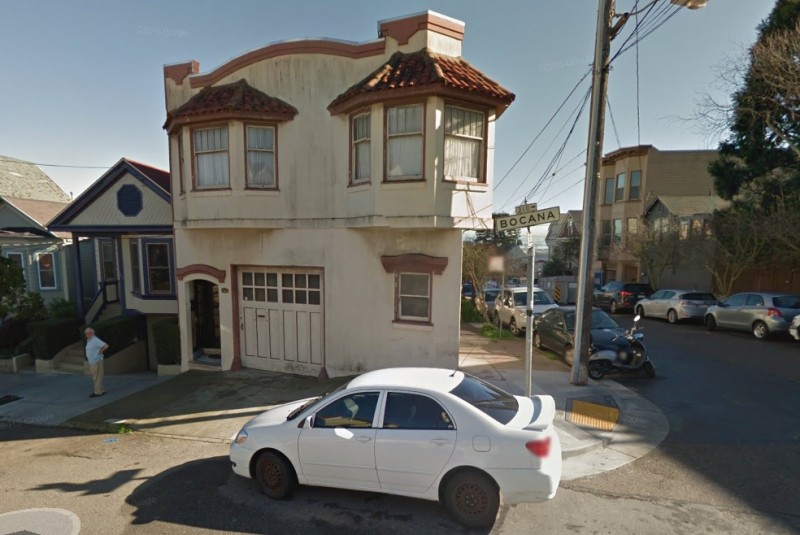
The Family Dispute Behind Infamous Bernal Heights Rent Hike
Renters Struggle to Keep Up in Menlo Park’s Belle Haven Neighborhood
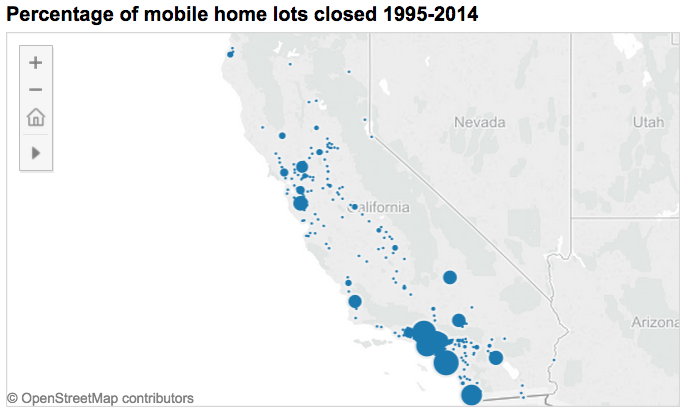
Mobile Home Parks: A Vanishing Source of Affordable Housing
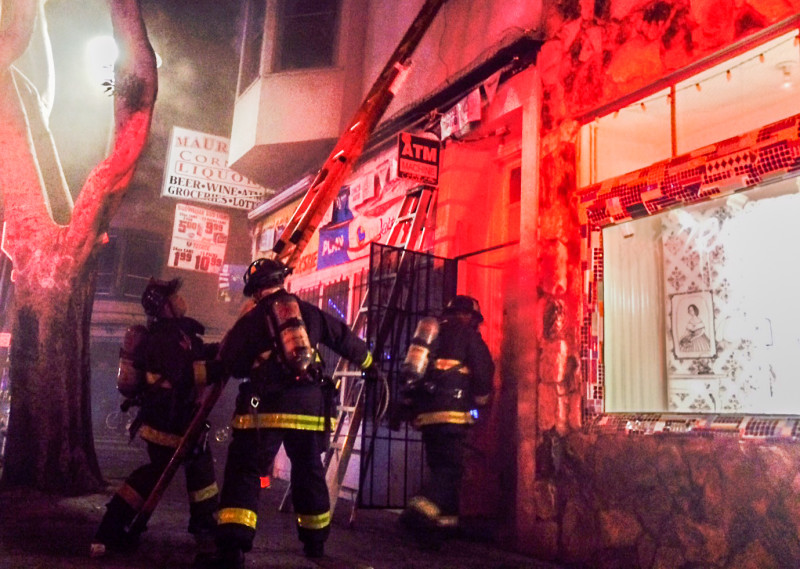
S.F. Supervisor: Latest Mission Fire Shows New Danger in Housing Crisis
2014 Mission Bay Fire: A Threat Remembered, and Lessons Learned
Young Oakland Entrepreneurs Redefine the Startup With a Local Twist
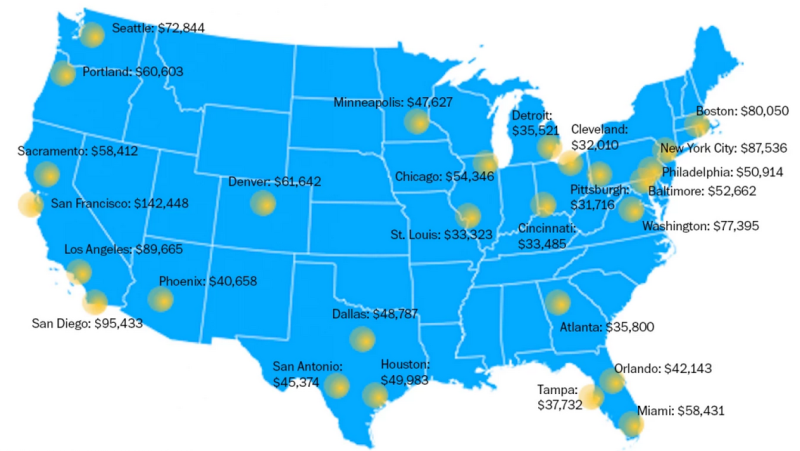
$142,448.33: What You Need to Earn to Buy 'Median' Home in Bay Area
Boomtown Memories: The Nob Hill Fence That Spite Built
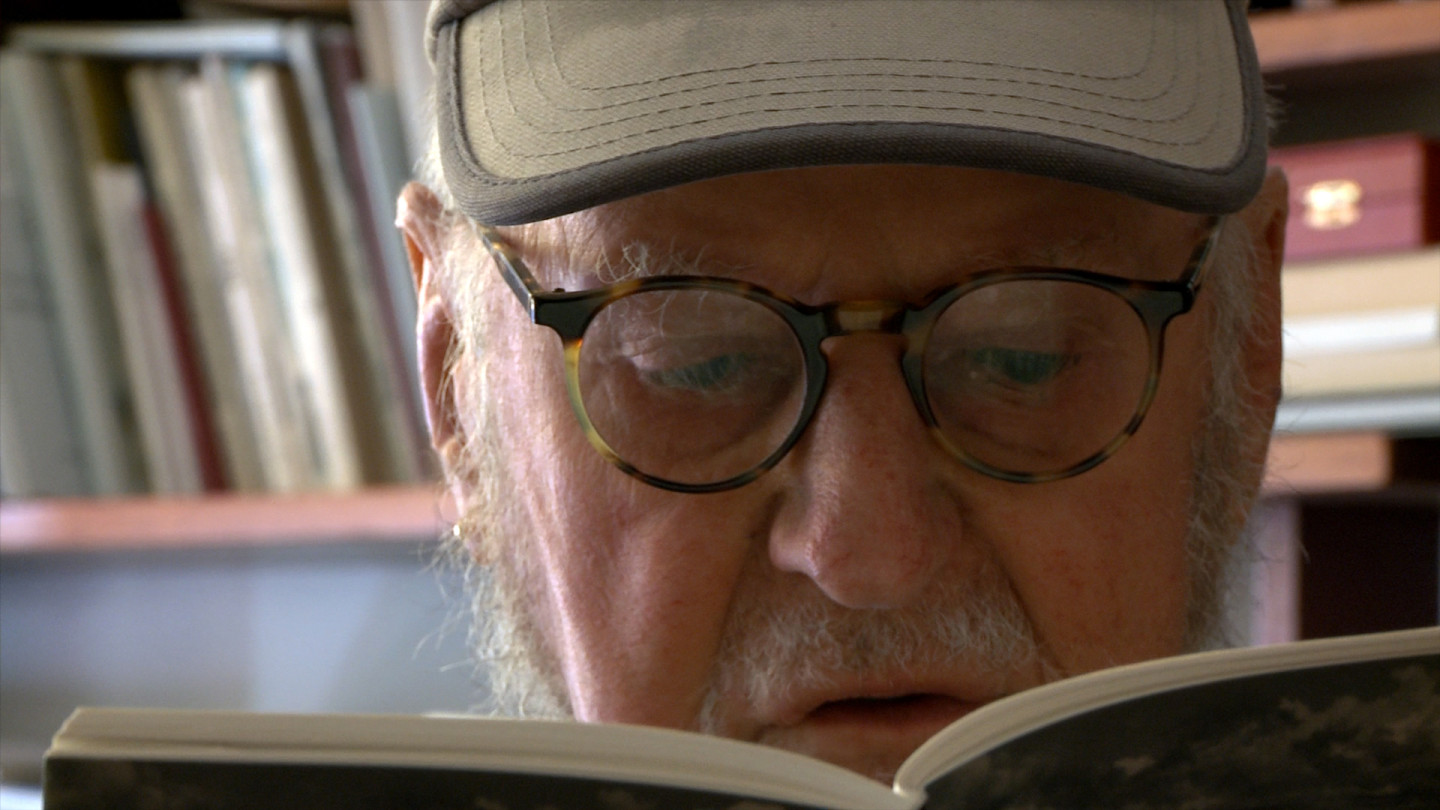
At 95, Lawrence Ferlinghetti Recounts More Than Six Decades of Life in San Francisco
More and More Businesses Relying on Gig Economy to Find Short-Term Labor
Customers Save a San Francisco Sci-Fi Bookstore, at Least for Now
Fast Bus Service a Tough Sell in Car-Centric Silicon Valley
window.__IS_SSR__=true
window.__INITIAL_STATE__={
"attachmentsReducer": {
"audio_0": {
"type": "attachments",
"id": "audio_0",
"imgSizes": {
"kqedFullSize": {
"file": "https://ww2.kqed.org/news/wp-content/themes/KQED-unified/img/audio_bgs/background0.jpg"
}
}
},
"audio_1": {
"type": "attachments",
"id": "audio_1",
"imgSizes": {
"kqedFullSize": {
"file": "https://ww2.kqed.org/news/wp-content/themes/KQED-unified/img/audio_bgs/background1.jpg"
}
}
},
"audio_2": {
"type": "attachments",
"id": "audio_2",
"imgSizes": {
"kqedFullSize": {
"file": "https://ww2.kqed.org/news/wp-content/themes/KQED-unified/img/audio_bgs/background2.jpg"
}
}
},
"audio_3": {
"type": "attachments",
"id": "audio_3",
"imgSizes": {
"kqedFullSize": {
"file": "https://ww2.kqed.org/news/wp-content/themes/KQED-unified/img/audio_bgs/background3.jpg"
}
}
},
"audio_4": {
"type": "attachments",
"id": "audio_4",
"imgSizes": {
"kqedFullSize": {
"file": "https://ww2.kqed.org/news/wp-content/themes/KQED-unified/img/audio_bgs/background4.jpg"
}
}
},
"placeholder": {
"type": "attachments",
"id": "placeholder",
"imgSizes": {
"thumbnail": {
"file": "https://cdn.kqed.org/wp-content/uploads/2024/12/KQED-Default-Image-816638274-2000x1333-1-160x107.jpg",
"width": 160,
"height": 107,
"mimeType": "image/jpeg"
},
"medium": {
"file": "https://cdn.kqed.org/wp-content/uploads/2024/12/KQED-Default-Image-816638274-2000x1333-1-800x533.jpg",
"width": 800,
"height": 533,
"mimeType": "image/jpeg"
},
"medium_large": {
"file": "https://cdn.kqed.org/wp-content/uploads/2024/12/KQED-Default-Image-816638274-2000x1333-1-768x512.jpg",
"width": 768,
"height": 512,
"mimeType": "image/jpeg"
},
"large": {
"file": "https://cdn.kqed.org/wp-content/uploads/2024/12/KQED-Default-Image-816638274-2000x1333-1-1020x680.jpg",
"width": 1020,
"height": 680,
"mimeType": "image/jpeg"
},
"1536x1536": {
"file": "https://cdn.kqed.org/wp-content/uploads/2024/12/KQED-Default-Image-816638274-2000x1333-1-1536x1024.jpg",
"width": 1536,
"height": 1024,
"mimeType": "image/jpeg"
},
"fd-lrg": {
"file": "https://cdn.kqed.org/wp-content/uploads/2024/12/KQED-Default-Image-816638274-2000x1333-1-1536x1024.jpg",
"width": 1536,
"height": 1024,
"mimeType": "image/jpeg"
},
"fd-med": {
"file": "https://cdn.kqed.org/wp-content/uploads/2024/12/KQED-Default-Image-816638274-2000x1333-1-1020x680.jpg",
"width": 1020,
"height": 680,
"mimeType": "image/jpeg"
},
"fd-sm": {
"file": "https://cdn.kqed.org/wp-content/uploads/2024/12/KQED-Default-Image-816638274-2000x1333-1-800x533.jpg",
"width": 800,
"height": 533,
"mimeType": "image/jpeg"
},
"post-thumbnail": {
"file": "https://cdn.kqed.org/wp-content/uploads/2024/12/KQED-Default-Image-816638274-2000x1333-1-672x372.jpg",
"width": 672,
"height": 372,
"mimeType": "image/jpeg"
},
"twentyfourteen-full-width": {
"file": "https://cdn.kqed.org/wp-content/uploads/2024/12/KQED-Default-Image-816638274-2000x1333-1-1038x576.jpg",
"width": 1038,
"height": 576,
"mimeType": "image/jpeg"
},
"xxsmall": {
"file": "https://cdn.kqed.org/wp-content/uploads/2024/12/KQED-Default-Image-816638274-2000x1333-1-160x107.jpg",
"width": 160,
"height": 107,
"mimeType": "image/jpeg"
},
"xsmall": {
"file": "https://cdn.kqed.org/wp-content/uploads/2024/12/KQED-Default-Image-816638274-2000x1333-1-672x372.jpg",
"width": 672,
"height": 372,
"mimeType": "image/jpeg"
},
"small": {
"file": "https://cdn.kqed.org/wp-content/uploads/2024/12/KQED-Default-Image-816638274-2000x1333-1-672x372.jpg",
"width": 672,
"height": 372,
"mimeType": "image/jpeg"
},
"xlarge": {
"file": "https://cdn.kqed.org/wp-content/uploads/2024/12/KQED-Default-Image-816638274-2000x1333-1-1020x680.jpg",
"width": 1020,
"height": 680,
"mimeType": "image/jpeg"
},
"full-width": {
"file": "https://cdn.kqed.org/wp-content/uploads/2024/12/KQED-Default-Image-816638274-2000x1333-1-1920x1280.jpg",
"width": 1920,
"height": 1280,
"mimeType": "image/jpeg"
},
"guest-author-32": {
"file": "https://cdn.kqed.org/wp-content/uploads/2025/01/KQED-Default-Image-816638274-1333x1333-1-160x160.jpg",
"width": 32,
"height": 32,
"mimeType": "image/jpeg"
},
"guest-author-50": {
"file": "https://cdn.kqed.org/wp-content/uploads/2025/01/KQED-Default-Image-816638274-1333x1333-1-160x160.jpg",
"width": 50,
"height": 50,
"mimeType": "image/jpeg"
},
"guest-author-64": {
"file": "https://cdn.kqed.org/wp-content/uploads/2025/01/KQED-Default-Image-816638274-1333x1333-1-160x160.jpg",
"width": 64,
"height": 64,
"mimeType": "image/jpeg"
},
"guest-author-96": {
"file": "https://cdn.kqed.org/wp-content/uploads/2025/01/KQED-Default-Image-816638274-1333x1333-1-160x160.jpg",
"width": 96,
"height": 96,
"mimeType": "image/jpeg"
},
"guest-author-128": {
"file": "https://cdn.kqed.org/wp-content/uploads/2025/01/KQED-Default-Image-816638274-1333x1333-1-160x160.jpg",
"width": 128,
"height": 128,
"mimeType": "image/jpeg"
},
"detail": {
"file": "https://cdn.kqed.org/wp-content/uploads/2025/01/KQED-Default-Image-816638274-1333x1333-1-160x160.jpg",
"width": 160,
"height": 160,
"mimeType": "image/jpeg"
},
"kqedFullSize": {
"file": "https://cdn.kqed.org/wp-content/uploads/2024/12/KQED-Default-Image-816638274-2000x1333-1.jpg",
"width": 2000,
"height": 1333
}
}
},
"news_10459778": {
"type": "attachments",
"id": "news_10459778",
"meta": {
"index": "attachments_1716263798",
"site": "news",
"id": "10459778",
"found": true
},
"parent": 10458809,
"imgSizes": {
"twentyfourteen-full-width": {
"file": "https://ww2.kqed.org/app/uploads/sites/10/2015/03/bocanastreet-984x576.jpg",
"width": 984,
"mimeType": "image/jpeg",
"height": 576
},
"thumbnail": {
"file": "https://ww2.kqed.org/app/uploads/sites/10/2015/03/bocanastreet-400x267.jpg",
"width": 400,
"mimeType": "image/jpeg",
"height": 267
},
"fd-sm": {
"file": "https://ww2.kqed.org/app/uploads/sites/10/2015/03/bocanastreet-320x214.jpg",
"width": 320,
"mimeType": "image/jpeg",
"height": 214
},
"post-thumbnail": {
"file": "https://ww2.kqed.org/app/uploads/sites/10/2015/03/bocanastreet-672x372.jpg",
"width": 672,
"mimeType": "image/jpeg",
"height": 372
},
"kqedFullSize": {
"file": "https://ww2.kqed.org/app/uploads/sites/10/2015/03/bocanastreet.jpg",
"width": 984,
"height": 658
},
"fd-med": {
"file": "https://ww2.kqed.org/app/uploads/sites/10/2015/03/bocanastreet-768x514.jpg",
"width": 768,
"mimeType": "image/jpeg",
"height": 514
},
"guest-author-96": {
"file": "https://ww2.kqed.org/app/uploads/sites/10/2015/03/bocanastreet-96x96.jpg",
"width": 96,
"mimeType": "image/jpeg",
"height": 96
},
"medium": {
"file": "https://ww2.kqed.org/app/uploads/sites/10/2015/03/bocanastreet-800x535.jpg",
"width": 800,
"mimeType": "image/jpeg",
"height": 535
},
"guest-author-64": {
"file": "https://ww2.kqed.org/app/uploads/sites/10/2015/03/bocanastreet-64x64.jpg",
"width": 64,
"mimeType": "image/jpeg",
"height": 64
},
"detail": {
"file": "https://ww2.kqed.org/app/uploads/sites/10/2015/03/bocanastreet-75x75.jpg",
"width": 75,
"mimeType": "image/jpeg",
"height": 75
},
"guest-author-32": {
"file": "https://ww2.kqed.org/app/uploads/sites/10/2015/03/bocanastreet-32x32.jpg",
"width": 32,
"mimeType": "image/jpeg",
"height": 32
},
"guest-author-128": {
"file": "https://ww2.kqed.org/app/uploads/sites/10/2015/03/bocanastreet-128x128.jpg",
"width": 128,
"mimeType": "image/jpeg",
"height": 128
}
},
"publishDate": 1426732043,
"modified": 1484692110,
"caption": "In March 2015, the owner of this Bernal Heights residence raised her long-term tenant's rent from $2,145 to $8,900 a month, with a $12,500 security deposit. ",
"description": "The landlord of this Bernal Heights residence is raising the rent from $2,145 to $8,900, with a $12,500 security deposit. ",
"title": "Bocana Street",
"credit": "Google Street View",
"status": "inherit",
"isLoading": false,
"fetchFailed": false
},
"news_10453776": {
"type": "attachments",
"id": "news_10453776",
"meta": {
"index": "attachments_1716263798",
"site": "news",
"id": "10453776",
"found": true
},
"parent": 10453771,
"imgSizes": {
"twentyfourteen-full-width": {
"file": "https://ww2.kqed.org/app/uploads/sites/10/2015/03/garage-for-rent-1038x576.jpg",
"width": 1038,
"mimeType": "image/jpeg",
"height": 576
},
"thumbnail": {
"file": "https://ww2.kqed.org/app/uploads/sites/10/2015/03/garage-for-rent-400x236.jpg",
"width": 400,
"mimeType": "image/jpeg",
"height": 236
},
"fd-sm": {
"file": "https://ww2.kqed.org/app/uploads/sites/10/2015/03/garage-for-rent-320x189.jpg",
"width": 320,
"mimeType": "image/jpeg",
"height": 189
},
"post-thumbnail": {
"file": "https://ww2.kqed.org/app/uploads/sites/10/2015/03/garage-for-rent-672x372.jpg",
"width": 672,
"mimeType": "image/jpeg",
"height": 372
},
"kqedFullSize": {
"file": "https://ww2.kqed.org/app/uploads/sites/10/2015/03/garage-for-rent.jpg",
"width": 3202,
"height": 1888
},
"large": {
"file": "https://ww2.kqed.org/app/uploads/sites/10/2015/03/garage-for-rent-1440x849.jpg",
"width": 1440,
"mimeType": "image/jpeg",
"height": 849
},
"guest-author-96": {
"file": "https://ww2.kqed.org/app/uploads/sites/10/2015/03/garage-for-rent-96x96.jpg",
"width": 96,
"mimeType": "image/jpeg",
"height": 96
},
"medium": {
"file": "https://ww2.kqed.org/app/uploads/sites/10/2015/03/garage-for-rent-800x472.jpg",
"width": 800,
"mimeType": "image/jpeg",
"height": 472
},
"guest-author-64": {
"file": "https://ww2.kqed.org/app/uploads/sites/10/2015/03/garage-for-rent-64x64.jpg",
"width": 64,
"mimeType": "image/jpeg",
"height": 64
},
"guest-author-32": {
"file": "https://ww2.kqed.org/app/uploads/sites/10/2015/03/garage-for-rent-32x32.jpg",
"width": 32,
"mimeType": "image/jpeg",
"height": 32
},
"fd-lrg": {
"file": "https://ww2.kqed.org/app/uploads/sites/10/2015/03/garage-for-rent-1180x696.jpg",
"width": 1180,
"mimeType": "image/jpeg",
"height": 696
},
"fd-med": {
"file": "https://ww2.kqed.org/app/uploads/sites/10/2015/03/garage-for-rent-768x453.jpg",
"width": 768,
"mimeType": "image/jpeg",
"height": 453
},
"detail": {
"file": "https://ww2.kqed.org/app/uploads/sites/10/2015/03/garage-for-rent-75x75.jpg",
"width": 75,
"mimeType": "image/jpeg",
"height": 75
},
"guest-author-128": {
"file": "https://ww2.kqed.org/app/uploads/sites/10/2015/03/garage-for-rent-128x128.jpg",
"width": 128,
"mimeType": "image/jpeg",
"height": 128
}
},
"publishDate": 1426190773,
"modified": 1426190798,
"caption": "A billboard at a Belle Haven grocery store advertises garages for rent on Jan. 13, 2015. Prices can go over $1,000, even though most garages here are illegally converted, according to Menlo Park Police. ",
"description": "A billboard at a Belle Haven grocery store advertises garages for rent on Jan. 13, 2015. Prices can go over $1,000, even though most garages here are illegally converted, according to Menlo Park Police. ",
"title": "garage for rent",
"credit": "Farida Jhabvala Romero/ Peninsula Press",
"status": "inherit",
"isLoading": false,
"fetchFailed": false
},
"news_10453766": {
"type": "attachments",
"id": "news_10453766",
"meta": {
"index": "attachments_1716263798",
"site": "news",
"id": "10453766",
"found": true
},
"parent": 10453765,
"imgSizes": {
"thumbnail": {
"file": "https://ww2.kqed.org/app/uploads/sites/10/2015/03/mobile-home-map-400x242.png",
"width": 400,
"mimeType": "image/png",
"height": 242
},
"fd-sm": {
"file": "https://ww2.kqed.org/app/uploads/sites/10/2015/03/mobile-home-map-320x194.png",
"width": 320,
"mimeType": "image/png",
"height": 194
},
"post-thumbnail": {
"file": "https://ww2.kqed.org/app/uploads/sites/10/2015/03/mobile-home-map-672x372.png",
"width": 672,
"mimeType": "image/png",
"height": 372
},
"kqedFullSize": {
"file": "https://ww2.kqed.org/app/uploads/sites/10/2015/03/mobile-home-map.png",
"width": 686,
"height": 415
},
"guest-author-96": {
"file": "https://ww2.kqed.org/app/uploads/sites/10/2015/03/mobile-home-map-96x96.png",
"width": 96,
"mimeType": "image/png",
"height": 96
},
"guest-author-64": {
"file": "https://ww2.kqed.org/app/uploads/sites/10/2015/03/mobile-home-map-64x64.png",
"width": 64,
"mimeType": "image/png",
"height": 64
},
"detail": {
"file": "https://ww2.kqed.org/app/uploads/sites/10/2015/03/mobile-home-map-75x75.png",
"width": 75,
"mimeType": "image/png",
"height": 75
},
"guest-author-32": {
"file": "https://ww2.kqed.org/app/uploads/sites/10/2015/03/mobile-home-map-32x32.png",
"width": 32,
"mimeType": "image/png",
"height": 32
},
"guest-author-128": {
"file": "https://ww2.kqed.org/app/uploads/sites/10/2015/03/mobile-home-map-128x128.png",
"width": 128,
"mimeType": "image/png",
"height": 128
}
},
"publishDate": 1426189427,
"modified": 1426189478,
"caption": "Mobile home lots closed across California. \u003ca href=\"https://public.tableau.com/profile/publish/MobileHomeStoryVis/Dashboard1#!/publish-confirm\">CLICK\u003c/a> to launch full interactive graphic. ",
"description": null,
"title": "mobile home map",
"credit": "(Data visualization by Katie Kramon/Peninsula Press)",
"status": "inherit",
"isLoading": false,
"fetchFailed": false
},
"news_10452702": {
"type": "attachments",
"id": "news_10452702",
"meta": {
"index": "attachments_1716263798",
"site": "news",
"id": "10452702",
"found": true
},
"parent": 10452701,
"imgSizes": {
"twentyfourteen-full-width": {
"file": "https://ww2.kqed.org/app/uploads/sites/10/2015/03/missionfire031115-1038x576.jpg",
"width": 1038,
"mimeType": "image/jpeg",
"height": 576
},
"thumbnail": {
"file": "https://ww2.kqed.org/app/uploads/sites/10/2015/03/missionfire031115-400x284.jpg",
"width": 400,
"mimeType": "image/jpeg",
"height": 284
},
"fd-sm": {
"file": "https://ww2.kqed.org/app/uploads/sites/10/2015/03/missionfire031115-320x227.jpg",
"width": 320,
"mimeType": "image/jpeg",
"height": 227
},
"post-thumbnail": {
"file": "https://ww2.kqed.org/app/uploads/sites/10/2015/03/missionfire031115-672x372.jpg",
"width": 672,
"mimeType": "image/jpeg",
"height": 372
},
"kqedFullSize": {
"file": "https://ww2.kqed.org/app/uploads/sites/10/2015/03/missionfire031115.jpg",
"width": 1379,
"height": 980
},
"guest-author-96": {
"file": "https://ww2.kqed.org/app/uploads/sites/10/2015/03/missionfire031115-96x96.jpg",
"width": 96,
"mimeType": "image/jpeg",
"height": 96
},
"medium": {
"file": "https://ww2.kqed.org/app/uploads/sites/10/2015/03/missionfire031115-800x569.jpg",
"width": 800,
"mimeType": "image/jpeg",
"height": 569
},
"guest-author-64": {
"file": "https://ww2.kqed.org/app/uploads/sites/10/2015/03/missionfire031115-64x64.jpg",
"width": 64,
"mimeType": "image/jpeg",
"height": 64
},
"guest-author-32": {
"file": "https://ww2.kqed.org/app/uploads/sites/10/2015/03/missionfire031115-32x32.jpg",
"width": 32,
"mimeType": "image/jpeg",
"height": 32
},
"fd-lrg": {
"file": "https://ww2.kqed.org/app/uploads/sites/10/2015/03/missionfire031115-1180x839.jpg",
"width": 1180,
"mimeType": "image/jpeg",
"height": 839
},
"fd-med": {
"file": "https://ww2.kqed.org/app/uploads/sites/10/2015/03/missionfire031115-768x546.jpg",
"width": 768,
"mimeType": "image/jpeg",
"height": 546
},
"detail": {
"file": "https://ww2.kqed.org/app/uploads/sites/10/2015/03/missionfire031115-75x75.jpg",
"width": 75,
"mimeType": "image/jpeg",
"height": 75
},
"guest-author-128": {
"file": "https://ww2.kqed.org/app/uploads/sites/10/2015/03/missionfire031115-128x128.jpg",
"width": 128,
"mimeType": "image/jpeg",
"height": 128
}
},
"publishDate": 1426085196,
"modified": 1531864294,
"caption": "Firefighters responding to March 11, 2015, blaze that killed two members of a family living in a second-floor apartment at 24th Street and Treat Avenue in San Francisco's Mission District. ",
"description": "Firefighters responding to blaze that killed two members of a family living in a second-floor apartment at 24th Street and Treat Avenue in San Francisco's Mission District. ",
"title": "Mission Fire",
"credit": "Lindsey Hoshaw/KQED",
"status": "inherit",
"isLoading": false,
"fetchFailed": false
},
"news_129427": {
"type": "attachments",
"id": "news_129427",
"meta": {
"index": "attachments_1716263798",
"site": "news",
"id": "129427",
"found": true
},
"parent": 129418,
"imgSizes": {
"kqedFullSize": {
"file": "https://ww2.kqed.org/app/uploads/sites/10/2014/03/missionbayfire.jpg",
"width": 1280,
"height": 900
}
},
"publishDate": 1394819353,
"modified": 1423872702,
"caption": "San Francisco firefighters respond to the March 11, 2014, fire at Fourth and China Basin streets.",
"description": "San Francisco firefighters respond to the March 11, 2014, fire at Fourth and China Basin streets. (KQED)",
"title": "Mission Bay Fire",
"credit": "Mark Andrew Boyer/KQED",
"status": "inherit",
"isLoading": false,
"fetchFailed": false
},
"news_10451595": {
"type": "attachments",
"id": "news_10451595",
"meta": {
"index": "attachments_1716263798",
"site": "news",
"id": "10451595",
"found": true
},
"parent": 0,
"imgSizes": {
"twentyfourteen-full-width": {
"file": "https://ww2.kqed.org/app/uploads/sites/10/2015/03/RS14480_Oak-Boyz_PhCrJennyBolario-qut-1038x576.jpg",
"width": 1038,
"mimeType": "image/jpeg",
"height": 576
},
"thumbnail": {
"file": "https://ww2.kqed.org/app/uploads/sites/10/2015/03/RS14480_Oak-Boyz_PhCrJennyBolario-qut-400x225.jpg",
"width": 400,
"mimeType": "image/jpeg",
"height": 225
},
"fd-sm": {
"file": "https://ww2.kqed.org/app/uploads/sites/10/2015/03/RS14480_Oak-Boyz_PhCrJennyBolario-qut-320x180.jpg",
"width": 320,
"mimeType": "image/jpeg",
"height": 180
},
"post-thumbnail": {
"file": "https://ww2.kqed.org/app/uploads/sites/10/2015/03/RS14480_Oak-Boyz_PhCrJennyBolario-qut-672x372.jpg",
"width": 672,
"mimeType": "image/jpeg",
"height": 372
},
"kqedFullSize": {
"file": "https://ww2.kqed.org/app/uploads/sites/10/2015/03/RS14480_Oak-Boyz_PhCrJennyBolario-qut.jpg",
"width": 1920,
"height": 1080
},
"large": {
"file": "https://ww2.kqed.org/app/uploads/sites/10/2015/03/RS14480_Oak-Boyz_PhCrJennyBolario-qut-1440x810.jpg",
"width": 1440,
"mimeType": "image/jpeg",
"height": 810
},
"guest-author-96": {
"file": "https://ww2.kqed.org/app/uploads/sites/10/2015/03/RS14480_Oak-Boyz_PhCrJennyBolario-qut-96x96.jpg",
"width": 96,
"mimeType": "image/jpeg",
"height": 96
},
"medium": {
"file": "https://ww2.kqed.org/app/uploads/sites/10/2015/03/RS14480_Oak-Boyz_PhCrJennyBolario-qut-800x450.jpg",
"width": 800,
"mimeType": "image/jpeg",
"height": 450
},
"guest-author-64": {
"file": "https://ww2.kqed.org/app/uploads/sites/10/2015/03/RS14480_Oak-Boyz_PhCrJennyBolario-qut-64x64.jpg",
"width": 64,
"mimeType": "image/jpeg",
"height": 64
},
"guest-author-32": {
"file": "https://ww2.kqed.org/app/uploads/sites/10/2015/03/RS14480_Oak-Boyz_PhCrJennyBolario-qut-32x32.jpg",
"width": 32,
"mimeType": "image/jpeg",
"height": 32
},
"fd-lrg": {
"file": "https://ww2.kqed.org/app/uploads/sites/10/2015/03/RS14480_Oak-Boyz_PhCrJennyBolario-qut-1180x664.jpg",
"width": 1180,
"mimeType": "image/jpeg",
"height": 664
},
"fd-med": {
"file": "https://ww2.kqed.org/app/uploads/sites/10/2015/03/RS14480_Oak-Boyz_PhCrJennyBolario-qut-768x432.jpg",
"width": 768,
"mimeType": "image/jpeg",
"height": 432
},
"detail": {
"file": "https://ww2.kqed.org/app/uploads/sites/10/2015/03/RS14480_Oak-Boyz_PhCrJennyBolario-qut-75x75.jpg",
"width": 75,
"mimeType": "image/jpeg",
"height": 75
},
"guest-author-128": {
"file": "https://ww2.kqed.org/app/uploads/sites/10/2015/03/RS14480_Oak-Boyz_PhCrJennyBolario-qut-128x128.jpg",
"width": 128,
"mimeType": "image/jpeg",
"height": 128
}
},
"publishDate": 1425942947,
"modified": 1425943015,
"caption": "Torron Thompson (left) and Khalil Whitaker (right) design t-shirts, sweats and shorts with funny logos under the brand Oak Boys.",
"description": "Torron Thompson (left) and Khalil Whitaker (right) design t-shirts, sweats and shorts with funny logos under the brand Oak Boys.",
"title": "RS14480_Oak Boyz_PhCrJennyBolario-qut",
"credit": "Jenny Bolario/Youth Radio",
"status": "inherit",
"isLoading": false,
"fetchFailed": false
},
"news_10451583": {
"type": "attachments",
"id": "news_10451583",
"meta": {
"index": "attachments_1716263798",
"site": "news",
"id": "10451583",
"found": true
},
"parent": 10451493,
"imgSizes": {
"twentyfourteen-full-width": {
"file": "https://ww2.kqed.org/app/uploads/sites/10/2015/03/homepricemap-1038x576.png",
"width": 1038,
"mimeType": "image/png",
"height": 576
},
"thumbnail": {
"file": "https://ww2.kqed.org/app/uploads/sites/10/2015/03/homepricemap-400x226.png",
"width": 400,
"mimeType": "image/png",
"height": 226
},
"fd-sm": {
"file": "https://ww2.kqed.org/app/uploads/sites/10/2015/03/homepricemap-320x181.png",
"width": 320,
"mimeType": "image/png",
"height": 181
},
"post-thumbnail": {
"file": "https://ww2.kqed.org/app/uploads/sites/10/2015/03/homepricemap-672x372.png",
"width": 672,
"mimeType": "image/png",
"height": 372
},
"kqedFullSize": {
"file": "https://ww2.kqed.org/app/uploads/sites/10/2015/03/homepricemap.png",
"width": 1136,
"height": 641
},
"fd-med": {
"file": "https://ww2.kqed.org/app/uploads/sites/10/2015/03/homepricemap-768x433.png",
"width": 768,
"mimeType": "image/png",
"height": 433
},
"guest-author-96": {
"file": "https://ww2.kqed.org/app/uploads/sites/10/2015/03/homepricemap-96x96.png",
"width": 96,
"mimeType": "image/png",
"height": 96
},
"medium": {
"file": "https://ww2.kqed.org/app/uploads/sites/10/2015/03/homepricemap-800x451.png",
"width": 800,
"mimeType": "image/png",
"height": 451
},
"guest-author-64": {
"file": "https://ww2.kqed.org/app/uploads/sites/10/2015/03/homepricemap-64x64.png",
"width": 64,
"mimeType": "image/png",
"height": 64
},
"detail": {
"file": "https://ww2.kqed.org/app/uploads/sites/10/2015/03/homepricemap-75x75.png",
"width": 75,
"mimeType": "image/png",
"height": 75
},
"guest-author-32": {
"file": "https://ww2.kqed.org/app/uploads/sites/10/2015/03/homepricemap-32x32.png",
"width": 32,
"mimeType": "image/png",
"height": 32
},
"guest-author-128": {
"file": "https://ww2.kqed.org/app/uploads/sites/10/2015/03/homepricemap-128x128.png",
"width": 128,
"mimeType": "image/png",
"height": 128
}
},
"publishDate": 1425940847,
"modified": 1425940912,
"caption": "Income needed to buy a home in 27 U.S. metro areas. ",
"description": null,
"title": "Home Price Map-February 2015",
"credit": "HSH.com",
"status": "inherit",
"isLoading": false,
"fetchFailed": false
},
"news_10449406": {
"type": "attachments",
"id": "news_10449406",
"meta": {
"index": "attachments_1716263798",
"site": "news",
"id": "10449406",
"found": true
},
"parent": 10449405,
"imgSizes": {
"twentyfourteen-full-width": {
"file": "https://ww2.kqed.org/app/uploads/sites/10/2015/03/crockermansion-1038x576.jpg",
"width": 1038,
"mimeType": "image/jpeg",
"height": 576
},
"thumbnail": {
"file": "https://ww2.kqed.org/app/uploads/sites/10/2015/03/crockermansion-400x264.jpg",
"width": 400,
"mimeType": "image/jpeg",
"height": 264
},
"fd-sm": {
"file": "https://ww2.kqed.org/app/uploads/sites/10/2015/03/crockermansion-320x211.jpg",
"width": 320,
"mimeType": "image/jpeg",
"height": 211
},
"post-thumbnail": {
"file": "https://ww2.kqed.org/app/uploads/sites/10/2015/03/crockermansion-672x372.jpg",
"width": 672,
"mimeType": "image/jpeg",
"height": 372
},
"kqedFullSize": {
"file": "https://ww2.kqed.org/app/uploads/sites/10/2015/03/crockermansion.jpg",
"width": 1109,
"height": 731
},
"fd-med": {
"file": "https://ww2.kqed.org/app/uploads/sites/10/2015/03/crockermansion-768x506.jpg",
"width": 768,
"mimeType": "image/jpeg",
"height": 506
},
"guest-author-96": {
"file": "https://ww2.kqed.org/app/uploads/sites/10/2015/03/crockermansion-96x96.jpg",
"width": 96,
"mimeType": "image/jpeg",
"height": 96
},
"medium": {
"file": "https://ww2.kqed.org/app/uploads/sites/10/2015/03/crockermansion-800x527.jpg",
"width": 800,
"mimeType": "image/jpeg",
"height": 527
},
"guest-author-64": {
"file": "https://ww2.kqed.org/app/uploads/sites/10/2015/03/crockermansion-64x64.jpg",
"width": 64,
"mimeType": "image/jpeg",
"height": 64
},
"detail": {
"file": "https://ww2.kqed.org/app/uploads/sites/10/2015/03/crockermansion-75x75.jpg",
"width": 75,
"mimeType": "image/jpeg",
"height": 75
},
"guest-author-32": {
"file": "https://ww2.kqed.org/app/uploads/sites/10/2015/03/crockermansion-32x32.jpg",
"width": 32,
"mimeType": "image/jpeg",
"height": 32
},
"guest-author-128": {
"file": "https://ww2.kqed.org/app/uploads/sites/10/2015/03/crockermansion-128x128.jpg",
"width": 128,
"mimeType": "image/jpeg",
"height": 128
}
},
"publishDate": 1425605753,
"modified": 1425680515,
"caption": "A panorama of San Francisco taken in 1878 from the Mark Hopkins mansion on Nob Hill by photographer Eadward Muybridge. The large, dark-colored edifice at center was the home of railroad magnate Charles Crocker. The spite fence he built to retaliate against neighbor Nicholas Yung is the large rectangular structure to the right of the mansion in this image. This copy of the panorama is in the collection of the Society of California Pioneers and was restored in 2011 by Gawain Weaver Art Conservation.",
"description": "An 1878 panorama of the city of San Francisco taken from a vantage point on Nob Hill in 1878 by photographer Eadward Muybridge. The large, light-colored mansion just to the right of center was the home of railroad magnate Charles Crocker. The spite fence he built to retaliate against neighbor Nicholas Yung, is the large rectangular structure behind the mansion. This copy of the panorama is in the collection of the Society of California Pioneers and was restored in 2011 by Gawain Weaver Art Conservation.",
"title": "Boomtown-Crocker Fence",
"credit": "Eadward Muybridge/Gawain Weaver Art Conservation",
"status": "inherit",
"isLoading": false,
"fetchFailed": false
},
"news_10447923": {
"type": "attachments",
"id": "news_10447923",
"meta": {
"index": "attachments_1716263798",
"site": "news",
"id": "10447923",
"found": true
},
"parent": 0,
"imgSizes": {
"twentyfourteen-full-width": {
"file": "https://ww2.kqed.org/app/uploads/sites/10/2015/03/ferlinghetti-reading-1038x576.jpg",
"width": 1038,
"mimeType": "image/jpeg",
"height": 576
},
"thumbnail": {
"file": "https://ww2.kqed.org/app/uploads/sites/10/2015/03/ferlinghetti-reading-400x225.jpg",
"width": 400,
"mimeType": "image/jpeg",
"height": 225
},
"fd-sm": {
"file": "https://ww2.kqed.org/app/uploads/sites/10/2015/03/ferlinghetti-reading-320x180.jpg",
"width": 320,
"mimeType": "image/jpeg",
"height": 180
},
"post-thumbnail": {
"file": "https://ww2.kqed.org/app/uploads/sites/10/2015/03/ferlinghetti-reading-672x372.jpg",
"width": 672,
"mimeType": "image/jpeg",
"height": 372
},
"kqedFullSize": {
"file": "https://ww2.kqed.org/app/uploads/sites/10/2015/03/ferlinghetti-reading.jpg",
"width": 1920,
"height": 1080
},
"large": {
"file": "https://ww2.kqed.org/app/uploads/sites/10/2015/03/ferlinghetti-reading-1440x810.jpg",
"width": 1440,
"mimeType": "image/jpeg",
"height": 810
},
"guest-author-96": {
"file": "https://ww2.kqed.org/app/uploads/sites/10/2015/03/ferlinghetti-reading-96x96.jpg",
"width": 96,
"mimeType": "image/jpeg",
"height": 96
},
"medium": {
"file": "https://ww2.kqed.org/app/uploads/sites/10/2015/03/ferlinghetti-reading-800x450.jpg",
"width": 800,
"mimeType": "image/jpeg",
"height": 450
},
"guest-author-64": {
"file": "https://ww2.kqed.org/app/uploads/sites/10/2015/03/ferlinghetti-reading-64x64.jpg",
"width": 64,
"mimeType": "image/jpeg",
"height": 64
},
"guest-author-32": {
"file": "https://ww2.kqed.org/app/uploads/sites/10/2015/03/ferlinghetti-reading-32x32.jpg",
"width": 32,
"mimeType": "image/jpeg",
"height": 32
},
"fd-lrg": {
"file": "https://ww2.kqed.org/app/uploads/sites/10/2015/03/ferlinghetti-reading-1180x664.jpg",
"width": 1180,
"mimeType": "image/jpeg",
"height": 664
},
"fd-med": {
"file": "https://ww2.kqed.org/app/uploads/sites/10/2015/03/ferlinghetti-reading-768x432.jpg",
"width": 768,
"mimeType": "image/jpeg",
"height": 432
},
"detail": {
"file": "https://ww2.kqed.org/app/uploads/sites/10/2015/03/ferlinghetti-reading-75x75.jpg",
"width": 75,
"mimeType": "image/jpeg",
"height": 75
},
"guest-author-128": {
"file": "https://ww2.kqed.org/app/uploads/sites/10/2015/03/ferlinghetti-reading-128x128.jpg",
"width": 128,
"mimeType": "image/jpeg",
"height": 128
}
},
"publishDate": 1425414453,
"modified": 1425415010,
"caption": "Beat poet and painter Lawrence Ferlinghetti will turn 96 in March. (Jason Lelchuk/KQED)",
"description": null,
"title": "ferlinghetti-reading",
"credit": null,
"status": "inherit",
"isLoading": false,
"fetchFailed": false
},
"news_10442244": {
"type": "attachments",
"id": "news_10442244",
"meta": {
"index": "attachments_1716263798",
"site": "news",
"id": "10442244",
"found": true
},
"parent": 10441462,
"imgSizes": {
"twentyfourteen-full-width": {
"file": "https://ww2.kqed.org/app/uploads/sites/10/2015/02/11213_transform-1038x576.jpg",
"width": 1038,
"mimeType": "image/jpeg",
"height": 576
},
"thumbnail": {
"file": "https://ww2.kqed.org/app/uploads/sites/10/2015/02/11213_transform-400x291.jpg",
"width": 400,
"mimeType": "image/jpeg",
"height": 291
},
"post-thumbnail": {
"file": "https://ww2.kqed.org/app/uploads/sites/10/2015/02/11213_transform-672x372.jpg",
"width": 672,
"mimeType": "image/jpeg",
"height": 372
},
"kqedFullSize": {
"file": "https://ww2.kqed.org/app/uploads/sites/10/2015/02/11213_transform.jpg",
"width": 1920,
"height": 1399
},
"large": {
"file": "https://ww2.kqed.org/app/uploads/sites/10/2015/02/11213_transform-1440x1049.jpg",
"width": 1440,
"mimeType": "image/jpeg",
"height": 1049
},
"guest-author-96": {
"file": "https://ww2.kqed.org/app/uploads/sites/10/2015/02/11213_transform-96x96.jpg",
"width": 96,
"mimeType": "image/jpeg",
"height": 96
},
"medium": {
"file": "https://ww2.kqed.org/app/uploads/sites/10/2015/02/11213_transform-800x583.jpg",
"width": 800,
"mimeType": "image/jpeg",
"height": 583
},
"guest-author-64": {
"file": "https://ww2.kqed.org/app/uploads/sites/10/2015/02/11213_transform-64x64.jpg",
"width": 64,
"mimeType": "image/jpeg",
"height": 64
},
"detail": {
"file": "https://ww2.kqed.org/app/uploads/sites/10/2015/02/11213_transform-75x75.jpg",
"width": 75,
"mimeType": "image/jpeg",
"height": 75
},
"guest-author-32": {
"file": "https://ww2.kqed.org/app/uploads/sites/10/2015/02/11213_transform-32x32.jpg",
"width": 32,
"mimeType": "image/jpeg",
"height": 32
},
"guest-author-128": {
"file": "https://ww2.kqed.org/app/uploads/sites/10/2015/02/11213_transform-128x128.jpg",
"width": 128,
"mimeType": "image/jpeg",
"height": 128
}
},
"publishDate": 1424807711,
"modified": 1425081631,
"caption": " 'We're at risk of becoming a country of isolated individual workers who are scrambling to piece together a few hours of low-wage, hourlong gigs that lack our most basic labor protections.' -Rebecca Smith, National Employment Law Project",
"description": null,
"title": "working on devices",
"credit": "Getty Images",
"status": "inherit",
"isLoading": false,
"fetchFailed": false
},
"news_10443923": {
"type": "attachments",
"id": "news_10443923",
"meta": {
"index": "attachments_1716263798",
"site": "news",
"id": "10443923",
"found": true
},
"parent": 10443895,
"imgSizes": {
"twentyfourteen-full-width": {
"file": "https://ww2.kqed.org/app/uploads/sites/10/2015/02/10961609705_e2eddcba1f_o-1038x576.jpg",
"width": 1038,
"mimeType": "image/jpeg",
"height": 576
},
"thumbnail": {
"file": "https://ww2.kqed.org/app/uploads/sites/10/2015/02/10961609705_e2eddcba1f_o-400x265.jpg",
"width": 400,
"mimeType": "image/jpeg",
"height": 265
},
"fd-sm": {
"file": "https://ww2.kqed.org/app/uploads/sites/10/2015/02/10961609705_e2eddcba1f_o-320x212.jpg",
"width": 320,
"mimeType": "image/jpeg",
"height": 212
},
"post-thumbnail": {
"file": "https://ww2.kqed.org/app/uploads/sites/10/2015/02/10961609705_e2eddcba1f_o-672x372.jpg",
"width": 672,
"mimeType": "image/jpeg",
"height": 372
},
"kqedFullSize": {
"file": "https://ww2.kqed.org/app/uploads/sites/10/2015/02/10961609705_e2eddcba1f_o.jpg",
"width": 2464,
"height": 1632
},
"large": {
"file": "https://ww2.kqed.org/app/uploads/sites/10/2015/02/10961609705_e2eddcba1f_o-1440x954.jpg",
"width": 1440,
"mimeType": "image/jpeg",
"height": 954
},
"guest-author-96": {
"file": "https://ww2.kqed.org/app/uploads/sites/10/2015/02/10961609705_e2eddcba1f_o-96x96.jpg",
"width": 96,
"mimeType": "image/jpeg",
"height": 96
},
"medium": {
"file": "https://ww2.kqed.org/app/uploads/sites/10/2015/02/10961609705_e2eddcba1f_o-800x530.jpg",
"width": 800,
"mimeType": "image/jpeg",
"height": 530
},
"guest-author-64": {
"file": "https://ww2.kqed.org/app/uploads/sites/10/2015/02/10961609705_e2eddcba1f_o-64x64.jpg",
"width": 64,
"mimeType": "image/jpeg",
"height": 64
},
"guest-author-32": {
"file": "https://ww2.kqed.org/app/uploads/sites/10/2015/02/10961609705_e2eddcba1f_o-32x32.jpg",
"width": 32,
"mimeType": "image/jpeg",
"height": 32
},
"fd-lrg": {
"file": "https://ww2.kqed.org/app/uploads/sites/10/2015/02/10961609705_e2eddcba1f_o-1180x782.jpg",
"width": 1180,
"mimeType": "image/jpeg",
"height": 782
},
"fd-med": {
"file": "https://ww2.kqed.org/app/uploads/sites/10/2015/02/10961609705_e2eddcba1f_o-768x509.jpg",
"width": 768,
"mimeType": "image/jpeg",
"height": 509
},
"detail": {
"file": "https://ww2.kqed.org/app/uploads/sites/10/2015/02/10961609705_e2eddcba1f_o-75x75.jpg",
"width": 75,
"mimeType": "image/jpeg",
"height": 75
},
"guest-author-128": {
"file": "https://ww2.kqed.org/app/uploads/sites/10/2015/02/10961609705_e2eddcba1f_o-128x128.jpg",
"width": 128,
"mimeType": "image/jpeg",
"height": 128
}
},
"publishDate": 1424982574,
"modified": 1424982668,
"caption": "Borderlands Books, on Valencia Street in the Mission. ",
"description": null,
"title": "Mission-Borderlands Books",
"credit": "\u003ca href=https://flic.kr/p/hGD7EM\" target=\"_blank\">Adam Fagen\u003c/a>/Flickr",
"status": "inherit",
"isLoading": false,
"fetchFailed": false
},
"news_10435644": {
"type": "attachments",
"id": "news_10435644",
"meta": {
"index": "attachments_1716263798",
"site": "news",
"id": "10435644",
"found": true
},
"parent": 10435609,
"imgSizes": {
"twentyfourteen-full-width": {
"file": "https://ww2.kqed.org/app/uploads/sites/10/2015/02/ECR_BRT-Dedicated-PIc-1-1038x576.jpg",
"width": 1038,
"mimeType": "image/jpeg",
"height": 576
},
"thumbnail": {
"file": "https://ww2.kqed.org/app/uploads/sites/10/2015/02/ECR_BRT-Dedicated-PIc-1-400x177.jpg",
"width": 400,
"mimeType": "image/jpeg",
"height": 177
},
"post-thumbnail": {
"file": "https://ww2.kqed.org/app/uploads/sites/10/2015/02/ECR_BRT-Dedicated-PIc-1-672x372.jpg",
"width": 672,
"mimeType": "image/jpeg",
"height": 372
},
"kqedFullSize": {
"file": "https://ww2.kqed.org/app/uploads/sites/10/2015/02/ECR_BRT-Dedicated-PIc-1.jpg",
"width": 1581,
"height": 700
},
"large": {
"file": "https://ww2.kqed.org/app/uploads/sites/10/2015/02/ECR_BRT-Dedicated-PIc-1-1440x638.jpg",
"width": 1440,
"mimeType": "image/jpeg",
"height": 638
},
"guest-author-96": {
"file": "https://ww2.kqed.org/app/uploads/sites/10/2015/02/ECR_BRT-Dedicated-PIc-1-96x96.jpg",
"width": 96,
"mimeType": "image/jpeg",
"height": 96
},
"medium": {
"file": "https://ww2.kqed.org/app/uploads/sites/10/2015/02/ECR_BRT-Dedicated-PIc-1-800x354.jpg",
"width": 800,
"mimeType": "image/jpeg",
"height": 354
},
"guest-author-64": {
"file": "https://ww2.kqed.org/app/uploads/sites/10/2015/02/ECR_BRT-Dedicated-PIc-1-64x64.jpg",
"width": 64,
"mimeType": "image/jpeg",
"height": 64
},
"detail": {
"file": "https://ww2.kqed.org/app/uploads/sites/10/2015/02/ECR_BRT-Dedicated-PIc-1-75x75.jpg",
"width": 75,
"mimeType": "image/jpeg",
"height": 75
},
"guest-author-32": {
"file": "https://ww2.kqed.org/app/uploads/sites/10/2015/02/ECR_BRT-Dedicated-PIc-1-32x32.jpg",
"width": 32,
"mimeType": "image/jpeg",
"height": 32
},
"guest-author-128": {
"file": "https://ww2.kqed.org/app/uploads/sites/10/2015/02/ECR_BRT-Dedicated-PIc-1-128x128.jpg",
"width": 128,
"mimeType": "image/jpeg",
"height": 128
}
},
"publishDate": 1424211929,
"modified": 1424211985,
"caption": "The Valley Transportation Authority's bus rapid transit plan would speed buses along El Camino Real, from San Jose to Palo Alto. ",
"description": null,
"title": "Bus rapid transit",
"credit": "Courtesy of the Valley Transportation Authority. ",
"status": "inherit",
"isLoading": false,
"fetchFailed": false
}
},
"audioPlayerReducer": {
"postId": "stream_live",
"isPaused": true,
"isPlaying": false,
"pfsActive": false,
"pledgeModalIsOpen": true,
"playerDrawerIsOpen": false,
"liveAudioPlayStartedAt": 0,
"liveAudioPlayContext": ""
},
"authorsReducer": {
"byline_news_10453771": {
"type": "authors",
"id": "byline_news_10453771",
"meta": {
"override": true
},
"slug": "byline_news_10453771",
"name": "\u003ca href=\"http://peninsulapress.com/author/faridajhabvalaromero/\">Farida Jhabvala Romero\u003c/a>\u003cbr>Peninsula Press",
"isLoading": false
},
"byline_news_10453765": {
"type": "authors",
"id": "byline_news_10453765",
"meta": {
"override": true
},
"slug": "byline_news_10453765",
"name": "\u003ca href=\"http://peninsulapress.com/author/katiekramon/\">Katie Kramon\u003c/a>\u003cbr>Peninsula Press",
"isLoading": false
},
"byline_news_10451630": {
"type": "authors",
"id": "byline_news_10451630",
"meta": {
"override": true
},
"slug": "byline_news_10451630",
"name": "\u003cstrong>Tylyn Hardamon\u003c/strong>\u003cbr />Youth Radio",
"isLoading": false
},
"byline_news_10447892": {
"type": "authors",
"id": "byline_news_10447892",
"meta": {
"override": true
},
"slug": "byline_news_10447892",
"name": "Joanne Elgart Jennings, Video by Adam Grossberg",
"isLoading": false
},
"byline_news_10441462": {
"type": "authors",
"id": "byline_news_10441462",
"meta": {
"override": true
},
"slug": "byline_news_10441462",
"name": "Sam Harnett",
"isLoading": false
},
"byline_news_10443895": {
"type": "authors",
"id": "byline_news_10443895",
"meta": {
"override": true
},
"slug": "byline_news_10443895",
"name": "\u003cstrong>Queena Kim\u003c/strong>",
"isLoading": false
},
"bgoebel": {
"type": "authors",
"id": "214",
"meta": {
"index": "authors_1716337520",
"id": "214",
"found": true
},
"name": "Bryan Goebel",
"firstName": "Bryan",
"lastName": "Goebel",
"slug": "bgoebel",
"email": "bgoebel@kqed.org",
"display_author_email": false,
"staff_mastheads": [],
"title": null,
"bio": "Bryan Goebel is a reporter focused on transportation and housing issues. He was previously the editor of Streetsblog San Francisco, and an anchor/editor at KCBS Radio. He's a lifelong Californian and has also worked at radio stations in Barstow, Redding and Sacramento.",
"avatar": "https://secure.gravatar.com/avatar/7fdd6b065bfe9a23a71bcfa80848df88?s=600&d=blank&r=g",
"twitter": "velobry",
"facebook": null,
"instagram": null,
"linkedin": null,
"sites": [
{
"site": "news",
"roles": [
"subscriber"
]
},
{
"site": "stateofhealth",
"roles": [
"subscriber"
]
}
],
"headData": {
"title": "Bryan Goebel | KQED",
"description": null,
"ogImgSrc": "https://secure.gravatar.com/avatar/7fdd6b065bfe9a23a71bcfa80848df88?s=600&d=blank&r=g",
"twImgSrc": "https://secure.gravatar.com/avatar/7fdd6b065bfe9a23a71bcfa80848df88?s=600&d=blank&r=g"
},
"isLoading": false,
"link": "/author/bgoebel"
},
"danbrekke": {
"type": "authors",
"id": "222",
"meta": {
"index": "authors_1716337520",
"id": "222",
"found": true
},
"name": "Dan Brekke",
"firstName": "Dan",
"lastName": "Brekke",
"slug": "danbrekke",
"email": "dbrekke@kqed.org",
"display_author_email": true,
"staff_mastheads": [
"news",
"science"
],
"title": "KQED Editor and Reporter",
"bio": "Dan Brekke is a reporter and editor for KQED News, responsible for coverage of topics ranging from California water issues to the Bay Area's transportation challenges. In a newsroom career that began in Chicago in 1972, Dan has worked for \u003cem>The San Francisco Examiner,\u003c/em> Wired and TechTV and has been published in The New York Times, The New York Times Magazine, Business 2.0, Salon and elsewhere.\r\n\r\nSince joining KQED in 2007, Dan has reported, edited and produced both radio and online features and breaking news pieces. He has shared as both editor and reporter in four Society of Professional Journalists Norcal Excellence in Journalism awards and one Edward R. Murrow regional award. He was chosen for a spring 2017 residency at the Mesa Refuge to advance his research on California salmon.\r\n\r\nEmail Dan at: \u003ca href=\"mailto:dbrekke@kqed.org\">dbrekke@kqed.org\u003c/a>\r\n\r\n\u003cstrong>Twitter:\u003c/strong> \u003ca href=\"https://twitter.com/danbrekke\" rel=\"noopener noreferrer\">twitter.com/danbrekke\u003c/a>\r\n\u003cstrong>Facebook:\u003c/strong> \u003ca href=\"https://www.facebook.com/danbrekke\" rel=\"noopener noreferrer\">www.facebook.com/danbrekke\u003c/a>\r\n\u003cstrong>LinkedIn:\u003c/strong> \u003ca href=\"https://www.linkedin.com/in/danbrekke\" rel=\"noopener noreferrer\">www.linkedin.com/in/danbrekke\u003c/a>",
"avatar": "https://secure.gravatar.com/avatar/8f1f0d2a978fb3b23426c922c7e2af558fa36905b49c4ce76a97dc3c72d27226?s=600&d=mm&r=g",
"twitter": "danbrekke",
"bluesky": null,
"facebook": null,
"instagram": "https://www.instagram.com/dan.brekke/",
"linkedin": "https://www.linkedin.com/in/danbrekke/",
"sites": [
{
"site": "news",
"roles": [
"administrator",
"create_posts"
]
},
{
"site": "stateofhealth",
"roles": [
"editor"
]
},
{
"site": "science",
"roles": [
"editor"
]
},
{
"site": "quest",
"roles": [
"contributor"
]
},
{
"site": "food",
"roles": [
"contributor"
]
},
{
"site": "forum",
"roles": [
"contributor"
]
},
{
"site": "elections",
"roles": [
"editor"
]
},
{
"site": "liveblog",
"roles": [
"editor"
]
}
],
"headData": {
"title": "Dan Brekke | KQED",
"description": "KQED Editor and Reporter",
"ogImgSrc": "https://secure.gravatar.com/avatar/8f1f0d2a978fb3b23426c922c7e2af558fa36905b49c4ce76a97dc3c72d27226?s=600&d=mm&r=g",
"twImgSrc": "https://secure.gravatar.com/avatar/8f1f0d2a978fb3b23426c922c7e2af558fa36905b49c4ce76a97dc3c72d27226?s=600&d=mm&r=g"
},
"isLoading": false,
"link": "/author/danbrekke"
},
"tgoldberg": {
"type": "authors",
"id": "258",
"meta": {
"index": "authors_1716337520",
"id": "258",
"found": true
},
"name": "Ted Goldberg",
"firstName": "Ted",
"lastName": "Goldberg",
"slug": "tgoldberg",
"email": "tgoldberg@kqed.org",
"display_author_email": true,
"staff_mastheads": [
"news"
],
"title": "KQED Managing Editor, News and Newscasts",
"bio": "Ted Goldberg is Managing Editor of News and Newscasts at KQED. His main reporting beat is the Bay Area's oil refining industry.\r\n\r\nPrior to joining KQED in 2014, Ted worked at CBS News and WCBS AM in New York and Bay City News and KCBS Radio in San Francisco. He graduated from Oberlin College in Ohio in 1998.",
"avatar": "https://secure.gravatar.com/avatar/30ce2e4fe89135e104f89be2394d16225b9d36c121b5b3cb7651ce642978b96f?s=600&d=blank&r=g",
"twitter": "TedrickG",
"bluesky": null,
"facebook": null,
"instagram": null,
"linkedin": null,
"sites": [
{
"site": "news",
"roles": [
"editor"
]
},
{
"site": "science",
"roles": [
"editor"
]
}
],
"headData": {
"title": "Ted Goldberg | KQED",
"description": "KQED Managing Editor, News and Newscasts",
"ogImgSrc": "https://secure.gravatar.com/avatar/30ce2e4fe89135e104f89be2394d16225b9d36c121b5b3cb7651ce642978b96f?s=600&d=blank&r=g",
"twImgSrc": "https://secure.gravatar.com/avatar/30ce2e4fe89135e104f89be2394d16225b9d36c121b5b3cb7651ce642978b96f?s=600&d=blank&r=g"
},
"isLoading": false,
"link": "/author/tgoldberg"
}
},
"pagesReducer": {
"news_series_boomtown": {
"type": "terms",
"id": "news_17411",
"meta": {
"index": "terms_1716263798",
"site": "news",
"id": "17411",
"score": 14.9019375
},
"featImg": "https://ww2.kqed.org/app/uploads/sites/10/2014/12/boomtown-logo-series.jpg",
"name": "Boomtown",
"description": "Boom-bust. Starting with the Gold Rush in 1849, the Bay Area has experienced dramatic up-and-down cycles that generate tremendous new wealth for some and trouble for others. Exhibit A is the current tech boom.\r\n\r\nKQED’s “Boomtown” series seeks to identify not only what is happening in real time in this boom but drawing out the causes and possible solutions to the conflicts and pressures between the old and the new.",
"taxonomy": "series",
"headData": {
"twImgId": null,
"twTitle": null,
"ogTitle": null,
"ogImgId": null,
"twDescription": null,
"description": "Boom-bust. Starting with the Gold Rush in 1849, the Bay Area has experienced dramatic up-and-down cycles that generate tremendous new wealth for some and trouble for others. Exhibit A is the current tech boom. KQED’s “Boomtown” series seeks to identify not only what is happening in real time in this boom but drawing out the causes and possible solutions to the conflicts and pressures between the old and the new.",
"title": "Boomtown Archives | KQED News",
"ogDescription": null
},
"ttid": 17444,
"slug": "boomtown",
"isLoading": false,
"title": "Boomtown",
"pageMeta": {
"site": "news",
"WpPageTemplate": "page-topic-editorial",
"currentPage": 7
},
"blocks": [
{
"blockName": "kqed/company-paragraph",
"content": "Boom-bust. Starting with the Gold Rush in 1849, the Bay Area has experienced dramatic up-and-down cycles that generate tremendous new wealth for some and trouble for others. Exhibit A is the current tech boom.\r\n\r\nKQED’s “Boomtown” series seeks to identify not only what is happening in real time in this boom but drawing out the causes and possible solutions to the conflicts and pressures between the old and the new."
},
{
"blockName": "kqed/post-list",
"attrs": {
"layout": "cardArticle2",
"query": "posts/news?series=boomtown",
"seeMore": false,
"paginated": true,
"page": 7
}
},
{
"blockName": "kqed/ad"
}
]
}
},
"pfsSessionReducer": {},
"postsReducer": {
"stream_live": {
"type": "live",
"id": "stream_live",
"audioUrl": "https://streams.kqed.org/kqedradio",
"title": "Live Stream",
"excerpt": "Live Stream information currently unavailable.",
"link": "/radio",
"featImg": "",
"label": {
"name": "KQED Live",
"link": "/"
}
},
"stream_kqedNewscast": {
"type": "posts",
"id": "stream_kqedNewscast",
"audioUrl": "https://www.kqed.org/.stream/anon/radio/RDnews/newscast.mp3?_=1",
"title": "KQED Newscast",
"featImg": "",
"label": {
"name": "88.5 FM",
"link": "/"
}
},
"news_10458809": {
"type": "posts",
"id": "news_10458809",
"meta": {
"index": "posts_1716263798",
"site": "news",
"id": "10458809",
"score": null,
"sort": [
1426733198000
]
},
"parent": 0,
"labelTerm": {
"site": "news",
"term": 6944
},
"blocks": [],
"publishDate": 1426733198,
"format": "standard",
"disqusTitle": "The Family Dispute Behind Infamous Bernal Heights Rent Hike",
"title": "The Family Dispute Behind Infamous Bernal Heights Rent Hike",
"headTitle": "Boomtown | News Fix | KQED News",
"content": "\u003cp>Deborah Follingstad says she knows she's had a good deal as a tenant, living in a rent-controlled apartment in a San Francisco neighborhood she loves.\u003c/p>\n\u003cp>\"I knew that one day something was going to happen,\" Follingstad says. \"I understand that. I just wasn't expecting this.\"\u003c/p>\n\u003cp>By \"this,\" Follingstad is referring to the Rent Hike Heard 'Round the City.\u003c/p>\n\u003cp>The week before last, her Bernal Heights landlord sent her a letter telling her the rent on her two-plus bedroom flat on Bocana Street would be rising from $2,145 a month to $8,900 a month. The landlord, Nadia Lama, said Follingstad's security deposit would be going up, too, from $1,500 to $12,500.\u003c/p>\n\u003cfigure id=\"attachment_10459637\" class=\"wp-caption aligncenter\" style=\"max-width: 400px\">\u003ca href=\"http://ww2.kqed.org/news/wp-content/uploads/sites/10/2015/03/10648869_10153190864139878_1399330562280311331_o.jpg\">\u003cimg class=\"size-thumbnail wp-image-10459637\" src=\"http://ww2.kqed.org/news/wp-content/uploads/sites/10/2015/03/10648869_10153190864139878_1399330562280311331_o-400x542.jpg\" alt=\"A page from the landlord's letter informing Bernal Heights tenant Deb Follingstad her rent was rising from $2,145 to $8,900 a month. \" width=\"400\" height=\"542\" srcset=\"https://ww2.kqed.org/app/uploads/sites/10/2015/03/10648869_10153190864139878_1399330562280311331_o-400x542.jpg 400w, https://ww2.kqed.org/app/uploads/sites/10/2015/03/10648869_10153190864139878_1399330562280311331_o-800x1085.jpg 800w, https://ww2.kqed.org/app/uploads/sites/10/2015/03/10648869_10153190864139878_1399330562280311331_o-1180x1600.jpg 1180w, https://ww2.kqed.org/app/uploads/sites/10/2015/03/10648869_10153190864139878_1399330562280311331_o-768x1041.jpg 768w, https://ww2.kqed.org/app/uploads/sites/10/2015/03/10648869_10153190864139878_1399330562280311331_o-320x434.jpg 320w, https://ww2.kqed.org/app/uploads/sites/10/2015/03/10648869_10153190864139878_1399330562280311331_o.jpg 1376w\" sizes=\"(max-width: 400px) 100vw, 400px\">\u003c/a>\u003cfigcaption class=\"wp-caption-text\">A page from the landlord's letter informing Bernal Heights tenant Deb Follingstad her rent was rising from $2,145 to $8,900 a month.\u003c/figcaption>\u003c/figure>\n\u003cp>Even in a place that's gotten kind of used to stratospheric prices for all sorts of housing, Follingstad's fourfold rent increase and the circumstances surrounding it have struck a nerve. Her situation, which she publicized in \u003ca href=\"https://www.facebook.com/photo.php?fbid=10153190864139878\" target=\"_blank\">a Facebook post\u003c/a> last Saturday, has triggered a fevered debate on social media, in her neighborhood and even from the San Francisco Board of Supervisors.\u003c/p>\n\u003cp>[ad fullwidth]\u003c/p>\n\u003cp>\"By raising the rent 400 percent and demanding a five-figure security deposit, the landlord is effectively evicting this tenant,\" Supervisor David Campos, who represents Bernal Heights, said at Tuesday's board meeting. He said he's asking the city attorney's office whether there's any way to stop Follingstad's de facto eviction, which would circumvent ordinances requiring formal notice and relocation payments when an owner wishes to occupy or change the rental status of a property.\u003c/p>\n\u003cp>\u003cstrong>Attorney: Landlord Offering More Space\u003c/strong>\u003c/p>\n\u003cp>Nadia Lama did not respond to a call seeking comment, but her attorney, Denise Leadbetter, says the outrage from Campos and others is misdirected. She says the higher rent would include more space -- specifically, a downstairs area from which an apparently illegal in-law apartment was recently removed.\u003c/p>\n\u003cp>\"The rent increase that has generated this controversy is actually an offer by the owner to rent a substantially larger home than was originally rented,\" Leadbetter said in an email statement Wednesday.\u003c/p>\n\u003cp>She also cited the fact that Follingstad has listed a guest room on Airbnb and says the tenant would be free to use the additional space \"to offset the rent increase through her existing Airbnb business.\"\u003c/p>\n\u003cp>Follingstad, \u003ca href=\"http://www.debfollingstadacupuncture.com/\" target=\"_blank\">an acupuncturist\u003c/a> who treats cancer patients at \u003ca href=\"http://smithintegrative.com/\">a San Francisco oncology practice\u003c/a>, acknowledges that she's listed a guest room on Airbnb to occasionally help cover her rent. But she also says the landlord's original notice of a rent increase made no mention of Airbnb. Furthermore, she says the letter stated the vacant space in question is not to be used as a living area.\u003c/p>\n\u003cp>The in-law unit that Lama removed earlier this year had been in place since the early 1990s. City property records do not show a building permit for the recent work on the space that Leadbetter suggests can now be used as part of an Airbnb rental.\u003c/p>\n\u003cp>Other public records suggest that Nadia Lama made plans to evict Follingstad several months ago.\u003c/p>\n\u003cp>A Dec. 31, 2014, document filed in San Francisco Superior Court outlines the distribution of a number of Bernal Heights properties among Lama, her three brothers and two sisters. As her share of assets acquired by her late parents, Lama was to receive the Bocana Street residence and more than $750,000 in cash. The distribution also earmarked $7,500 \"to attorney of Nadia's choosing for eviction of tenant or tenants\" at Follingstad's address.\u003c/p>\n\u003cp>To unravel how Deb Follingstad and Nadia Lama became the leading players in San Francisco's latest drama of tenant displacement, you need to go back a little further -- to revisit a little bit of the history of the building that Follingstad has called home since 2004 and to dip briefly into the saga of the Lama family, which has owned the building since 1991.\u003c/p>\n\u003cp>City property records list the Bocana Street address as a one-unit residence. But, in fact, the building contained an in-law unit that the Lamas rented for about 20 years to a painting contractor named Wayne Moore.\u003c/p>\n\u003cp>\"It was an illegal apartment that they schlepped in there,\" Moore says. \"Probably no permits, no nothing.\"\u003c/p>\n\u003cp>\u003cstrong>Family Patriarch's Legacy\u003c/strong>\u003c/p>\n\u003cp>Moore says he initially rented from Shukry Lama, known to tenants and friends as Chuck.\u003c/p>\n\u003cp>Lama was a native of the town of Bethlehem -- the one in Palestine -- and as a young man emigrated to Chile. There, he met his wife, Vera, with whom he had six children. The family left Chile in 1973, the year a military junta deposed President Salvador Allende, and came to San Francisco.\u003c/p>\n\u003cp>Lama bought a store in Bernal Heights and over the years built a neighborhood real estate portfolio of about 10 properties and a dozen units. Lama eventually placed his holdings in a trust to benefit his wife and six adult children, some of whom became involved in managing the properties.\u003c/p>\n\u003cp>\"I'd paint a picture that the Lamas were not the world’s greatest landlords,\" Moore says. \"They didn’t repair anything. I needed a new refrigerator and they wouldn’t buy one – I had to buy it. If a faucet leaked, I fixed it.\"\u003c/p>\n\u003cp>He also says he wasn't happy with annual rent increases that he said exceeded those allowed under rent control.\u003c/p>\n\u003caside class=\"pullquote alignright\">'I'd paint a picture that the Lamas were not the world’s greatest landlords. They didn’t repair anything.'\u003ccite>Wayne Moore,\u003cbr>\nformer Bernal Heights tenant\u003c/cite>\u003c/aside>\n\u003cp>\"They were raising the rent every year -– every damn year,\" Moore says. \"I didn’t have the time or energy to fight it, so I just paid it.\"\u003c/p>\n\u003cp>After Moore moved out, the Lamas removed the in-law unit.\u003c/p>\n\u003cp>Follingstad, too, says her flat wasn't in great shape when she moved in in 2004. She recalls doing a walk-through with Chuck Lama before signing a new lease in 2006.\u003c/p>\n\u003cp>\"He was like, 'Ach, you know, it's all falling apart anyway. Don't worry about anything,' \" Follingstad recalls. The apartment's wooden window frames are in bad shape, she says, and the apartment has had a consistent mold problem.\u003c/p>\n\u003cp>However, she insists she's enjoyed a friendly relationship with Nadia Lama, who lives in another family-owned building two doors away, and with the rest of the Lamas.\u003c/p>\n\u003cp>\"I've actually always had a nice relationship with all of them,\" Follingstad says. \"... Their father -- he was a good man.\"\u003c/p>\n\u003cp>For her part, Follingstad says she's tried to be a good tenant. In addition to addressing the unit's mold problem, \"I've restored a lot of stuff, I've painted, I've taken good care of my apartment.\"\u003c/p>\n\u003cp>\u003cstrong>An Earlier Rent-Increase Case\u003c/strong>\u003c/p>\n\u003cp>After she was notified of the 315 percent rent increase, Follingstad said she was advised by friends and even by a city building inspector that she should get a lawyer. In searching for one, she contacted Joe Tobener, who runs a tenants' rights practice in San Francisco, Oakland and San Jose.\u003c/p>\n\u003cp>Tobener represented tenants who in 2013 sued two of Nadia Lama's sisters -- Antoinette Lama and Claudia Lama-Parakka -- over a rent increase that appears strikingly similar to the one confronting Follingstad.\u003c/p>\n\u003cp>Tobener declined to discuss the case, which was settled in January. But Superior Court filings show that Nina Gelfant and Gayle Worrell alleged they were forced from their one-bedroom, one-bathroom, 720-square-foot Cortland Avenue apartment after the Lamas raised the rent from $1,650 to $4,250 -- 157 percent.\u003c/p>\n\u003cp>The suit argued that the rent increase was far above market rate and designed to get Gelfant and Worrell to leave so that the Lamas could sell the property.\u003c/p>\n\u003cp>That sale, Tobener suggested in a trial brief that outlined more than $1 million in potential damages, was triggered by a battle among Shukry Lama's heirs over the property he'd left behind when he died in 2012.\u003c/p>\n\u003cp>\"Chuck Lama's heirs were fighting over their share of the inheritance which demanded selling properties or having the heirs occupy them as residences,\" Tobener's brief says.\u003c/p>\n\u003cp>That alleged squabble also appears to have played a role in Nadia Lama's dramatic increase of Deb Follingstad's rent.\u003c/p>\n\u003cp>In September 2013, she filed a probate petition in Superior Court seeking to compel her sister, Claudia, the overseer of several family trusts set up by Chuck Lama, to account for the family's assets. Assets named in the petition and exhibits include a small Cortland Avenue market, Chuck's Store, the store's liquor license, eight residential properties in San Francisco, one in Burlingame and unspecified real estate in Chile.\u003c/p>\n\u003cp>The court proceeding resulted in an agreement last Dec. 31 in which the three Lama sisters and their three brothers, along with some of their children, agreed to close the family trusts and distribute their assets.\u003c/p>\n\u003cp>The property Nadia Lama was to receive includes a 2006 Toyota Avalon; $25,000 to pay the legal bills she'd incurred; a little more than $750,000 in cash due upon the sale of two of the family's properties; and finally, the Bocana Street residence occupied by Deb Follingstad and the $7,500 to hire a lawyer to evict her.\u003c/p>\n\u003cp>The agreement also requires Nadia Lama to vacate her current home, a couple of doors up from Follingstad and still owned by her siblings, by the end of April. If she doesn't, the document says, she'll have to pay $4,000 a month rent to four of her siblings who will continue as owners; and if she does anything to interfere with their renting out the home she's supposed to vacate, she'll owe her siblings $10,000 in damages.\u003c/p>\n\u003cp>\u003cstrong>Problems With City's Tenant Protections?\u003c/strong>\u003c/p>\n\u003cp>In her statement defending Nadia Lama's rent hike, attorney Leadbetter suggests that her client is caught in a bind because of the widely acknowledged housing crisis in the city.\u003c/p>\n\u003cp>She faults the city's rent controls and says \"this kind of dramatic increase\" would be unnecessary if landlords were allowed modest hikes over time. She says rent control \"unfairly burdens small property owners with a societal problem that should be shared by all residents\" and that the city needs an \"economically sound housing policy\" to deal with the current crisis in rents.\u003c/p>\n\u003cp>Joe Tobener, Follingstad's attorney, is focused on the issue at hand. Addressing the possibility that Nadia Lama may want to move into the property his client occupies, he says, \"She needs to handle it in a principled way.\"\u003c/p>\n\u003cp>\"You can't endeavor to remove a tenant from a unit by raising the rent way above market rate with the intent of moving in,\" Tobener says. \"You have to go through the proper owner move-in eviction proceeding\" -- a process he says would give Follingstad a minimum $8,700 moving allowance, among other benefits.\u003c/p>\n\u003cp>Follingstad herself says she posted Lama's rent-increase letter not to create a furor but to give friends a heads-up that she's looking for a new place to live. So far, she says she's had offers to couch-surf until she finds a place.\u003c/p>\n\u003cp>[ad floatright]\u003c/p>\n\u003cp>\"I realize I haven't looked for an apartment in 11 years,\" she says. \"But I pay attention to the news, and I know what's going on here. It's just been a long time, so the prices are quite shocking.\"\u003c/p>\n\n",
"disqusIdentifier": "10458809 http://ww2.kqed.org/news/?p=10458809",
"disqusUrl": "https://ww2.kqed.org/news/2015/03/18/the-family-dispute-behind-infamous-bernal-heights-rent-hike/",
"stats": {
"hasVideo": false,
"hasChartOrMap": false,
"hasAudio": false,
"hasPolis": false,
"wordCount": 1950,
"hasGoogleForm": false,
"hasGallery": false,
"hasHearkenModule": false,
"iframeSrcs": [],
"paragraphCount": 51
},
"modified": 1514418489,
"excerpt": "Tenant's 315% rent increase may be tied to fight among landlord's siblings over property inheritance.",
"headData": {
"twImgId": "",
"twTitle": "",
"ogTitle": "",
"ogImgId": "",
"twDescription": "",
"description": "Tenant's 315% rent increase may be tied to fight among landlord's siblings over property inheritance.",
"title": "The Family Dispute Behind Infamous Bernal Heights Rent Hike | KQED",
"ogDescription": "",
"schema": {
"@context": "https://schema.org",
"@type": "NewsArticle",
"headline": "The Family Dispute Behind Infamous Bernal Heights Rent Hike",
"datePublished": "2015-03-18T19:46:38-07:00",
"dateModified": "2017-12-27T15:48:09-08:00",
"image": "https://cdn.kqed.org/wp-content/uploads/2020/02/KQED-OG-Image@1x.png",
"isAccessibleForFree": "True",
"publisher": {
"@type": "NewsMediaOrganization",
"@id": "https://www.kqed.org/#organization",
"name": "KQED",
"logo": "https://cdn.kqed.org/wp-content/uploads/2020/02/KQED-OG-Image@1x.png",
"url": "https://www.kqed.org",
"sameAs": [
"https://www.facebook.com/KQED",
"https://twitter.com/KQED",
"https://www.instagram.com/kqed/",
"https://www.tiktok.com/@kqedofficial",
"https://www.linkedin.com/company/kqed",
"https://www.youtube.com/channel/UCeC0IOo7i1P_61zVUWbJ4nw"
]
}
}
},
"guestAuthors": [],
"slug": "the-family-dispute-behind-infamous-bernal-heights-rent-hike",
"status": "publish",
"customPermalink": "2015/03/18/315-percent-bernal-heights-rent-increase/",
"path": "/news/10458809/the-family-dispute-behind-infamous-bernal-heights-rent-hike",
"audioTrackLength": null,
"parsedContent": [
{
"type": "contentString",
"content": "\u003cdiv class=\"post-body\">\u003cp>\u003cp>Deborah Follingstad says she knows she's had a good deal as a tenant, living in a rent-controlled apartment in a San Francisco neighborhood she loves.\u003c/p>\n\u003cp>\"I knew that one day something was going to happen,\" Follingstad says. \"I understand that. I just wasn't expecting this.\"\u003c/p>\n\u003cp>By \"this,\" Follingstad is referring to the Rent Hike Heard 'Round the City.\u003c/p>\n\u003cp>The week before last, her Bernal Heights landlord sent her a letter telling her the rent on her two-plus bedroom flat on Bocana Street would be rising from $2,145 a month to $8,900 a month. The landlord, Nadia Lama, said Follingstad's security deposit would be going up, too, from $1,500 to $12,500.\u003c/p>\n\u003cfigure id=\"attachment_10459637\" class=\"wp-caption aligncenter\" style=\"max-width: 400px\">\u003ca href=\"http://ww2.kqed.org/news/wp-content/uploads/sites/10/2015/03/10648869_10153190864139878_1399330562280311331_o.jpg\">\u003cimg class=\"size-thumbnail wp-image-10459637\" src=\"http://ww2.kqed.org/news/wp-content/uploads/sites/10/2015/03/10648869_10153190864139878_1399330562280311331_o-400x542.jpg\" alt=\"A page from the landlord's letter informing Bernal Heights tenant Deb Follingstad her rent was rising from $2,145 to $8,900 a month. \" width=\"400\" height=\"542\" srcset=\"https://ww2.kqed.org/app/uploads/sites/10/2015/03/10648869_10153190864139878_1399330562280311331_o-400x542.jpg 400w, https://ww2.kqed.org/app/uploads/sites/10/2015/03/10648869_10153190864139878_1399330562280311331_o-800x1085.jpg 800w, https://ww2.kqed.org/app/uploads/sites/10/2015/03/10648869_10153190864139878_1399330562280311331_o-1180x1600.jpg 1180w, https://ww2.kqed.org/app/uploads/sites/10/2015/03/10648869_10153190864139878_1399330562280311331_o-768x1041.jpg 768w, https://ww2.kqed.org/app/uploads/sites/10/2015/03/10648869_10153190864139878_1399330562280311331_o-320x434.jpg 320w, https://ww2.kqed.org/app/uploads/sites/10/2015/03/10648869_10153190864139878_1399330562280311331_o.jpg 1376w\" sizes=\"(max-width: 400px) 100vw, 400px\">\u003c/a>\u003cfigcaption class=\"wp-caption-text\">A page from the landlord's letter informing Bernal Heights tenant Deb Follingstad her rent was rising from $2,145 to $8,900 a month.\u003c/figcaption>\u003c/figure>\n\u003cp>Even in a place that's gotten kind of used to stratospheric prices for all sorts of housing, Follingstad's fourfold rent increase and the circumstances surrounding it have struck a nerve. Her situation, which she publicized in \u003ca href=\"https://www.facebook.com/photo.php?fbid=10153190864139878\" target=\"_blank\">a Facebook post\u003c/a> last Saturday, has triggered a fevered debate on social media, in her neighborhood and even from the San Francisco Board of Supervisors.\u003c/p>\n\u003cp>\u003c/p>\u003c/div>",
"attributes": {
"named": {},
"numeric": []
}
},
{
"type": "component",
"content": "",
"name": "ad",
"attributes": {
"named": {
"label": "fullwidth"
},
"numeric": [
"fullwidth"
]
}
},
{
"type": "contentString",
"content": "\u003cdiv class=\"post-body\">\u003cp>\u003c/p>\n\u003cp>\"By raising the rent 400 percent and demanding a five-figure security deposit, the landlord is effectively evicting this tenant,\" Supervisor David Campos, who represents Bernal Heights, said at Tuesday's board meeting. He said he's asking the city attorney's office whether there's any way to stop Follingstad's de facto eviction, which would circumvent ordinances requiring formal notice and relocation payments when an owner wishes to occupy or change the rental status of a property.\u003c/p>\n\u003cp>\u003cstrong>Attorney: Landlord Offering More Space\u003c/strong>\u003c/p>\n\u003cp>Nadia Lama did not respond to a call seeking comment, but her attorney, Denise Leadbetter, says the outrage from Campos and others is misdirected. She says the higher rent would include more space -- specifically, a downstairs area from which an apparently illegal in-law apartment was recently removed.\u003c/p>\n\u003cp>\"The rent increase that has generated this controversy is actually an offer by the owner to rent a substantially larger home than was originally rented,\" Leadbetter said in an email statement Wednesday.\u003c/p>\n\u003cp>She also cited the fact that Follingstad has listed a guest room on Airbnb and says the tenant would be free to use the additional space \"to offset the rent increase through her existing Airbnb business.\"\u003c/p>\n\u003cp>Follingstad, \u003ca href=\"http://www.debfollingstadacupuncture.com/\" target=\"_blank\">an acupuncturist\u003c/a> who treats cancer patients at \u003ca href=\"http://smithintegrative.com/\">a San Francisco oncology practice\u003c/a>, acknowledges that she's listed a guest room on Airbnb to occasionally help cover her rent. But she also says the landlord's original notice of a rent increase made no mention of Airbnb. Furthermore, she says the letter stated the vacant space in question is not to be used as a living area.\u003c/p>\n\u003cp>The in-law unit that Lama removed earlier this year had been in place since the early 1990s. City property records do not show a building permit for the recent work on the space that Leadbetter suggests can now be used as part of an Airbnb rental.\u003c/p>\n\u003cp>Other public records suggest that Nadia Lama made plans to evict Follingstad several months ago.\u003c/p>\n\u003cp>A Dec. 31, 2014, document filed in San Francisco Superior Court outlines the distribution of a number of Bernal Heights properties among Lama, her three brothers and two sisters. As her share of assets acquired by her late parents, Lama was to receive the Bocana Street residence and more than $750,000 in cash. The distribution also earmarked $7,500 \"to attorney of Nadia's choosing for eviction of tenant or tenants\" at Follingstad's address.\u003c/p>\n\u003cp>To unravel how Deb Follingstad and Nadia Lama became the leading players in San Francisco's latest drama of tenant displacement, you need to go back a little further -- to revisit a little bit of the history of the building that Follingstad has called home since 2004 and to dip briefly into the saga of the Lama family, which has owned the building since 1991.\u003c/p>\n\u003cp>City property records list the Bocana Street address as a one-unit residence. But, in fact, the building contained an in-law unit that the Lamas rented for about 20 years to a painting contractor named Wayne Moore.\u003c/p>\n\u003cp>\"It was an illegal apartment that they schlepped in there,\" Moore says. \"Probably no permits, no nothing.\"\u003c/p>\n\u003cp>\u003cstrong>Family Patriarch's Legacy\u003c/strong>\u003c/p>\n\u003cp>Moore says he initially rented from Shukry Lama, known to tenants and friends as Chuck.\u003c/p>\n\u003cp>Lama was a native of the town of Bethlehem -- the one in Palestine -- and as a young man emigrated to Chile. There, he met his wife, Vera, with whom he had six children. The family left Chile in 1973, the year a military junta deposed President Salvador Allende, and came to San Francisco.\u003c/p>\n\u003cp>Lama bought a store in Bernal Heights and over the years built a neighborhood real estate portfolio of about 10 properties and a dozen units. Lama eventually placed his holdings in a trust to benefit his wife and six adult children, some of whom became involved in managing the properties.\u003c/p>\n\u003cp>\"I'd paint a picture that the Lamas were not the world’s greatest landlords,\" Moore says. \"They didn’t repair anything. I needed a new refrigerator and they wouldn’t buy one – I had to buy it. If a faucet leaked, I fixed it.\"\u003c/p>\n\u003cp>He also says he wasn't happy with annual rent increases that he said exceeded those allowed under rent control.\u003c/p>\n\u003caside class=\"pullquote alignright\">'I'd paint a picture that the Lamas were not the world’s greatest landlords. They didn’t repair anything.'\u003ccite>Wayne Moore,\u003cbr>\nformer Bernal Heights tenant\u003c/cite>\u003c/aside>\n\u003cp>\"They were raising the rent every year -– every damn year,\" Moore says. \"I didn’t have the time or energy to fight it, so I just paid it.\"\u003c/p>\n\u003cp>After Moore moved out, the Lamas removed the in-law unit.\u003c/p>\n\u003cp>Follingstad, too, says her flat wasn't in great shape when she moved in in 2004. She recalls doing a walk-through with Chuck Lama before signing a new lease in 2006.\u003c/p>\n\u003cp>\"He was like, 'Ach, you know, it's all falling apart anyway. Don't worry about anything,' \" Follingstad recalls. The apartment's wooden window frames are in bad shape, she says, and the apartment has had a consistent mold problem.\u003c/p>\n\u003cp>However, she insists she's enjoyed a friendly relationship with Nadia Lama, who lives in another family-owned building two doors away, and with the rest of the Lamas.\u003c/p>\n\u003cp>\"I've actually always had a nice relationship with all of them,\" Follingstad says. \"... Their father -- he was a good man.\"\u003c/p>\n\u003cp>For her part, Follingstad says she's tried to be a good tenant. In addition to addressing the unit's mold problem, \"I've restored a lot of stuff, I've painted, I've taken good care of my apartment.\"\u003c/p>\n\u003cp>\u003cstrong>An Earlier Rent-Increase Case\u003c/strong>\u003c/p>\n\u003cp>After she was notified of the 315 percent rent increase, Follingstad said she was advised by friends and even by a city building inspector that she should get a lawyer. In searching for one, she contacted Joe Tobener, who runs a tenants' rights practice in San Francisco, Oakland and San Jose.\u003c/p>\n\u003cp>Tobener represented tenants who in 2013 sued two of Nadia Lama's sisters -- Antoinette Lama and Claudia Lama-Parakka -- over a rent increase that appears strikingly similar to the one confronting Follingstad.\u003c/p>\n\u003cp>Tobener declined to discuss the case, which was settled in January. But Superior Court filings show that Nina Gelfant and Gayle Worrell alleged they were forced from their one-bedroom, one-bathroom, 720-square-foot Cortland Avenue apartment after the Lamas raised the rent from $1,650 to $4,250 -- 157 percent.\u003c/p>\n\u003cp>The suit argued that the rent increase was far above market rate and designed to get Gelfant and Worrell to leave so that the Lamas could sell the property.\u003c/p>\n\u003cp>That sale, Tobener suggested in a trial brief that outlined more than $1 million in potential damages, was triggered by a battle among Shukry Lama's heirs over the property he'd left behind when he died in 2012.\u003c/p>\n\u003cp>\"Chuck Lama's heirs were fighting over their share of the inheritance which demanded selling properties or having the heirs occupy them as residences,\" Tobener's brief says.\u003c/p>\n\u003cp>That alleged squabble also appears to have played a role in Nadia Lama's dramatic increase of Deb Follingstad's rent.\u003c/p>\n\u003cp>In September 2013, she filed a probate petition in Superior Court seeking to compel her sister, Claudia, the overseer of several family trusts set up by Chuck Lama, to account for the family's assets. Assets named in the petition and exhibits include a small Cortland Avenue market, Chuck's Store, the store's liquor license, eight residential properties in San Francisco, one in Burlingame and unspecified real estate in Chile.\u003c/p>\n\u003cp>The court proceeding resulted in an agreement last Dec. 31 in which the three Lama sisters and their three brothers, along with some of their children, agreed to close the family trusts and distribute their assets.\u003c/p>\n\u003cp>The property Nadia Lama was to receive includes a 2006 Toyota Avalon; $25,000 to pay the legal bills she'd incurred; a little more than $750,000 in cash due upon the sale of two of the family's properties; and finally, the Bocana Street residence occupied by Deb Follingstad and the $7,500 to hire a lawyer to evict her.\u003c/p>\n\u003cp>The agreement also requires Nadia Lama to vacate her current home, a couple of doors up from Follingstad and still owned by her siblings, by the end of April. If she doesn't, the document says, she'll have to pay $4,000 a month rent to four of her siblings who will continue as owners; and if she does anything to interfere with their renting out the home she's supposed to vacate, she'll owe her siblings $10,000 in damages.\u003c/p>\n\u003cp>\u003cstrong>Problems With City's Tenant Protections?\u003c/strong>\u003c/p>\n\u003cp>In her statement defending Nadia Lama's rent hike, attorney Leadbetter suggests that her client is caught in a bind because of the widely acknowledged housing crisis in the city.\u003c/p>\n\u003cp>She faults the city's rent controls and says \"this kind of dramatic increase\" would be unnecessary if landlords were allowed modest hikes over time. She says rent control \"unfairly burdens small property owners with a societal problem that should be shared by all residents\" and that the city needs an \"economically sound housing policy\" to deal with the current crisis in rents.\u003c/p>\n\u003cp>Joe Tobener, Follingstad's attorney, is focused on the issue at hand. Addressing the possibility that Nadia Lama may want to move into the property his client occupies, he says, \"She needs to handle it in a principled way.\"\u003c/p>\n\u003cp>\"You can't endeavor to remove a tenant from a unit by raising the rent way above market rate with the intent of moving in,\" Tobener says. \"You have to go through the proper owner move-in eviction proceeding\" -- a process he says would give Follingstad a minimum $8,700 moving allowance, among other benefits.\u003c/p>\n\u003cp>Follingstad herself says she posted Lama's rent-increase letter not to create a furor but to give friends a heads-up that she's looking for a new place to live. So far, she says she's had offers to couch-surf until she finds a place.\u003c/p>\n\u003cp>\u003c/p>\u003c/div>",
"attributes": {
"named": {},
"numeric": []
}
},
{
"type": "component",
"content": "",
"name": "ad",
"attributes": {
"named": {
"label": "floatright"
},
"numeric": [
"floatright"
]
}
},
{
"type": "contentString",
"content": "\u003cdiv class=\"post-body\">\u003cp>\u003c/p>\n\u003cp>\"I realize I haven't looked for an apartment in 11 years,\" she says. \"But I pay attention to the news, and I know what's going on here. It's just been a long time, so the prices are quite shocking.\"\u003c/p>\n\n\u003c/div>\u003c/p>",
"attributes": {
"named": {},
"numeric": []
}
}
],
"link": "/news/10458809/the-family-dispute-behind-infamous-bernal-heights-rent-hike",
"authors": [
"222"
],
"programs": [
"news_6944"
],
"series": [
"news_17411"
],
"categories": [
"news_6266"
],
"tags": [
"news_3924",
"news_38"
],
"featImg": "news_10459778",
"label": "news_6944"
},
"news_10453771": {
"type": "posts",
"id": "news_10453771",
"meta": {
"index": "posts_1716263798",
"site": "news",
"id": "10453771",
"score": null,
"sort": [
1426431650000
]
},
"parent": 0,
"labelTerm": {
"site": "news",
"term": 6944
},
"blocks": [],
"publishDate": 1426431650,
"format": "standard",
"disqusTitle": "Renters Struggle to Keep Up in Menlo Park’s Belle Haven Neighborhood",
"title": "Renters Struggle to Keep Up in Menlo Park’s Belle Haven Neighborhood",
"headTitle": "Priced Out | News Fix | KQED News",
"content": "\u003cp>Like many renters in Menlo Park’s Belle Haven neighborhood, Maria Contreras believes Facebook’s presence here has pushed up rents, making it harder for working-class families to find decent places to live.\u003c/p>\n\u003cp>Contreras and her husband, who works in construction, saw their rent increase by $200 last November for their three-bedroom house. To afford the $2,700 monthly rent, the couple shares a room with their children and sublets the other two bedrooms. Still, Contreras says her family’s living situation is far better than in years past, when their home was a rented garage without a kitchen or heat.\u003c/p>\n\u003cp>“It’s very hard. Children don’t have room to play, and one doesn’t have enough space either,” said Contreras, adding that she knows more local families living in similar conditions.\u003c/p>\n\u003cp>Most garages here are illegally converted to rentals and represent a health and fire hazard, according to city police. But demand is strong and supply is widespread. On a recent afternoon, a bulletin board at a local grocery store down the road from Facebook featured three handwritten ads in Spanish offering garages for rent. Prices go from about $400 to over $1,000, according to the ads, residents and police.\u003c/p>\n\u003cfigure id=\"attachment_10453772\" class=\"wp-caption alignright\" style=\"max-width: 475px\">\u003ca href=\"http://ww2.kqed.org/news/wp-content/uploads/sites/10/2015/03/interactive-job-growth.png\">\u003cimg class=\"size-full wp-image-10453772\" src=\"http://ww2.kqed.org/news/wp-content/uploads/sites/10/2015/03/interactive-job-growth.png\" alt=\"How much are the new jobs in the area paying? Click to launch full interactive graphic that shows what fraction of the new jobs will pay enough to afford housing in Silicon Valley.\" width=\"475\" height=\"357\" srcset=\"https://ww2.kqed.org/app/uploads/sites/10/2015/03/interactive-job-growth.png 475w, https://ww2.kqed.org/app/uploads/sites/10/2015/03/interactive-job-growth-400x301.png 400w, https://ww2.kqed.org/app/uploads/sites/10/2015/03/interactive-job-growth-320x241.png 320w\" sizes=\"(max-width: 475px) 100vw, 475px\">\u003c/a>\u003cfigcaption class=\"wp-caption-text\">How much are the new jobs in the area paying? \u003ca href=\"https://public.tableau.com/profile/publish/Job_growth_SV_and_nearby/Finalforpub#!/publish-confirm\">Click to launch full interactive graphic\u003c/a> that shows what fraction of the new jobs will pay enough to afford housing in Silicon Valley. \u003ccite>(Data visualization by Farida Jhabvala Romero/Peninsula Press))\u003c/cite>\u003c/figcaption>\u003c/figure>\n\u003cp>Silicon Valley’s technology-fueled economy is exacerbating a regional housing deficit that is pushing low-income residents particularly to move out of the region to more affordable cities or stay put in tough living conditions.\u003c/p>\n\u003cp>[ad fullwidth]\u003c/p>\n\u003cp>Real estate developers, advocates and residents say a long building hiatus in Menlo Park, the city’s hot real estate market and Facebook’s expansion in Belle Haven — the city’s poorest neighborhood — put enormous pressures on Facebook’s working-class neighbors.\u003c/p>\n\u003cp>Most of the city’s Latino and African-American residents live in this part of town, east of Highway 101.\u003c/p>\n\u003cp>“People are seeing their neighbors leave,” said Jennifer Martinez, executive director of Peninsula Interfaith Action, which advocates for affordable housing. “People are seeing investors buy up those properties in the hopes that a Facebook person will come and purchase them for a higher amount of money.”\u003c/p>\n\u003cp>Facebook’s second campus in Belle Haven is set to open this spring for 4,000 additional employees, some of them looking for housing nearby. The company is Menlo Park’s largest employer and landowner. It’s not uncommon to spot tourists posing for pictures at the company’s thumbs-up “like” sign in front of its headquarters on Bayfront Expressway.\u003c/p>\n\u003cp>[contextly_sidebar id=\"MLbkNKld363CXkQUT6dZR8HlmS8r1gQ1\"]\u003c/p>\n\u003cp>Facebook’s success, with a net income of $2.9 billion last year, has arguably increased nearby property values. Rentals listed on Craigslist and real estate websites frequently tout closeness to Facebook as a plus.\u003c/p>\n\u003cp>Since mid-2011 when the company moved here, the median rental price for a two-bedroom apartment in Menlo Park rose 42 percent to $3,700, according to the real estate website Zillow. The median home price is $1.6 million and the city is now among the top 10 in the nation with the fastest increasing home values, says a recent NerdWallet report.\u003c/p>\n\u003cp>\u003cstrong>A history of inaction\u003c/strong>\u003c/p>\n\u003cp>Affordable housing tends to be located in apartment buildings rather than houses. But for over three decades beginning in the 1970s, Menlo Park did not build any large multi-family housing, said Menlo Park City Manager Alex McIntyre.\u003c/p>\n\u003cp>In 2012, Peninsula Interfaith Action and two other nonprofits sued the city for failing for two decades to comply with a state law which mandates planning for affordable and market-rate housing.\u003c/p>\n\u003cfigure id=\"attachment_10453773\" class=\"wp-caption alignleft\" style=\"max-width: 640px\">\u003ca href=\"http://ww2.kqed.org/news/wp-content/uploads/sites/10/2015/03/Dorsey-Nunn.jpg\">\u003cimg class=\"size-large wp-image-10453773\" src=\"http://ww2.kqed.org/news/wp-content/uploads/sites/10/2015/03/Dorsey-Nunn-1440x1080.jpg\" alt=\"Dorsey Nunn stands in front of his house in Belle Haven on Jan. 16, 2015. Nunn’s parents purchased the property in 1968. He estimates the three-bedroom house is now worth over $570,000, in part thanks to its proximity to Facebook. \" width=\"640\" height=\"480\" srcset=\"https://ww2.kqed.org/app/uploads/sites/10/2015/03/Dorsey-Nunn-1440x1080.jpg 1440w, https://ww2.kqed.org/app/uploads/sites/10/2015/03/Dorsey-Nunn-400x300.jpg 400w, https://ww2.kqed.org/app/uploads/sites/10/2015/03/Dorsey-Nunn-800x600.jpg 800w, https://ww2.kqed.org/app/uploads/sites/10/2015/03/Dorsey-Nunn-1180x885.jpg 1180w, https://ww2.kqed.org/app/uploads/sites/10/2015/03/Dorsey-Nunn-768x576.jpg 768w, https://ww2.kqed.org/app/uploads/sites/10/2015/03/Dorsey-Nunn-320x240.jpg 320w\" sizes=\"(max-width: 640px) 100vw, 640px\">\u003c/a>\u003cfigcaption class=\"wp-caption-text\">Dorsey Nunn stands in front of his house in Belle Haven on Jan. 16, 2015. Nunn’s parents purchased the property in 1968. He estimates the three-bedroom house is now worth over $570,000, in part thanks to its proximity to Facebook. \u003ccite>(Farida Jhabvala Romero/Peninsula Press)\u003c/cite>\u003c/figcaption>\u003c/figure>\n\u003cp>If the lawsuit went to trial, the city would have lost its ability to approve real estate developments — including Facebook’s new campus — and Menlo Park settled, said Richard Marcantonio, who represented the plaintiffs in the case.\u003c/p>\n\u003cp>The city acknowledges it fell behind in affordable housing — a combination of lack of political will and not enough resources, said City Manager McIntyre, who started the job in 2012, the same year the city was sued.\u003c/p>\n\u003cp>“To build affordable housing on land that is so incredibly expensive on an economy that’s on fire here, it’s like a double whammy to actually create affordable housing,” McIntyre said.\u003c/p>\n\u003cp>Since then, following the settlement, Menlo Park updated its housing plan to allow for the potential construction of up to 1,000 affordable units. It also has committed $8.6 million in the last fiscal year towards housing for low-income residents.\u003c/p>\n\u003cp>The city is reviewing plans to build 372 market-rate apartments that would set aside 5 percent — or 19 apartments — for low-income residents in Menlo Park’s downtown.\u003c/p>\n\u003cp>“This is really making up for lost time,” McIntyre said. “We are in a housing boom, the needs are very clear.”\u003c/p>\n\u003cp>Still the breakdown is stark. Most of the 795 apartments under construction are market-rate units in upscale complexes, while just 96 apartments — 12 percent — are slated for low-income residents. More than a third of those affordable units are being built by Facebook.\u003c/p>\n\u003cp>The company, which bought an adjacent 56 acres of land in February, says it strives to be a good neighbor and listen to the concerns of the community. Facebook’s director of community engagement, Susan Gonzales, says the company has created internships for local students and donated significant funds for local schools and nonprofits.\u003c/p>\n\u003cp>Facebook also funds the salary of a city police officer dedicated to keeping youth in school and out of gangs. Last year, the company paid for the costs for remodeling and furnishing a new police substation in Belle Haven, right next to its new campus.\u003c/p>\n\u003cp>\u003cstrong>Residents Reaction\u003c/strong>\u003c/p>\n\u003cp>Dorsey Nunn, a lifelong resident of Belle Haven, has followed Facebook’s efforts but he isn’t impressed. Its contributions are “crumbs,” he said, noting that the company’s programs to improve public safety and education don’t tackle the main issue in his community: the fast-paced displacement of poor residents.\u003c/p>\n\u003cfigure id=\"attachment_10453774\" class=\"wp-caption alignright\" style=\"max-width: 640px\">\u003ca href=\"http://ww2.kqed.org/news/wp-content/uploads/sites/10/2015/03/Matt-Franklin.jpg\">\u003cimg class=\"size-large wp-image-10453774\" src=\"http://ww2.kqed.org/news/wp-content/uploads/sites/10/2015/03/Matt-Franklin-1440x1080.jpg\" alt=\"Matt Franklin, president of MidPen Housing Corporation, oversees an affordable housing property in Belle Haven on Jan. 20, 2015. MidPen plans to build 78 new apartments for low-income residents in Belle Haven with funding from the city. \" width=\"640\" height=\"480\" srcset=\"https://ww2.kqed.org/app/uploads/sites/10/2015/03/Matt-Franklin-1440x1080.jpg 1440w, https://ww2.kqed.org/app/uploads/sites/10/2015/03/Matt-Franklin-400x300.jpg 400w, https://ww2.kqed.org/app/uploads/sites/10/2015/03/Matt-Franklin-800x600.jpg 800w, https://ww2.kqed.org/app/uploads/sites/10/2015/03/Matt-Franklin-1180x885.jpg 1180w, https://ww2.kqed.org/app/uploads/sites/10/2015/03/Matt-Franklin-768x576.jpg 768w, https://ww2.kqed.org/app/uploads/sites/10/2015/03/Matt-Franklin-320x240.jpg 320w\" sizes=\"(max-width: 640px) 100vw, 640px\">\u003c/a>\u003cfigcaption class=\"wp-caption-text\">Matt Franklin, president of MidPen Housing Corporation, oversees an affordable housing property in Belle Haven on Jan. 20, 2015. MidPen plans to build 78 new apartments for low-income residents in Belle Haven with funding from the city. \u003ccite>(Farida Jhabvala Romero/Peninsula Press)\u003c/cite>\u003c/figcaption>\u003c/figure>\n\u003cp>Nunn is quick to point that it’s not just Facebook’s fault that his neighbors are moving out to more affordable cities over 50 miles away, such as Modesto and Tracy. He also faults poor planning by elected officials and the biting wealth disparities in the region.\u003c/p>\n\u003cp>“Where is the equity in terms of a multimillion dollar corporation moving to a poor area?” asked Nunn, as he stood on his front lawn down the road from Facebook’s new campus. “Where I live is probably 10 miles from some of the most prosperous corporations in the world. And some of my neighbors will not necessarily make it through college.”\u003c/p>\n\u003cp>Nunn and advocates such as Jennifer Martinez believe that Facebook — because of its expansion in Belle Haven — could do more to tackle the negative impacts of gentrification, such as contributing to the county affordable housing fund.\u003c/p>\n\u003cp>“My children and grandchildren will not be able to stay in this community,” Nunn added.\u003c/p>\n\u003cp>\u003cstrong>Where will most workers live?\u003c/strong>\u003c/p>\n\u003cp>To afford an average two-bedroom apartment in San Mateo County, where Menlo Park sits, a family of four would have to earn about $106,000 annually, according to county estimates.\u003c/p>\n\u003cp>But most of the new jobs in the region will pay less than half of that amount. Between 51 and 62 percent of jobs created by 2020 in San Mateo, Santa Clara, San Francisco, Marin and San Benito counties will pay less than $50,000, according to state estimates.\u003c/p>\n\u003cp>Matt Franklin, former director of the California Department of Housing and Community Development, sees the trend in housing affordability as disastrous for the region’s economy.\u003c/p>\n\u003cp>“It’s not sustainable for the new jobs created here to be commuting from Tracy or Antioch,” said Franklin, who now leads the nonprofit developer MidPen Housing. “It’s putting all sorts of pressures on the family lives of workers and their budgets, putting pressure on the transportation system and it’s fouling our environment.”\u003c/p>\n\u003cp>Last year, the city of Menlo Park promised $3.2 million towards MidPen’s project to build 78 affordable units next year in Belle Haven.\u003c/p>\n\u003cp>“It’s in our economic interest to make these investments,” said Franklin, adding that cities and landowners must increase their efforts. “This isn’t altruism. It’s more than anything an economic necessity. If we are going to have a healthy sustainable economy, we have to find a way to house our workers.”\u003c/p>\n\u003cp>[ad floatright]\u003c/p>\n\u003cp>\u003cem>CLARIFICATION – Editor’s Note (4/3/2015): In this story originally published March 11, 2015, Peninsula Press misstated that Facebook “paid for the construction” of a new police substation. This updated story clarifies that Facebook specifically contributed toward the costs of a remodel and furnishings for the new police substation, not the initial construction of the building. City officials said Facebook’s costs amounted to at least $140,000.\u003c/em>\u003c/p>\n\n",
"disqusIdentifier": "10453771 http://ww2.kqed.org/news/?p=10453771",
"disqusUrl": "https://ww2.kqed.org/news/2015/03/15/renters-struggle-to-keep-up-in-menlo-parks-belle-haven-neighborhood/",
"stats": {
"hasVideo": false,
"hasChartOrMap": false,
"hasAudio": false,
"hasPolis": false,
"wordCount": 1694,
"hasGoogleForm": false,
"hasGallery": false,
"hasHearkenModule": false,
"iframeSrcs": [],
"paragraphCount": 40
},
"modified": 1428172237,
"excerpt": "Facebook's presence in the area has made it hard for working-class families to find affordable housing.",
"headData": {
"twImgId": "",
"twTitle": "",
"ogTitle": "",
"ogImgId": "",
"twDescription": "",
"description": "Facebook's presence in the area has made it hard for working-class families to find affordable housing.",
"title": "Renters Struggle to Keep Up in Menlo Park’s Belle Haven Neighborhood | KQED",
"ogDescription": "",
"schema": {
"@context": "https://schema.org",
"@type": "NewsArticle",
"headline": "Renters Struggle to Keep Up in Menlo Park’s Belle Haven Neighborhood",
"datePublished": "2015-03-15T08:00:50-07:00",
"dateModified": "2015-04-04T11:30:37-07:00",
"image": "https://cdn.kqed.org/wp-content/uploads/2020/02/KQED-OG-Image@1x.png",
"isAccessibleForFree": "True",
"publisher": {
"@type": "NewsMediaOrganization",
"@id": "https://www.kqed.org/#organization",
"name": "KQED",
"logo": "https://cdn.kqed.org/wp-content/uploads/2020/02/KQED-OG-Image@1x.png",
"url": "https://www.kqed.org",
"sameAs": [
"https://www.facebook.com/KQED",
"https://twitter.com/KQED",
"https://www.instagram.com/kqed/",
"https://www.tiktok.com/@kqedofficial",
"https://www.linkedin.com/company/kqed",
"https://www.youtube.com/channel/UCeC0IOo7i1P_61zVUWbJ4nw"
]
}
}
},
"guestAuthors": [],
"slug": "renters-struggle-to-keep-up-in-menlo-parks-belle-haven-neighborhood",
"status": "publish",
"customPermalink": "2015/03/15/renters-struggle-to-keep-up-in-menlo-parks-belle-haven-neighborhood/",
"nprByline": "\u003ca href=\"http://peninsulapress.com/author/faridajhabvalaromero/\">Farida Jhabvala Romero\u003c/a>\u003cbr>Peninsula Press",
"path": "/news/10453771/renters-struggle-to-keep-up-in-menlo-parks-belle-haven-neighborhood",
"audioTrackLength": null,
"parsedContent": [
{
"type": "contentString",
"content": "\u003cdiv class=\"post-body\">\u003cp>\u003cp>Like many renters in Menlo Park’s Belle Haven neighborhood, Maria Contreras believes Facebook’s presence here has pushed up rents, making it harder for working-class families to find decent places to live.\u003c/p>\n\u003cp>Contreras and her husband, who works in construction, saw their rent increase by $200 last November for their three-bedroom house. To afford the $2,700 monthly rent, the couple shares a room with their children and sublets the other two bedrooms. Still, Contreras says her family’s living situation is far better than in years past, when their home was a rented garage without a kitchen or heat.\u003c/p>\n\u003cp>“It’s very hard. Children don’t have room to play, and one doesn’t have enough space either,” said Contreras, adding that she knows more local families living in similar conditions.\u003c/p>\n\u003cp>Most garages here are illegally converted to rentals and represent a health and fire hazard, according to city police. But demand is strong and supply is widespread. On a recent afternoon, a bulletin board at a local grocery store down the road from Facebook featured three handwritten ads in Spanish offering garages for rent. Prices go from about $400 to over $1,000, according to the ads, residents and police.\u003c/p>\n\u003cfigure id=\"attachment_10453772\" class=\"wp-caption alignright\" style=\"max-width: 475px\">\u003ca href=\"http://ww2.kqed.org/news/wp-content/uploads/sites/10/2015/03/interactive-job-growth.png\">\u003cimg class=\"size-full wp-image-10453772\" src=\"http://ww2.kqed.org/news/wp-content/uploads/sites/10/2015/03/interactive-job-growth.png\" alt=\"How much are the new jobs in the area paying? Click to launch full interactive graphic that shows what fraction of the new jobs will pay enough to afford housing in Silicon Valley.\" width=\"475\" height=\"357\" srcset=\"https://ww2.kqed.org/app/uploads/sites/10/2015/03/interactive-job-growth.png 475w, https://ww2.kqed.org/app/uploads/sites/10/2015/03/interactive-job-growth-400x301.png 400w, https://ww2.kqed.org/app/uploads/sites/10/2015/03/interactive-job-growth-320x241.png 320w\" sizes=\"(max-width: 475px) 100vw, 475px\">\u003c/a>\u003cfigcaption class=\"wp-caption-text\">How much are the new jobs in the area paying? \u003ca href=\"https://public.tableau.com/profile/publish/Job_growth_SV_and_nearby/Finalforpub#!/publish-confirm\">Click to launch full interactive graphic\u003c/a> that shows what fraction of the new jobs will pay enough to afford housing in Silicon Valley. \u003ccite>(Data visualization by Farida Jhabvala Romero/Peninsula Press))\u003c/cite>\u003c/figcaption>\u003c/figure>\n\u003cp>Silicon Valley’s technology-fueled economy is exacerbating a regional housing deficit that is pushing low-income residents particularly to move out of the region to more affordable cities or stay put in tough living conditions.\u003c/p>\n\u003cp>\u003c/p>\u003c/div>",
"attributes": {
"named": {},
"numeric": []
}
},
{
"type": "component",
"content": "",
"name": "ad",
"attributes": {
"named": {
"label": "fullwidth"
},
"numeric": [
"fullwidth"
]
}
},
{
"type": "contentString",
"content": "\u003cdiv class=\"post-body\">\u003cp>\u003c/p>\n\u003cp>Real estate developers, advocates and residents say a long building hiatus in Menlo Park, the city’s hot real estate market and Facebook’s expansion in Belle Haven — the city’s poorest neighborhood — put enormous pressures on Facebook’s working-class neighbors.\u003c/p>\n\u003cp>Most of the city’s Latino and African-American residents live in this part of town, east of Highway 101.\u003c/p>\n\u003cp>“People are seeing their neighbors leave,” said Jennifer Martinez, executive director of Peninsula Interfaith Action, which advocates for affordable housing. “People are seeing investors buy up those properties in the hopes that a Facebook person will come and purchase them for a higher amount of money.”\u003c/p>\n\u003cp>Facebook’s second campus in Belle Haven is set to open this spring for 4,000 additional employees, some of them looking for housing nearby. The company is Menlo Park’s largest employer and landowner. It’s not uncommon to spot tourists posing for pictures at the company’s thumbs-up “like” sign in front of its headquarters on Bayfront Expressway.\u003c/p>\n\u003cp>\u003c/p>\u003cp>\u003c/p>\u003cp>\u003c/p>\n\u003cp>Facebook’s success, with a net income of $2.9 billion last year, has arguably increased nearby property values. Rentals listed on Craigslist and real estate websites frequently tout closeness to Facebook as a plus.\u003c/p>\n\u003cp>Since mid-2011 when the company moved here, the median rental price for a two-bedroom apartment in Menlo Park rose 42 percent to $3,700, according to the real estate website Zillow. The median home price is $1.6 million and the city is now among the top 10 in the nation with the fastest increasing home values, says a recent NerdWallet report.\u003c/p>\n\u003cp>\u003cstrong>A history of inaction\u003c/strong>\u003c/p>\n\u003cp>Affordable housing tends to be located in apartment buildings rather than houses. But for over three decades beginning in the 1970s, Menlo Park did not build any large multi-family housing, said Menlo Park City Manager Alex McIntyre.\u003c/p>\n\u003cp>In 2012, Peninsula Interfaith Action and two other nonprofits sued the city for failing for two decades to comply with a state law which mandates planning for affordable and market-rate housing.\u003c/p>\n\u003cfigure id=\"attachment_10453773\" class=\"wp-caption alignleft\" style=\"max-width: 640px\">\u003ca href=\"http://ww2.kqed.org/news/wp-content/uploads/sites/10/2015/03/Dorsey-Nunn.jpg\">\u003cimg class=\"size-large wp-image-10453773\" src=\"http://ww2.kqed.org/news/wp-content/uploads/sites/10/2015/03/Dorsey-Nunn-1440x1080.jpg\" alt=\"Dorsey Nunn stands in front of his house in Belle Haven on Jan. 16, 2015. Nunn’s parents purchased the property in 1968. He estimates the three-bedroom house is now worth over $570,000, in part thanks to its proximity to Facebook. \" width=\"640\" height=\"480\" srcset=\"https://ww2.kqed.org/app/uploads/sites/10/2015/03/Dorsey-Nunn-1440x1080.jpg 1440w, https://ww2.kqed.org/app/uploads/sites/10/2015/03/Dorsey-Nunn-400x300.jpg 400w, https://ww2.kqed.org/app/uploads/sites/10/2015/03/Dorsey-Nunn-800x600.jpg 800w, https://ww2.kqed.org/app/uploads/sites/10/2015/03/Dorsey-Nunn-1180x885.jpg 1180w, https://ww2.kqed.org/app/uploads/sites/10/2015/03/Dorsey-Nunn-768x576.jpg 768w, https://ww2.kqed.org/app/uploads/sites/10/2015/03/Dorsey-Nunn-320x240.jpg 320w\" sizes=\"(max-width: 640px) 100vw, 640px\">\u003c/a>\u003cfigcaption class=\"wp-caption-text\">Dorsey Nunn stands in front of his house in Belle Haven on Jan. 16, 2015. Nunn’s parents purchased the property in 1968. He estimates the three-bedroom house is now worth over $570,000, in part thanks to its proximity to Facebook. \u003ccite>(Farida Jhabvala Romero/Peninsula Press)\u003c/cite>\u003c/figcaption>\u003c/figure>\n\u003cp>If the lawsuit went to trial, the city would have lost its ability to approve real estate developments — including Facebook’s new campus — and Menlo Park settled, said Richard Marcantonio, who represented the plaintiffs in the case.\u003c/p>\n\u003cp>The city acknowledges it fell behind in affordable housing — a combination of lack of political will and not enough resources, said City Manager McIntyre, who started the job in 2012, the same year the city was sued.\u003c/p>\n\u003cp>“To build affordable housing on land that is so incredibly expensive on an economy that’s on fire here, it’s like a double whammy to actually create affordable housing,” McIntyre said.\u003c/p>\n\u003cp>Since then, following the settlement, Menlo Park updated its housing plan to allow for the potential construction of up to 1,000 affordable units. It also has committed $8.6 million in the last fiscal year towards housing for low-income residents.\u003c/p>\n\u003cp>The city is reviewing plans to build 372 market-rate apartments that would set aside 5 percent — or 19 apartments — for low-income residents in Menlo Park’s downtown.\u003c/p>\n\u003cp>“This is really making up for lost time,” McIntyre said. “We are in a housing boom, the needs are very clear.”\u003c/p>\n\u003cp>Still the breakdown is stark. Most of the 795 apartments under construction are market-rate units in upscale complexes, while just 96 apartments — 12 percent — are slated for low-income residents. More than a third of those affordable units are being built by Facebook.\u003c/p>\n\u003cp>The company, which bought an adjacent 56 acres of land in February, says it strives to be a good neighbor and listen to the concerns of the community. Facebook’s director of community engagement, Susan Gonzales, says the company has created internships for local students and donated significant funds for local schools and nonprofits.\u003c/p>\n\u003cp>Facebook also funds the salary of a city police officer dedicated to keeping youth in school and out of gangs. Last year, the company paid for the costs for remodeling and furnishing a new police substation in Belle Haven, right next to its new campus.\u003c/p>\n\u003cp>\u003cstrong>Residents Reaction\u003c/strong>\u003c/p>\n\u003cp>Dorsey Nunn, a lifelong resident of Belle Haven, has followed Facebook’s efforts but he isn’t impressed. Its contributions are “crumbs,” he said, noting that the company’s programs to improve public safety and education don’t tackle the main issue in his community: the fast-paced displacement of poor residents.\u003c/p>\n\u003cfigure id=\"attachment_10453774\" class=\"wp-caption alignright\" style=\"max-width: 640px\">\u003ca href=\"http://ww2.kqed.org/news/wp-content/uploads/sites/10/2015/03/Matt-Franklin.jpg\">\u003cimg class=\"size-large wp-image-10453774\" src=\"http://ww2.kqed.org/news/wp-content/uploads/sites/10/2015/03/Matt-Franklin-1440x1080.jpg\" alt=\"Matt Franklin, president of MidPen Housing Corporation, oversees an affordable housing property in Belle Haven on Jan. 20, 2015. MidPen plans to build 78 new apartments for low-income residents in Belle Haven with funding from the city. \" width=\"640\" height=\"480\" srcset=\"https://ww2.kqed.org/app/uploads/sites/10/2015/03/Matt-Franklin-1440x1080.jpg 1440w, https://ww2.kqed.org/app/uploads/sites/10/2015/03/Matt-Franklin-400x300.jpg 400w, https://ww2.kqed.org/app/uploads/sites/10/2015/03/Matt-Franklin-800x600.jpg 800w, https://ww2.kqed.org/app/uploads/sites/10/2015/03/Matt-Franklin-1180x885.jpg 1180w, https://ww2.kqed.org/app/uploads/sites/10/2015/03/Matt-Franklin-768x576.jpg 768w, https://ww2.kqed.org/app/uploads/sites/10/2015/03/Matt-Franklin-320x240.jpg 320w\" sizes=\"(max-width: 640px) 100vw, 640px\">\u003c/a>\u003cfigcaption class=\"wp-caption-text\">Matt Franklin, president of MidPen Housing Corporation, oversees an affordable housing property in Belle Haven on Jan. 20, 2015. MidPen plans to build 78 new apartments for low-income residents in Belle Haven with funding from the city. \u003ccite>(Farida Jhabvala Romero/Peninsula Press)\u003c/cite>\u003c/figcaption>\u003c/figure>\n\u003cp>Nunn is quick to point that it’s not just Facebook’s fault that his neighbors are moving out to more affordable cities over 50 miles away, such as Modesto and Tracy. He also faults poor planning by elected officials and the biting wealth disparities in the region.\u003c/p>\n\u003cp>“Where is the equity in terms of a multimillion dollar corporation moving to a poor area?” asked Nunn, as he stood on his front lawn down the road from Facebook’s new campus. “Where I live is probably 10 miles from some of the most prosperous corporations in the world. And some of my neighbors will not necessarily make it through college.”\u003c/p>\n\u003cp>Nunn and advocates such as Jennifer Martinez believe that Facebook — because of its expansion in Belle Haven — could do more to tackle the negative impacts of gentrification, such as contributing to the county affordable housing fund.\u003c/p>\n\u003cp>“My children and grandchildren will not be able to stay in this community,” Nunn added.\u003c/p>\n\u003cp>\u003cstrong>Where will most workers live?\u003c/strong>\u003c/p>\n\u003cp>To afford an average two-bedroom apartment in San Mateo County, where Menlo Park sits, a family of four would have to earn about $106,000 annually, according to county estimates.\u003c/p>\n\u003cp>But most of the new jobs in the region will pay less than half of that amount. Between 51 and 62 percent of jobs created by 2020 in San Mateo, Santa Clara, San Francisco, Marin and San Benito counties will pay less than $50,000, according to state estimates.\u003c/p>\n\u003cp>Matt Franklin, former director of the California Department of Housing and Community Development, sees the trend in housing affordability as disastrous for the region’s economy.\u003c/p>\n\u003cp>“It’s not sustainable for the new jobs created here to be commuting from Tracy or Antioch,” said Franklin, who now leads the nonprofit developer MidPen Housing. “It’s putting all sorts of pressures on the family lives of workers and their budgets, putting pressure on the transportation system and it’s fouling our environment.”\u003c/p>\n\u003cp>Last year, the city of Menlo Park promised $3.2 million towards MidPen’s project to build 78 affordable units next year in Belle Haven.\u003c/p>\n\u003cp>“It’s in our economic interest to make these investments,” said Franklin, adding that cities and landowners must increase their efforts. “This isn’t altruism. It’s more than anything an economic necessity. If we are going to have a healthy sustainable economy, we have to find a way to house our workers.”\u003c/p>\n\u003cp>\u003c/p>\u003c/div>",
"attributes": {
"named": {},
"numeric": []
}
},
{
"type": "component",
"content": "",
"name": "ad",
"attributes": {
"named": {
"label": "floatright"
},
"numeric": [
"floatright"
]
}
},
{
"type": "contentString",
"content": "\u003cdiv class=\"post-body\">\u003cp>\u003c/p>\n\u003cp>\u003cem>CLARIFICATION – Editor’s Note (4/3/2015): In this story originally published March 11, 2015, Peninsula Press misstated that Facebook “paid for the construction” of a new police substation. This updated story clarifies that Facebook specifically contributed toward the costs of a remodel and furnishings for the new police substation, not the initial construction of the building. City officials said Facebook’s costs amounted to at least $140,000.\u003c/em>\u003c/p>\n\n\u003c/div>\u003c/p>",
"attributes": {
"named": {},
"numeric": []
}
}
],
"link": "/news/10453771/renters-struggle-to-keep-up-in-menlo-parks-belle-haven-neighborhood",
"authors": [
"byline_news_10453771"
],
"programs": [
"news_6944"
],
"series": [
"news_17411",
"news_18549"
],
"categories": [
"news_6266"
],
"tags": [
"news_3921",
"news_249"
],
"affiliates": [
"news_5933"
],
"featImg": "news_10453776",
"label": "news_6944"
},
"news_10453765": {
"type": "posts",
"id": "news_10453765",
"meta": {
"index": "posts_1716263798",
"site": "news",
"id": "10453765",
"score": null,
"sort": [
1426345251000
]
},
"parent": 0,
"labelTerm": {
"site": "news",
"term": 6944
},
"blocks": [],
"publishDate": 1426345251,
"format": "standard",
"disqusTitle": "Mobile Home Parks: A Vanishing Source of Affordable Housing",
"title": "Mobile Home Parks: A Vanishing Source of Affordable Housing",
"headTitle": "Priced Out | News Fix | KQED News",
"content": "\u003cp>Affordable housing for middle- and lower-income families is drying up by the month in California. Among the hardest hit are those living in mobile home parks. In the last decade, 4,792 mobile home lots in the state have vanished from the map, according to data from the California Department of Housing and Community Development, with even more expected to disappear.\u003c/p>\n\u003cp>“Affordable housing is like the spotted owl or the tiger. If we don’t go out of our way to save what we have, then we’ll lose it forever,” said Winter Dellenbach, founder of Friends of Buena Vista, a local community group.\u003c/p>\n\u003caside class=\"pullquote alignright\">'California is at risk of losing 57,000 federally subsidized affordable apartments through conversion to market rate in the next five years, 35,000 in the next year.'\u003ccite>California Department of Housing and Community Development report\u003c/cite>\u003c/aside>\n\u003cp>Buena Vista is a case study of the challenges in saving the mobile home parks. For the last three years, the 400 residents of Palo Alto’s Buena Vista Mobile Home Park, located off El Camino about a mile from the Stanford campus, have fought eviction and demolition of their homes to make way for higher-end housing for tech workers.\u003c/p>\n\u003cp>Buena Vista has caught the attention of the Palo Alto community, as well as a community on the Stanford campus — the Buena Vista Action Committee, a branch of the Students for Education Reform group.\u003c/p>\n\u003cp>So far, $16 million has been allotted to saving the park from the city and a housing fund donated by Stanford University, according to the Santa Clara County Board of Supervisors and an announcement by City Manager James Keene.\u003c/p>\n\u003cp>[ad fullwidth]\u003c/p>\n\u003cp>This represents a little more than half of what is required to prevent the park from being sold — about $30 million, according to student representative Molly Seligman.\u003c/p>\n\u003cp>\u003cstrong>Statewide Problem\u003c/strong>\u003c/p>\n\u003cp>The plight of residents in Buena Vista is similar to those in affordable housing throughout the state, based on an analysis on the loss of such housing by the California Department of Housing and Community Development that was published in 2012.\u003c/p>\n\u003cp>“California is at risk of losing 57,000 federally subsidized affordable apartments through conversion to market rate in the next five years, 35,000 in the next year,” that report said.\u003c/p>\n\u003cp>Palo Alto is in Santa Clara County — the fifth-most-at-risk in California for losing affordable housing. In the next 15 years, another 74,000 affordable housing apartments are at risk of disappearing in the state, according to the report.\u003c/p>\n\u003cp>The city has very little land, and what’s left is some of the most expensive land in the nation, Dellenbach said. Buena Vista has 4 acres, all privately owned and more profitable without the presence of the mobile home park.\u003c/p>\n\u003cp>Friends of Buena Vista and some Palo Alto community members argue, however, that places like Buena Vista have a different kind of value. “We’ve never known a dispossession like this in our town. It’s enormous, it’s unique,” Dellenbach said.\u003c/p>\n\u003cp>\u003cstrong>It's Worst in Mountain View\u003cbr>\n\u003c/strong>\u003c/p>\n\u003cp>But it’s not unique — at least not for California, and especially for the Bay Area and greater Los Angeles area. Mountain View lost the most mobile home lots of any one city — 307 lots in the past two decades. Over 400 mobile home parks have closed in the state over the last 20 years. Laguna Beach, another notoriously expensive Zip code, lost 294 lots.\u003c/p>\n\u003cp>And much of the change is yet to occur. According to Evan Gerberding, director of external relations at the California Department of Housing and Community Development: “California’s economic recovery during the last year, while ahead of the nation, has been uneven -- with nuanced growth in coastal zones, and inland areas lagging behind,” leaving many repairs to the state of affordable housing in the Bay Area and L.A. far from complete.\u003c/p>\n\u003cp>In some cases, entire mobile home parks have been sold and then shuttered. In other instances, mobile home residents were gradually pushed out. For example, residents of Mission Valley Village in San Diego, a mobile home park for seniors, were slowly pushed out due to rising rent and decaying conditions, according to a San Diego Reader article in 2010. Either way, the number of mobile home lots available for lower-income Californians has continued to shrink.\u003c/p>\n\u003cp>Some think this is just the beginning. Don Barr — a Palo Alto resident since 1990, Stanford professor and member of the Community Working Group involved in Buena Vista and other local projects — has noticed the disappearance of affordable housing, especially in the last decade.\u003c/p>\n\u003cp>“Gradually, one by one, they (mobile home parks in California) are going to be shut down,” Barr said. “It’s not feasible financially to create new ones.”\u003c/p>\n\u003cp>Top five at-risk counties for the disappearance of affordable housing:\u003c/p>\n\u003cul>\n\u003cli>Los Angeles: 24,739 units\u003c/li>\n\u003cli> San Diego: 5,392 units\u003c/li>\n\u003cli> Orange: 4,112 units\u003c/li>\n\u003cli> San Francisco: 3,997 units\u003c/li>\n\u003cli> Santa Clara: 2,380 units\u003c/li>\n\u003c/ul>\n\u003cp>\u003c/p>\n\u003cp>\u003cem>(Source: California Department of Housing and Community Development)\u003c/em>\u003c/p>\n\n",
"disqusIdentifier": "10453765 http://ww2.kqed.org/news/?p=10453765",
"disqusUrl": "https://ww2.kqed.org/news/2015/03/14/mobile-home-parks-a-vanishing-source-of-affordable-housing/",
"stats": {
"hasVideo": false,
"hasChartOrMap": false,
"hasAudio": false,
"hasPolis": false,
"wordCount": 868,
"hasGoogleForm": false,
"hasGallery": false,
"hasHearkenModule": false,
"iframeSrcs": [],
"paragraphCount": 22
},
"modified": 1426208051,
"excerpt": "Over 400 mobile home parks have closed in the state over the last 20 years. One in Palo Alto hangs on.",
"headData": {
"twImgId": "",
"twTitle": "",
"ogTitle": "",
"ogImgId": "",
"twDescription": "",
"description": "Over 400 mobile home parks have closed in the state over the last 20 years. One in Palo Alto hangs on.",
"title": "Mobile Home Parks: A Vanishing Source of Affordable Housing | KQED",
"ogDescription": "",
"schema": {
"@context": "https://schema.org",
"@type": "NewsArticle",
"headline": "Mobile Home Parks: A Vanishing Source of Affordable Housing",
"datePublished": "2015-03-14T08:00:51-07:00",
"dateModified": "2015-03-12T17:54:11-07:00",
"image": "https://cdn.kqed.org/wp-content/uploads/2020/02/KQED-OG-Image@1x.png",
"isAccessibleForFree": "True",
"publisher": {
"@type": "NewsMediaOrganization",
"@id": "https://www.kqed.org/#organization",
"name": "KQED",
"logo": "https://cdn.kqed.org/wp-content/uploads/2020/02/KQED-OG-Image@1x.png",
"url": "https://www.kqed.org",
"sameAs": [
"https://www.facebook.com/KQED",
"https://twitter.com/KQED",
"https://www.instagram.com/kqed/",
"https://www.tiktok.com/@kqedofficial",
"https://www.linkedin.com/company/kqed",
"https://www.youtube.com/channel/UCeC0IOo7i1P_61zVUWbJ4nw"
]
}
}
},
"guestAuthors": [],
"slug": "mobile-home-parks-a-vanishing-source-of-affordable-housing",
"status": "publish",
"customPermalink": "2015/03/14/mobile-home-parks-a-vanishing-source-of-affordable-housing/",
"nprByline": "\u003ca href=\"http://peninsulapress.com/author/katiekramon/\">Katie Kramon\u003c/a>\u003cbr>Peninsula Press",
"path": "/news/10453765/mobile-home-parks-a-vanishing-source-of-affordable-housing",
"audioTrackLength": null,
"parsedContent": [
{
"type": "contentString",
"content": "\u003cdiv class=\"post-body\">\u003cp>\u003cp>Affordable housing for middle- and lower-income families is drying up by the month in California. Among the hardest hit are those living in mobile home parks. In the last decade, 4,792 mobile home lots in the state have vanished from the map, according to data from the California Department of Housing and Community Development, with even more expected to disappear.\u003c/p>\n\u003cp>“Affordable housing is like the spotted owl or the tiger. If we don’t go out of our way to save what we have, then we’ll lose it forever,” said Winter Dellenbach, founder of Friends of Buena Vista, a local community group.\u003c/p>\n\u003caside class=\"pullquote alignright\">'California is at risk of losing 57,000 federally subsidized affordable apartments through conversion to market rate in the next five years, 35,000 in the next year.'\u003ccite>California Department of Housing and Community Development report\u003c/cite>\u003c/aside>\n\u003cp>Buena Vista is a case study of the challenges in saving the mobile home parks. For the last three years, the 400 residents of Palo Alto’s Buena Vista Mobile Home Park, located off El Camino about a mile from the Stanford campus, have fought eviction and demolition of their homes to make way for higher-end housing for tech workers.\u003c/p>\n\u003cp>Buena Vista has caught the attention of the Palo Alto community, as well as a community on the Stanford campus — the Buena Vista Action Committee, a branch of the Students for Education Reform group.\u003c/p>\n\u003cp>So far, $16 million has been allotted to saving the park from the city and a housing fund donated by Stanford University, according to the Santa Clara County Board of Supervisors and an announcement by City Manager James Keene.\u003c/p>\n\u003cp>\u003c/p>\u003c/div>",
"attributes": {
"named": {},
"numeric": []
}
},
{
"type": "component",
"content": "",
"name": "ad",
"attributes": {
"named": {
"label": "fullwidth"
},
"numeric": [
"fullwidth"
]
}
},
{
"type": "contentString",
"content": "\u003cdiv class=\"post-body\">\u003cp>\u003c/p>\n\u003cp>This represents a little more than half of what is required to prevent the park from being sold — about $30 million, according to student representative Molly Seligman.\u003c/p>\n\u003cp>\u003cstrong>Statewide Problem\u003c/strong>\u003c/p>\n\u003cp>The plight of residents in Buena Vista is similar to those in affordable housing throughout the state, based on an analysis on the loss of such housing by the California Department of Housing and Community Development that was published in 2012.\u003c/p>\n\u003cp>“California is at risk of losing 57,000 federally subsidized affordable apartments through conversion to market rate in the next five years, 35,000 in the next year,” that report said.\u003c/p>\n\u003cp>Palo Alto is in Santa Clara County — the fifth-most-at-risk in California for losing affordable housing. In the next 15 years, another 74,000 affordable housing apartments are at risk of disappearing in the state, according to the report.\u003c/p>\n\u003cp>The city has very little land, and what’s left is some of the most expensive land in the nation, Dellenbach said. Buena Vista has 4 acres, all privately owned and more profitable without the presence of the mobile home park.\u003c/p>\n\u003cp>Friends of Buena Vista and some Palo Alto community members argue, however, that places like Buena Vista have a different kind of value. “We’ve never known a dispossession like this in our town. It’s enormous, it’s unique,” Dellenbach said.\u003c/p>\n\u003cp>\u003cstrong>It's Worst in Mountain View\u003cbr>\n\u003c/strong>\u003c/p>\n\u003cp>But it’s not unique — at least not for California, and especially for the Bay Area and greater Los Angeles area. Mountain View lost the most mobile home lots of any one city — 307 lots in the past two decades. Over 400 mobile home parks have closed in the state over the last 20 years. Laguna Beach, another notoriously expensive Zip code, lost 294 lots.\u003c/p>\n\u003cp>And much of the change is yet to occur. According to Evan Gerberding, director of external relations at the California Department of Housing and Community Development: “California’s economic recovery during the last year, while ahead of the nation, has been uneven -- with nuanced growth in coastal zones, and inland areas lagging behind,” leaving many repairs to the state of affordable housing in the Bay Area and L.A. far from complete.\u003c/p>\n\u003cp>In some cases, entire mobile home parks have been sold and then shuttered. In other instances, mobile home residents were gradually pushed out. For example, residents of Mission Valley Village in San Diego, a mobile home park for seniors, were slowly pushed out due to rising rent and decaying conditions, according to a San Diego Reader article in 2010. Either way, the number of mobile home lots available for lower-income Californians has continued to shrink.\u003c/p>\n\u003cp>Some think this is just the beginning. Don Barr — a Palo Alto resident since 1990, Stanford professor and member of the Community Working Group involved in Buena Vista and other local projects — has noticed the disappearance of affordable housing, especially in the last decade.\u003c/p>\n\u003cp>“Gradually, one by one, they (mobile home parks in California) are going to be shut down,” Barr said. “It’s not feasible financially to create new ones.”\u003c/p>\n\u003cp>Top five at-risk counties for the disappearance of affordable housing:\u003c/p>\n\u003cul>\n\u003cli>Los Angeles: 24,739 units\u003c/li>\n\u003cli> San Diego: 5,392 units\u003c/li>\n\u003cli> Orange: 4,112 units\u003c/li>\n\u003cli> San Francisco: 3,997 units\u003c/li>\n\u003cli> Santa Clara: 2,380 units\u003c/li>\n\u003c/ul>\n\u003cp>\u003c/p>\n\u003cp>\u003cem>(Source: California Department of Housing and Community Development)\u003c/em>\u003c/p>\n\n\u003c/div>\u003c/p>",
"attributes": {
"named": {},
"numeric": []
}
}
],
"link": "/news/10453765/mobile-home-parks-a-vanishing-source-of-affordable-housing",
"authors": [
"byline_news_10453765"
],
"programs": [
"news_6944"
],
"series": [
"news_17411",
"news_18549"
],
"categories": [
"news_6266"
],
"tags": [
"news_3921"
],
"affiliates": [
"news_5933"
],
"featImg": "news_10453766",
"label": "news_6944"
},
"news_10453725": {
"type": "posts",
"id": "news_10453725",
"meta": {
"index": "posts_1716263798",
"site": "news",
"id": "10453725",
"score": null,
"sort": [
1426197127000
]
},
"parent": 0,
"labelTerm": {
"site": "news",
"term": 6944
},
"blocks": [],
"publishDate": 1426197127,
"format": "standard",
"disqusTitle": "S.F. Supervisor: Latest Mission Fire Shows New Danger in Housing Crisis",
"title": "S.F. Supervisor: Latest Mission Fire Shows New Danger in Housing Crisis",
"headTitle": "Boomtown | News Fix | KQED News",
"content": "\u003cp>The fire that injured a family of five in San Francisco's Mission District this week has exposed a potentially dangerous side of the city's housing crisis.\u003c/p>\n\u003cp>When \u003ca href=\"http://ww2.kqed.org/news/2015/03/11/five-seriously-injured-in-mission-district-fire\" target=\"_blank\">firefighters arrived at 24th Street and Treat Avenue\u003c/a> early Wednesday morning, they found two people trapped inside a liquor store on the first floor of the burning building.\u003c/p>\n\u003cp>The store entrance was padlocked and firefighters had to cut off the lock to free the people inside. Investigators later found beds in the back of the store.\u003c/p>\n\u003cp>San Francisco Supervisor David Campos, who represents the Mission, said the blaze shows that many people, struggling to stay in the city as rents skyrocket, are living in places that are not safe.\u003c/p>\n\u003cp>“The sad reality is there may be families out there that are choosing between sleeping on the street or sleeping under a roof, even it it’s not the safest place,\" Campos said in an interview. “That’s a very tragic choice for anyone to make, and we want to make sure that we minimize those situations as much as possible.”\u003c/p>\n\u003cp>[ad fullwidth]\u003c/p>\n\u003cp>Converting a liquor store into a space for residential use is a violation of the city's building and planning codes, said Scott Sanchez, a zoning administrator at the city's Planning Department.\u003c/p>\n\u003cp>The presence of a large number of illegal housing units in San Francisco -- typically in-law apartments built in garages, basements or attics -- is well established. Estimates floated last year, when the Board of Supervisors \u003ca href=\"http://www.sfgate.com/bayarea/article/S-F-supervisors-vote-to-bring-in-law-units-out-5368656.php\" target=\"_blank\">passed an ordinance\u003c/a> that would allow landlords to legalize their unauthorized in-law units, put the number at 30,000 to 50,000. The 2010 U.S. Census put the total number of occupied housing units in the city at about 346,000.\u003c/p>\n\u003cp>Campos plans to hold a Board of Supervisors committee hearing in the coming weeks to address \u003ca href=\"http://ww2.kqed.org/news/2015/02/05/major-san-francisco-apartment-fires-prompt-new-push-for-safety\" target=\"_blank\">safety issues brought to light\u003c/a> by a deadly fire in the same neighborhood and several other apartment blazes in late January.\u003c/p>\n\u003cp>The fatal fire at Mission and 22nd streets on Jan. 28 also \u003ca href=\"http://ww2.kqed.org/news/2015/02/13/source-exits-blocked-in-fatal-mission-district-fire\" target=\"_blank\"> led to questions\u003c/a> about how well the Fire Department enforces code violations.\u003c/p>\n\u003cp>\u003c/p>\n\u003cp>“The city has a role to play in making sure that we’re not losing lives because of unsafe living conditions, \" Campos said.\u003c/p>\n\n",
"disqusIdentifier": "10453725 http://ww2.kqed.org/news/?p=10453725",
"disqusUrl": "https://ww2.kqed.org/news/2015/03/12/s-f-supervisor-latest-mission-fire-shows-new-danger-in-housing-crisis/",
"stats": {
"hasVideo": false,
"hasChartOrMap": false,
"hasAudio": false,
"hasPolis": false,
"wordCount": 383,
"hasGoogleForm": false,
"hasGallery": false,
"hasHearkenModule": false,
"iframeSrcs": [],
"paragraphCount": 12
},
"modified": 1426199973,
"excerpt": "After rescue of two from burning liquor store, concern raised about those residing in illegal units.",
"headData": {
"twImgId": "",
"twTitle": "",
"ogTitle": "",
"ogImgId": "",
"twDescription": "",
"description": "After rescue of two from burning liquor store, concern raised about those residing in illegal units.",
"title": "S.F. Supervisor: Latest Mission Fire Shows New Danger in Housing Crisis | KQED",
"ogDescription": "",
"schema": {
"@context": "https://schema.org",
"@type": "NewsArticle",
"headline": "S.F. Supervisor: Latest Mission Fire Shows New Danger in Housing Crisis",
"datePublished": "2015-03-12T14:52:07-07:00",
"dateModified": "2015-03-12T15:39:33-07:00",
"image": "https://cdn.kqed.org/wp-content/uploads/2020/02/KQED-OG-Image@1x.png",
"isAccessibleForFree": "True",
"publisher": {
"@type": "NewsMediaOrganization",
"@id": "https://www.kqed.org/#organization",
"name": "KQED",
"logo": "https://cdn.kqed.org/wp-content/uploads/2020/02/KQED-OG-Image@1x.png",
"url": "https://www.kqed.org",
"sameAs": [
"https://www.facebook.com/KQED",
"https://twitter.com/KQED",
"https://www.instagram.com/kqed/",
"https://www.tiktok.com/@kqedofficial",
"https://www.linkedin.com/company/kqed",
"https://www.youtube.com/channel/UCeC0IOo7i1P_61zVUWbJ4nw"
]
}
}
},
"guestAuthors": [],
"slug": "s-f-supervisor-latest-mission-fire-shows-new-danger-in-housing-crisis",
"status": "publish",
"path": "/news/10453725/s-f-supervisor-latest-mission-fire-shows-new-danger-in-housing-crisis",
"audioTrackLength": null,
"parsedContent": [
{
"type": "contentString",
"content": "\u003cdiv class=\"post-body\">\u003cp>\u003cp>The fire that injured a family of five in San Francisco's Mission District this week has exposed a potentially dangerous side of the city's housing crisis.\u003c/p>\n\u003cp>When \u003ca href=\"http://ww2.kqed.org/news/2015/03/11/five-seriously-injured-in-mission-district-fire\" target=\"_blank\">firefighters arrived at 24th Street and Treat Avenue\u003c/a> early Wednesday morning, they found two people trapped inside a liquor store on the first floor of the burning building.\u003c/p>\n\u003cp>The store entrance was padlocked and firefighters had to cut off the lock to free the people inside. Investigators later found beds in the back of the store.\u003c/p>\n\u003cp>San Francisco Supervisor David Campos, who represents the Mission, said the blaze shows that many people, struggling to stay in the city as rents skyrocket, are living in places that are not safe.\u003c/p>\n\u003cp>“The sad reality is there may be families out there that are choosing between sleeping on the street or sleeping under a roof, even it it’s not the safest place,\" Campos said in an interview. “That’s a very tragic choice for anyone to make, and we want to make sure that we minimize those situations as much as possible.”\u003c/p>\n\u003cp>\u003c/p>\u003c/div>",
"attributes": {
"named": {},
"numeric": []
}
},
{
"type": "component",
"content": "",
"name": "ad",
"attributes": {
"named": {
"label": "fullwidth"
},
"numeric": [
"fullwidth"
]
}
},
{
"type": "contentString",
"content": "\u003cdiv class=\"post-body\">\u003cp>\u003c/p>\n\u003cp>Converting a liquor store into a space for residential use is a violation of the city's building and planning codes, said Scott Sanchez, a zoning administrator at the city's Planning Department.\u003c/p>\n\u003cp>The presence of a large number of illegal housing units in San Francisco -- typically in-law apartments built in garages, basements or attics -- is well established. Estimates floated last year, when the Board of Supervisors \u003ca href=\"http://www.sfgate.com/bayarea/article/S-F-supervisors-vote-to-bring-in-law-units-out-5368656.php\" target=\"_blank\">passed an ordinance\u003c/a> that would allow landlords to legalize their unauthorized in-law units, put the number at 30,000 to 50,000. The 2010 U.S. Census put the total number of occupied housing units in the city at about 346,000.\u003c/p>\n\u003cp>Campos plans to hold a Board of Supervisors committee hearing in the coming weeks to address \u003ca href=\"http://ww2.kqed.org/news/2015/02/05/major-san-francisco-apartment-fires-prompt-new-push-for-safety\" target=\"_blank\">safety issues brought to light\u003c/a> by a deadly fire in the same neighborhood and several other apartment blazes in late January.\u003c/p>\n\u003cp>The fatal fire at Mission and 22nd streets on Jan. 28 also \u003ca href=\"http://ww2.kqed.org/news/2015/02/13/source-exits-blocked-in-fatal-mission-district-fire\" target=\"_blank\"> led to questions\u003c/a> about how well the Fire Department enforces code violations.\u003c/p>\n\u003cp>\u003c/p>\n\u003cp>“The city has a role to play in making sure that we’re not losing lives because of unsafe living conditions, \" Campos said.\u003c/p>\n\n\u003c/div>\u003c/p>",
"attributes": {
"named": {},
"numeric": []
}
}
],
"link": "/news/10453725/s-f-supervisor-latest-mission-fire-shows-new-danger-in-housing-crisis",
"authors": [
"258"
],
"programs": [
"news_6944"
],
"series": [
"news_17411"
],
"categories": [
"news_6266"
],
"tags": [
"news_38"
],
"featImg": "news_10452702",
"label": "news_6944"
},
"news_10451061": {
"type": "posts",
"id": "news_10451061",
"meta": {
"index": "posts_1716263798",
"site": "news",
"id": "10451061",
"score": null,
"sort": [
1426080020000
]
},
"guestAuthors": [],
"slug": "mission-bay-fire-a-year-later",
"title": "2014 Mission Bay Fire: A Threat Remembered, and Lessons Learned",
"publishDate": 1426080020,
"format": "image",
"headTitle": "2014 Mission Bay Fire: A Threat Remembered, and Lessons Learned | KQED",
"labelTerm": {
"term": 6944,
"site": "news"
},
"content": "\u003cp>\u003cspan style=\"font-size: 4.6875em;float: left;line-height: 0.733em;padding: 0.05em 0.1em 0 0;font-family: times, serif, georgia\">W\u003c/span>hen firefighters from the San Francisco Fire Department’s Station 8 see a construction site these days, they see more than a framework slowly taking shape as an apartment house or office building.\u003c/p>\n\u003cp>Now, a year after the Station 8 crew was among the first to rush to the scene of \u003ca href=\"http://ww2.kqed.org/news/2014/03/11/4-alarm-fire-san-francisco/\" target=\"_blank\" rel=\"noopener\">a blaze\u003c/a> that destroyed a six-story apartment building under construction in Mission Bay, the firefighters see the potential for another inferno.\u003c/p>\n\u003cp>Pat Rabbitt, a Station 8 lieutenant, says he and fellow firefighters size up the new buildings they see with the Mission Bay fire in mind.\u003c/p>\n\u003cp>“We’re noticing similar construction,” Rabbitt says. “We’re trying to figure out other ways to go about it should we ever encounter the situation again.”\u003c/p>\n\u003cp>[soundcloud url=”https://api.soundcloud.com/tracks/195355160″ params=”color=ff5500&auto_play=false&hide_related=false&show_comments=true&show_user=true&show_reposts=false” width=”100%” height=”166″ iframe=”true” /]\u003c/p>\n\u003cp>“The situation” Rabbitt’s referring to is the blaze that raced through the sprawling wood-frame structure at Fourth and China Basin streets — just across the way from AT&T Park — last March 11. The fire caused $40 million in damage and injured several firefighters. It ranks as one of the most destructive fires in the city since the 1989 Loma Prieta earthquake and the worst construction blaze in the Bay Area since San Jose’s \u003ca href=\"http://www.usfa.fema.gov/downloads/pdf/publications/tr-153.pdf\" target=\"_blank\" rel=\"noopener\">Santana Row fire\u003c/a> in 2002, which destroyed a large section of the mixed residential-commercial development and caused $130 million in damage.\u003c/p>\n\u003cp>[ad fullwidth]\u003c/p>\n\u003cp>Rabbitt, two other firefighters and the commander who directed the battle against the blaze sat down recently to recount the challenges of that day a year ago and to talk about what they learned.\u003c/p>\n\u003cp>\u003cspan style=\"font-size: 4.6875em;float: left;line-height: 0.733em;padding: 0.05em 0.1em 0 0;font-family: times, serif, georgia\">T\u003c/span>he first call about the fire came in at 4:57 p.m. on a Tuesday afternoon. Rabbitt was at Station 8, at Bluxome and Fourth streets, just eight short blocks from the 172-unit building under construction.\u003c/p>\n\u003cp>When Truck 8 firefighters Tom Murphy and Stephen Maguire arrived, the incident did not seem that serious. The two men climbed an aerial ladder to the top of the building.\u003c/p>\n\u003cp>The assumption was they’d make an “interior attack” to extinguish a blaze, maybe a trash fire, inside the structure or on the roof. That assumption didn’t last for long.\u003c/p>\n\u003caside class=\"pullquote alignright\">‘We had to make a rapid change. I knew their lives were in absolute peril.’\u003ccite>Matthew McNaughton,\u003cbr>\nAssistant chief, S.F. Fire Department\u003c/cite>\u003c/aside>\n\u003cp>“We had a rapid change in conditions,” Rabbitt says.\u003c/p>\n\u003cp>“We’re at the top of the ladder and we’re stepping off the ladder onto the scaffold when things erupted,” Maguire recalls. “When we were at the top floor, I looked in and saw the entire upper floor was on fire.”\u003c/p>\n\u003cp>Assistant Chief Matthew McNaughton was the man in charge on the ground.\u003c/p>\n\u003cp>“I could tell this was a rapidly evolving fire, consuming tons of fuel in open construction, which had no passive or active fire protection features,” McNaughton says. He could see a ball of fire developing between the third and fourth floor and thought Murphy would be killed.\u003c/p>\n\u003cp>McNaughton decided to get his men down from the aerial ladder and fight the fire defensively — setting up \u003ca href=\"http://www.fireengineering.com/articles/print/volume-159/issue-10/features/detachable-ladder-pipe-operations.html\" target=\"_blank\" rel=\"noopener\">aerial ladder pipes\u003c/a> around the building to hit the fire with heavy streams of water.\u003c/p>\n\u003cp>“We had to make a rapid change,” McNaughton says. “I knew their lives were in absolute peril. I made an immediate decision there to change the tactics of this fire.”\u003c/p>\n\u003cp>He ordered Maguire, Murphy and others off the building’s roof, but not before Murphy sustained second-degree burns to his face. Murphy, injured, continued to battle the fire for hours.\u003c/p>\n\u003cp>“That was a big game so you’re not going to leave with a charley horse,” Murphy said. “You’re going to stick it out and get taken care of at the end.”\u003c/p>\n\u003cp>[soundcloud url=”https://api.soundcloud.com/tracks/194945598″ params=”color=ff5500&auto_play=false&hide_related=false&show_comments=true&show_user=true&show_reposts=false” width=”100%” height=”166″ iframe=”true” /]\u003c/p>\n\u003cp>\u003cspan style=\"font-size: 4.6875em;float: left;line-height: 0.733em;padding: 0.05em 0.1em 0 0;font-family: times, serif, georgia\">T\u003c/span>hat moment when the firefighting tactics changed still bothers Truck 8 firefighter Maguire.\u003c/p>\n\u003cp>“We had a small window to make an aggressive fire attack on that building and that window closed pretty quickly,” Maguire says. “You know, this fire, we’re kind of embarrassed to talk about it a little bit because it got so out of hand,” he said. “That’s not the way we want it to go.”\u003c/p>\n\u003cp>There were concerns the fire would spread. Embers from the blaze landed on the roof of a building down Fourth Street on the UC San Francisco campus. Windows in an apartment building across the street began to blow out from the intense heat.\u003c/p>\n\u003cp>Those fears dissipated when firefighters extinguished the nearby small blazes. It took hours for firefighters to contain the fire.\u003c/p>\n\u003cp>\u003ca href=\"http://ww2.kqed.org/news/2014/04/15/mission-bay-fire-damage/\" target=\"_blank\" rel=\"noopener\">Investigators later determined\u003c/a> that the March 11, 2014, fire was accidental, most likely caused by welding or grinding on the building’s top floor. The city \u003ca href=\"http://ww2.kqed.org/news/2014/10/16/san-francisco-steps-up-construction-fire-safety-enforcement-wins-key-case\" target=\"_blank\" rel=\"noopener\">fined a subcontractor\u003c/a> and implemented stricter safety rules governing construction work at a time when San Francisco is in the midst of a building boom. City and state inspection and safety agencies have been on \u003ca href=\"http://ww2.kqed.org/news/2015/01/12/san-franciscos-building-boom-leads-to-local-government-hiring-spree\" target=\"_blank\" rel=\"noopener\">a hiring spree\u003c/a>, adding more staff to keep up with the surge in development.\u003c/p>\n\u003cp>\u003c/p>\n\u003cp>According to \u003ca href=\"http://www.suffolk.com/\" target=\"_blank\" rel=\"noopener\">Suffolk Construction\u003c/a>, the main contractor on the building, demolition at the site began three days after the fire was extinguished. Ever since then, crews have been rebuilding. The company says tenants will begin moving into the building in June, a year later than originally planned.\u003c/p>\n\n",
"blocks": [],
"excerpt": "Firefighters recount how they took on a fast-moving, destructive blaze and what the battle taught them.",
"status": "publish",
"parent": 0,
"modified": 1721106674,
"stats": {
"hasAudio": false,
"hasVideo": false,
"hasChartOrMap": false,
"iframeSrcs": [],
"hasGoogleForm": false,
"hasGallery": false,
"hasHearkenModule": false,
"hasPolis": false,
"paragraphCount": 27,
"wordCount": 1006
},
"headData": {
"title": "2014 Mission Bay Fire: A Threat Remembered, and Lessons Learned | KQED",
"description": "Firefighters recount how they took on a fast-moving, destructive blaze and what the battle taught them.",
"ogTitle": "",
"ogDescription": "",
"ogImgId": "",
"twTitle": "",
"twDescription": "",
"twImgId": "",
"schema": {
"@context": "https://schema.org",
"@type": "NewsArticle",
"headline": "2014 Mission Bay Fire: A Threat Remembered, and Lessons Learned",
"datePublished": "2015-03-11T06:20:20-07:00",
"dateModified": "2024-07-15T22:11:14-07:00",
"image": "https://cdn.kqed.org/wp-content/uploads/2020/02/KQED-OG-Image@1x.png",
"isAccessibleForFree": "True",
"publisher": {
"@type": "NewsMediaOrganization",
"@id": "https://www.kqed.org/#organization",
"name": "KQED",
"logo": "https://cdn.kqed.org/wp-content/uploads/2020/02/KQED-OG-Image@1x.png",
"url": "https://www.kqed.org",
"sameAs": [
"https://www.facebook.com/KQED",
"https://twitter.com/KQED",
"https://www.instagram.com/kqed/",
"https://www.tiktok.com/@kqedofficial",
"https://www.linkedin.com/company/kqed",
"https://www.youtube.com/channel/UCeC0IOo7i1P_61zVUWbJ4nw"
]
}
}
},
"sticky": false,
"customPermalink": "2015/03/11/san-francisco-mission-bay-fire-lessons-learned/",
"path": "/news/10451061/mission-bay-fire-a-year-later",
"audioTrackLength": null,
"parsedContent": [
{
"type": "contentString",
"content": "\u003cdiv class=\"post-body\">\u003cp>\u003cp>\u003cspan style=\"font-size: 4.6875em;float: left;line-height: 0.733em;padding: 0.05em 0.1em 0 0;font-family: times, serif, georgia\">W\u003c/span>hen firefighters from the San Francisco Fire Department’s Station 8 see a construction site these days, they see more than a framework slowly taking shape as an apartment house or office building.\u003c/p>\n\u003cp>Now, a year after the Station 8 crew was among the first to rush to the scene of \u003ca href=\"http://ww2.kqed.org/news/2014/03/11/4-alarm-fire-san-francisco/\" target=\"_blank\" rel=\"noopener\">a blaze\u003c/a> that destroyed a six-story apartment building under construction in Mission Bay, the firefighters see the potential for another inferno.\u003c/p>\n\u003cp>Pat Rabbitt, a Station 8 lieutenant, says he and fellow firefighters size up the new buildings they see with the Mission Bay fire in mind.\u003c/p>\n\u003cp>“We’re noticing similar construction,” Rabbitt says. “We’re trying to figure out other ways to go about it should we ever encounter the situation again.”\u003c/p>\n\u003cp>\u003c/p>\u003cp>\u003cdiv class='utils-parseShortcode-shortcodes-__shortcodes__shortcodeWrapper'>\n \u003ciframe width='”100%”' height='”166″'\n scrolling='no' frameborder='no'\n src='https://w.soundcloud.com/player/?url=”https://api.soundcloud.com/tracks/195355160″&visual=true&”color=ff5500&auto_play=false&hide_related=false&show_comments=true&show_user=true&show_reposts=false”'\n title='”https://api.soundcloud.com/tracks/195355160″'>\n \u003c/iframe>\n \u003c/div>\u003c/p>\u003cp>\u003c/p>\n\u003cp>“The situation” Rabbitt’s referring to is the blaze that raced through the sprawling wood-frame structure at Fourth and China Basin streets — just across the way from AT&T Park — last March 11. The fire caused $40 million in damage and injured several firefighters. It ranks as one of the most destructive fires in the city since the 1989 Loma Prieta earthquake and the worst construction blaze in the Bay Area since San Jose’s \u003ca href=\"http://www.usfa.fema.gov/downloads/pdf/publications/tr-153.pdf\" target=\"_blank\" rel=\"noopener\">Santana Row fire\u003c/a> in 2002, which destroyed a large section of the mixed residential-commercial development and caused $130 million in damage.\u003c/p>\n\u003cp>\u003c/p>\u003c/div>",
"attributes": {
"named": {},
"numeric": []
}
},
{
"type": "component",
"content": "",
"name": "ad",
"attributes": {
"named": {
"label": "fullwidth"
},
"numeric": [
"fullwidth"
]
}
},
{
"type": "contentString",
"content": "\u003cdiv class=\"post-body\">\u003cp>\u003c/p>\n\u003cp>Rabbitt, two other firefighters and the commander who directed the battle against the blaze sat down recently to recount the challenges of that day a year ago and to talk about what they learned.\u003c/p>\n\u003cp>\u003cspan style=\"font-size: 4.6875em;float: left;line-height: 0.733em;padding: 0.05em 0.1em 0 0;font-family: times, serif, georgia\">T\u003c/span>he first call about the fire came in at 4:57 p.m. on a Tuesday afternoon. Rabbitt was at Station 8, at Bluxome and Fourth streets, just eight short blocks from the 172-unit building under construction.\u003c/p>\n\u003cp>When Truck 8 firefighters Tom Murphy and Stephen Maguire arrived, the incident did not seem that serious. The two men climbed an aerial ladder to the top of the building.\u003c/p>\n\u003cp>The assumption was they’d make an “interior attack” to extinguish a blaze, maybe a trash fire, inside the structure or on the roof. That assumption didn’t last for long.\u003c/p>\n\u003caside class=\"pullquote alignright\">‘We had to make a rapid change. I knew their lives were in absolute peril.’\u003ccite>Matthew McNaughton,\u003cbr>\nAssistant chief, S.F. Fire Department\u003c/cite>\u003c/aside>\n\u003cp>“We had a rapid change in conditions,” Rabbitt says.\u003c/p>\n\u003cp>“We’re at the top of the ladder and we’re stepping off the ladder onto the scaffold when things erupted,” Maguire recalls. “When we were at the top floor, I looked in and saw the entire upper floor was on fire.”\u003c/p>\n\u003cp>Assistant Chief Matthew McNaughton was the man in charge on the ground.\u003c/p>\n\u003cp>“I could tell this was a rapidly evolving fire, consuming tons of fuel in open construction, which had no passive or active fire protection features,” McNaughton says. He could see a ball of fire developing between the third and fourth floor and thought Murphy would be killed.\u003c/p>\n\u003cp>McNaughton decided to get his men down from the aerial ladder and fight the fire defensively — setting up \u003ca href=\"http://www.fireengineering.com/articles/print/volume-159/issue-10/features/detachable-ladder-pipe-operations.html\" target=\"_blank\" rel=\"noopener\">aerial ladder pipes\u003c/a> around the building to hit the fire with heavy streams of water.\u003c/p>\n\u003cp>“We had to make a rapid change,” McNaughton says. “I knew their lives were in absolute peril. I made an immediate decision there to change the tactics of this fire.”\u003c/p>\n\u003cp>He ordered Maguire, Murphy and others off the building’s roof, but not before Murphy sustained second-degree burns to his face. Murphy, injured, continued to battle the fire for hours.\u003c/p>\n\u003cp>“That was a big game so you’re not going to leave with a charley horse,” Murphy said. “You’re going to stick it out and get taken care of at the end.”\u003c/p>\n\u003cp>\u003c/p>\u003cp>\u003cdiv class='utils-parseShortcode-shortcodes-__shortcodes__shortcodeWrapper'>\n \u003ciframe width='”100%”' height='”166″'\n scrolling='no' frameborder='no'\n src='https://w.soundcloud.com/player/?url=”https://api.soundcloud.com/tracks/194945598″&visual=true&”color=ff5500&auto_play=false&hide_related=false&show_comments=true&show_user=true&show_reposts=false”'\n title='”https://api.soundcloud.com/tracks/194945598″'>\n \u003c/iframe>\n \u003c/div>\u003c/p>\u003cp>\u003c/p>\n\u003cp>\u003cspan style=\"font-size: 4.6875em;float: left;line-height: 0.733em;padding: 0.05em 0.1em 0 0;font-family: times, serif, georgia\">T\u003c/span>hat moment when the firefighting tactics changed still bothers Truck 8 firefighter Maguire.\u003c/p>\n\u003cp>“We had a small window to make an aggressive fire attack on that building and that window closed pretty quickly,” Maguire says. “You know, this fire, we’re kind of embarrassed to talk about it a little bit because it got so out of hand,” he said. “That’s not the way we want it to go.”\u003c/p>\n\u003cp>There were concerns the fire would spread. Embers from the blaze landed on the roof of a building down Fourth Street on the UC San Francisco campus. Windows in an apartment building across the street began to blow out from the intense heat.\u003c/p>\n\u003cp>Those fears dissipated when firefighters extinguished the nearby small blazes. It took hours for firefighters to contain the fire.\u003c/p>\n\u003cp>\u003ca href=\"http://ww2.kqed.org/news/2014/04/15/mission-bay-fire-damage/\" target=\"_blank\" rel=\"noopener\">Investigators later determined\u003c/a> that the March 11, 2014, fire was accidental, most likely caused by welding or grinding on the building’s top floor. The city \u003ca href=\"http://ww2.kqed.org/news/2014/10/16/san-francisco-steps-up-construction-fire-safety-enforcement-wins-key-case\" target=\"_blank\" rel=\"noopener\">fined a subcontractor\u003c/a> and implemented stricter safety rules governing construction work at a time when San Francisco is in the midst of a building boom. City and state inspection and safety agencies have been on \u003ca href=\"http://ww2.kqed.org/news/2015/01/12/san-franciscos-building-boom-leads-to-local-government-hiring-spree\" target=\"_blank\" rel=\"noopener\">a hiring spree\u003c/a>, adding more staff to keep up with the surge in development.\u003c/p>\n\u003cp>\u003c/p>\n\u003cp>According to \u003ca href=\"http://www.suffolk.com/\" target=\"_blank\" rel=\"noopener\">Suffolk Construction\u003c/a>, the main contractor on the building, demolition at the site began three days after the fire was extinguished. Ever since then, crews have been rebuilding. The company says tenants will begin moving into the building in June, a year later than originally planned.\u003c/p>\n\n\u003c/div>\u003c/p>",
"attributes": {
"named": {},
"numeric": []
}
}
],
"link": "/news/10451061/mission-bay-fire-a-year-later",
"authors": [
"258"
],
"programs": [
"news_6944"
],
"series": [
"news_17411"
],
"categories": [
"news_6266"
],
"tags": [
"news_3986",
"news_38"
],
"featImg": "news_129427",
"label": "news_6944"
},
"news_10451630": {
"type": "posts",
"id": "news_10451630",
"meta": {
"index": "posts_1716263798",
"site": "news",
"id": "10451630",
"score": null,
"sort": [
1425999638000
]
},
"parent": 0,
"labelTerm": {
"site": "news",
"term": 6944
},
"blocks": [],
"publishDate": 1425999638,
"format": "standard",
"disqusTitle": "Young Oakland Entrepreneurs Redefine the Startup With a Local Twist",
"title": "Young Oakland Entrepreneurs Redefine the Startup With a Local Twist",
"headTitle": "Boomtown | News Fix | KQED News",
"content": "\u003cp>At 21 years old, Khalil Whitaker and his business partner are already entrepreneurs. They started a business in East Oakland -- it’s official name is O.A.K. A Town Business, but Whitaker explains, “Oak Boys is our nickname.”\u003c/p>\n\u003cp>And that’s what most people call the local clothing company that sells shirts with the nickname scrawled across the front, \"OAKLAND BOOTY\" shorts and a stark black hat that says simply \"FUNERALS AINT NO FUN,\" among other products.\u003c/p>\n\u003cp>If it sounds like Whitaker and his partner are targeting a small local niche, that isn't necessarily their goal. They aren’t techies, but they want those tech dollars. They make their shirts appeal to hipsters.\u003c/p>\n\u003cp>[soundcloud url=\"https://api.soundcloud.com/tracks/195202789\" params=\"color=ff5500&auto_play=false&hide_related=false&show_comments=true&show_user=true&show_reposts=false\" width=\"100%\" height=\"166\" iframe=\"true\" /]\u003c/p>\n\u003cp>The business started out of Whitaker's car.\u003c/p>\n\u003cp>[ad fullwidth]\u003c/p>\n\u003cp>“Just doing it out the trunk on Instagram and popping up places and getting it off,” says Whitaker.\u003c/p>\n\u003cp>Today, Oak Boys has a kiosk inside Bayfair Mall in San Leandro. When they started, they barely had enough money to buy supplies. Now, their graphic T-shirts, sweats and shorts have blown up.\u003c/p>\n\u003cp>“You want it to keep up with all of their Nautica, Po lo, Burberry, you know, and it’s just a graphic tee,” says Whitaker. “You want it to feel not like your other typical graphic tees.”\u003c/p>\n\u003cp>\u003cstrong>Health, Not Tech\u003c/strong>\u003c/p>\n\u003cp>While Oak Boys are building their business around tech newcomers, Monifa Akosua and Rashawn Moore are starting a nonprofit called A Brighter Health. They see themselves as building something completely outside of tech.\u003c/p>\n\u003cp>“I feel like we’re different because we’re part of the community we serve,” says Akosua. “So us being a part of the community, it makes our students relate more to us.”\u003c/p>\n\u003cp>http://youtu.be/G0RX_BtJ338\u003c/p>\n\u003cp>Moore adds, “We are youth. We are very young. We are African-Americans. Also, connecting one-on-one with youth and finding different ways to enhance their knowledge about health is very important. And I think that’s what really differs us from tech companies.”\u003c/p>\n\u003cp>Akosua is 24 and and Moore is 21. They started their business with just a $500 grant. They provide low-income youth with nutritional education. So, many afternoons you find them teaching teenagers. Akosua and Moore do workshops at nonprofits and schools. They teach kids not only how to read food labels, but also how to harvest their own food in a community garden.\u003c/p>\n\u003cp>\u003cstrong>All About the Material\u003c/strong>\u003c/p>\n\u003cp>Matt Warner’s business is also focused on community -- a music community.\u003c/p>\n\u003cp>“We’re really about providing a place for the content that’s coming out of the Bay Area and coming out of the local scene,” says Warner.\u003c/p>\n\u003cp>Warner’s blog, “\u003ca href=\"http://www.thizzler.com/\" target=\"_blank\">Thizzler on the Roof\u003c/a>,” highlights artists like Iamsu. His content gets more than 10 million views a month. Warner makes a living from his business. But it took years of living at home and struggling to pay for gas before it paid off.\u003c/p>\n\u003cfigure id=\"attachment_10451626\" class=\"wp-caption alignright\" style=\"max-width: 400px\">\u003ca href=\"http://ww2.kqed.org/news/wp-content/uploads/sites/10/2015/03/RS14479_Matt_Warner_PhCrChazHubbard-qut.jpg\">\u003cimg class=\"size-thumbnail wp-image-10451626\" src=\"http://ww2.kqed.org/news/wp-content/uploads/sites/10/2015/03/RS14479_Matt_Warner_PhCrChazHubbard-qut-400x225.jpg\" alt=\"Mark Warner started the blog Thizzler On The Roof which features Bay Area rap and hip-hop music.\" width=\"400\" height=\"225\" srcset=\"https://ww2.kqed.org/app/uploads/sites/10/2015/03/RS14479_Matt_Warner_PhCrChazHubbard-qut-400x225.jpg 400w, https://ww2.kqed.org/app/uploads/sites/10/2015/03/RS14479_Matt_Warner_PhCrChazHubbard-qut-800x450.jpg 800w, https://ww2.kqed.org/app/uploads/sites/10/2015/03/RS14479_Matt_Warner_PhCrChazHubbard-qut-1440x809.jpg 1440w, https://ww2.kqed.org/app/uploads/sites/10/2015/03/RS14479_Matt_Warner_PhCrChazHubbard-qut-1180x663.jpg 1180w, https://ww2.kqed.org/app/uploads/sites/10/2015/03/RS14479_Matt_Warner_PhCrChazHubbard-qut-768x432.jpg 768w, https://ww2.kqed.org/app/uploads/sites/10/2015/03/RS14479_Matt_Warner_PhCrChazHubbard-qut-320x180.jpg 320w, https://ww2.kqed.org/app/uploads/sites/10/2015/03/RS14479_Matt_Warner_PhCrChazHubbard-qut.jpg 1920w\" sizes=\"(max-width: 400px) 100vw, 400px\">\u003c/a>\u003cfigcaption class=\"wp-caption-text\">Mark Warner started the blog \"Thizzler On The Roof,\" which features Bay Area rap and hip-hop music. \u003ccite>(Chaz Hubbard/Youth Radio)\u003c/cite>\u003c/figcaption>\u003c/figure>\n\u003cp>He says he’s all about the material, not the technology.\u003c/p>\n\u003cp>“It could be the ugliest site it could be. Something that’s totally not 2015 technology,” Warner says, “And just the content that we bring and that we have access to, it’s really what powers it.” The East Bay's growing party scene may also be bumping up page views on the blog.\u003c/p>\n\u003cp>Whitaker, Akosua, Moore and Warner say they’re all different from tech entrepreneurs in the Bay Area. But they also represent a larger trend in the state. Most business are small. In fact, \u003ca href=\"http://ajed.assembly.ca.gov/sites/ajed.assembly.ca.gov/files/Appendix%204%20Small%20Business%20Fast%20Facts.pdf\" target=\"_blank\">92 percent\u003c/a> of all California businesses have fewer than five employees, according to a state Assembly report.\u003c/p>\n\u003cp>And let’s face it, it’s trendy now to be small and local. These young people plan to ride the wave as long as they can.\u003c/p>\n\u003cp>\u003c/p>\n\u003cp>\u003cem>This story was produced by \u003ca href=\"https://www.youthradio.org/\">Youth Radio\u003c/a>.\u003c/em>\u003c/p>\n\n",
"disqusIdentifier": "10451630 http://ww2.kqed.org/news/?p=10451630",
"disqusUrl": "https://ww2.kqed.org/news/2015/03/10/young-oakland-entrepreneurs-redefine-the-startup-with-a-local-twist/",
"stats": {
"hasVideo": false,
"hasChartOrMap": false,
"hasAudio": false,
"hasPolis": false,
"wordCount": 727,
"hasGoogleForm": false,
"hasGallery": false,
"hasHearkenModule": false,
"iframeSrcs": [],
"paragraphCount": 24
},
"modified": 1426008815,
"excerpt": "Oakland youth join the booming Bay Area economy with local threads, health awareness and a music blog.",
"headData": {
"twImgId": "",
"twTitle": "",
"ogTitle": "",
"ogImgId": "",
"twDescription": "",
"description": "Oakland youth join the booming Bay Area economy with local threads, health awareness and a music blog.",
"title": "Young Oakland Entrepreneurs Redefine the Startup With a Local Twist | KQED",
"ogDescription": "",
"schema": {
"@context": "https://schema.org",
"@type": "NewsArticle",
"headline": "Young Oakland Entrepreneurs Redefine the Startup With a Local Twist",
"datePublished": "2015-03-10T08:00:38-07:00",
"dateModified": "2015-03-10T10:33:35-07:00",
"image": "https://cdn.kqed.org/wp-content/uploads/2020/02/KQED-OG-Image@1x.png",
"isAccessibleForFree": "True",
"publisher": {
"@type": "NewsMediaOrganization",
"@id": "https://www.kqed.org/#organization",
"name": "KQED",
"logo": "https://cdn.kqed.org/wp-content/uploads/2020/02/KQED-OG-Image@1x.png",
"url": "https://www.kqed.org",
"sameAs": [
"https://www.facebook.com/KQED",
"https://twitter.com/KQED",
"https://www.instagram.com/kqed/",
"https://www.tiktok.com/@kqedofficial",
"https://www.linkedin.com/company/kqed",
"https://www.youtube.com/channel/UCeC0IOo7i1P_61zVUWbJ4nw"
]
}
}
},
"guestAuthors": [],
"slug": "young-oakland-entrepreneurs-redefine-the-startup-with-a-local-twist",
"status": "publish",
"customPermalink": "2015/03/10/young-oakland-entrepreneurs-redefine-the-startup-with-a-local-twist/",
"nprByline": "\u003cstrong>Tylyn Hardamon\u003c/strong>\u003cbr />Youth Radio",
"path": "/news/10451630/young-oakland-entrepreneurs-redefine-the-startup-with-a-local-twist",
"audioTrackLength": null,
"parsedContent": [
{
"type": "contentString",
"content": "\u003cdiv class=\"post-body\">\u003cp>\u003cp>At 21 years old, Khalil Whitaker and his business partner are already entrepreneurs. They started a business in East Oakland -- it’s official name is O.A.K. A Town Business, but Whitaker explains, “Oak Boys is our nickname.”\u003c/p>\n\u003cp>And that’s what most people call the local clothing company that sells shirts with the nickname scrawled across the front, \"OAKLAND BOOTY\" shorts and a stark black hat that says simply \"FUNERALS AINT NO FUN,\" among other products.\u003c/p>\n\u003cp>If it sounds like Whitaker and his partner are targeting a small local niche, that isn't necessarily their goal. They aren’t techies, but they want those tech dollars. They make their shirts appeal to hipsters.\u003c/p>\n\u003cp>\u003c/p>\u003cp>\u003cdiv class='utils-parseShortcode-shortcodes-__shortcodes__shortcodeWrapper'>\n \u003ciframe width='100%' height='166'\n scrolling='no' frameborder='no'\n src='https://w.soundcloud.com/player/?url=https://api.soundcloud.com/tracks/195202789&visual=true&color=ff5500&auto_play=false&hide_related=false&show_comments=true&show_user=true&show_reposts=false'\n title='https://api.soundcloud.com/tracks/195202789'>\n \u003c/iframe>\n \u003c/div>\u003c/p>\u003cp>\u003c/p>\n\u003cp>The business started out of Whitaker's car.\u003c/p>\n\u003cp>\u003c/p>\u003c/div>",
"attributes": {
"named": {},
"numeric": []
}
},
{
"type": "component",
"content": "",
"name": "ad",
"attributes": {
"named": {
"label": "fullwidth"
},
"numeric": [
"fullwidth"
]
}
},
{
"type": "contentString",
"content": "\u003cdiv class=\"post-body\">\u003cp>\u003c/p>\n\u003cp>“Just doing it out the trunk on Instagram and popping up places and getting it off,” says Whitaker.\u003c/p>\n\u003cp>Today, Oak Boys has a kiosk inside Bayfair Mall in San Leandro. When they started, they barely had enough money to buy supplies. Now, their graphic T-shirts, sweats and shorts have blown up.\u003c/p>\n\u003cp>“You want it to keep up with all of their Nautica, Po lo, Burberry, you know, and it’s just a graphic tee,” says Whitaker. “You want it to feel not like your other typical graphic tees.”\u003c/p>\n\u003cp>\u003cstrong>Health, Not Tech\u003c/strong>\u003c/p>\n\u003cp>While Oak Boys are building their business around tech newcomers, Monifa Akosua and Rashawn Moore are starting a nonprofit called A Brighter Health. They see themselves as building something completely outside of tech.\u003c/p>\n\u003cp>“I feel like we’re different because we’re part of the community we serve,” says Akosua. “So us being a part of the community, it makes our students relate more to us.”\u003c/p>\u003c/p>\u003cp>\u003cspan class='utils-parseShortcode-shortcodes-__youtubeShortcode__embedYoutube'>\n \u003cspan class='utils-parseShortcode-shortcodes-__youtubeShortcode__embedYoutubeInside'>\n \u003ciframe\n loading='lazy'\n class='utils-parseShortcode-shortcodes-__youtubeShortcode__youtubePlayer'\n type='text/html'\n src='//www.youtube.com/embed/G0RX_BtJ338'\n title='//www.youtube.com/embed/G0RX_BtJ338'\n allowfullscreen='true'\n style='border:0;'>\u003c/iframe>\n \u003c/span>\n \u003c/span>\u003c/p>\u003cp>\u003cp>Moore adds, “We are youth. We are very young. We are African-Americans. Also, connecting one-on-one with youth and finding different ways to enhance their knowledge about health is very important. And I think that’s what really differs us from tech companies.”\u003c/p>\n\u003cp>Akosua is 24 and and Moore is 21. They started their business with just a $500 grant. They provide low-income youth with nutritional education. So, many afternoons you find them teaching teenagers. Akosua and Moore do workshops at nonprofits and schools. They teach kids not only how to read food labels, but also how to harvest their own food in a community garden.\u003c/p>\n\u003cp>\u003cstrong>All About the Material\u003c/strong>\u003c/p>\n\u003cp>Matt Warner’s business is also focused on community -- a music community.\u003c/p>\n\u003cp>“We’re really about providing a place for the content that’s coming out of the Bay Area and coming out of the local scene,” says Warner.\u003c/p>\n\u003cp>Warner’s blog, “\u003ca href=\"http://www.thizzler.com/\" target=\"_blank\">Thizzler on the Roof\u003c/a>,” highlights artists like Iamsu. His content gets more than 10 million views a month. Warner makes a living from his business. But it took years of living at home and struggling to pay for gas before it paid off.\u003c/p>\n\u003cfigure id=\"attachment_10451626\" class=\"wp-caption alignright\" style=\"max-width: 400px\">\u003ca href=\"http://ww2.kqed.org/news/wp-content/uploads/sites/10/2015/03/RS14479_Matt_Warner_PhCrChazHubbard-qut.jpg\">\u003cimg class=\"size-thumbnail wp-image-10451626\" src=\"http://ww2.kqed.org/news/wp-content/uploads/sites/10/2015/03/RS14479_Matt_Warner_PhCrChazHubbard-qut-400x225.jpg\" alt=\"Mark Warner started the blog Thizzler On The Roof which features Bay Area rap and hip-hop music.\" width=\"400\" height=\"225\" srcset=\"https://ww2.kqed.org/app/uploads/sites/10/2015/03/RS14479_Matt_Warner_PhCrChazHubbard-qut-400x225.jpg 400w, https://ww2.kqed.org/app/uploads/sites/10/2015/03/RS14479_Matt_Warner_PhCrChazHubbard-qut-800x450.jpg 800w, https://ww2.kqed.org/app/uploads/sites/10/2015/03/RS14479_Matt_Warner_PhCrChazHubbard-qut-1440x809.jpg 1440w, https://ww2.kqed.org/app/uploads/sites/10/2015/03/RS14479_Matt_Warner_PhCrChazHubbard-qut-1180x663.jpg 1180w, https://ww2.kqed.org/app/uploads/sites/10/2015/03/RS14479_Matt_Warner_PhCrChazHubbard-qut-768x432.jpg 768w, https://ww2.kqed.org/app/uploads/sites/10/2015/03/RS14479_Matt_Warner_PhCrChazHubbard-qut-320x180.jpg 320w, https://ww2.kqed.org/app/uploads/sites/10/2015/03/RS14479_Matt_Warner_PhCrChazHubbard-qut.jpg 1920w\" sizes=\"(max-width: 400px) 100vw, 400px\">\u003c/a>\u003cfigcaption class=\"wp-caption-text\">Mark Warner started the blog \"Thizzler On The Roof,\" which features Bay Area rap and hip-hop music. \u003ccite>(Chaz Hubbard/Youth Radio)\u003c/cite>\u003c/figcaption>\u003c/figure>\n\u003cp>He says he’s all about the material, not the technology.\u003c/p>\n\u003cp>“It could be the ugliest site it could be. Something that’s totally not 2015 technology,” Warner says, “And just the content that we bring and that we have access to, it’s really what powers it.” The East Bay's growing party scene may also be bumping up page views on the blog.\u003c/p>\n\u003cp>Whitaker, Akosua, Moore and Warner say they’re all different from tech entrepreneurs in the Bay Area. But they also represent a larger trend in the state. Most business are small. In fact, \u003ca href=\"http://ajed.assembly.ca.gov/sites/ajed.assembly.ca.gov/files/Appendix%204%20Small%20Business%20Fast%20Facts.pdf\" target=\"_blank\">92 percent\u003c/a> of all California businesses have fewer than five employees, according to a state Assembly report.\u003c/p>\n\u003cp>And let’s face it, it’s trendy now to be small and local. These young people plan to ride the wave as long as they can.\u003c/p>\n\u003cp>\u003c/p>\n\u003cp>\u003cem>This story was produced by \u003ca href=\"https://www.youthradio.org/\">Youth Radio\u003c/a>.\u003c/em>\u003c/p>\n\n\u003c/div>\u003c/p>",
"attributes": {
"named": {},
"numeric": []
}
}
],
"link": "/news/10451630/young-oakland-entrepreneurs-redefine-the-startup-with-a-local-twist",
"authors": [
"byline_news_10451630"
],
"programs": [
"news_6944"
],
"series": [
"news_17411"
],
"categories": [
"news_1758"
],
"tags": [
"news_376"
],
"featImg": "news_10451595",
"label": "news_6944"
},
"news_10451493": {
"type": "posts",
"id": "news_10451493",
"meta": {
"index": "posts_1716263798",
"site": "news",
"id": "10451493",
"score": null,
"sort": [
1425941071000
]
},
"parent": 0,
"labelTerm": {
"site": "news",
"term": 6944
},
"blocks": [],
"publishDate": 1425941071,
"format": "standard",
"disqusTitle": "$142,448.33: What You Need to Earn to Buy 'Median' Home in Bay Area",
"title": "$142,448.33: What You Need to Earn to Buy 'Median' Home in Bay Area",
"headTitle": "Boomtown | News Fix | KQED News",
"content": "\u003cp>If you're looking for a bargain in housing -- or at least shelter that looks relatively inexpensive -- try Cleveland. Or Pittsburgh. Or Detroit, Cincinnati or St. Louis.\u003c/p>\n\u003cp>According to \u003ca href=\"http://www.hsh.com/finance/mortgage/salary-home-buying-25-cities.html\" target=\"_blank\">mortgage information site HSH.com\u003c/a>, the median home price in each of those cities is under $140,000. At prevailing interest rates, you can get a 30-year fixed-rate mortgage with payments of $828 a month or less.\u003c/p>\n\u003cp>You know by now that buying or renting a place to lay your head in the Bay Area is an expensive proposition. San Francisco's Paragon Real Estate says regional median home sales prices ranged from $265,000 in Vallejo to $5.4 million in Atherton. HSH, \u003ca href=\"http://www.realtor.org/topics/metropolitan-median-area-prices-and-affordability/data\" target=\"_blank\">using data\u003c/a> from the National Association of Realtors, puts the regional median price for the final three months of 2014 at $742,900. \u003c/p>\n\u003cp>That's the number for the Census Bureau's San Francisco-Oakland-Fremont Metropolitan Statistical Area, which includes Marin, San Francisco, San Mateo, Alameda and Contra Costa counties. Median, as a reminder, means that half of the homes purchased in the Bay Area during that period sold for more than that figure and half for less.\u003c/p>\n\u003cp>HSH calculates that at a 30-year fixed rate of 4.02 percent and 20 percent down on that $742,900 home -- meaning an upfront payment of almost $150,000 -- your monthly mortgage payment would come to $3,323.79. And the before-tax income you'd need to pay the bank, your insurance company and your taxes? HSH pegs that at $142,448.33 (see \u003ca href=\"http://www.hsh.com/finance/mortgage/salary-home-buying-25-cities.html#how-did-we-come-up-with-these-salaries\" target=\"_blank\">the assumptions\u003c/a> behind the numbers).\u003c/p>\n\u003cp>[ad fullwidth]\u003c/p>\n\u003cp>(And if you look to Silicon Valley, the situation is even more extreme. The National Association of Realtors says the median home price in the San Jose-Sunnyvale-Santa Clara MSA -- that's Santa Clara and San Benito counties -- was $855,000 in the fourth quarter of 2014. Our back-of-the-envelope calculations using HSH's methodology suggests that you'd need to be bringing in $167,957.12 a year to afford the median-priced home in the South Bay.) \u003c/p>\n\u003cp>HSH calls the Bay Area \"the king\" of unaffordability -- and indeed, it's the only metropolitan area among the 27 the company ranks where buyers would need household income of more than $95,000 -- what you'd need to buy a home in the San Diego area -- to buy at the median price.\u003c/p>\n\u003cp>Who can buy at those prices?\u003c/p>\n\u003cp>Well, cash buyers, for one. Real-estate data firm \u003ca href=\"http://www.dqnews.com/Articles/2015/News/California/Bay-Area/RRBay150218.aspx\" target=\"_blank\">Core Logic DataQuick says\u003c/a> that in January cash sales accounted for about one in five home sales in the Bay Area -- a lower level than a couple years ago but still well above the historical average for the region.\u003c/p>\n\u003cp>So what about the rest of us, the people who don't have a big pile of currency or bitcoin to burn?\u003c/p>\n\u003cp>A \u003ca href=\"http://www.usmayors.org/metroeconomies/2014/08/report.pdf\" target=\"_blank\">U.S. Conference of Mayors study\u003c/a> released last August estimated that in 2013, the median household income for Marin, San Francisco, San Mateo, Alameda and Contra Costa counties was $75,900 and is expected to rise to about $102,000 by 2021.\u003c/p>\n\u003cp>For Santa Clara County, the median household income was just under $93,500, rising to $130,000 in 2021 -- tops in the United States.\u003c/p>\n\u003cp>\u003c/p>\n\u003cp>So, you have to reach high above those median income figures to find the households that can buy that median home in today's market.\u003c/p>\n\n",
"disqusIdentifier": "10451493 http://ww2.kqed.org/news/?p=10451493",
"disqusUrl": "https://ww2.kqed.org/news/2015/03/09/142448-33-what-you-need-to-earn-to-buy-a-home-in-san-francisco/",
"stats": {
"hasVideo": false,
"hasChartOrMap": false,
"hasAudio": false,
"hasPolis": false,
"wordCount": 570,
"hasGoogleForm": false,
"hasGallery": false,
"hasHearkenModule": false,
"iframeSrcs": [],
"paragraphCount": 15
},
"modified": 1426004880,
"excerpt": "Mortgage information site HSH calls the Bay Area the \"king\" of unaffordability.",
"headData": {
"twImgId": "",
"twTitle": "",
"ogTitle": "",
"ogImgId": "",
"twDescription": "",
"description": "Mortgage information site HSH calls the Bay Area the "king" of unaffordability.",
"title": "$142,448.33: What You Need to Earn to Buy 'Median' Home in Bay Area | KQED",
"ogDescription": "",
"schema": {
"@context": "https://schema.org",
"@type": "NewsArticle",
"headline": "$142,448.33: What You Need to Earn to Buy 'Median' Home in Bay Area",
"datePublished": "2015-03-09T15:44:31-07:00",
"dateModified": "2015-03-10T09:28:00-07:00",
"image": "https://cdn.kqed.org/wp-content/uploads/2020/02/KQED-OG-Image@1x.png",
"isAccessibleForFree": "True",
"publisher": {
"@type": "NewsMediaOrganization",
"@id": "https://www.kqed.org/#organization",
"name": "KQED",
"logo": "https://cdn.kqed.org/wp-content/uploads/2020/02/KQED-OG-Image@1x.png",
"url": "https://www.kqed.org",
"sameAs": [
"https://www.facebook.com/KQED",
"https://twitter.com/KQED",
"https://www.instagram.com/kqed/",
"https://www.tiktok.com/@kqedofficial",
"https://www.linkedin.com/company/kqed",
"https://www.youtube.com/channel/UCeC0IOo7i1P_61zVUWbJ4nw"
]
}
}
},
"guestAuthors": [],
"slug": "142448-33-what-you-need-to-earn-to-buy-a-home-in-san-francisco",
"status": "publish",
"customPermalink": "2015/03/09/you-need-to-earn-142000-dollars-to-buy-a-home-in-san-francisco/",
"path": "/news/10451493/142448-33-what-you-need-to-earn-to-buy-a-home-in-san-francisco",
"audioTrackLength": null,
"parsedContent": [
{
"type": "contentString",
"content": "\u003cdiv class=\"post-body\">\u003cp>\u003cp>If you're looking for a bargain in housing -- or at least shelter that looks relatively inexpensive -- try Cleveland. Or Pittsburgh. Or Detroit, Cincinnati or St. Louis.\u003c/p>\n\u003cp>According to \u003ca href=\"http://www.hsh.com/finance/mortgage/salary-home-buying-25-cities.html\" target=\"_blank\">mortgage information site HSH.com\u003c/a>, the median home price in each of those cities is under $140,000. At prevailing interest rates, you can get a 30-year fixed-rate mortgage with payments of $828 a month or less.\u003c/p>\n\u003cp>You know by now that buying or renting a place to lay your head in the Bay Area is an expensive proposition. San Francisco's Paragon Real Estate says regional median home sales prices ranged from $265,000 in Vallejo to $5.4 million in Atherton. HSH, \u003ca href=\"http://www.realtor.org/topics/metropolitan-median-area-prices-and-affordability/data\" target=\"_blank\">using data\u003c/a> from the National Association of Realtors, puts the regional median price for the final three months of 2014 at $742,900. \u003c/p>\n\u003cp>That's the number for the Census Bureau's San Francisco-Oakland-Fremont Metropolitan Statistical Area, which includes Marin, San Francisco, San Mateo, Alameda and Contra Costa counties. Median, as a reminder, means that half of the homes purchased in the Bay Area during that period sold for more than that figure and half for less.\u003c/p>\n\u003cp>HSH calculates that at a 30-year fixed rate of 4.02 percent and 20 percent down on that $742,900 home -- meaning an upfront payment of almost $150,000 -- your monthly mortgage payment would come to $3,323.79. And the before-tax income you'd need to pay the bank, your insurance company and your taxes? HSH pegs that at $142,448.33 (see \u003ca href=\"http://www.hsh.com/finance/mortgage/salary-home-buying-25-cities.html#how-did-we-come-up-with-these-salaries\" target=\"_blank\">the assumptions\u003c/a> behind the numbers).\u003c/p>\n\u003cp>\u003c/p>\u003c/div>",
"attributes": {
"named": {},
"numeric": []
}
},
{
"type": "component",
"content": "",
"name": "ad",
"attributes": {
"named": {
"label": "fullwidth"
},
"numeric": [
"fullwidth"
]
}
},
{
"type": "contentString",
"content": "\u003cdiv class=\"post-body\">\u003cp>\u003c/p>\n\u003cp>(And if you look to Silicon Valley, the situation is even more extreme. The National Association of Realtors says the median home price in the San Jose-Sunnyvale-Santa Clara MSA -- that's Santa Clara and San Benito counties -- was $855,000 in the fourth quarter of 2014. Our back-of-the-envelope calculations using HSH's methodology suggests that you'd need to be bringing in $167,957.12 a year to afford the median-priced home in the South Bay.) \u003c/p>\n\u003cp>HSH calls the Bay Area \"the king\" of unaffordability -- and indeed, it's the only metropolitan area among the 27 the company ranks where buyers would need household income of more than $95,000 -- what you'd need to buy a home in the San Diego area -- to buy at the median price.\u003c/p>\n\u003cp>Who can buy at those prices?\u003c/p>\n\u003cp>Well, cash buyers, for one. Real-estate data firm \u003ca href=\"http://www.dqnews.com/Articles/2015/News/California/Bay-Area/RRBay150218.aspx\" target=\"_blank\">Core Logic DataQuick says\u003c/a> that in January cash sales accounted for about one in five home sales in the Bay Area -- a lower level than a couple years ago but still well above the historical average for the region.\u003c/p>\n\u003cp>So what about the rest of us, the people who don't have a big pile of currency or bitcoin to burn?\u003c/p>\n\u003cp>A \u003ca href=\"http://www.usmayors.org/metroeconomies/2014/08/report.pdf\" target=\"_blank\">U.S. Conference of Mayors study\u003c/a> released last August estimated that in 2013, the median household income for Marin, San Francisco, San Mateo, Alameda and Contra Costa counties was $75,900 and is expected to rise to about $102,000 by 2021.\u003c/p>\n\u003cp>For Santa Clara County, the median household income was just under $93,500, rising to $130,000 in 2021 -- tops in the United States.\u003c/p>\n\u003cp>\u003c/p>\n\u003cp>So, you have to reach high above those median income figures to find the households that can buy that median home in today's market.\u003c/p>\n\n\u003c/div>\u003c/p>",
"attributes": {
"named": {},
"numeric": []
}
}
],
"link": "/news/10451493/142448-33-what-you-need-to-earn-to-buy-a-home-in-san-francisco",
"authors": [
"222"
],
"programs": [
"news_6944"
],
"series": [
"news_17411"
],
"categories": [
"news_1758",
"news_6266"
],
"tags": [
"news_1386"
],
"featImg": "news_10451583",
"label": "news_6944"
},
"news_10449405": {
"type": "posts",
"id": "news_10449405",
"meta": {
"index": "posts_1716263798",
"site": "news",
"id": "10449405",
"score": null,
"sort": [
1425657601000
]
},
"parent": 0,
"labelTerm": {
"site": "news",
"term": 6944
},
"blocks": [],
"publishDate": 1425657601,
"format": "image",
"disqusTitle": "Boomtown Memories: The Nob Hill Fence That Spite Built",
"title": "Boomtown Memories: The Nob Hill Fence That Spite Built",
"headTitle": "Boomtown | News Fix | KQED News",
"content": "\u003cp>It's the most famous fence in San Francisco history: a three-story-tall board wall that one of the city's richest men built around the home of a neighbor who wouldn't sell his property.\u003c/p>\n\u003cp>The rich man was Charles Crocker, one of the Big Four who helped bankroll the construction of the transcontinental railroad. In 1876, he joined the handful of San Francisco's super-rich in building a mansion on Nob Hill.\u003c/p>\n\u003cp>In a lavish though faintly snarky writeup on Crocker's new digs in July 1877, the San Francisco Chronicle wrote that \"serene happiness reigns on Nob Hill, disturbed only by casual human ills.\"\u003c/p>\n\u003cp>The human ill afflicting Charles Crocker was embodied by Nicholas Yung, an undertaker who lived on the only sliver of the block bounded by California, Sacramento, Taylor and Jones streets that the millionaire did not own.\u003c/p>\n\u003cp>When Yung turned down Crocker's bid to buy his lot, Crocker spent $3,000 -- something like $70,000 in 21st century money -- to erect a 30-foot-high fence around three sides of his neighbor's home.\u003c/p>\n\u003cp>[ad fullwidth]\u003c/p>\n\u003cp>Yung threatened to retaliate, the Chronicle reported, by building a giant coffin on his roof. It would project above the fence and be \"emblazoned on the side turned toward his aristocratic neighbors with a skull and cross-bones ... to serve as an advertisement of his business and a reminder of mortality.\"\u003c/p>\n\u003cp>Later in 1877, the fence would become the object of threats from the radical pro-labor, anti-Chinese Workingmen's Party of California. In late October, party supporters staged a march up Nob Hill to decry the excesses of capitalism.\u003c/p>\n\u003cp>In a later pamphlet describing the protest, an unidentified Workingmen's author -- perhaps party leader Dennis Kearney himself -- explained that the march to the mansion neighborhood was merely a prank and that \"two thousand people climbed the hill to enjoy the joke.\"\u003c/p>\n\u003cp>But the pamphlet, titled \"The Labor Agitators, or, The Battle for Bread,\" explained that not everyone in the crowd was in a jocular mood:\u003c/p>\n\u003cblockquote>\u003cp>\"At this meeting a gentleman named Pickett, commonly called Philosopher Pickett, had desired to air his eloquence, and was permitted to do so. He launched out against the railroad magnates with fanatic fury. He proposed to tear down a fence, known as Crocker's fence, which is very obnoxious to a great many people because it manifested the domineering spirit of a man of millions.\"\u003c/p>\u003c/blockquote>\n\u003cp>The Workingmen pleaded that they had condemned the idea of destroying the fence and accused the city fathers of using the episode as a pretext for cracking down on Kearney. Sure enough, he was arrested for inciting to riot the next time he spoke publicly.\u003c/p>\n\u003cp>The prosecution served to lionize Kearney, whose political star rose and set over the next few years while the fence stood unperturbed.\u003c/p>\n\u003cp>Eventually, Yung moved his house to Broderick Street, but he refused to sell the now-vacant lot. The fence remained.\u003c/p>\n\u003cp>Yung died in 1880 and Charles Crocker in 1888, but the feud went on. Yung's widow, Rosina, declined to sell the vacant lot to Crocker's heirs, but also turned away offers to sell the property to a Chinese laundry and an advertising company. The fence stayed in place throughout the 1890s and into the new century.\u003c/p>\n\u003cp>After Mrs. Yung died in January 1902, the Chronicle looked forward to the day when the fence would come down -- and served a big helping of vituperation to the Crockers for having left the \"lofty barricade\" up so long.\u003c/p>\n\u003cp>\"The fence is the most famous memorial of malignity and malevolence in the city,\" the Chron fumed. \"... Crocker has long been dead, but his heirs have preserved this testimonial of rancor.\"\u003c/p>\n\u003cp>The paper also called out the Crockers for their \"legacy of hatred\" and their \"inartistic monument to resentment.\"\u003c/p>\n\u003cp>Finally, in 1904, the Yungs' children sold the lot, and Crocker's children tore down the fence. If they'd waited another couple of years, it would have burned, along with the Crocker mansion and nearly everything else on the hill.\u003c/p>\n\u003cfigure id=\"attachment_10449457\" class=\"wp-caption aligncenter\" style=\"max-width: 800px\">\u003ca href=\"http://ww2.kqed.org/news/wp-content/uploads/sites/10/2015/03/spitefence.jpg\">\u003cimg class=\"size-medium wp-image-10449457\" src=\"http://ww2.kqed.org/news/wp-content/uploads/sites/10/2015/03/spitefence-800x794.jpg\" alt=\"A November 1902 article in the San Francisco Chronicle calling on the heirs of Charles Crocker to tear down the fence that spite built. \" width=\"800\" height=\"794\" srcset=\"https://ww2.kqed.org/app/uploads/sites/10/2015/03/spitefence-800x794.jpg 800w, https://ww2.kqed.org/app/uploads/sites/10/2015/03/spitefence-400x397.jpg 400w, https://ww2.kqed.org/app/uploads/sites/10/2015/03/spitefence-768x762.jpg 768w, https://ww2.kqed.org/app/uploads/sites/10/2015/03/spitefence-320x318.jpg 320w, https://ww2.kqed.org/app/uploads/sites/10/2015/03/spitefence-32x32.jpg 32w, https://ww2.kqed.org/app/uploads/sites/10/2015/03/spitefence-64x64.jpg 64w, https://ww2.kqed.org/app/uploads/sites/10/2015/03/spitefence-96x96.jpg 96w, https://ww2.kqed.org/app/uploads/sites/10/2015/03/spitefence-128x128.jpg 128w, https://ww2.kqed.org/app/uploads/sites/10/2015/03/spitefence-75x75.jpg 75w, https://ww2.kqed.org/app/uploads/sites/10/2015/03/spitefence.jpg 820w\" sizes=\"(max-width: 800px) 100vw, 800px\">\u003c/a>\u003cfigcaption class=\"wp-caption-text\">A November 1902 article in the San Francisco Chronicle calling on the heirs of Charles Crocker to tear down the fence that spite built.\u003c/figcaption>\u003c/figure>\n\u003cp>\u003c/p>\n\u003cp>\u003cem>Curious about the boom/bust cycle that is reshaping the Bay Area? Check out our \u003ca href=\"http://kqed.org/boomtown\" target=\"_blank\">Boomtown series.\u003c/a>\u003c/em>\u003c/p>\n\n",
"disqusIdentifier": "10449405 http://ww2.kqed.org/news/?p=10449405",
"disqusUrl": "https://ww2.kqed.org/news/2015/03/06/boomtown-memories-the-nob-hill-fence-that-spite-built/",
"stats": {
"hasVideo": false,
"hasChartOrMap": false,
"hasAudio": false,
"hasPolis": false,
"wordCount": 723,
"hasGoogleForm": false,
"hasGallery": false,
"hasHearkenModule": false,
"iframeSrcs": [],
"paragraphCount": 21
},
"modified": 1425680595,
"excerpt": "A millionaire wanted to own a whole city block. A neighbor refused to sell. The result was legendary. ",
"headData": {
"twImgId": "",
"twTitle": "",
"ogTitle": "",
"ogImgId": "",
"twDescription": "",
"description": "A millionaire wanted to own a whole city block. A neighbor refused to sell. The result was legendary. ",
"title": "Boomtown Memories: The Nob Hill Fence That Spite Built | KQED",
"ogDescription": "",
"schema": {
"@context": "https://schema.org",
"@type": "NewsArticle",
"headline": "Boomtown Memories: The Nob Hill Fence That Spite Built",
"datePublished": "2015-03-06T08:00:01-08:00",
"dateModified": "2015-03-06T14:23:15-08:00",
"image": "https://cdn.kqed.org/wp-content/uploads/2020/02/KQED-OG-Image@1x.png",
"isAccessibleForFree": "True",
"publisher": {
"@type": "NewsMediaOrganization",
"@id": "https://www.kqed.org/#organization",
"name": "KQED",
"logo": "https://cdn.kqed.org/wp-content/uploads/2020/02/KQED-OG-Image@1x.png",
"url": "https://www.kqed.org",
"sameAs": [
"https://www.facebook.com/KQED",
"https://twitter.com/KQED",
"https://www.instagram.com/kqed/",
"https://www.tiktok.com/@kqedofficial",
"https://www.linkedin.com/company/kqed",
"https://www.youtube.com/channel/UCeC0IOo7i1P_61zVUWbJ4nw"
]
}
}
},
"guestAuthors": [],
"slug": "boomtown-memories-the-nob-hill-fence-that-spite-built",
"status": "publish",
"path": "/news/10449405/boomtown-memories-the-nob-hill-fence-that-spite-built",
"audioTrackLength": null,
"parsedContent": [
{
"type": "contentString",
"content": "\u003cdiv class=\"post-body\">\u003cp>\u003cp>It's the most famous fence in San Francisco history: a three-story-tall board wall that one of the city's richest men built around the home of a neighbor who wouldn't sell his property.\u003c/p>\n\u003cp>The rich man was Charles Crocker, one of the Big Four who helped bankroll the construction of the transcontinental railroad. In 1876, he joined the handful of San Francisco's super-rich in building a mansion on Nob Hill.\u003c/p>\n\u003cp>In a lavish though faintly snarky writeup on Crocker's new digs in July 1877, the San Francisco Chronicle wrote that \"serene happiness reigns on Nob Hill, disturbed only by casual human ills.\"\u003c/p>\n\u003cp>The human ill afflicting Charles Crocker was embodied by Nicholas Yung, an undertaker who lived on the only sliver of the block bounded by California, Sacramento, Taylor and Jones streets that the millionaire did not own.\u003c/p>\n\u003cp>When Yung turned down Crocker's bid to buy his lot, Crocker spent $3,000 -- something like $70,000 in 21st century money -- to erect a 30-foot-high fence around three sides of his neighbor's home.\u003c/p>\n\u003cp>\u003c/p>\u003c/div>",
"attributes": {
"named": {},
"numeric": []
}
},
{
"type": "component",
"content": "",
"name": "ad",
"attributes": {
"named": {
"label": "fullwidth"
},
"numeric": [
"fullwidth"
]
}
},
{
"type": "contentString",
"content": "\u003cdiv class=\"post-body\">\u003cp>\u003c/p>\n\u003cp>Yung threatened to retaliate, the Chronicle reported, by building a giant coffin on his roof. It would project above the fence and be \"emblazoned on the side turned toward his aristocratic neighbors with a skull and cross-bones ... to serve as an advertisement of his business and a reminder of mortality.\"\u003c/p>\n\u003cp>Later in 1877, the fence would become the object of threats from the radical pro-labor, anti-Chinese Workingmen's Party of California. In late October, party supporters staged a march up Nob Hill to decry the excesses of capitalism.\u003c/p>\n\u003cp>In a later pamphlet describing the protest, an unidentified Workingmen's author -- perhaps party leader Dennis Kearney himself -- explained that the march to the mansion neighborhood was merely a prank and that \"two thousand people climbed the hill to enjoy the joke.\"\u003c/p>\n\u003cp>But the pamphlet, titled \"The Labor Agitators, or, The Battle for Bread,\" explained that not everyone in the crowd was in a jocular mood:\u003c/p>\n\u003cblockquote>\u003cp>\"At this meeting a gentleman named Pickett, commonly called Philosopher Pickett, had desired to air his eloquence, and was permitted to do so. He launched out against the railroad magnates with fanatic fury. He proposed to tear down a fence, known as Crocker's fence, which is very obnoxious to a great many people because it manifested the domineering spirit of a man of millions.\"\u003c/p>\u003c/blockquote>\n\u003cp>The Workingmen pleaded that they had condemned the idea of destroying the fence and accused the city fathers of using the episode as a pretext for cracking down on Kearney. Sure enough, he was arrested for inciting to riot the next time he spoke publicly.\u003c/p>\n\u003cp>The prosecution served to lionize Kearney, whose political star rose and set over the next few years while the fence stood unperturbed.\u003c/p>\n\u003cp>Eventually, Yung moved his house to Broderick Street, but he refused to sell the now-vacant lot. The fence remained.\u003c/p>\n\u003cp>Yung died in 1880 and Charles Crocker in 1888, but the feud went on. Yung's widow, Rosina, declined to sell the vacant lot to Crocker's heirs, but also turned away offers to sell the property to a Chinese laundry and an advertising company. The fence stayed in place throughout the 1890s and into the new century.\u003c/p>\n\u003cp>After Mrs. Yung died in January 1902, the Chronicle looked forward to the day when the fence would come down -- and served a big helping of vituperation to the Crockers for having left the \"lofty barricade\" up so long.\u003c/p>\n\u003cp>\"The fence is the most famous memorial of malignity and malevolence in the city,\" the Chron fumed. \"... Crocker has long been dead, but his heirs have preserved this testimonial of rancor.\"\u003c/p>\n\u003cp>The paper also called out the Crockers for their \"legacy of hatred\" and their \"inartistic monument to resentment.\"\u003c/p>\n\u003cp>Finally, in 1904, the Yungs' children sold the lot, and Crocker's children tore down the fence. If they'd waited another couple of years, it would have burned, along with the Crocker mansion and nearly everything else on the hill.\u003c/p>\n\u003cfigure id=\"attachment_10449457\" class=\"wp-caption aligncenter\" style=\"max-width: 800px\">\u003ca href=\"http://ww2.kqed.org/news/wp-content/uploads/sites/10/2015/03/spitefence.jpg\">\u003cimg class=\"size-medium wp-image-10449457\" src=\"http://ww2.kqed.org/news/wp-content/uploads/sites/10/2015/03/spitefence-800x794.jpg\" alt=\"A November 1902 article in the San Francisco Chronicle calling on the heirs of Charles Crocker to tear down the fence that spite built. \" width=\"800\" height=\"794\" srcset=\"https://ww2.kqed.org/app/uploads/sites/10/2015/03/spitefence-800x794.jpg 800w, https://ww2.kqed.org/app/uploads/sites/10/2015/03/spitefence-400x397.jpg 400w, https://ww2.kqed.org/app/uploads/sites/10/2015/03/spitefence-768x762.jpg 768w, https://ww2.kqed.org/app/uploads/sites/10/2015/03/spitefence-320x318.jpg 320w, https://ww2.kqed.org/app/uploads/sites/10/2015/03/spitefence-32x32.jpg 32w, https://ww2.kqed.org/app/uploads/sites/10/2015/03/spitefence-64x64.jpg 64w, https://ww2.kqed.org/app/uploads/sites/10/2015/03/spitefence-96x96.jpg 96w, https://ww2.kqed.org/app/uploads/sites/10/2015/03/spitefence-128x128.jpg 128w, https://ww2.kqed.org/app/uploads/sites/10/2015/03/spitefence-75x75.jpg 75w, https://ww2.kqed.org/app/uploads/sites/10/2015/03/spitefence.jpg 820w\" sizes=\"(max-width: 800px) 100vw, 800px\">\u003c/a>\u003cfigcaption class=\"wp-caption-text\">A November 1902 article in the San Francisco Chronicle calling on the heirs of Charles Crocker to tear down the fence that spite built.\u003c/figcaption>\u003c/figure>\n\u003cp>\u003c/p>\n\u003cp>\u003cem>Curious about the boom/bust cycle that is reshaping the Bay Area? Check out our \u003ca href=\"http://kqed.org/boomtown\" target=\"_blank\">Boomtown series.\u003c/a>\u003c/em>\u003c/p>\n\n\u003c/div>\u003c/p>",
"attributes": {
"named": {},
"numeric": []
}
}
],
"link": "/news/10449405/boomtown-memories-the-nob-hill-fence-that-spite-built",
"authors": [
"222"
],
"programs": [
"news_6944"
],
"series": [
"news_17411"
],
"categories": [
"news_223"
],
"featImg": "news_10449406",
"label": "news_6944"
},
"news_10447892": {
"type": "posts",
"id": "news_10447892",
"meta": {
"index": "posts_1716263798",
"site": "news",
"id": "10447892",
"score": null,
"sort": [
1425427583000
]
},
"guestAuthors": [],
"slug": "at-95-lawrence-ferlinghetti-recounts-more-than-six-decades-of-life-in-san-francisco",
"title": "At 95, Lawrence Ferlinghetti Recounts More Than Six Decades of Life in San Francisco",
"publishDate": 1425427583,
"format": "video",
"headTitle": "At 95, Lawrence Ferlinghetti Recounts More Than Six Decades of Life in San Francisco | KQED",
"labelTerm": {
"term": 6944,
"site": "news"
},
"content": "\u003cp>The first time I met Lawrence Ferlinghetti was unforgettable: It was early on the morning of Sept. 11, 2001, and Elizabeth Farnsworth and I were working on a story\u003ca href=\"http://www.pbs.org/newshour/bb/entertainment-july-dec02-ferlinghetti_12-27/\"> about him for the PBS NewsHour.\u003c/a>\u003c/p>\n\u003cp>As surreal news trickled in of planes crashing in New York, Virginia and Pennsylvania, the crew and I continued to set up the lights and cameras while Ferlinghetti floated in and out of the room, offering stoic yet witty commentary.\u003c/p>\n\u003cp>Shortly after that morning, he composed \u003ca href=\"http://www.lyrikline.org/en/poems/history-airplane-2733#.VPX3Y0I-D-Y\">“History of the Airplane,”\u003c/a> a prose piece inspired by the attacks. Here’s an excerpt:\u003c/p>\n\u003cblockquote>\u003cp>\u003cem>And they kept flying and flying until they flew right into the 21st\u003c/em>\u003c/p>\n\u003cp>\u003cem>century and then one fine day a Third World struck back and\u003c/em>\u003c/p>\n\u003cp>\u003cem>stormed the great planes and flew them straight into the beating\u003c/em>\u003c/p>\n\u003cp>\u003cem>heart of Skyscraper America where there were no aviaries and no\u003c/em>\u003c/p>\n\u003cp>\u003cem>parliaments of doves and in a blinding flash America became a part\u003c/em>\u003c/p>\n\u003cp>\u003cem>of the scorched earth of the world\u003c/em>\u003c/p>\u003c/blockquote>\n\u003cp>So, when KQED conceived of its \u003ca href=\"http://www.kqed.org/boomtown\">Boomtown series, \u003c/a> which seeks to put the Bay Area’s current boom-and-bust cycle in context, I thought who better to turn to than Lawrence Ferlinghetti, to reflect on the changes that gentrification and technology have made in his beloved city.\u003c/p>\n\u003cfigure id=\"attachment_10447964\" class=\"wp-caption alignleft\" style=\"max-width: 441px\">\u003ca href=\"http://ww2.kqed.org/news/wp-content/uploads/sites/10/2015/03/lawrence1959.jpg\">\u003cimg loading=\"lazy\" decoding=\"async\" class=\" wp-image-10447964\" src=\"http://ww2.kqed.org/news/wp-content/uploads/sites/10/2015/03/lawrence1959-800x990.jpg\" alt=\"Lawrence Ferlinghetti, pictured in 1959, at the age of 40. (Courtesy of City Lights Bookstore)\" width=\"441\" height=\"546\" srcset=\"https://cdn.kqed.org/wp-content/uploads/sites/10/2015/03/lawrence1959-800x990.jpg 800w, https://cdn.kqed.org/wp-content/uploads/sites/10/2015/03/lawrence1959-400x495.jpg 400w, https://cdn.kqed.org/wp-content/uploads/sites/10/2015/03/lawrence1959-1180x1460.jpg 1180w, https://cdn.kqed.org/wp-content/uploads/sites/10/2015/03/lawrence1959-768x950.jpg 768w, https://cdn.kqed.org/wp-content/uploads/sites/10/2015/03/lawrence1959-320x396.jpg 320w, https://cdn.kqed.org/wp-content/uploads/sites/10/2015/03/lawrence1959.jpg 1407w\" sizes=\"auto, (max-width: 441px) 100vw, 441px\">\u003c/a>\u003cfigcaption class=\"wp-caption-text\">Lawrence Ferlinghetti, pictured in 1959, at the age of 40. (Courtesy of City Lights Bookstore)\u003c/figcaption>\u003c/figure>\n\u003cp>Ever since the iconic poet, painter and publisher helped spark a literary renaissance in the 1950s with the “Beat” movement, \u003ca href=\"http://www.kqed.org/arts/programs/spark/profile.jsp?essid=14613\" target=\"_blank\" rel=\"noopener\">Ferlinghetti\u003c/a> has served as a conscience for San Franciscans, especially when times are tough.\u003c/p>\n\u003cp>[ad fullwidth]\u003c/p>\n\u003cp>When Ferlinghetti arrived in the city in 1951 from New York, he settled into a $65/month apartment in the Italian working-class neighborhood of North Beach. That was the beginning of his journey to put San Francisco on the world’s countercultural map by publishing the work of beat poets such as Allen Ginsberg and Jack Kerouac.\u003c/p>\n\u003cp>With $29/month rent for a massive art studio, “it seemed as ideal as any city could be for an artist or writer … a city small enough for human conviviality and large enough for intense creative ferment, with a metropolitan sensibility,” he wrote in a 2001 prose piece titled “The Poetic City That Was.”\u003c/p>\n\u003cp>But 64 years after arriving in San Francisco, despite his status as a literary legend, the 95-year-old co-owner of the renowned City Lights bookshop and publishing house says he doesn’t feel so at home in the city by the bay anymore. He complains of a “soulless group of people” too busy with their phones to “be here” in the moment.\u003c/p>\n\u003cp>“A new brand of dot.com millionaires and generally Silicon Valley money moved into San Francisco with bags full of cash and no manners and very little education in the great culture of Western civilization,” he told us when we went to visit him at his North Beach apartment last month.\u003c/p>\n\u003cfigure id=\"attachment_10447924\" class=\"wp-caption alignright\" style=\"max-width: 640px\">\u003ca href=\"http://ww2.kqed.org/news/wp-content/uploads/sites/10/2015/03/ferlinghetti-reading_2.jpg\">\u003cimg loading=\"lazy\" decoding=\"async\" class=\"size-large wp-image-10447924\" src=\"http://ww2.kqed.org/news/wp-content/uploads/sites/10/2015/03/ferlinghetti-reading_2-1440x874.jpg\" alt=\"Beat poet and painter Lawrence Ferlinghetti will turn 96 in March. (Adam Grossberg/KQED)\" width=\"640\" height=\"388\" srcset=\"https://cdn.kqed.org/wp-content/uploads/sites/10/2015/03/ferlinghetti-reading_2-1440x874.jpg 1440w, https://cdn.kqed.org/wp-content/uploads/sites/10/2015/03/ferlinghetti-reading_2-400x243.jpg 400w, https://cdn.kqed.org/wp-content/uploads/sites/10/2015/03/ferlinghetti-reading_2-800x485.jpg 800w, https://cdn.kqed.org/wp-content/uploads/sites/10/2015/03/ferlinghetti-reading_2-1180x716.jpg 1180w, https://cdn.kqed.org/wp-content/uploads/sites/10/2015/03/ferlinghetti-reading_2-768x466.jpg 768w, https://cdn.kqed.org/wp-content/uploads/sites/10/2015/03/ferlinghetti-reading_2-320x194.jpg 320w, https://cdn.kqed.org/wp-content/uploads/sites/10/2015/03/ferlinghetti-reading_2.jpg 1920w\" sizes=\"auto, (max-width: 640px) 100vw, 640px\">\u003c/a>\u003cfigcaption class=\"wp-caption-text\">Beat poet and painter Lawrence Ferlinghetti will turn 96 in March. (Adam Grossberg/KQED)\u003c/figcaption>\u003c/figure>\n\u003cp>“In 1951 I had the feeling walking up Market Street … that the general attitude was that San Francisco really wasn’t part of the United States. They were sort of an offshore republic. … But that’s not the case anymore,” he told us.\u003c/p>\n\u003cp>“Now it’s like the rest of the country. Our city is like all the other cities. We’ve lost that feeling of being a unique place. I think the electronic revolution has caused that. So with the Internet it becomes flat earth. We’re living in the flat earth now.”\u003c/p>\n\u003cp>The \u003ca href=\"http://georgekrevskygallery.com\">George Krevsky Gallery\u003c/a> in downtown San Francisco, which had shown Ferlinghetti’s work for two decades, was forced out of its building to make way for a cloud computing startup called MuleSoft.\u003c/p>\n\u003cp>Krevsky now sells most of his artwork online — out of his home in the Oakland Hills. Some of Ferlinghetti’s works can be seen at \u003ca href=\"http://www.sflivewormsgallery.com\">Live Worms\u003c/a>, a gallery on upper Grant Avenue, one of the few parts of North Beach that still feels bohemian.\u003c/p>\n\u003cp>As part of its “Legends of the Bay Area” series, the \u003ca href=\"http://www.marinmoca.org/See/CurrentExhibitions.aspx\">Marin Museum of Contemporary Art\u003c/a> in Novato is hosting a retrospective exhibition of Ferlinghetti’s art work through April 5.\u003c/p>\n\u003cp>Last Saturday, at an opening night reception, Ferlinghetti thanked the museum director for the exhibit and noted that it was “nicely hung.” \u003c/p>\n\u003cp>“I know that has a connotation,” he told the crowd, “and I’ll leave it at that.”\u003c/p>\n\u003cp>A day after our interview, Ferlinghetti left me a voicemail expressing concern that he struck too negative a tone and invited us back to his apartment for a second take. He wanted me and our audience to know that he still has hope.\u003c/p>\n\u003cp>“There’s always hope in love. Love and hate are viruses. Love can make a civilization bloom and hate can kill a civilization,” he told us when we returned. Then he read this poem:\u003c/p>\n\u003cblockquote>\u003cp>\u003cem>“Recipe For Happiness Khaborovsk Or Anyplace\u003c/em>”\u003c/p>\n\u003cp>\u003cem>One grand boulevard with trees\u003c/em>\u003c/p>\n\u003cp>\u003cem>with one grand cafe in sun\u003c/em>\u003c/p>\n\u003cp>\u003cem>with strong black coffee in very small cups.\u003c/em>\u003c/p>\n\u003cp>\u003cem>One not necessarily very beautiful\u003c/em>\u003c/p>\n\u003cp>\u003cem>man or woman who loves you.\u003c/em>\u003c/p>\n\u003cp>\u003cem>One fine day.\u003c/em>\u003c/p>\u003c/blockquote>\n\u003cp>\u003c/p>\n\u003cp>\u003cem>Curious about the boom/bust cycle that is reshaping the Bay Area? Check out our \u003ca href=\"http://ww2.kqed.org/news/series/boomtown\" target=\"_blank\" rel=\"noopener\">Boomtown series.\u003c/a>\u003c/em>\u003c/p>\n\n",
"blocks": [],
"excerpt": "The poet, painter and founder of City Lights bookstore criticizes tech's influence on the Bay Area.",
"status": "publish",
"parent": 0,
"modified": 1740179194,
"stats": {
"hasAudio": false,
"hasVideo": false,
"hasChartOrMap": false,
"iframeSrcs": [],
"hasGoogleForm": false,
"hasGallery": false,
"hasHearkenModule": false,
"hasPolis": false,
"paragraphCount": 34,
"wordCount": 930
},
"headData": {
"title": "At 95, Lawrence Ferlinghetti Recounts More Than Six Decades of Life in San Francisco | KQED",
"description": "The poet, painter and founder of City Lights bookstore criticizes tech's influence on the Bay Area.",
"ogTitle": "",
"ogDescription": "",
"ogImgId": "",
"twTitle": "",
"twDescription": "",
"twImgId": "",
"schema": {
"@context": "https://schema.org",
"@type": "NewsArticle",
"headline": "At 95, Lawrence Ferlinghetti Recounts More Than Six Decades of Life in San Francisco",
"datePublished": "2015-03-03T16:06:23-08:00",
"dateModified": "2025-02-21T15:06:34-08:00",
"image": "https://cdn.kqed.org/wp-content/uploads/2020/02/KQED-OG-Image@1x.png",
"isAccessibleForFree": "True",
"publisher": {
"@type": "NewsMediaOrganization",
"@id": "https://www.kqed.org/#organization",
"name": "KQED",
"logo": "https://cdn.kqed.org/wp-content/uploads/2020/02/KQED-OG-Image@1x.png",
"url": "https://www.kqed.org",
"sameAs": [
"https://www.facebook.com/KQED",
"https://twitter.com/KQED",
"https://www.instagram.com/kqed/",
"https://www.tiktok.com/@kqedofficial",
"https://www.linkedin.com/company/kqed",
"https://www.youtube.com/channel/UCeC0IOo7i1P_61zVUWbJ4nw"
]
}
}
},
"videoEmbed": "https://vimeo.com/121094225",
"sticky": false,
"customPermalink": "2015/03/03/at-95-ferlinghetti-recounts-more-than-six-decades-of-life-in-sf/",
"nprByline": "Joanne Elgart Jennings, Video by Adam Grossberg",
"path": "/news/10447892/at-95-lawrence-ferlinghetti-recounts-more-than-six-decades-of-life-in-san-francisco",
"audioTrackLength": null,
"parsedContent": [
{
"type": "contentString",
"content": "\u003cdiv class=\"post-body\">\u003cp>\u003cp>The first time I met Lawrence Ferlinghetti was unforgettable: It was early on the morning of Sept. 11, 2001, and Elizabeth Farnsworth and I were working on a story\u003ca href=\"http://www.pbs.org/newshour/bb/entertainment-july-dec02-ferlinghetti_12-27/\"> about him for the PBS NewsHour.\u003c/a>\u003c/p>\n\u003cp>As surreal news trickled in of planes crashing in New York, Virginia and Pennsylvania, the crew and I continued to set up the lights and cameras while Ferlinghetti floated in and out of the room, offering stoic yet witty commentary.\u003c/p>\n\u003cp>Shortly after that morning, he composed \u003ca href=\"http://www.lyrikline.org/en/poems/history-airplane-2733#.VPX3Y0I-D-Y\">“History of the Airplane,”\u003c/a> a prose piece inspired by the attacks. Here’s an excerpt:\u003c/p>\n\u003cblockquote>\u003cp>\u003cem>And they kept flying and flying until they flew right into the 21st\u003c/em>\u003c/p>\n\u003cp>\u003cem>century and then one fine day a Third World struck back and\u003c/em>\u003c/p>\n\u003cp>\u003cem>stormed the great planes and flew them straight into the beating\u003c/em>\u003c/p>\n\u003cp>\u003cem>heart of Skyscraper America where there were no aviaries and no\u003c/em>\u003c/p>\n\u003cp>\u003cem>parliaments of doves and in a blinding flash America became a part\u003c/em>\u003c/p>\n\u003cp>\u003cem>of the scorched earth of the world\u003c/em>\u003c/p>\u003c/blockquote>\n\u003cp>So, when KQED conceived of its \u003ca href=\"http://www.kqed.org/boomtown\">Boomtown series, \u003c/a> which seeks to put the Bay Area’s current boom-and-bust cycle in context, I thought who better to turn to than Lawrence Ferlinghetti, to reflect on the changes that gentrification and technology have made in his beloved city.\u003c/p>\n\u003cfigure id=\"attachment_10447964\" class=\"wp-caption alignleft\" style=\"max-width: 441px\">\u003ca href=\"http://ww2.kqed.org/news/wp-content/uploads/sites/10/2015/03/lawrence1959.jpg\">\u003cimg loading=\"lazy\" decoding=\"async\" class=\" wp-image-10447964\" src=\"http://ww2.kqed.org/news/wp-content/uploads/sites/10/2015/03/lawrence1959-800x990.jpg\" alt=\"Lawrence Ferlinghetti, pictured in 1959, at the age of 40. (Courtesy of City Lights Bookstore)\" width=\"441\" height=\"546\" srcset=\"https://cdn.kqed.org/wp-content/uploads/sites/10/2015/03/lawrence1959-800x990.jpg 800w, https://cdn.kqed.org/wp-content/uploads/sites/10/2015/03/lawrence1959-400x495.jpg 400w, https://cdn.kqed.org/wp-content/uploads/sites/10/2015/03/lawrence1959-1180x1460.jpg 1180w, https://cdn.kqed.org/wp-content/uploads/sites/10/2015/03/lawrence1959-768x950.jpg 768w, https://cdn.kqed.org/wp-content/uploads/sites/10/2015/03/lawrence1959-320x396.jpg 320w, https://cdn.kqed.org/wp-content/uploads/sites/10/2015/03/lawrence1959.jpg 1407w\" sizes=\"auto, (max-width: 441px) 100vw, 441px\">\u003c/a>\u003cfigcaption class=\"wp-caption-text\">Lawrence Ferlinghetti, pictured in 1959, at the age of 40. (Courtesy of City Lights Bookstore)\u003c/figcaption>\u003c/figure>\n\u003cp>Ever since the iconic poet, painter and publisher helped spark a literary renaissance in the 1950s with the “Beat” movement, \u003ca href=\"http://www.kqed.org/arts/programs/spark/profile.jsp?essid=14613\" target=\"_blank\" rel=\"noopener\">Ferlinghetti\u003c/a> has served as a conscience for San Franciscans, especially when times are tough.\u003c/p>\n\u003cp>\u003c/p>\u003c/div>",
"attributes": {
"named": {},
"numeric": []
}
},
{
"type": "component",
"content": "",
"name": "ad",
"attributes": {
"named": {
"label": "fullwidth"
},
"numeric": [
"fullwidth"
]
}
},
{
"type": "contentString",
"content": "\u003cdiv class=\"post-body\">\u003cp>\u003c/p>\n\u003cp>When Ferlinghetti arrived in the city in 1951 from New York, he settled into a $65/month apartment in the Italian working-class neighborhood of North Beach. That was the beginning of his journey to put San Francisco on the world’s countercultural map by publishing the work of beat poets such as Allen Ginsberg and Jack Kerouac.\u003c/p>\n\u003cp>With $29/month rent for a massive art studio, “it seemed as ideal as any city could be for an artist or writer … a city small enough for human conviviality and large enough for intense creative ferment, with a metropolitan sensibility,” he wrote in a 2001 prose piece titled “The Poetic City That Was.”\u003c/p>\n\u003cp>But 64 years after arriving in San Francisco, despite his status as a literary legend, the 95-year-old co-owner of the renowned City Lights bookshop and publishing house says he doesn’t feel so at home in the city by the bay anymore. He complains of a “soulless group of people” too busy with their phones to “be here” in the moment.\u003c/p>\n\u003cp>“A new brand of dot.com millionaires and generally Silicon Valley money moved into San Francisco with bags full of cash and no manners and very little education in the great culture of Western civilization,” he told us when we went to visit him at his North Beach apartment last month.\u003c/p>\n\u003cfigure id=\"attachment_10447924\" class=\"wp-caption alignright\" style=\"max-width: 640px\">\u003ca href=\"http://ww2.kqed.org/news/wp-content/uploads/sites/10/2015/03/ferlinghetti-reading_2.jpg\">\u003cimg loading=\"lazy\" decoding=\"async\" class=\"size-large wp-image-10447924\" src=\"http://ww2.kqed.org/news/wp-content/uploads/sites/10/2015/03/ferlinghetti-reading_2-1440x874.jpg\" alt=\"Beat poet and painter Lawrence Ferlinghetti will turn 96 in March. (Adam Grossberg/KQED)\" width=\"640\" height=\"388\" srcset=\"https://cdn.kqed.org/wp-content/uploads/sites/10/2015/03/ferlinghetti-reading_2-1440x874.jpg 1440w, https://cdn.kqed.org/wp-content/uploads/sites/10/2015/03/ferlinghetti-reading_2-400x243.jpg 400w, https://cdn.kqed.org/wp-content/uploads/sites/10/2015/03/ferlinghetti-reading_2-800x485.jpg 800w, https://cdn.kqed.org/wp-content/uploads/sites/10/2015/03/ferlinghetti-reading_2-1180x716.jpg 1180w, https://cdn.kqed.org/wp-content/uploads/sites/10/2015/03/ferlinghetti-reading_2-768x466.jpg 768w, https://cdn.kqed.org/wp-content/uploads/sites/10/2015/03/ferlinghetti-reading_2-320x194.jpg 320w, https://cdn.kqed.org/wp-content/uploads/sites/10/2015/03/ferlinghetti-reading_2.jpg 1920w\" sizes=\"auto, (max-width: 640px) 100vw, 640px\">\u003c/a>\u003cfigcaption class=\"wp-caption-text\">Beat poet and painter Lawrence Ferlinghetti will turn 96 in March. (Adam Grossberg/KQED)\u003c/figcaption>\u003c/figure>\n\u003cp>“In 1951 I had the feeling walking up Market Street … that the general attitude was that San Francisco really wasn’t part of the United States. They were sort of an offshore republic. … But that’s not the case anymore,” he told us.\u003c/p>\n\u003cp>“Now it’s like the rest of the country. Our city is like all the other cities. We’ve lost that feeling of being a unique place. I think the electronic revolution has caused that. So with the Internet it becomes flat earth. We’re living in the flat earth now.”\u003c/p>\n\u003cp>The \u003ca href=\"http://georgekrevskygallery.com\">George Krevsky Gallery\u003c/a> in downtown San Francisco, which had shown Ferlinghetti’s work for two decades, was forced out of its building to make way for a cloud computing startup called MuleSoft.\u003c/p>\n\u003cp>Krevsky now sells most of his artwork online — out of his home in the Oakland Hills. Some of Ferlinghetti’s works can be seen at \u003ca href=\"http://www.sflivewormsgallery.com\">Live Worms\u003c/a>, a gallery on upper Grant Avenue, one of the few parts of North Beach that still feels bohemian.\u003c/p>\n\u003cp>As part of its “Legends of the Bay Area” series, the \u003ca href=\"http://www.marinmoca.org/See/CurrentExhibitions.aspx\">Marin Museum of Contemporary Art\u003c/a> in Novato is hosting a retrospective exhibition of Ferlinghetti’s art work through April 5.\u003c/p>\n\u003cp>Last Saturday, at an opening night reception, Ferlinghetti thanked the museum director for the exhibit and noted that it was “nicely hung.” \u003c/p>\n\u003cp>“I know that has a connotation,” he told the crowd, “and I’ll leave it at that.”\u003c/p>\n\u003cp>A day after our interview, Ferlinghetti left me a voicemail expressing concern that he struck too negative a tone and invited us back to his apartment for a second take. He wanted me and our audience to know that he still has hope.\u003c/p>\n\u003cp>“There’s always hope in love. Love and hate are viruses. Love can make a civilization bloom and hate can kill a civilization,” he told us when we returned. Then he read this poem:\u003c/p>\n\u003cblockquote>\u003cp>\u003cem>“Recipe For Happiness Khaborovsk Or Anyplace\u003c/em>”\u003c/p>\n\u003cp>\u003cem>One grand boulevard with trees\u003c/em>\u003c/p>\n\u003cp>\u003cem>with one grand cafe in sun\u003c/em>\u003c/p>\n\u003cp>\u003cem>with strong black coffee in very small cups.\u003c/em>\u003c/p>\n\u003cp>\u003cem>One not necessarily very beautiful\u003c/em>\u003c/p>\n\u003cp>\u003cem>man or woman who loves you.\u003c/em>\u003c/p>\n\u003cp>\u003cem>One fine day.\u003c/em>\u003c/p>\u003c/blockquote>\n\u003cp>\u003c/p>\n\u003cp>\u003cem>Curious about the boom/bust cycle that is reshaping the Bay Area? Check out our \u003ca href=\"http://ww2.kqed.org/news/series/boomtown\" target=\"_blank\" rel=\"noopener\">Boomtown series.\u003c/a>\u003c/em>\u003c/p>\n\n\u003c/div>\u003c/p>",
"attributes": {
"named": {},
"numeric": []
}
}
],
"link": "/news/10447892/at-95-lawrence-ferlinghetti-recounts-more-than-six-decades-of-life-in-san-francisco",
"authors": [
"byline_news_10447892"
],
"programs": [
"news_6944"
],
"series": [
"news_17411"
],
"categories": [
"news_223",
"news_8"
],
"tags": [
"news_6627",
"news_1631",
"news_150"
],
"featImg": "news_10447923",
"label": "news_6944"
},
"news_10441462": {
"type": "posts",
"id": "news_10441462",
"meta": {
"index": "posts_1716263798",
"site": "news",
"id": "10441462",
"score": null,
"sort": [
1425308421000
]
},
"guestAuthors": [],
"slug": "more-and-more-businesses-relying-on-gig-economy-to-find-short-term-labor",
"title": "More and More Businesses Relying on Gig Economy to Find Short-Term Labor",
"publishDate": 1425308421,
"format": "standard",
"headTitle": "More and More Businesses Relying on Gig Economy to Find Short-Term Labor | KQED",
"labelTerm": {
"term": 6944,
"site": "news"
},
"content": "\u003cp>The outsourcing of errands and odd jobs has fueled the growth of companies like TaskRabbit. With the click of a button, you can find someone to assemble your Ikea furniture or drive you to the airport.\u003c/p>\n\u003cp>But individuals aren’t the only ones using such sites to get work done. Businesses, large and small, are tapping into the so-called gig economy to find short-term labor.\u003c/p>\n\u003cp>[soundcloud url=”https://api.soundcloud.com/tracks/194576547″ params=”color=ff5500&auto_play=false&hide_related=false&show_comments=true&show_user=true&show_reposts=false” width=”100%” height=”166″ iframe=”true” /]\u003c/p>\n\u003cp>\u003ca href=\"https://www.uber.com/business\">Uber\u003c/a> has a Web page specifically for companies, as does \u003ca href=\"http://www.shyp.com/business\">Shyp\u003c/a>, which delivers packages to post offices. Then there is \u003ca href=\"http://wonolo.com/\">Wonolo\u003c/a>. It offers on-demand labor exclusively for small businesses, like Wendy Lieu’s chocolate shop.\u003c/p>\n\u003caside class=\"pullquote alignright\">By some estimates, about 34 percent of the U.S. workforce now consists of freelancers.\u003c/aside>\n\u003cp>Lieu has only a handful of employees at her San Francisco shop. To pack orders for the holiday rush, she got people through Wonolo. She says it is convenient because she does not have to increase staff or pay overtime.\u003c/p>\n\u003cp>[ad fullwidth]\u003c/p>\n\u003cp>Gig companies like Wonolo are providing businesses with workers, no strings attached. That helps cut costs, says Leslie Henthorn. She is a marketing programs manager at the tech company Twilio.\u003c/p>\n\u003cp>Henthorn says she orders people from TaskRabbit mainly to work events. “You don’t want to be committing to paying someone for eight hours when they don’t work for eight hours,” she says.\u003c/p>\n\u003cp>Henthorn says there are always “taskers” available, so Twilio does not have to rely on the same people. That is one of the things Twilio likes about it, she says. “Even when we have a great relationship,” she says, “when you need people on demand, a lot of times they are going to be busy.”\u003c/p>\n\u003cp>\u003cstrong>Are Gigs Replacing Regular Jobs?\u003c/strong>\u003c/p>\n\u003cp>The way companies are using these gig services scares Rebecca Smith. She is deputy director at the \u003ca href=\"http://www.nelp.org/\">National Employment Law Project\u003c/a>. Businesses are starting to replace more regular jobs with these gigs, Smith says, which is bad news for workers.\u003c/p>\n\u003cp>Most gigs don’t have the kind of protections that workers fought for in the early 20th century — things like unemployment benefits and workers’ comp. Smith says “We’re at risk of becoming a country of isolated individual workers who are scrambling to piece together a few hours of low-wage, hourlong gigs that lack our most basic labor protections.”\u003c/p>\n\u003cp>There aren’t great numbers yet on how these gigs are impacting the labor force, but Smith says they are part of an established trend toward less stable employment. She says traditional temp work is at an all-time high nationally.\u003c/p>\n\u003cp>“Major corporations are hiring someone to do a tiny task for an almost insignificant amount of time,” Smith says, “and they are doing that repeatedly.”\u003c/p>\n\u003cp>In terms of labor protections, some gig companies are trying to improve. TaskRabbit, for example, now has on-the-job insurance and guarantees minimum wage. Also, the increased flexibility for this kind of work is a big perk for workers. It’s a quick way to earn some extra cash, or even to subsist entirely without having to become a permanent employee.\u003c/p>\n\u003cp>But Smith says it’s high unemployment that is driving workers to short-term gigs. People are desperate for income — people like Stephen.\u003c/p>\n\u003cp>Stephen does a lot of work for tech startups in the Bay Area. Mostly he helps companies move into new offices by setting up desks, PCs, telephones. But Stephen isn’t employed by those startups or a moving business. He is a contractor hired by the hour through TaskRabbit.\u003c/p>\n\u003cp>Stephen doesn’t want to use his last name because he’s worried a potential employer might see how hard up he is for work. Stephen started at TaskRabbit after being unemployed for nine months.\u003c/p>\n\u003cp>At first, TaskRabbit was great. He got a string of gigs at tech companies and started making some income. But then Christmas rolled around, everyone went on vacation and the work stopped. Stephen thought he might fall behind on rent and default on debts.\u003c/p>\n\u003cp>Thankfully, the work has picked up, but Stephen worries it could stop again. He needs a real job, he says, but as more gig services pop up, those could be harder to come by.\u003c/p>\n\u003cp>\u003ca href=\"http://blogs.wsj.com/atwork/2014/09/04/one-in-three-u-s-workers-is-a-freelancer/\">By some estimates,\u003c/a> about 34 percent of the U.S. workforce now consists of freelancers, including temps, moonlighters and independent contractors. A 2006 report from the U.S. General Accountability Office said about 31 percent of workers in this country were employed on a contingency basis.\u003c/p>\n\u003cp>\u003c/p>\n\u003cp>\u003cem>Curious about the boom/bust cycle that is reshaping the Bay Area? Check out our \u003ca href=\"http://kqed.org/boomtown\" target=\"_blank\" rel=\"noopener\">Boomtown series.\u003c/a>\u003c/em>\u003c/p>\n\n",
"blocks": [],
"excerpt": "By tapping into online services like Shyp, Wonolo and TaskRabbit, companies are reshaping the workforce.",
"status": "publish",
"parent": 0,
"modified": 1721150347,
"stats": {
"hasAudio": false,
"hasVideo": false,
"hasChartOrMap": false,
"iframeSrcs": [],
"hasGoogleForm": false,
"hasGallery": false,
"hasHearkenModule": false,
"hasPolis": false,
"paragraphCount": 23,
"wordCount": 836
},
"headData": {
"title": "More and More Businesses Relying on Gig Economy to Find Short-Term Labor | KQED",
"description": "By tapping into online services like Shyp, Wonolo and TaskRabbit, companies are reshaping the workforce.",
"ogTitle": "",
"ogDescription": "",
"ogImgId": "",
"twTitle": "",
"twDescription": "",
"twImgId": "",
"schema": {
"@context": "https://schema.org",
"@type": "NewsArticle",
"headline": "More and More Businesses Relying on Gig Economy to Find Short-Term Labor",
"datePublished": "2015-03-02T07:00:21-08:00",
"dateModified": "2024-07-16T10:19:07-07:00",
"image": "https://cdn.kqed.org/wp-content/uploads/2020/02/KQED-OG-Image@1x.png",
"isAccessibleForFree": "True",
"publisher": {
"@type": "NewsMediaOrganization",
"@id": "https://www.kqed.org/#organization",
"name": "KQED",
"logo": "https://cdn.kqed.org/wp-content/uploads/2020/02/KQED-OG-Image@1x.png",
"url": "https://www.kqed.org",
"sameAs": [
"https://www.facebook.com/KQED",
"https://twitter.com/KQED",
"https://www.instagram.com/kqed/",
"https://www.tiktok.com/@kqedofficial",
"https://www.linkedin.com/company/kqed",
"https://www.youtube.com/channel/UCeC0IOo7i1P_61zVUWbJ4nw"
]
}
}
},
"sticky": false,
"nprByline": "Sam Harnett",
"path": "/news/10441462/more-and-more-businesses-relying-on-gig-economy-to-find-short-term-labor",
"audioTrackLength": null,
"parsedContent": [
{
"type": "contentString",
"content": "\u003cdiv class=\"post-body\">\u003cp>\u003cp>The outsourcing of errands and odd jobs has fueled the growth of companies like TaskRabbit. With the click of a button, you can find someone to assemble your Ikea furniture or drive you to the airport.\u003c/p>\n\u003cp>But individuals aren’t the only ones using such sites to get work done. Businesses, large and small, are tapping into the so-called gig economy to find short-term labor.\u003c/p>\n\u003cp>\u003c/p>\u003cp>\u003cdiv class='utils-parseShortcode-shortcodes-__shortcodes__shortcodeWrapper'>\n \u003ciframe width='”100%”' height='”166″'\n scrolling='no' frameborder='no'\n src='https://w.soundcloud.com/player/?url=”https://api.soundcloud.com/tracks/194576547″&visual=true&”color=ff5500&auto_play=false&hide_related=false&show_comments=true&show_user=true&show_reposts=false”'\n title='”https://api.soundcloud.com/tracks/194576547″'>\n \u003c/iframe>\n \u003c/div>\u003c/p>\u003cp>\u003c/p>\n\u003cp>\u003ca href=\"https://www.uber.com/business\">Uber\u003c/a> has a Web page specifically for companies, as does \u003ca href=\"http://www.shyp.com/business\">Shyp\u003c/a>, which delivers packages to post offices. Then there is \u003ca href=\"http://wonolo.com/\">Wonolo\u003c/a>. It offers on-demand labor exclusively for small businesses, like Wendy Lieu’s chocolate shop.\u003c/p>\n\u003caside class=\"pullquote alignright\">By some estimates, about 34 percent of the U.S. workforce now consists of freelancers.\u003c/aside>\n\u003cp>Lieu has only a handful of employees at her San Francisco shop. To pack orders for the holiday rush, she got people through Wonolo. She says it is convenient because she does not have to increase staff or pay overtime.\u003c/p>\n\u003cp>\u003c/p>\u003c/div>",
"attributes": {
"named": {},
"numeric": []
}
},
{
"type": "component",
"content": "",
"name": "ad",
"attributes": {
"named": {
"label": "fullwidth"
},
"numeric": [
"fullwidth"
]
}
},
{
"type": "contentString",
"content": "\u003cdiv class=\"post-body\">\u003cp>\u003c/p>\n\u003cp>Gig companies like Wonolo are providing businesses with workers, no strings attached. That helps cut costs, says Leslie Henthorn. She is a marketing programs manager at the tech company Twilio.\u003c/p>\n\u003cp>Henthorn says she orders people from TaskRabbit mainly to work events. “You don’t want to be committing to paying someone for eight hours when they don’t work for eight hours,” she says.\u003c/p>\n\u003cp>Henthorn says there are always “taskers” available, so Twilio does not have to rely on the same people. That is one of the things Twilio likes about it, she says. “Even when we have a great relationship,” she says, “when you need people on demand, a lot of times they are going to be busy.”\u003c/p>\n\u003cp>\u003cstrong>Are Gigs Replacing Regular Jobs?\u003c/strong>\u003c/p>\n\u003cp>The way companies are using these gig services scares Rebecca Smith. She is deputy director at the \u003ca href=\"http://www.nelp.org/\">National Employment Law Project\u003c/a>. Businesses are starting to replace more regular jobs with these gigs, Smith says, which is bad news for workers.\u003c/p>\n\u003cp>Most gigs don’t have the kind of protections that workers fought for in the early 20th century — things like unemployment benefits and workers’ comp. Smith says “We’re at risk of becoming a country of isolated individual workers who are scrambling to piece together a few hours of low-wage, hourlong gigs that lack our most basic labor protections.”\u003c/p>\n\u003cp>There aren’t great numbers yet on how these gigs are impacting the labor force, but Smith says they are part of an established trend toward less stable employment. She says traditional temp work is at an all-time high nationally.\u003c/p>\n\u003cp>“Major corporations are hiring someone to do a tiny task for an almost insignificant amount of time,” Smith says, “and they are doing that repeatedly.”\u003c/p>\n\u003cp>In terms of labor protections, some gig companies are trying to improve. TaskRabbit, for example, now has on-the-job insurance and guarantees minimum wage. Also, the increased flexibility for this kind of work is a big perk for workers. It’s a quick way to earn some extra cash, or even to subsist entirely without having to become a permanent employee.\u003c/p>\n\u003cp>But Smith says it’s high unemployment that is driving workers to short-term gigs. People are desperate for income — people like Stephen.\u003c/p>\n\u003cp>Stephen does a lot of work for tech startups in the Bay Area. Mostly he helps companies move into new offices by setting up desks, PCs, telephones. But Stephen isn’t employed by those startups or a moving business. He is a contractor hired by the hour through TaskRabbit.\u003c/p>\n\u003cp>Stephen doesn’t want to use his last name because he’s worried a potential employer might see how hard up he is for work. Stephen started at TaskRabbit after being unemployed for nine months.\u003c/p>\n\u003cp>At first, TaskRabbit was great. He got a string of gigs at tech companies and started making some income. But then Christmas rolled around, everyone went on vacation and the work stopped. Stephen thought he might fall behind on rent and default on debts.\u003c/p>\n\u003cp>Thankfully, the work has picked up, but Stephen worries it could stop again. He needs a real job, he says, but as more gig services pop up, those could be harder to come by.\u003c/p>\n\u003cp>\u003ca href=\"http://blogs.wsj.com/atwork/2014/09/04/one-in-three-u-s-workers-is-a-freelancer/\">By some estimates,\u003c/a> about 34 percent of the U.S. workforce now consists of freelancers, including temps, moonlighters and independent contractors. A 2006 report from the U.S. General Accountability Office said about 31 percent of workers in this country were employed on a contingency basis.\u003c/p>\n\u003cp>\u003c/p>\n\u003cp>\u003cem>Curious about the boom/bust cycle that is reshaping the Bay Area? Check out our \u003ca href=\"http://kqed.org/boomtown\" target=\"_blank\" rel=\"noopener\">Boomtown series.\u003c/a>\u003c/em>\u003c/p>\n\n\u003c/div>\u003c/p>",
"attributes": {
"named": {},
"numeric": []
}
}
],
"link": "/news/10441462/more-and-more-businesses-relying-on-gig-economy-to-find-short-term-labor",
"authors": [
"byline_news_10441462"
],
"programs": [
"news_6944"
],
"series": [
"news_17411"
],
"categories": [
"news_1758",
"news_8",
"news_248"
],
"tags": [
"news_18545",
"news_19904",
"news_4523"
],
"featImg": "news_10442244",
"label": "news_6944"
},
"news_10443895": {
"type": "posts",
"id": "news_10443895",
"meta": {
"index": "posts_1716263798",
"site": "news",
"id": "10443895",
"score": null,
"sort": [
1424987393000
]
},
"guestAuthors": [],
"slug": "customers-save-a-beloved-san-francisco-bookstore",
"title": "Customers Save a San Francisco Sci-Fi Bookstore, at Least for Now",
"publishDate": 1424987393,
"format": "standard",
"headTitle": "Customers Save a San Francisco Sci-Fi Bookstore, at Least for Now | KQED",
"labelTerm": {
"term": 72,
"site": "news"
},
"content": "\u003cp>By now, it shouldn’t be a surprise that independent bookstores are having a hard time. There’s Amazon, the growing popularity of e-books, rising rents and the fact that while bookstores can have loyal followings, sales aren’t really increasing.\u003c/p>\n\u003cp>Those were the challenges that Borderlands Books in San Francisco’s Mission District was facing. The store specializes in sci-fi and mystery books, and its owners say it could have kept chugging along if not for yet another factor: \u003ca href=\"http://sfgsa.org/index.aspx?page=411\" target=\"_blank\" rel=\"noopener\">a San Francisco ordinance\u003c/a> raising the minimum wage, which is $11.05 an hour now and is scheduled to hit $15 an hour by 2018.\u003c/p>\n\u003cp>[soundcloud url=”https://api.soundcloud.com/tracks/193256681″ params=”color=ff5500&auto_play=false&hide_related=false&show_comments=true&show_user=true&show_reposts=false” width=”100%” height=”166″ iframe=”true” /]\u003c/p>\n\u003cp>“By 2018, we’d be losing $25,000 per year,” said Alan Beatts, an owner of the store. And so, Beatts announced earlier this month that Borderlands would \u003ca href=\"http://borderlands-books.blogspot.com/2015/02/whats-going-to-happen-now.html\" target=\"_blank\" rel=\"noopener\">eventually close\u003c/a>.\u003c/p>\n\u003cp>But at a public meeting to discuss the store’s future, customers urged him to reconsider. As a result, Borderlands decided to try \u003ca href=\"http://borderlands-books.blogspot.com/2015/02/an-opportunity-for-borderlands-to-stay.html\" target=\"_blank\" rel=\"noopener\">a paid sponsorship model\u003c/a> to keep the store open. Owners said that if 300 people bought a $100 one-year sponsorship by the end of March, they’d be able to keep operating.\u003c/p>\n\u003cp>[ad fullwidth]\u003c/p>\n\u003cp>In exchange, sponsors would get a few special perks. Among them, they could rent the bookstore and adjoining cafe for parties if they paid for staffing. Borderlands wouldn’t charge a fee — an alluring benefit since Borderlands is on a trendy block in the Mission. But for the most part, the sponsorship offer pretty much followed the public radio membership model: Customers would give money to basically keep the bookstore afloat.\u003c/p>\n\u003cp>The response to the sponsorship offer was spectacular. Less than 48 hours after the idea was floated, \u003ca href=\"http://borderlands-books.blogspot.com/2015/02/made-it.html\" target=\"_blank\" rel=\"noopener\">300 people signed up\u003c/a>. Borderlands will stay open — at least until next year, when it will hold another sponsorship drive to help cover its new wage costs.\u003c/p>\n\u003cp>“I hope that what we’re doing with the sponsorship program could be something that’s applicable to other bookstores,” Beatts said. “I also hope that it could be applicable to other small businesses.”\u003c/p>\n\u003cp>\u003c/p>\n\u003cp>Beatts says the business has to have a dedicated customer base, but he imagines everything from video stores to the mom-and-pop hardware shops could try it.\u003c/p>\n\n",
"blocks": [],
"excerpt": "Sponsorship helps Mission District's Borderlands Books cover wage increase and avert closure. ",
"status": "publish",
"parent": 0,
"modified": 1721150315,
"stats": {
"hasAudio": false,
"hasVideo": false,
"hasChartOrMap": false,
"iframeSrcs": [],
"hasGoogleForm": false,
"hasGallery": false,
"hasHearkenModule": false,
"hasPolis": false,
"paragraphCount": 11,
"wordCount": 432
},
"headData": {
"title": "Customers Save a San Francisco Sci-Fi Bookstore, at Least for Now | KQED",
"description": "Sponsorship helps Mission District's Borderlands Books cover wage increase and avert closure. ",
"ogTitle": "",
"ogDescription": "",
"ogImgId": "",
"twTitle": "",
"twDescription": "",
"twImgId": "",
"schema": {
"@context": "https://schema.org",
"@type": "NewsArticle",
"headline": "Customers Save a San Francisco Sci-Fi Bookstore, at Least for Now",
"datePublished": "2015-02-26T13:49:53-08:00",
"dateModified": "2024-07-16T10:18:35-07:00",
"image": "https://cdn.kqed.org/wp-content/uploads/2020/02/KQED-OG-Image@1x.png",
"isAccessibleForFree": "True",
"publisher": {
"@type": "NewsMediaOrganization",
"@id": "https://www.kqed.org/#organization",
"name": "KQED",
"logo": "https://cdn.kqed.org/wp-content/uploads/2020/02/KQED-OG-Image@1x.png",
"url": "https://www.kqed.org",
"sameAs": [
"https://www.facebook.com/KQED",
"https://twitter.com/KQED",
"https://www.instagram.com/kqed/",
"https://www.tiktok.com/@kqedofficial",
"https://www.linkedin.com/company/kqed",
"https://www.youtube.com/channel/UCeC0IOo7i1P_61zVUWbJ4nw"
]
}
}
},
"sticky": false,
"nprByline": "\u003cstrong>Queena Kim\u003c/strong>",
"path": "/news/10443895/customers-save-a-beloved-san-francisco-bookstore",
"audioTrackLength": null,
"parsedContent": [
{
"type": "contentString",
"content": "\u003cdiv class=\"post-body\">\u003cp>\u003cp>By now, it shouldn’t be a surprise that independent bookstores are having a hard time. There’s Amazon, the growing popularity of e-books, rising rents and the fact that while bookstores can have loyal followings, sales aren’t really increasing.\u003c/p>\n\u003cp>Those were the challenges that Borderlands Books in San Francisco’s Mission District was facing. The store specializes in sci-fi and mystery books, and its owners say it could have kept chugging along if not for yet another factor: \u003ca href=\"http://sfgsa.org/index.aspx?page=411\" target=\"_blank\" rel=\"noopener\">a San Francisco ordinance\u003c/a> raising the minimum wage, which is $11.05 an hour now and is scheduled to hit $15 an hour by 2018.\u003c/p>\n\u003cp>\u003c/p>\u003cp>\u003cdiv class='utils-parseShortcode-shortcodes-__shortcodes__shortcodeWrapper'>\n \u003ciframe width='”100%”' height='”166″'\n scrolling='no' frameborder='no'\n src='https://w.soundcloud.com/player/?url=”https://api.soundcloud.com/tracks/193256681″&visual=true&”color=ff5500&auto_play=false&hide_related=false&show_comments=true&show_user=true&show_reposts=false”'\n title='”https://api.soundcloud.com/tracks/193256681″'>\n \u003c/iframe>\n \u003c/div>\u003c/p>\u003cp>\u003c/p>\n\u003cp>“By 2018, we’d be losing $25,000 per year,” said Alan Beatts, an owner of the store. And so, Beatts announced earlier this month that Borderlands would \u003ca href=\"http://borderlands-books.blogspot.com/2015/02/whats-going-to-happen-now.html\" target=\"_blank\" rel=\"noopener\">eventually close\u003c/a>.\u003c/p>\n\u003cp>But at a public meeting to discuss the store’s future, customers urged him to reconsider. As a result, Borderlands decided to try \u003ca href=\"http://borderlands-books.blogspot.com/2015/02/an-opportunity-for-borderlands-to-stay.html\" target=\"_blank\" rel=\"noopener\">a paid sponsorship model\u003c/a> to keep the store open. Owners said that if 300 people bought a $100 one-year sponsorship by the end of March, they’d be able to keep operating.\u003c/p>\n\u003cp>\u003c/p>\u003c/div>",
"attributes": {
"named": {},
"numeric": []
}
},
{
"type": "component",
"content": "",
"name": "ad",
"attributes": {
"named": {
"label": "fullwidth"
},
"numeric": [
"fullwidth"
]
}
},
{
"type": "contentString",
"content": "\u003cdiv class=\"post-body\">\u003cp>\u003c/p>\n\u003cp>In exchange, sponsors would get a few special perks. Among them, they could rent the bookstore and adjoining cafe for parties if they paid for staffing. Borderlands wouldn’t charge a fee — an alluring benefit since Borderlands is on a trendy block in the Mission. But for the most part, the sponsorship offer pretty much followed the public radio membership model: Customers would give money to basically keep the bookstore afloat.\u003c/p>\n\u003cp>The response to the sponsorship offer was spectacular. Less than 48 hours after the idea was floated, \u003ca href=\"http://borderlands-books.blogspot.com/2015/02/made-it.html\" target=\"_blank\" rel=\"noopener\">300 people signed up\u003c/a>. Borderlands will stay open — at least until next year, when it will hold another sponsorship drive to help cover its new wage costs.\u003c/p>\n\u003cp>“I hope that what we’re doing with the sponsorship program could be something that’s applicable to other bookstores,” Beatts said. “I also hope that it could be applicable to other small businesses.”\u003c/p>\n\u003cp>\u003c/p>\n\u003cp>Beatts says the business has to have a dedicated customer base, but he imagines everything from video stores to the mom-and-pop hardware shops could try it.\u003c/p>\n\n\u003c/div>\u003c/p>",
"attributes": {
"named": {},
"numeric": []
}
}
],
"link": "/news/10443895/customers-save-a-beloved-san-francisco-bookstore",
"authors": [
"byline_news_10443895"
],
"programs": [
"news_6944",
"news_72"
],
"series": [
"news_17411"
],
"categories": [
"news_223"
],
"tags": [
"news_3986",
"news_17286"
],
"featImg": "news_10443923",
"label": "news_72"
},
"news_10435609": {
"type": "posts",
"id": "news_10435609",
"meta": {
"index": "posts_1716263798",
"site": "news",
"id": "10435609",
"score": null,
"sort": [
1424968244000
]
},
"guestAuthors": [],
"slug": "fast-bus-service-is-proving-to-be-a-tough-political-sell-in-silicon-valley",
"title": "Fast Bus Service a Tough Sell in Car-Centric Silicon Valley",
"publishDate": 1424968244,
"format": "standard",
"headTitle": "Fast Bus Service a Tough Sell in Car-Centric Silicon Valley | KQED",
"labelTerm": {
"term": 6944,
"site": "news"
},
"content": "\u003cp>\u003cstrong>Update, Feb. 26: \u003c/strong>The Sunnyvale City Council has voted against a crucial component of a plan to create a bus rapid transit system in the heart of Silicon Valley. \u003c/p>\n\u003cp>After four hours of public comment and debate Tuesday night, the council voted against a plan for dedicated bus lanes on El Camino Real through the city. Under a proposal from the Santa Clara Valley Transportation Authority, the bus-only lanes would allow dramatically speeded-up transit service along El Camino from Palo Alto to downtown San Jose. \u003c/p>\n\u003cp>In a 4-3 vote, the council passed a resolution backing an alternative idea: having the VTA’s enhanced bus service travel in “mixed flow” lanes along a corridor that would include improved “bulbout” bus stops. The new stops would allow buses to pick up and drop off passengers without pulling to the curb, which would improve travel times somewhat.\u003c/p>\n\u003cp>Tuesday night’s vote was advisory, and Sunnyvale is just one of five cities along the proposed bus rapid transit route that must ultimately decide whether they support the effort or not. \u003c/p>\n\u003cp>The VTA is expected to decide on the details of the project later this year. \u003c/p>\n\u003cp>[ad fullwidth]\u003c/p>\n\u003cp>\u003cstrong>\u003cbr>\nOriginal post:\u003c/strong> U.S. Transportation Secretary Anthony Foxx \u003ca href=\"http://www.mercurynews.com/business/ci_27445216/u-s-transportation-chief-visits-google-unveil-30\">came to Silicon Valley \u003c/a>earlier this month to announce the administration’s transportation vision for the next three decades. That future includes faster public transit, and Foxx’s 2016 budget recommends \u003ca href=\"http://www.dot.gov/briefing-room/us-transportation-secretary-foxx-recommends-32-billion-expand-transit-options-improve\">a chunk of federal dollars \u003c/a>to help cities build bus rapid transit systems.\u003c/p>\n\u003cp>This speedier form of bus travel, set to debut in San Jose, Oakland and San Francisco over the next few years, is becoming popular in cities all over the world. Buses have their own dedicated lanes, priority at traffic signals, low floors for easy boarding, prepaid ticketing, Wi-Fi and other amenities.\u003c/p>\n\u003cp>Officials at the Valley Transportation Authority would \u003ca href=\"http://www.vta.org/projects-and-programs/brt-el-camino-real-brt-project\">like to build such a system\u003c/a> — tentatively called Breeze — along El Camino Real, Silicon Valley’s busiest bus corridor, to better serve its thousands of daily riders and attract newcomers who will be part of a projected population boom.\u003c/p>\n\u003cp>[contextly_sidebar id=”SaAEyhX08cJtupWdjzmuU53TBQ0tkDHO”]\u003c/p>\n\u003cp>The VTA is in line to receive $75 million in federal funds as part of a $233 million bus rapid transit project that would make the buses run faster than cars.\u003c/p>\n\u003cp>There’s just one big problem.\u003c/p>\n\u003cp>None of the cities that run along the corridor, other than San Jose, have embraced it over fears it will make traffic worse, according to transportation officials and transit advocates. The center of tech innovation is also a region where the car is king, and having a fast public bus system is a tough political sell.\u003c/p>\n\u003cp>[soundcloud url=”https://api.soundcloud.com/tracks/192825592″ params=”color=ff5500&auto_play=false&hide_related=false&show_comments=true&show_user=true&show_reposts=false” width=”100%” height=”166″ iframe=”true” /]\u003c/p>\n\u003cp>“There are very entrenched interests that don’t want to see this project happen, or want to see it watered down,” says Chris Lepe, a senior community planner for the transit advocacy group \u003ca href=\"http://www.transformca.org/\">TransForm.\u003c/a>\u003c/p>\n\u003cp>Palo Alto is backing an alternative to dedicated lanes: a mixed-flow proposal that VTA officials say falls short of true bus rapid transit. Tonight, the Sunnyvale City Council is expected to take an official position, and there is pressure to oppose dedicated lanes.\u003c/p>\n\u003cp>VTA officials fear the lesser alternatives will put the project’s federal funding at risk because it won’t be a competitive project.\u003c/p>\n\u003cp>\u003cstrong>The Plan\u003c/strong>\u003c/p>\n\u003cfigure id=\"attachment_10442130\" class=\"wp-caption aligncenter\" style=\"max-width: 788px\">\u003ca href=\"http://ww2.kqed.org/news/wp-content/uploads/sites/10/2015/02/Screen-Shot-2015-02-24-at-8.06.20-AM.png\">\u003cimg loading=\"lazy\" decoding=\"async\" class=\"size-full wp-image-10442130\" src=\"http://ww2.kqed.org/news/wp-content/uploads/sites/10/2015/02/Screen-Shot-2015-02-24-at-8.06.20-AM.png\" alt='The new bus rapid transit system in Silicon Valley is tentatively being called \"Breeze.\" ' width=\"788\" height=\"346\" srcset=\"https://cdn.kqed.org/wp-content/uploads/sites/10/2015/02/Screen-Shot-2015-02-24-at-8.06.20-AM.png 788w, https://cdn.kqed.org/wp-content/uploads/sites/10/2015/02/Screen-Shot-2015-02-24-at-8.06.20-AM-400x176.png 400w\" sizes=\"(max-width: 788px) 100vw, 788px\">\u003c/a>\u003cfigcaption class=\"wp-caption-text\">The proposed bus rapid transit system in Silicon Valley is tentatively being called Breeze. \u003ccite>(Courtesy of the Valley Transportation Authority )\u003c/cite>\u003c/figcaption>\u003c/figure>\n\u003cp>The 17-mile rapid bus route from San Jose to Palo Alto would run in dedicated lanes along the current 522 rapid bus route, starting at Diridon station in San Jose, and then onto El Camino Real through Santa Clara, Sunnyvale, Los Altos, Mountain View and Palo Alto.\u003c/p>\n\u003cp>This busy bus corridor currently accounts for 20,000 daily trips. Under bus rapid transit, VTA officials estimate more than 10,000 additional riders would hop aboard by 2040.\u003c/p>\n\u003cp>Every year on El Camino Real, because of worsening traffic congestion, the buses slow down by an average of two minutes. That means today the buses are 30 minutes slower than they were in 2000.\u003c/p>\n\u003cp>Under bus rapid transit, a ride from San Jose to Palo Alto is expected to take 40 minutes. Right now, it’s a 90-minute ride.\u003c/p>\n\u003cp>“The bottom line with these buses is to make them fast, frequent and reliable,” says John Ristow, the senior planner on the project for the VTA. “In order to do that, we’ve got to actually find ways to allow them to move rapidly because they have to make stops and pick people up.”\u003c/p>\n\u003cp>The new low-floor buses would have more comfortable seating and Wi-Fi, and people of all abilities would be able to board quickly.\u003c/p>\n\u003cp>\u003cstrong>The Riders \u003c/strong>\u003c/p>\n\u003cfigure id=\"attachment_10442133\" class=\"wp-caption aligncenter\" style=\"max-width: 800px\">\u003ca href=\"http://ww2.kqed.org/news/wp-content/uploads/sites/10/2015/02/522-bus-.jpg\">\u003cimg loading=\"lazy\" decoding=\"async\" class=\"size-medium wp-image-10442133\" src=\"http://ww2.kqed.org/news/wp-content/uploads/sites/10/2015/02/522-bus--800x531.jpg\" alt=\"A survey of 500 bus riders found they most are low-income working families and people of color who make an average household income of $38,000 a year. \" width=\"800\" height=\"531\" srcset=\"https://cdn.kqed.org/wp-content/uploads/sites/10/2015/02/522-bus--800x531.jpg 800w, https://cdn.kqed.org/wp-content/uploads/sites/10/2015/02/522-bus--400x266.jpg 400w, https://cdn.kqed.org/wp-content/uploads/sites/10/2015/02/522-bus-.jpg 1024w\" sizes=\"(max-width: 800px) 100vw, 800px\">\u003c/a>\u003cfigcaption class=\"wp-caption-text\">Recent rider surveys found most are low-income, working families and people of color under the age of 35 who make an average household income of $38,000 a year. \u003ccite>(Courtesy of the Valley Transportation Authority )\u003c/cite>\u003c/figcaption>\u003c/figure>\n\u003cp>Sneha Rajkumar is a software engineering student who lives in Sunnyvale and takes the bus to school in San Jose. Her husband takes their car because there is no transit connection to his job. It’s the bus ride home that pains her the most.\u003c/p>\n\u003cp>“It stops at each and every signal, then at each and every stop,” Rajkumar says. “You lose patience when it’s already 9:45 p.m. and you gotta get home, cook dinner and see your family.”\u003c/p>\n\u003cp>Her experience is similar to 500 bus riders along the corridor who were recently surveyed by the group \u003ca href=\"http://www.wpusa.org/\">Working Partnerships USA\u003c/a>. Their average travel time on the bus is 50 minutes, but some had commutes as long as two hours, says Charisse Ma Lebron, the group’s director of health policy and community development.\u003c/p>\n\u003cp>The research showed that bus riders are predominantly working families, people of color, students and people from other underserved populations. VTA’s 2013 on-board survey found riders’ average household income was $38,000, says Lebron.\u003c/p>\n\u003cp>\u003cstrong>‘Carmageddon’ Fears \u003c/strong>\u003c/p>\n\u003cp>VTA officials say Sunnyvale residents and businesses have sent the most letters opposing dedicated bus lanes. Over the weekend, a group called the El Camino Coalition took out \u003ca href=\"http://ads.mercurynews.com/san-jose-ca/communication/newspaper/san-jose-mercury-news/2015-02-22-1603722-the-vta-s-ill-conceived-dedicated-lane-bus-rapid-transit-proposal-for-el-camino-real-due-to-an-insufficient-and-one-sided-public-awareness-campaign-most-santa-clara-county-residents-are-unclear-of-the-ramifications-or-unaware-entirely-of\">a one-page ad in the Mercury News\u003c/a> decrying the “ill-conceived” lanes.\u003c/p>\n\u003cp>Most of the opposition is being organized by car dealerships along El Camino Real.\u003c/p>\n\u003cp>“We’re not opposed to transit,” says Ryan Hopkins, the general manager of the Honda dealership. “We feel that if you block off a lane on El Camino … it’s just going to create more traffic and congestion, and it’s going to divert traffic to the other streets.”\u003c/p>\n\u003cp>But VTA officials say they studied the potential traffic impact at more than 80 intersections along El Camino, and concluded it would not worsen traffic. And Lepe of TransForm says fears about traffic congestion have not materialized from bus rapid transit projects in cities like Cleveland and Los Angeles.\u003c/p>\n\u003cp class=\"x_MsoNormal\">“The kind of carmageddon that folks fear might happen hasn’t manifested with these projects,” says Lepe. “Why? Because you have a mode shift that takes place. When people start seeing the bus traveling faster than cars, they say ‘Hey, maybe I should jump on that.’ “\u003c/p>\n\u003cp>Still, Sunnyvale City Councilman David Whittum, who also sits on the VTA Board of Directors, says businesses along El Camino Real, which pull in 20 percent of city tax revenue, are concerned it will affect their bottom line.\u003c/p>\n\u003cp>Says Whittum: “If somebody comes and says, ‘Hey, I’m going to take away two lanes, but don’t worry, everything will be fine,’ my question would be: So what is your experience in doing that in some of these business communities, and can you show me examples of where everything is fine?”\u003c/p>\n\u003cp>He says merchants are also concerned about disruptions that would be caused during construction.\u003c/p>\n\u003cp class=\"x_MsoNormal\">\u003cb> A Safer Street\u003c/b>\u003c/p>\n\u003cp class=\"x_MsoNormal\">El Camino Real is Sunnyvale’s most dangerous street for cyclists and pedestrians. When I visited the corridor, I found more than a few people biking and walking, especially transit riders on their way to and from bus stops.\u003c/p>\n\u003cp class=\"x_MsoNormal\">“I have to ride as if people don’t see me, and I have no rights,” Tony McToy explains. I had spotted him pedaling slowly down El Camino, dressed casually, with a Popeyes bag hanging from his handlebars.\u003c/p>\n\u003cp class=\"x_MsoNormal\">“There’s no bike lane. So, whenever I can, and there’s no pedestrians on the sidewalk, I get on the sidewalk. Then if I see a pedestrian, I yield, but I have to watch my back,” he says.\u003c/p>\n\u003cp class=\"x_MsoNormal\">The bus rapid transit plan calls for protected green bike lanes on El Camino Real, which transportation officials say would make the street safer for people like McToy. Officials would also install them along other parts of the corridor, along with pedestrian safety improvements.\u003c/p>\n\u003cp class=\"x_MsoNormal\">\u003cstrong>Political Will\u003c/strong>\u003c/p>\n\u003cp class=\"x_MsoNormal\">It will be up to the board of the Valley Transportation Authority to decide whether to implement bus rapid transit, but if the cities don’t support the project it will likely die, say transit advocates.\u003c/p>\n\u003cp>“We have to remember that population and job growth are inevitable in Silicon Valley, and doing nothing is not an option,” says Lebron.\u003c/p>\n\u003cp>She points out that many of the bus riders who would benefit from the project don’t always have time to attend meetings and voice their support.\u003c/p>\n\u003cp>“It’s not uncommon that the needs of traditionally underserved, underrepresented populations are excluded from the policymaking process,” she says.\u003c/p>\n\u003cp>Ultimately, says Lepe, it’s a question of political will. Whether Silicon Valley elected officials will get behind bus rapid transit remains to be seen.\u003c/p>\n\u003cp>[ad floatright]\u003c/p>\n\u003cp>\u003cem>Curious about the boom/bust cycle that is reshaping the Bay Area? Check out our \u003ca href=\"http://kqed.org/boomtown\" target=\"_blank\" rel=\"noopener\">Boomtown series.\u003c/a>\u003c/em>\u003c/p>\n\n",
"blocks": [],
"excerpt": "Dedicated bus lanes on busy El Camino Real could slash travel times by more than half. ",
"status": "publish",
"parent": 0,
"modified": 1729029739,
"stats": {
"hasAudio": false,
"hasVideo": false,
"hasChartOrMap": false,
"iframeSrcs": [],
"hasGoogleForm": false,
"hasGallery": false,
"hasHearkenModule": false,
"hasPolis": false,
"paragraphCount": 43,
"wordCount": 1742
},
"headData": {
"title": "Fast Bus Service a Tough Sell in Car-Centric Silicon Valley | KQED",
"description": "Dedicated bus lanes on busy El Camino Real could slash travel times by more than half. ",
"ogTitle": "",
"ogDescription": "",
"ogImgId": "",
"twTitle": "",
"twDescription": "",
"twImgId": "",
"schema": {
"@context": "https://schema.org",
"@type": "NewsArticle",
"headline": "Fast Bus Service a Tough Sell in Car-Centric Silicon Valley",
"datePublished": "2015-02-26T08:30:44-08:00",
"dateModified": "2024-10-15T15:02:19-07:00",
"image": "https://cdn.kqed.org/wp-content/uploads/2020/02/KQED-OG-Image@1x.png",
"isAccessibleForFree": "True",
"publisher": {
"@type": "NewsMediaOrganization",
"@id": "https://www.kqed.org/#organization",
"name": "KQED",
"logo": "https://cdn.kqed.org/wp-content/uploads/2020/02/KQED-OG-Image@1x.png",
"url": "https://www.kqed.org",
"sameAs": [
"https://www.facebook.com/KQED",
"https://twitter.com/KQED",
"https://www.instagram.com/kqed/",
"https://www.tiktok.com/@kqedofficial",
"https://www.linkedin.com/company/kqed",
"https://www.youtube.com/channel/UCeC0IOo7i1P_61zVUWbJ4nw"
]
}
}
},
"sticky": false,
"customPermalink": "2015/02/24/fast-bus-service-is-proving-to-be-a-tough-political-sell-in-silicon-valley/",
"path": "/news/10435609/fast-bus-service-is-proving-to-be-a-tough-political-sell-in-silicon-valley",
"audioTrackLength": null,
"parsedContent": [
{
"type": "contentString",
"content": "\u003cdiv class=\"post-body\">\u003cp>\u003cp>\u003cstrong>Update, Feb. 26: \u003c/strong>The Sunnyvale City Council has voted against a crucial component of a plan to create a bus rapid transit system in the heart of Silicon Valley. \u003c/p>\n\u003cp>After four hours of public comment and debate Tuesday night, the council voted against a plan for dedicated bus lanes on El Camino Real through the city. Under a proposal from the Santa Clara Valley Transportation Authority, the bus-only lanes would allow dramatically speeded-up transit service along El Camino from Palo Alto to downtown San Jose. \u003c/p>\n\u003cp>In a 4-3 vote, the council passed a resolution backing an alternative idea: having the VTA’s enhanced bus service travel in “mixed flow” lanes along a corridor that would include improved “bulbout” bus stops. The new stops would allow buses to pick up and drop off passengers without pulling to the curb, which would improve travel times somewhat.\u003c/p>\n\u003cp>Tuesday night’s vote was advisory, and Sunnyvale is just one of five cities along the proposed bus rapid transit route that must ultimately decide whether they support the effort or not. \u003c/p>\n\u003cp>The VTA is expected to decide on the details of the project later this year. \u003c/p>\n\u003cp>\u003c/p>\u003c/div>",
"attributes": {
"named": {},
"numeric": []
}
},
{
"type": "component",
"content": "",
"name": "ad",
"attributes": {
"named": {
"label": "fullwidth"
},
"numeric": [
"fullwidth"
]
}
},
{
"type": "contentString",
"content": "\u003cdiv class=\"post-body\">\u003cp>\u003c/p>\n\u003cp>\u003cstrong>\u003cbr>\nOriginal post:\u003c/strong> U.S. Transportation Secretary Anthony Foxx \u003ca href=\"http://www.mercurynews.com/business/ci_27445216/u-s-transportation-chief-visits-google-unveil-30\">came to Silicon Valley \u003c/a>earlier this month to announce the administration’s transportation vision for the next three decades. That future includes faster public transit, and Foxx’s 2016 budget recommends \u003ca href=\"http://www.dot.gov/briefing-room/us-transportation-secretary-foxx-recommends-32-billion-expand-transit-options-improve\">a chunk of federal dollars \u003c/a>to help cities build bus rapid transit systems.\u003c/p>\n\u003cp>This speedier form of bus travel, set to debut in San Jose, Oakland and San Francisco over the next few years, is becoming popular in cities all over the world. Buses have their own dedicated lanes, priority at traffic signals, low floors for easy boarding, prepaid ticketing, Wi-Fi and other amenities.\u003c/p>\n\u003cp>Officials at the Valley Transportation Authority would \u003ca href=\"http://www.vta.org/projects-and-programs/brt-el-camino-real-brt-project\">like to build such a system\u003c/a> — tentatively called Breeze — along El Camino Real, Silicon Valley’s busiest bus corridor, to better serve its thousands of daily riders and attract newcomers who will be part of a projected population boom.\u003c/p>\n\u003cp>\u003c/p>\u003cp>\u003c/p>\u003cp>\u003c/p>\n\u003cp>The VTA is in line to receive $75 million in federal funds as part of a $233 million bus rapid transit project that would make the buses run faster than cars.\u003c/p>\n\u003cp>There’s just one big problem.\u003c/p>\n\u003cp>None of the cities that run along the corridor, other than San Jose, have embraced it over fears it will make traffic worse, according to transportation officials and transit advocates. The center of tech innovation is also a region where the car is king, and having a fast public bus system is a tough political sell.\u003c/p>\n\u003cp>\u003c/p>\u003cp>\u003cdiv class='utils-parseShortcode-shortcodes-__shortcodes__shortcodeWrapper'>\n \u003ciframe width='”100%”' height='”166″'\n scrolling='no' frameborder='no'\n src='https://w.soundcloud.com/player/?url=”https://api.soundcloud.com/tracks/192825592″&visual=true&”color=ff5500&auto_play=false&hide_related=false&show_comments=true&show_user=true&show_reposts=false”'\n title='”https://api.soundcloud.com/tracks/192825592″'>\n \u003c/iframe>\n \u003c/div>\u003c/p>\u003cp>\u003c/p>\n\u003cp>“There are very entrenched interests that don’t want to see this project happen, or want to see it watered down,” says Chris Lepe, a senior community planner for the transit advocacy group \u003ca href=\"http://www.transformca.org/\">TransForm.\u003c/a>\u003c/p>\n\u003cp>Palo Alto is backing an alternative to dedicated lanes: a mixed-flow proposal that VTA officials say falls short of true bus rapid transit. Tonight, the Sunnyvale City Council is expected to take an official position, and there is pressure to oppose dedicated lanes.\u003c/p>\n\u003cp>VTA officials fear the lesser alternatives will put the project’s federal funding at risk because it won’t be a competitive project.\u003c/p>\n\u003cp>\u003cstrong>The Plan\u003c/strong>\u003c/p>\n\u003cfigure id=\"attachment_10442130\" class=\"wp-caption aligncenter\" style=\"max-width: 788px\">\u003ca href=\"http://ww2.kqed.org/news/wp-content/uploads/sites/10/2015/02/Screen-Shot-2015-02-24-at-8.06.20-AM.png\">\u003cimg loading=\"lazy\" decoding=\"async\" class=\"size-full wp-image-10442130\" src=\"http://ww2.kqed.org/news/wp-content/uploads/sites/10/2015/02/Screen-Shot-2015-02-24-at-8.06.20-AM.png\" alt='The new bus rapid transit system in Silicon Valley is tentatively being called \"Breeze.\" ' width=\"788\" height=\"346\" srcset=\"https://cdn.kqed.org/wp-content/uploads/sites/10/2015/02/Screen-Shot-2015-02-24-at-8.06.20-AM.png 788w, https://cdn.kqed.org/wp-content/uploads/sites/10/2015/02/Screen-Shot-2015-02-24-at-8.06.20-AM-400x176.png 400w\" sizes=\"(max-width: 788px) 100vw, 788px\">\u003c/a>\u003cfigcaption class=\"wp-caption-text\">The proposed bus rapid transit system in Silicon Valley is tentatively being called Breeze. \u003ccite>(Courtesy of the Valley Transportation Authority )\u003c/cite>\u003c/figcaption>\u003c/figure>\n\u003cp>The 17-mile rapid bus route from San Jose to Palo Alto would run in dedicated lanes along the current 522 rapid bus route, starting at Diridon station in San Jose, and then onto El Camino Real through Santa Clara, Sunnyvale, Los Altos, Mountain View and Palo Alto.\u003c/p>\n\u003cp>This busy bus corridor currently accounts for 20,000 daily trips. Under bus rapid transit, VTA officials estimate more than 10,000 additional riders would hop aboard by 2040.\u003c/p>\n\u003cp>Every year on El Camino Real, because of worsening traffic congestion, the buses slow down by an average of two minutes. That means today the buses are 30 minutes slower than they were in 2000.\u003c/p>\n\u003cp>Under bus rapid transit, a ride from San Jose to Palo Alto is expected to take 40 minutes. Right now, it’s a 90-minute ride.\u003c/p>\n\u003cp>“The bottom line with these buses is to make them fast, frequent and reliable,” says John Ristow, the senior planner on the project for the VTA. “In order to do that, we’ve got to actually find ways to allow them to move rapidly because they have to make stops and pick people up.”\u003c/p>\n\u003cp>The new low-floor buses would have more comfortable seating and Wi-Fi, and people of all abilities would be able to board quickly.\u003c/p>\n\u003cp>\u003cstrong>The Riders \u003c/strong>\u003c/p>\n\u003cfigure id=\"attachment_10442133\" class=\"wp-caption aligncenter\" style=\"max-width: 800px\">\u003ca href=\"http://ww2.kqed.org/news/wp-content/uploads/sites/10/2015/02/522-bus-.jpg\">\u003cimg loading=\"lazy\" decoding=\"async\" class=\"size-medium wp-image-10442133\" src=\"http://ww2.kqed.org/news/wp-content/uploads/sites/10/2015/02/522-bus--800x531.jpg\" alt=\"A survey of 500 bus riders found they most are low-income working families and people of color who make an average household income of $38,000 a year. \" width=\"800\" height=\"531\" srcset=\"https://cdn.kqed.org/wp-content/uploads/sites/10/2015/02/522-bus--800x531.jpg 800w, https://cdn.kqed.org/wp-content/uploads/sites/10/2015/02/522-bus--400x266.jpg 400w, https://cdn.kqed.org/wp-content/uploads/sites/10/2015/02/522-bus-.jpg 1024w\" sizes=\"(max-width: 800px) 100vw, 800px\">\u003c/a>\u003cfigcaption class=\"wp-caption-text\">Recent rider surveys found most are low-income, working families and people of color under the age of 35 who make an average household income of $38,000 a year. \u003ccite>(Courtesy of the Valley Transportation Authority )\u003c/cite>\u003c/figcaption>\u003c/figure>\n\u003cp>Sneha Rajkumar is a software engineering student who lives in Sunnyvale and takes the bus to school in San Jose. Her husband takes their car because there is no transit connection to his job. It’s the bus ride home that pains her the most.\u003c/p>\n\u003cp>“It stops at each and every signal, then at each and every stop,” Rajkumar says. “You lose patience when it’s already 9:45 p.m. and you gotta get home, cook dinner and see your family.”\u003c/p>\n\u003cp>Her experience is similar to 500 bus riders along the corridor who were recently surveyed by the group \u003ca href=\"http://www.wpusa.org/\">Working Partnerships USA\u003c/a>. Their average travel time on the bus is 50 minutes, but some had commutes as long as two hours, says Charisse Ma Lebron, the group’s director of health policy and community development.\u003c/p>\n\u003cp>The research showed that bus riders are predominantly working families, people of color, students and people from other underserved populations. VTA’s 2013 on-board survey found riders’ average household income was $38,000, says Lebron.\u003c/p>\n\u003cp>\u003cstrong>‘Carmageddon’ Fears \u003c/strong>\u003c/p>\n\u003cp>VTA officials say Sunnyvale residents and businesses have sent the most letters opposing dedicated bus lanes. Over the weekend, a group called the El Camino Coalition took out \u003ca href=\"http://ads.mercurynews.com/san-jose-ca/communication/newspaper/san-jose-mercury-news/2015-02-22-1603722-the-vta-s-ill-conceived-dedicated-lane-bus-rapid-transit-proposal-for-el-camino-real-due-to-an-insufficient-and-one-sided-public-awareness-campaign-most-santa-clara-county-residents-are-unclear-of-the-ramifications-or-unaware-entirely-of\">a one-page ad in the Mercury News\u003c/a> decrying the “ill-conceived” lanes.\u003c/p>\n\u003cp>Most of the opposition is being organized by car dealerships along El Camino Real.\u003c/p>\n\u003cp>“We’re not opposed to transit,” says Ryan Hopkins, the general manager of the Honda dealership. “We feel that if you block off a lane on El Camino … it’s just going to create more traffic and congestion, and it’s going to divert traffic to the other streets.”\u003c/p>\n\u003cp>But VTA officials say they studied the potential traffic impact at more than 80 intersections along El Camino, and concluded it would not worsen traffic. And Lepe of TransForm says fears about traffic congestion have not materialized from bus rapid transit projects in cities like Cleveland and Los Angeles.\u003c/p>\n\u003cp class=\"x_MsoNormal\">“The kind of carmageddon that folks fear might happen hasn’t manifested with these projects,” says Lepe. “Why? Because you have a mode shift that takes place. When people start seeing the bus traveling faster than cars, they say ‘Hey, maybe I should jump on that.’ “\u003c/p>\n\u003cp>Still, Sunnyvale City Councilman David Whittum, who also sits on the VTA Board of Directors, says businesses along El Camino Real, which pull in 20 percent of city tax revenue, are concerned it will affect their bottom line.\u003c/p>\n\u003cp>Says Whittum: “If somebody comes and says, ‘Hey, I’m going to take away two lanes, but don’t worry, everything will be fine,’ my question would be: So what is your experience in doing that in some of these business communities, and can you show me examples of where everything is fine?”\u003c/p>\n\u003cp>He says merchants are also concerned about disruptions that would be caused during construction.\u003c/p>\n\u003cp class=\"x_MsoNormal\">\u003cb> A Safer Street\u003c/b>\u003c/p>\n\u003cp class=\"x_MsoNormal\">El Camino Real is Sunnyvale’s most dangerous street for cyclists and pedestrians. When I visited the corridor, I found more than a few people biking and walking, especially transit riders on their way to and from bus stops.\u003c/p>\n\u003cp class=\"x_MsoNormal\">“I have to ride as if people don’t see me, and I have no rights,” Tony McToy explains. I had spotted him pedaling slowly down El Camino, dressed casually, with a Popeyes bag hanging from his handlebars.\u003c/p>\n\u003cp class=\"x_MsoNormal\">“There’s no bike lane. So, whenever I can, and there’s no pedestrians on the sidewalk, I get on the sidewalk. Then if I see a pedestrian, I yield, but I have to watch my back,” he says.\u003c/p>\n\u003cp class=\"x_MsoNormal\">The bus rapid transit plan calls for protected green bike lanes on El Camino Real, which transportation officials say would make the street safer for people like McToy. Officials would also install them along other parts of the corridor, along with pedestrian safety improvements.\u003c/p>\n\u003cp class=\"x_MsoNormal\">\u003cstrong>Political Will\u003c/strong>\u003c/p>\n\u003cp class=\"x_MsoNormal\">It will be up to the board of the Valley Transportation Authority to decide whether to implement bus rapid transit, but if the cities don’t support the project it will likely die, say transit advocates.\u003c/p>\n\u003cp>“We have to remember that population and job growth are inevitable in Silicon Valley, and doing nothing is not an option,” says Lebron.\u003c/p>\n\u003cp>She points out that many of the bus riders who would benefit from the project don’t always have time to attend meetings and voice their support.\u003c/p>\n\u003cp>“It’s not uncommon that the needs of traditionally underserved, underrepresented populations are excluded from the policymaking process,” she says.\u003c/p>\n\u003cp>Ultimately, says Lepe, it’s a question of political will. Whether Silicon Valley elected officials will get behind bus rapid transit remains to be seen.\u003c/p>\n\u003cp>\u003c/p>\u003c/div>",
"attributes": {
"named": {},
"numeric": []
}
},
{
"type": "component",
"content": "",
"name": "ad",
"attributes": {
"named": {
"label": "floatright"
},
"numeric": [
"floatright"
]
}
},
{
"type": "contentString",
"content": "\u003cdiv class=\"post-body\">\u003cp>\u003c/p>\n\u003cp>\u003cem>Curious about the boom/bust cycle that is reshaping the Bay Area? Check out our \u003ca href=\"http://kqed.org/boomtown\" target=\"_blank\" rel=\"noopener\">Boomtown series.\u003c/a>\u003c/em>\u003c/p>\n\n\u003c/div>\u003c/p>",
"attributes": {
"named": {},
"numeric": []
}
}
],
"link": "/news/10435609/fast-bus-service-is-proving-to-be-a-tough-political-sell-in-silicon-valley",
"authors": [
"214"
],
"programs": [
"news_6944"
],
"series": [
"news_17411"
],
"categories": [
"news_8",
"news_248",
"news_1397"
],
"tags": [
"news_1631",
"news_2684"
],
"featImg": "news_10435644",
"label": "news_6944"
}
},
"podcastsReducer": {
"isFetching": false,
"fetchFailed": false,
"hasFetched": false,
"podcasts": {}
},
"radioProgramsReducer": {
"isFetching": false,
"fetchFailed": false,
"hasFetched": false,
"radioPrograms": {}
},
"radioSearchSegmentsReducer": {},
"programsReducer": {
"all-things-considered": {
"id": "all-things-considered",
"title": "All Things Considered",
"info": "Every weekday, \u003cem>All Things Considered\u003c/em> hosts Robert Siegel, Audie Cornish, Ari Shapiro, and Kelly McEvers present the program's trademark mix of news, interviews, commentaries, reviews, and offbeat features. Michel Martin hosts on the weekends.",
"airtime": "MON-FRI 1pm-2pm, 4:30pm-6:30pm\u003cbr />SAT-SUN 5pm-6pm",
"imageSrc": "https://cdn.kqed.org/wp-content/uploads/2024/04/All-Things-Considered-Podcast-Tile-360x360-1.jpg",
"officialWebsiteLink": "https://www.npr.org/programs/all-things-considered/",
"meta": {
"site": "news",
"source": "npr"
},
"link": "/radio/program/all-things-considered"
},
"american-suburb-podcast": {
"id": "american-suburb-podcast",
"title": "American Suburb: The Podcast",
"tagline": "The flip side of gentrification, told through one town",
"info": "Gentrification is changing cities across America, forcing people from neighborhoods they have long called home. Call them the displaced. Now those priced out of the Bay Area are looking for a better life in an unlikely place. American Suburb follows this migration to one California town along the Delta, 45 miles from San Francisco. But is this once sleepy suburb ready for them?",
"imageSrc": "https://cdn.kqed.org/wp-content/uploads/2024/04/American-Suburb-Podcast-Tile-703x703-1.jpg",
"officialWebsiteLink": "/news/series/american-suburb-podcast",
"meta": {
"site": "news",
"source": "kqed",
"order": 19
},
"link": "/news/series/american-suburb-podcast/",
"subscribe": {
"npr": "https://rpb3r.app.goo.gl/RBrW",
"apple": "https://itunes.apple.com/WebObjects/MZStore.woa/wa/viewPodcast?mt=2&id=1287748328",
"tuneIn": "https://tunein.com/radio/American-Suburb-p1086805/",
"rss": "https://ww2.kqed.org/news/series/american-suburb-podcast/feed/podcast",
"google": "https://podcasts.google.com/feed/aHR0cHM6Ly9mZWVkcy5tZWdhcGhvbmUuZm0vS1FJTkMzMDExODgxNjA5"
}
},
"baycurious": {
"id": "baycurious",
"title": "Bay Curious",
"tagline": "Exploring the Bay Area, one question at a time",
"info": "KQED’s new podcast, Bay Curious, gets to the bottom of the mysteries — both profound and peculiar — that give the Bay Area its unique identity. And we’ll do it with your help! You ask the questions. You decide what Bay Curious investigates. And you join us on the journey to find the answers.",
"imageSrc": "https://cdn.kqed.org/wp-content/uploads/2024/04/Bay-Curious-Podcast-Tile-703x703-1.jpg",
"imageAlt": "KQED Bay Curious",
"officialWebsiteLink": "/news/series/baycurious",
"meta": {
"site": "news",
"source": "kqed",
"order": 3
},
"link": "/podcasts/baycurious",
"subscribe": {
"apple": "https://podcasts.apple.com/us/podcast/bay-curious/id1172473406",
"npr": "https://www.npr.org/podcasts/500557090/bay-curious",
"rss": "https://ww2.kqed.org/news/category/bay-curious-podcast/feed/podcast",
"amazon": "https://music.amazon.com/podcasts/9a90d476-aa04-455d-9a4c-0871ed6216d4/bay-curious",
"stitcher": "https://www.stitcher.com/podcast/kqed/bay-curious",
"spotify": "https://open.spotify.com/show/6O76IdmhixfijmhTZLIJ8k"
}
},
"bbc-world-service": {
"id": "bbc-world-service",
"title": "BBC World Service",
"info": "The day's top stories from BBC News compiled twice daily in the week, once at weekends.",
"airtime": "MON-FRI 9pm-10pm, TUE-FRI 1am-2am",
"imageSrc": "https://cdn.kqed.org/wp-content/uploads/2024/04/BBC-World-Service-Podcast-Tile-360x360-1.jpg",
"officialWebsiteLink": "https://www.bbc.co.uk/sounds/play/live:bbc_world_service",
"meta": {
"site": "news",
"source": "BBC World Service"
},
"link": "/radio/program/bbc-world-service",
"subscribe": {
"apple": "https://itunes.apple.com/us/podcast/global-news-podcast/id135067274?mt=2",
"tuneIn": "https://tunein.com/radio/BBC-World-Service-p455581/",
"rss": "https://podcasts.files.bbci.co.uk/p02nq0gn.rss"
}
},
"californiareport": {
"id": "californiareport",
"title": "The California Report",
"tagline": "California, day by day",
"info": "KQED’s statewide radio news program providing daily coverage of issues, trends and public policy decisions.",
"imageSrc": "https://cdn.kqed.org/wp-content/uploads/2024/04/The-California-Report-Podcast-Tile-703x703-1.jpg",
"imageAlt": "KQED The California Report",
"officialWebsiteLink": "/californiareport",
"meta": {
"site": "news",
"source": "kqed",
"order": 8
},
"link": "/californiareport",
"subscribe": {
"apple": "https://podcasts.apple.com/us/podcast/kqeds-the-california-report/id79681292",
"amazon": "https://music.amazon.com/podcasts/26099305-72af-4542-9dde-ac1807fe36d5/kqed-s-the-california-report",
"npr": "https://www.npr.org/podcasts/432285393/the-california-report",
"stitcher": "https://www.stitcher.com/podcast/kqedfm-kqeds-the-california-report-podcast-8838",
"rss": "https://ww2.kqed.org/news/tag/tcram/feed/podcast"
}
},
"californiareportmagazine": {
"id": "californiareportmagazine",
"title": "The California Report Magazine",
"tagline": "Your state, your stories",
"info": "Every week, The California Report Magazine takes you on a road trip for the ears: to visit the places and meet the people who make California unique. The in-depth storytelling podcast from the California Report.",
"airtime": "FRI 4:30pm-5pm, 6:30pm-7pm, 11pm-11:30pm",
"imageSrc": "https://cdn.kqed.org/wp-content/uploads/2024/04/The-California-Report-Magazine-Podcast-Tile-703x703-1.jpg",
"imageAlt": "KQED The California Report Magazine",
"officialWebsiteLink": "/californiareportmagazine",
"meta": {
"site": "news",
"source": "kqed",
"order": 10
},
"link": "/californiareportmagazine",
"subscribe": {
"apple": "https://podcasts.apple.com/us/podcast/the-california-report-magazine/id1314750545",
"google": "https://podcasts.google.com/feed/aHR0cHM6Ly9mZWVkcy5tZWdhcGhvbmUuZm0vS1FJTkM3NjkwNjk1OTAz",
"npr": "https://www.npr.org/podcasts/564733126/the-california-report-magazine",
"stitcher": "https://www.stitcher.com/podcast/kqed/the-california-report-magazine",
"rss": "https://ww2.kqed.org/news/tag/tcrmag/feed/podcast"
}
},
"city-arts": {
"id": "city-arts",
"title": "City Arts & Lectures",
"info": "A one-hour radio program to hear celebrated writers, artists and thinkers address contemporary ideas and values, often discussing the creative process. Please note: tapes or transcripts are not available",
"imageSrc": "https://ww2.kqed.org/radio/wp-content/uploads/sites/50/2018/05/cityartsandlecture-300x300.jpg",
"officialWebsiteLink": "https://www.cityarts.net/",
"airtime": "SUN 1pm-2pm, TUE 10pm, WED 1am",
"meta": {
"site": "news",
"source": "City Arts & Lectures"
},
"link": "https://www.cityarts.net",
"subscribe": {
"tuneIn": "https://tunein.com/radio/City-Arts-and-Lectures-p692/",
"rss": "https://www.cityarts.net/feed/"
}
},
"closealltabs": {
"id": "closealltabs",
"title": "Close All Tabs",
"tagline": "Your irreverent guide to the trends redefining our world",
"info": "Close All Tabs breaks down how digital culture shapes our world through thoughtful insights and irreverent humor.",
"imageSrc": "https://cdn.kqed.org/wp-content/uploads/2025/02/CAT_2_Tile-scaled.jpg",
"imageAlt": "KQED Close All Tabs",
"officialWebsiteLink": "/podcasts/closealltabs",
"meta": {
"site": "news",
"source": "kqed",
"order": 1
},
"link": "/podcasts/closealltabs",
"subscribe": {
"apple": "https://podcasts.apple.com/us/podcast/close-all-tabs/id214663465",
"rss": "https://feeds.megaphone.fm/KQINC6993880386",
"amazon": "https://music.amazon.com/podcasts/92d9d4ac-67a3-4eed-b10a-fb45d45b1ef2/close-all-tabs",
"spotify": "https://open.spotify.com/show/6LAJFHnGK1pYXYzv6SIol6?si=deb0cae19813417c"
}
},
"code-switch-life-kit": {
"id": "code-switch-life-kit",
"title": "Code Switch / Life Kit",
"info": "\u003cem>Code Switch\u003c/em>, which listeners will hear in the first part of the hour, has fearless and much-needed conversations about race. Hosted by journalists of color, the show tackles the subject of race head-on, exploring how it impacts every part of society — from politics and pop culture to history, sports and more.\u003cbr />\u003cbr />\u003cem>Life Kit\u003c/em>, which will be in the second part of the hour, guides you through spaces and feelings no one prepares you for — from finances to mental health, from workplace microaggressions to imposter syndrome, from relationships to parenting. The show features experts with real world experience and shares their knowledge. Because everyone needs a little help being human.\u003cbr />\u003cbr />\u003ca href=\"https://www.npr.org/podcasts/510312/codeswitch\">\u003cem>Code Switch\u003c/em> offical site and podcast\u003c/a>\u003cbr />\u003ca href=\"https://www.npr.org/lifekit\">\u003cem>Life Kit\u003c/em> offical site and podcast\u003c/a>\u003cbr />",
"airtime": "SUN 9pm-10pm",
"imageSrc": "https://cdn.kqed.org/wp-content/uploads/2024/04/Code-Switch-Life-Kit-Podcast-Tile-360x360-1.jpg",
"meta": {
"site": "radio",
"source": "npr"
},
"link": "/radio/program/code-switch-life-kit",
"subscribe": {
"apple": "https://podcasts.apple.com/podcast/1112190608?mt=2&at=11l79Y&ct=nprdirectory",
"google": "https://podcasts.google.com/feed/aHR0cHM6Ly93d3cubnByLm9yZy9yc3MvcG9kY2FzdC5waHA_aWQ9NTEwMzEy",
"spotify": "https://open.spotify.com/show/3bExJ9JQpkwNhoHvaIIuyV",
"rss": "https://feeds.npr.org/510312/podcast.xml"
}
},
"commonwealth-club": {
"id": "commonwealth-club",
"title": "Commonwealth Club of California Podcast",
"info": "The Commonwealth Club of California is the nation's oldest and largest public affairs forum. As a non-partisan forum, The Club brings to the public airwaves diverse viewpoints on important topics. The Club's weekly radio broadcast - the oldest in the U.S., dating back to 1924 - is carried across the nation on public radio stations and is now podcasting. Our website archive features audio of our recent programs, as well as selected speeches from our long and distinguished history. This podcast feed is usually updated twice a week and is always un-edited.",
"airtime": "THU 10pm, FRI 1am",
"imageSrc": "https://cdn.kqed.org/wp-content/uploads/2024/04/Commonwealth-Club-Podcast-Tile-360x360-1.jpg",
"officialWebsiteLink": "https://www.commonwealthclub.org/podcasts",
"meta": {
"site": "news",
"source": "Commonwealth Club of California"
},
"link": "/radio/program/commonwealth-club",
"subscribe": {
"apple": "https://itunes.apple.com/us/podcast/commonwealth-club-of-california-podcast/id976334034?mt=2",
"google": "https://podcasts.google.com/feed/aHR0cDovL3d3dy5jb21tb253ZWFsdGhjbHViLm9yZy9hdWRpby9wb2RjYXN0L3dlZWtseS54bWw",
"tuneIn": "https://tunein.com/radio/Commonwealth-Club-of-California-p1060/"
}
},
"forum": {
"id": "forum",
"title": "Forum",
"tagline": "The conversation starts here",
"info": "KQED’s live call-in program discussing local, state, national and international issues, as well as in-depth interviews.",
"airtime": "MON-FRI 9am-11am, 10pm-11pm",
"imageSrc": "https://cdn.kqed.org/wp-content/uploads/2024/04/Forum-Podcast-Tile-703x703-1.jpg",
"imageAlt": "KQED Forum with Mina Kim and Alexis Madrigal",
"officialWebsiteLink": "/forum",
"meta": {
"site": "news",
"source": "kqed",
"order": 9
},
"link": "/forum",
"subscribe": {
"apple": "https://podcasts.apple.com/us/podcast/kqeds-forum/id73329719",
"google": "https://podcasts.google.com/feed/aHR0cHM6Ly9mZWVkcy5tZWdhcGhvbmUuZm0vS1FJTkM5NTU3MzgxNjMz",
"npr": "https://www.npr.org/podcasts/432307980/forum",
"stitcher": "https://www.stitcher.com/podcast/kqedfm-kqeds-forum-podcast",
"rss": "https://feeds.megaphone.fm/KQINC9557381633"
}
},
"freakonomics-radio": {
"id": "freakonomics-radio",
"title": "Freakonomics Radio",
"info": "Freakonomics Radio is a one-hour award-winning podcast and public-radio project hosted by Stephen Dubner, with co-author Steve Levitt as a regular guest. It is produced in partnership with WNYC.",
"imageSrc": "https://ww2.kqed.org/news/wp-content/uploads/sites/10/2018/05/freakonomicsRadio.png",
"officialWebsiteLink": "http://freakonomics.com/",
"airtime": "SUN 1am-2am, SAT 3pm-4pm",
"meta": {
"site": "radio",
"source": "WNYC"
},
"link": "/radio/program/freakonomics-radio",
"subscribe": {
"npr": "https://rpb3r.app.goo.gl/4s8b",
"apple": "https://itunes.apple.com/us/podcast/freakonomics-radio/id354668519",
"tuneIn": "https://tunein.com/podcasts/WNYC-Podcasts/Freakonomics-Radio-p272293/",
"rss": "https://feeds.feedburner.com/freakonomicsradio"
}
},
"fresh-air": {
"id": "fresh-air",
"title": "Fresh Air",
"info": "Hosted by Terry Gross, \u003cem>Fresh Air from WHYY\u003c/em> is the Peabody Award-winning weekday magazine of contemporary arts and issues. One of public radio's most popular programs, Fresh Air features intimate conversations with today's biggest luminaries.",
"airtime": "MON-FRI 7pm-8pm",
"imageSrc": "https://cdn.kqed.org/wp-content/uploads/2024/04/Fresh-Air-Podcast-Tile-360x360-1.jpg",
"officialWebsiteLink": "https://www.npr.org/programs/fresh-air/",
"meta": {
"site": "radio",
"source": "npr"
},
"link": "/radio/program/fresh-air",
"subscribe": {
"npr": "https://rpb3r.app.goo.gl/4s8b",
"apple": "https://itunes.apple.com/WebObjects/MZStore.woa/wa/viewPodcast?s=143441&mt=2&id=214089682&at=11l79Y&ct=nprdirectory",
"tuneIn": "https://tunein.com/radio/Fresh-Air-p17/",
"rss": "https://feeds.npr.org/381444908/podcast.xml"
}
},
"here-and-now": {
"id": "here-and-now",
"title": "Here & Now",
"info": "A live production of NPR and WBUR Boston, in collaboration with stations across the country, Here & Now reflects the fluid world of news as it's happening in the middle of the day, with timely, in-depth news, interviews and conversation. Hosted by Robin Young, Jeremy Hobson and Tonya Mosley.",
"airtime": "MON-THU 11am-12pm",
"imageSrc": "https://cdn.kqed.org/wp-content/uploads/2024/04/Here-And-Now-Podcast-Tile-360x360-1.jpg",
"officialWebsiteLink": "http://www.wbur.org/hereandnow",
"meta": {
"site": "news",
"source": "npr"
},
"link": "/radio/program/here-and-now",
"subsdcribe": {
"apple": "https://itunes.apple.com/WebObjects/MZStore.woa/wa/viewPodcast?mt=2&id=426698661",
"tuneIn": "https://tunein.com/radio/Here--Now-p211/",
"rss": "https://feeds.npr.org/510051/podcast.xml"
}
},
"hidden-brain": {
"id": "hidden-brain",
"title": "Hidden Brain",
"info": "Shankar Vedantam uses science and storytelling to reveal the unconscious patterns that drive human behavior, shape our choices and direct our relationships.",
"imageSrc": "https://ww2.kqed.org/radio/wp-content/uploads/sites/50/2018/05/hiddenbrain.jpg",
"officialWebsiteLink": "https://www.npr.org/series/423302056/hidden-brain",
"airtime": "SUN 7pm-8pm",
"meta": {
"site": "news",
"source": "NPR"
},
"link": "/radio/program/hidden-brain",
"subscribe": {
"apple": "https://itunes.apple.com/us/podcast/hidden-brain/id1028908750?mt=2",
"tuneIn": "https://tunein.com/podcasts/Science-Podcasts/Hidden-Brain-p787503/",
"rss": "https://feeds.npr.org/510308/podcast.xml"
}
},
"how-i-built-this": {
"id": "how-i-built-this",
"title": "How I Built This with Guy Raz",
"info": "Guy Raz dives into the stories behind some of the world's best known companies. How I Built This weaves a narrative journey about innovators, entrepreneurs and idealists—and the movements they built.",
"imageSrc": "https://ww2.kqed.org/news/wp-content/uploads/sites/10/2018/05/howIBuiltThis.png",
"officialWebsiteLink": "https://www.npr.org/podcasts/510313/how-i-built-this",
"airtime": "SUN 7:30pm-8pm",
"meta": {
"site": "news",
"source": "npr"
},
"link": "/radio/program/how-i-built-this",
"subscribe": {
"npr": "https://rpb3r.app.goo.gl/3zxy",
"apple": "https://itunes.apple.com/us/podcast/how-i-built-this-with-guy-raz/id1150510297?mt=2",
"tuneIn": "https://tunein.com/podcasts/Arts--Culture-Podcasts/How-I-Built-This-p910896/",
"rss": "https://feeds.npr.org/510313/podcast.xml"
}
},
"hyphenacion": {
"id": "hyphenacion",
"title": "Hyphenación",
"tagline": "Where conversation and cultura meet",
"info": "What kind of no sabo word is Hyphenación? For us, it’s about living within a hyphenation. Like being a third-gen Mexican-American from the Texas border now living that Bay Area Chicano life. Like Xorje! Each week we bring together a couple of hyphenated Latinos to talk all about personal life choices: family, careers, relationships, belonging … everything is on the table. ",
"imageSrc": "https://cdn.kqed.org/wp-content/uploads/2025/03/Hyphenacion_FinalAssets_PodcastTile.png",
"imageAlt": "KQED Hyphenación",
"officialWebsiteLink": "/podcasts/hyphenacion",
"meta": {
"site": "news",
"source": "kqed",
"order": 15
},
"link": "/podcasts/hyphenacion",
"subscribe": {
"apple": "https://podcasts.apple.com/us/podcast/hyphenaci%C3%B3n/id1191591838",
"spotify": "https://open.spotify.com/show/2p3Fifq96nw9BPcmFdIq0o?si=39209f7b25774f38",
"youtube": "https://www.youtube.com/c/kqedarts",
"amazon": "https://music.amazon.com/podcasts/6c3dd23c-93fb-4aab-97ba-1725fa6315f1/hyphenaci%C3%B3n",
"rss": "https://feeds.megaphone.fm/KQINC2275451163"
}
},
"jerrybrown": {
"id": "jerrybrown",
"title": "The Political Mind of Jerry Brown",
"tagline": "Lessons from a lifetime in politics",
"info": "The Political Mind of Jerry Brown brings listeners the wisdom of the former Governor, Mayor, and presidential candidate. Scott Shafer interviewed Brown for more than 40 hours, covering the former governor's life and half-century in the political game – and Brown has some lessons he'd like to share. ",
"imageSrc": "https://cdn.kqed.org/wp-content/uploads/2024/04/The-Political-Mind-of-Jerry-Brown-Podcast-Tile-703x703-1.jpg",
"imageAlt": "KQED The Political Mind of Jerry Brown",
"officialWebsiteLink": "/podcasts/jerrybrown",
"meta": {
"site": "news",
"source": "kqed",
"order": 18
},
"link": "/podcasts/jerrybrown",
"subscribe": {
"npr": "https://www.npr.org/podcasts/790253322/the-political-mind-of-jerry-brown",
"apple": "https://itunes.apple.com/us/podcast/id1492194549",
"rss": "https://ww2.kqed.org/news/series/jerrybrown/feed/podcast/",
"tuneIn": "http://tun.in/pjGcK",
"stitcher": "https://www.stitcher.com/podcast/kqed/the-political-mind-of-jerry-brown",
"spotify": "https://open.spotify.com/show/54C1dmuyFyKMFttY6X2j6r?si=K8SgRCoISNK6ZbjpXrX5-w",
"amazon": "https://music.amazon.com/podcasts/44420f75-3b0e-4301-ab3b-16da6b09e543/the-political-mind-of-jerry-brown"
}
},
"latino-usa": {
"id": "latino-usa",
"title": "Latino USA",
"airtime": "MON 1am-2am, SUN 6pm-7pm",
"info": "Latino USA, the radio journal of news and culture, is the only national, English-language radio program produced from a Latino perspective.",
"imageSrc": "https://ww2.kqed.org/radio/wp-content/uploads/sites/50/2018/04/latinoUsa.jpg",
"officialWebsiteLink": "http://latinousa.org/",
"meta": {
"site": "news",
"source": "npr"
},
"link": "/radio/program/latino-usa",
"subscribe": {
"npr": "https://rpb3r.app.goo.gl/xtTd",
"apple": "https://itunes.apple.com/WebObjects/MZStore.woa/wa/viewPodcast?s=143441&mt=2&id=79681317&at=11l79Y&ct=nprdirectory",
"tuneIn": "https://tunein.com/radio/Latino-USA-p621/",
"rss": "https://feeds.npr.org/510016/podcast.xml"
}
},
"marketplace": {
"id": "marketplace",
"title": "Marketplace",
"info": "Our flagship program, helmed by Kai Ryssdal, examines what the day in money delivered, through stories, conversations, newsworthy numbers and more. Updated Monday through Friday at about 3:30 p.m. PT.",
"airtime": "MON-FRI 4pm-4:30pm, MON-WED 6:30pm-7pm",
"imageSrc": "https://cdn.kqed.org/wp-content/uploads/2024/04/Marketplace-Podcast-Tile-360x360-1.jpg",
"officialWebsiteLink": "https://www.marketplace.org/",
"meta": {
"site": "news",
"source": "American Public Media"
},
"link": "/radio/program/marketplace",
"subscribe": {
"apple": "https://itunes.apple.com/WebObjects/MZStore.woa/wa/viewPodcast?s=143441&mt=2&id=201853034&at=11l79Y&ct=nprdirectory",
"tuneIn": "https://tunein.com/radio/APM-Marketplace-p88/",
"rss": "https://feeds.publicradio.org/public_feeds/marketplace-pm/rss/rss"
}
},
"masters-of-scale": {
"id": "masters-of-scale",
"title": "Masters of Scale",
"info": "Masters of Scale is an original podcast in which LinkedIn co-founder and Greylock Partner Reid Hoffman sets out to describe and prove theories that explain how great entrepreneurs take their companies from zero to a gazillion in ingenious fashion.",
"airtime": "Every other Wednesday June 12 through October 16 at 8pm (repeats Thursdays at 2am)",
"imageSrc": "https://cdn.kqed.org/wp-content/uploads/2024/04/Masters-of-Scale-Podcast-Tile-360x360-1.jpg",
"officialWebsiteLink": "https://mastersofscale.com/",
"meta": {
"site": "radio",
"source": "WaitWhat"
},
"link": "/radio/program/masters-of-scale",
"subscribe": {
"apple": "http://mastersofscale.app.link/",
"rss": "https://rss.art19.com/masters-of-scale"
}
},
"mindshift": {
"id": "mindshift",
"title": "MindShift",
"tagline": "A podcast about the future of learning and how we raise our kids",
"info": "The MindShift podcast explores the innovations in education that are shaping how kids learn. Hosts Ki Sung and Katrina Schwartz introduce listeners to educators, researchers, parents and students who are developing effective ways to improve how kids learn. We cover topics like how fed-up administrators are developing surprising tactics to deal with classroom disruptions; how listening to podcasts are helping kids develop reading skills; the consequences of overparenting; and why interdisciplinary learning can engage students on all ends of the traditional achievement spectrum. This podcast is part of the MindShift education site, a division of KQED News. KQED is an NPR/PBS member station based in San Francisco. You can also visit the MindShift website for episodes and supplemental blog posts or tweet us \u003ca href=\"https://twitter.com/MindShiftKQED\">@MindShiftKQED\u003c/a> or visit us at \u003ca href=\"/mindshift\">MindShift.KQED.org\u003c/a>",
"imageSrc": "https://cdn.kqed.org/wp-content/uploads/2024/04/Mindshift-Podcast-Tile-703x703-1.jpg",
"imageAlt": "KQED MindShift: How We Will Learn",
"officialWebsiteLink": "/mindshift/",
"meta": {
"site": "news",
"source": "kqed",
"order": 12
},
"link": "/podcasts/mindshift",
"subscribe": {
"apple": "https://podcasts.apple.com/us/podcast/mindshift-podcast/id1078765985",
"google": "https://podcasts.google.com/feed/aHR0cHM6Ly9mZWVkcy5tZWdhcGhvbmUuZm0vS1FJTkM1NzY0NjAwNDI5",
"npr": "https://www.npr.org/podcasts/464615685/mind-shift-podcast",
"stitcher": "https://www.stitcher.com/podcast/kqed/stories-teachers-share",
"spotify": "https://open.spotify.com/show/0MxSpNYZKNprFLCl7eEtyx"
}
},
"morning-edition": {
"id": "morning-edition",
"title": "Morning Edition",
"info": "\u003cem>Morning Edition\u003c/em> takes listeners around the country and the world with multi-faceted stories and commentaries every weekday. Hosts Steve Inskeep, David Greene and Rachel Martin bring you the latest breaking news and features to prepare you for the day.",
"airtime": "MON-FRI 3am-9am",
"imageSrc": "https://cdn.kqed.org/wp-content/uploads/2024/04/Morning-Edition-Podcast-Tile-360x360-1.jpg",
"officialWebsiteLink": "https://www.npr.org/programs/morning-edition/",
"meta": {
"site": "news",
"source": "npr"
},
"link": "/radio/program/morning-edition"
},
"onourwatch": {
"id": "onourwatch",
"title": "On Our Watch",
"tagline": "Deeply-reported investigative journalism",
"info": "For decades, the process for how police police themselves has been inconsistent – if not opaque. In some states, like California, these proceedings were completely hidden. After a new police transparency law unsealed scores of internal affairs files, our reporters set out to examine these cases and the shadow world of police discipline. On Our Watch brings listeners into the rooms where officers are questioned and witnesses are interrogated to find out who this system is really protecting. Is it the officers, or the public they've sworn to serve?",
"imageSrc": "https://cdn.kqed.org/wp-content/uploads/2024/04/On-Our-Watch-Podcast-Tile-703x703-1.jpg",
"imageAlt": "On Our Watch from NPR and KQED",
"officialWebsiteLink": "/podcasts/onourwatch",
"meta": {
"site": "news",
"source": "kqed",
"order": 11
},
"link": "/podcasts/onourwatch",
"subscribe": {
"apple": "https://podcasts.apple.com/podcast/id1567098962",
"google": "https://podcasts.google.com/feed/aHR0cHM6Ly9mZWVkcy5ucHIub3JnLzUxMDM2MC9wb2RjYXN0LnhtbD9zYz1nb29nbGVwb2RjYXN0cw",
"npr": "https://rpb3r.app.goo.gl/onourwatch",
"spotify": "https://open.spotify.com/show/0OLWoyizopu6tY1XiuX70x",
"tuneIn": "https://tunein.com/radio/On-Our-Watch-p1436229/",
"stitcher": "https://www.stitcher.com/show/on-our-watch",
"rss": "https://feeds.npr.org/510360/podcast.xml"
}
},
"on-the-media": {
"id": "on-the-media",
"title": "On The Media",
"info": "Our weekly podcast explores how the media 'sausage' is made, casts an incisive eye on fluctuations in the marketplace of ideas, and examines threats to the freedom of information and expression in America and abroad. For one hour a week, the show tries to lift the veil from the process of \"making media,\" especially news media, because it's through that lens that we see the world and the world sees us",
"airtime": "SUN 2pm-3pm, MON 12am-1am",
"imageSrc": "https://ww2.kqed.org/radio/wp-content/uploads/sites/50/2018/04/onTheMedia.png",
"officialWebsiteLink": "https://www.wnycstudios.org/shows/otm",
"meta": {
"site": "news",
"source": "wnyc"
},
"link": "/radio/program/on-the-media",
"subscribe": {
"apple": "https://itunes.apple.com/us/podcast/on-the-media/id73330715?mt=2",
"tuneIn": "https://tunein.com/radio/On-the-Media-p69/",
"rss": "http://feeds.wnyc.org/onthemedia"
}
},
"pbs-newshour": {
"id": "pbs-newshour",
"title": "PBS NewsHour",
"info": "Analysis, background reports and updates from the PBS NewsHour putting today's news in context.",
"airtime": "MON-FRI 3pm-4pm",
"imageSrc": "https://cdn.kqed.org/wp-content/uploads/2024/04/PBS-News-Hour-Podcast-Tile-360x360-1.jpg",
"officialWebsiteLink": "https://www.pbs.org/newshour/",
"meta": {
"site": "news",
"source": "pbs"
},
"link": "/radio/program/pbs-newshour",
"subscribe": {
"apple": "https://itunes.apple.com/us/podcast/pbs-newshour-full-show/id394432287?mt=2",
"tuneIn": "https://tunein.com/radio/PBS-NewsHour---Full-Show-p425698/",
"rss": "https://www.pbs.org/newshour/feeds/rss/podcasts/show"
}
},
"perspectives": {
"id": "perspectives",
"title": "Perspectives",
"tagline": "KQED's series of daily listener commentaries since 1991",
"info": "KQED's series of daily listener commentaries since 1991.",
"imageSrc": "https://cdn.kqed.org/wp-content/uploads/2025/01/Perspectives_Tile_Final.jpg",
"imageAlt": "KQED Perspectives",
"officialWebsiteLink": "/perspectives/",
"meta": {
"site": "radio",
"source": "kqed",
"order": 14
},
"link": "/perspectives",
"subscribe": {
"apple": "https://podcasts.apple.com/us/podcast/id73801135",
"npr": "https://www.npr.org/podcasts/432309616/perspectives",
"rss": "https://ww2.kqed.org/perspectives/category/perspectives/feed/",
"google": "https://podcasts.google.com/feed/aHR0cHM6Ly93dzIua3FlZC5vcmcvcGVyc3BlY3RpdmVzL2NhdGVnb3J5L3BlcnNwZWN0aXZlcy9mZWVkLw"
}
},
"planet-money": {
"id": "planet-money",
"title": "Planet Money",
"info": "The economy explained. Imagine you could call up a friend and say, Meet me at the bar and tell me what's going on with the economy. Now imagine that's actually a fun evening.",
"airtime": "SUN 3pm-4pm",
"imageSrc": "https://ww2.kqed.org/radio/wp-content/uploads/sites/50/2018/04/planetmoney.jpg",
"officialWebsiteLink": "https://www.npr.org/sections/money/",
"meta": {
"site": "news",
"source": "npr"
},
"link": "/radio/program/planet-money",
"subscribe": {
"npr": "https://rpb3r.app.goo.gl/M4f5",
"apple": "https://itunes.apple.com/us/podcast/planet-money/id290783428?mt=2",
"tuneIn": "https://tunein.com/podcasts/Business--Economics-Podcasts/Planet-Money-p164680/",
"rss": "https://feeds.npr.org/510289/podcast.xml"
}
},
"politicalbreakdown": {
"id": "politicalbreakdown",
"title": "Political Breakdown",
"tagline": "Politics from a personal perspective",
"info": "Political Breakdown is a new series that explores the political intersection of California and the nation. Each week hosts Scott Shafer and Marisa Lagos are joined with a new special guest to unpack politics -- with personality — and offer an insider’s glimpse at how politics happens.",
"airtime": "THU 6:30pm-7pm",
"imageSrc": "https://cdn.kqed.org/wp-content/uploads/2024/04/Political-Breakdown-2024-Podcast-Tile-703x703-1.jpg",
"imageAlt": "KQED Political Breakdown",
"officialWebsiteLink": "/podcasts/politicalbreakdown",
"meta": {
"site": "radio",
"source": "kqed",
"order": 5
},
"link": "/podcasts/politicalbreakdown",
"subscribe": {
"apple": "https://podcasts.apple.com/us/podcast/political-breakdown/id1327641087",
"amazon": "https://music.amazon.com/podcasts/e0c2d153-ad36-4c8d-901d-f1da6a724824/political-breakdown",
"npr": "https://www.npr.org/podcasts/572155894/political-breakdown",
"stitcher": "https://www.stitcher.com/podcast/kqed/political-breakdown",
"spotify": "https://open.spotify.com/show/07RVyIjIdk2WDuVehvBMoN",
"rss": "https://ww2.kqed.org/news/tag/political-breakdown/feed/podcast"
}
},
"possible": {
"id": "possible",
"title": "Possible",
"info": "Possible is hosted by entrepreneur Reid Hoffman and writer Aria Finger. Together in Possible, Hoffman and Finger lead enlightening discussions about building a brighter collective future. The show features interviews with visionary guests like Trevor Noah, Sam Altman and Janette Sadik-Khan. Possible paints an optimistic portrait of the world we can create through science, policy, business, art and our shared humanity. It asks: What if everything goes right for once? How can we get there? Each episode also includes a short fiction story generated by advanced AI GPT-4, serving as a thought-provoking springboard to speculate how humanity could leverage technology for good.",
"airtime": "SUN 2pm",
"imageSrc": "https://cdn.kqed.org/wp-content/uploads/2024/04/Possible-Podcast-Tile-360x360-1.jpg",
"officialWebsiteLink": "https://www.possible.fm/",
"meta": {
"site": "news",
"source": "Possible"
},
"link": "/radio/program/possible",
"subscribe": {
"apple": "https://podcasts.apple.com/us/podcast/possible/id1677184070",
"spotify": "https://open.spotify.com/show/730YpdUSNlMyPQwNnyjp4k"
}
},
"pri-the-world": {
"id": "pri-the-world",
"title": "PRI's The World: Latest Edition",
"info": "Each weekday, host Marco Werman and his team of producers bring you the world's most interesting stories in an hour of radio that reminds us just how small our planet really is.",
"airtime": "MON-FRI 2pm-3pm",
"imageSrc": "https://cdn.kqed.org/wp-content/uploads/2024/04/The-World-Podcast-Tile-360x360-1.jpg",
"officialWebsiteLink": "https://www.pri.org/programs/the-world",
"meta": {
"site": "news",
"source": "PRI"
},
"link": "/radio/program/pri-the-world",
"subscribe": {
"apple": "https://itunes.apple.com/us/podcast/pris-the-world-latest-edition/id278196007?mt=2",
"tuneIn": "https://tunein.com/podcasts/News--Politics-Podcasts/PRIs-The-World-p24/",
"rss": "http://feeds.feedburner.com/pri/theworld"
}
},
"radiolab": {
"id": "radiolab",
"title": "Radiolab",
"info": "A two-time Peabody Award-winner, Radiolab is an investigation told through sounds and stories, and centered around one big idea. In the Radiolab world, information sounds like music and science and culture collide. Hosted by Jad Abumrad and Robert Krulwich, the show is designed for listeners who demand skepticism, but appreciate wonder. WNYC Studios is the producer of other leading podcasts including Freakonomics Radio, Death, Sex & Money, On the Media and many more.",
"airtime": "SUN 12am-1am, SAT 2pm-3pm",
"imageSrc": "https://ww2.kqed.org/radio/wp-content/uploads/sites/50/2018/04/radiolab1400.png",
"officialWebsiteLink": "https://www.wnycstudios.org/shows/radiolab/",
"meta": {
"site": "science",
"source": "WNYC"
},
"link": "/radio/program/radiolab",
"subscribe": {
"apple": "https://itunes.apple.com/us/podcast/radiolab/id152249110?mt=2",
"tuneIn": "https://tunein.com/radio/RadioLab-p68032/",
"rss": "https://feeds.wnyc.org/radiolab"
}
},
"reveal": {
"id": "reveal",
"title": "Reveal",
"info": "Created by The Center for Investigative Reporting and PRX, Reveal is public radios first one-hour weekly radio show and podcast dedicated to investigative reporting. Credible, fact based and without a partisan agenda, Reveal combines the power and artistry of driveway moment storytelling with data-rich reporting on critically important issues. The result is stories that inform and inspire, arming our listeners with information to right injustices, hold the powerful accountable and improve lives.Reveal is hosted by Al Letson and showcases the award-winning work of CIR and newsrooms large and small across the nation. In a radio and podcast market crowded with choices, Reveal focuses on important and often surprising stories that illuminate the world for our listeners.",
"airtime": "SAT 4pm-5pm",
"imageSrc": "https://ww2.kqed.org/radio/wp-content/uploads/sites/50/2018/04/reveal300px.png",
"officialWebsiteLink": "https://www.revealnews.org/episodes/",
"meta": {
"site": "news",
"source": "npr"
},
"link": "/radio/program/reveal",
"subscribe": {
"apple": "https://itunes.apple.com/us/podcast/reveal/id886009669",
"tuneIn": "https://tunein.com/radio/Reveal-p679597/",
"rss": "http://feeds.revealradio.org/revealpodcast"
}
},
"rightnowish": {
"id": "rightnowish",
"title": "Rightnowish",
"tagline": "Art is where you find it",
"info": "Rightnowish digs into life in the Bay Area right now… ish. Journalist Pendarvis Harshaw takes us to galleries painted on the sides of liquor stores in West Oakland. We'll dance in warehouses in the Bayview, make smoothies with kids in South Berkeley, and listen to classical music in a 1984 Cutlass Supreme in Richmond. Every week, Pen talks to movers and shakers about how the Bay Area shapes what they create, and how they shape the place we call home.",
"imageSrc": "https://cdn.kqed.org/wp-content/uploads/2024/04/Rightnowish-Podcast-Tile-500x500-1.jpg",
"imageAlt": "KQED Rightnowish with Pendarvis Harshaw",
"officialWebsiteLink": "/podcasts/rightnowish",
"meta": {
"site": "arts",
"source": "kqed",
"order": 16
},
"link": "/podcasts/rightnowish",
"subscribe": {
"npr": "https://www.npr.org/podcasts/721590300/rightnowish",
"rss": "https://ww2.kqed.org/arts/programs/rightnowish/feed/podcast",
"apple": "https://podcasts.apple.com/us/podcast/rightnowish/id1482187648",
"stitcher": "https://www.stitcher.com/podcast/kqed/rightnowish",
"google": "https://podcasts.google.com/feed/aHR0cHM6Ly9mZWVkcy5tZWdhcGhvbmUuZm0vS1FJTkMxMjU5MTY3NDc4",
"spotify": "https://open.spotify.com/show/7kEJuafTzTVan7B78ttz1I"
}
},
"science-friday": {
"id": "science-friday",
"title": "Science Friday",
"info": "Science Friday is a weekly science talk show, broadcast live over public radio stations nationwide. Each week, the show focuses on science topics that are in the news and tries to bring an educated, balanced discussion to bear on the scientific issues at hand. Panels of expert guests join host Ira Flatow, a veteran science journalist, to discuss science and to take questions from listeners during the call-in portion of the program.",
"airtime": "FRI 11am-1pm",
"imageSrc": "https://cdn.kqed.org/wp-content/uploads/2024/04/Science-Friday-Podcast-Tile-360x360-1.jpg",
"officialWebsiteLink": "https://www.wnycstudios.org/shows/science-friday",
"meta": {
"site": "news",
"source": "npr"
},
"link": "/radio/program/science-friday",
"subscribe": {
"apple": "https://itunes.apple.com/WebObjects/MZStore.woa/wa/viewPodcast?s=143441&mt=2&id=73329284&at=11l79Y&ct=nprdirectory",
"tuneIn": "https://tunein.com/radio/Science-Friday-p394/",
"rss": "http://feeds.wnyc.org/science-friday"
}
},
"snap-judgment": {
"id": "snap-judgment",
"title": "Snap Judgment",
"tagline": "Real stories with killer beats",
"info": "The Snap Judgment radio show and podcast mixes real stories with killer beats to produce cinematic, dramatic radio. Snap's musical brand of storytelling dares listeners to see the world through the eyes of another. This is storytelling... with a BEAT!! Snap first aired on public radio stations nationwide in July 2010. Today, Snap Judgment airs on over 450 public radio stations and is brought to the airwaves by KQED & PRX.",
"airtime": "SAT 1pm-2pm, 9pm-10pm",
"imageSrc": "https://cdn.kqed.org/wp-content/uploads/2024/05/Snap-Judgment-Podcast-Tile-703x703-1.jpg",
"imageAlt": "KQED Snap Judgment",
"officialWebsiteLink": "https://snapjudgment.org",
"meta": {
"site": "arts",
"source": "kqed",
"order": 4
},
"link": "https://snapjudgment.org",
"subscribe": {
"apple": "https://podcasts.apple.com/us/podcast/snap-judgment/id283657561",
"npr": "https://www.npr.org/podcasts/449018144/snap-judgment",
"stitcher": "https://www.pandora.com/podcast/snap-judgment/PC:241?source=stitcher-sunset",
"spotify": "https://open.spotify.com/show/3Cct7ZWmxHNAtLgBTqjC5v",
"rss": "https://snap.feed.snapjudgment.org/"
}
},
"soldout": {
"id": "soldout",
"title": "SOLD OUT: Rethinking Housing in America",
"tagline": "A new future for housing",
"info": "Sold Out: Rethinking Housing in America",
"imageSrc": "https://cdn.kqed.org/wp-content/uploads/2024/04/Sold-Out-Podcast-Tile-703x703-1.jpg",
"imageAlt": "KQED Sold Out: Rethinking Housing in America",
"officialWebsiteLink": "/podcasts/soldout",
"meta": {
"site": "news",
"source": "kqed",
"order": 13
},
"link": "/podcasts/soldout",
"subscribe": {
"npr": "https://www.npr.org/podcasts/911586047/s-o-l-d-o-u-t-a-new-future-for-housing",
"apple": "https://podcasts.apple.com/us/podcast/introducing-sold-out-rethinking-housing-in-america/id1531354937",
"rss": "https://feeds.megaphone.fm/soldout",
"spotify": "https://open.spotify.com/show/38dTBSk2ISFoPiyYNoKn1X",
"stitcher": "https://www.stitcher.com/podcast/kqed/sold-out-rethinking-housing-in-america",
"tunein": "https://tunein.com/radio/SOLD-OUT-Rethinking-Housing-in-America-p1365871/"
}
},
"spooked": {
"id": "spooked",
"title": "Spooked",
"tagline": "True-life supernatural stories",
"info": "",
"imageSrc": "https://cdn.kqed.org/wp-content/uploads/2024/10/Spooked-Podcast-Tile-703x703-1.jpg",
"imageAlt": "KQED Spooked",
"officialWebsiteLink": "https://spookedpodcast.org/",
"meta": {
"site": "news",
"source": "kqed",
"order": 7
},
"link": "https://spookedpodcast.org/",
"subscribe": {
"apple": "https://podcasts.apple.com/us/podcast/spooked/id1279361017",
"npr": "https://www.npr.org/podcasts/549547848/snap-judgment-presents-spooked",
"spotify": "https://open.spotify.com/show/76571Rfl3m7PLJQZKQIGCT",
"rss": "https://feeds.simplecast.com/TBotaapn"
}
},
"tech-nation": {
"id": "tech-nation",
"title": "Tech Nation Radio Podcast",
"info": "Tech Nation is a weekly public radio program, hosted by Dr. Moira Gunn. Founded in 1993, it has grown from a simple interview show to a multi-faceted production, featuring conversations with noted technology and science leaders, and a weekly science and technology-related commentary.",
"airtime": "FRI 10pm",
"imageSrc": "https://cdn.kqed.org/wp-content/uploads/2024/04/Tech-Nation-Radio-Podcast-Tile-360x360-1.jpg",
"officialWebsiteLink": "http://technation.podomatic.com/",
"meta": {
"site": "science",
"source": "Tech Nation Media"
},
"link": "/radio/program/tech-nation",
"subscribe": {
"rss": "https://technation.podomatic.com/rss2.xml"
}
},
"ted-radio-hour": {
"id": "ted-radio-hour",
"title": "TED Radio Hour",
"info": "The TED Radio Hour is a journey through fascinating ideas, astonishing inventions, fresh approaches to old problems, and new ways to think and create.",
"airtime": "SUN 3pm-4pm, SAT 10pm-11pm",
"imageSrc": "https://ww2.kqed.org/radio/wp-content/uploads/sites/50/2018/04/tedRadioHour.jpg",
"officialWebsiteLink": "https://www.npr.org/programs/ted-radio-hour/?showDate=2018-06-22",
"meta": {
"site": "news",
"source": "npr"
},
"link": "/radio/program/ted-radio-hour",
"subscribe": {
"npr": "https://rpb3r.app.goo.gl/8vsS",
"apple": "https://itunes.apple.com/WebObjects/MZStore.woa/wa/viewPodcast?s=143441&mt=2&id=523121474&at=11l79Y&ct=nprdirectory",
"tuneIn": "https://tunein.com/radio/TED-Radio-Hour-p418021/",
"rss": "https://feeds.npr.org/510298/podcast.xml"
}
},
"thebay": {
"id": "thebay",
"title": "The Bay",
"tagline": "Local news to keep you rooted",
"info": "Host Devin Katayama walks you through the biggest story of the day with reporters and newsmakers.",
"imageSrc": "https://cdn.kqed.org/wp-content/uploads/2024/04/The-Bay-Podcast-Tile-703x703-1.jpg",
"imageAlt": "KQED The Bay",
"officialWebsiteLink": "/podcasts/thebay",
"meta": {
"site": "radio",
"source": "kqed",
"order": 2
},
"link": "/podcasts/thebay",
"subscribe": {
"apple": "https://podcasts.apple.com/us/podcast/the-bay/id1350043452",
"amazon": "https://music.amazon.com/podcasts/d800ea4c-7a2c-42f2-b861-edaf78a5db0b/the-bay",
"npr": "https://www.npr.org/podcasts/586725995/the-bay",
"stitcher": "https://www.stitcher.com/podcast/kqed/the-bay",
"spotify": "https://open.spotify.com/show/4BIKBKIujizLHlIlBNaAqQ",
"rss": "https://feeds.megaphone.fm/KQINC8259786327"
}
},
"thelatest": {
"id": "thelatest",
"title": "The Latest",
"tagline": "Trusted local news in real time",
"info": "",
"imageSrc": "https://cdn.kqed.org/wp-content/uploads/2025/05/The-Latest-2025-Podcast-Tile-703x703-1.jpg",
"imageAlt": "KQED The Latest",
"officialWebsiteLink": "/thelatest",
"meta": {
"site": "news",
"source": "kqed",
"order": 6
},
"link": "/thelatest",
"subscribe": {
"apple": "https://podcasts.apple.com/us/podcast/the-latest-from-kqed/id1197721799",
"npr": "https://www.npr.org/podcasts/1257949365/the-latest-from-k-q-e-d",
"spotify": "https://open.spotify.com/show/5KIIXMgM9GTi5AepwOYvIZ?si=bd3053fec7244dba",
"rss": "https://feeds.megaphone.fm/KQINC9137121918"
}
},
"theleap": {
"id": "theleap",
"title": "The Leap",
"tagline": "What if you closed your eyes, and jumped?",
"info": "Stories about people making dramatic, risky changes, told by award-winning public radio reporter Judy Campbell.",
"imageSrc": "https://cdn.kqed.org/wp-content/uploads/2024/04/The-Leap-Podcast-Tile-703x703-1.jpg",
"imageAlt": "KQED The Leap",
"officialWebsiteLink": "/podcasts/theleap",
"meta": {
"site": "news",
"source": "kqed",
"order": 17
},
"link": "/podcasts/theleap",
"subscribe": {
"apple": "https://podcasts.apple.com/us/podcast/the-leap/id1046668171",
"npr": "https://www.npr.org/podcasts/447248267/the-leap",
"stitcher": "https://www.stitcher.com/podcast/kqed/the-leap",
"spotify": "https://open.spotify.com/show/3sSlVHHzU0ytLwuGs1SD1U",
"rss": "https://ww2.kqed.org/news/programs/the-leap/feed/podcast"
}
},
"the-moth-radio-hour": {
"id": "the-moth-radio-hour",
"title": "The Moth Radio Hour",
"info": "Since its launch in 1997, The Moth has presented thousands of true stories, told live and without notes, to standing-room-only crowds worldwide. Moth storytellers stand alone, under a spotlight, with only a microphone and a roomful of strangers. The storyteller and the audience embark on a high-wire act of shared experience which is both terrifying and exhilarating. Since 2008, The Moth podcast has featured many of our favorite stories told live on Moth stages around the country. For information on all of our programs and live events, visit themoth.org.",
"airtime": "SAT 8pm-9pm and SUN 11am-12pm",
"imageSrc": "https://ww2.kqed.org/radio/wp-content/uploads/sites/50/2018/04/theMoth.jpg",
"officialWebsiteLink": "https://themoth.org/",
"meta": {
"site": "arts",
"source": "prx"
},
"link": "/radio/program/the-moth-radio-hour",
"subscribe": {
"apple": "https://itunes.apple.com/us/podcast/the-moth-podcast/id275699983?mt=2",
"tuneIn": "https://tunein.com/radio/The-Moth-p273888/",
"rss": "http://feeds.themoth.org/themothpodcast"
}
},
"the-new-yorker-radio-hour": {
"id": "the-new-yorker-radio-hour",
"title": "The New Yorker Radio Hour",
"info": "The New Yorker Radio Hour is a weekly program presented by the magazine's editor, David Remnick, and produced by WNYC Studios and The New Yorker. Each episode features a diverse mix of interviews, profiles, storytelling, and an occasional burst of humor inspired by the magazine, and shaped by its writers, artists, and editors. This isn't a radio version of a magazine, but something all its own, reflecting the rich possibilities of audio storytelling and conversation. Theme music for the show was composed and performed by Merrill Garbus of tUnE-YArDs.",
"airtime": "SAT 10am-11am",
"imageSrc": "https://cdn.kqed.org/wp-content/uploads/2024/04/The-New-Yorker-Podcast-Tile-360x360-1.jpg",
"officialWebsiteLink": "https://www.wnycstudios.org/shows/tnyradiohour",
"meta": {
"site": "arts",
"source": "WNYC"
},
"link": "/radio/program/the-new-yorker-radio-hour",
"subscribe": {
"apple": "https://itunes.apple.com/us/podcast/id1050430296",
"tuneIn": "https://tunein.com/podcasts/WNYC-Podcasts/New-Yorker-Radio-Hour-p803804/",
"rss": "https://feeds.feedburner.com/newyorkerradiohour"
}
},
"the-sam-sanders-show": {
"id": "the-sam-sanders-show",
"title": "The Sam Sanders Show",
"info": "One of public radio's most dynamic voices, Sam Sanders helped launch The NPR Politics Podcast and hosted NPR's hit show It's Been A Minute. Now, the award-winning host returns with something brand new, The Sam Sanders Show. Every week, Sam Sanders and friends dig into the culture that shapes our lives: what's driving the biggest trends, how artists really think, and even the memes you can't stop scrolling past. Sam is beloved for his way of unpacking the world and bringing you up close to fresh currents and engaging conversations. The Sam Sanders Show is smart, funny and always a good time.",
"airtime": "FRI 12-1pm AND SAT 11am-12pm",
"imageSrc": "https://cdn.kqed.org/wp-content/uploads/2025/11/The-Sam-Sanders-Show-Podcast-Tile-400x400-1.jpg",
"officialWebsiteLink": "https://www.kcrw.com/shows/the-sam-sanders-show/latest",
"meta": {
"site": "arts",
"source": "KCRW"
},
"link": "https://www.kcrw.com/shows/the-sam-sanders-show/latest",
"subscribe": {
"rss": "https://feed.cdnstream1.com/zjb/feed/download/ac/28/59/ac28594c-e1d0-4231-8728-61865cdc80e8.xml"
}
},
"the-splendid-table": {
"id": "the-splendid-table",
"title": "The Splendid Table",
"info": "\u003cem>The Splendid Table\u003c/em> hosts our nation's conversations about cooking, sustainability and food culture.",
"imageSrc": "https://cdn.kqed.org/wp-content/uploads/2024/04/The-Splendid-Table-Podcast-Tile-360x360-1.jpg",
"officialWebsiteLink": "https://www.splendidtable.org/",
"airtime": "SUN 10-11 pm",
"meta": {
"site": "radio",
"source": "npr"
},
"link": "/radio/program/the-splendid-table"
},
"this-american-life": {
"id": "this-american-life",
"title": "This American Life",
"info": "This American Life is a weekly public radio show, heard by 2.2 million people on more than 500 stations. Another 2.5 million people download the weekly podcast. It is hosted by Ira Glass, produced in collaboration with Chicago Public Media, delivered to stations by PRX The Public Radio Exchange, and has won all of the major broadcasting awards.",
"airtime": "SAT 12pm-1pm, 7pm-8pm",
"imageSrc": "https://ww2.kqed.org/radio/wp-content/uploads/sites/50/2018/04/thisAmericanLife.png",
"officialWebsiteLink": "https://www.thisamericanlife.org/",
"meta": {
"site": "news",
"source": "wbez"
},
"link": "/radio/program/this-american-life",
"subscribe": {
"apple": "https://itunes.apple.com/WebObjects/MZStore.woa/wa/viewPodcast?s=143441&mt=2&id=201671138&at=11l79Y&ct=nprdirectory",
"rss": "https://www.thisamericanlife.org/podcast/rss.xml"
}
},
"tinydeskradio": {
"id": "tinydeskradio",
"title": "Tiny Desk Radio",
"info": "We're bringing the best of Tiny Desk to the airwaves, only on public radio.",
"airtime": "SUN 8pm and SAT 9pm",
"imageSrc": "https://cdn.kqed.org/wp-content/uploads/2025/04/300x300-For-Member-Station-Logo-Tiny-Desk-Radio-@2x.png",
"officialWebsiteLink": "https://www.npr.org/series/g-s1-52030/tiny-desk-radio",
"meta": {
"site": "news",
"source": "npr"
},
"link": "/radio/program/tinydeskradio",
"subscribe": {
"rss": "https://feeds.npr.org/g-s1-52030/rss.xml"
}
},
"wait-wait-dont-tell-me": {
"id": "wait-wait-dont-tell-me",
"title": "Wait Wait... Don't Tell Me!",
"info": "Peter Sagal and Bill Kurtis host the weekly NPR News quiz show alongside some of the best and brightest news and entertainment personalities.",
"airtime": "SUN 10am-11am, SAT 11am-12pm, SAT 6pm-7pm",
"imageSrc": "https://cdn.kqed.org/wp-content/uploads/2024/04/Wait-Wait-Podcast-Tile-300x300-1.jpg",
"officialWebsiteLink": "https://www.npr.org/programs/wait-wait-dont-tell-me/",
"meta": {
"site": "news",
"source": "npr"
},
"link": "/radio/program/wait-wait-dont-tell-me",
"subscribe": {
"npr": "https://rpb3r.app.goo.gl/Xogv",
"apple": "https://itunes.apple.com/WebObjects/MZStore.woa/wa/viewPodcast?s=143441&mt=2&id=121493804&at=11l79Y&ct=nprdirectory",
"tuneIn": "https://tunein.com/radio/Wait-Wait-Dont-Tell-Me-p46/",
"rss": "https://feeds.npr.org/344098539/podcast.xml"
}
},
"weekend-edition-saturday": {
"id": "weekend-edition-saturday",
"title": "Weekend Edition Saturday",
"info": "Weekend Edition Saturday wraps up the week's news and offers a mix of analysis and features on a wide range of topics, including arts, sports, entertainment, and human interest stories. The two-hour program is hosted by NPR's Peabody Award-winning Scott Simon.",
"airtime": "SAT 5am-10am",
"imageSrc": "https://cdn.kqed.org/wp-content/uploads/2024/04/Weekend-Edition-Podcast-Tile-360x360-1.jpg",
"officialWebsiteLink": "https://www.npr.org/programs/weekend-edition-saturday/",
"meta": {
"site": "news",
"source": "npr"
},
"link": "/radio/program/weekend-edition-saturday"
},
"weekend-edition-sunday": {
"id": "weekend-edition-sunday",
"title": "Weekend Edition Sunday",
"info": "Weekend Edition Sunday features interviews with newsmakers, artists, scientists, politicians, musicians, writers, theologians and historians. The program has covered news events from Nelson Mandela's 1990 release from a South African prison to the capture of Saddam Hussein.",
"airtime": "SUN 5am-10am",
"imageSrc": "https://cdn.kqed.org/wp-content/uploads/2024/04/Weekend-Edition-Podcast-Tile-360x360-1.jpg",
"officialWebsiteLink": "https://www.npr.org/programs/weekend-edition-sunday/",
"meta": {
"site": "news",
"source": "npr"
},
"link": "/radio/program/weekend-edition-sunday"
}
},
"racesReducer": {},
"racesGenElectionReducer": {},
"racesGenElection2026Reducer": {},
"racesGenElection2026PresidentialReducer": {},
"radioSchedulesReducer": {},
"listsReducer": {
"posts/news?series=boomtown": {
"isFetching": false,
"latestQuery": {
"from": 72,
"size": 12
},
"vitalsOnly": false,
"totalRequested": 12,
"isLoading": false,
"isLoadingMore": true,
"total": {
"value": 121,
"relation": "eq"
},
"items": [
"news_10458809",
"news_10453771",
"news_10453765",
"news_10453725",
"news_10451061",
"news_10451630",
"news_10451493",
"news_10449405",
"news_10447892",
"news_10441462",
"news_10443895",
"news_10435609"
],
"complete": true
}
},
"recallGuideReducer": {
"intros": {},
"policy": {},
"candidates": {}
},
"savedArticleReducer": {
"articles": [],
"status": {}
},
"newslettersReducer": {
"isFetching": false,
"fetchFailed": false,
"hasFetched": false,
"newsletters": {},
"isSubscribing": false,
"isUnsubscribing": false,
"subscribedNewsletters": {}
},
"termsReducer": {
"about": {
"name": "About",
"type": "terms",
"id": "about",
"slug": "about",
"link": "/about",
"taxonomy": "site"
},
"arts": {
"name": "Arts & Culture",
"grouping": [
"arts",
"pop",
"trulyca"
],
"description": "KQED Arts provides daily in-depth coverage of the Bay Area's music, art, film, performing arts, literature and arts news, as well as cultural commentary and criticism.",
"type": "terms",
"id": "arts",
"slug": "arts",
"link": "/arts",
"taxonomy": "site"
},
"artschool": {
"name": "Art School",
"parent": "arts",
"type": "terms",
"id": "artschool",
"slug": "artschool",
"link": "/artschool",
"taxonomy": "site"
},
"bayareabites": {
"name": "KQED food",
"grouping": [
"food",
"bayareabites",
"checkplease"
],
"parent": "food",
"type": "terms",
"id": "bayareabites",
"slug": "bayareabites",
"link": "/food",
"taxonomy": "site"
},
"bayareahiphop": {
"name": "Bay Area Hiphop",
"type": "terms",
"id": "bayareahiphop",
"slug": "bayareahiphop",
"link": "/bayareahiphop",
"taxonomy": "site"
},
"campaign21": {
"name": "Campaign 21",
"type": "terms",
"id": "campaign21",
"slug": "campaign21",
"link": "/campaign21",
"taxonomy": "site"
},
"careers": {
"name": "Careers",
"type": "terms",
"id": "careers",
"slug": "careers",
"link": "/careers",
"taxonomy": "site"
},
"checkplease": {
"name": "KQED food",
"grouping": [
"food",
"bayareabites",
"checkplease"
],
"parent": "food",
"type": "terms",
"id": "checkplease",
"slug": "checkplease",
"link": "/food",
"taxonomy": "site"
},
"education": {
"name": "Education",
"grouping": [
"education"
],
"type": "terms",
"id": "education",
"slug": "education",
"link": "/education",
"taxonomy": "site"
},
"elections": {
"name": "Elections",
"type": "terms",
"id": "elections",
"slug": "elections",
"link": "/elections",
"taxonomy": "site"
},
"events": {
"name": "Events",
"type": "terms",
"id": "events",
"slug": "events",
"link": "/events",
"taxonomy": "site"
},
"event": {
"name": "Event",
"alias": "events",
"type": "terms",
"id": "event",
"slug": "event",
"link": "/event",
"taxonomy": "site"
},
"filmschoolshorts": {
"name": "Film School Shorts",
"type": "terms",
"id": "filmschoolshorts",
"slug": "filmschoolshorts",
"link": "/filmschoolshorts",
"taxonomy": "site"
},
"food": {
"name": "KQED food",
"grouping": [
"food",
"bayareabites",
"checkplease"
],
"type": "terms",
"id": "food",
"slug": "food",
"link": "/food",
"taxonomy": "site"
},
"forum": {
"name": "Forum",
"relatedContentQuery": "posts/forum?",
"parent": "news",
"type": "terms",
"id": "forum",
"slug": "forum",
"link": "/forum",
"taxonomy": "site"
},
"futureofyou": {
"name": "Future of You",
"grouping": [
"science",
"futureofyou"
],
"parent": "science",
"type": "terms",
"id": "futureofyou",
"slug": "futureofyou",
"link": "/futureofyou",
"taxonomy": "site"
},
"jpepinheart": {
"name": "KQED food",
"relatedContentQuery": "posts/food,bayareabites,checkplease",
"parent": "food",
"type": "terms",
"id": "jpepinheart",
"slug": "jpepinheart",
"link": "/food",
"taxonomy": "site"
},
"liveblog": {
"name": "Live Blog",
"type": "terms",
"id": "liveblog",
"slug": "liveblog",
"link": "/liveblog",
"taxonomy": "site"
},
"livetv": {
"name": "Live TV",
"parent": "tv",
"type": "terms",
"id": "livetv",
"slug": "livetv",
"link": "/livetv",
"taxonomy": "site"
},
"lowdown": {
"name": "The Lowdown",
"relatedContentQuery": "posts/lowdown?",
"parent": "news",
"type": "terms",
"id": "lowdown",
"slug": "lowdown",
"link": "/lowdown",
"taxonomy": "site"
},
"mindshift": {
"name": "Mindshift",
"parent": "news",
"description": "MindShift explores the future of education by highlighting the innovative – and sometimes counterintuitive – ways educators and parents are helping all children succeed.",
"type": "terms",
"id": "mindshift",
"slug": "mindshift",
"link": "/mindshift",
"taxonomy": "site"
},
"news": {
"name": "News",
"grouping": [
"news",
"forum"
],
"type": "terms",
"id": "news",
"slug": "news",
"link": "/news",
"taxonomy": "site"
},
"newsletters": {
"name": "newsletters",
"type": "terms",
"id": "newsletters",
"slug": "newsletters",
"link": "/newsletters",
"taxonomy": "site"
},
"perspectives": {
"name": "Perspectives",
"parent": "radio",
"type": "terms",
"id": "perspectives",
"slug": "perspectives",
"link": "/perspectives",
"taxonomy": "site"
},
"podcasts": {
"name": "Podcasts",
"type": "terms",
"id": "podcasts",
"slug": "podcasts",
"link": "/podcasts",
"taxonomy": "site"
},
"pop": {
"name": "Pop",
"parent": "arts",
"type": "terms",
"id": "pop",
"slug": "pop",
"link": "/pop",
"taxonomy": "site"
},
"pressroom": {
"name": "Pressroom",
"type": "terms",
"id": "pressroom",
"slug": "pressroom",
"link": "/pressroom",
"taxonomy": "site"
},
"quest": {
"name": "Quest",
"parent": "science",
"type": "terms",
"id": "quest",
"slug": "quest",
"link": "/quest",
"taxonomy": "site"
},
"radio": {
"name": "Radio",
"grouping": [
"forum",
"perspectives"
],
"description": "Listen to KQED Public Radio – home of Forum and The California Report – on 88.5 FM in San Francisco, 89.3 FM in Sacramento, 88.3 FM in Santa Rosa and 88.1 FM in Martinez.",
"type": "terms",
"id": "radio",
"slug": "radio",
"link": "/radio",
"taxonomy": "site"
},
"root": {
"name": "KQED",
"image": "https://ww2.kqed.org/app/uploads/2020/02/KQED-OG-Image@1x.png",
"imageWidth": 1200,
"imageHeight": 630,
"headData": {
"title": "KQED | News, Radio, Podcasts, TV | Public Media for Northern California",
"description": "KQED provides public radio, television, and independent reporting on issues that matter to the Bay Area. We’re the NPR and PBS member station for Northern California."
},
"type": "terms",
"id": "root",
"slug": "root",
"link": "/root",
"taxonomy": "site"
},
"science": {
"name": "Science",
"grouping": [
"science",
"futureofyou"
],
"description": "KQED Science brings you award-winning science and environment coverage from the Bay Area and beyond.",
"type": "terms",
"id": "science",
"slug": "science",
"link": "/science",
"taxonomy": "site"
},
"stateofhealth": {
"name": "State of Health",
"parent": "science",
"type": "terms",
"id": "stateofhealth",
"slug": "stateofhealth",
"link": "/stateofhealth",
"taxonomy": "site"
},
"support": {
"name": "Support",
"type": "terms",
"id": "support",
"slug": "support",
"link": "/support",
"taxonomy": "site"
},
"thedolist": {
"name": "The Do List",
"parent": "arts",
"type": "terms",
"id": "thedolist",
"slug": "thedolist",
"link": "/thedolist",
"taxonomy": "site"
},
"trulyca": {
"name": "Truly CA",
"grouping": [
"arts",
"pop",
"trulyca"
],
"parent": "arts",
"type": "terms",
"id": "trulyca",
"slug": "trulyca",
"link": "/trulyca",
"taxonomy": "site"
},
"tv": {
"name": "TV",
"type": "terms",
"id": "tv",
"slug": "tv",
"link": "/tv",
"taxonomy": "site"
},
"voterguide": {
"name": "Voter Guide",
"parent": "elections",
"alias": "elections",
"type": "terms",
"id": "voterguide",
"slug": "voterguide",
"link": "/voterguide",
"taxonomy": "site"
},
"guiaelectoral": {
"name": "Guia Electoral",
"parent": "elections",
"alias": "elections",
"type": "terms",
"id": "guiaelectoral",
"slug": "guiaelectoral",
"link": "/guiaelectoral",
"taxonomy": "site"
},
"news_series_boomtown": {
"isLoading": true
},
"news_17411": {
"type": "terms",
"id": "news_17411",
"meta": {
"index": "terms_1716263798",
"site": "news",
"id": "17411",
"found": true
},
"relationships": {},
"featImg": "https://ww2.kqed.org/app/uploads/sites/10/2014/12/boomtown-logo-series.jpg",
"name": "Boomtown",
"description": "Boom-bust. Starting with the Gold Rush in 1849, the Bay Area has experienced dramatic up-and-down cycles that generate tremendous new wealth for some and trouble for others. Exhibit A is the current tech boom.\r\n\r\nKQED’s “Boomtown” series seeks to identify not only what is happening in real time in this boom but drawing out the causes and possible solutions to the conflicts and pressures between the old and the new.",
"taxonomy": "series",
"headData": {
"twImgId": null,
"twTitle": null,
"ogTitle": null,
"ogImgId": null,
"twDescription": null,
"description": "Boom-bust. Starting with the Gold Rush in 1849, the Bay Area has experienced dramatic up-and-down cycles that generate tremendous new wealth for some and trouble for others. Exhibit A is the current tech boom. KQED’s “Boomtown” series seeks to identify not only what is happening in real time in this boom but drawing out the causes and possible solutions to the conflicts and pressures between the old and the new.",
"title": "Boomtown Archives | KQED News",
"ogDescription": null
},
"ttid": 17444,
"slug": "boomtown",
"isLoading": false,
"link": "/news/series/boomtown"
},
"news_6944": {
"type": "terms",
"id": "news_6944",
"meta": {
"index": "terms_1716263798",
"site": "news",
"id": "6944",
"found": true
},
"relationships": {},
"featImg": "https://ww2.kqed.org/app/uploads/sites/10/2014/10/News-Fix-Logo-Web-Banners-04.png",
"name": "News Fix",
"description": null,
"taxonomy": "program",
"headData": {
"twImgId": null,
"twTitle": null,
"ogTitle": null,
"ogImgId": null,
"twDescription": null,
"description": "The News Fix is a daily news podcast from KQED that breaks down the latest headlines and provides in-depth analysis of the stories that matter to the Bay Area.",
"title": "News Fix - Daily Dose of Bay Area News | KQED",
"ogDescription": null
},
"ttid": 6968,
"slug": "news-fix",
"isLoading": false,
"link": "/news/program/news-fix"
},
"news_6266": {
"type": "terms",
"id": "news_6266",
"meta": {
"index": "terms_1716263798",
"site": "news",
"id": "6266",
"found": true
},
"relationships": {},
"featImg": null,
"name": "Housing",
"description": null,
"taxonomy": "category",
"headData": {
"twImgId": null,
"twTitle": null,
"ogTitle": null,
"ogImgId": null,
"twDescription": null,
"description": null,
"title": "Housing Archives | KQED News",
"ogDescription": null
},
"ttid": 6290,
"slug": "housing",
"isLoading": false,
"link": "/news/category/housing"
},
"news_3924": {
"type": "terms",
"id": "news_3924",
"meta": {
"index": "terms_1716263798",
"site": "news",
"id": "3924",
"found": true
},
"relationships": {},
"name": "Rent Control",
"slug": "rent-control",
"taxonomy": "tag",
"description": null,
"featImg": null,
"headData": {
"title": "Rent Control | KQED News",
"description": null,
"ogTitle": null,
"ogDescription": null,
"ogImgId": null,
"twTitle": null,
"twDescription": null,
"twImgId": null
},
"ttid": 3943,
"isLoading": false,
"link": "/news/tag/rent-control"
},
"news_38": {
"type": "terms",
"id": "news_38",
"meta": {
"index": "terms_1716263798",
"site": "news",
"id": "38",
"found": true
},
"relationships": {},
"featImg": null,
"name": "San Francisco",
"description": null,
"taxonomy": "tag",
"headData": {
"twImgId": null,
"twTitle": null,
"ogTitle": null,
"ogImgId": null,
"twDescription": null,
"description": null,
"title": "San Francisco Archives | KQED News",
"ogDescription": null
},
"ttid": 58,
"slug": "san-francisco",
"isLoading": false,
"link": "/news/tag/san-francisco"
},
"news_18549": {
"type": "terms",
"id": "news_18549",
"meta": {
"index": "terms_1716263798",
"site": "news",
"id": "18549",
"found": true
},
"relationships": {},
"featImg": null,
"name": "Priced Out",
"description": "It seems that almost everyone in the Bay Area has a housing horror story to tell. Anecdotes abound of renters spending months looking for a new place, and the pound of flesh extracted when they do find one. Equally scary are the stories from aspiring, seemingly qualified homeowners who are turned away by banks. \r\n \r\nThroughout 2014, KQED brought out the facts and stories behind the Bay Area housing crisis as part of our series called ‘Priced Out.’ We told the stories of people struggling and surviving amidst the increasing cost of living. We examined the changing neighborhoods and cities in the Bay Area, looked at who is getting evicted and why, as well as the potential solutions that have emerged.",
"taxonomy": "series",
"headData": {
"twImgId": null,
"twTitle": null,
"ogTitle": null,
"ogImgId": null,
"twDescription": null,
"description": "It seems that almost everyone in the Bay Area has a housing horror story to tell. Anecdotes abound of renters spending months looking for a new place, and the pound of flesh extracted when they do find one. Equally scary are the stories from aspiring, seemingly qualified homeowners who are turned away by banks. Throughout 2014, KQED brought out the facts and stories behind the Bay Area housing crisis as part of our series called ‘Priced Out.’ We told the stories of people struggling and surviving amidst the increasing cost of living. We examined the changing neighborhoods and cities in the Bay Area, looked at who is getting evicted and why, as well as the potential solutions that have emerged.",
"title": "Priced Out Archives | KQED News",
"ogDescription": null
},
"ttid": 5066,
"slug": "priced-out",
"isLoading": false,
"link": "/news/series/priced-out"
},
"news_3921": {
"type": "terms",
"id": "news_3921",
"meta": {
"index": "terms_1716263798",
"site": "news",
"id": "3921",
"found": true
},
"relationships": {},
"featImg": null,
"name": "affordable housing",
"description": null,
"taxonomy": "tag",
"headData": {
"twImgId": null,
"twTitle": null,
"ogTitle": null,
"ogImgId": null,
"twDescription": null,
"description": null,
"title": "affordable housing Archives | KQED News",
"ogDescription": null
},
"ttid": 3940,
"slug": "affordable-housing",
"isLoading": false,
"link": "/news/tag/affordable-housing"
},
"news_249": {
"type": "terms",
"id": "news_249",
"meta": {
"index": "terms_1716263798",
"site": "news",
"id": "249",
"found": true
},
"relationships": {},
"featImg": null,
"name": "Facebook",
"description": null,
"taxonomy": "tag",
"headData": {
"twImgId": null,
"twTitle": null,
"ogTitle": null,
"ogImgId": null,
"twDescription": null,
"description": null,
"title": "Facebook Archives | KQED News",
"ogDescription": null
},
"ttid": 257,
"slug": "facebook",
"isLoading": false,
"link": "/news/tag/facebook"
},
"news_5933": {
"type": "terms",
"id": "news_5933",
"meta": {
"index": "terms_1716263798",
"site": "news",
"id": "5933",
"found": true
},
"relationships": {},
"featImg": null,
"name": "Peninsula Press",
"description": null,
"taxonomy": "affiliate",
"headData": {
"twImgId": null,
"twTitle": null,
"ogTitle": null,
"ogImgId": null,
"twDescription": null,
"description": null,
"title": "Peninsula Press Archives | KQED Arts",
"ogDescription": null
},
"ttid": 7088,
"slug": "peninsula-press",
"isLoading": false,
"link": "/news/affiliate/peninsula-press"
},
"news_3986": {
"type": "terms",
"id": "news_3986",
"meta": {
"index": "terms_1716263798",
"site": "news",
"id": "3986",
"found": true
},
"relationships": {},
"featImg": null,
"name": "Mission",
"description": null,
"taxonomy": "tag",
"headData": {
"twImgId": null,
"twTitle": null,
"ogTitle": null,
"ogImgId": null,
"twDescription": null,
"description": null,
"title": "Mission Archives | KQED News",
"ogDescription": null
},
"ttid": 4005,
"slug": "mission",
"isLoading": false,
"link": "/news/tag/mission"
},
"news_1758": {
"type": "terms",
"id": "news_1758",
"meta": {
"index": "terms_1716263798",
"site": "news",
"id": "1758",
"found": true
},
"relationships": {},
"featImg": null,
"name": "Economy",
"description": null,
"taxonomy": "category",
"headData": {
"twImgId": null,
"twTitle": null,
"ogTitle": null,
"ogImgId": null,
"twDescription": null,
"description": "Full coverage of the economy",
"title": "Economy Archives | KQED News",
"ogDescription": null
},
"ttid": 2648,
"slug": "economy",
"isLoading": false,
"link": "/news/category/economy"
},
"news_376": {
"type": "terms",
"id": "news_376",
"meta": {
"index": "terms_1716263798",
"site": "news",
"id": "376",
"found": true
},
"relationships": {},
"featImg": null,
"name": "Youth Radio",
"description": null,
"taxonomy": "tag",
"headData": {
"twImgId": null,
"twTitle": null,
"ogTitle": null,
"ogImgId": null,
"twDescription": null,
"description": null,
"title": "Youth Radio Archives | KQED News",
"ogDescription": null
},
"ttid": 384,
"slug": "youth-radio",
"isLoading": false,
"link": "/news/tag/youth-radio"
},
"news_1386": {
"type": "terms",
"id": "news_1386",
"meta": {
"index": "terms_1716263798",
"site": "news",
"id": "1386",
"found": true
},
"relationships": {},
"featImg": null,
"name": "Bay Area",
"description": null,
"taxonomy": "tag",
"headData": {
"twImgId": null,
"twTitle": null,
"ogTitle": null,
"ogImgId": null,
"twDescription": null,
"description": null,
"title": "Bay Area Archives | KQED News",
"ogDescription": null
},
"ttid": 1398,
"slug": "bay-area",
"isLoading": false,
"link": "/news/tag/bay-area"
},
"news_223": {
"type": "terms",
"id": "news_223",
"meta": {
"index": "terms_1716263798",
"site": "news",
"id": "223",
"found": true
},
"relationships": {},
"featImg": null,
"name": "Arts and Culture",
"description": null,
"taxonomy": "category",
"headData": {
"twImgId": null,
"twTitle": null,
"ogTitle": null,
"ogImgId": null,
"twDescription": null,
"description": null,
"title": "Arts and Culture Archives | KQED News",
"ogDescription": null
},
"ttid": 231,
"slug": "arts-and-culture",
"isLoading": false,
"link": "/news/category/arts-and-culture"
},
"news_8": {
"type": "terms",
"id": "news_8",
"meta": {
"index": "terms_1716263798",
"site": "news",
"id": "8",
"found": true
},
"relationships": {},
"featImg": null,
"name": "News",
"description": null,
"taxonomy": "category",
"headData": {
"twImgId": null,
"twTitle": null,
"ogTitle": null,
"ogImgId": null,
"twDescription": null,
"description": null,
"title": "News Archives | KQED News",
"ogDescription": null
},
"ttid": 8,
"slug": "news",
"isLoading": false,
"link": "/news/category/news"
},
"news_6627": {
"type": "terms",
"id": "news_6627",
"meta": {
"index": "terms_1716263798",
"site": "news",
"id": "6627",
"found": true
},
"relationships": {},
"featImg": null,
"name": "San Francisco history",
"description": null,
"taxonomy": "tag",
"headData": {
"twImgId": null,
"twTitle": null,
"ogTitle": null,
"ogImgId": null,
"twDescription": null,
"description": null,
"title": "San Francisco history Archives | KQED News",
"ogDescription": null
},
"ttid": 6651,
"slug": "san-francisco-history",
"isLoading": false,
"link": "/news/tag/san-francisco-history"
},
"news_1631": {
"type": "terms",
"id": "news_1631",
"meta": {
"index": "terms_1716263798",
"site": "news",
"id": "1631",
"found": true
},
"relationships": {},
"name": "Technology",
"slug": "technology",
"taxonomy": "tag",
"description": null,
"featImg": null,
"headData": {
"title": "Technology | KQED News",
"description": null,
"ogTitle": null,
"ogDescription": null,
"ogImgId": null,
"twTitle": null,
"twDescription": null,
"twImgId": null
},
"ttid": 1643,
"isLoading": false,
"link": "/news/tag/technology"
},
"news_150": {
"type": "terms",
"id": "news_150",
"meta": {
"index": "terms_1716263798",
"site": "news",
"id": "150",
"found": true
},
"relationships": {},
"featImg": null,
"name": "video",
"description": null,
"taxonomy": "tag",
"headData": {
"twImgId": null,
"twTitle": null,
"ogTitle": null,
"ogImgId": null,
"twDescription": null,
"description": null,
"title": "video Archives | KQED News",
"ogDescription": null
},
"ttid": 157,
"slug": "video",
"isLoading": false,
"link": "/news/tag/video"
},
"news_248": {
"type": "terms",
"id": "news_248",
"meta": {
"index": "terms_1716263798",
"site": "news",
"id": "248",
"found": true
},
"relationships": {},
"featImg": null,
"name": "Technology",
"description": null,
"taxonomy": "category",
"headData": {
"twImgId": null,
"twTitle": null,
"ogTitle": null,
"ogImgId": null,
"twDescription": null,
"description": null,
"title": "Technology Archives | KQED News",
"ogDescription": null
},
"ttid": 256,
"slug": "technology",
"isLoading": false,
"link": "/news/category/technology"
},
"news_18545": {
"type": "terms",
"id": "news_18545",
"meta": {
"index": "terms_1716263798",
"site": "news",
"id": "18545",
"found": true
},
"relationships": {},
"featImg": null,
"name": "Economy",
"description": null,
"taxonomy": "tag",
"headData": {
"twImgId": null,
"twTitle": null,
"ogTitle": null,
"ogImgId": null,
"twDescription": null,
"description": null,
"title": "Economy Archives | KQED News",
"ogDescription": null
},
"ttid": 1771,
"slug": "economy",
"isLoading": false,
"link": "/news/tag/economy"
},
"news_19904": {
"type": "terms",
"id": "news_19904",
"meta": {
"index": "terms_1716263798",
"site": "news",
"id": "19904",
"found": true
},
"relationships": {},
"name": "Labor",
"slug": "labor",
"taxonomy": "tag",
"description": null,
"featImg": null,
"headData": {
"title": "Labor | KQED News",
"description": null,
"ogTitle": null,
"ogDescription": null,
"ogImgId": null,
"twTitle": null,
"twDescription": null,
"twImgId": null
},
"ttid": 19921,
"isLoading": false,
"link": "/news/tag/labor"
},
"news_4523": {
"type": "terms",
"id": "news_4523",
"meta": {
"index": "terms_1716263798",
"site": "news",
"id": "4523",
"found": true
},
"relationships": {},
"featImg": null,
"name": "Uber",
"description": null,
"taxonomy": "tag",
"headData": {
"twImgId": null,
"twTitle": null,
"ogTitle": null,
"ogImgId": null,
"twDescription": null,
"description": null,
"title": "Uber Archives | KQED News",
"ogDescription": null
},
"ttid": 4542,
"slug": "uber",
"isLoading": false,
"link": "/news/tag/uber"
},
"news_72": {
"type": "terms",
"id": "news_72",
"meta": {
"index": "terms_1716263798",
"site": "news",
"id": "72",
"found": true
},
"relationships": {},
"featImg": "https://ww2.kqed.org/app/uploads/sites/10/2014/10/TCR-2-Logo-Web-Banners-03.png",
"name": "The California Report",
"description": null,
"taxonomy": "program",
"headData": {
"twImgId": null,
"twTitle": null,
"ogTitle": null,
"ogImgId": null,
"twDescription": null,
"description": null,
"title": "The California Report Archives | KQED News",
"ogDescription": null
},
"ttid": 6969,
"slug": "the-california-report",
"isLoading": false,
"link": "/news/program/the-california-report"
},
"news_17286": {
"type": "terms",
"id": "news_17286",
"meta": {
"index": "terms_1716263798",
"site": "news",
"id": "17286",
"found": true
},
"relationships": {},
"featImg": null,
"name": "tcr",
"description": null,
"taxonomy": "tag",
"headData": {
"twImgId": null,
"twTitle": null,
"ogTitle": null,
"ogImgId": null,
"twDescription": null,
"description": null,
"title": "tcr Archives | KQED News",
"ogDescription": null
},
"ttid": 17318,
"slug": "tcr",
"isLoading": false,
"link": "/news/tag/tcr"
},
"news_1397": {
"type": "terms",
"id": "news_1397",
"meta": {
"index": "terms_1716263798",
"site": "news",
"id": "1397",
"found": true
},
"relationships": {},
"featImg": null,
"name": "Transportation",
"description": null,
"taxonomy": "category",
"headData": {
"twImgId": null,
"twTitle": null,
"ogTitle": null,
"ogImgId": null,
"twDescription": null,
"description": null,
"title": "Transportation Archives | KQED News",
"ogDescription": null
},
"ttid": 1409,
"slug": "transportation",
"isLoading": false,
"link": "/news/category/transportation"
},
"news_2684": {
"type": "terms",
"id": "news_2684",
"meta": {
"index": "terms_1716263798",
"site": "news",
"id": "2684",
"found": true
},
"relationships": {},
"featImg": null,
"name": "transit",
"description": null,
"taxonomy": "tag",
"headData": {
"twImgId": null,
"twTitle": null,
"ogTitle": null,
"ogImgId": null,
"twDescription": null,
"description": null,
"title": "transit Archives | KQED News",
"ogDescription": null
},
"ttid": 2701,
"slug": "transit",
"isLoading": false,
"link": "/news/tag/transit"
}
},
"userPermissionsReducer": {
"wpLoggedIn": false
},
"eventsReducer": {},
"fssReducer": {},
"tvDailyScheduleReducer": {},
"tvWeeklyScheduleReducer": {},
"tvPrimetimeScheduleReducer": {},
"tvMonthlyScheduleReducer": {},
"userAccountReducer": {
"user": {
"email": null,
"emailStatus": "EMAIL_UNVALIDATED",
"loggedStatus": "LOGGED_OUT",
"loggingChecked": false,
"articles": [],
"firstName": null,
"lastName": null,
"phoneNumber": null,
"fetchingMembership": false,
"membershipError": false,
"memberships": [
{
"id": null,
"startDate": null,
"firstName": null,
"lastName": null,
"familyNumber": null,
"memberNumber": null,
"memberSince": null,
"expirationDate": null,
"pfsEligible": false,
"isSustaining": false,
"membershipLevel": "Prospect",
"membershipStatus": "Non Member",
"lastGiftDate": null,
"renewalDate": null,
"lastDonationAmount": null
}
]
},
"authModal": {
"isOpen": false,
"view": "LANDING_VIEW"
},
"error": null
},
"youthMediaReducer": {},
"checkPleaseReducer": {
"filterData": {
"region": {
"key": "Restaurant Region",
"filters": [
"Any Region"
]
},
"cuisine": {
"key": "Restaurant Cuisine",
"filters": [
"Any Cuisine"
]
}
},
"restaurantDataById": {},
"restaurantIdsSorted": [],
"error": null
},
"userAgentReducer": {
"userAgent": "Mozilla/5.0 AppleWebKit/537.36 (KHTML, like Gecko; compatible; ClaudeBot/1.0; +claudebot@anthropic.com)",
"isBot": true
},
"requestOutcomesReducer": {
"notFound": []
}
}